Representing the creative future

Sho Konishi: Ashes to plastic, dust to drape

The Parsons MFA graduate's work celebrates the bounty of nature in its most unexpected forms, from horse hide to polymers.

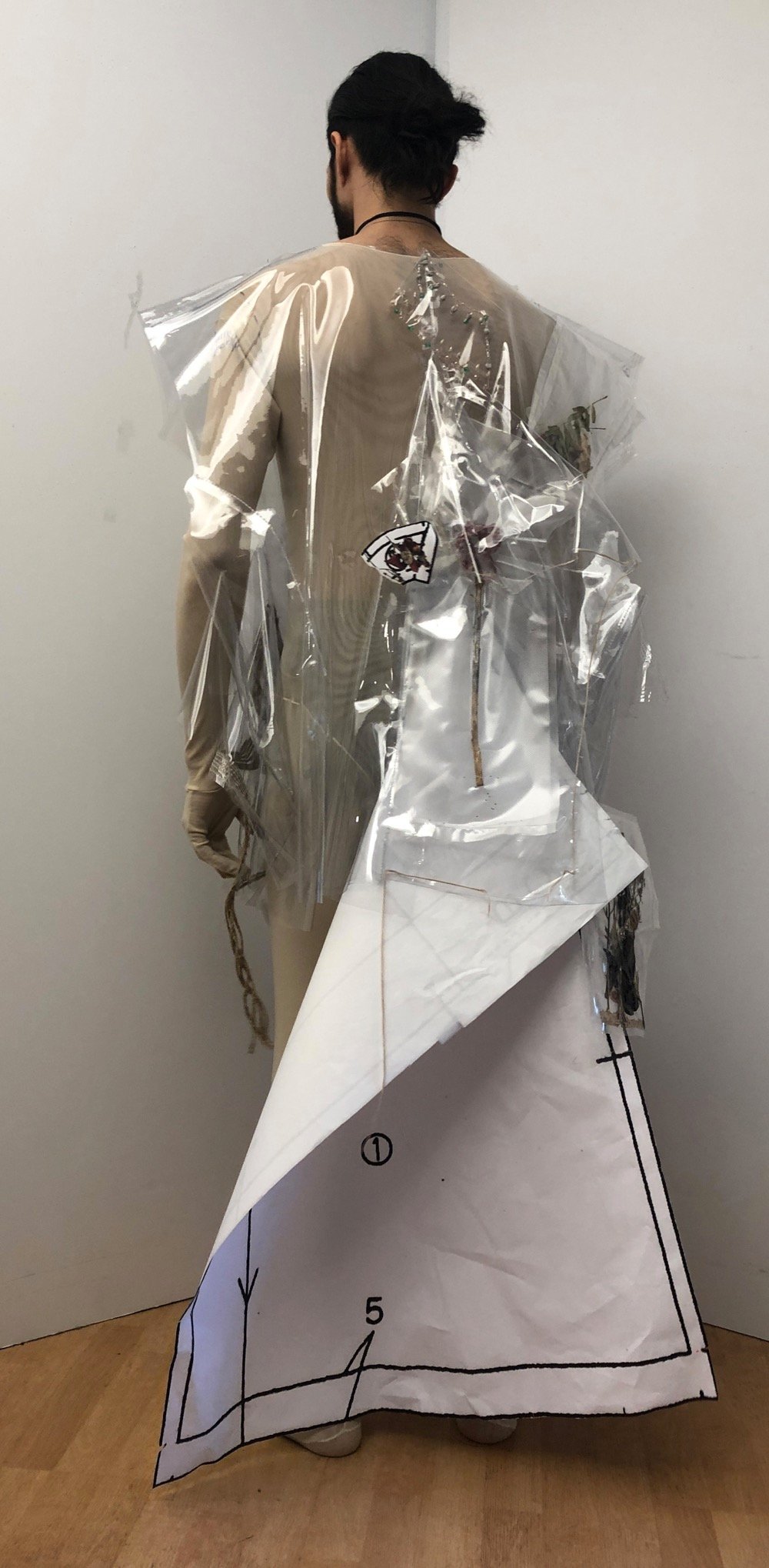
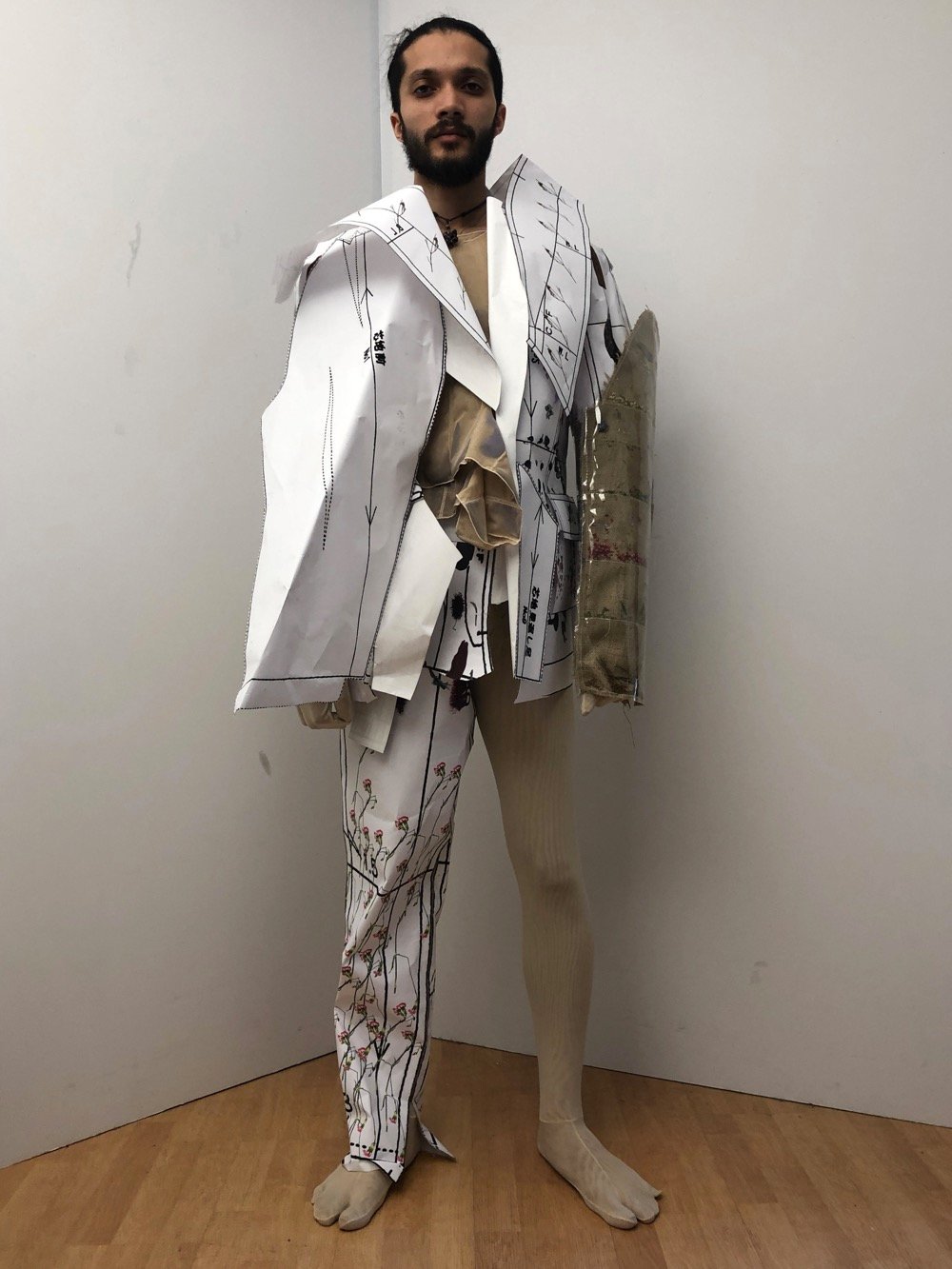
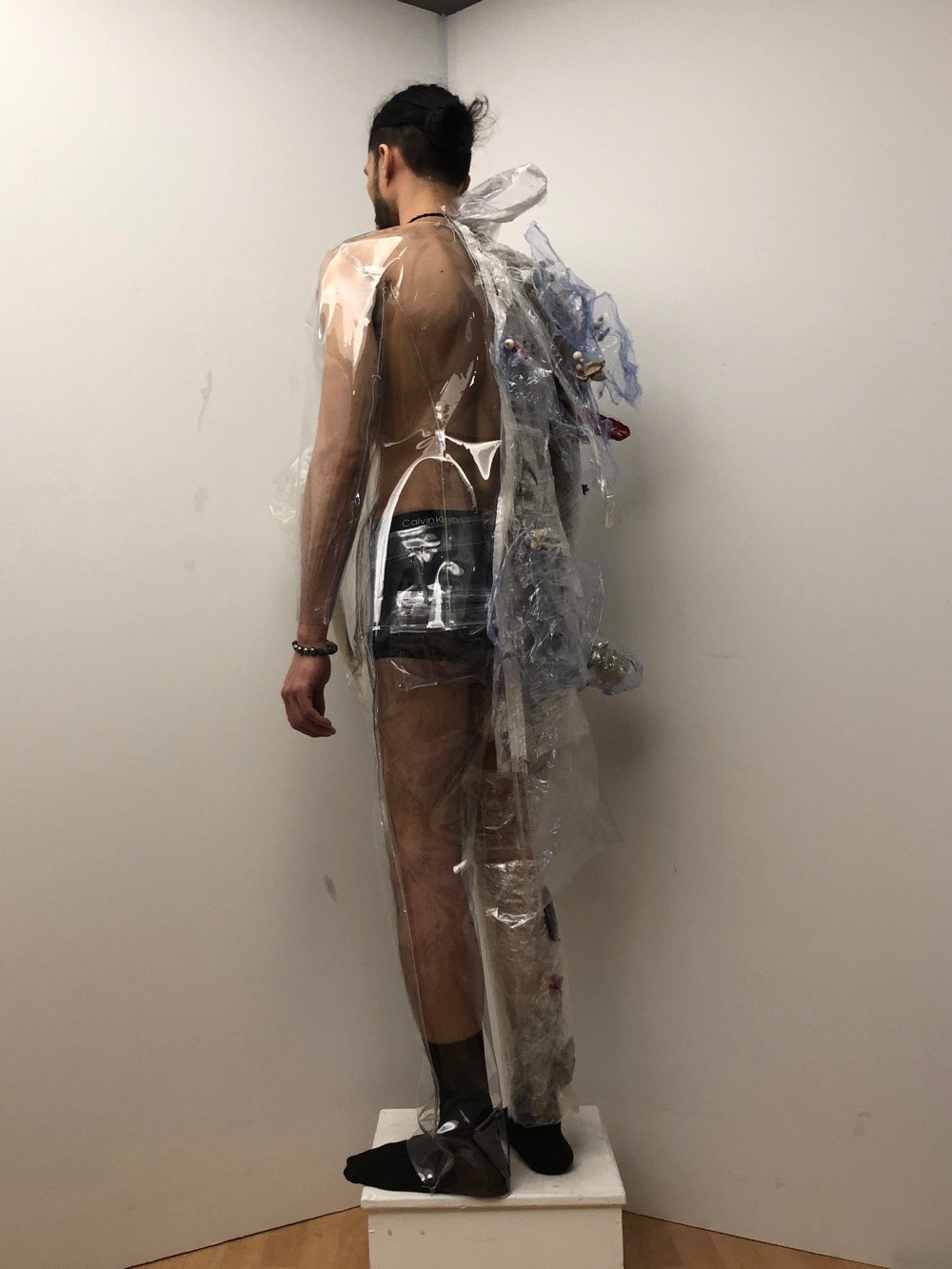
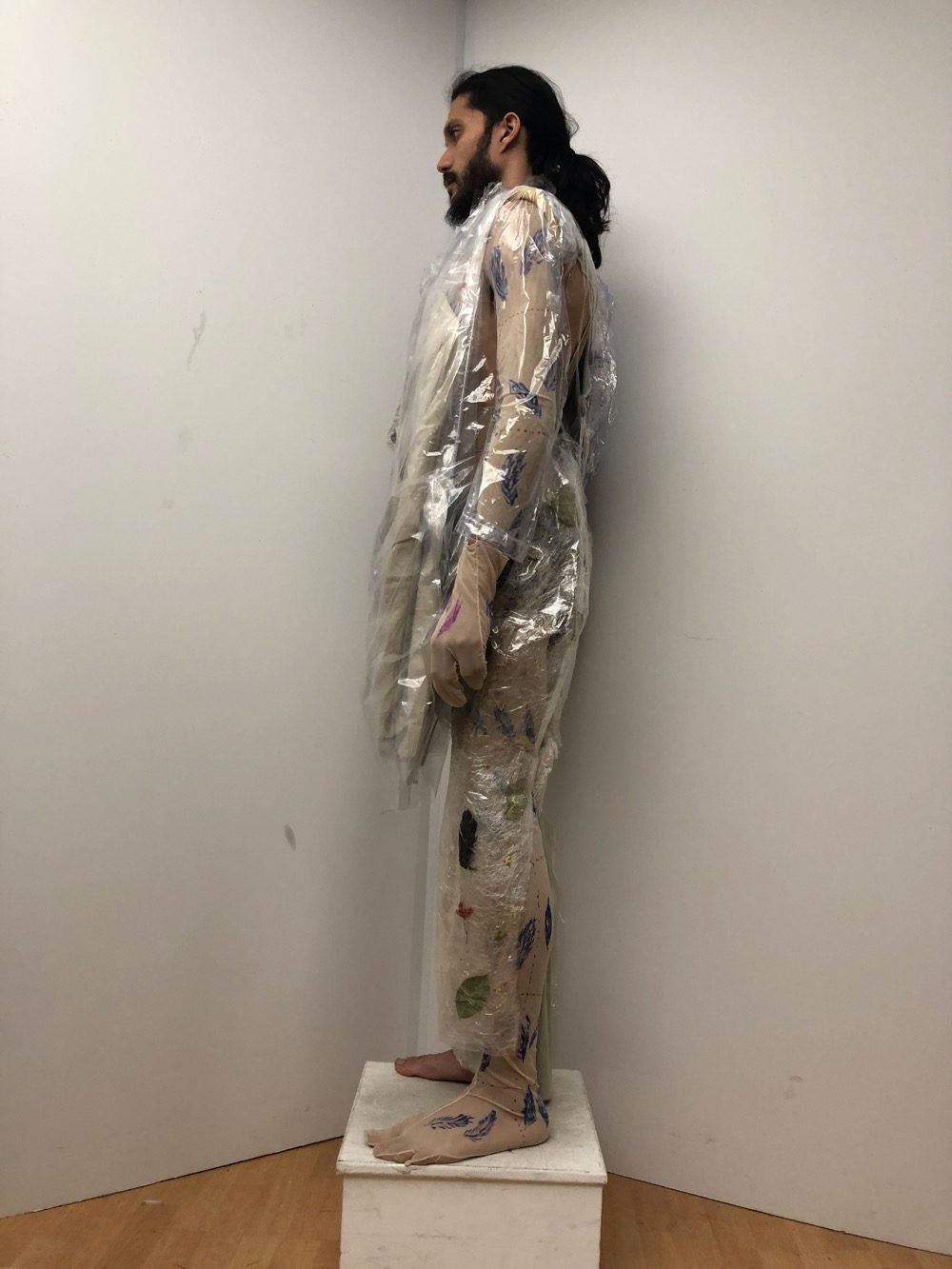
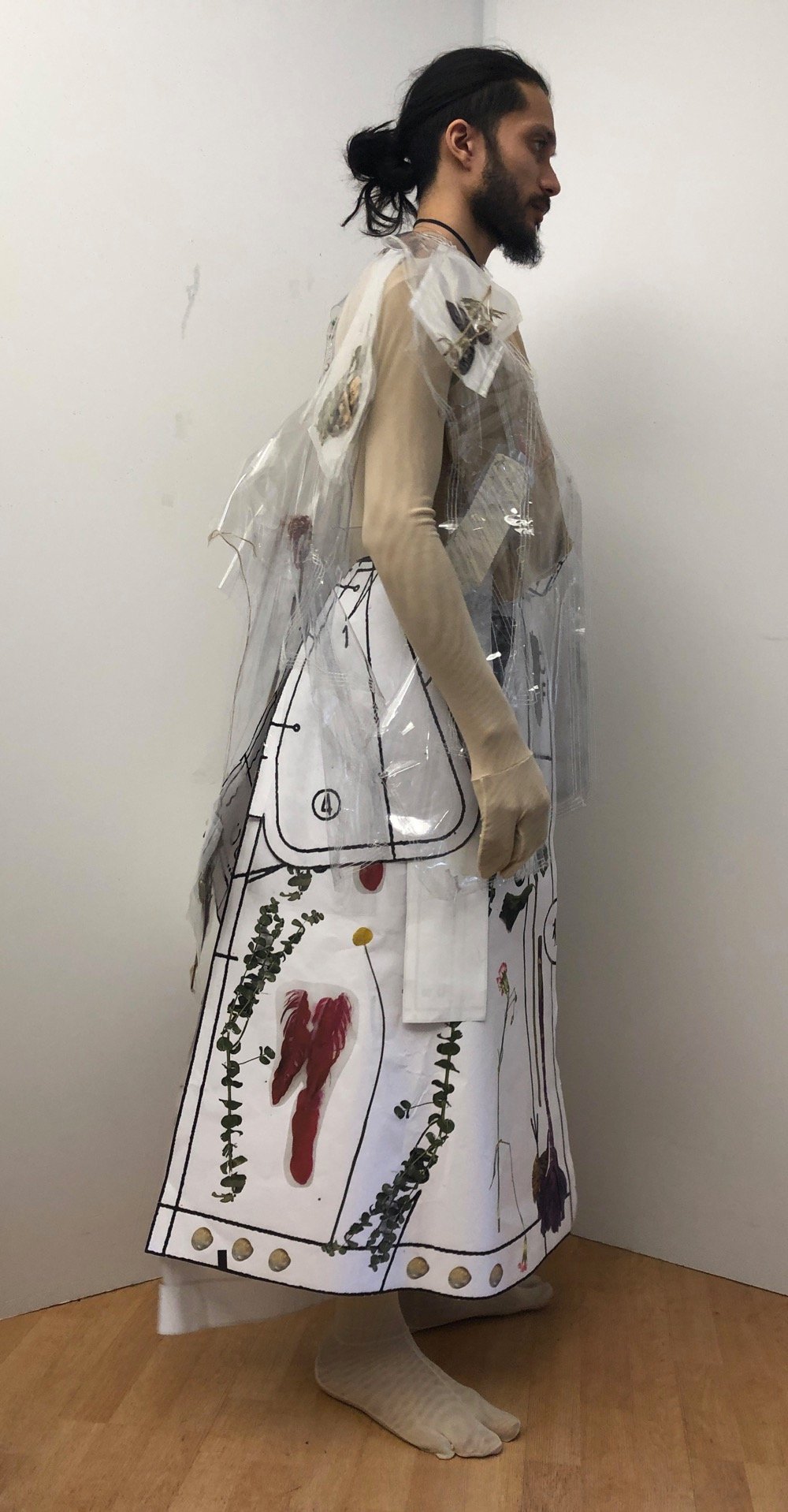
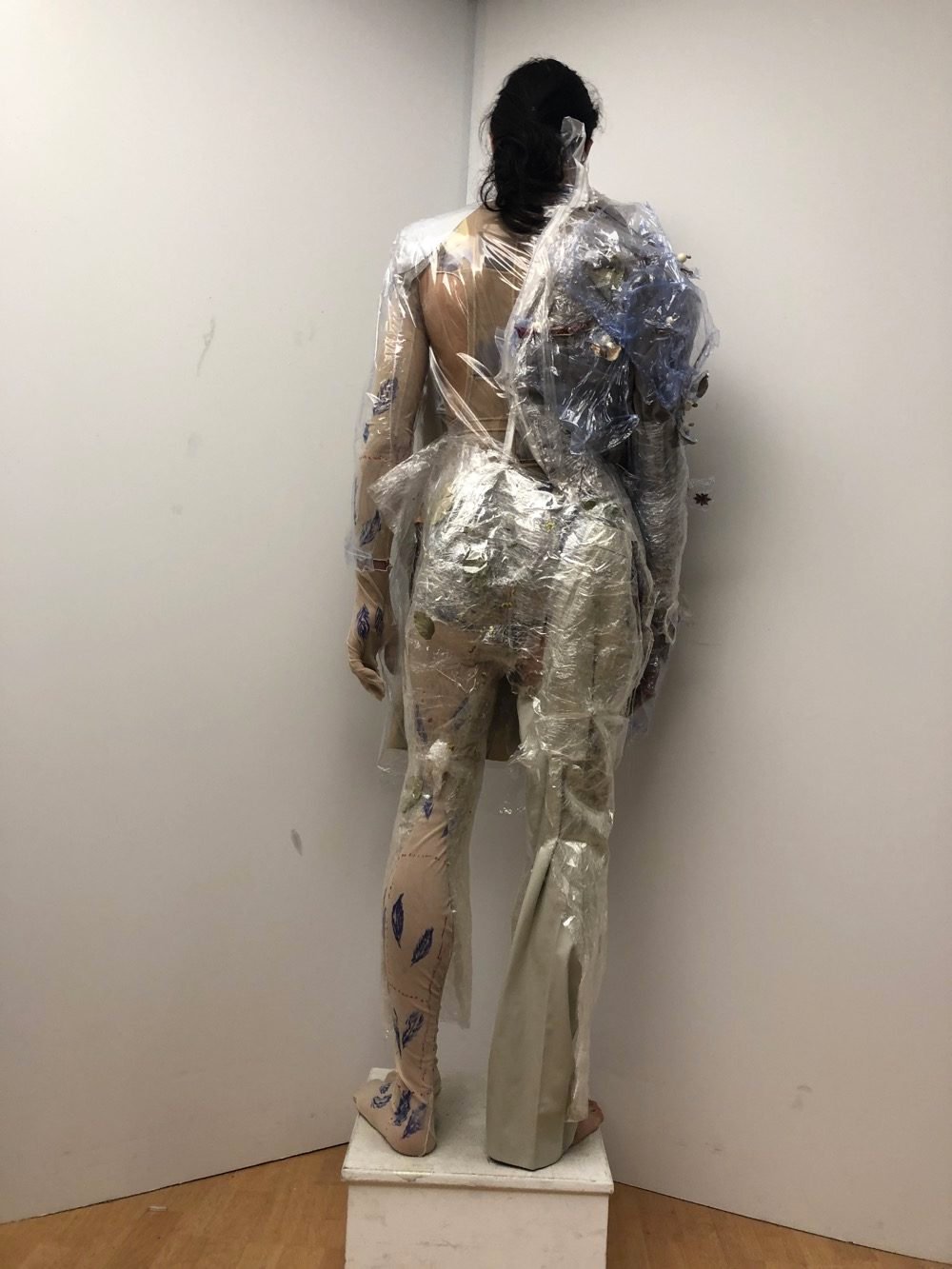
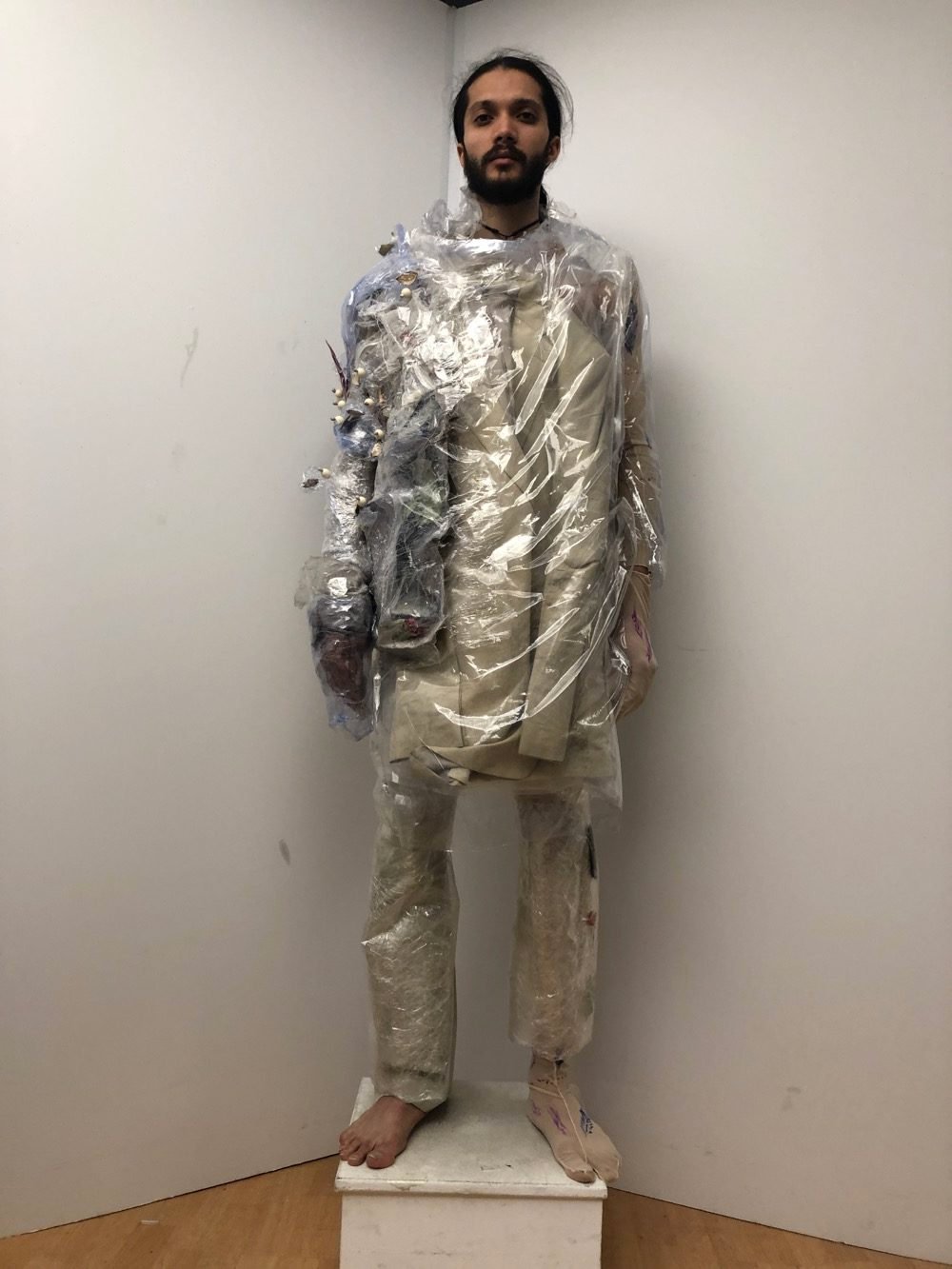
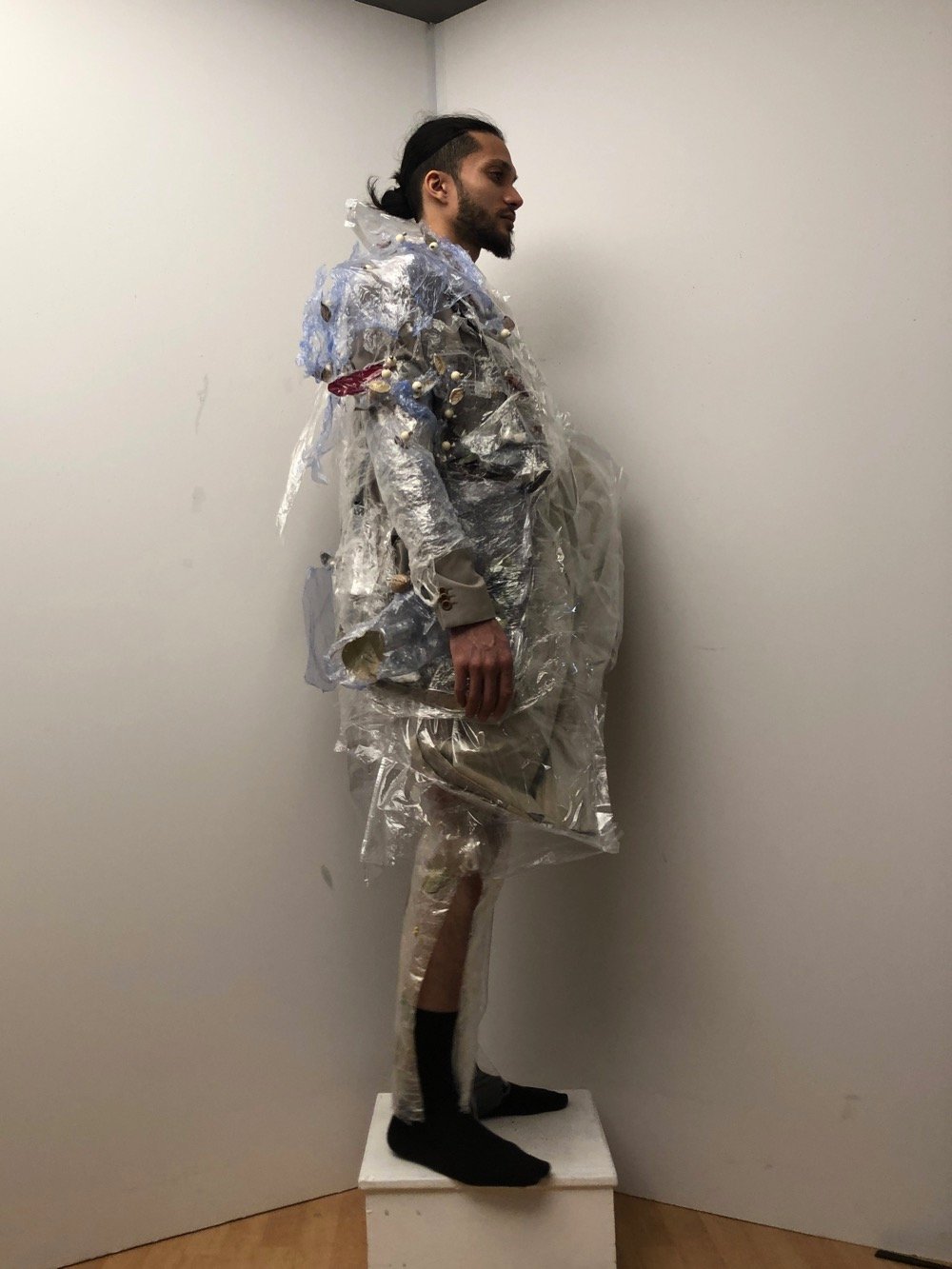
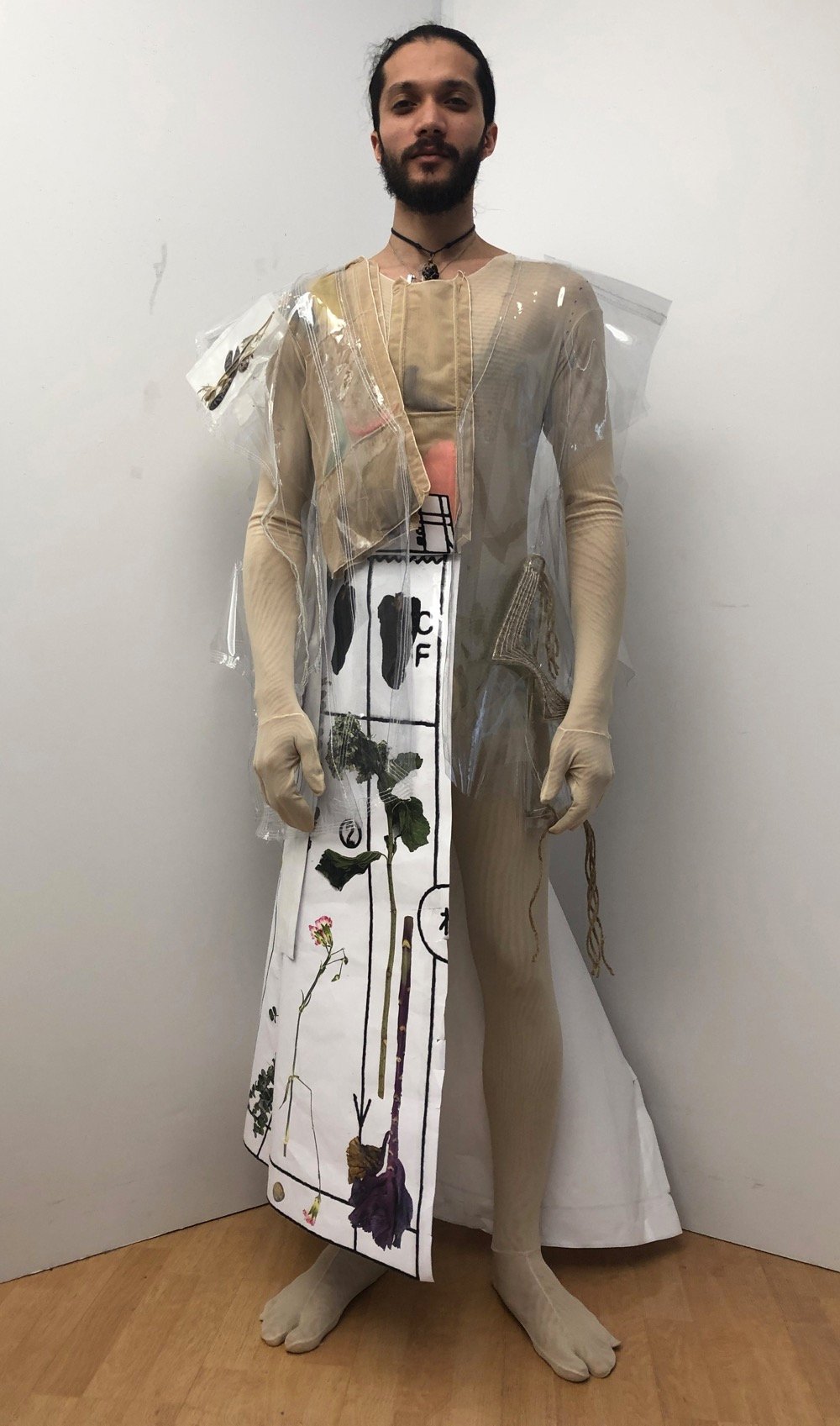
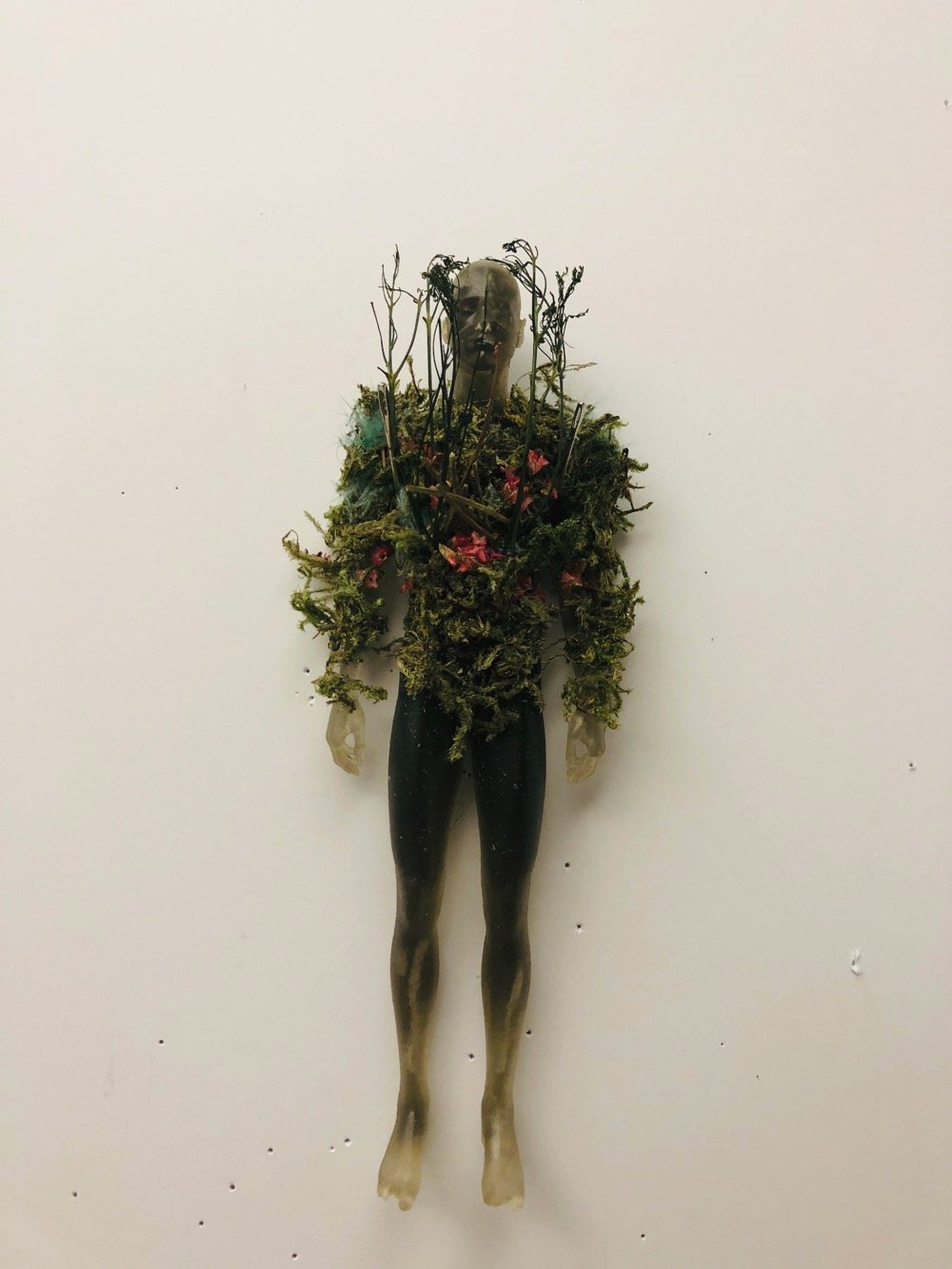
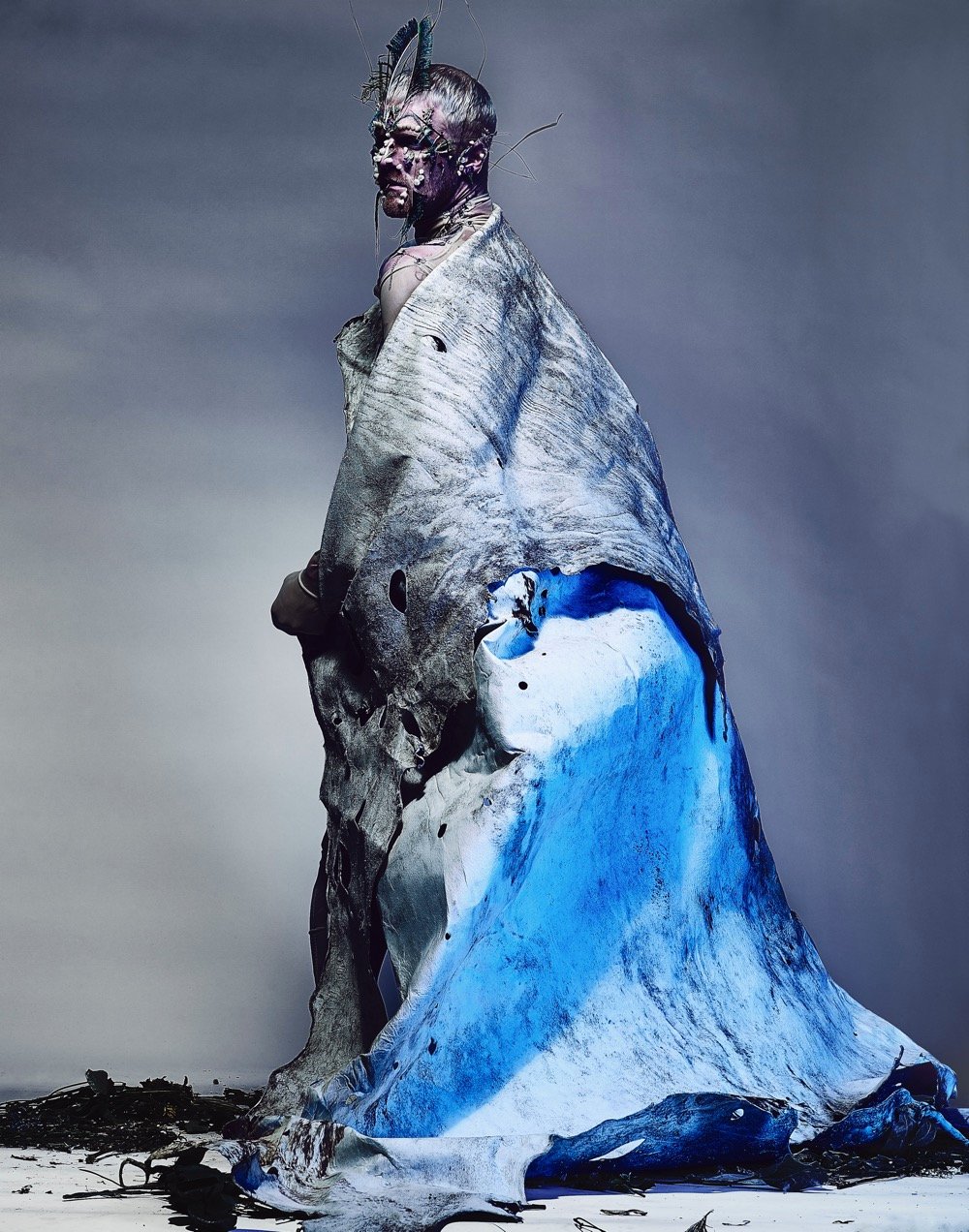
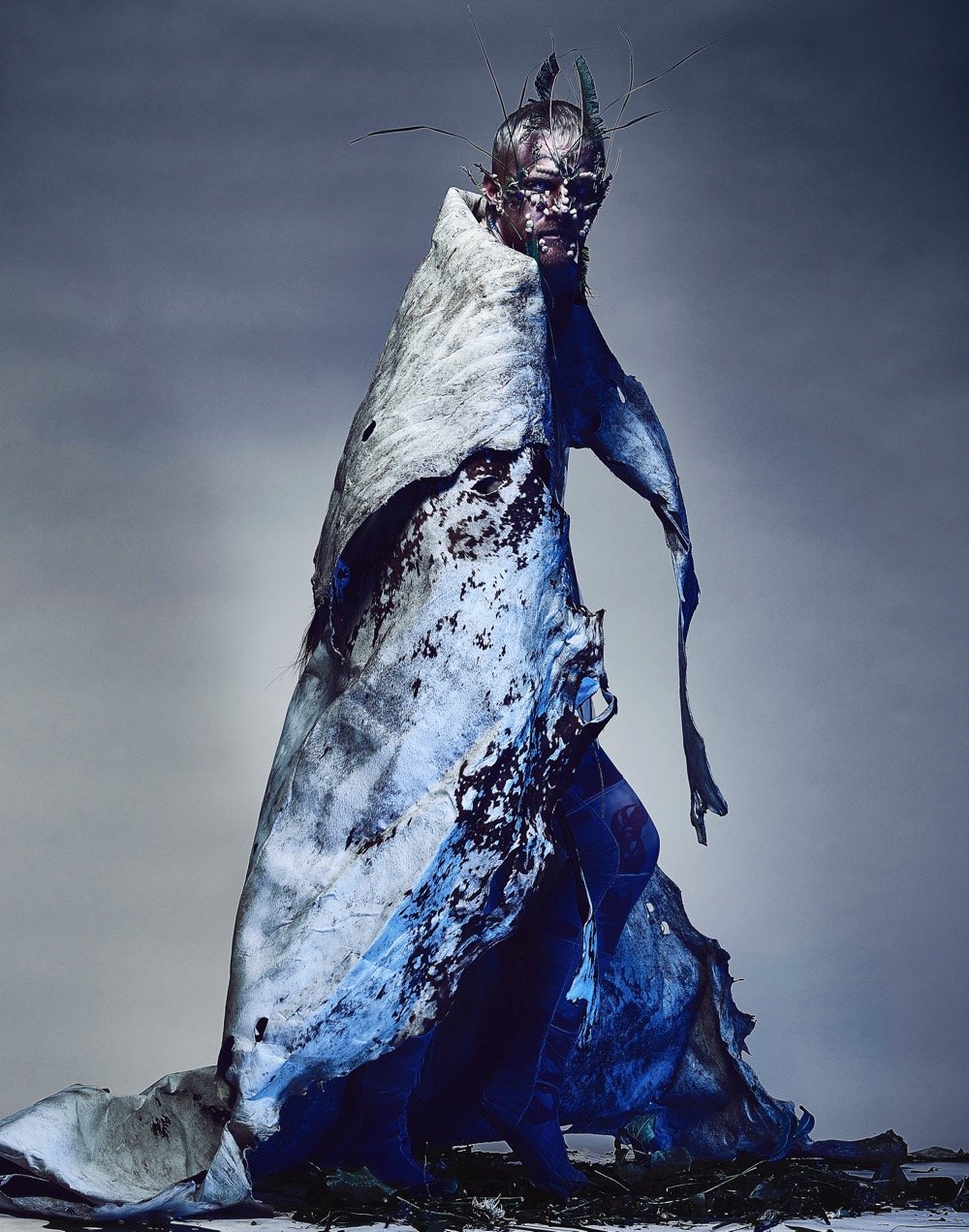
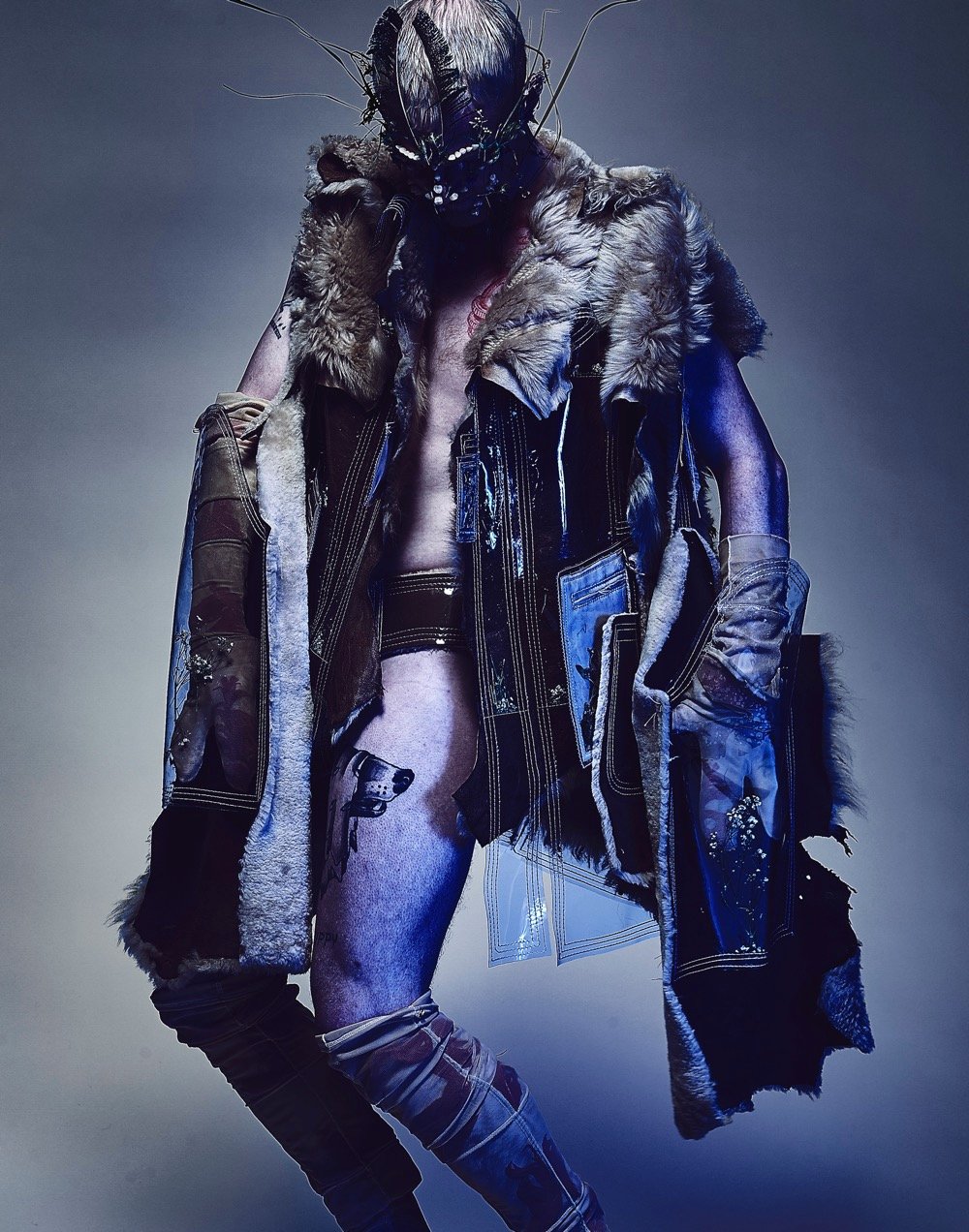
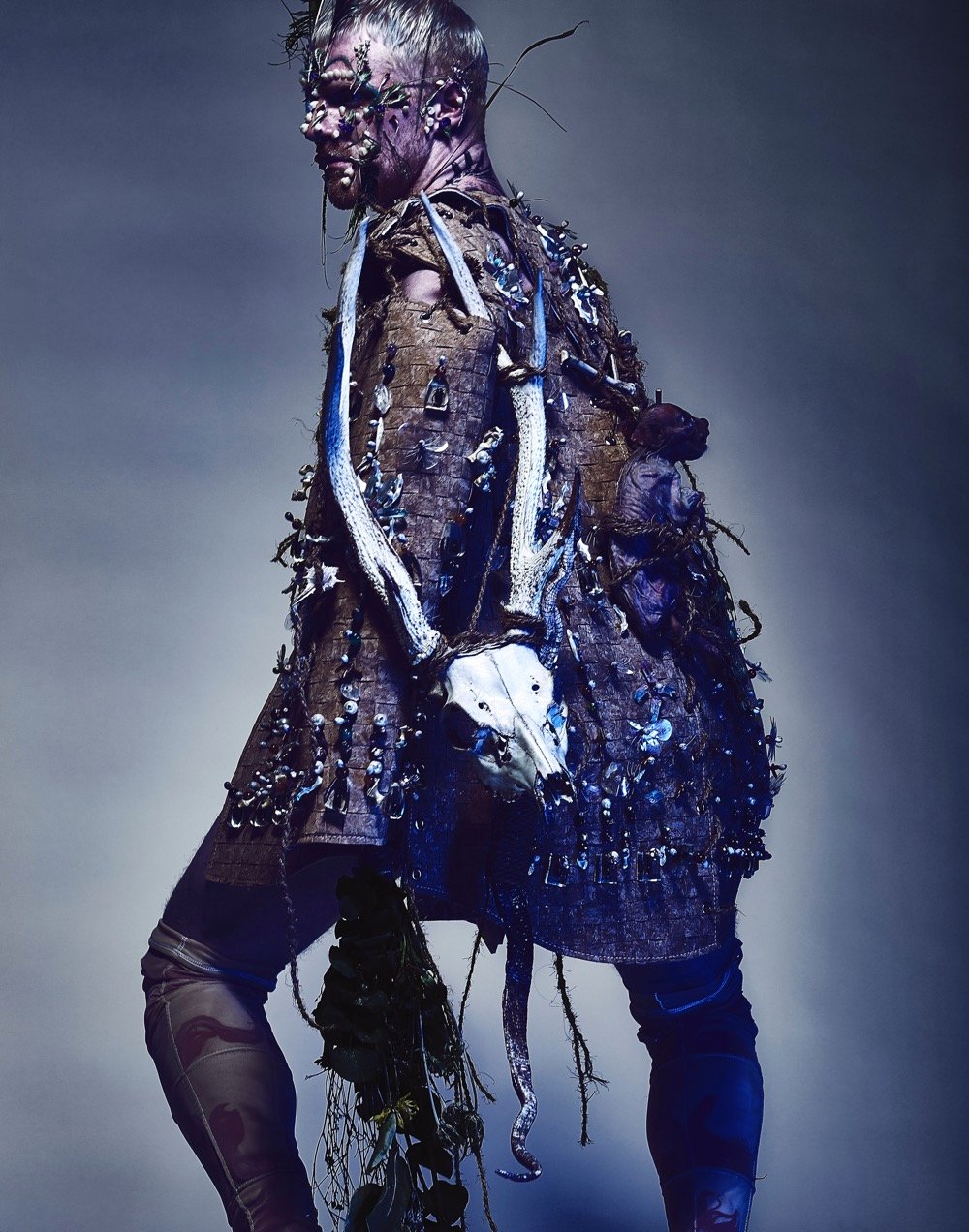
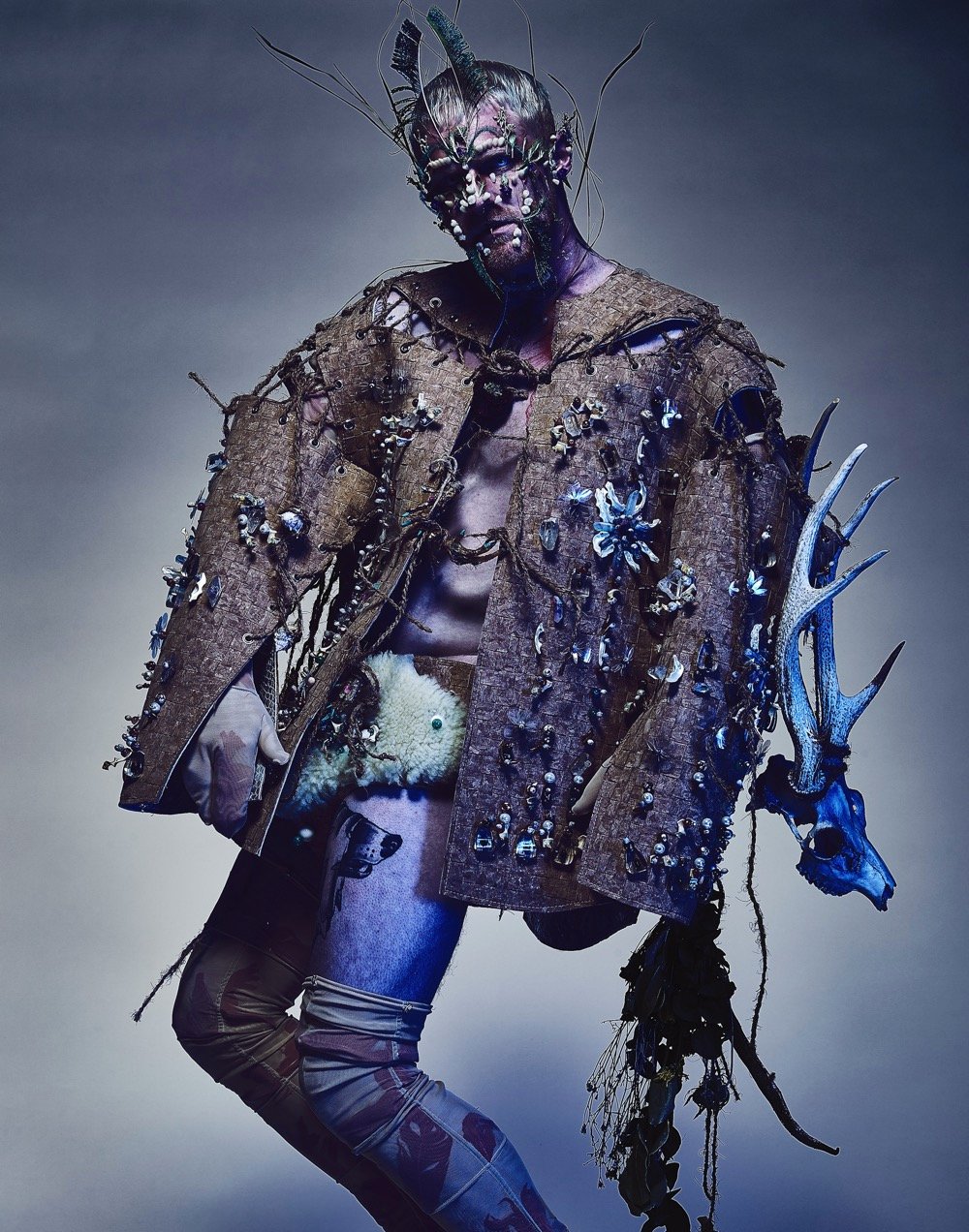
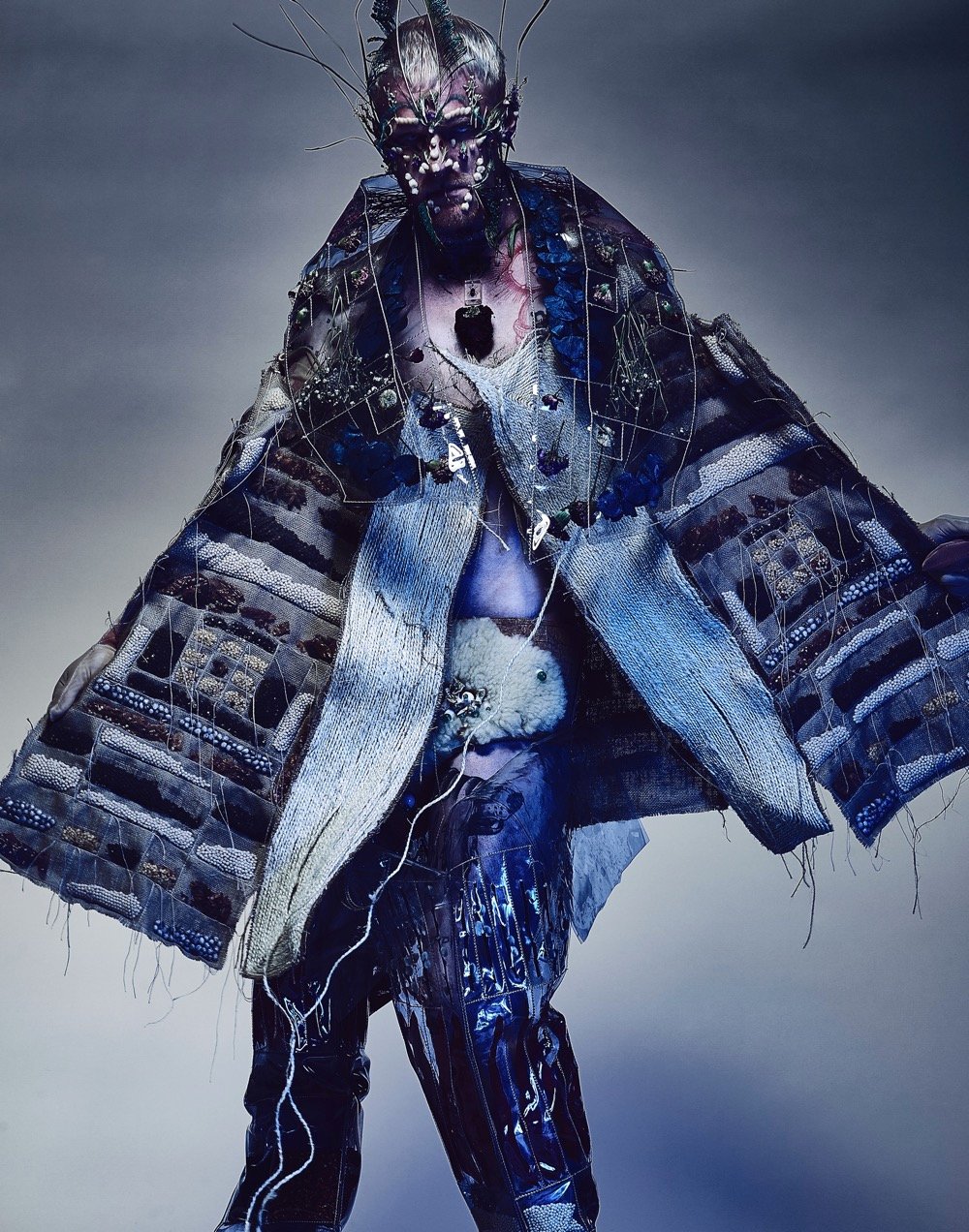
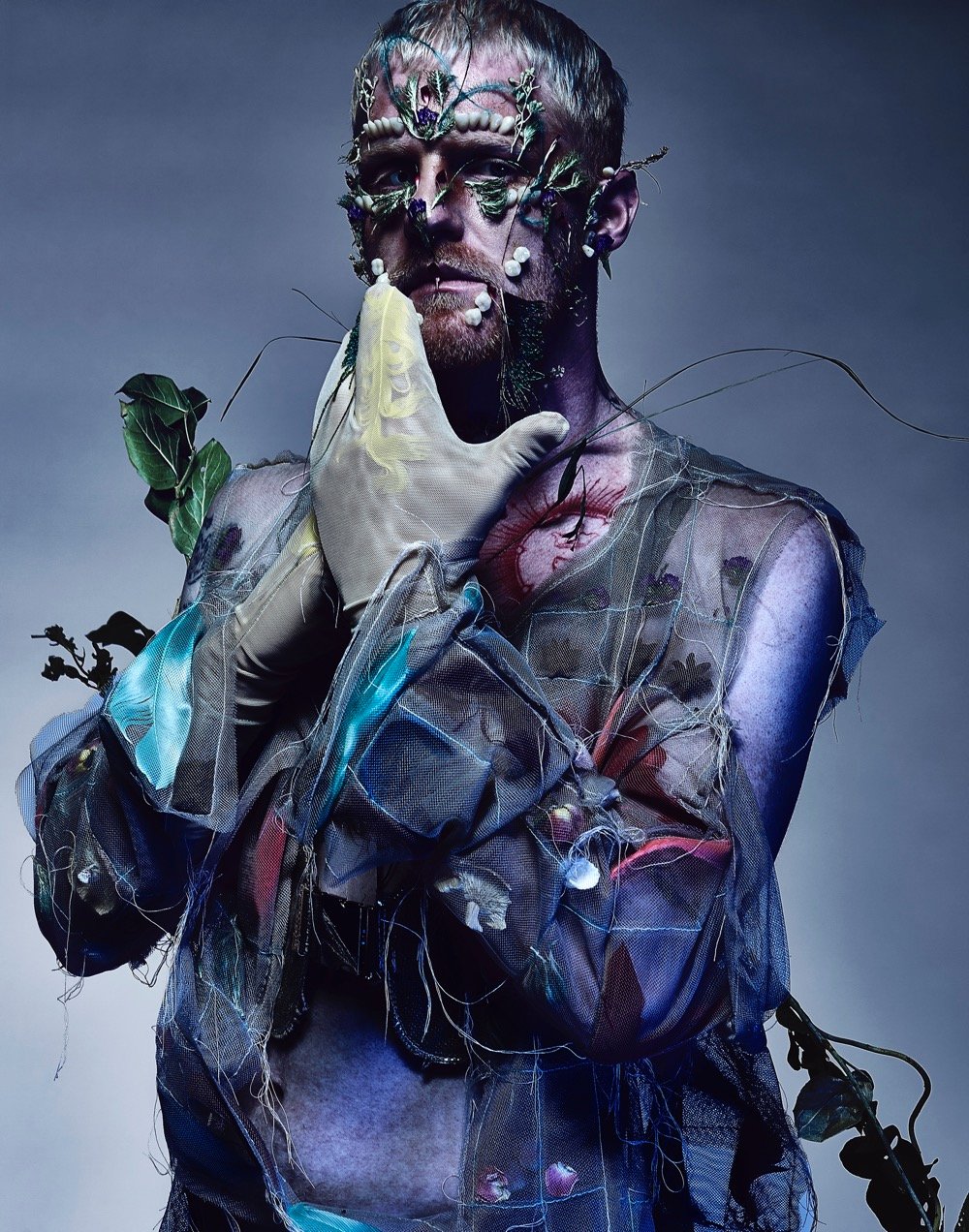
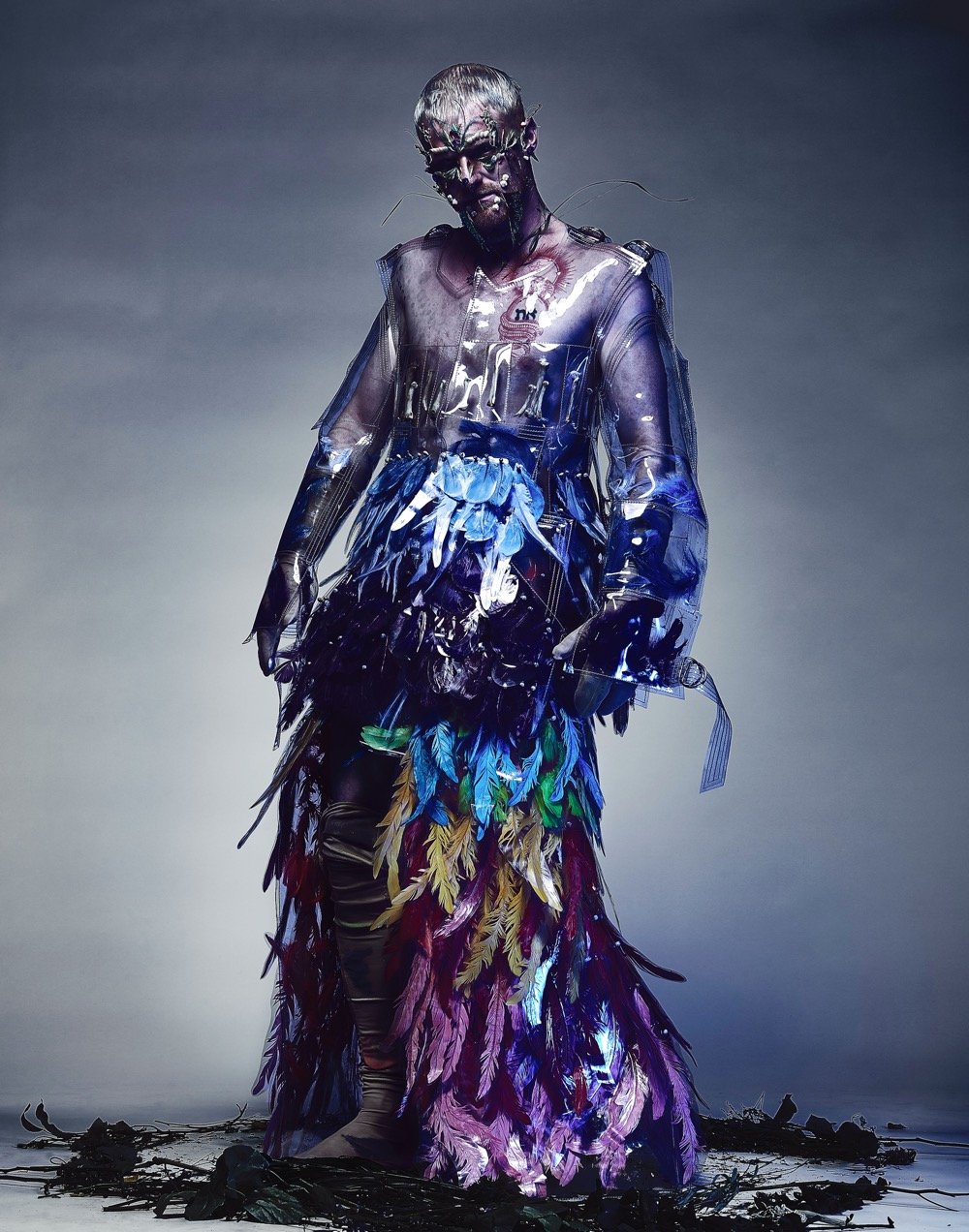
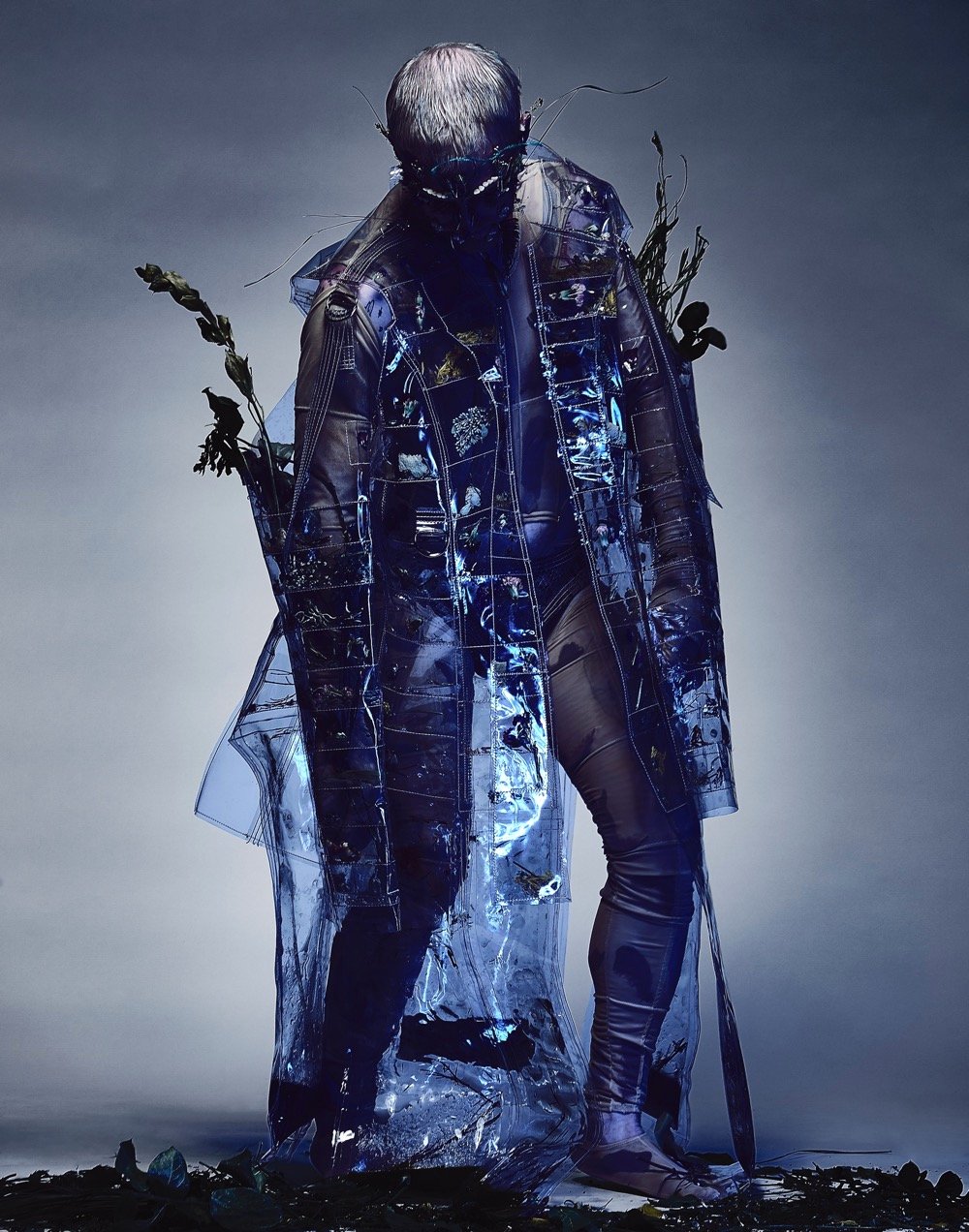
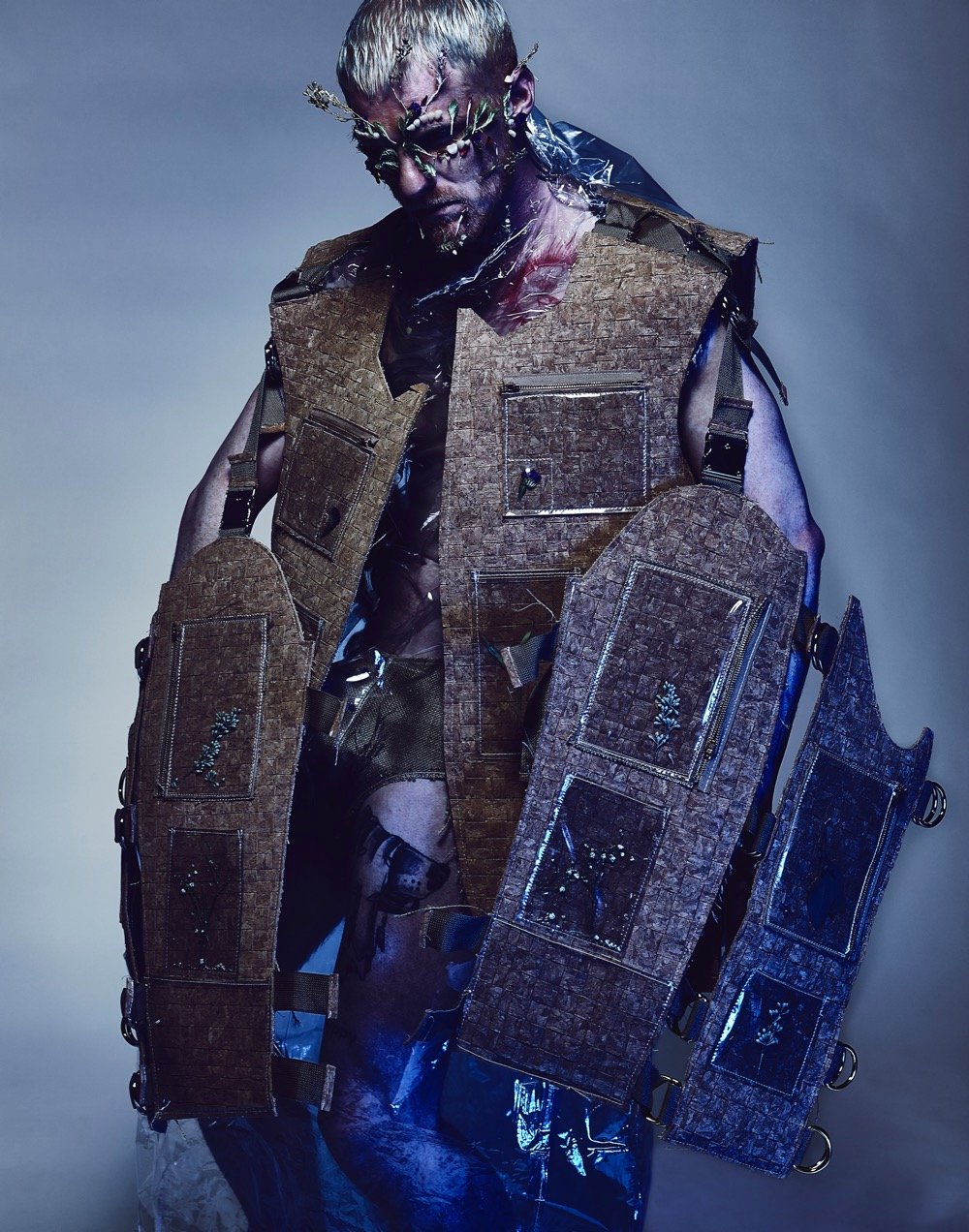
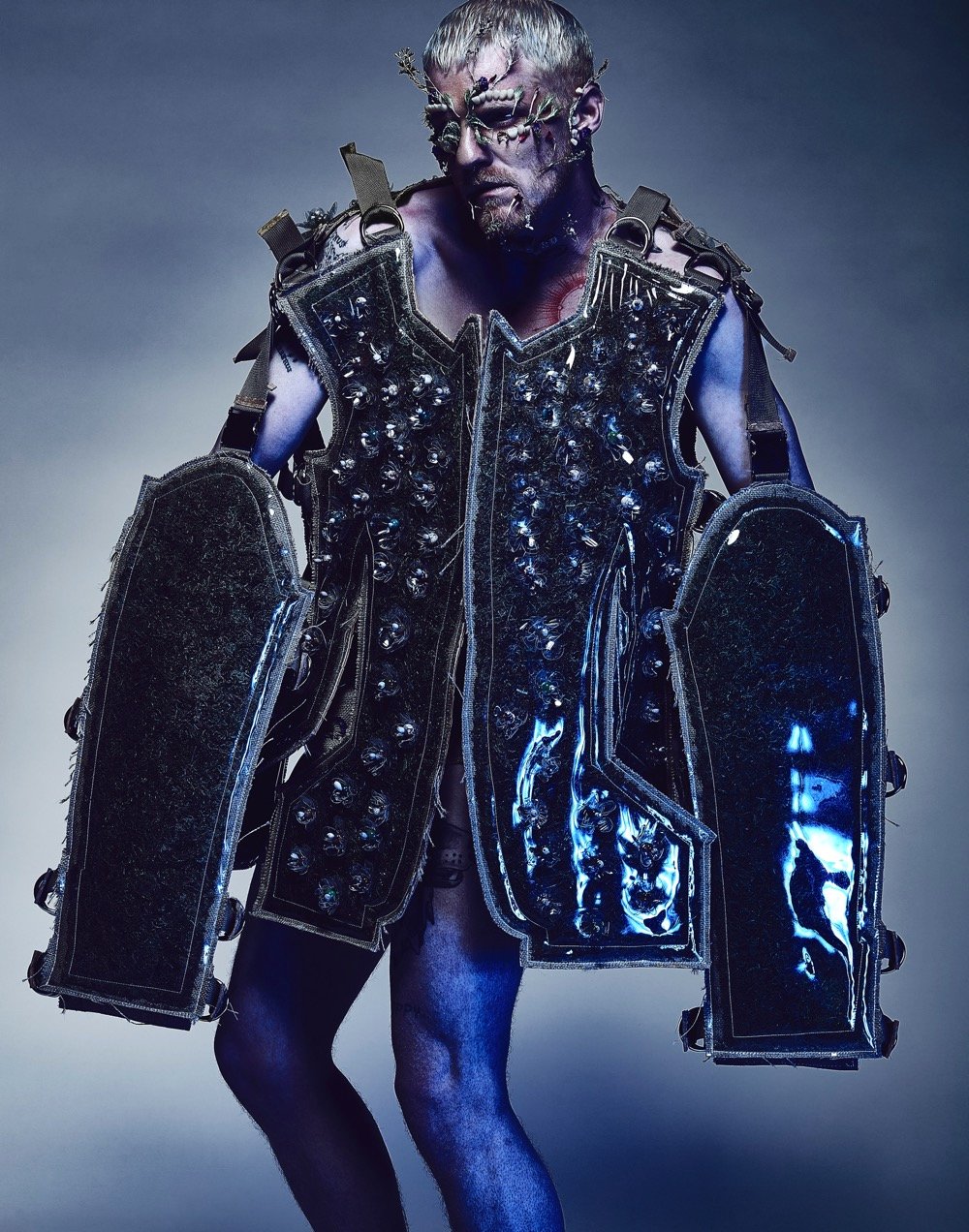
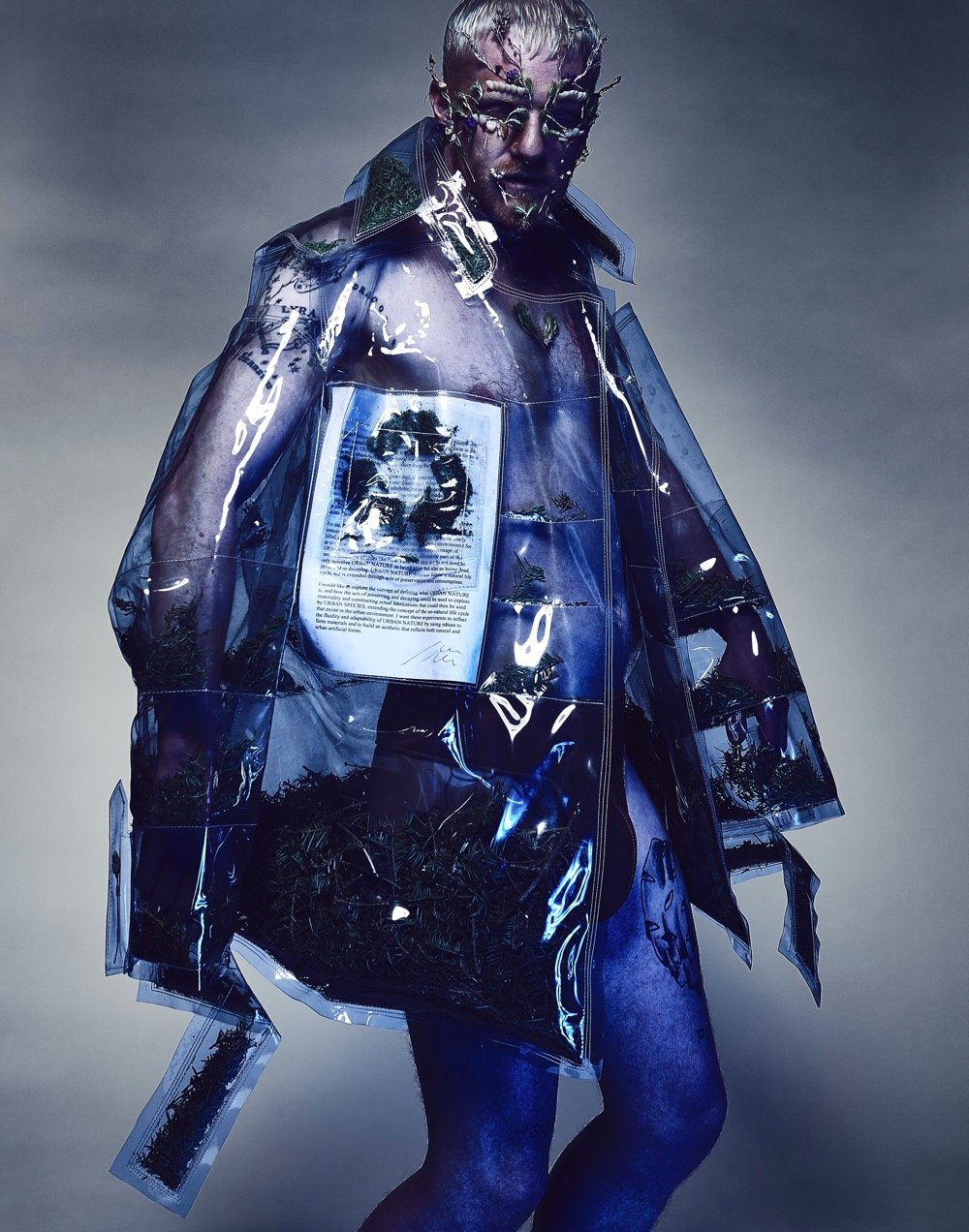
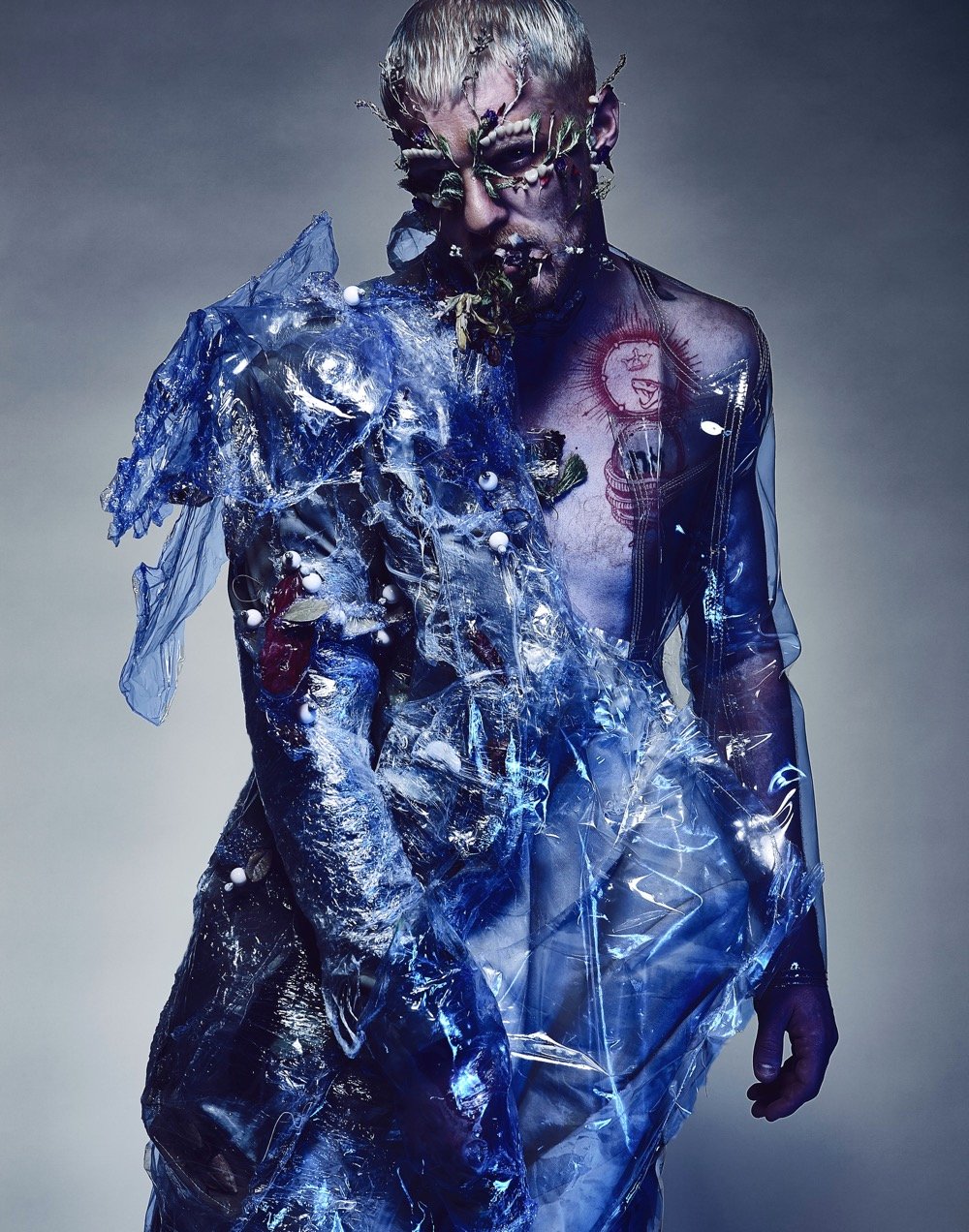
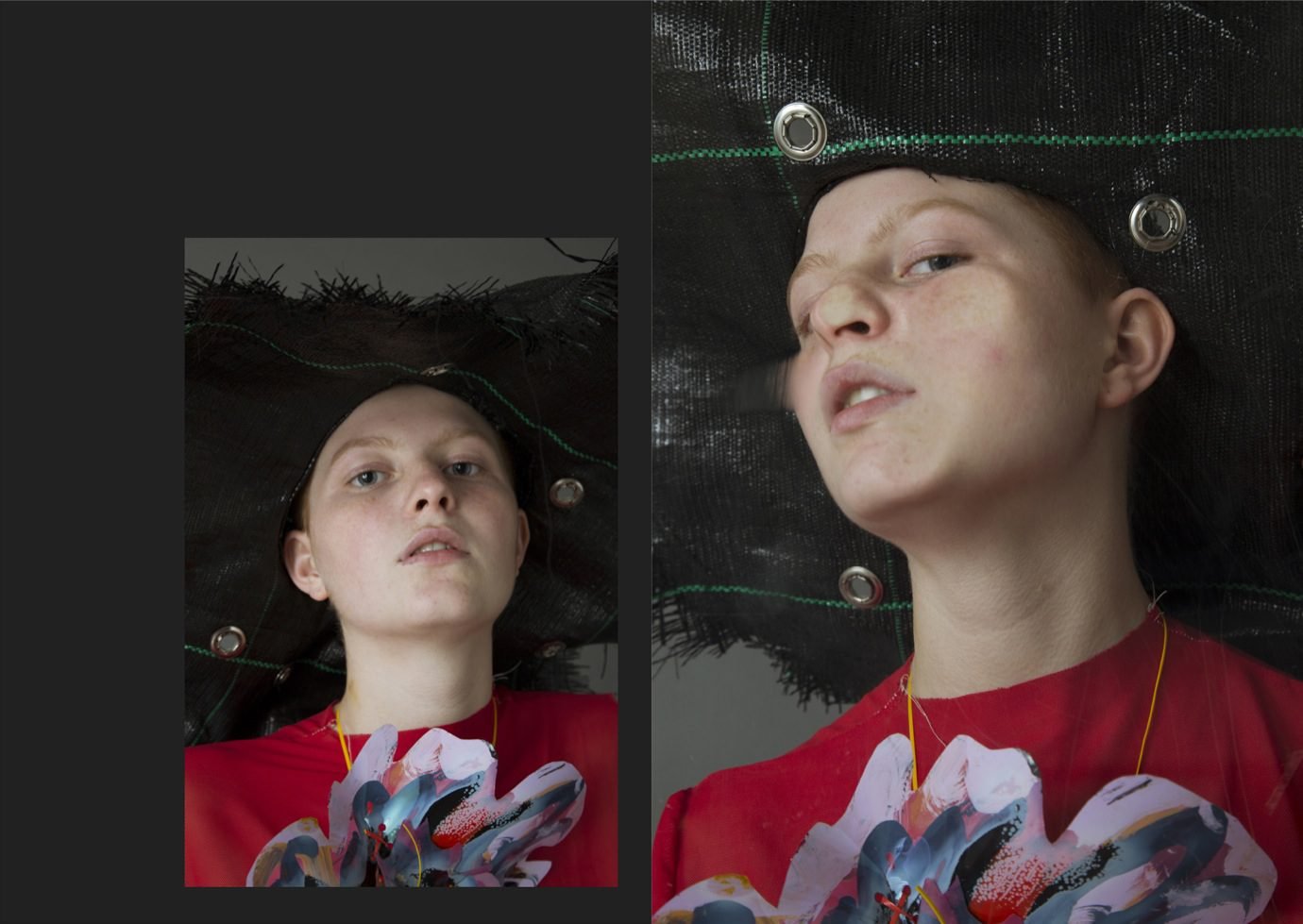
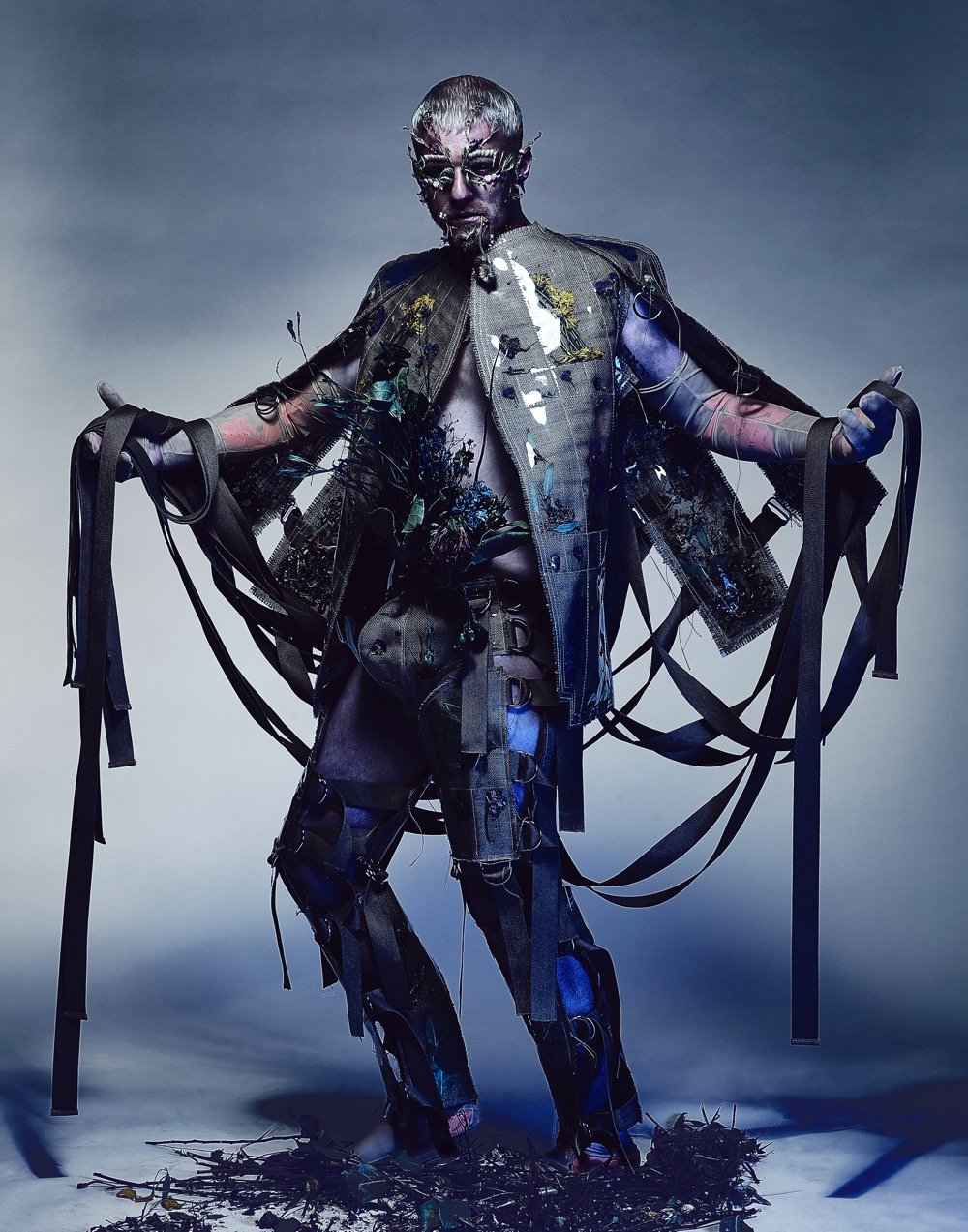
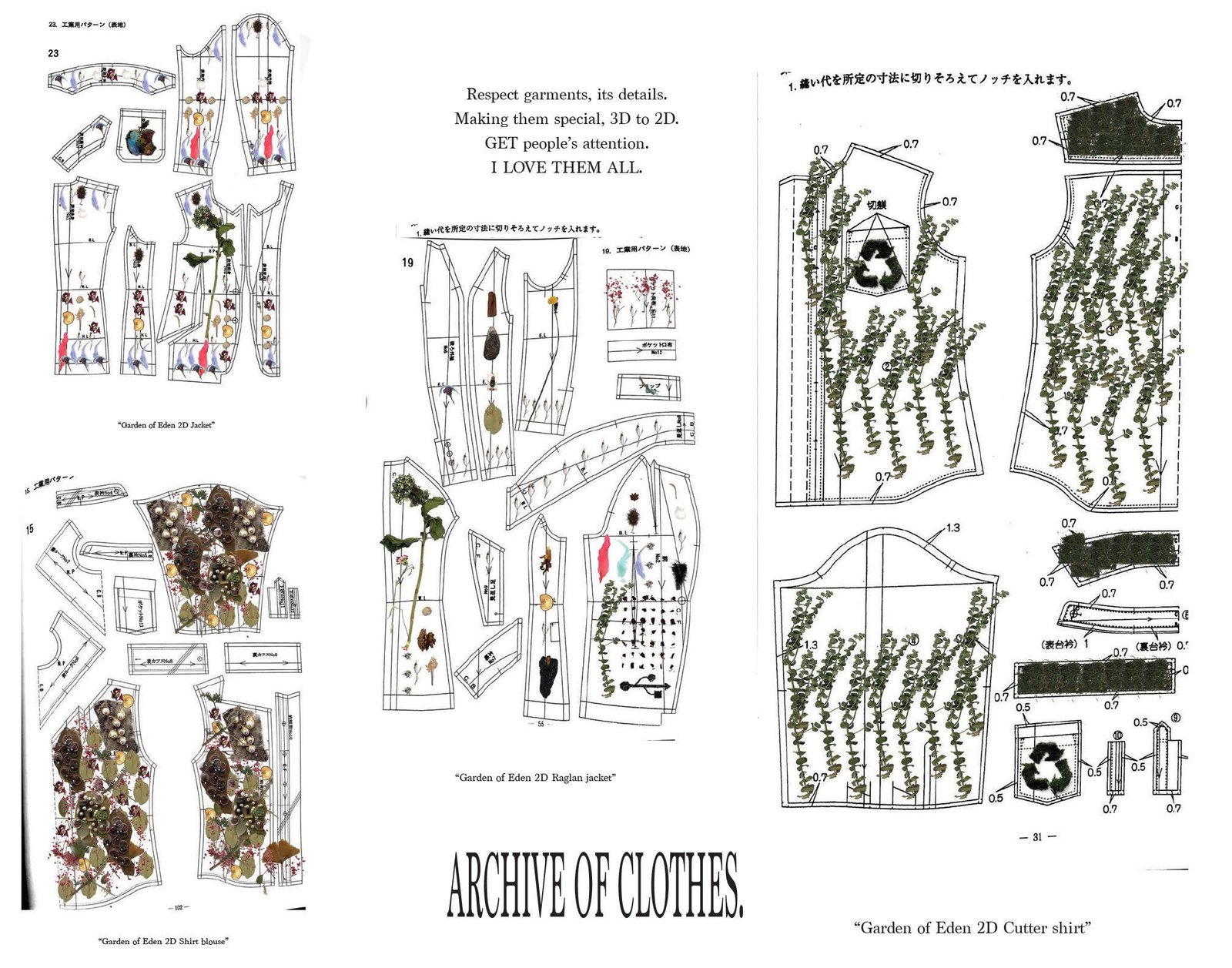
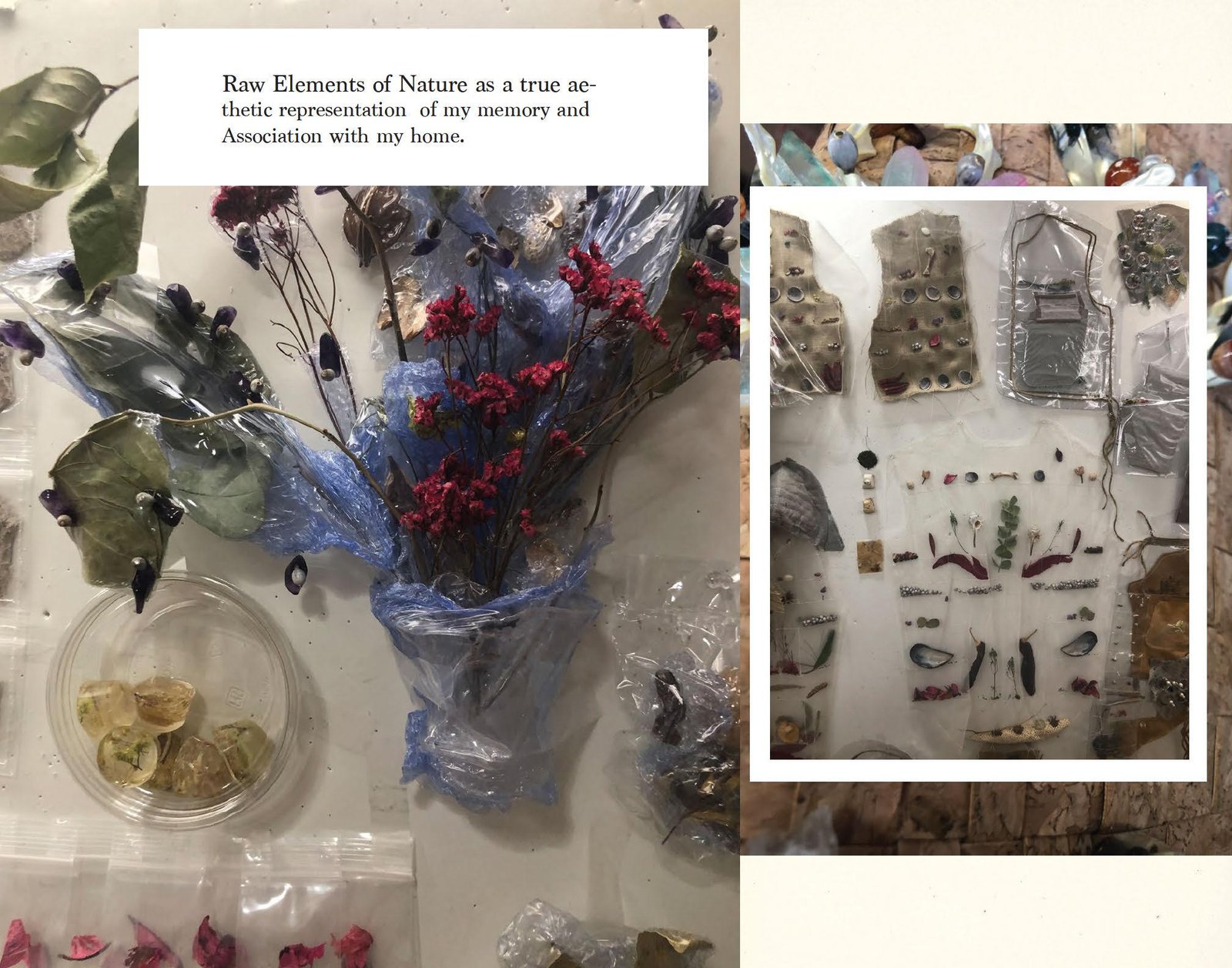
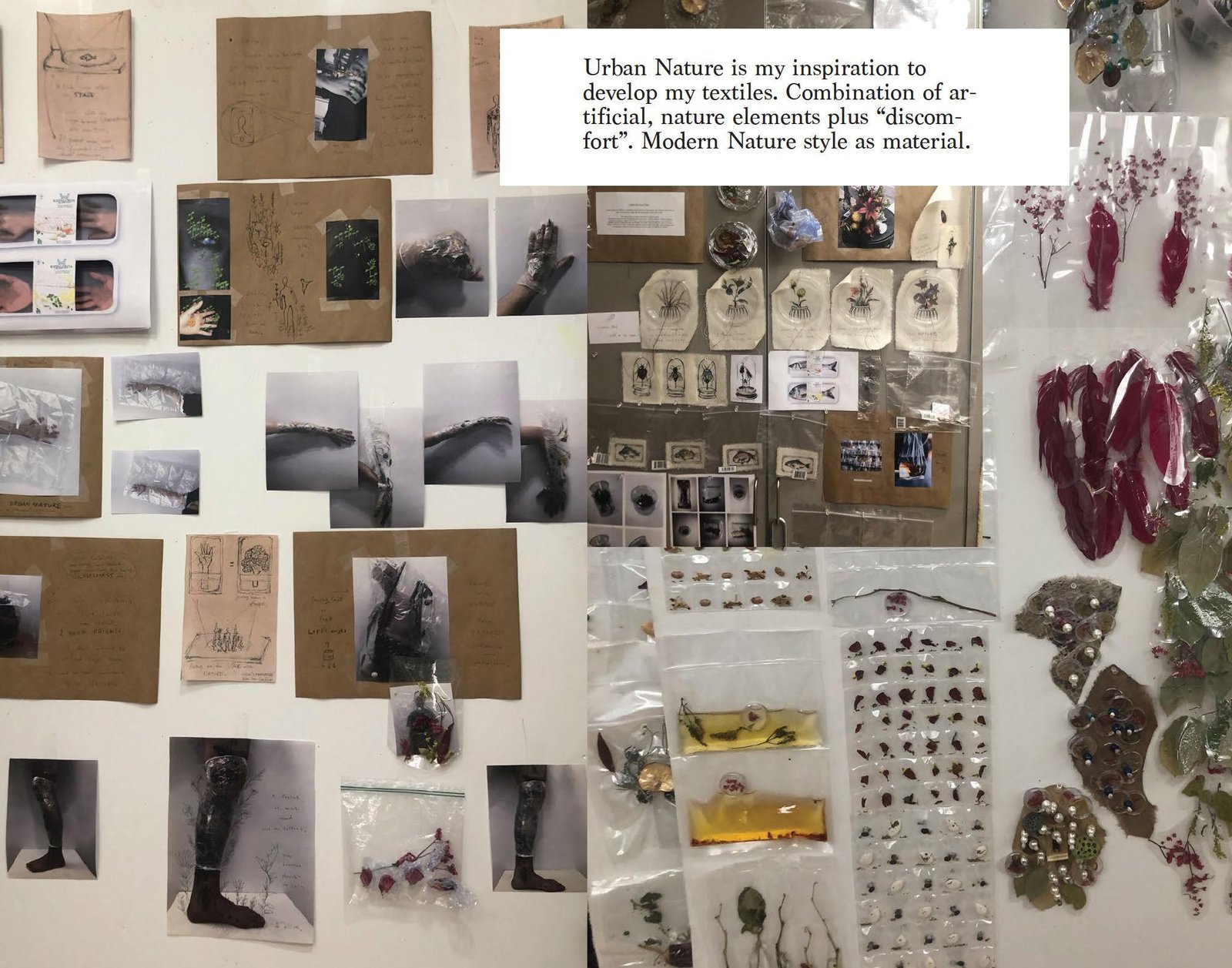
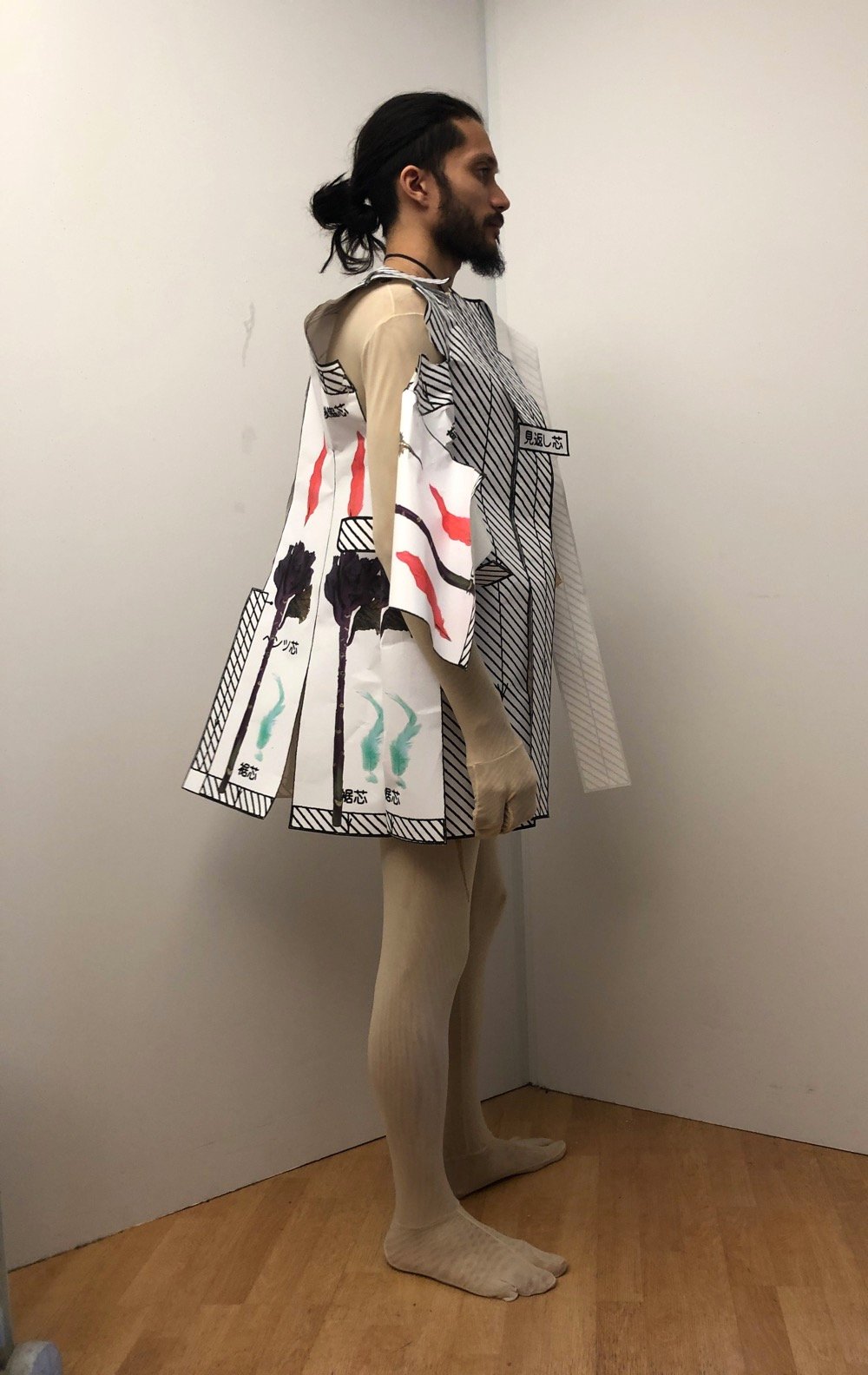
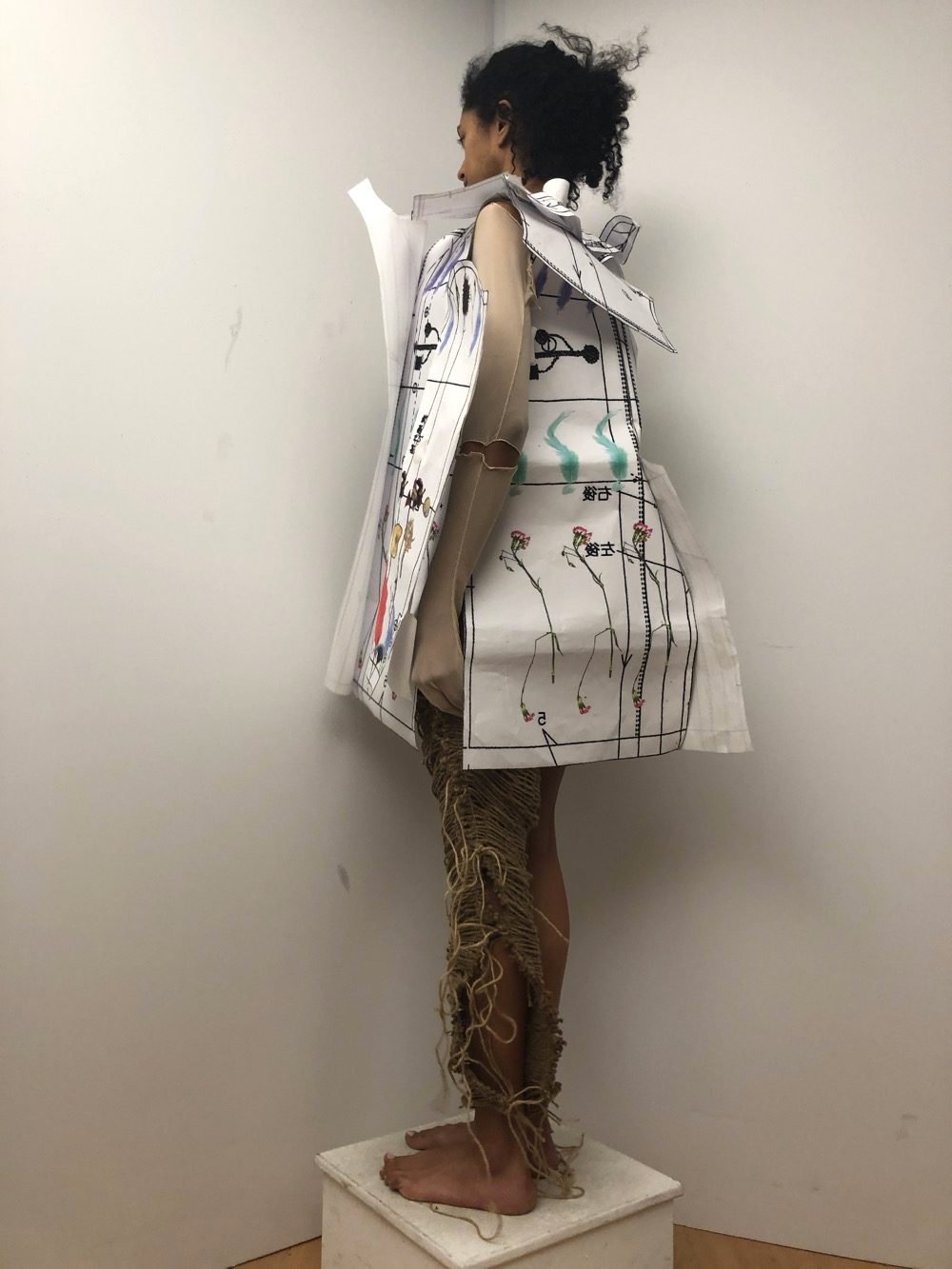
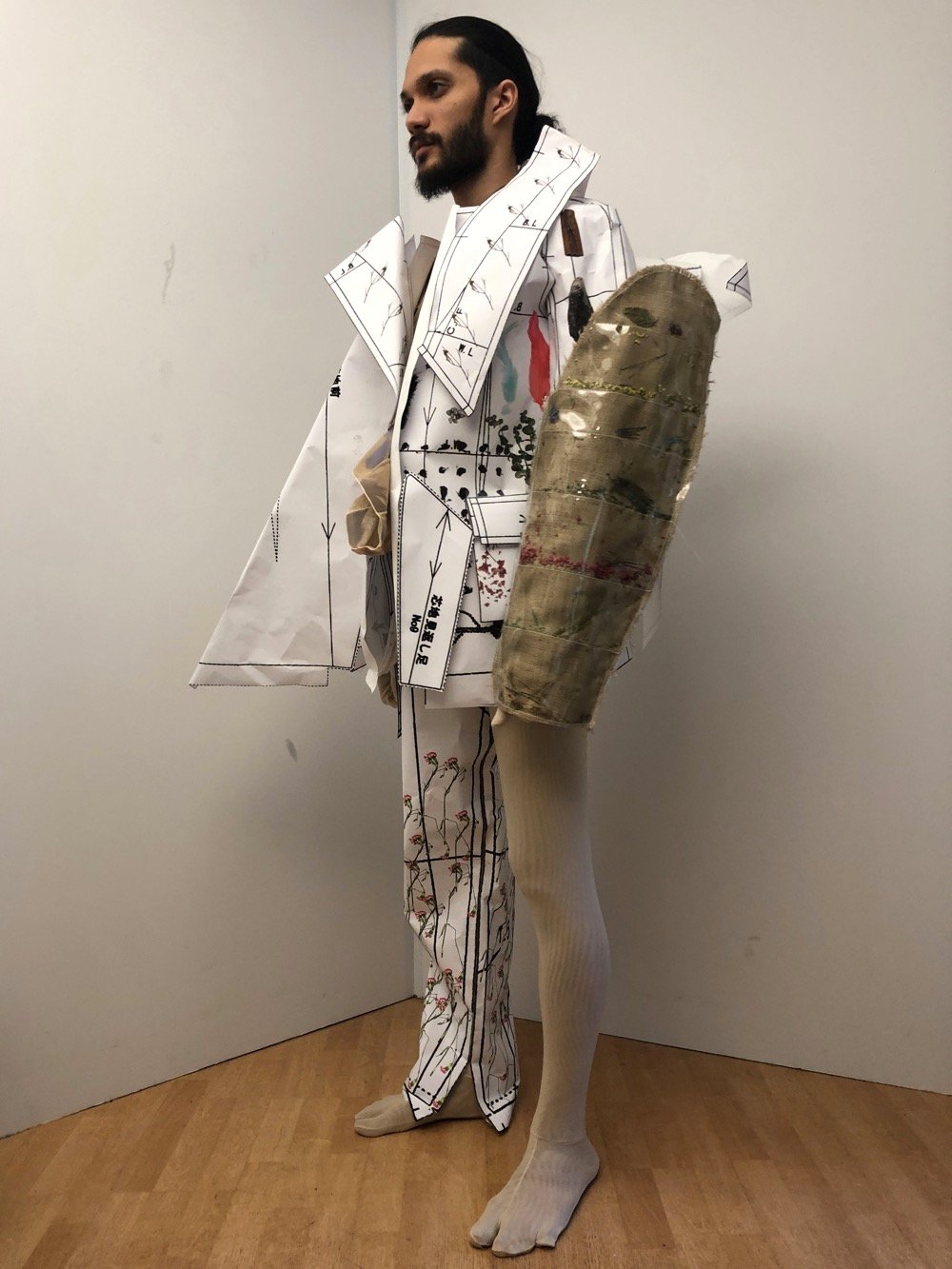
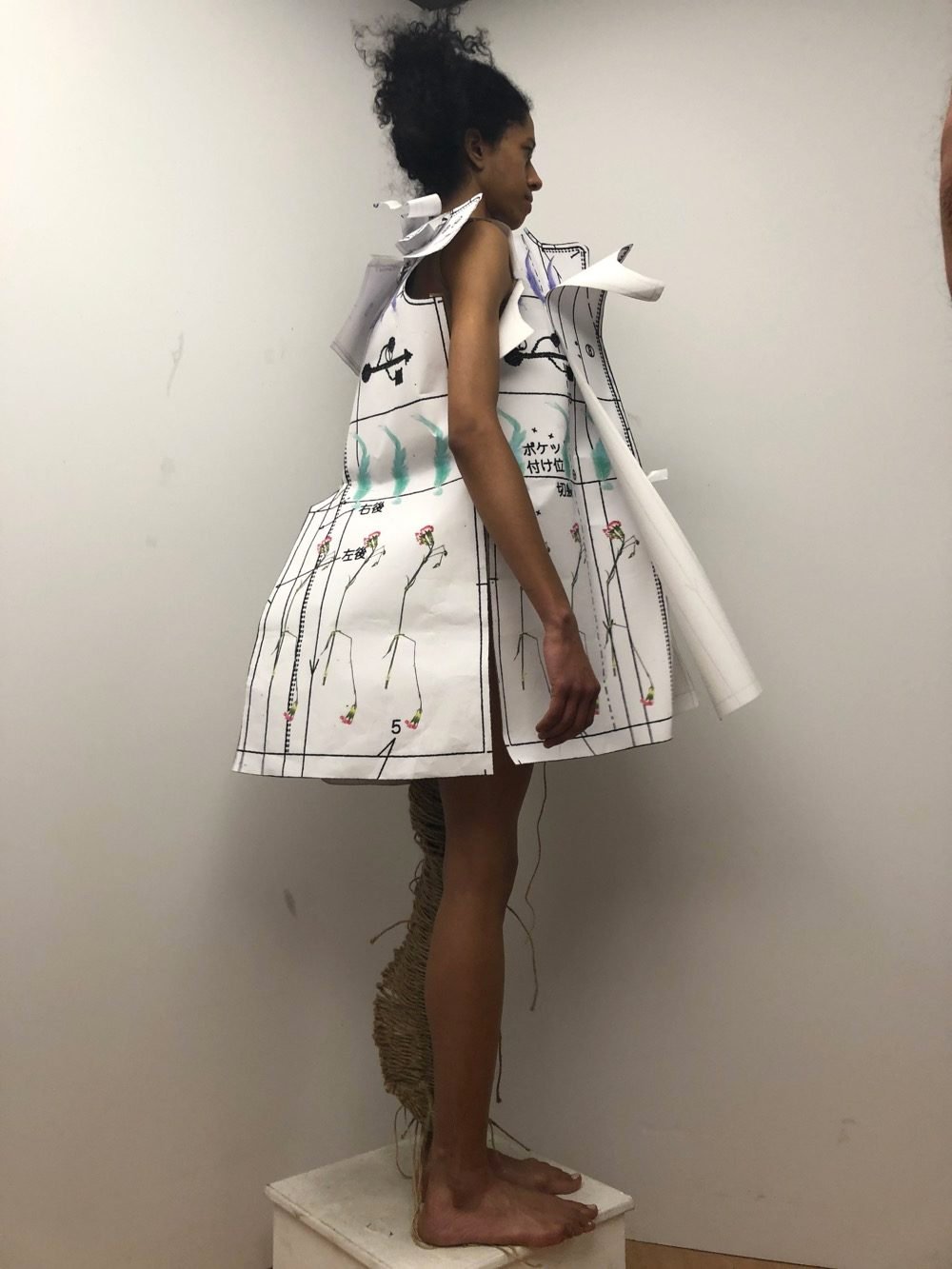
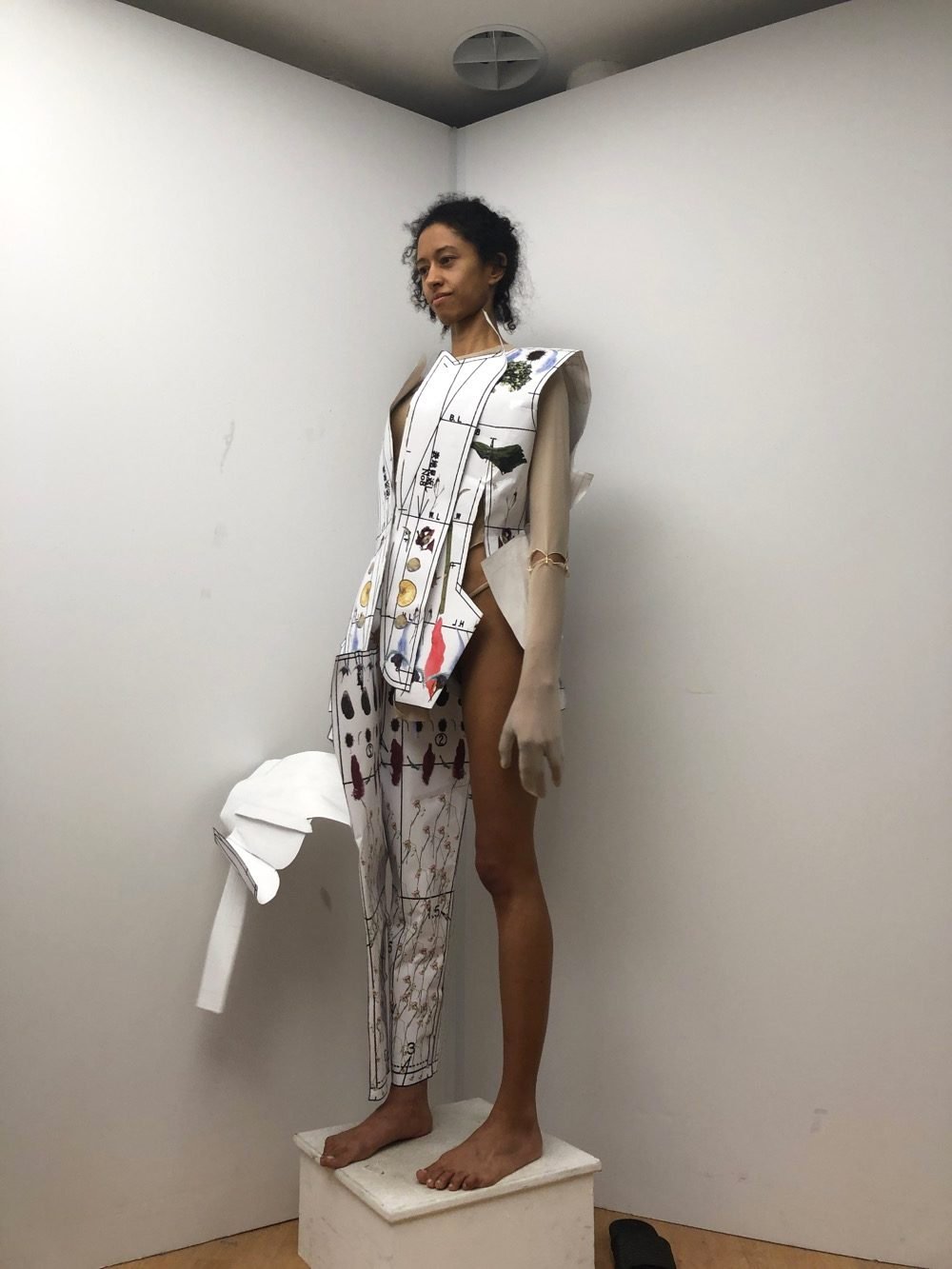
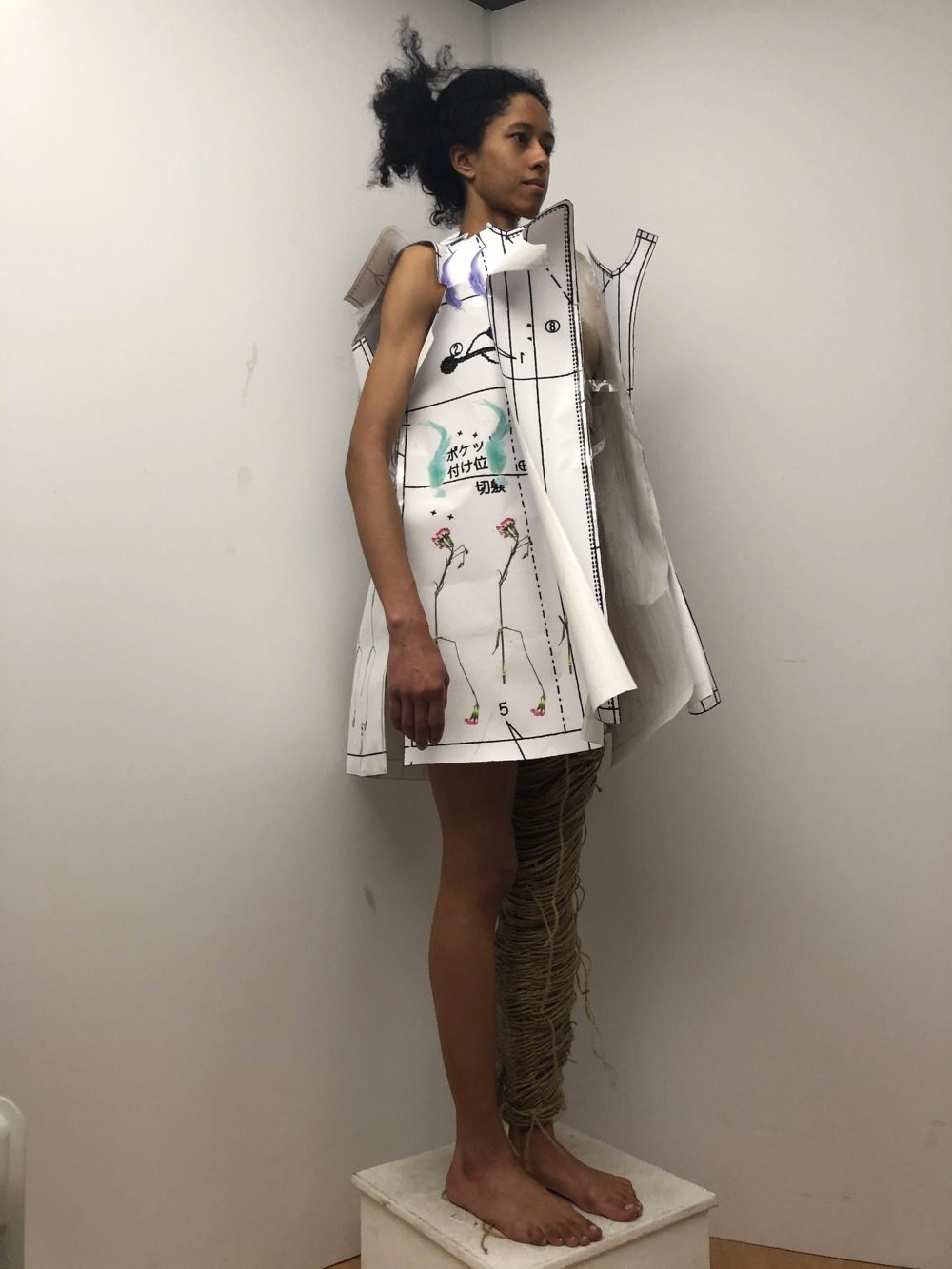
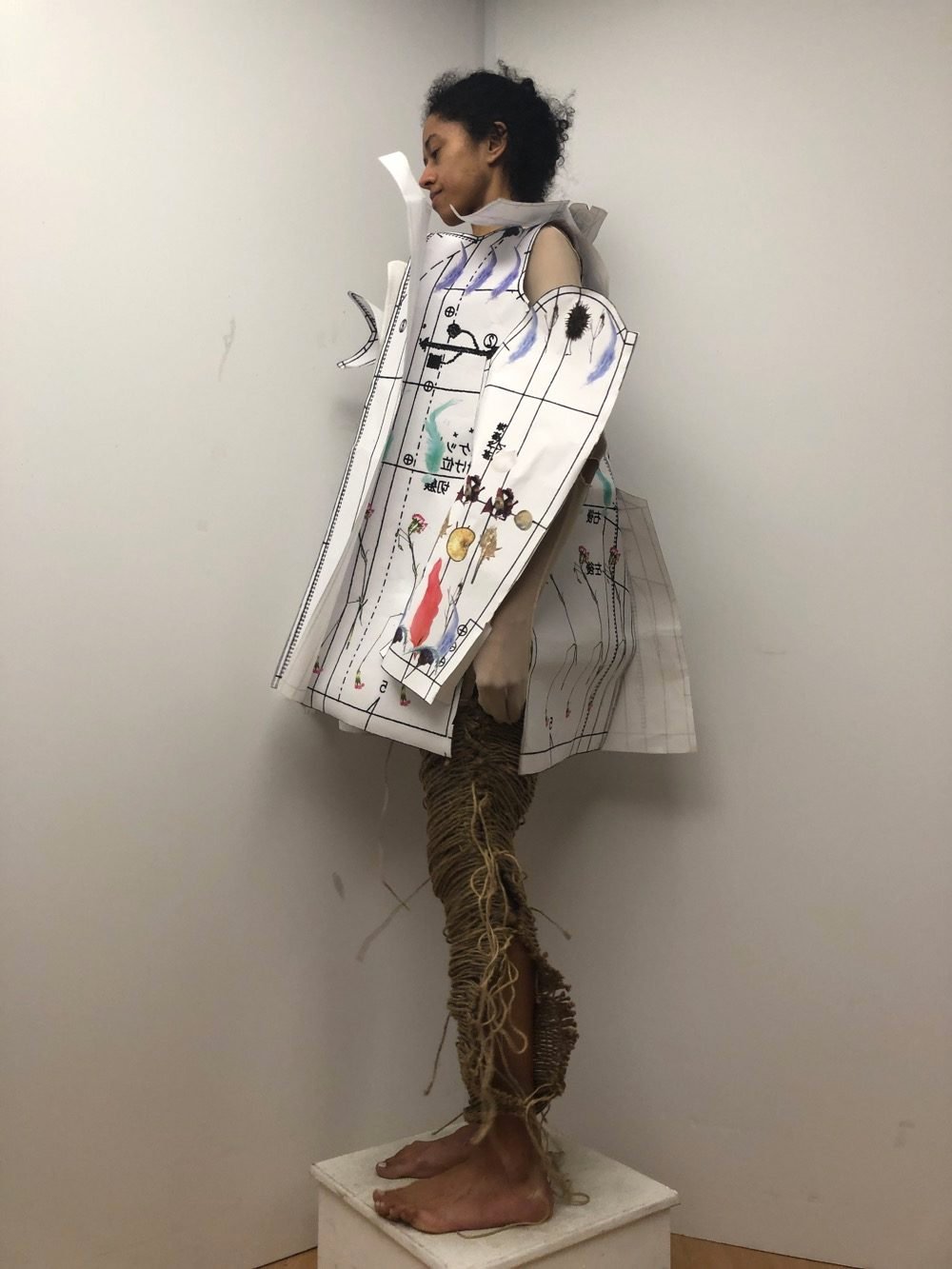
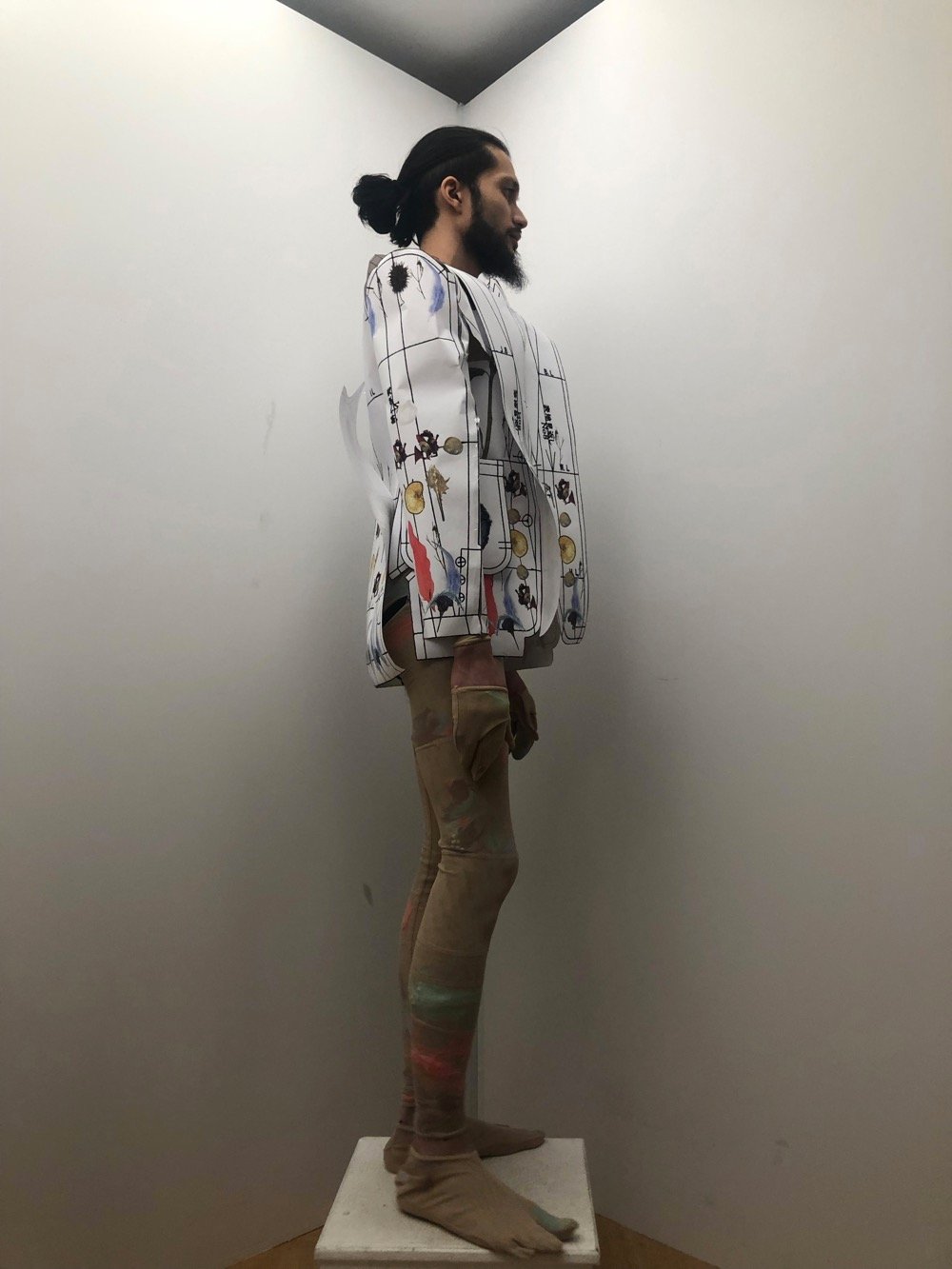
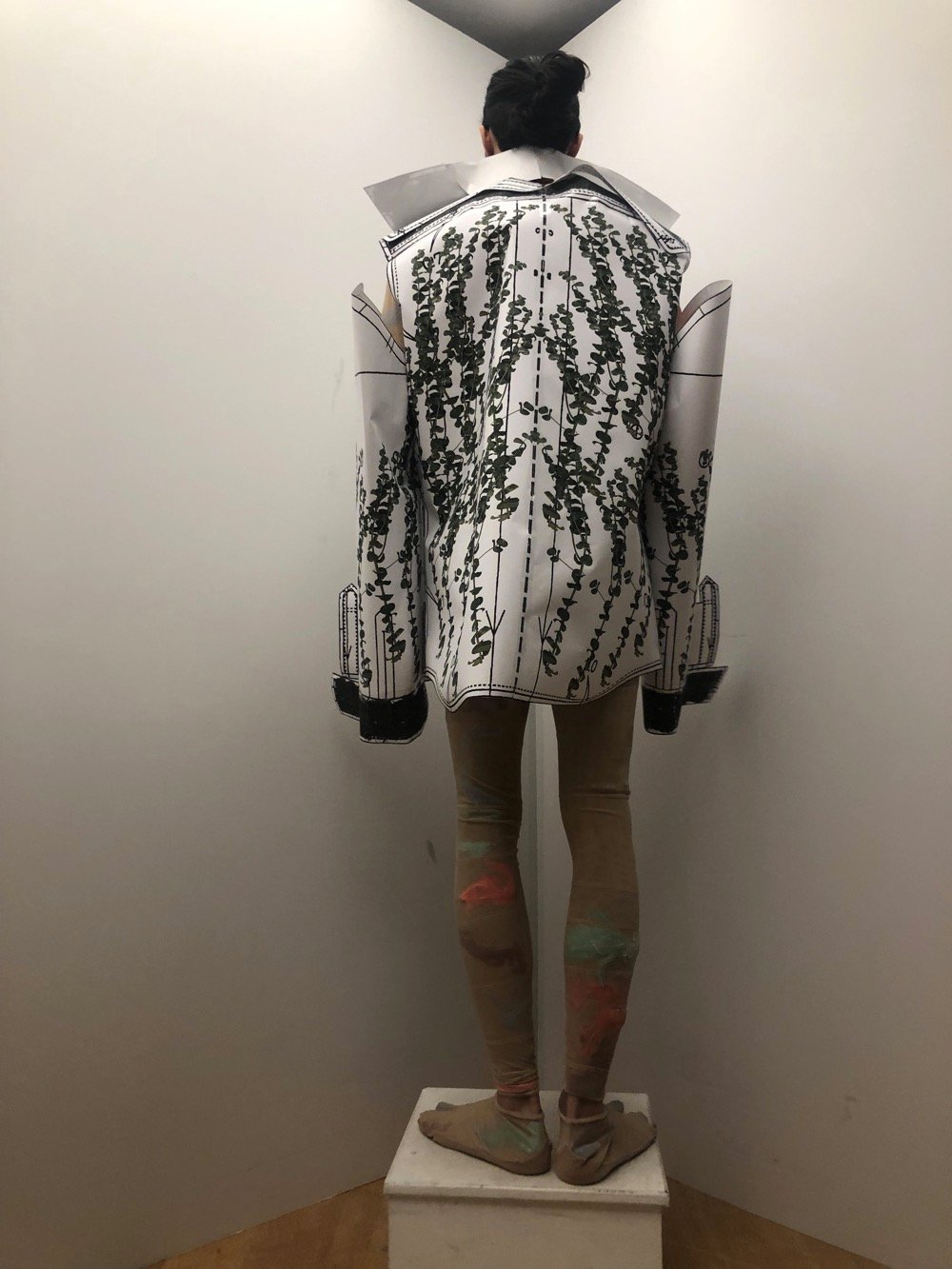
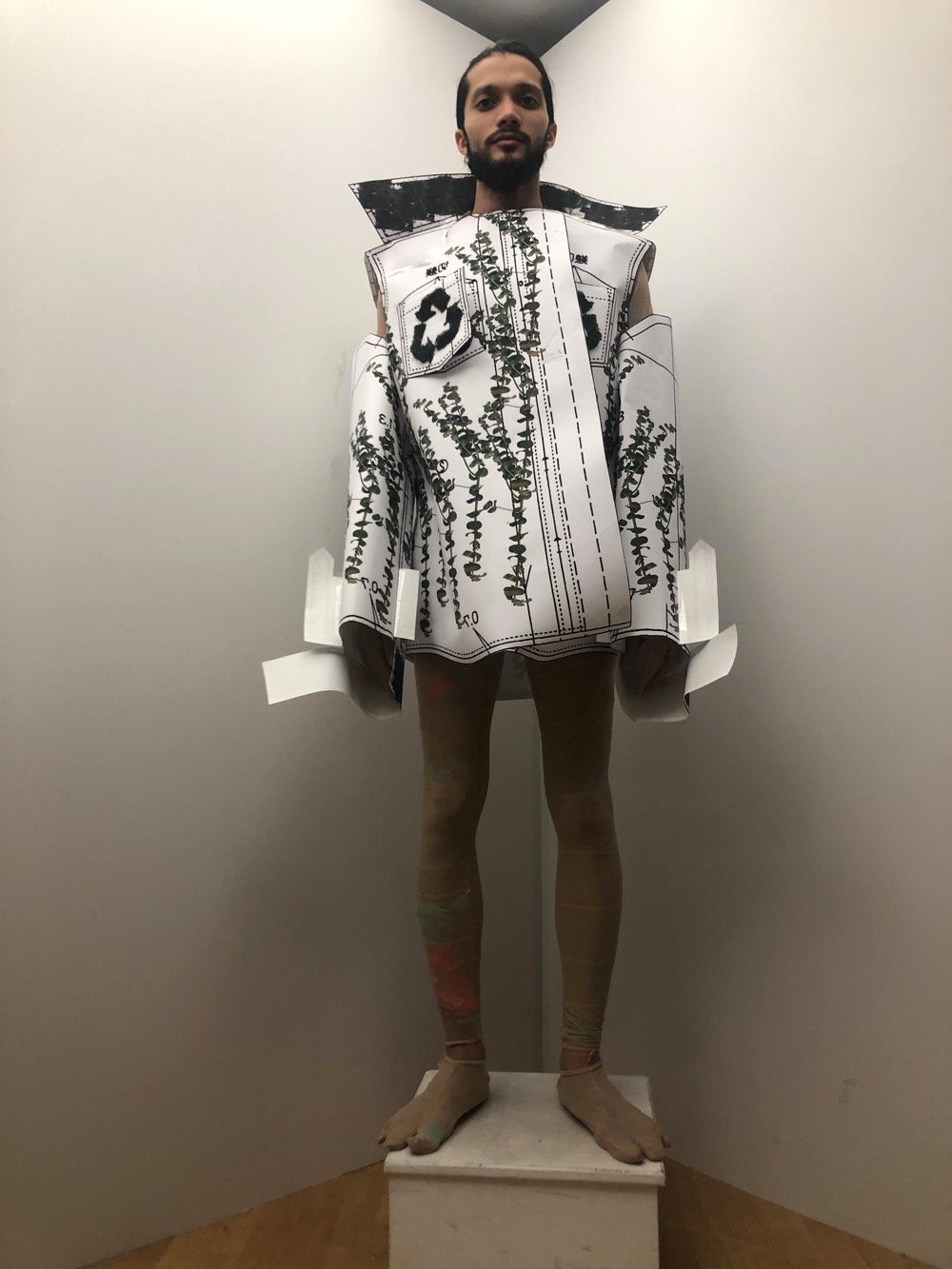
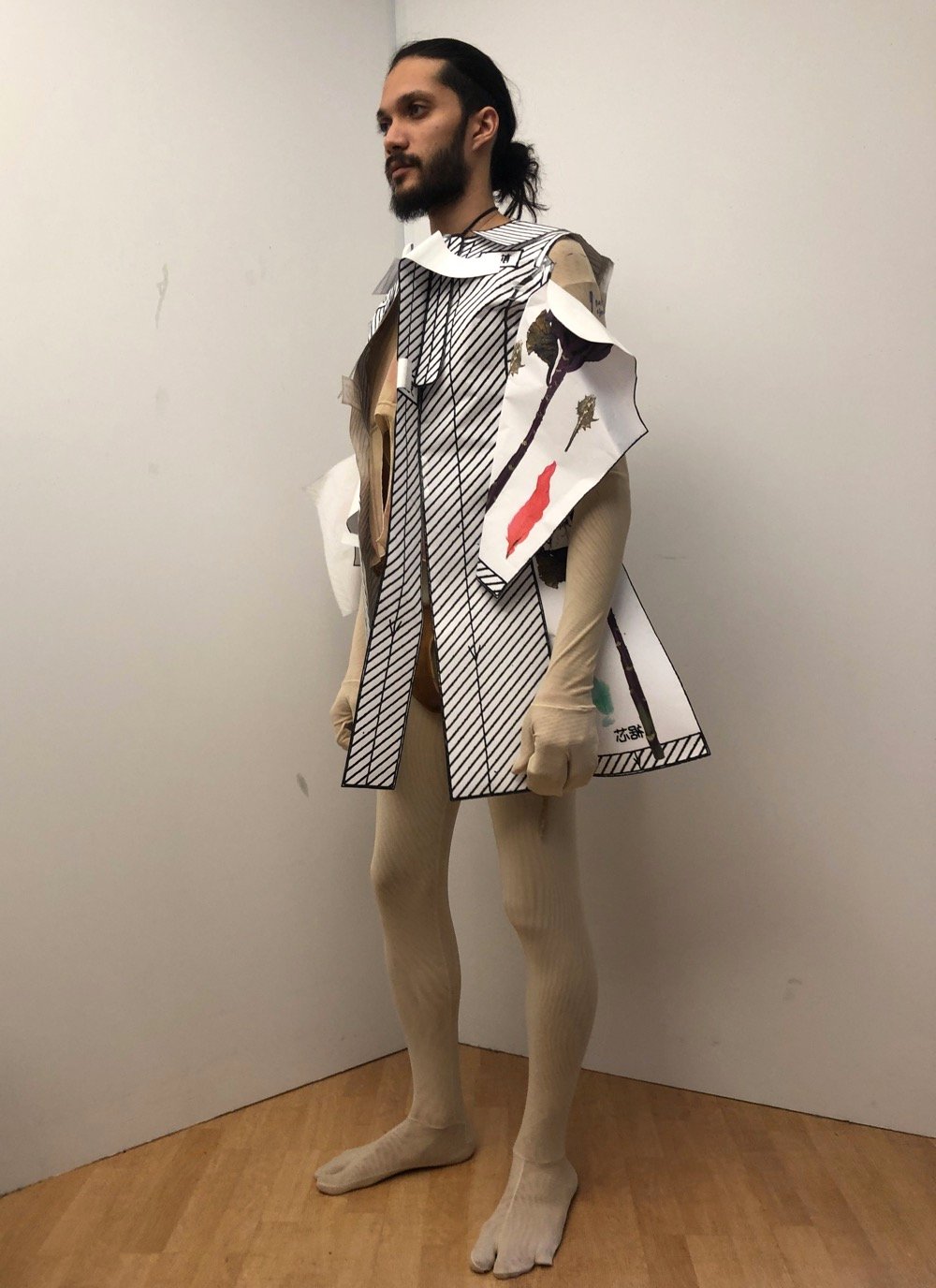
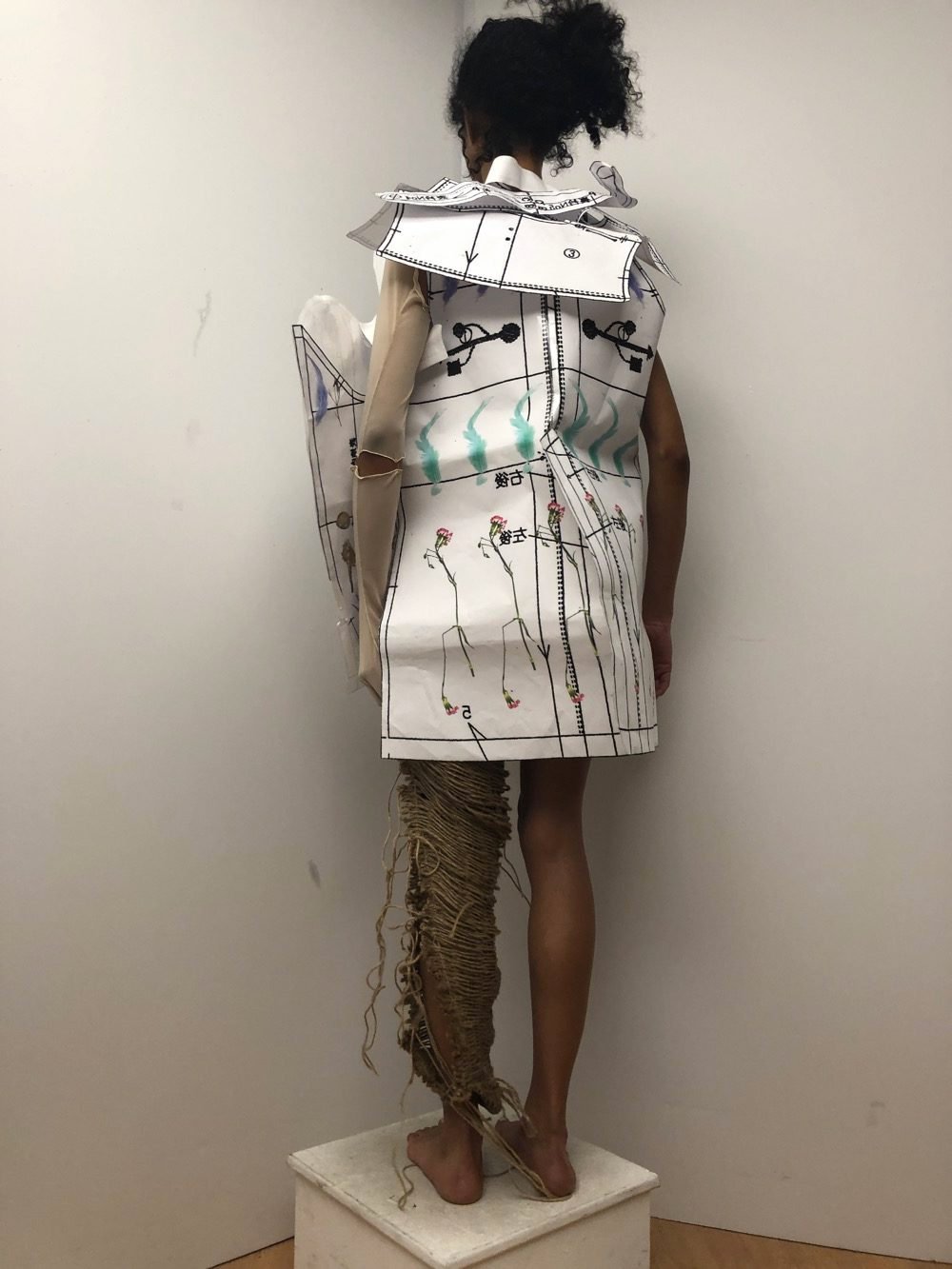
Rather than think of it as a typical fashion collection, you should consider the work seen in Sho Konishi’s Parsons MFA thesis presentation as a “wearable archive of life”: each garment serves as a museum-like display of natural history, showcasing the relics of flowers, fungi, or even the bones of a chicken he once ate in panes of transparent plastic. Entitled ‘Garden of Eden’, Konishi’s collection is an extended prayer of thanks for the life with which all matter and material were once blessed.

“Plastic is treated as garbage, which is unavoidable, so we can’t ignore it. I tried to think of how I can treat this material as part of nature. The idea for me is that the creatures that died during the eras when dinosaurs roamed eventually became oil. This oil then became plastic, and so, in this sense, plastic is a part of our ecological history.

As the organic nature of his material choices imply, sustainability is front of mind for the designer; it was the focus of his studies on a prior MA at Paris College of Art. That doesn’t, however, seem to match up with the prevalence of plastic in his work, its glossy sheen comprising the visible bulk of the collection, set against swatches of feather and rougher-hewn fabrics. “All material has life, and when something dies, we take its death as material,” he explains, extending his logic to plastics.“In this collection, I tried to express how I see and feel materials in my own way. Plastic is treated as garbage, which is unavoidable, so we can’t ignore it. I tried to think of how I can treat this material as part of nature. The idea for me is that the creatures that died during the eras when dinosaurs roamed eventually became oil. This oil then became plastic, and so, in this sense, plastic is a part of our ecological history.

“Controlling raw materials, which often easily decayed or ruin, was very challenging. Often, these things are too fragile to use as they are, so I tried to learn as much as possible about biology, and combine it with my knowledge of fashion.”

Konishi’s approach effectively relies on developing a personal bond with the histories of how the materials he uses came to be. Nowhere is this more clear than with his use of horse leather. Sourced from a butchery owned by his best friend in his hometown of Kochi, Konishi decided to witness the horse’s slaughter firsthand so as to better understand the processes that lie behind materials typically used without much thought in fashion design. “I didn’t really understand the human act of butchering. I only saw the finished product afterwards, so I started questioning why these processes are typically erased,” he explains. “When I went there, I thought I’d be shocked into becoming a vegetarian!” The result was, in fact, the opposite—he describes the process with the attentive eye of an art critic, commenting on the beauty of the purply-red muscle and the statuesque grace of the carcass hung up to drain. To honour the life the horse gave, he consumed its meat and integrated its hide into his final collection.

The nature of his material choices, however, did raise a couple of issues along the way. It may be a noble desire to want to pay respect to nature’s beauty by preserving it, but the course nature might want to take isn’t always the prettiest. “Controlling raw materials, which often easily decayed or ruin, was very challenging,” Konishi admits. “Often, these things are too fragile to use as they are, so I tried to learn as much as possible about biology, and combine it with my knowledge of fashion.” If there’s anything to take home from his vanguard approach, it’s how holistic it is. Rather than distinguish between what is and isn’t ‘natural’, the work presents us with the humbling truth that all we see and touch belongs to the earth to which we’ll all one day return. How beautiful is that?