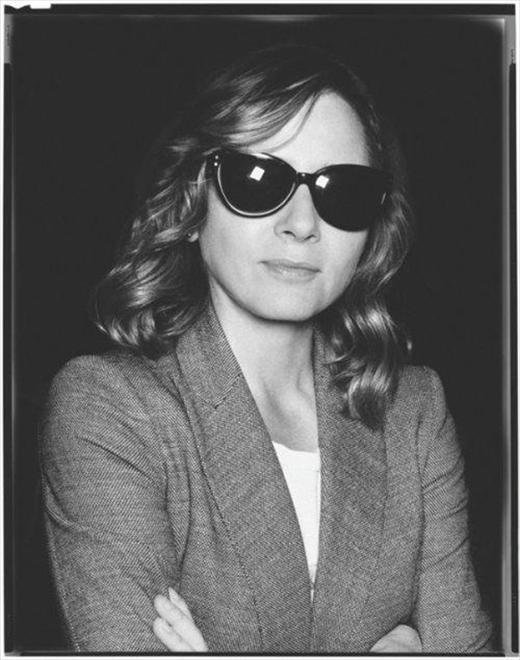
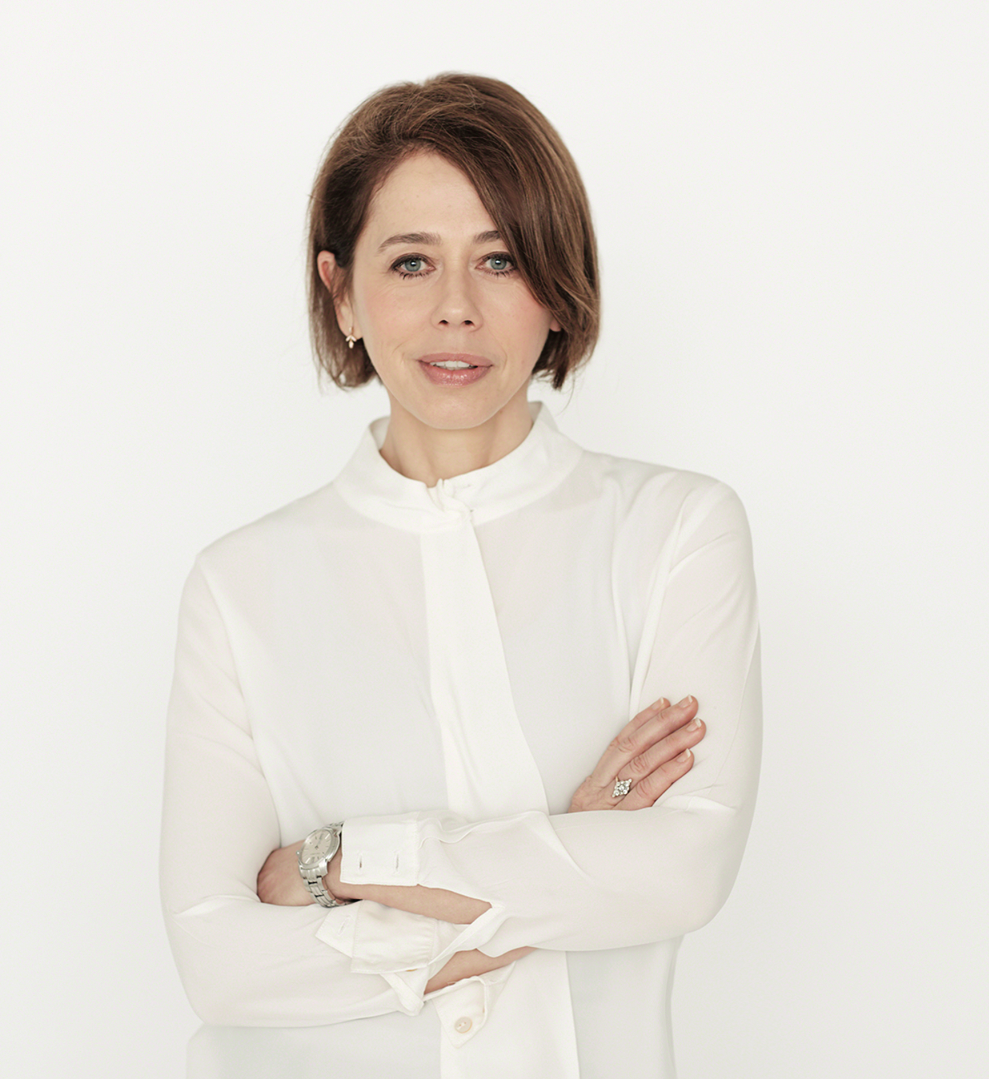
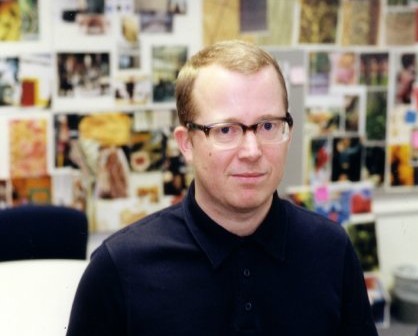
Ana Kinsella is an editor at Bon magazine, a bi-annual fashion and culture magazine based between Stockholm and London. She also writes regularly about fashion, women and lifestyle for the Sunday Times Style, AnOther and Style.com, as well as editorial and film projects for brands including Ports 1961, Selfridges and H&M, and was the editor of 1 Granary’s first issue.
“PATTI SMITH’S ADVICE WAS FIRST TO BUILD A GOOD NAME AND THEN TO KEEP YOUR NAME CLEAN, AND I THINK ABOUT THAT WITH EVERY PIECE OF WORK I DO.” – ANA KINSELLA
How would you become a fashion journalist in 2016, Ana?
Find out what interests you most and go really deep with that. Write a blog or make a magazine with friends. Prove you can do it, and then pitch wildly to publications you love, but with ideas that contain original reporting and research, because these are skills that will go further than just a fun or interesting voice. I think Patti Smith’s advice was first to build a good name and then to keep your name clean, and I think about that with every piece of work I do. If it weren’t as good as I can possibly make it, why would anyone ask me to work for them again?
What did you study? How did it help?
I studied English Literature and Philosophy for my BA at Trinity College, Dublin, and then did my MA in Fashion Journalism at St Martins straight after. The BA taught me to read closely, to write concisely and to go deep into the subjects that interest me most. The MA was a lot more vague, and I’m still thinking about what I really learned from it, but it certainly gave me an amazing introduction to how the fashion industry works. I also made a lot of brilliant friends at St Martins who work in fashion media now, which is an undeniably useful thing as a journalist.
What are your most valued skills as a fashion journalist?
I always admire tenacity and smarts in others, and I think they really boil down to having a genuine curiosity about the subject. I hope that I have that curiosity within my work – I think I do – because that’s what gets you started, gets you into a project, and what ensures you’ll do a good job on it too. I want to find things out, to learn things, as selfish as that might be. It’s kind of the engine that powers you.
Describe your average day at work. How long do you have to write a story, or work on an issue?
I cycle to the office for around 8am if I have freelance work to do, and work on that until 9.30am. Then at Bon, we juggle client work and our projects for the biannual Bon Magazine. We might have an editorial meeting in the morning, then I will prepare and write some client projects through the afternoon. In our office we take turns cooking for each other, eating lunch outside by the canal, and now I don’t know how I could ever work in an office that didn’t! In the afternoon I might discuss upcoming shoots with our art director and fashion editor, and then work on my own interviews for the next issue. We have an intensive two- or three-week production period, usually in the Stockholm office, where we work long hours to put the magazine itself together, which is fun and draining in equal measure. Late night fast food options in the Stockholm area are limited, to say the least.
Name your favourite piece(s) of fashion journalism.
I don’t think there is any fashion writer as good at distilling genius, elucidating it to the rest of us, as Cathy Horyn. I love her profile of Raf Simons from 2005. So often when fashion journalists try to tell the general reader that a designer is talented, it can come off as pretentious or alienating. Not this one! For similar reasons I love this profile of Andre Leon Talley by Hilton Als – it’s such a clear window into a world that few of us will ever exist in. All French interjections, Vogue headlines, signature lipsticks – it’s a potent gulp of all the vaudeville theatricality of fashion, which is really what entrances so many of us about it, at the end of it all.
What do you feel is the biggest misconception about fashion journalism?
Maybe it sounds silly, but fashion journalism is about so much more than just fashion. Obviously it’s important to be well-versed in designers and trends, but fundamentally so much of my job is about communicating with and to people, finding out what they’re like, what they want to read and to learn about, and then figuring out how best to provide that. Fashion has a huge commercial, product-y aspect, of course, but unless you’re a market editor or working for a big weekly glossy, it’s best not to be too obsessed with product and product alone. You can get lost in hemlines and nail art trends, and it can be alienating for your reader. For the most part, I feel my time is often better spent reading the New Yorker than going to a press day.
What are your key resources for research?
The Internet, of course, but also just talking to people who know more than me. At St Martins, Penny Martin told us the first thing to do when you finish an interview is think which part you’re dying to tell your best friend, and then make note of that immediately. So I like to circumvent that by talking to my friends about it before the interview.