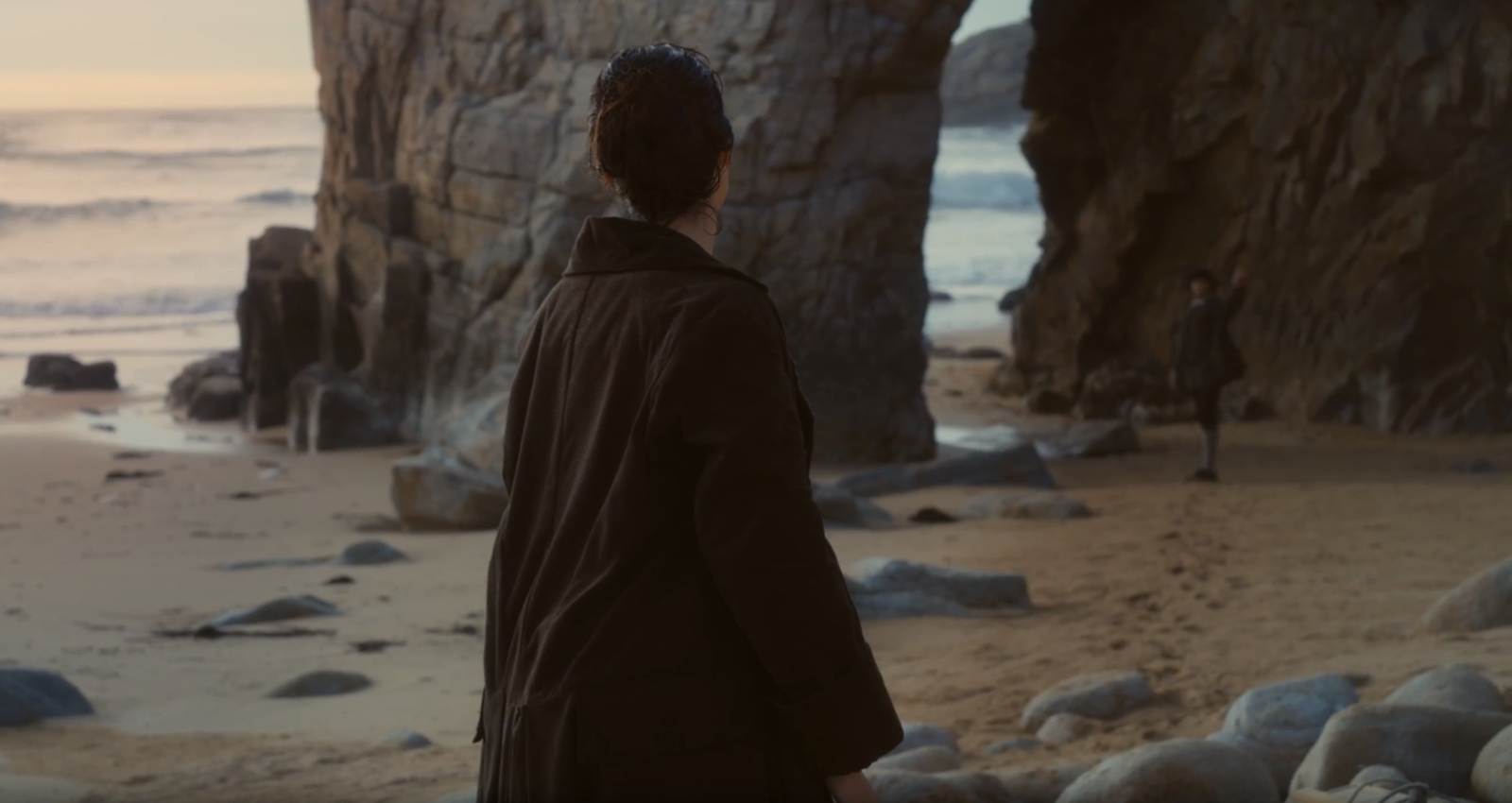
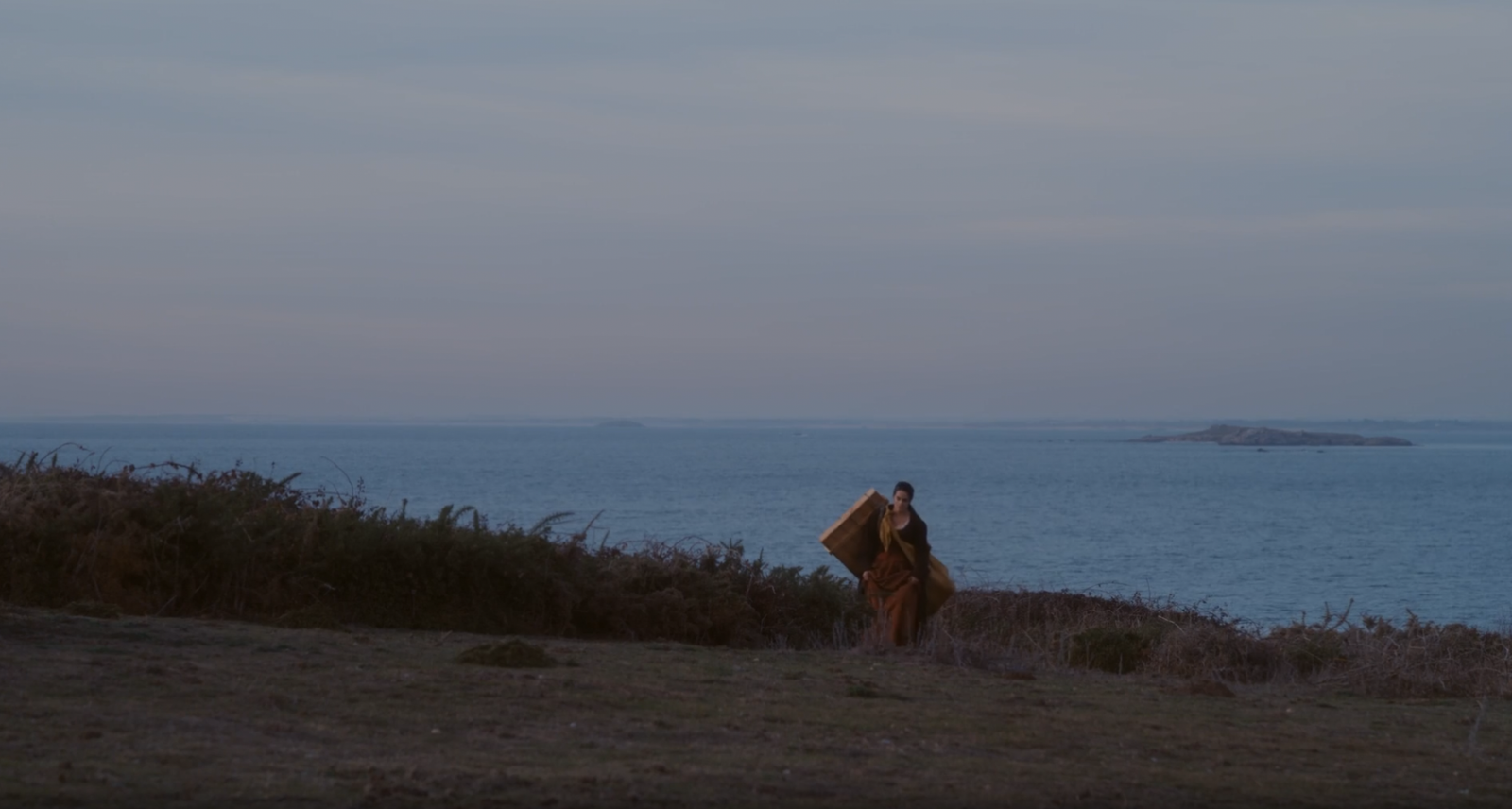
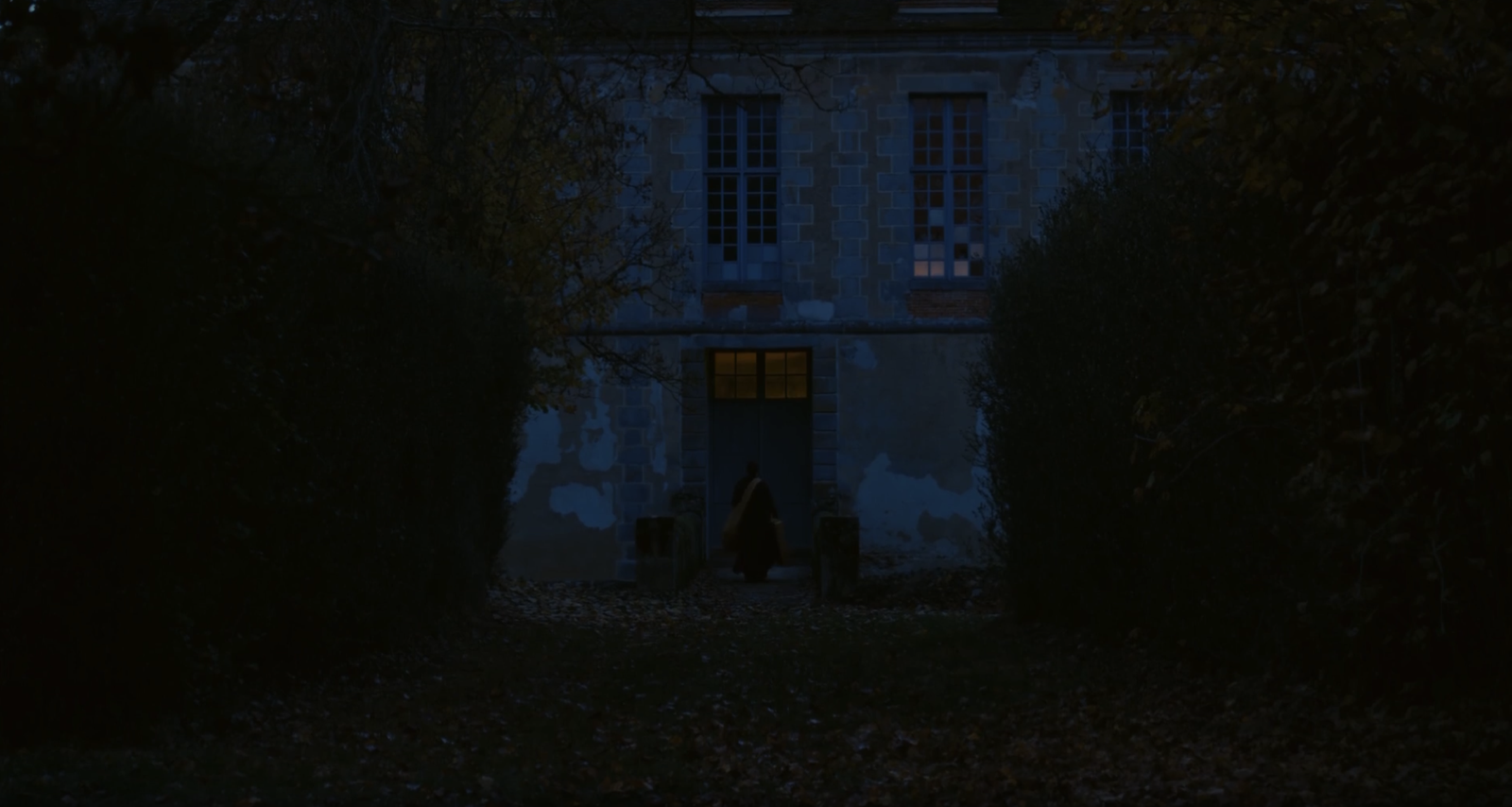
Garments spend more of their life empty than worn. In Portrait of a Lady on Fire, Marianne arrives at the island to find that Héloïse has refused to sit for the previous painter, who left without completing the commission. She is asked to paint her secretly, by observation alone, without her subject’s knowledge. The formal, violently green dress Héloïse is to be painted in is heavy literally and metaphorically. Marianne studies the dress before she studies the face, curious about the relationship between the fabric and the still-unknown person inside it. It contrasts with Héloïse’s preferred clothes, which are dark and austere. Film theorist Laura Marks writes about haptic visuality – the idea that certain images engage the sense of touch before they engage the mind. We feel fabric through the eye before we understand it. Sciamma’s camera does exactly this with the green dress: its weight and constraint are apparent to us before Héloïse has said a word. For designers, this is a useful test: does your fabric choice communicate something physical before it communicates something visual? Hold the question against every fabric decision you make.
When Marianne finally admits the truth of why she is there, Héloïse asks to see the portrait. Her verdict is immediate: it has no life. She is right. Marianne has painted the green dress perfectly, has painted the flattering face of a prospective bride. She has created an image of aspiration rather than anything real. And so they begin again. Sciamma’s argument, threaded through the whole film, is that you cannot paint – or dress – a person you haven’t yet allowed to exist on their own terms. The clothes are never entirely the person’s own, and what they suppress is as informative as what they say.
After a day at the beach – a moment of ordinary freedom that the camera lingers on, play fighting happening in the water – the five sisters in Mustang are pulled from their jeans and put into long shapeless dresses by their grandmother and uncle, who have decided that what happened at the beach, involving careless physical contact with boys, requires containment. The dresses are both diagnosis and a prescription, designed to keep them docile. The girls respond with the tools available to them: unpicking seams, rolling sleeves, sunbathing in their swimsuits within the compound walls as the barriers to the outside world grow ever higher. In one of the film’s most evocative details, the youngest sister learns to drive in a pair of wholly impractical, slightly heeled shoes – the only ones available to her – because even that constraint can be repurposed, made to serve a different end. The lesson here is not purely about resistance. Rather, it is what happens when you set your person strict limits – budget, context, what is socially permissible – and ask what they would do within them.
Sarah Gavron’s Rocks is less interested in what clothes mean than in what it looks like when they mean nothing in particular – simply part of the texture of a life. Costume designer Ruka Johnson worked directly with the cast, largely non-professional actors from North London, to make sure what the girls wore felt continuous with who they were rather than assembled for the camera. This is diegesis in action – the principle that everything onscreen should feel as though it belongs to the world of the film rather than the world of the designer. When clothes feel diegetic, they recede into the character. When they don’t, the spell breaks. The school uniform is where this approach is most alive. The girls are told off for wearing trainers. They customise with jewellery, adjust what can be adjusted. It is the oldest negotiation in fashion – another form of constraint that generates rather than forecloses invention – and Gavron films it without comment, as the unremarkable daily teenage fact that it is. The film’s most telling sartorial moment comes later, when Rocks wraps a scarf around her head trying to pass as an adult, presenting herself as her younger brother’s mother. The scarf doesn’t quite work. She knows this and removes it. Self-presentation in Rocks is always improvised and inchoate, assembled from whatever is to hand – which is not so different, perhaps, from how it works for everyone.
Earlier in this series, the Kuleshov Effect was introduced to explain how meaning emerges from the relationship between images rather than any single image. The same principle applies at the level of the garment: an expensive coat reads differently on a person who has never owned a good one before than on a person who has owned many. This is why casting matters as much as design. When you imagine your person wearing each piece in your collection, be specific – not a type, but someone with a particular history. The garment will mean something different depending on who that person is, and that difference is where the real work begins.
Barthes, writing about Greta Garbo’s face in his book Mythologies, identifies the point at which cinema moves from the Idea of a person to the Event of one: from archetype to the specific individual who exceeds and contradicts the type. Garbo’s face, he argues, belongs to a transitional moment between these two modes, and it is this instability that gives it its charge. Fashion design is still largely operating in the first mode. Collections are built around ideas of people – reduced to a feeling, a word, a mood – rather than around anyone textured or specific enough to surprise, let alone remind us of everyone’s irreducible particularity. The films gathered here work against that tendency. They are rich with people whose clothes have accrued around them, telling stories the characters themselves might not fully know.
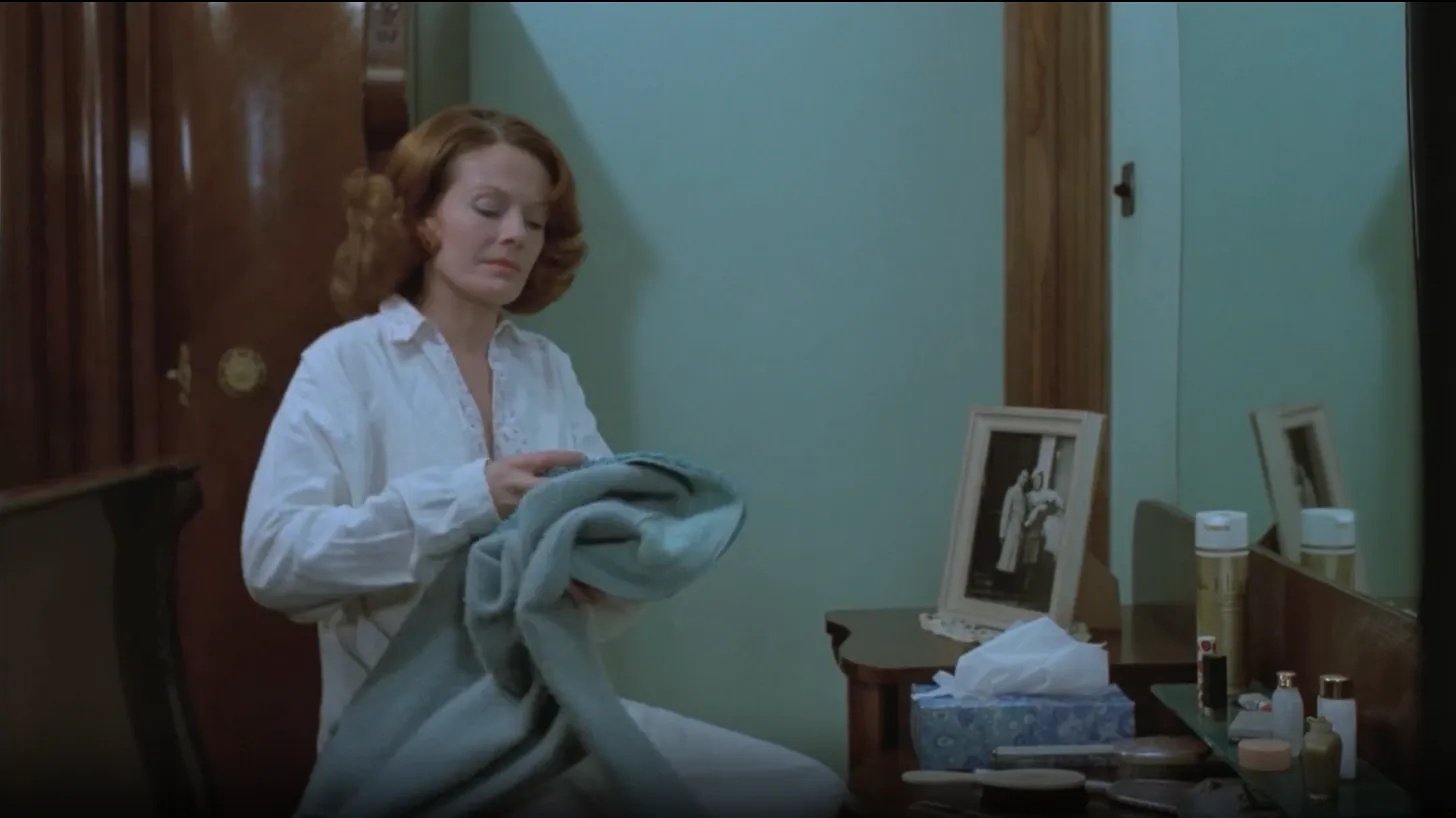
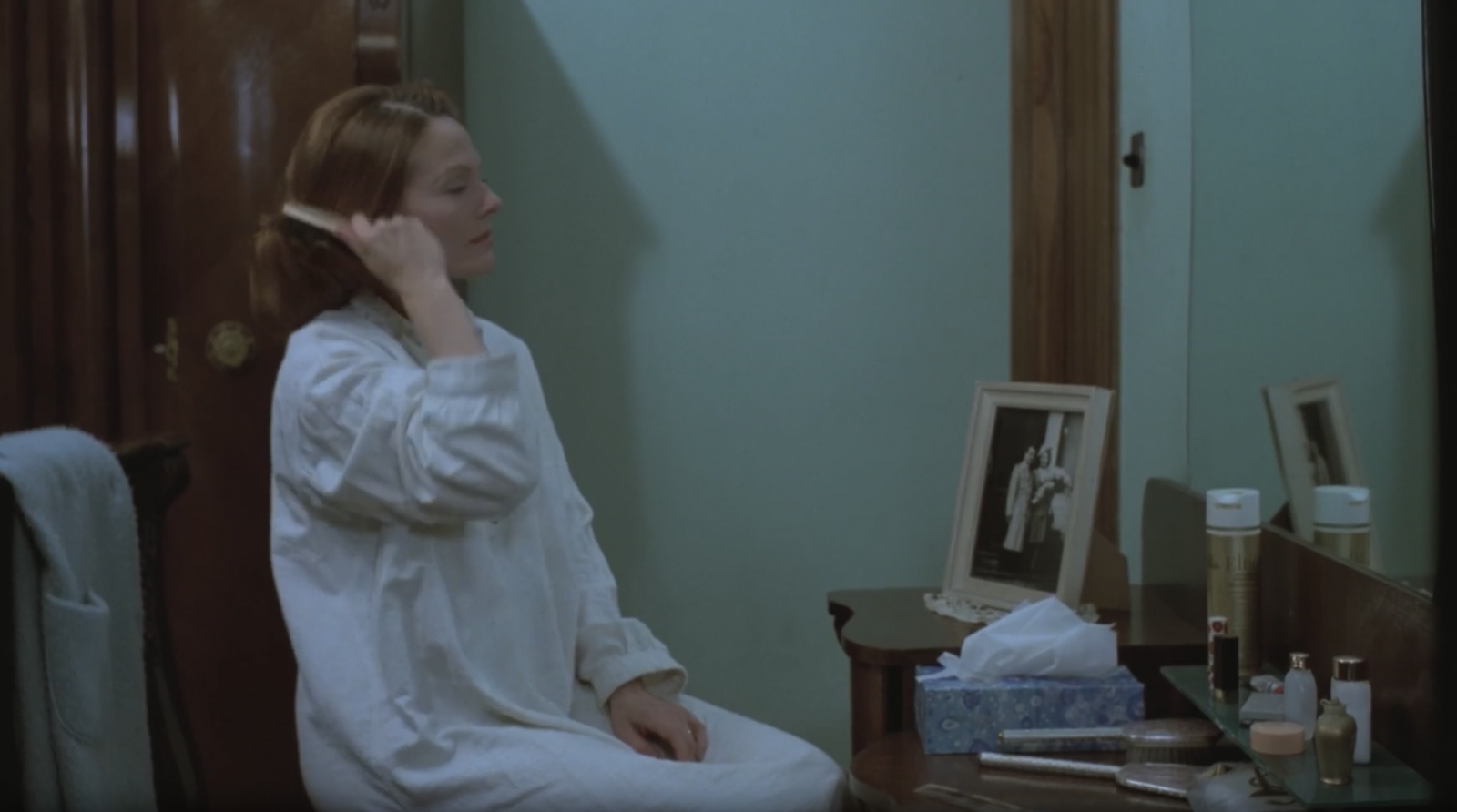
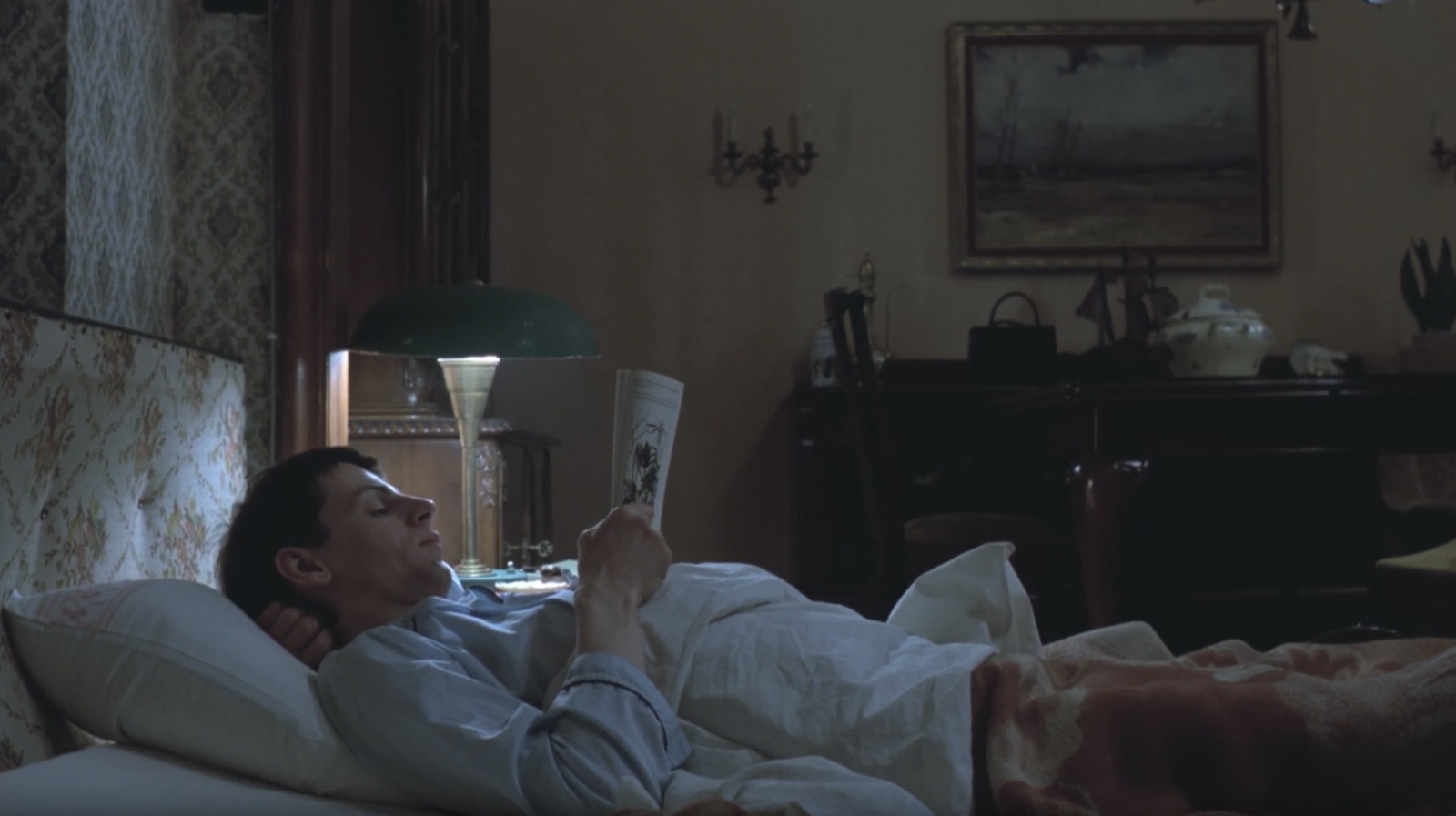
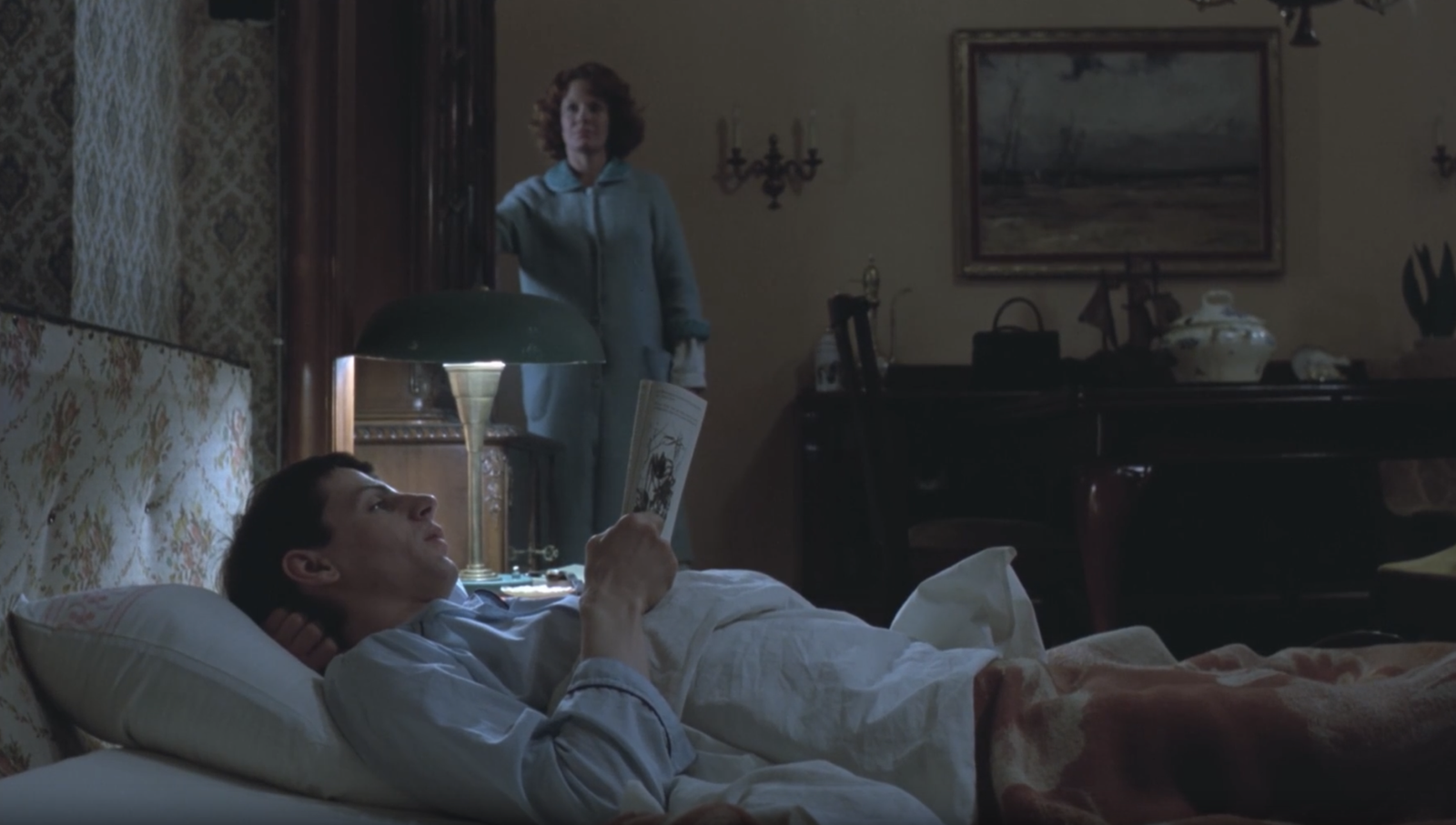
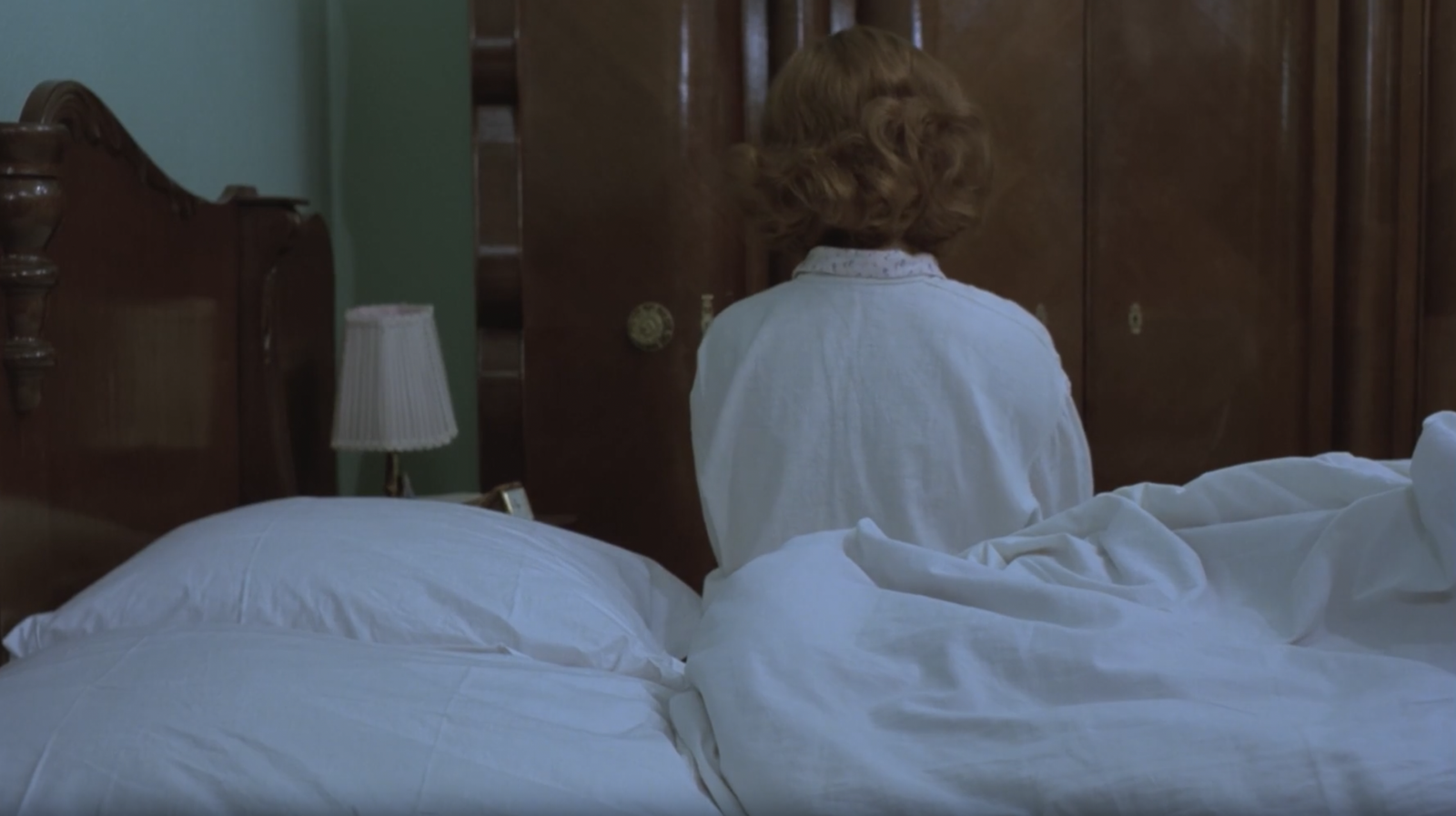
Start with a silhouette and you will get a look. Start with a person – their contradictions, their hidden desires, their weird tastes, what they have held onto past the point of usefulness, what they would never wear and why – and you will get something that outlasts the season it was made in. Jeanne Dielman’s housecoat is, technically, a costume, but it is also a type of life compressed into a garment, speaking for her each time she buttons it up again.
Film as Method: lessons in character
- Start with a person, not a type. Before you design a single garment, write a biography of your imagined wearer – specific age, background, economic history, contradictions intact. Not “the strong woman” or “the intellectual,” but someone with a particular history that generates particular choices.
- Use backwards design. Start with who your person is at the end of their story and work back to the beginning. What did they wear during leaner years? What would they never wear again? What have they kept that no longer makes sense? The full arc of a person’s relationship to clothes is more revealing than any single moment in it.
- Try the suppression method. Instead of asking what your person wants their clothes to say, ask what their clothes are giving away. Go through their wardrobe item by item – real or devised – and ask: what is this hiding? What desires or anxieties are buried beneath the surface of each choice?
- Write down their habits before you design. List three things your imagined wearer does out of habit that they’ve never examined. How do those unconscious, unexamined patterns show up in how they dress? The most revealing sartorial information is rarely intentional.
- Build in the residue. The most telling wardrobe choices are the things people can’t bring themselves to discard – the coat from leaner years, the shoes that don’t quite fit the life they now lead. Design for what a person holds onto past the point of usefulness, not just for what they aspire to.
- Set real constraints and follow them. Give your imagined wearer strict limits – budget, context, what is socially permissible – and then ask what they would do within them. As Mustang shows, constraint generates invention.
- Apply haptic visuality to fabric decisions. Before finalising any fabric, ask: does this communicate something physical before it communicates something visual? If you have to explain what it feels like, it isn’t working hard enough. The weight, texture, and behaviour of fabric are part of the character before anything is said.
- Distinguish performance from enactment. Think about whether your person dresses for an audience or simply dresses as themselves. A character who enacts rather than performs will have a wardrobe that feels inhabited, not assembled – clothes that have absorbed the person rather than advertised them.
- Test for diegesis. Ask of each piece: does this feel like it belongs to the world of this specific person, or does it feel like it was designed for them from the outside? If it’s the latter, interrogate the gap. Clothes that read as costume break the spell.
- Remember the Kuleshov principle applies to garments. A coat means something entirely different on someone who has never owned one before than on someone who has owned many. Be specific about who is wearing each piece and why it lands differently on them than on anyone else. That difference – the gap between the garment and the person – is where the real meaning lives.
Further reading:
Roland Barthes, Mythologies
Robert Bresson, Notes on Cinematography
Erving Goffman, The Presentation of Self in Everyday Life
Chantal Akerman, Retrospective Handbook
Laura Marks, The Skin of the Film: Intercultural Cinema, Embodiment, and the Senses