Were you sewing already by then?
A bit, but not too much. I think it was more about styling, and cutting pants. It was not difficult. After that, I went to the south of France, to Marseille, where I got a technical fashion ‘brevet’. It’s a two year course, and after those two years I thought that it had been quite classical… I didn’t know anything. In the French approach it is more about explaining what you do, rather than doing something.
Theory not practice.
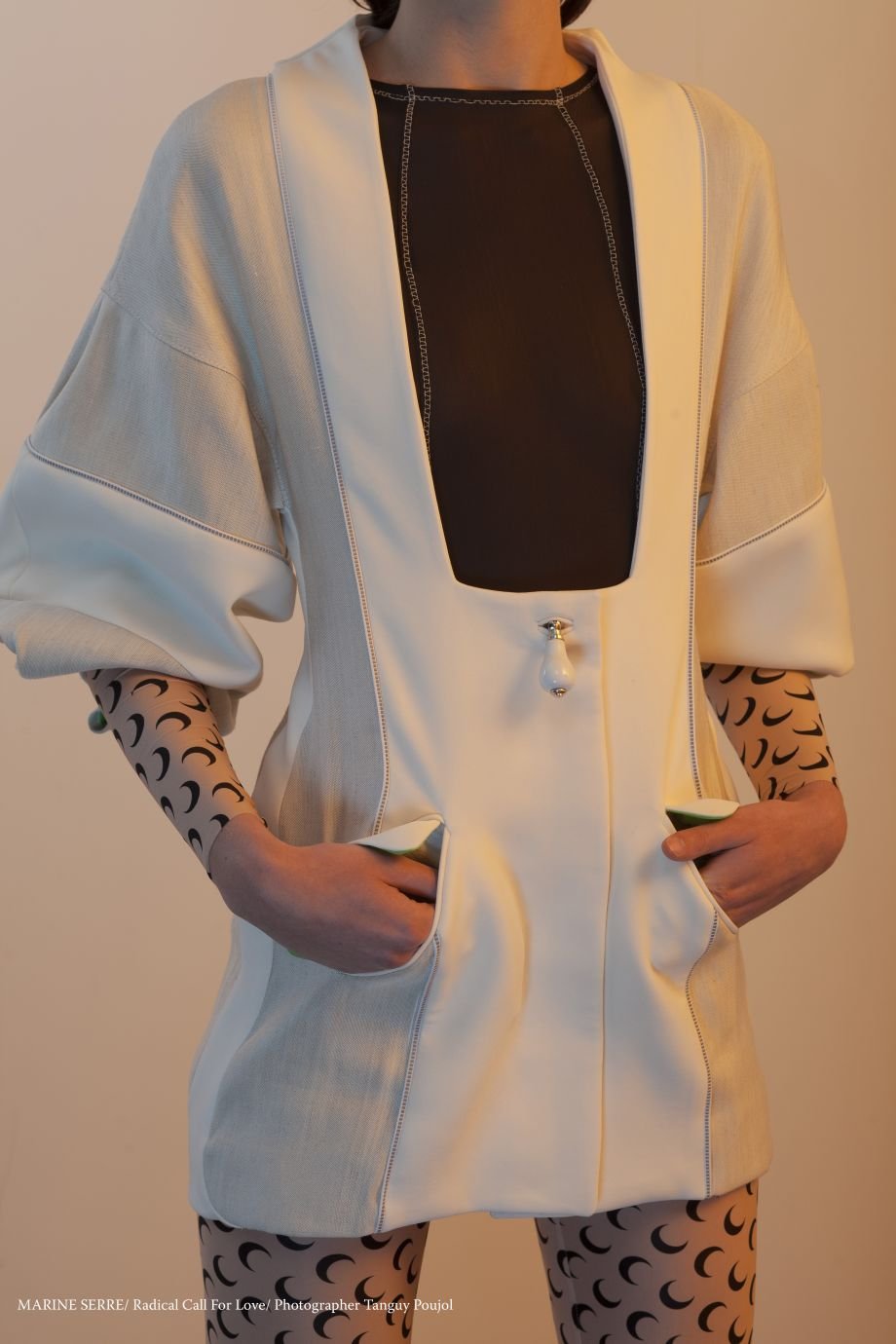
Exactly. And then I went to Belgium and I saw the work at La Cambre. I thought that it would work for me because by then I was already working with volumes. I was experimenting, trying things on people, and that was where it started. And La Cambre is quite a technical school, so you learn about the intricacies of garments, such as pockets. You have to be passionate about it, otherwise you can’t take it.
What was the teaching style like? Because in CSM, you are just given a brief, and then for two or three weeks you do whatever you want with it, and afterwards you return. Is it similar?
The first year was about experimentation, and about what you can do with your hands. So I learned about how to make volumes, and was given lots of freedom with whatever I wanted to do, whilst they also showed you techniques. When you are starting out at eighteen years old, you are like – okay, I want to make this, but how? And by experimenting you learn a lot. Second year is more about detail, like the inside pocket. And you make your first collection… sort of. Now that I know about fashion I wouldn’t call it a collection, but at least I was trying to make it coherent! [Laughs]
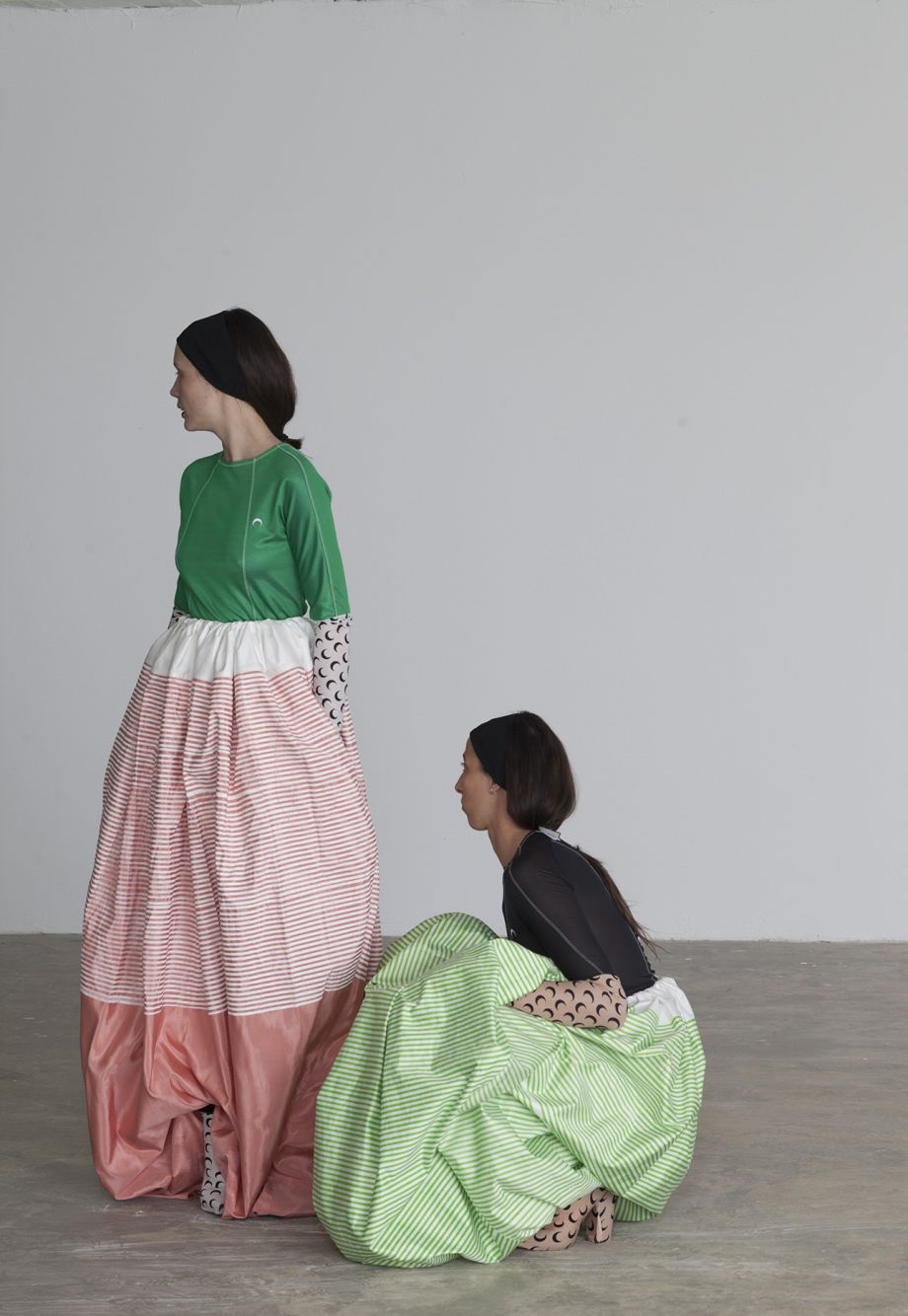
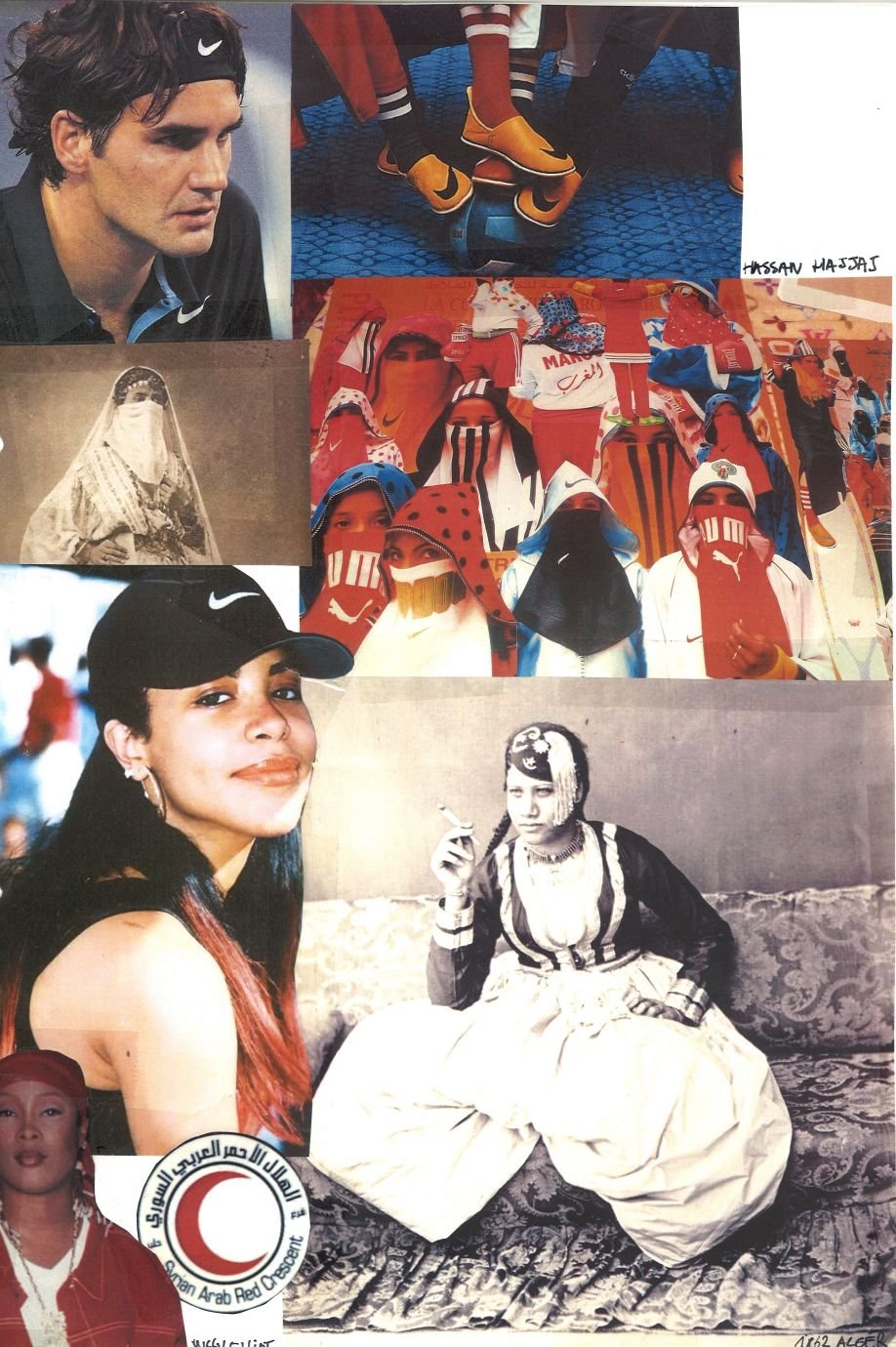
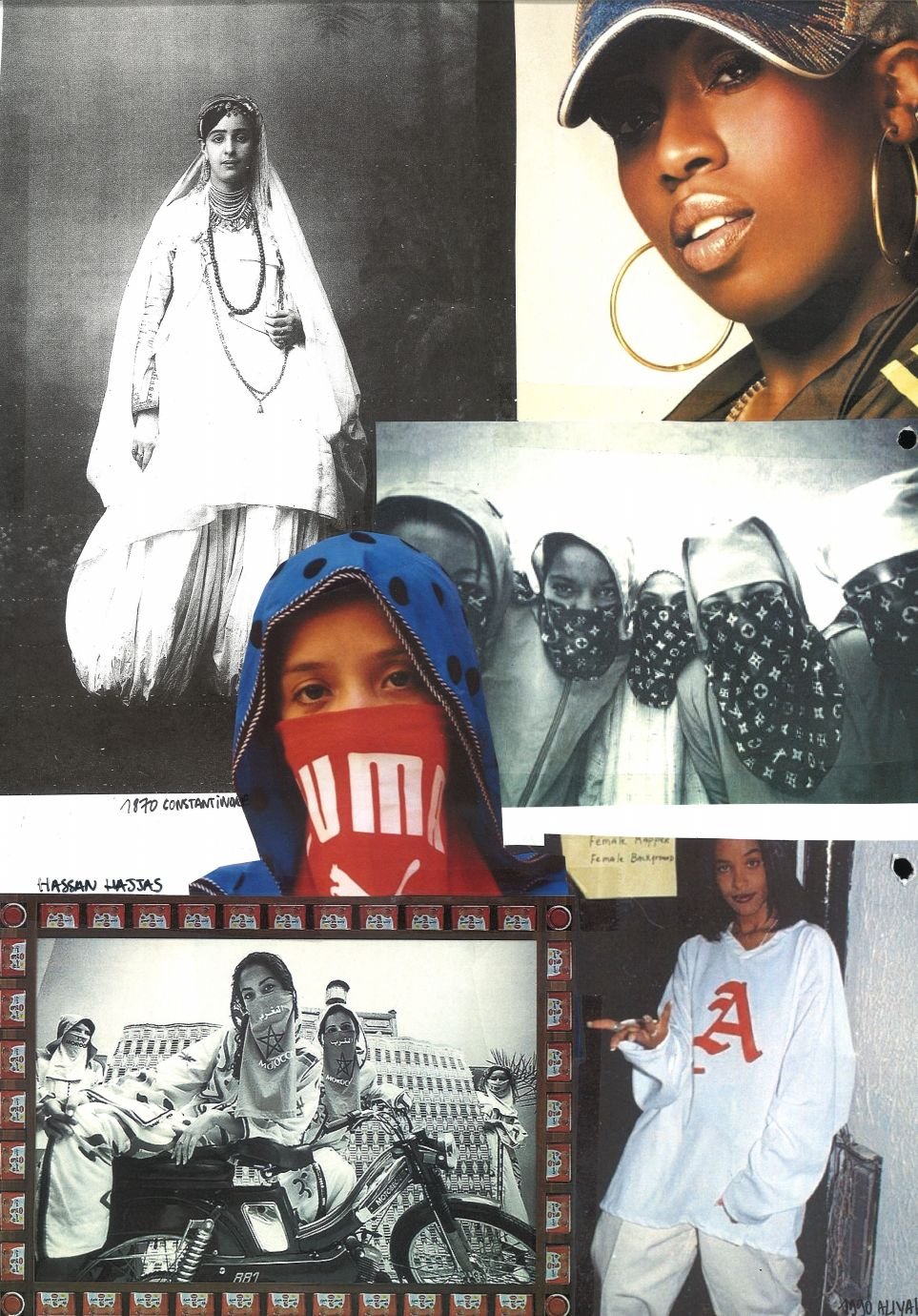
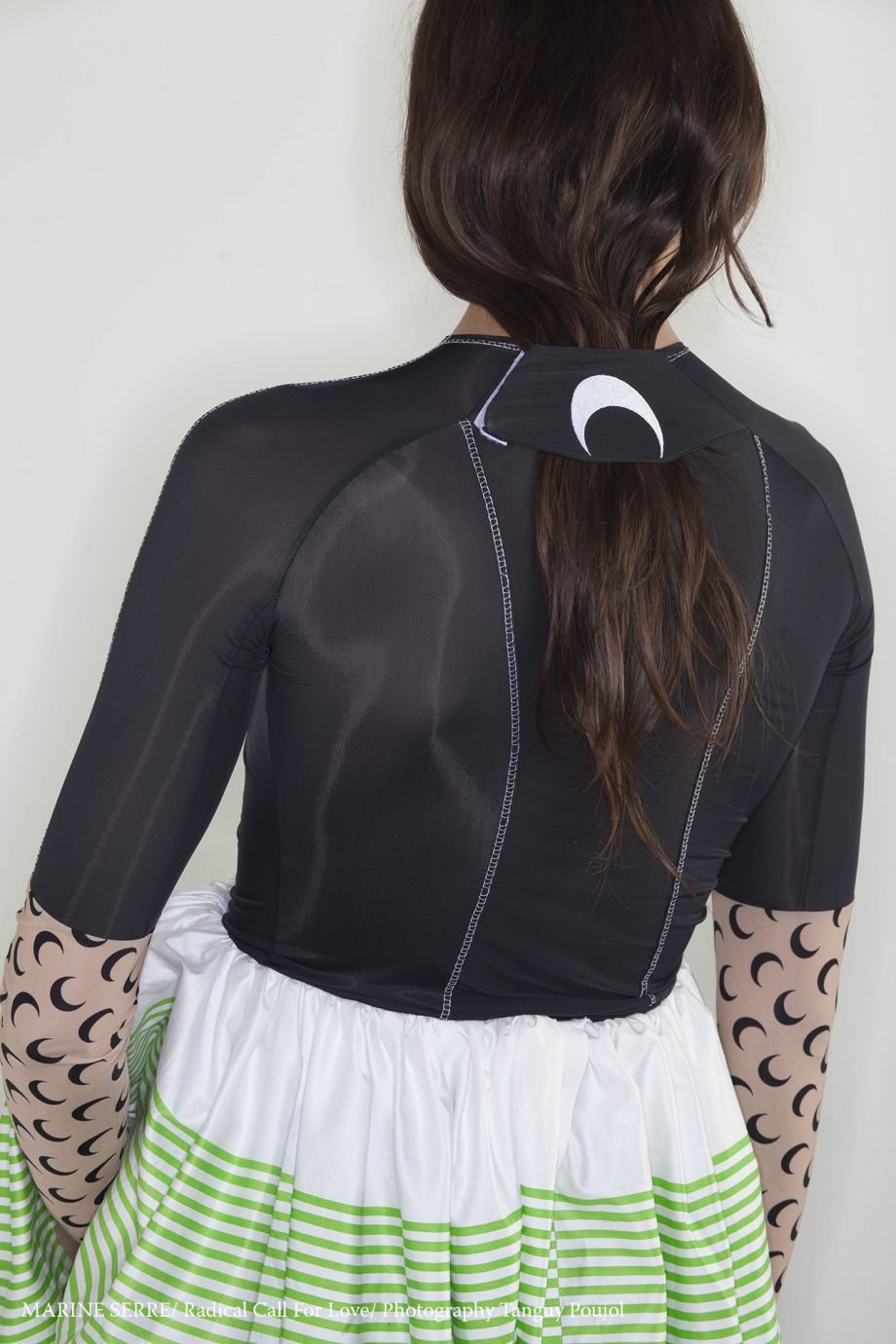
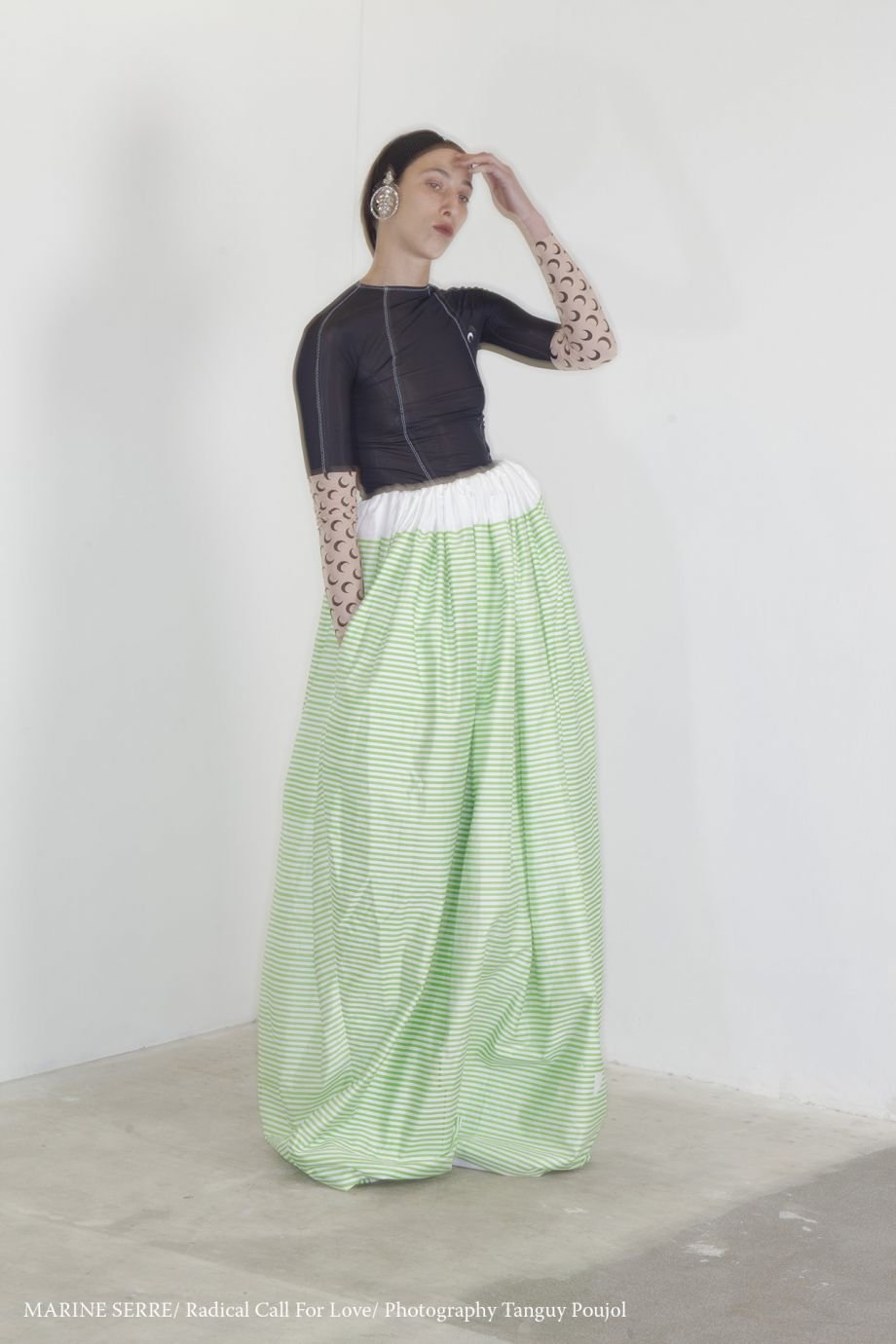
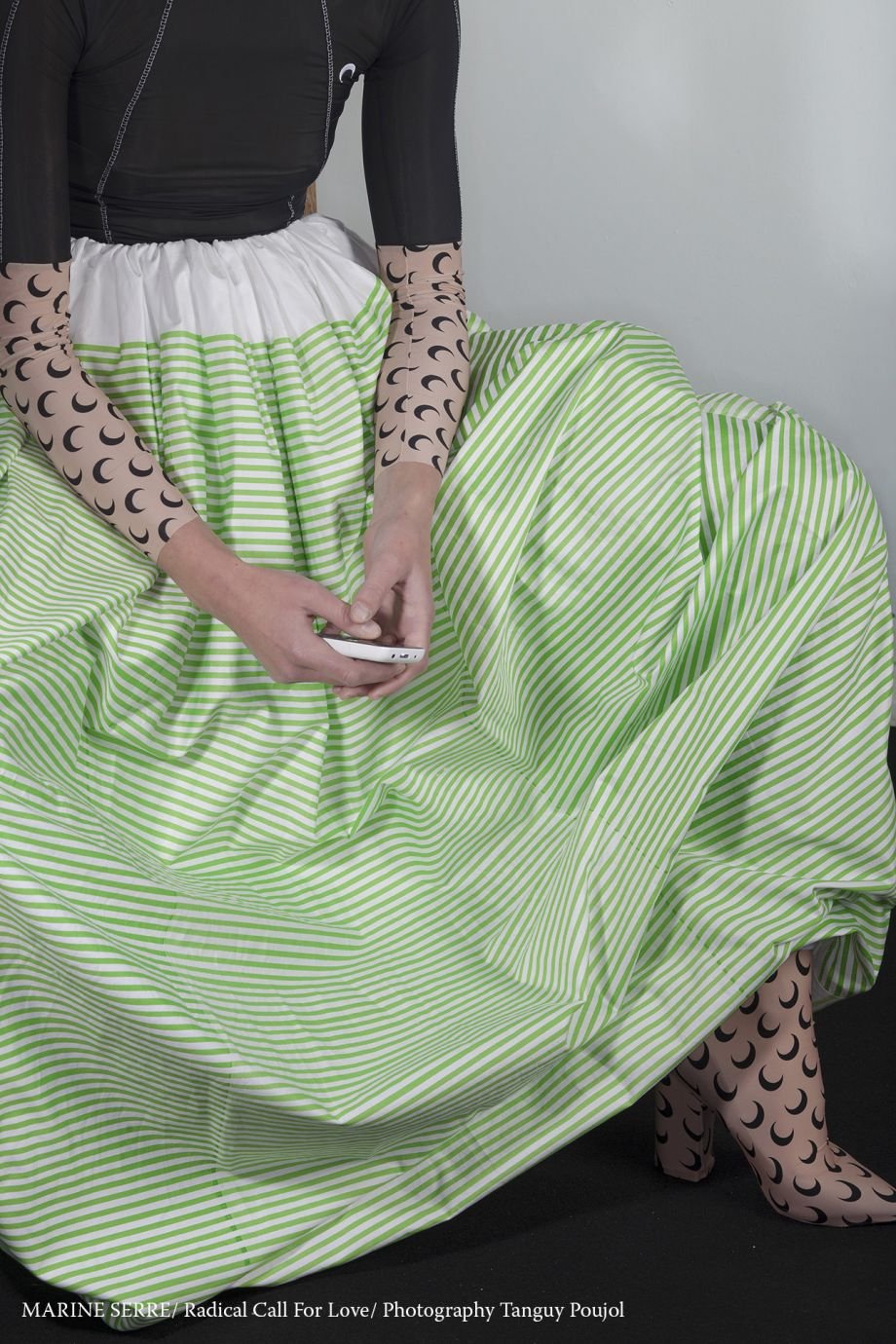
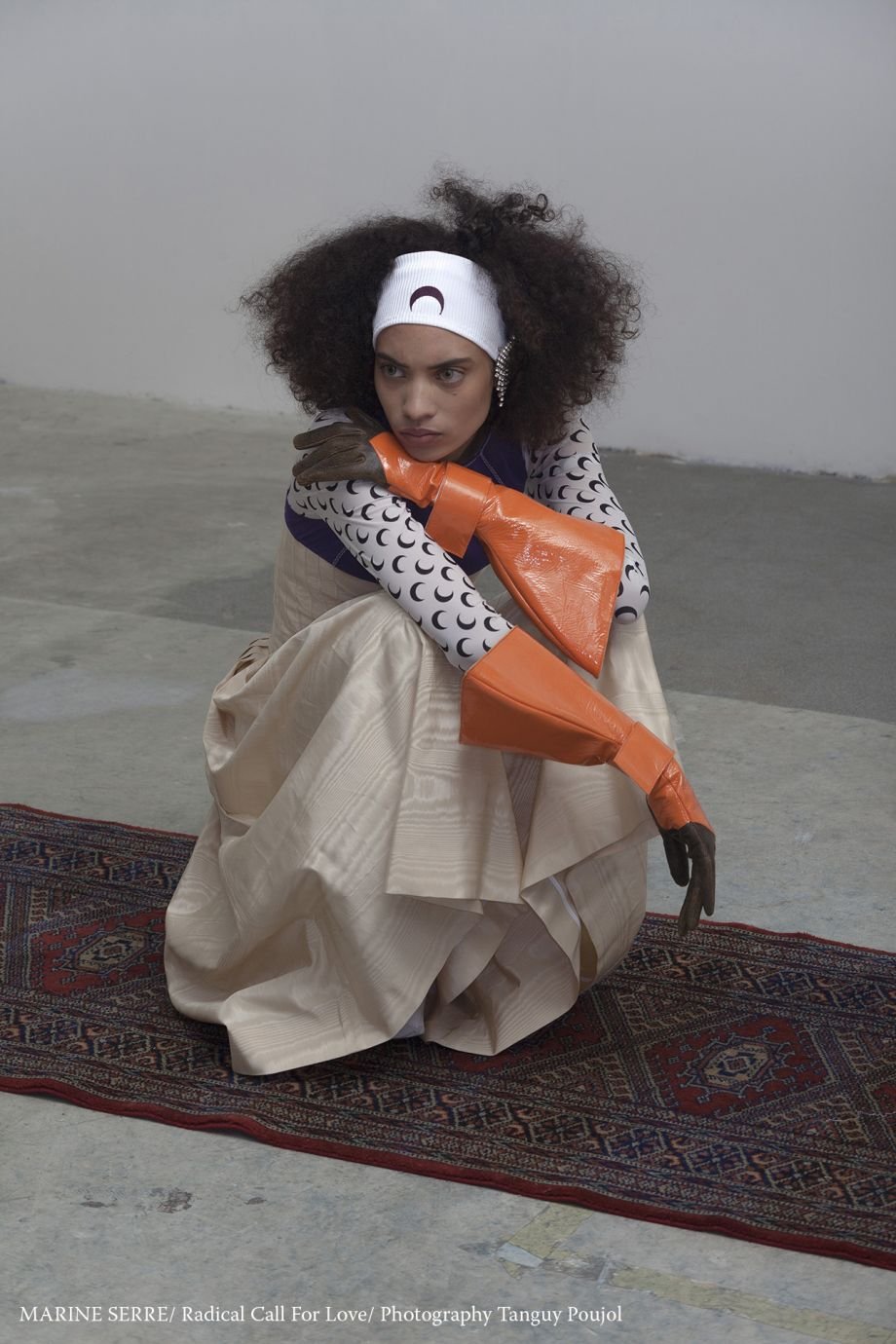
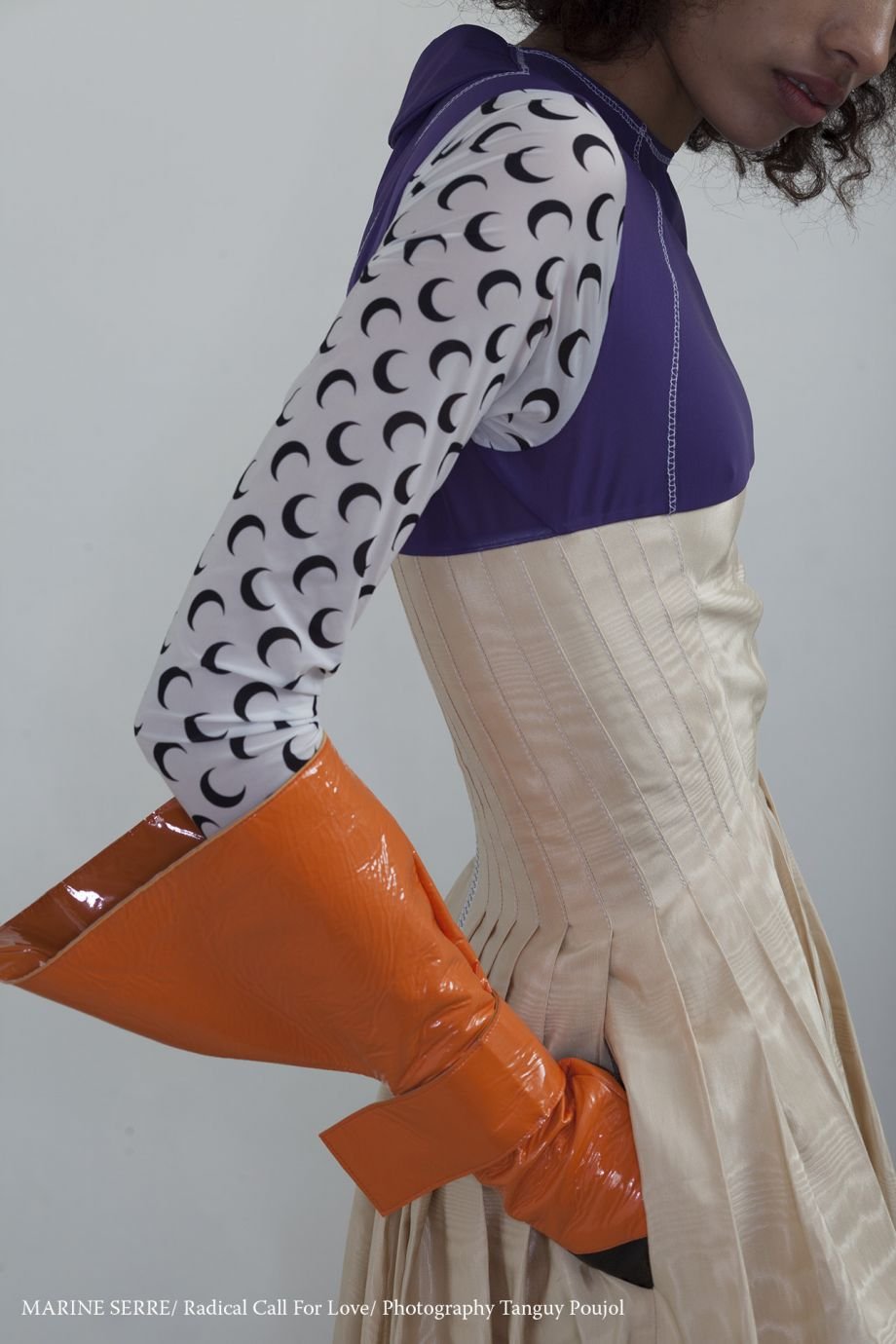
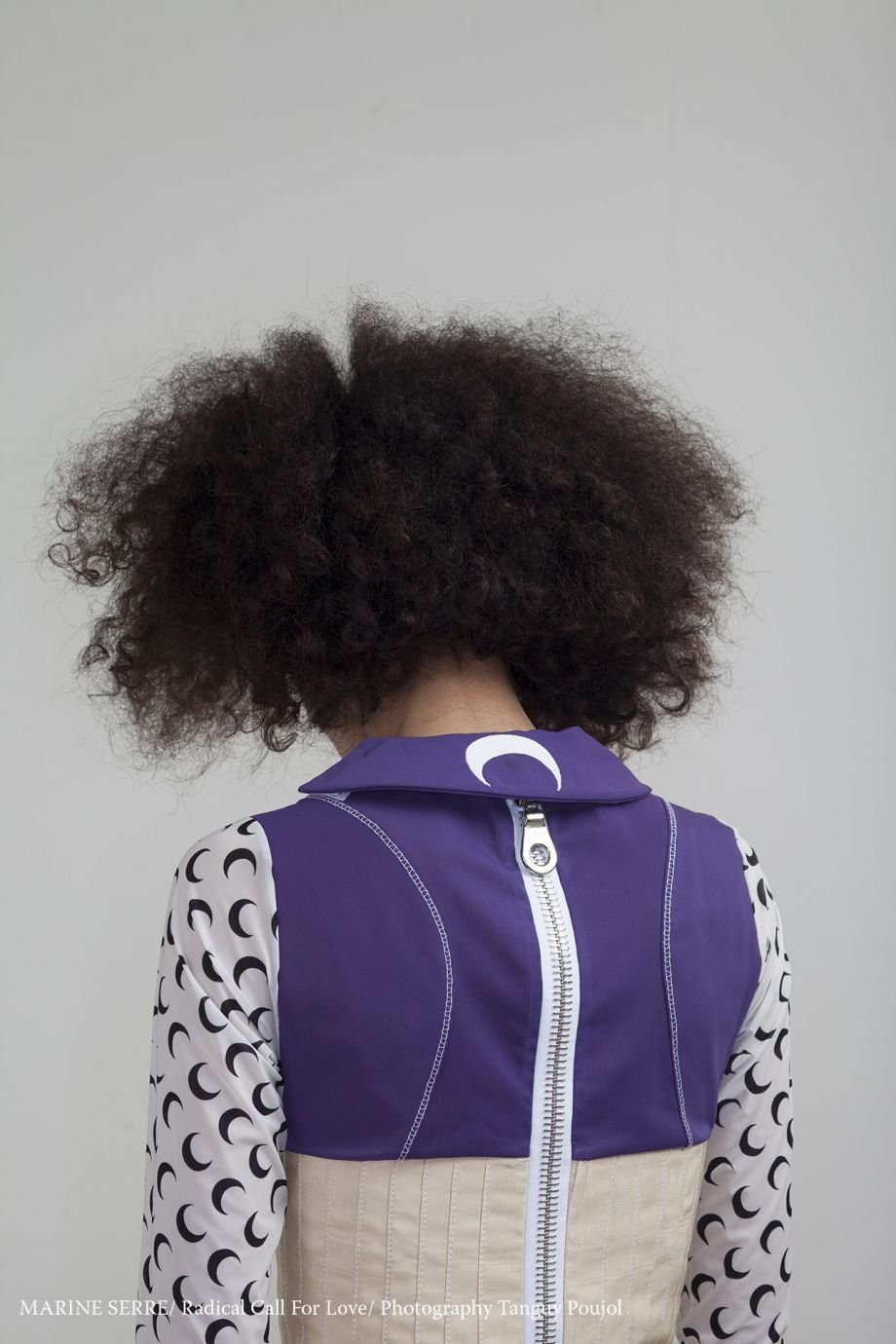
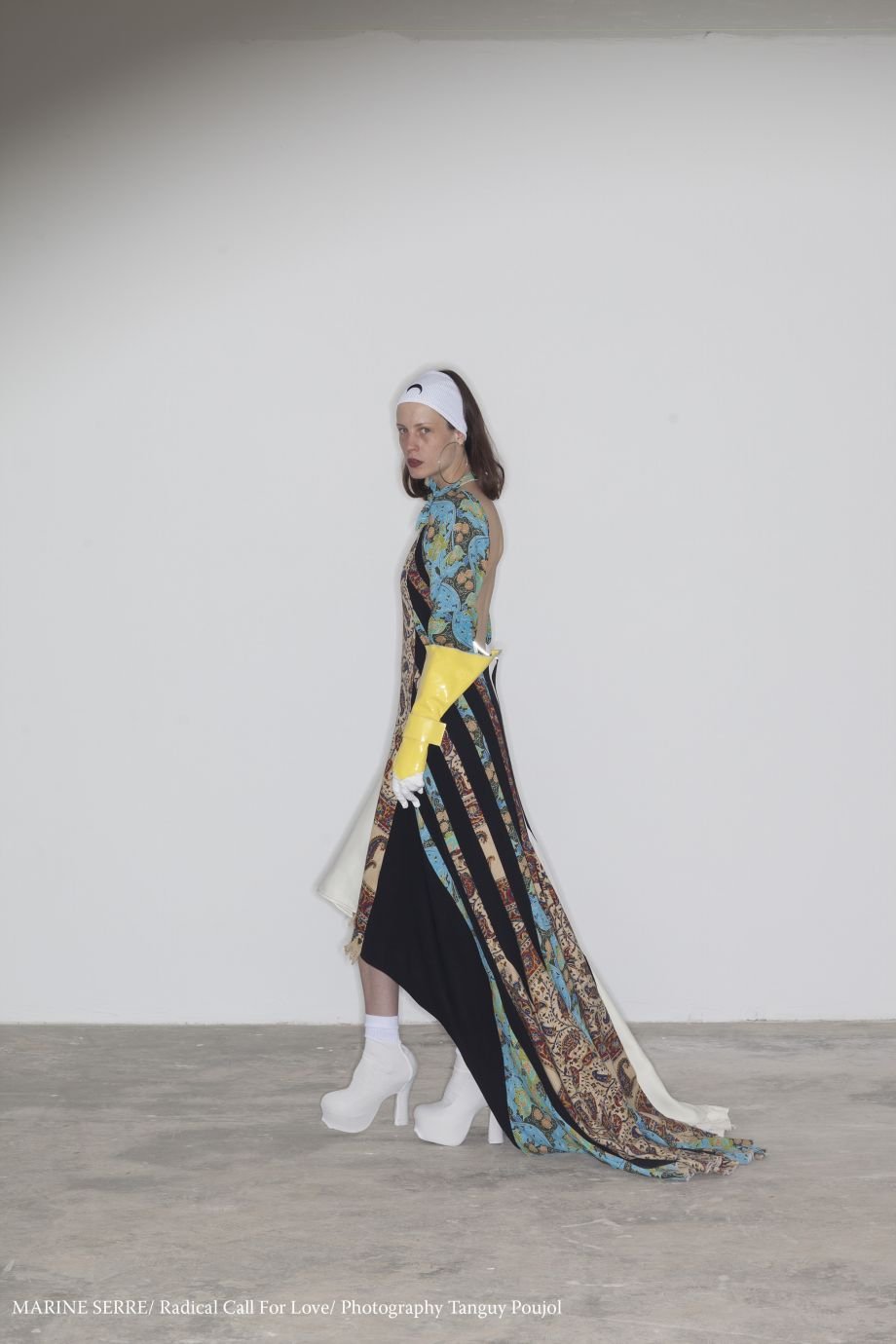
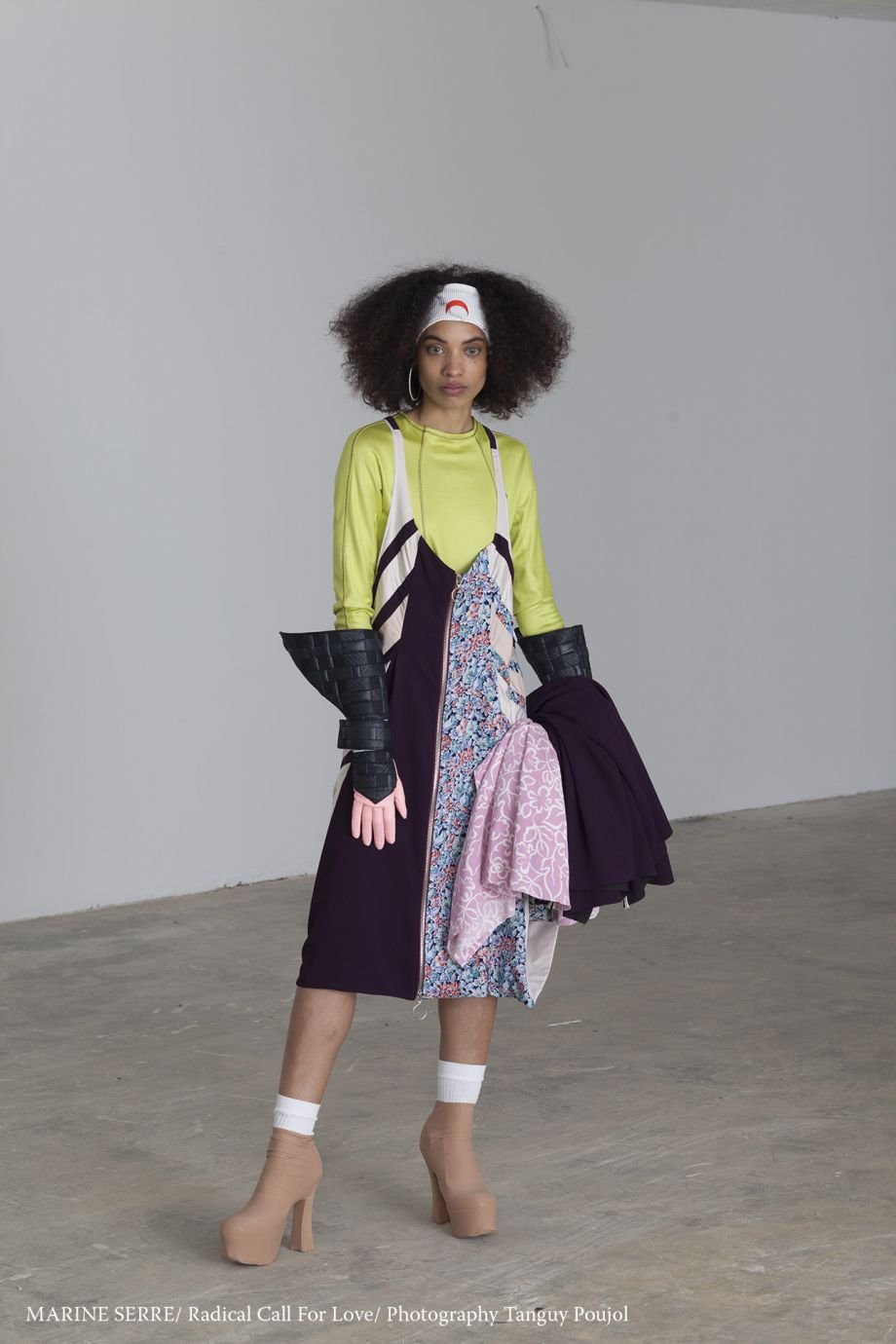
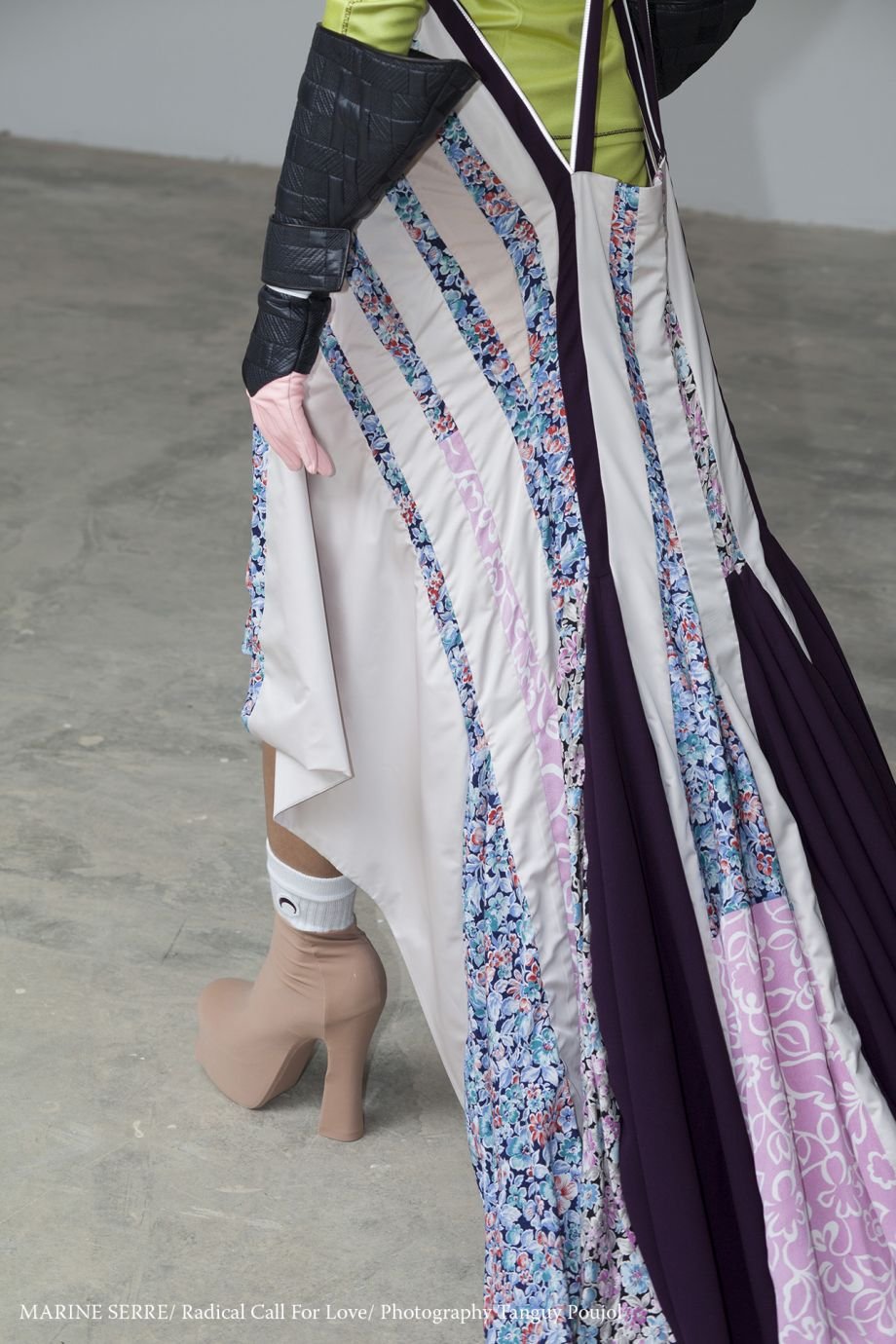
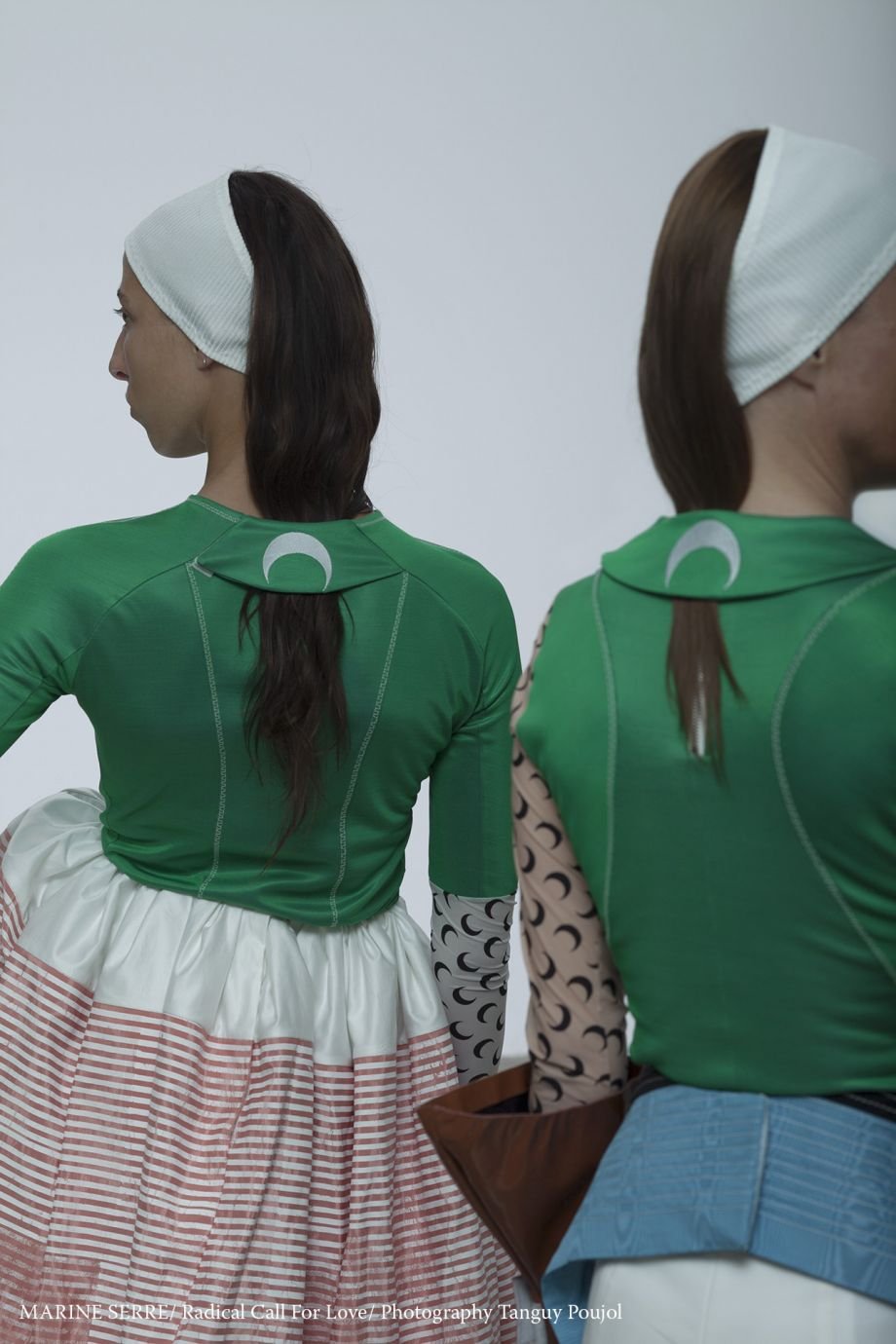
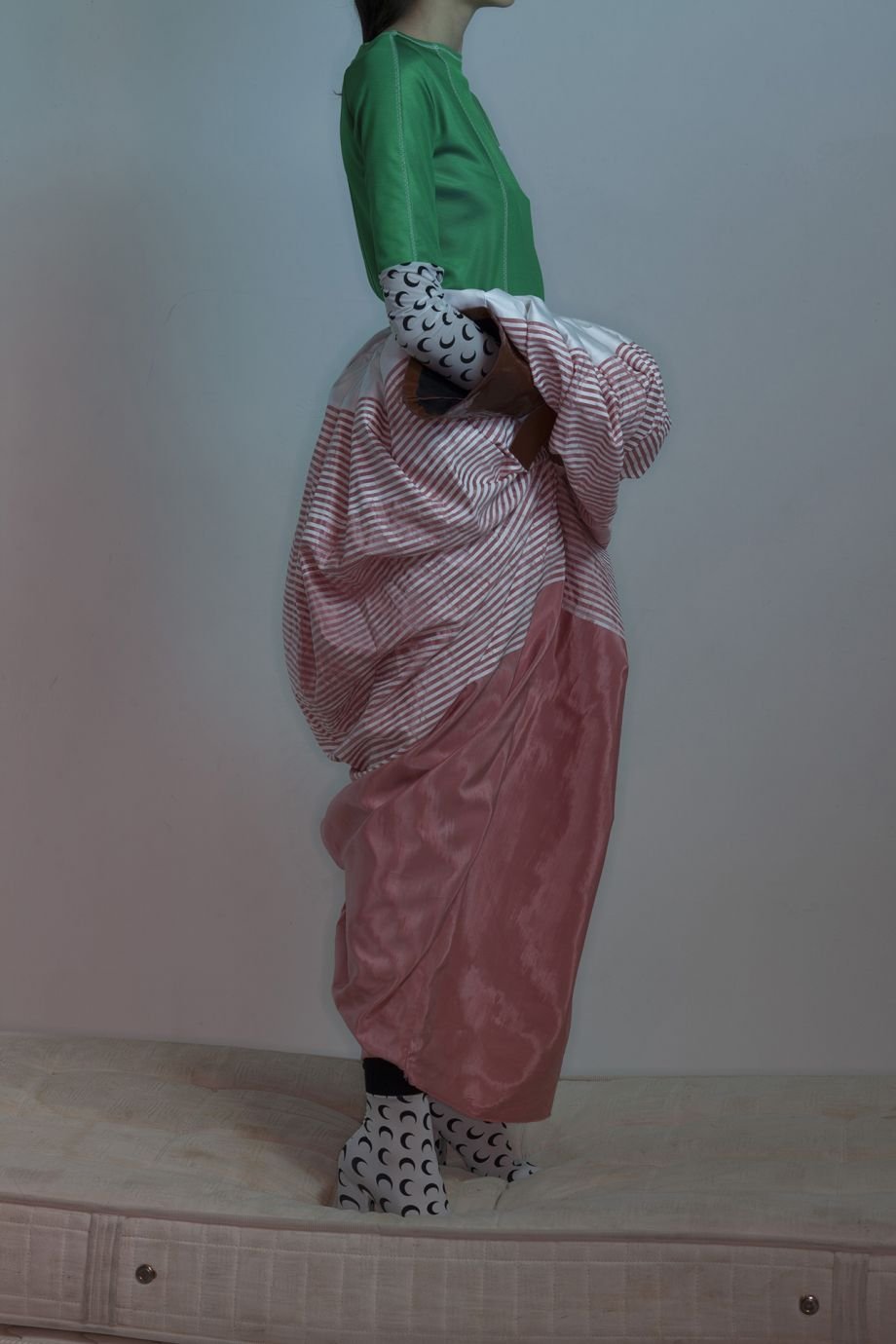
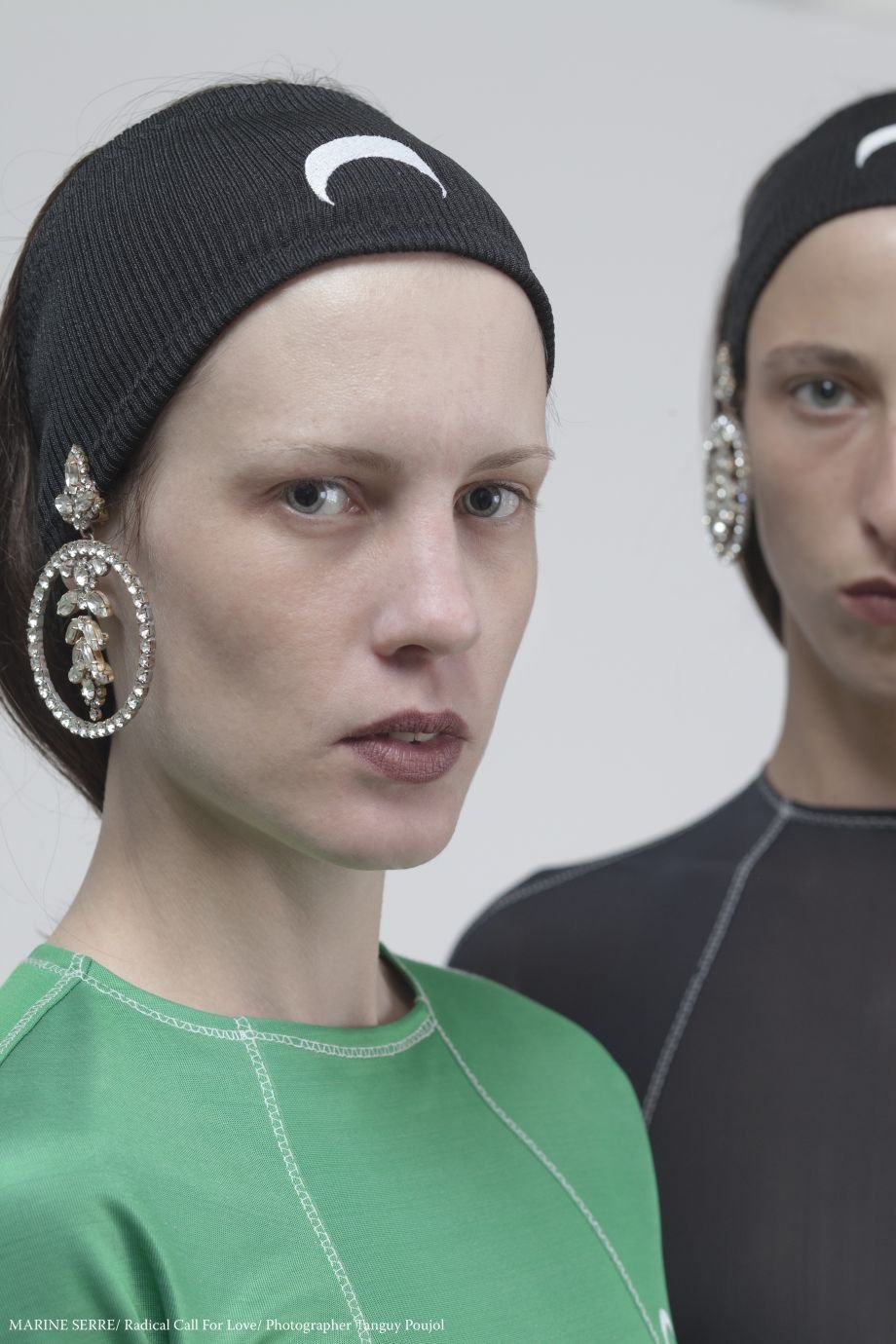
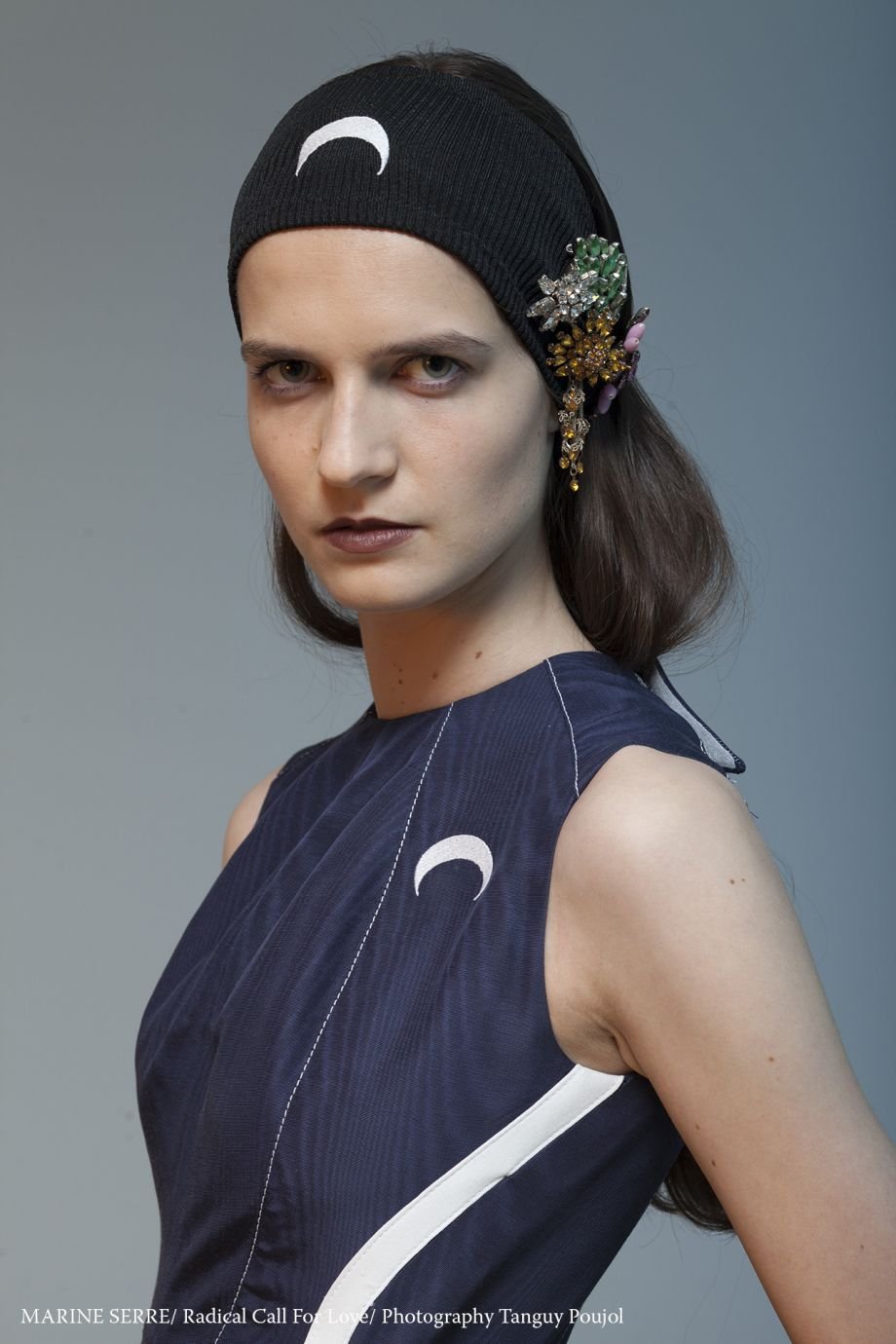
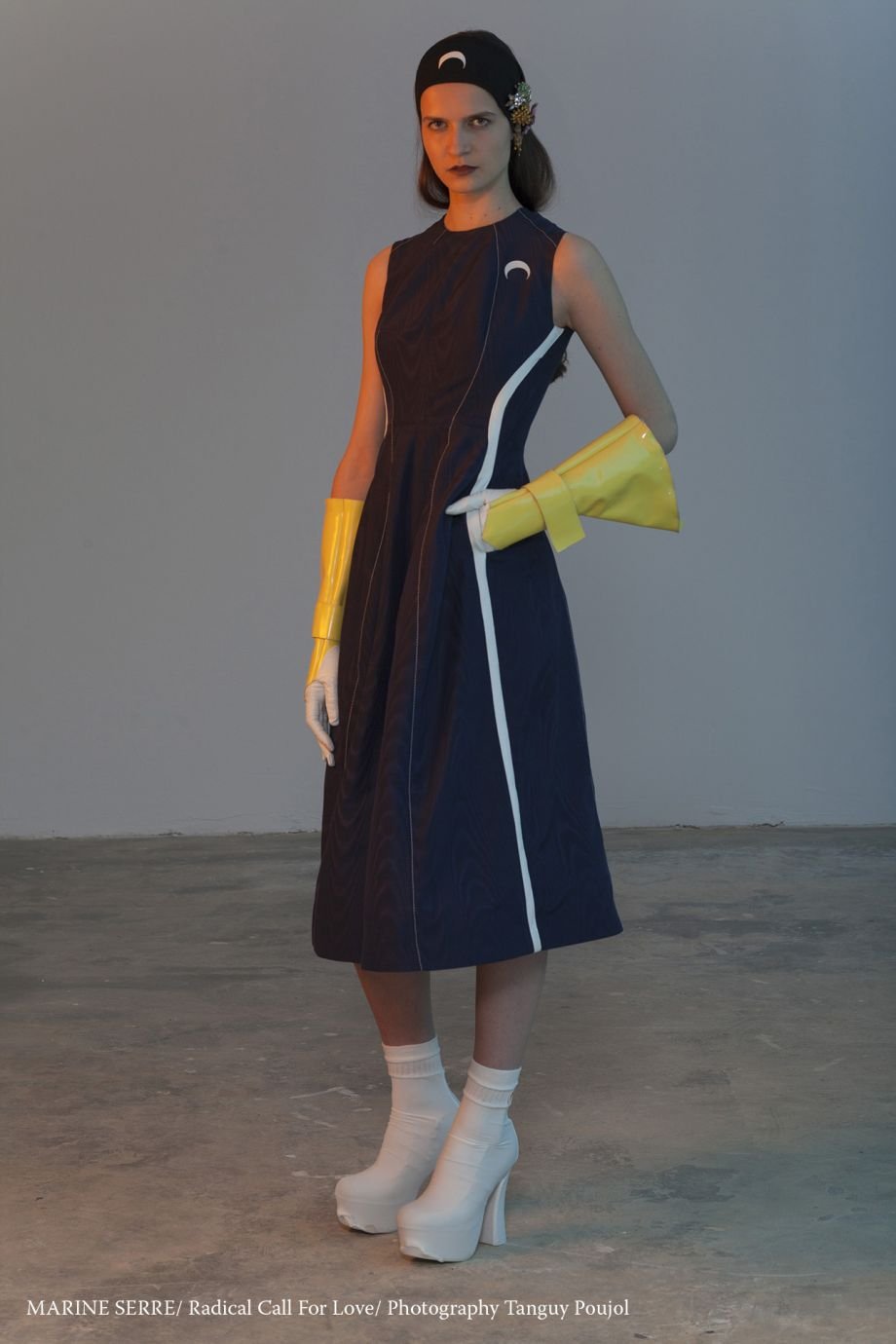
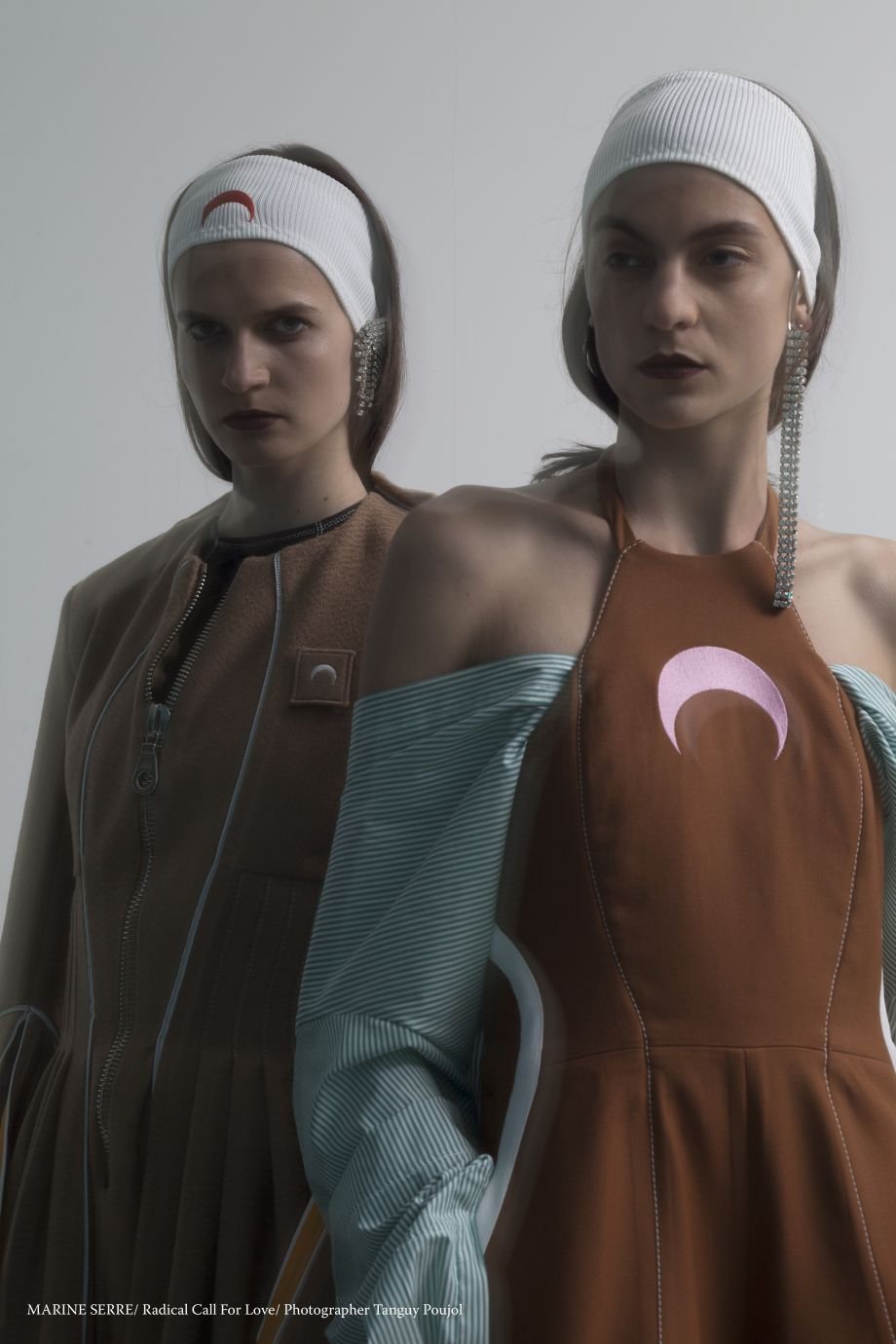
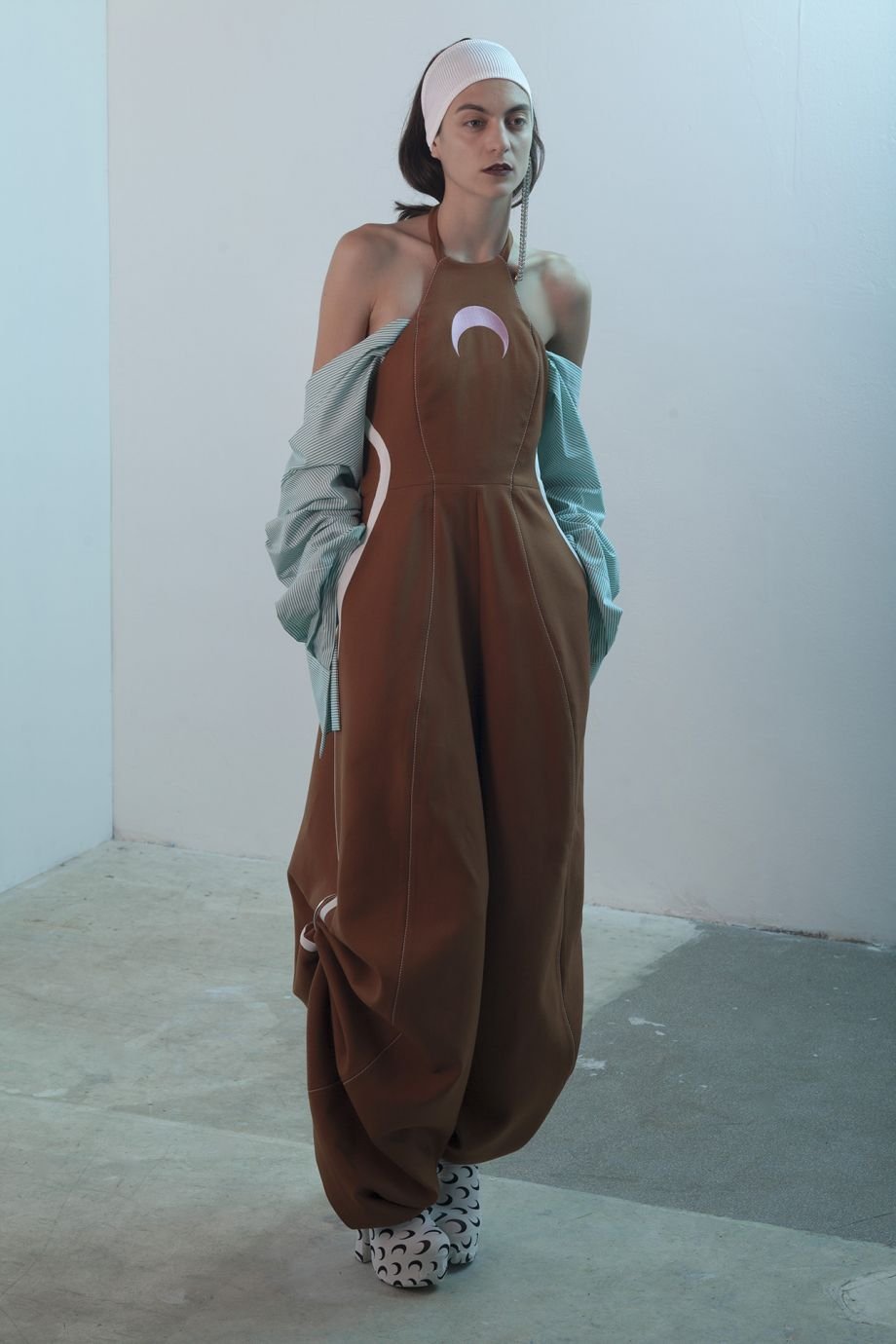
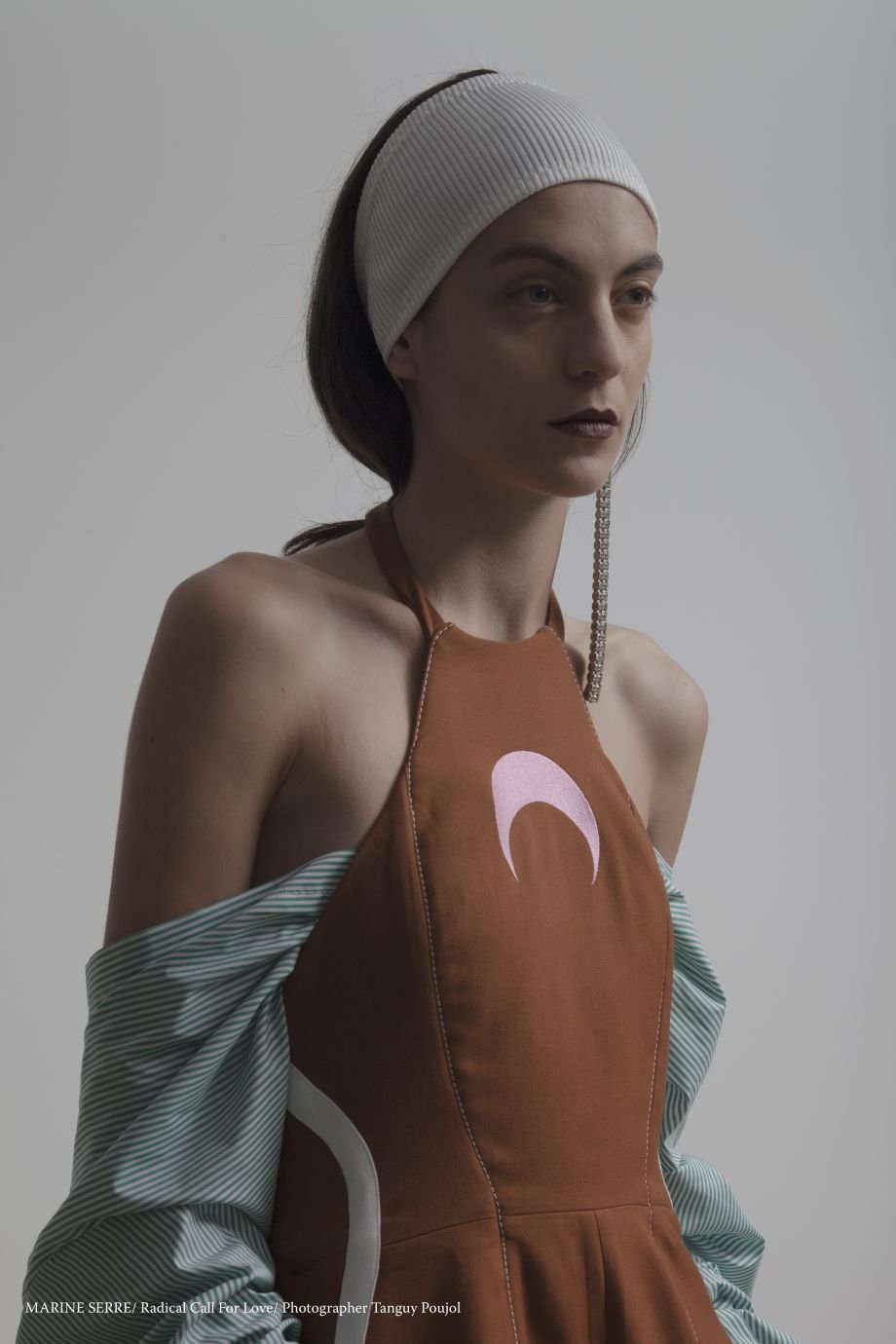
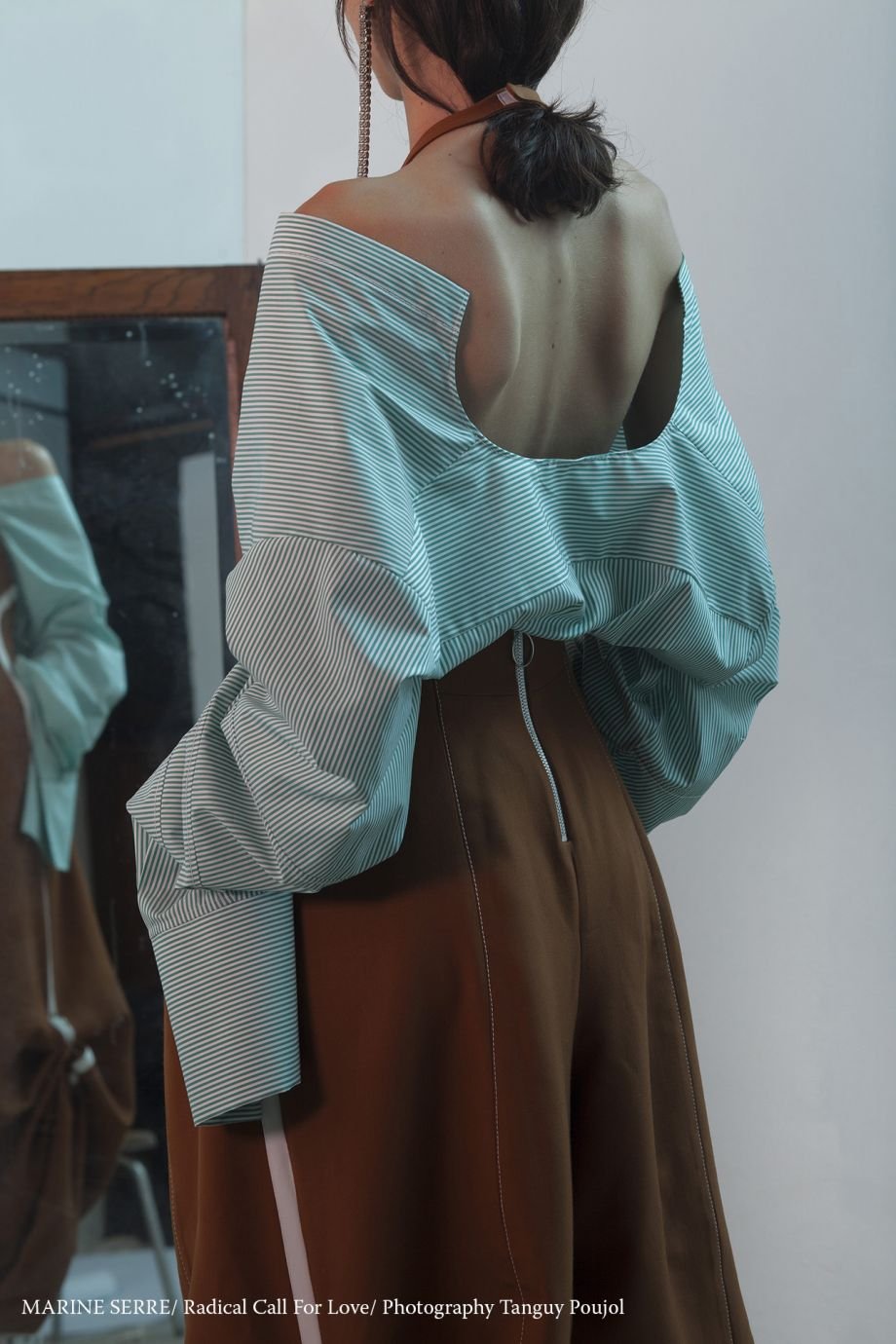
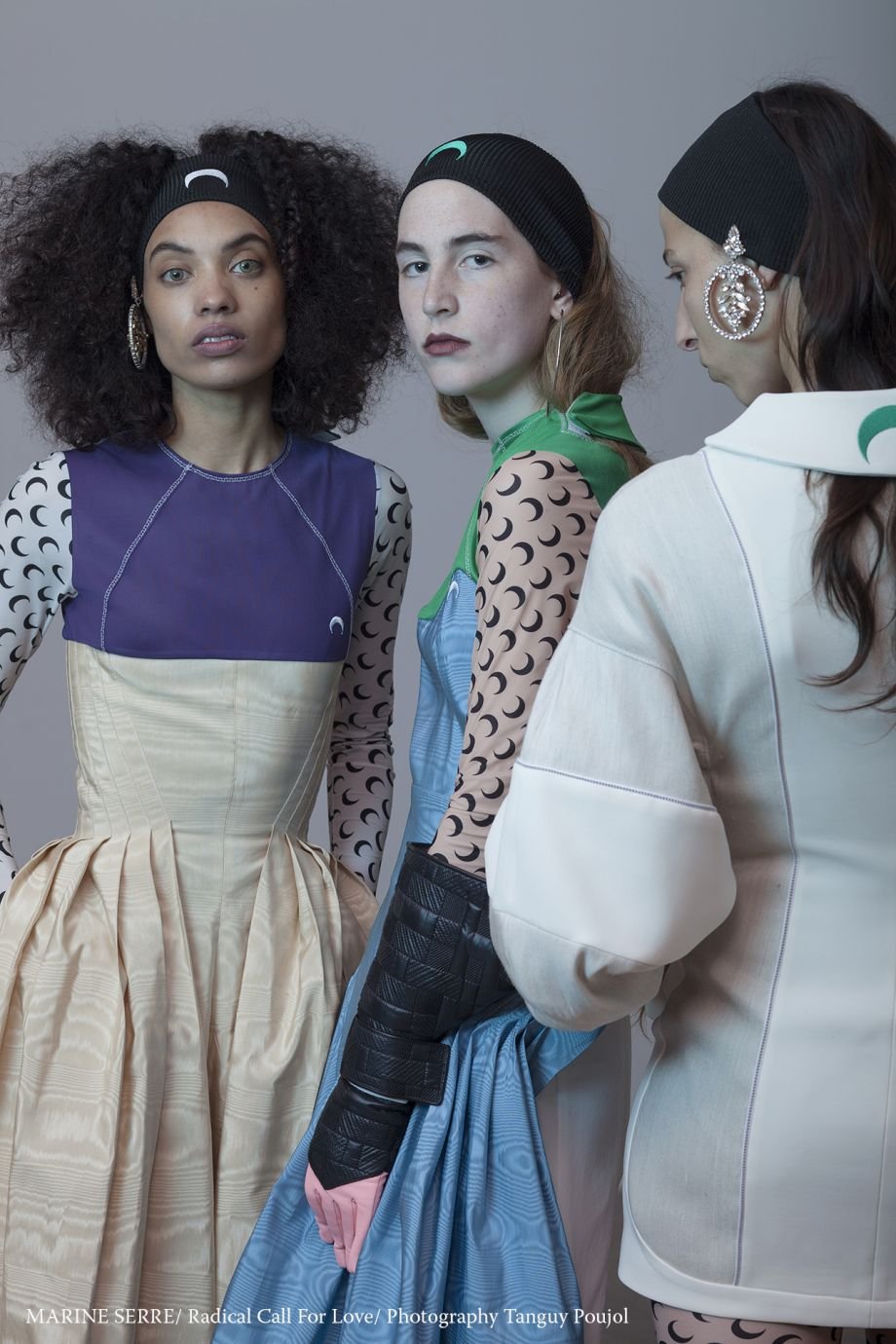
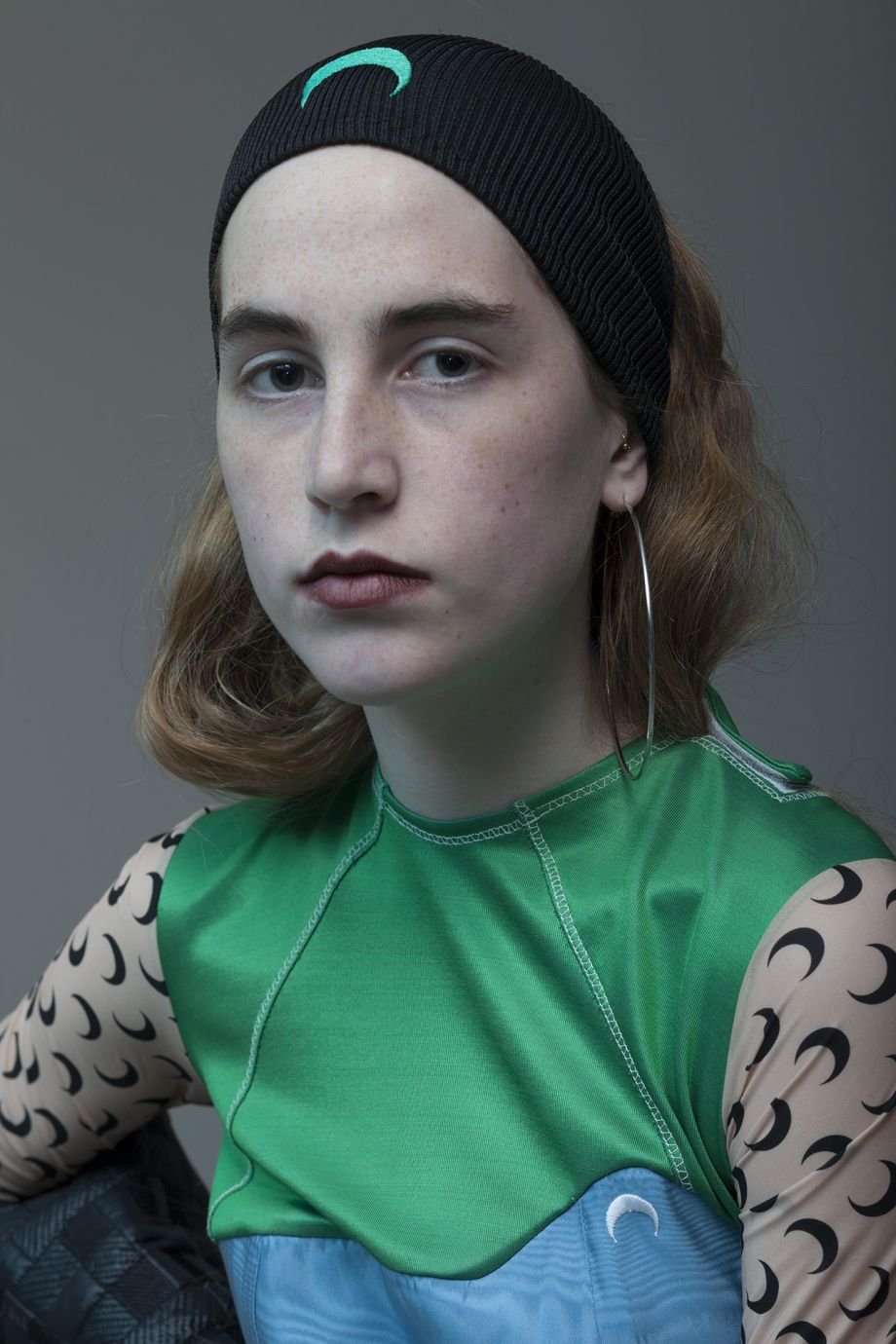
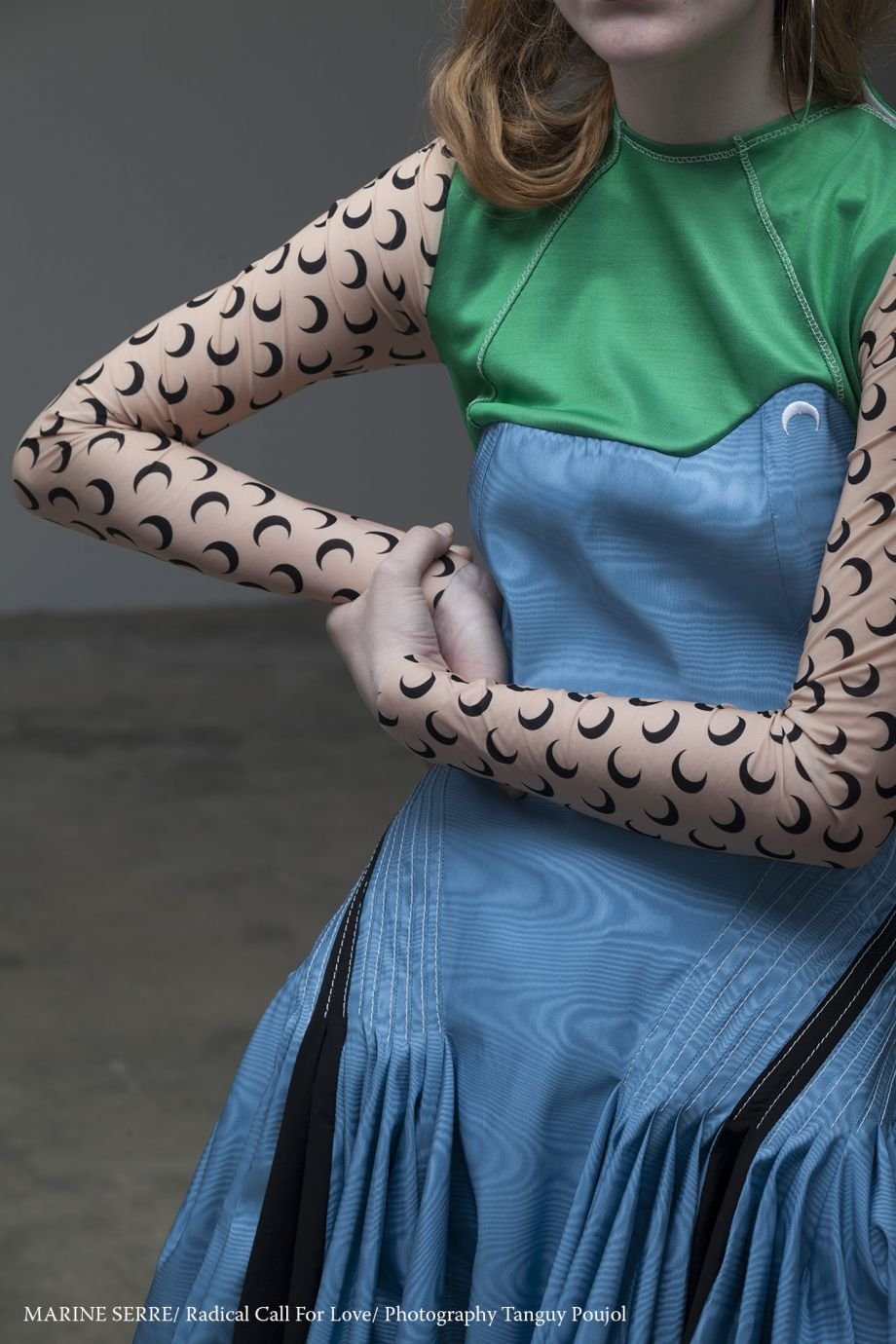
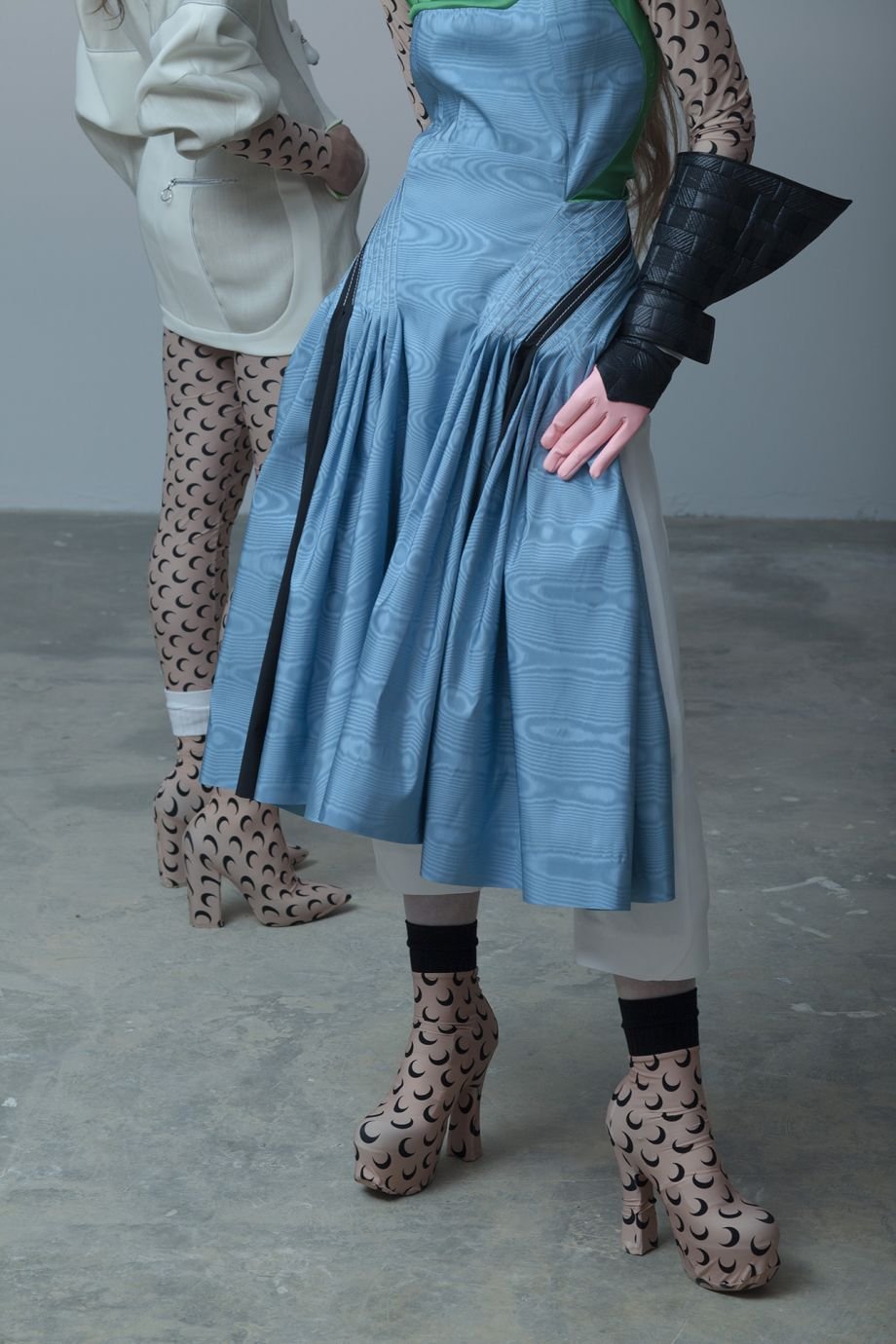
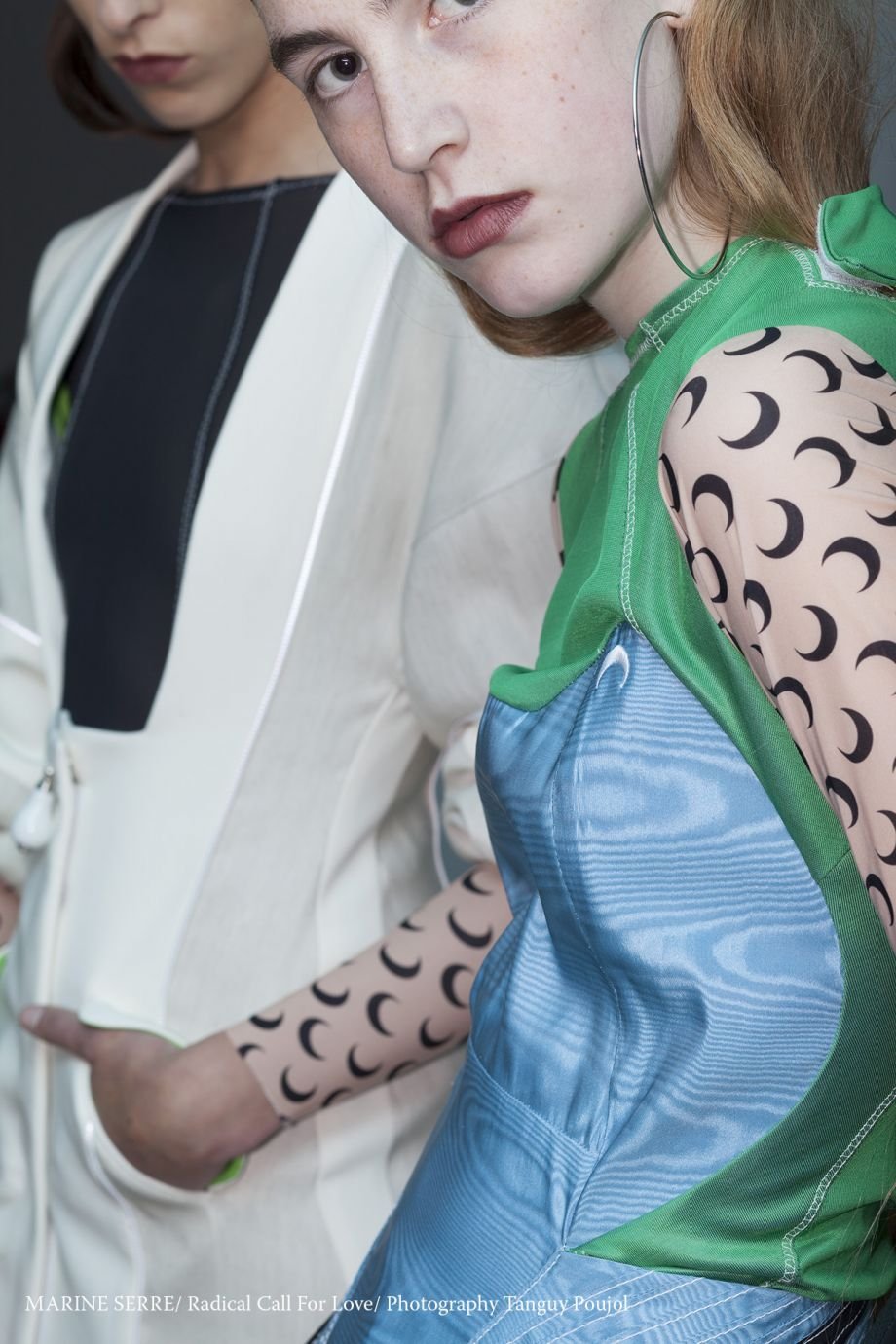
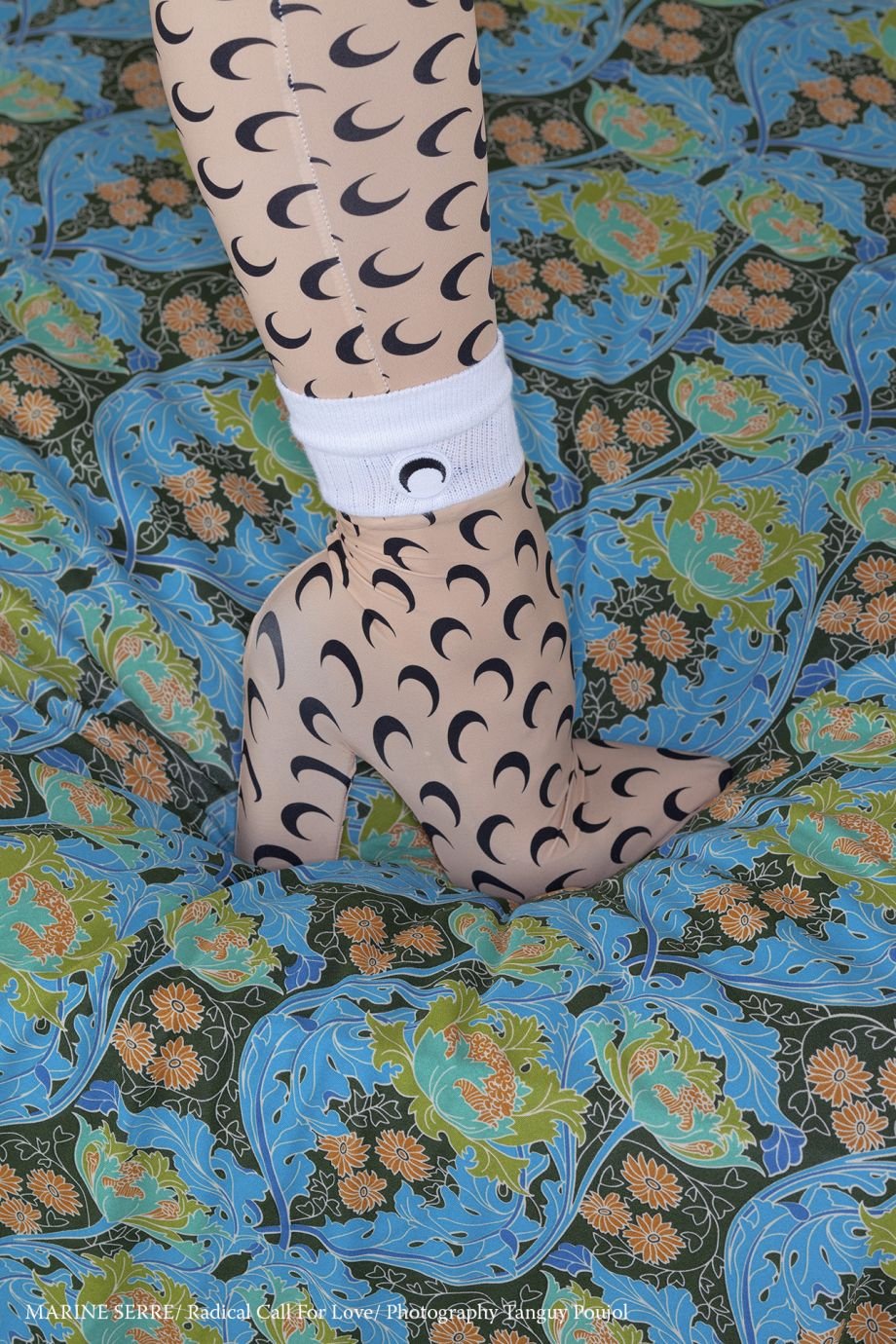
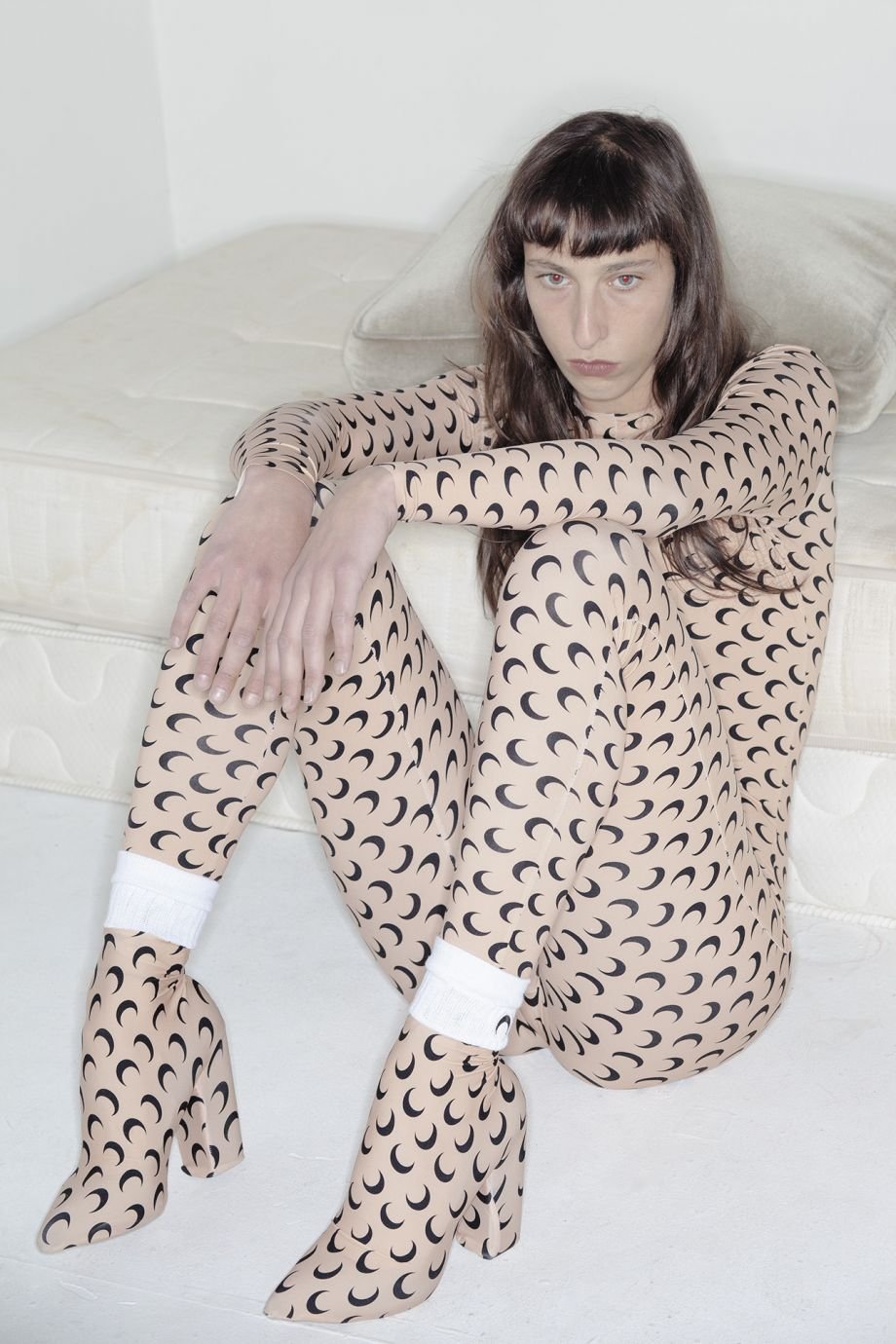
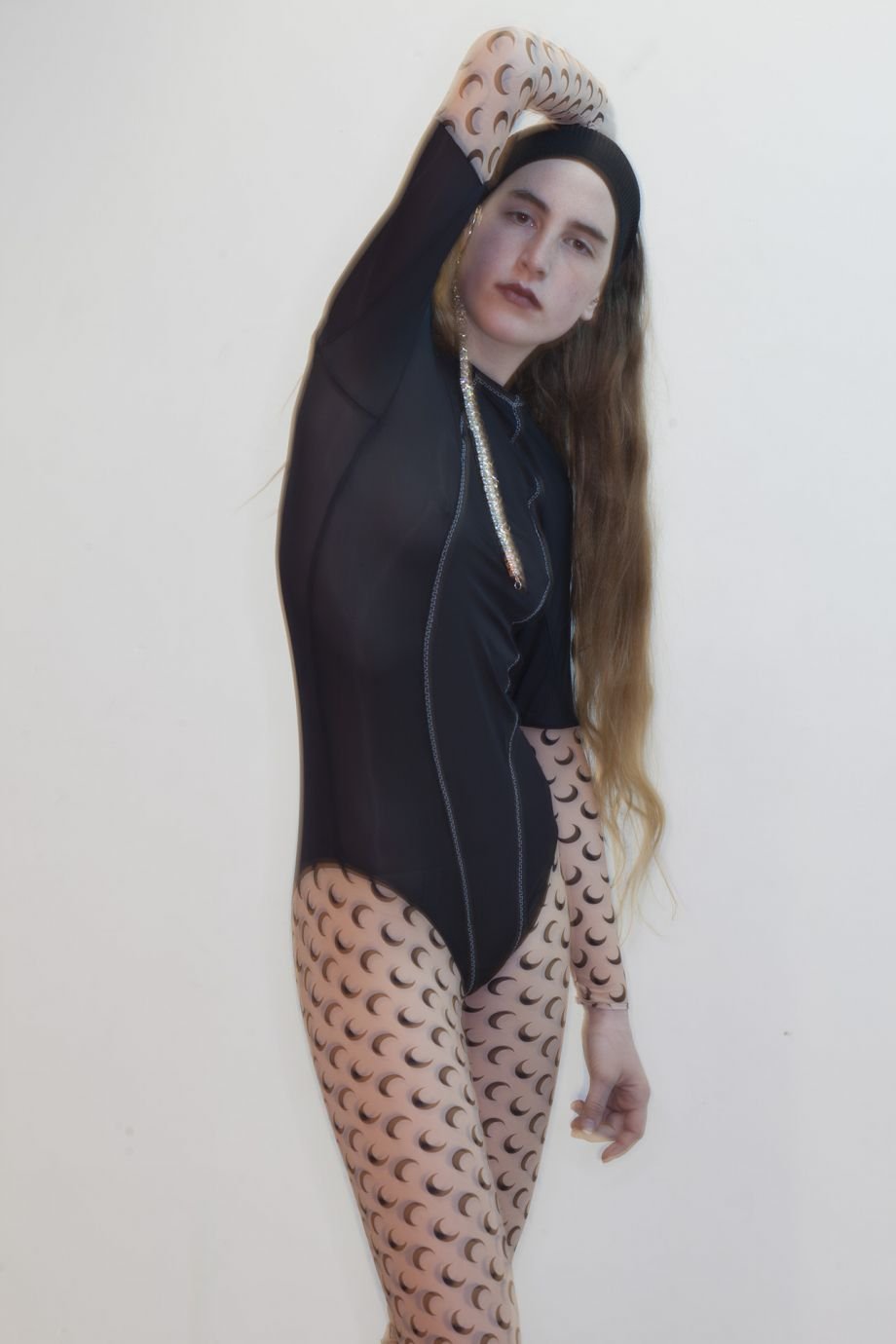
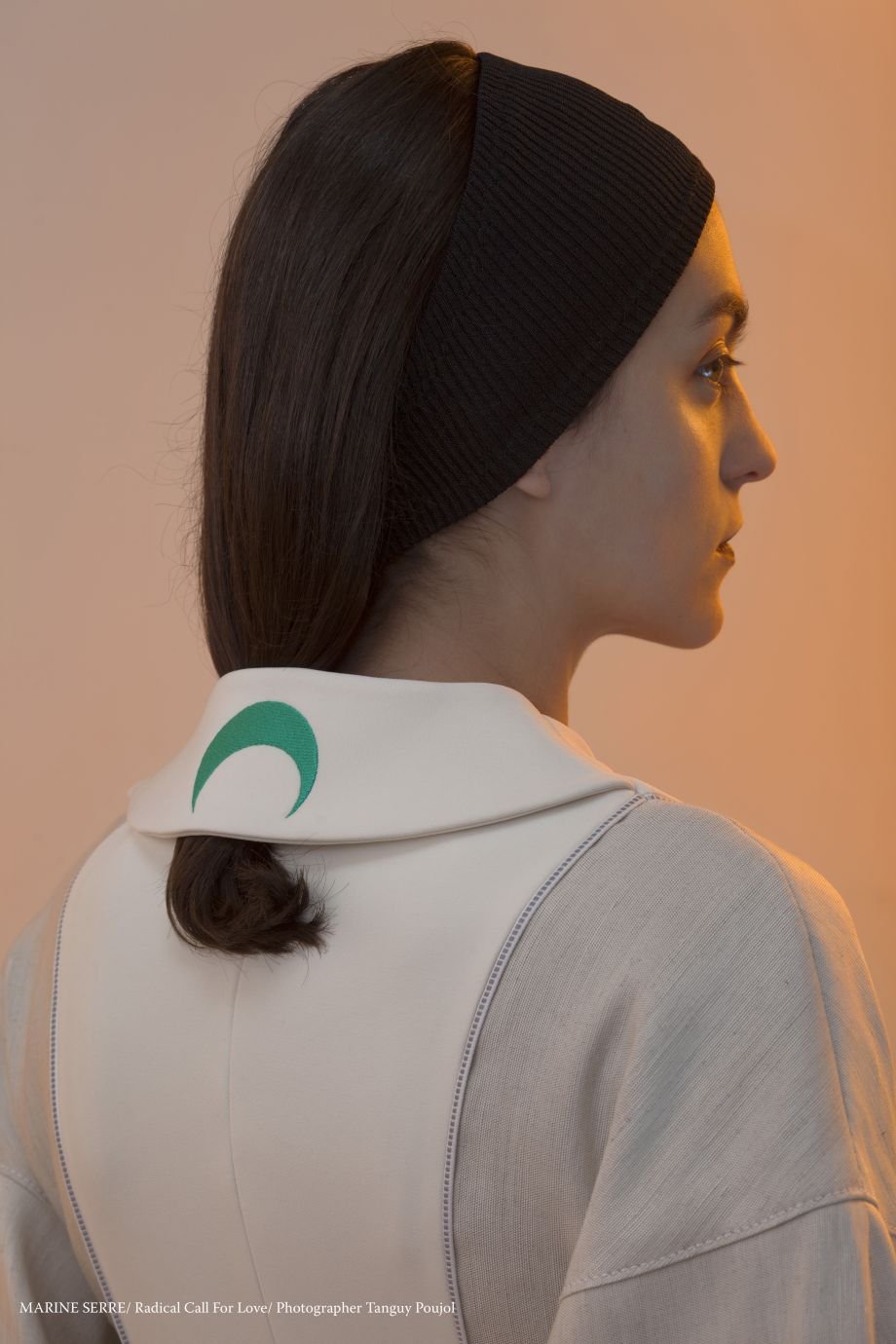
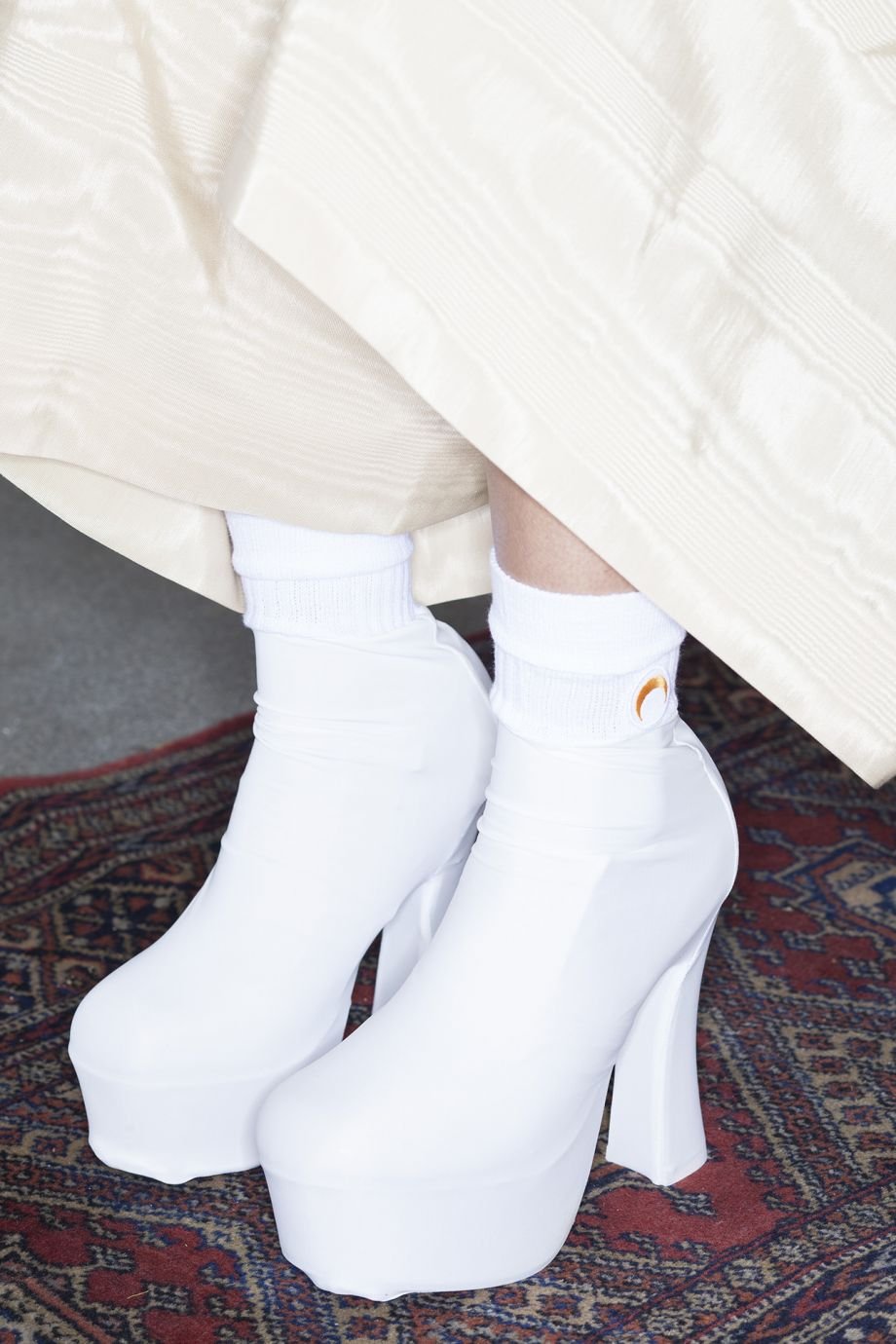
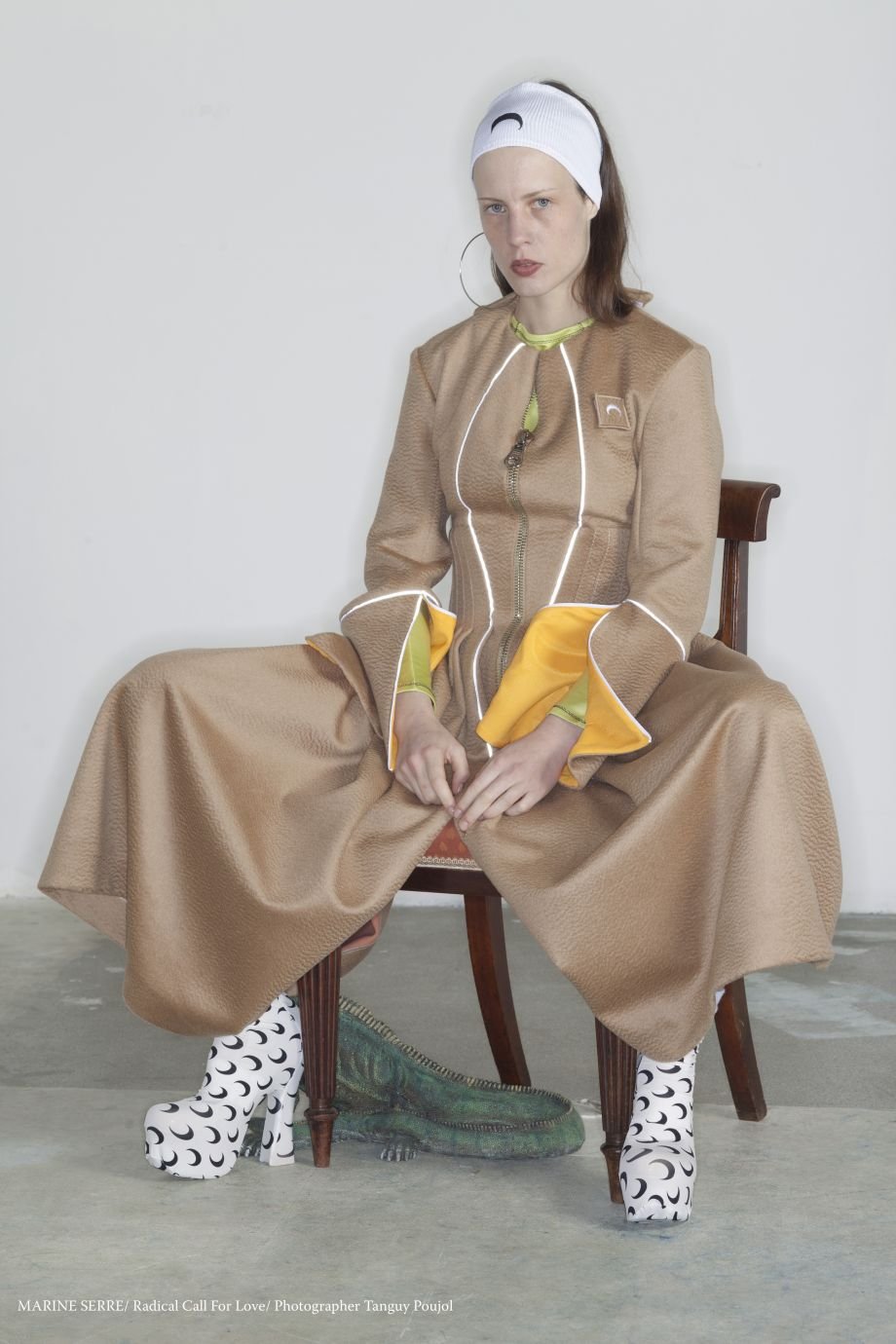
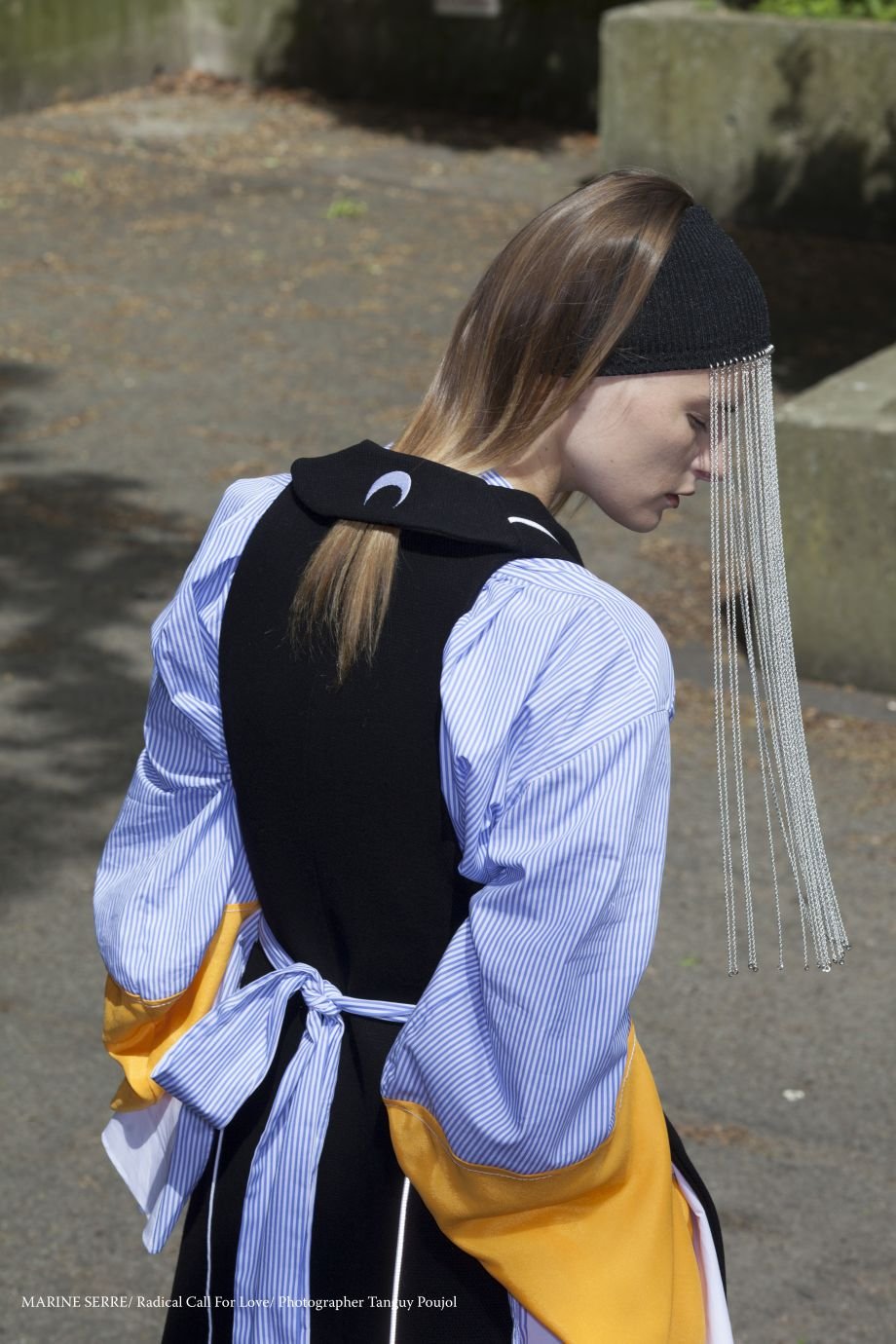
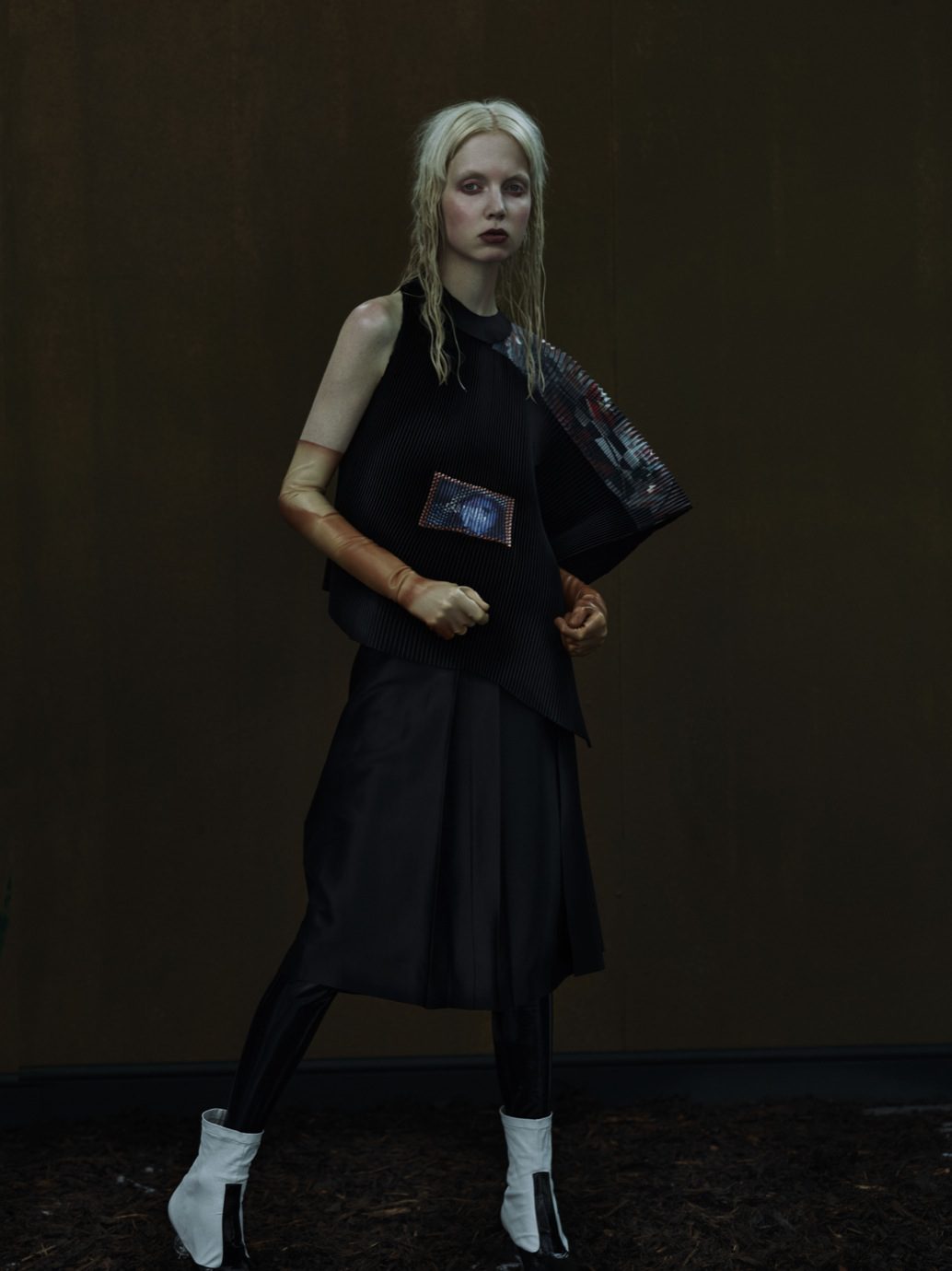
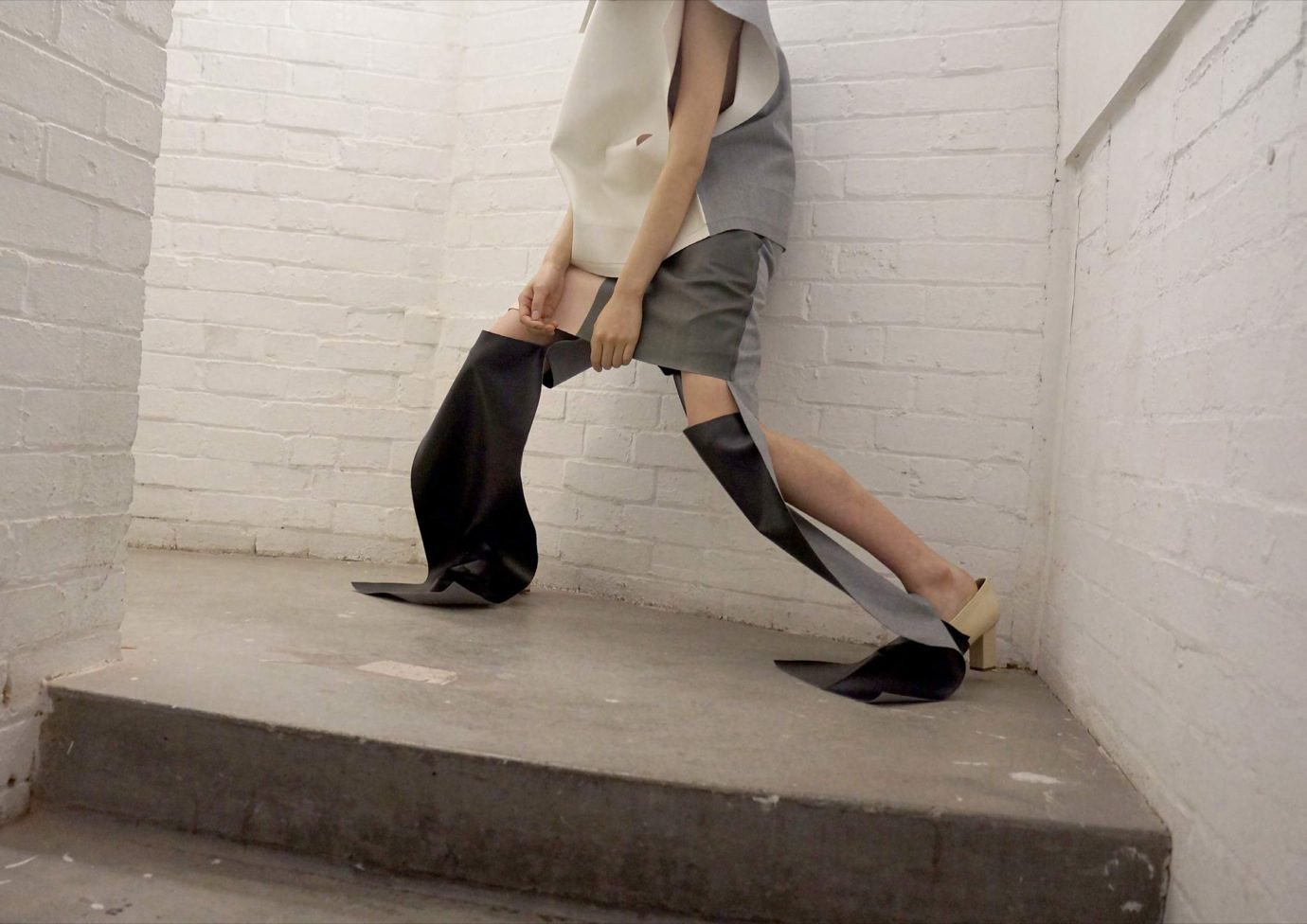
And then in the third year you do menswear, so you learn more about pattern, flat pattern, and all the logic that goes with it. Then you have the fourth and the fifth year. It’s quite a long time to study. In the last two years you make your collection, so you are really free, and in those two years you see one teacher a week, not even, and you use all the skills that you have learned before to make something. Thinking about the process, when you learn about making something with your hands you try to find a way to do it yourself, and find your own attitude. So it was there that I made my collection, 15-21. It was the first one, and after that I made Radical Call For Love. They are quite different, but in terms of the process, they follow the same steps. 15-21 is kind of merging primitive Flemish painting and daily life. Things are made with tape, and the collection thinks about pleats in another way.
Before you even went to La Cambre, did you know of any other schools? Did you go there specifically because you knew how the process works?
I tried Antwerp at the time, but my English was really bad. I could not go to Saint Martins because I didn’t have the money, to be honest. I didn’t want to be in Paris because I already had experience in the south and I thought I was missing something, the long courses where you really learn. So I thought, why not? It’s not too far, it’s also free, cheap. Of course, Antwerp is more about illustrations – you have two days of competitions, and you go there and you have to draw. I mean, I was quite bad… not bad, but… yeah, maybe bad… because I was about making something with my hands. And then when I arrived in La Cambre the experience was really different. In Antwerp my English was not so good, and my drawing was not so good, so then of course it didn’t work. Then at La Cambre they speak French, and the competitions were about draping and making weird shapes, so then it worked.
Did you do a placement year? I know that you’ve done a lot of internships, at Margiela, Dior and McQueen.
Yes, and I did even more, because when I was in Marseille in the summer I had a lot of time off so I was just going and working for people. Such as Fred Sathal, this girl that worked in the nineties in couture, who is now showing up again, strangely, who embroiders a lot. She has a really weird perspective, and has her own atelier – it was quite small. Then I worked for On Aura Tout Vu, also a really small thing, and then I worked for Annemie Verbeke. Then I worked for Alexander McQueen, and of course the more experience you have, the more you can get. After that I worked for Maison Margiela, which was a great experience – this was before Galliano arrived – and after that I was at Balenciaga, and I’m still working there.
I did four internships myself and I learned so much that I did not learn at school. Was it the same for you? And which house was the most beneficial?
Yes. The best one for me was Maison Margiela. At Alexander McQueen I had a hard time, London is not Paris…
It’s a hard place to be…
It’s quite hard, and I was really poor so I was living far from the centre. After that I travelled around the Balkans and questioned myself – is this really what I want to do?
Ah okay, so it was kind of a stressful experience?
Yes. Then I went to Maison Margiela with Matthieu Blazy, where I worked for the artisanal line and for ready-to-wear, and this was a really great experience. I was given a lot of responsibility, and I was around people that are really passionate, in an atelier made of the same people who had once worked with Martin. It’s a family, so you share your experiences. I realised that there are people who think like me, so I have a place in fashion. This was quite a change for me, I realised that I really wanted to continue. And of course with Raf Simons I learned a lot, but the choice had already been made in my head. I was thinking in another way, because I knew what I wanted, so then you look, and you learn by looking, whereas before…
Were you inspired then, during those internships, to start your own thing?
I will not say that I had the pretention to start my own thing at that time. I just wanted to make garments that people want to wear, but to start my own brand? No. I was thinking I could do it later, when I had more experience, when I had a team of people around me, and money. Wanting to do something like that? Yes. But to do it immediately? No.
So all these internships you spoke about, they happened before you had even graduated? So then you returned, graduated, and then got a job at Balenciaga?
Yes. I had an internship there after my graduation, for six months, and then I became engaged with the brand.
So you started there officially in March right? And then LVMH happened?
Everything happened at the same time. I had Hyères Festival first, then LVMH, and ANDAM actually, but that’s cancelled because I won LVMH… they cannot support both… too bad for me! [Laughs]
So with LVMH, ANDAM, and Hyères Festival, why do you think people like you so much? [laughs] You’re so lucky with competitions, did you apply knowing that you would get everything?
Well first, I never applied to LVMH, they came to me, so that was sort of a funny story. They have a scout, and so somebody found me. Maybe they saw the graduate collection? They called me for the student prize, and that was nice. Then we talked and I showed him my stuff. I said – ‘I just have one collection. I’m not launching my brand so I might not be the right fit.’ He was like – ‘No, people are talking about what you do…’ So he had already done some research.
I think it was because of The Broken Arm thing I had done in Paris. Last September I had a capsule, small parts of the collection that were sold there and displayed in the window, for two weeks during fashion week, and clearly I think that was the moment when Radical Call For Love became something other than a student collection. Because it was sold, you have an identity around it.