Representing the creative future

ARTEZ FASHION BA 2026: THE ART OF BECOMING

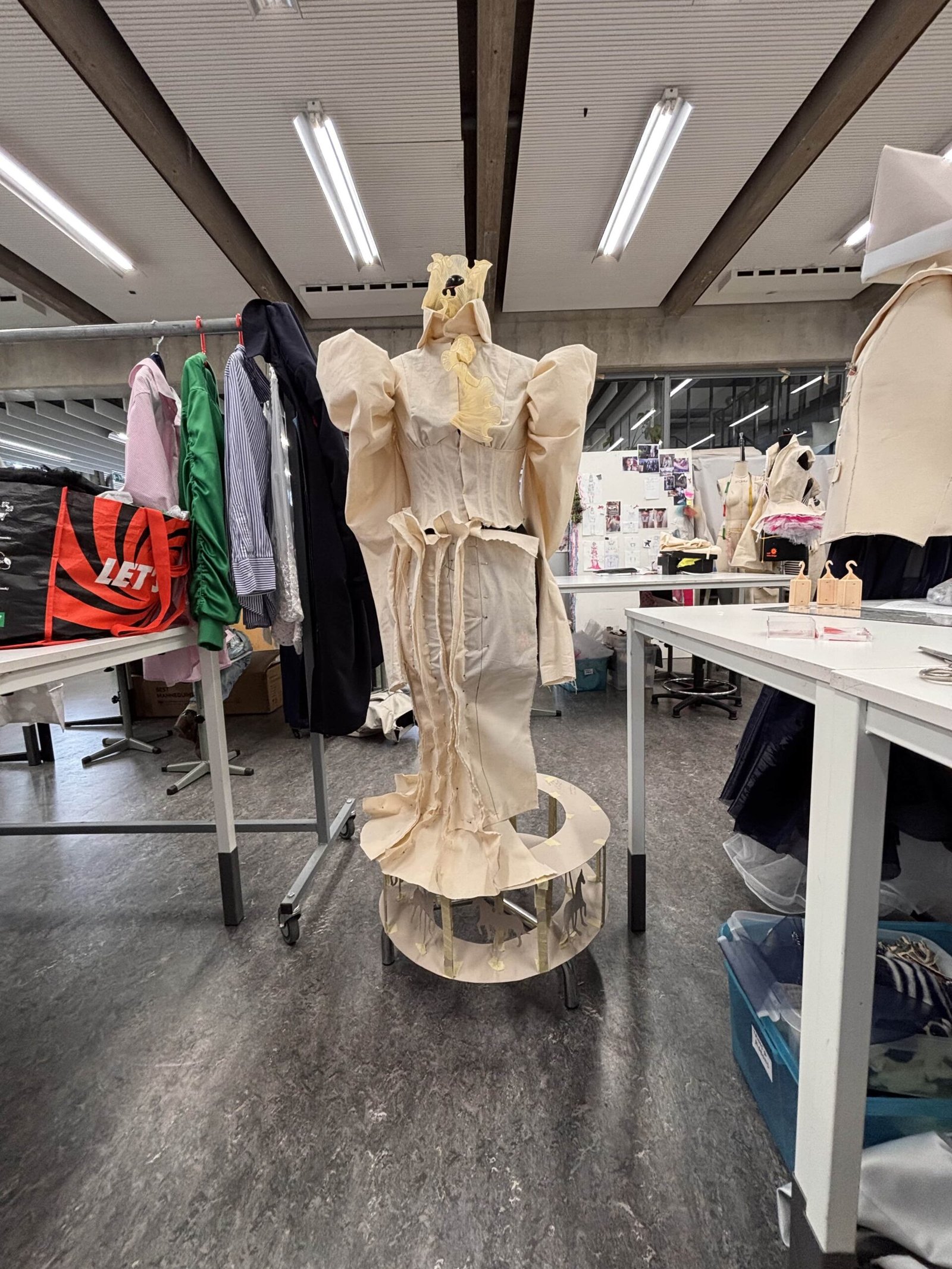
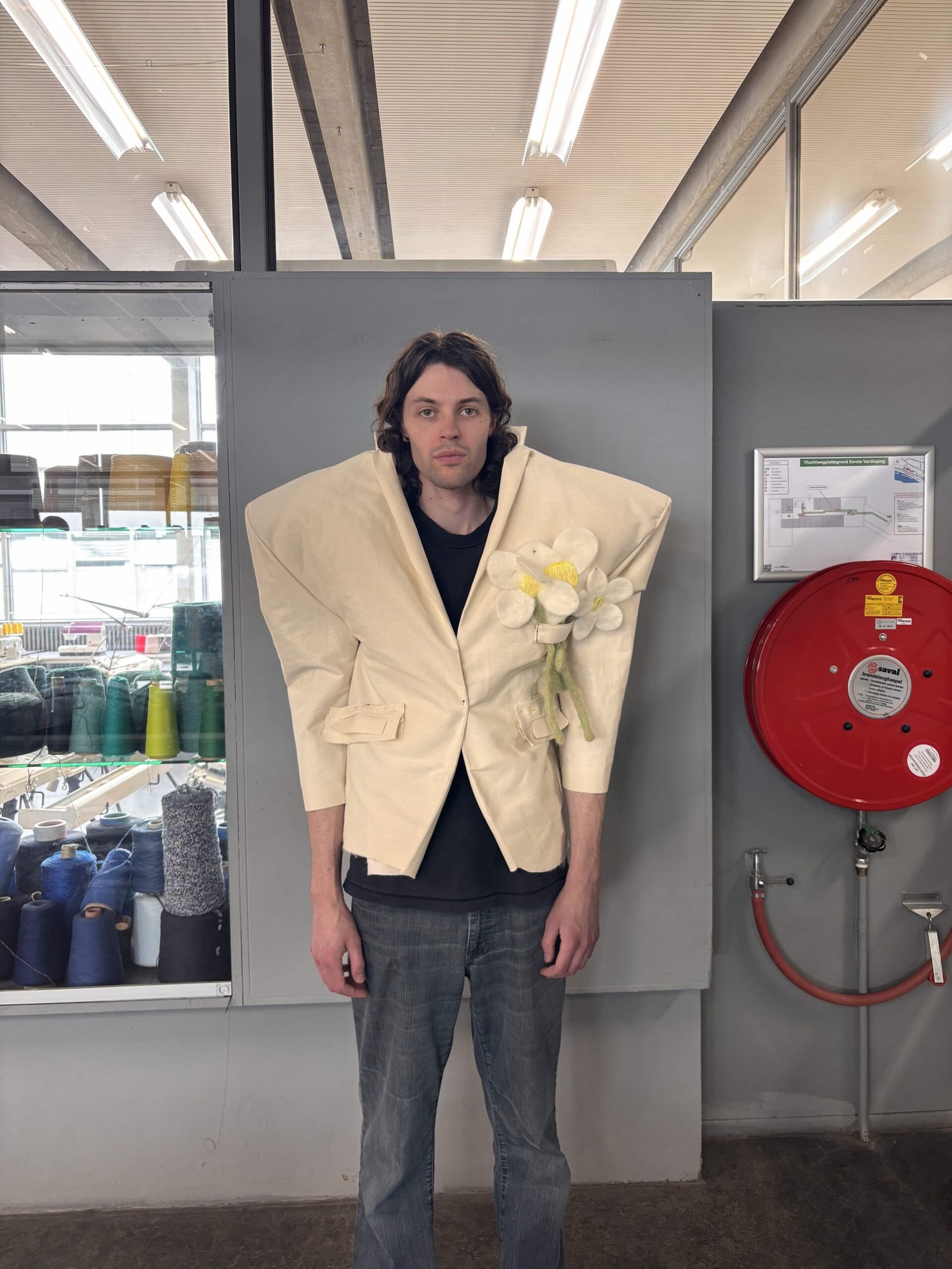
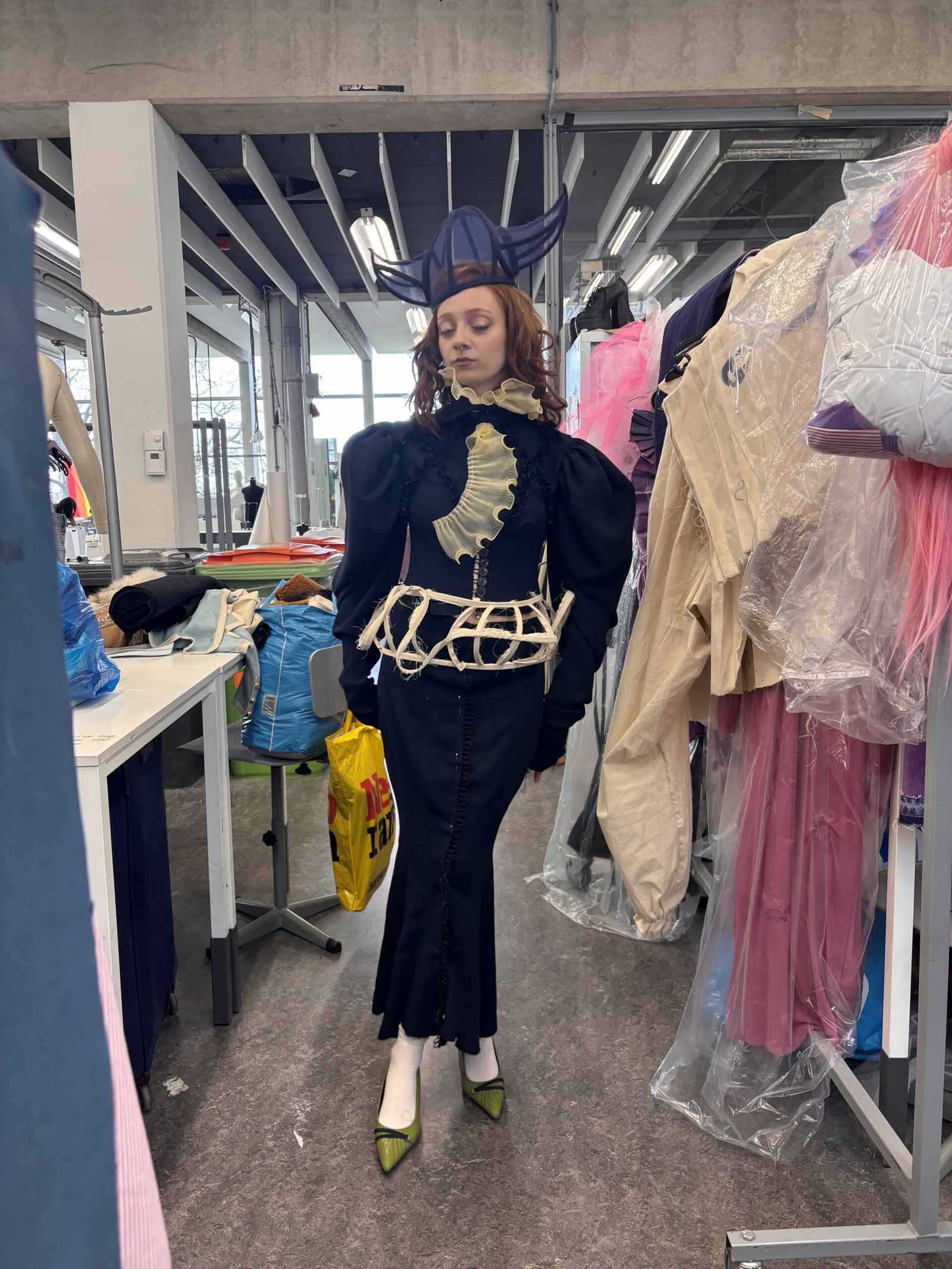
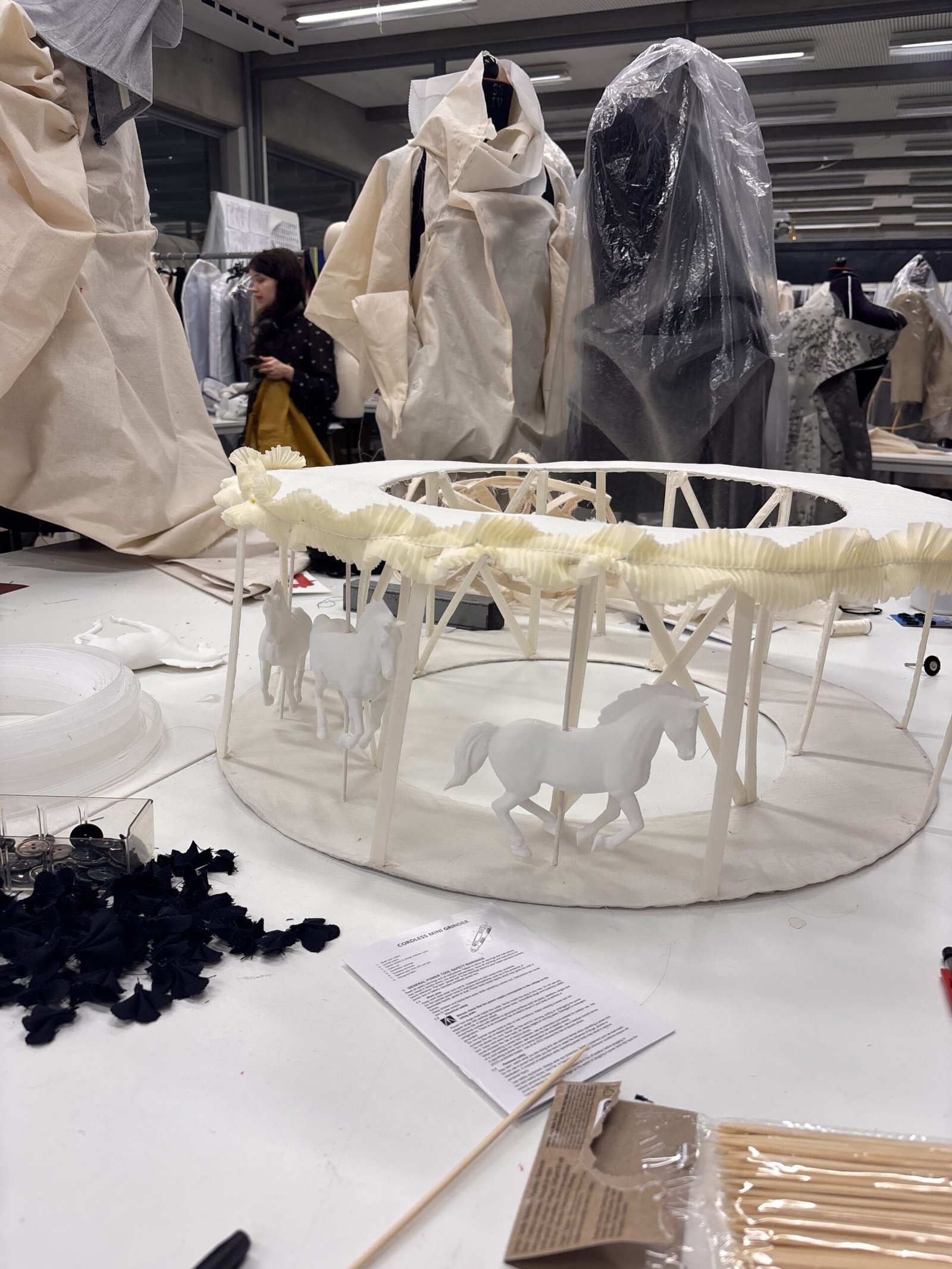
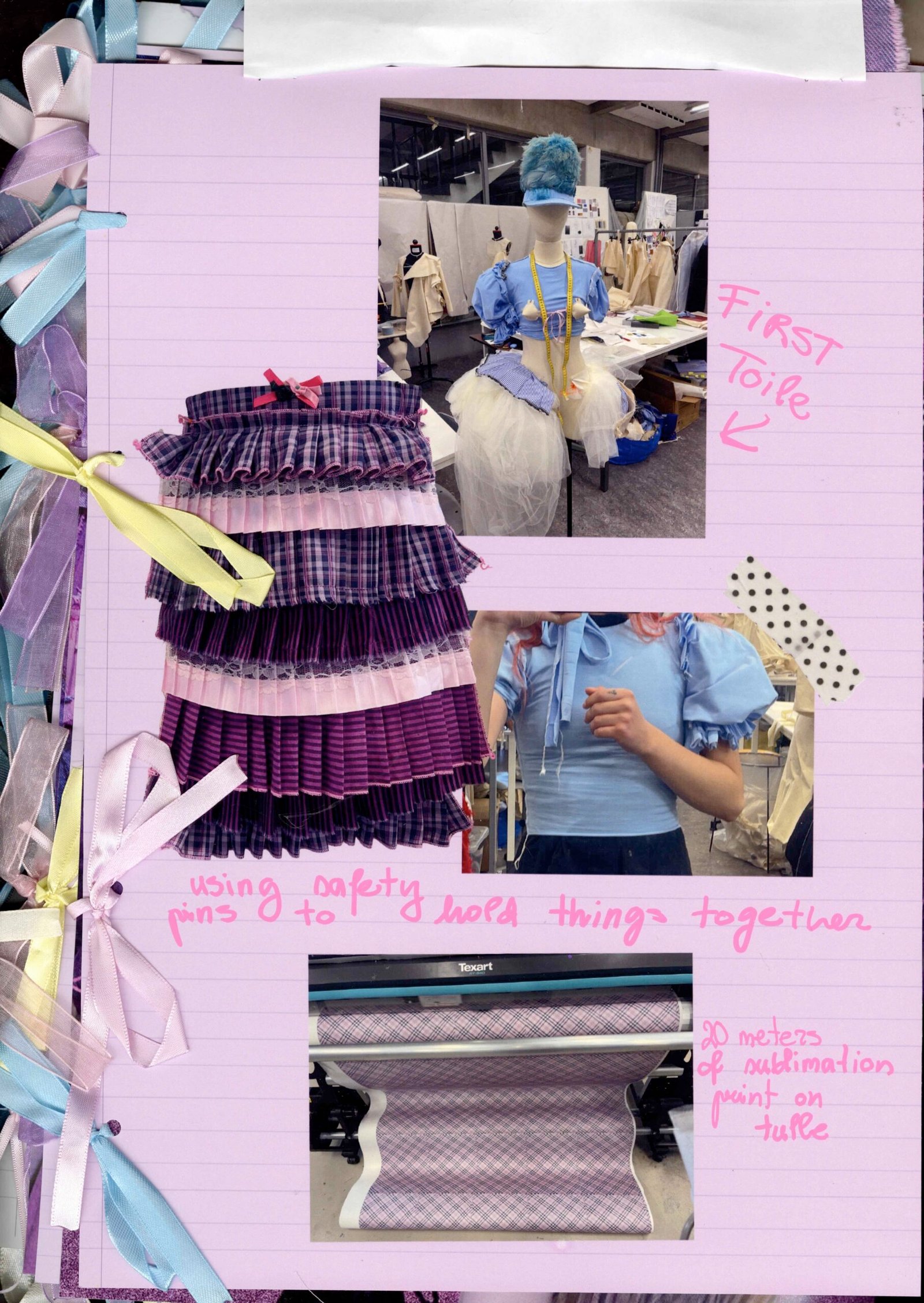
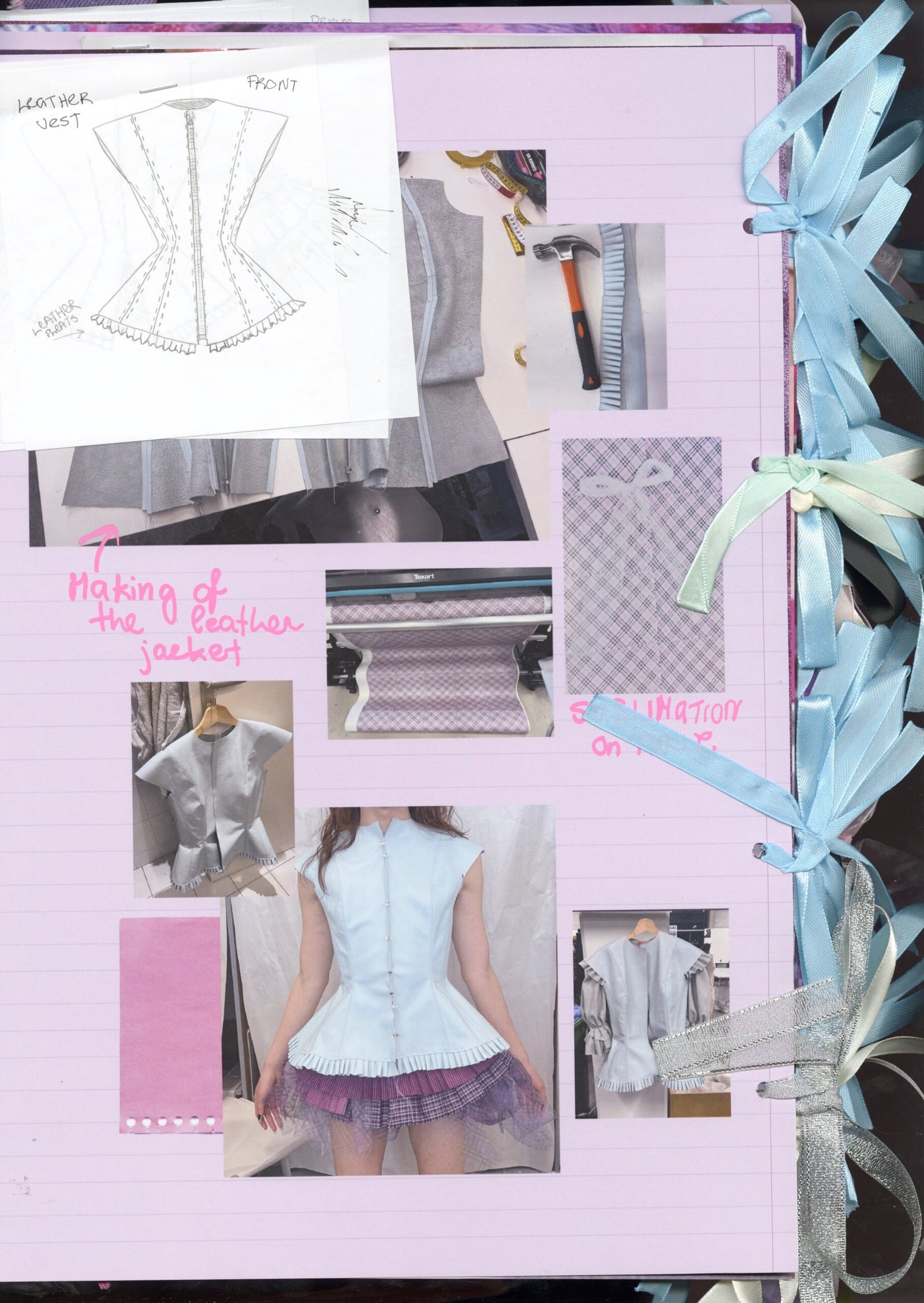
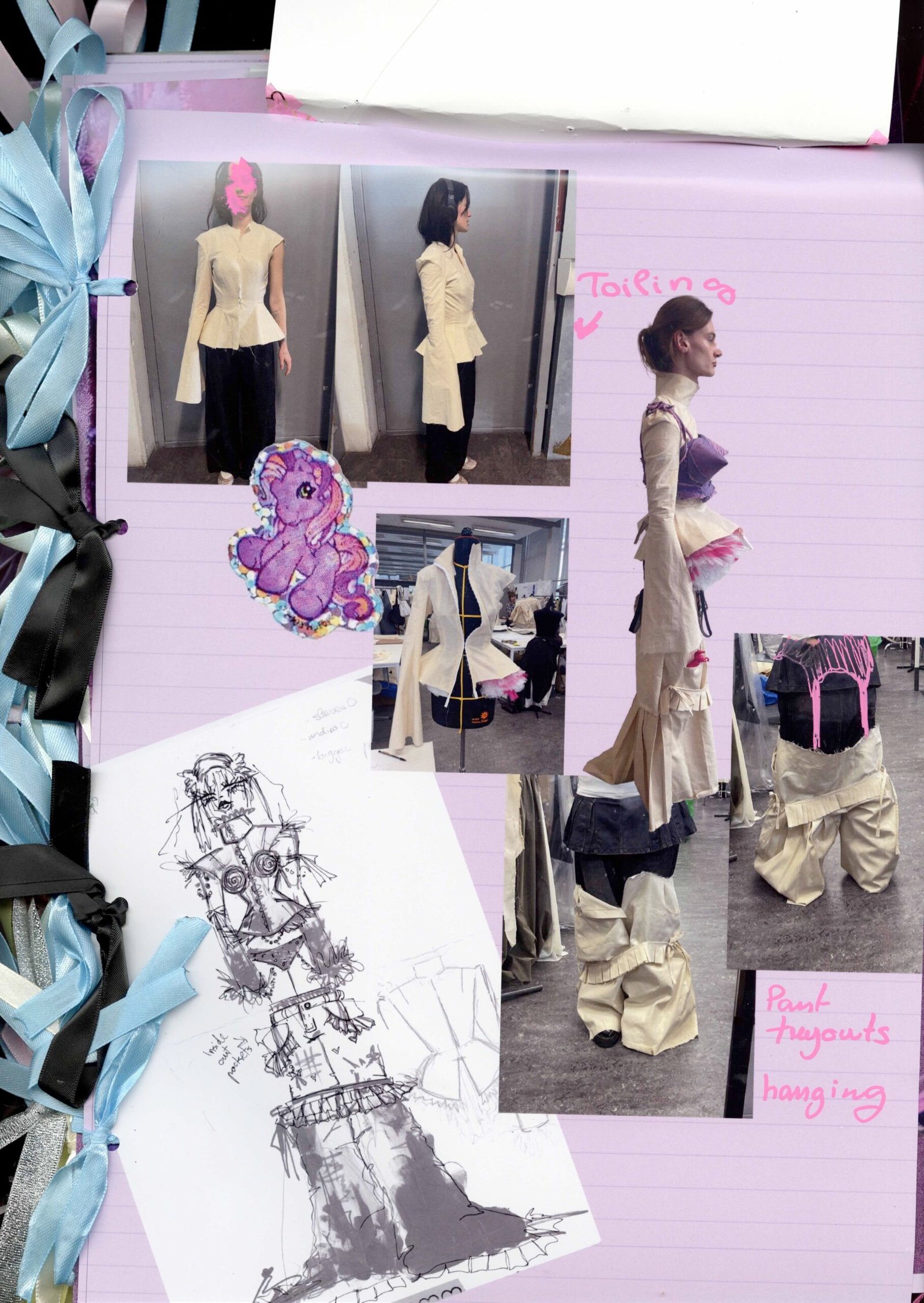
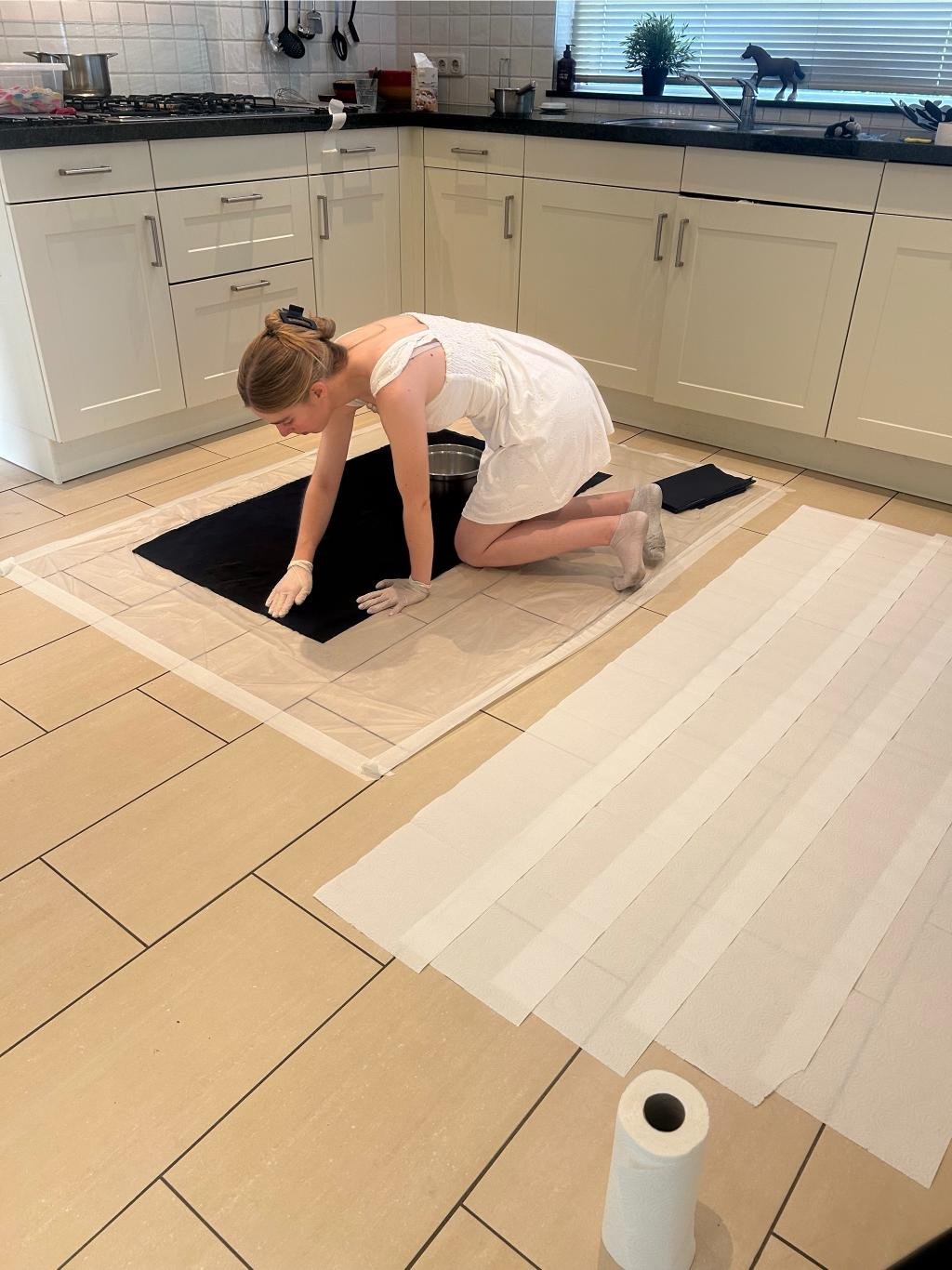
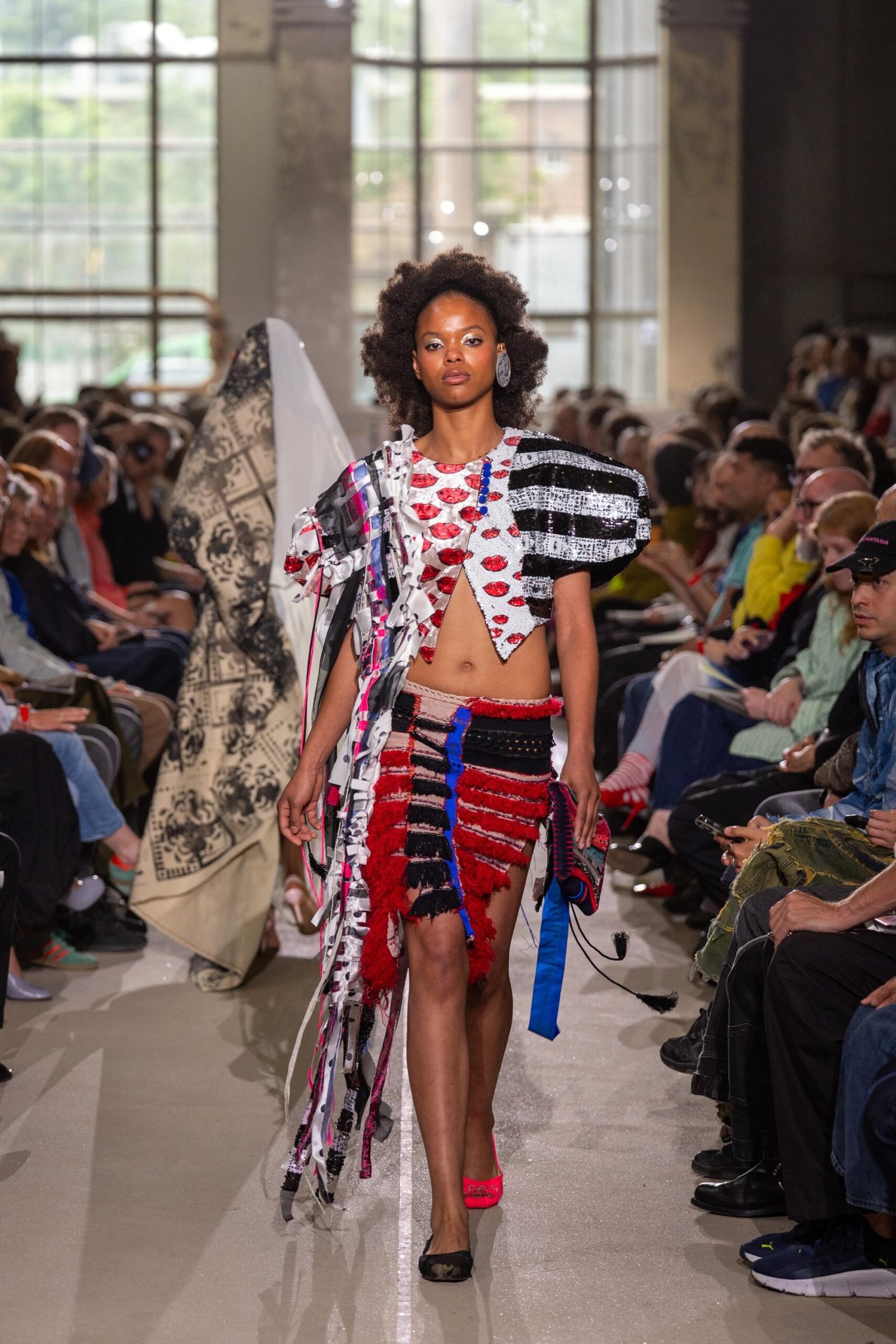
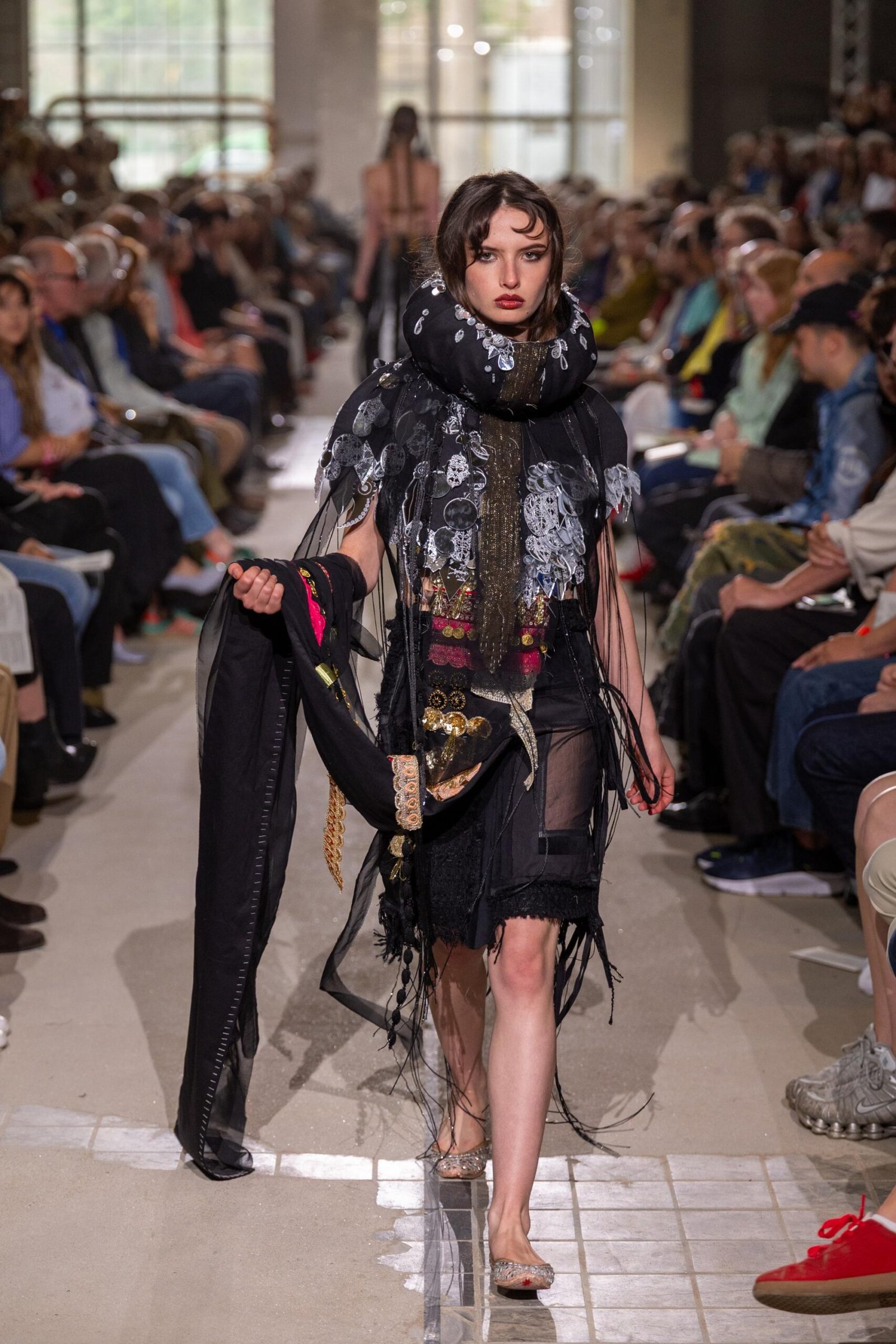
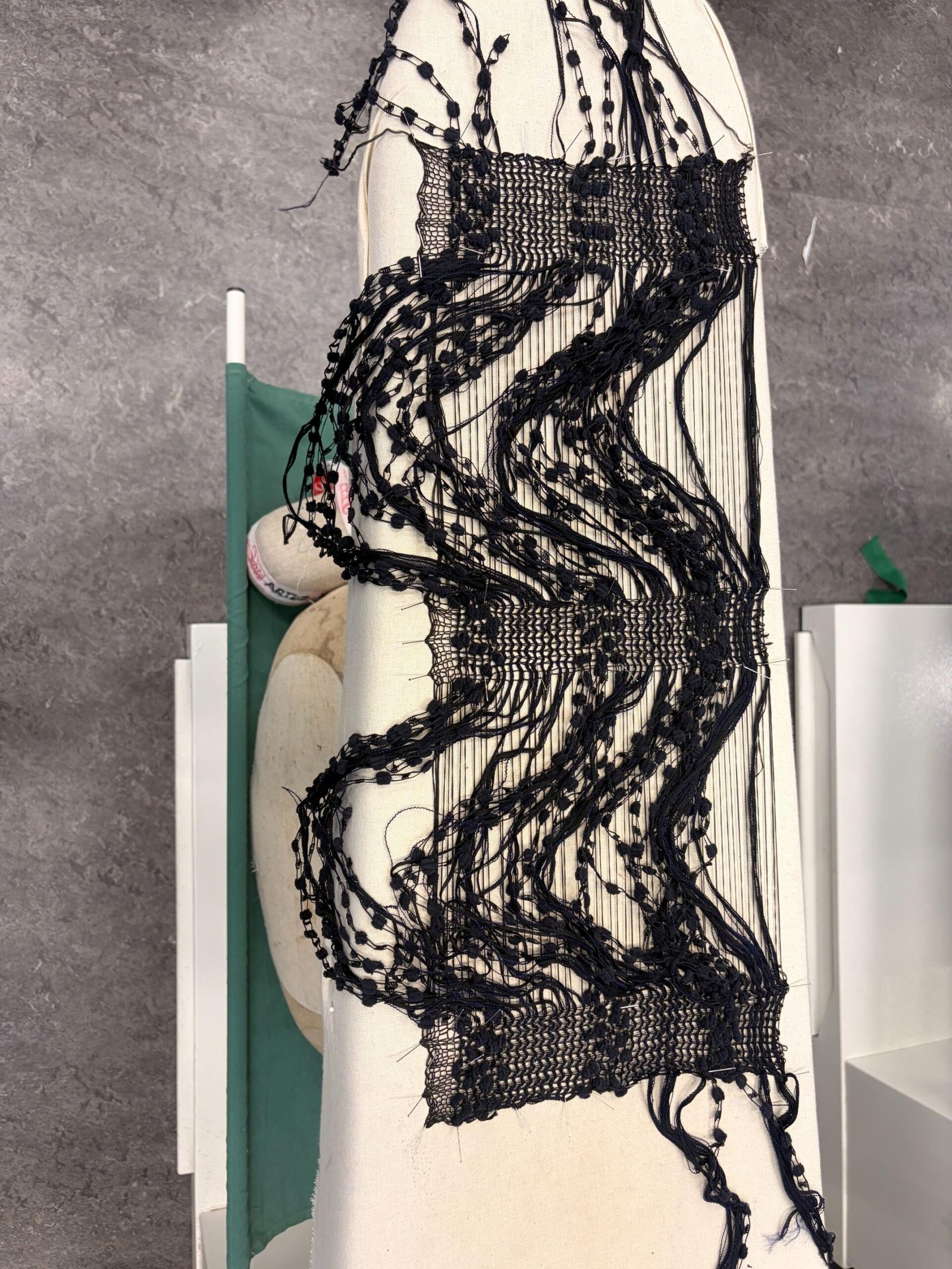
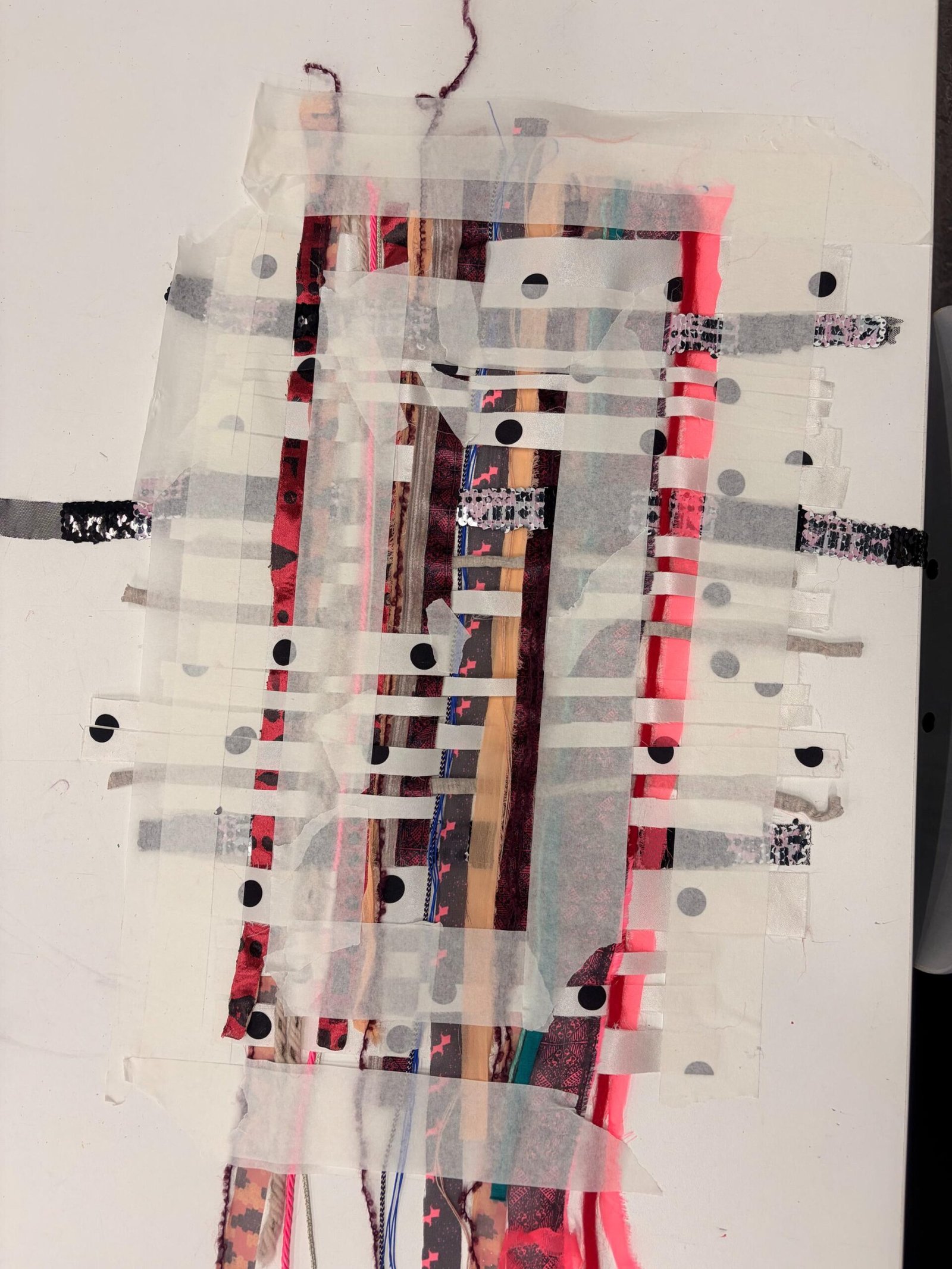
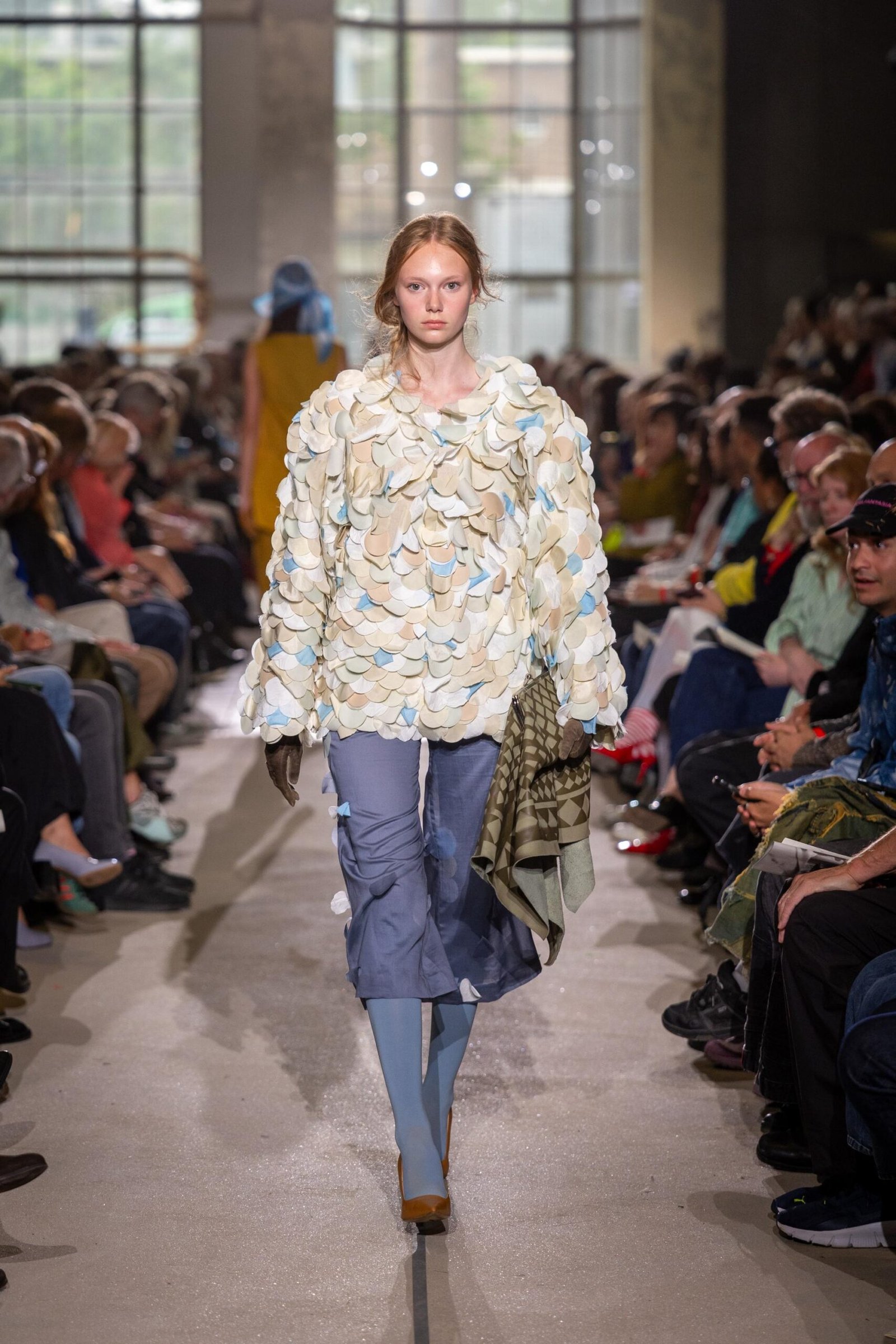
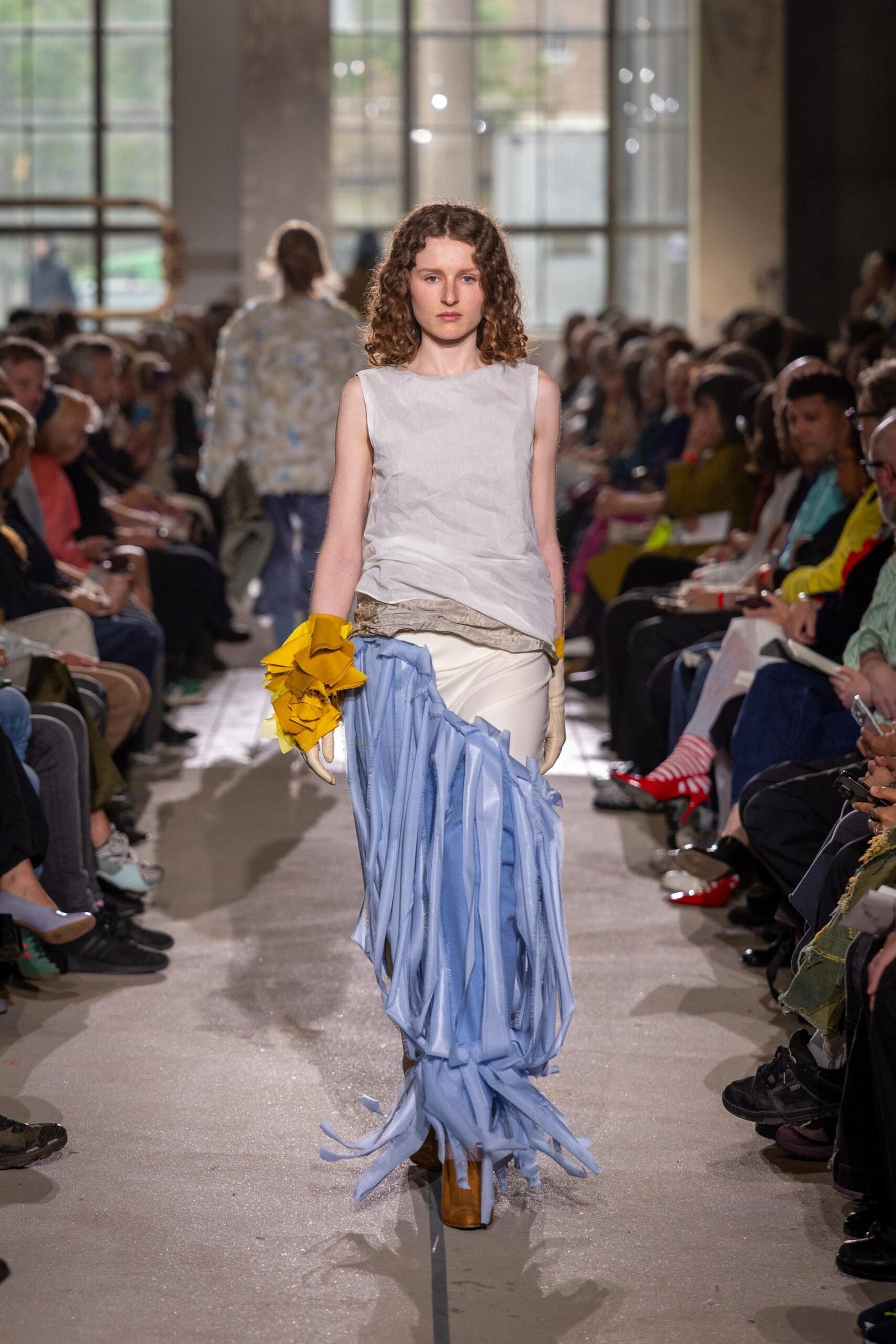
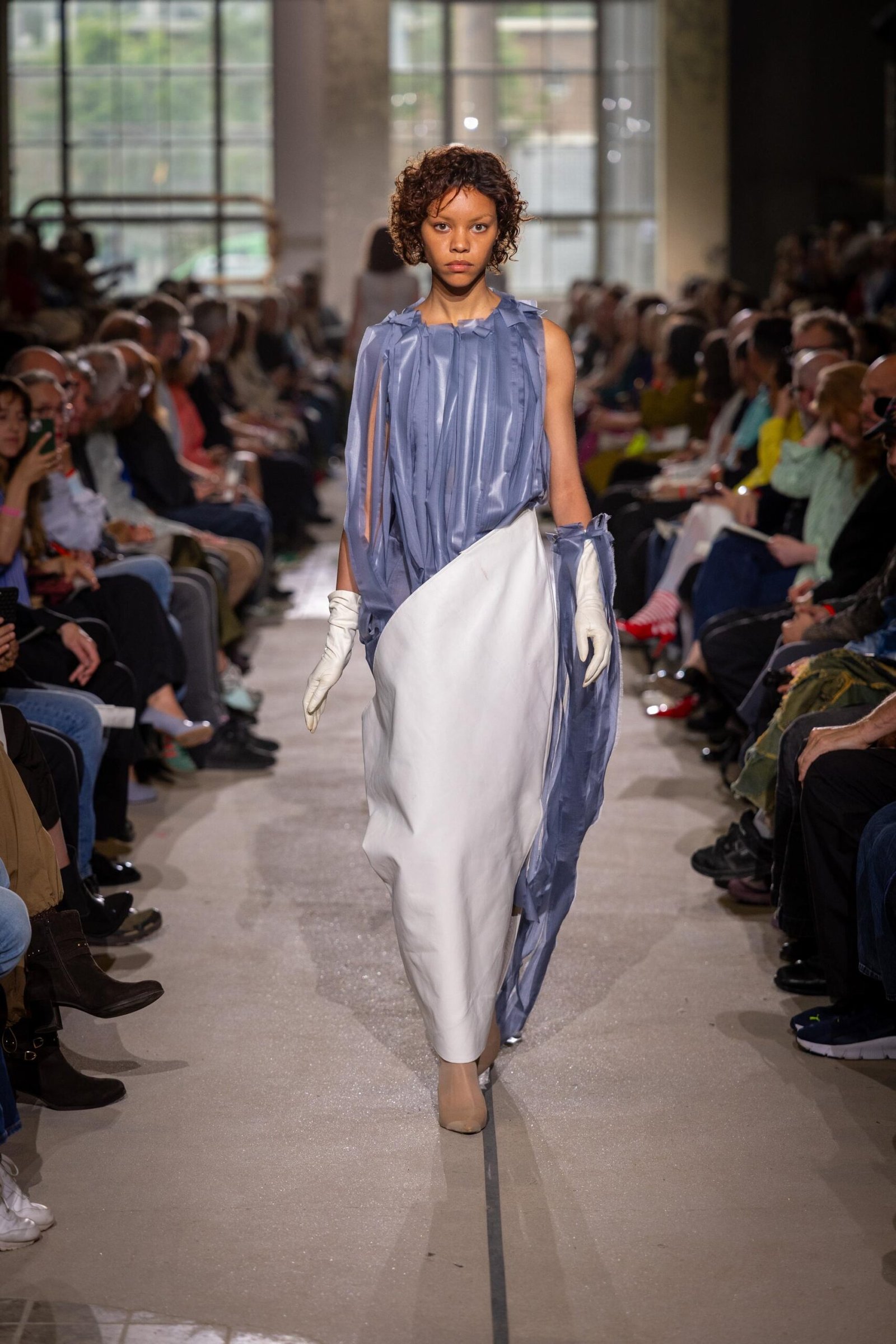
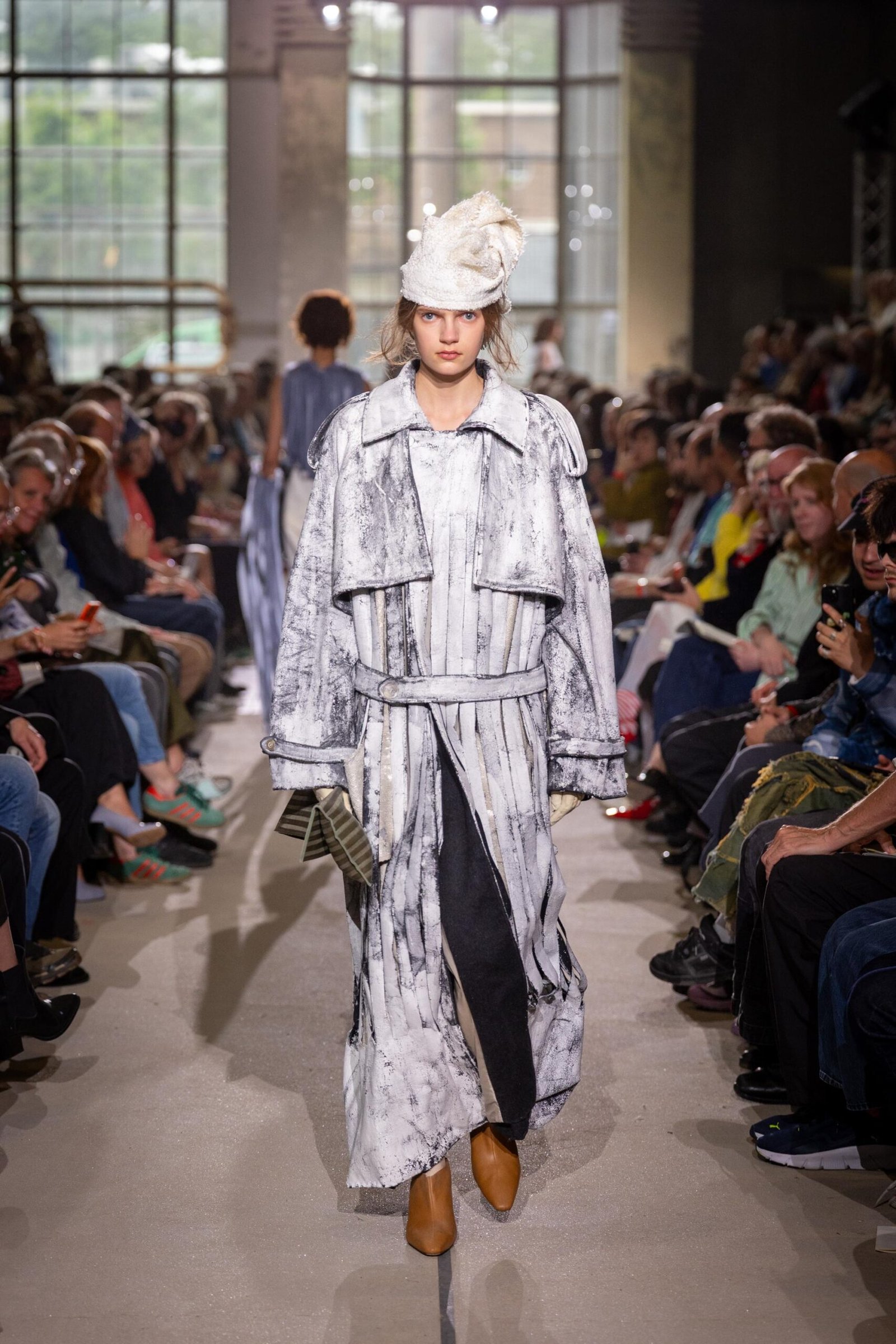
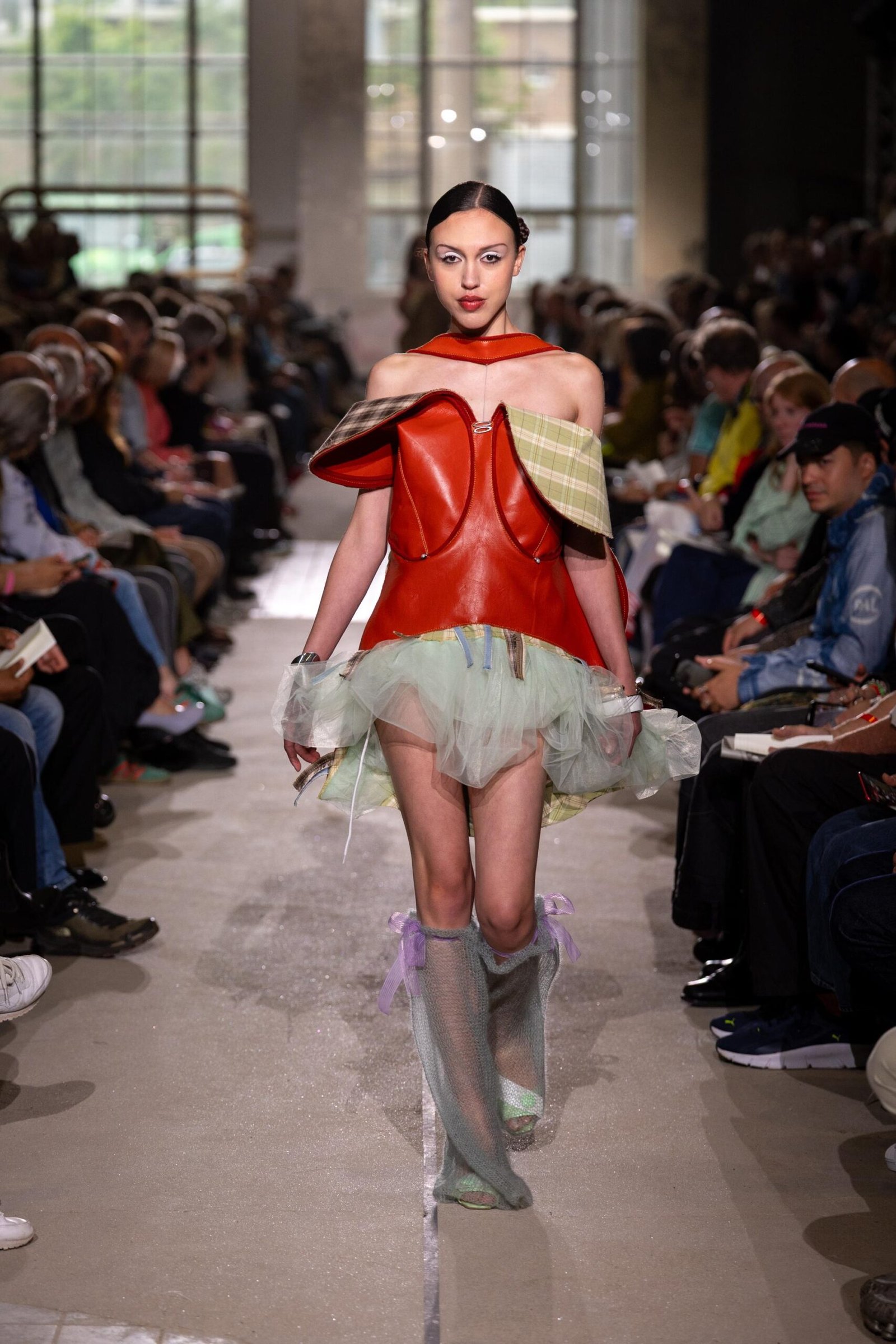
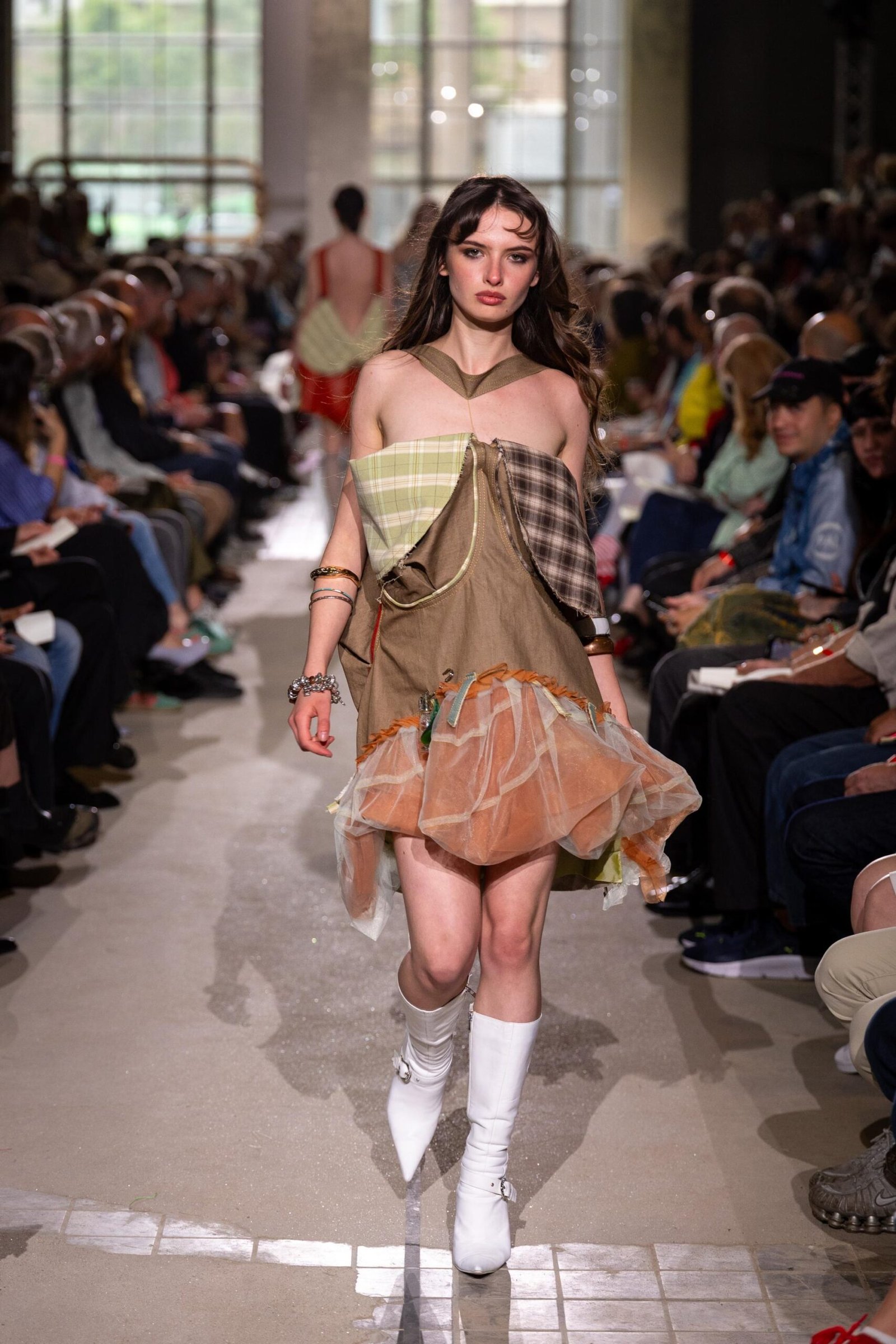
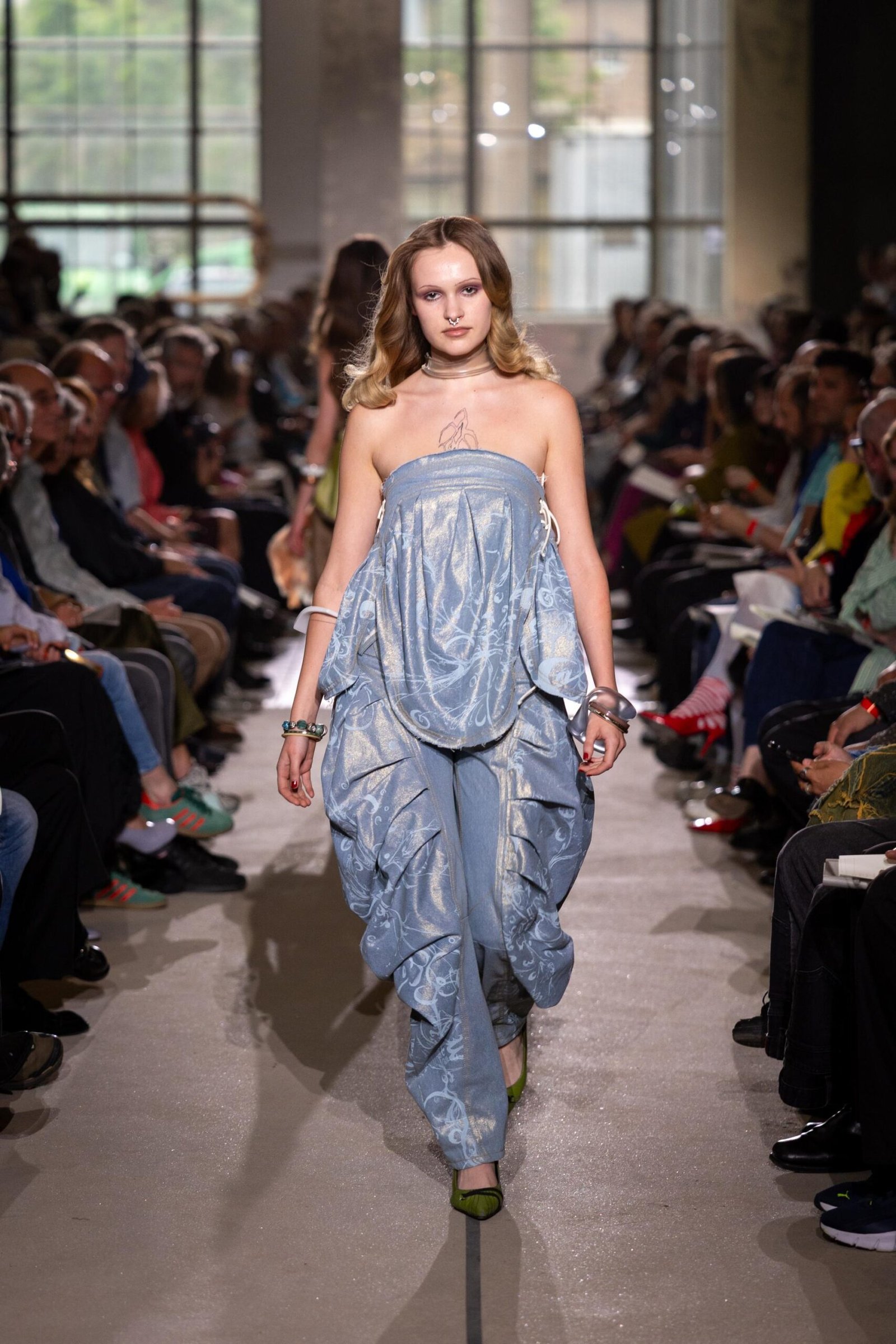
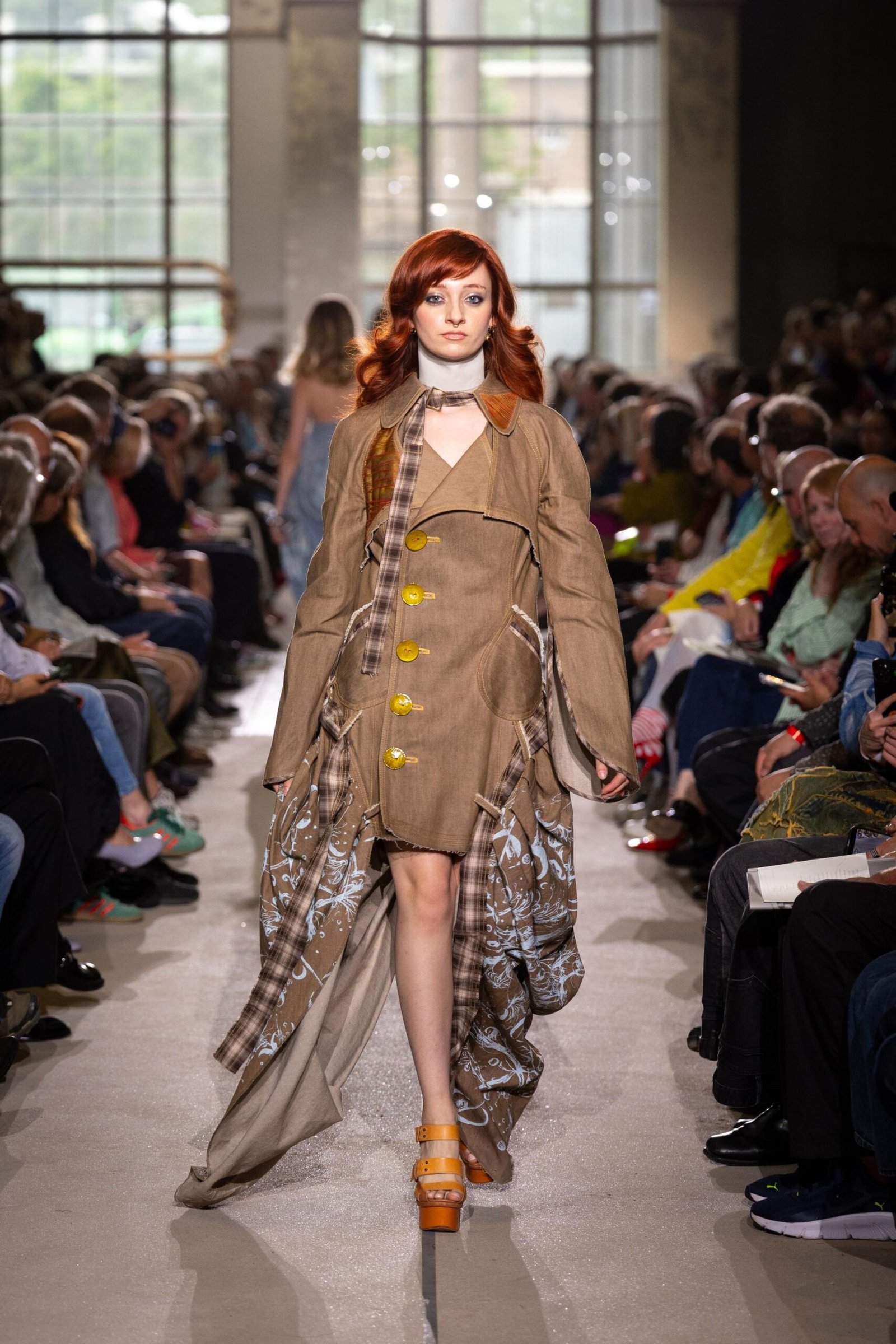
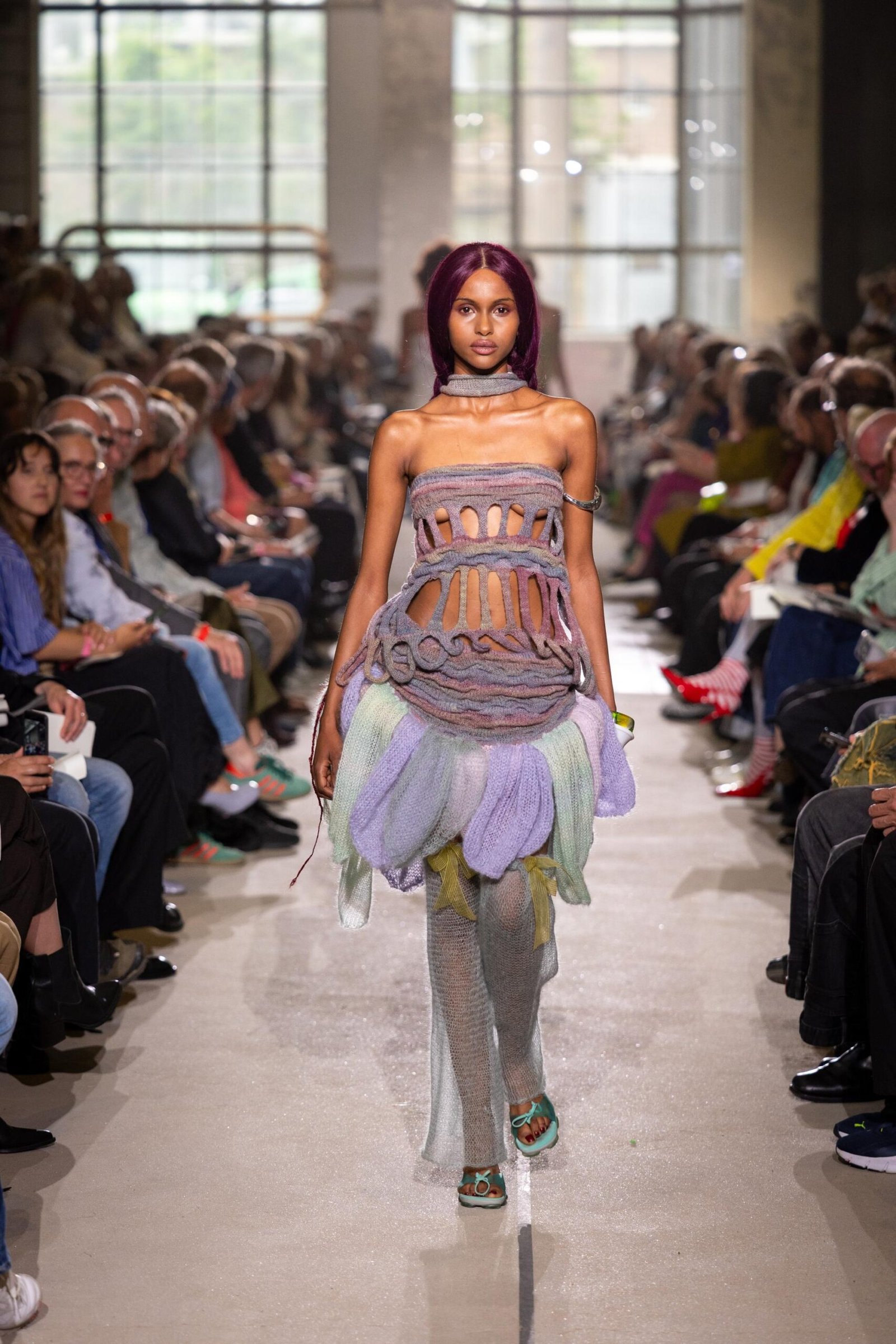
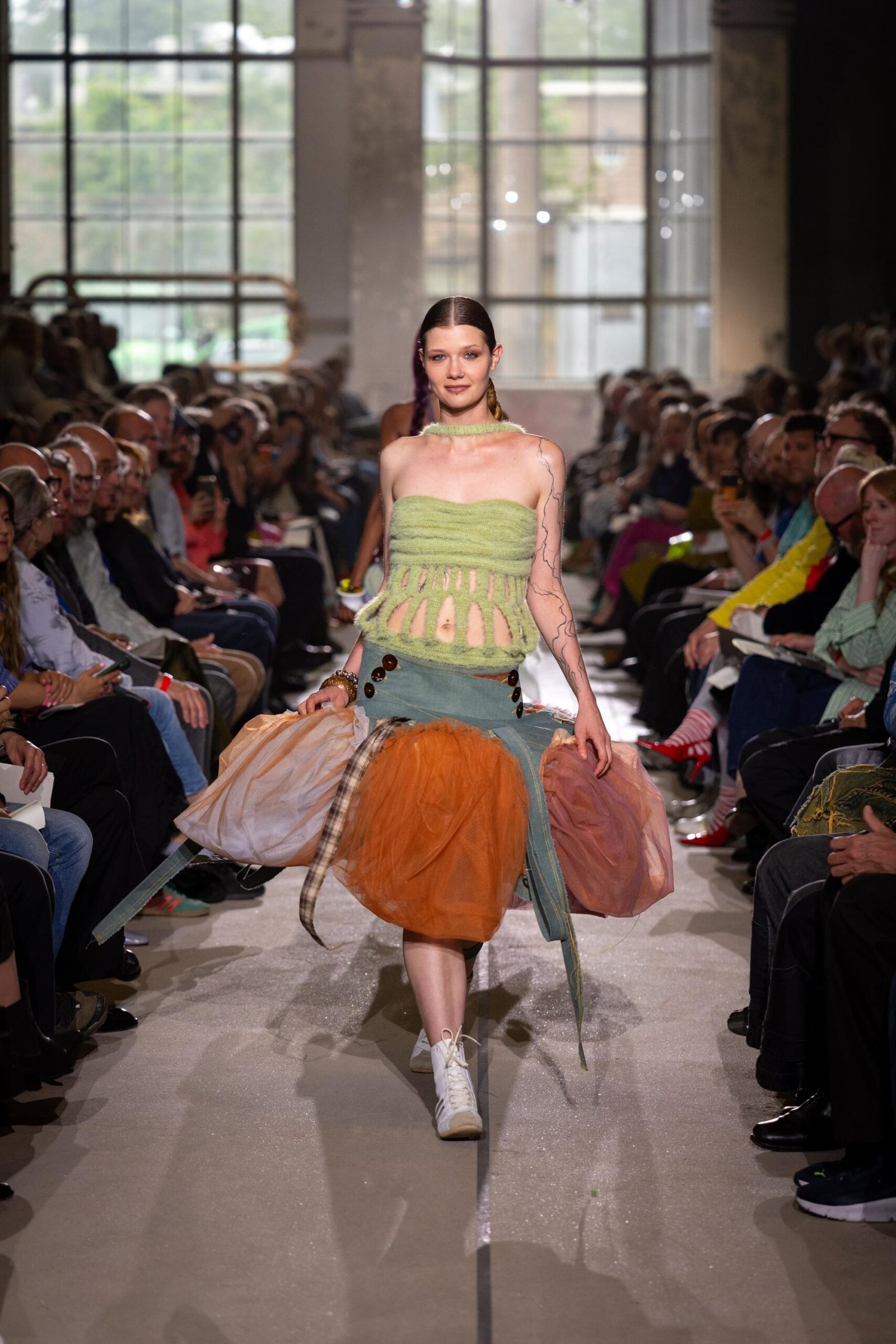
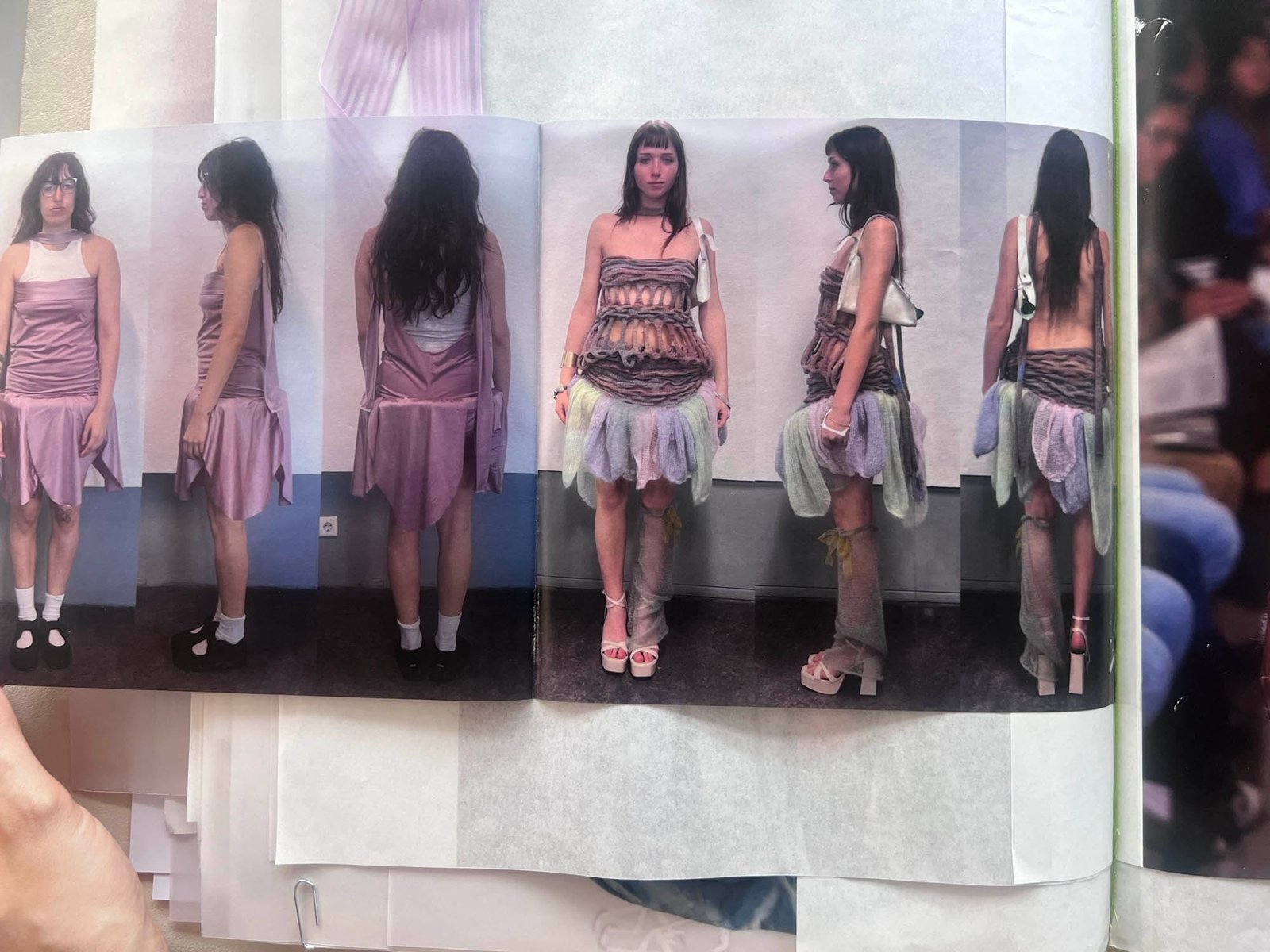
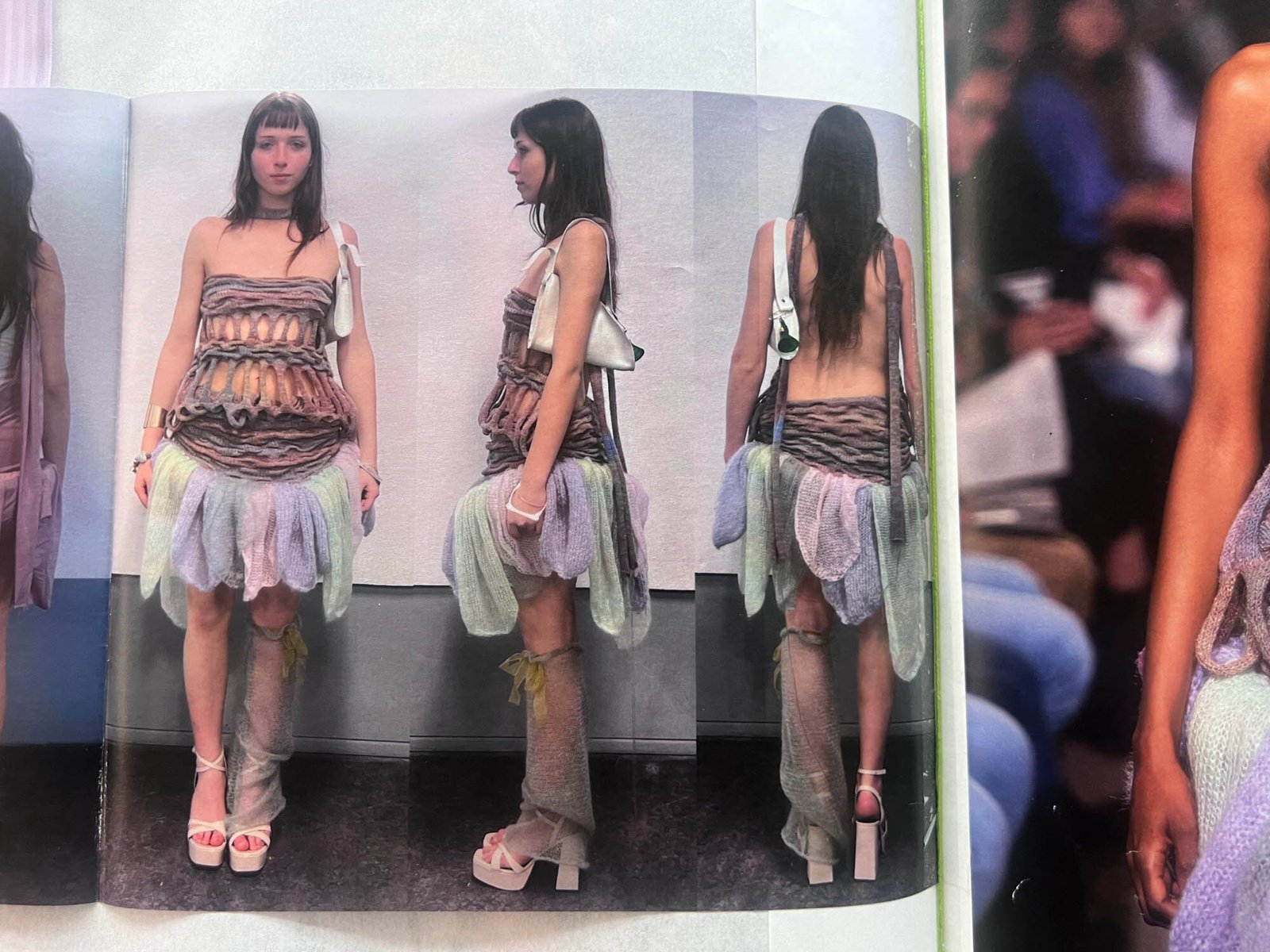
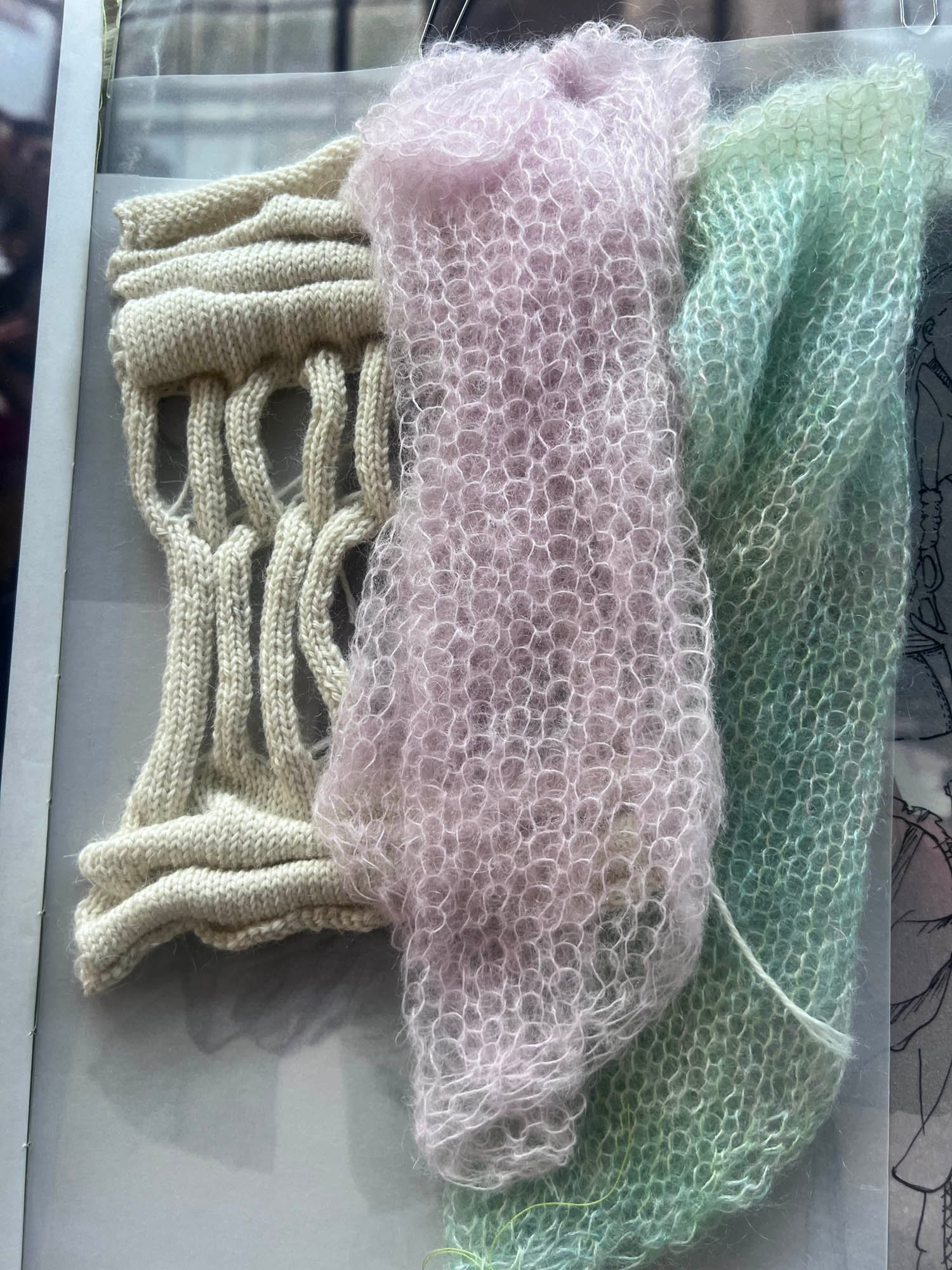
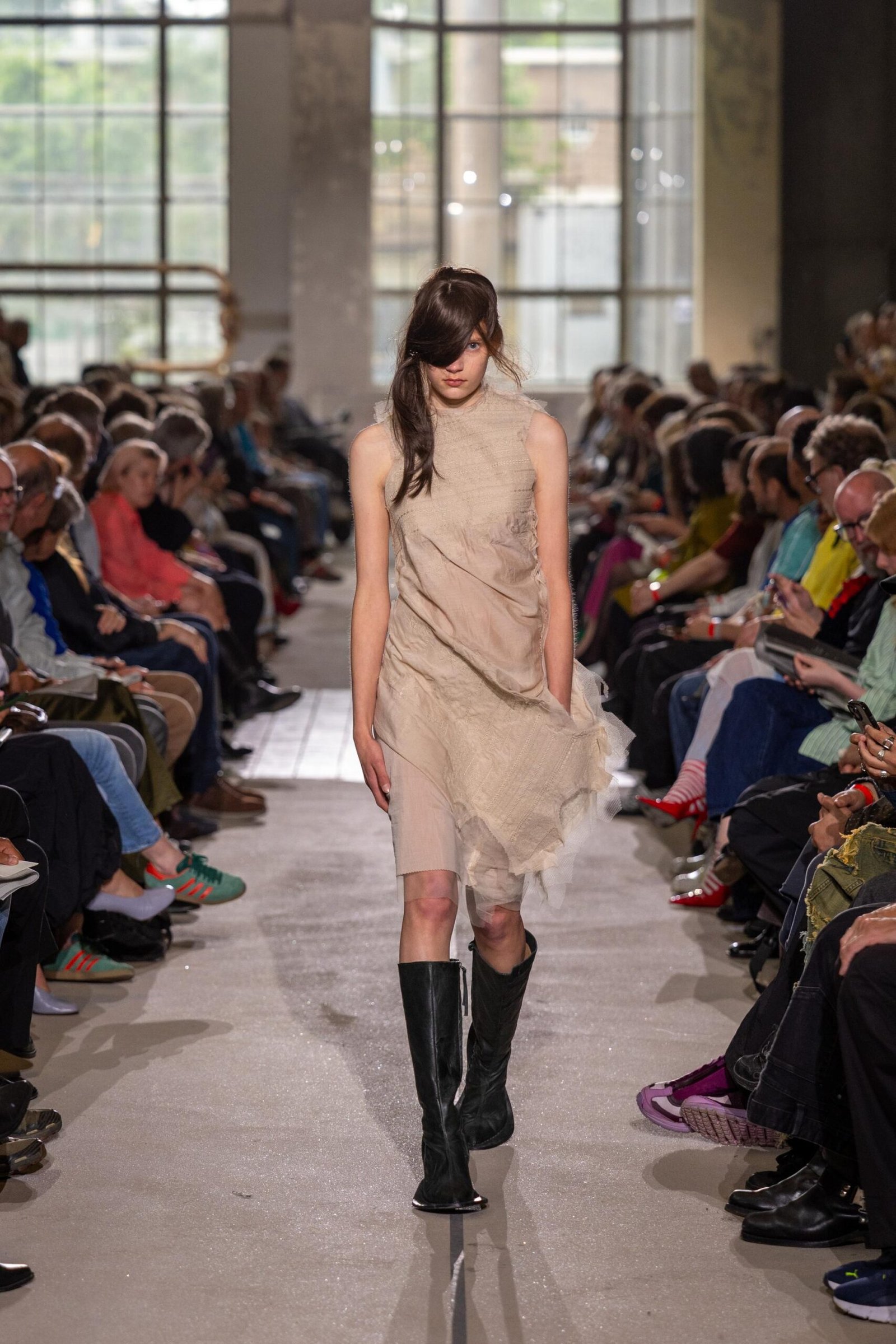
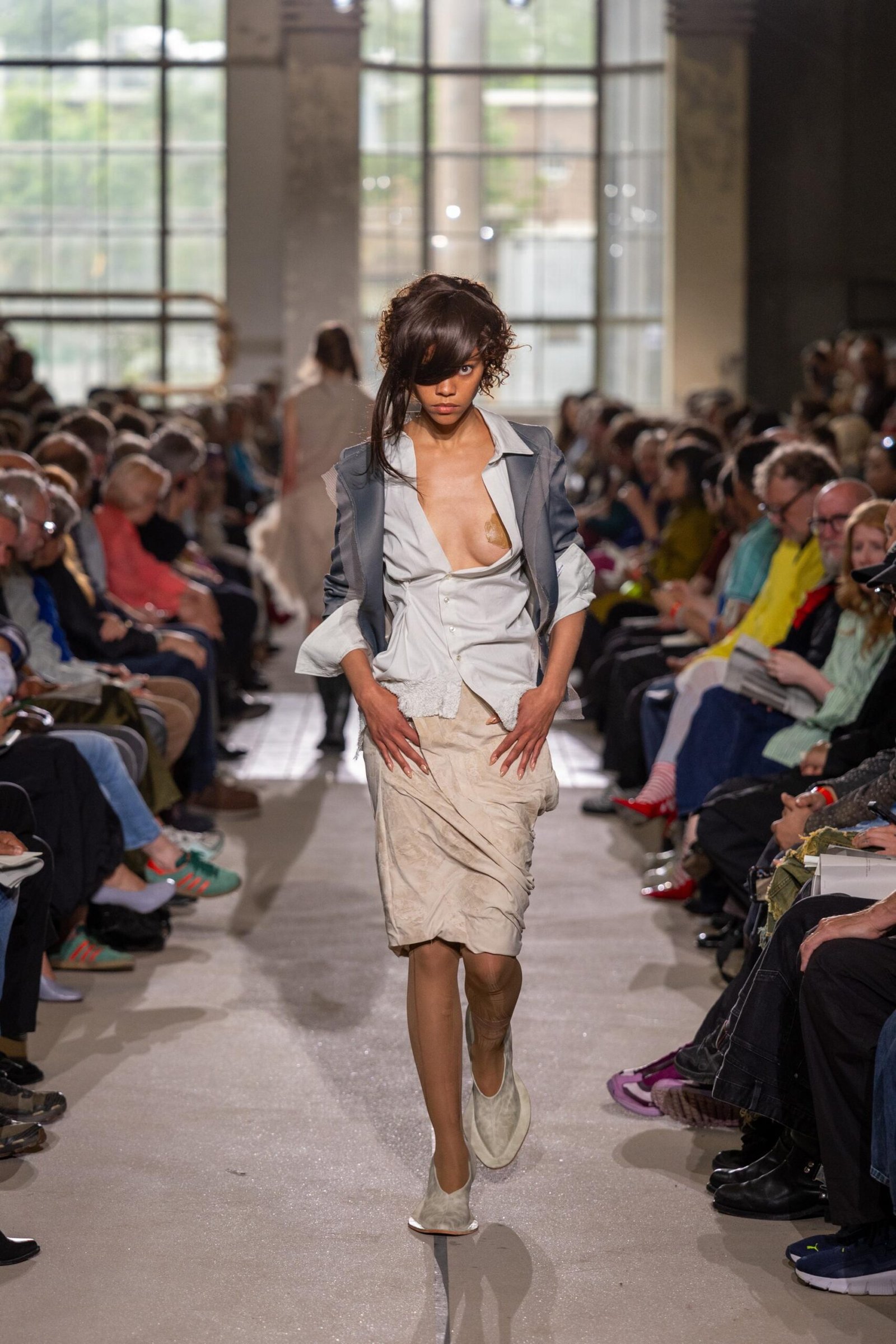
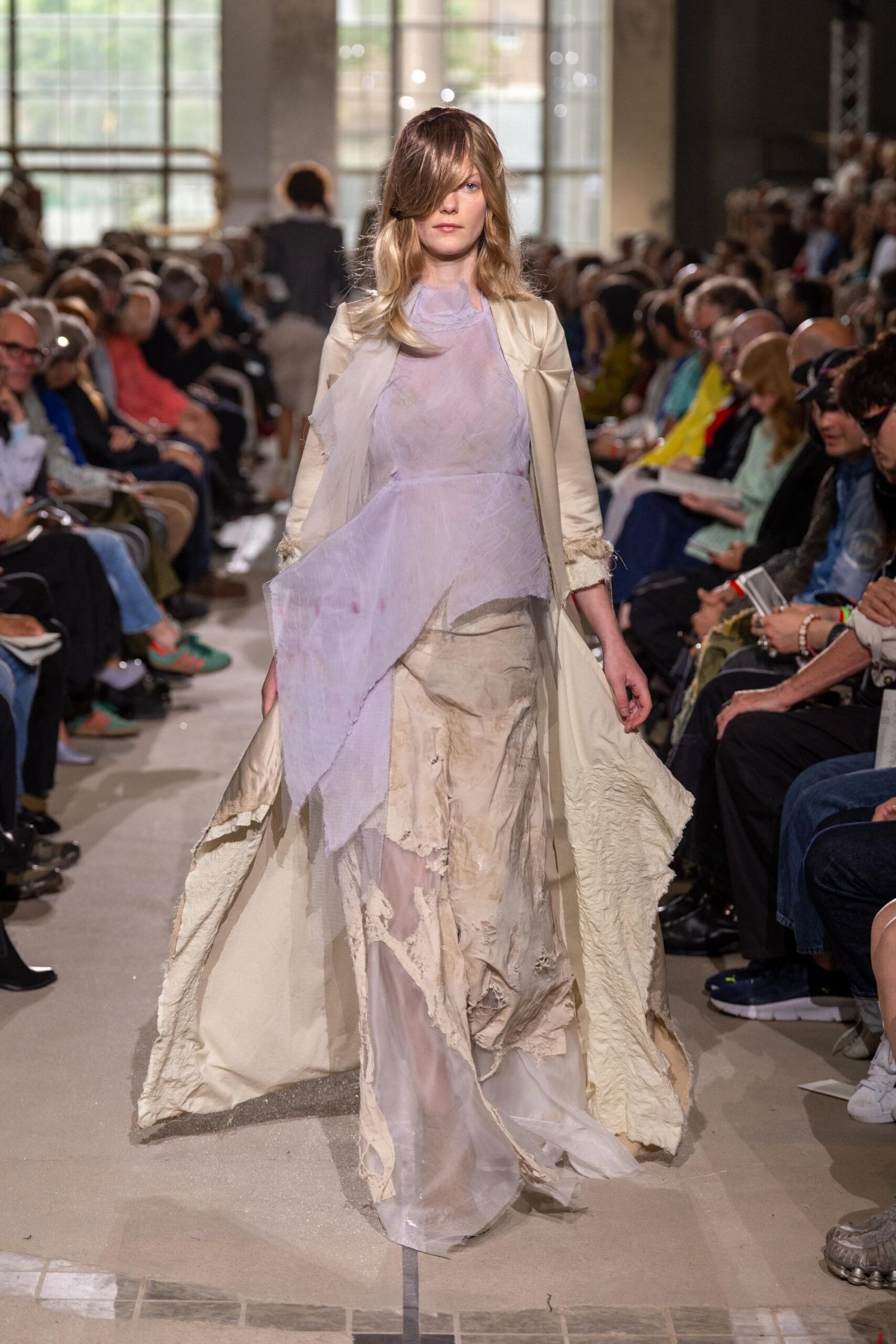
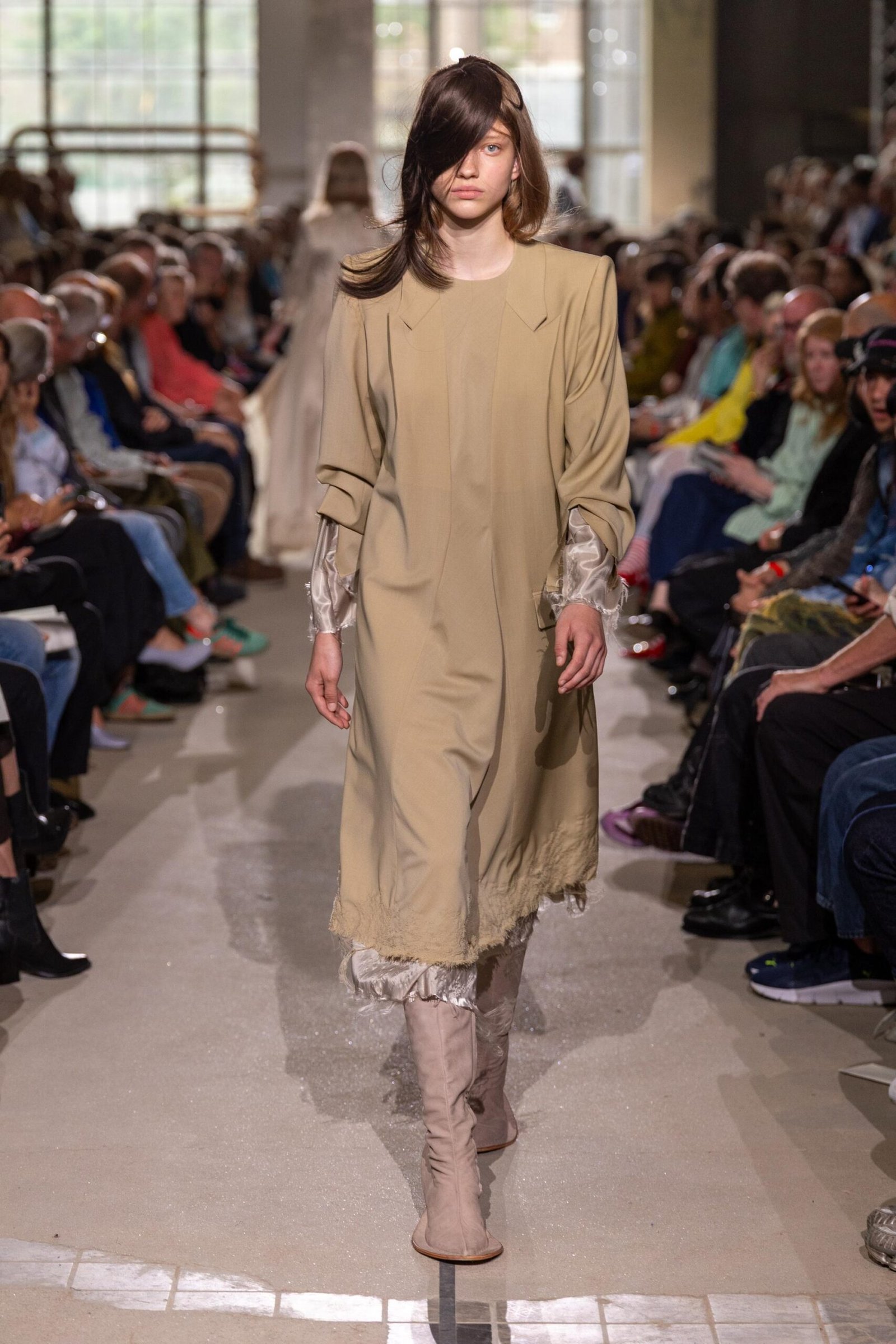
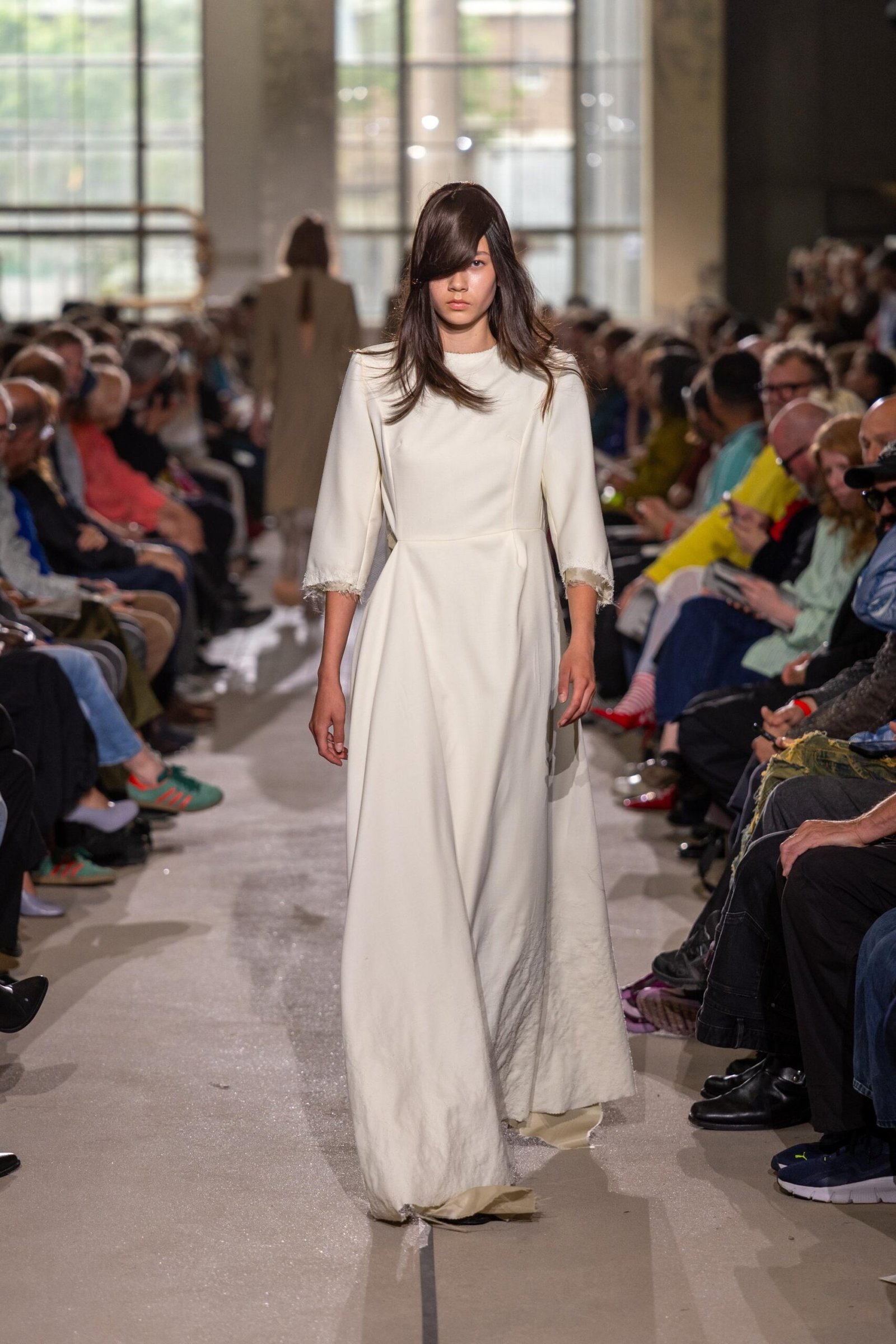
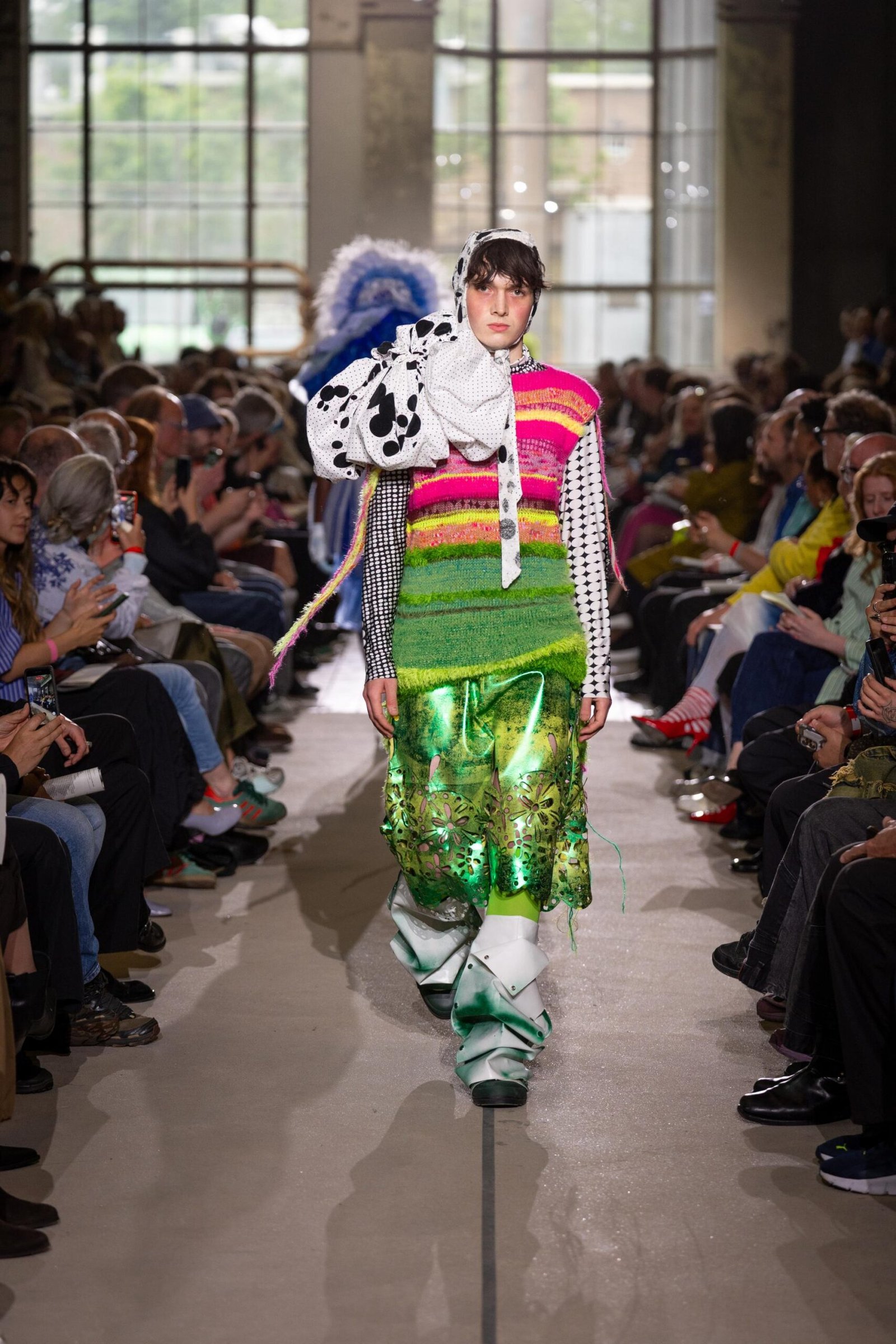
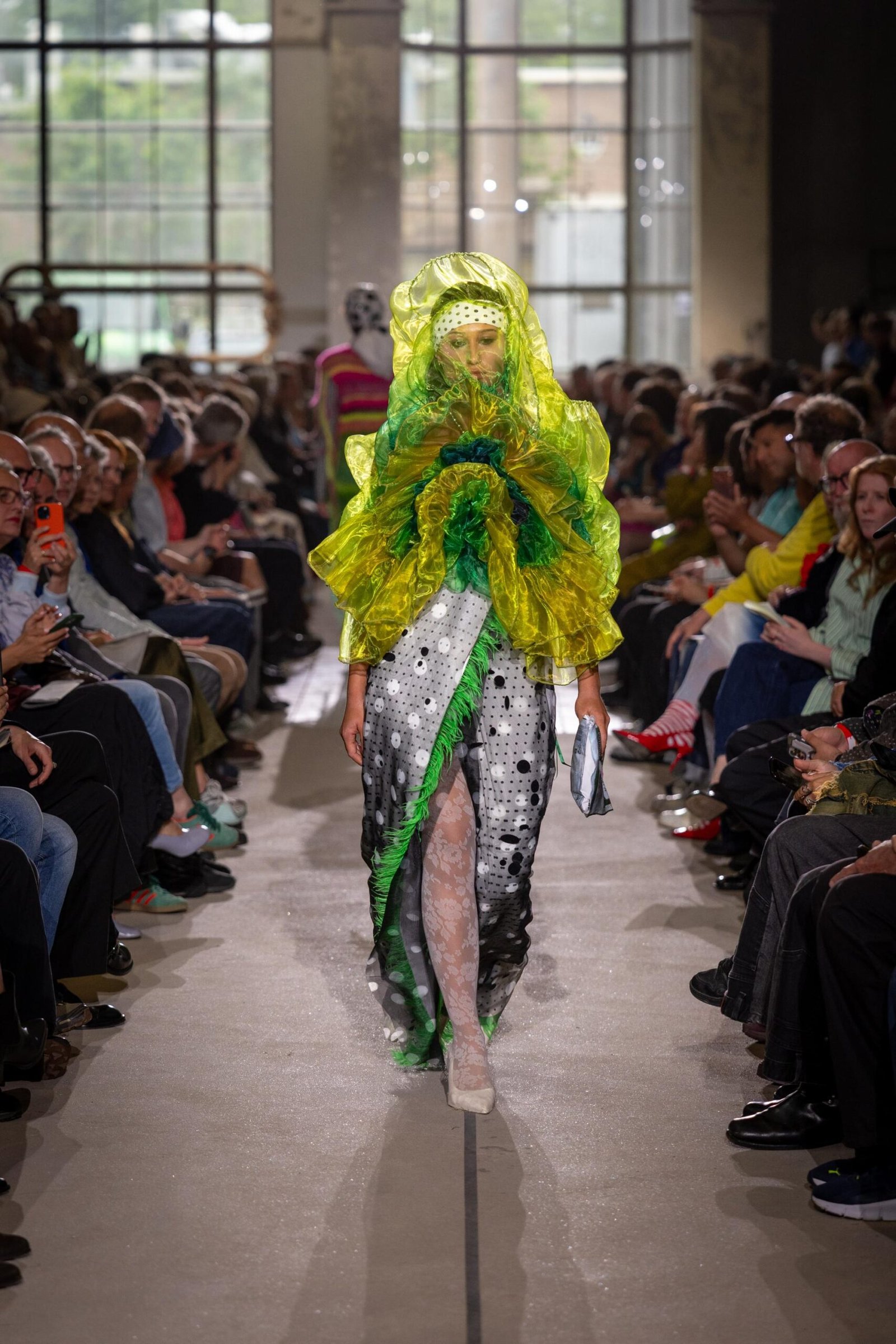
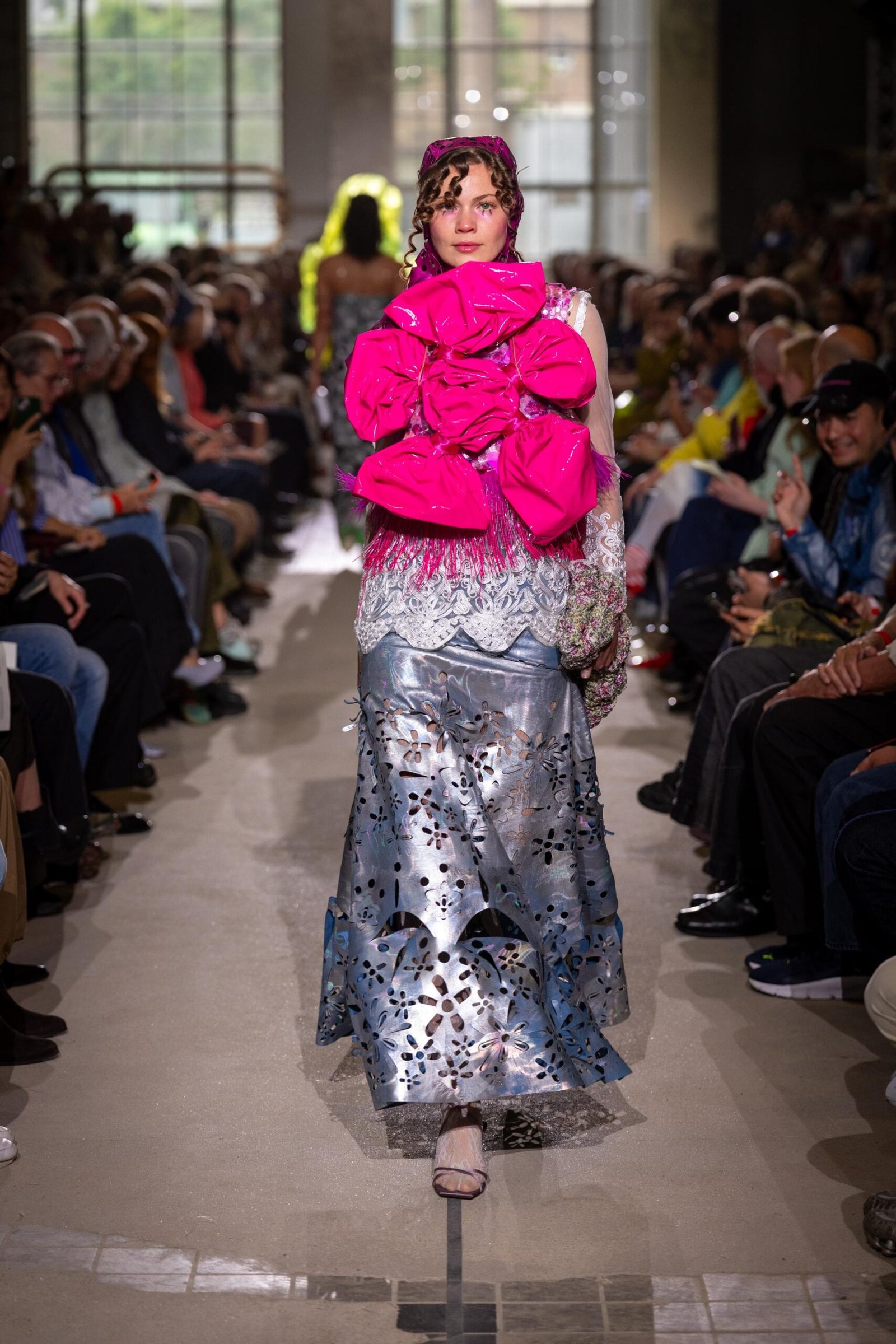
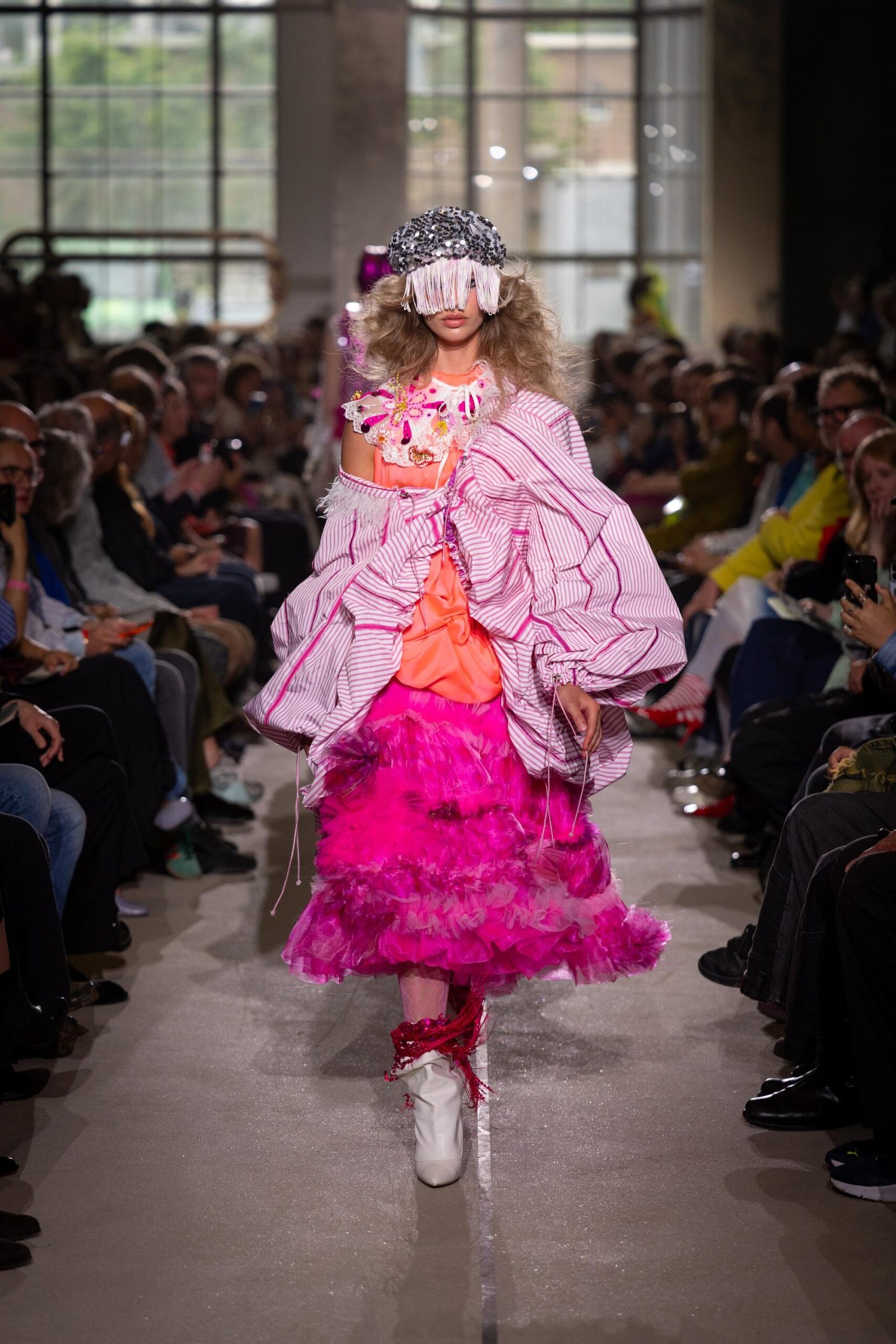
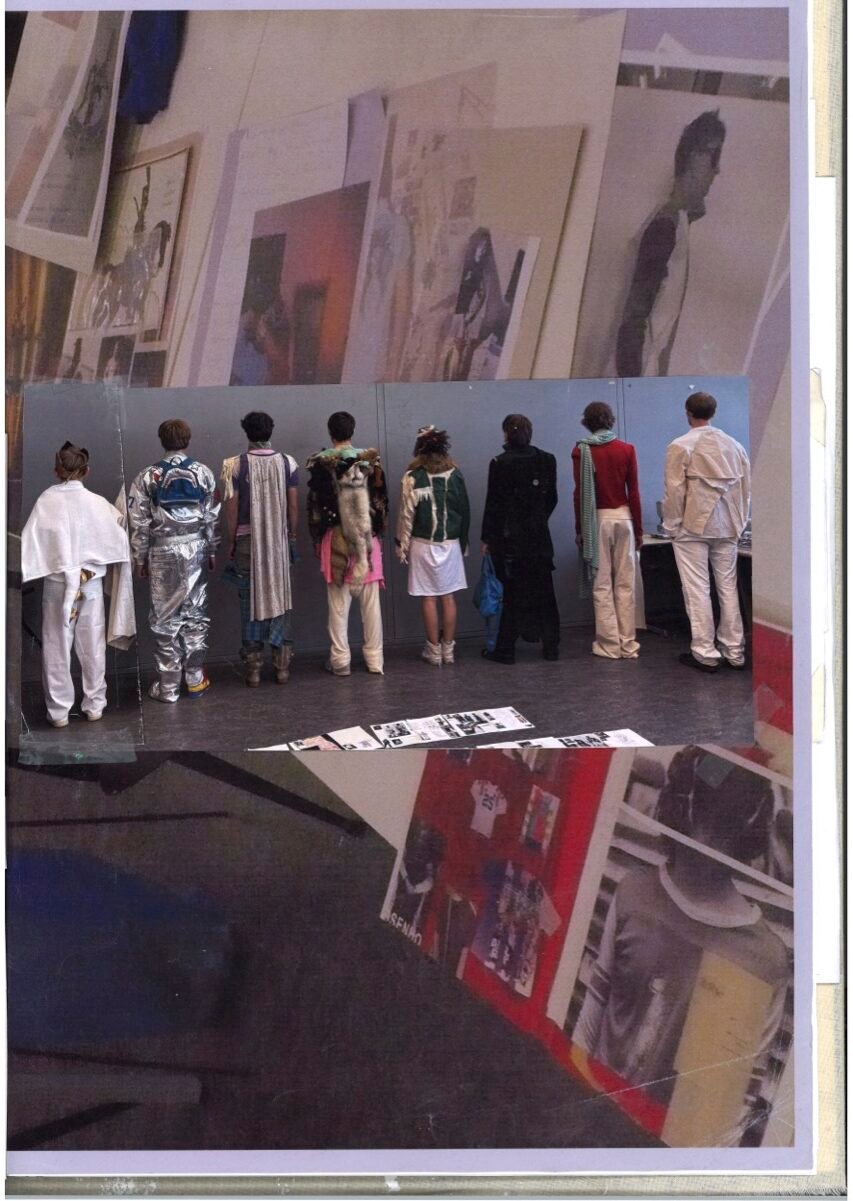
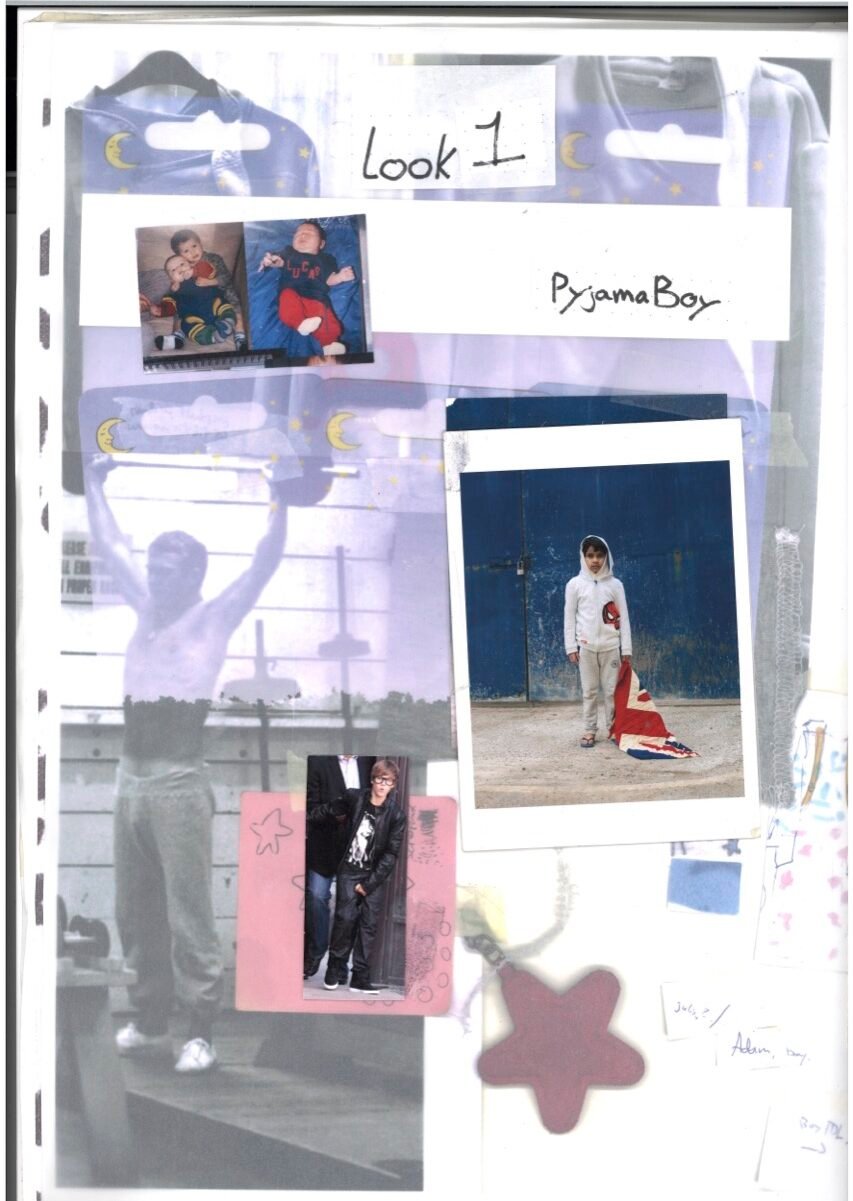
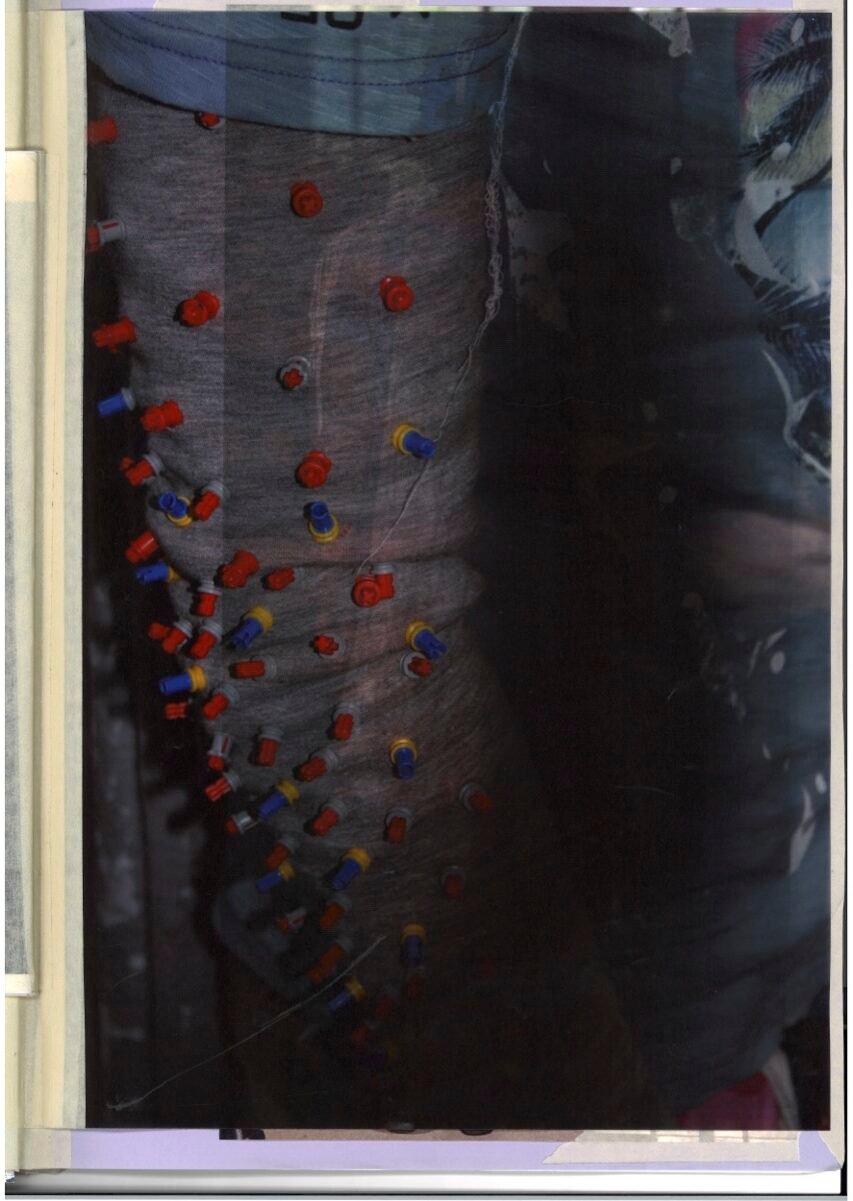
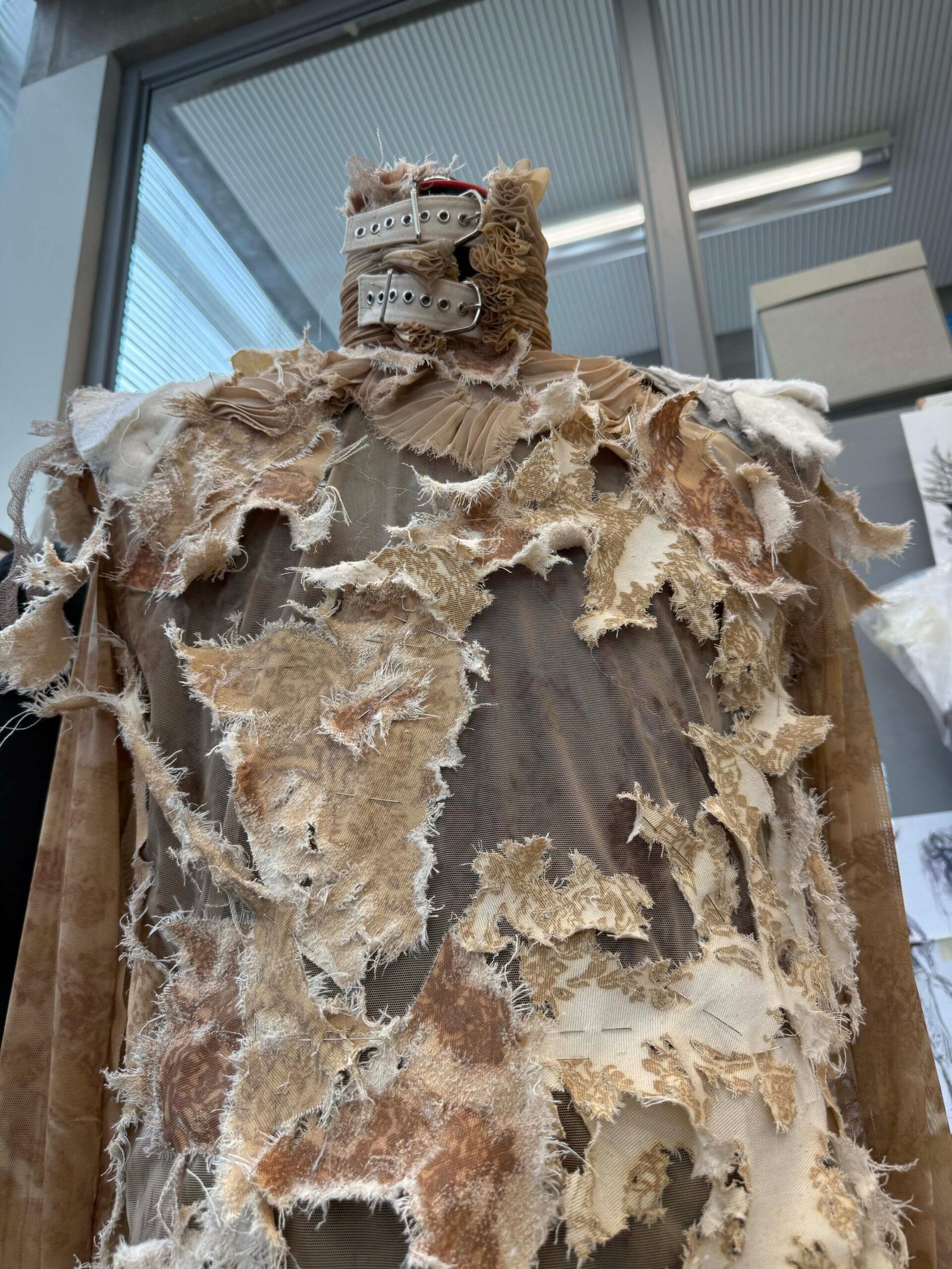
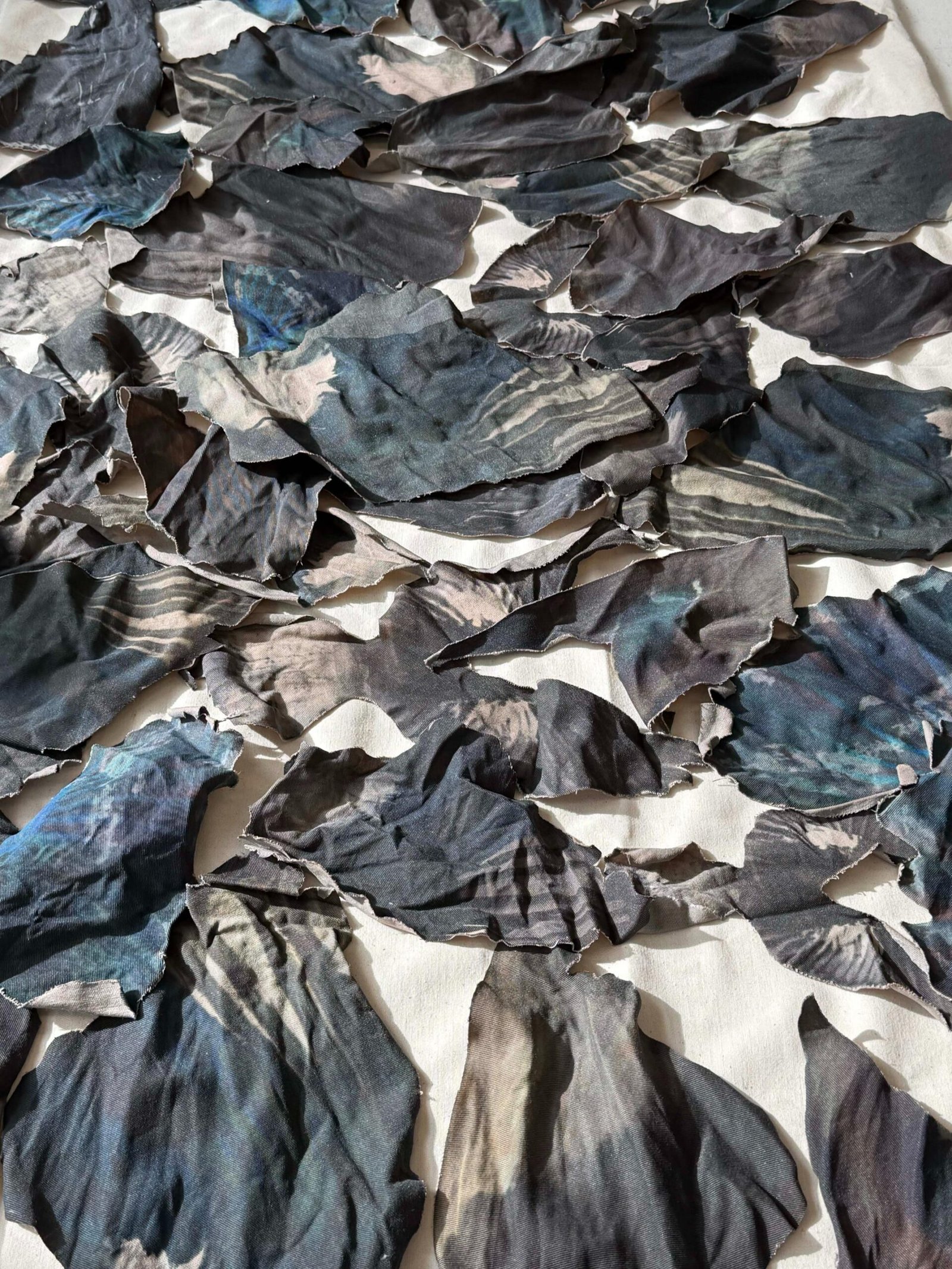
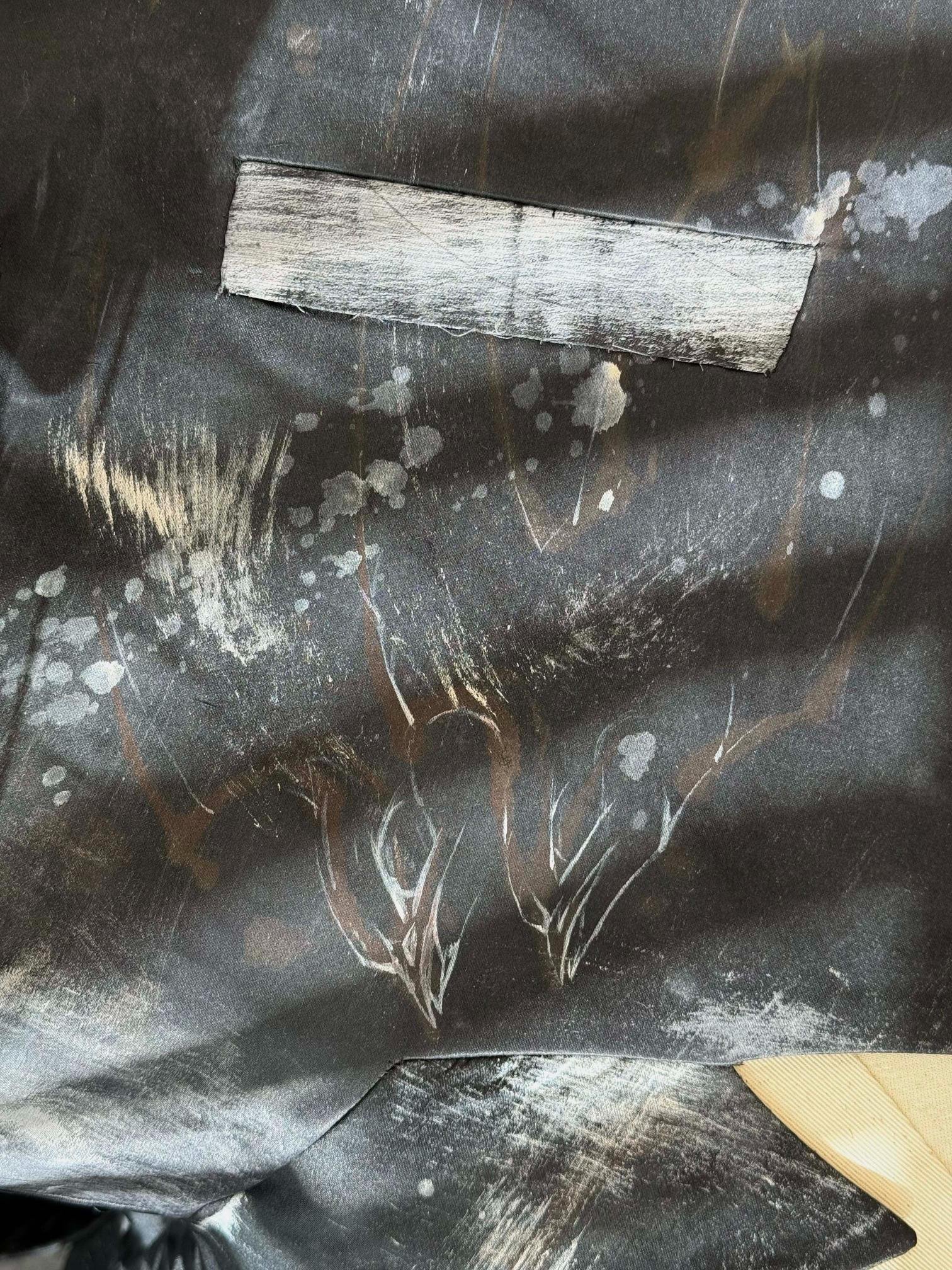
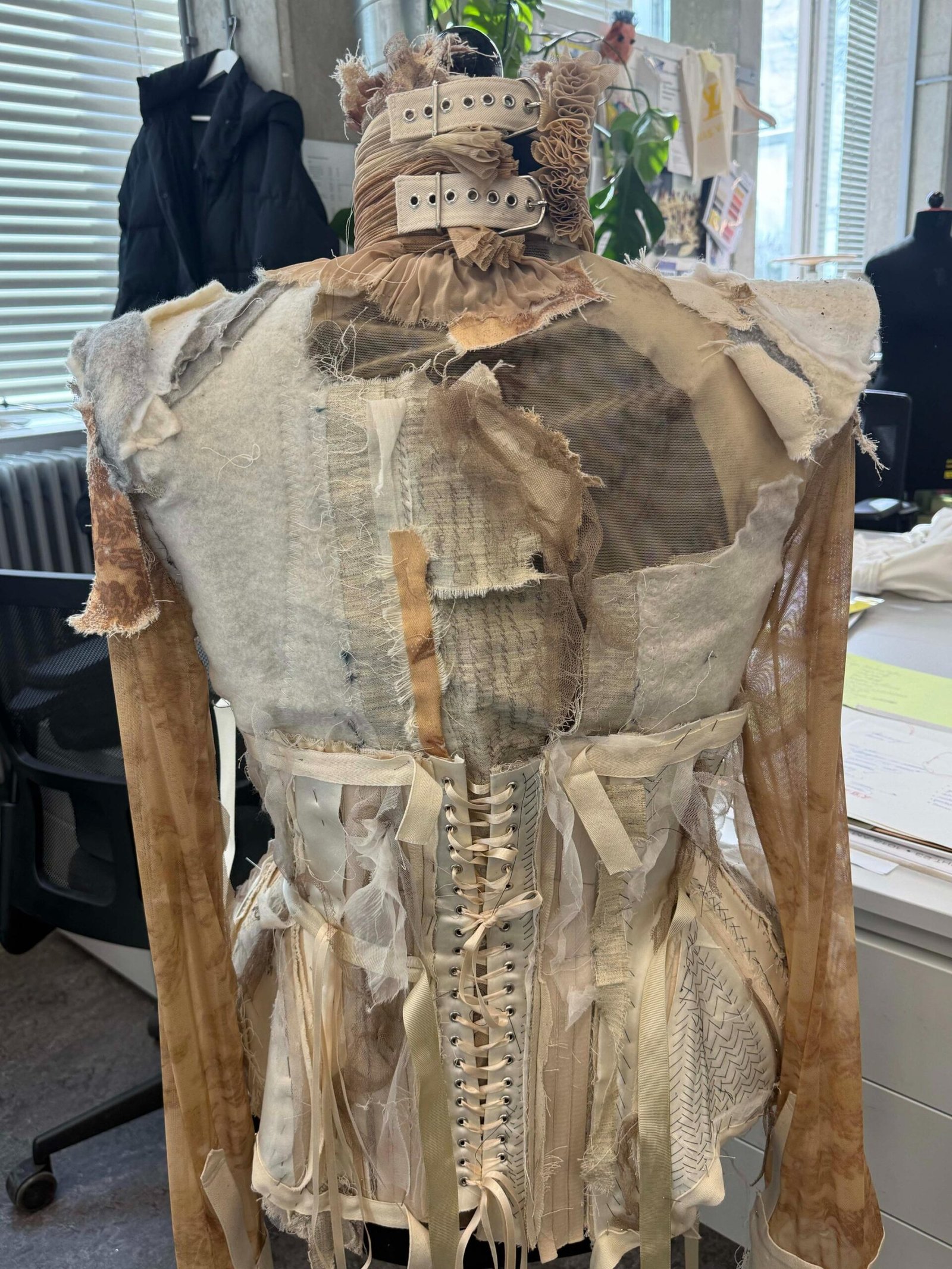
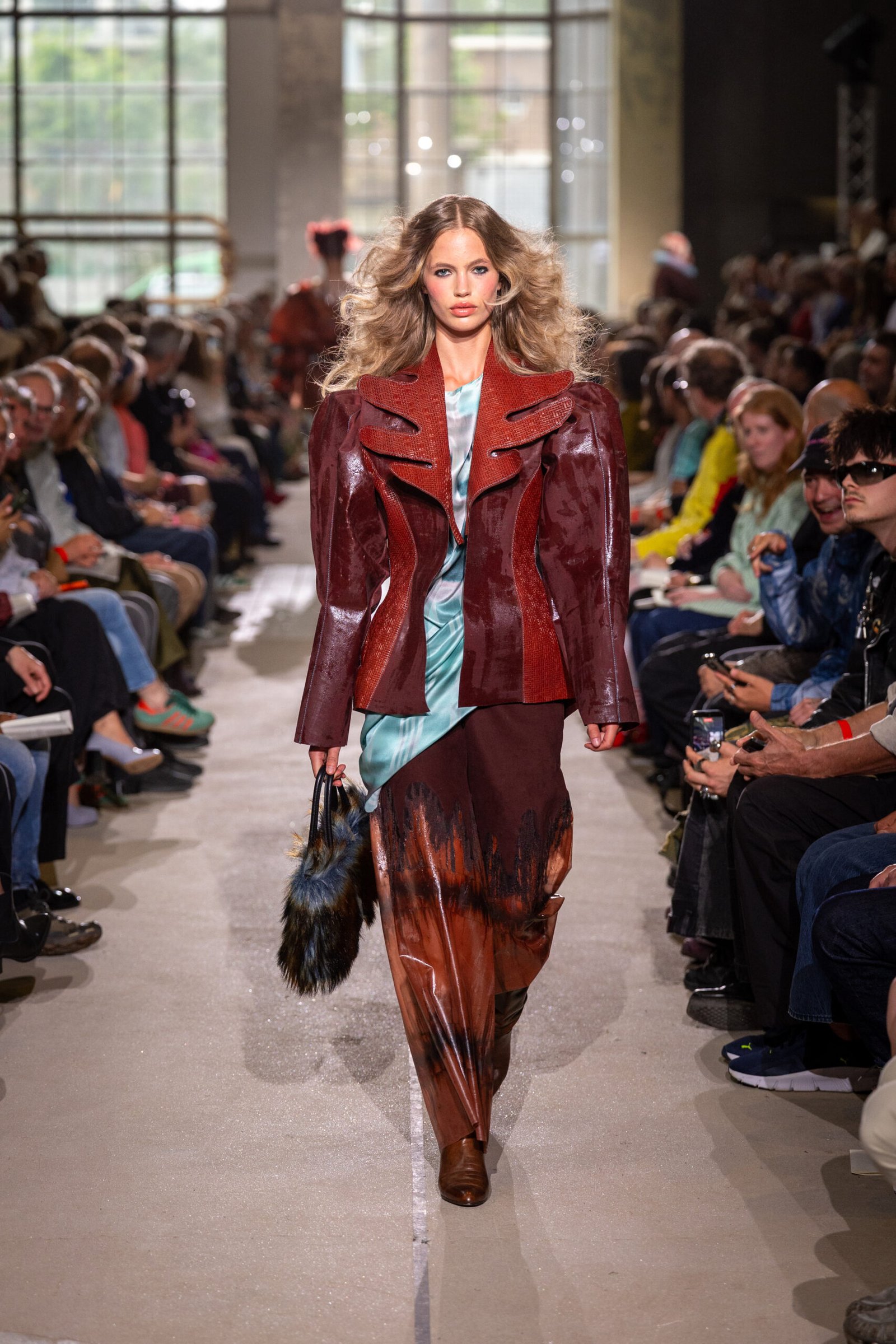
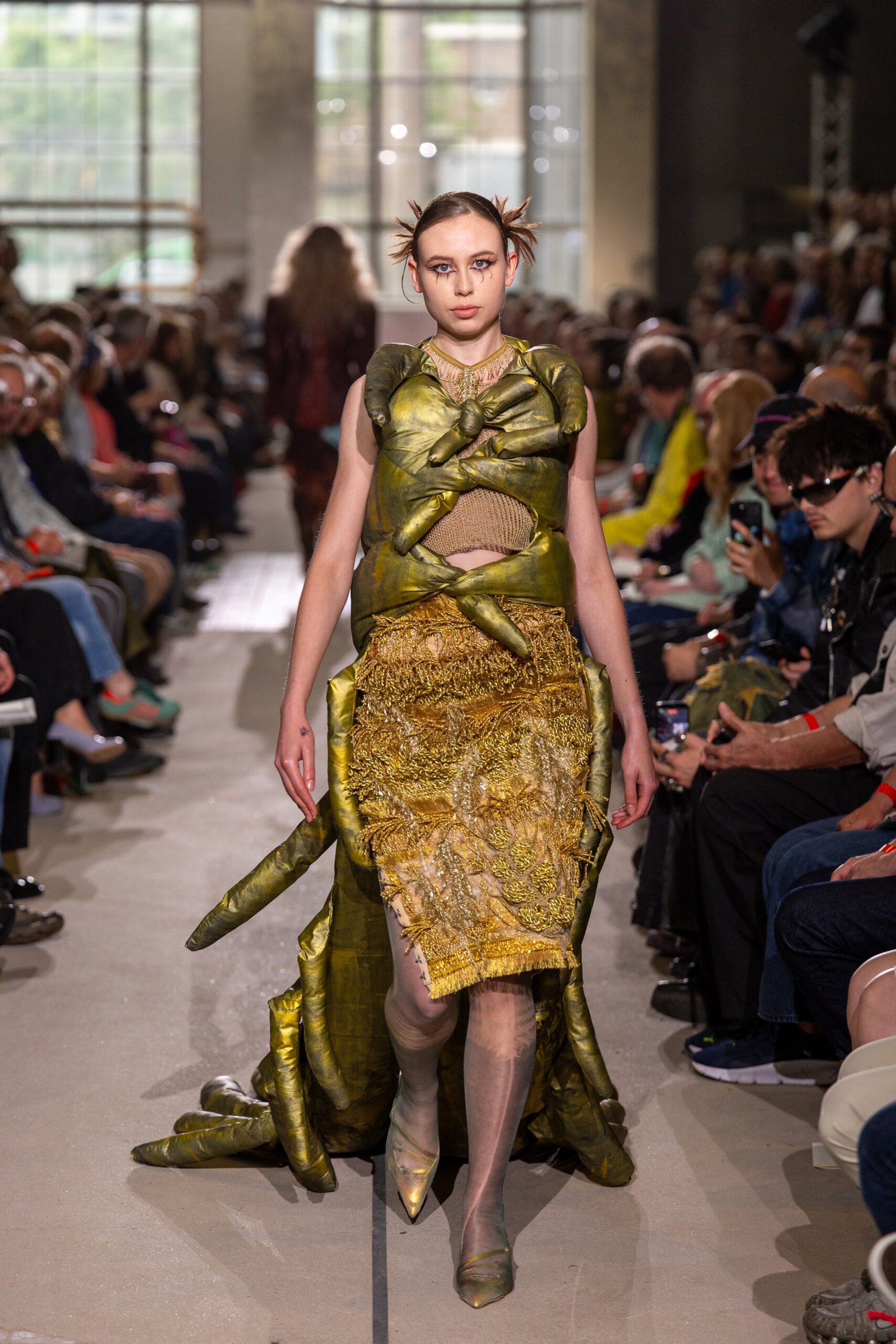
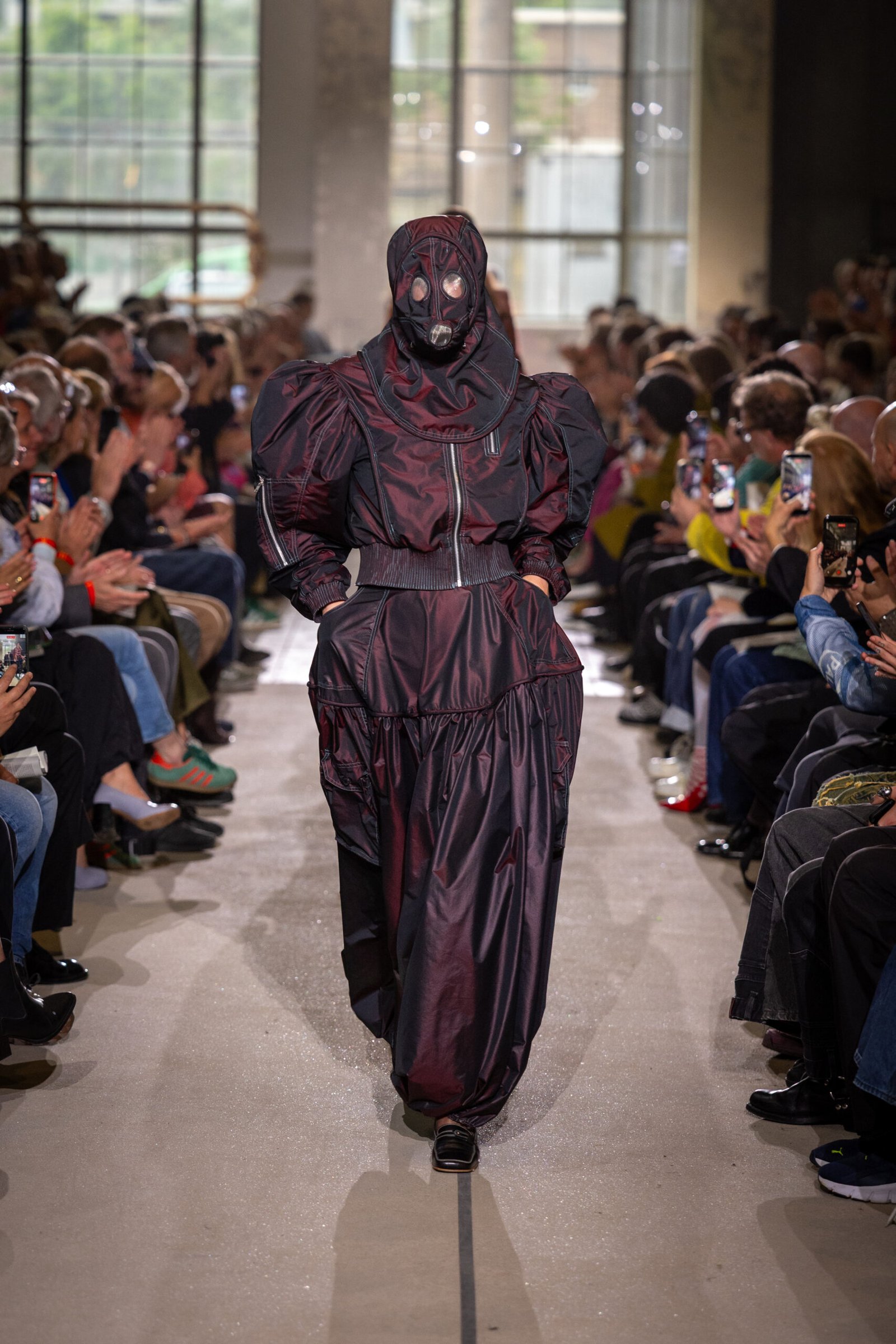
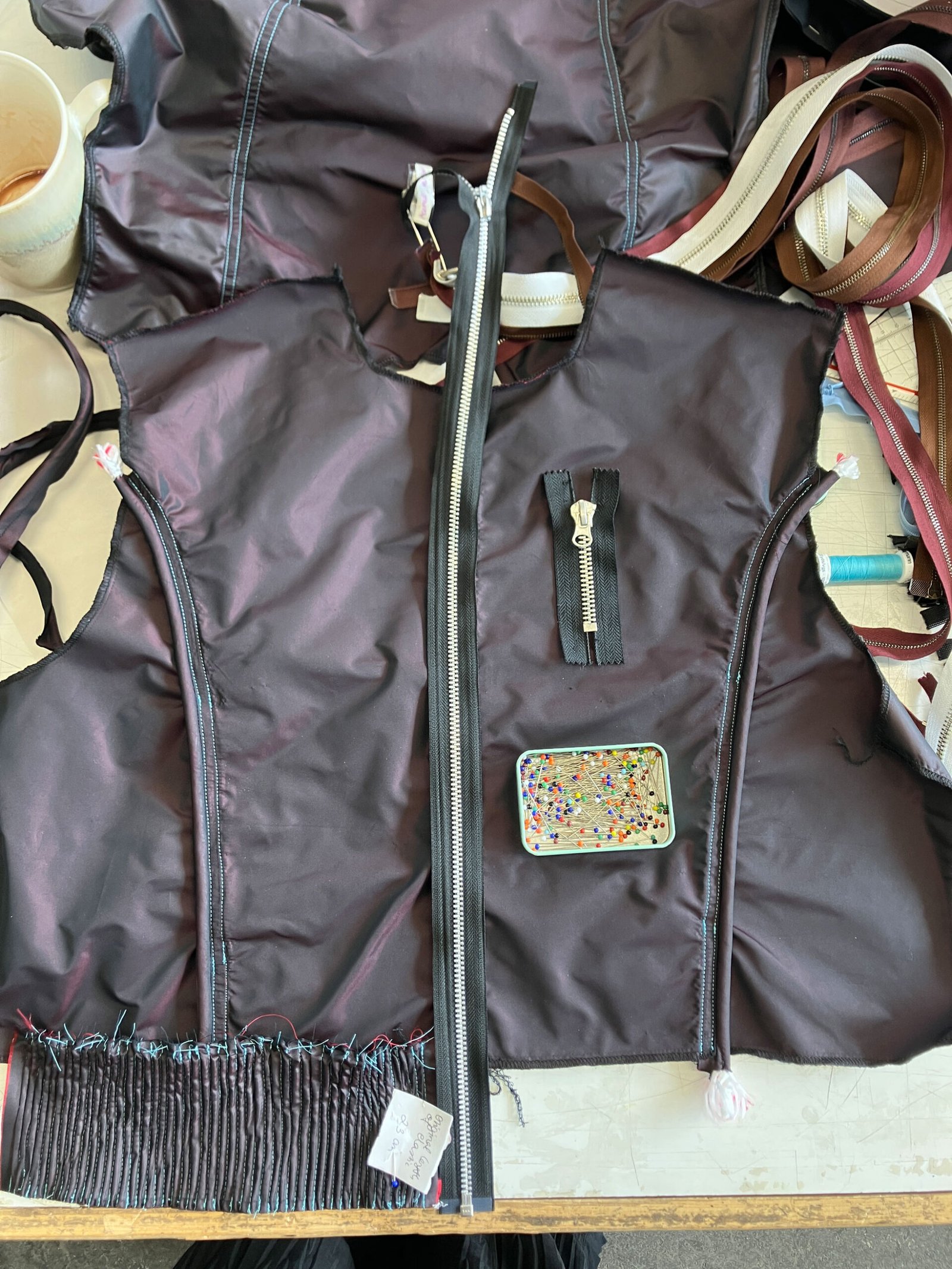
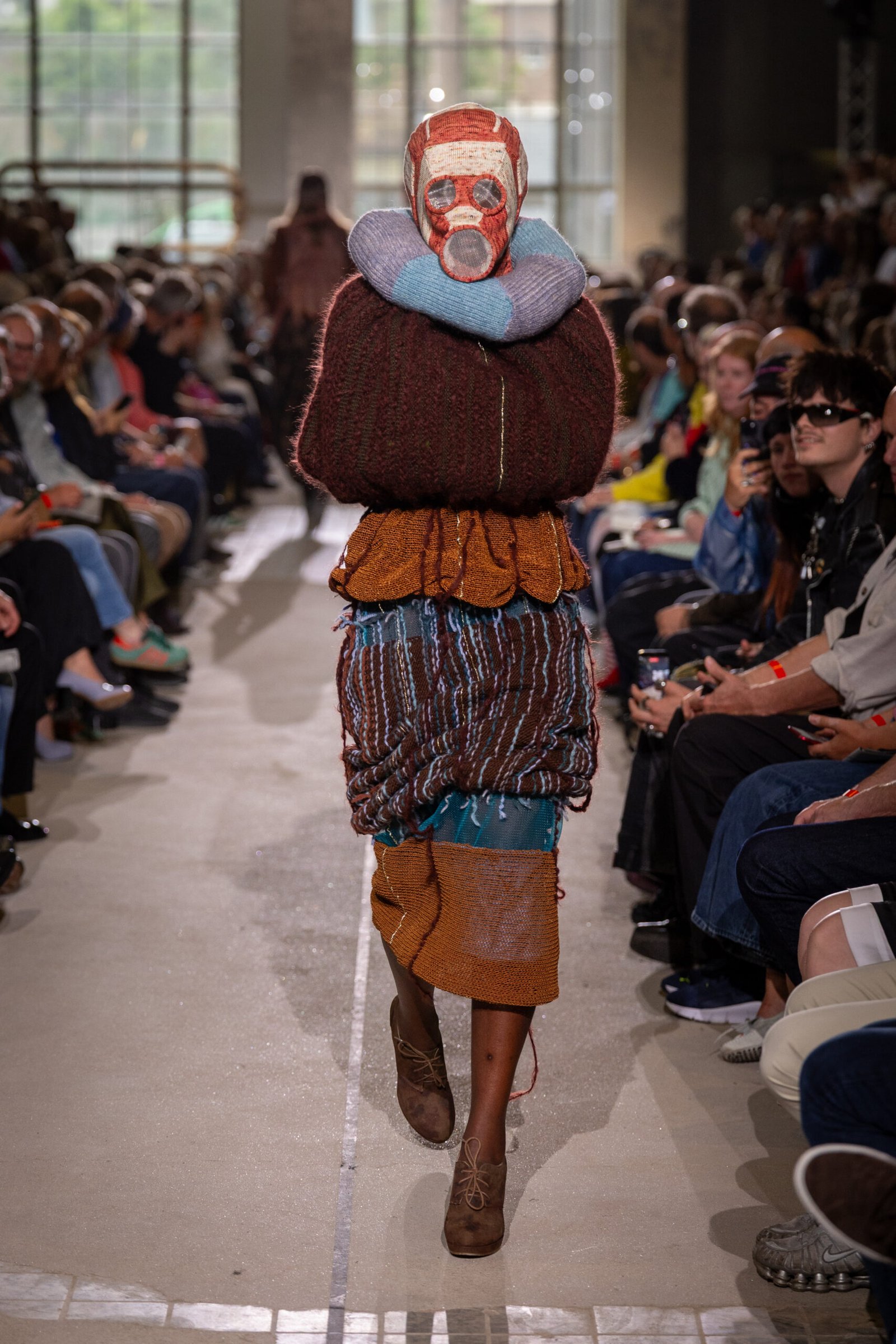
Childhood photographs, religious conversion, gender transition, still-life painting, perfume bottles, Ukrainian craft traditions, gardening, and the everyday wardrobe are all starting points for highly individual graduate collections, each translated through a distinct material language rather than direct representation. The designers experiment with sculpture, draping, paper construction, textile manipulation, ecoprinting, embroidery, screen printing, dyeing, patchwork, faux denim, plaster, concrete casting, 3D printing, and handwork, often using making itself as a way of developing ideas. Across the group, garments move beyond conventional dress, becoming objects, characters, memories, or spaces for storytelling.

Jillian-Blair DeRose

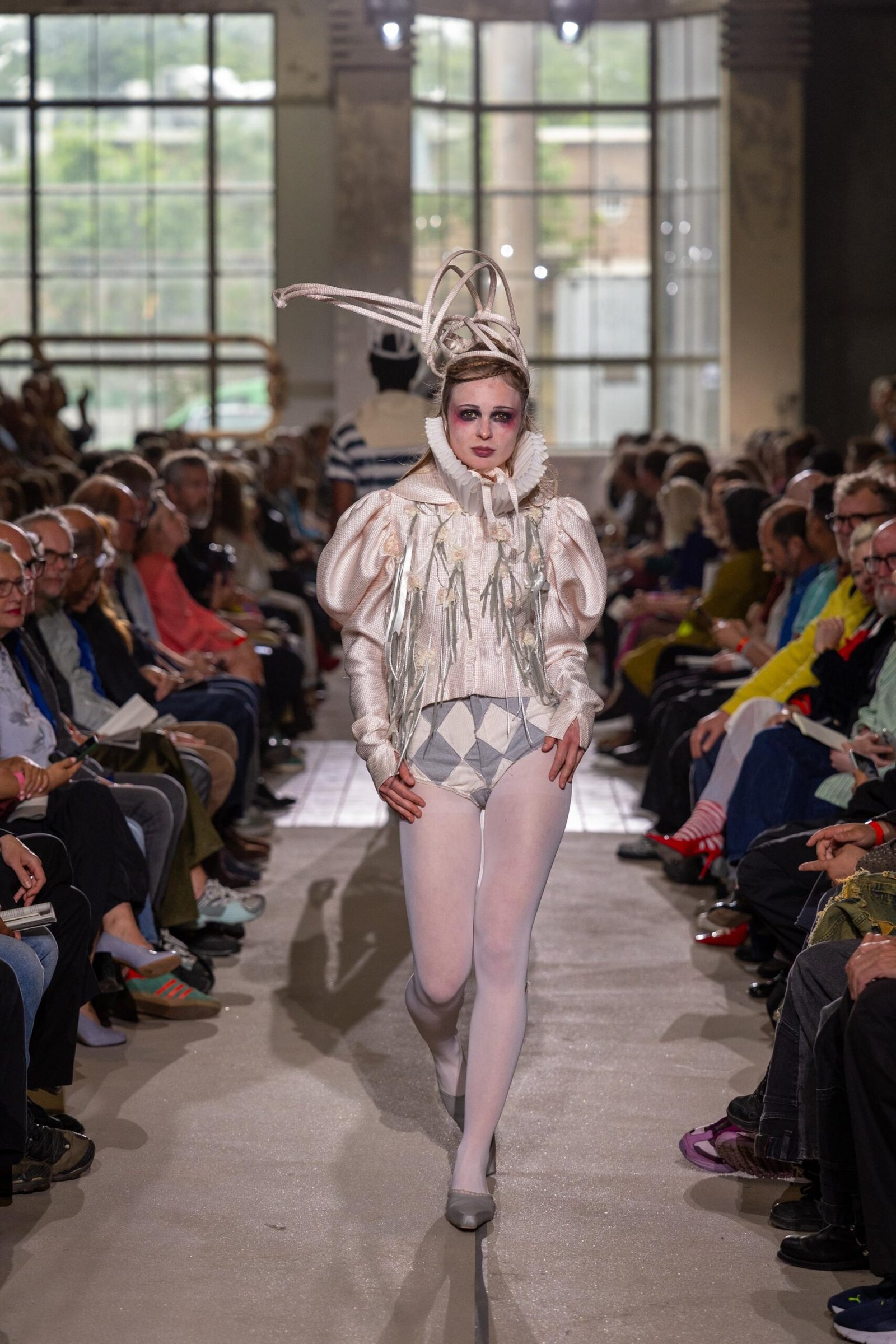
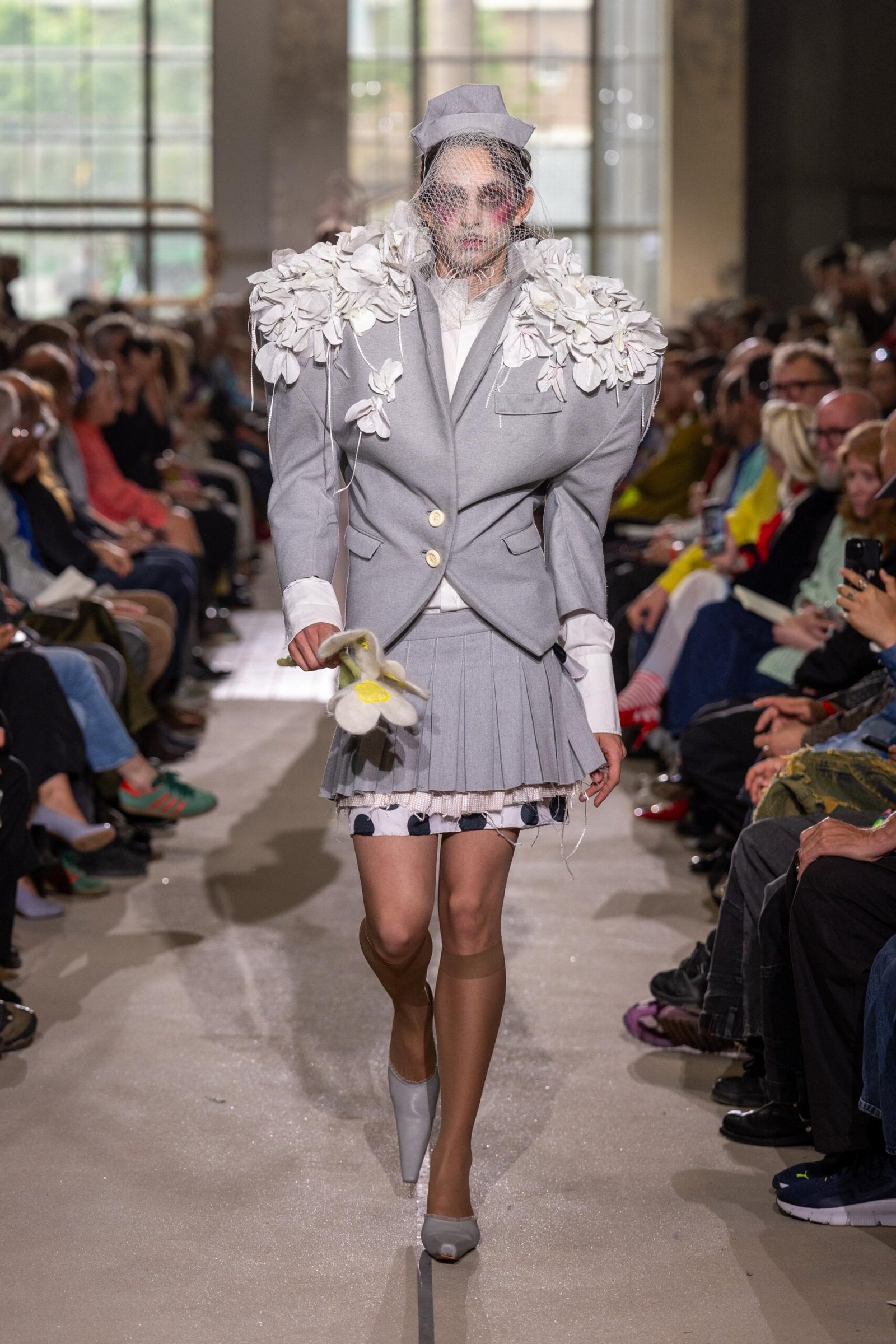
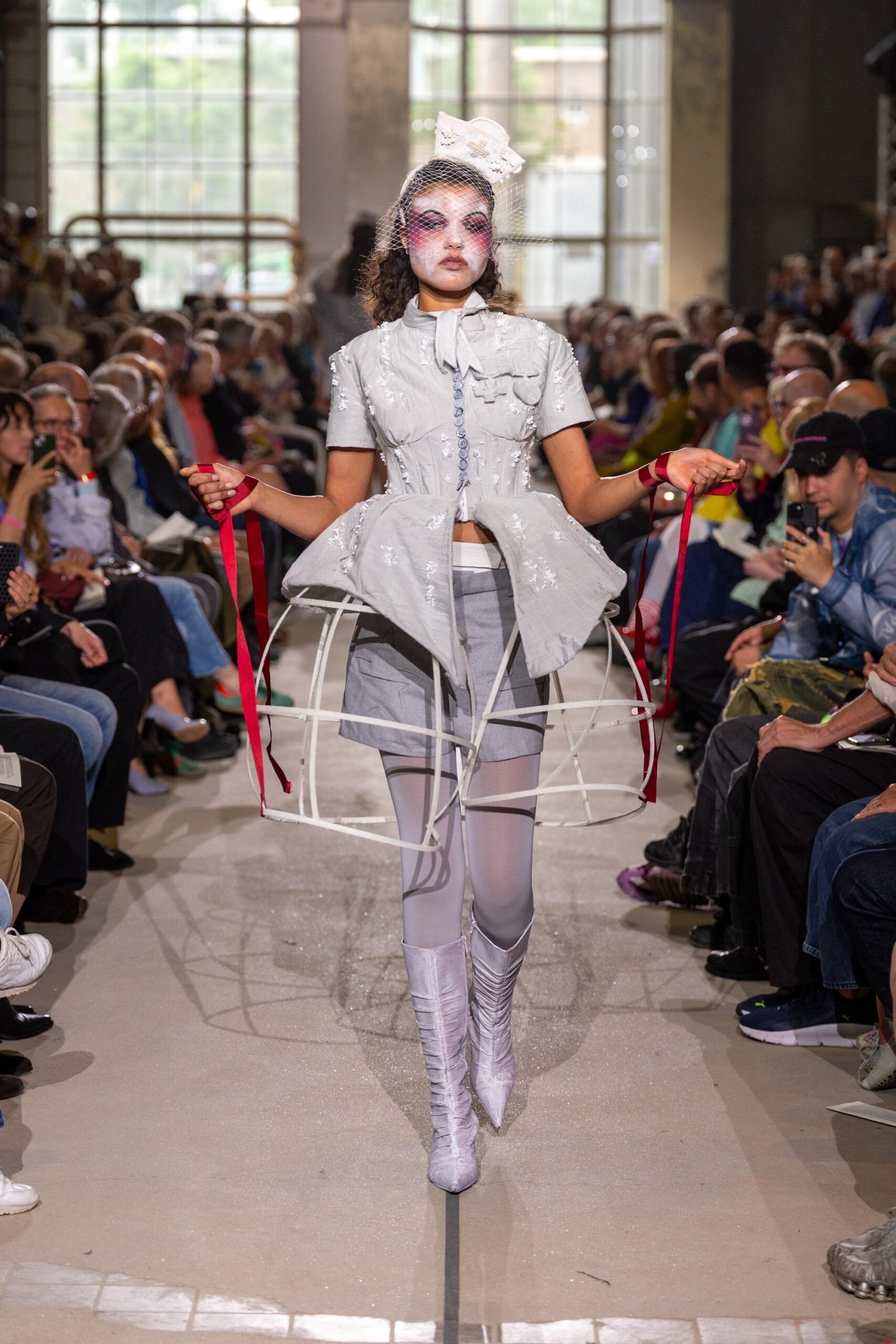
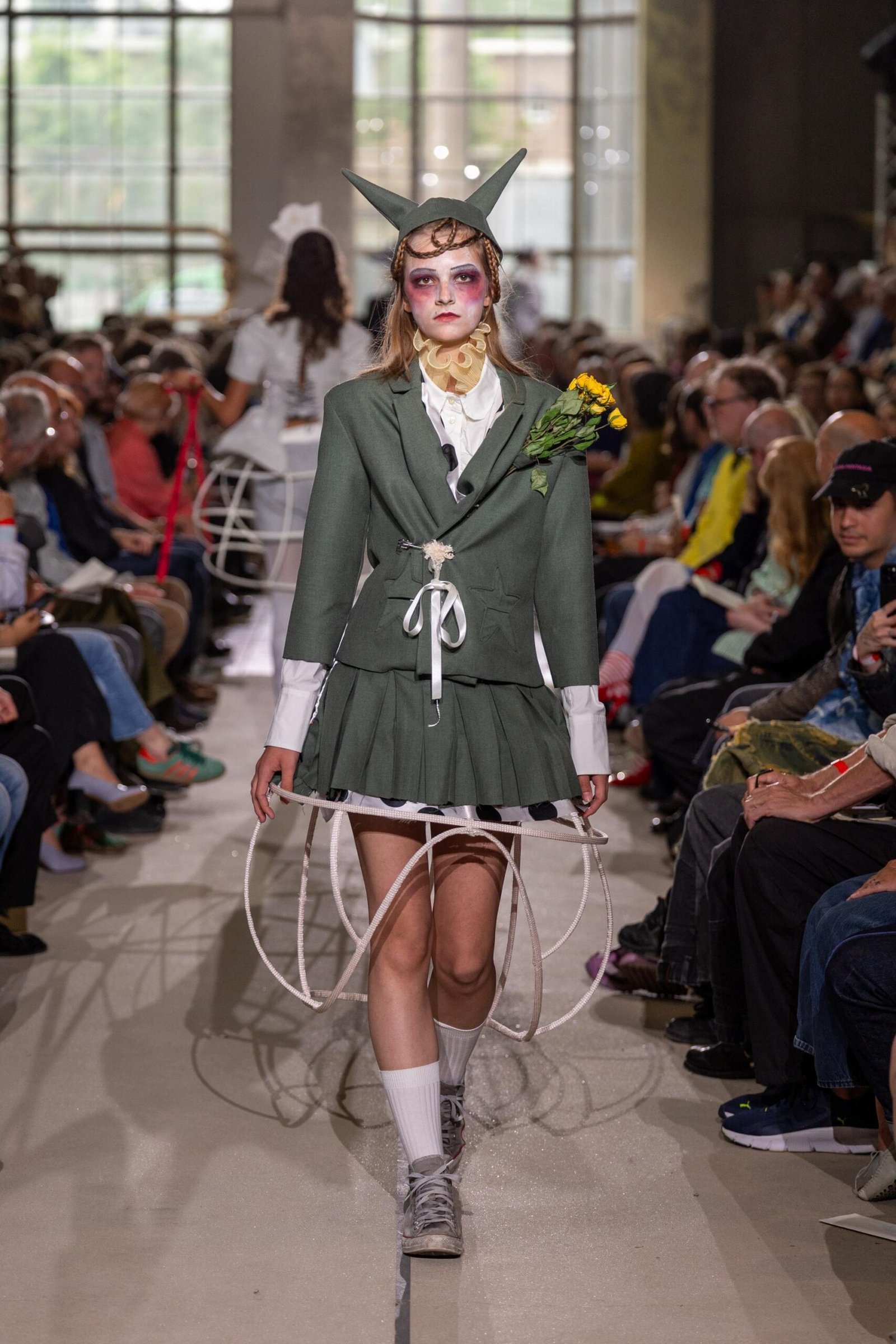
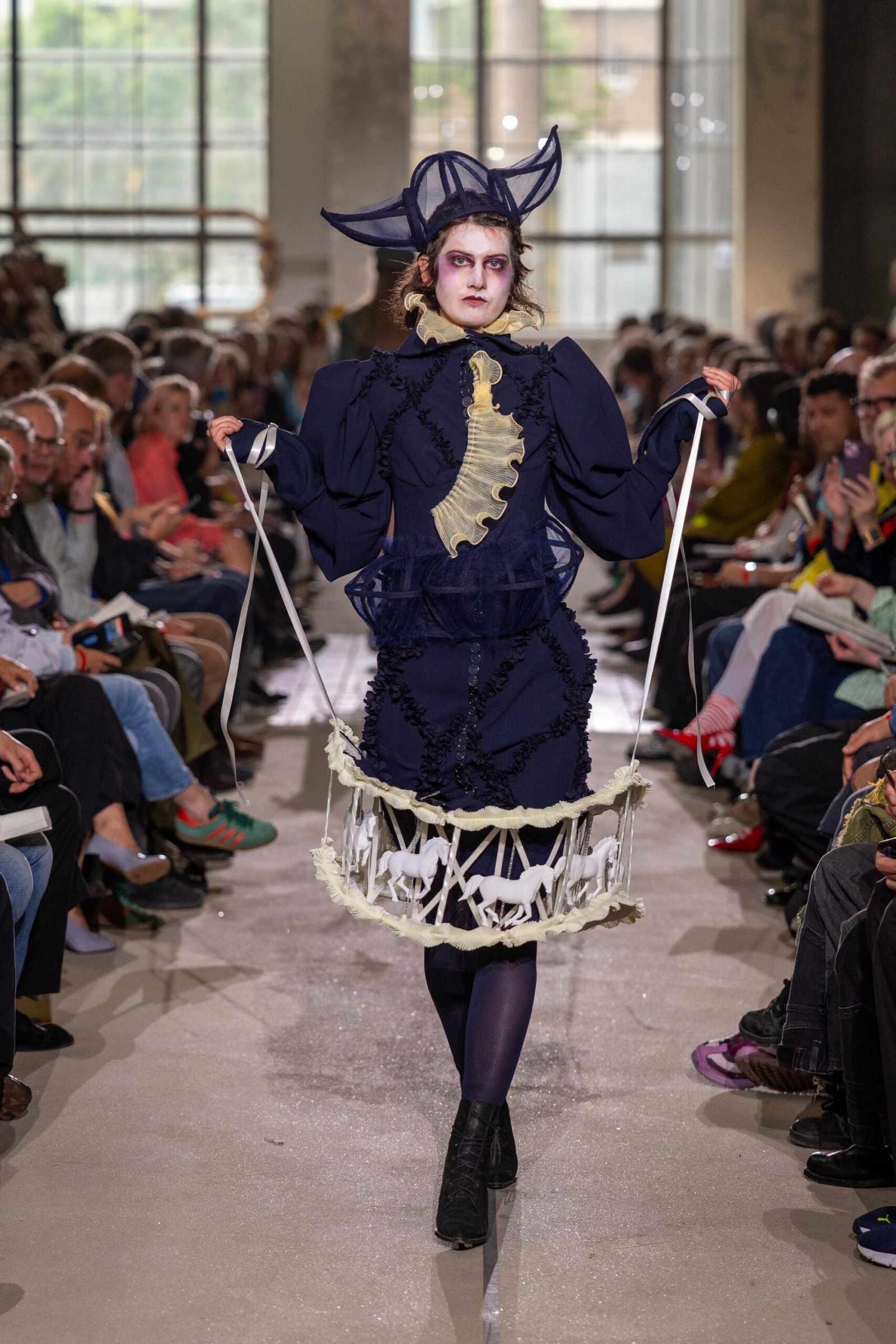
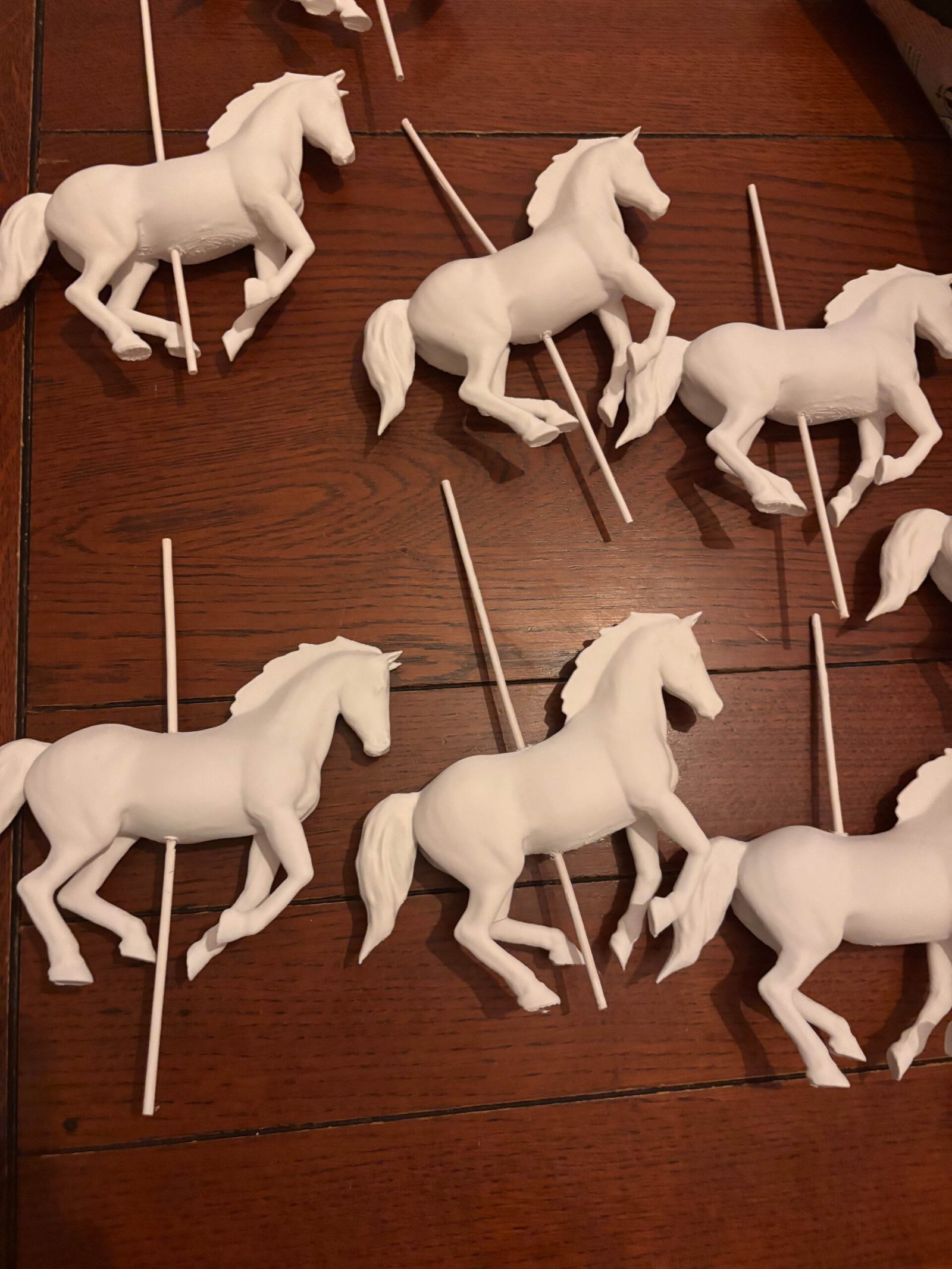
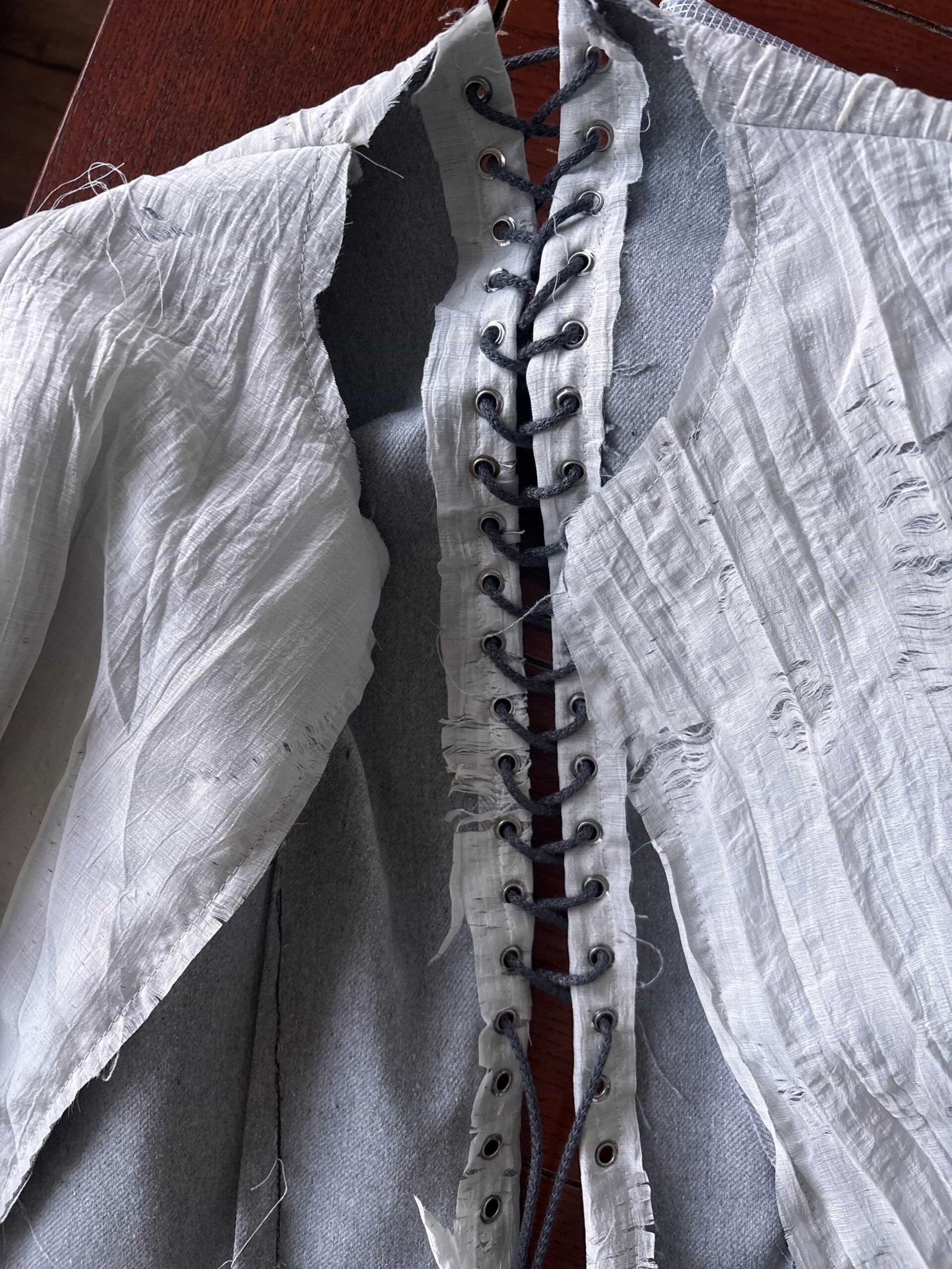
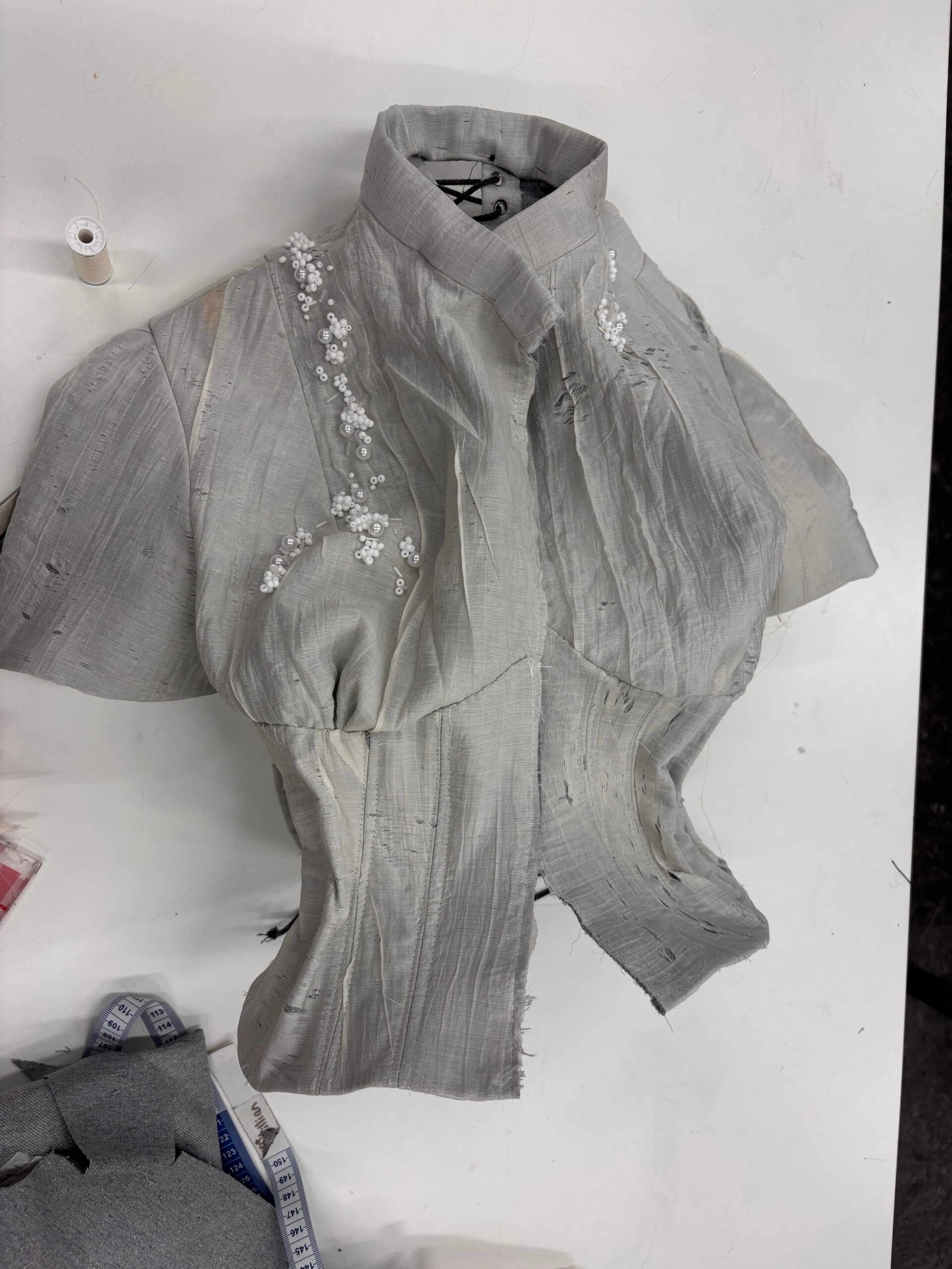
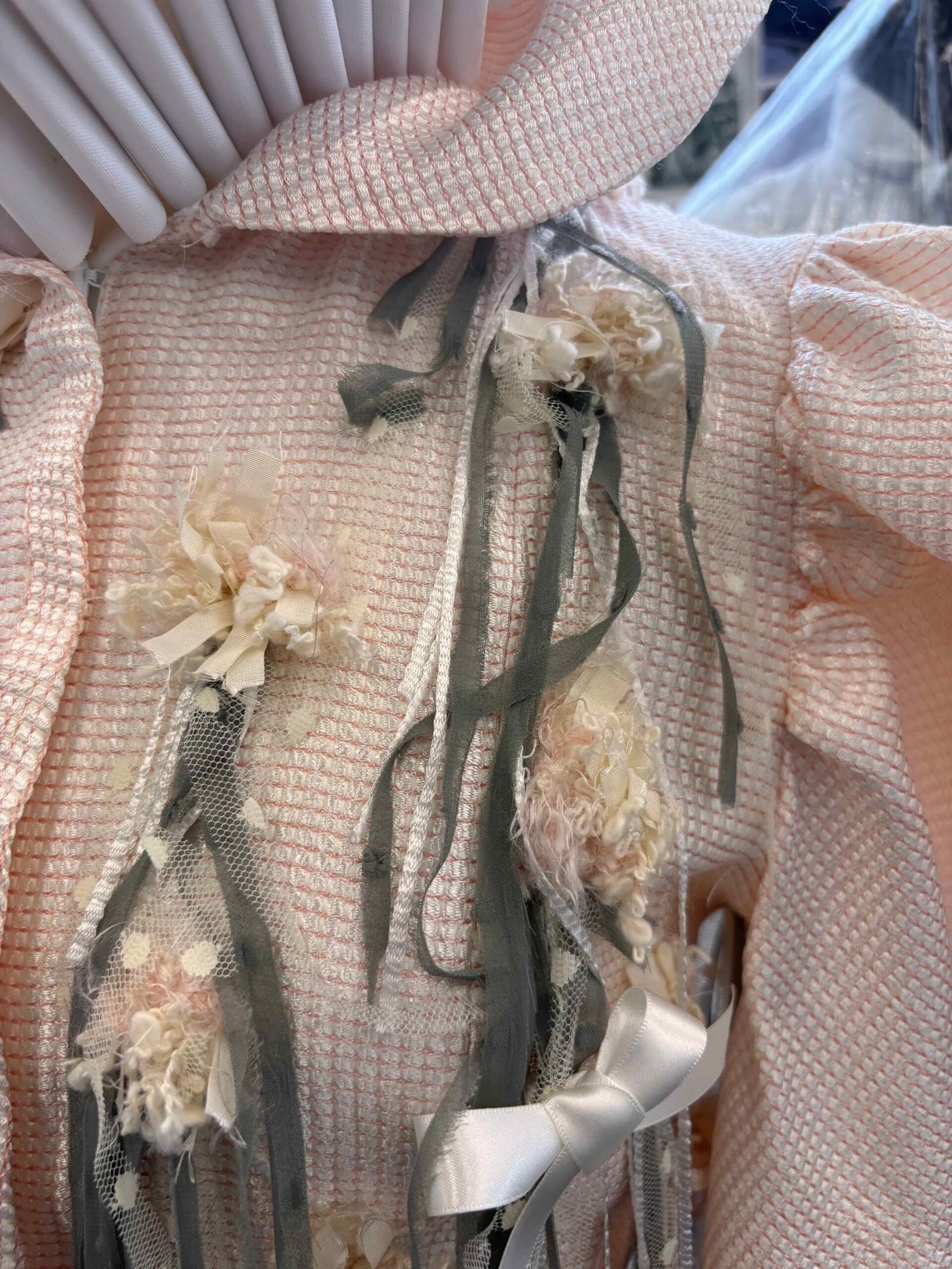
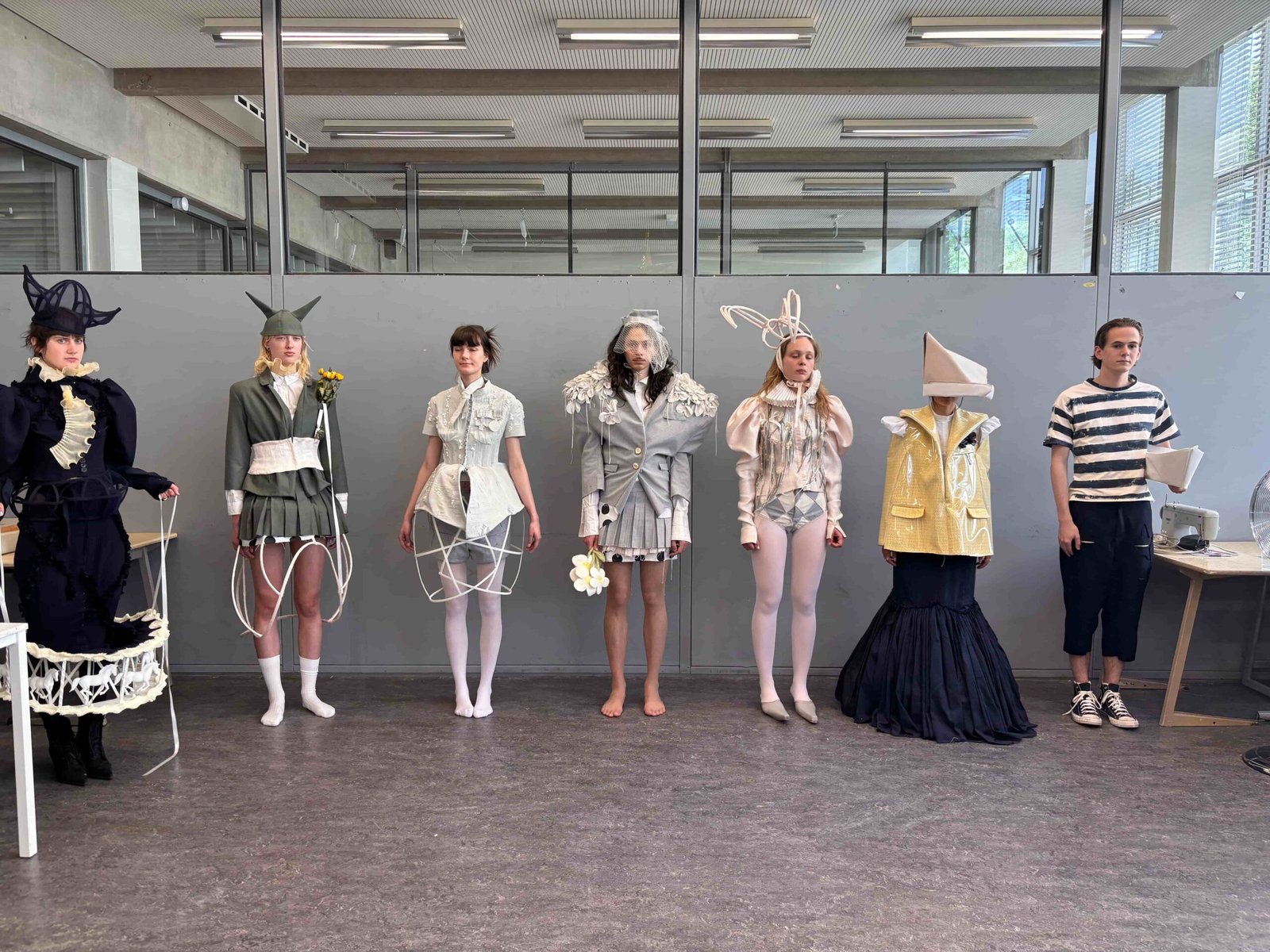
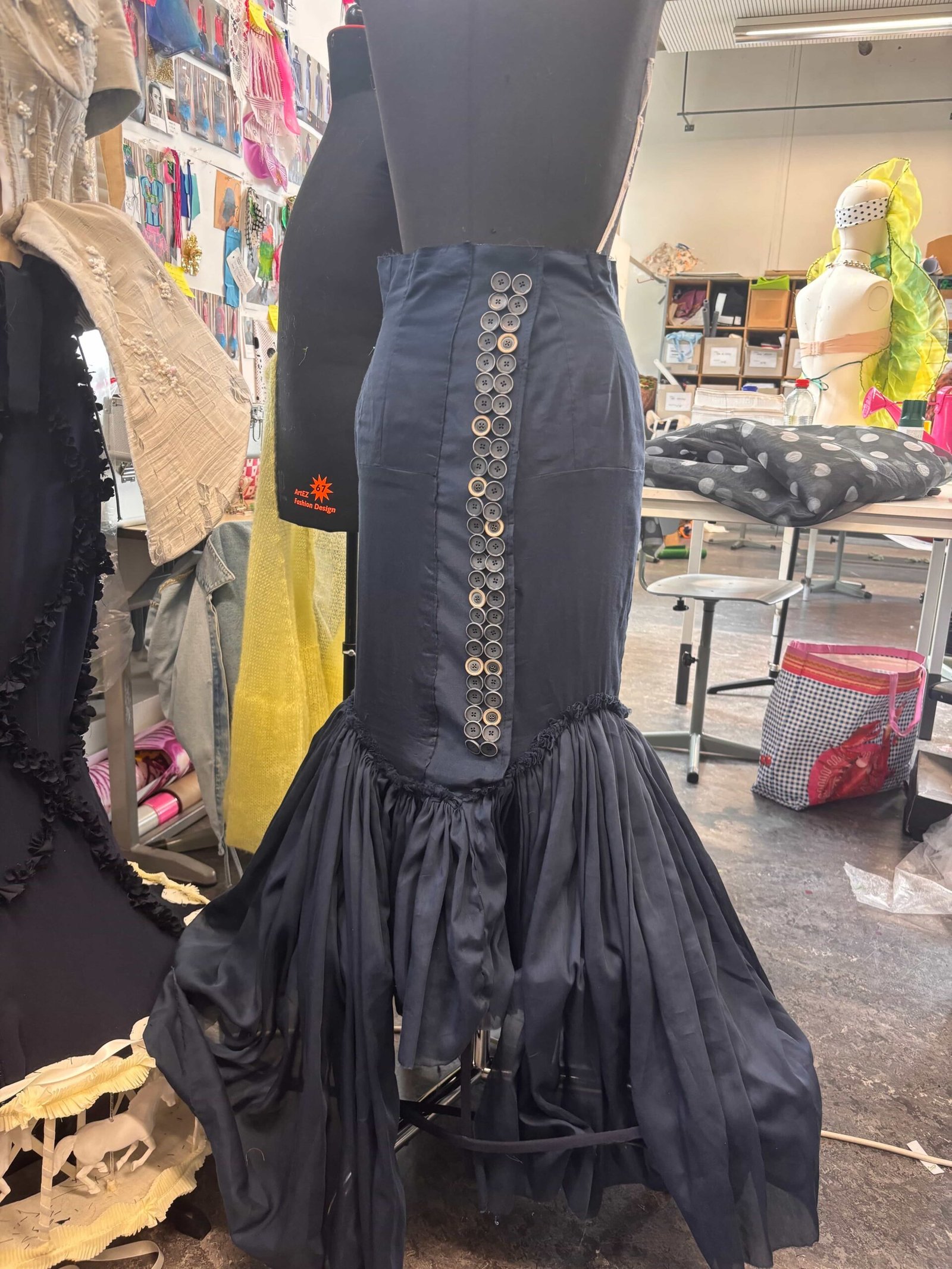
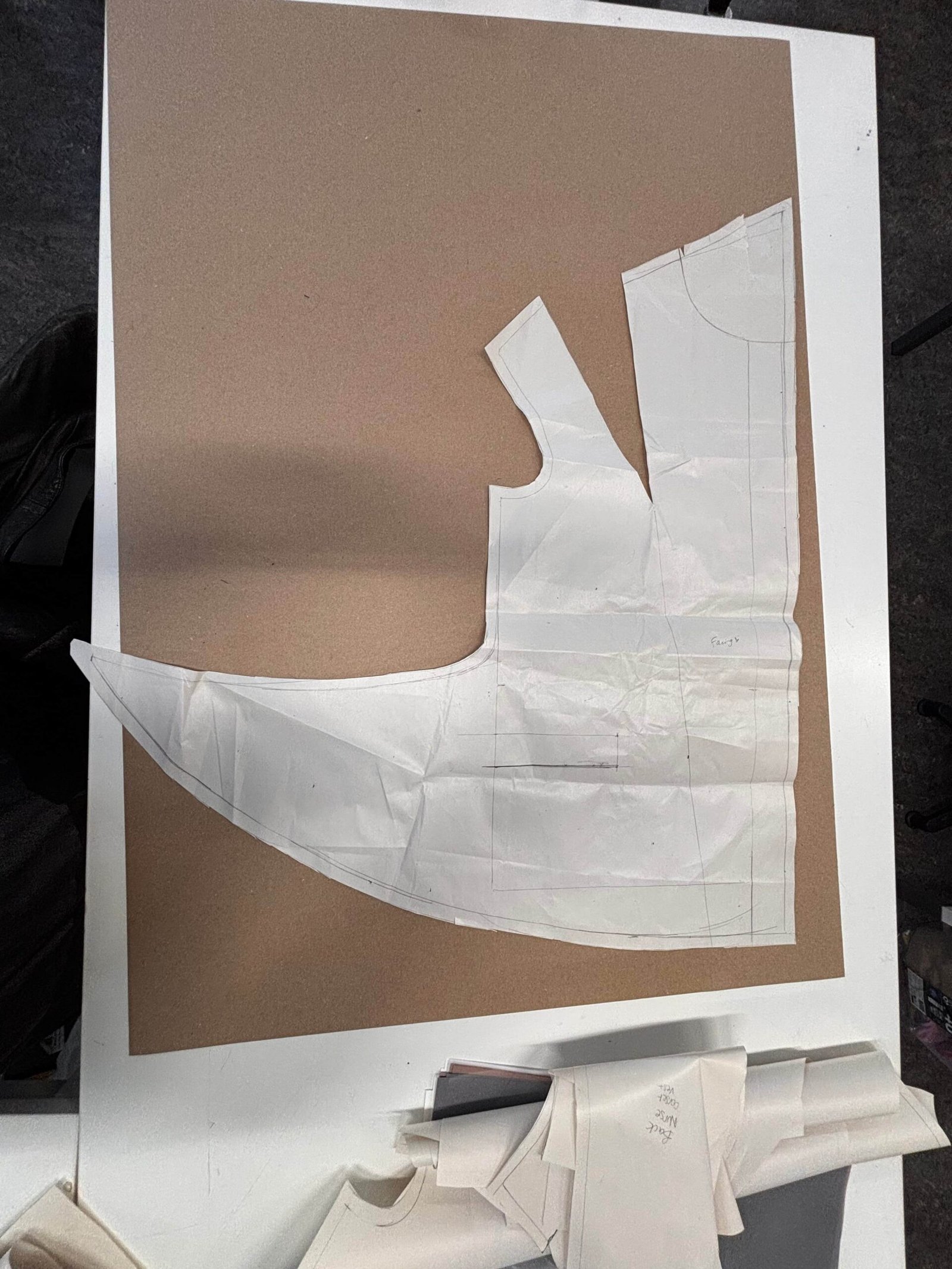
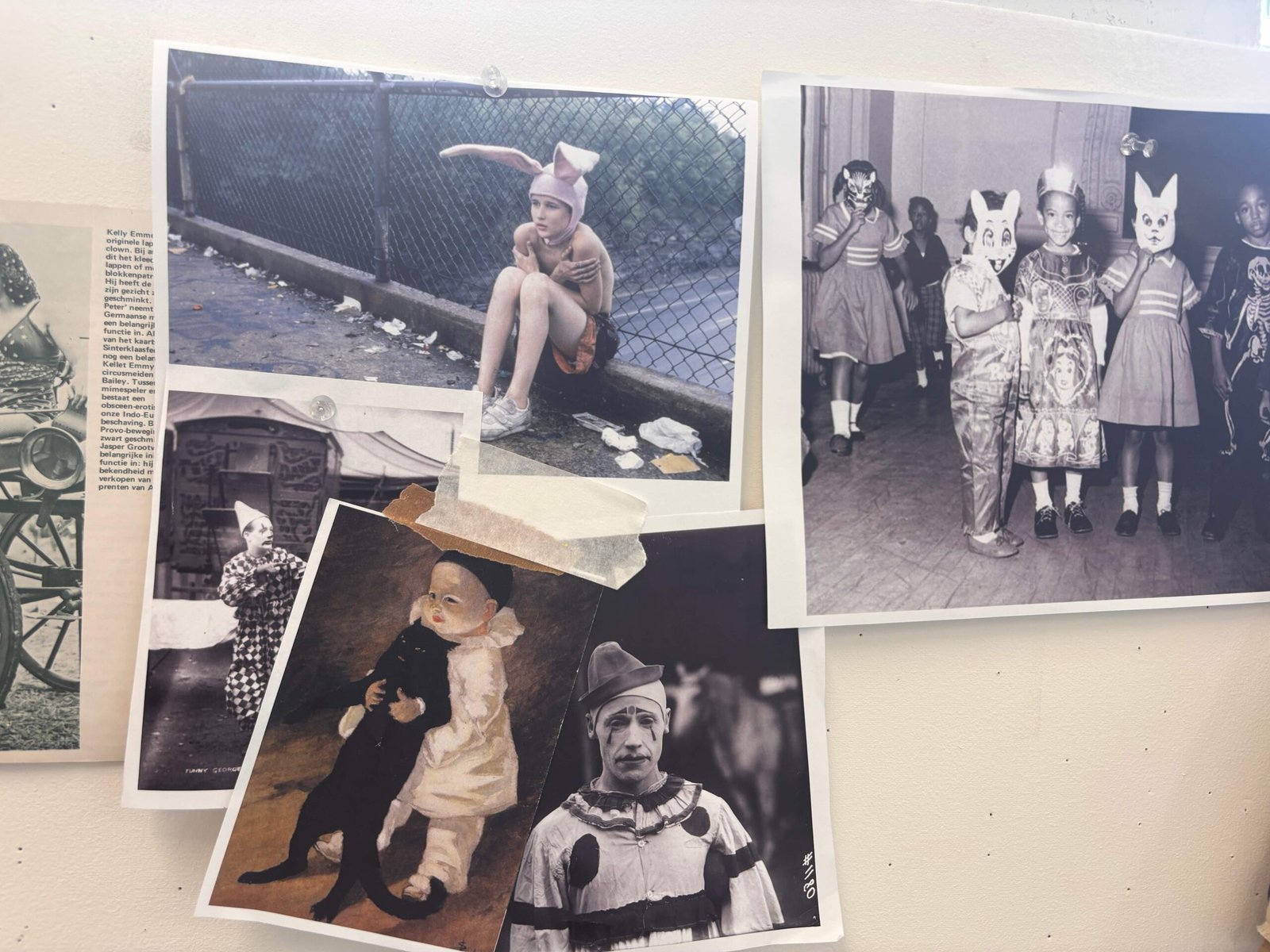
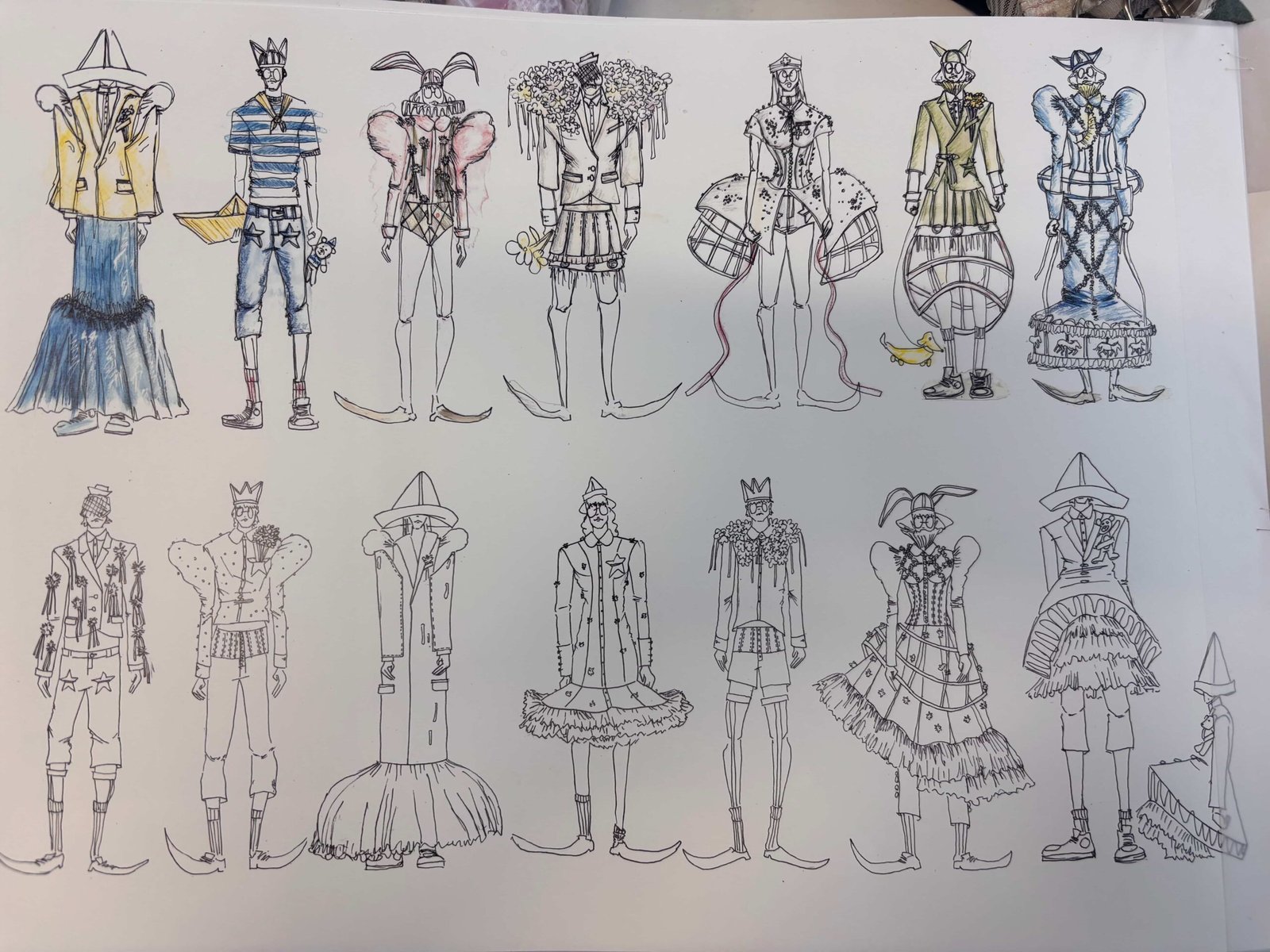
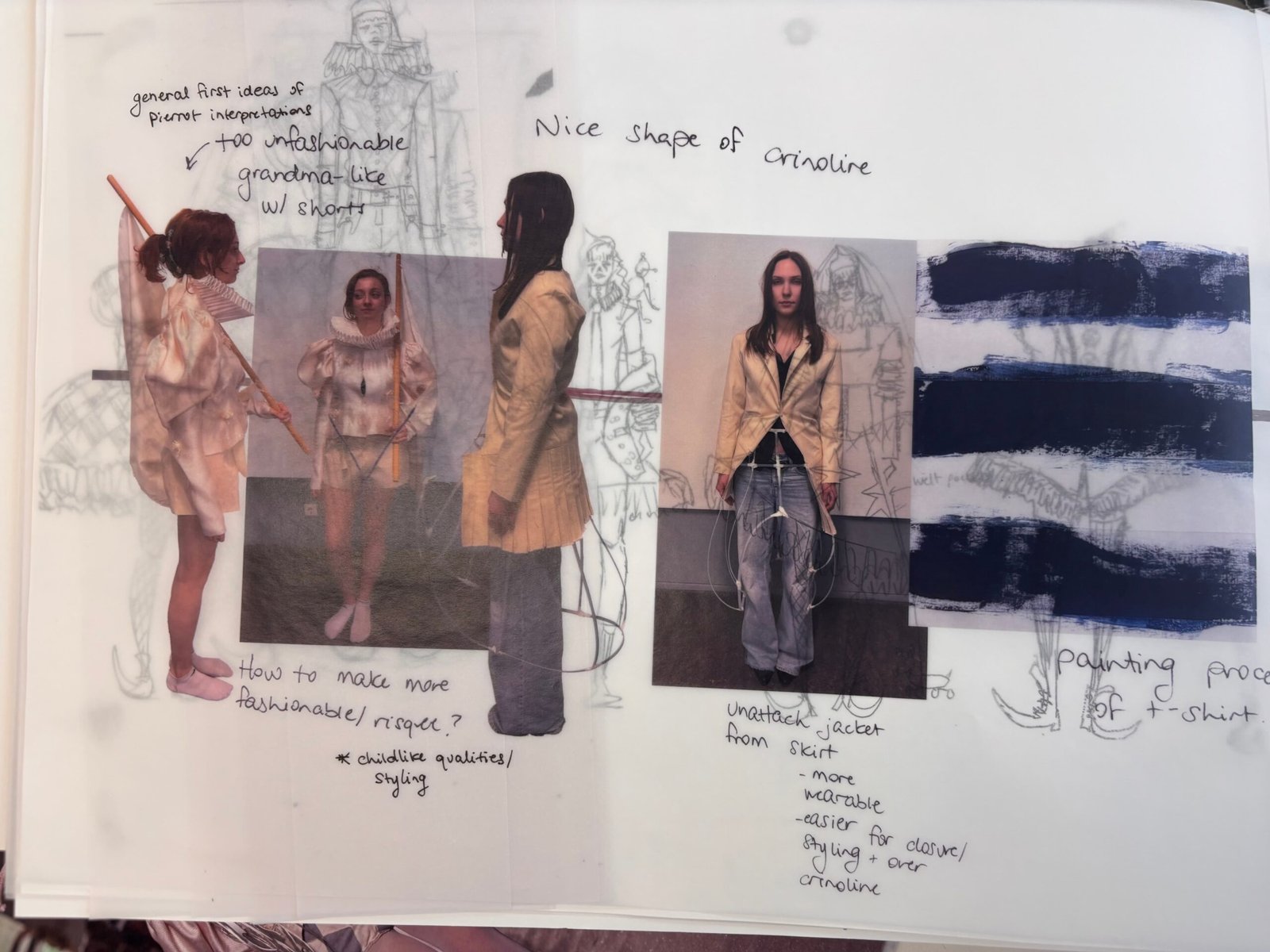
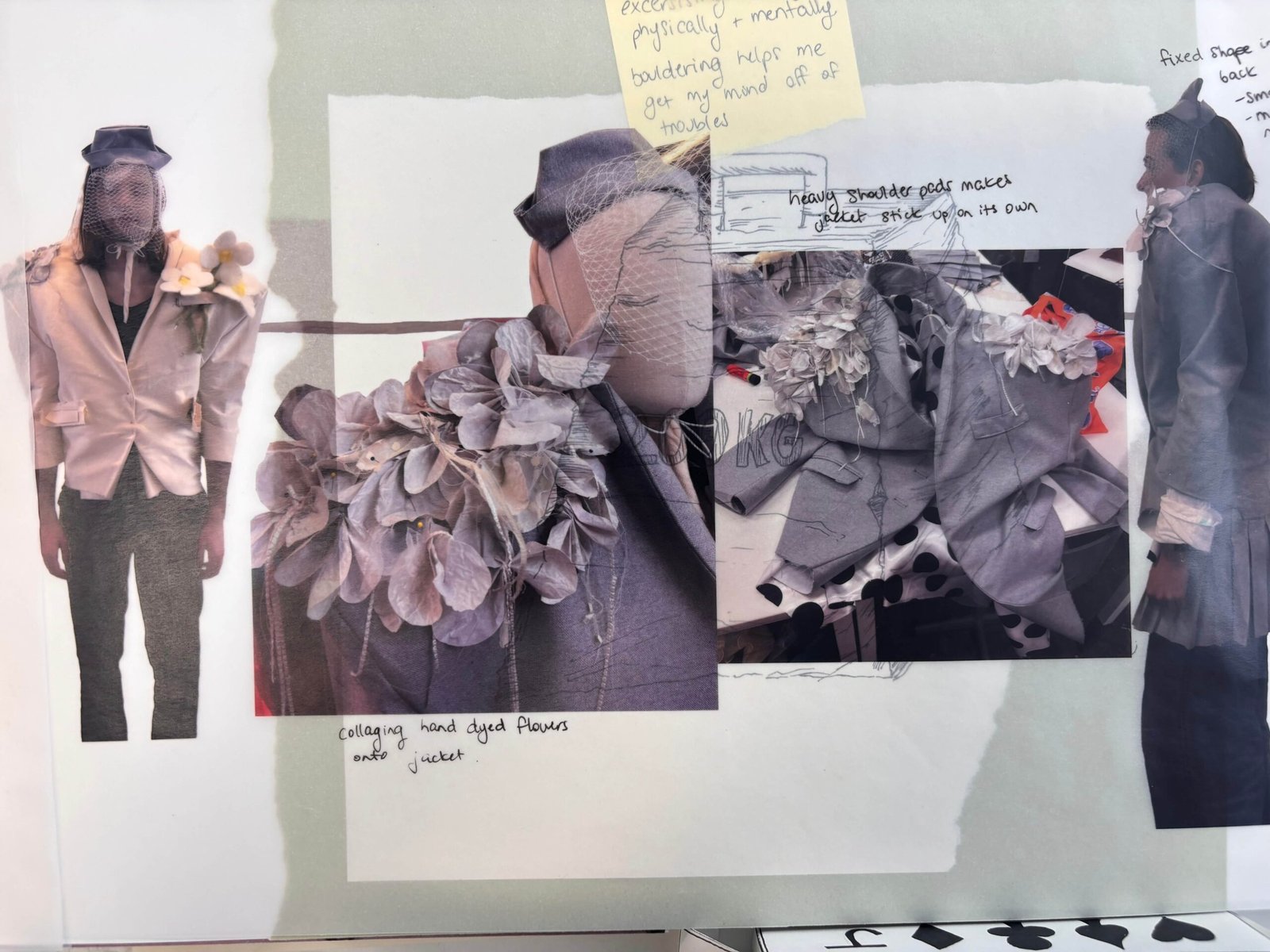
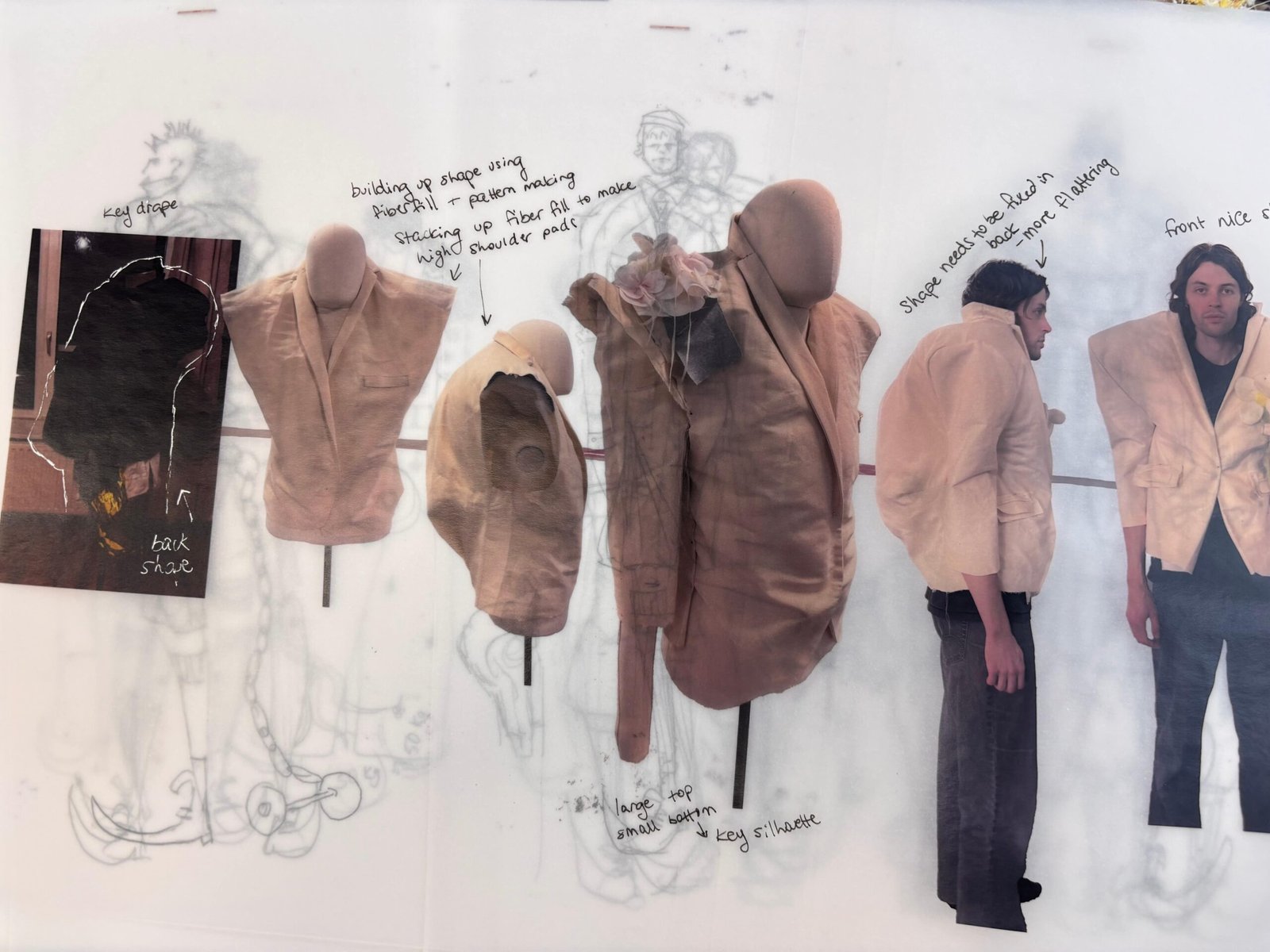
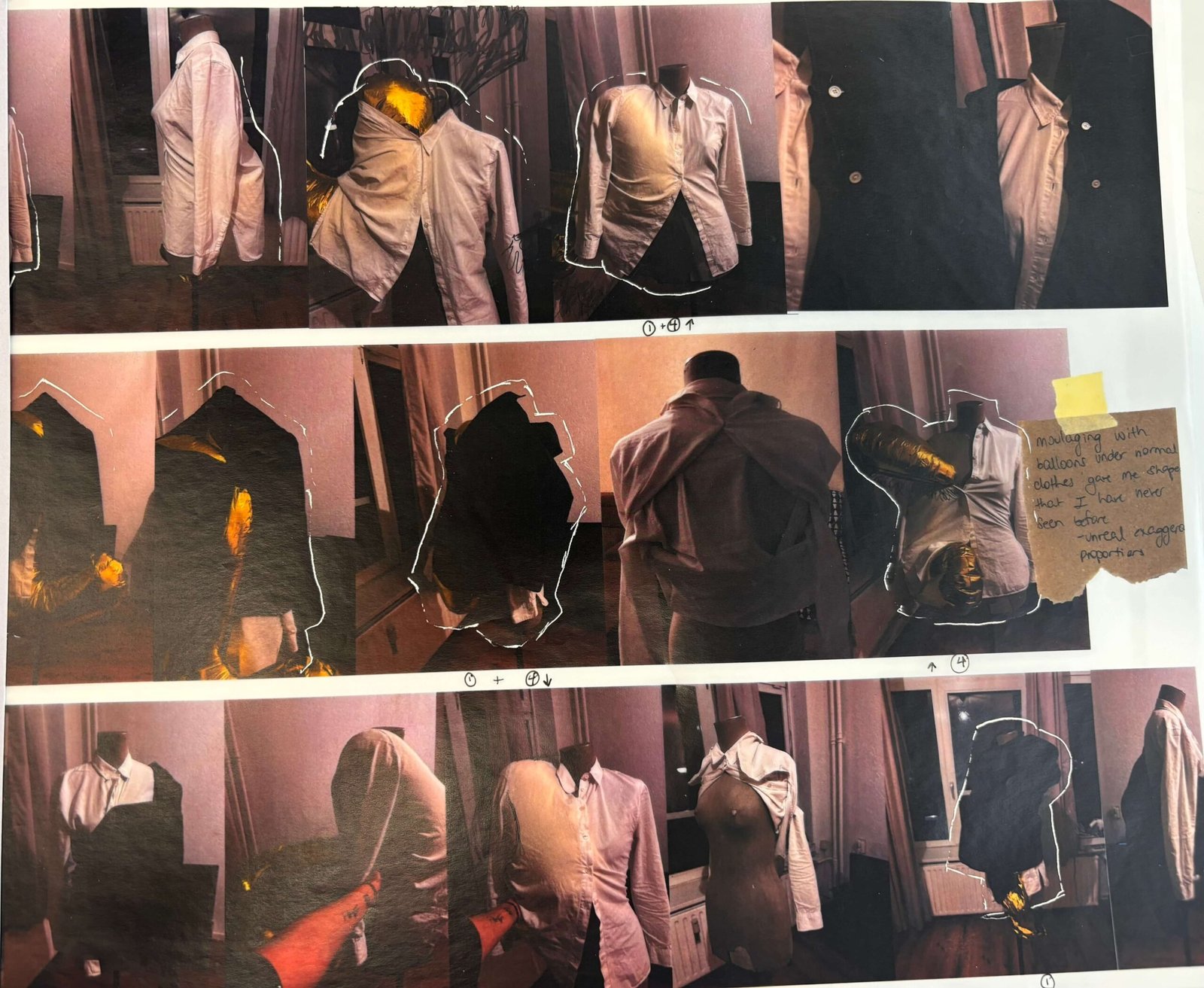
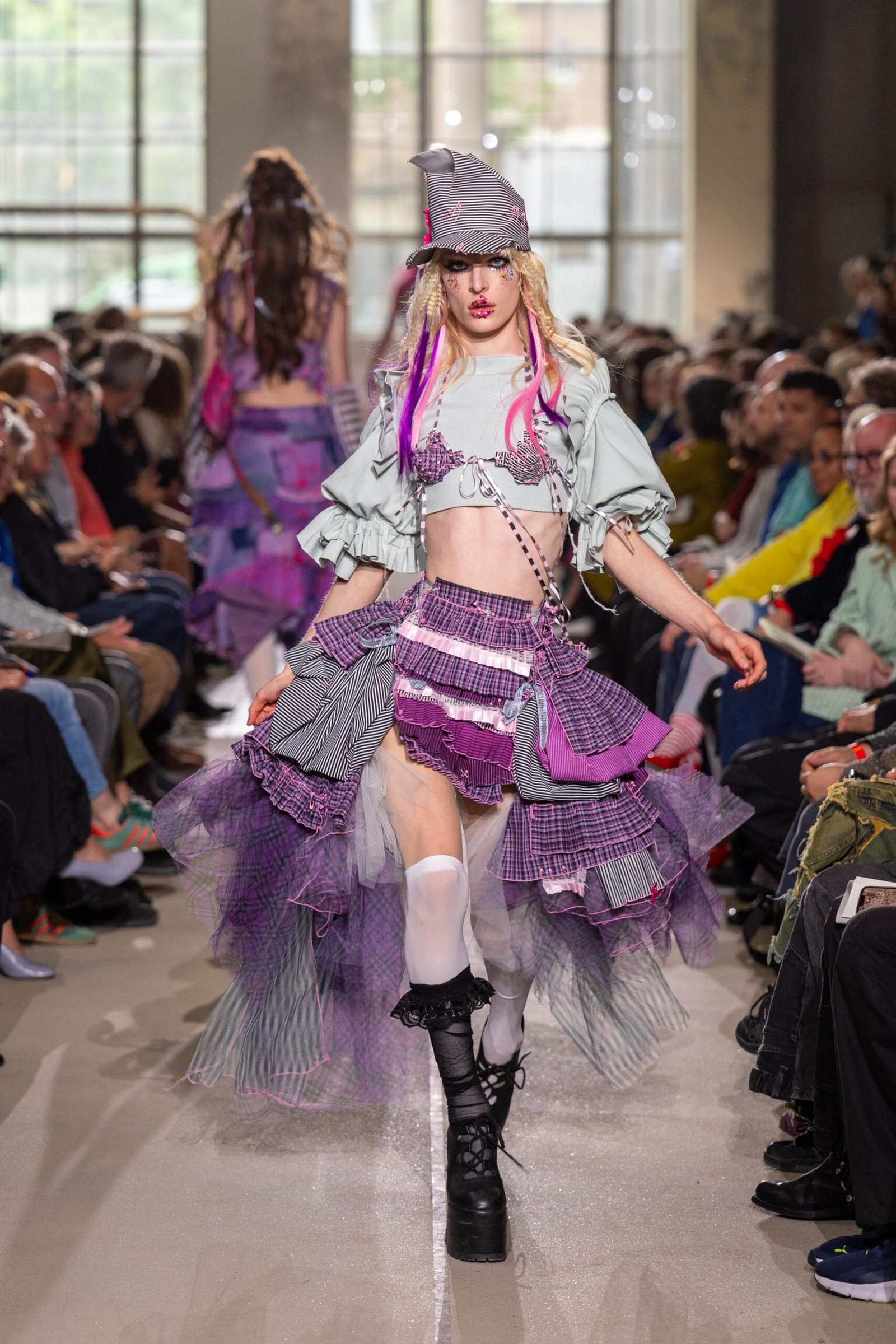
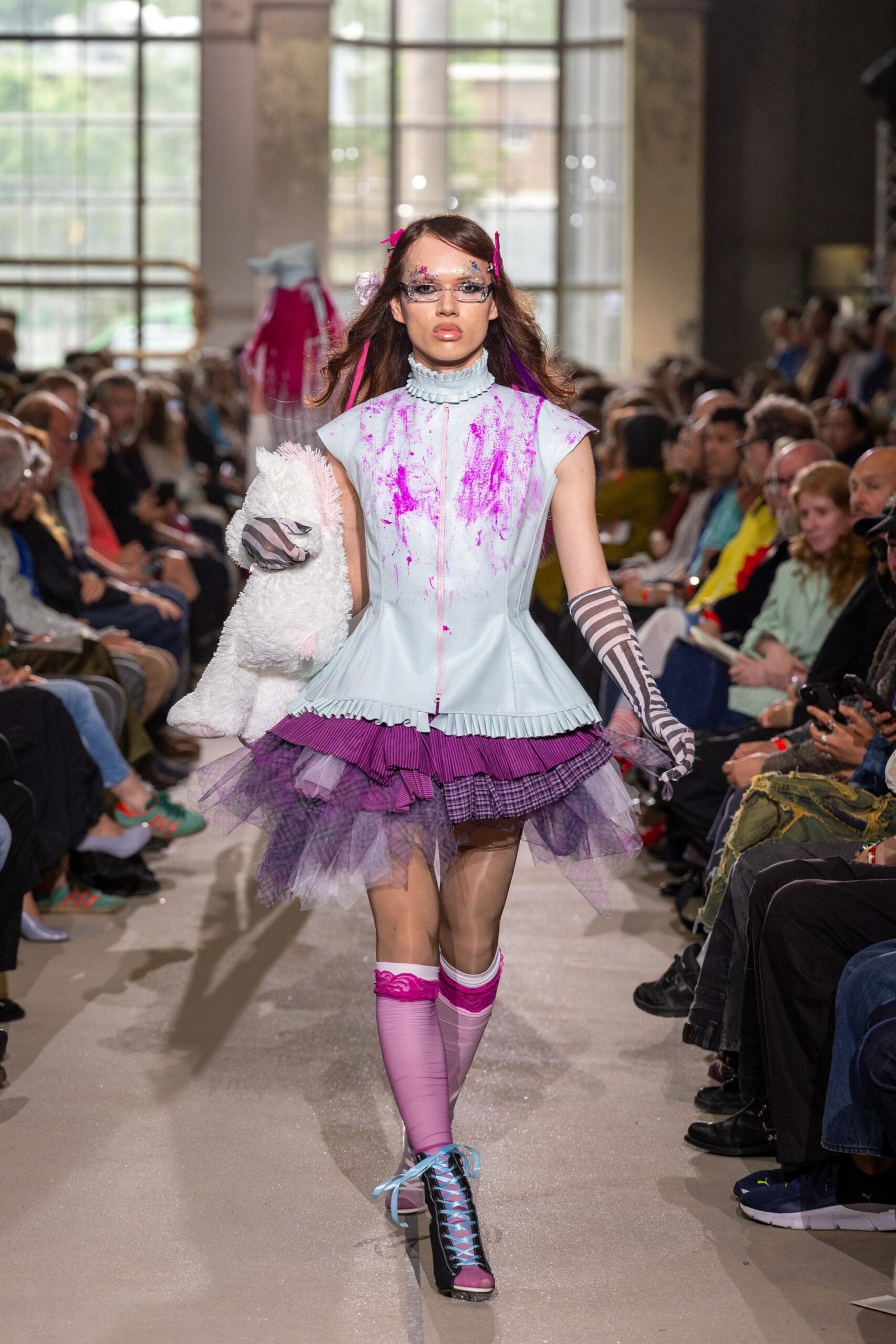
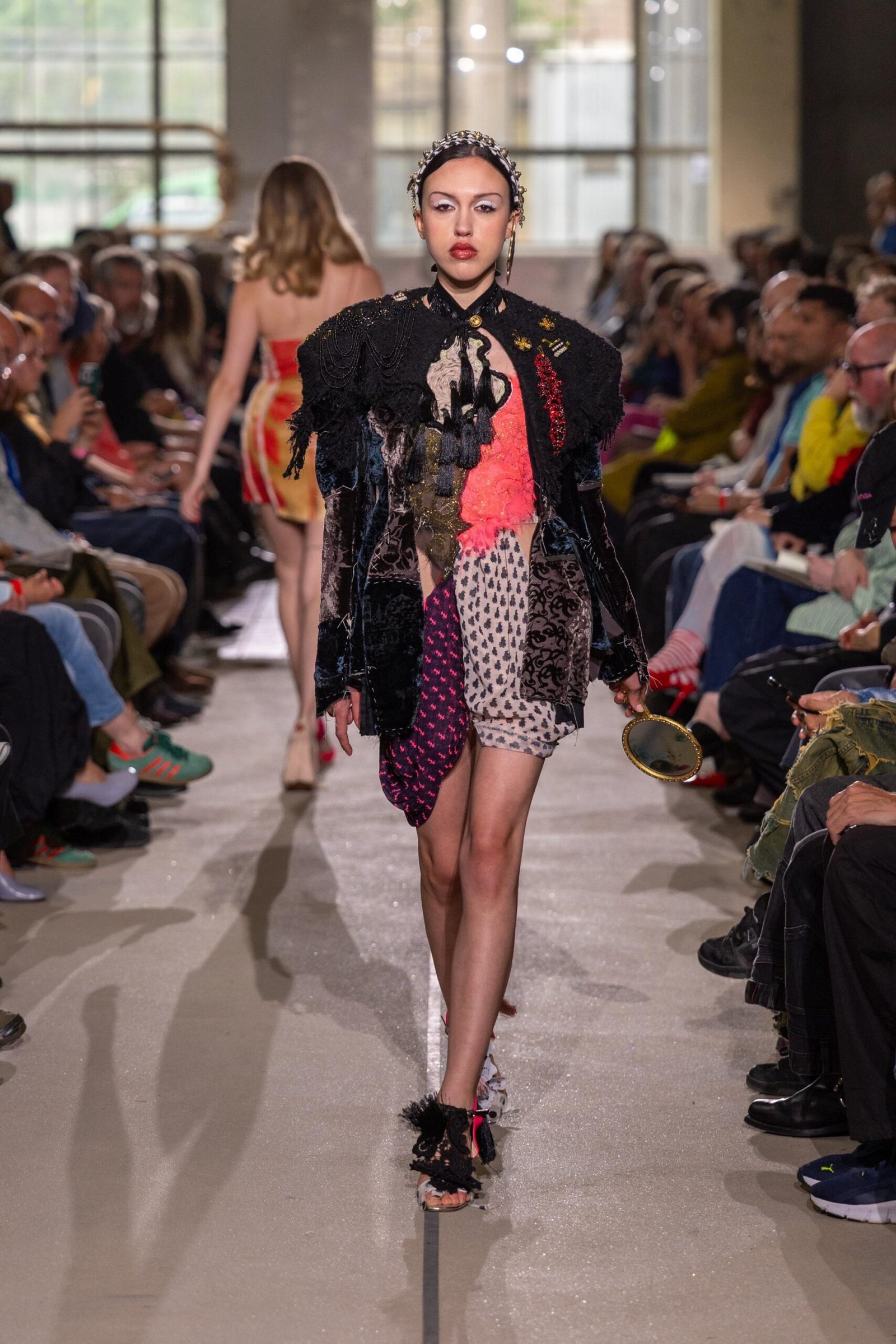
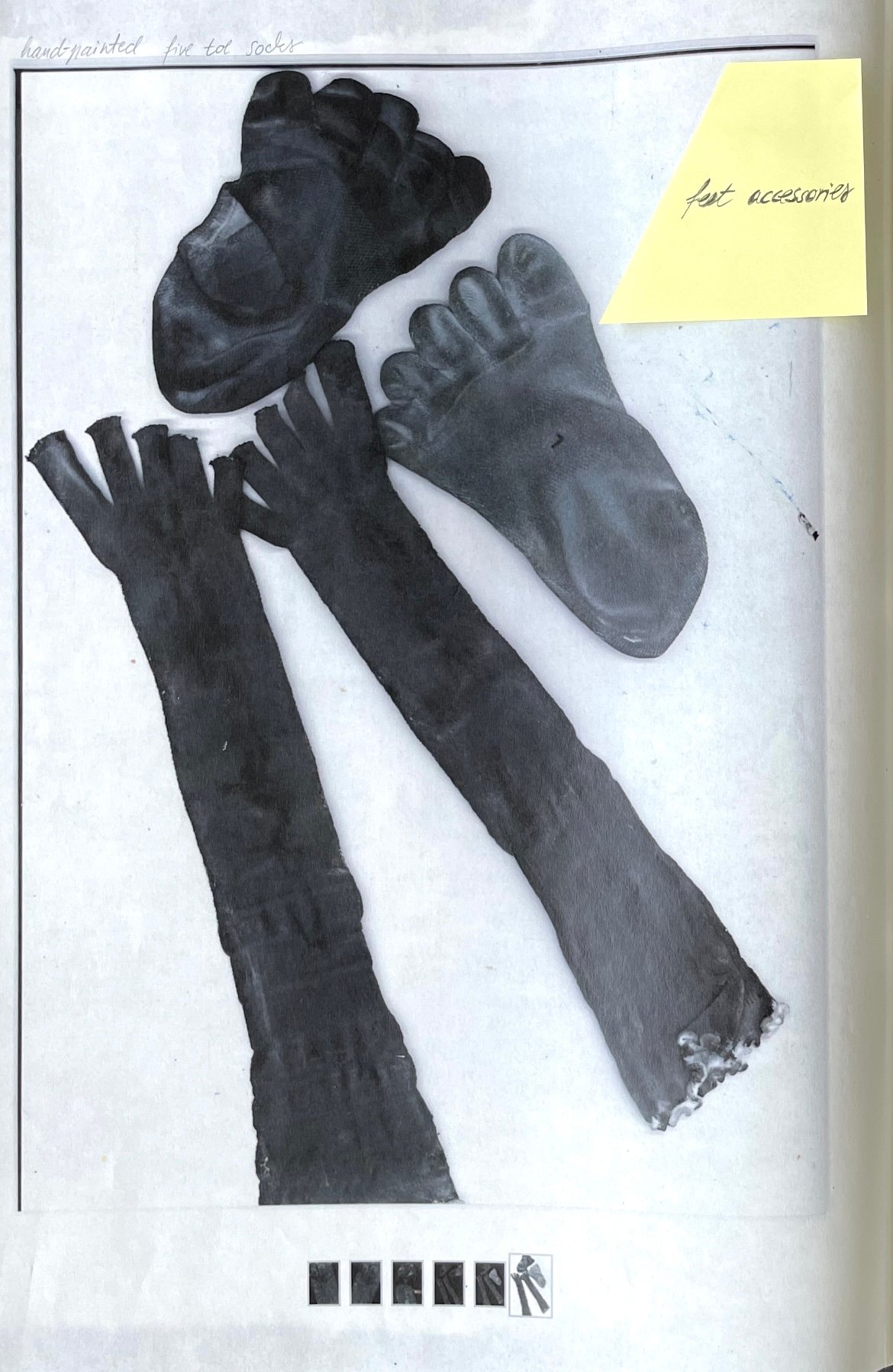
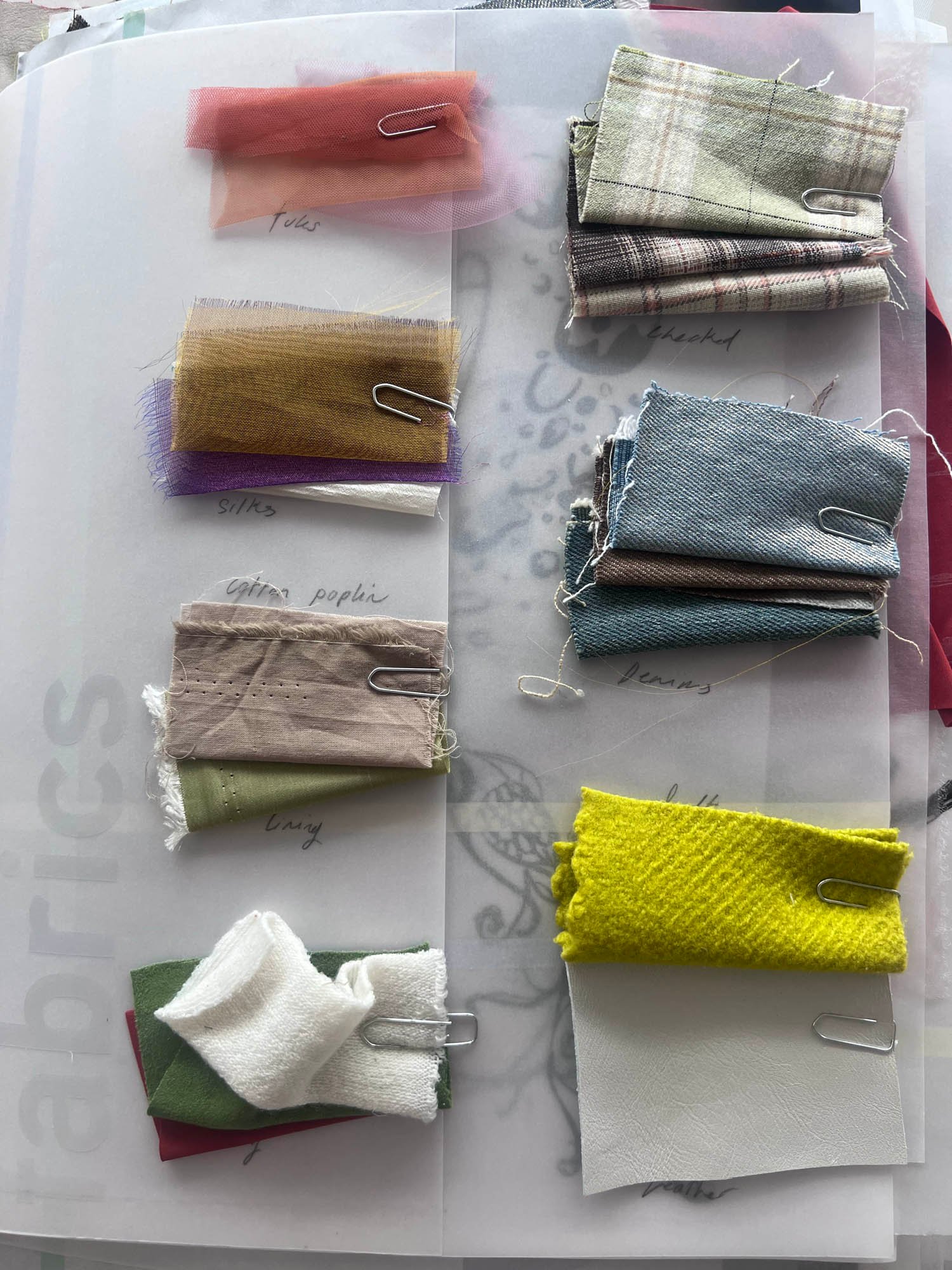
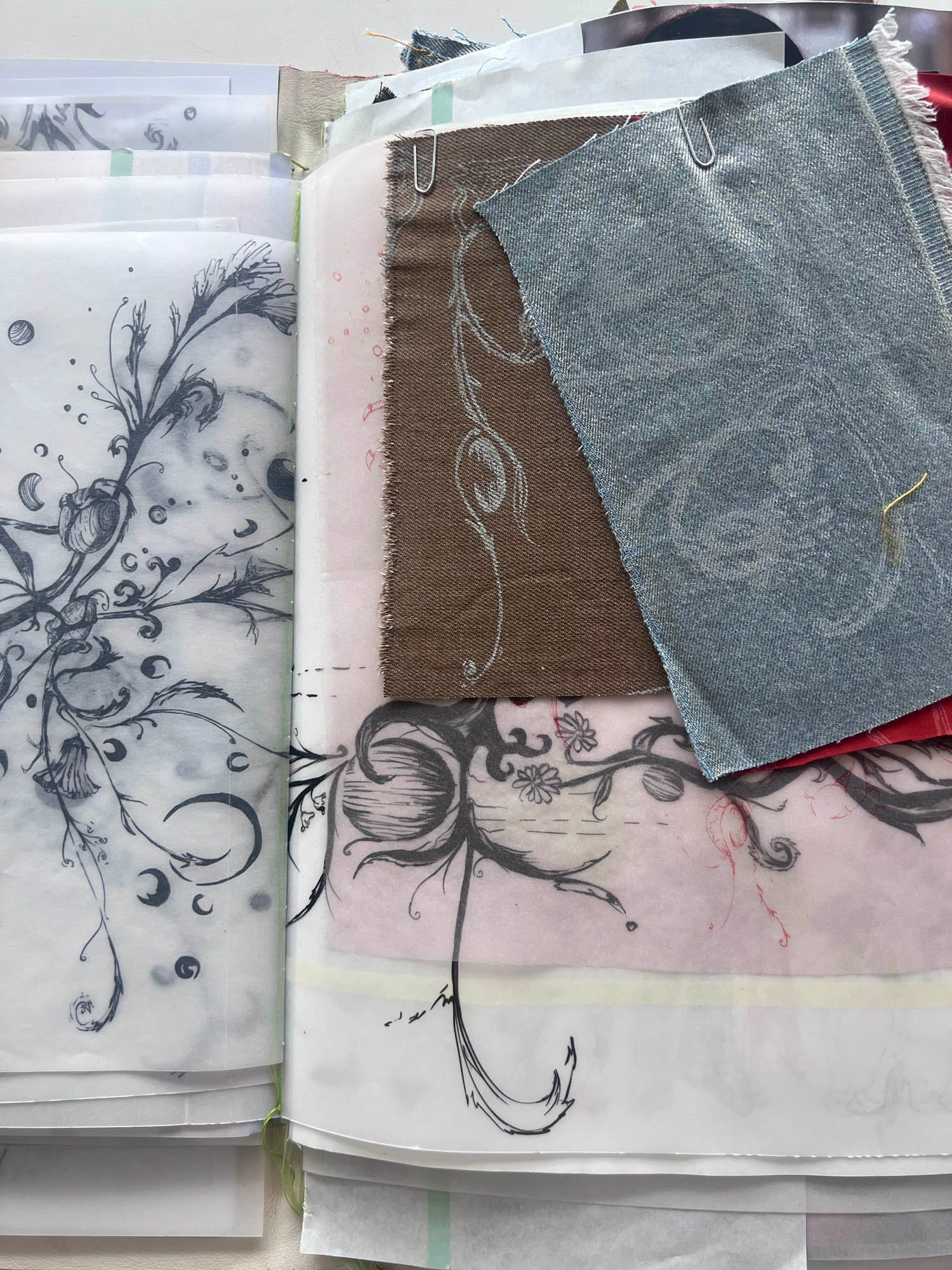
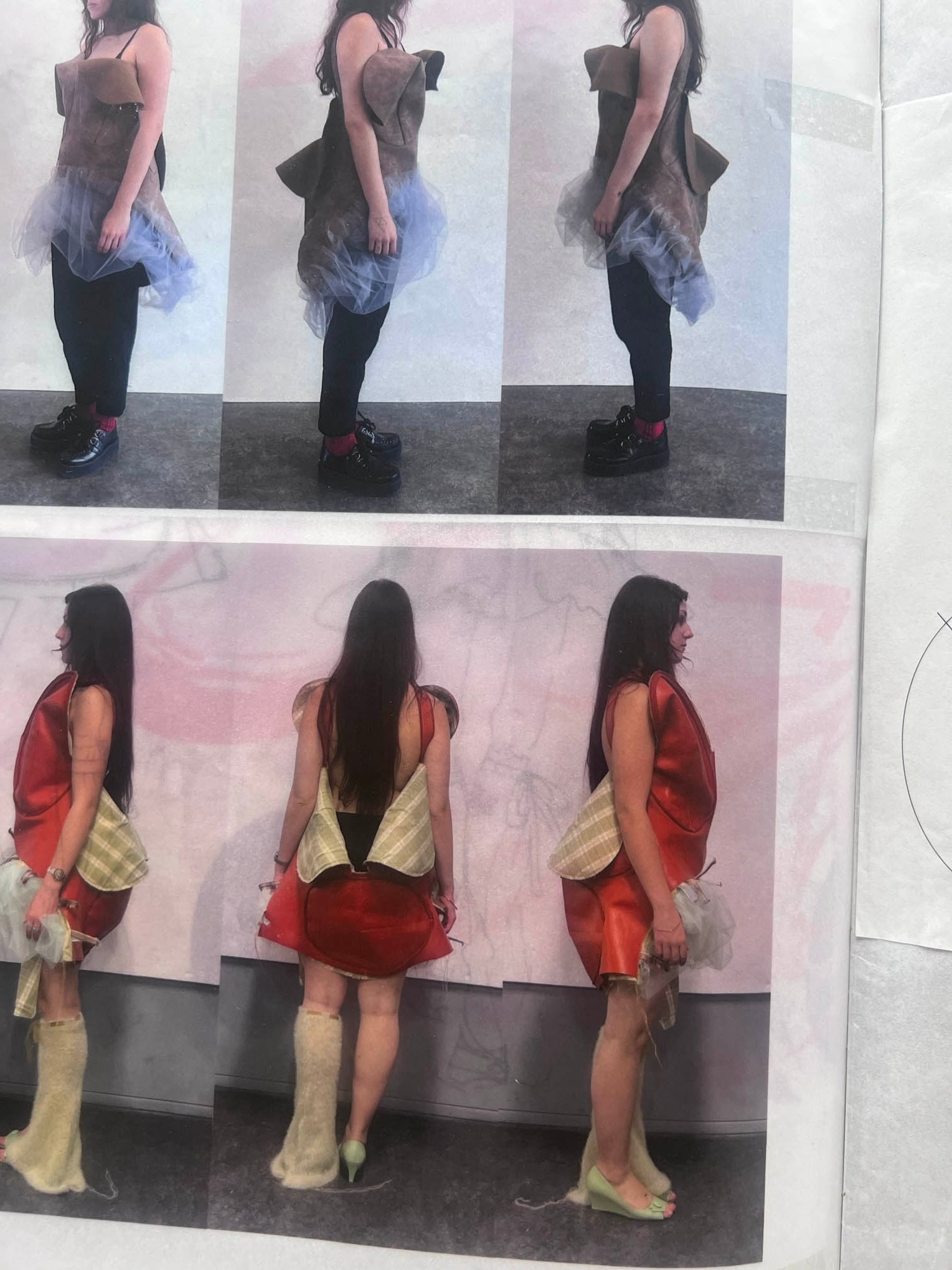
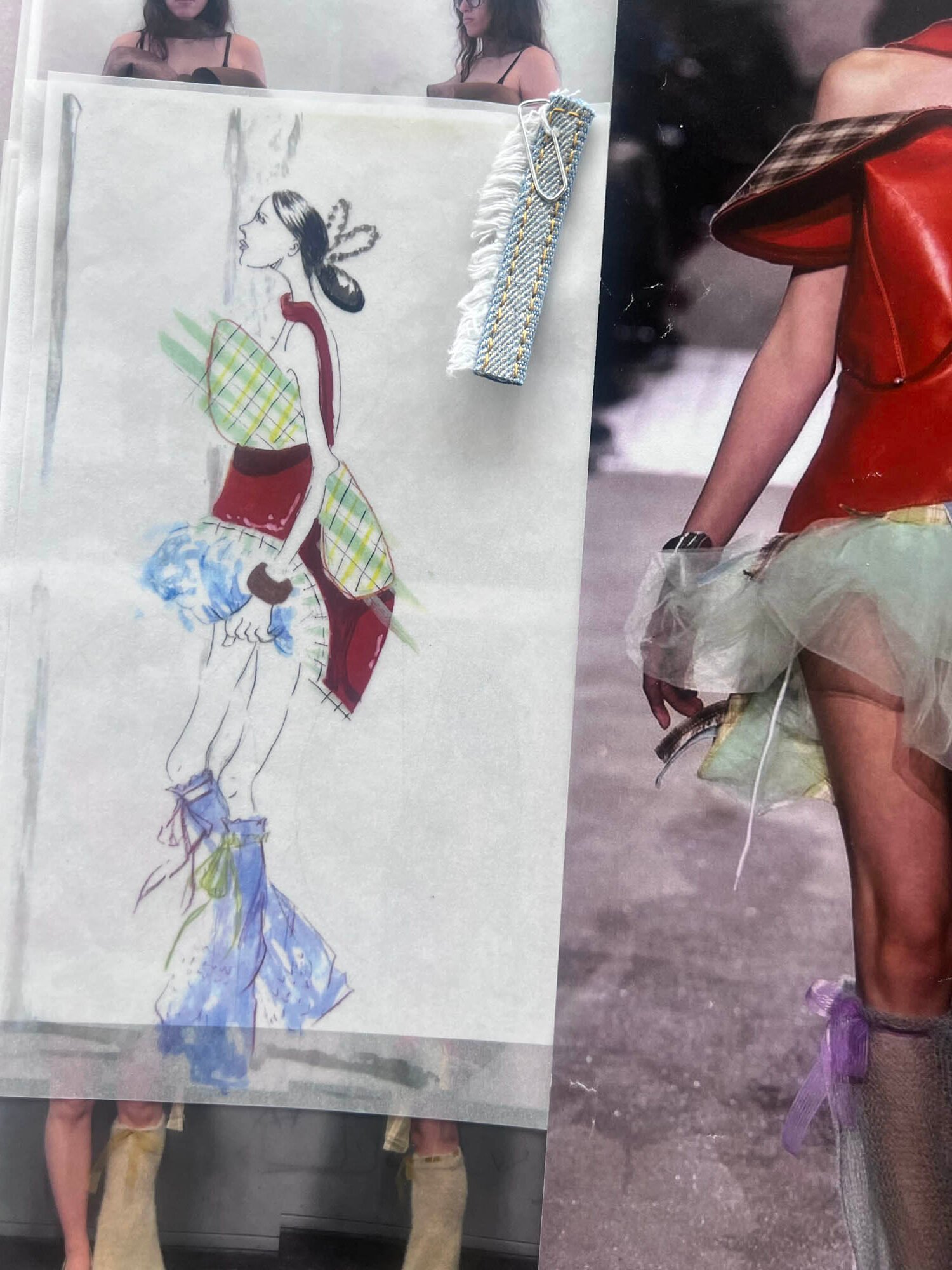
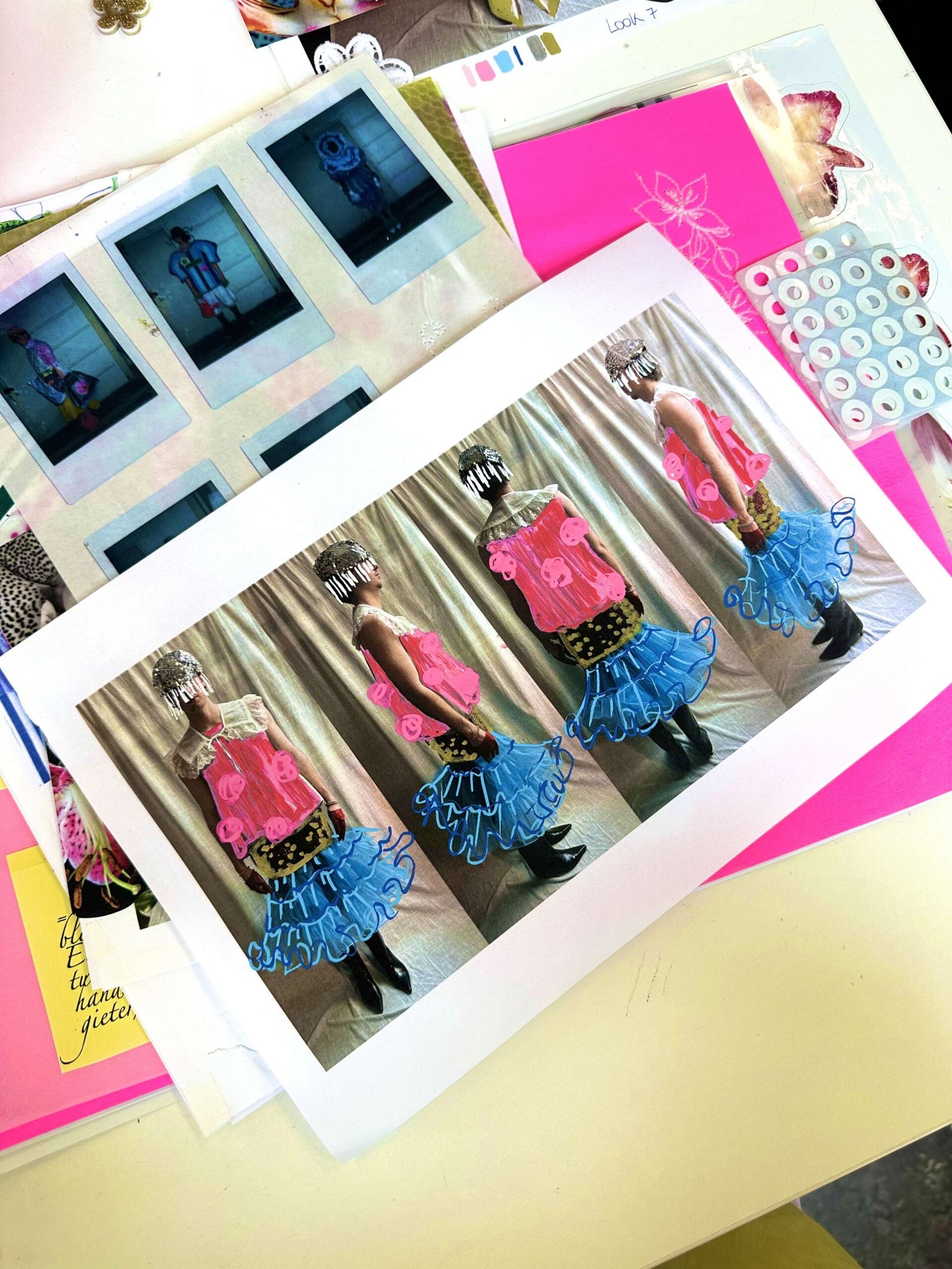
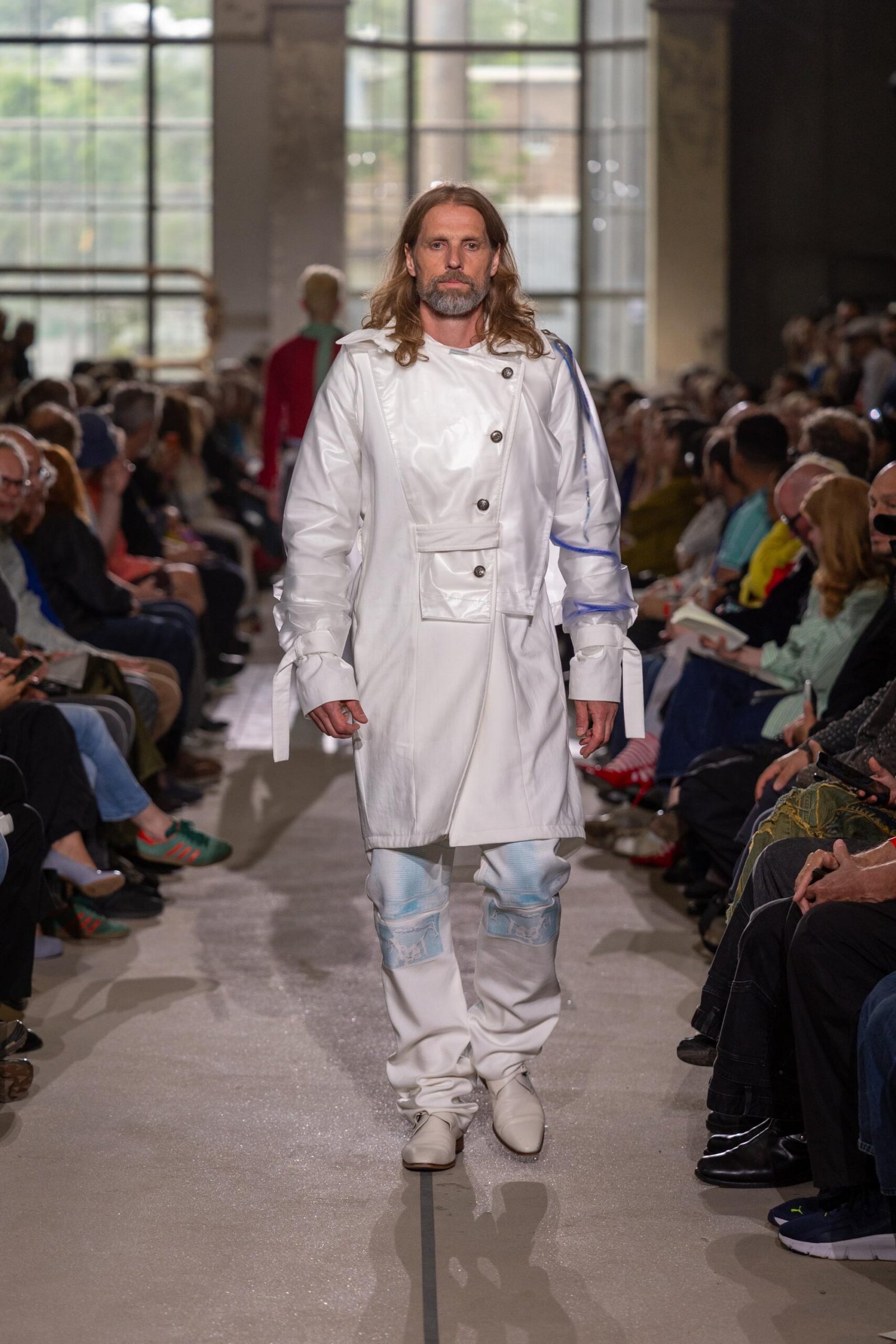
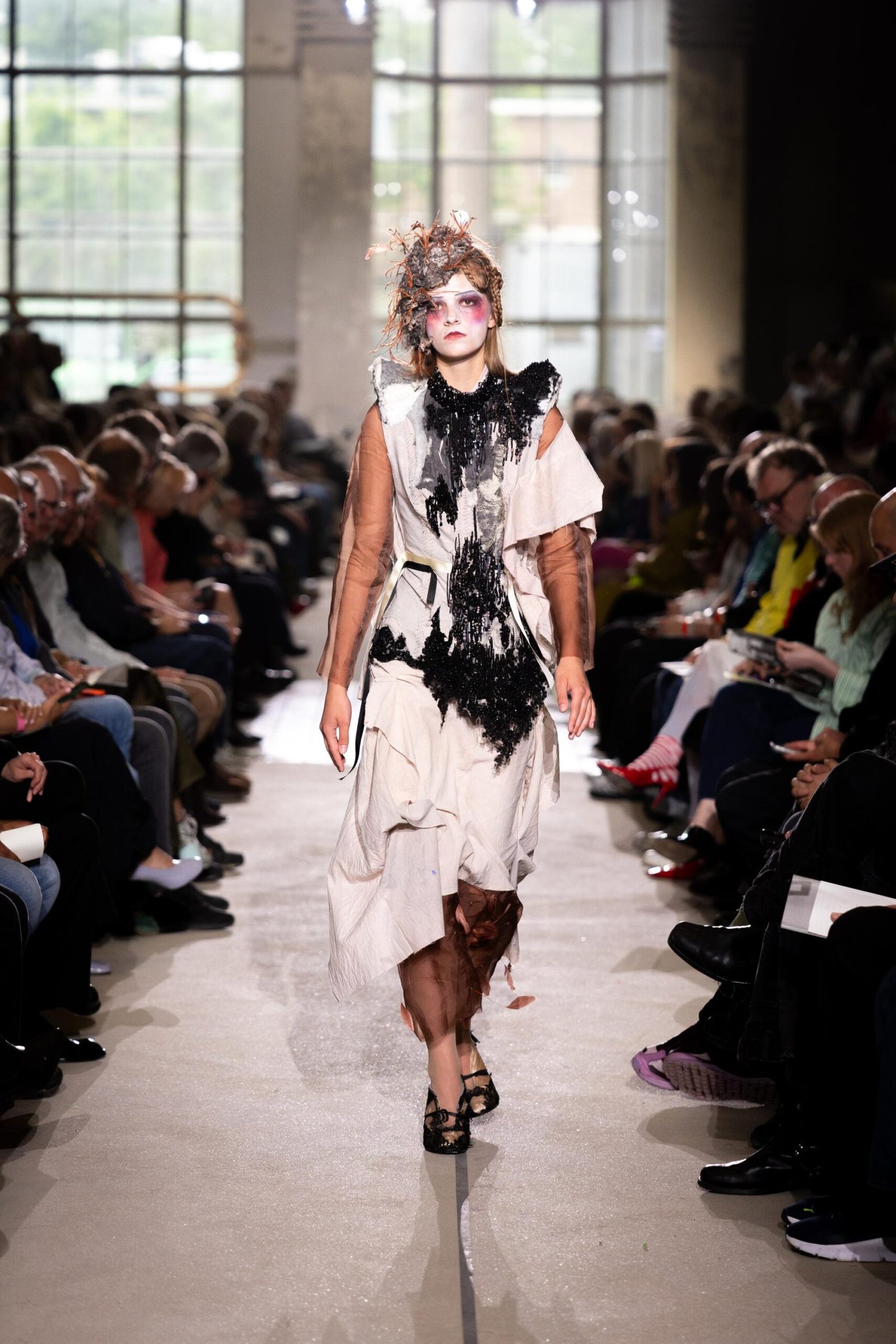
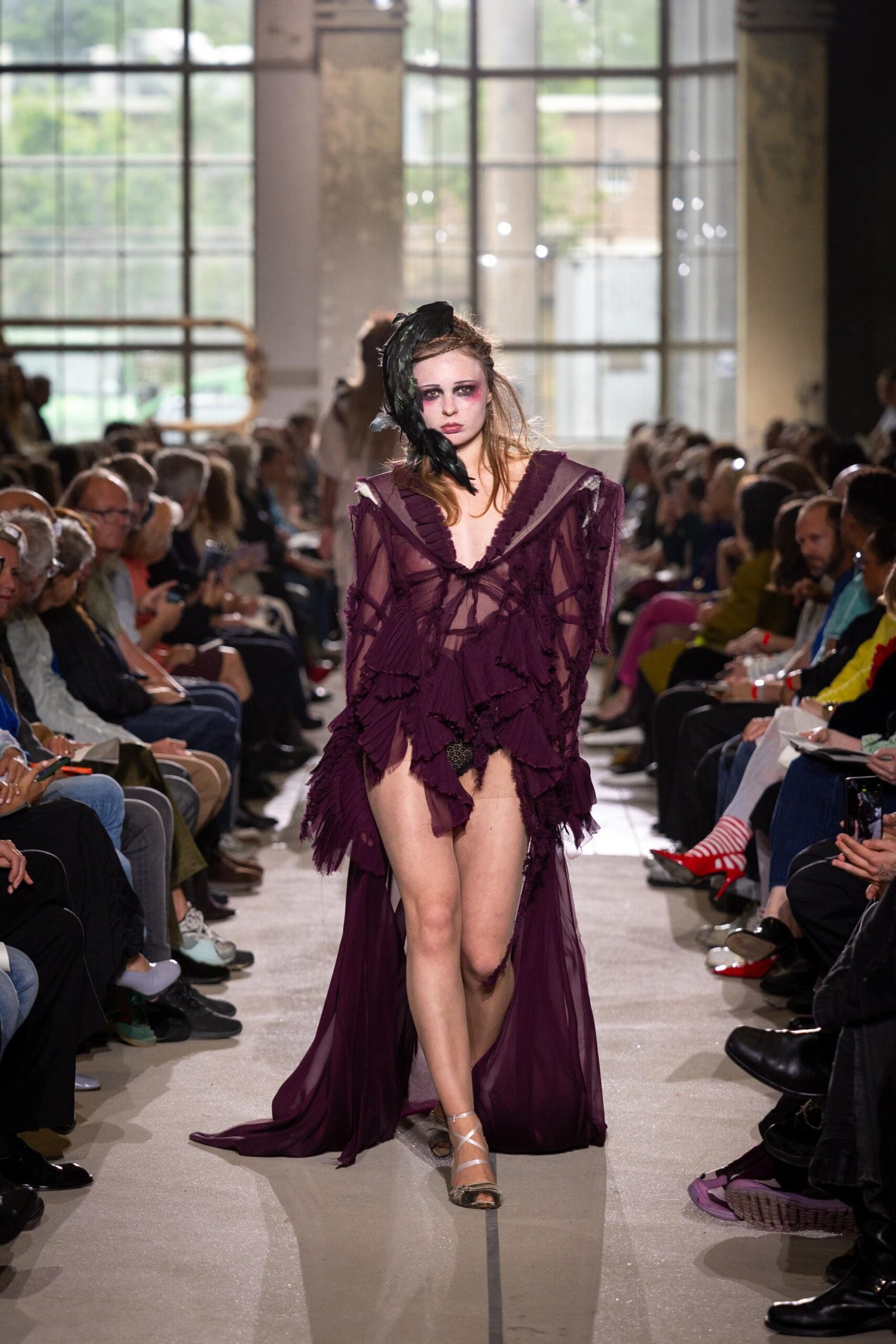
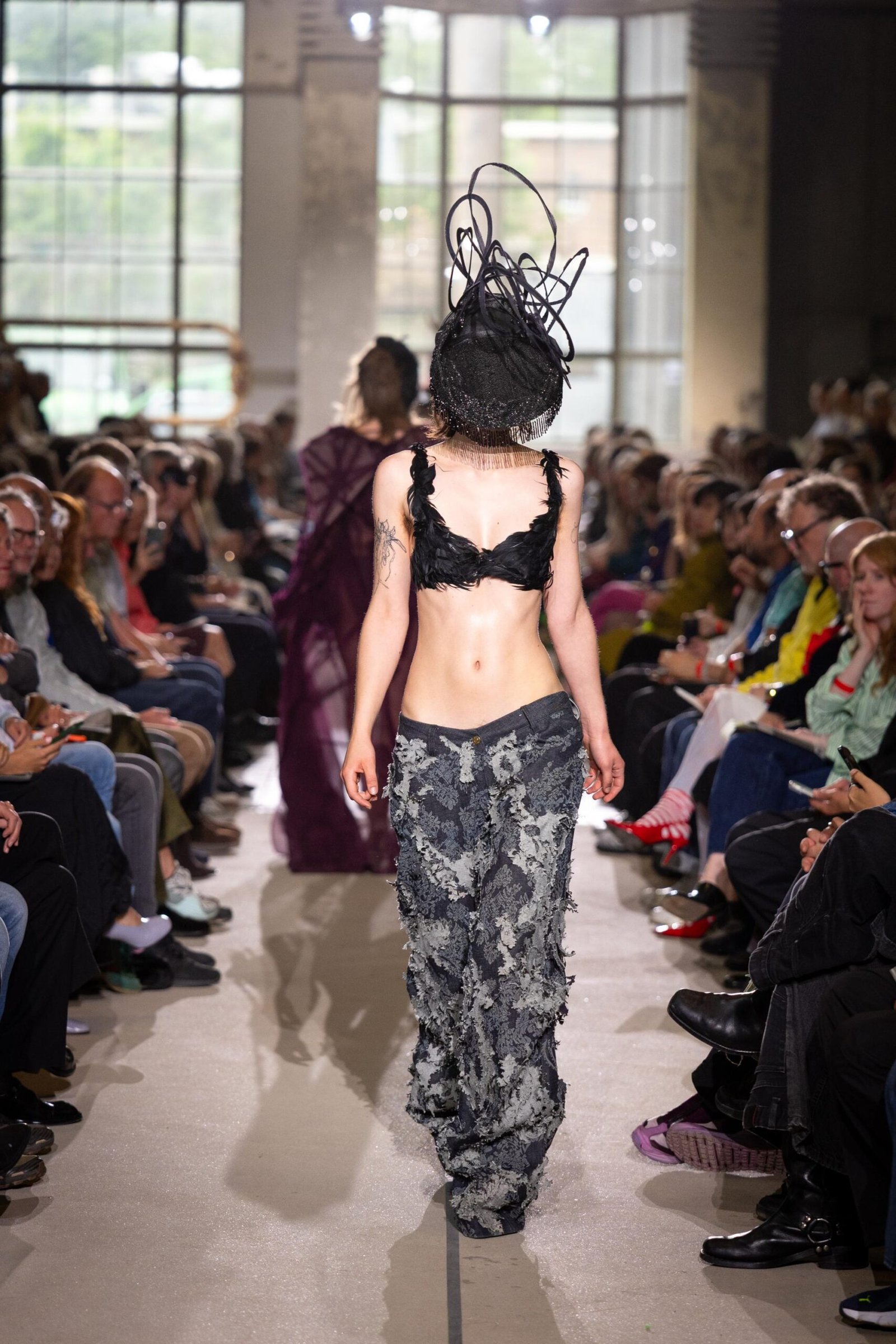
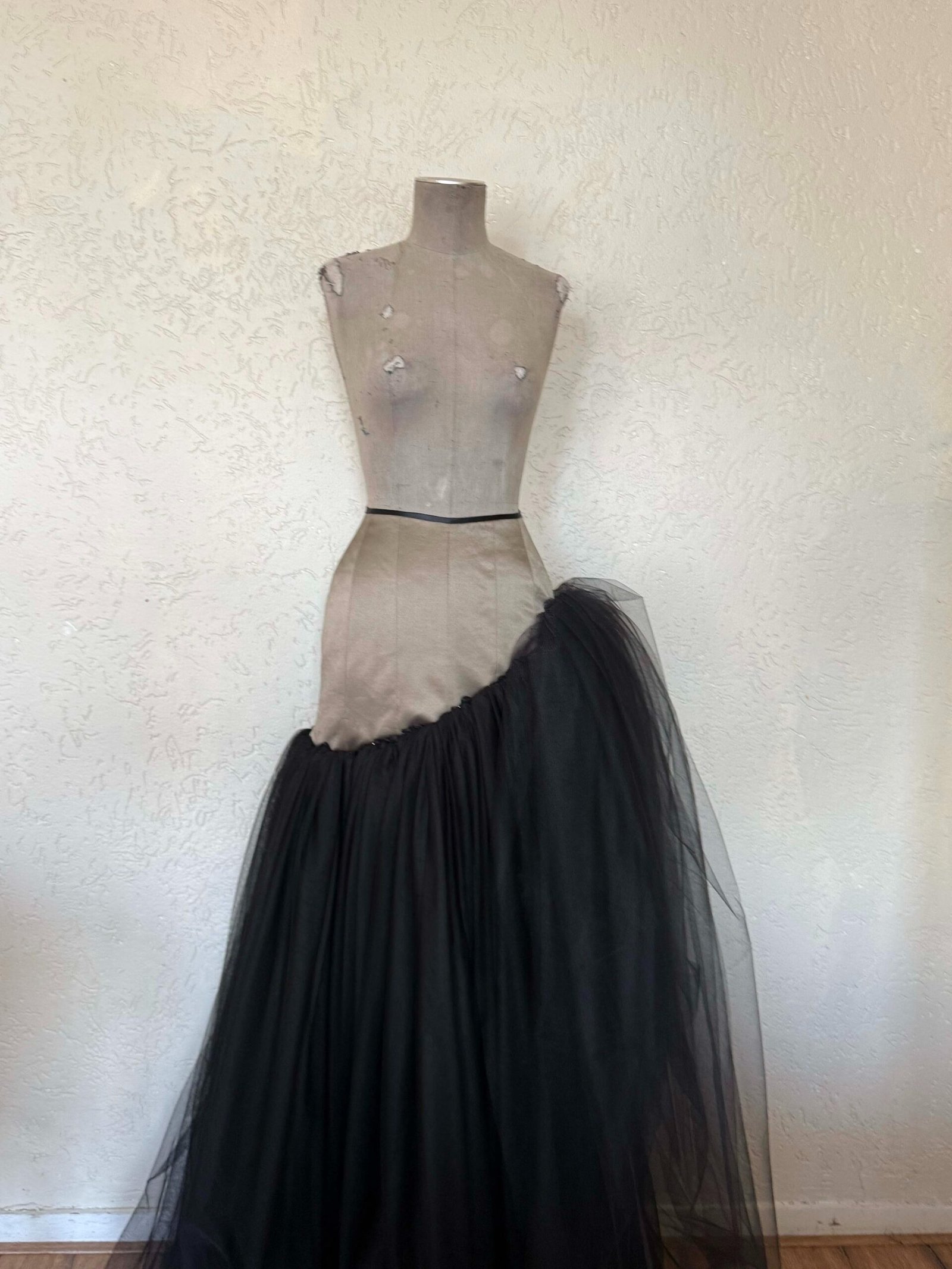
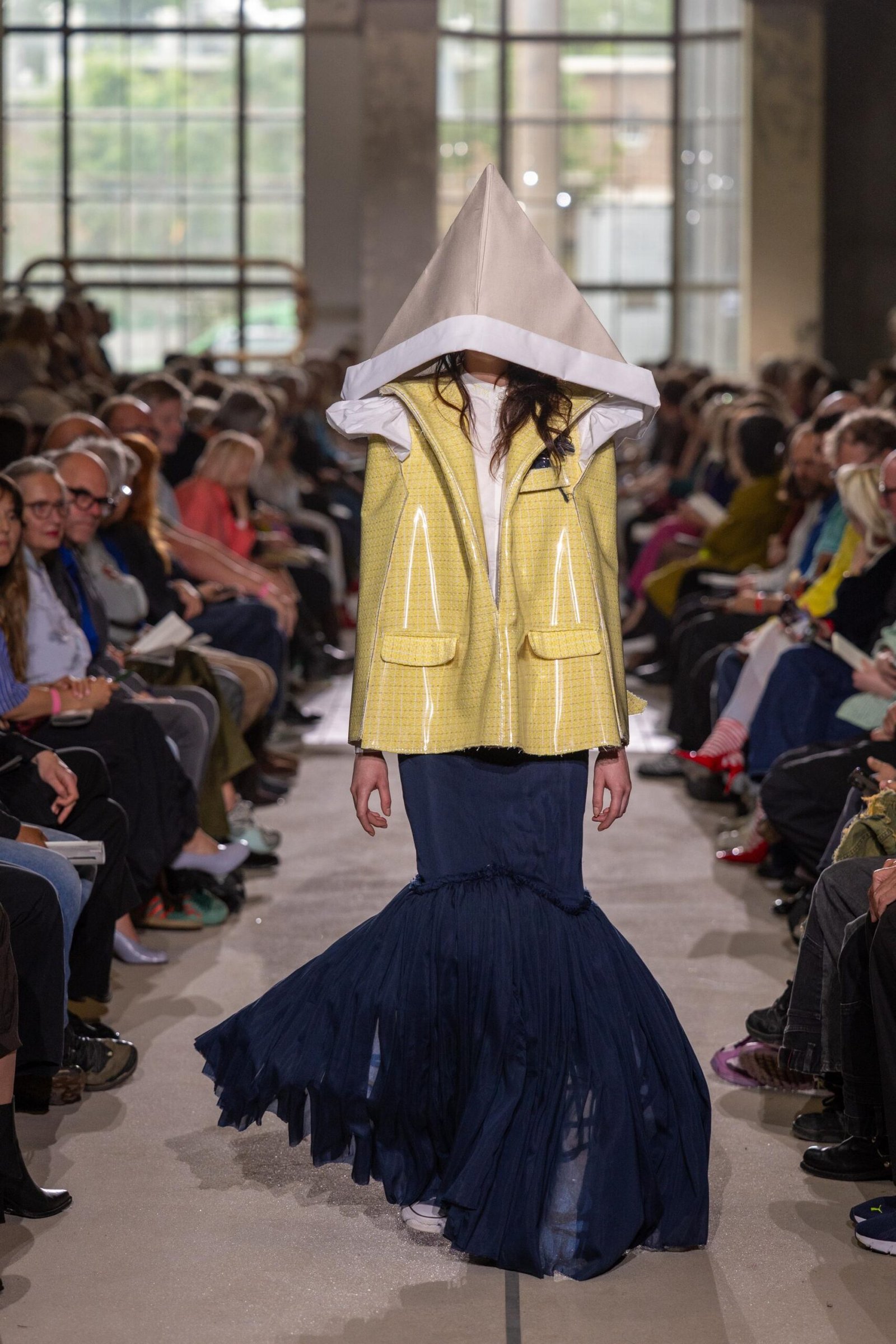
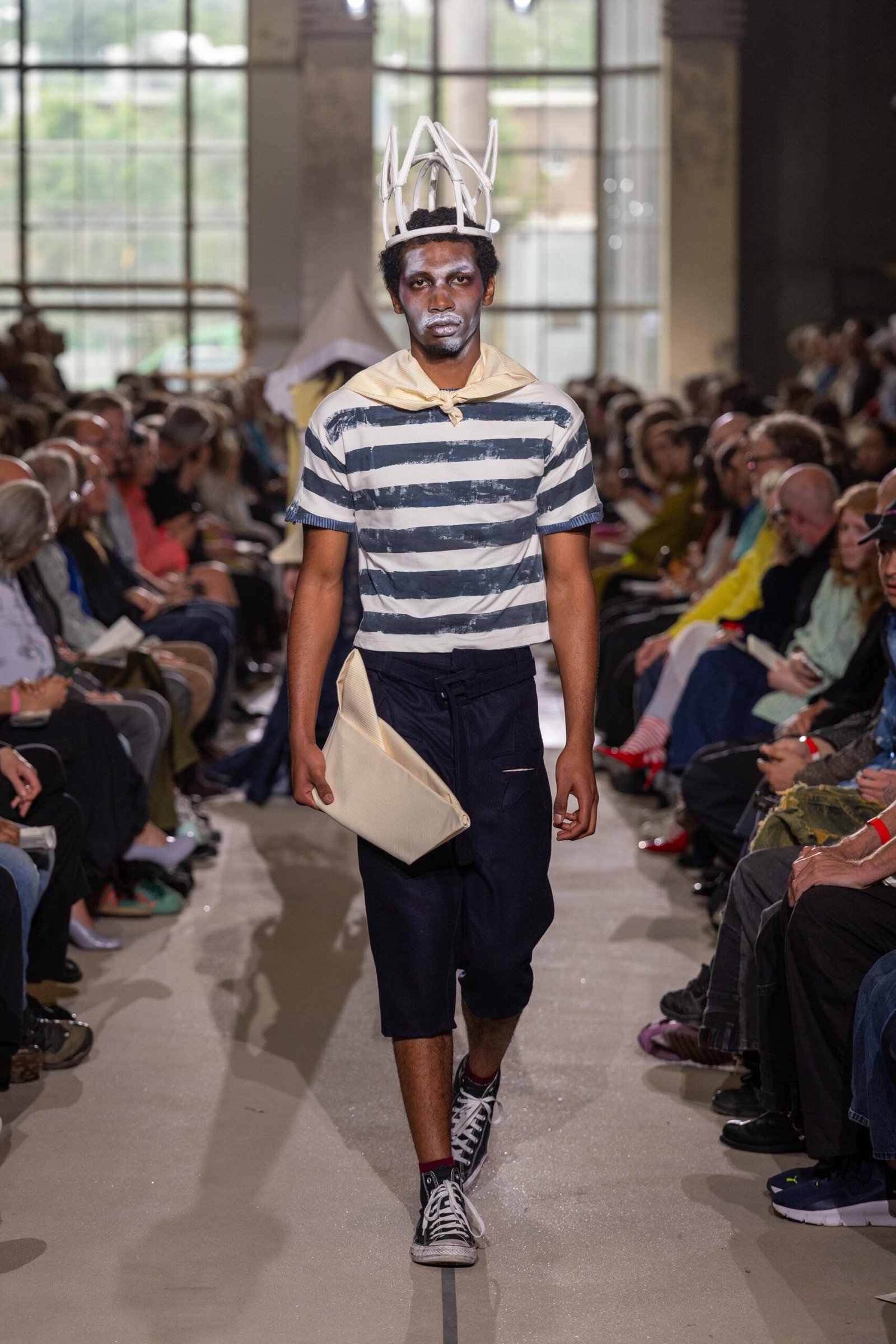
Jillian-Blair DeRose’s collection uses the figure of the Pierrot – a stock character of Pantomime – to explore character, emotion, and self-preservation. Each look represents a different way of responding to emotional hardship: the Jester through comedy, the Nurse through caretaking, the Sailor through adventure, and the Strongman through resilience. Identifying with the Pierrot herself, DeRose uses these characters to reflect the ways she escapes emotional turmoil. The collection combines tweed layered with PVC, hand-painted jersey, needle-felted wool, woven silk, distressed cotton voile, intuitive beading, patchwork denim, deadstock wool crêpe, tulle, and 3D-printed elements, with each character developed through distinct textile techniques and material combinations. DeRose is concerned by the financial barriers that prevent many emerging designers from accessing opportunities in the industry. At the same time, she is encouraged by initiatives that broaden access to the industry and believes fashion is at its most powerful when it creates complete worlds through clothing, photography, styling, graphic design, and storytelling.
@goth.pop

Sanra Adomaitis

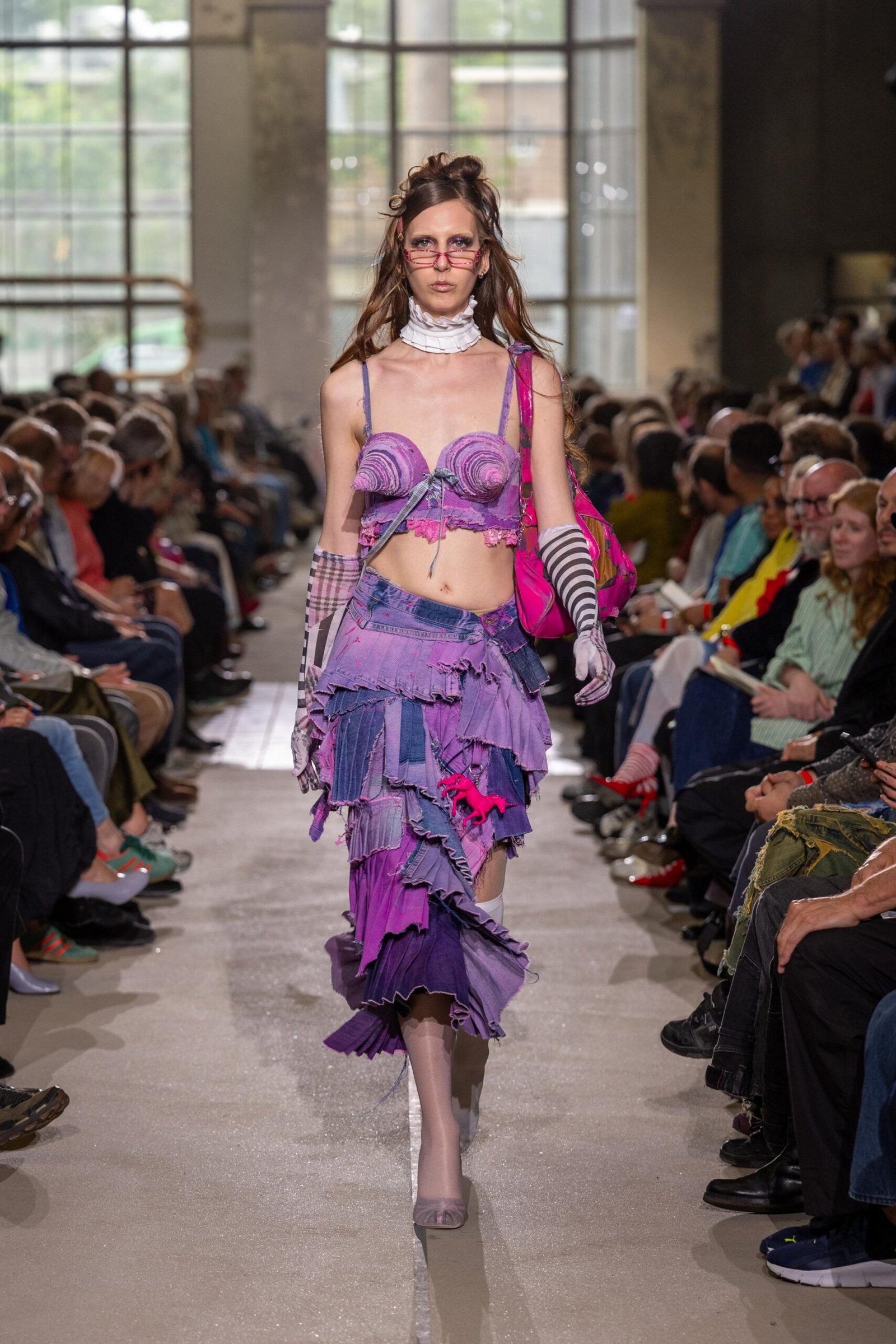
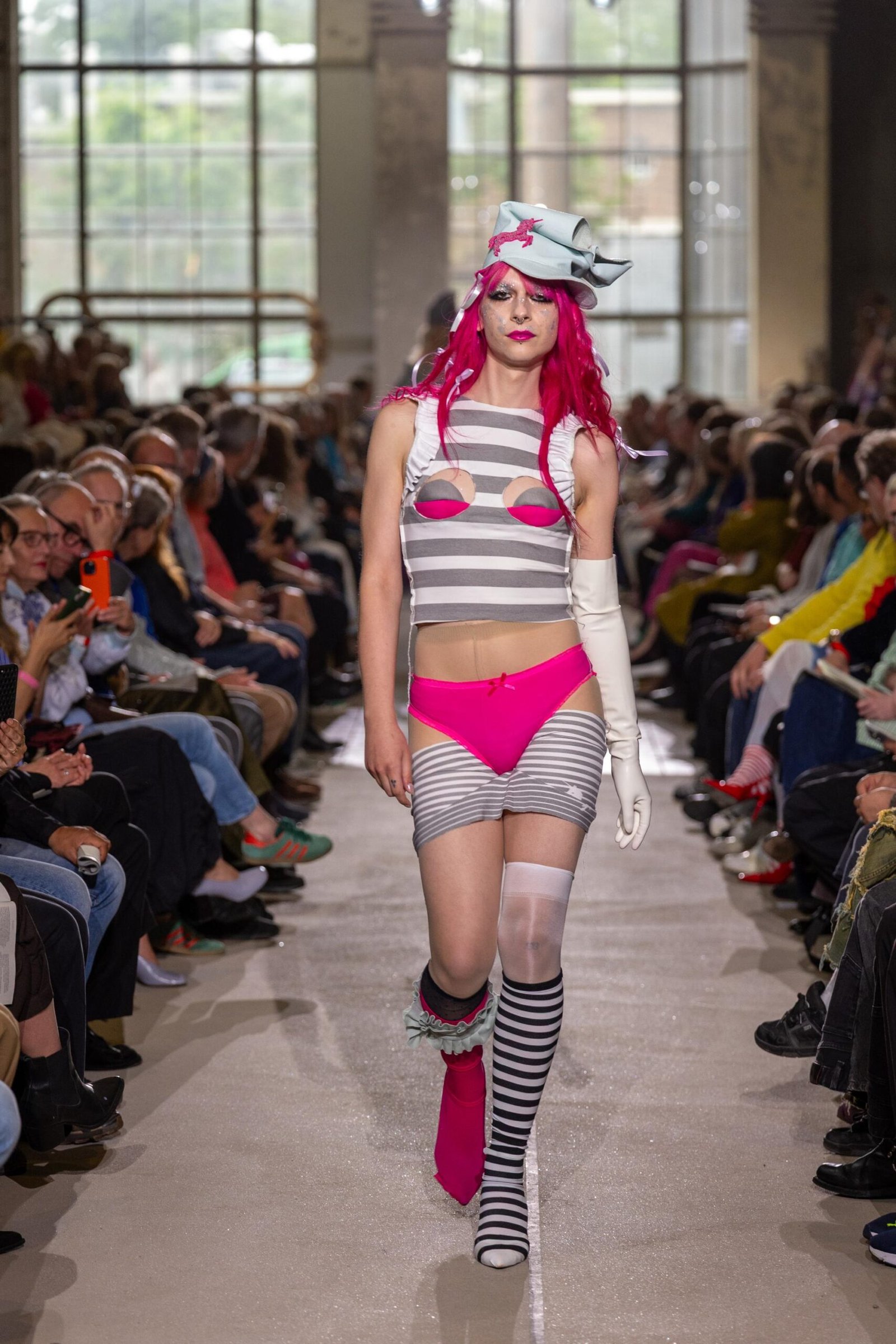
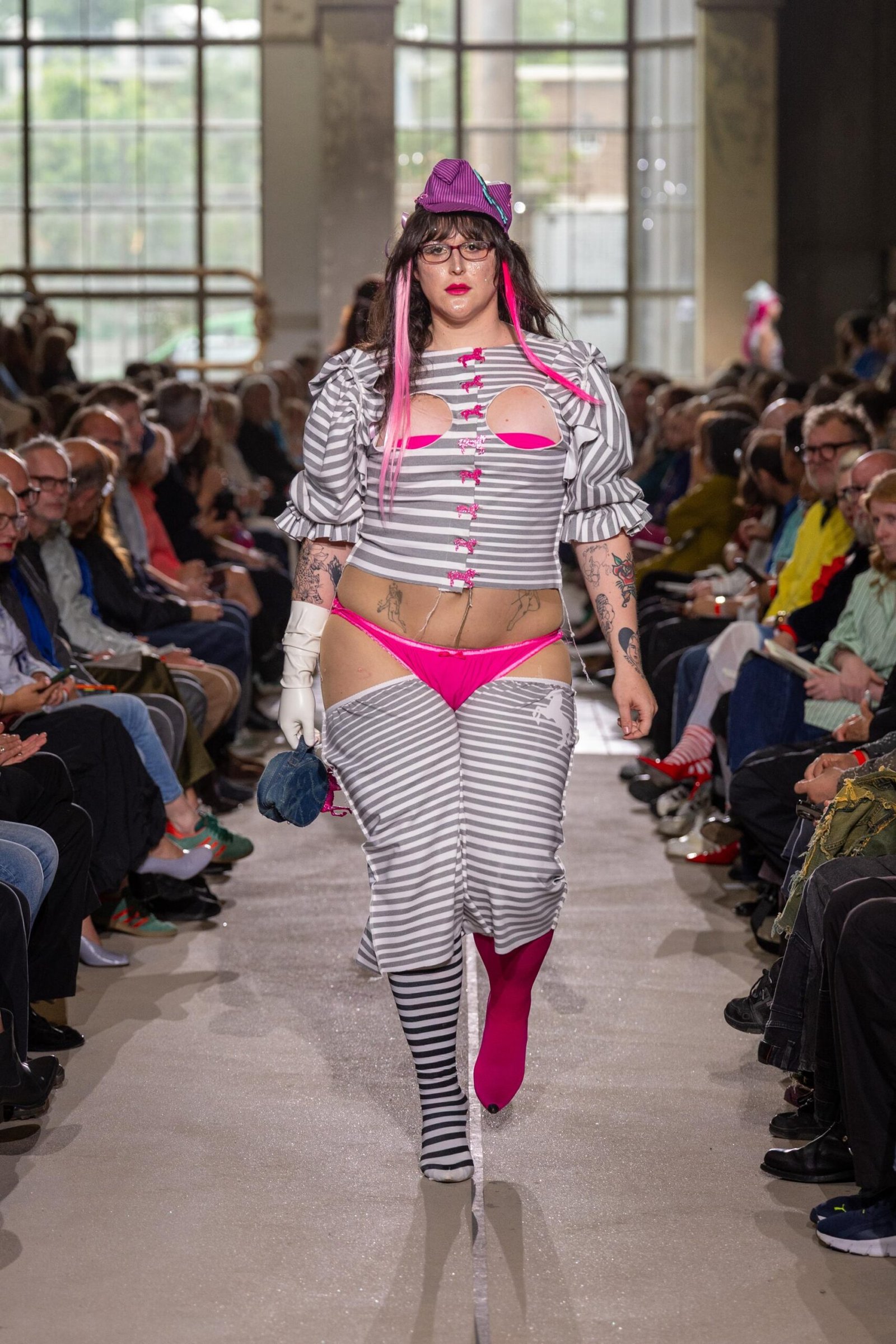
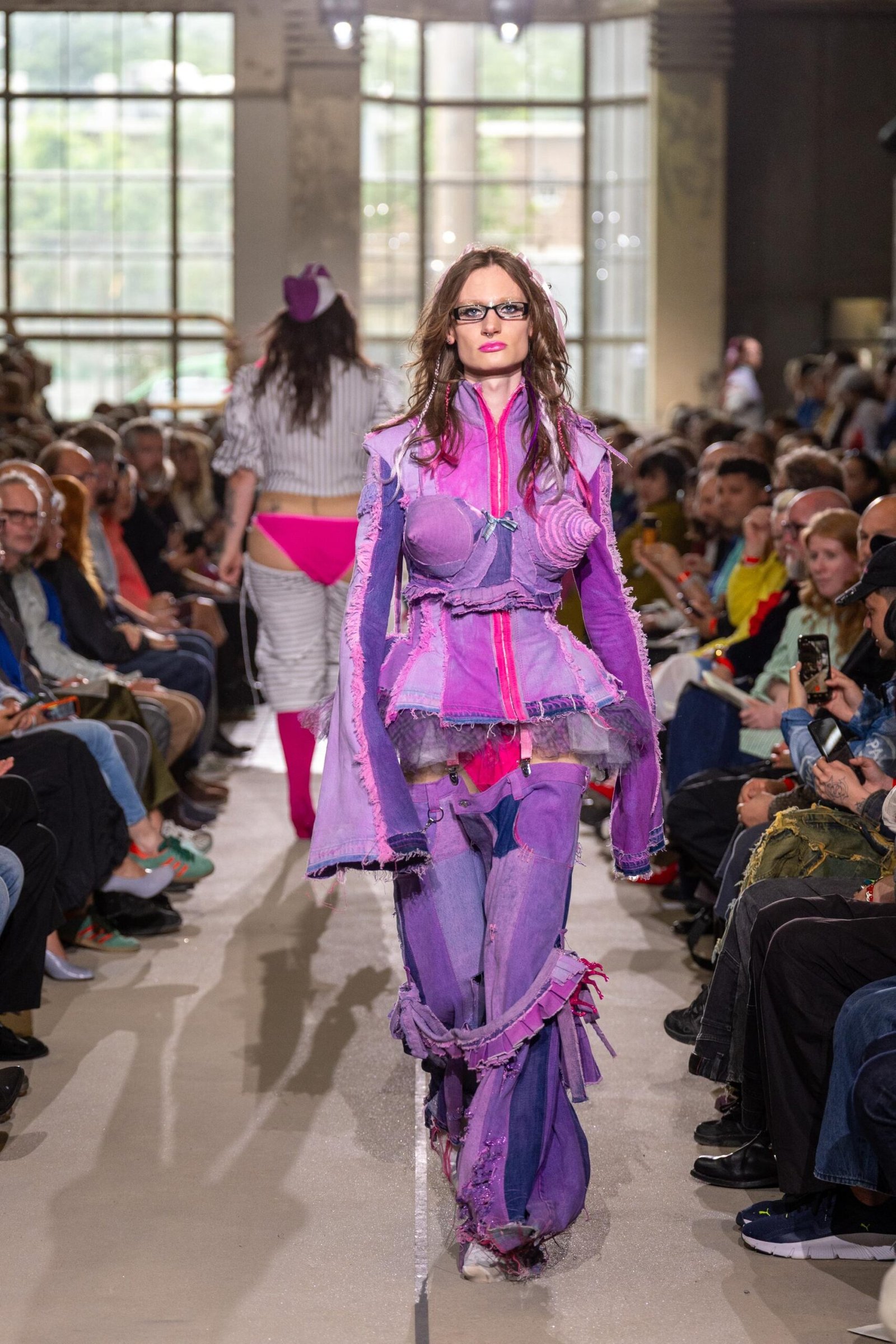
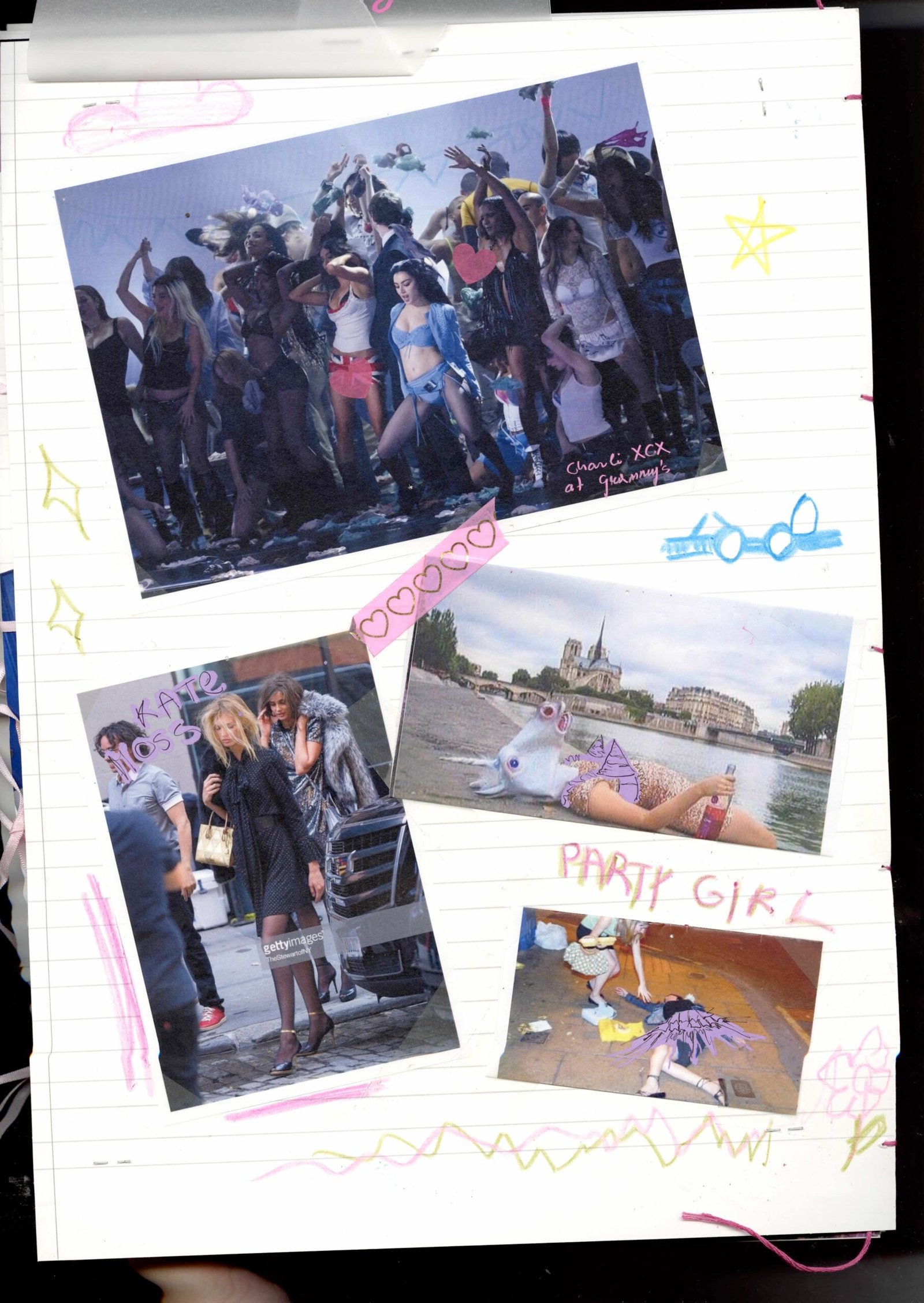
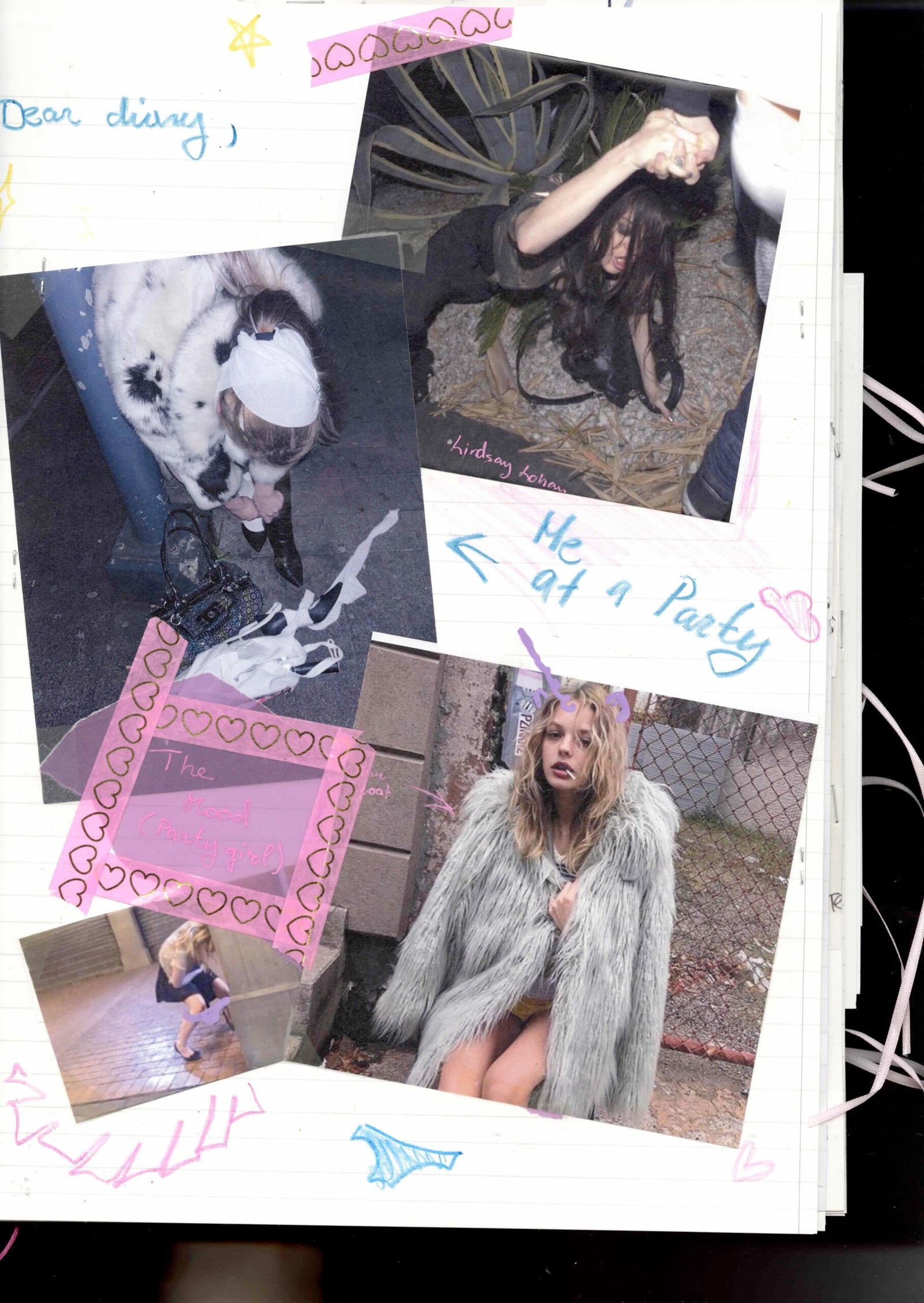
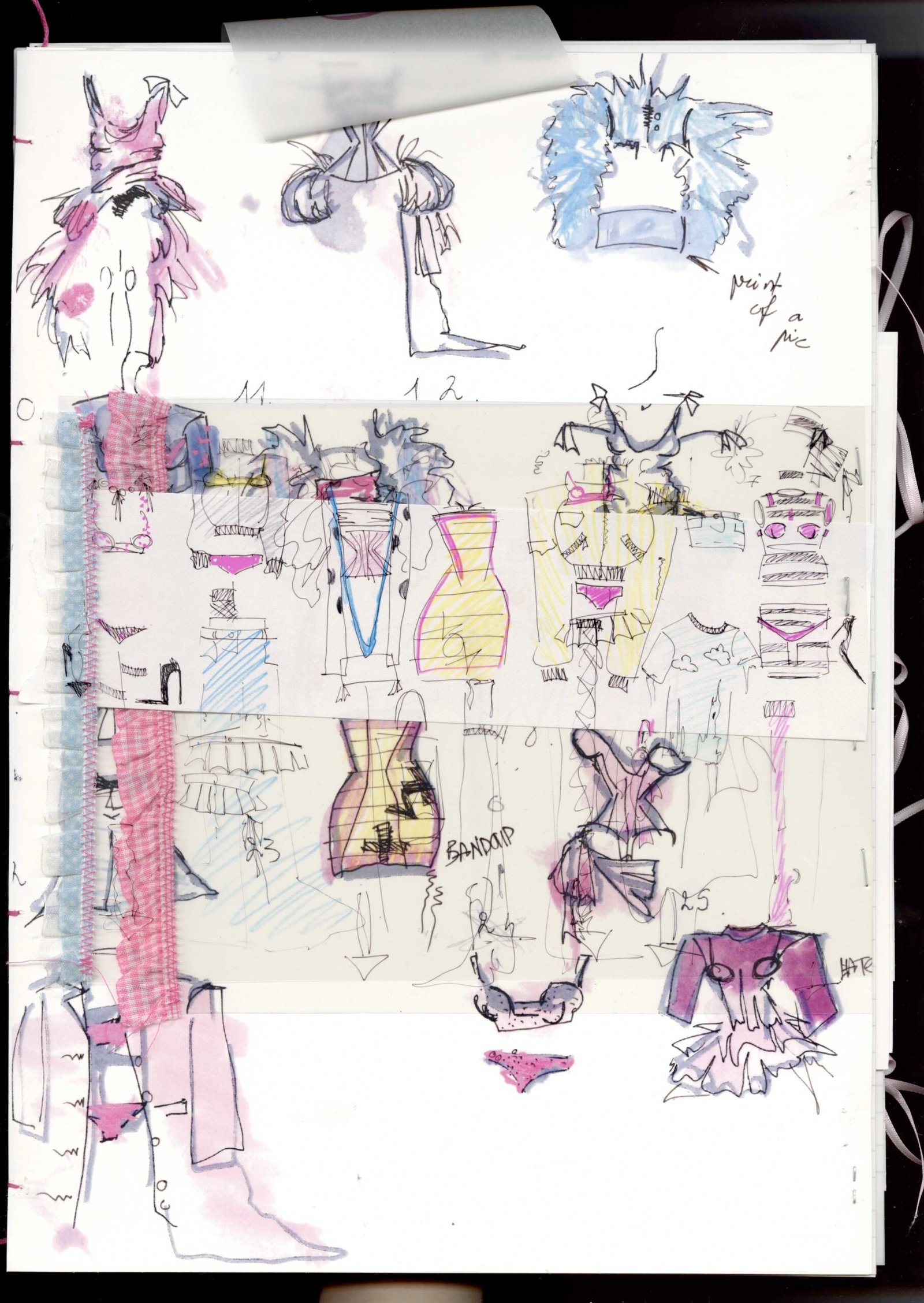
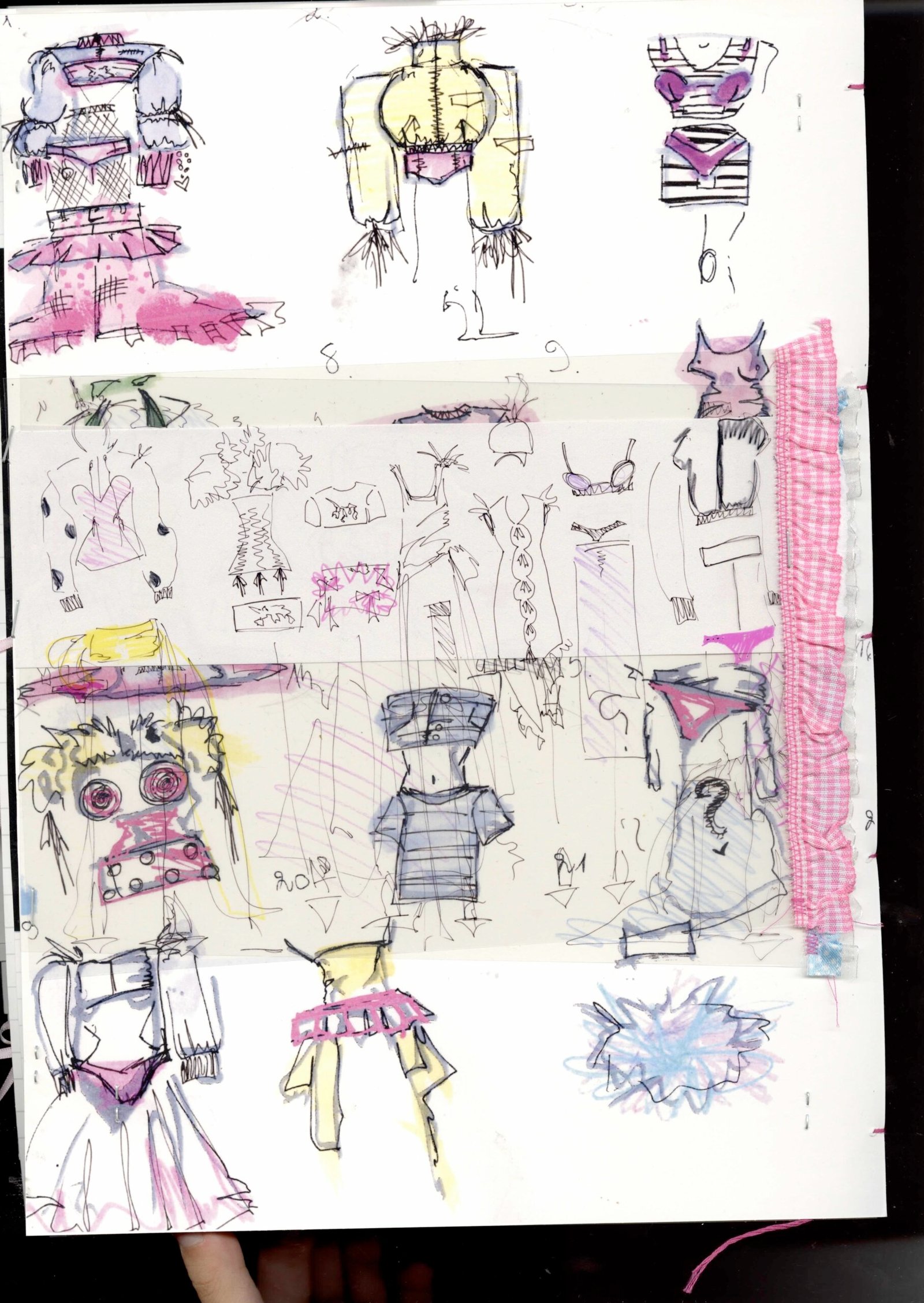
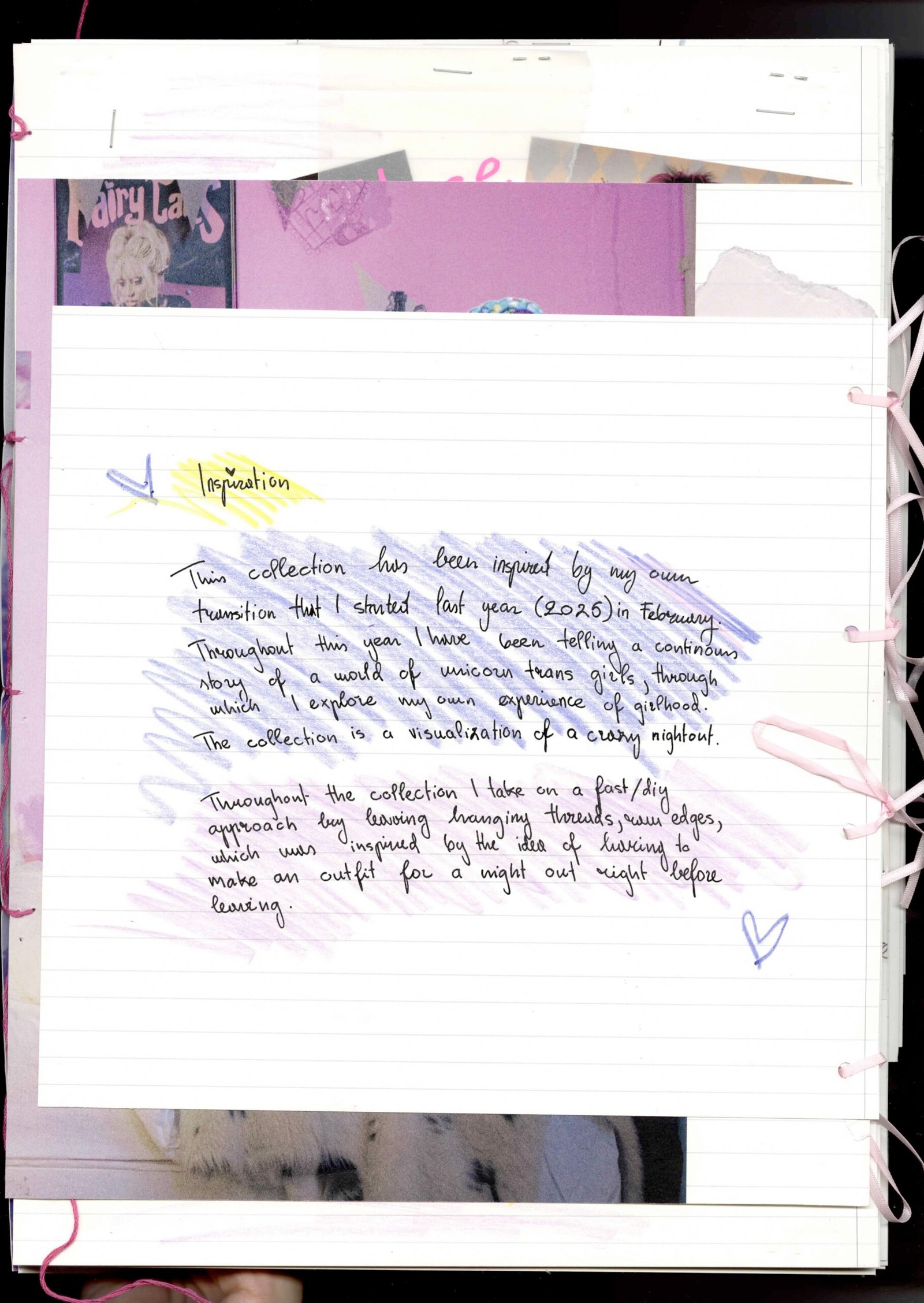
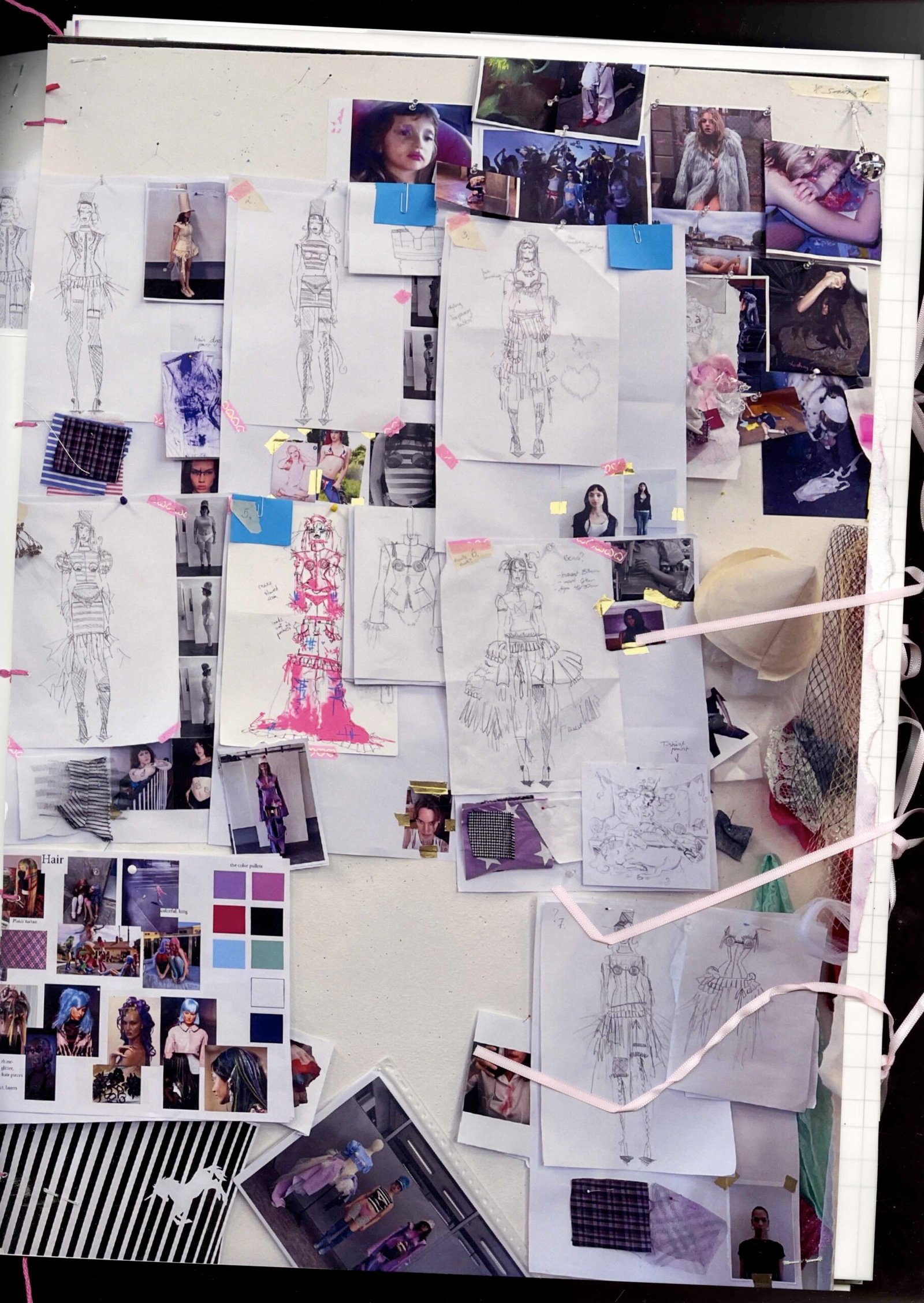
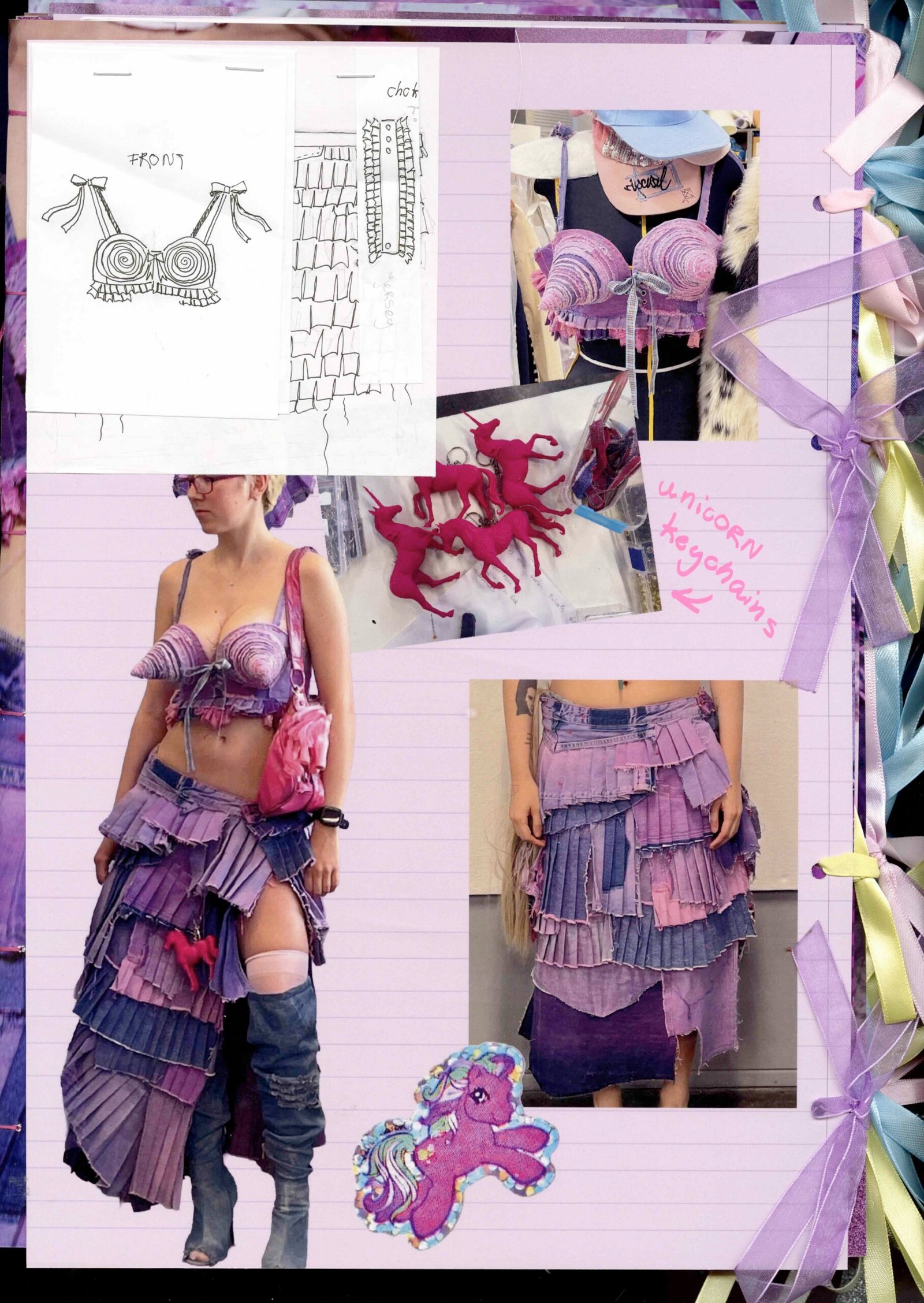
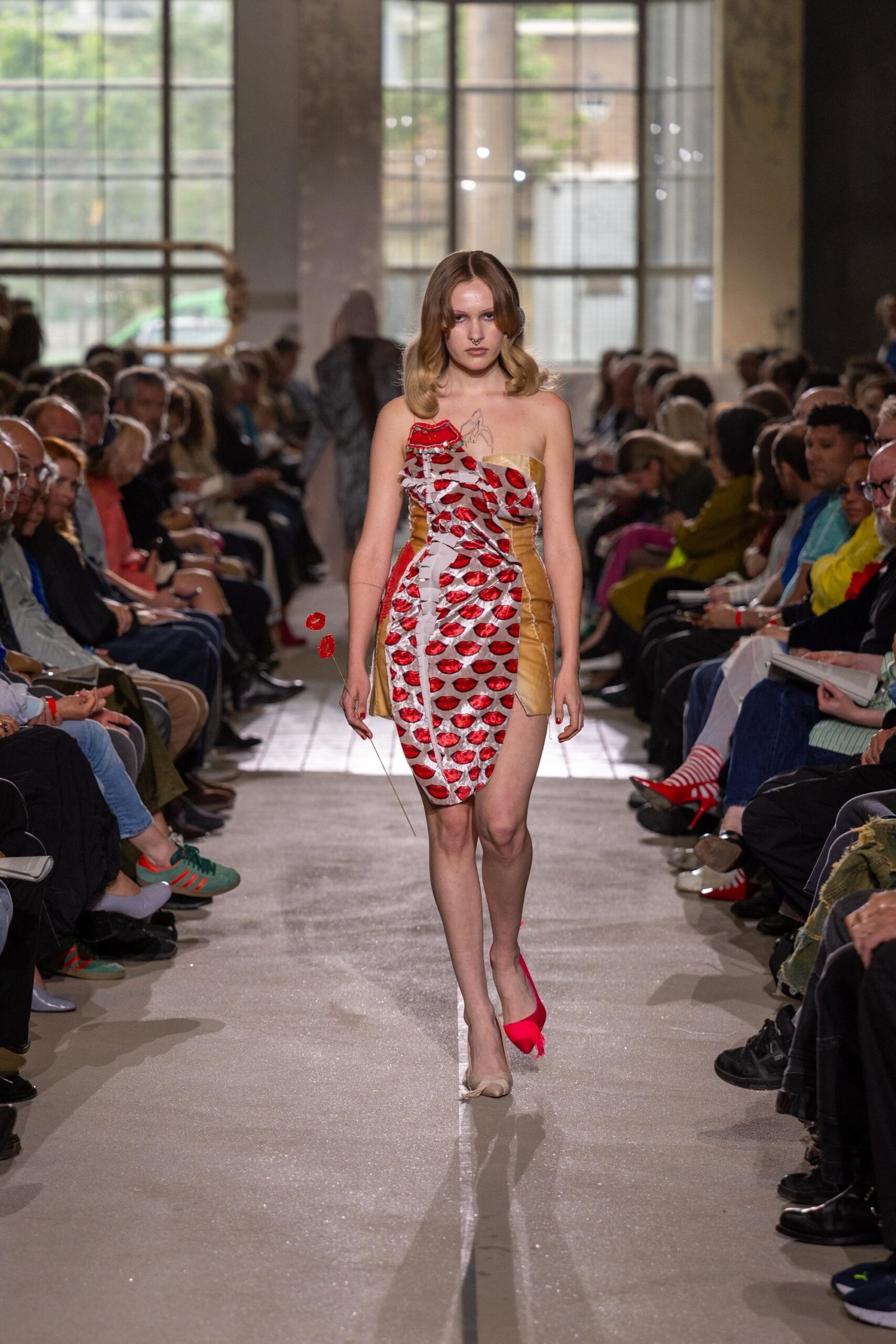
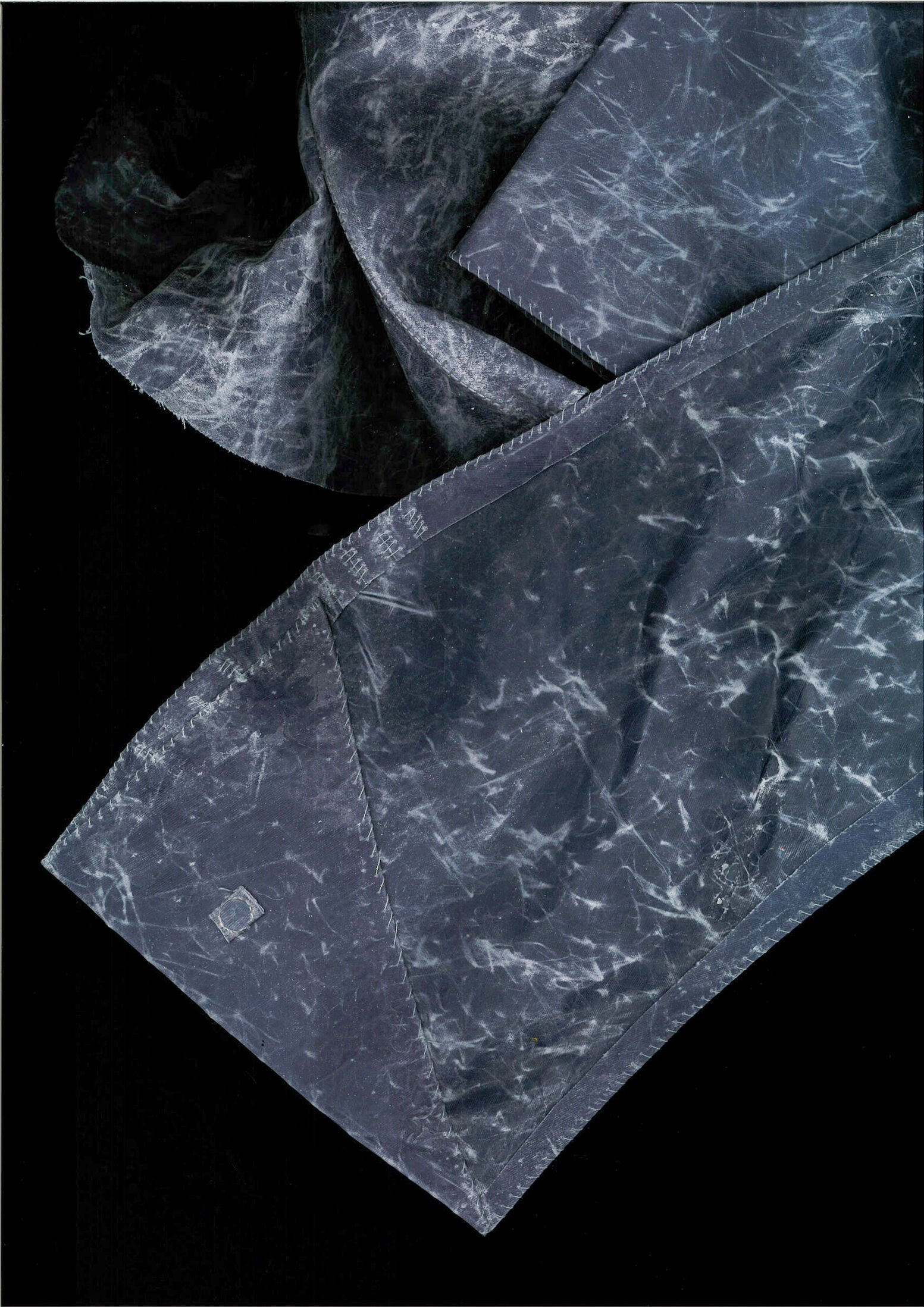
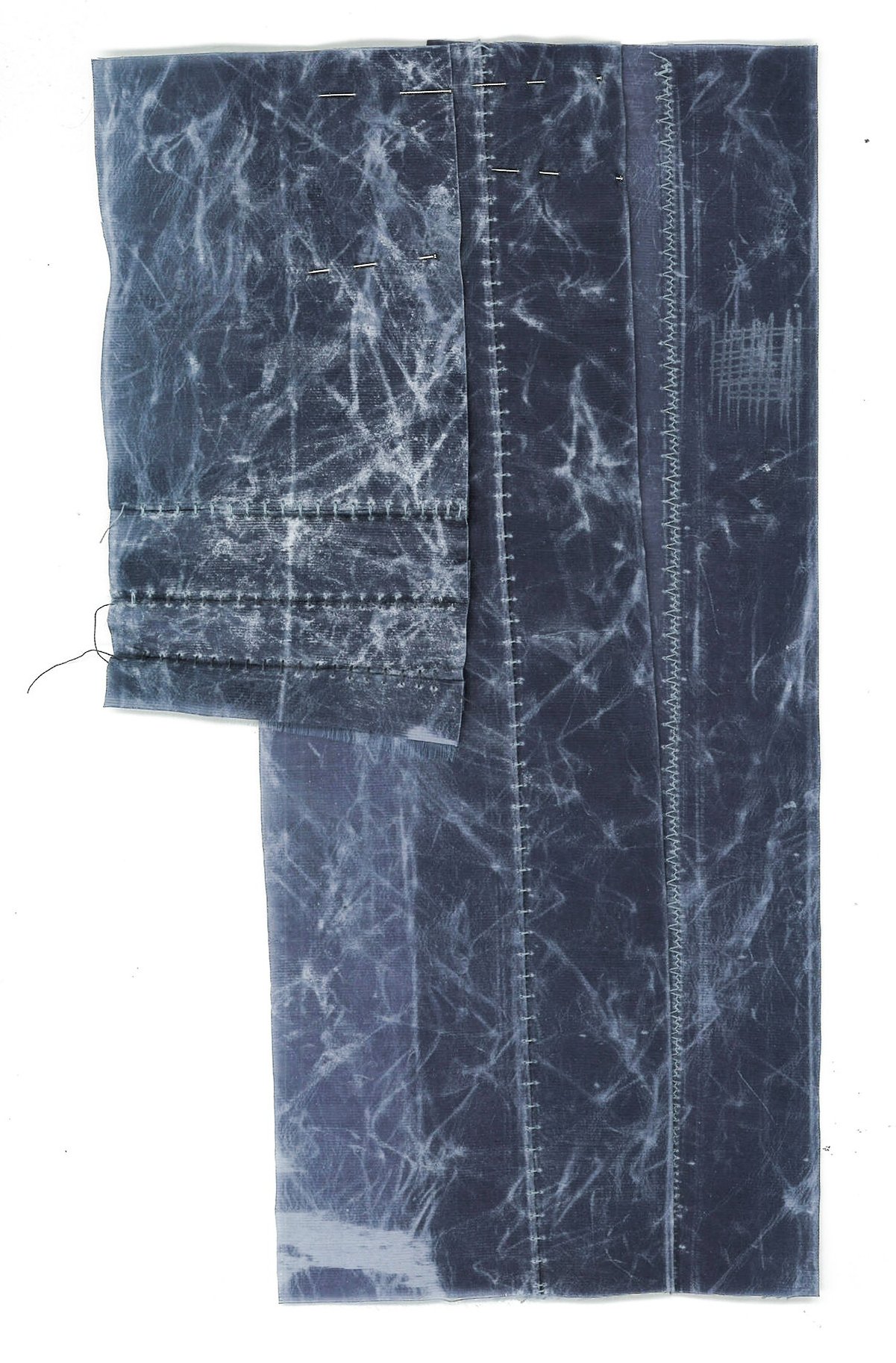
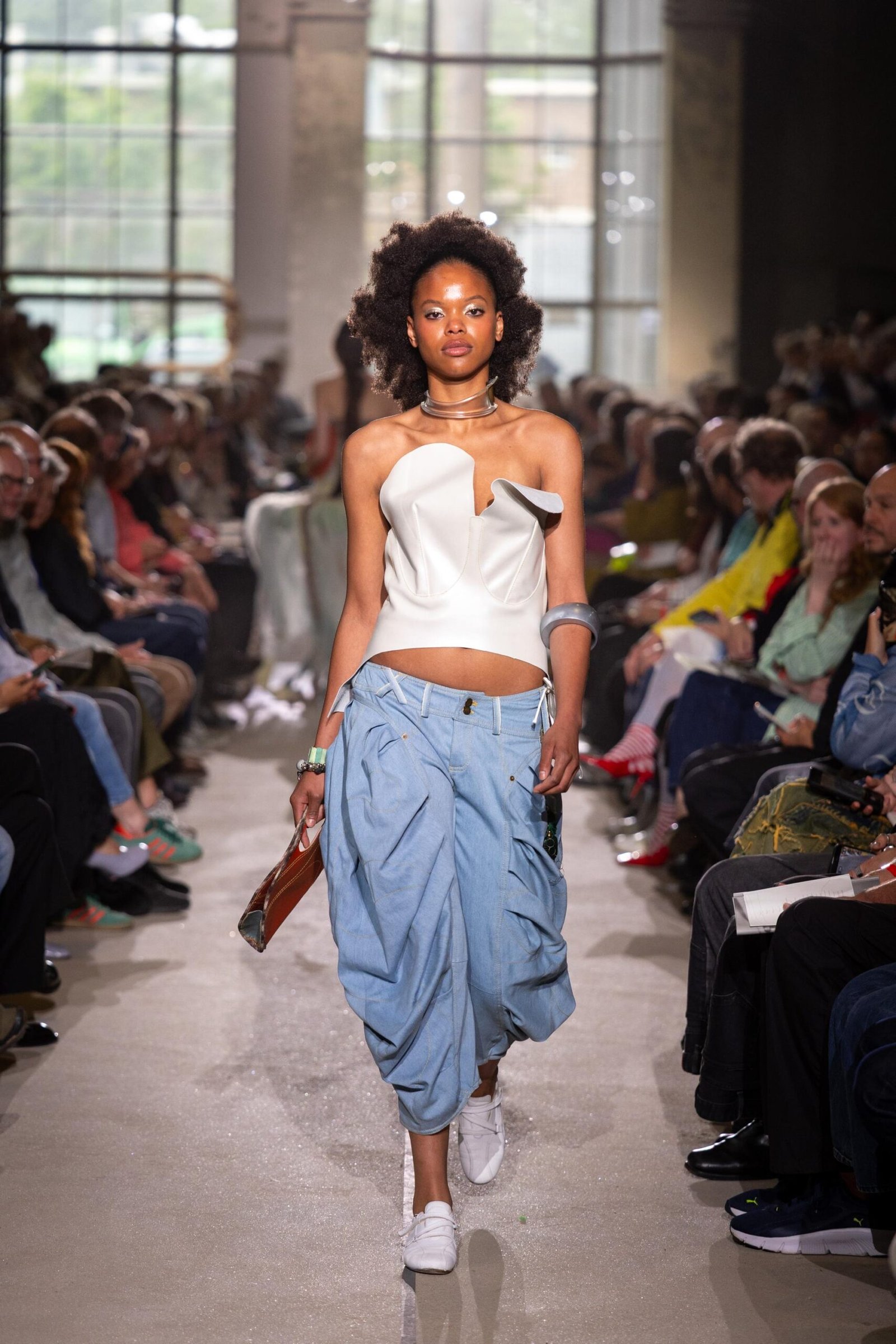
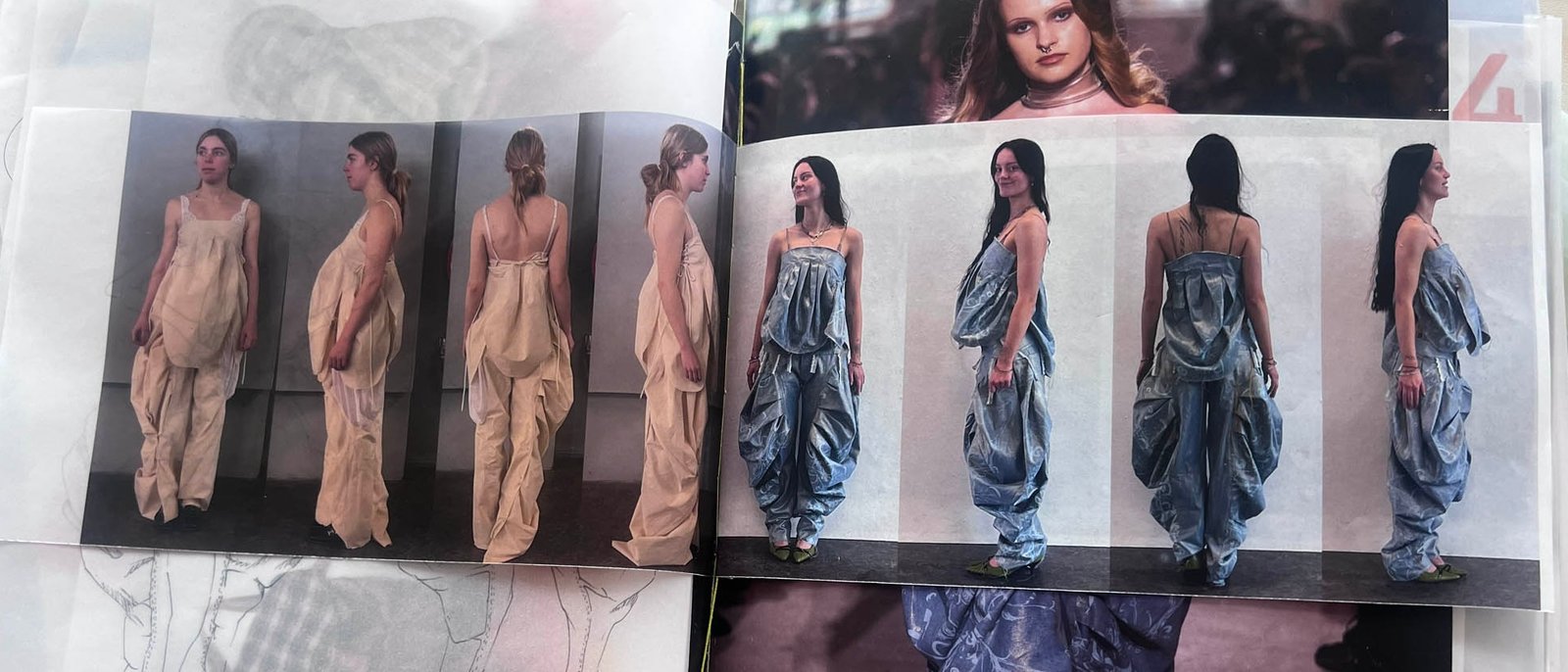
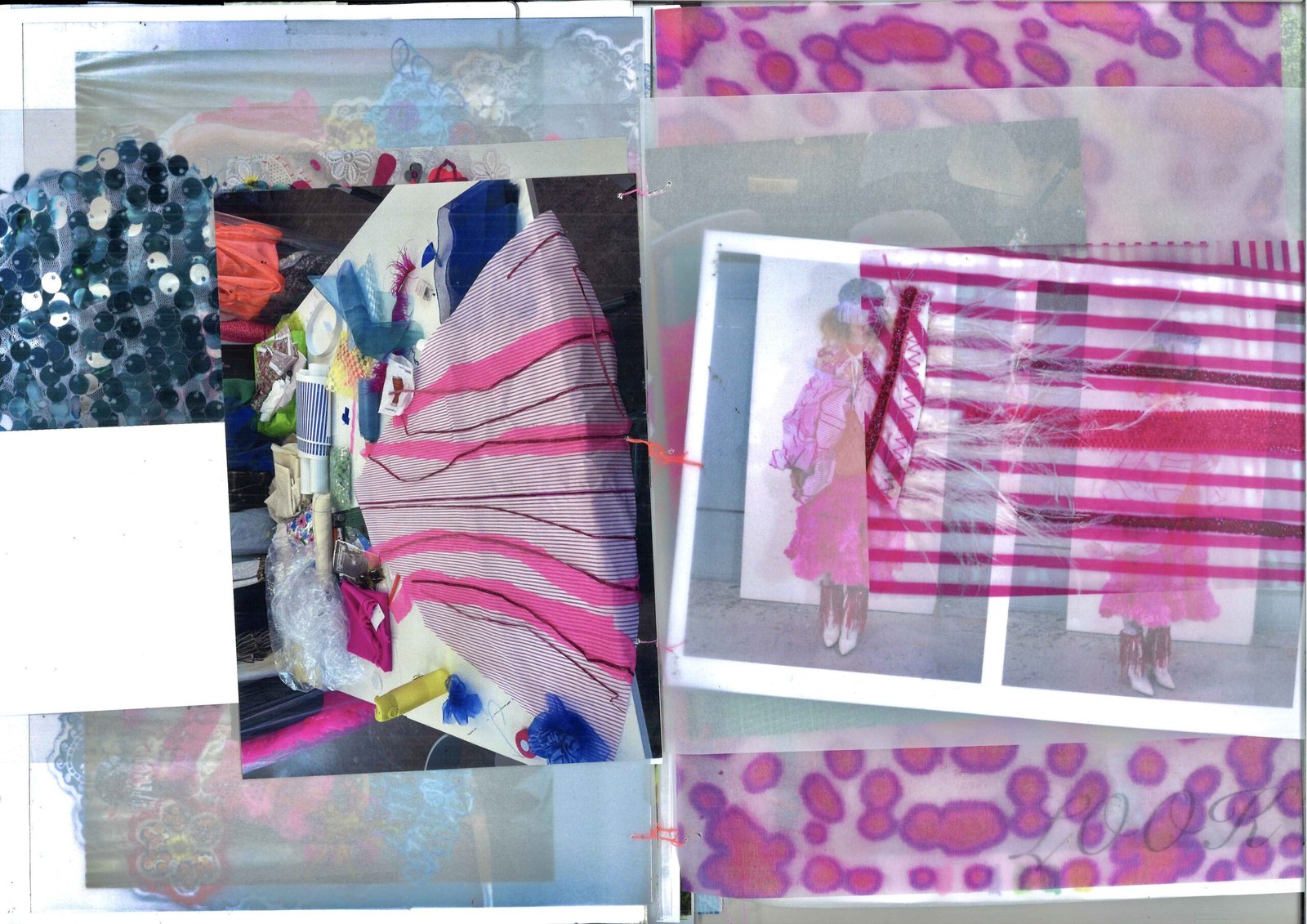
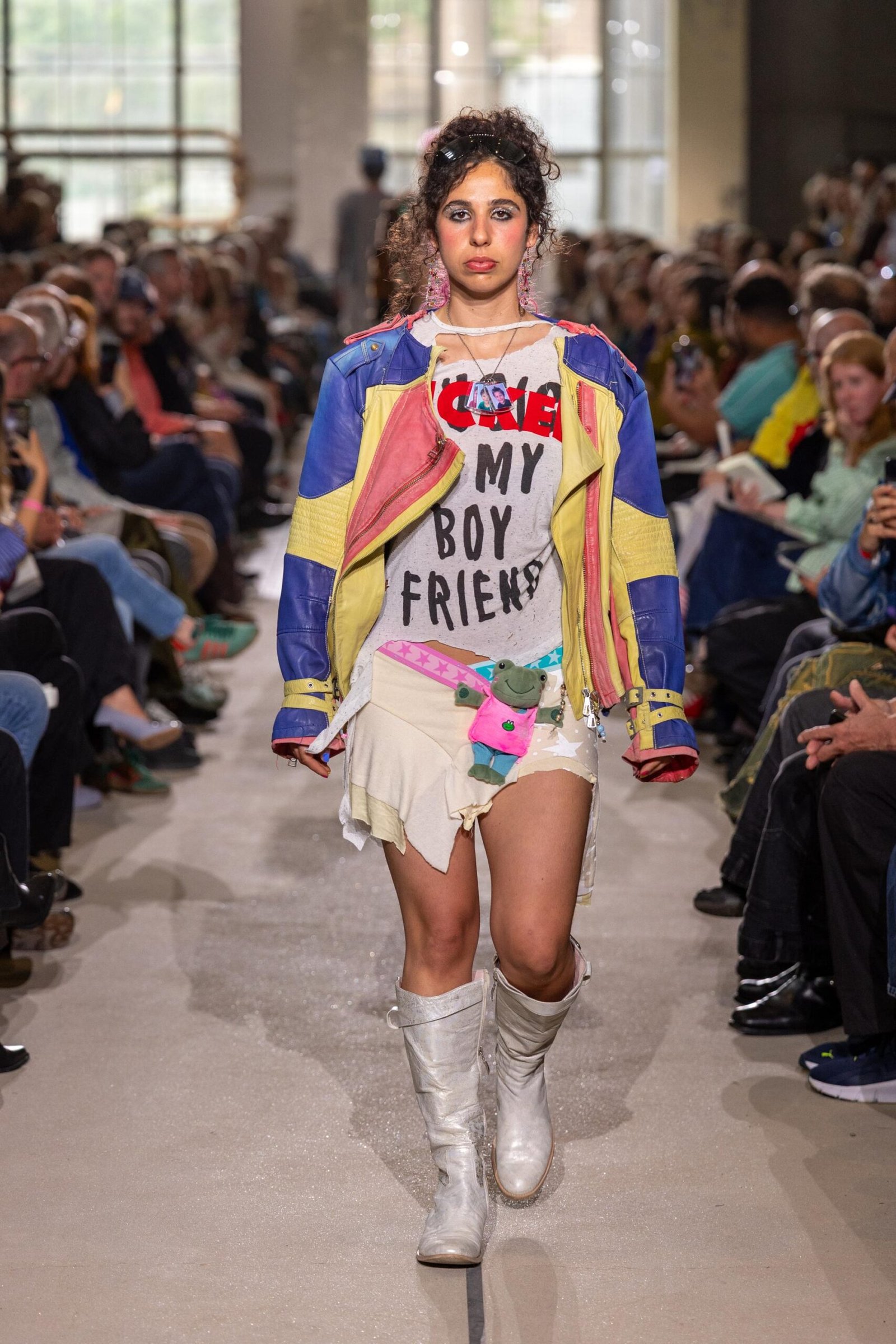
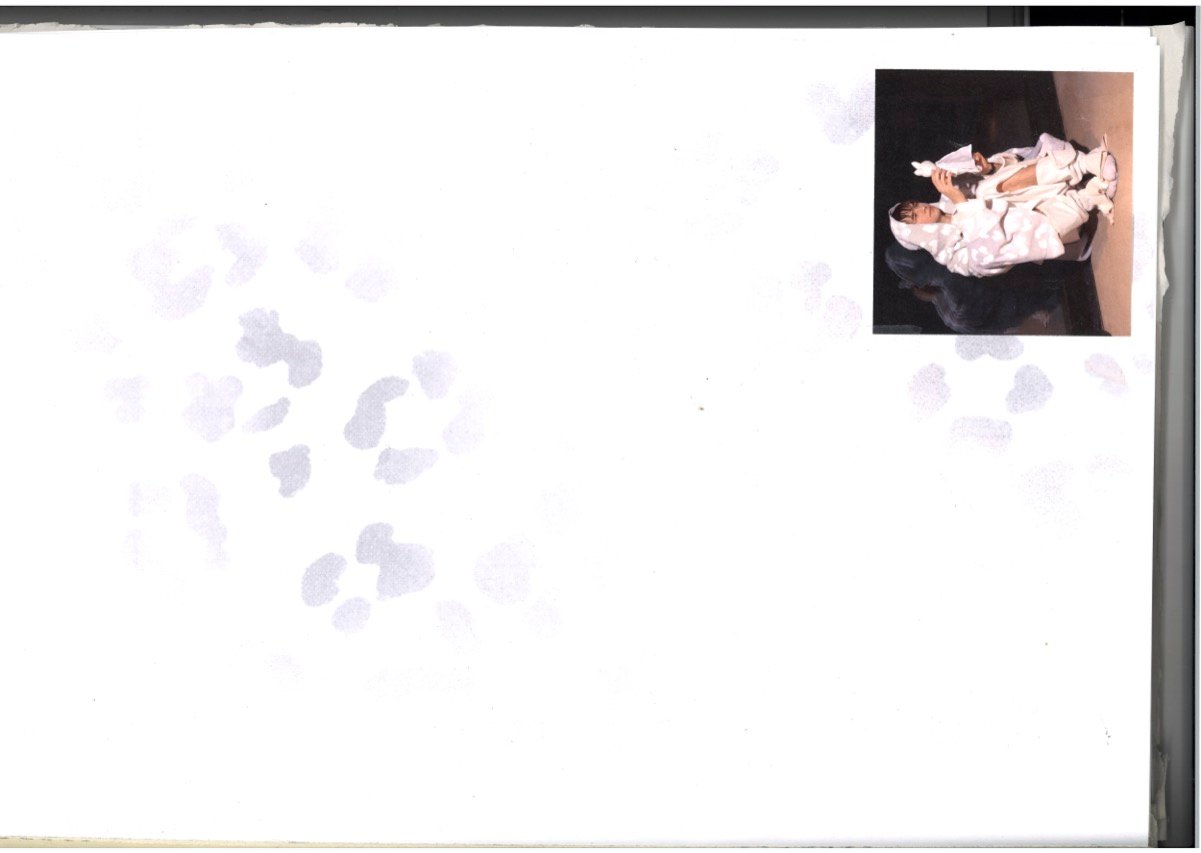
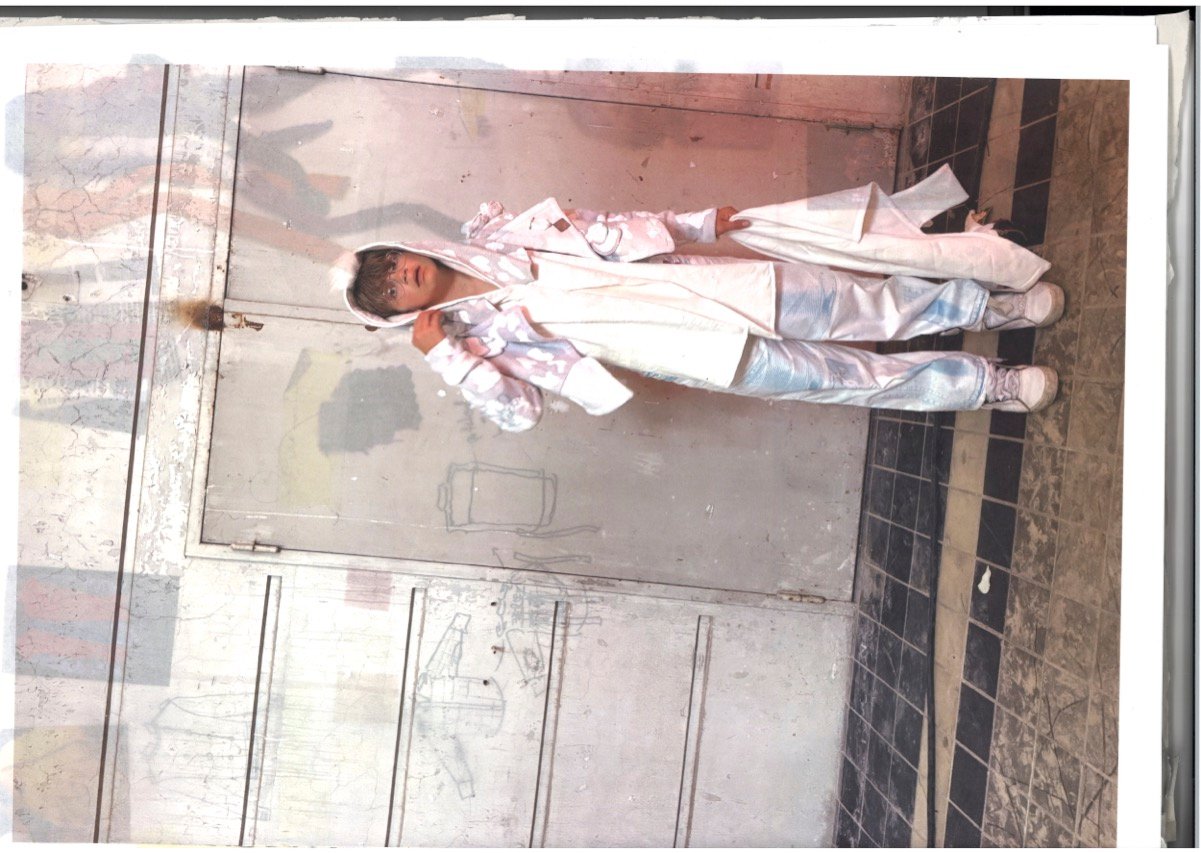
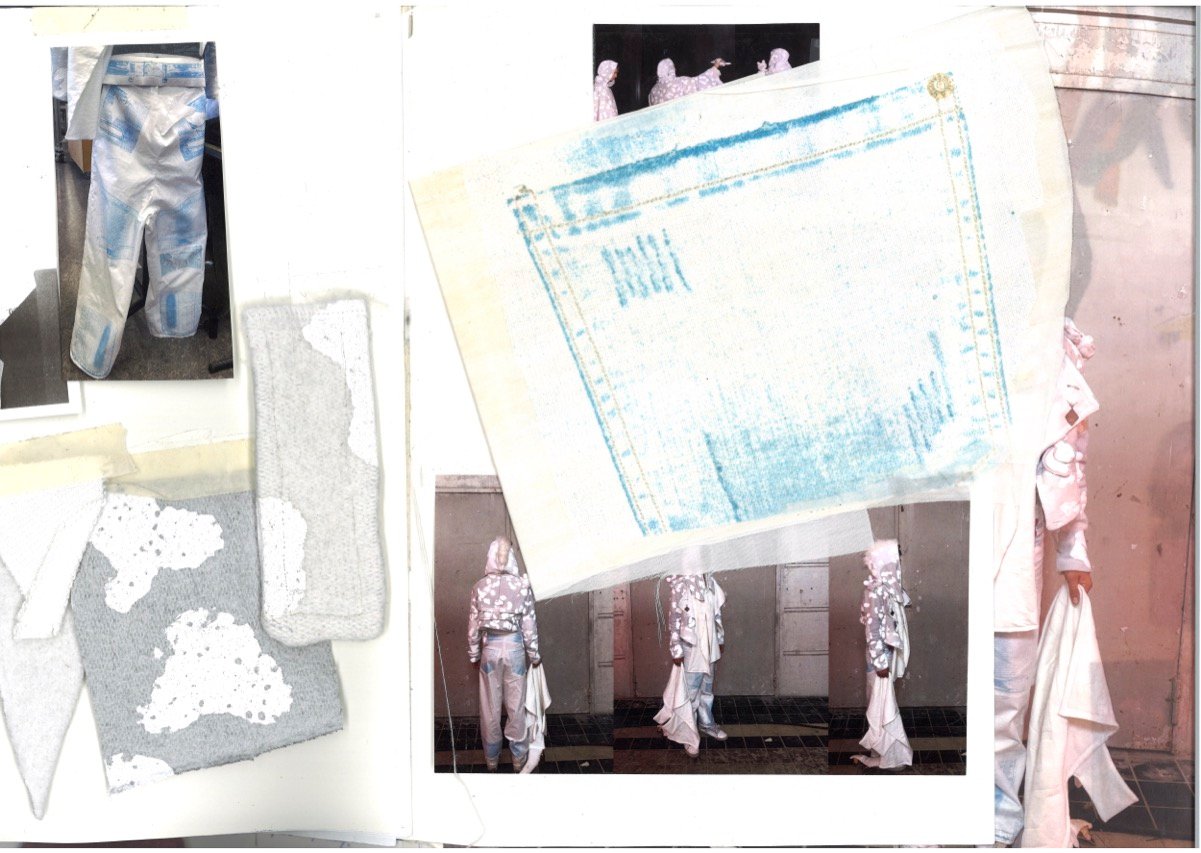
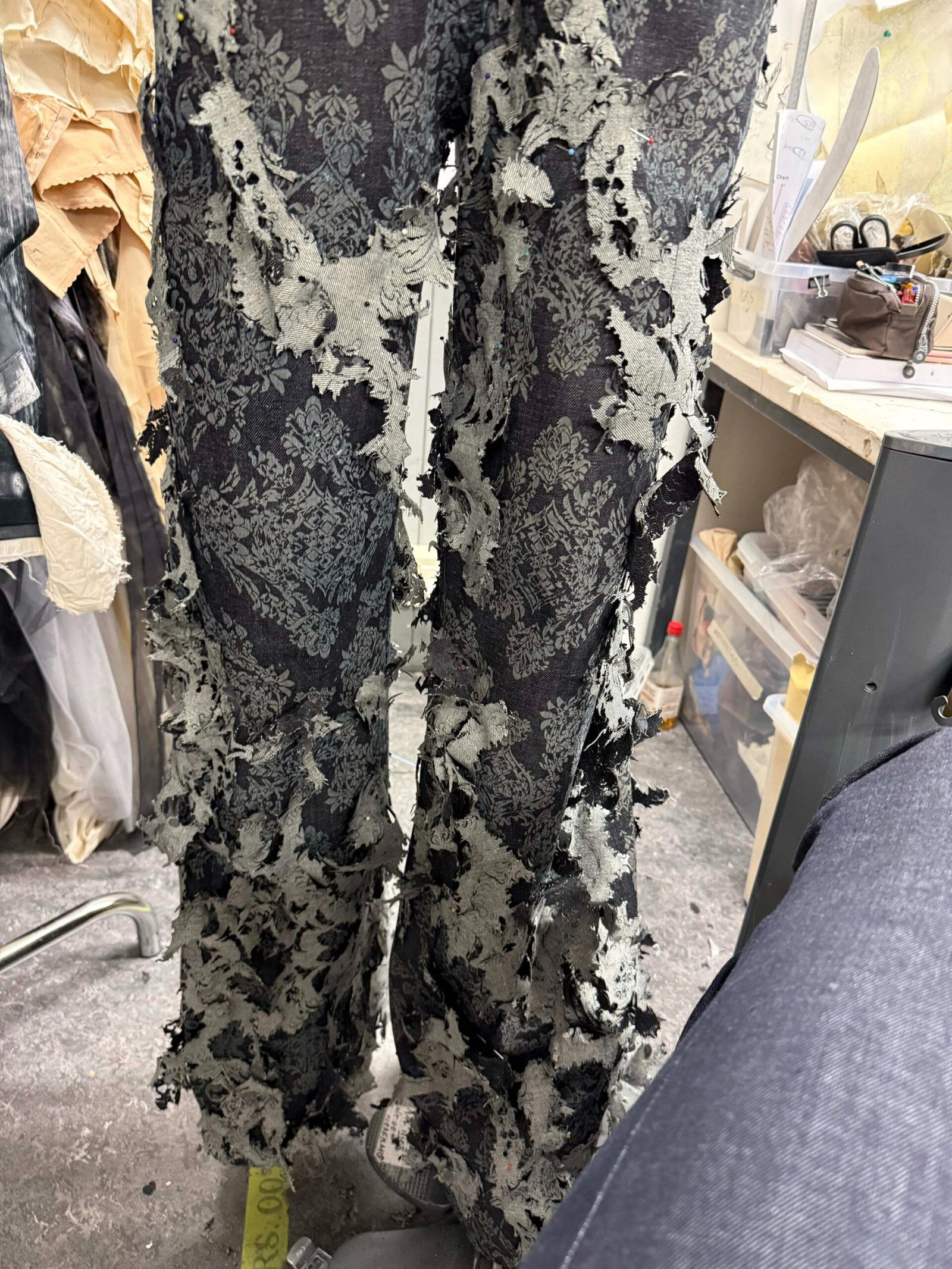
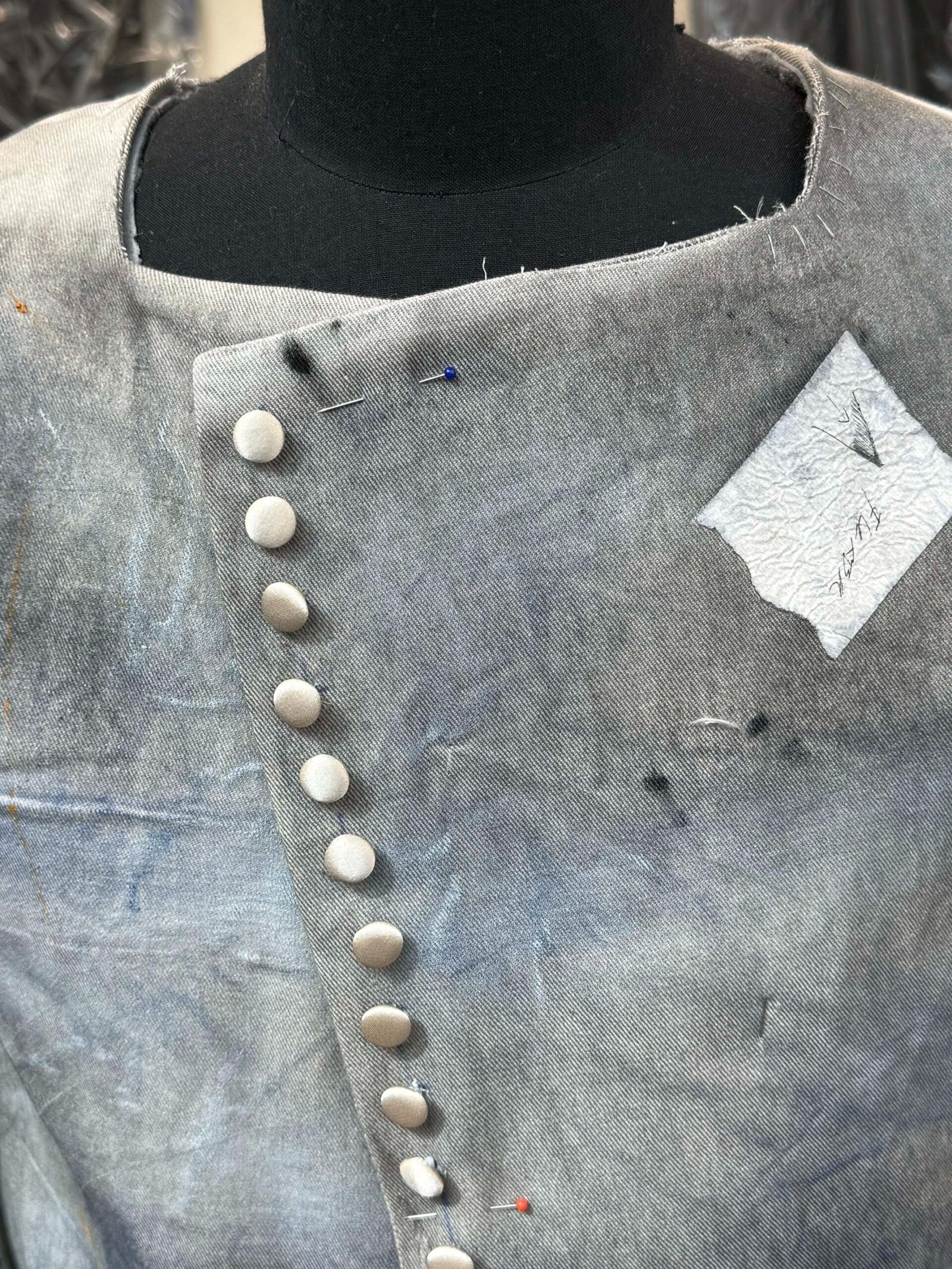
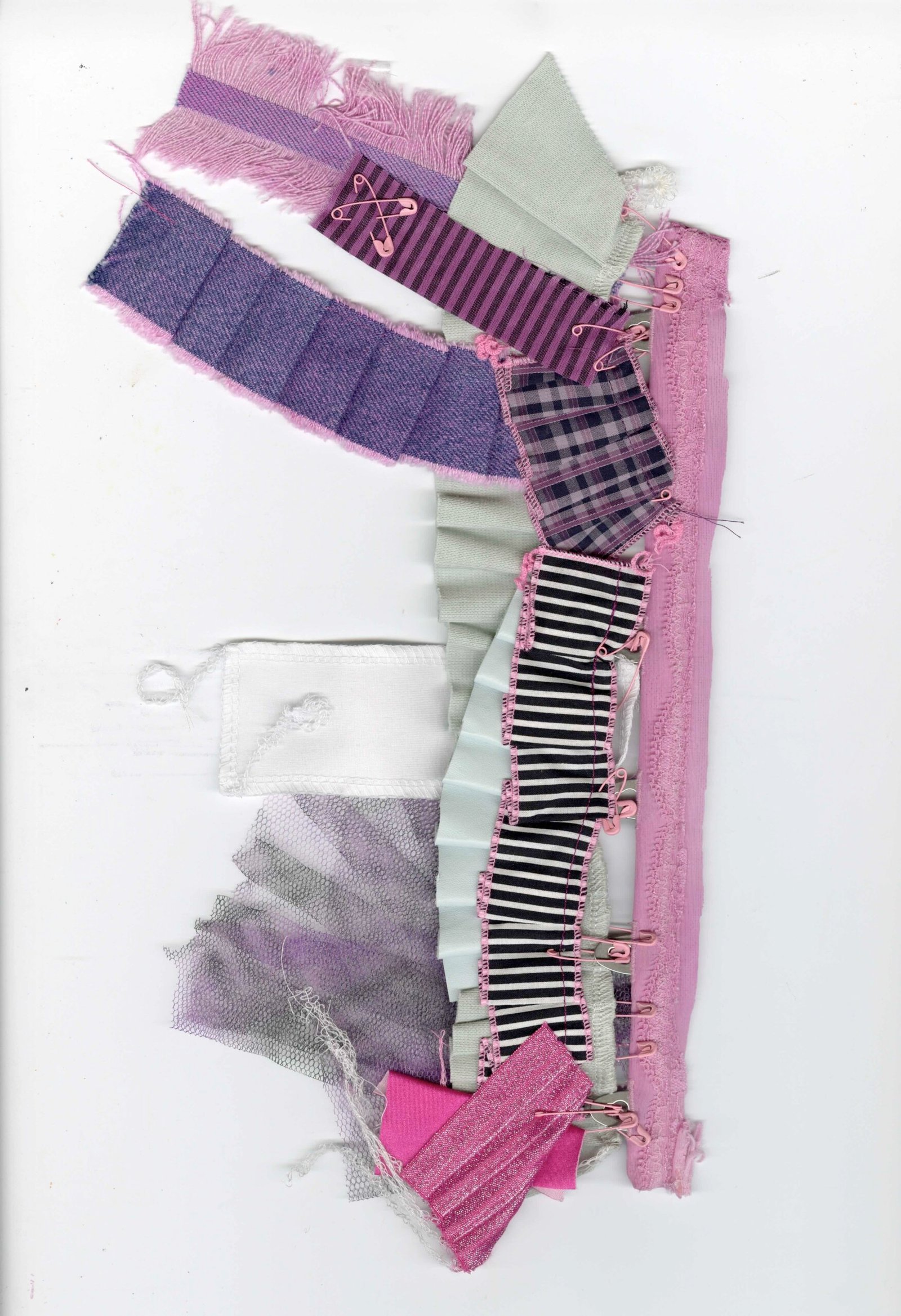
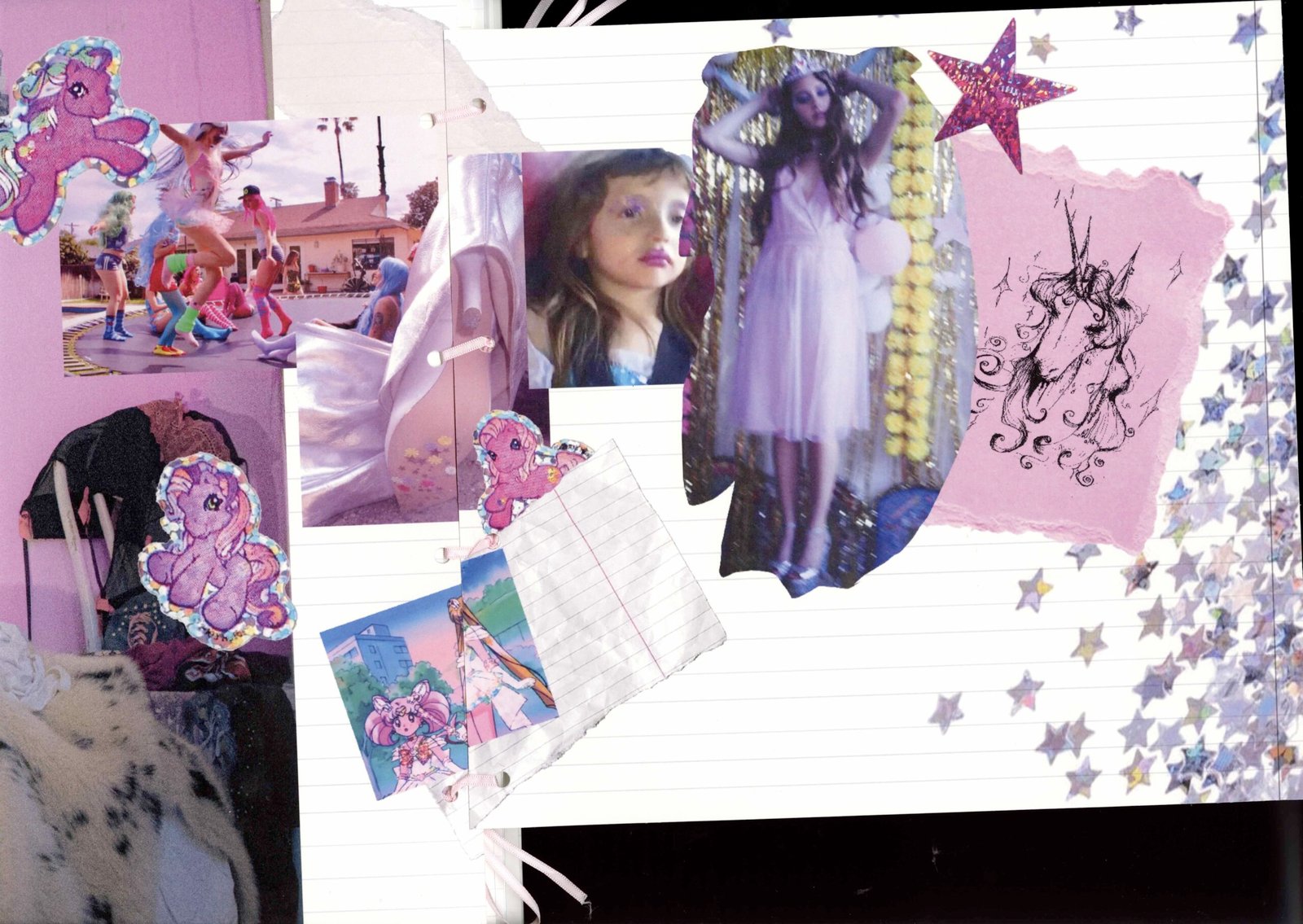
Sanra Adomaitis’ collection, XOX, is inspired by her own transition and imagines a world of unicorn trans girls through which she explores her experience of girlhood. Conceived as the visualisation of a magical night out, the collection combines second-hand denim with dyed and reworked materials, embracing a fast, DIY approach characterised by raw edges and hanging threads. This instinctive construction reflects the idea of assembling an outfit moments before leaving the house while incorporating more sustainable methods through the reuse of existing garments. 

@sanraxox

Lizzy Voeten

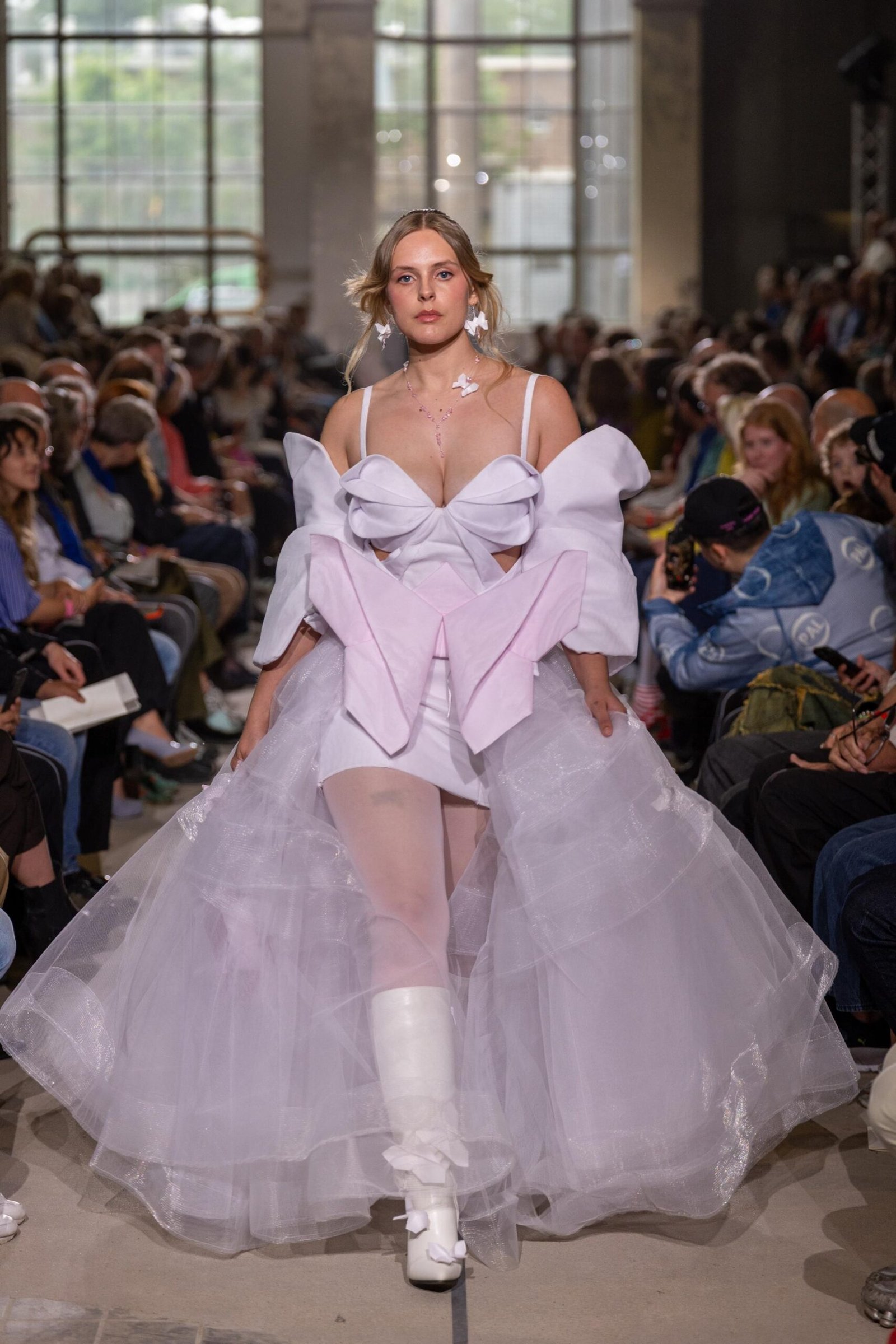
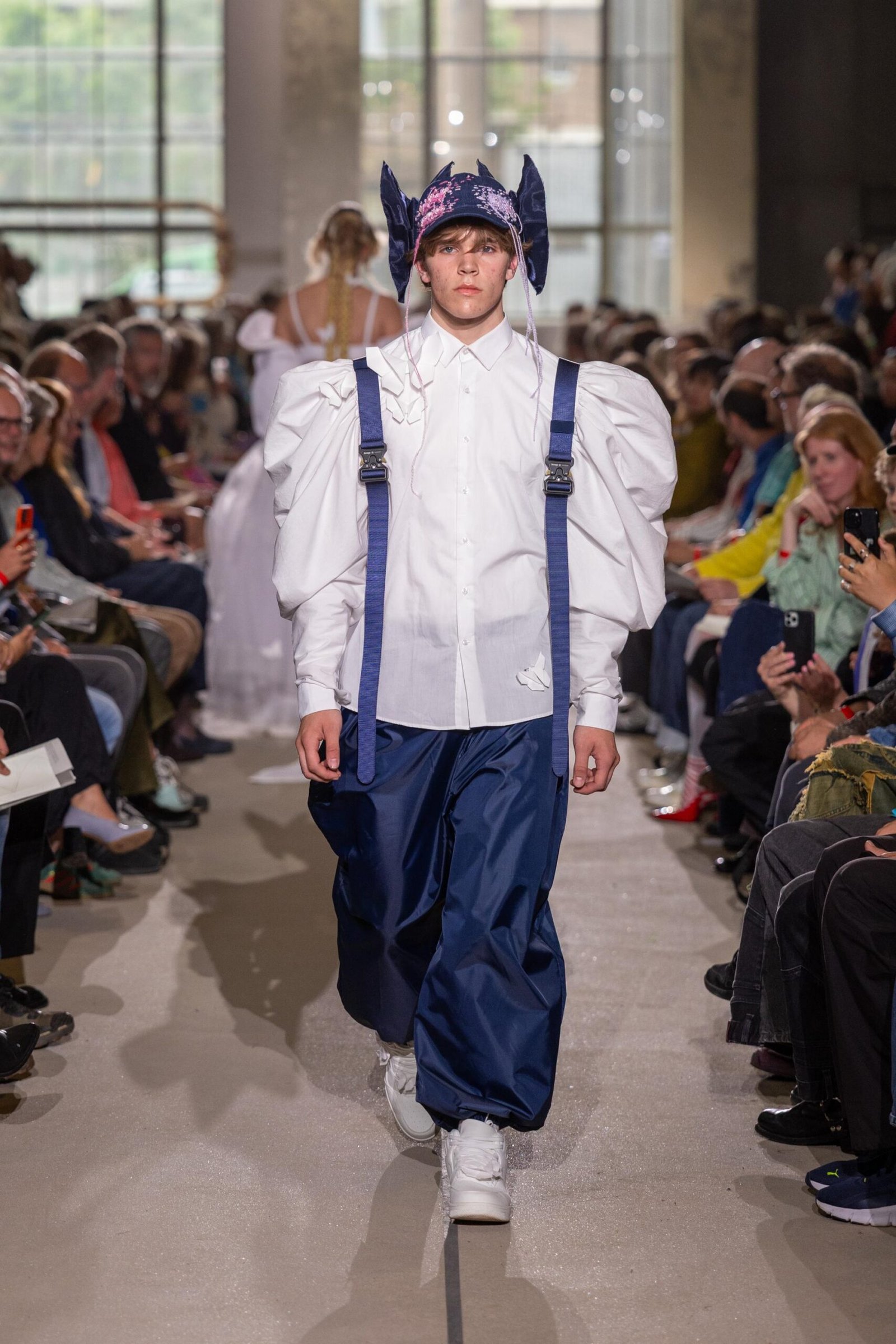
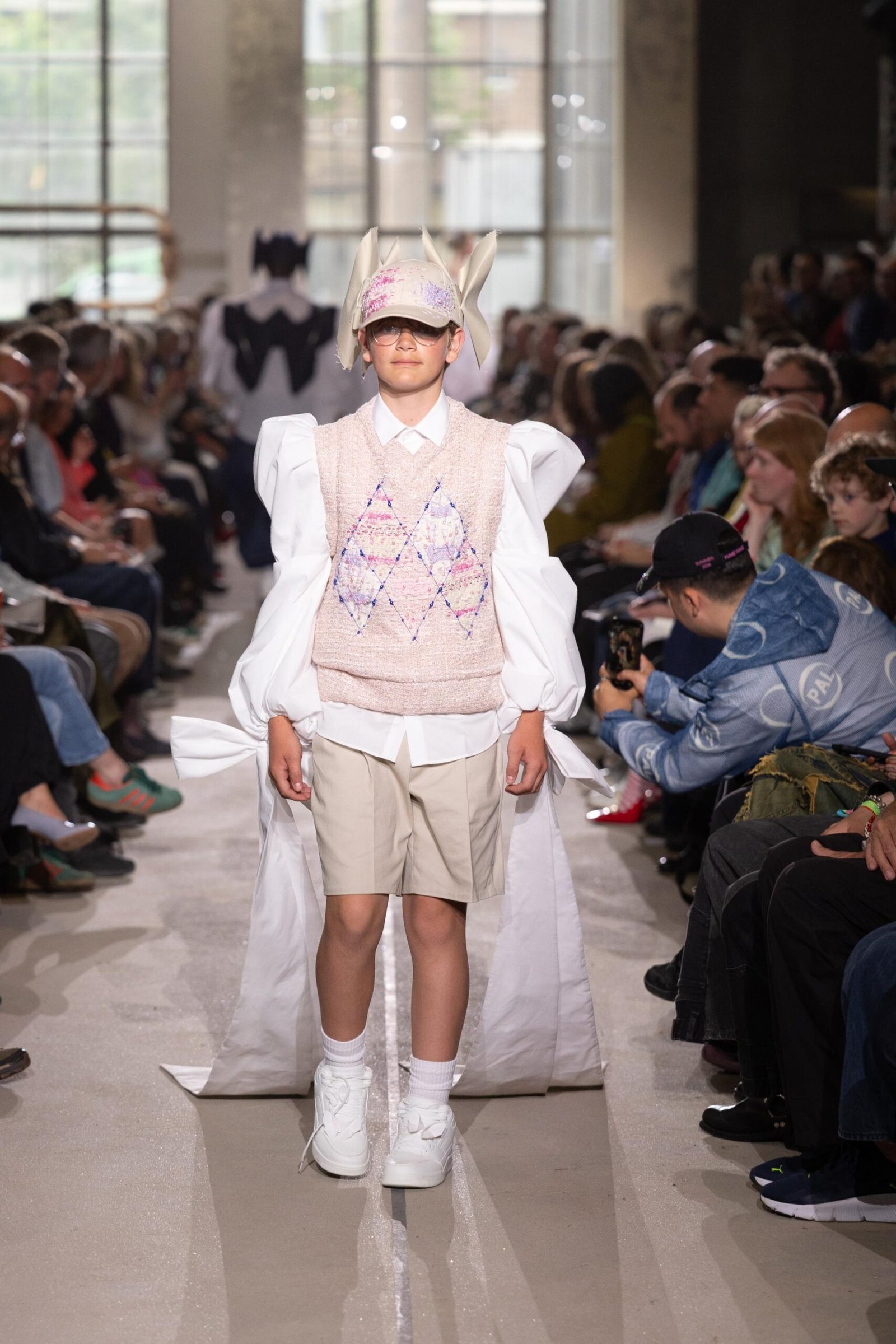
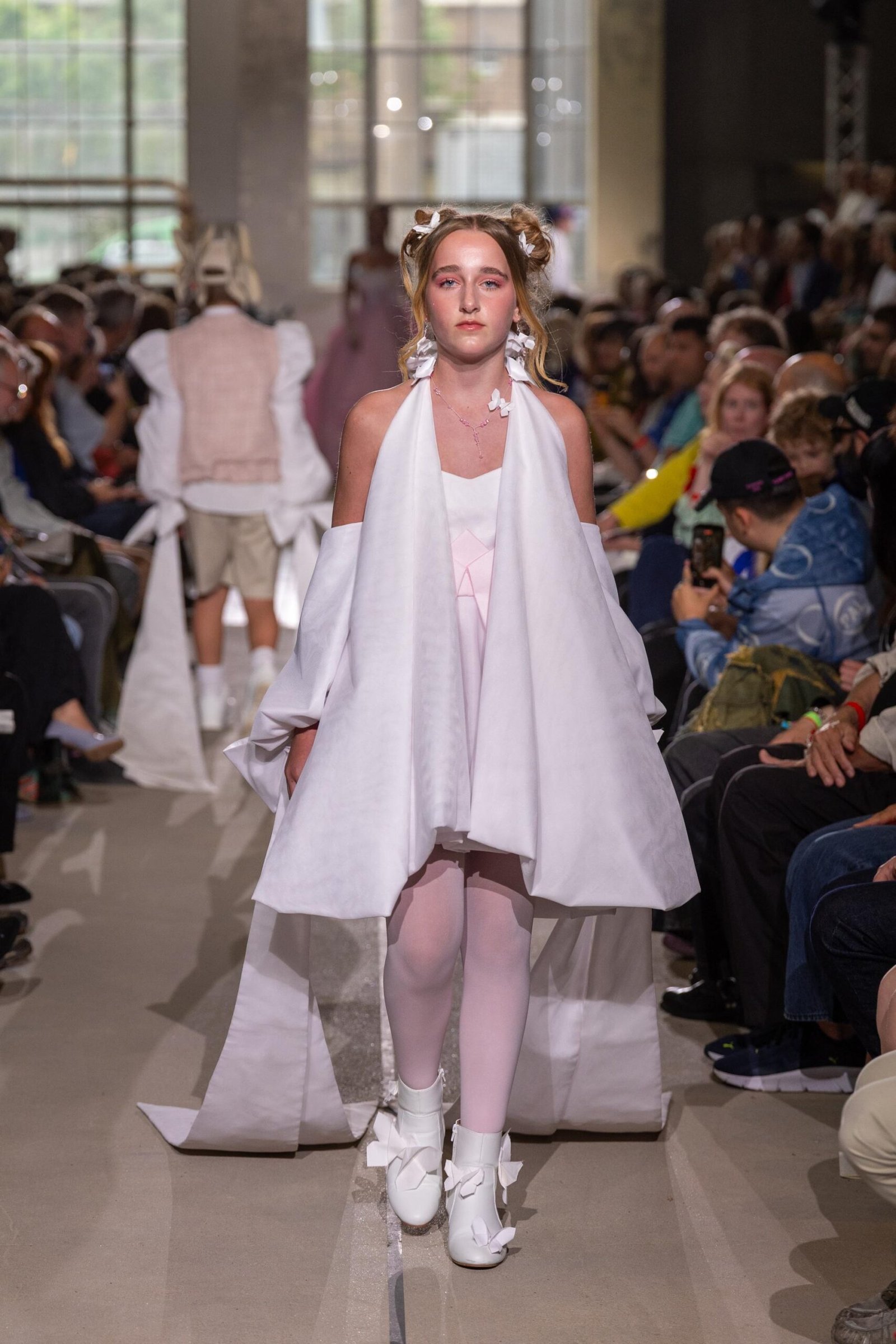
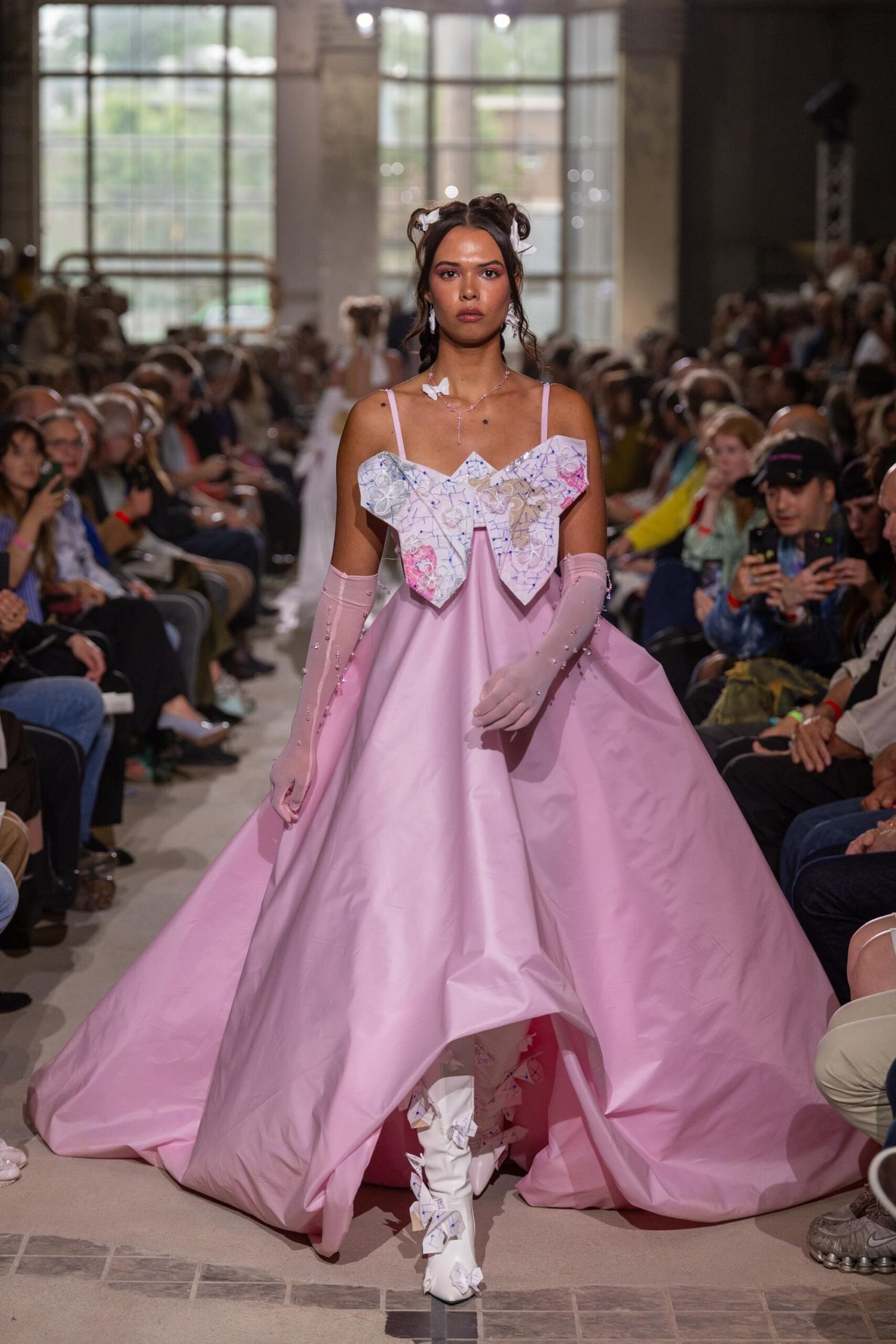
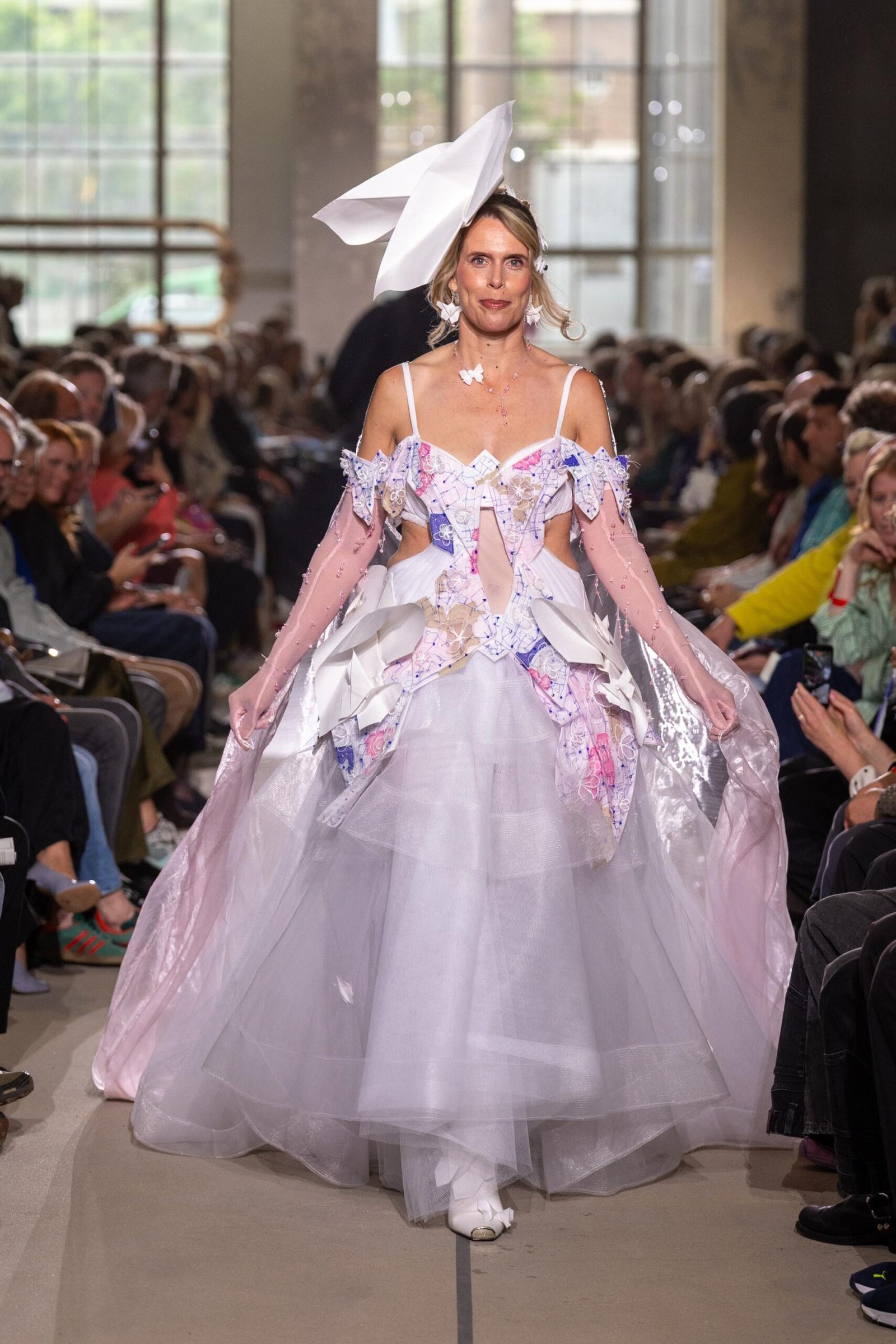
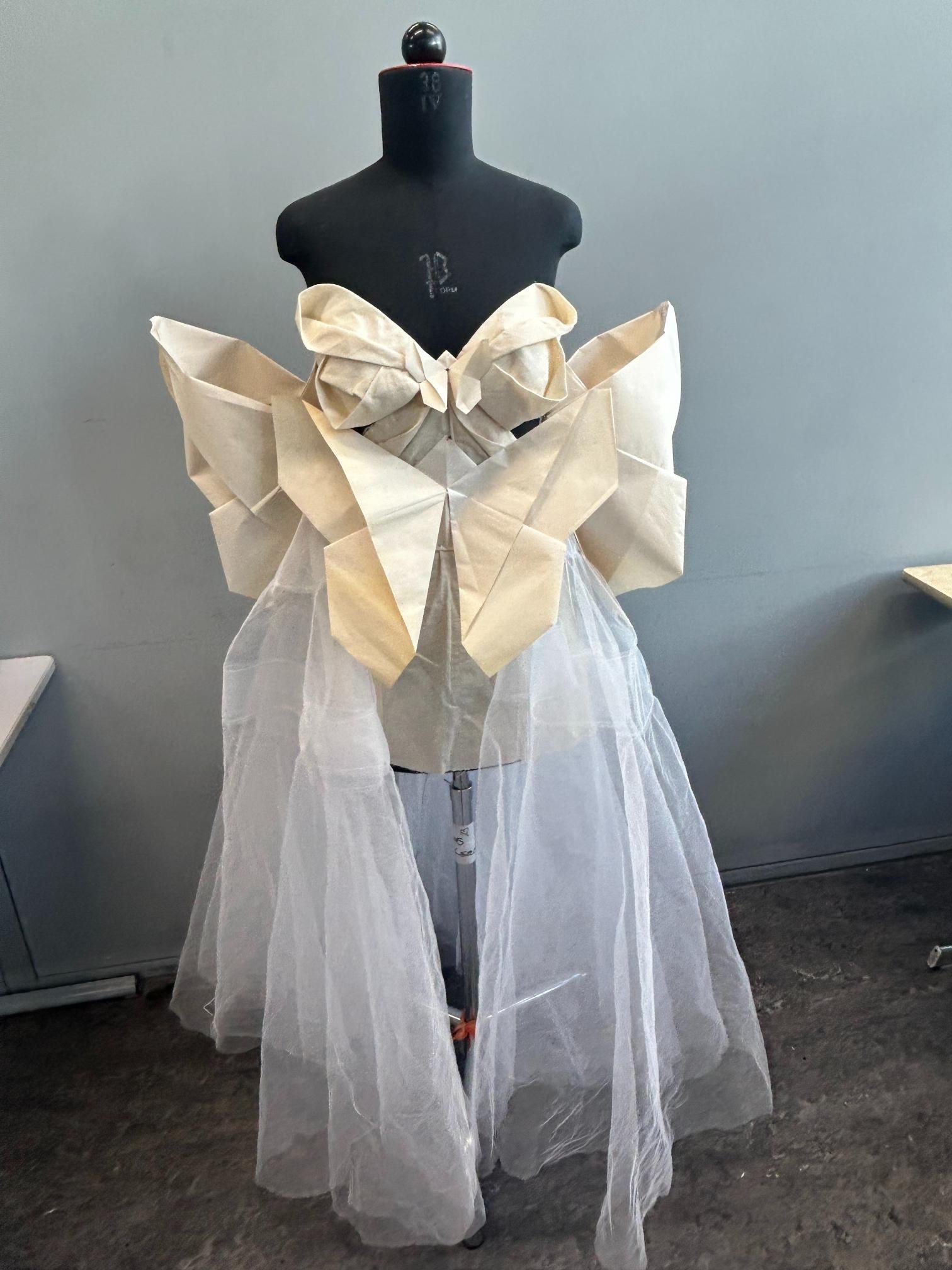
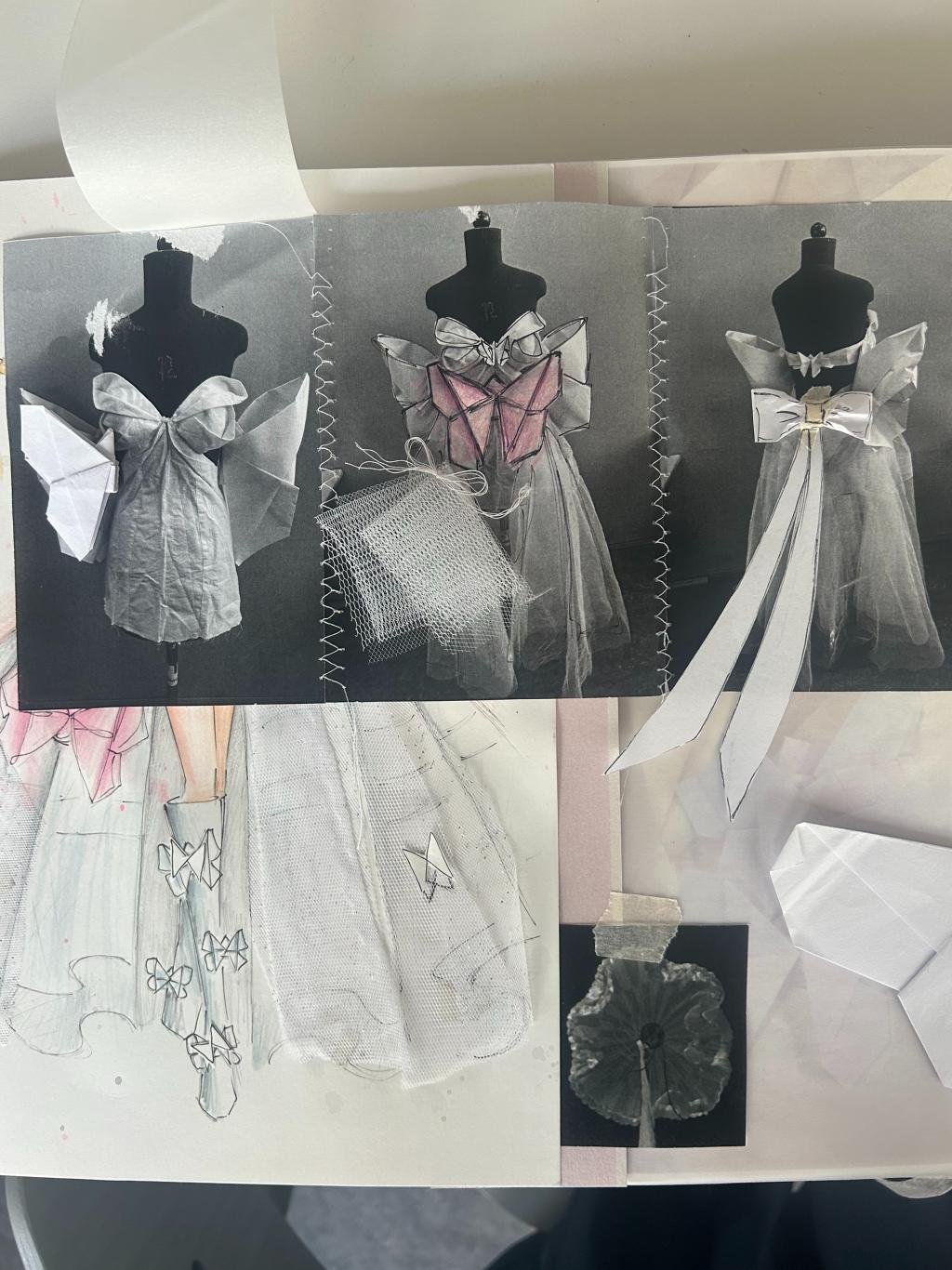
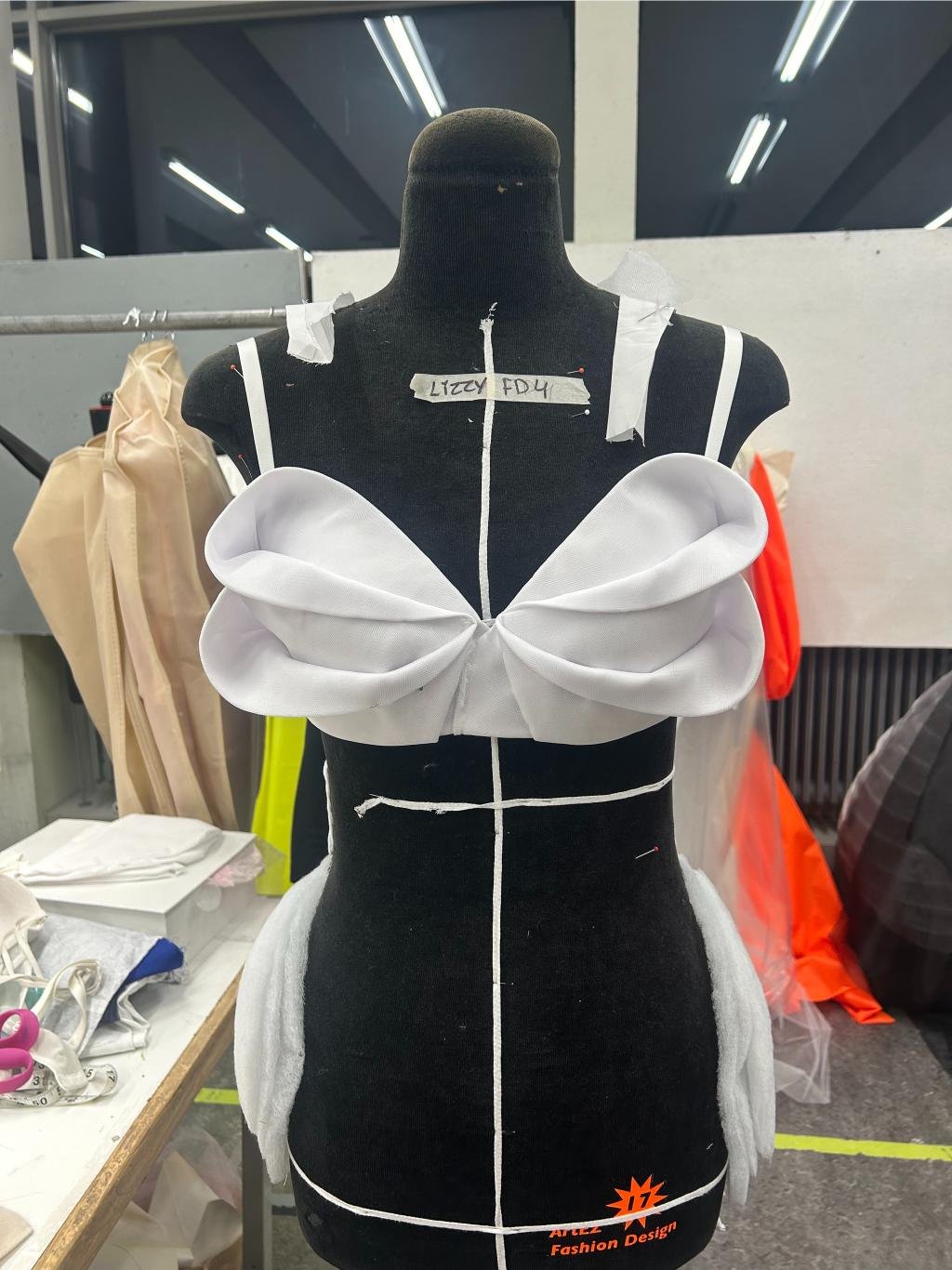
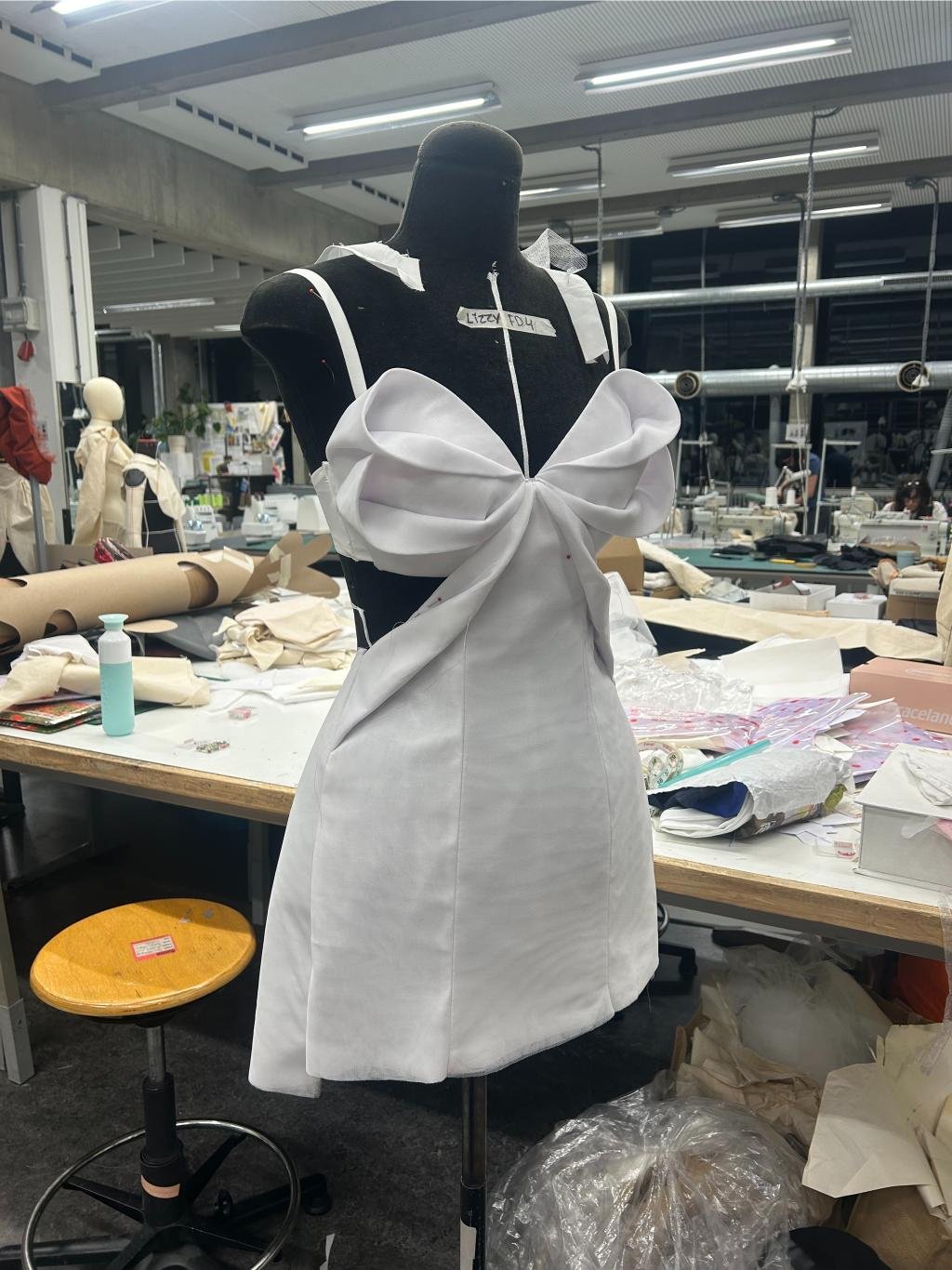
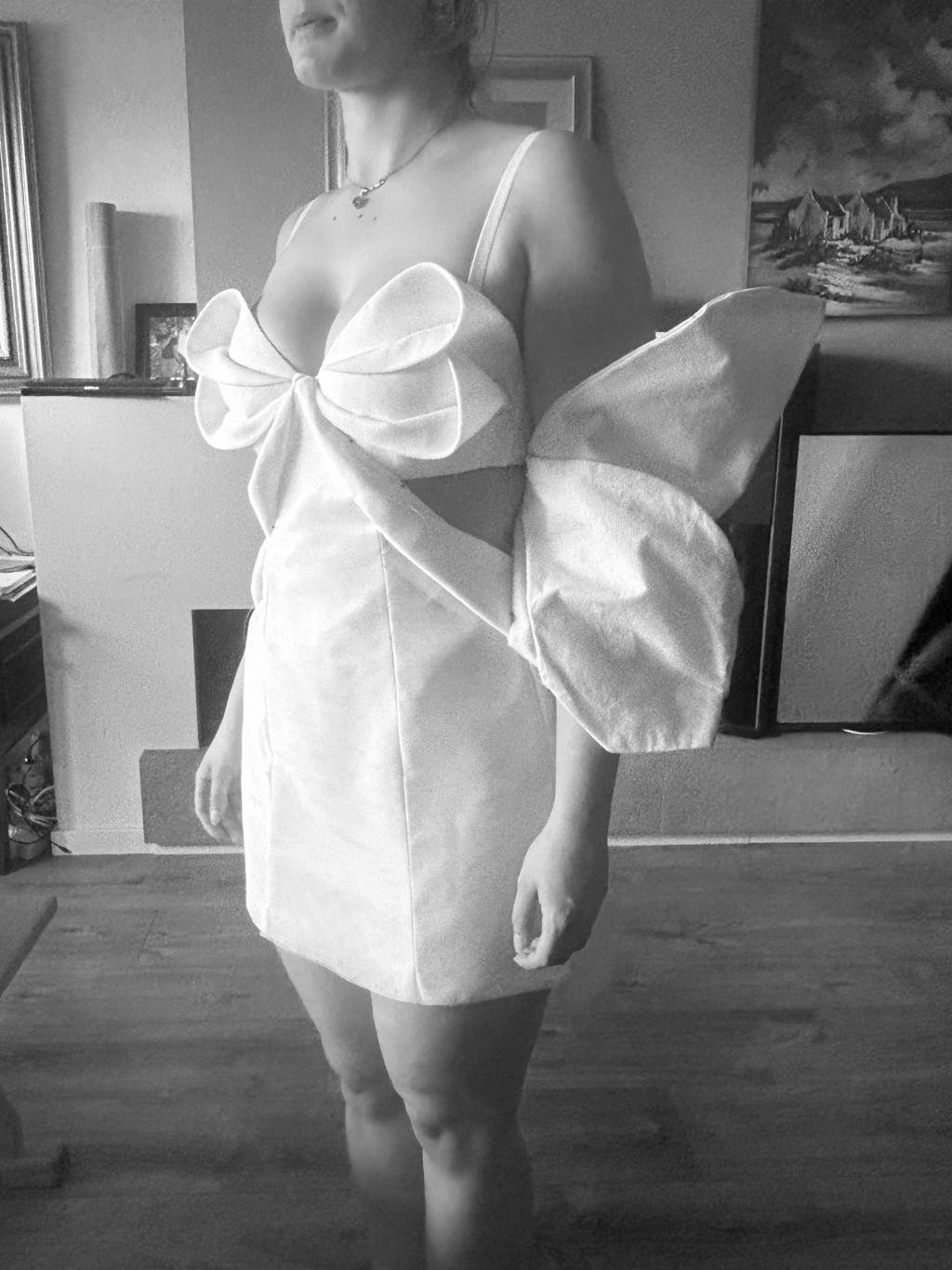
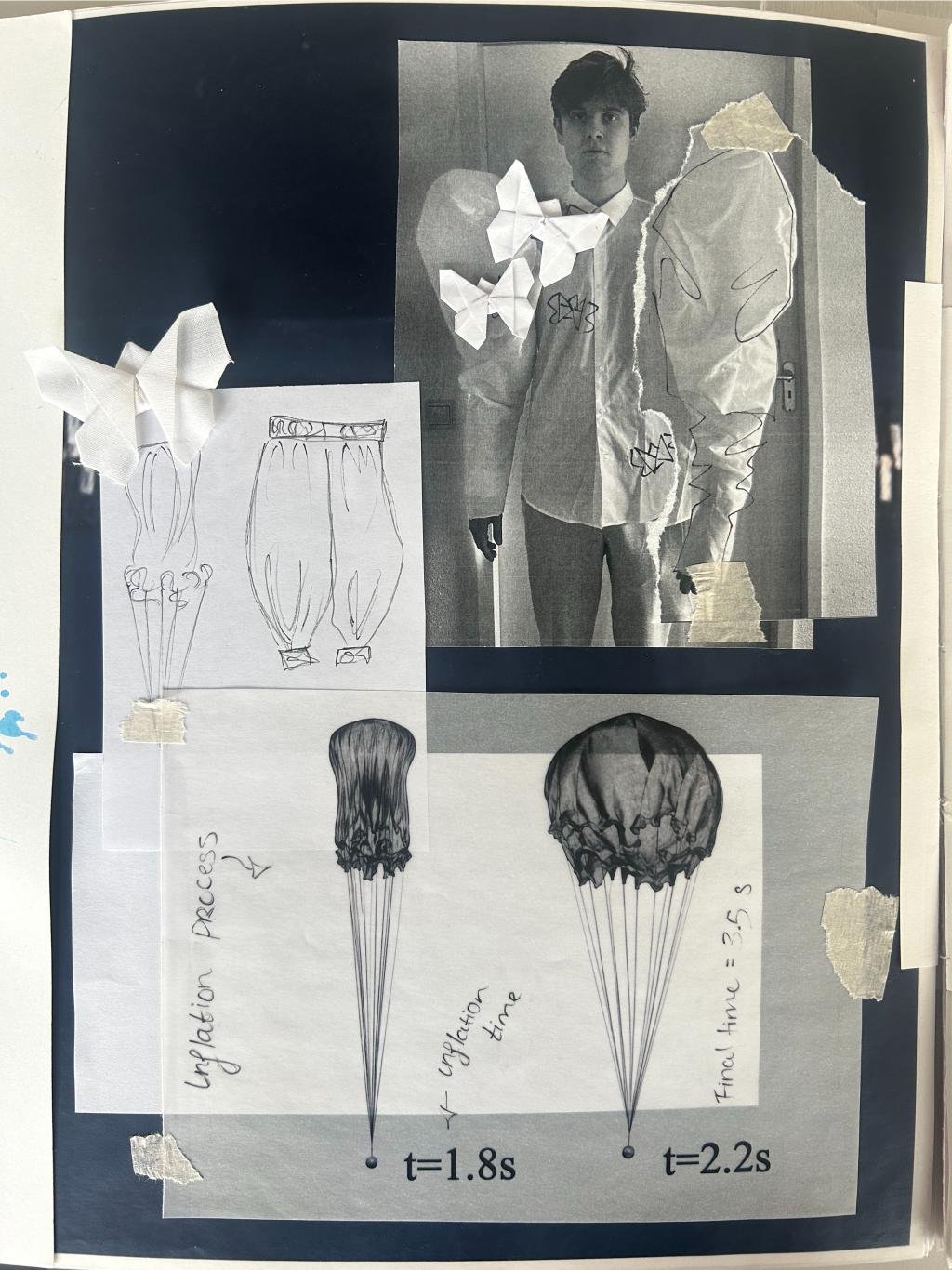
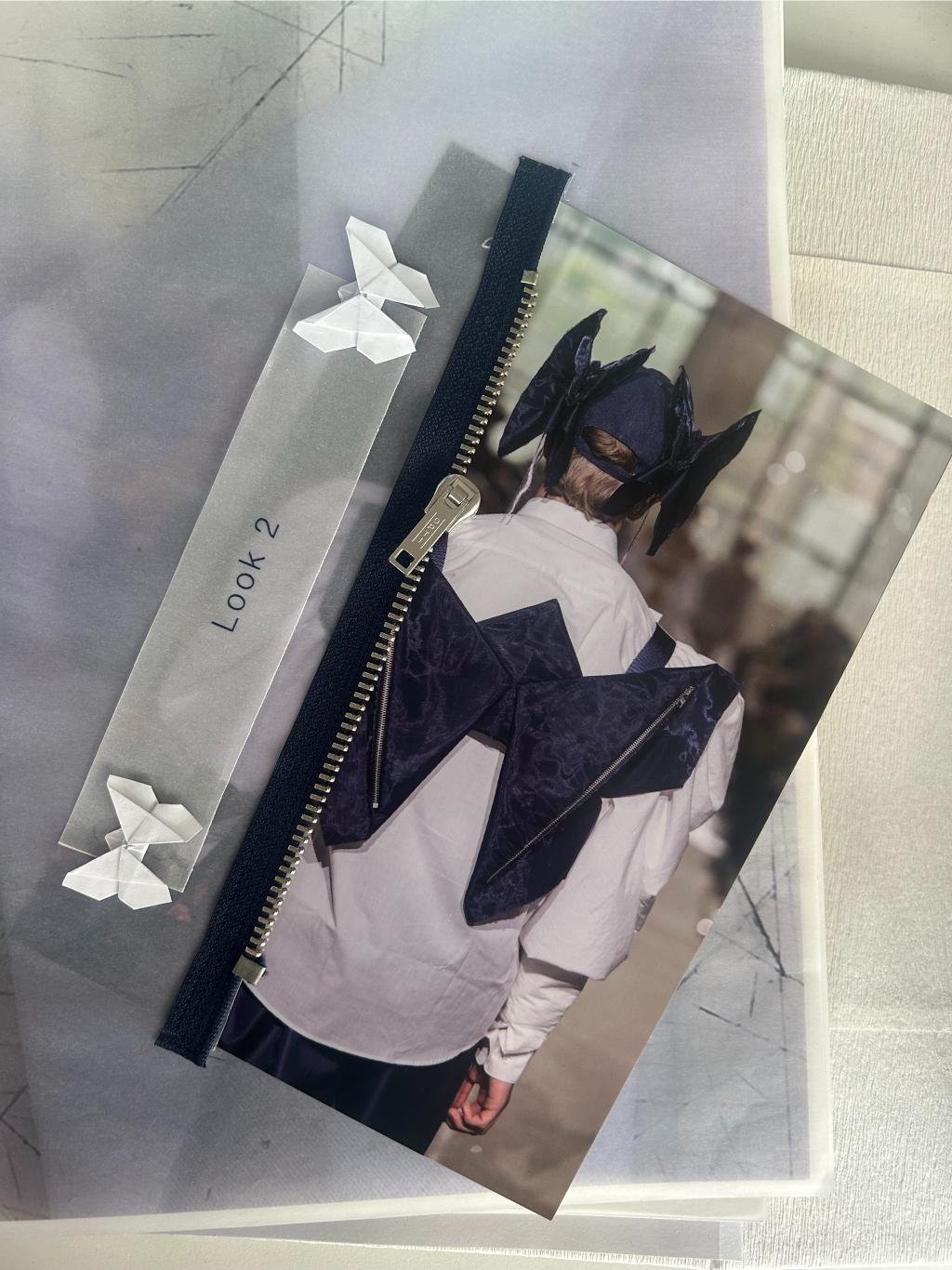
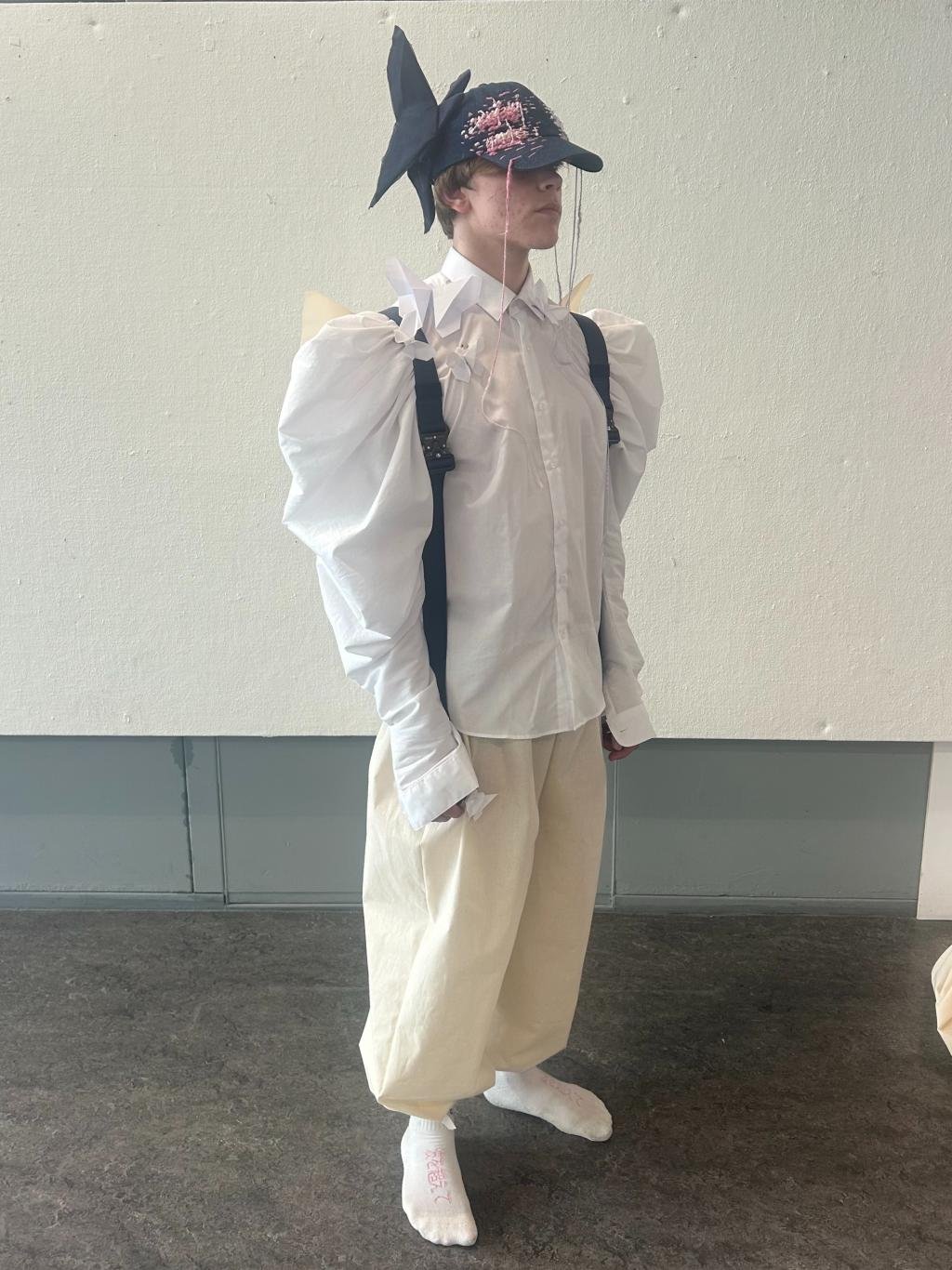
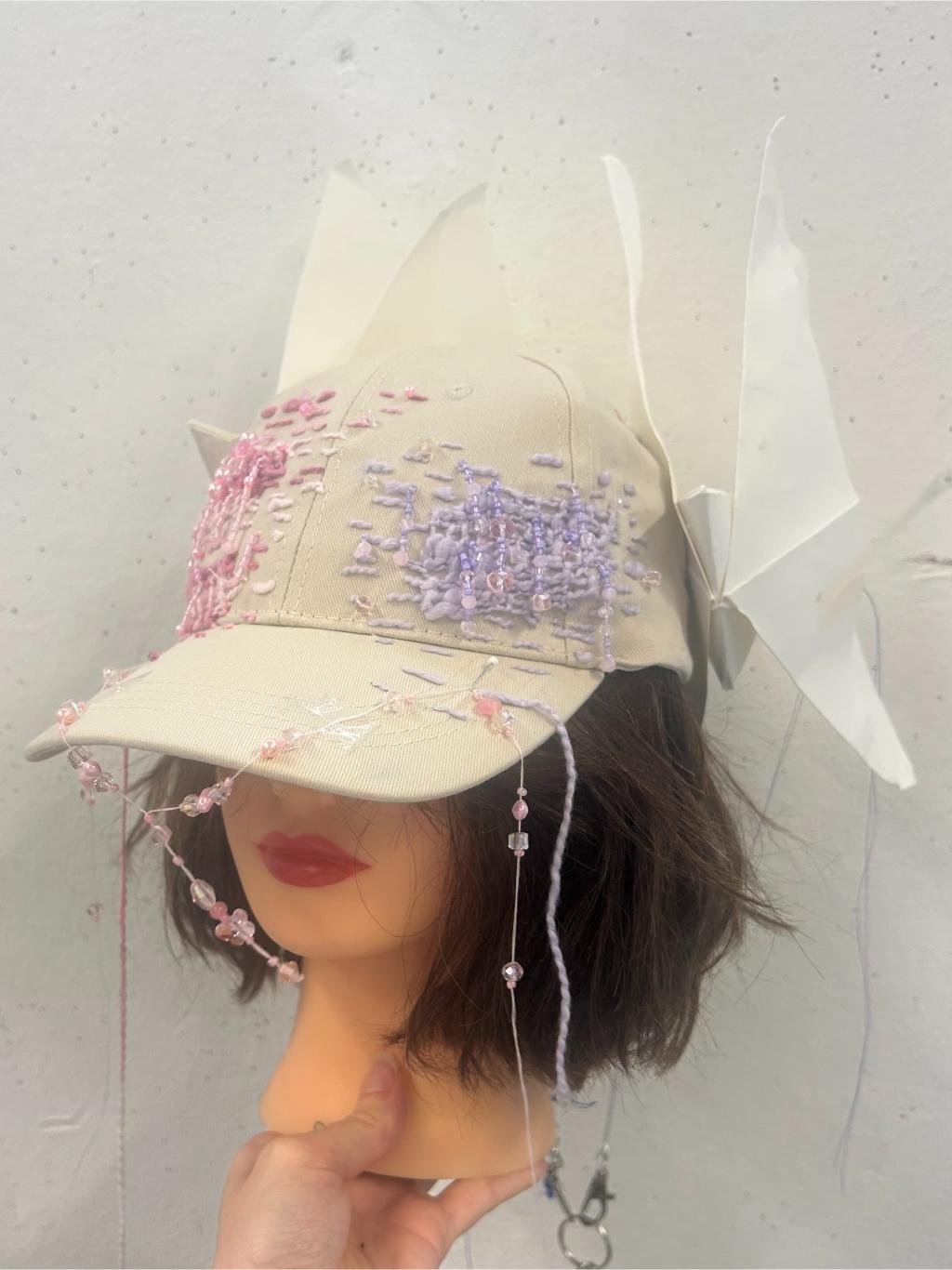
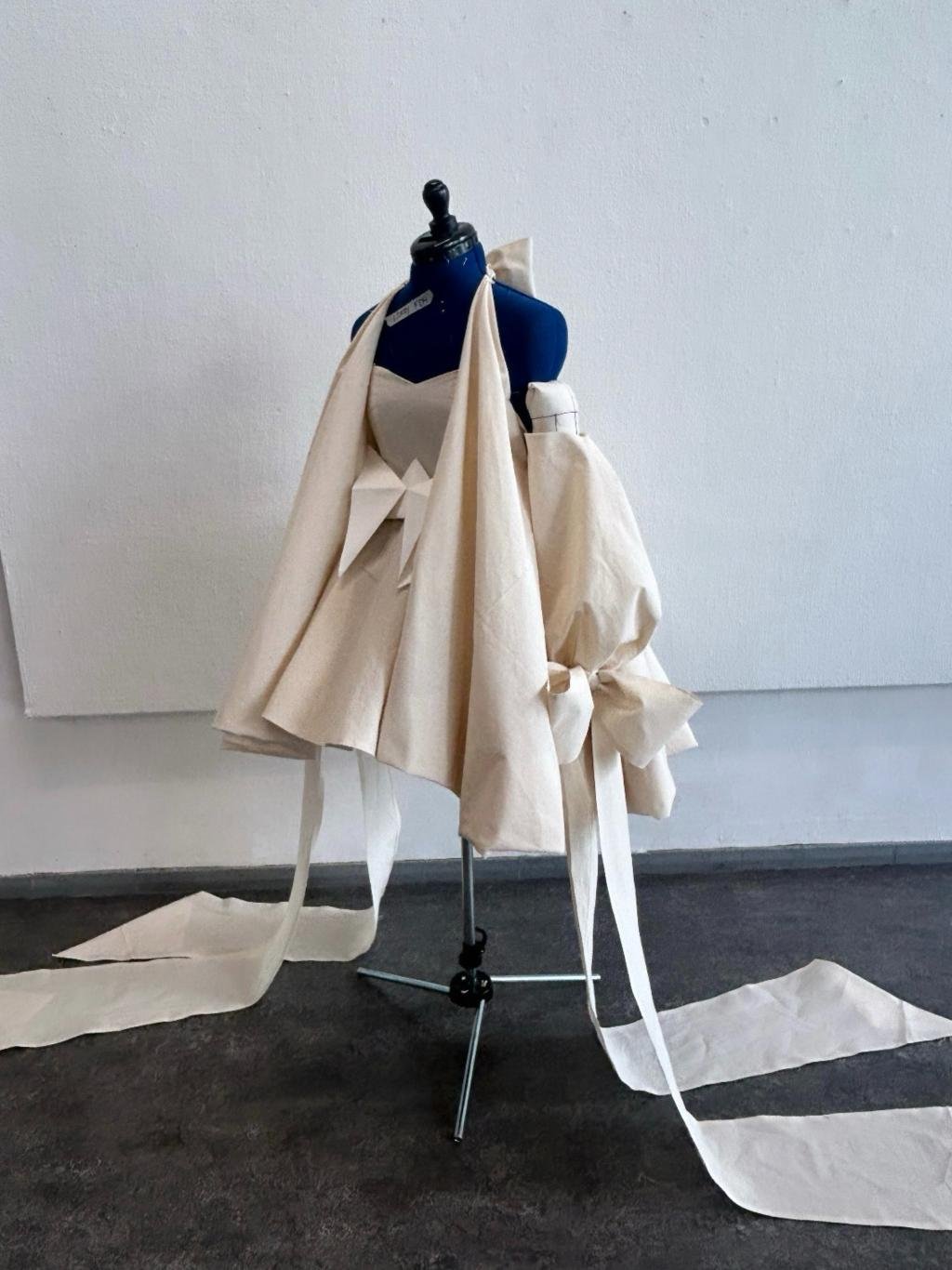
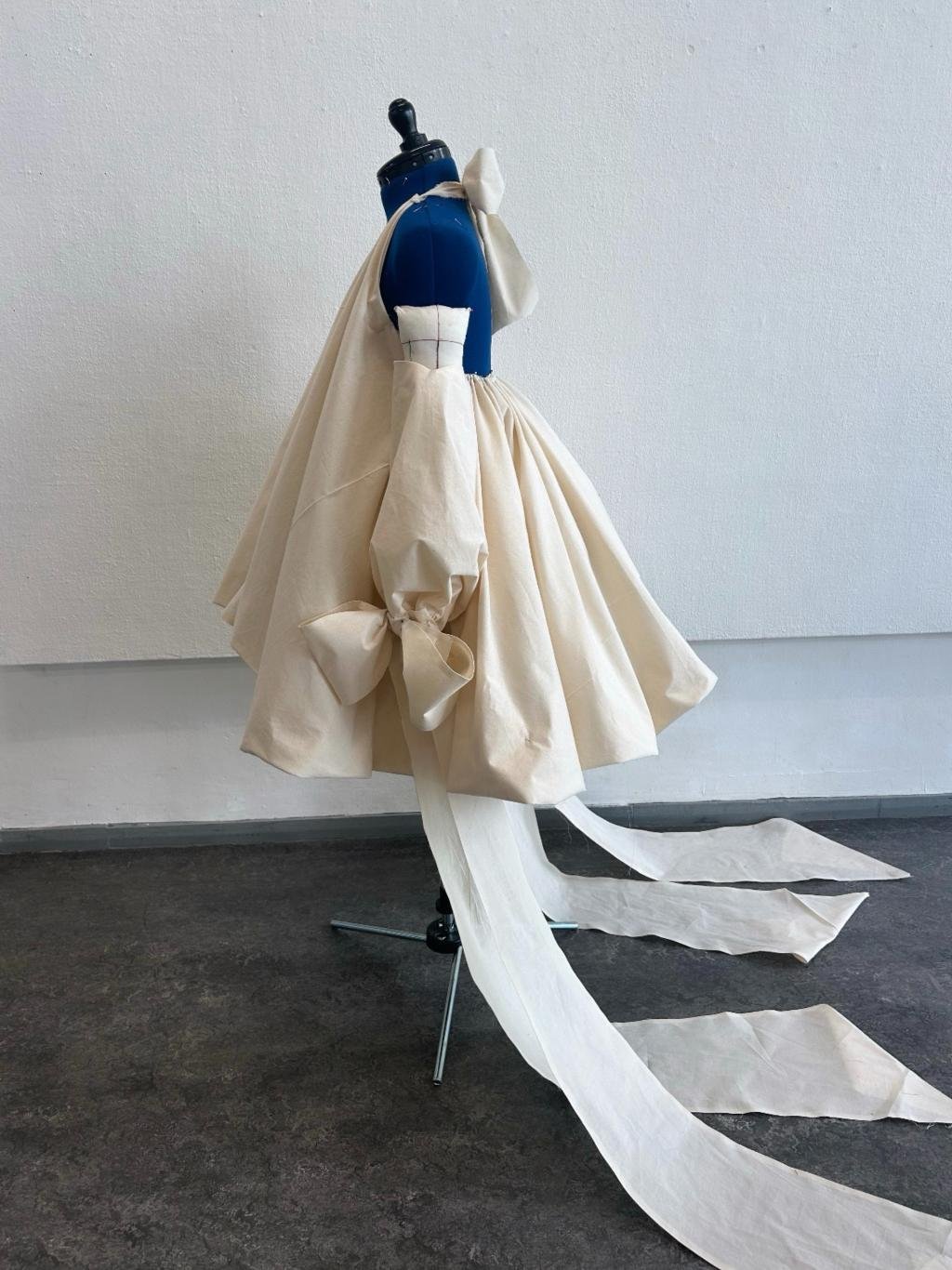
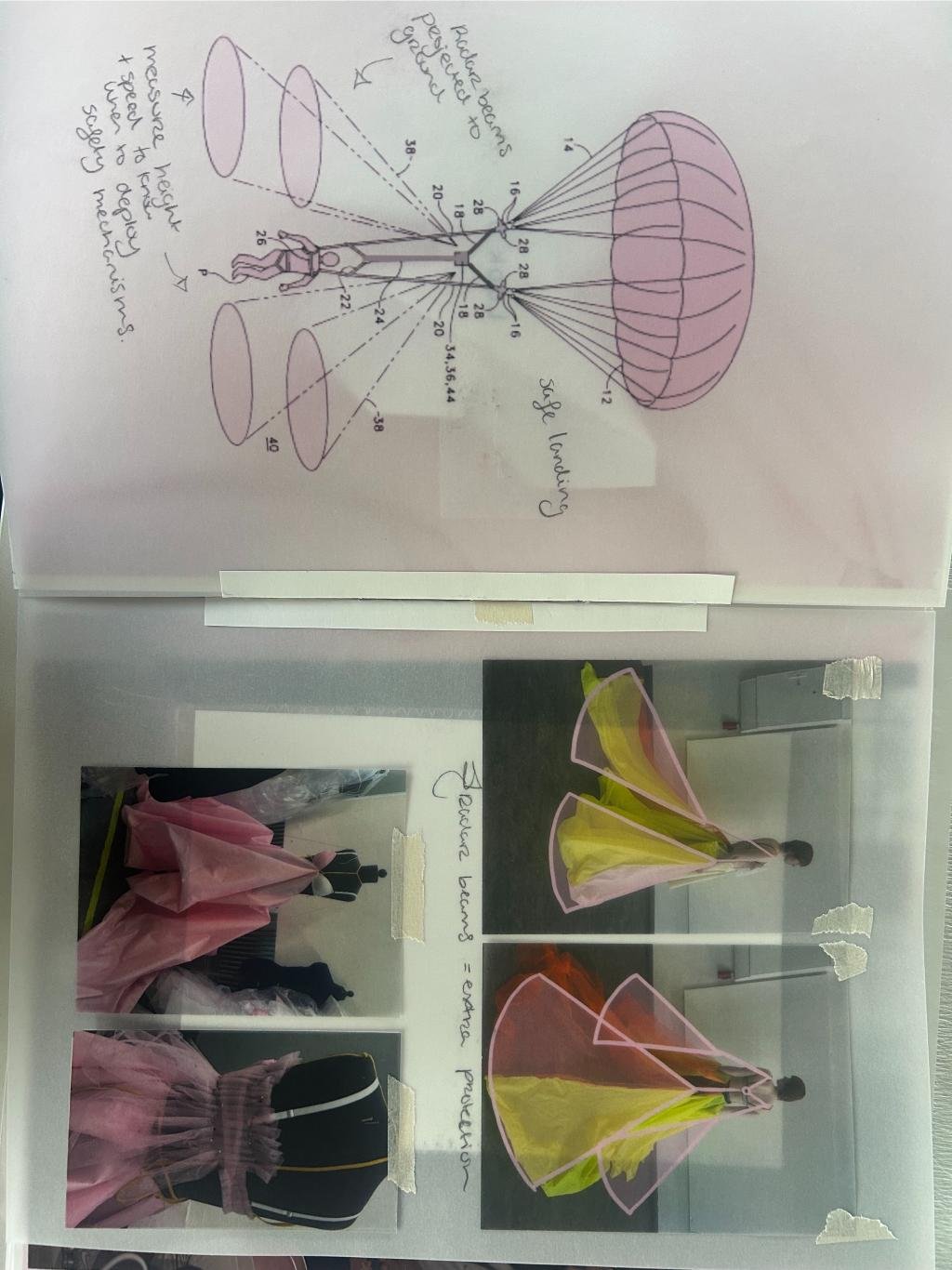
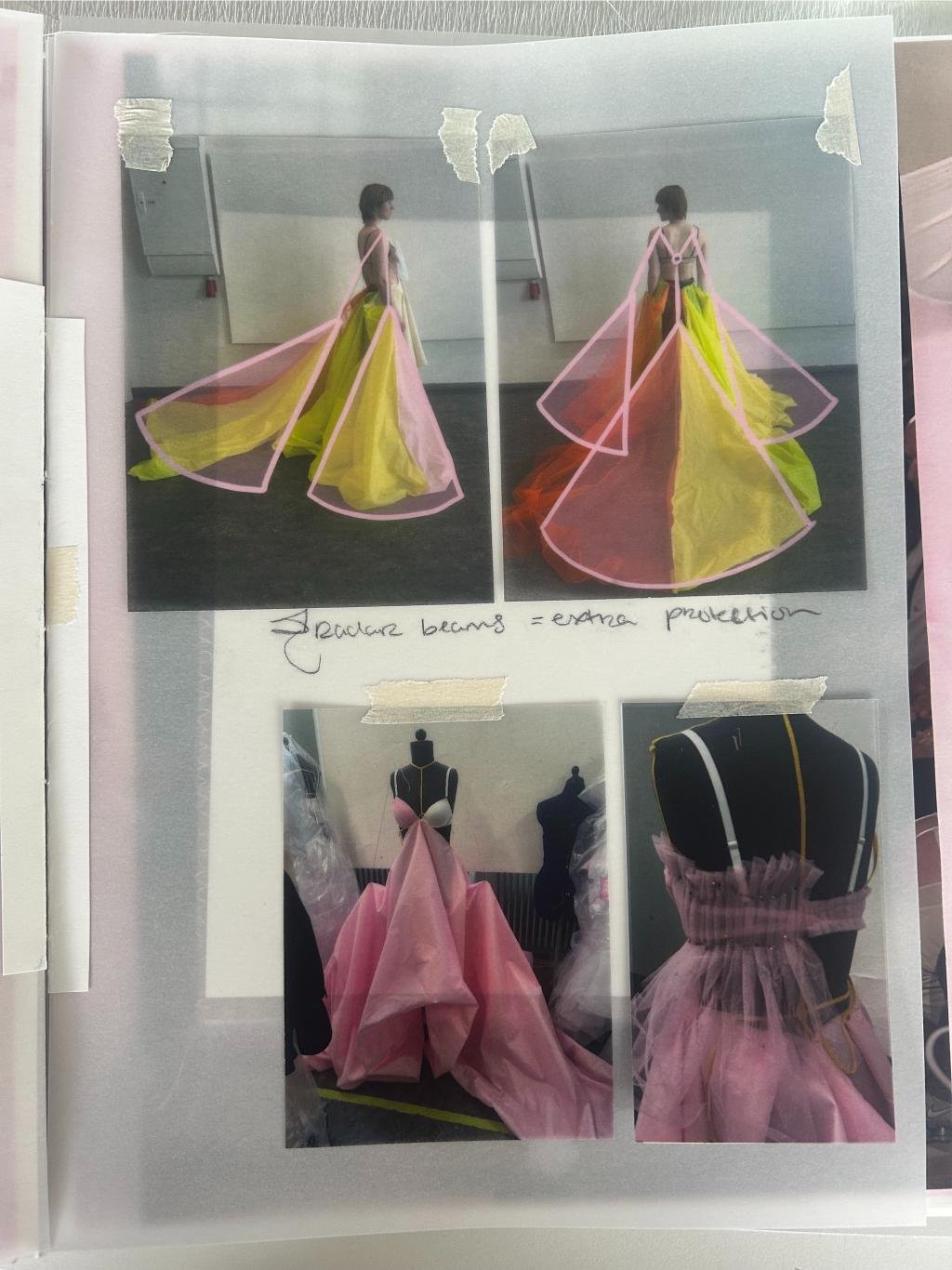
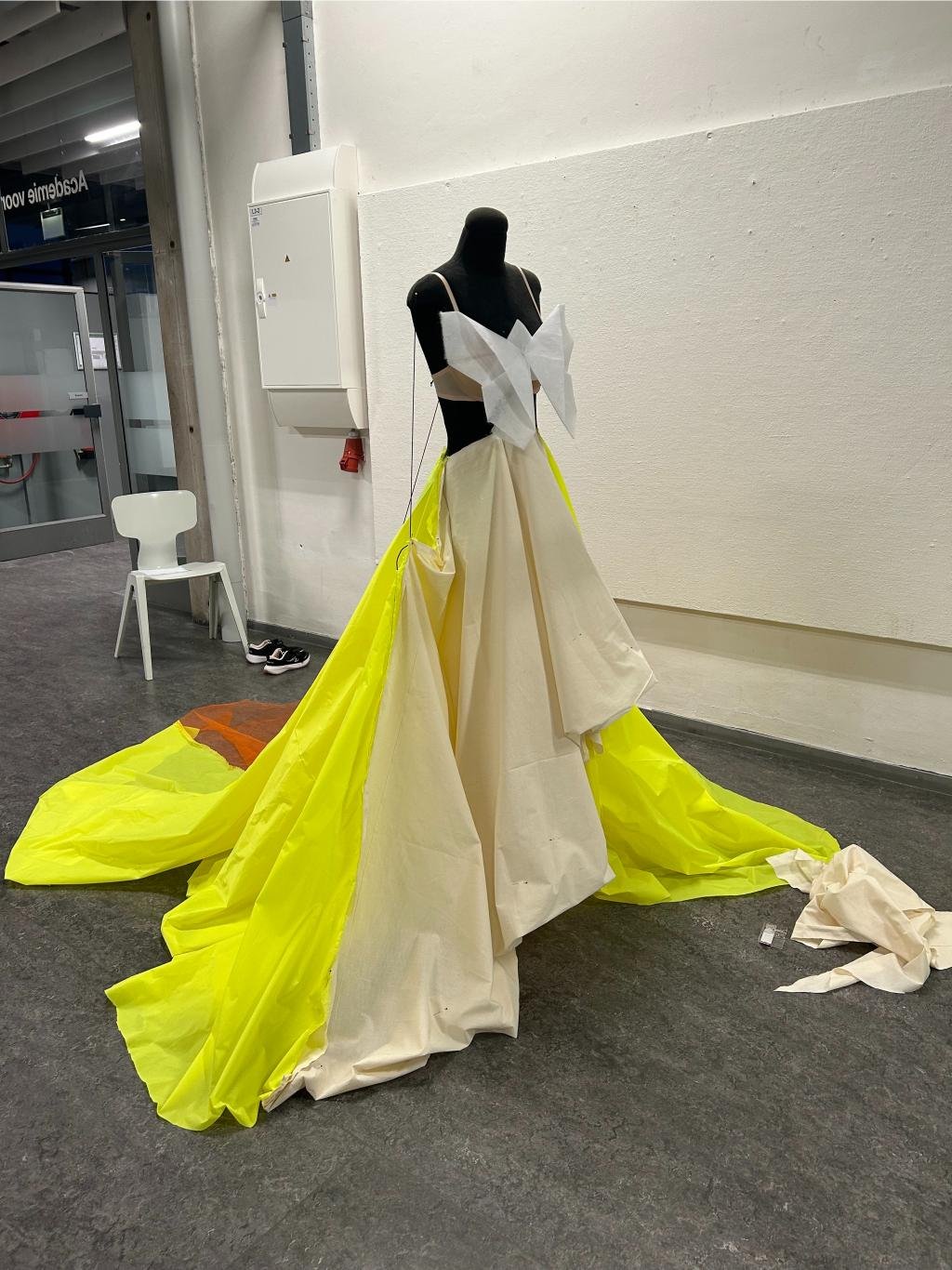
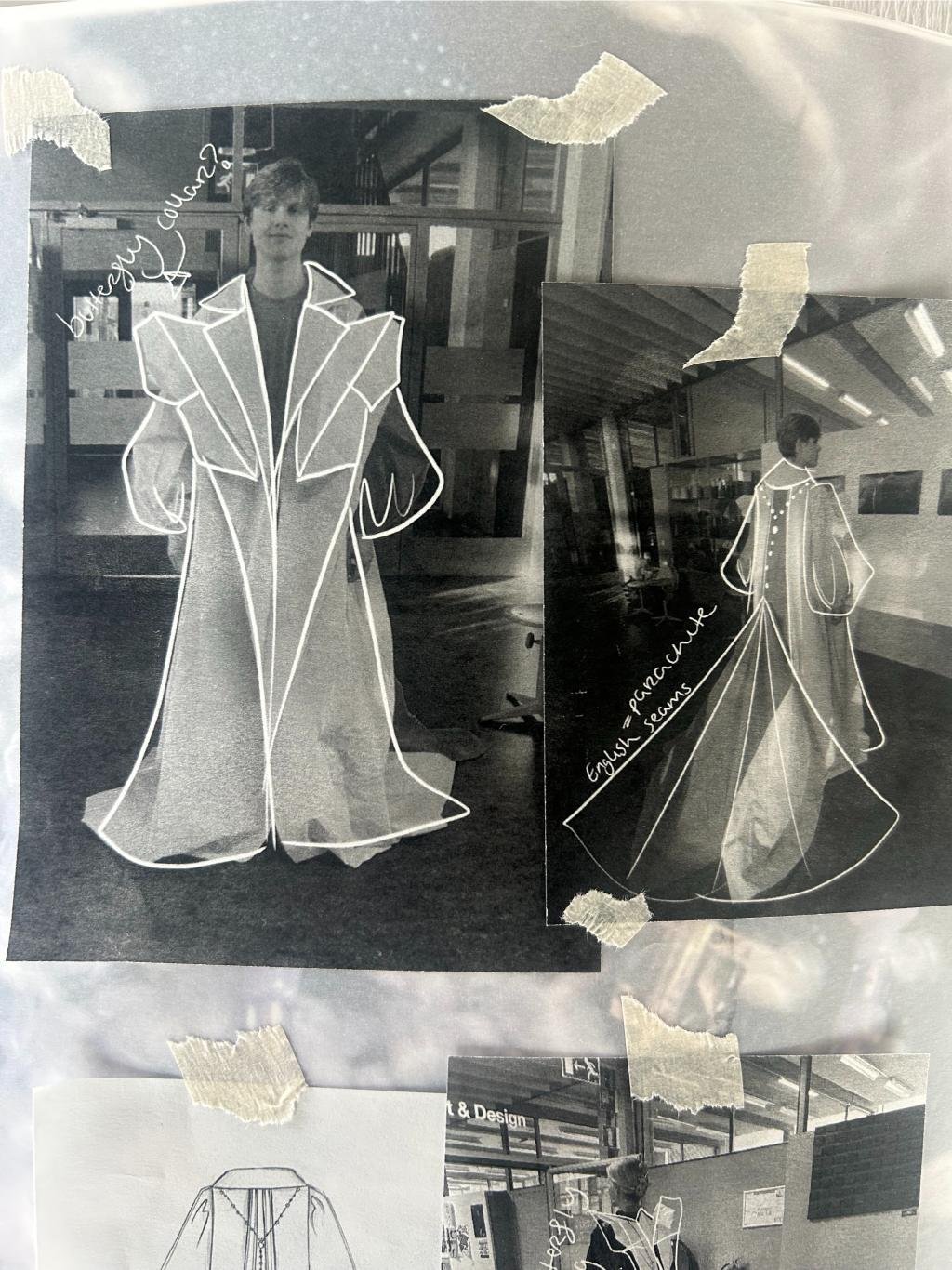
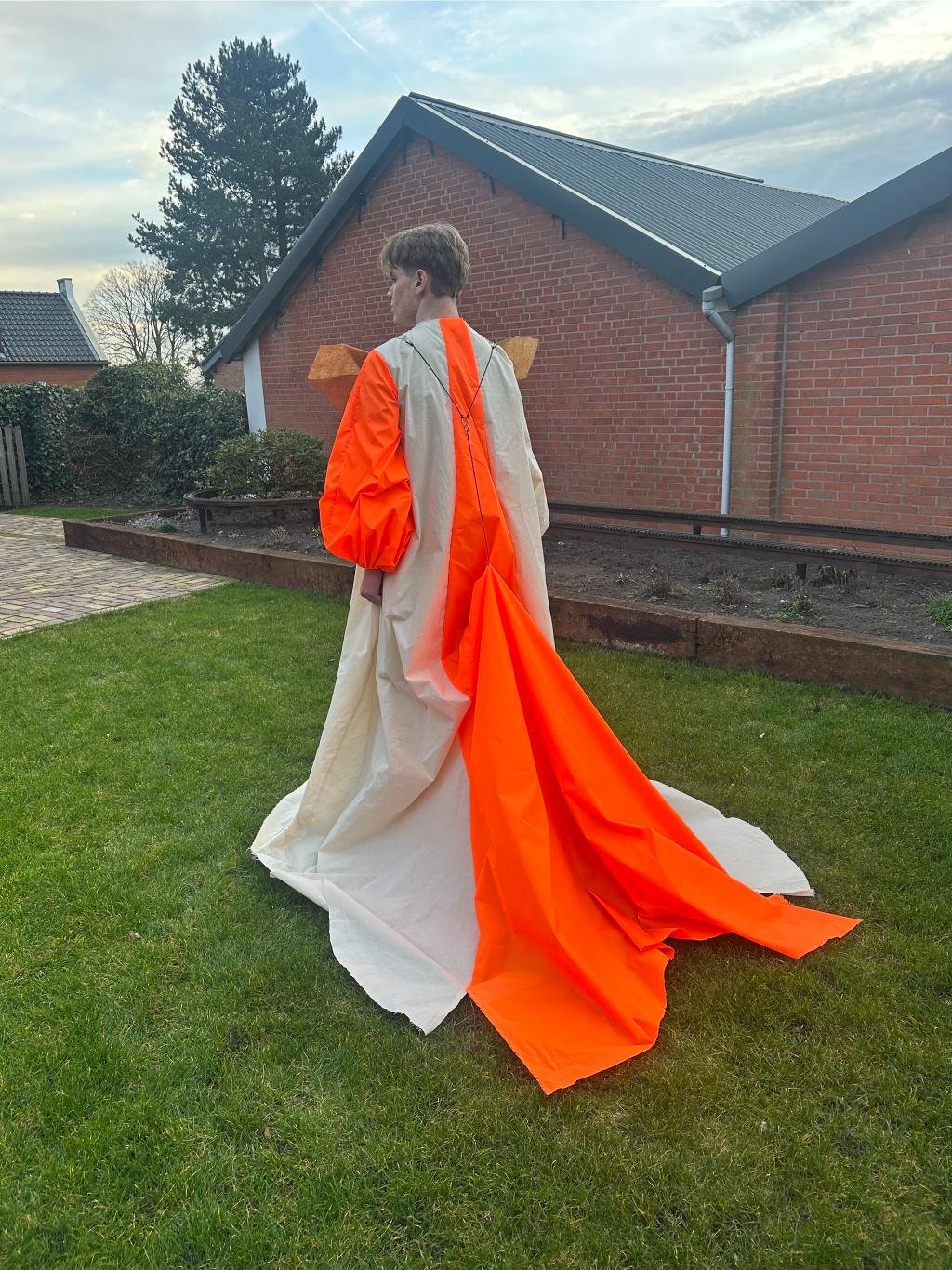
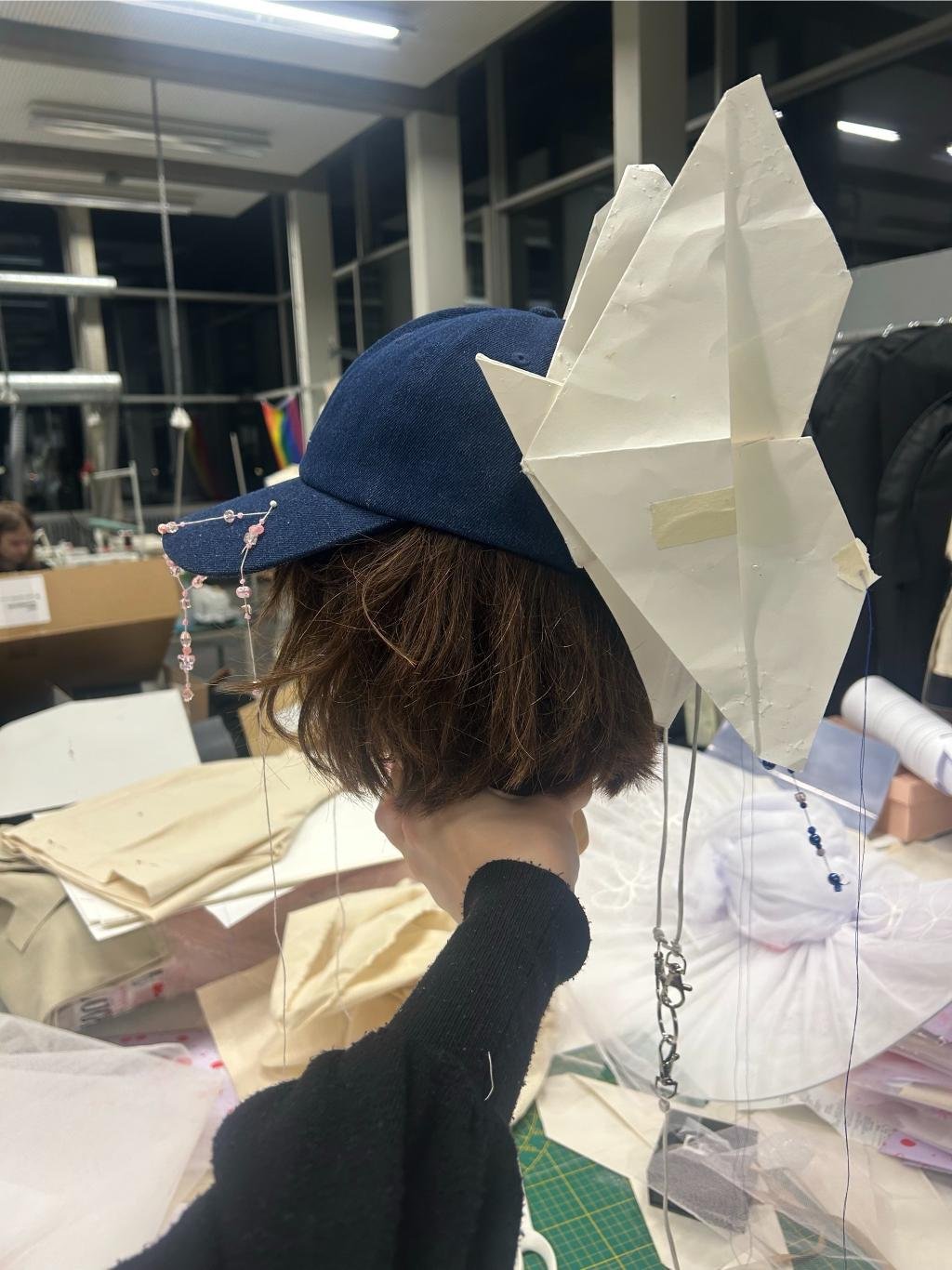
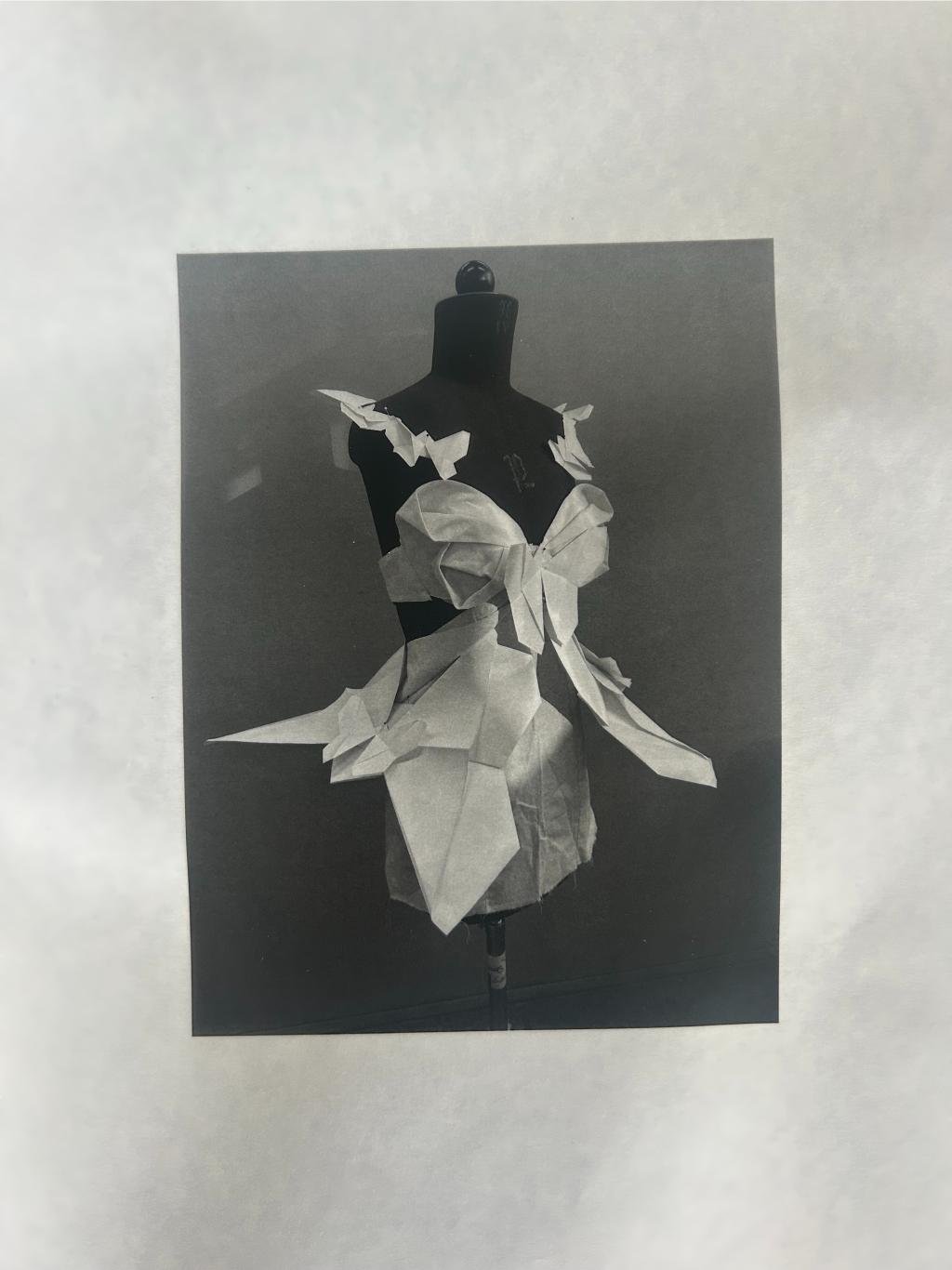
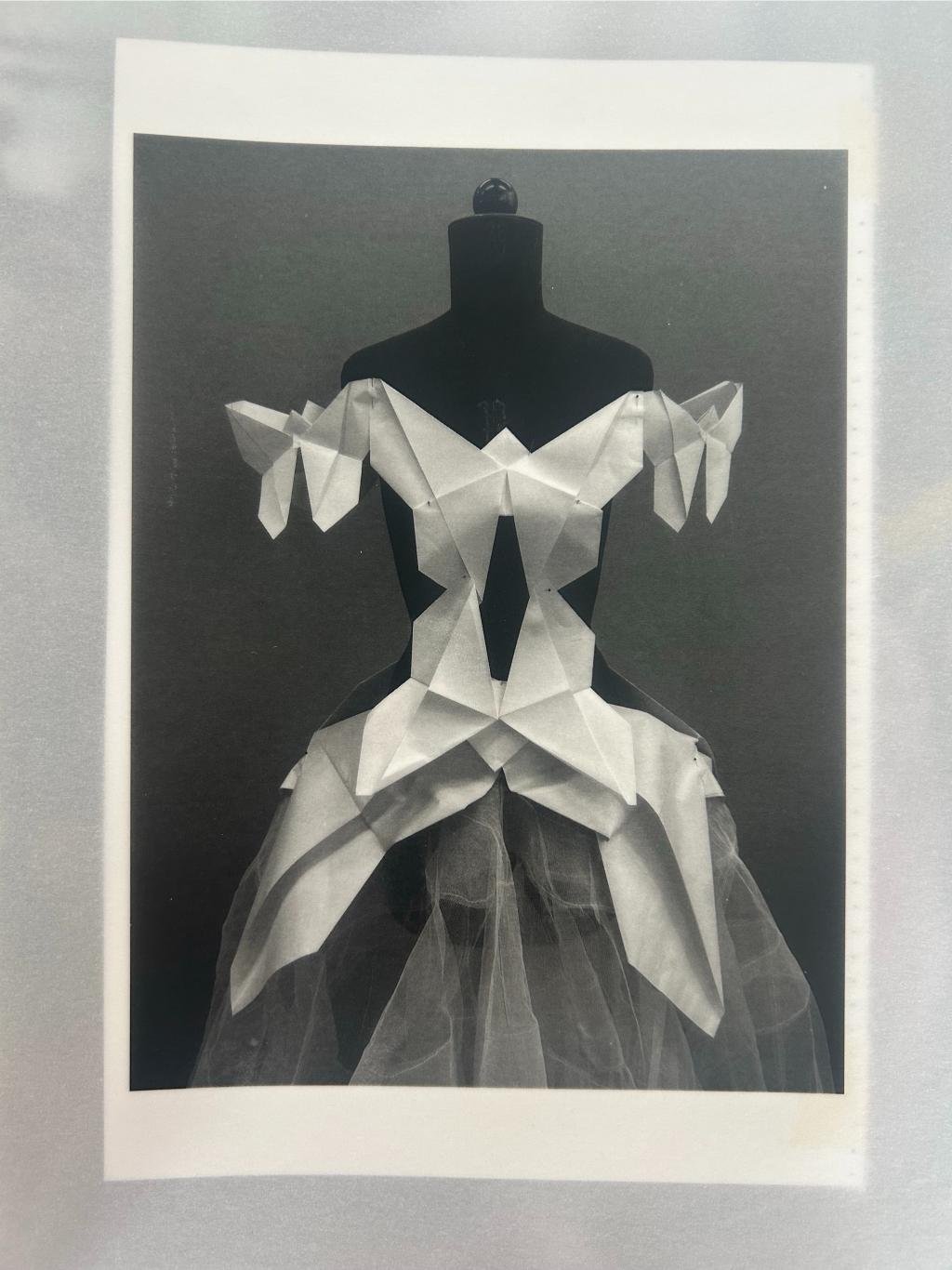
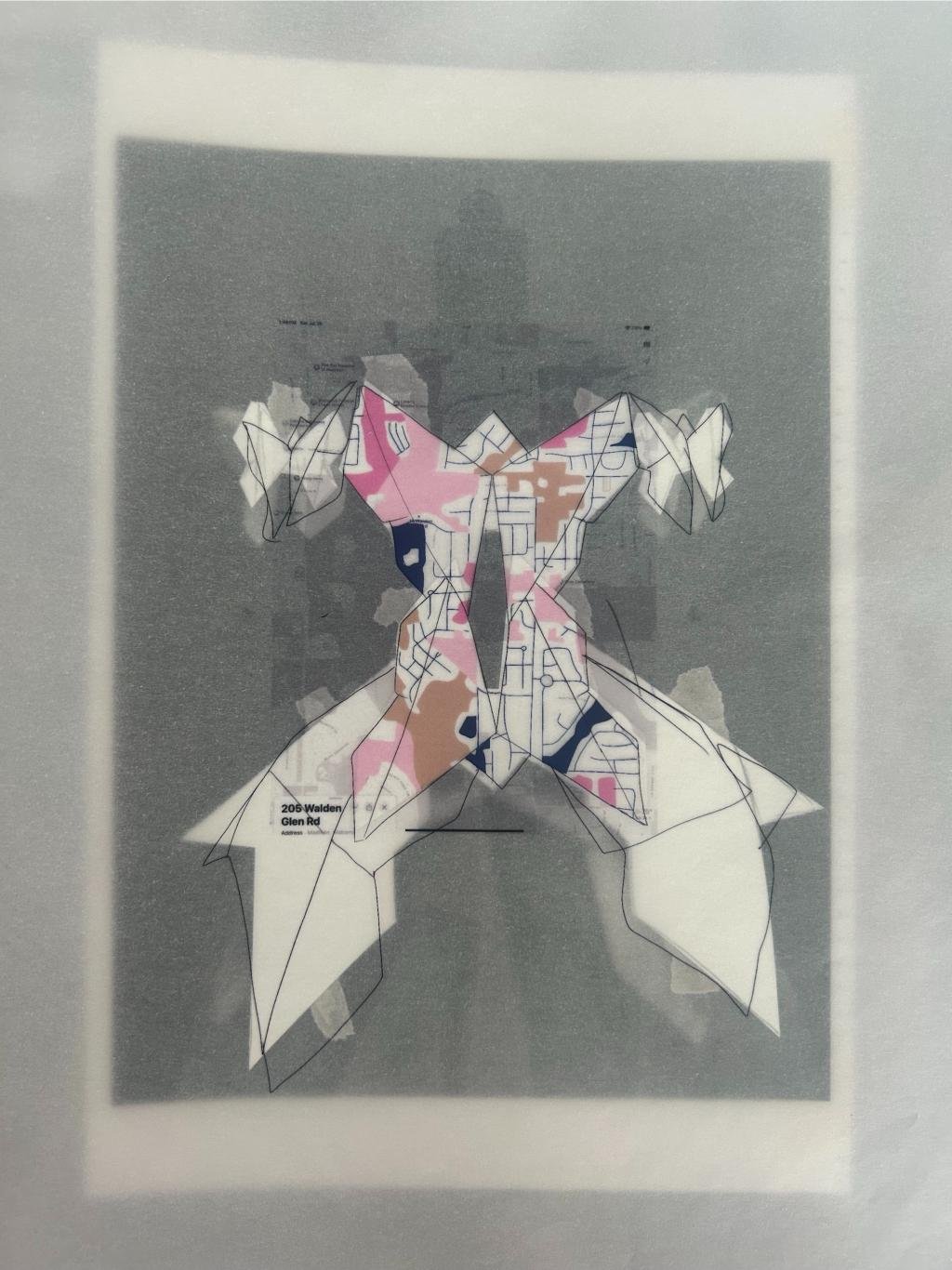
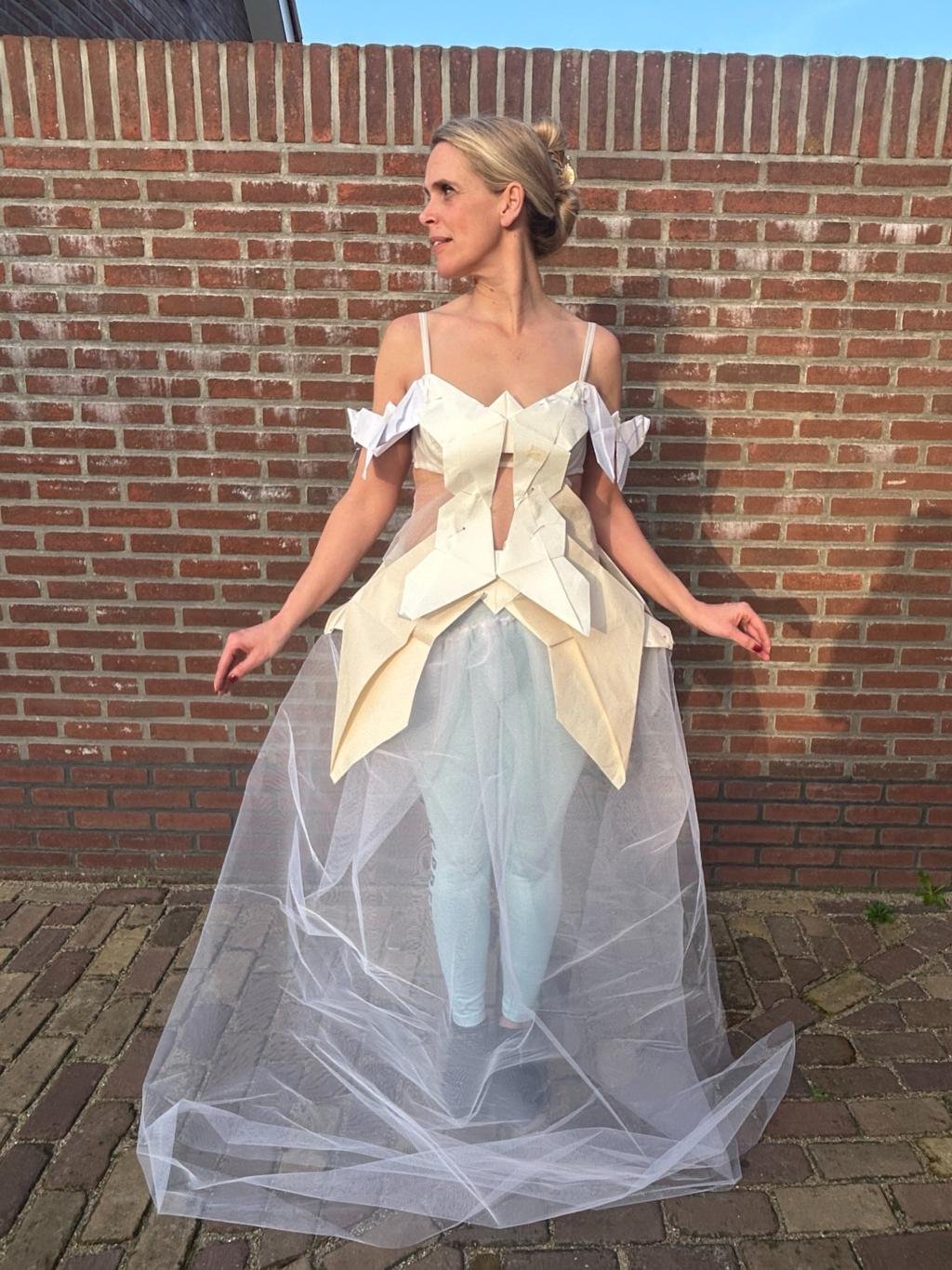
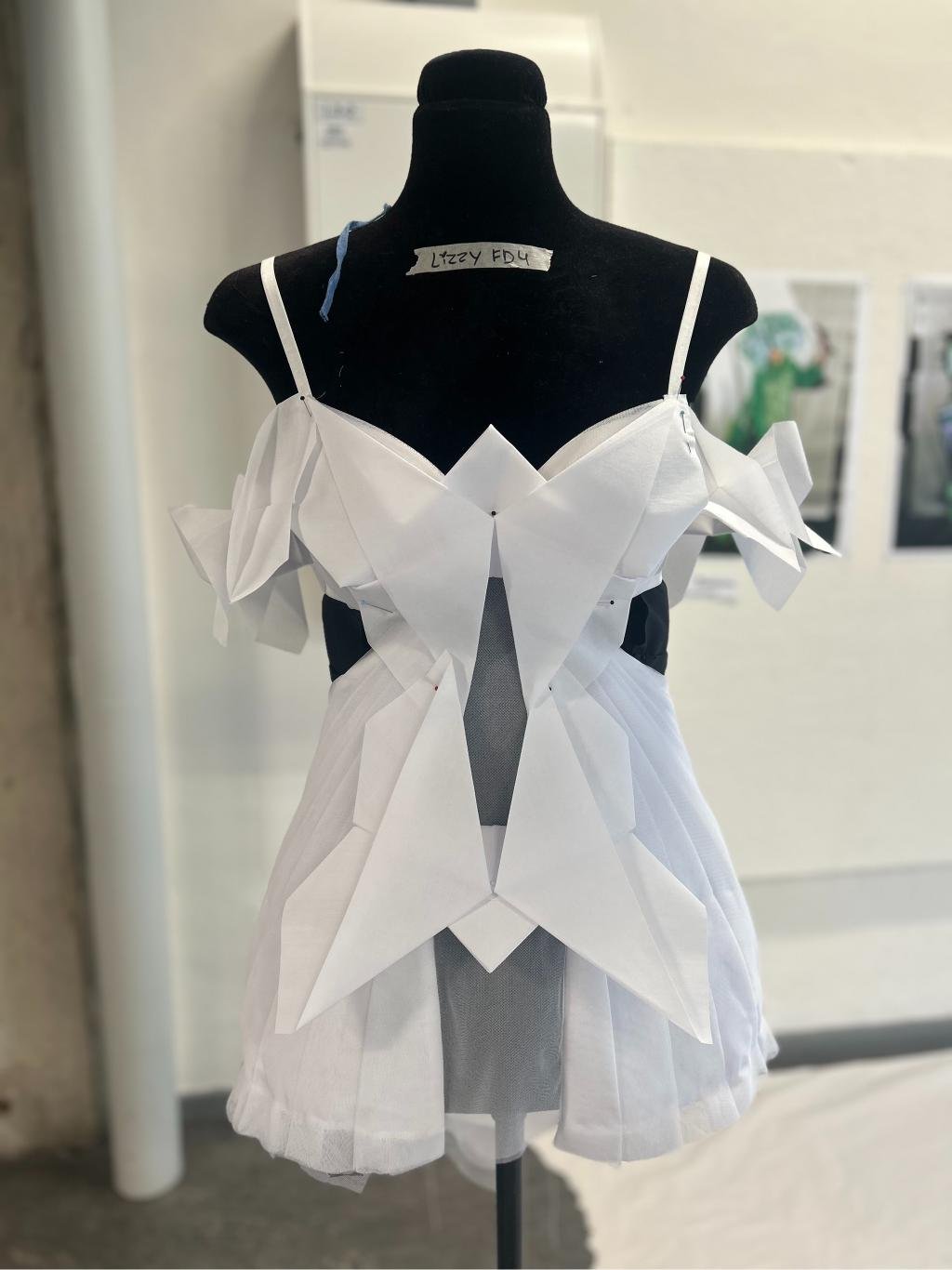
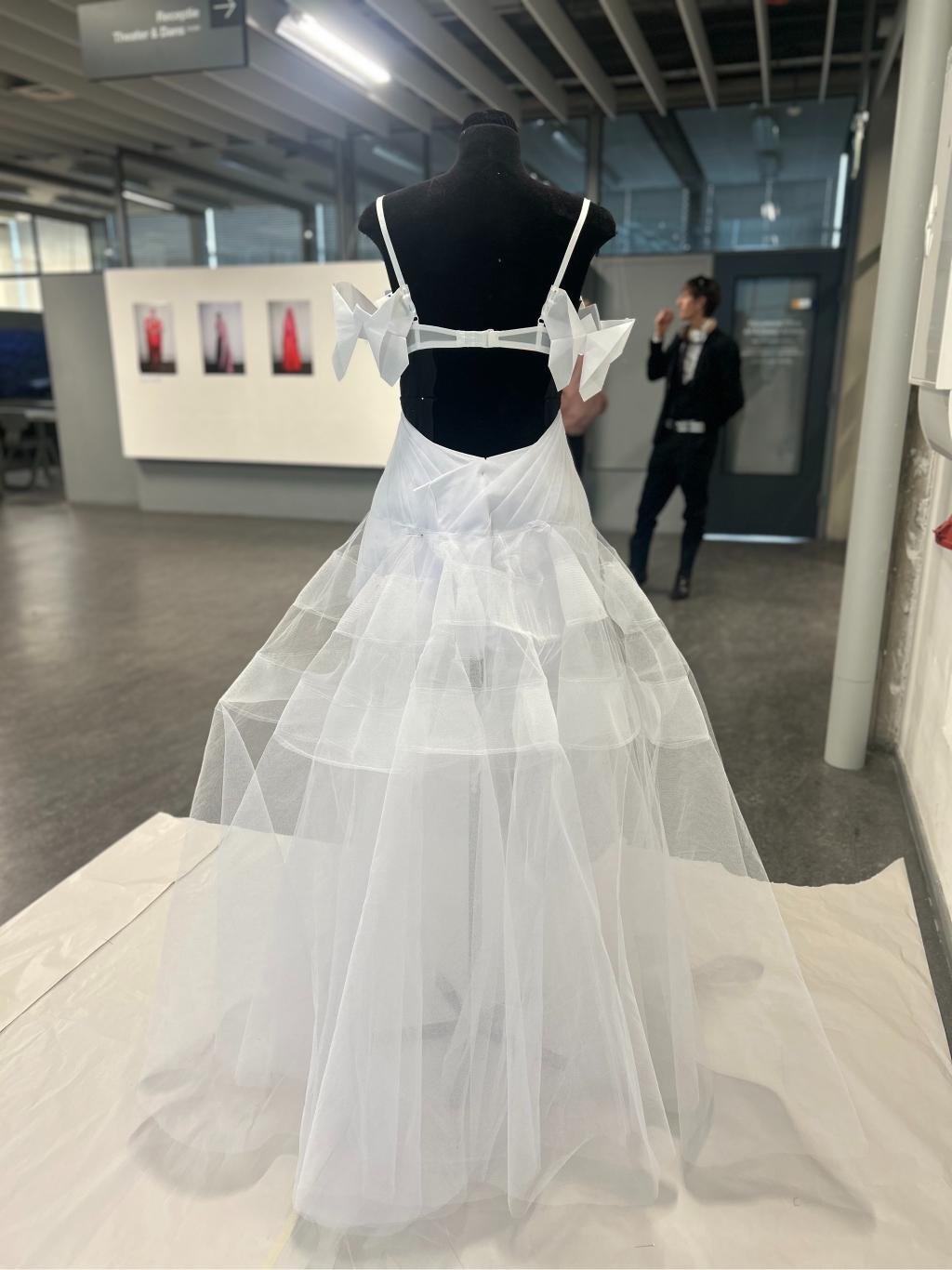
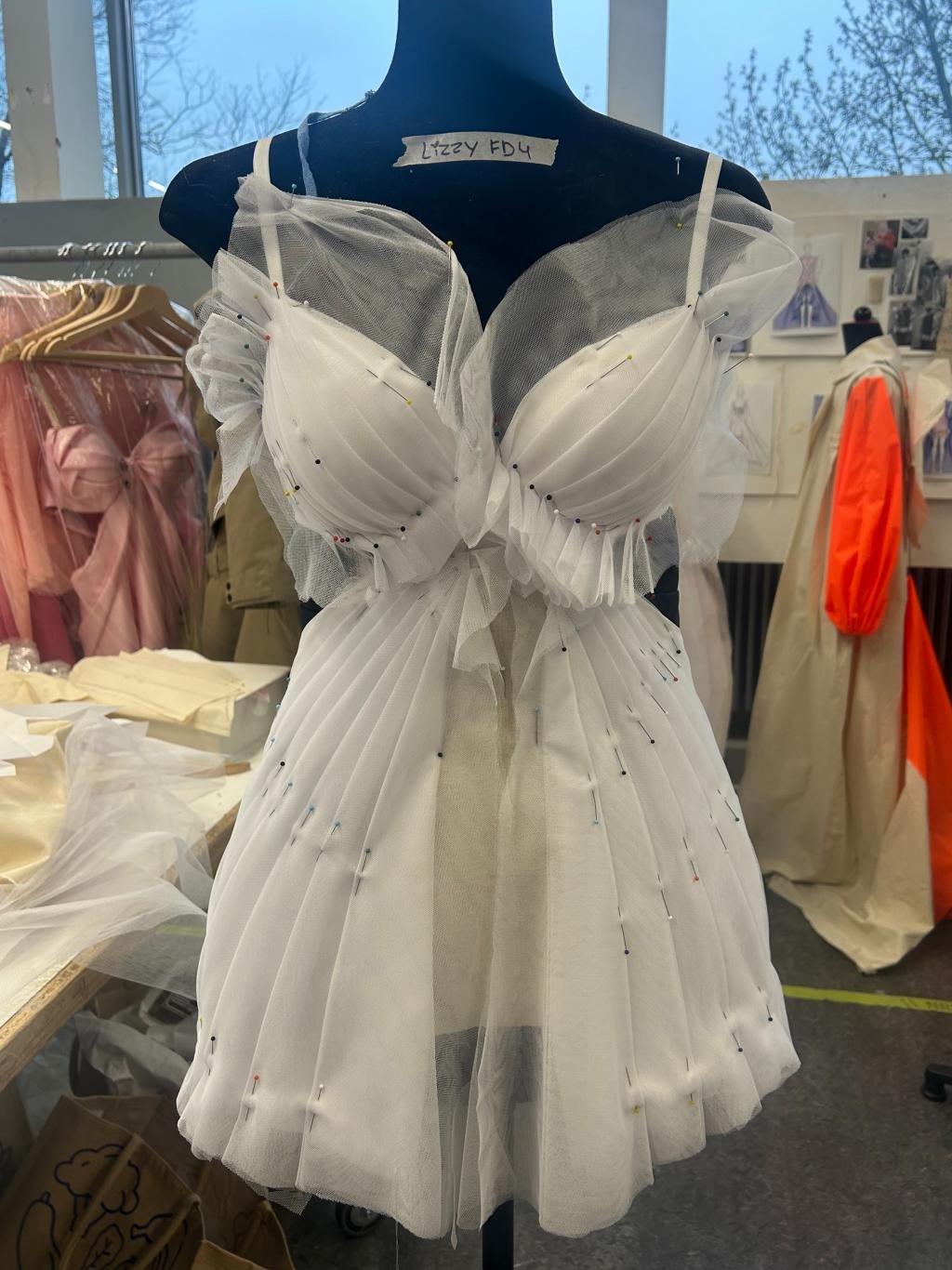
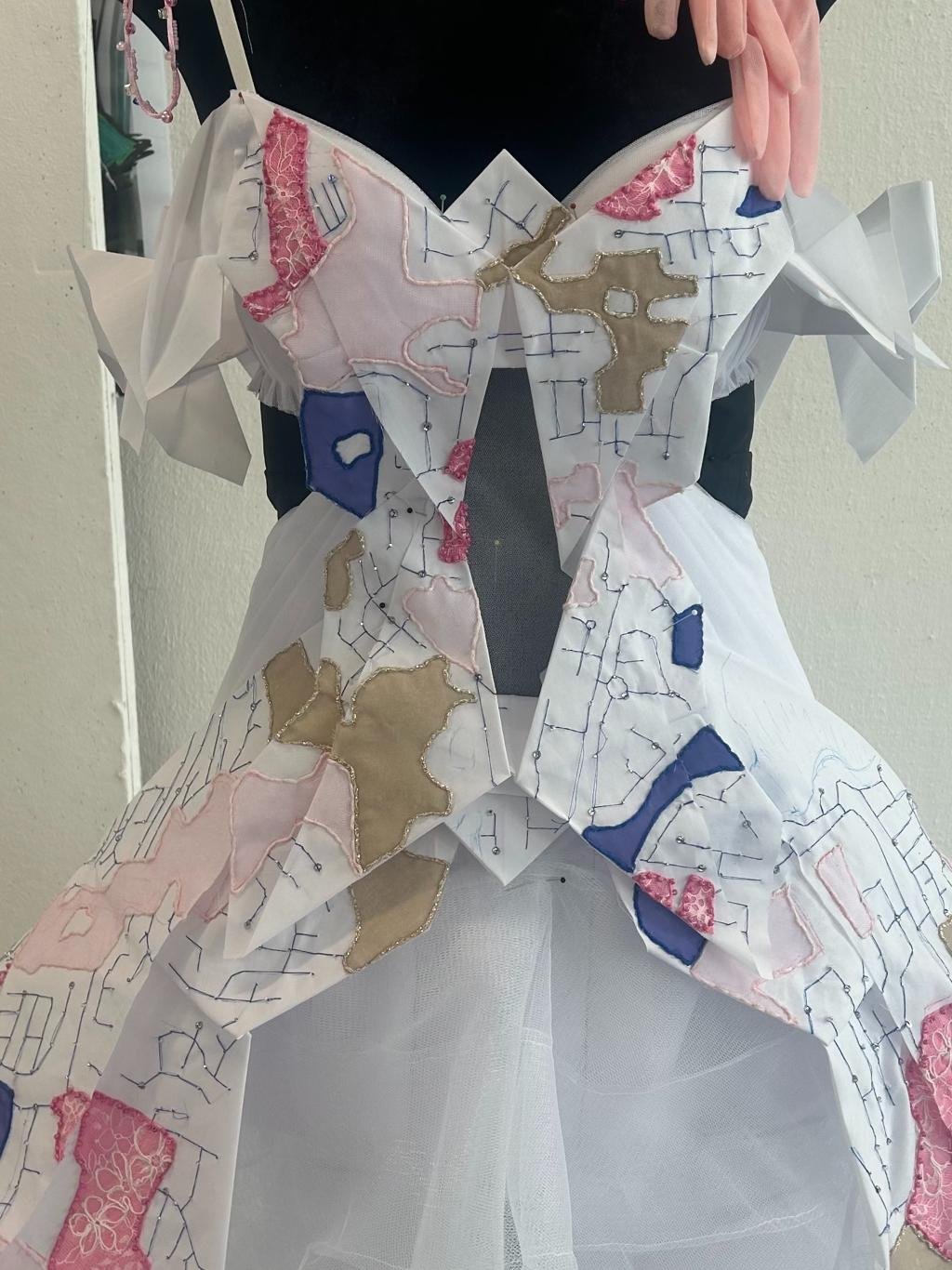
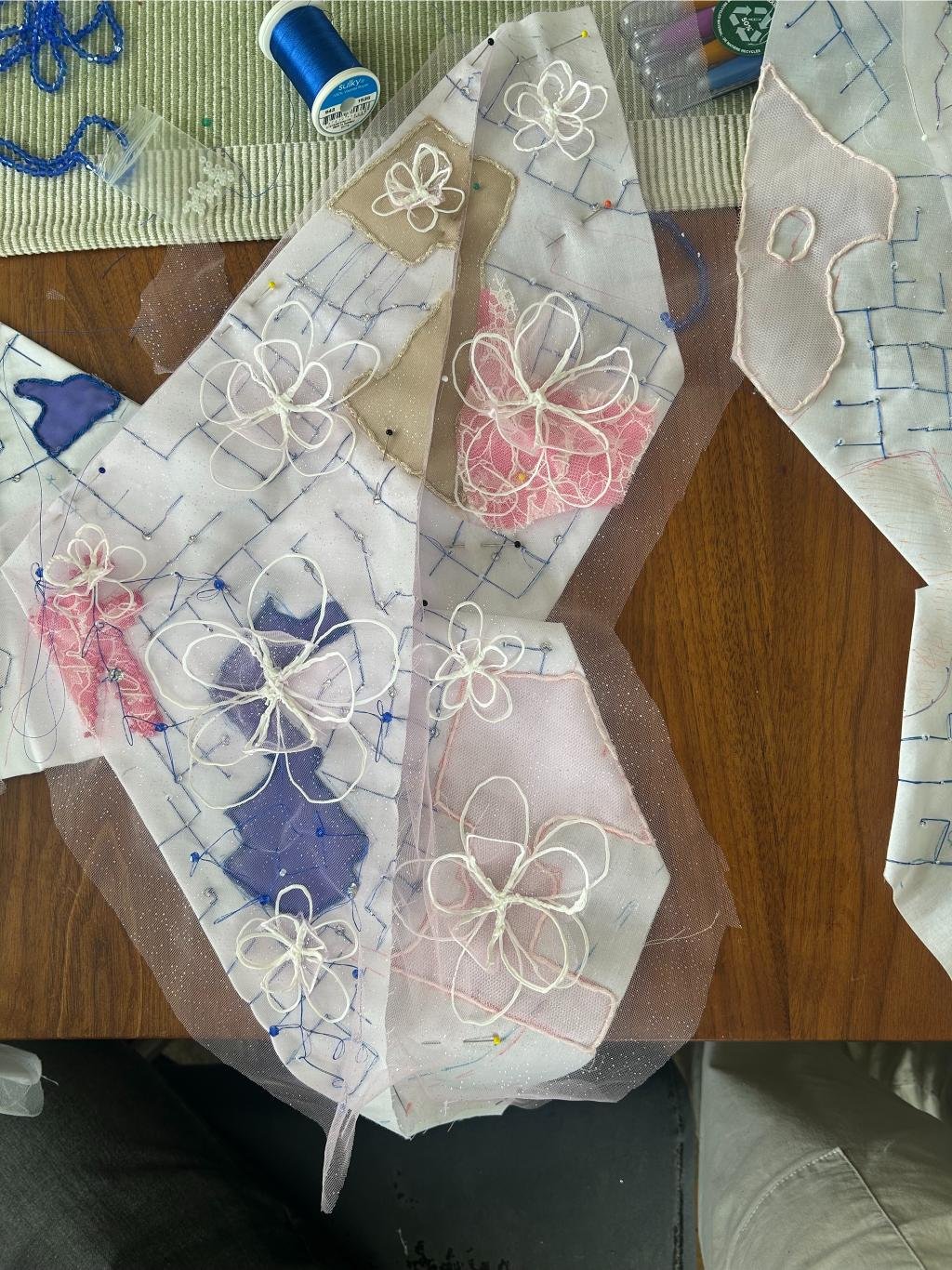
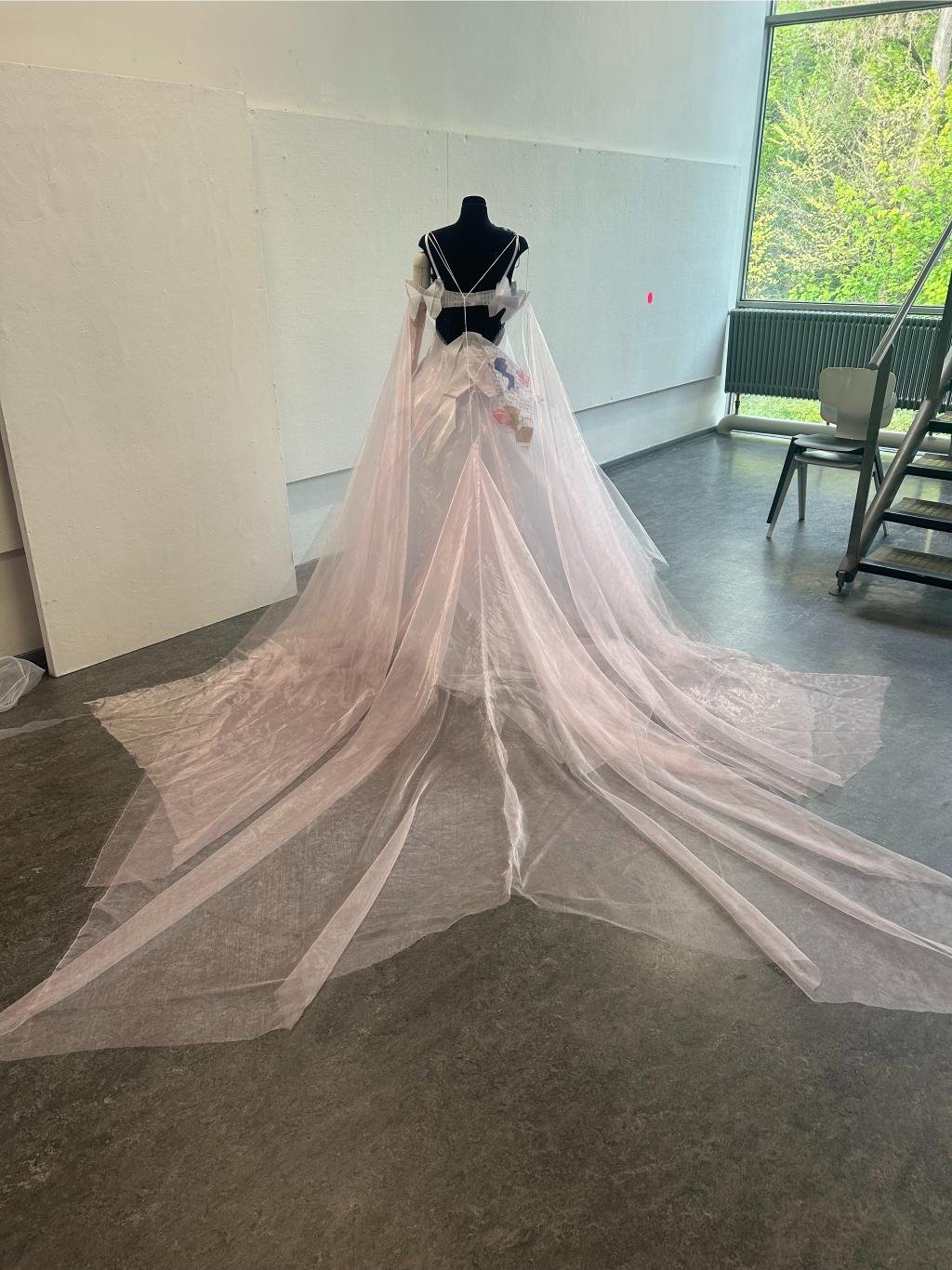
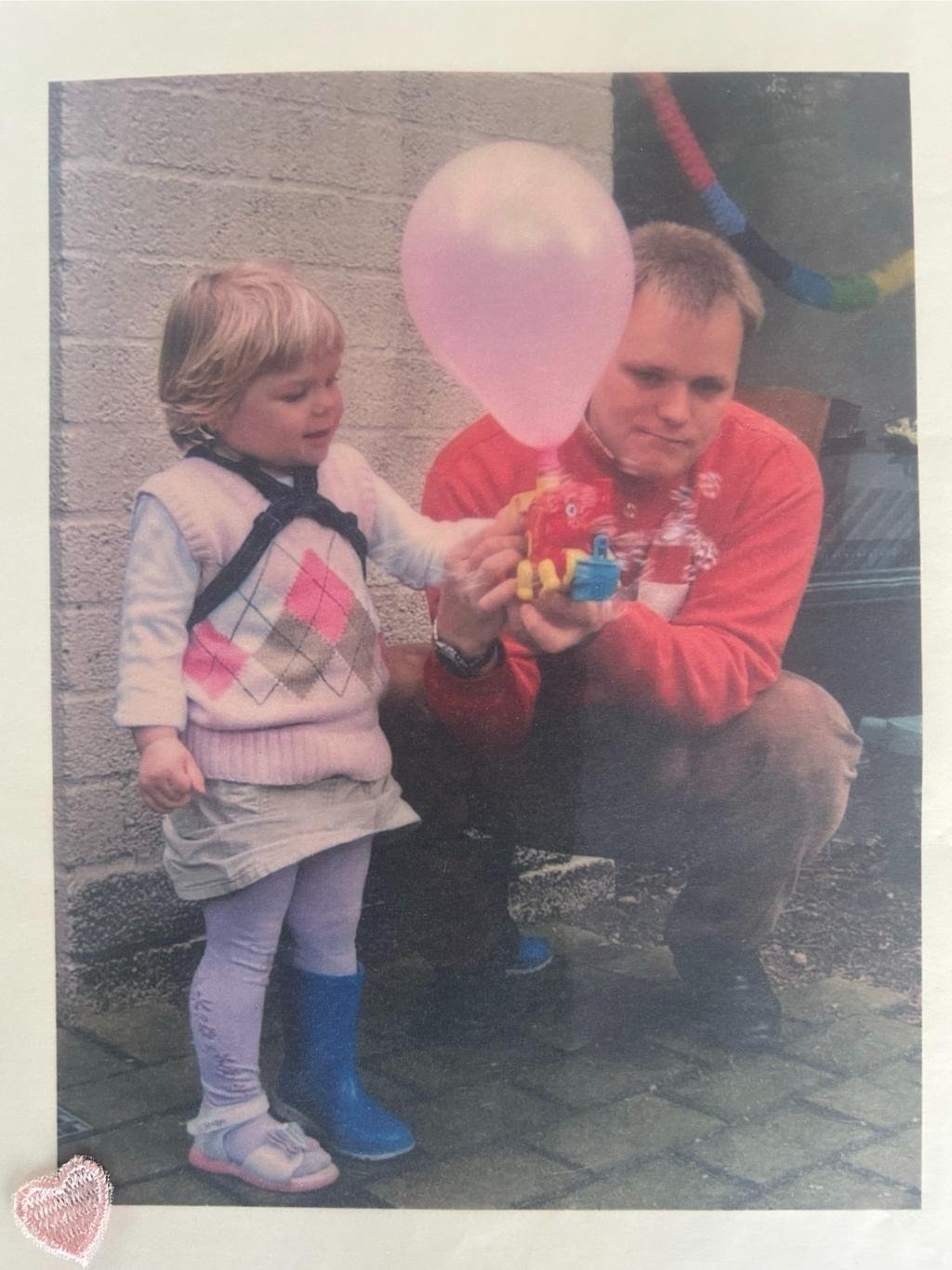
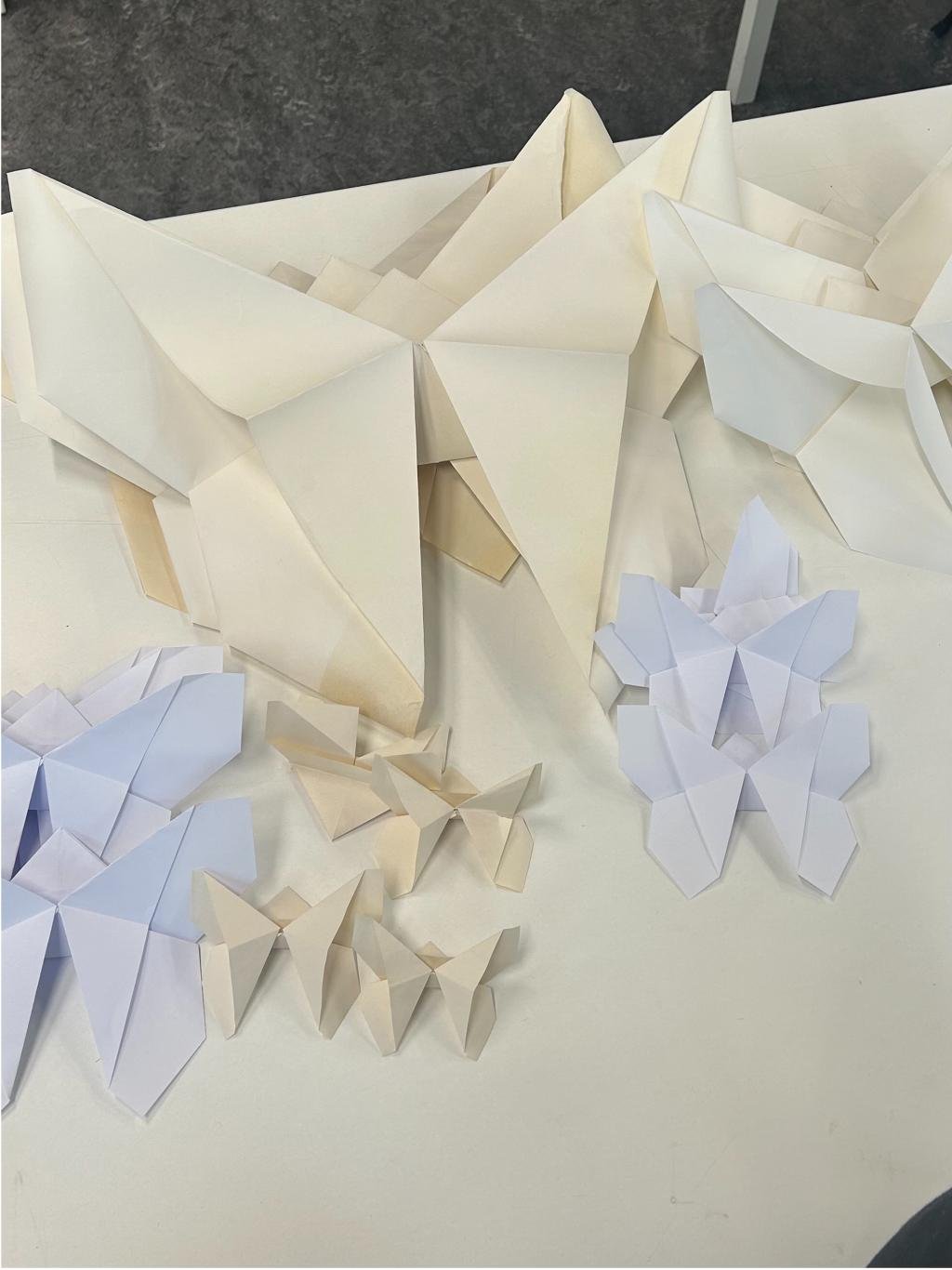
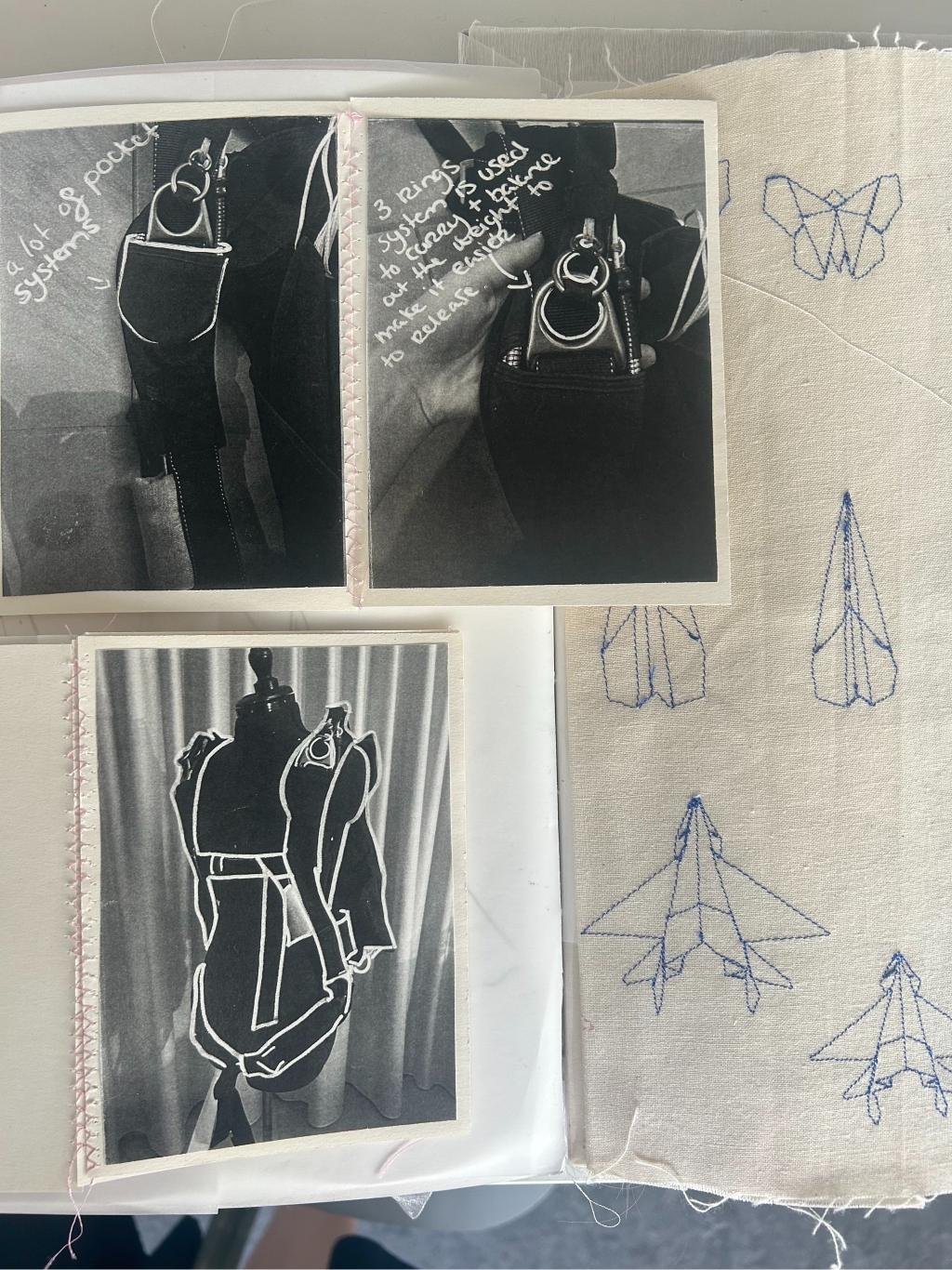
Lizzy Voeten’s collection, Eclosion, explores innocence, imagination, and transformation through the memory of a childhood photograph. Butterflies become symbols of growth and metamorphosis, embroidered maps trace the places that have shaped her journey, and parachutes represent the love and protection of her parents as she moves into adulthood. Together these elements celebrate the idea that growing up does not require abandoning childhood wonder, but carrying its curiosity, authenticity, and imagination into the future.

@Livashion

Luus van Steenbergen

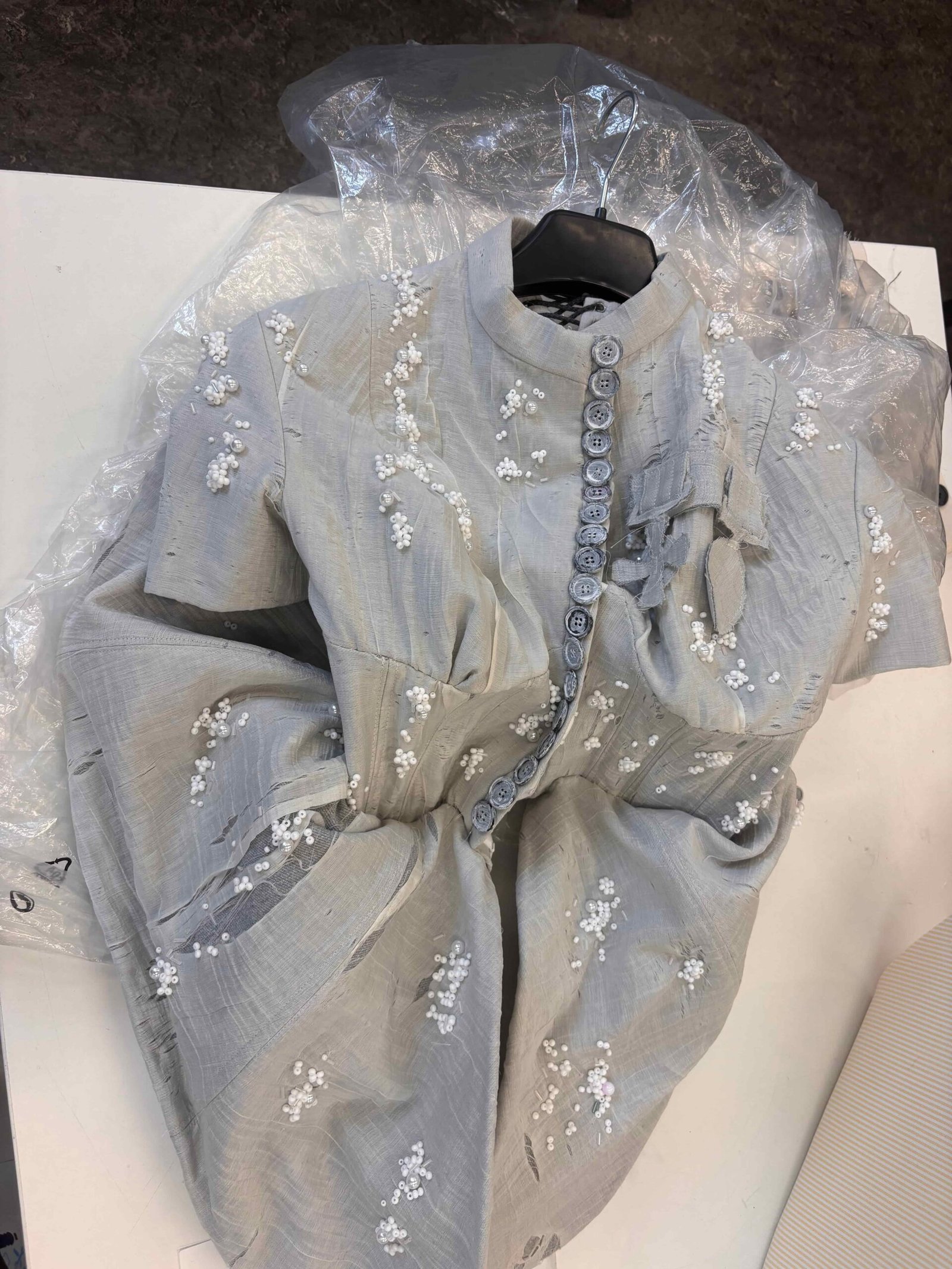
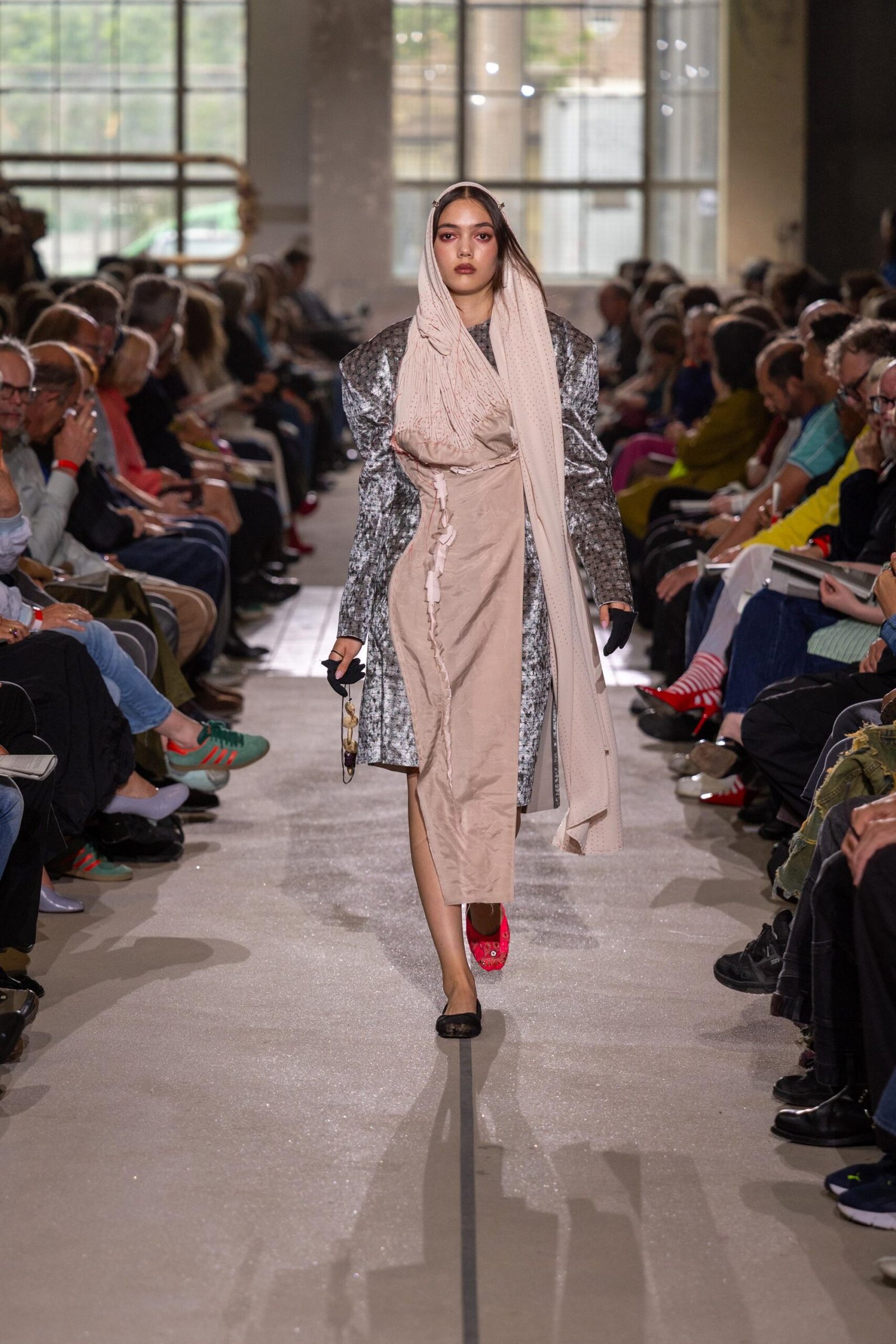
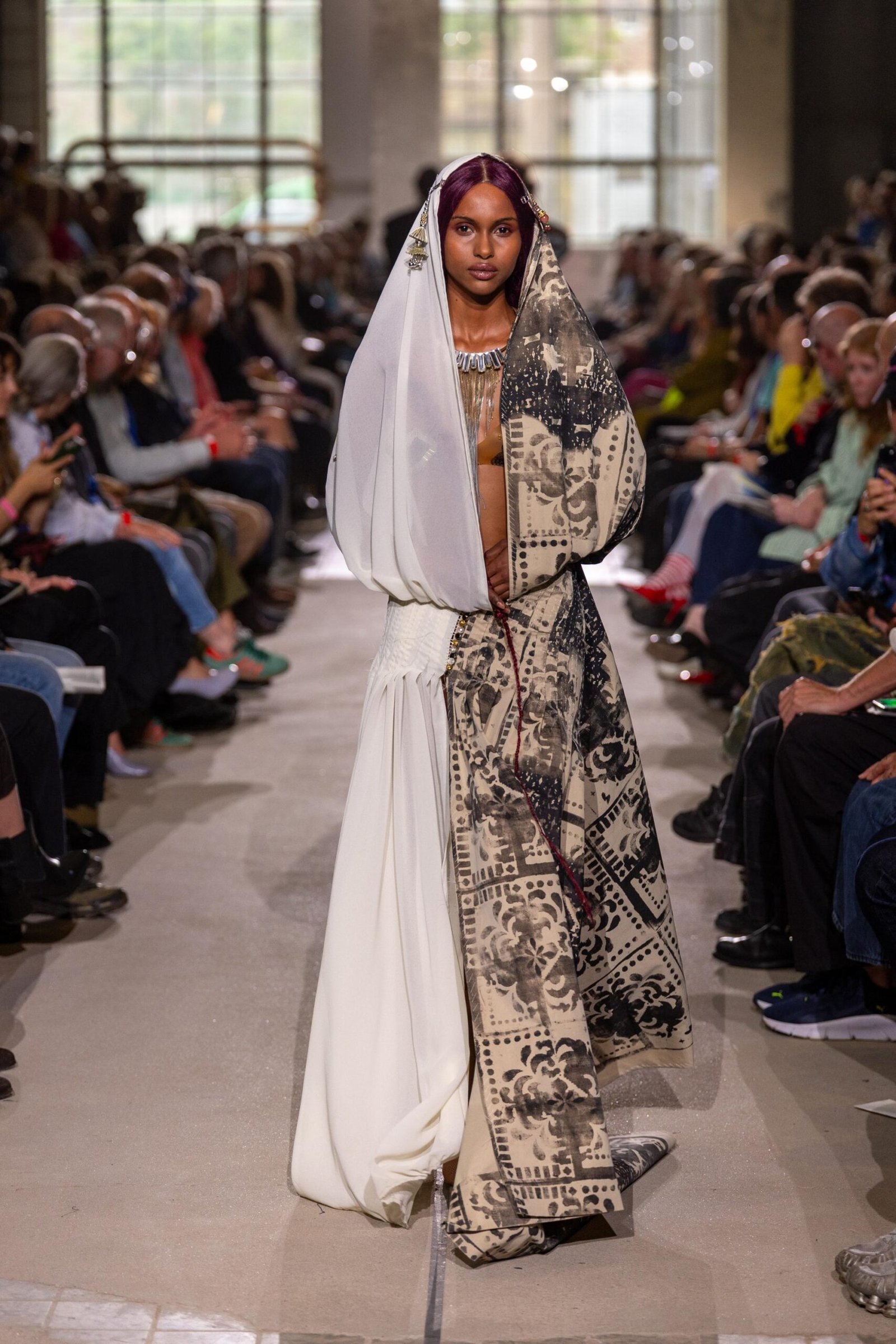
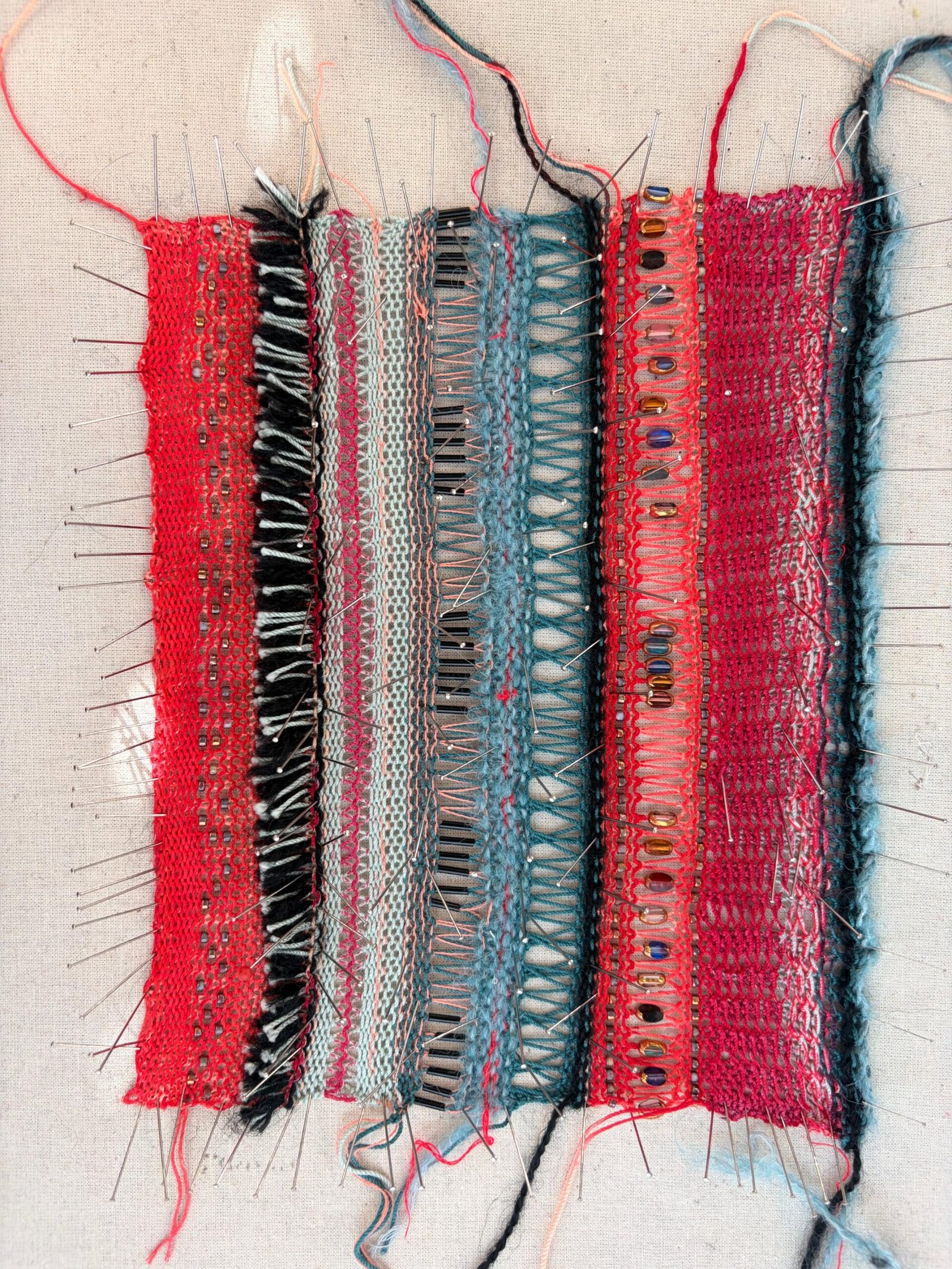
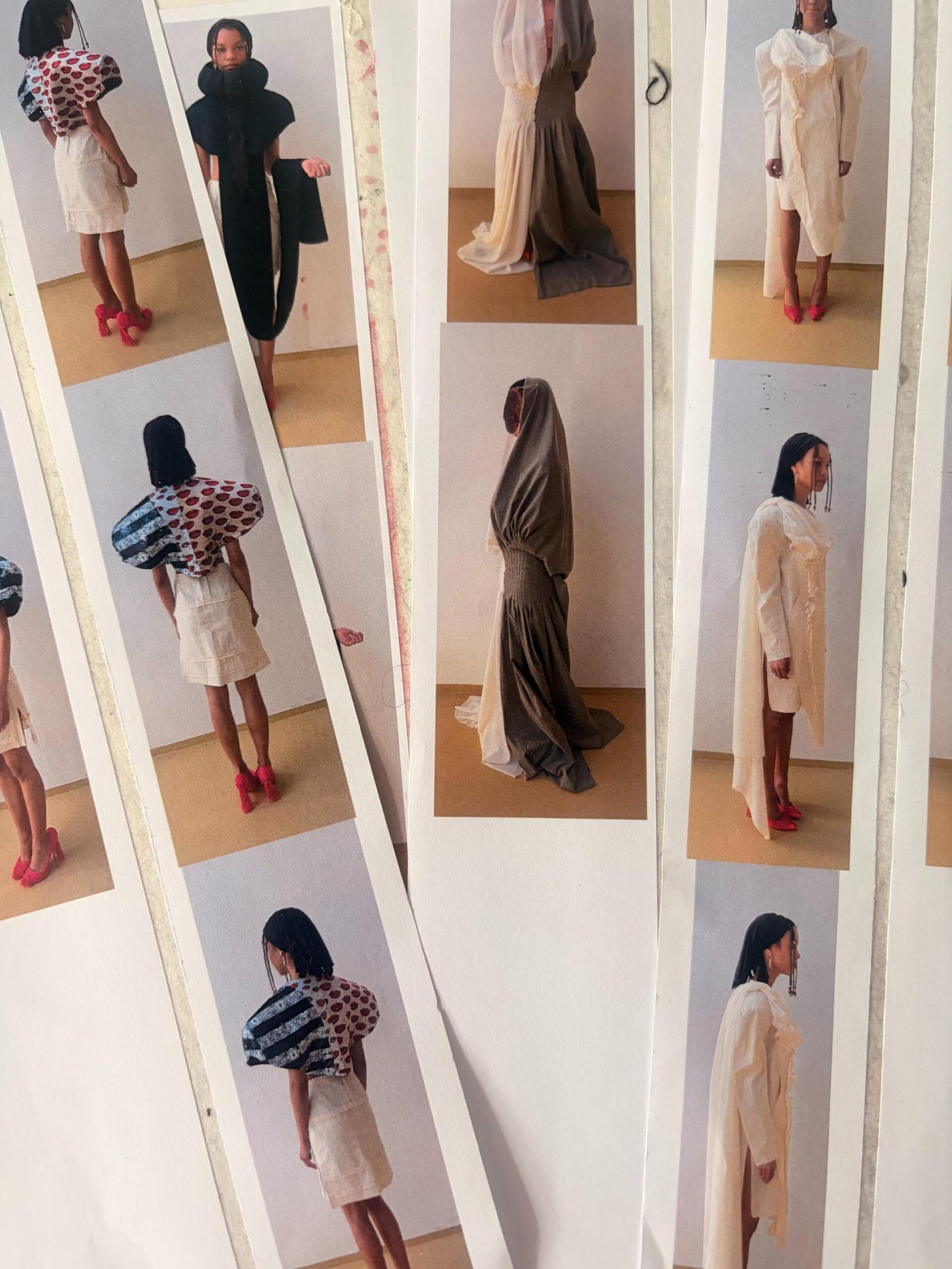
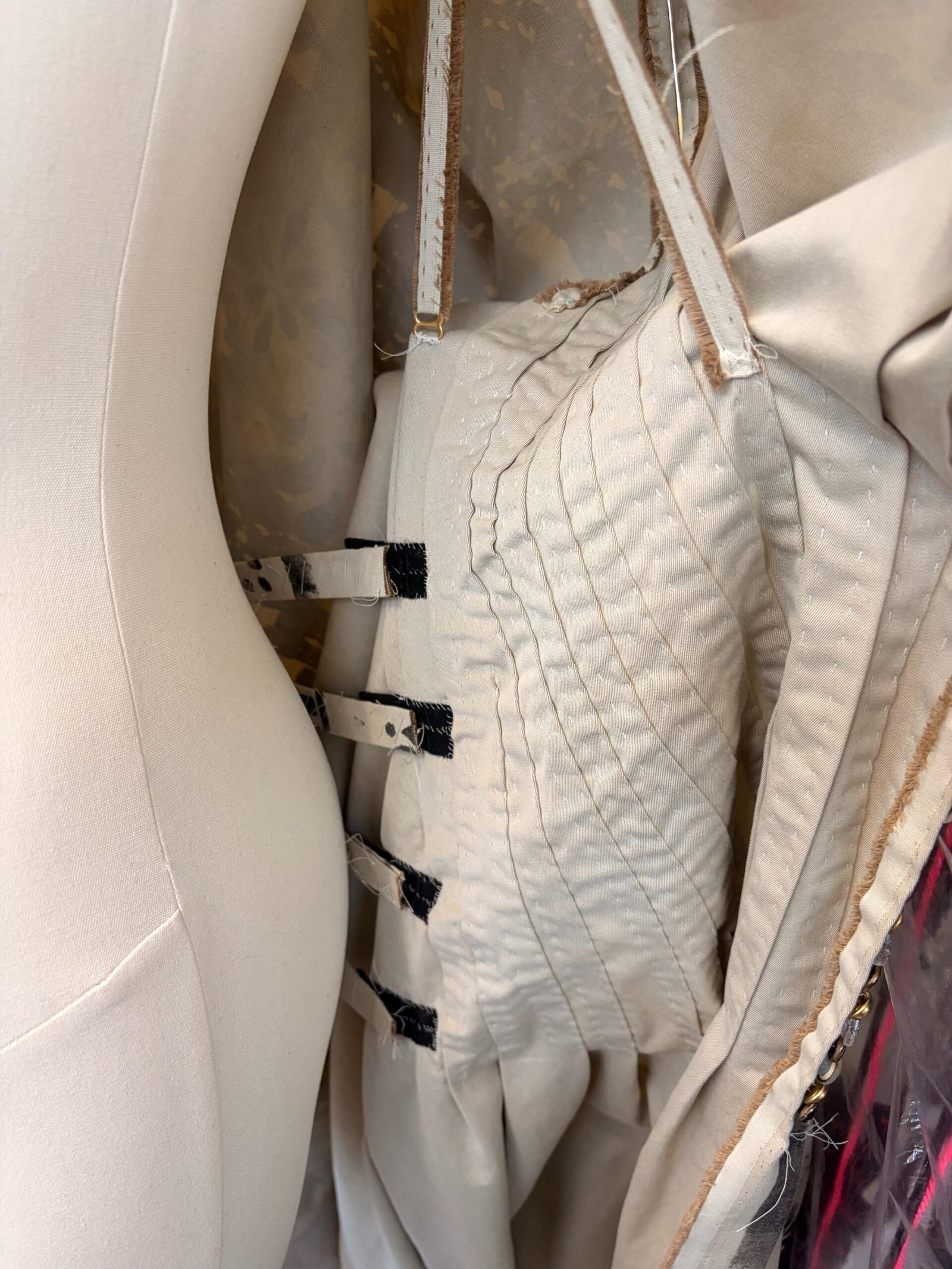
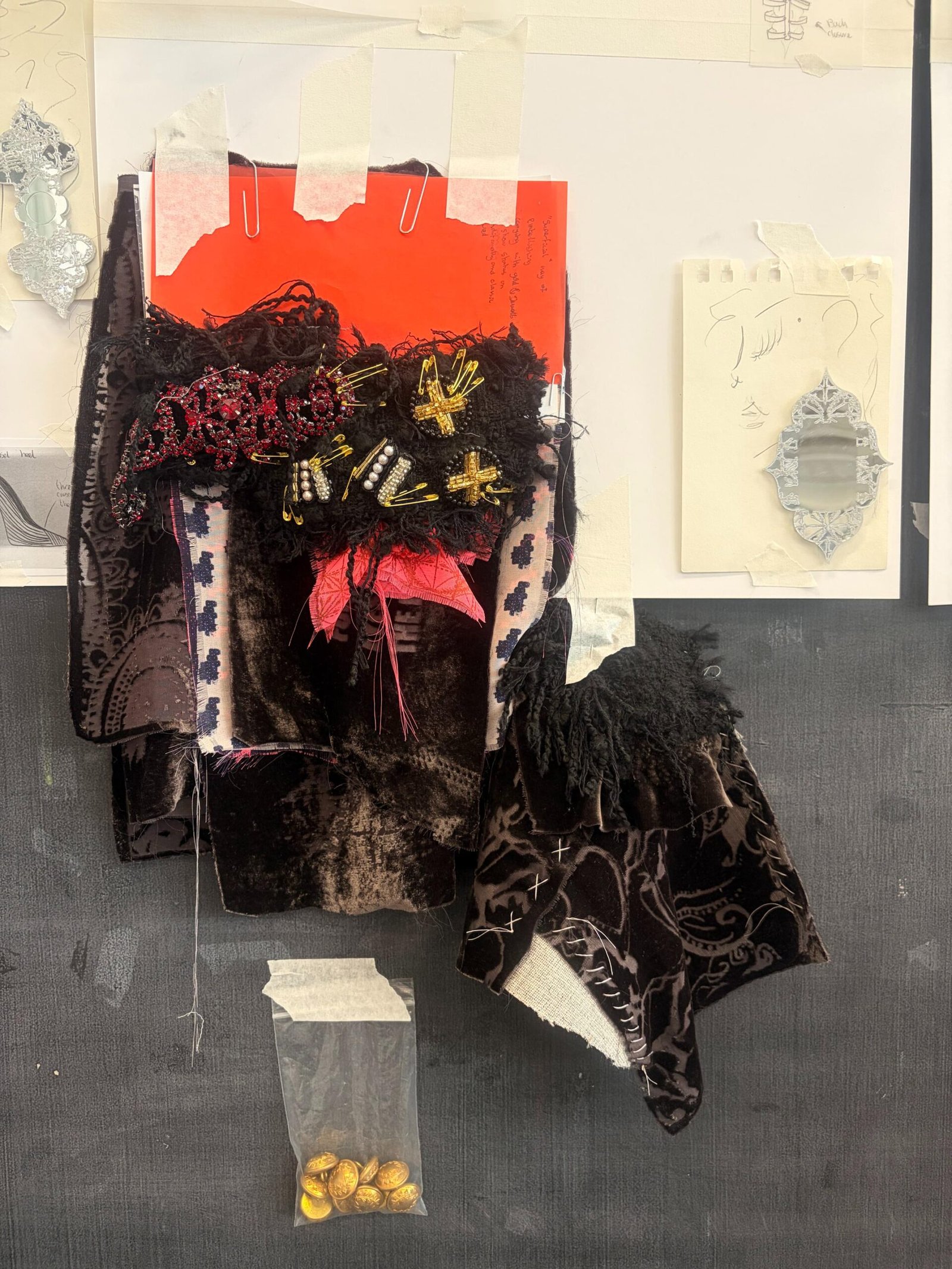
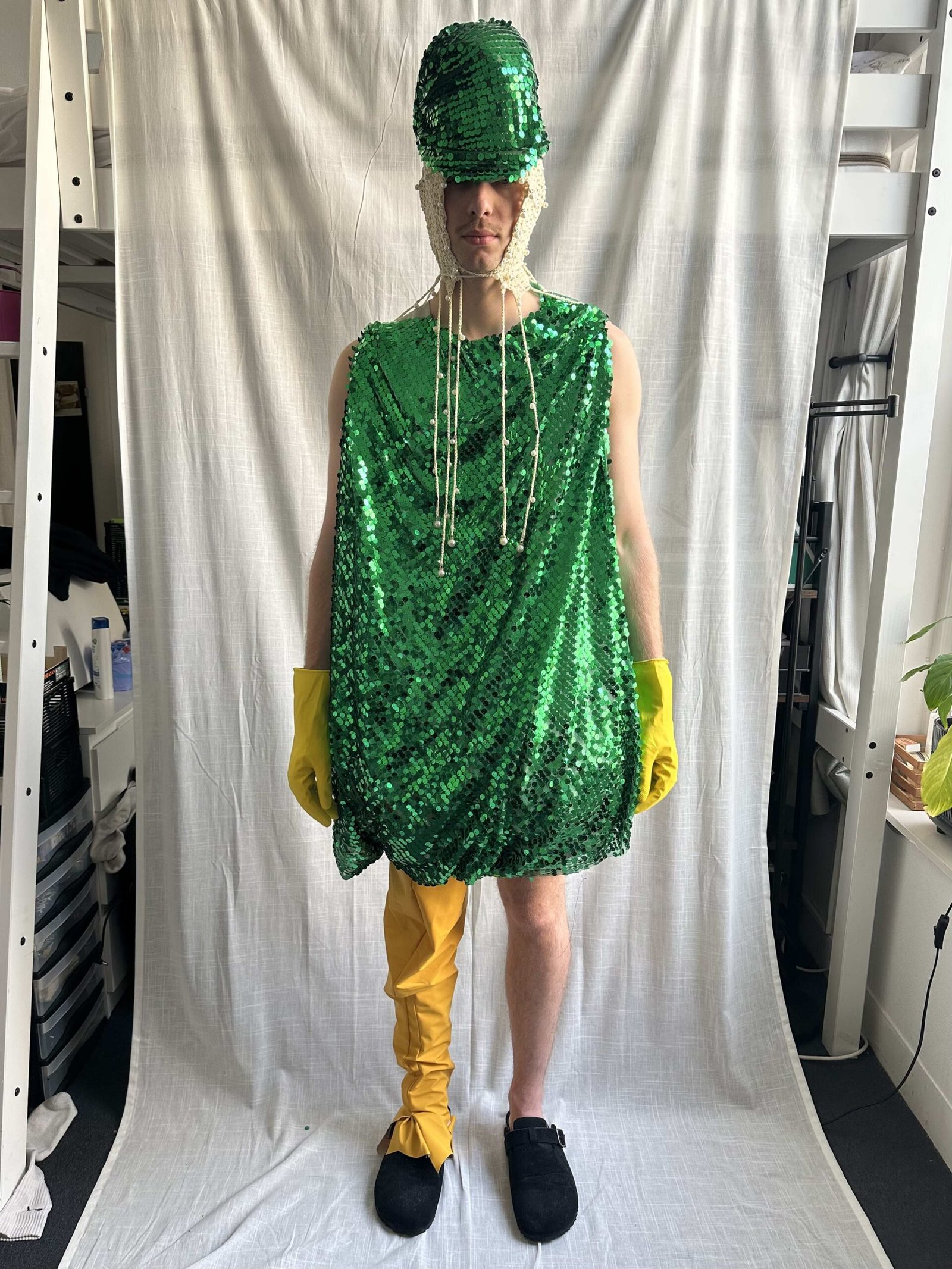
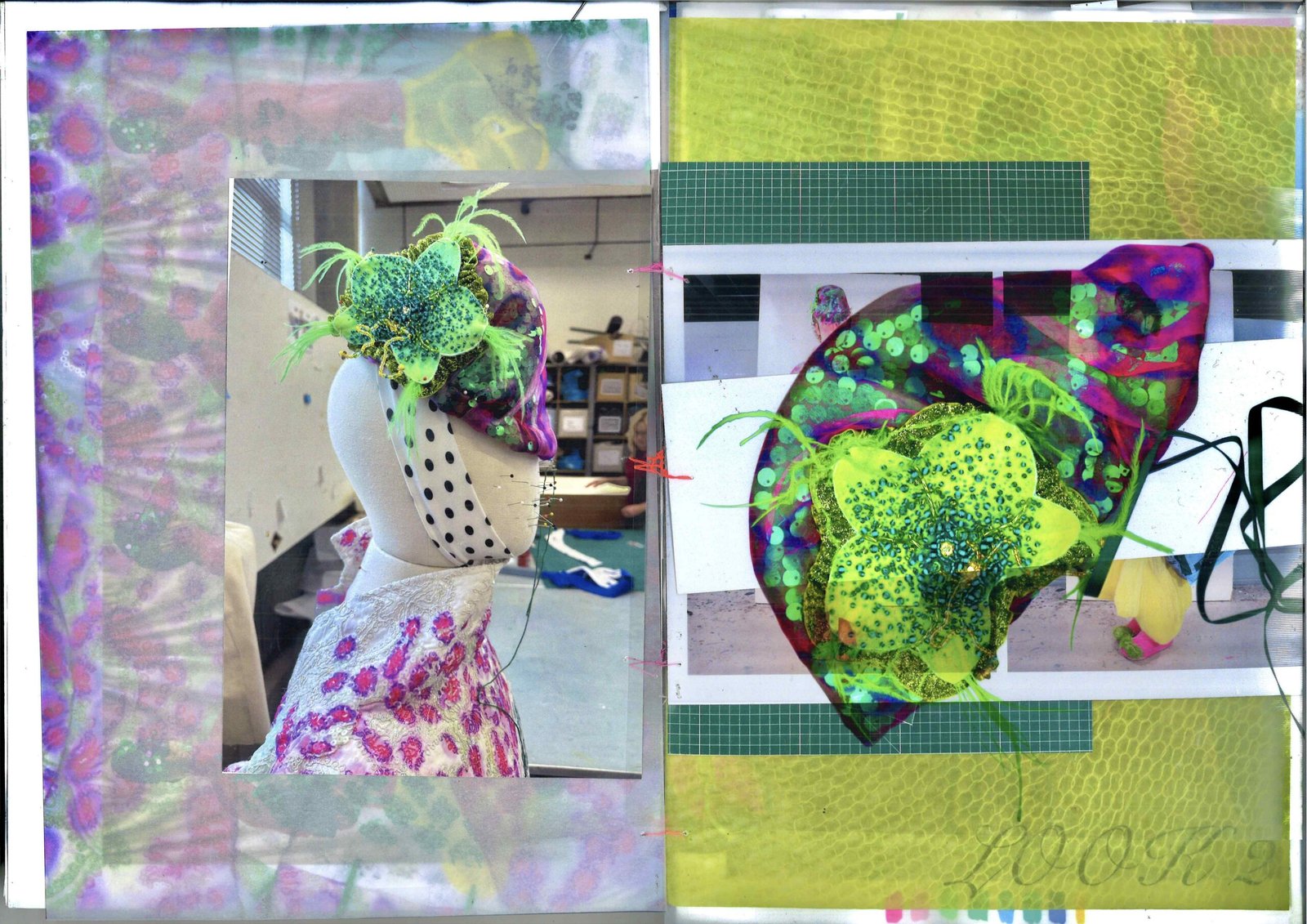
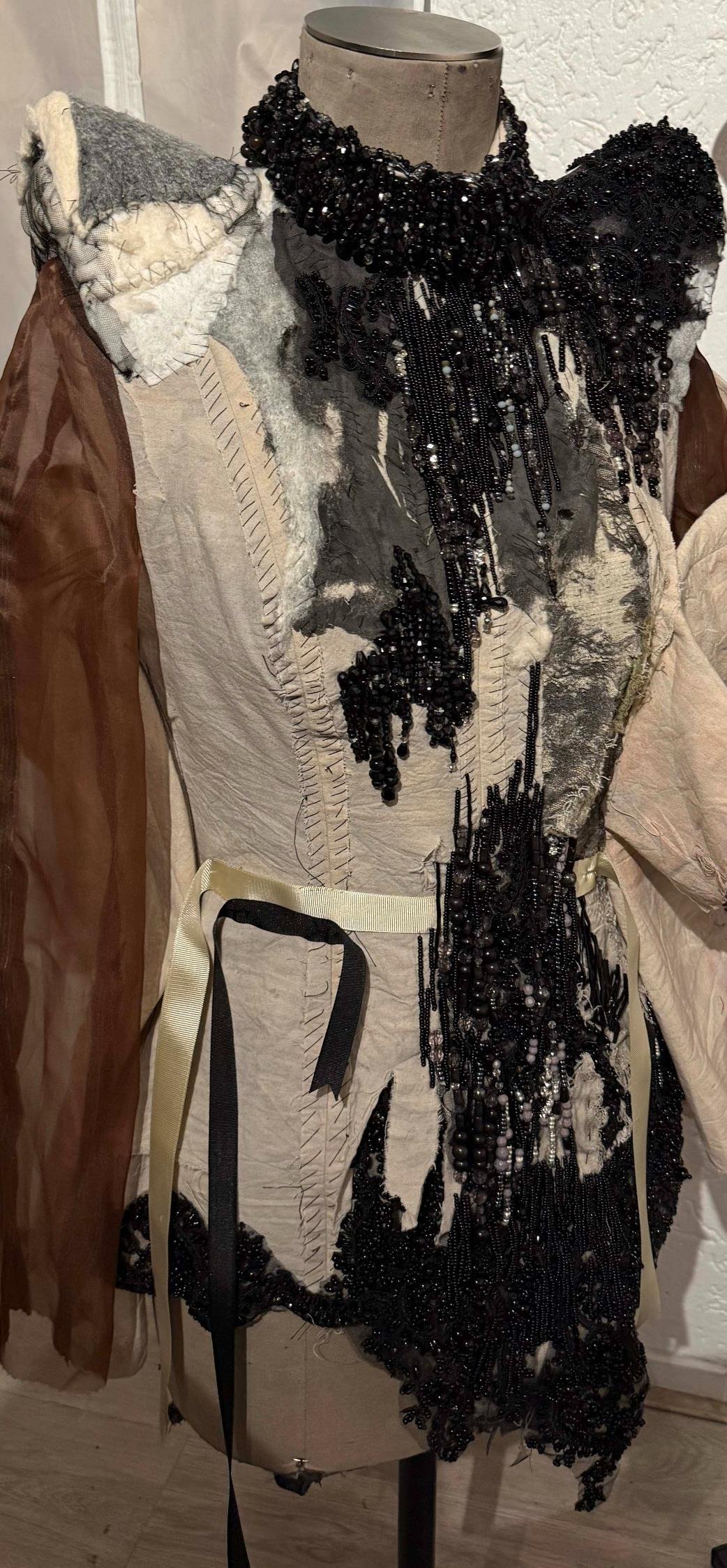
Luus van Steenbergen’s collection, Sacred Surface, explores the tension between the superficial and the sacred through her personal journey towards religion. Bringing glamour and self-adornment into dialogue with modesty, intention, and spirituality, the collection approaches craft as a ritual, where repetition becomes a meditative act reflecting devotion and unity. Handwork, delicate prints, and layered construction leave visible traces of care and intention, allowing ornament and spirituality to overlap while capturing moments of personal transformation.

@misschienluus

Józefina Wojtkiewicz

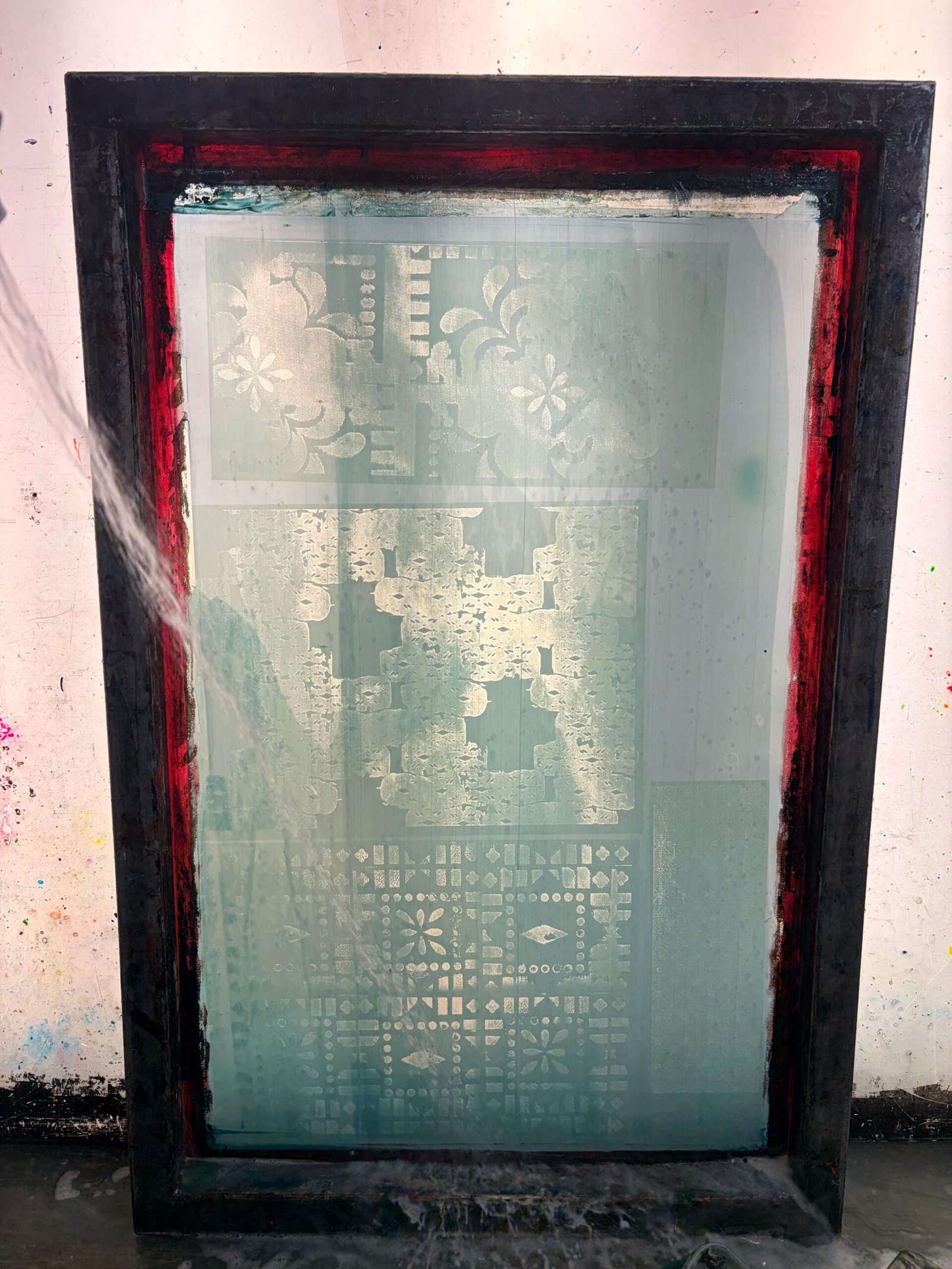
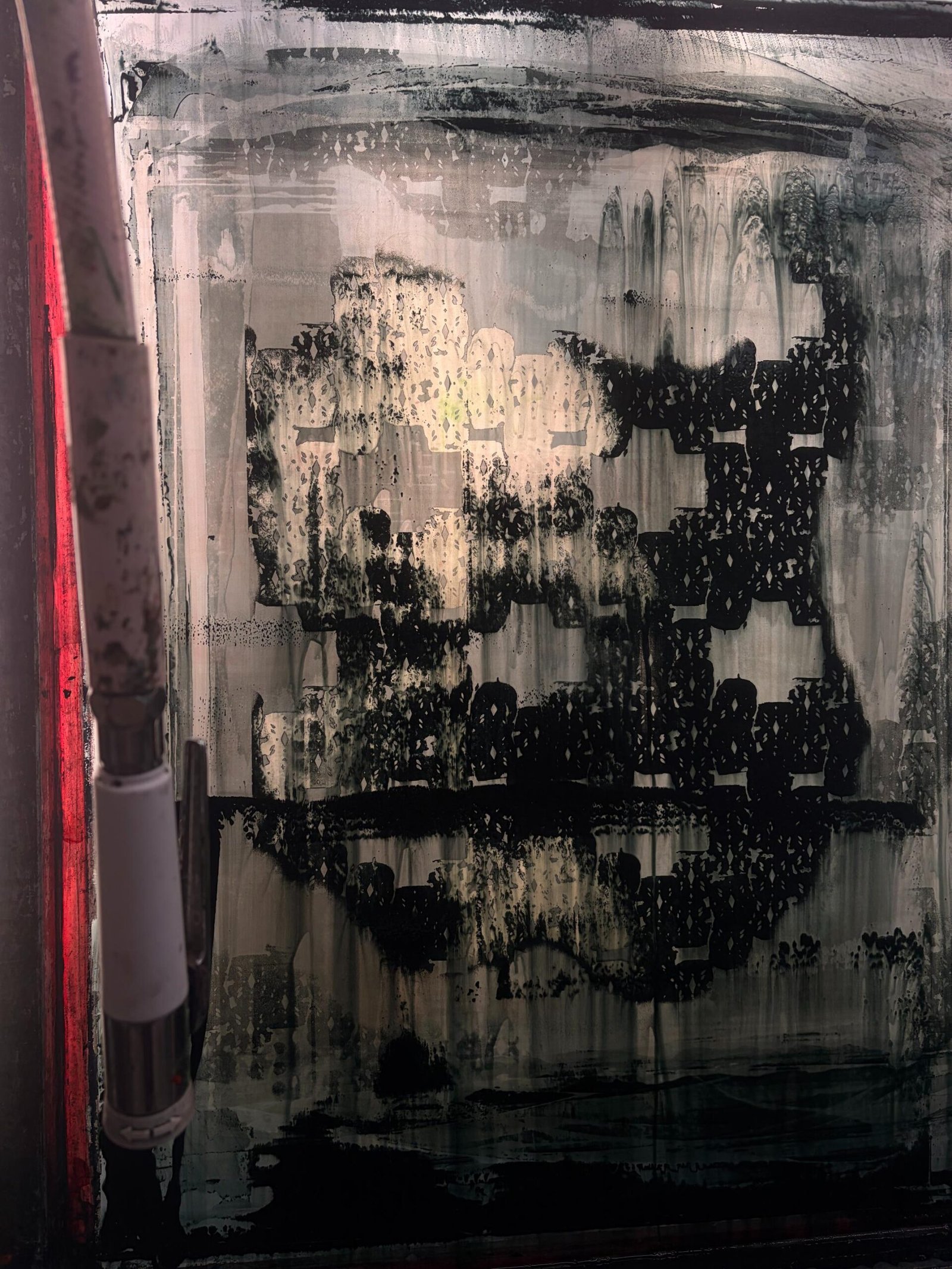
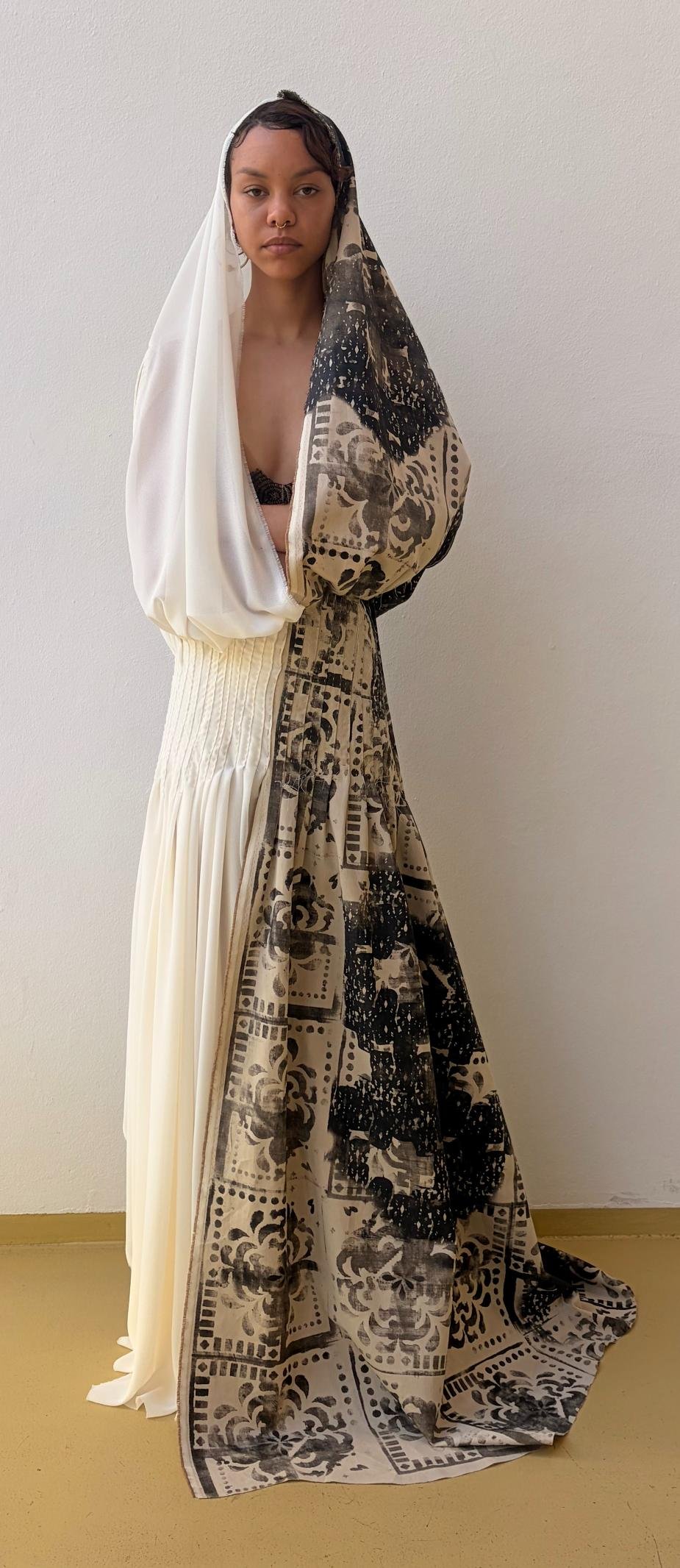
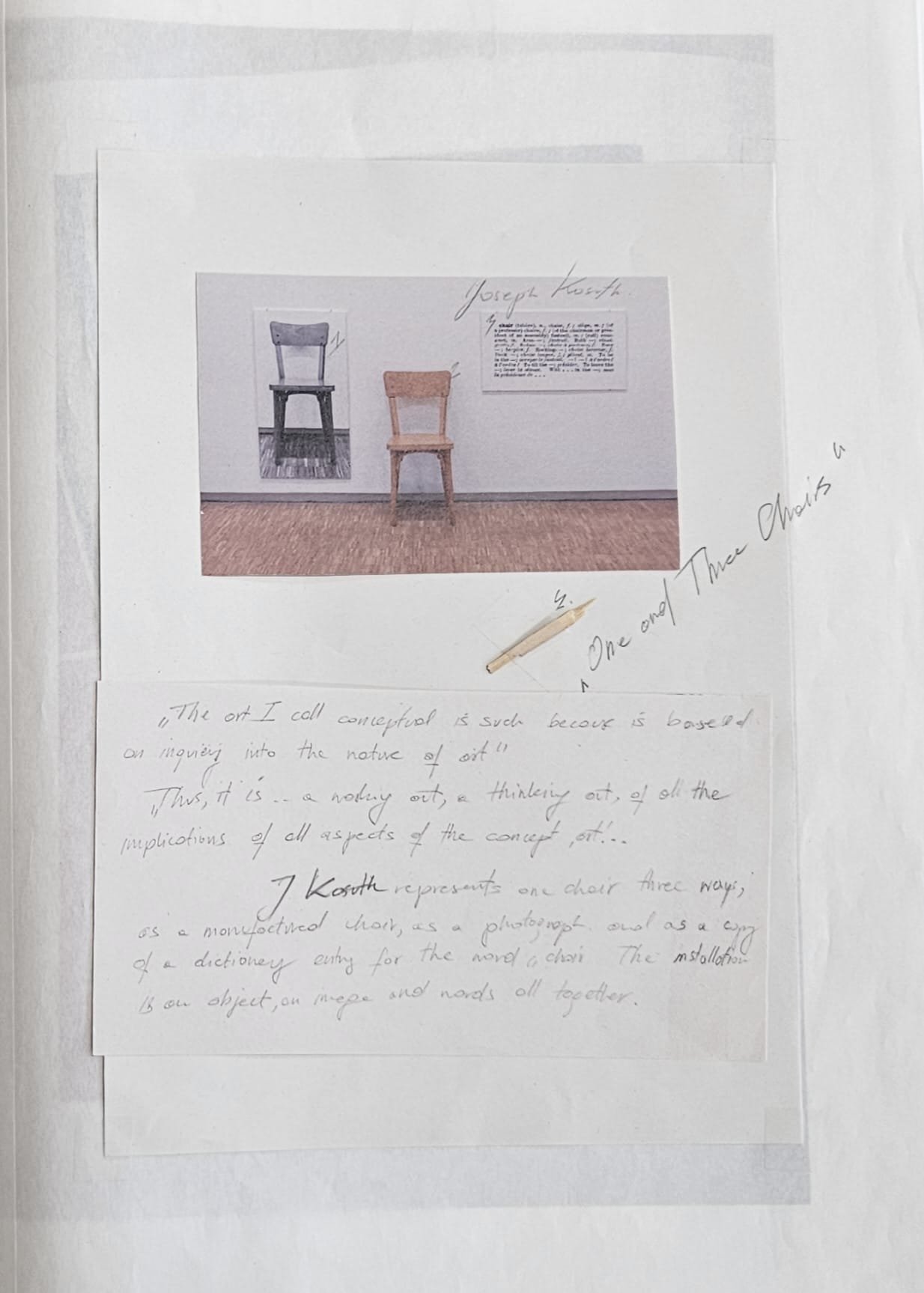
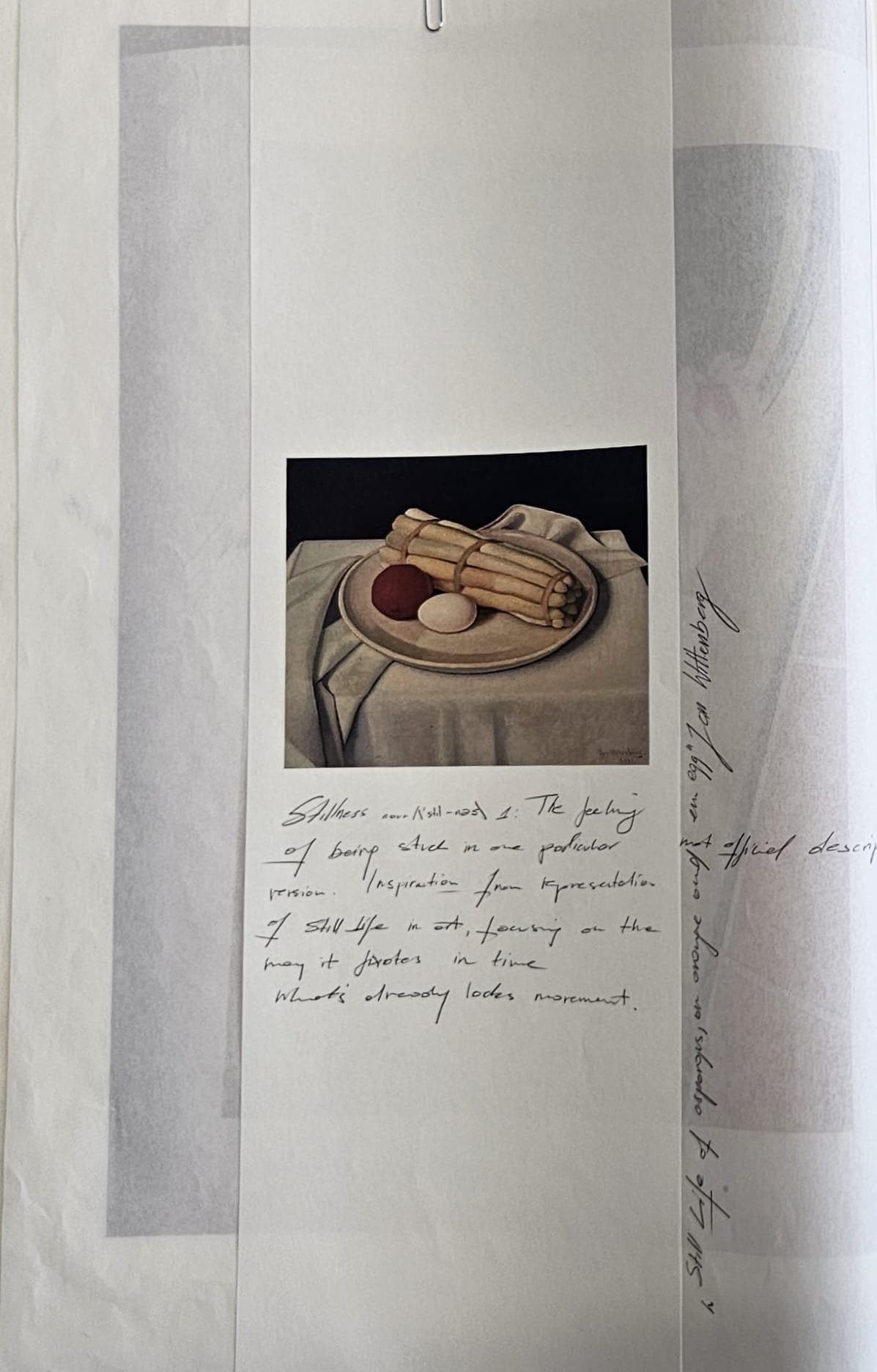
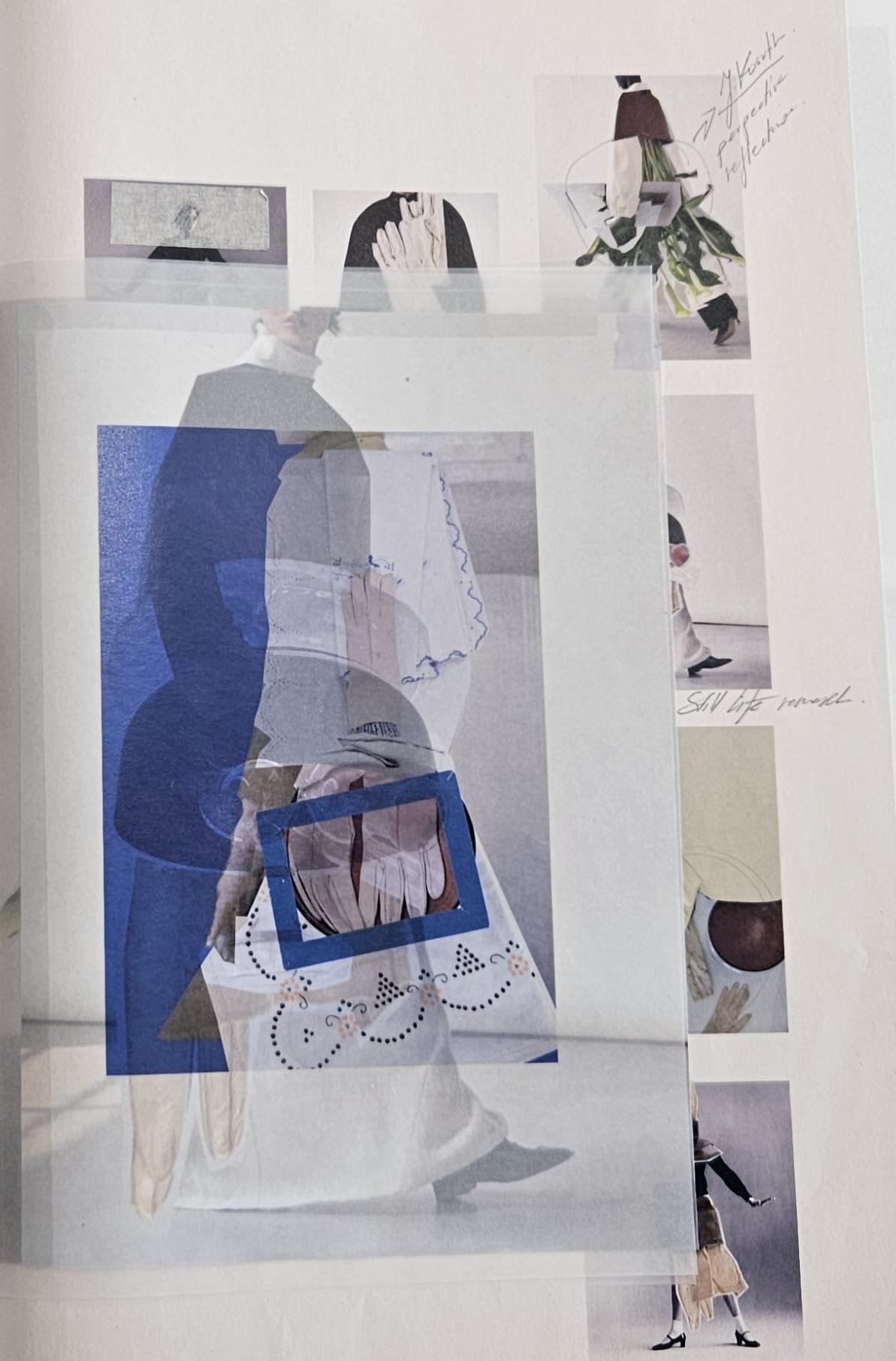
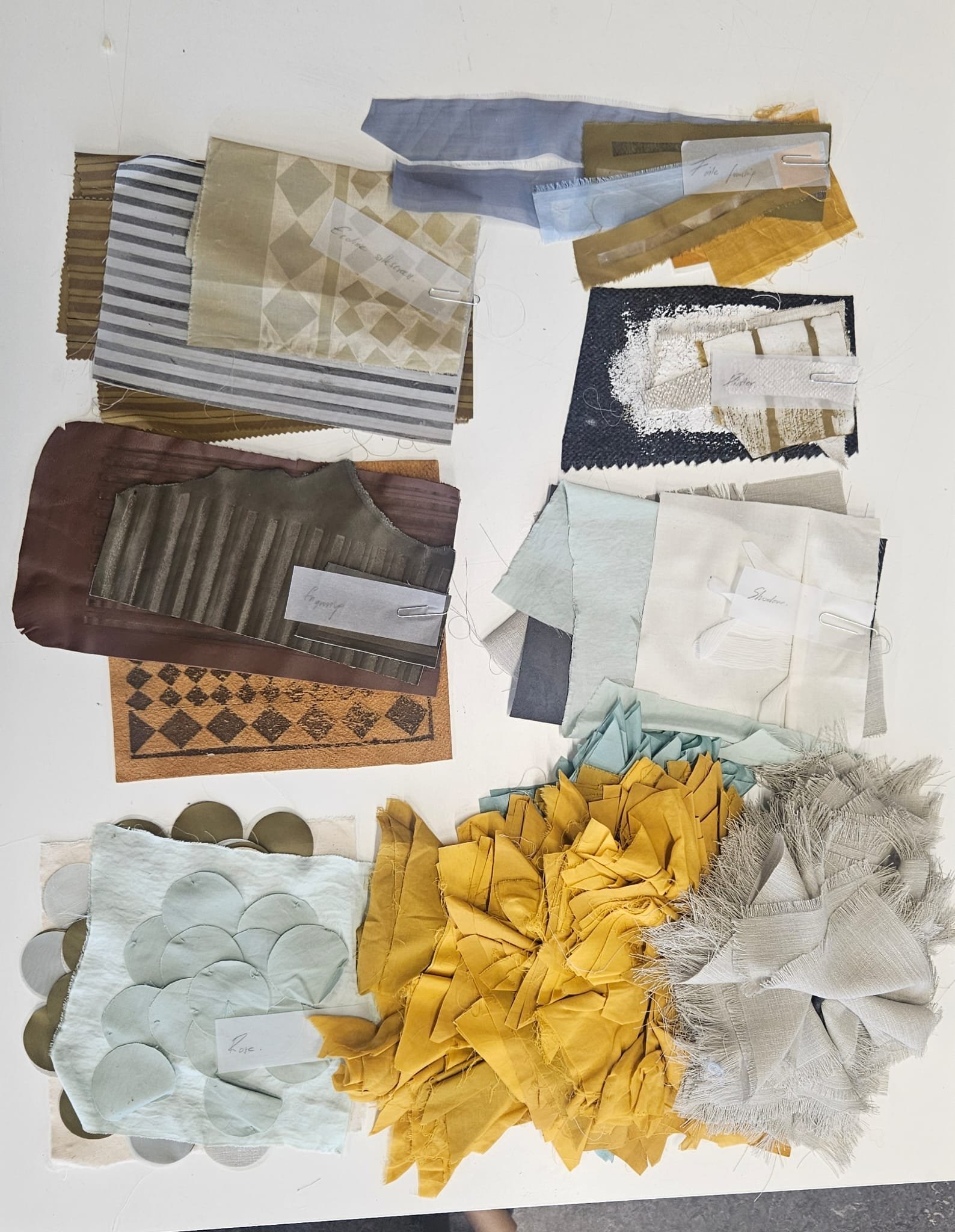
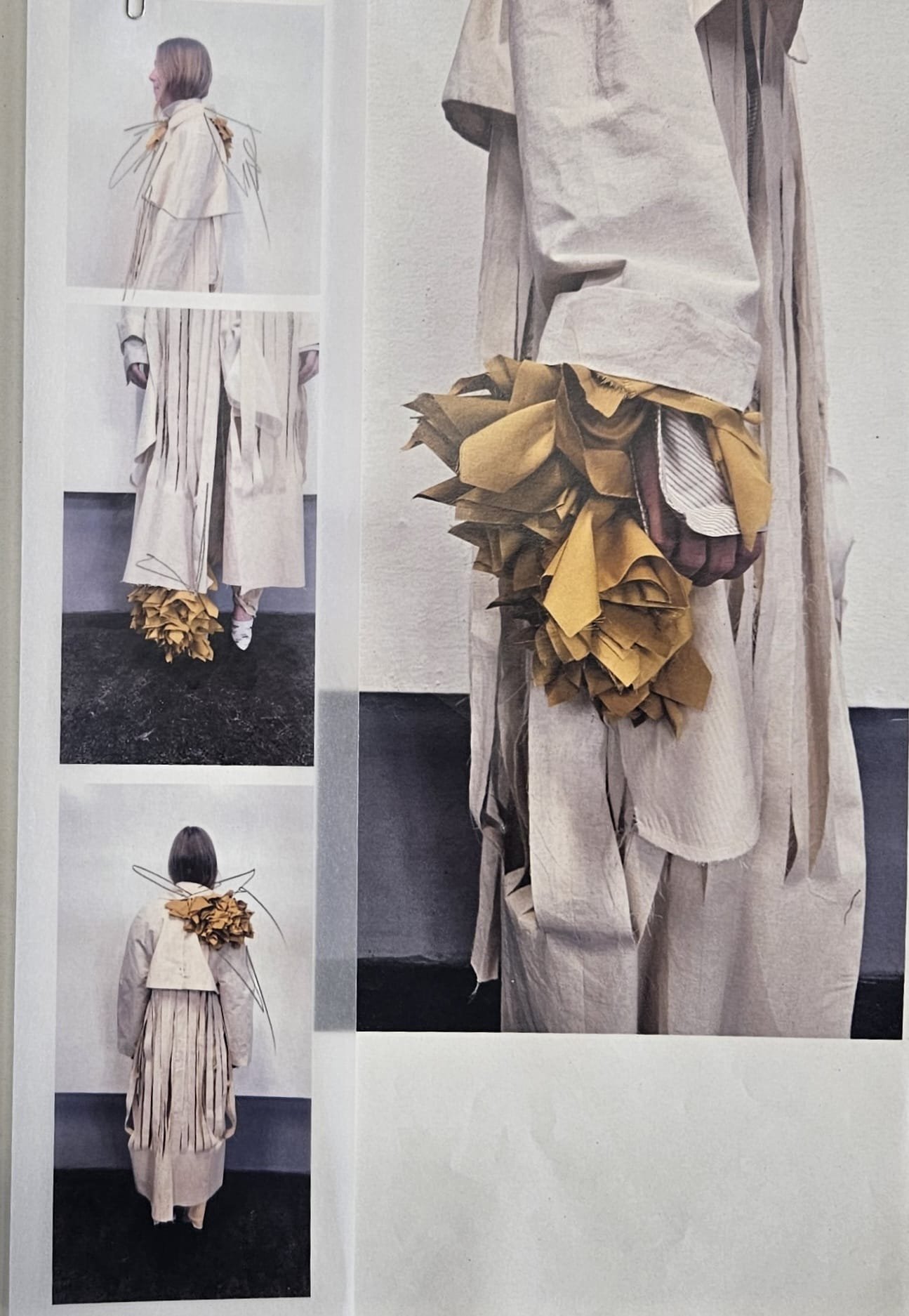
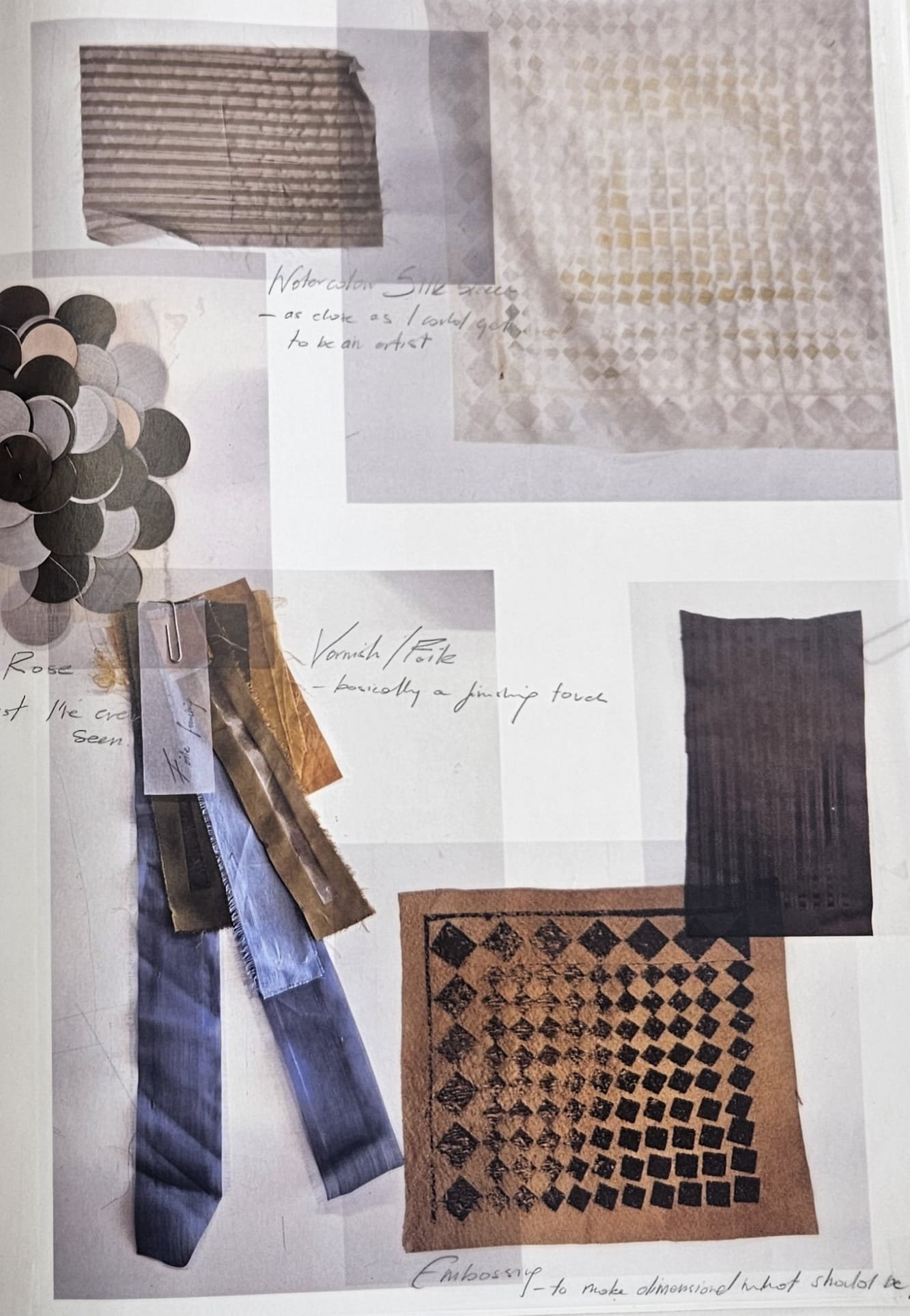
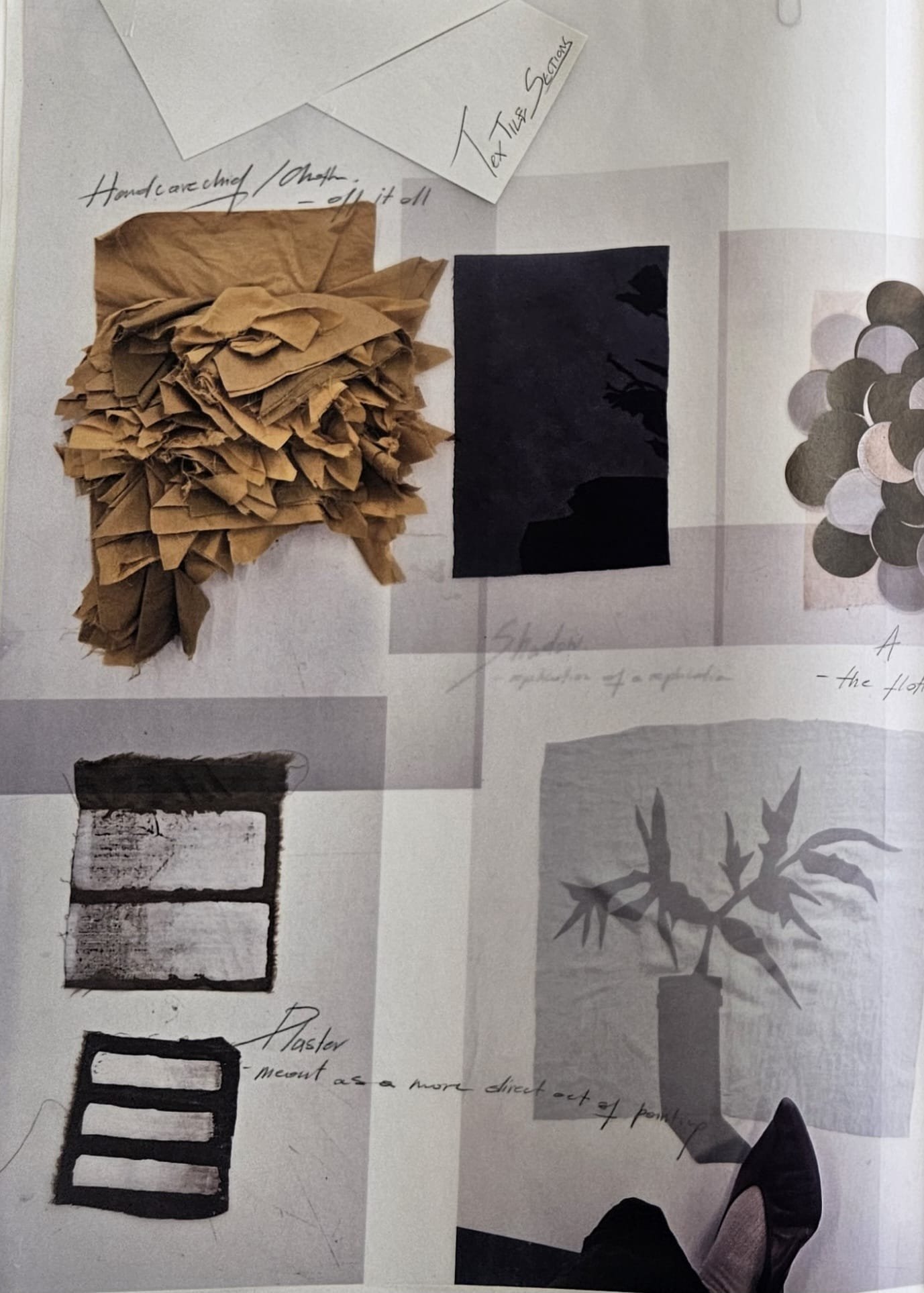
Józefina Wojtkiewicz’s collection, One and Three… –, explores the idea of stillness and the act of fixing a singular perspective in time. Inspired by One and Three Chairs (1965) by Joseph Kosuth, where he combined three representations of the same object,as a physical object, as a photograph, and as a concept. Through hand-painted silk screen, plaster, foils, and embossing, the collection attempts to balance the stillness of painted objects with the movement of the wearer, remaining poised between permanence and change. 

@you_zia

Nina Zeleznik (Zelleznik)

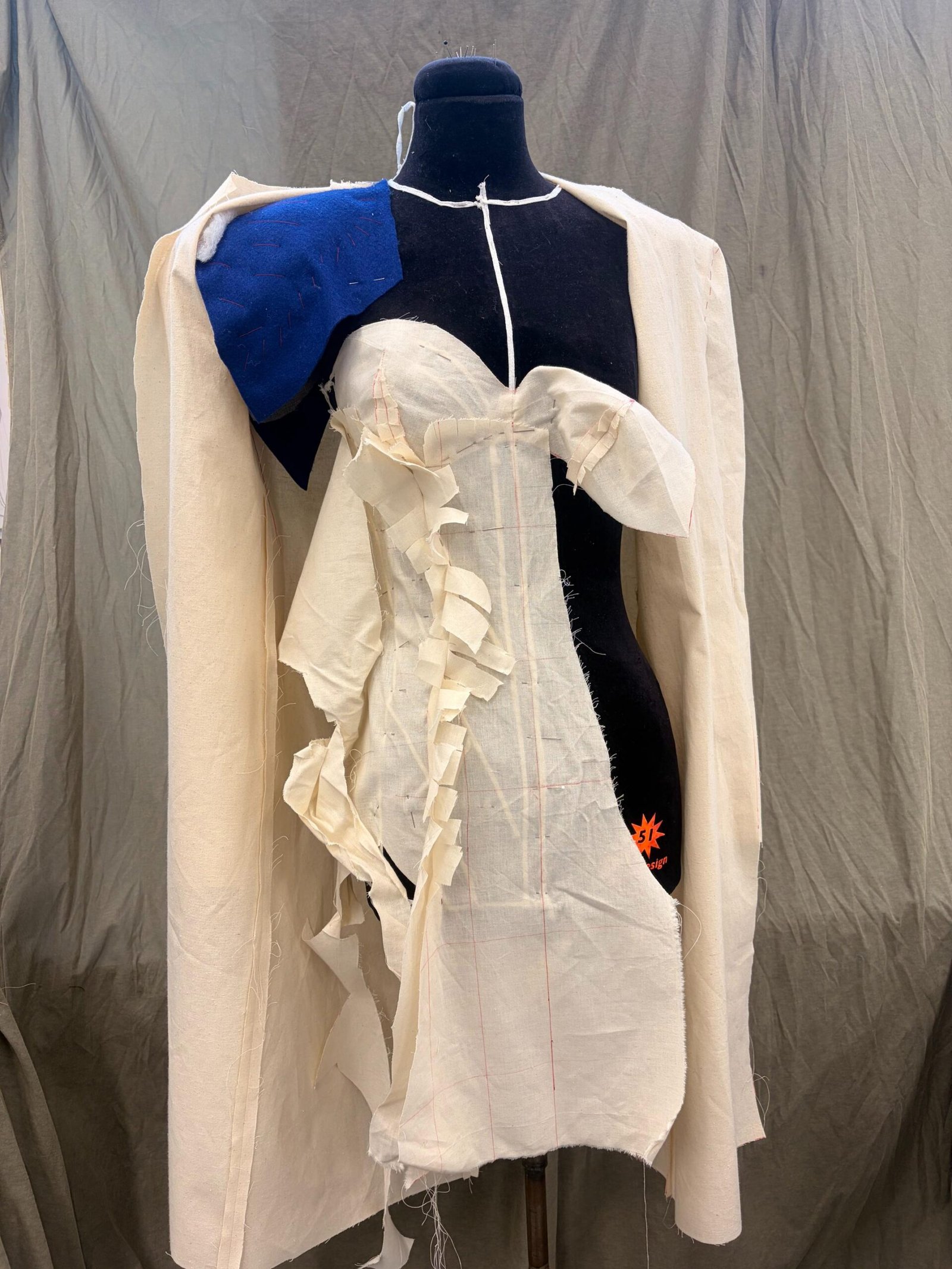
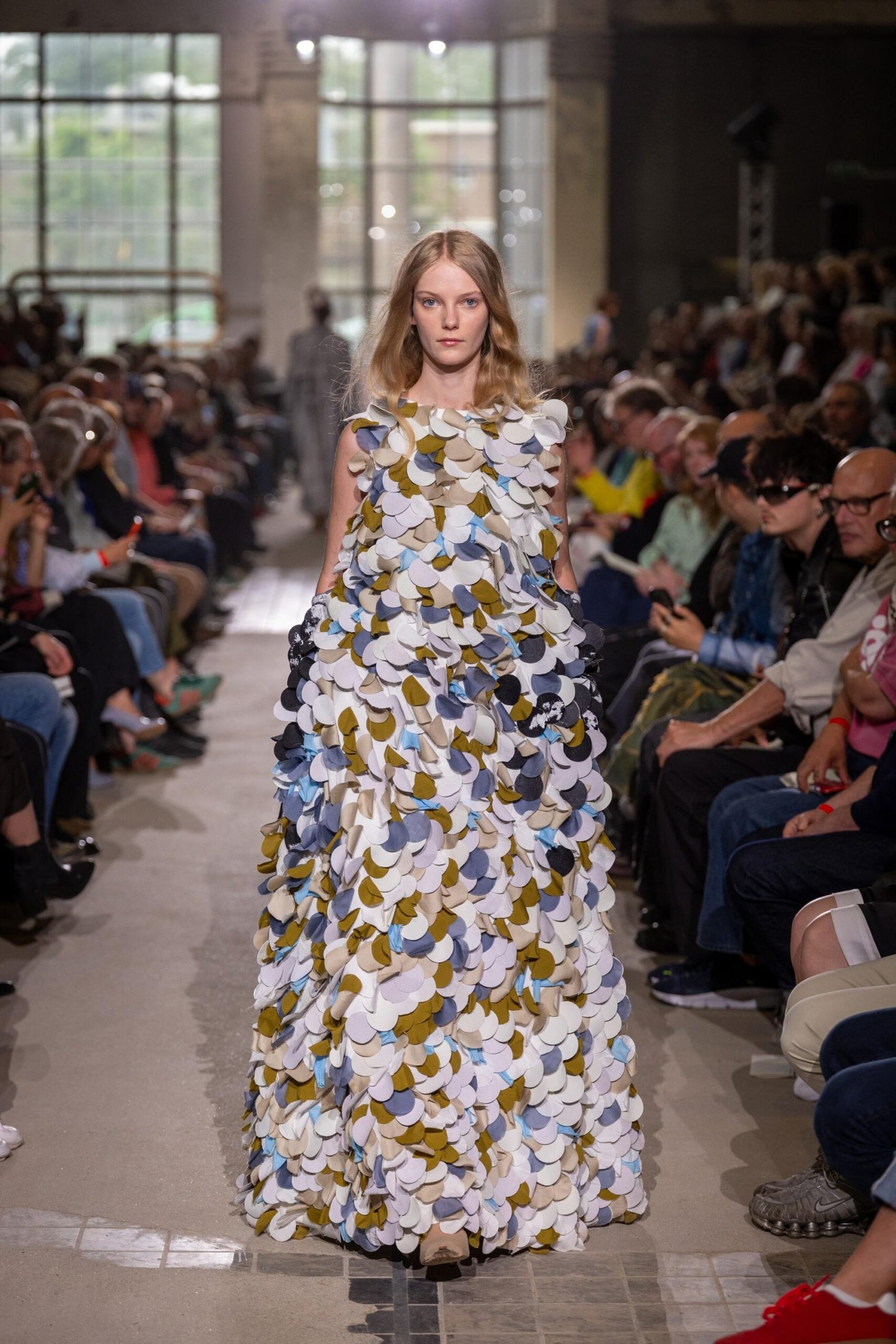
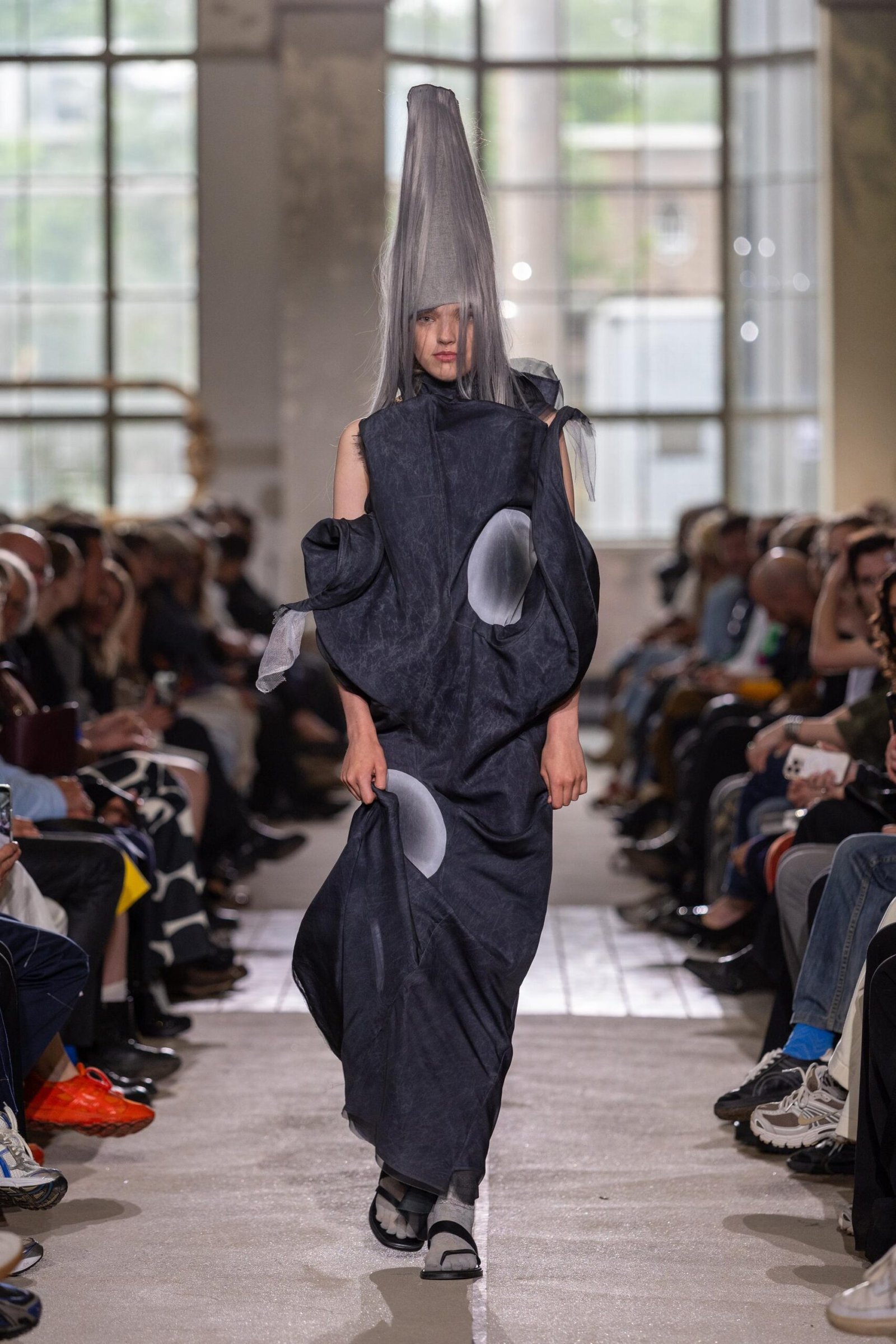
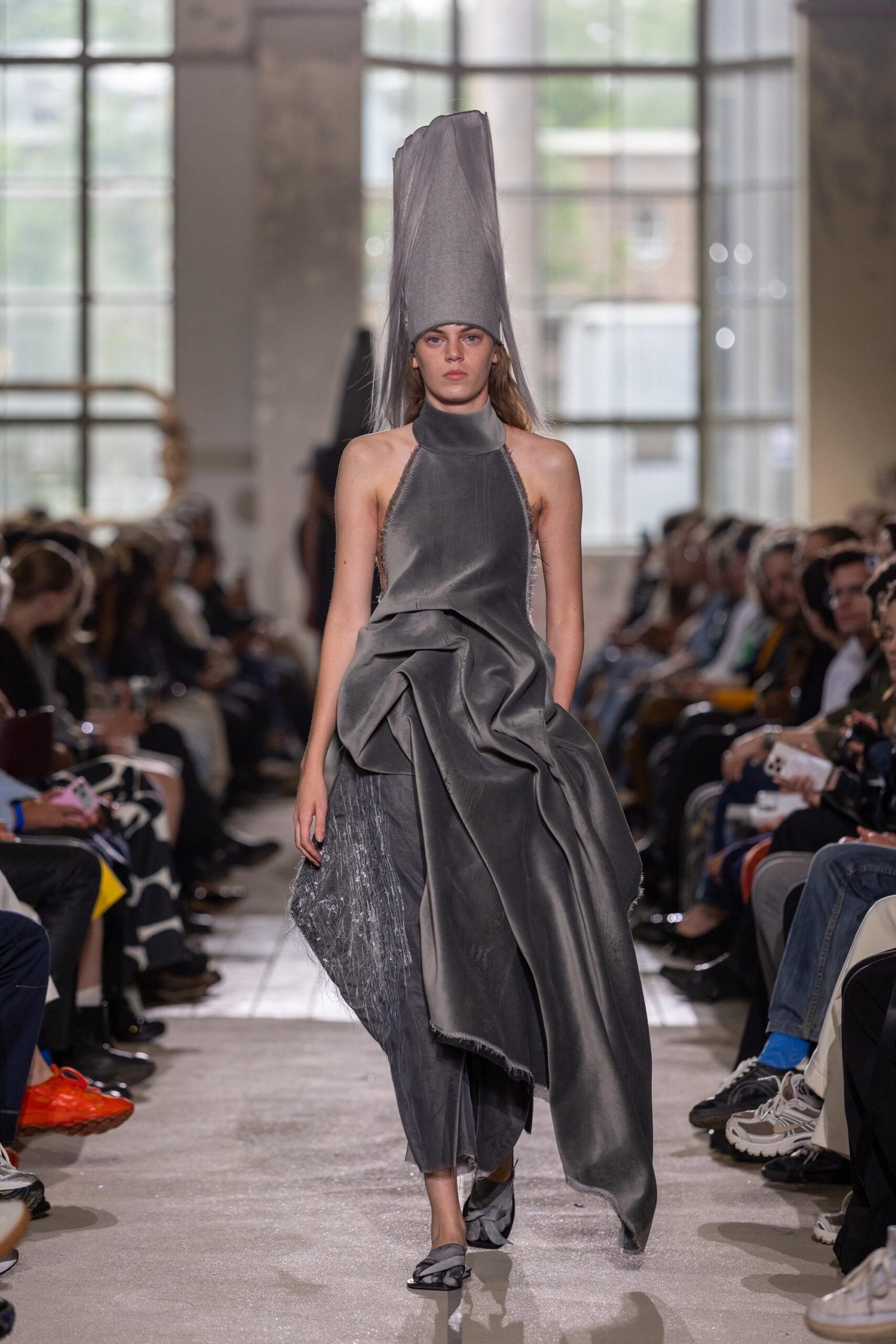
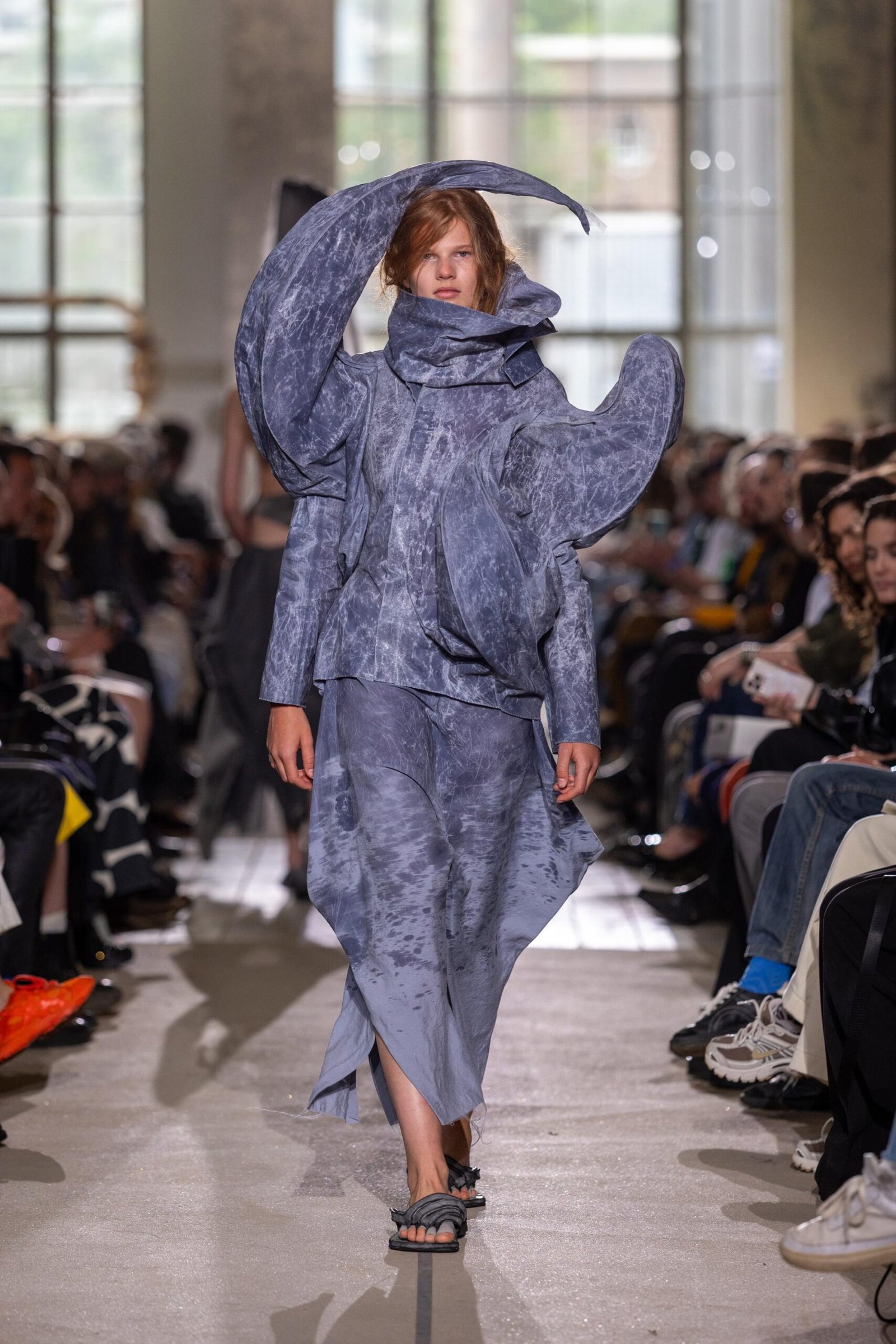
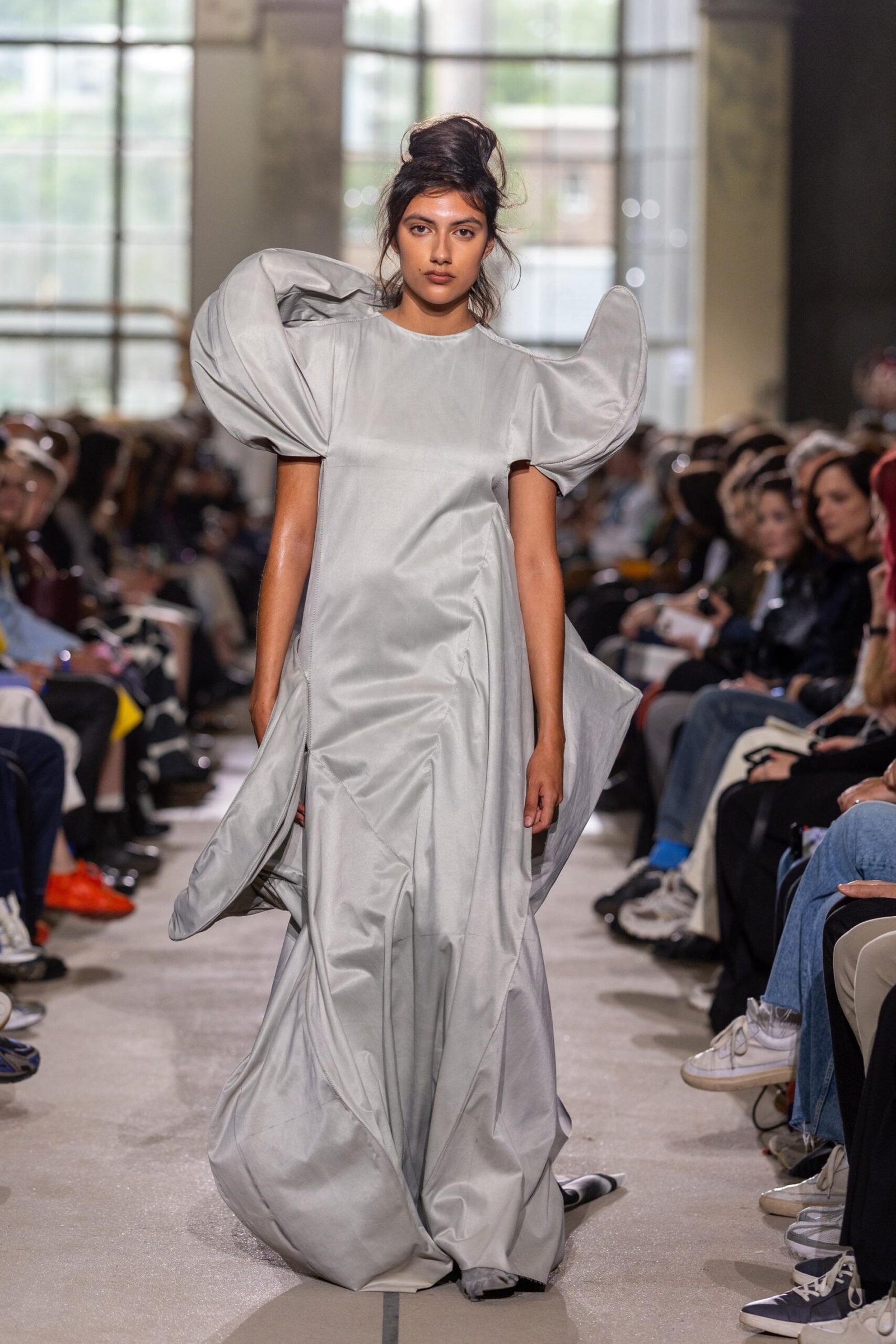
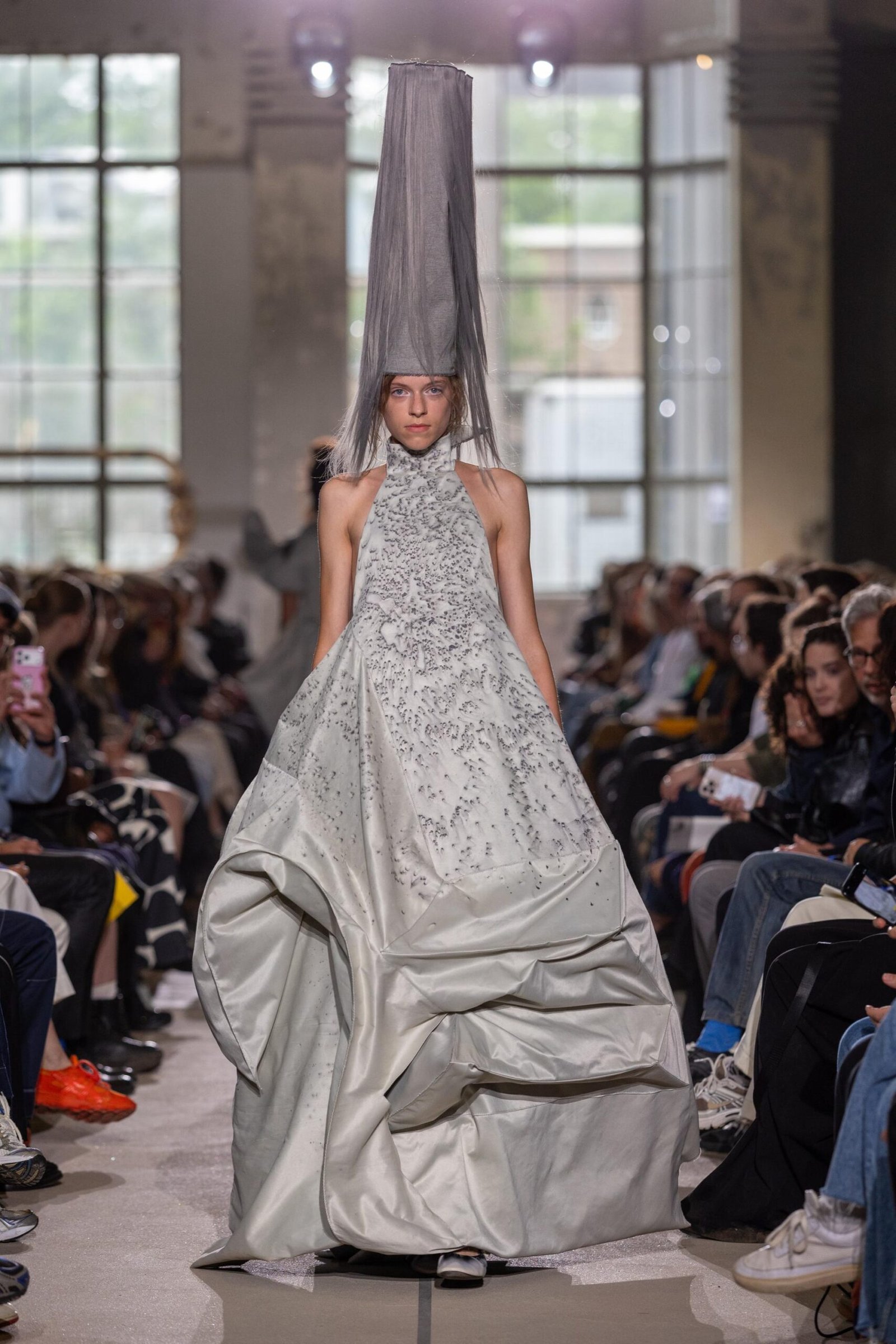
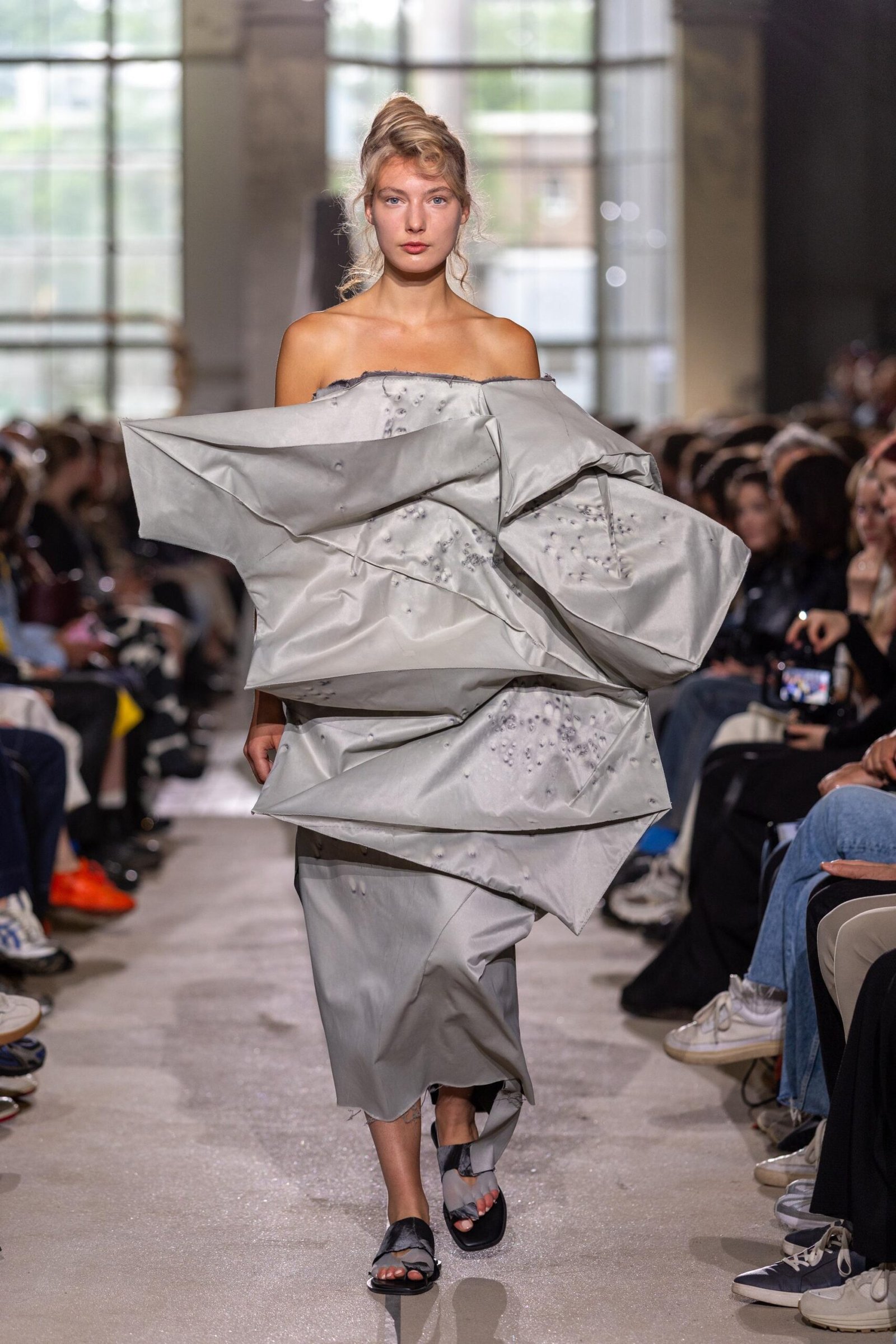
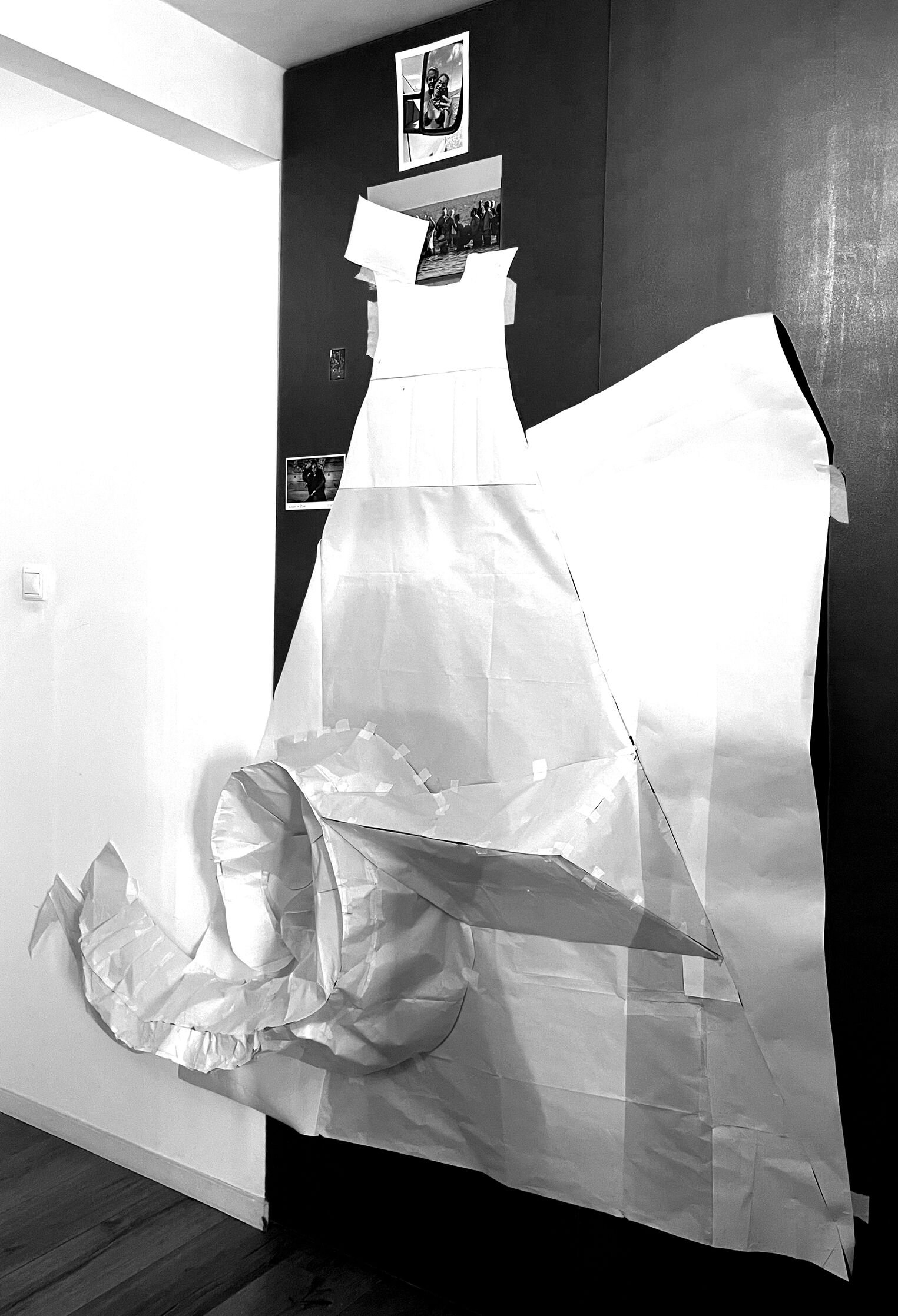
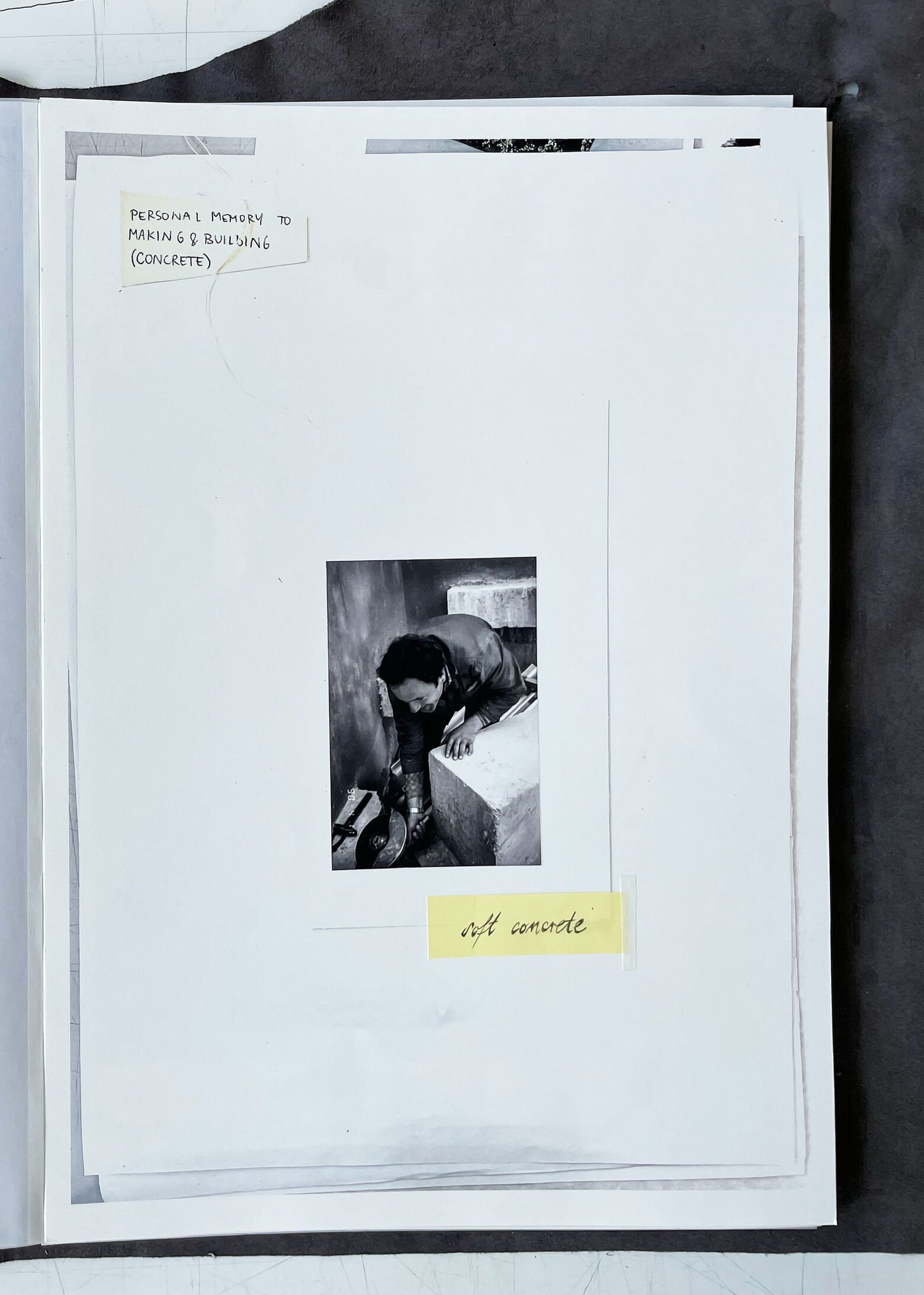
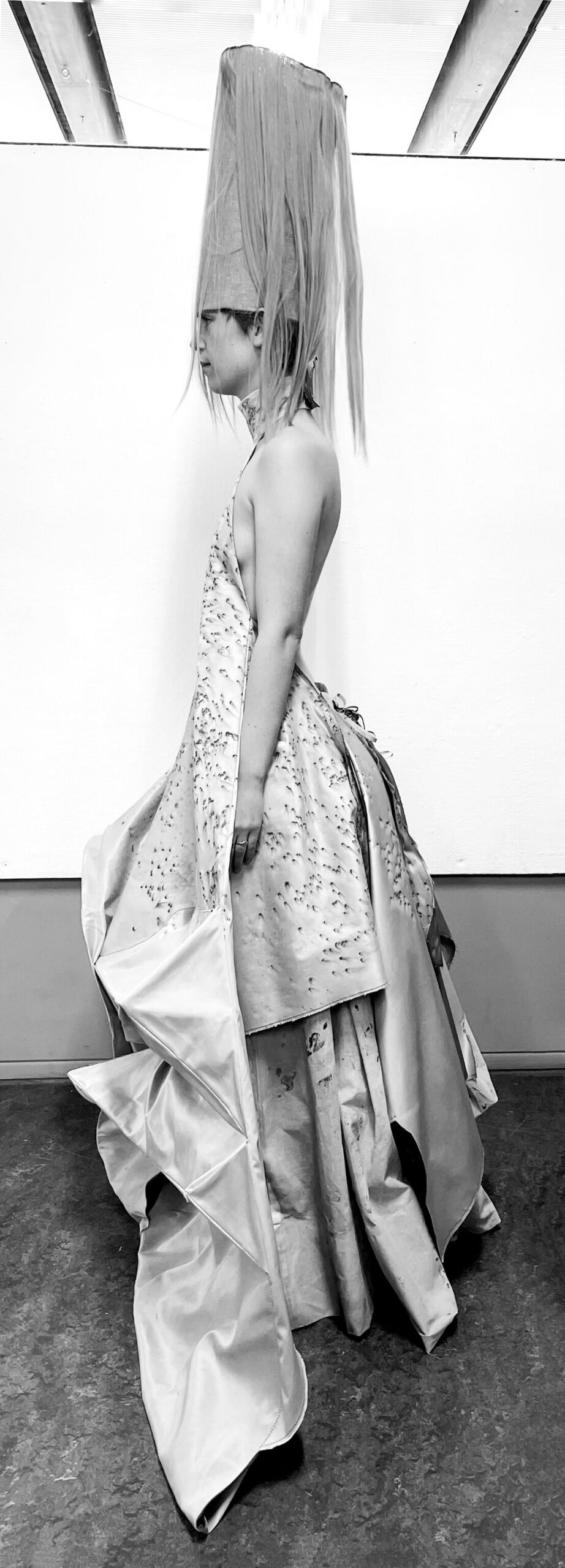
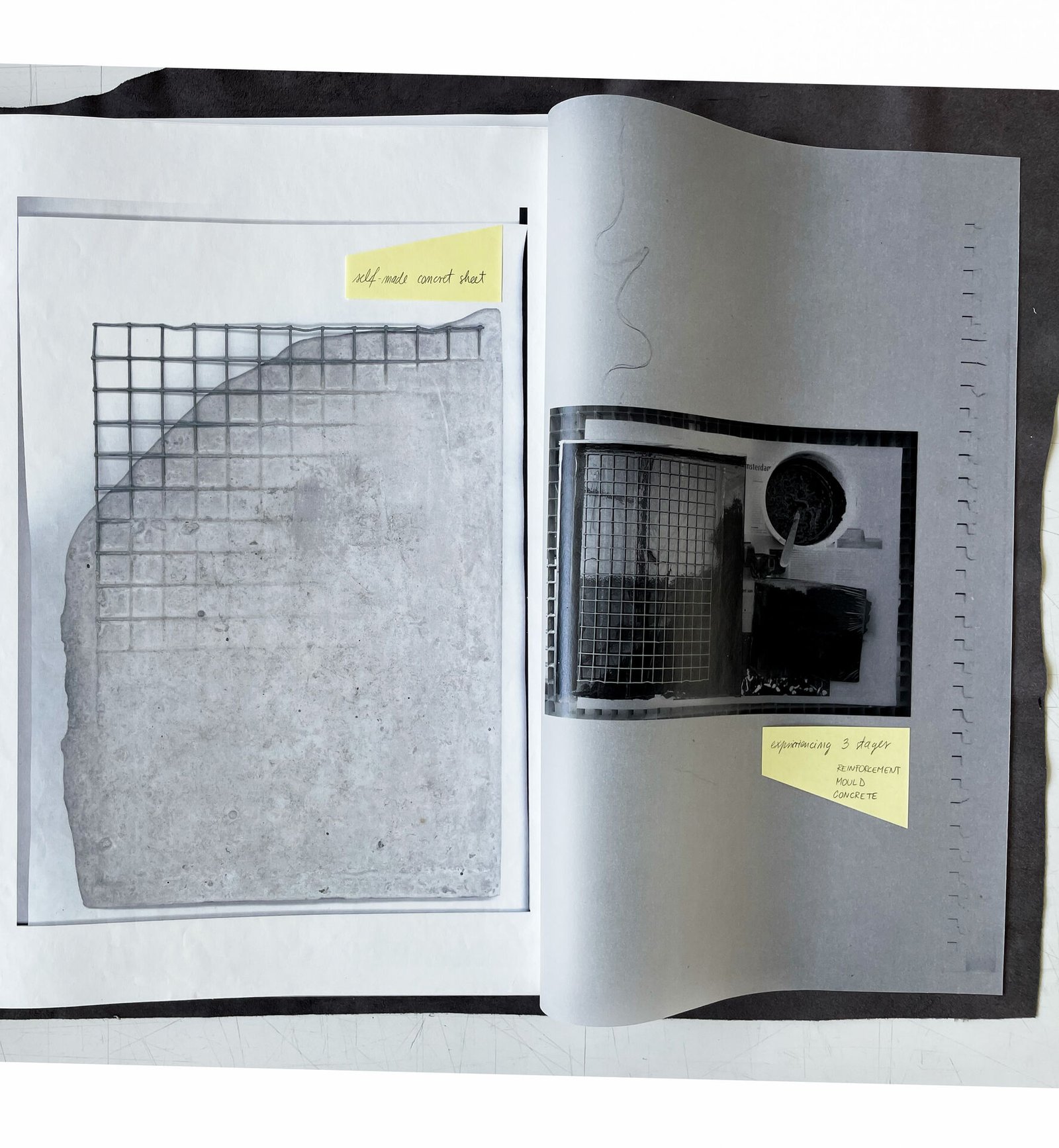
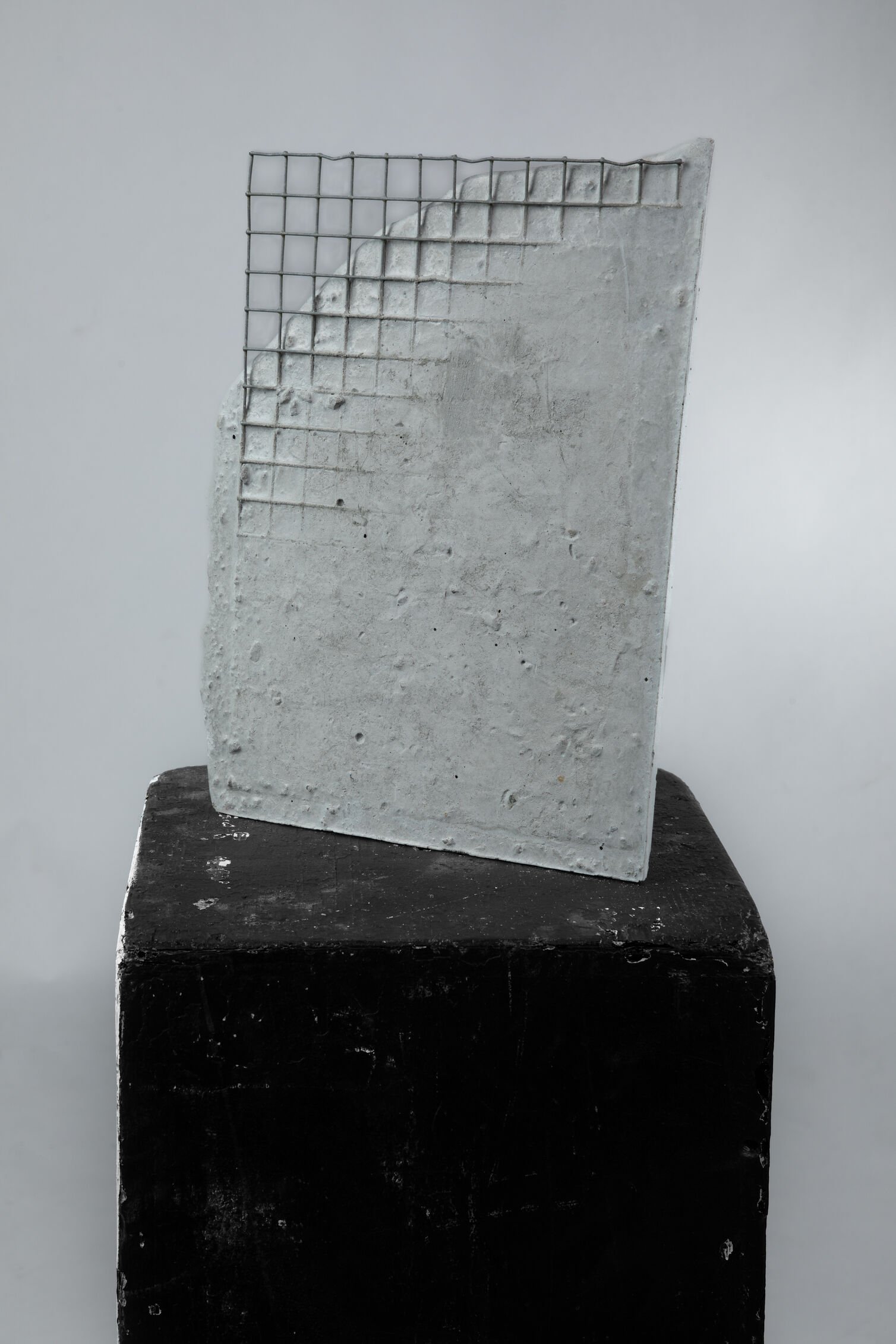
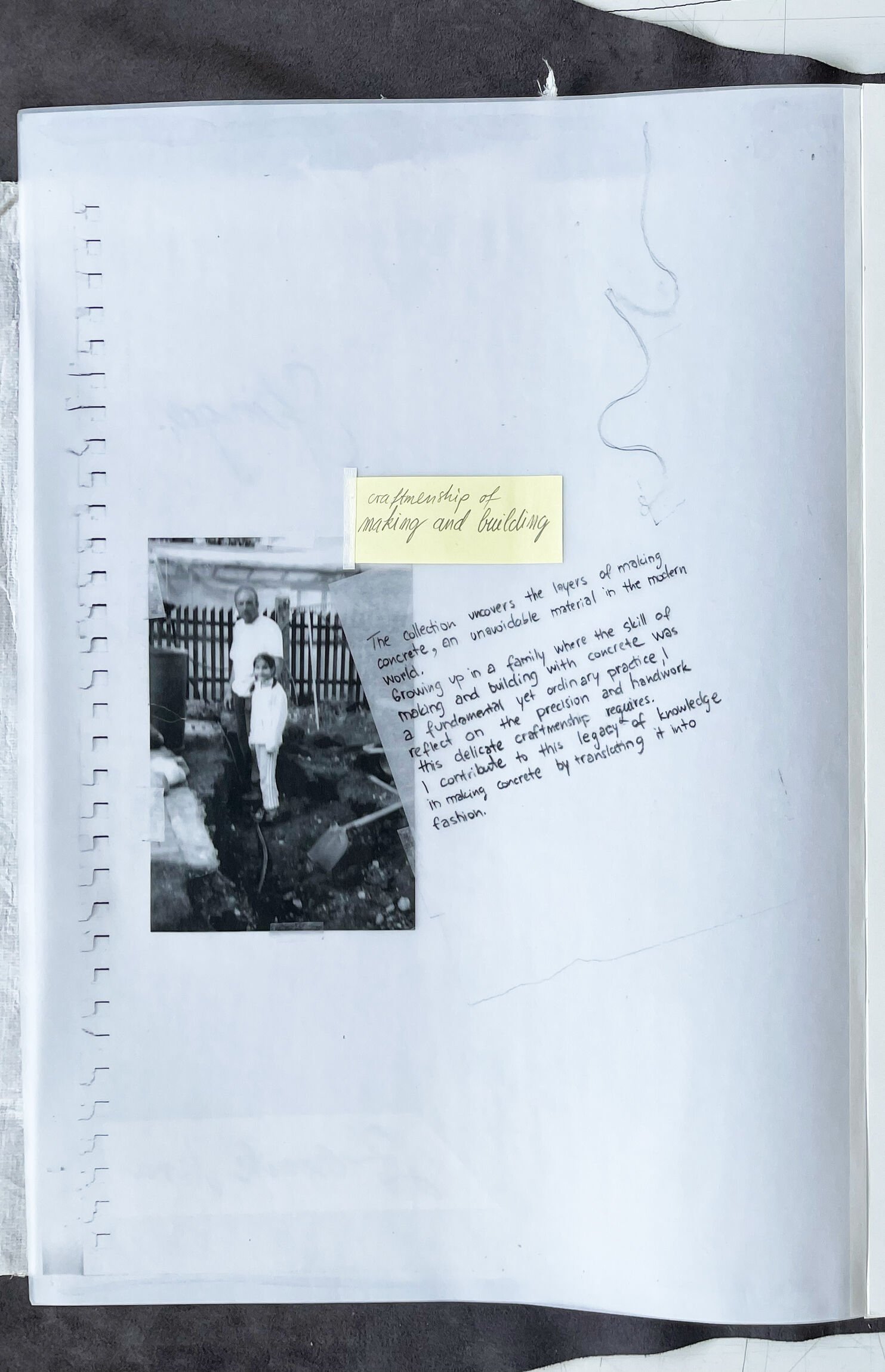
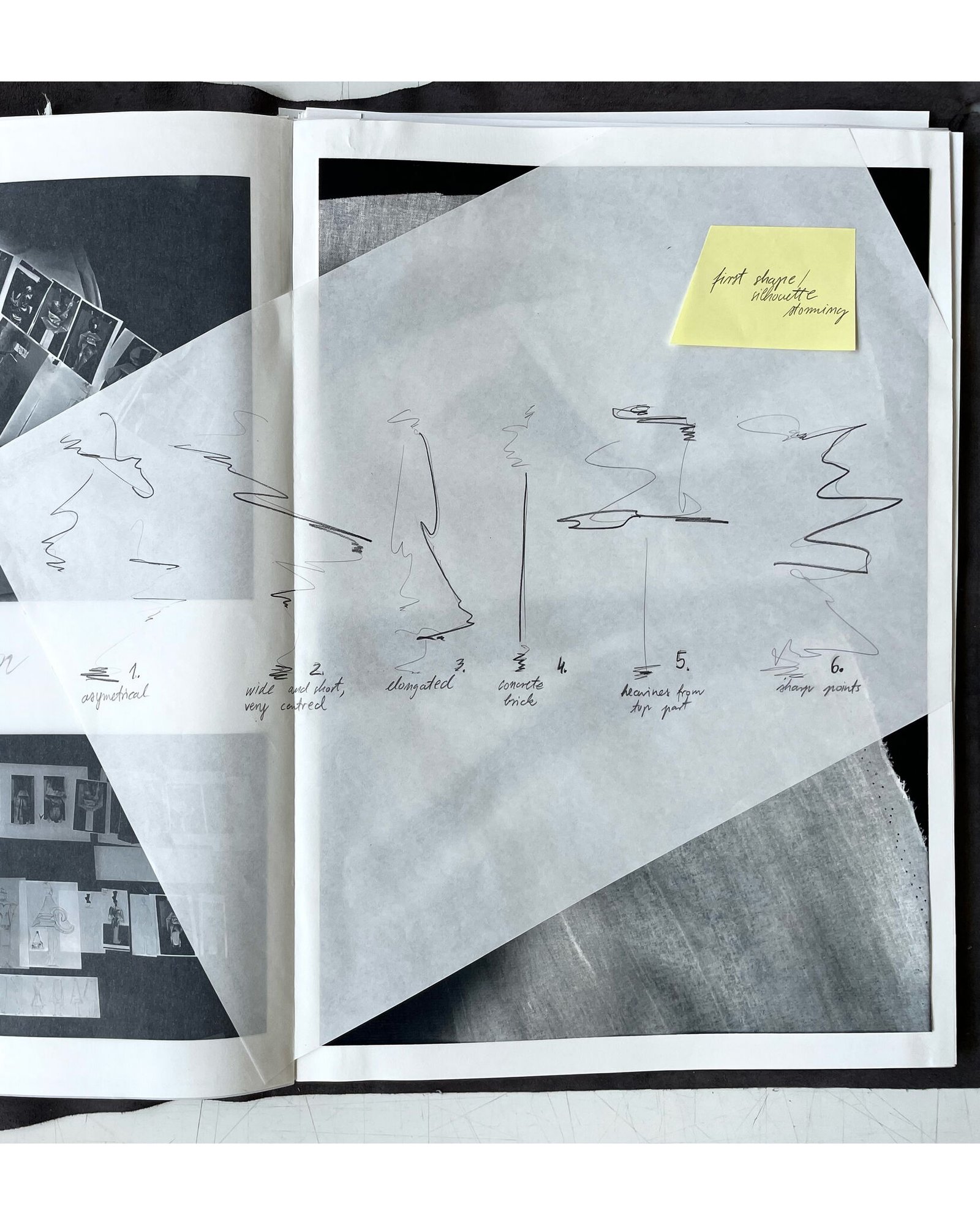
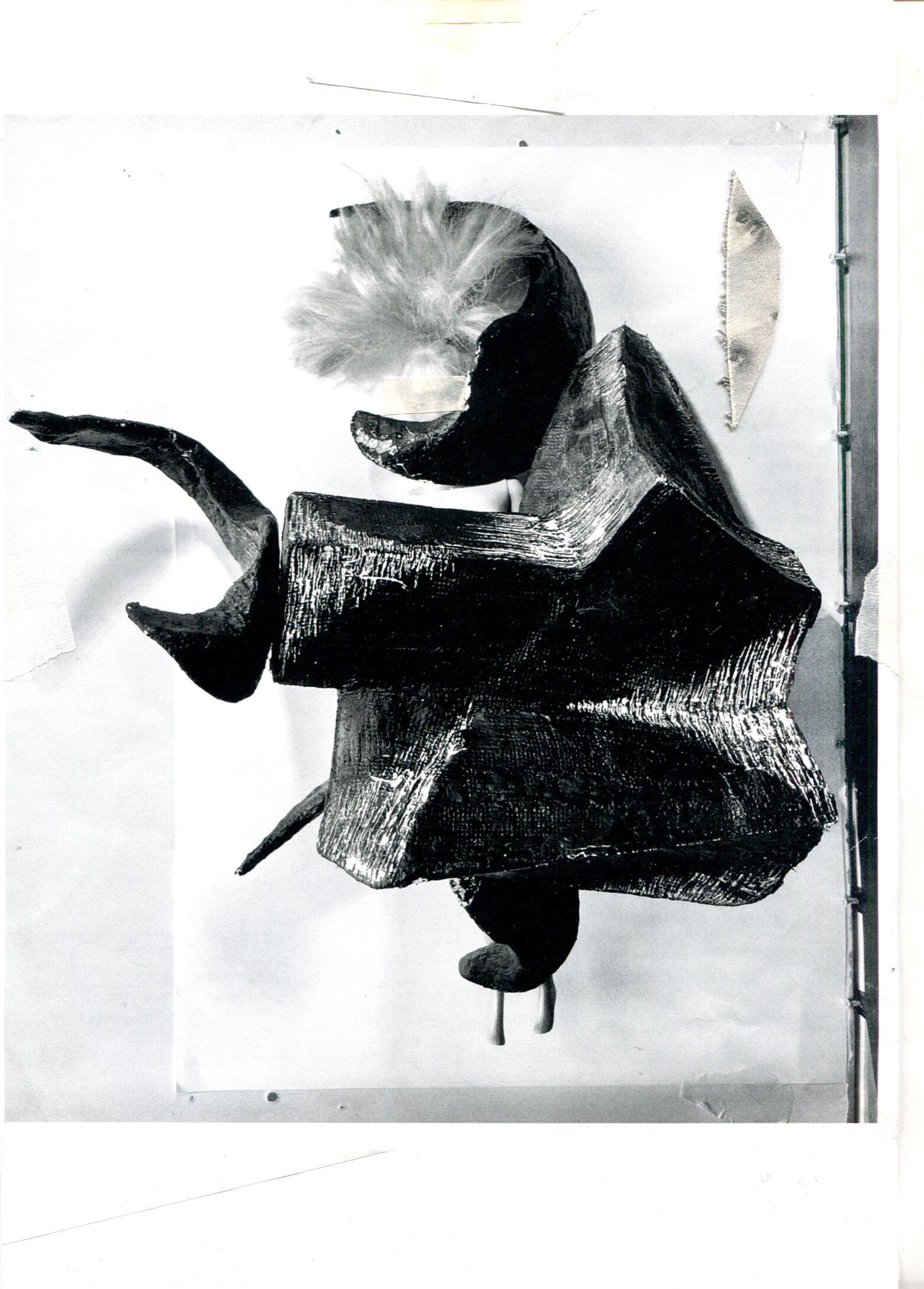
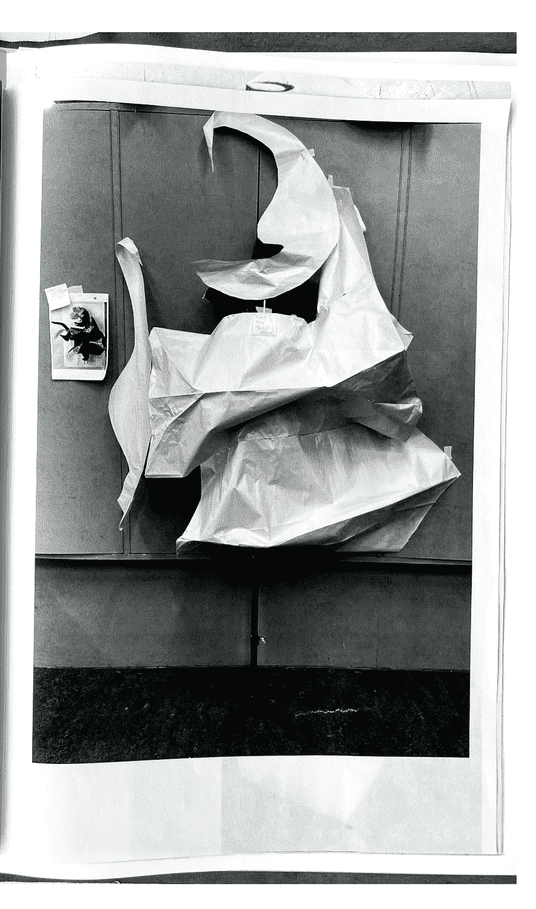
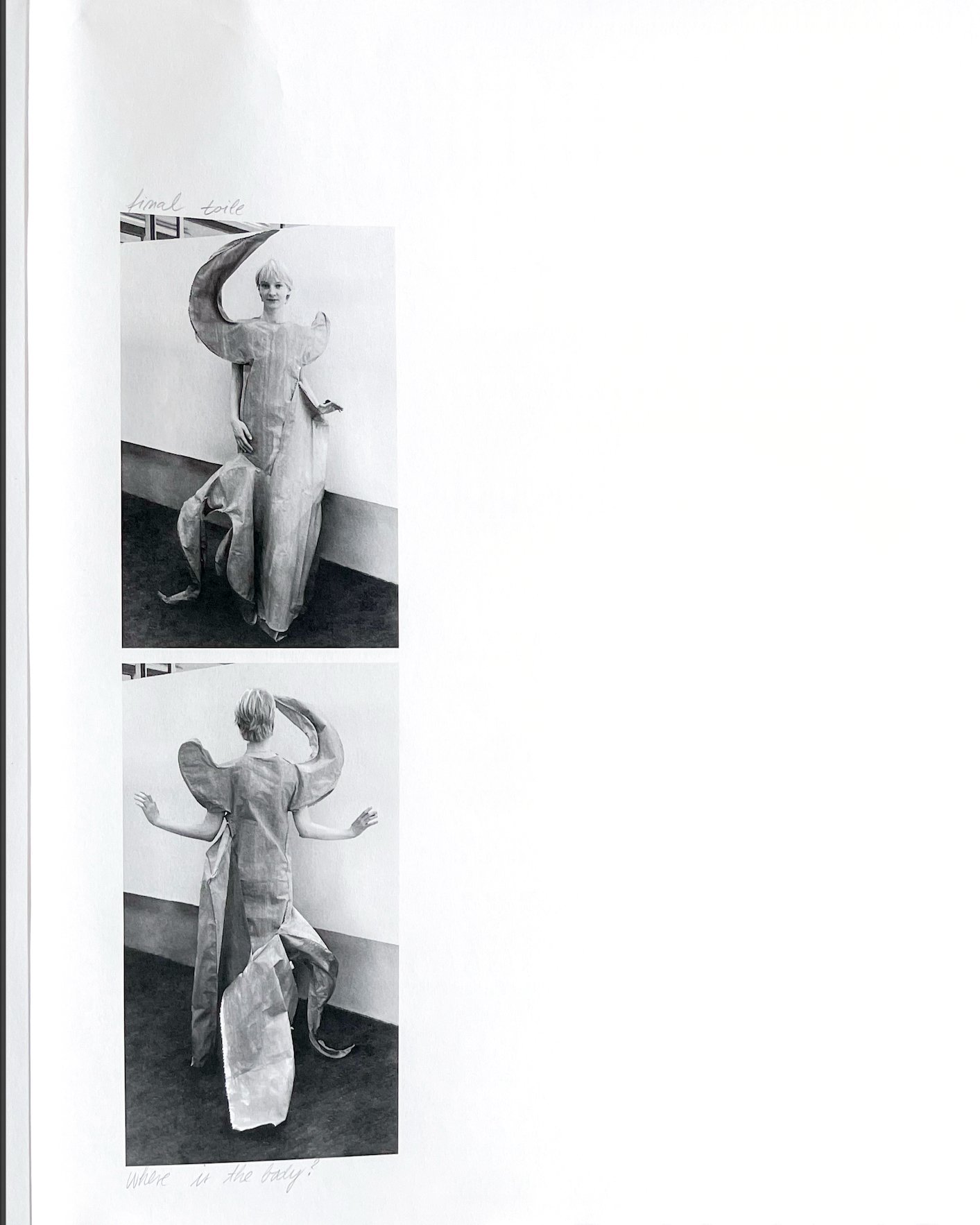
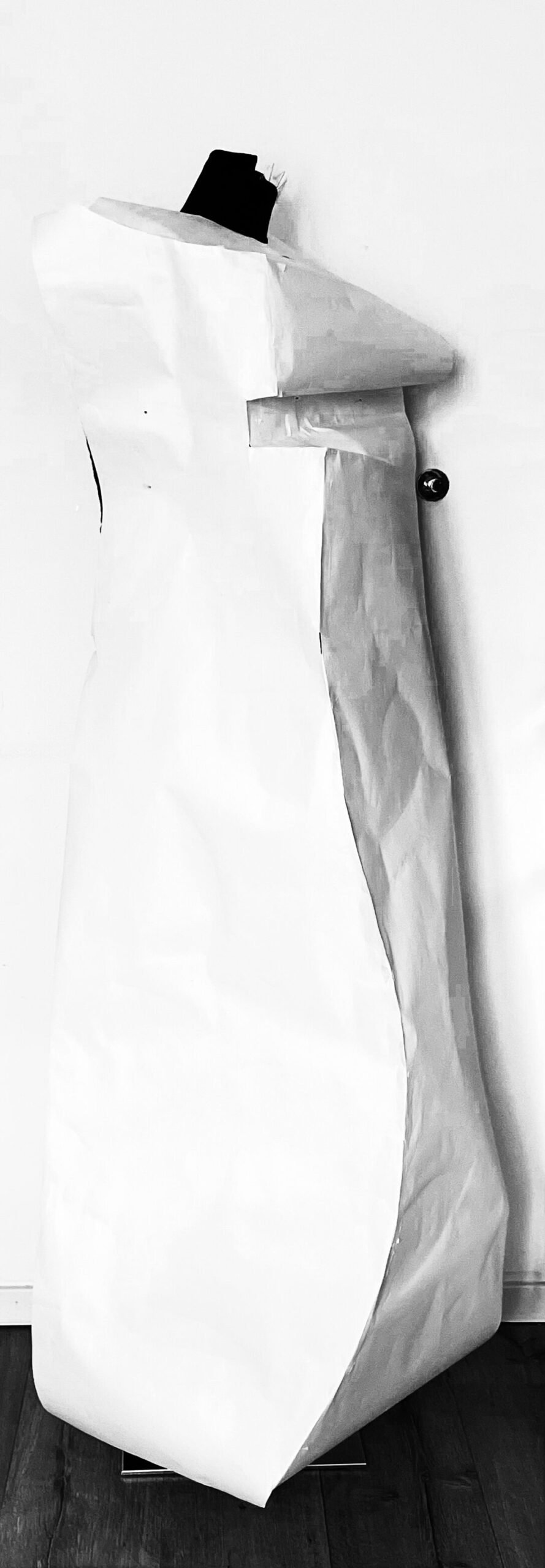
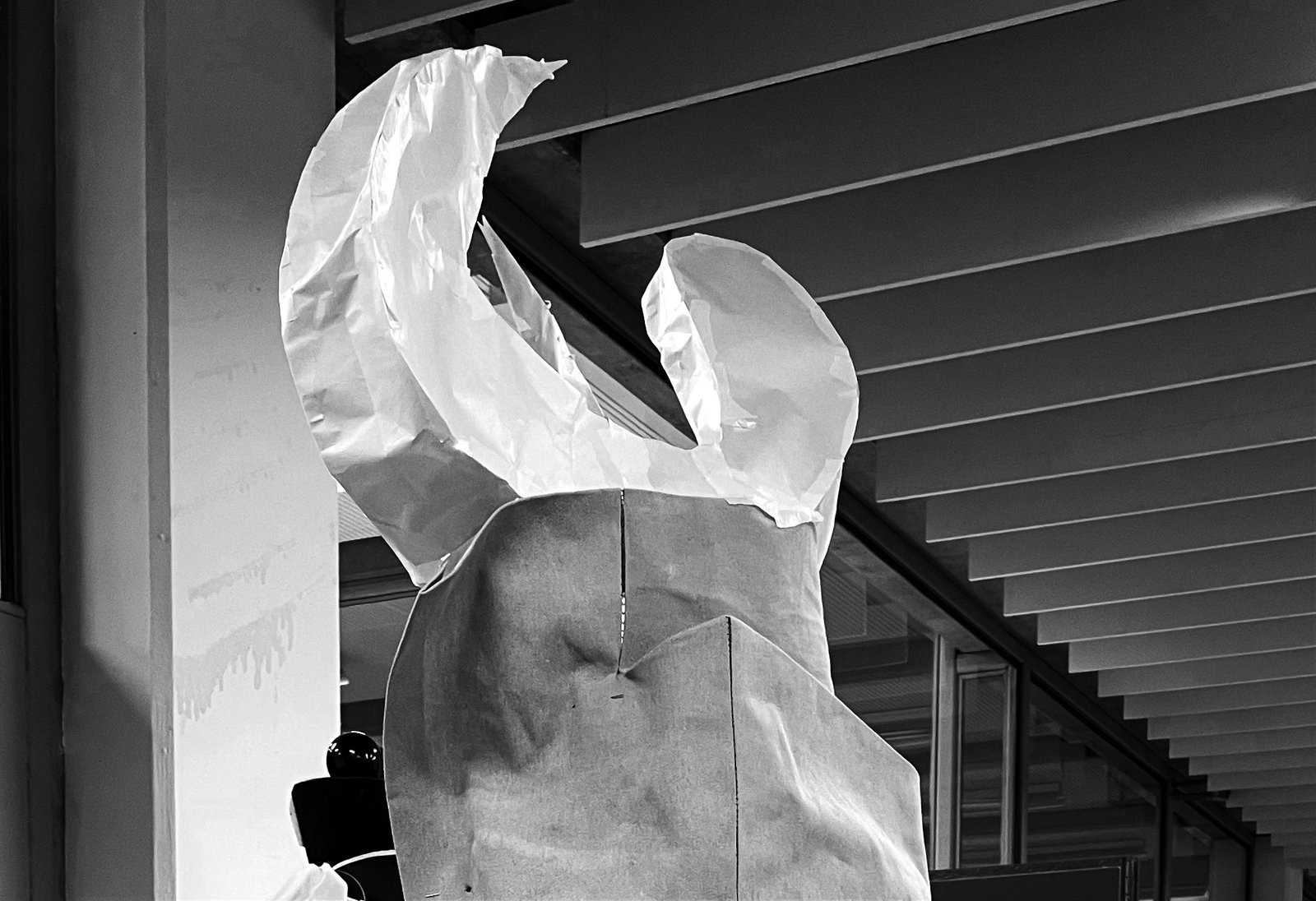
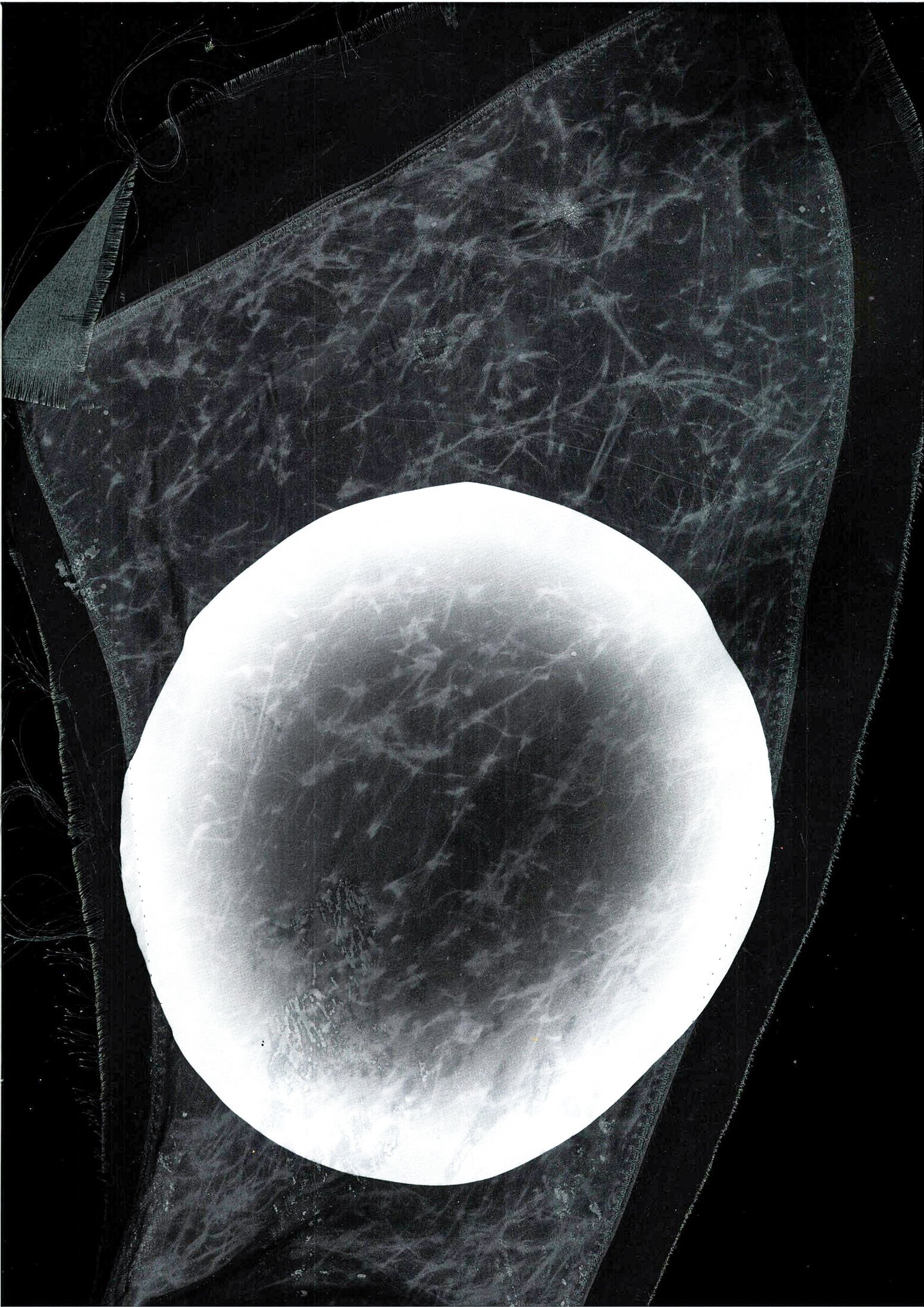
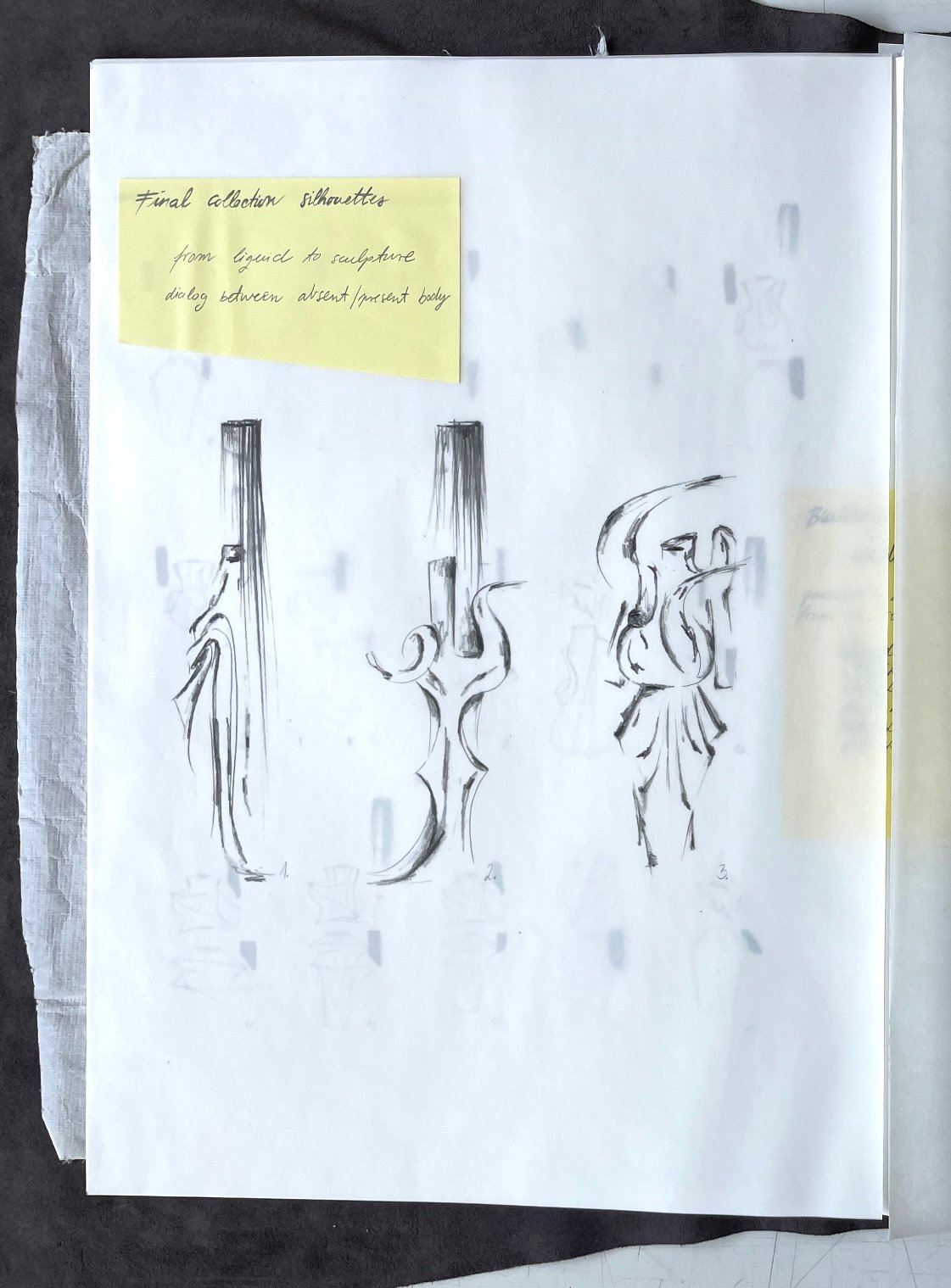
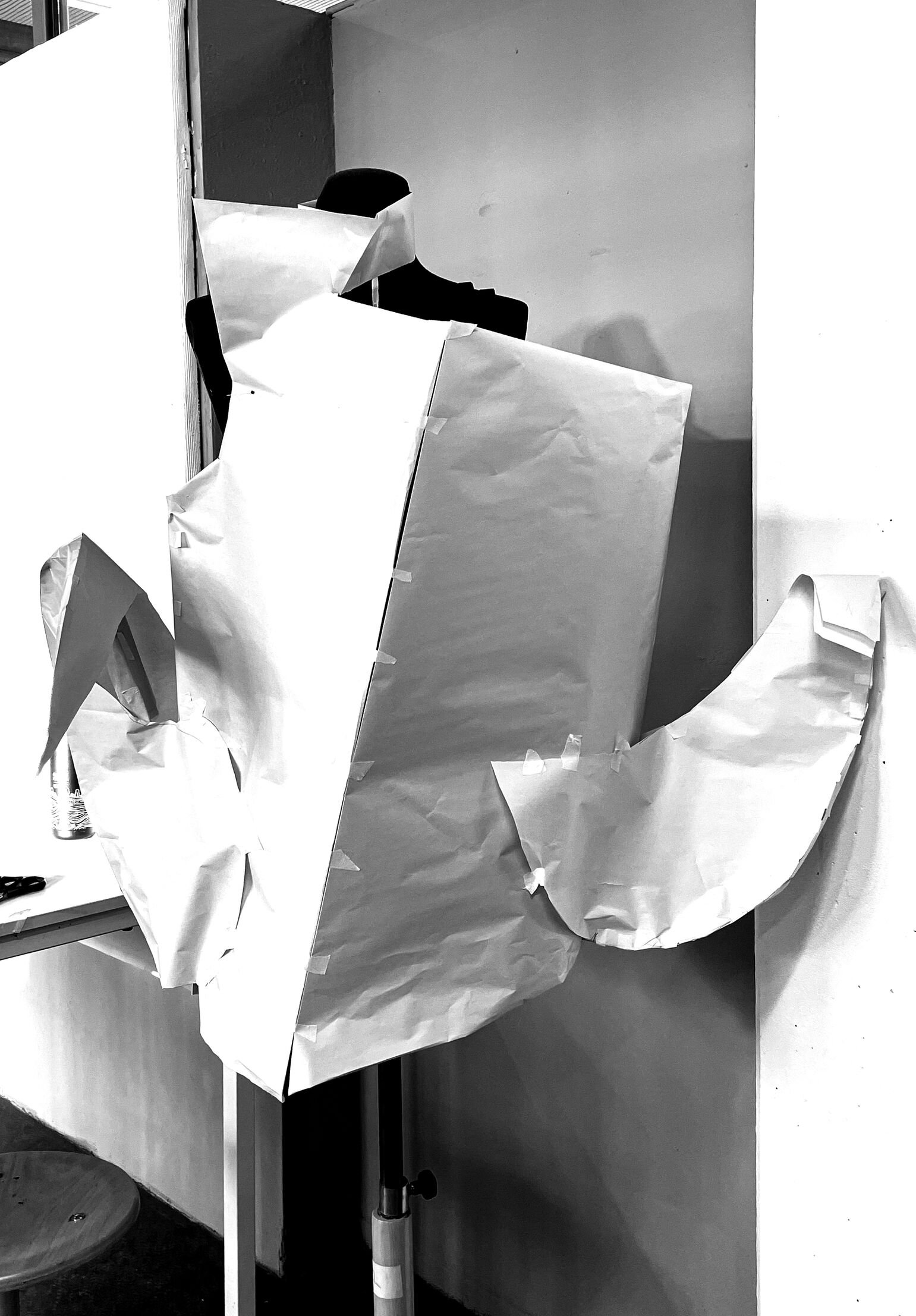
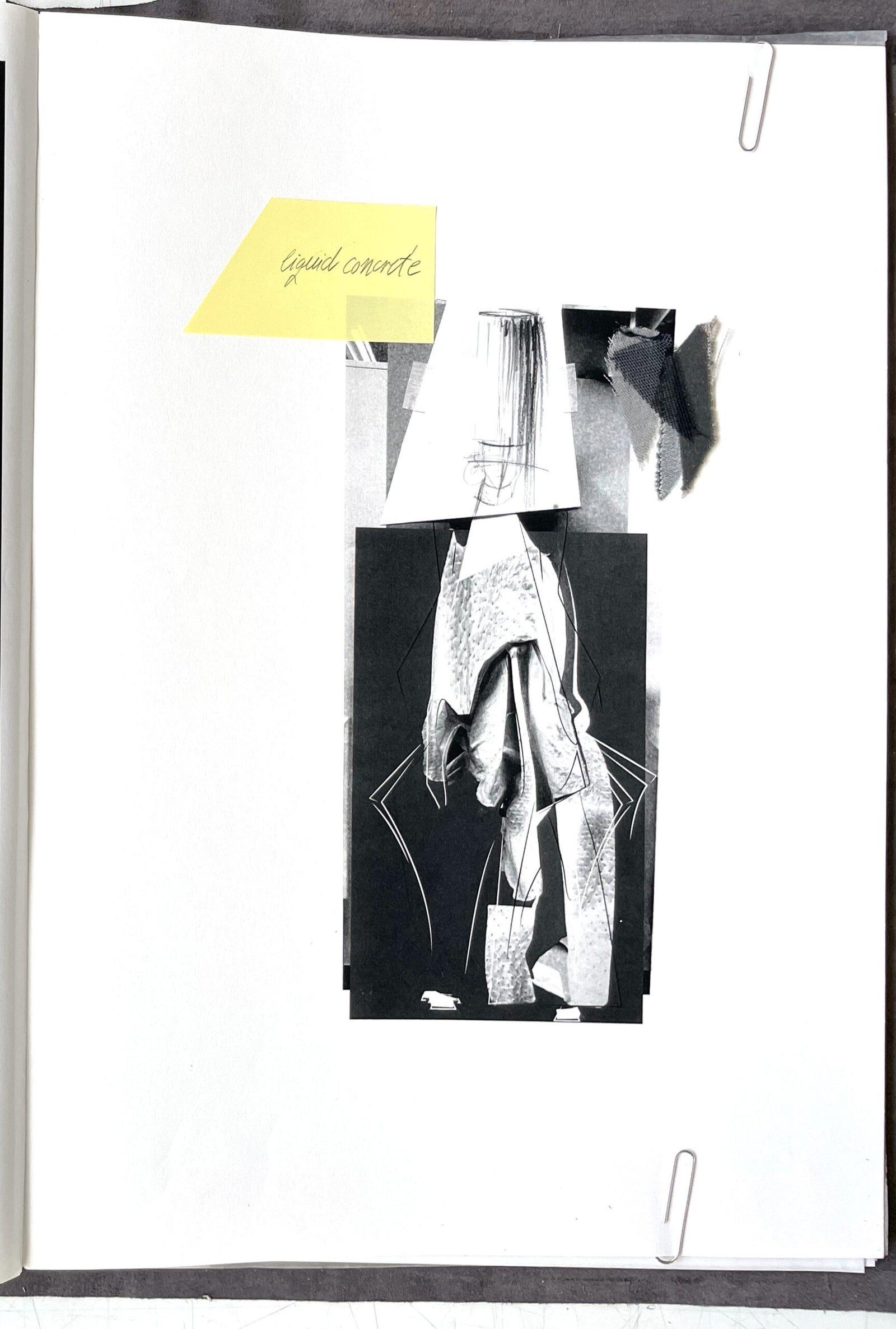
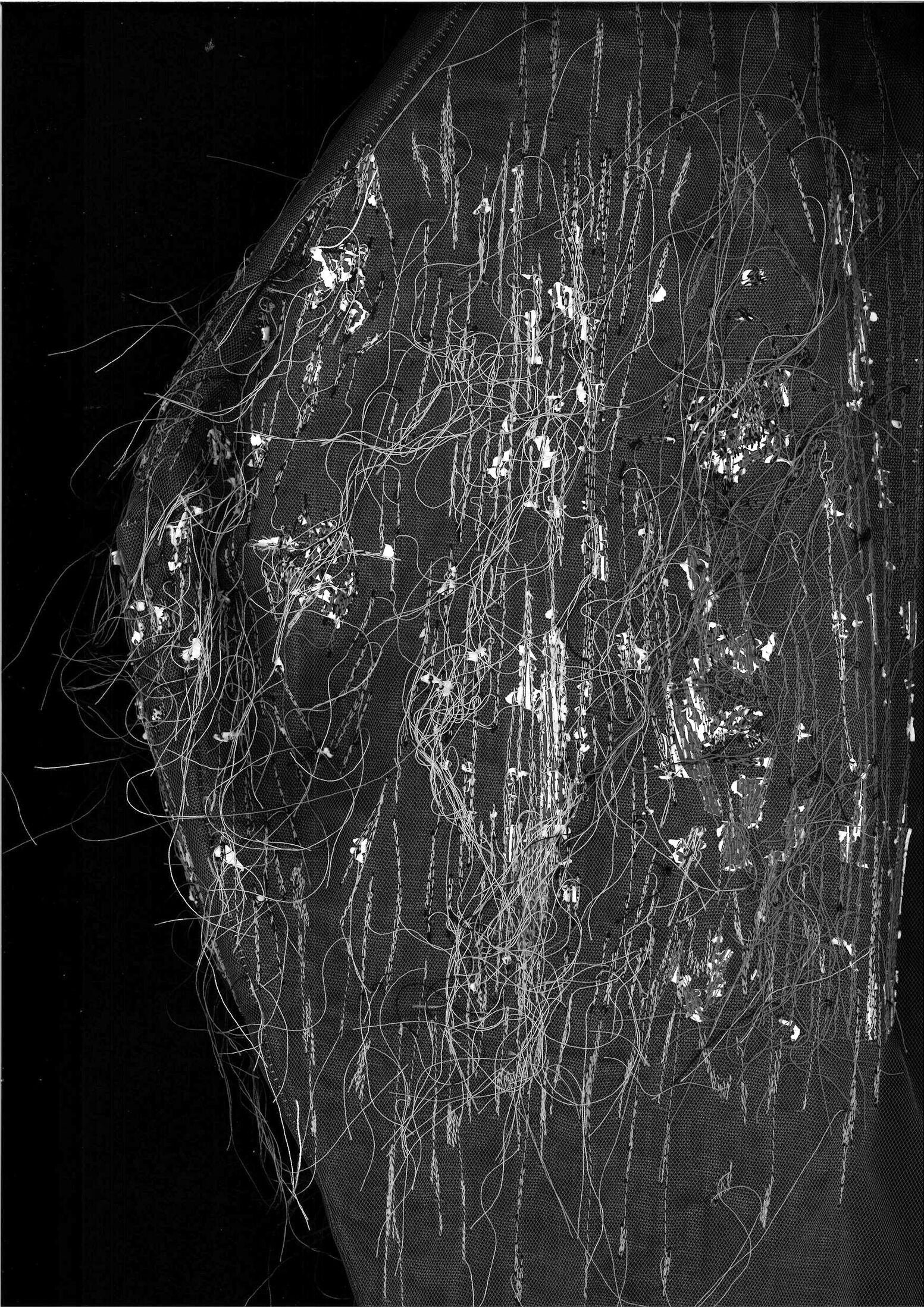
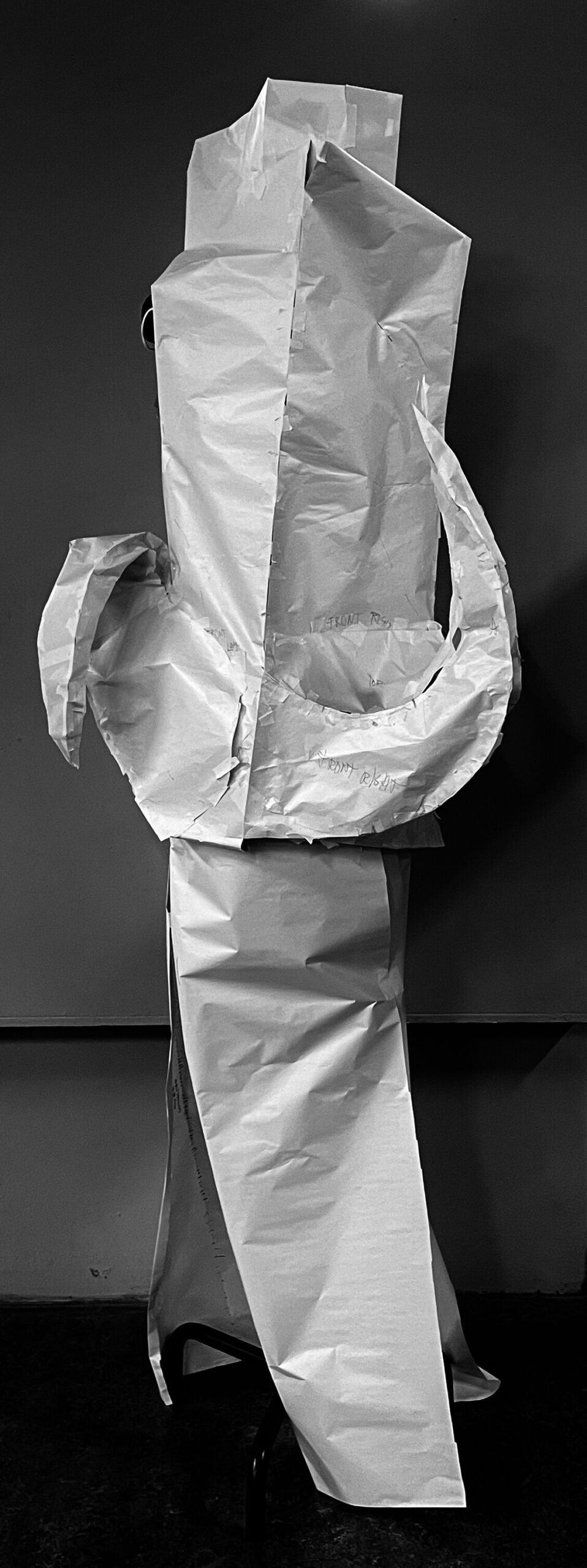
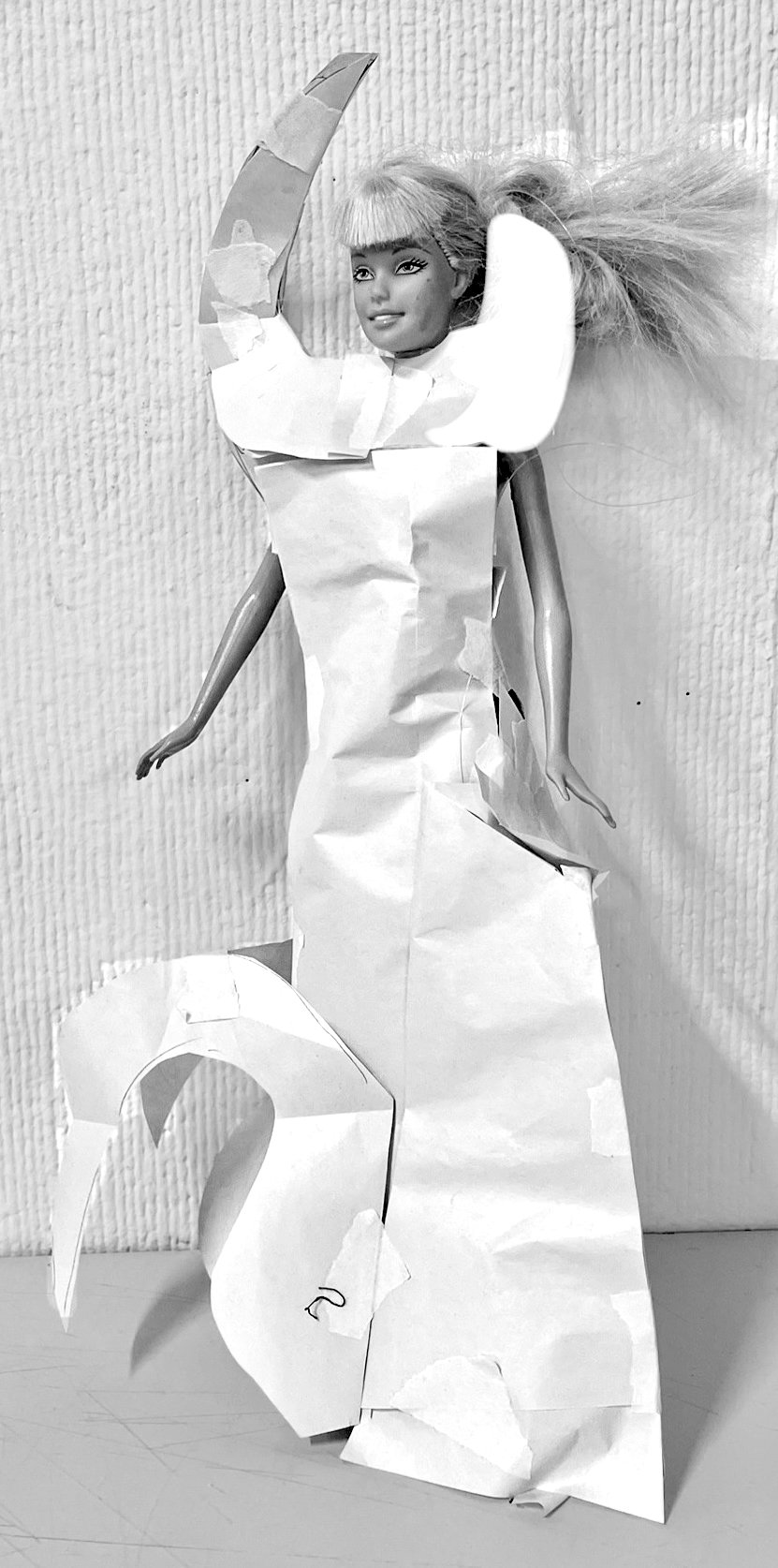
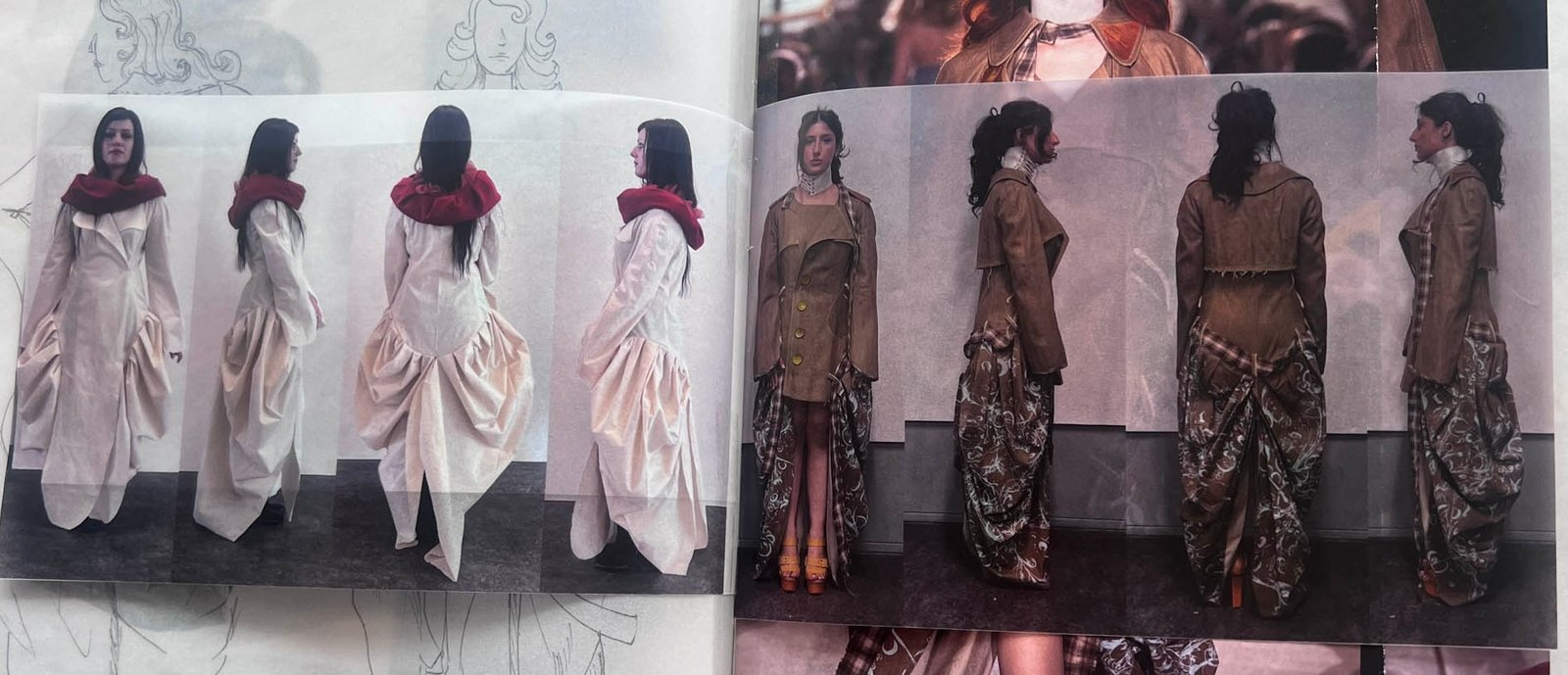
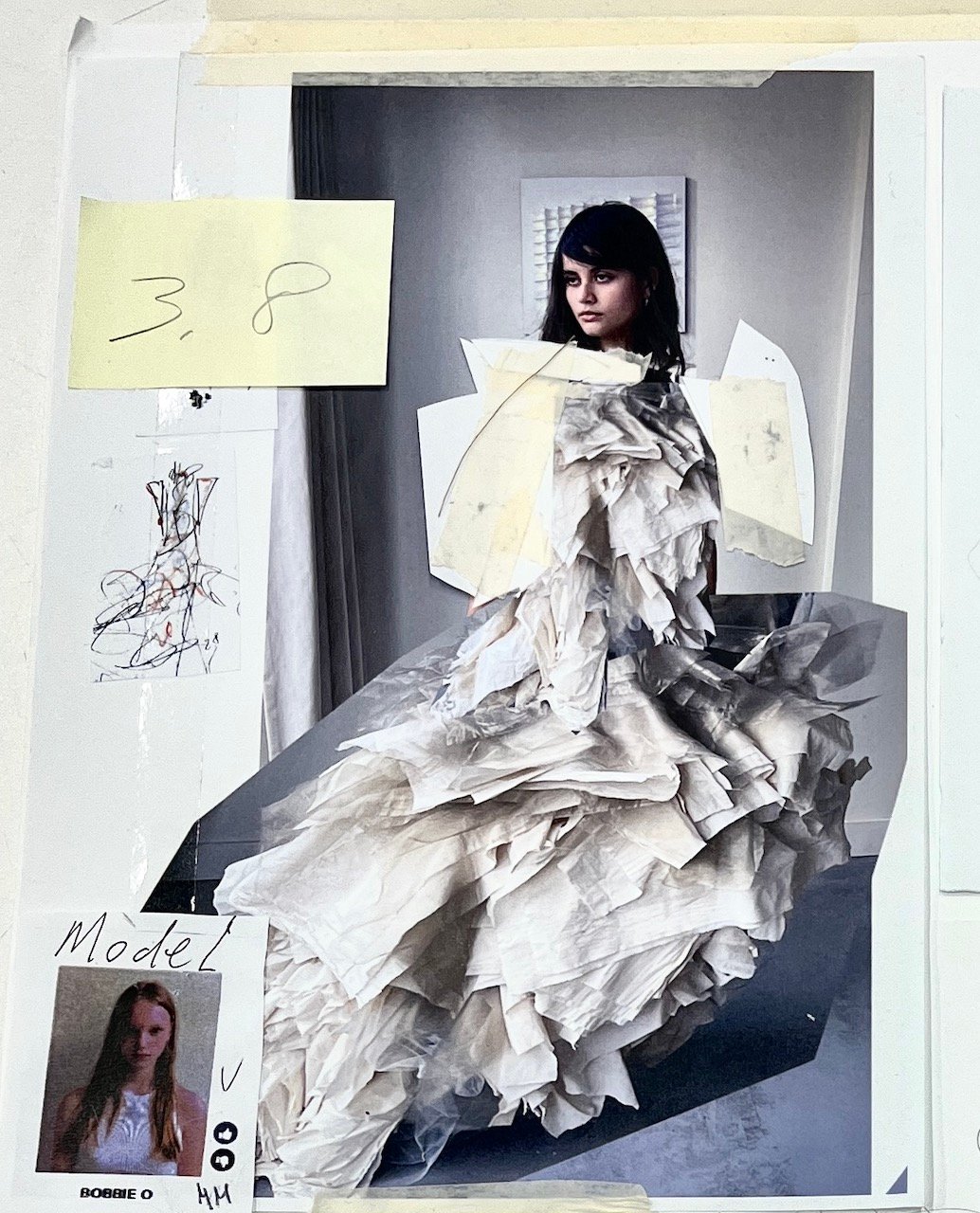
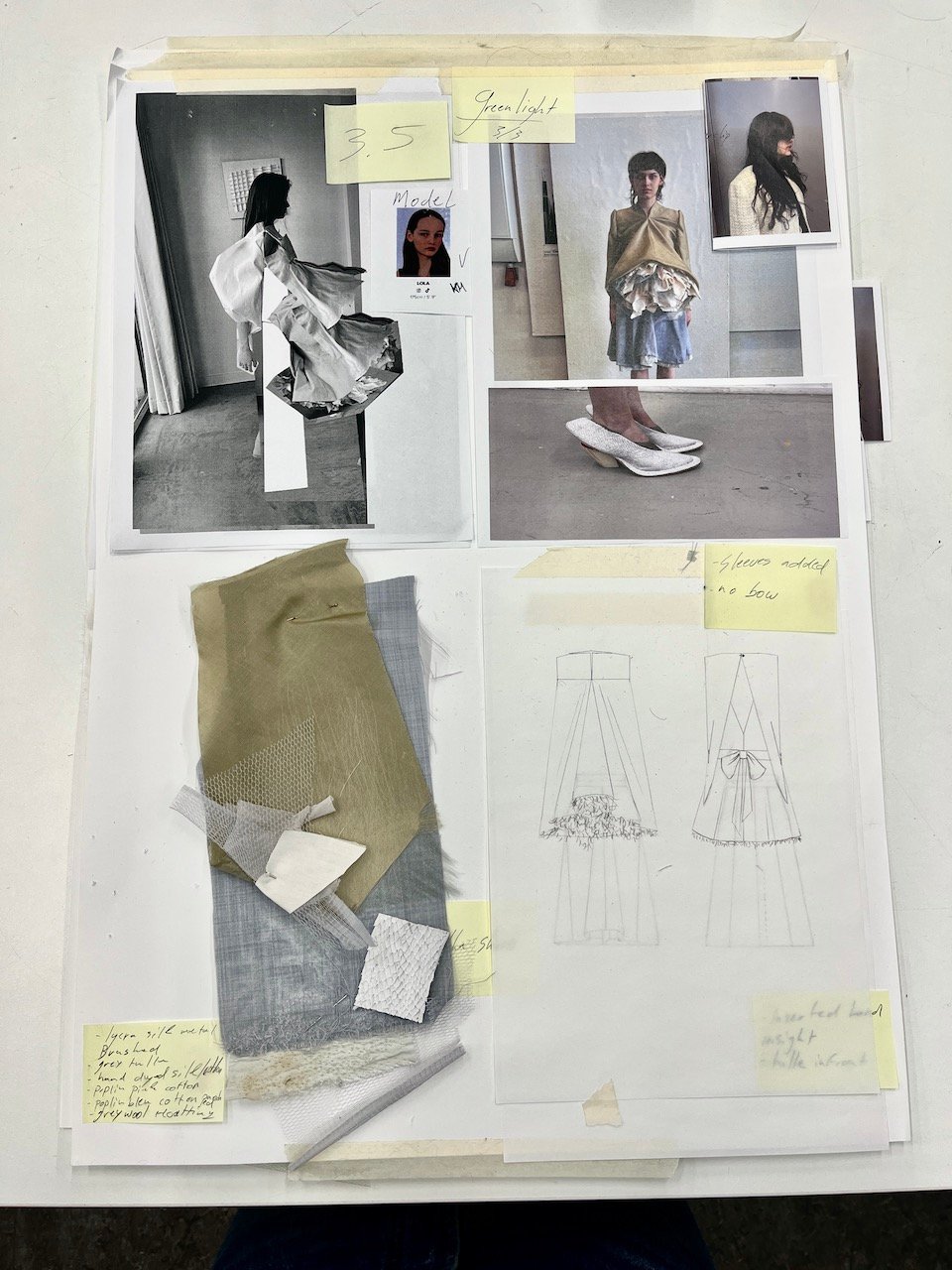
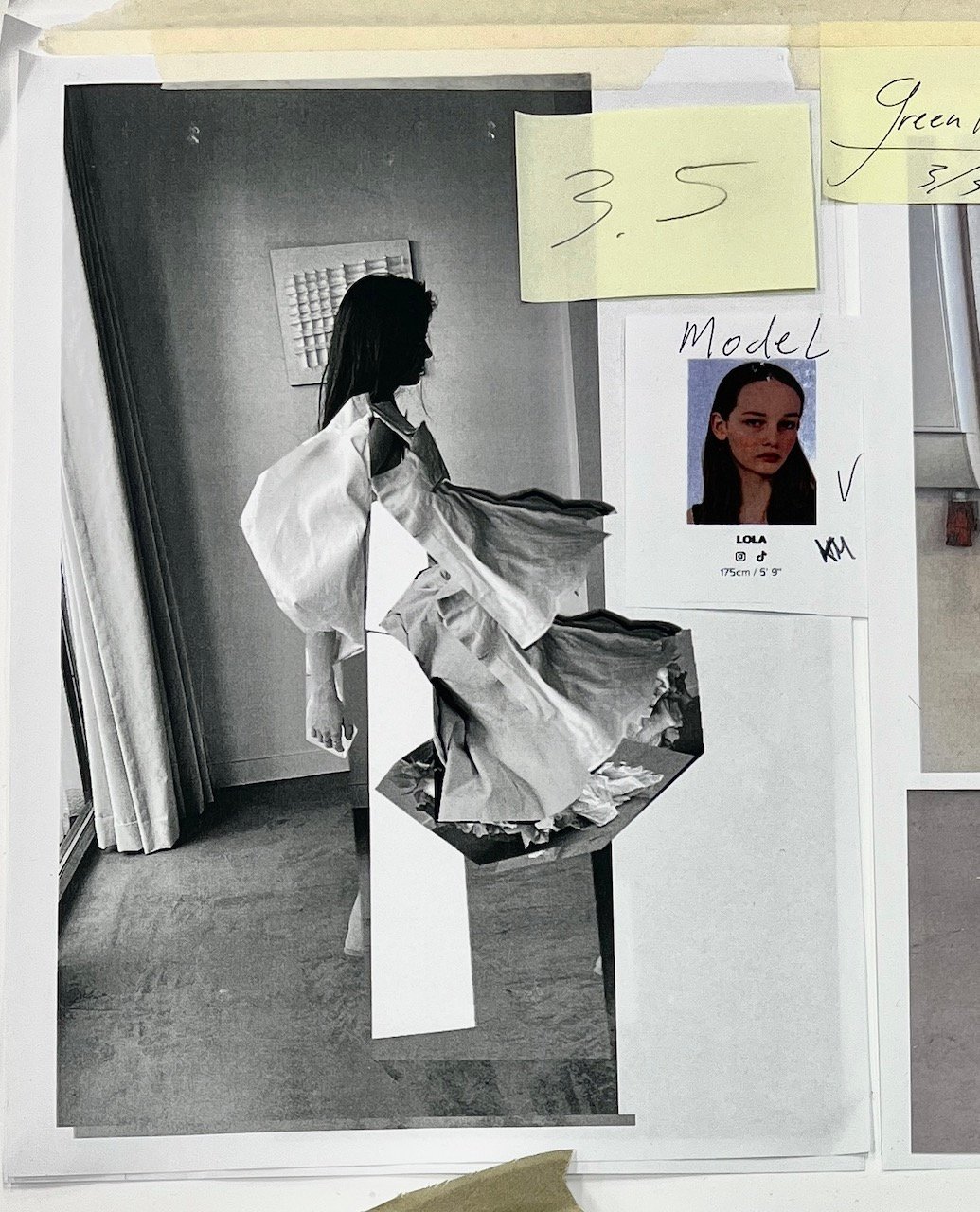
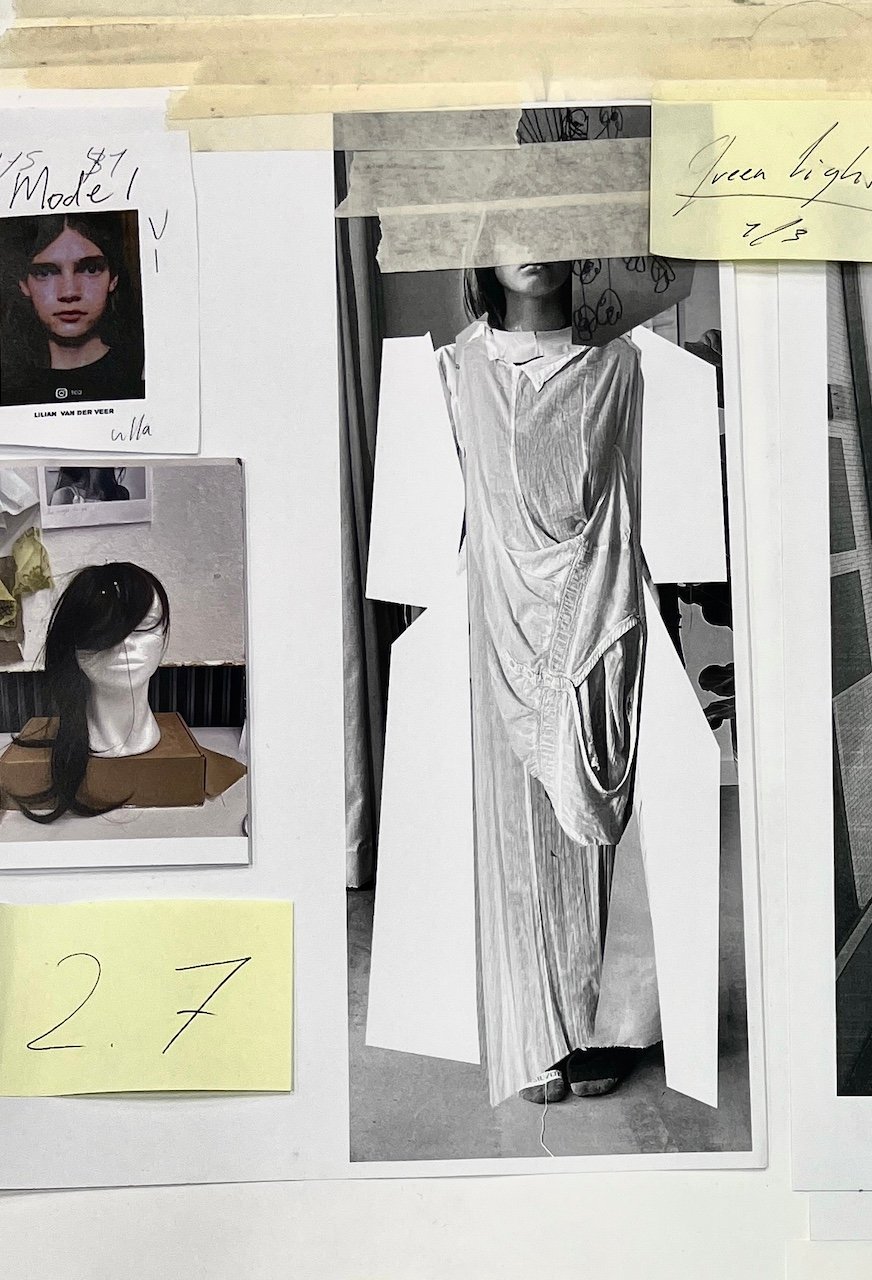
Nina Zeleznik’s collection, SFINGA., is shaped by the logic of concrete as a constructed material, formed through moulds and reinforcement with precision and craftsmanship. Raised in a family where making, repairing, and building from scratch were everyday skills, she approaches garment construction through the same principles. Forms begin as hand-made sculptures before being translated into clothing through paper sculpting, while couture techniques and textile manipulation are used to create garments that appear heavy despite being constructed largely from lightweight fabrics.

@nina_zeleznik

Screenshot
Screenshot
Screenshot
Screenshot

Lisanne Huizenga

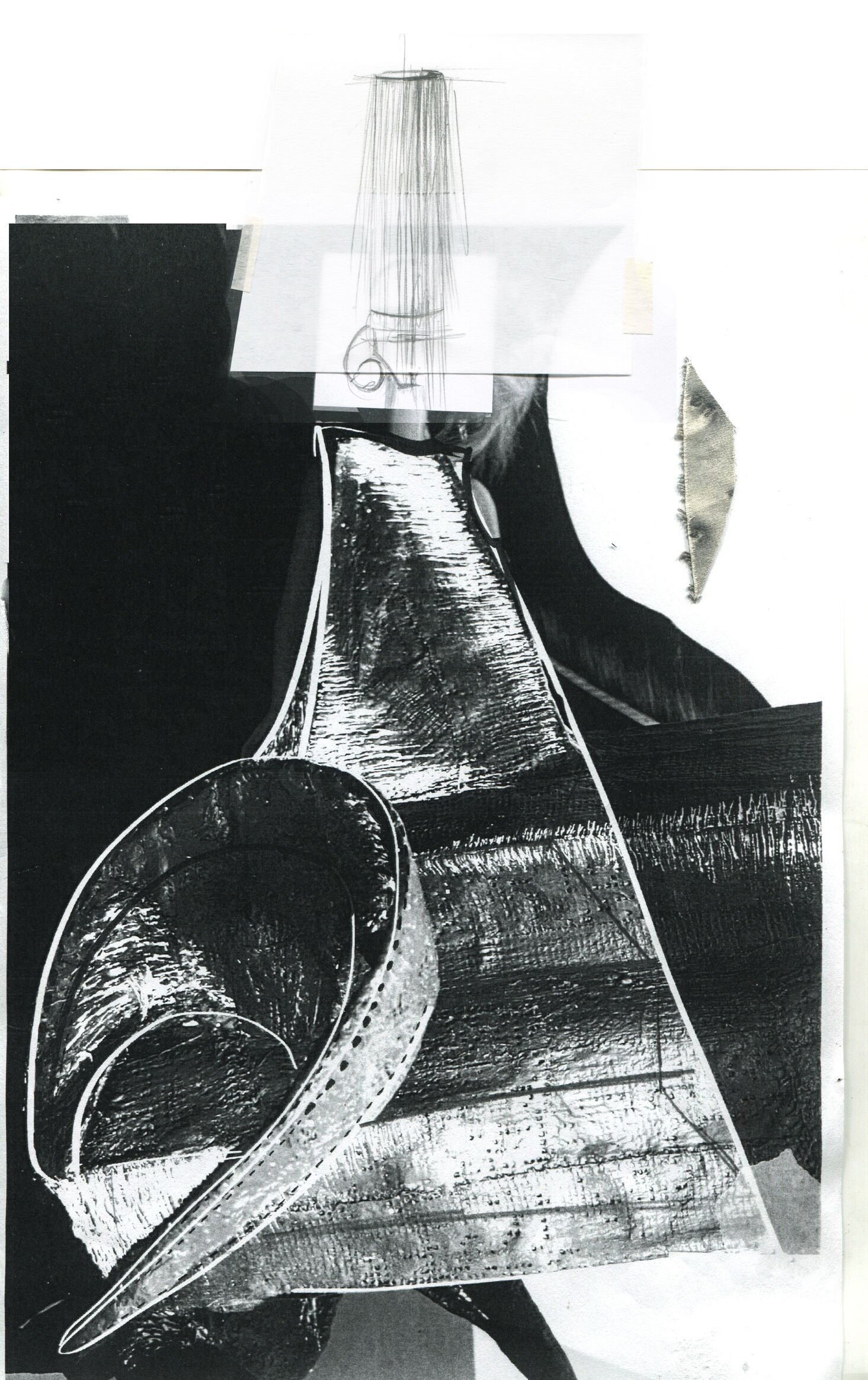
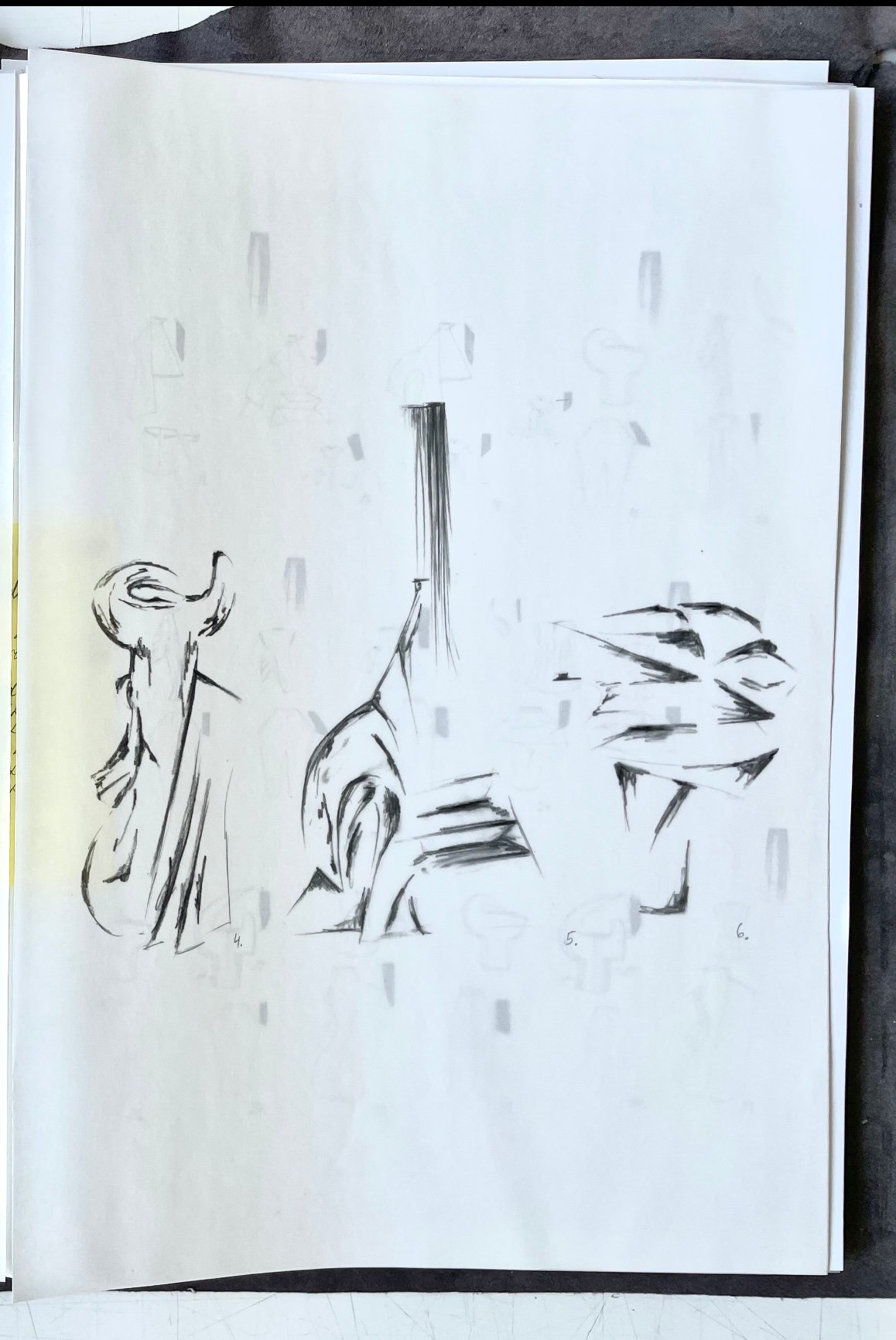
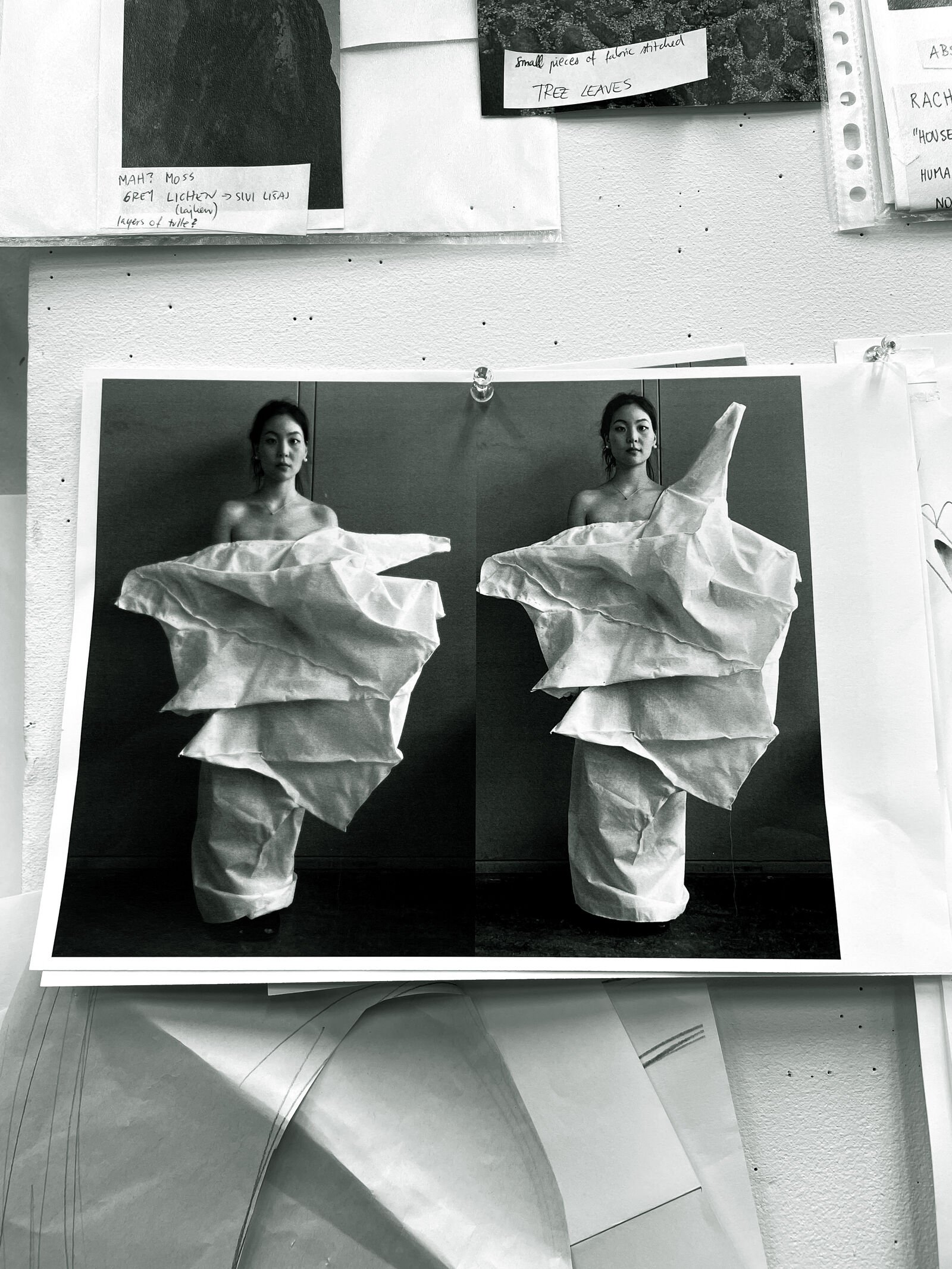
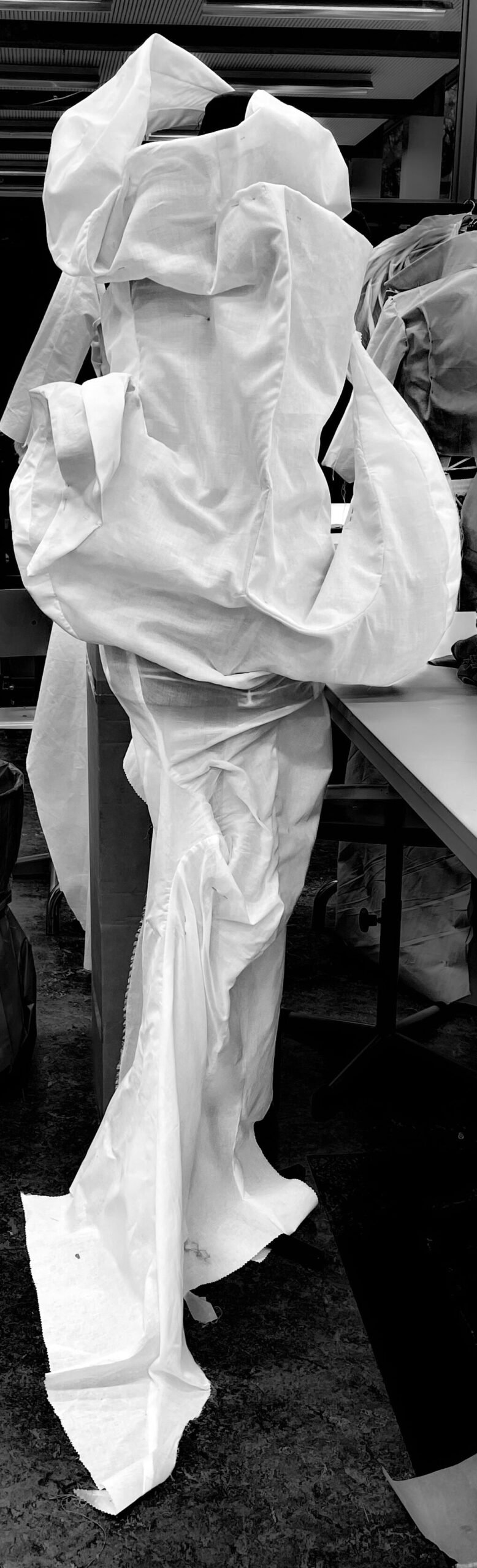
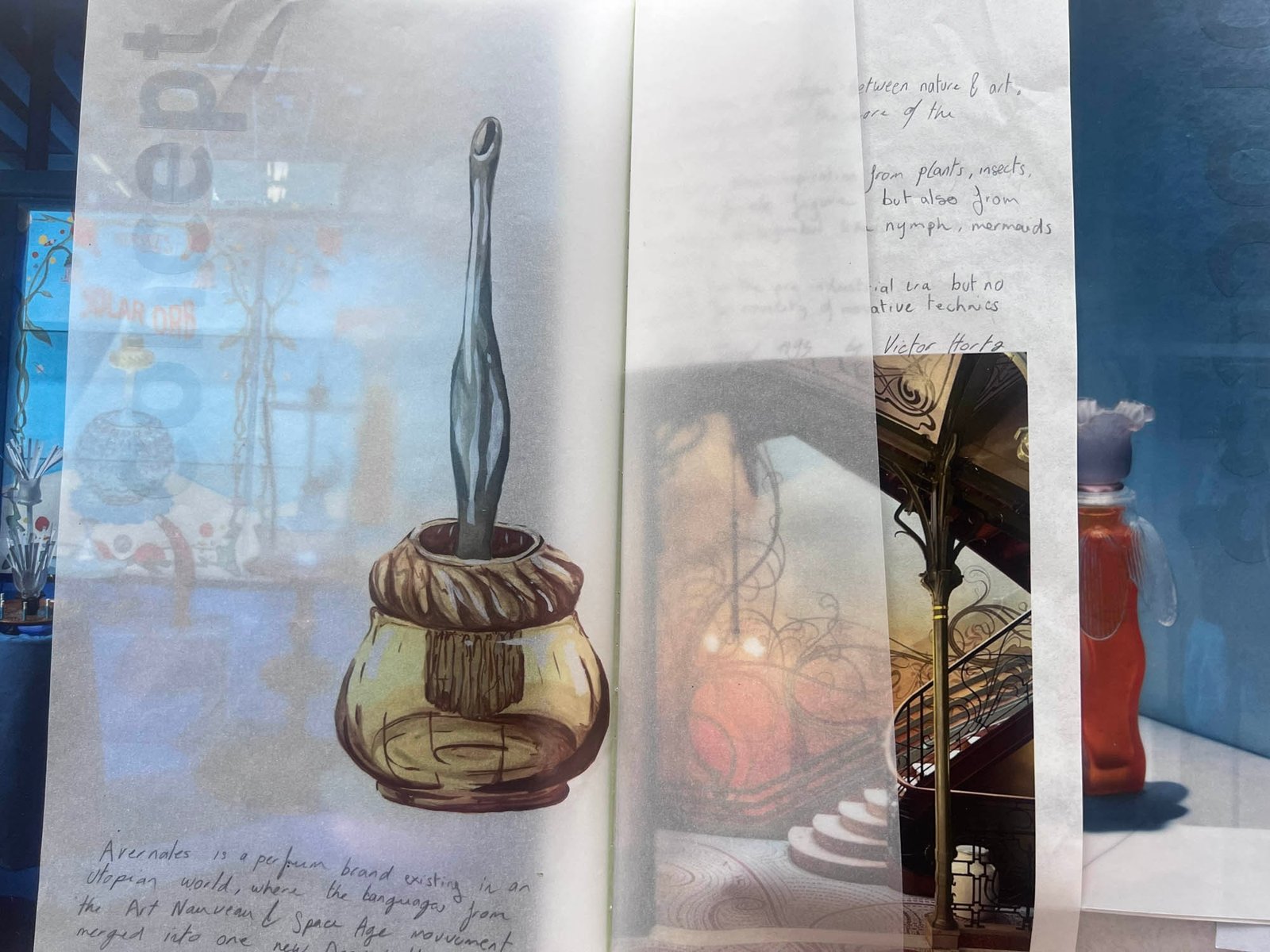
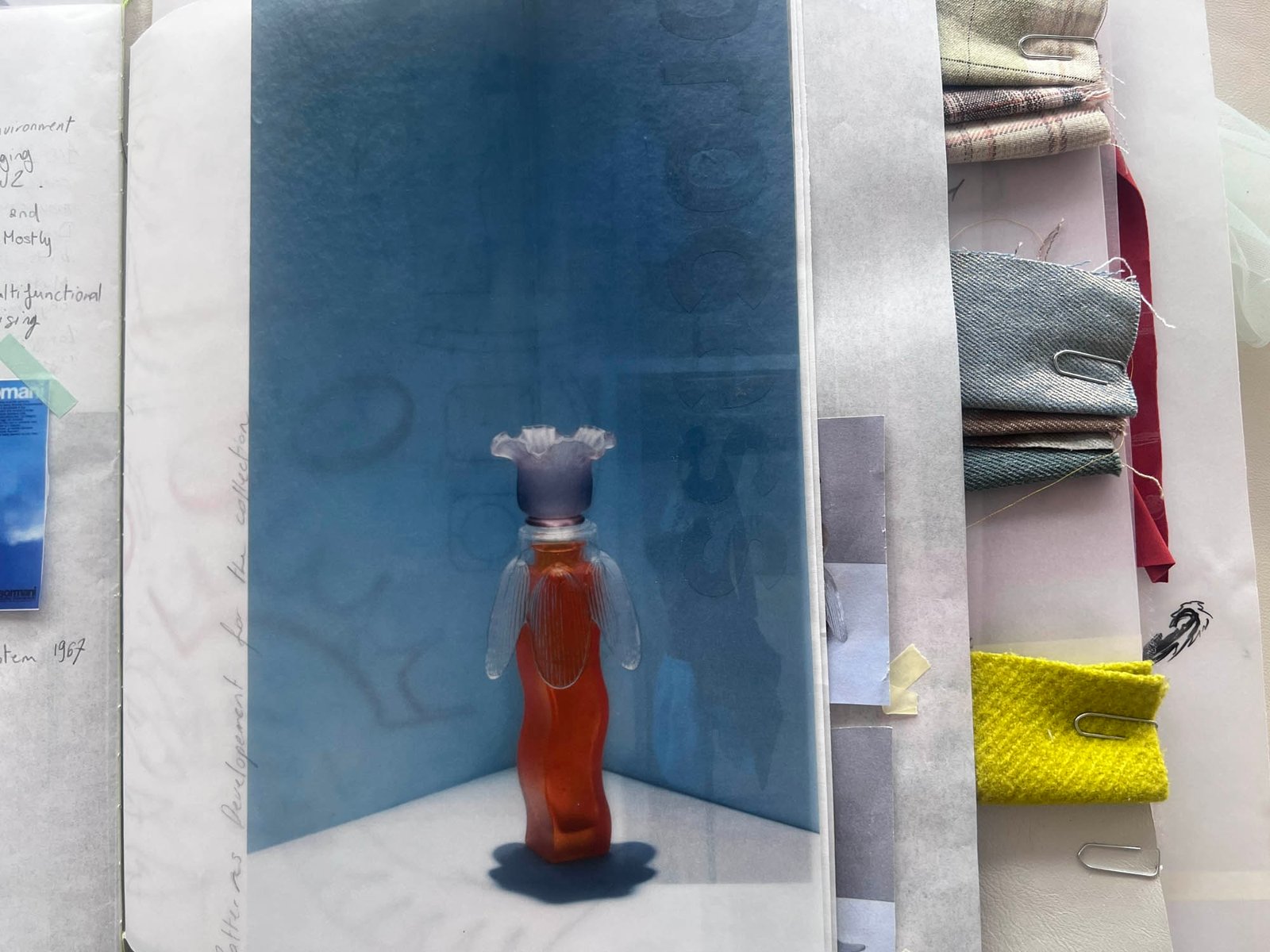
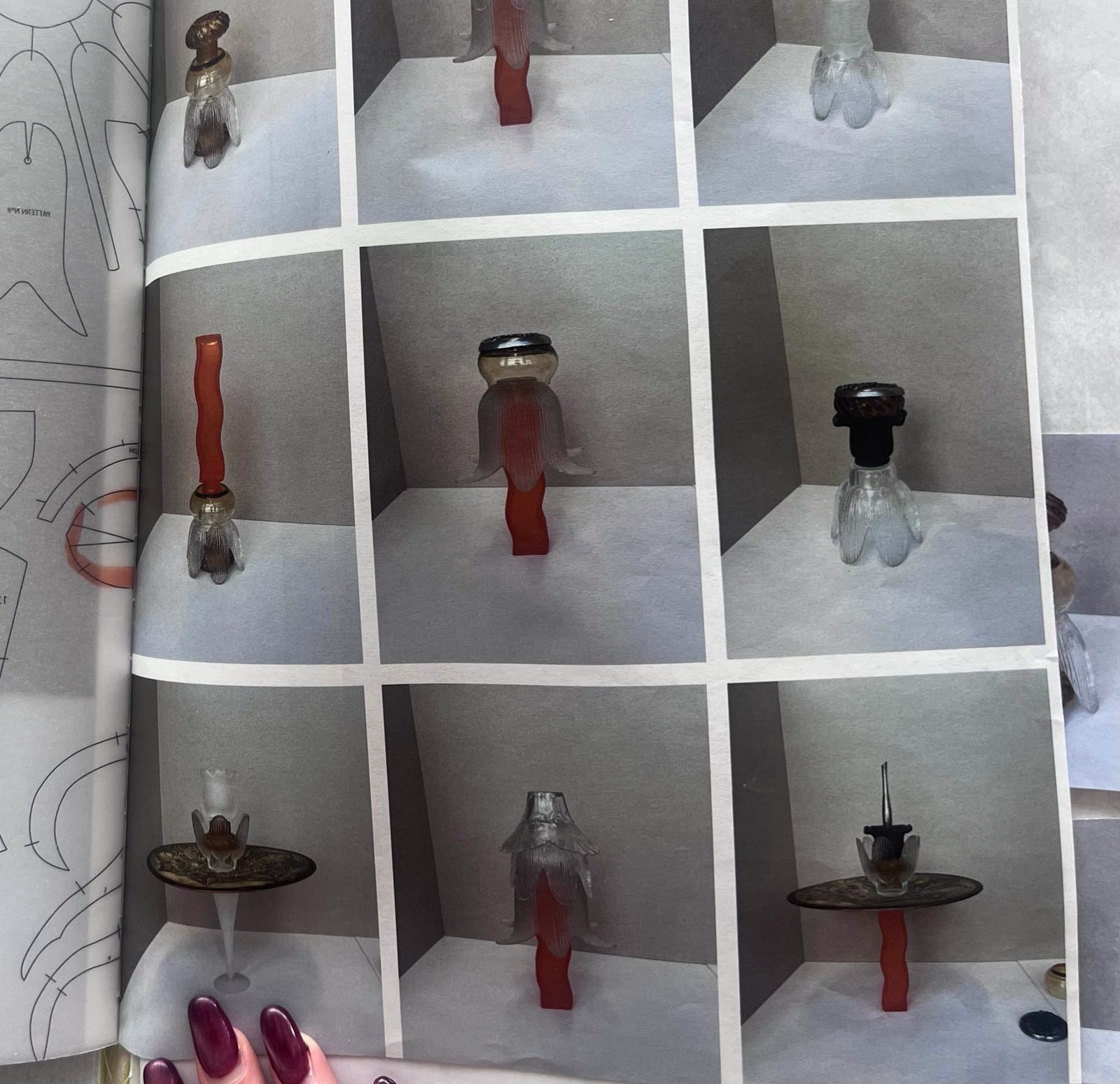
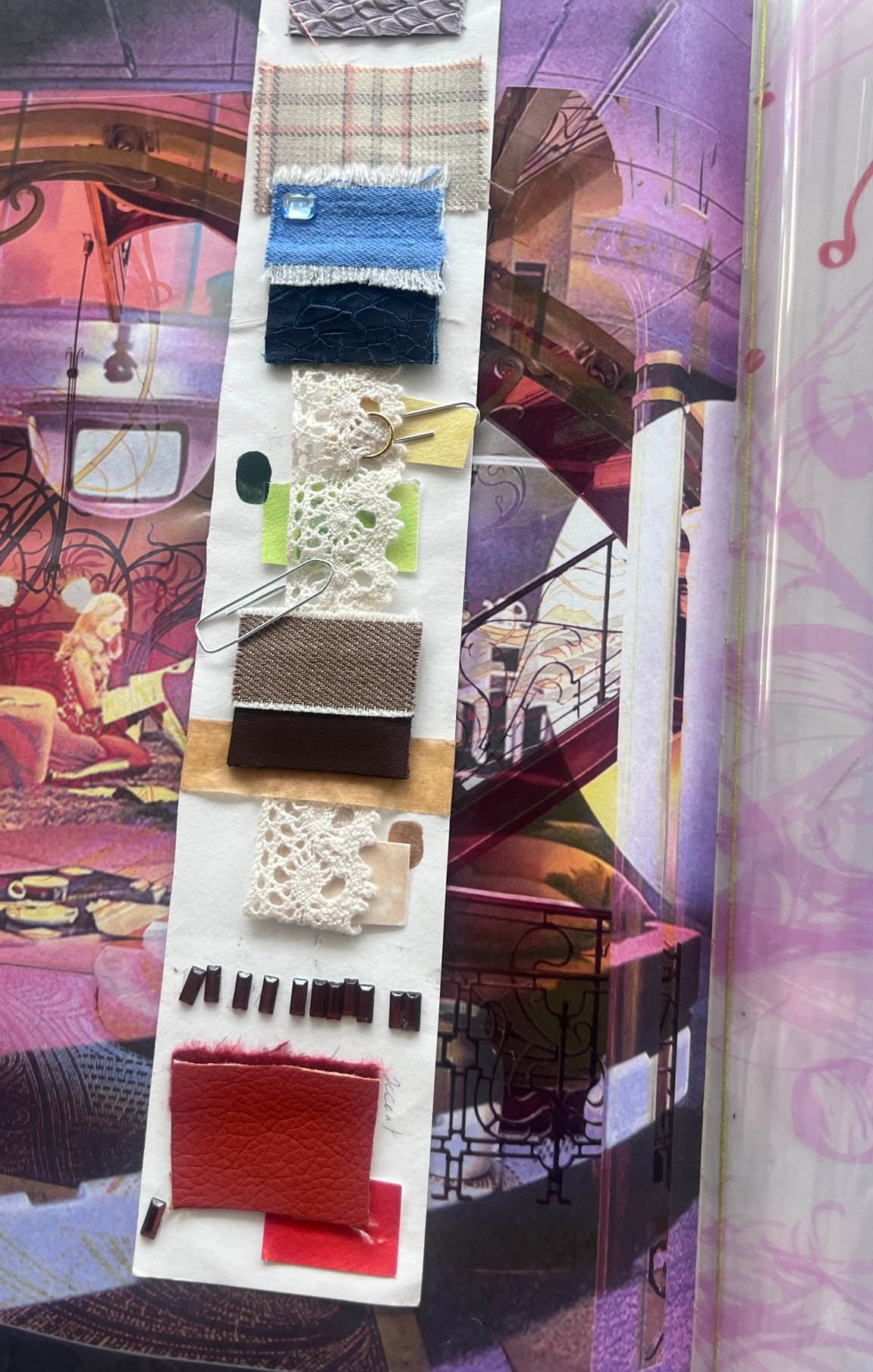
Lisanne Huizenga’s collection, Avernales, imagines a world where the visual languages of Art Nouveau and the Space Age coexist. At its centre is Avernales, a fictional perfume brand for which ornament is both decorative and functional. Huizenga began by creating perfume bottles from stacked thrifted glass objects, later transforming these sculptural forms into garments through experimentation with pattern cutting and draping. Layered and styled together, the pieces translate perfume bottles into human figures, blurring the boundaries between object, body, and fashion.
@lisanne._.h

Julia Verberne

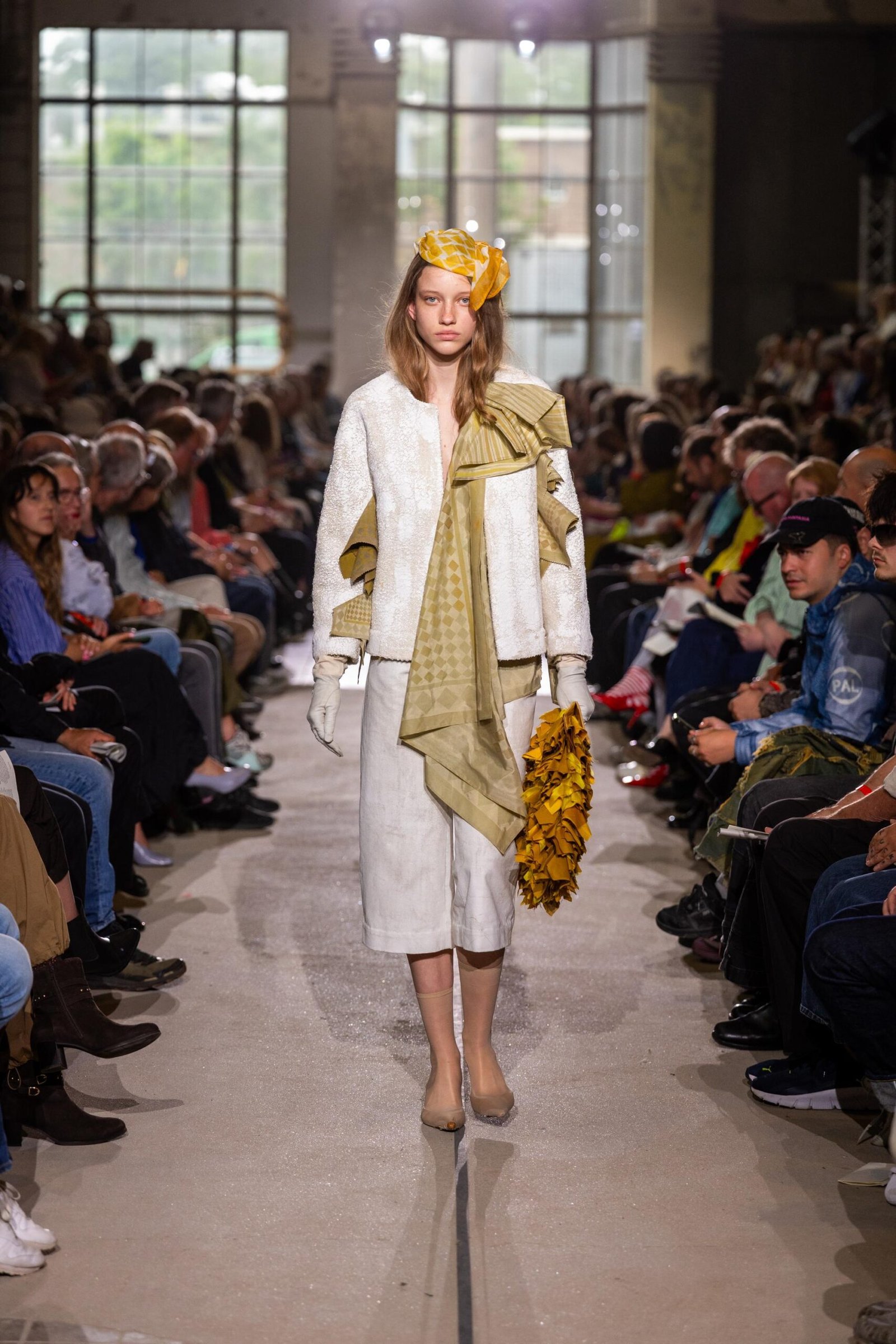
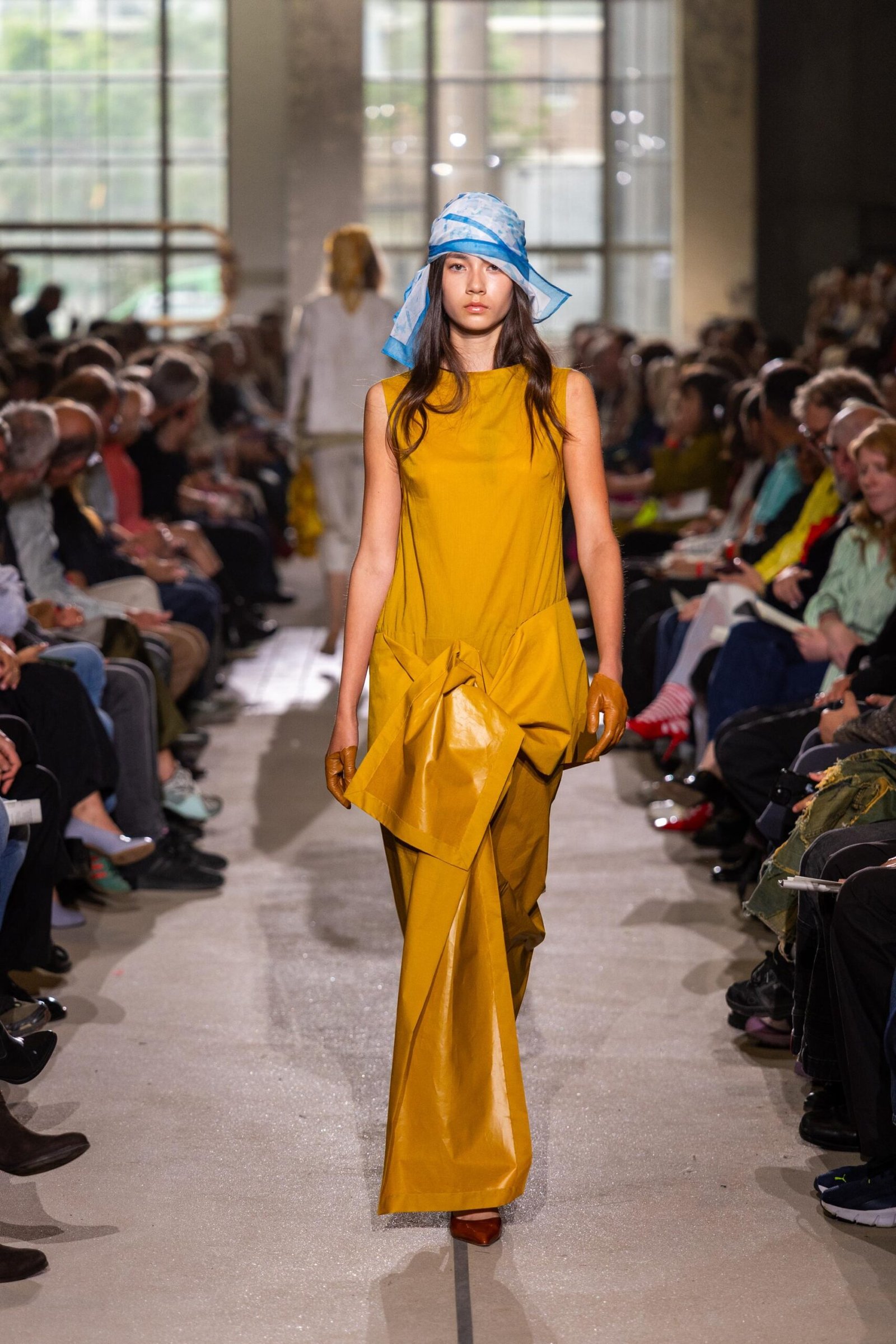
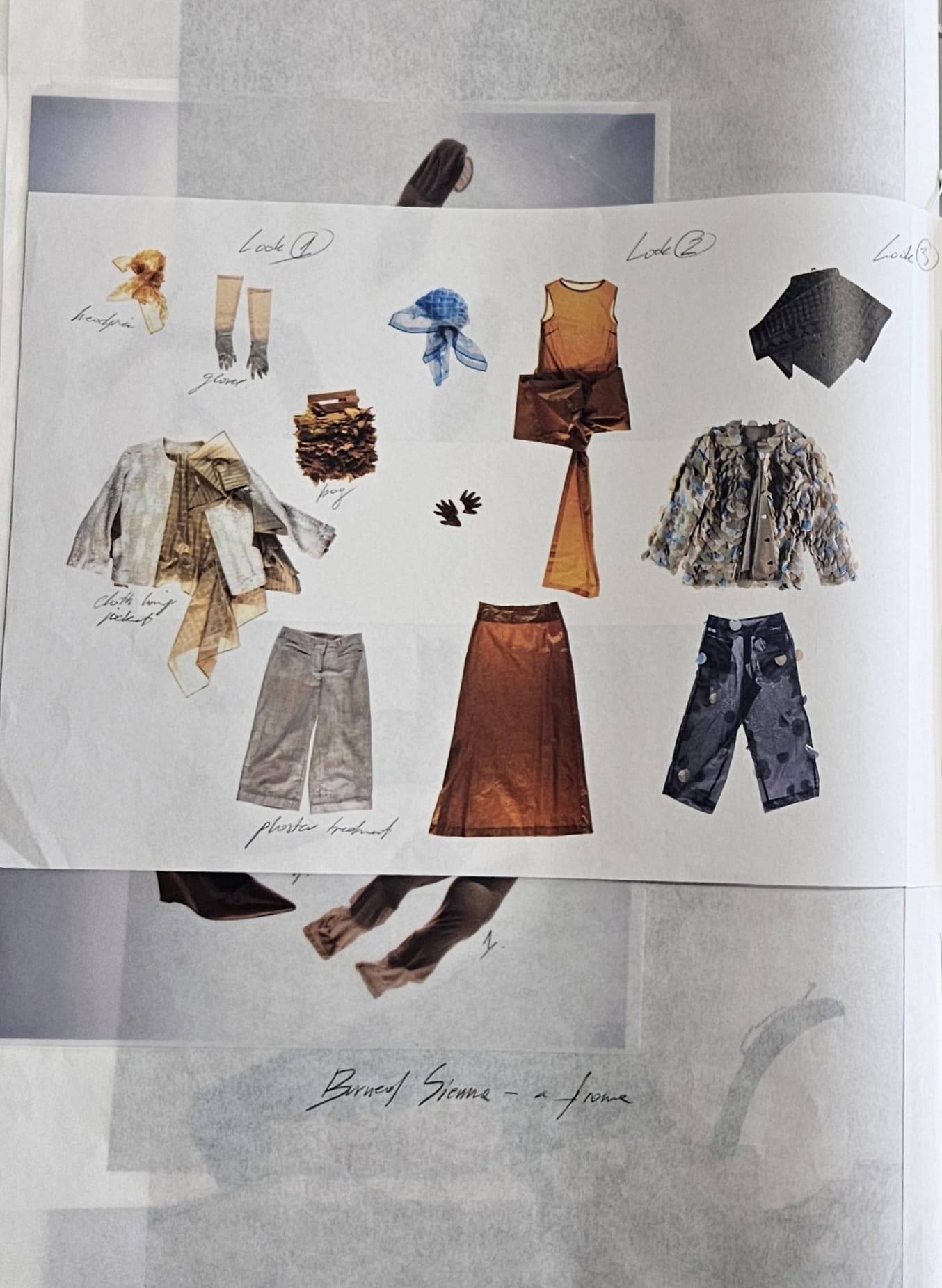
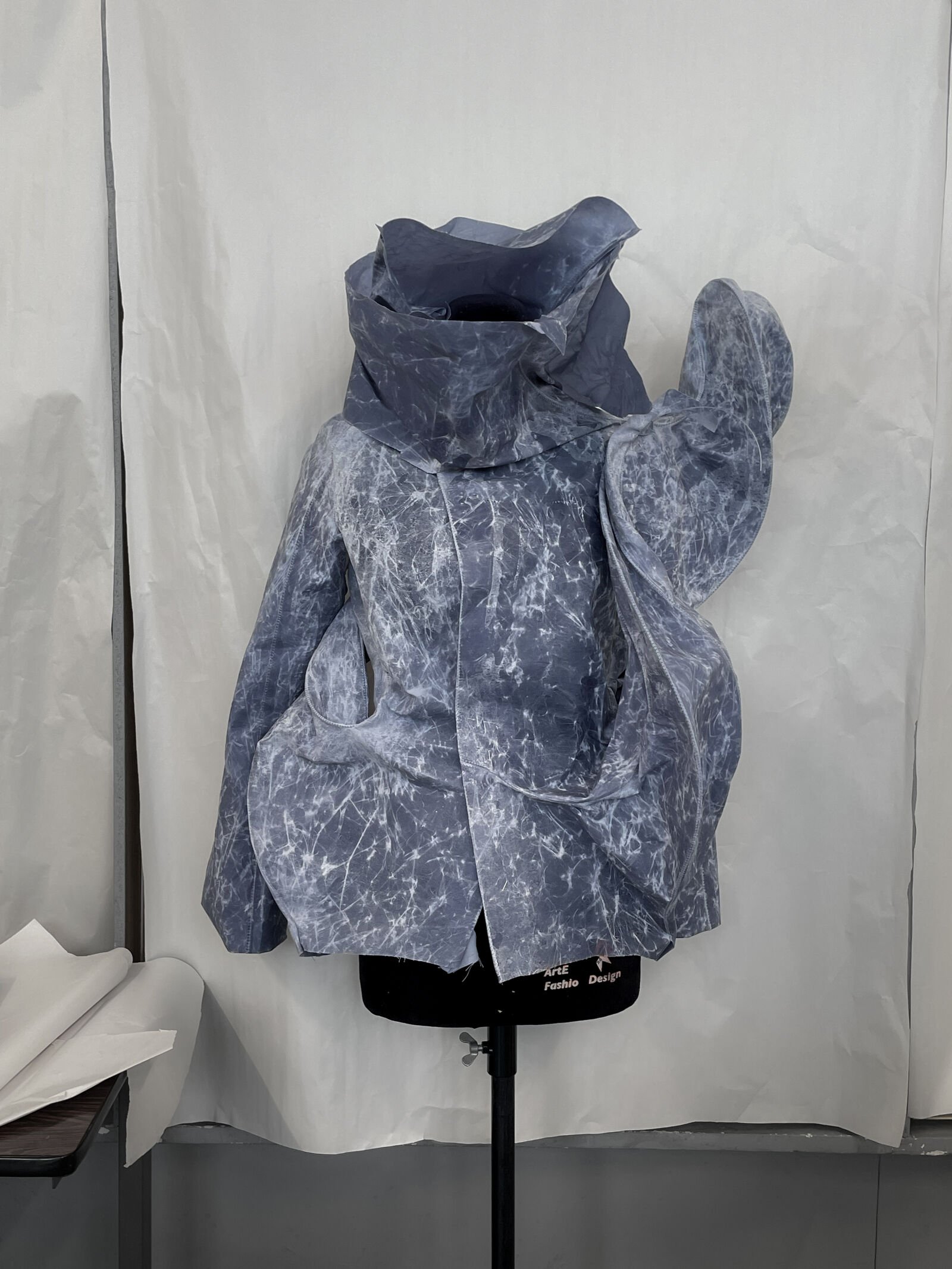
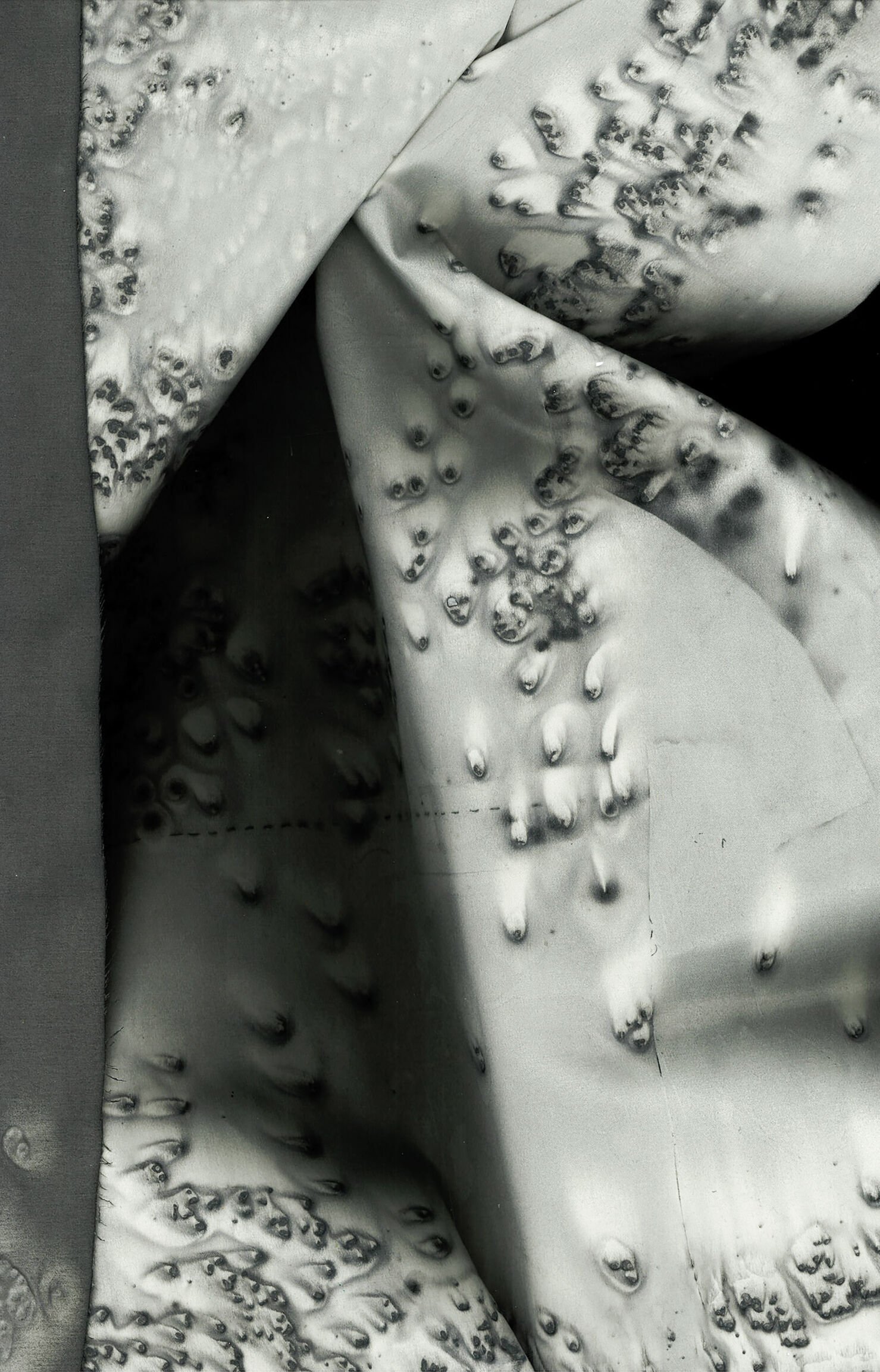
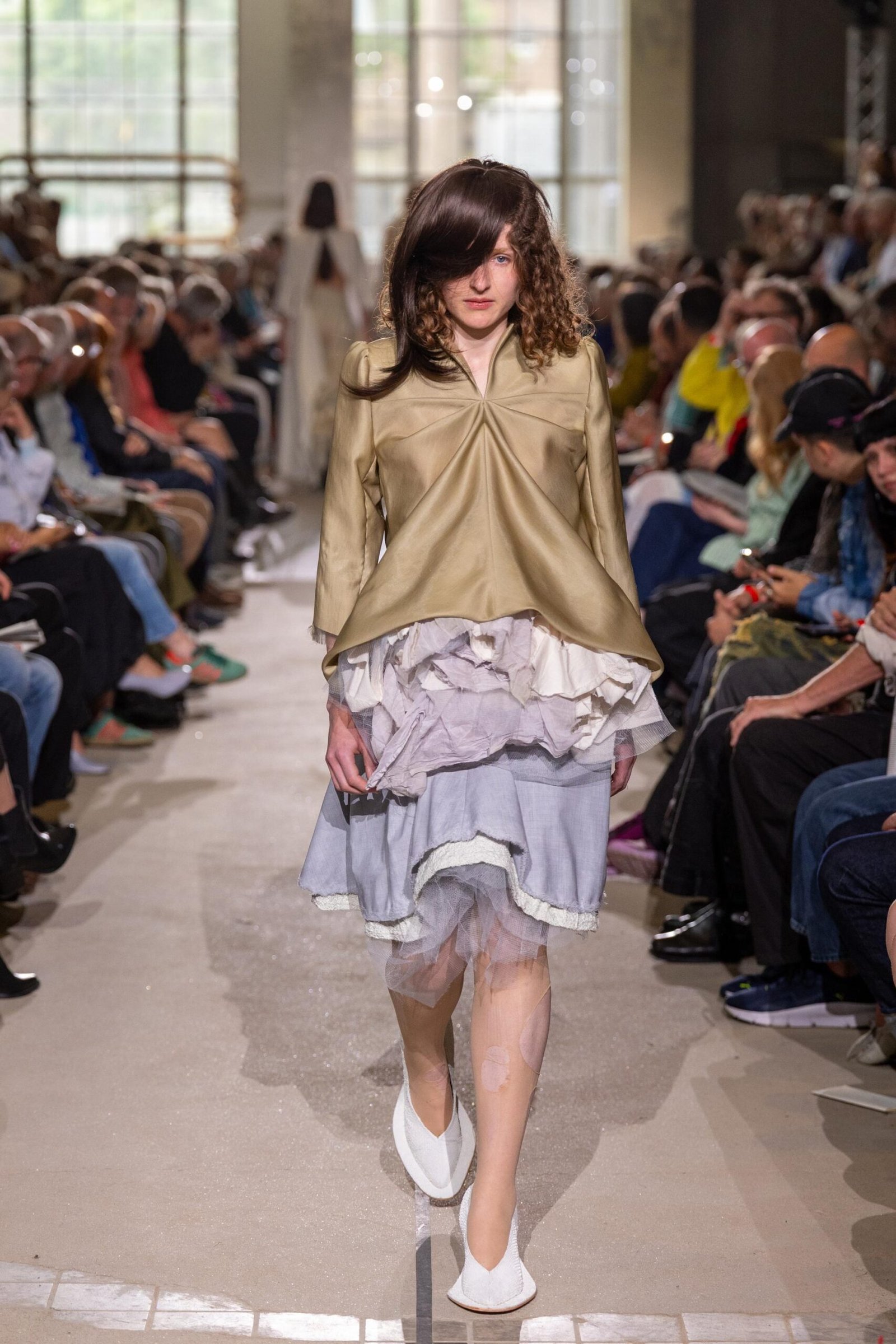
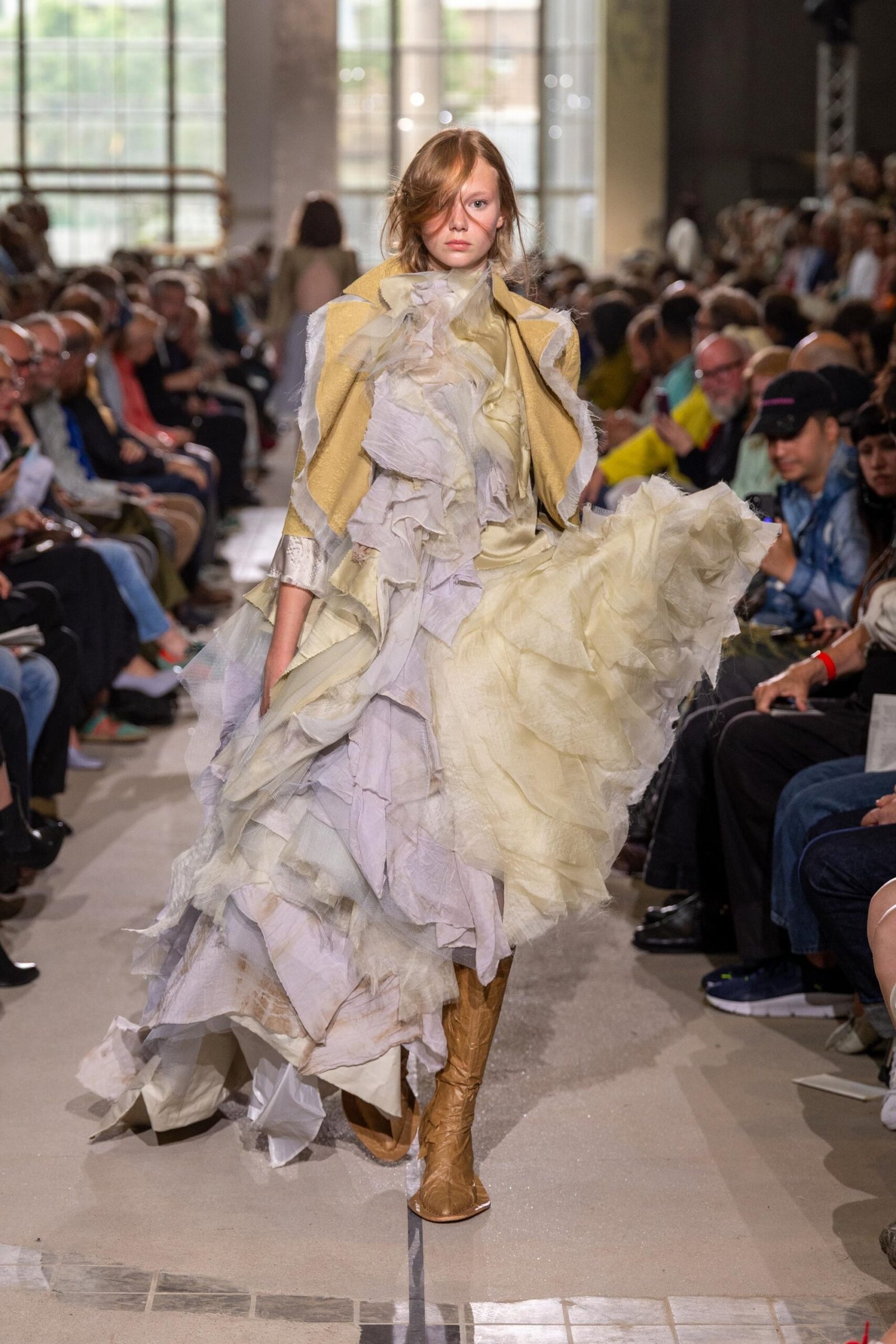
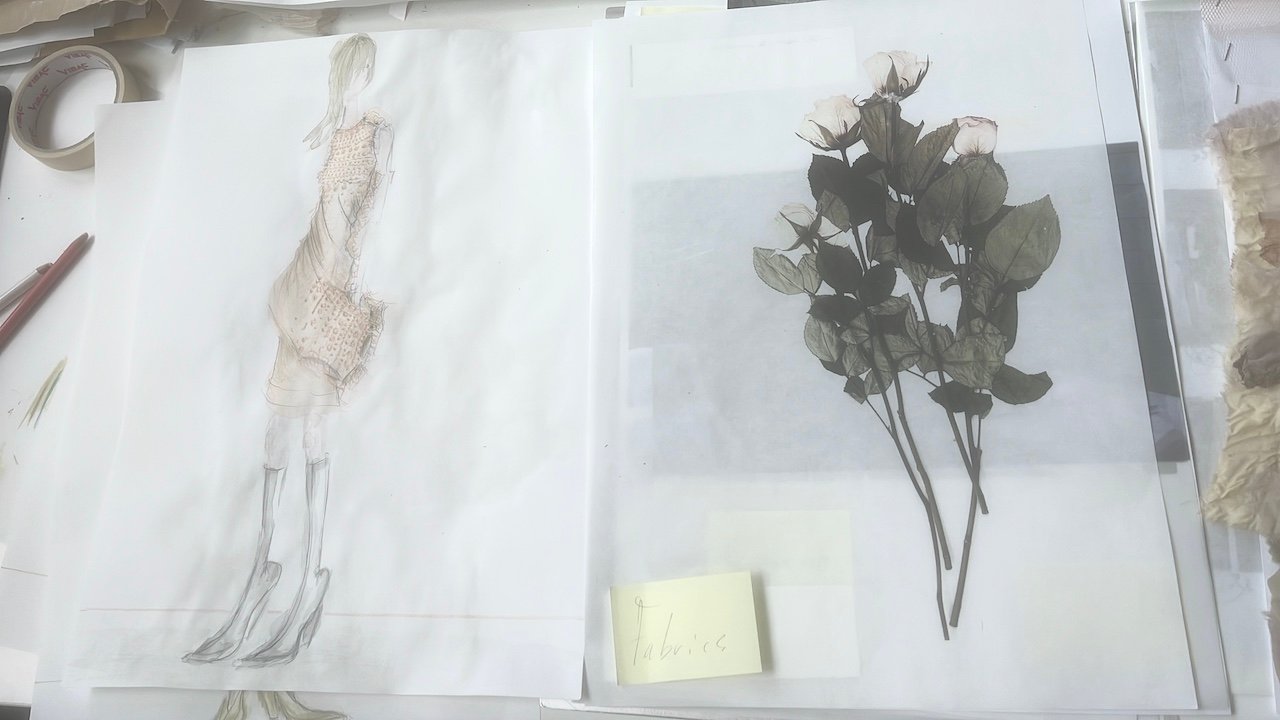
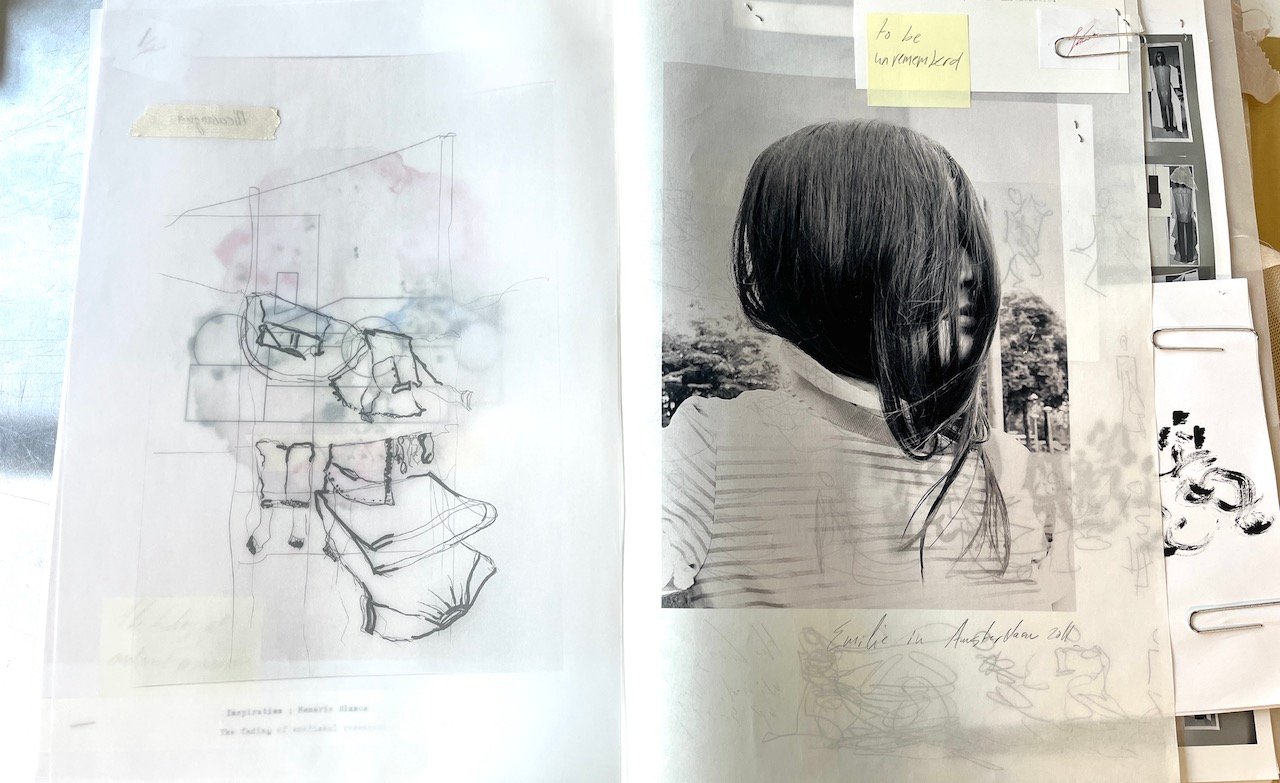
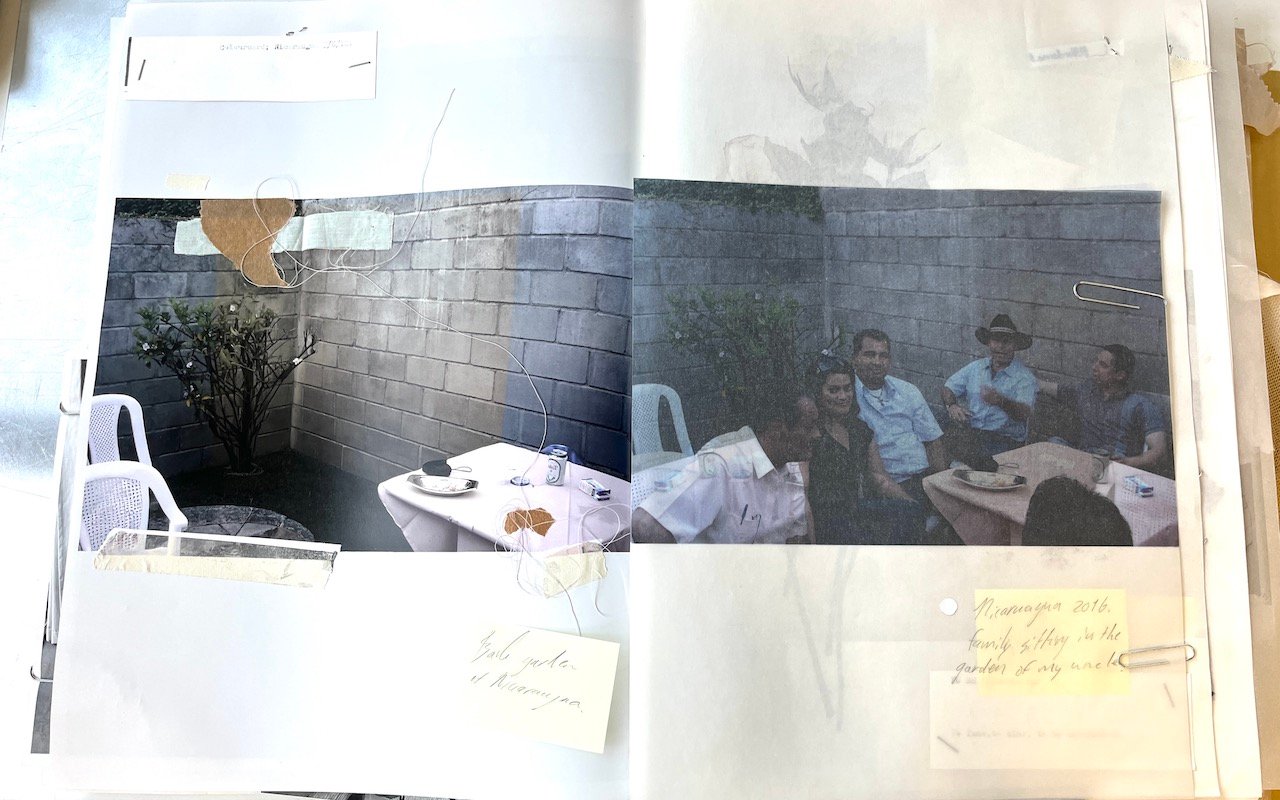
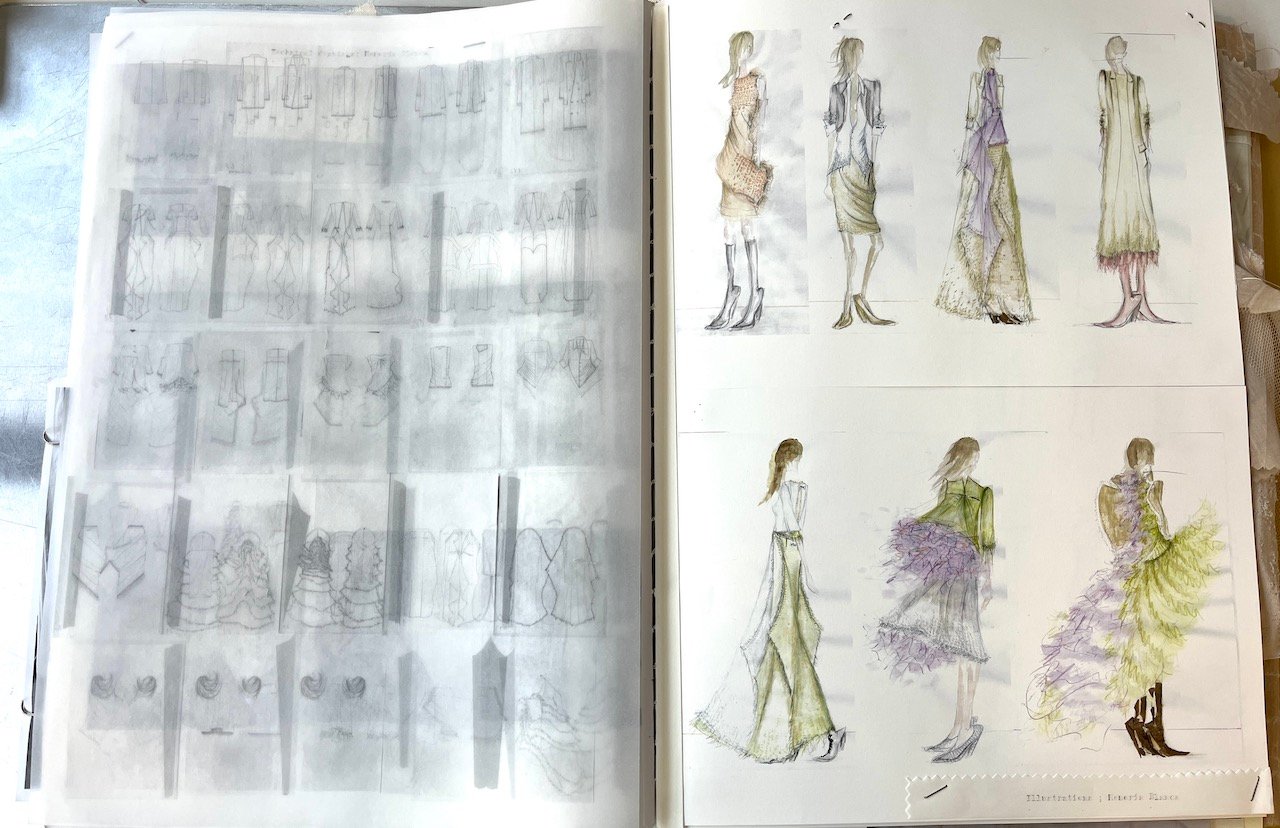
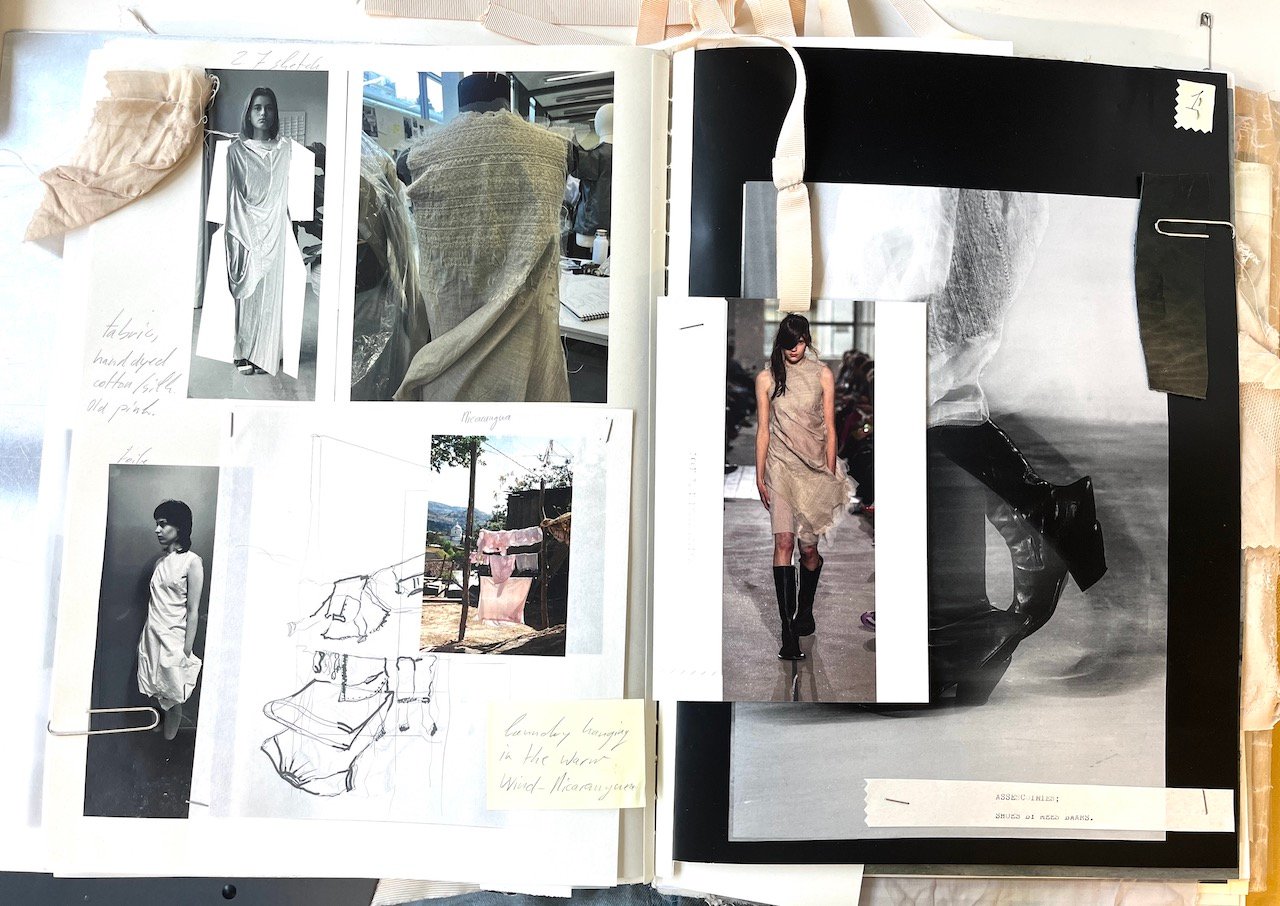
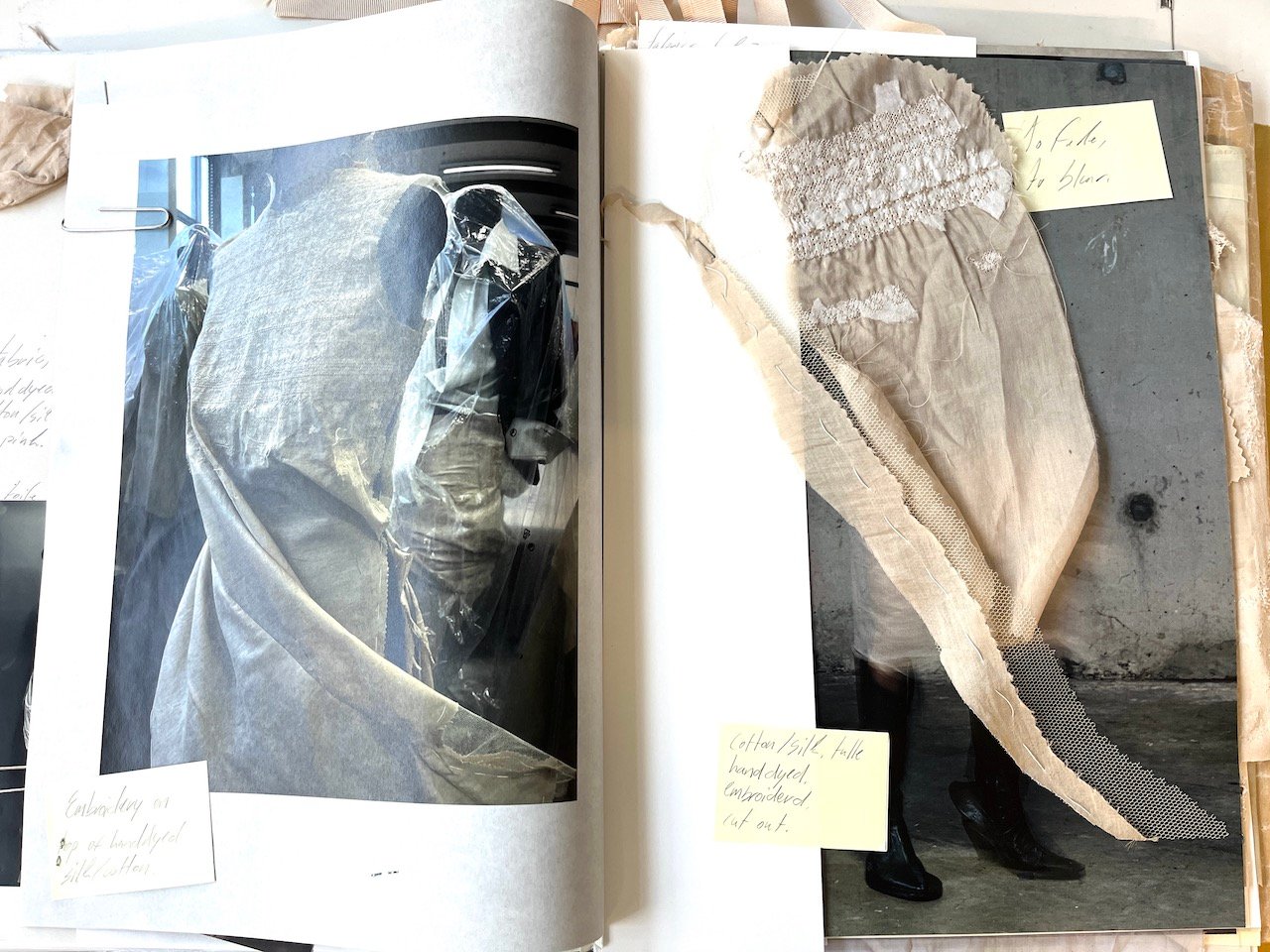
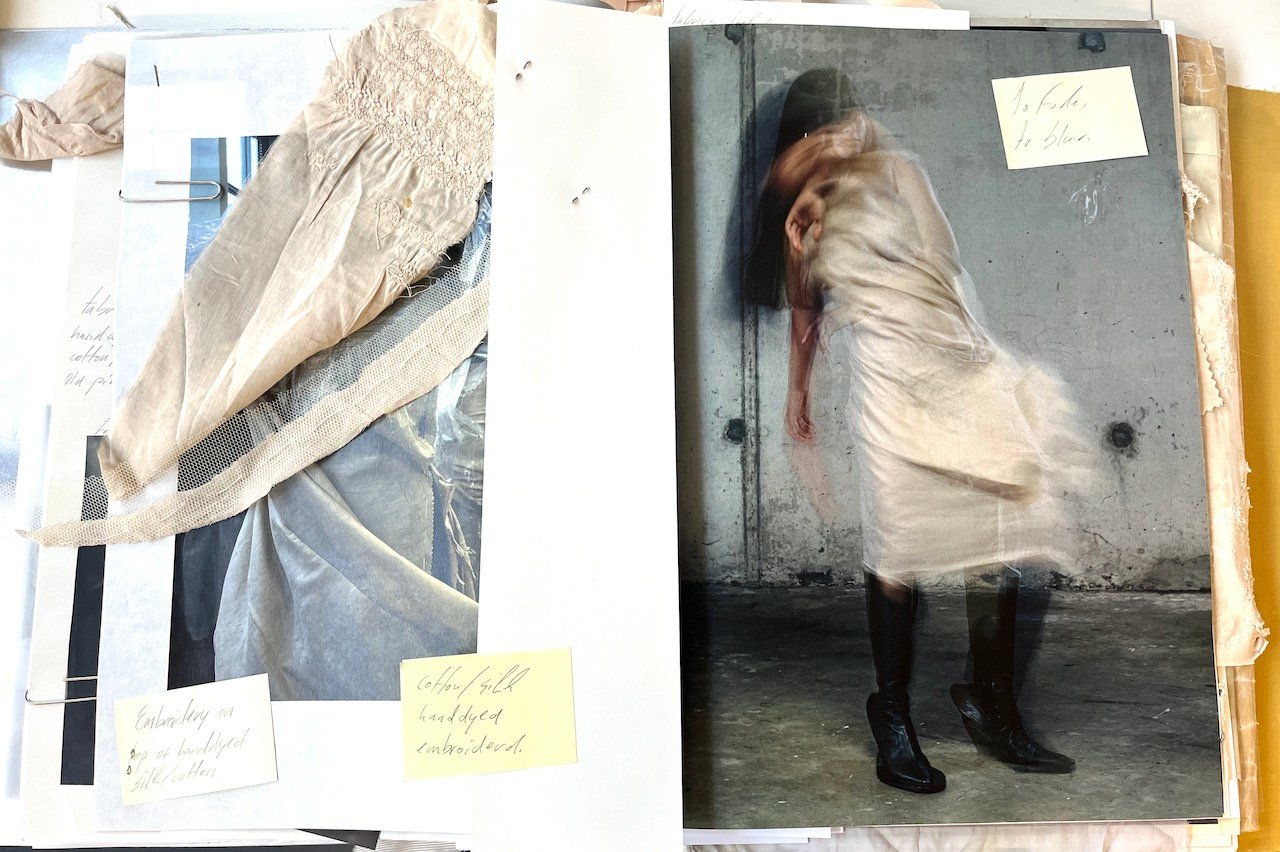
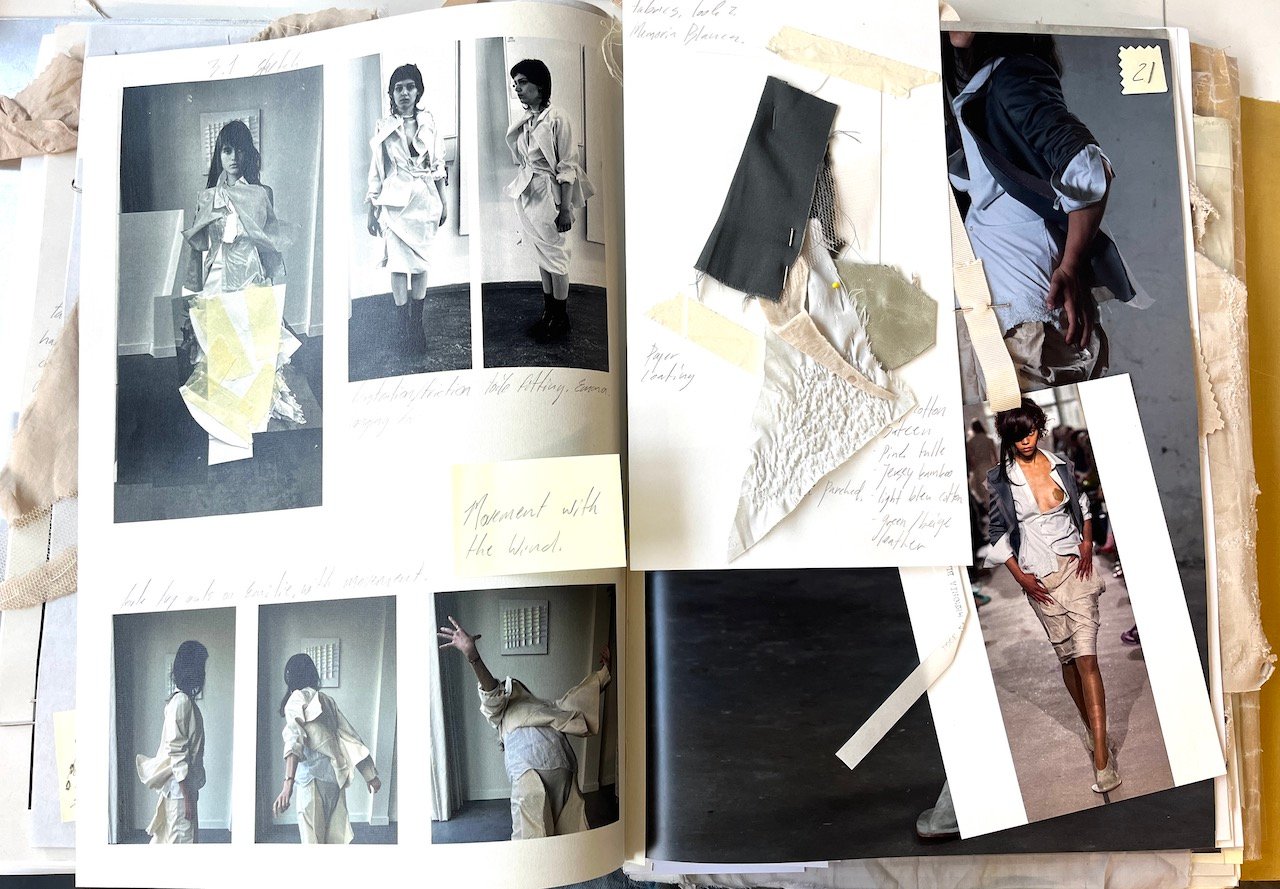
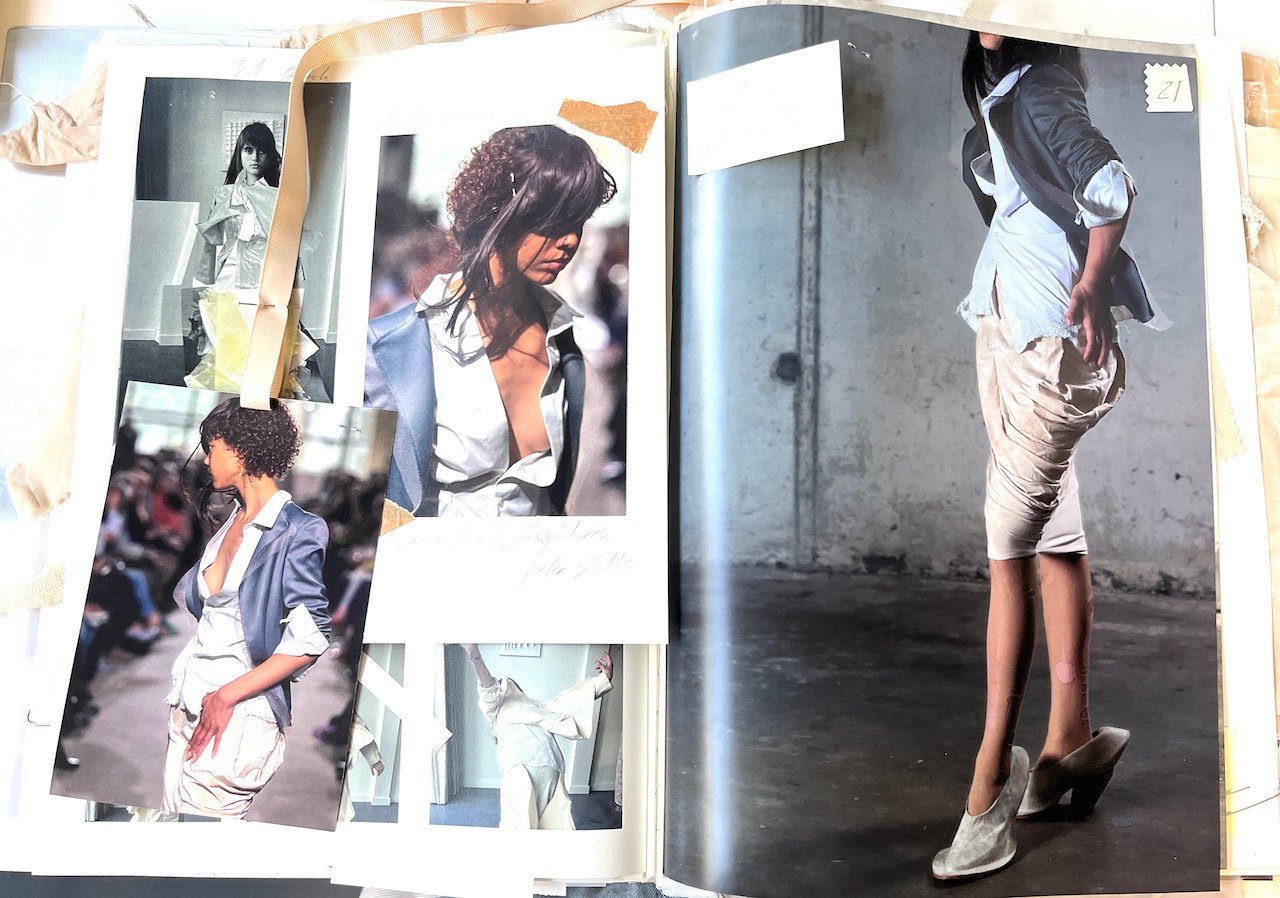
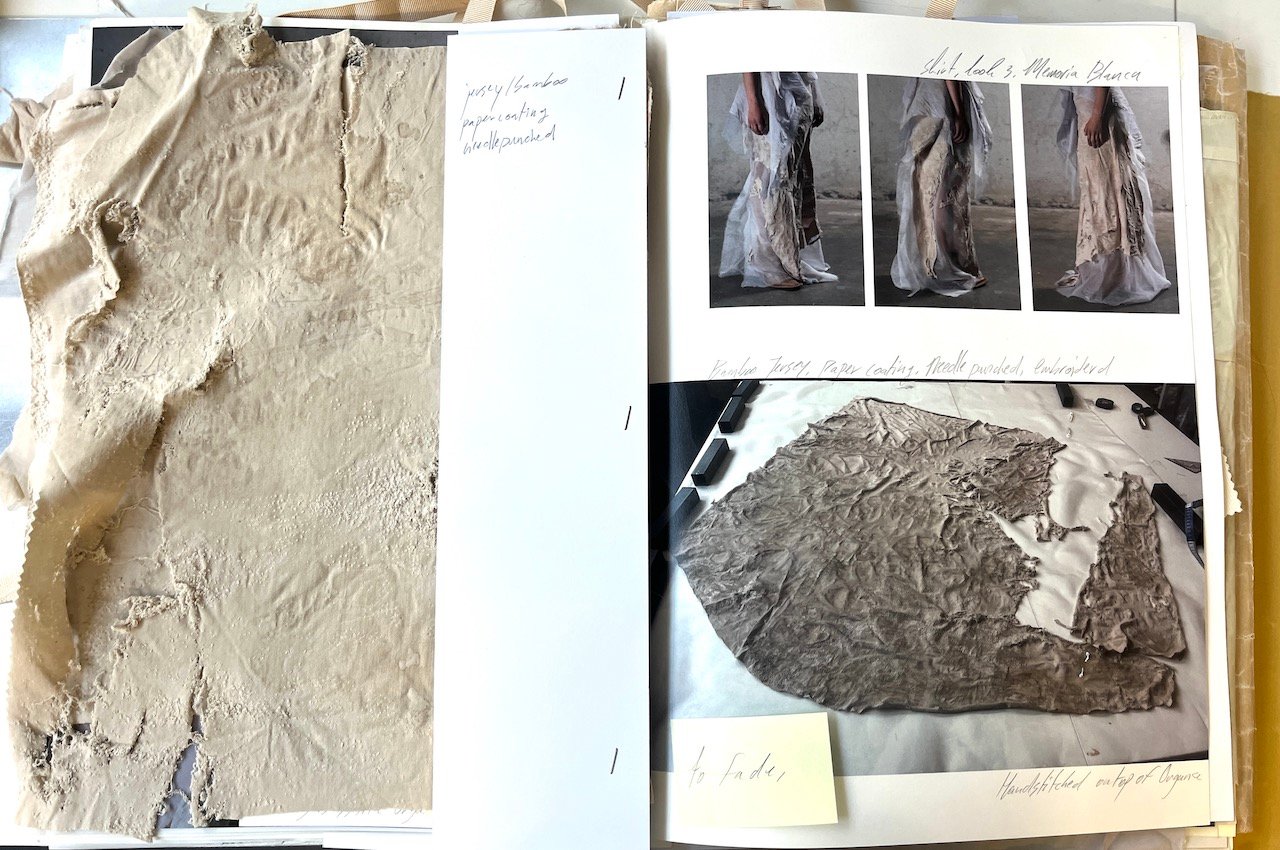
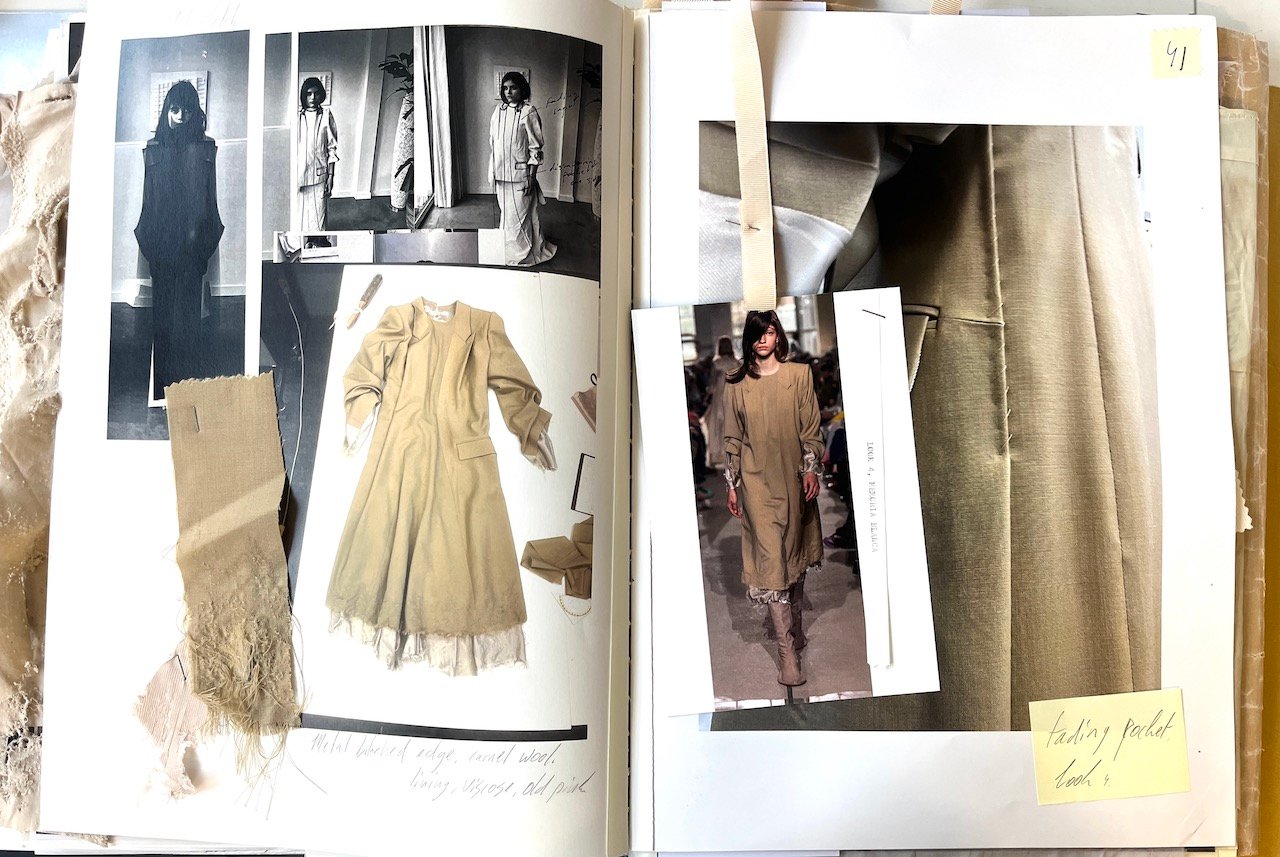
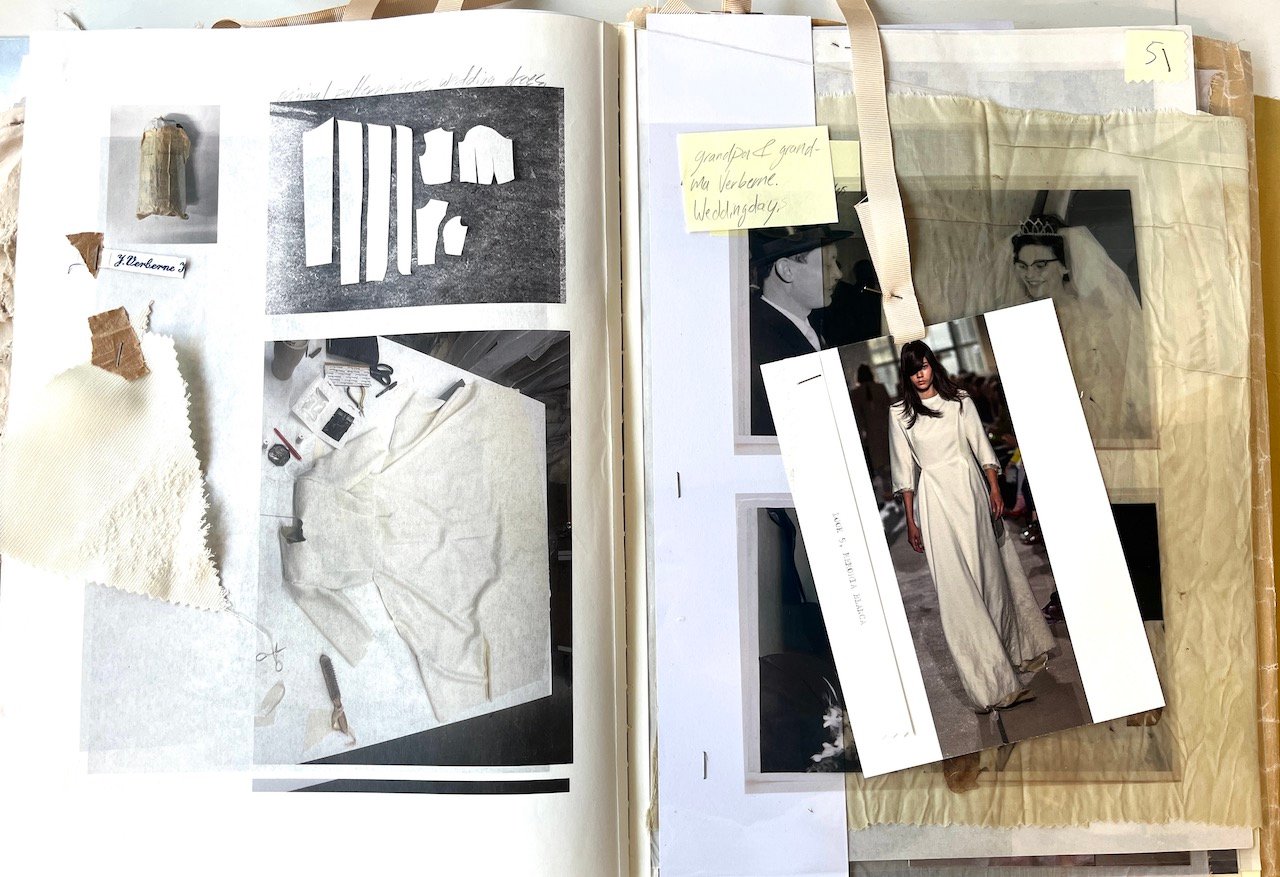
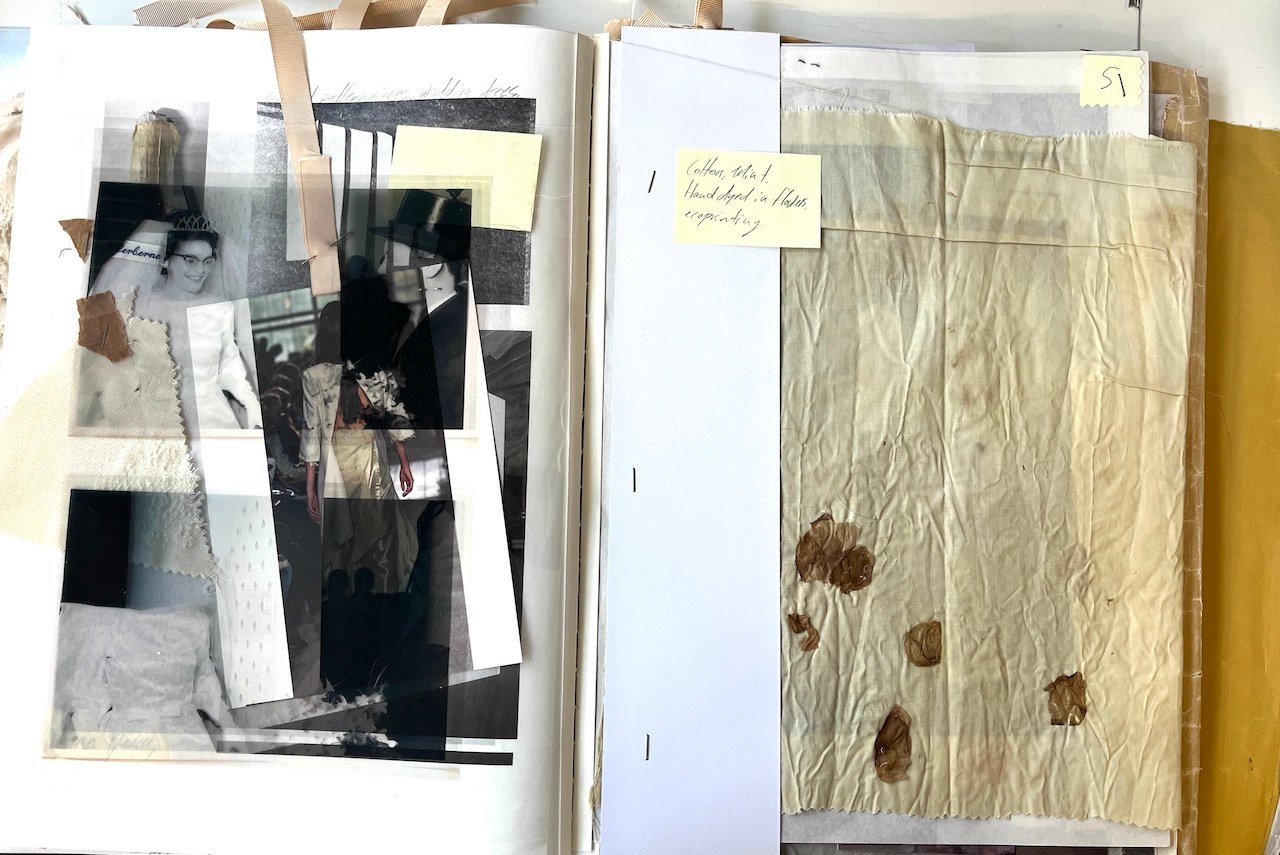
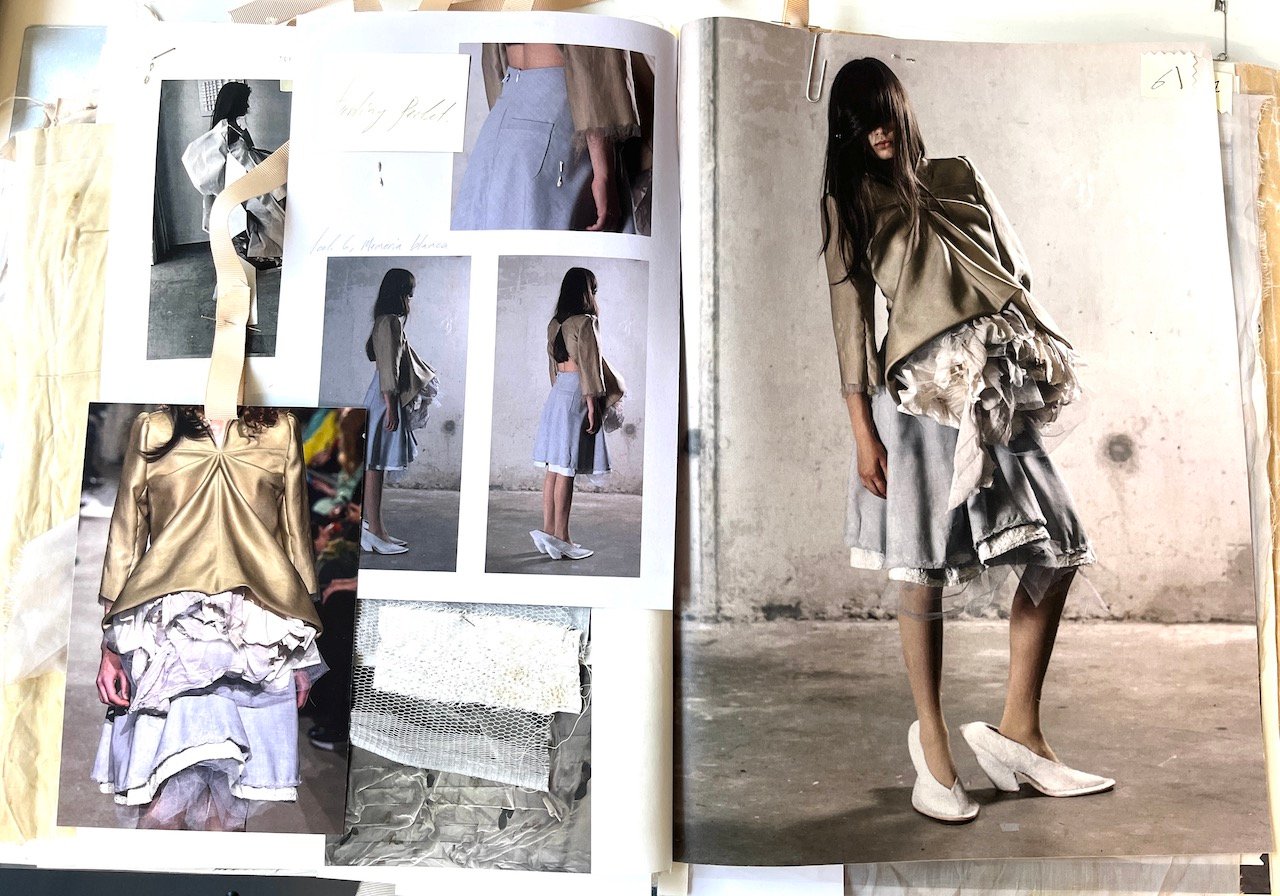
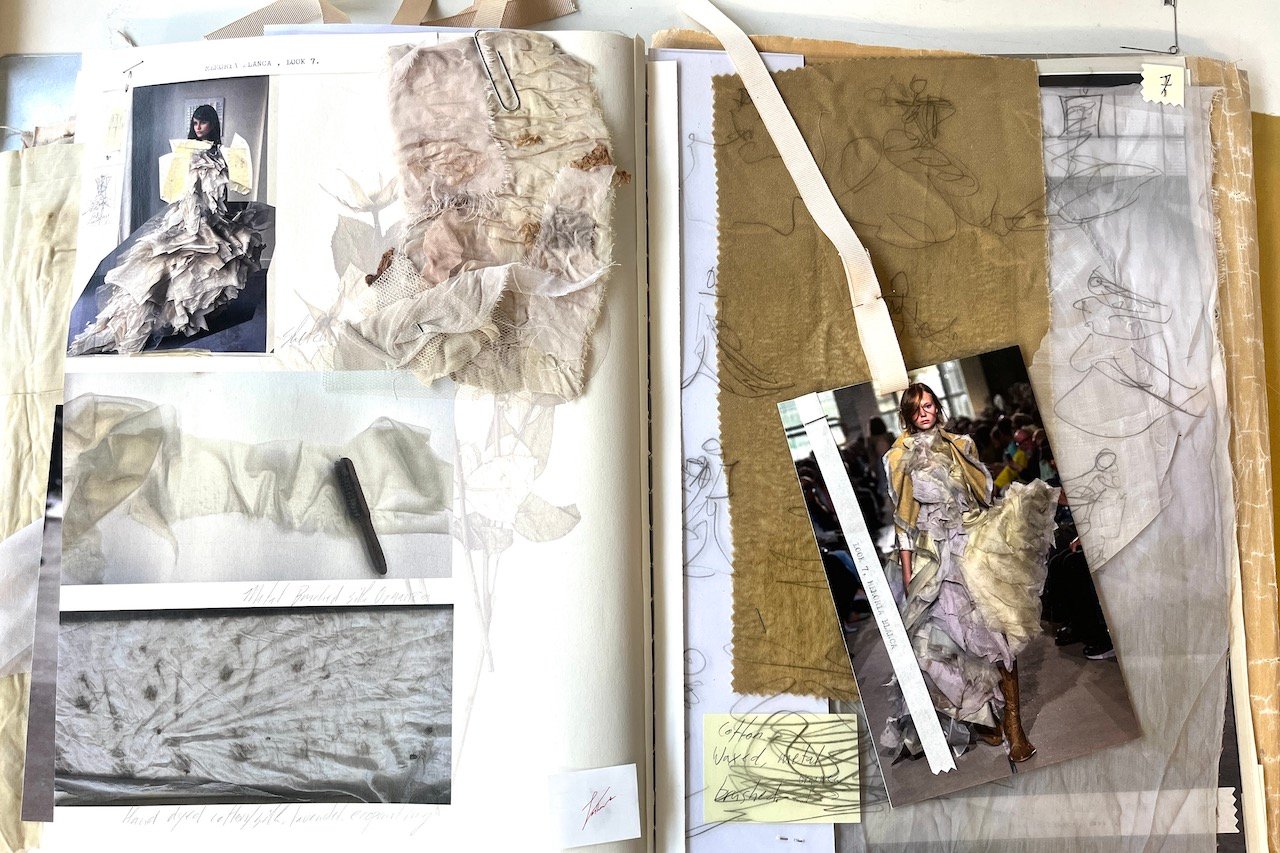
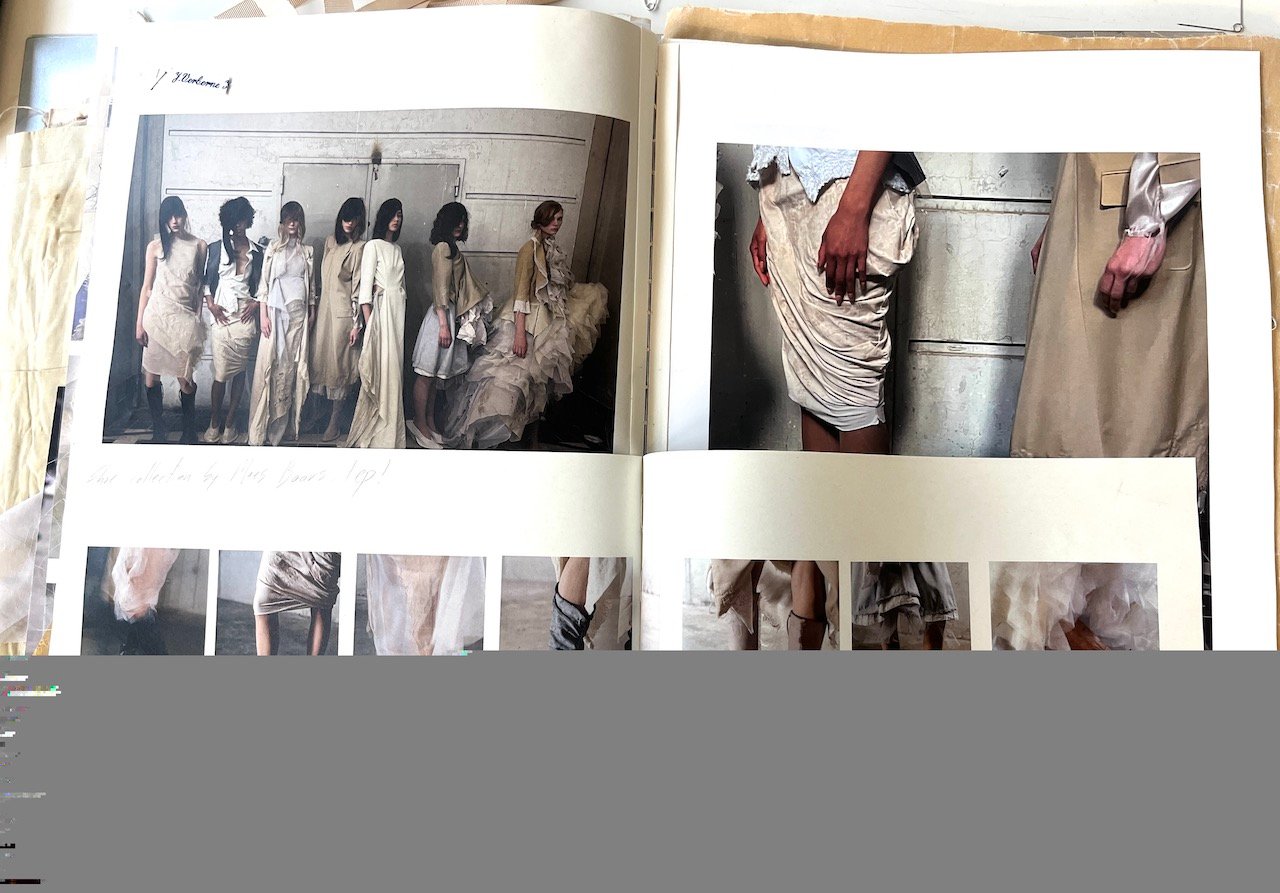
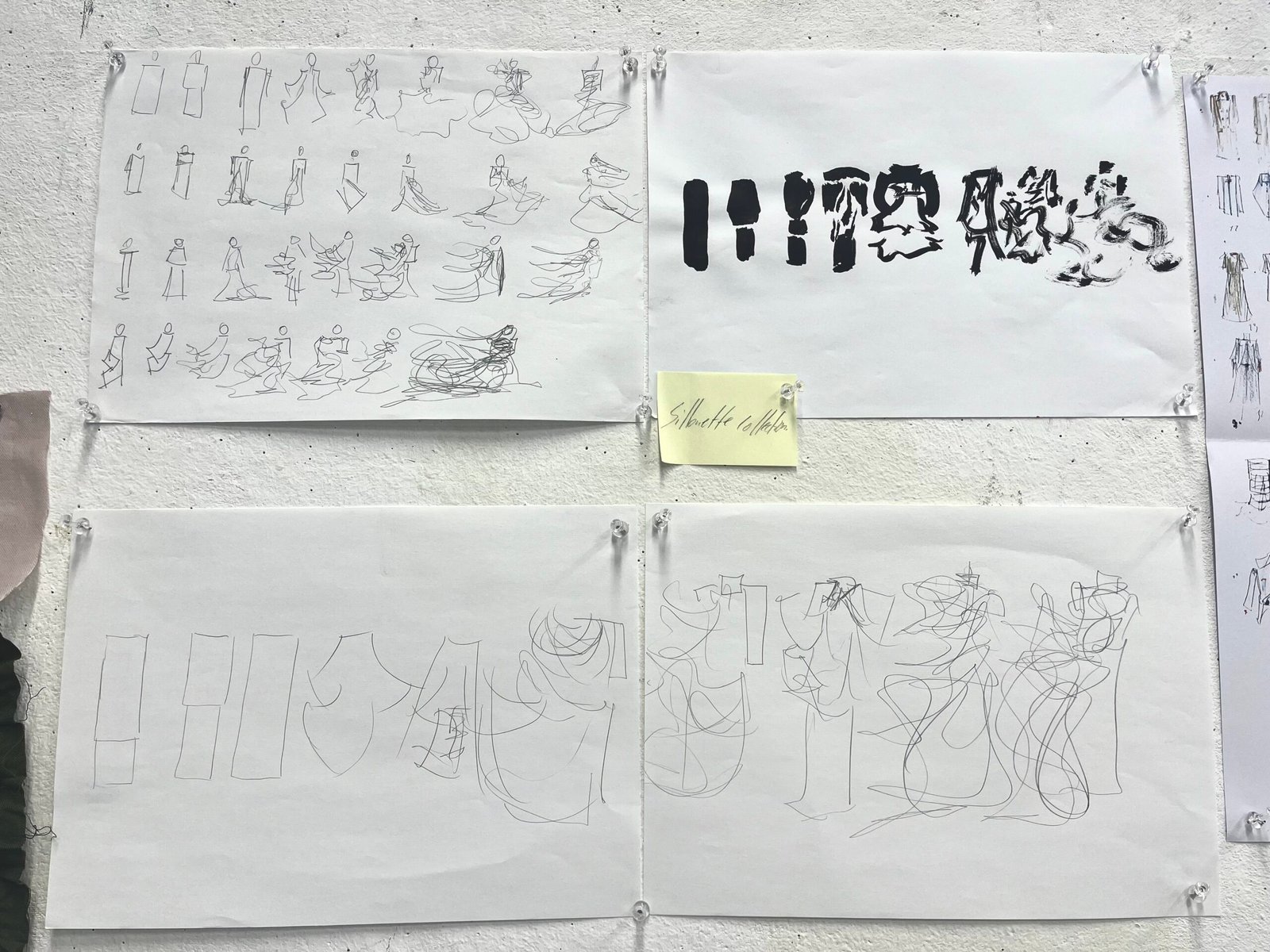
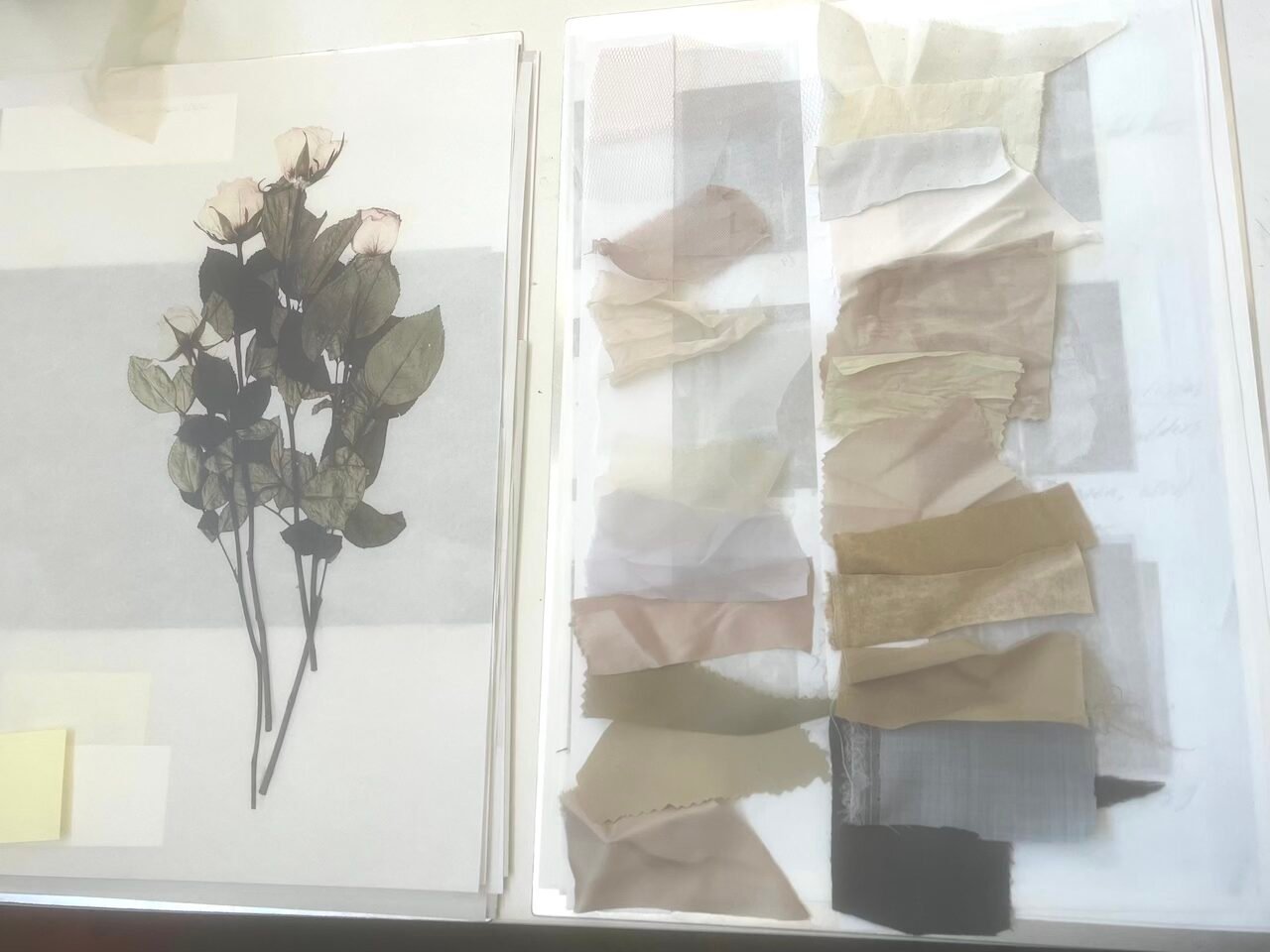
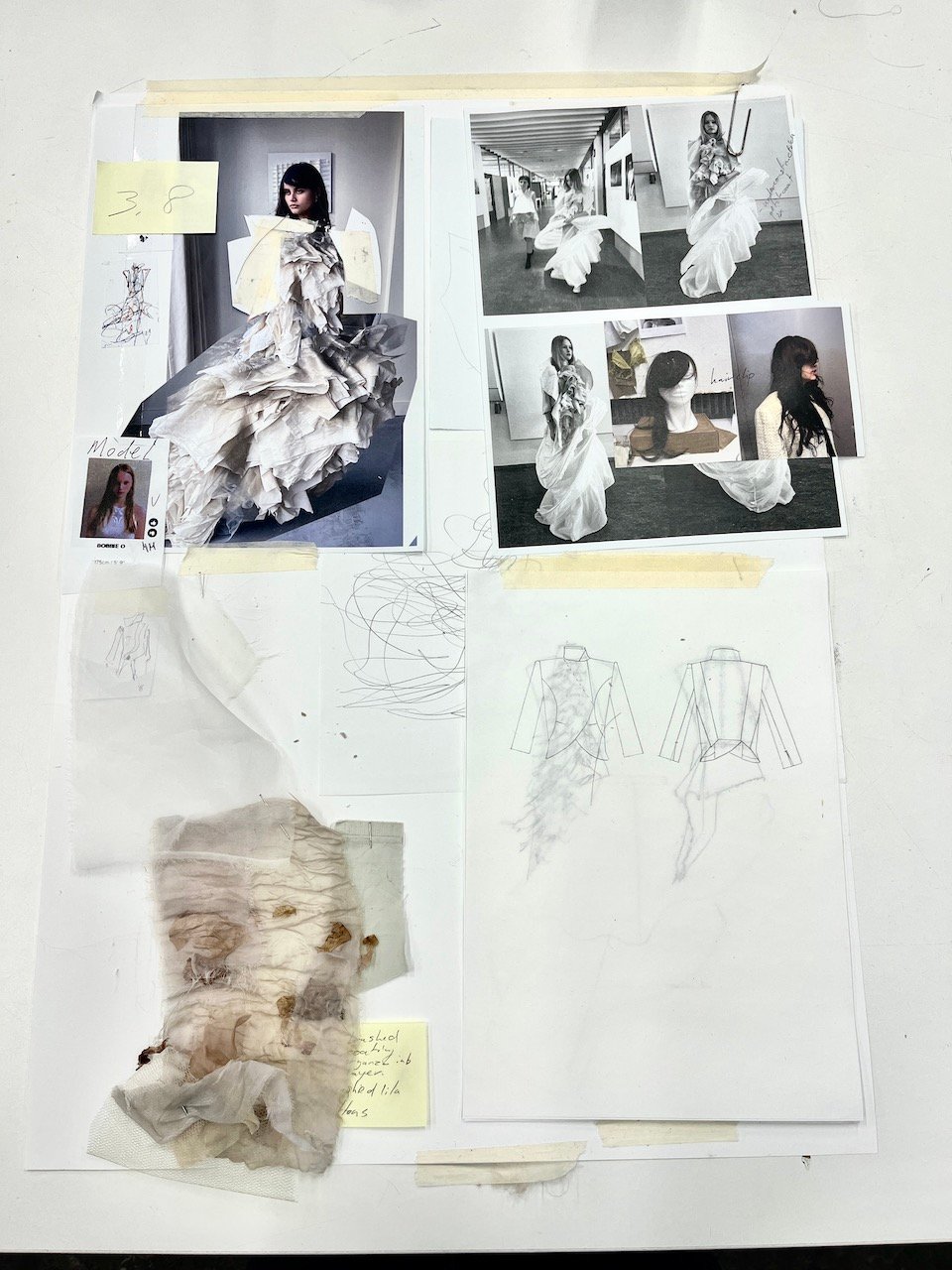
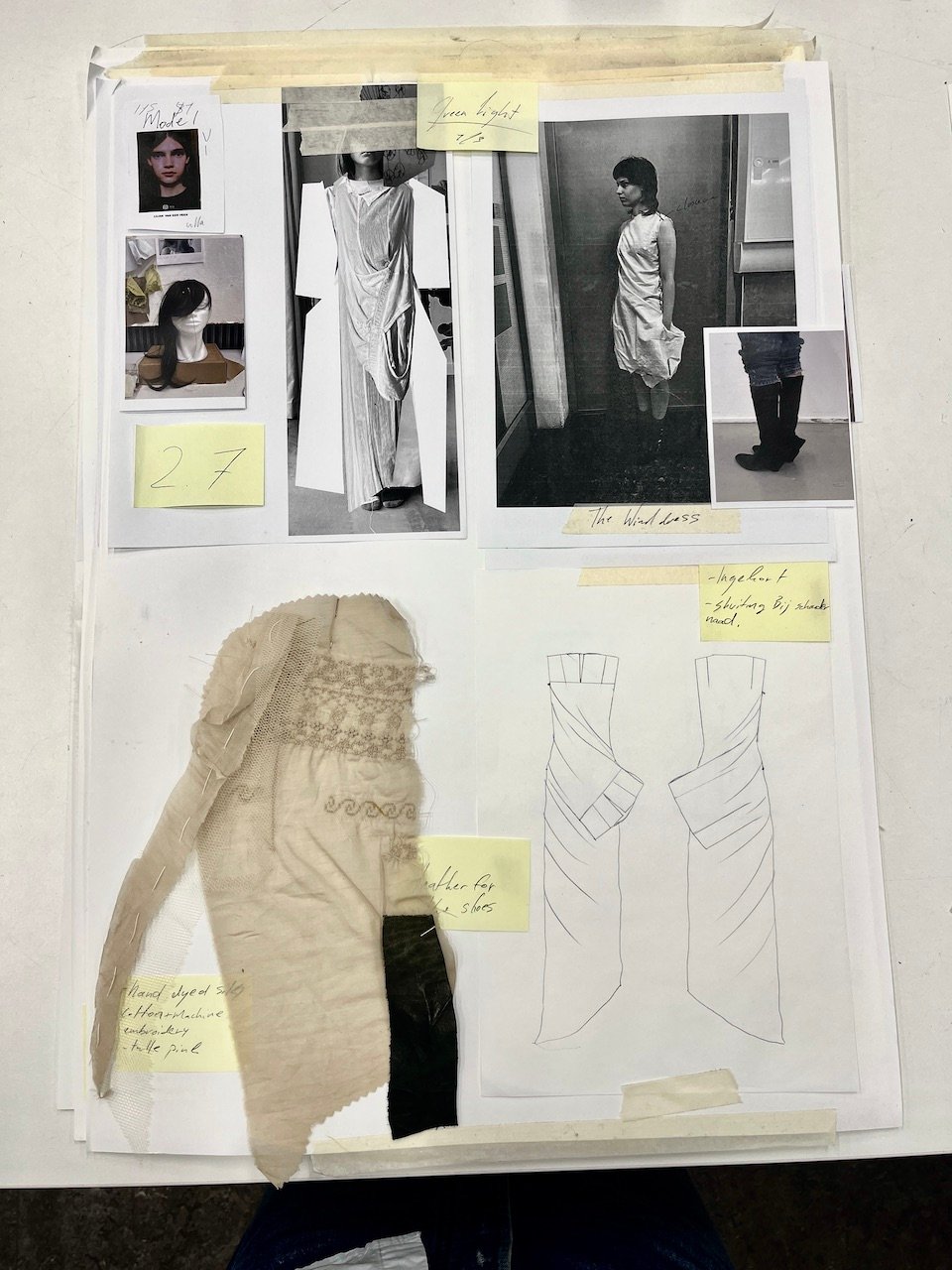
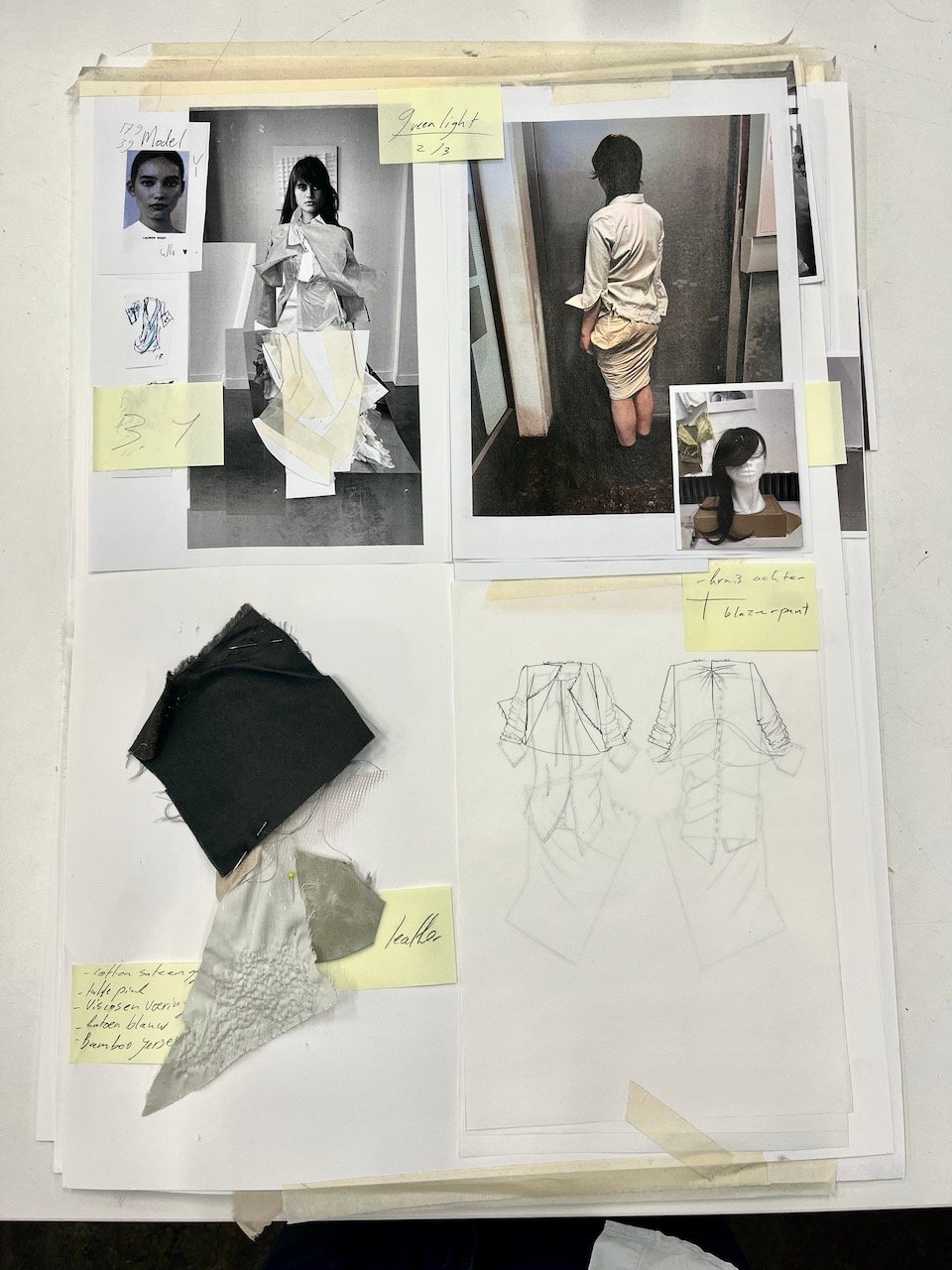
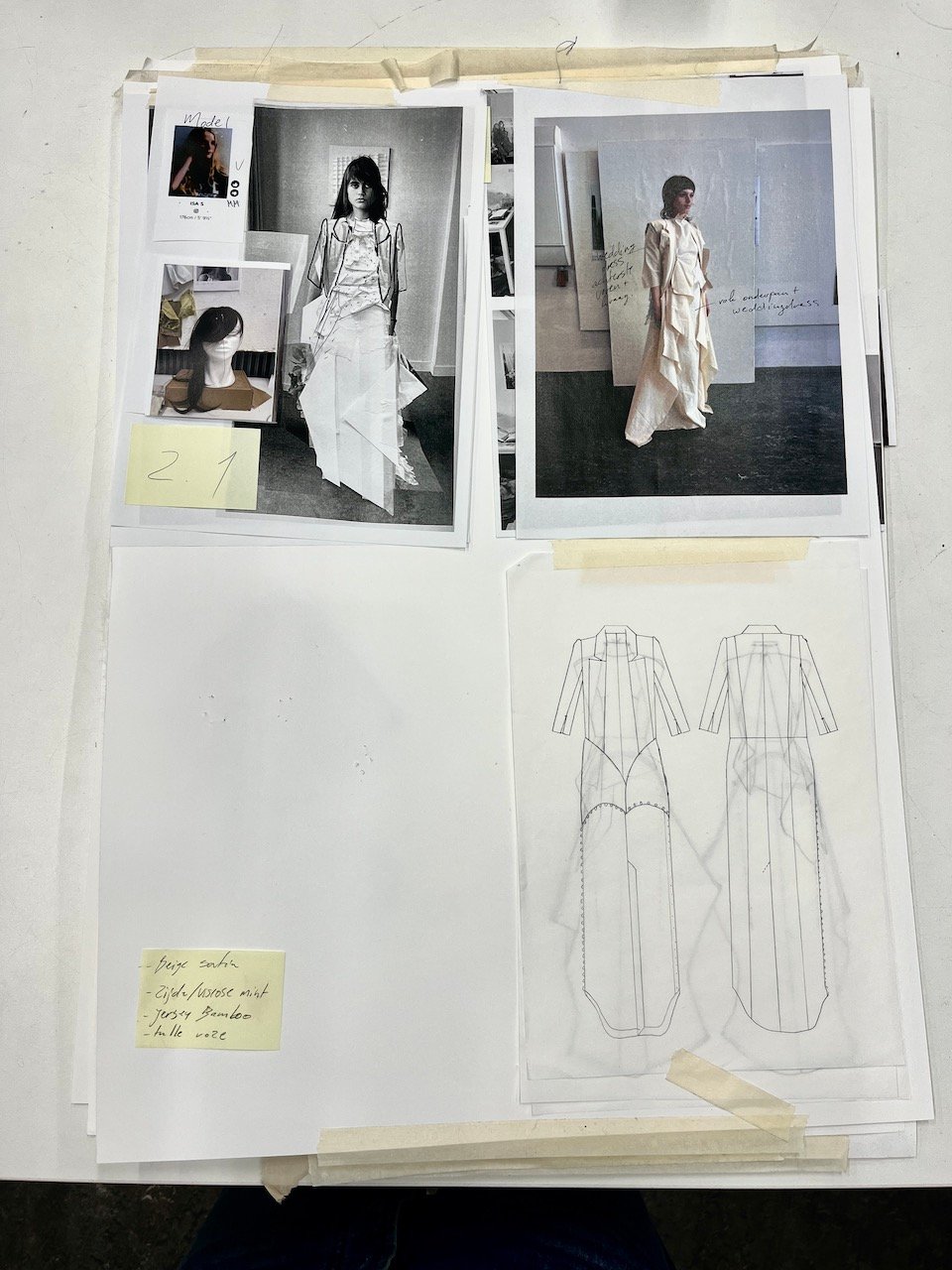
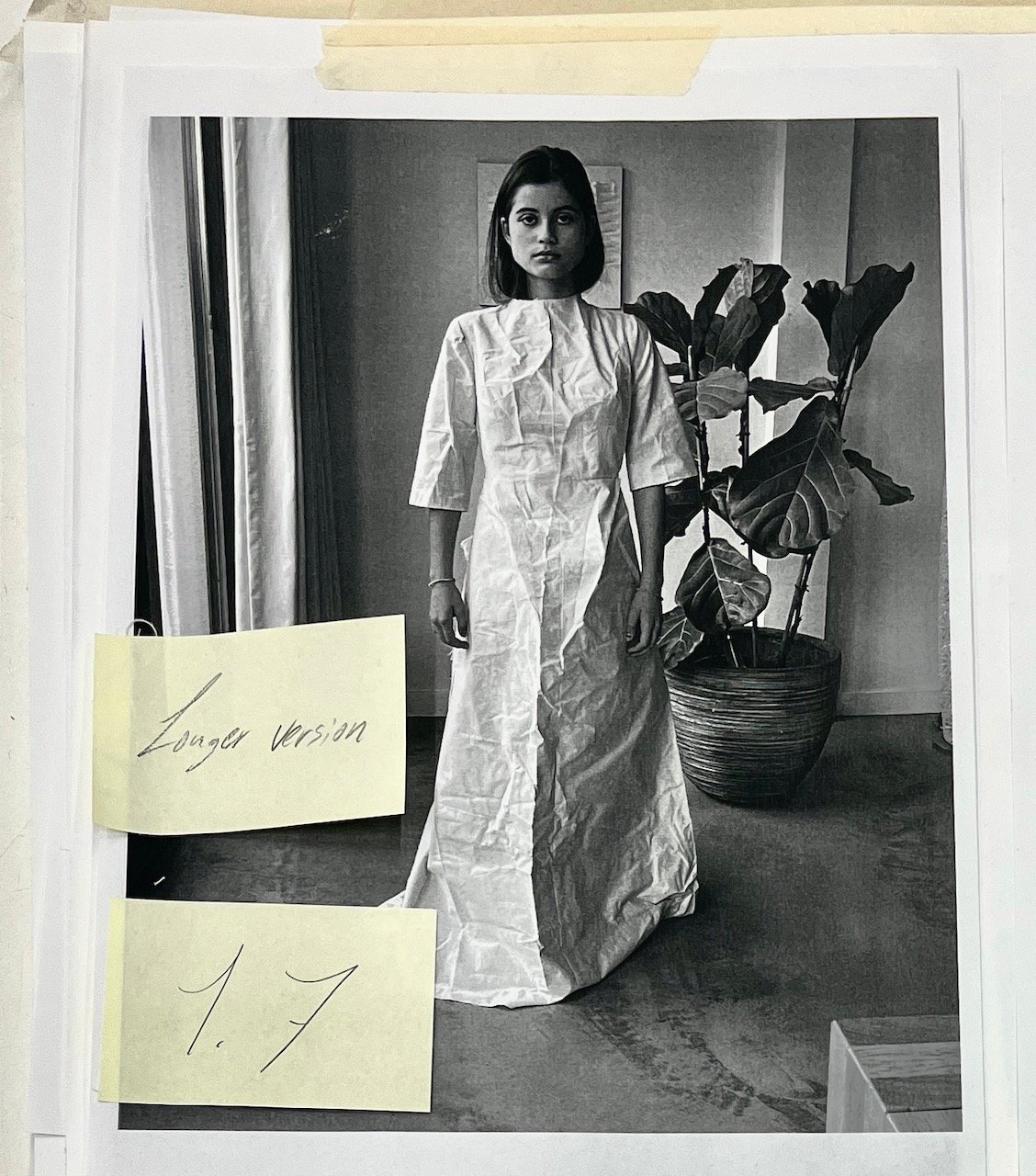
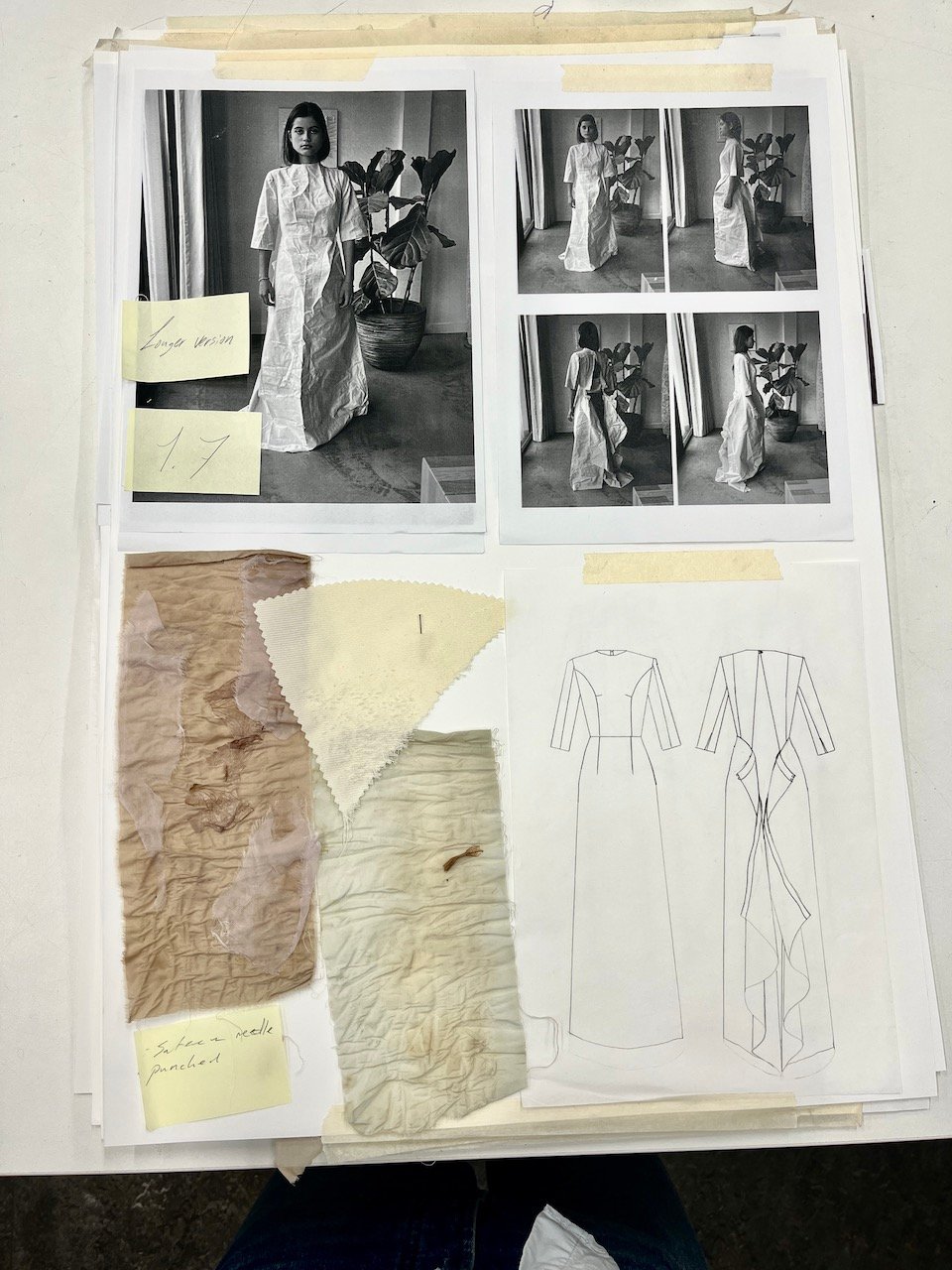
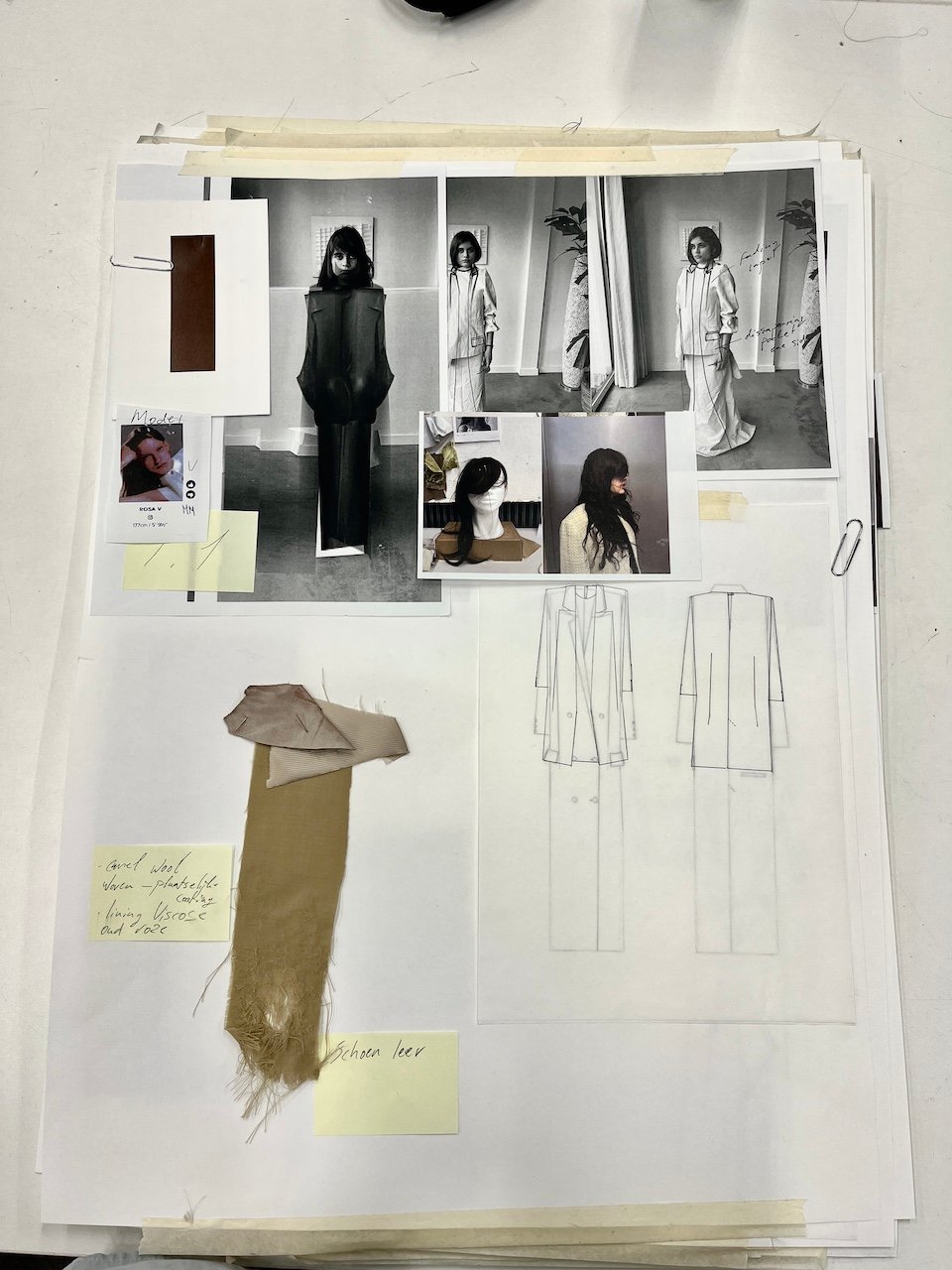
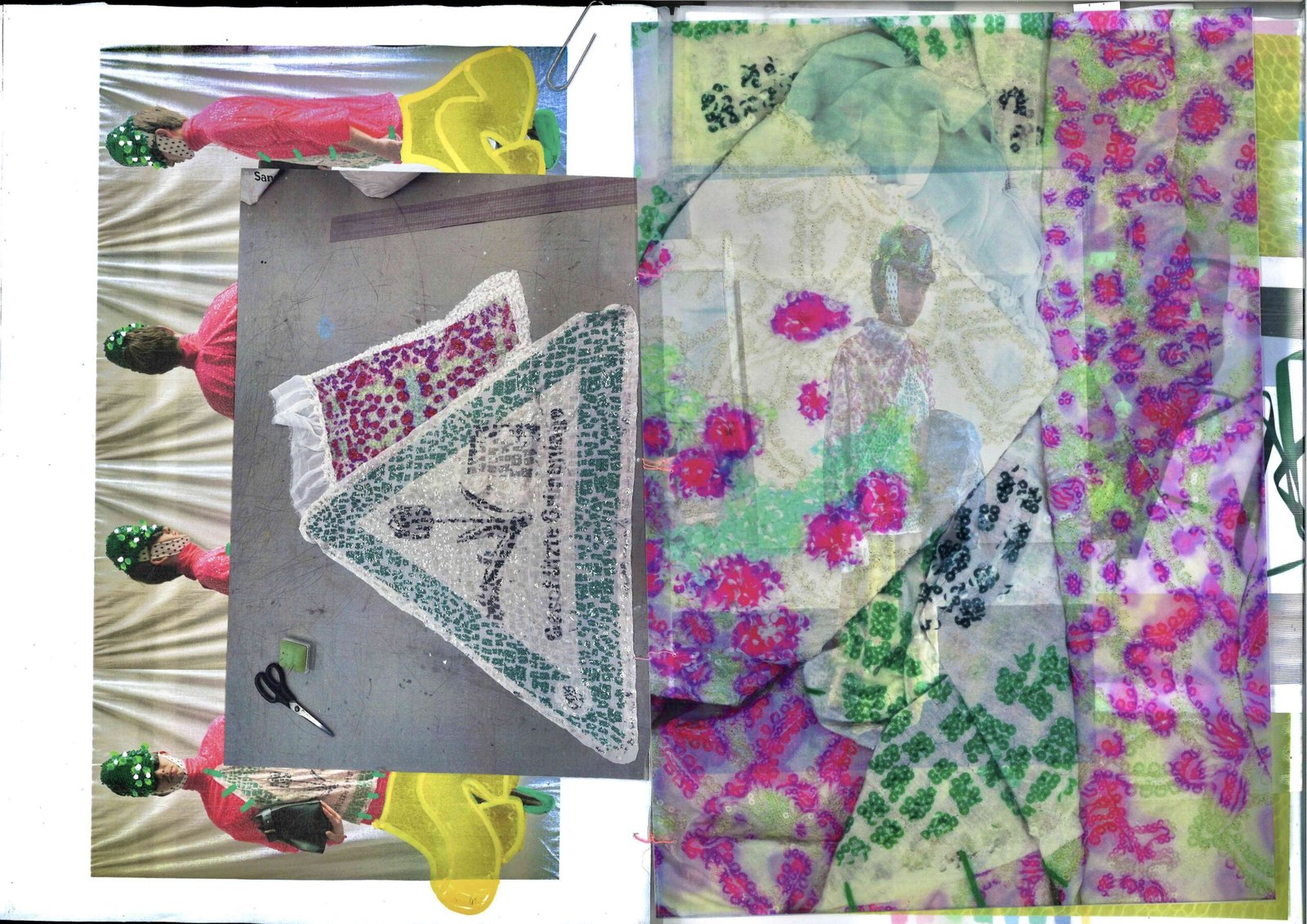
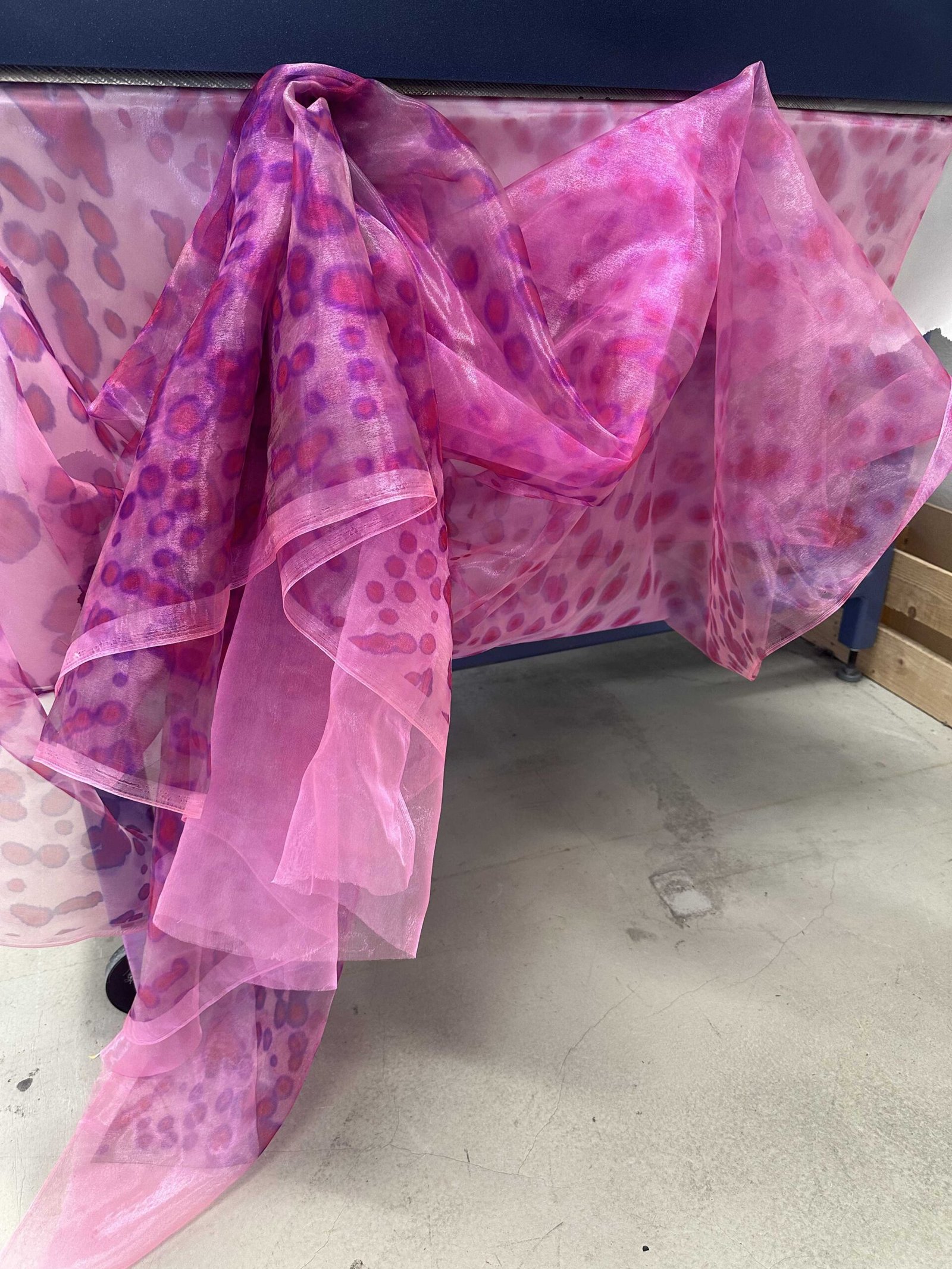
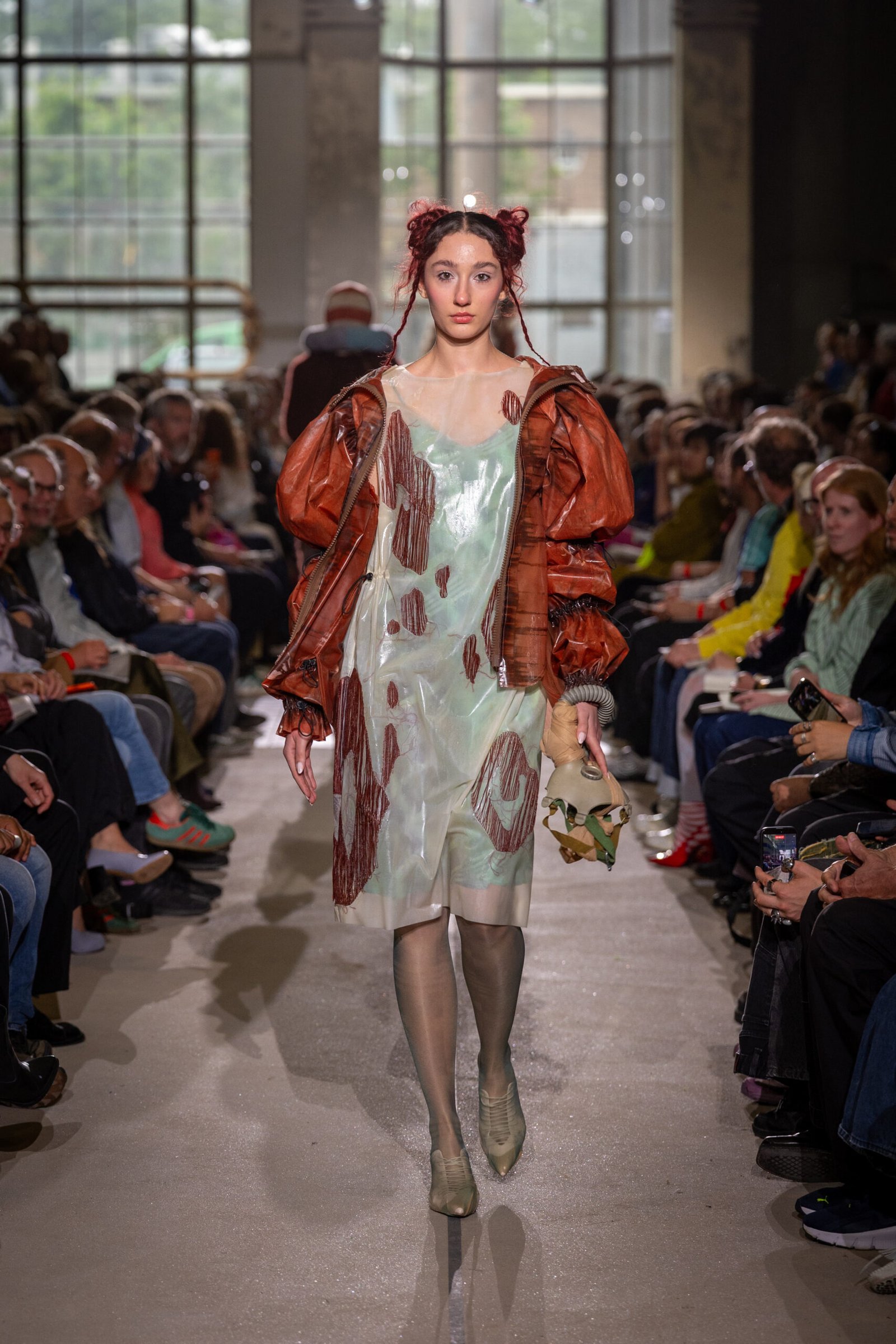
Julia Verberne’s collection explores nostalgia, memory, and longing through her connection to Nicaragua, a place that shaped her but now exists only in fragments of memory. The collection is built from four pattern blocks – a blazer, blouse, skirt, and her grandmother’s wedding dress – which are continuously reworked by shifting the grain, cutting on the bias, repeating, reshaping, and blending them together. Lightweight fabrics evoke the movement of the wind she remembers, while the colour palette draws on her family’s garden, with ecoprinting techniques capturing plants that have since faded with time.
@juliaverbernee

Zaïna Timmermans

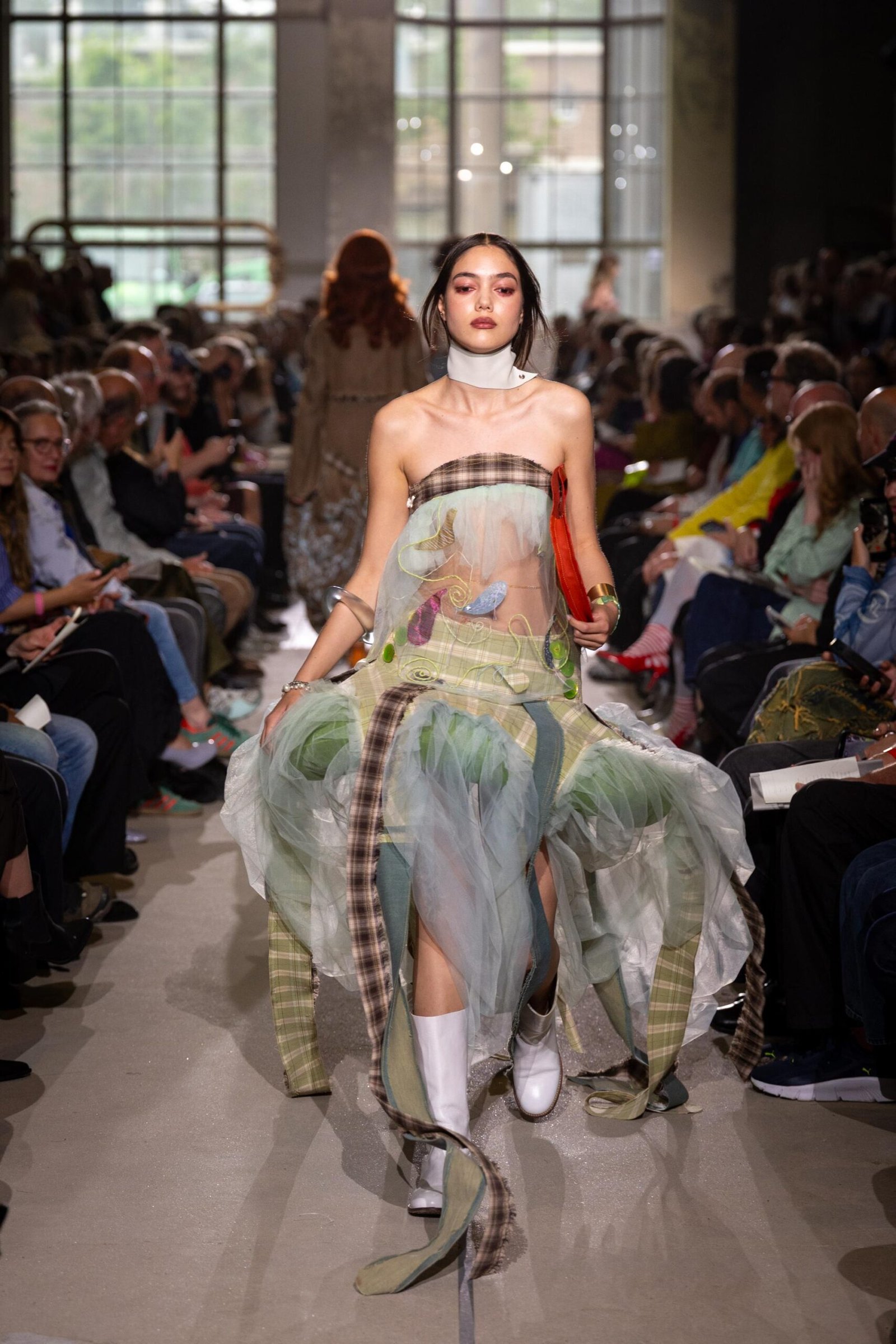
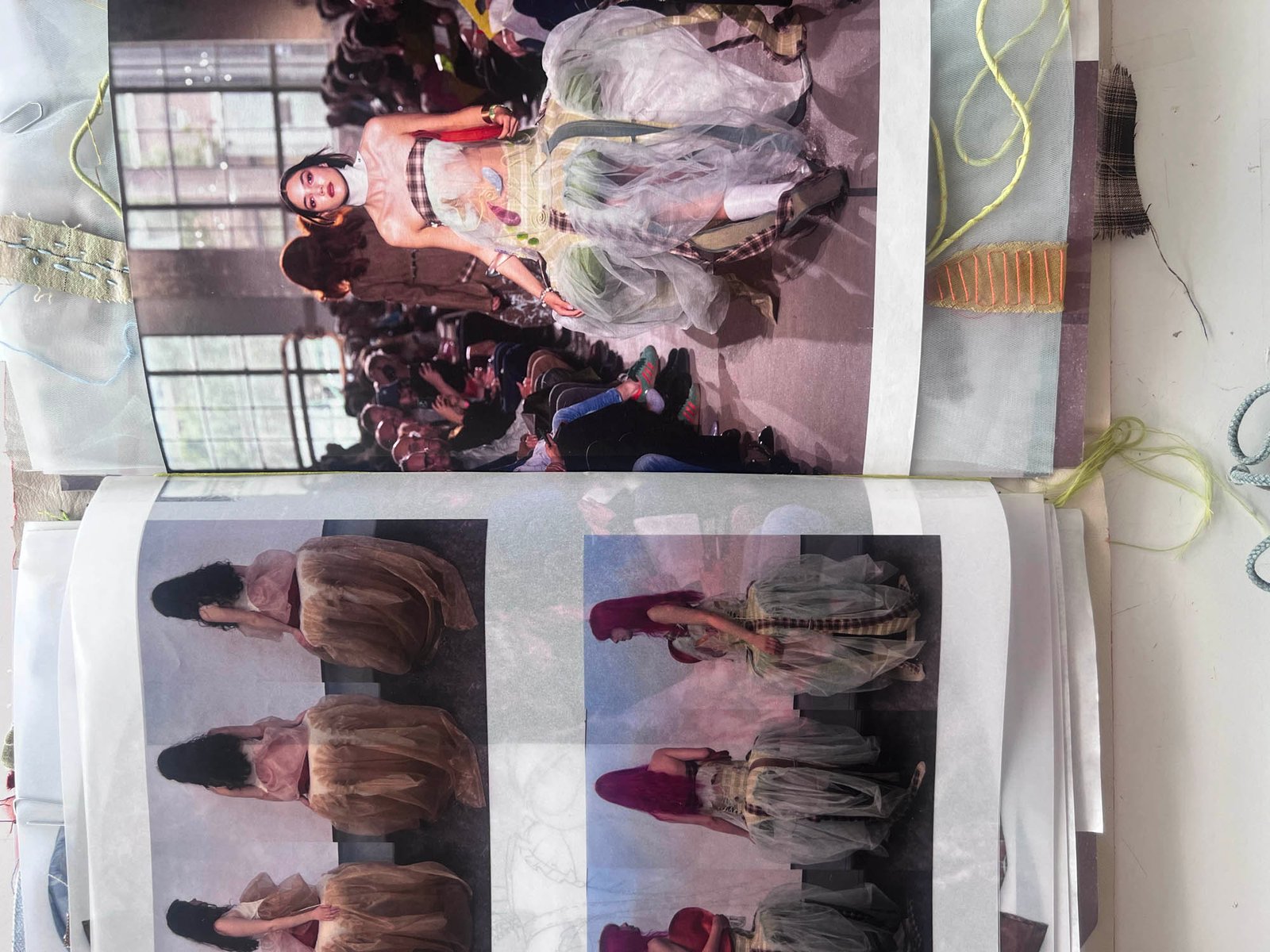
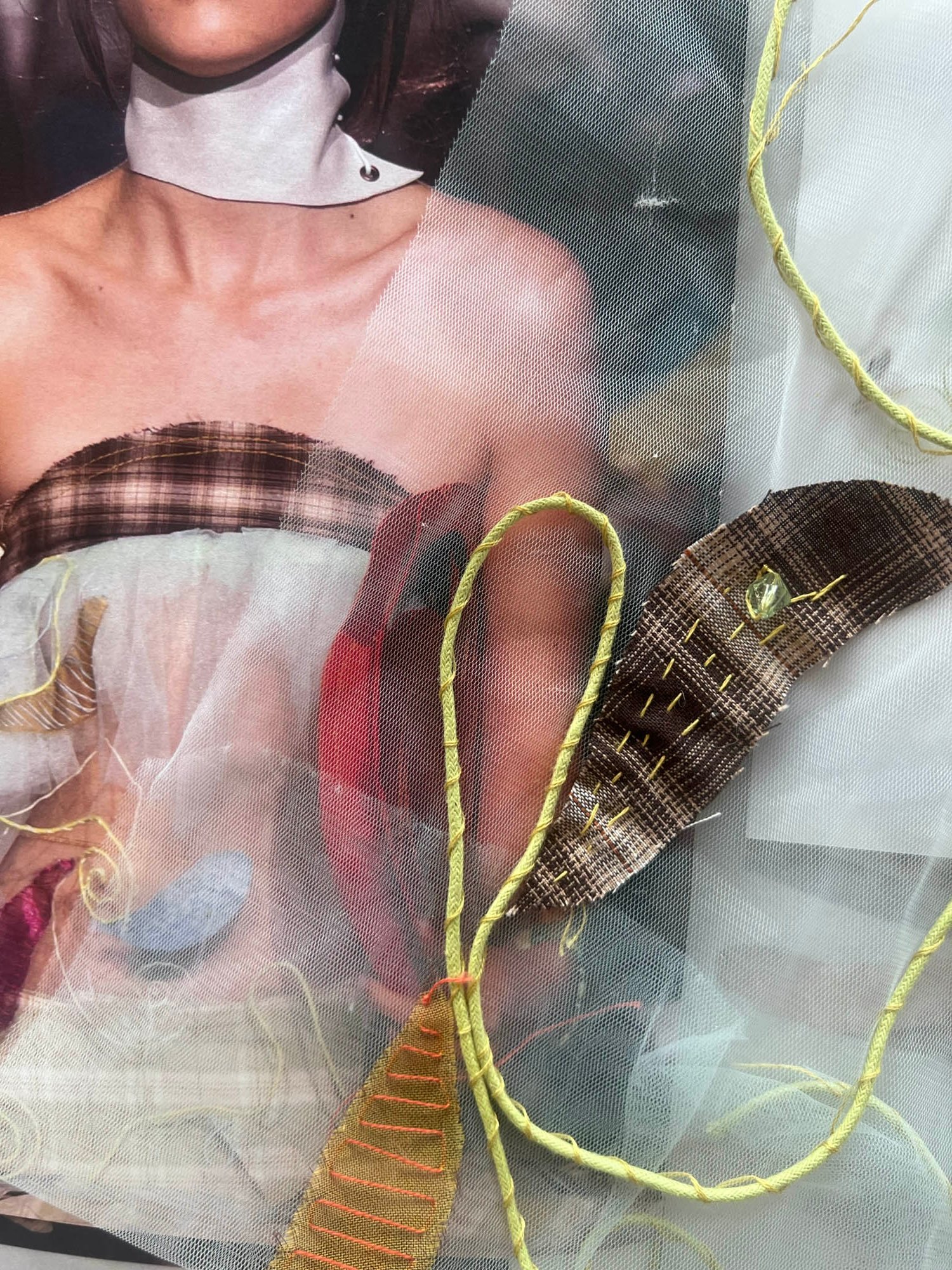
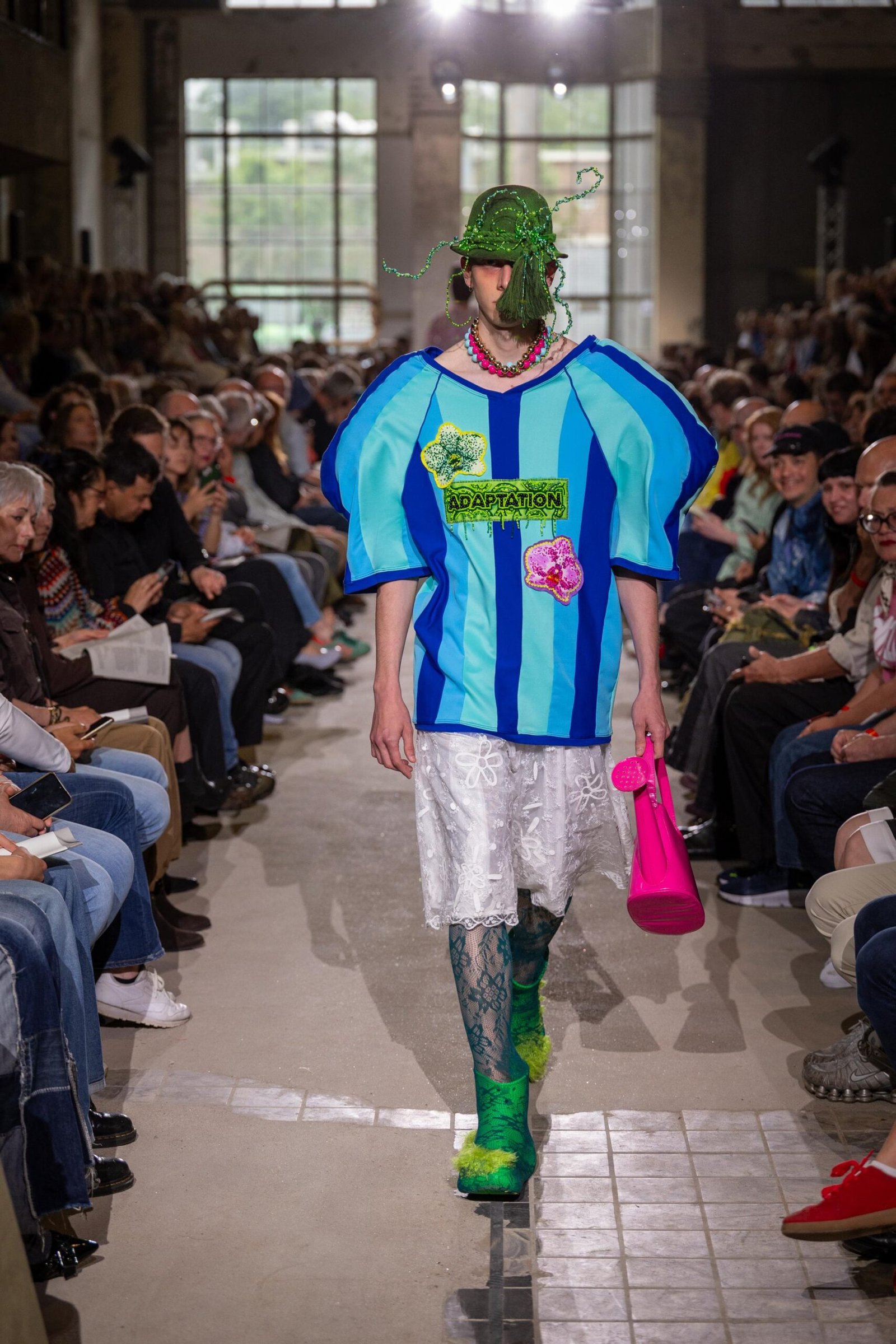
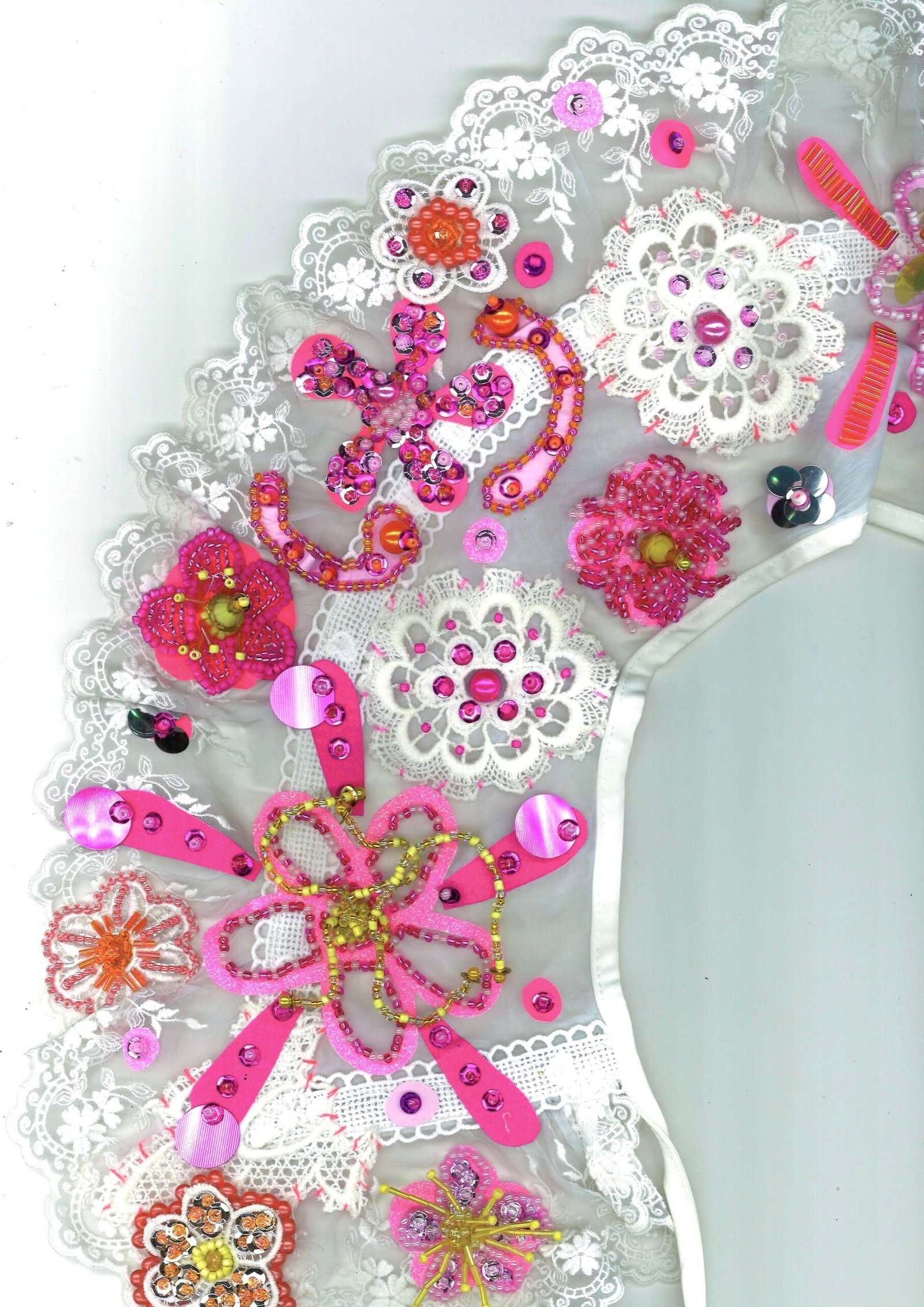
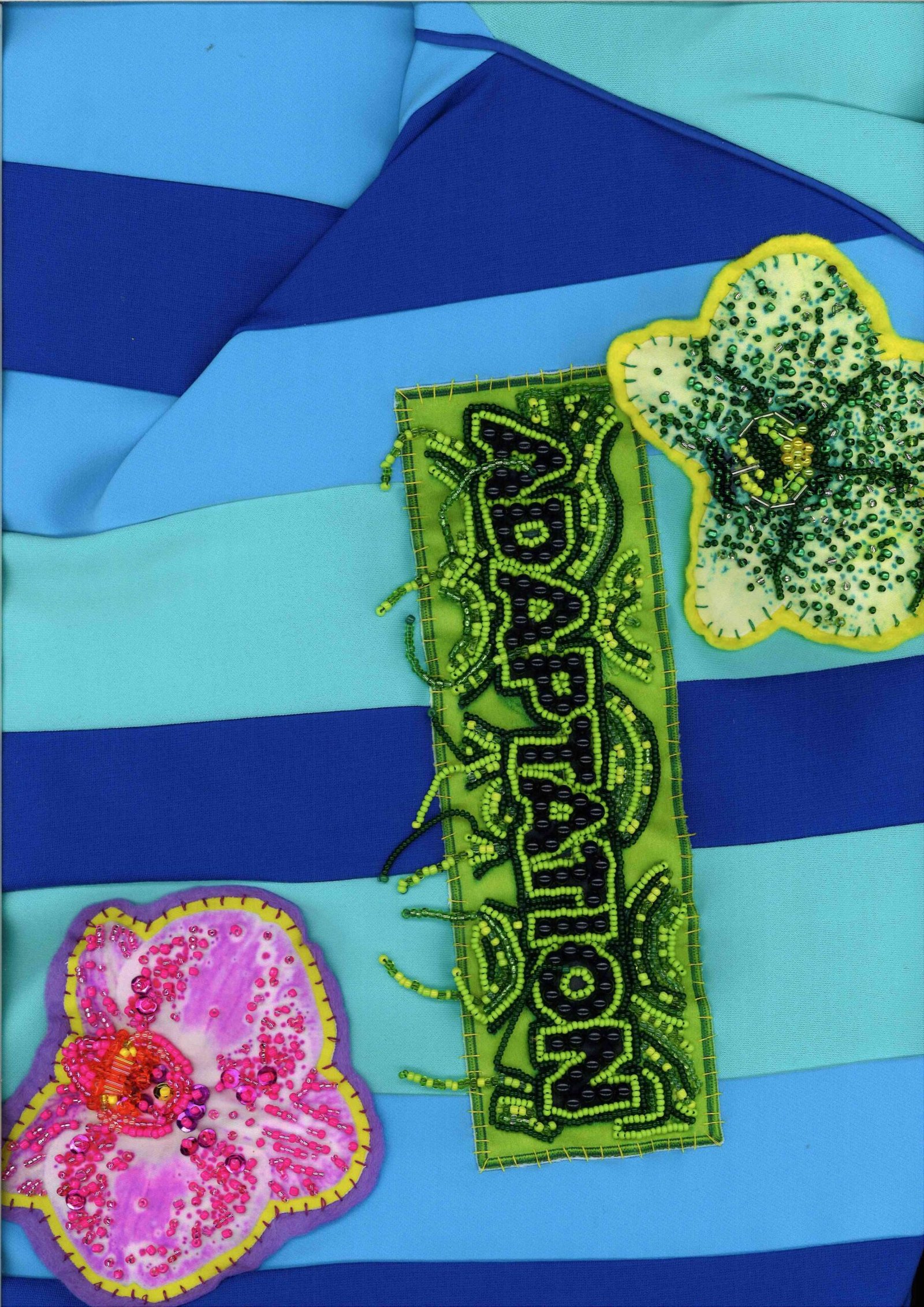
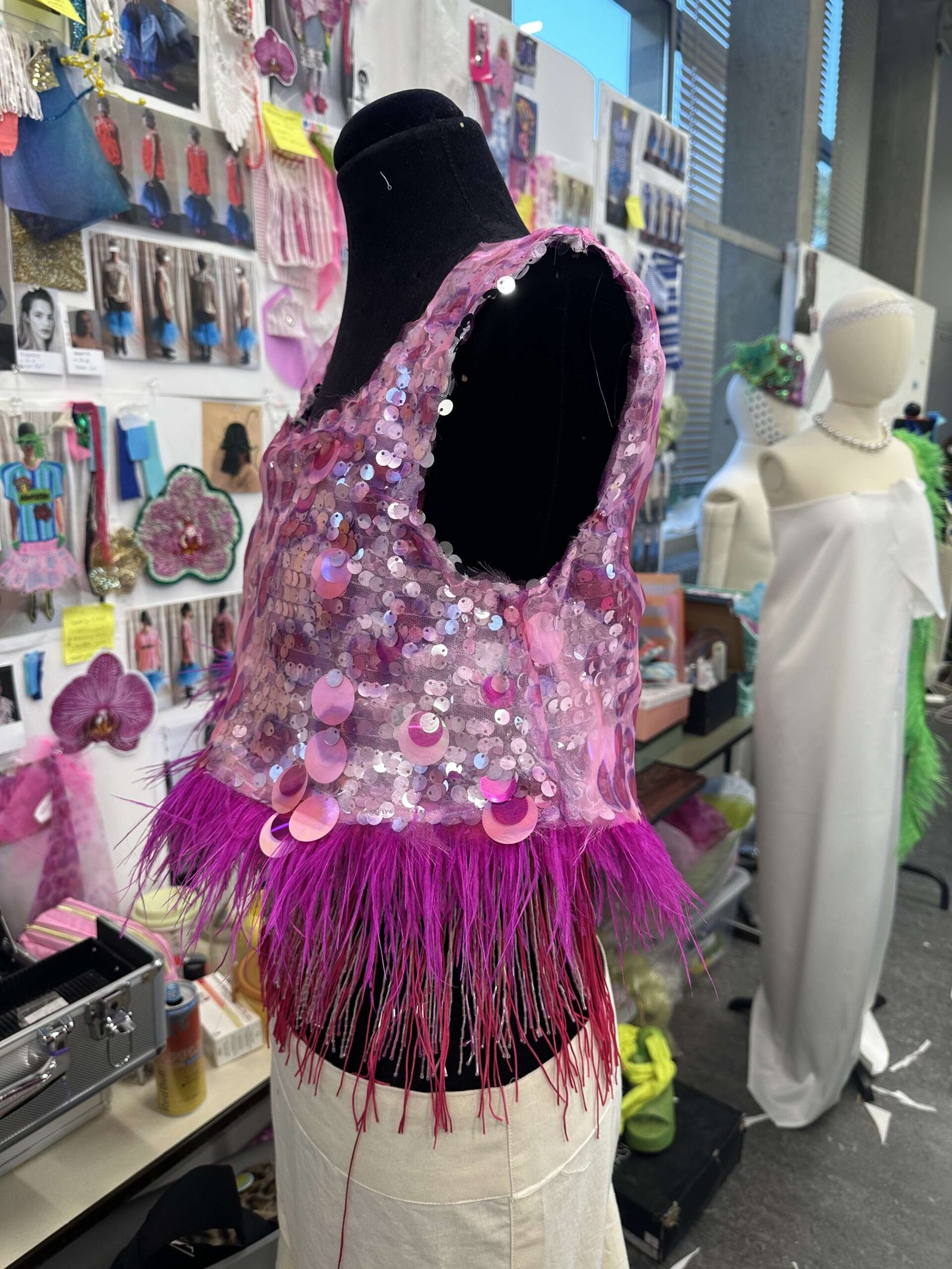
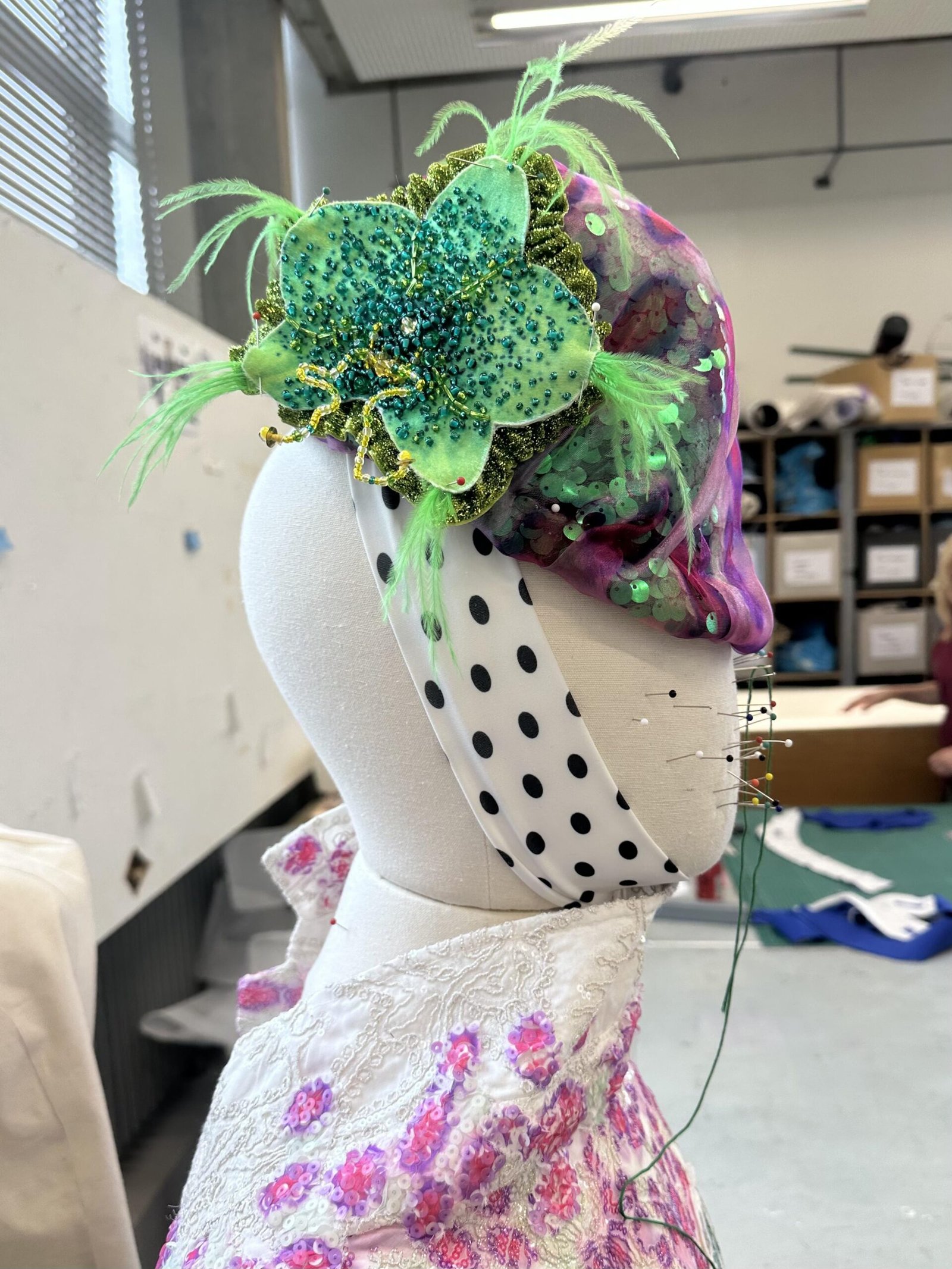
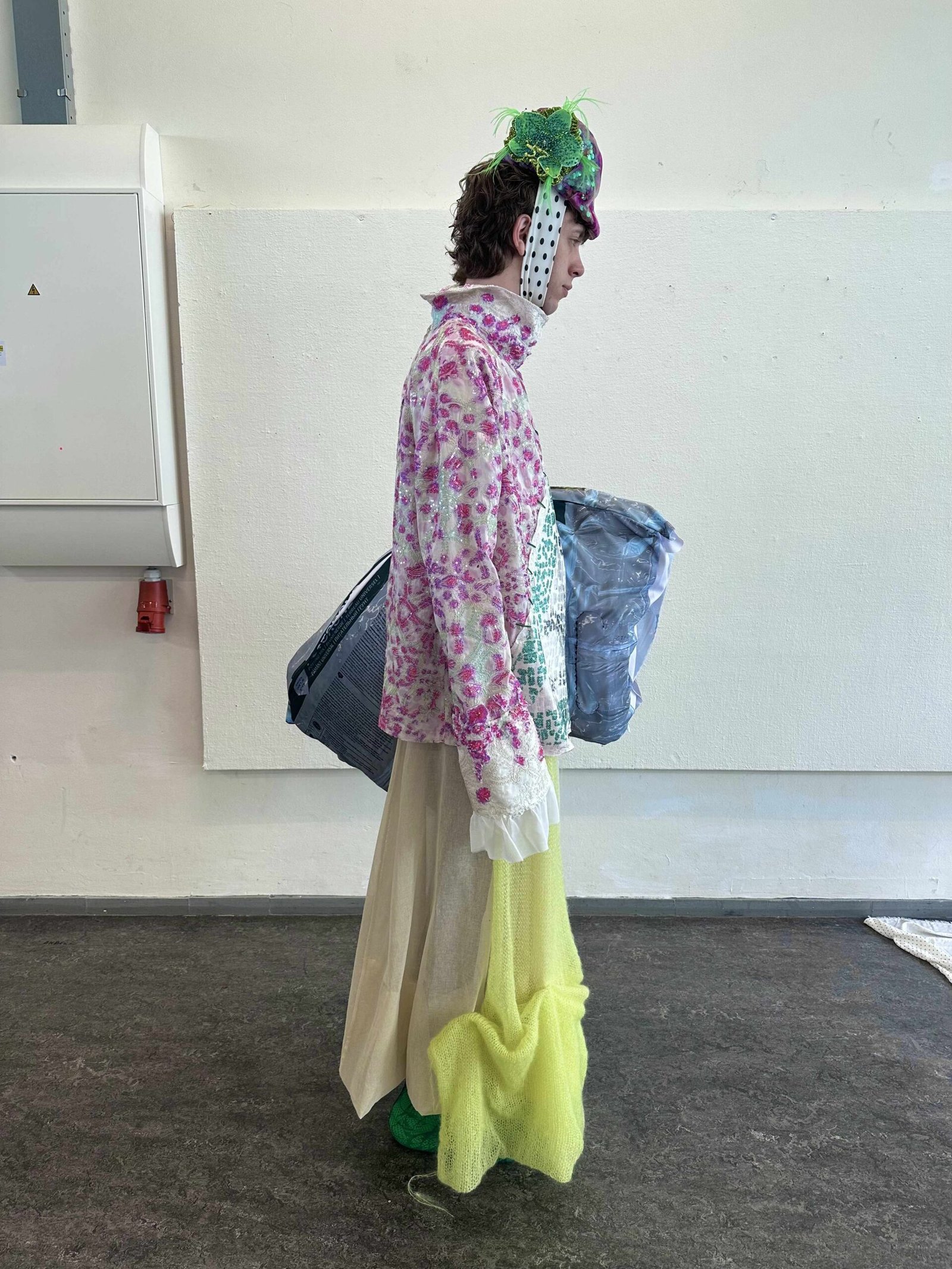
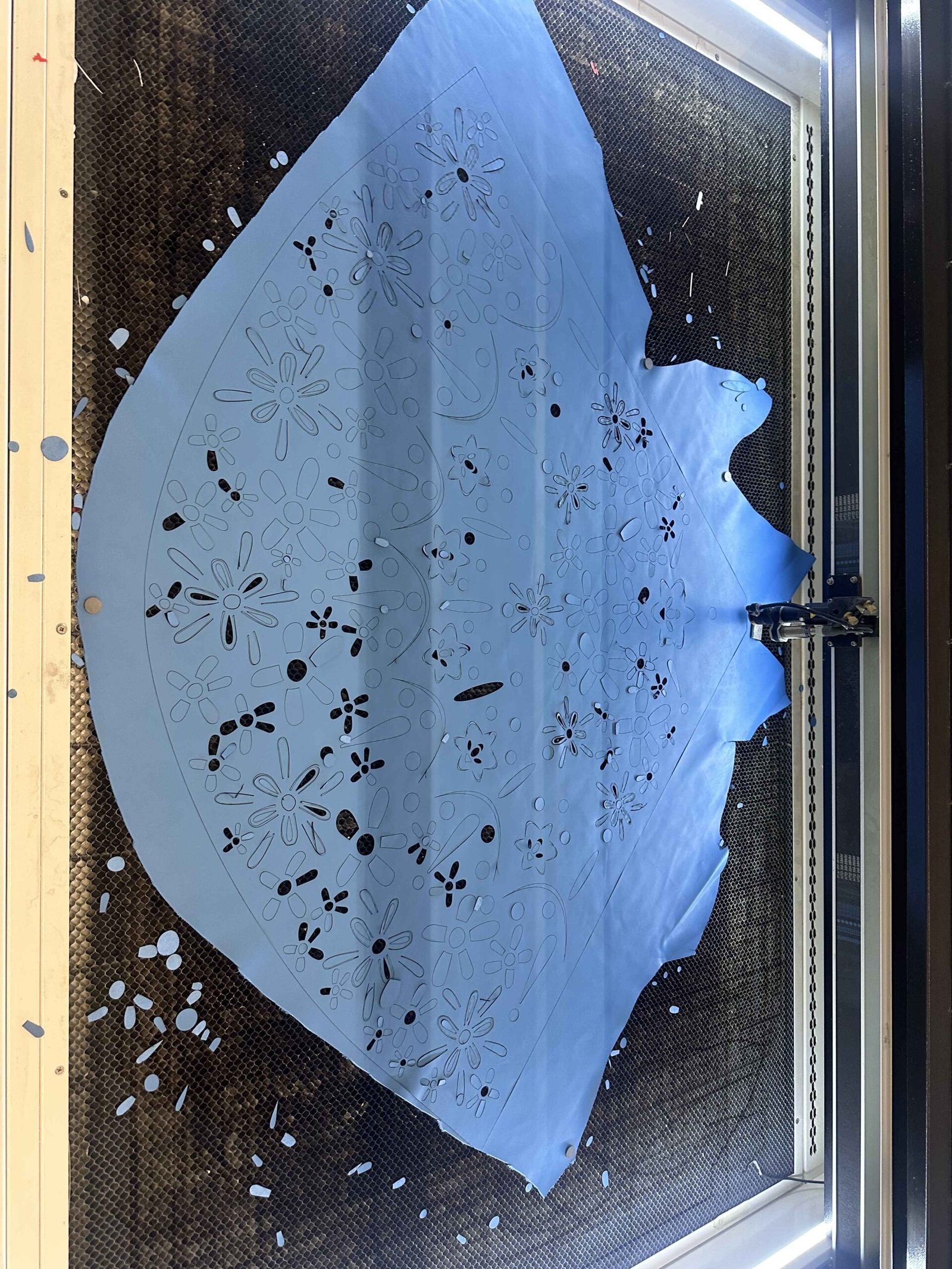
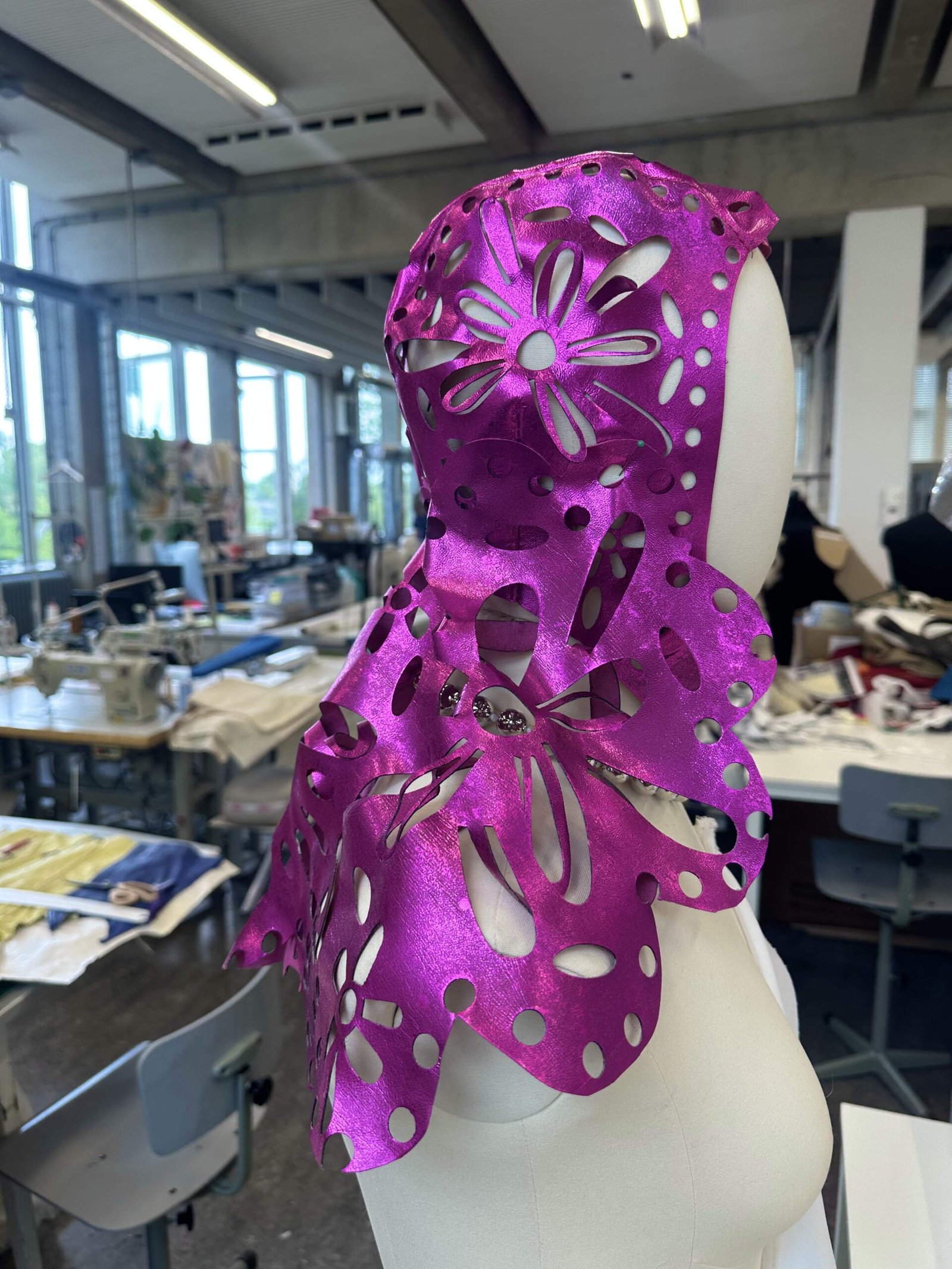
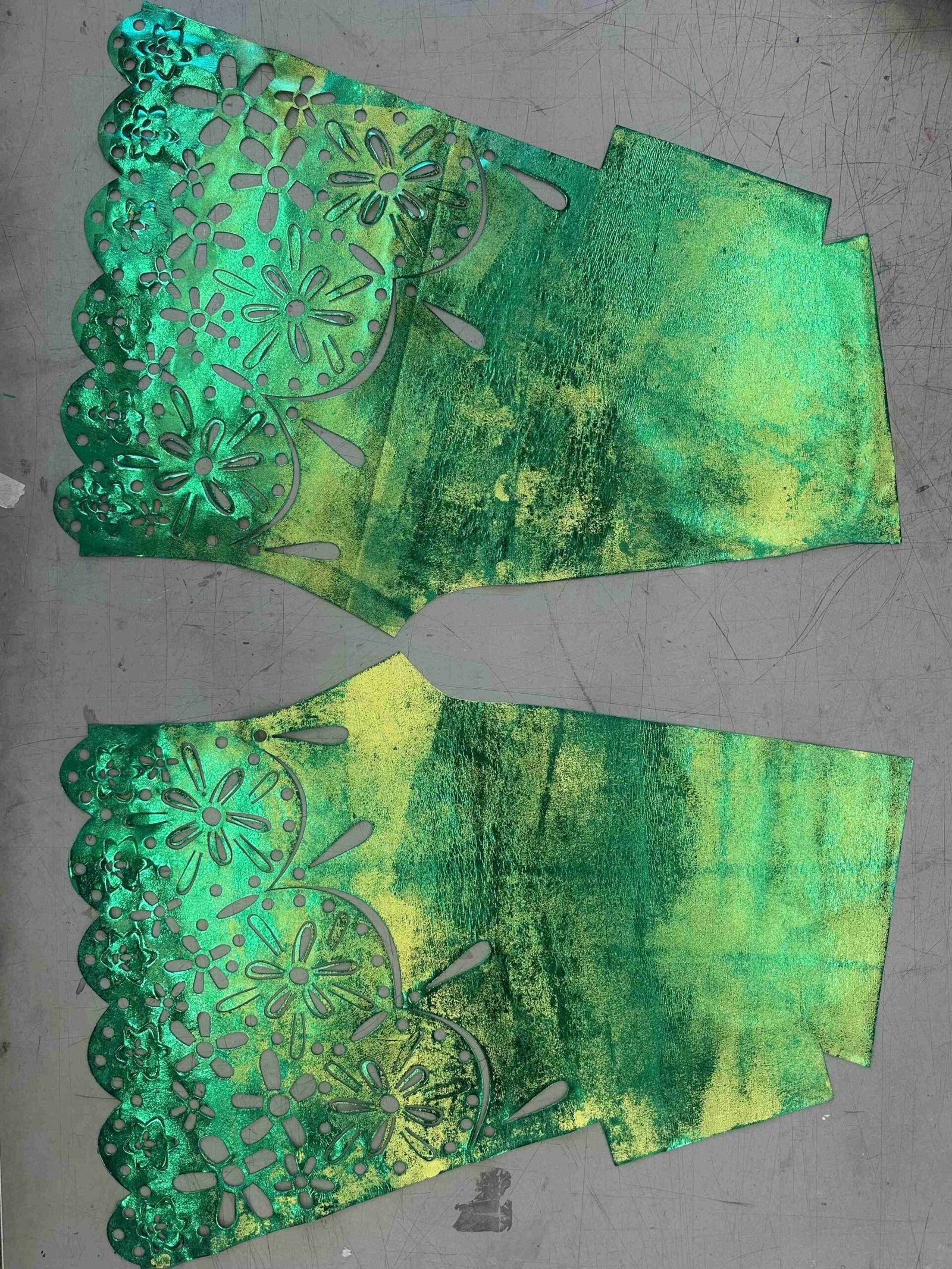
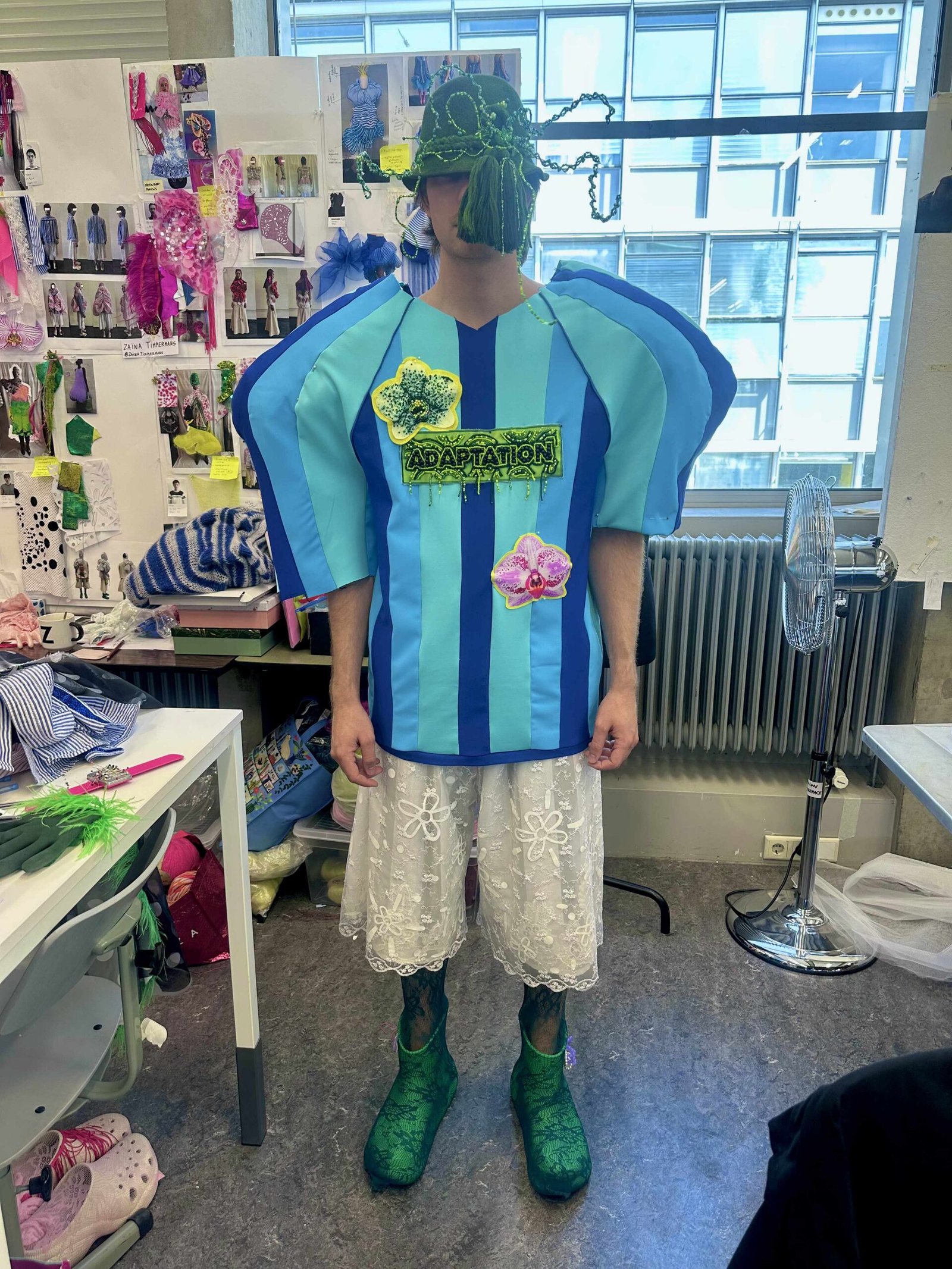
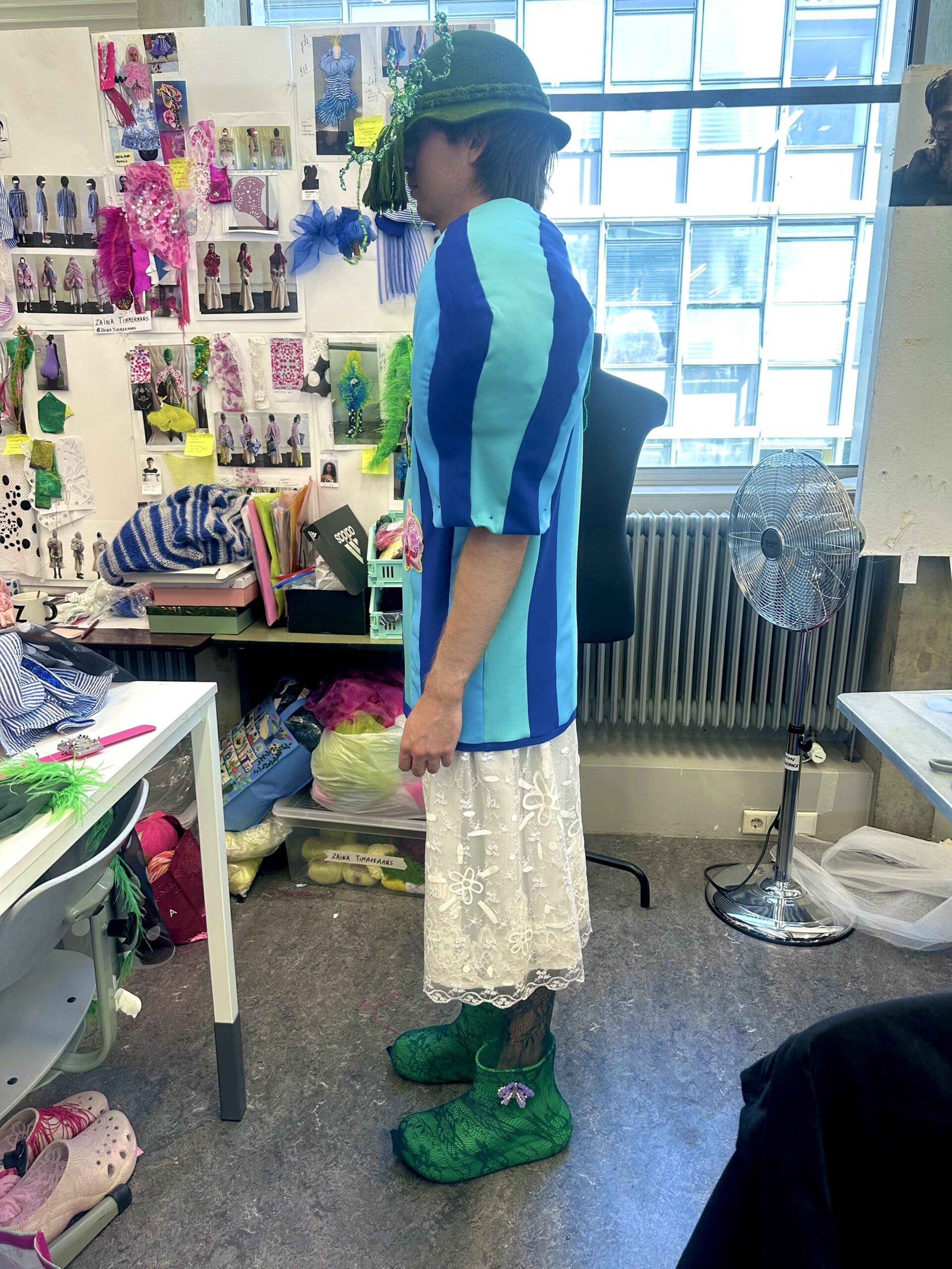
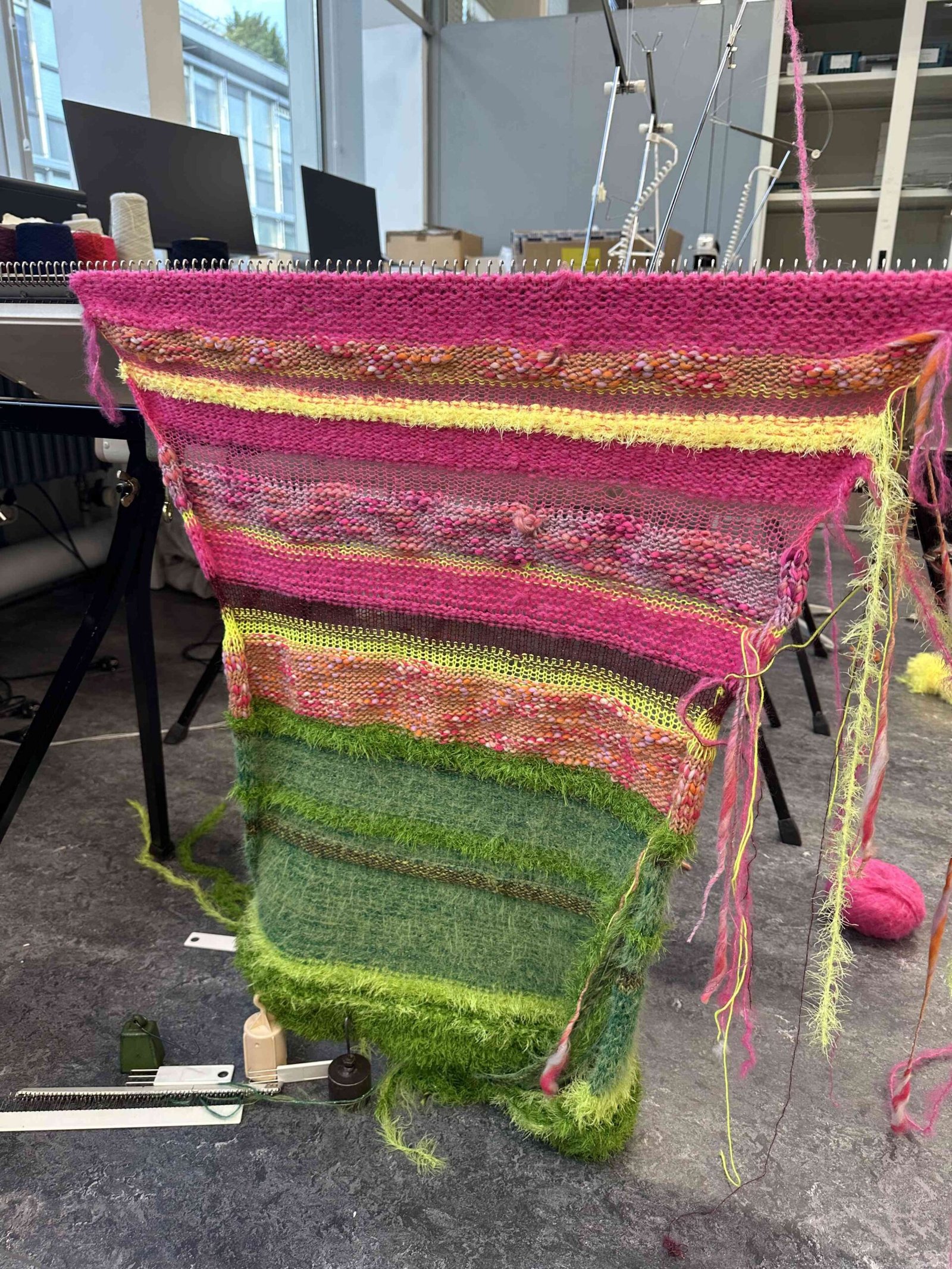
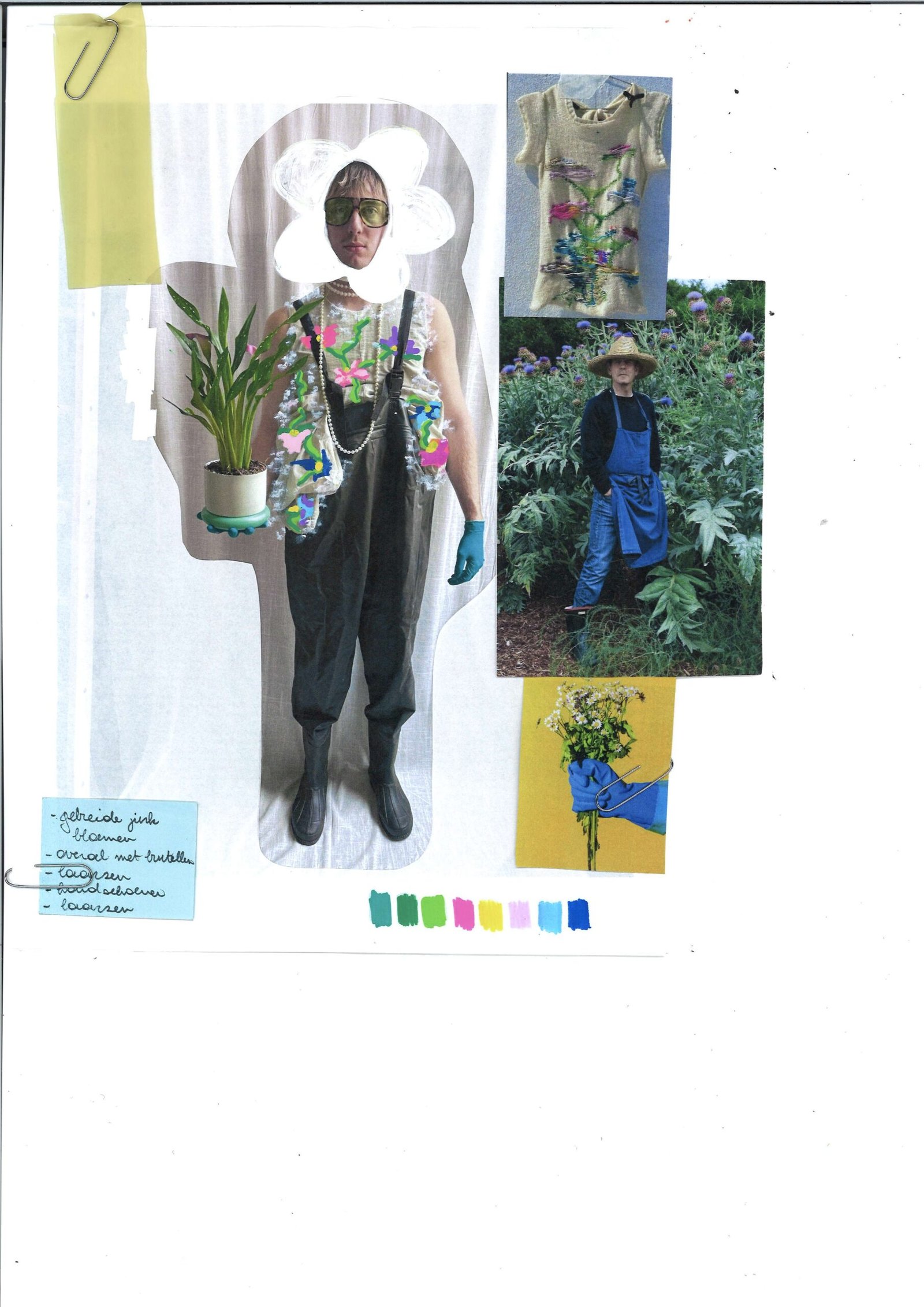
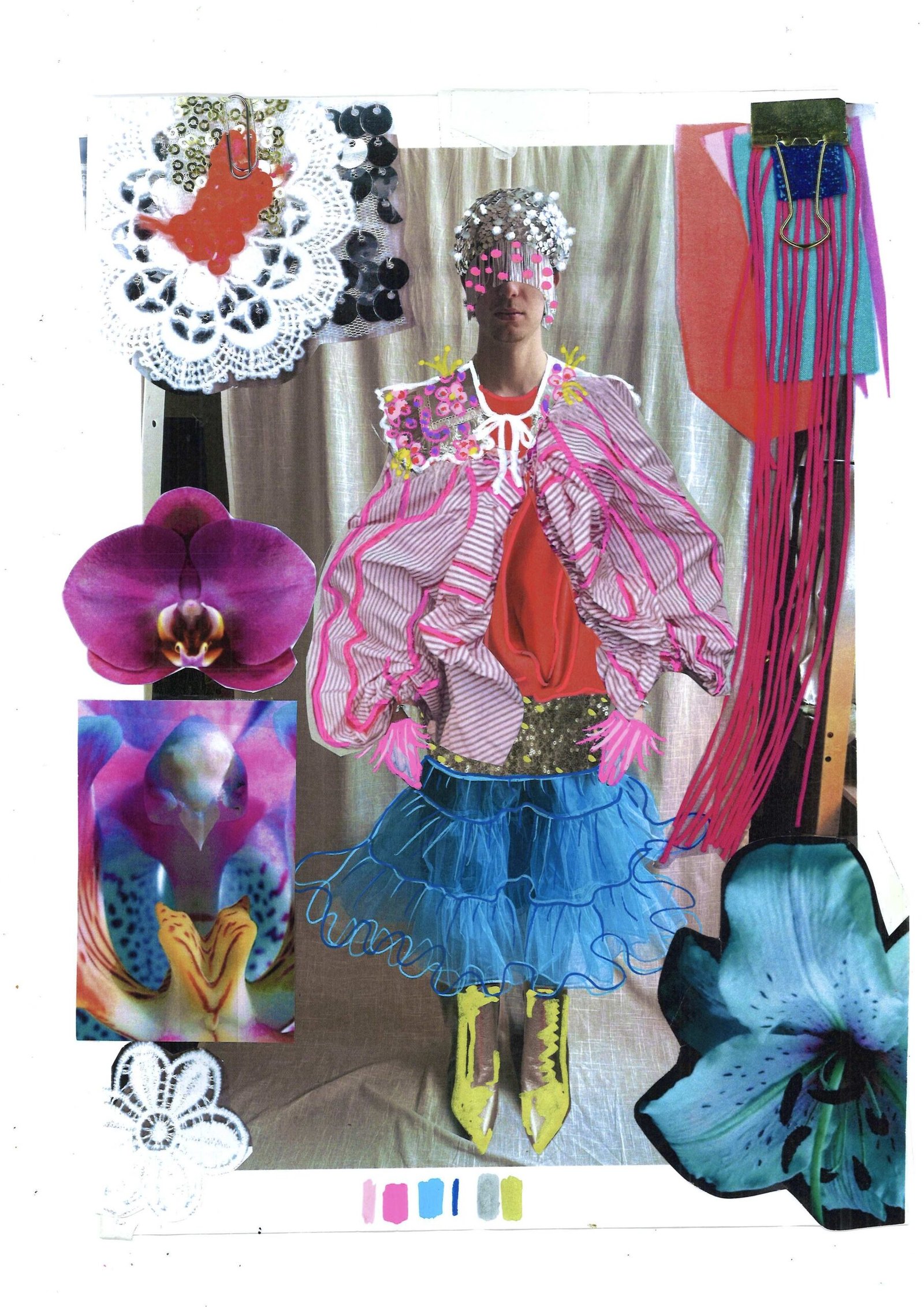
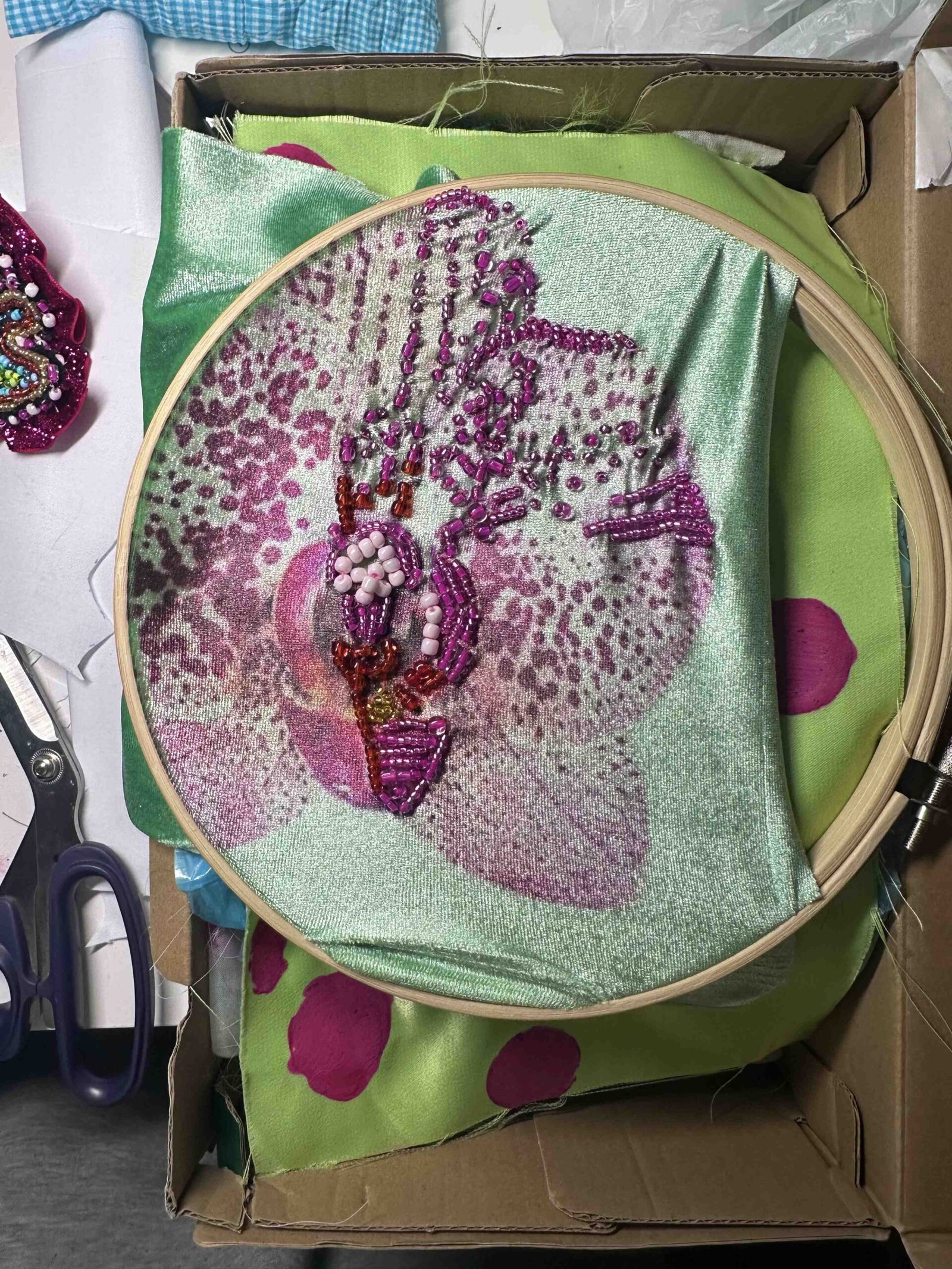
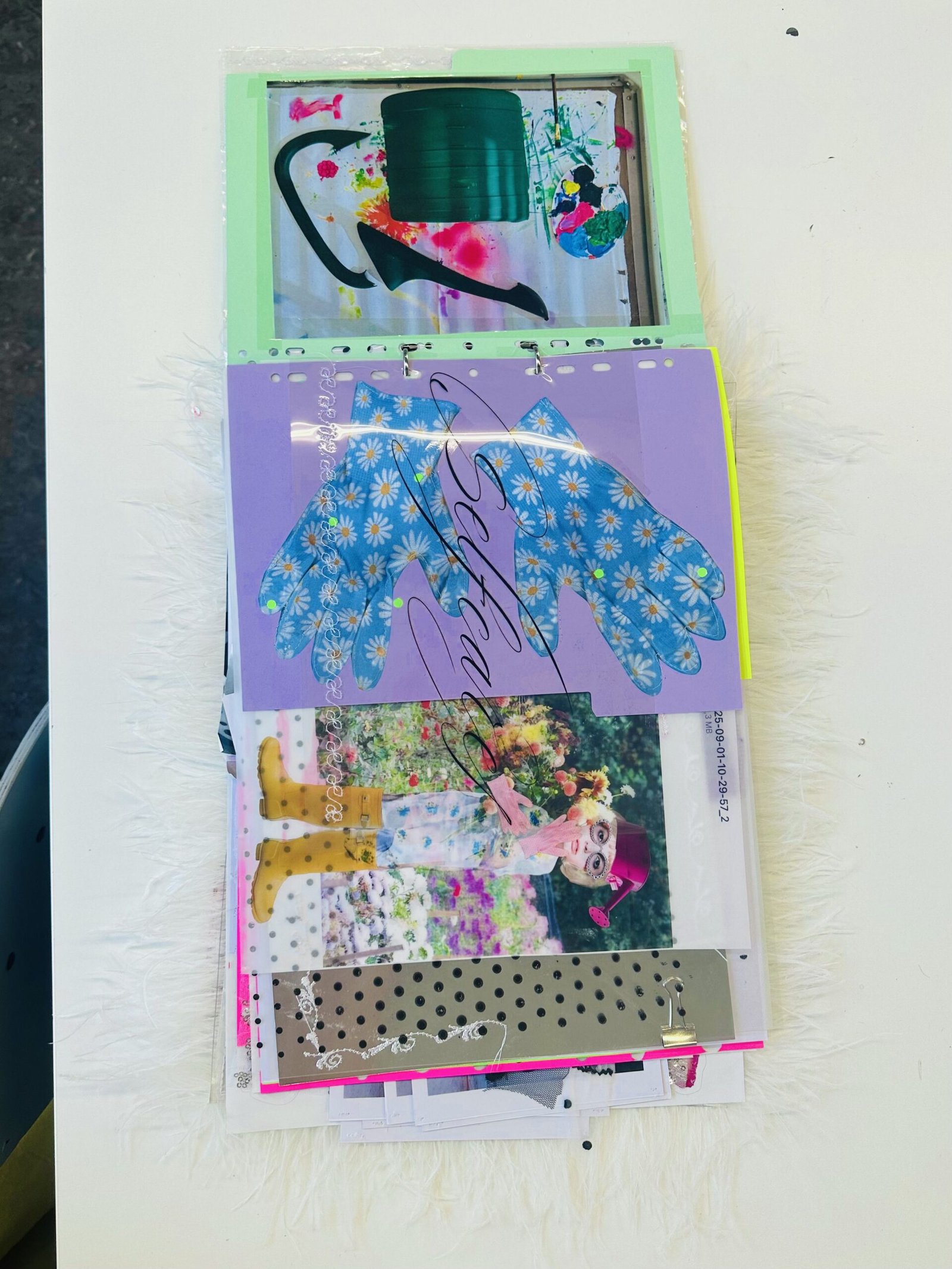
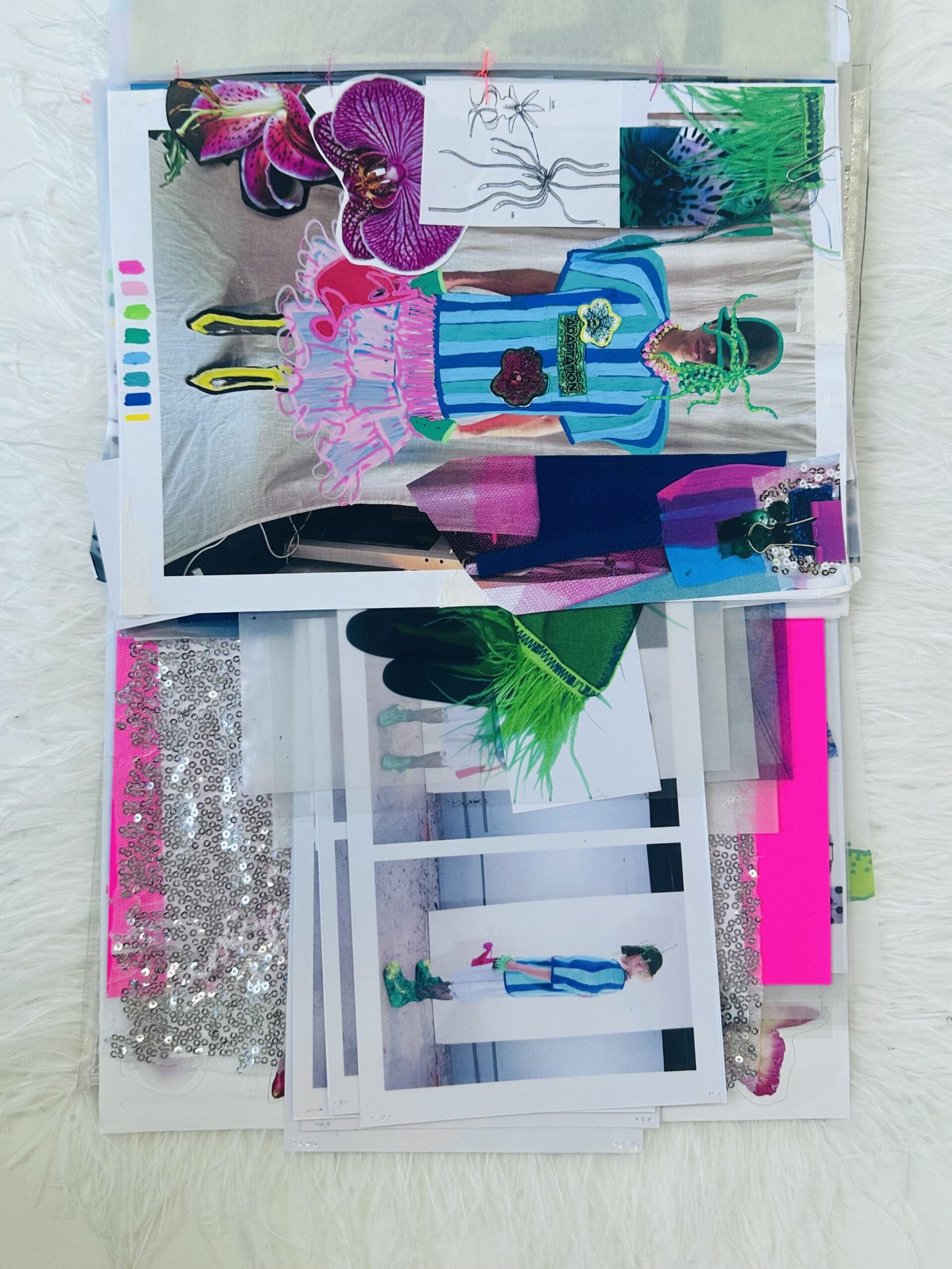
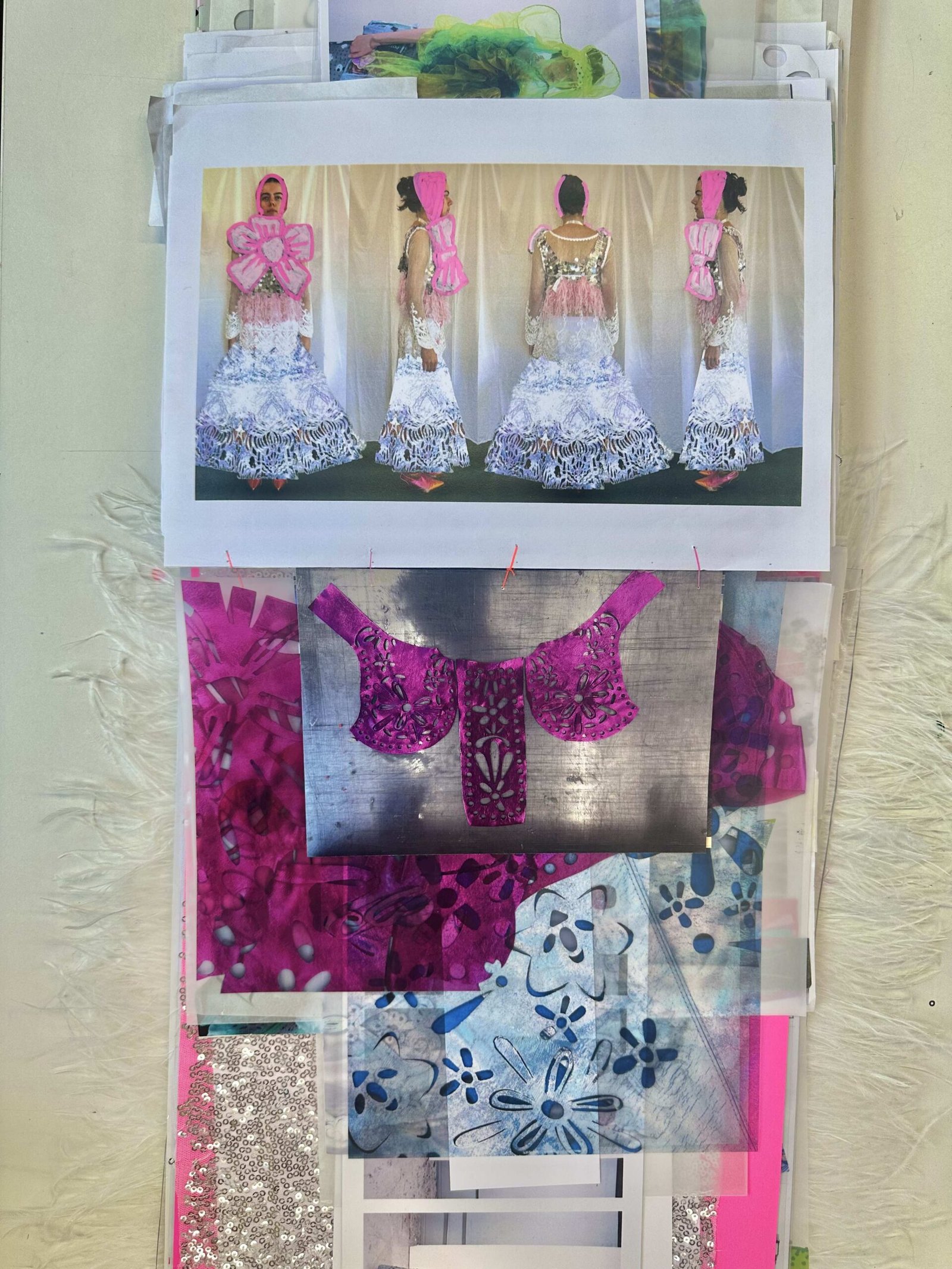
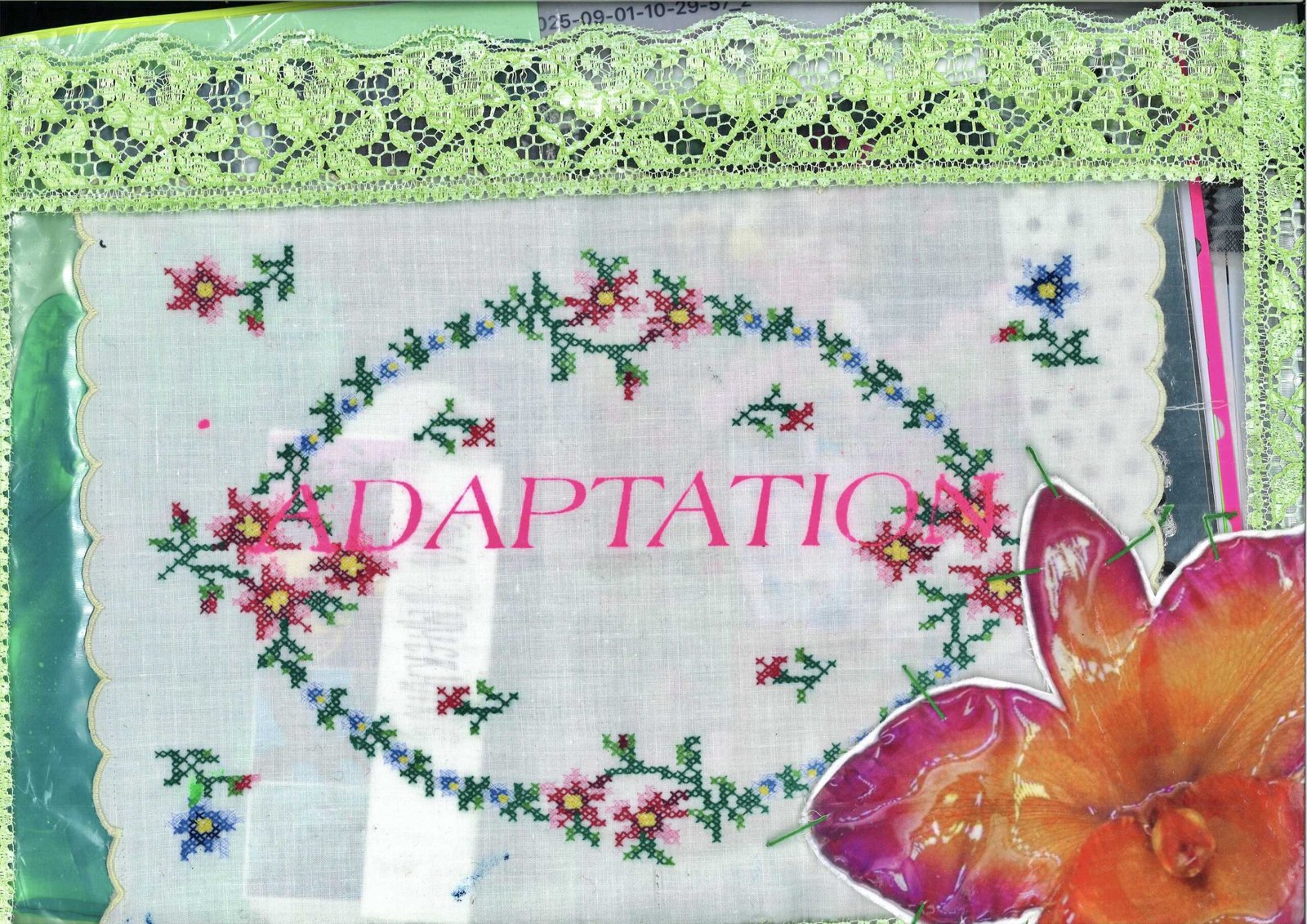
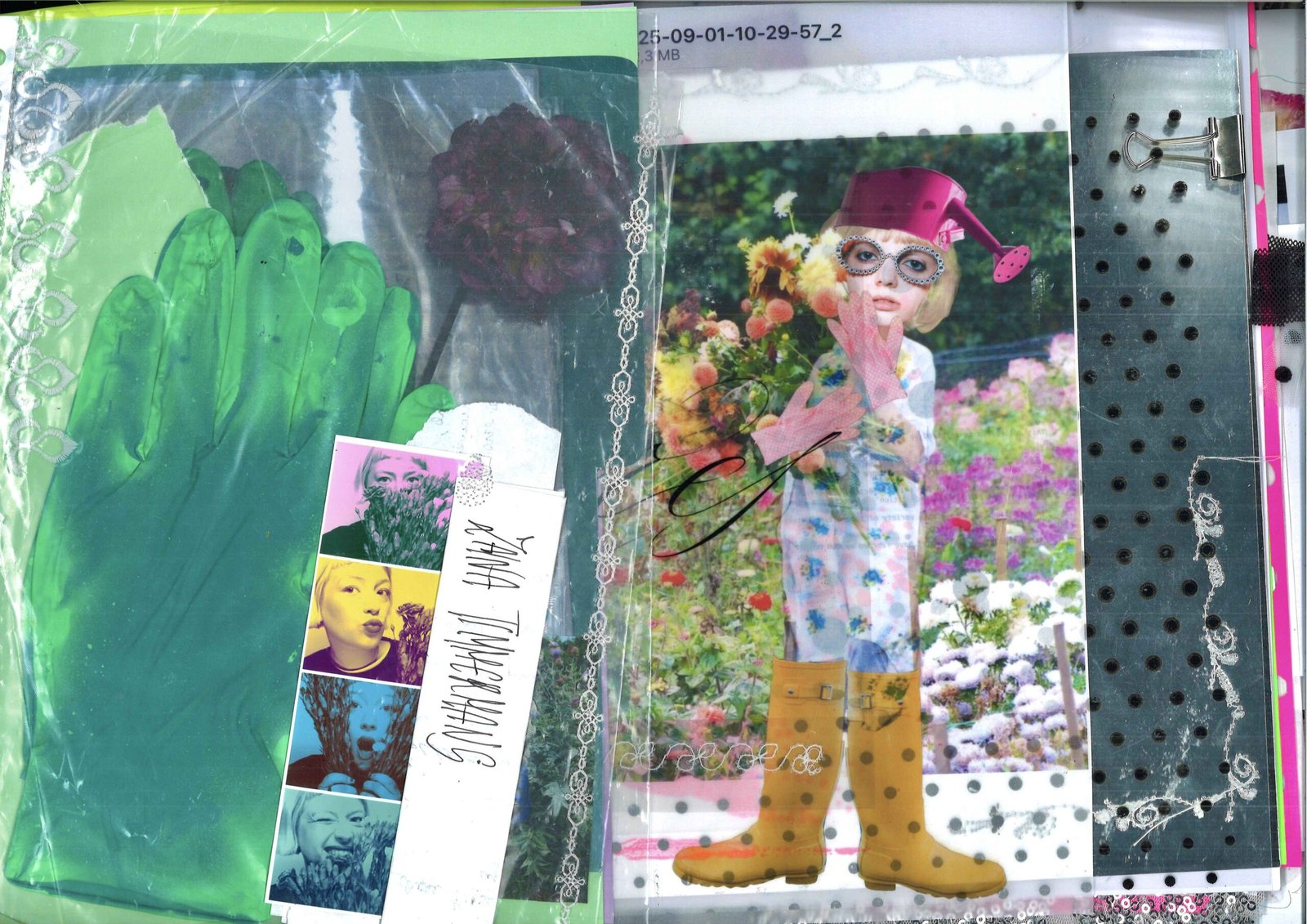
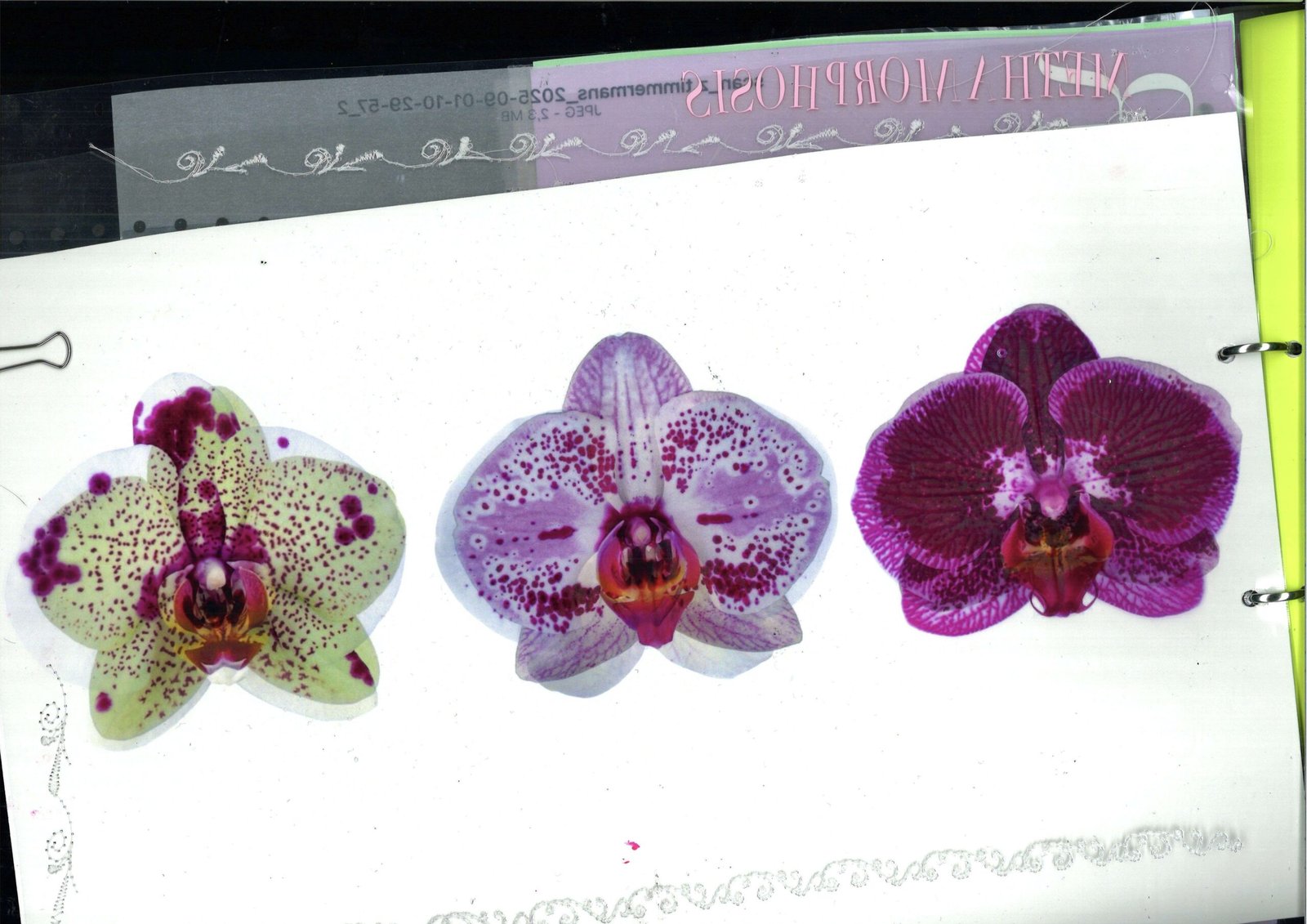
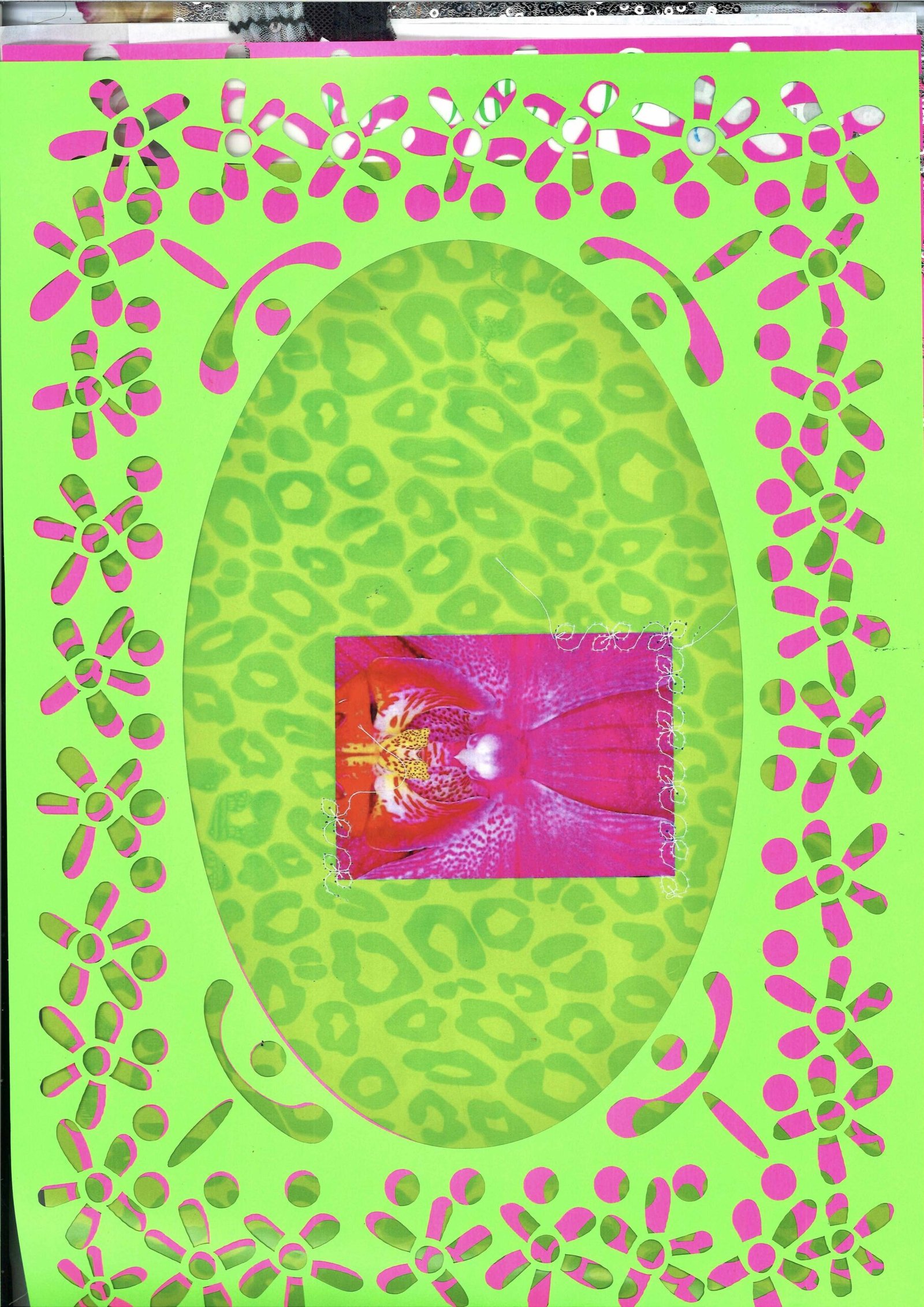
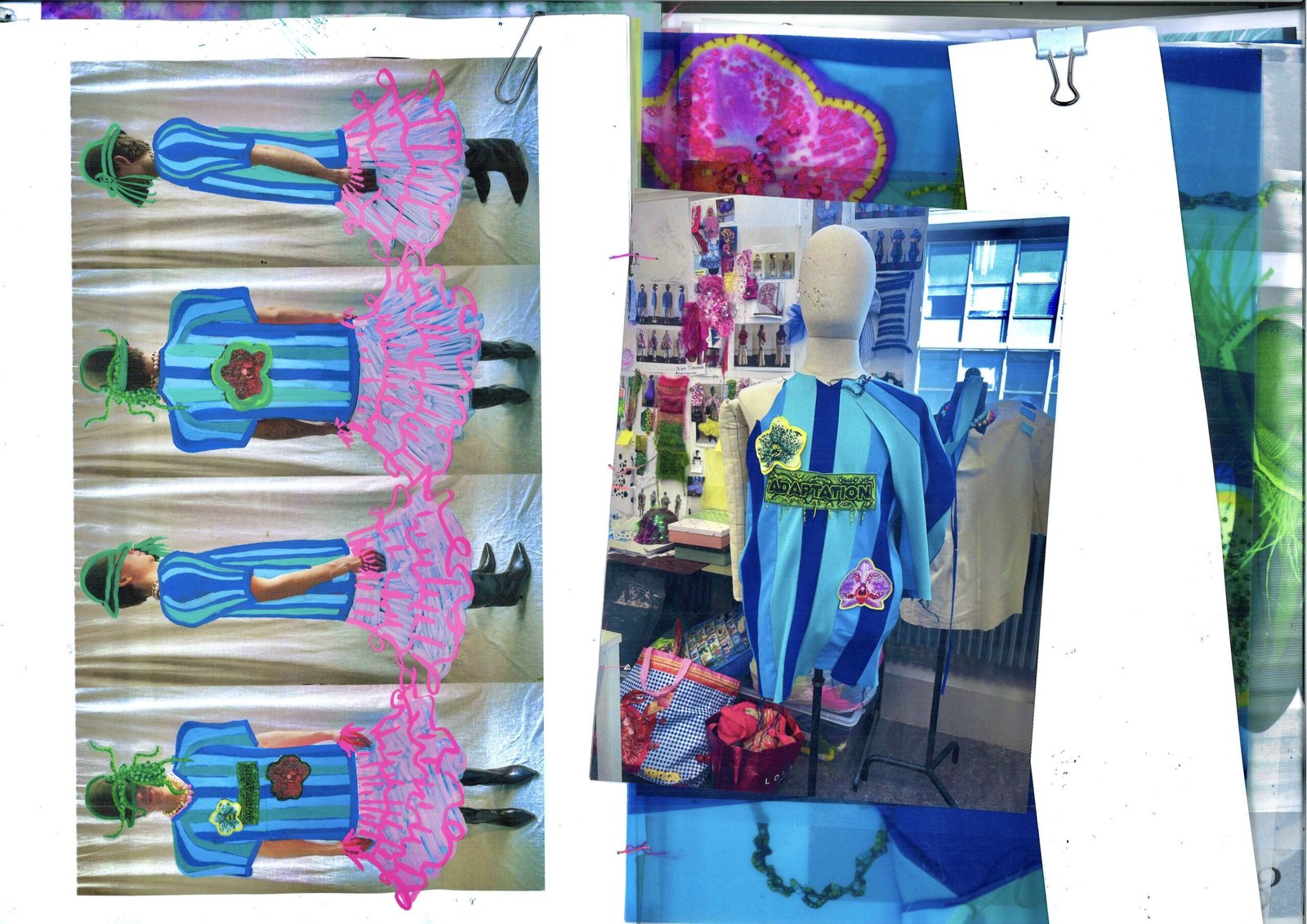
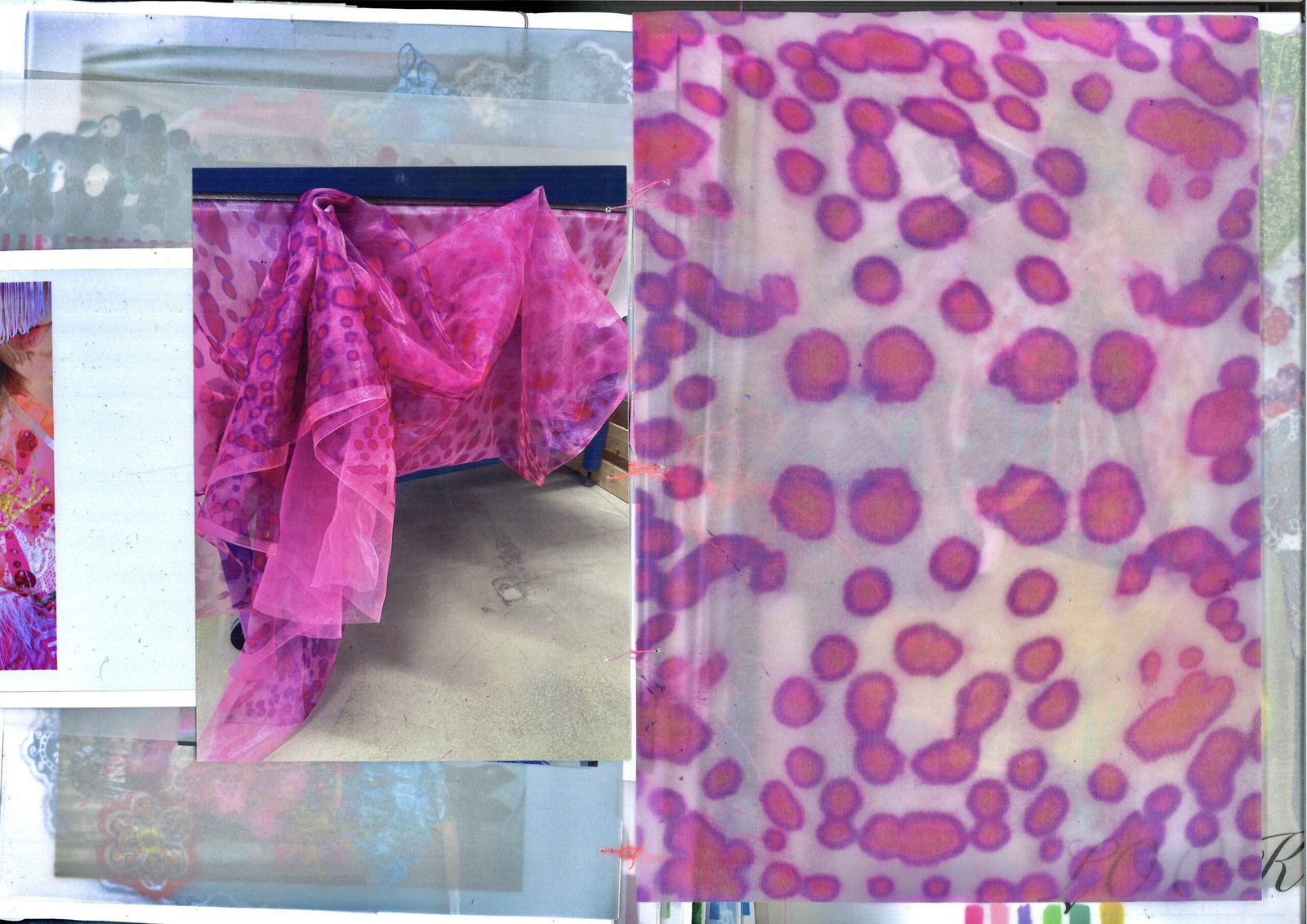
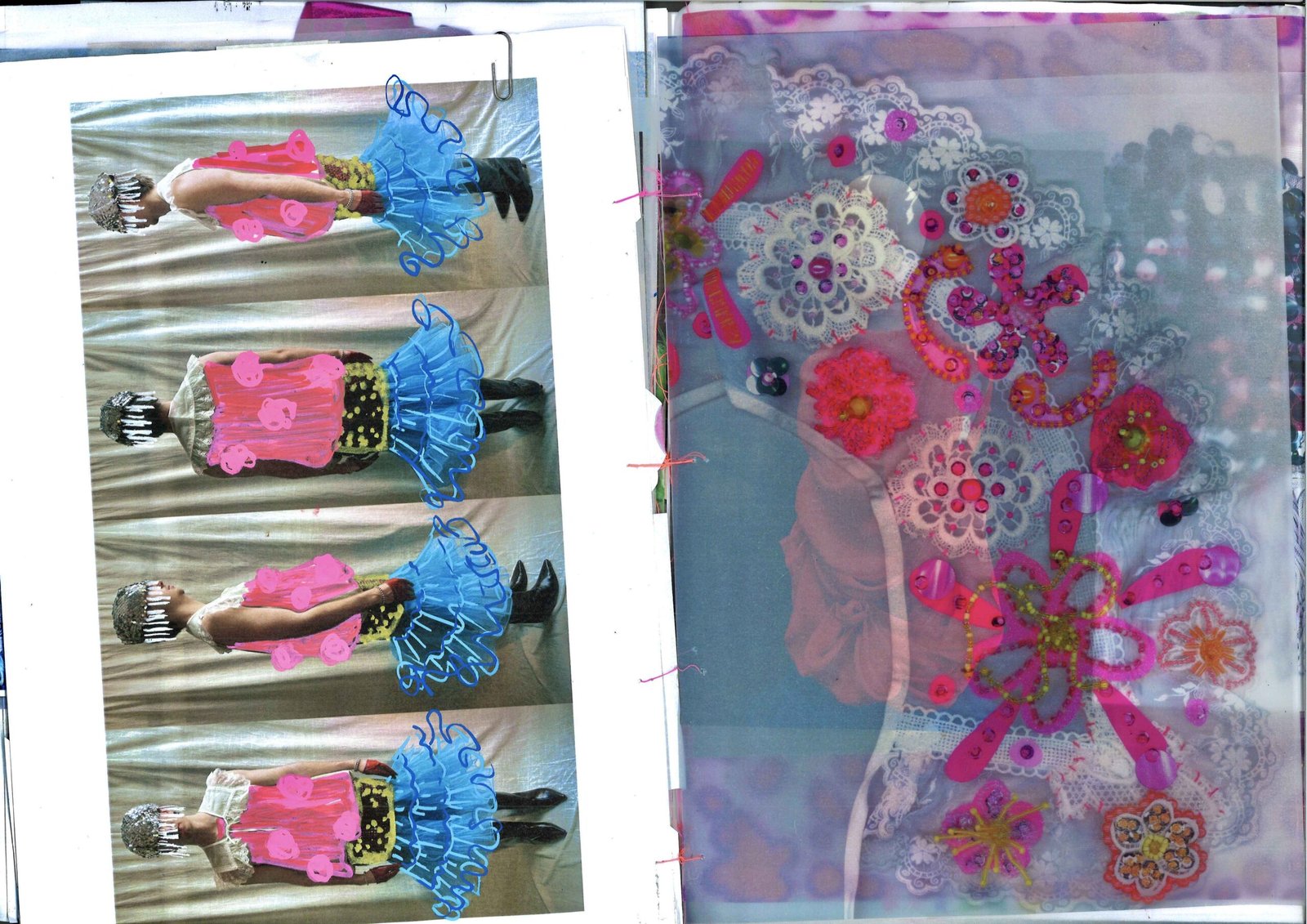
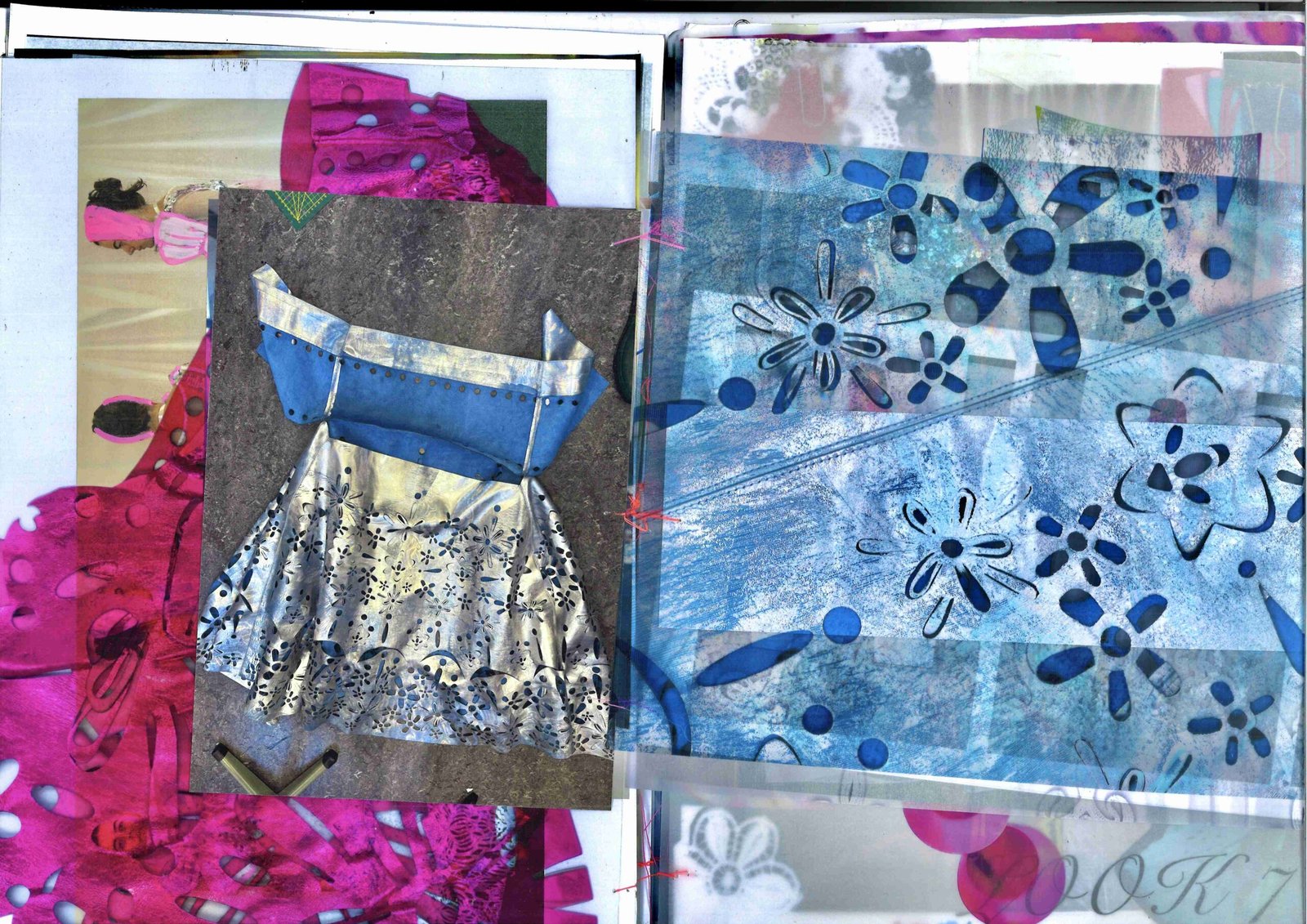
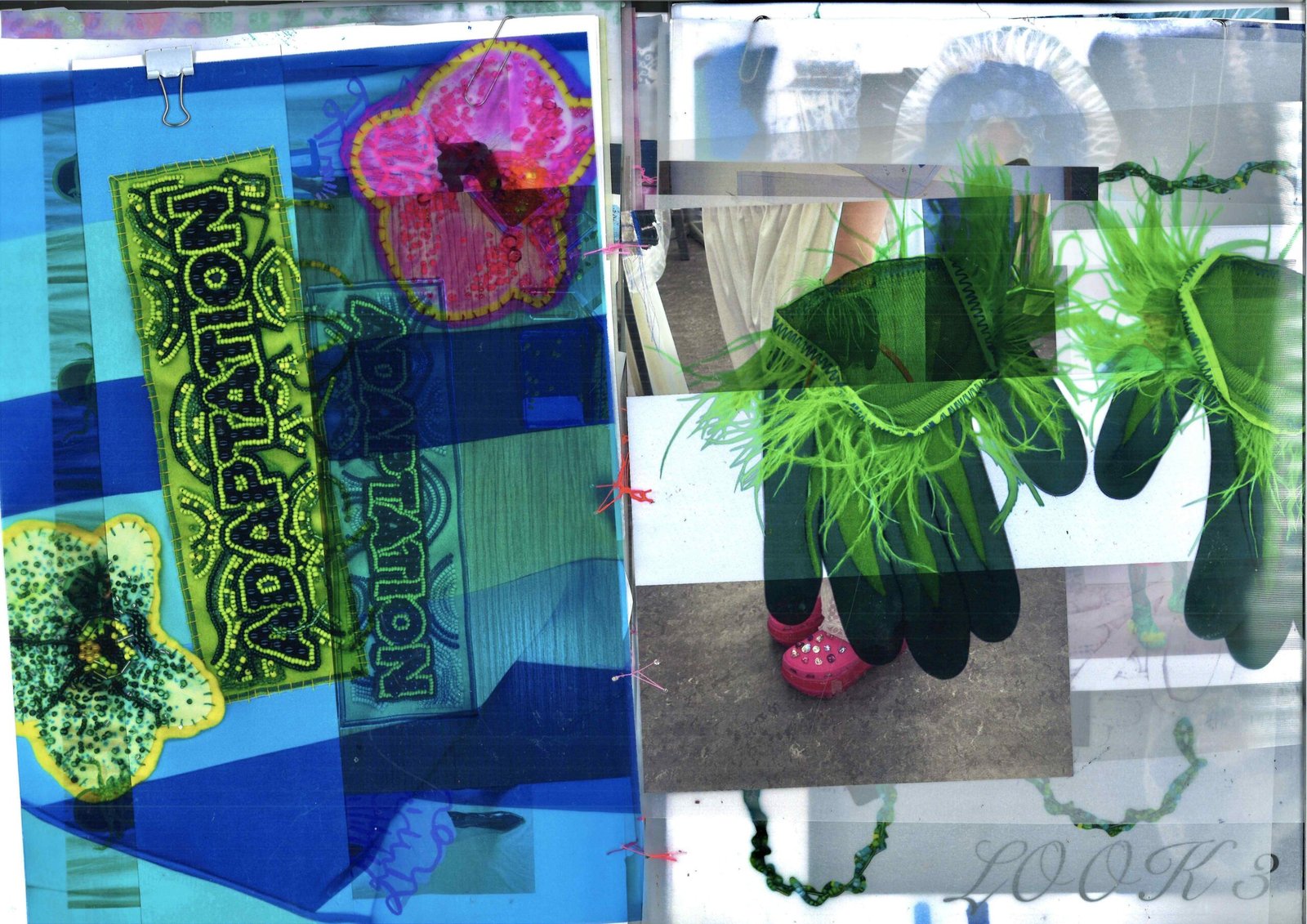
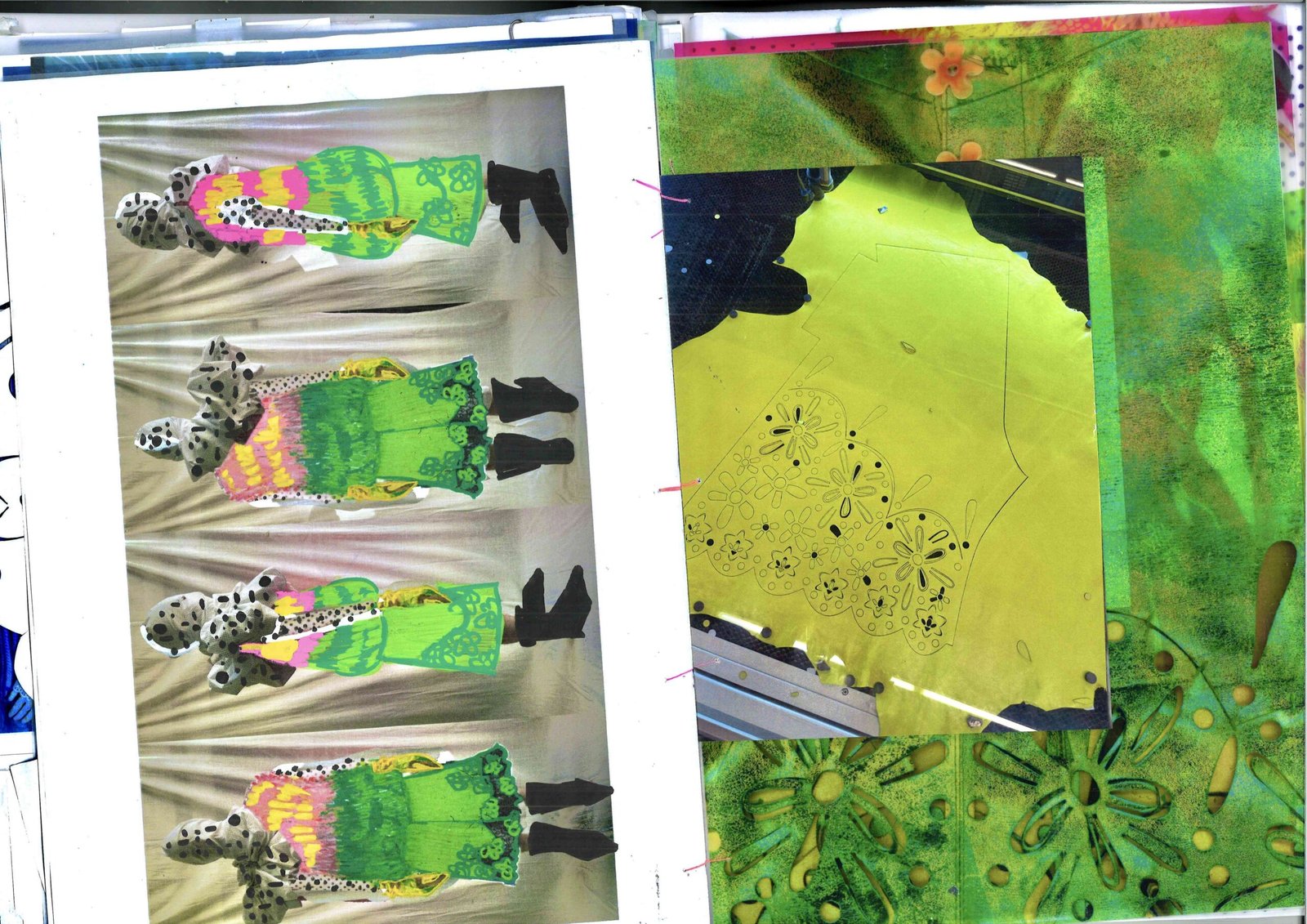
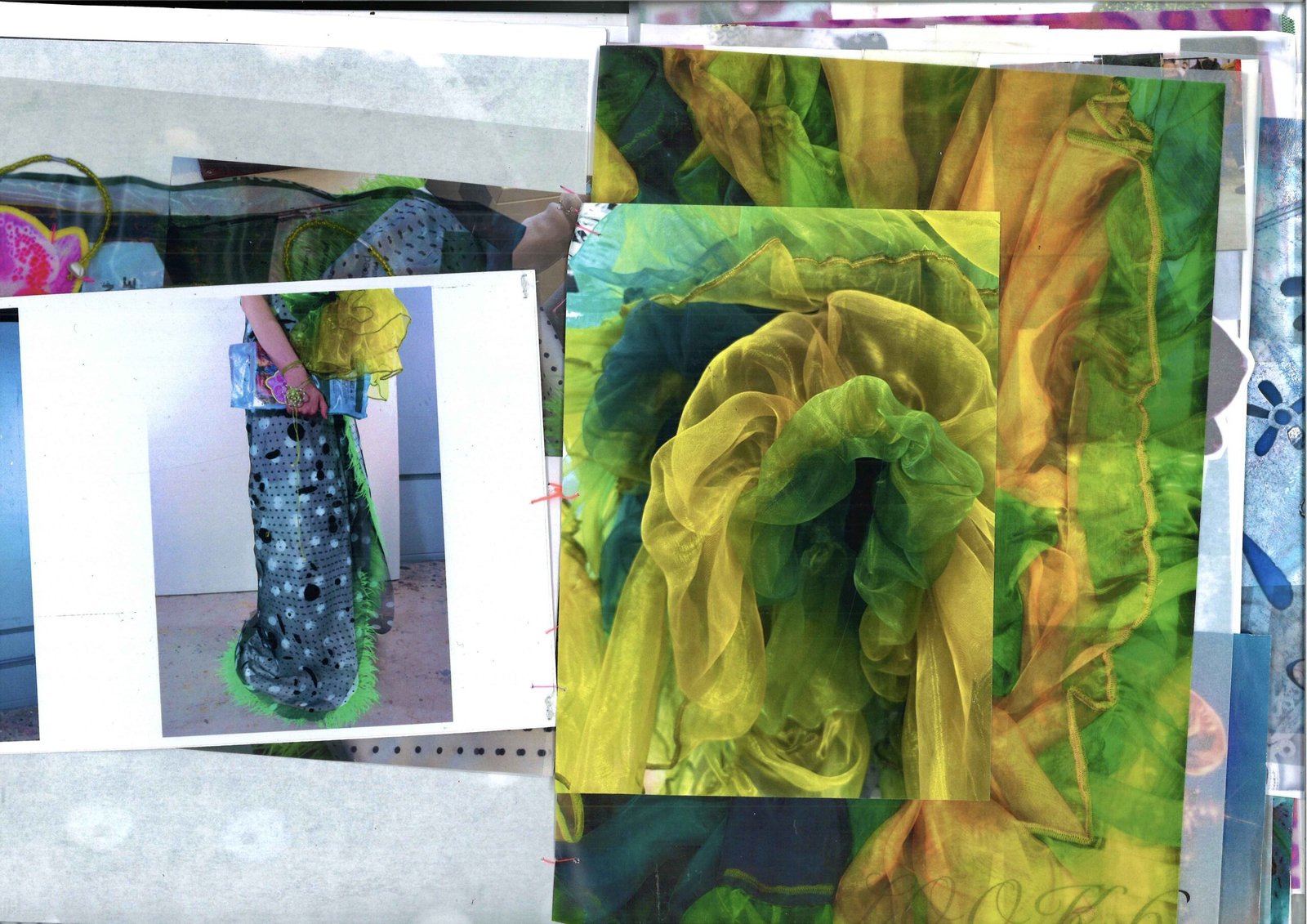
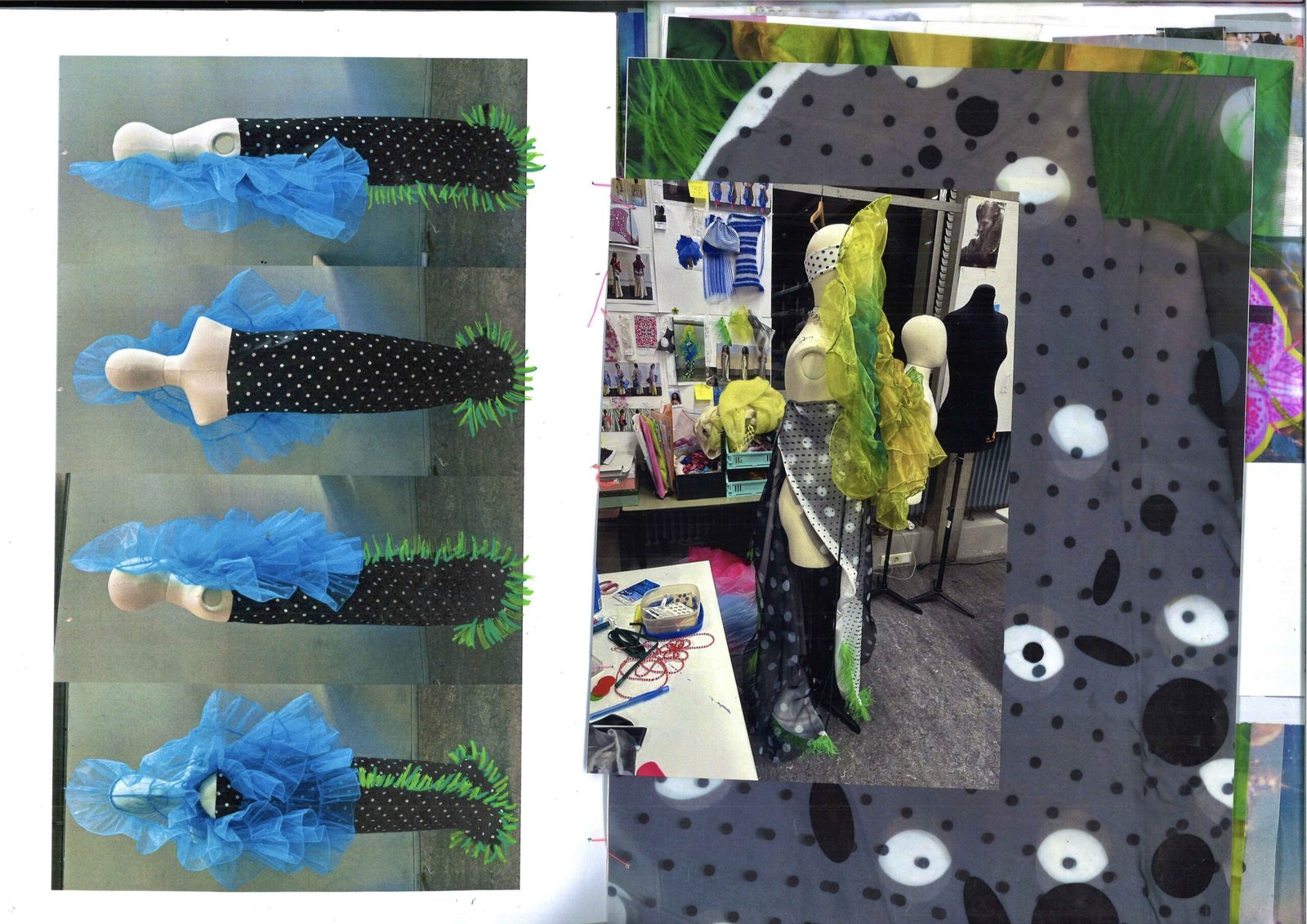
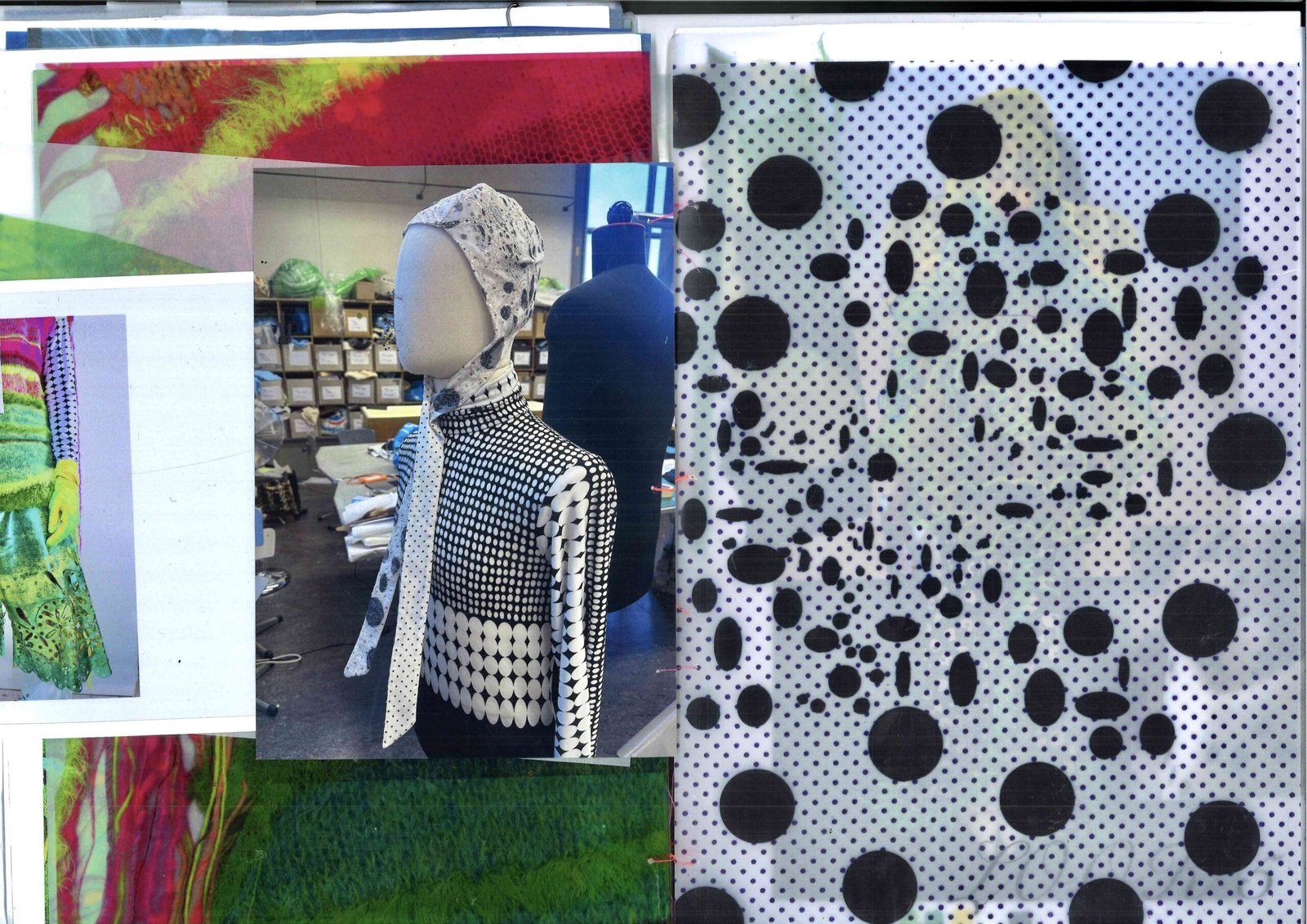
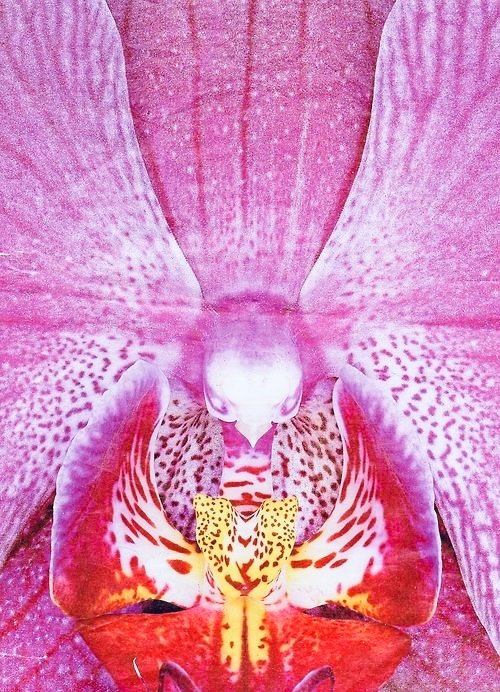
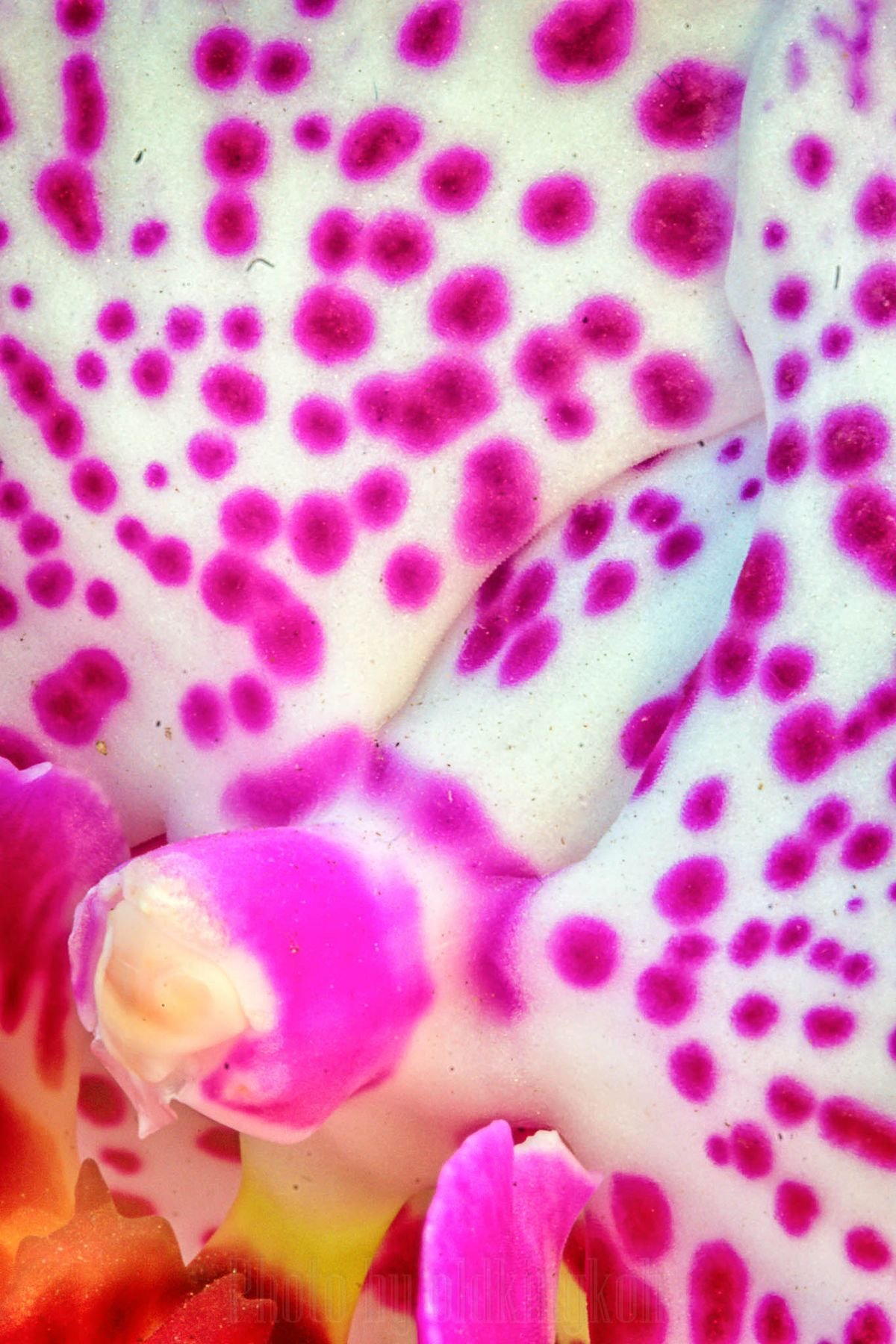
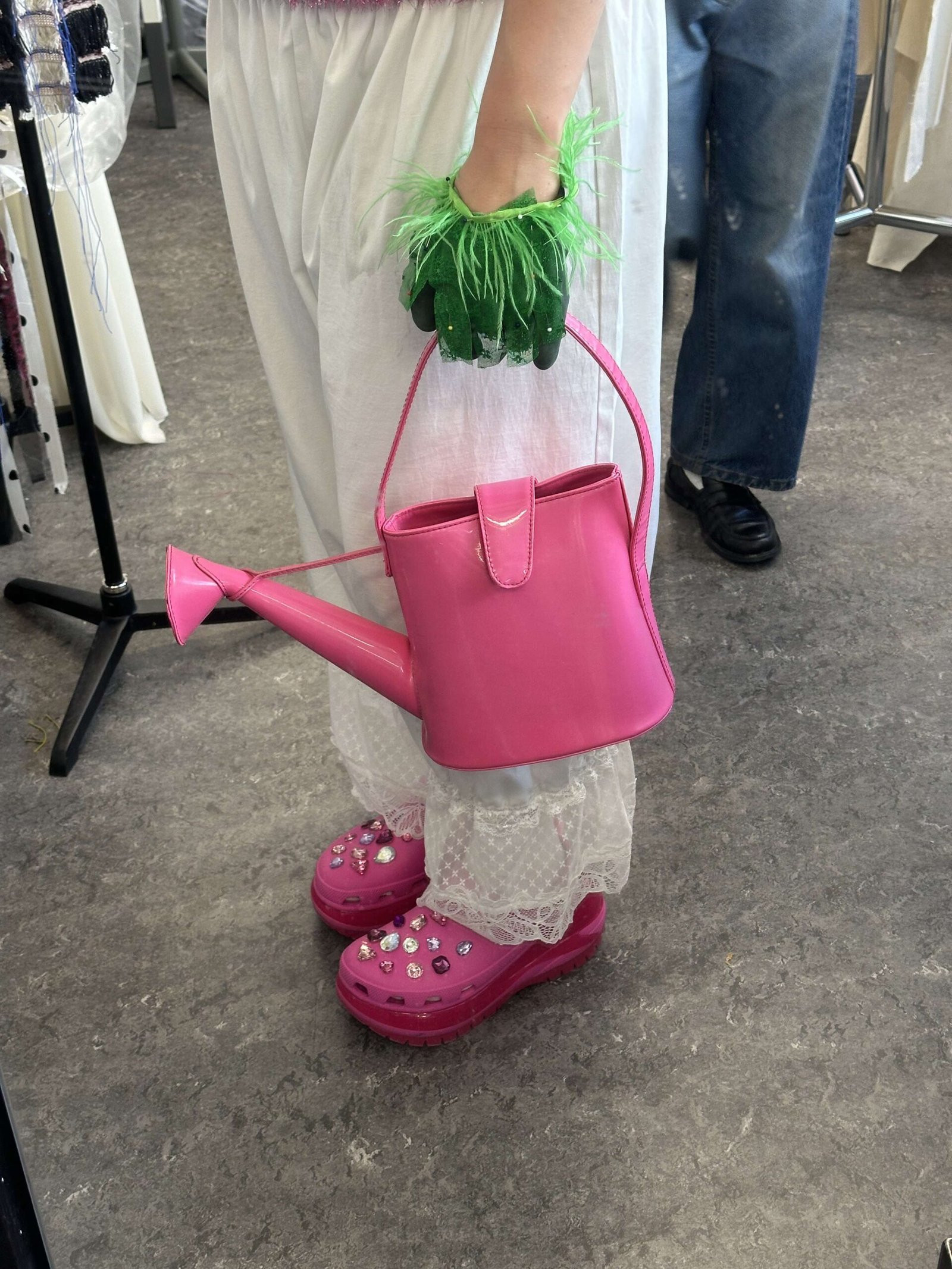
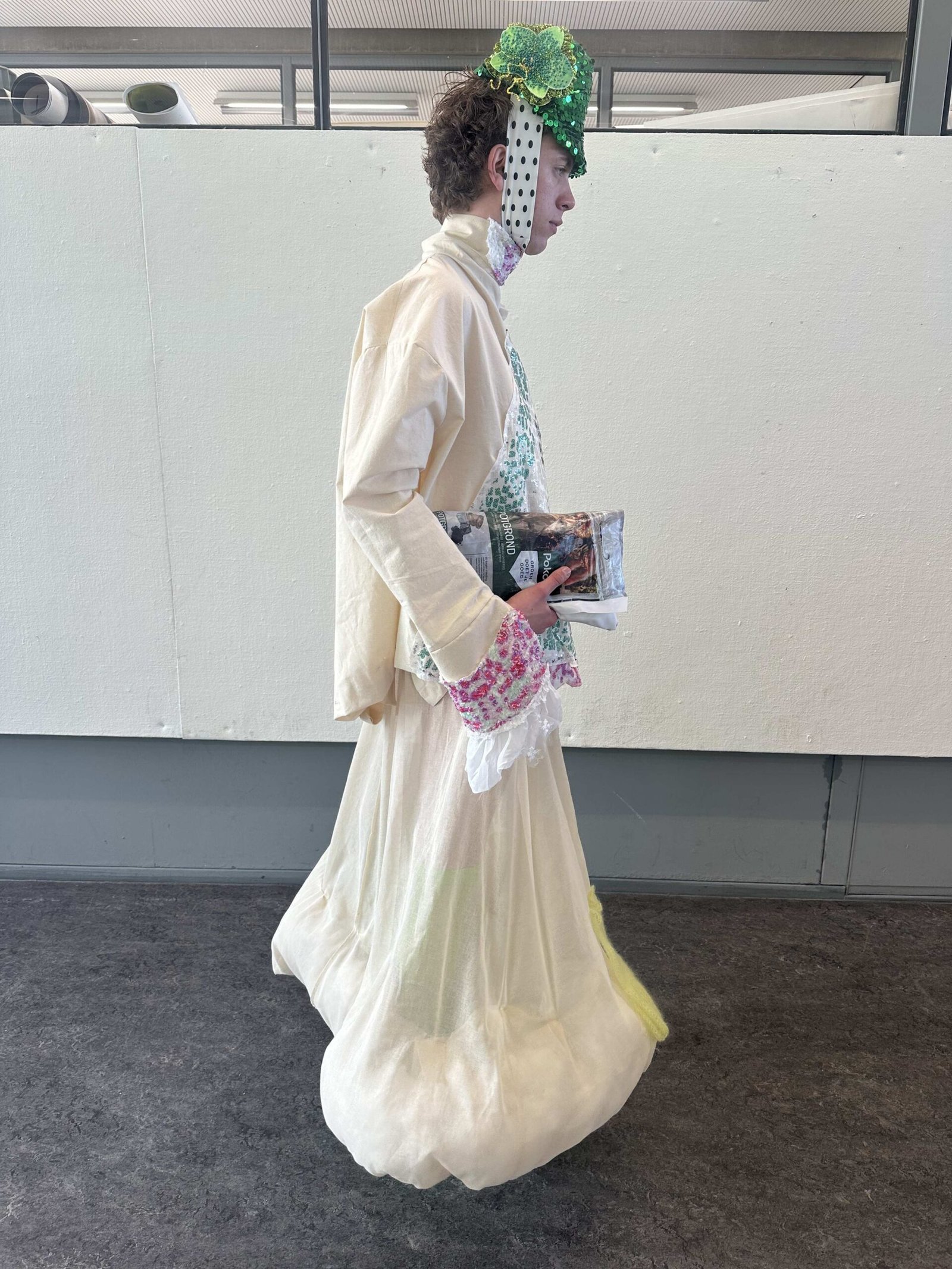
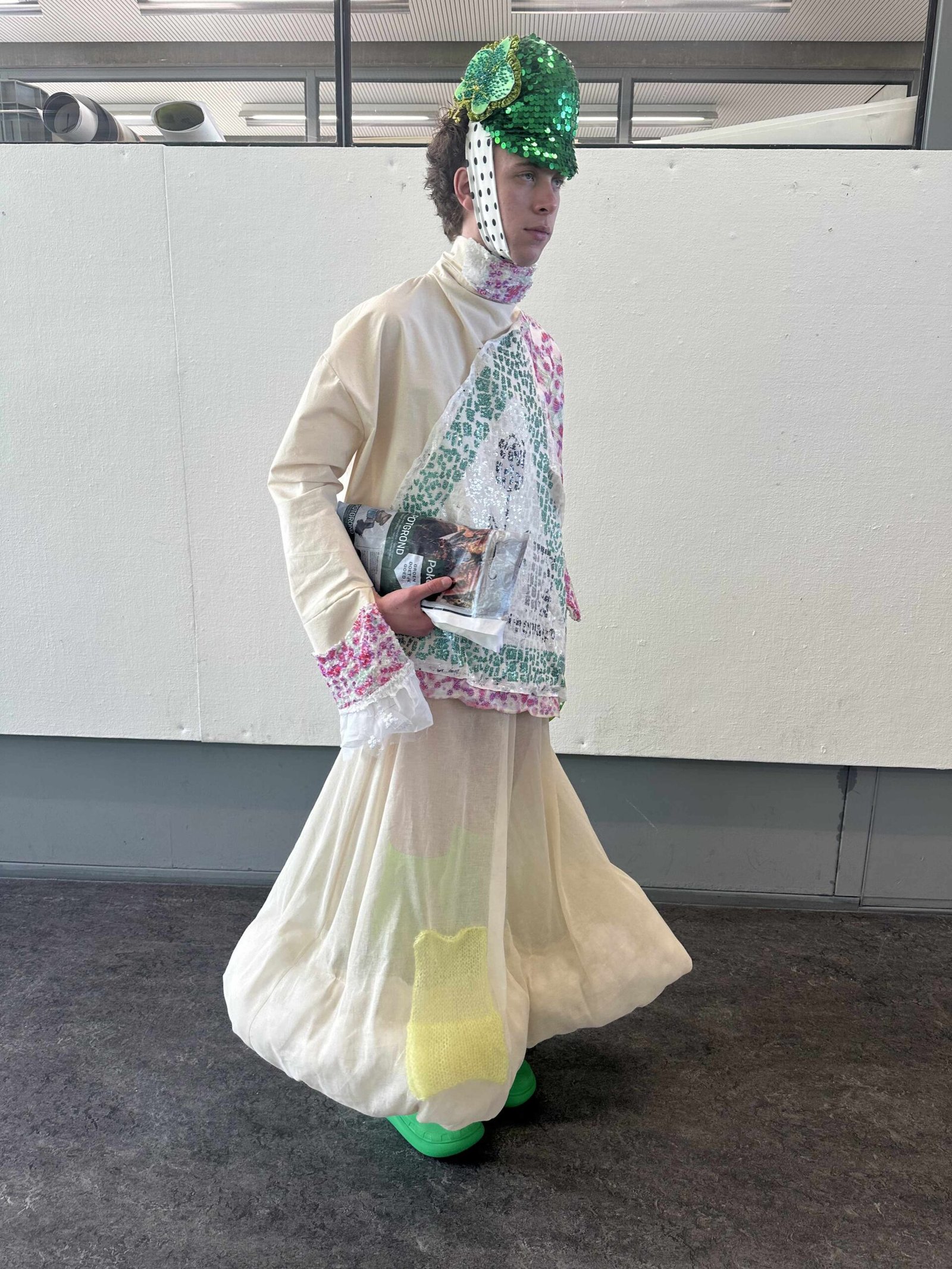
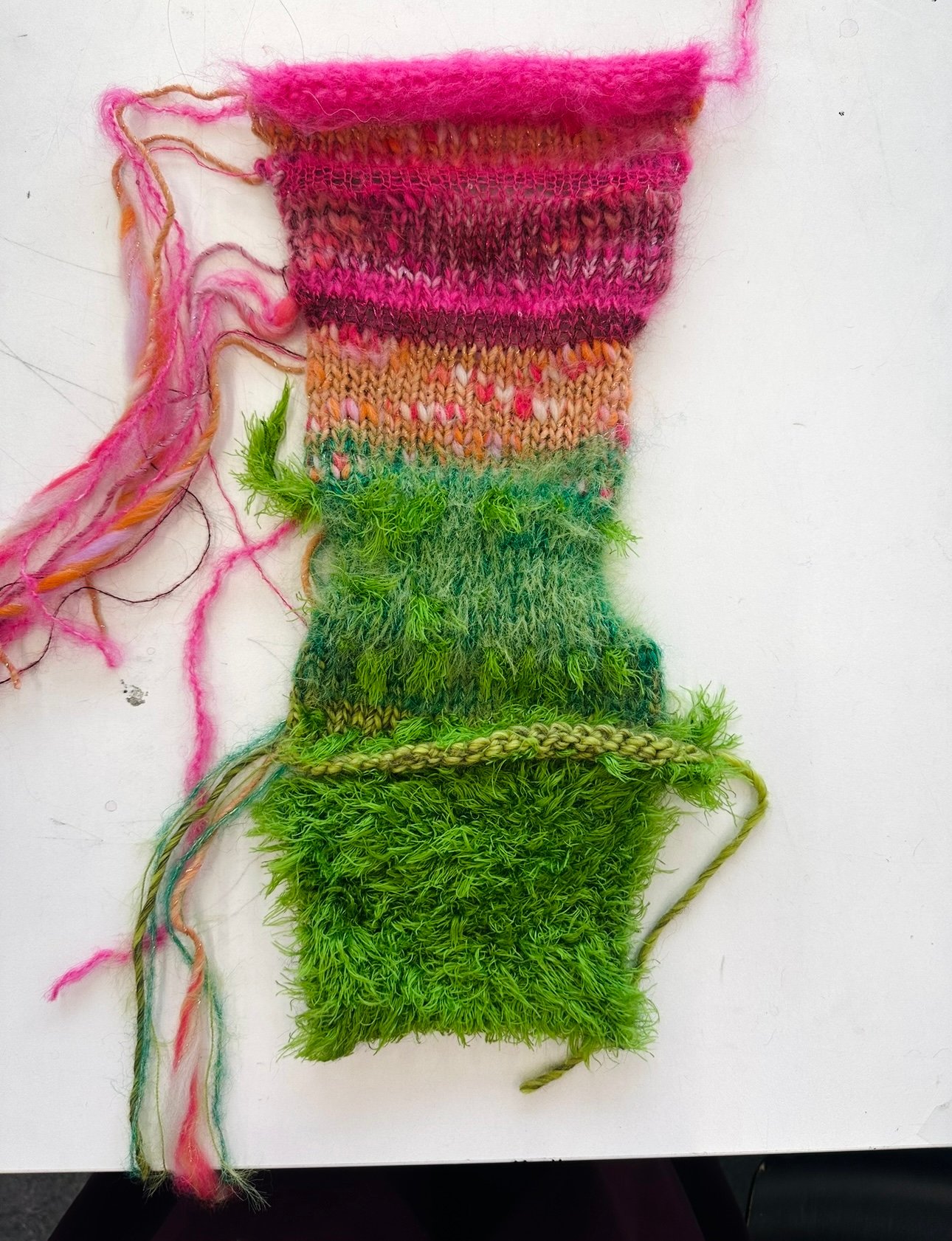
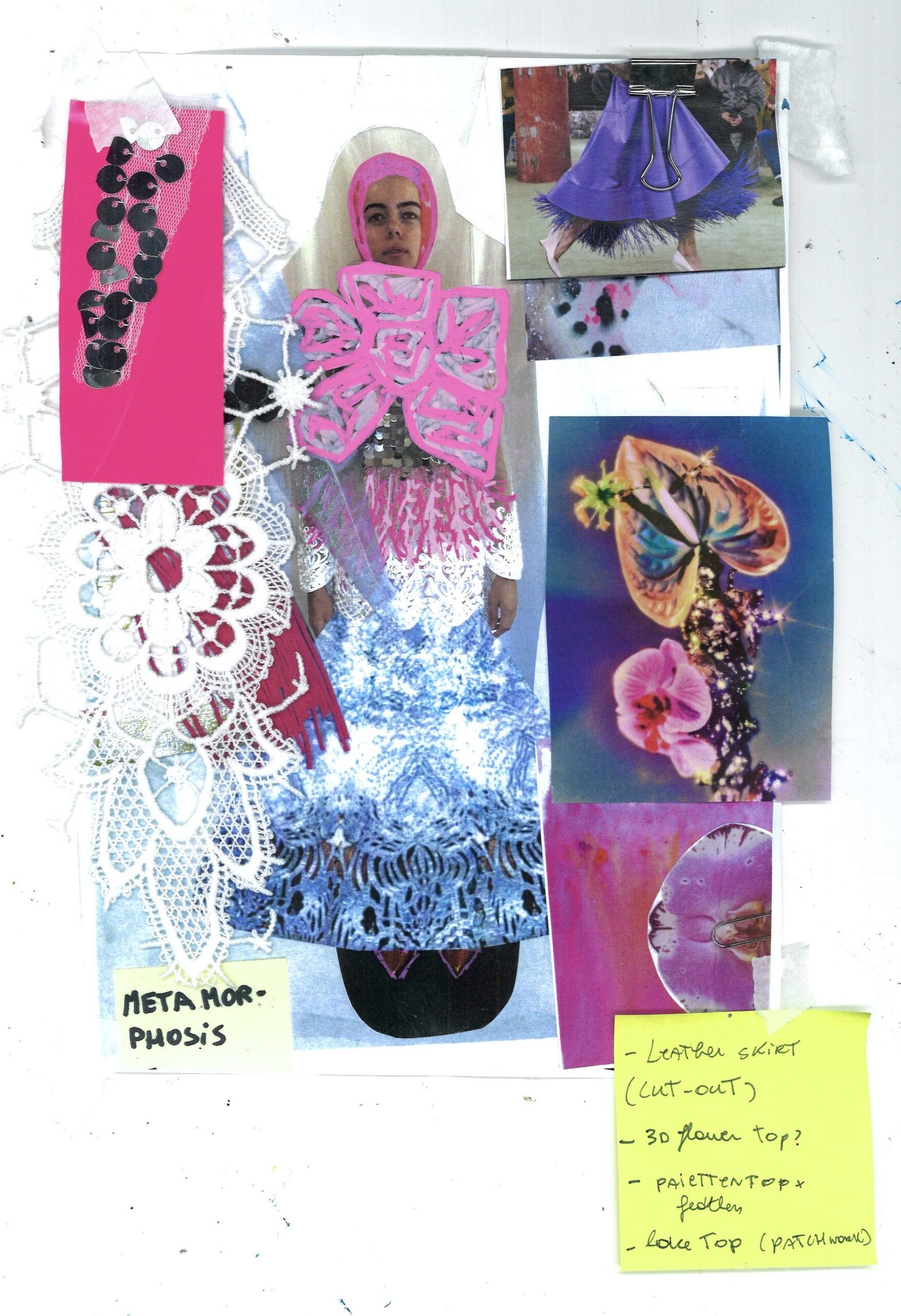
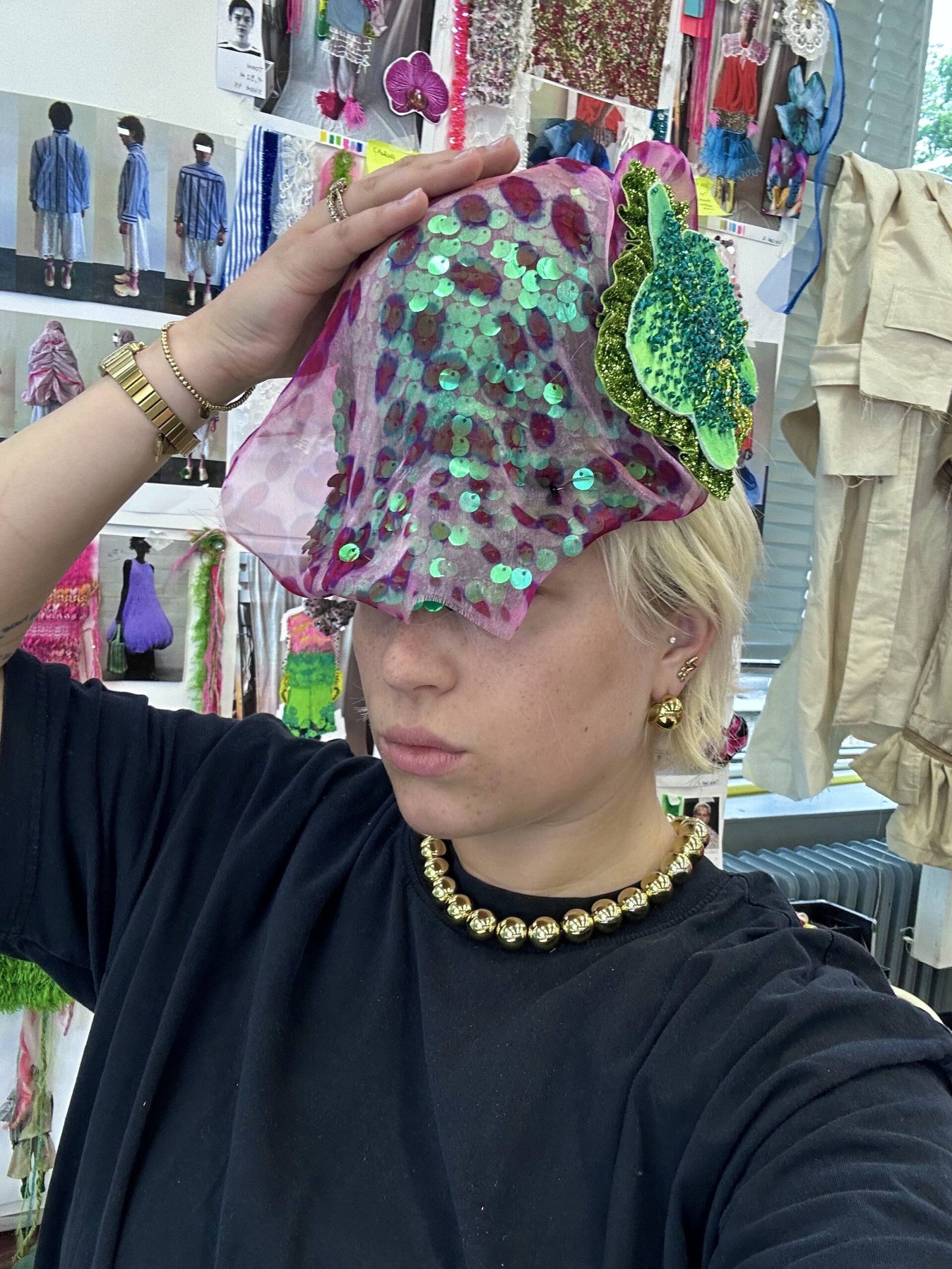
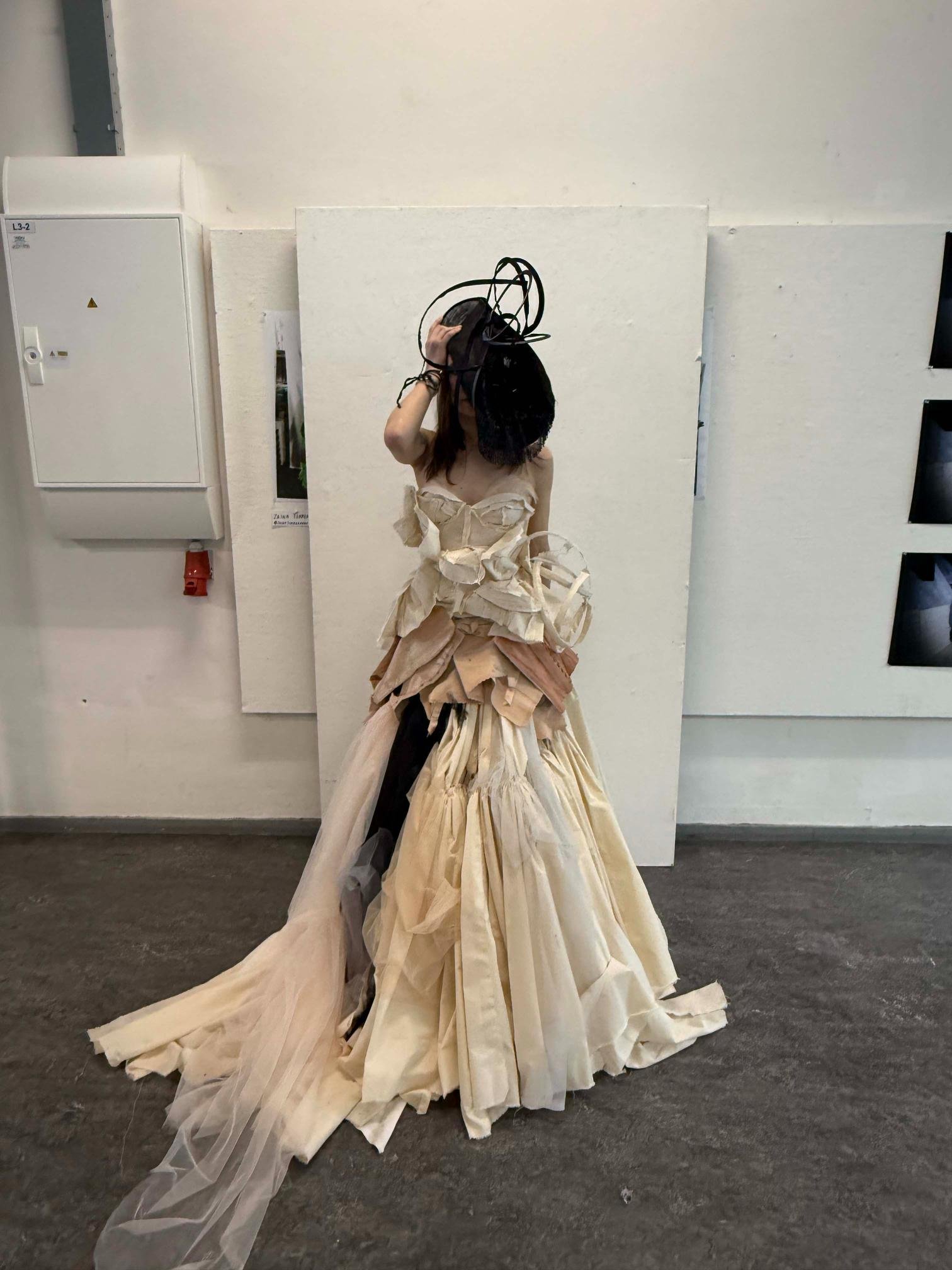
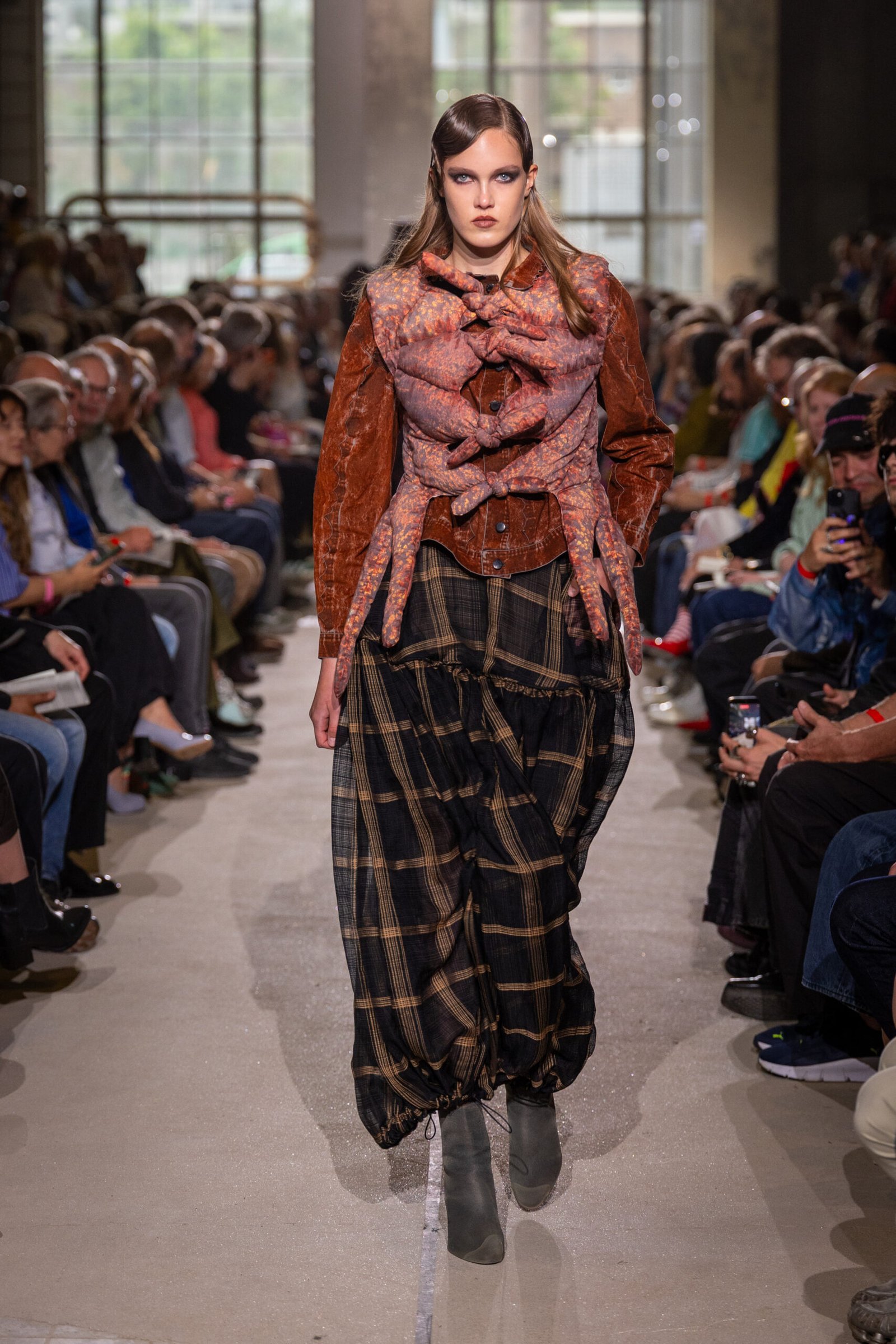
Zaïna Timmermans’ collection, Adaptation, began with the idea of self-care. Buying herself flowers became an act of self-love and the starting point for a collection centred on blooming, growth, and transformation. The figure of the gardener is translated through styling elements including gloves, watering cans, and potting soil bags, while tropical flowers, particularly orchids, inform original prints and textile developments. Drawing on her Belgian background, Timmermans also reinterprets lace through leather cut-outs and patchwork, combining printing, drawing, and collage to bring together colour, texture, and playfulness.

@zaina.timmermans

Screenshot

Casper Naafs

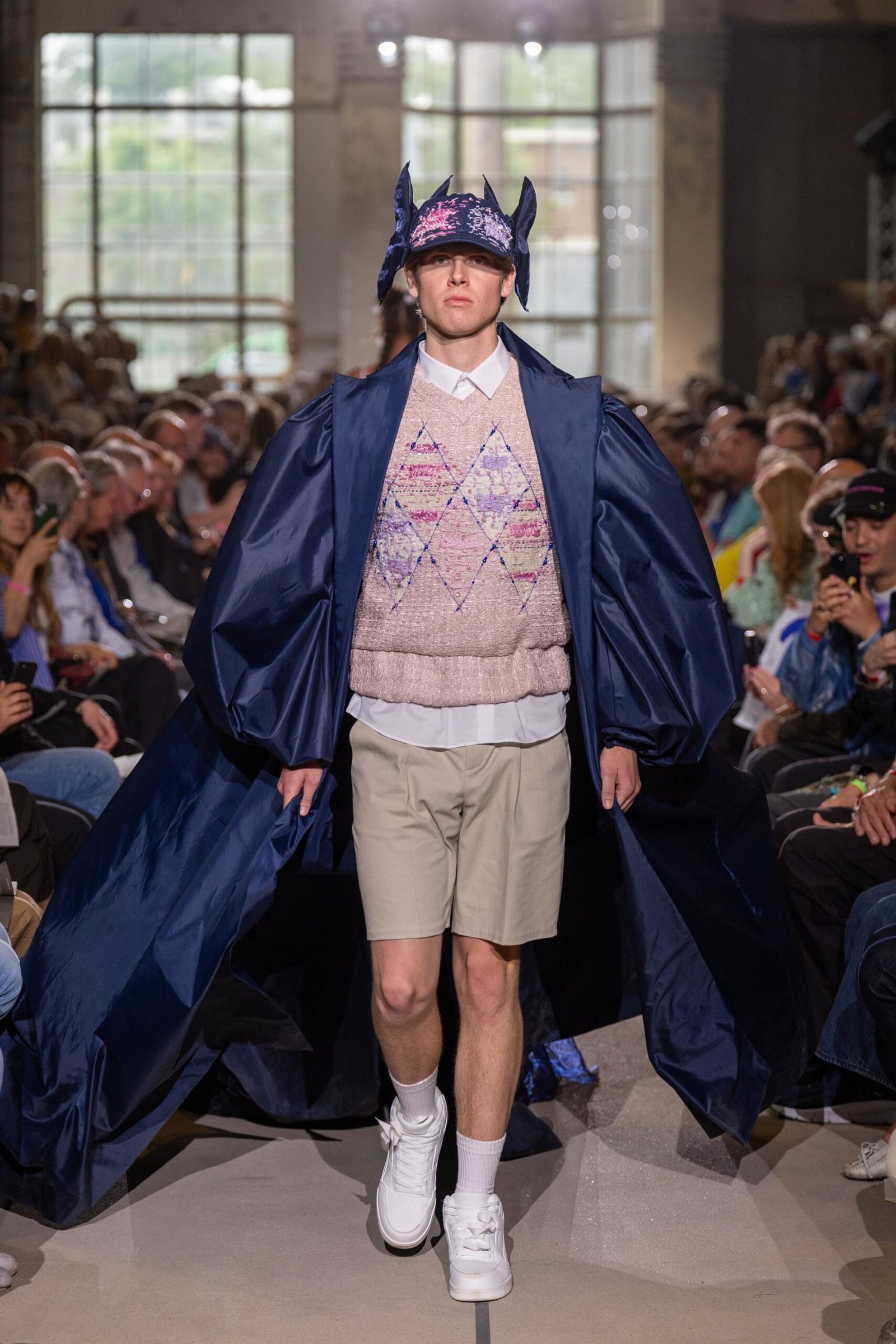
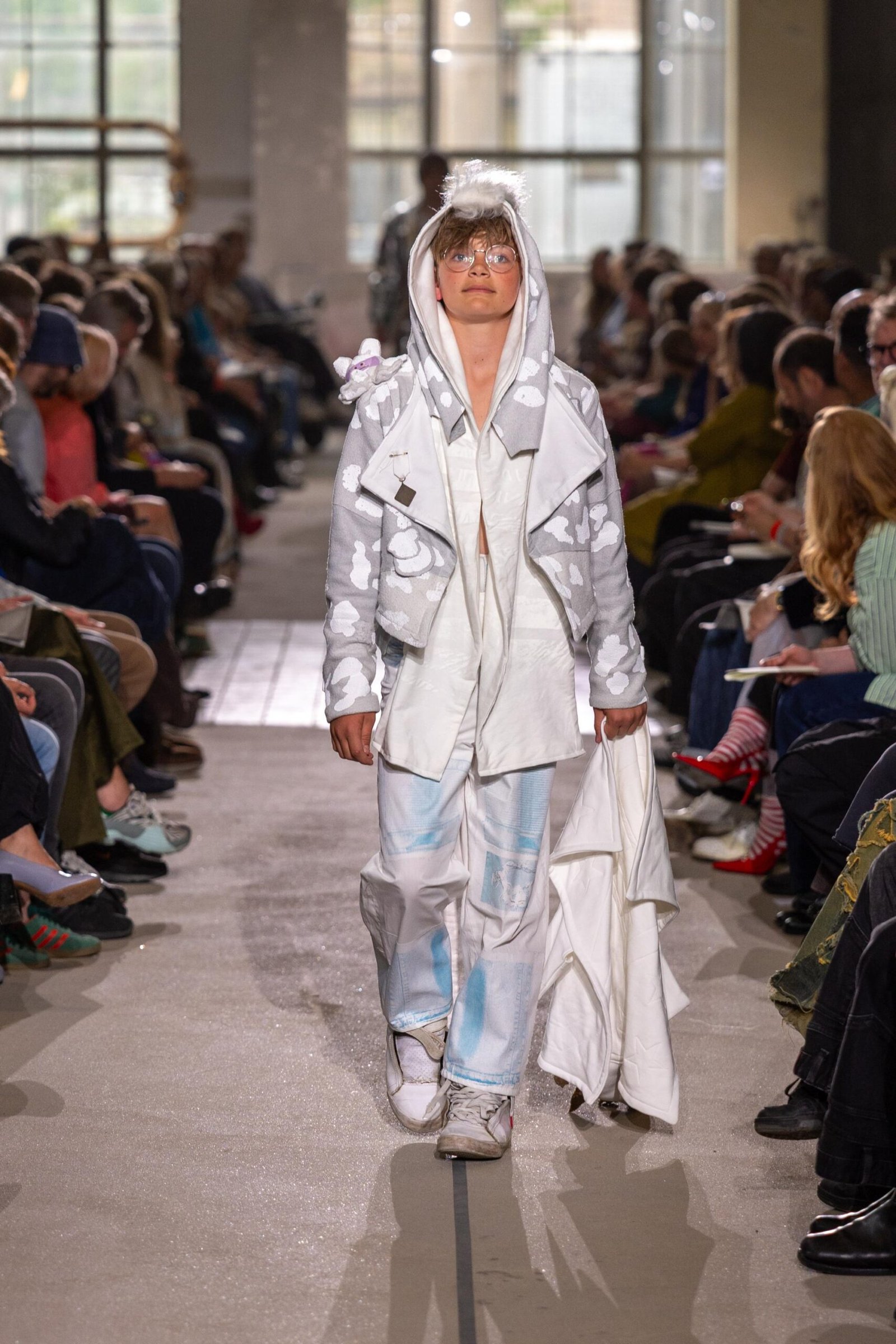
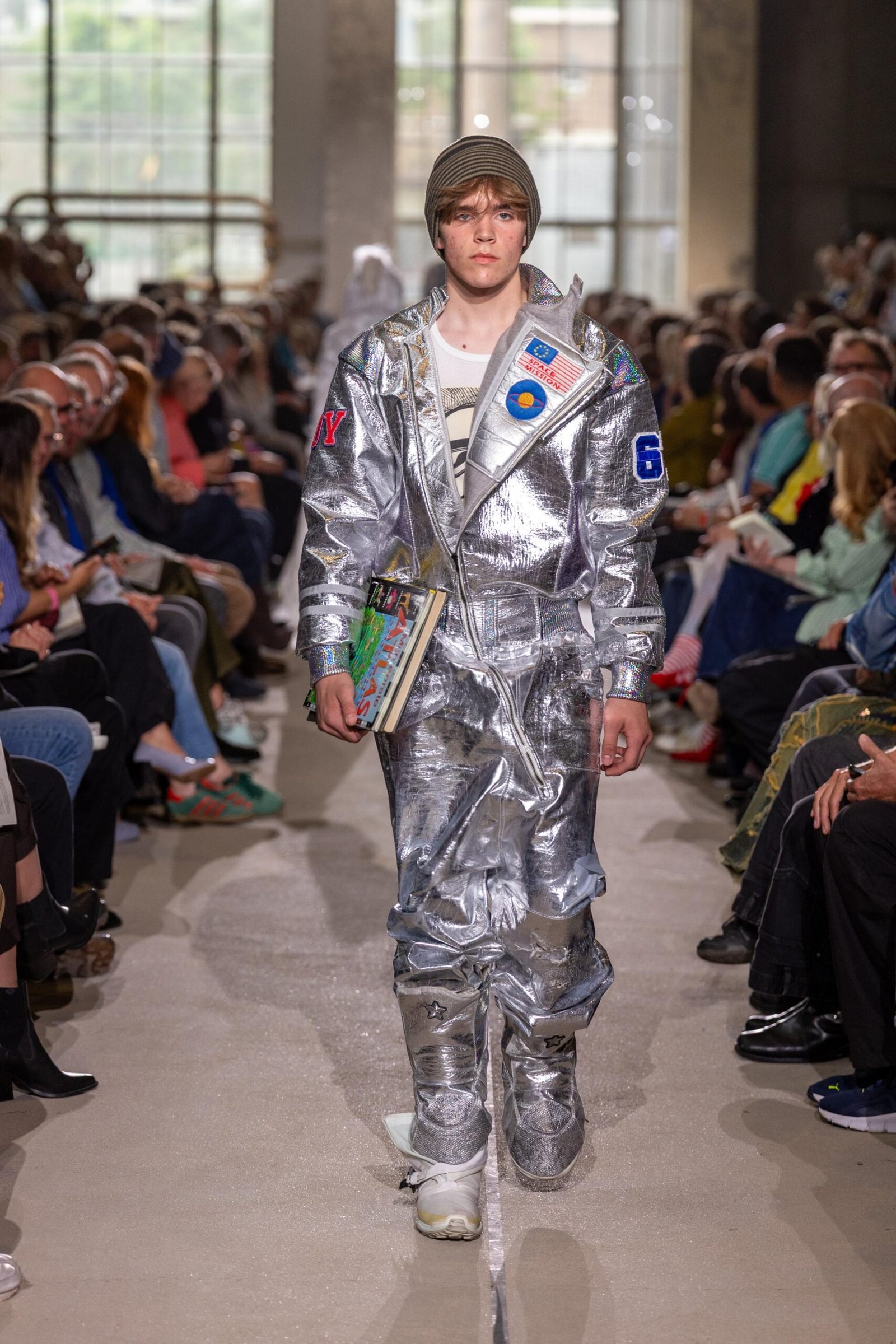
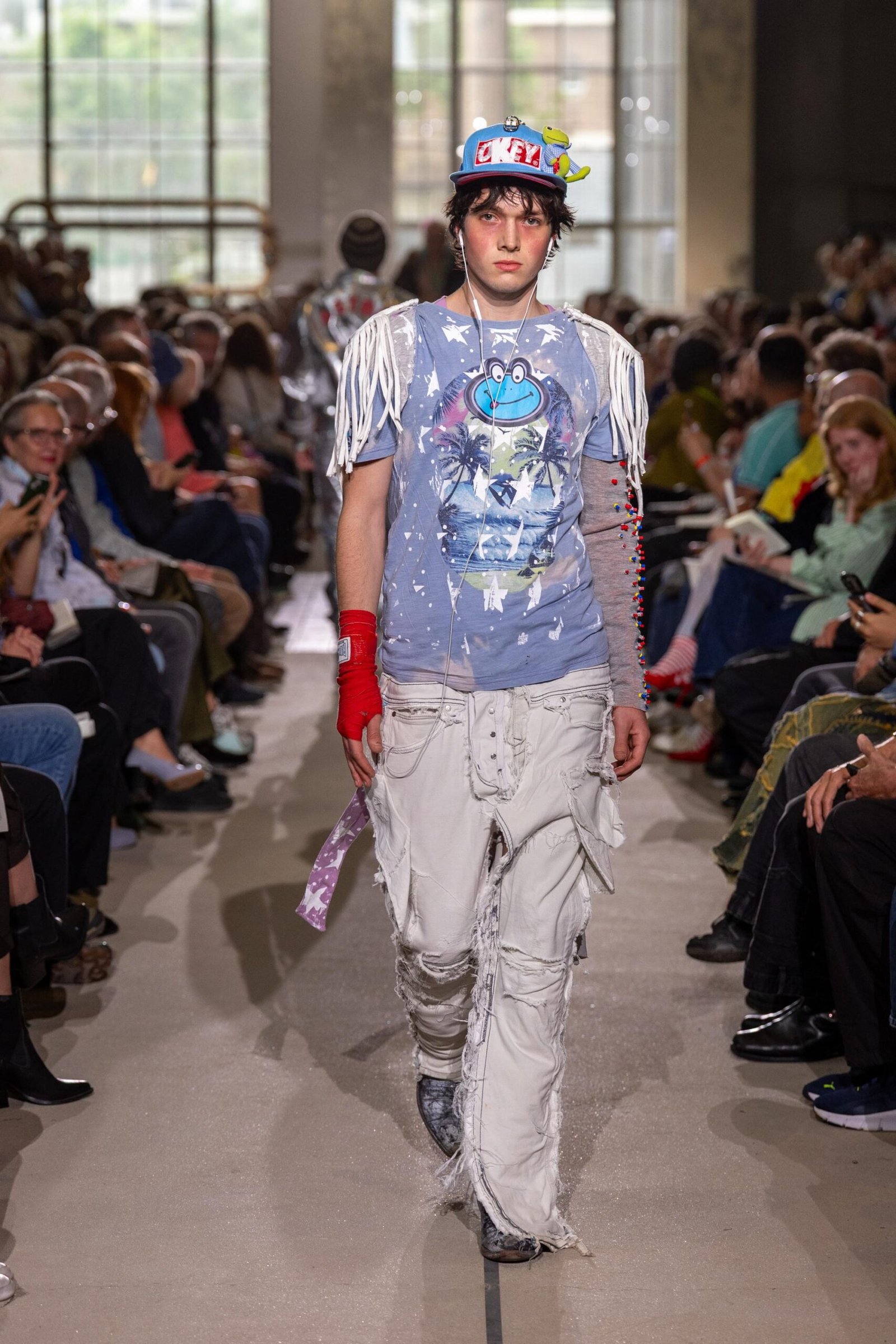
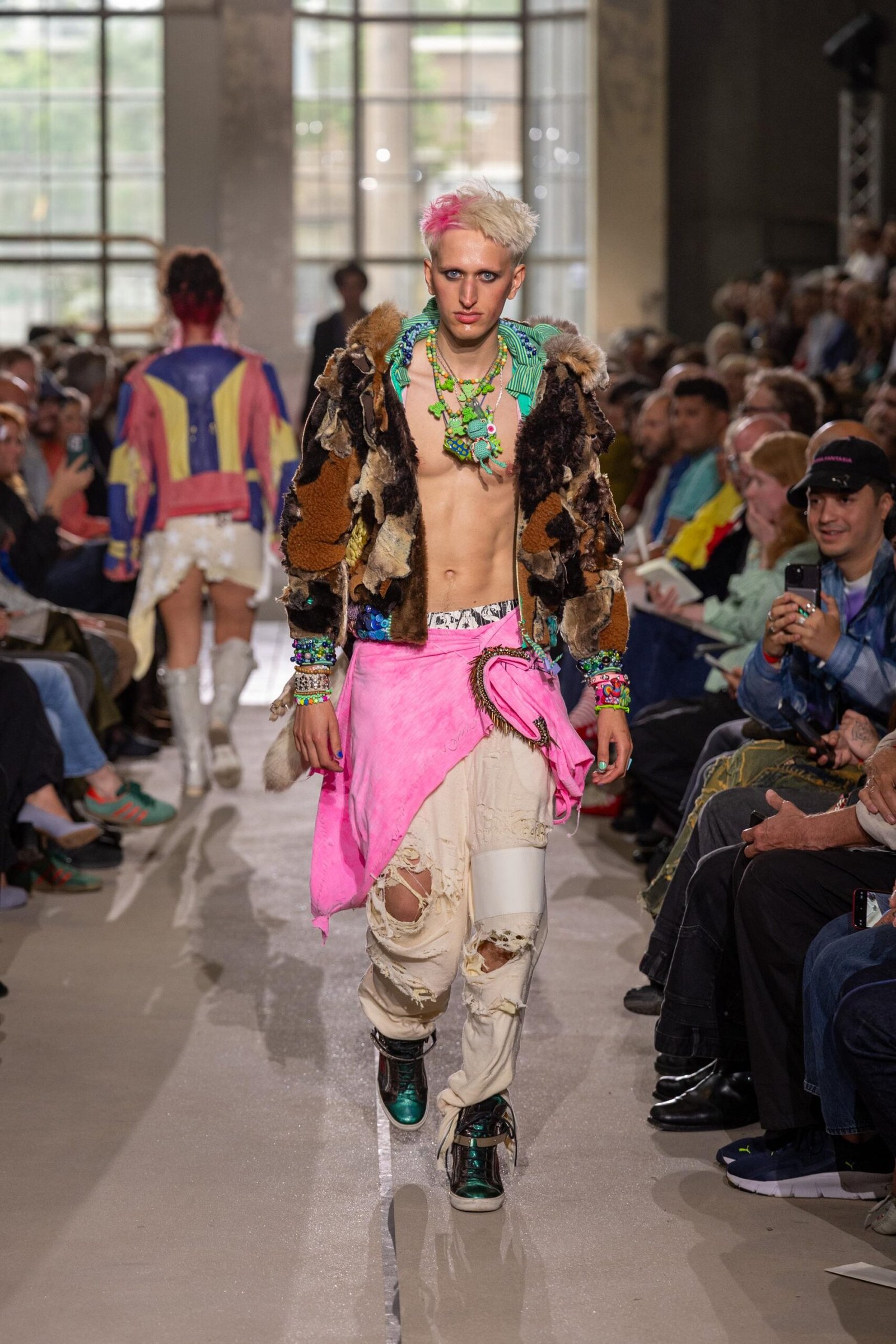
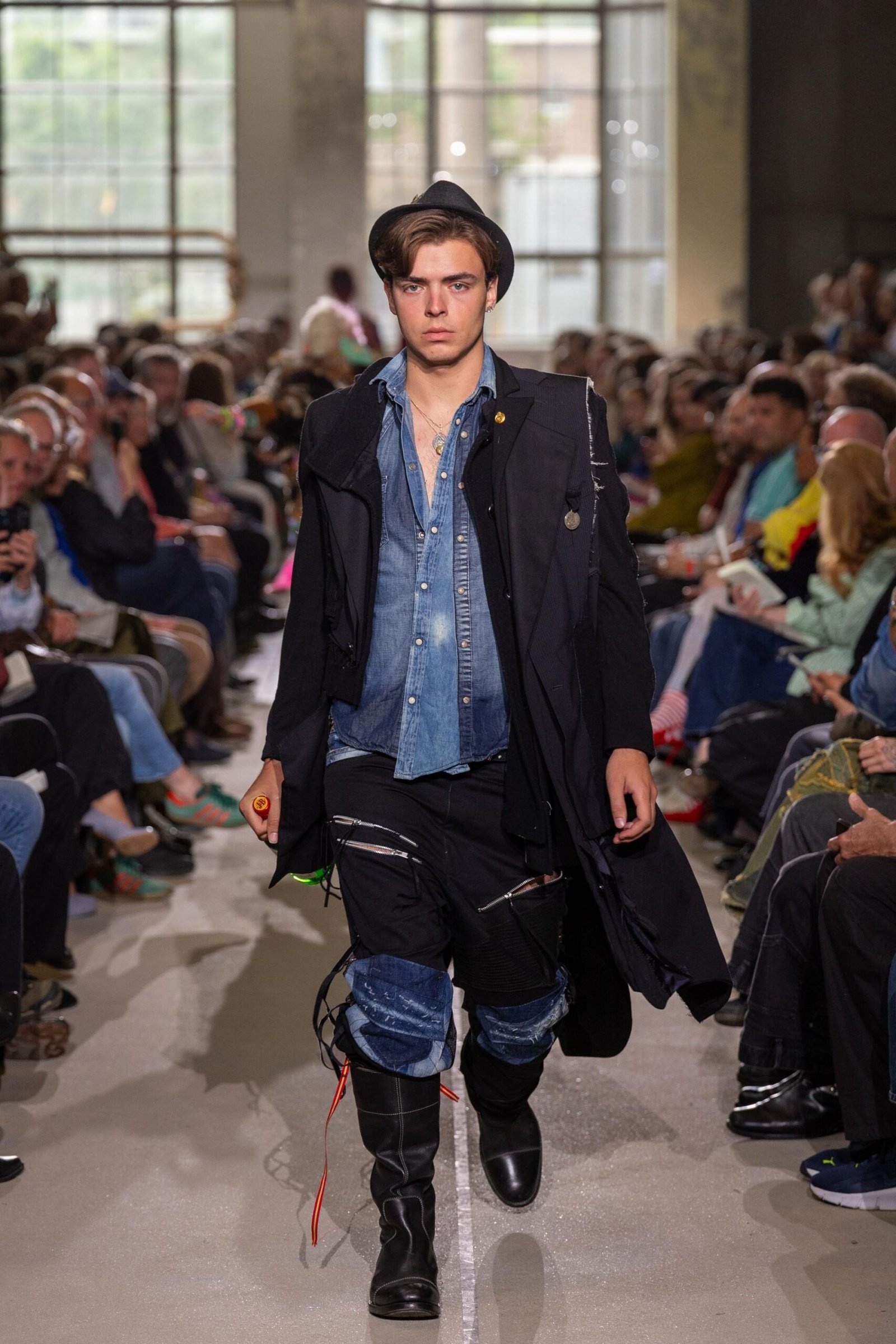
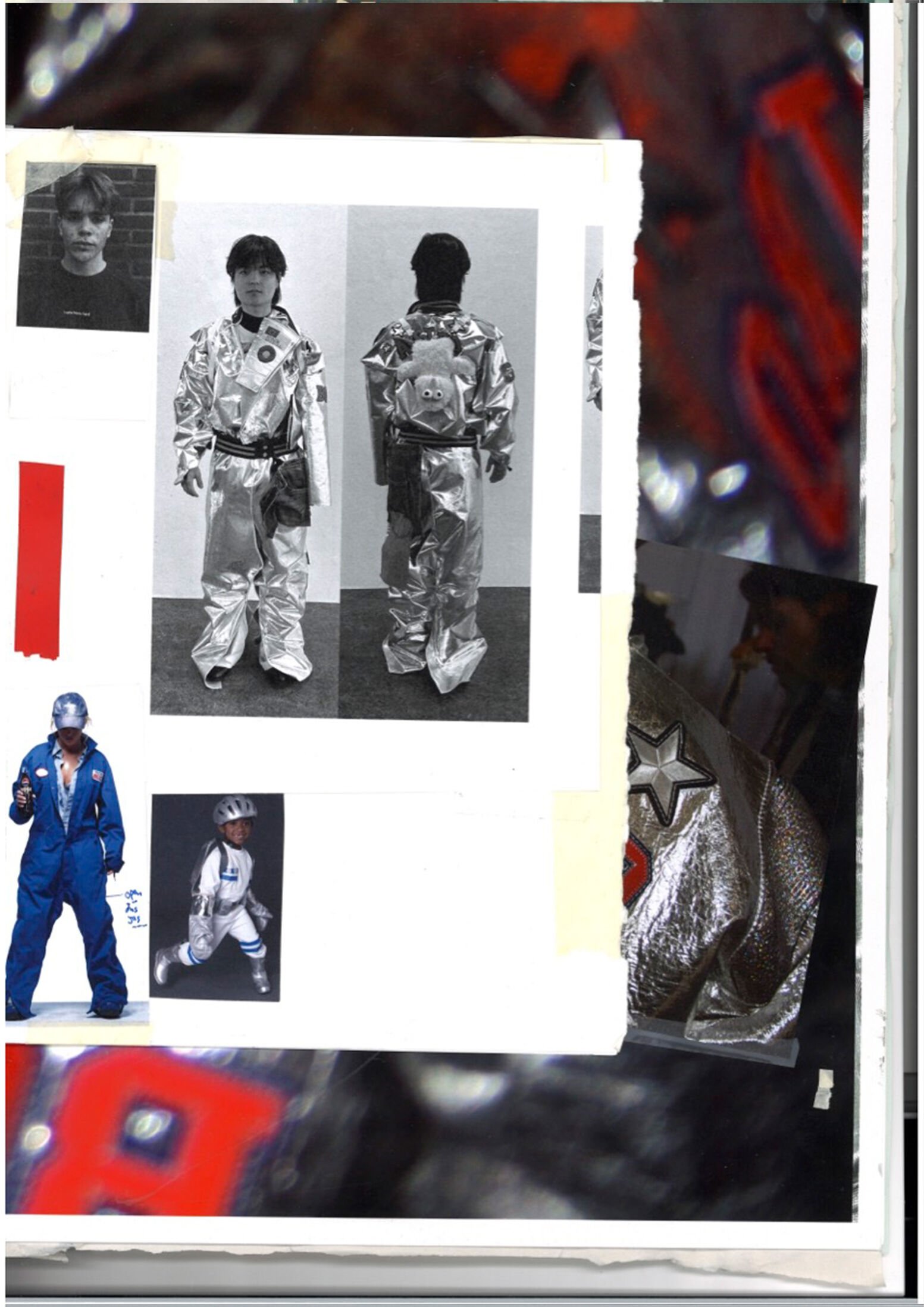
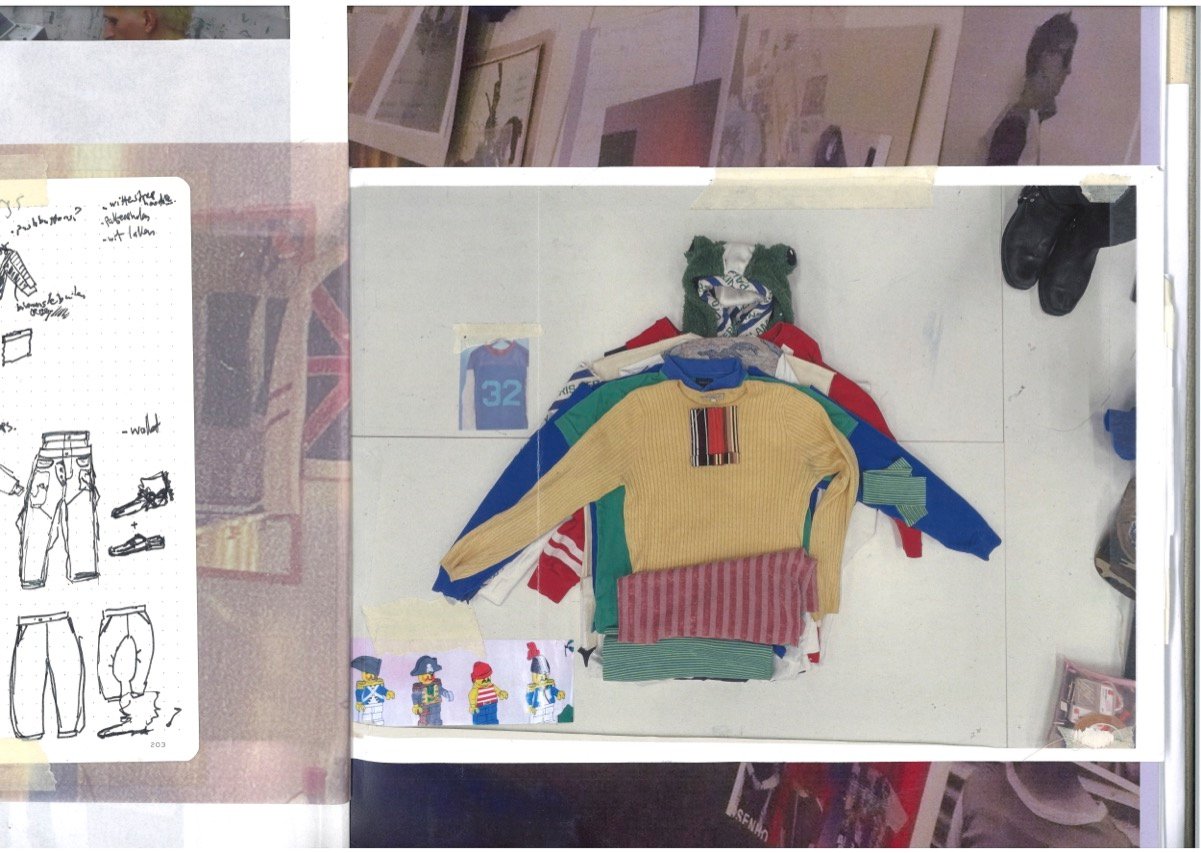
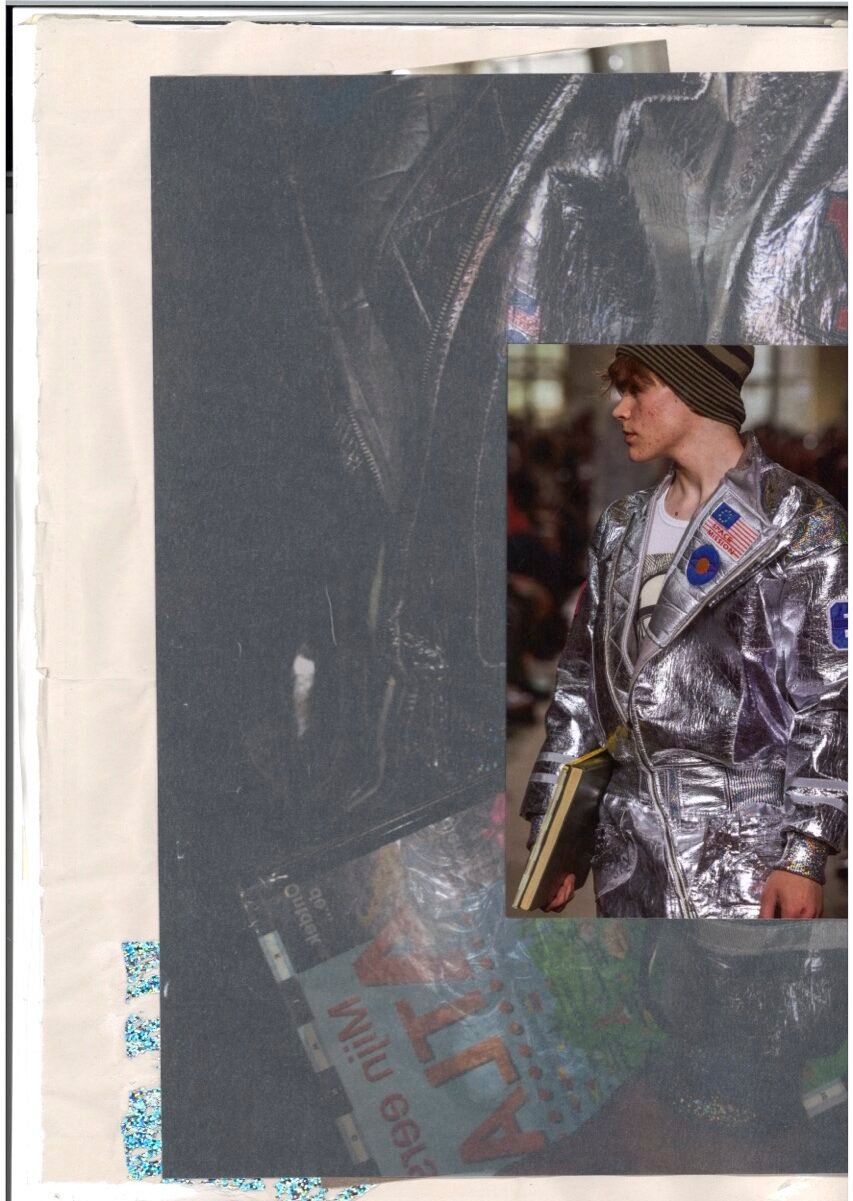
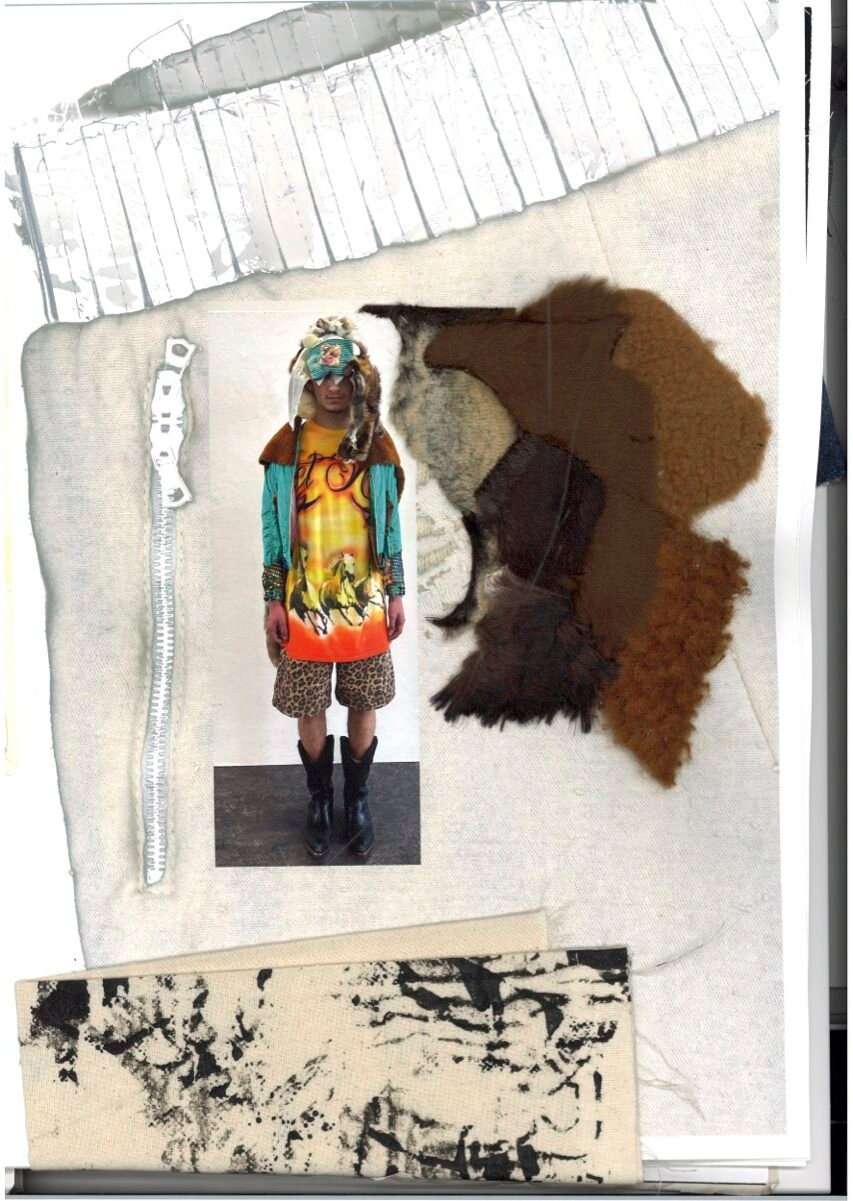
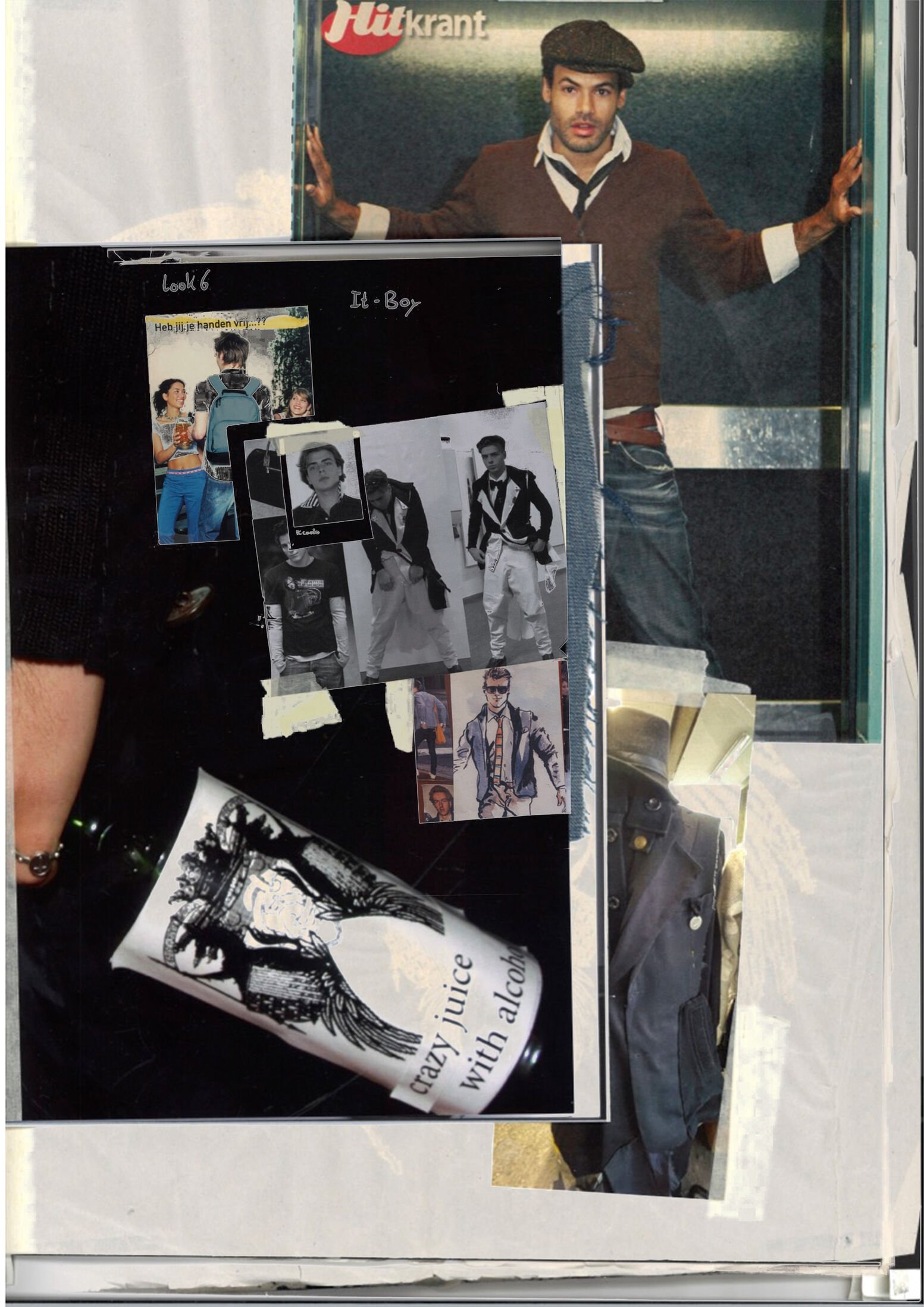
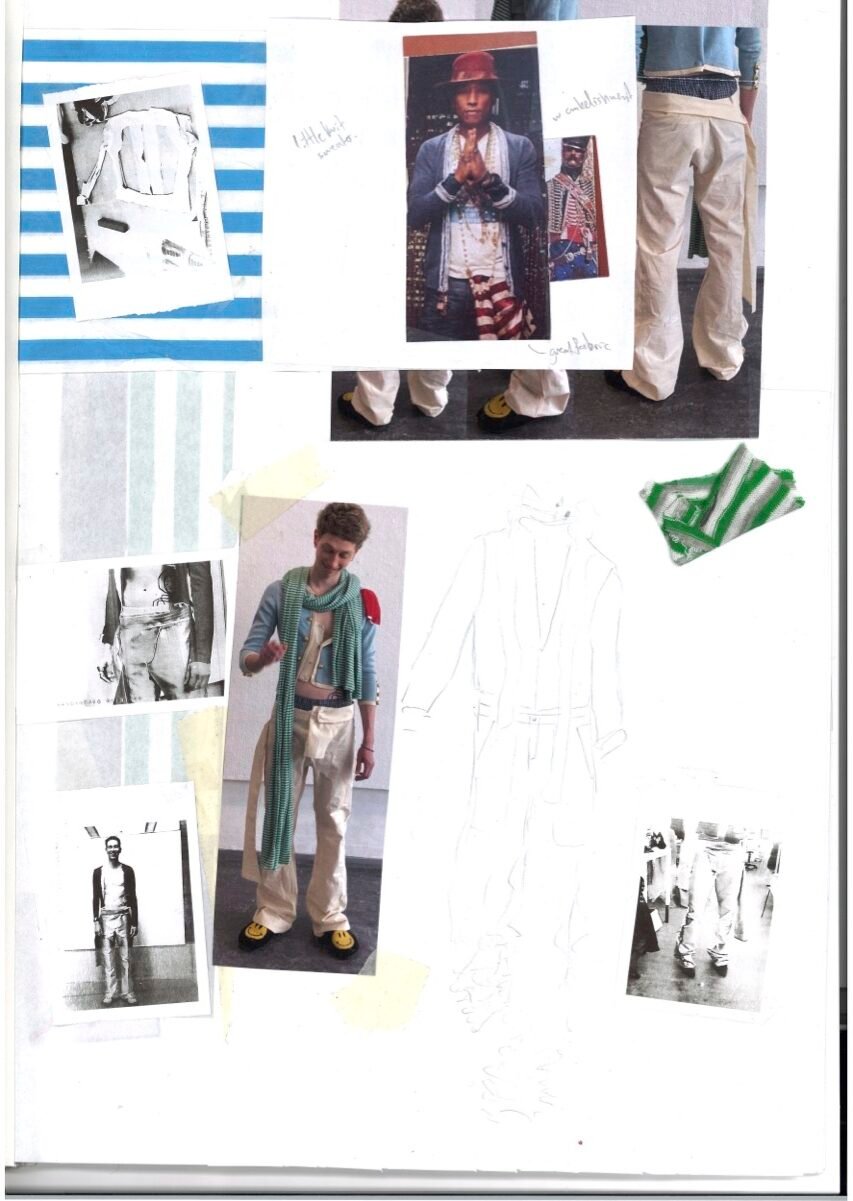
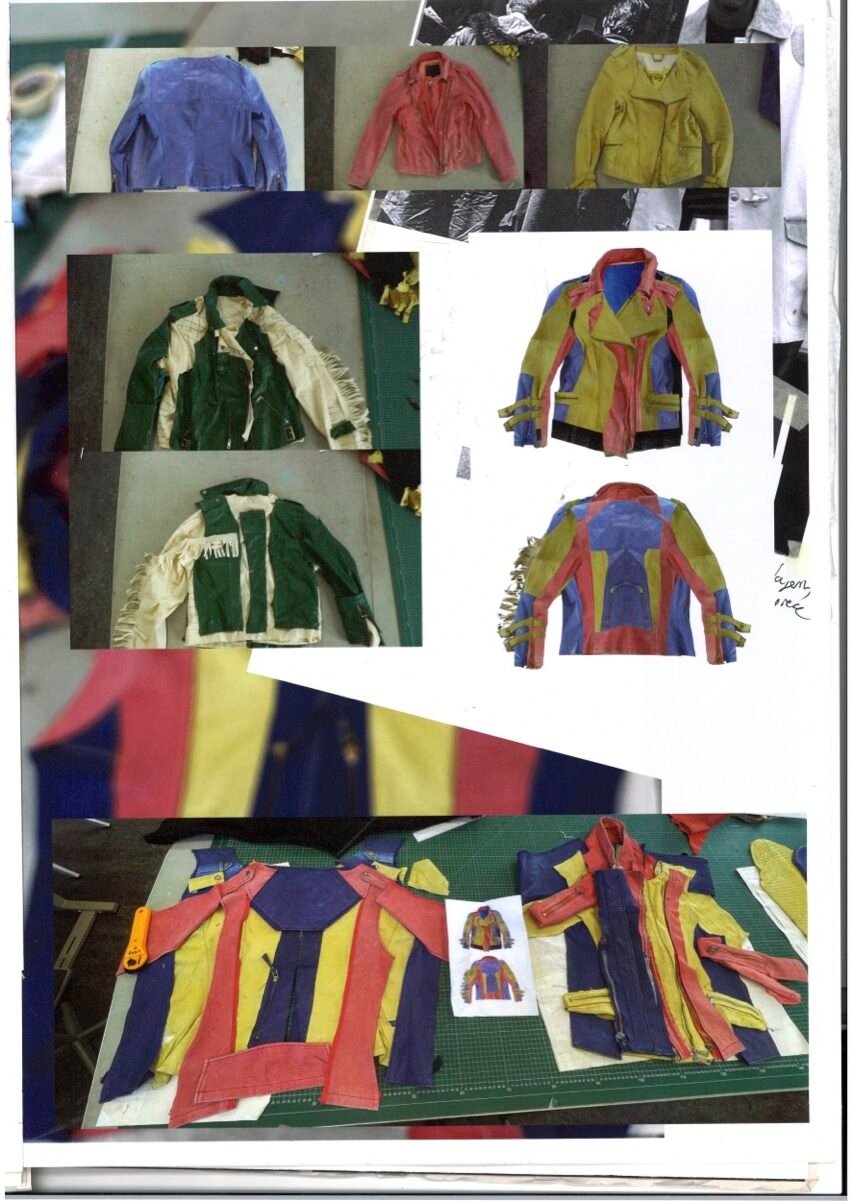
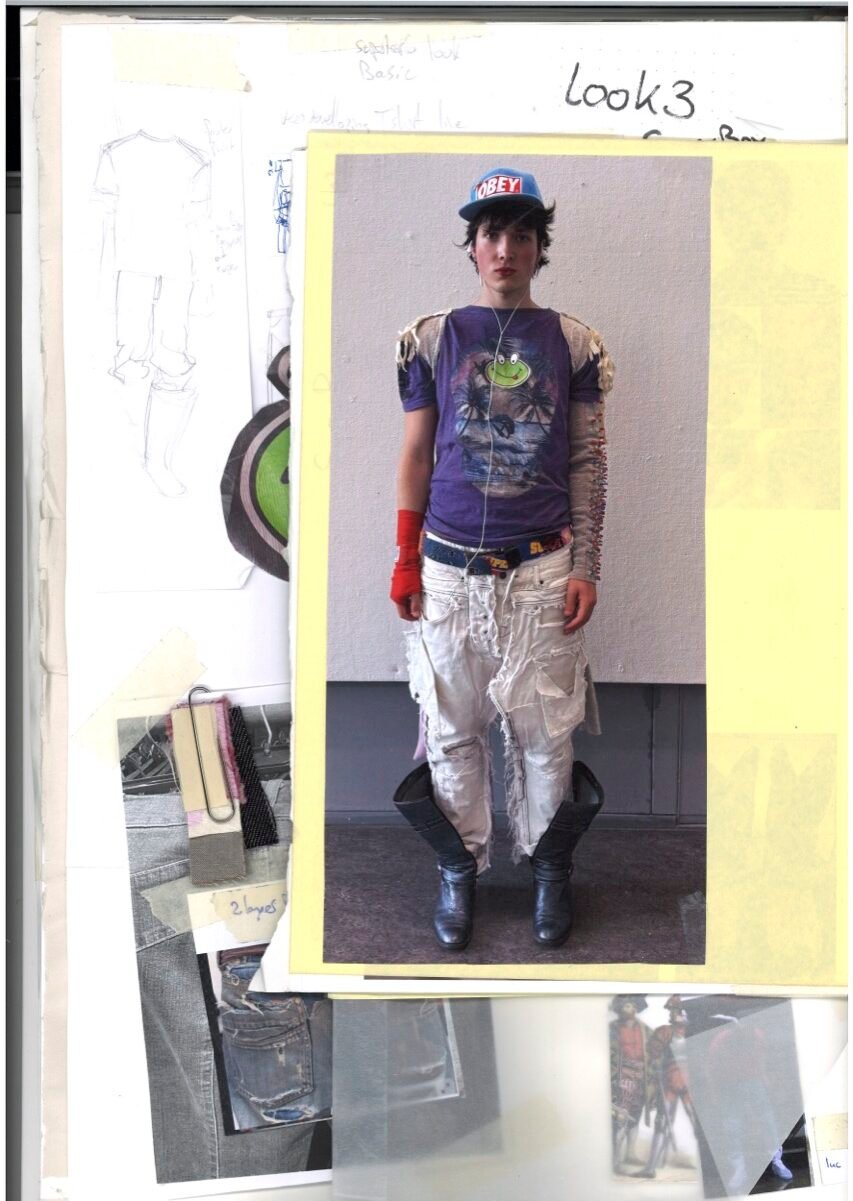
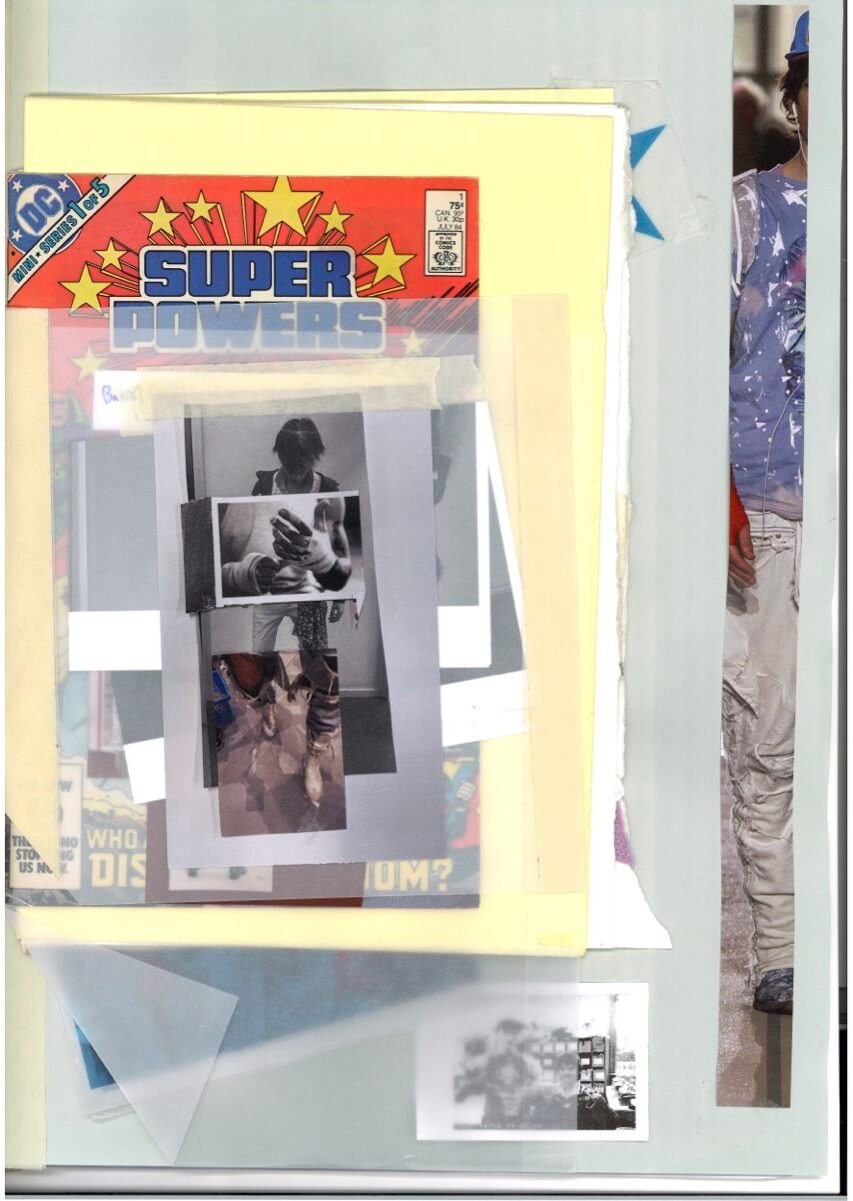
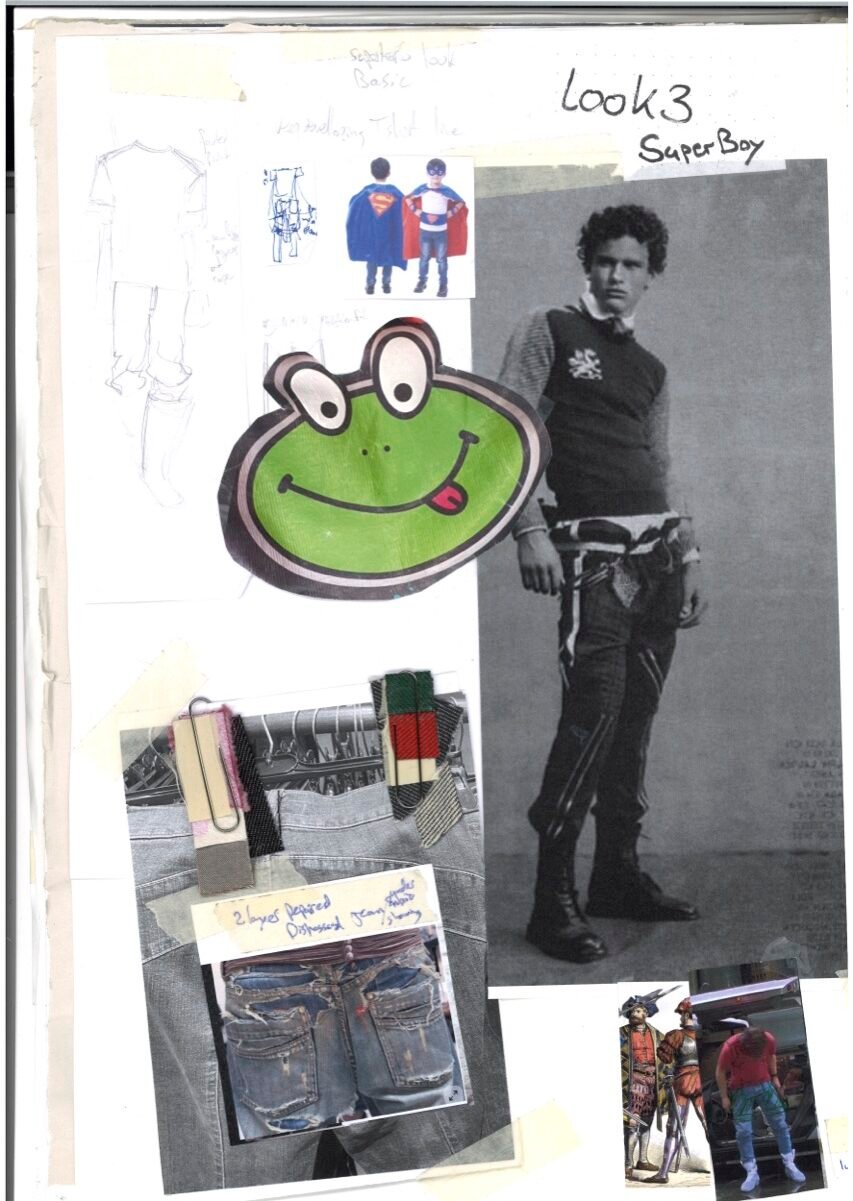
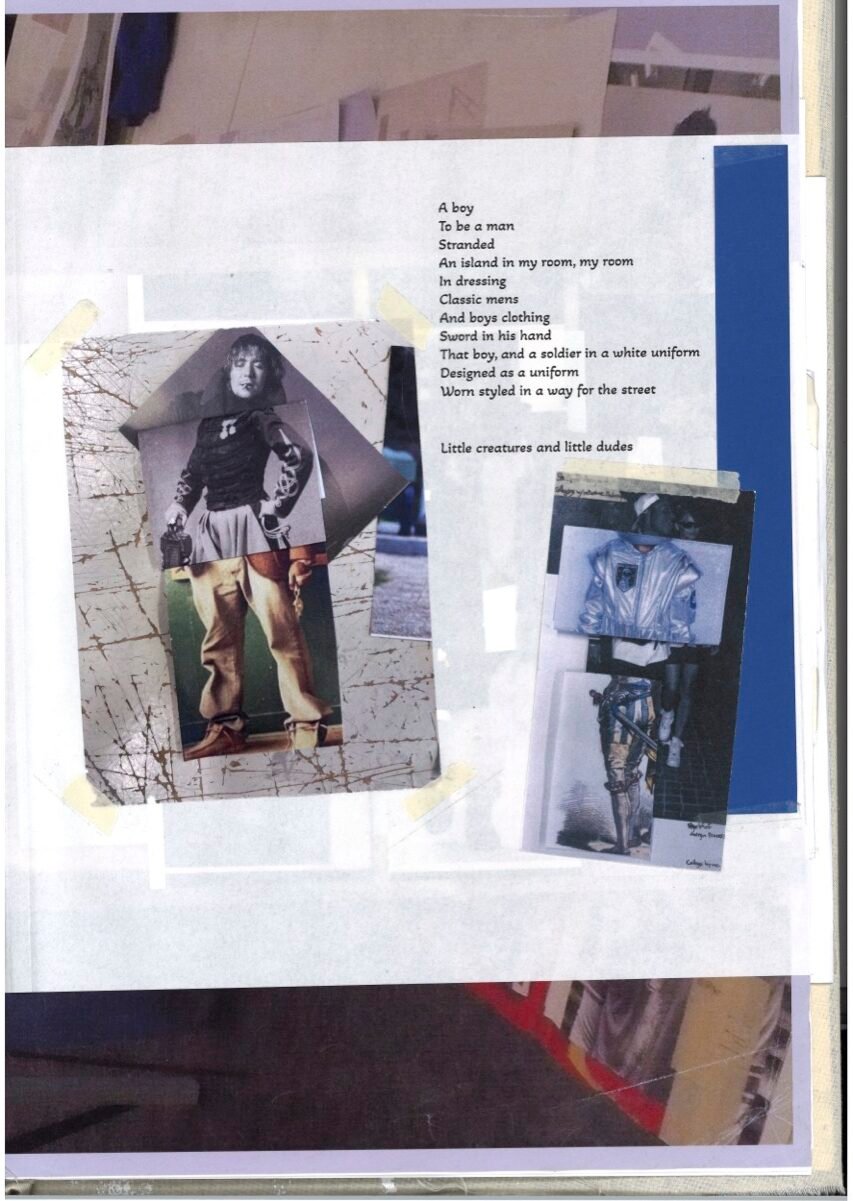
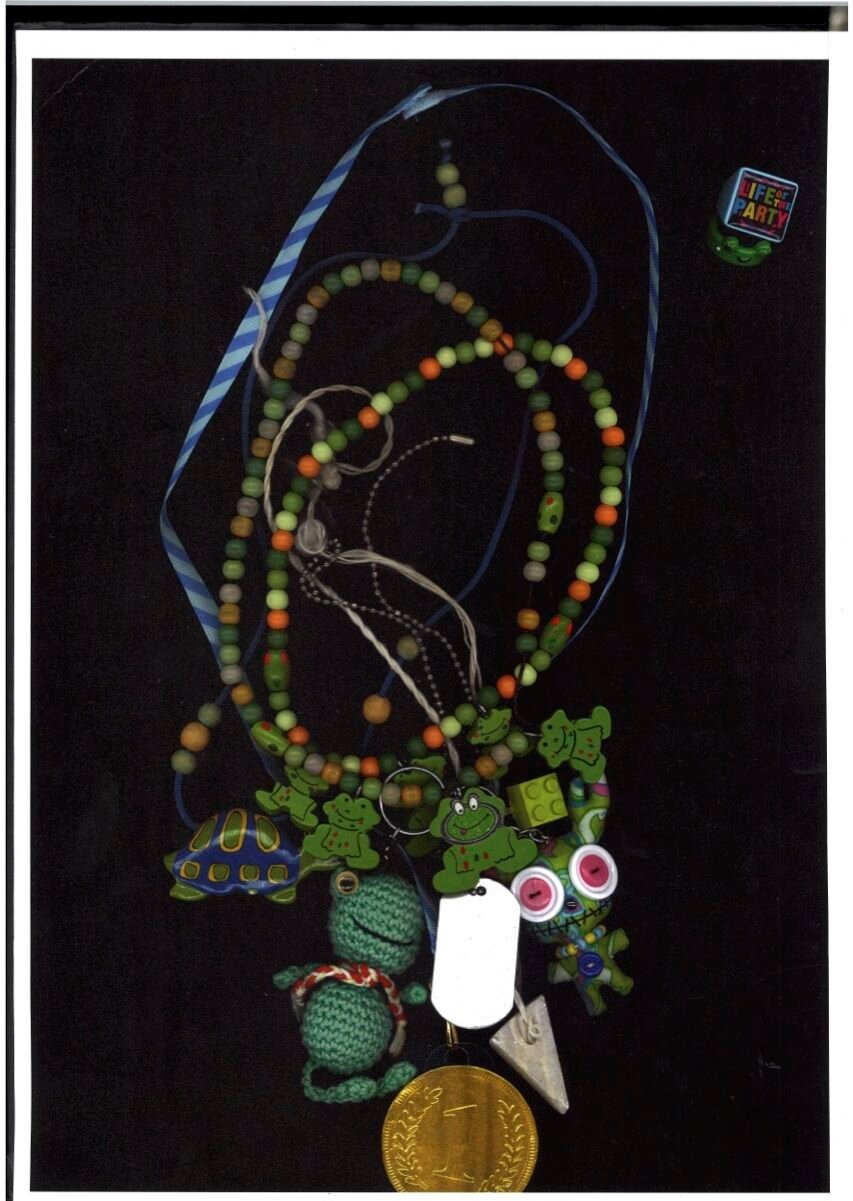
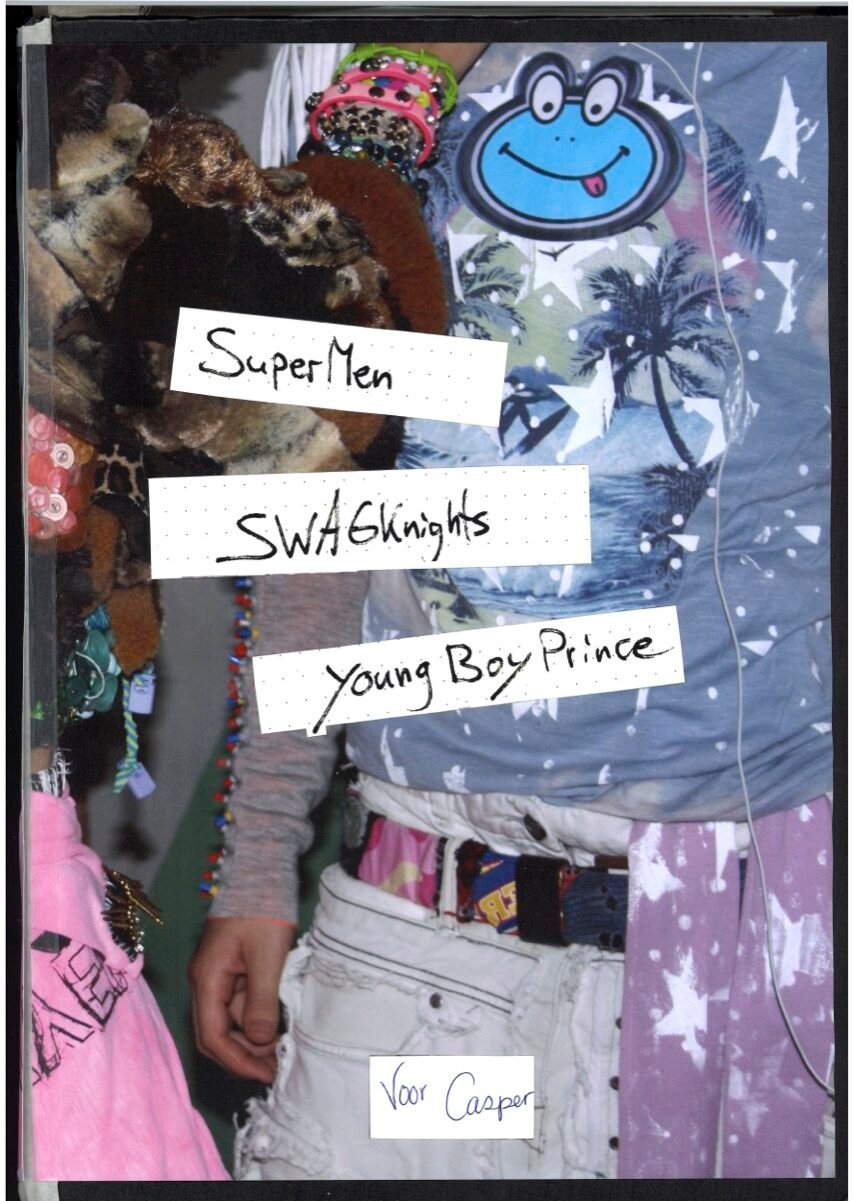
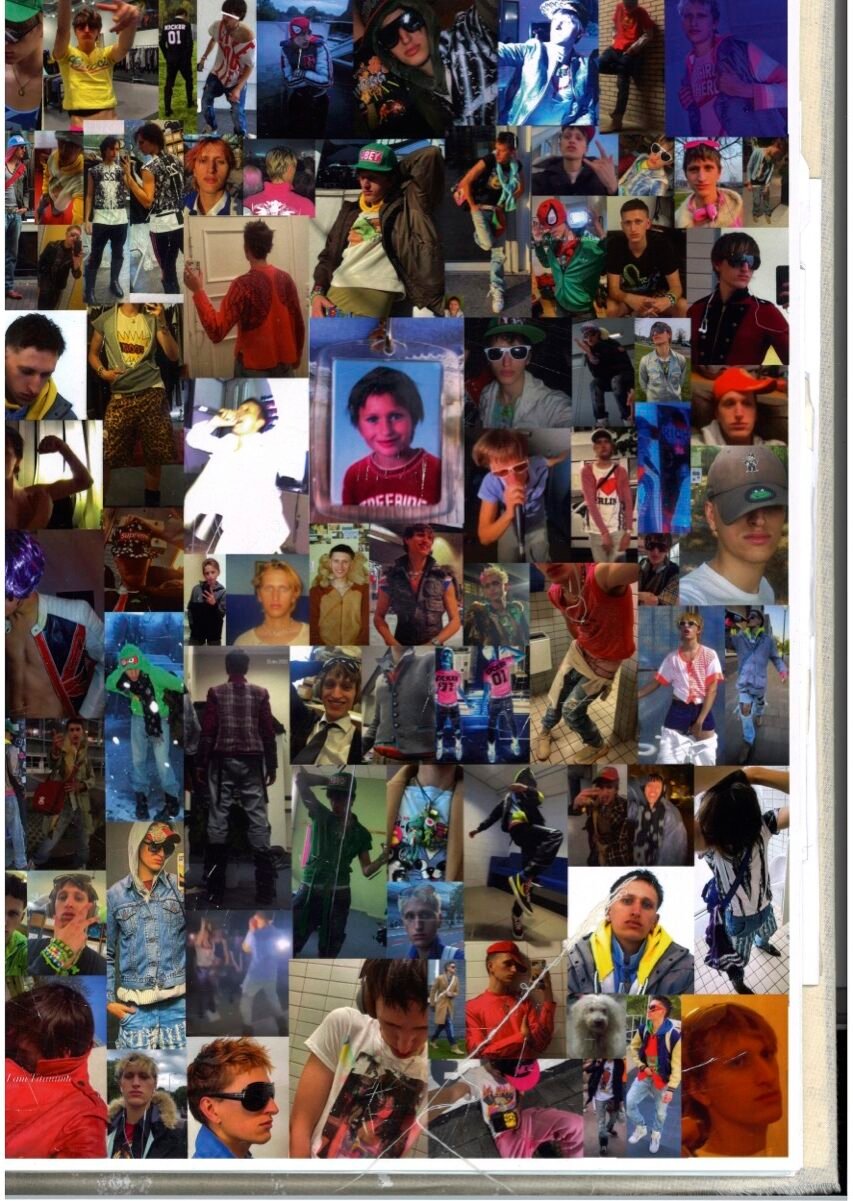
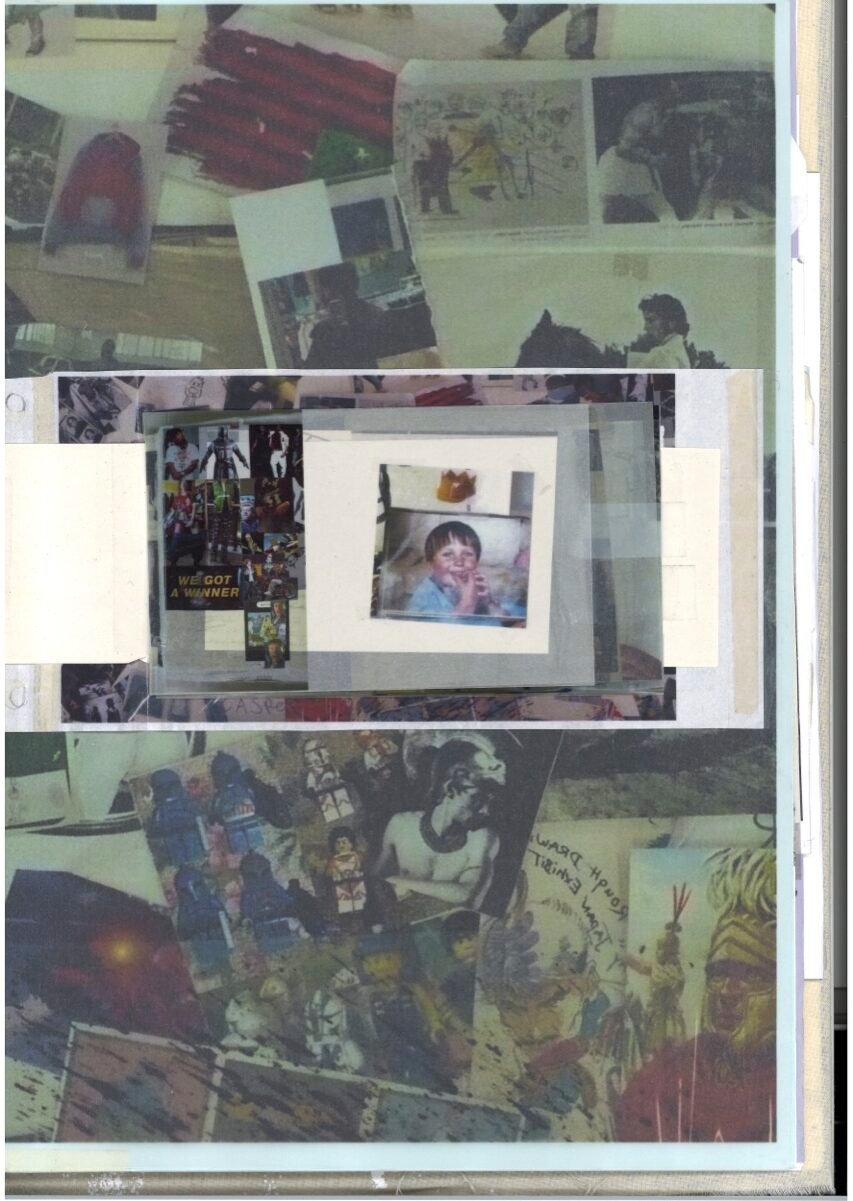
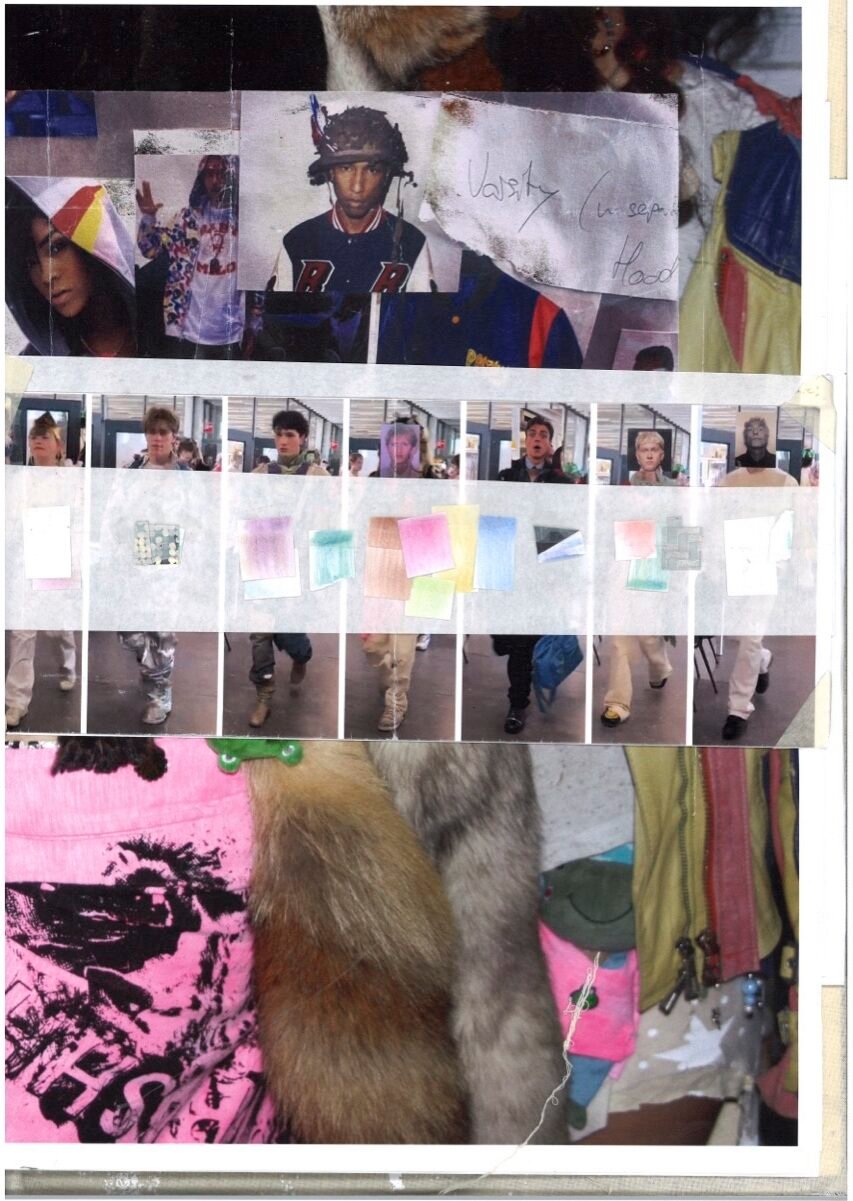
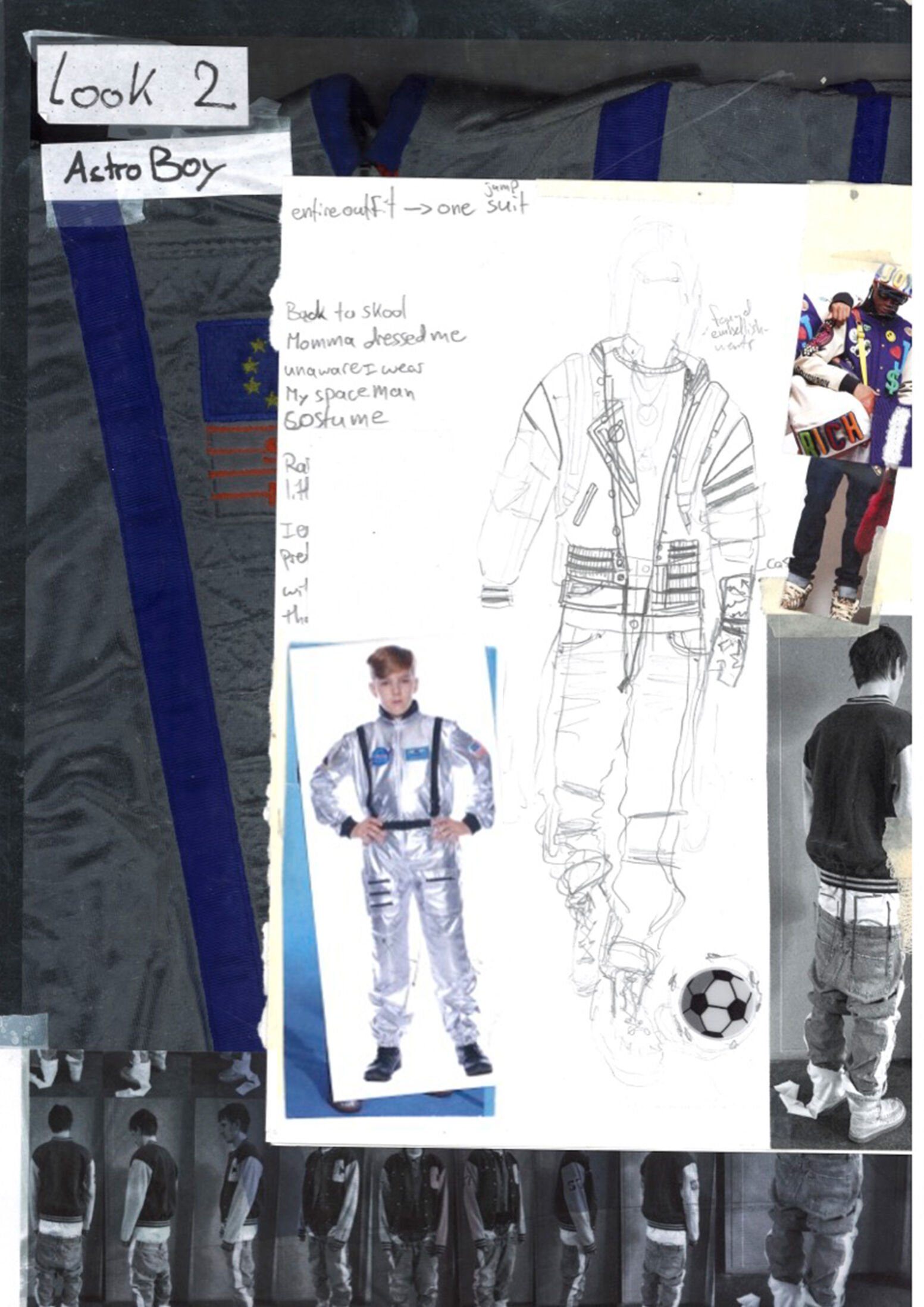
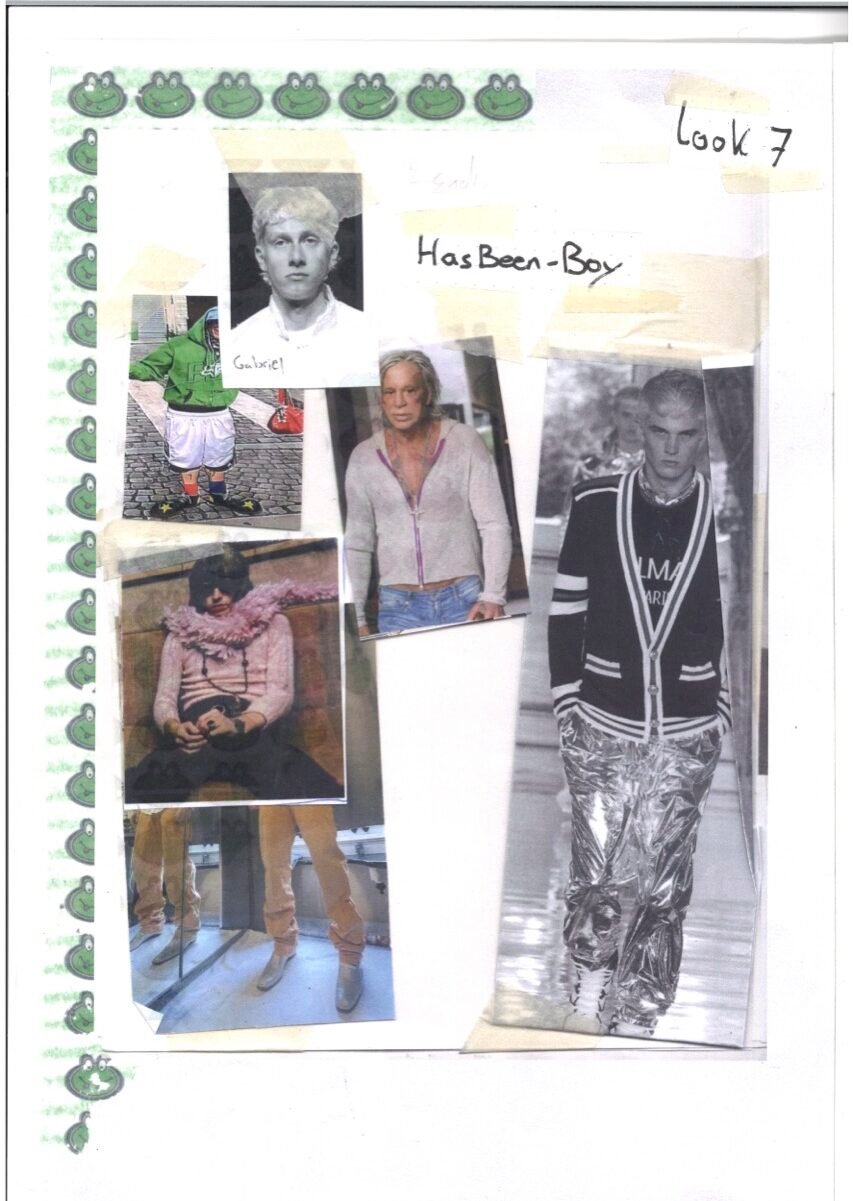
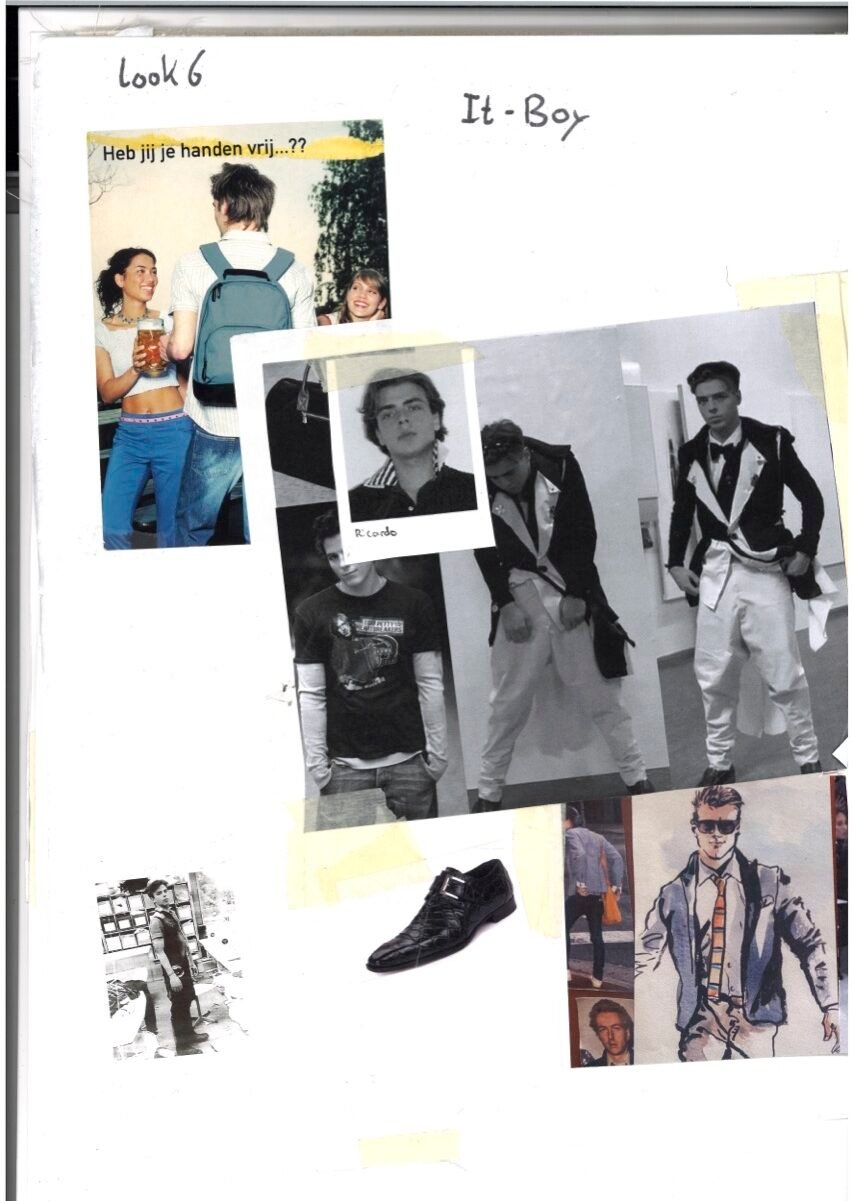
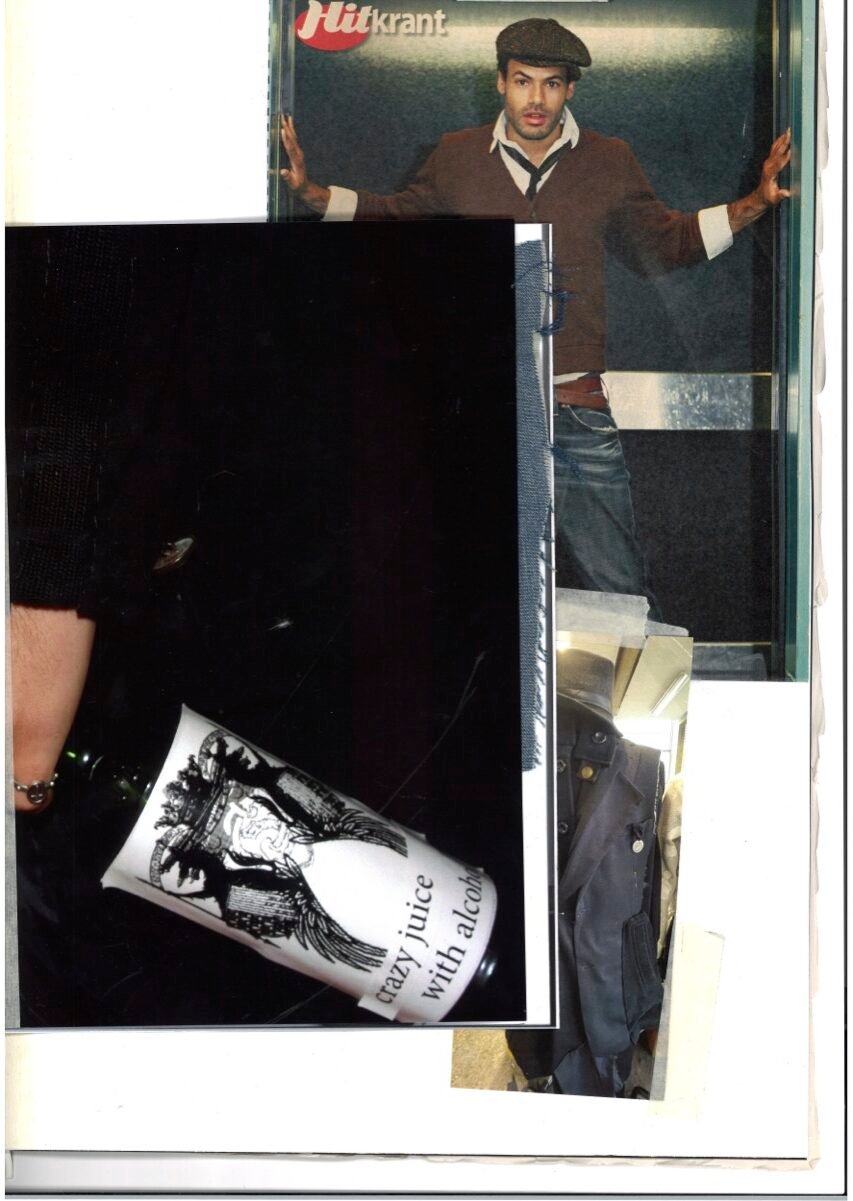
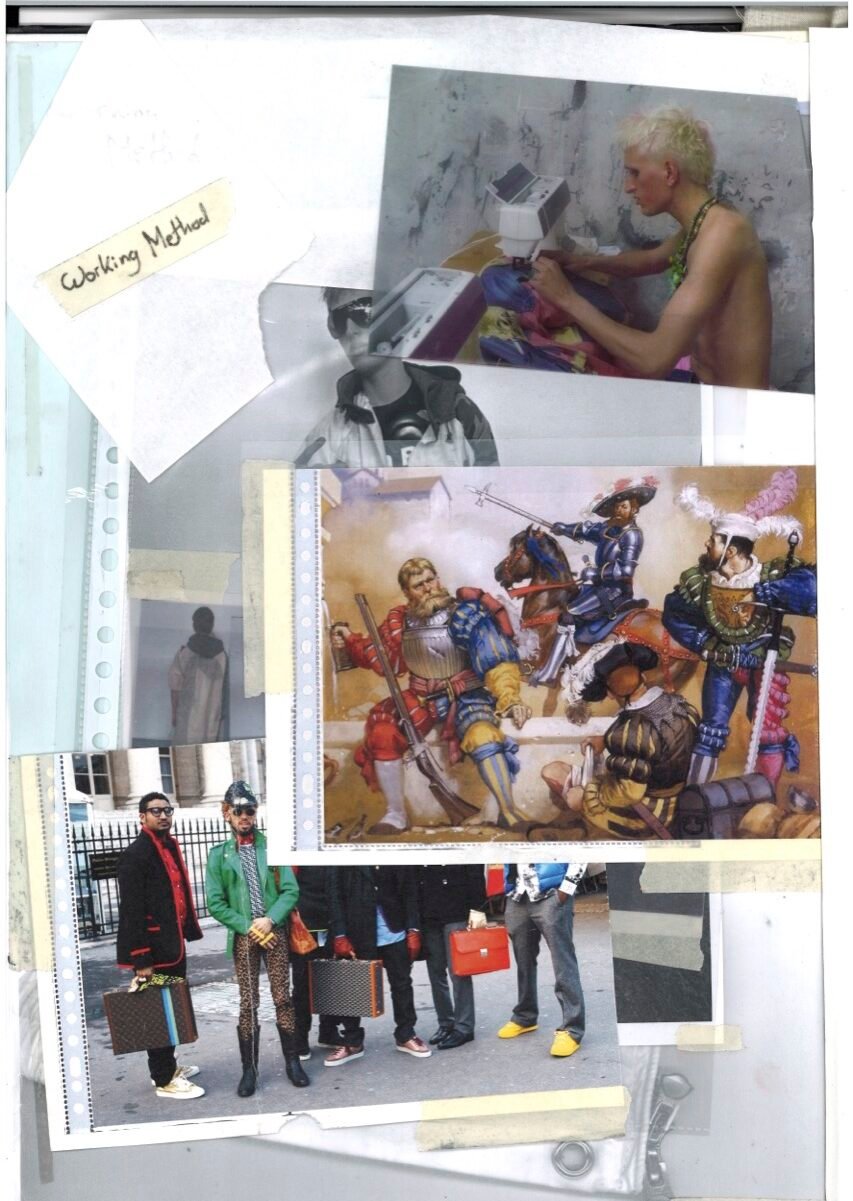
Casper Naafs’ collection, SuperMen, SwagKnights, Young Boy Prince, traces his own journey of growing up through clothing, following the awkwardness and eventual confidence that comes with learning to express oneself authentically. The collection embraces an eclectic understanding of fashion, bringing together couture and carnival, luxury and bad taste, polished and amateur references through a process he describes as “sketching with garments”. Existing clothing is reused and remixed into new combinations, supported by technical detailing and a stylistic approach that draws on familiar fashion archetypes and recent eras of dress.

@casper.htn

Stasha P.

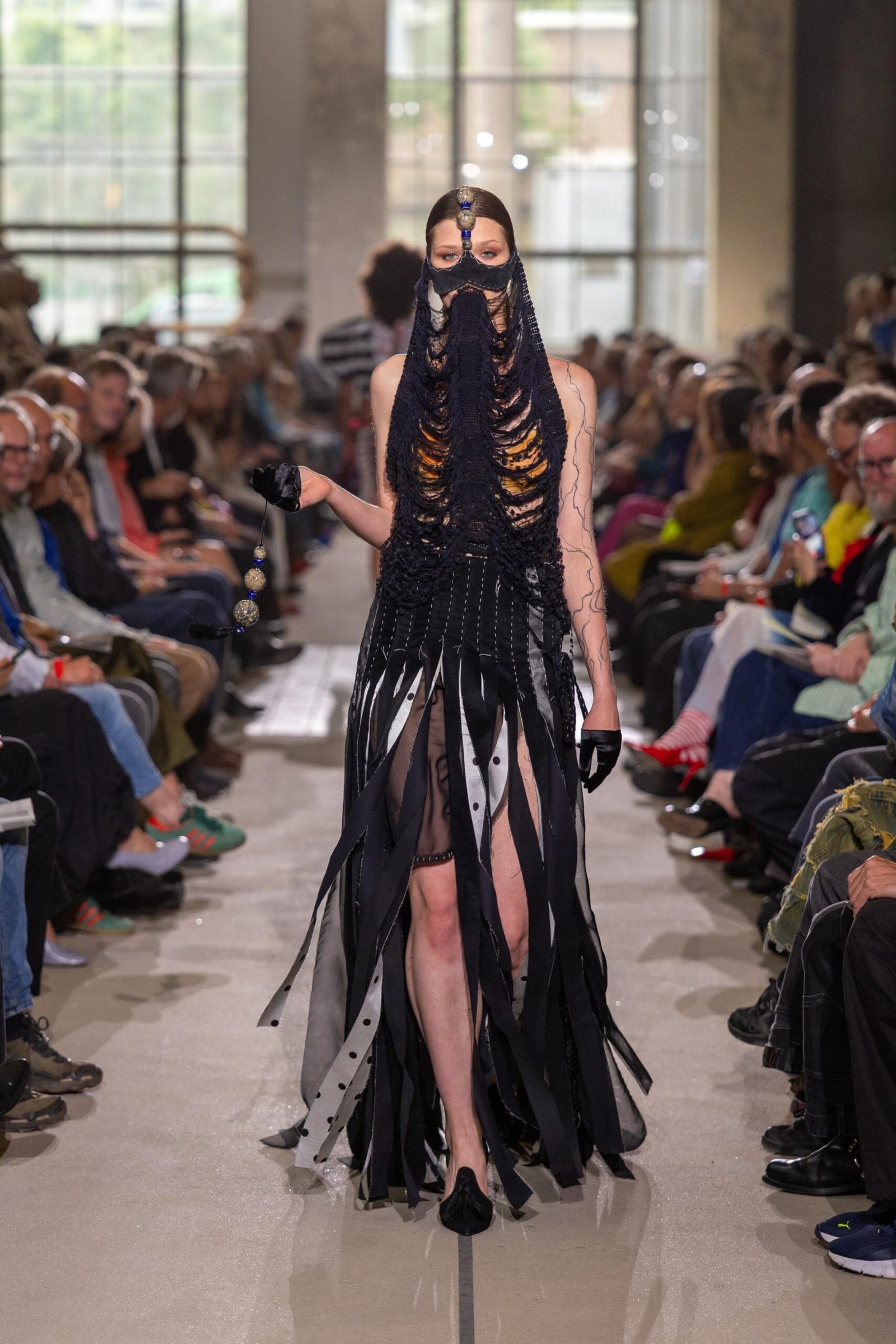
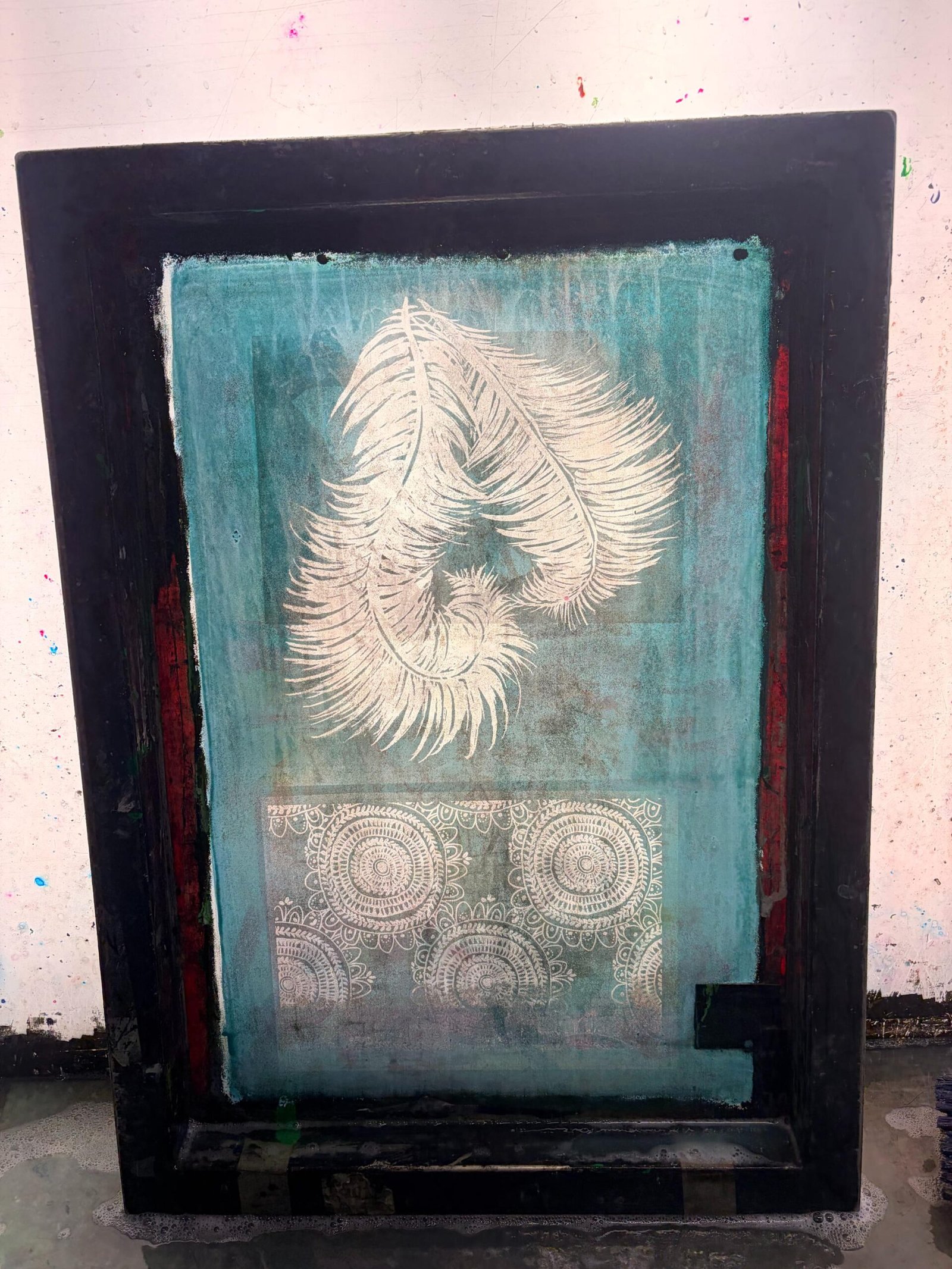
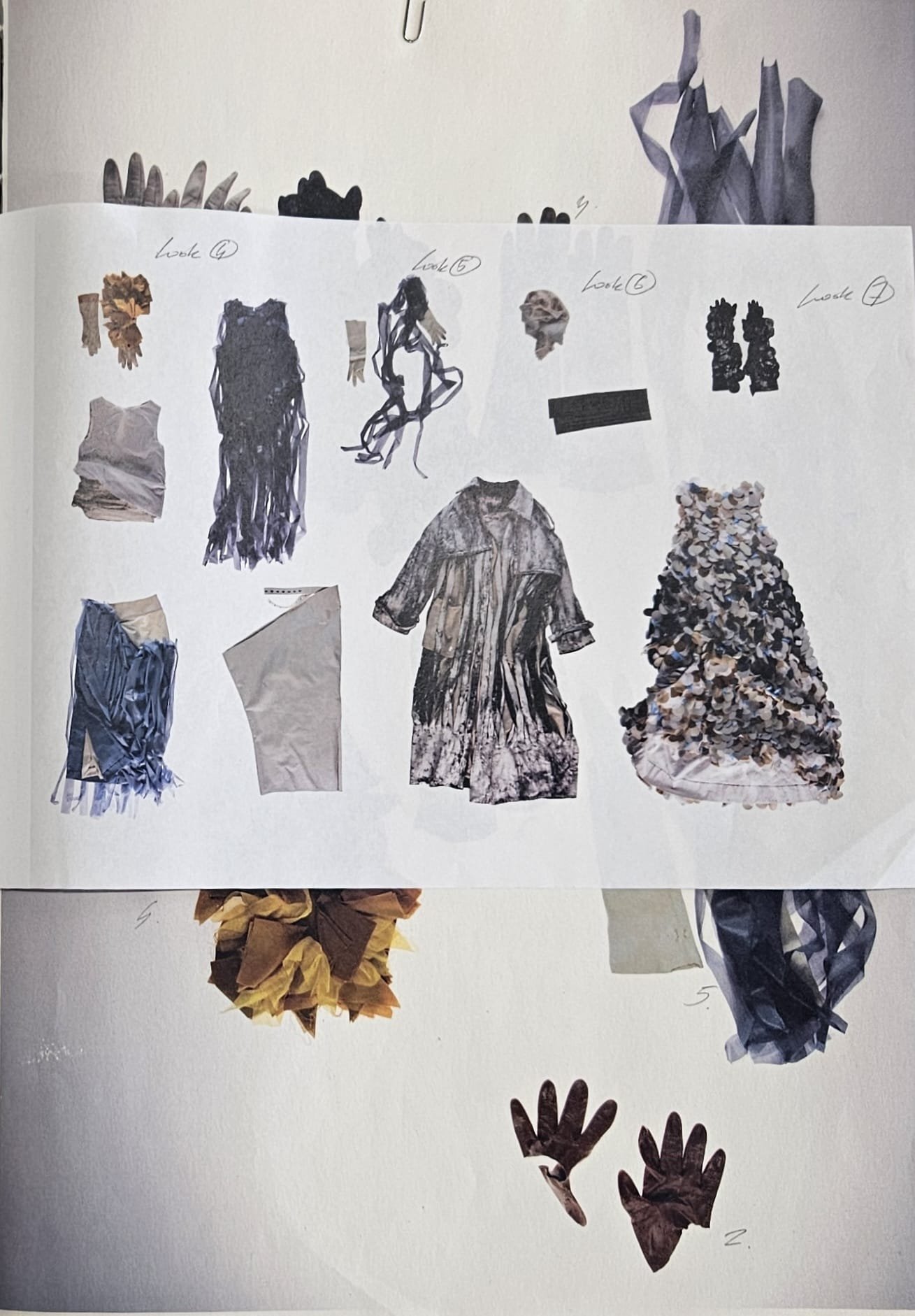
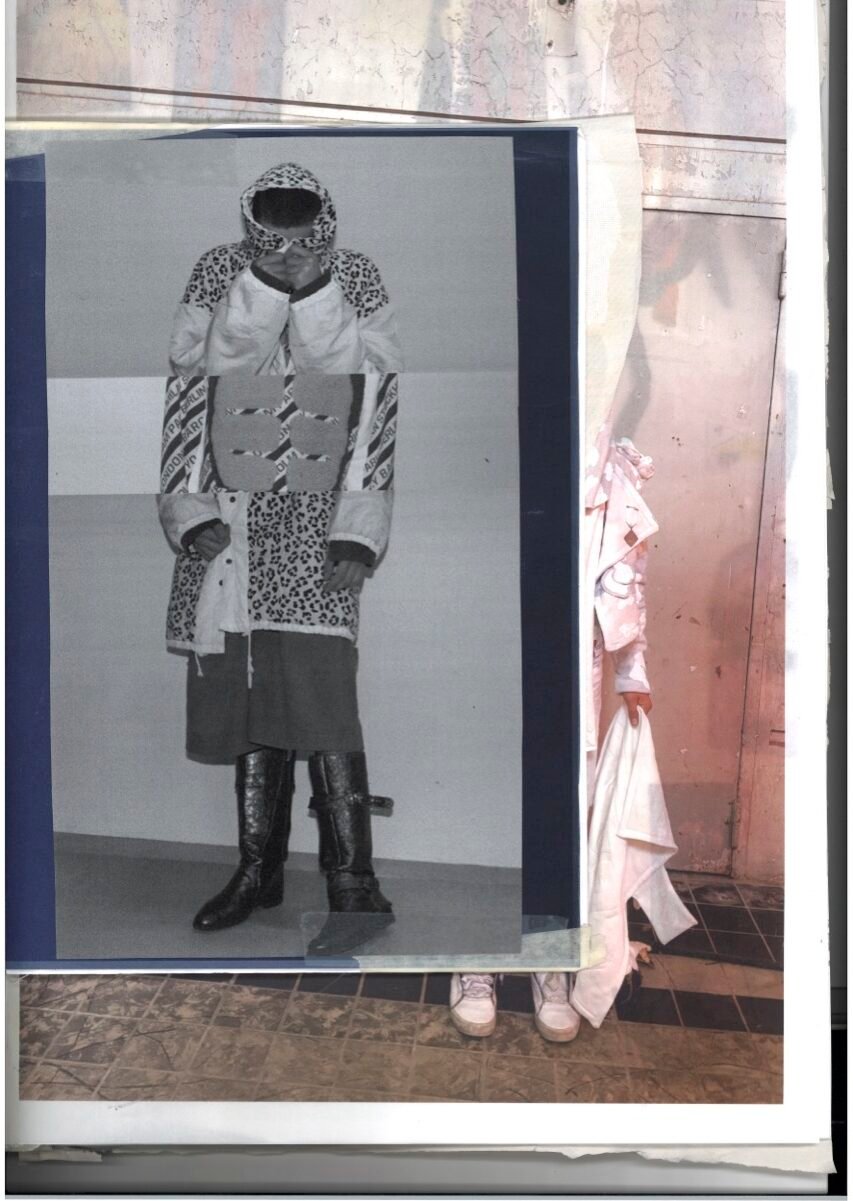
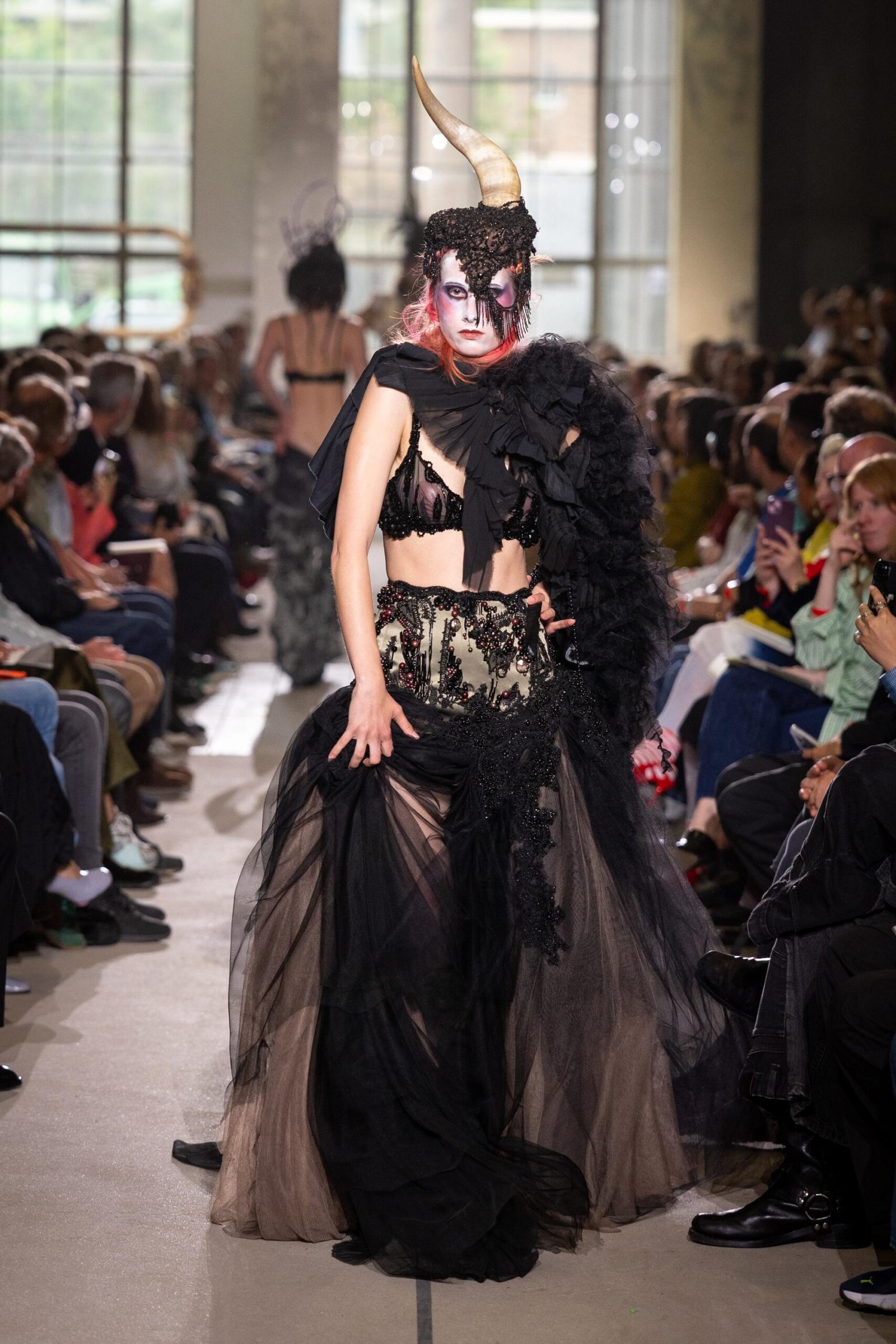
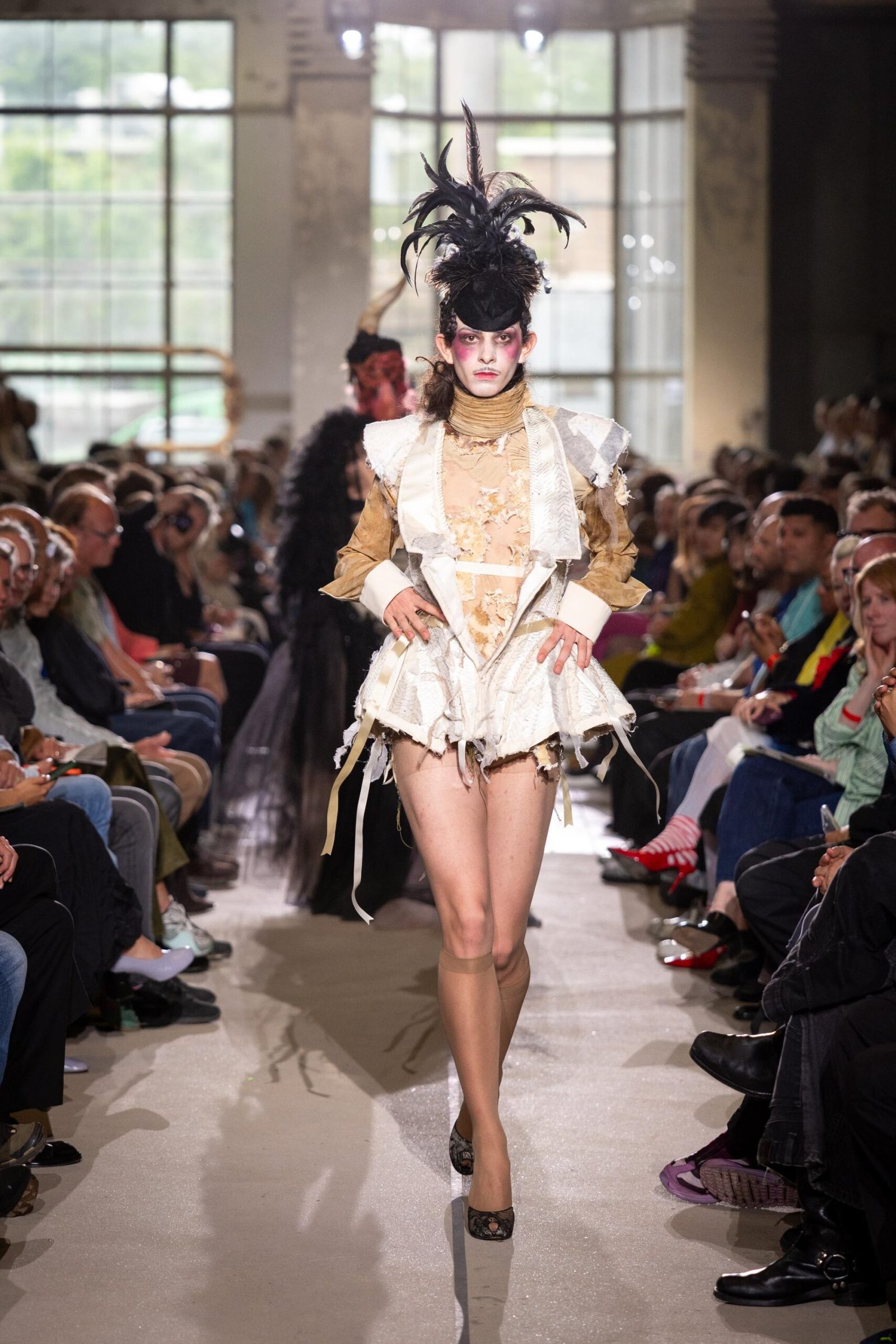
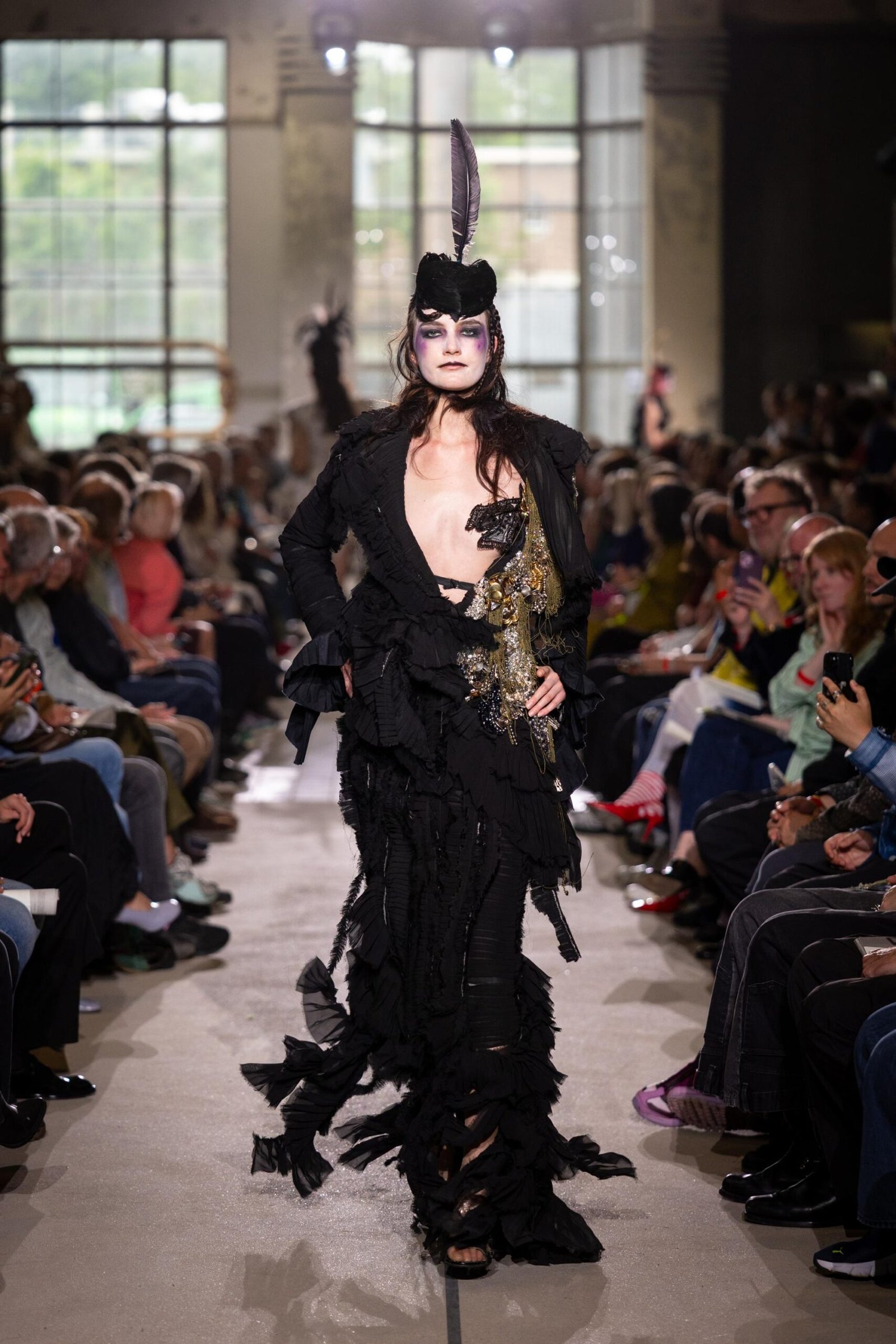
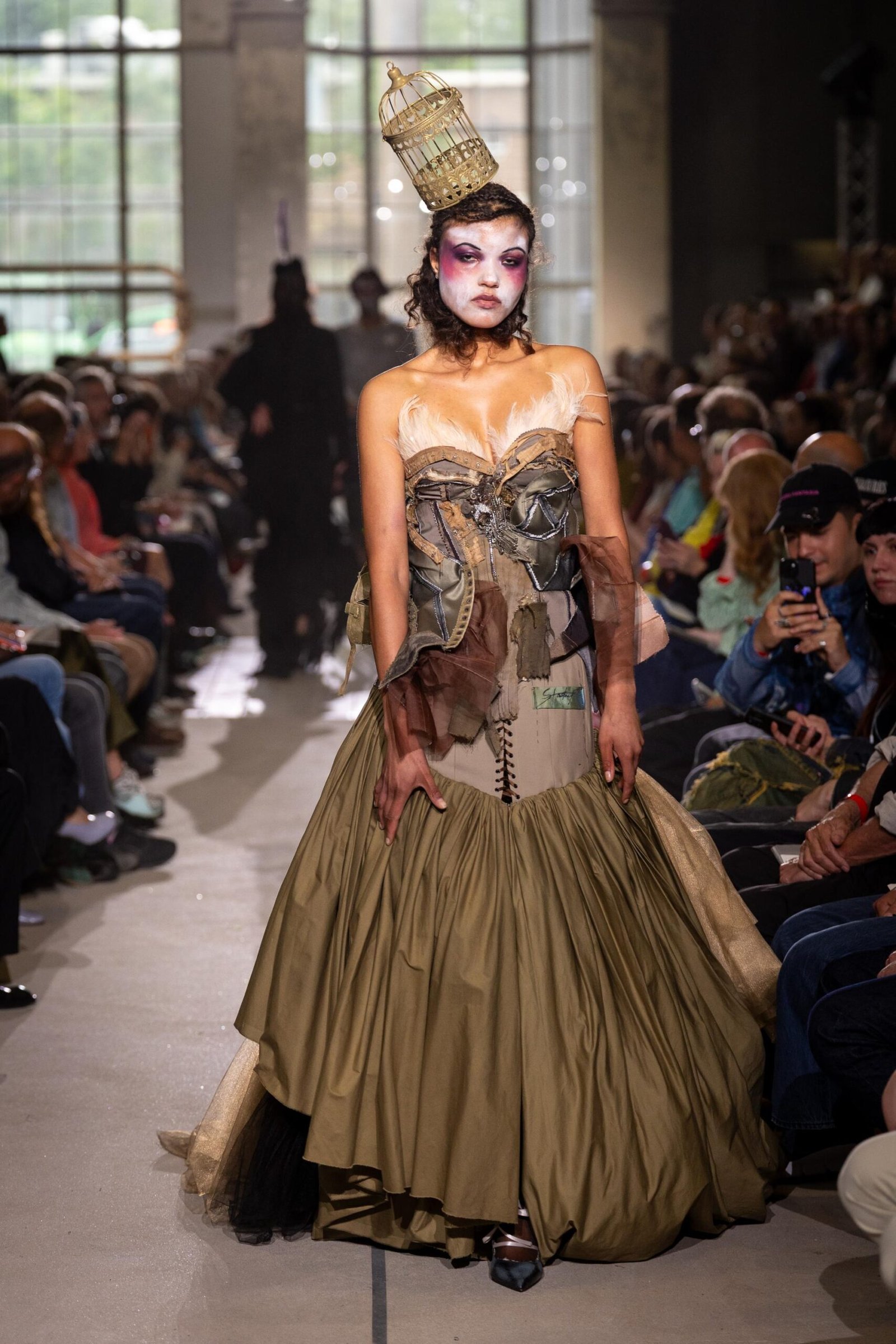
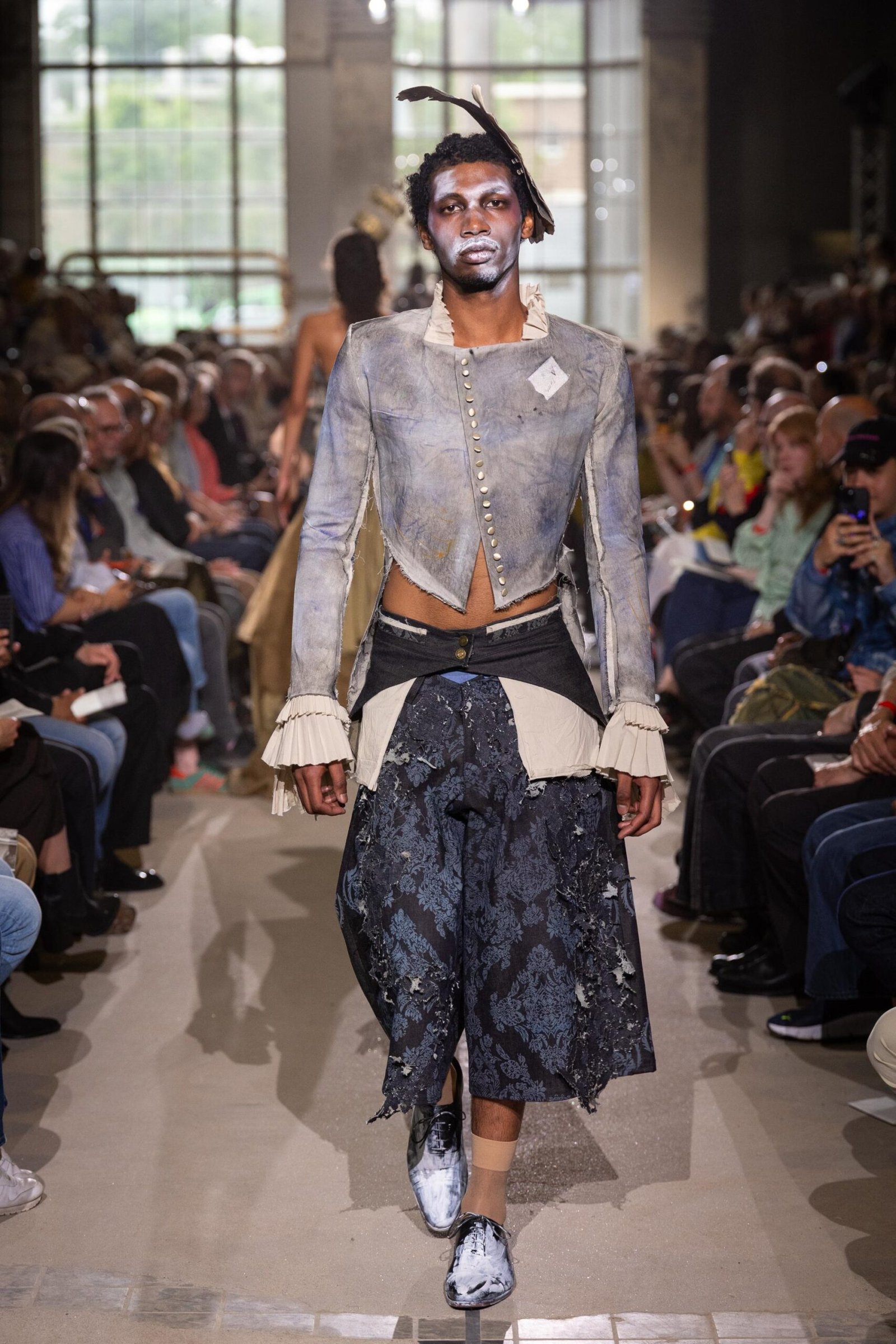
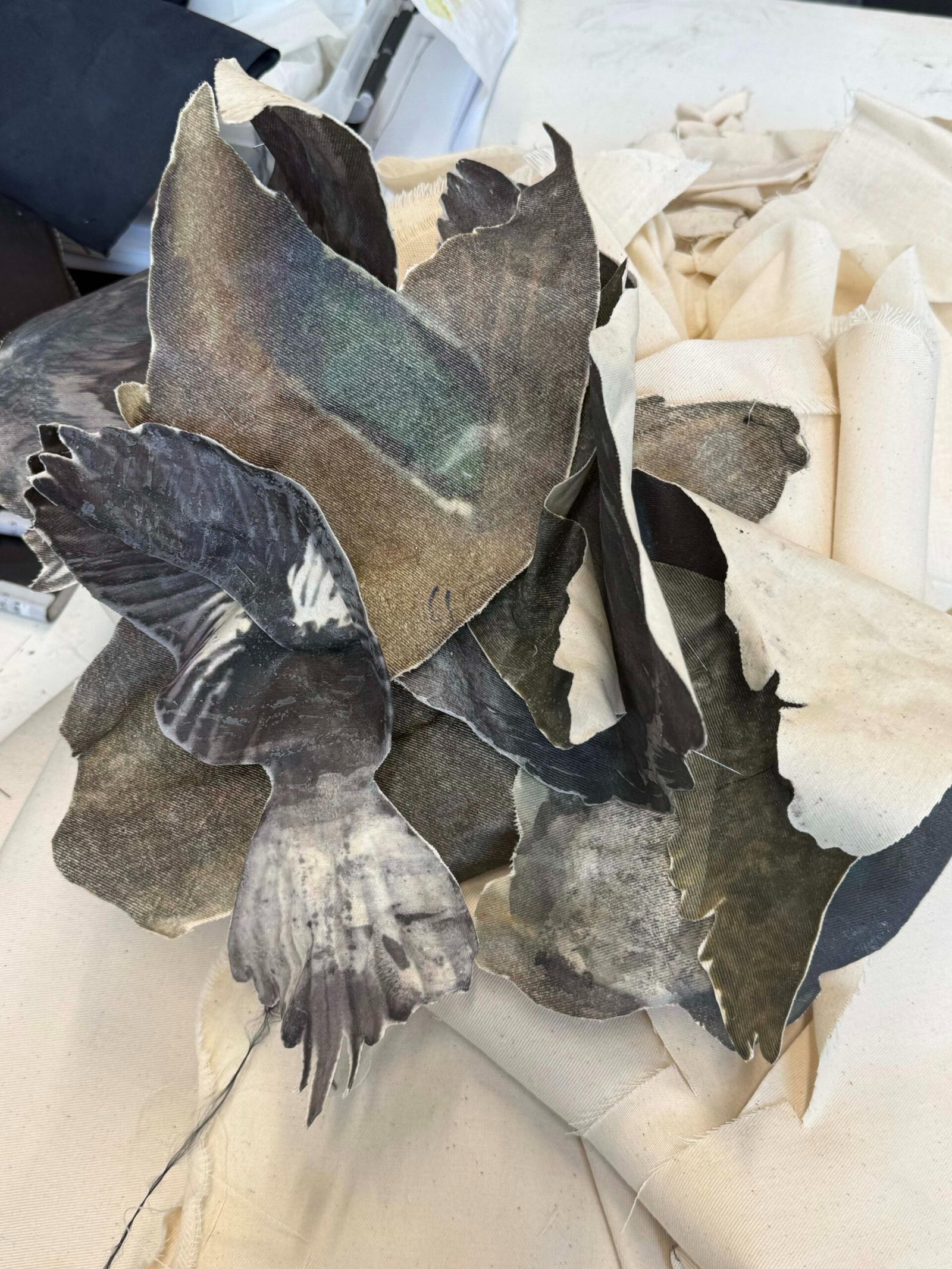
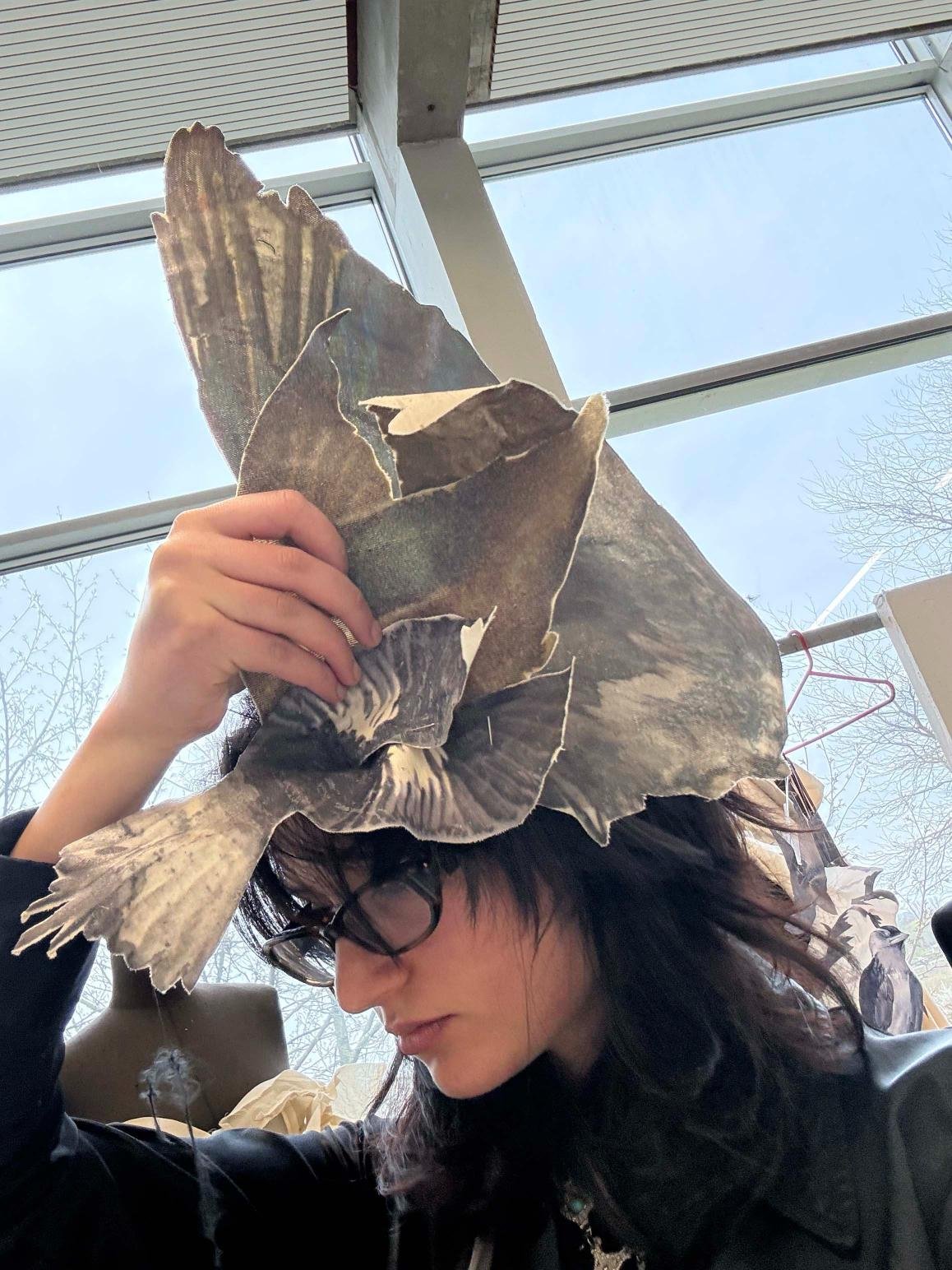
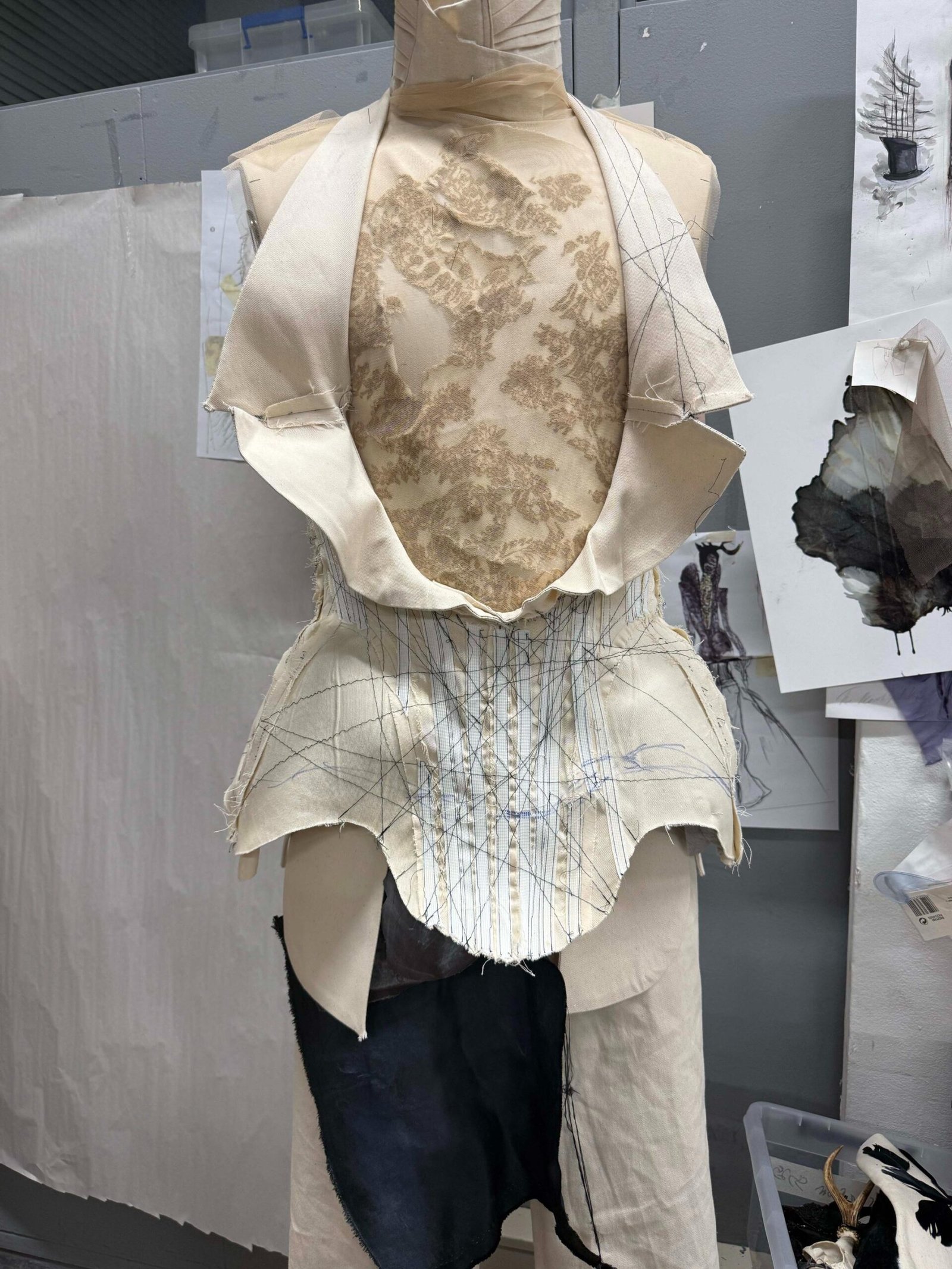
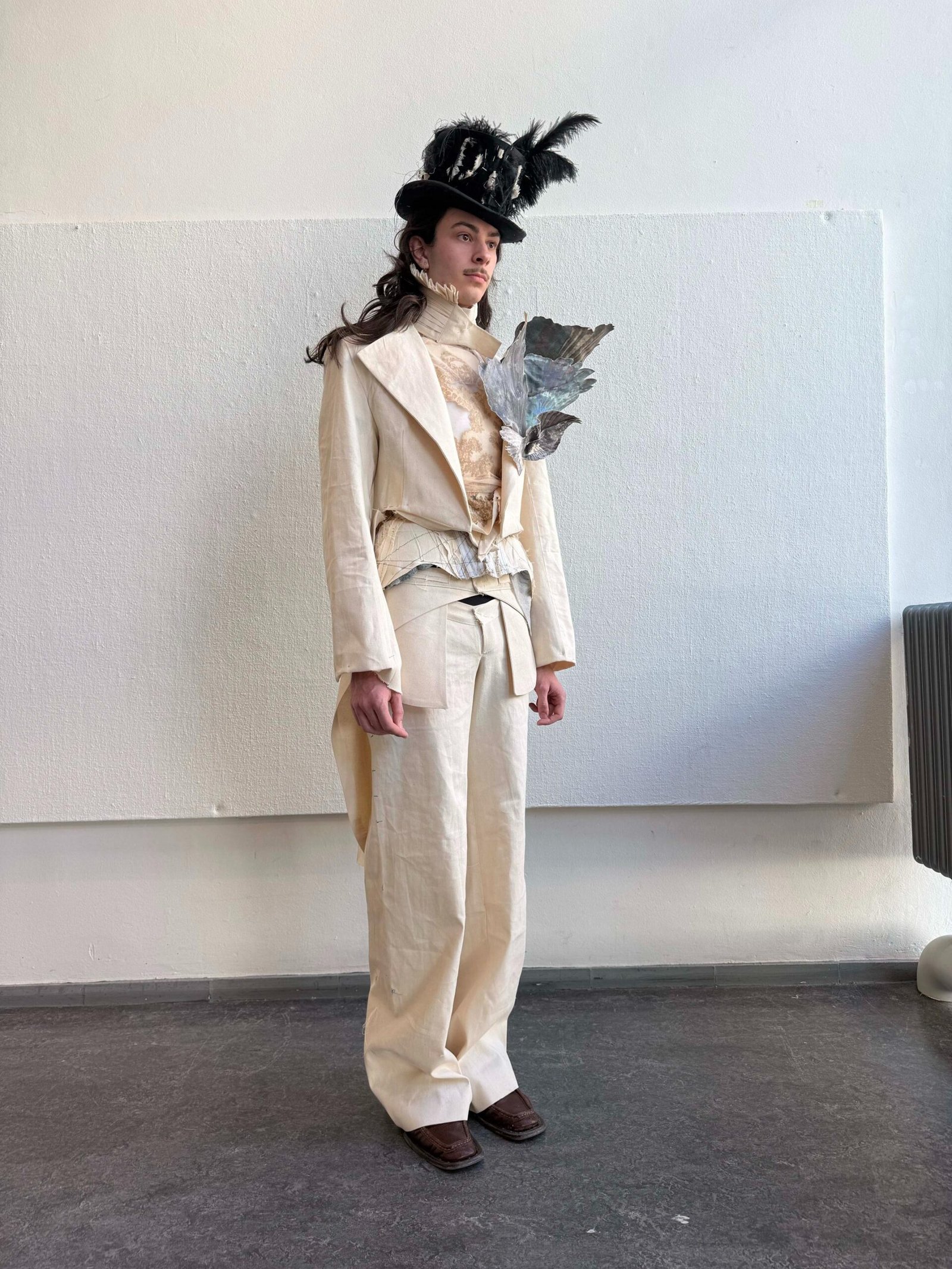
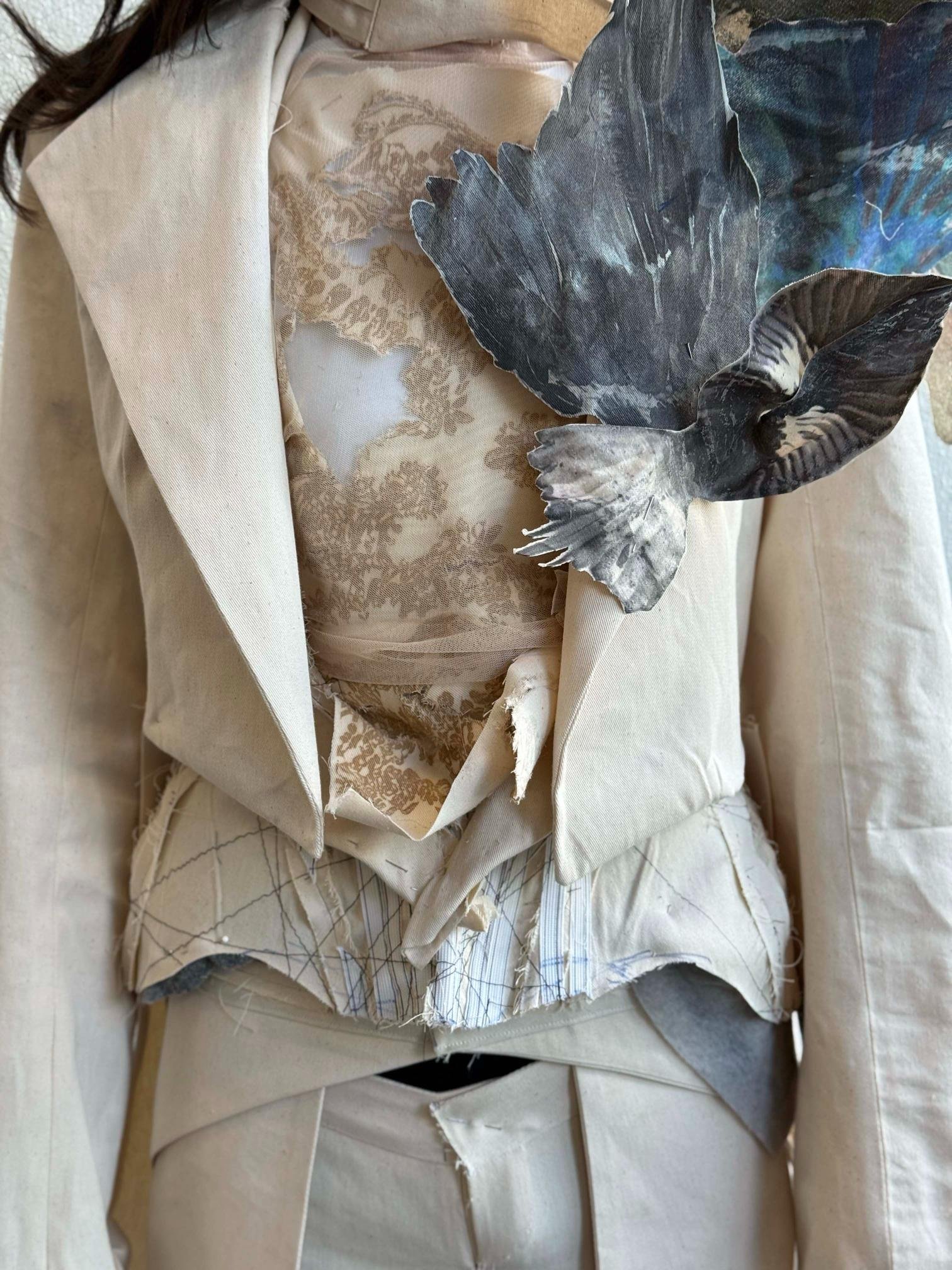
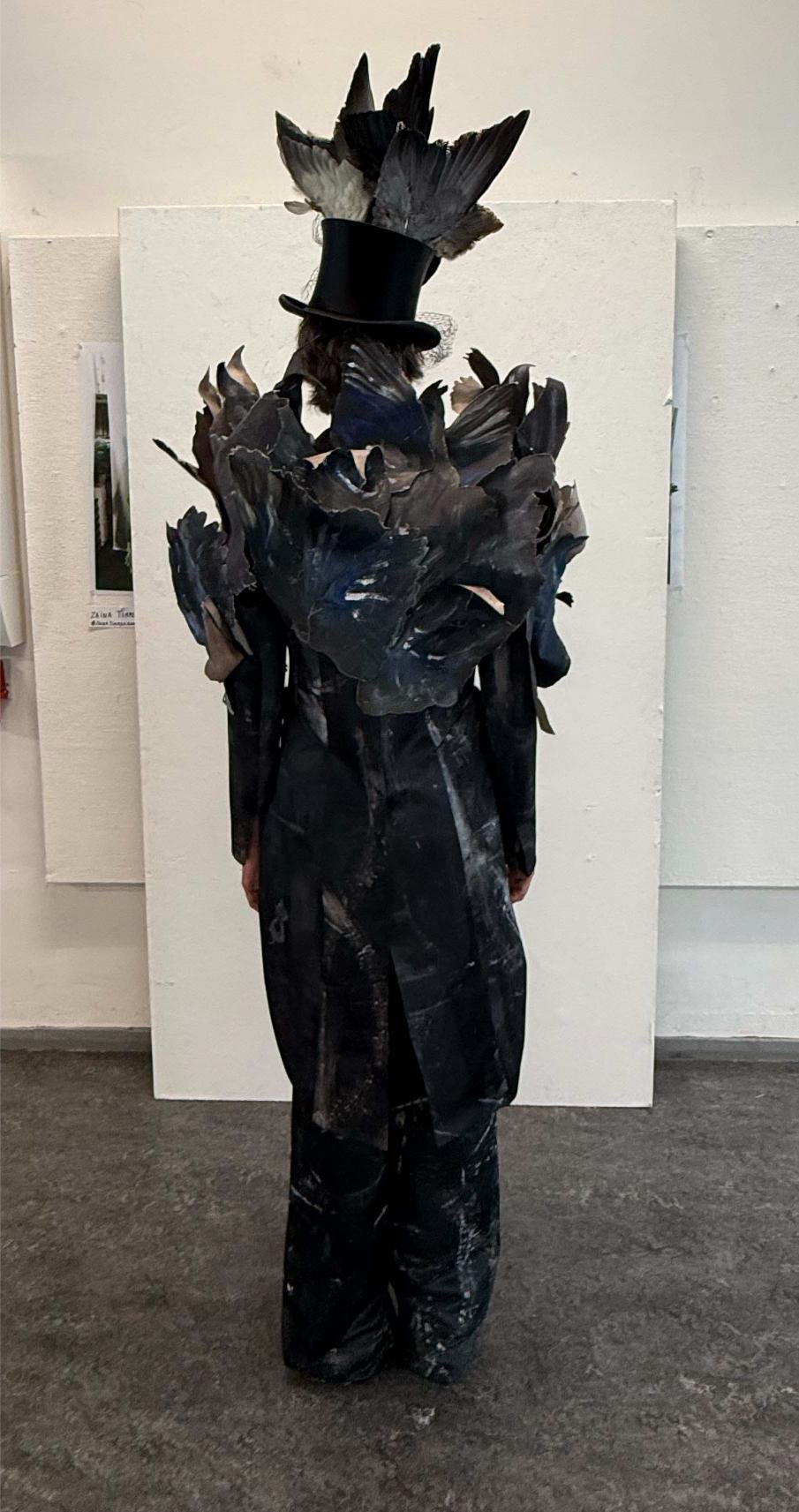
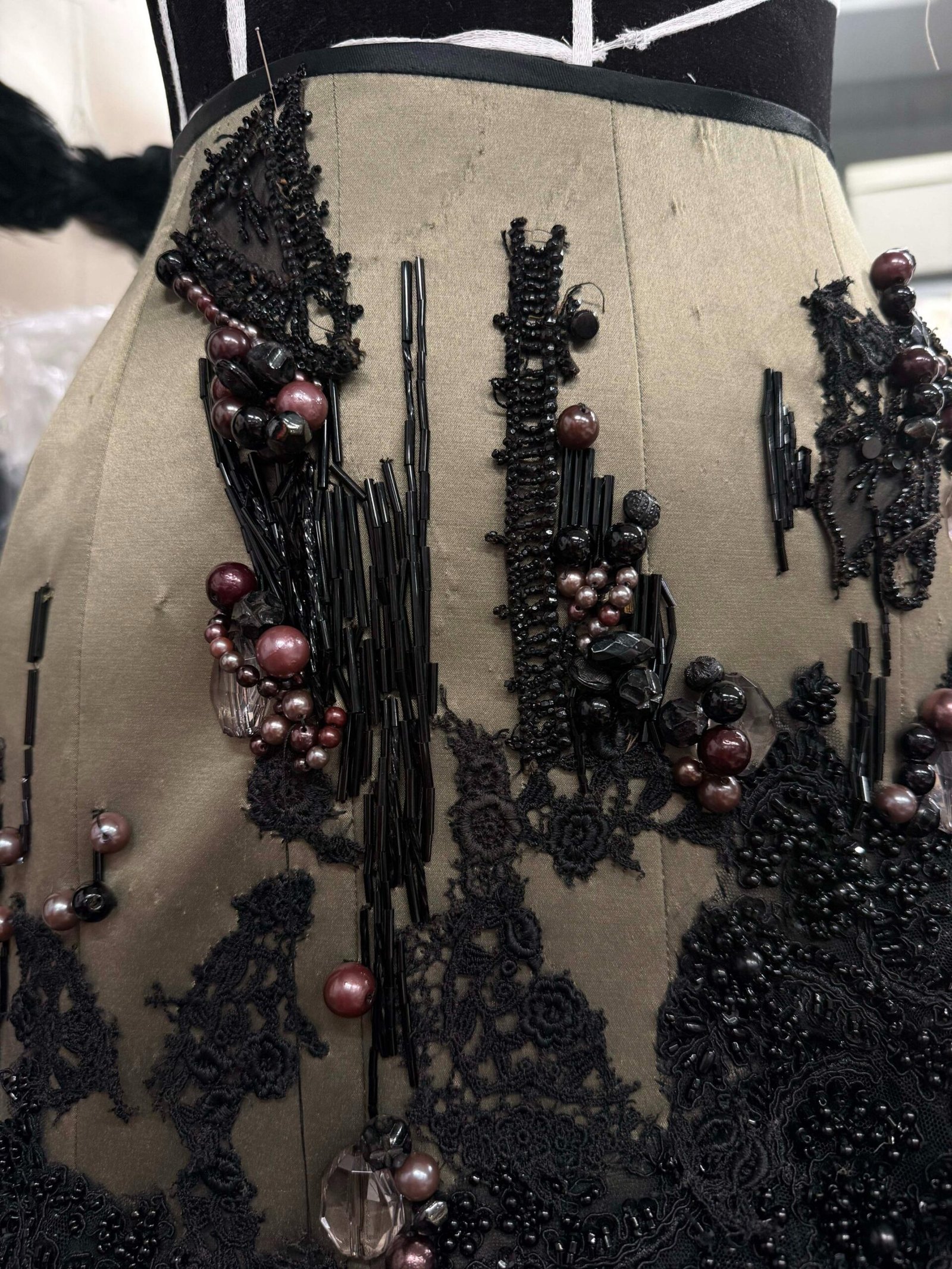
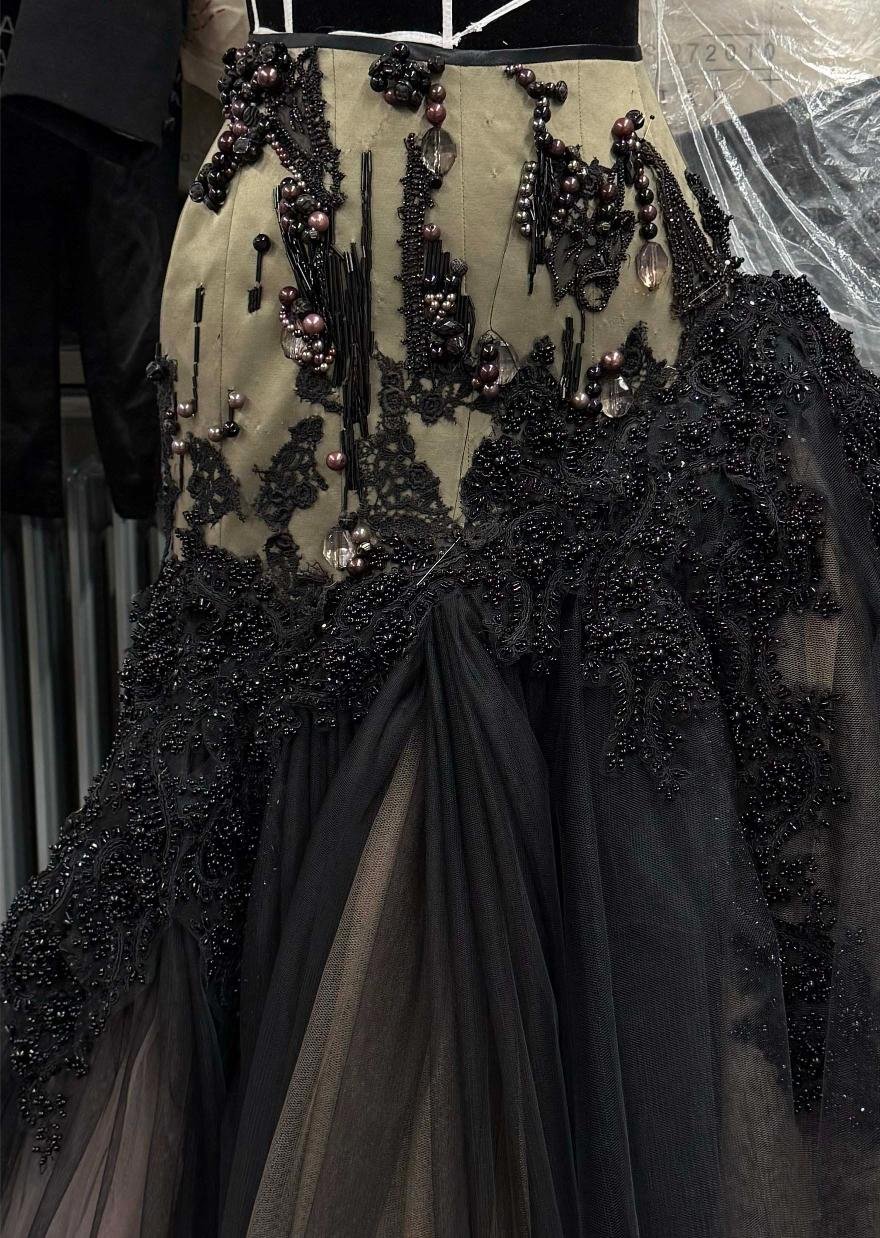
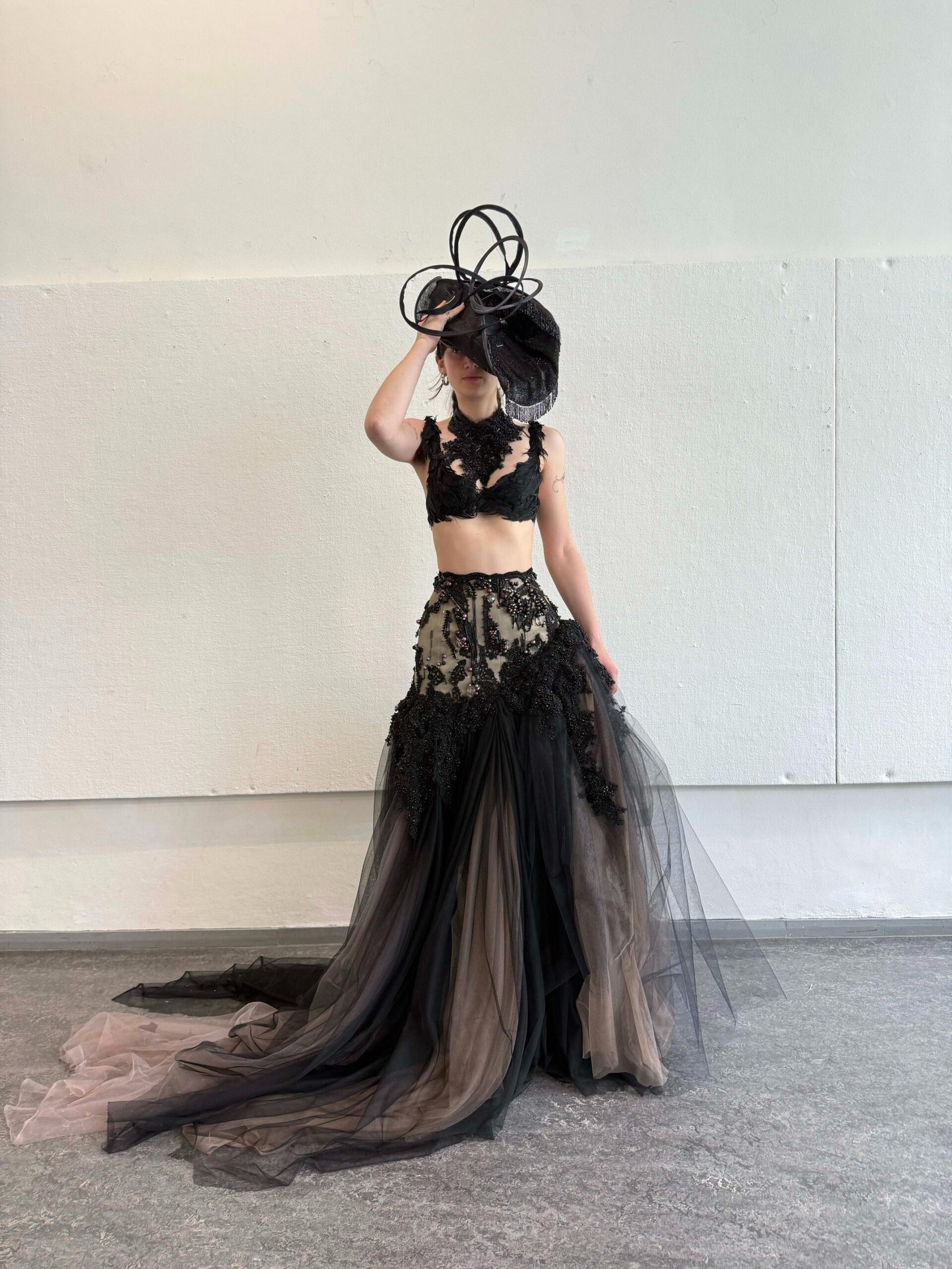
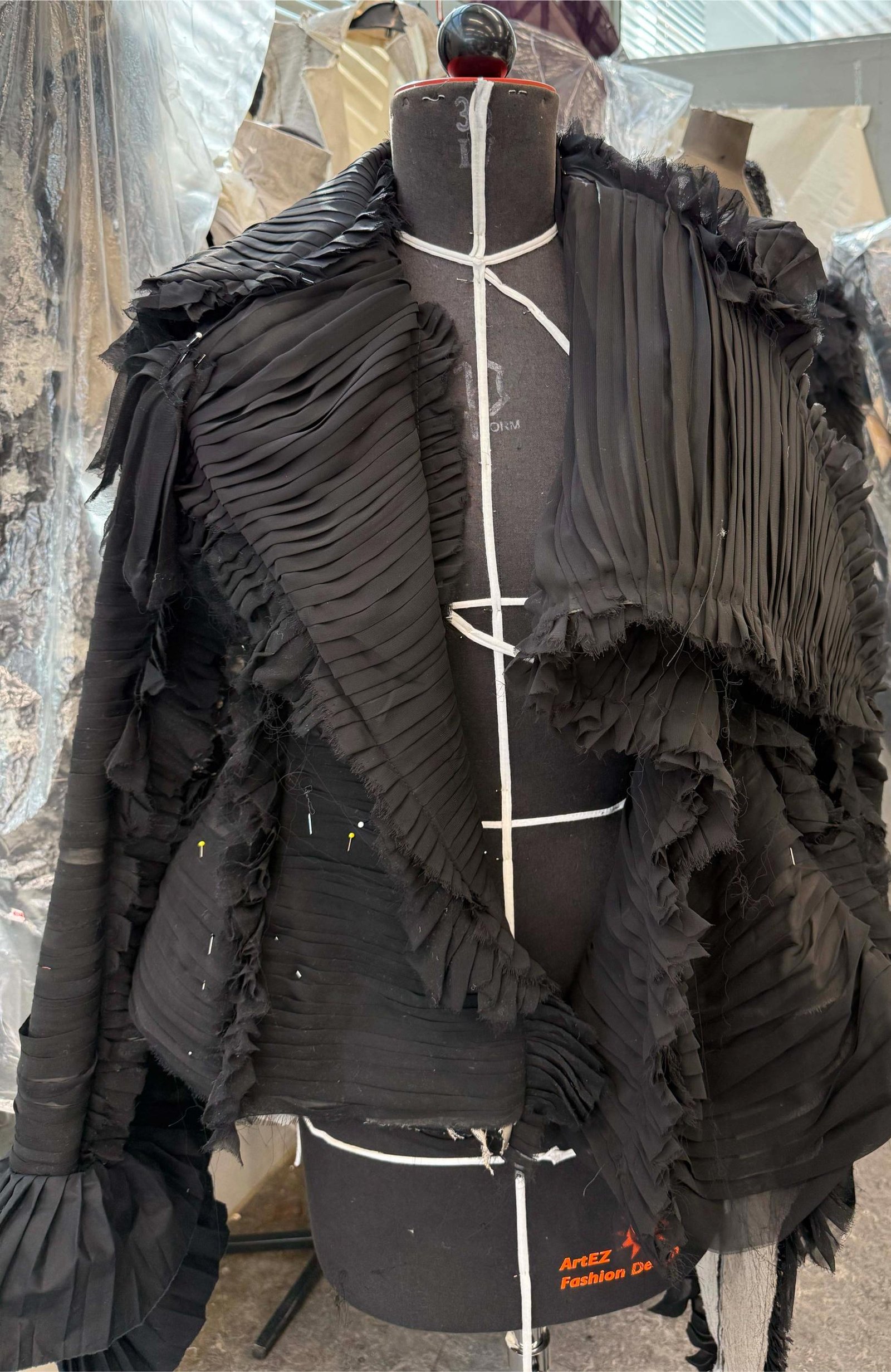
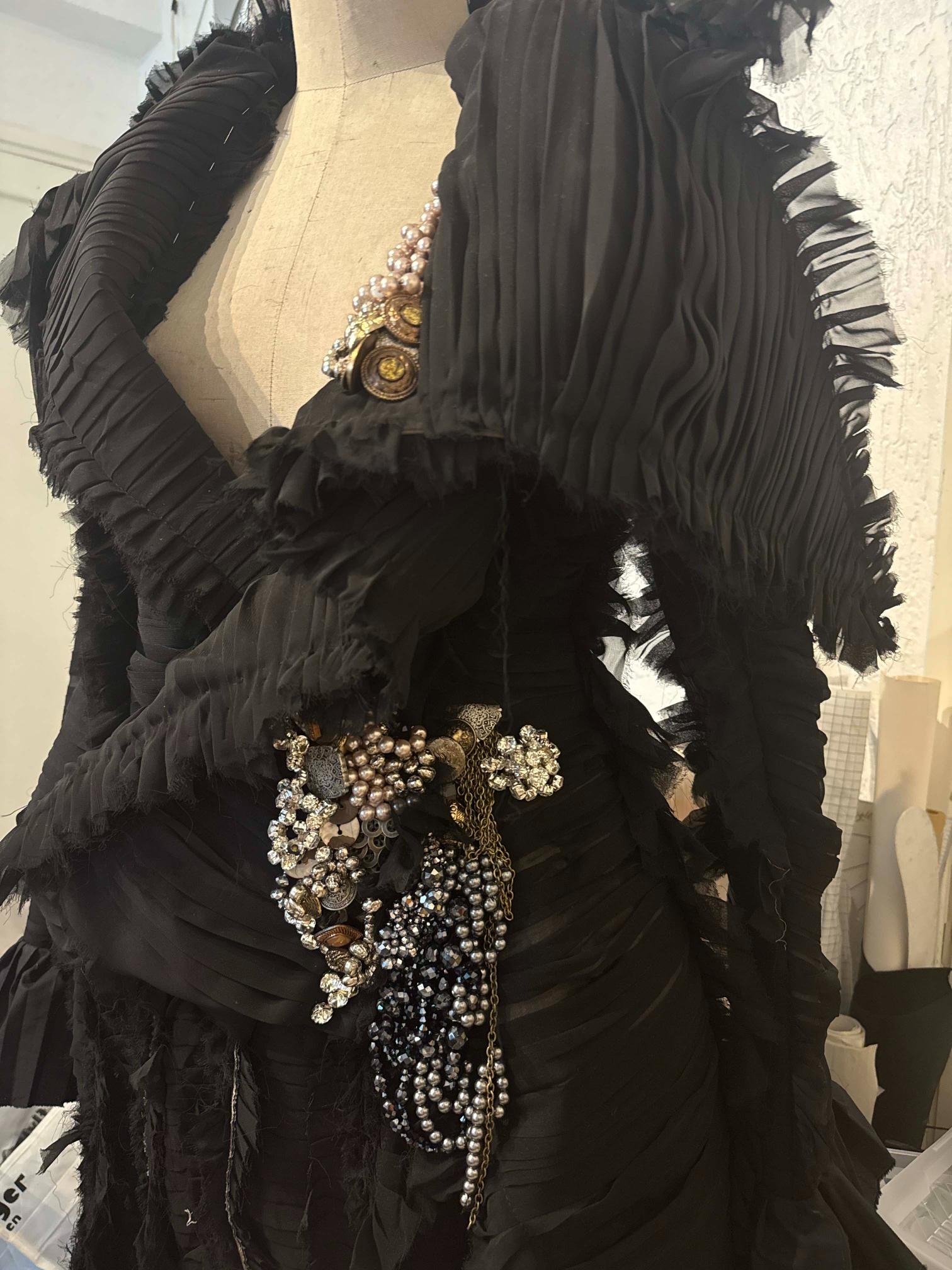
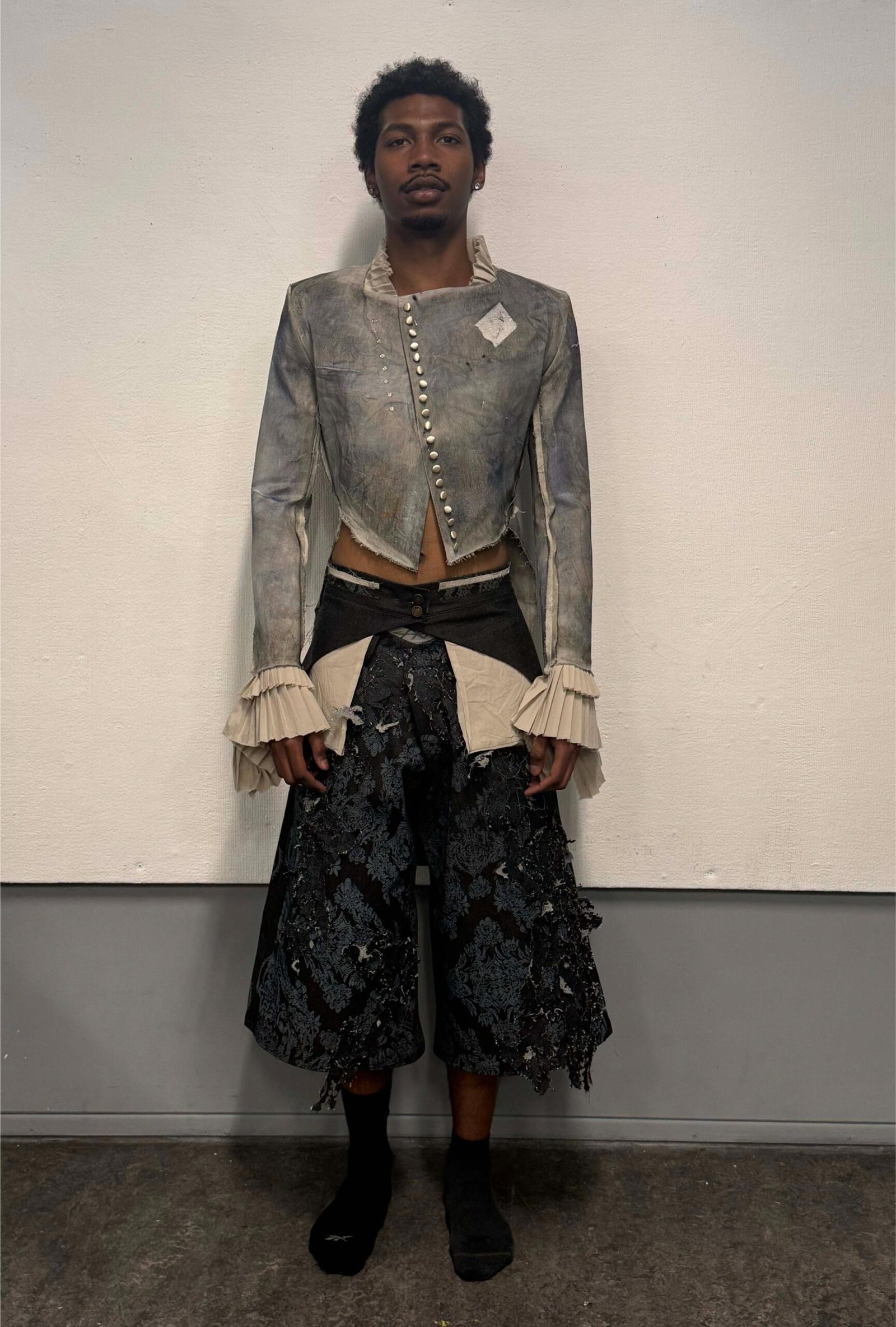
Stasha P.’s collection, The Great Escape, explores transformation through themes of death, decay, and rebirth. Inspired by the myth of Icarus and personal experiences of losing hope, the project examines the relationship between destruction and renewal through anatomy, second-skin garments, historical silhouettes, and avian forms. Asymmetry, distortion, layered construction, and manipulated surfaces evoke feathers, exposed flesh, and bodies in transition, while dark neutral tones punctuated by blue, purple, and metallic accents reinforce the tension between suffering and liberation.

@stasha.p

Smilla Junkerjürgen

Smilla Junkerjürgen’s collection explores the loss of humanity through the commodification of grain, tracing its origins back to the shift from hunter-gatherer societies to agriculture. The project examines how this transition continues to shape contemporary life, using shape, colour, and textile detail to explore tensions between humanity and systems of production, alongside ideas of gluttony and greed. While the collection acknowledges these forces, it also suggests that the human spirit is never entirely lost, proposing clothing and textile as a means of reclaiming connection and resisting commodification.

@junkerjurgen_