Representing the creative future

FIT BA 2026: PERSONAL HISTORIES

This year’s FIT graduates move between personal history, cultural identity, fantasy, and reconstruction, using fashion as a way of translating lived experience into material form. Many of the designers work with repurposed or reclaimed materials, while others focus on highly technical fabrication, combining traditional craft techniques with newer technologies and experimental forms. References range from South American literature and East Asian tattoo art to Korean jogakbo patchwork, Peranakan decorative culture, nautical childrenswear, Swiss military uniforms, and the renovation of a childhood home. Other designers draw from personal experiences with illness, migration, poverty, and family memory.

Charlotte Falkman

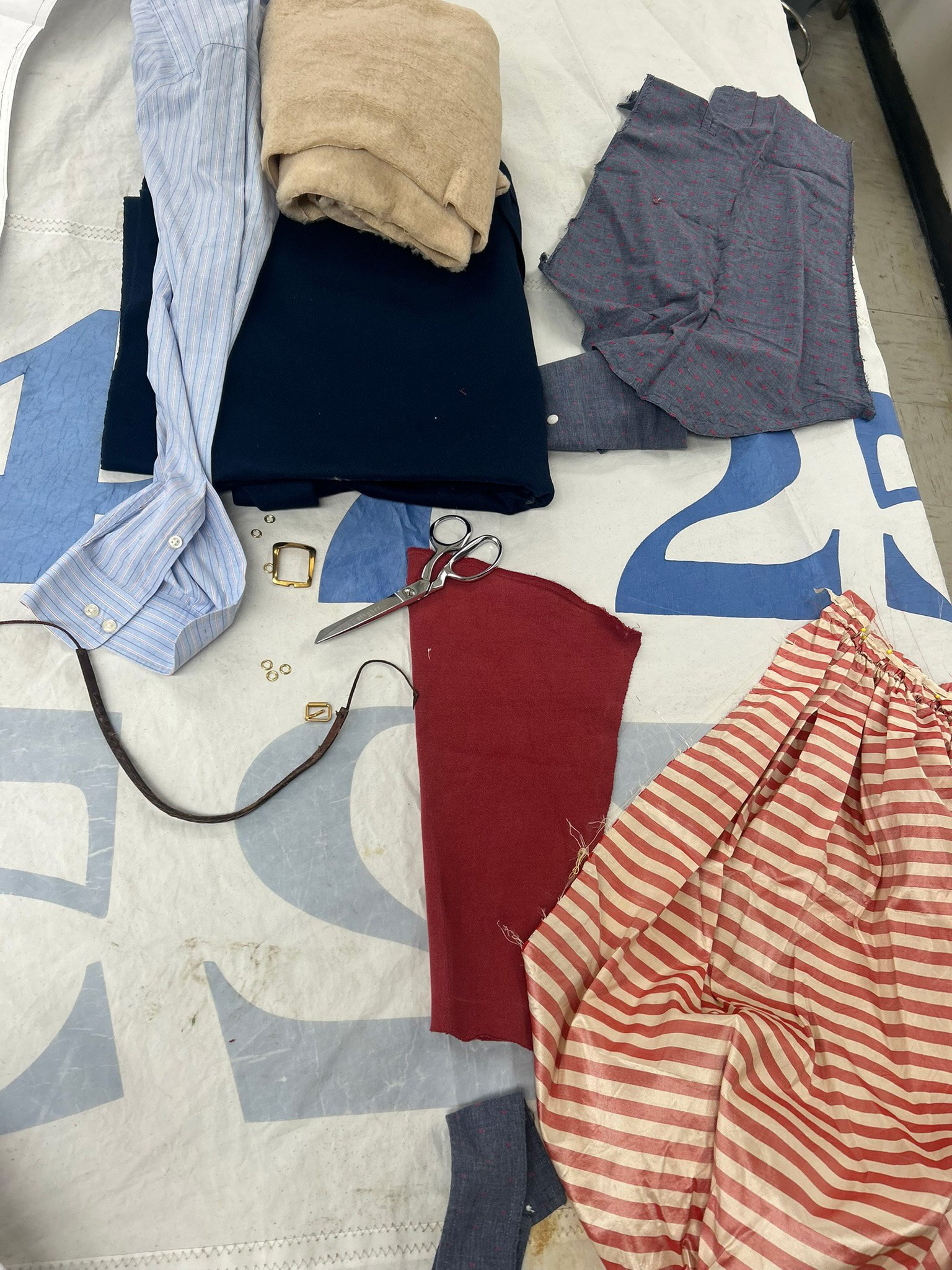
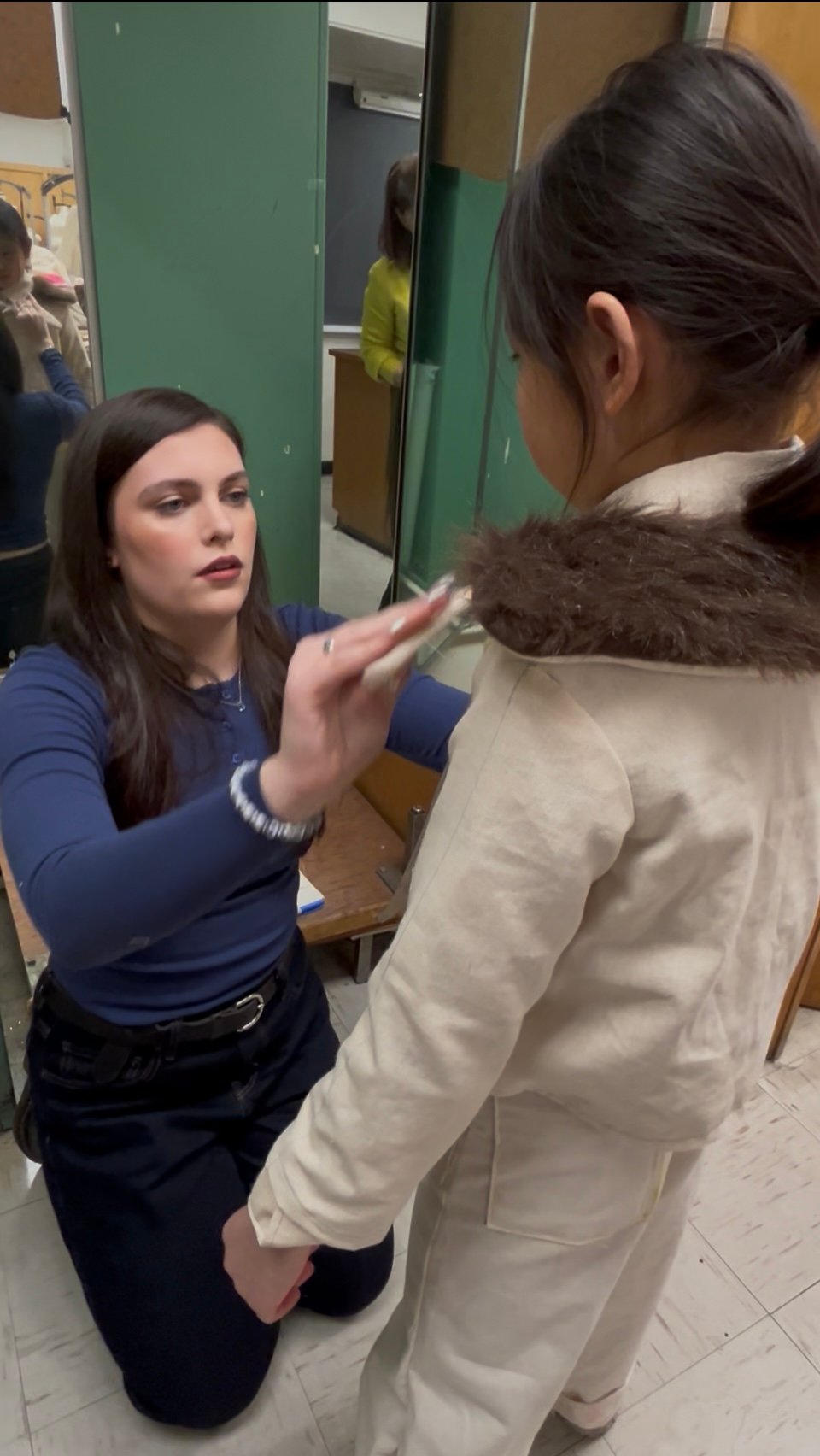
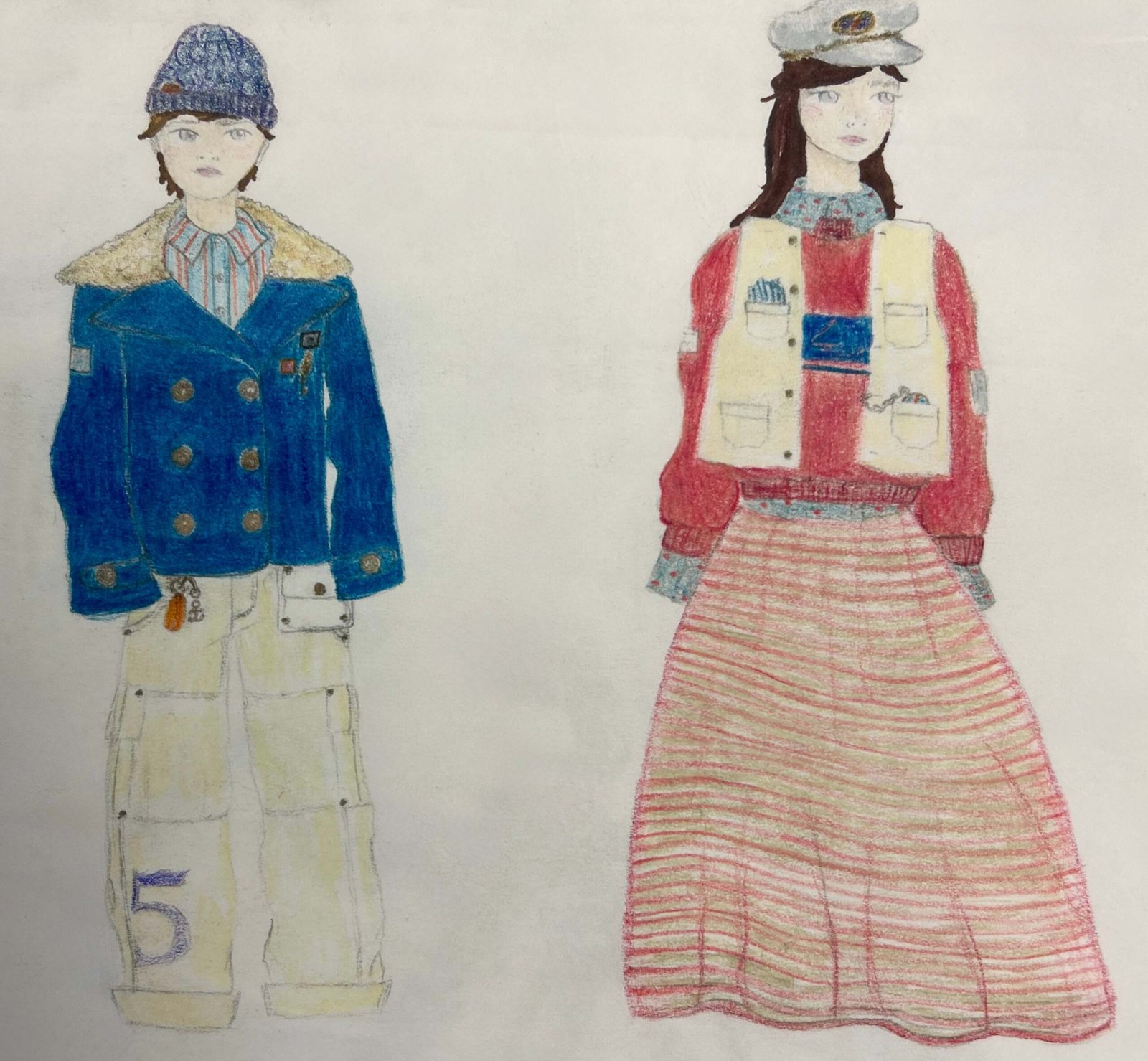
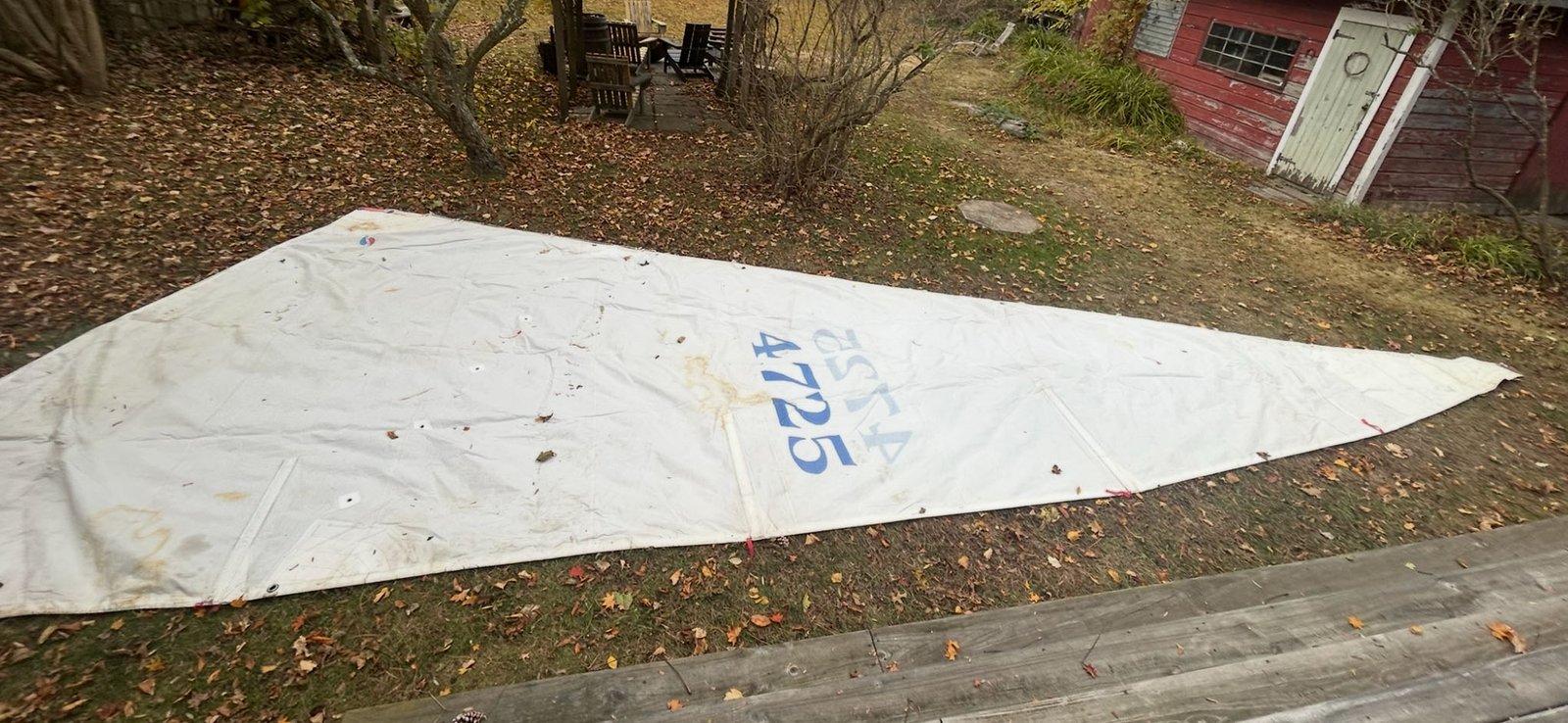
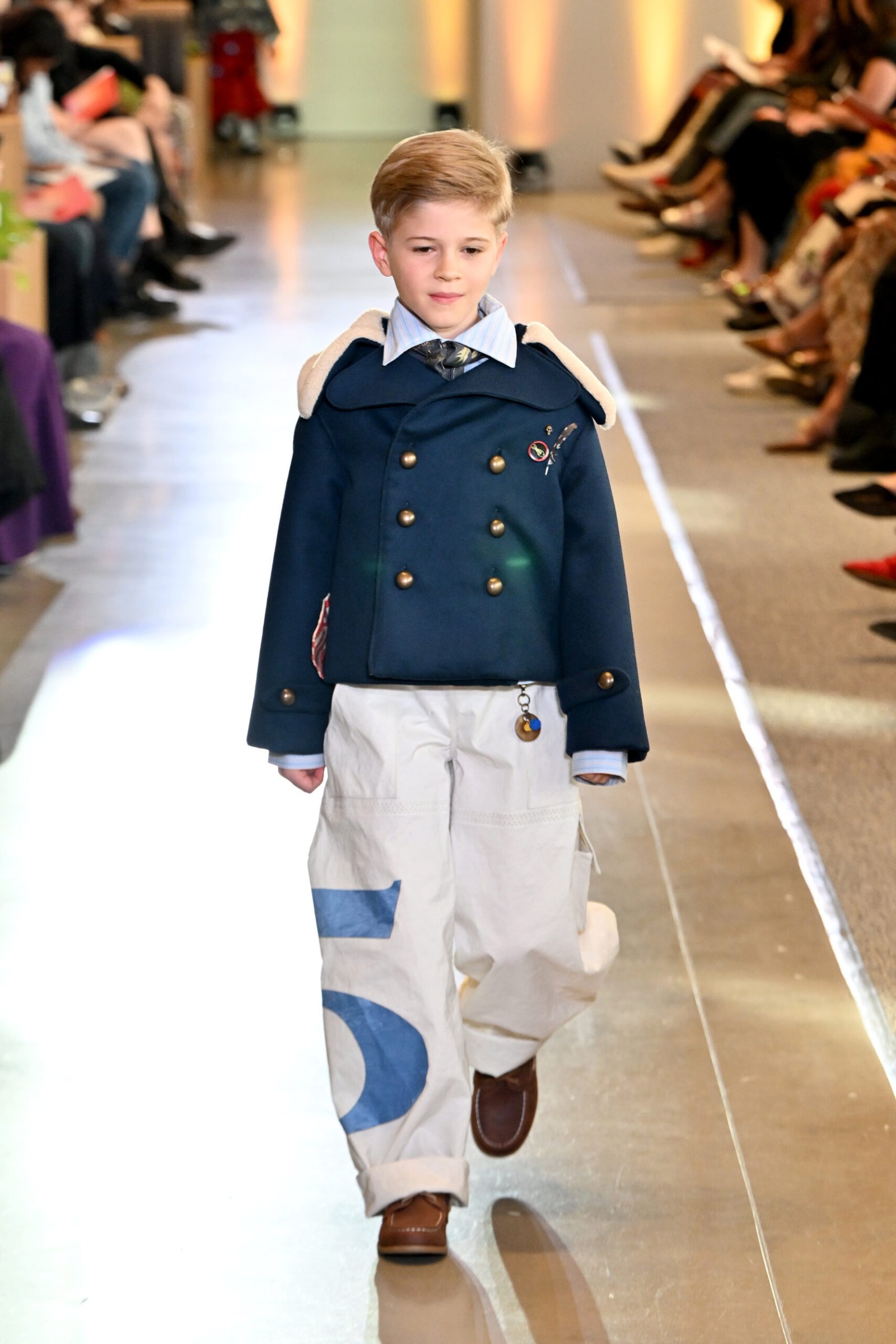
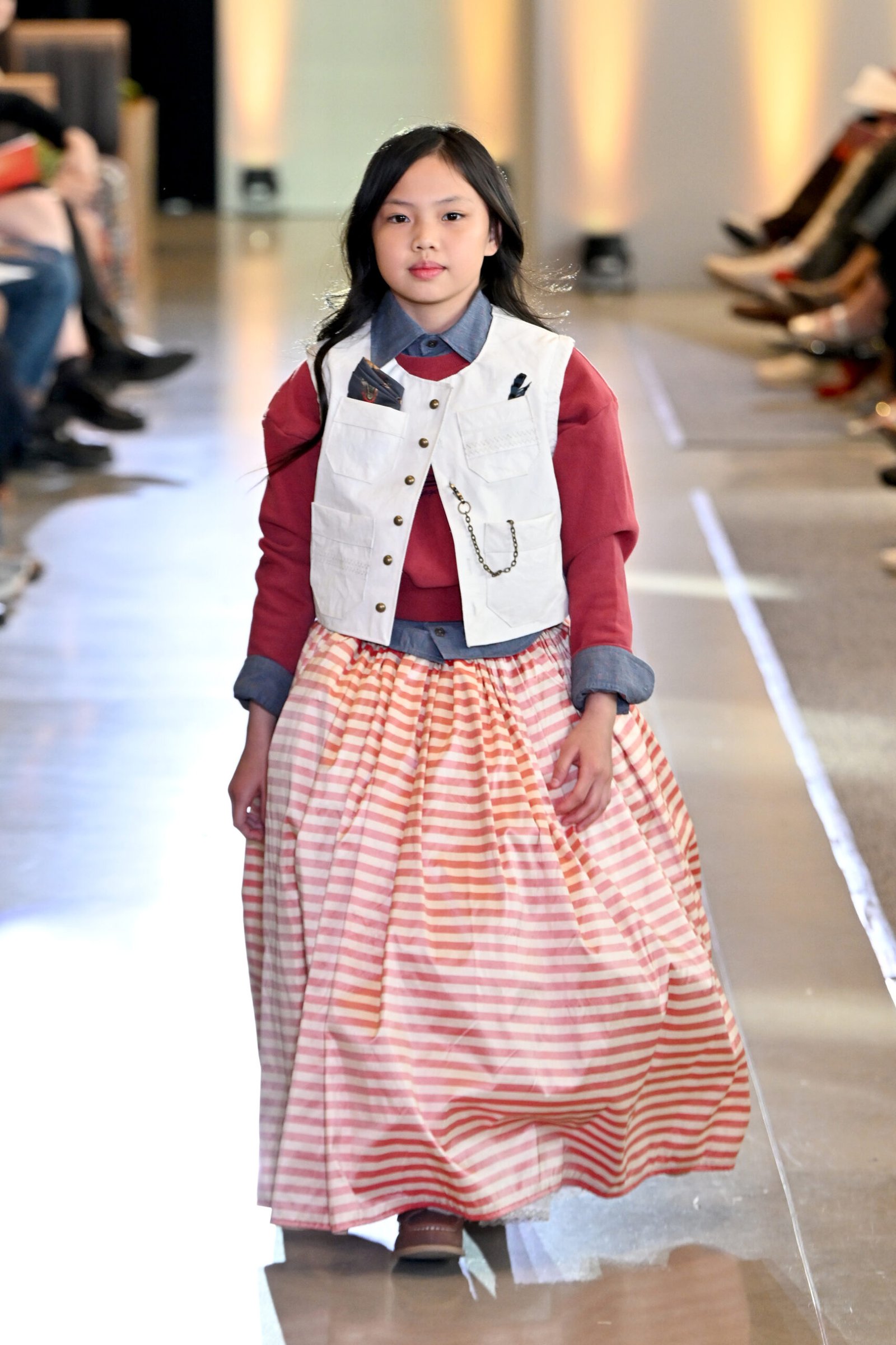
Charlotte Falkman’s collection, The Voyagers, imagines a maritime world shaped by adventure, childhood curiosity, and admiration for nature. Drawing on nautical history and naval uniforms, the work combines rugged practicality with a softer, nostalgic sensibility rooted in childrenswear. Sustainability plays a central role throughout the collection. Falkman works extensively with repurposed and recycled materials, including vintage drapes transformed into striped taffeta skirts and structured sailcloth used across outerwear and cargo trousers. As she prepares to enter the industry with a focus on childrenswear, Falkman hopes to contribute to more environmentally responsible design practices while also challenging the binary conventions often associated with children’s fashion. She is particularly interested in creating more gender-fluid and inclusive alternatives within the market.
@charlottefalkman

Screenshot

Evan Ciurca

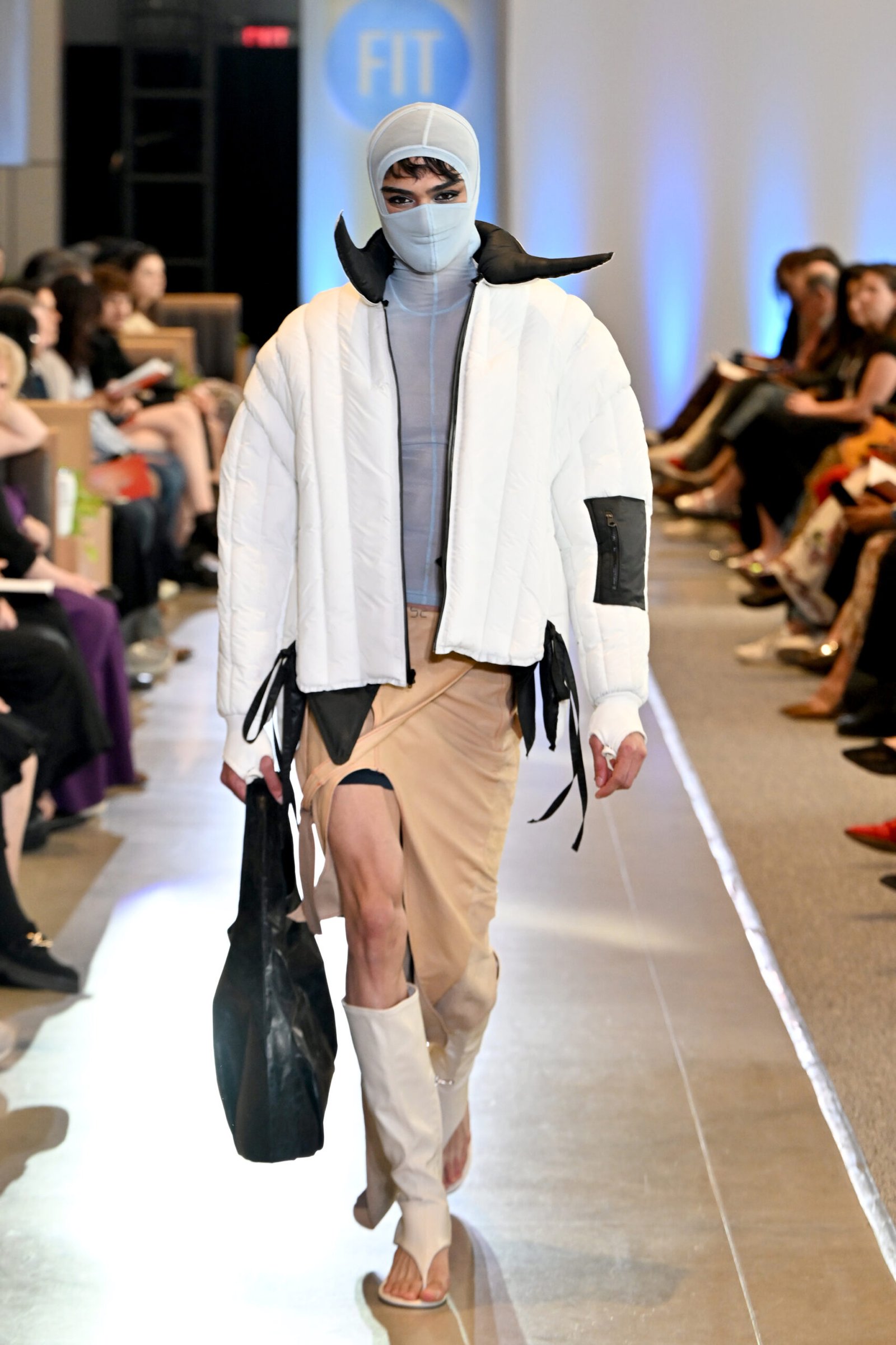
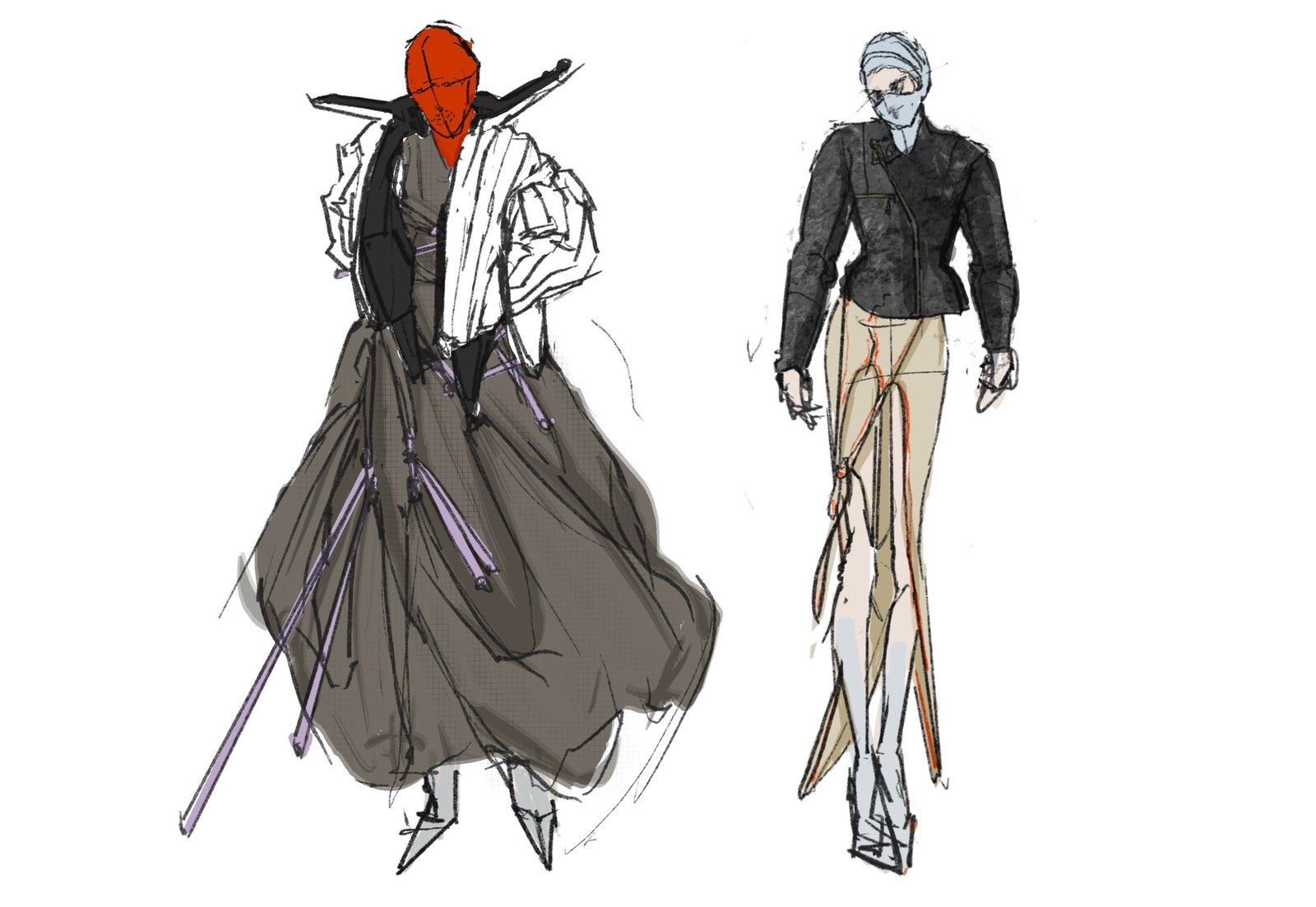
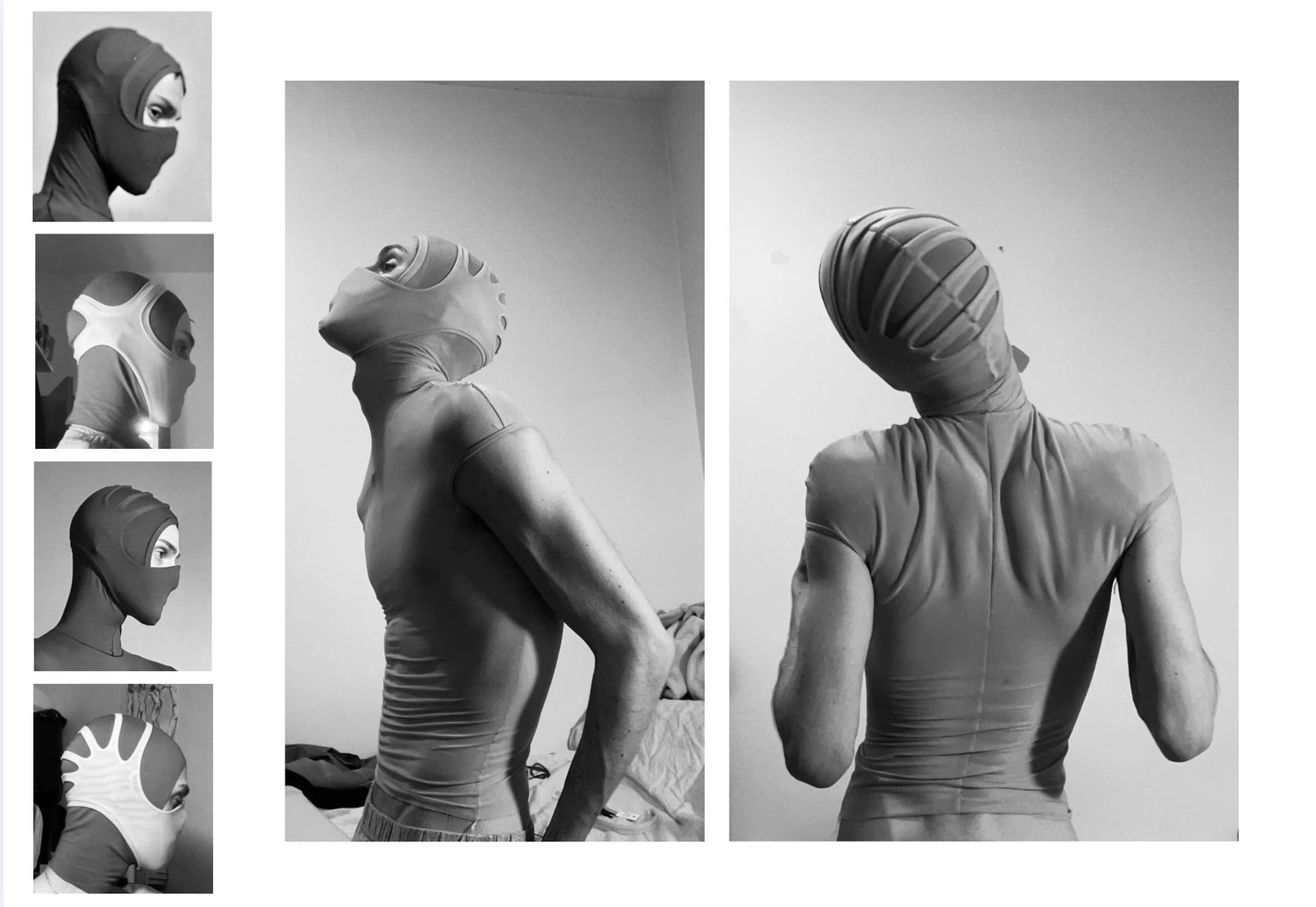
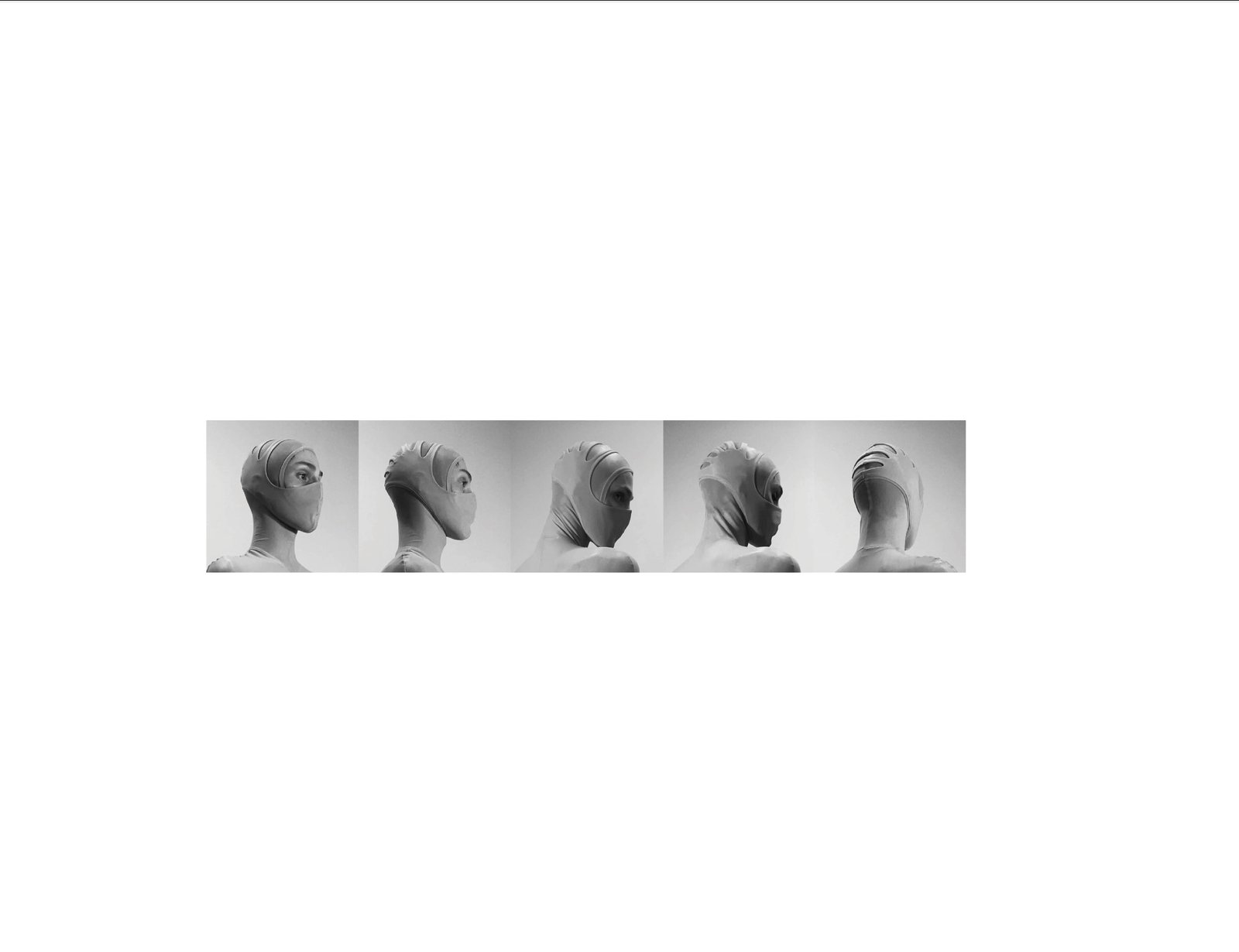
Evan Ciurca’s collection, Wounded Cloth of Man, reflects on illness, surgery, and recovery through modular construction and anatomical forms. Inspired by a latissimus dorsi muscle graft surgery his mother underwent, the work explores the body as something reshaped, adapted, and reconstructed over time. He focuses on anatomical geometries and the idea of garments possessing their own internal systems. Through transformation and reconfiguration by the wearer, the work visualises both vulnerability and resilience, treating clothing as something living rather than fixed. As he enters the industry, Ciurca is excited by the breadth of fashion and the ability to move between different creative disciplines. For him, the versatility of the field is one of its greatest strengths, allowing multiple interests to coexist within a single practice.

@eciurc

Ainsley Goldman

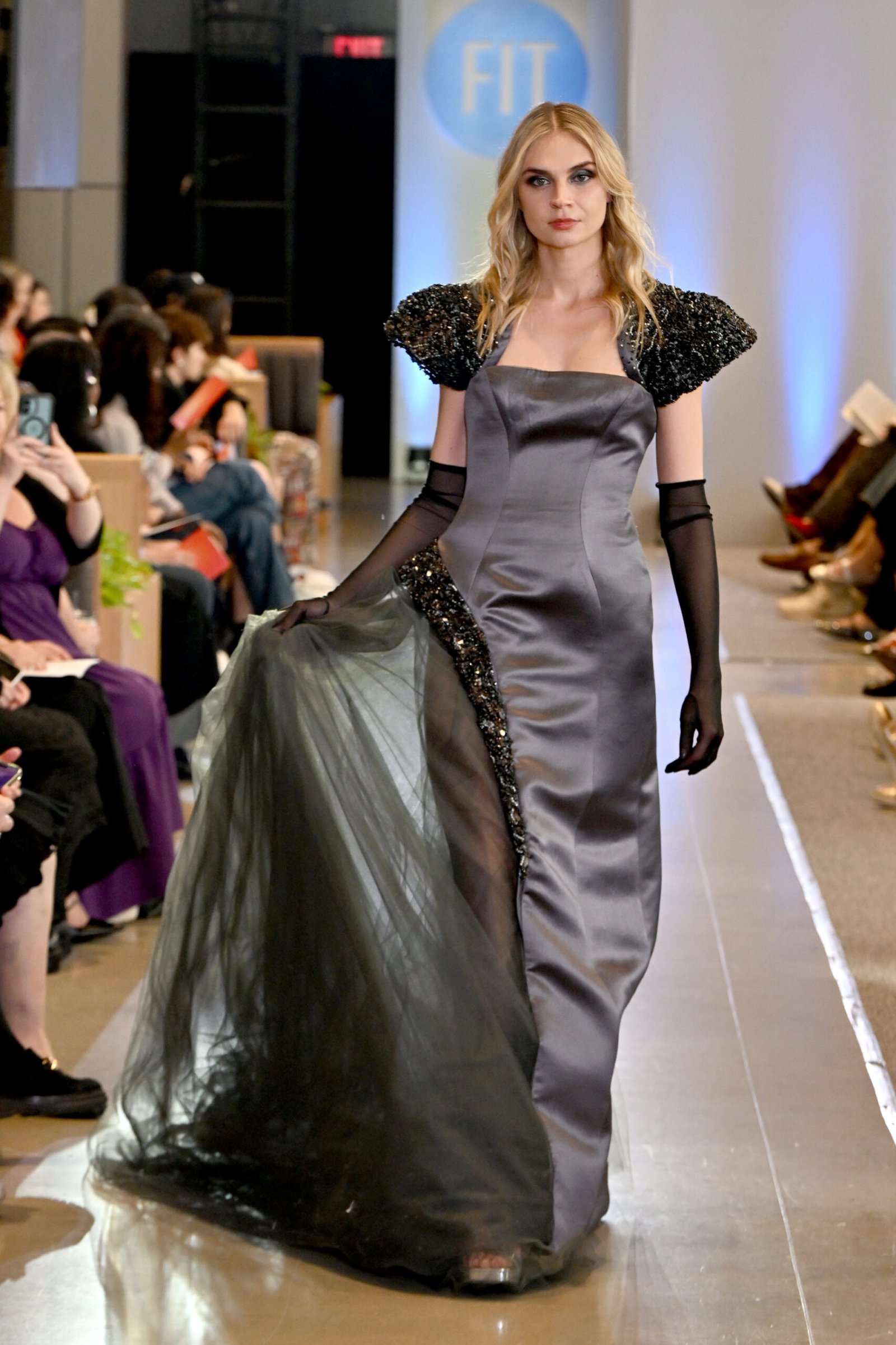
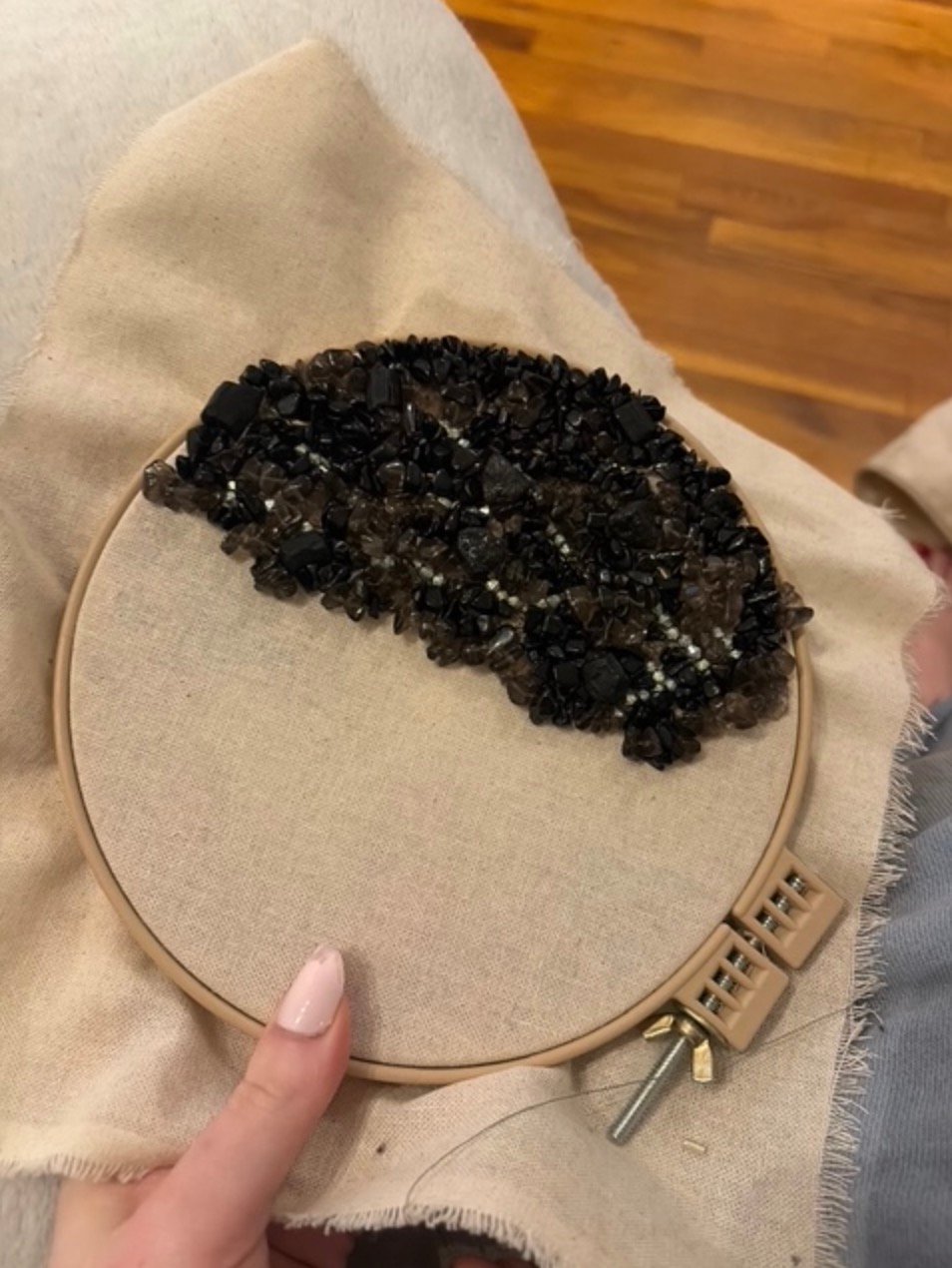
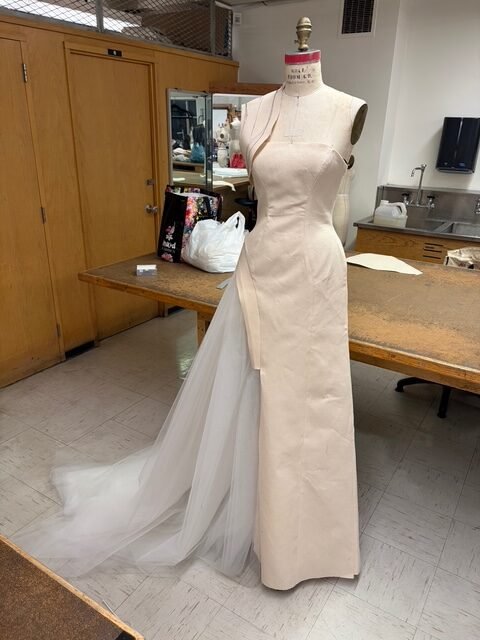
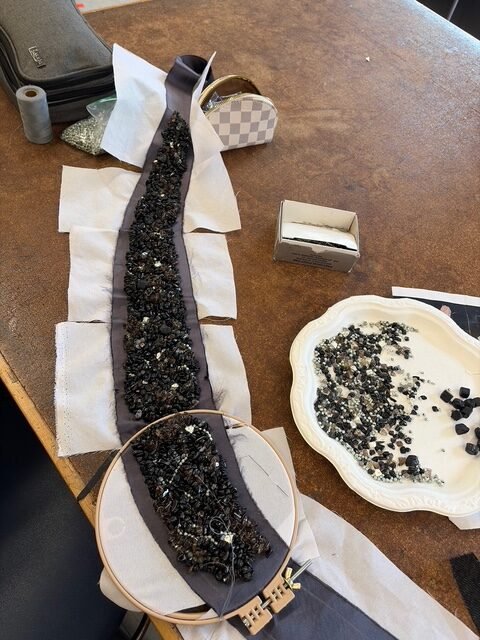
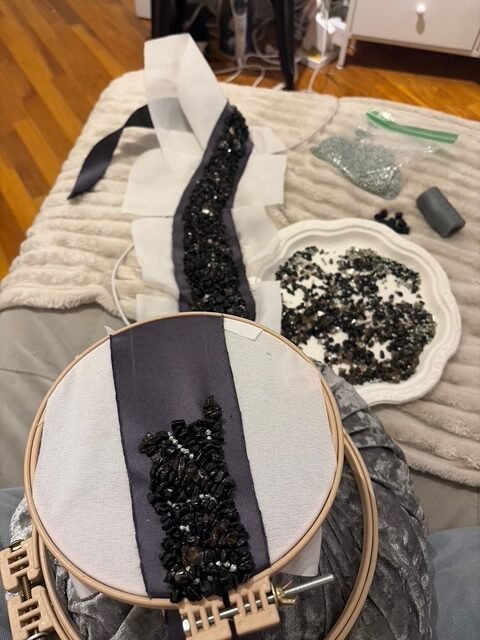
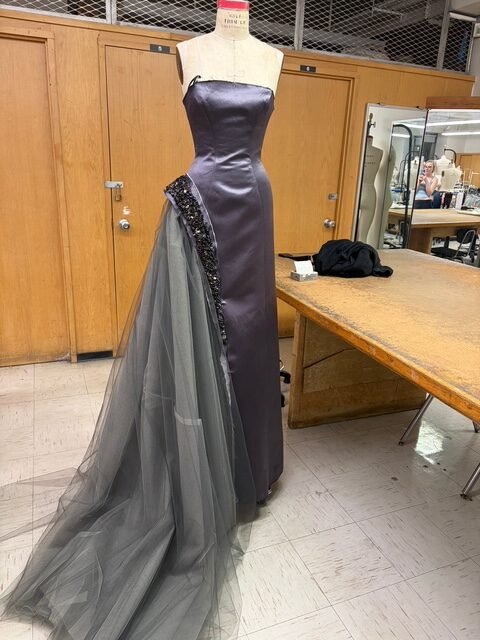
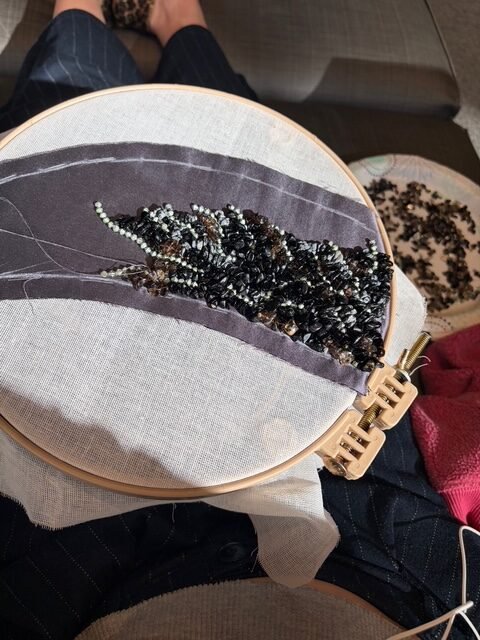
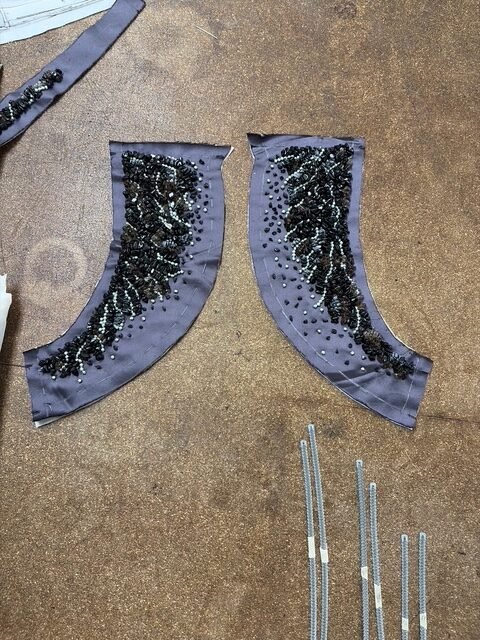
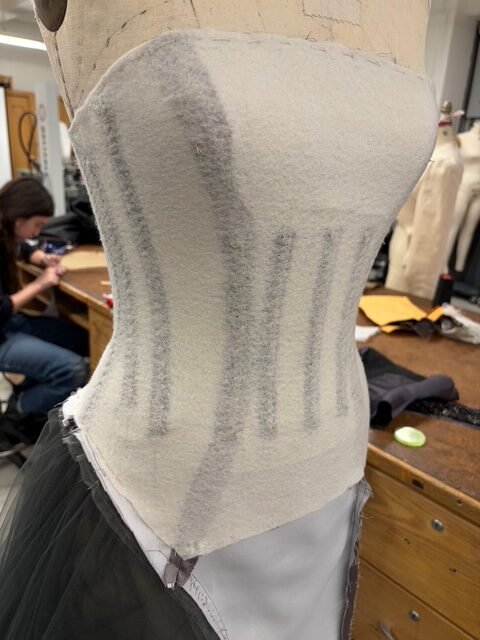
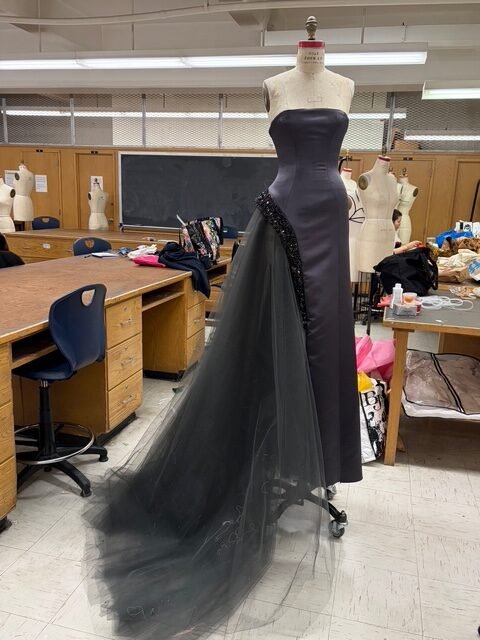
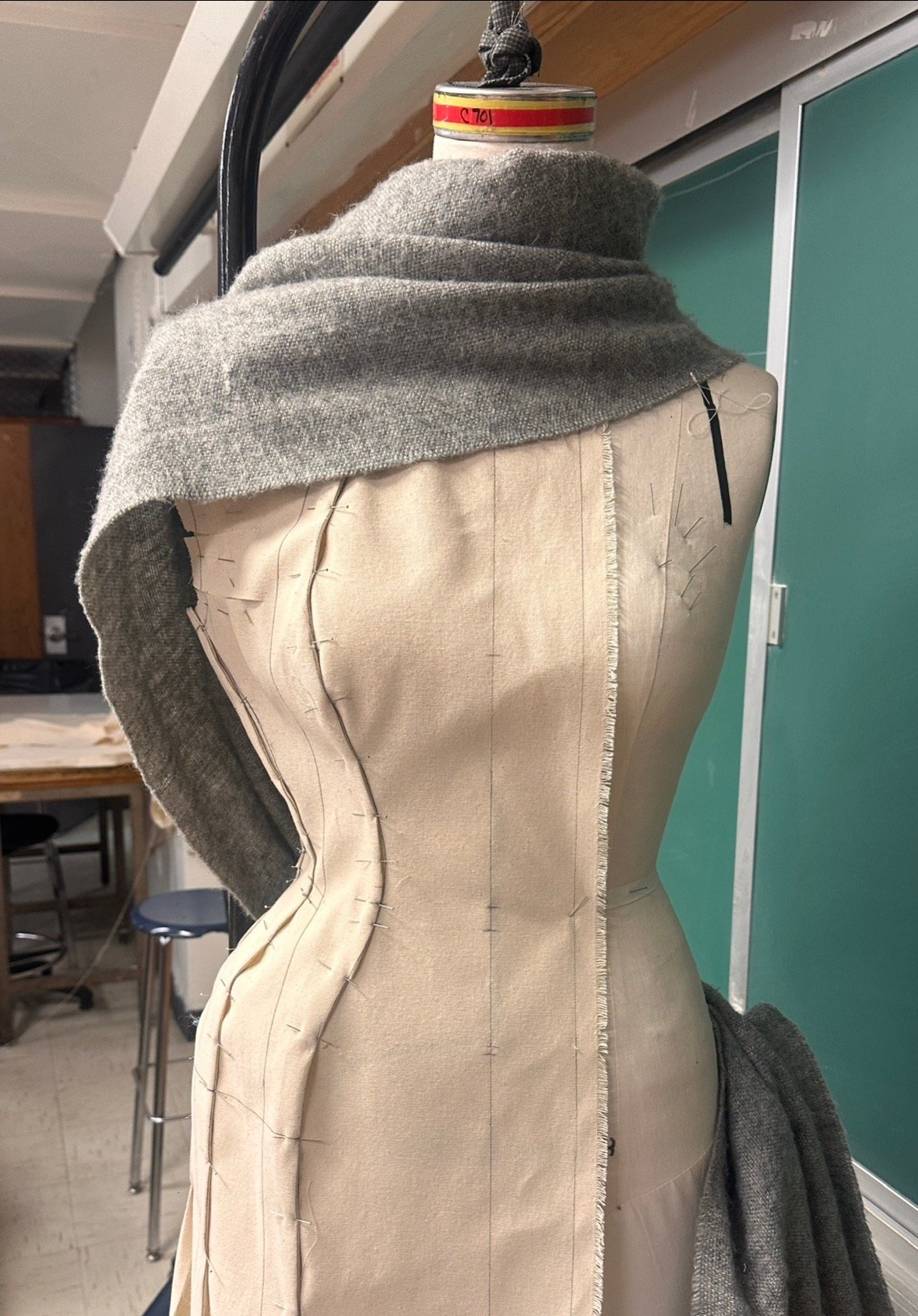
Ainsley Goldman’s collection, Heritage, explores fashion as a space where material, energy, and emotion intersect. Constructed through couture techniques, the work combines structured cashmere silk tailoring with translucent tulle, hand-beaded stones, and steel-boned foundations that balance weight, fluidity, and control. Natural stones including onyx, quartz, and pyrite are integrated throughout the garments, tracing openings and structural lines across the body. Looking ahead, Goldman is particularly interested in eveningwear and special occasion dressing, drawn to spaces centred on transformation and storytelling. Alongside this, she is focused on how heritage fashion houses can remain culturally responsive in a landscape increasingly shaped by internet culture, nostalgia, music, and shifting forms of aspiration.
@ainsleygoldmandesigns

Ellen Kim

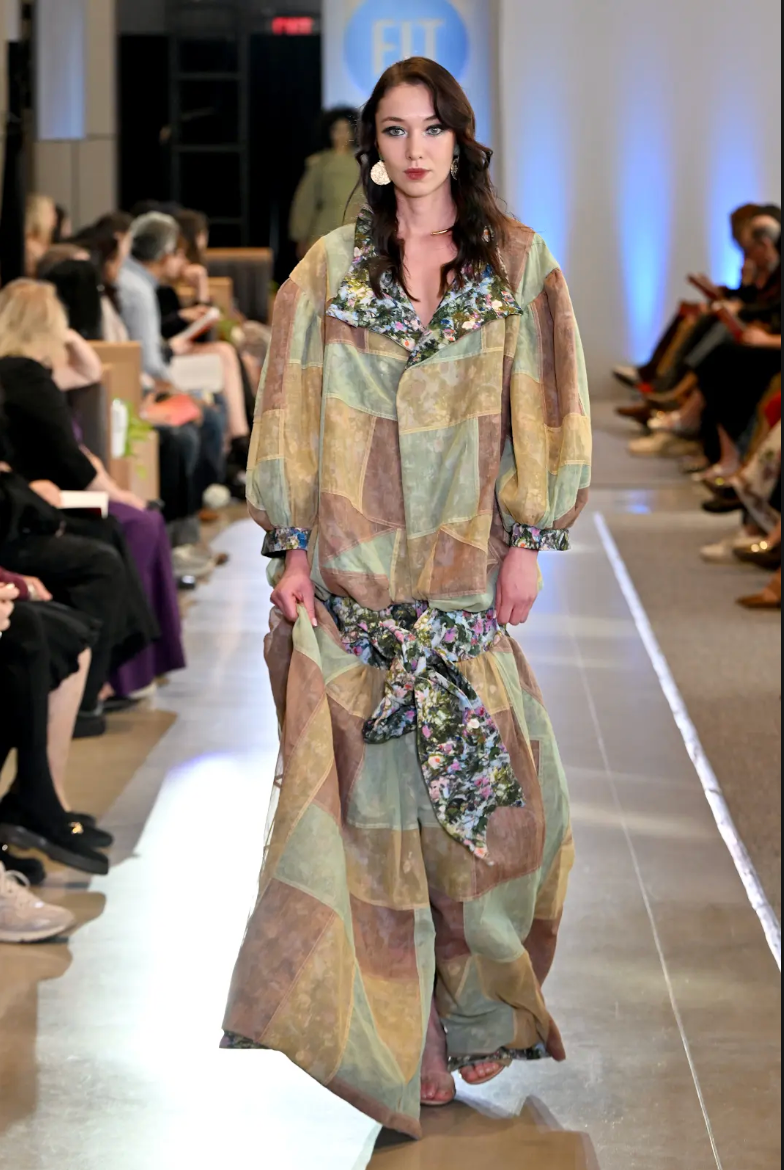
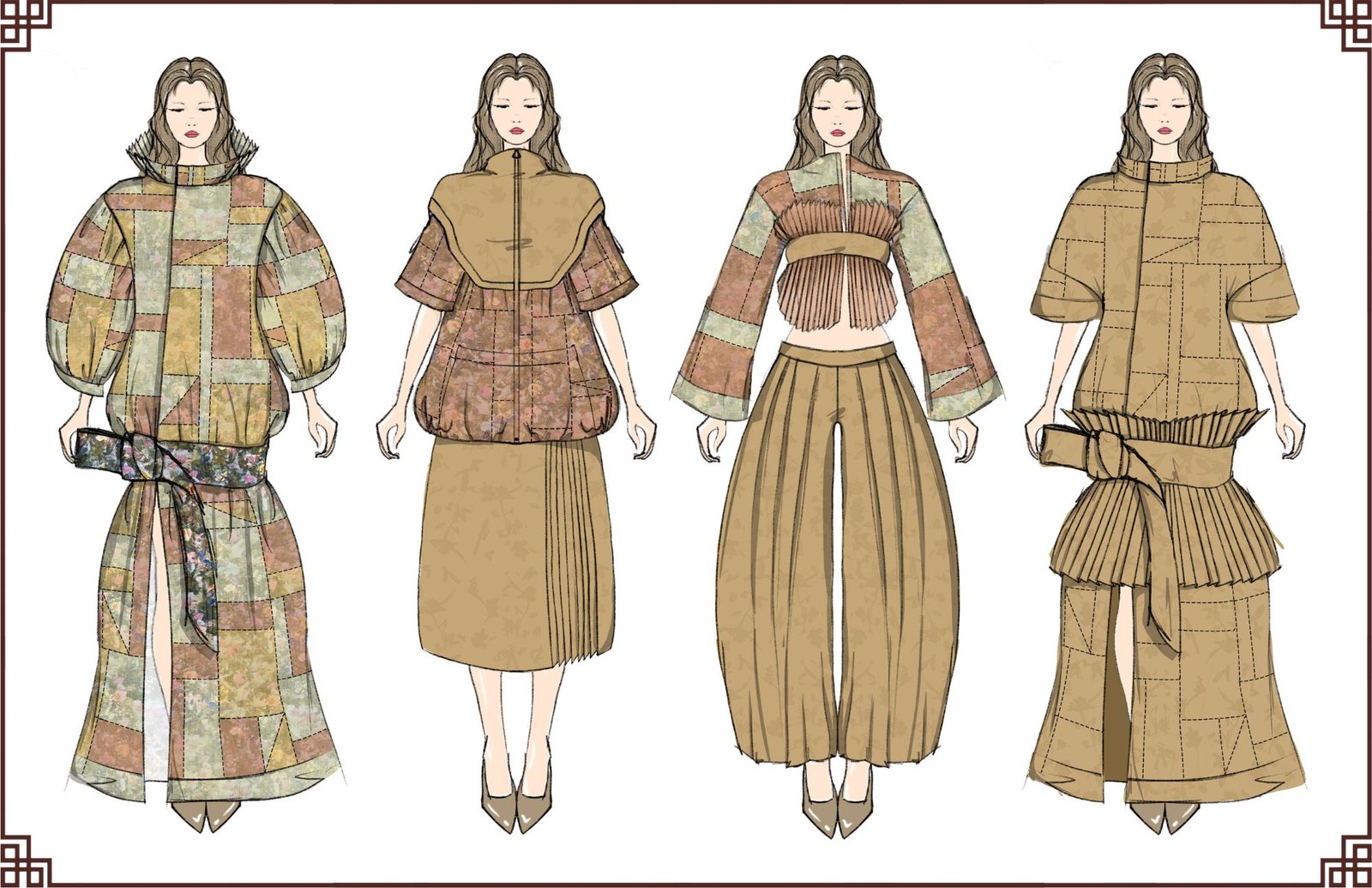
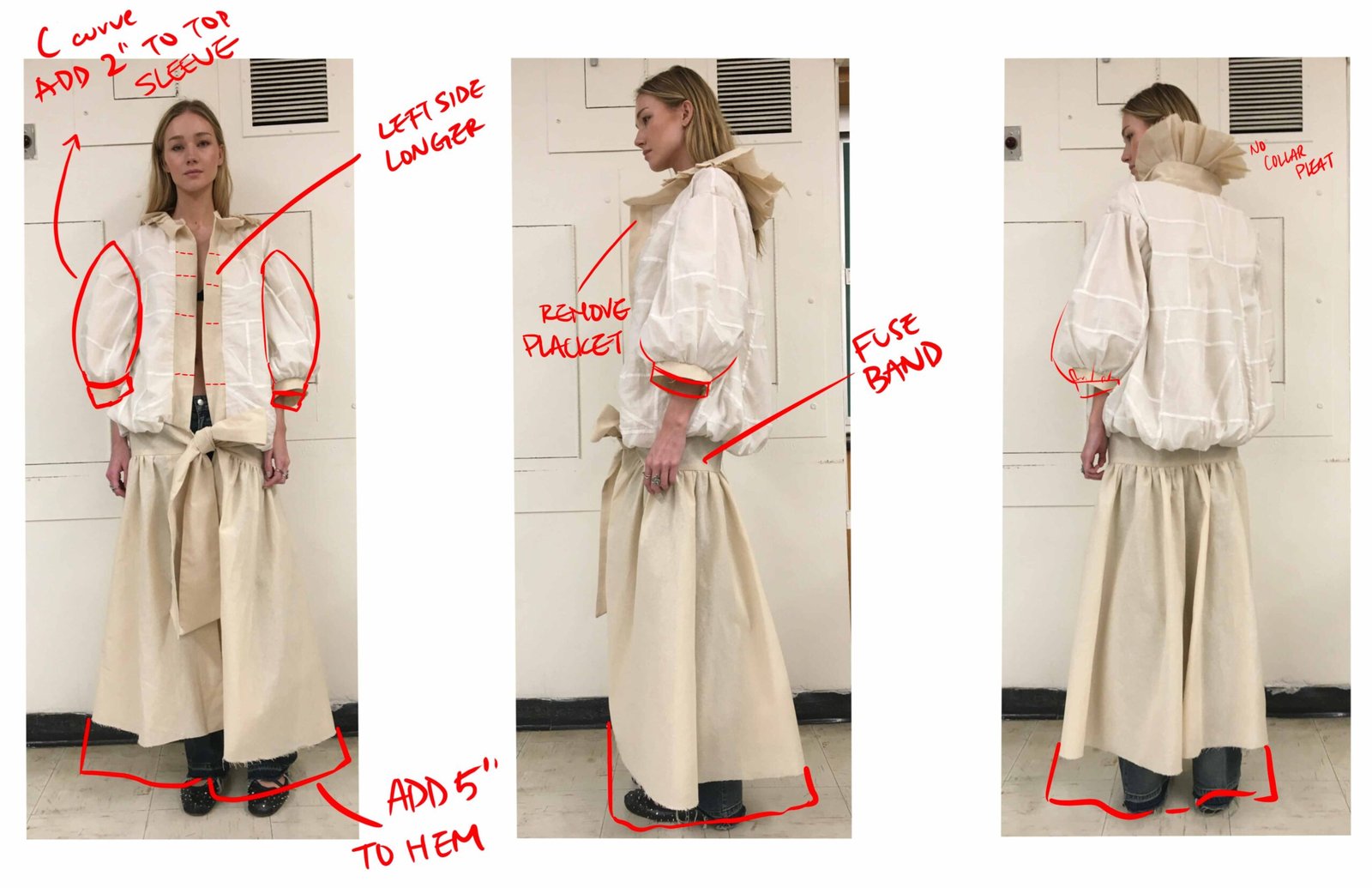
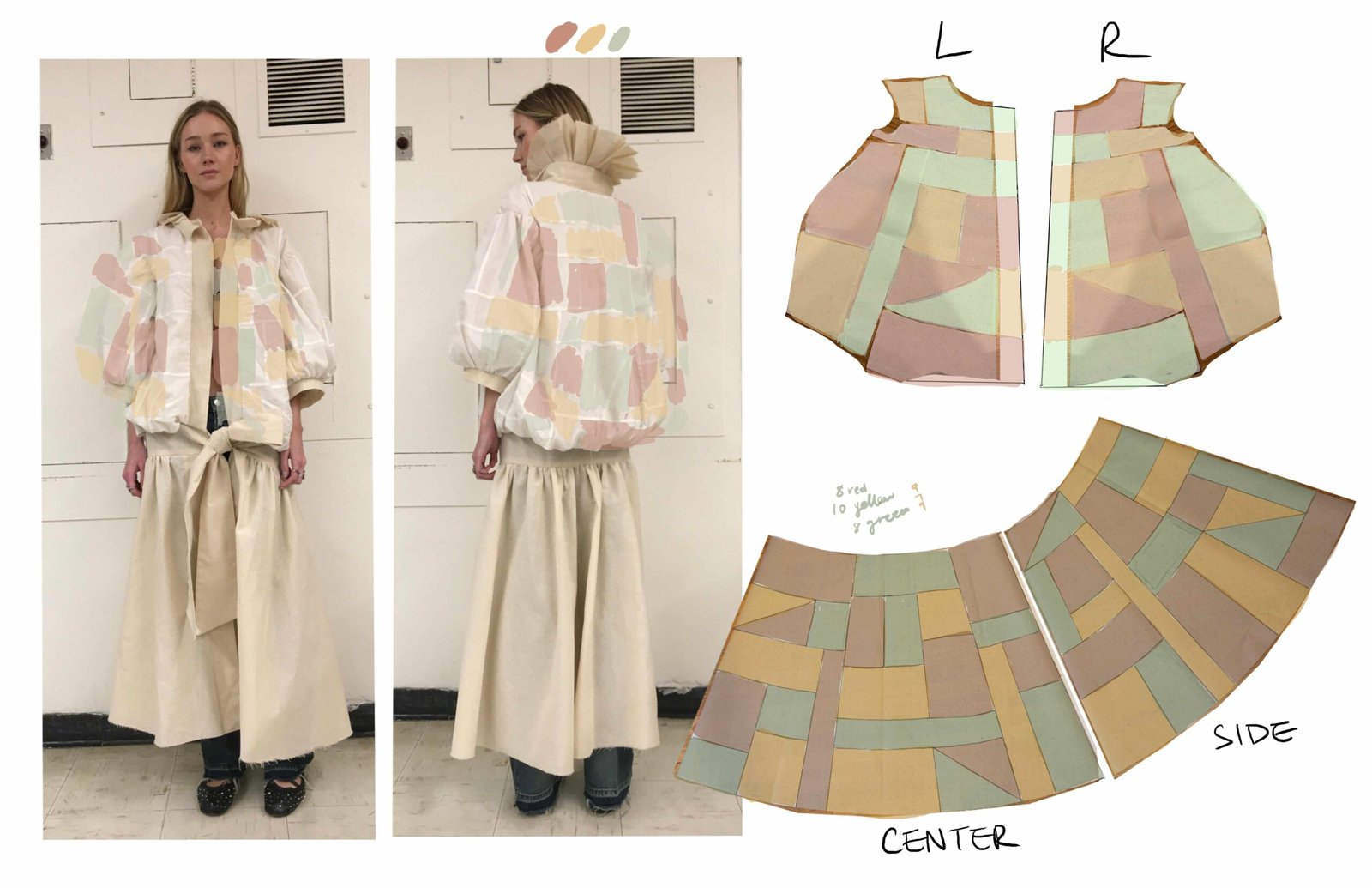
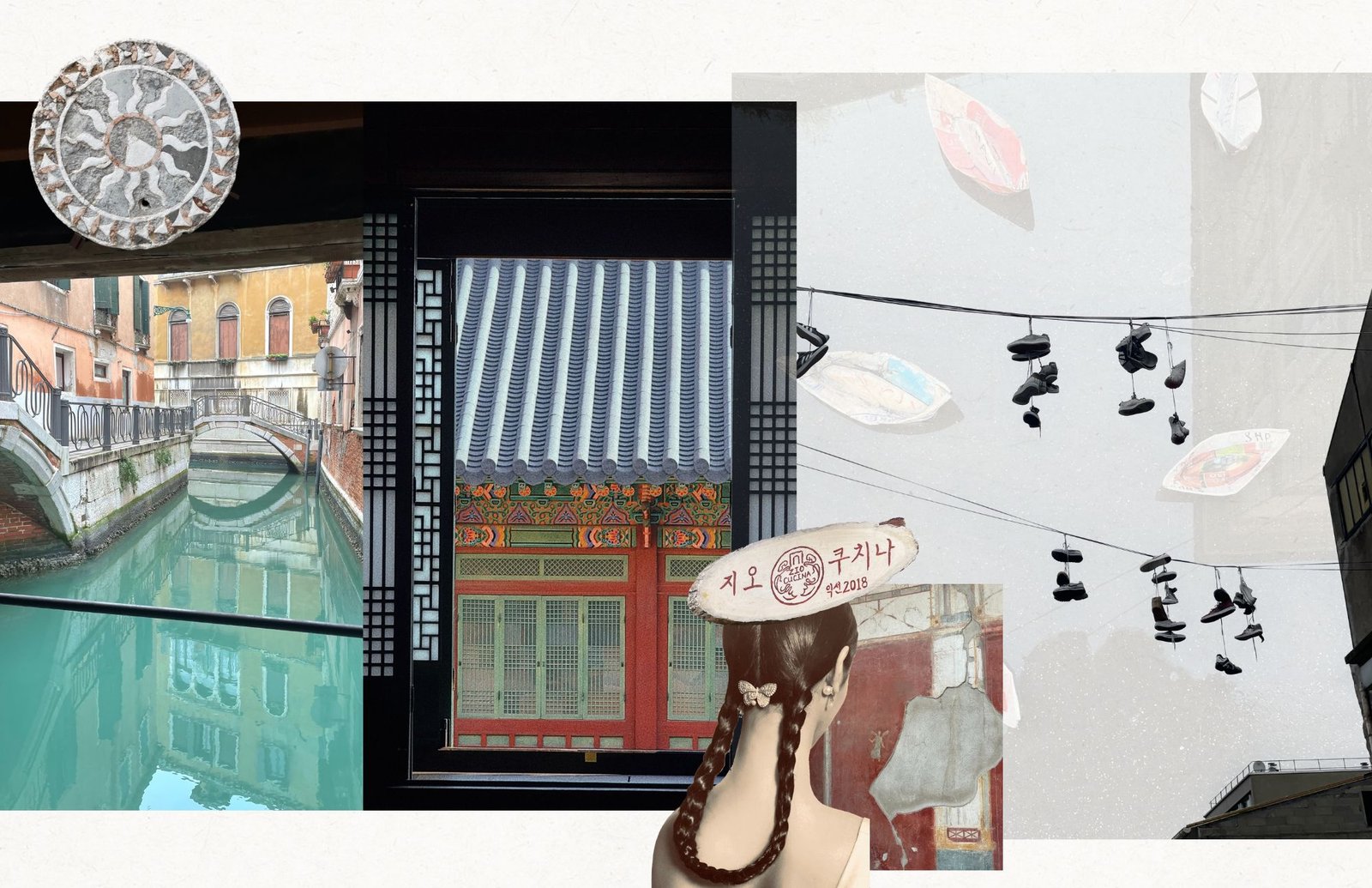
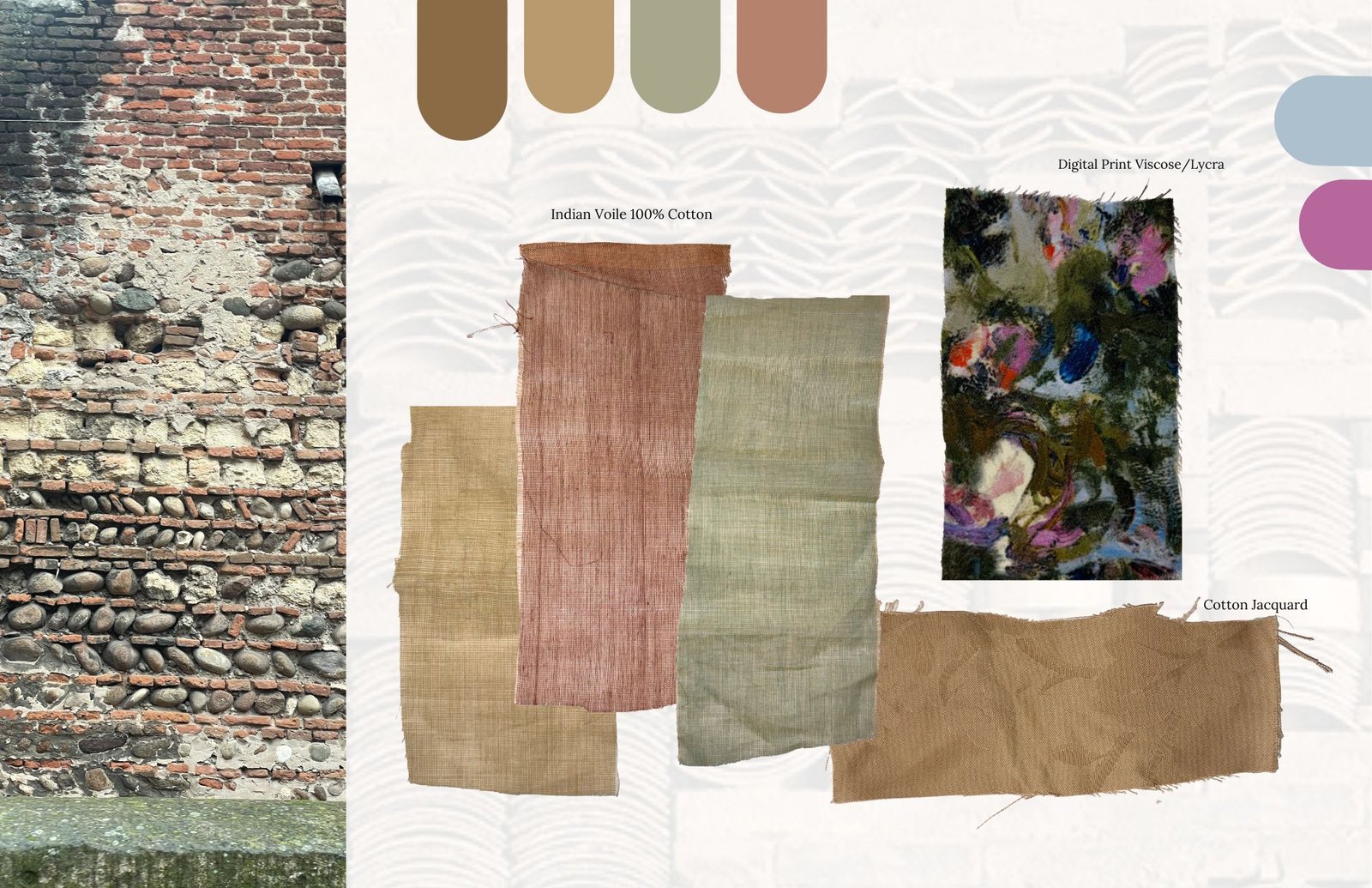
Ellen Kim’s collection, Piece by Piece, reflects her experience as a Korean-American alongside her time studying abroad in Milan. The work draws visual parallels between traditional Korean jogakbo patchwork and stained glass windows, using layering and transparency to connect cultural references across different contexts. Sheer panels joined through flat-felled seams sit over vibrant floral fabrics, allowing colour and imagery to emerge gradually through the garments. Muted cotton voile overlays contrast with brighter underlying tones, creating a balance between restraint and youthful energy. Volume and movement remain central throughout the silhouettes. Next, Kim hopes to continue designing with an emphasis on cultural diversity, quality, and longevity. She is particularly interested in encouraging more thoughtful consumption while contributing to sustainable and ethical practices within fashion.

@ellenkimm._

Beatrice (Xuan) Mak

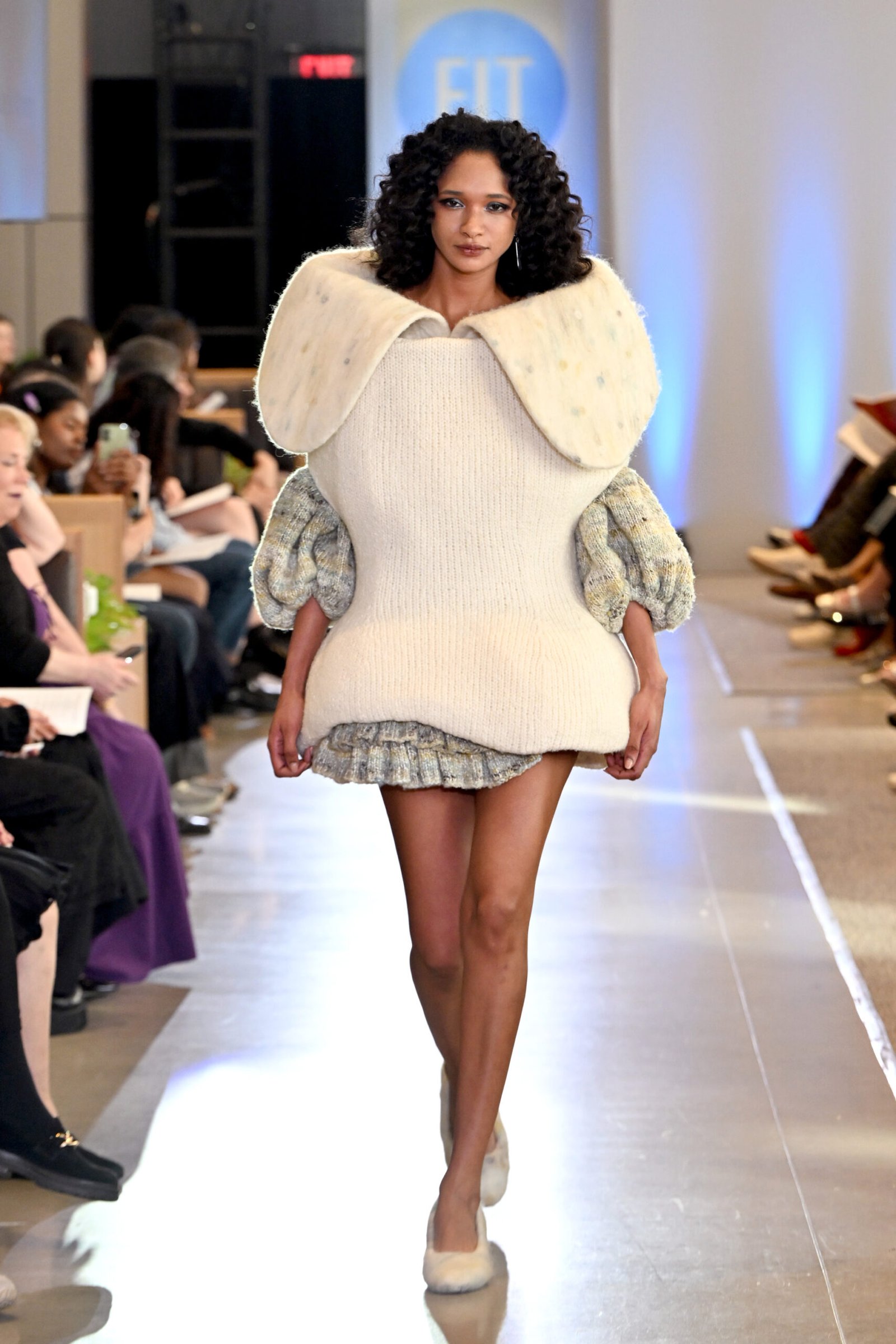
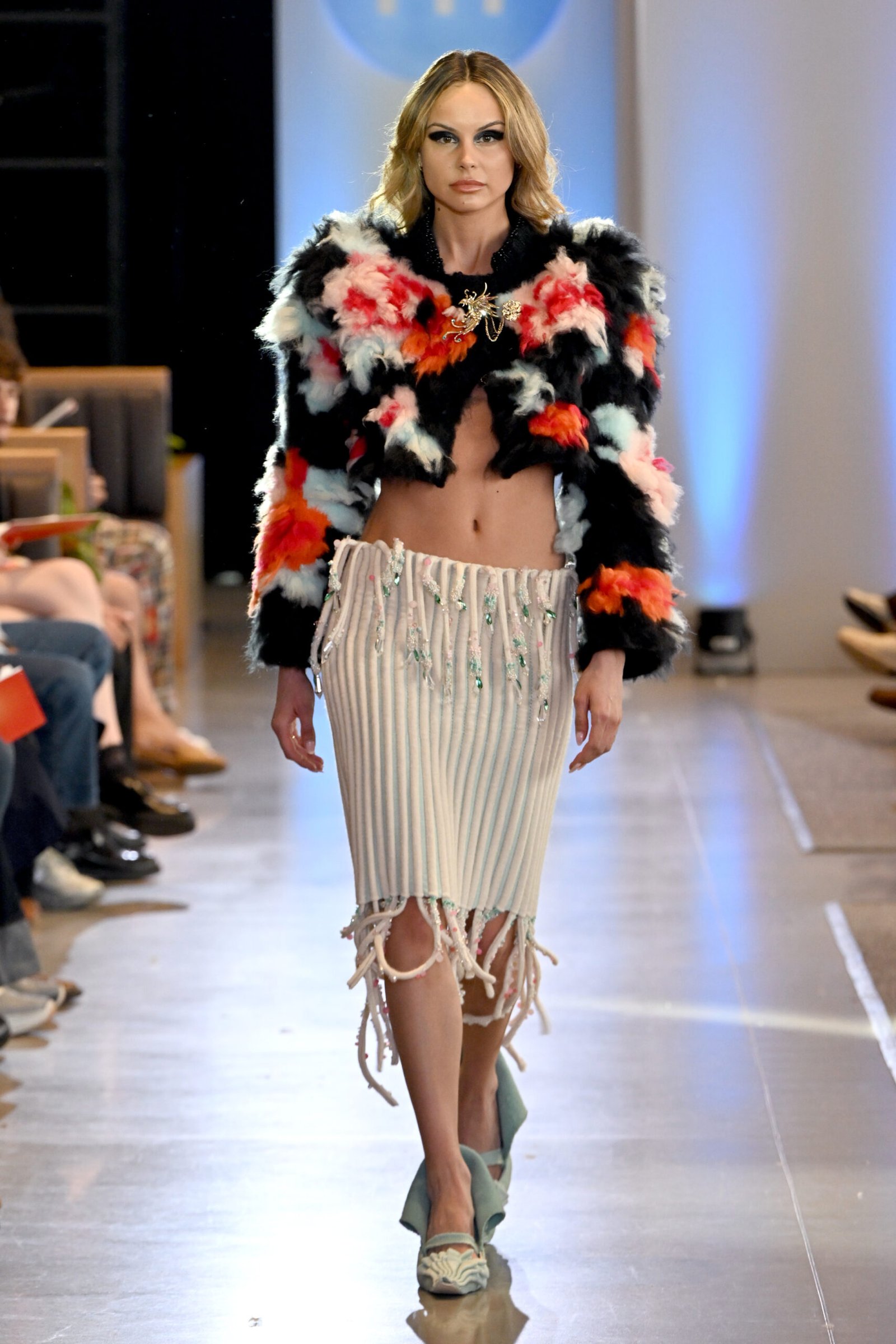
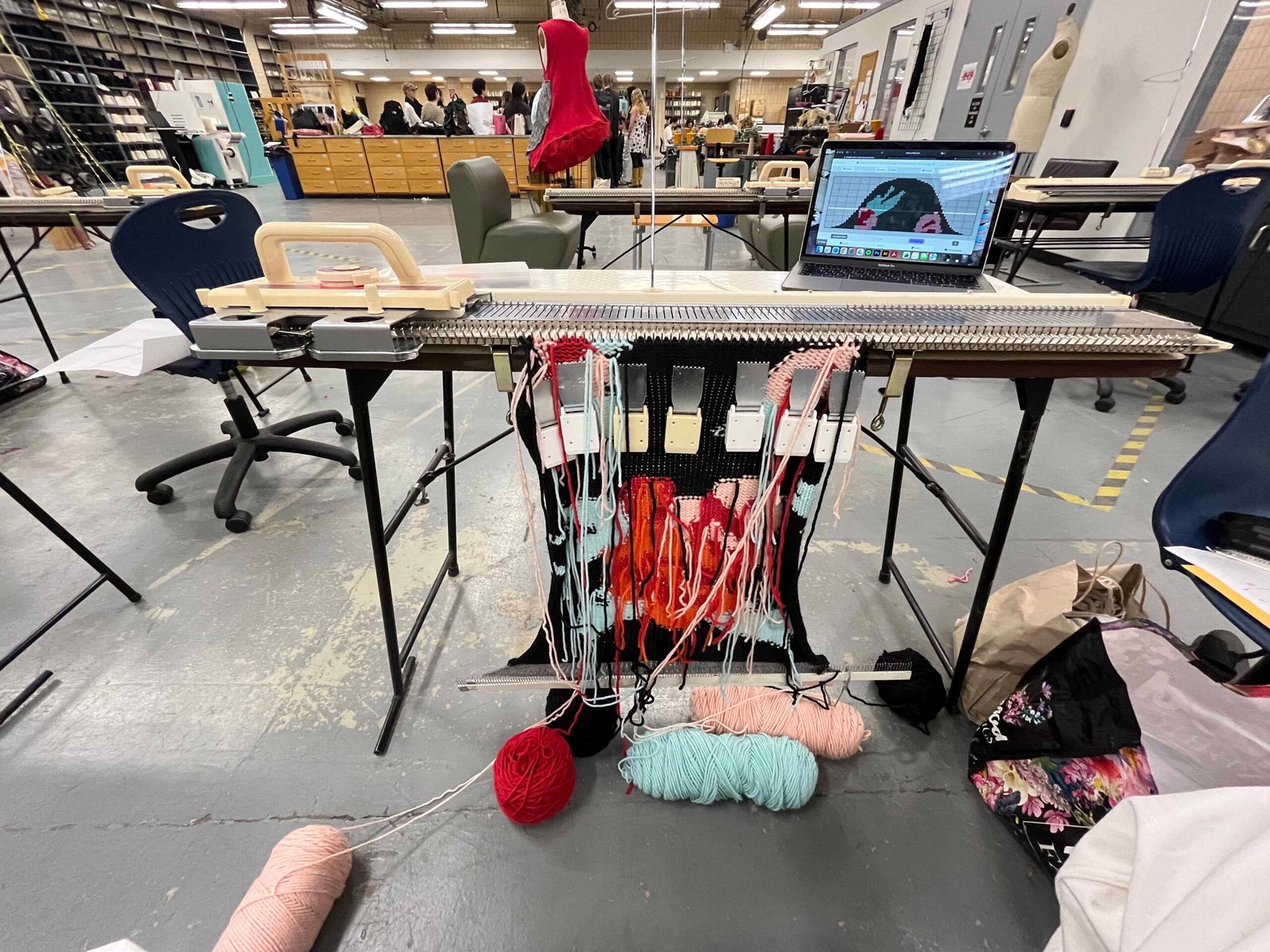
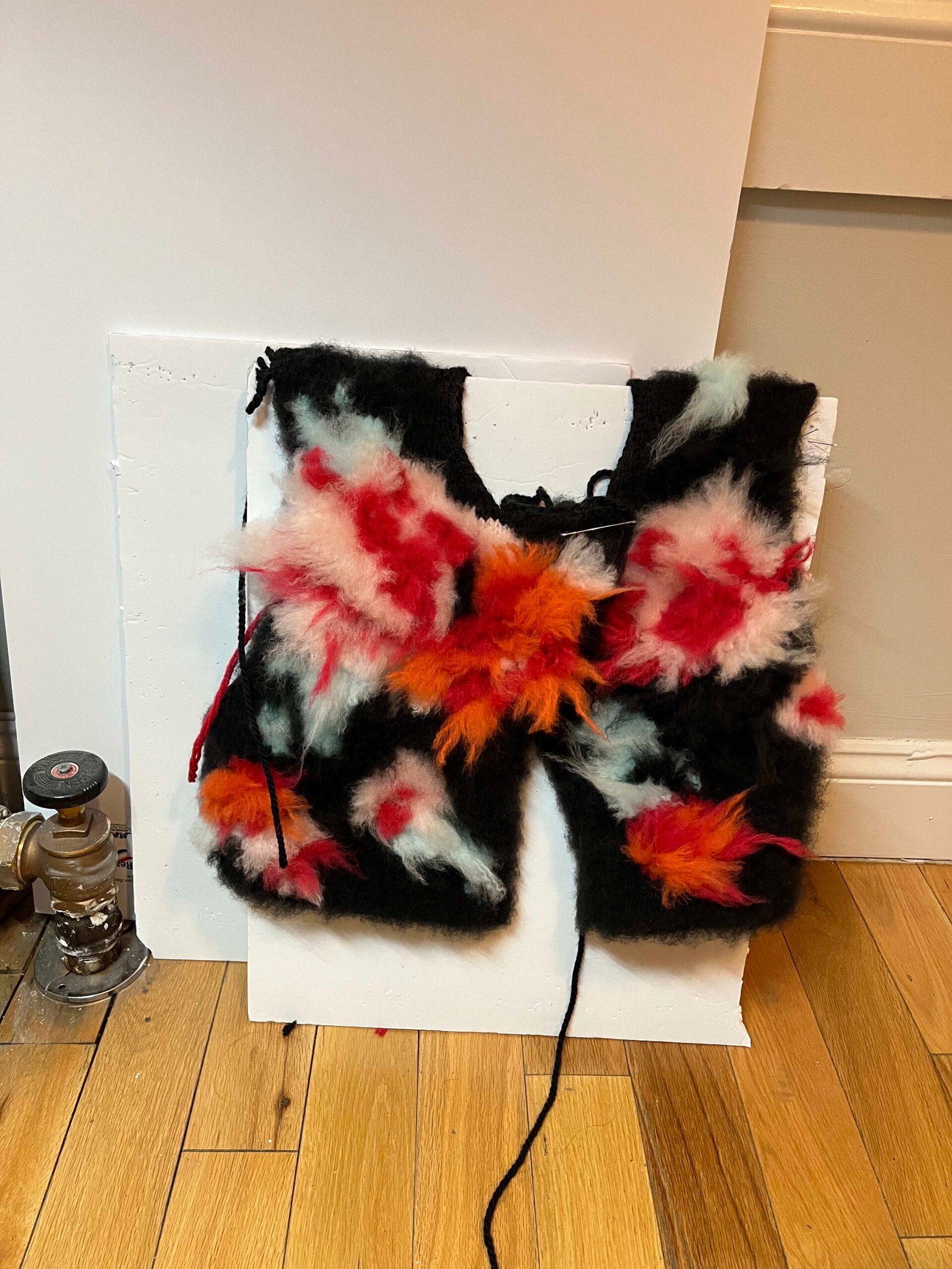
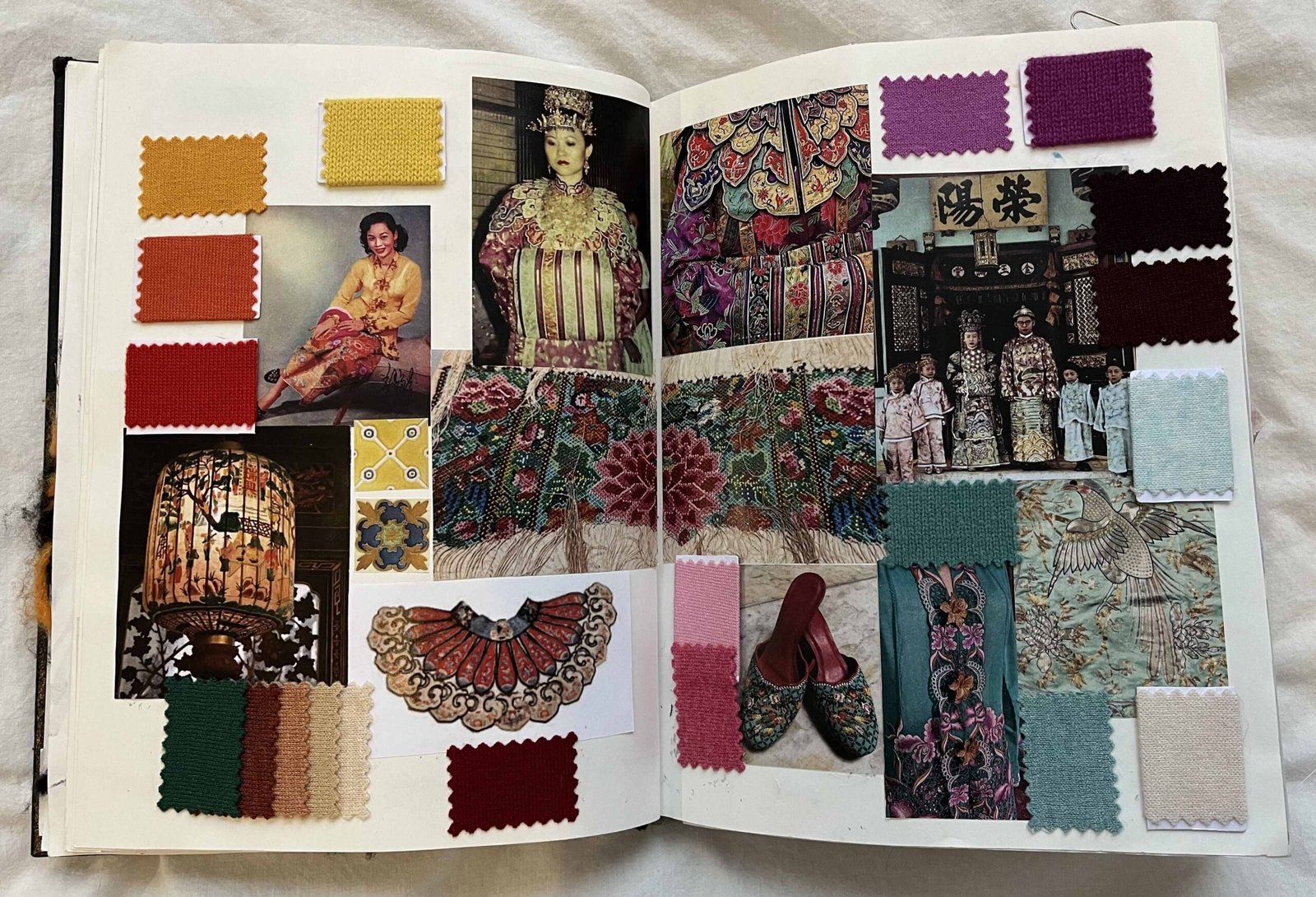
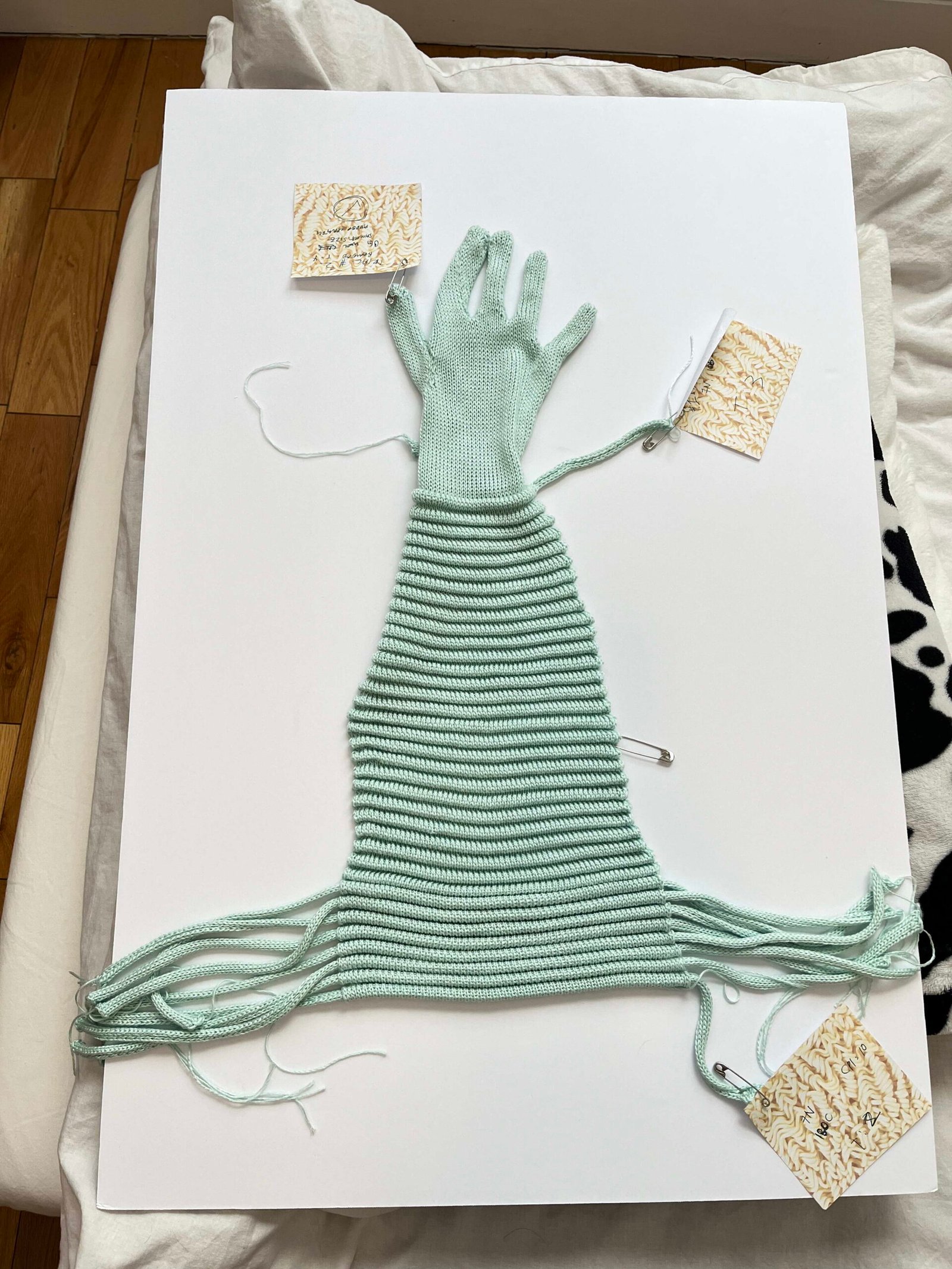
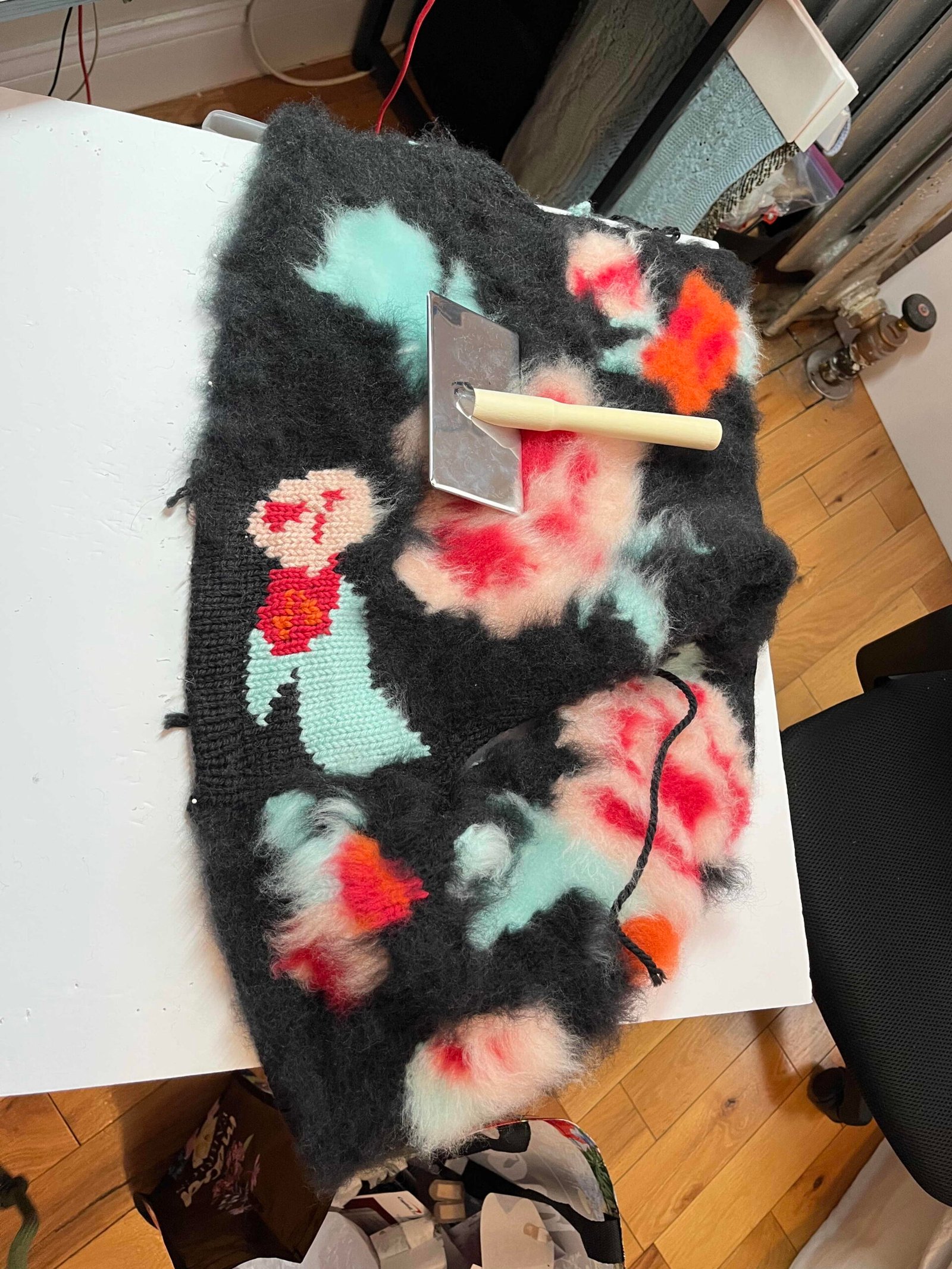
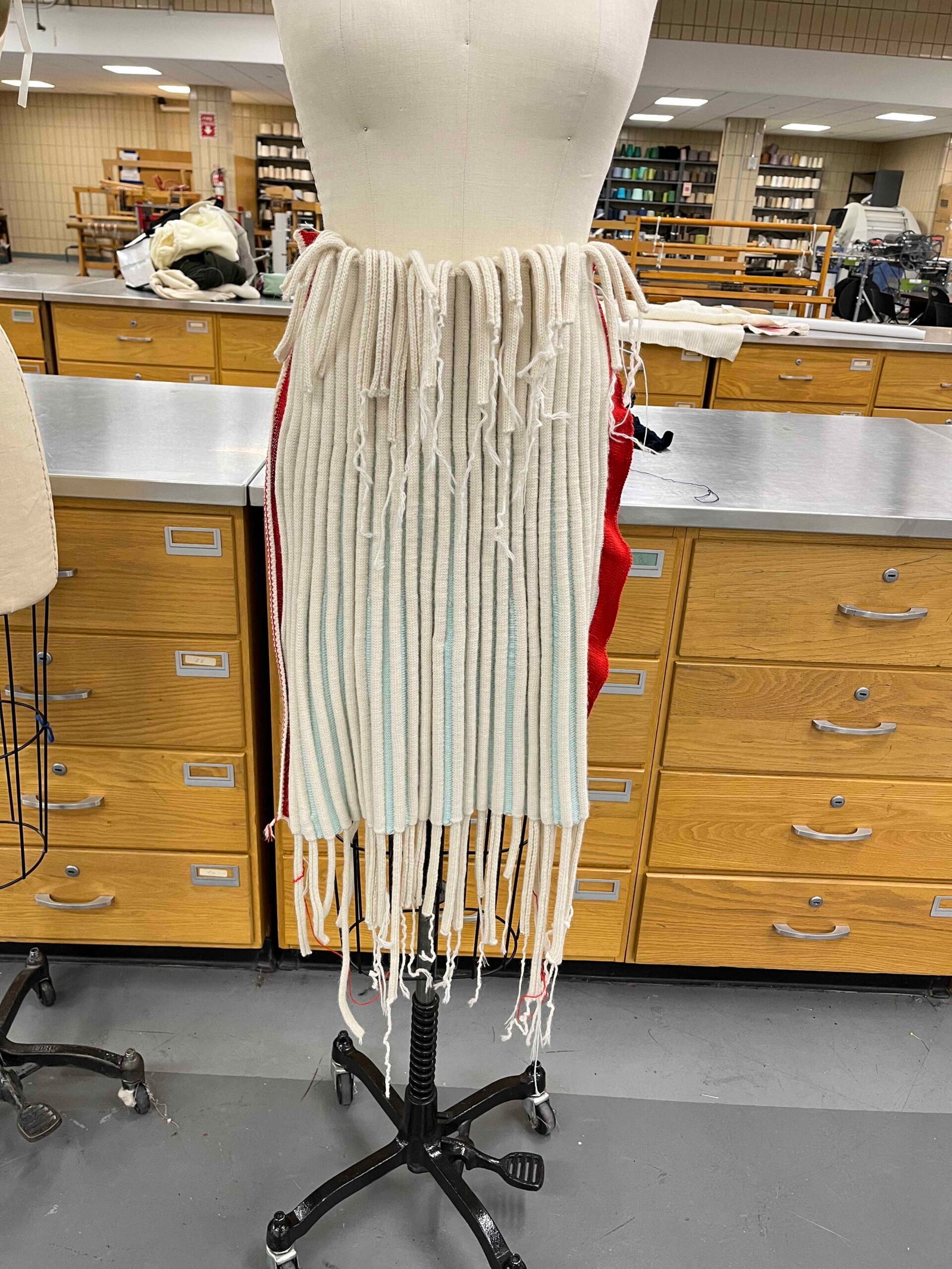
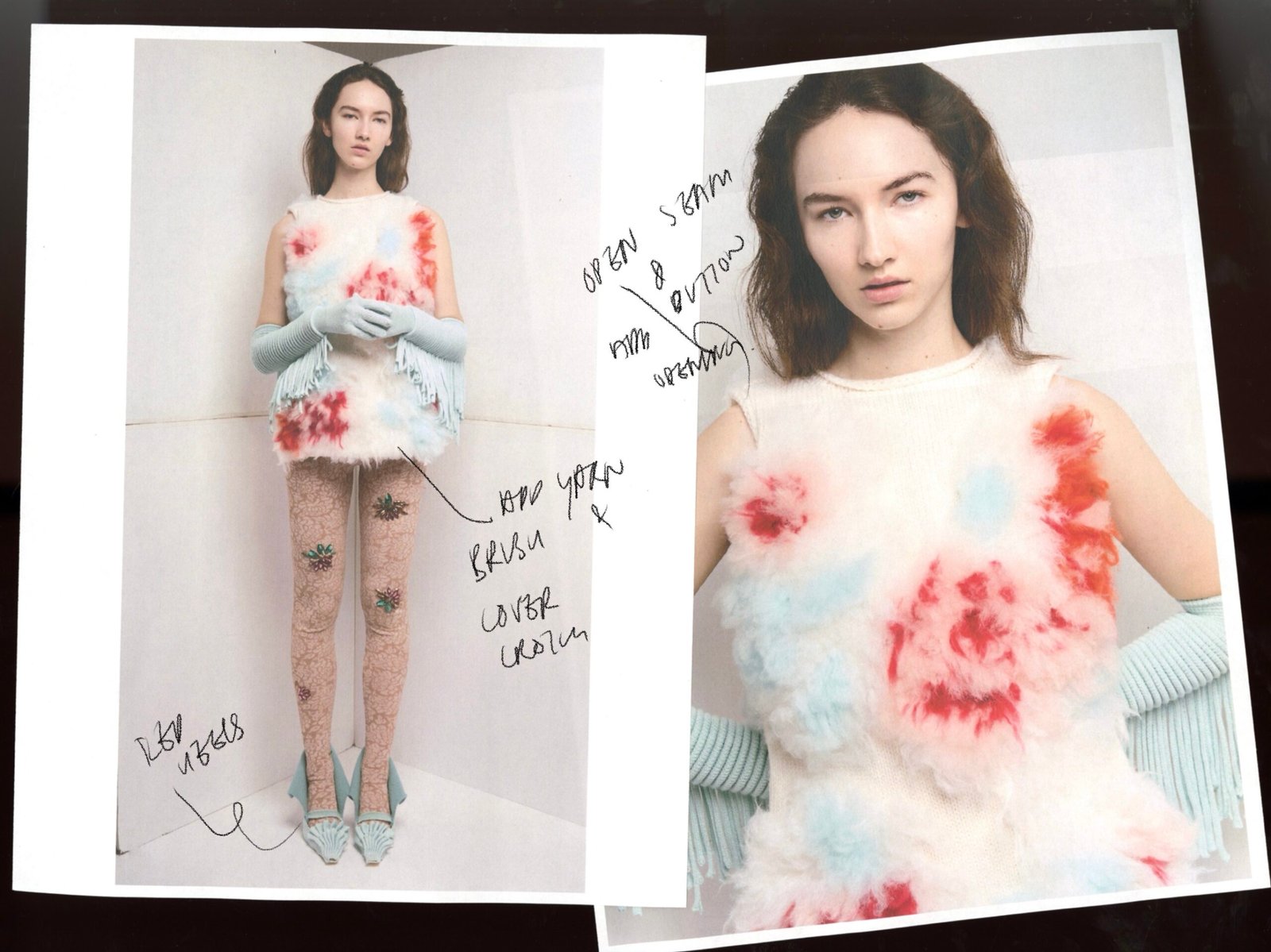
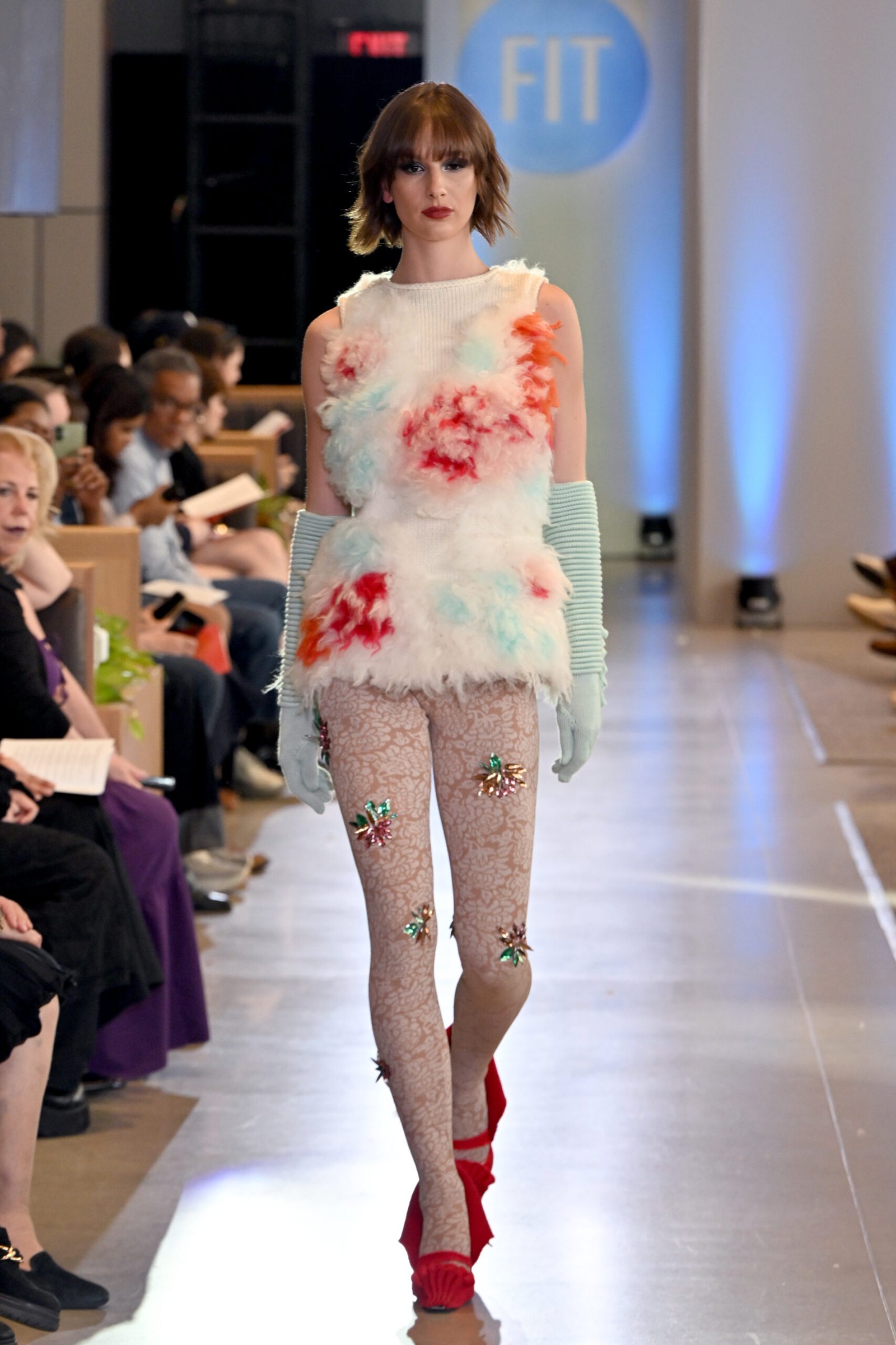
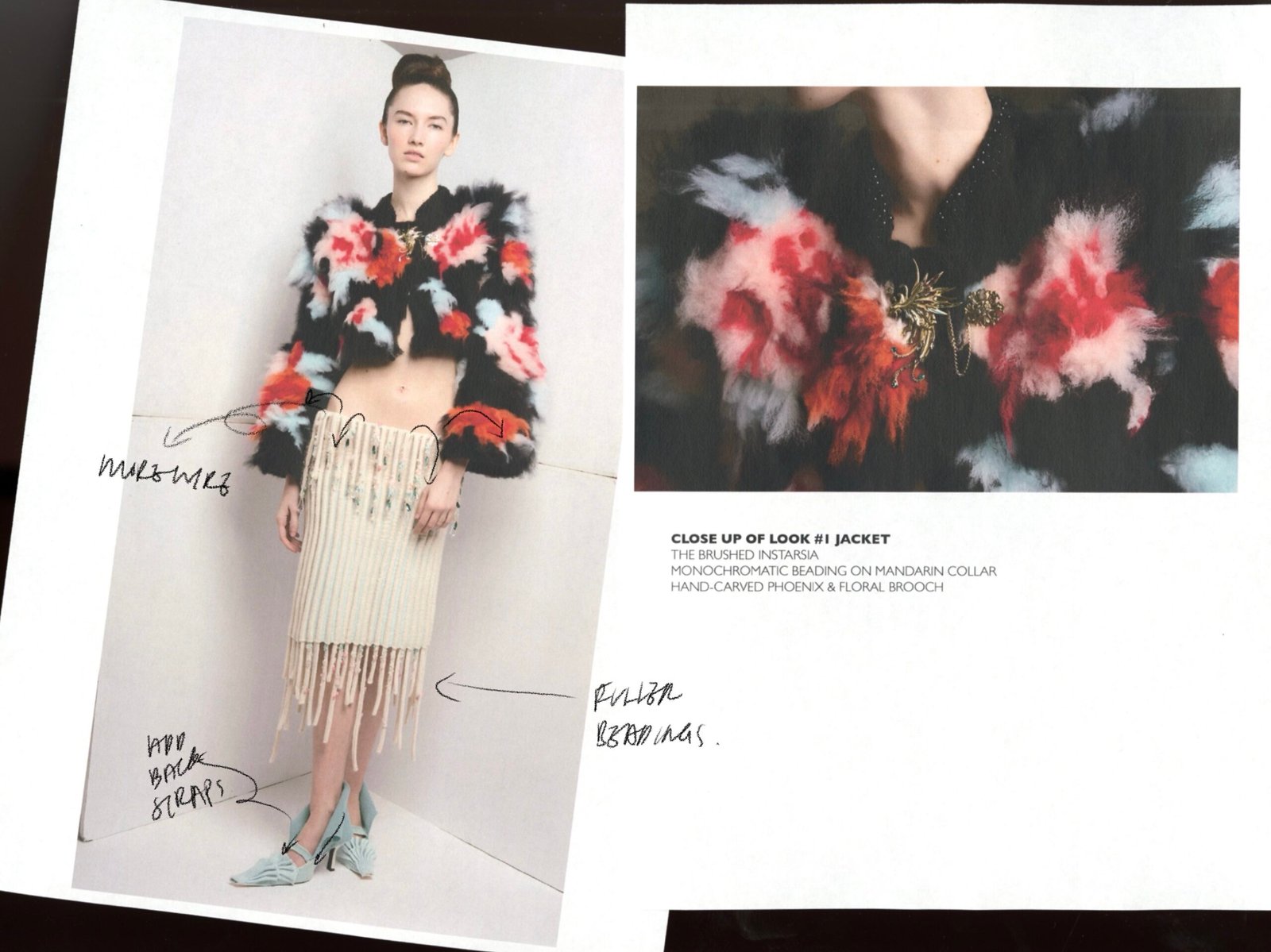
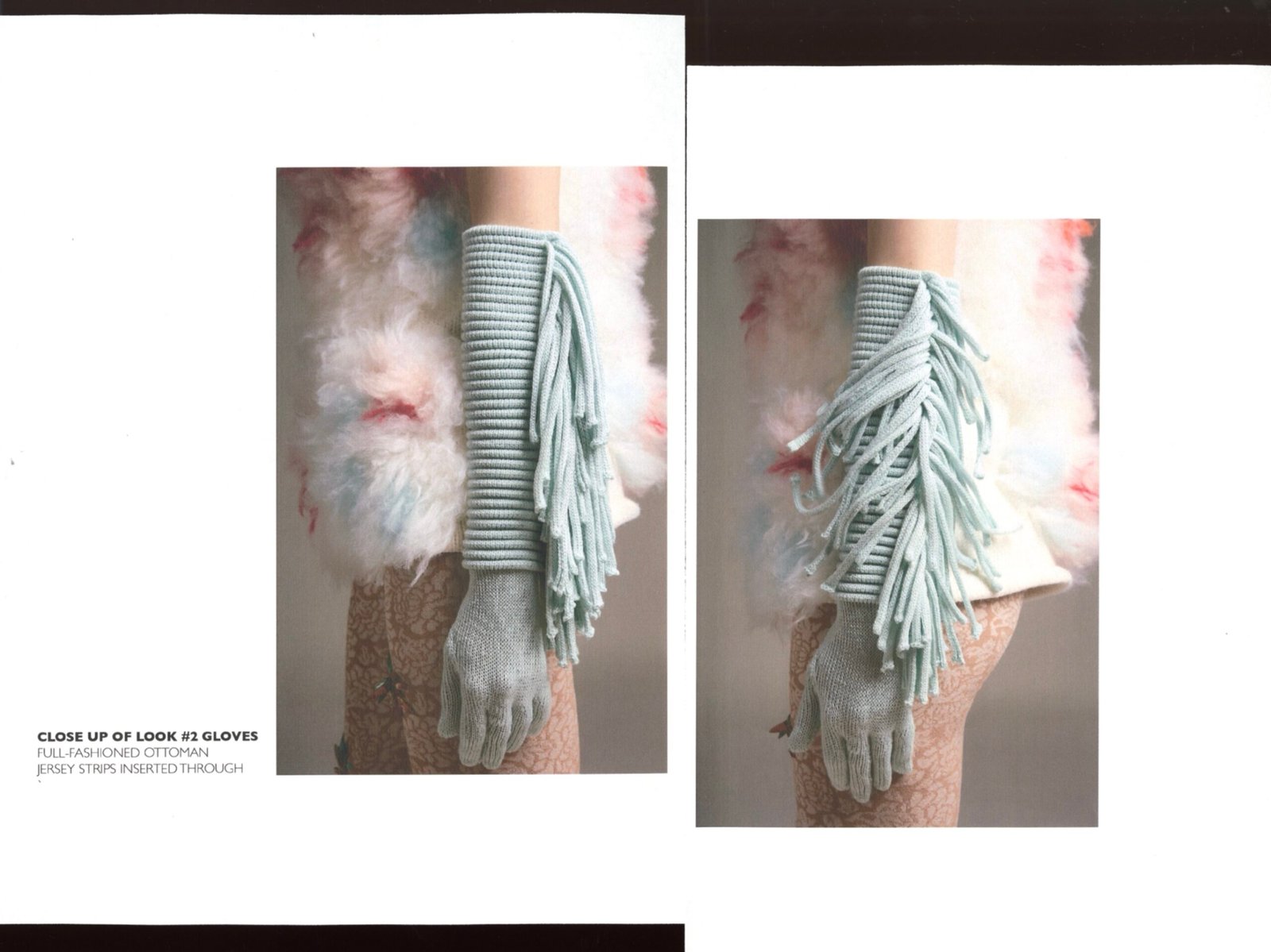
Beatrice Mak’s knitwear collection, Rasa Sayang, centres on Peranakan culture in Malaysia and the symbolic role of the peony flower within her own family history. The flower appears throughout the work as both a cultural motif and a personal reference point, connecting domestic memory with broader traditions of femininity and ornamentation. The collection combines full-fashioned knitwear techniques developed on both flatbed and industrial knitting machines with processes including intarsia, rug-hooking, brushing, ottoman knitting, and short-row construction. Mak speaks about design as an intimate exchange between creatives, shaped by shared inspiration and craft. At the same time, she hopes to see stronger support for emerging designers, particularly through fair recognition and compensation for creative labour.

@potabeaa

Jonathan Marroquin

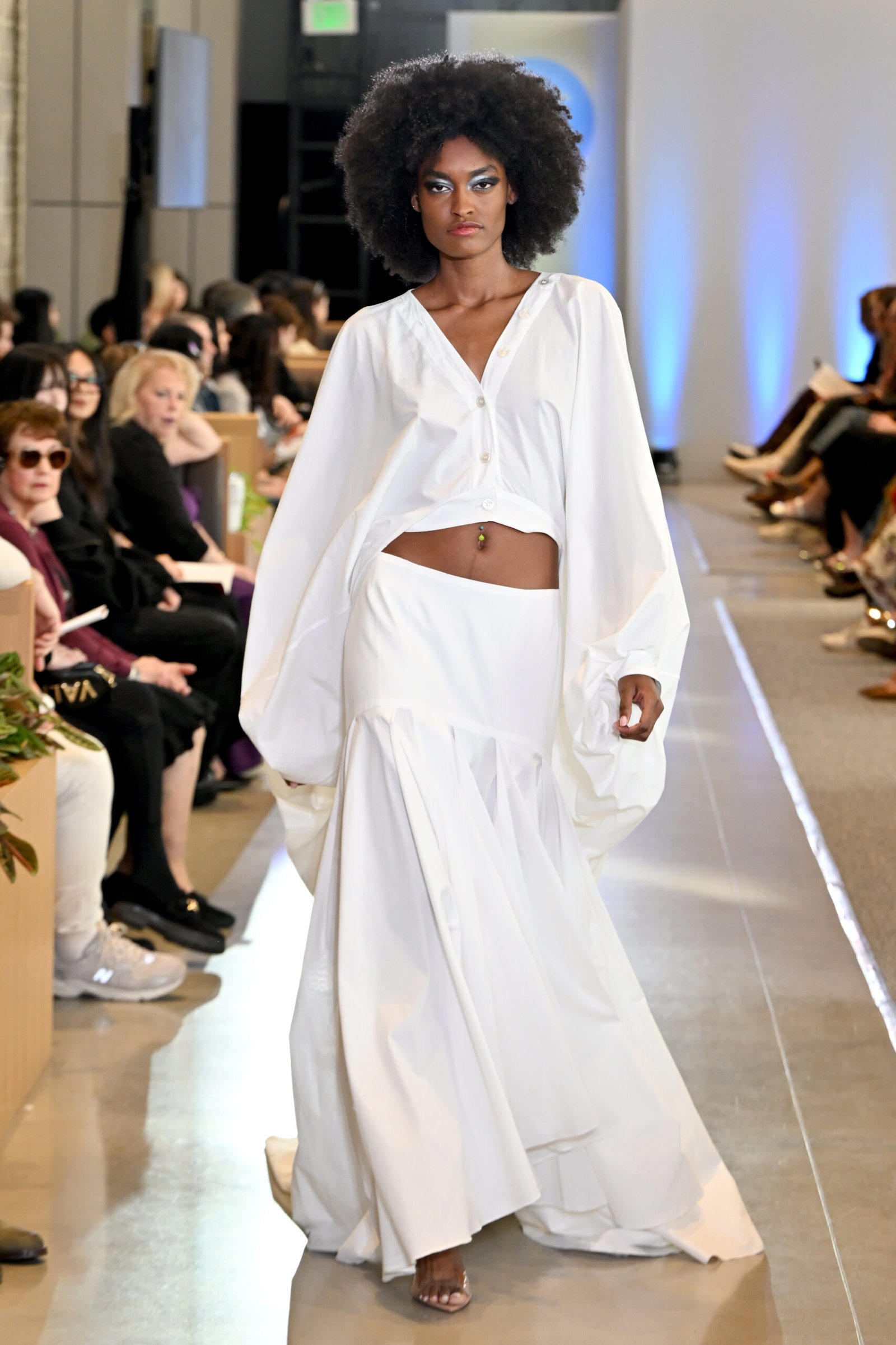
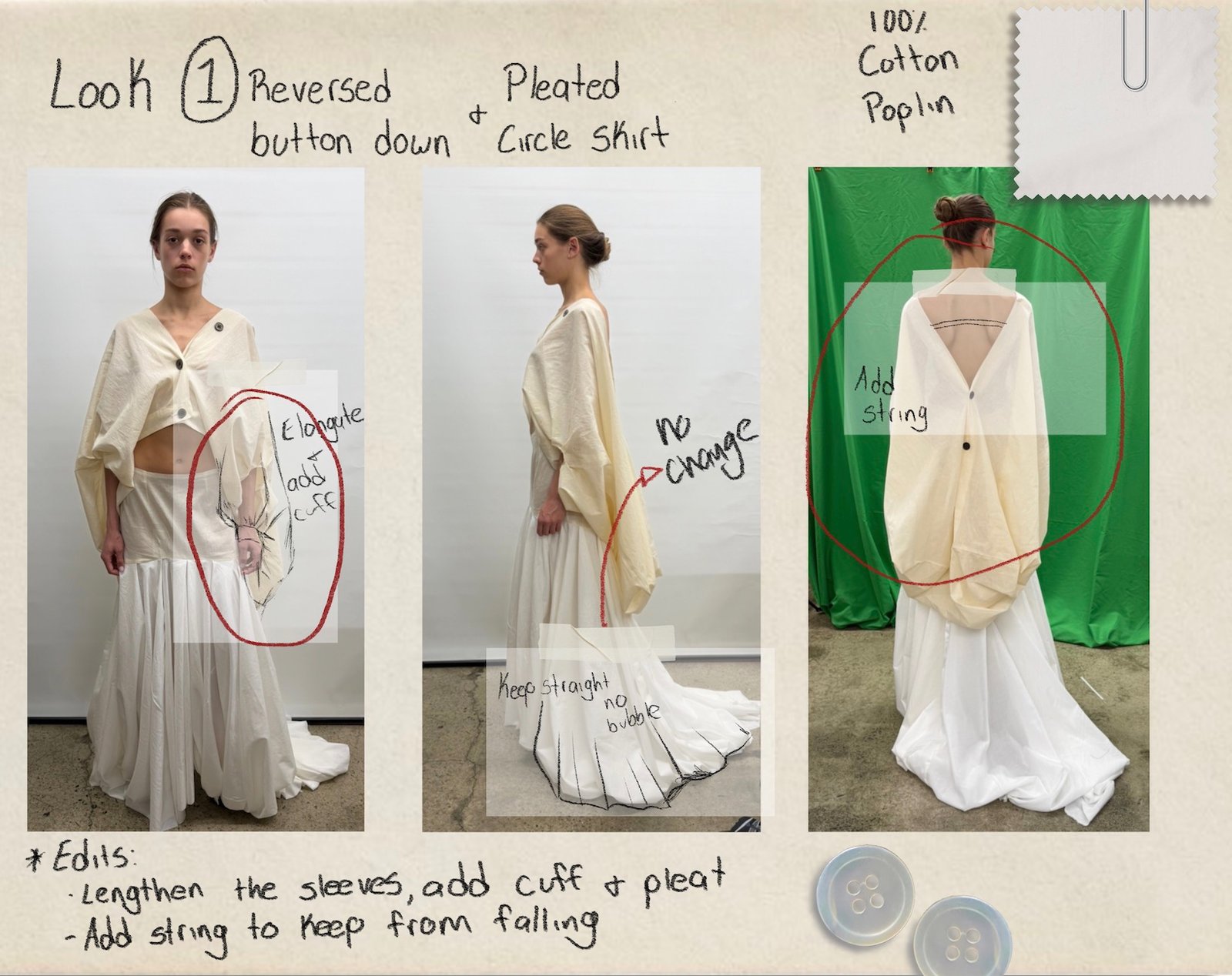
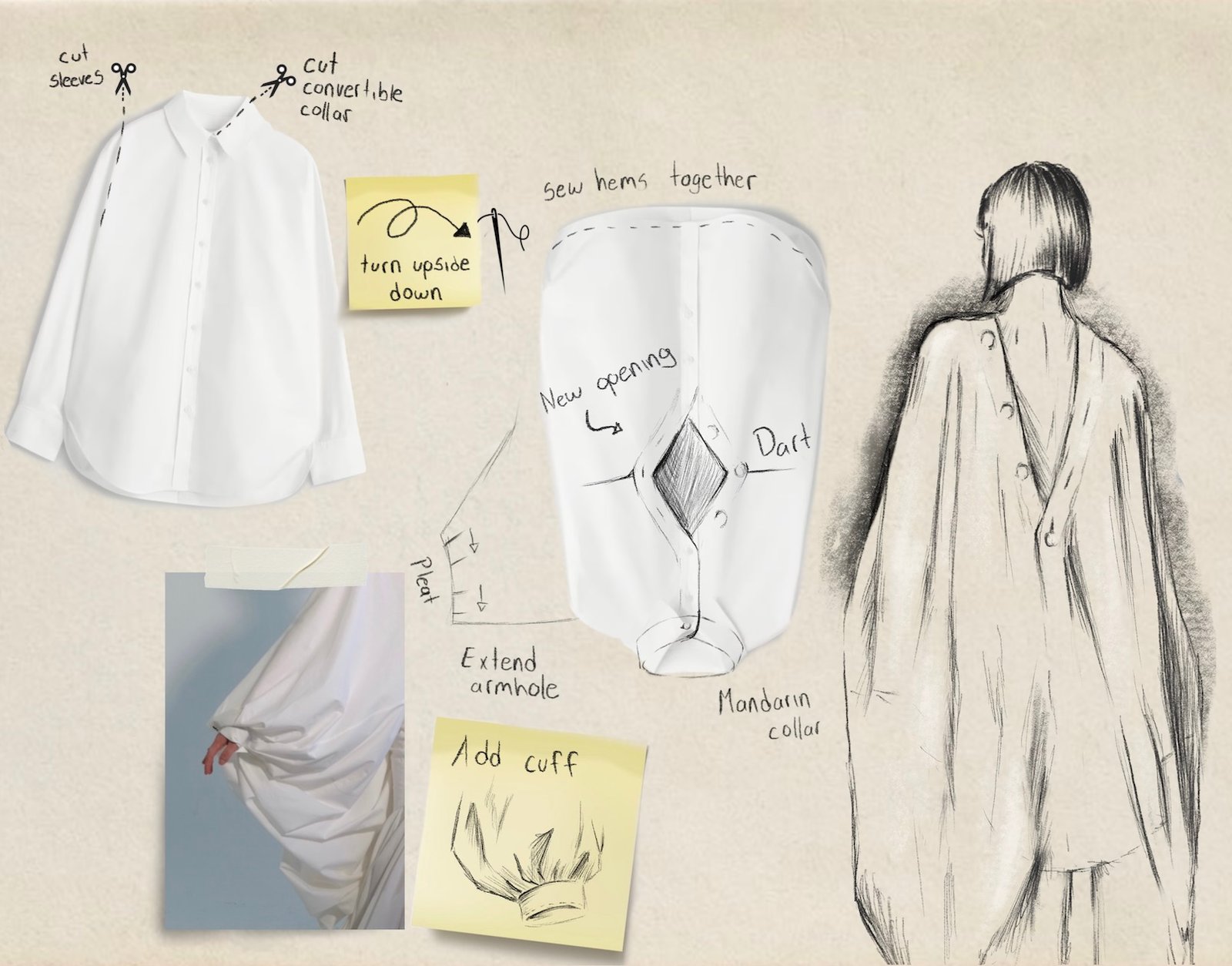
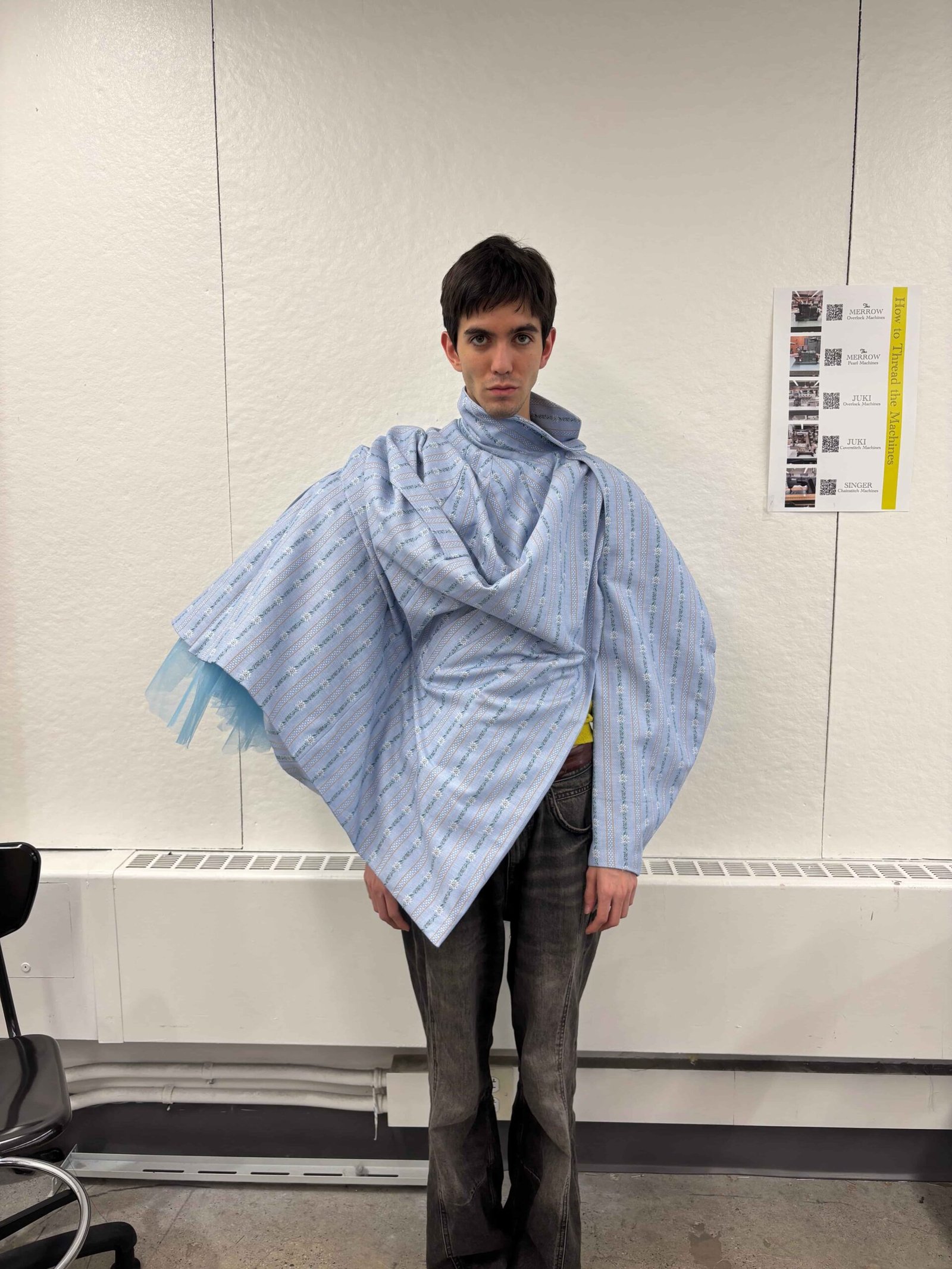
Jonathan Marroquin’s collection, Unfit, is inspired by his childhood and experiences with poverty. The work draws from the philosophy his mother taught him growing up, alongside the pressure to erase visible signs of hardship in order to conform to an image considered acceptable within society. Classic garments associated with elegance, including button-downs and blazers, are oversized, inverted, and reconstructed throughout the collection. Button-down shirts are turned upside down so the collar sits at the waist, while blazers are reworked so welt pockets become armholes. Oversized proportions operate as a symbol of struggle within the silhouettes. As he leaves education, Marroquin describes graduation as both exciting and daunting, particularly within such a competitive industry. He hopes to see greater inclusivity for creatives from different backgrounds, believing that meaningful work and talent can emerge from anywhere.

@john_chonn

Tyler Mervine

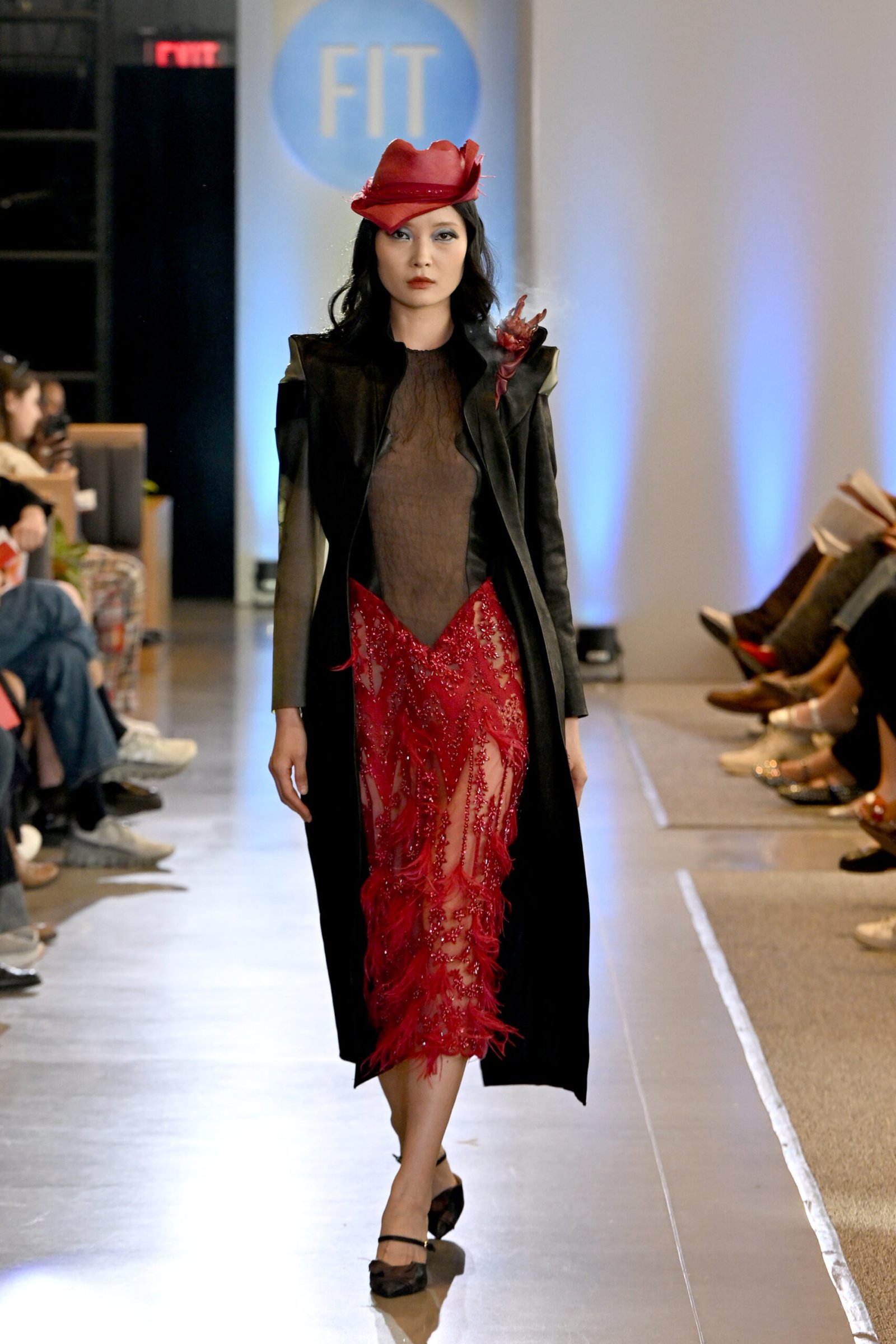
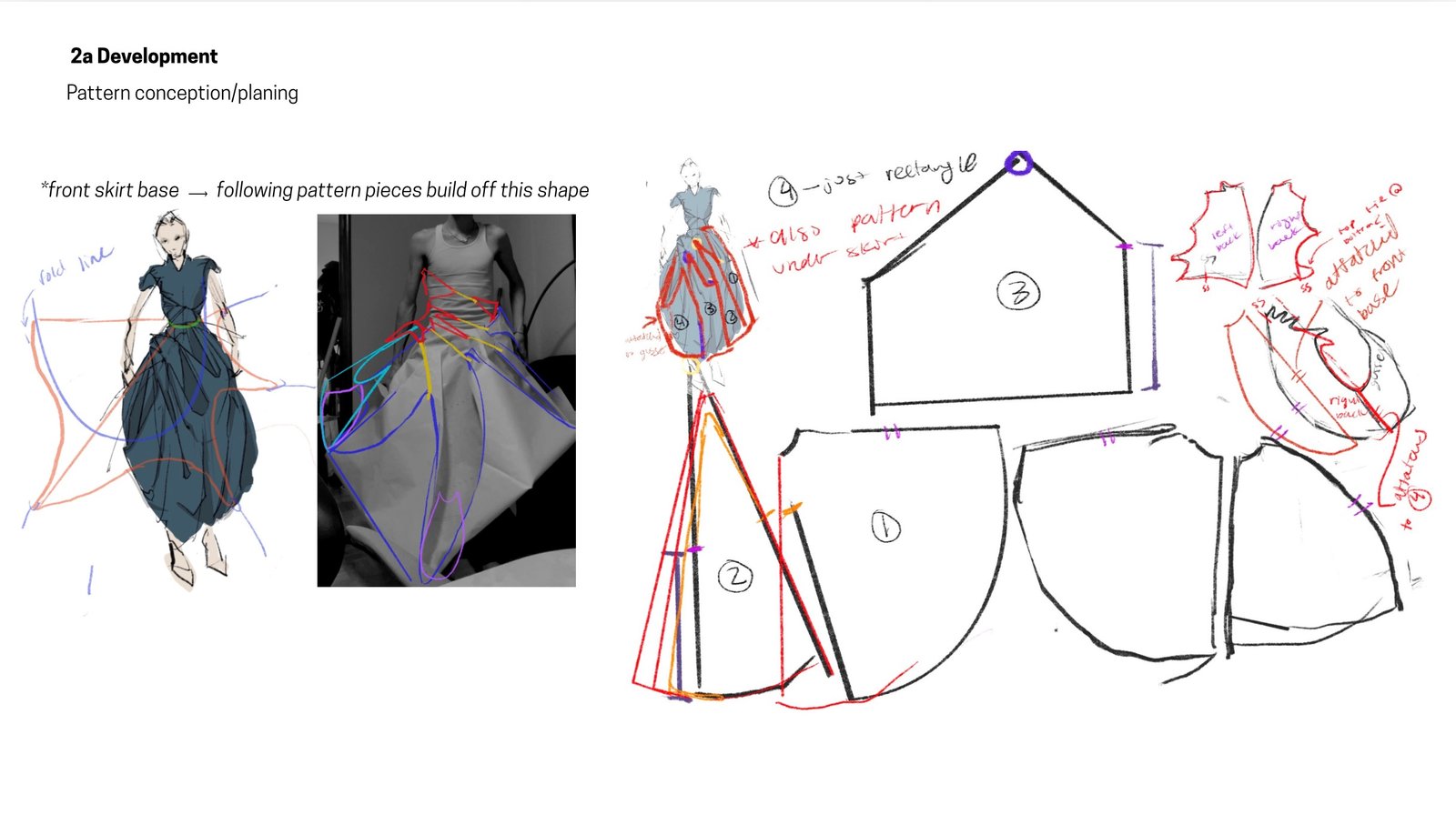
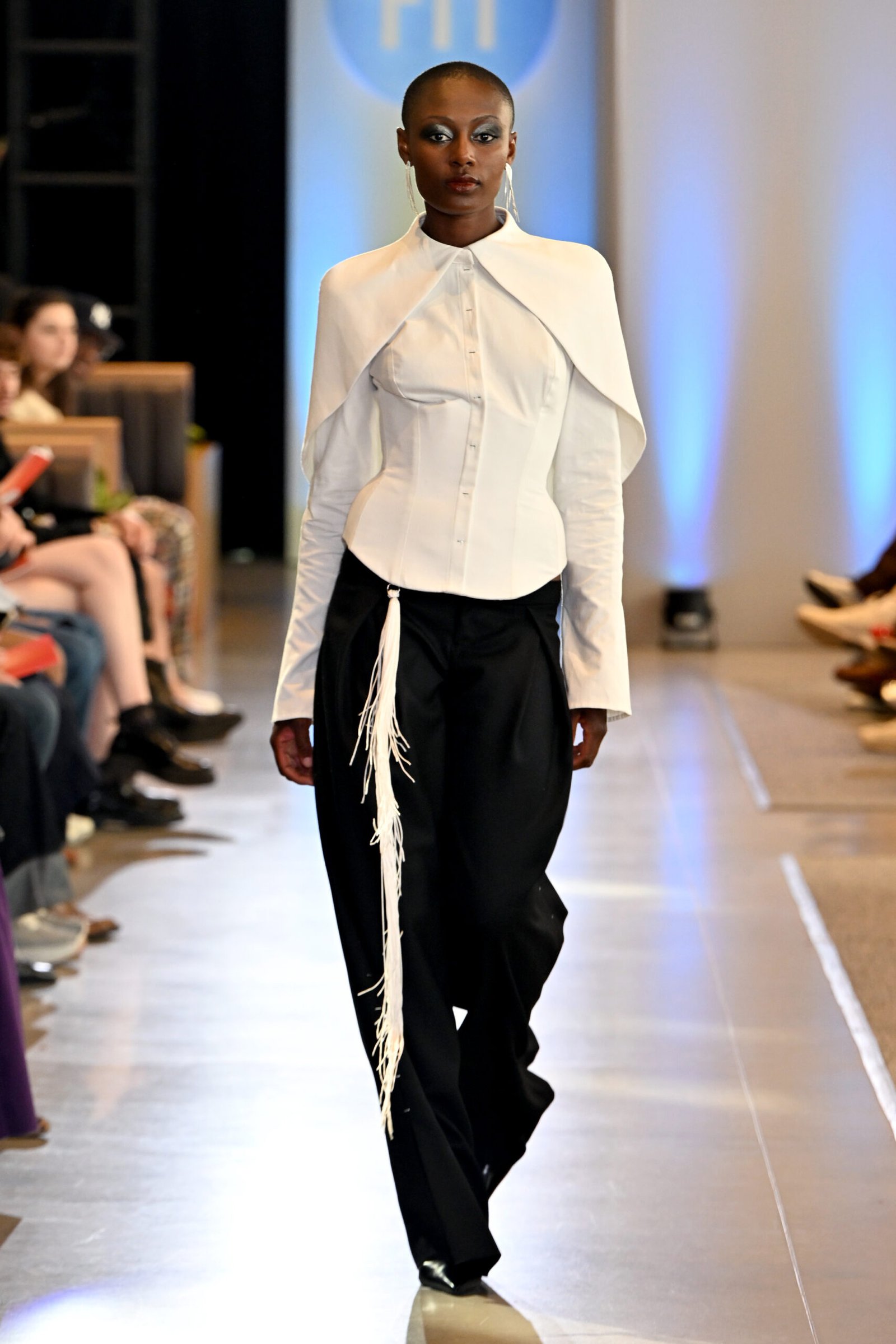
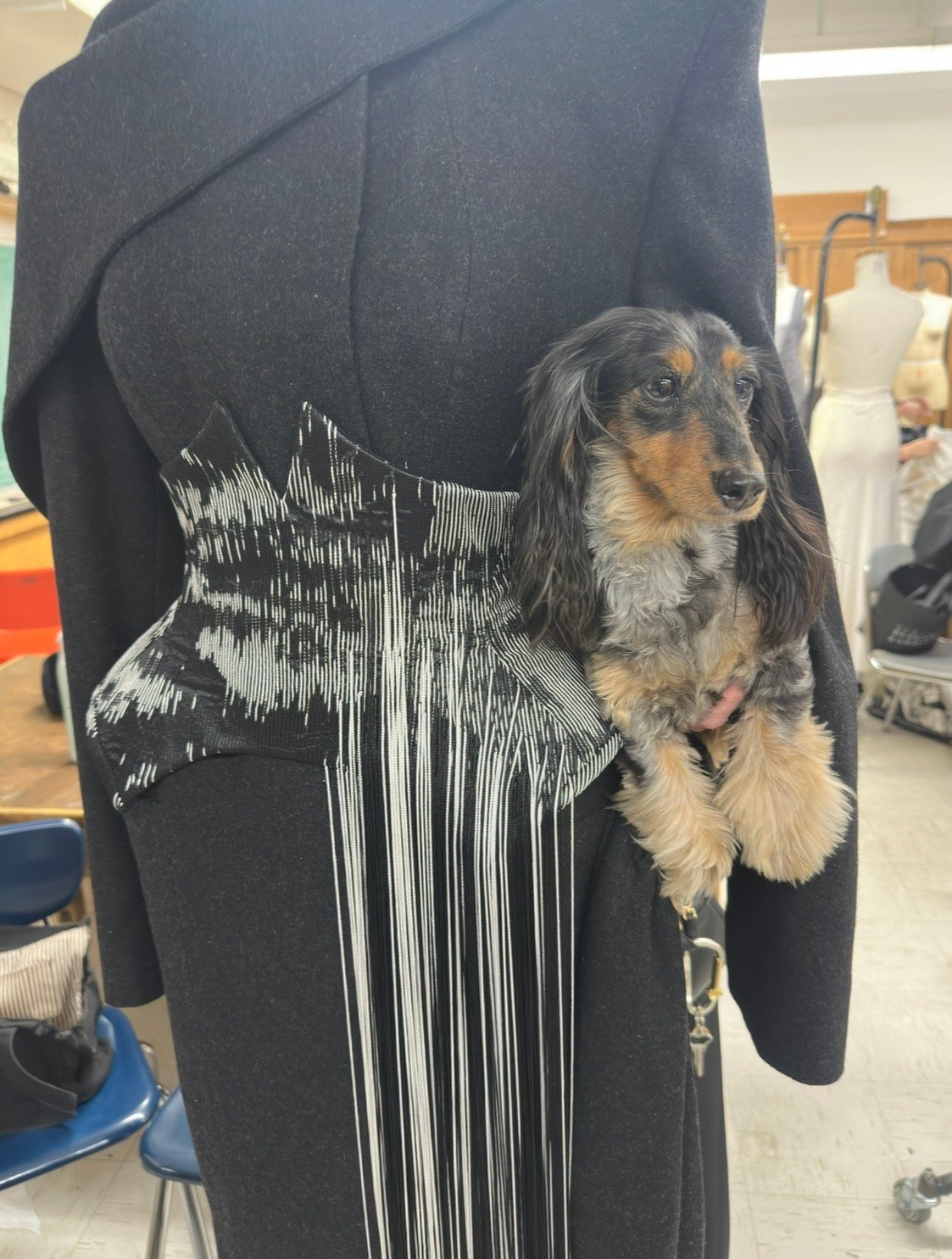
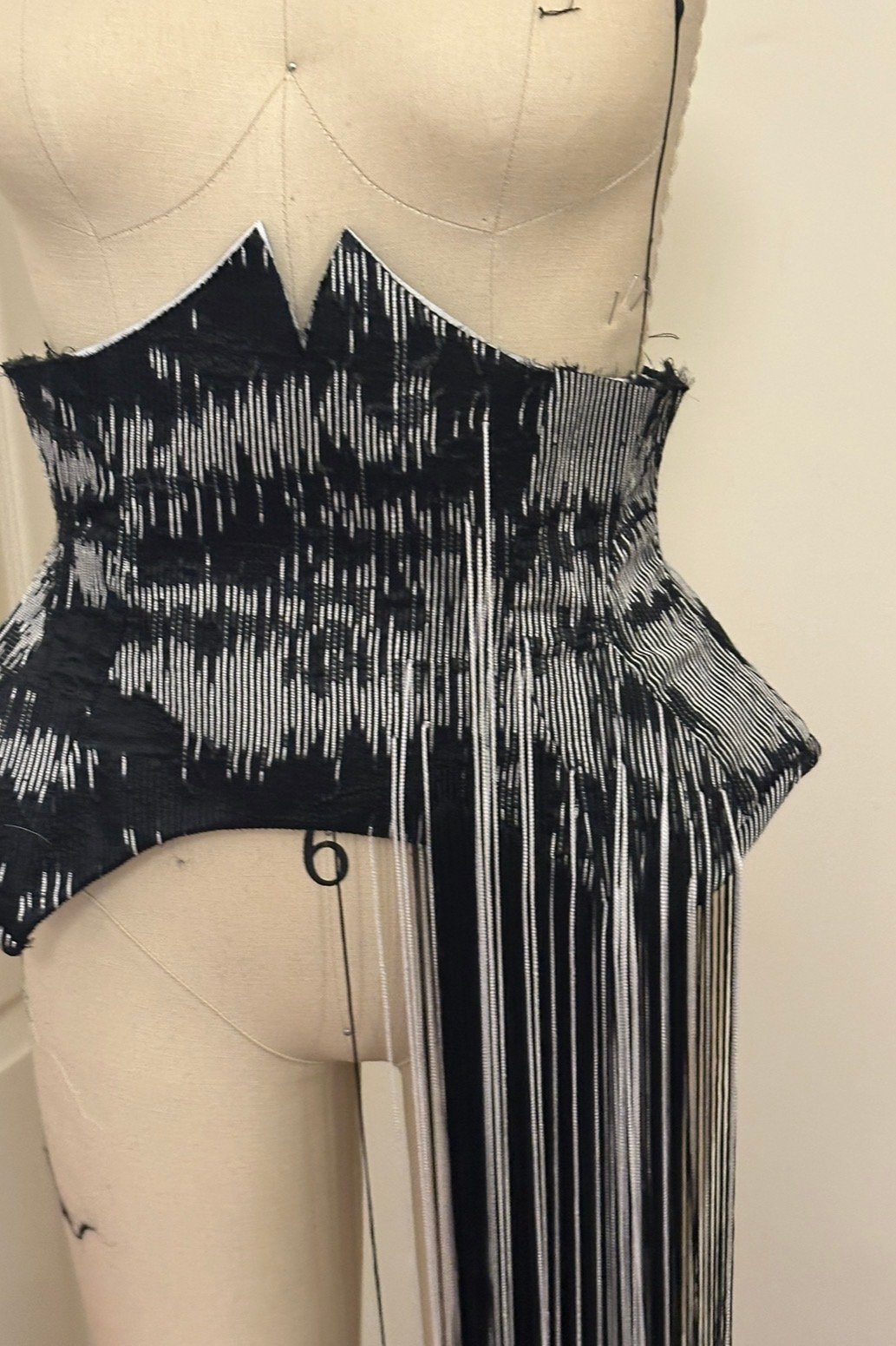
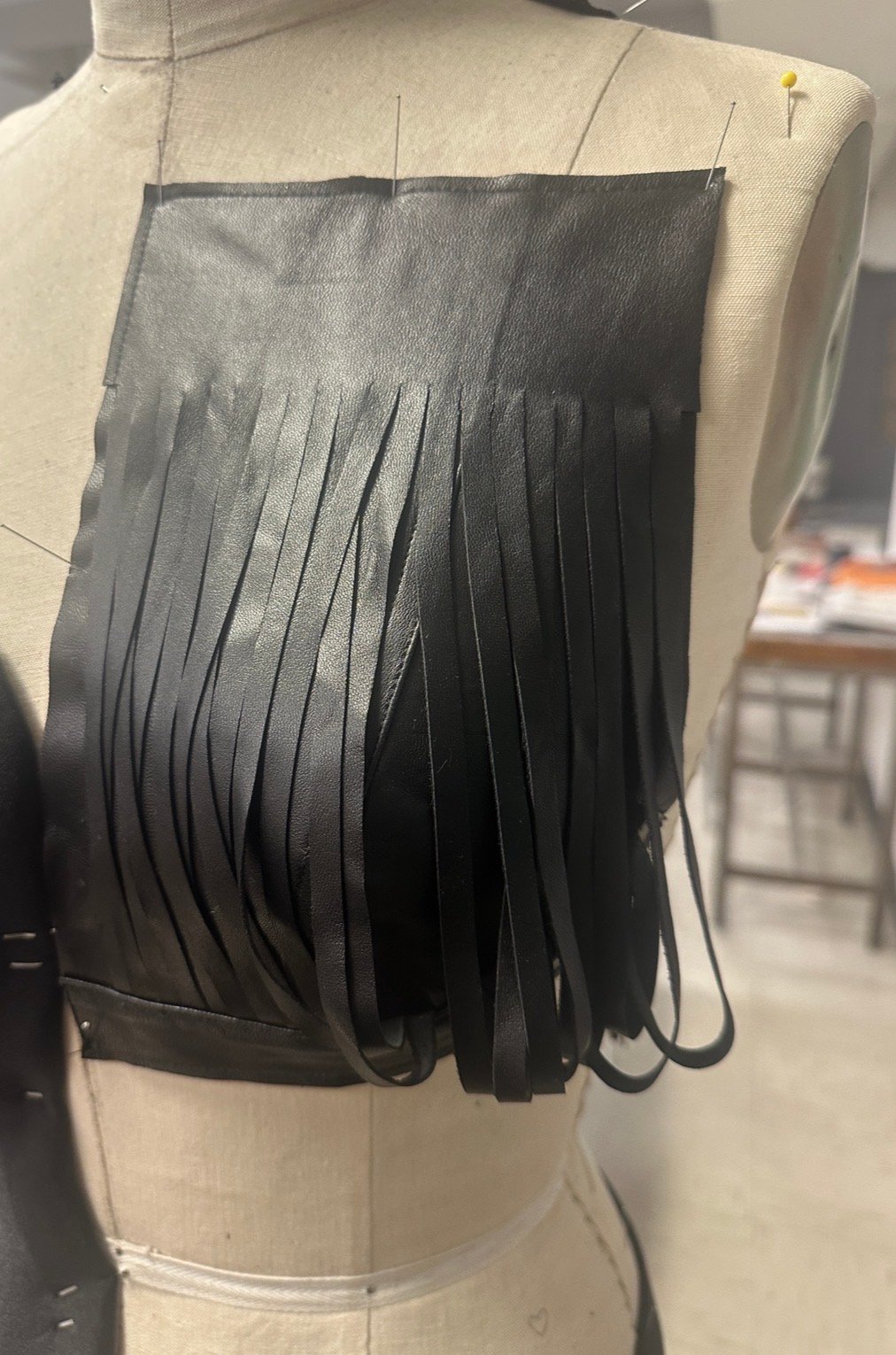
Tyler Mervine’s collection, What Remains, draws inspiration from Gabriel García Márquez’s Chronicle of a Death Foretold alongside the shape and structure of the calla lily. The work reimagines grief and loss not as an ending, but as a form of transformation, centred on the idea that memory and energy continue beyond the body. The collection combines clean tailoring with hardware, fringe, and brocade embroidery that appears to dissolve from the garment forms. Staples recur throughout the work as symbols of piecing the self back together, while the silhouettes maintain a strong emphasis on structure and the natural lines of the body. Entering the industry, Mervine is particularly interested in learning more about manufacturing, textiles, and garment construction technologies. He also hopes to see stronger commitments to size inclusivity, tailoring across different body types, and a renewed emphasis on quality and natural fibres within fashion.

@thetylermervine

Naïma Naas

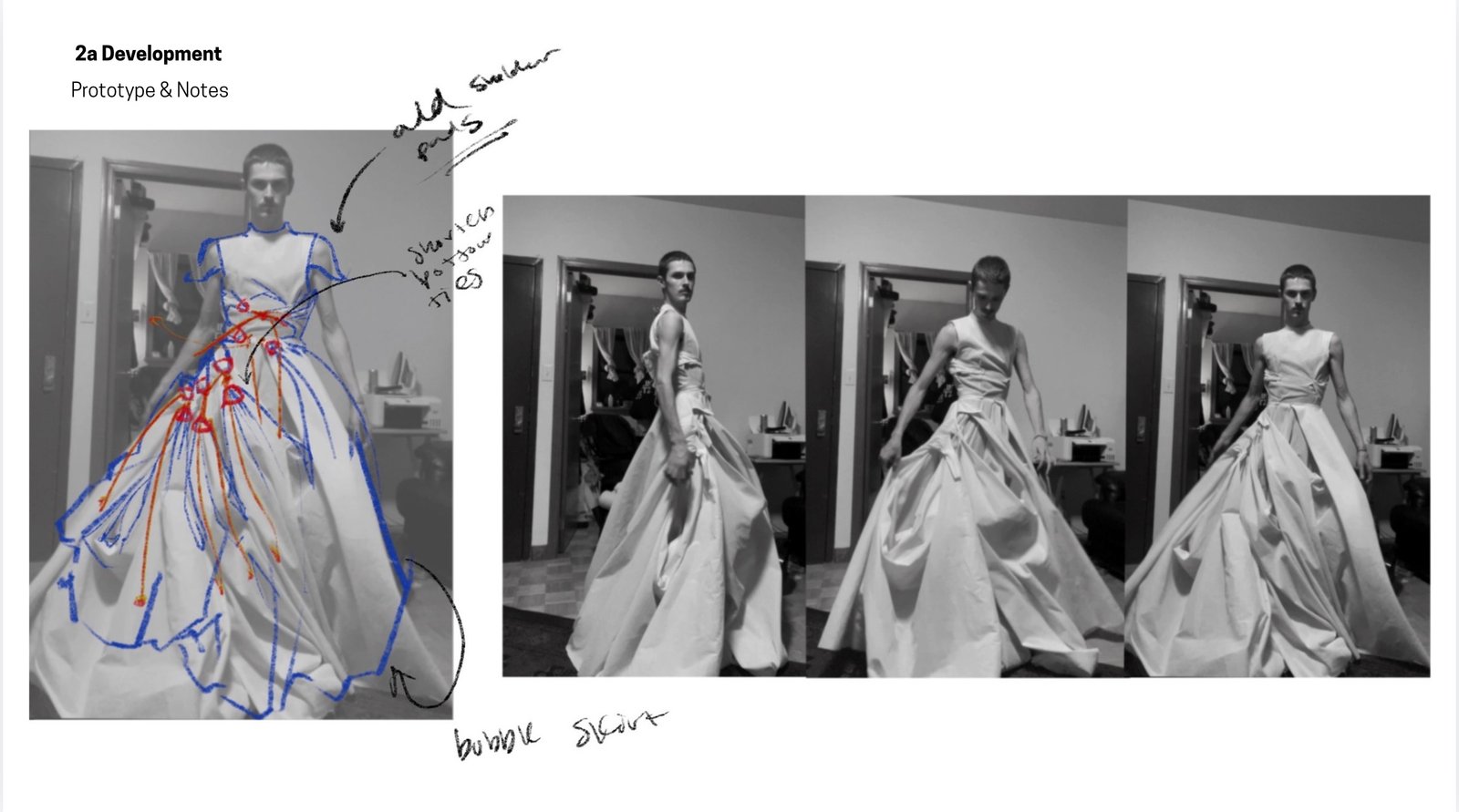
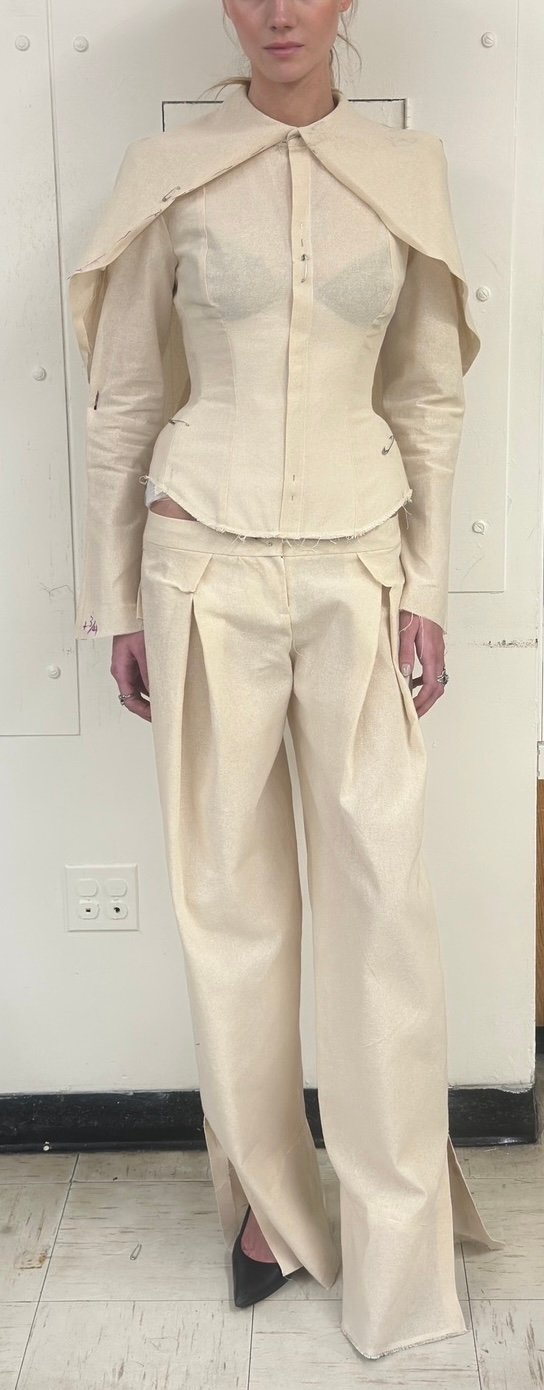
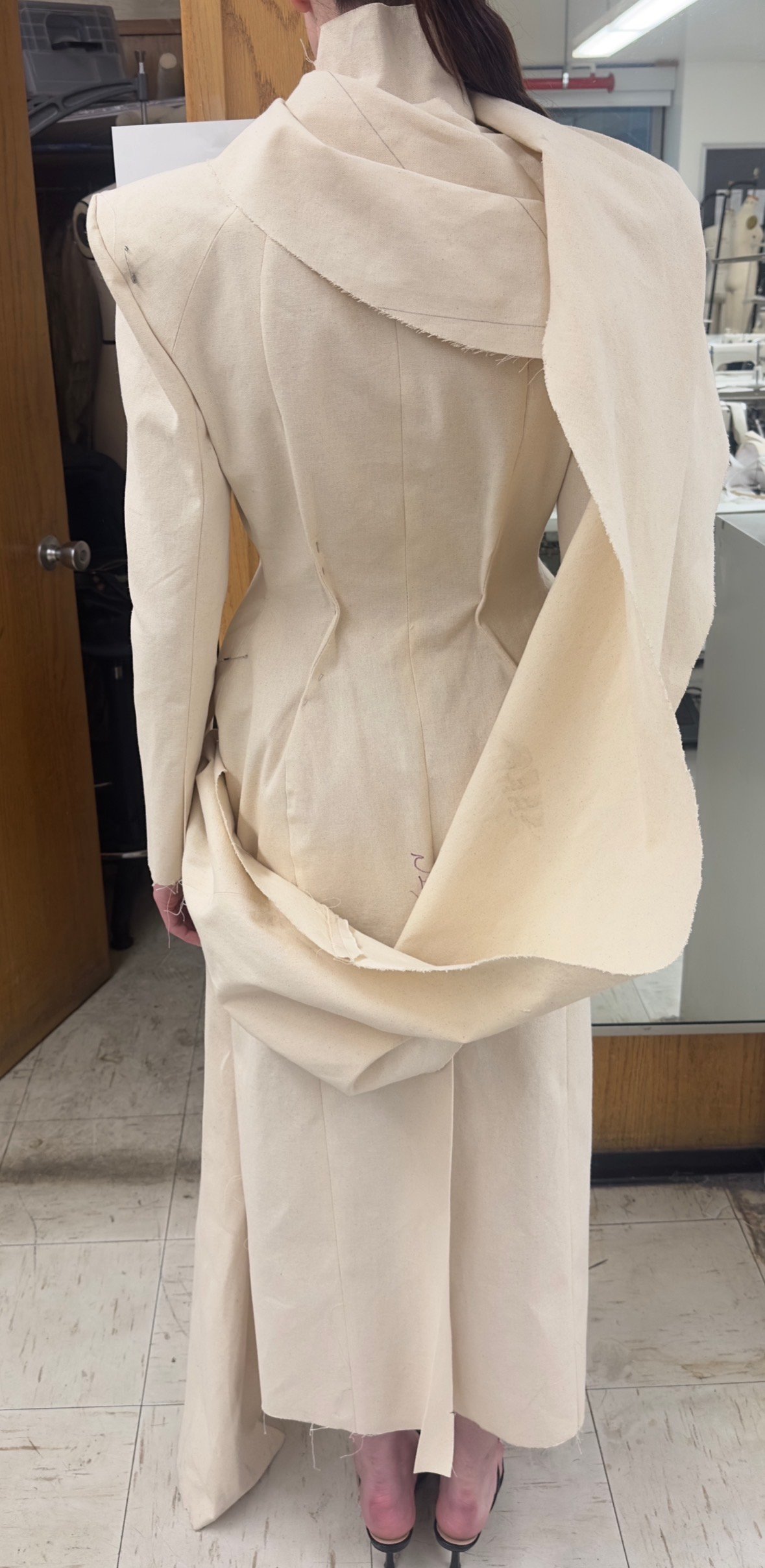
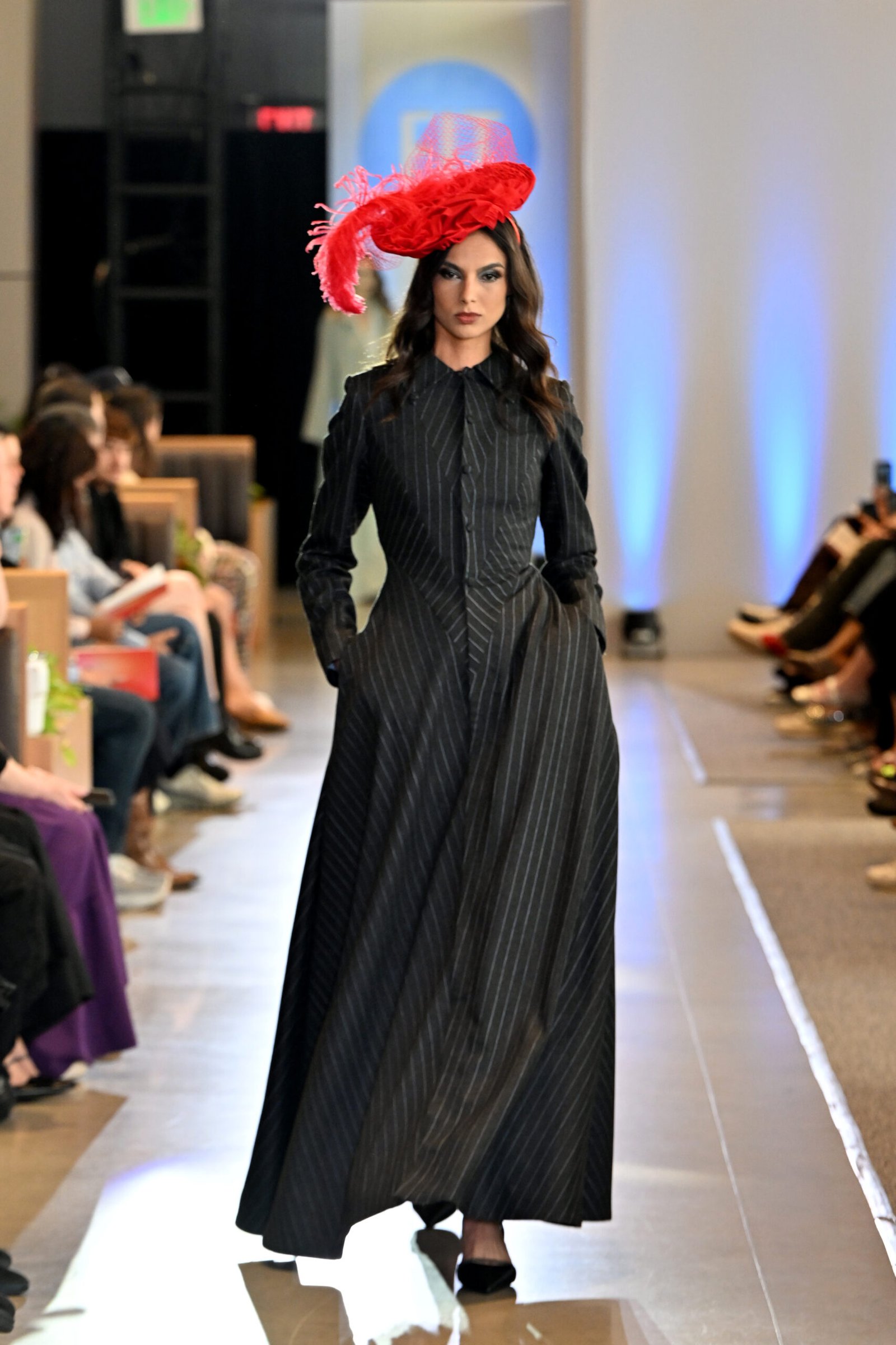
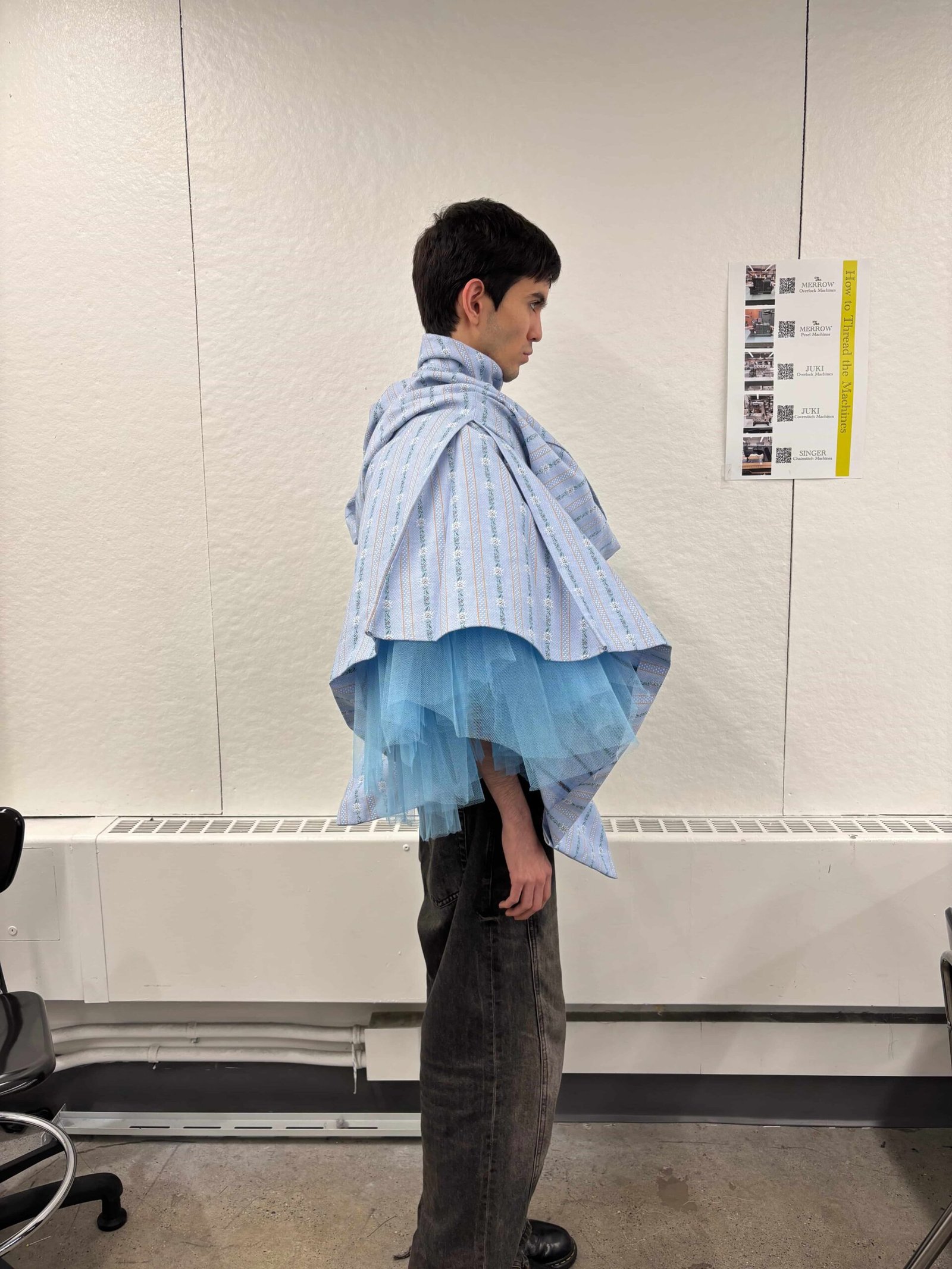
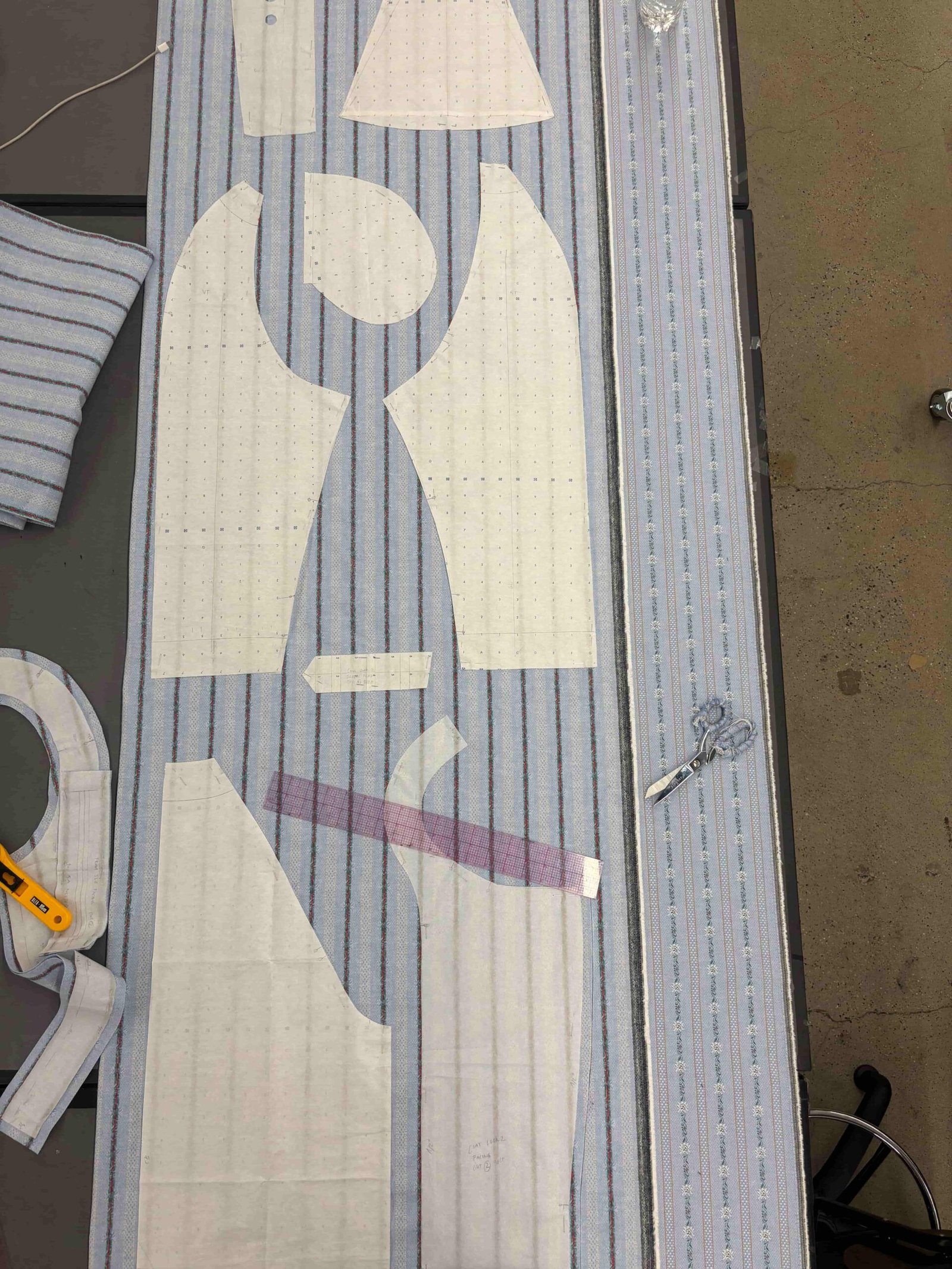
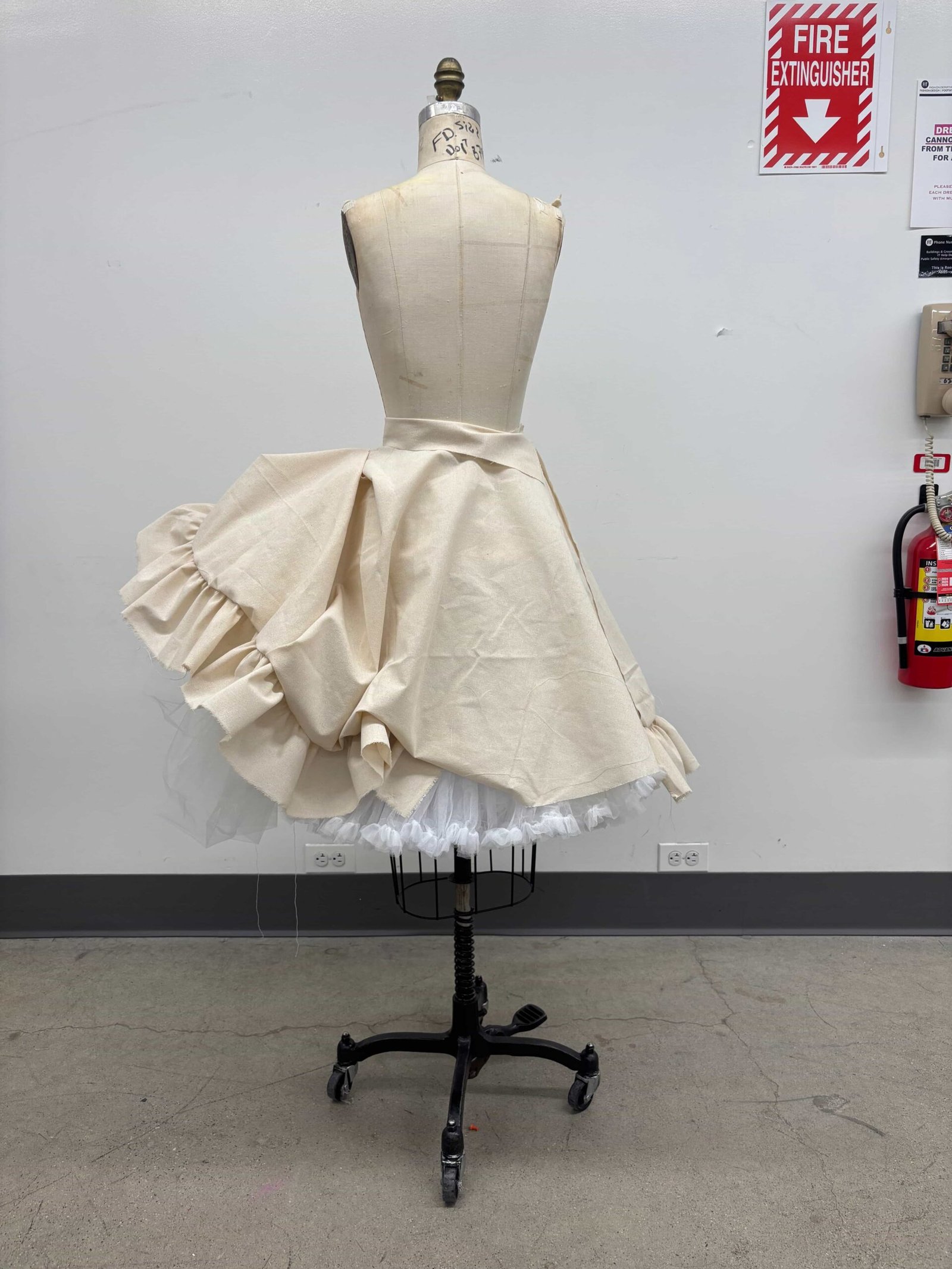
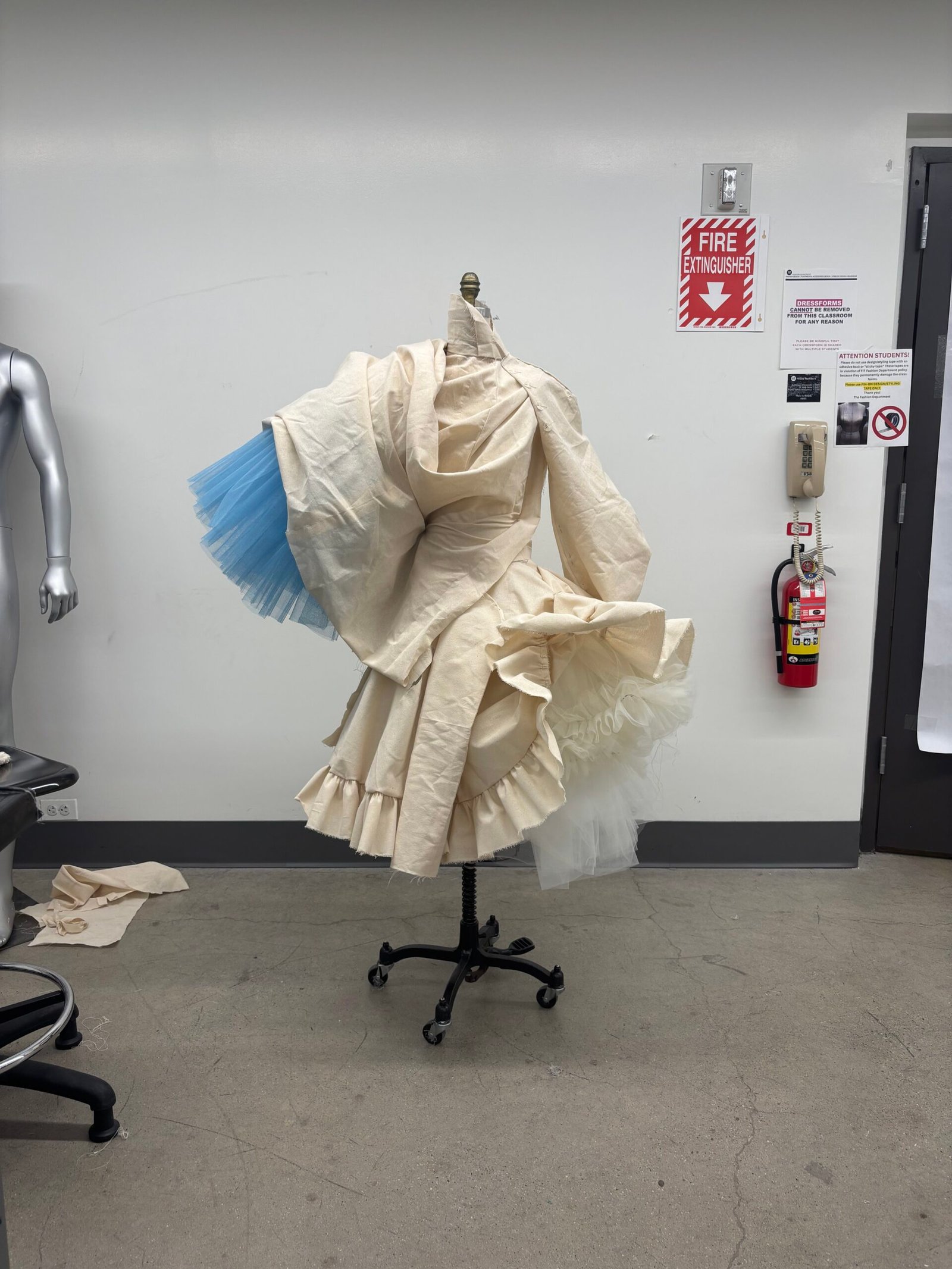
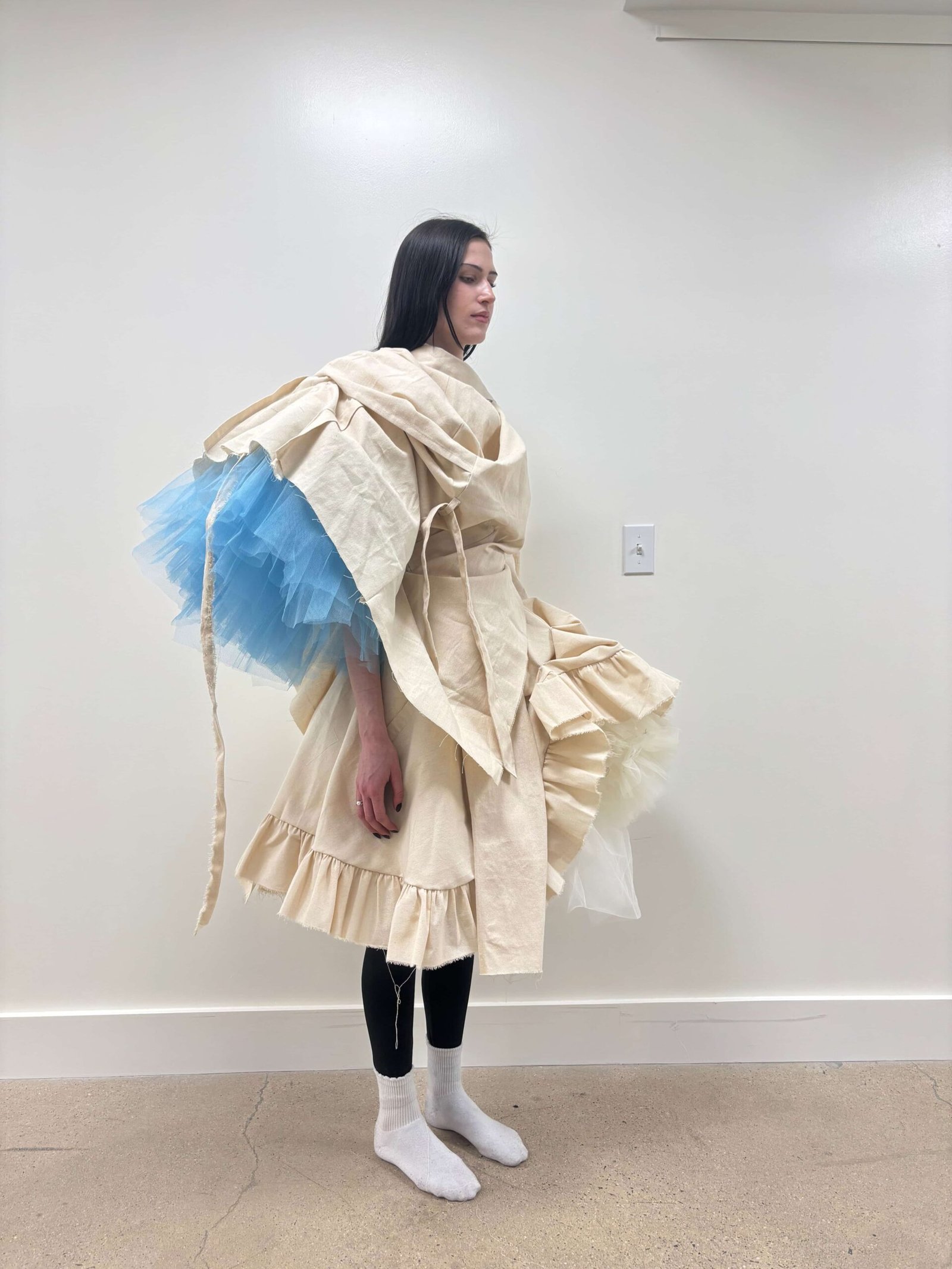
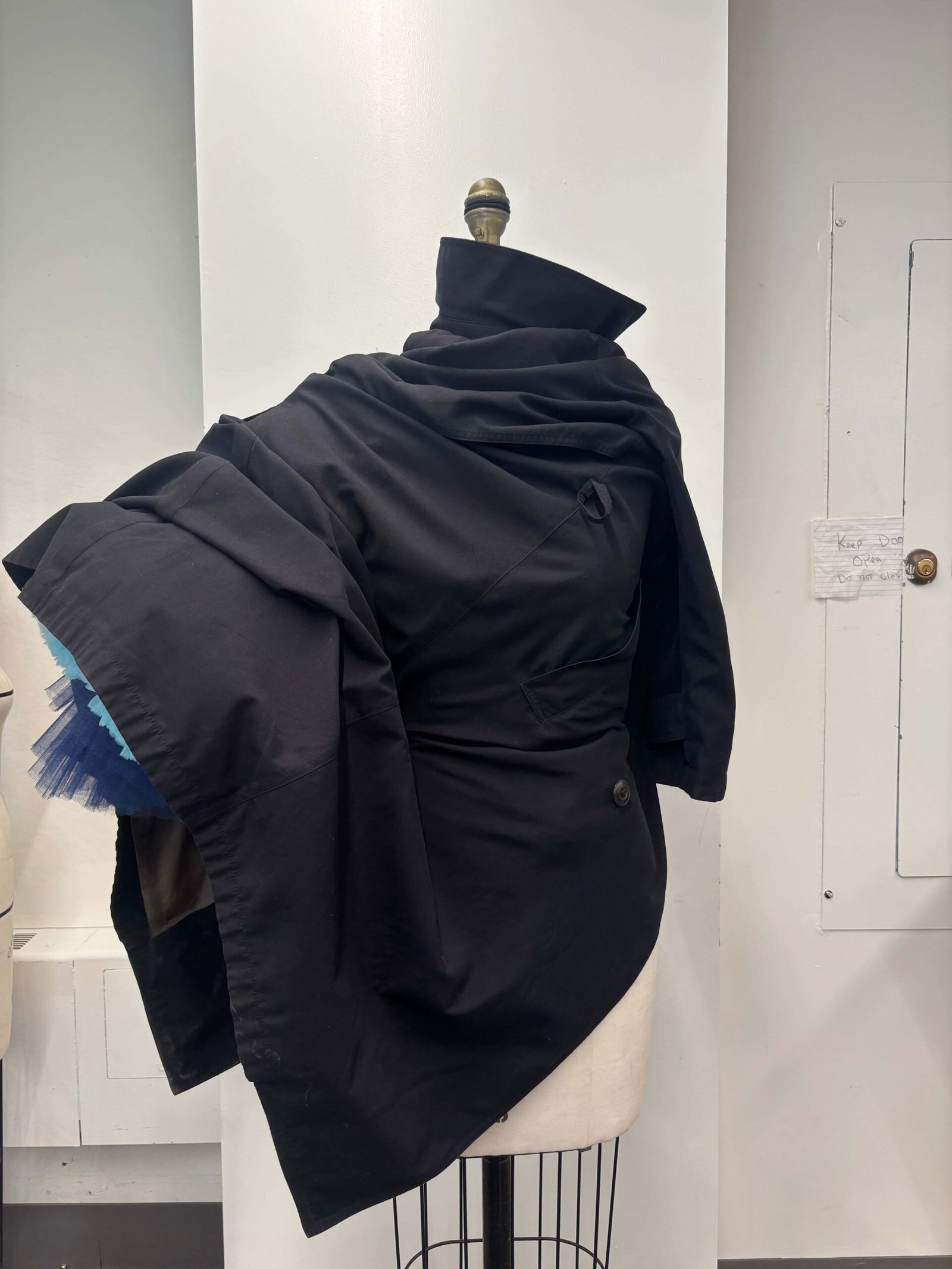
Naïma Naas’ collection, Helvetia, reflects on growing up in Switzerland within a culture shaped by discipline, precision, and tradition. The work explores the tension between inherited structures and a younger generation embracing individuality and creativity while still acknowledging cultural history. Traditional Swiss fabrics and military references appear throughout the collection, including floor-length tailored outerwear and deconstructed trench silhouettes layered over voluminous tulle ruffles. Several garments are designed to be worn in multiple ways, introducing adaptability and movement into the work. After graduation, Naas is excited by the opportunity for continuous learning and collaboration. At the same time, she hopes to see greater recognition of young talent and more opportunities for emerging designers to demonstrate their potential without years of prior experience.

@naimanaas

Julia McClement

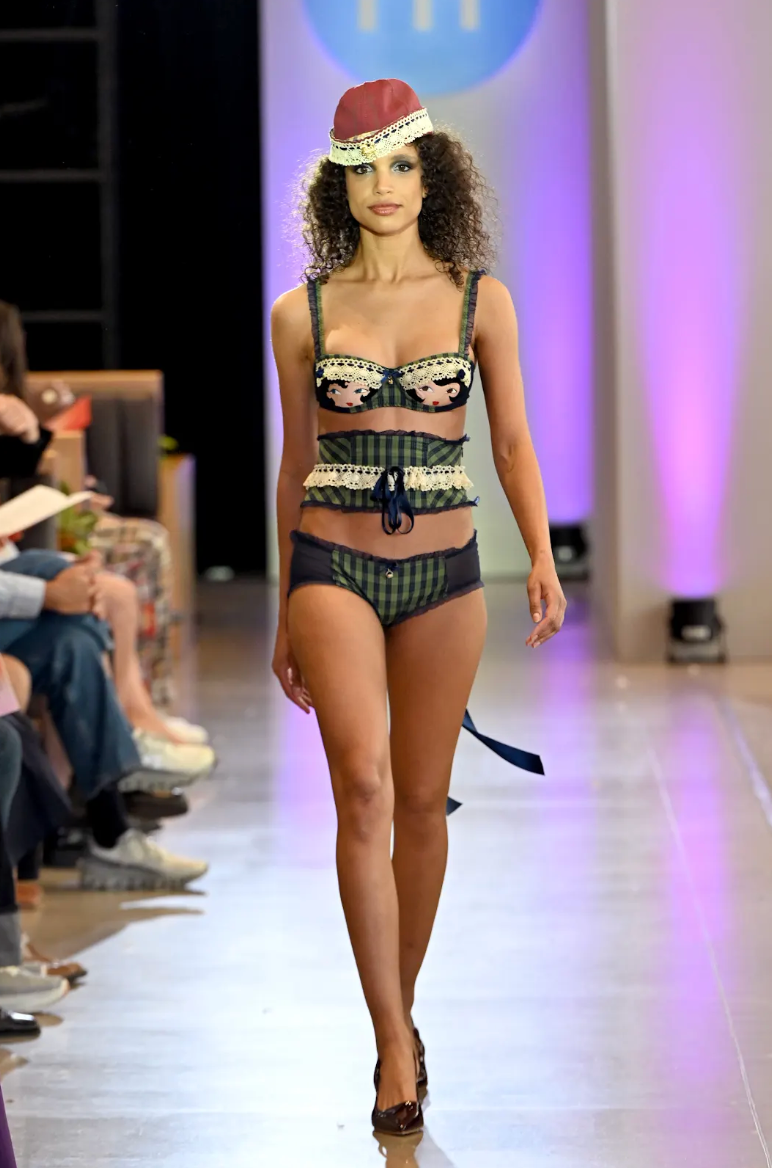
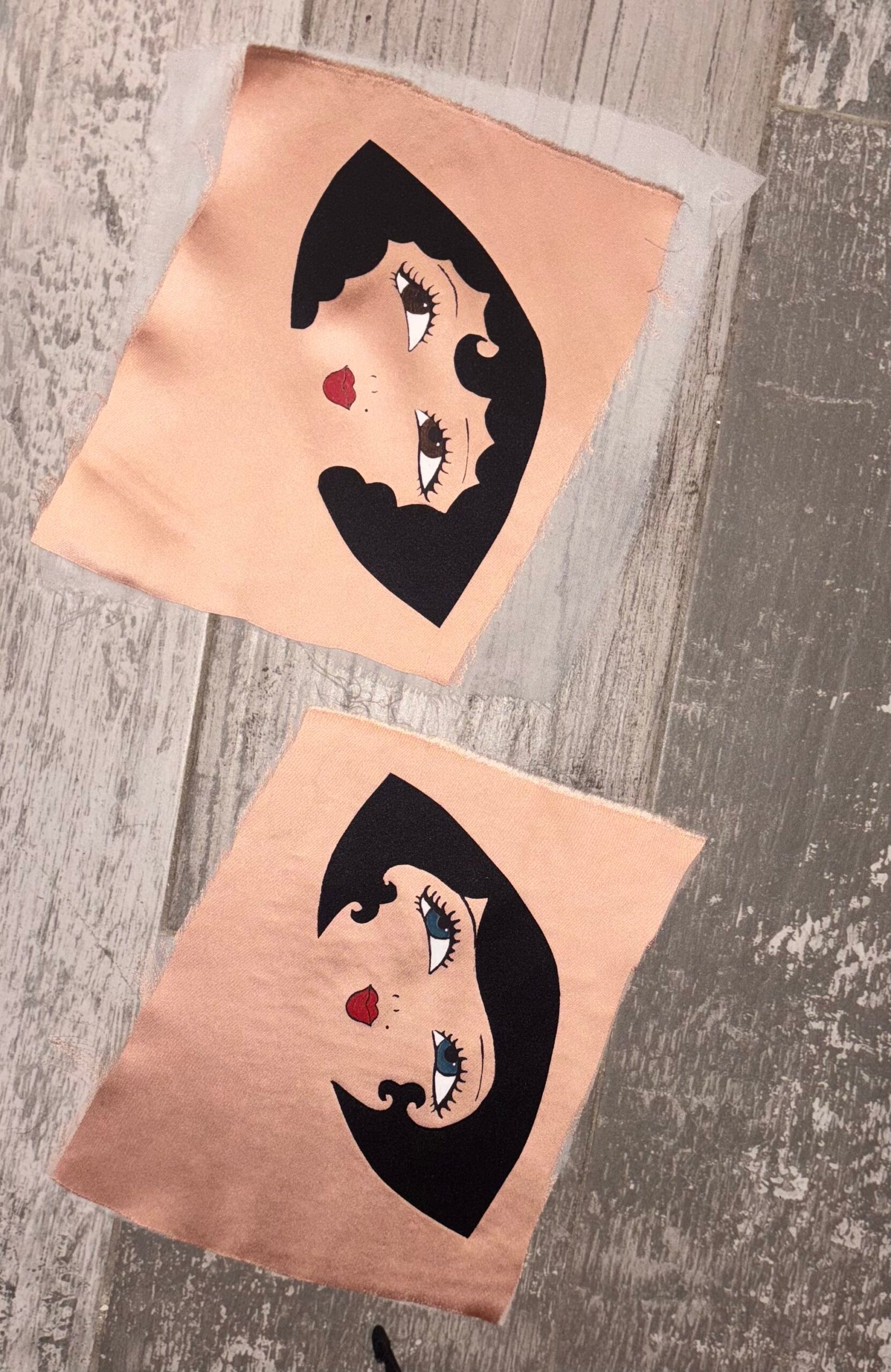
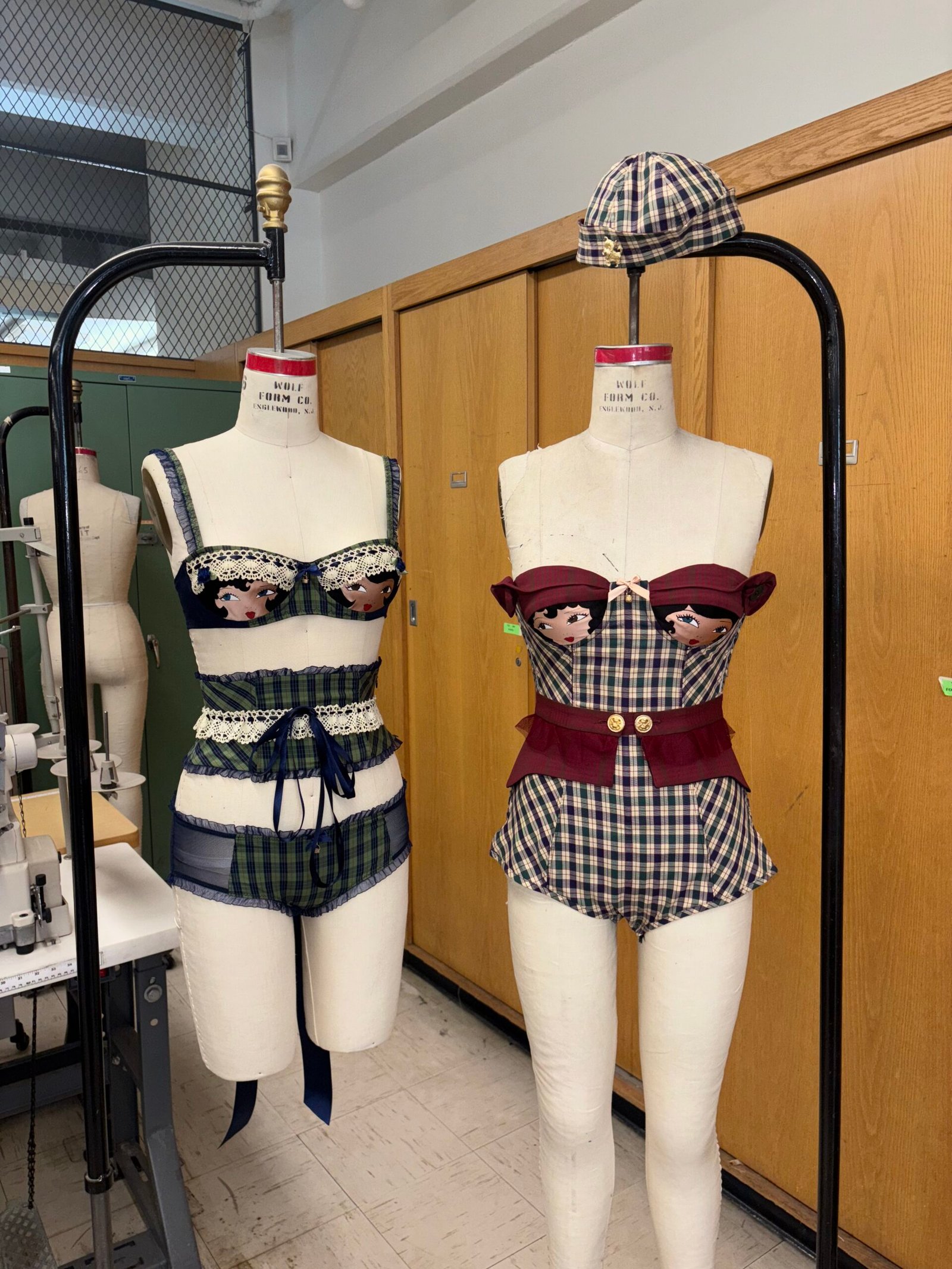
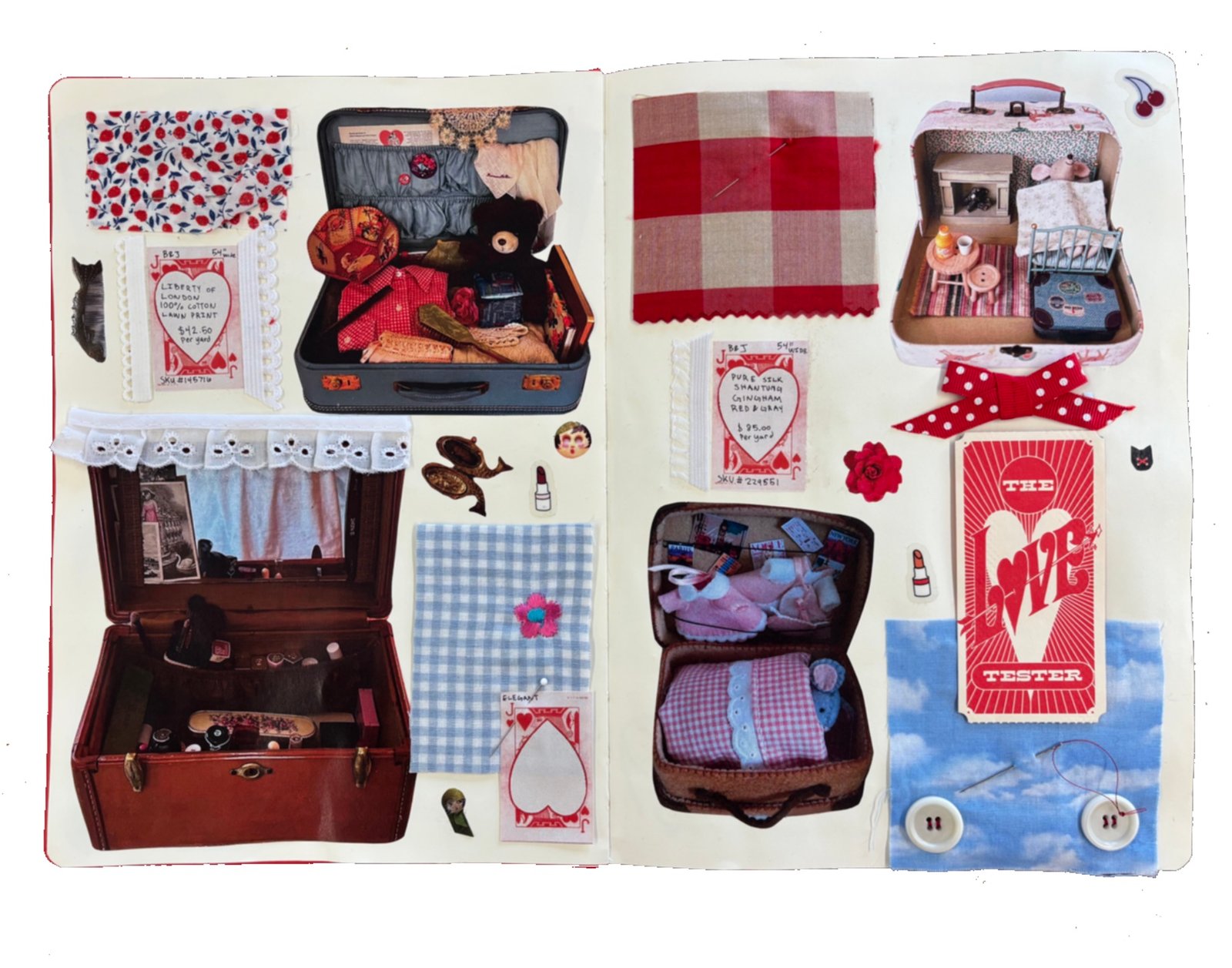
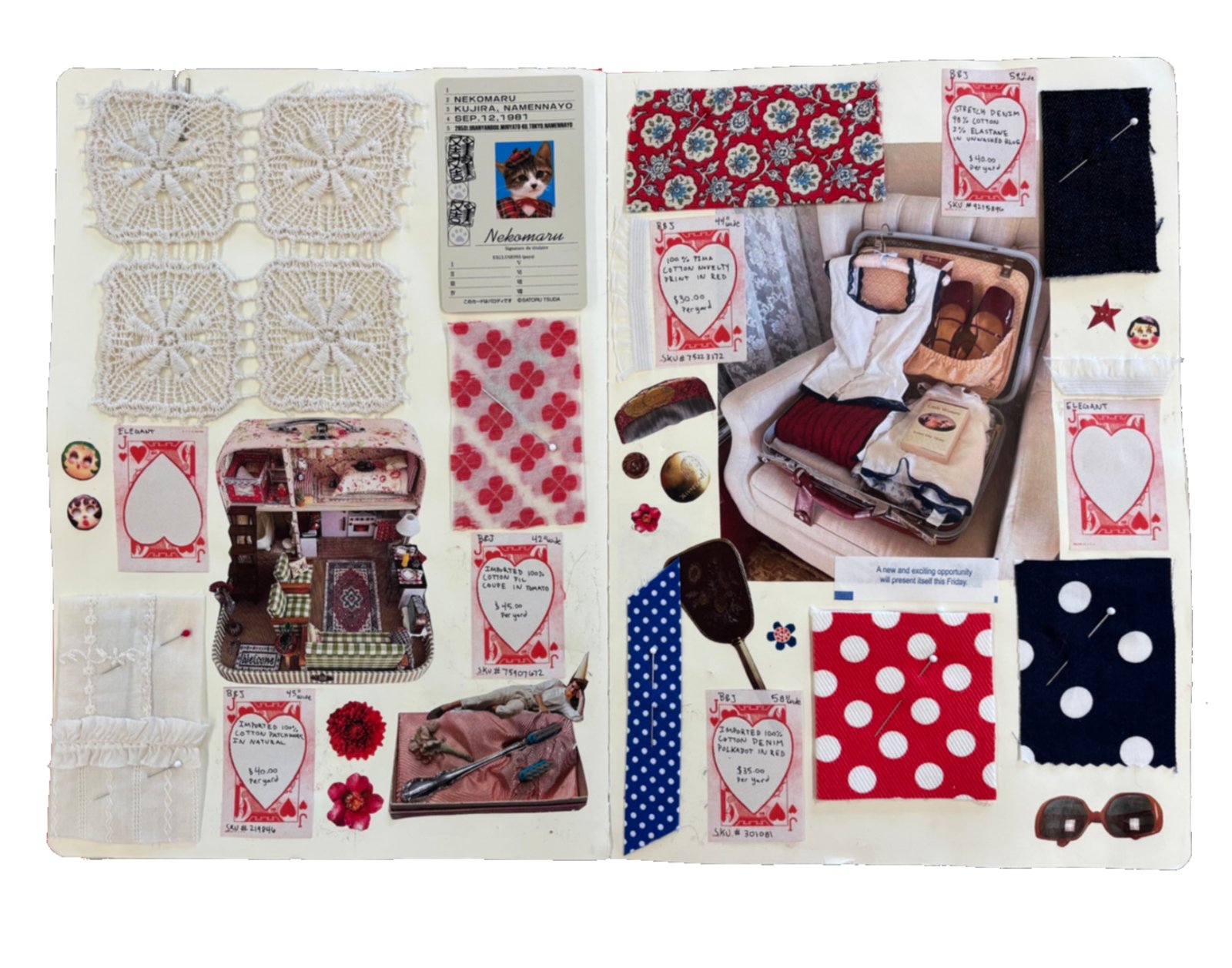
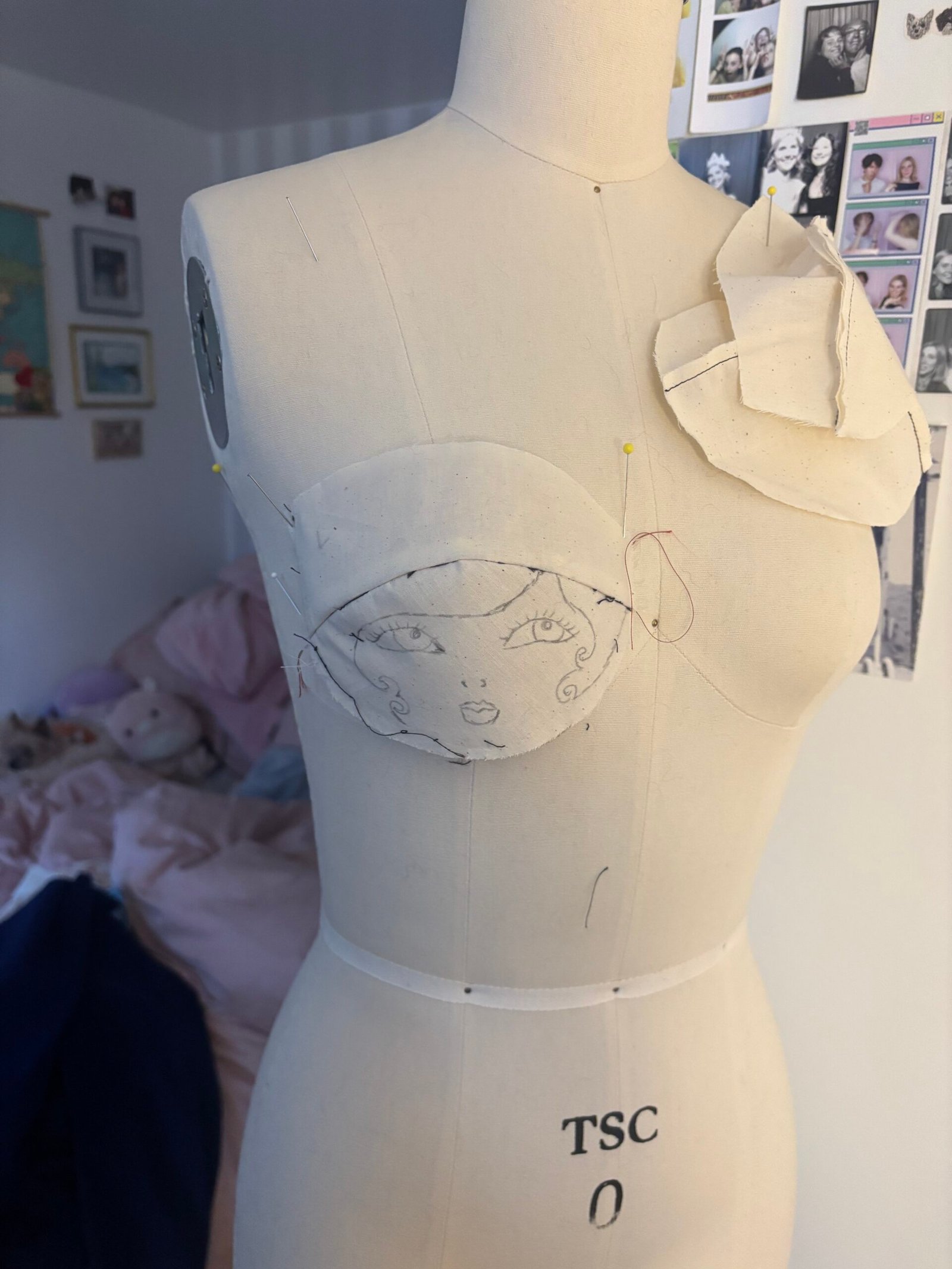
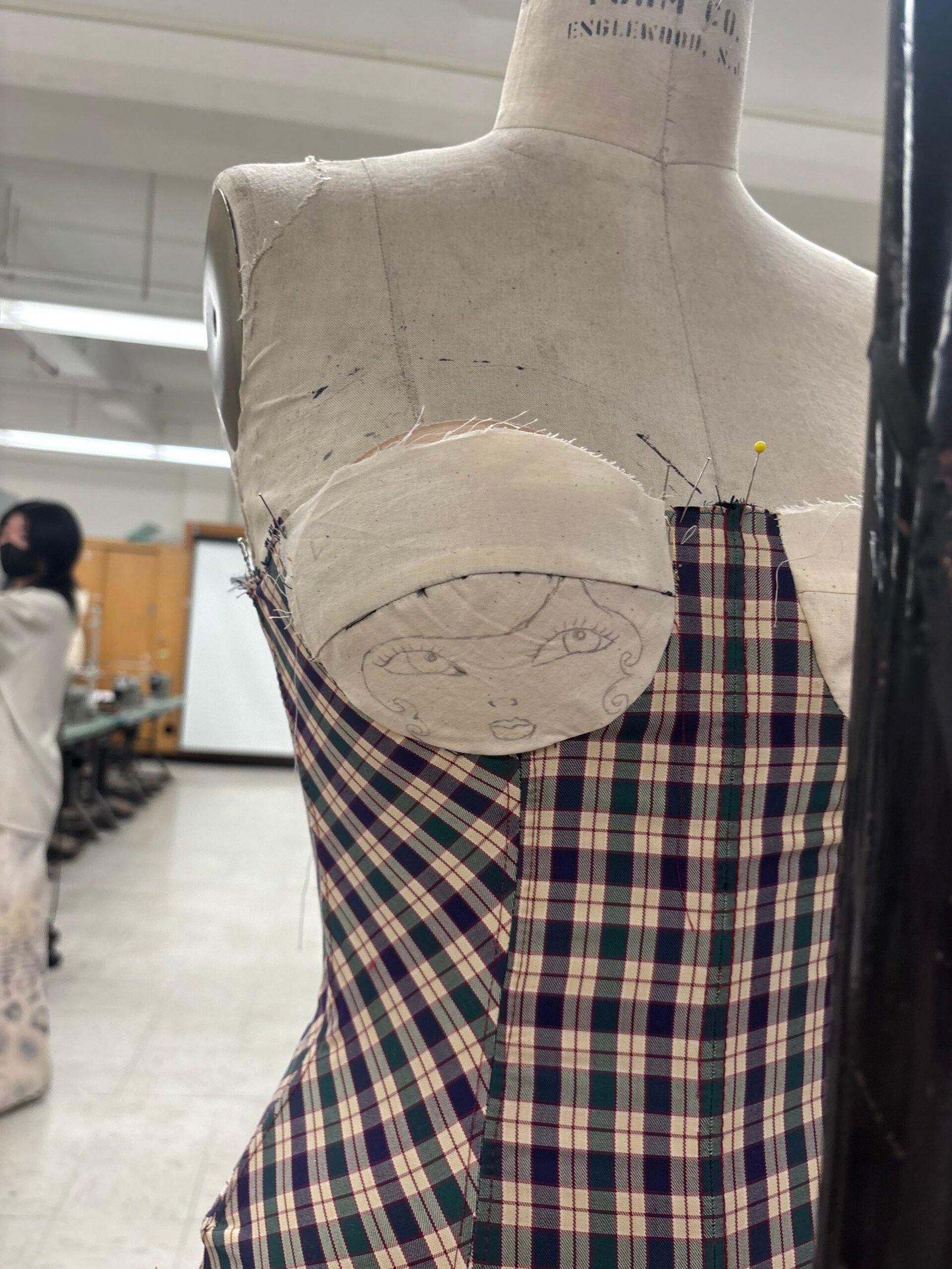
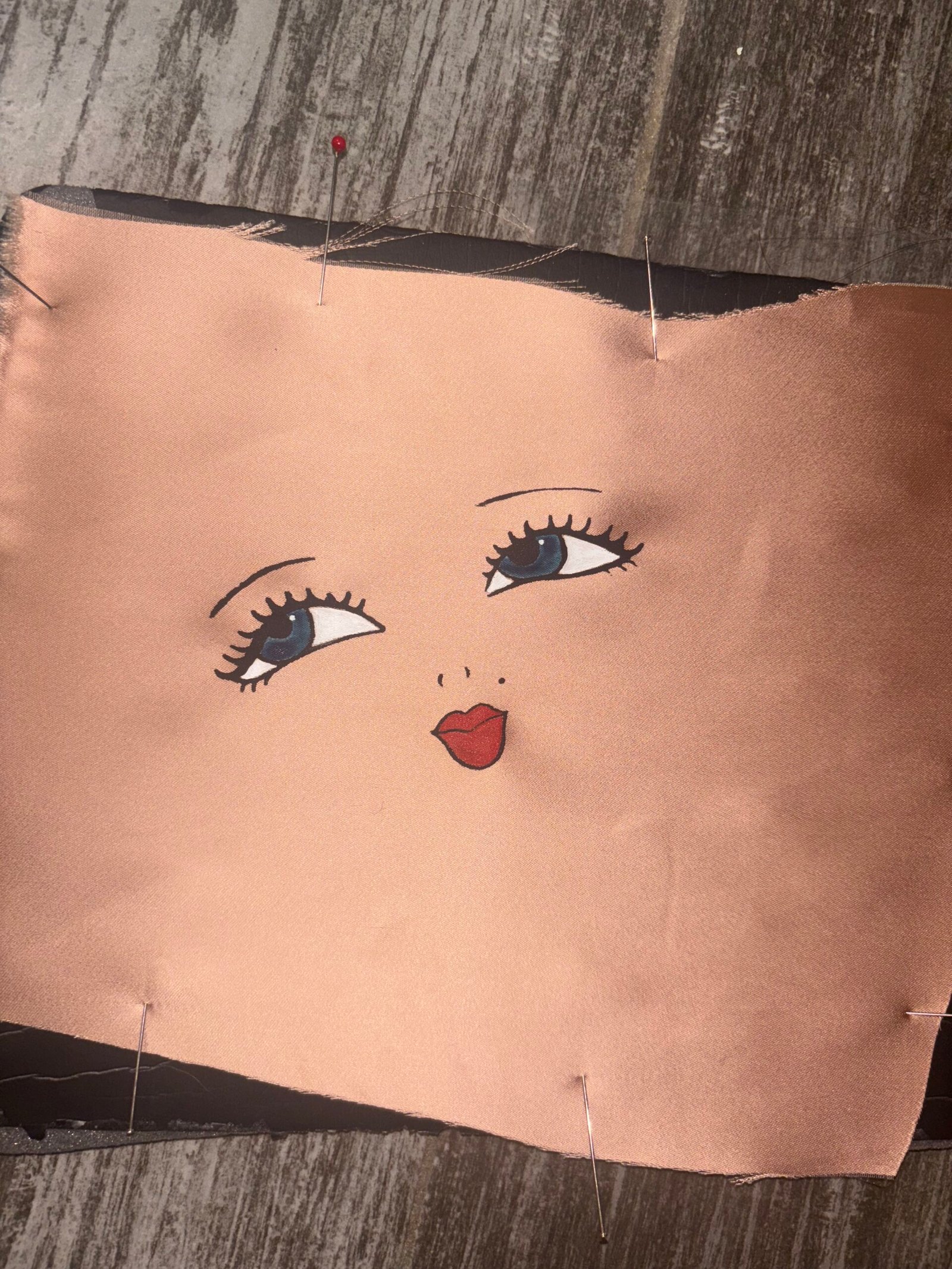
Julia McClement’s collection, Peachy Keen, is inspired by a modern muse moving through life carrying an overflowing collection of sentimental objects, trinkets, and overlooked treasures. The work imagines clothing as an extension of these collected memories and personal attachments. Vintage fabrics, trims, and charms are combined with reclaimed materials and hand-painted techniques to create garments that feel playful, layered, and highly individual. Through repurposed elements and handcrafted detailing, the collection gives new life to existing materials while maintaining a strong sense of character and humour. McClement is excited to pursue a career rooted in creativity and self-expression. At the same time, she remains conscious of the environmental impact of overproduction and hopes to contribute to more thoughtful and sustainable approaches within fashion.

@juliamcclement