Representing the creative future

MODEKLASSE 2026: What clothing carries

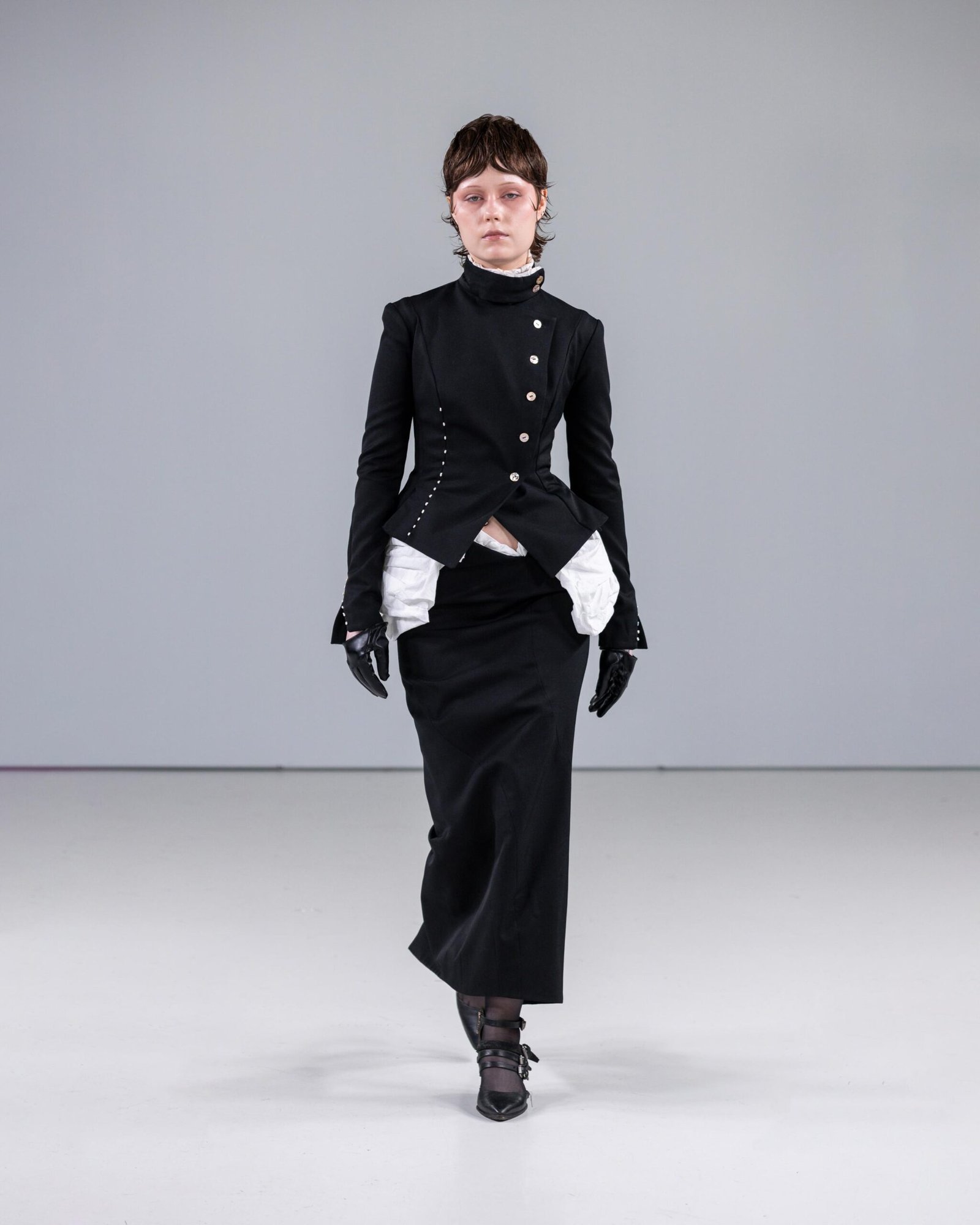
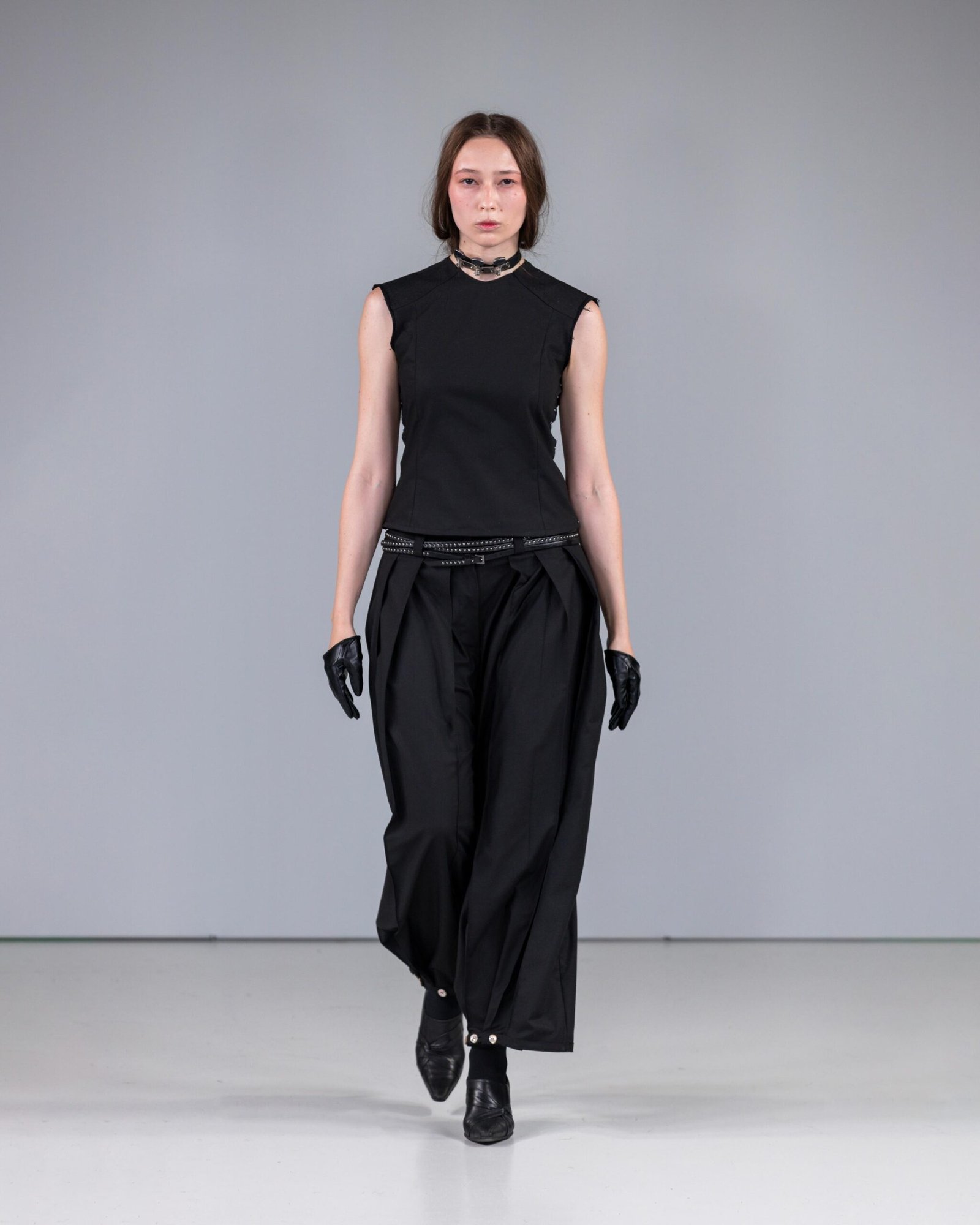
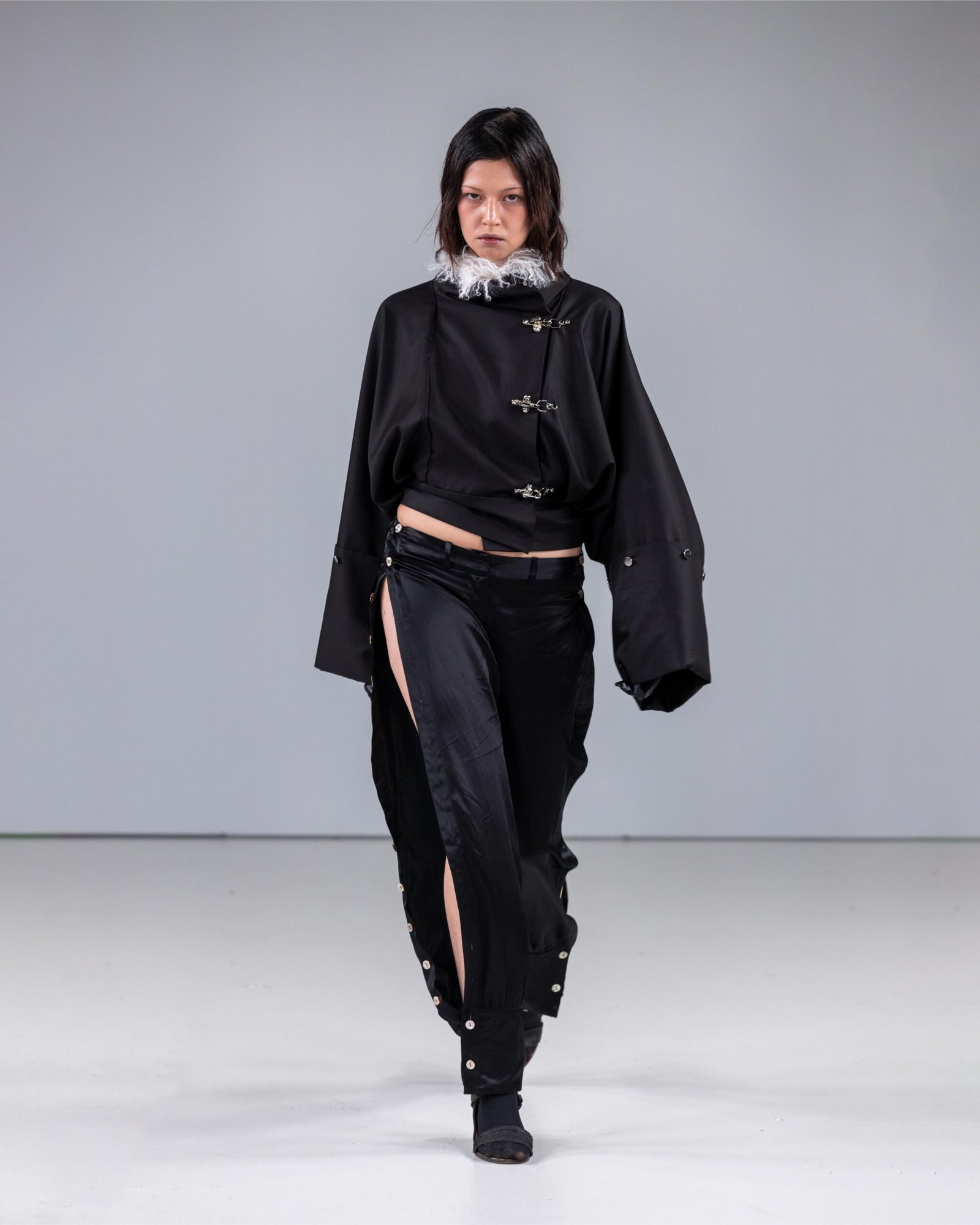
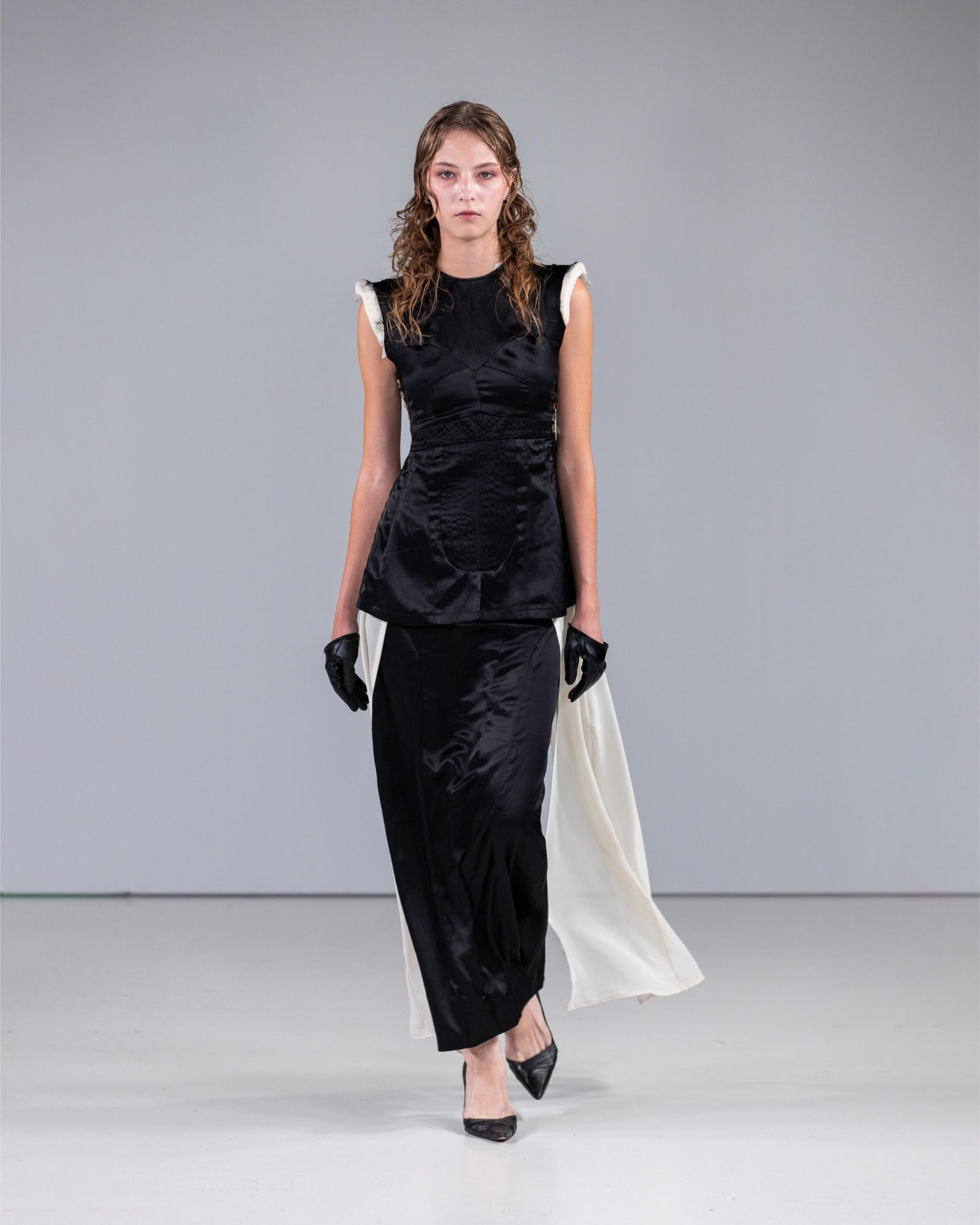
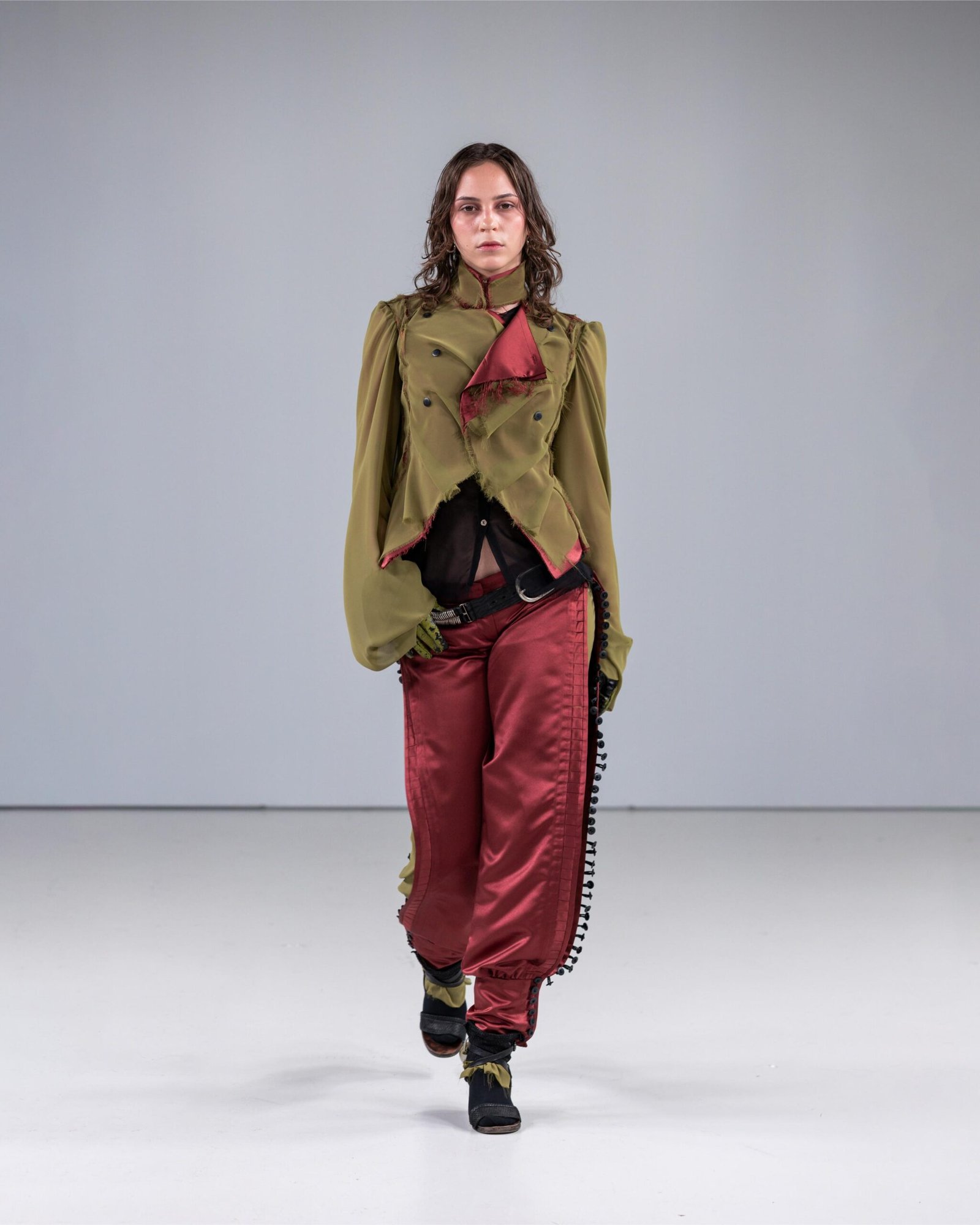
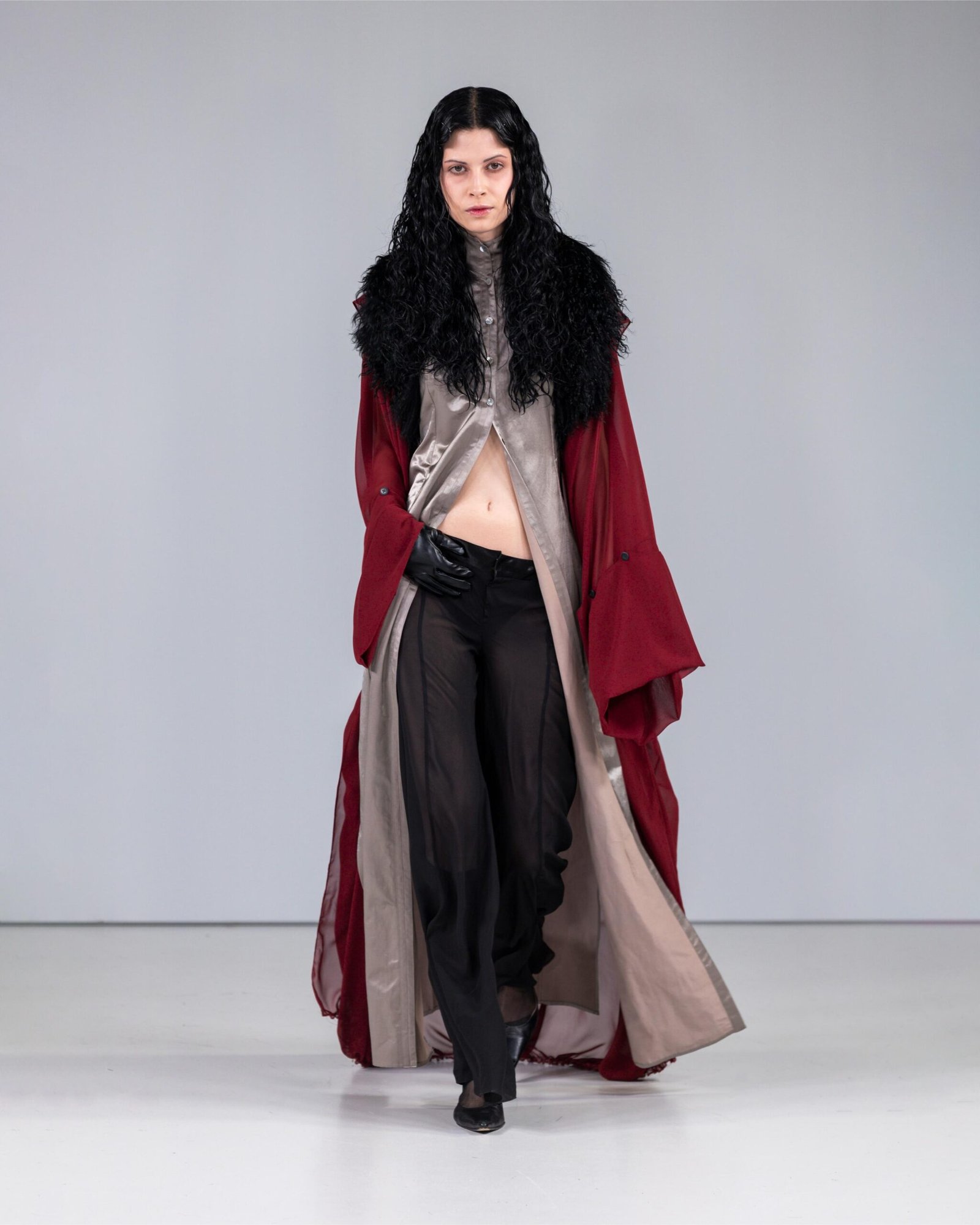
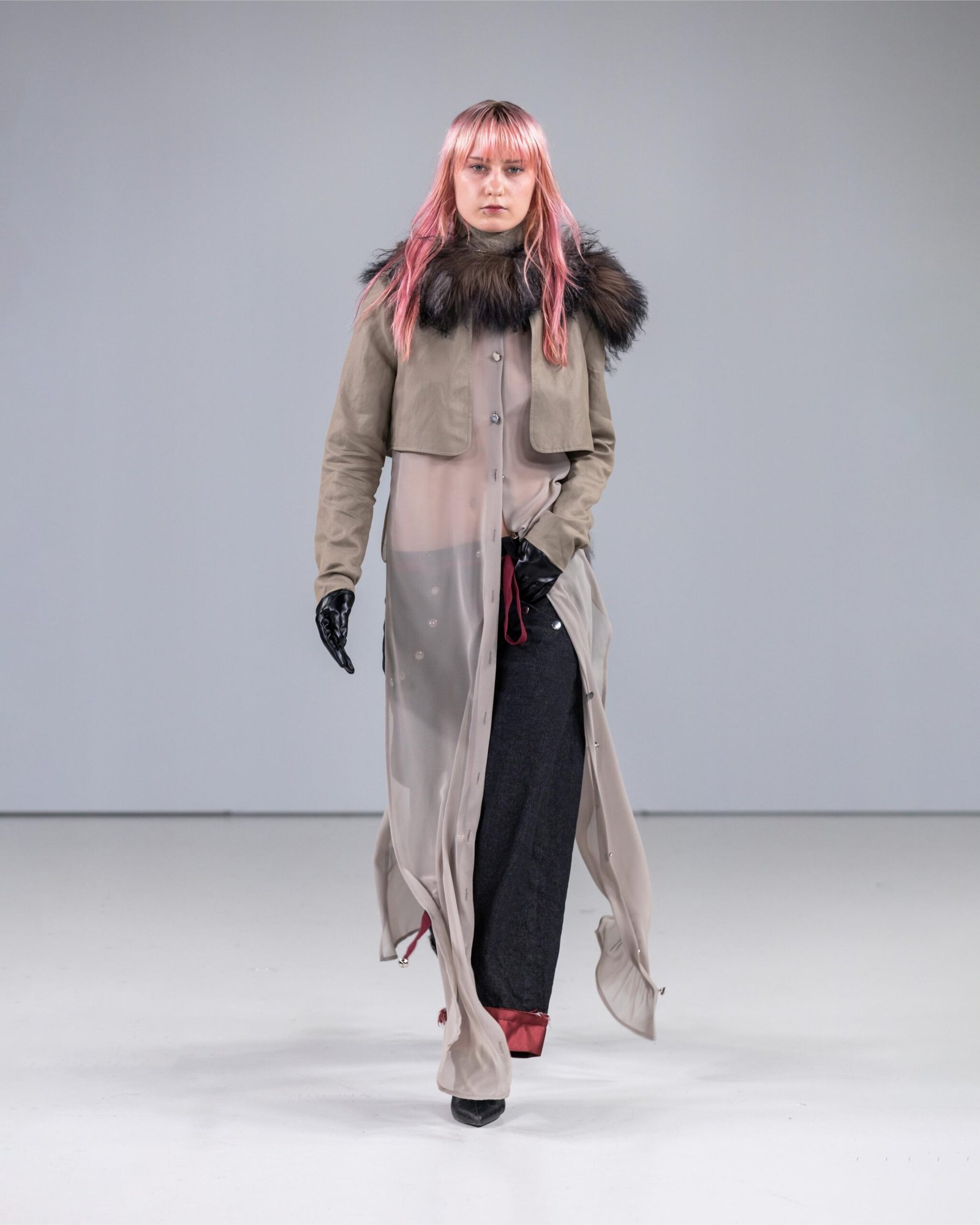
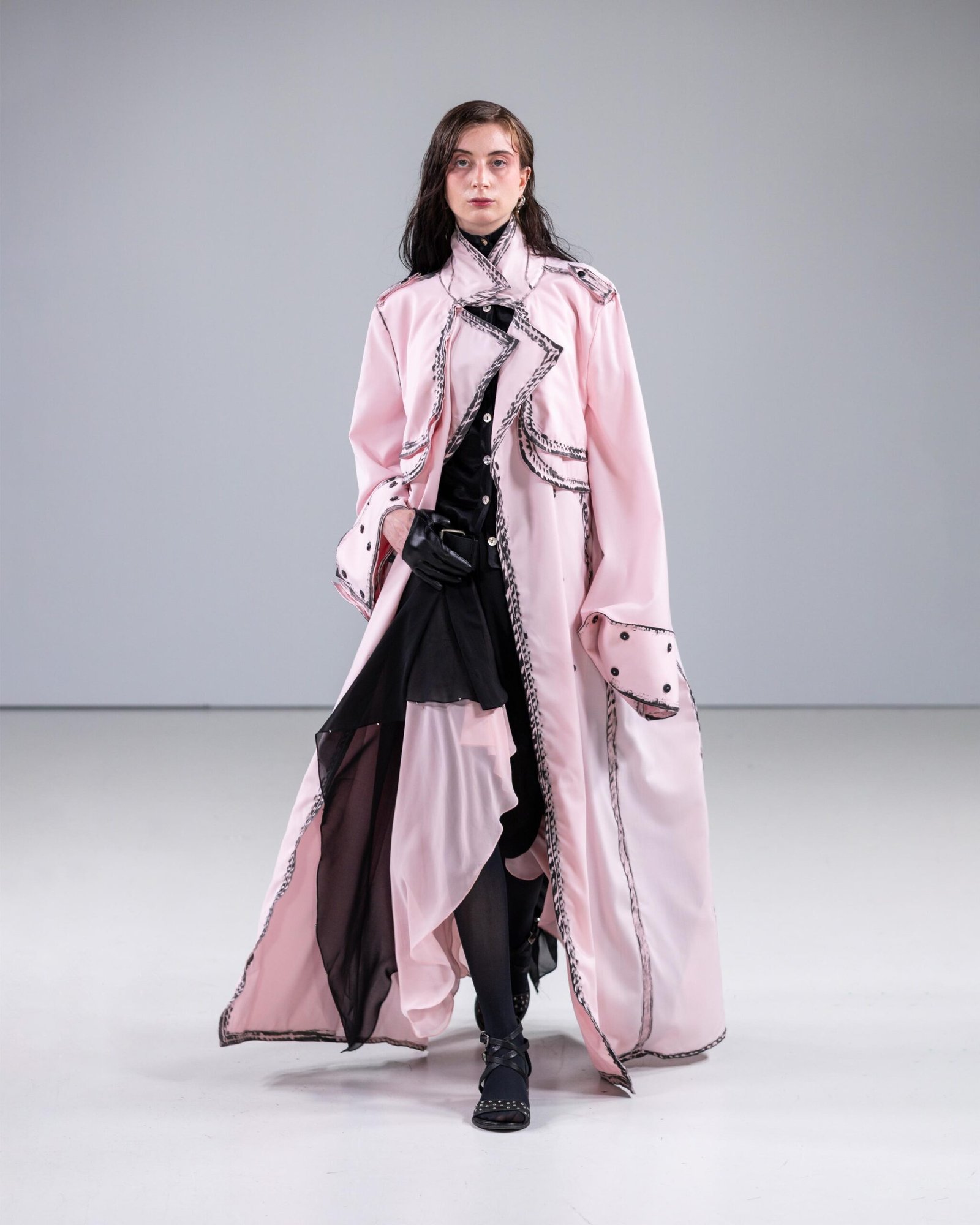
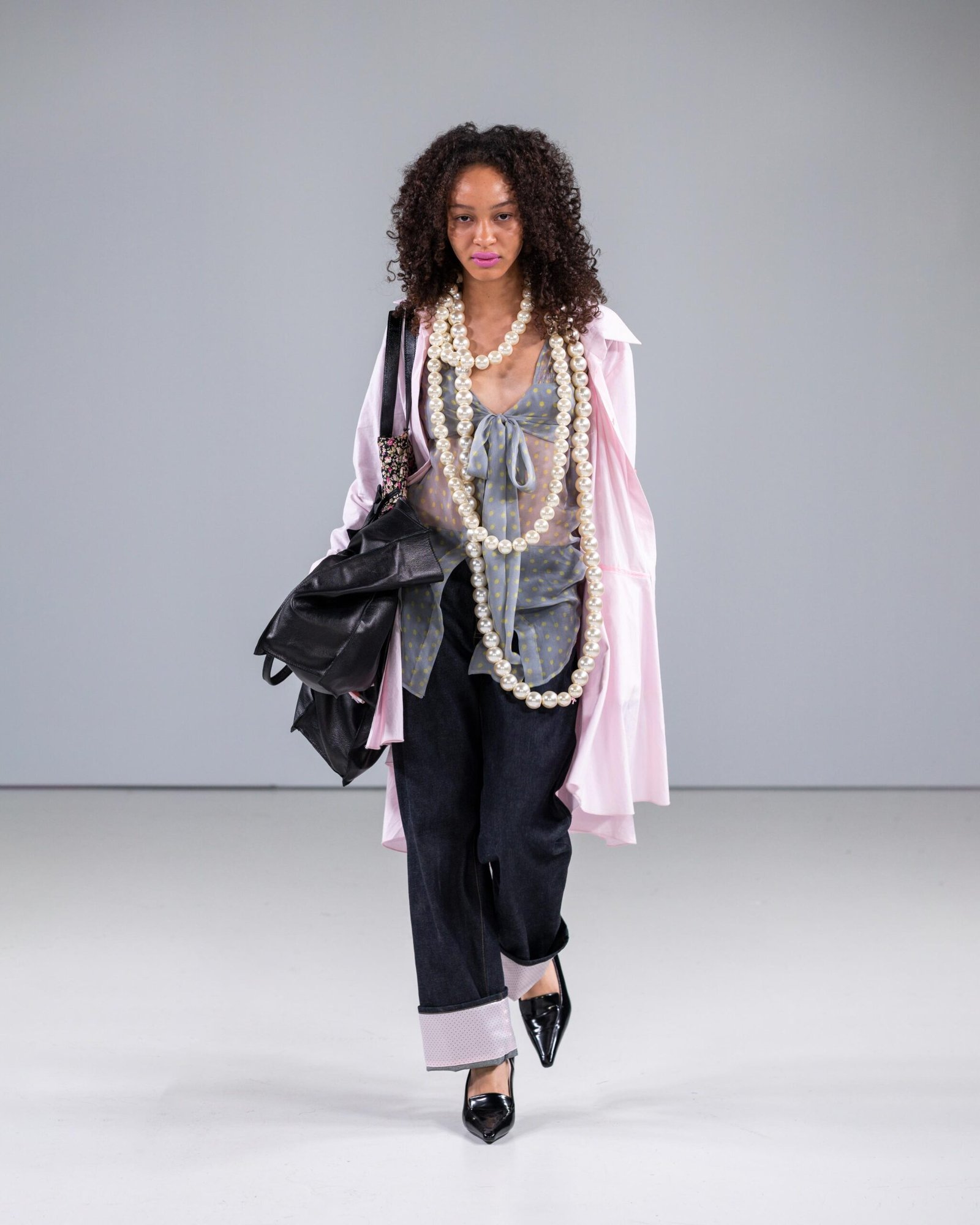
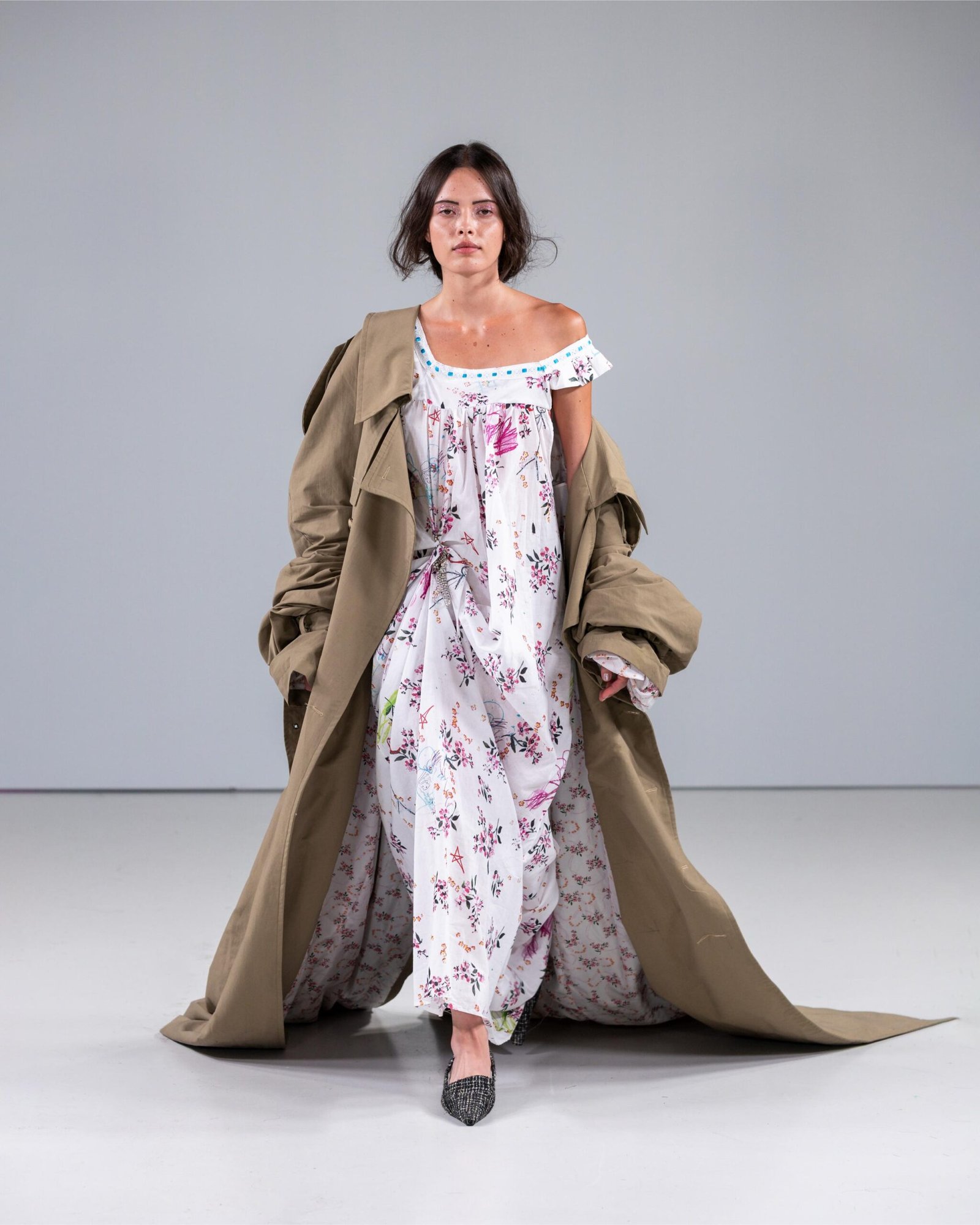
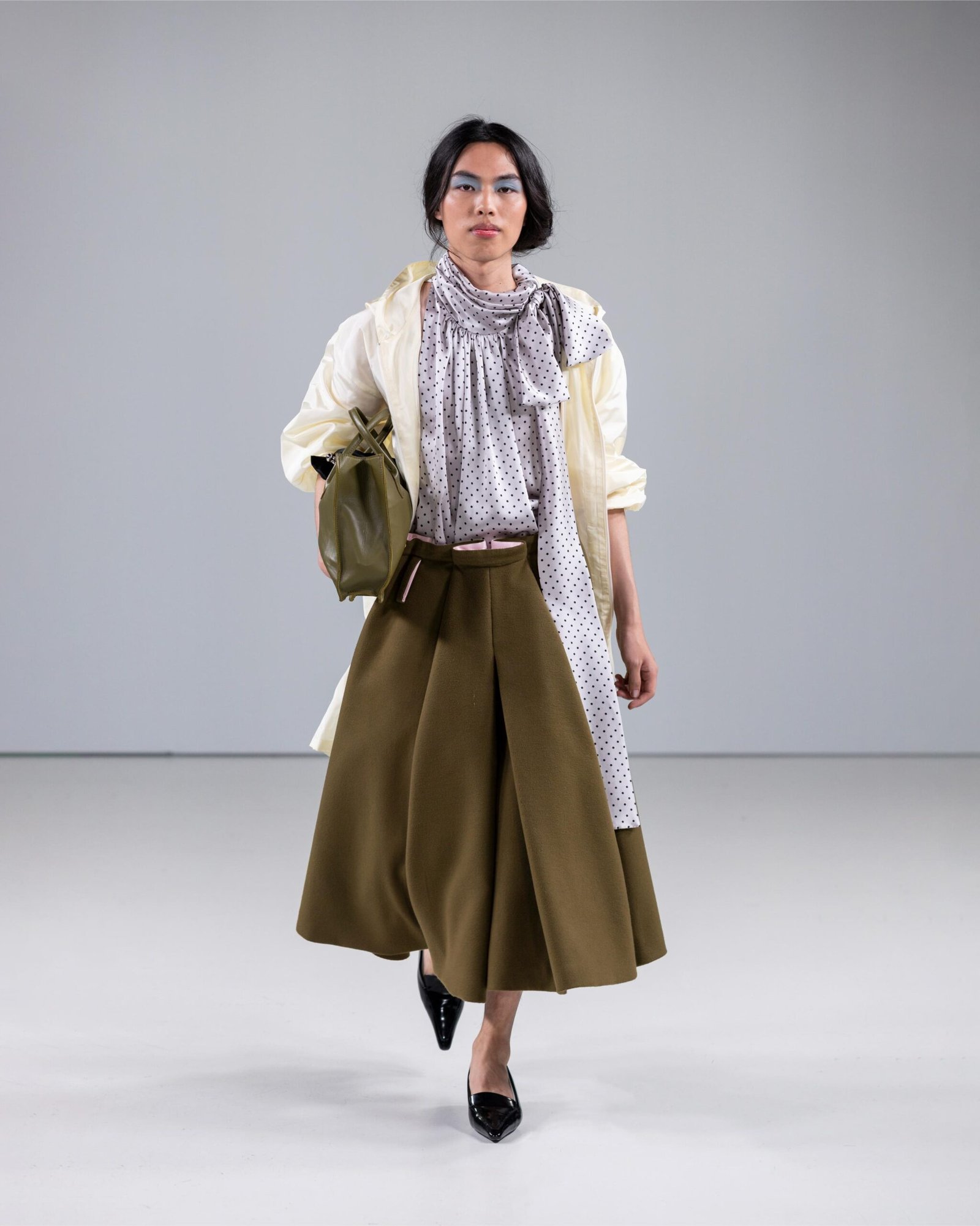
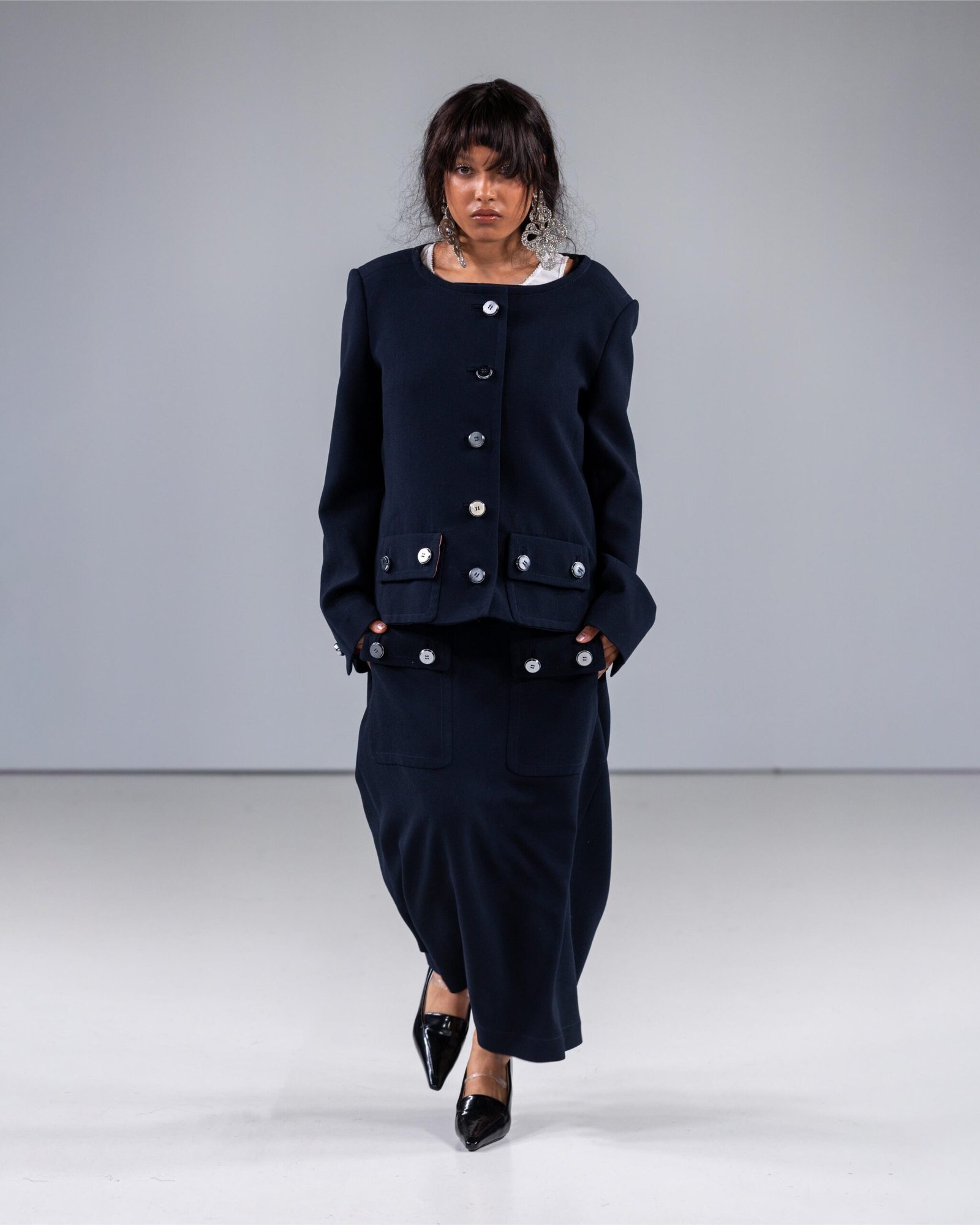
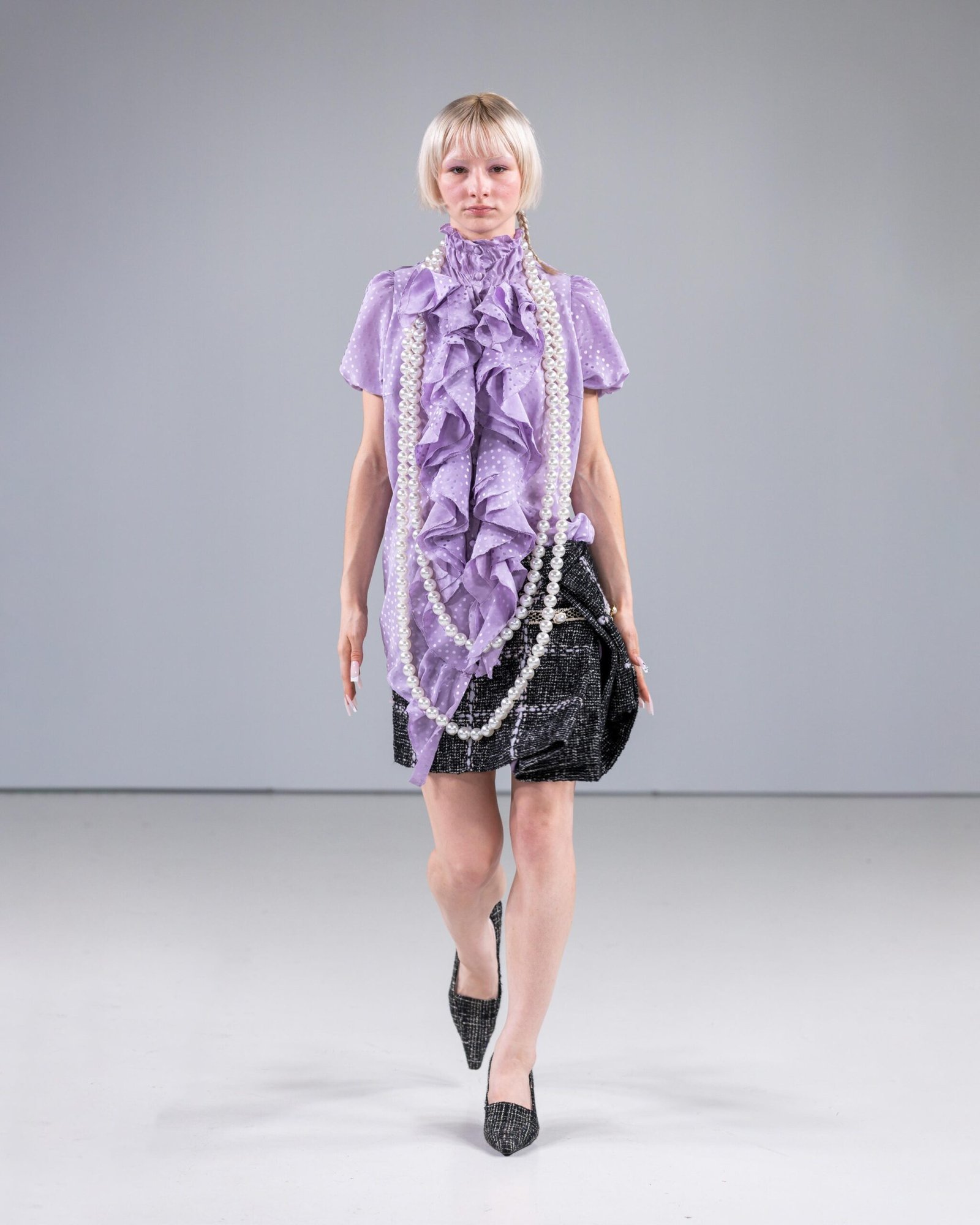
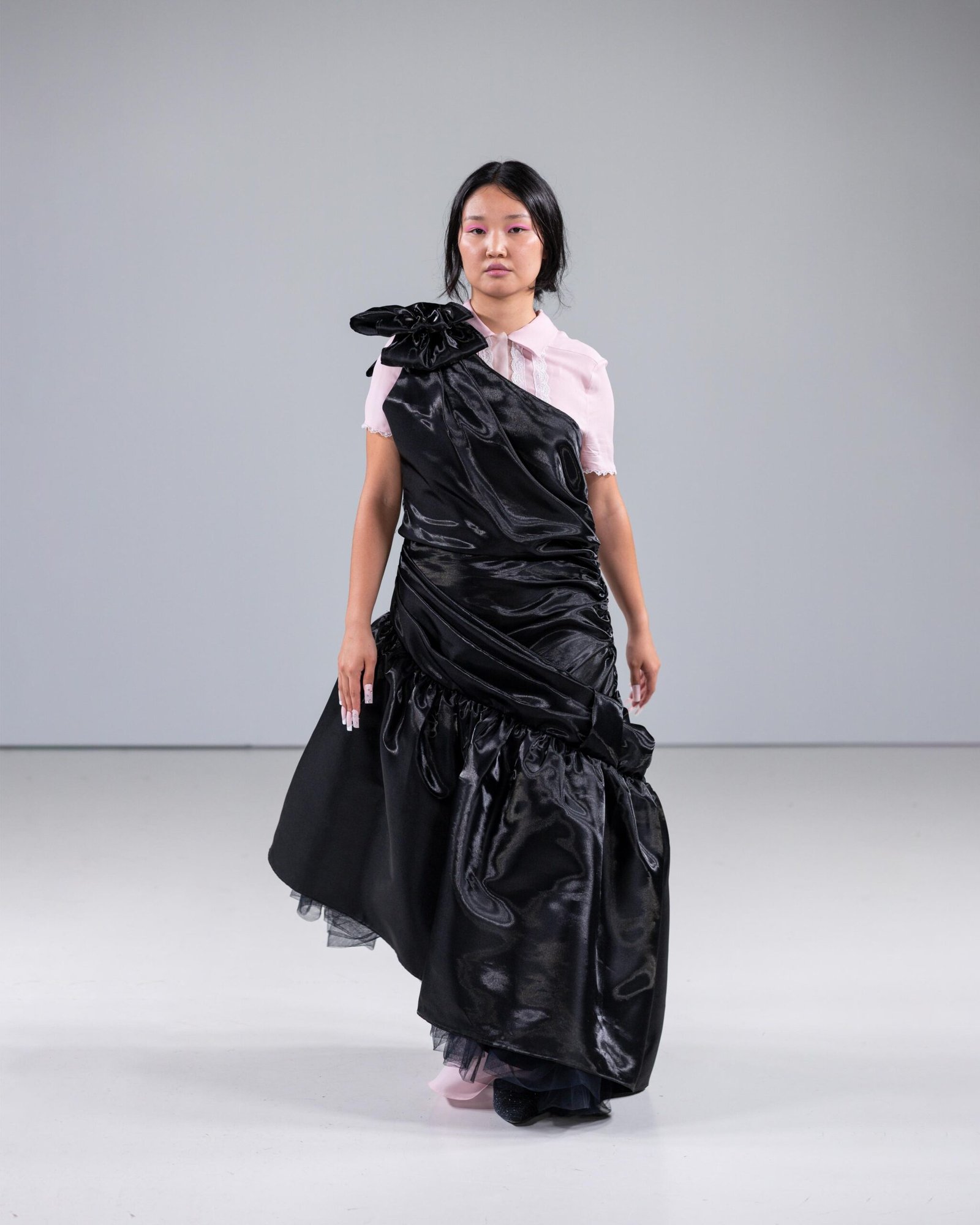
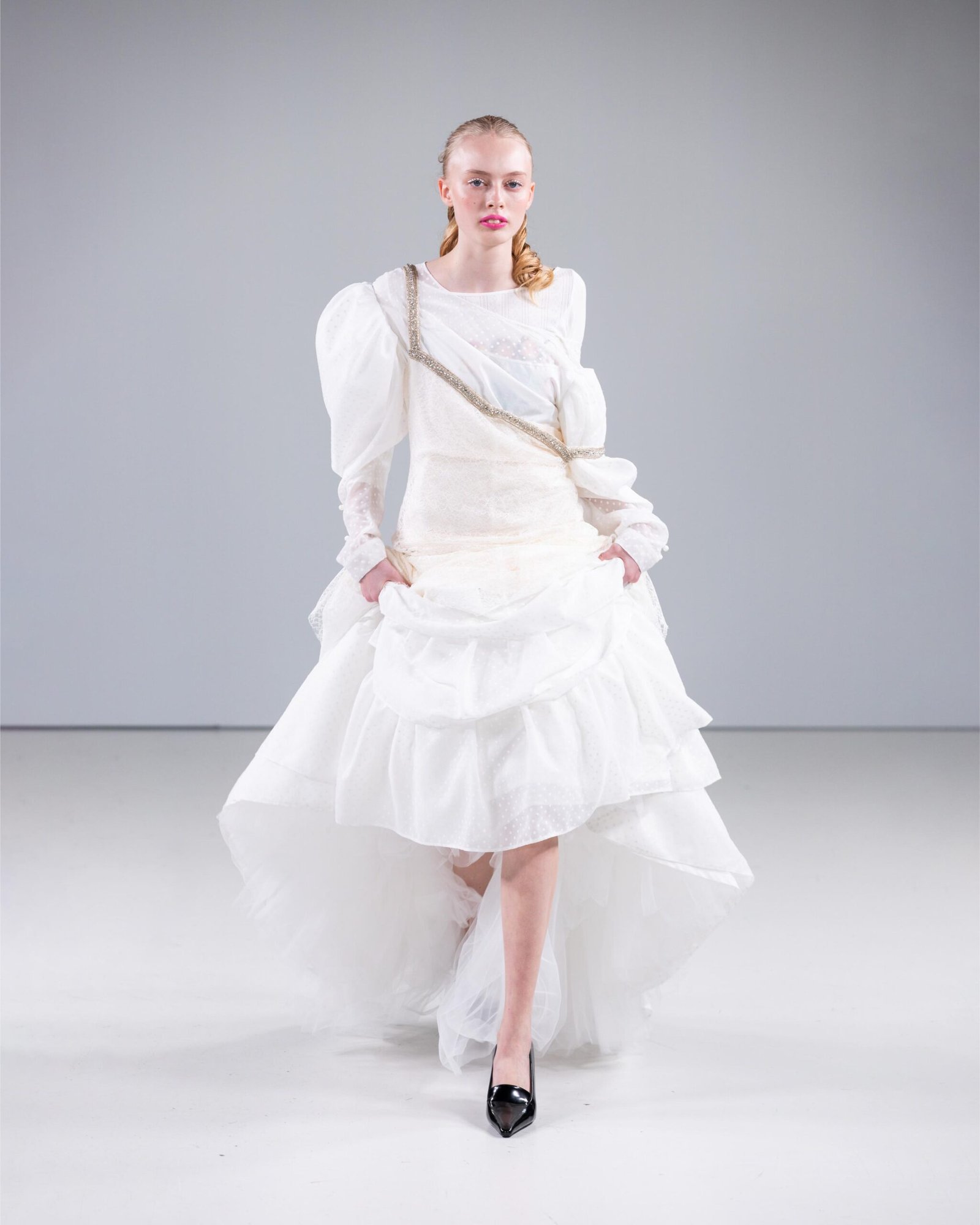
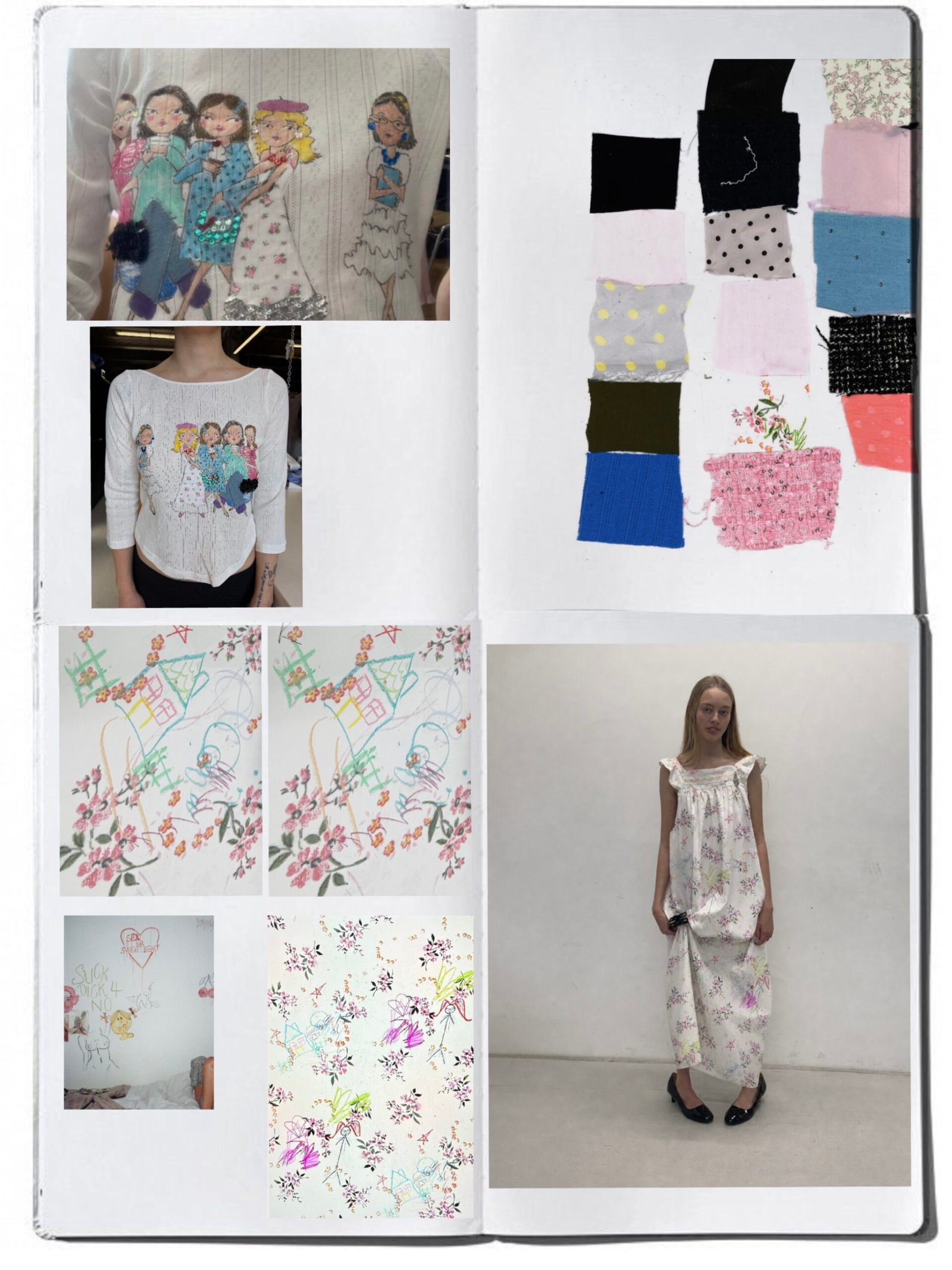
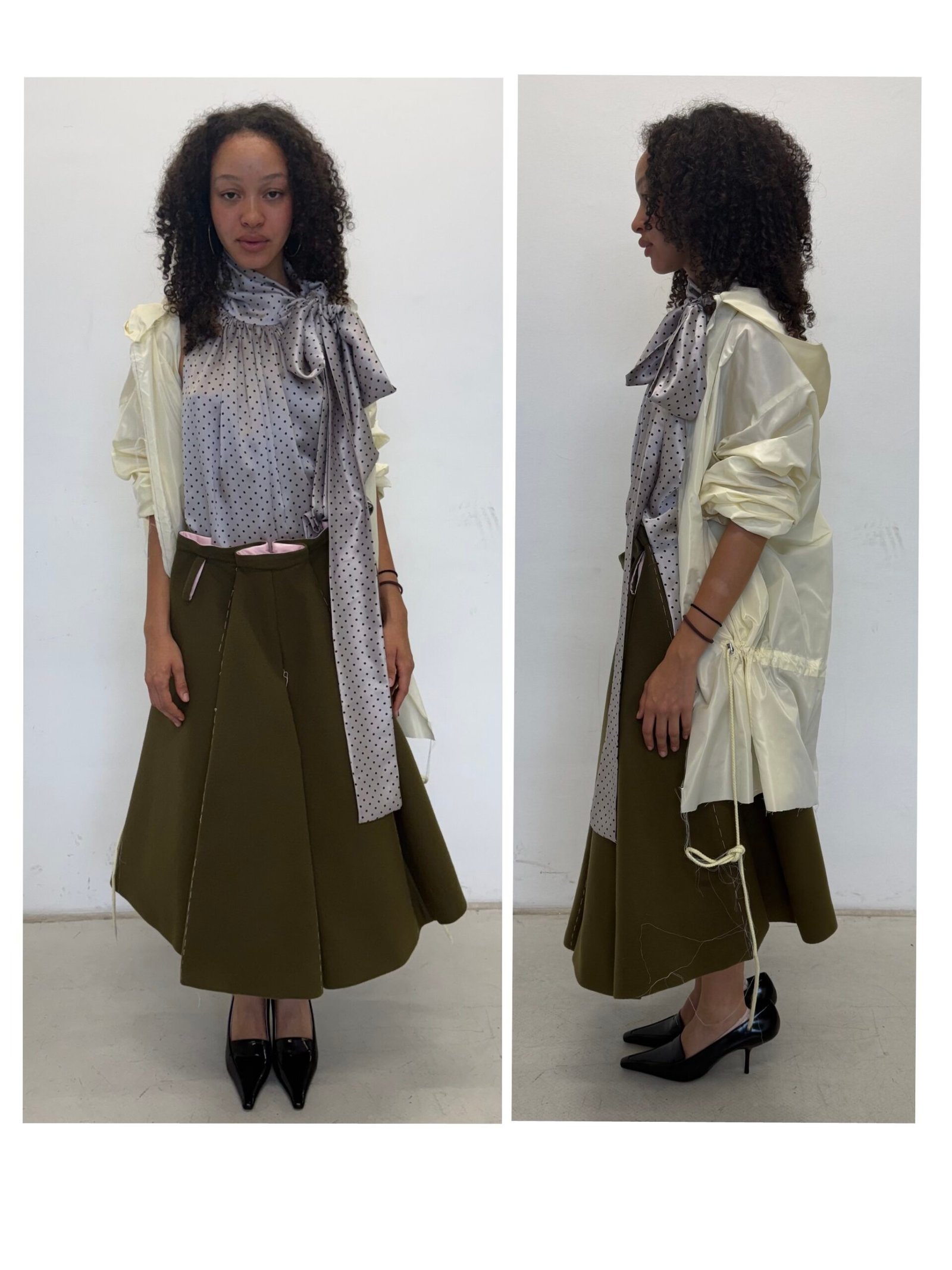
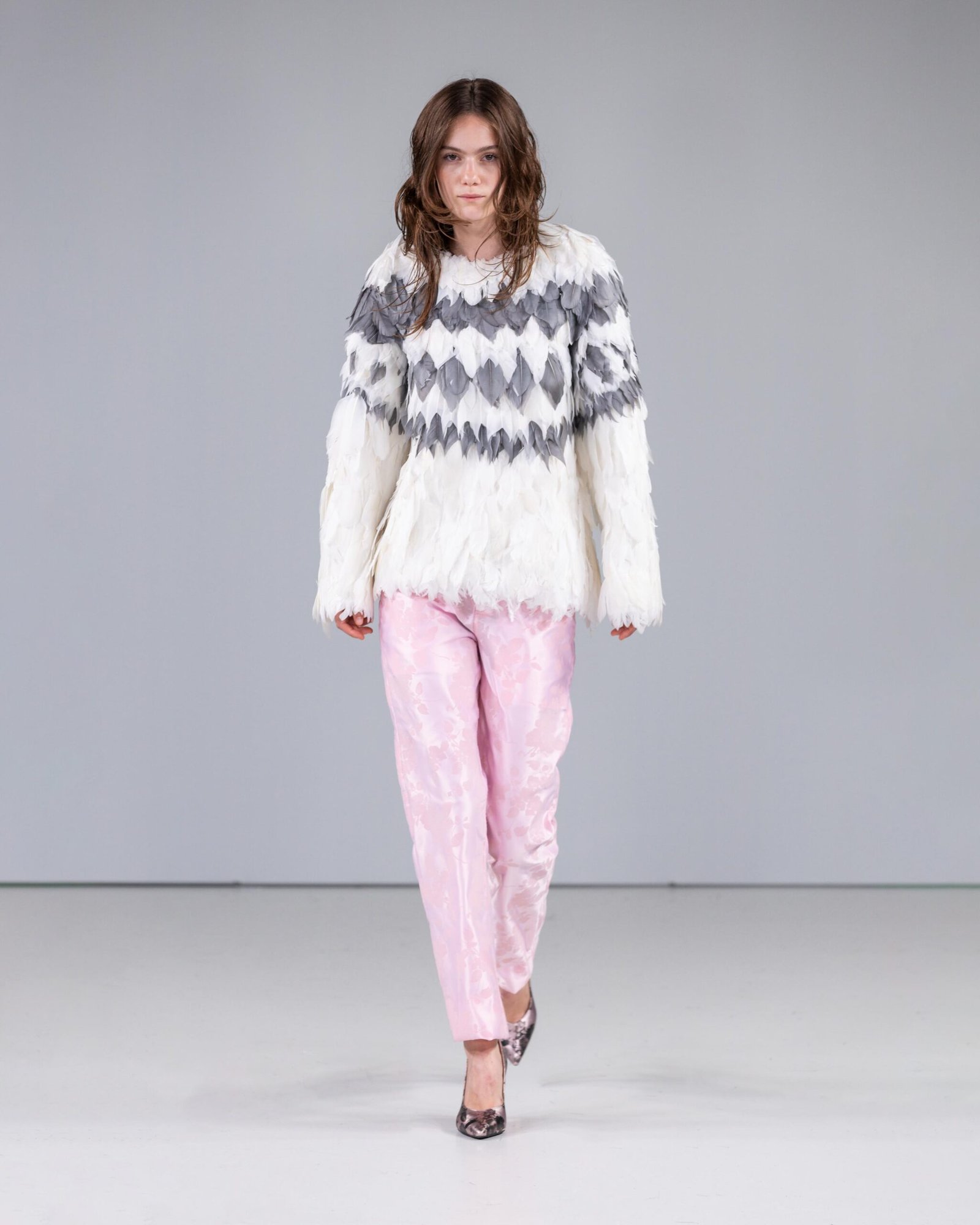
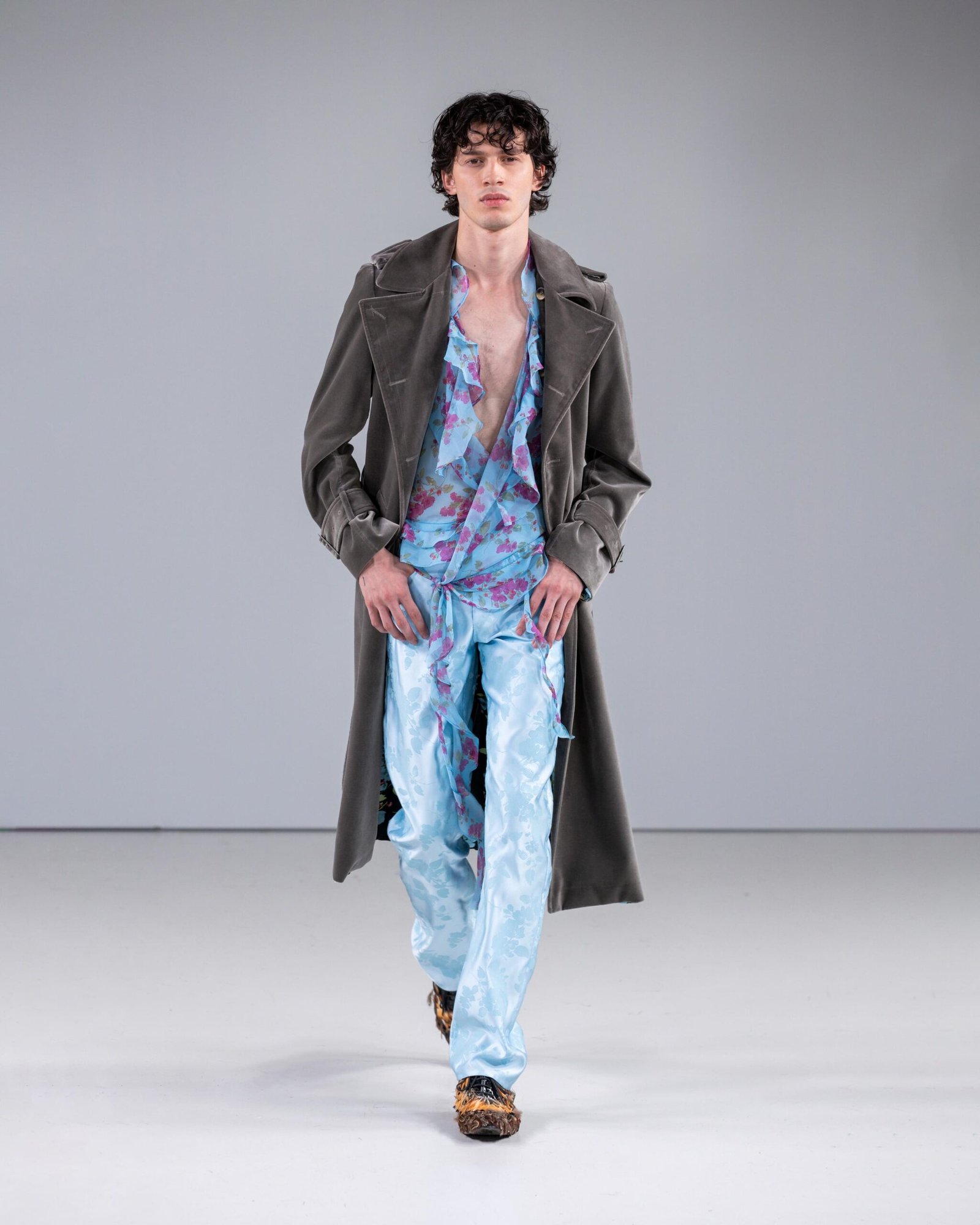
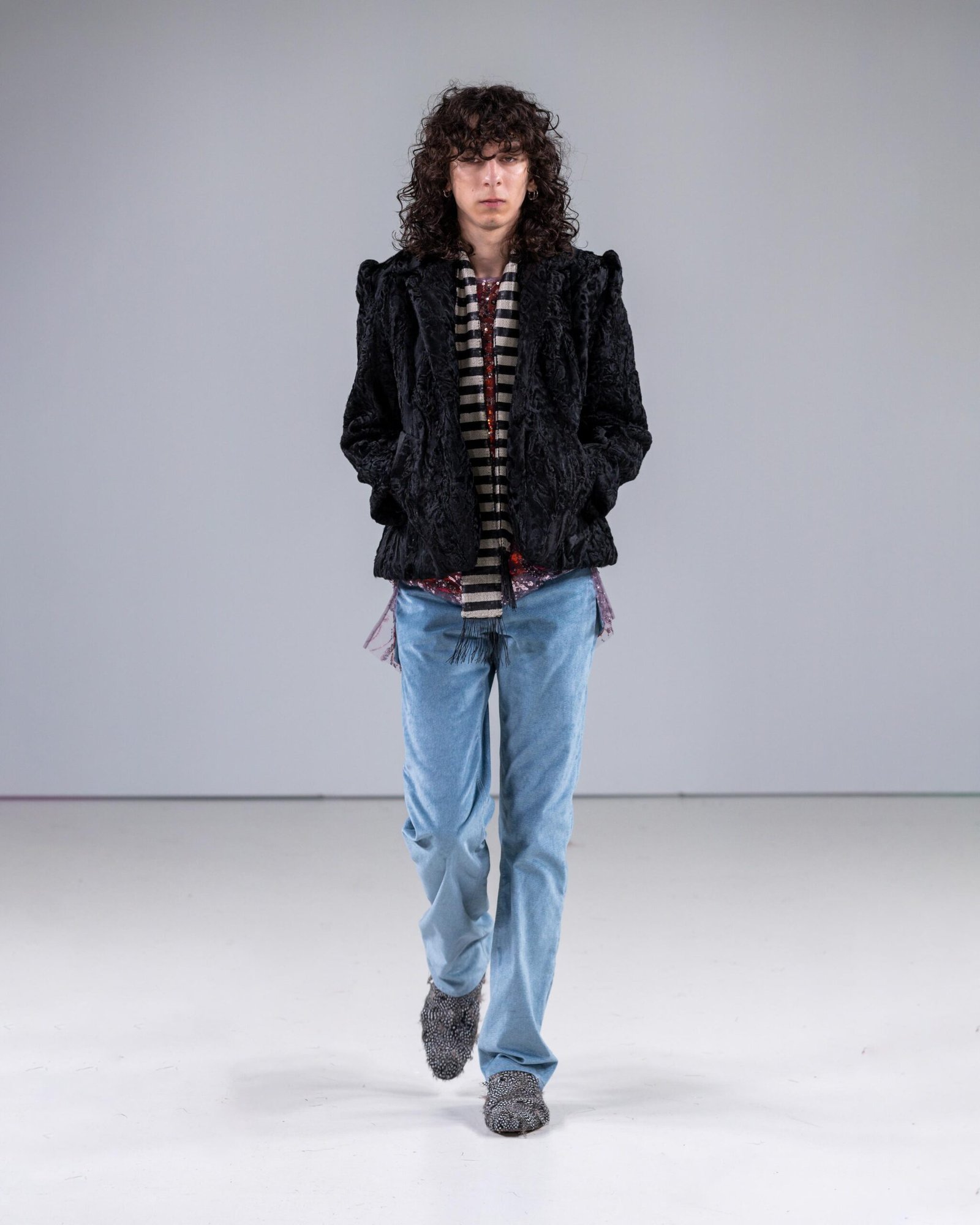
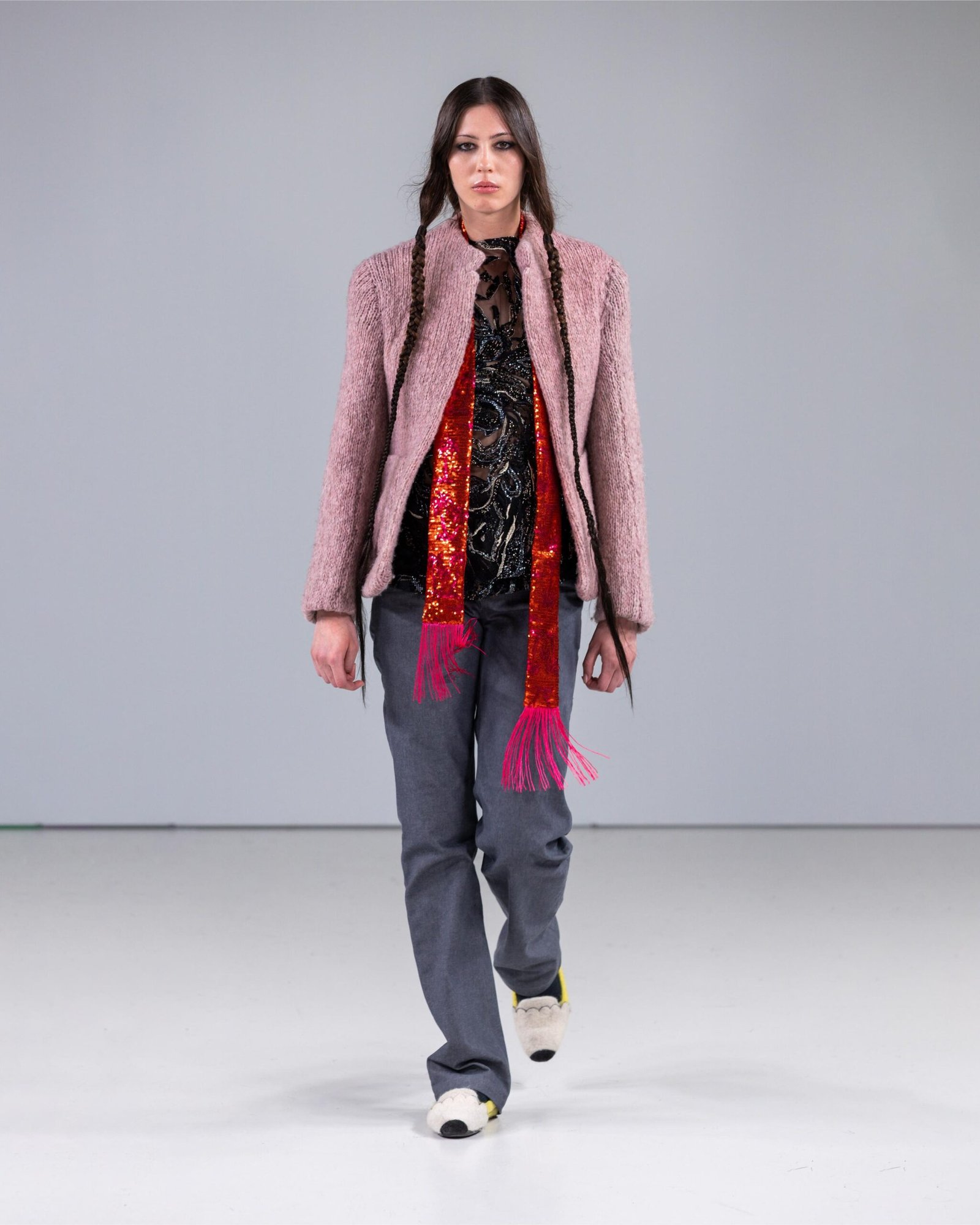
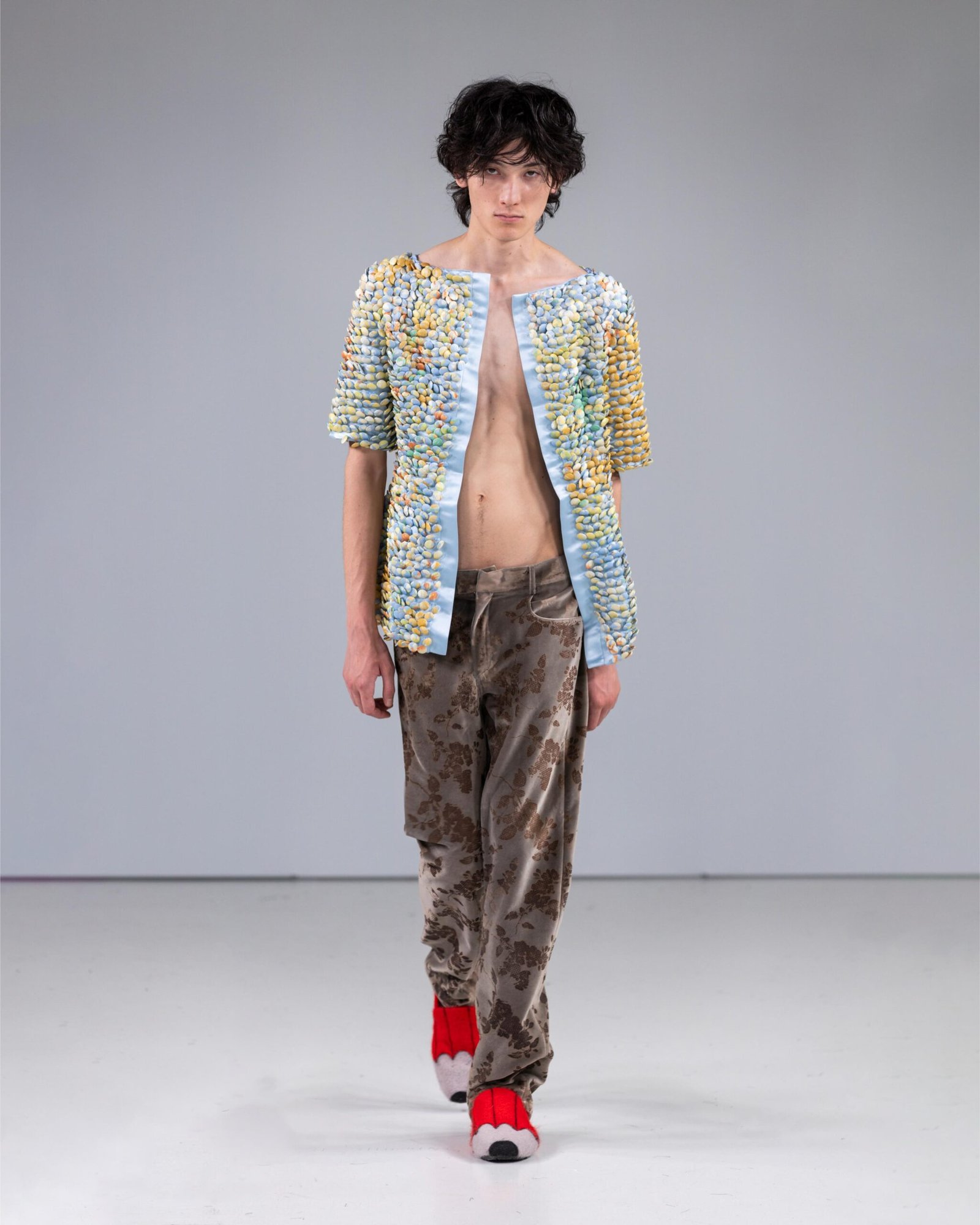
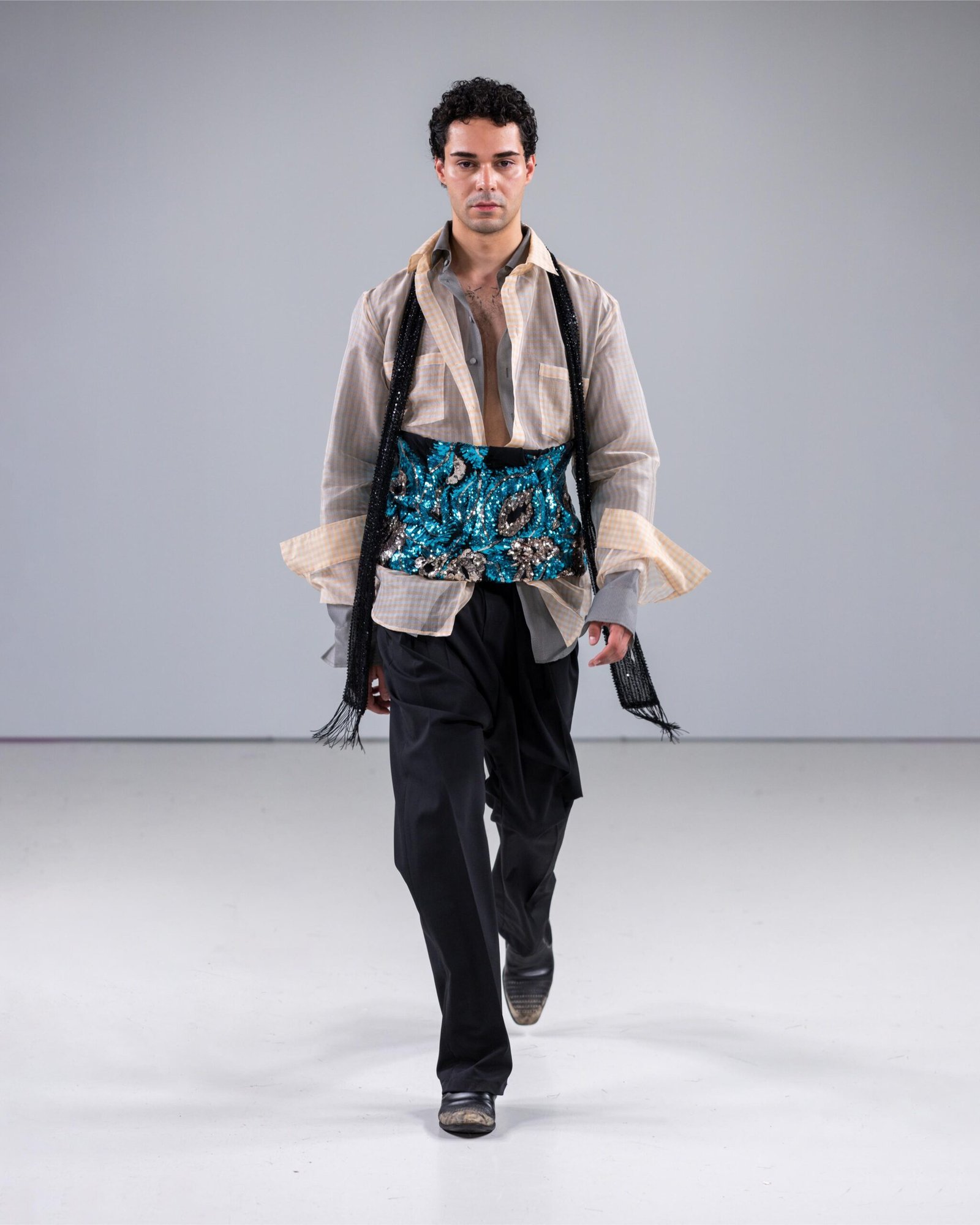
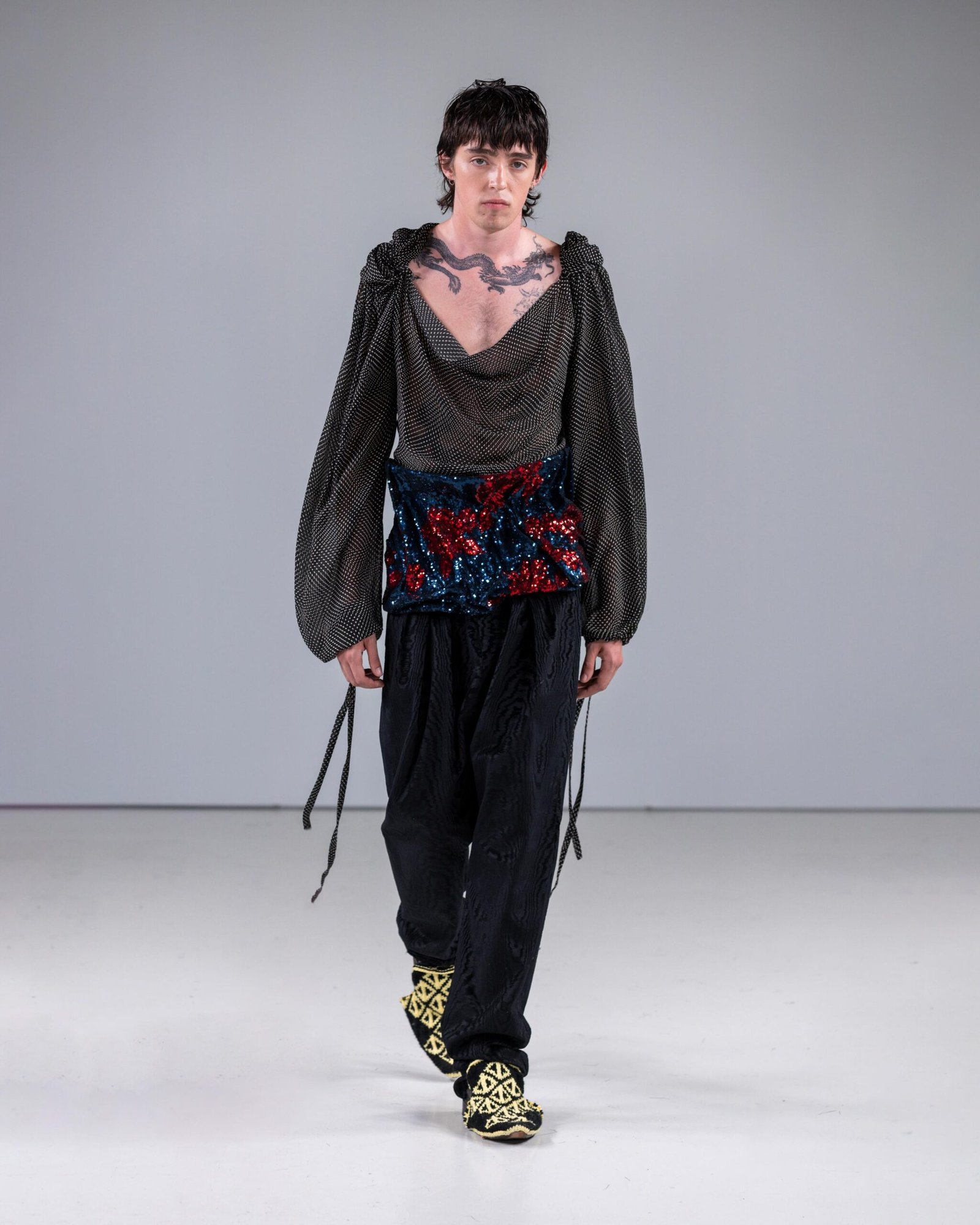
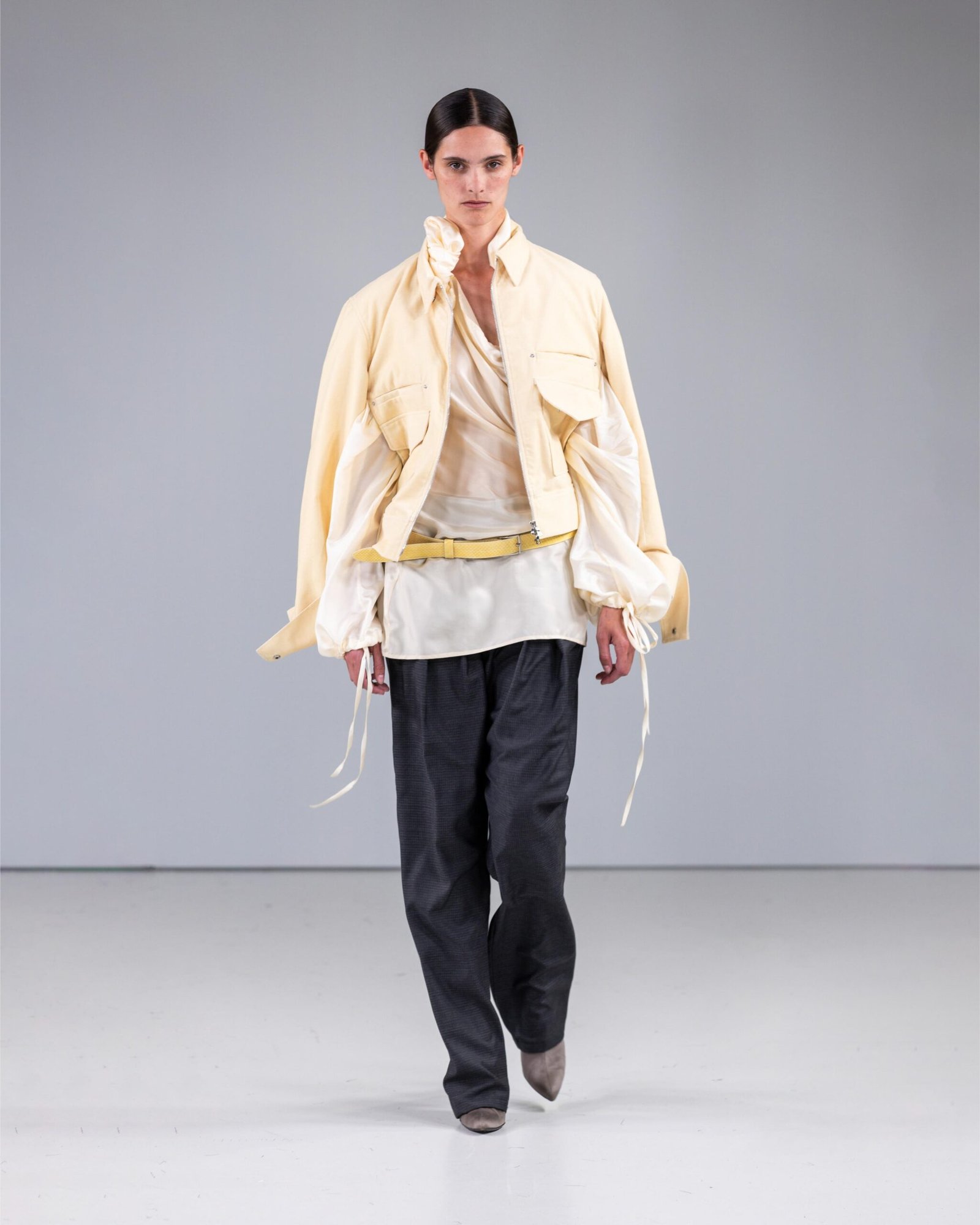
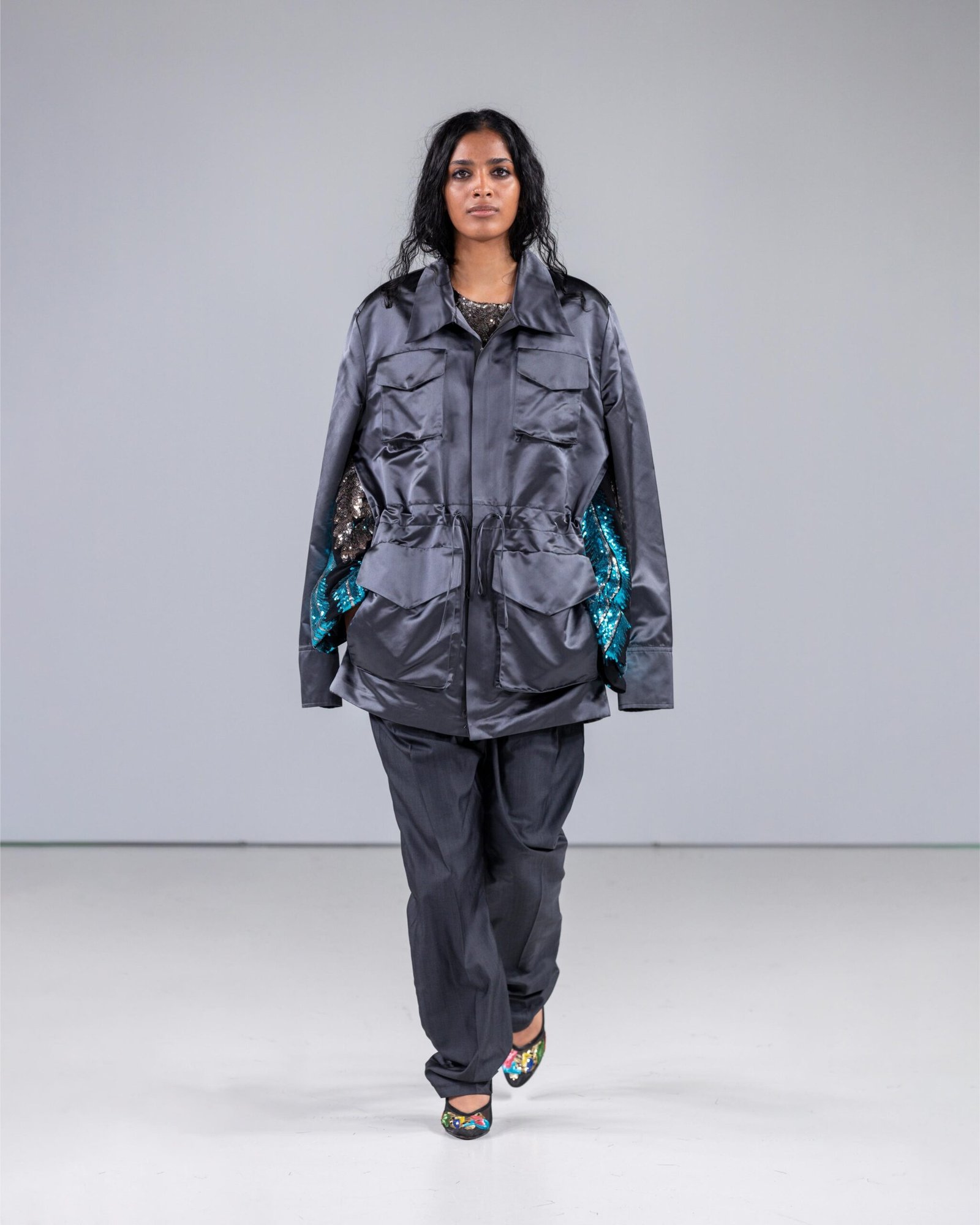
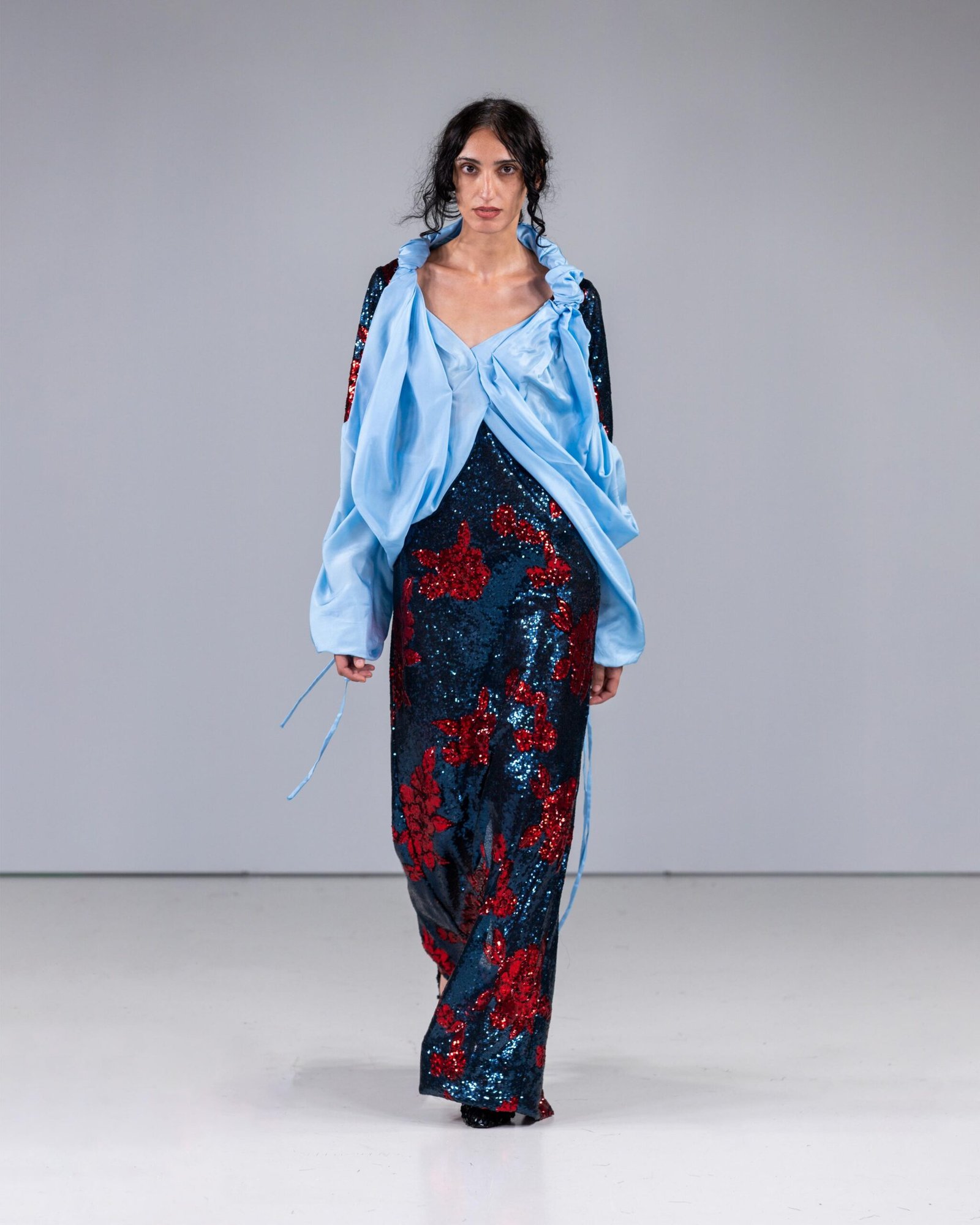
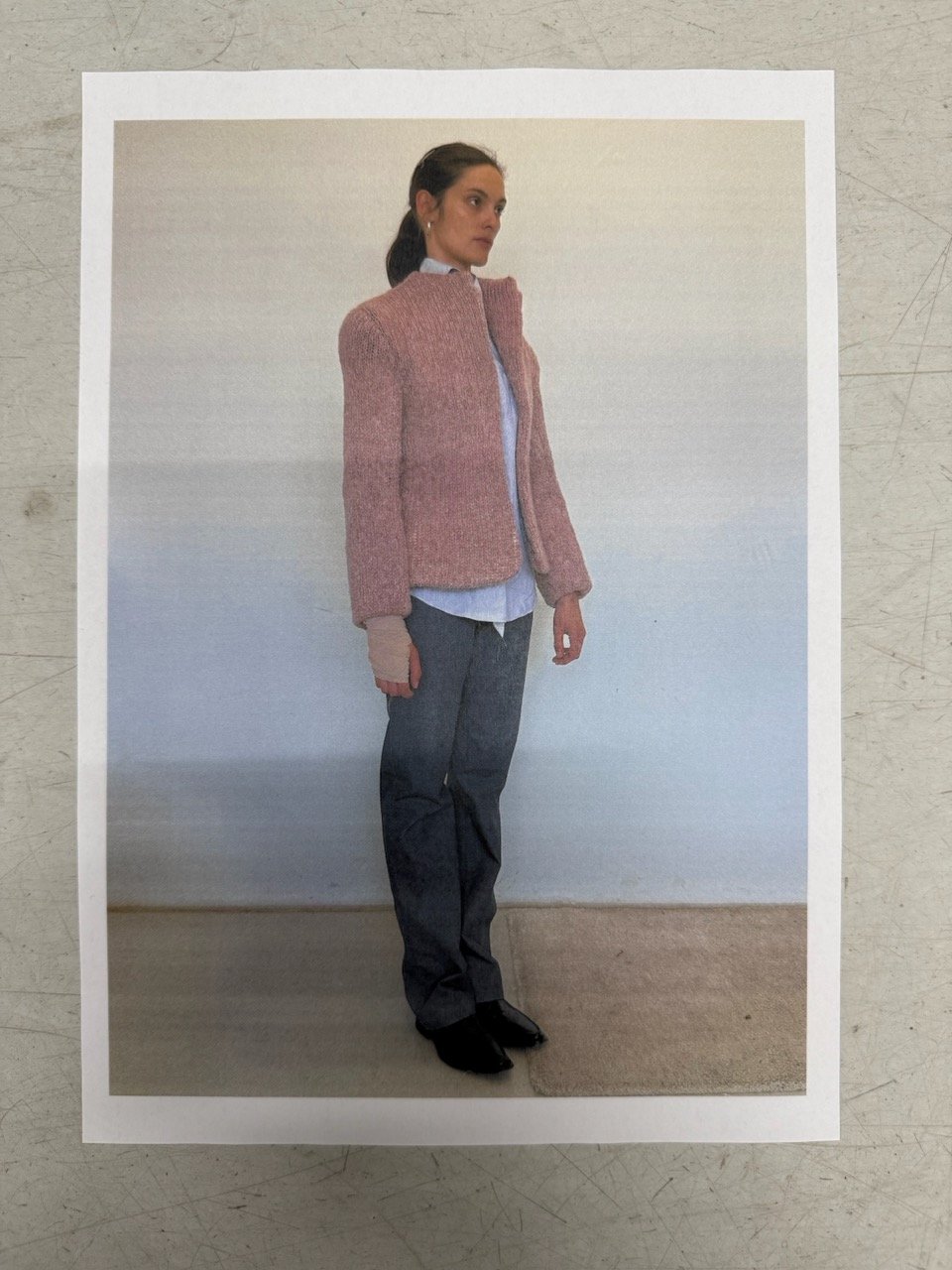
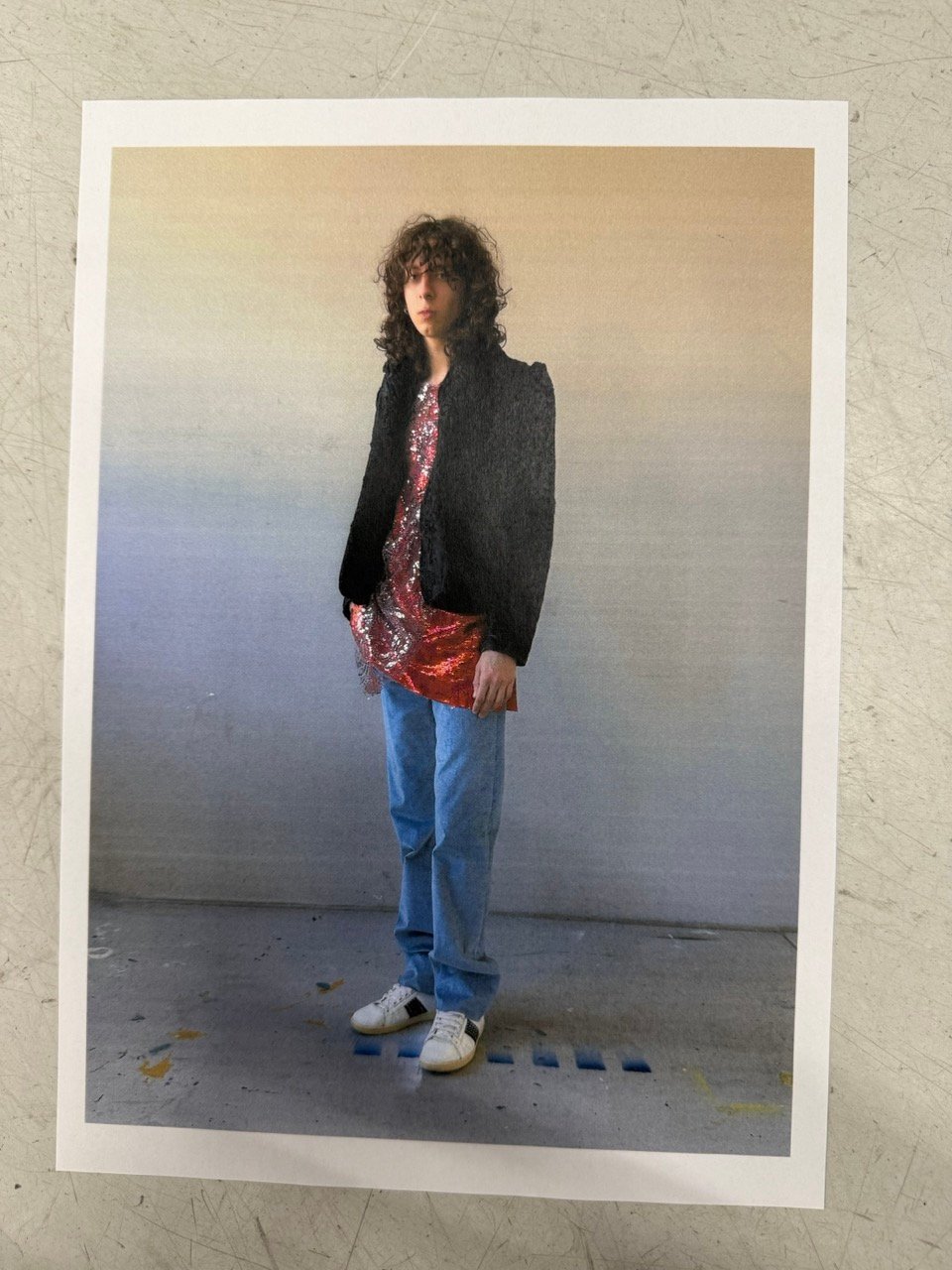
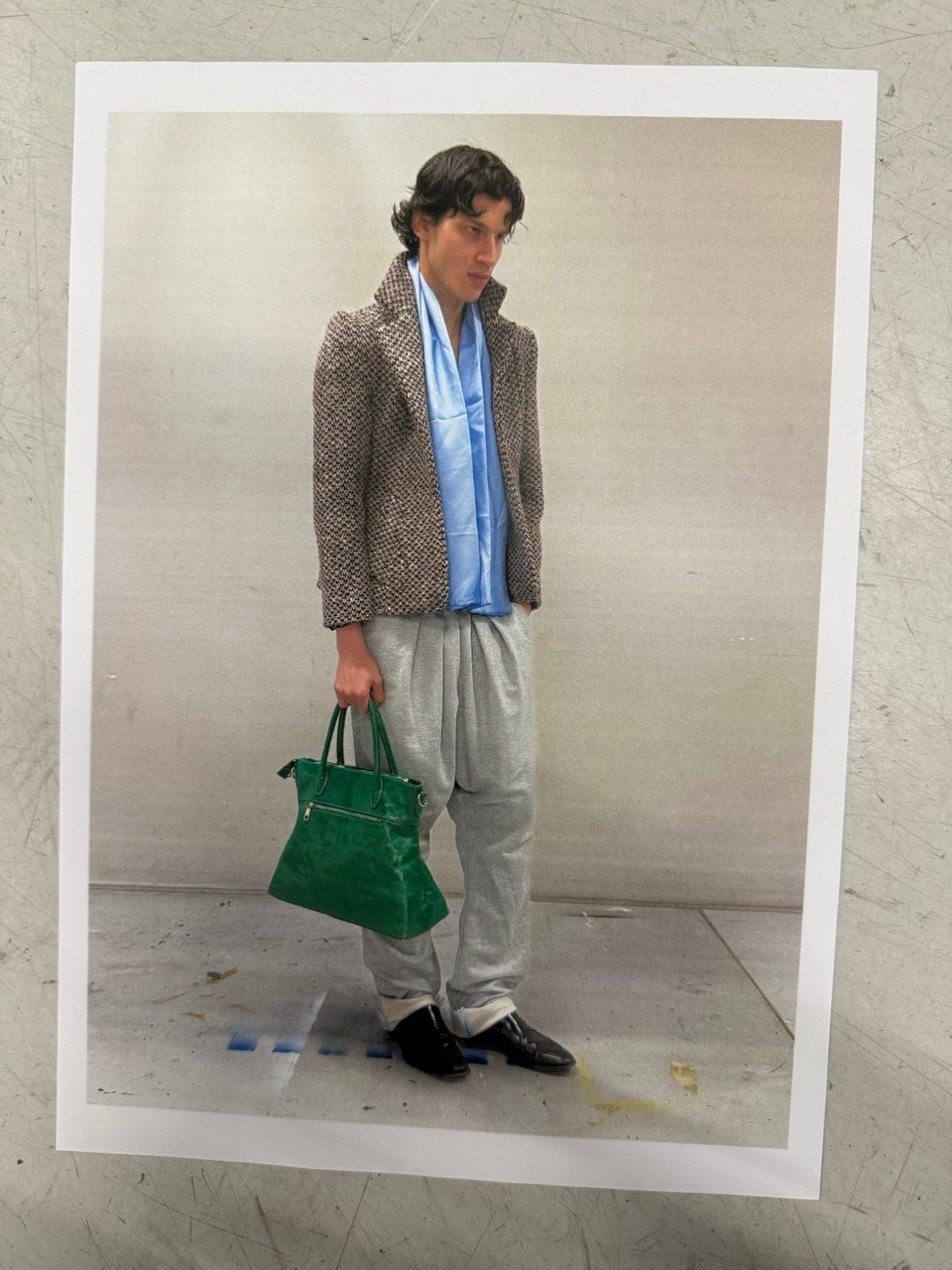
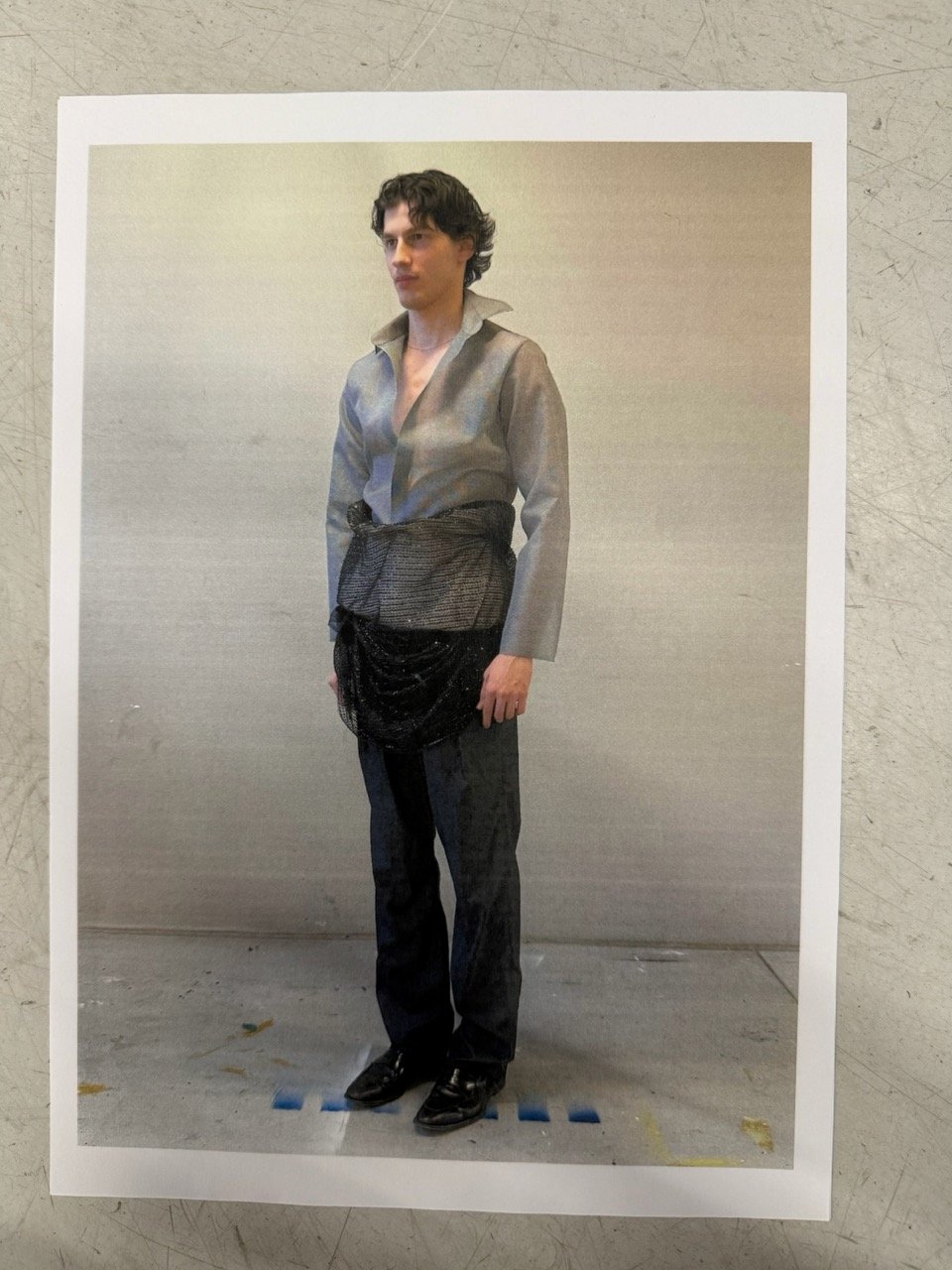
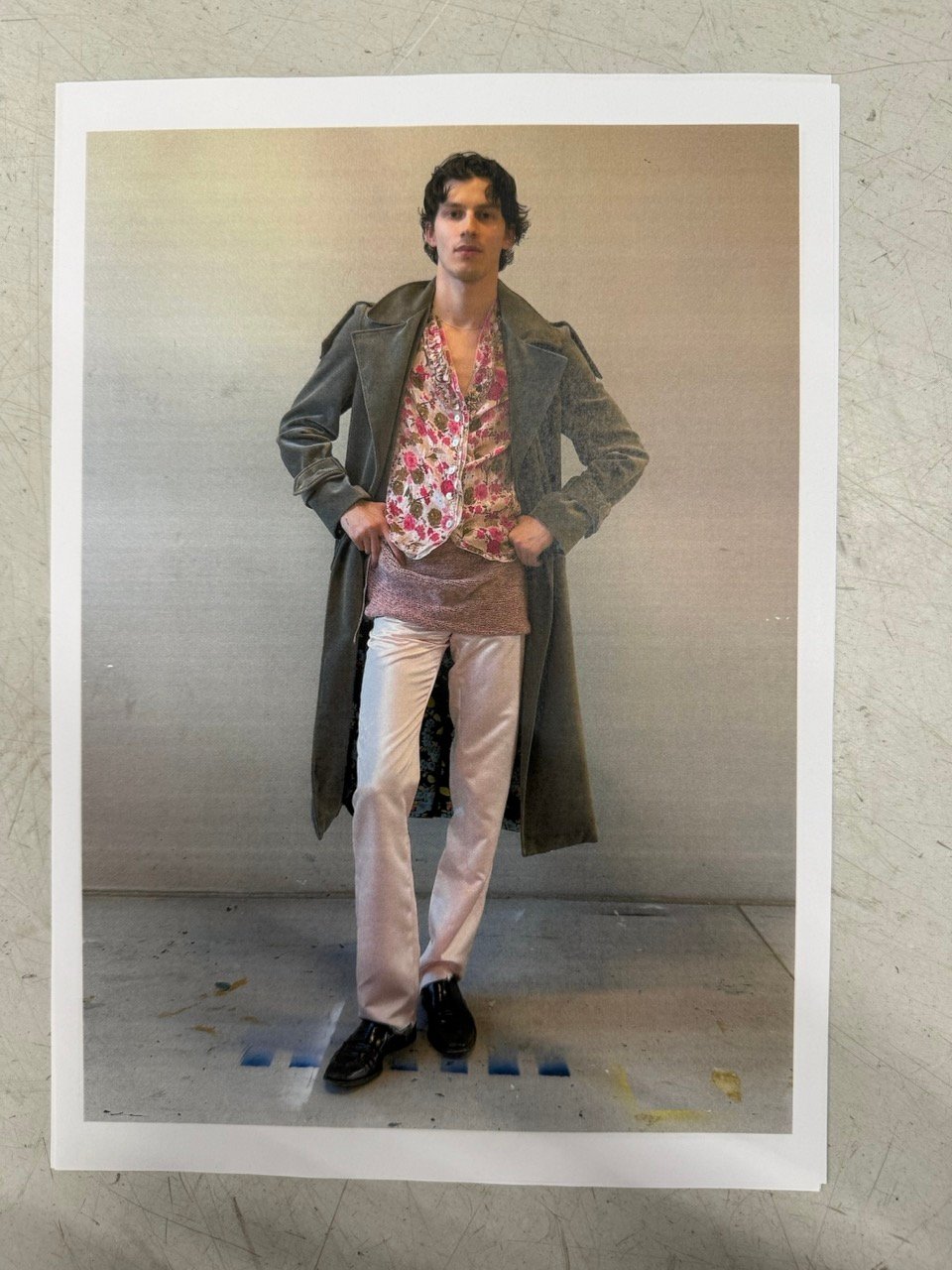
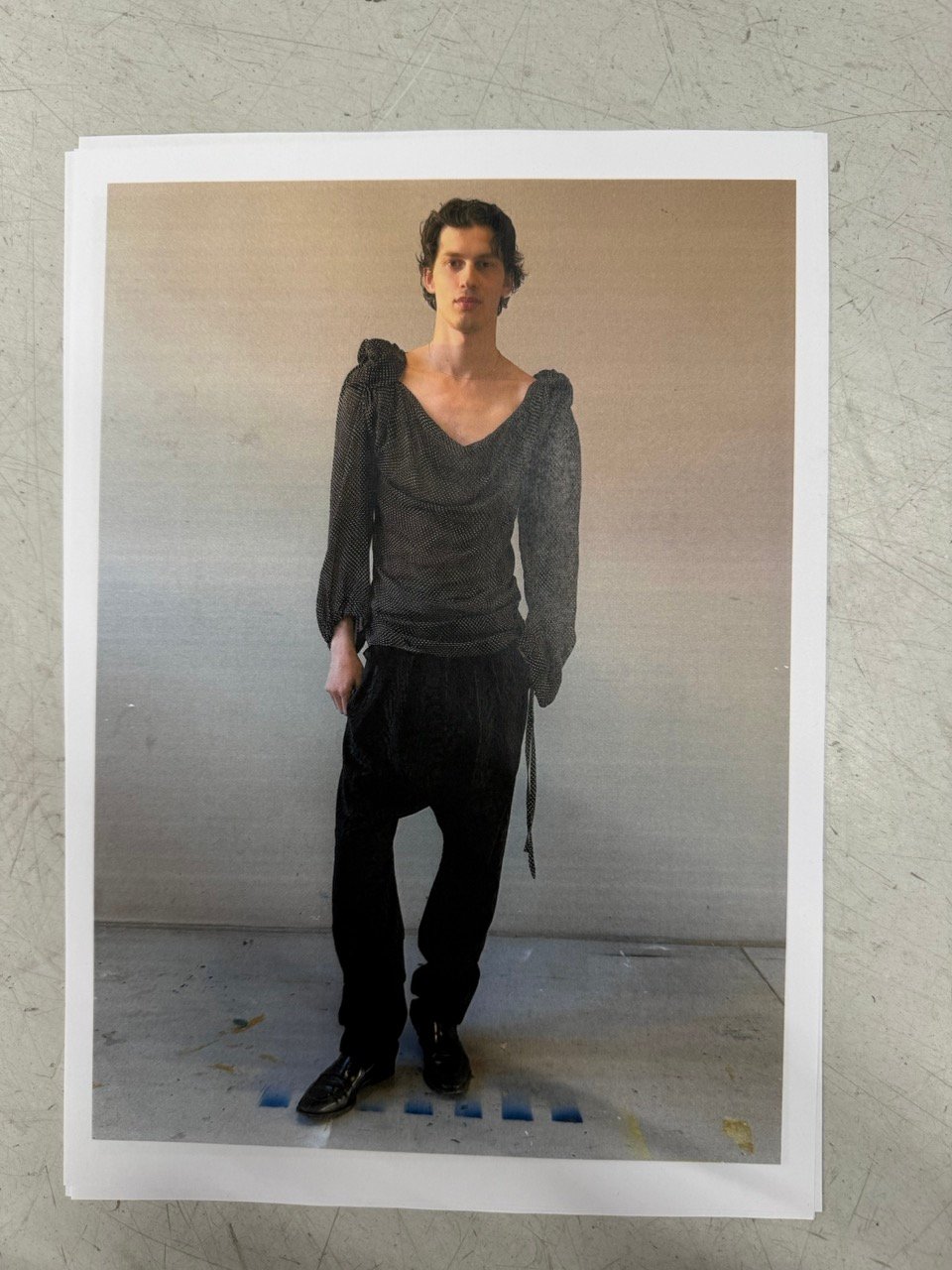
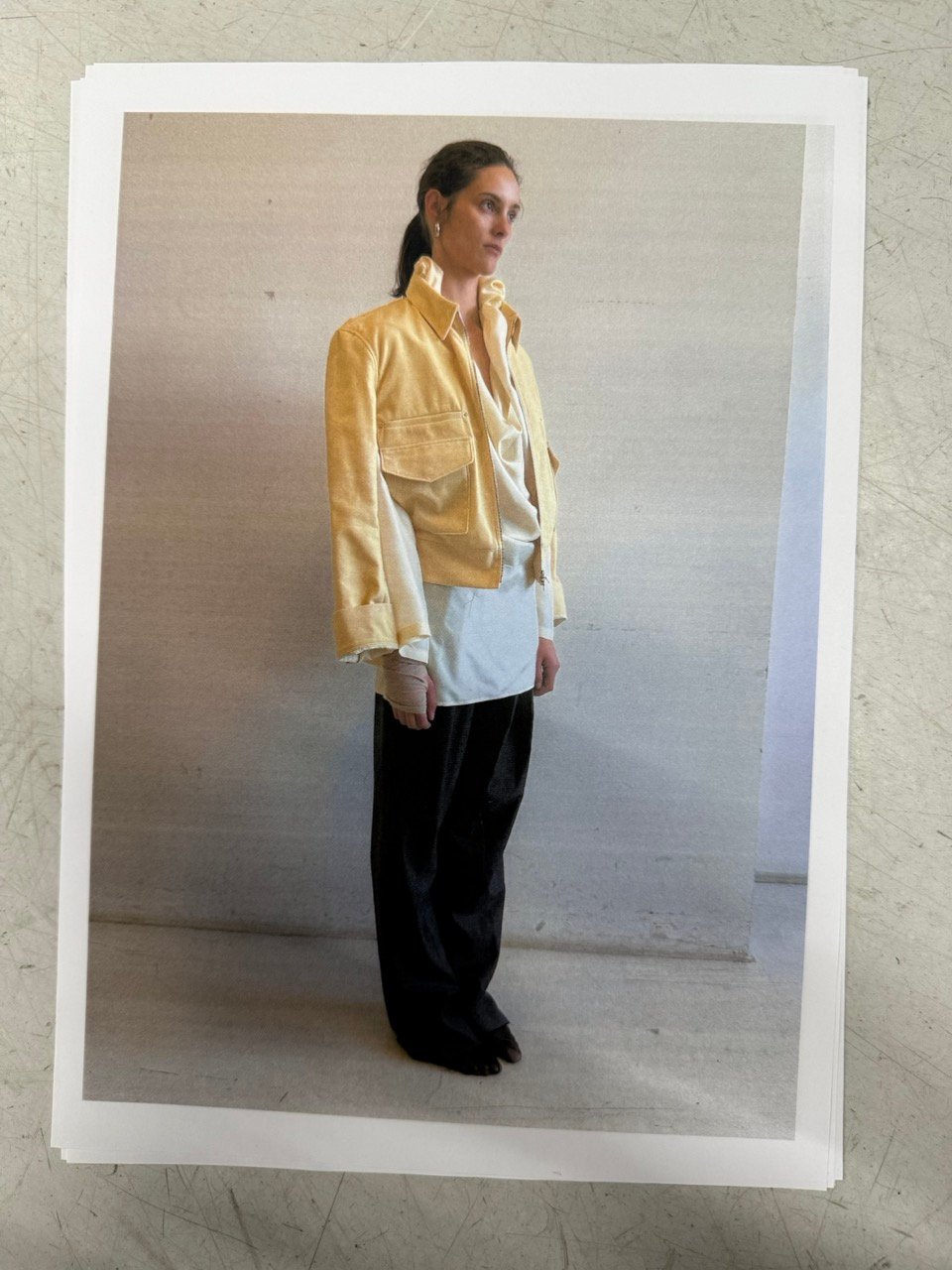
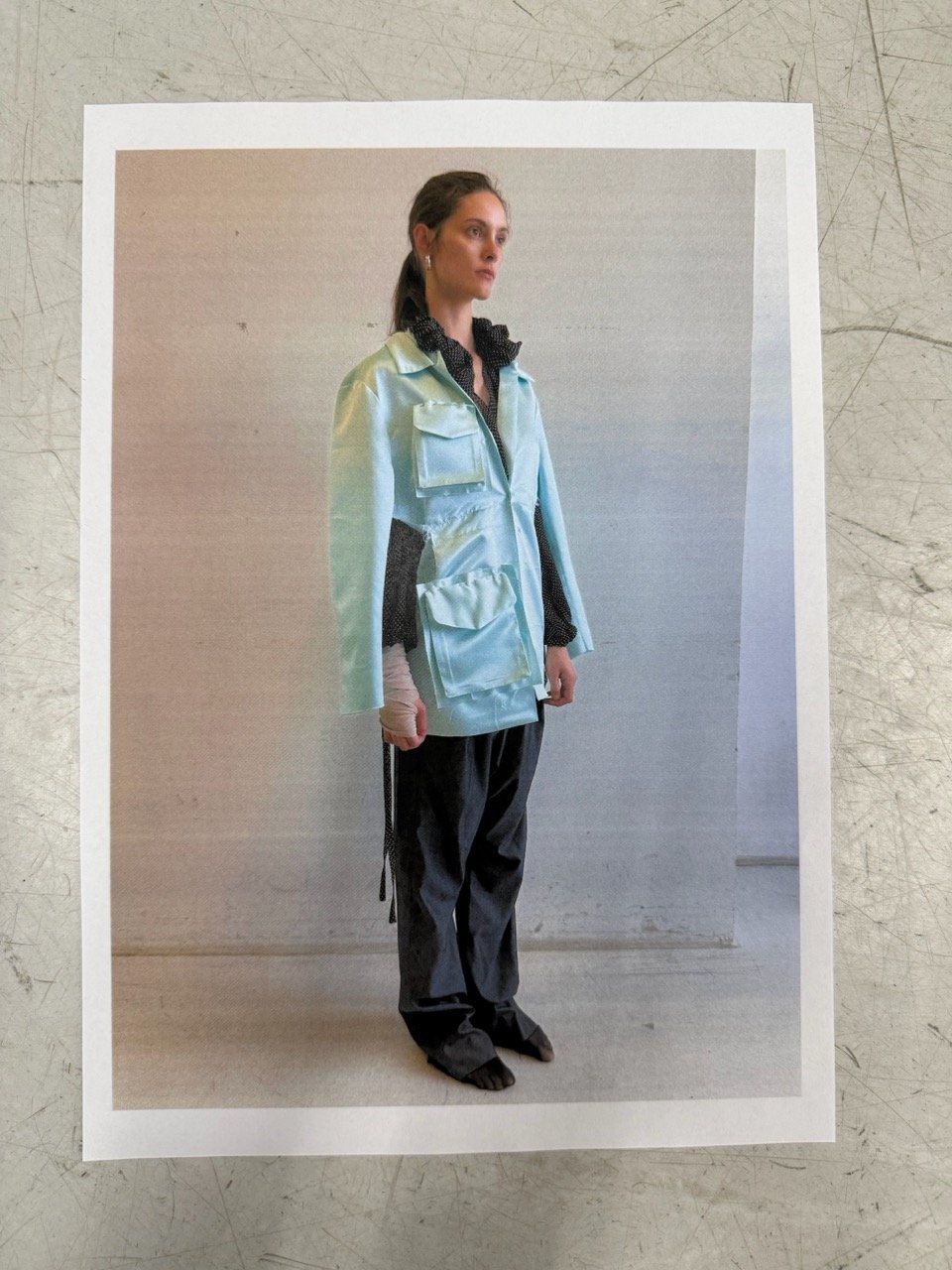
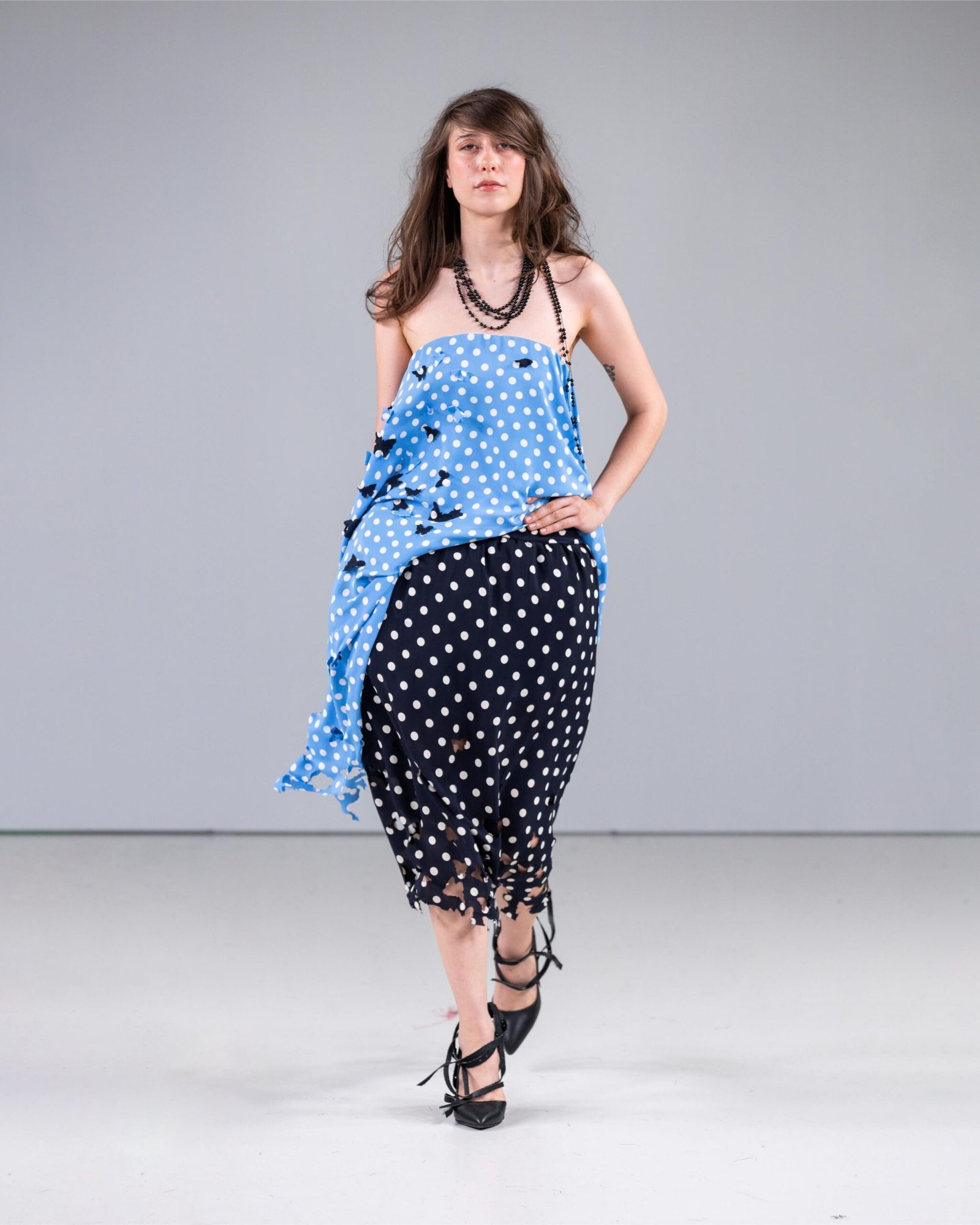
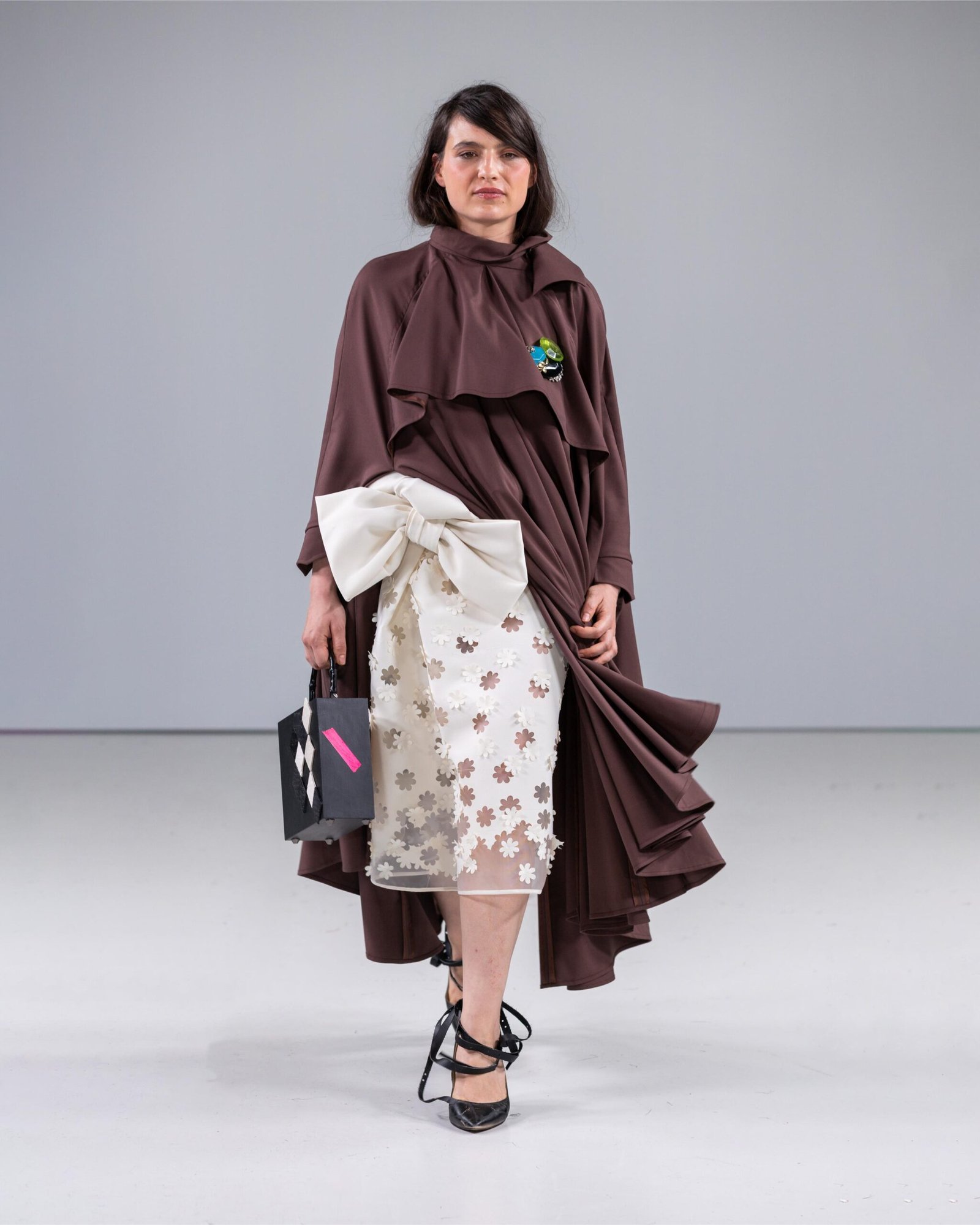
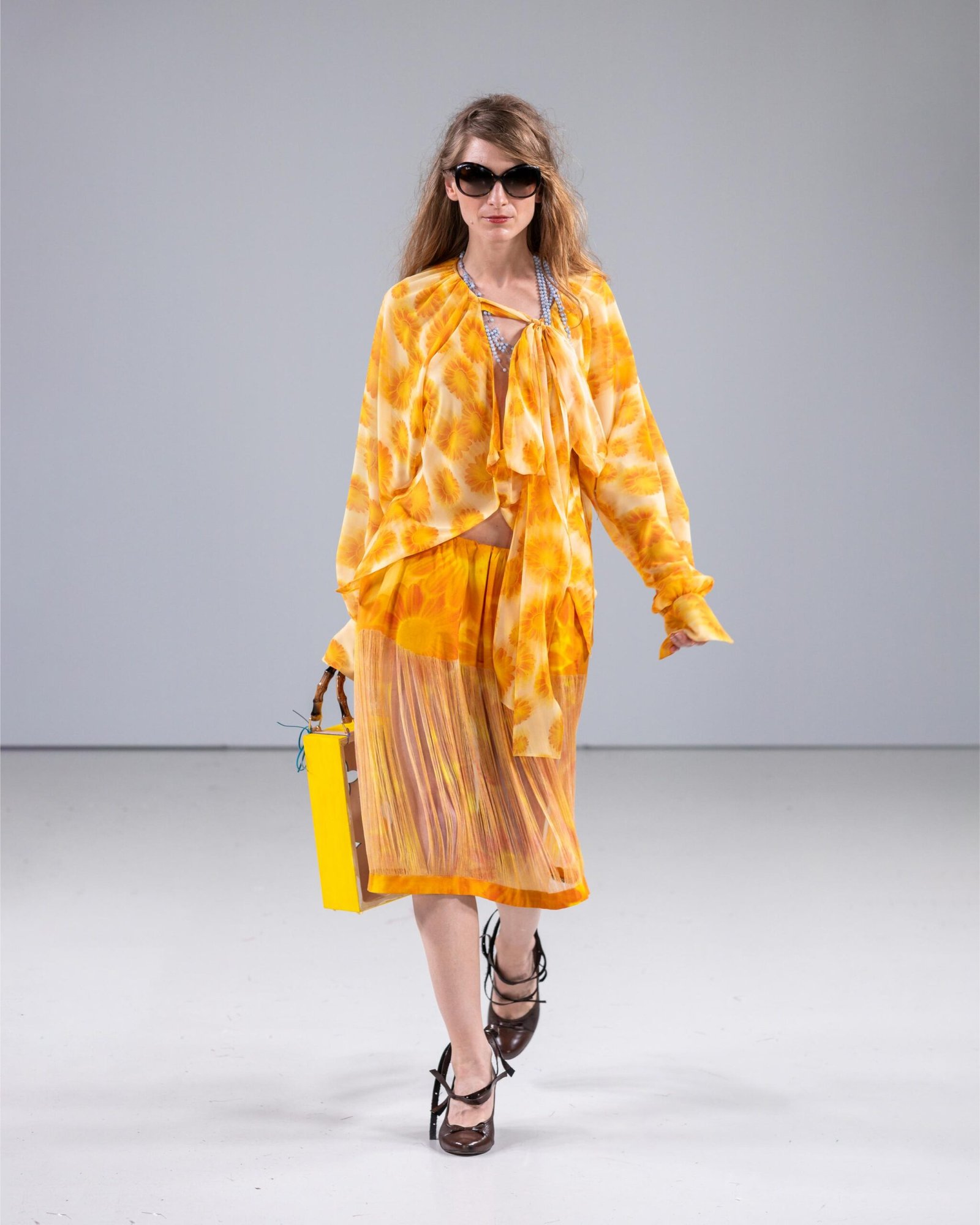
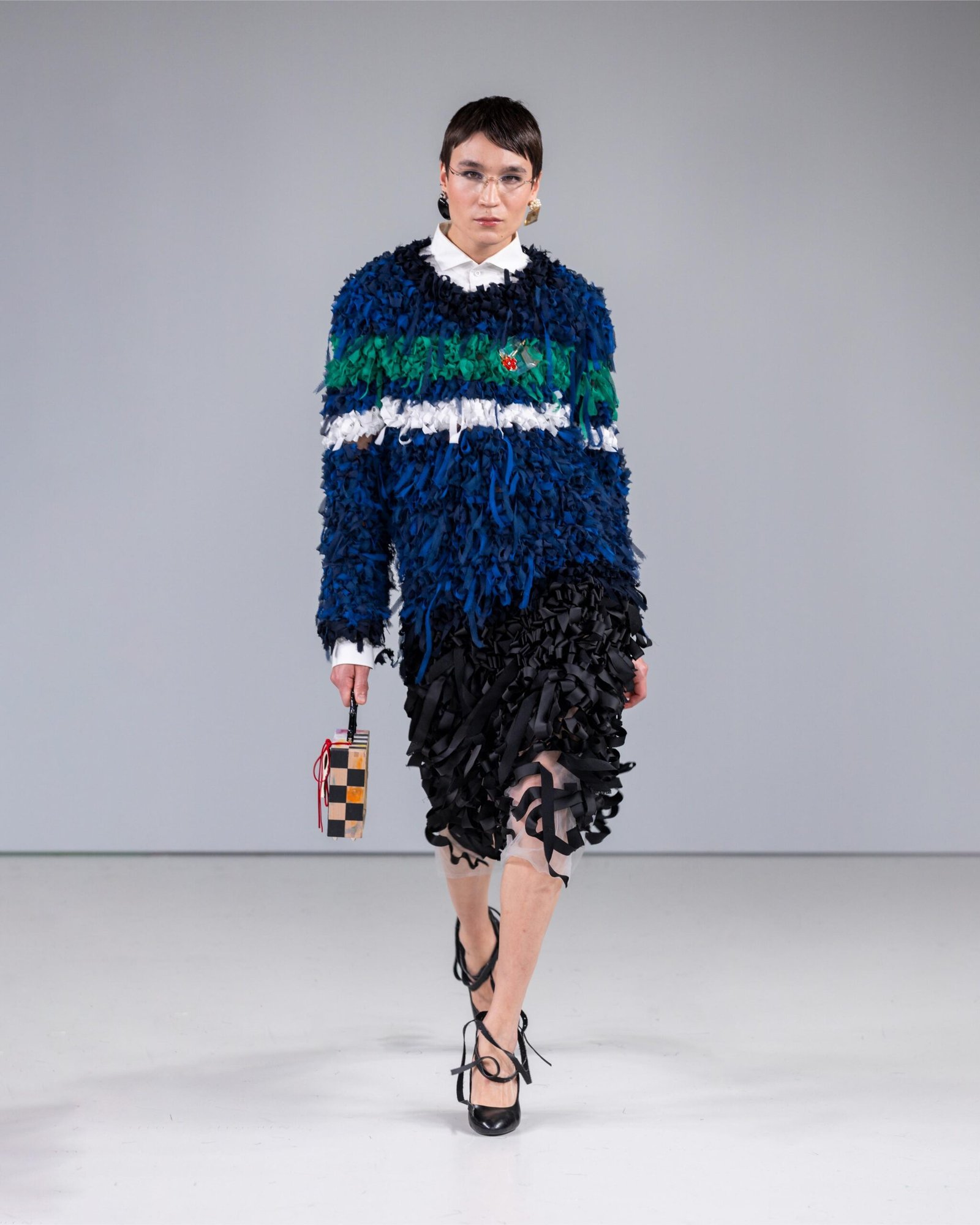
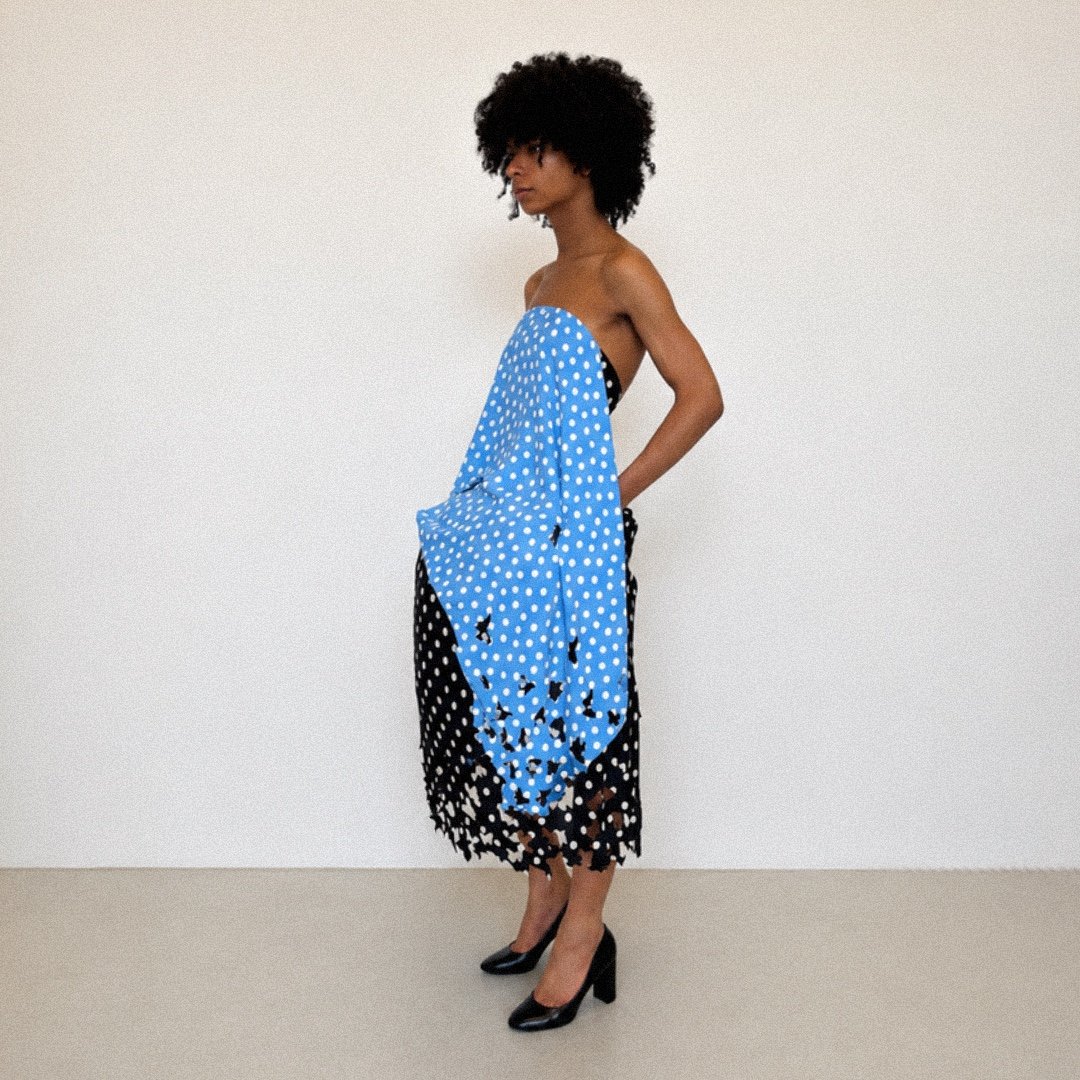
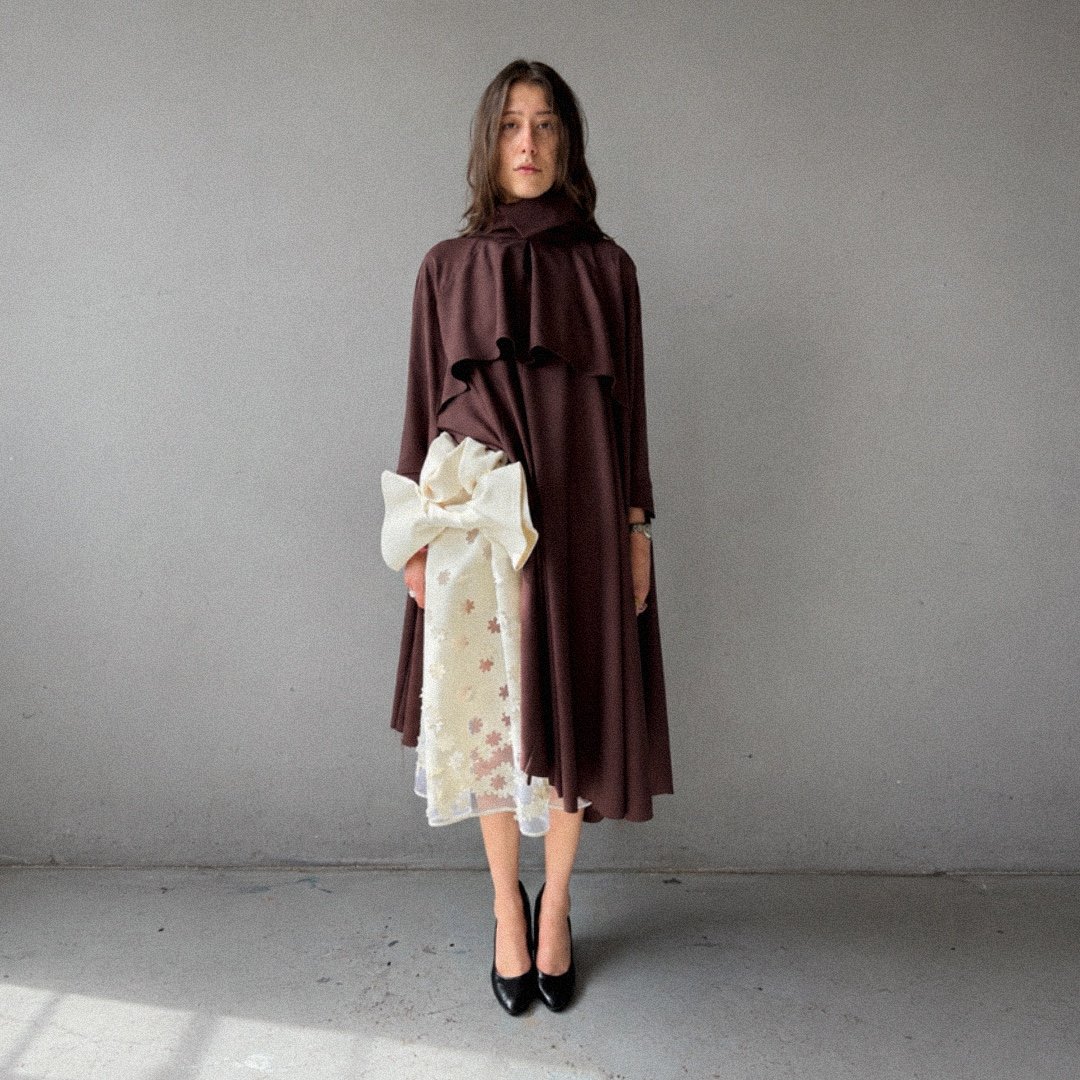
This year’s Modeklasse graduates are united by a sustained interest in how garments carry time. Not time as progress, but as sediment and as something clothing absorbs and reflects back. Several designers look to history to interrogate its residue: the coarse authority of the medieval church in Linda Artemis Bergstötter’s Cilicium, the layered, overlapping centuries of Alisa Tegin’s Echoes, the Kurdish rural craftsmanship that Jara Dilara Noori reinterprets. Elsewhere, time takes a more intimate scale: The half-remembered hours of girlhood in Alara Koçman’s work, a single day elevated into spectacle in Felix Schmidt’s a day, or the endlessly recycled grammar of the white T-shirt and denim that Ben Goetz presses for new meaning. Across the cohort, making is treated as a form of thinking: shibori pleating, concrete casting, corsetry, and the manipulation of found garments sit alongside a shared commitment to questioning where meaning in fashion actually lives: In the object, the image, the community, or the desire fashion generates?

Linda Artemis Bergstötter

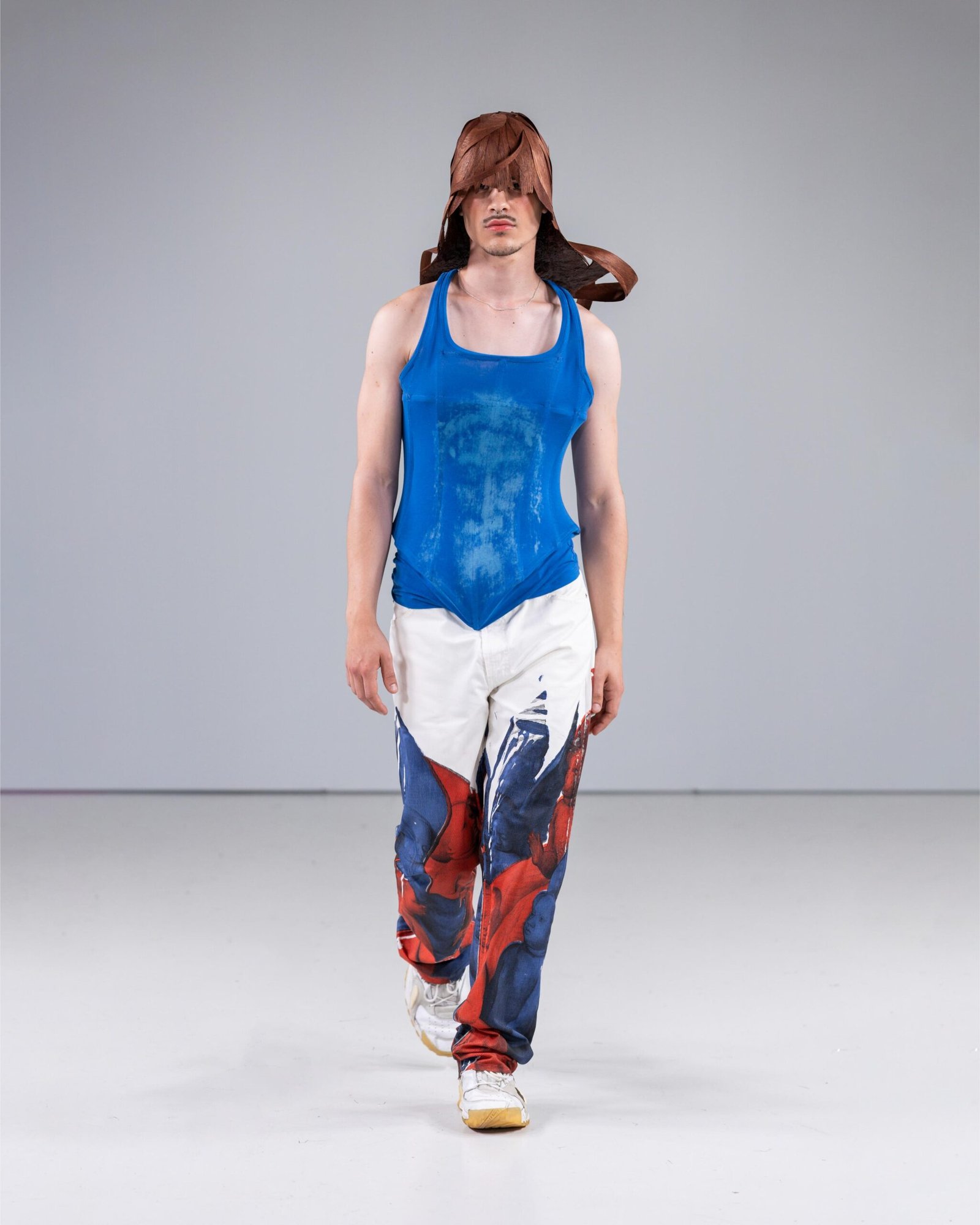
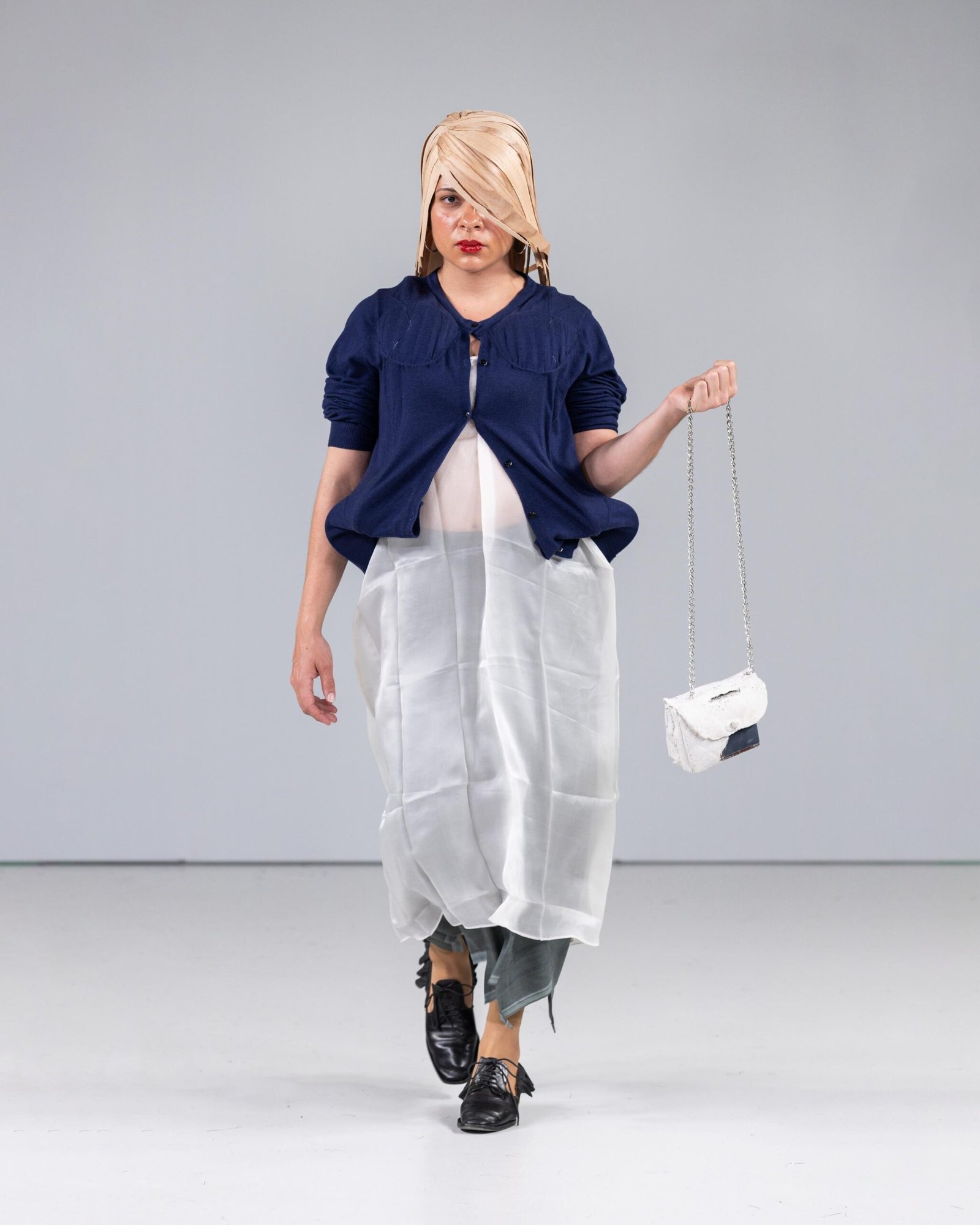
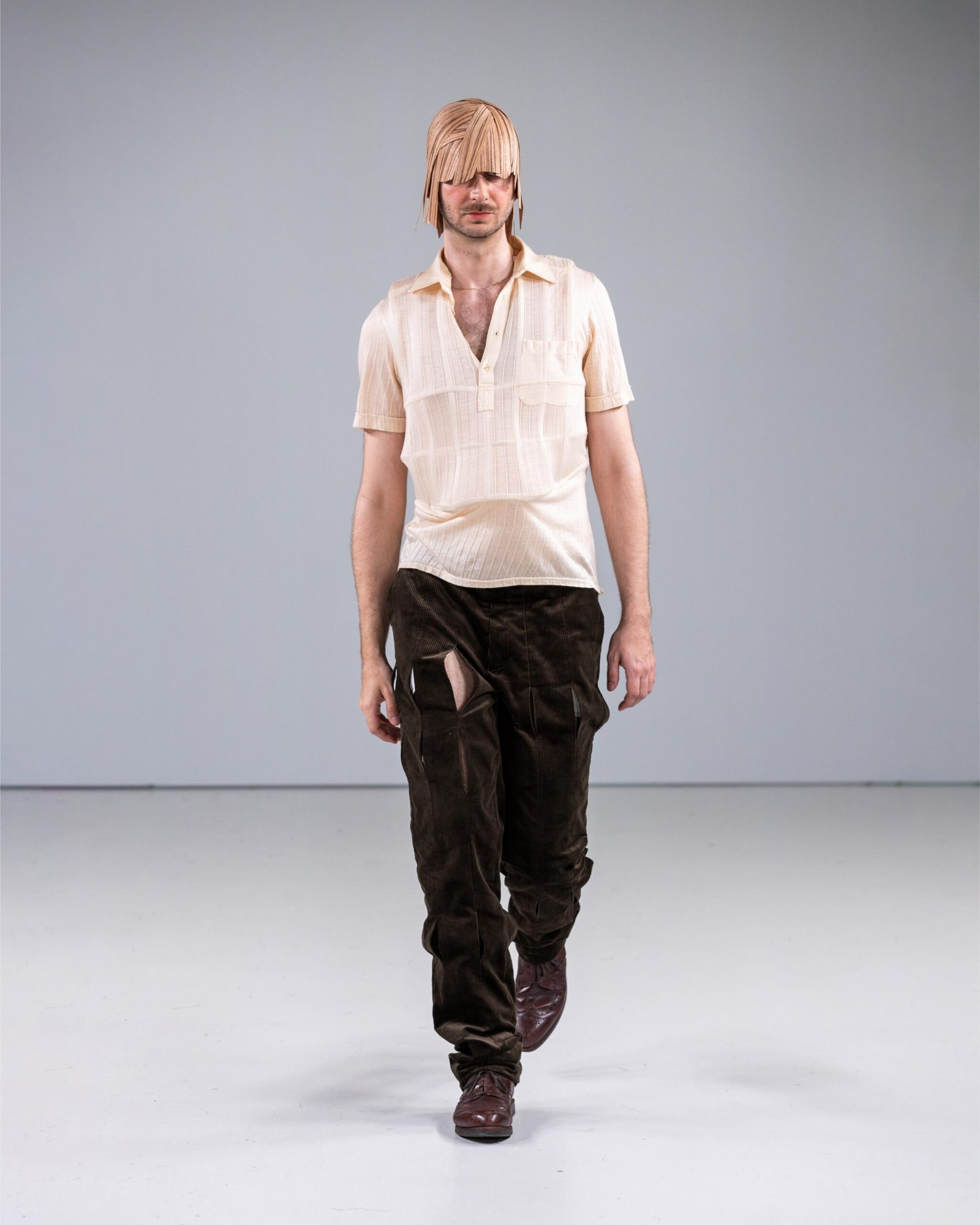
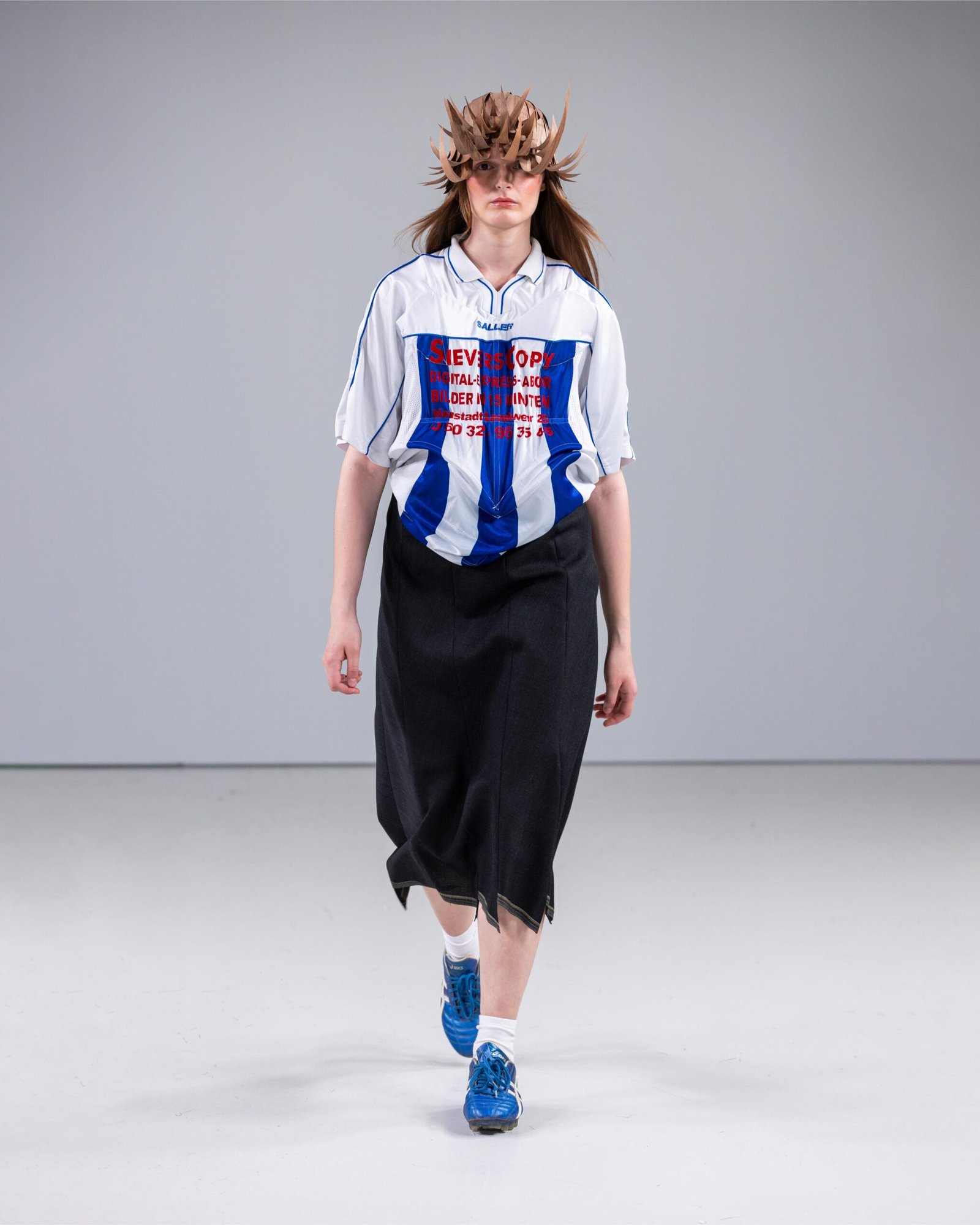
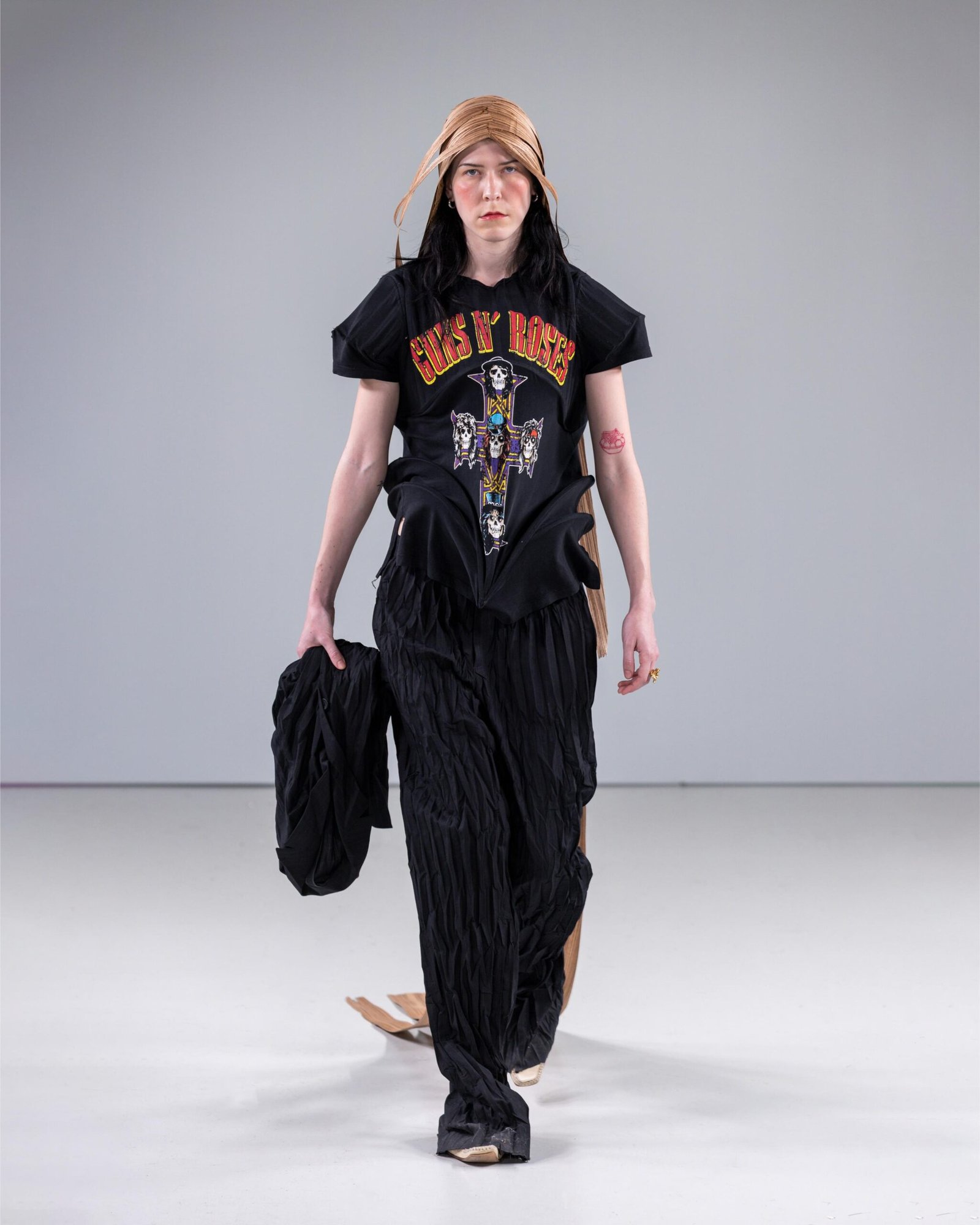
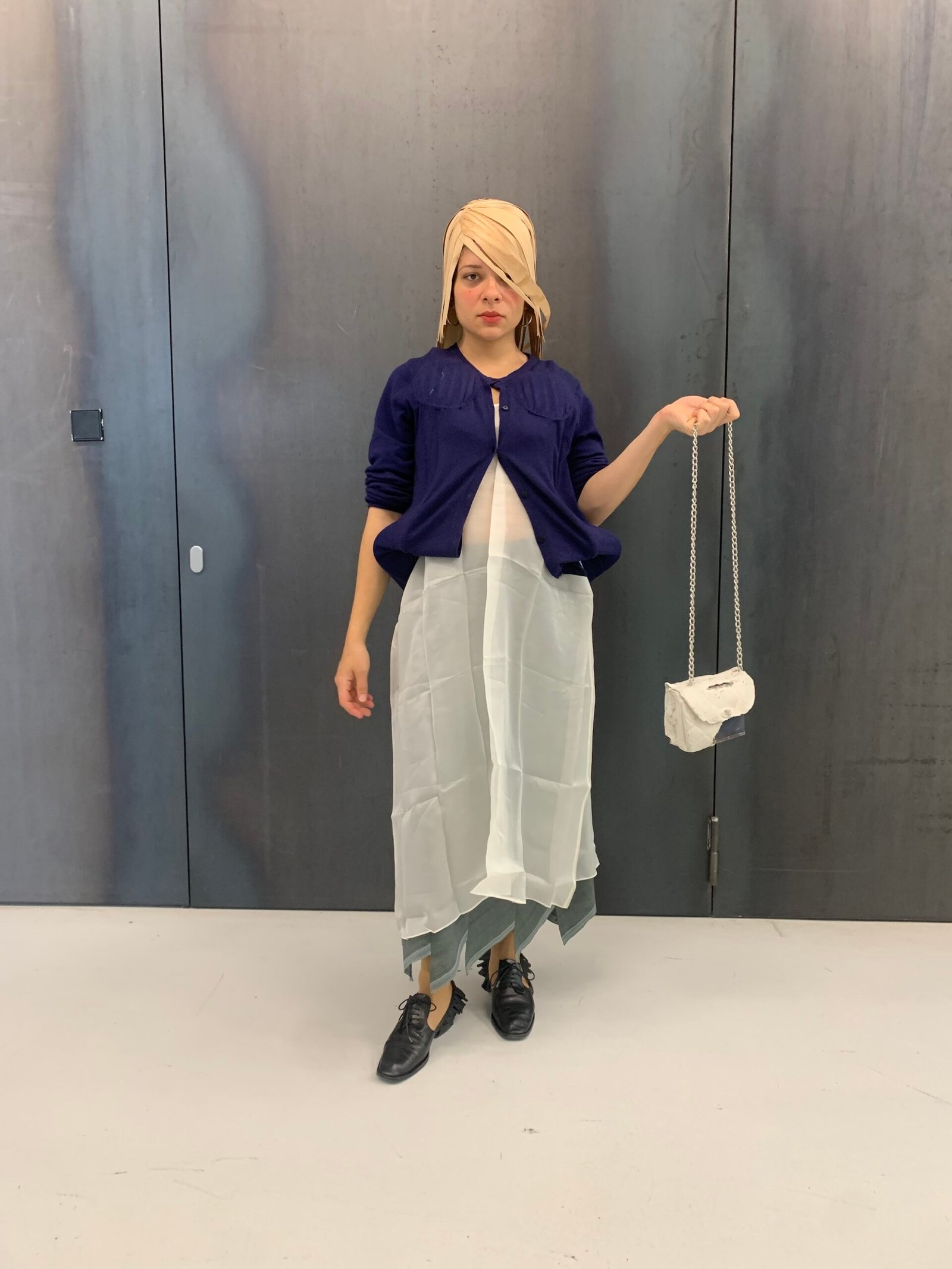
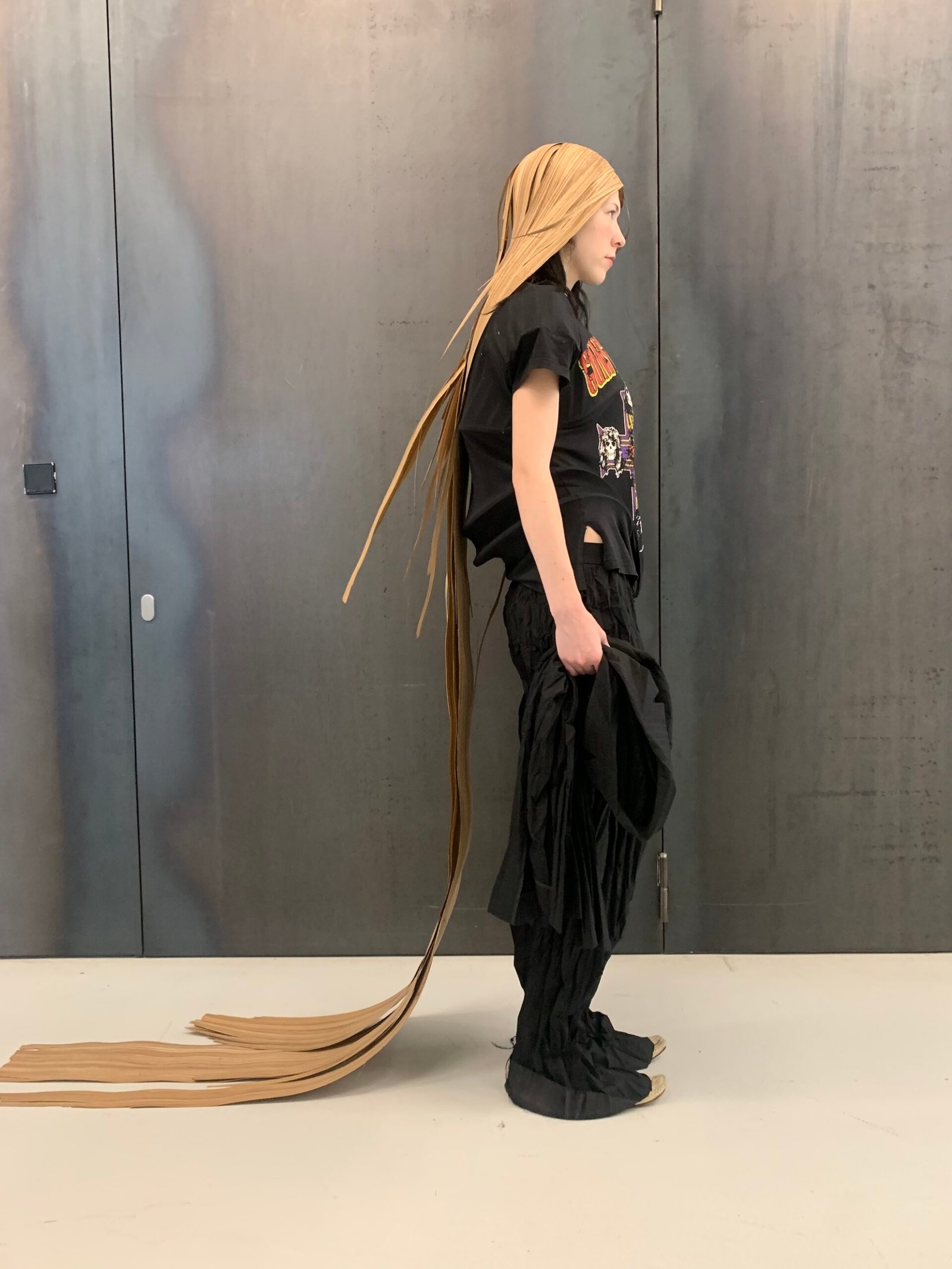
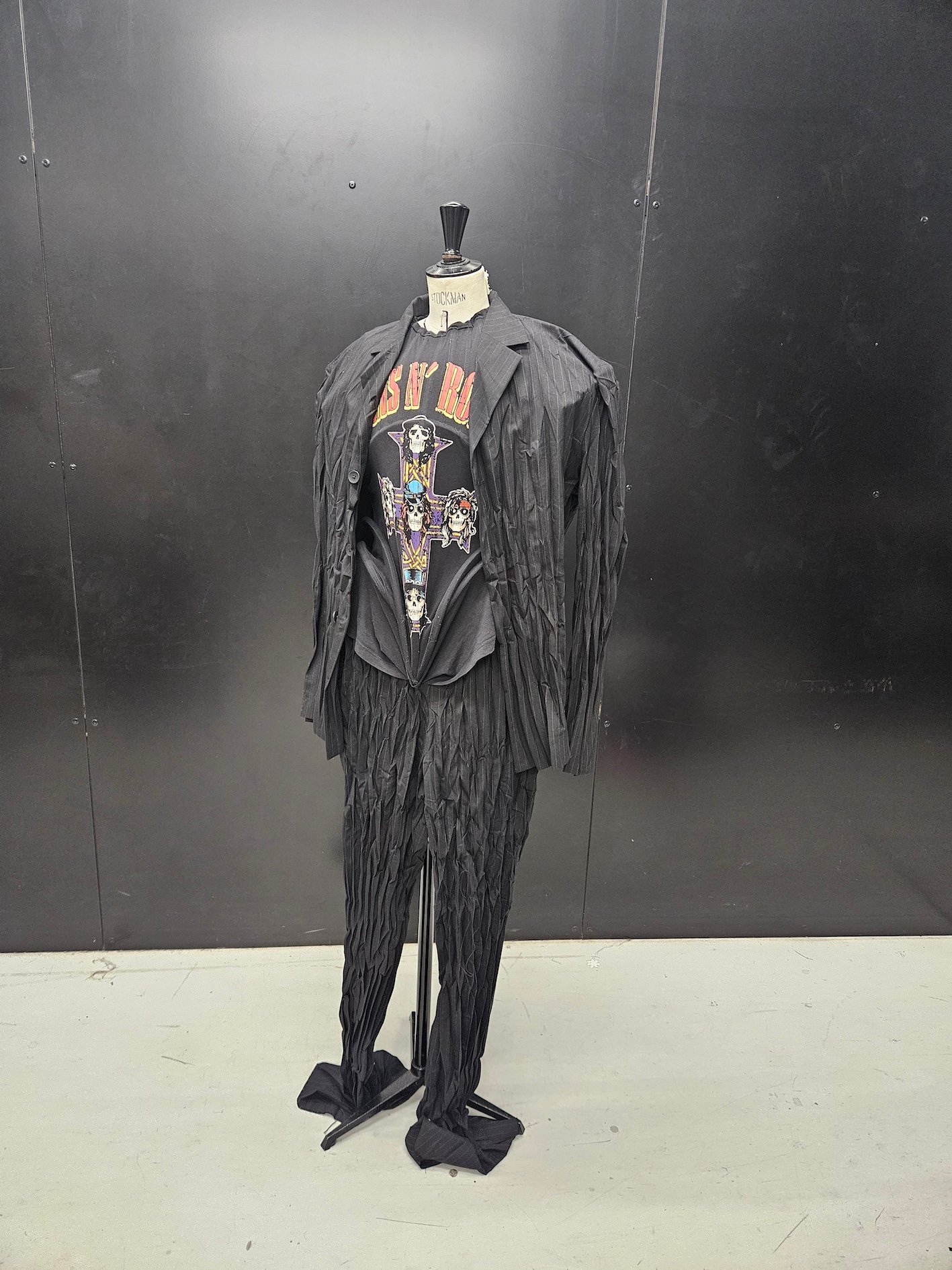
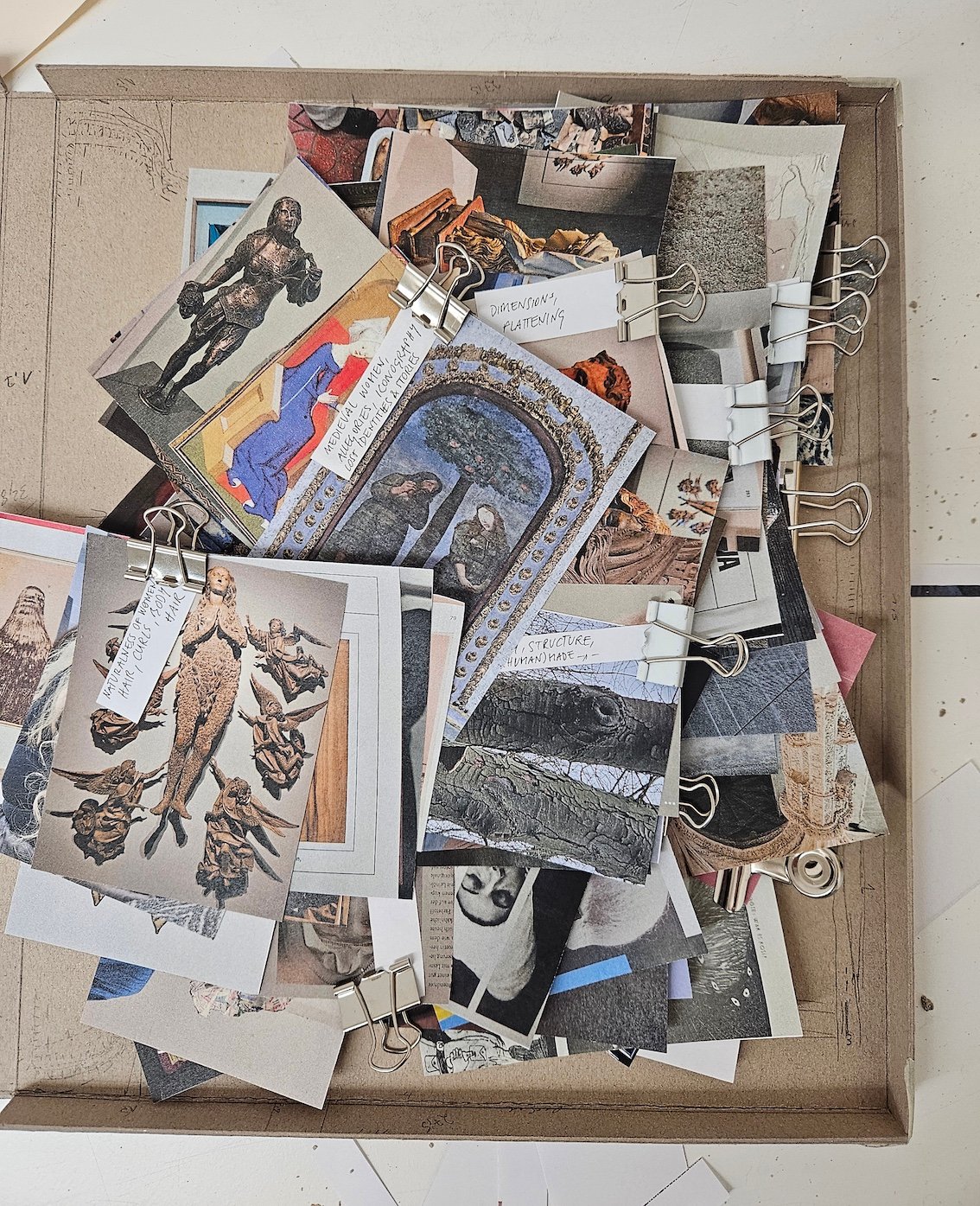
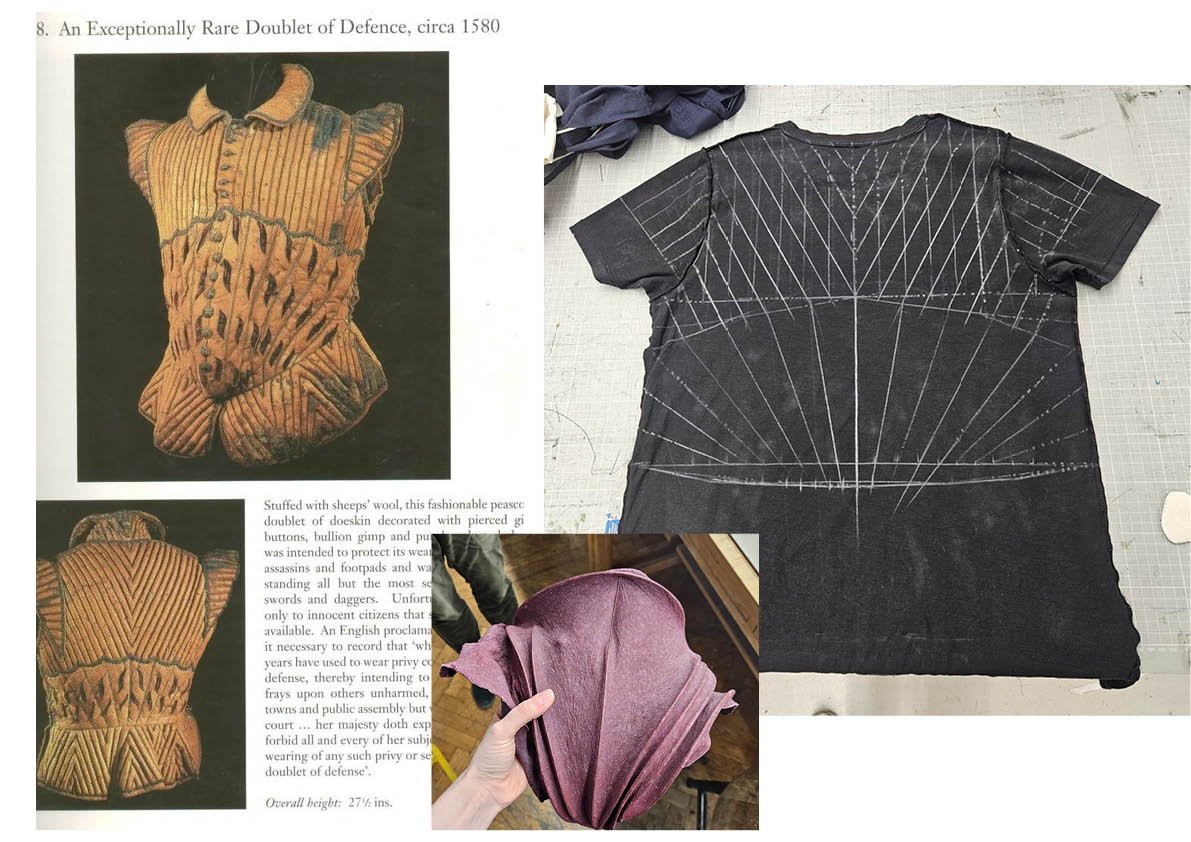
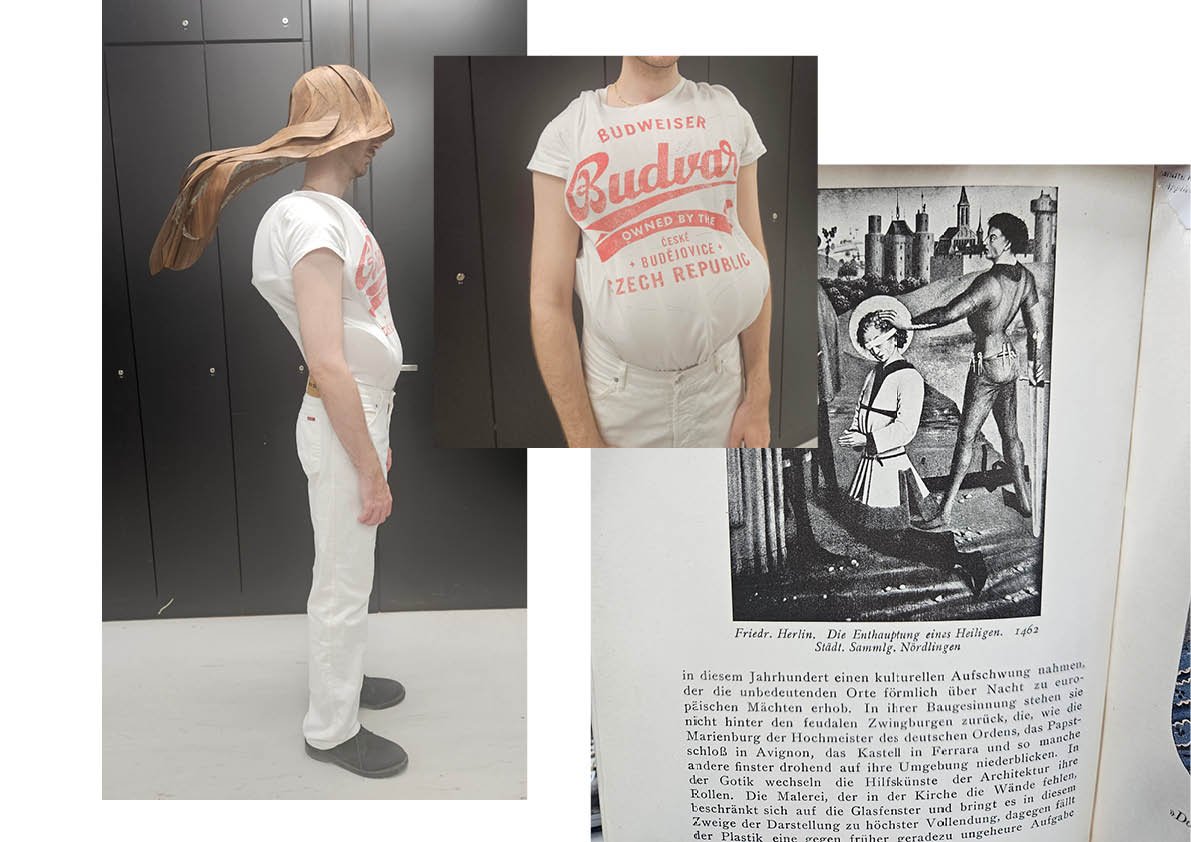
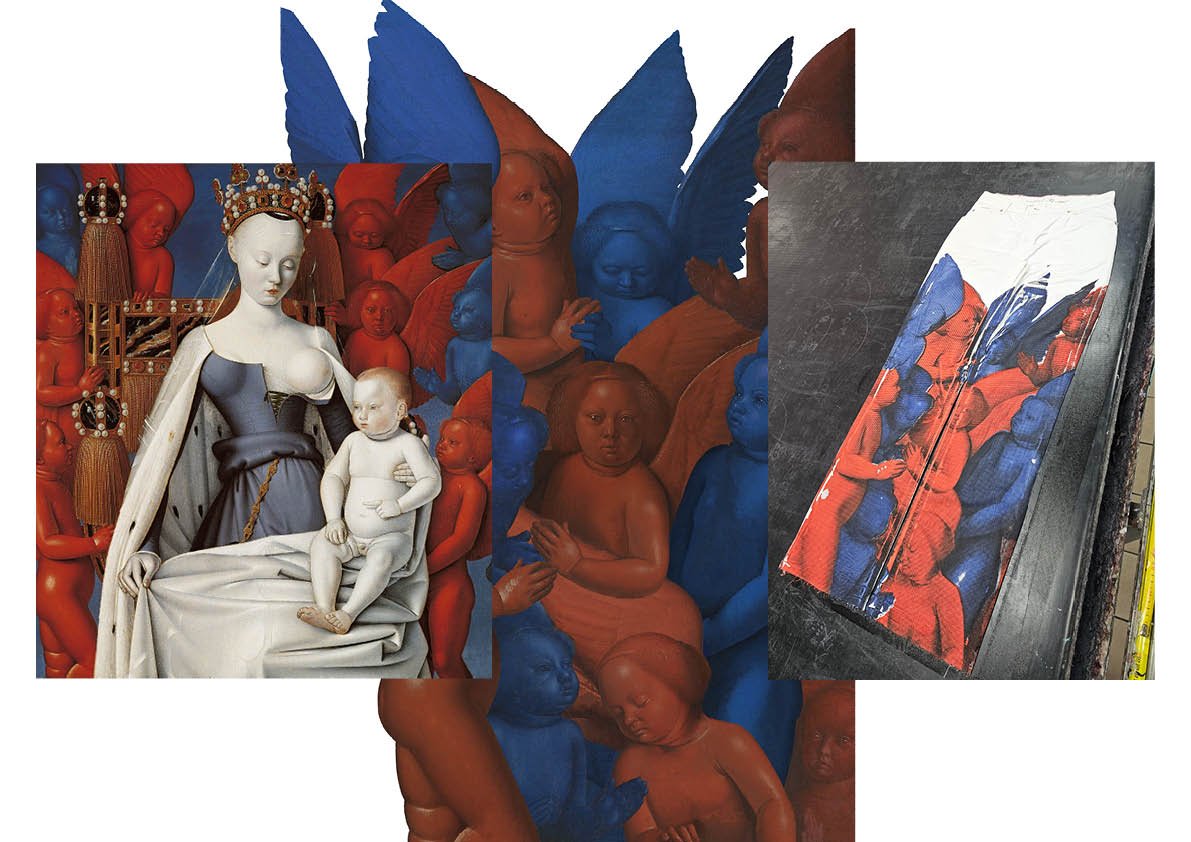
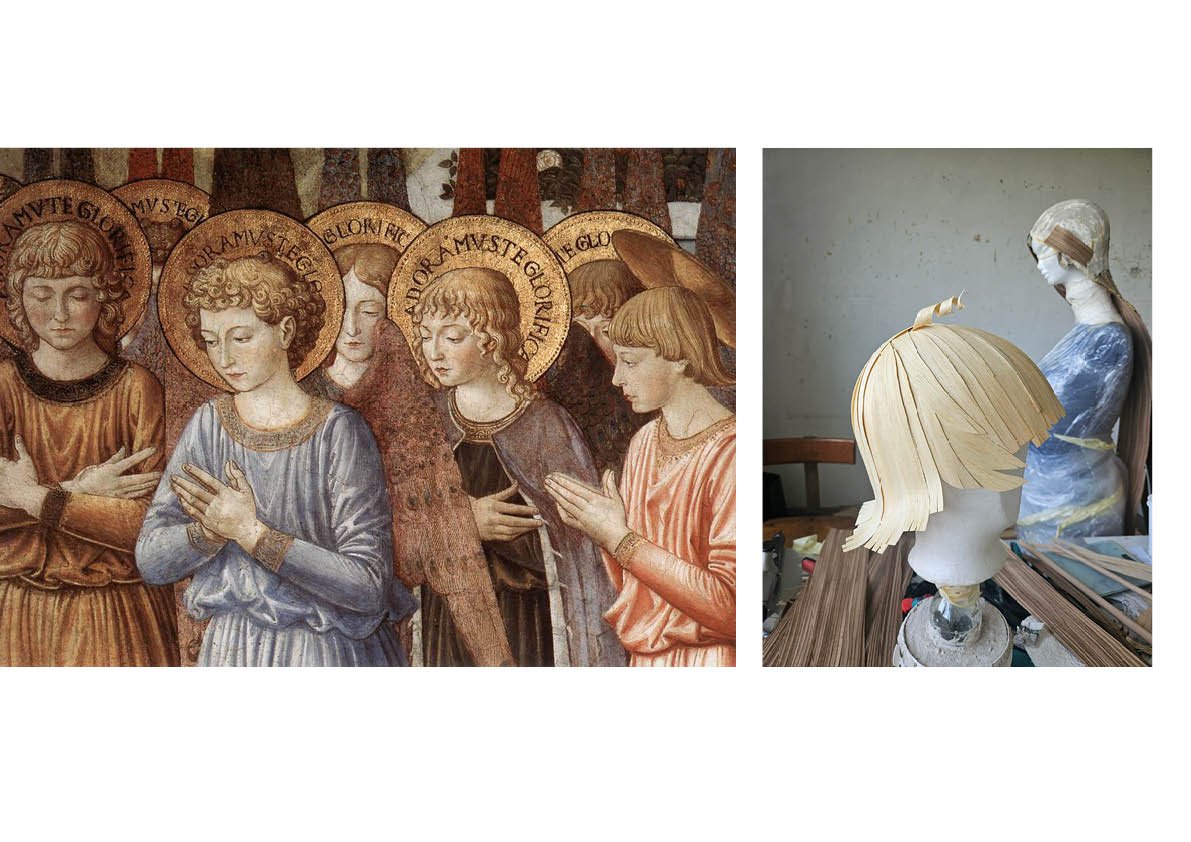
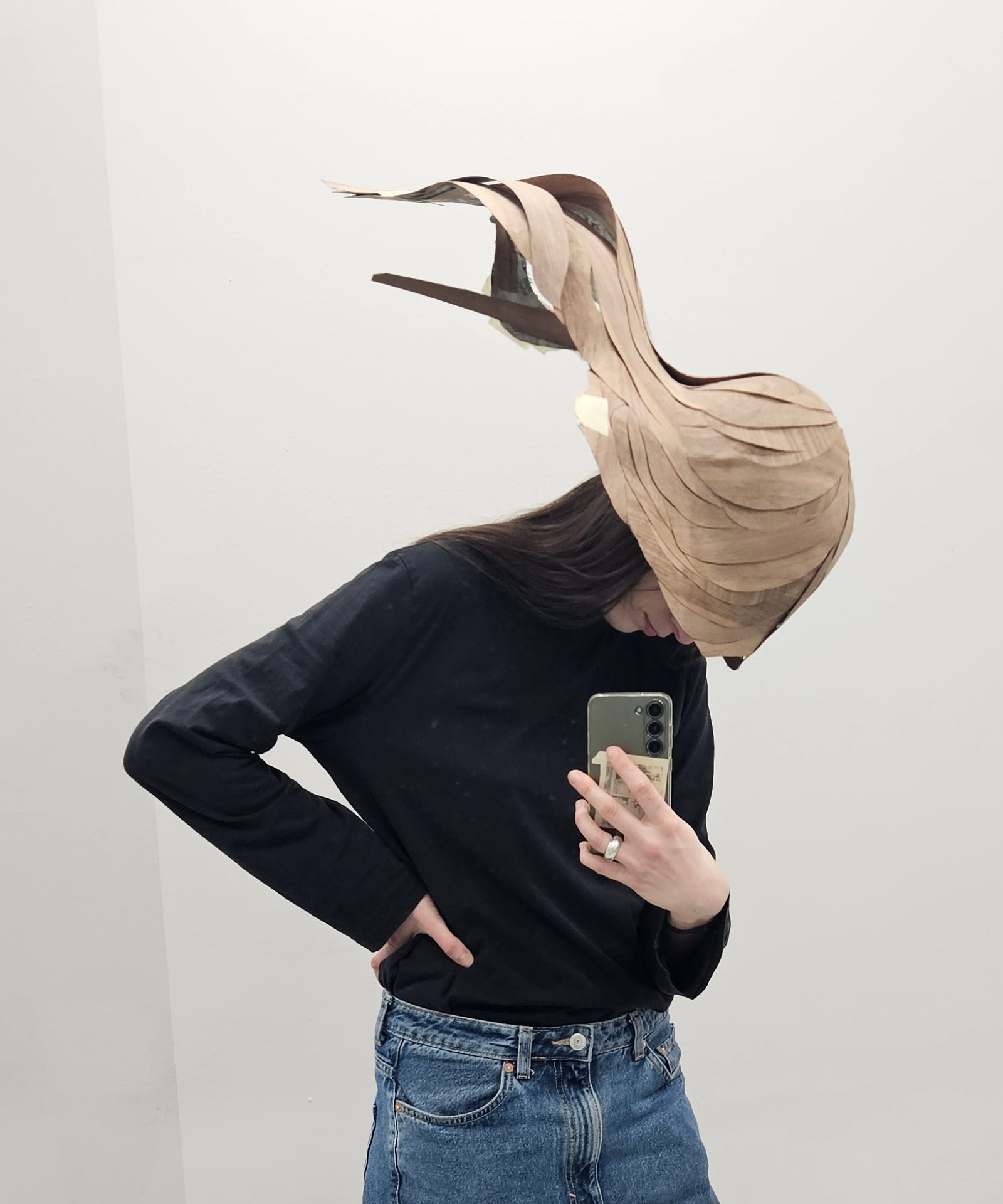
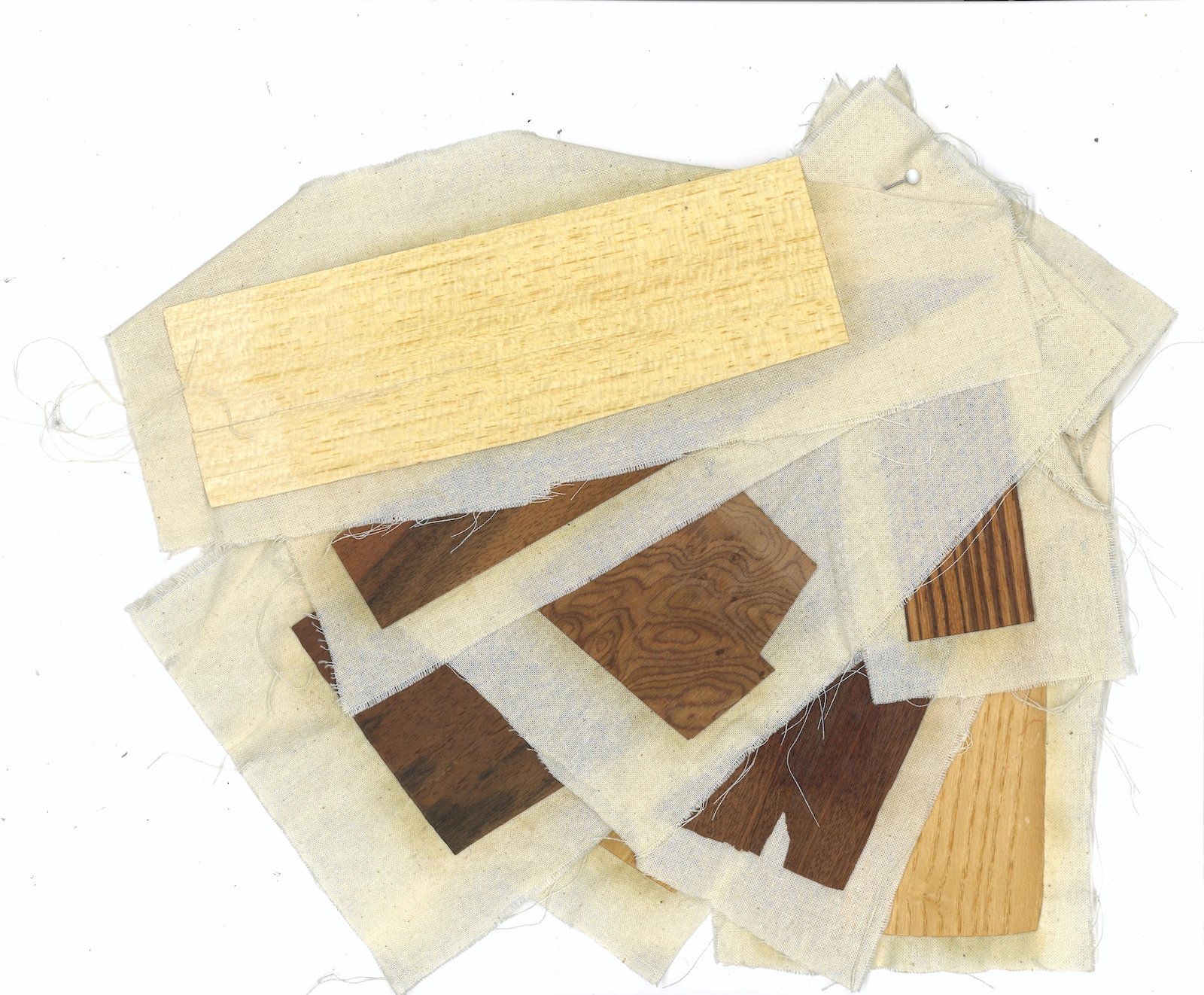
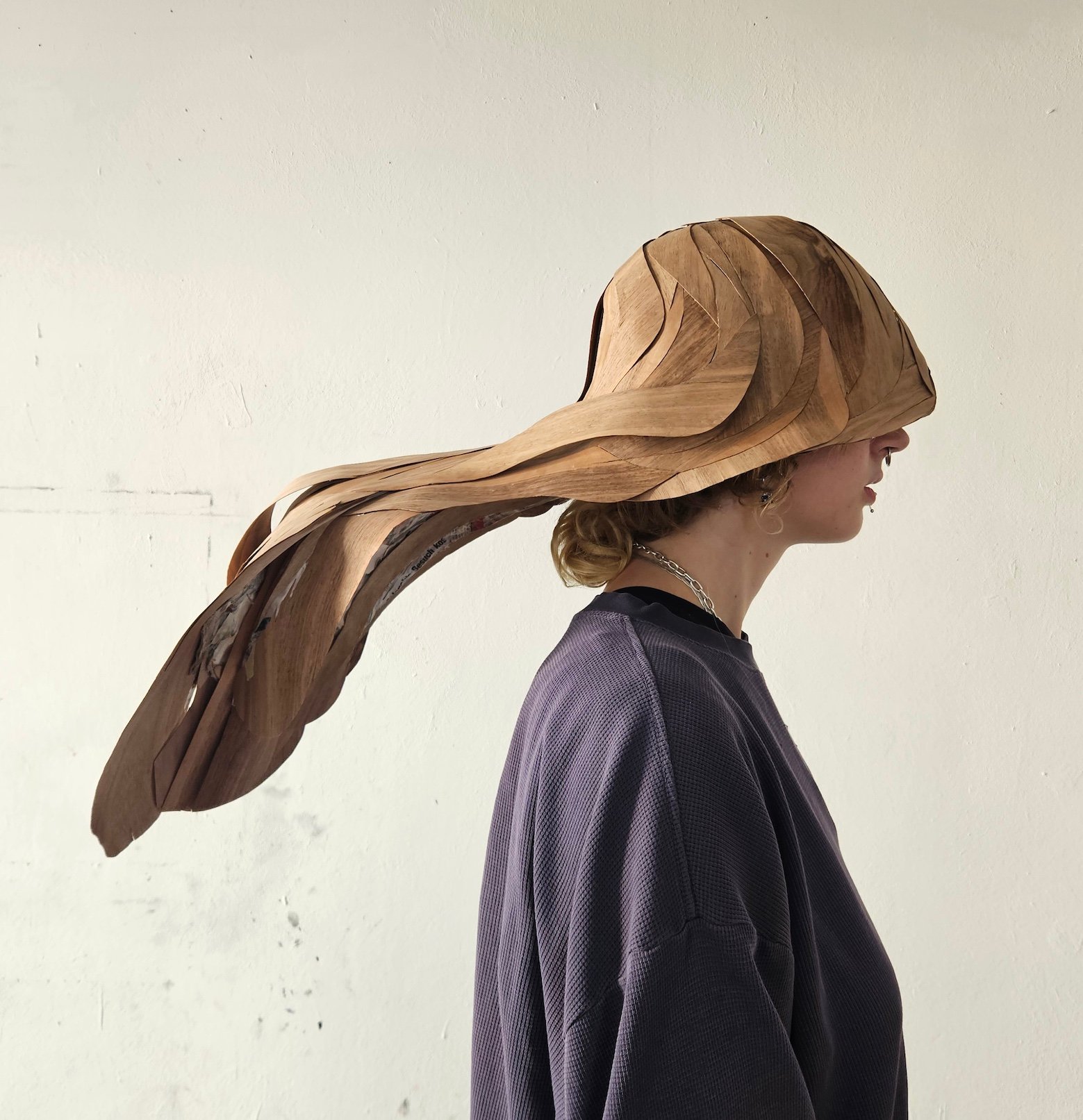
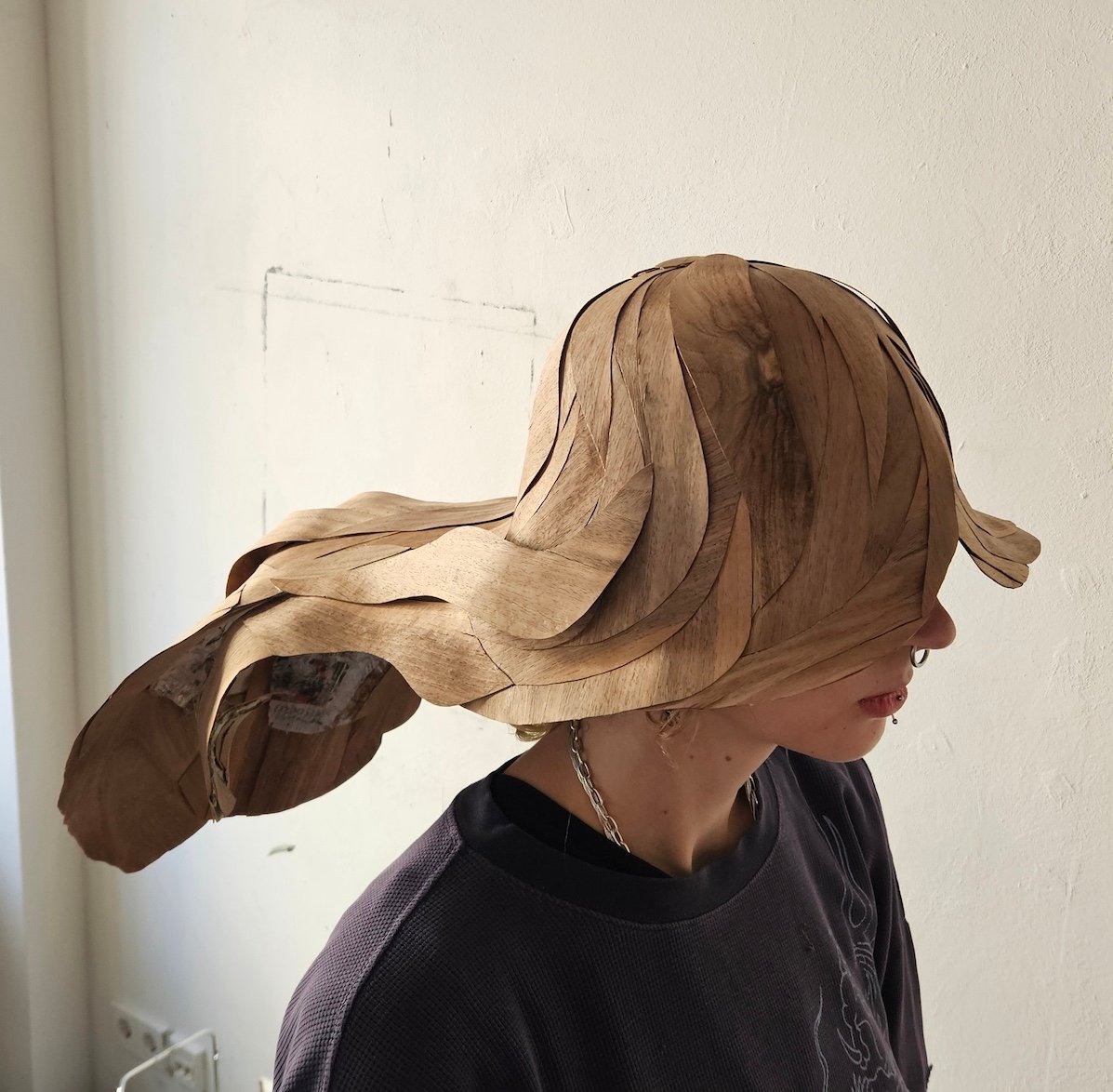
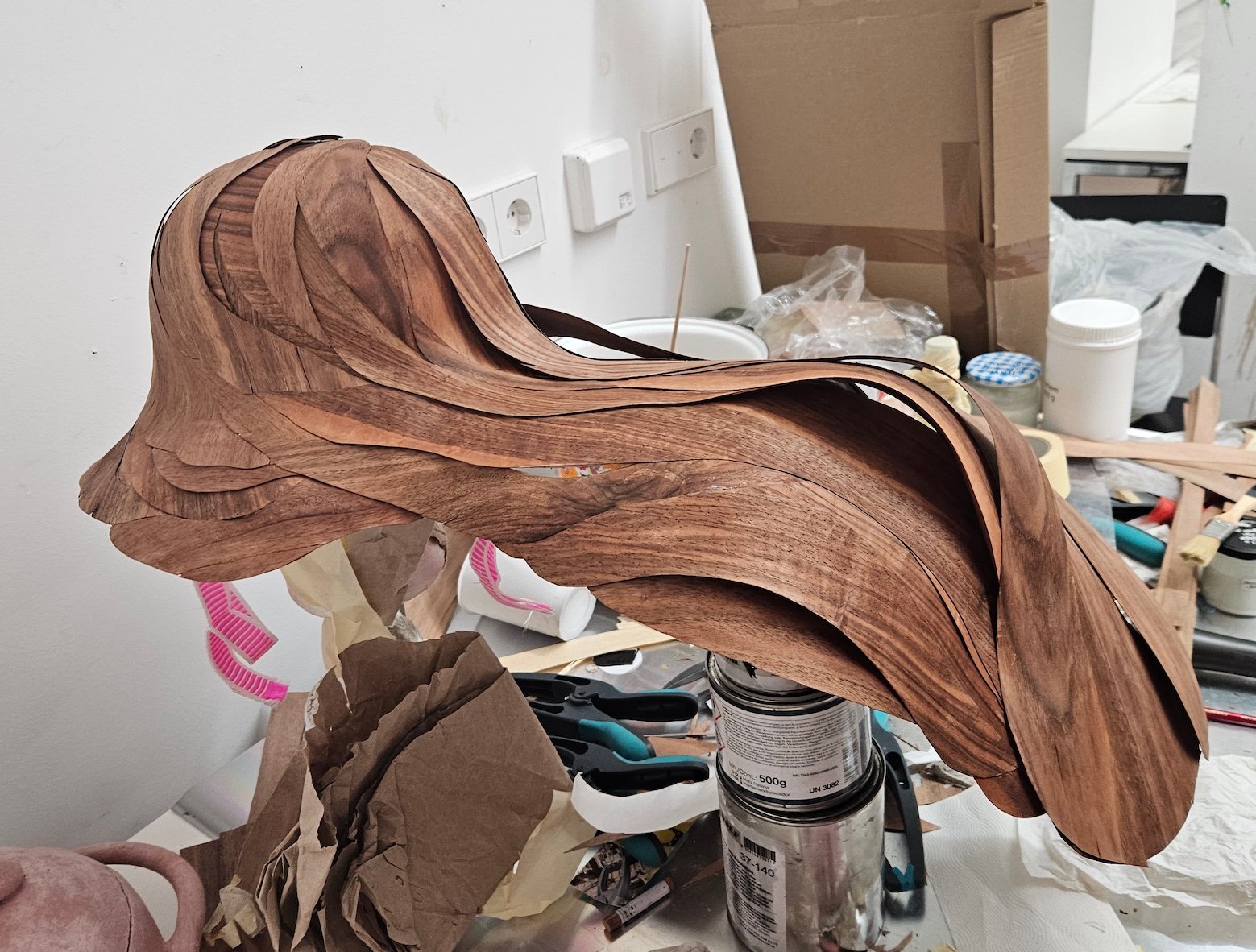
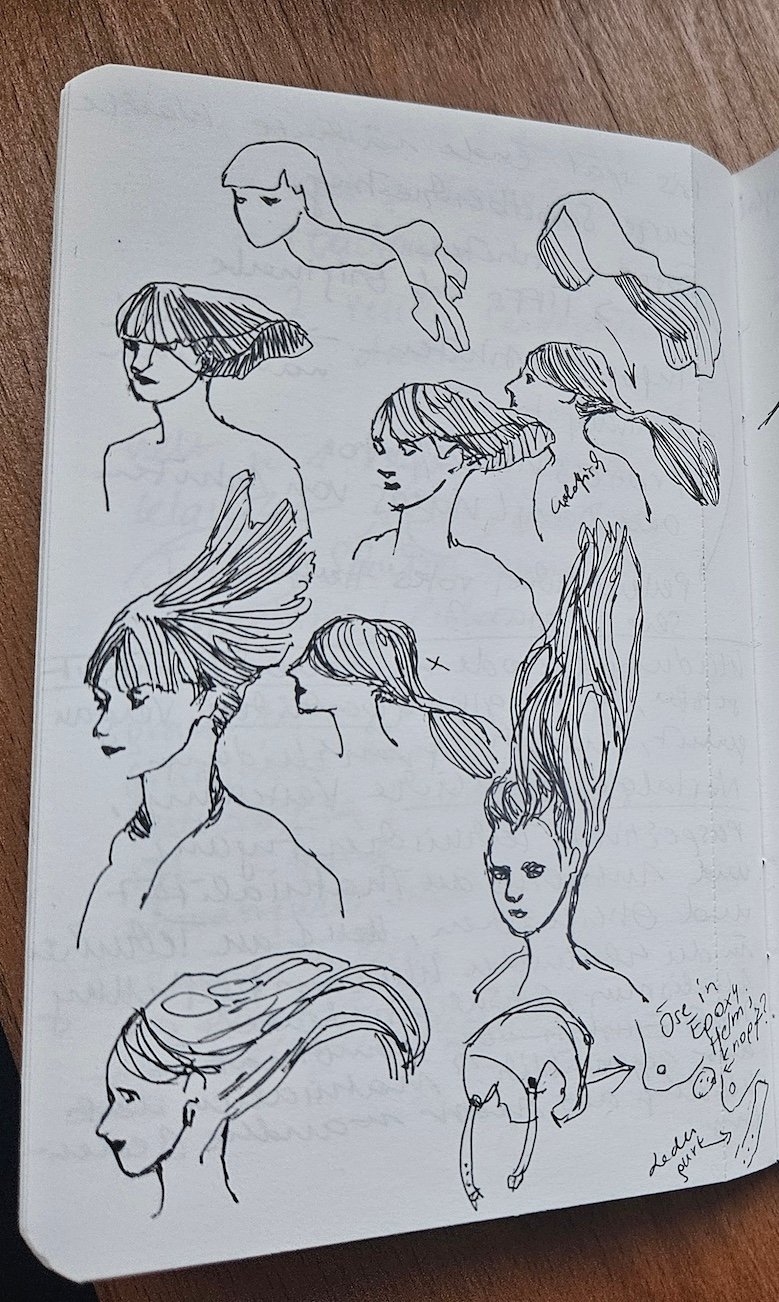
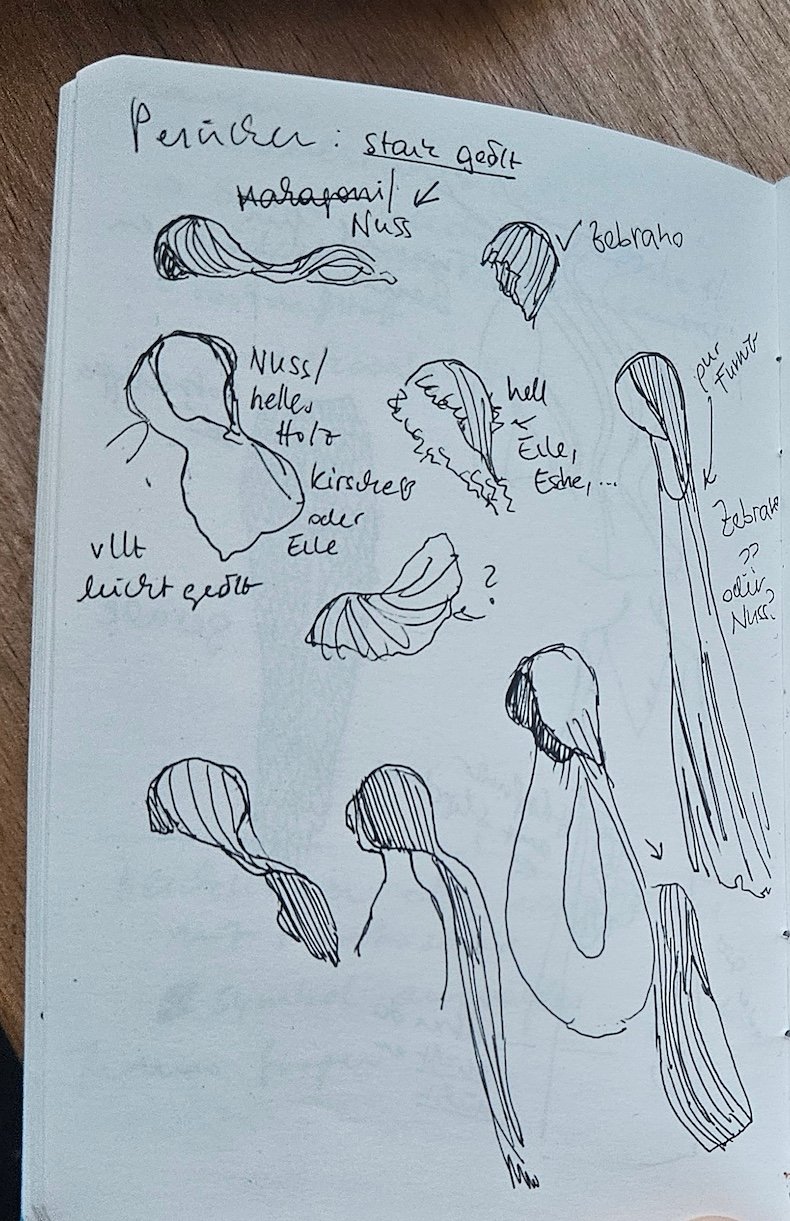
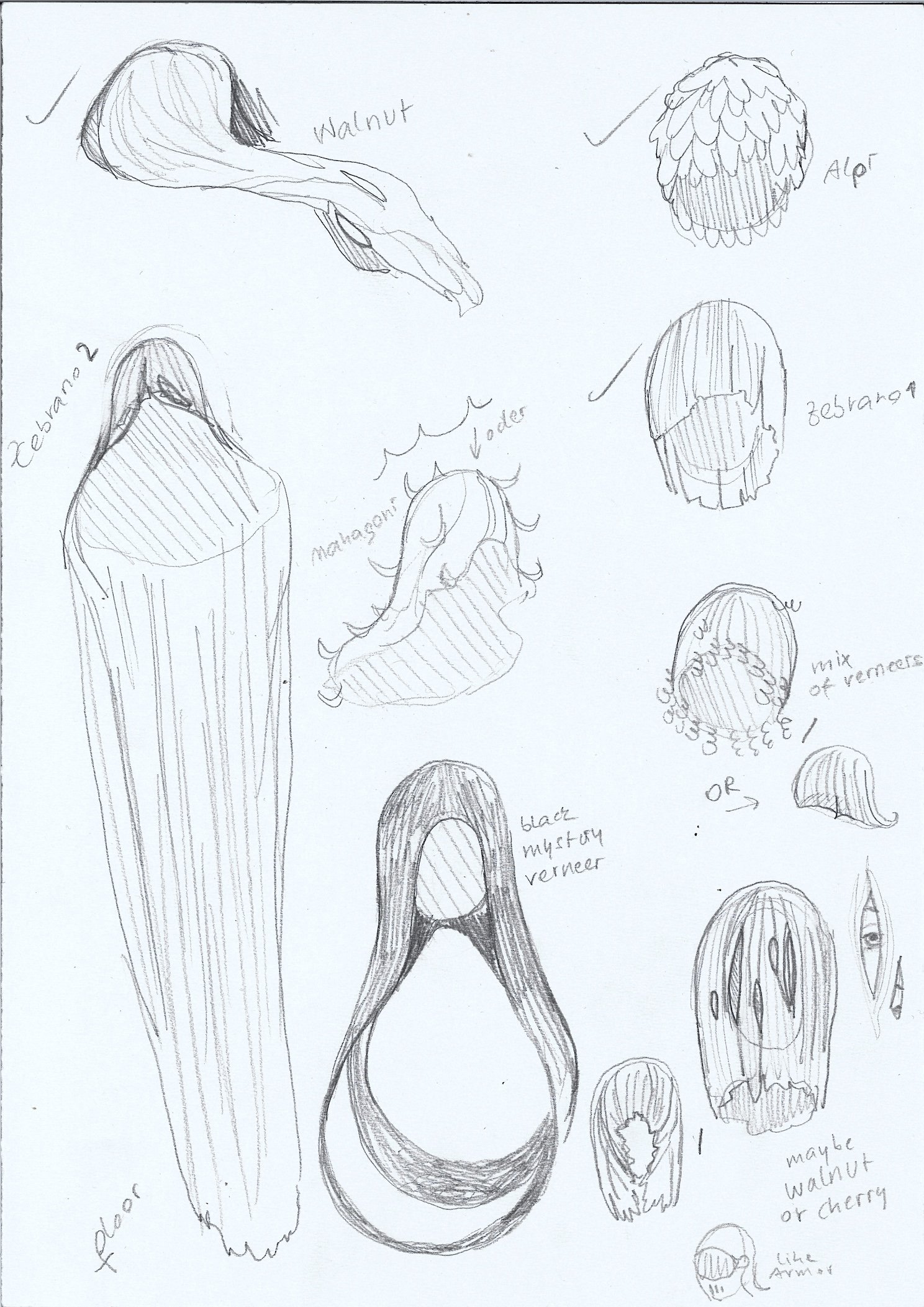
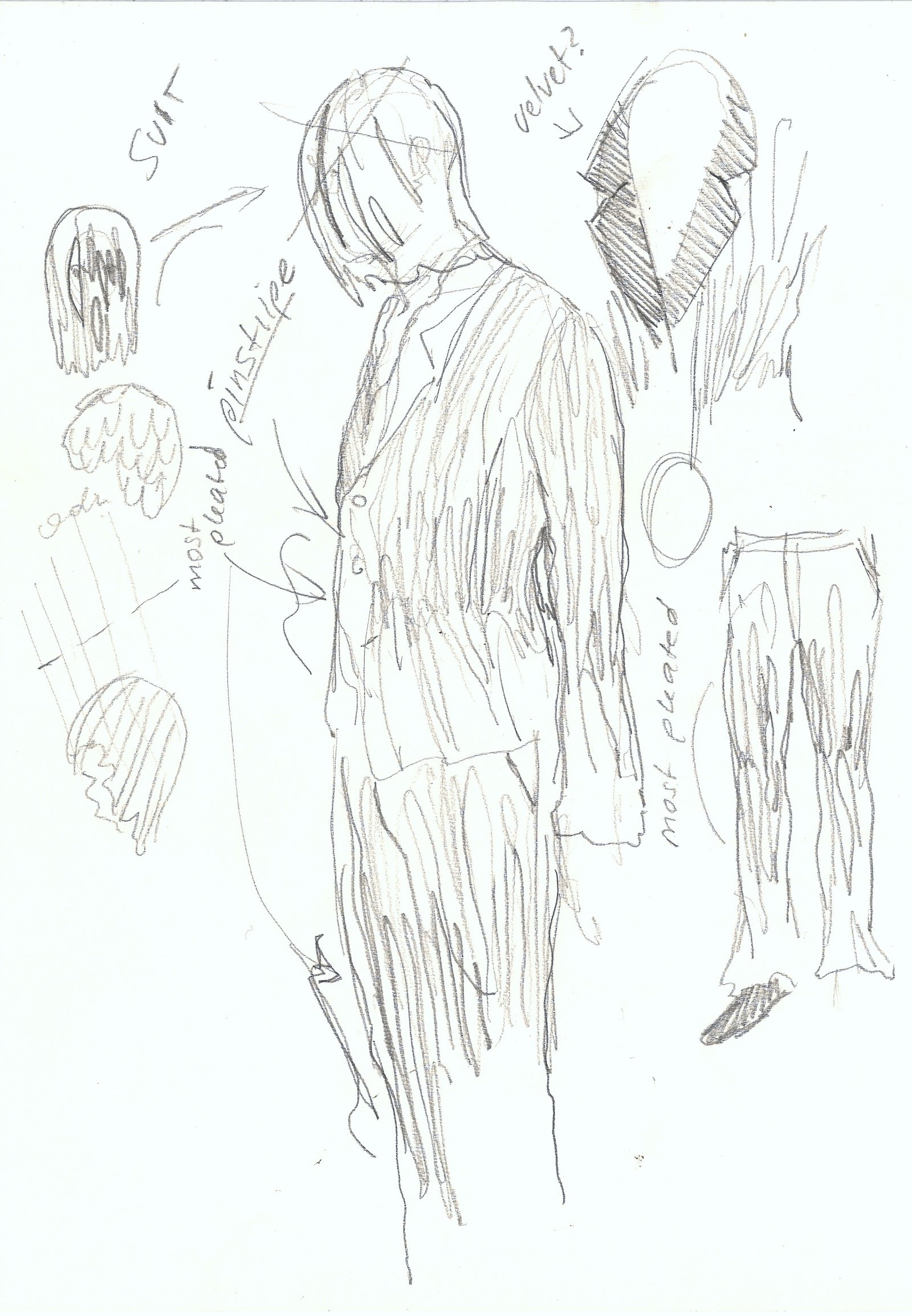
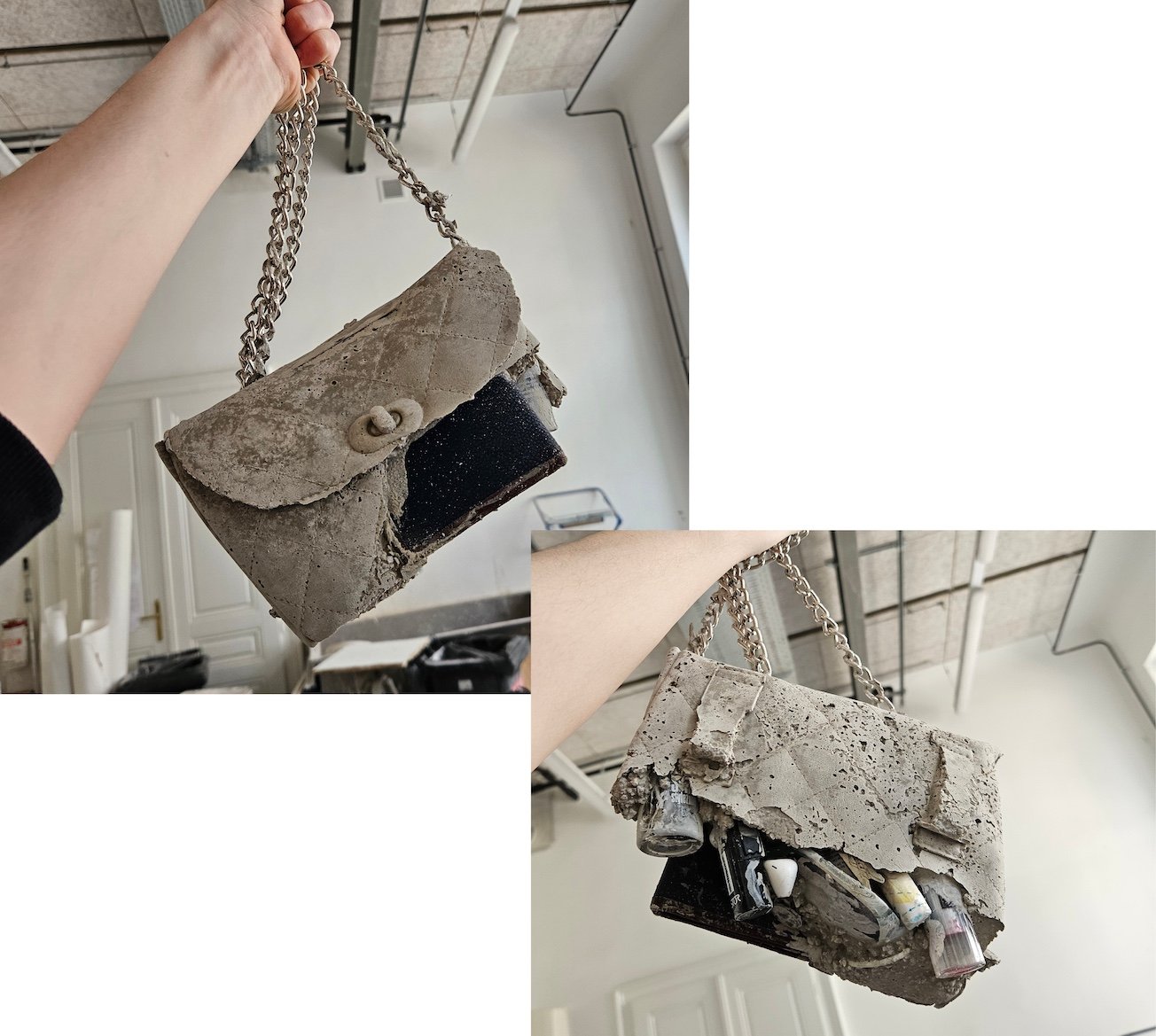
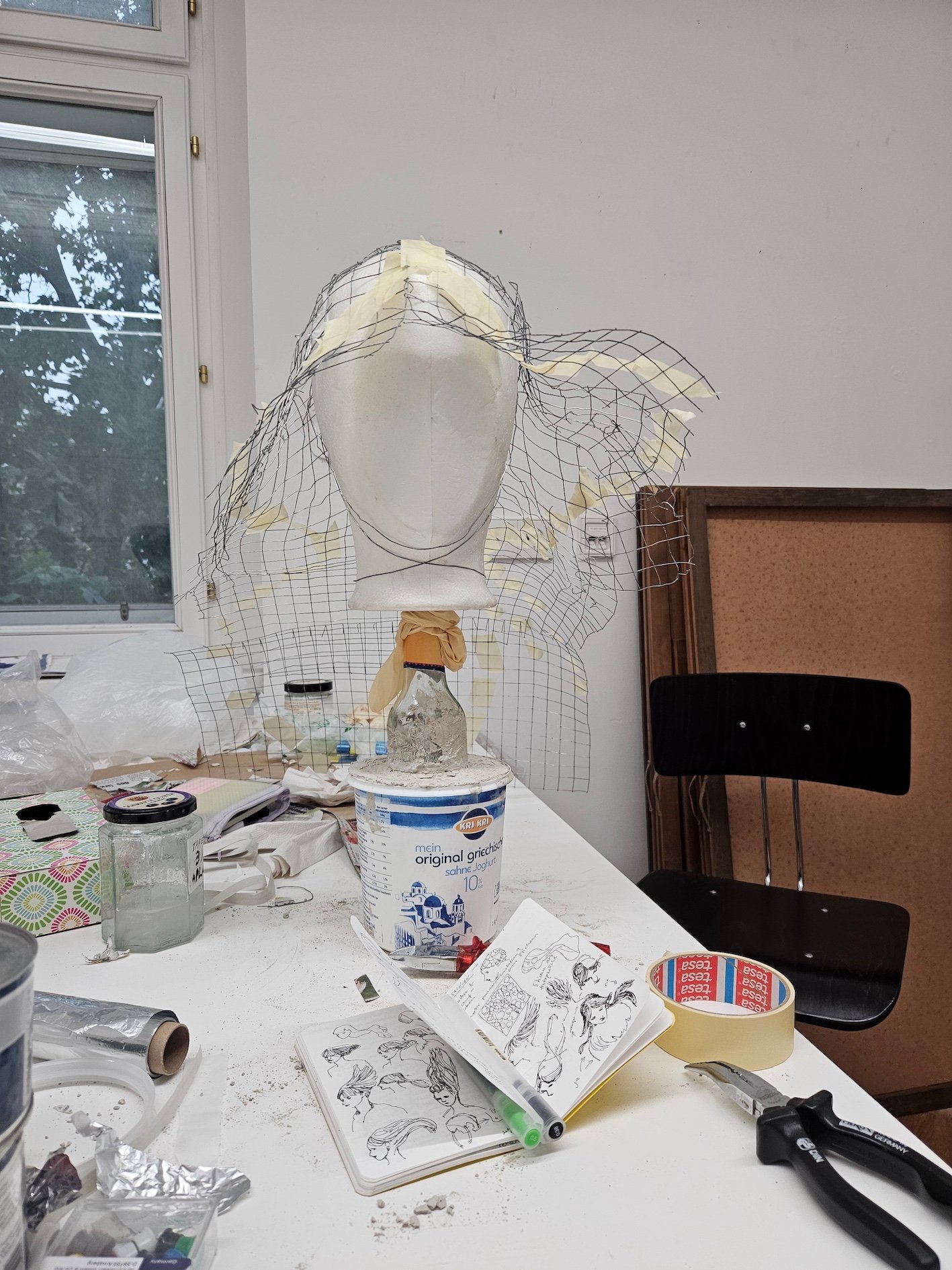
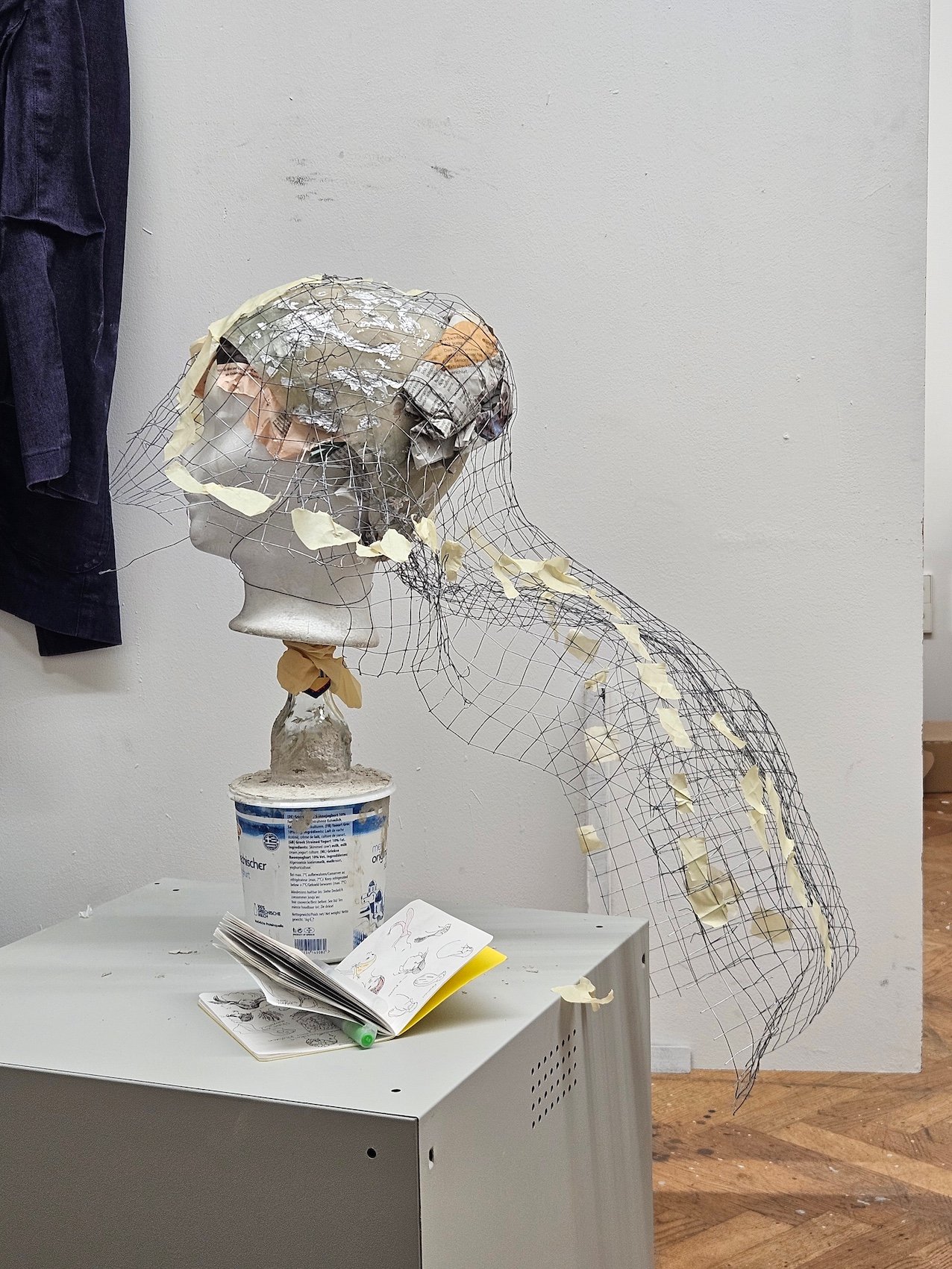
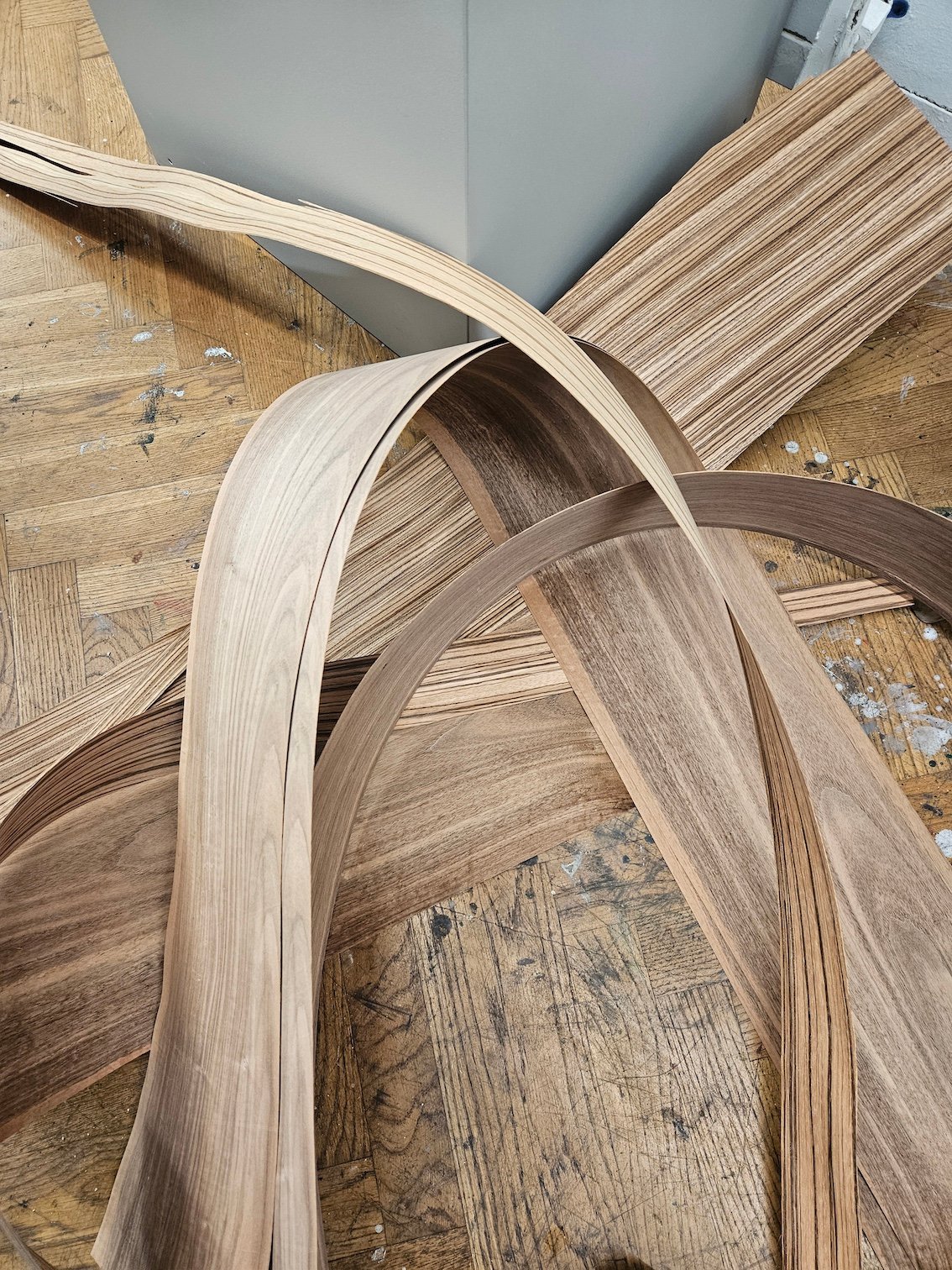
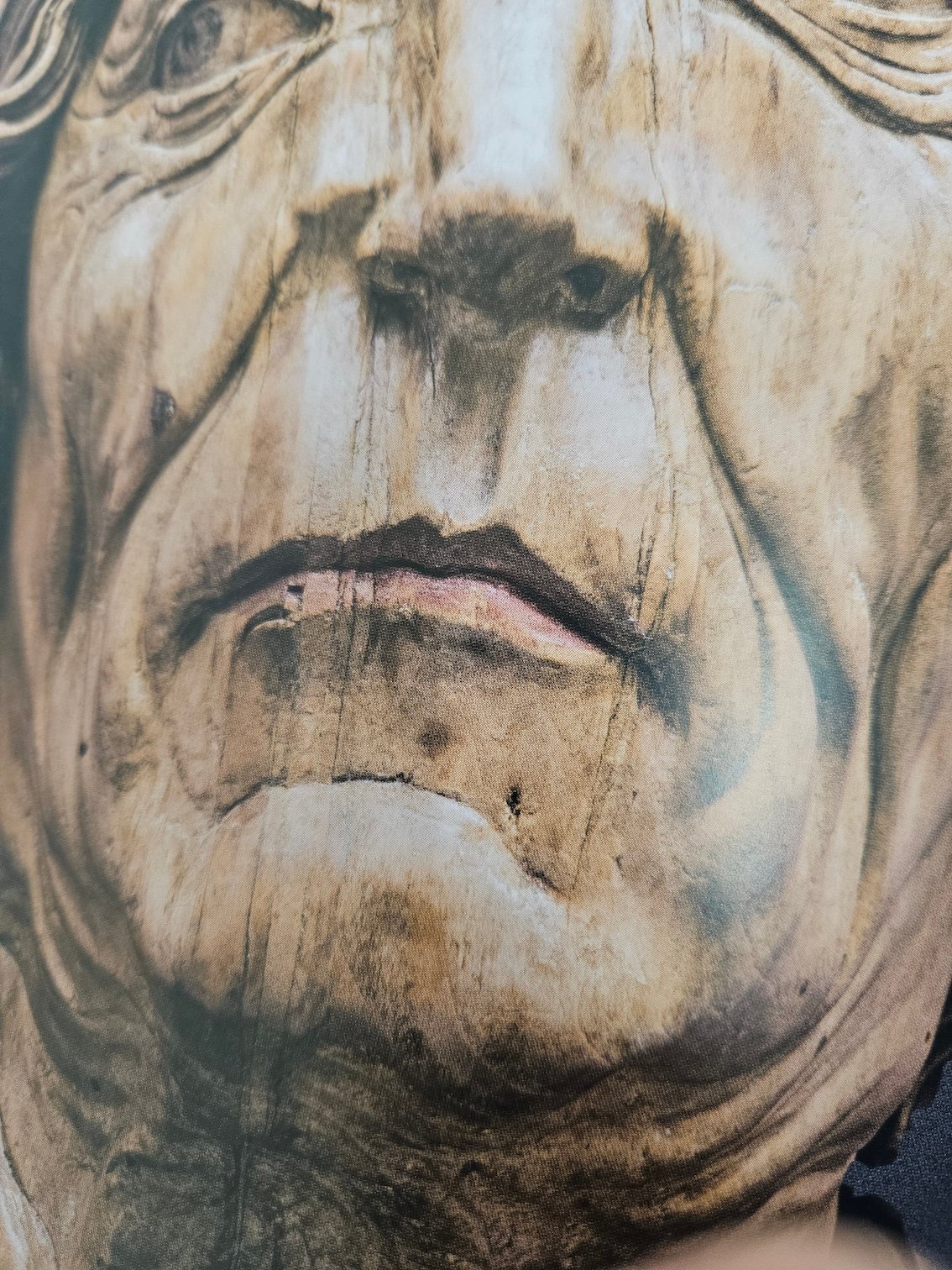
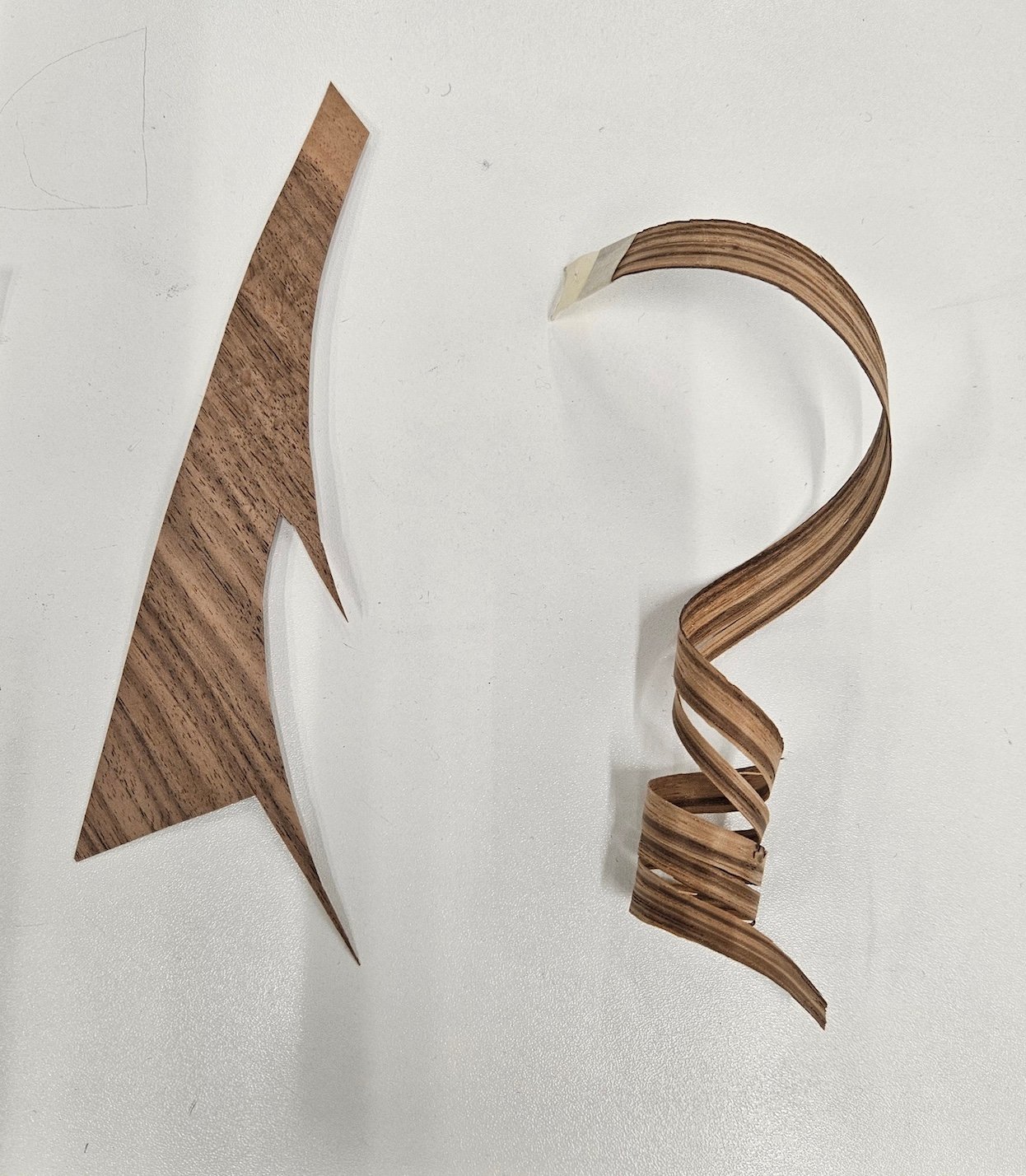
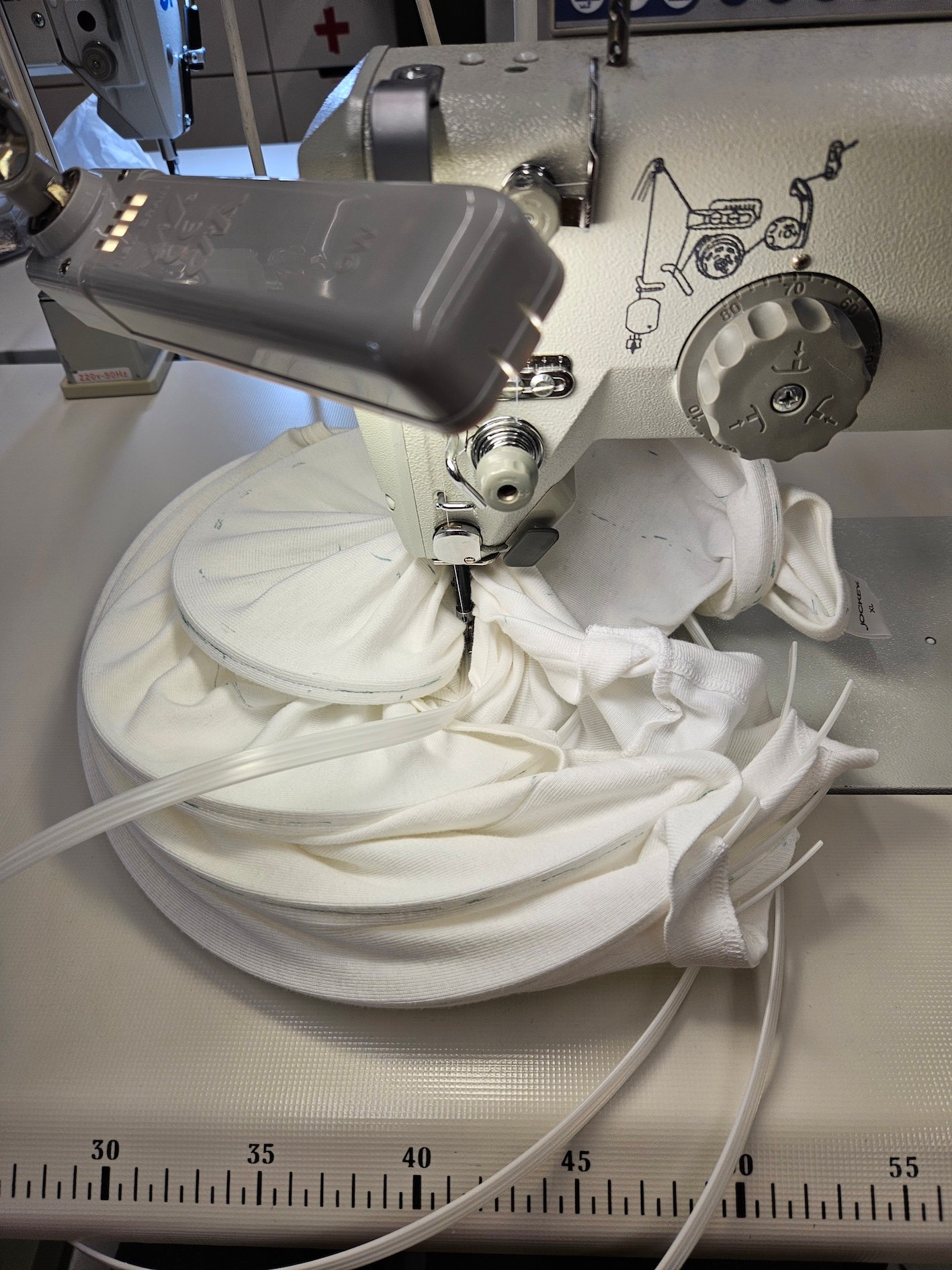
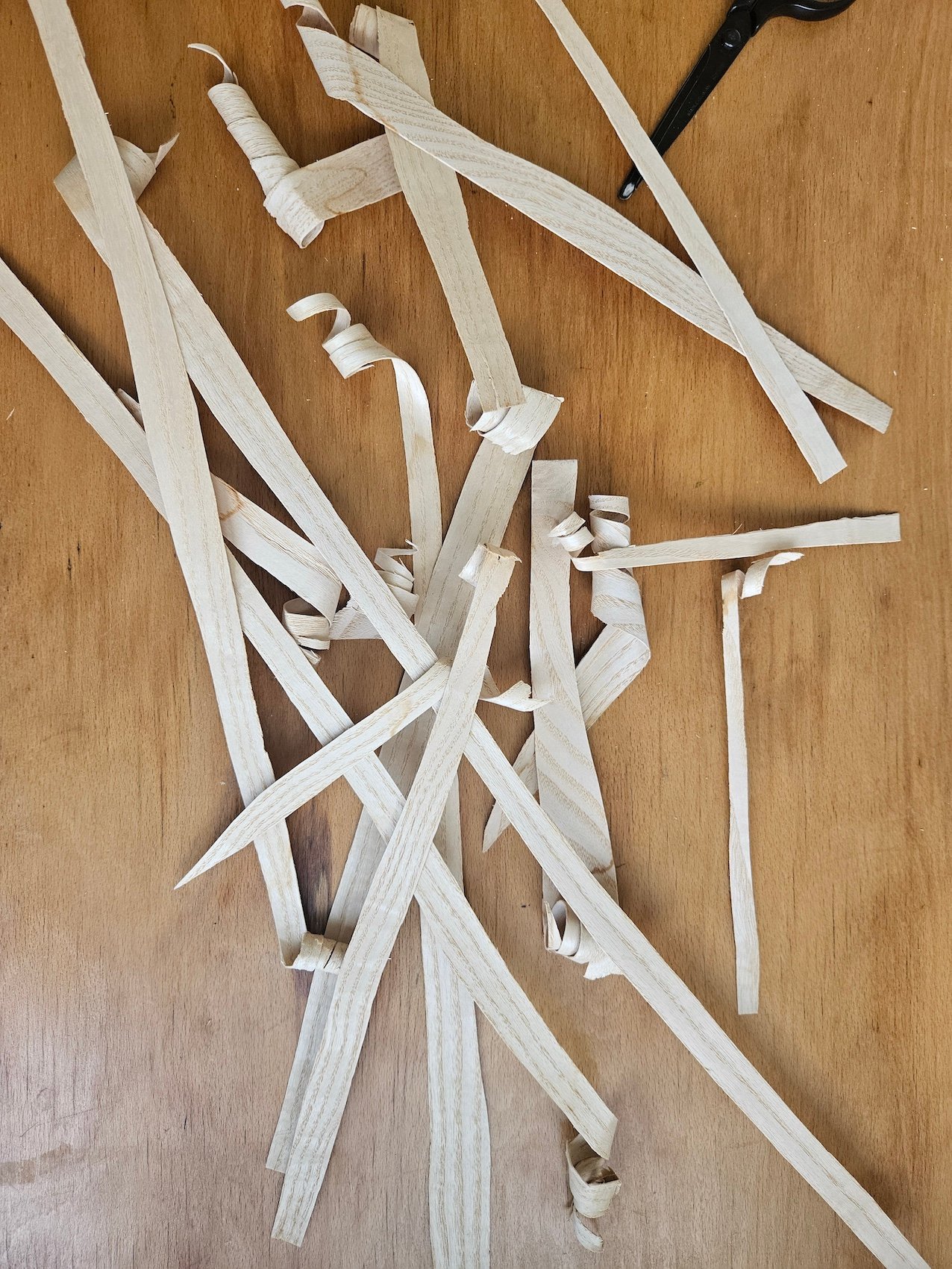
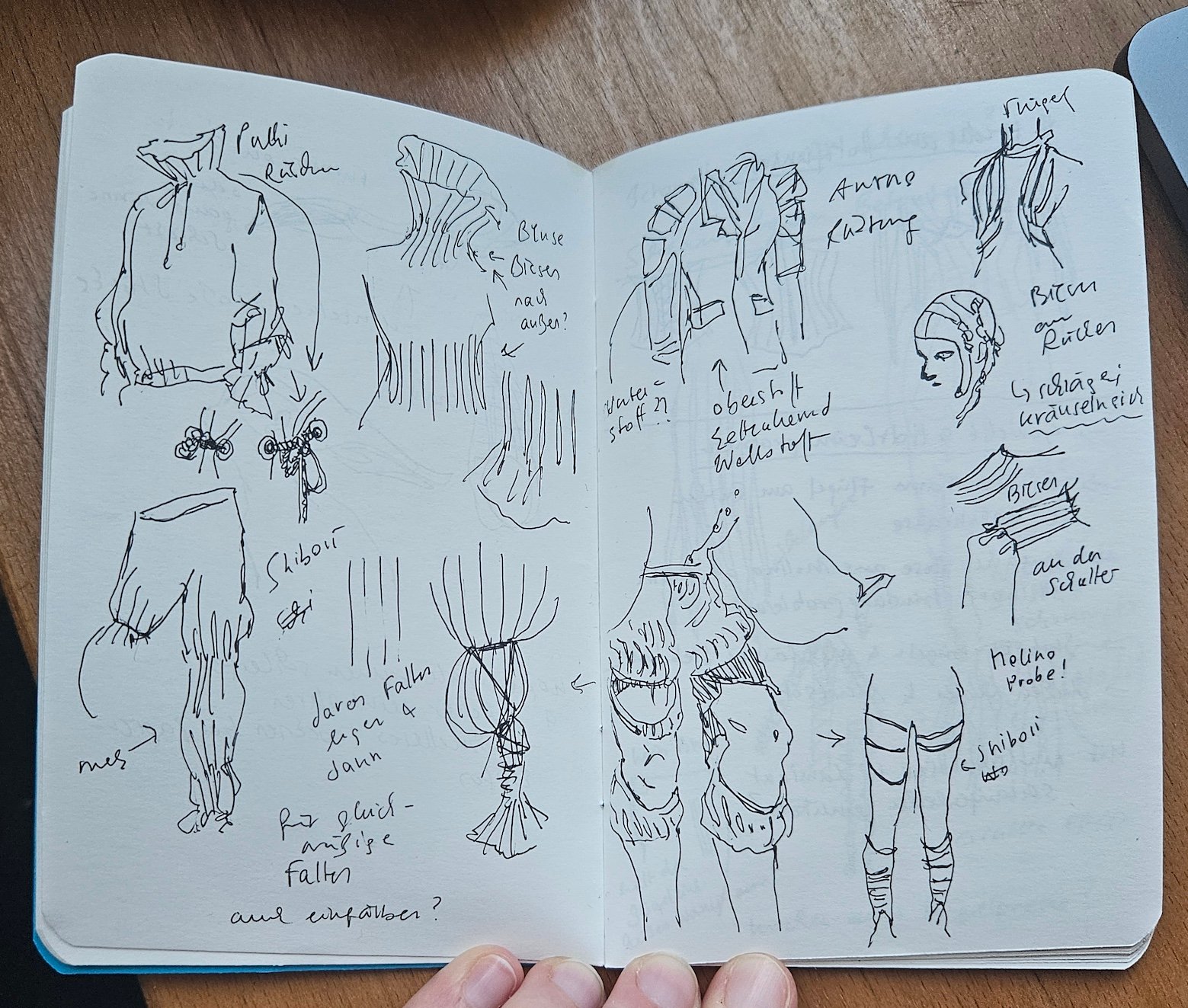
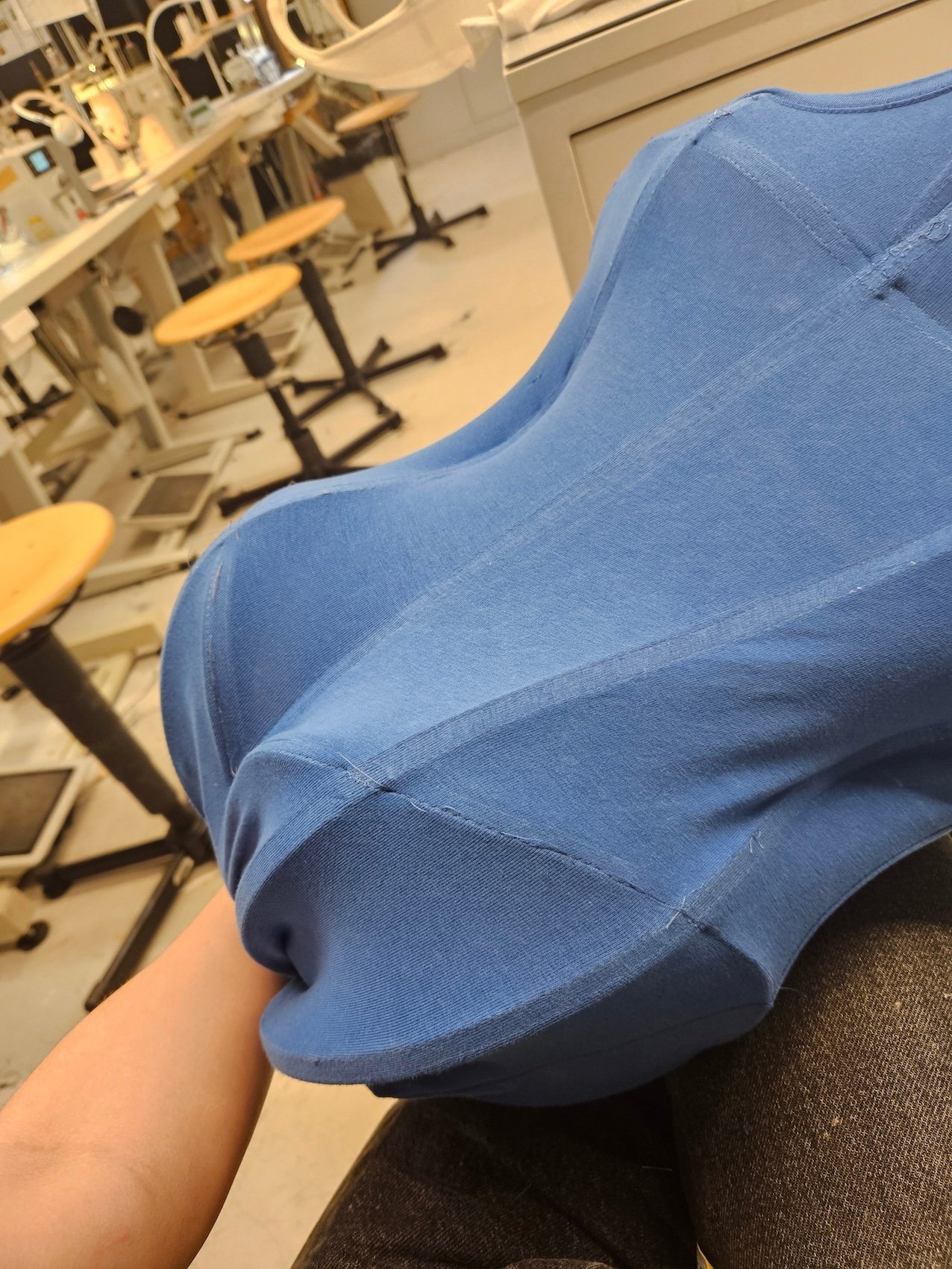
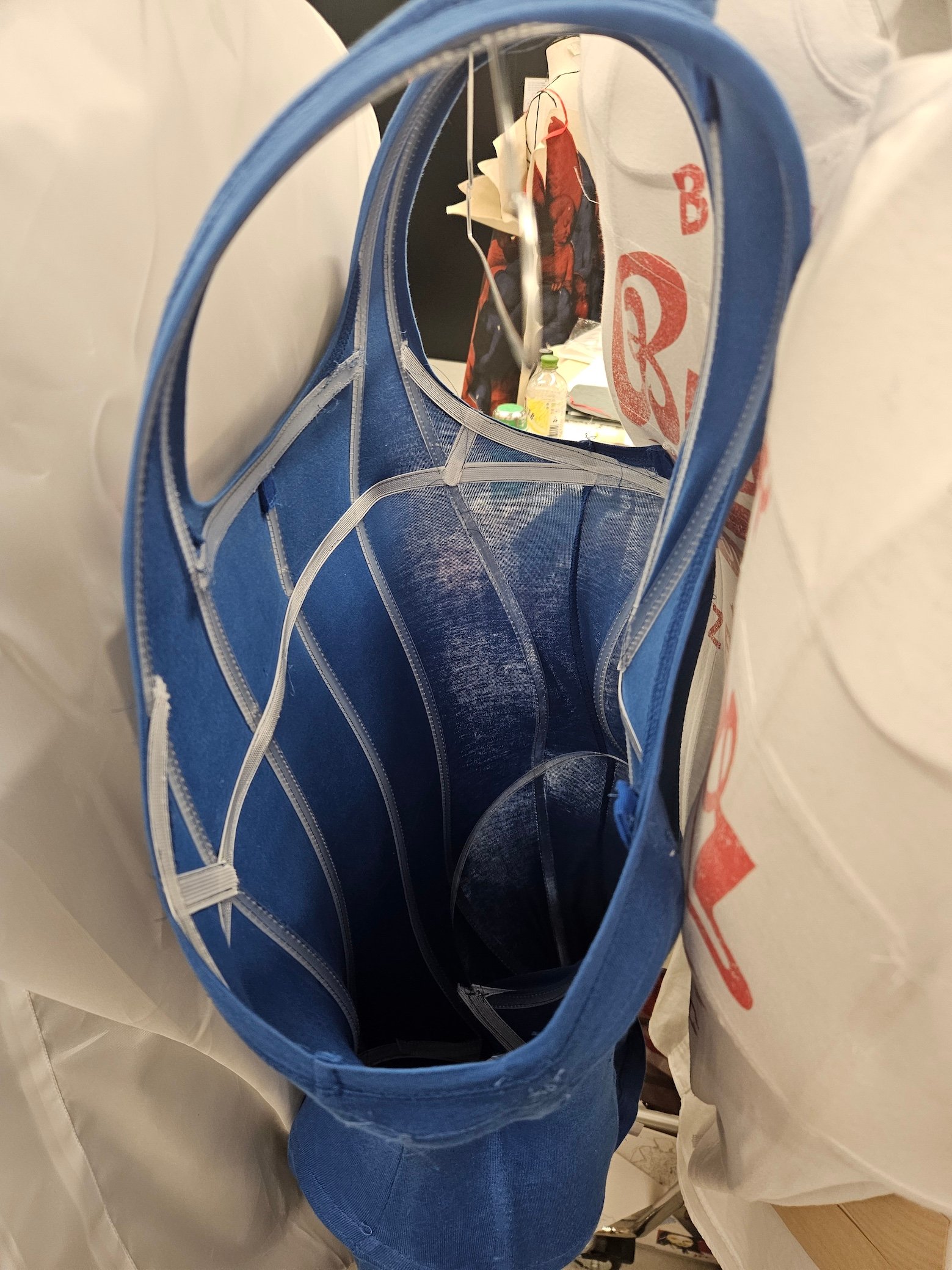
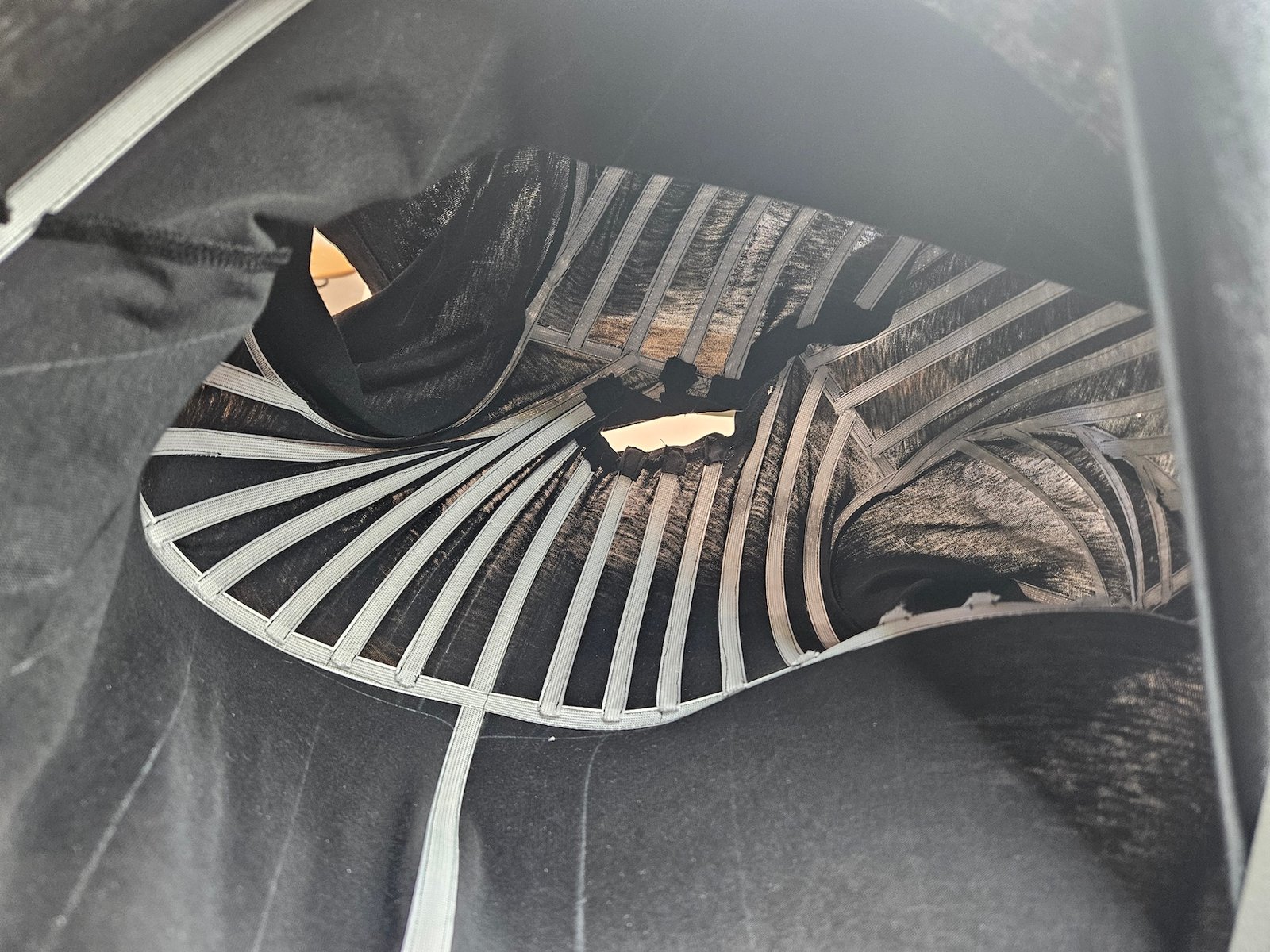
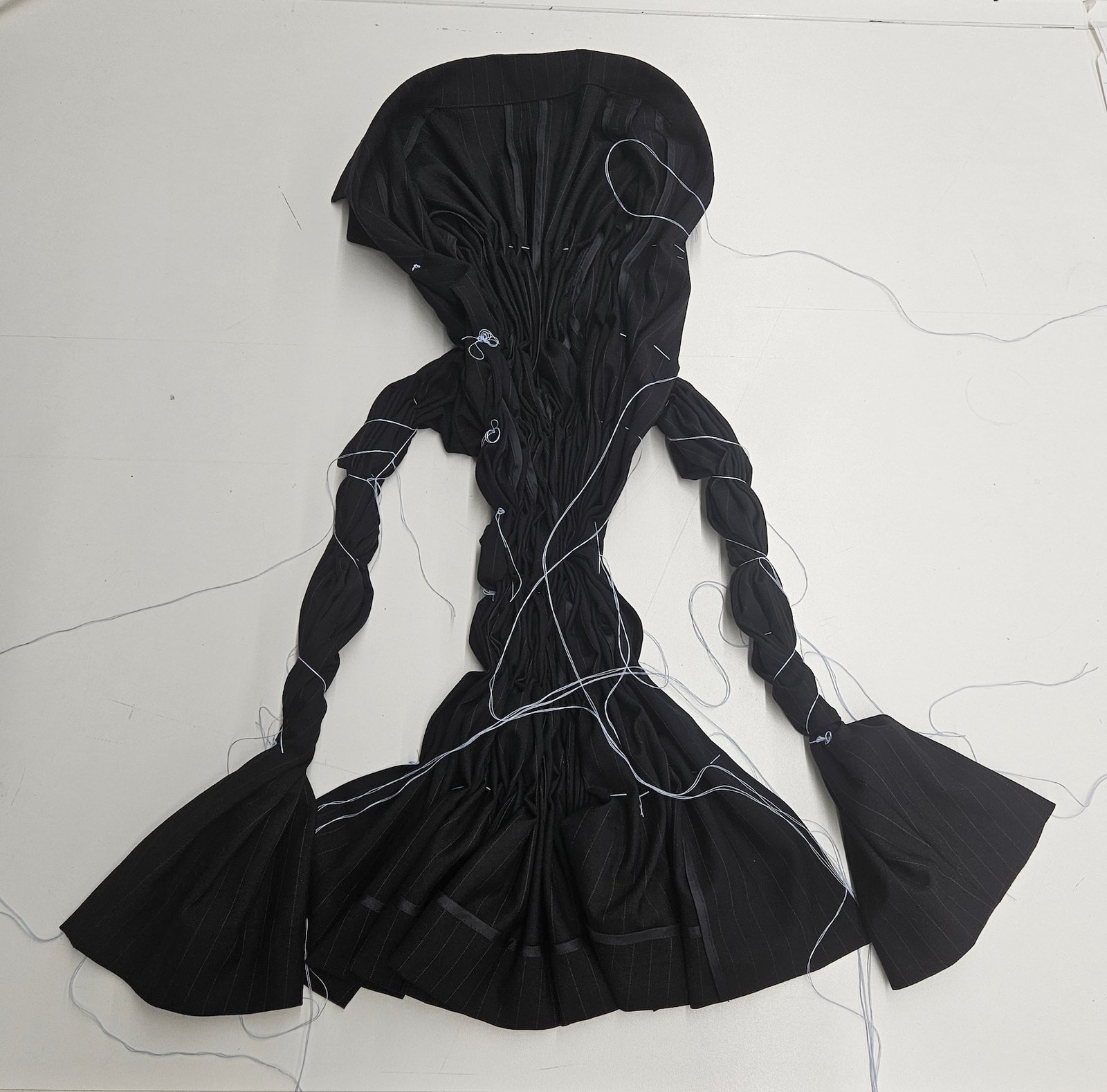
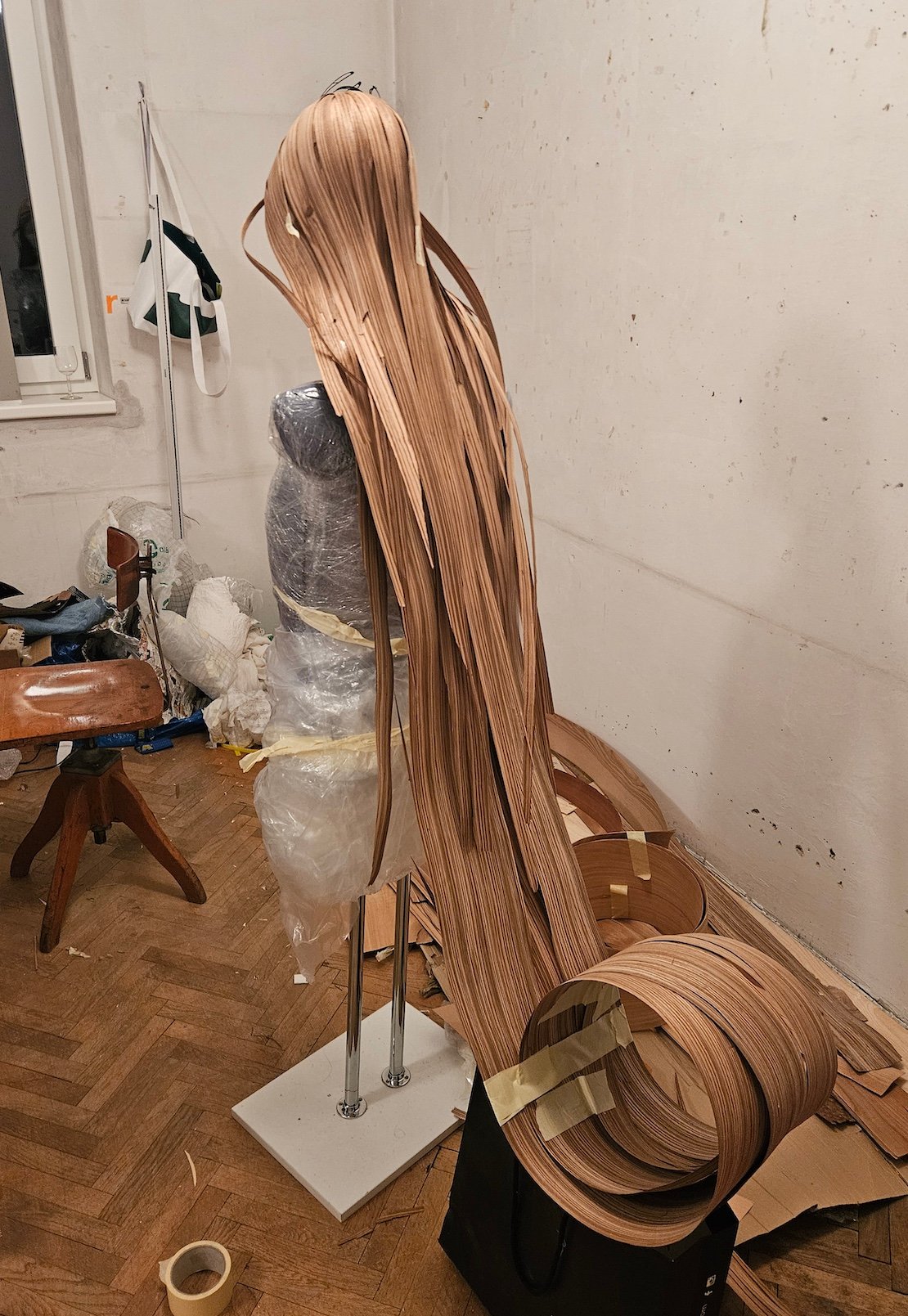
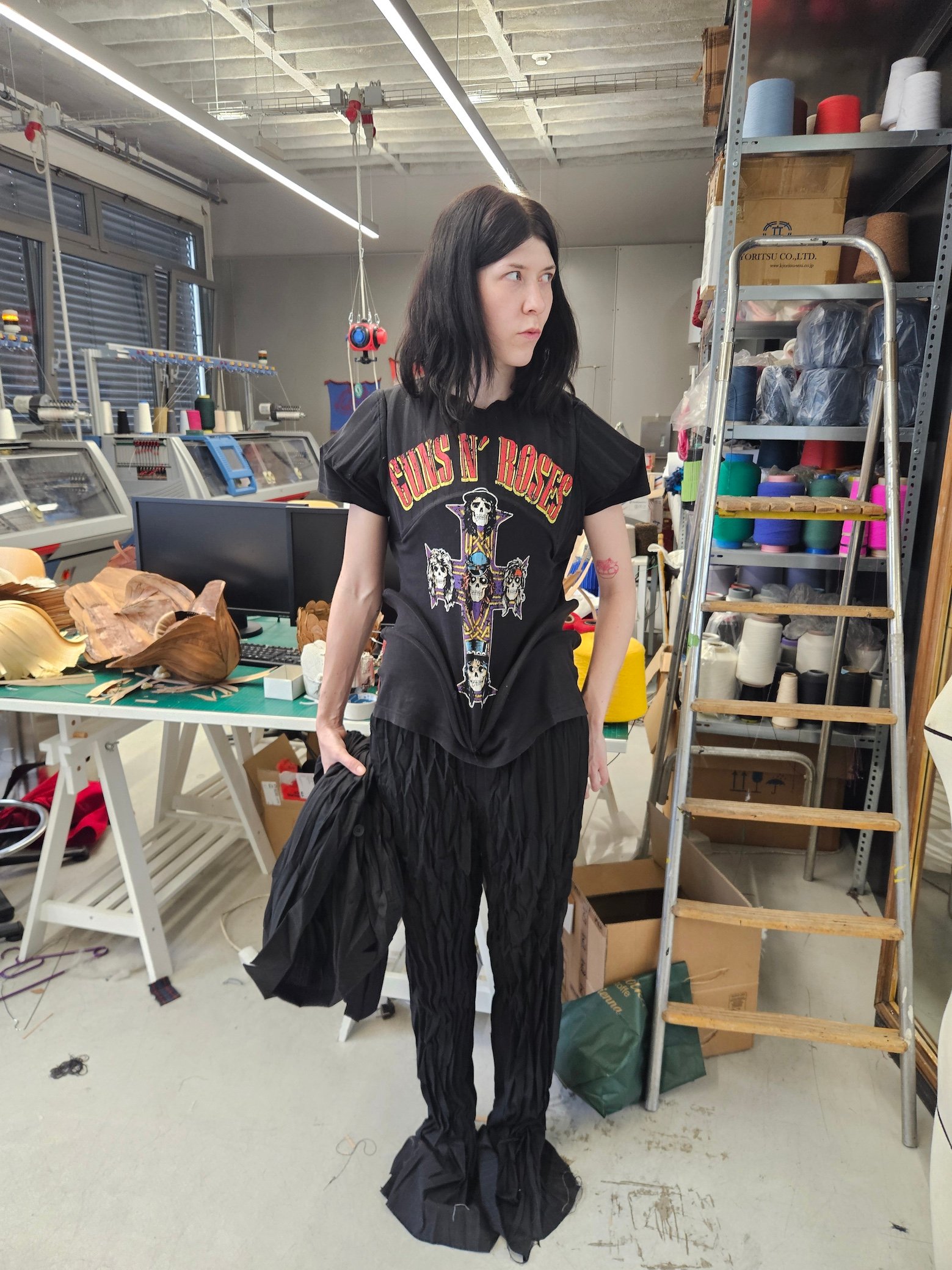
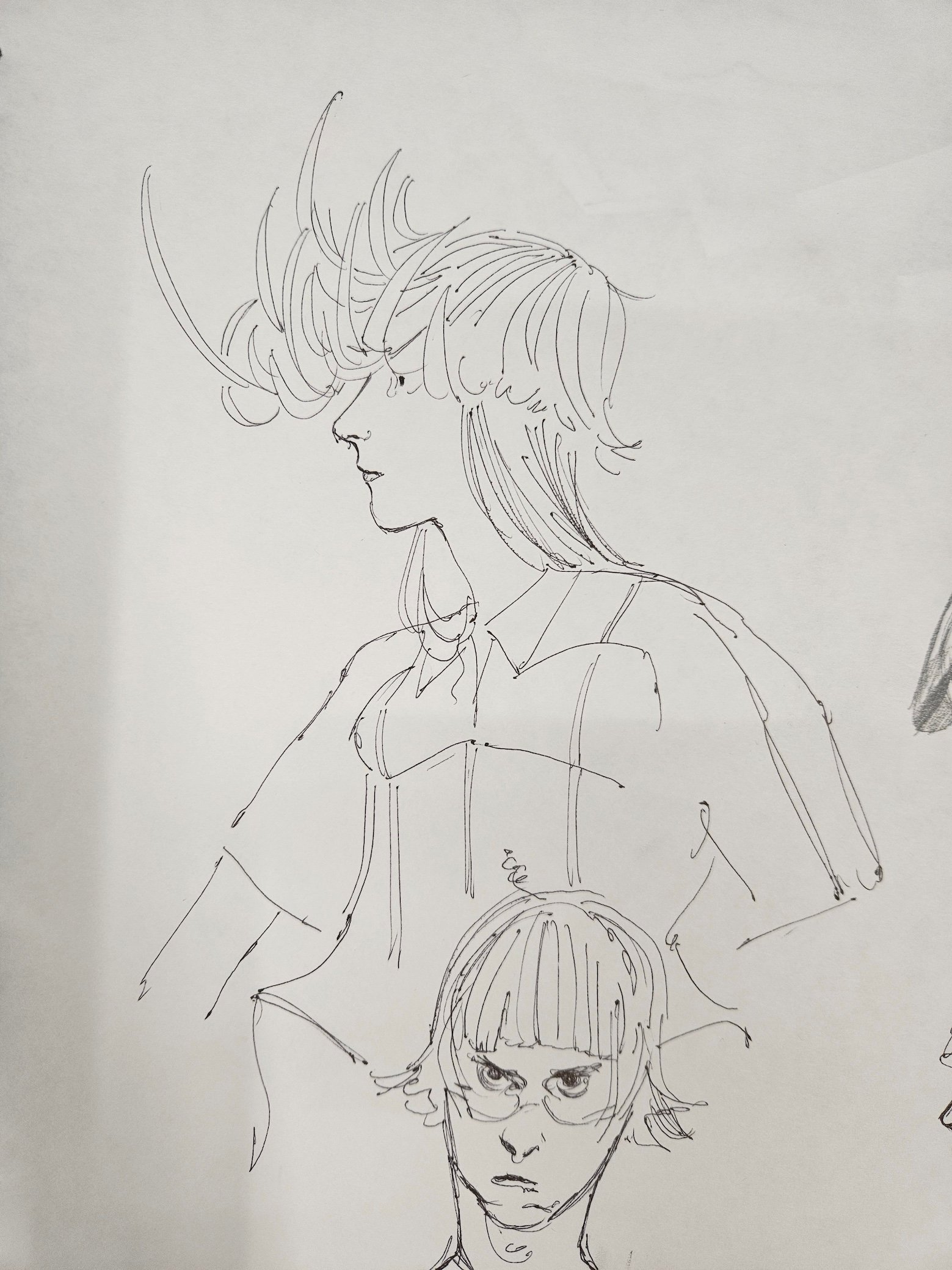
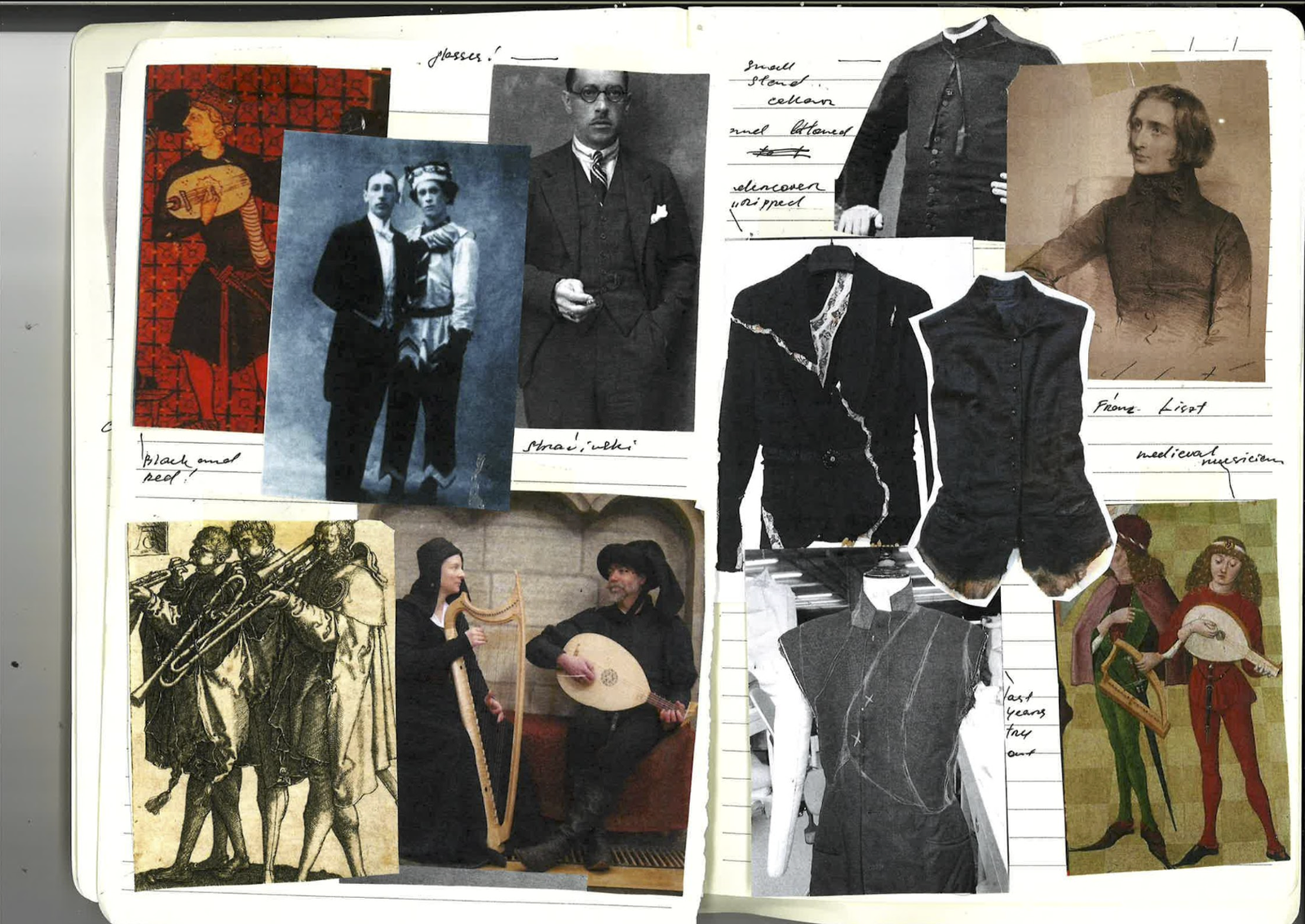
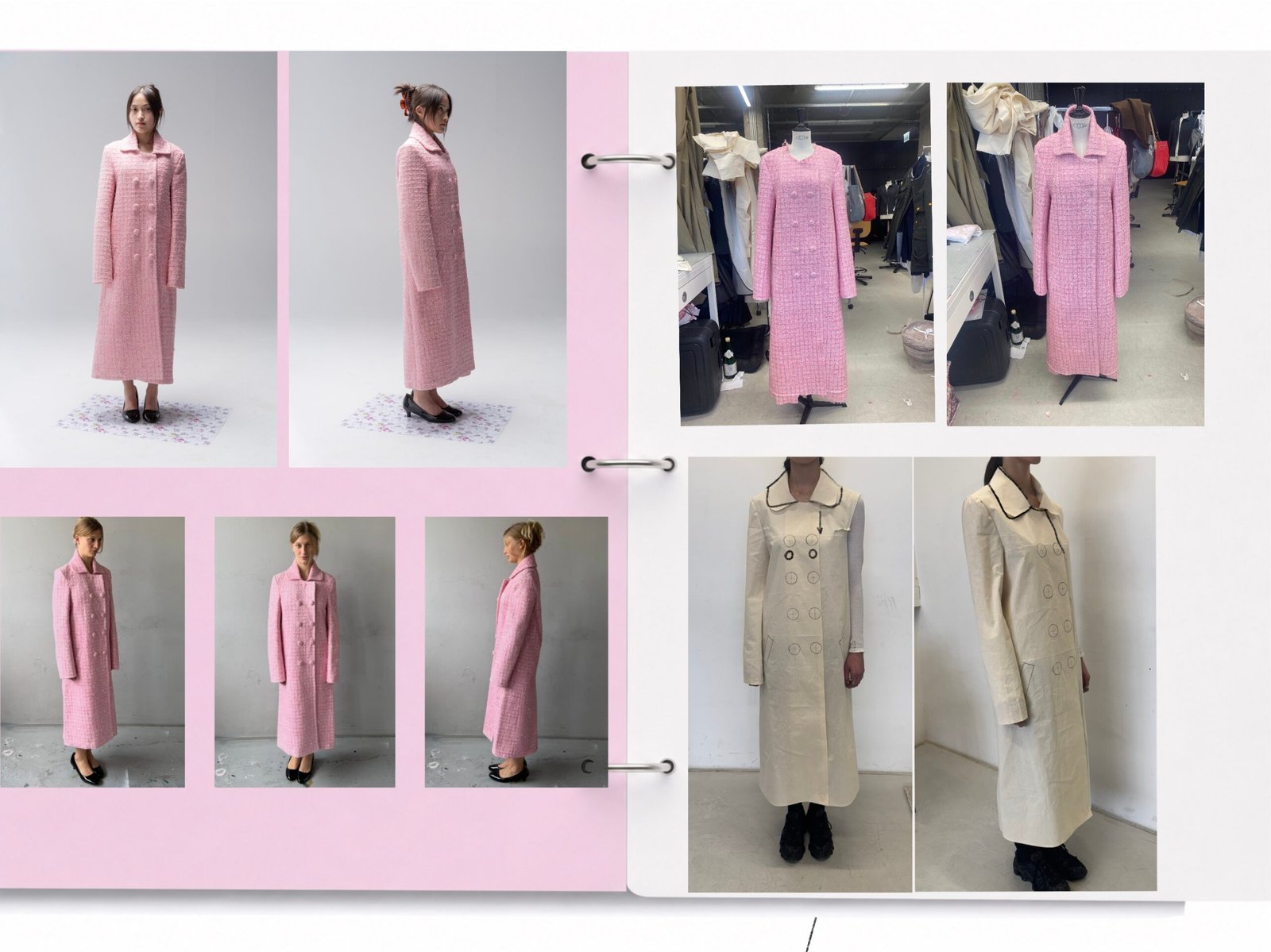
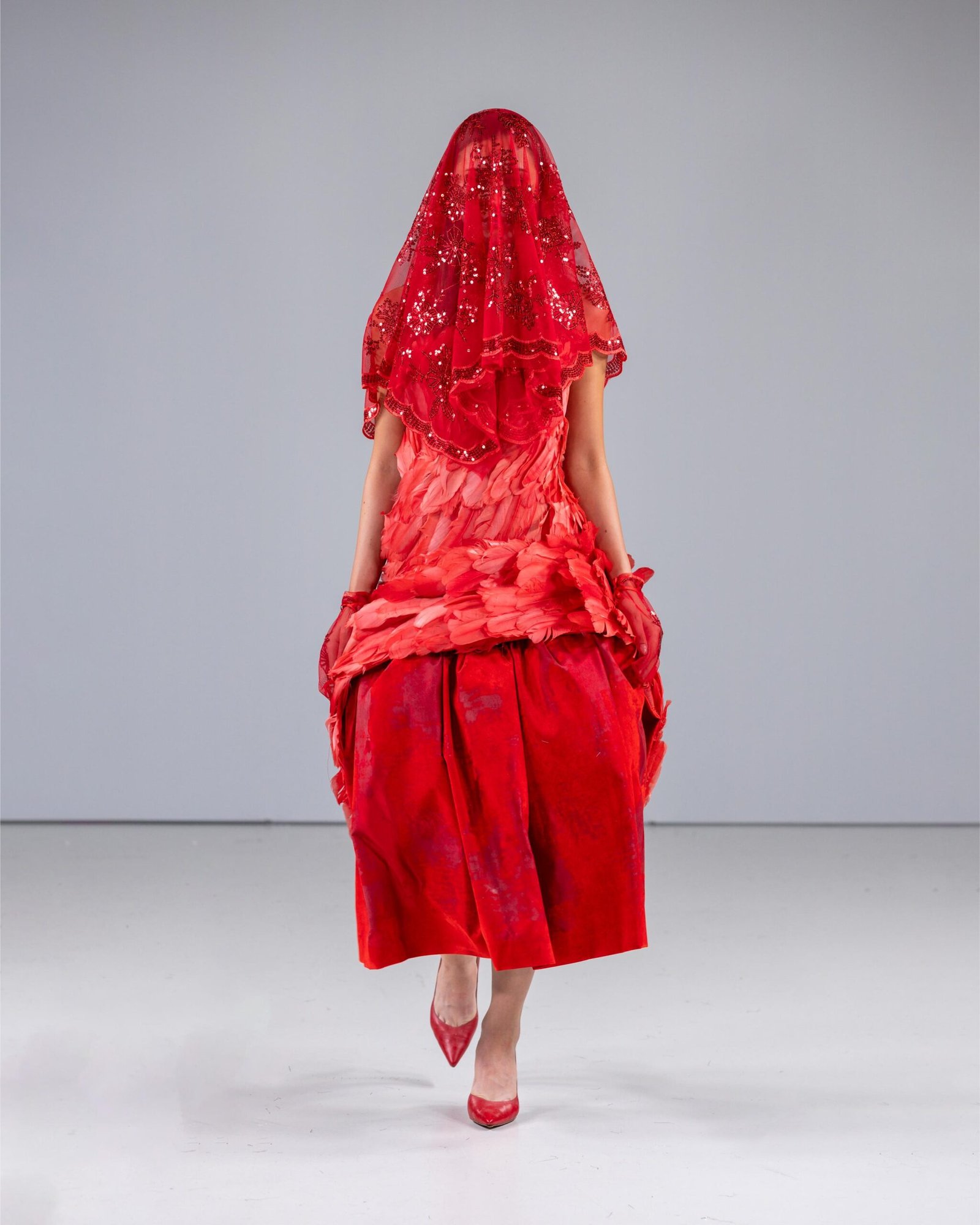
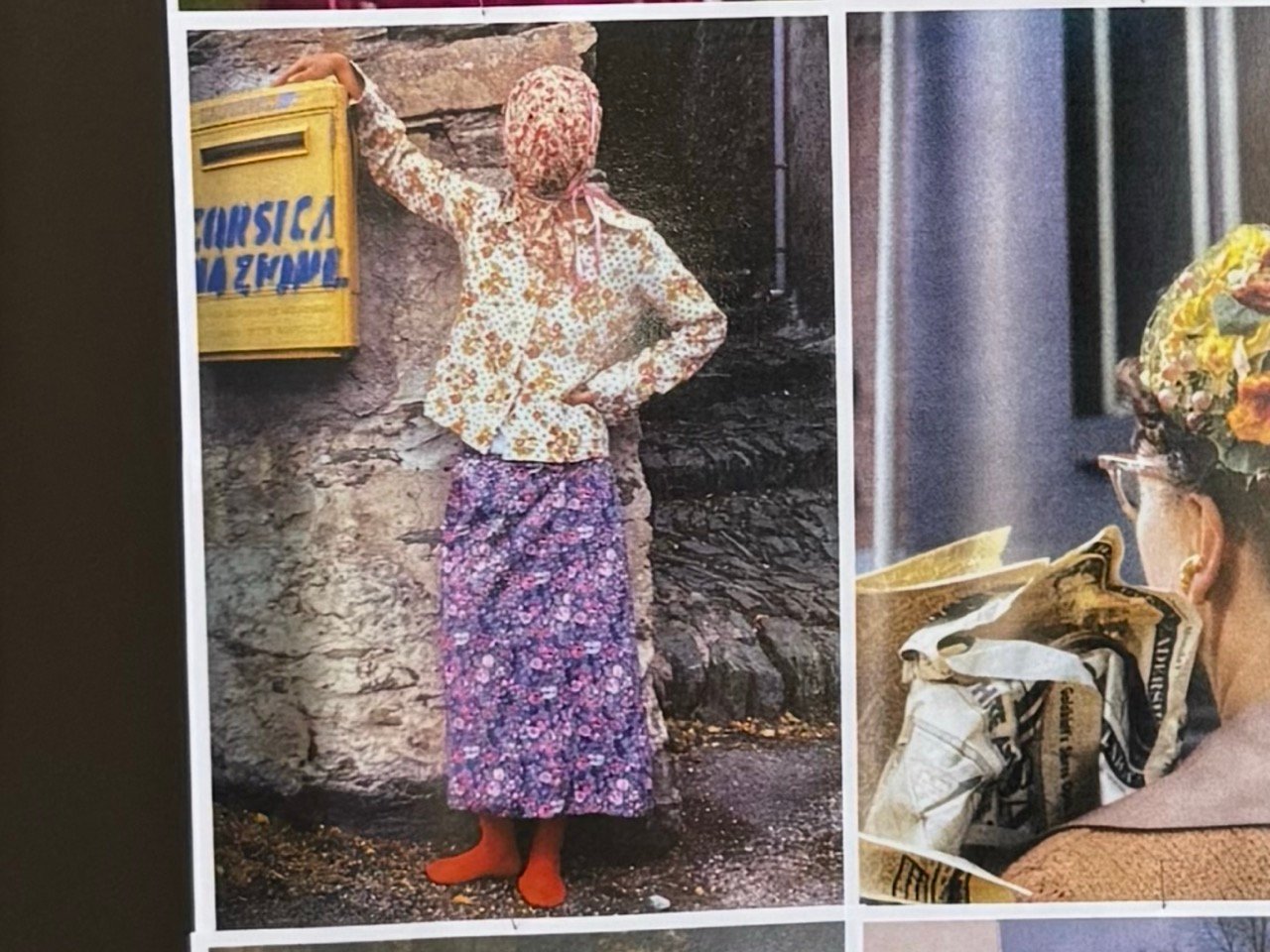
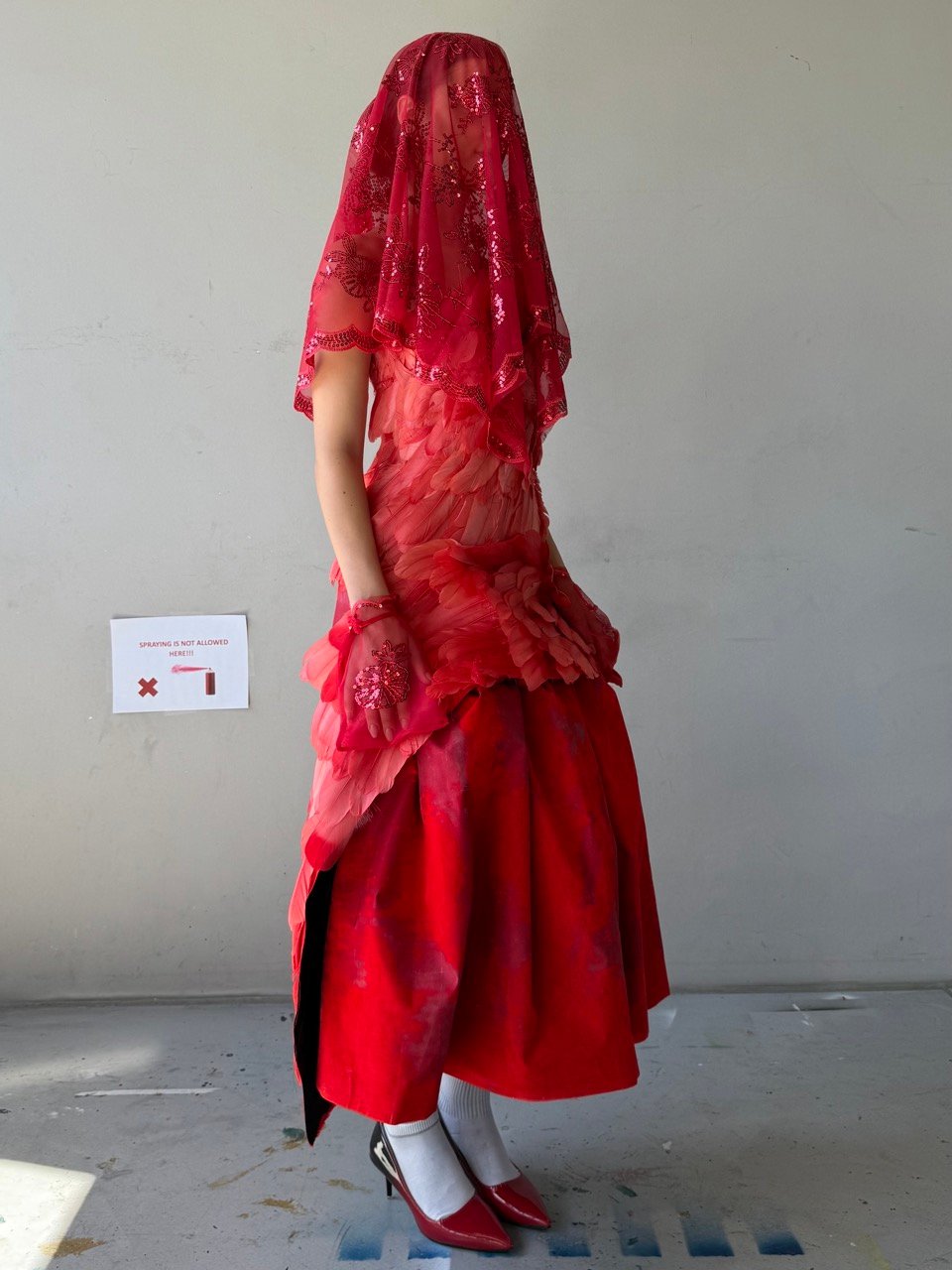
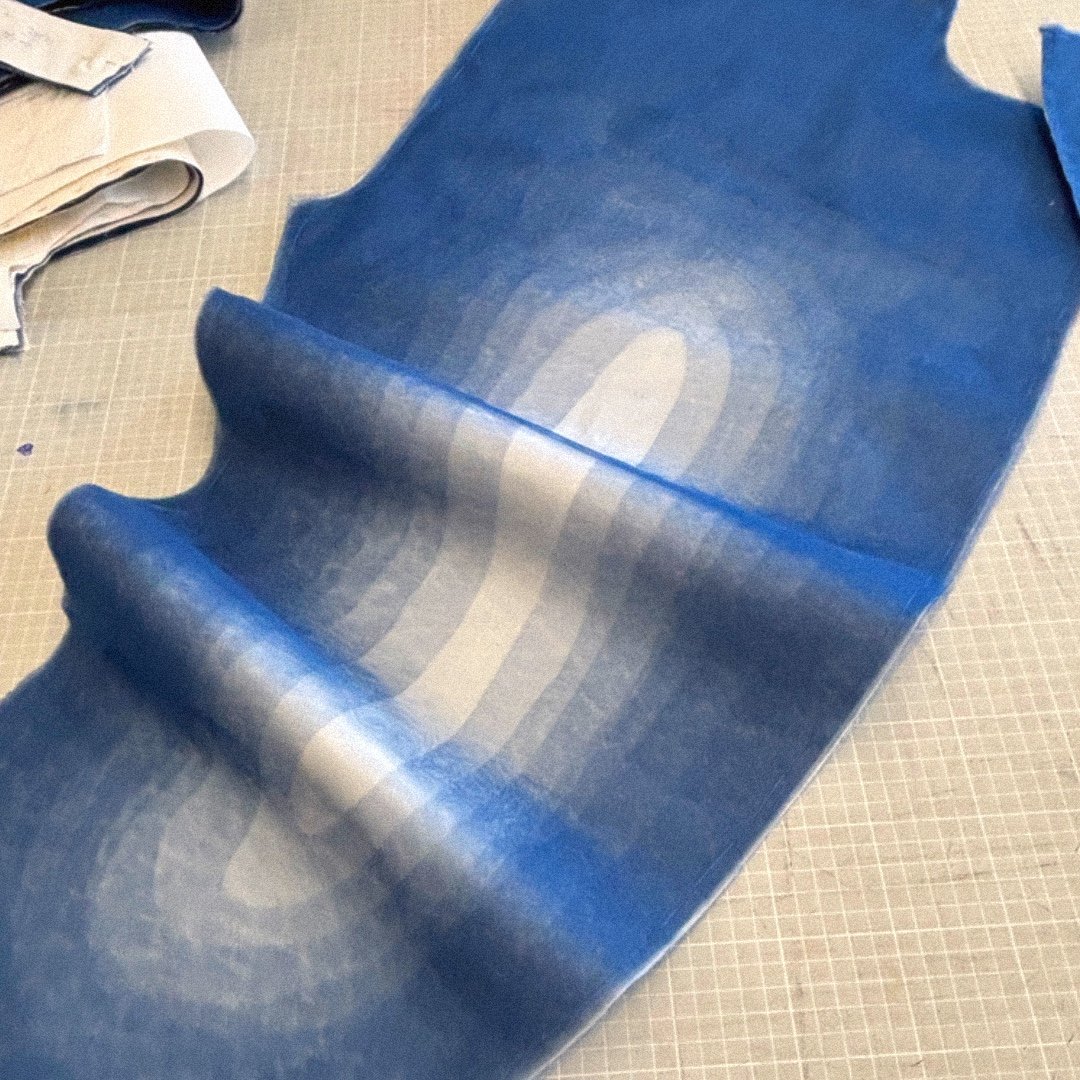
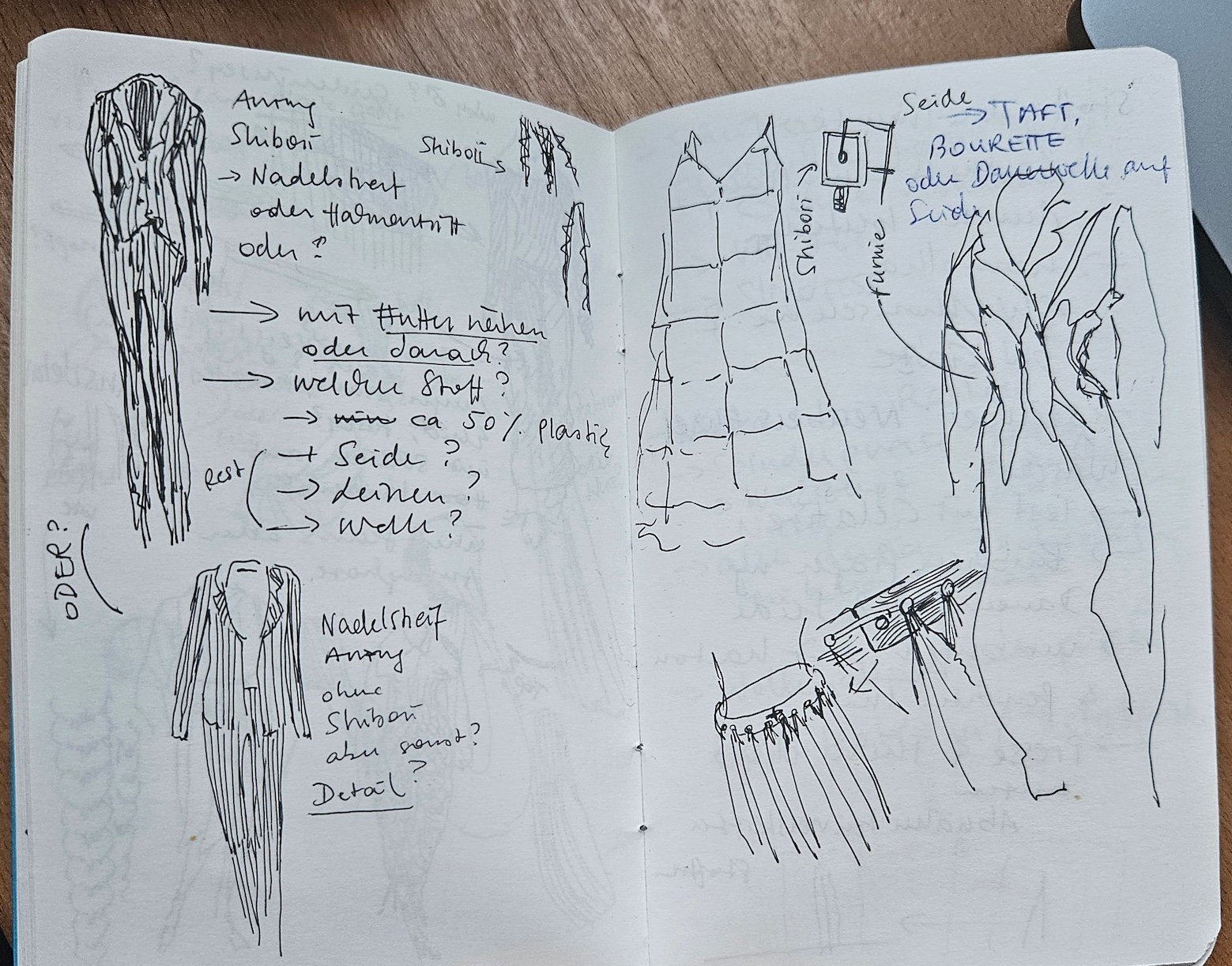
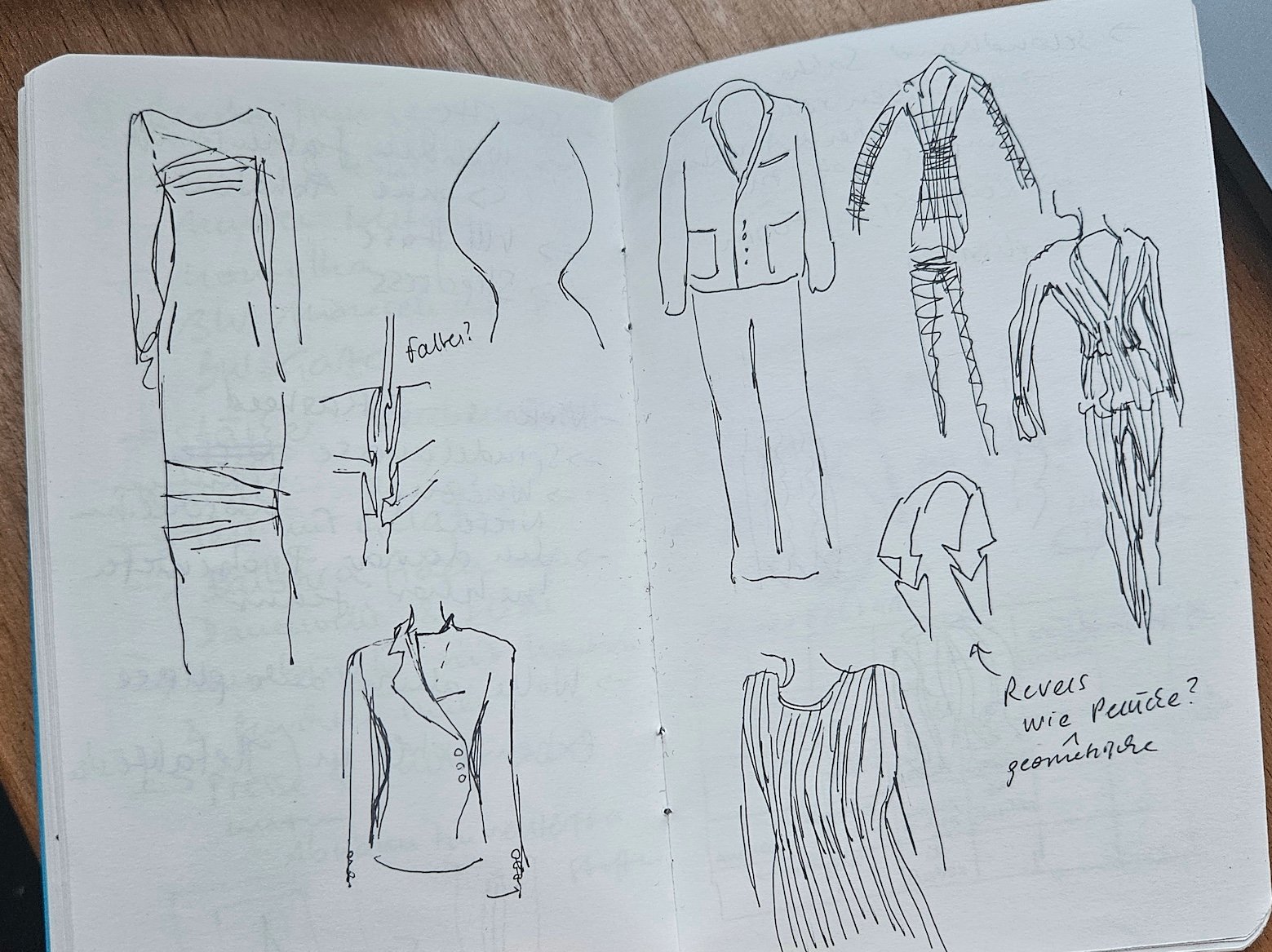
Linda Artemis Bergstötter’s collection, Cilicium, began after visiting a retired carpenter’s workshop, where the grain of different woods reminded her of hair and led her to create wooden wigs. This research brought her to Tilman Riemenschneider’s Magdalenenretabel and the depiction of Mary Magdalene covered in hair. From there, she explored late medieval Christianity, including the clergy’s control over women and their appearances, hair coverings, the origins of female saints, and asceticism. The collection takes its title from the cilice, a shirt made of coarse animal hair worn against the skin as a sign of repentance. Drawing on historical paintings, Bergstötter recreated silhouettes, colours, and details while experimenting with shibori pleating, concrete casting, and the addition of corsetry to second-hand garments as a contemporary reflection on controlling and shaping the body..
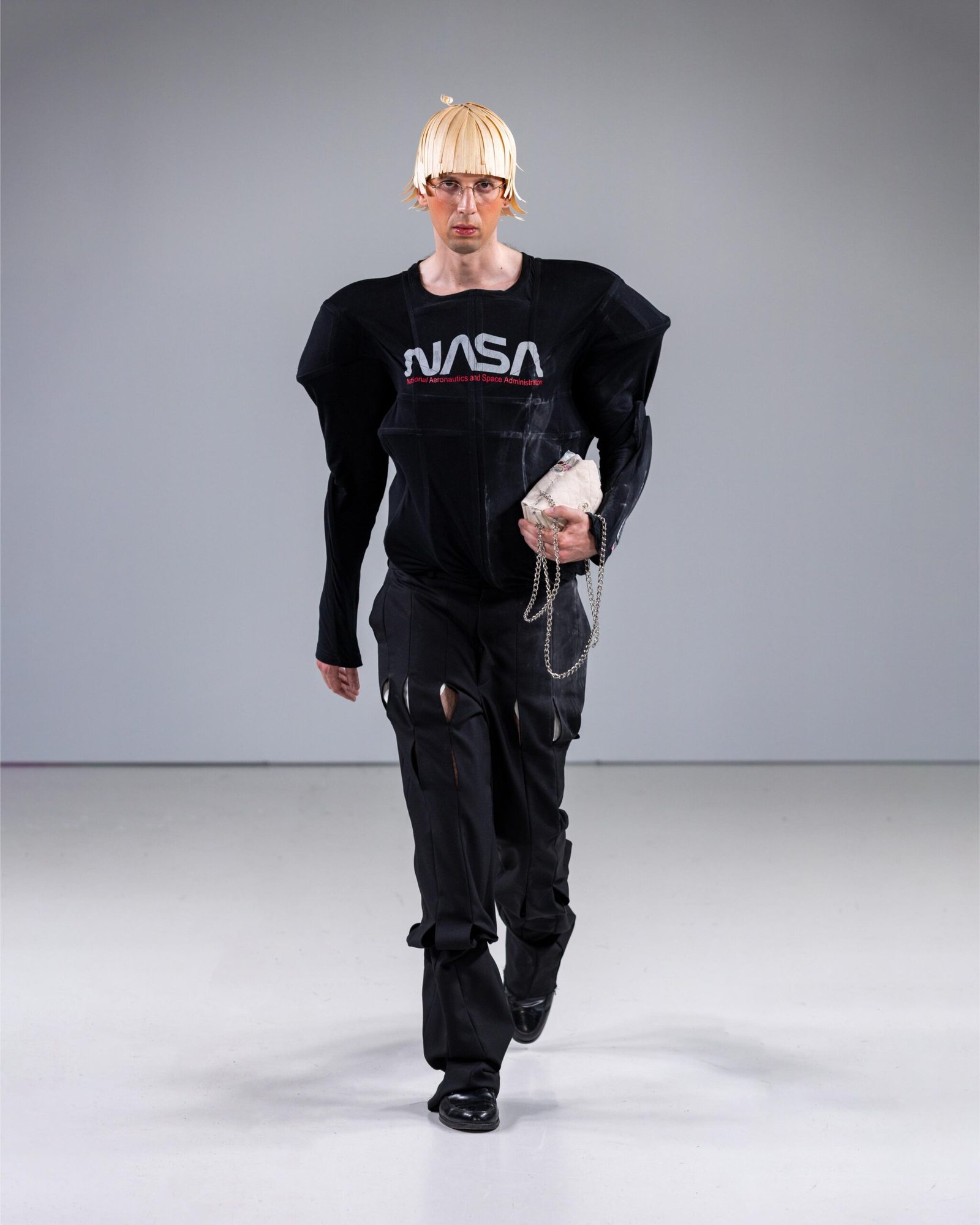
@lindergarten_

Alisa Tegin

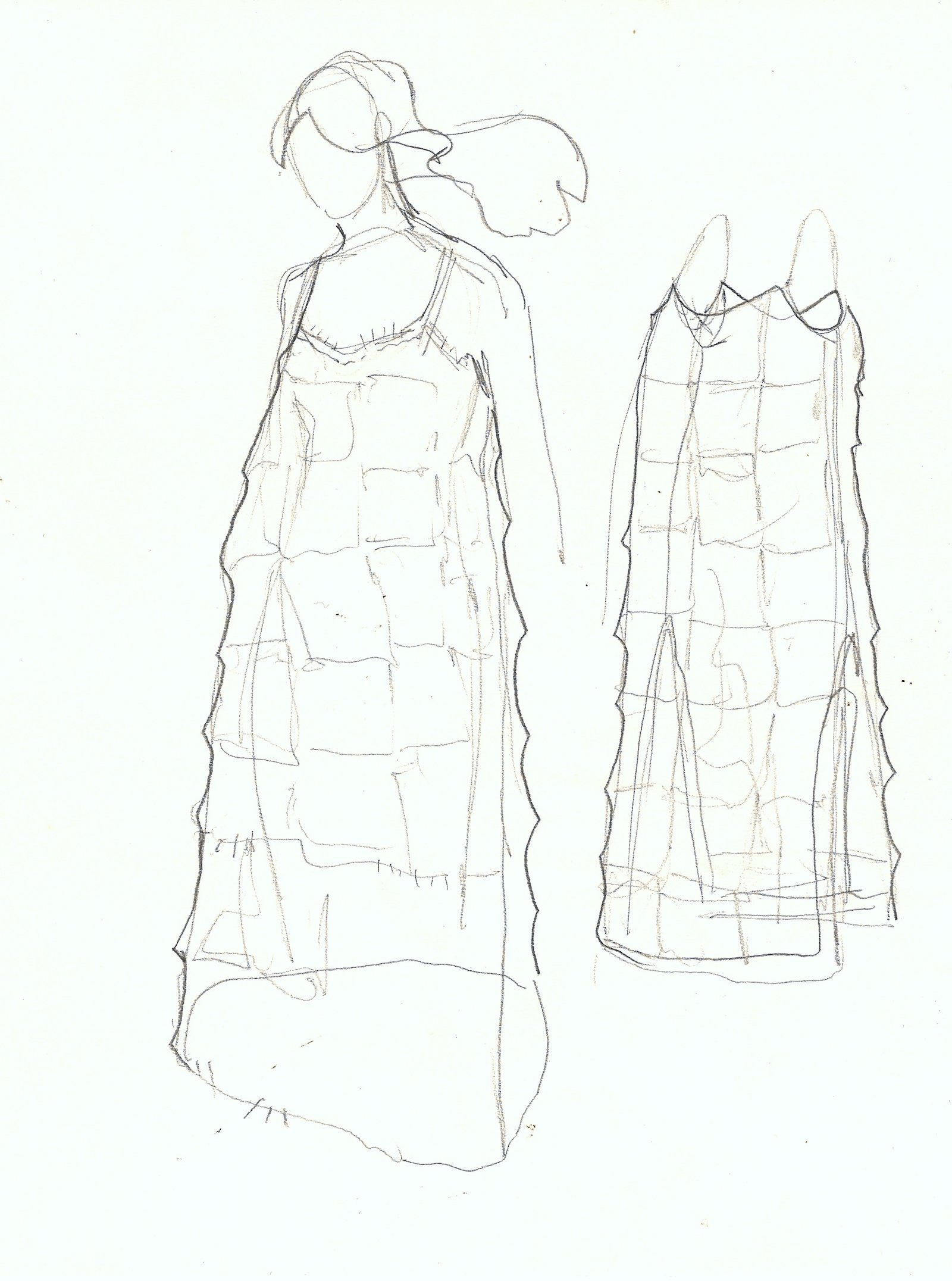
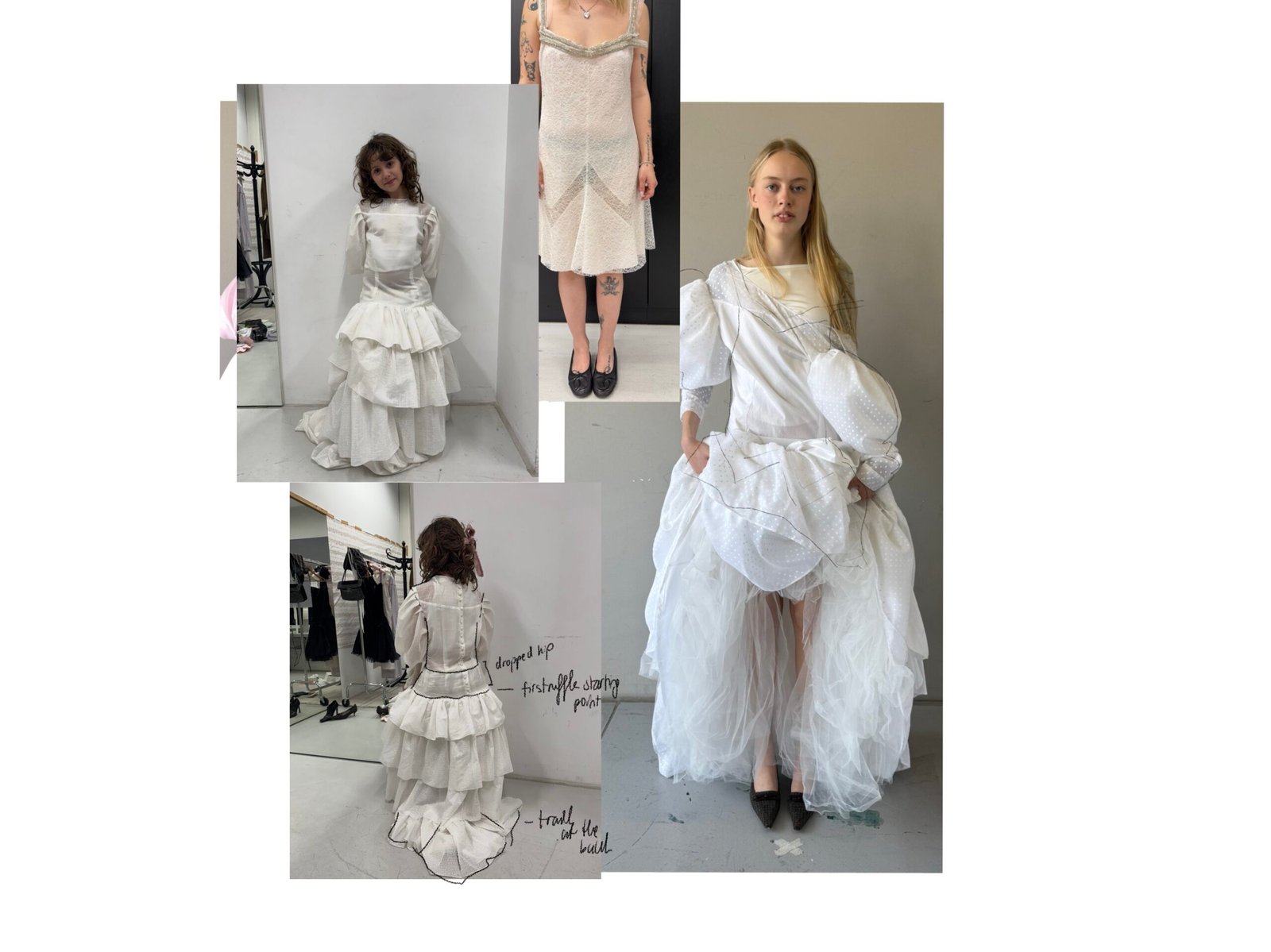
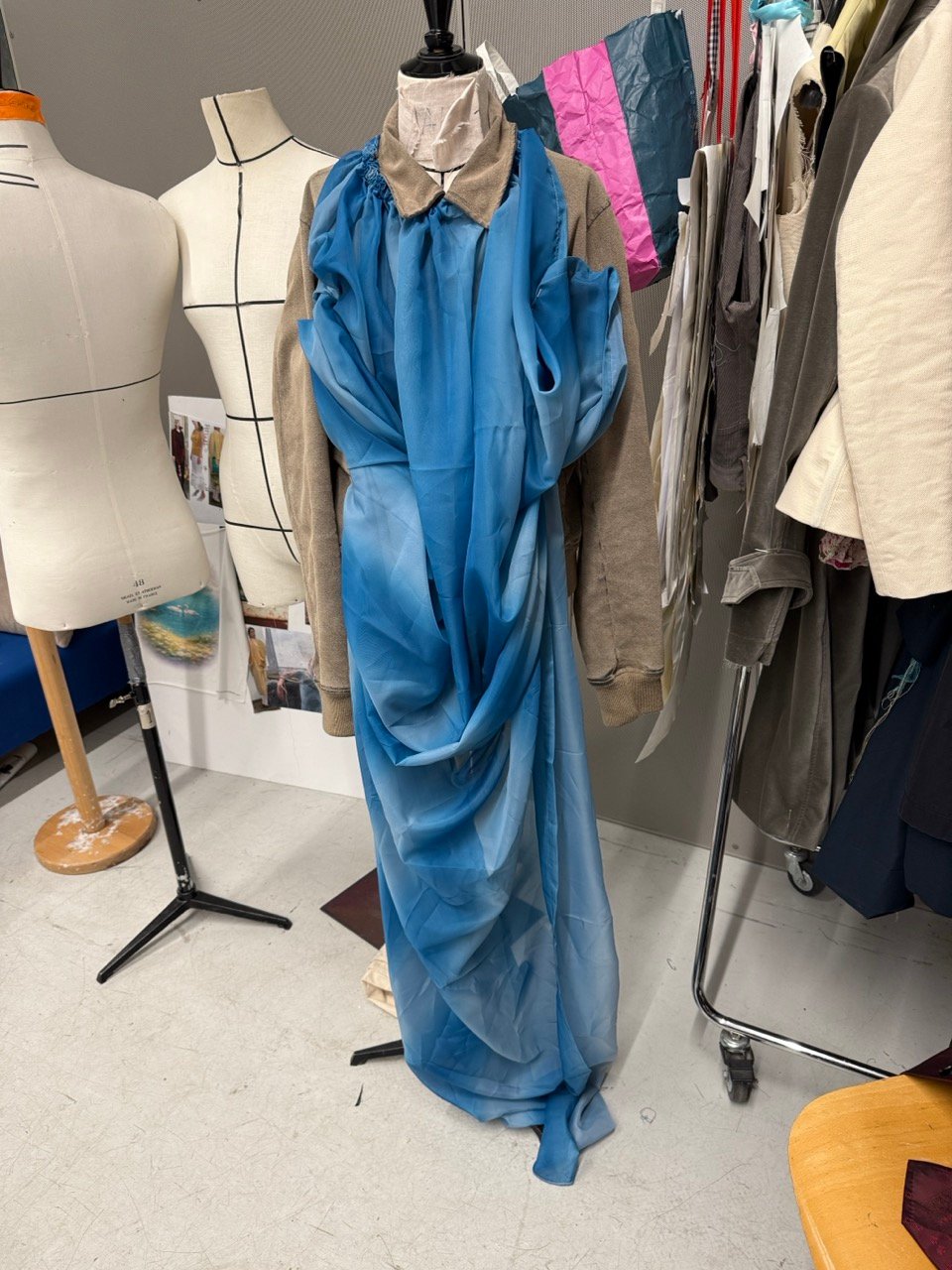
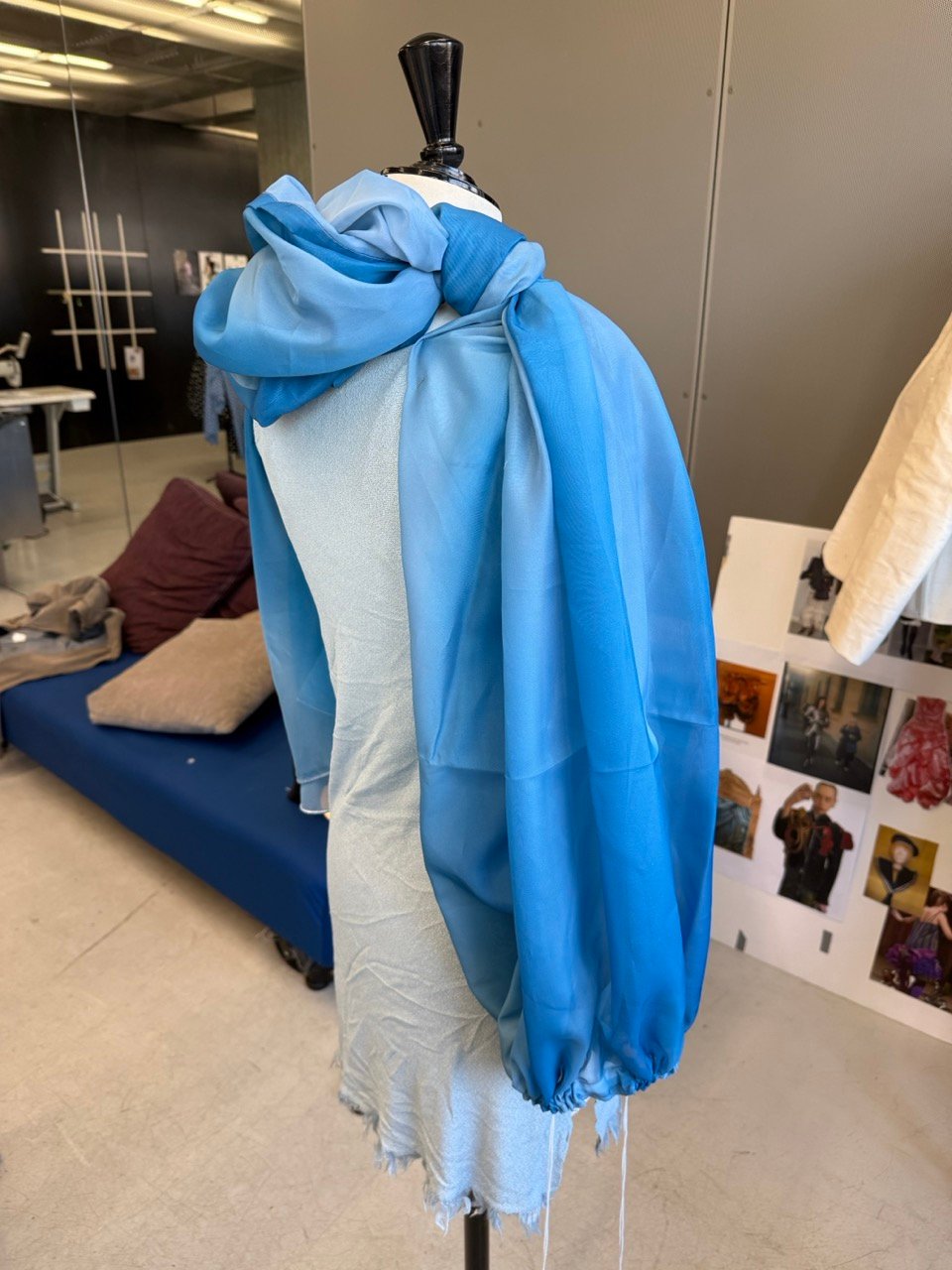
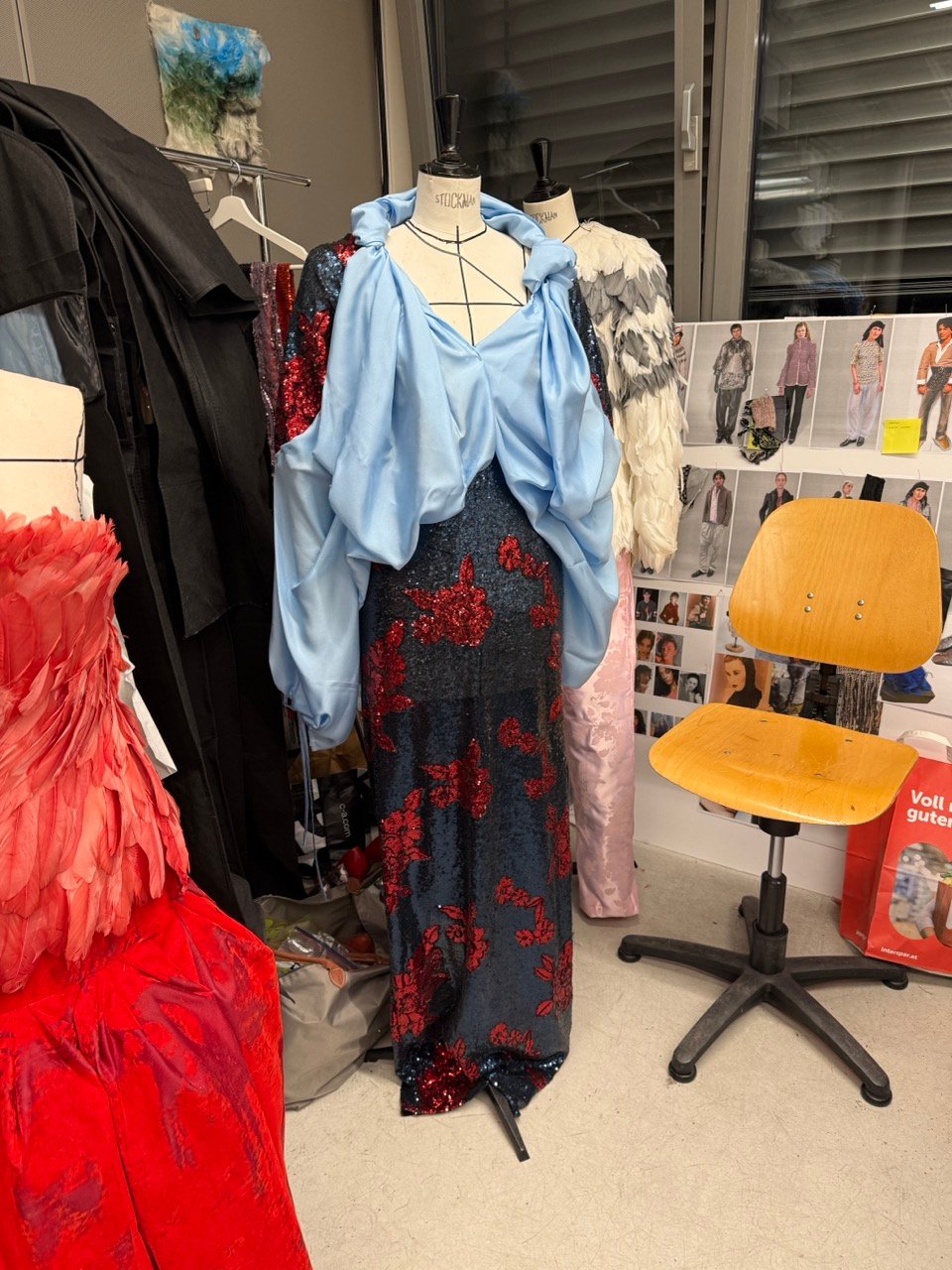
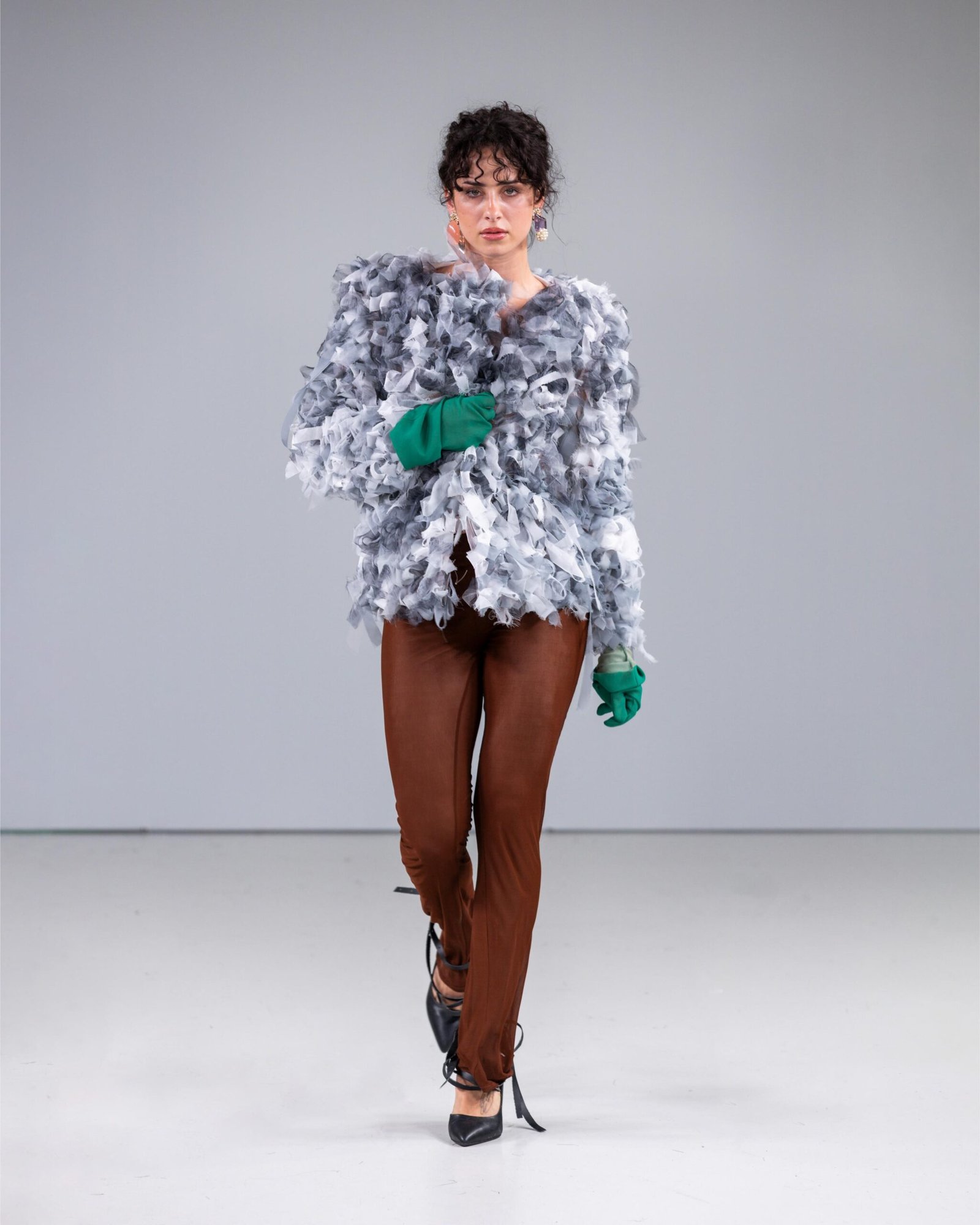
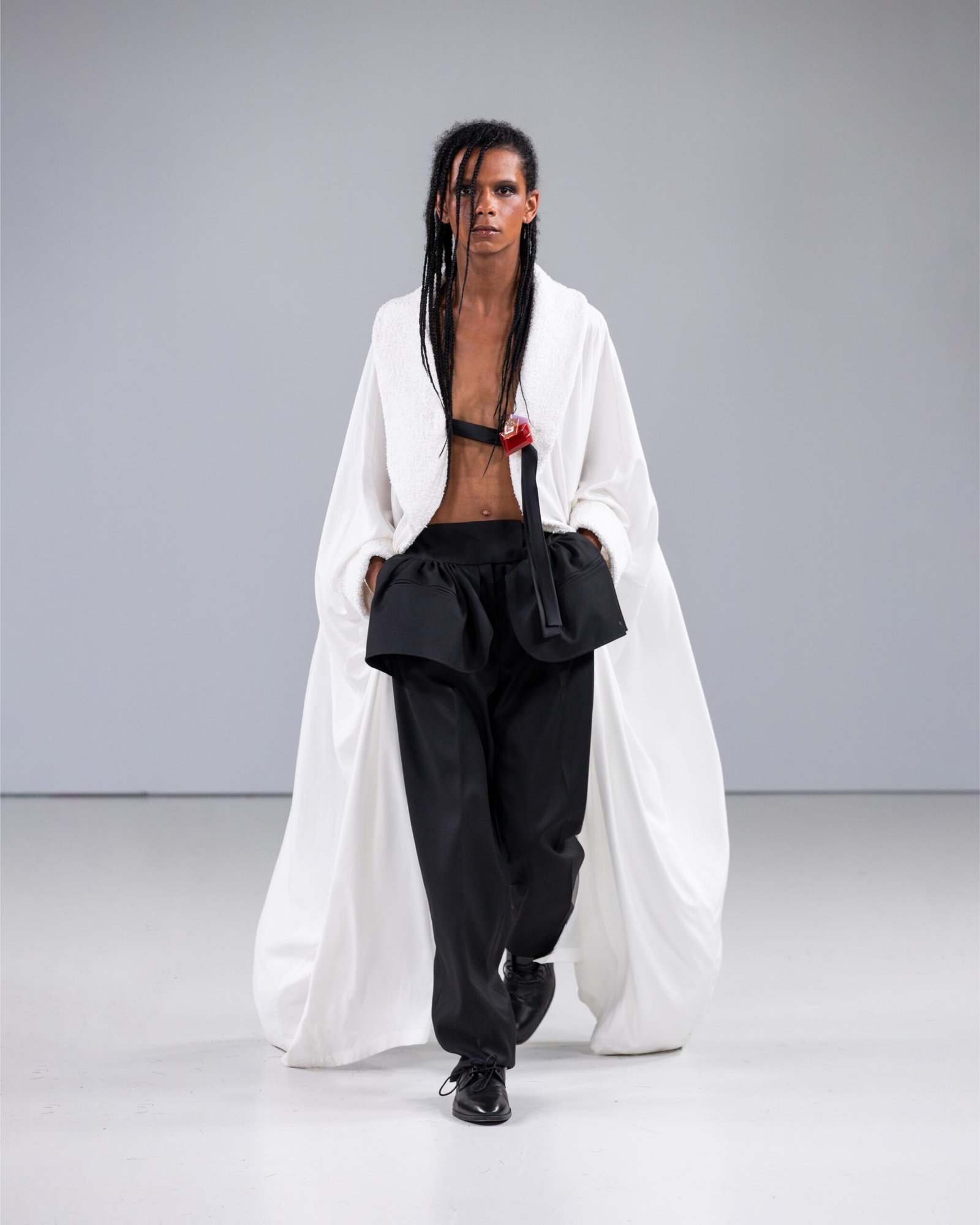
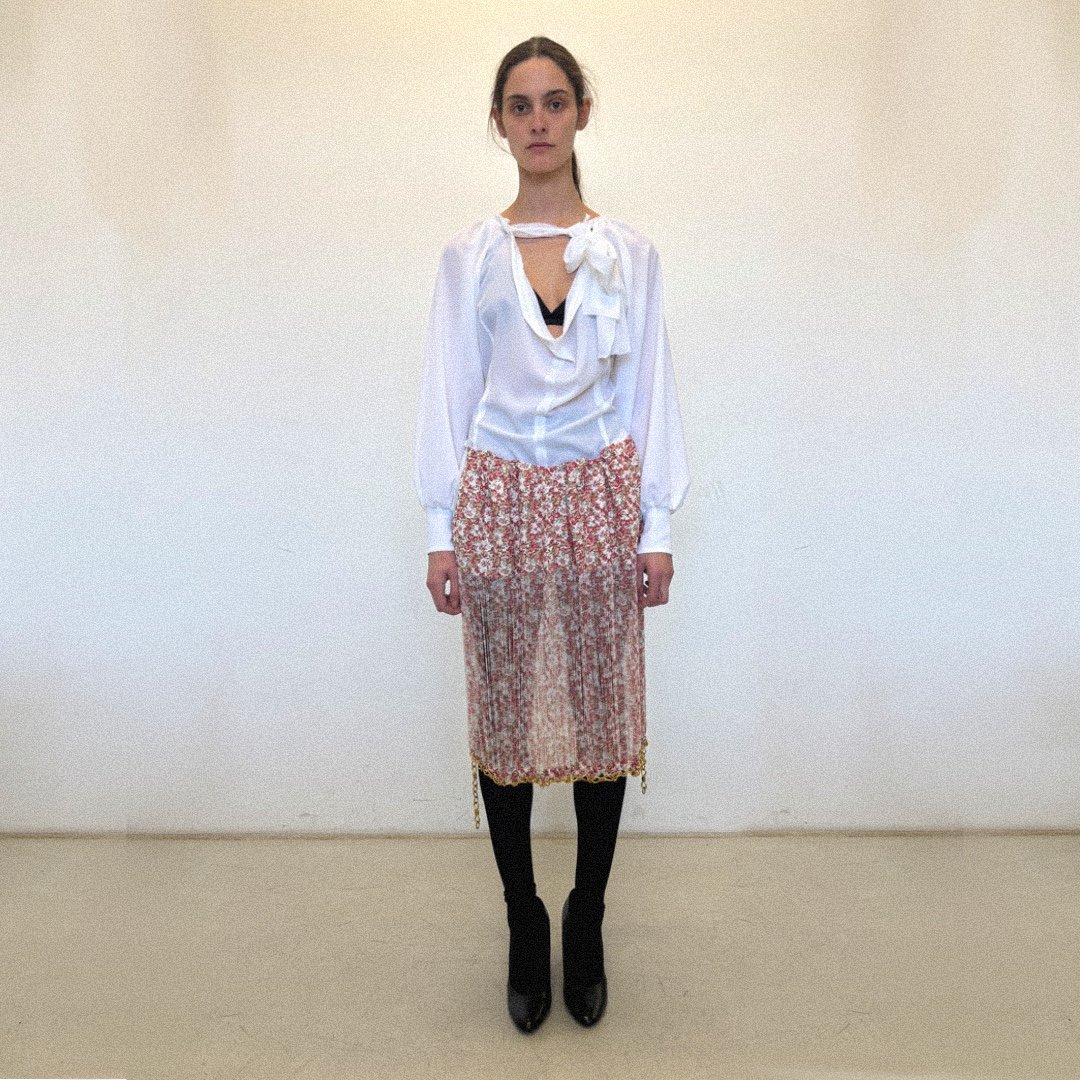
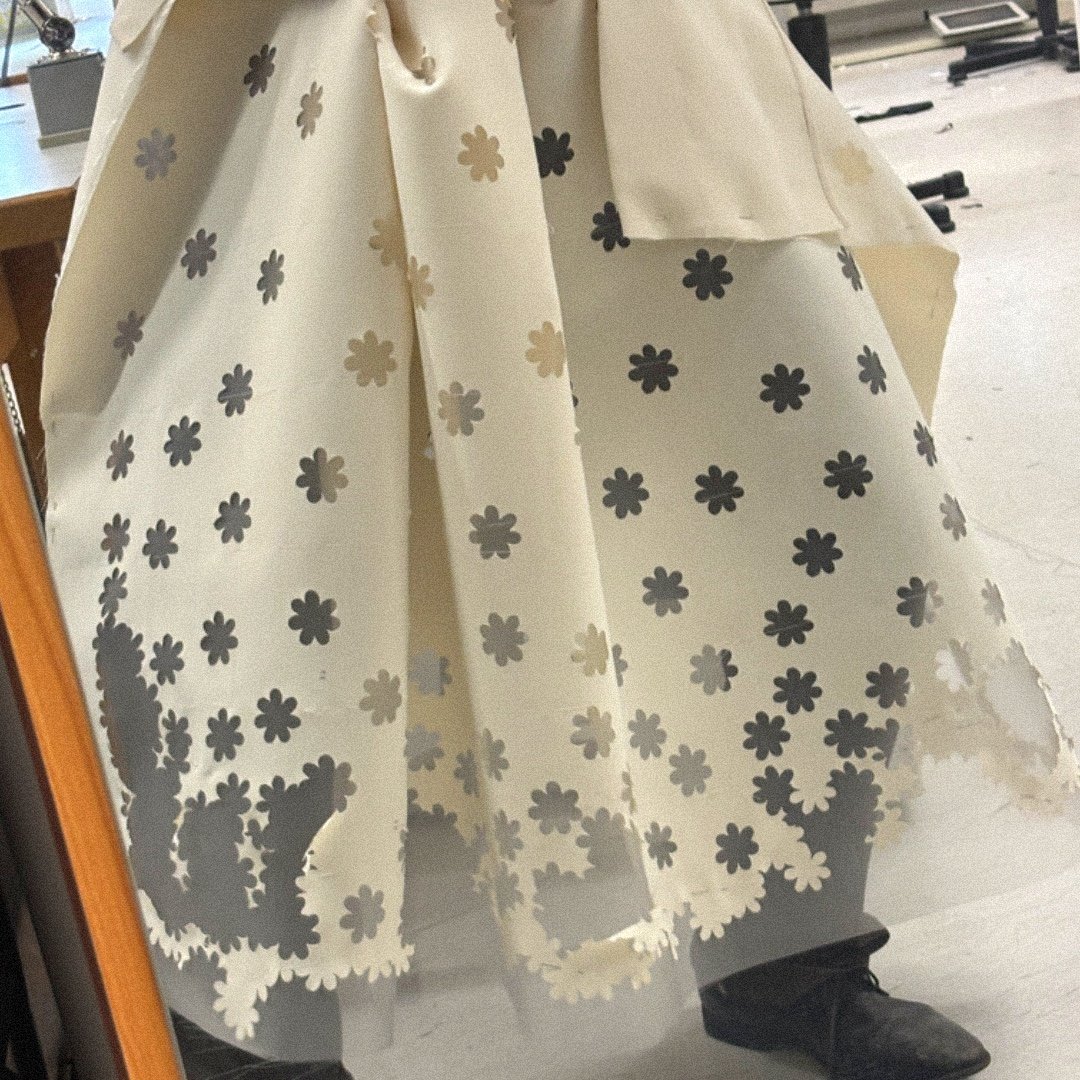
Alisa Tegin’s collection, Echoes, explores a space where time begins to merge rather than move forward. Memories, roles, bodies, and forms overlap throughout the work, as though different moments exist simultaneously. Rather than recreating historical dress, the collection imagines contemporary garments carrying blurred memories of other centuries, existing somewhere between structure and dissolution, protection and fragility. Layered fabrics are worn, interrupted, opened, and marked, as though time itself has passed through them. Clothing becomes a trace, a remnant, or an echo of a body or role that once existed. 

@teginalisa

Alara Koçman

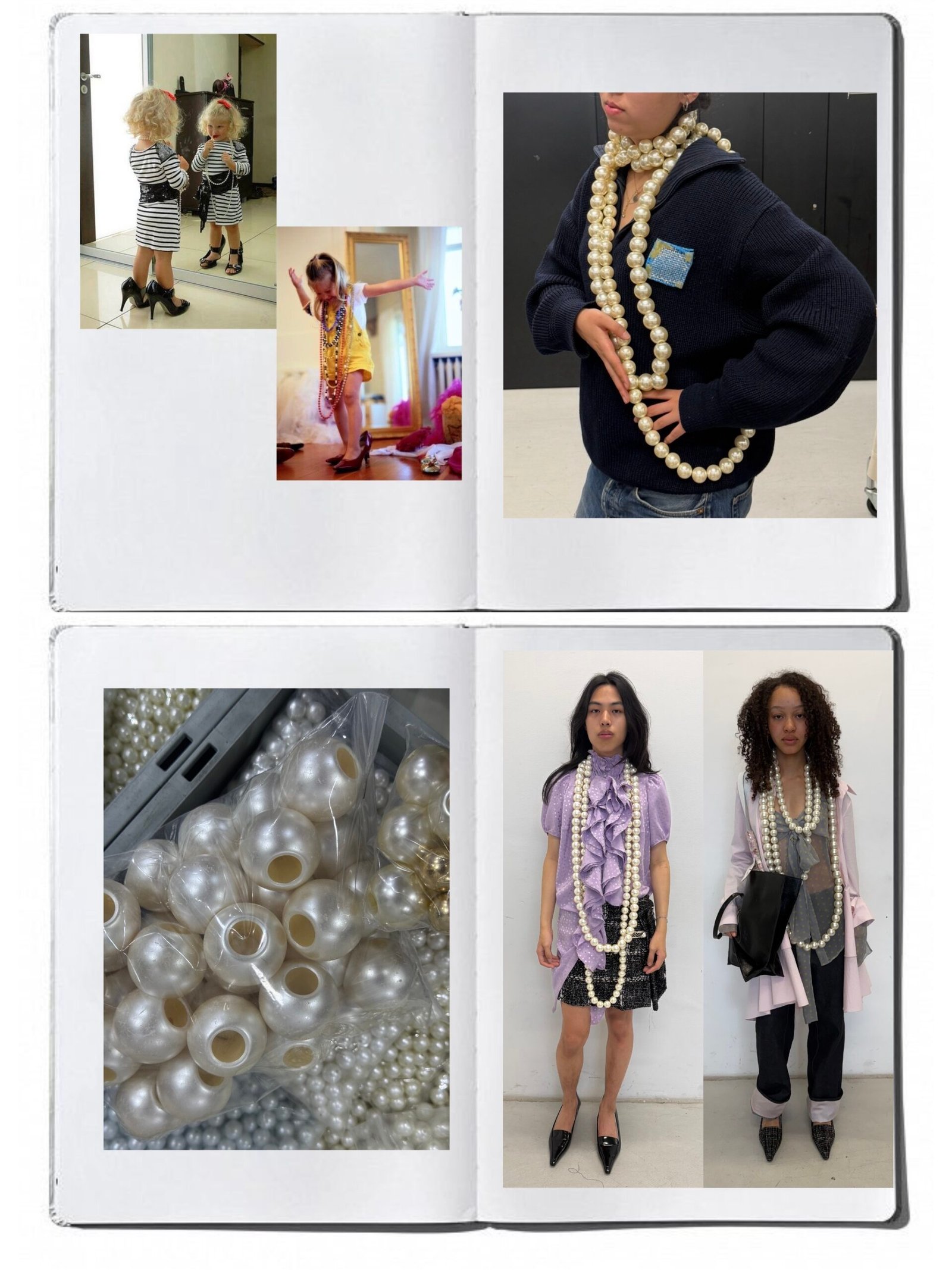
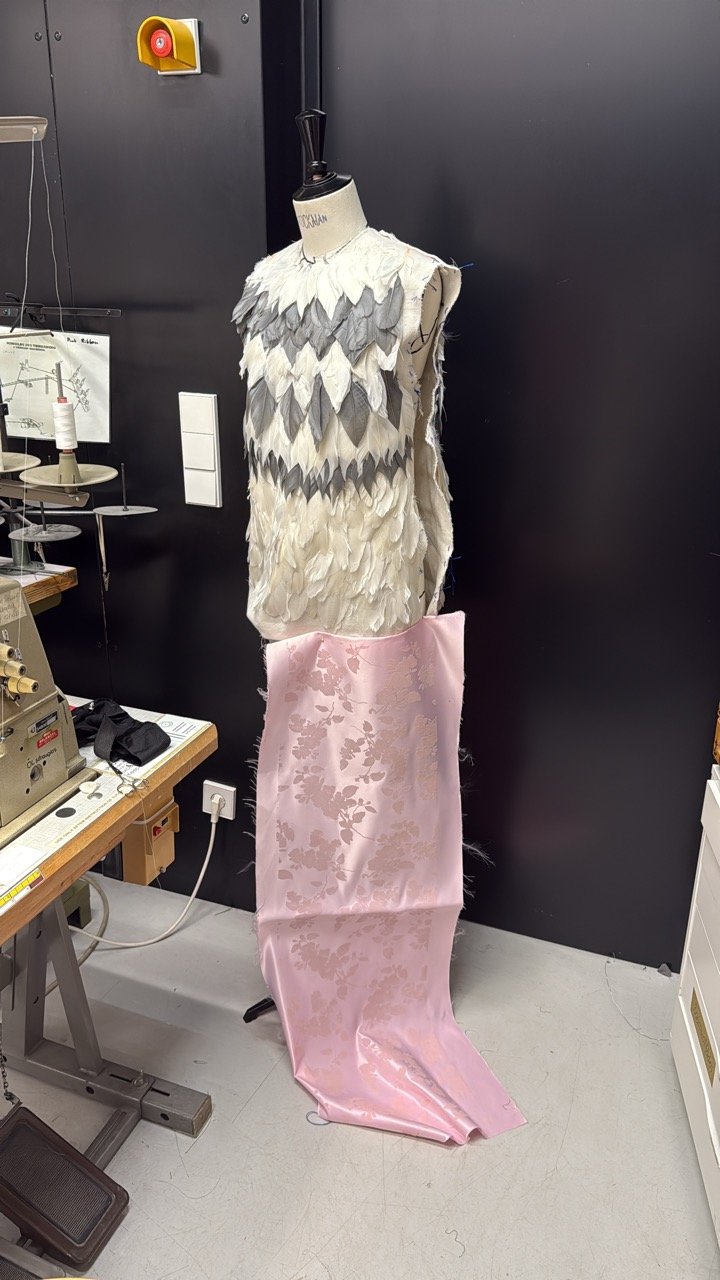
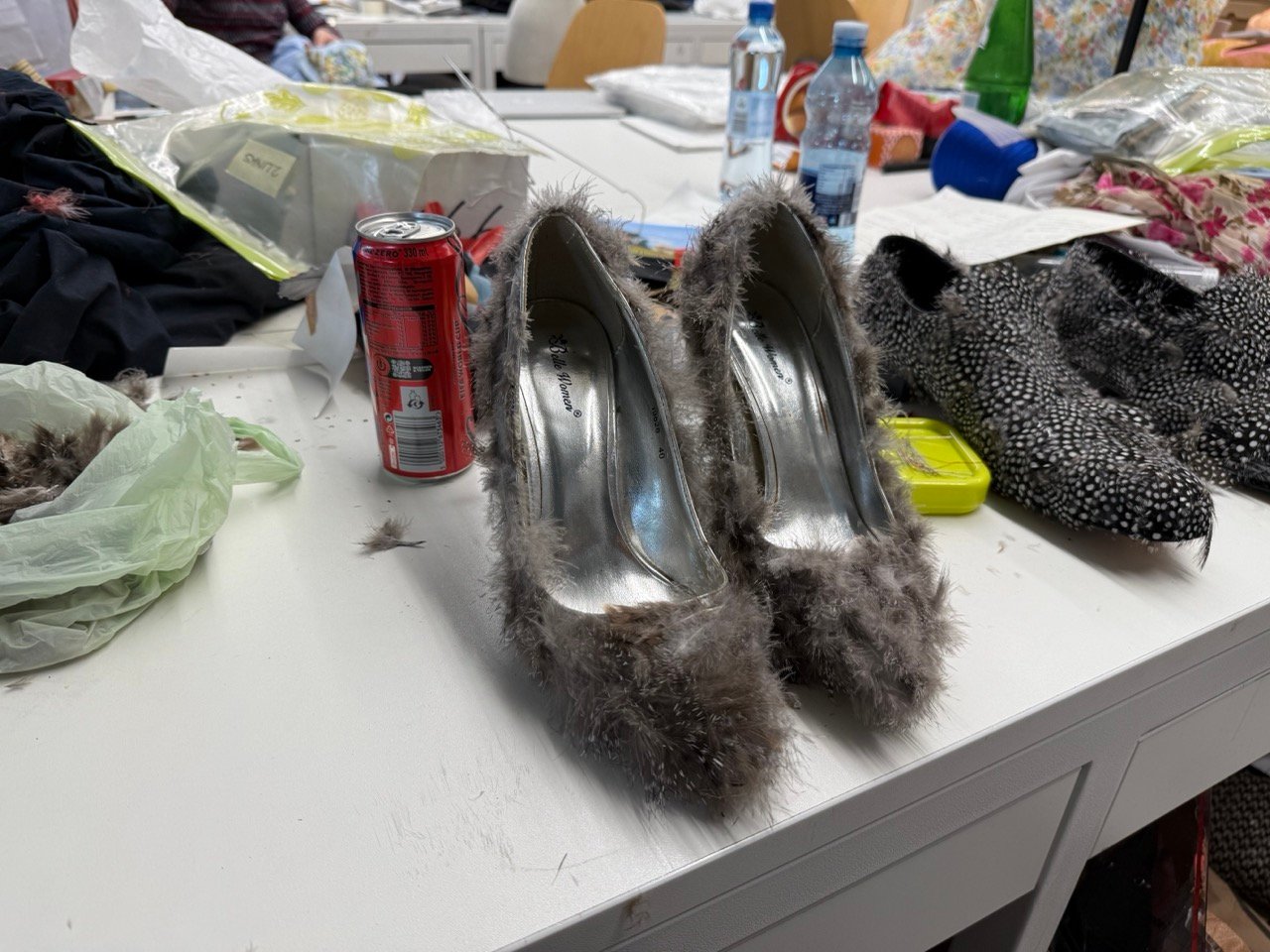
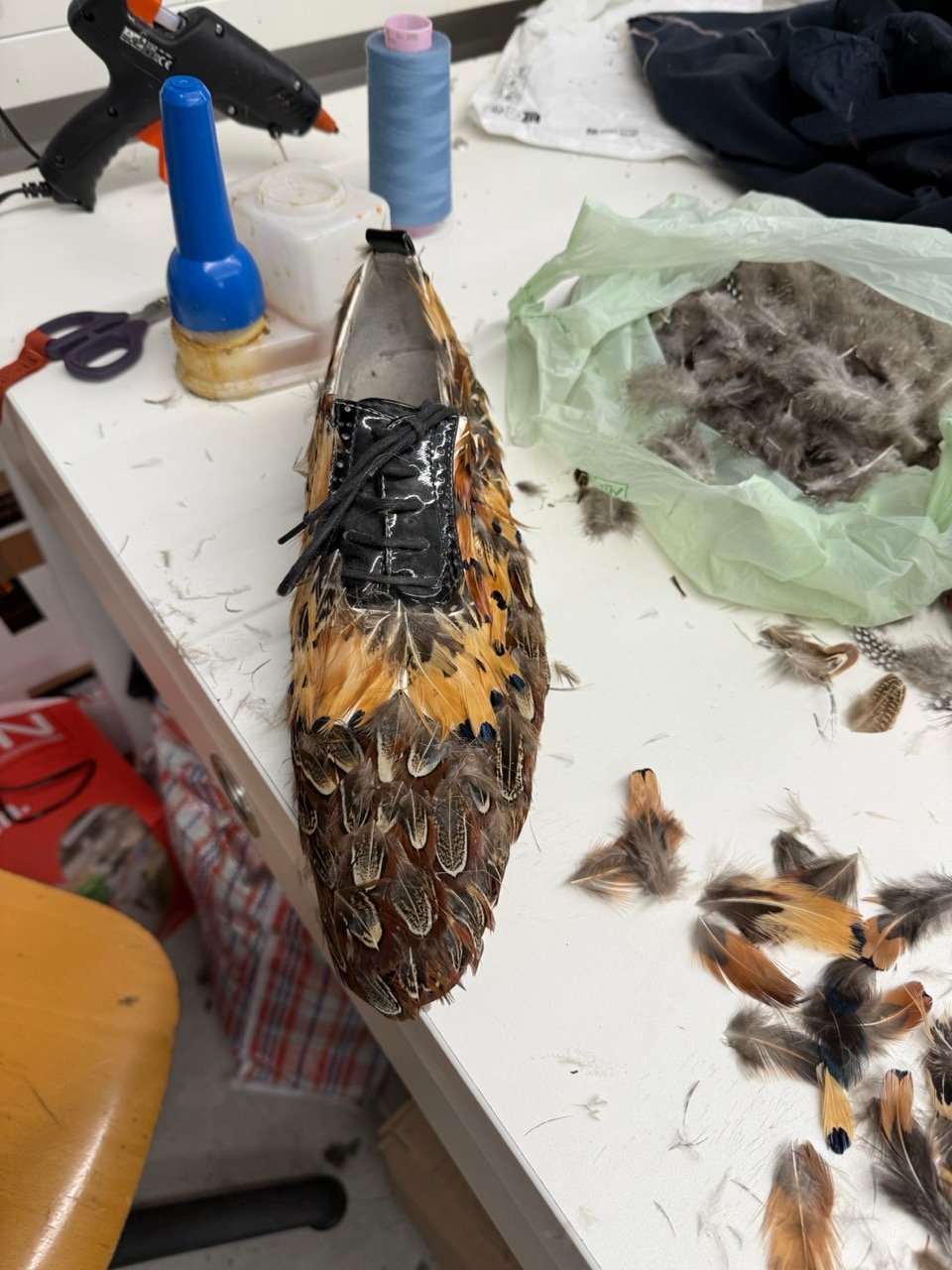
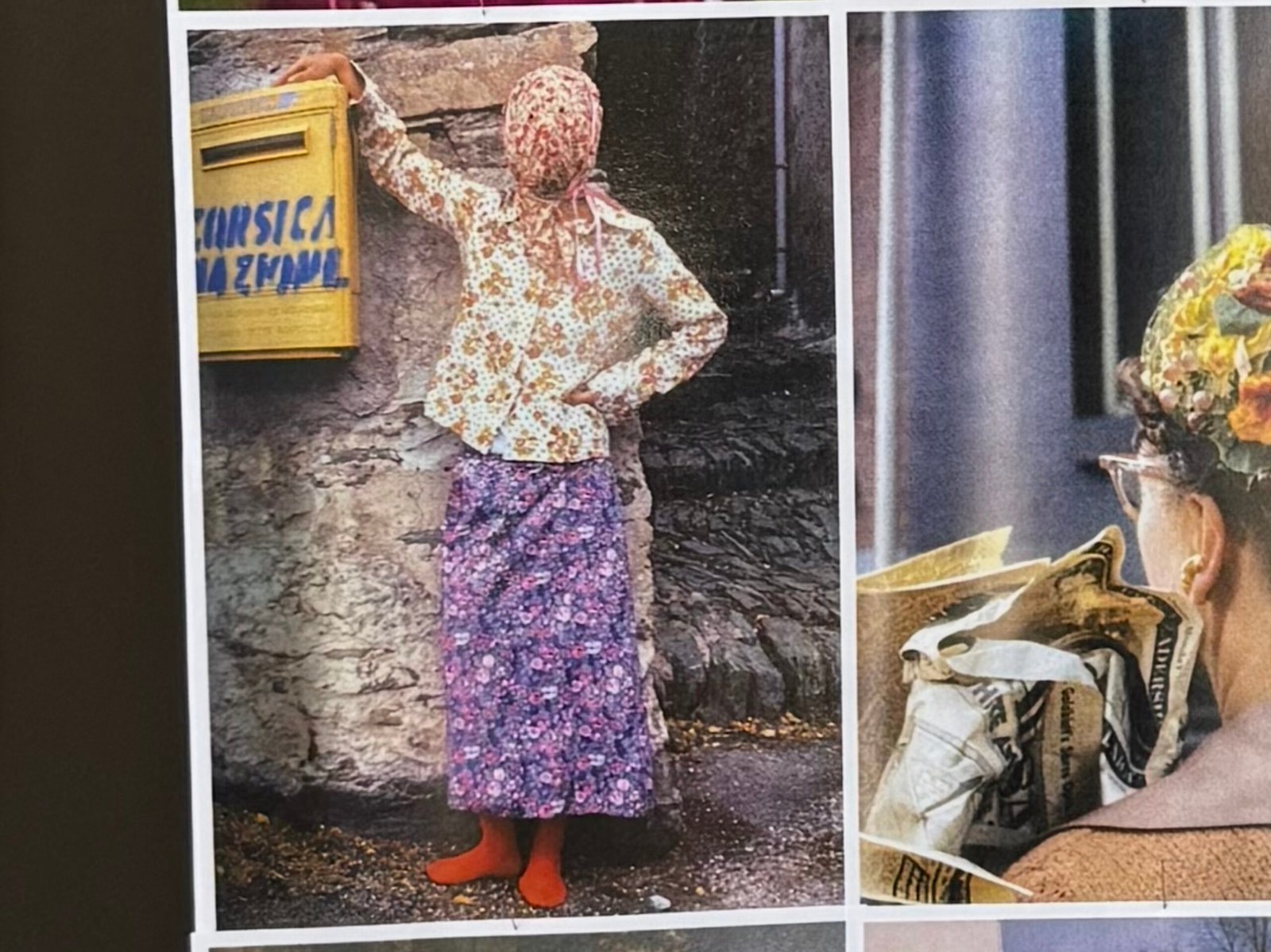
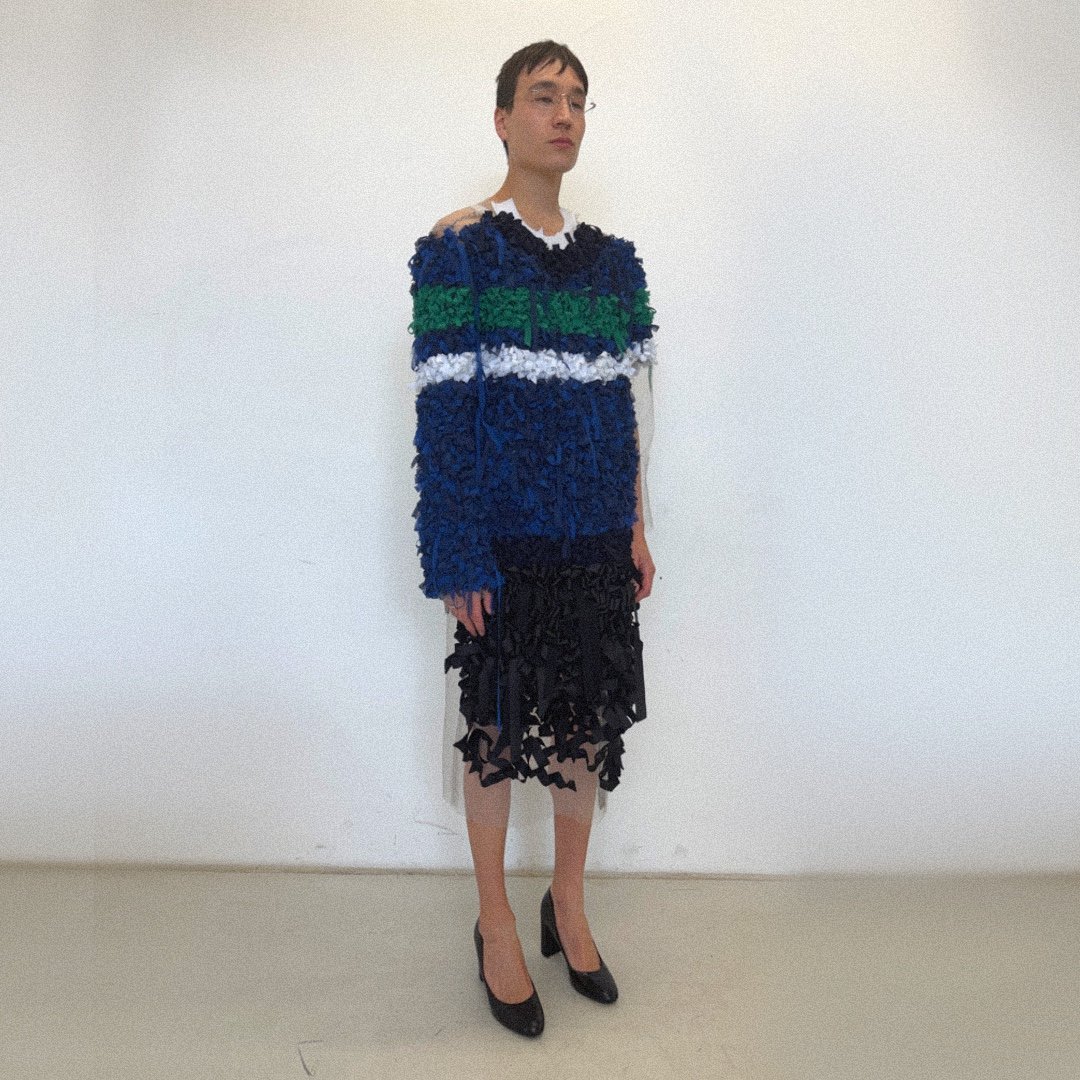
Alara Koçman’s collection is a reflection on girlhood and the transition between innocence and adulthood. The work explores friendship, curiosity, small acts of rebellion, and the uncertainty that accompanies growing up. Beginning with bedrooms, whispered conversations, shared bracelets, and imagined futures, the collection gradually moves towards the first experiences of bodily change, alienation, and the awareness of being seen and judged by others. Silhouettes and materials shift alongside this narrative, balancing softness and discomfort, belonging and disaffection. Borrowed clothes, smeared lipstick, oversized heels, and performances of adulthood through a child’s perspective become recurring references throughout the work.

@alarakocman

Ben Goetz

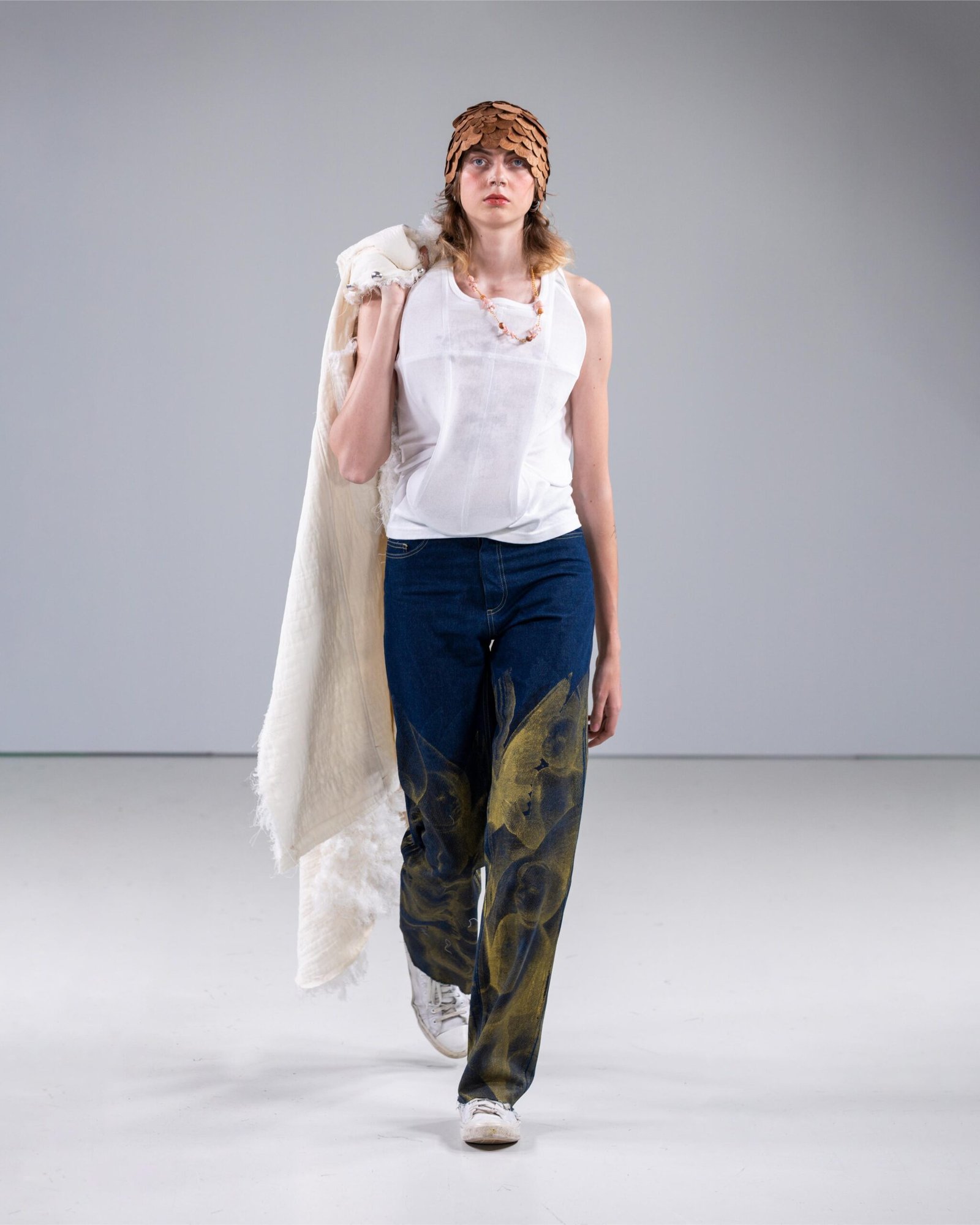
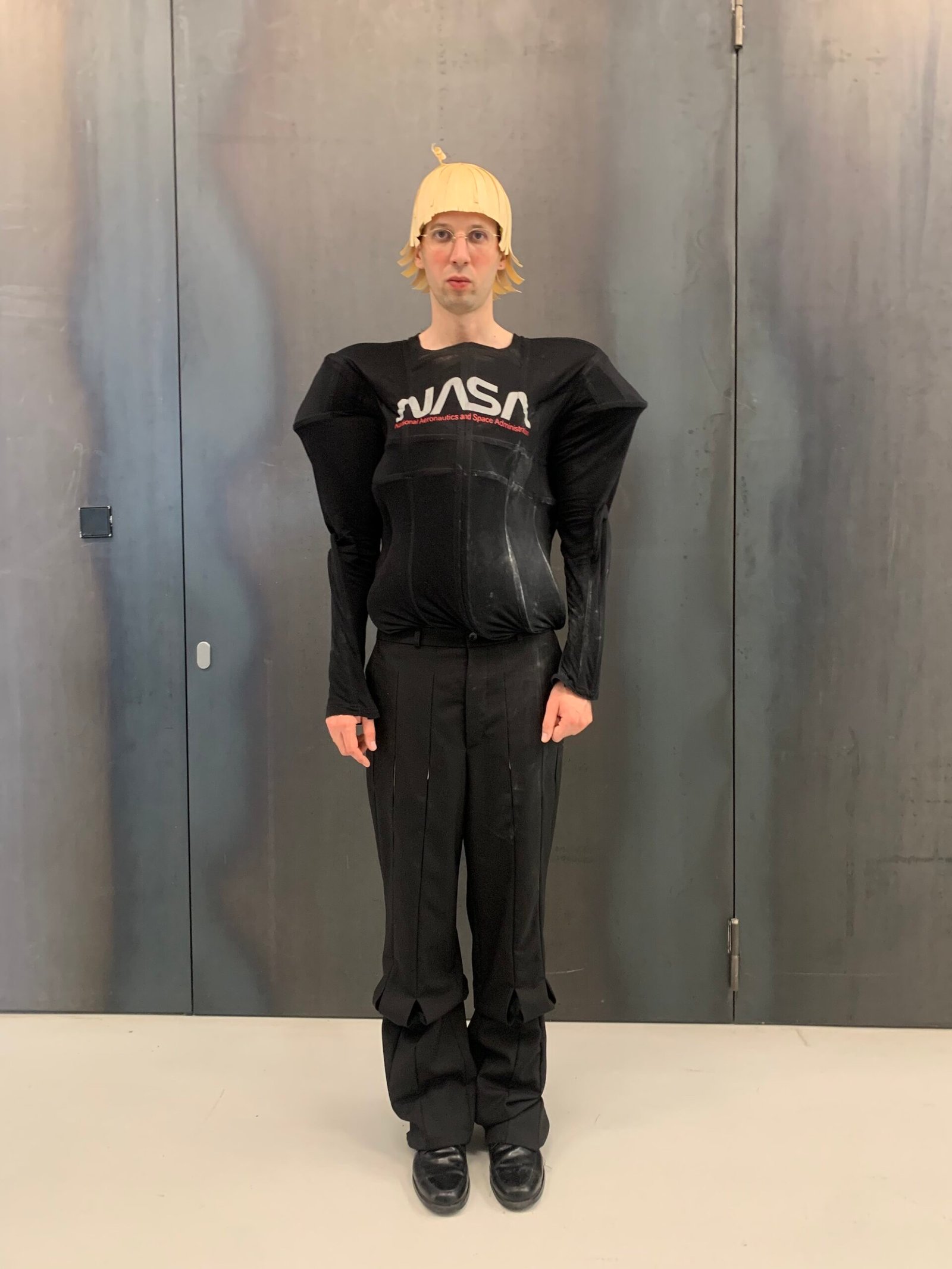
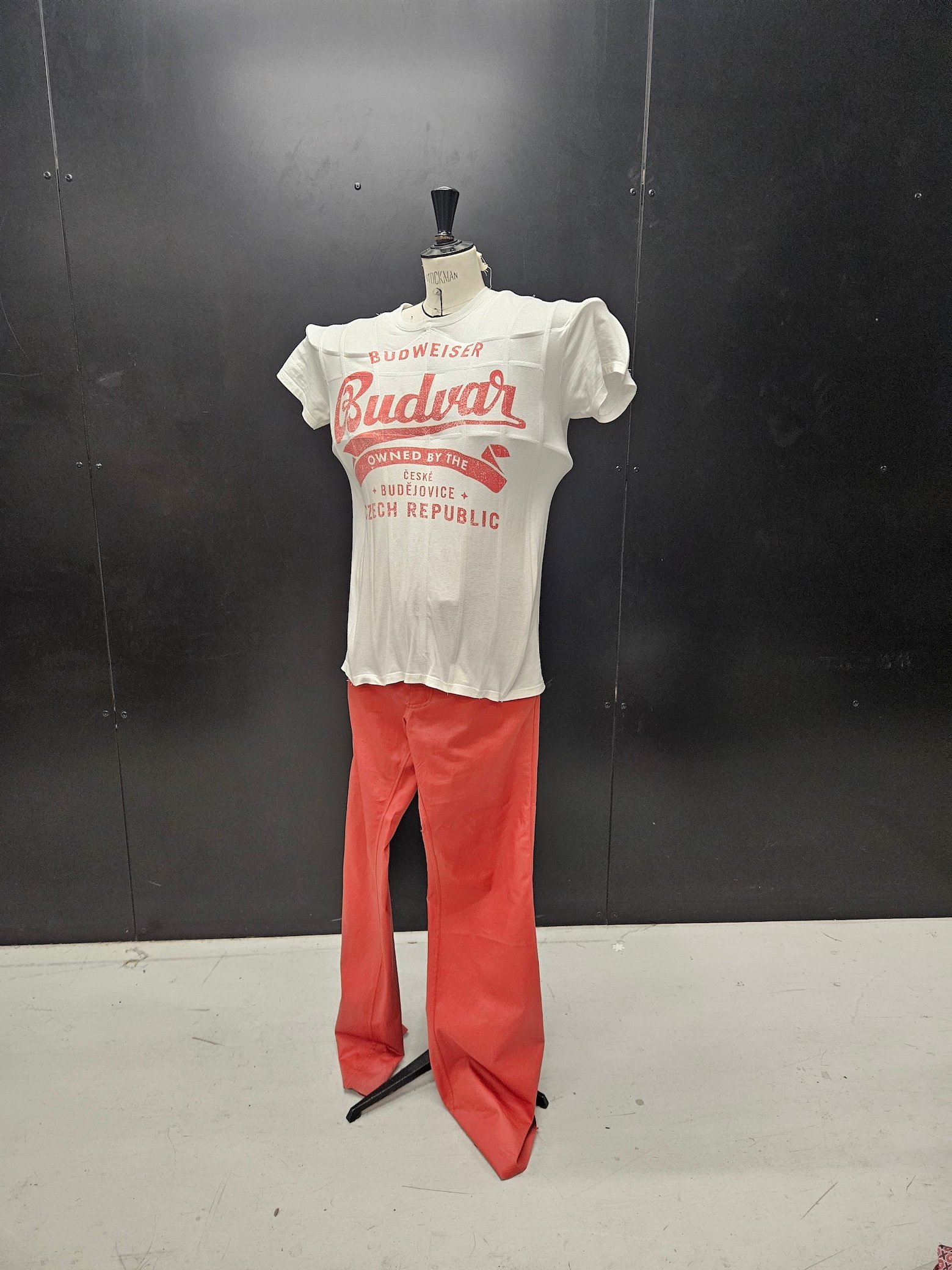
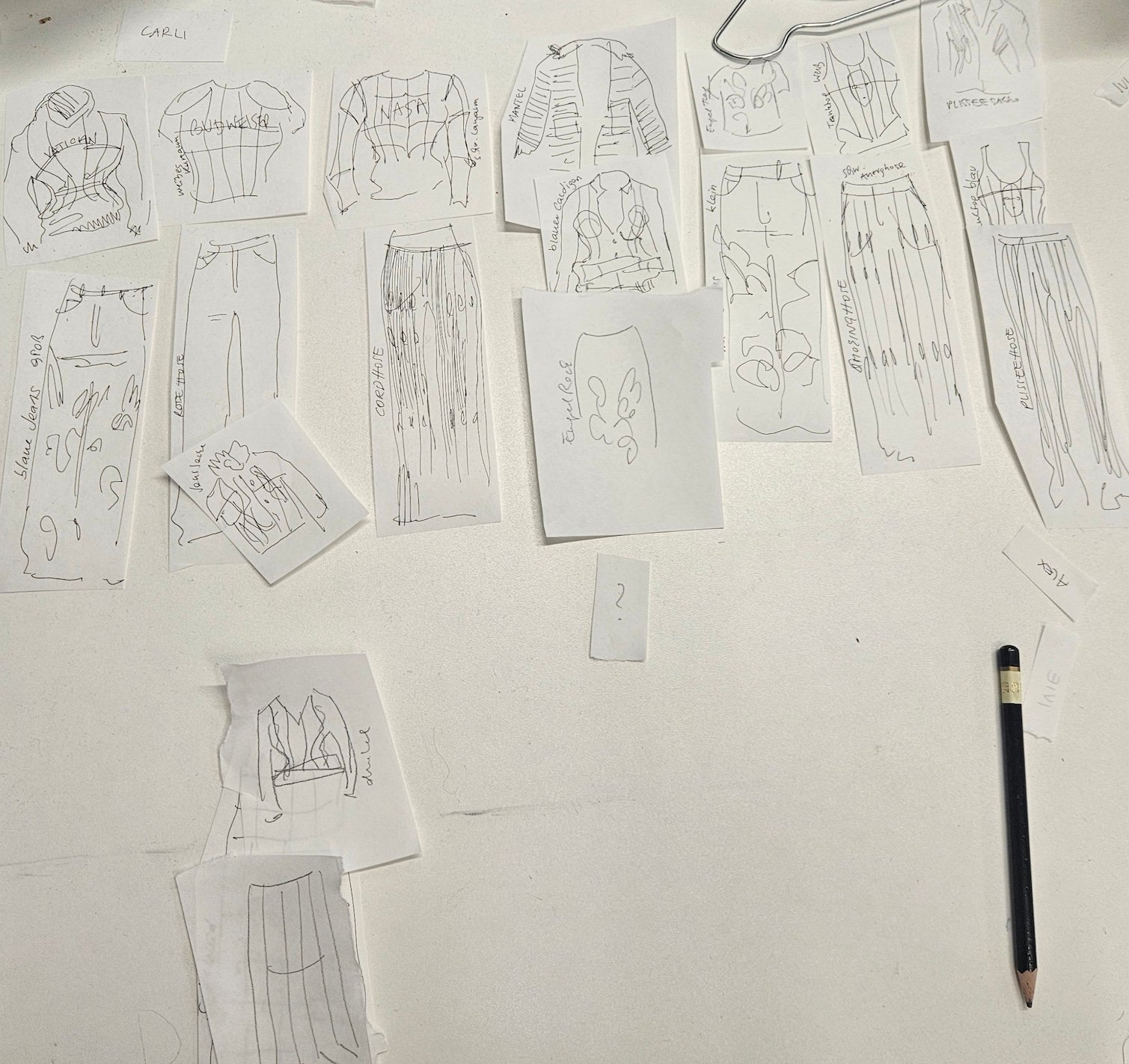
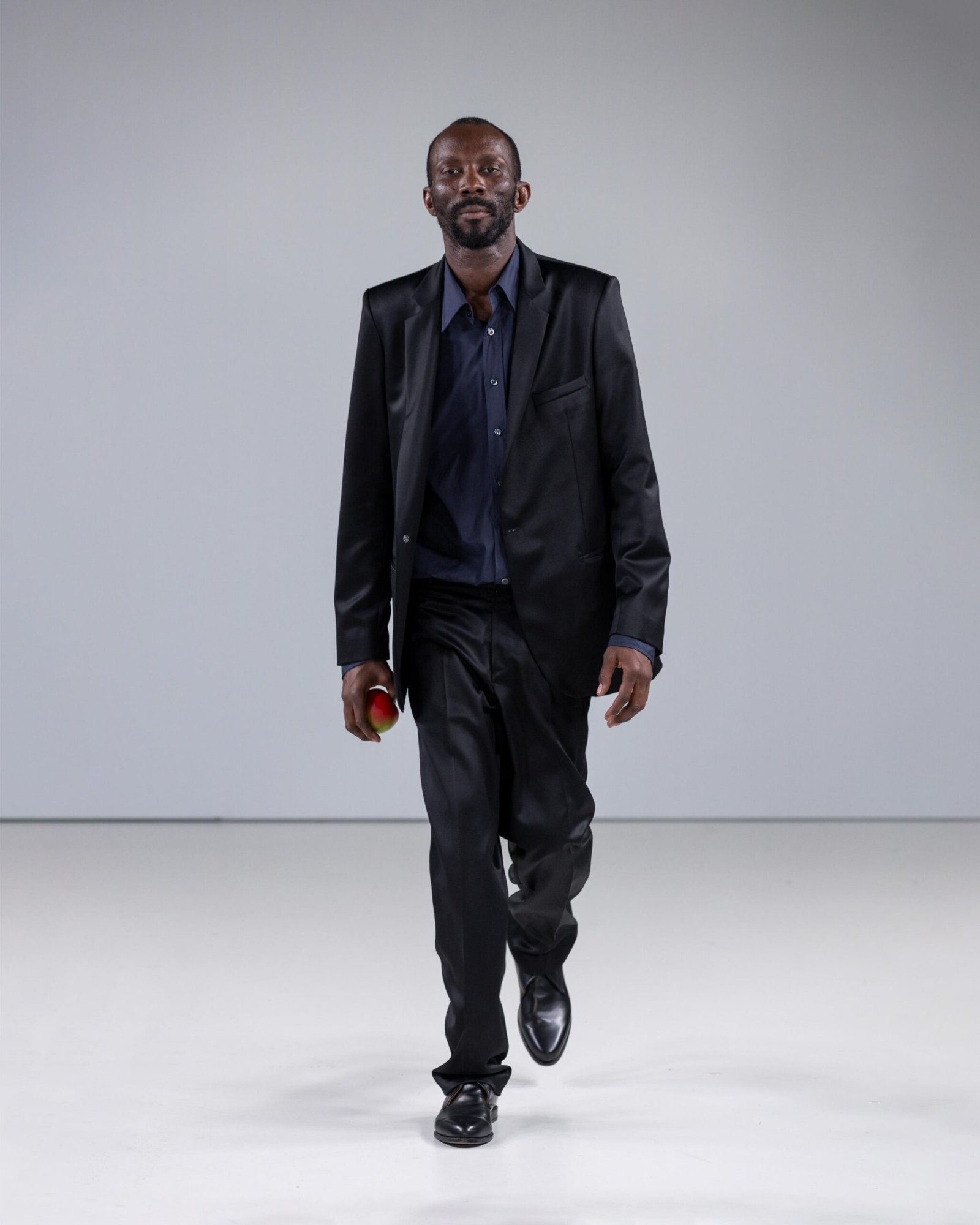
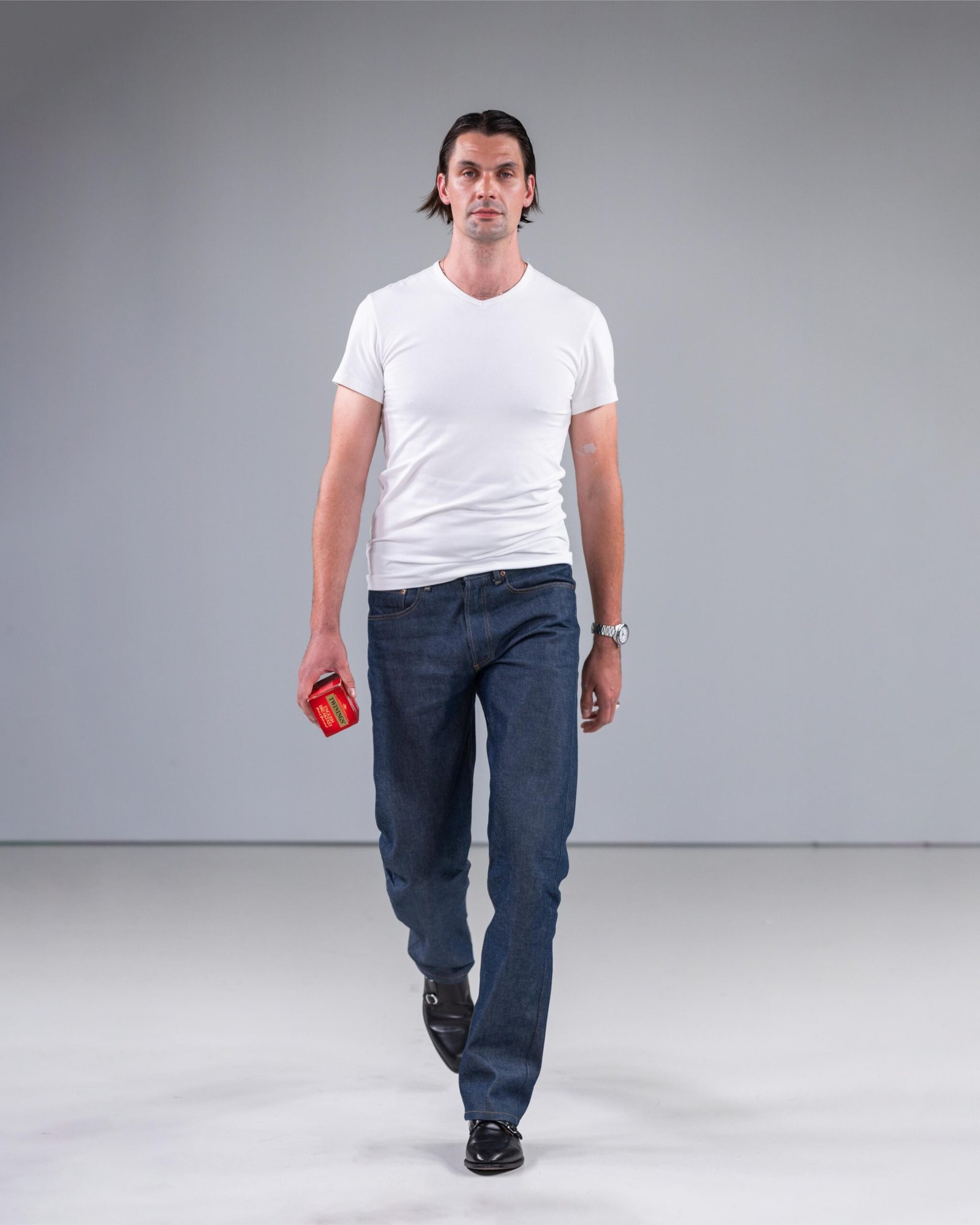
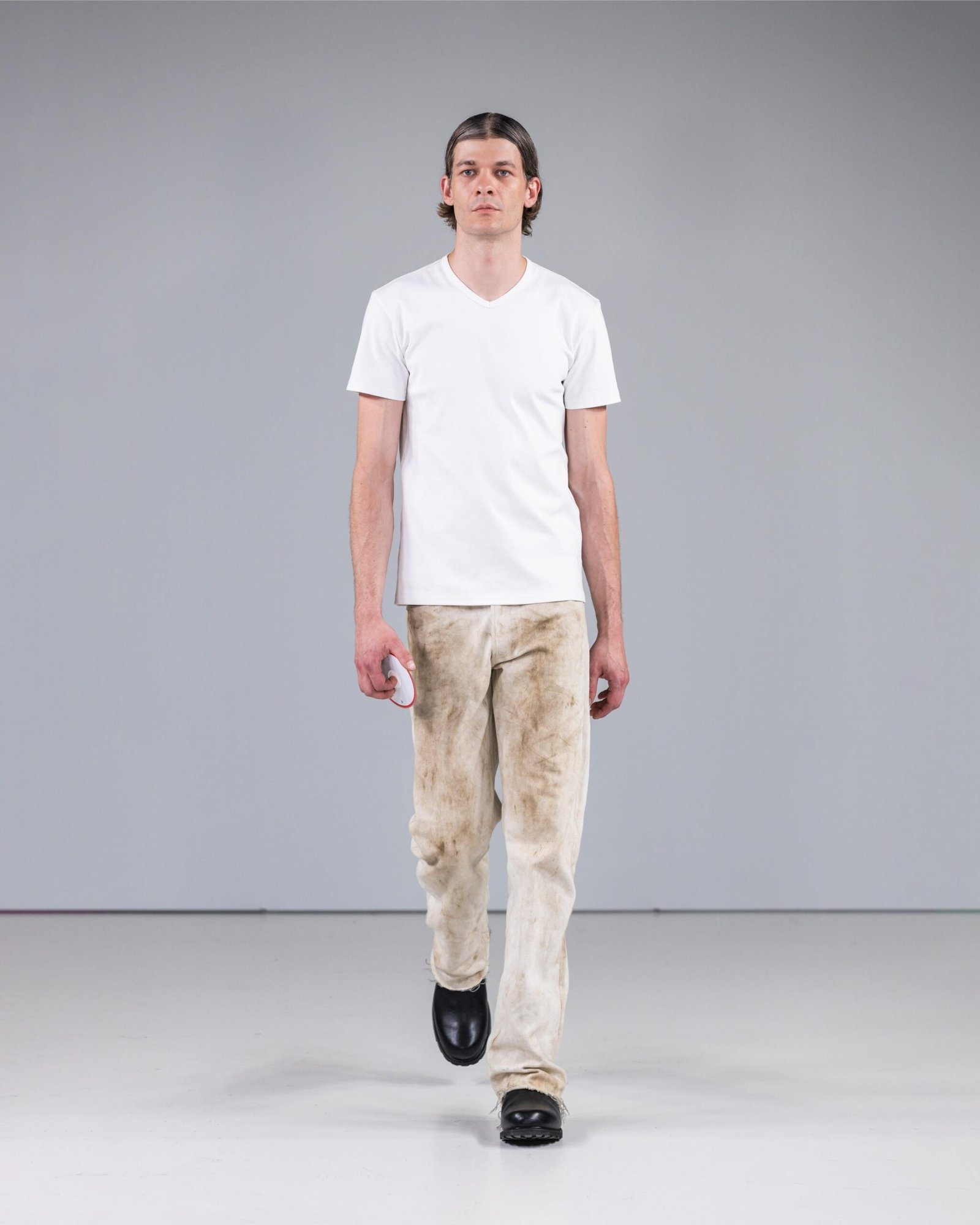
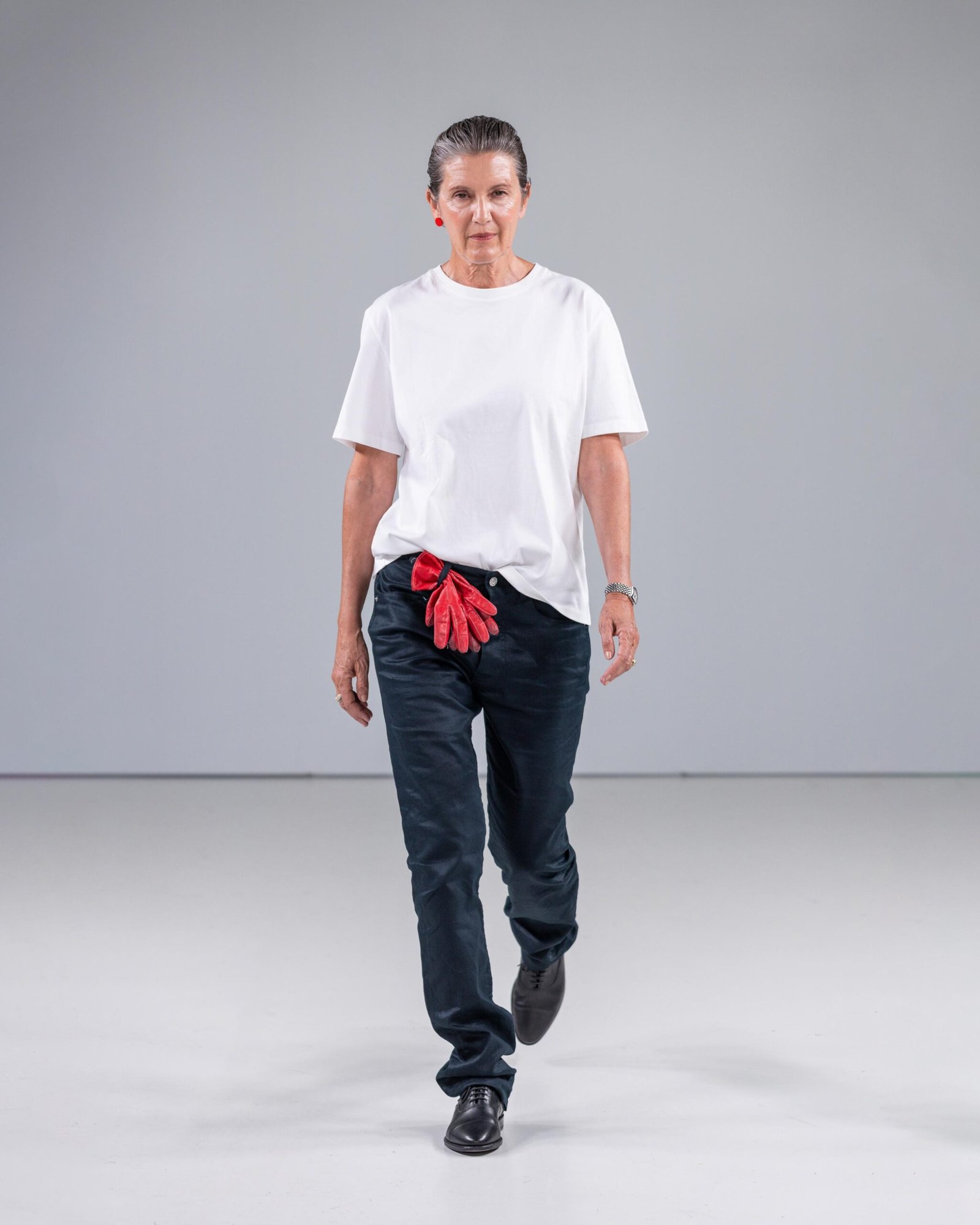
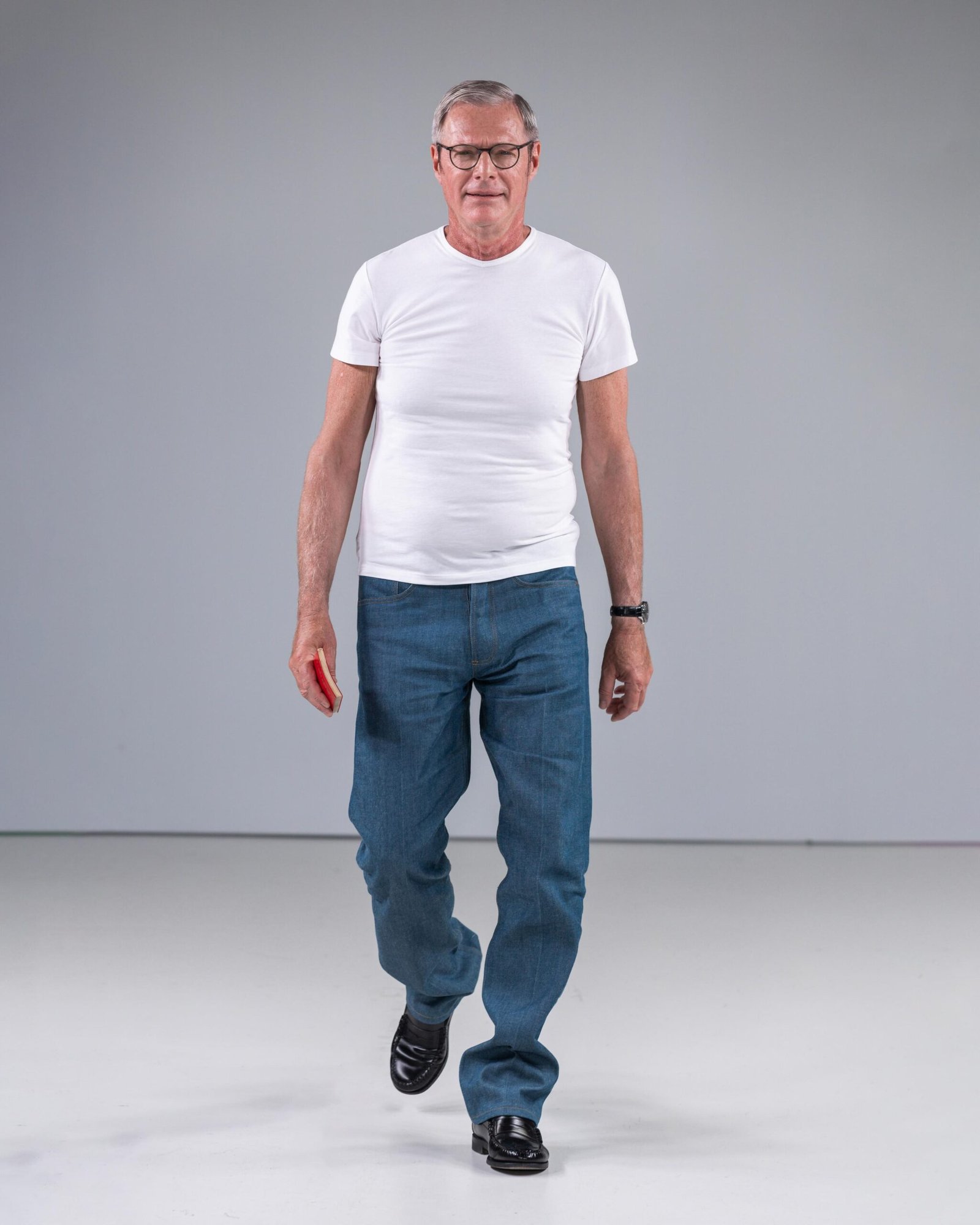
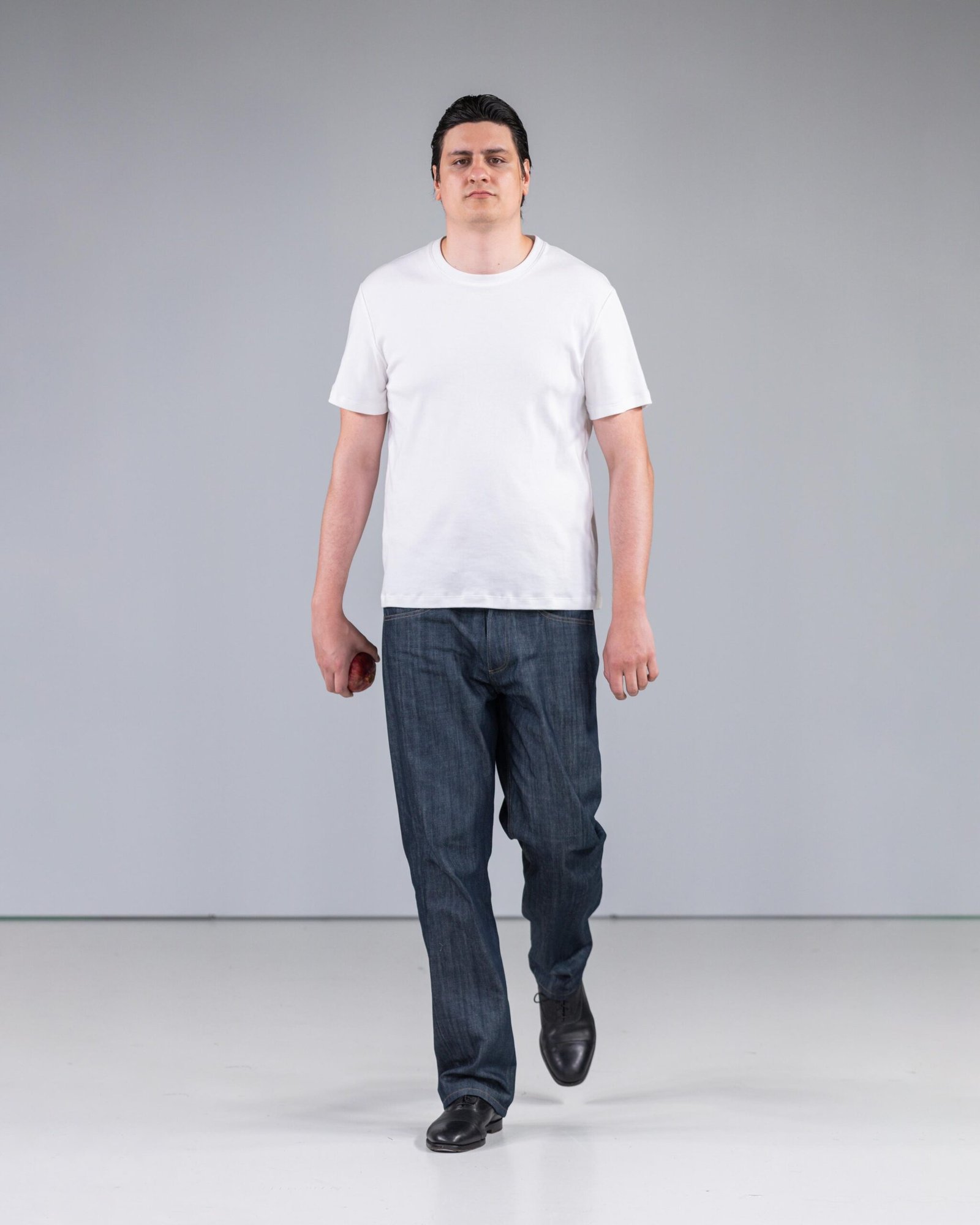
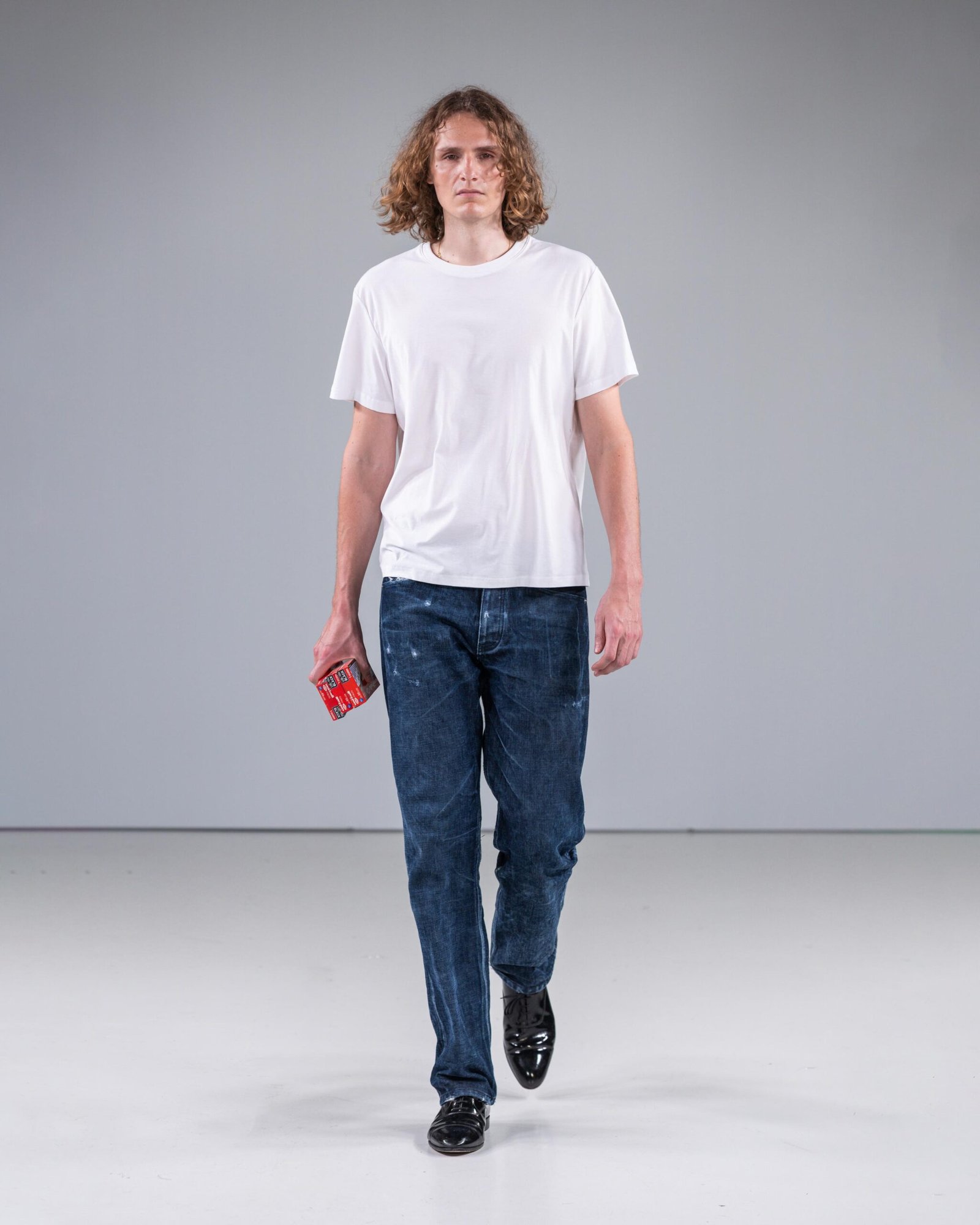
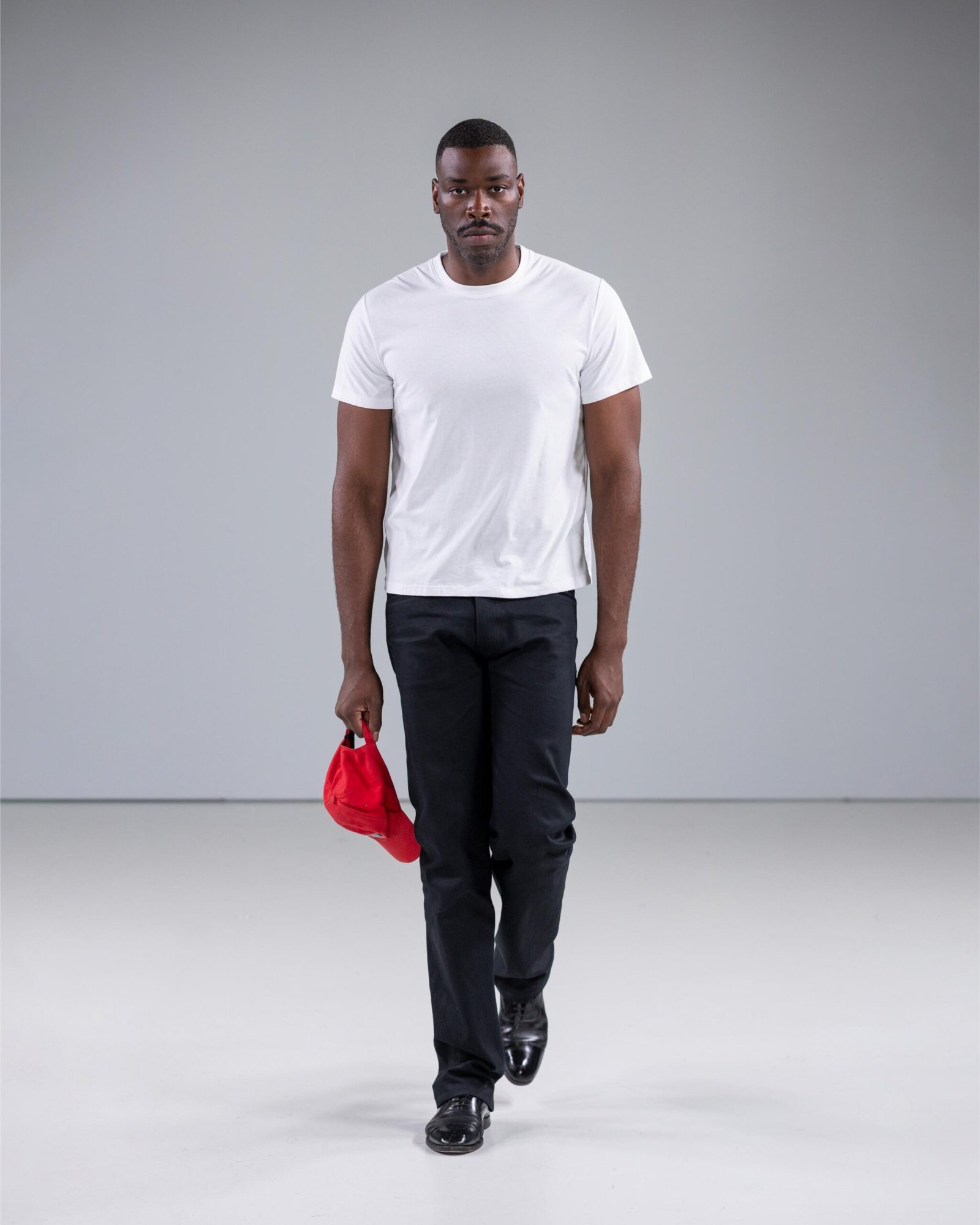
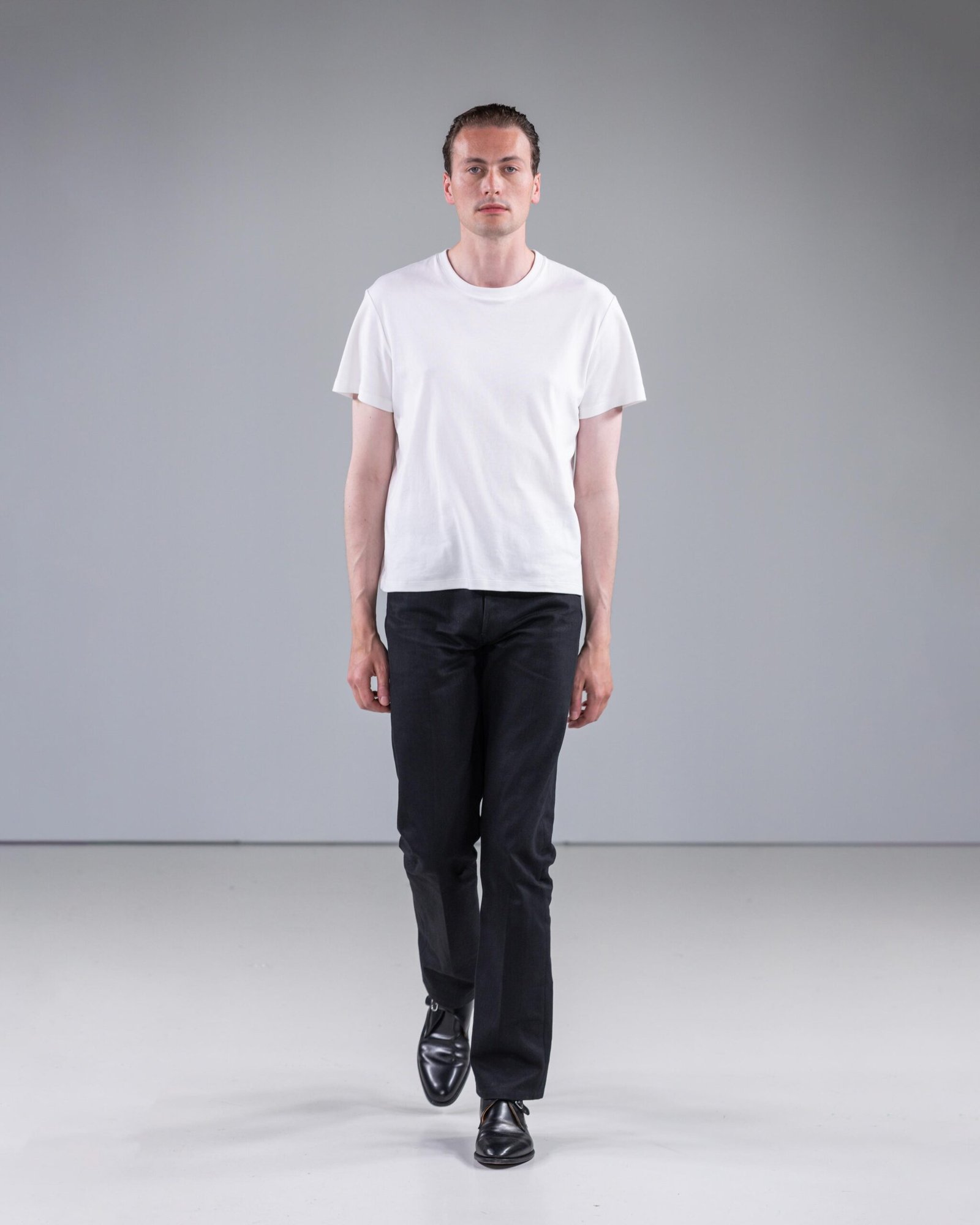
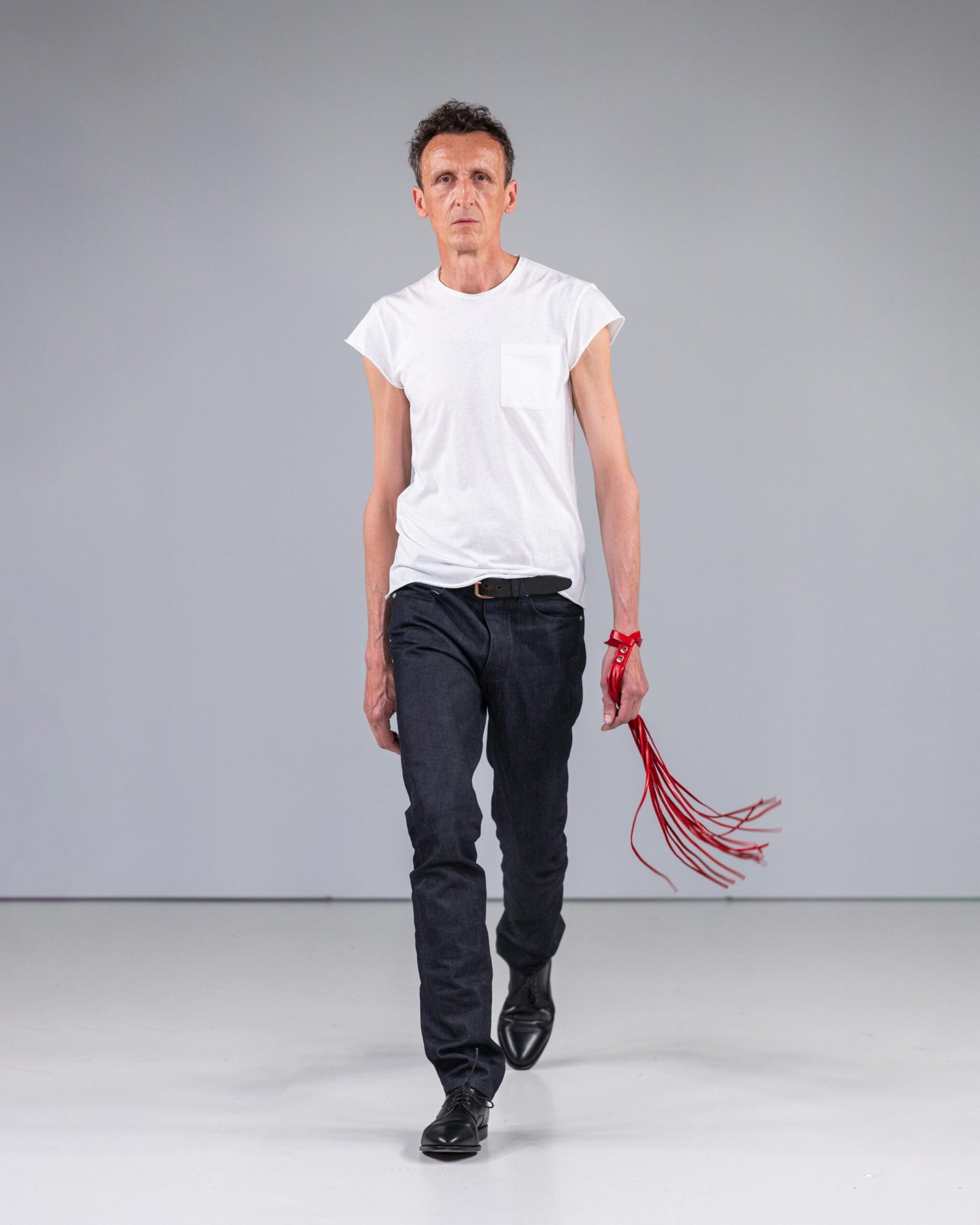
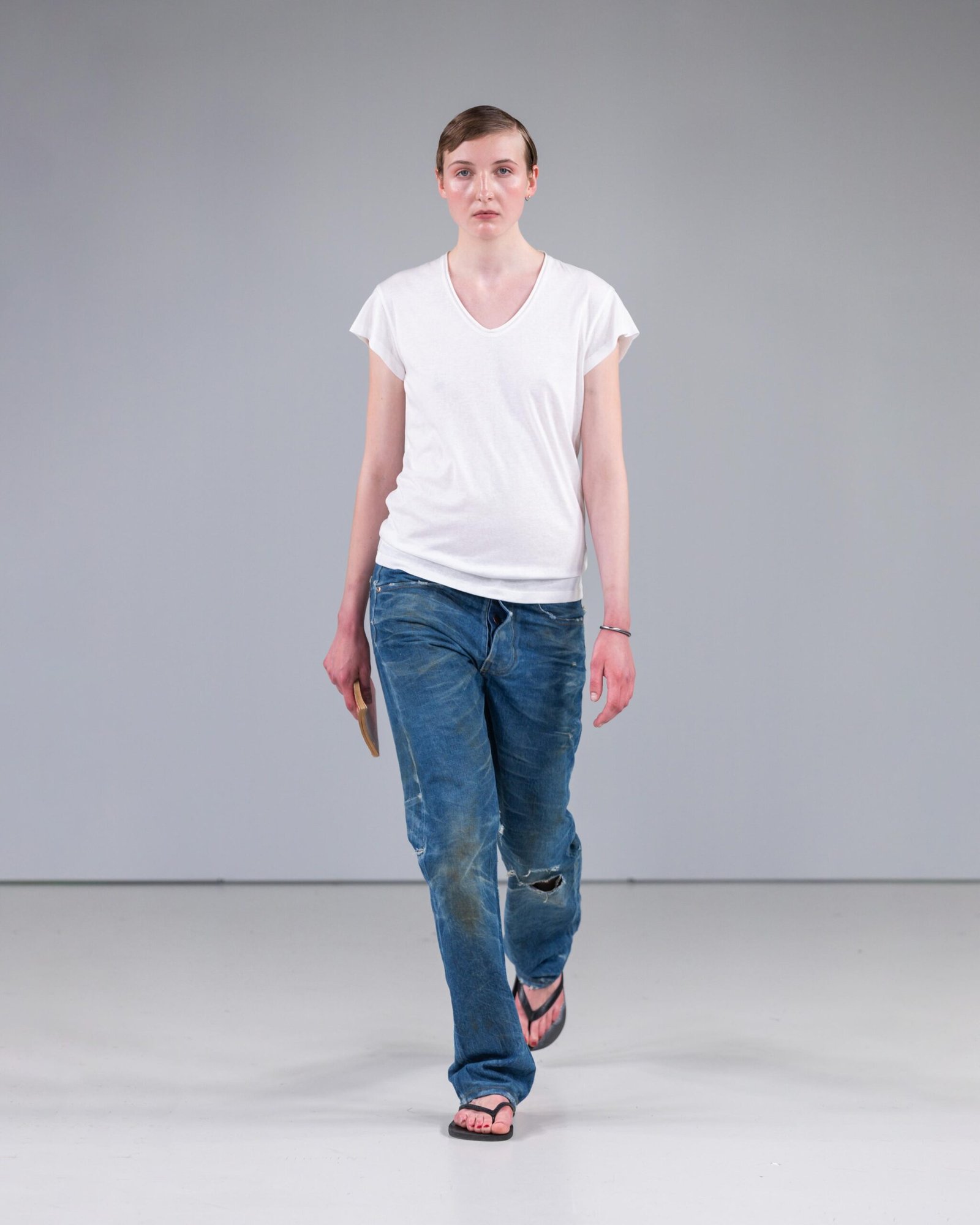
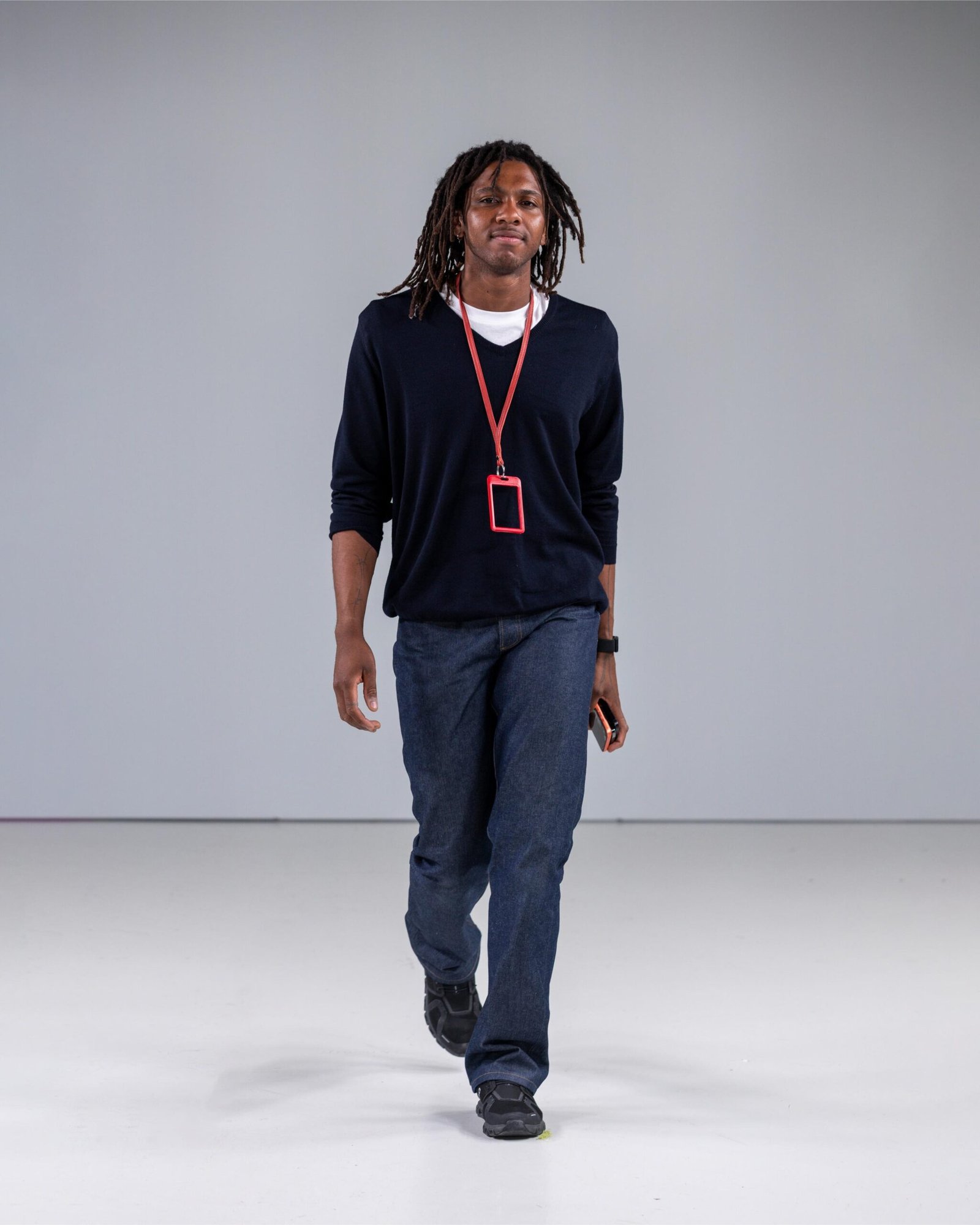
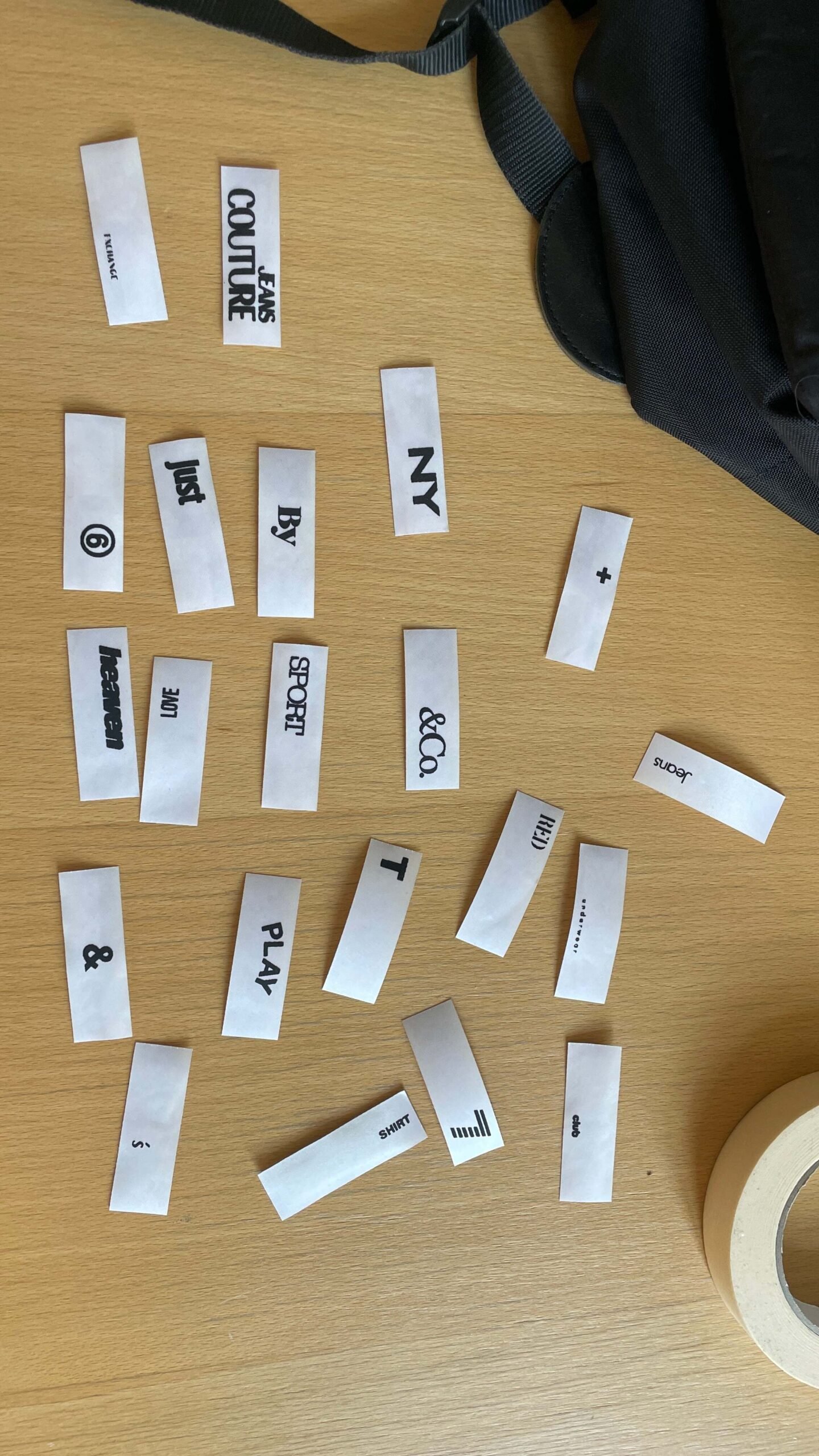
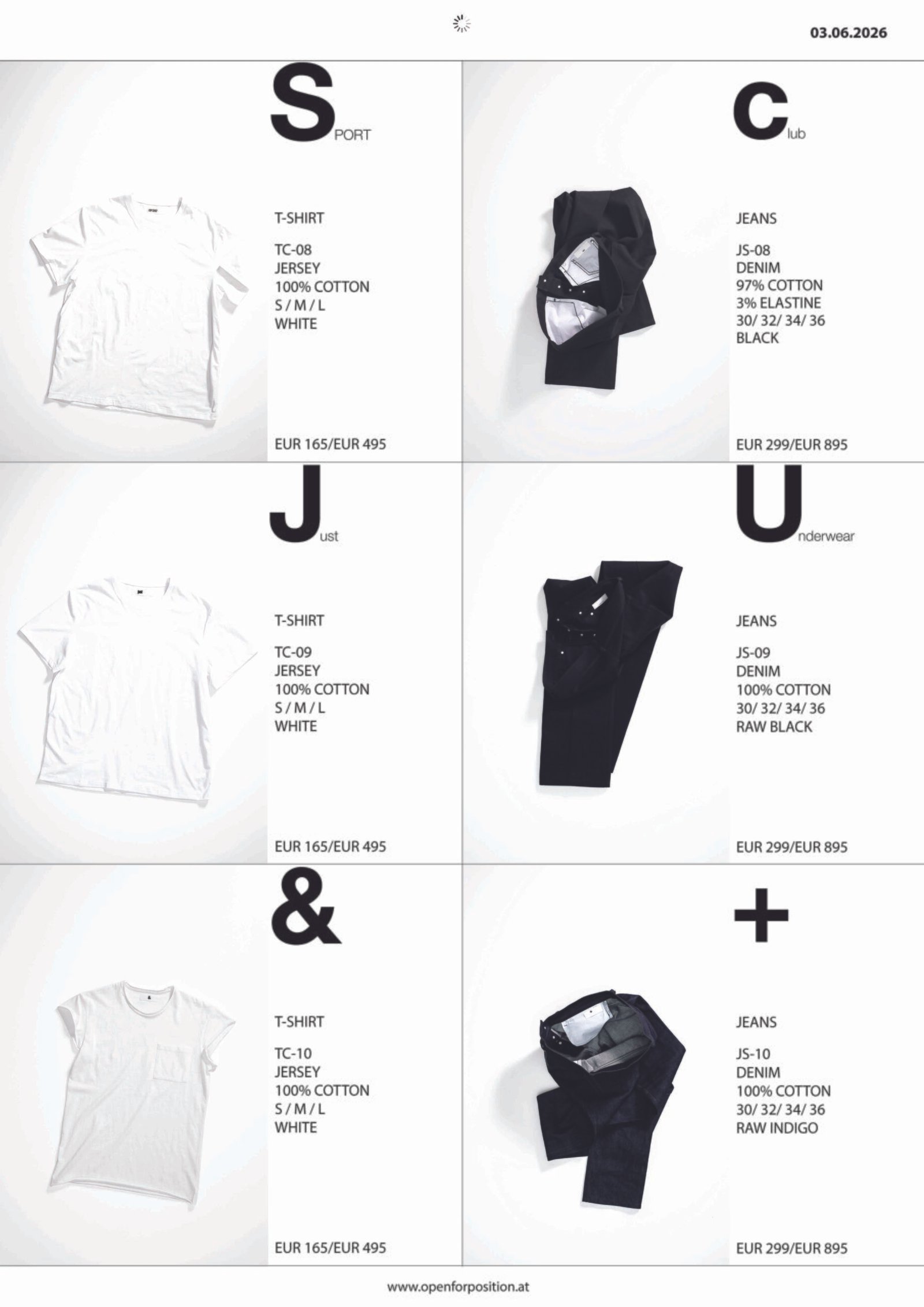
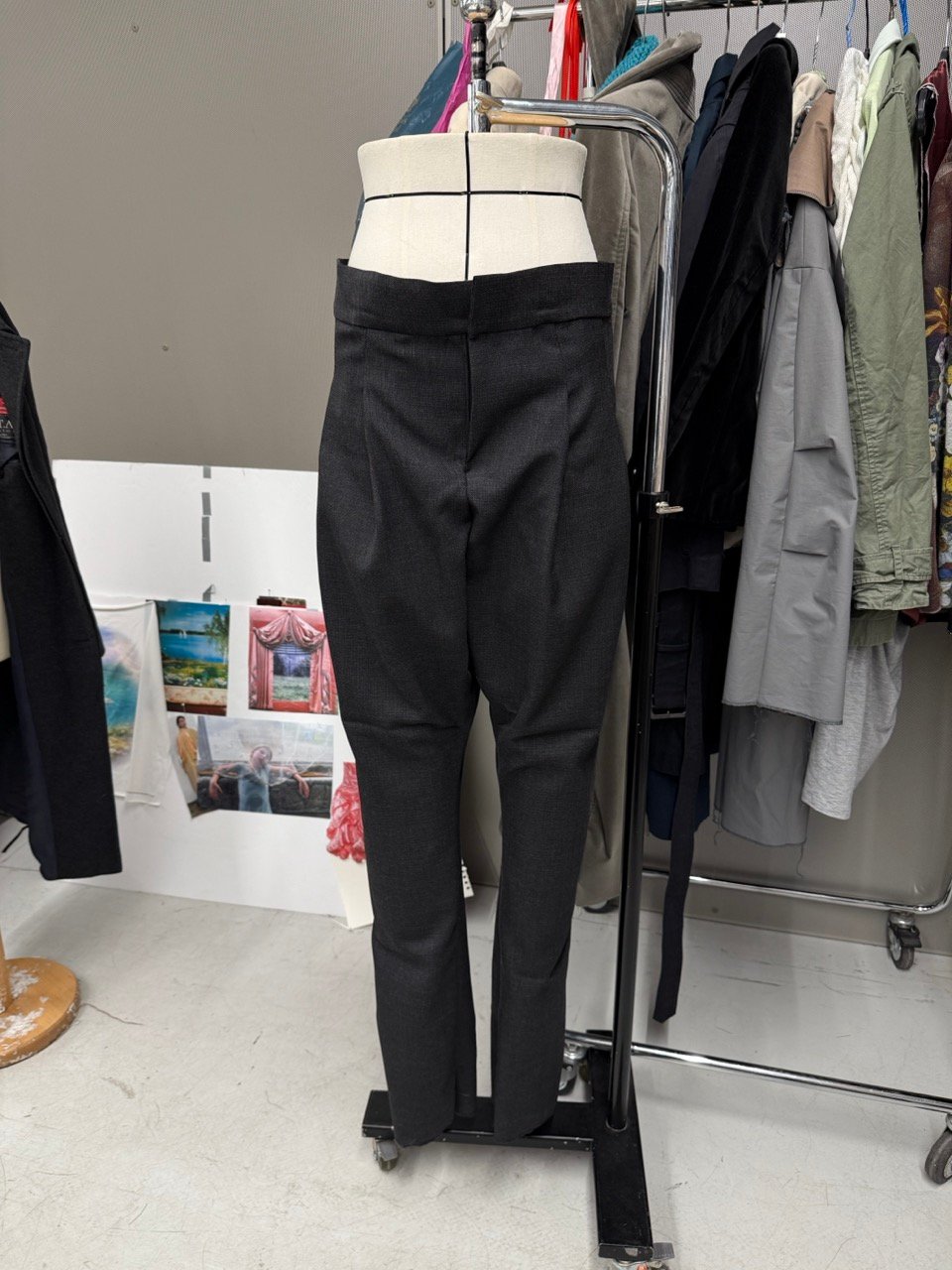
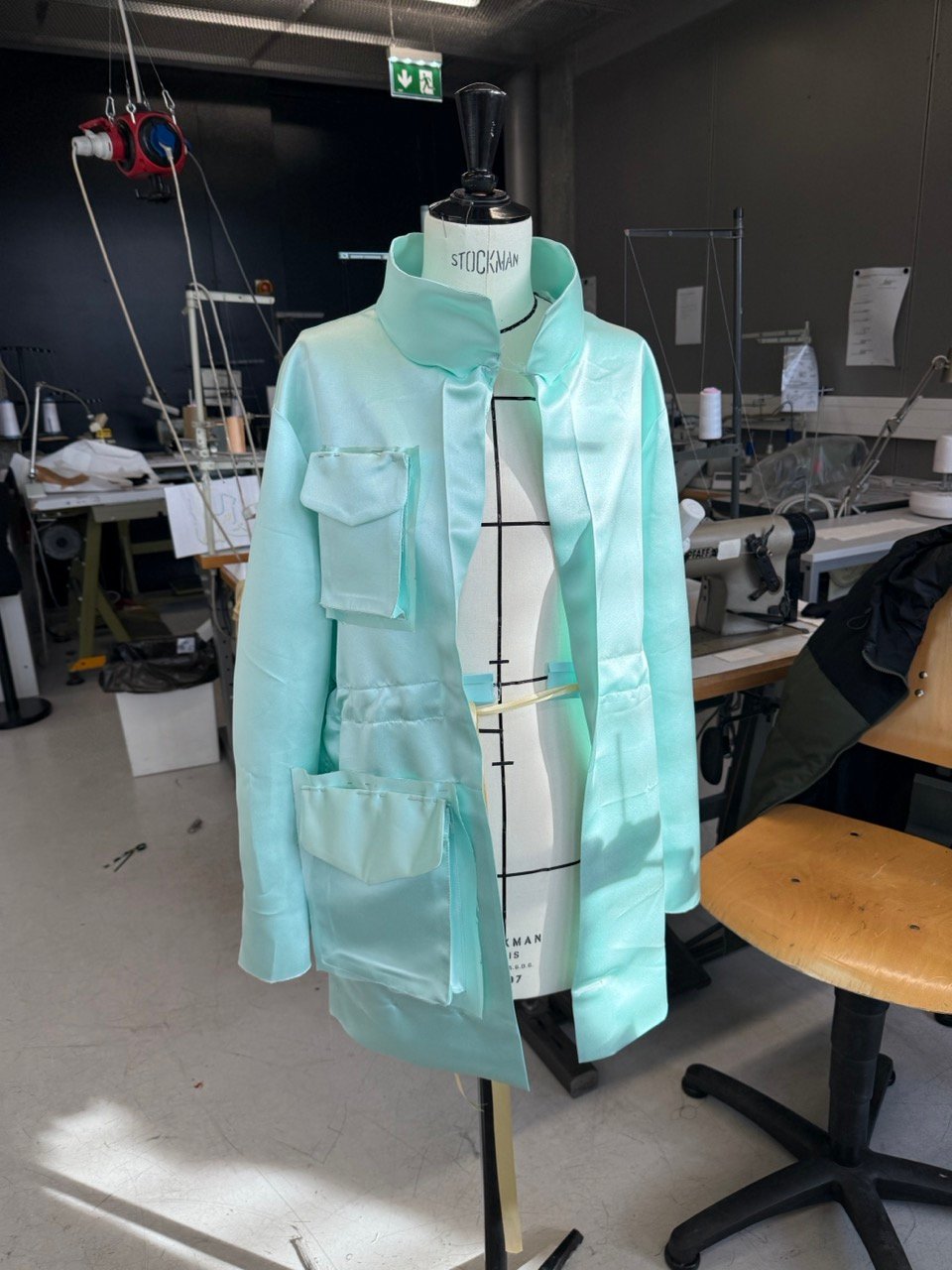
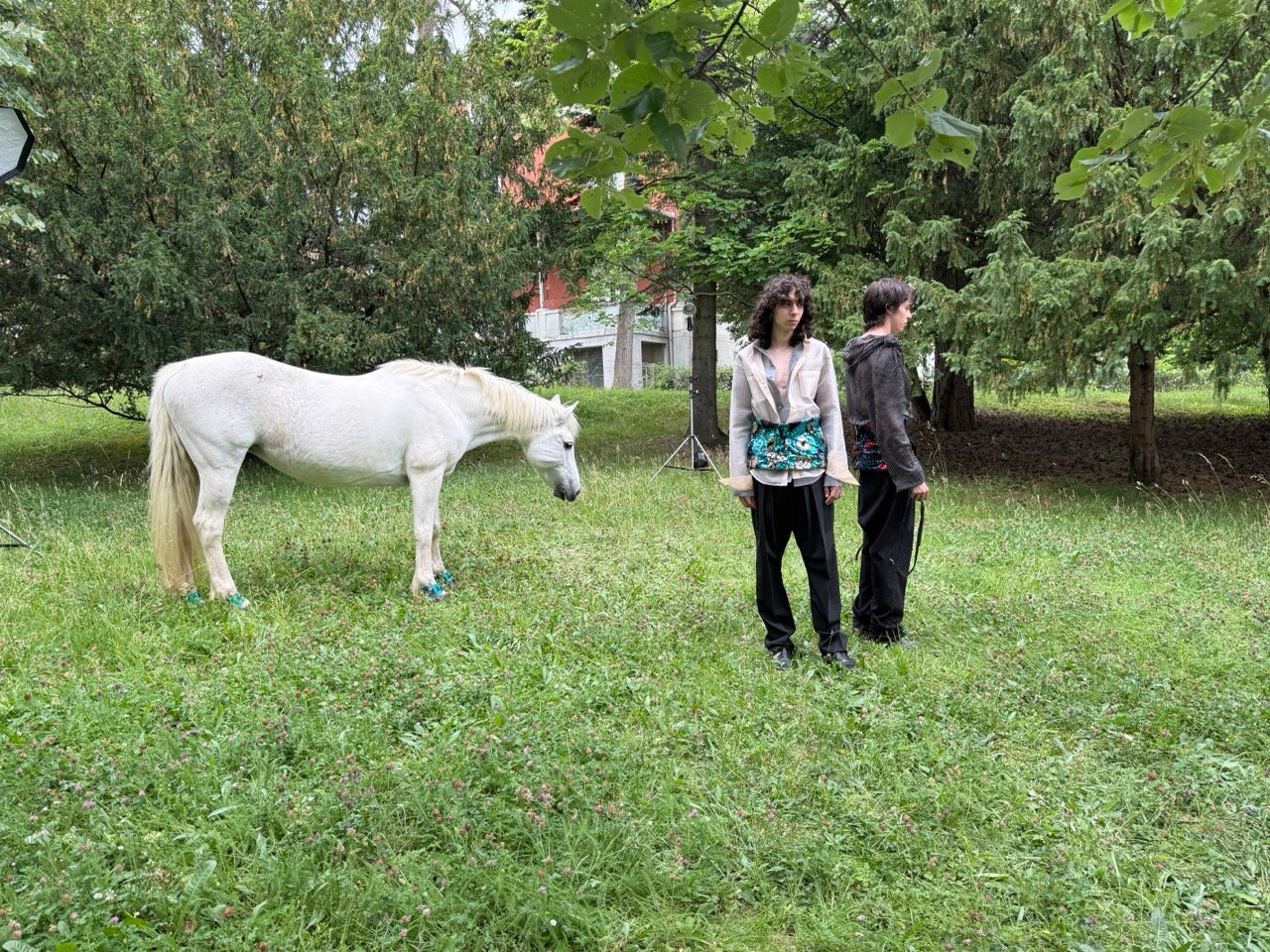
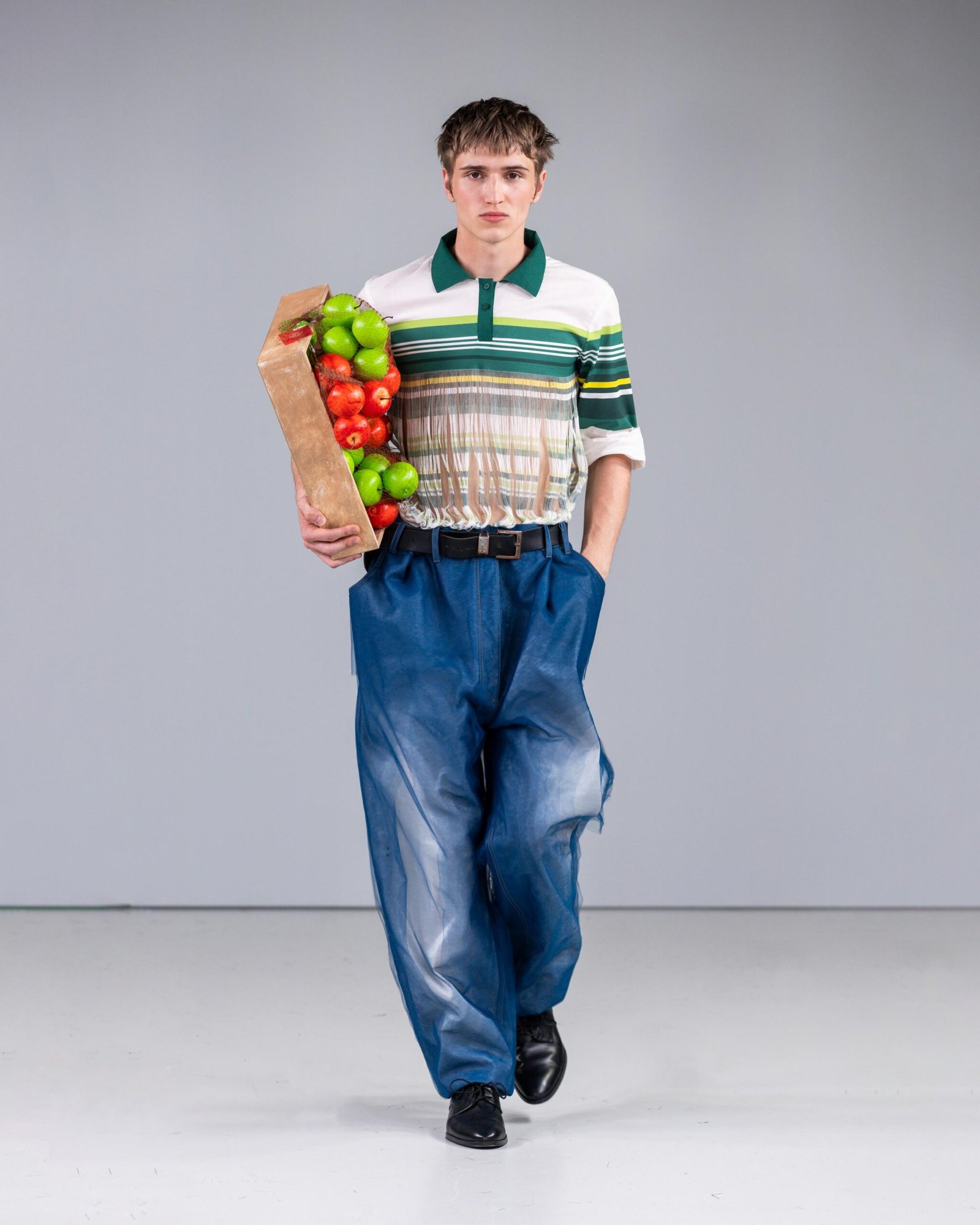
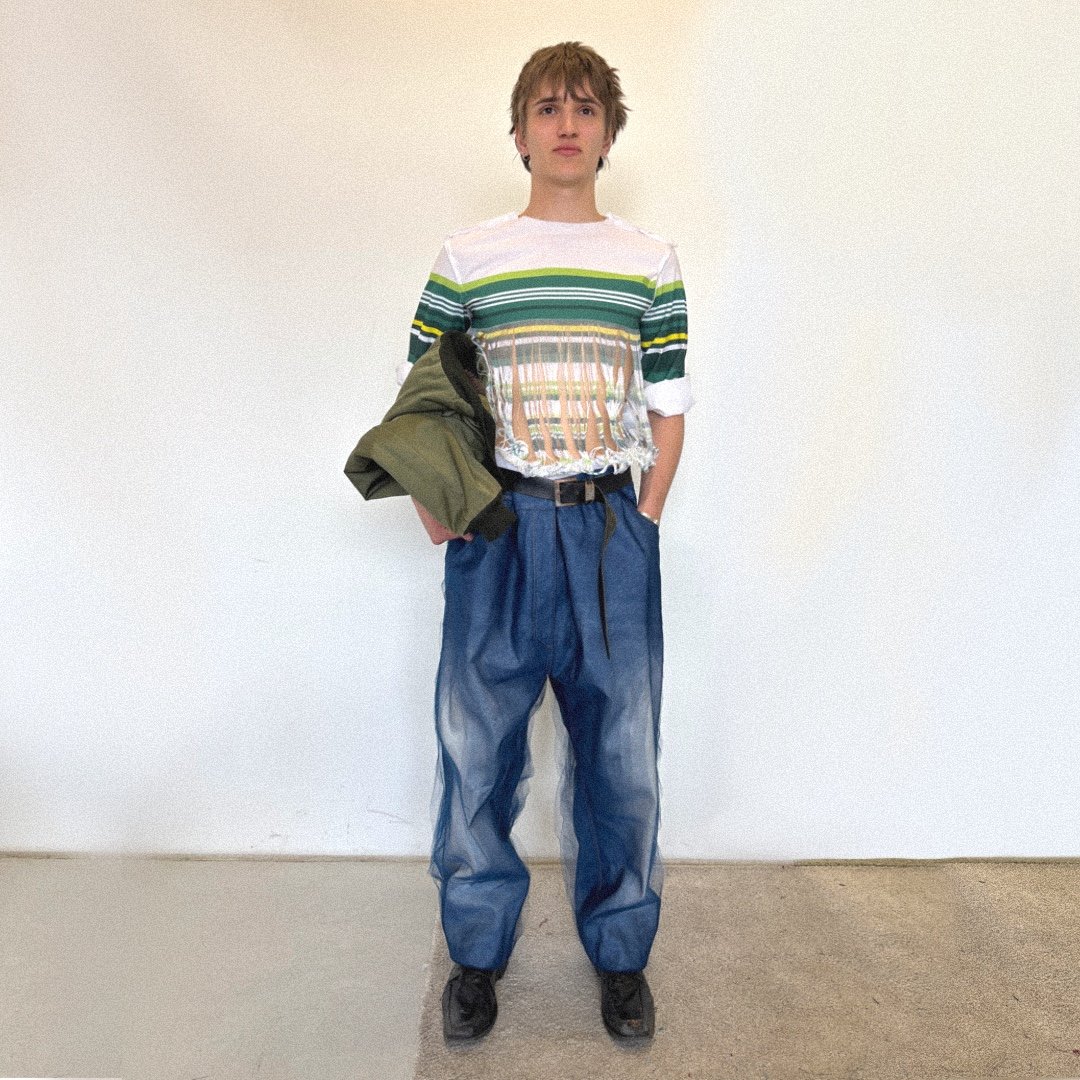
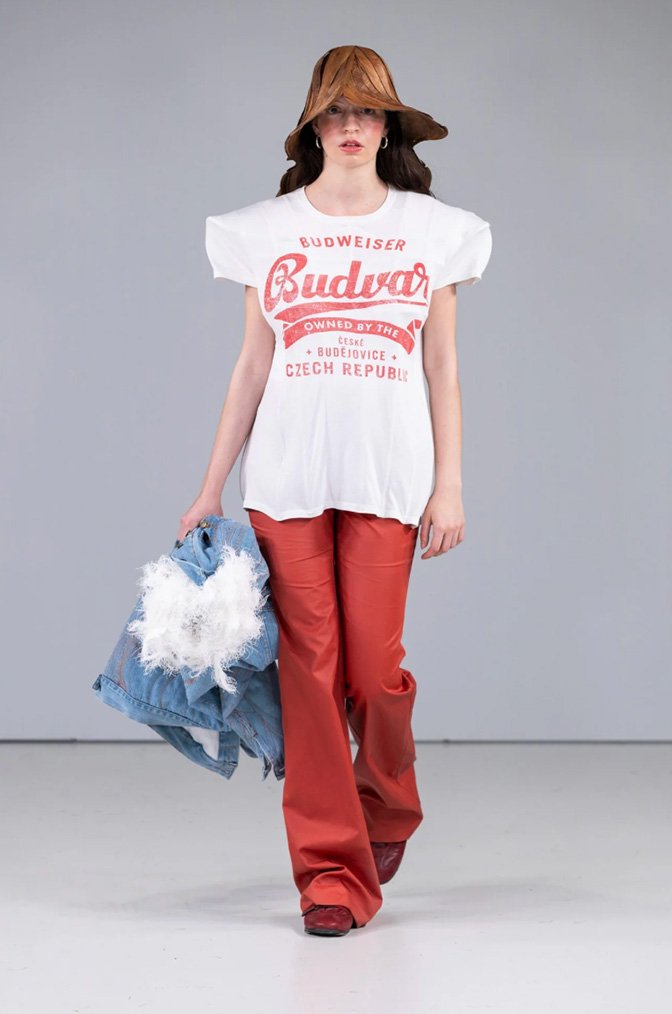
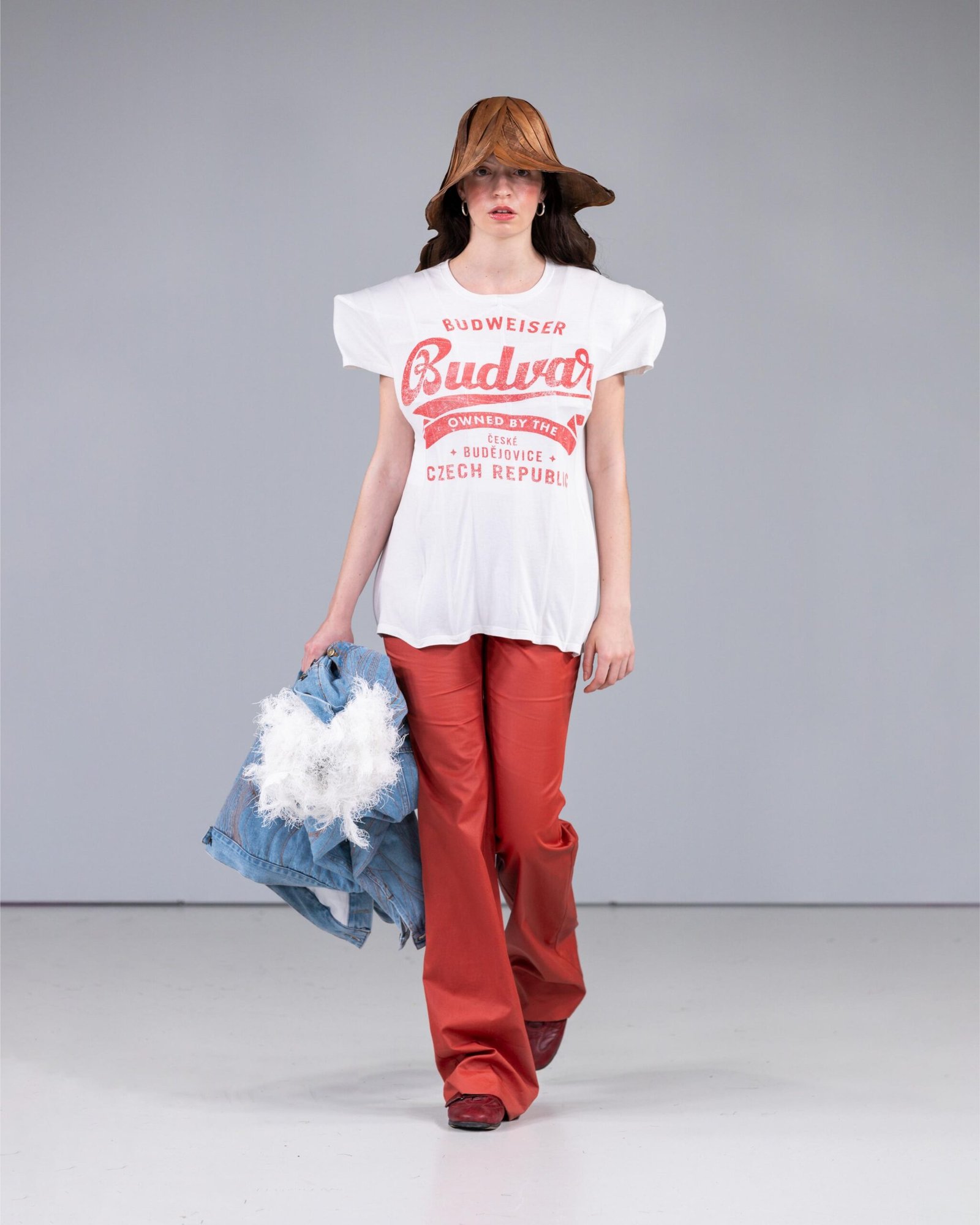
Ben Goetz’s collection centres on one of fashion’s most familiar combinations: the white T-shirt and denim. Beginning with the recurring observation that nothing in fashion is ever entirely new, the project explores how garments that are ubiquitous, unisex, and endlessly reproduced continue to move between everyday life and luxury. Through repetition, tailoring, casting, and symbolic accessories, the collection examines the ways fashion constructs stories, identities, and desire around clothes that are already deeply familiar. Goetz is fascinated by fashion’s ability to create meaning around ordinary objects. At the same time, he questions the constant pursuit of novelty and the mechanisms through which value is created. Rather than positioning his work as a critique of fashion, he describes it as an attempt to better understand where meaning resides: in the garment itself, the image, the narrative, the community around it, or the desire fashion generates.

A black professional dressed in dark suit and red tie looks up and over his shoulder. He's crouched down... is some design element about to squash himGlossy reflection on grounds the subject.
Jara Dilara Noori

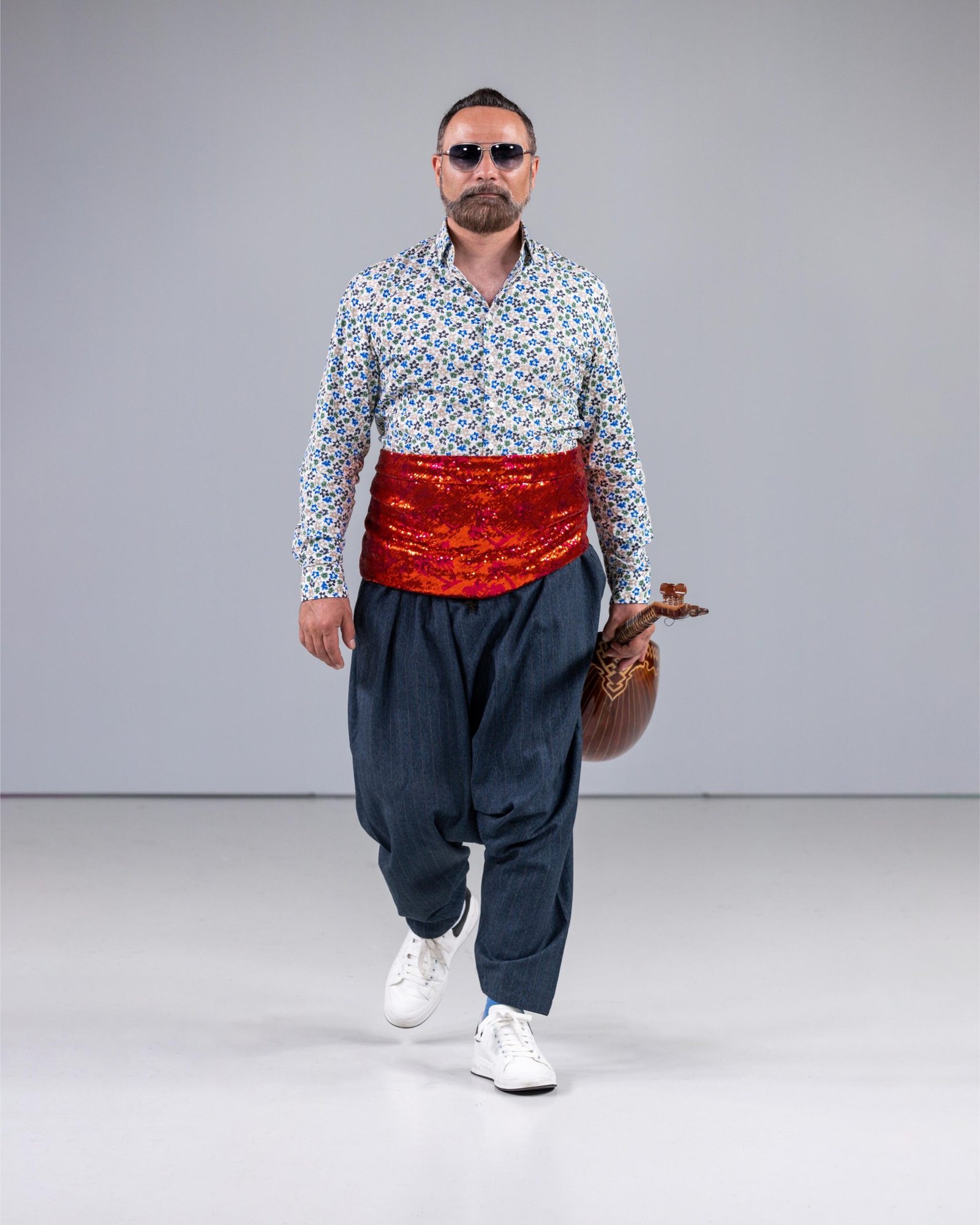
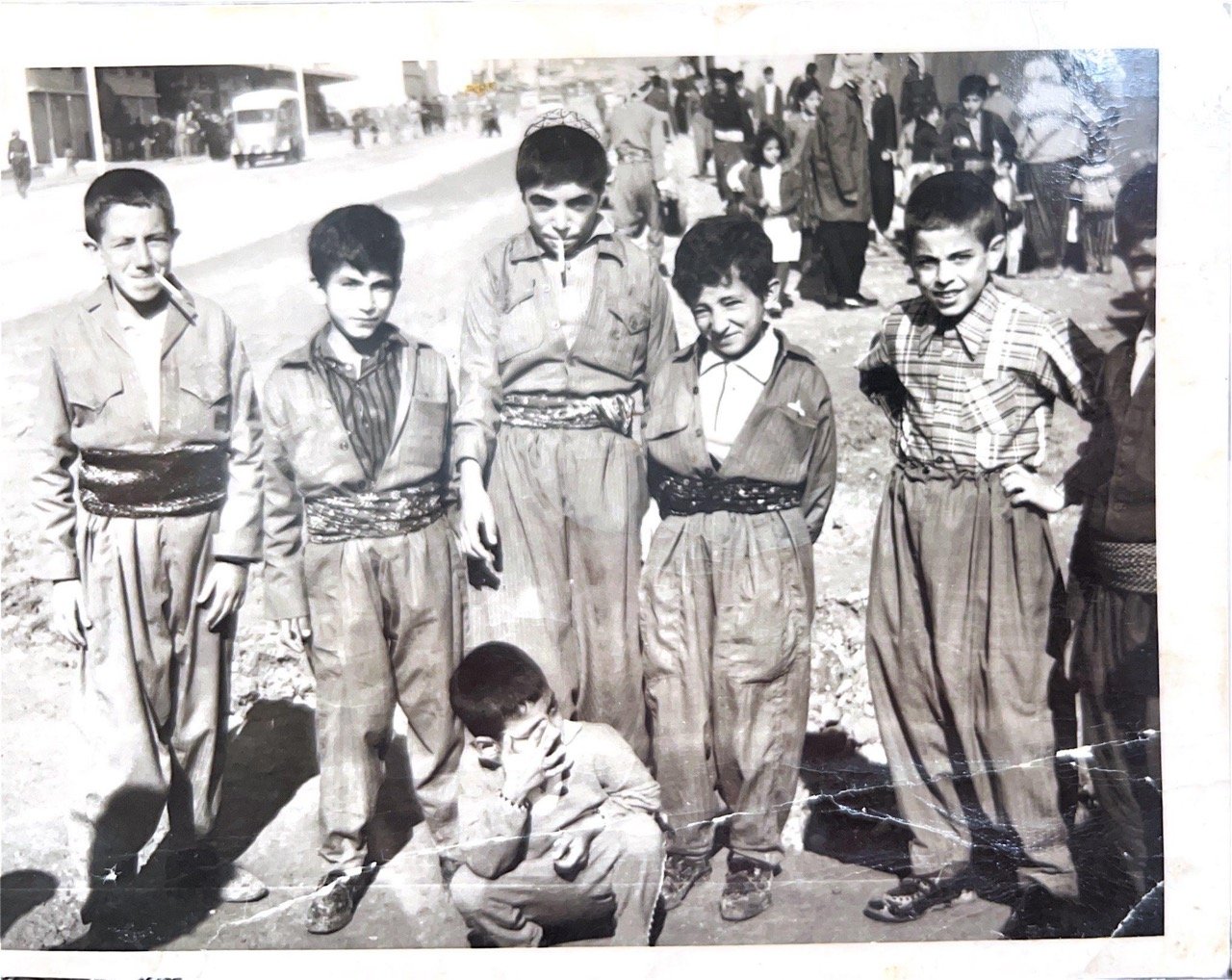
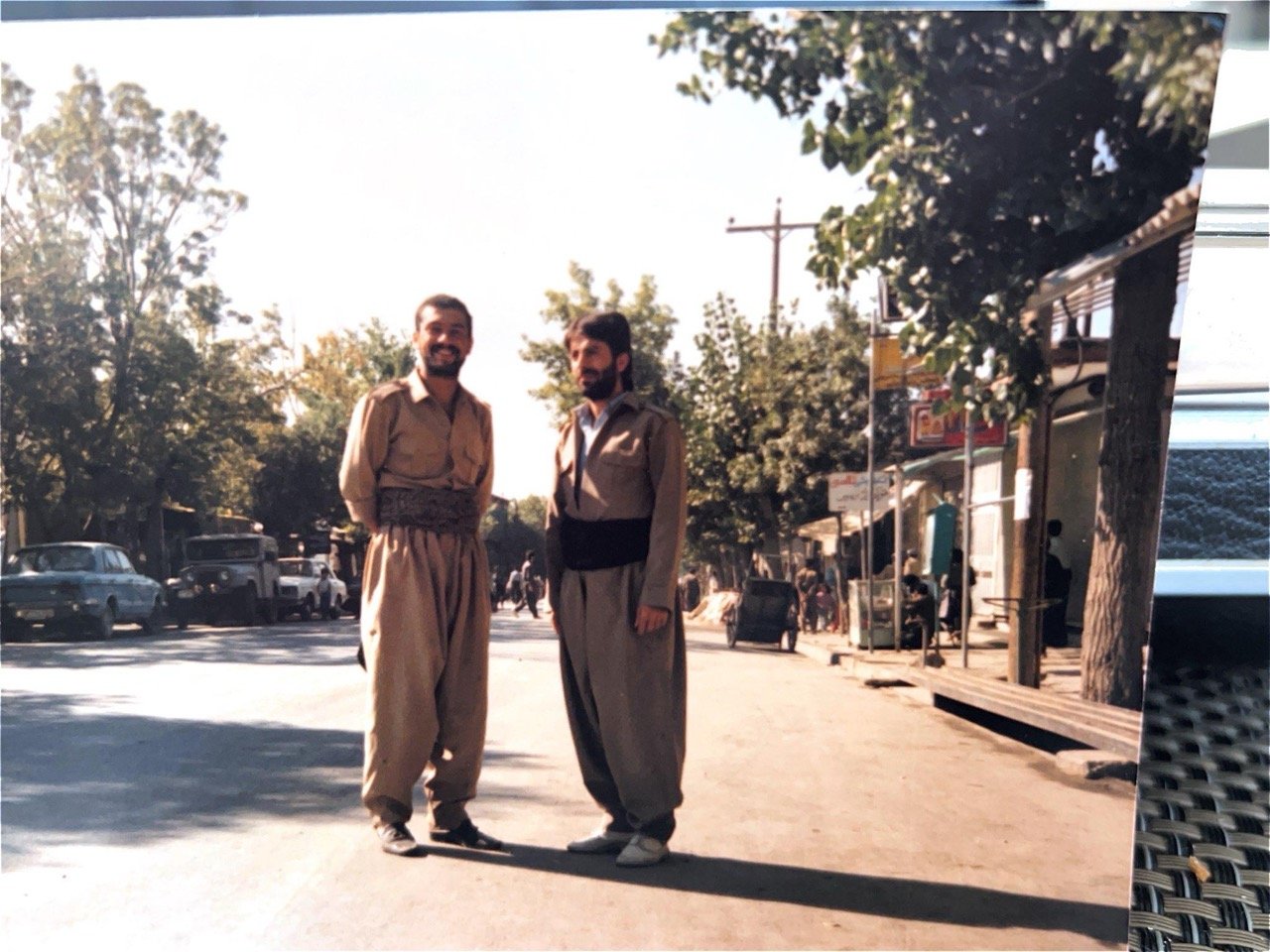
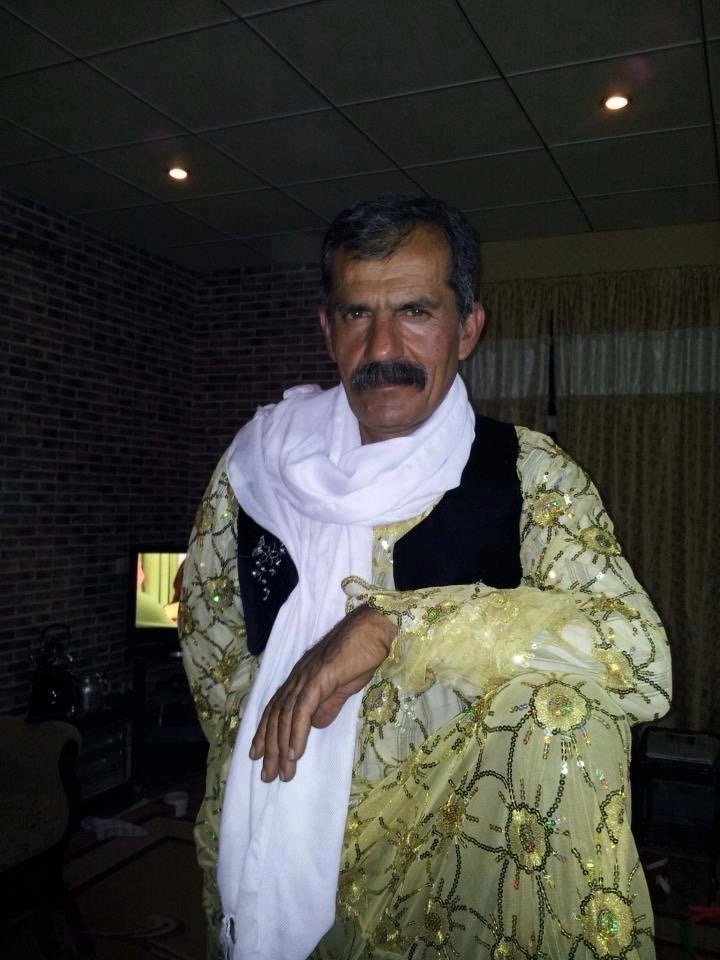
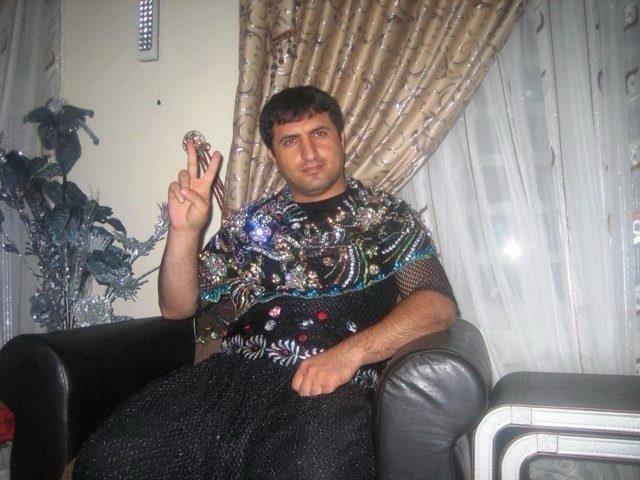
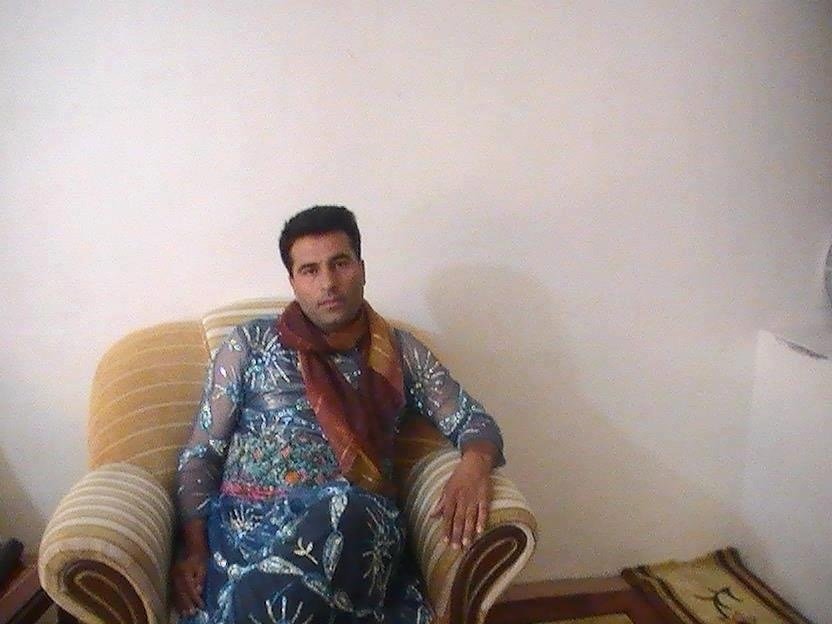
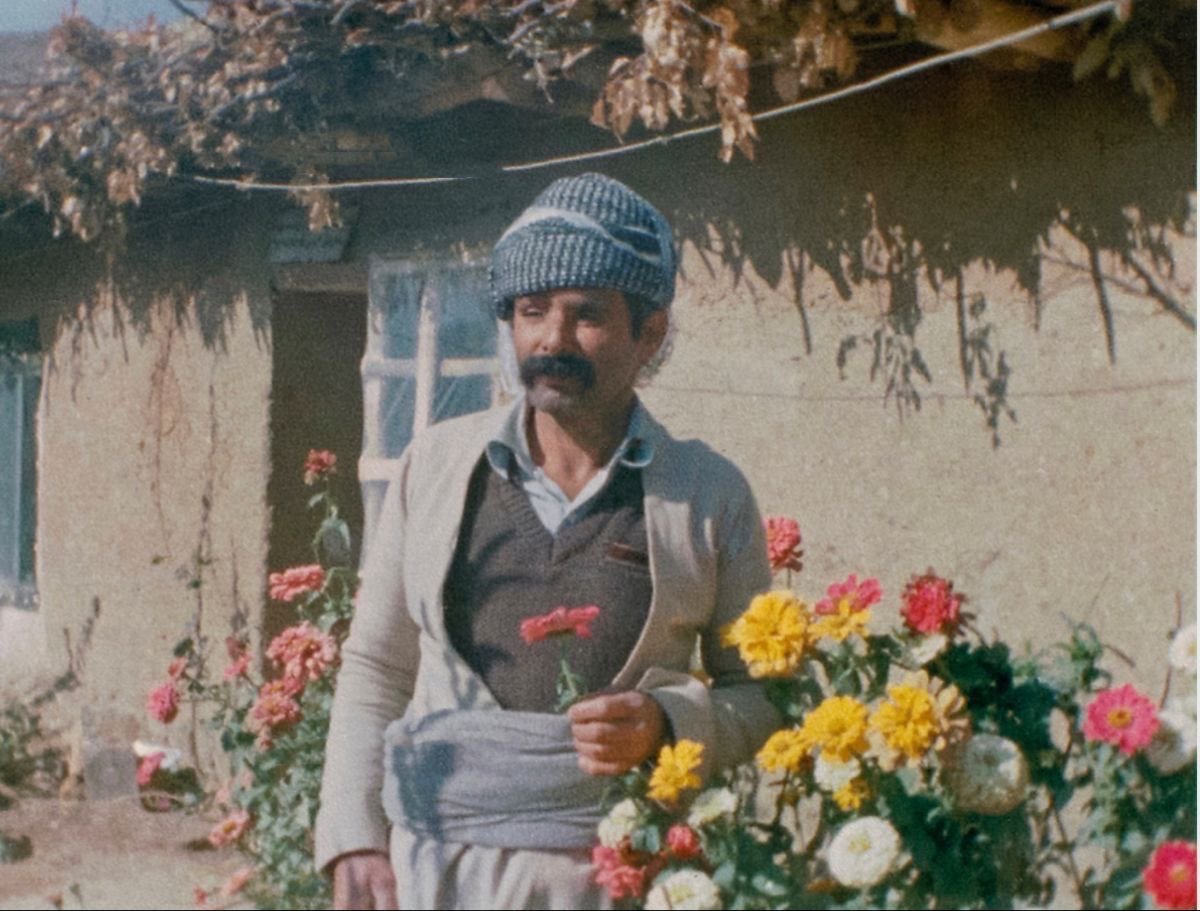
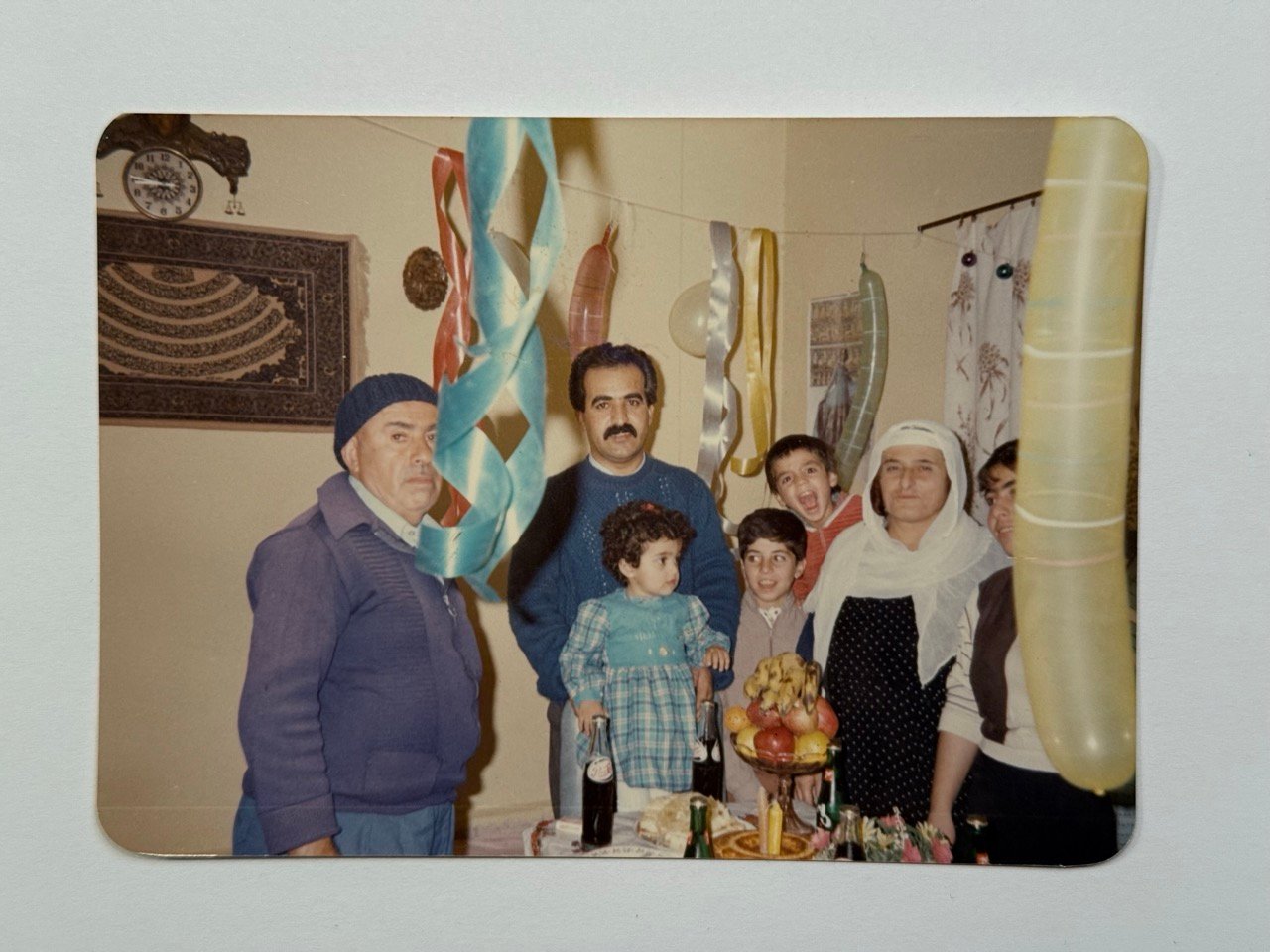
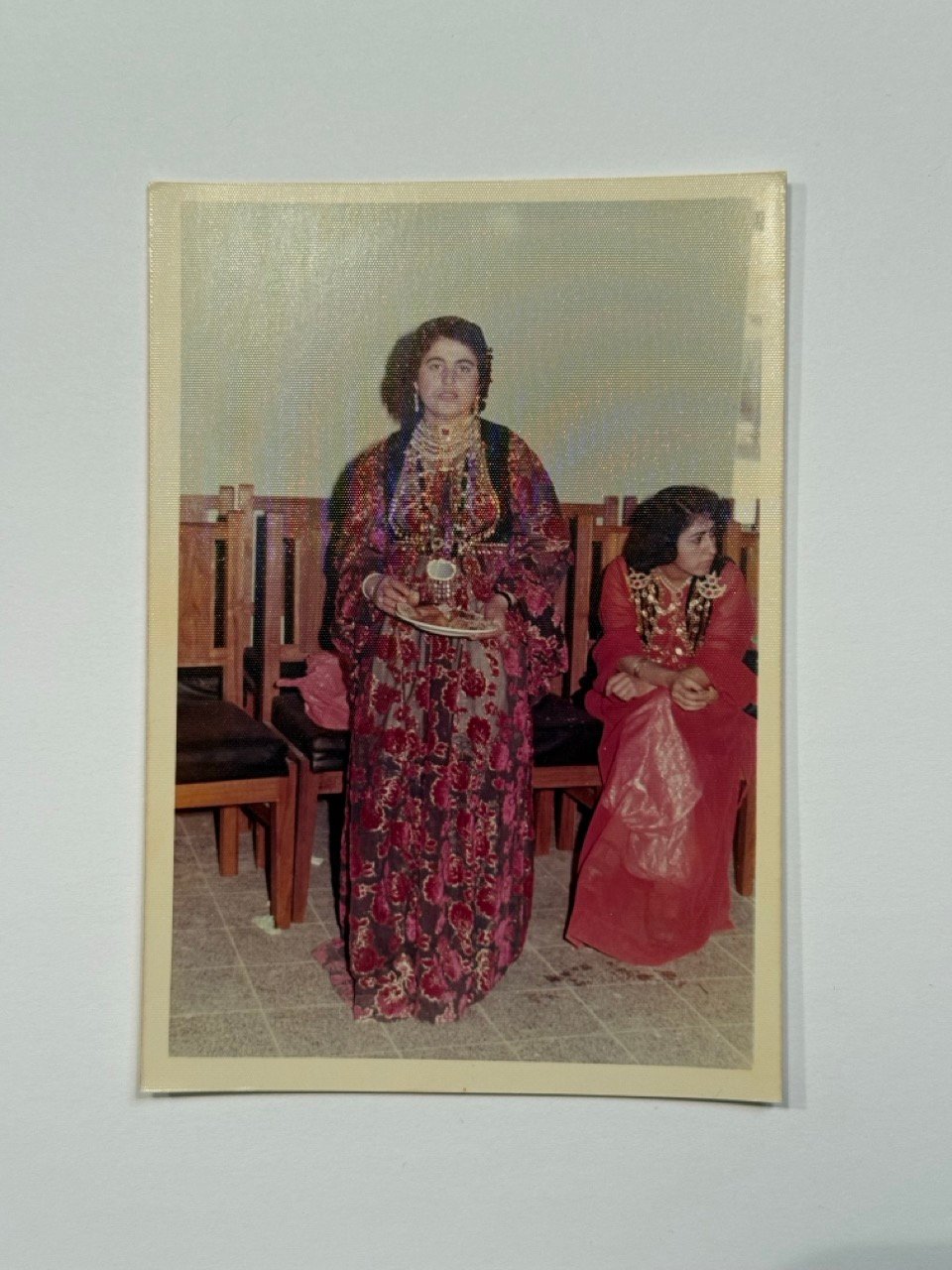
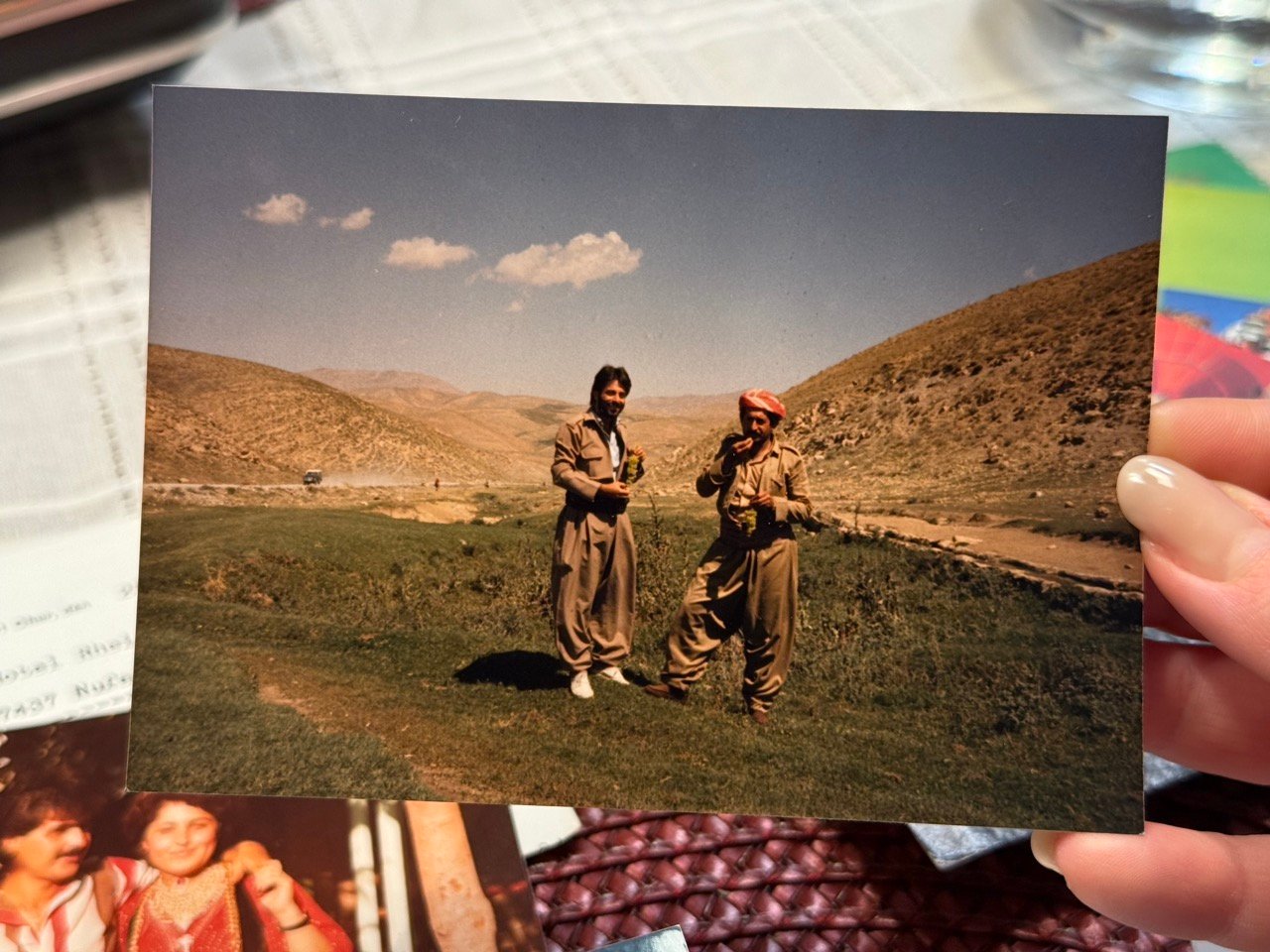
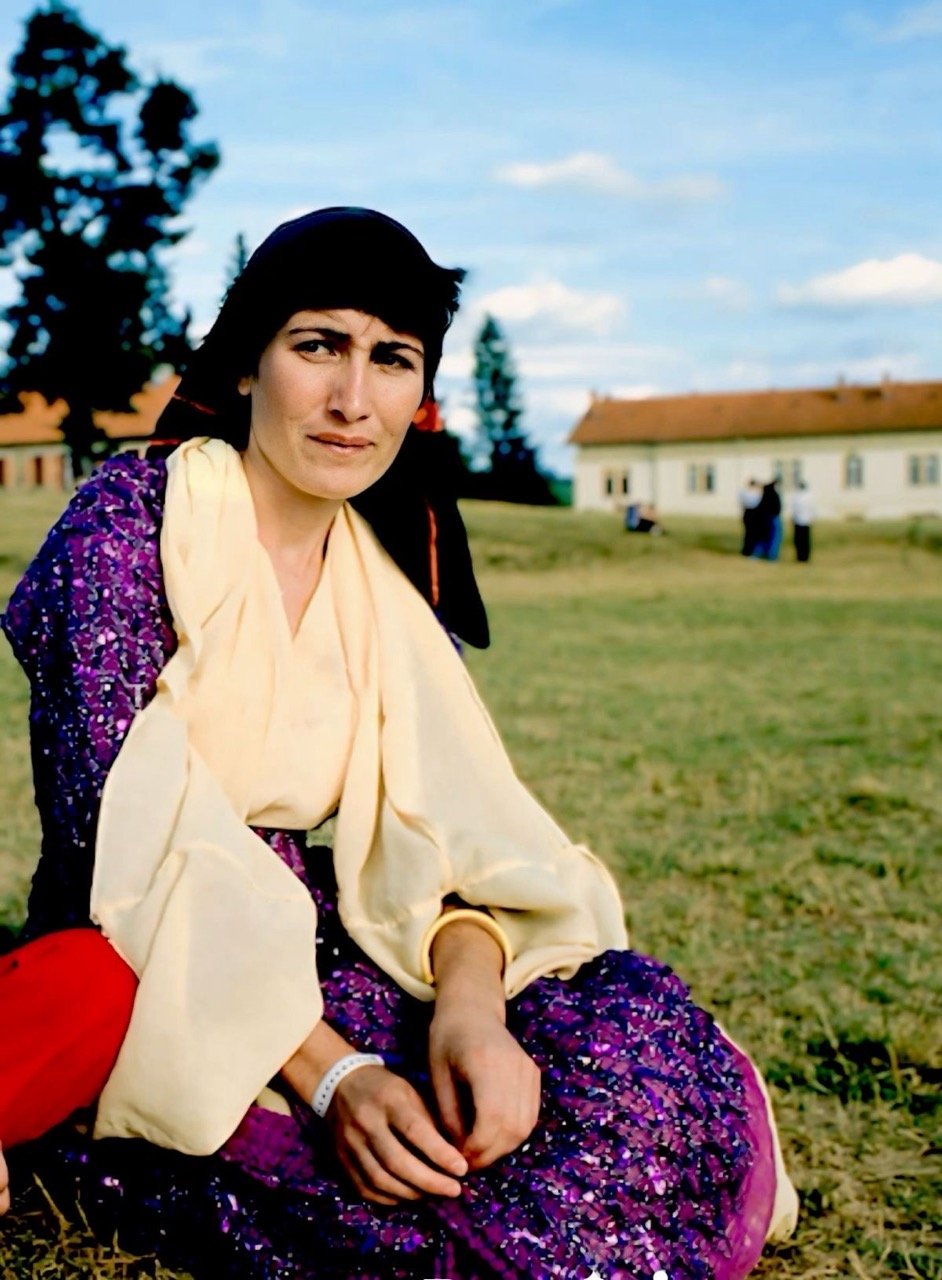
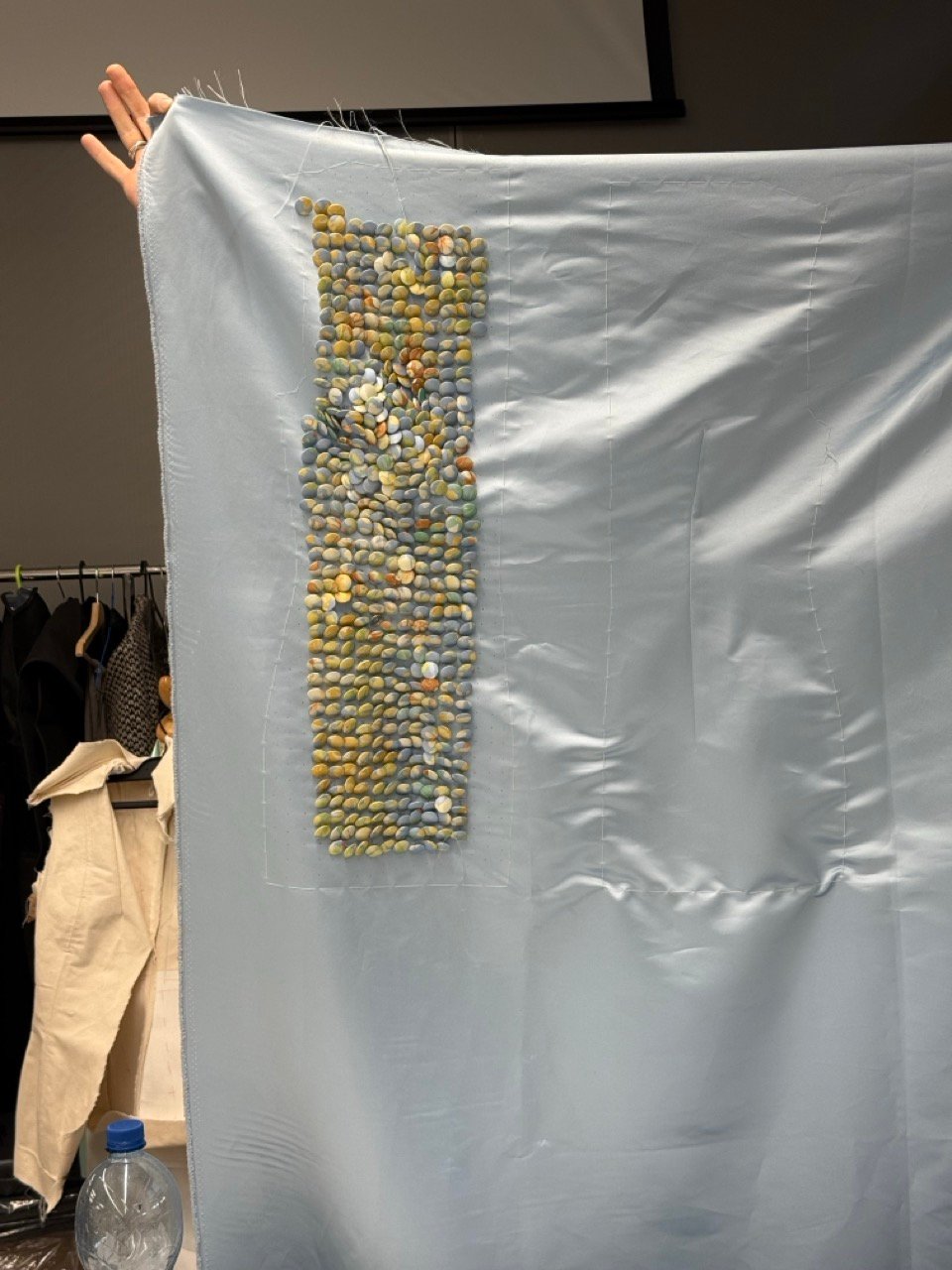
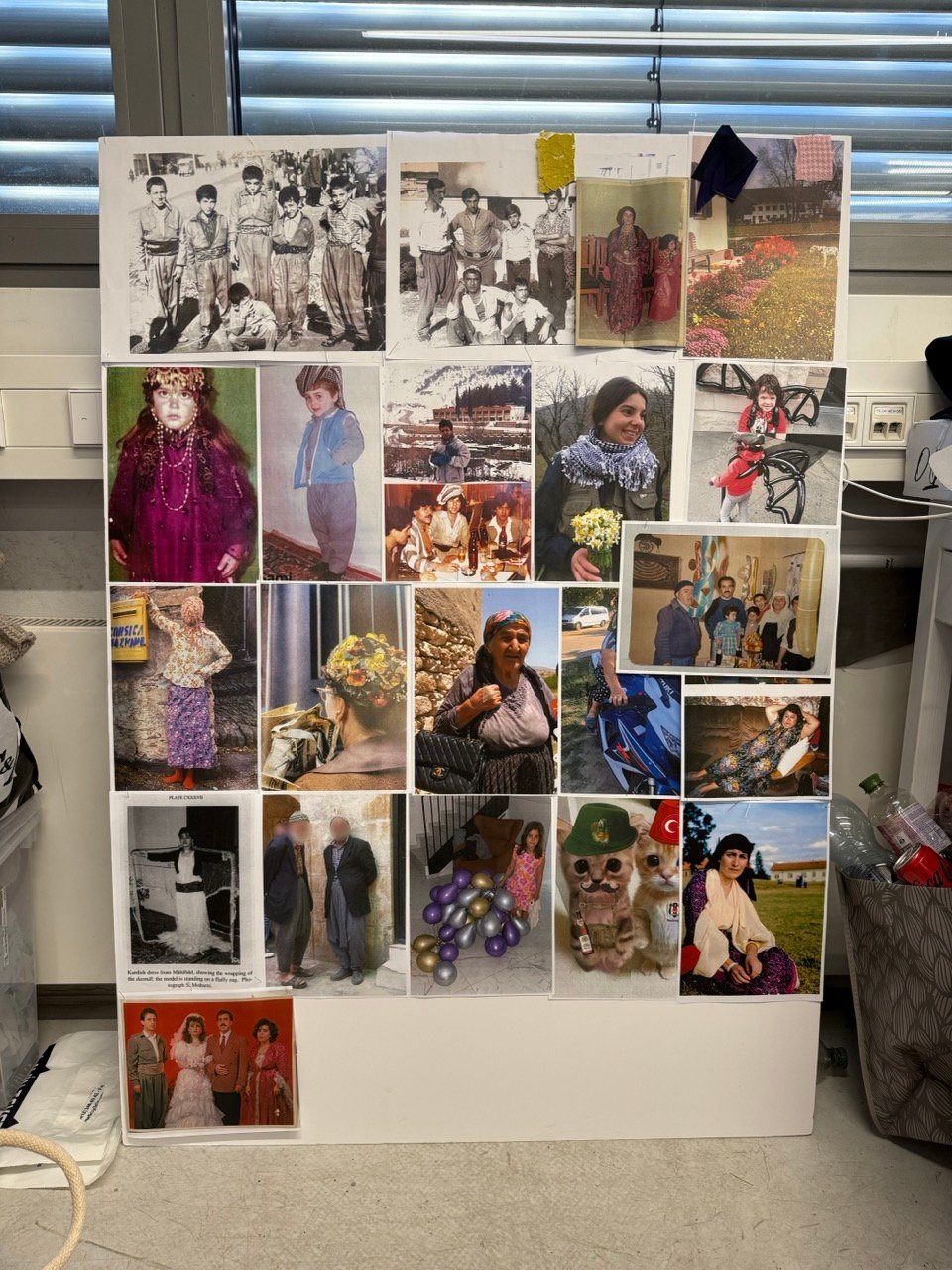
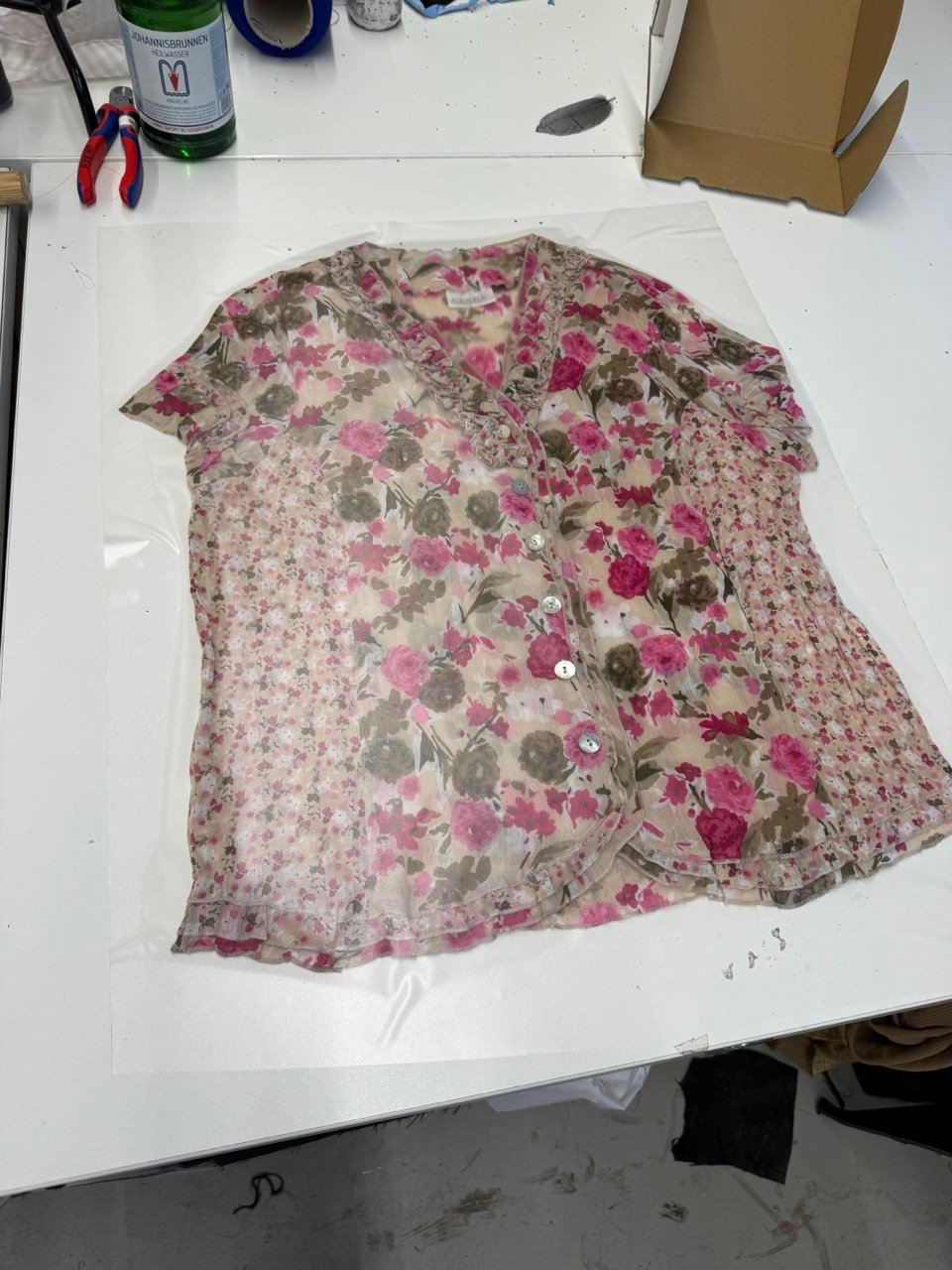
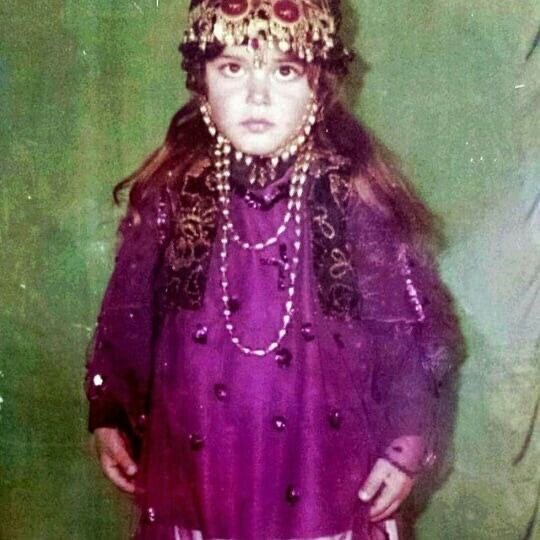
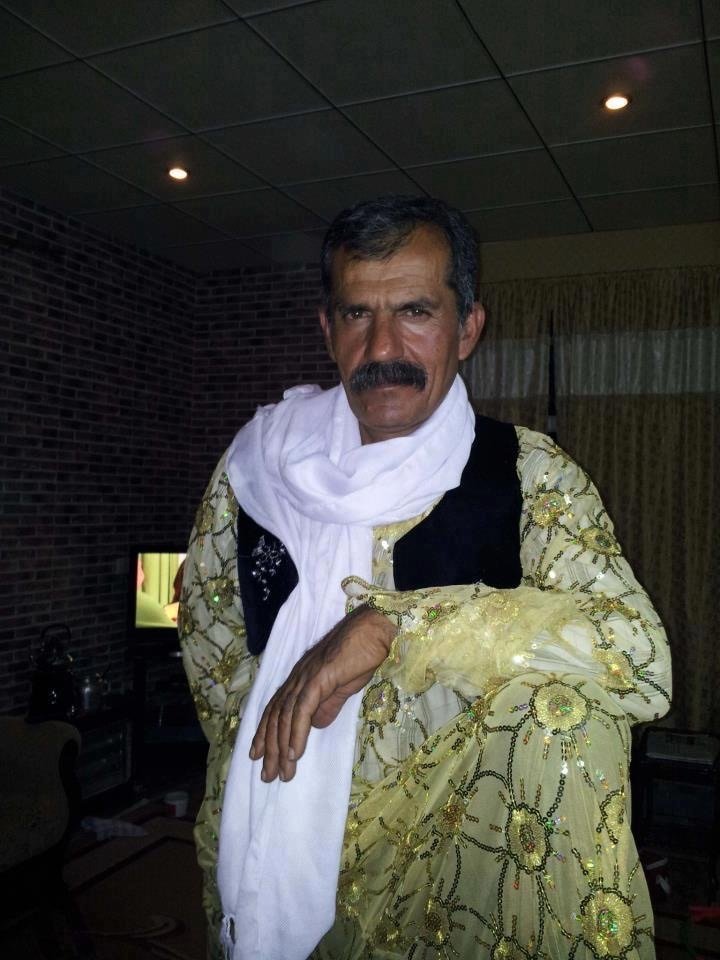
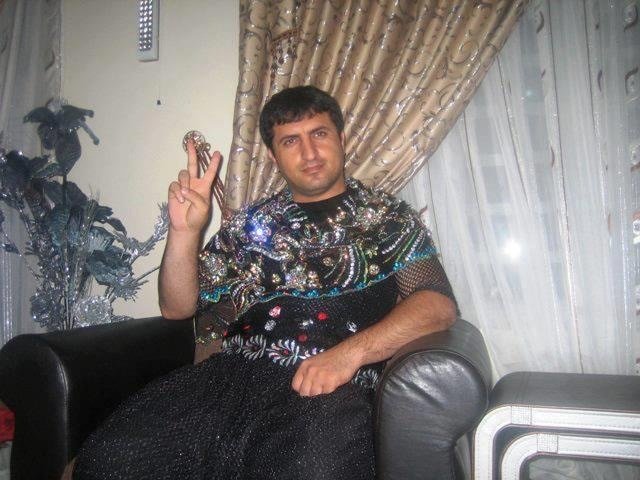
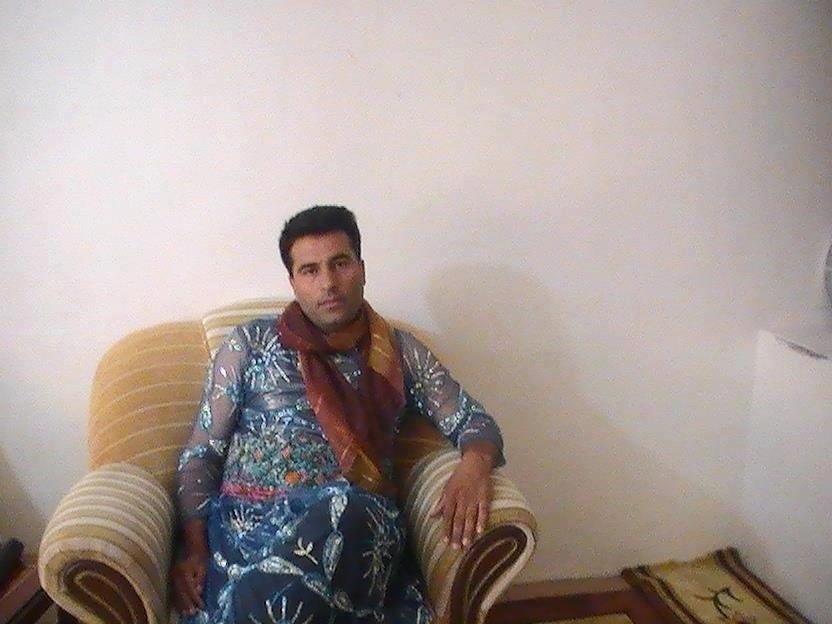
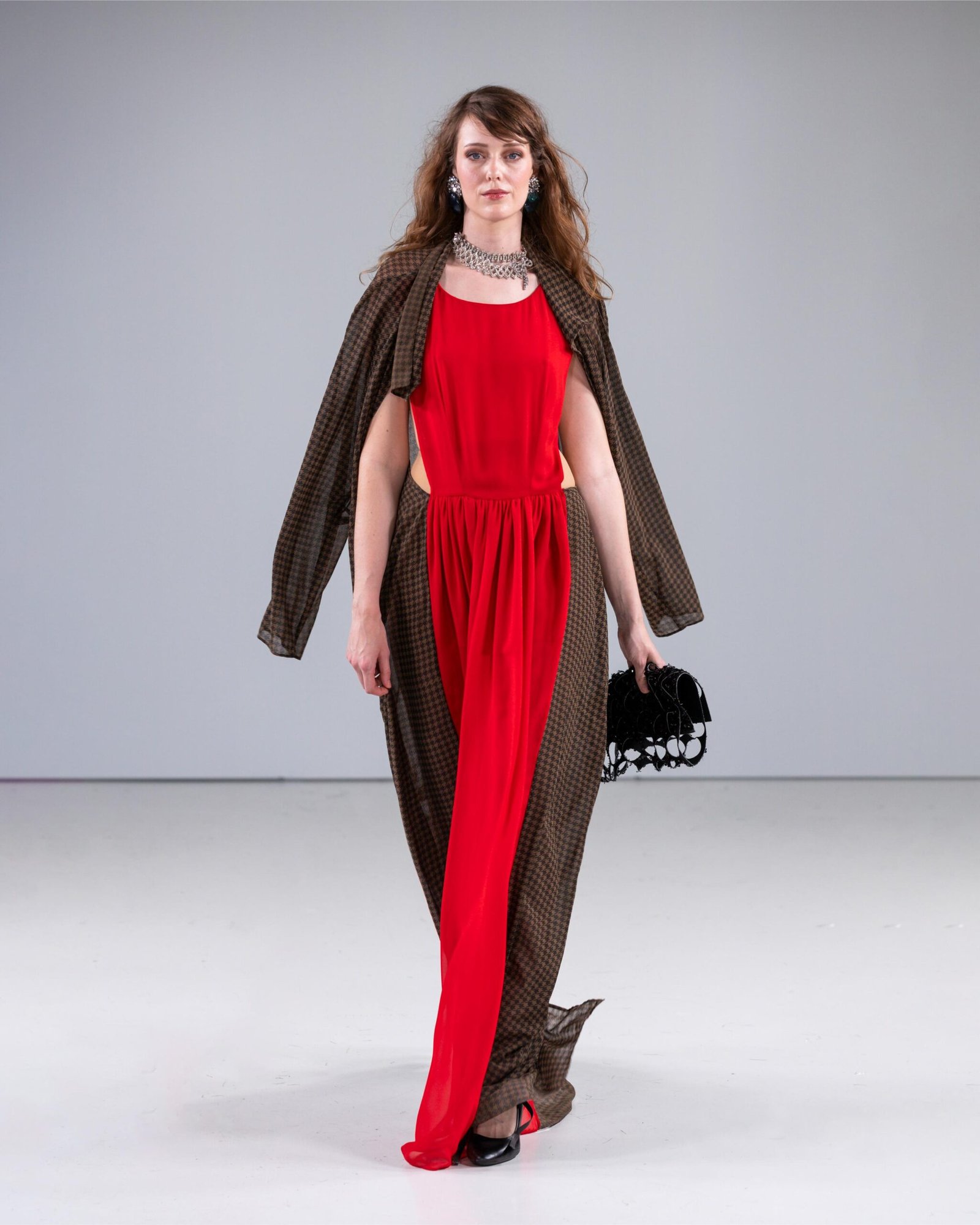
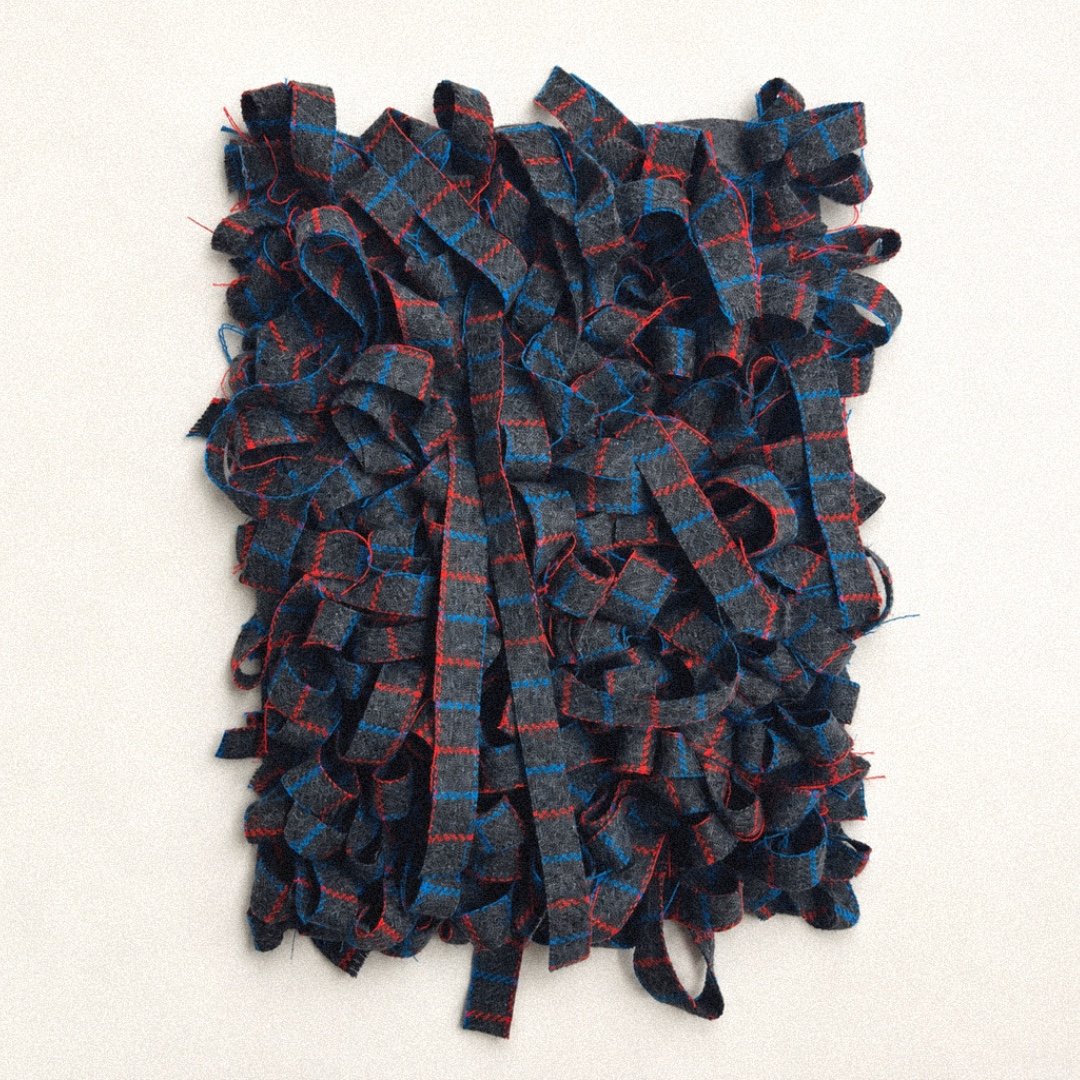
Jara Dilara Noori’s collection is rooted in childhood memories of summers spent with her great-grandmother in a remote Kurdish village in Turkey. Central to the project is the kitchen, where generations and different lived realities came together, with Kurdish relatives visiting from Austria sitting alongside family members who had never left the village. Rather than reproducing Kurdish dress, the collection reinterprets traditional design. Research into Kurdish garments, textiles, and rural craftsmanship informs the silhouettes, surfaces, and construction, while traditional handwork is reimagined through manipulated textiles, sculptural forms, and labour-intensive processes. As she enters the industry, Noori is excited by the possibility of connecting history with contemporary design. At the same time, she acknowledges the uncertainty of beginning a career in such a competitive field.
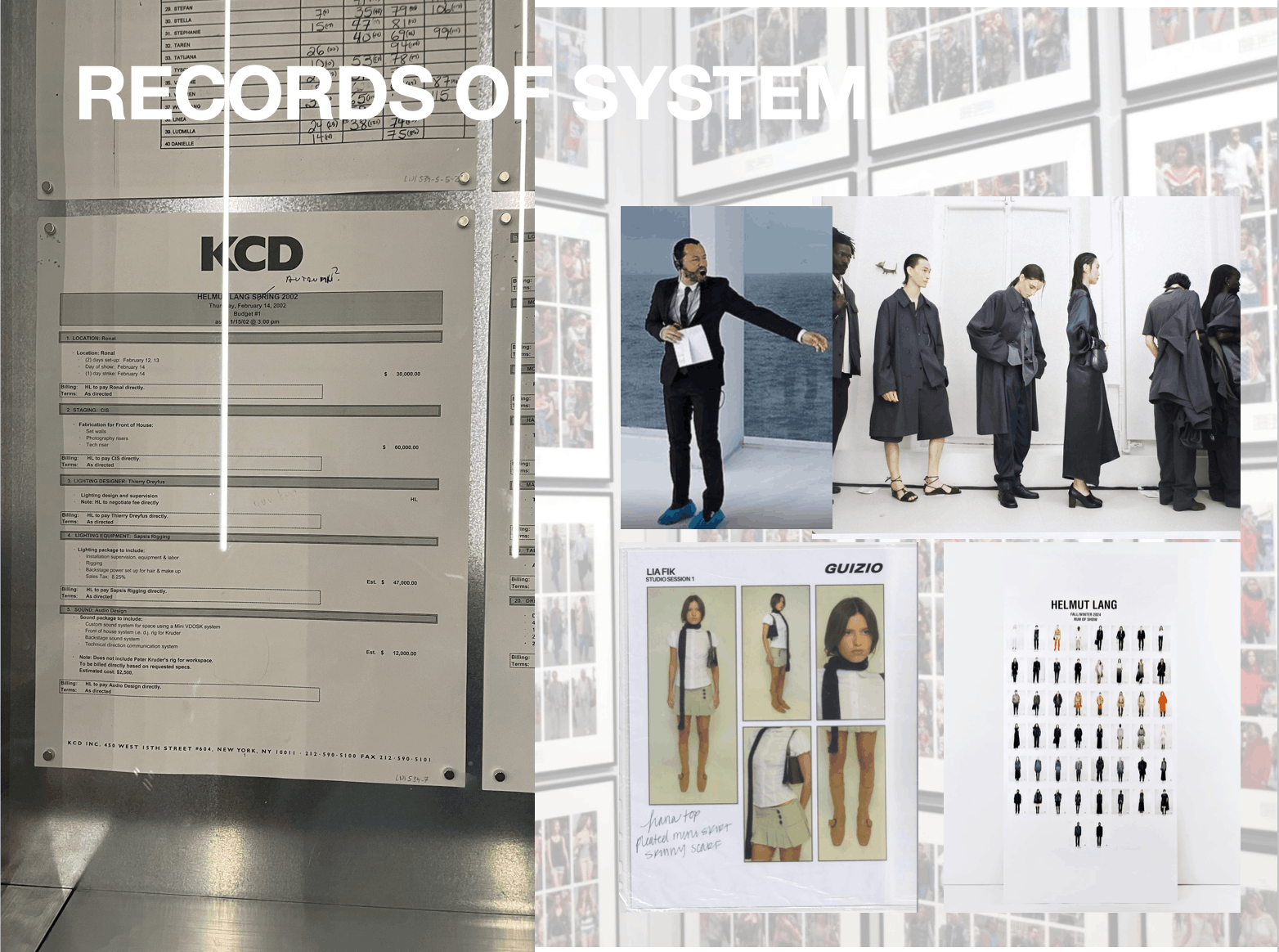
@jaranoori

Felix Schmidt

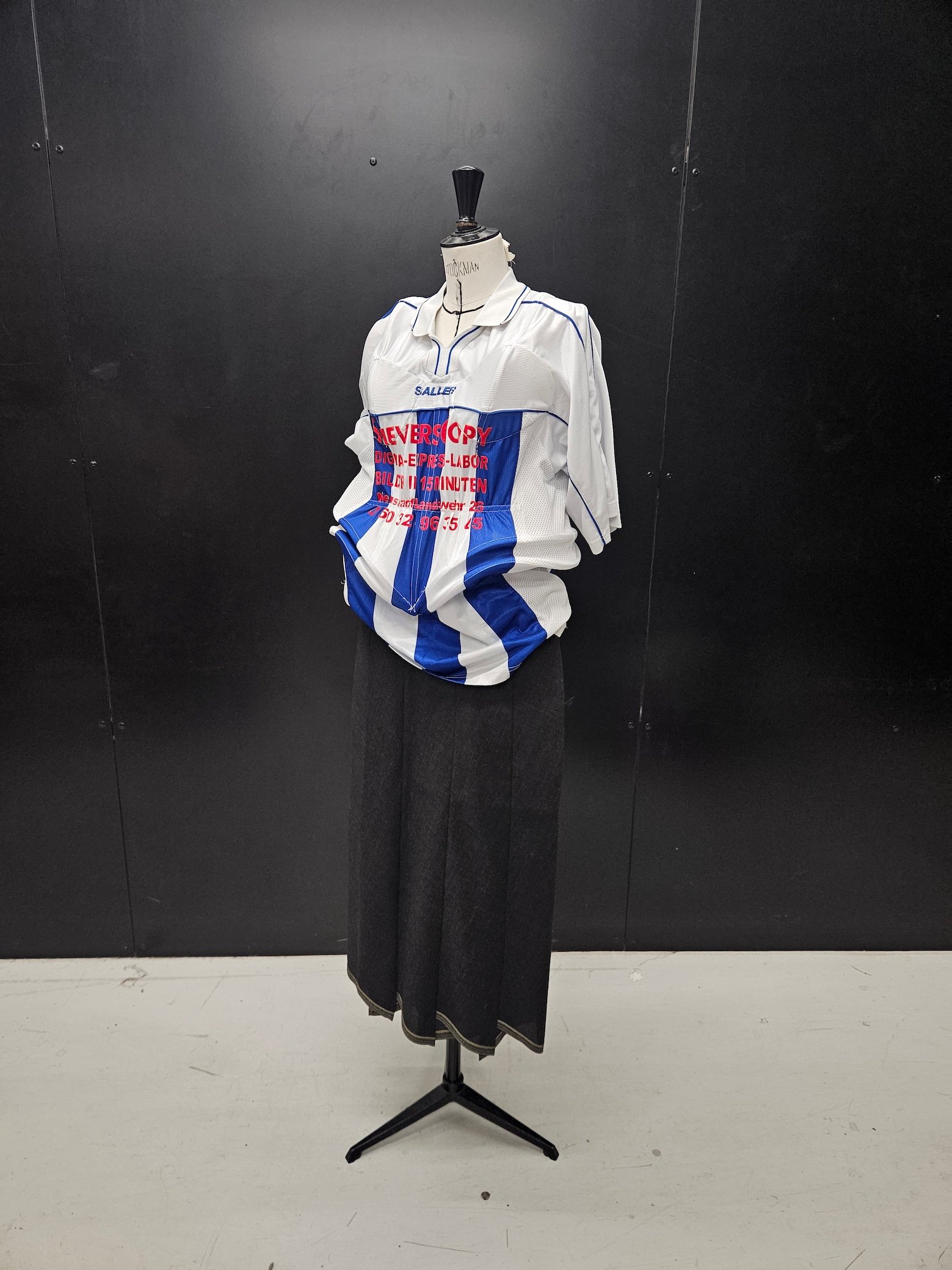
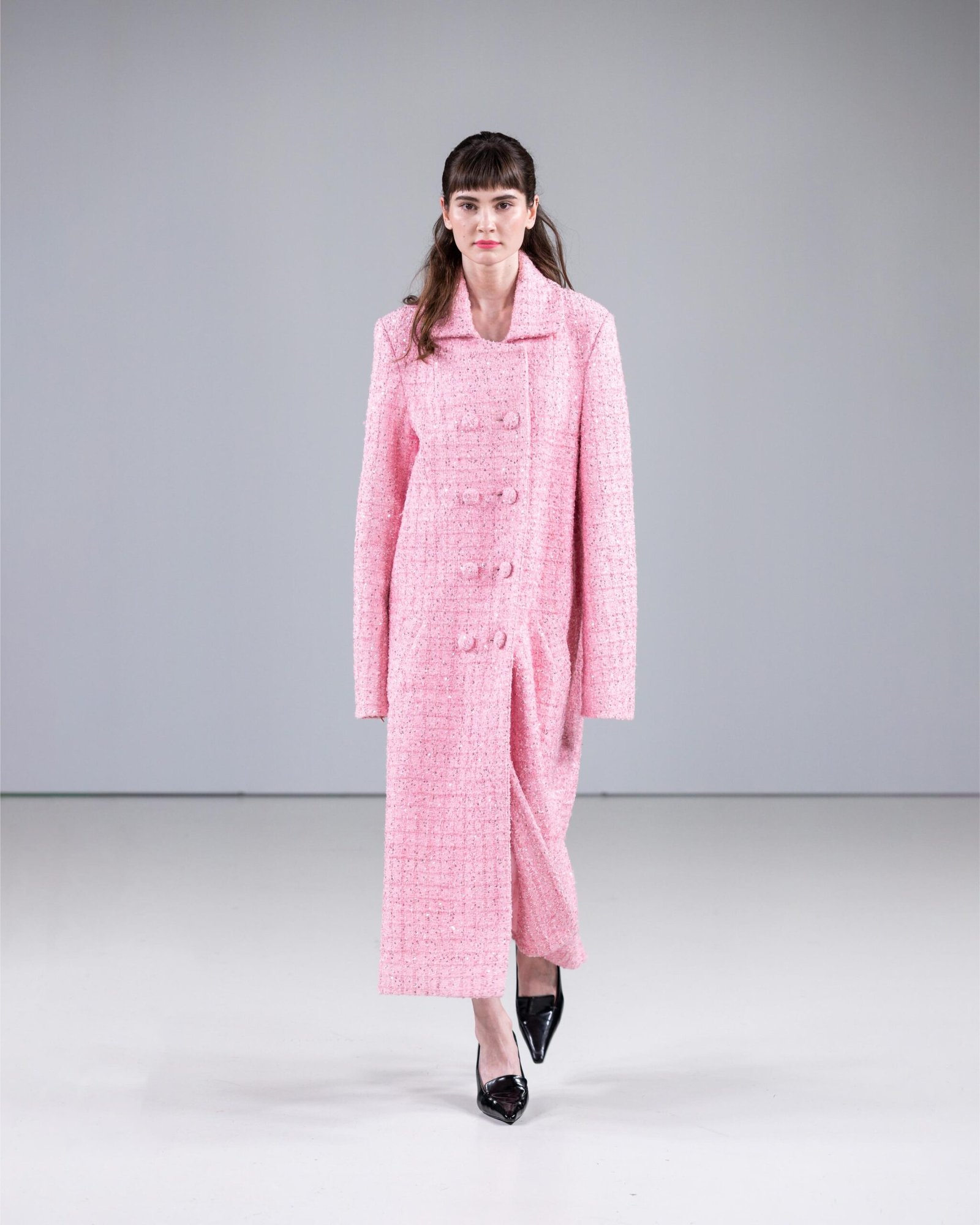
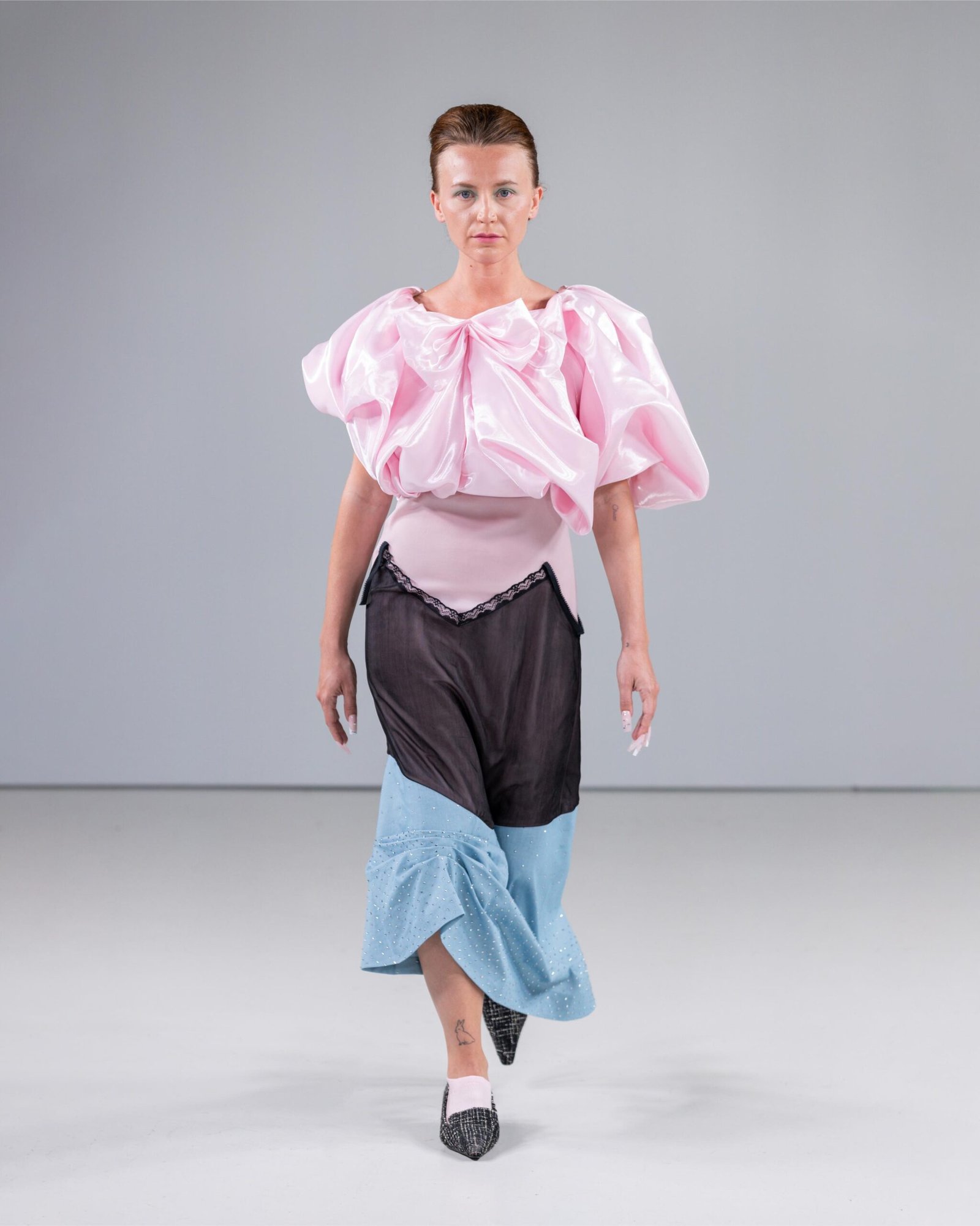
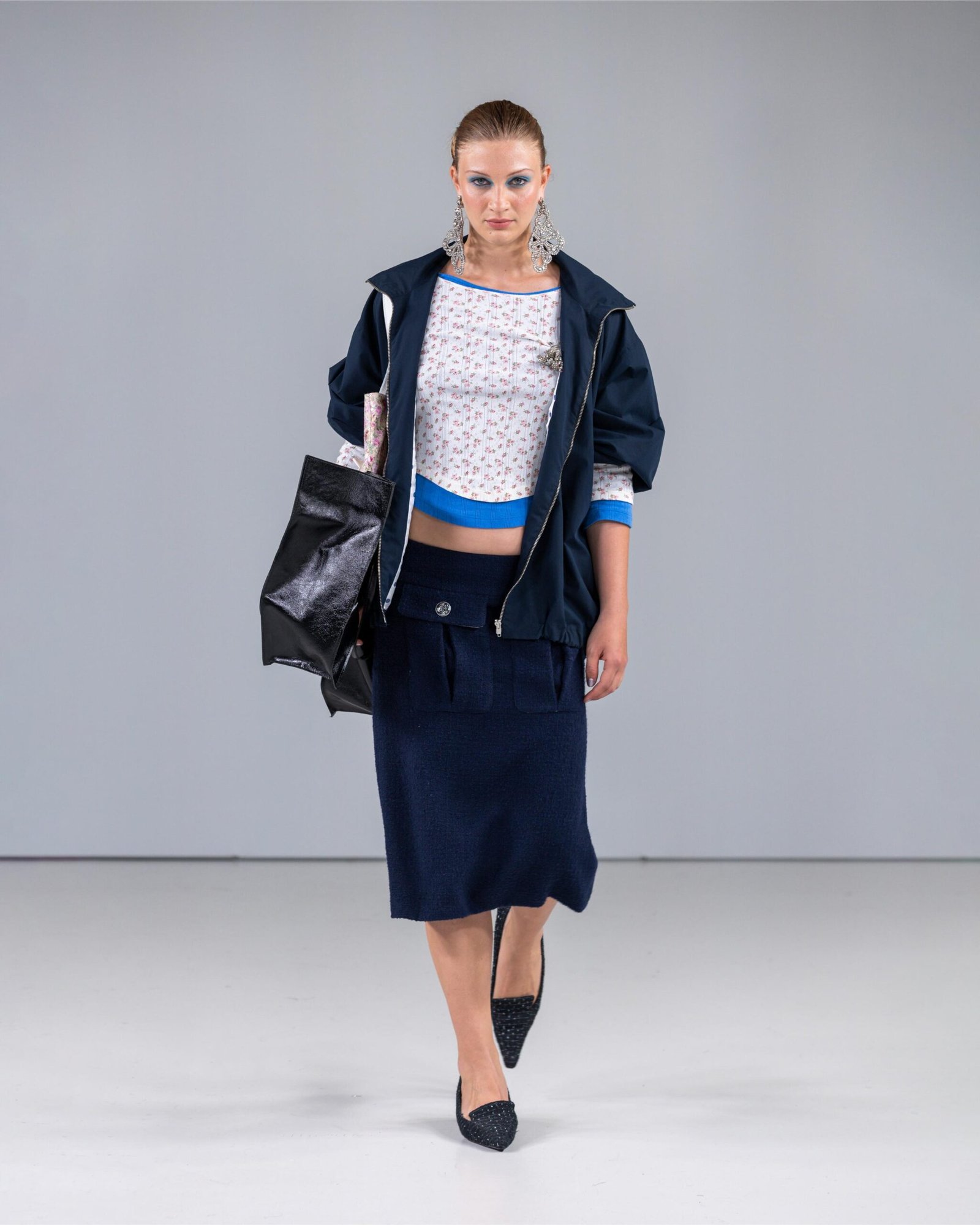
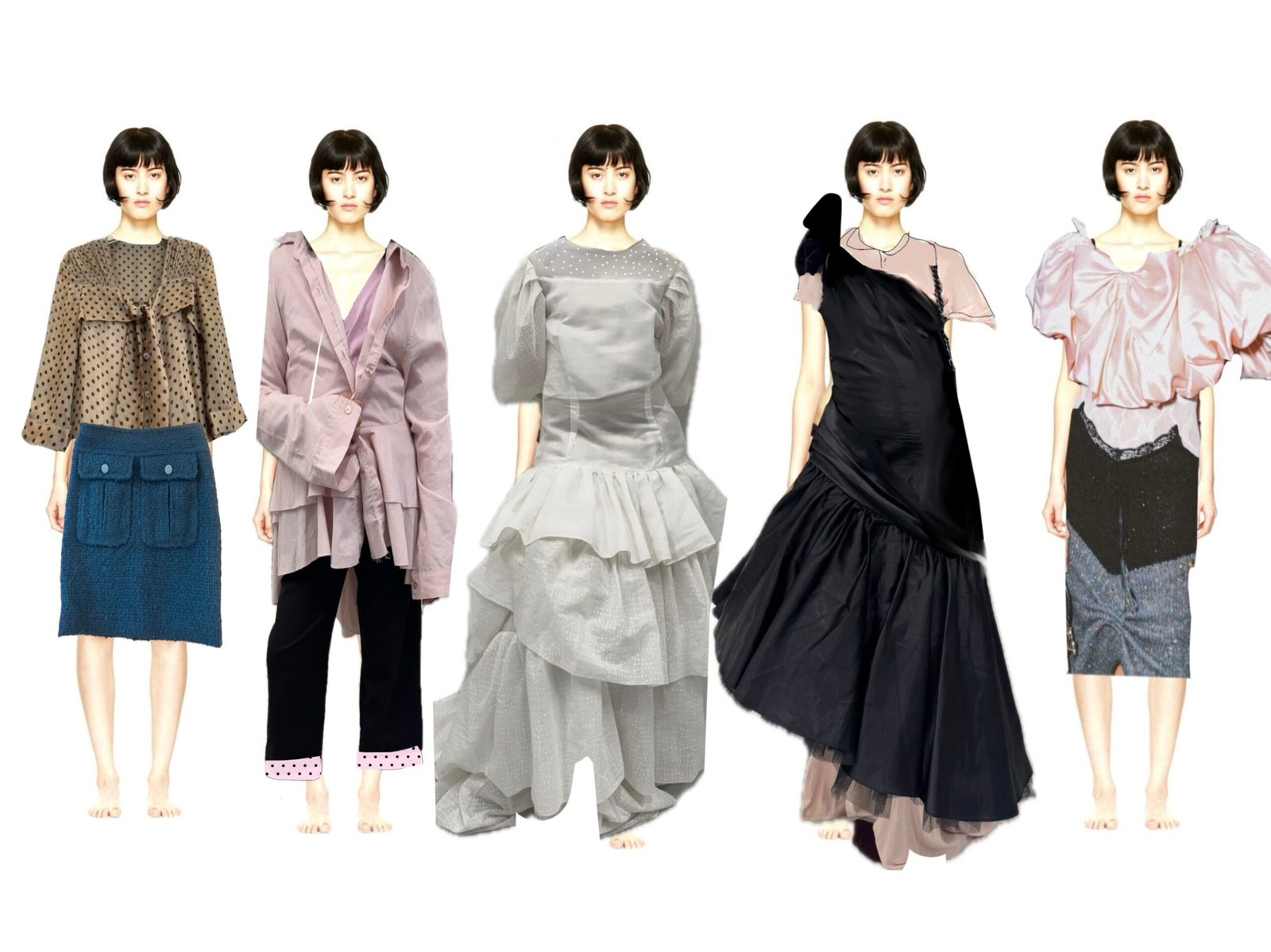
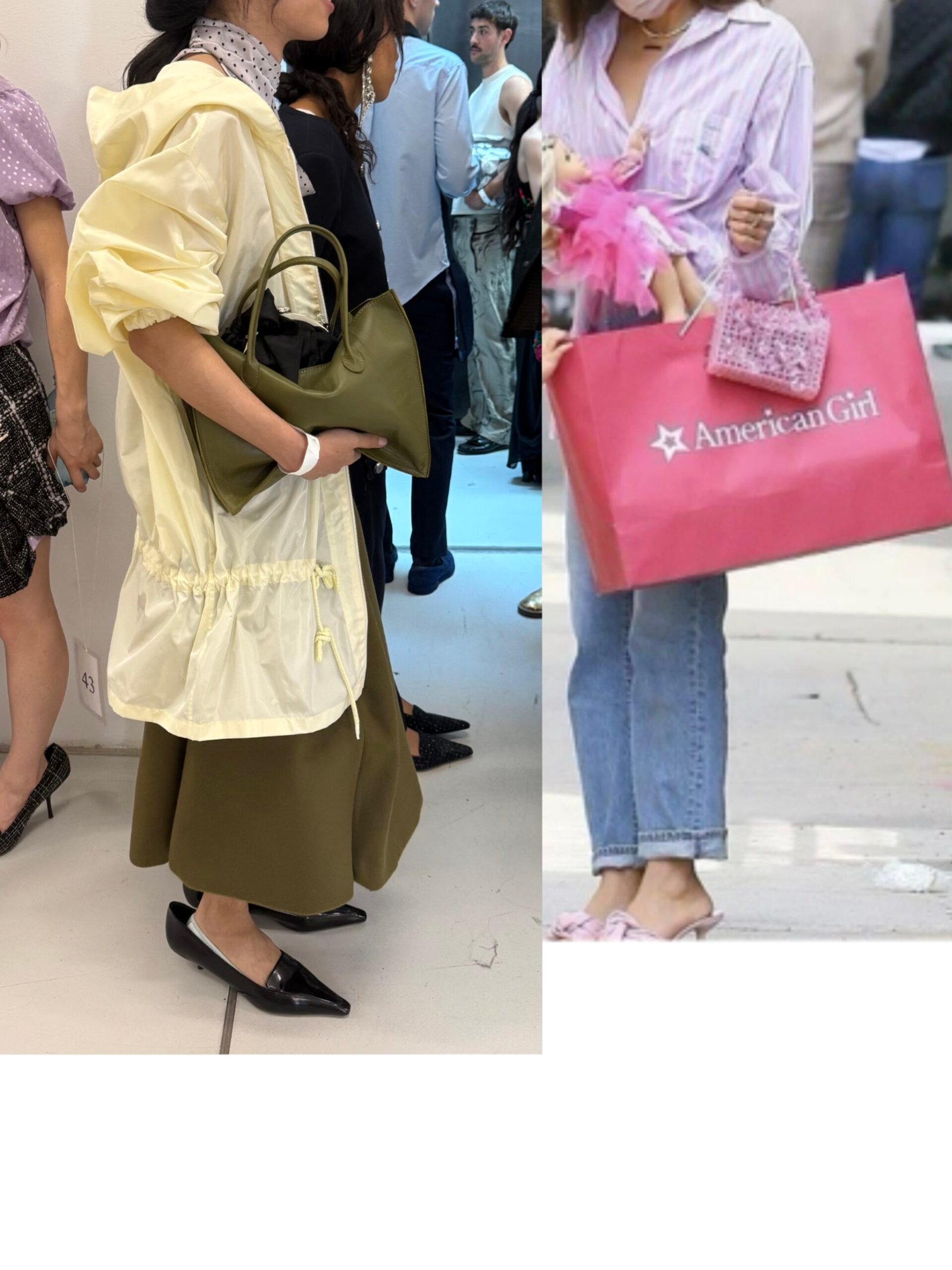
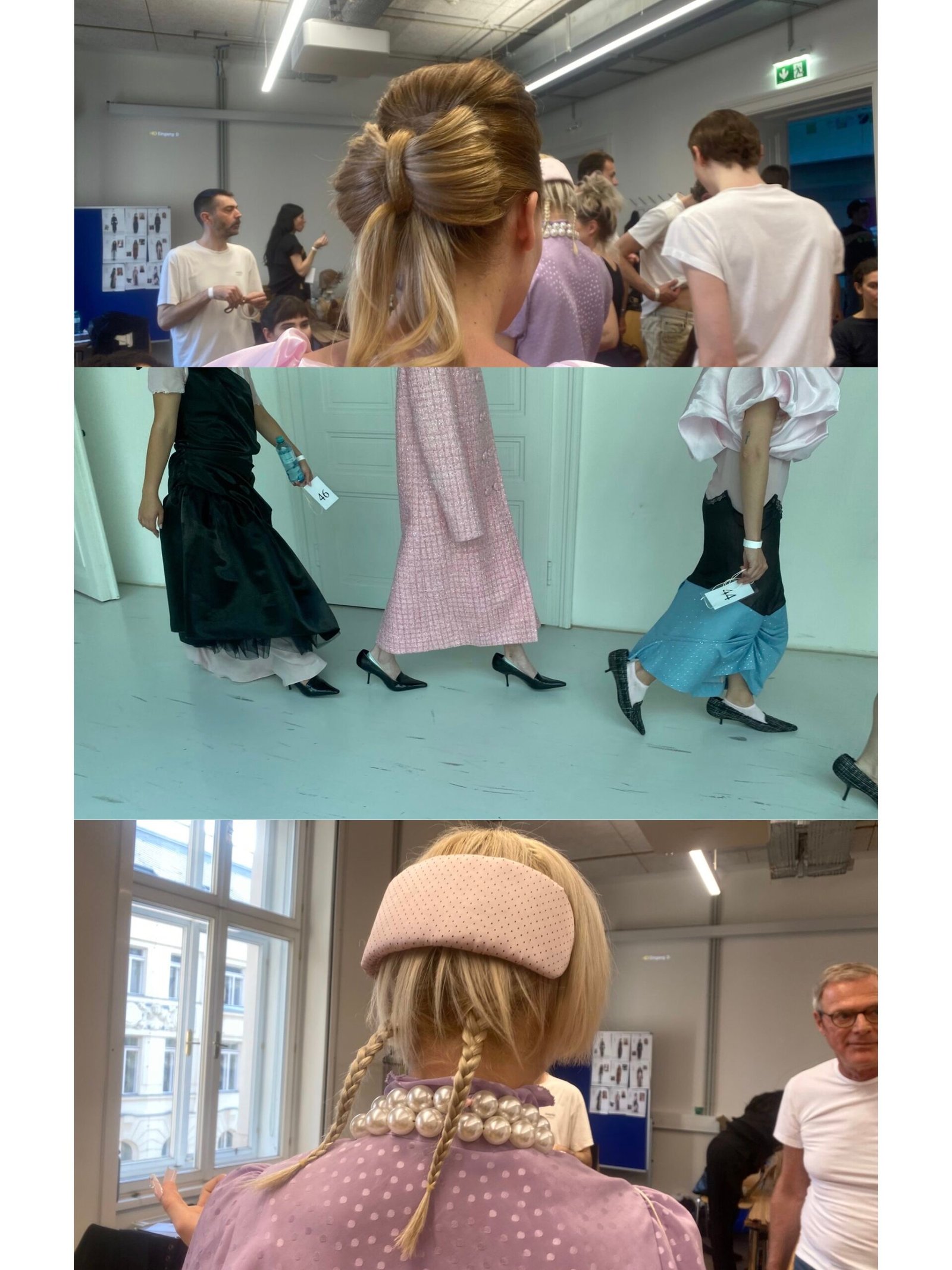
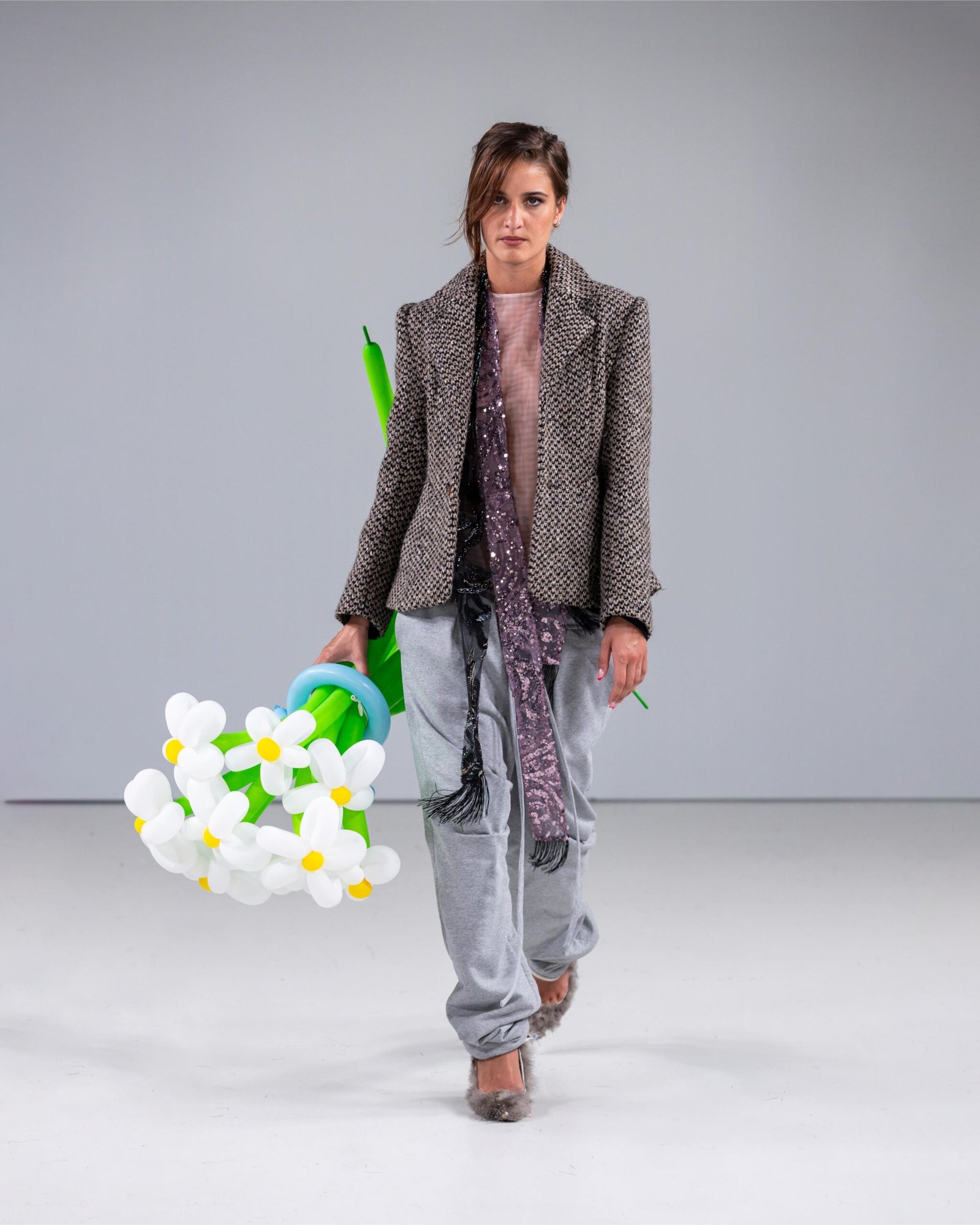
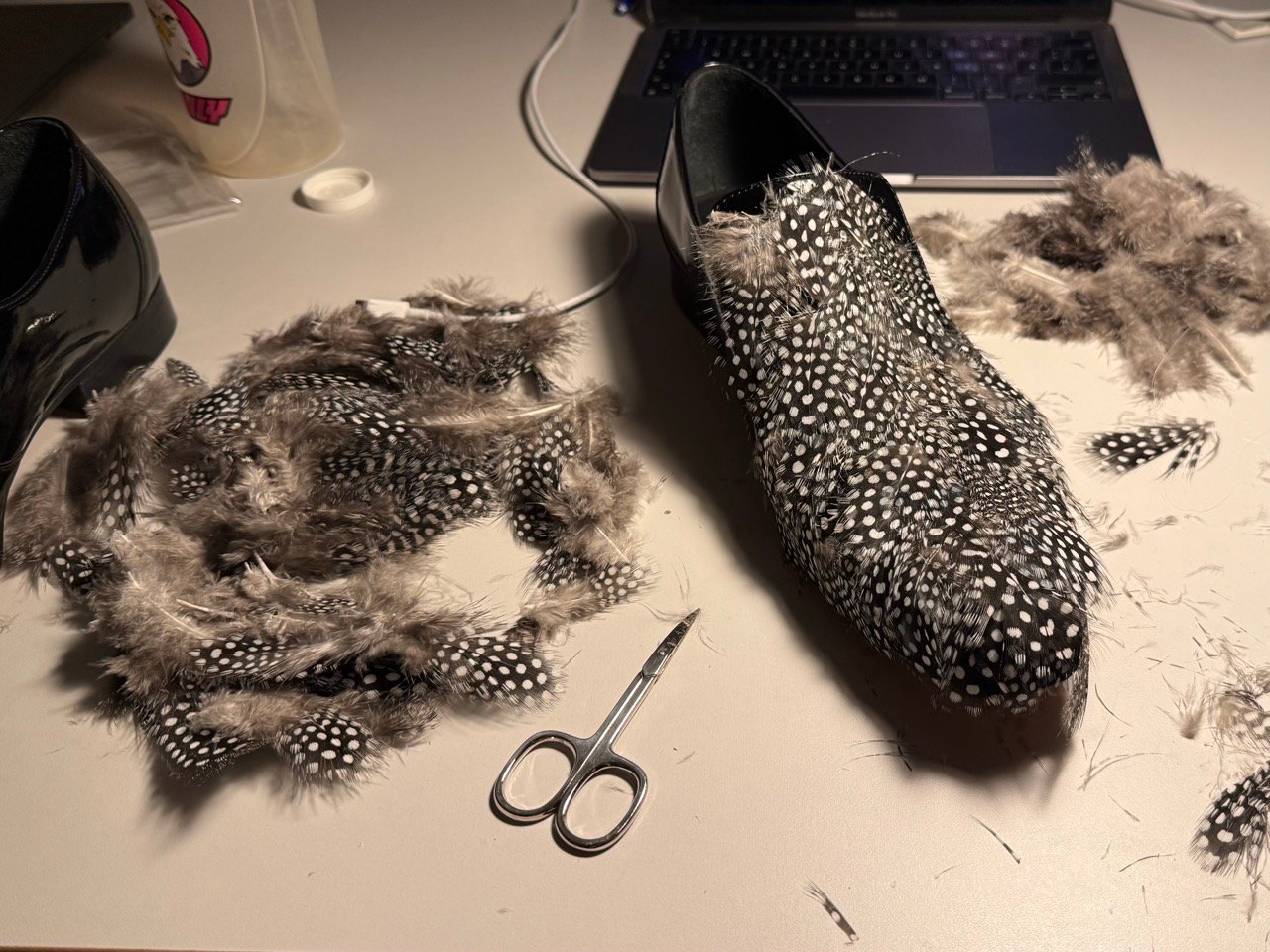
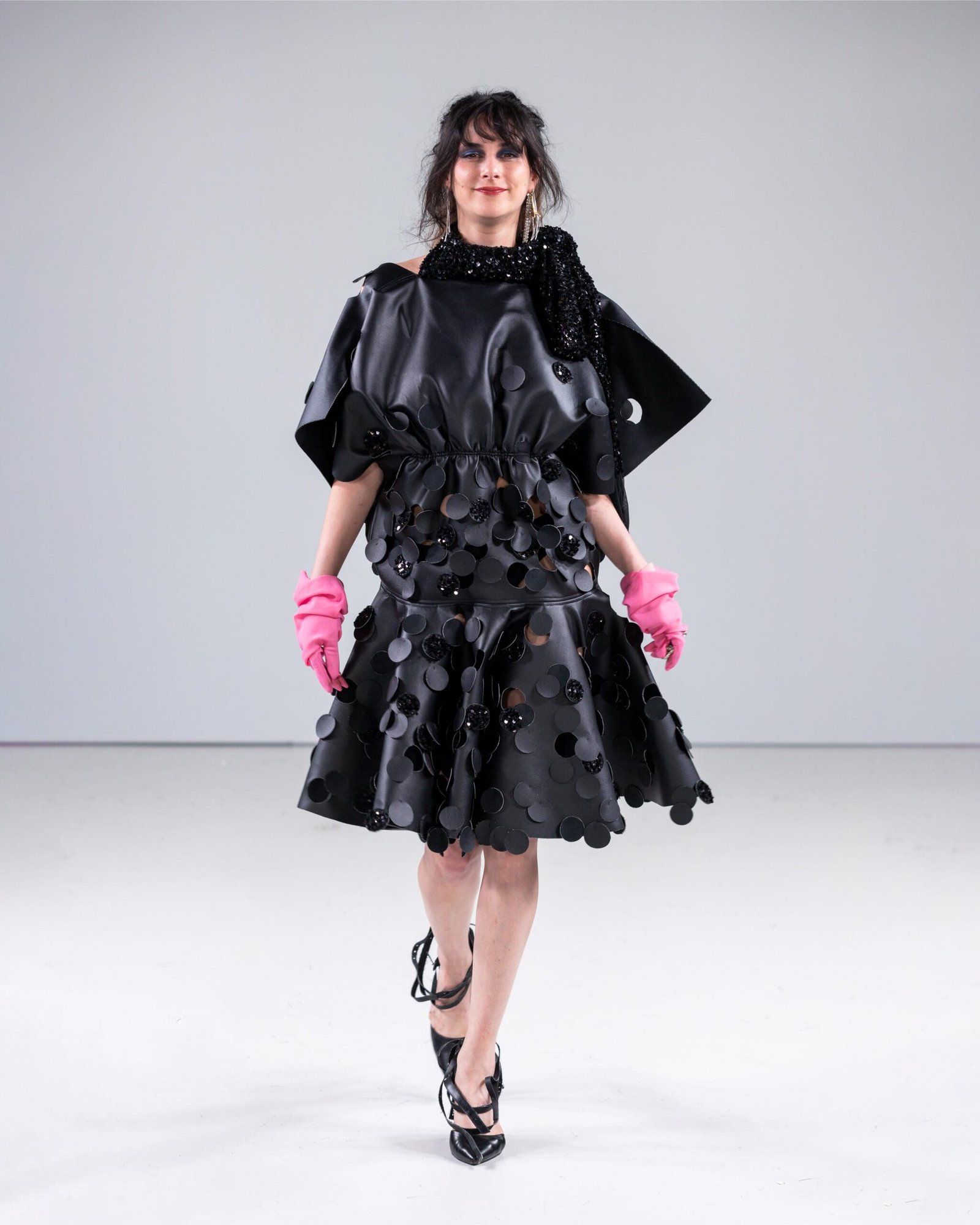
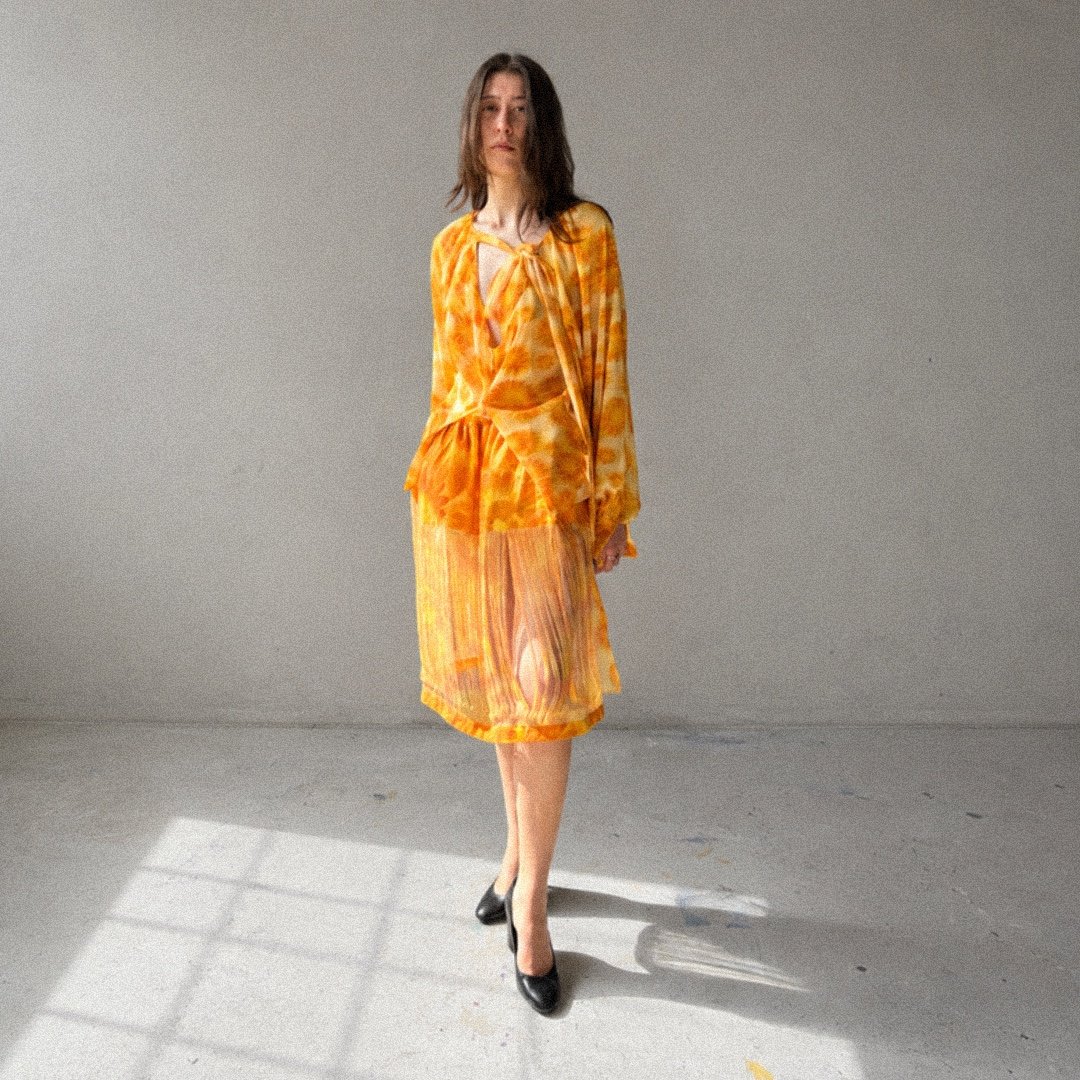
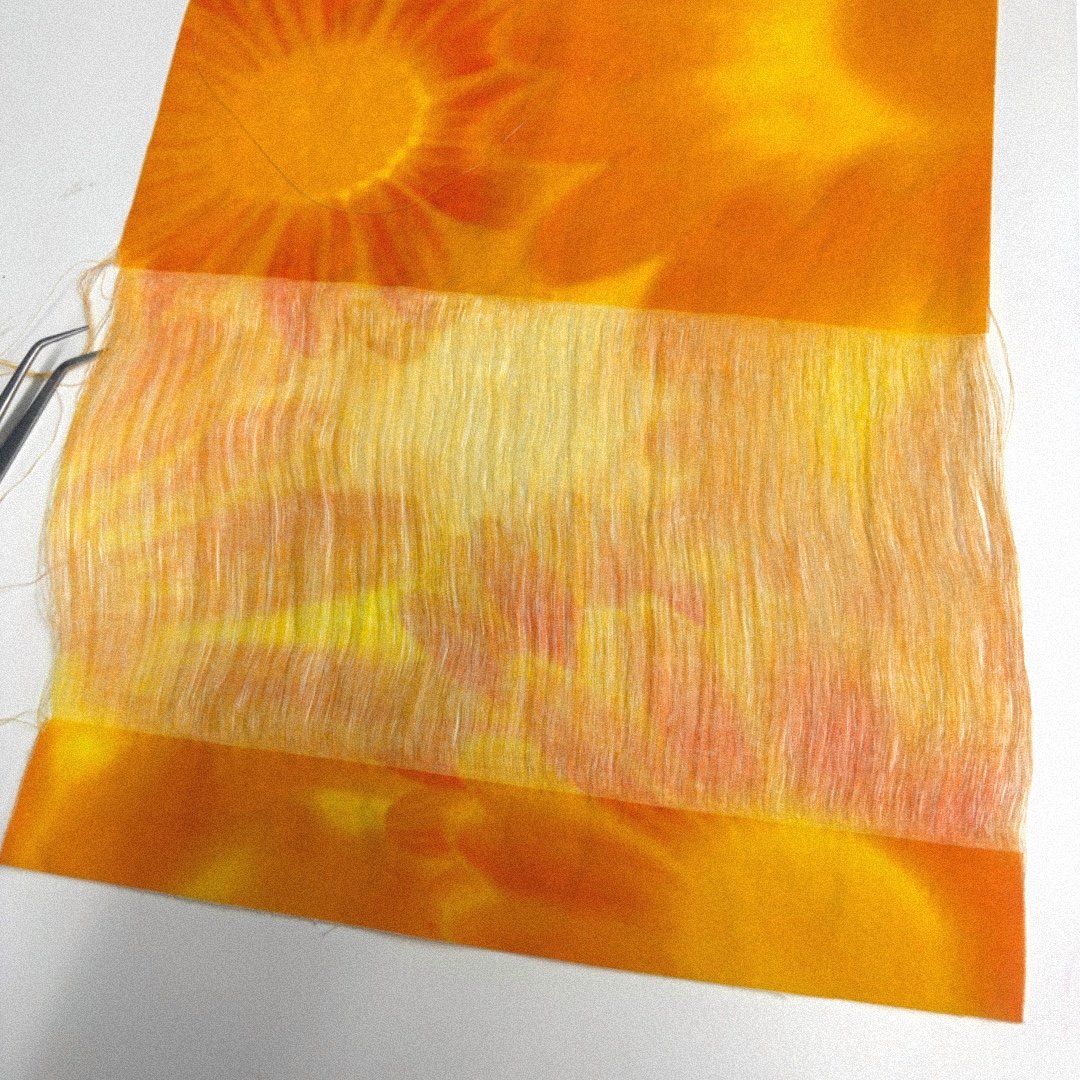
Felix Schmidt’s graduate collection, a day, began with a simple question: what is the fantasy of fashion? Drawing on research into escapism, emulation, artifice, glamour, opulence, and camp, the collection explores these ideas through play. Structured around the course of a single day, it elevates familiar moments such as going to work, having lunch, and leaving an evening event to examine fashion’s transformative potential. Technically, Schmidt sought to capture a sense of fleetingness, reflecting the passing of a day, the brief life of an idea, and fashion’s continual cycle of change. Simple gestures are set against labour-intensive processes to create a visual language that balances humour and seriousness. The collection is accompanied by jewellery by Uma Vogl Fernheim and bags by Karolin Braegger. Although he recognises the uncertainties facing the fashion industry currently, he remains optimistic about what comes next.

@felix.smidt