Eli Heijink
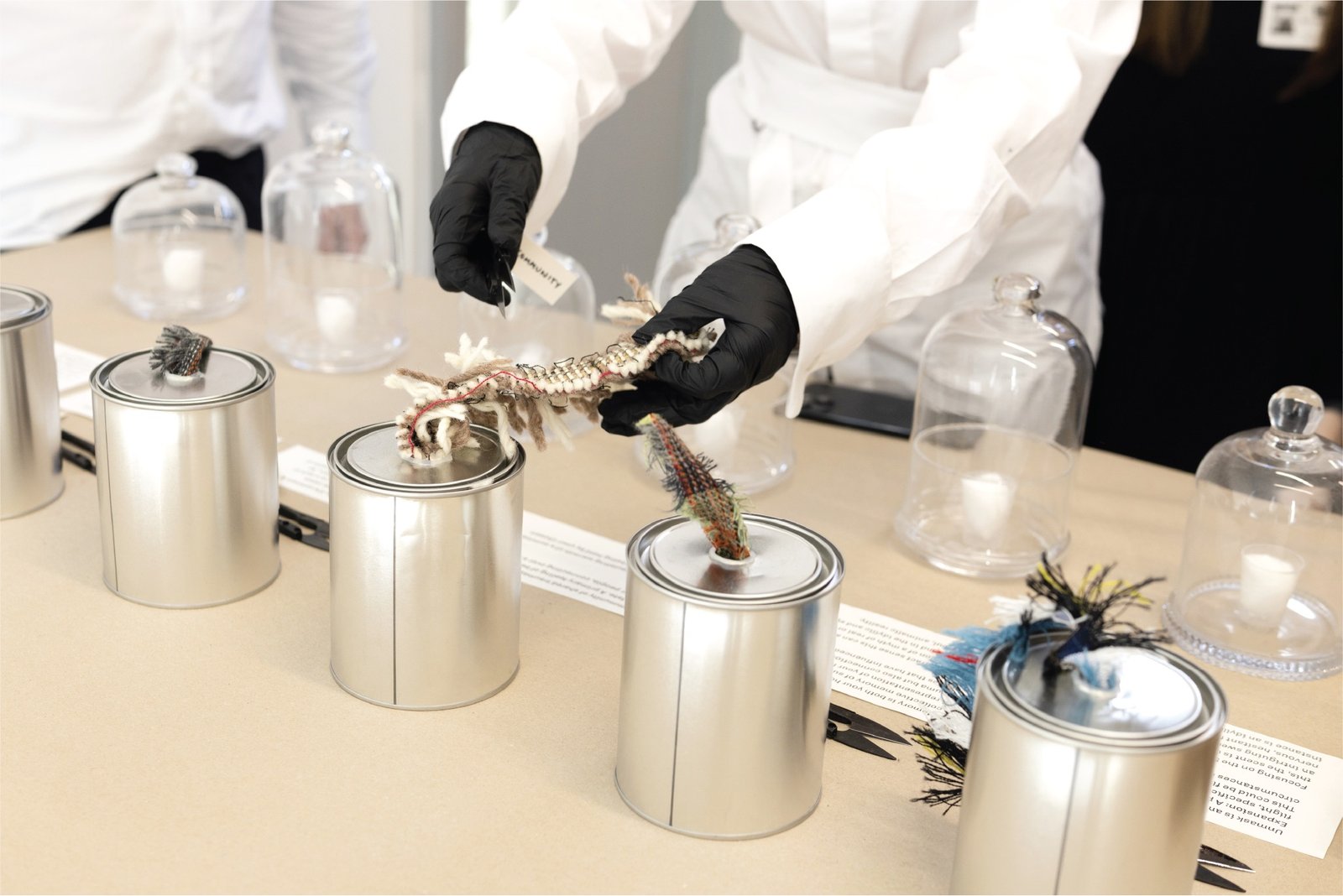
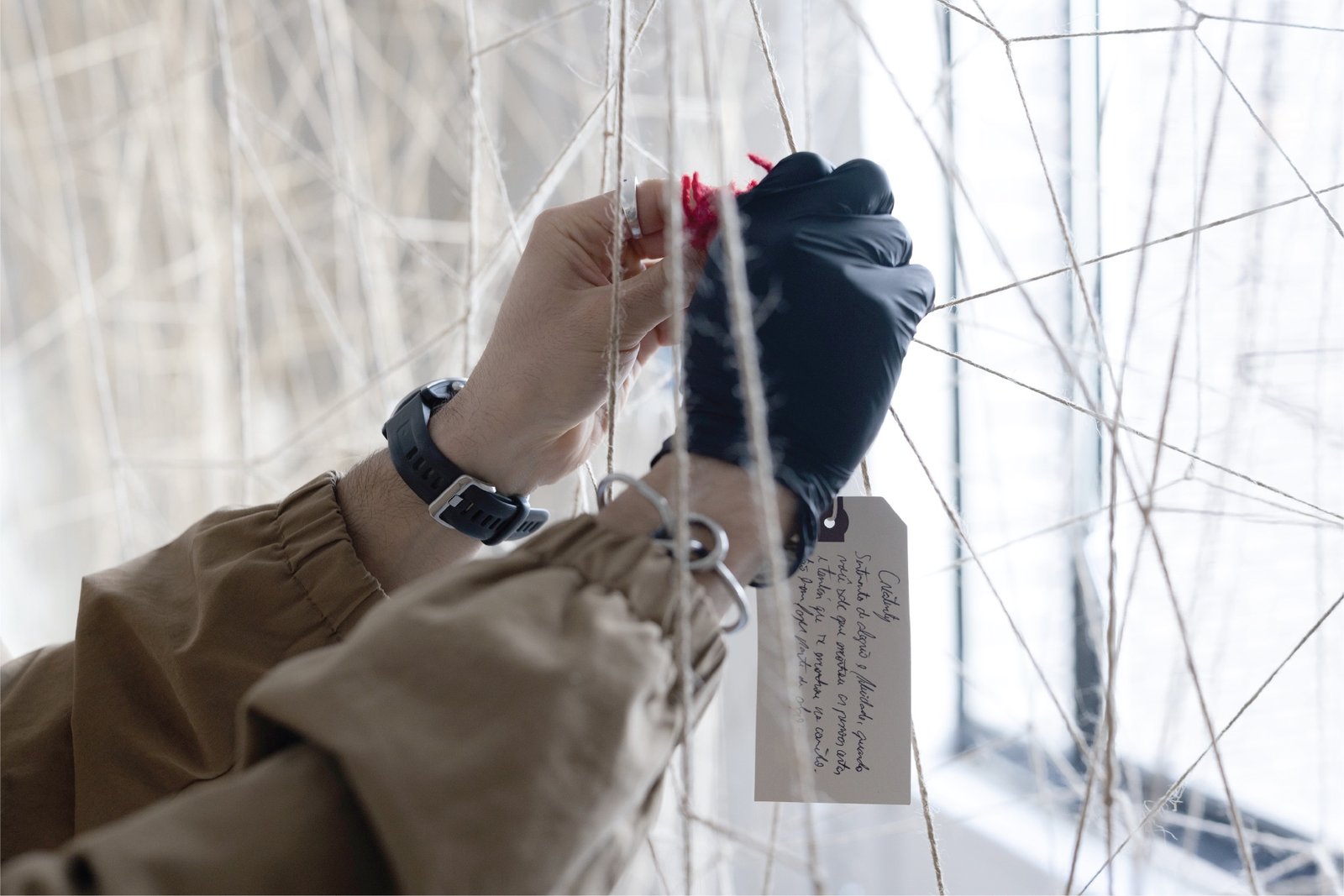
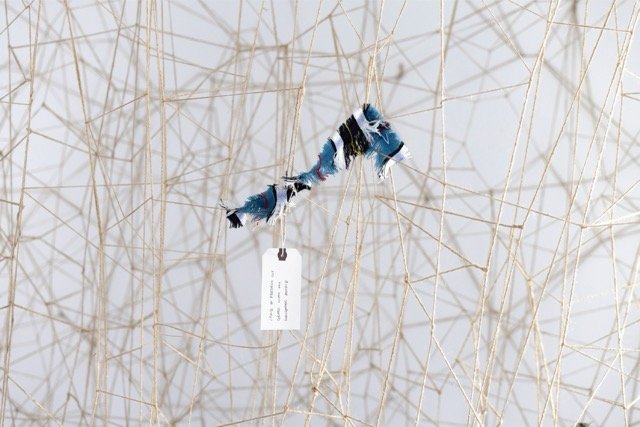
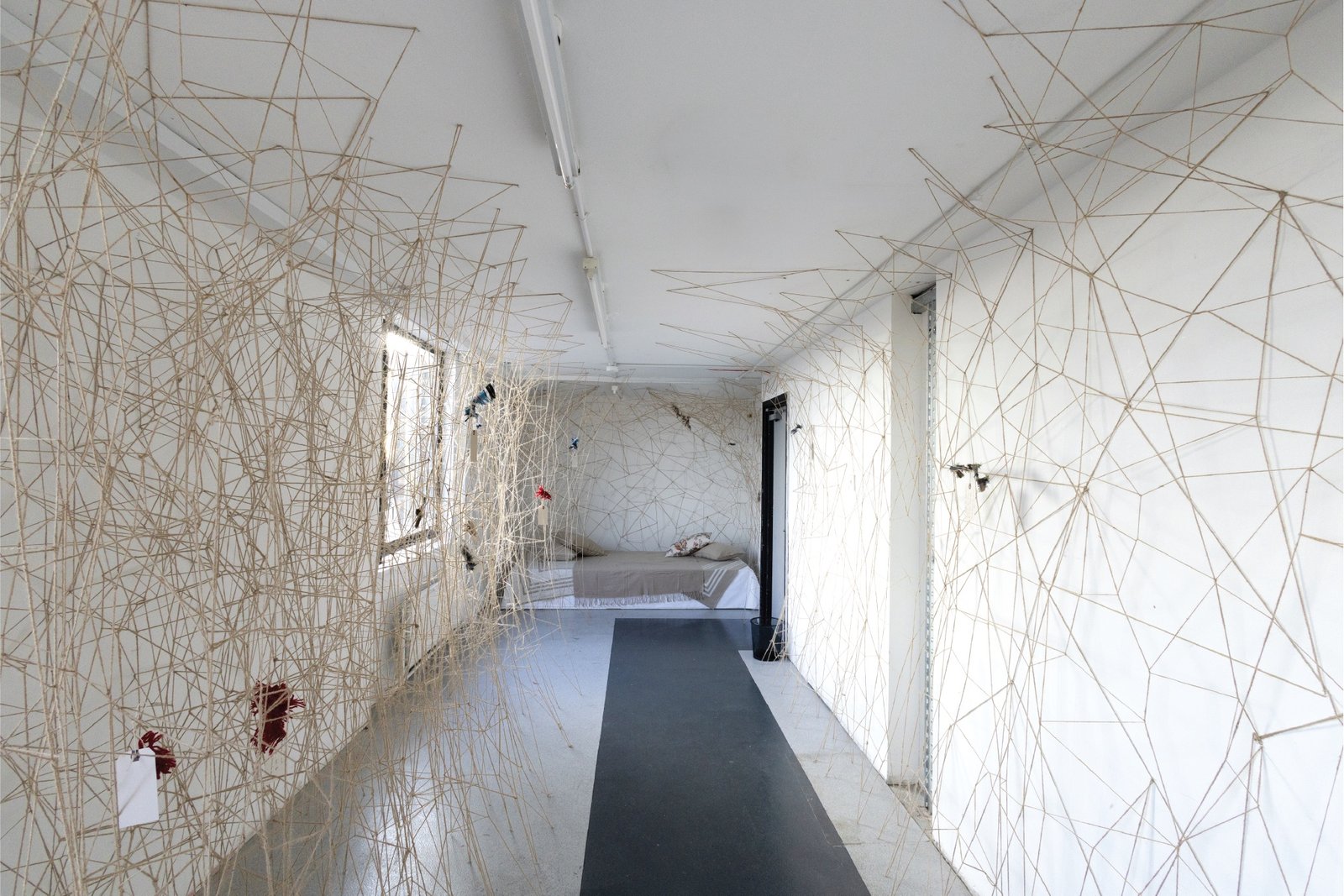
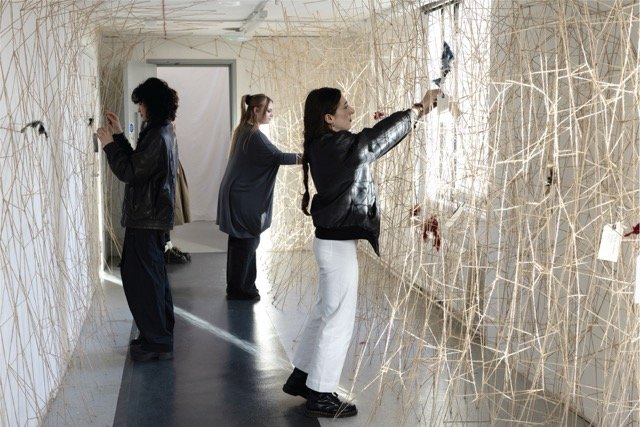
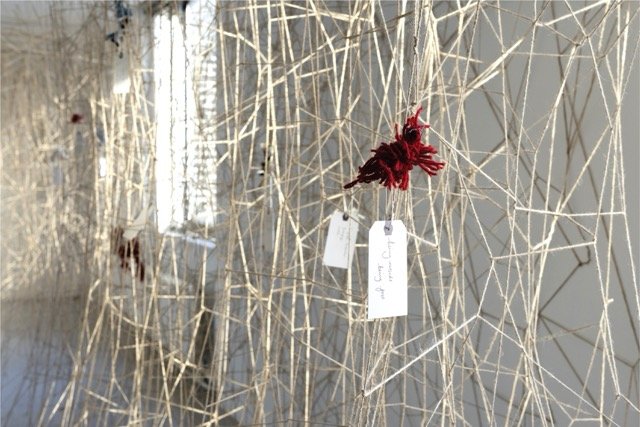
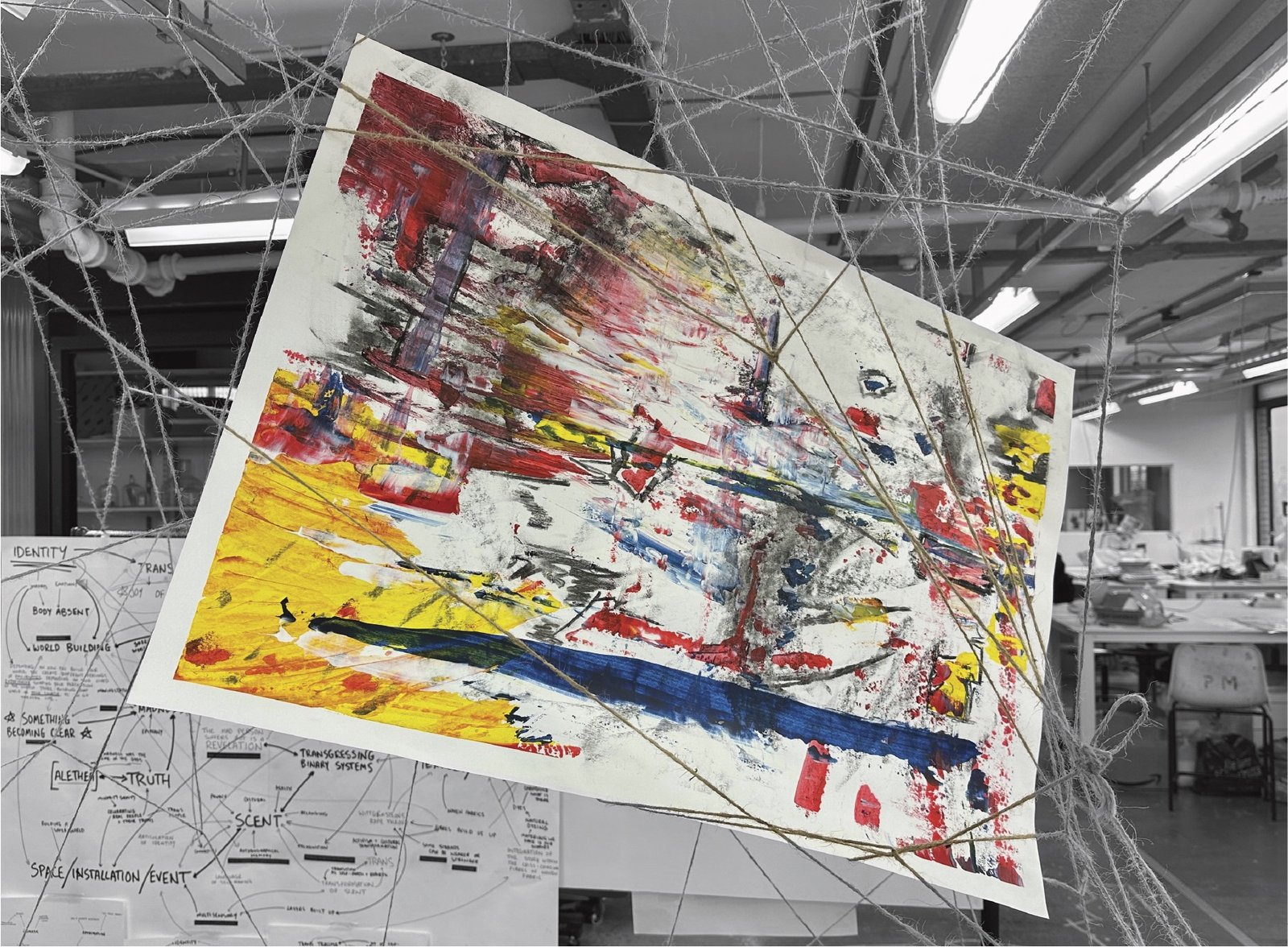
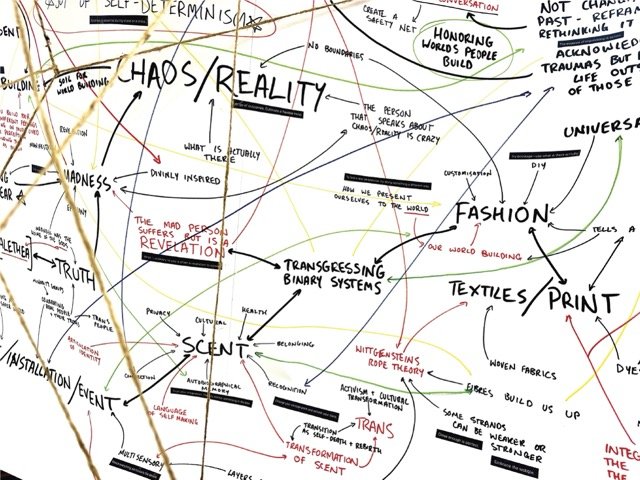
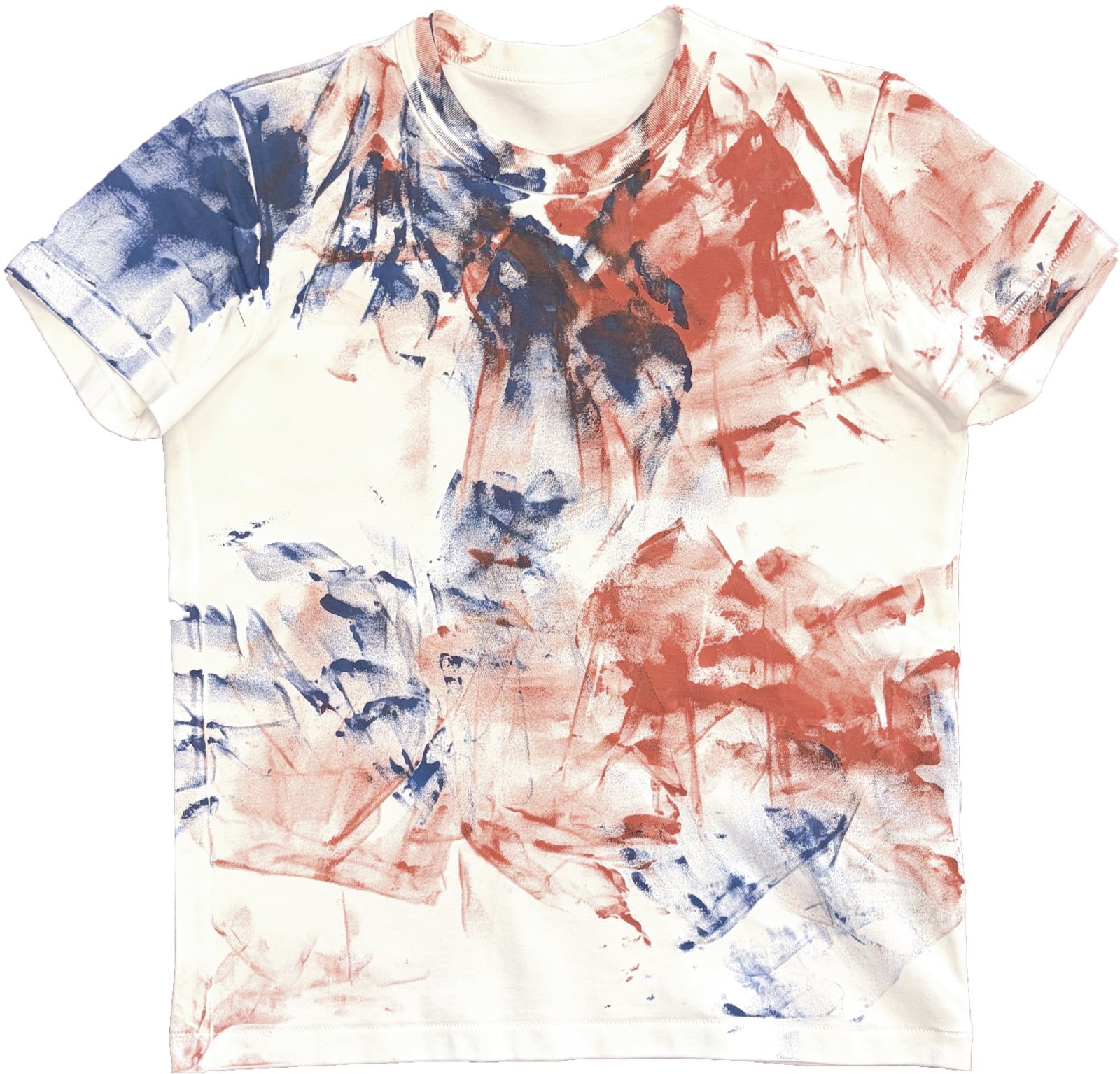
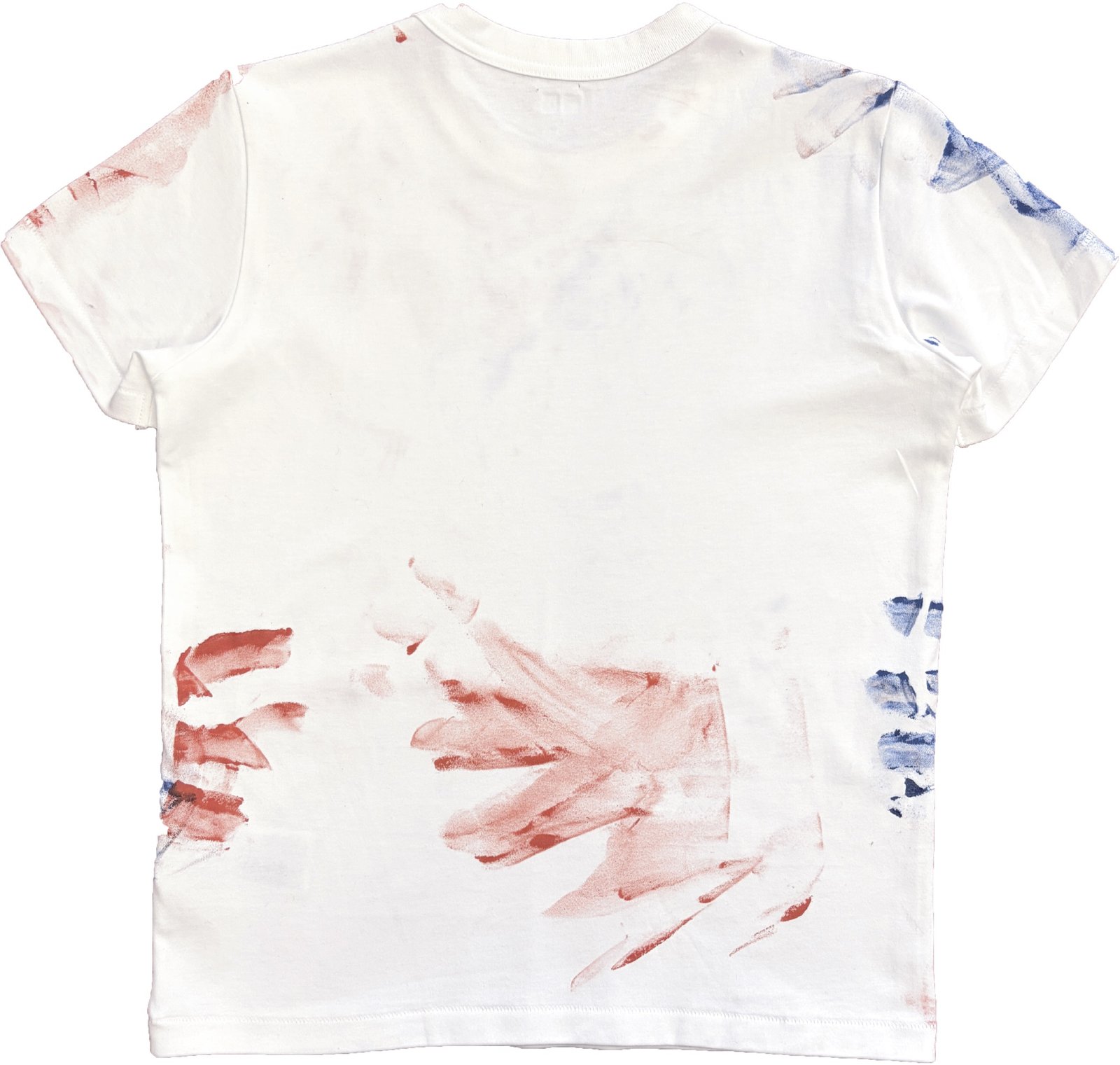
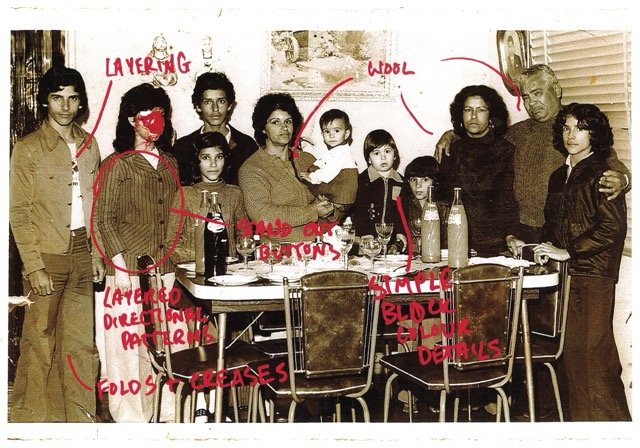
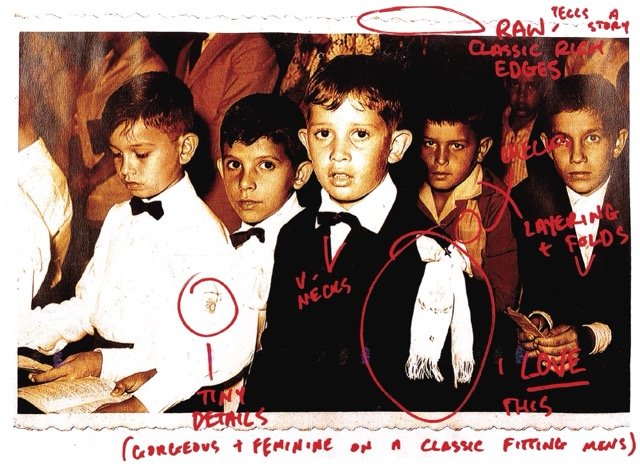
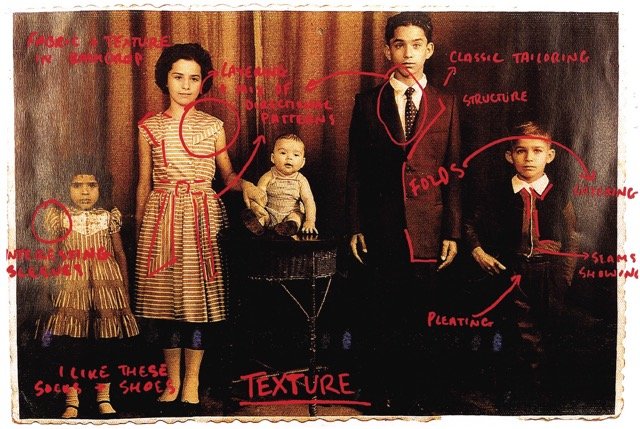
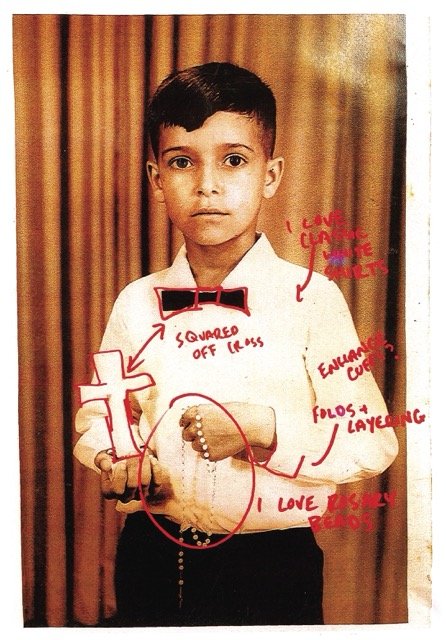
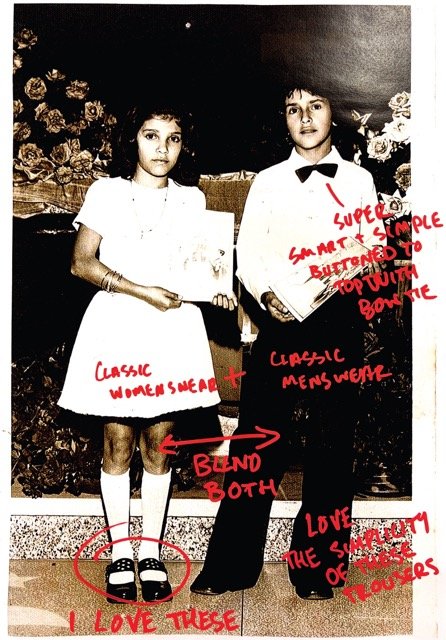
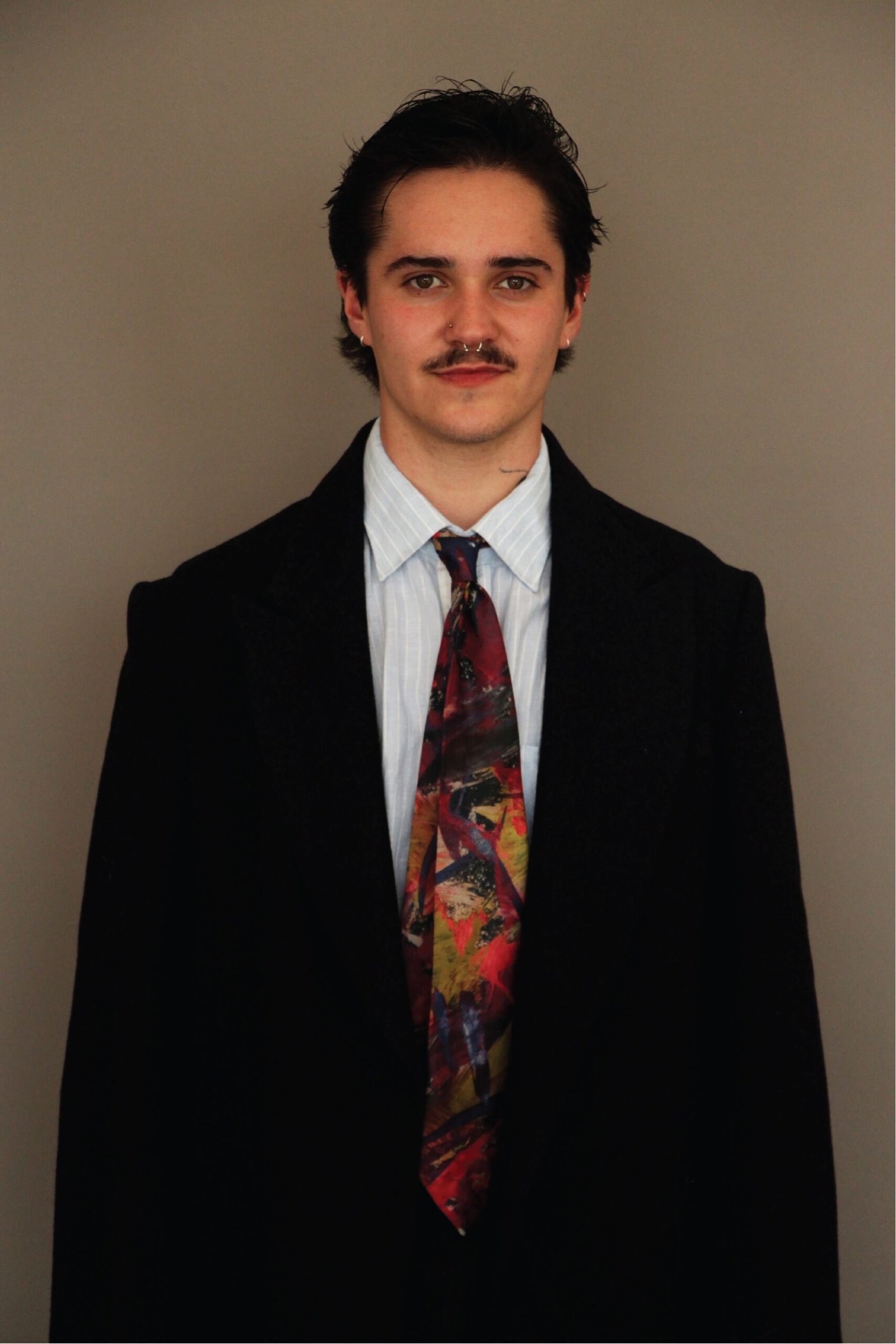
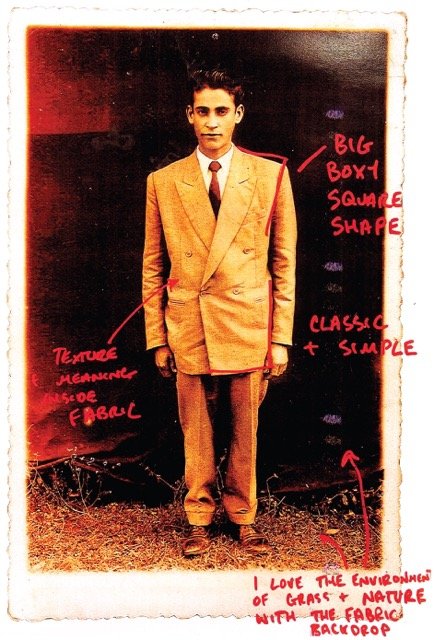
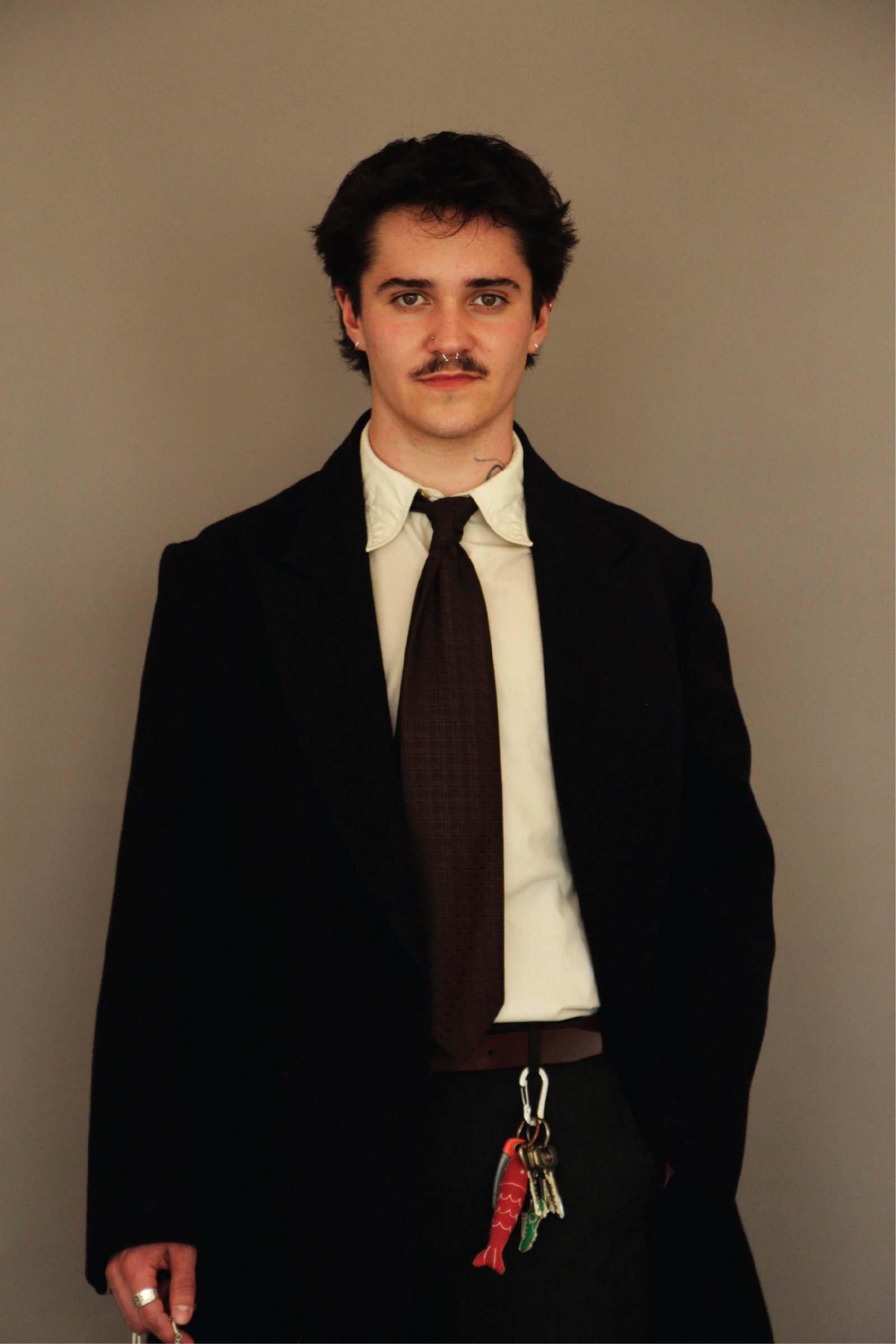
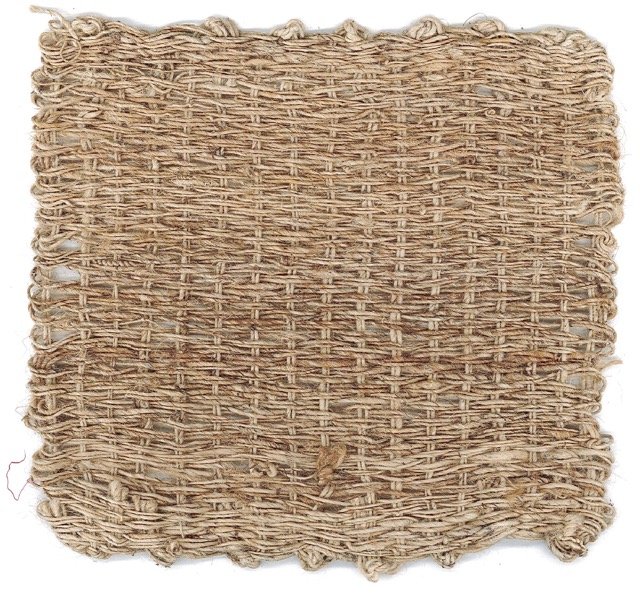
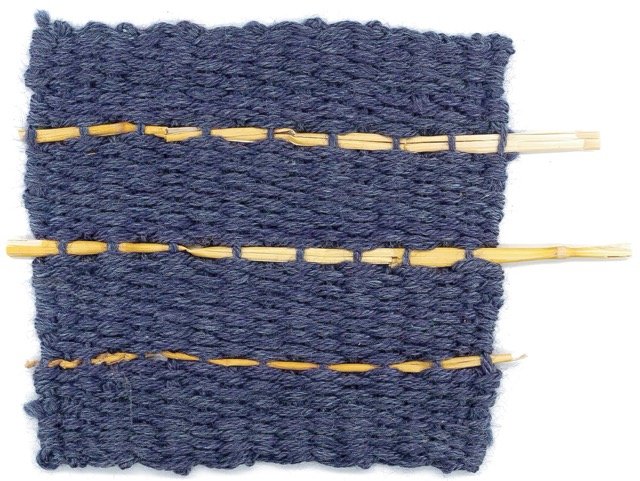
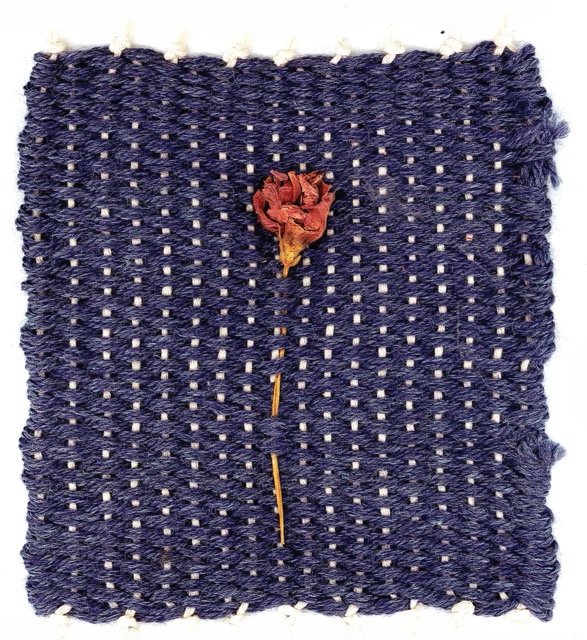
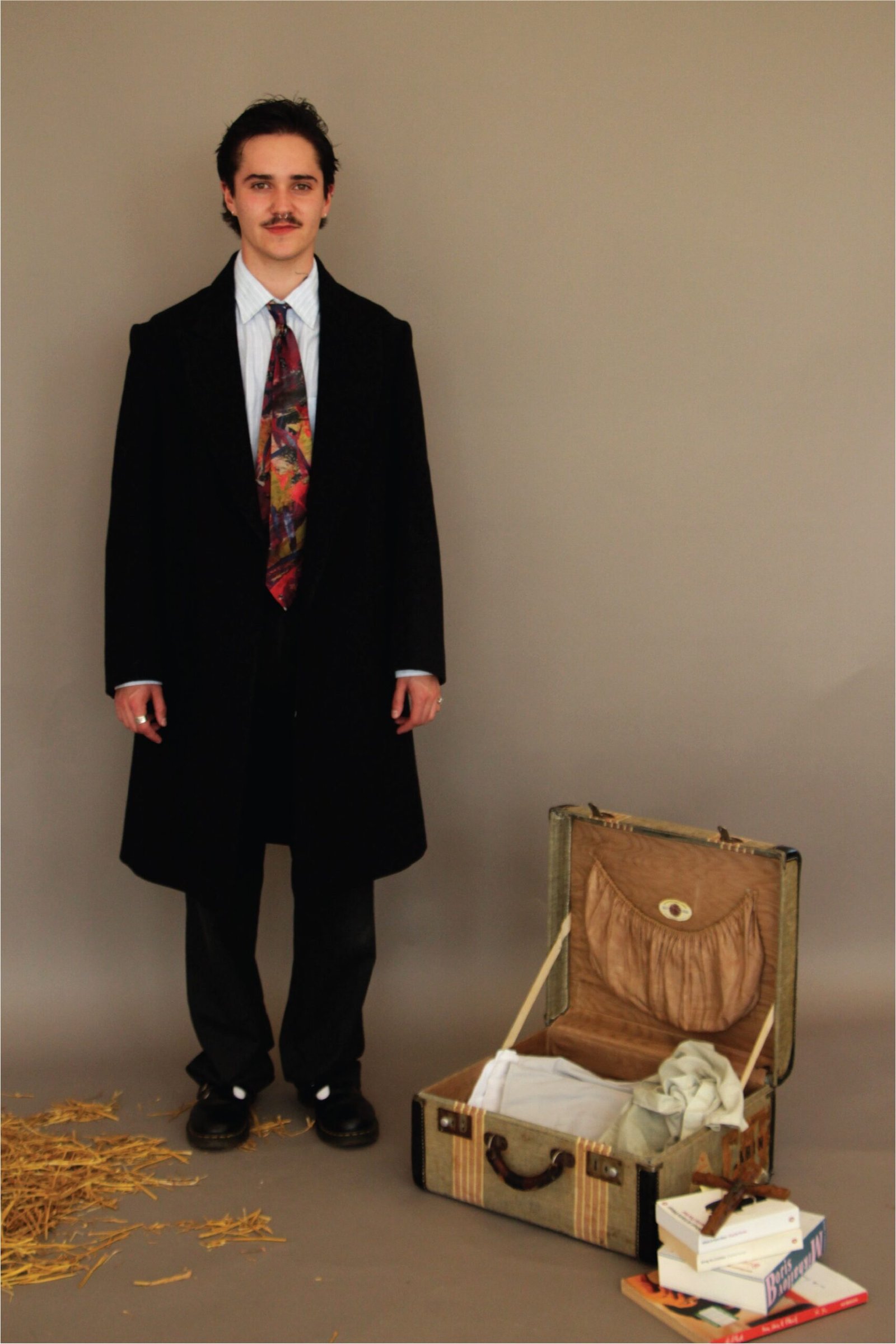
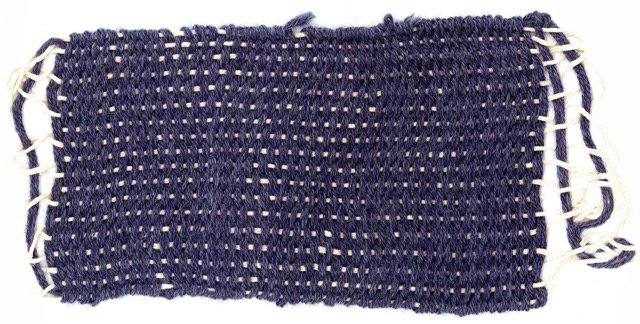
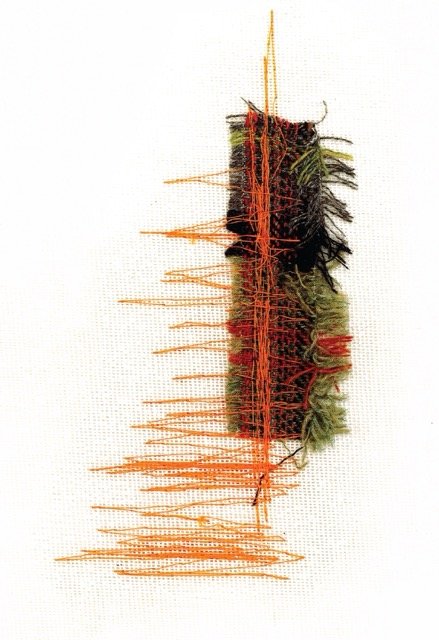
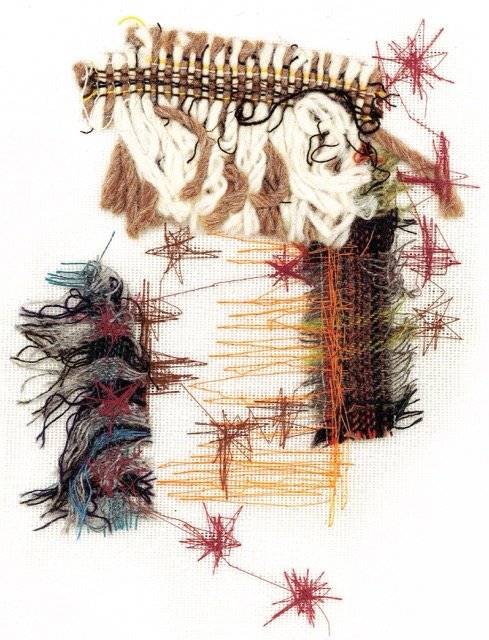
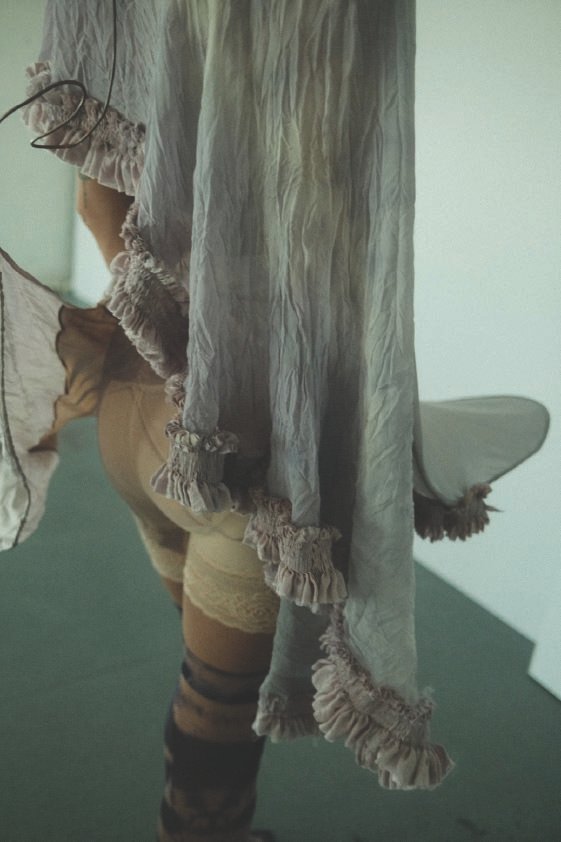
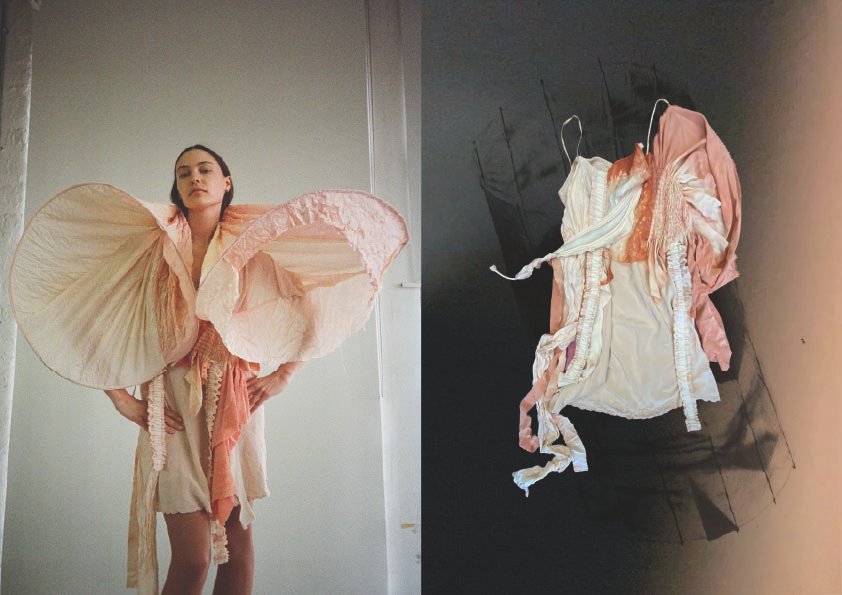
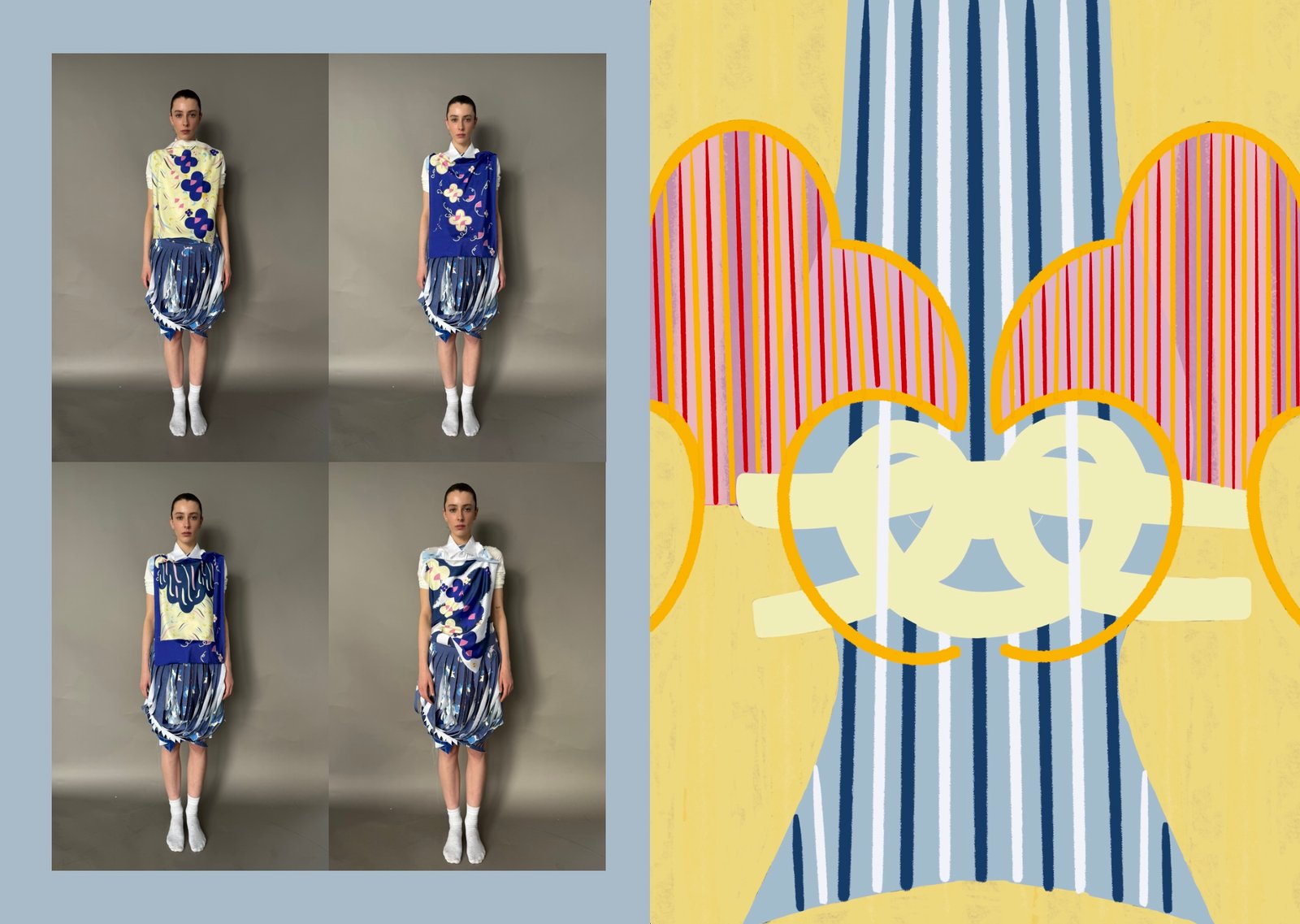
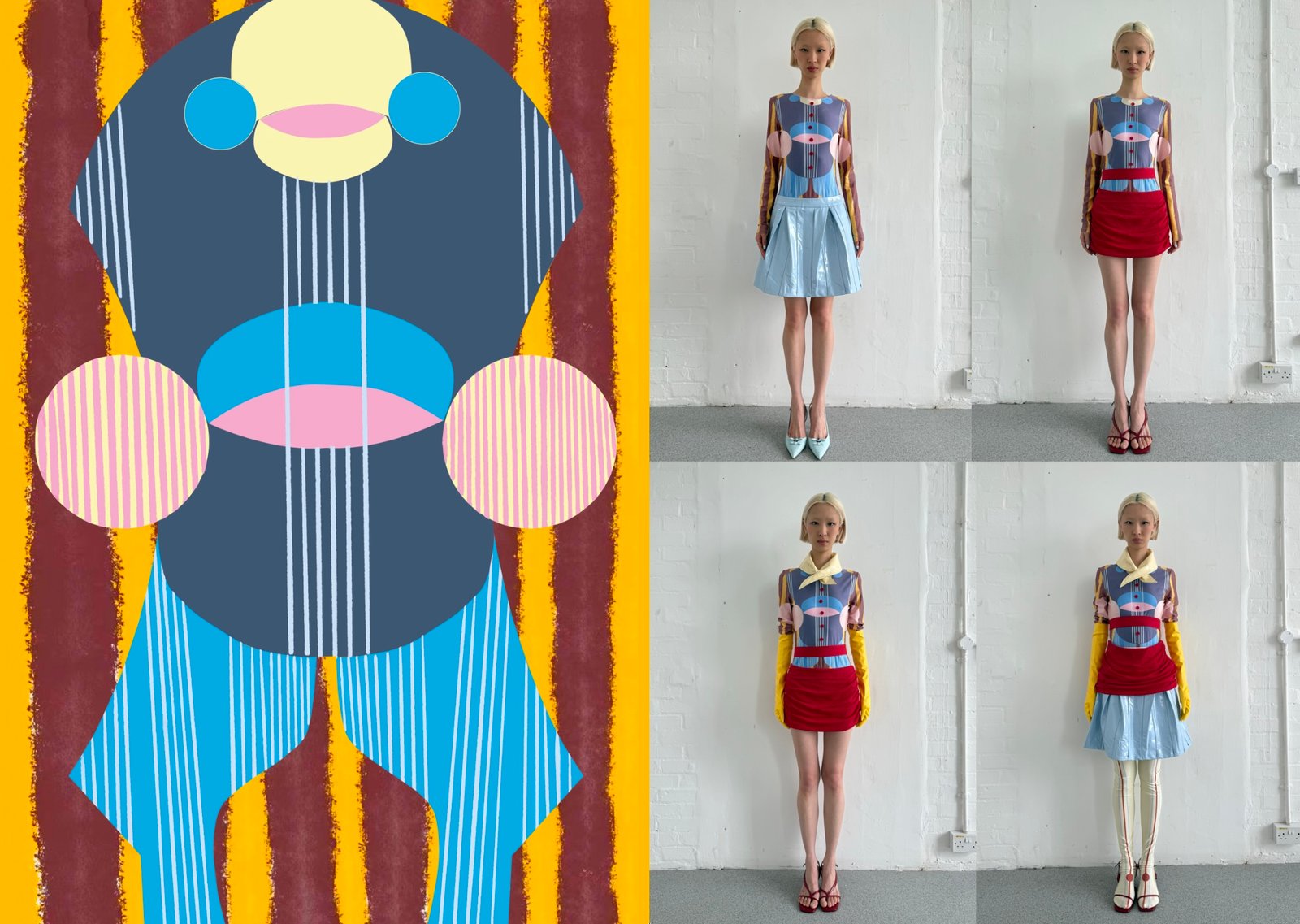
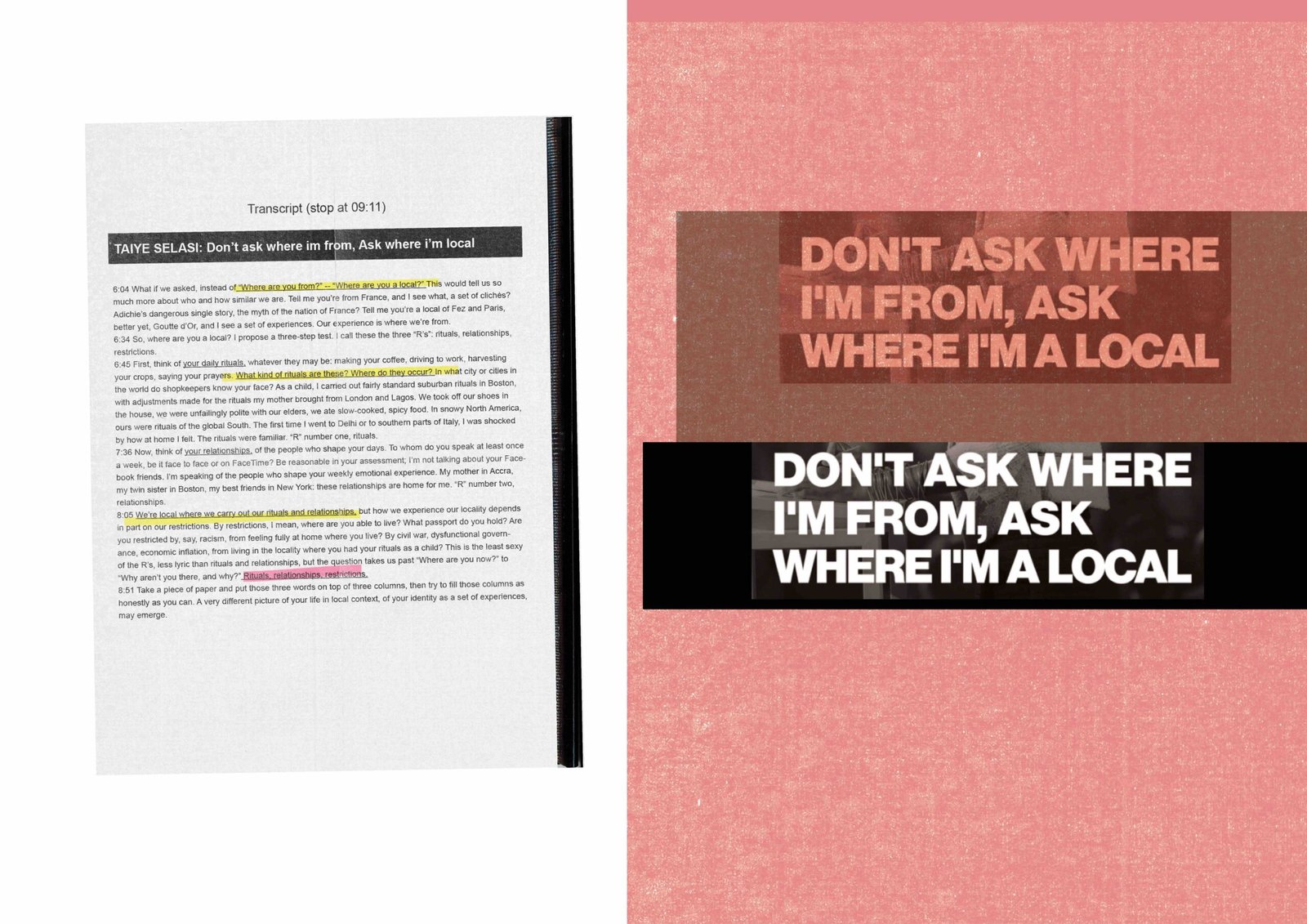
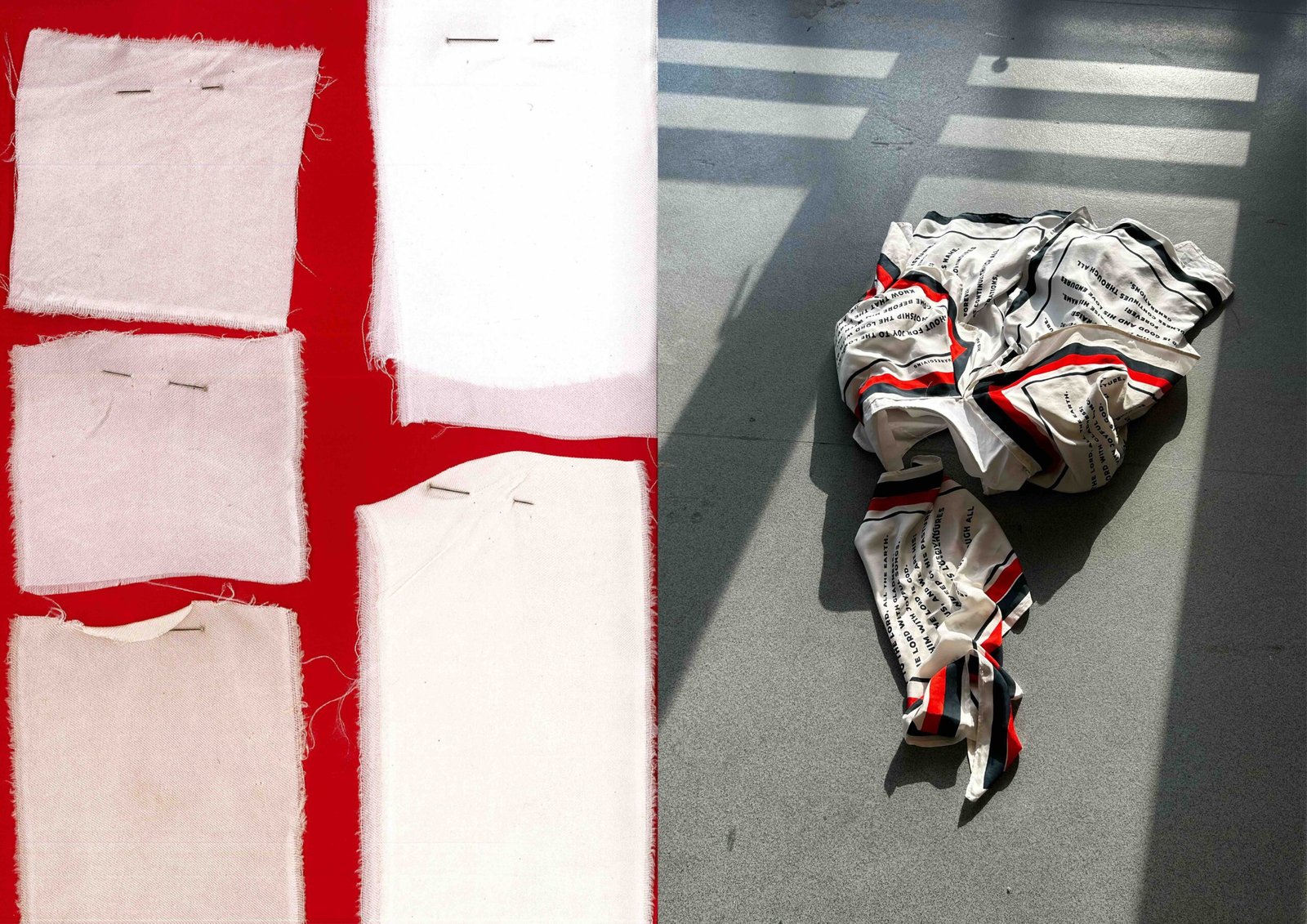
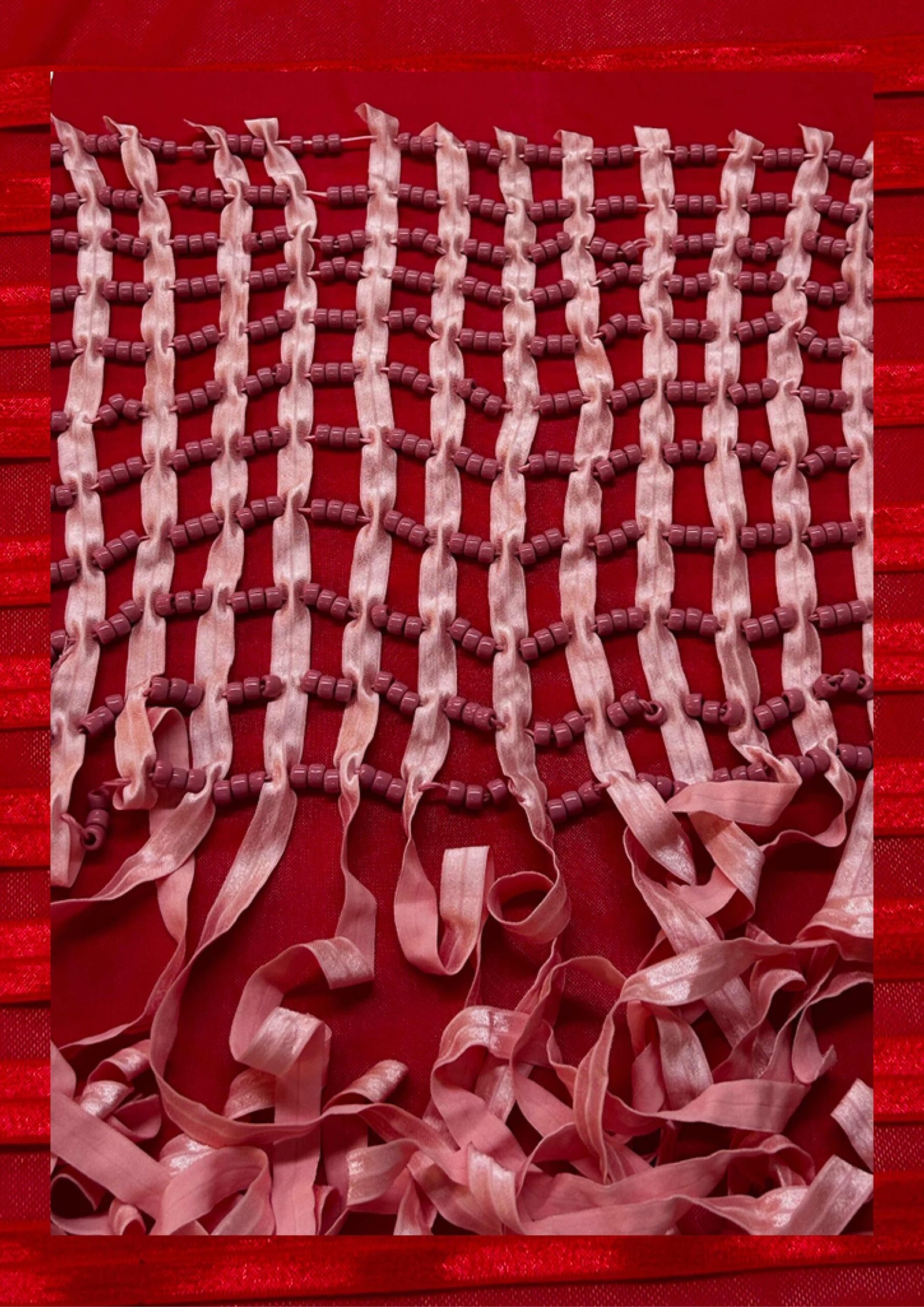
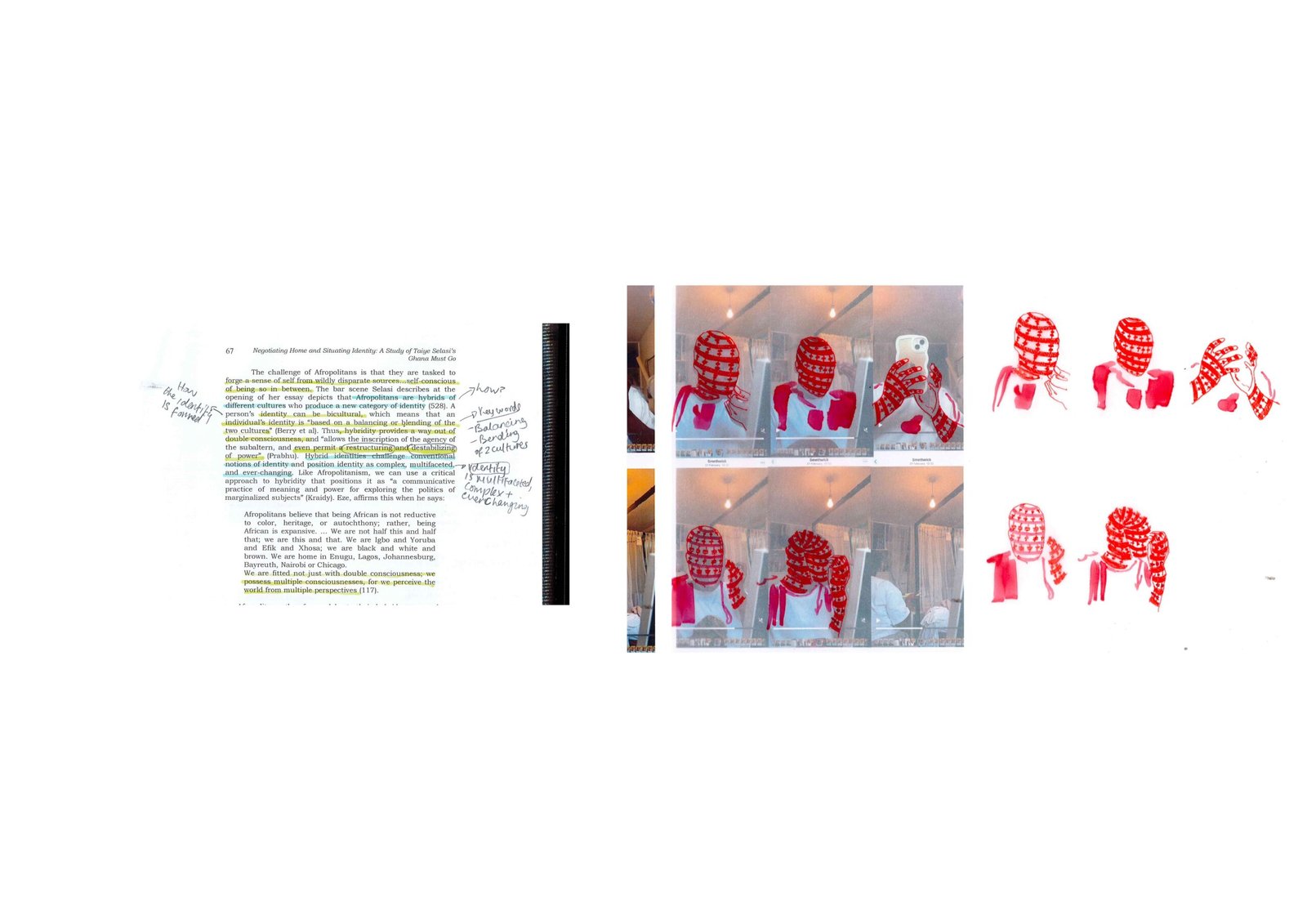
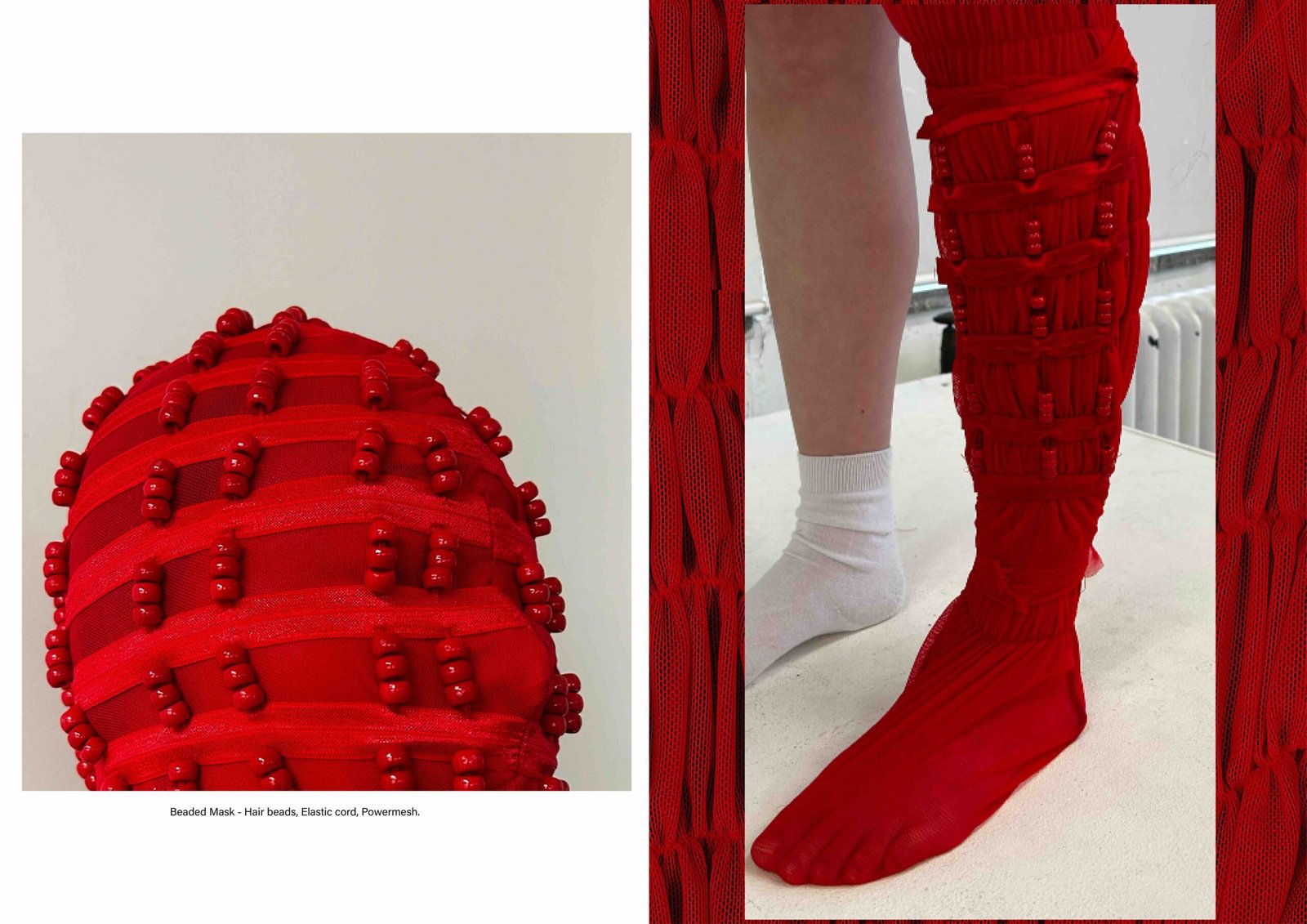
Weaving together his journey as a transgender man with his mother’s Brazilian heritage, Eli Heijink treats clothing as a form of activism, creating connections across marginalised communities. Robin Cohen’s Rope Theory and research into diaspora and belonging inform the work, while tailoring communicates his newfound connection to Brazil. Natural fibres, heavy yarns and knotted flowers make the pieces tactile, evoking vulnerability as much as resistance, and an earthy palette reflects heritage and emotional connection. Traditional menswear meets feminine details and immersive installation, inviting people into a shared space where garments become vessels for dialogue and acceptance. As he leaves education, Heijink is excited by the possibility of creating work beyond traditional fashion spaces, using clothing to start conversations rather than simply exist as products, and by the growing number of designers using their platforms to advocate for social change. What concerns him is an industry that can still feel exclusive and disconnected from the people it represents, where diversity too often becomes a trend rather than a long-term commitment.