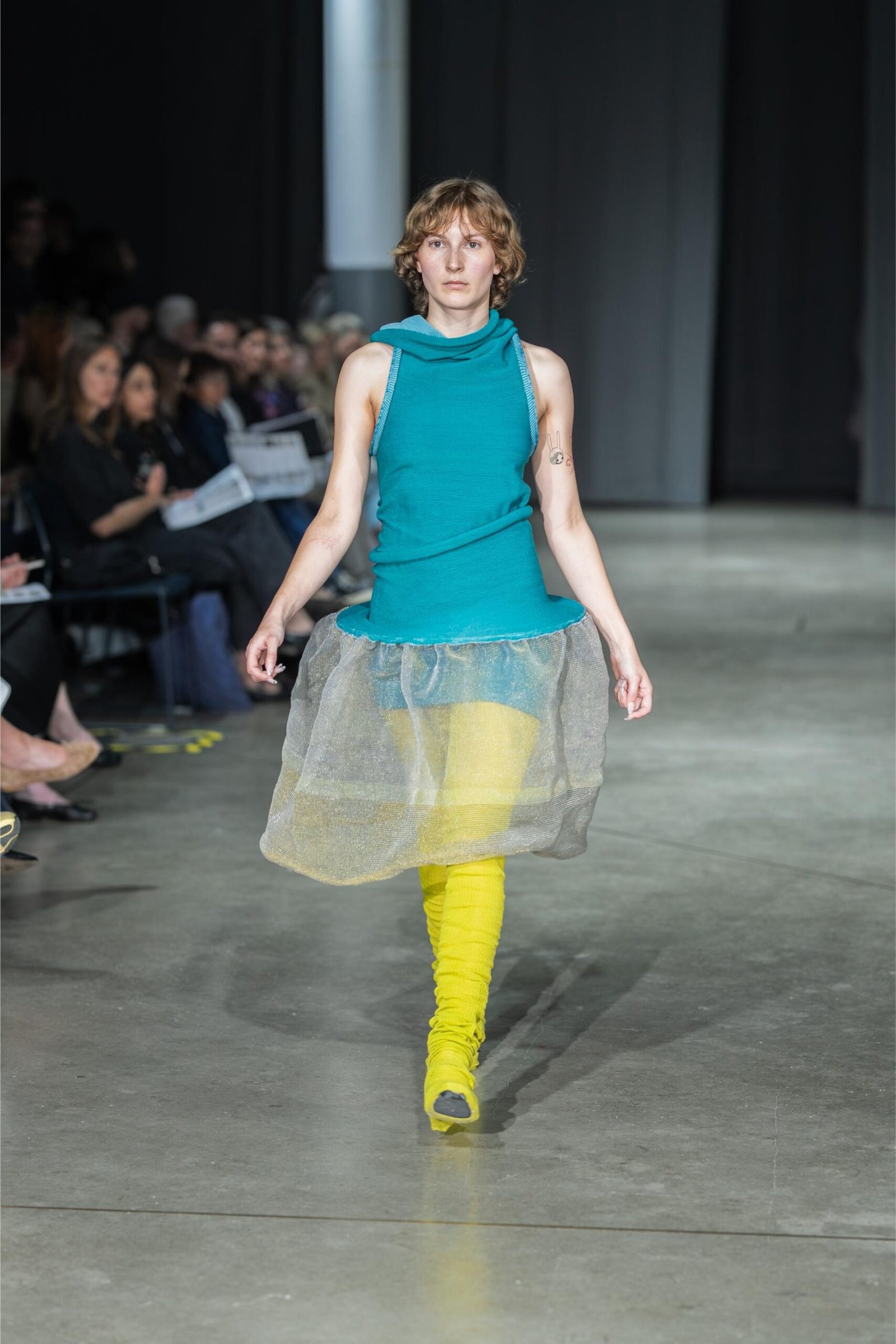
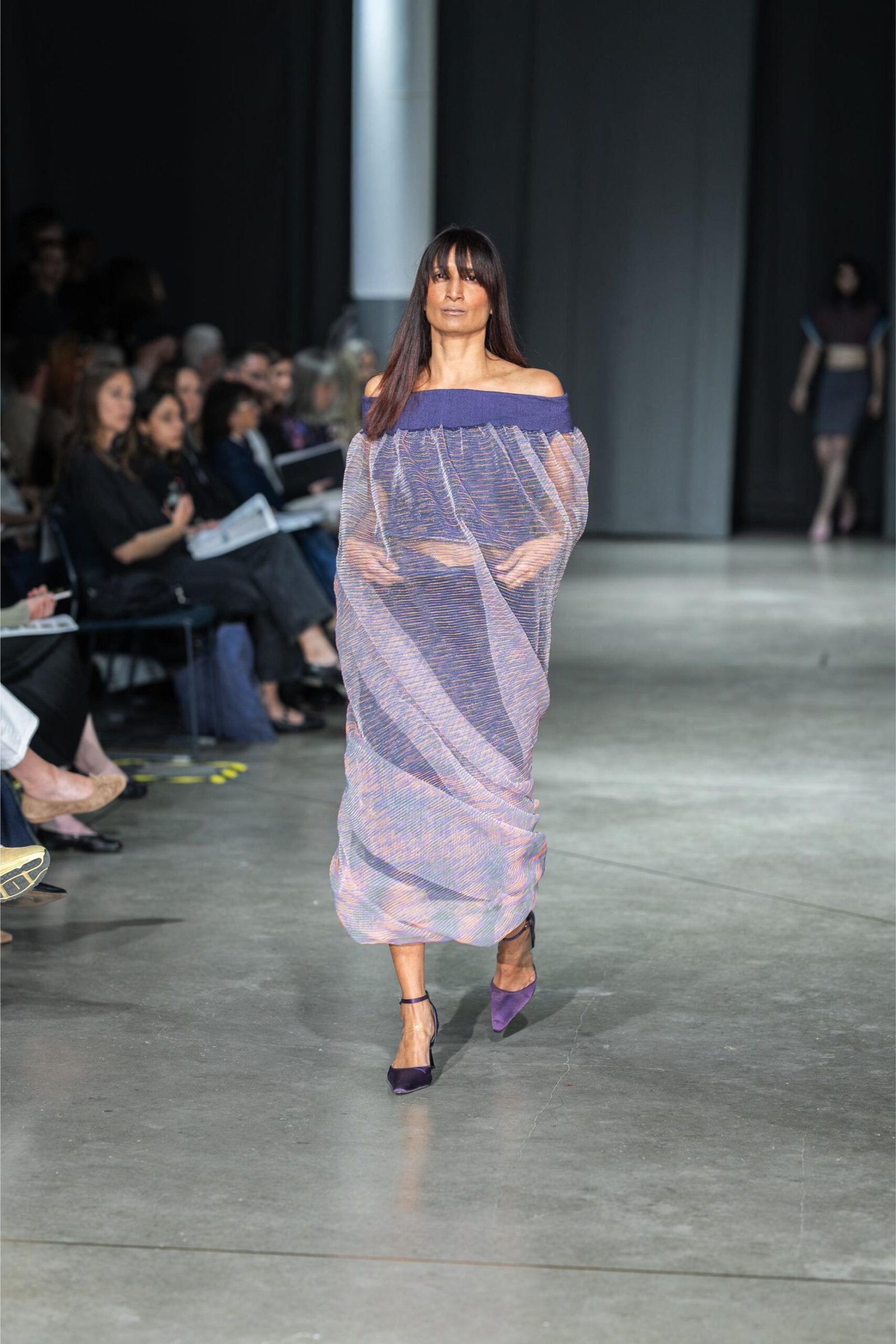
Representing the creative future

SST BA Fashion 2026: Form and Duration

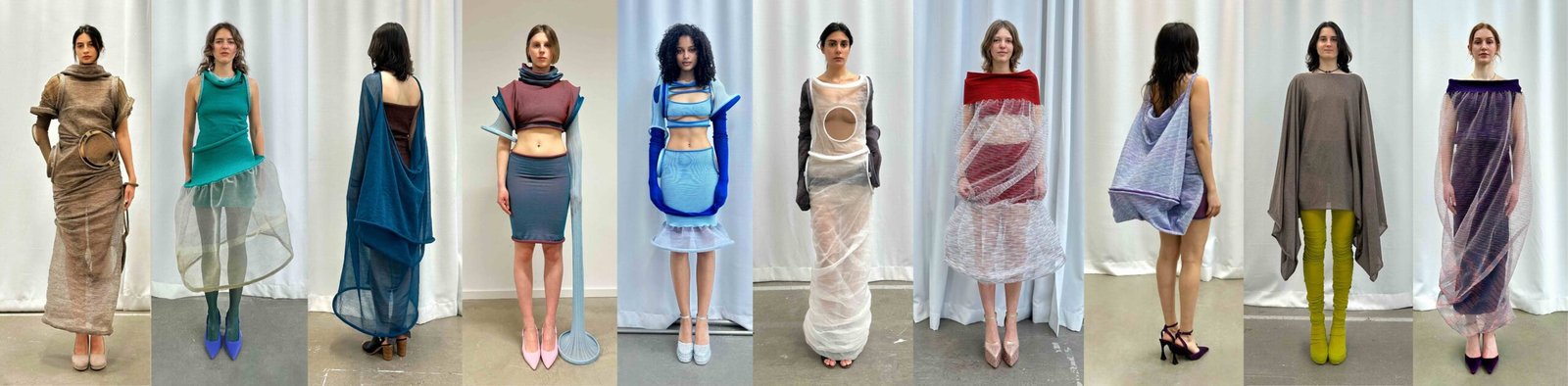
Twelve graduates from the Swedish School of Textiles whose collections move between performance, heritage, and the ongoing life of the garment.

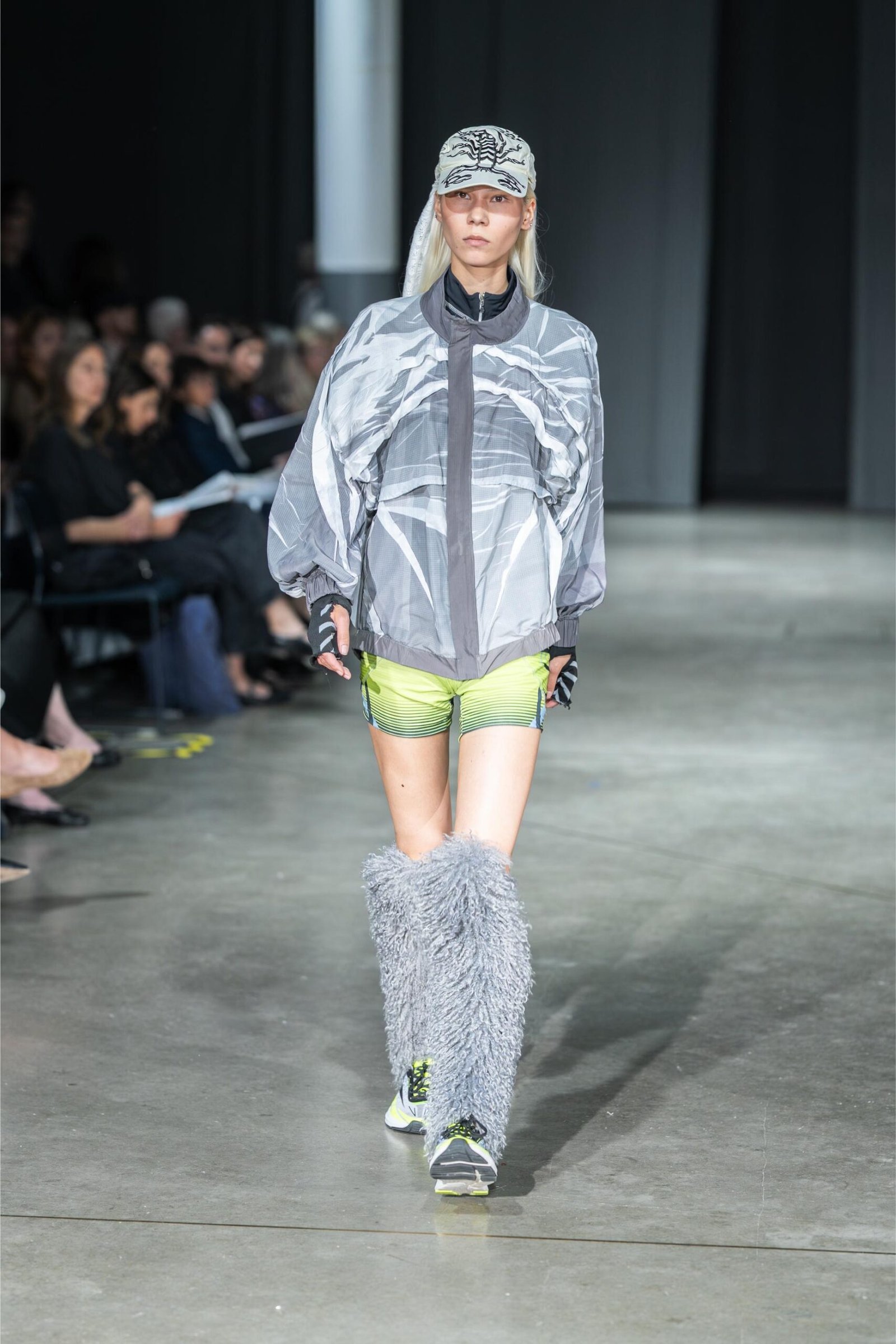
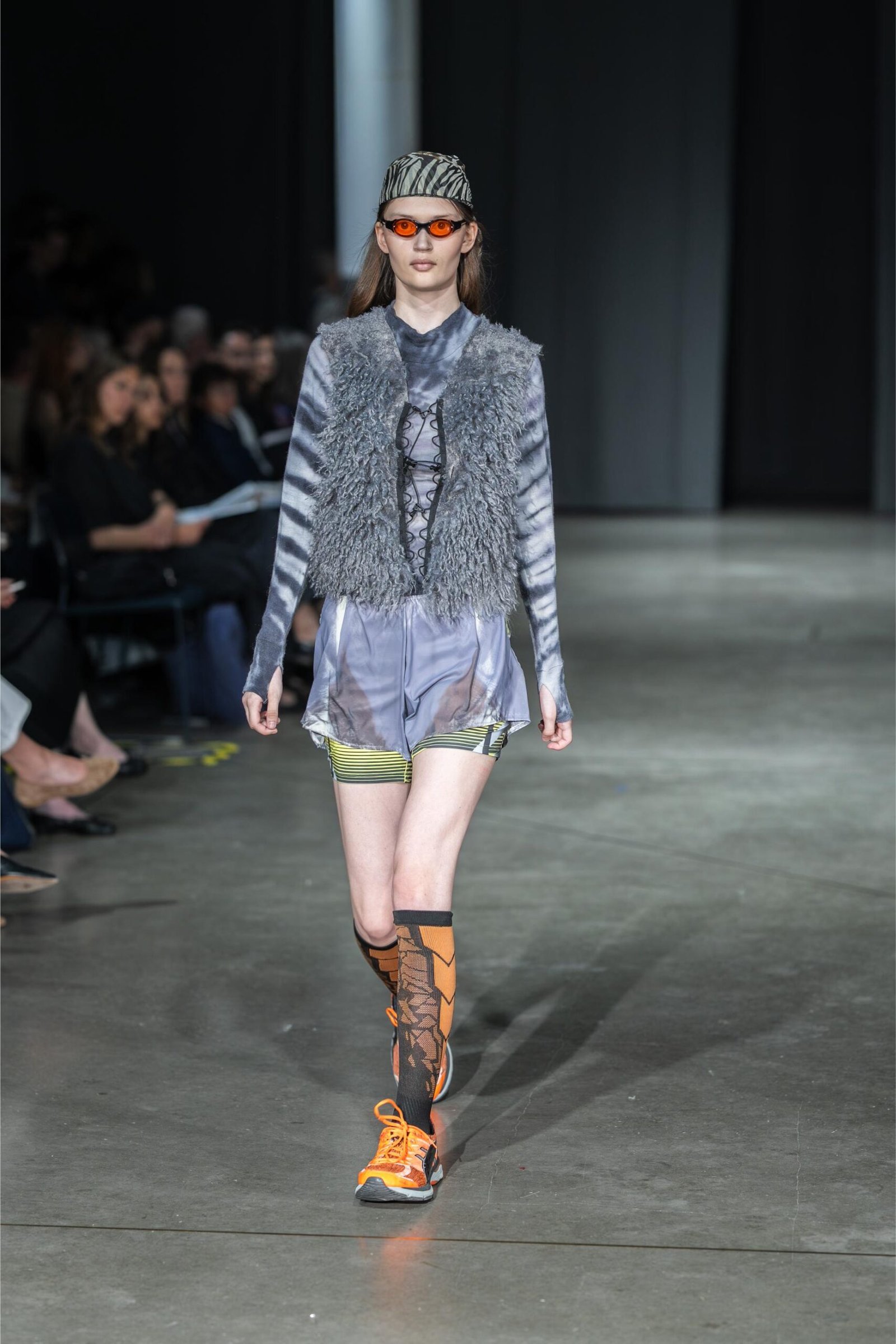
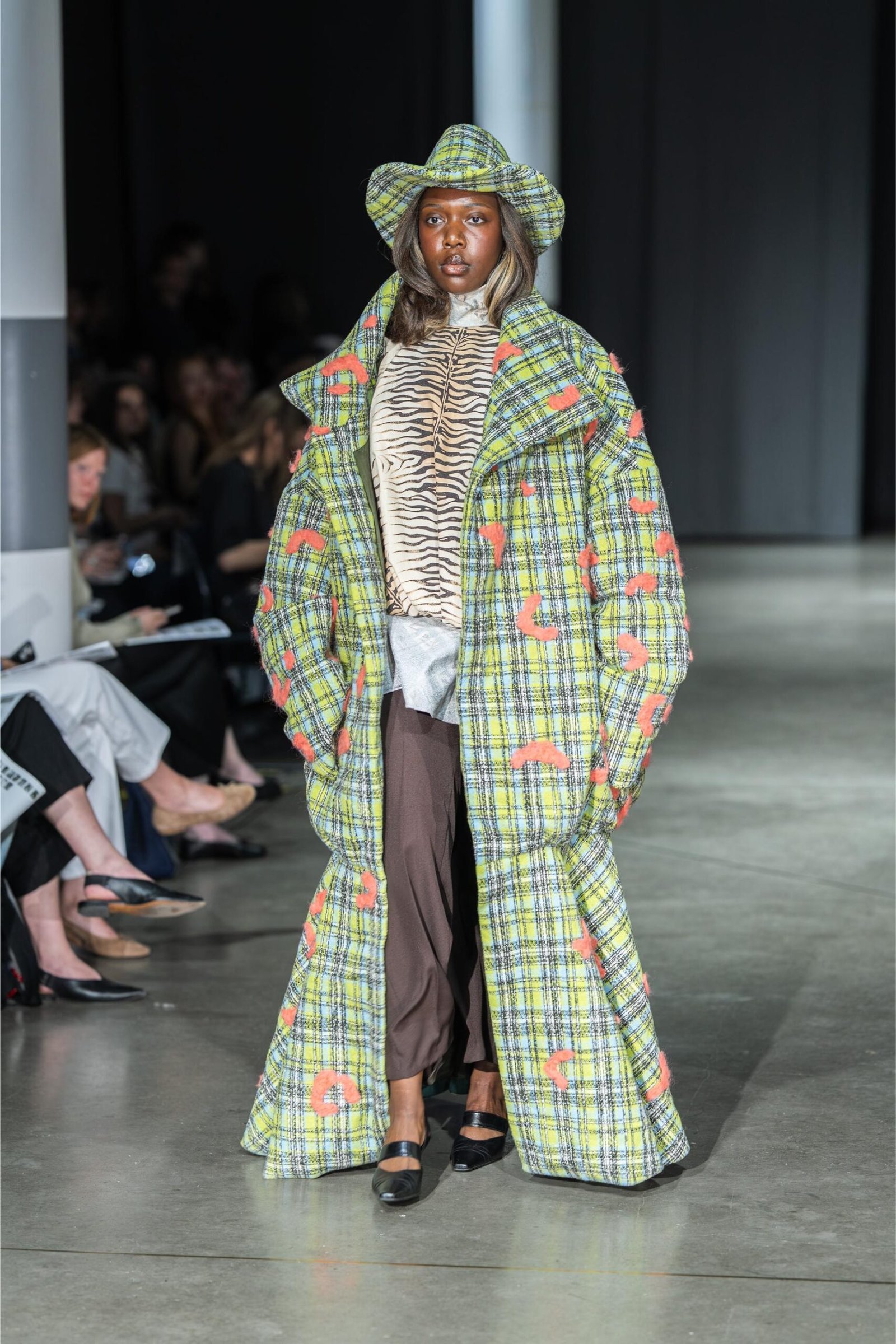
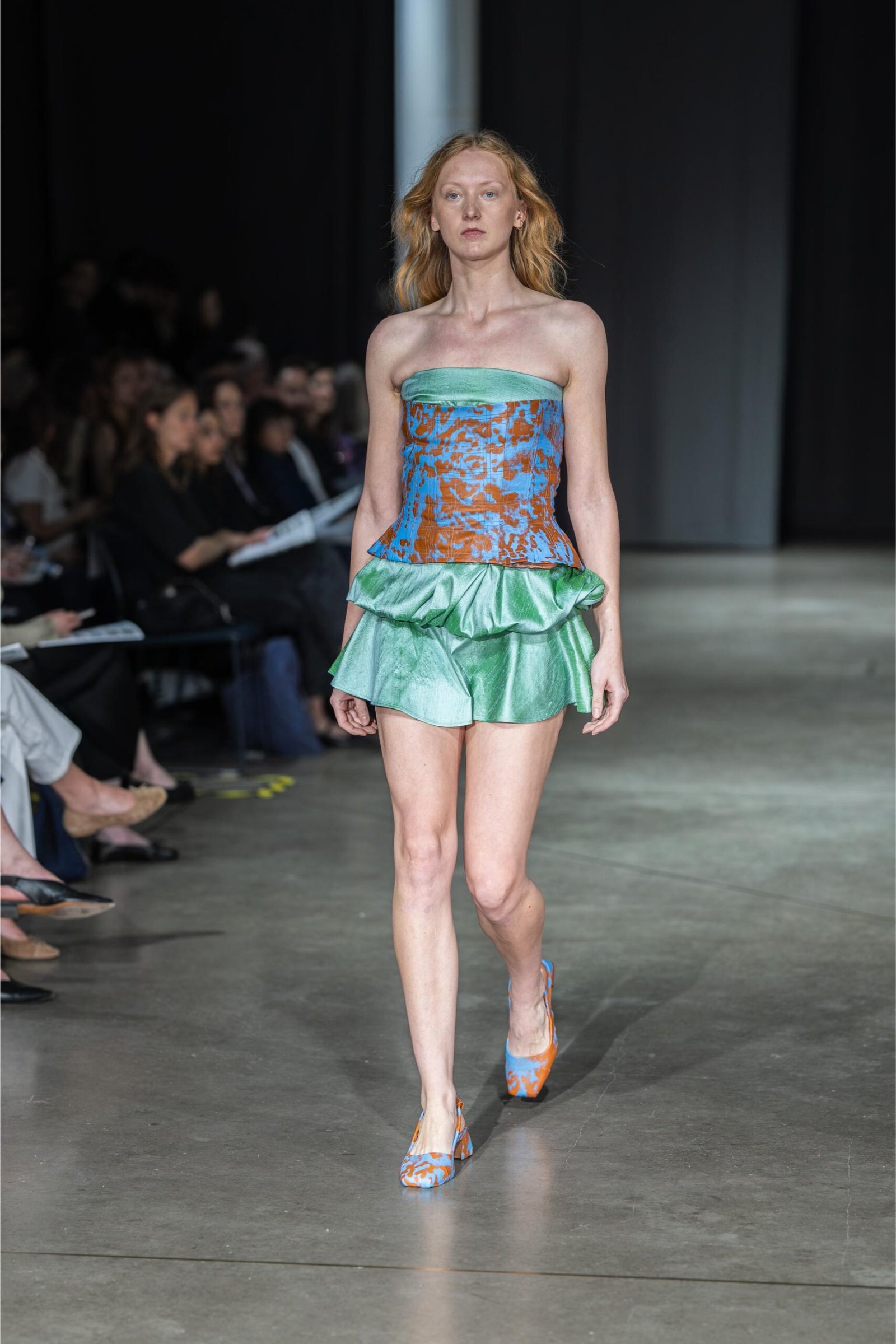
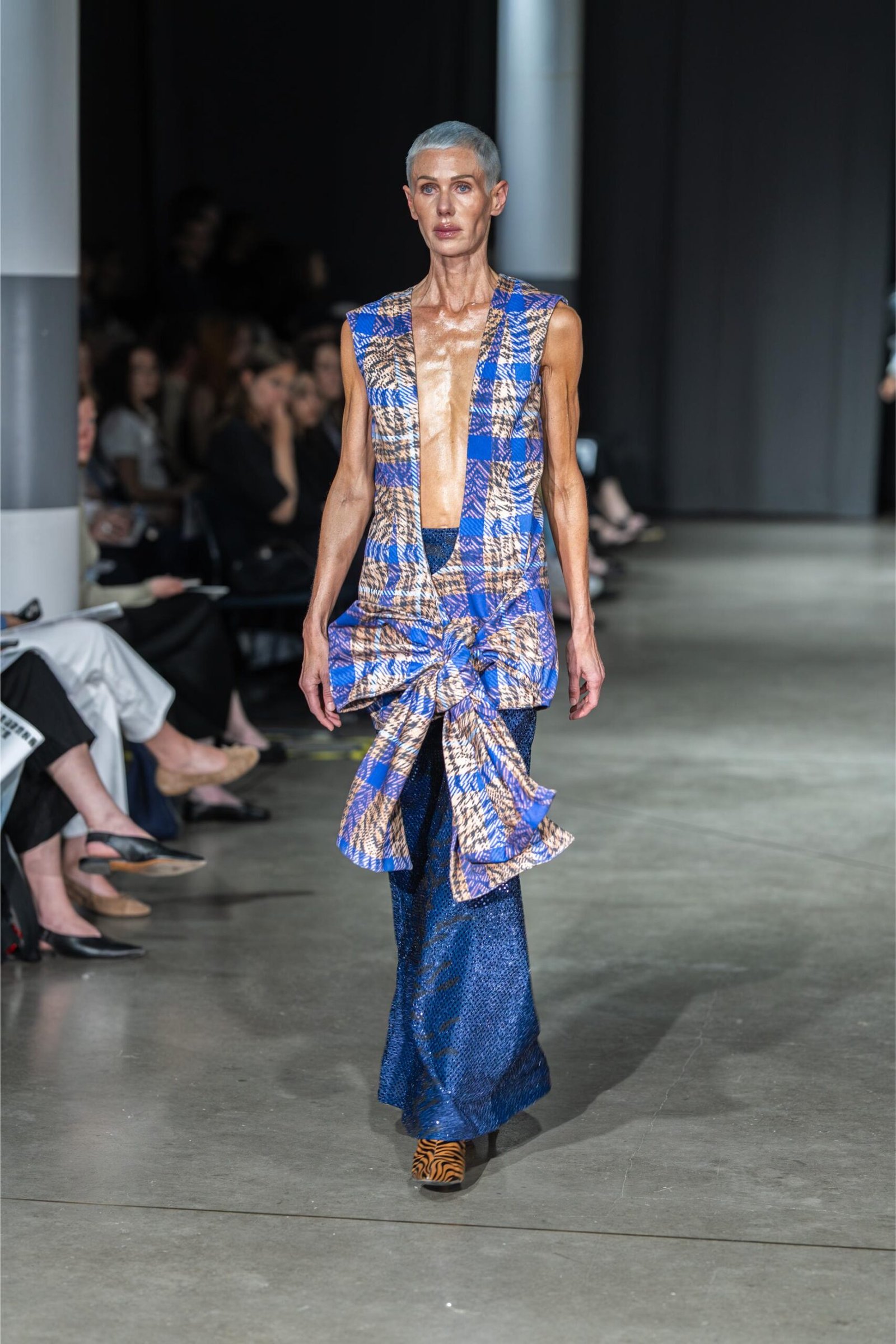
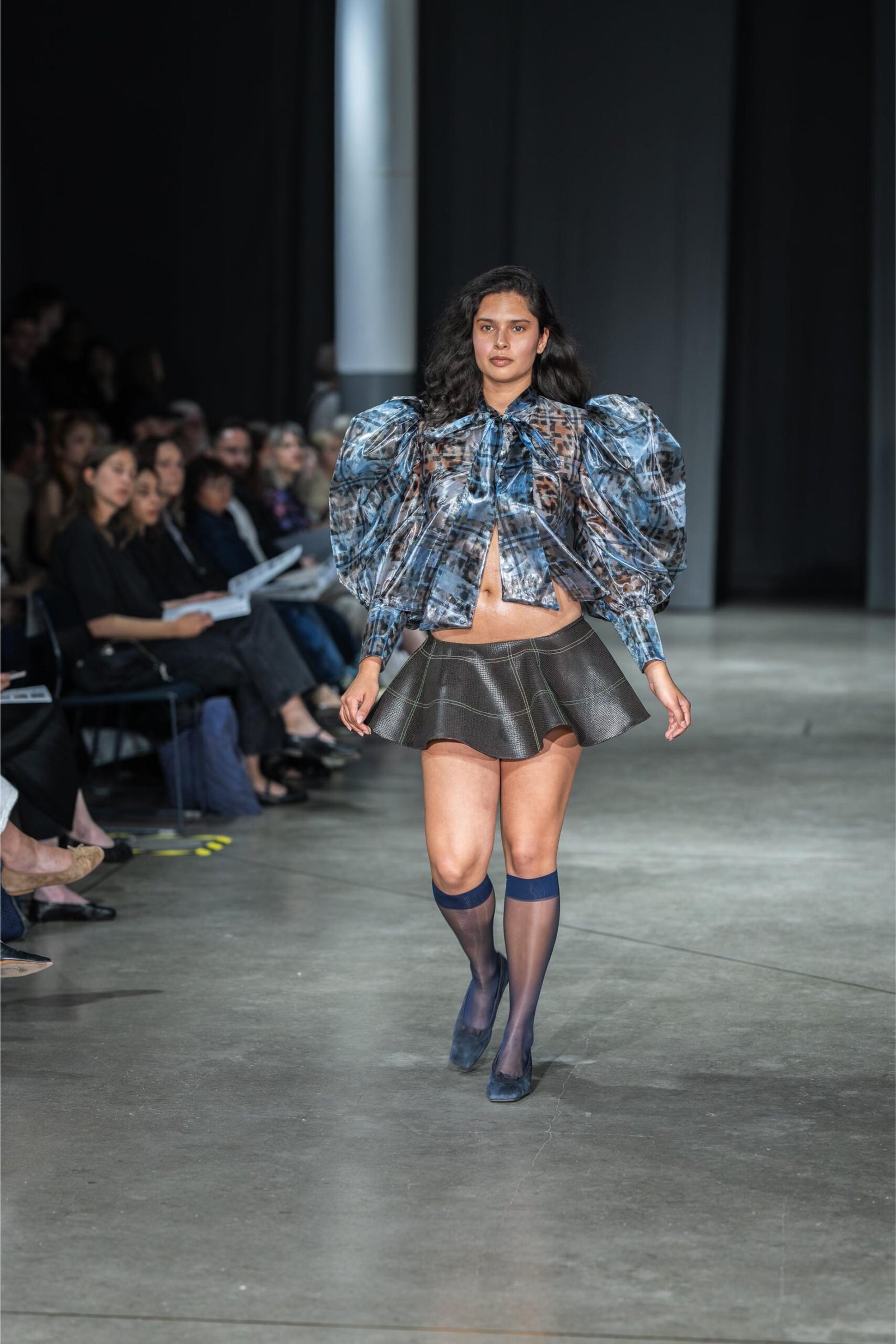
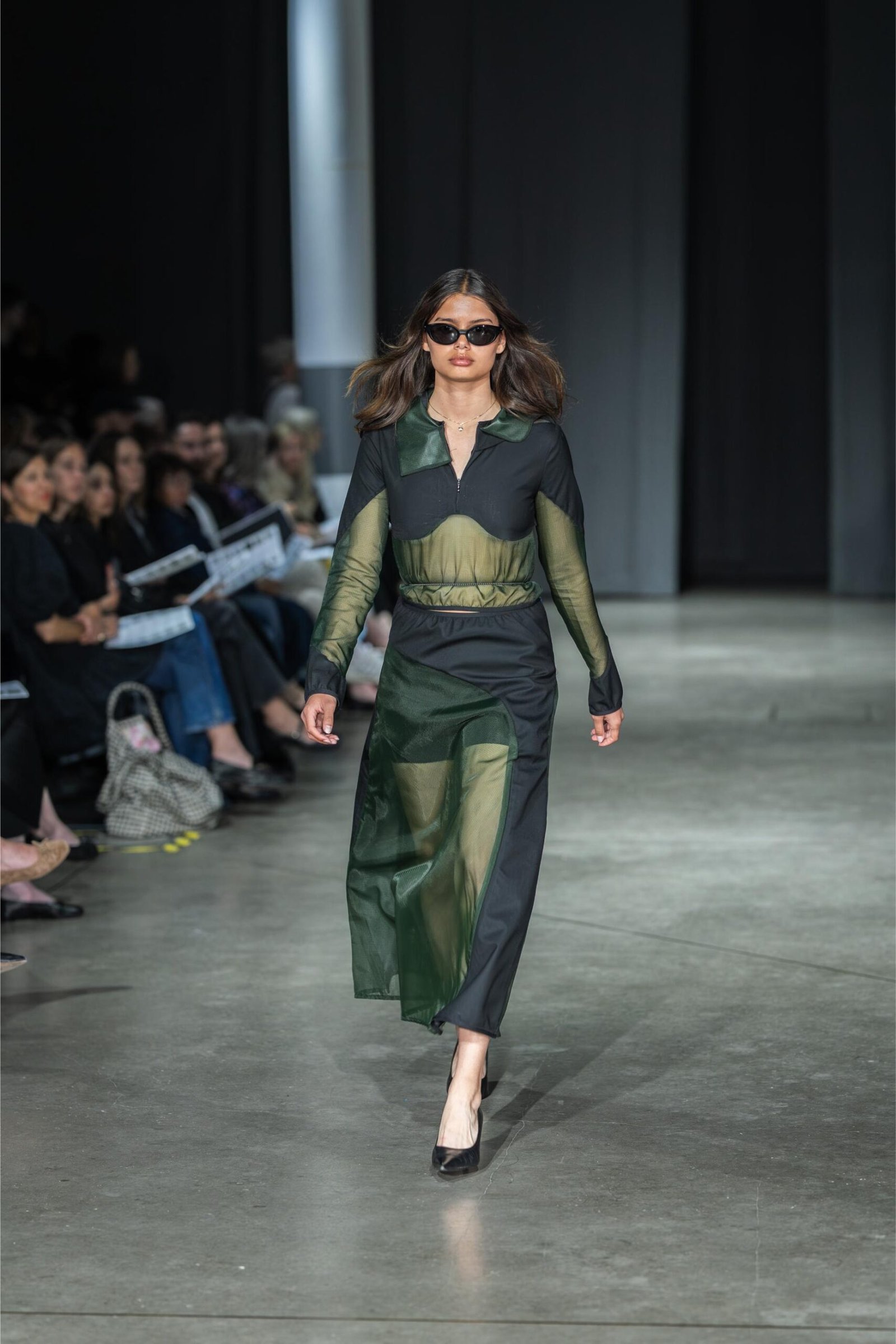
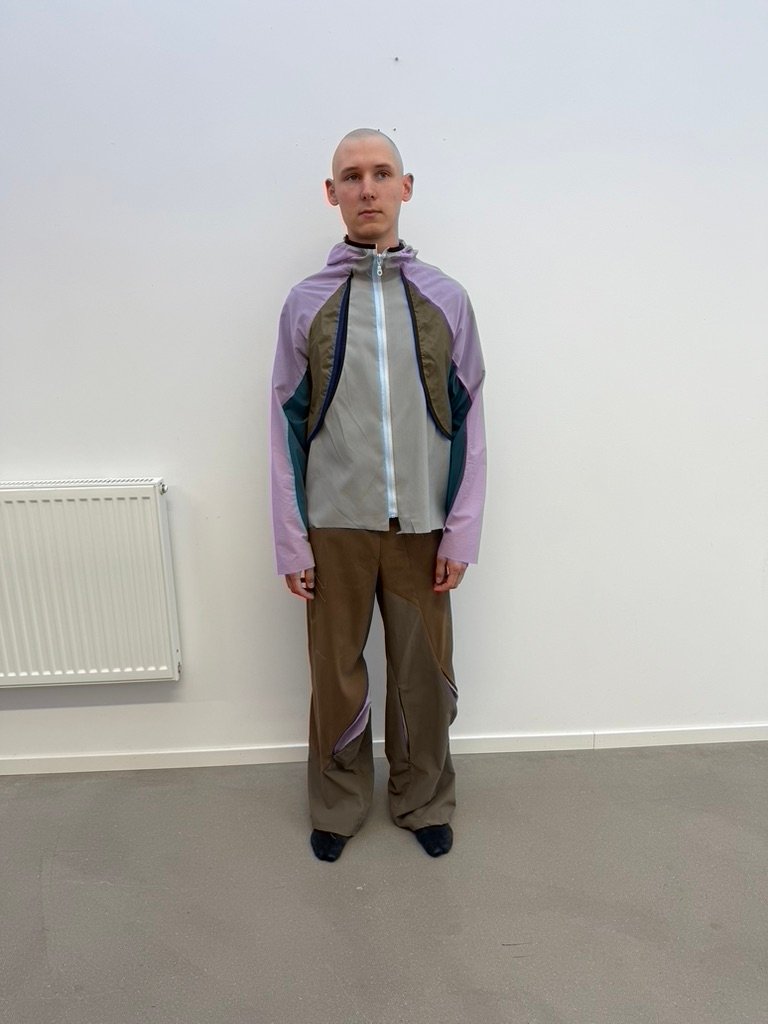
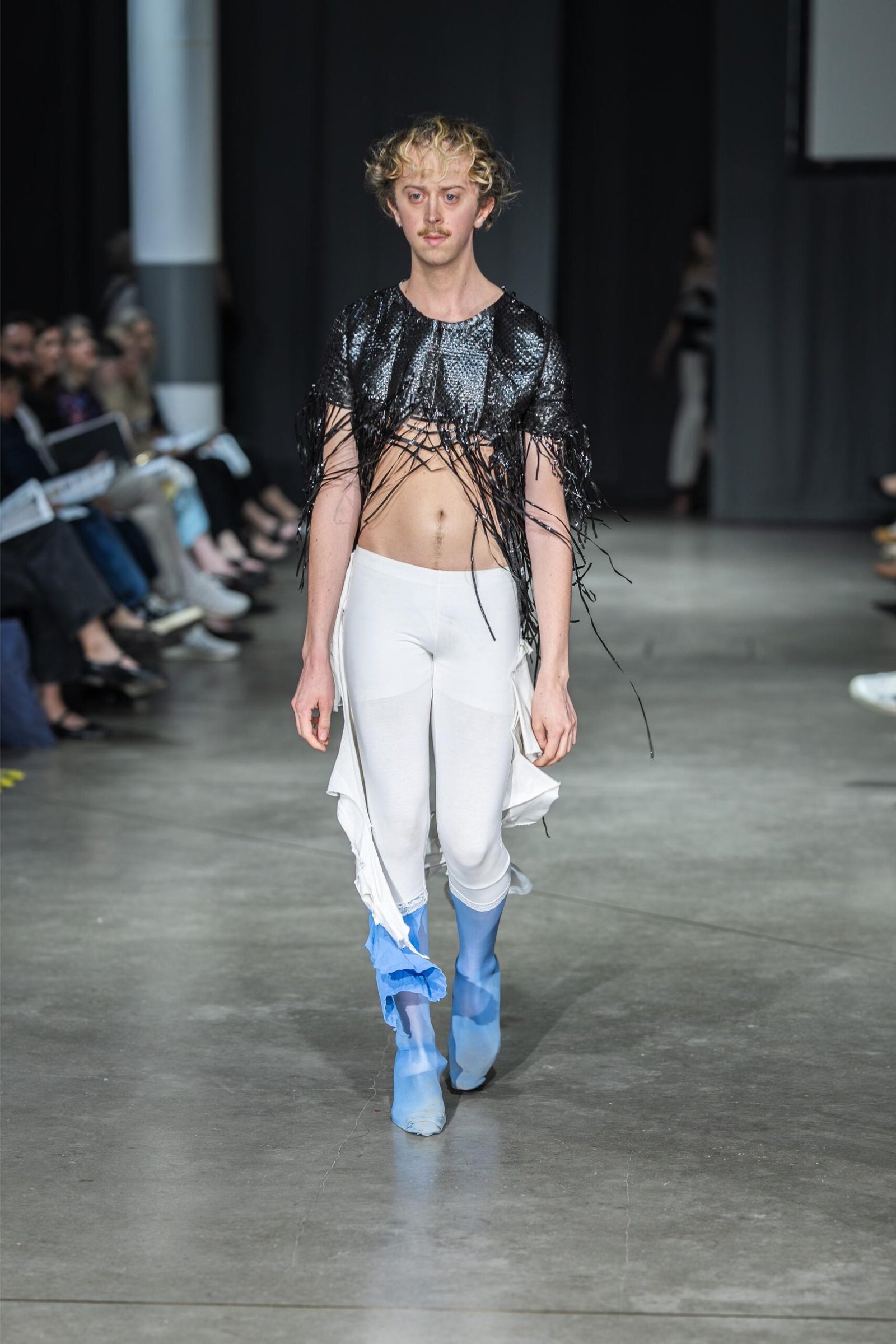
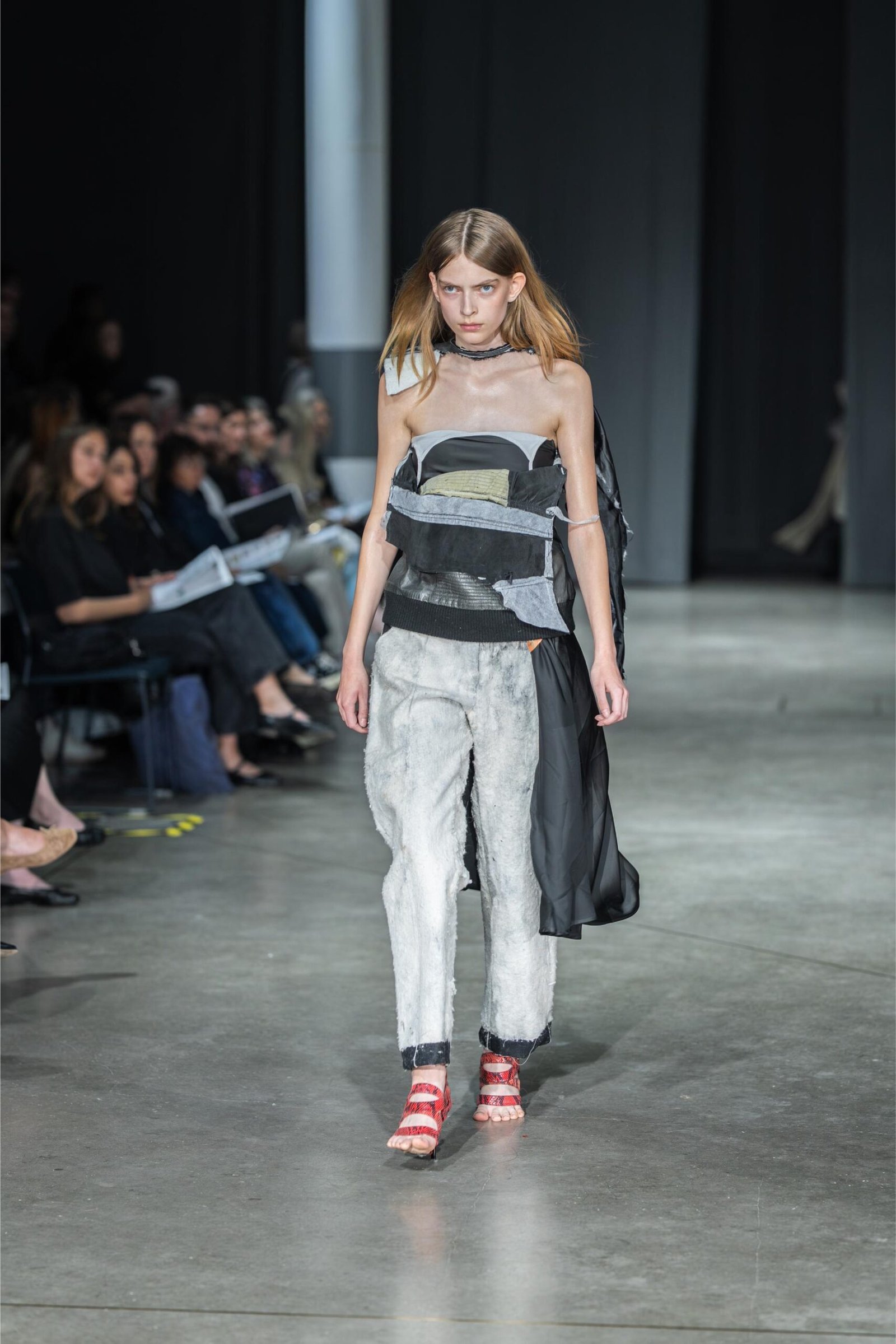
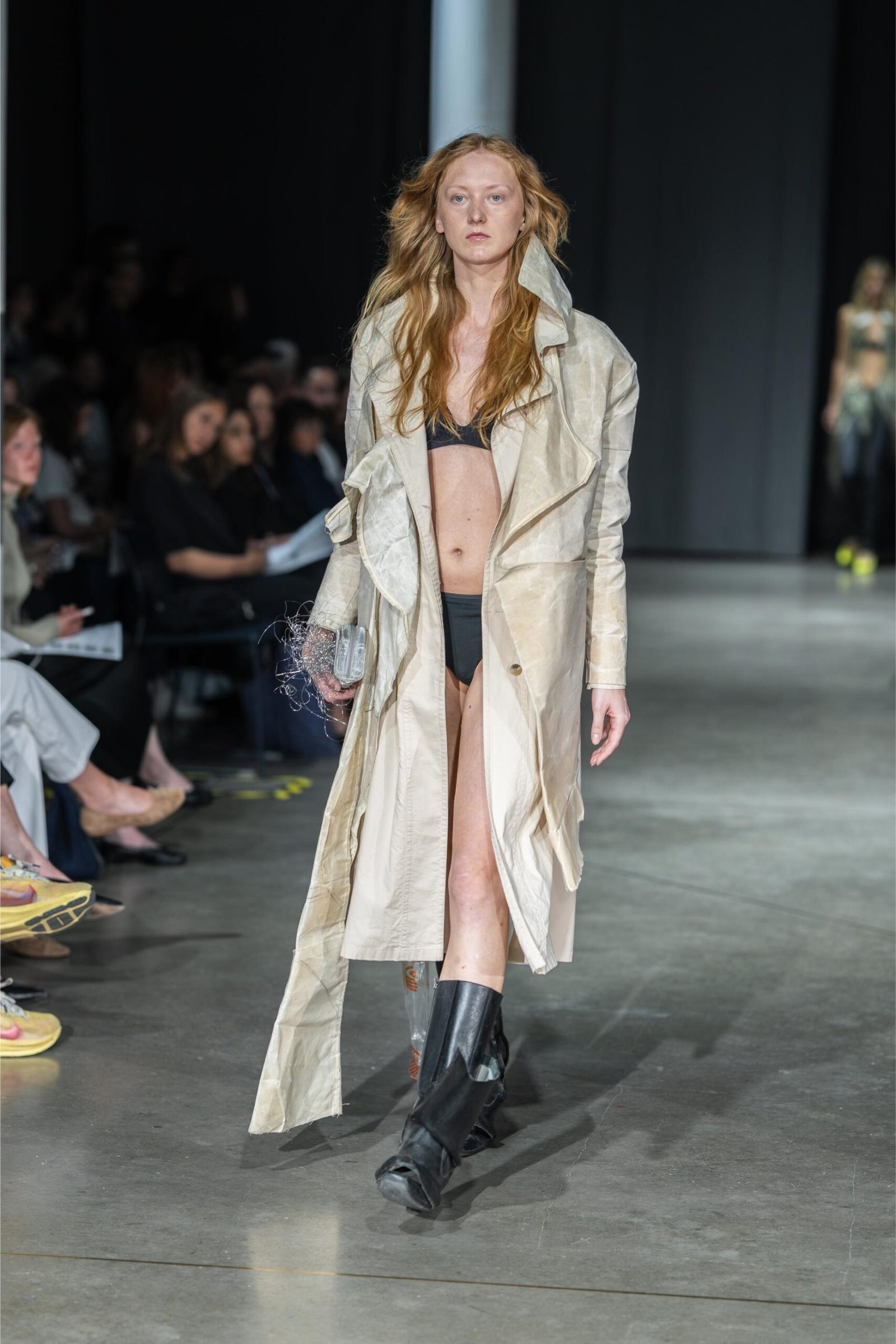
At SST in 2026, the question of what a garment can do runs alongside the question of how long it can do it. Performance is a genuine preoccupation: hiking and trail running provide frameworks for collections that rethink outdoor wear through body mapping, modular layering, and industrial knitwear, while a running uniform explores how clothing can support the transition between physical activity and everyday life. Elsewhere, designers treat fashion history as active material – reimagining military dress, canonised garments, and archival forms without simply reproducing them. A sustained interest in the garment’s lifespan runs through the cohort, from strategies for remake and alteration built into construction from the outset, to the moment where costume becomes fashion and clothing begins to carry character. Techniques include wet-moulded leather, tin casting, seamless tubular knitwear, LED and reflective elements, laser cutting, and woven metal. References reach from Hegel and Brecht to The Red Shoes, black metal festivals, and Scandinavian style guides.

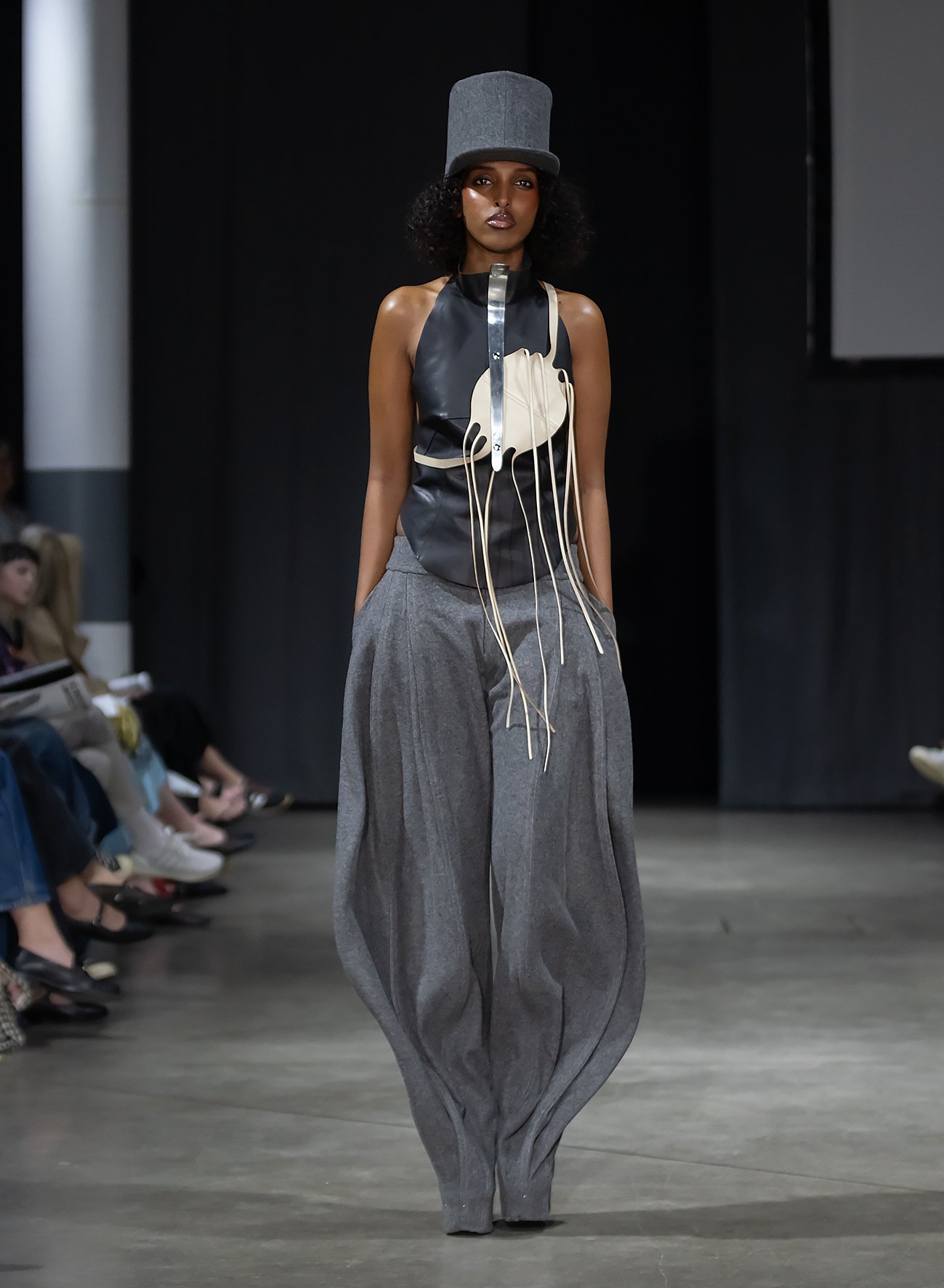
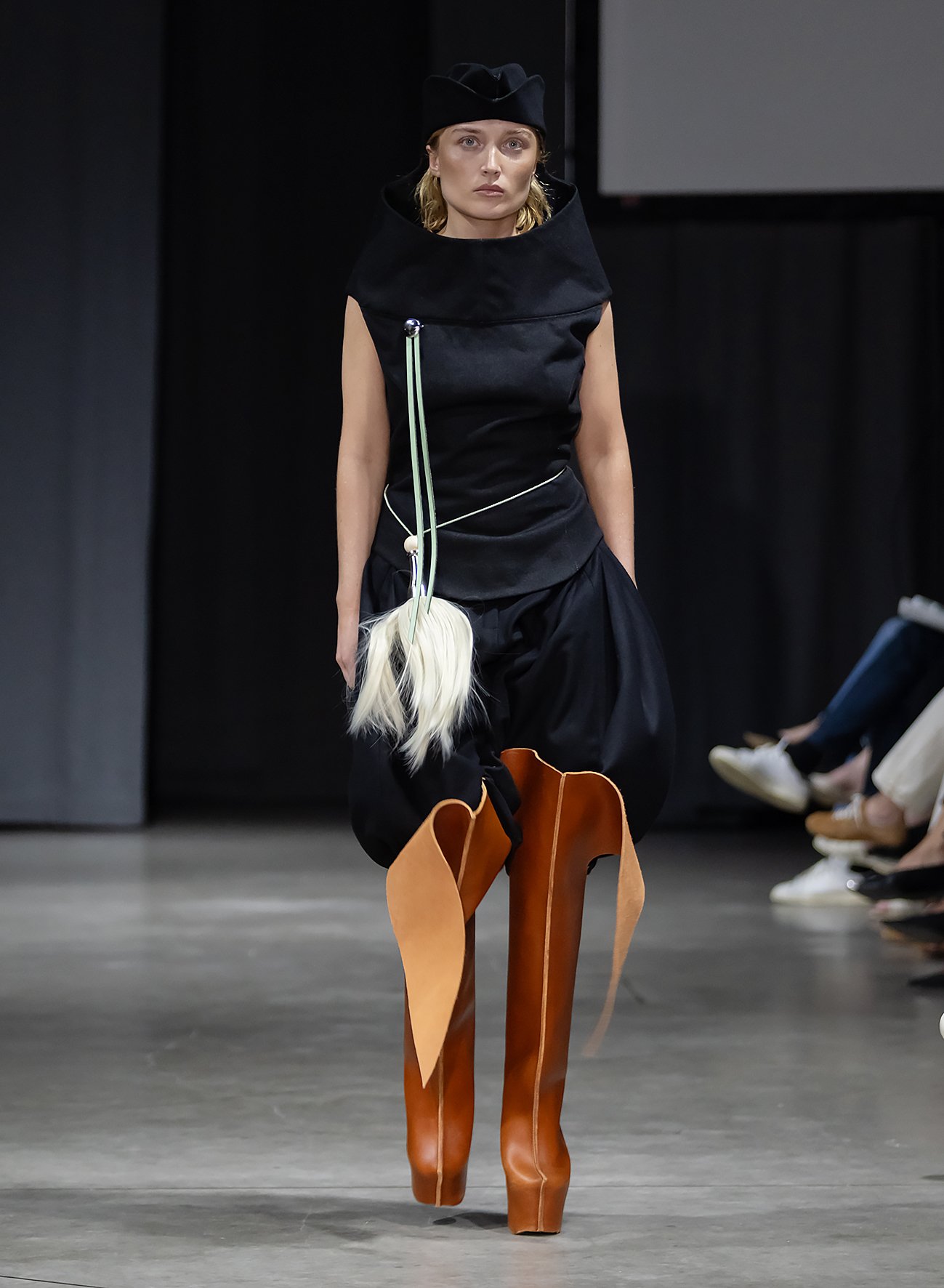
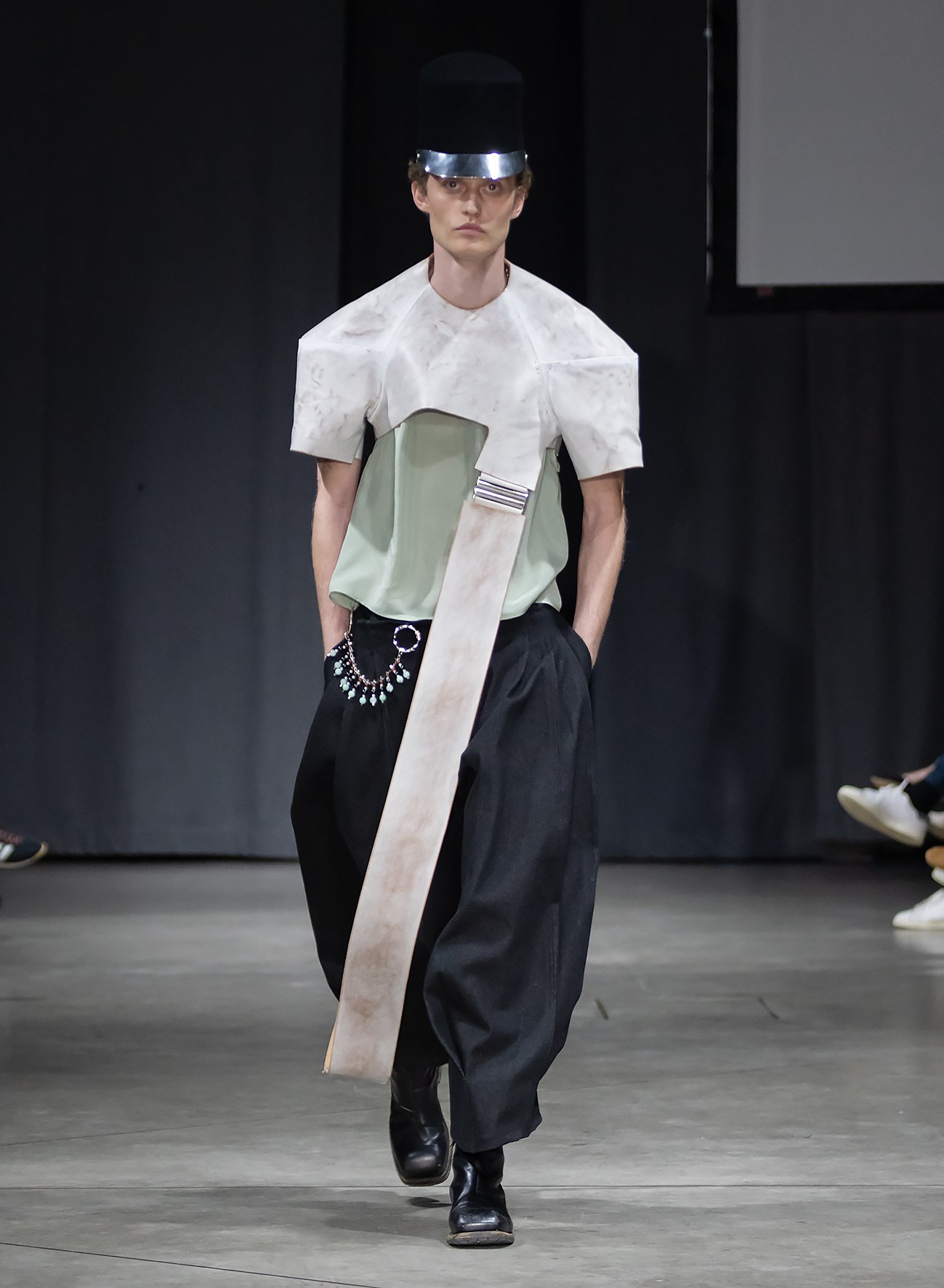
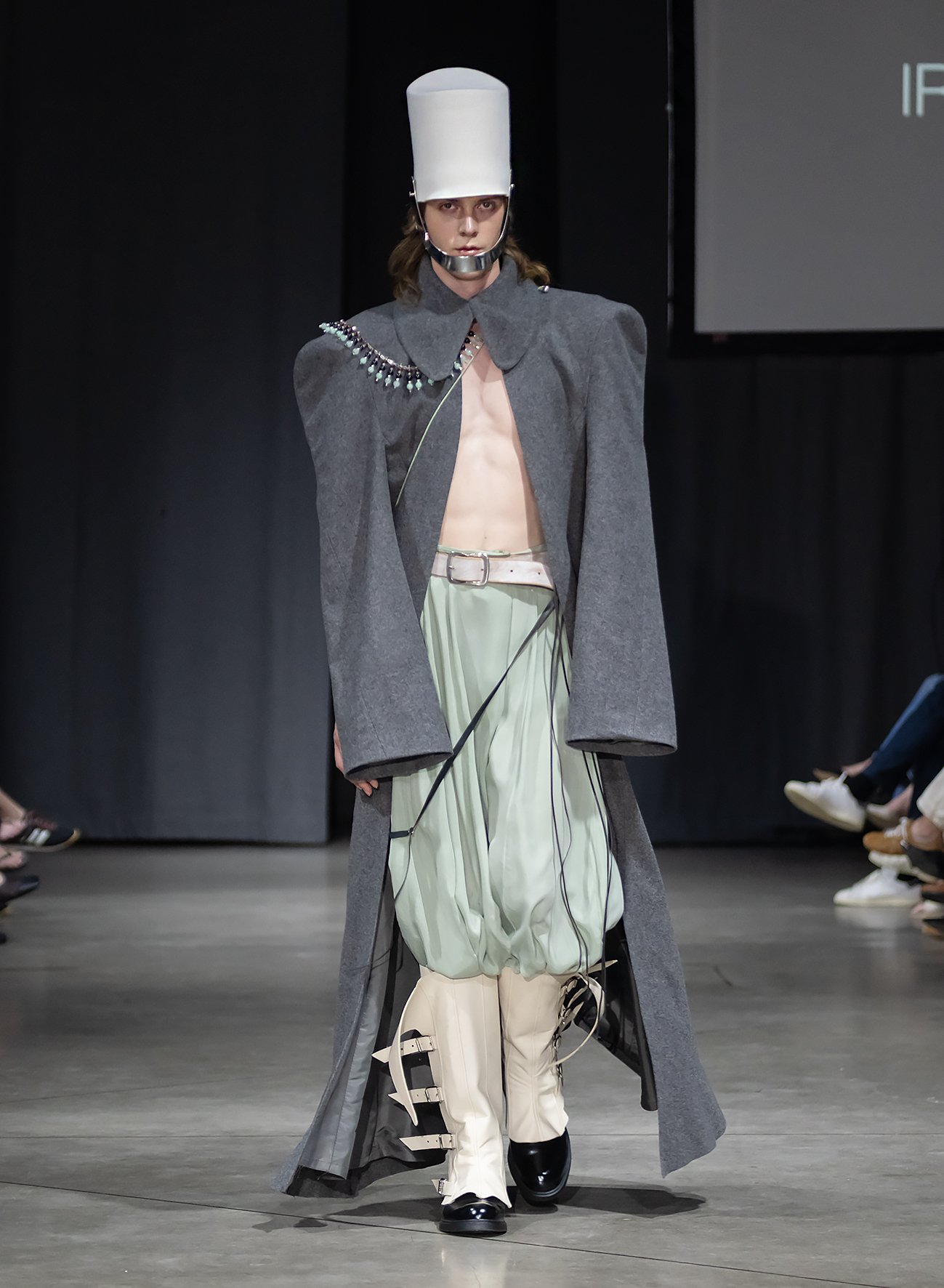
Iris Phillips

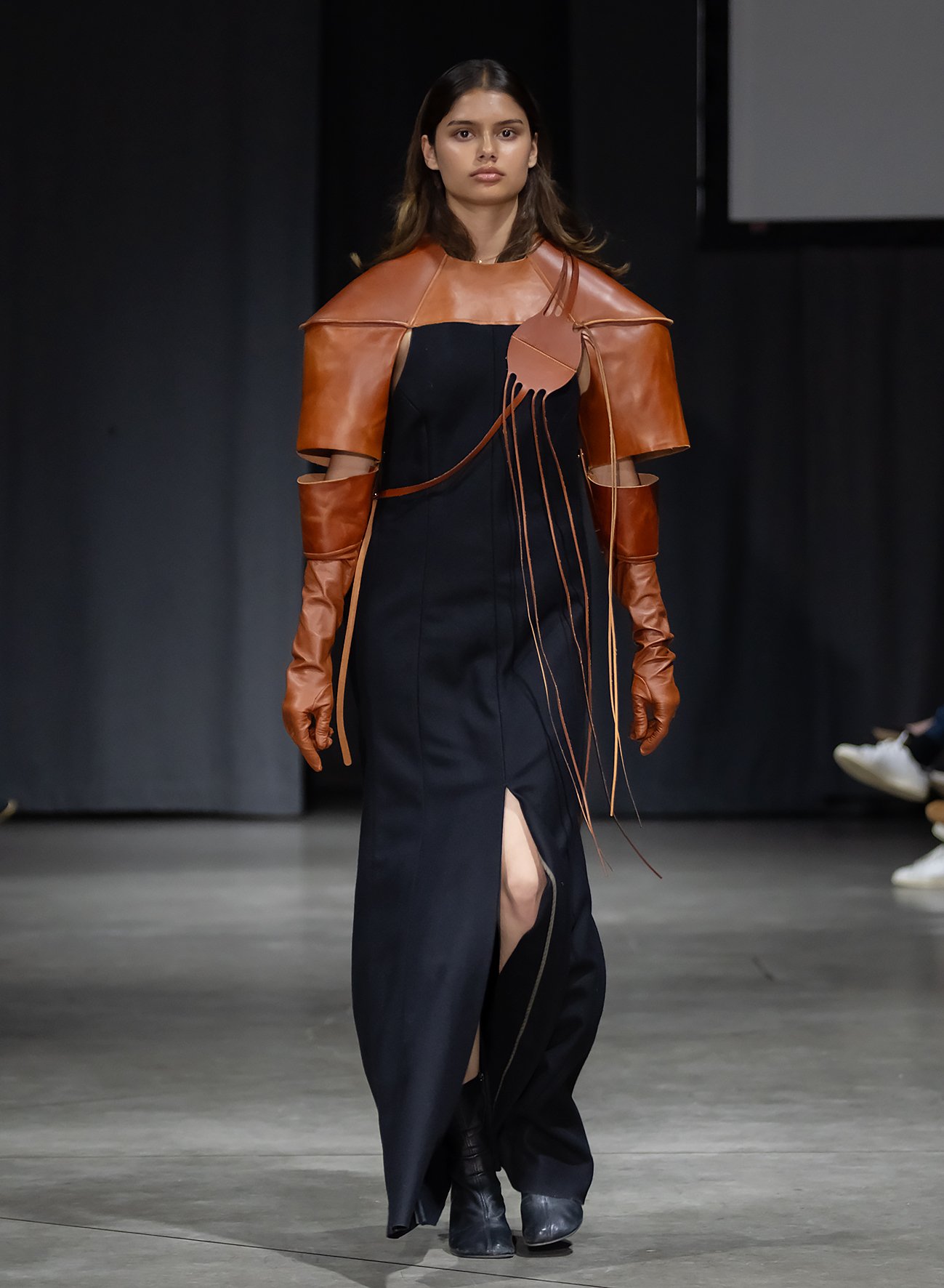
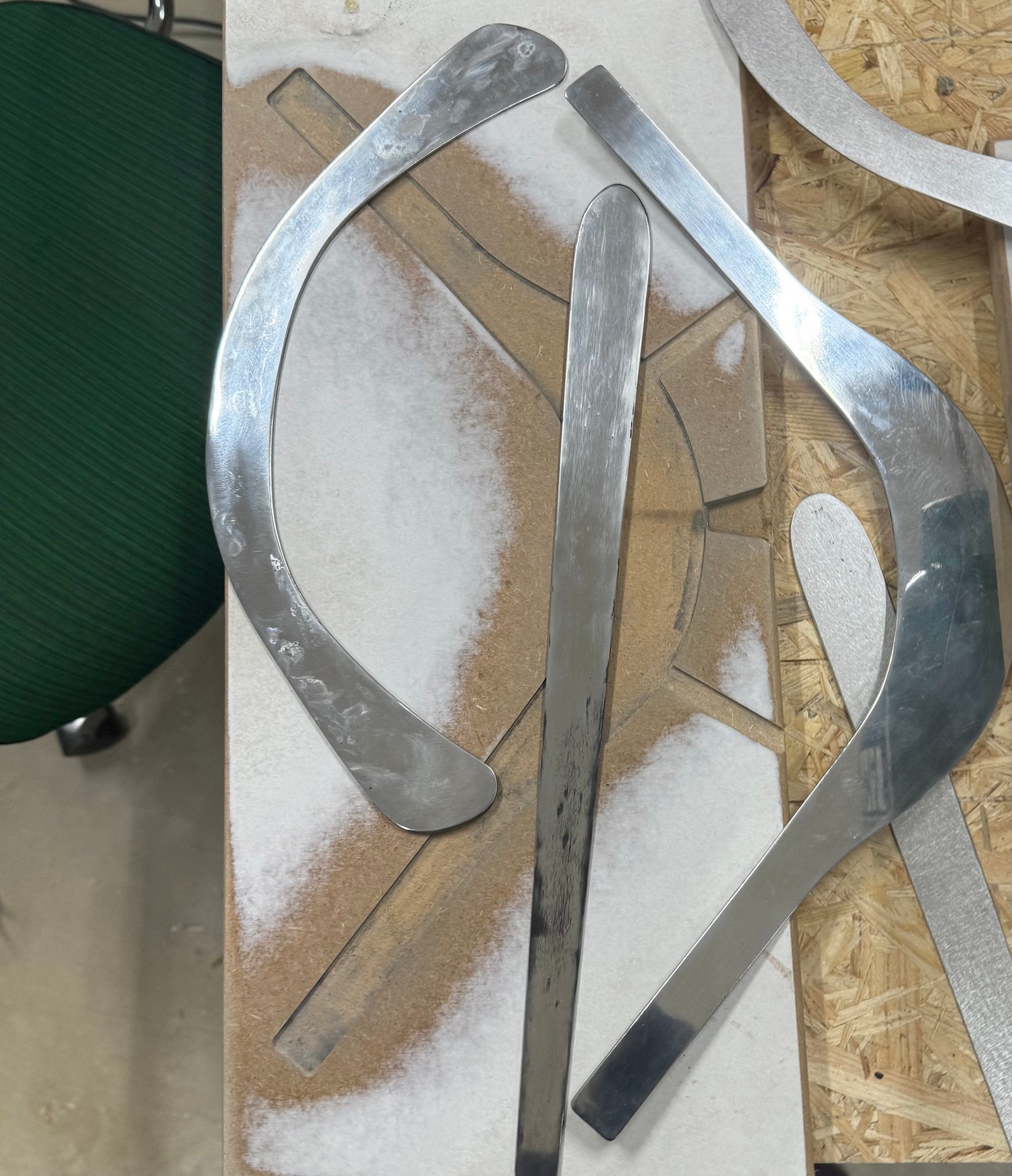
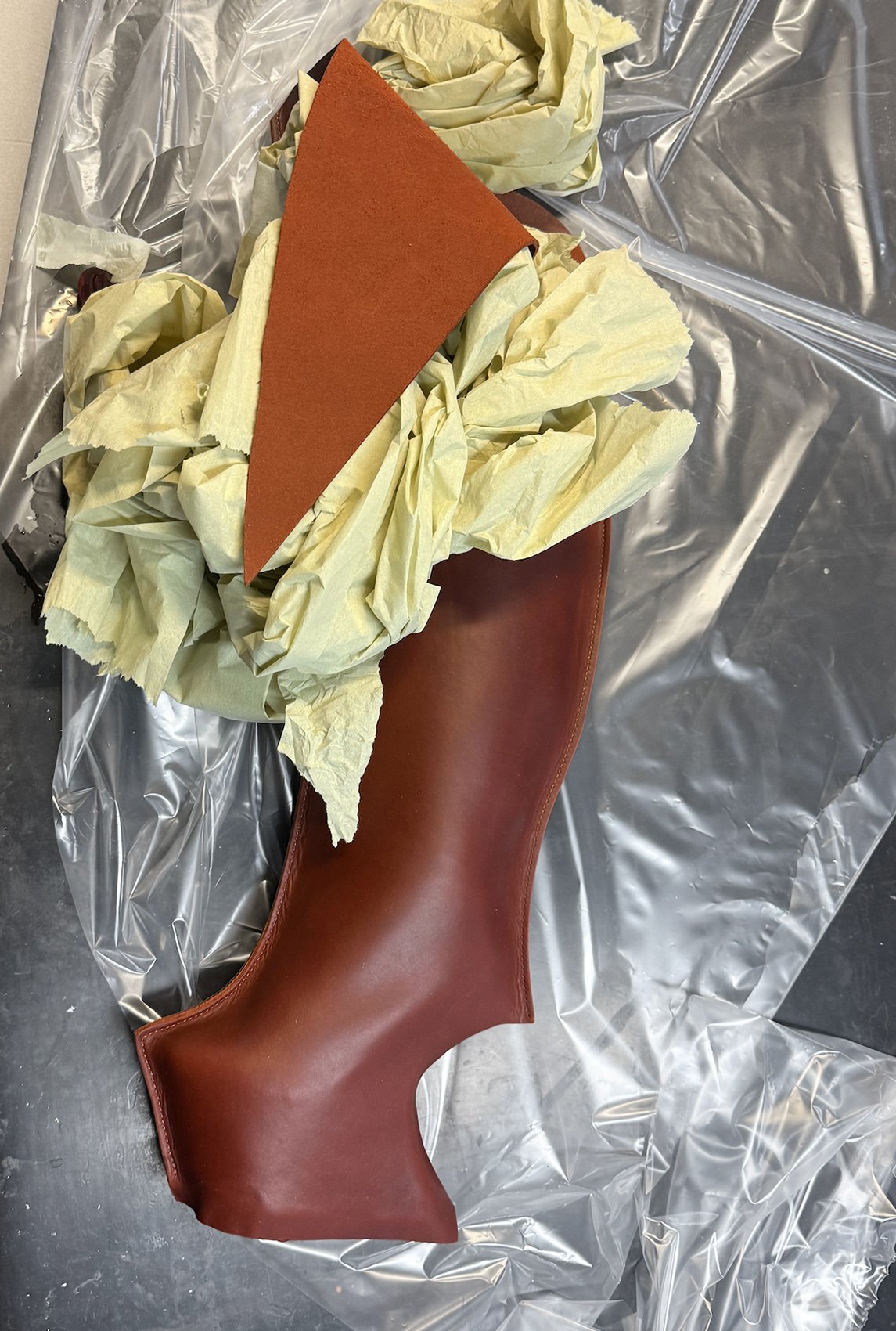
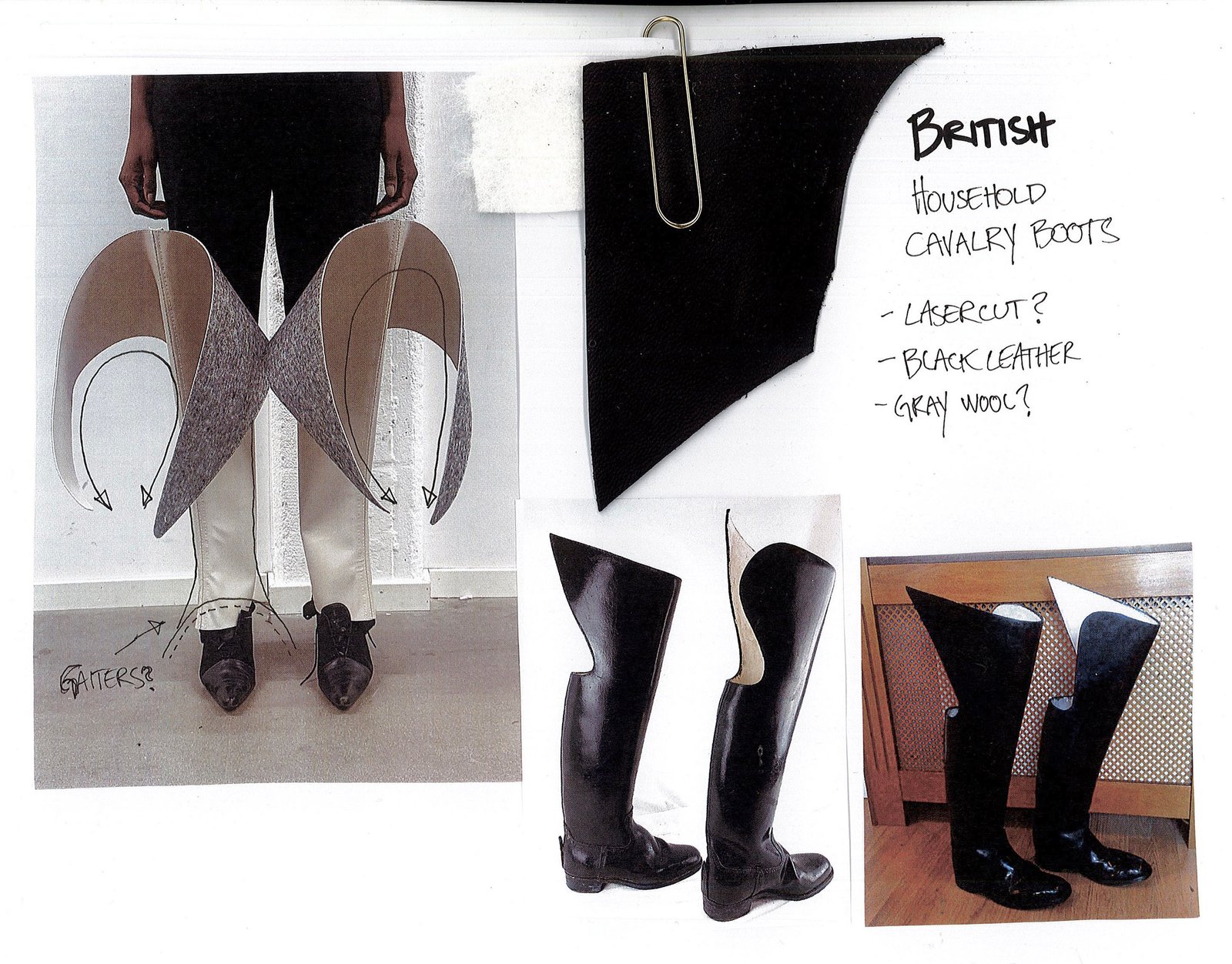
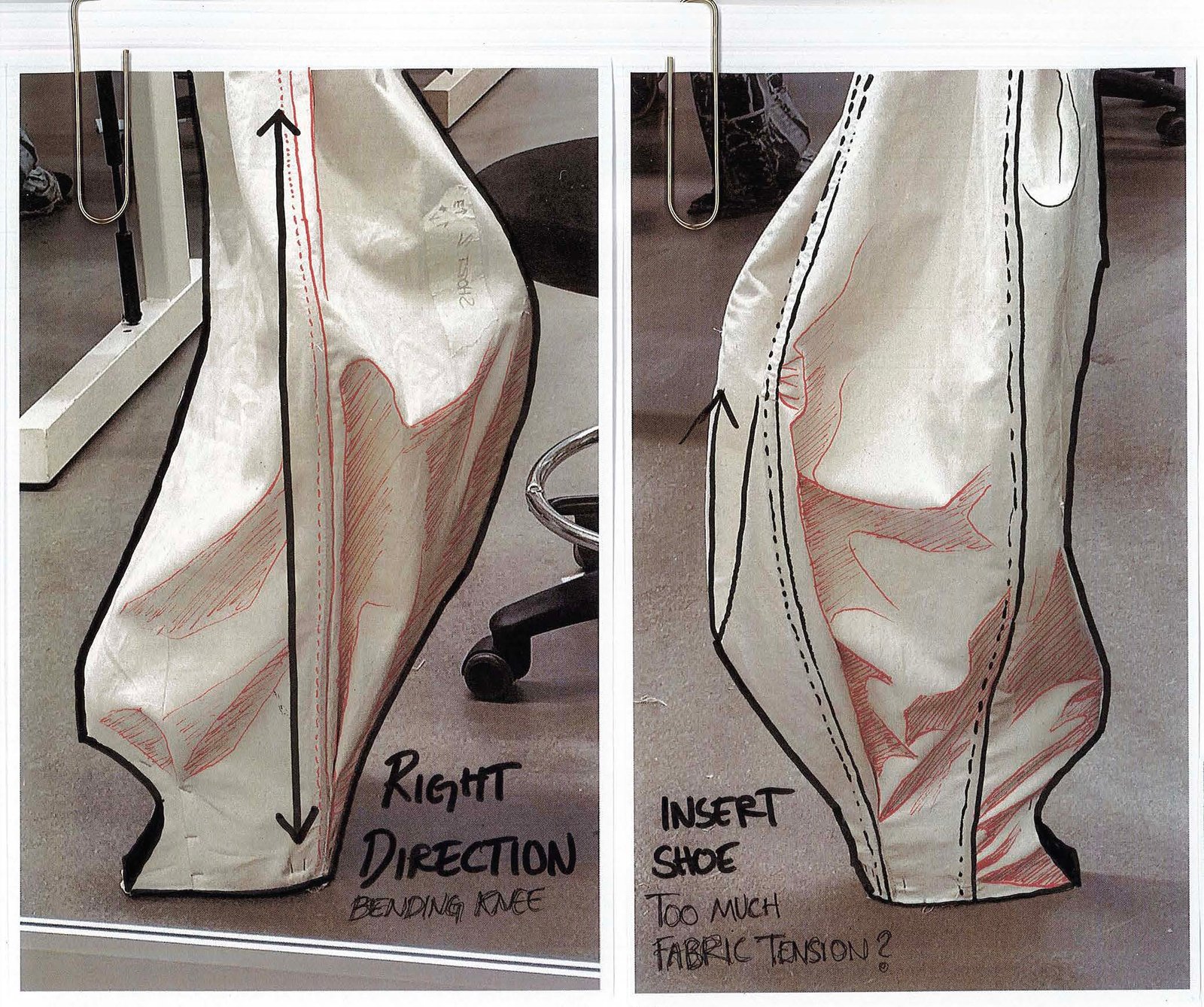
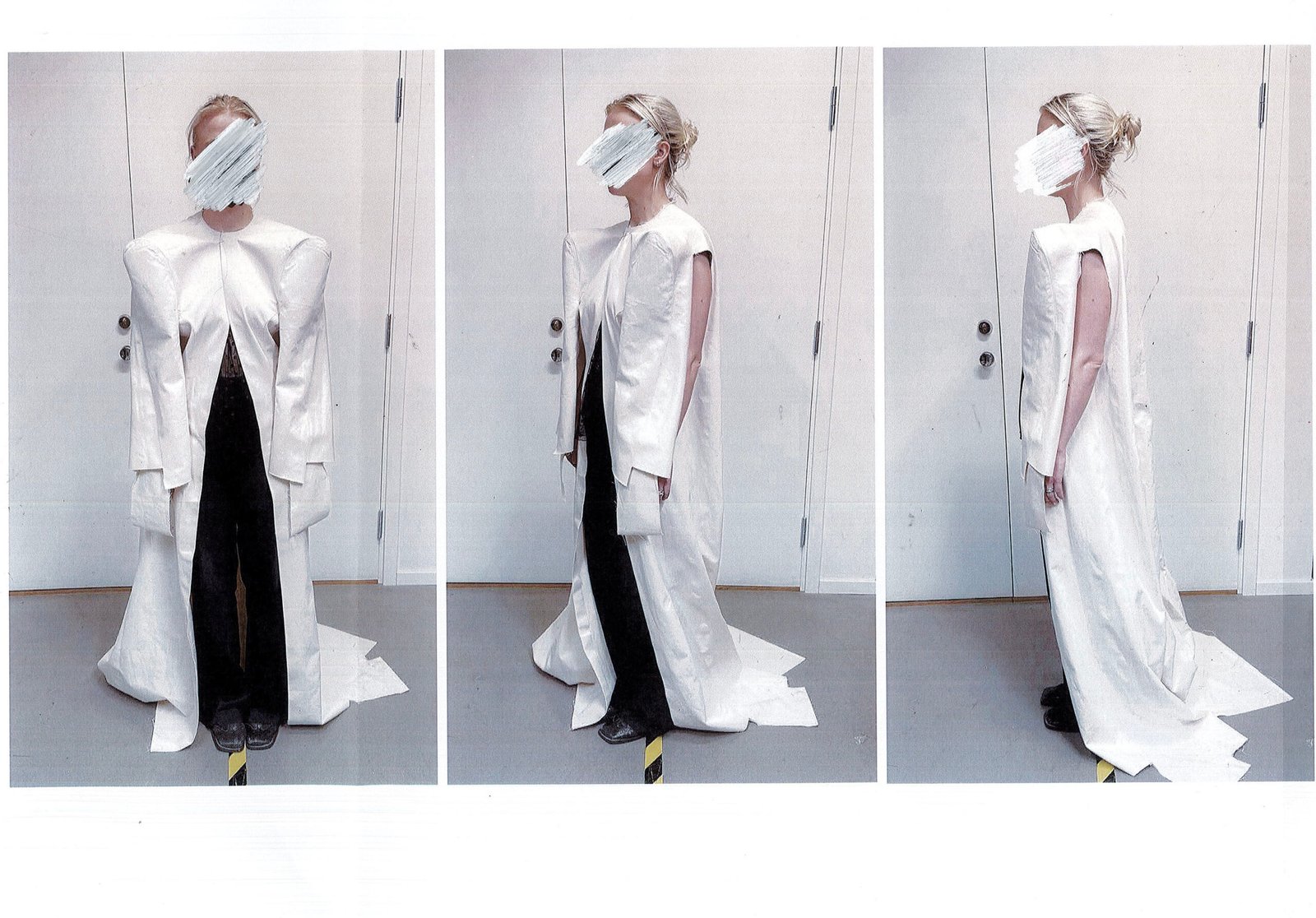
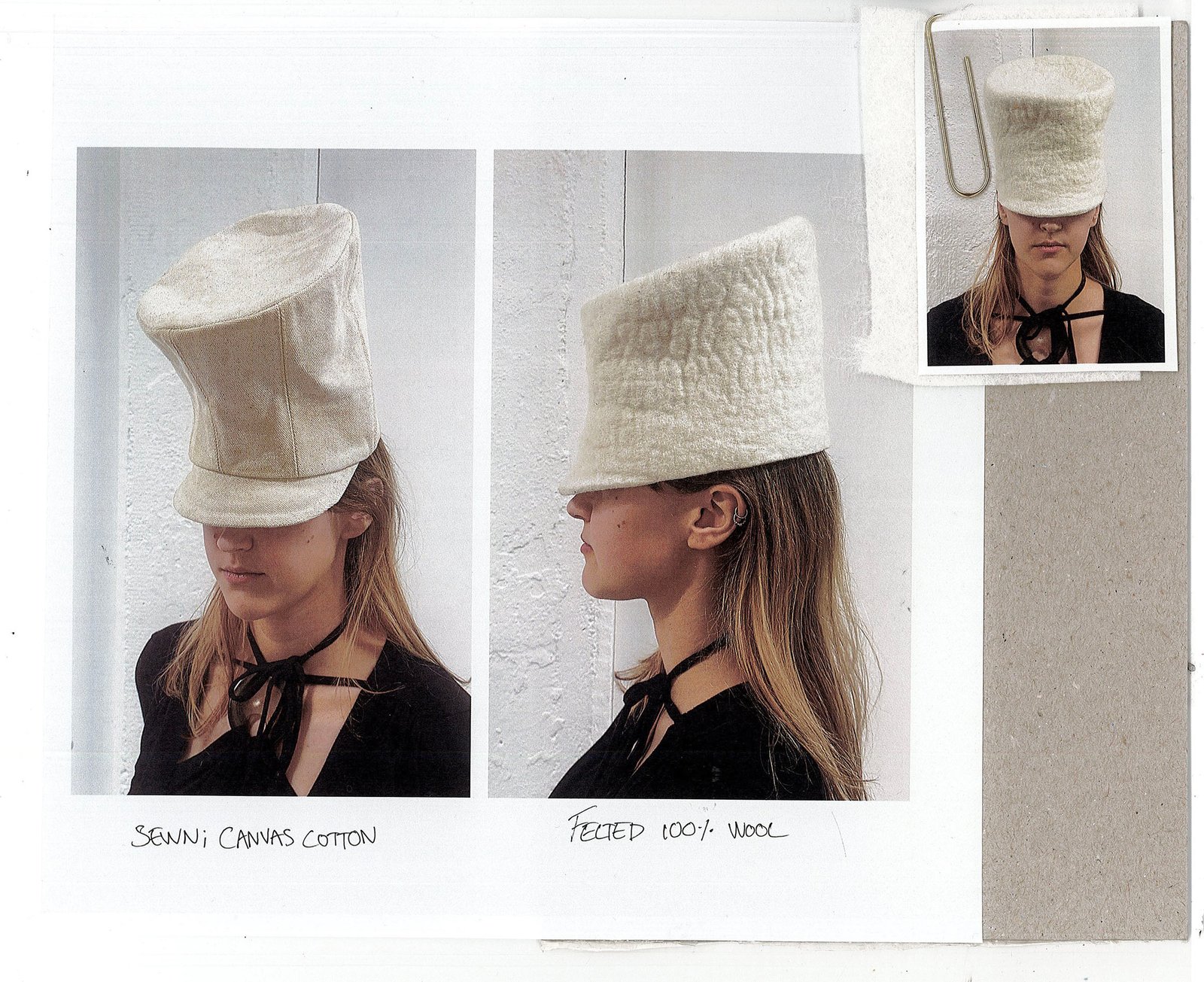
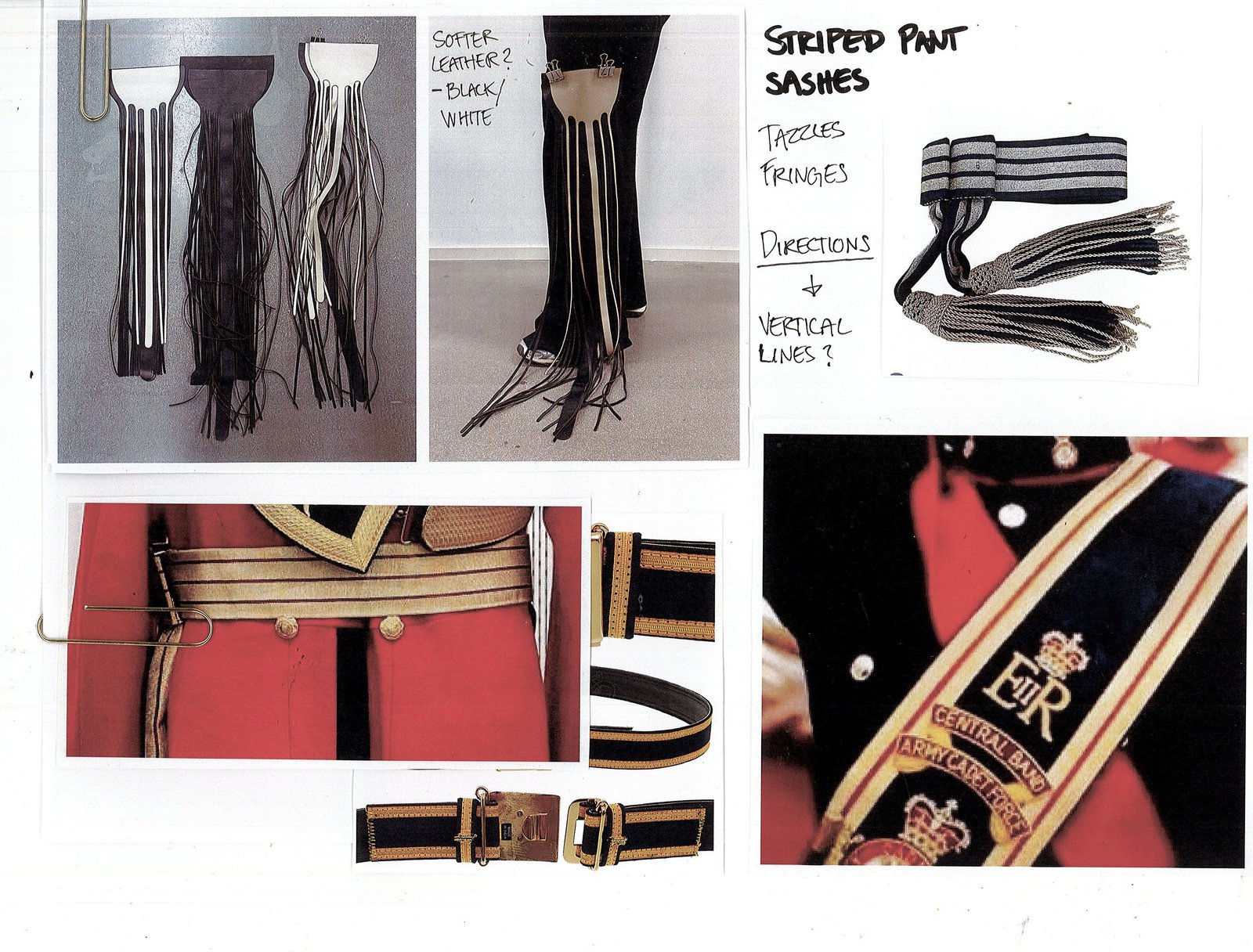
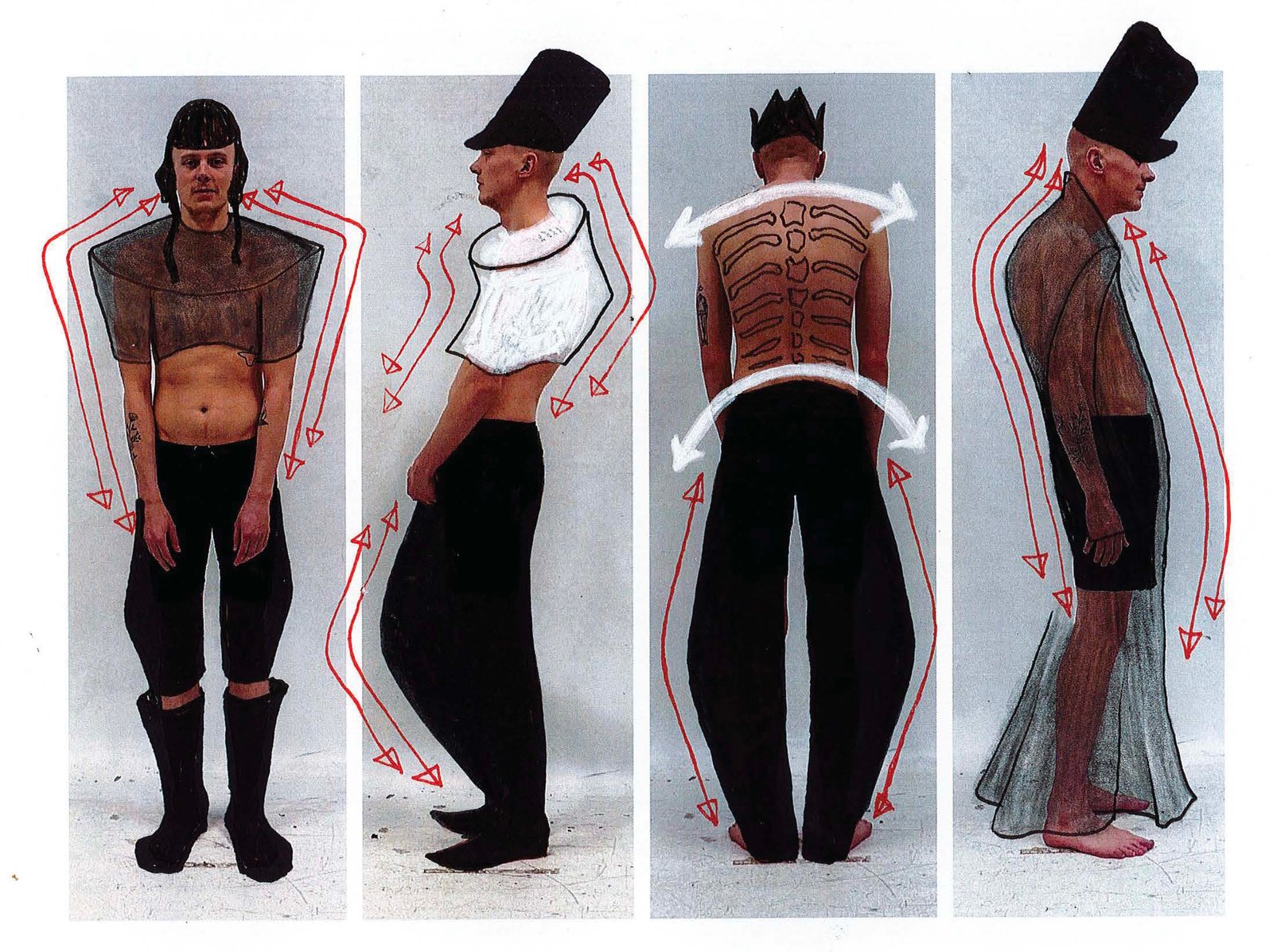
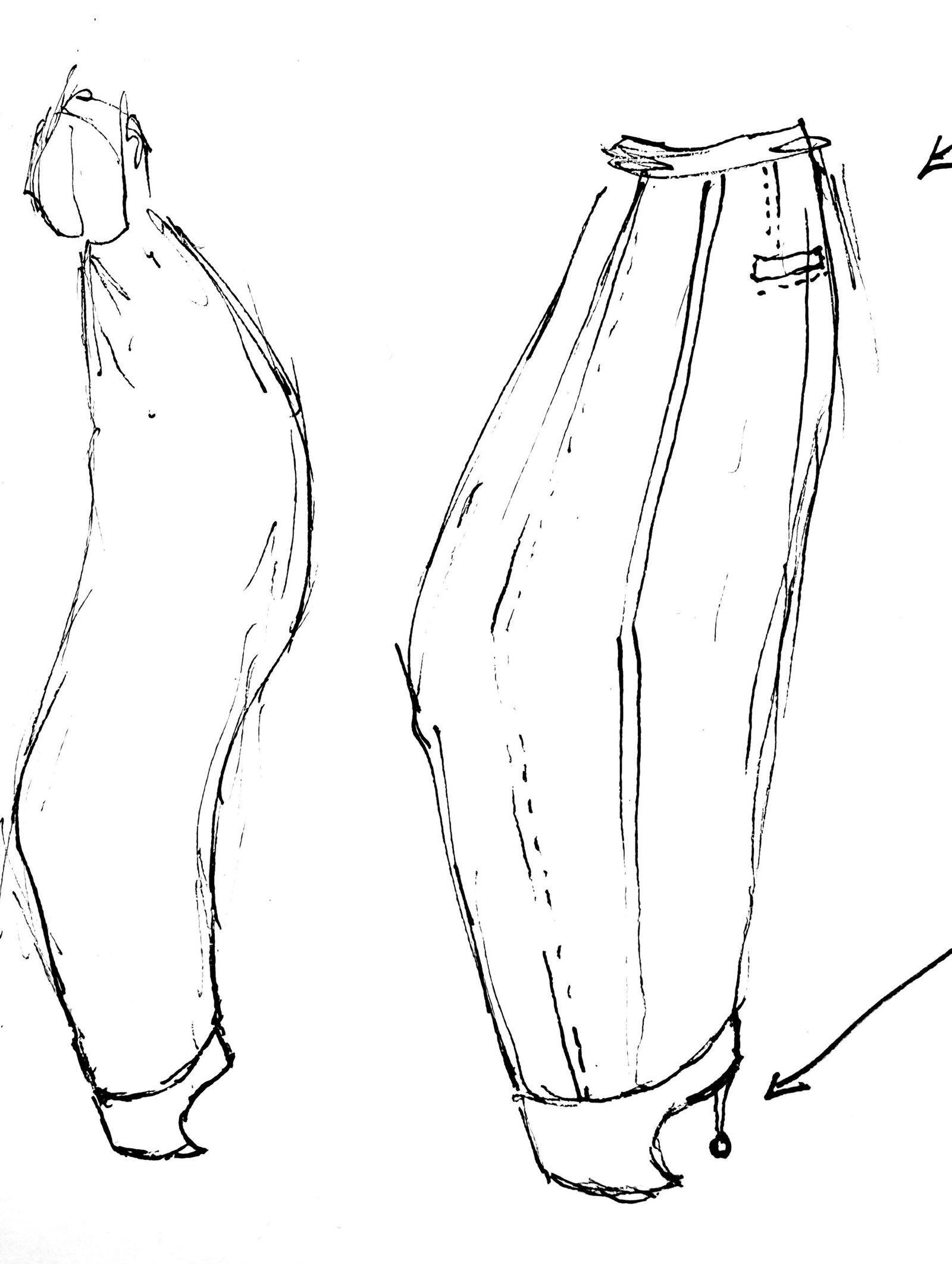
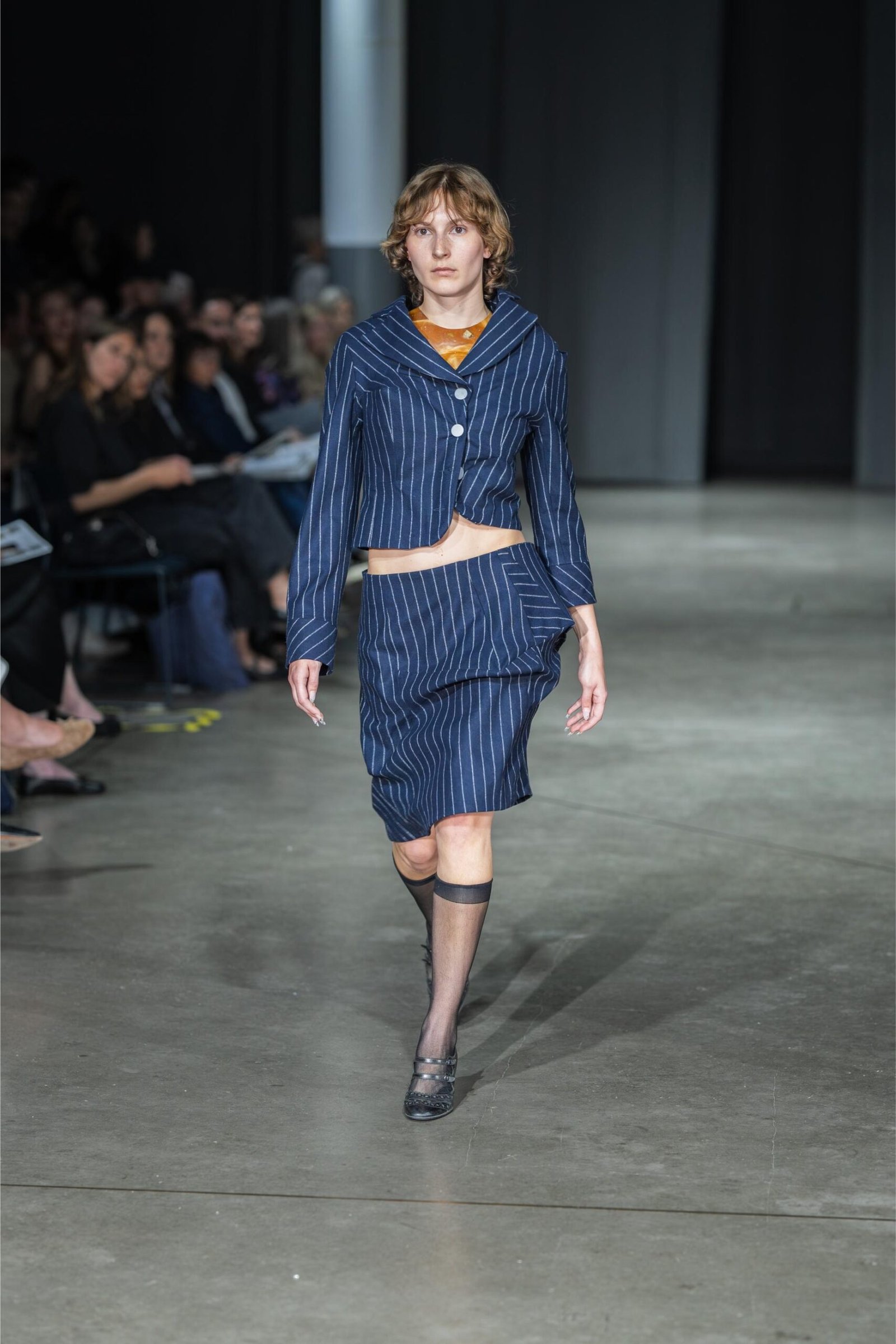
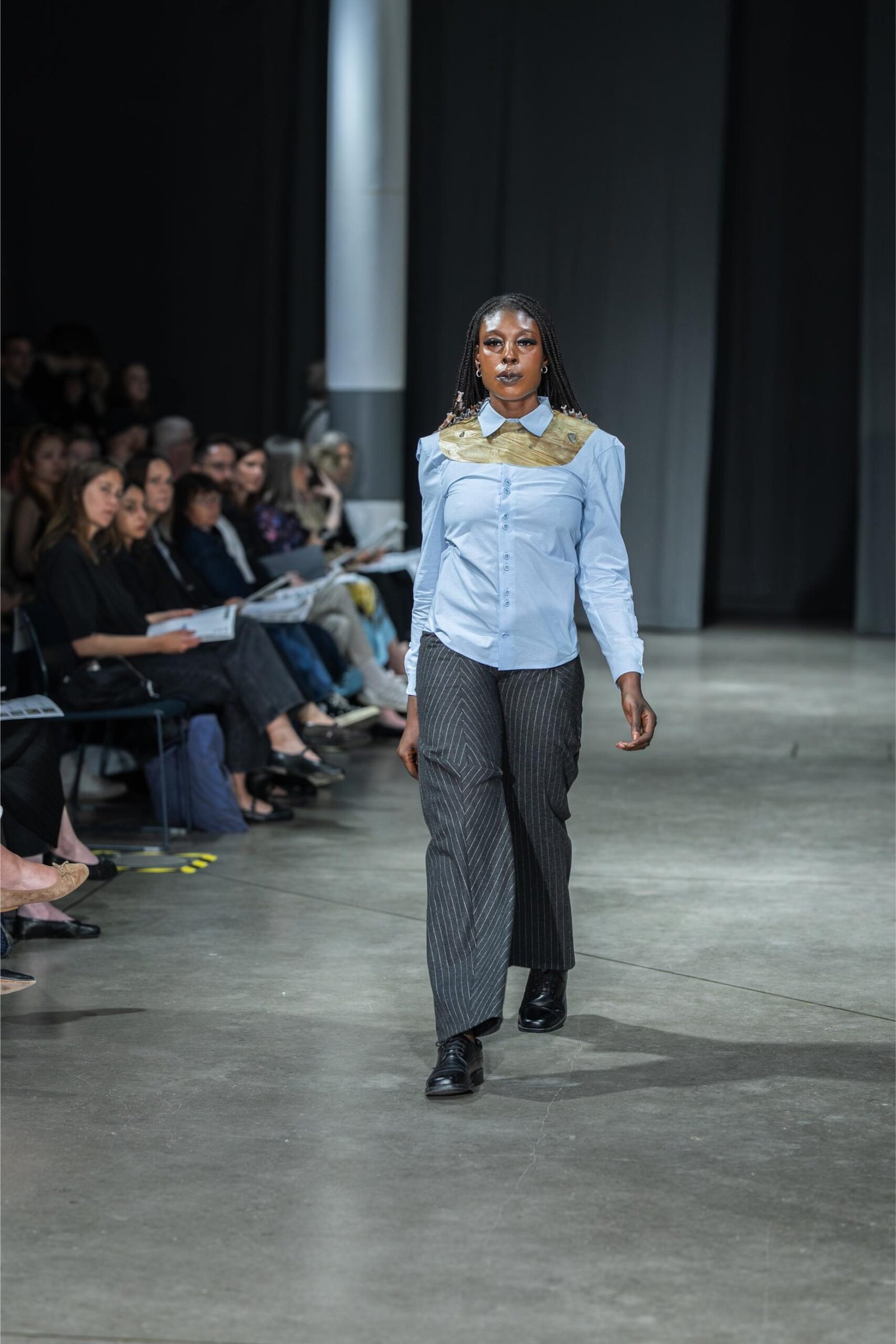
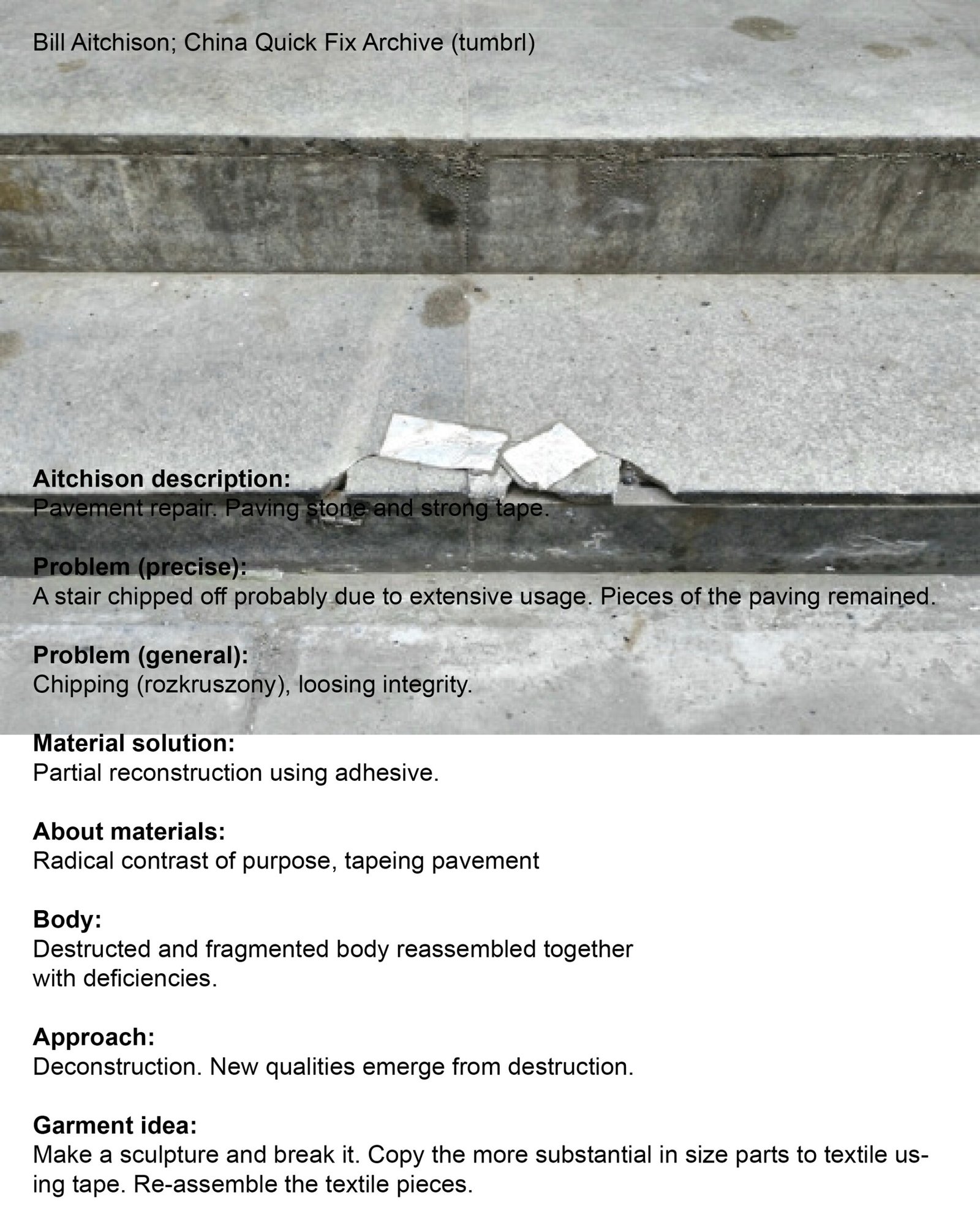
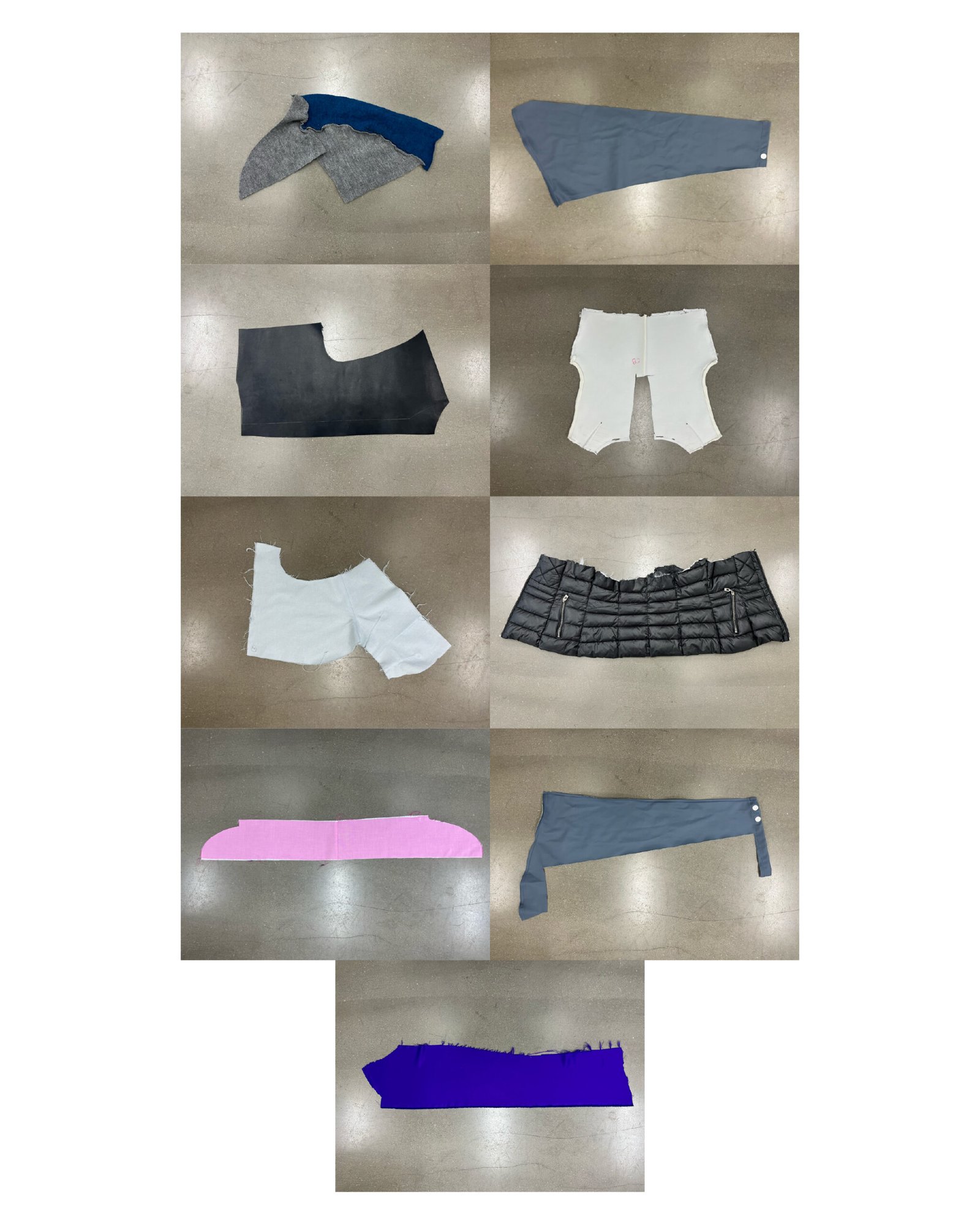
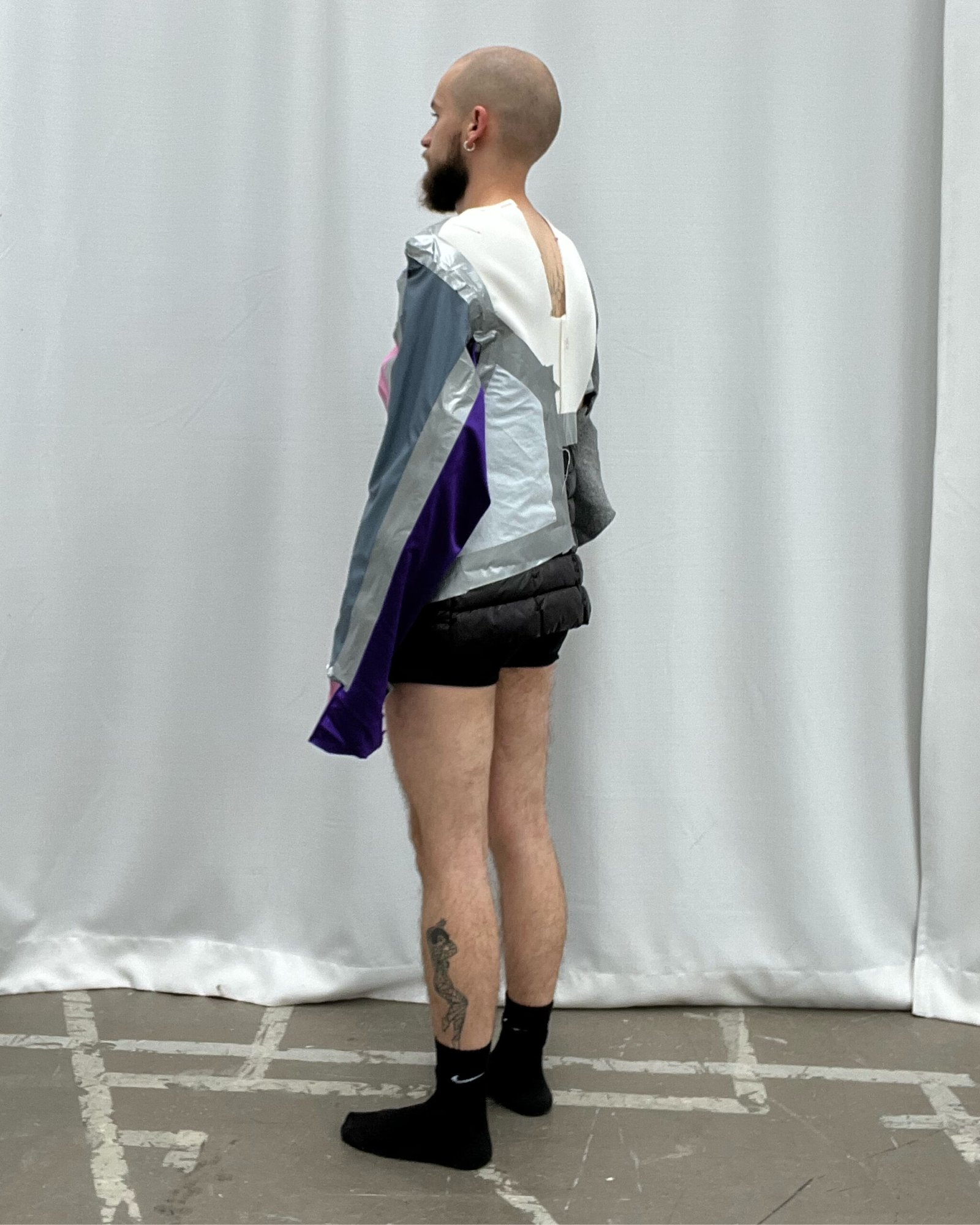
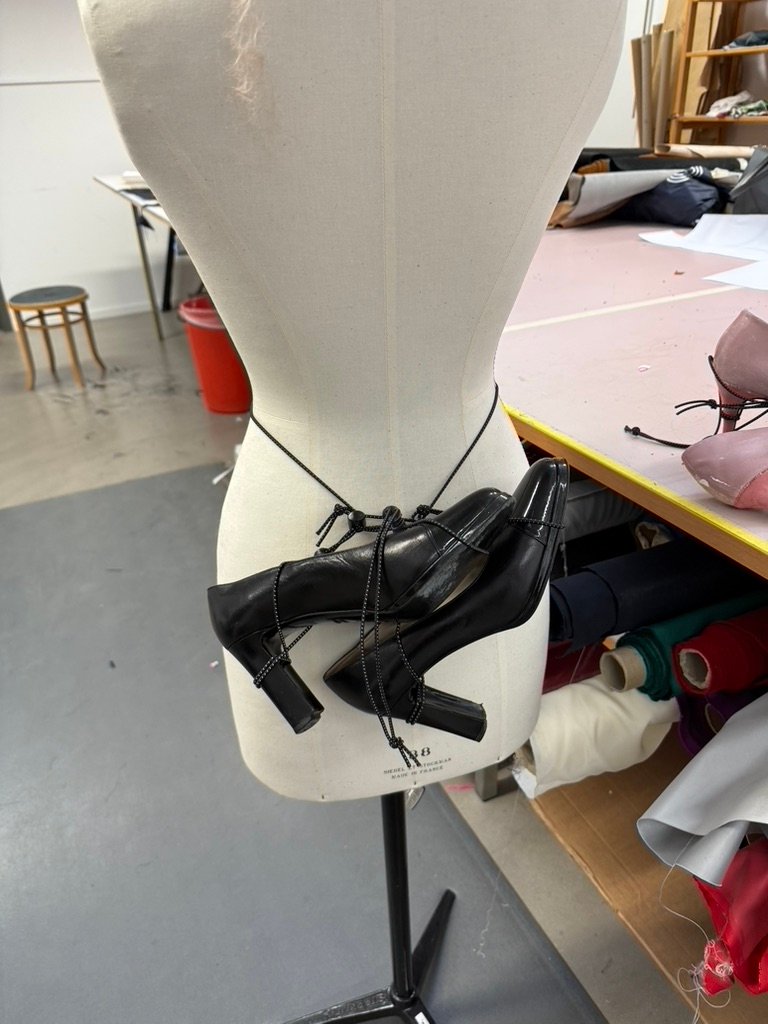
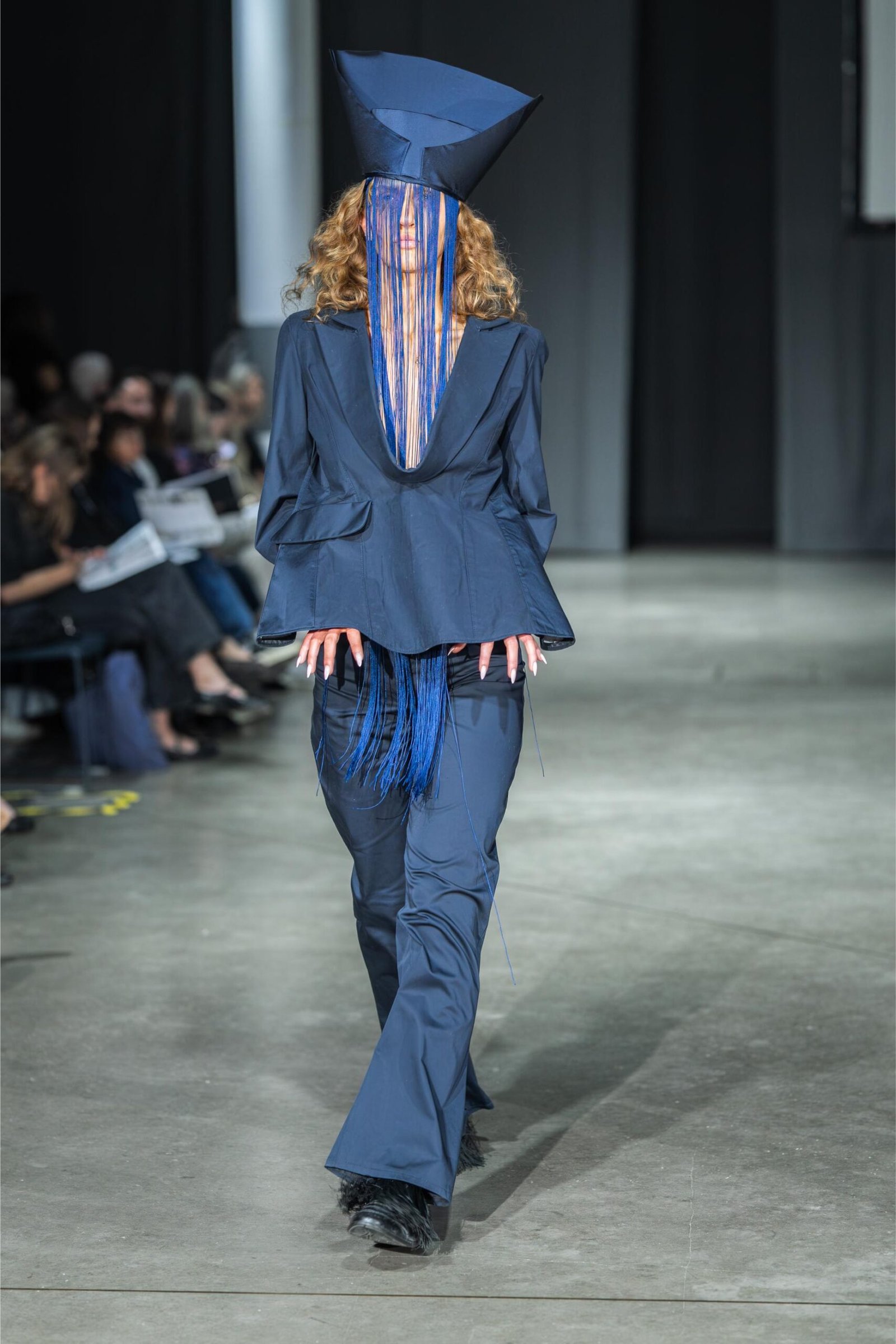
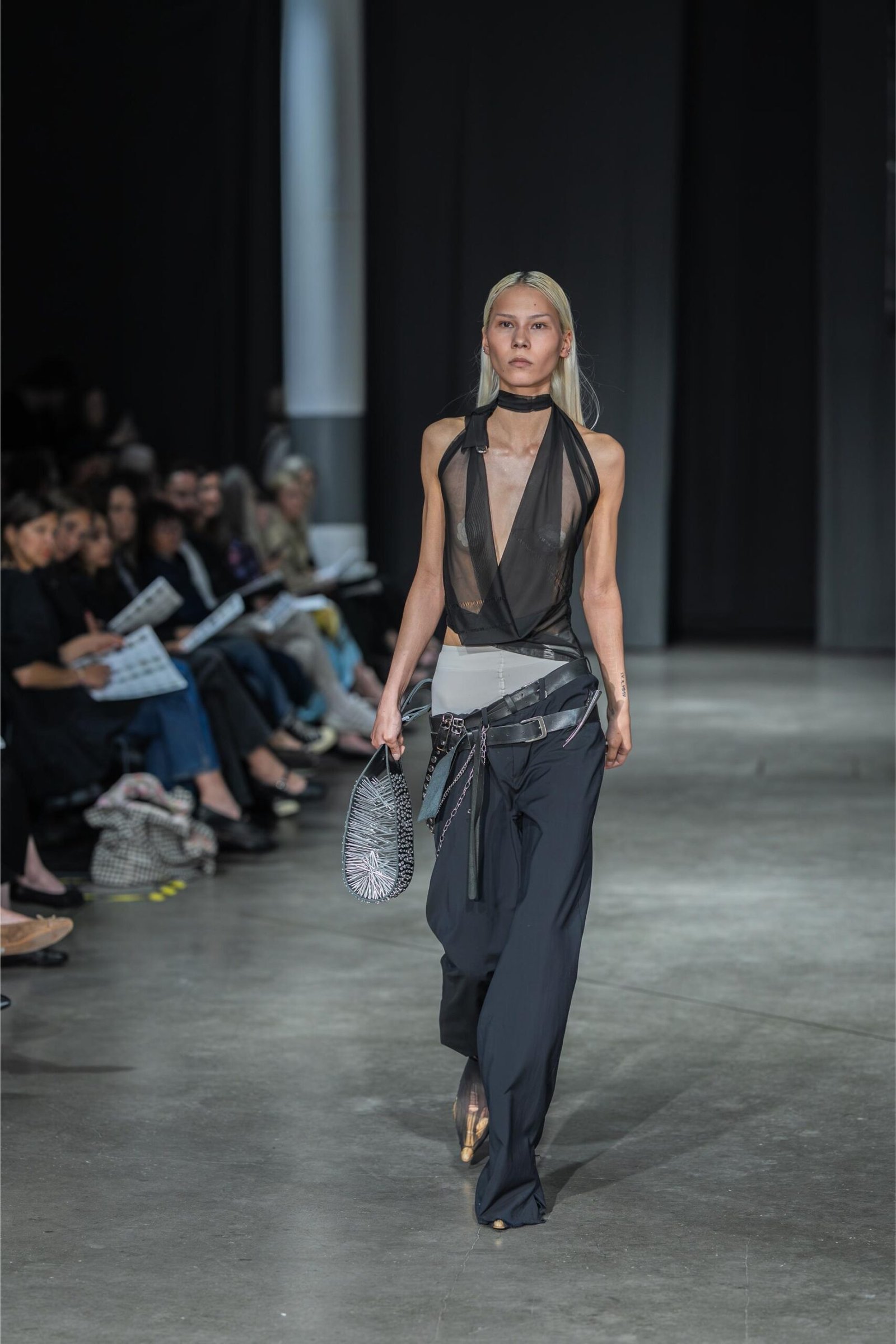
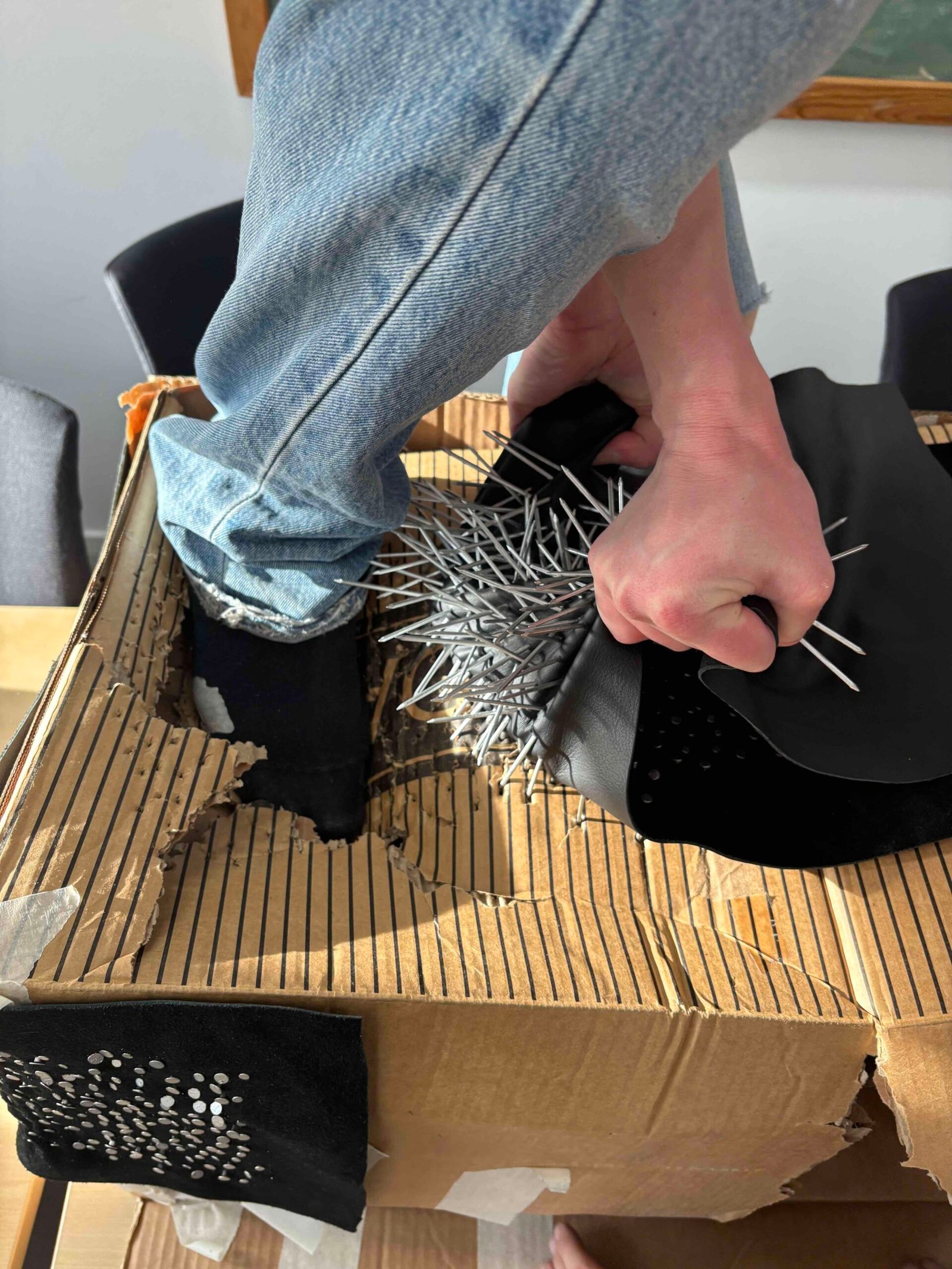
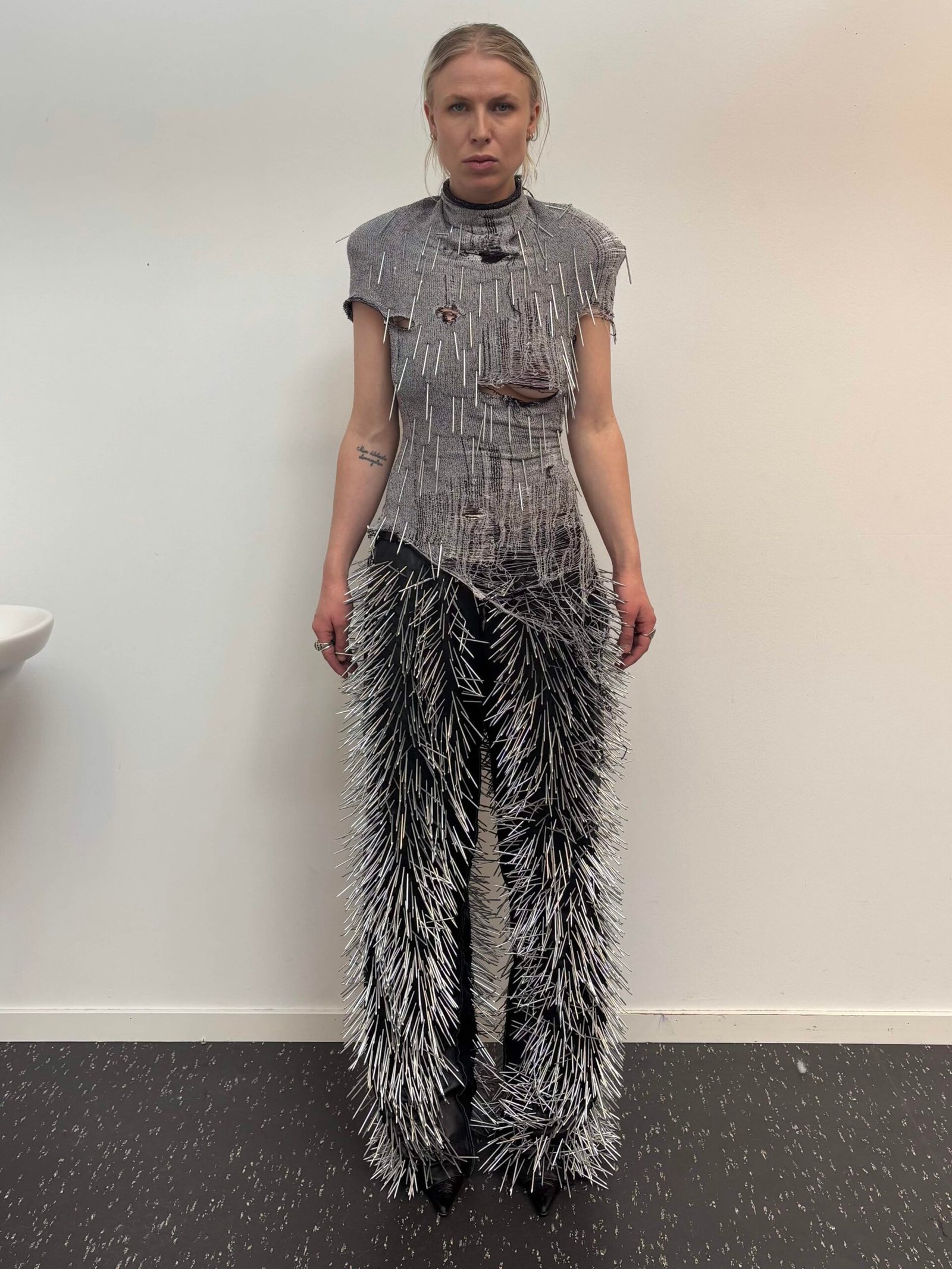
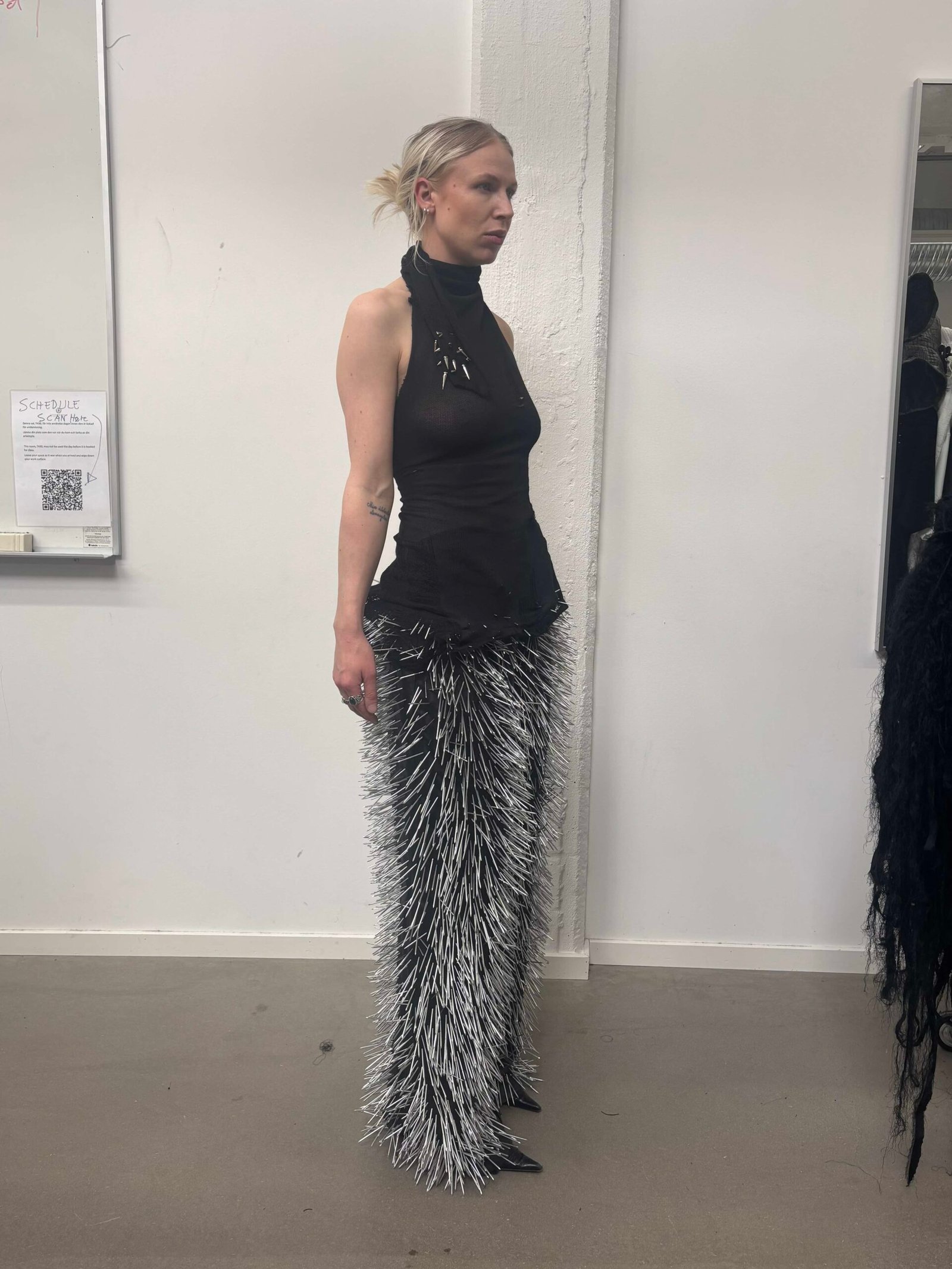
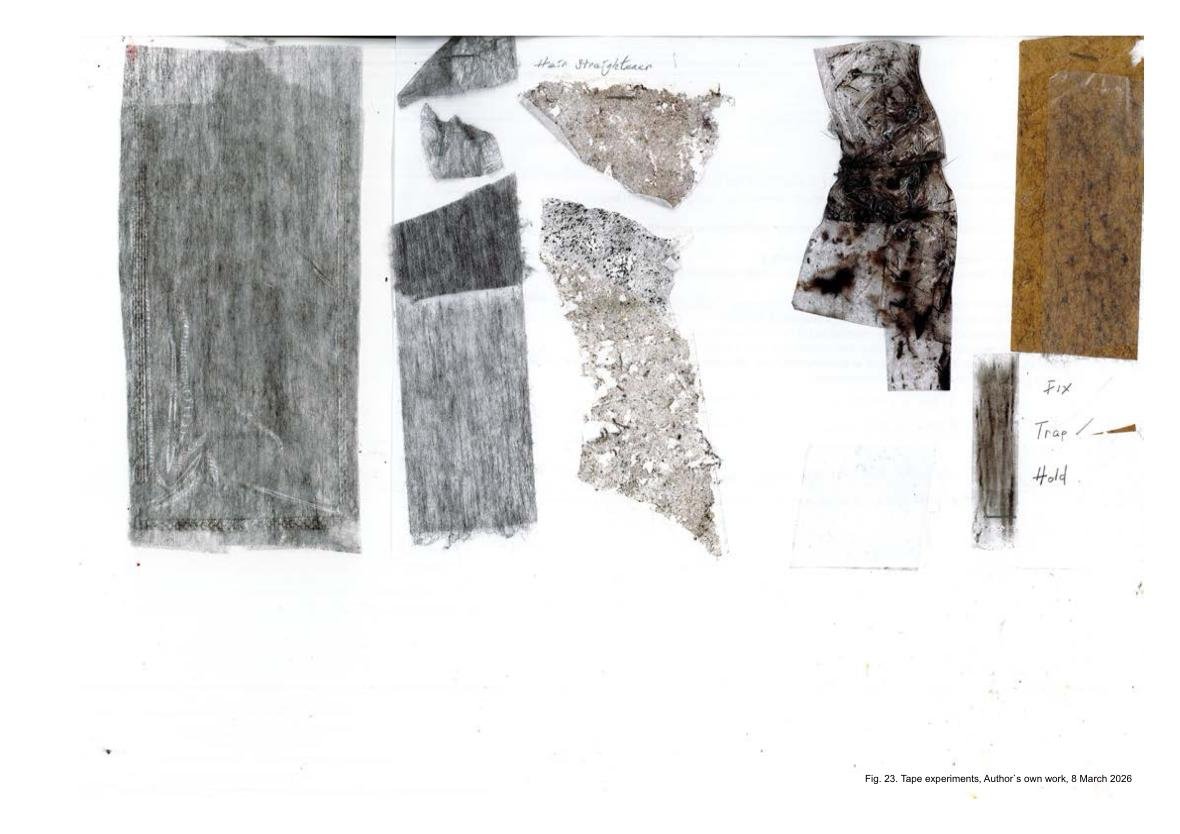
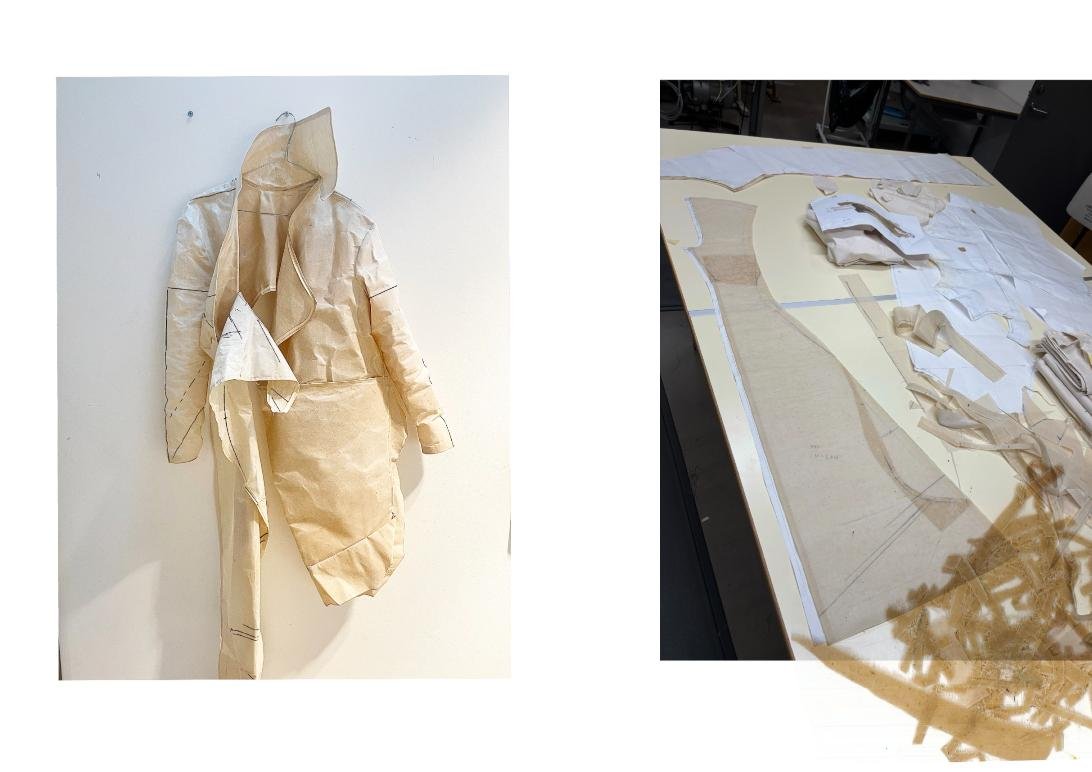
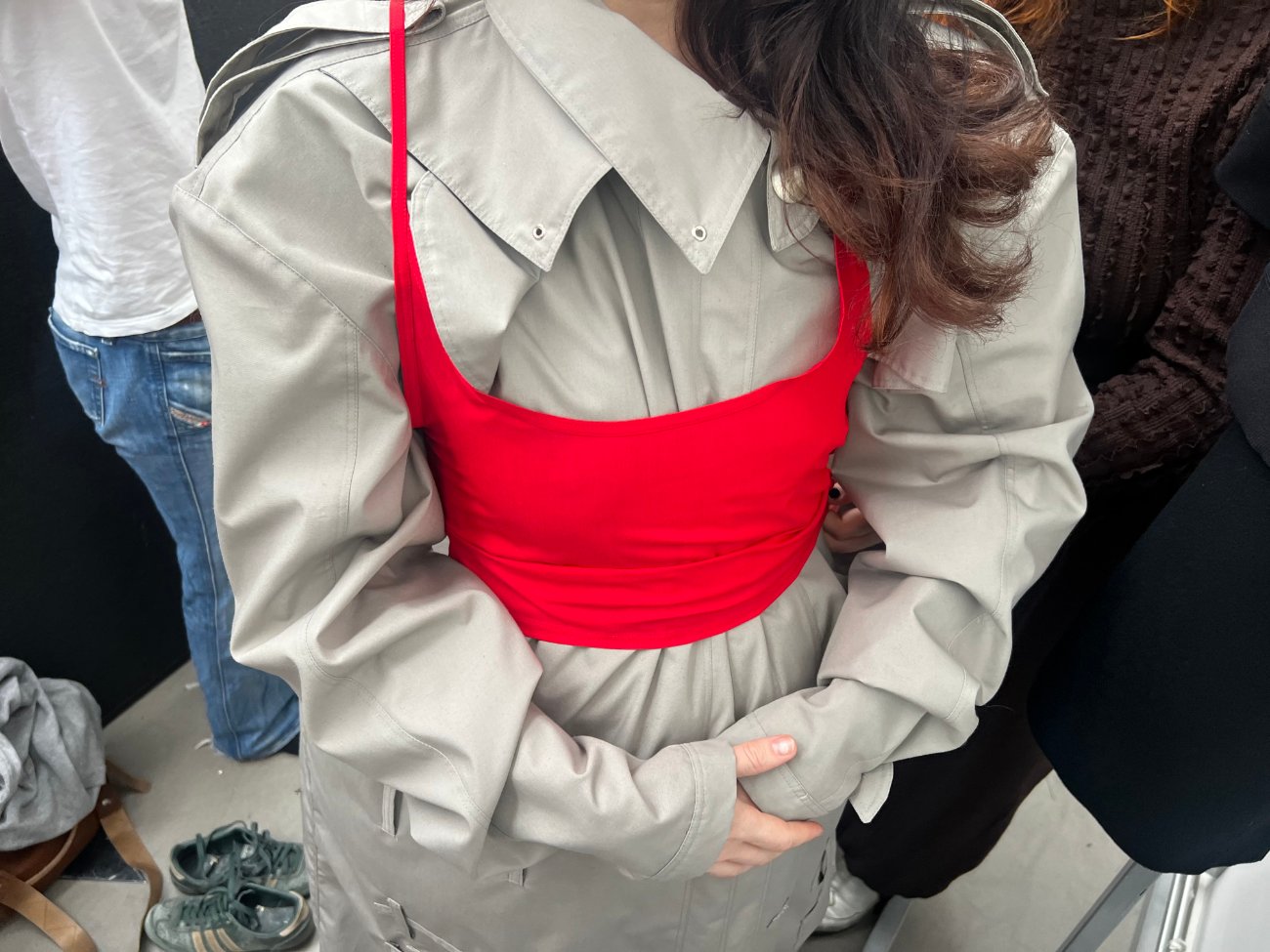
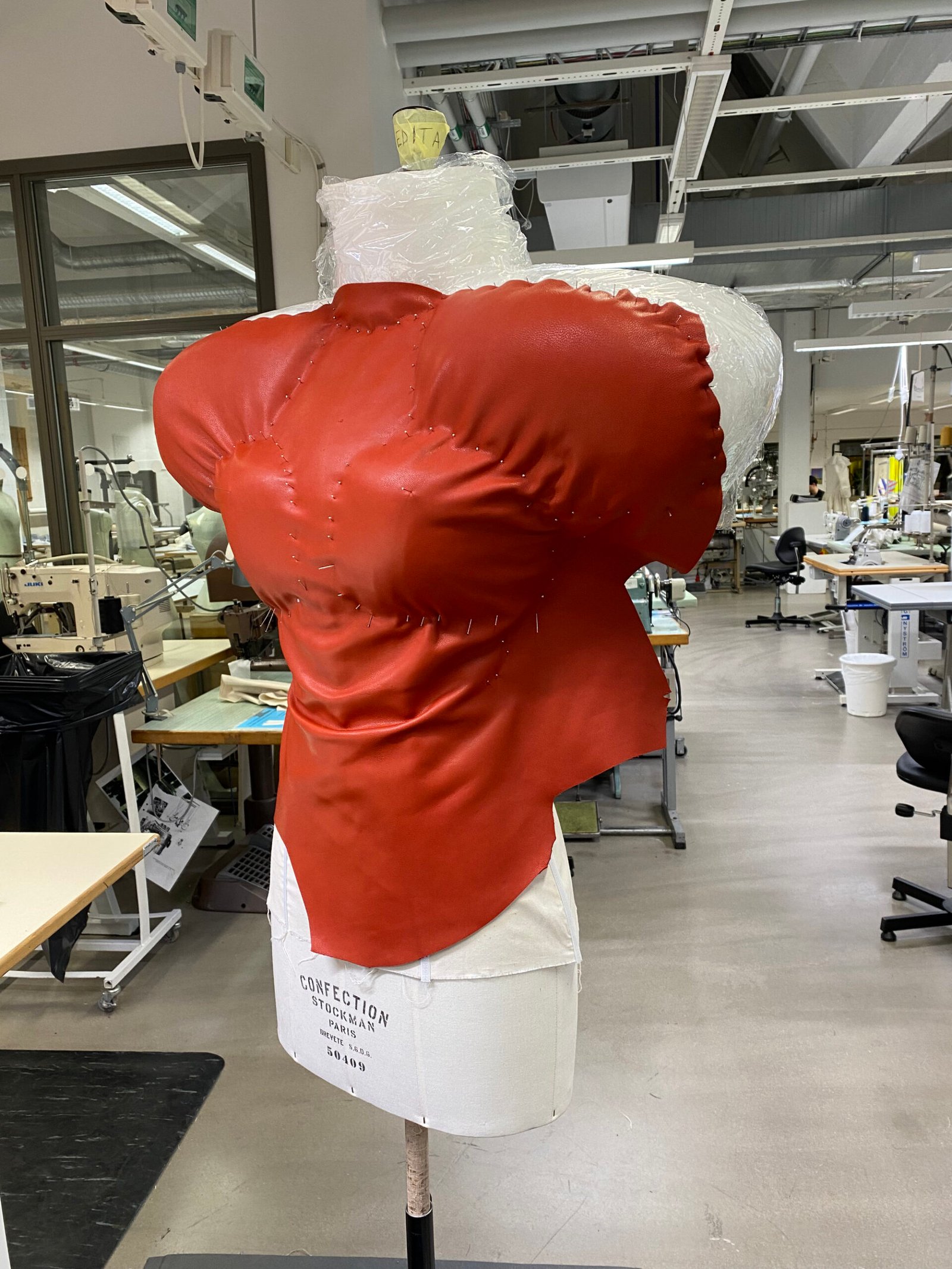
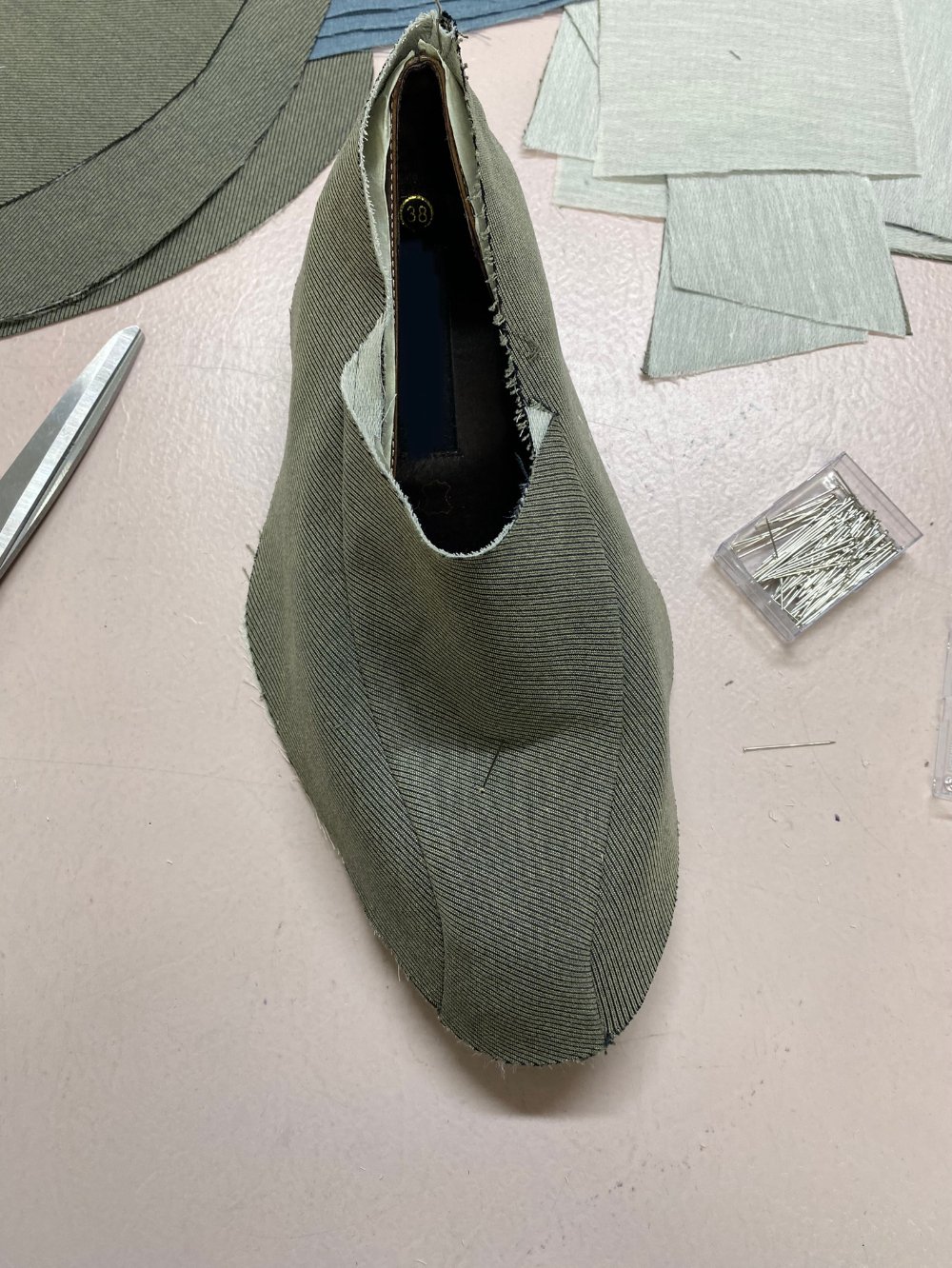
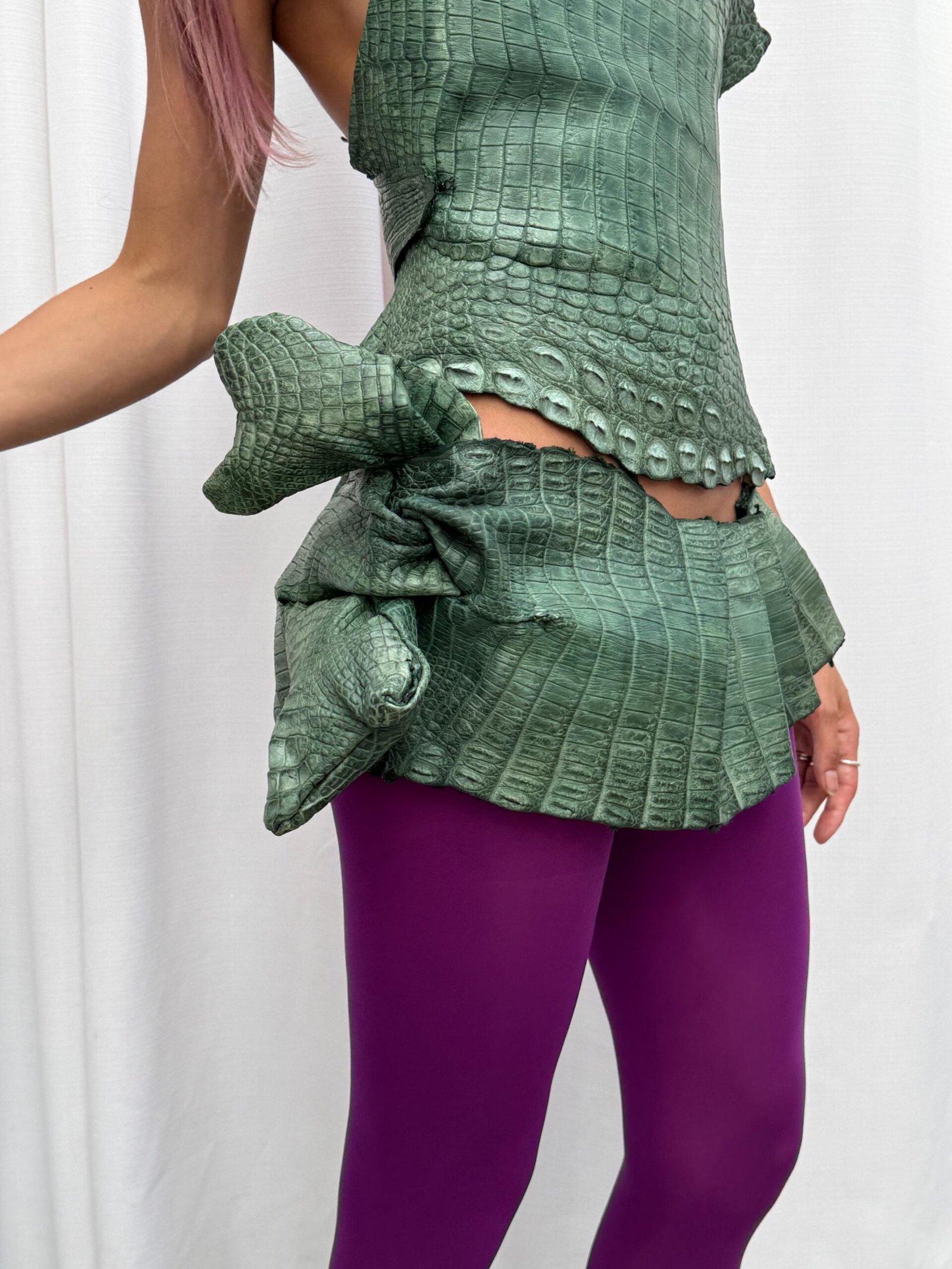
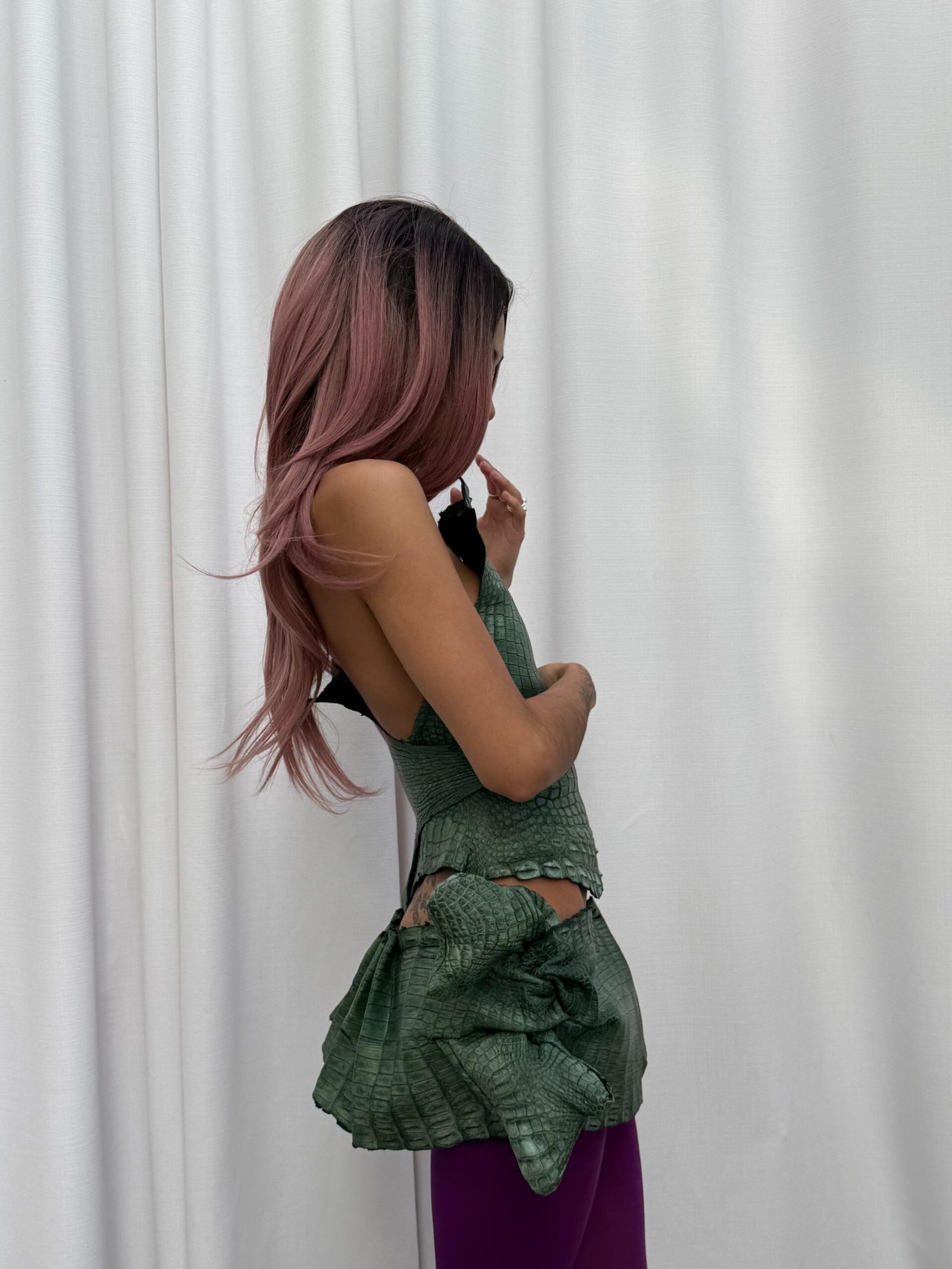
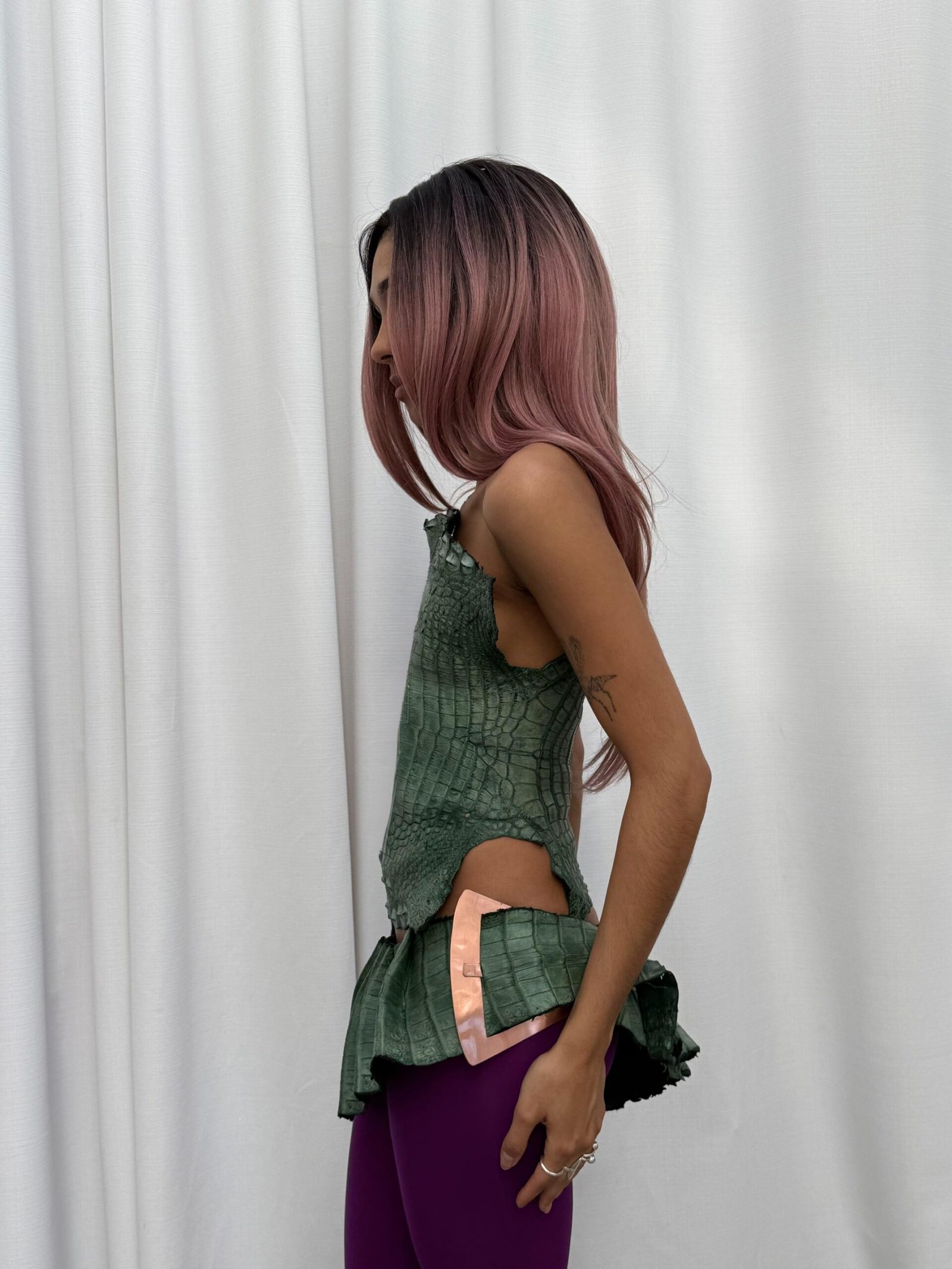
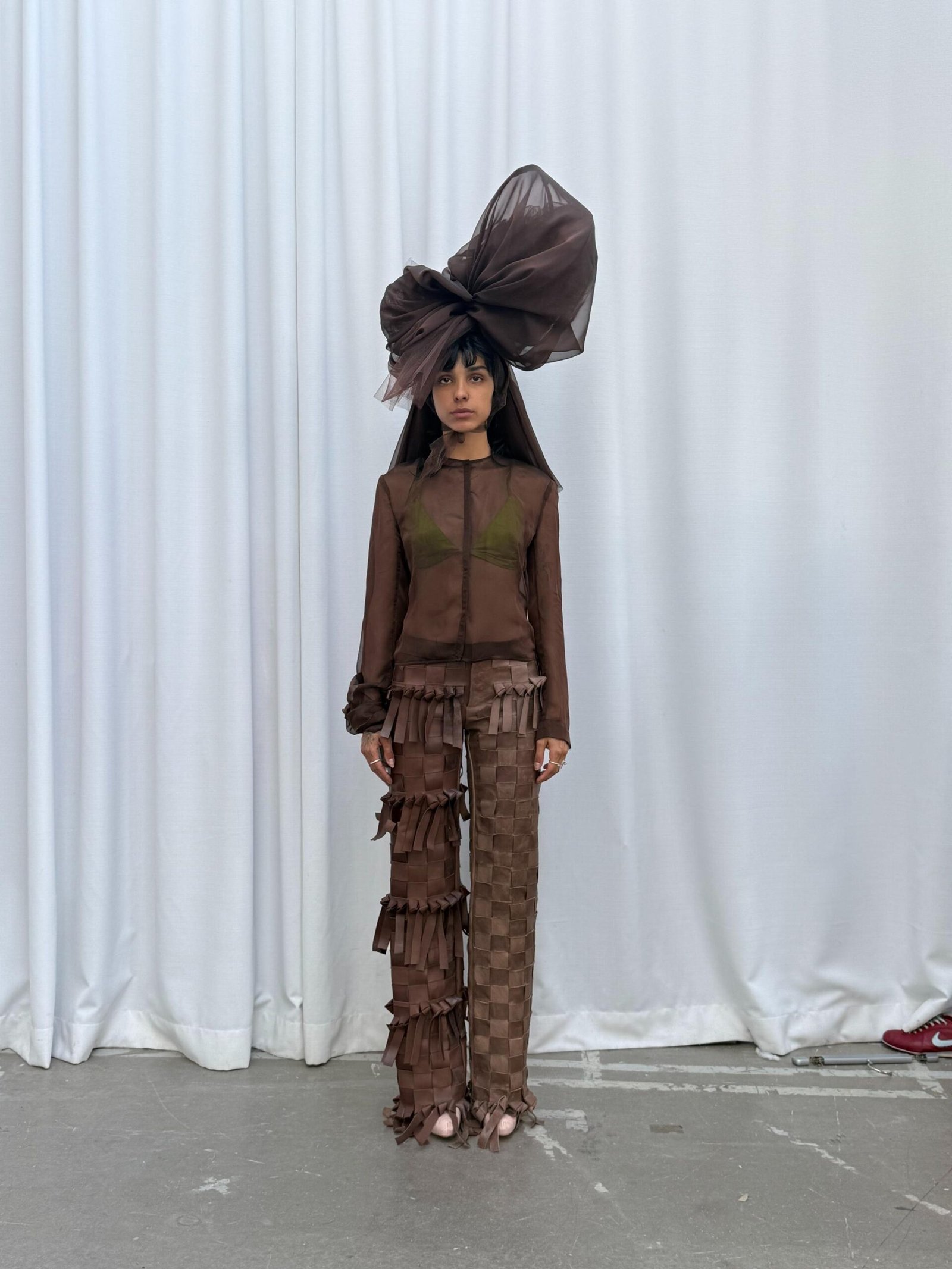
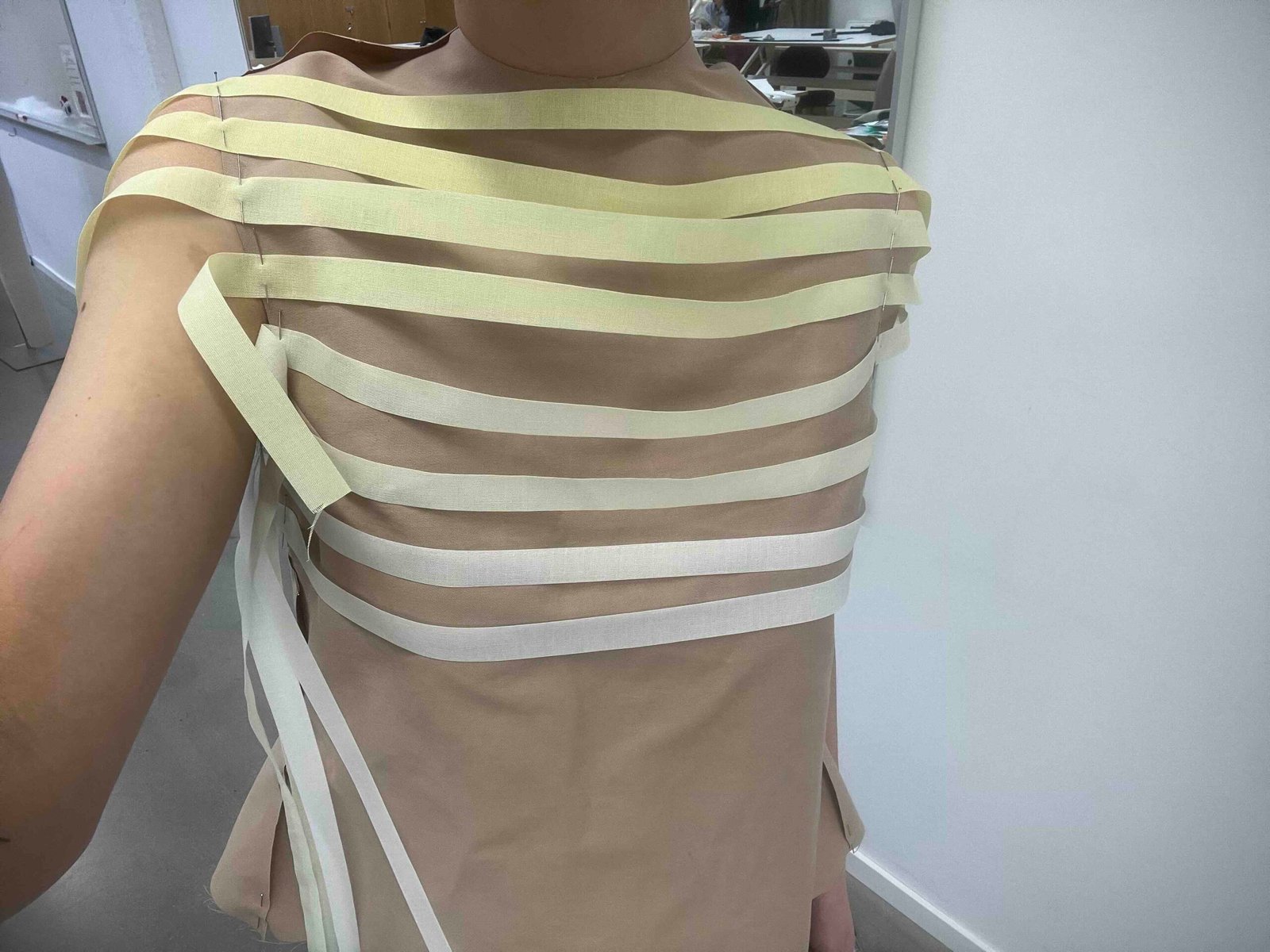
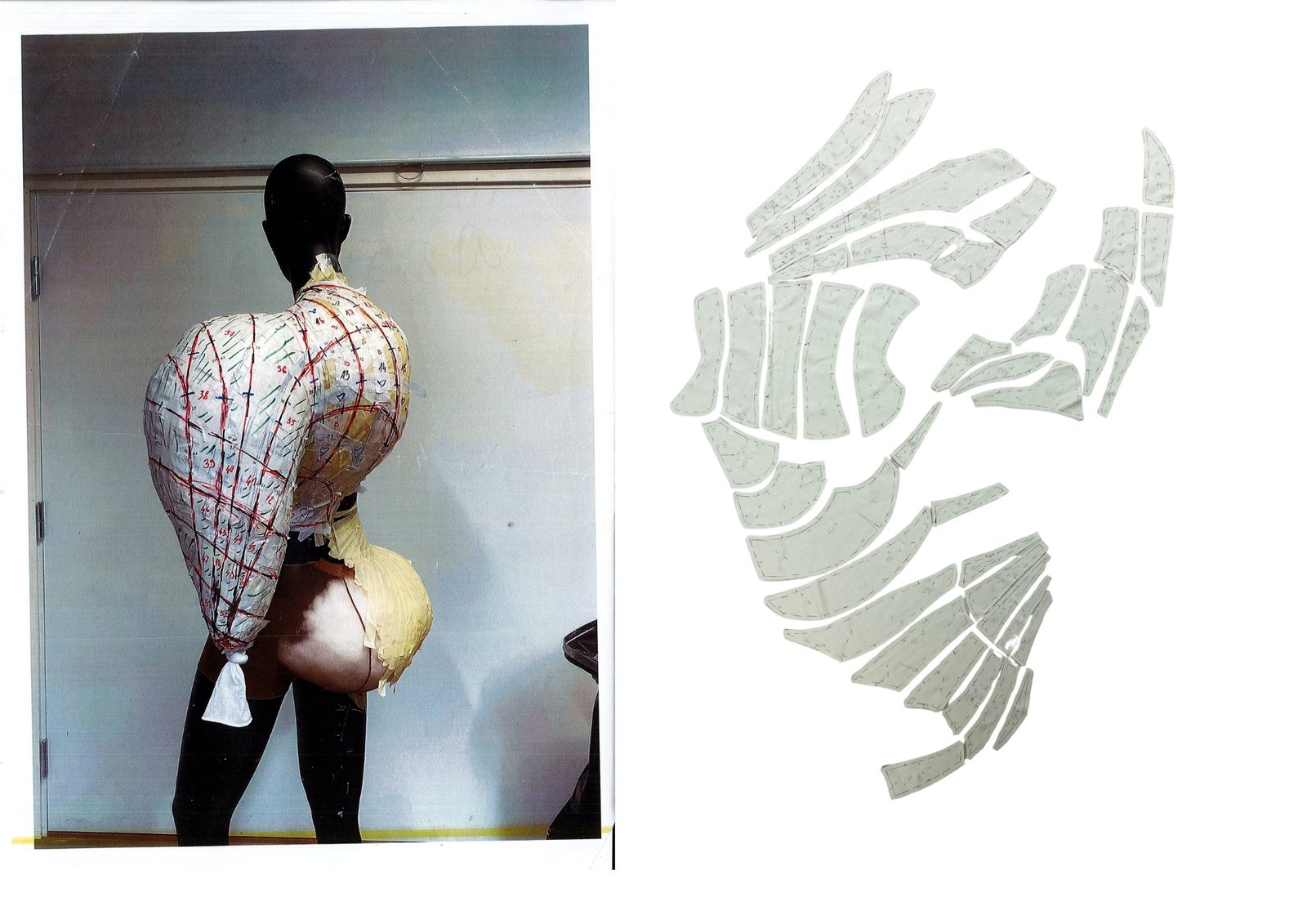
Iris Phillips’ collection, RE(UNI)FORMED, is a study of posture, silhouette, and ceremonial uniform inspired by historical military dress. Using wet-moulded leather, tin-cast embellishments, steamed hats shaped on traditional hat blocks, and unconventional pattern-cutting methods such as tape construction, the project explores new ways of shaping the body. Garments and accessories morph together through integrated shoes, hats, and optical illusions, drawing on historical design principles in which uniforms were used to elongate the body and communicate presence.

@siris.phillips

Ebba Carlson Persson

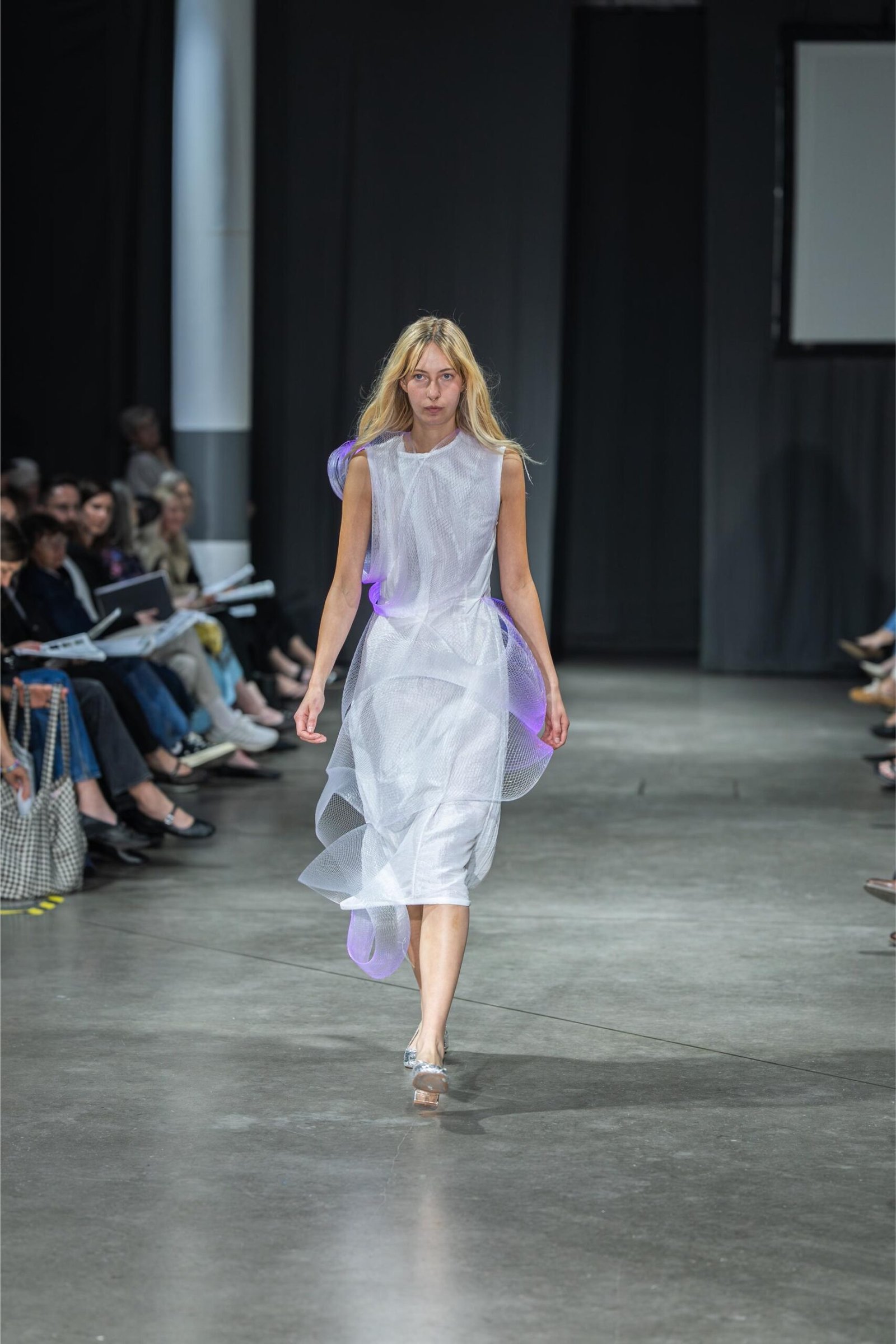
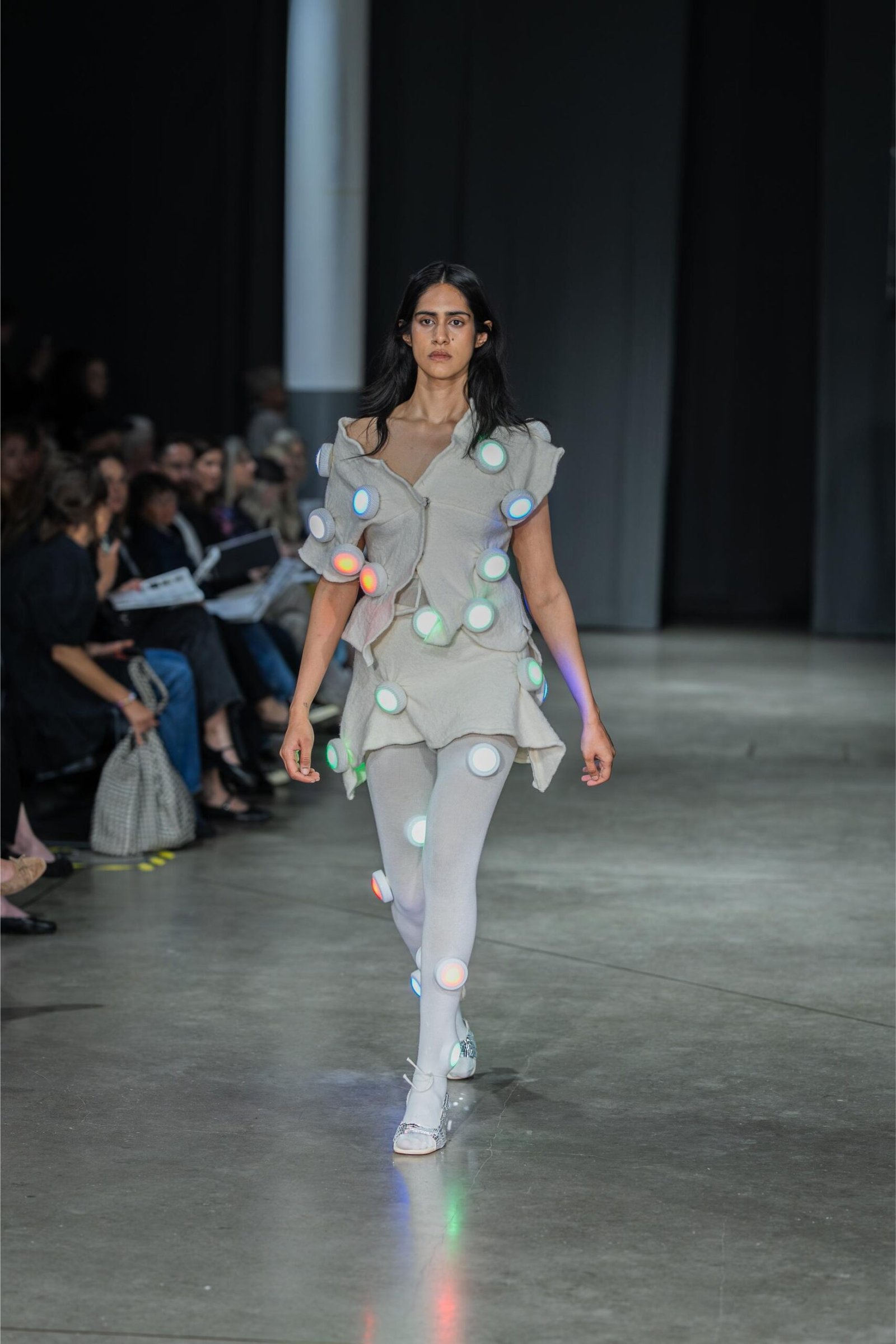
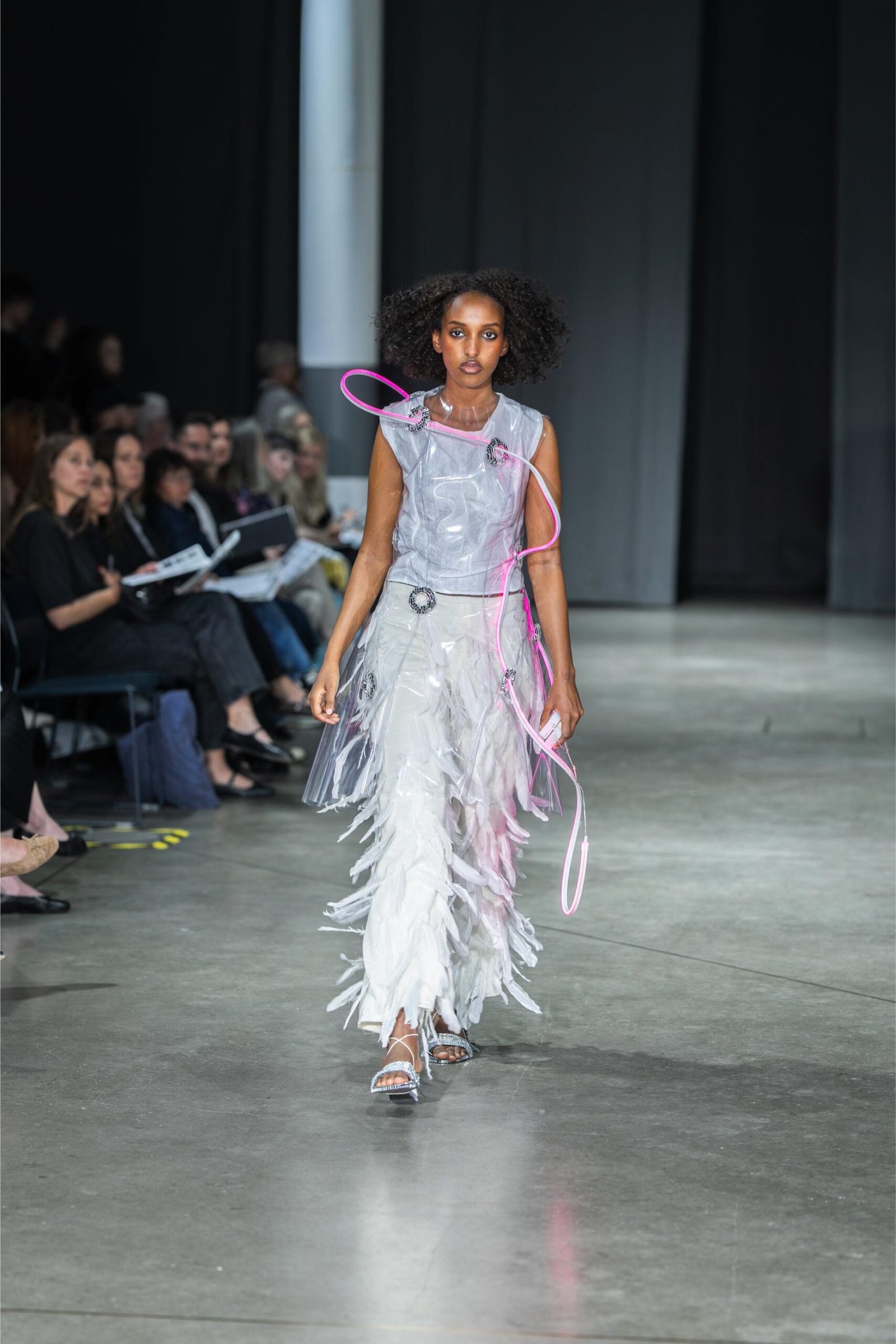
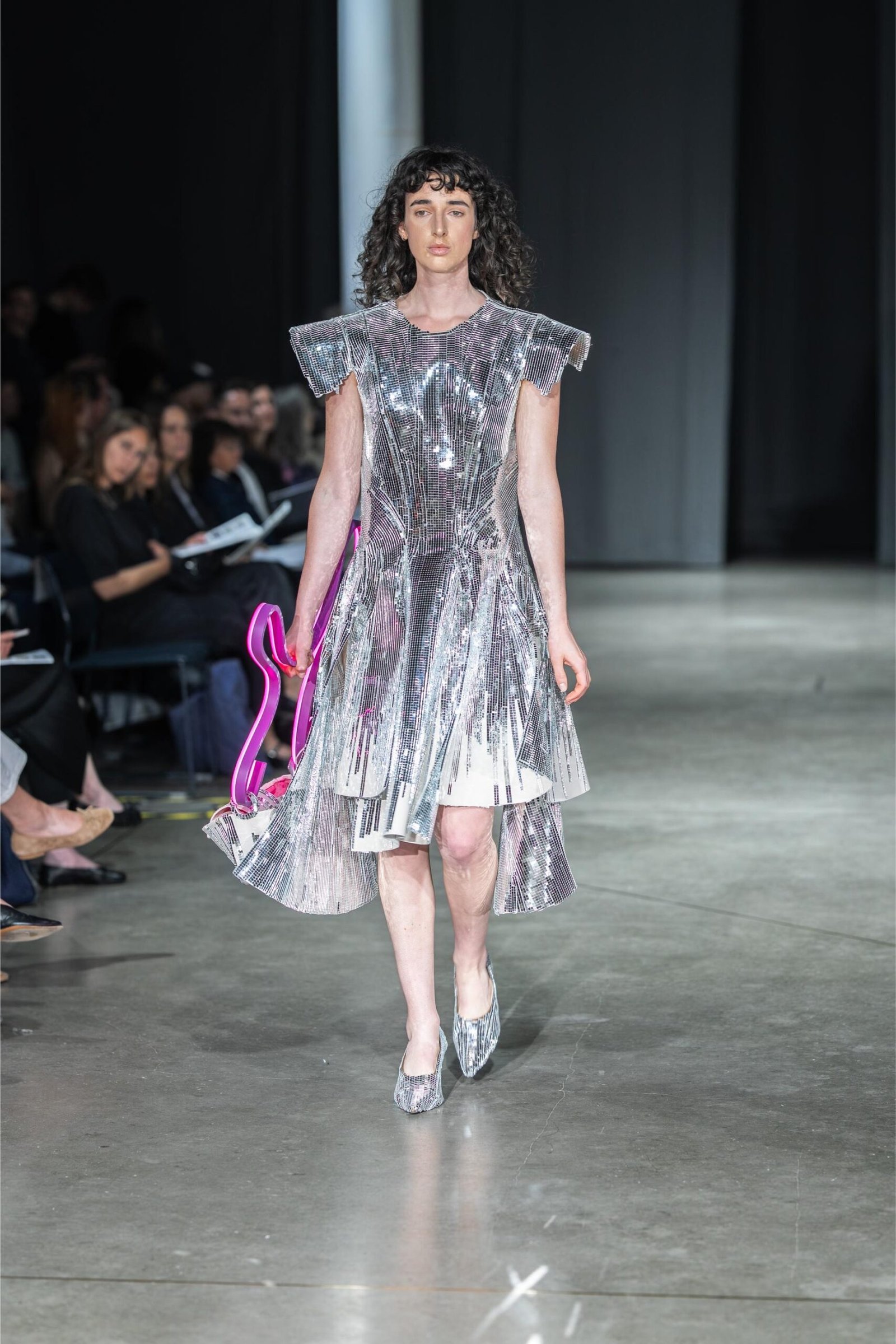
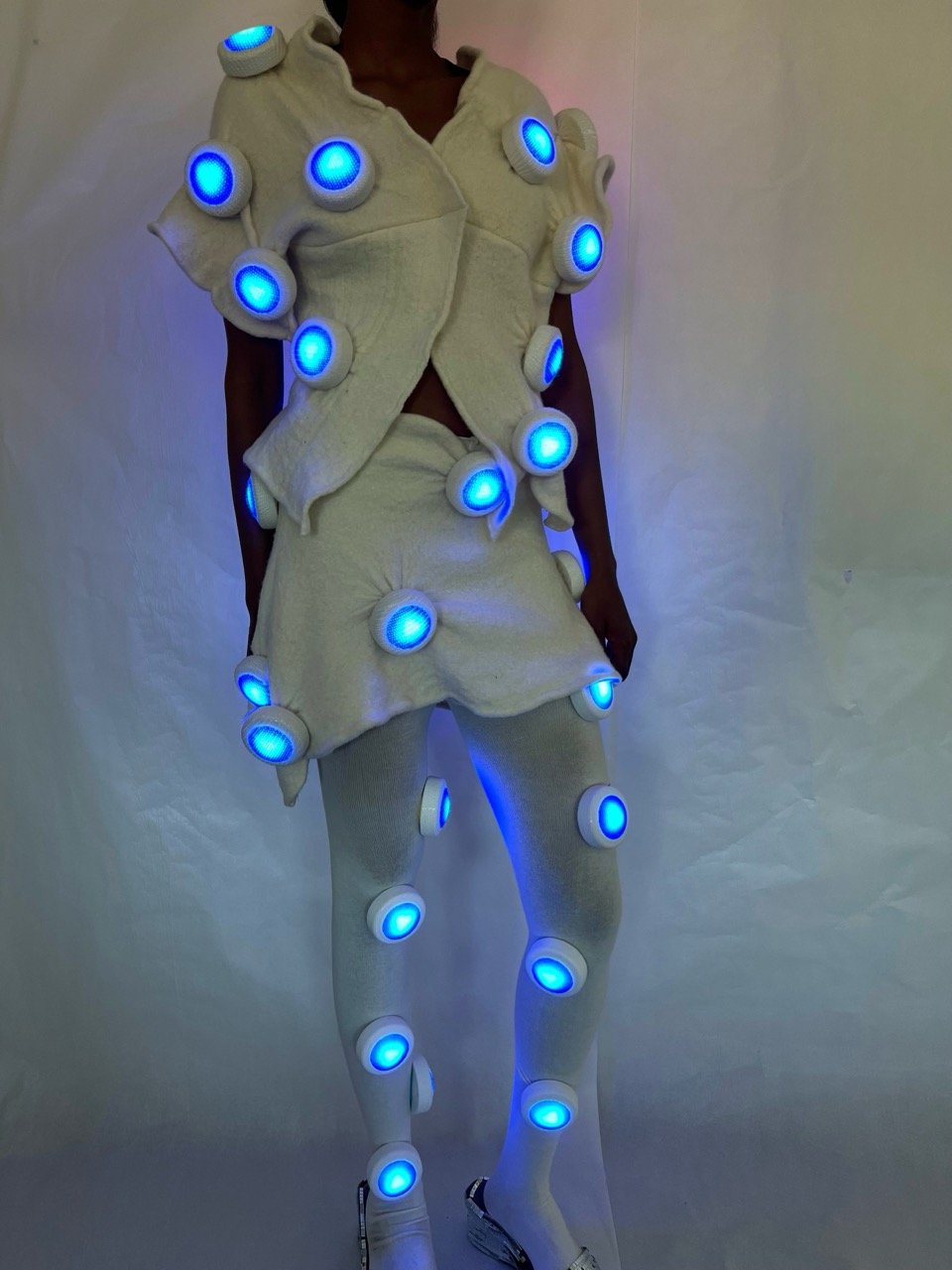
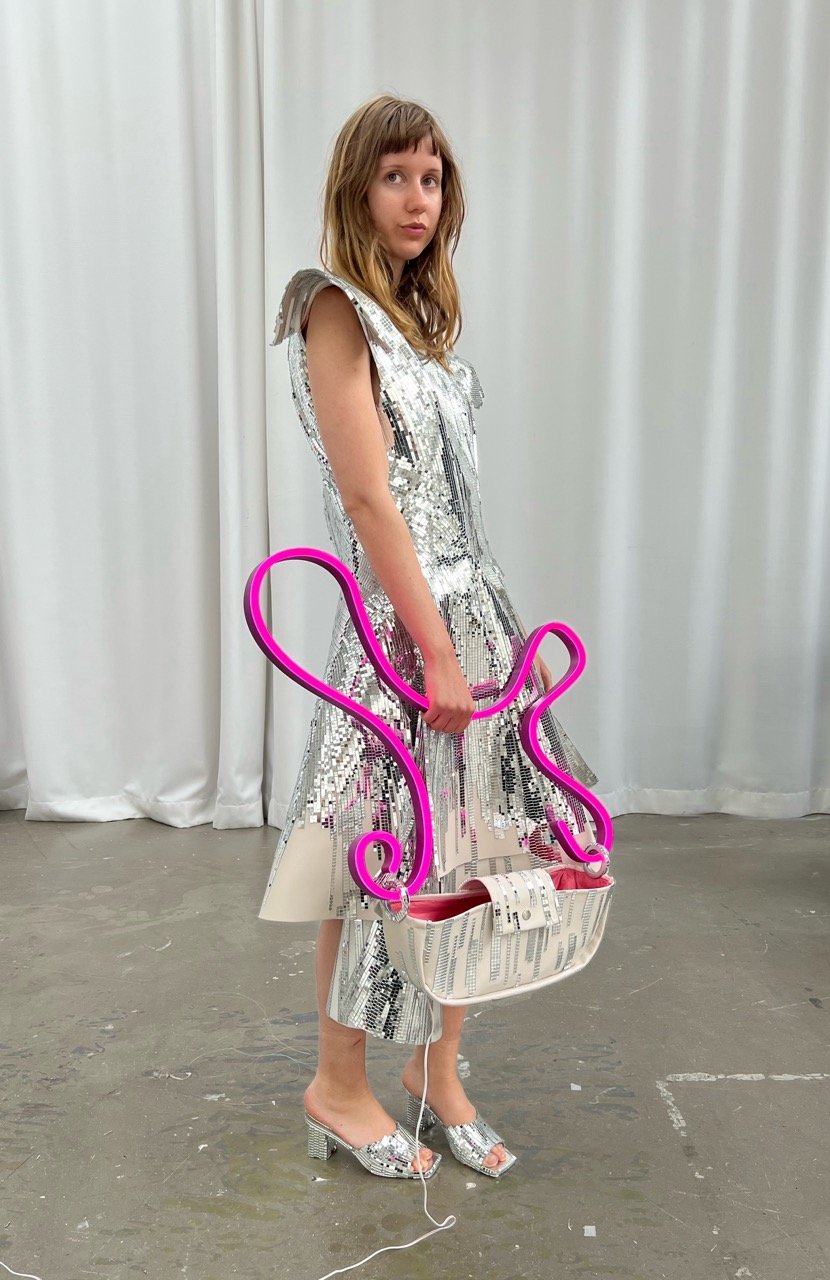
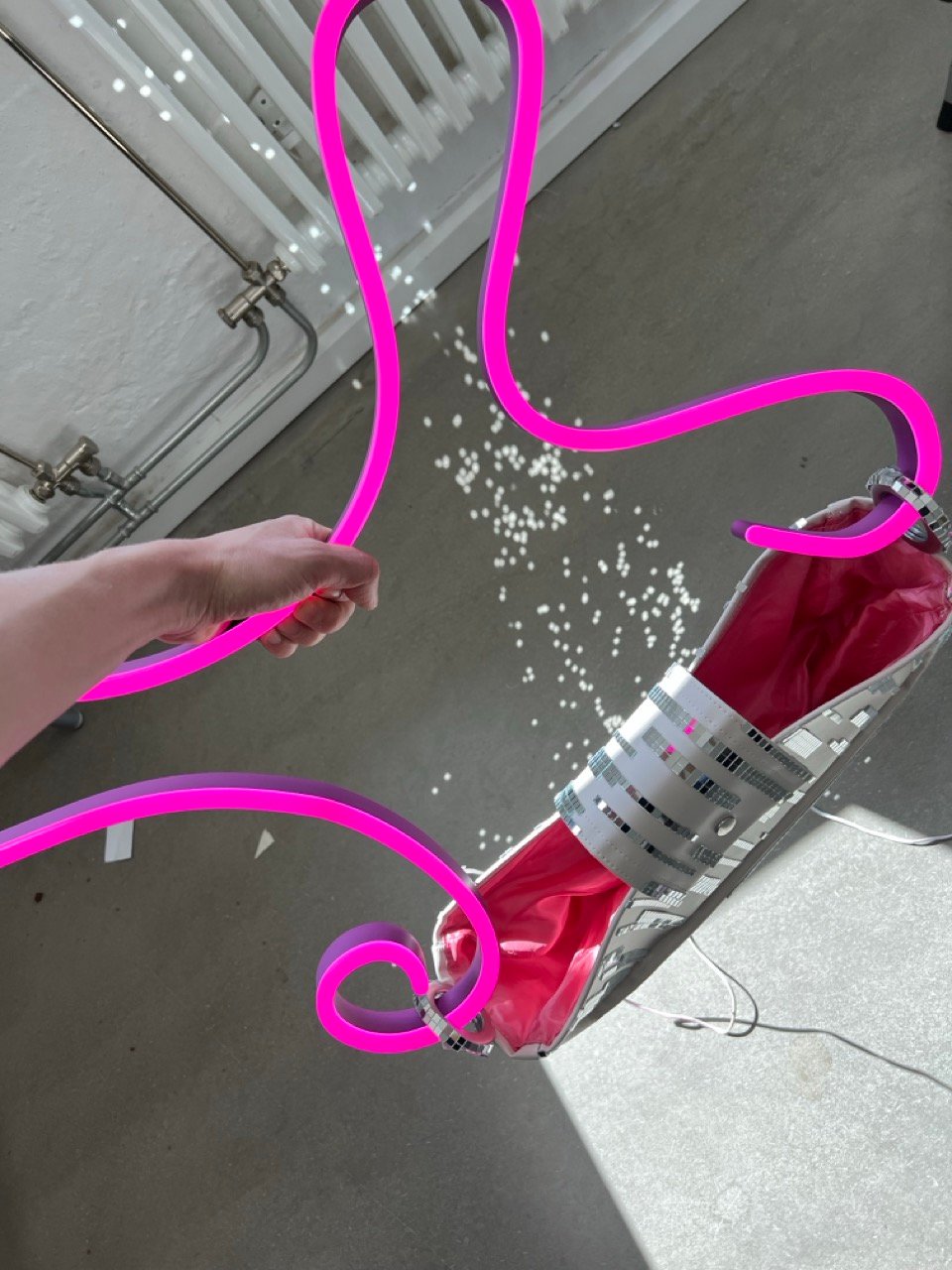
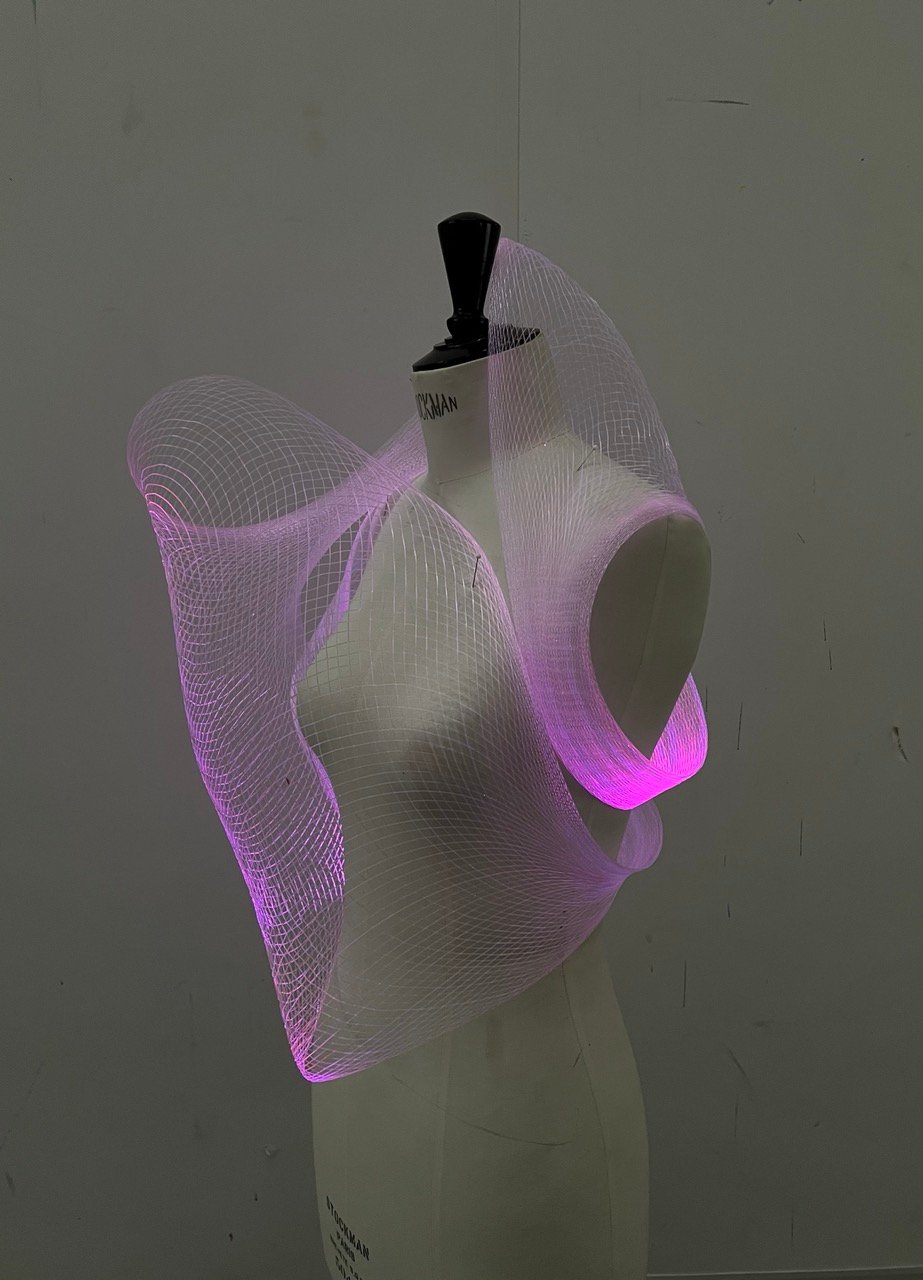
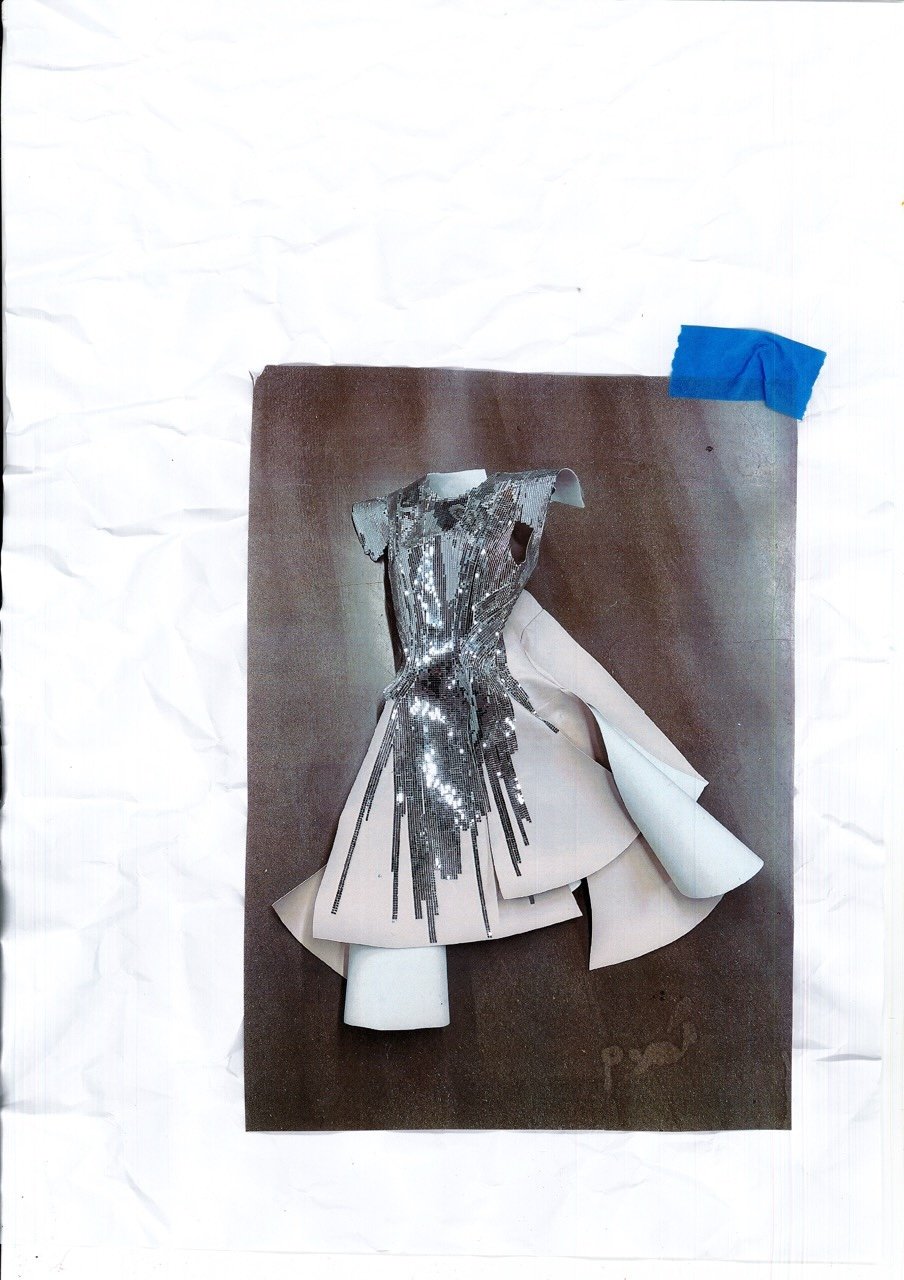
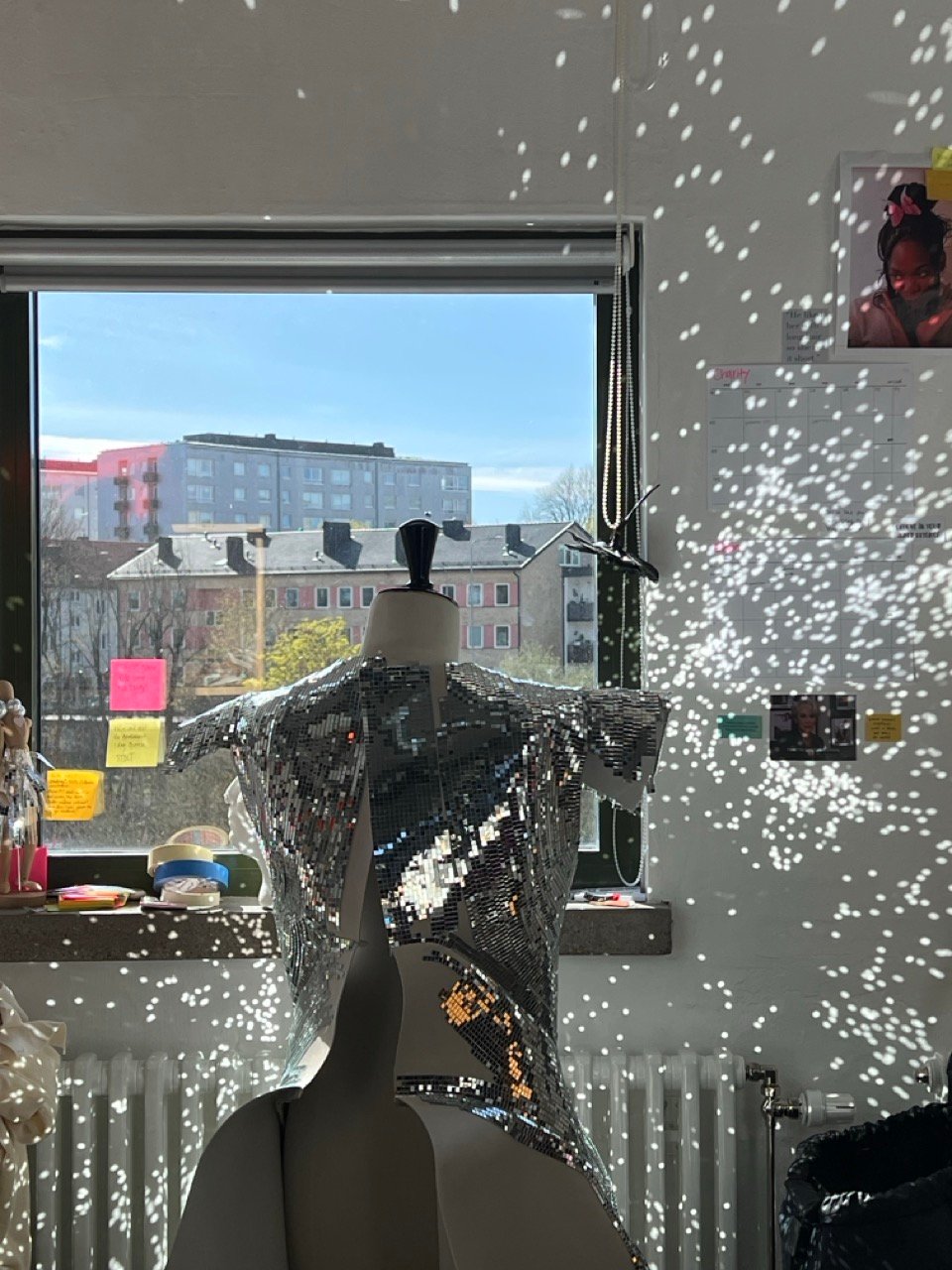
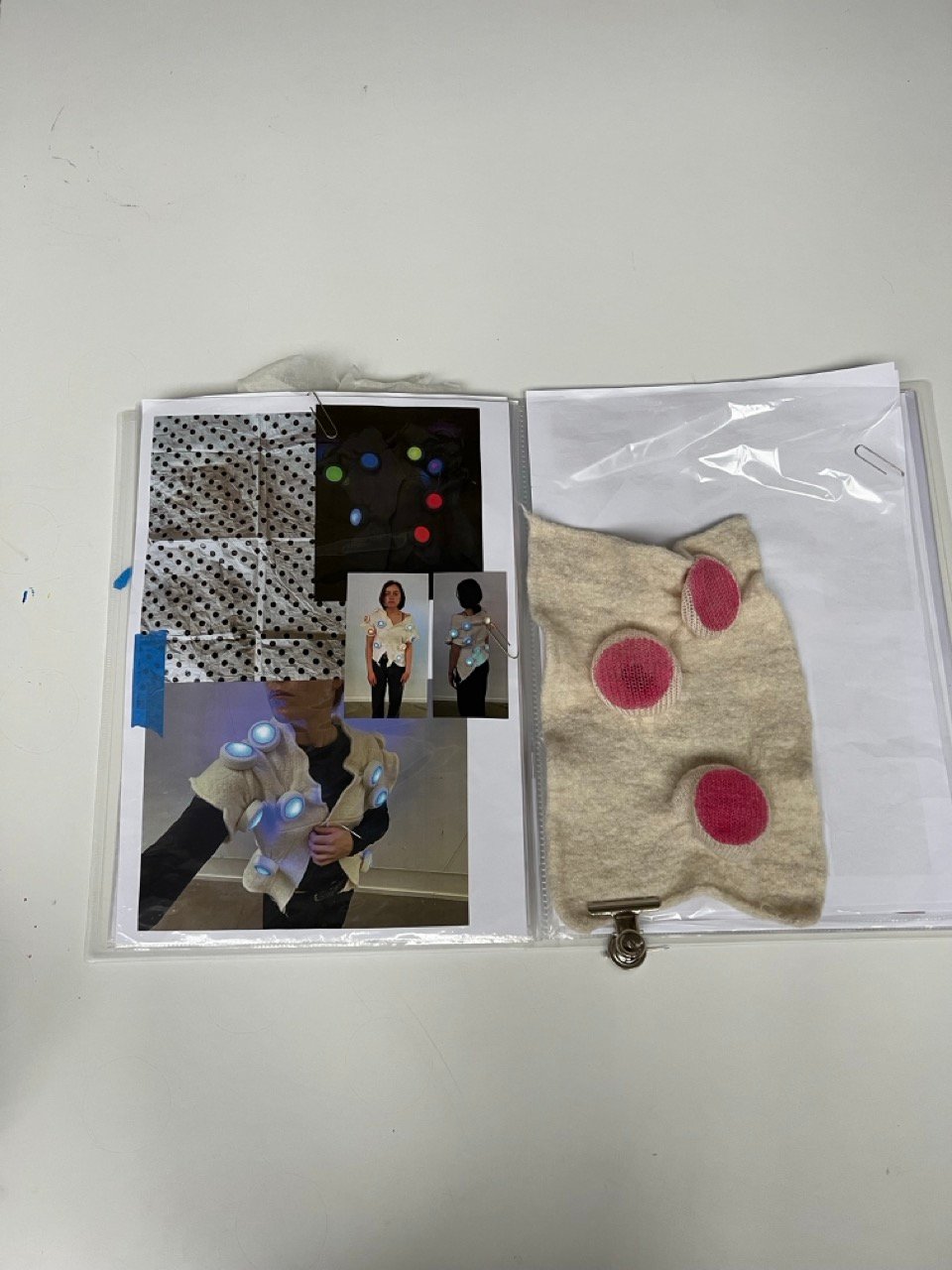
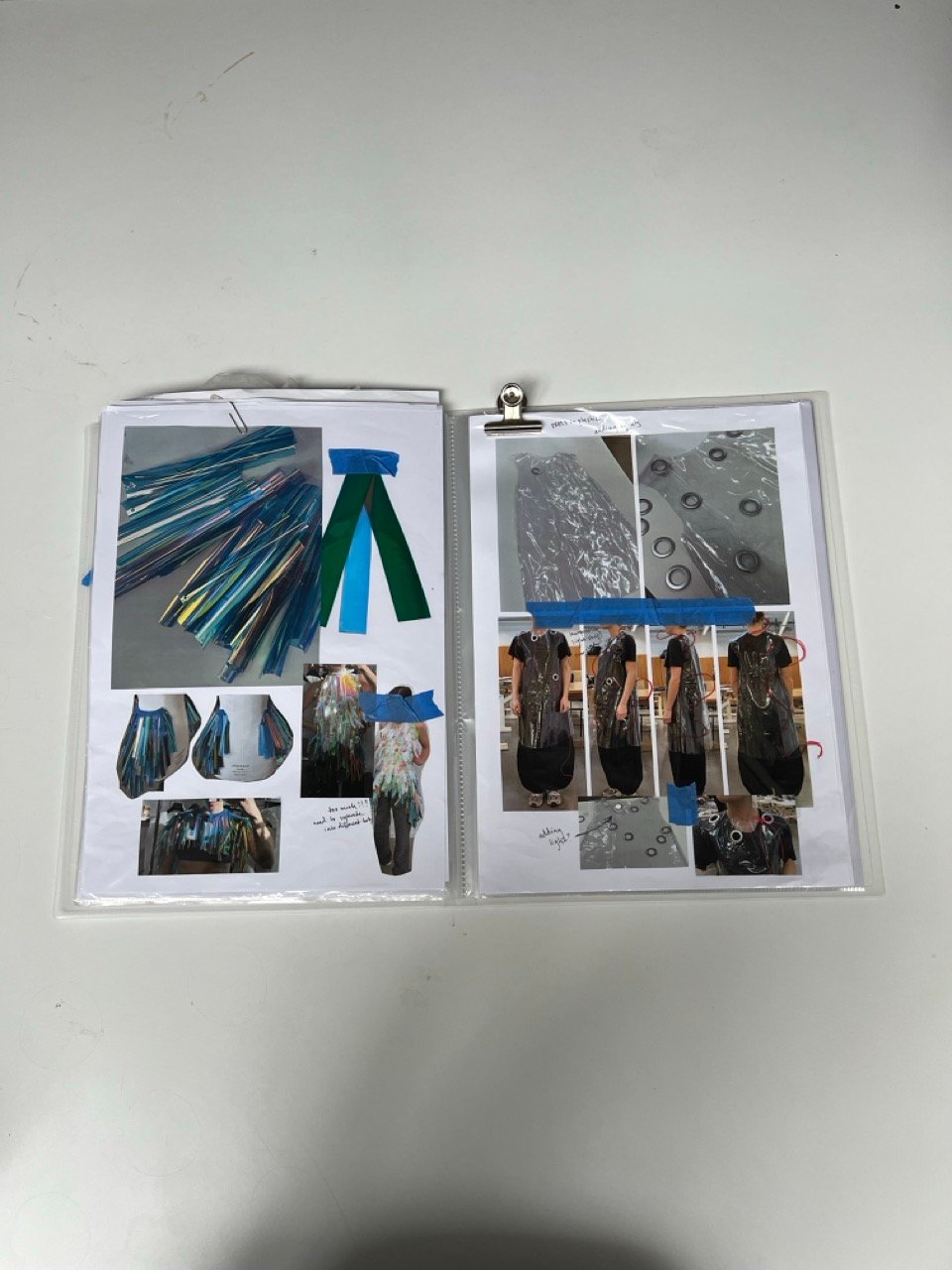
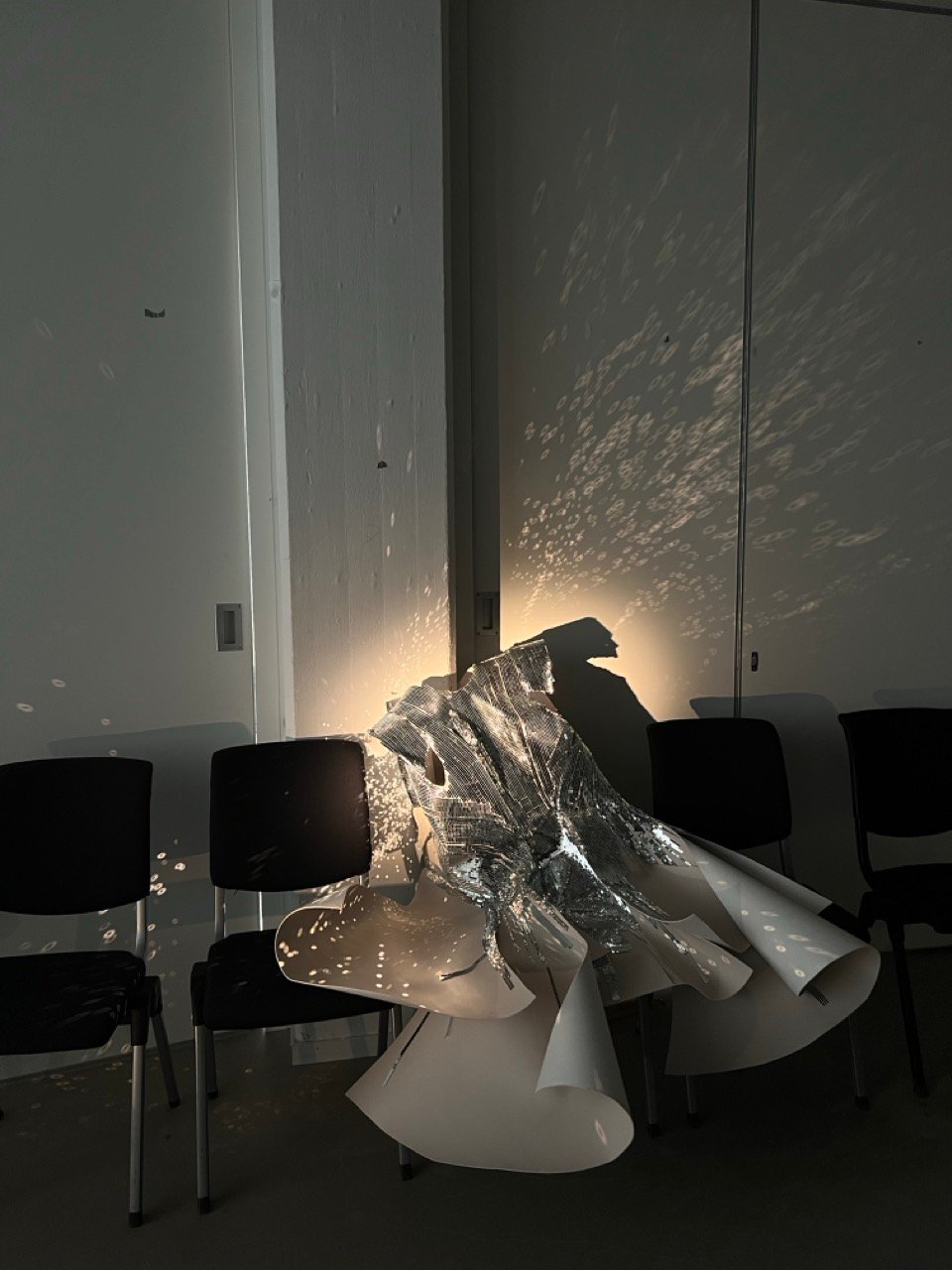
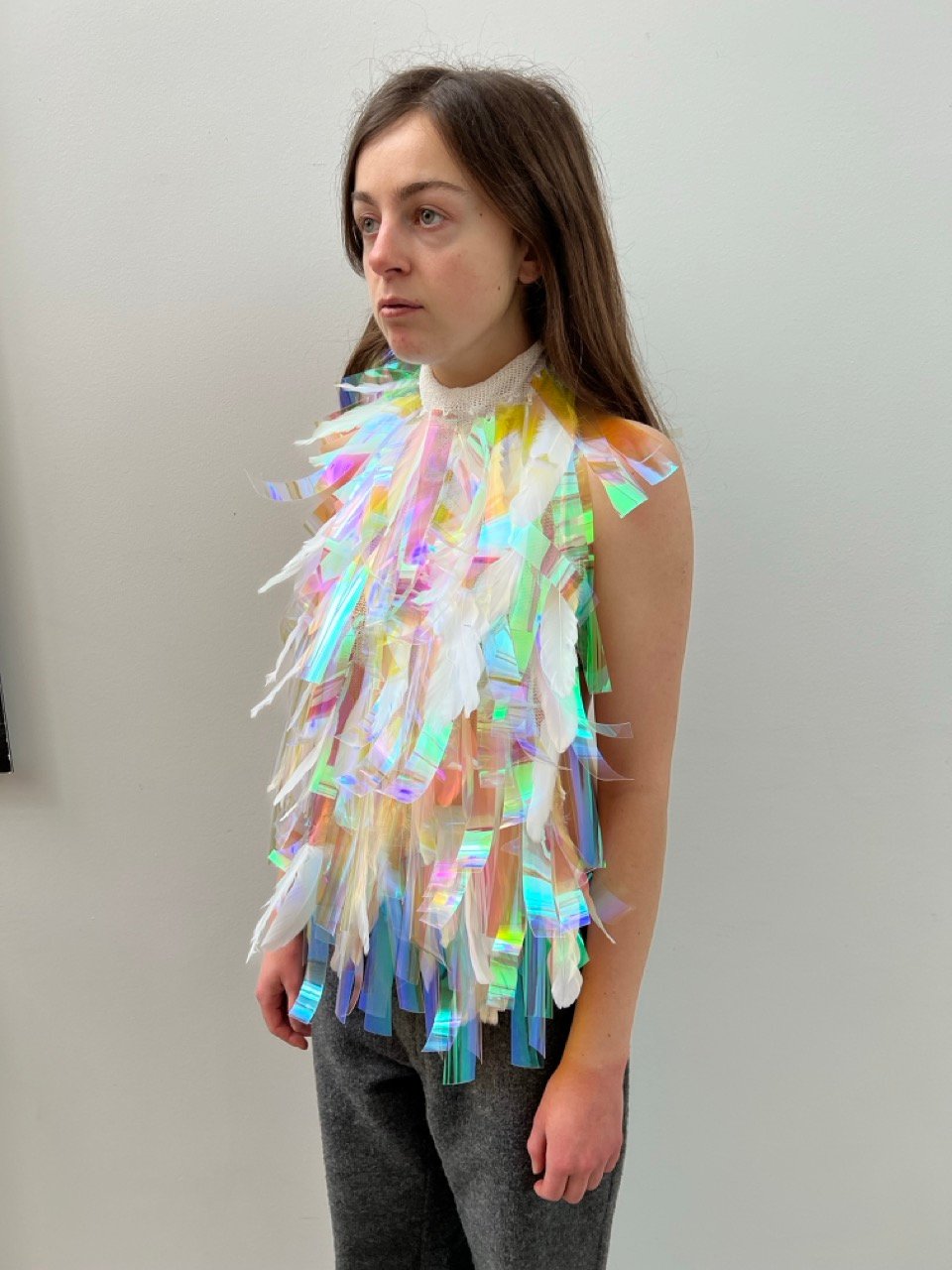
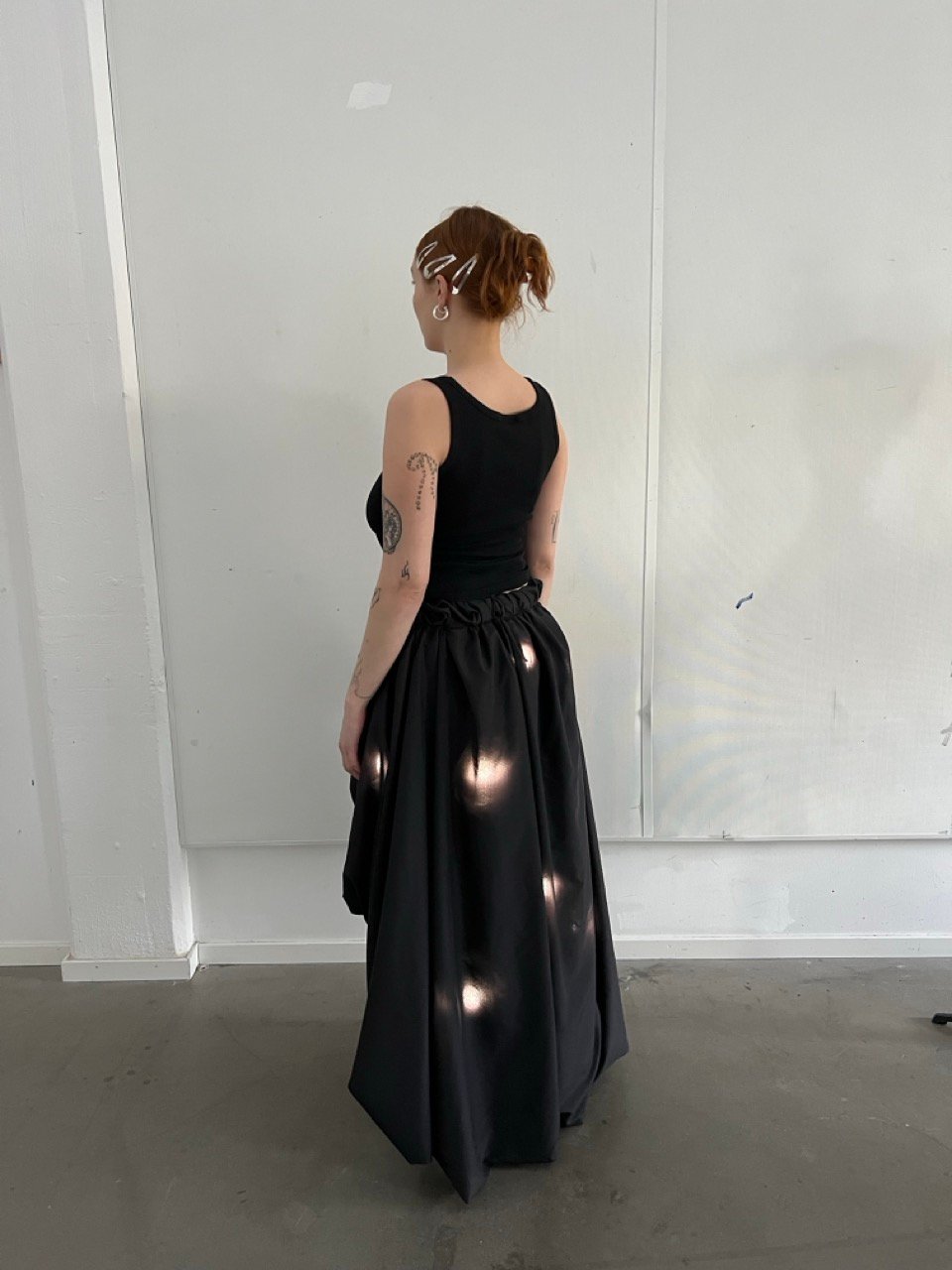
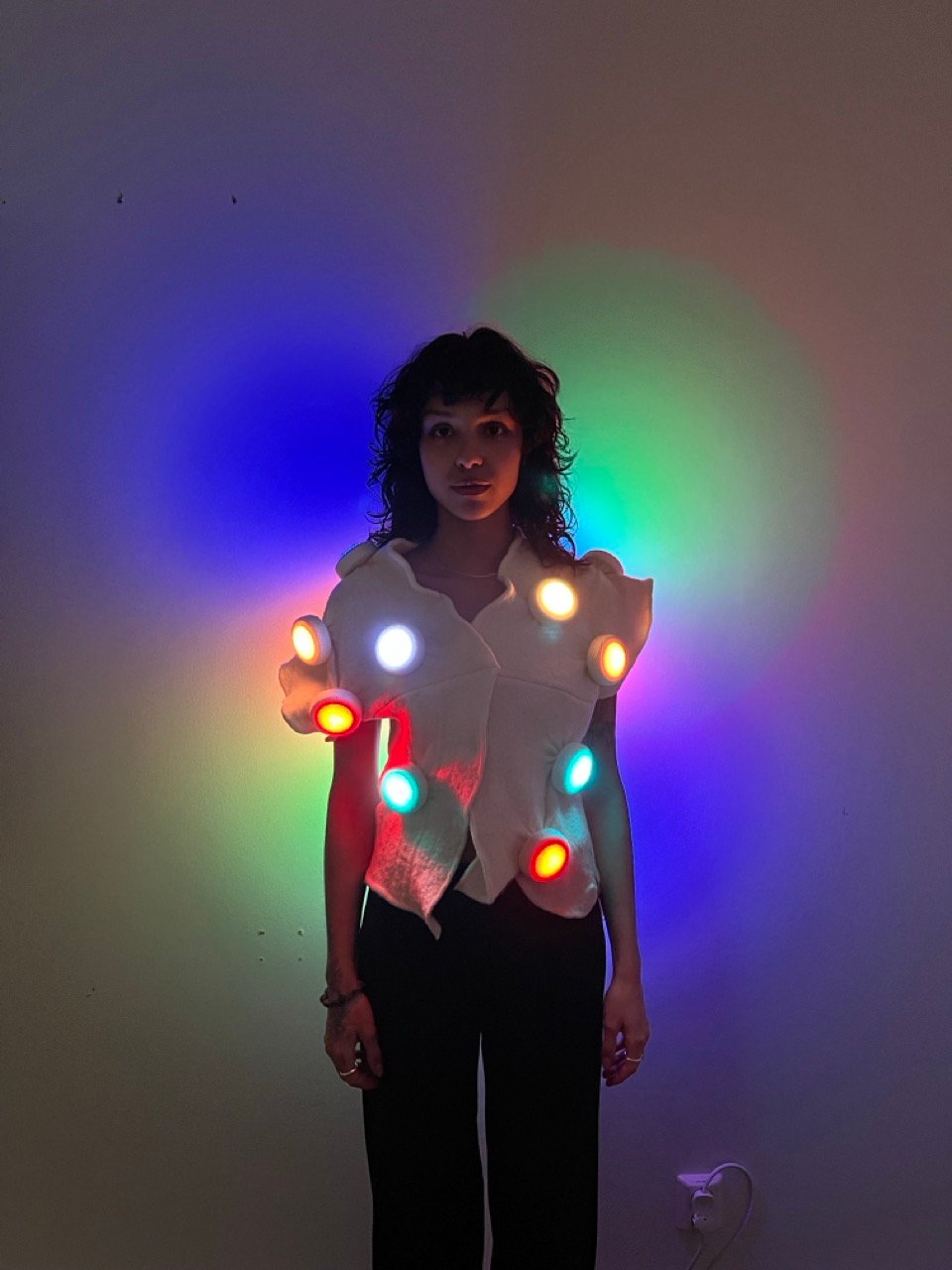
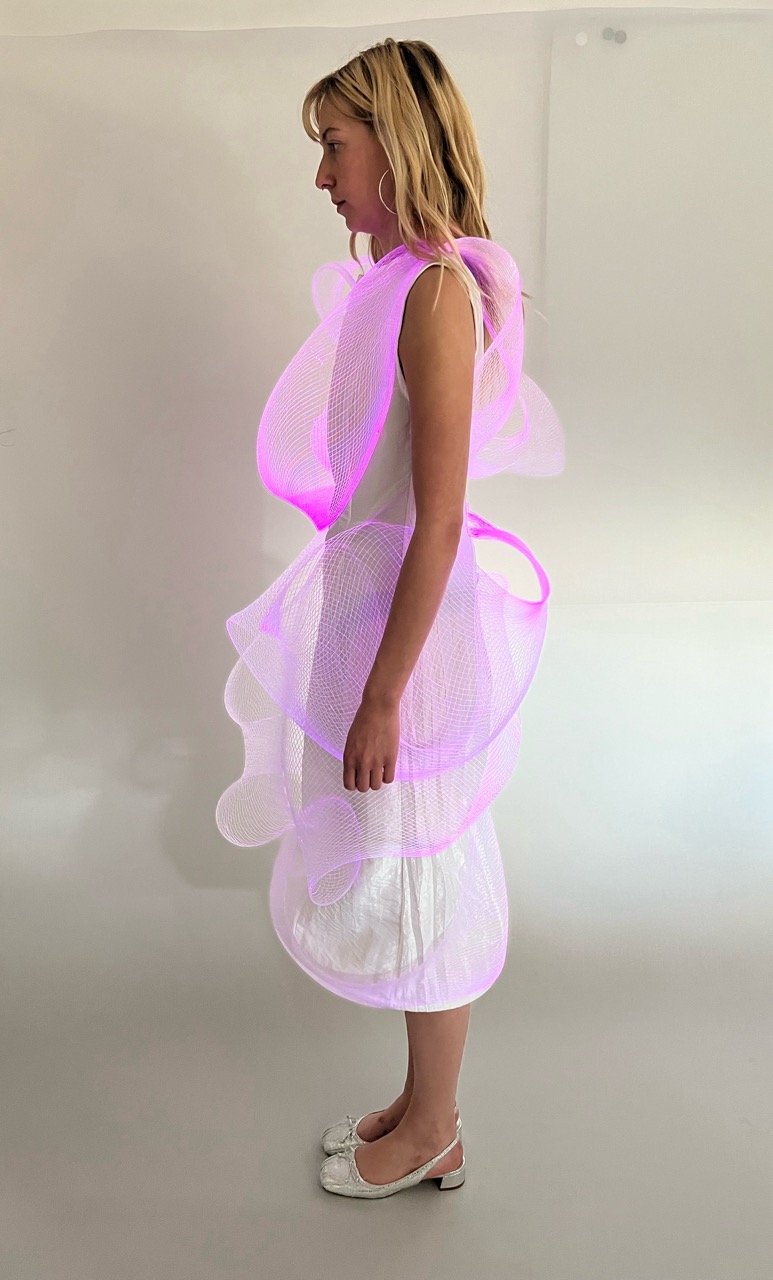
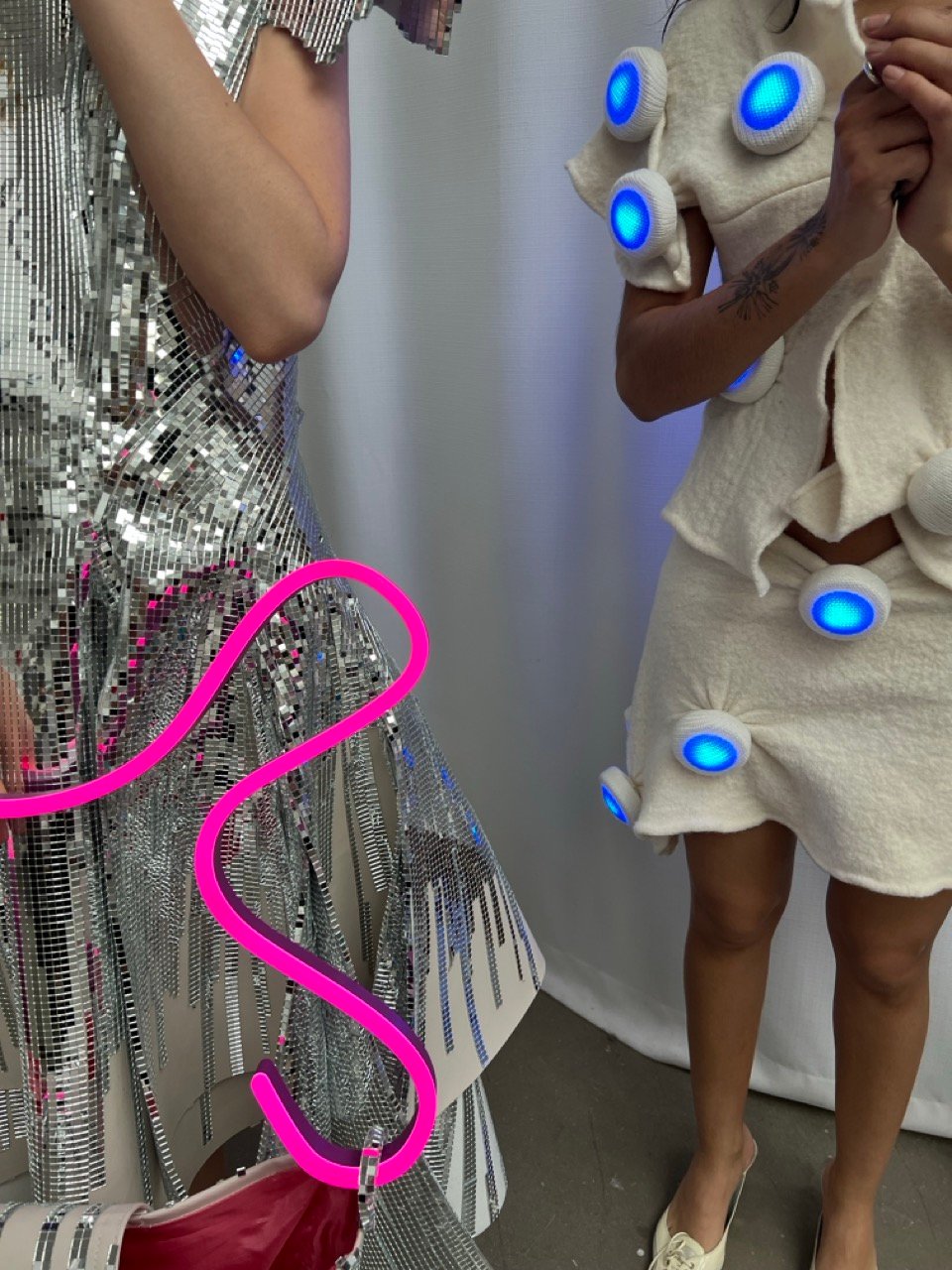
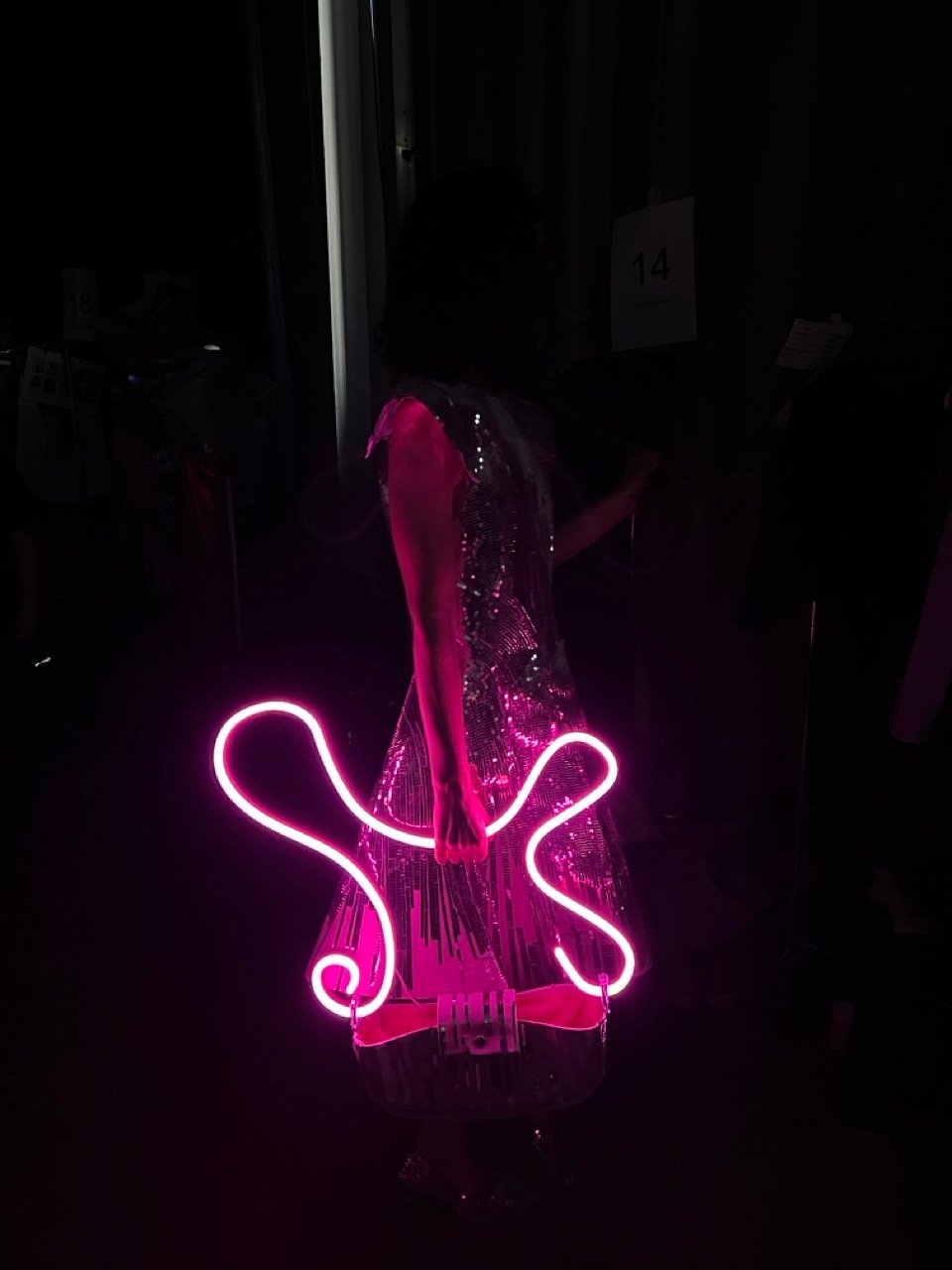
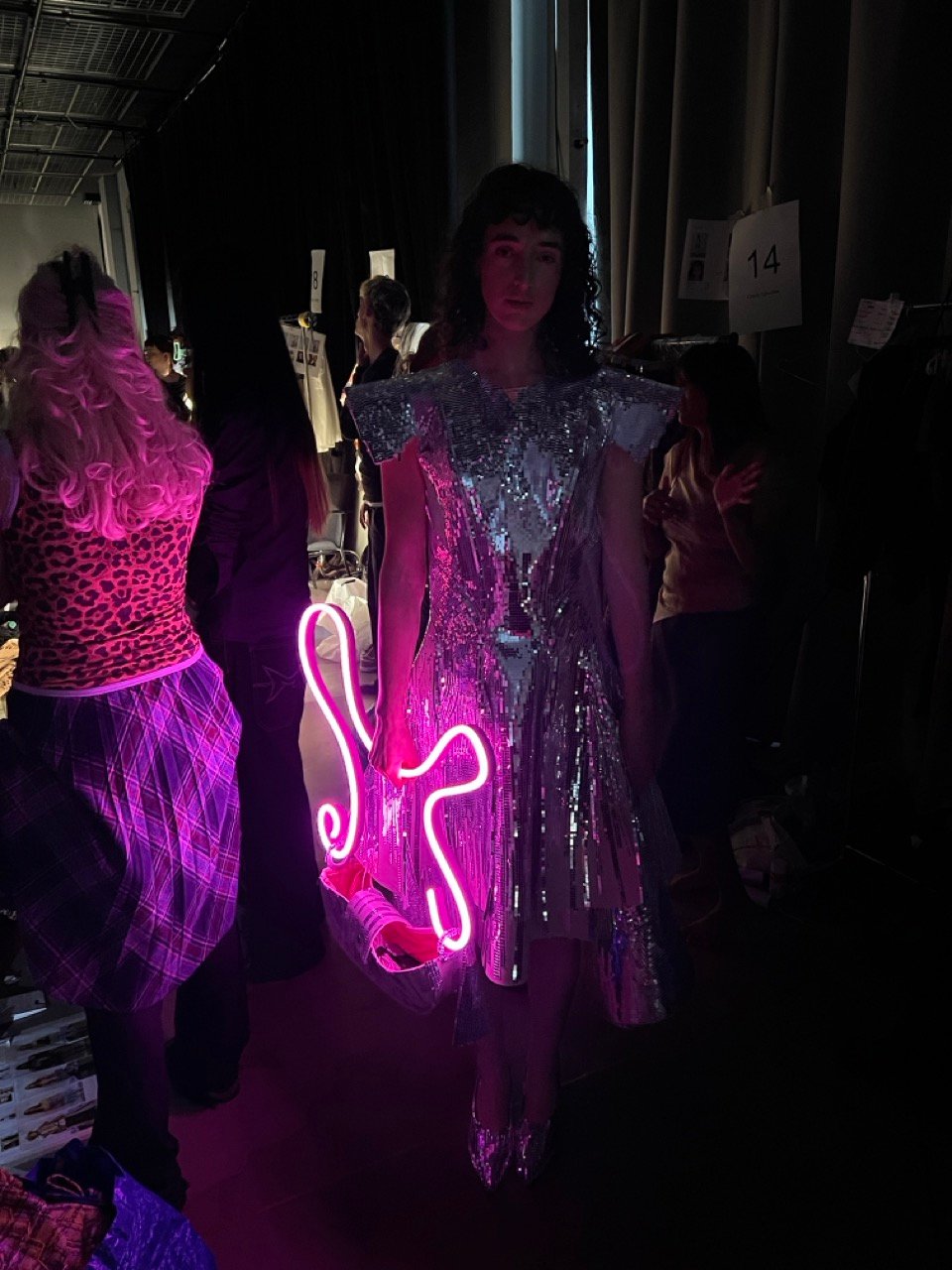
Ebba Carlson Persson’s collection explores light as a design material, focusing on how LED elements, reflection, and layered structures can create shape, surfaces, and visual effects in garments. Spotlights and other light sources become part of each design, while reflective materials allow both artificial and natural light to shape the garments’ appearance. Through knitting, layering, draping, and garment construction, the project develops materials in relation to the light they hold and reflect.

@ebbacarlsonpersson

Uma Zaman

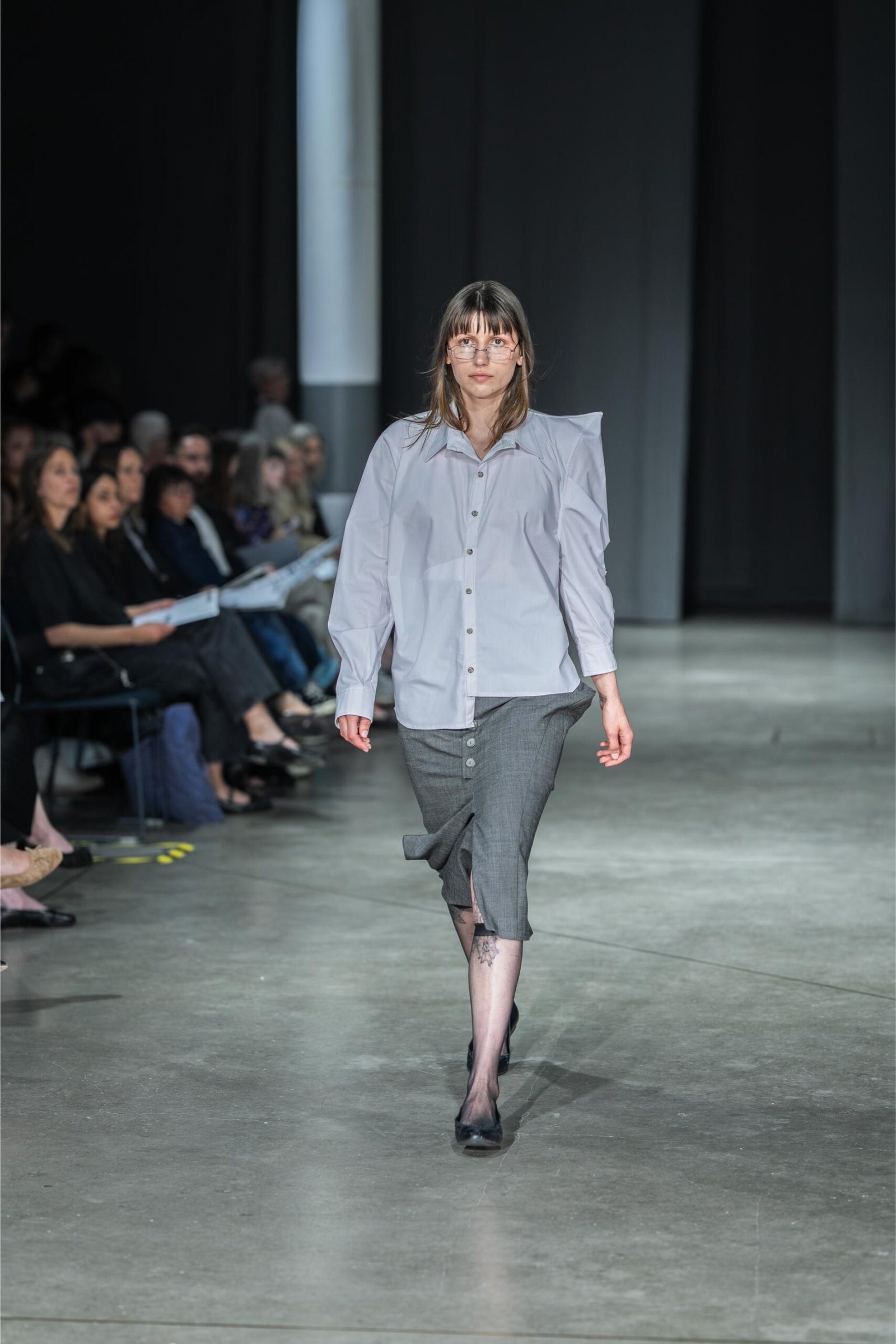
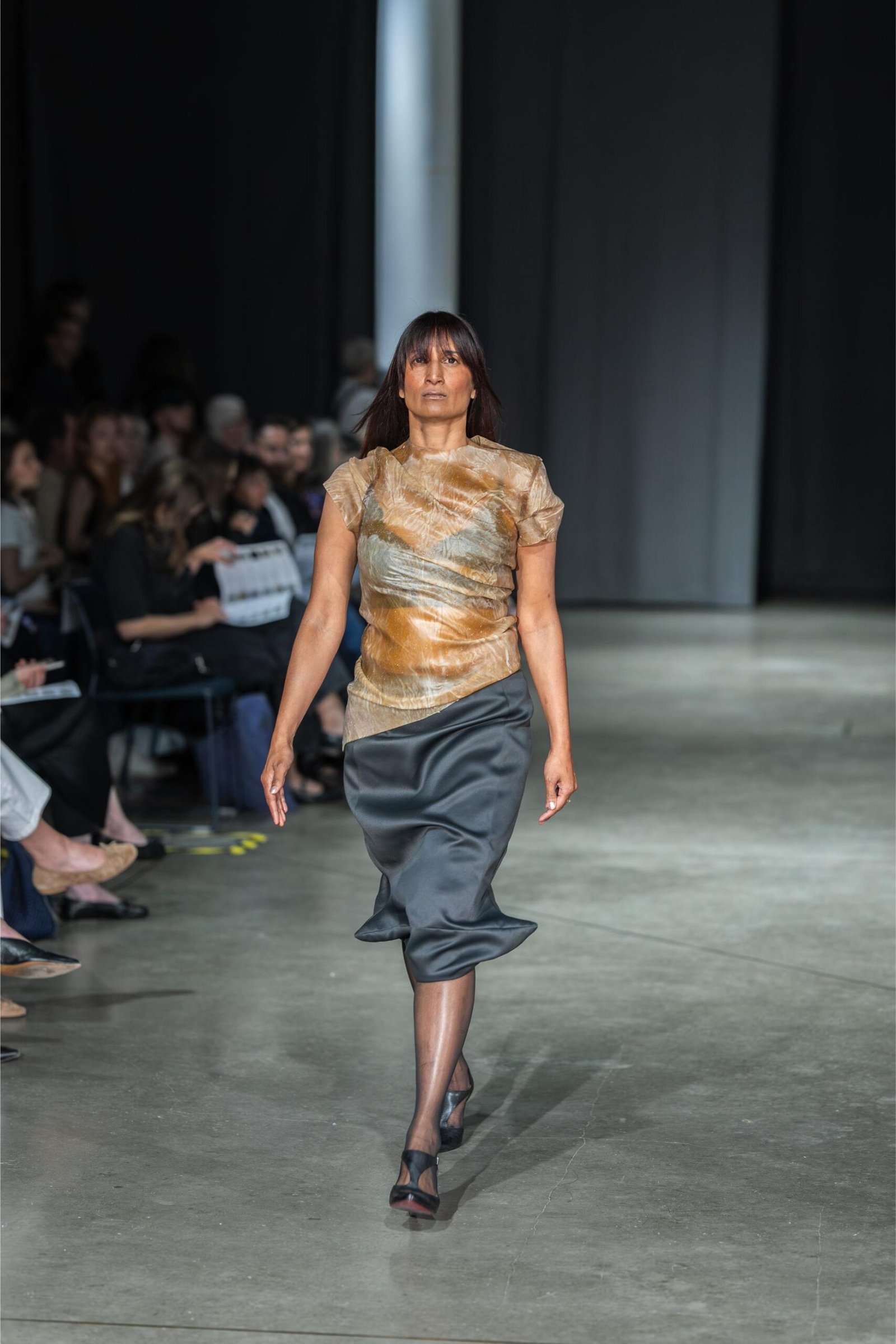
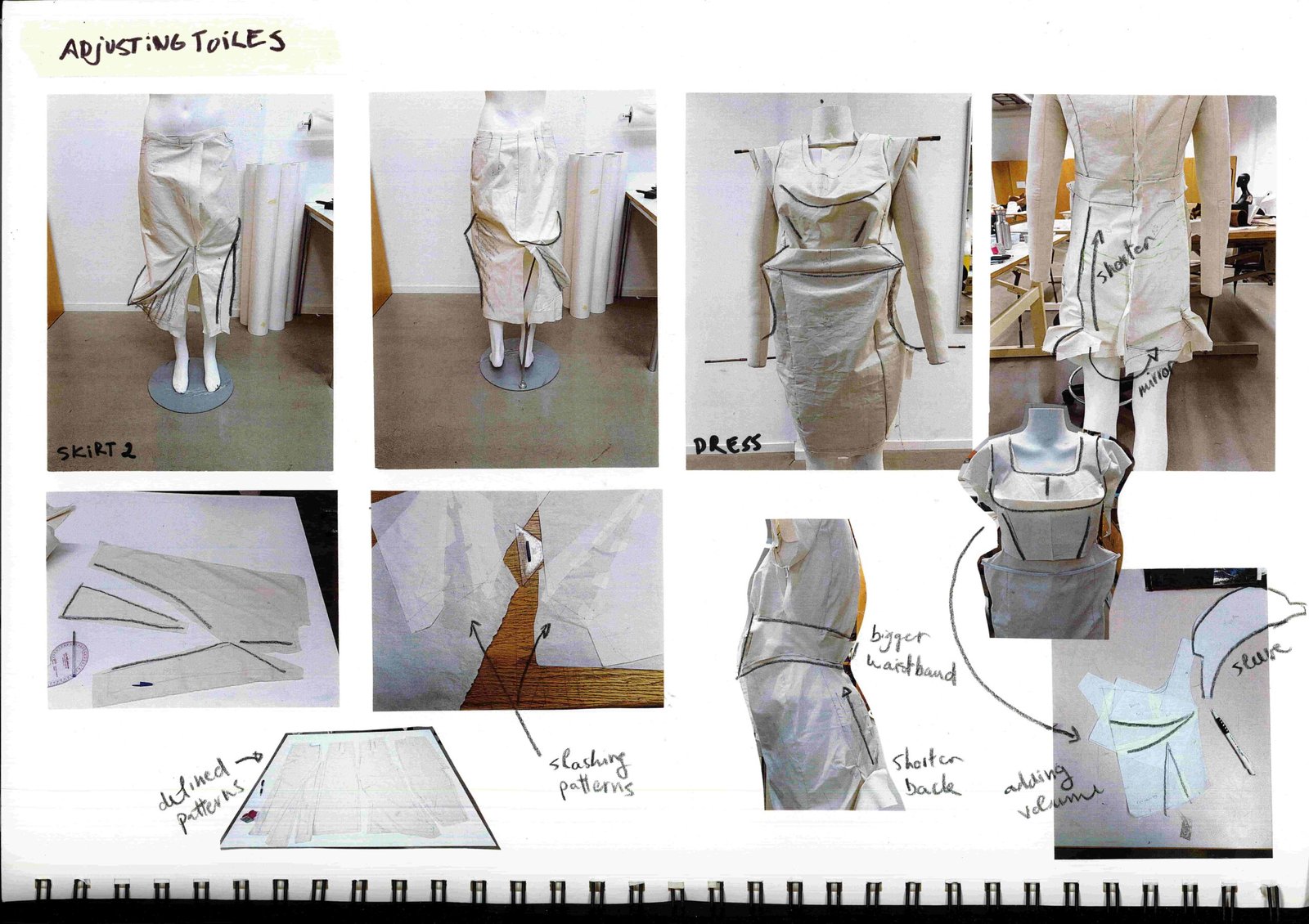
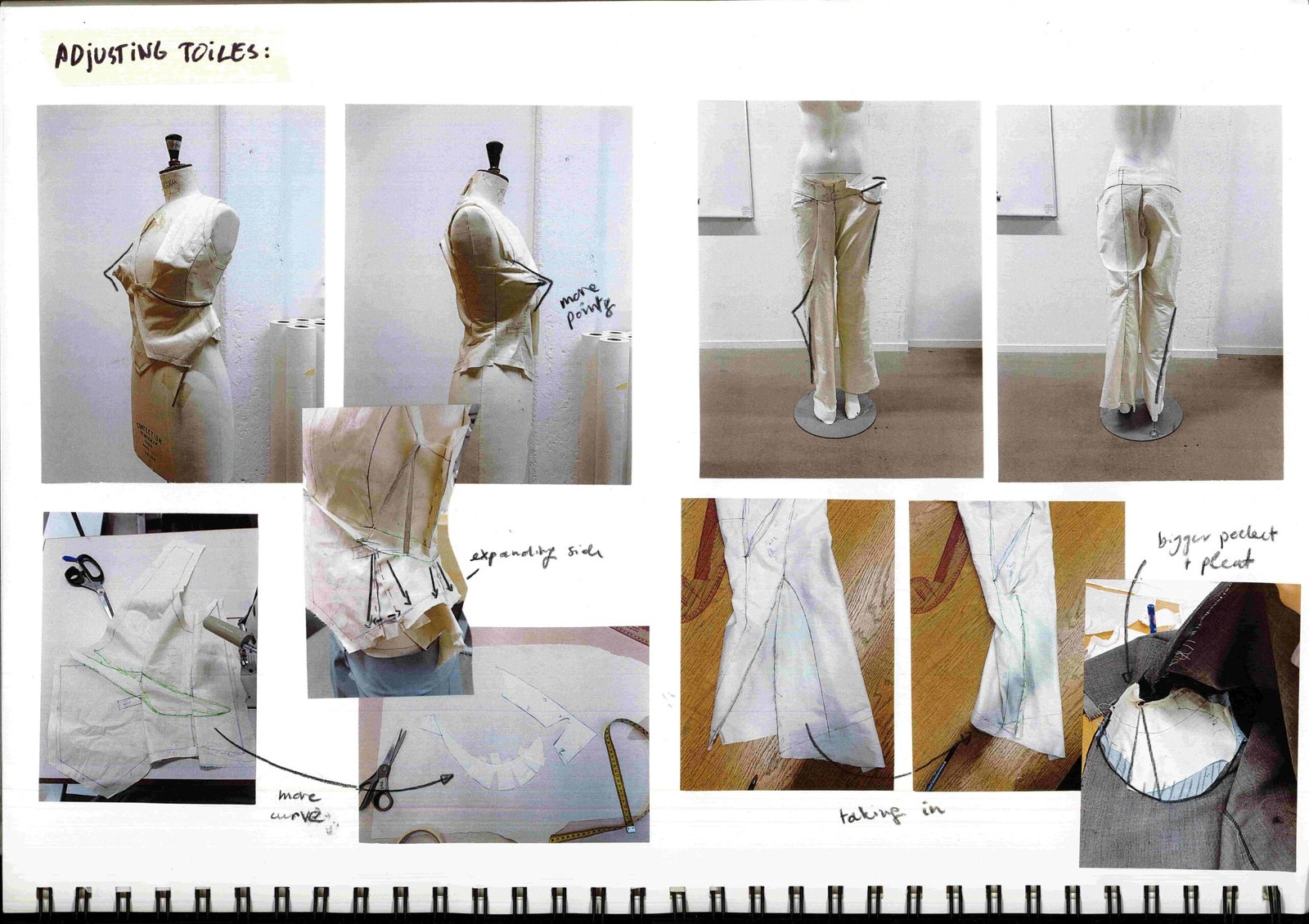
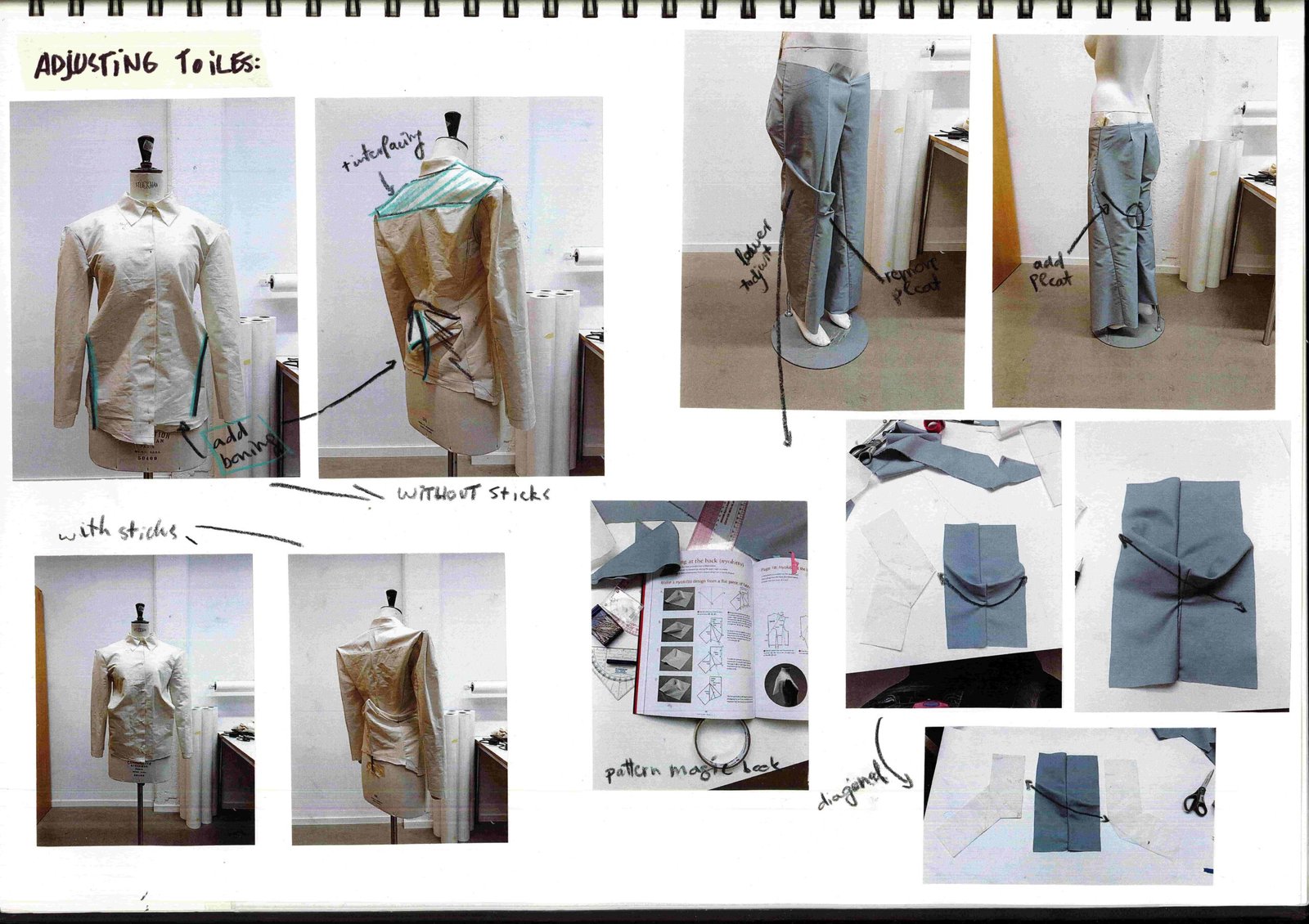
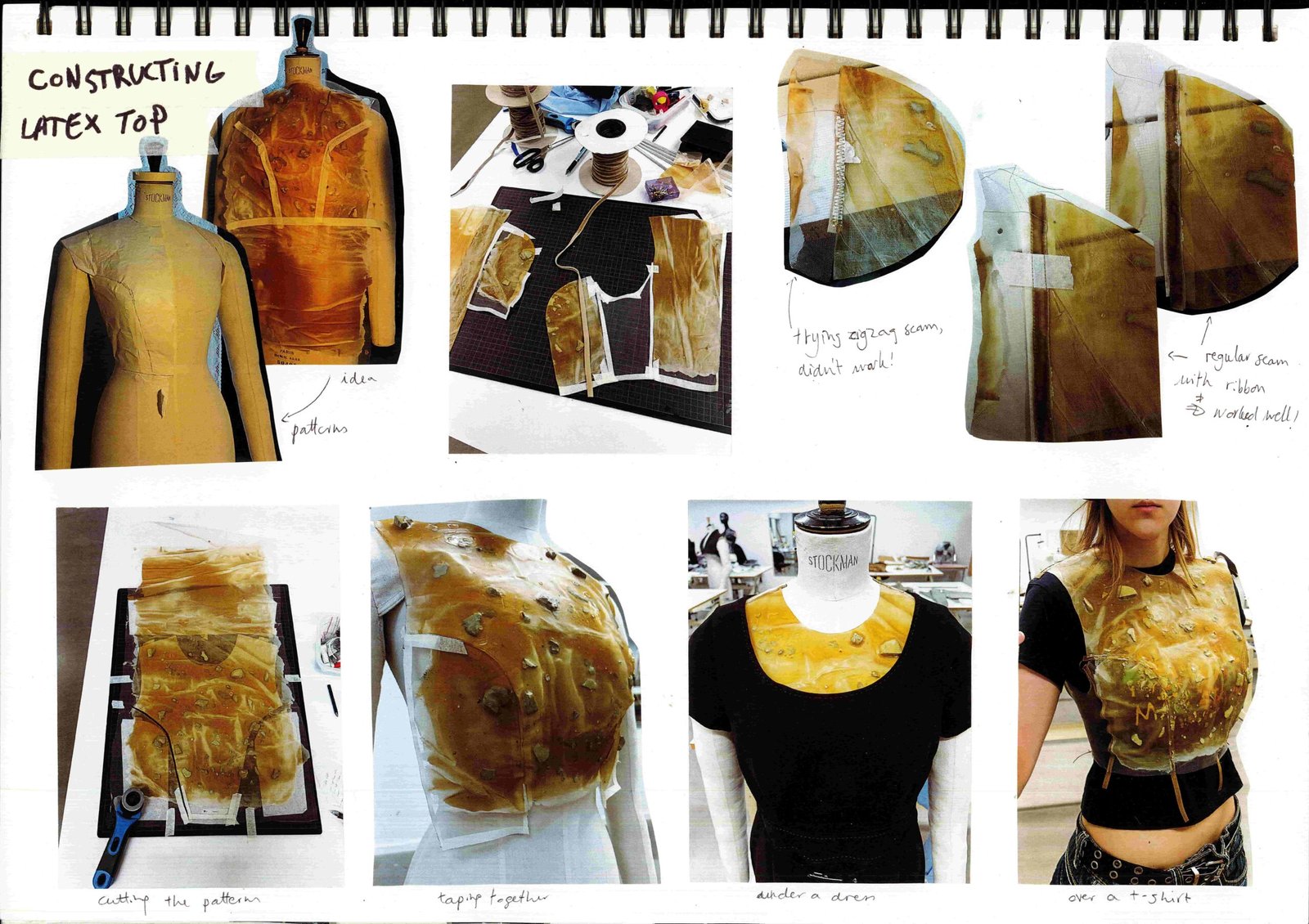
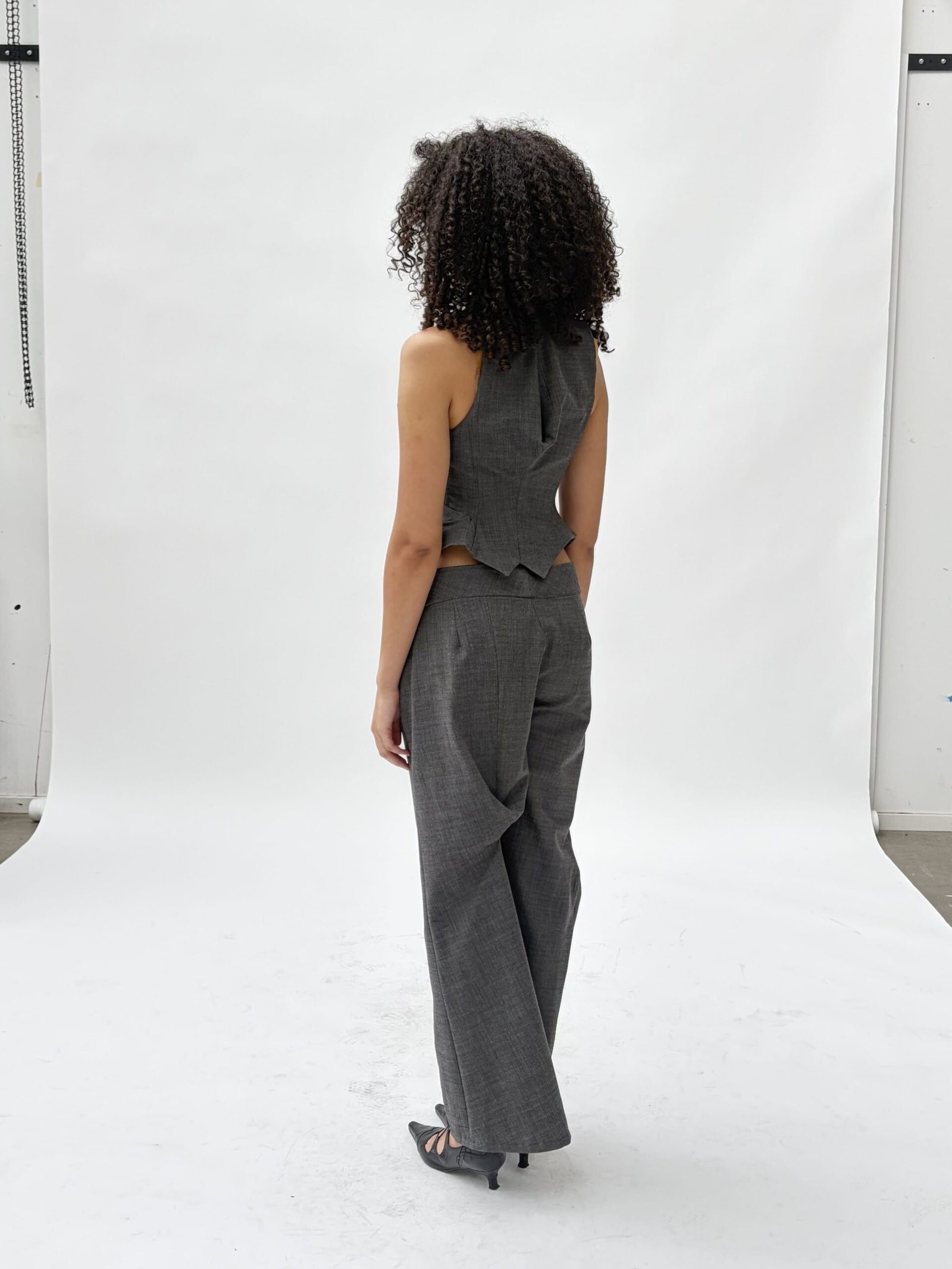
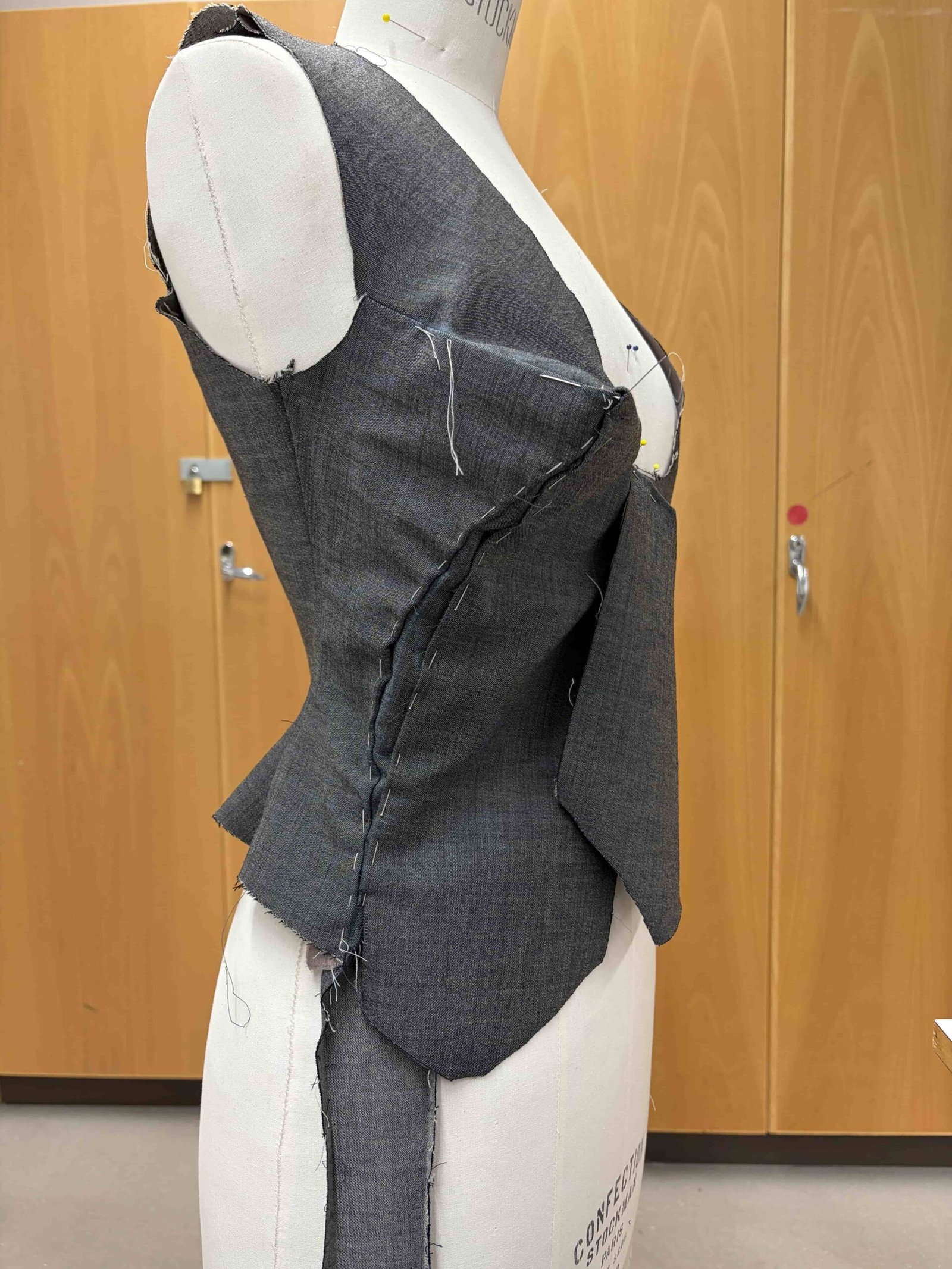
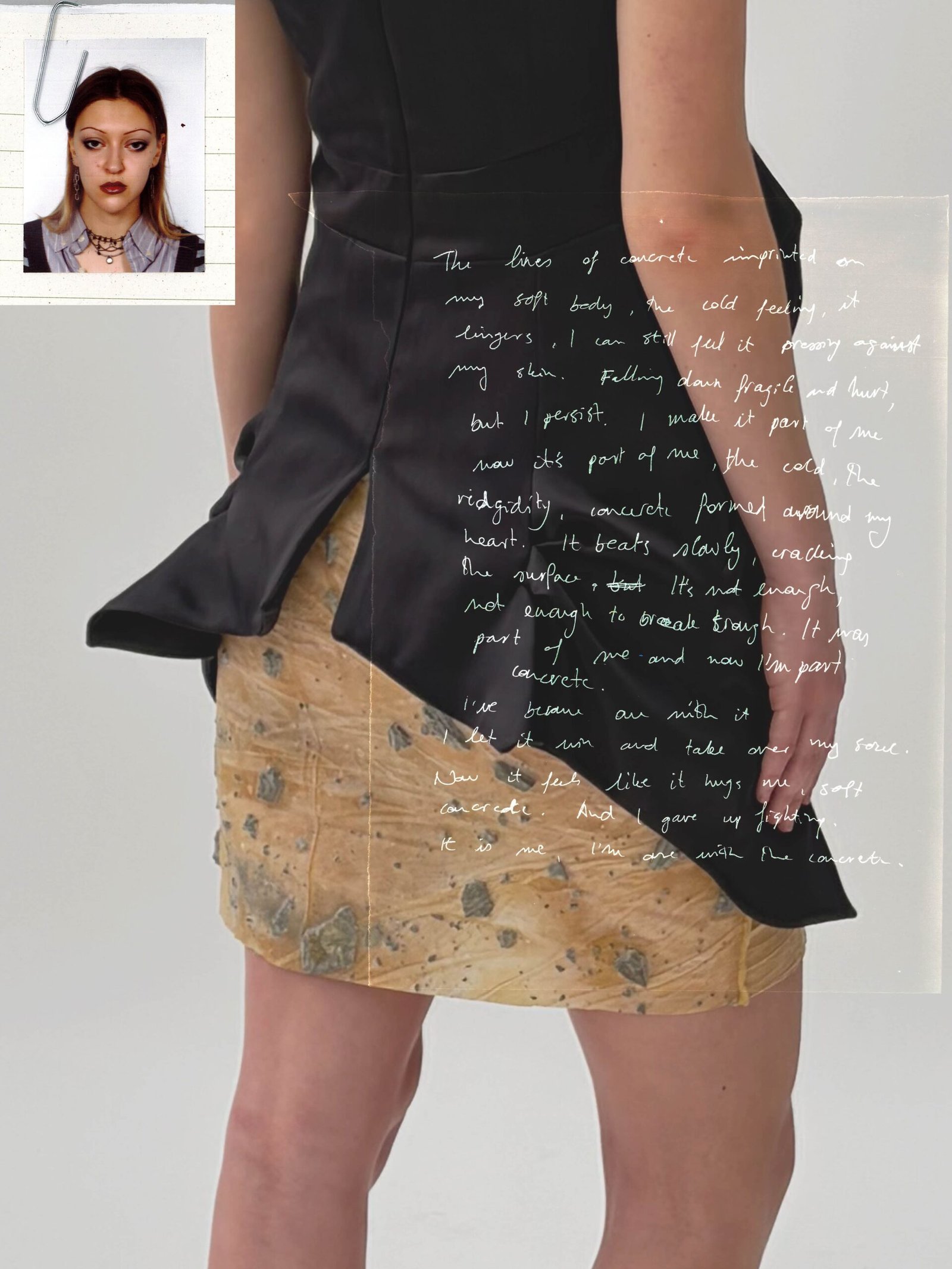
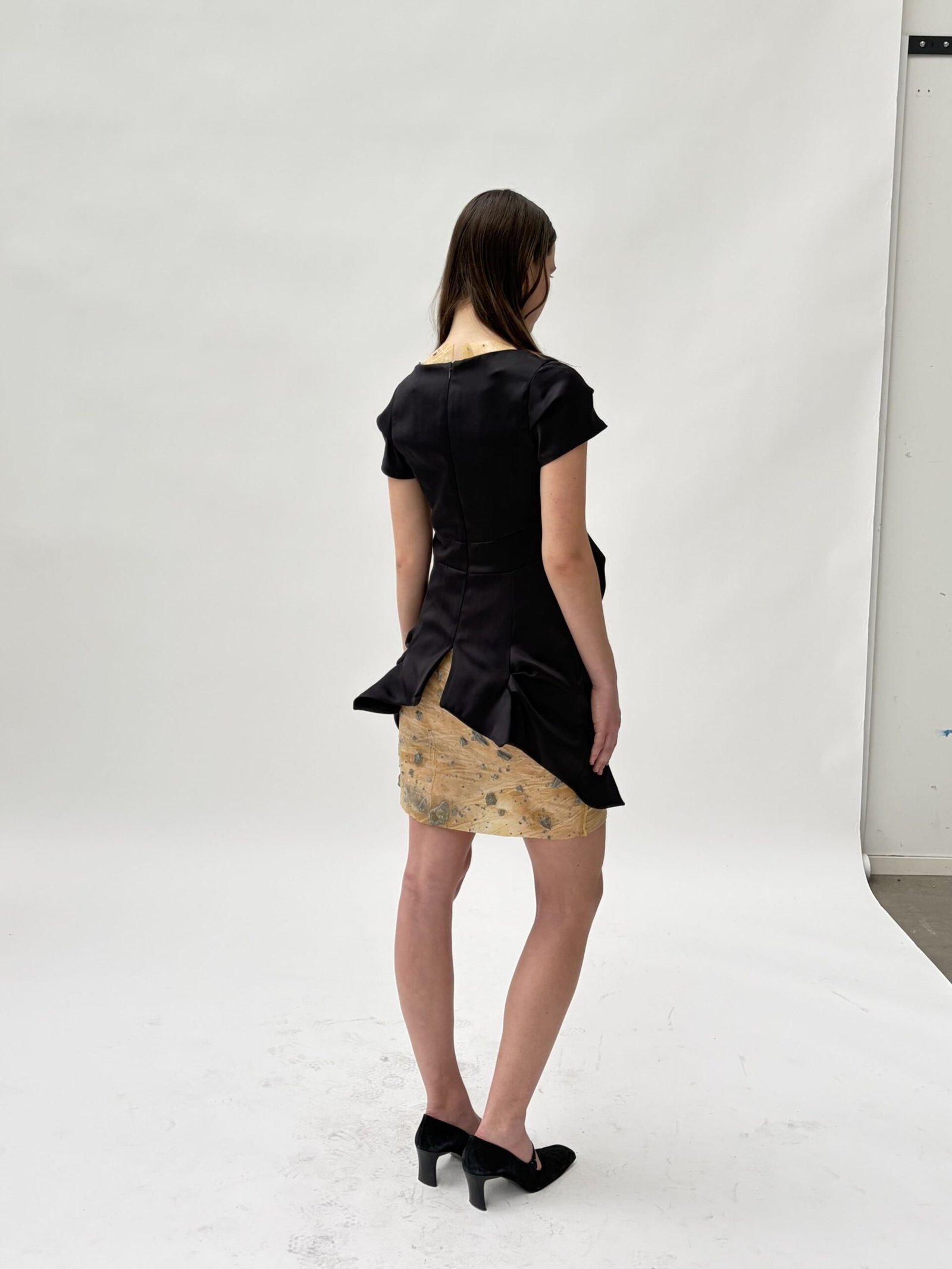
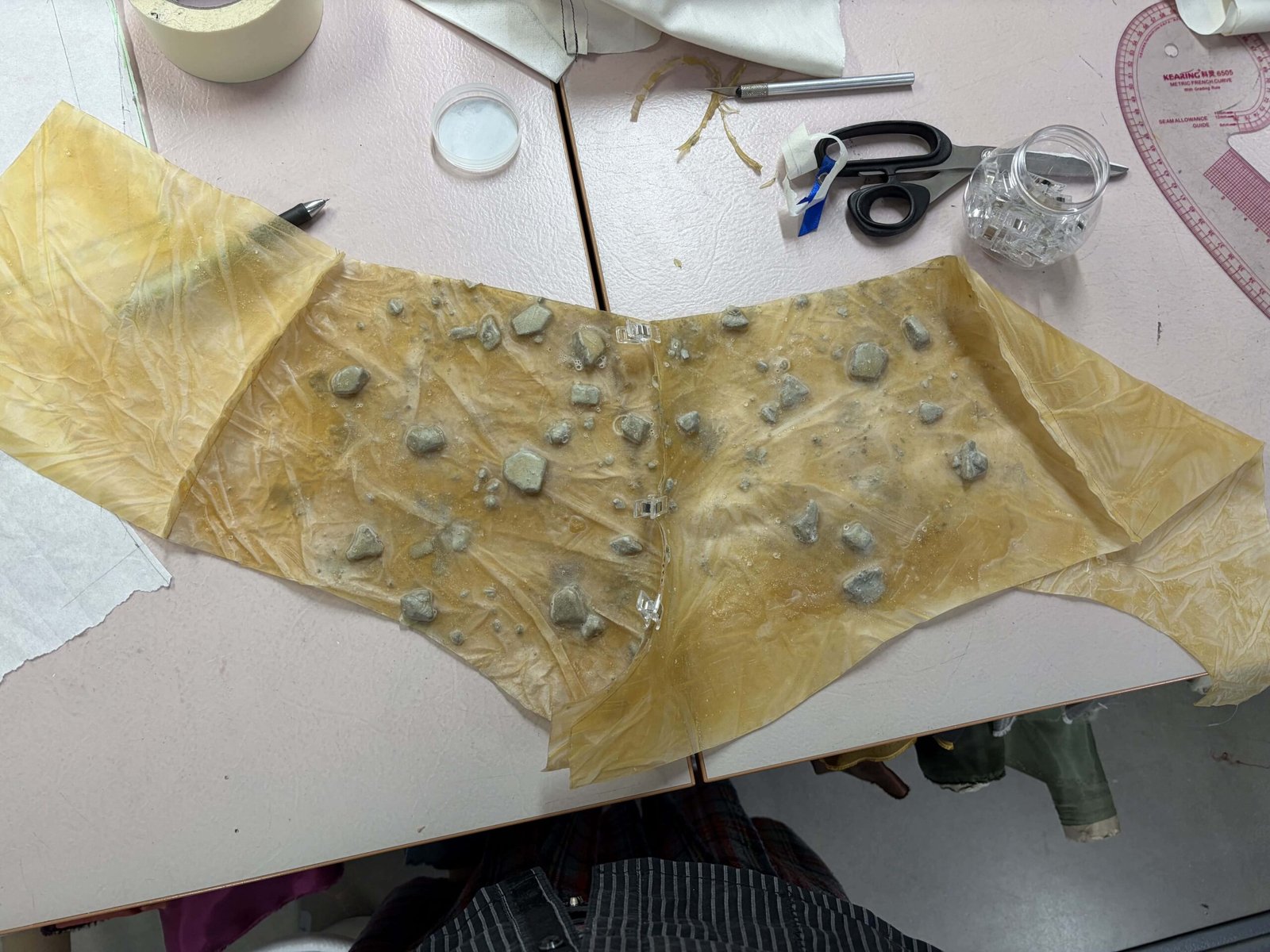
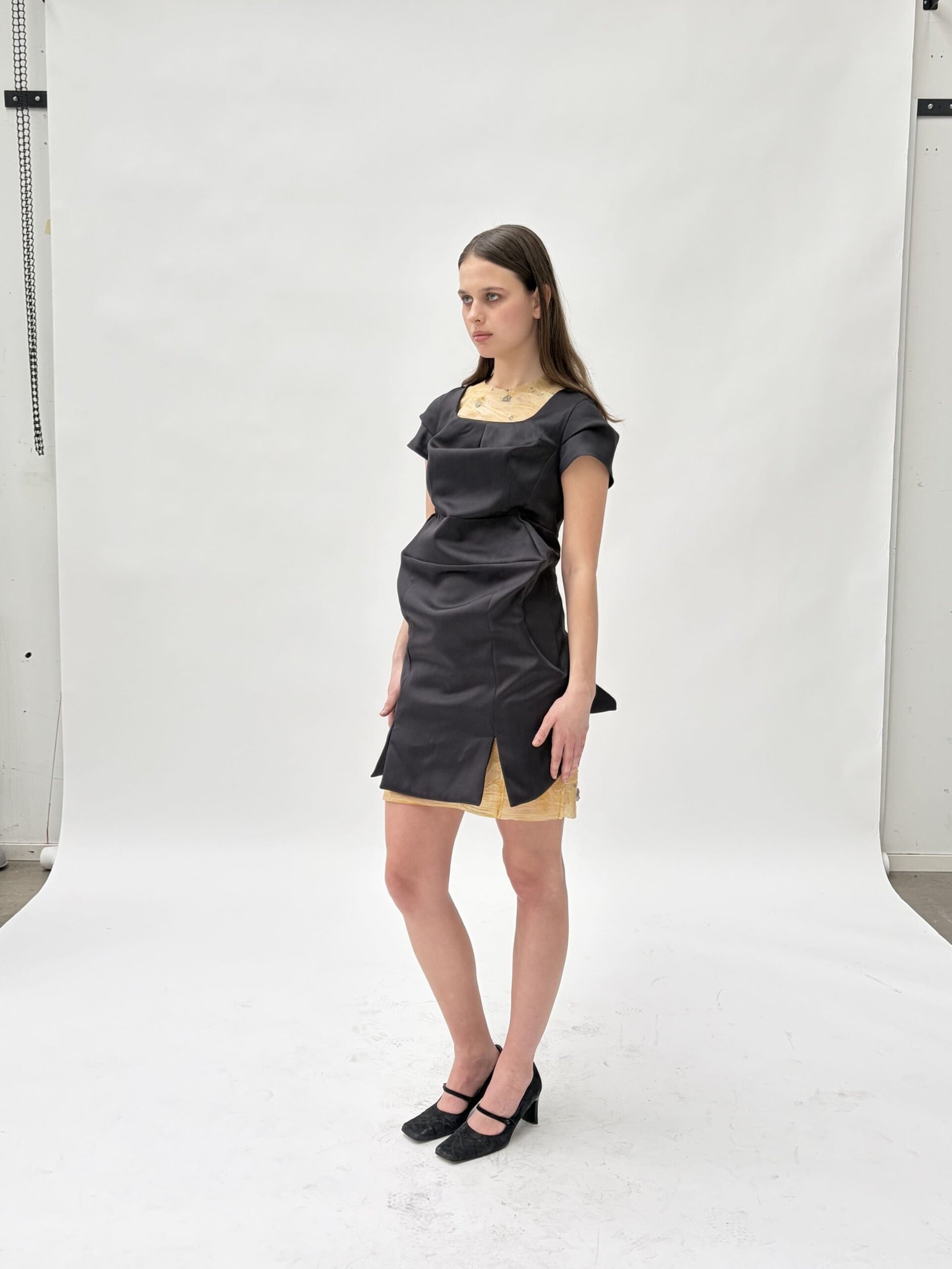
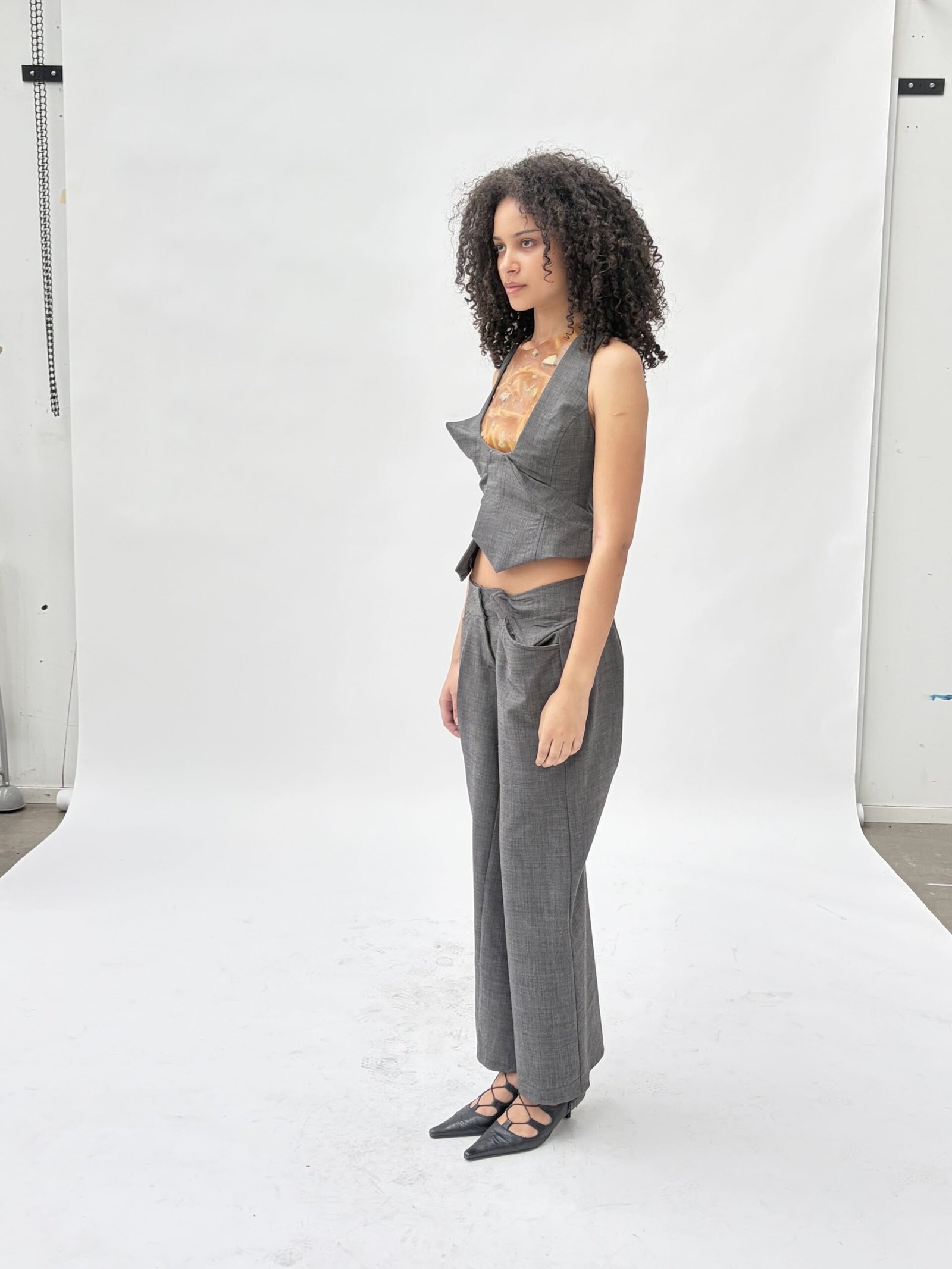
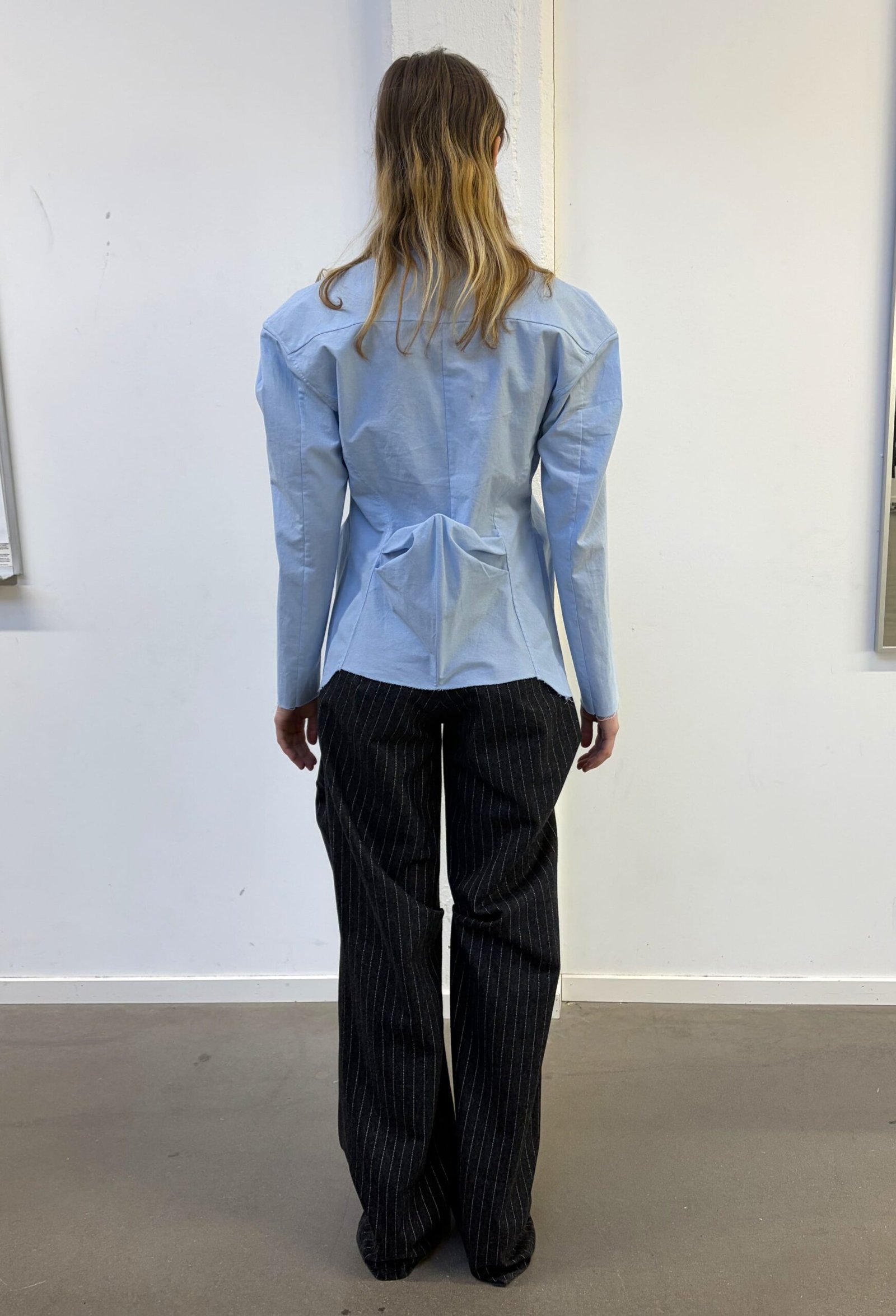
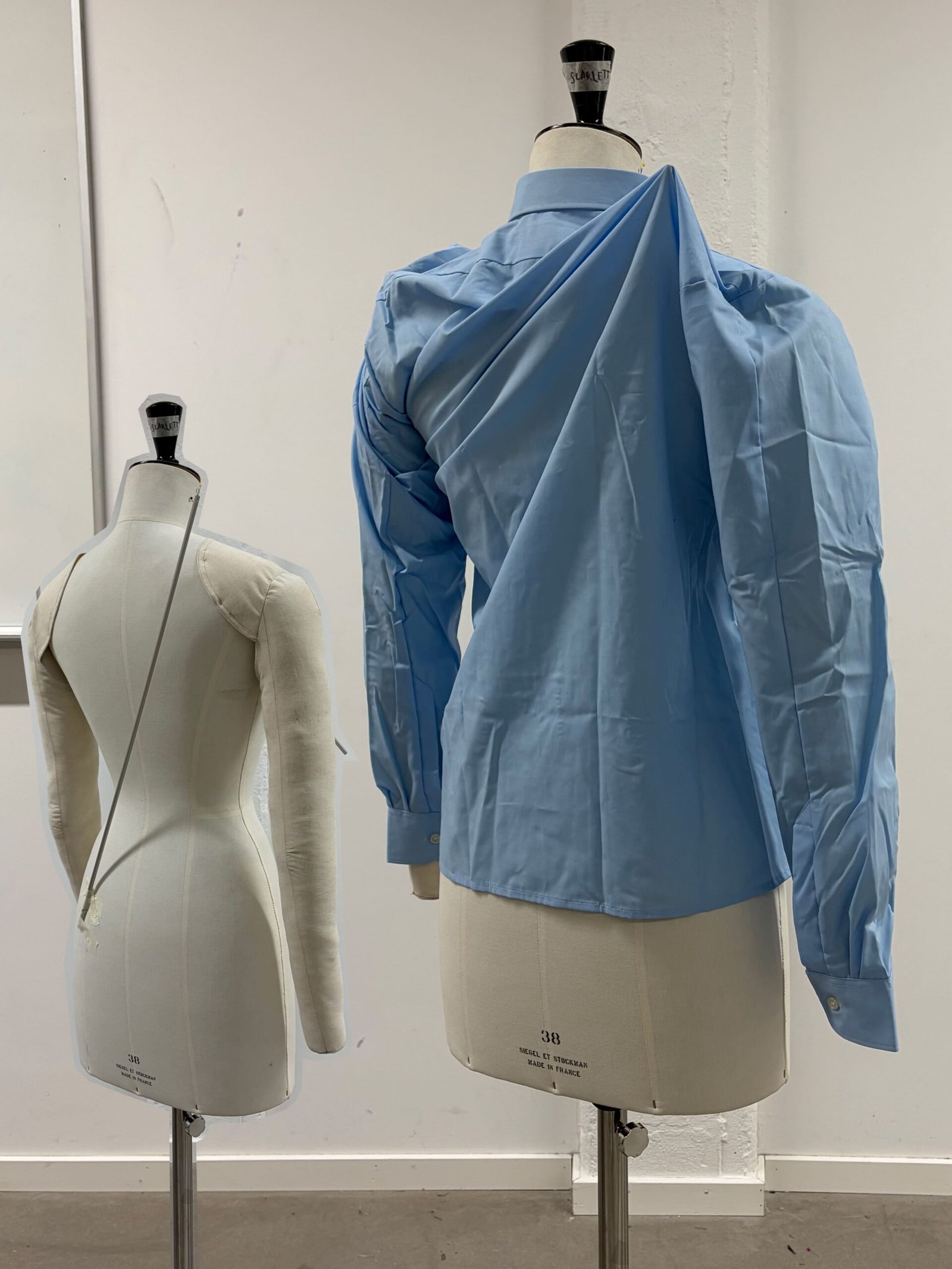
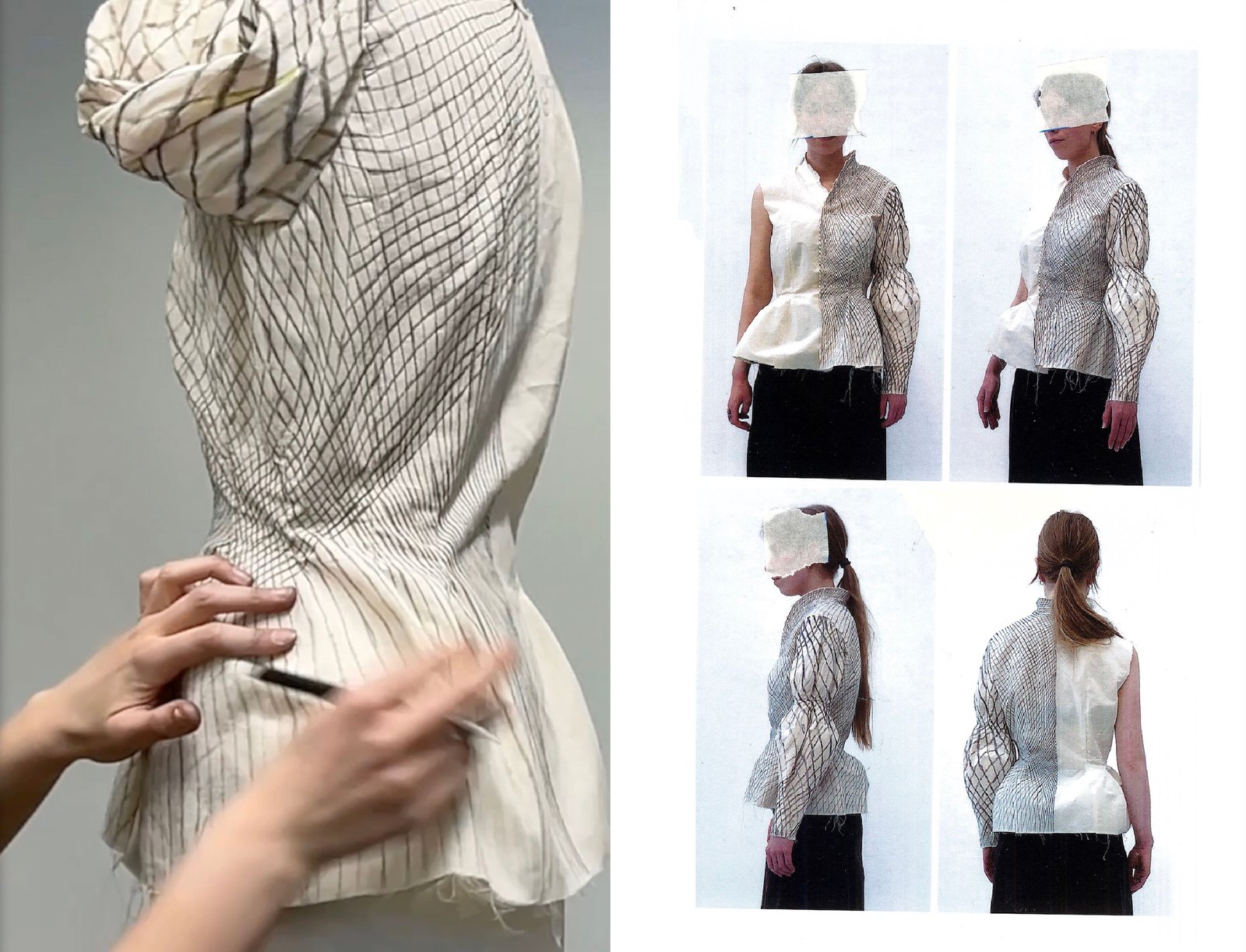
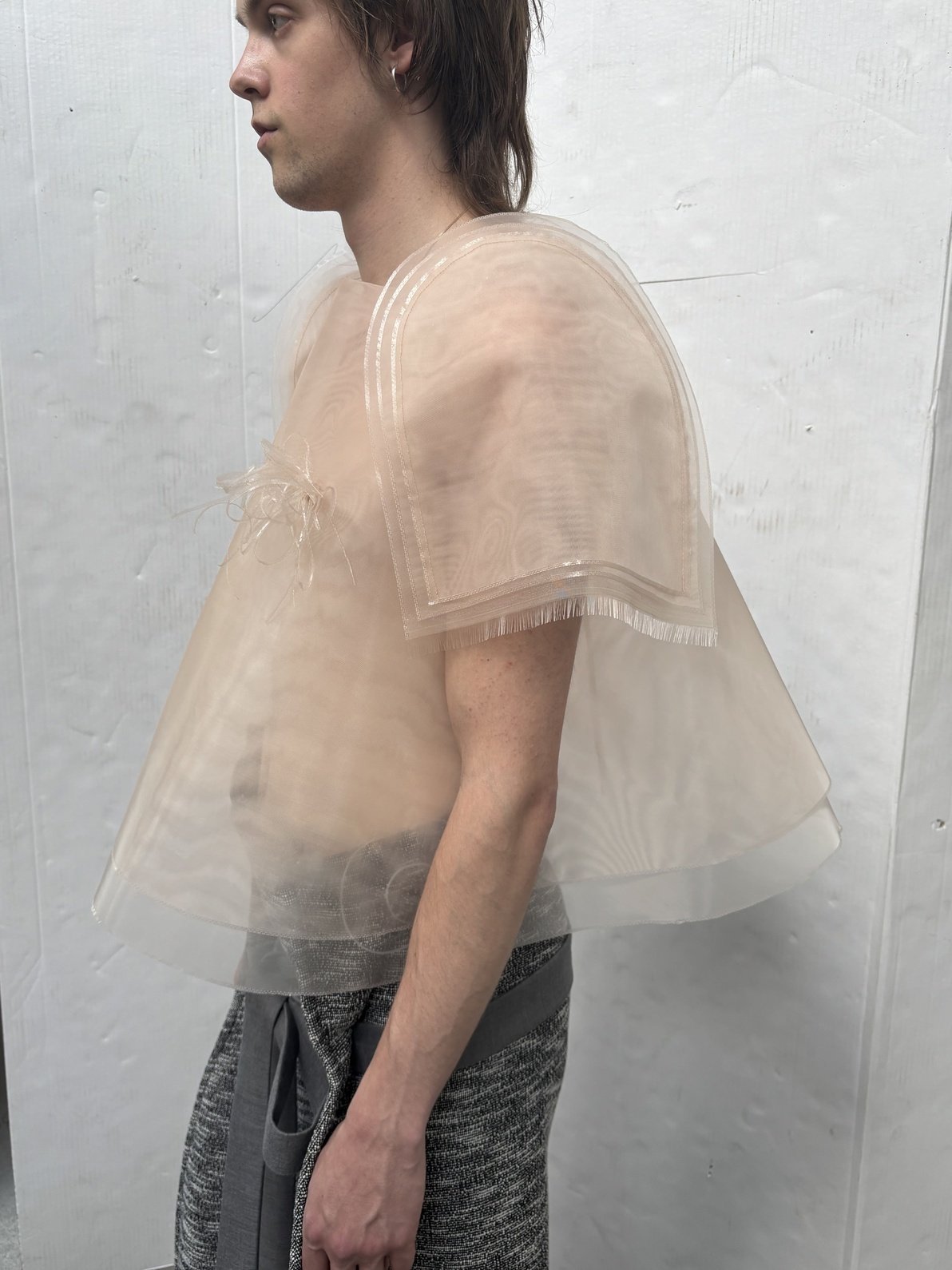
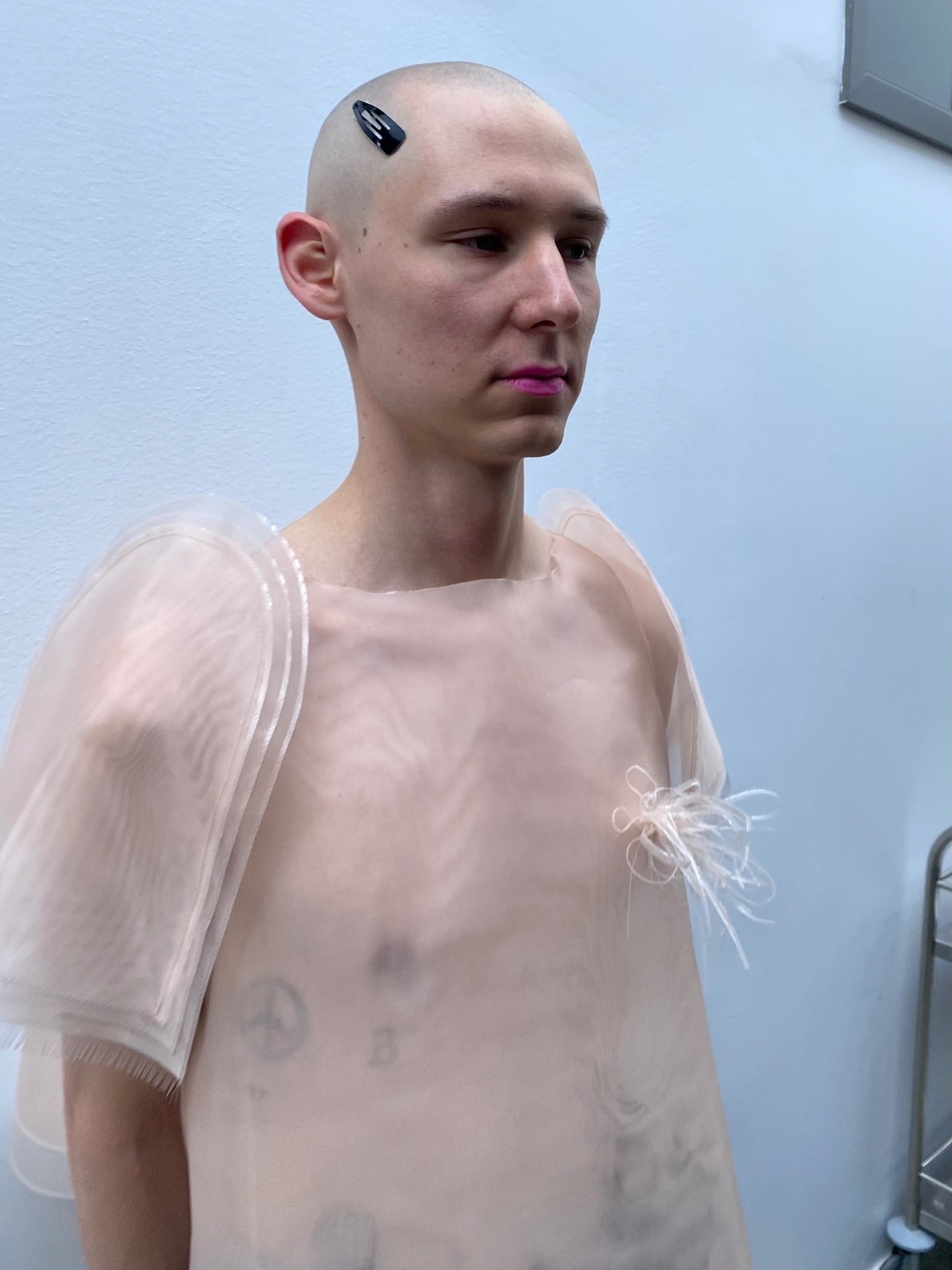
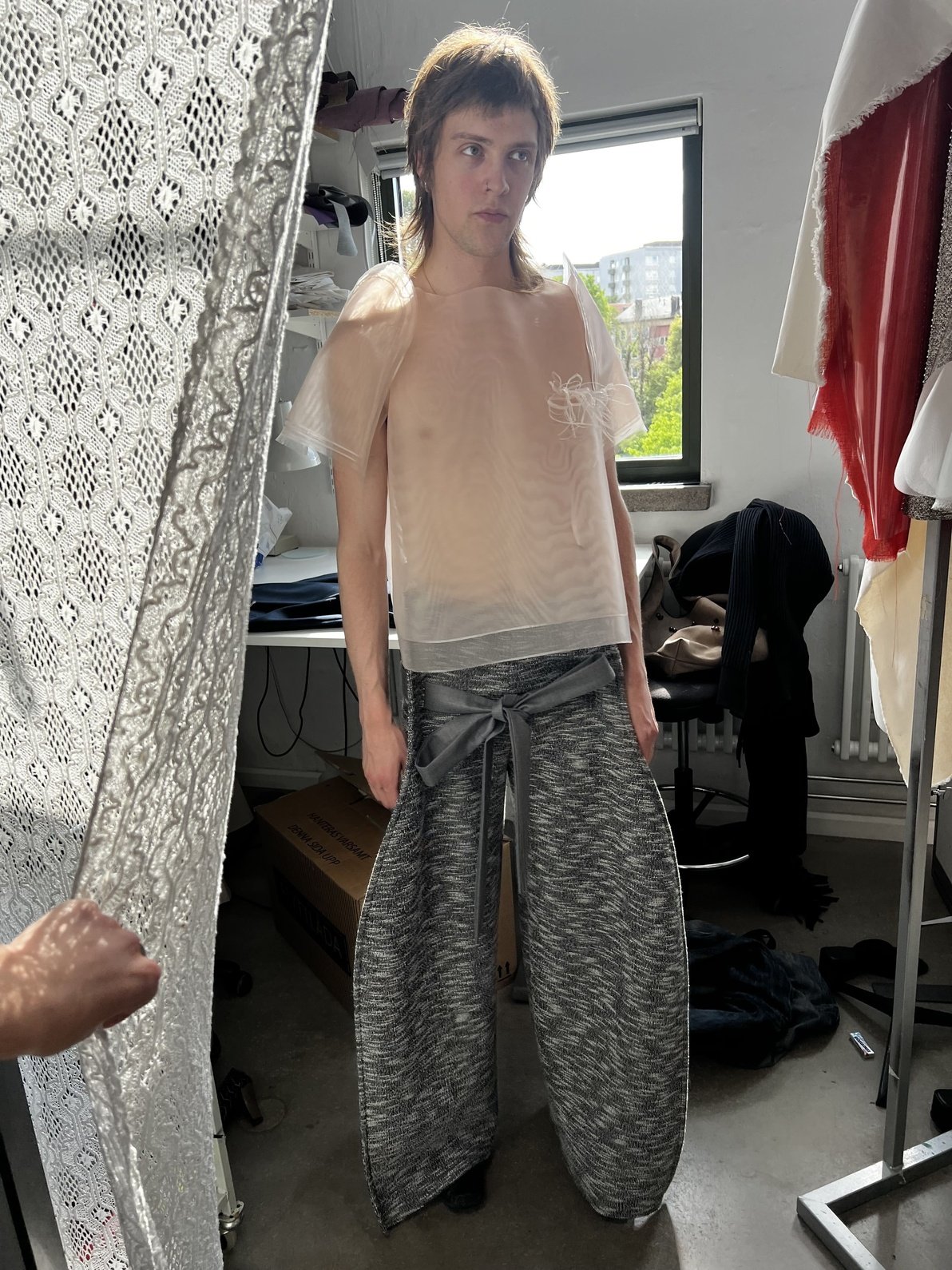
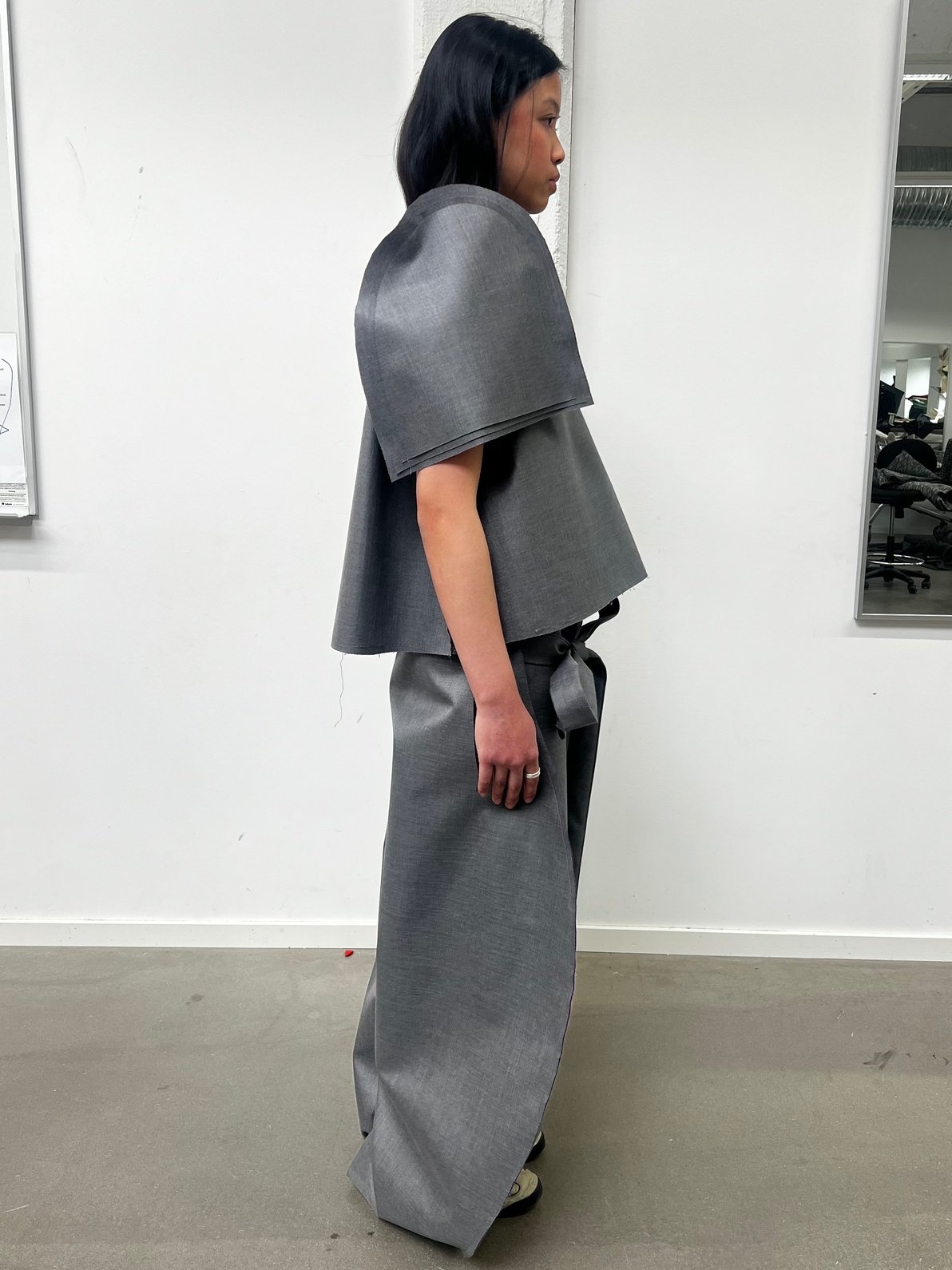
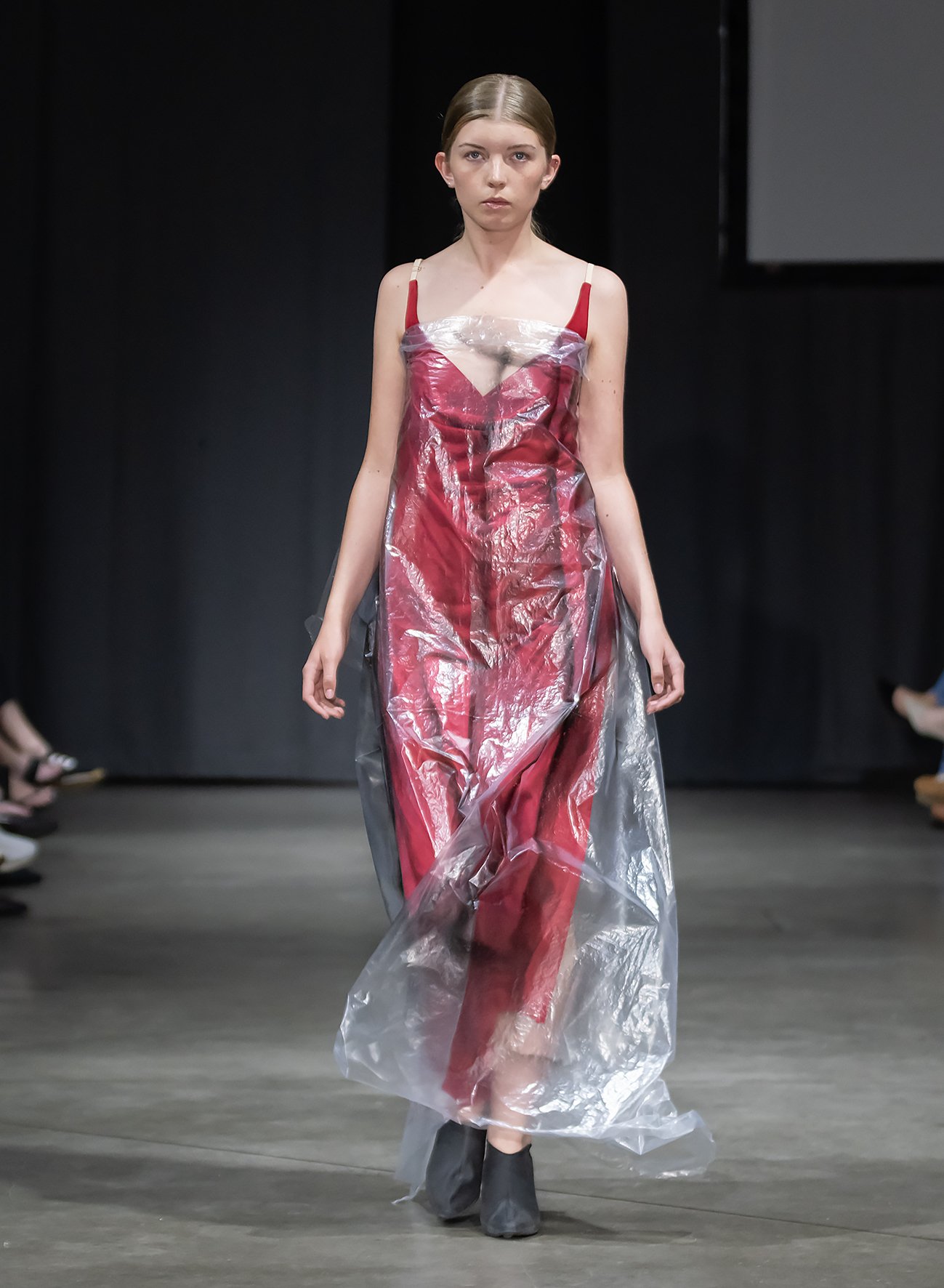
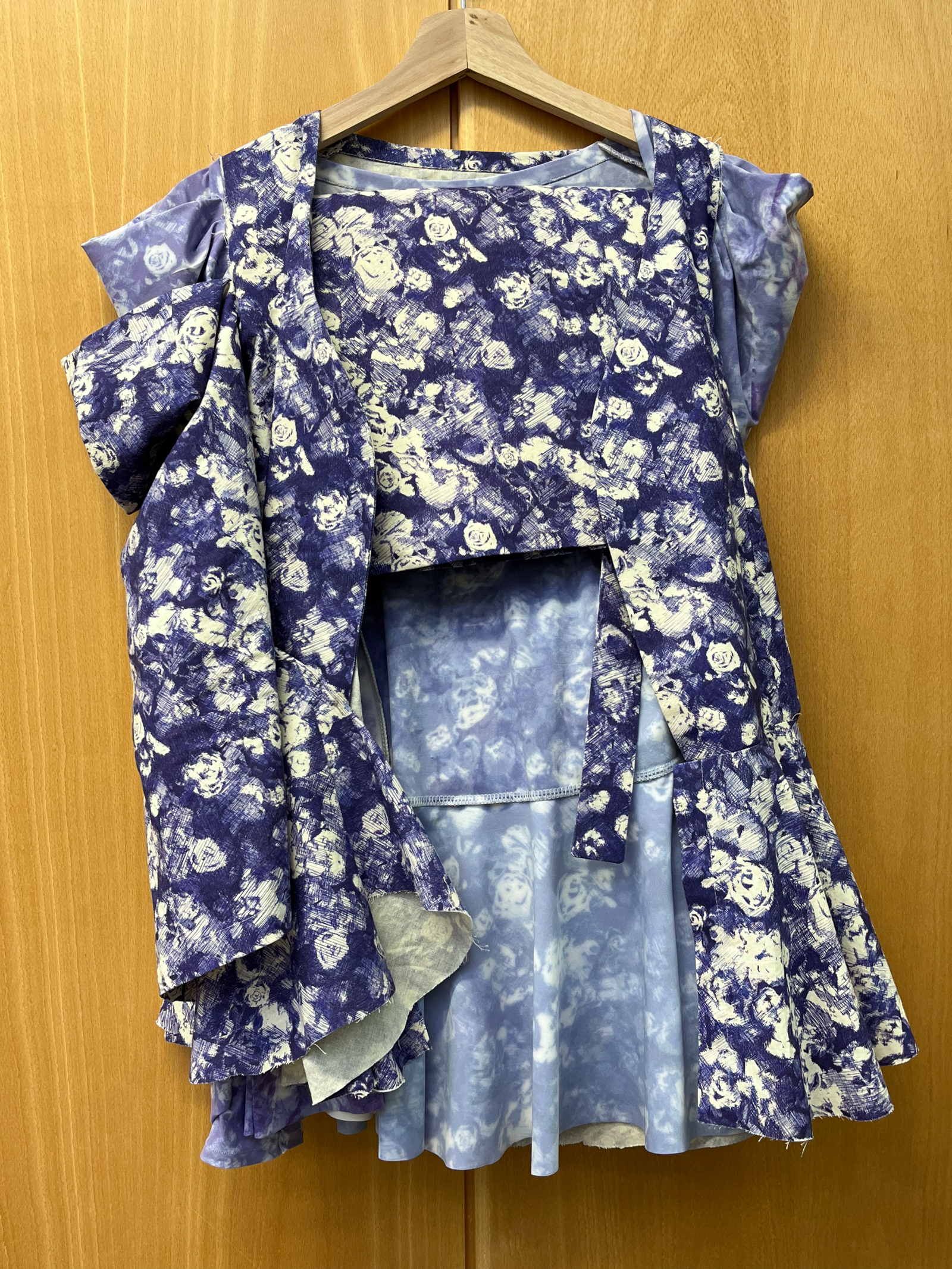
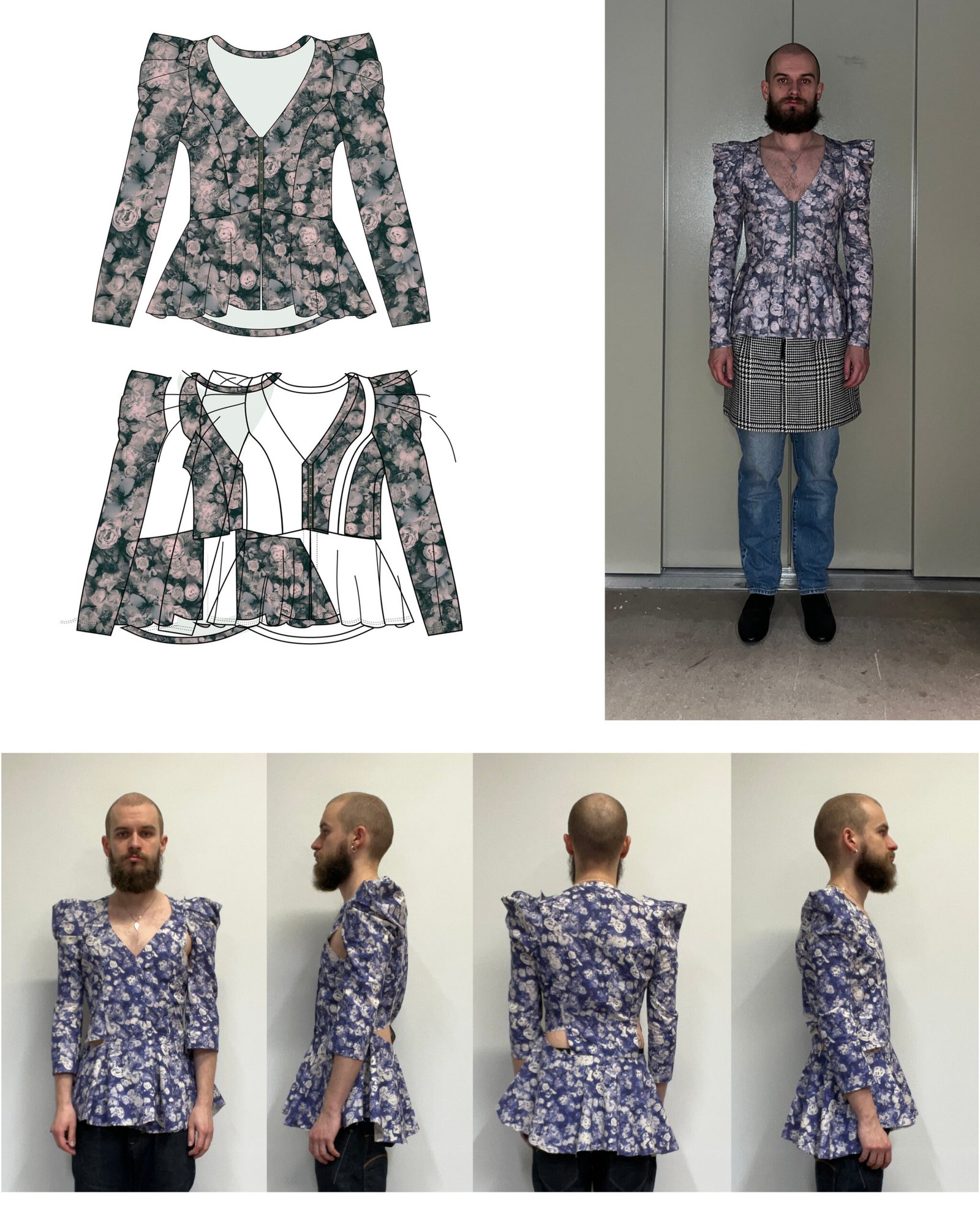
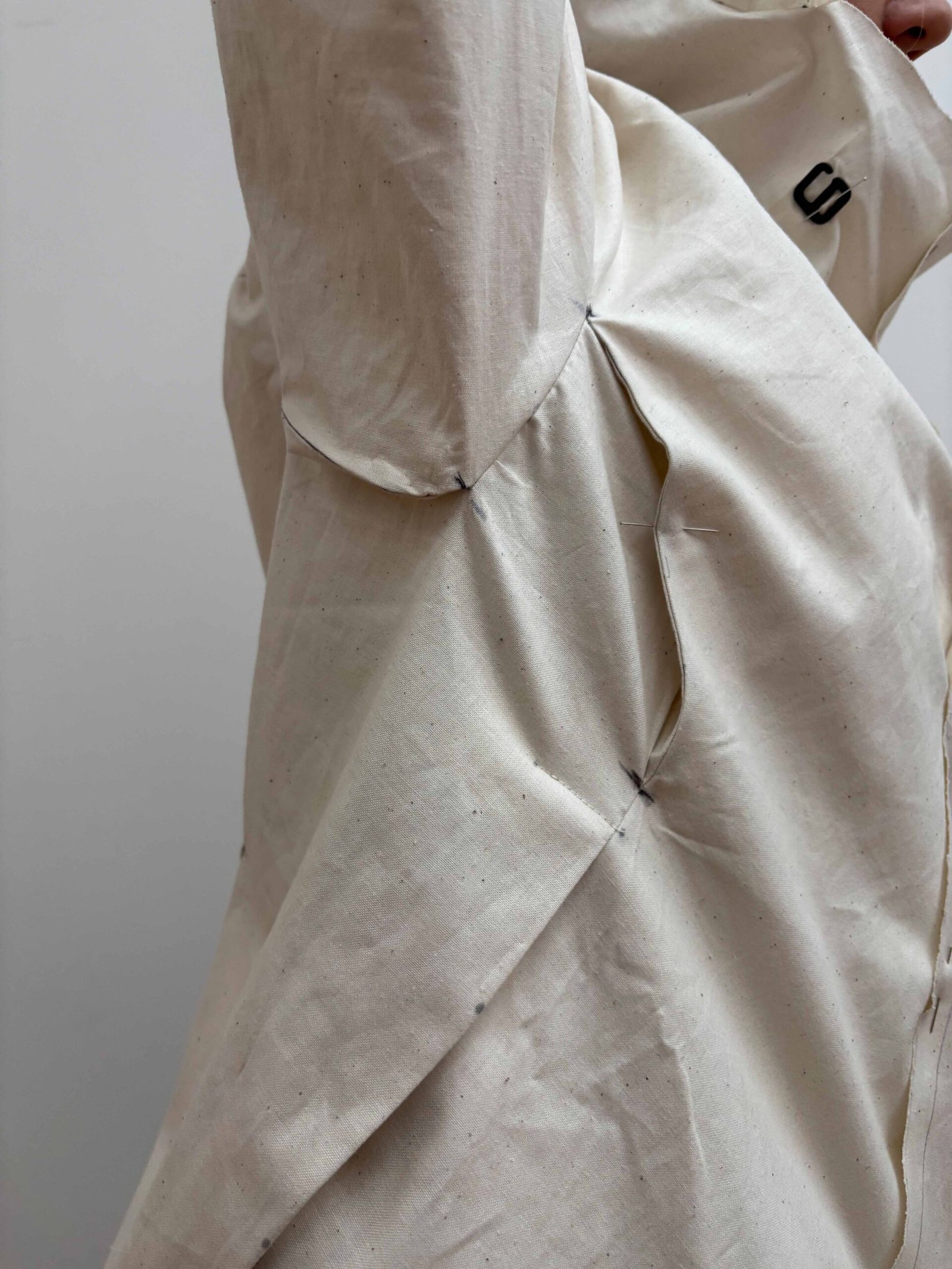
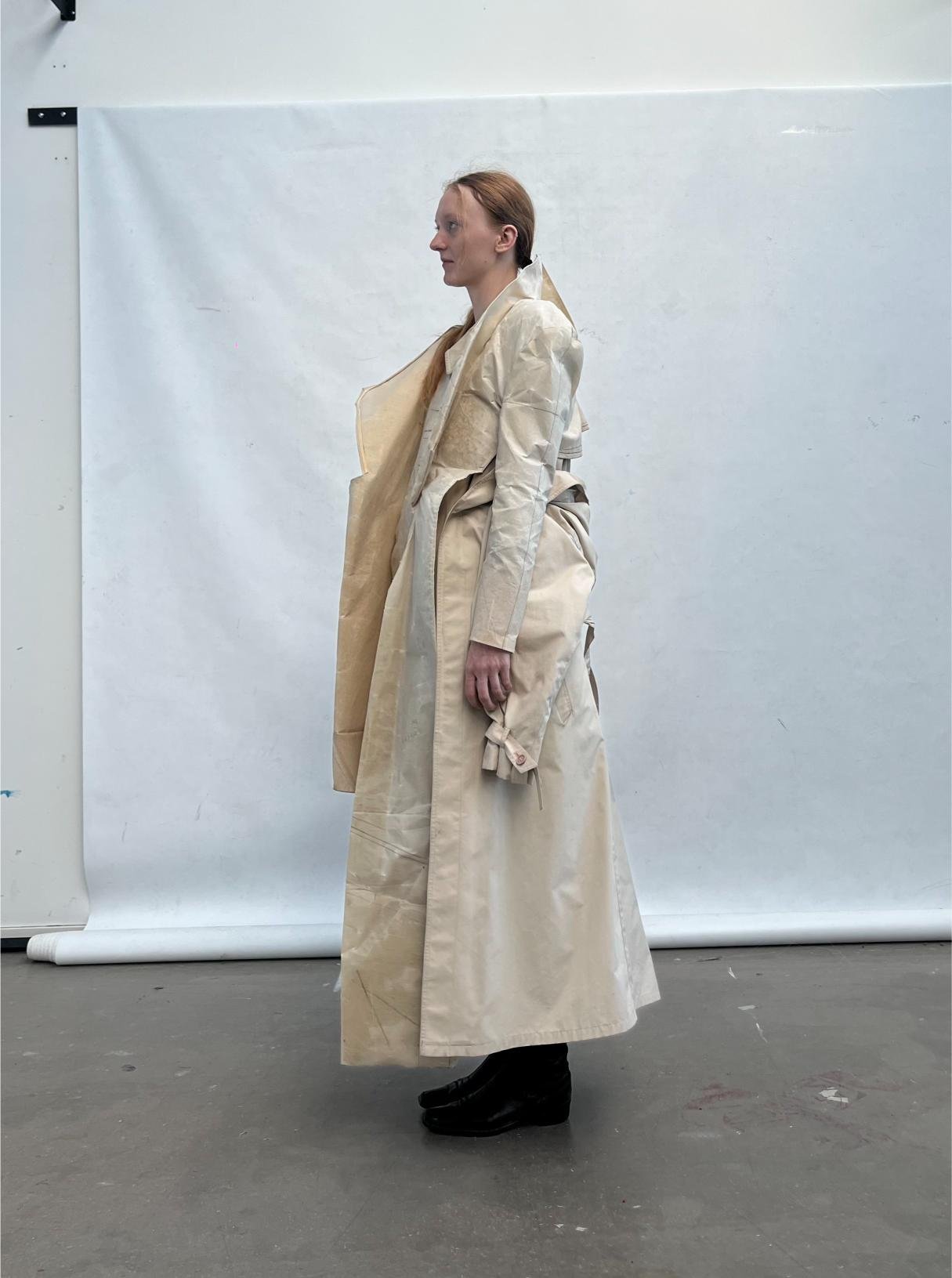
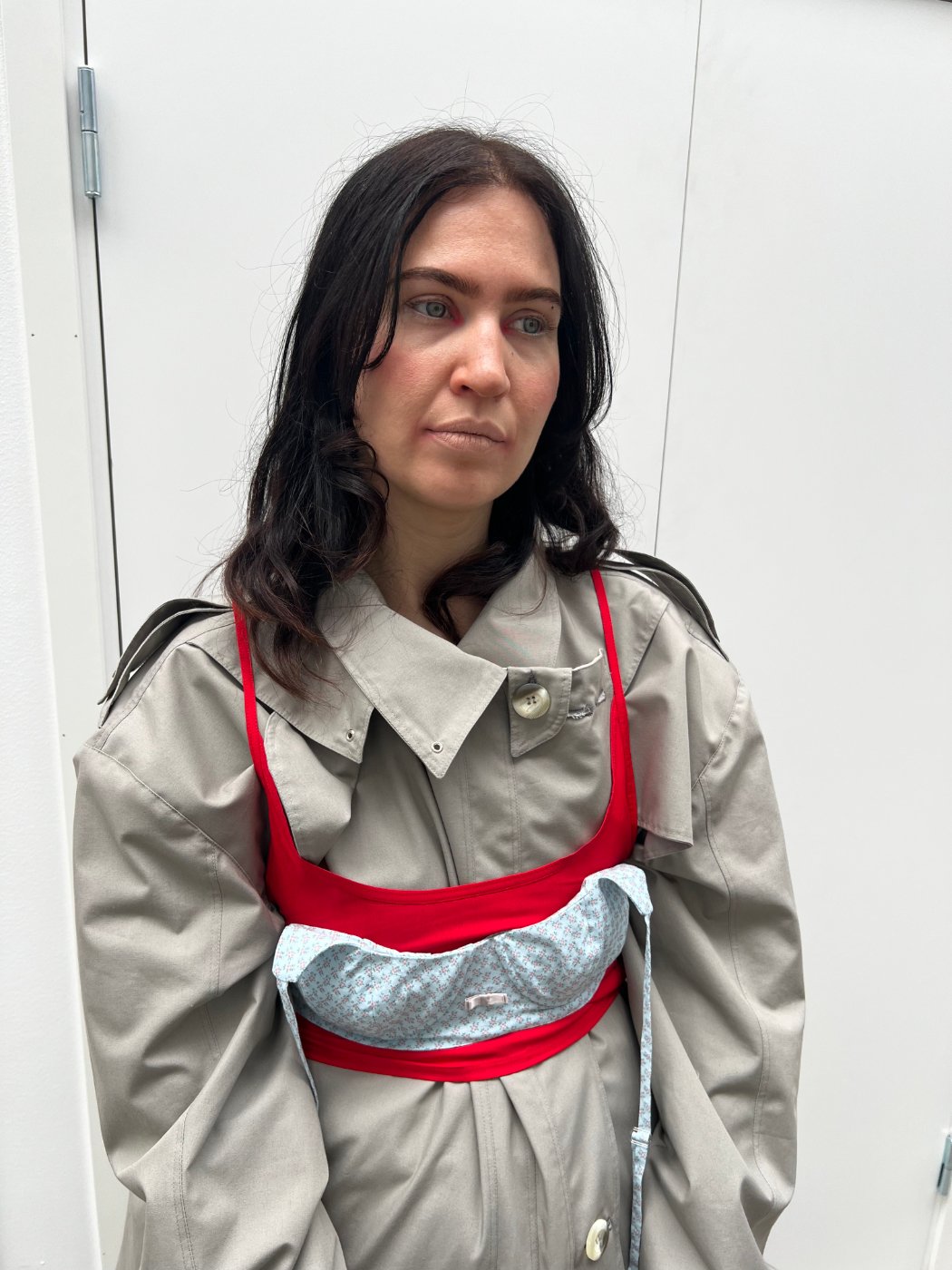
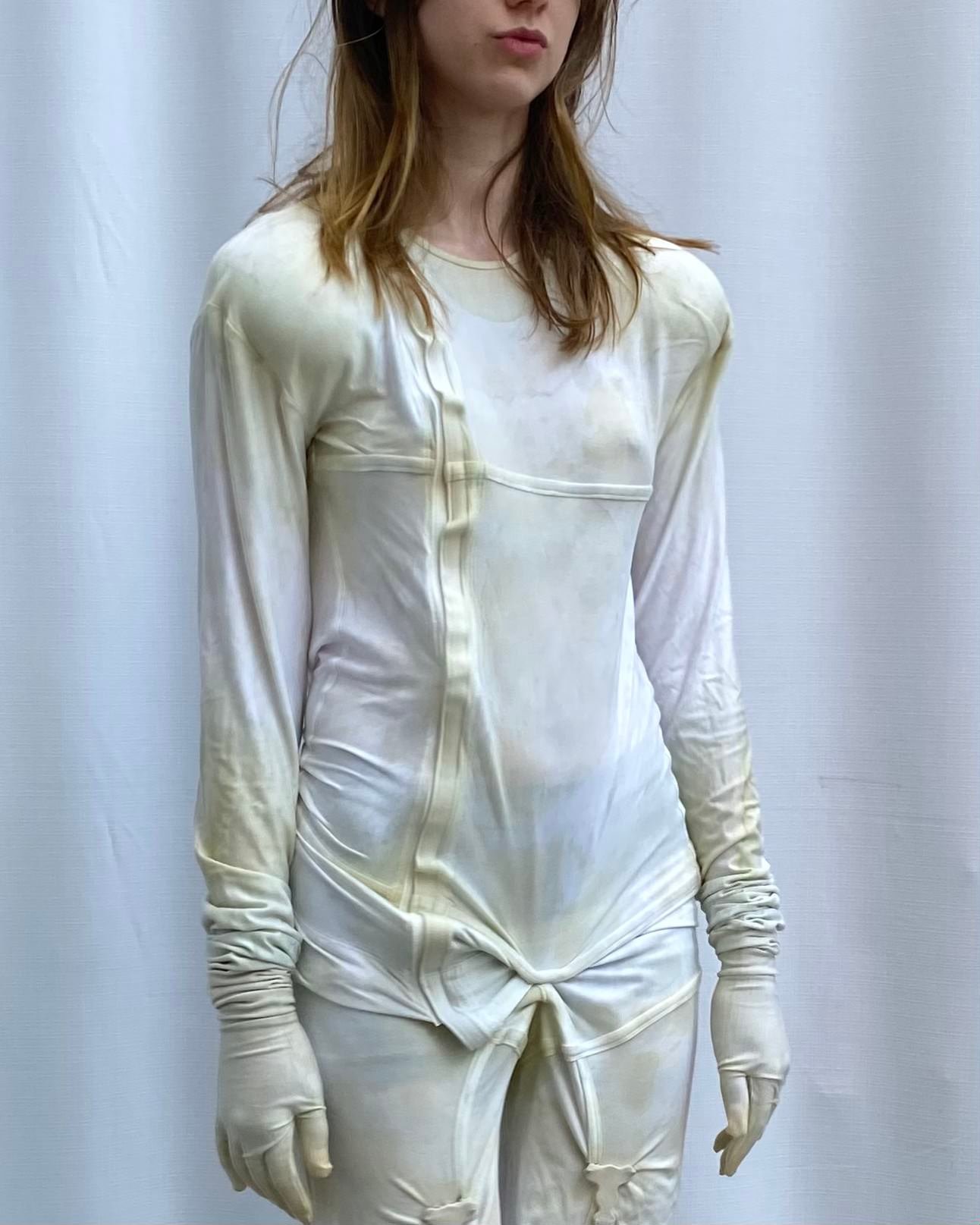
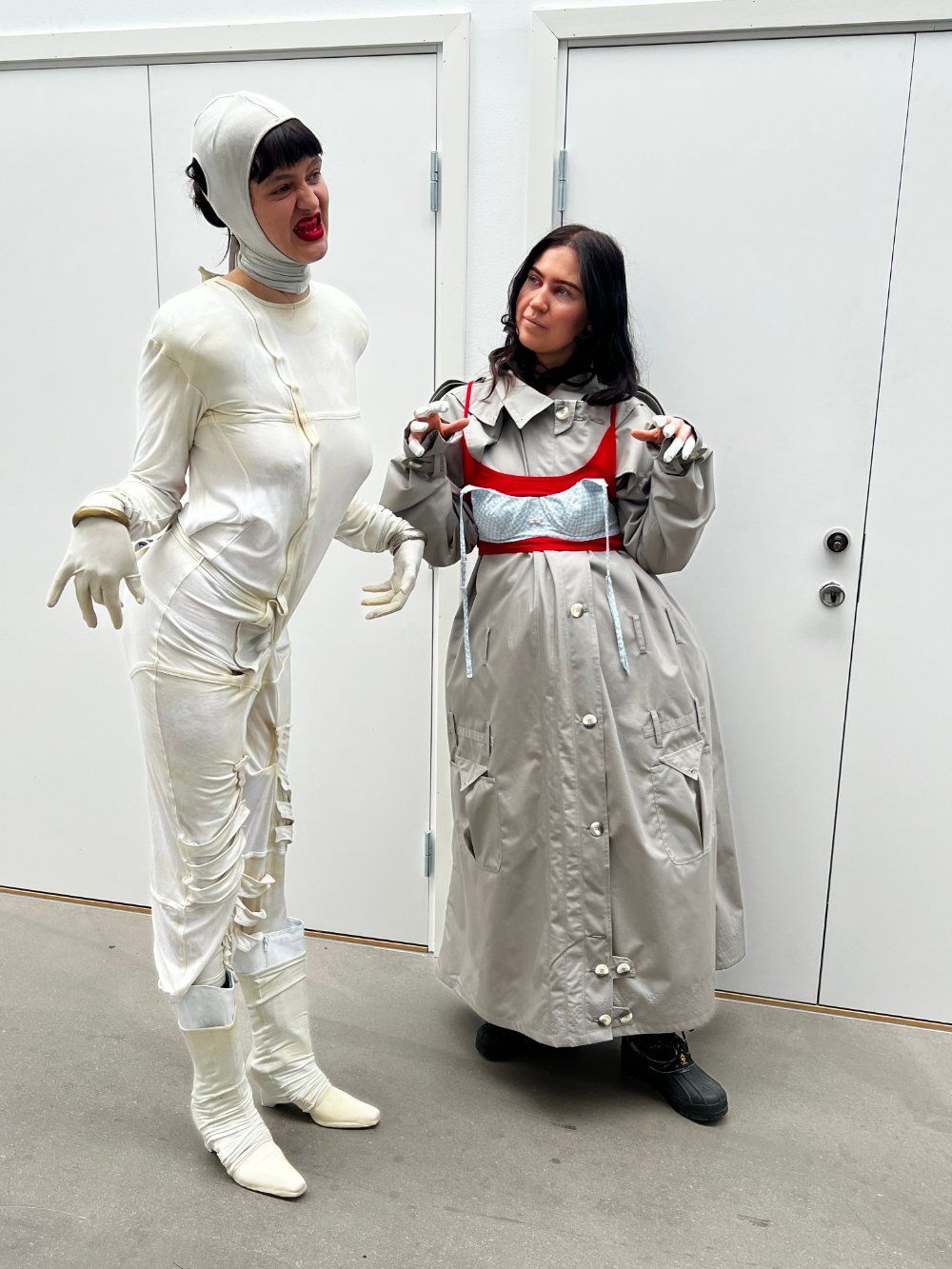
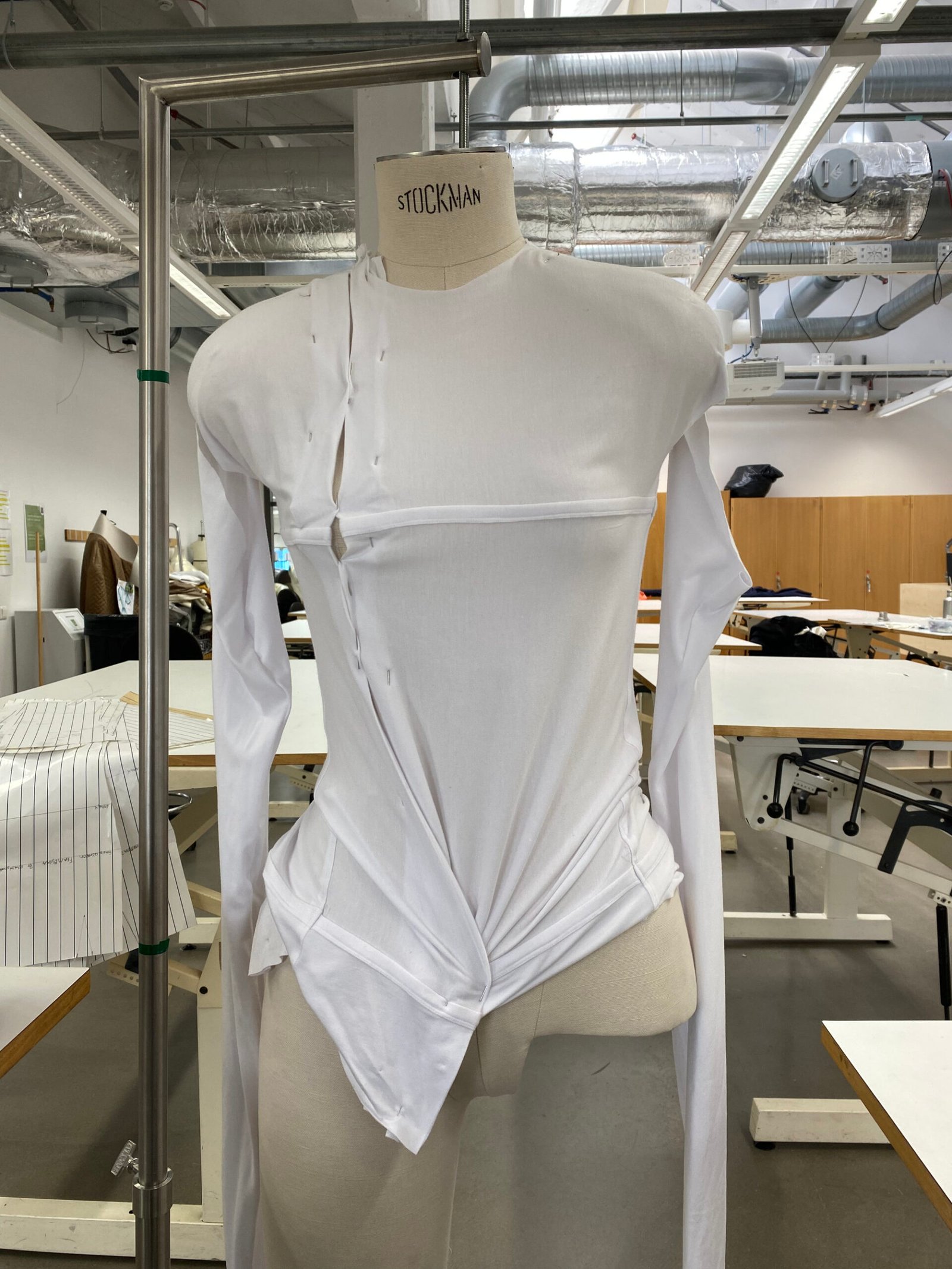
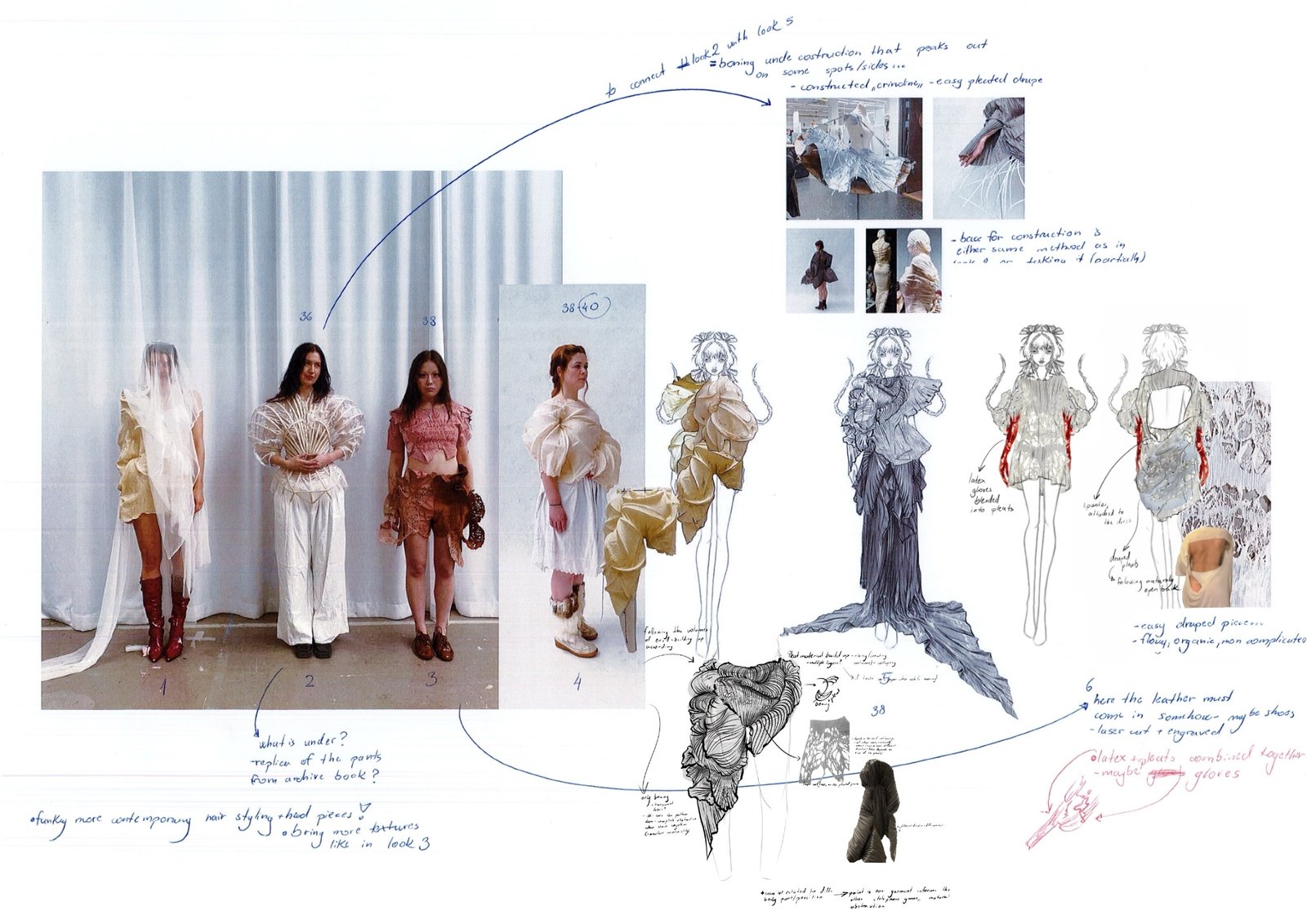
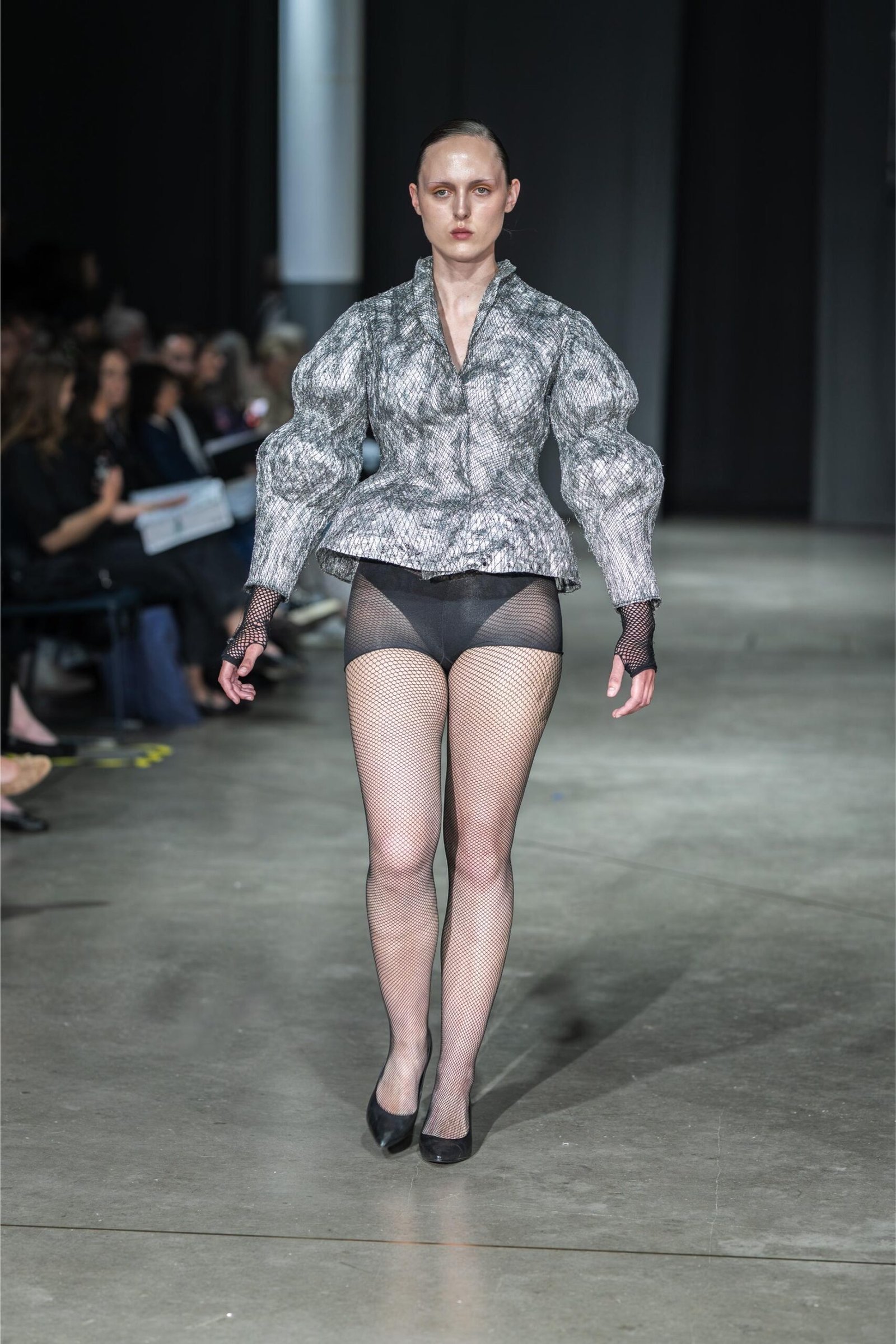
Uma Zaman’s collection, Soft Concrete, explores alienation through distorted tailoring and latex textiles. Drawing on Hegel’s philosophy of self-alienation, Brecht’s Verfremdungseffekt, and the psychological effects of distortion, the project reworks traditional tailoring by draping new patterns over existing garments and disrupting their original construction. Latex pieces visualise alienation physically, translating wrinkles and creases into traces of emotional experience on the body.

@umita_archives

Sally Bjerre Gaarde

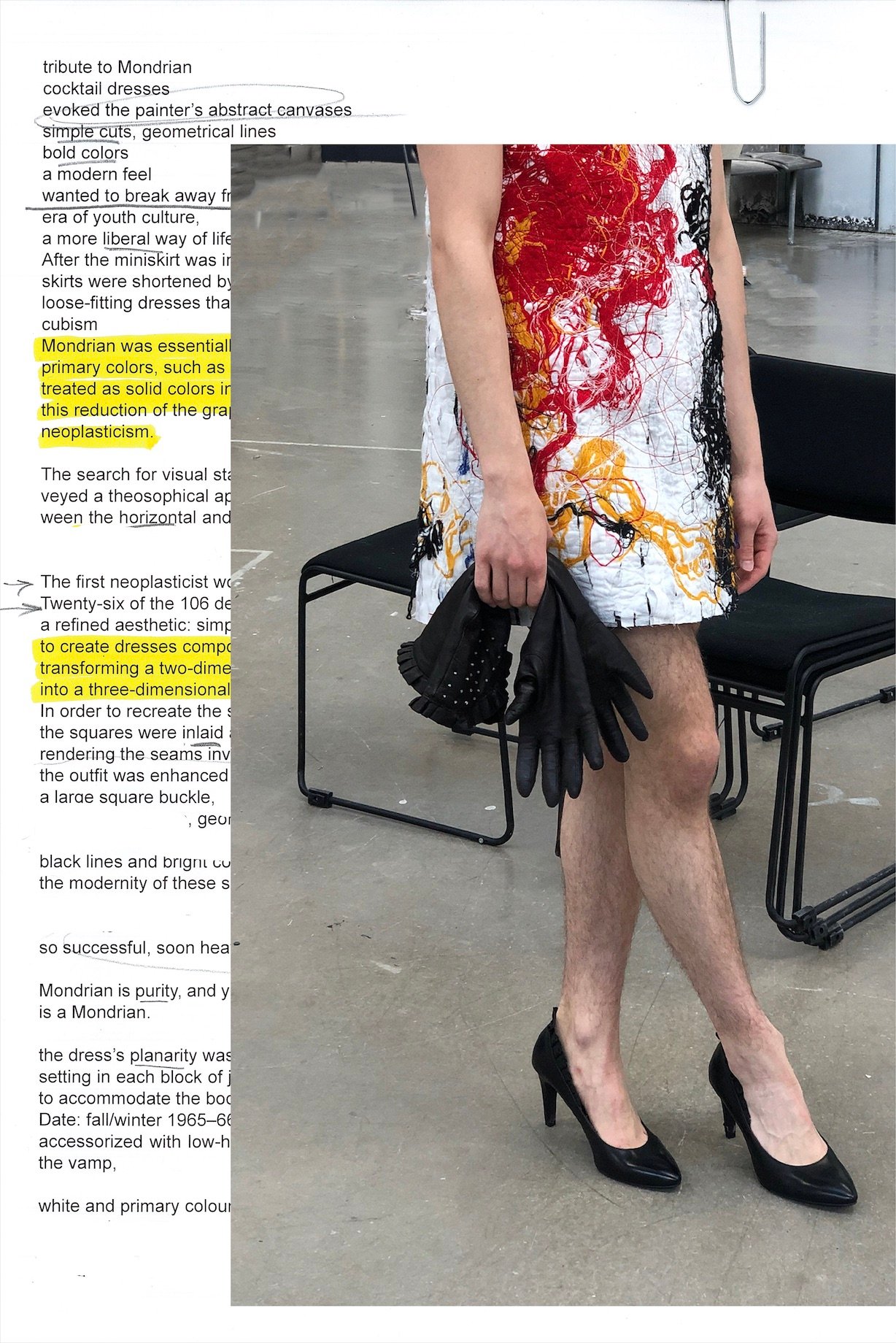
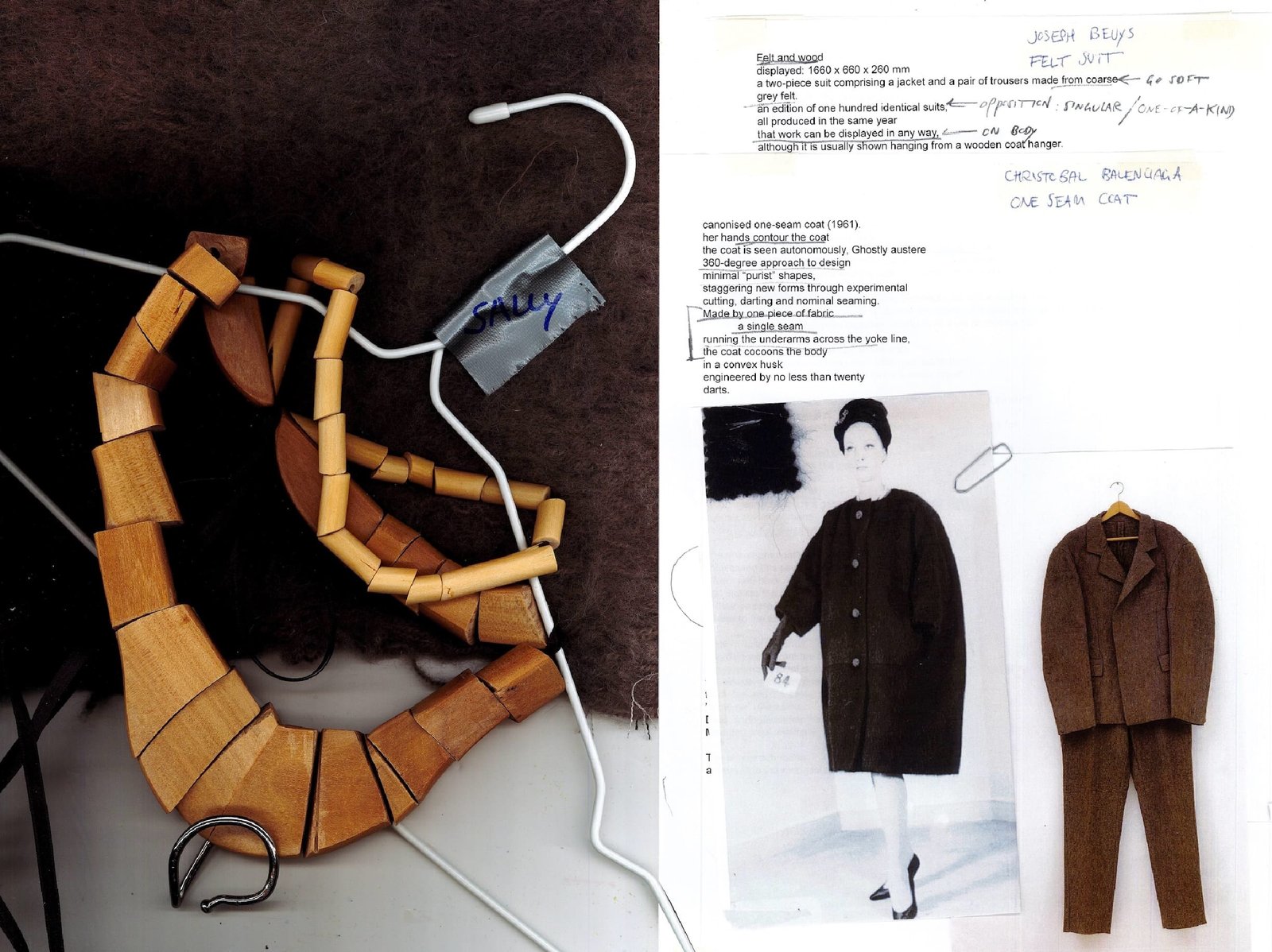
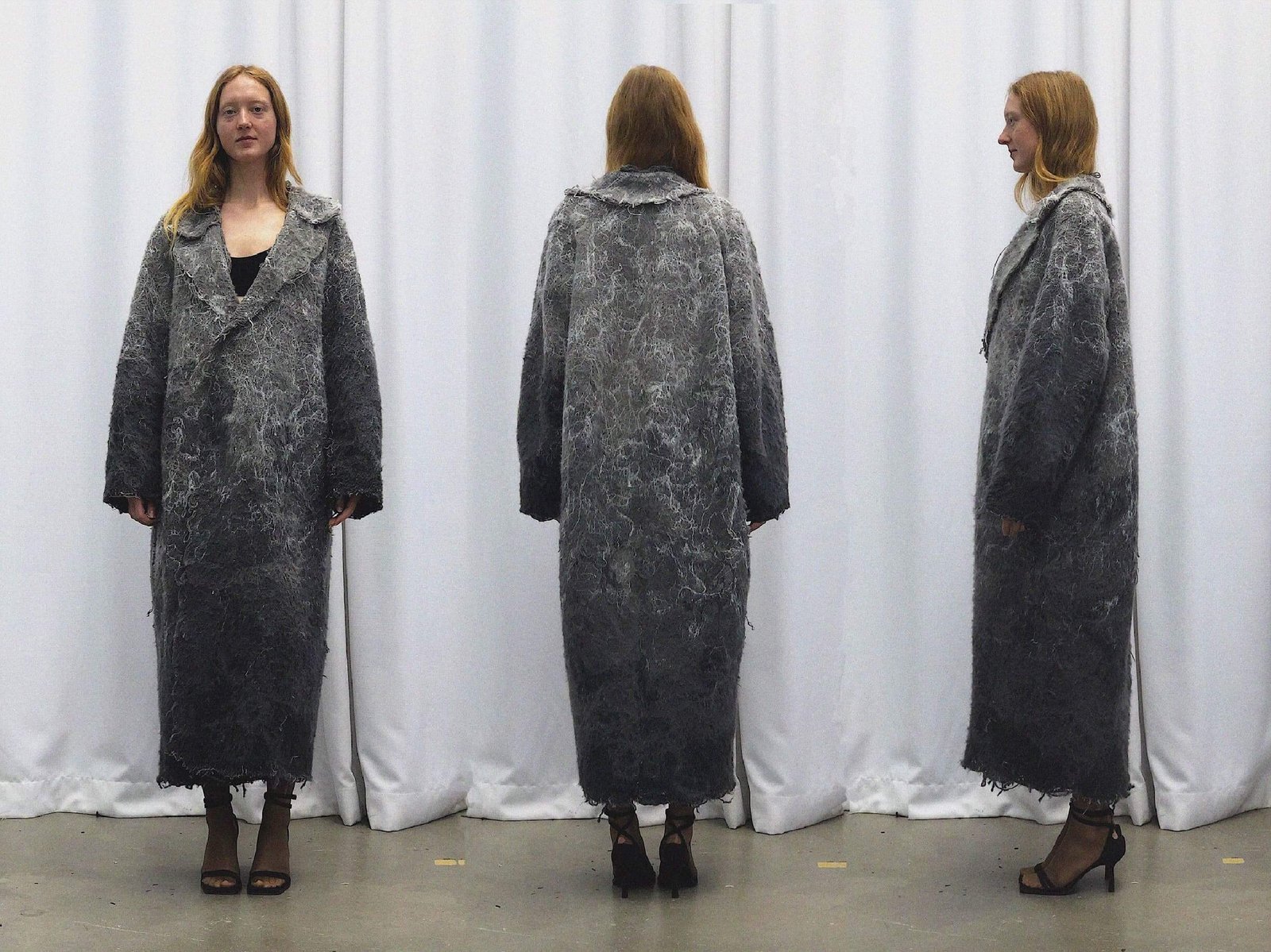
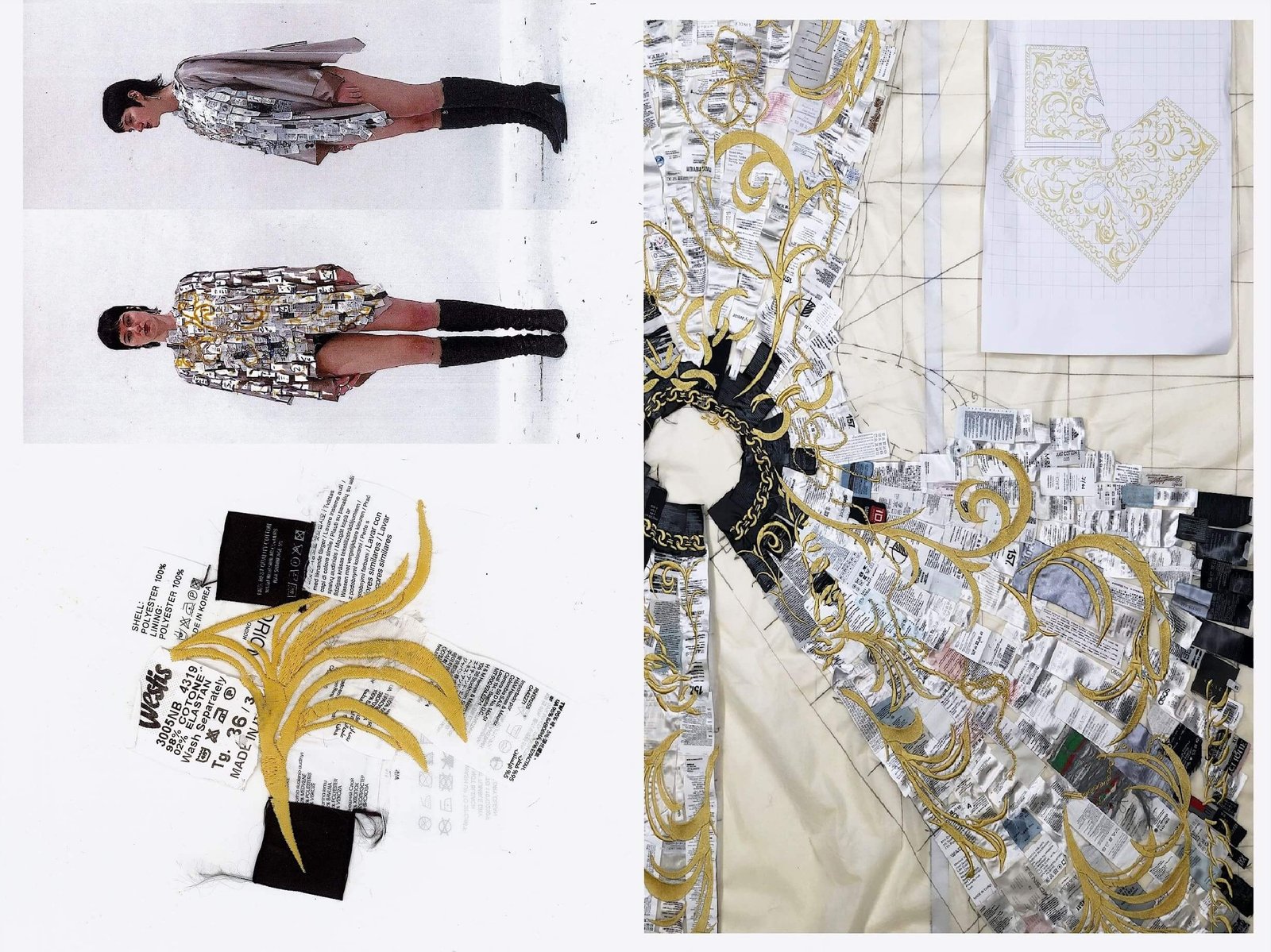
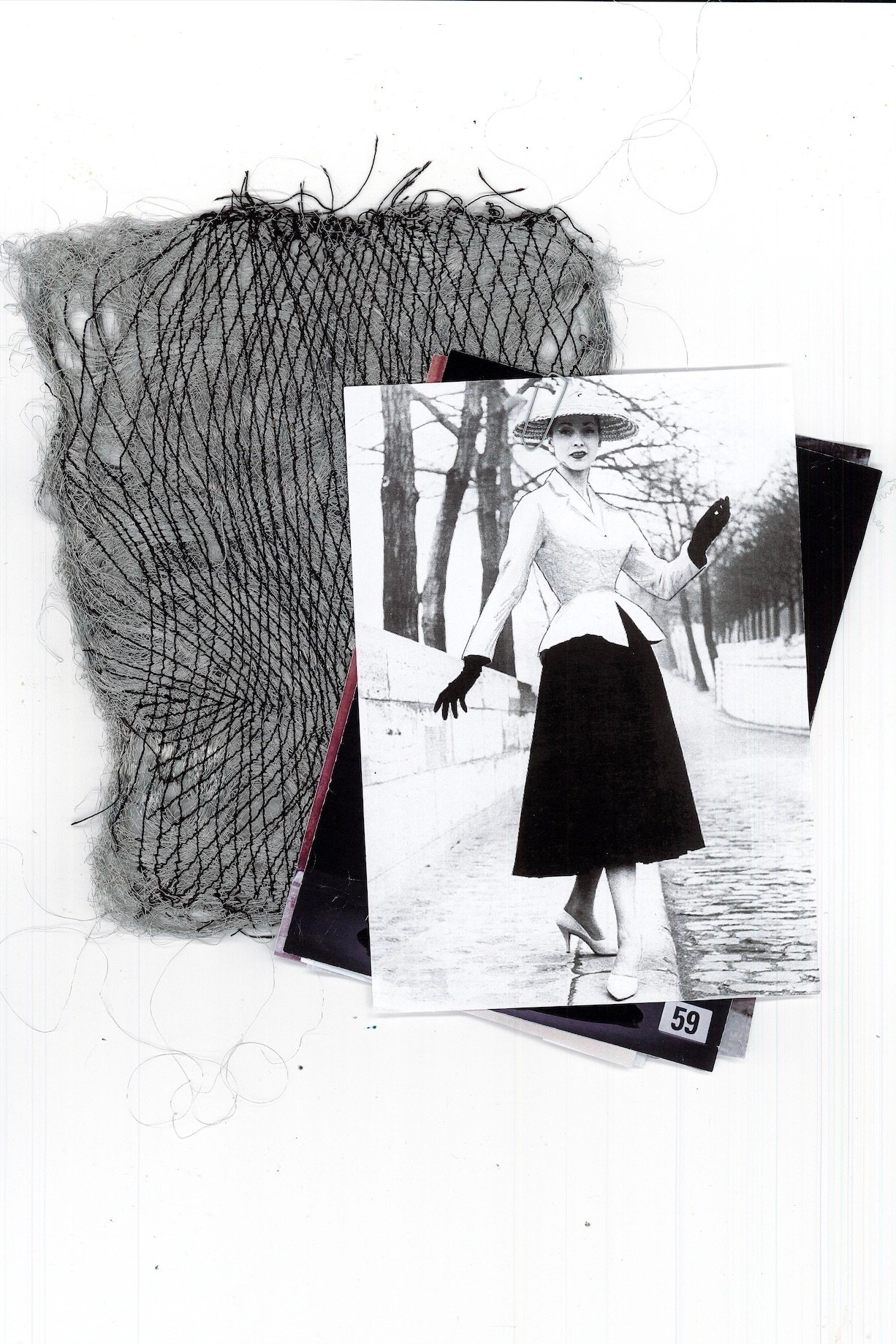
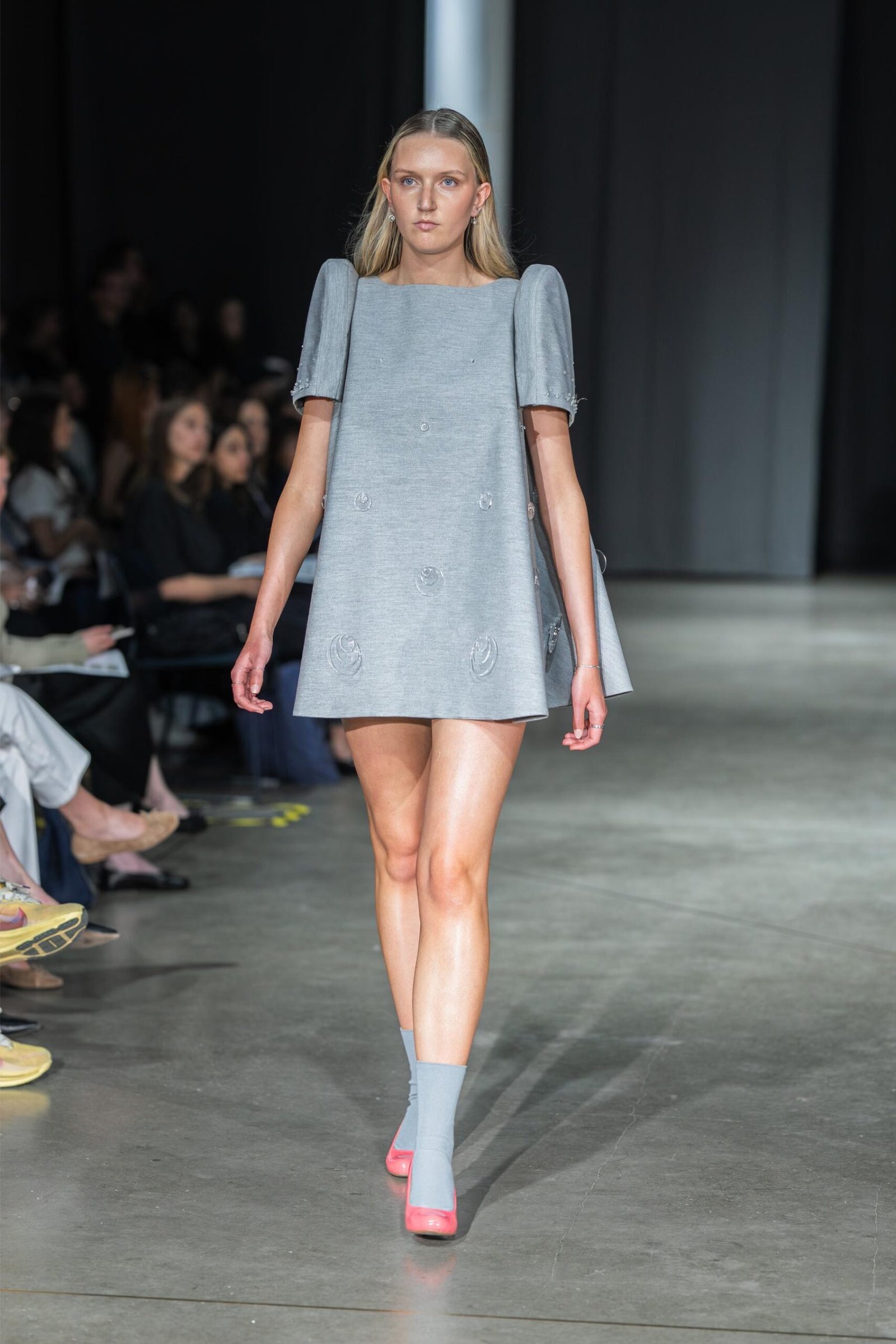
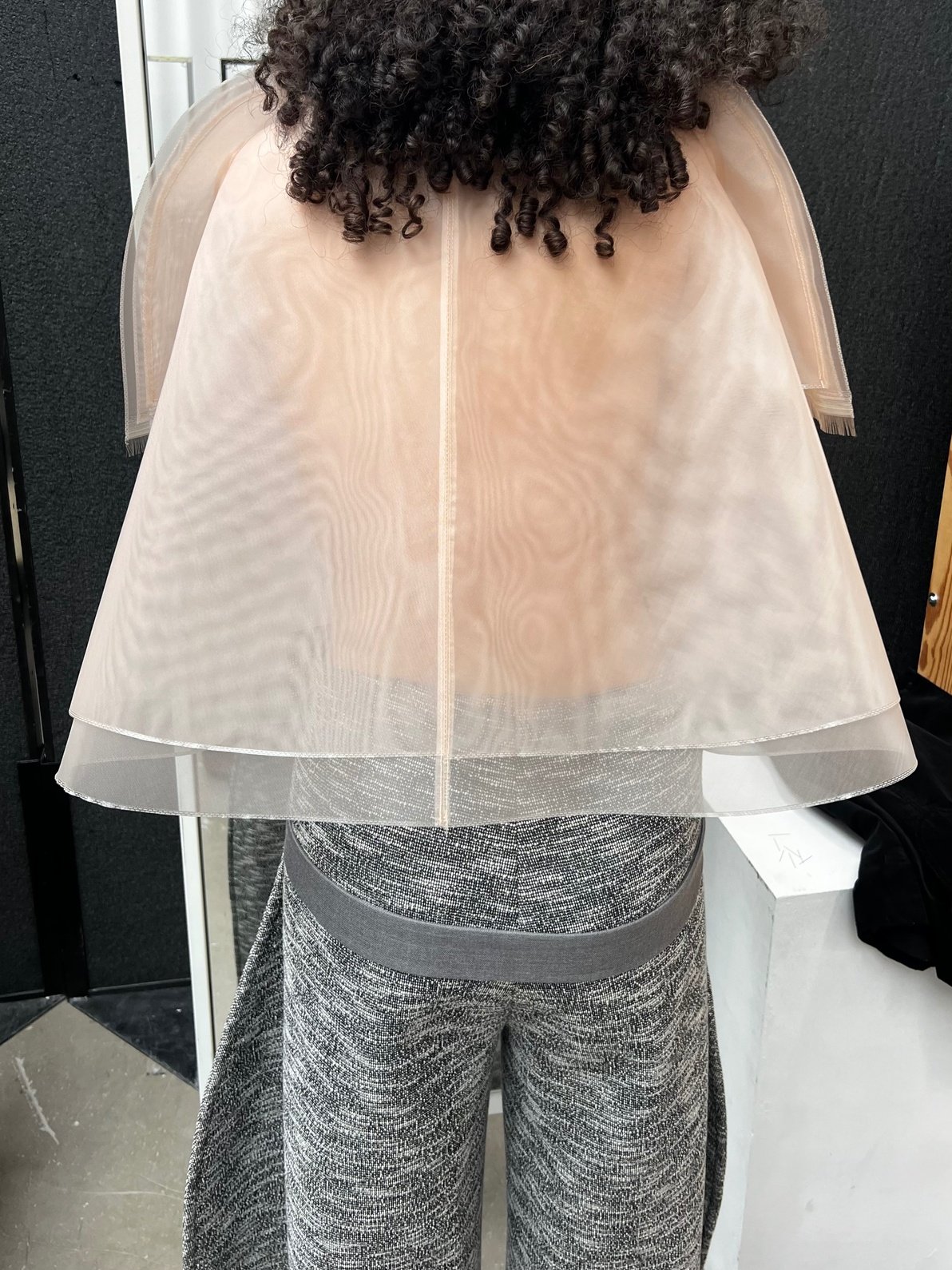
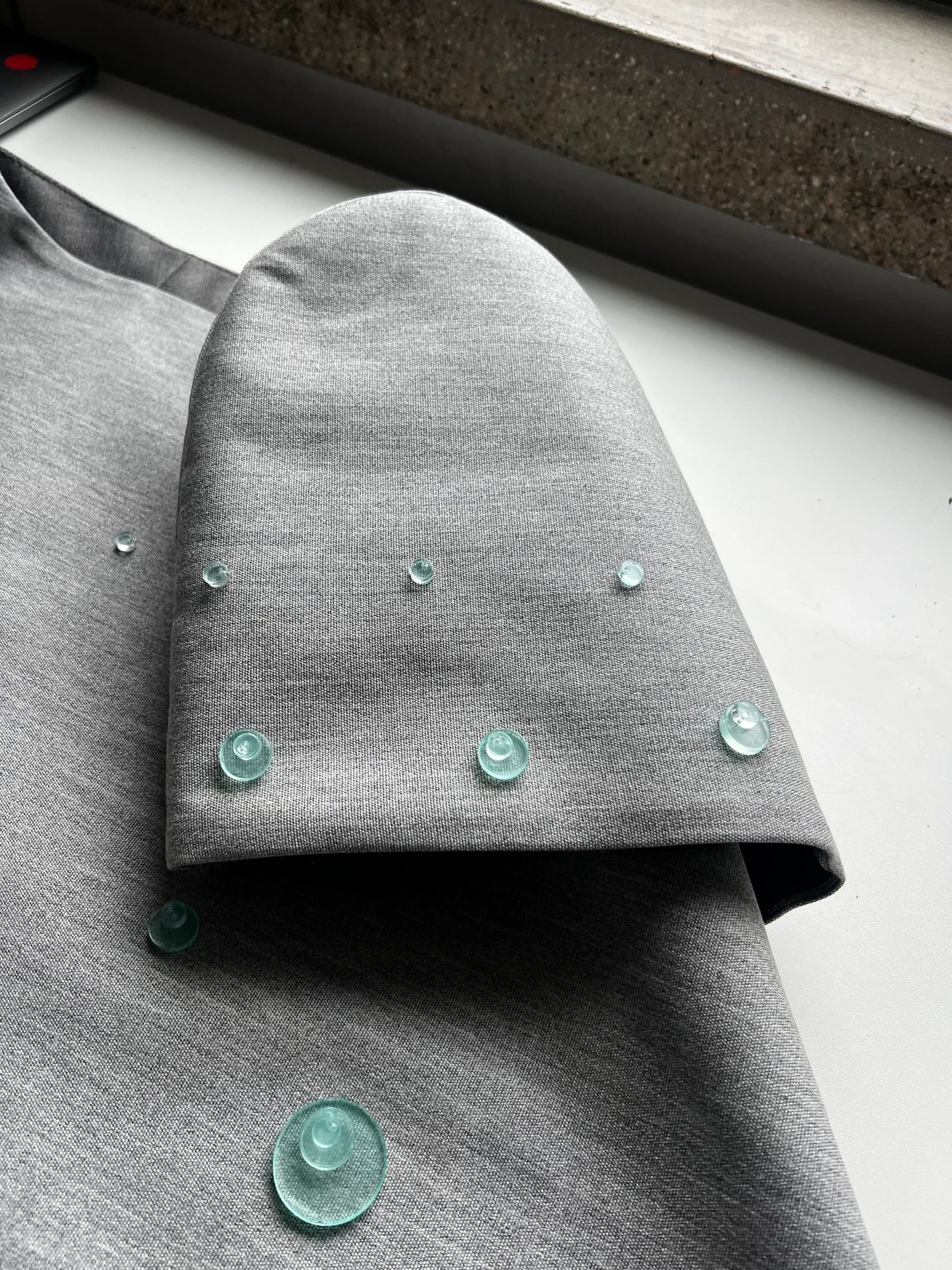
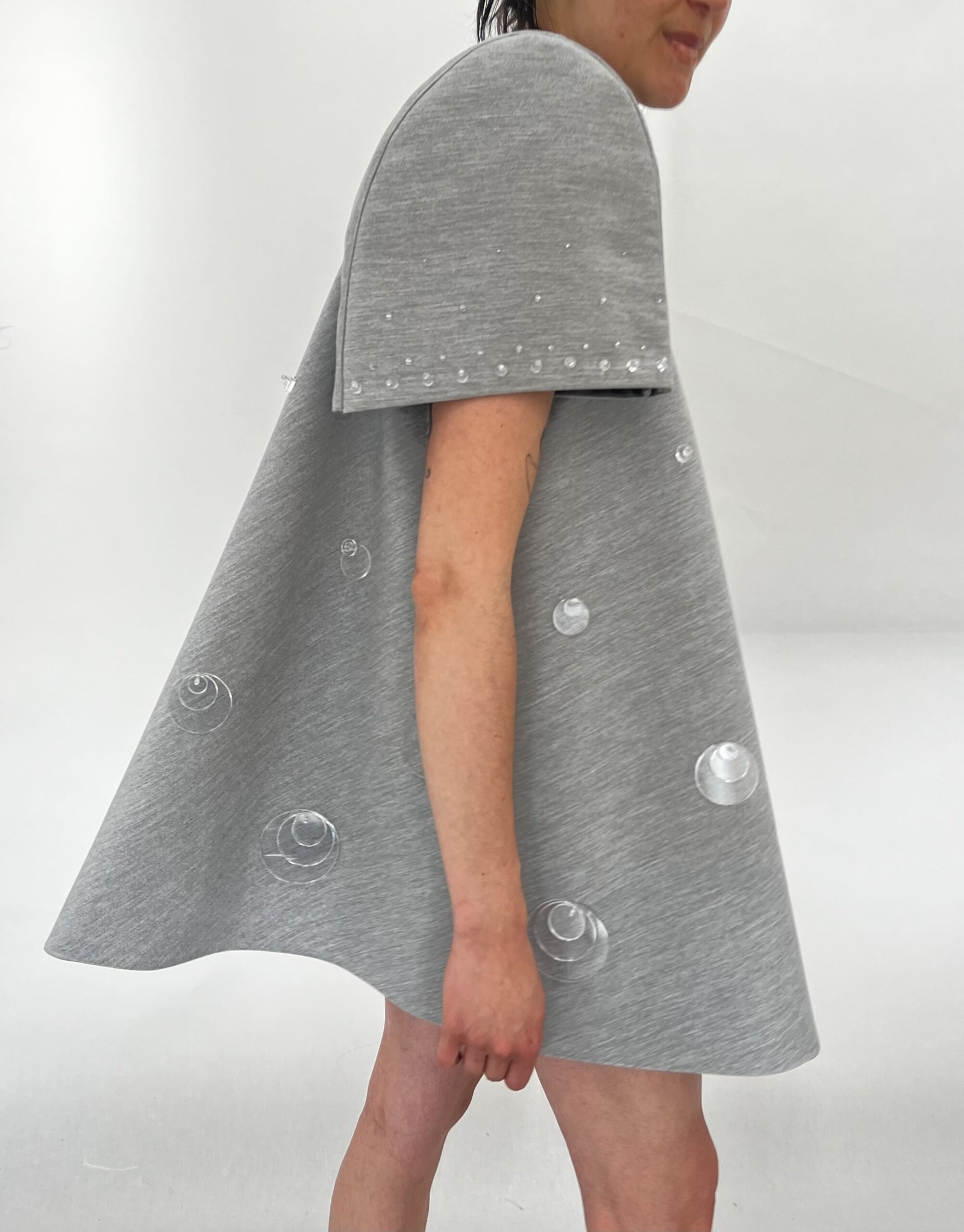
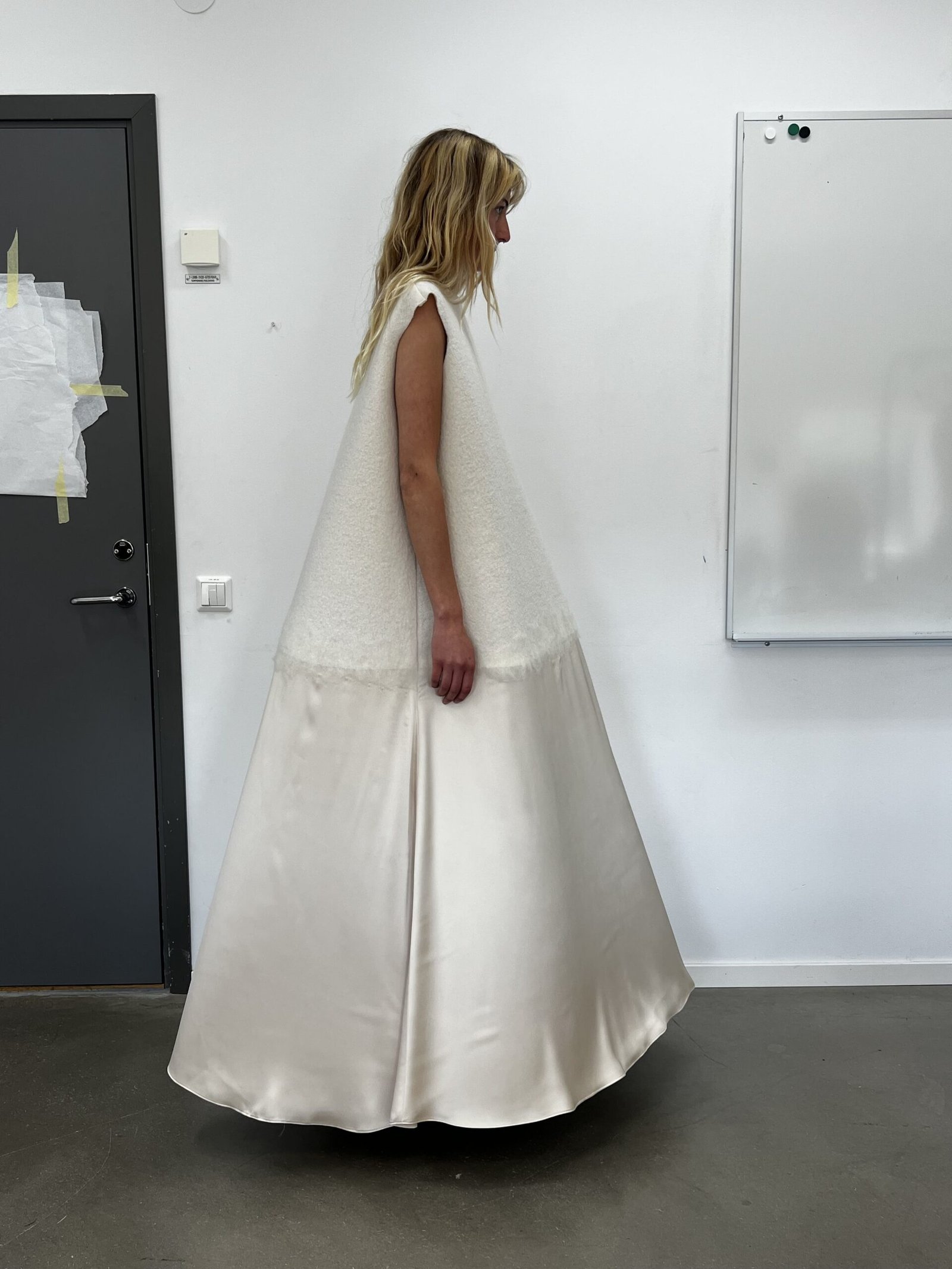
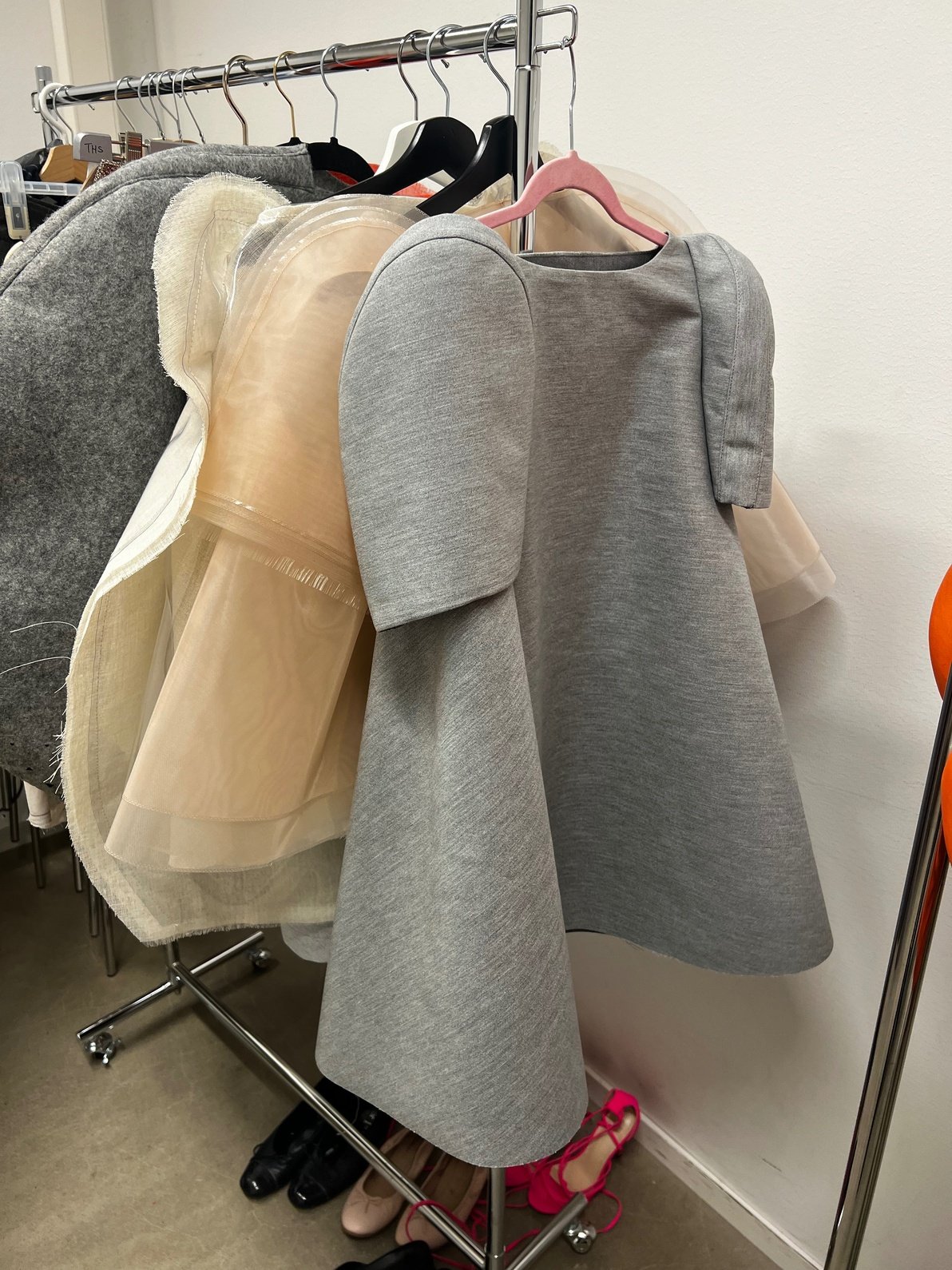
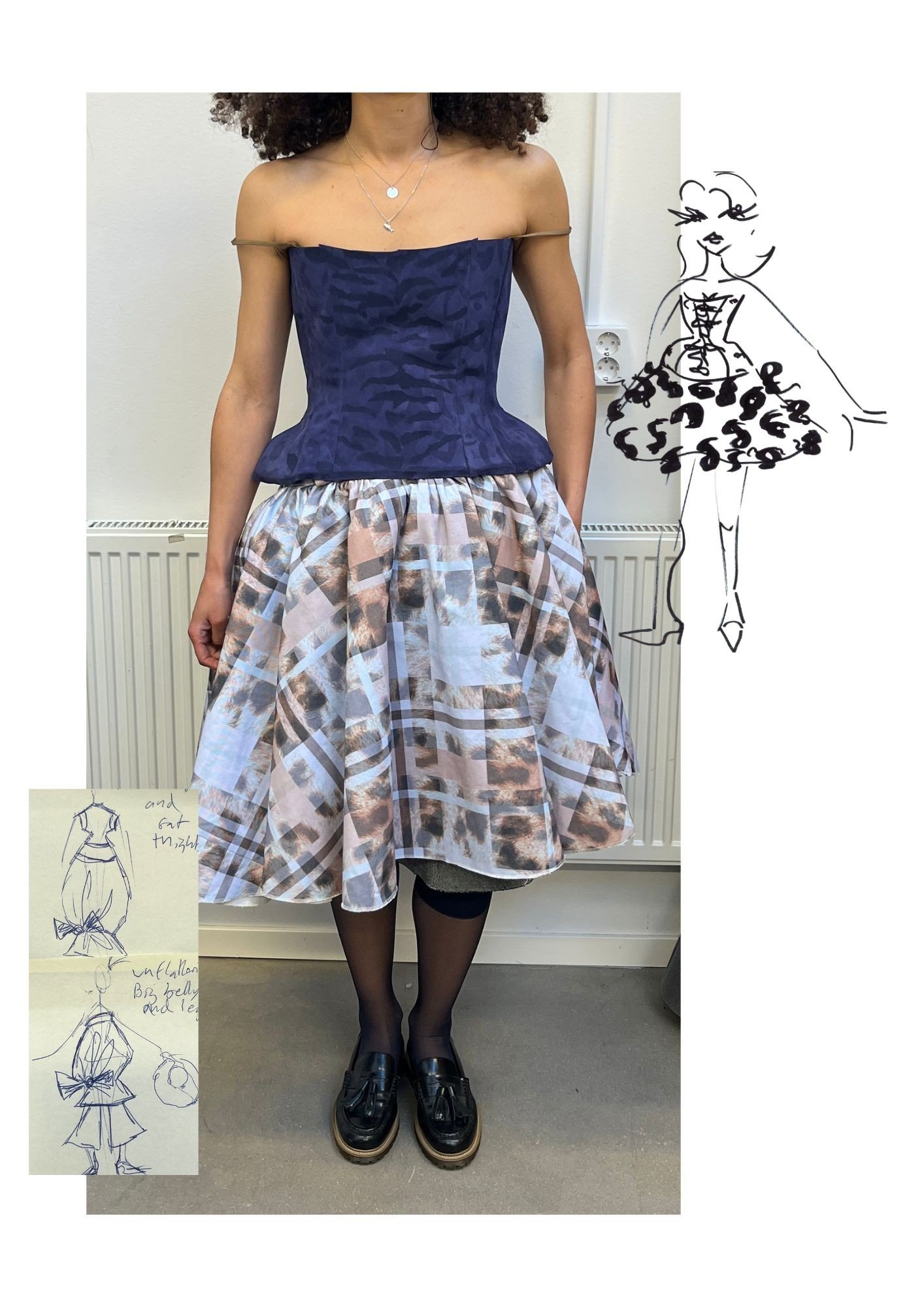
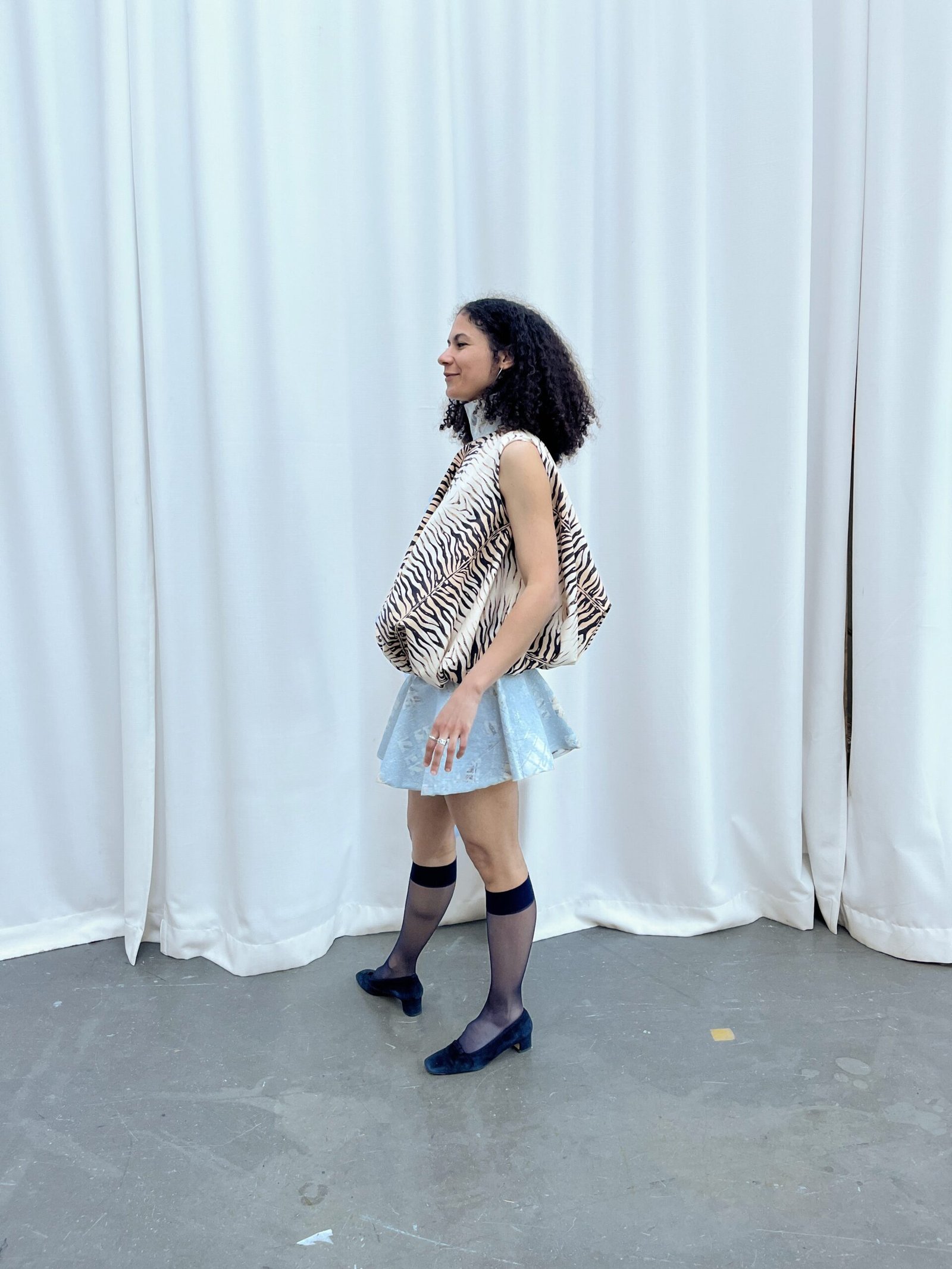
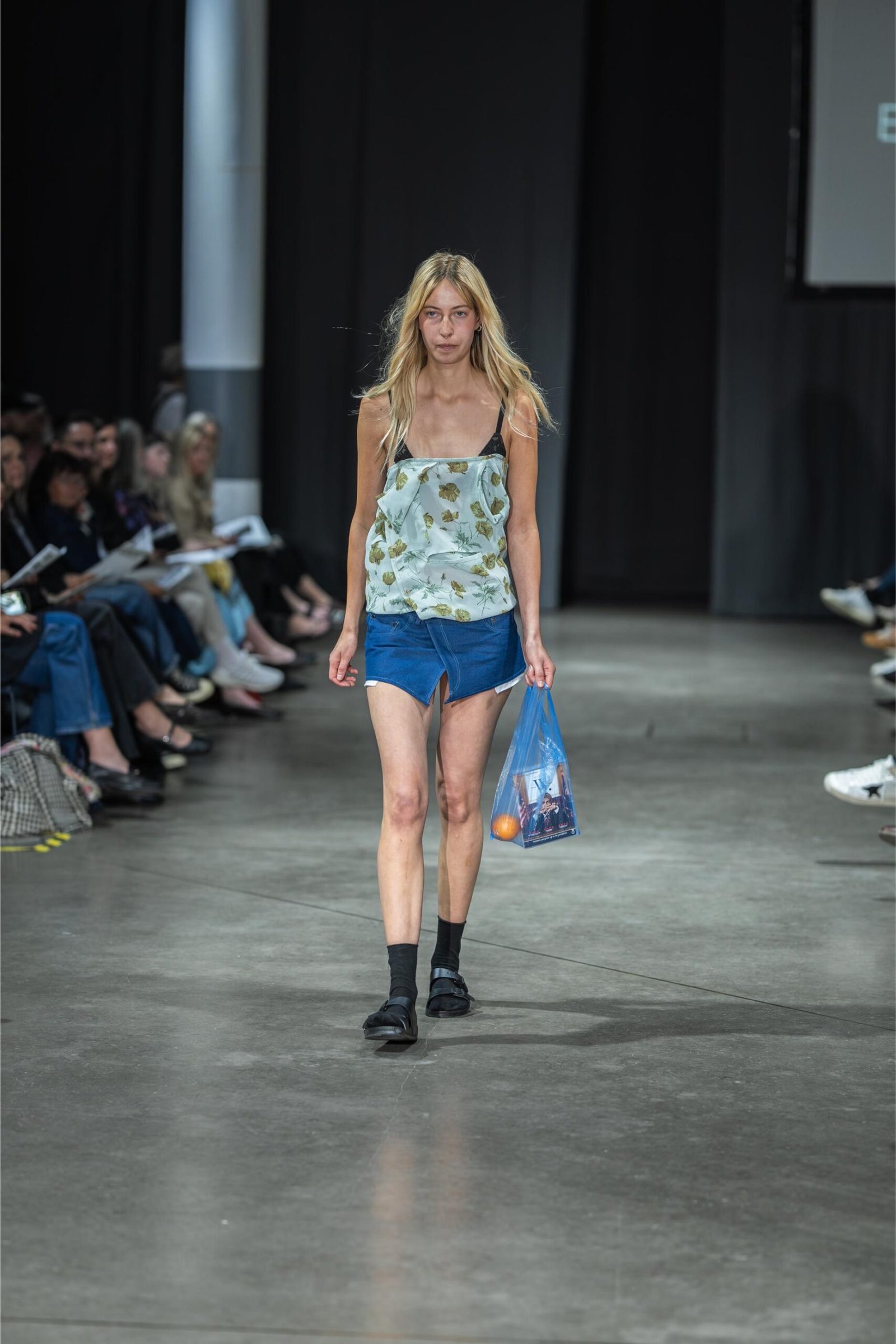
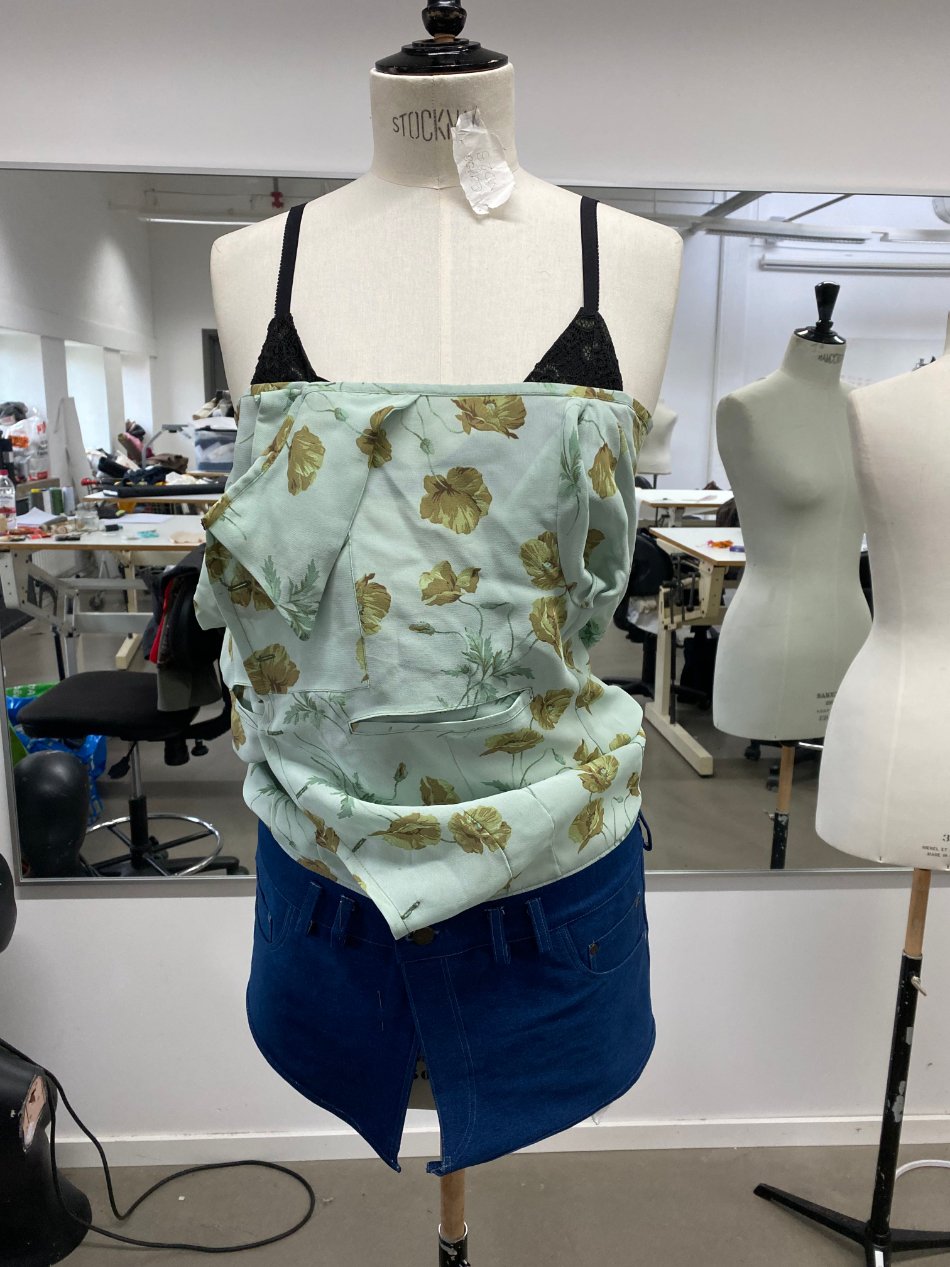
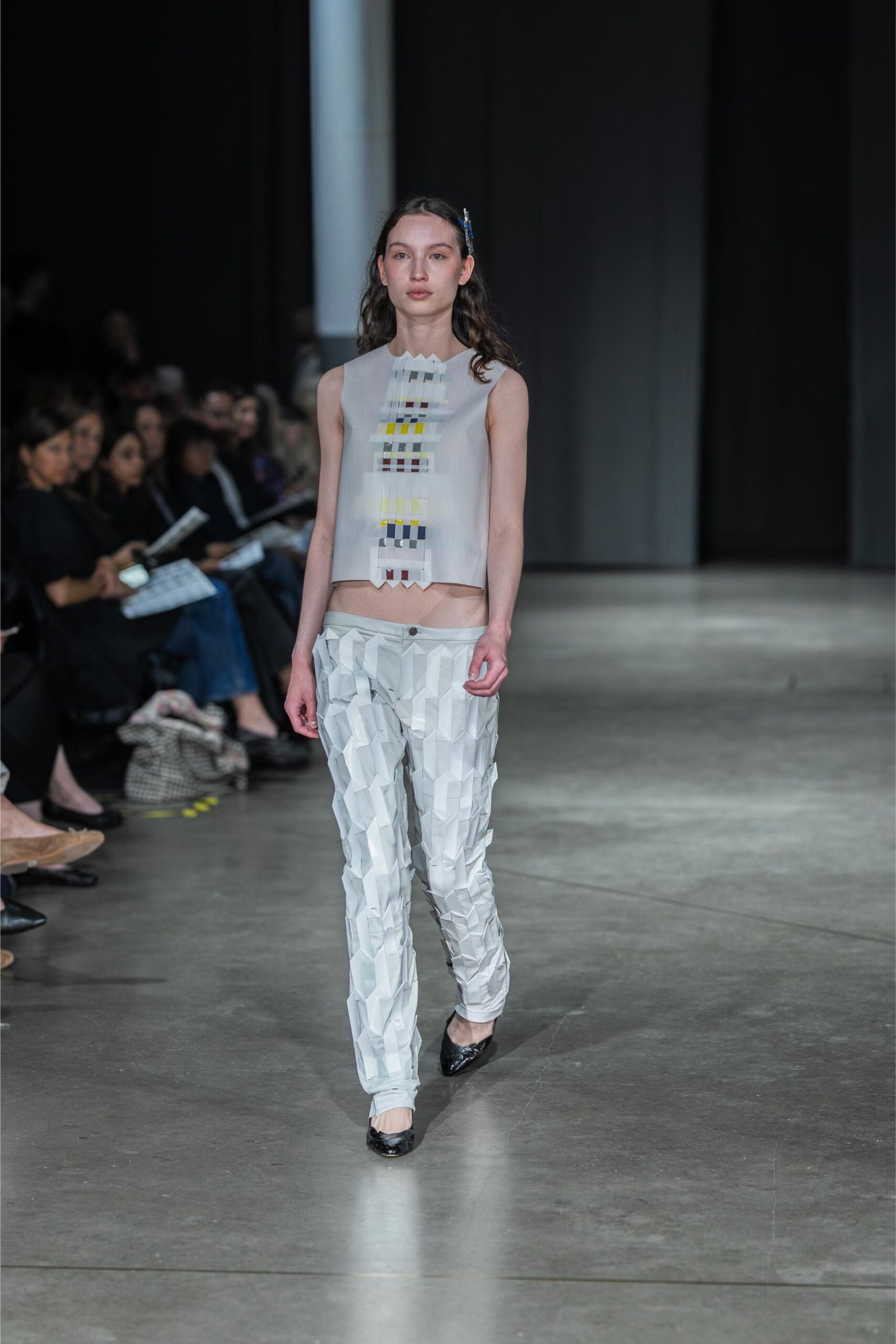
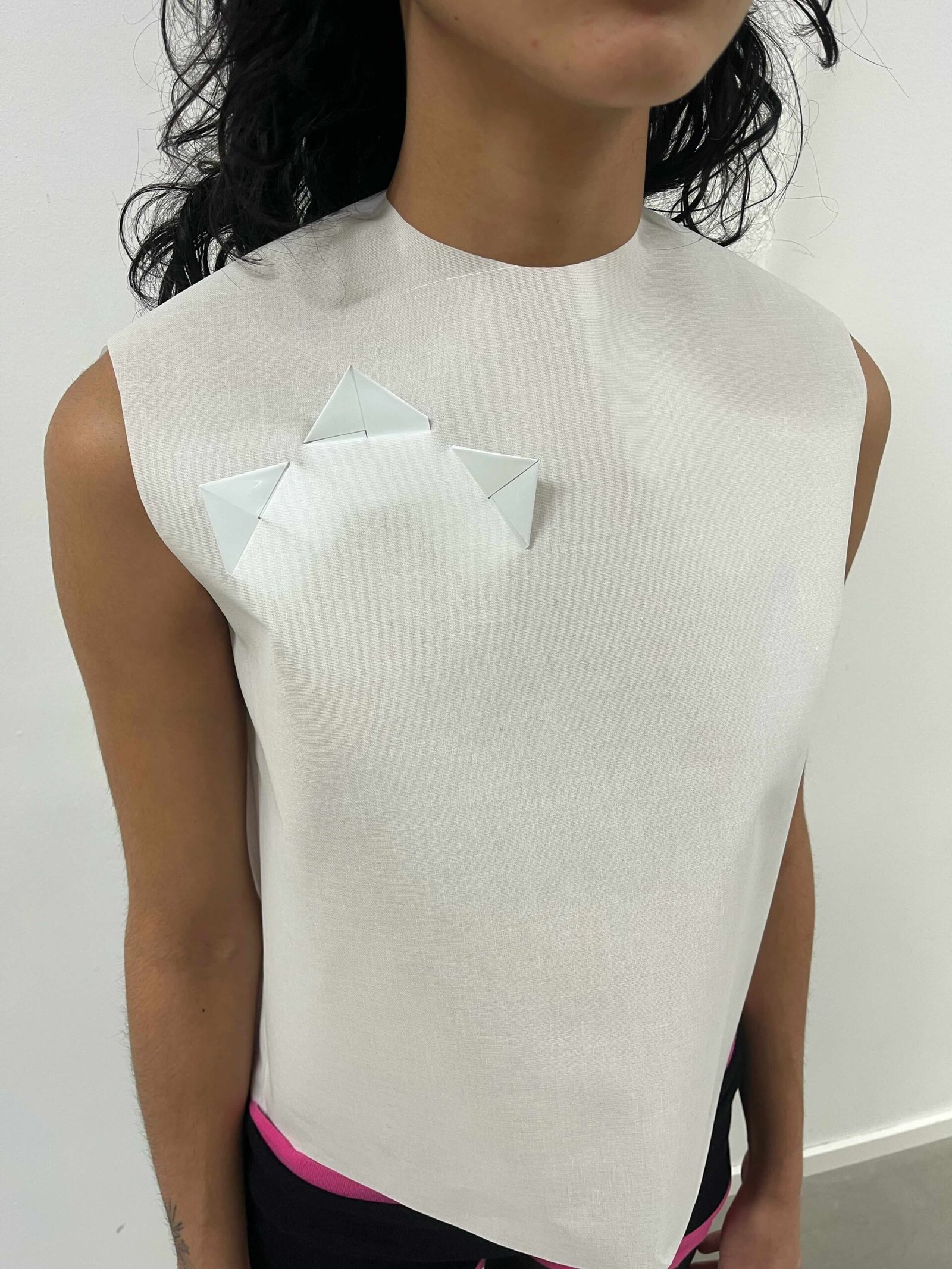
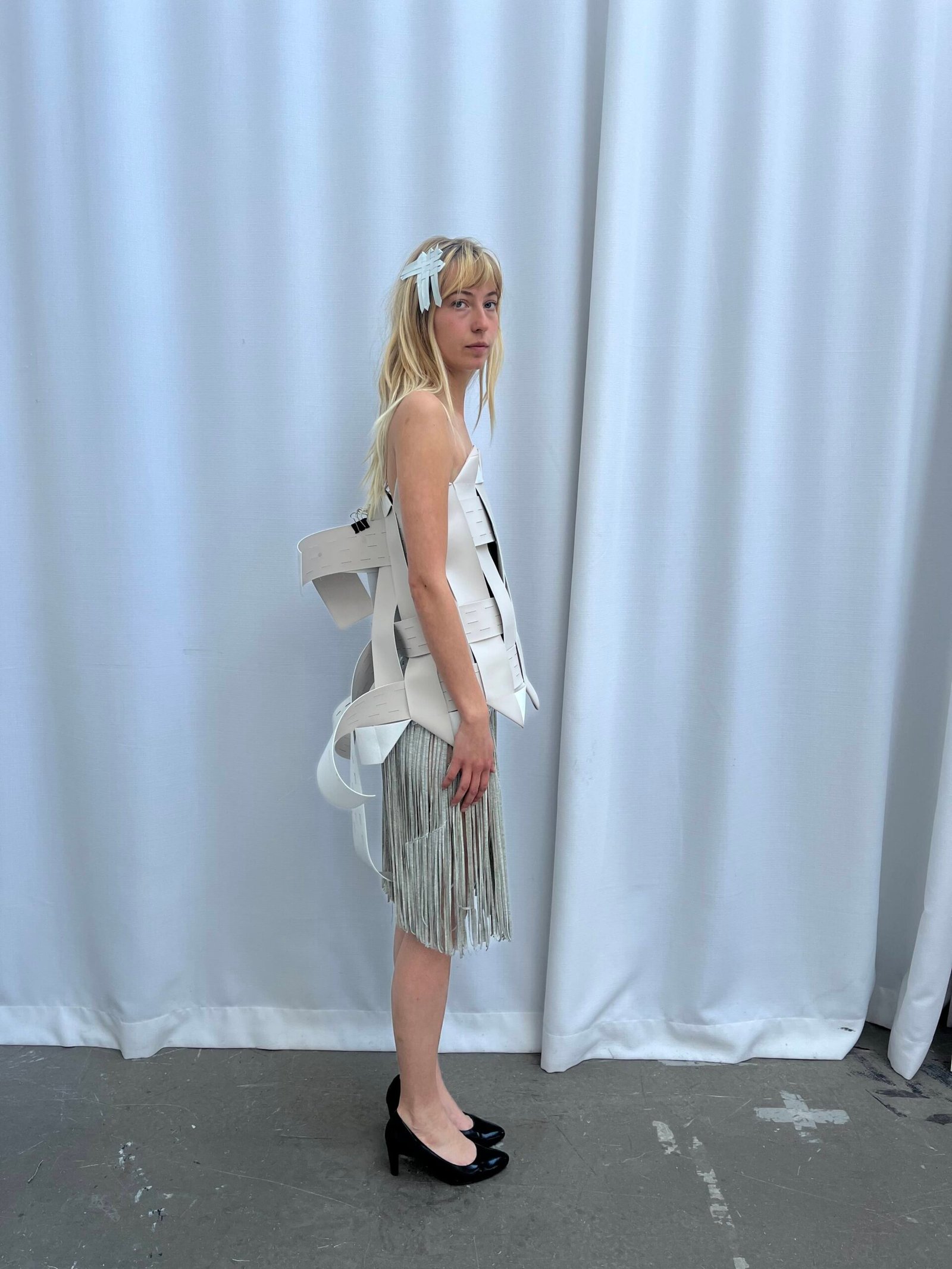
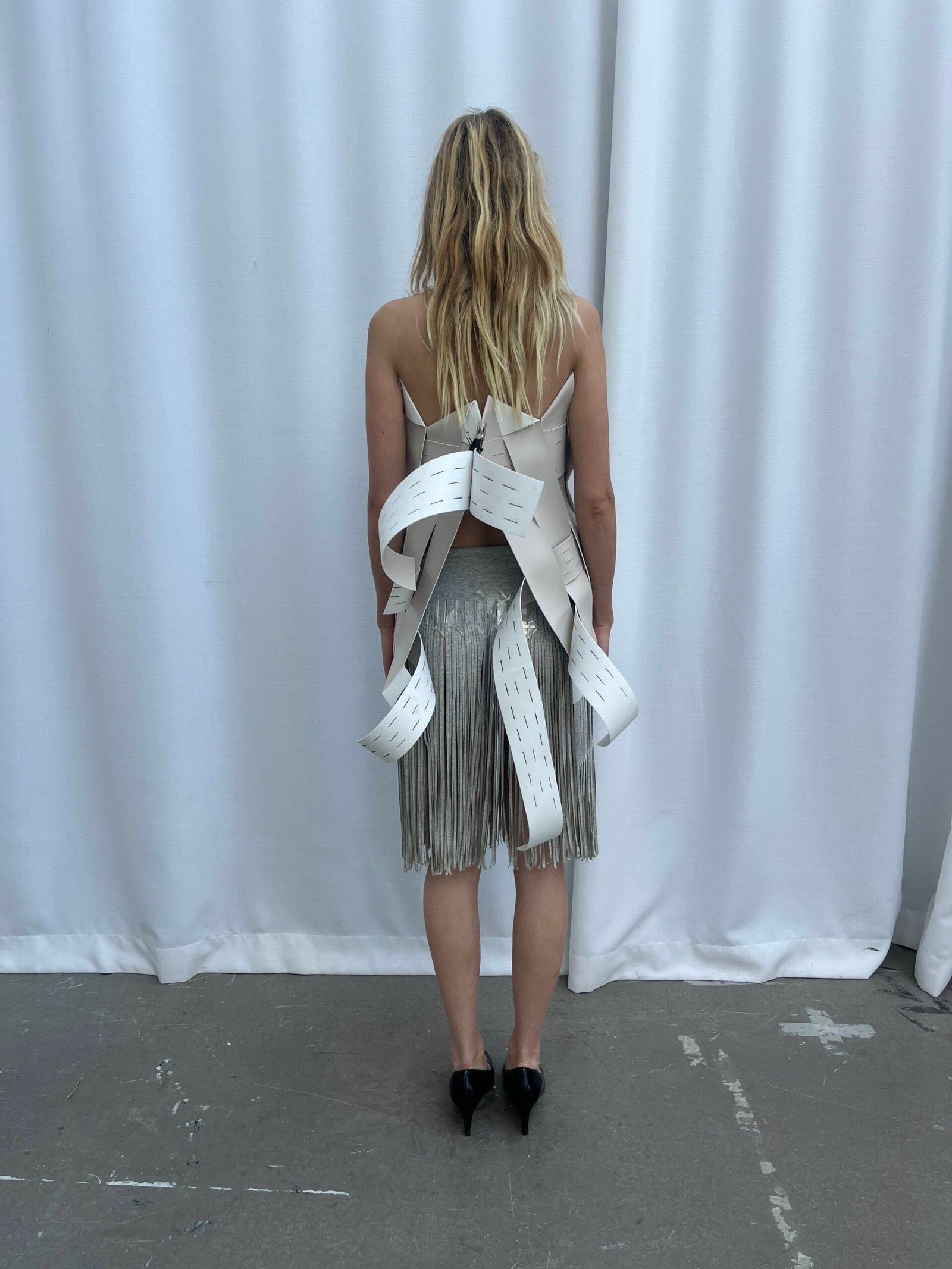
Sally Bjerre Gaarde’s collection, Ensemble of Iconic Fragments, explores fashion heritage through references to iconic designs from fashion history. Approaching heritage as a site of knowledge, the project reimagines canonised garments through a transparent and considered use of past ideas, treating them as material that reflects the contemporary. A single textile technique enables whole-garment construction and zero-waste production, allowing material and form to inform one another while proposing new narratives around fashion archives and questioning ideas of luxury, value, and heritage.

@sallybjerregaarde

Screenshot
Screenshot
Screenshot

Amber de Goede

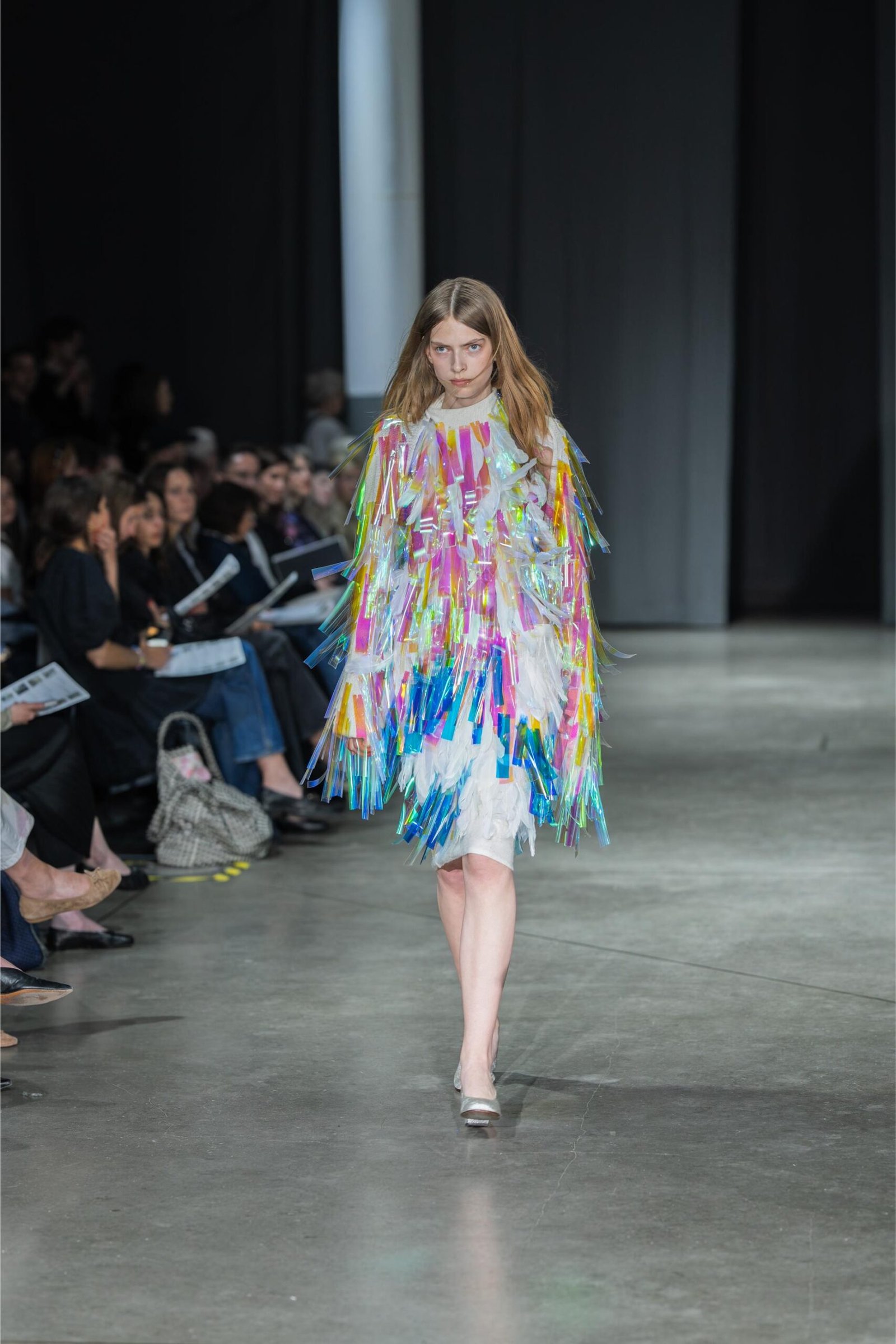
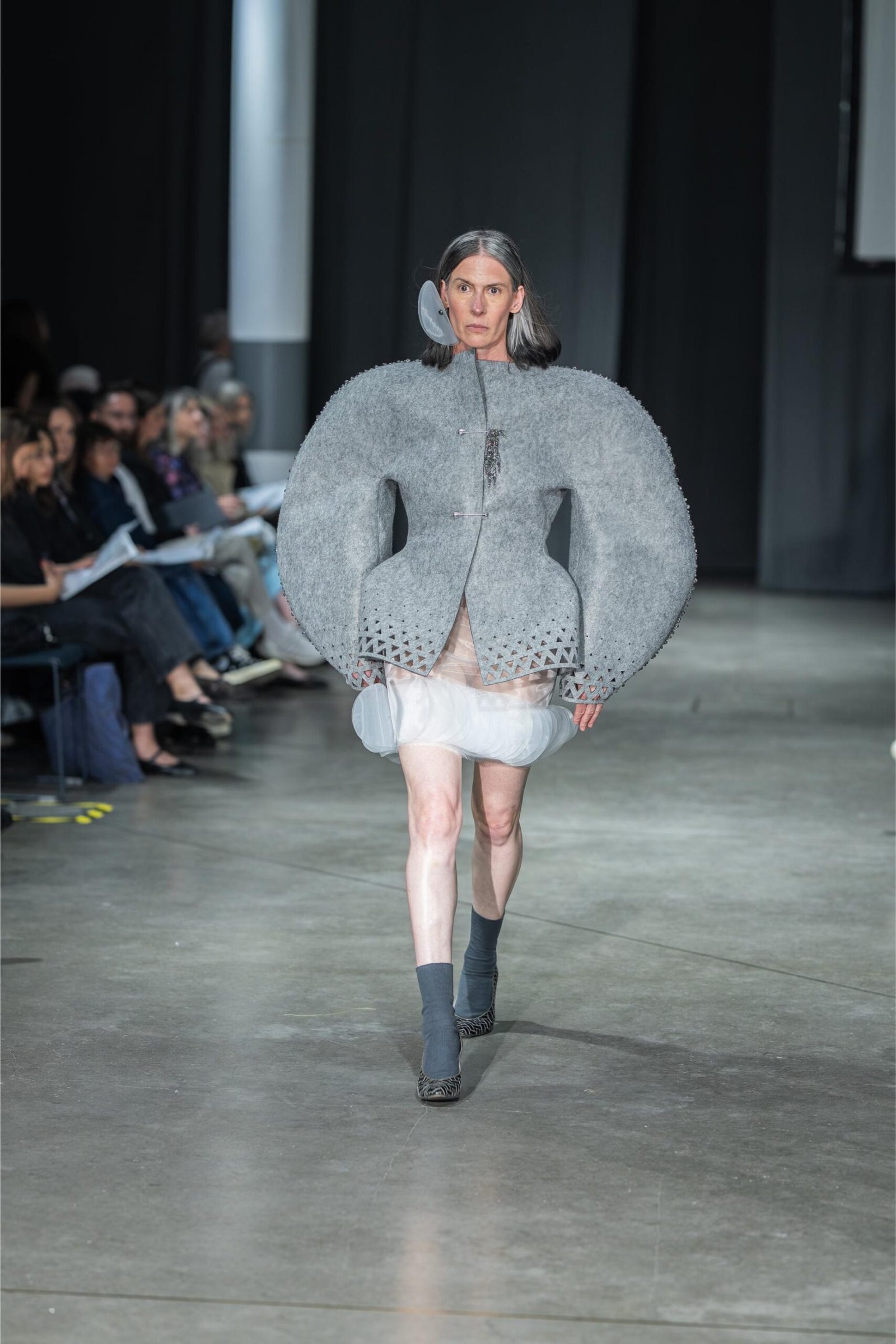
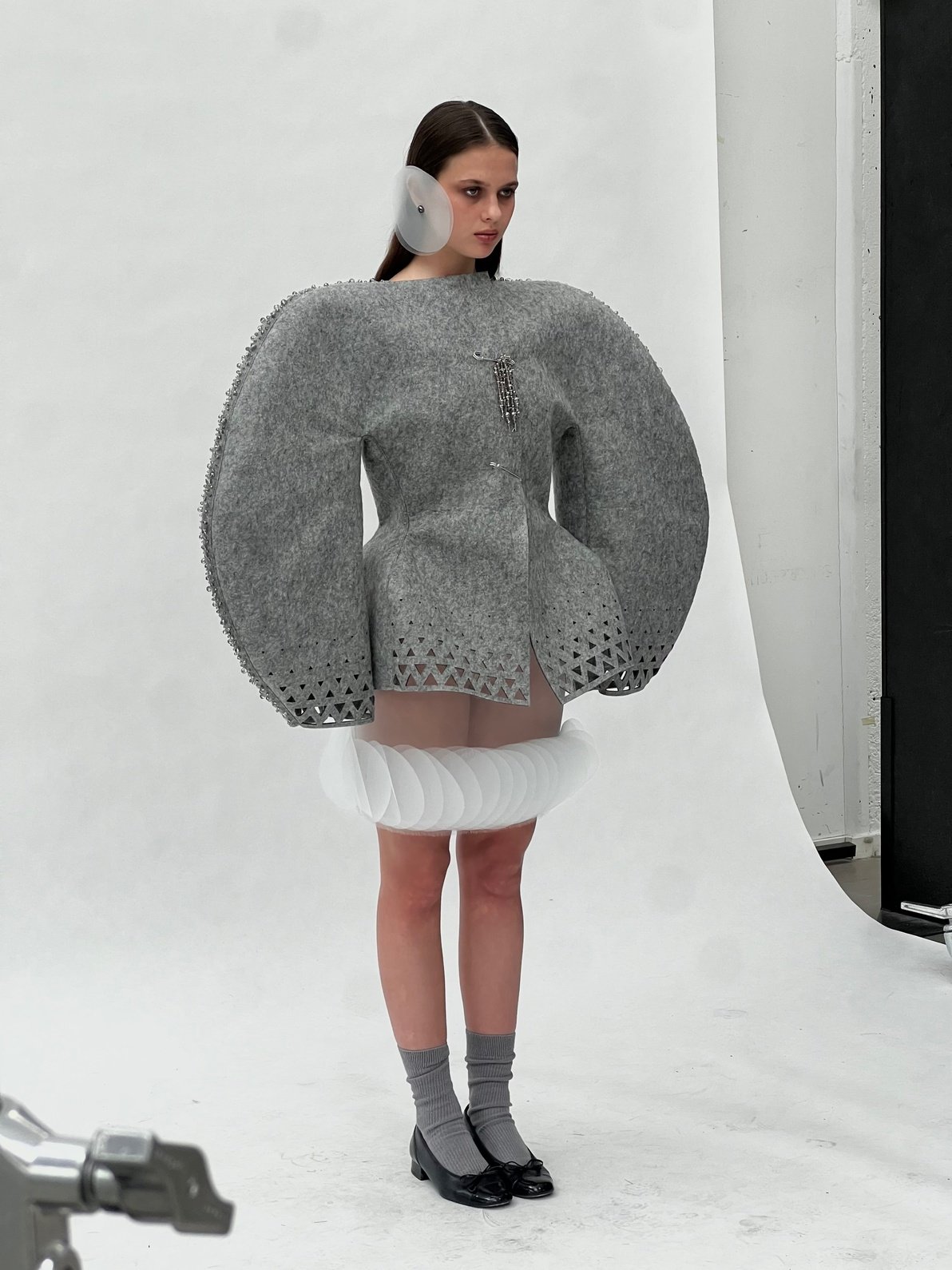
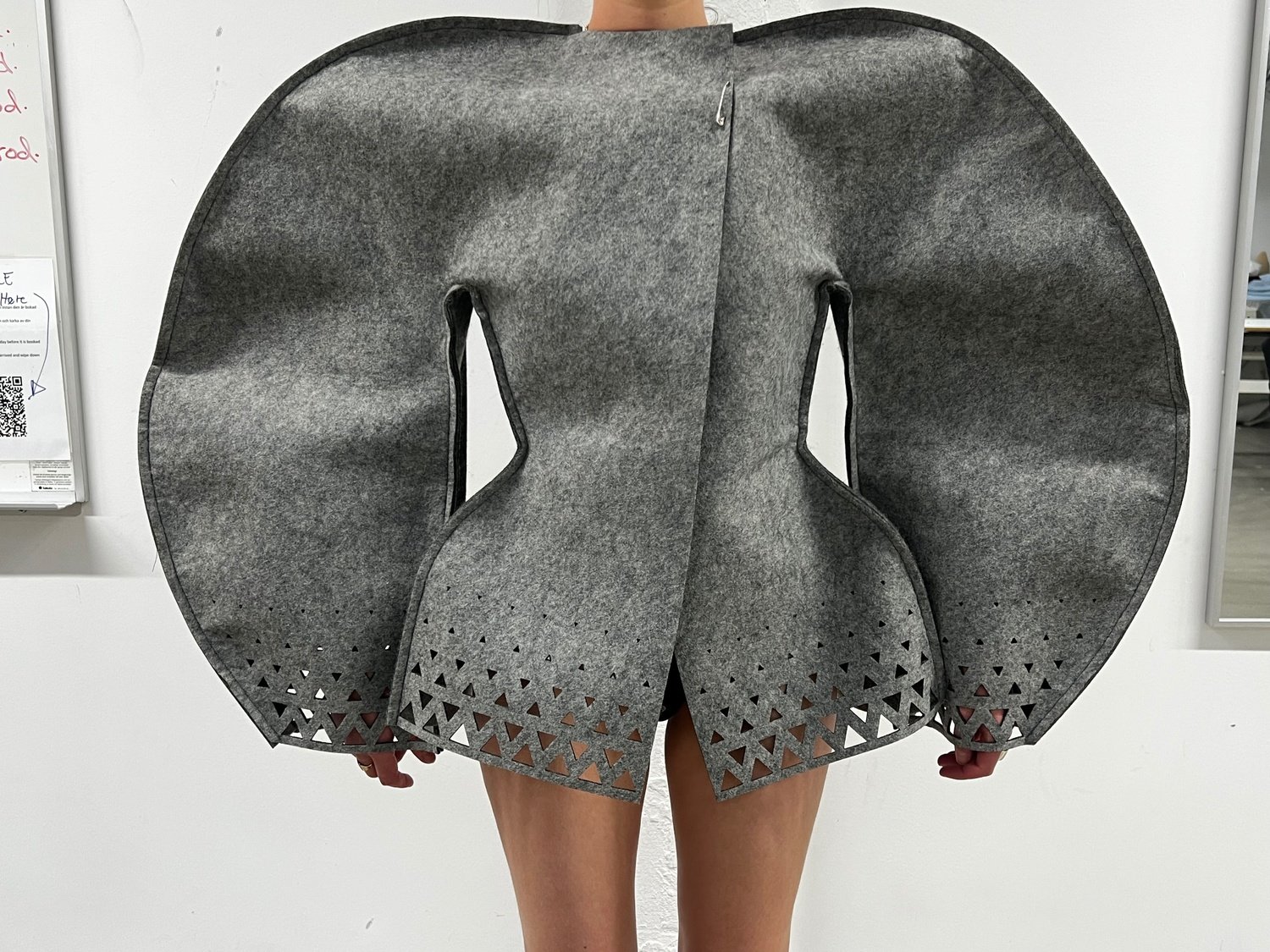
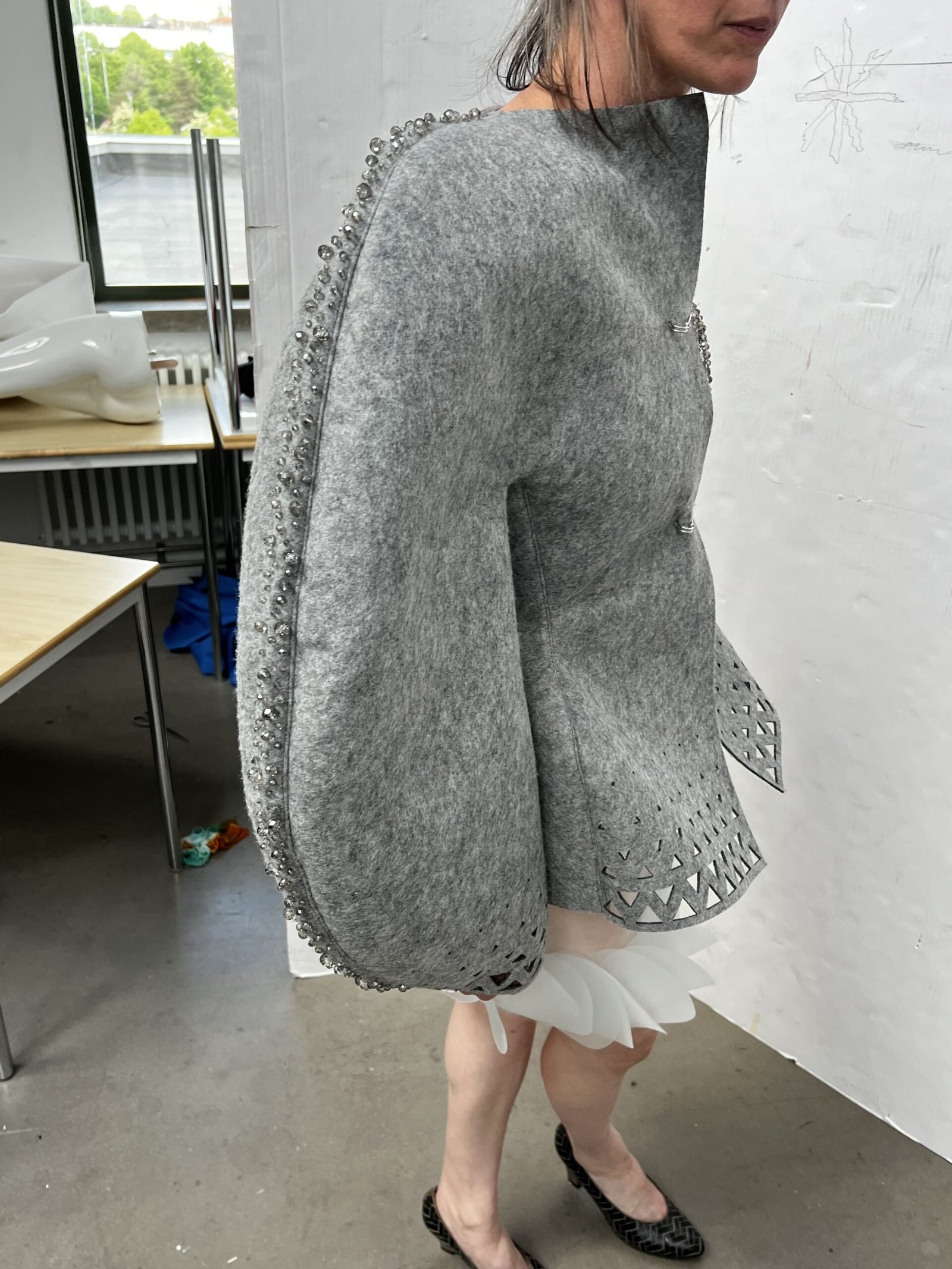
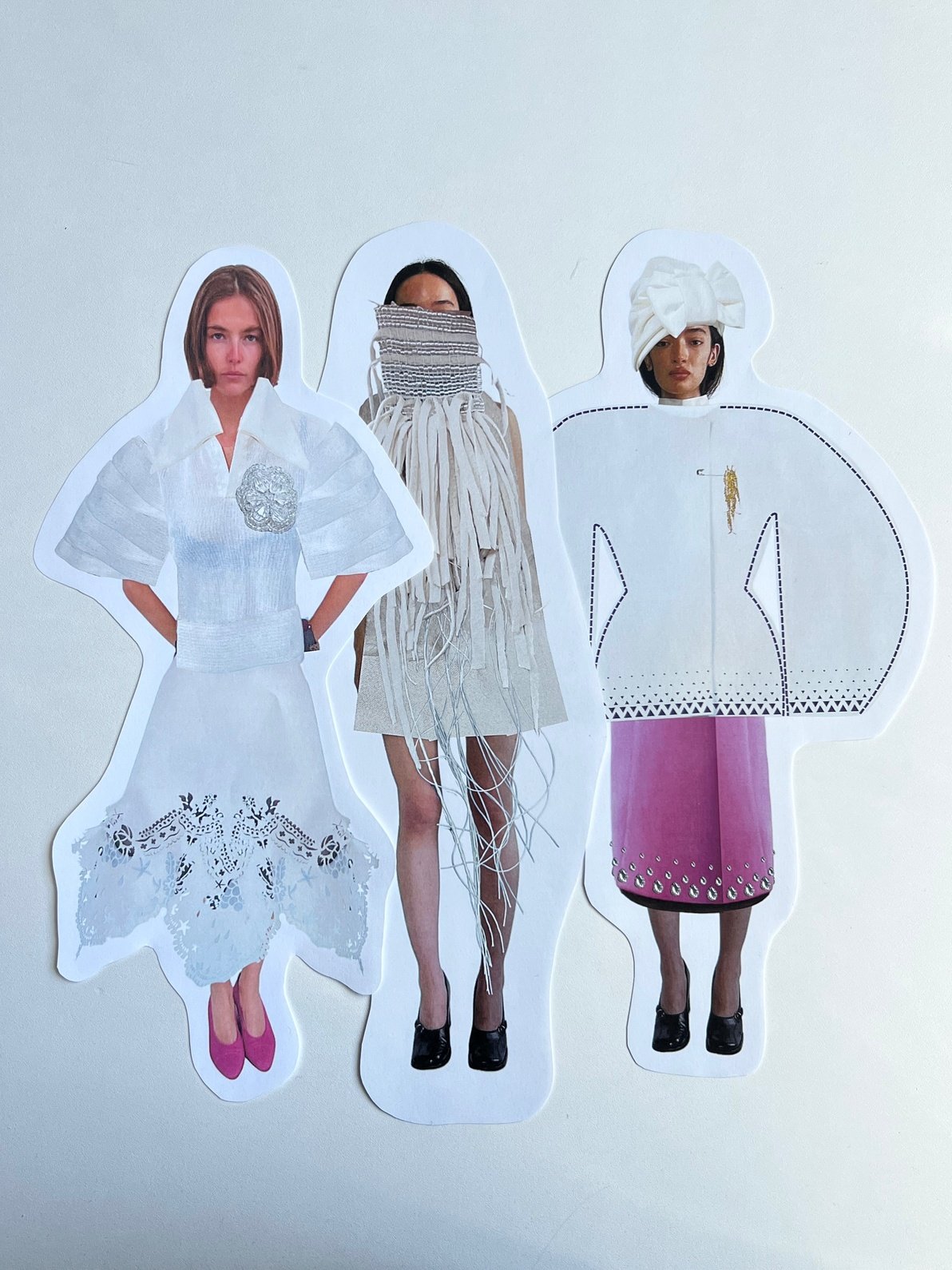
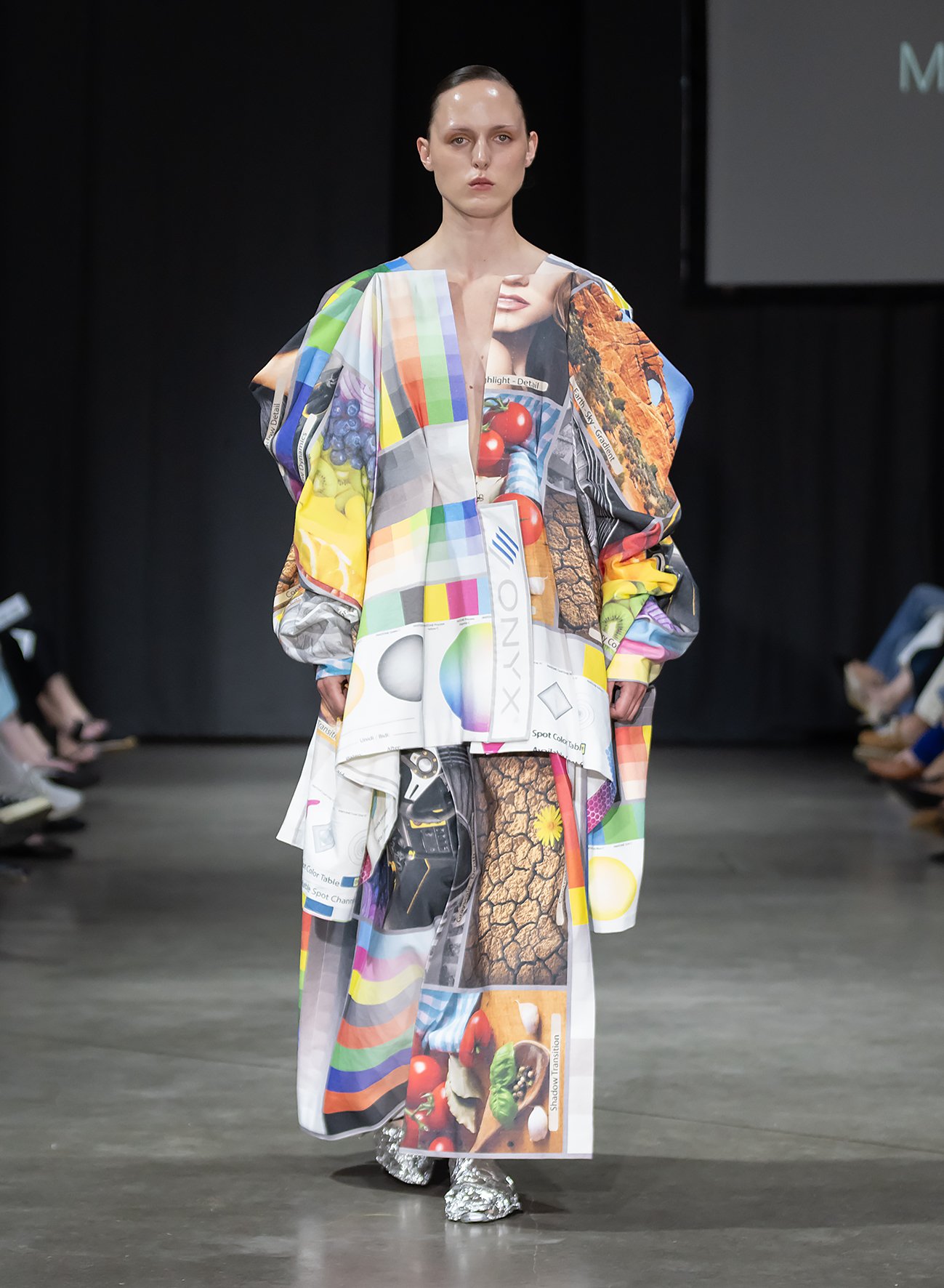
Amber de Goede’s project explores collage as a fashion design method by translating the principles of layering, contrast, scale, and playfulness into three-dimensional garments. Focusing on silhouette and finishings, the collection uses laser cutting, bead embroidery, material manipulation, and needle felting as collage components, bringing the naïve and playful qualities of collage into every stage of the design process.

@amber.degoede

Lara Stöbe

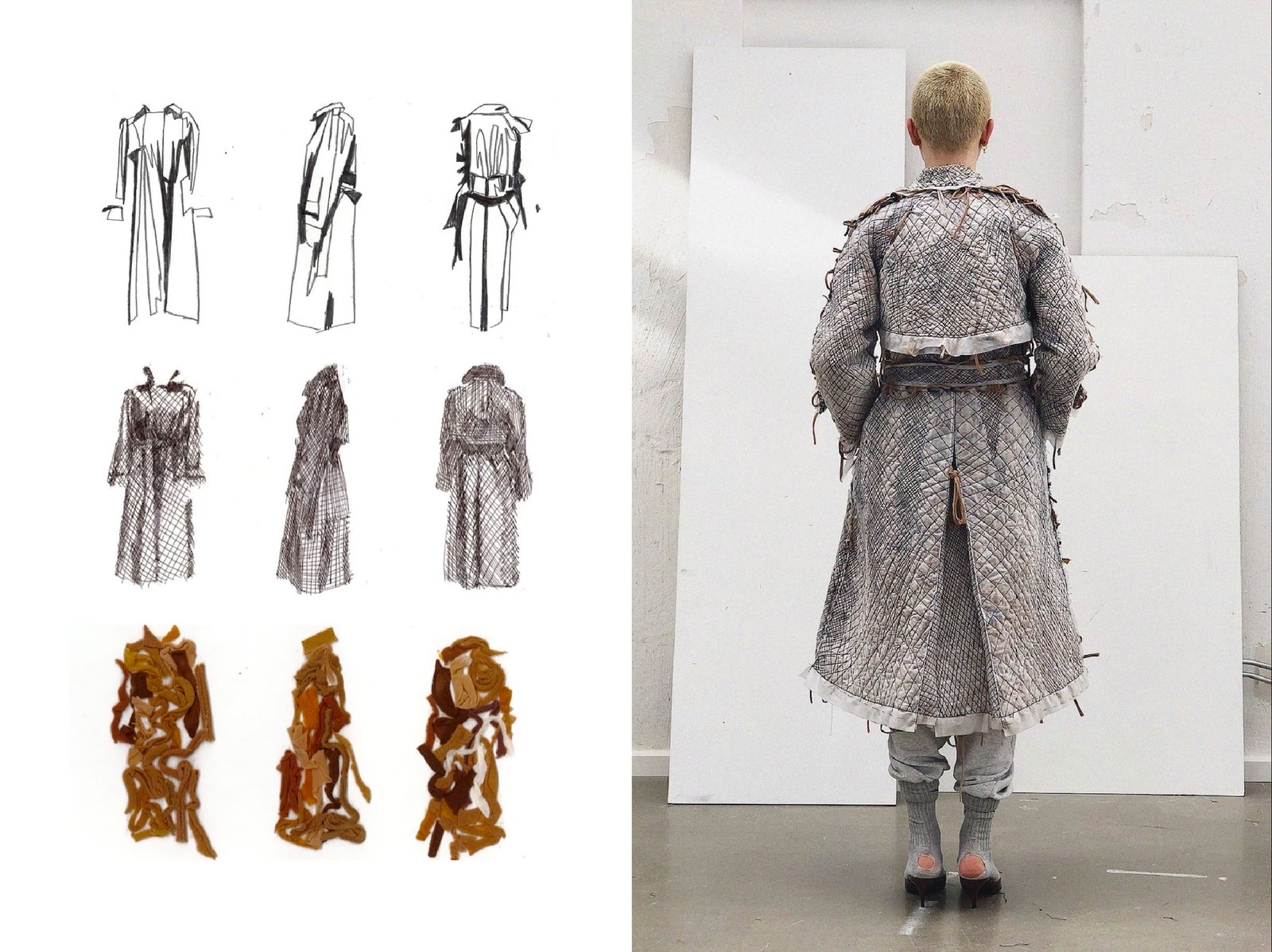
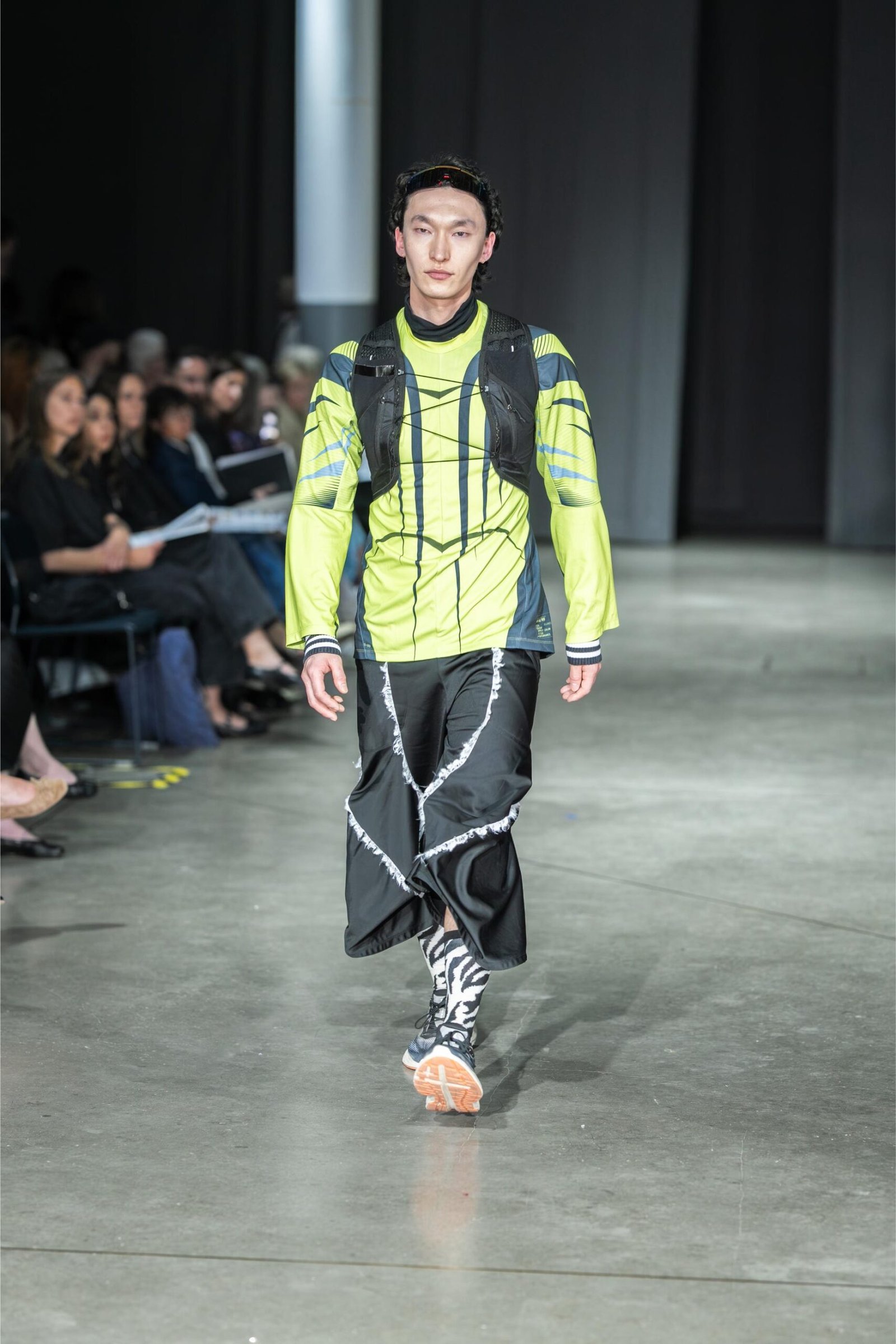
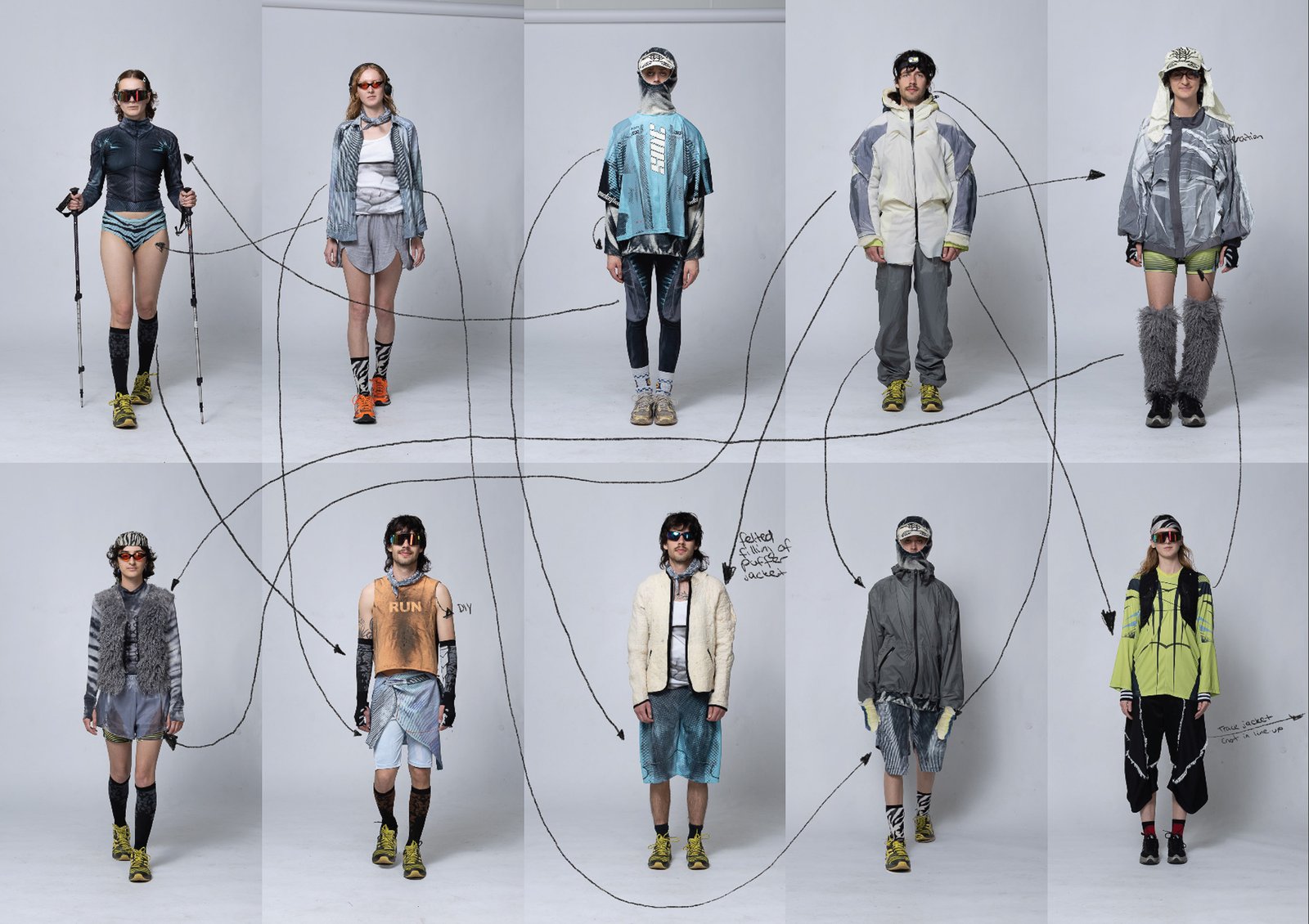
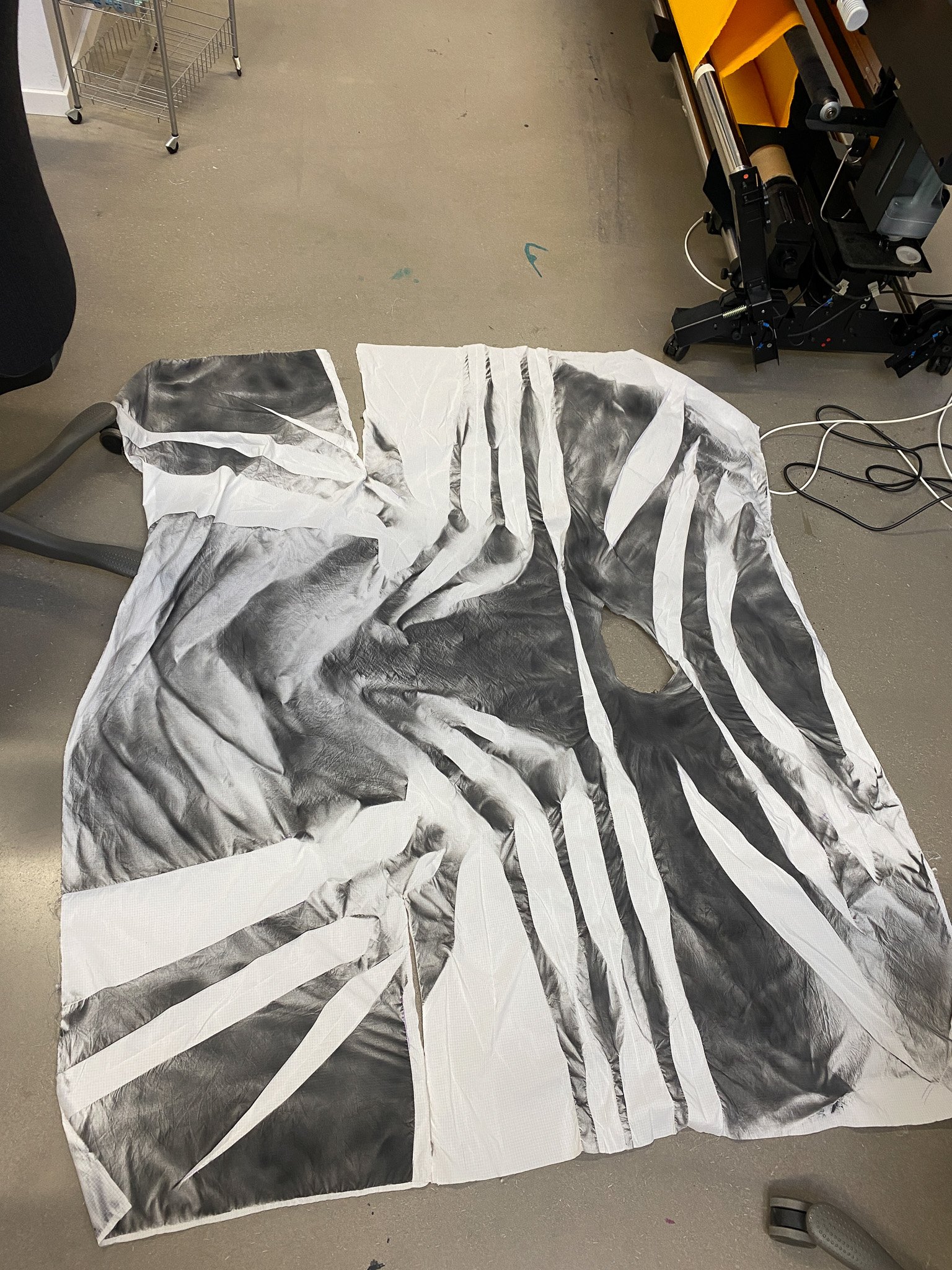
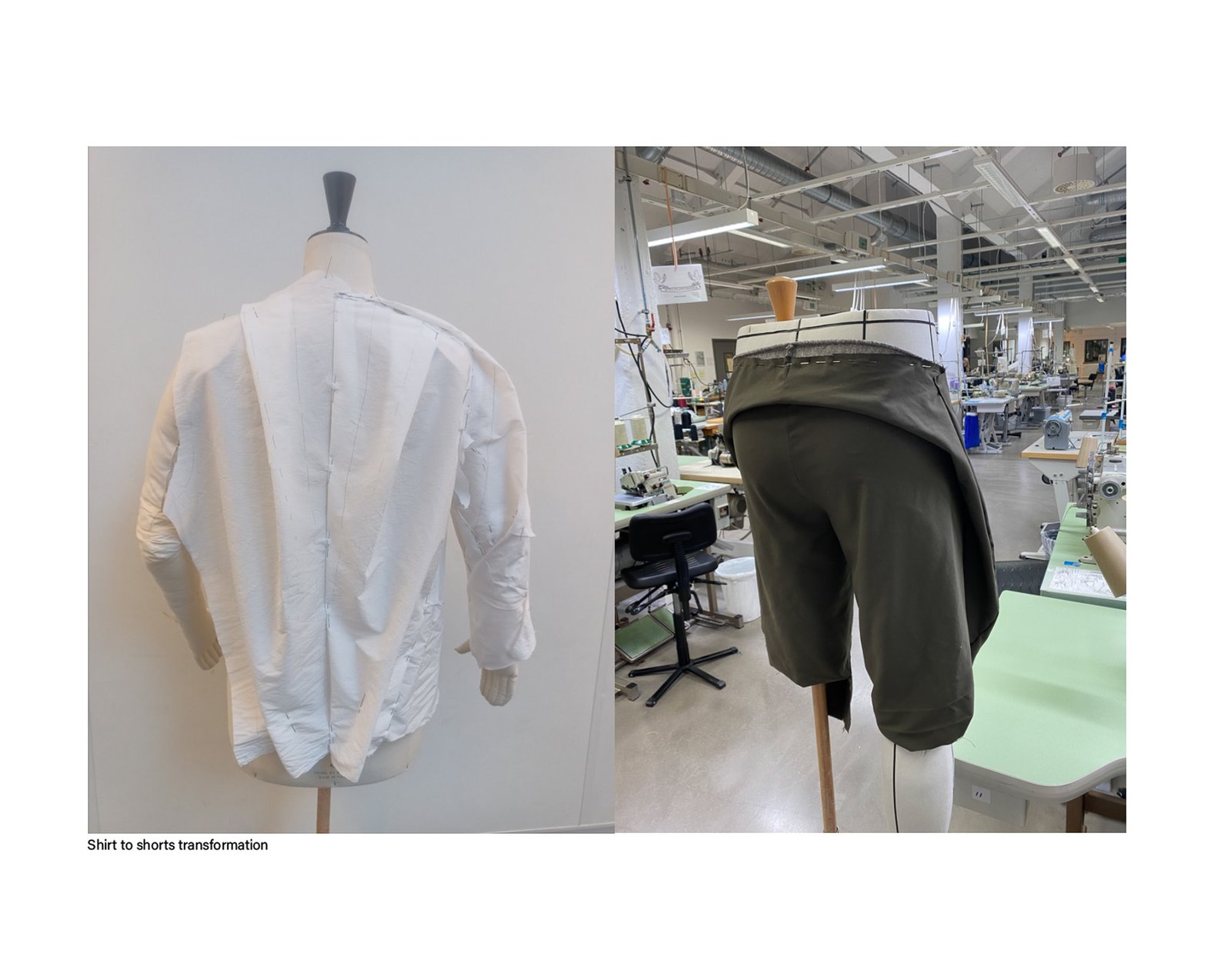
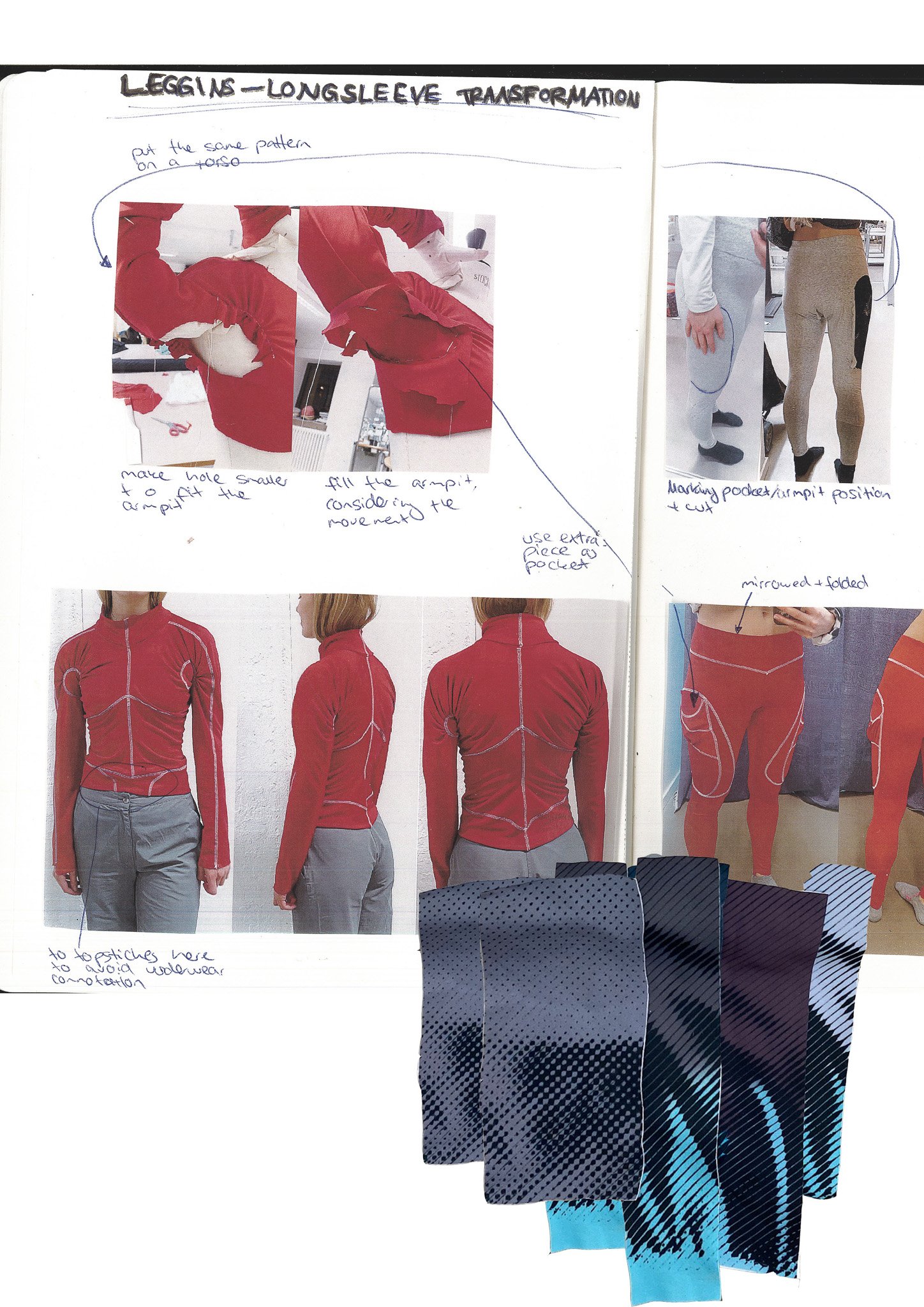
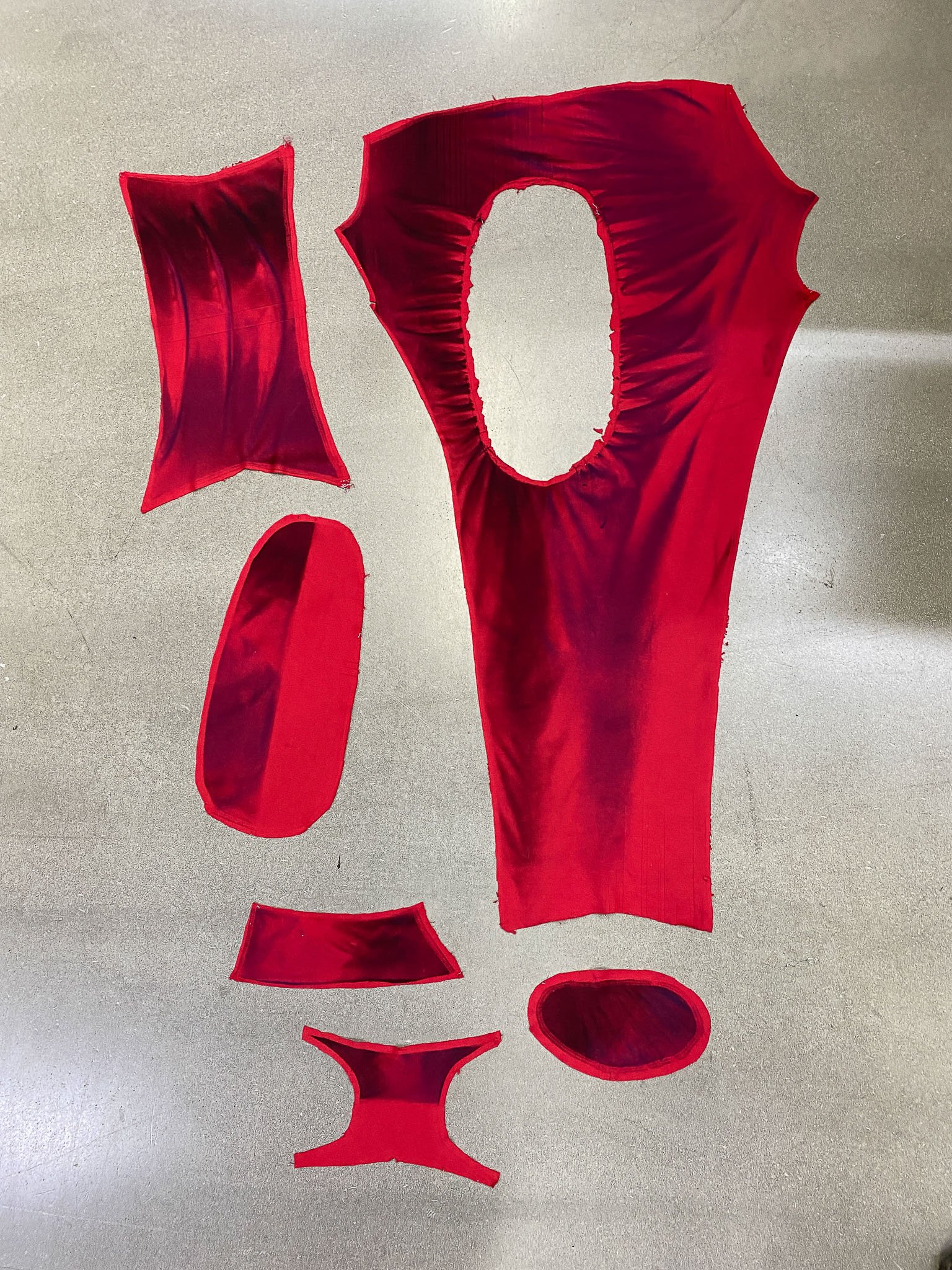
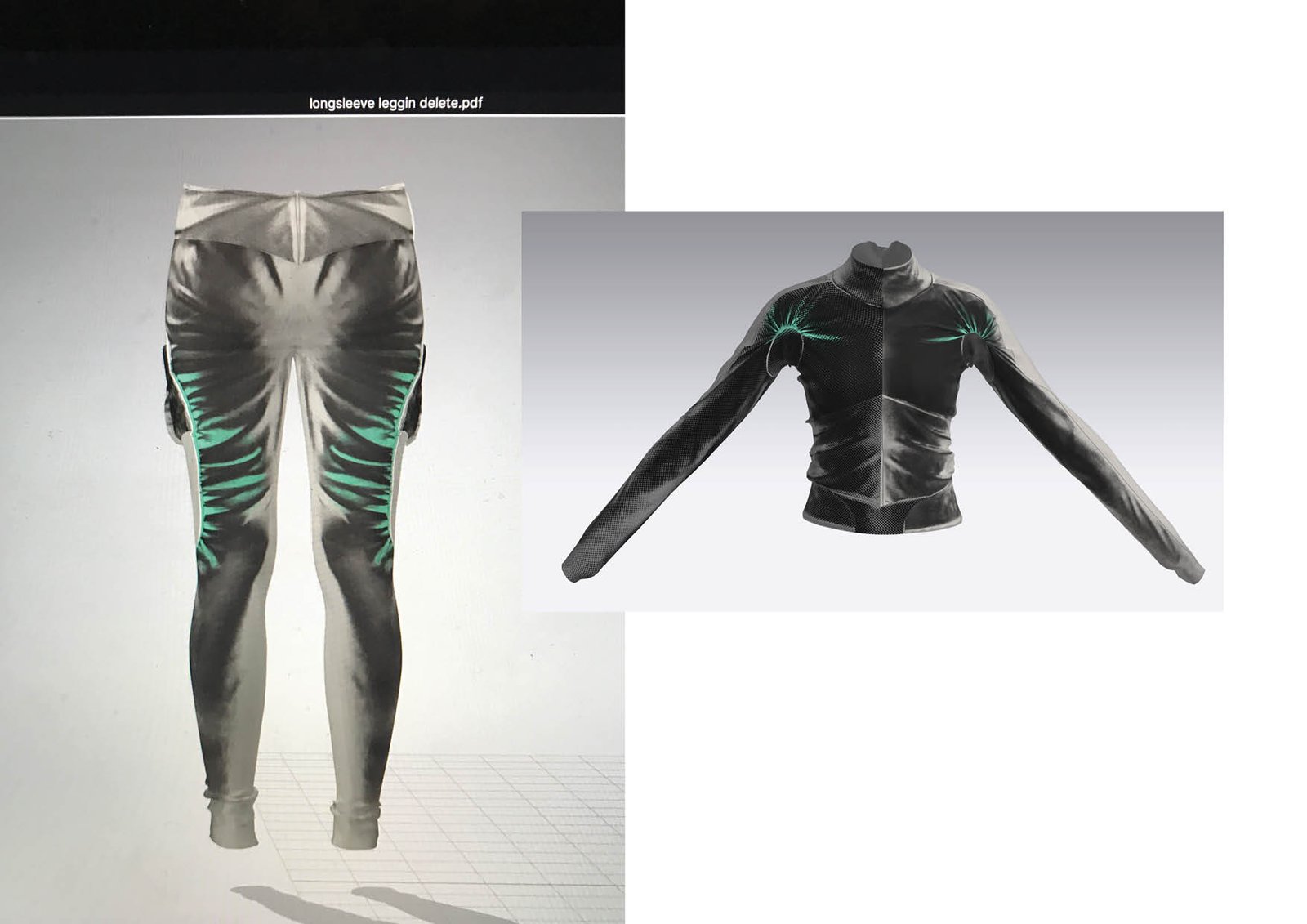
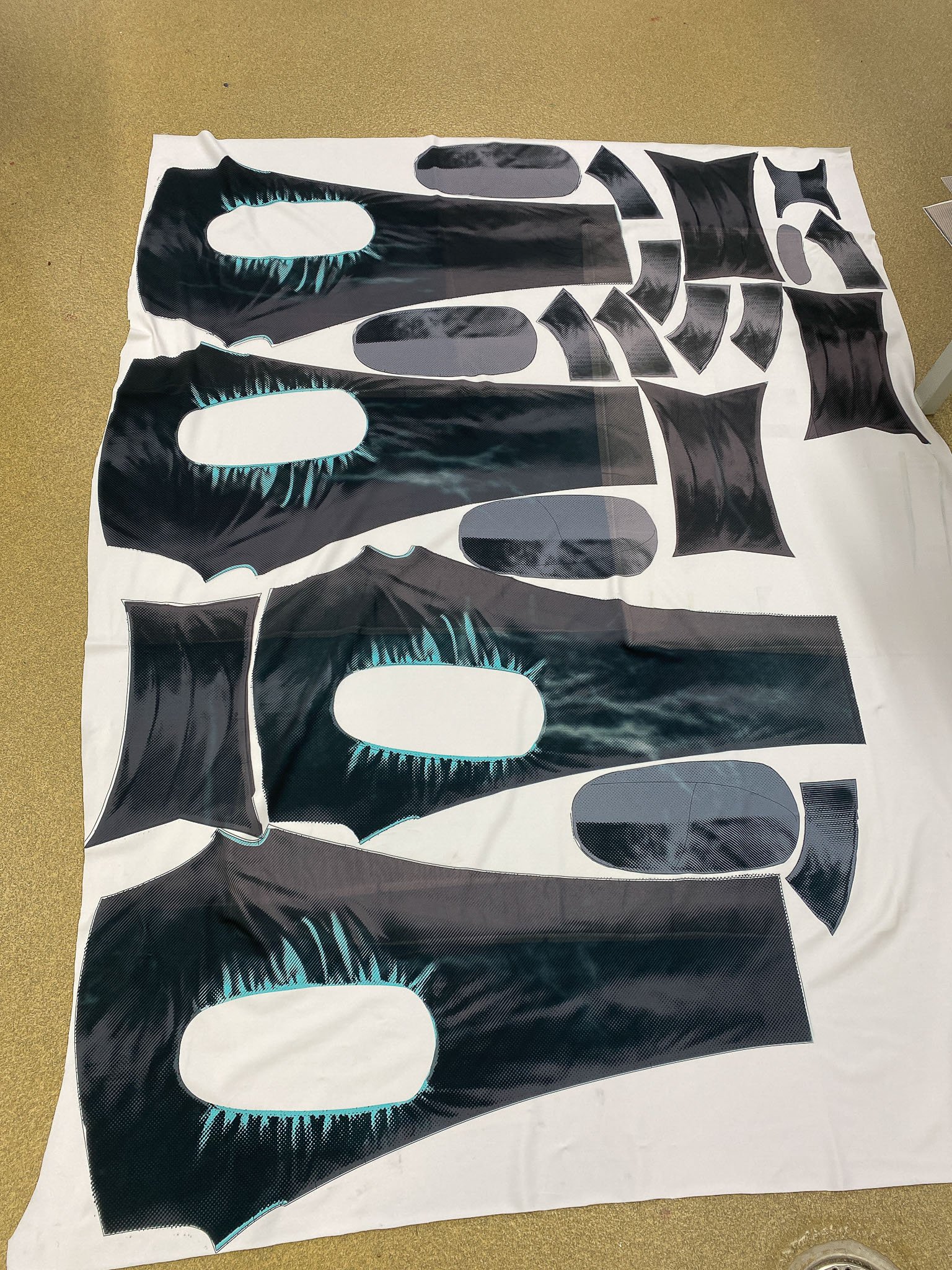
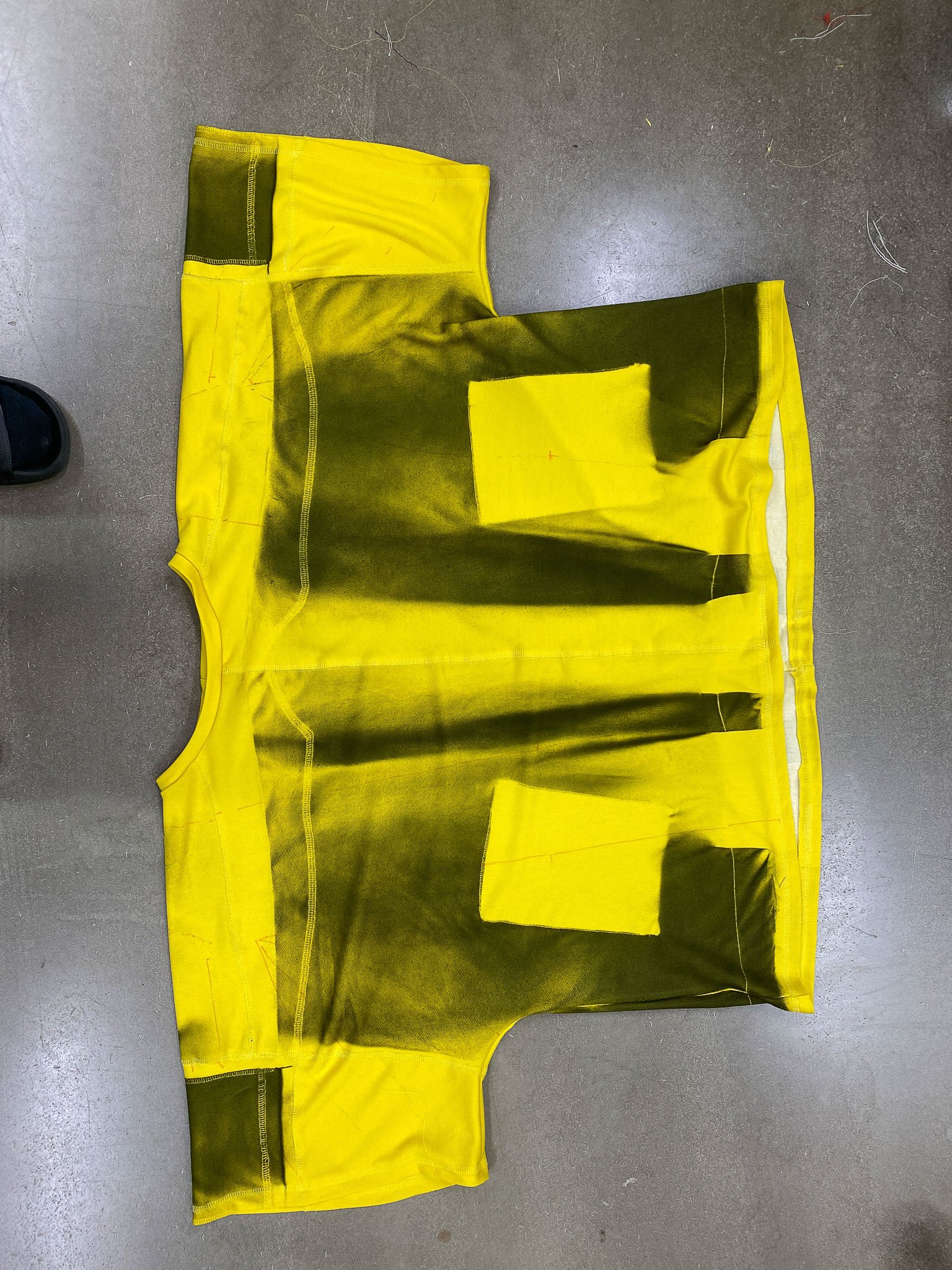
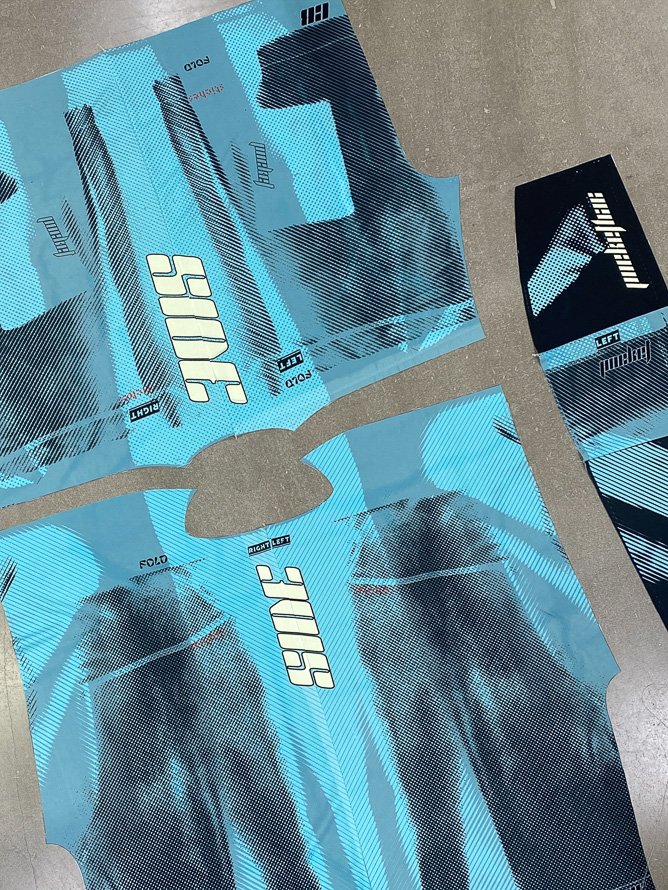
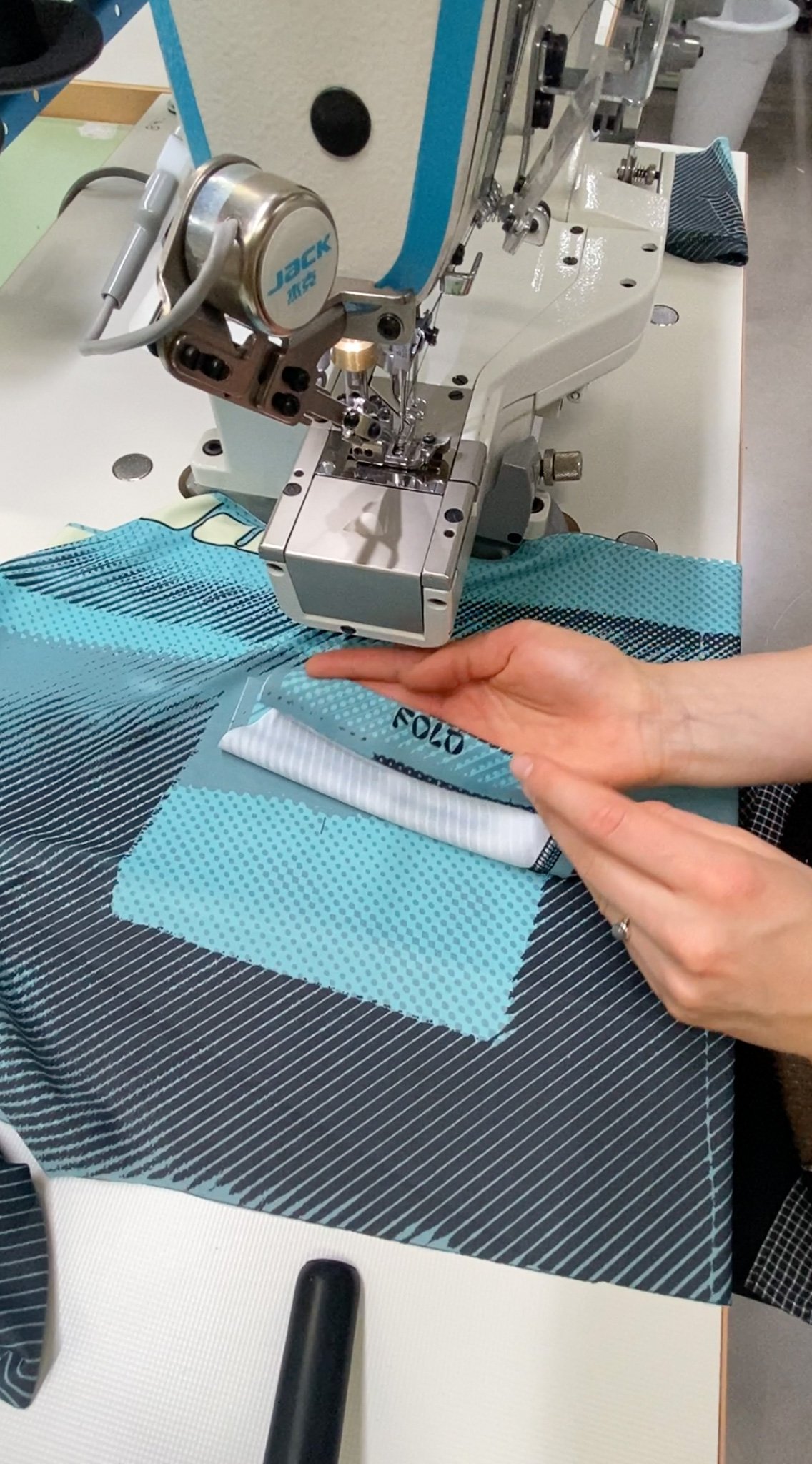
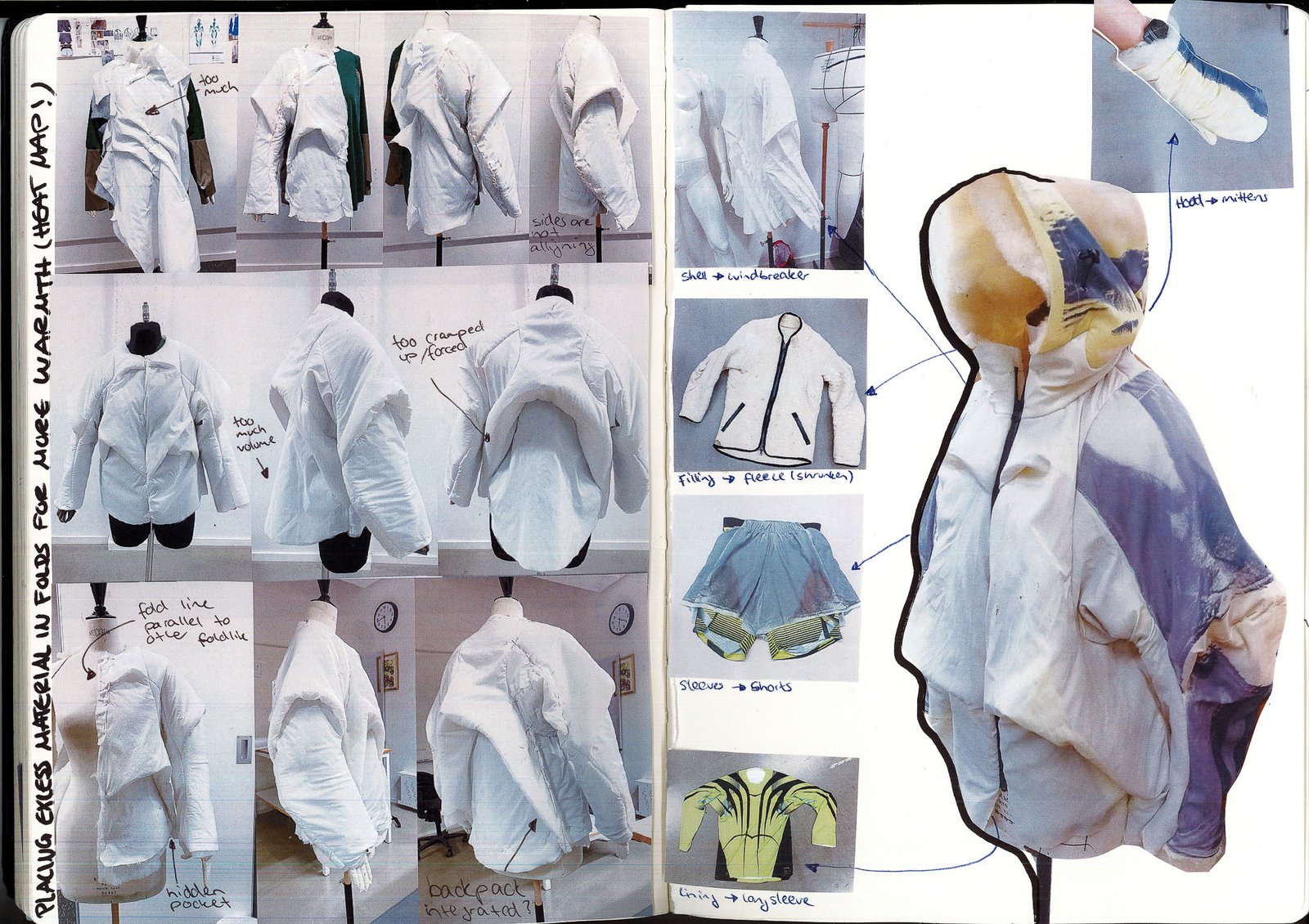
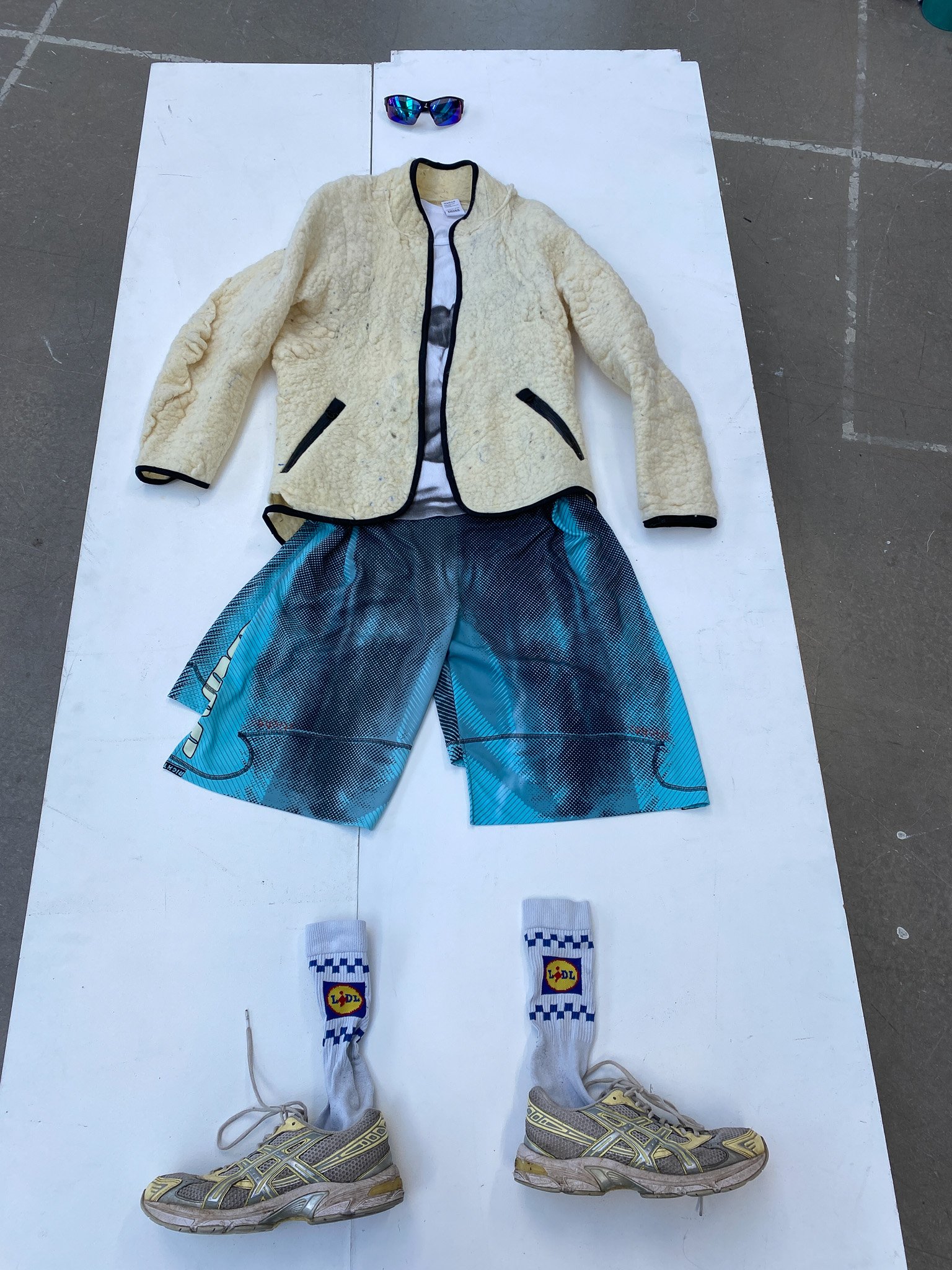
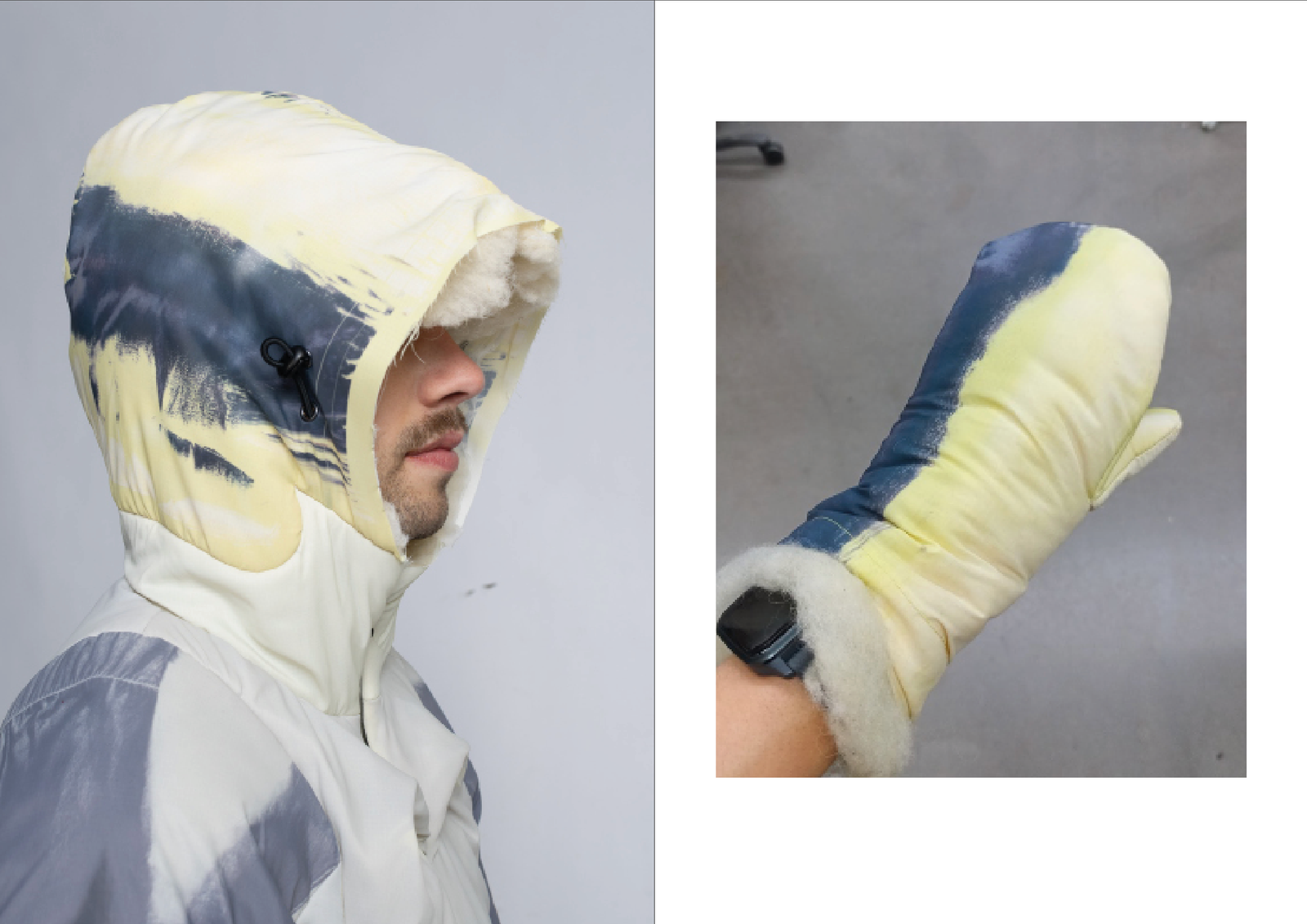
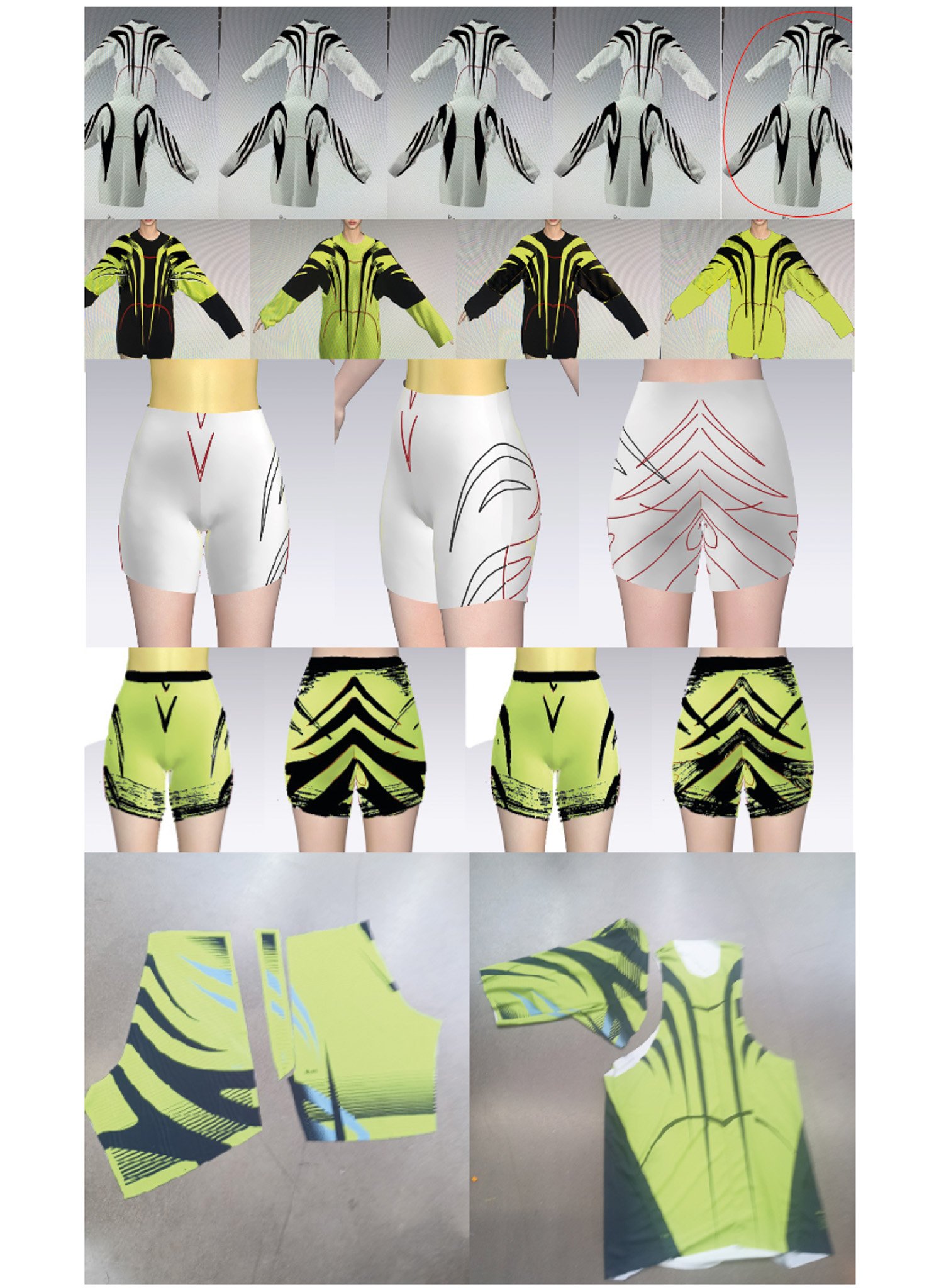
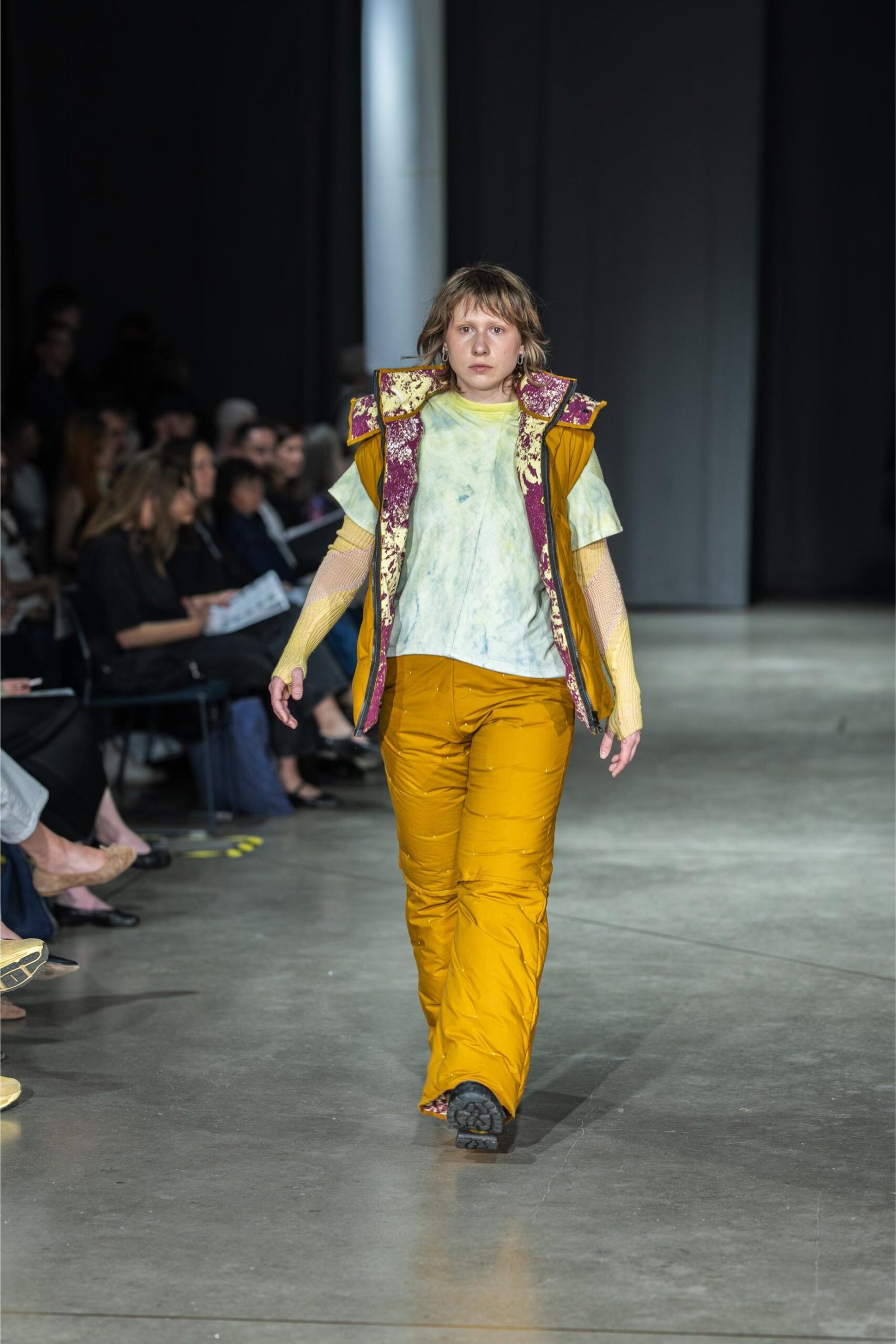
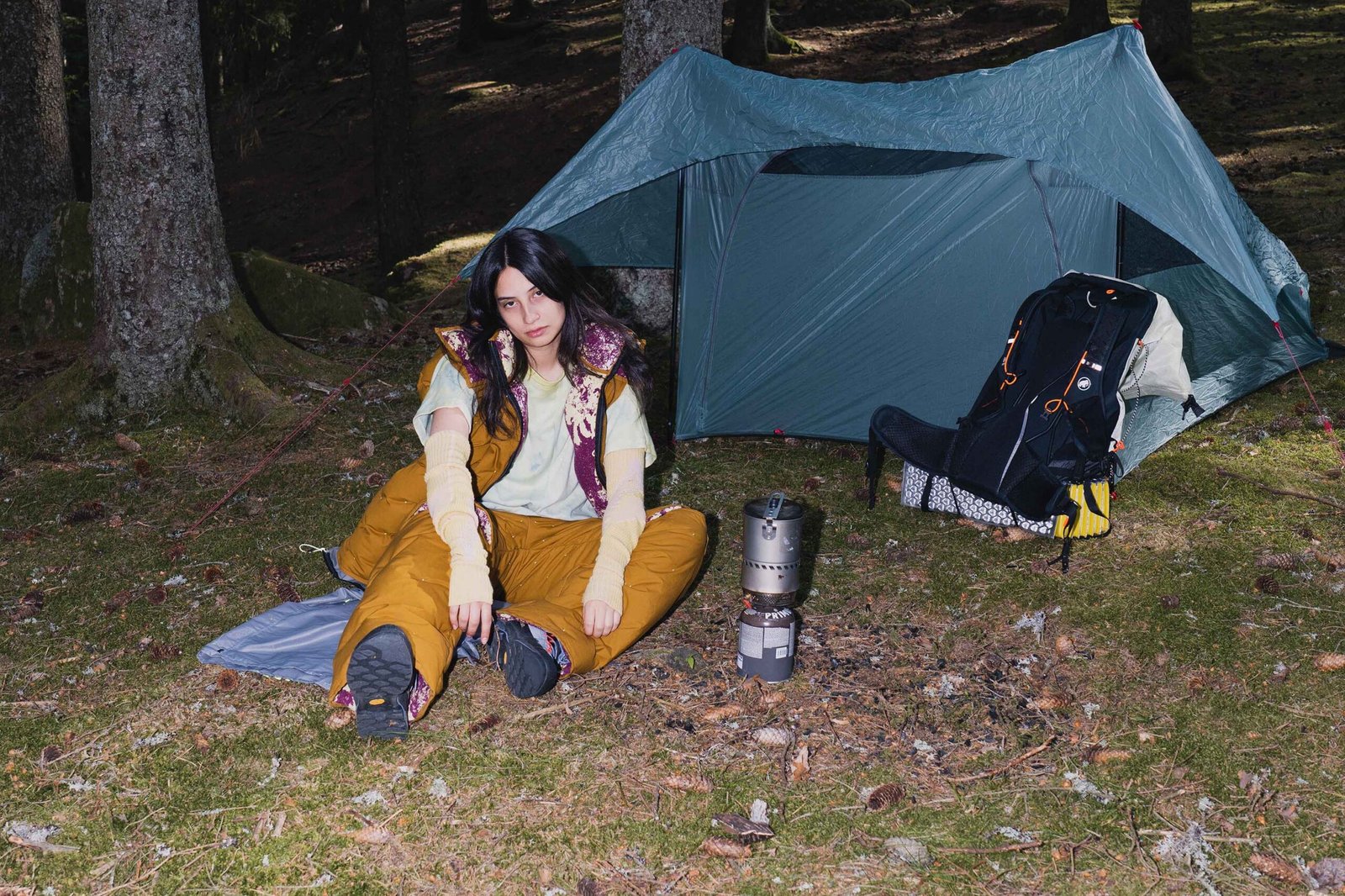
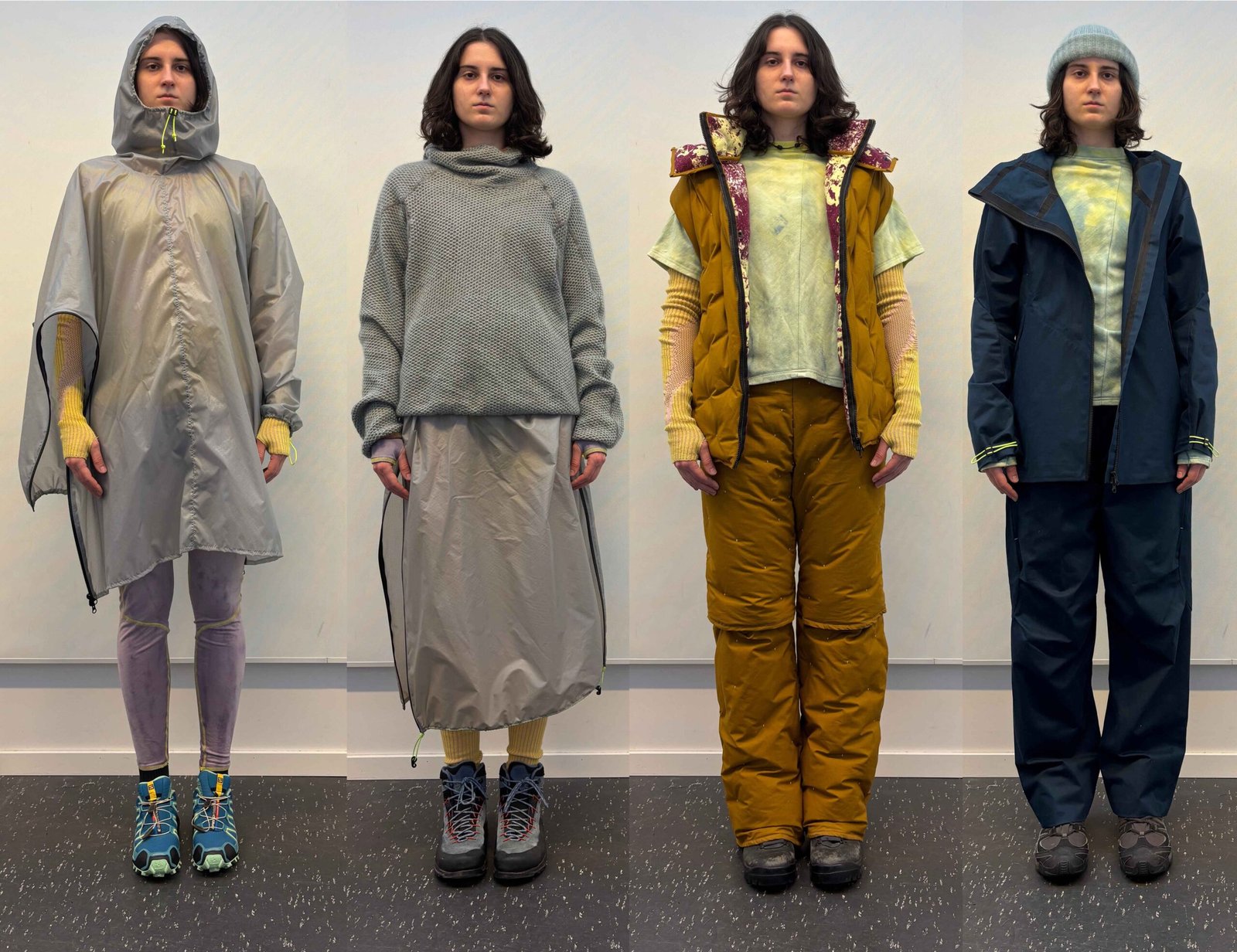
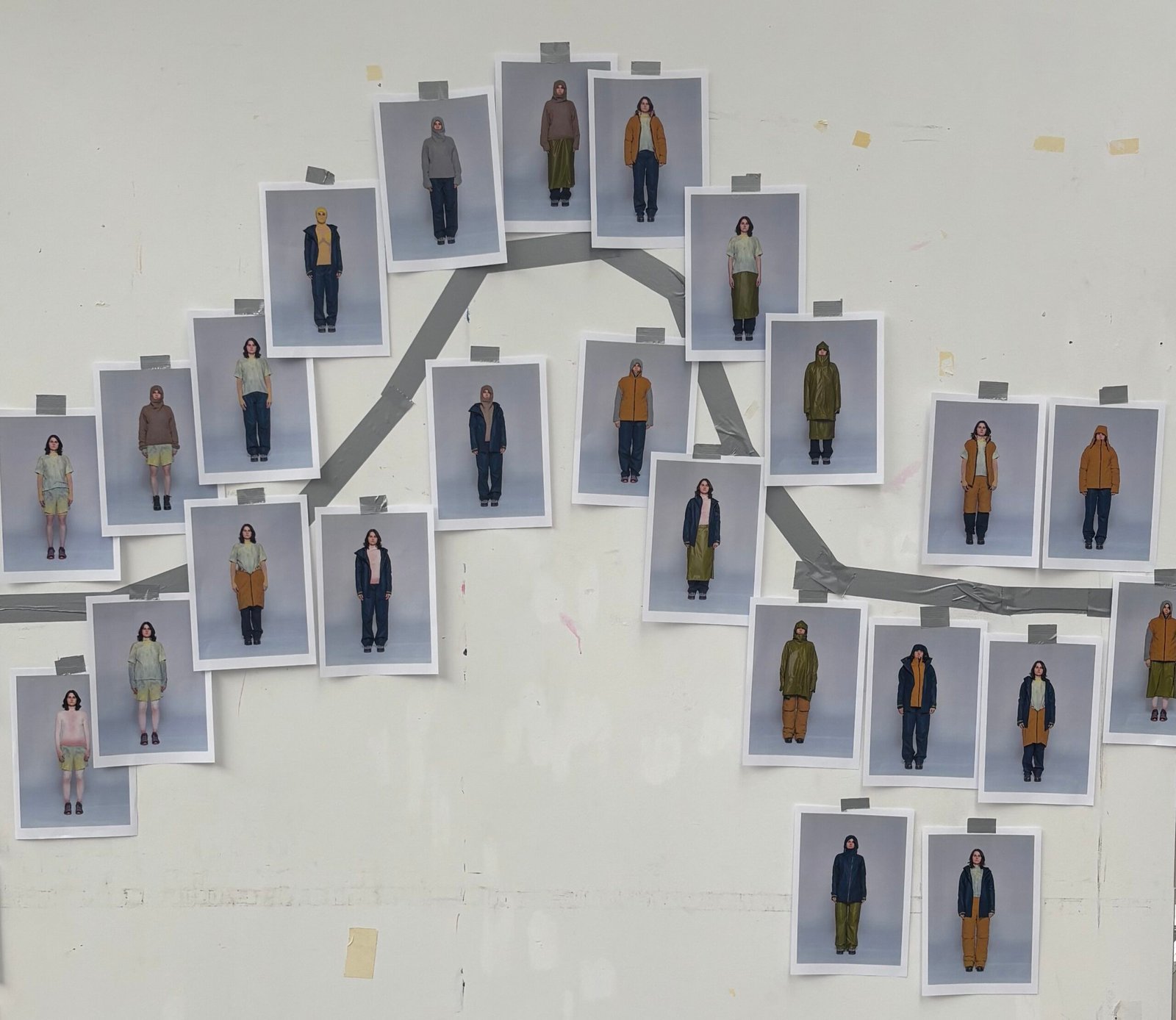
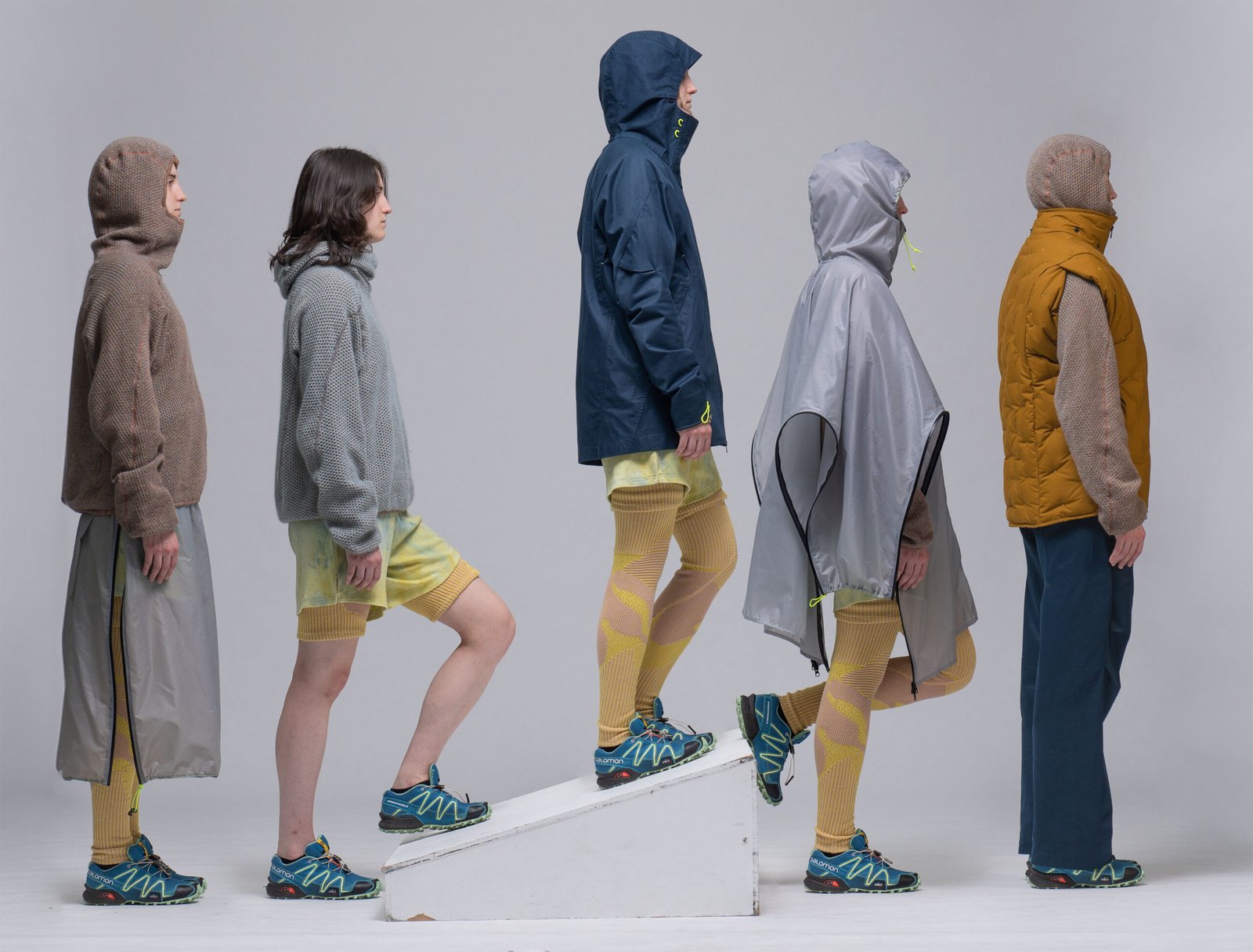
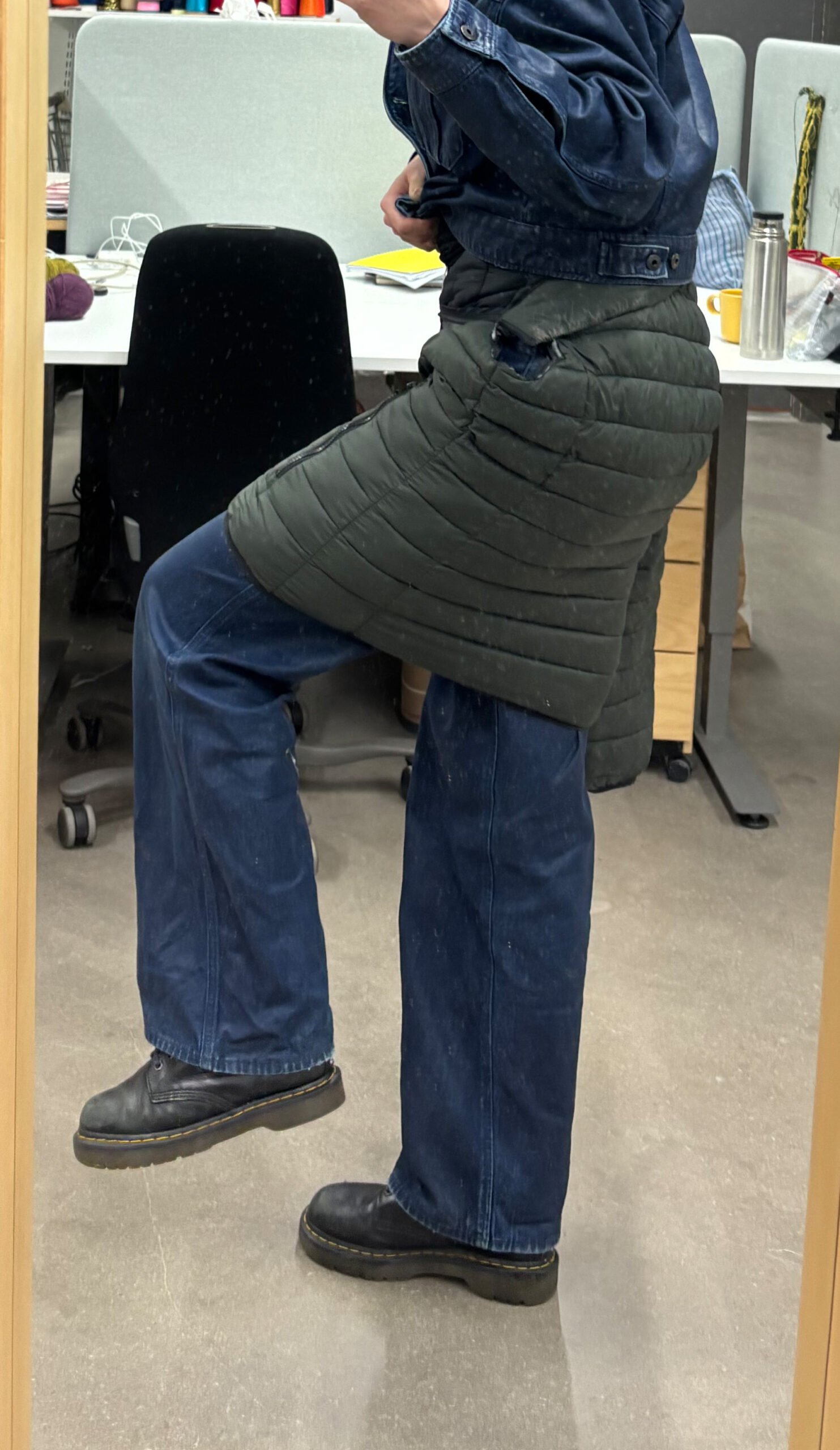
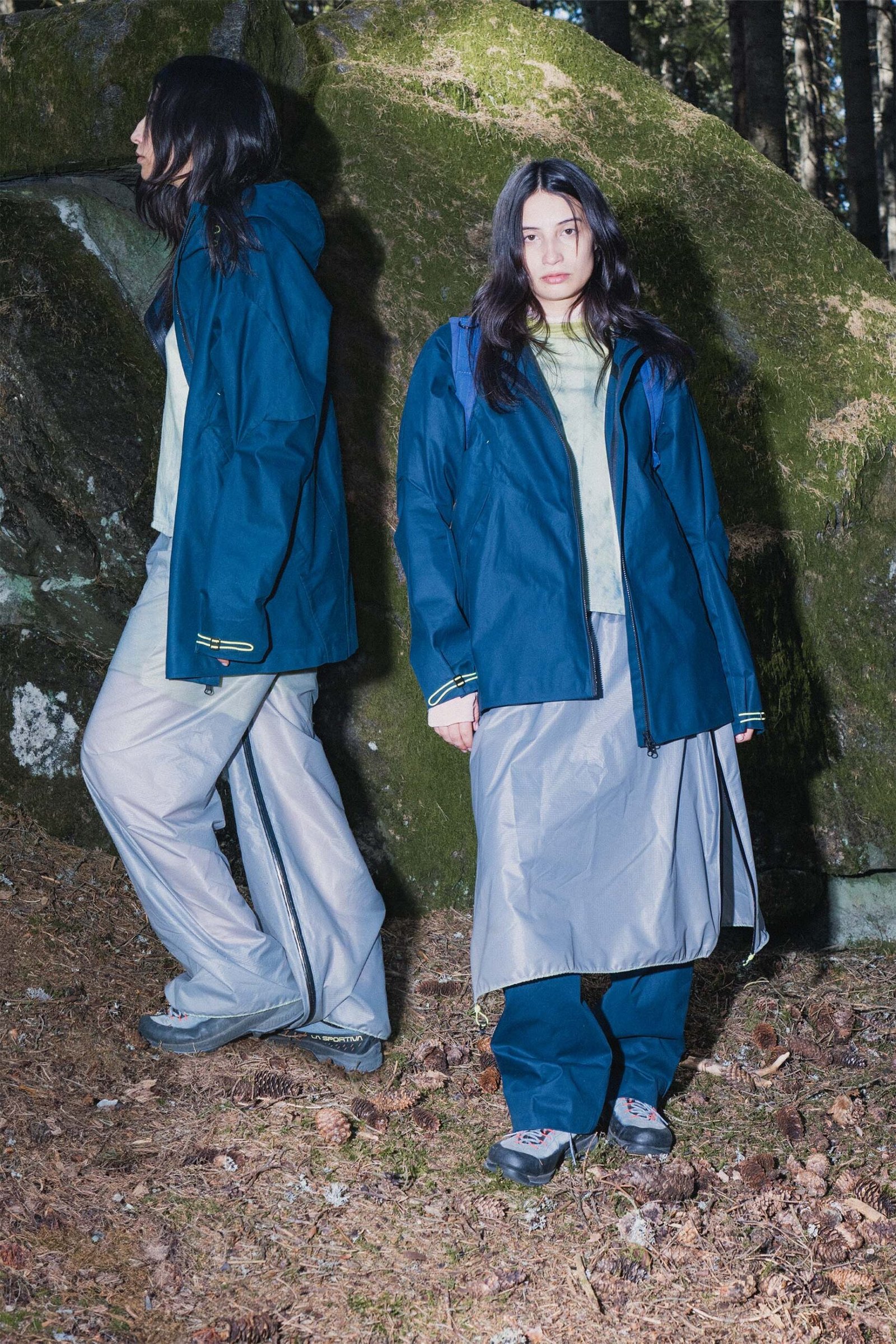
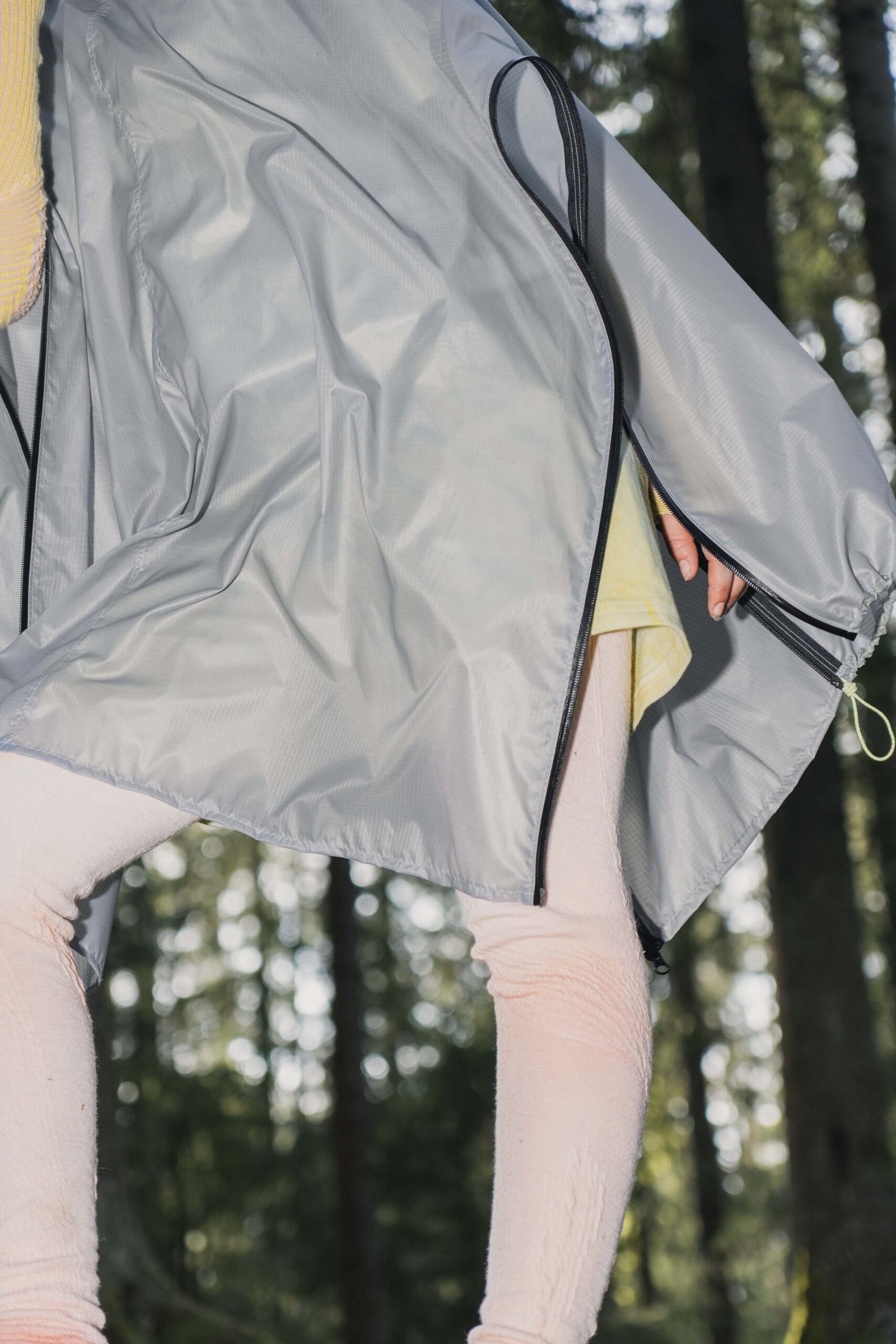
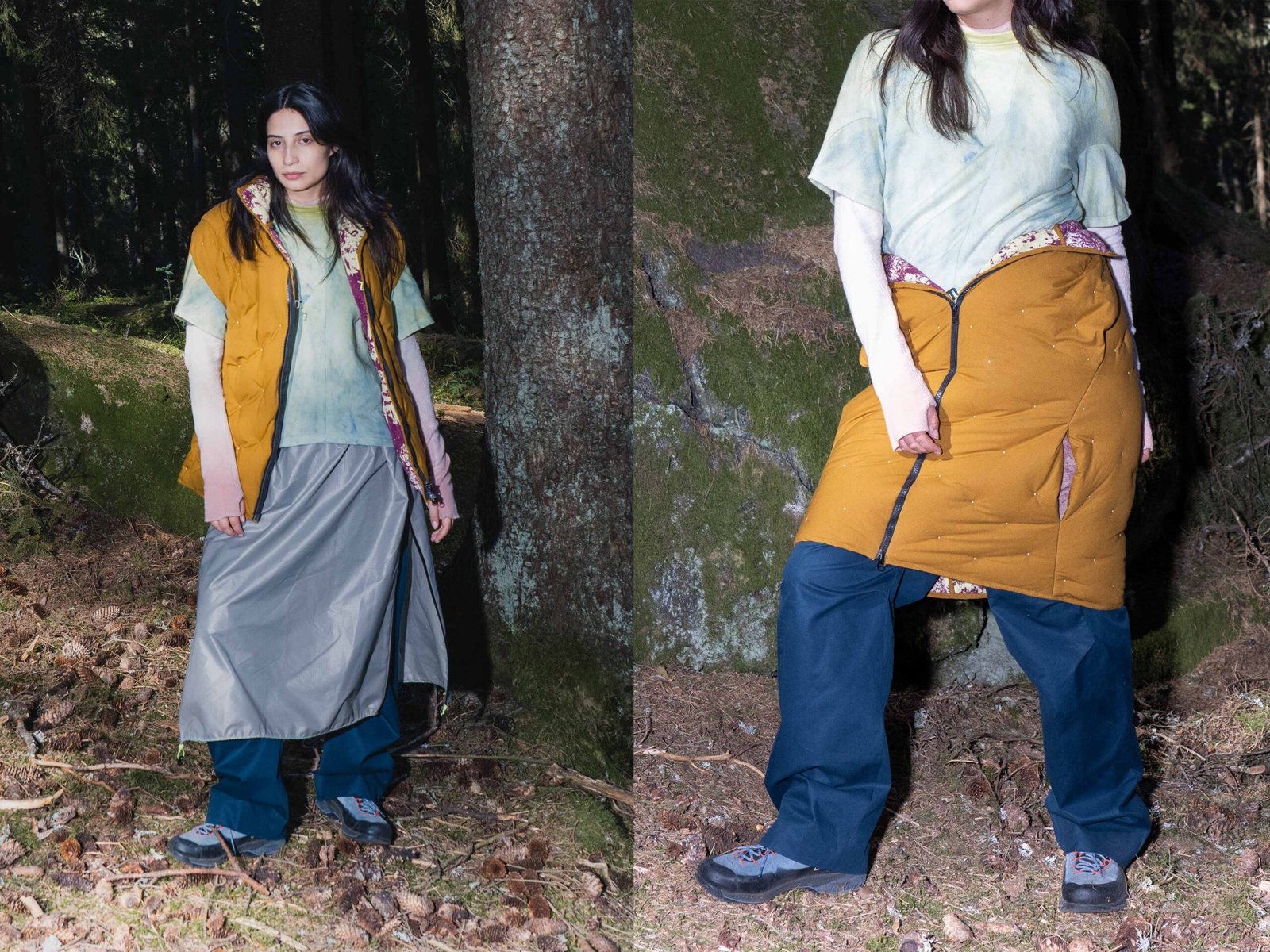
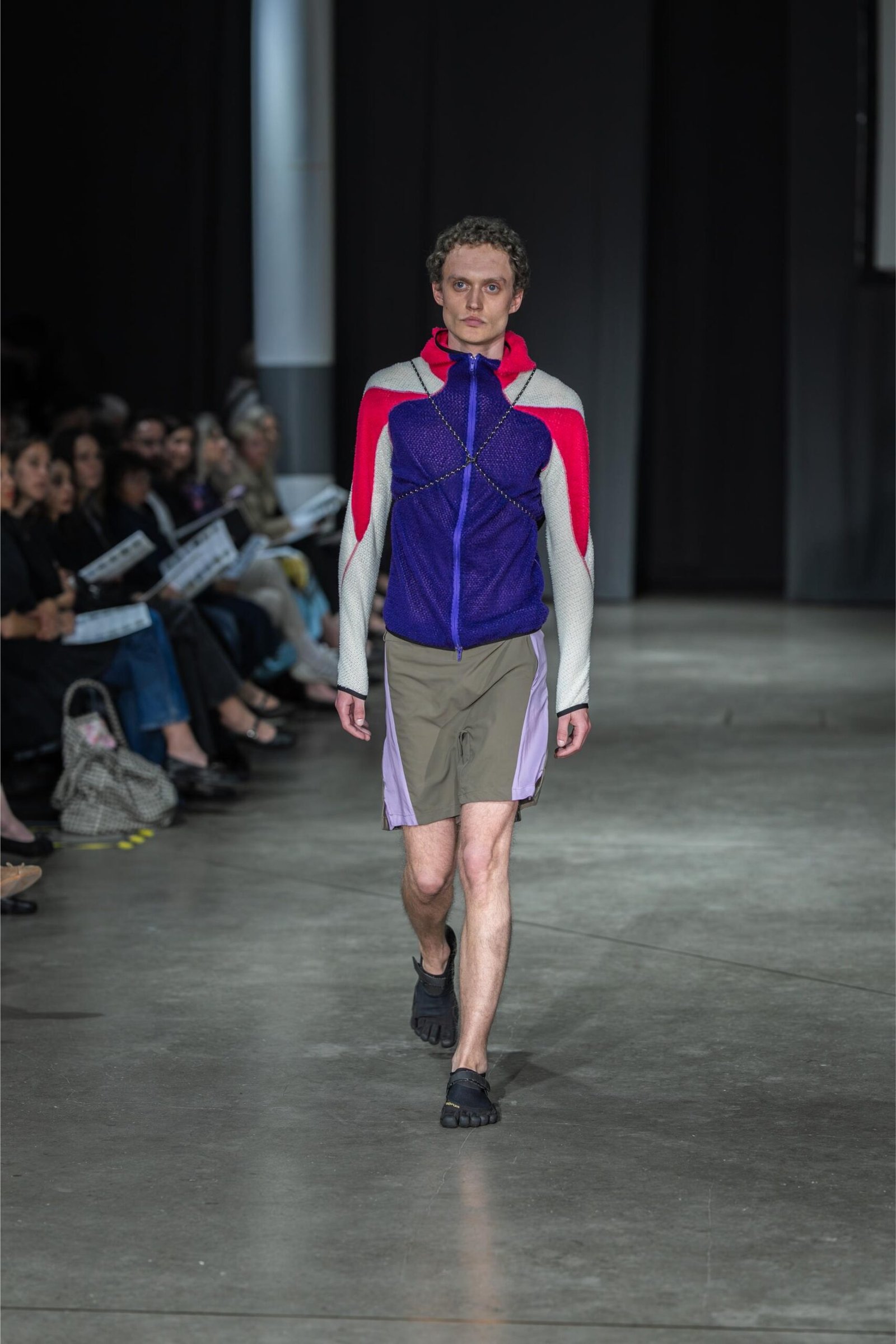
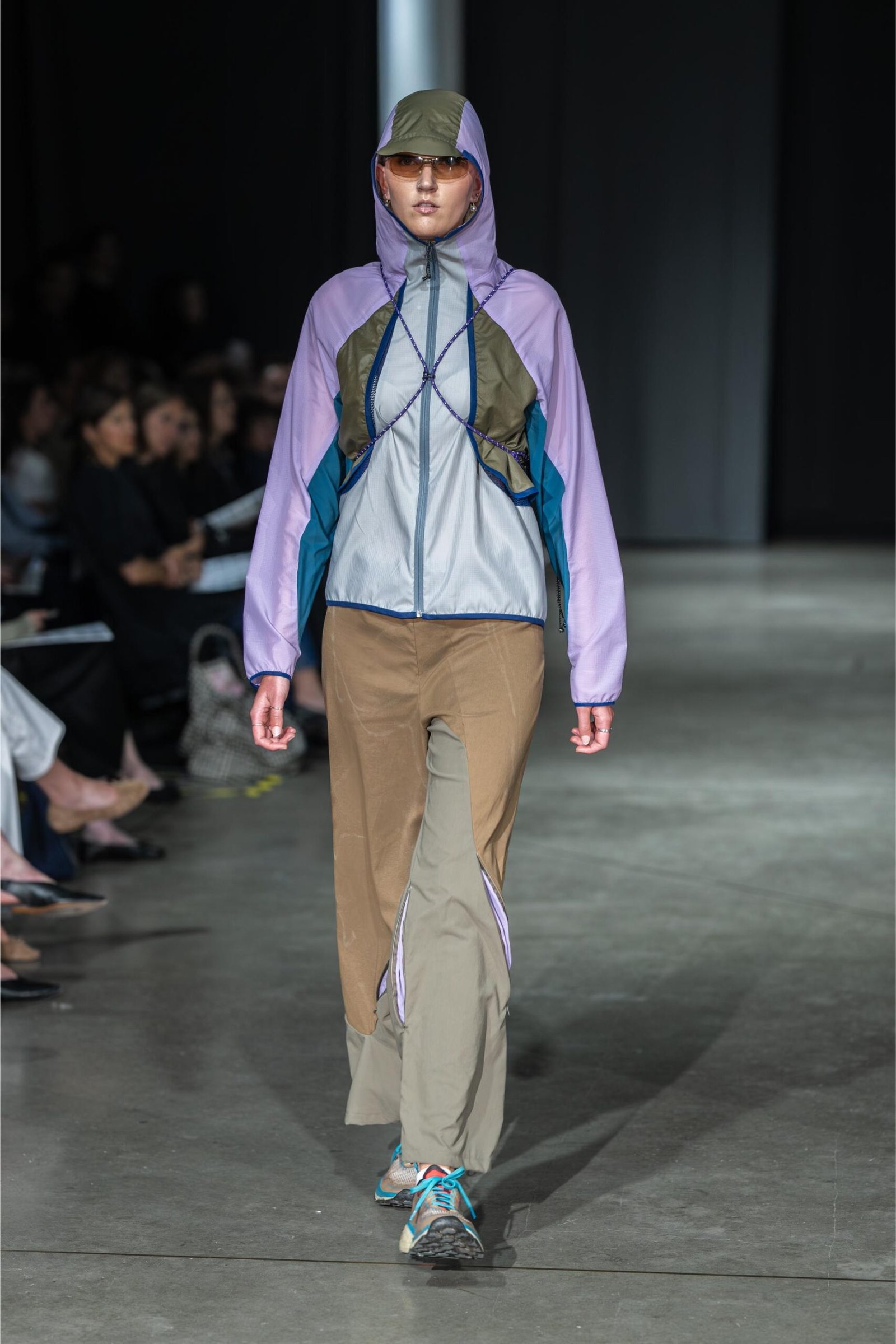
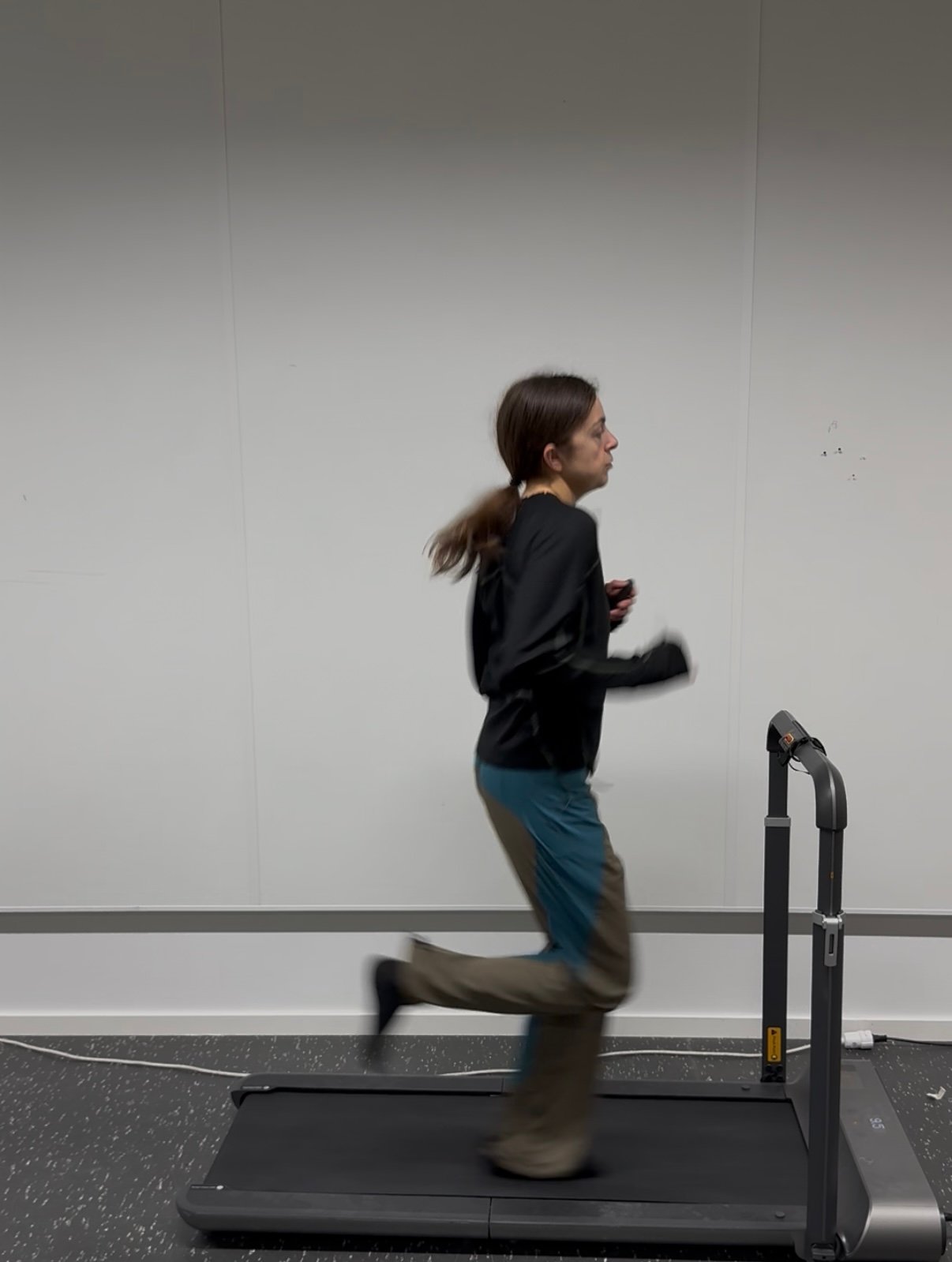
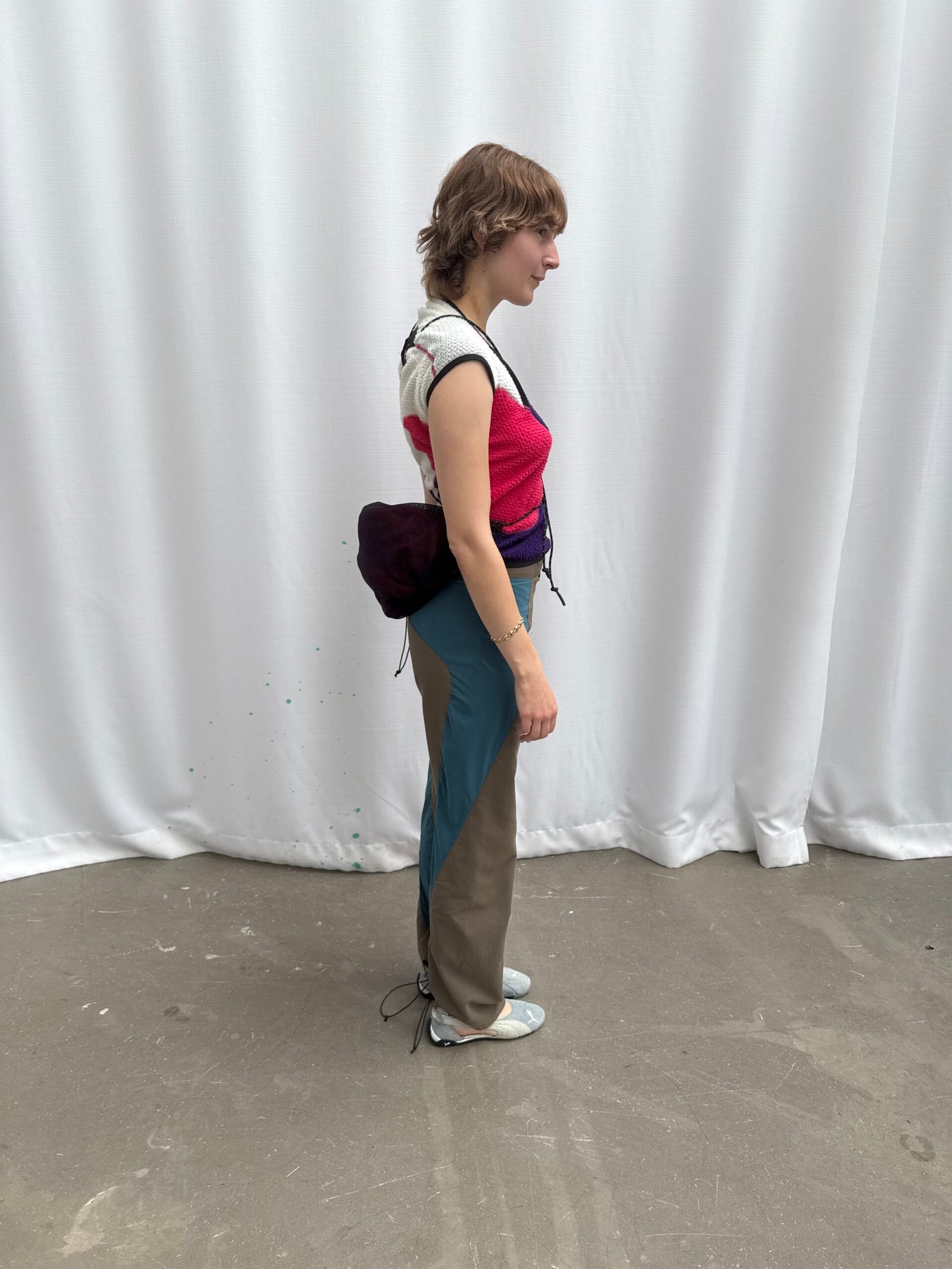
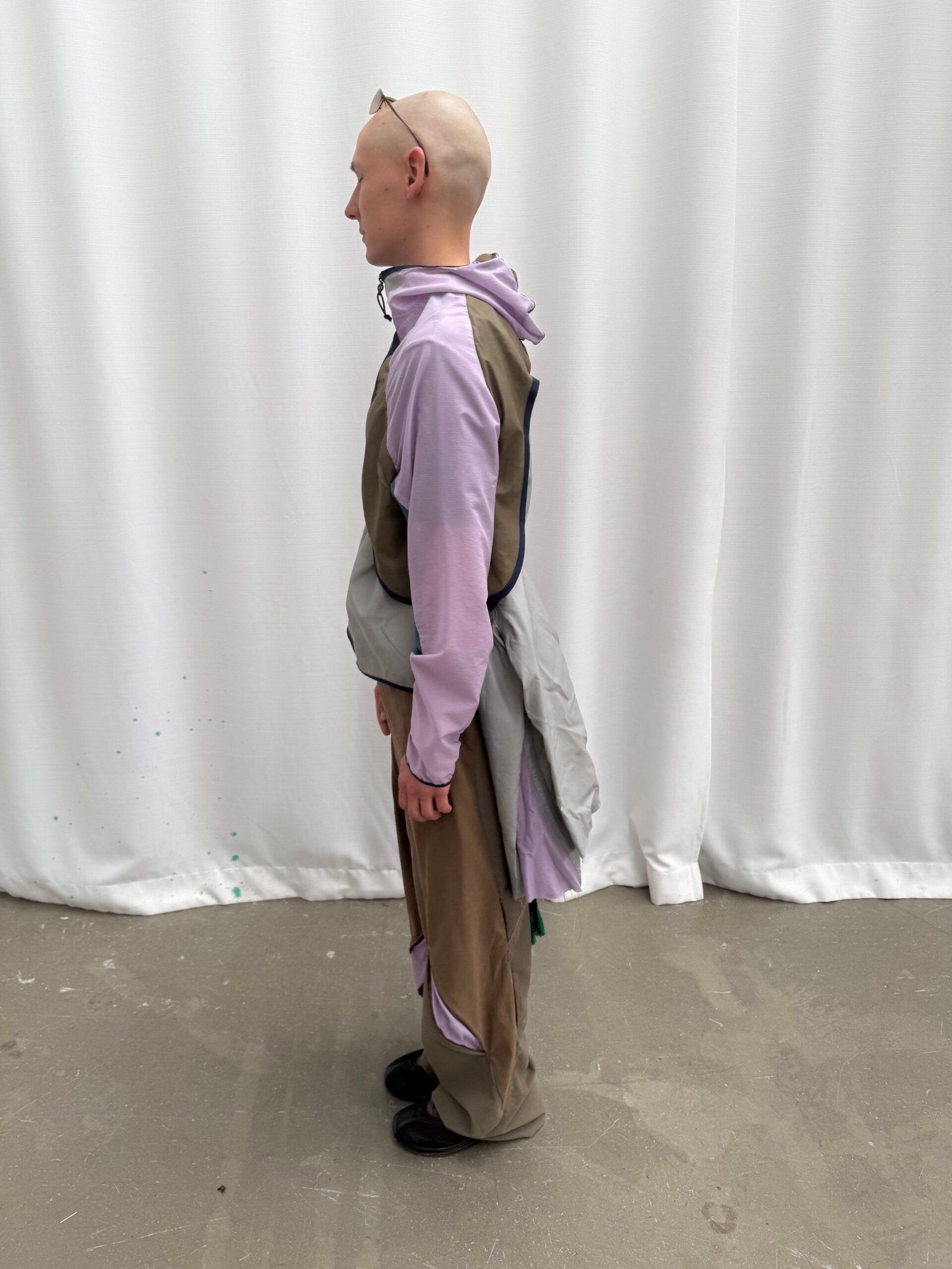
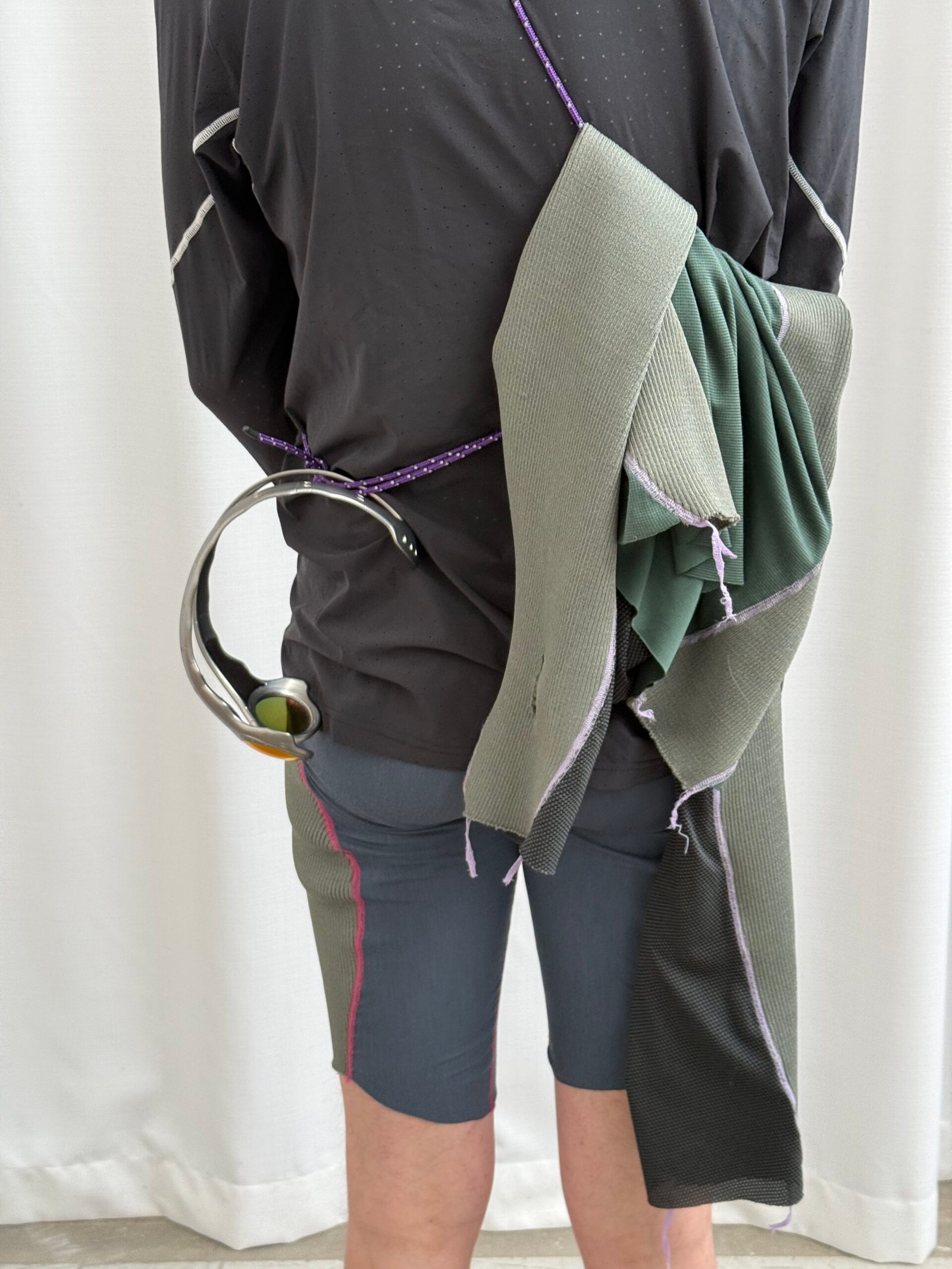
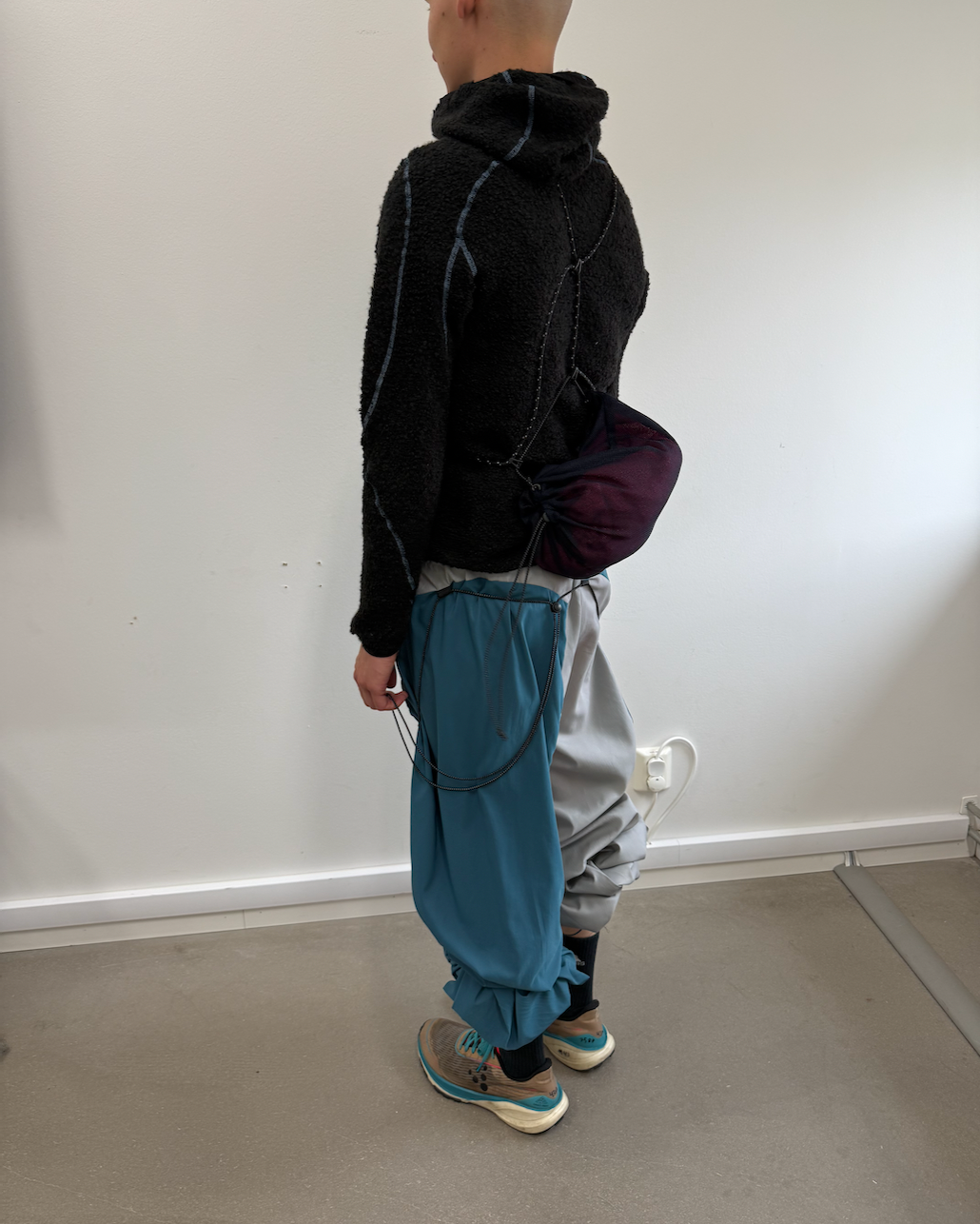
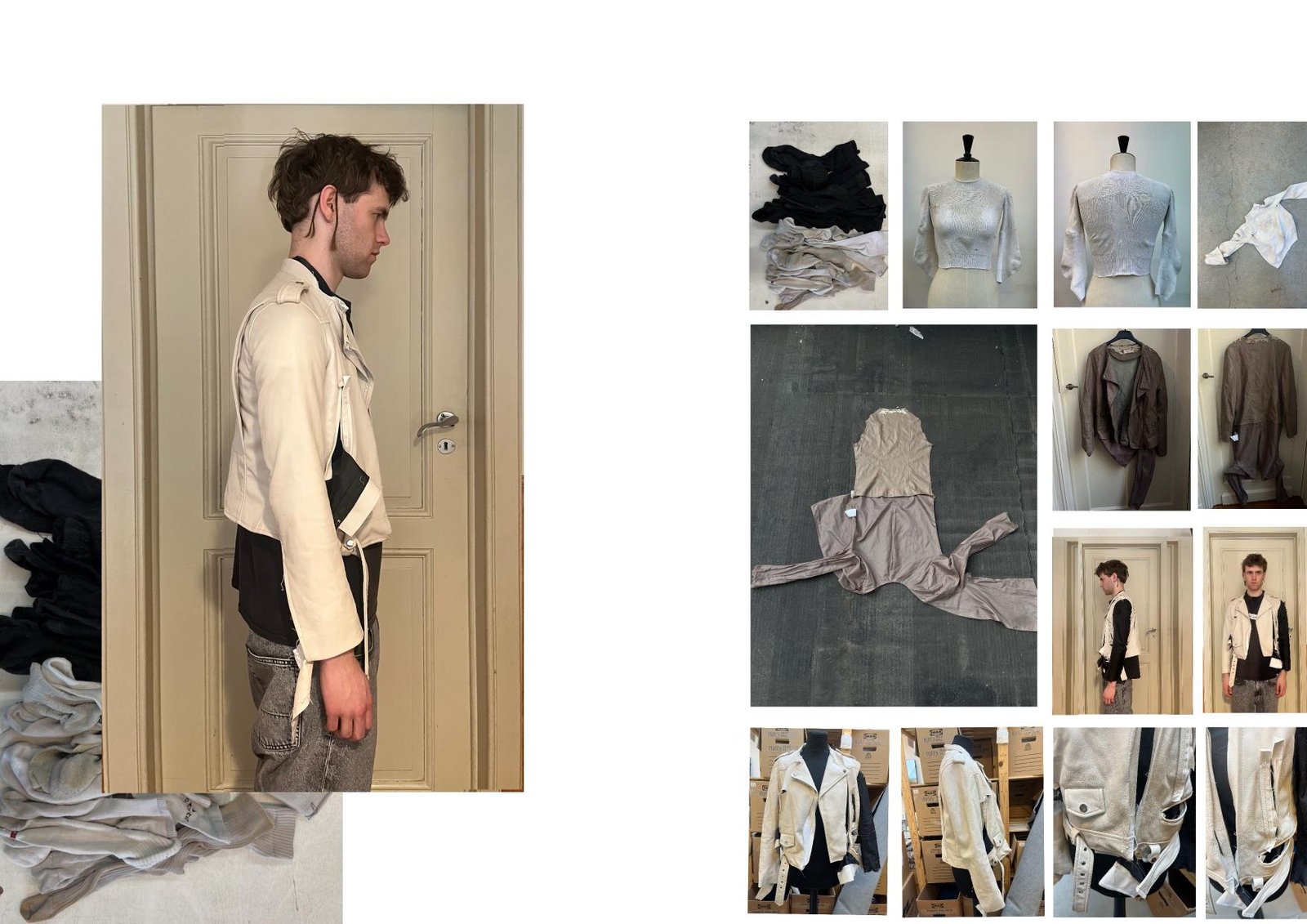
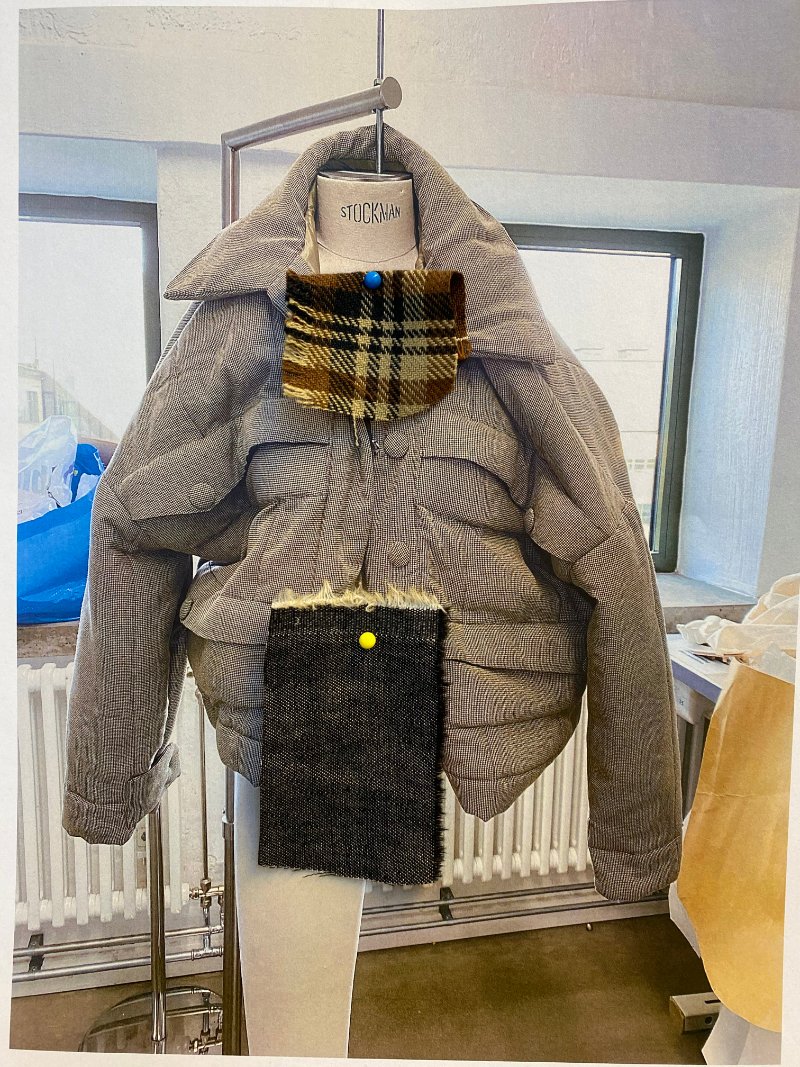
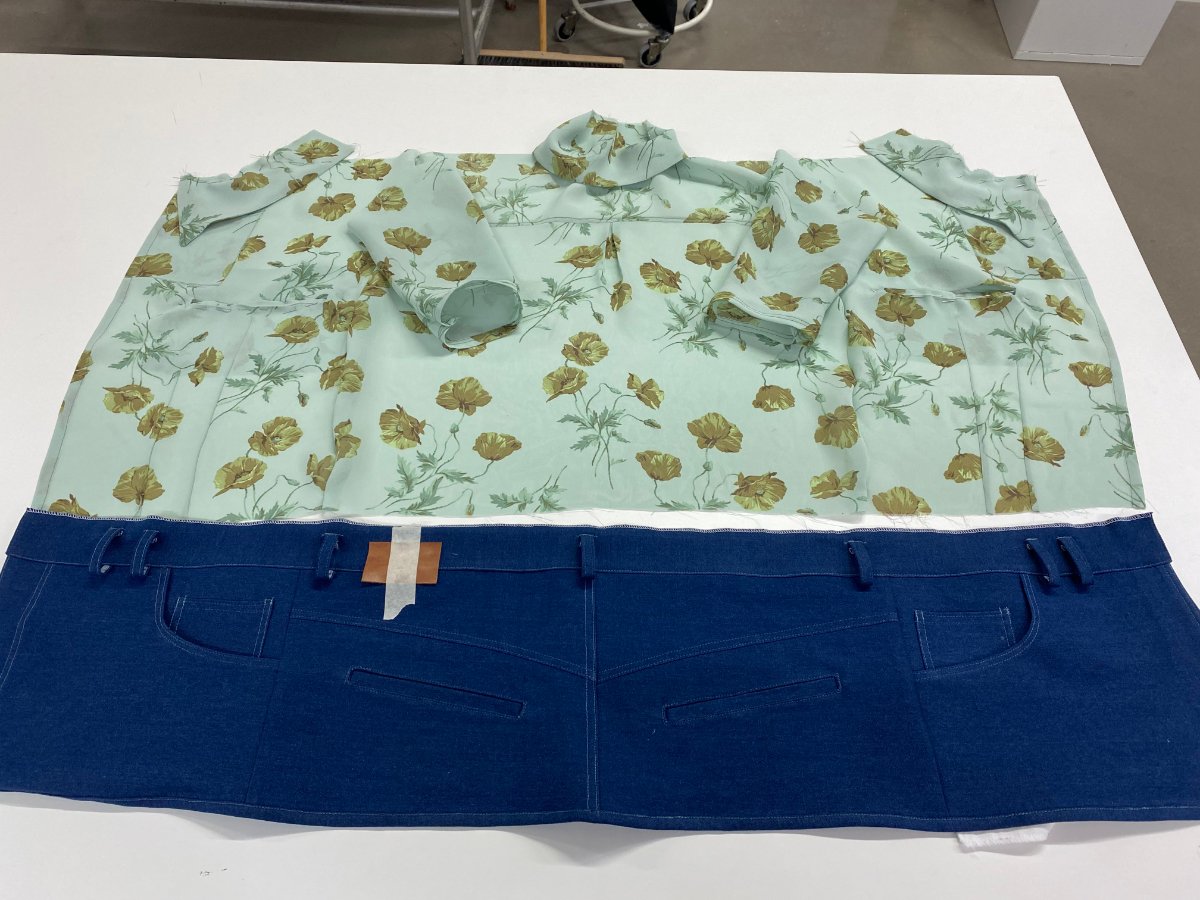
Lara Stöbe’s Made for the Long Run explores how the next life of a garment can be considered from the very beginning of the design process. Through strategies such as design for remake and design for alteration, future transformations are integrated into the construction of the original garment, extending its material lifespan without compromising performance. Print is used as a visual communication tool to instruct the actions required to transform one piece into another, with the system demonstrated through a trail-running collection inspired by the culture of the sport.

@lara_stoebe

Screenshot

Anna Lundstedt

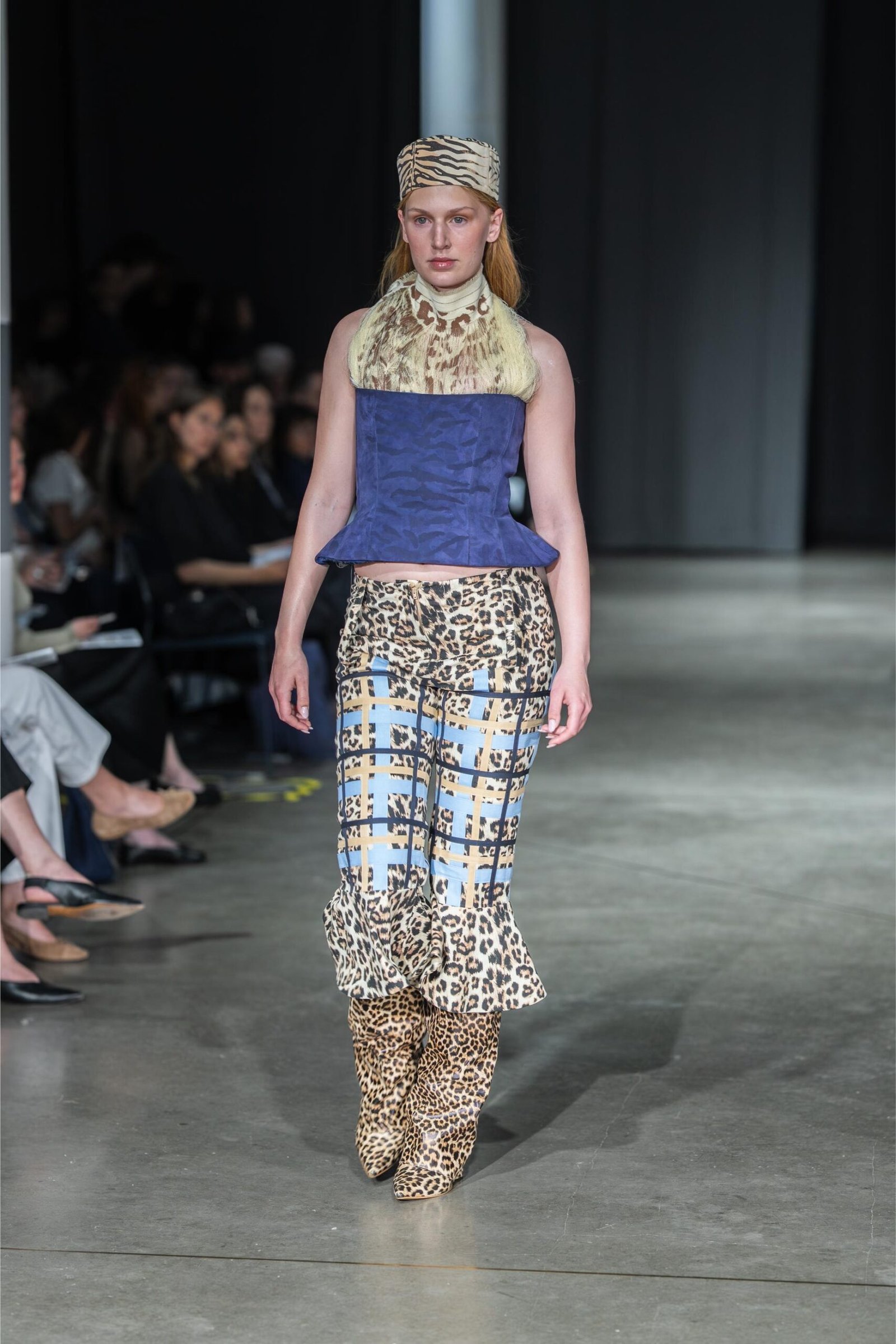
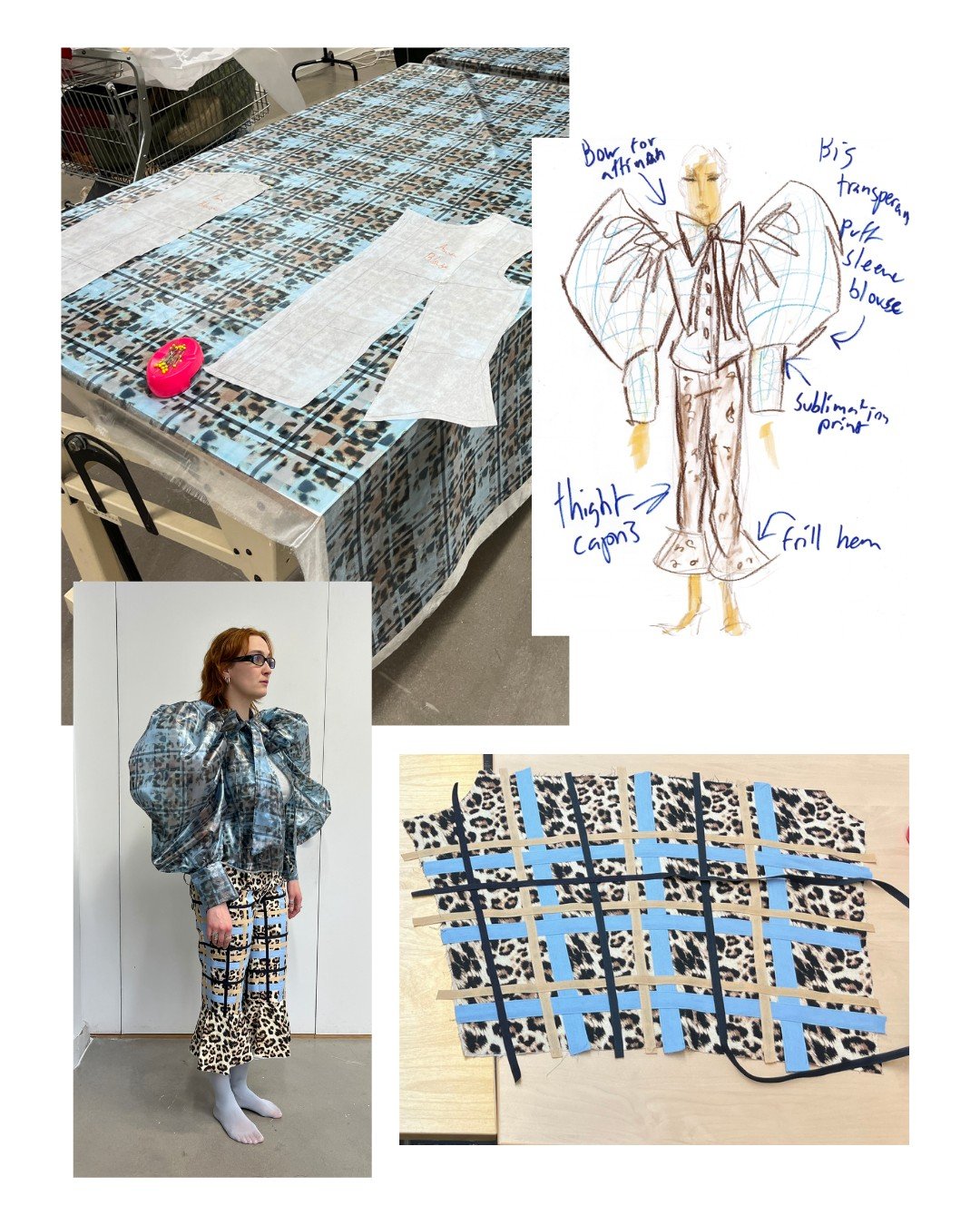
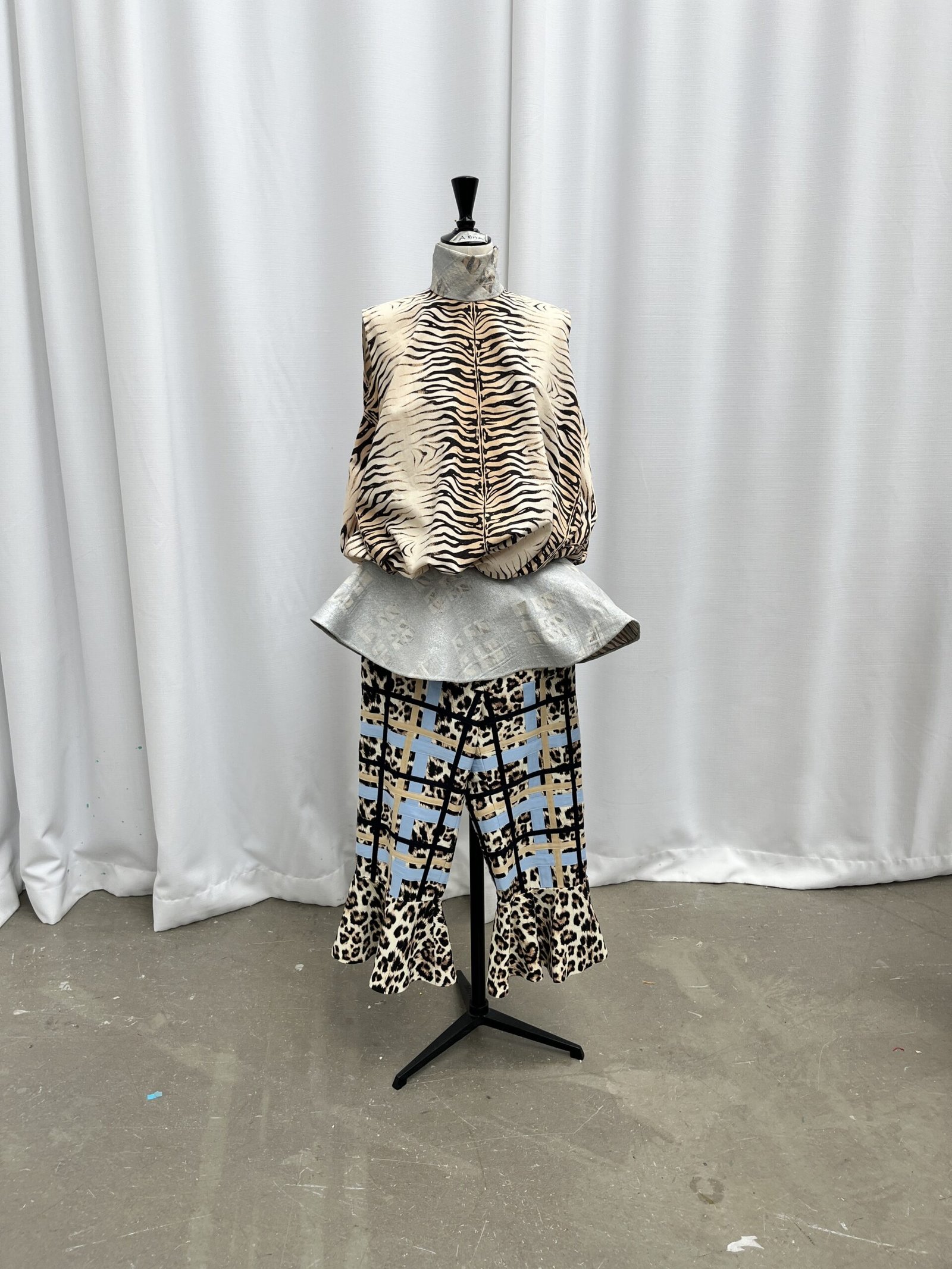
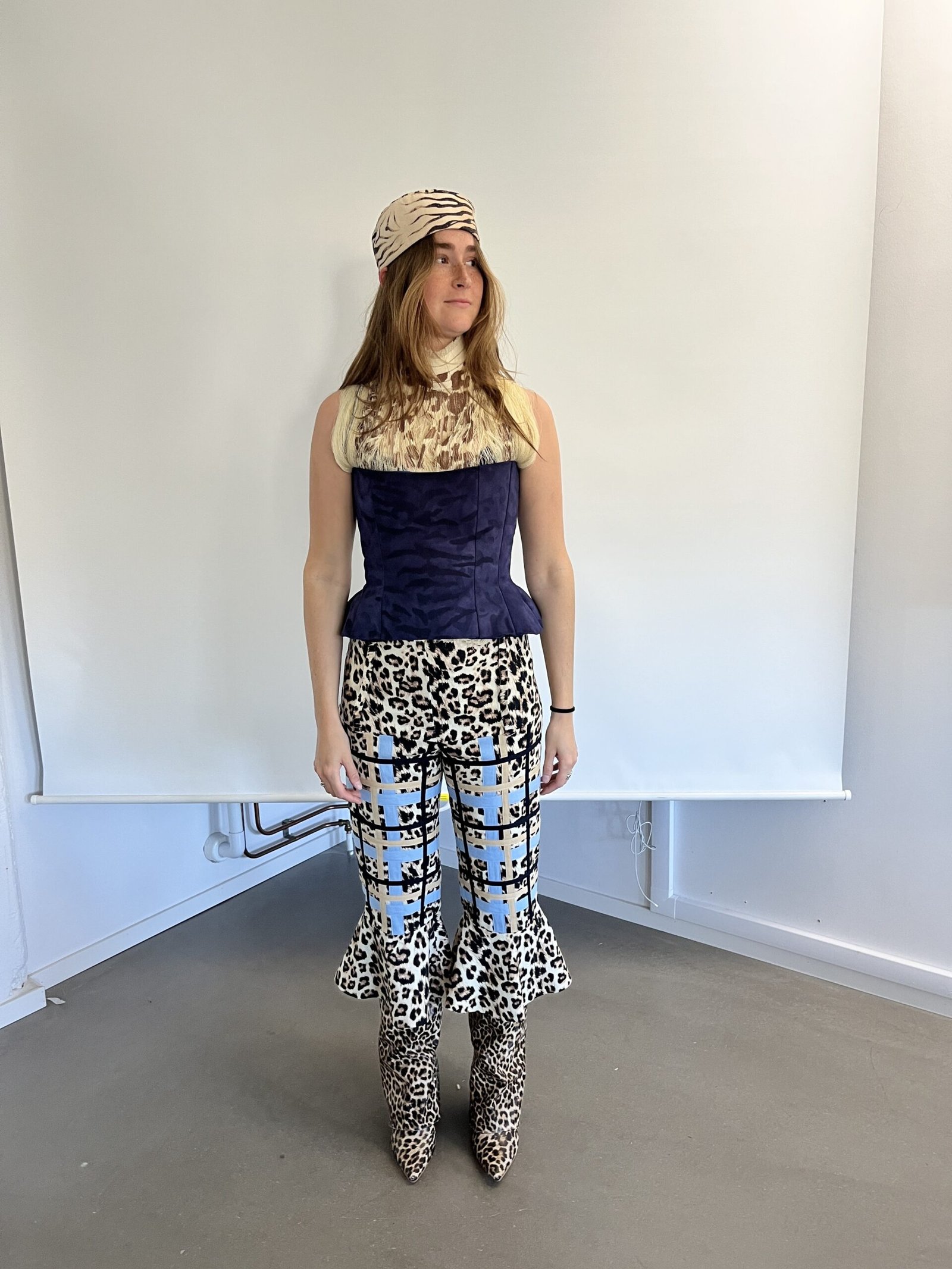
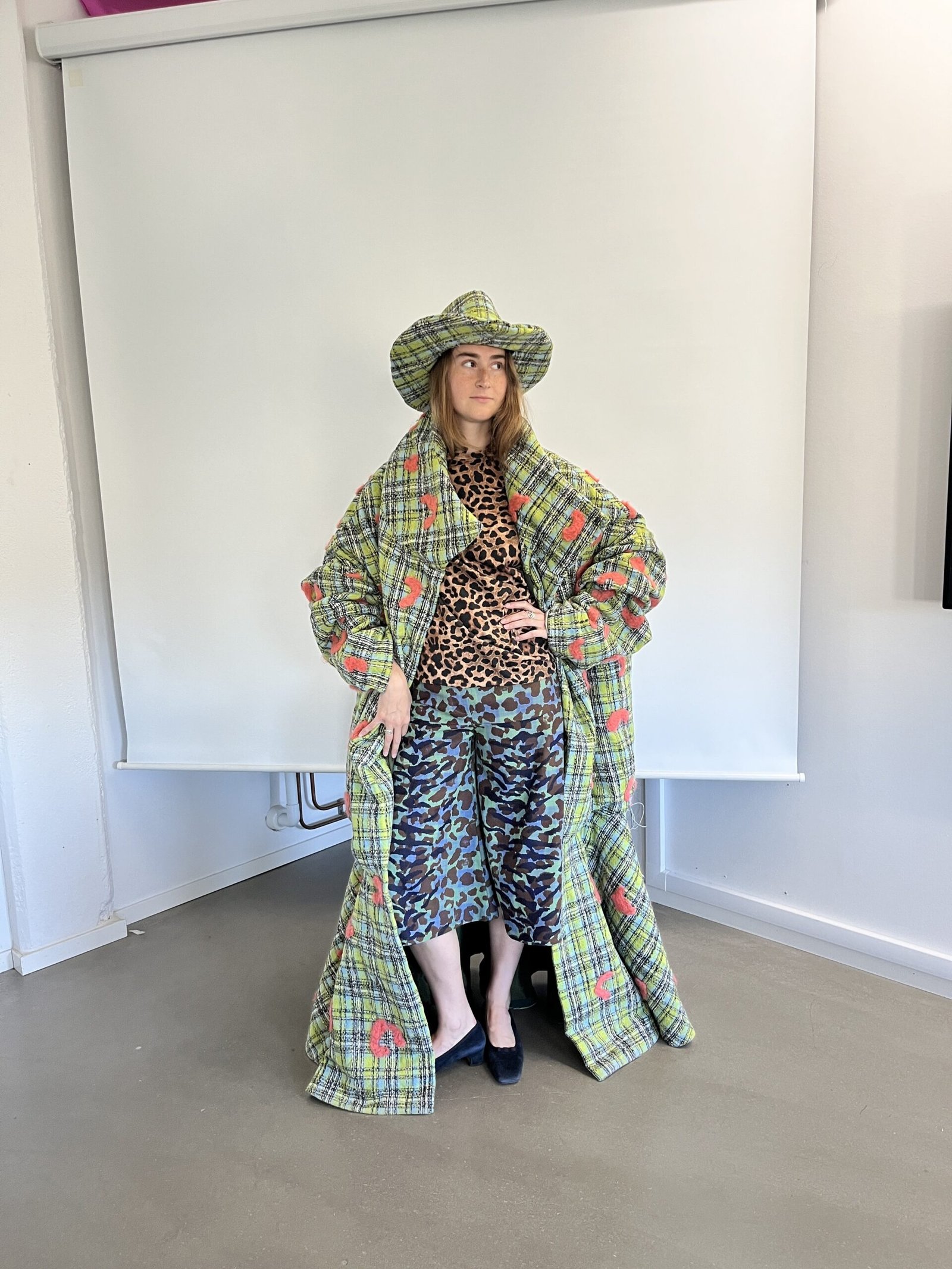
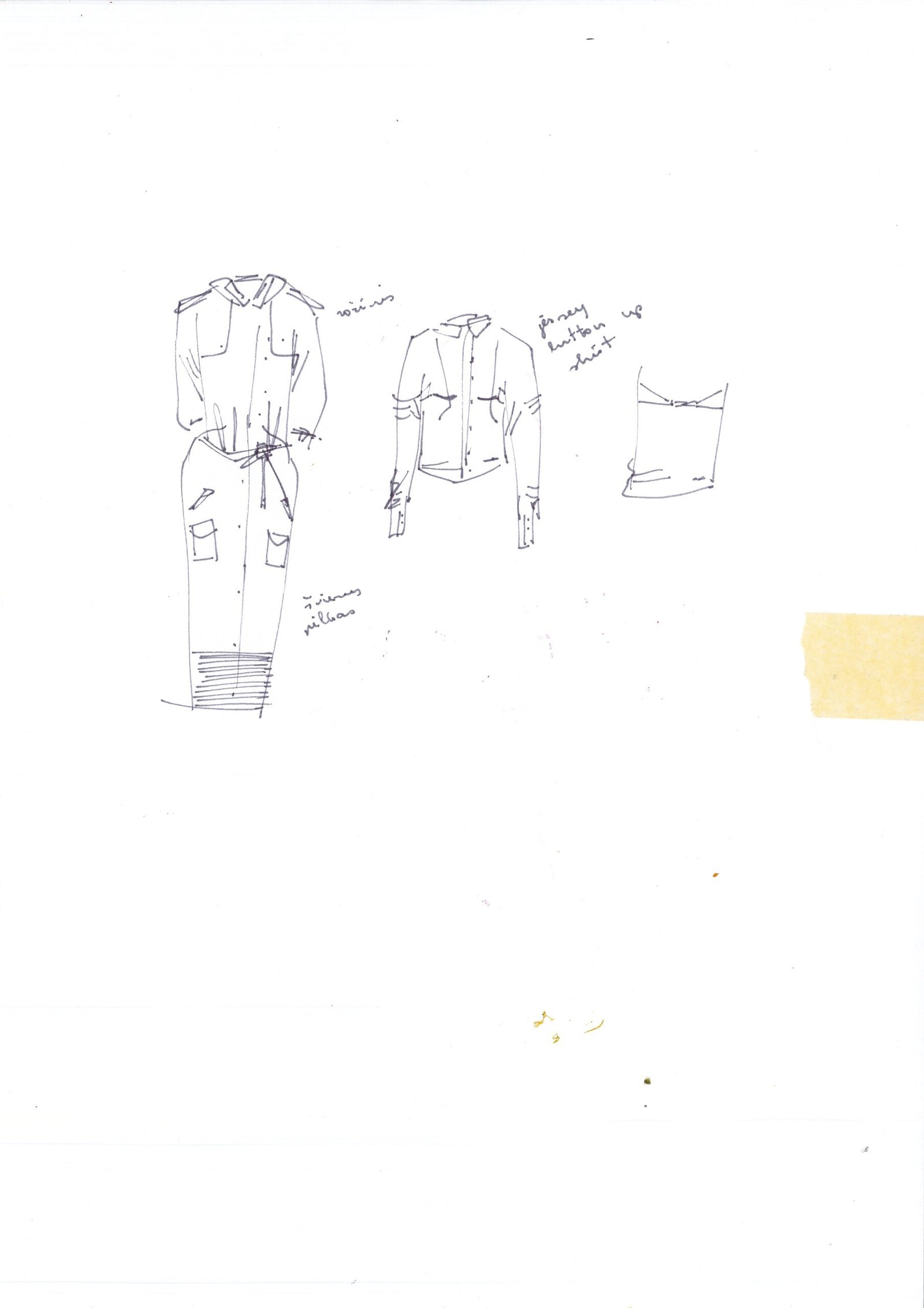
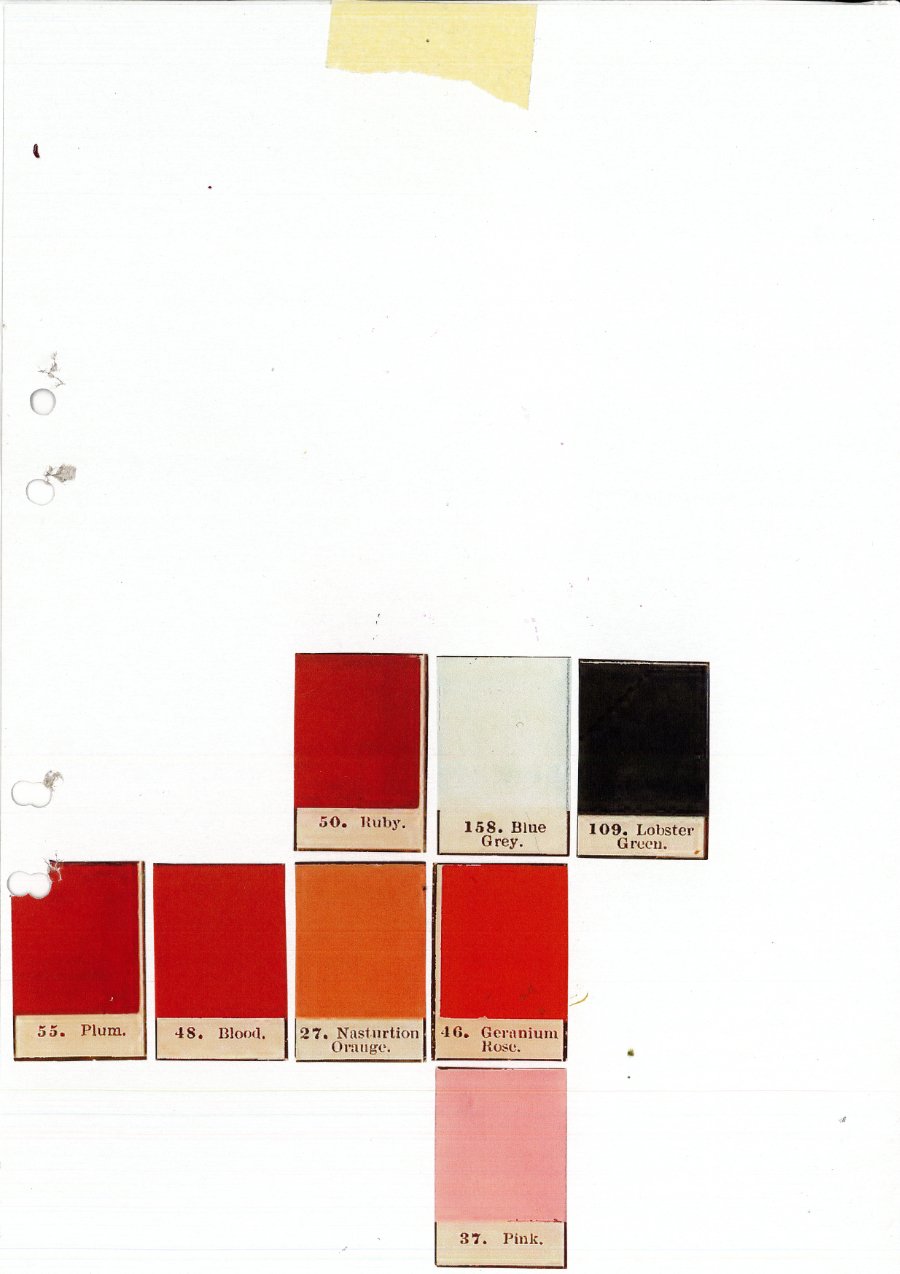
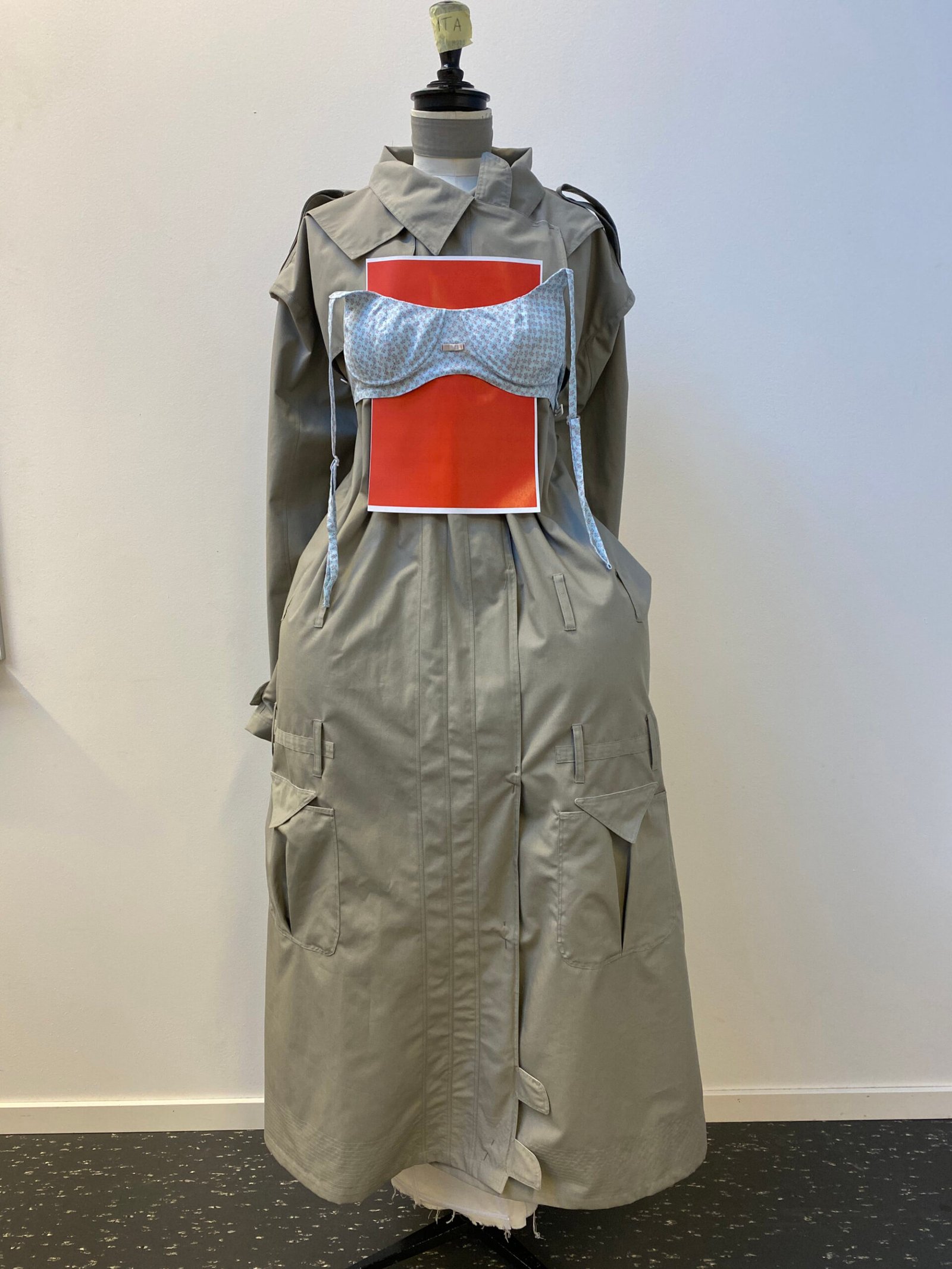
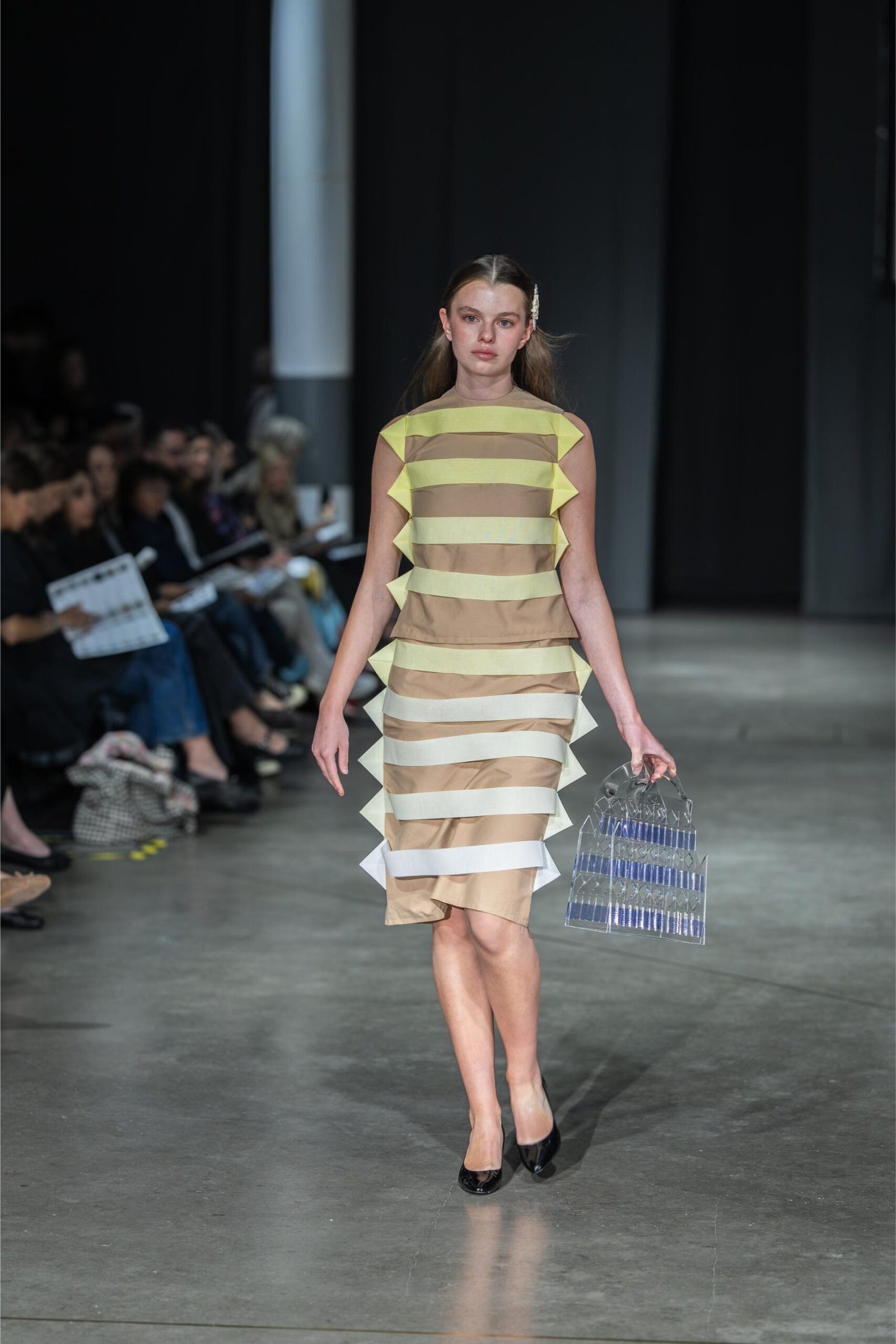
Anna Lundstedt’s collection questions the minimalist aesthetic that has become closely associated with Scandinavian fashion since the 90s. Taking Scandinavian style guidebooks as a starting point, the project introduces colour, print, and surface design as an alternative to the neutral palettes and practicality that have come to define the region’s fashion identity. The collection aims to encourage a more confident, expressive approach to dressing that allows greater freedom and enjoyment through clothing.

@all_else

Vivien Ronja Grum

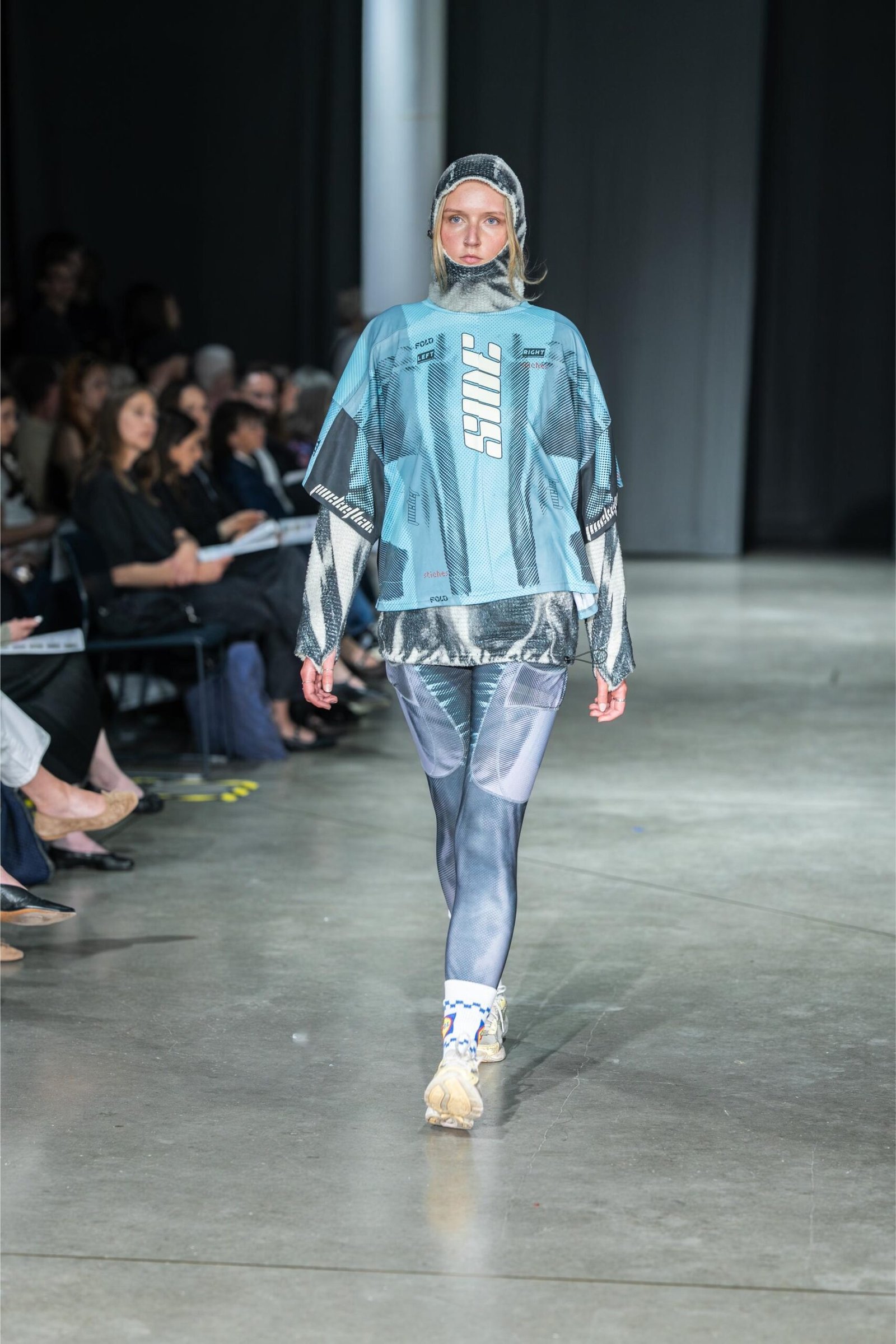
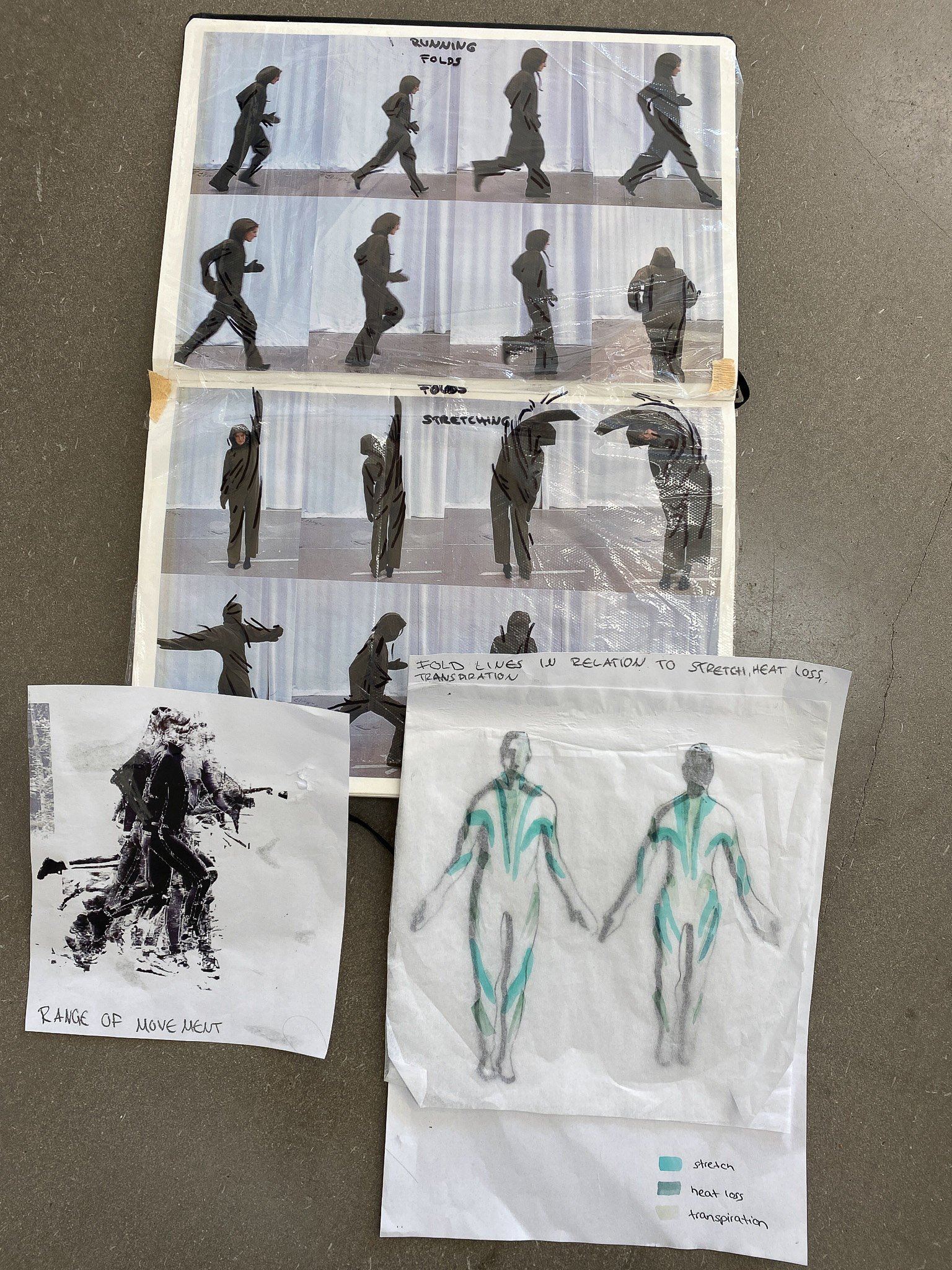
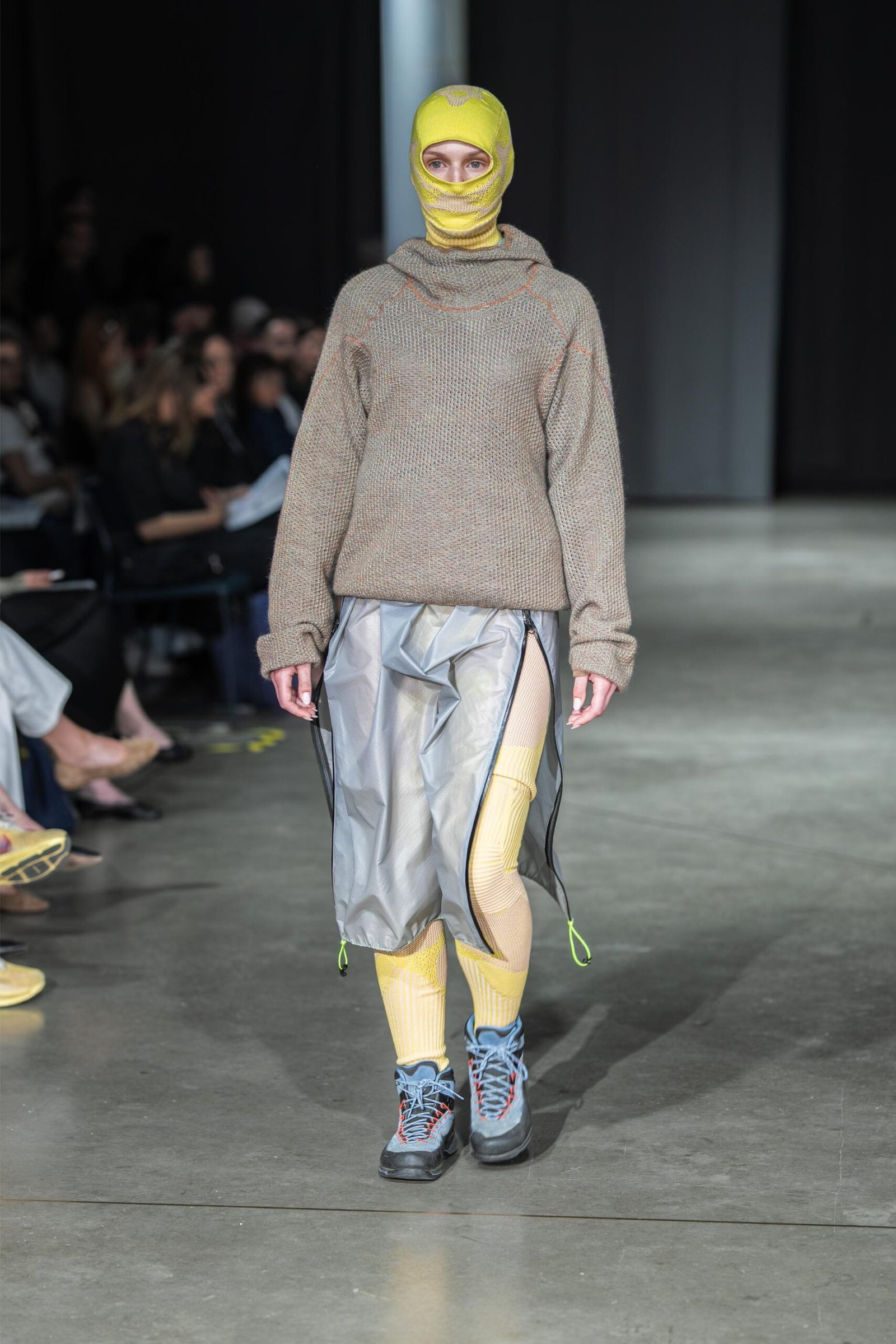
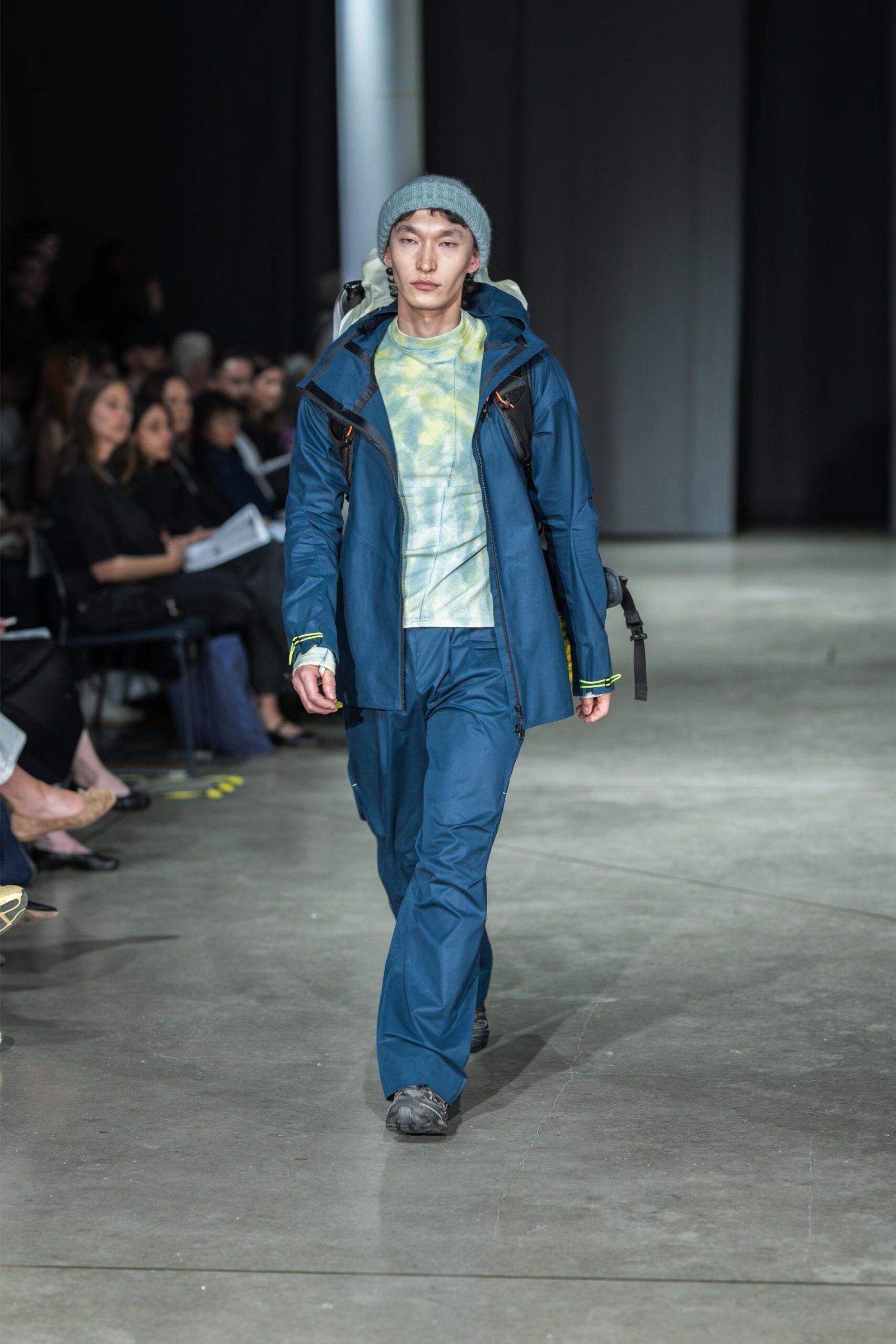
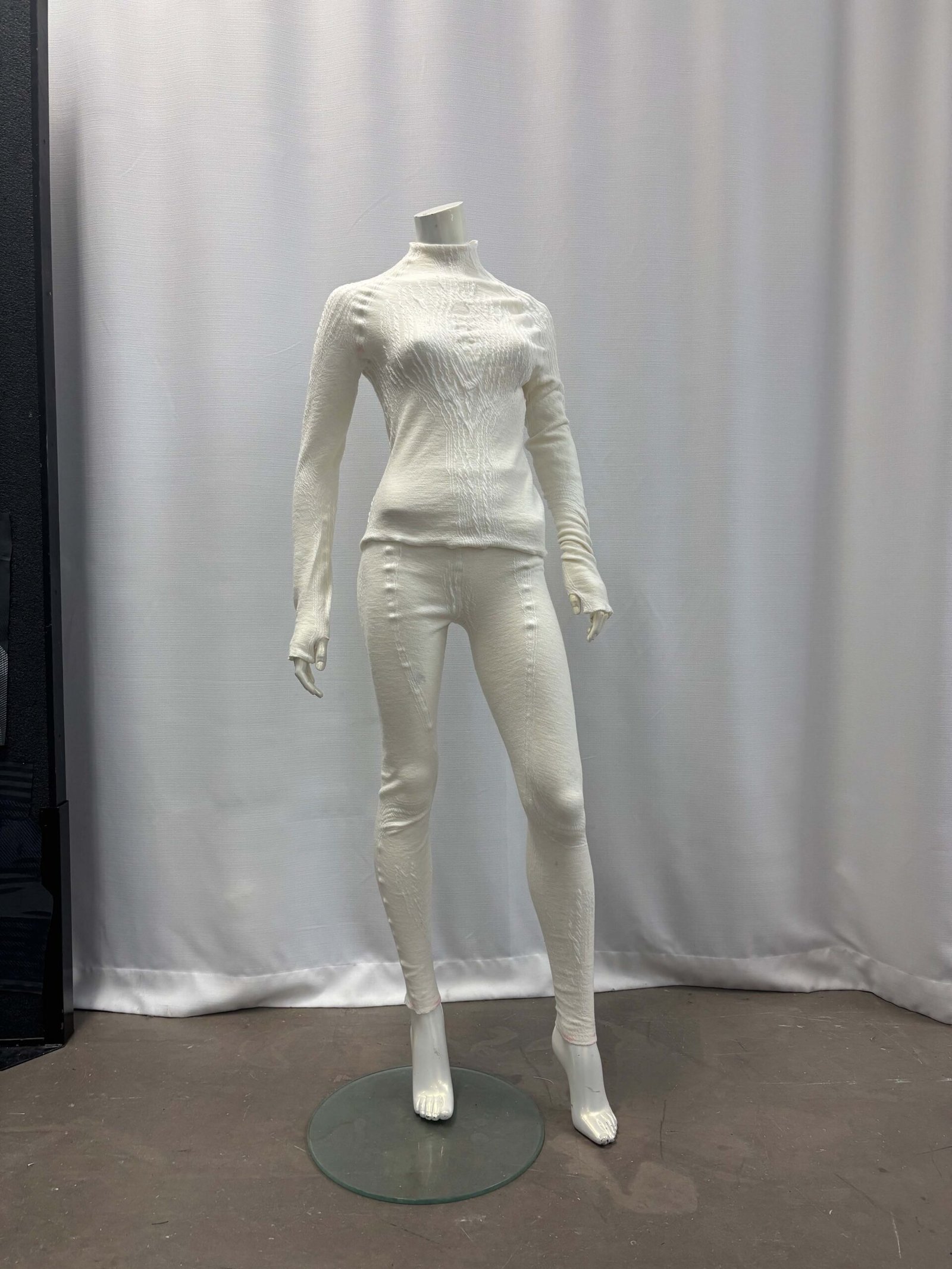
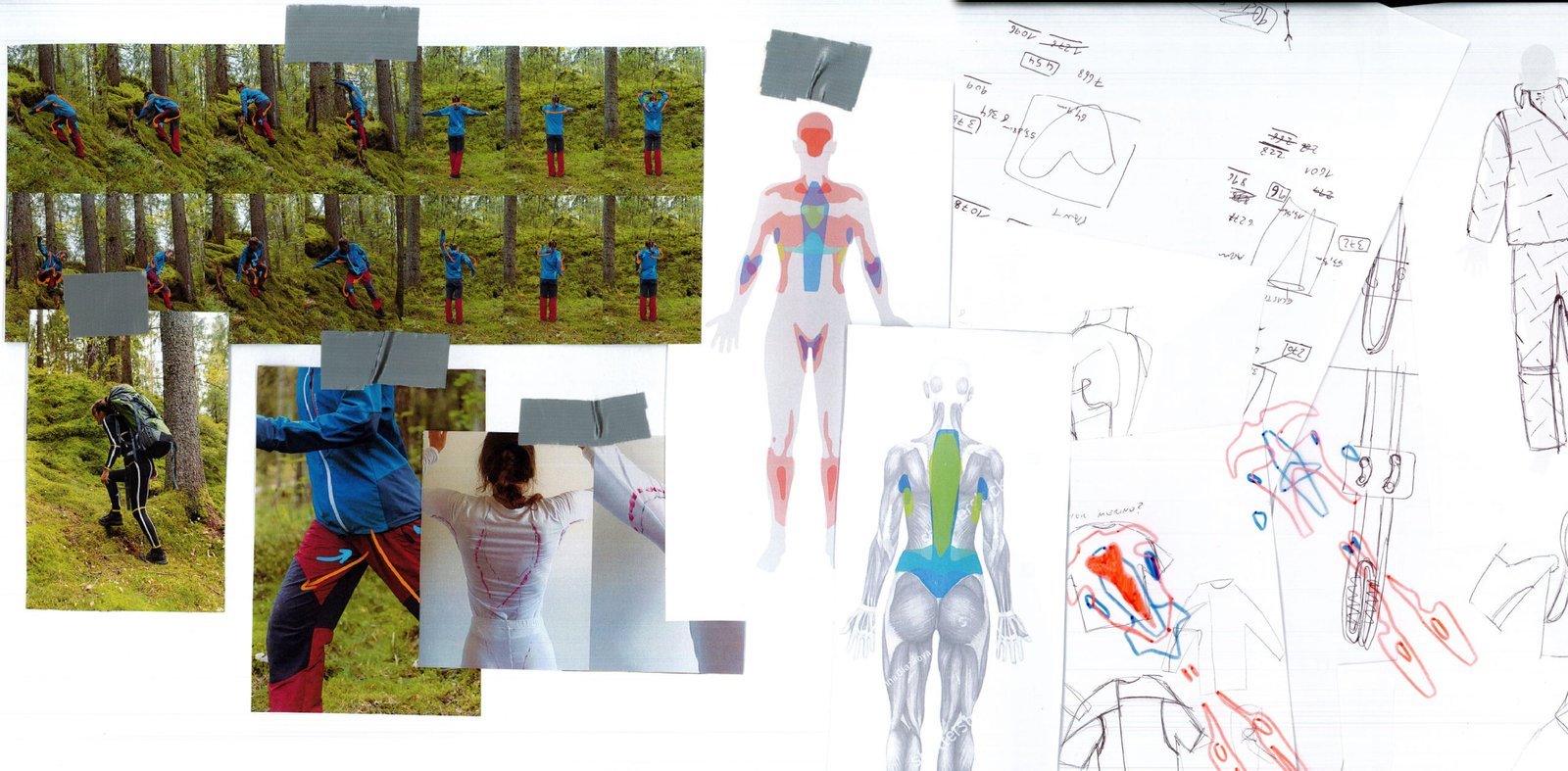
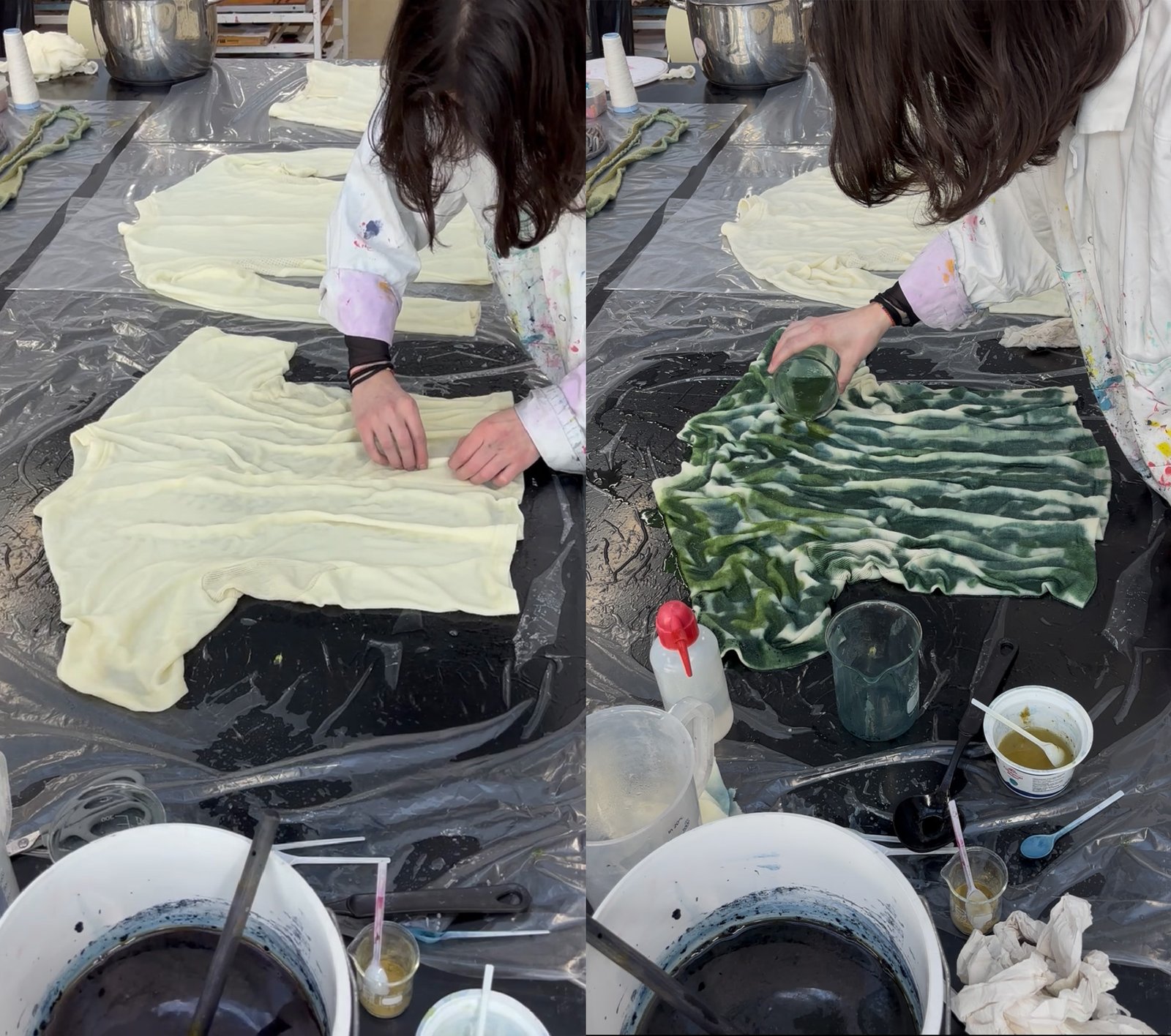
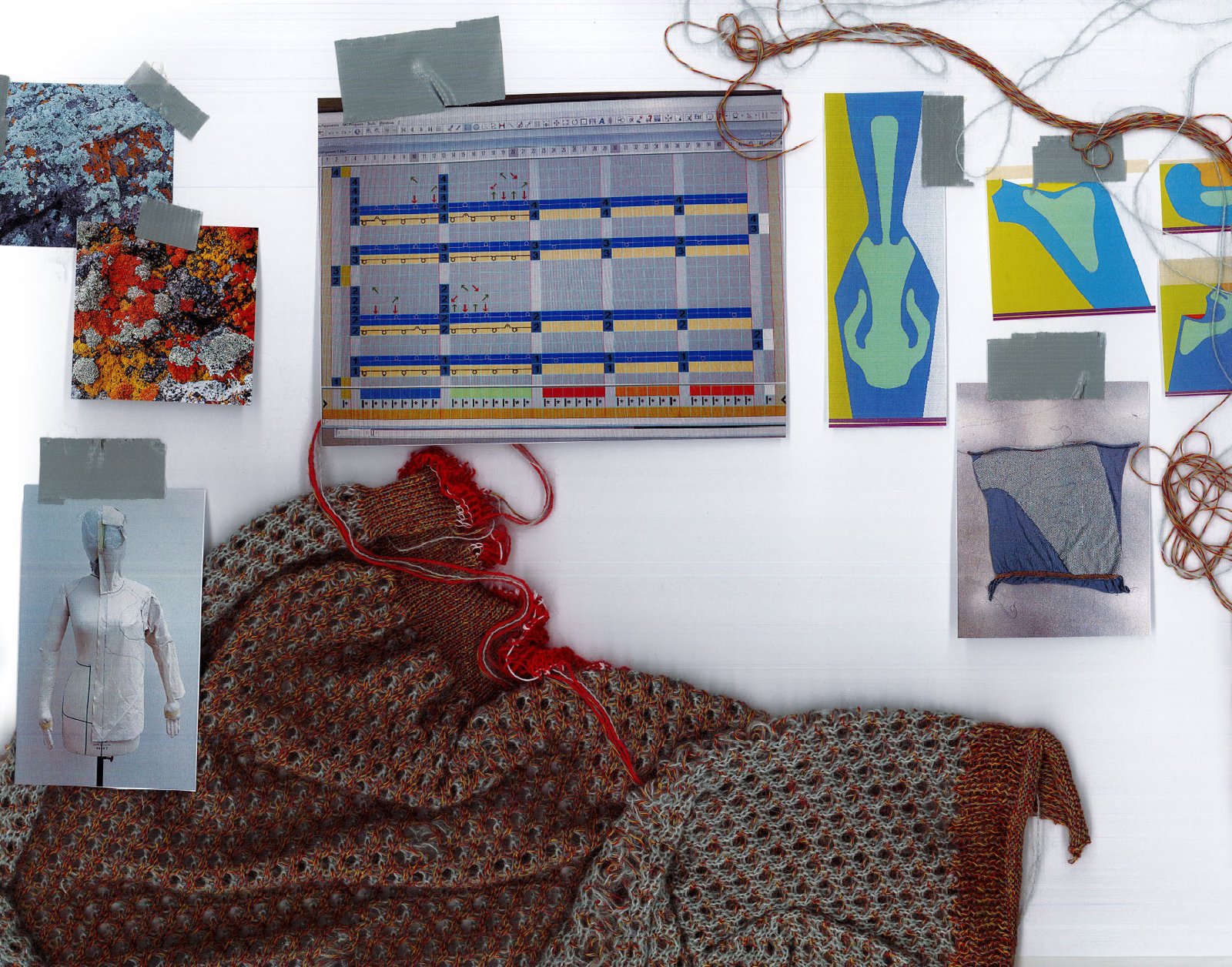
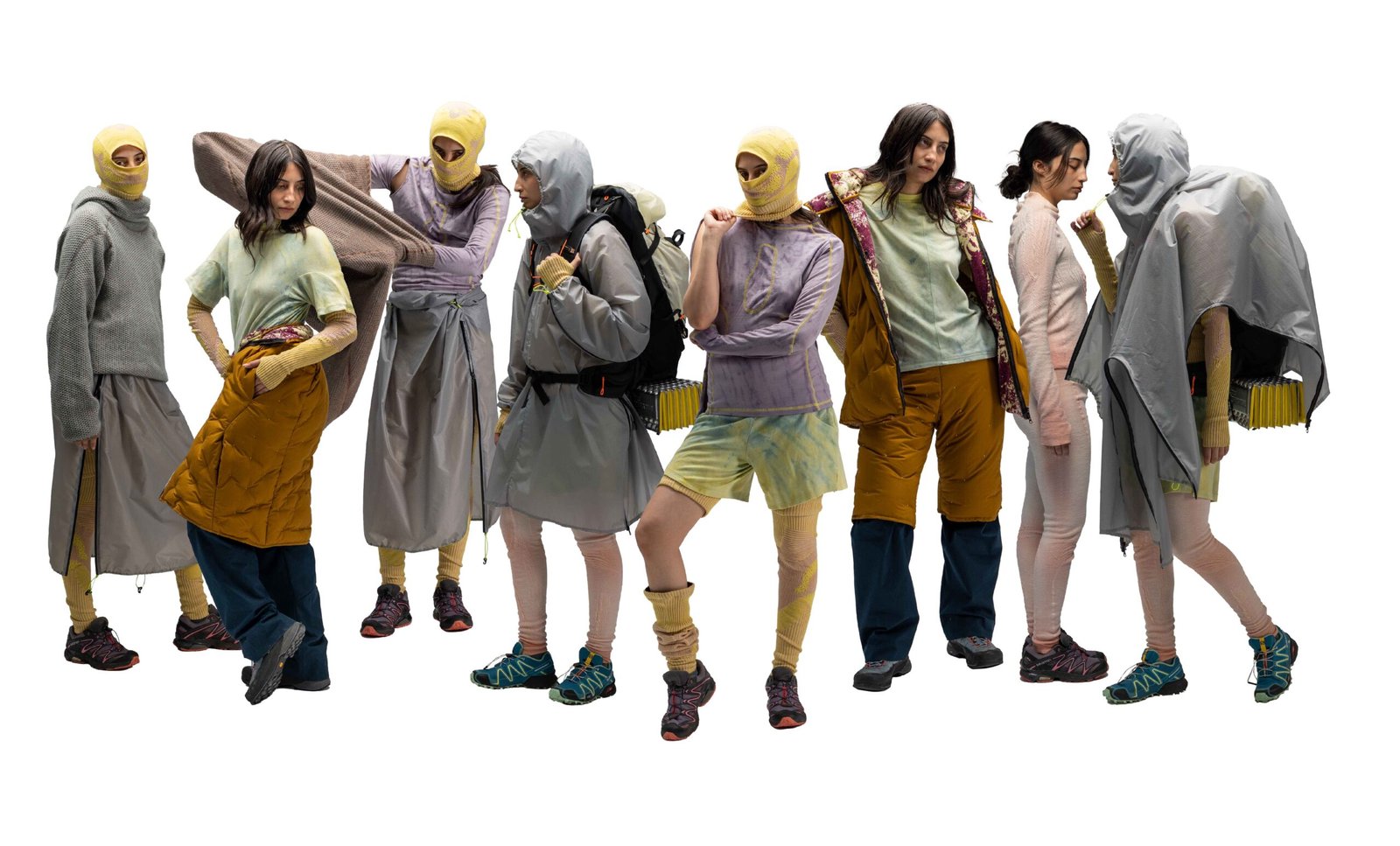
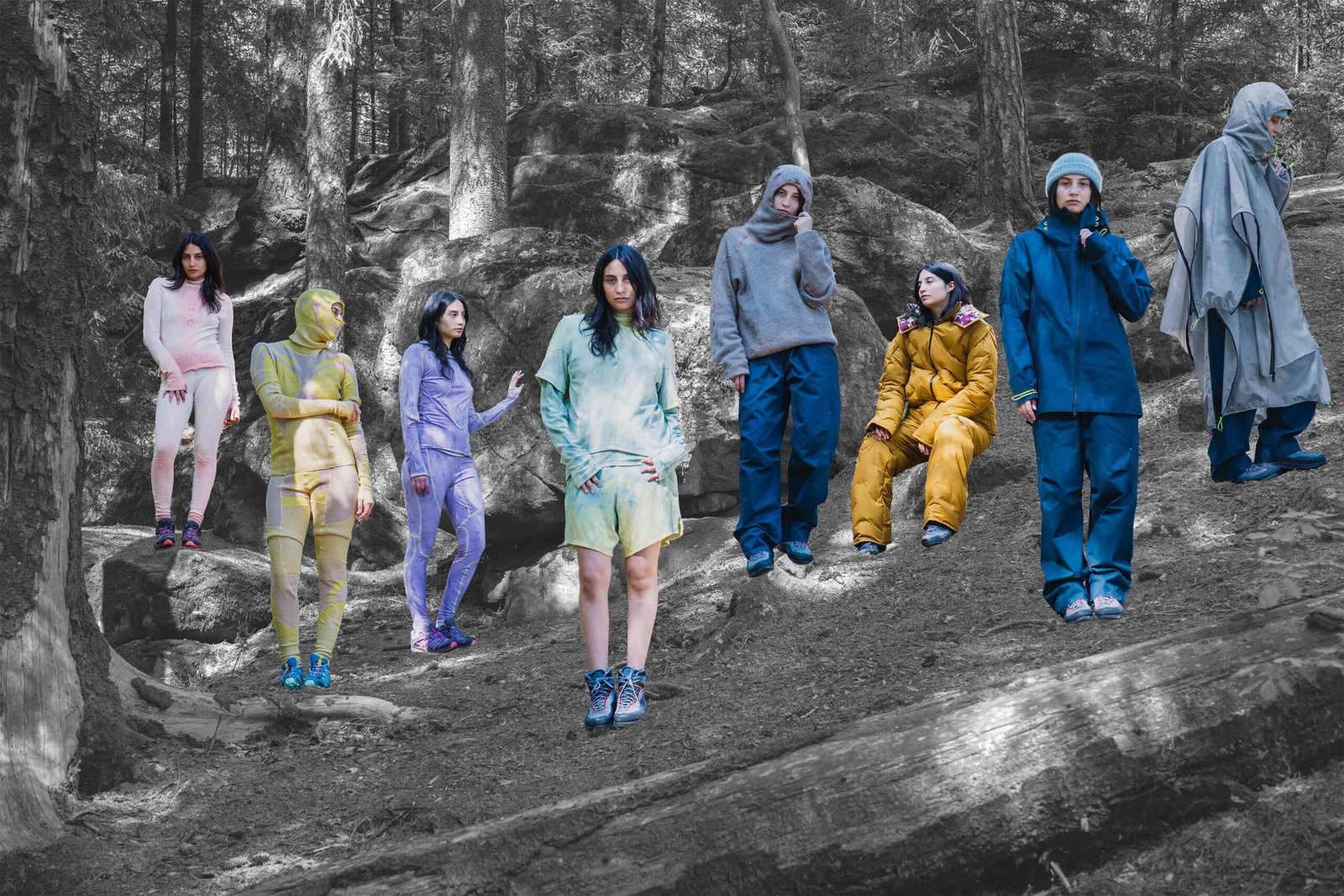
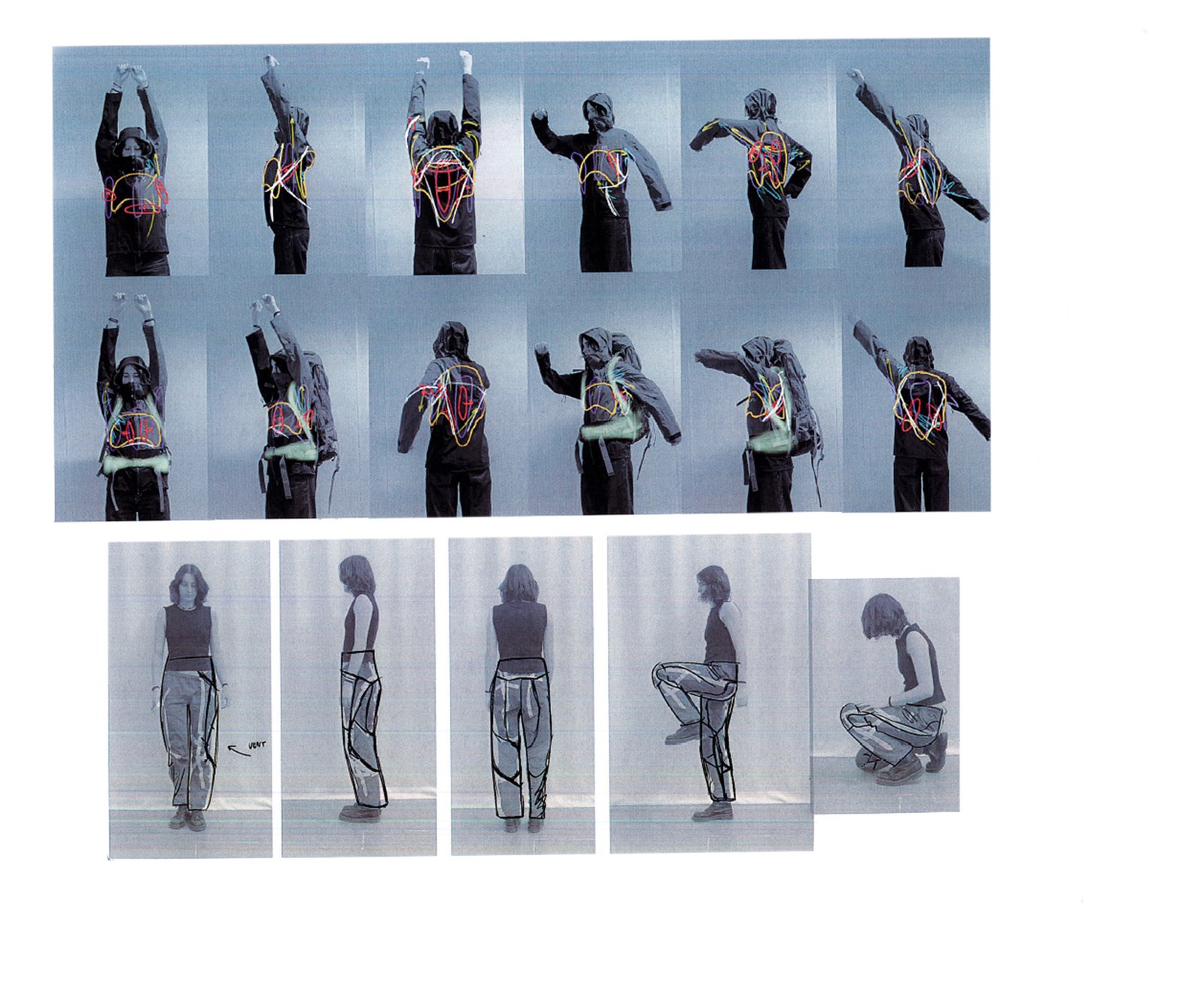
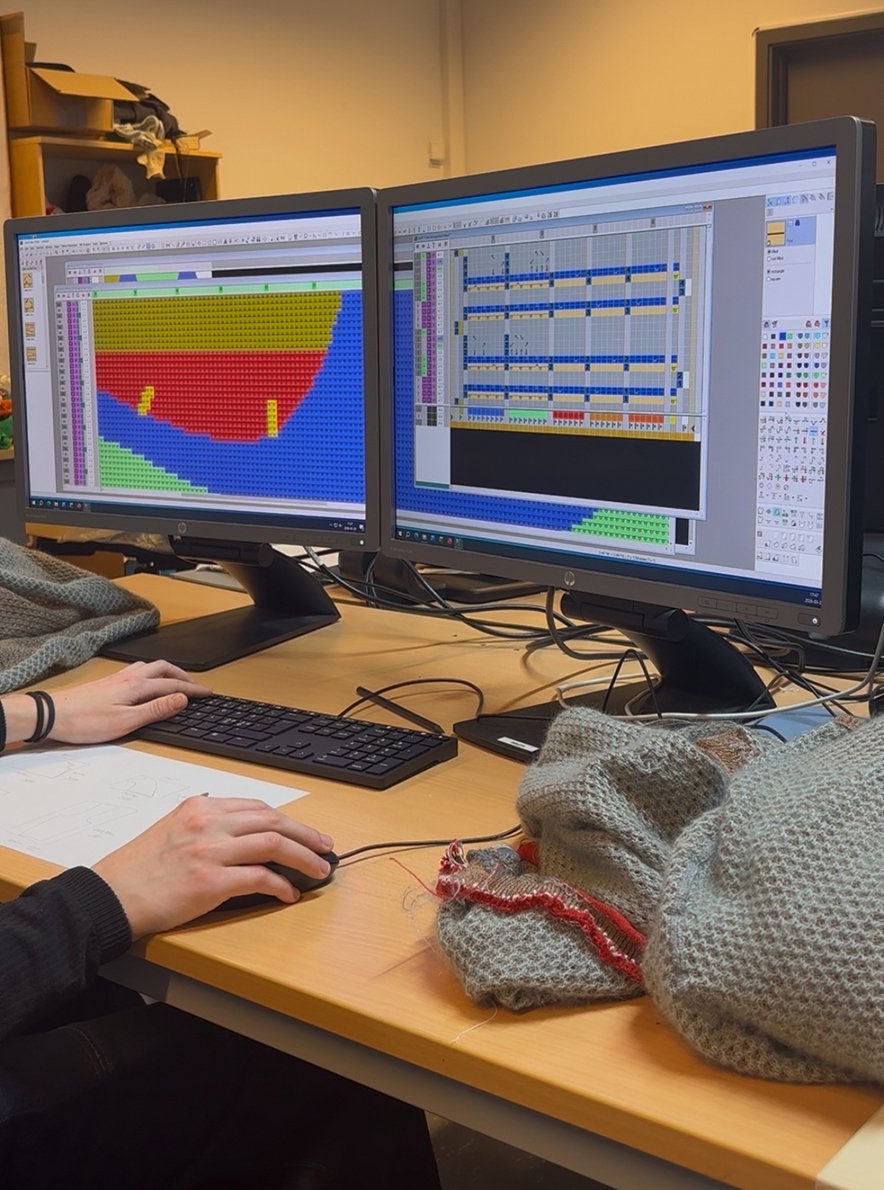
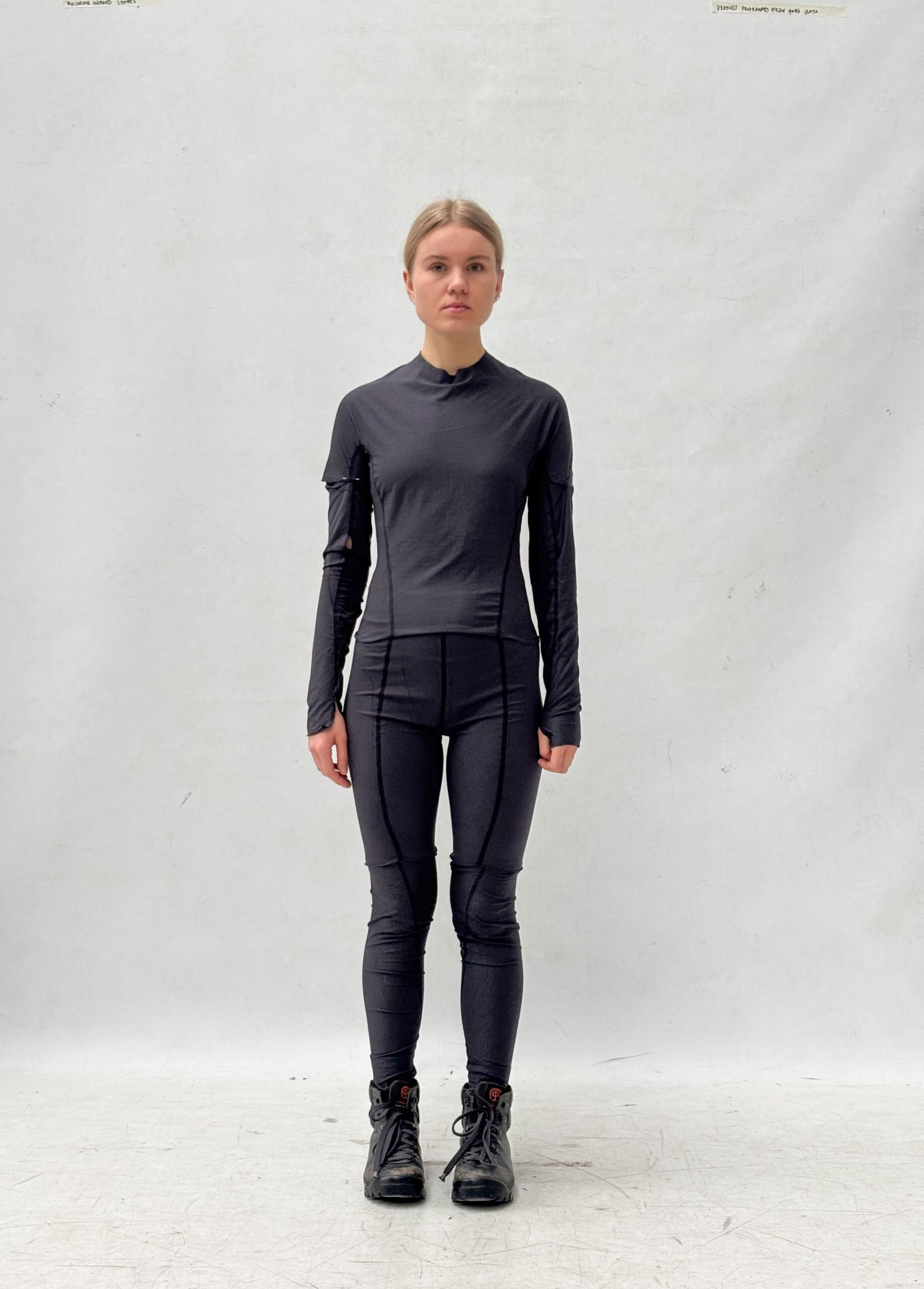
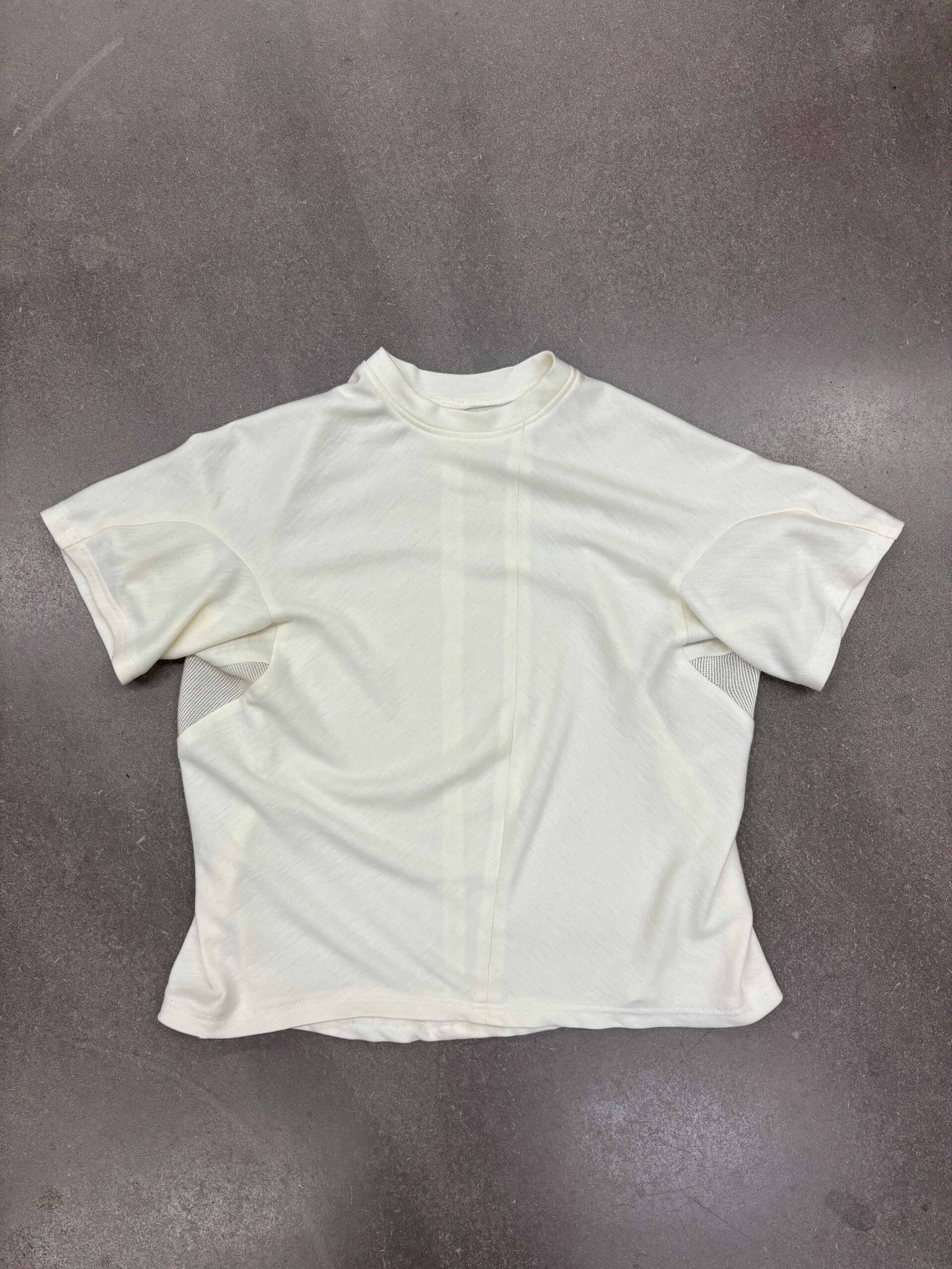
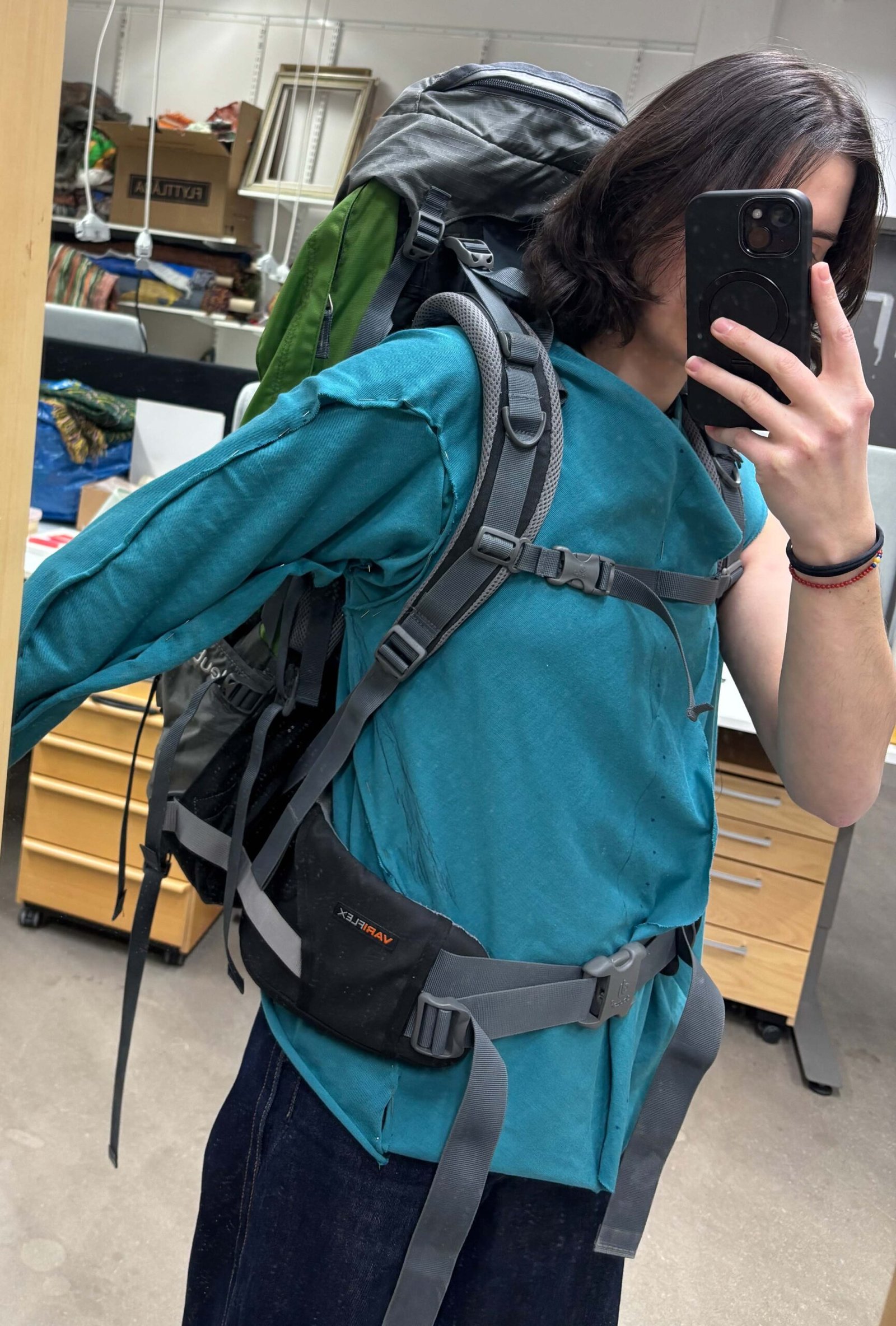
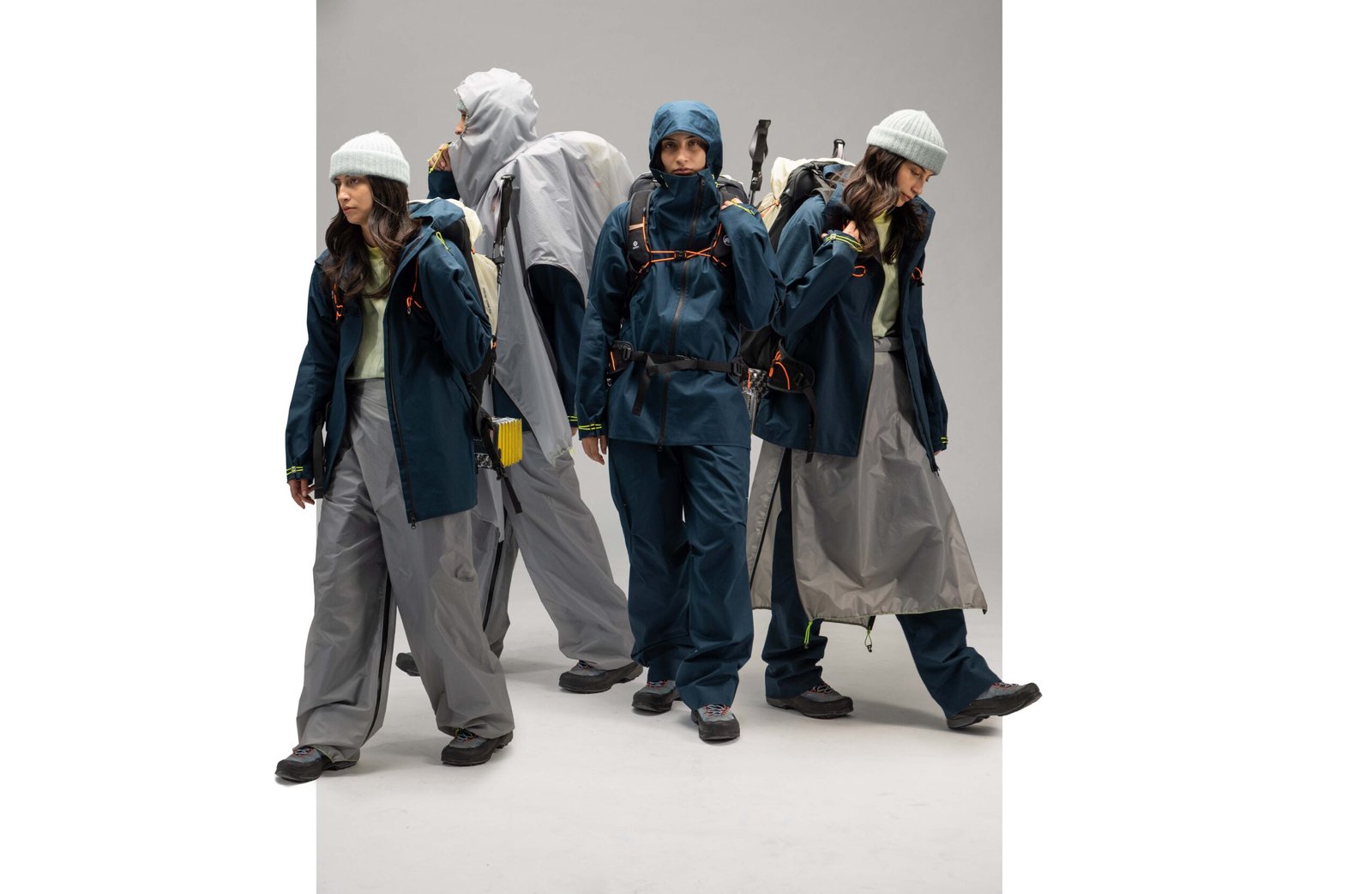
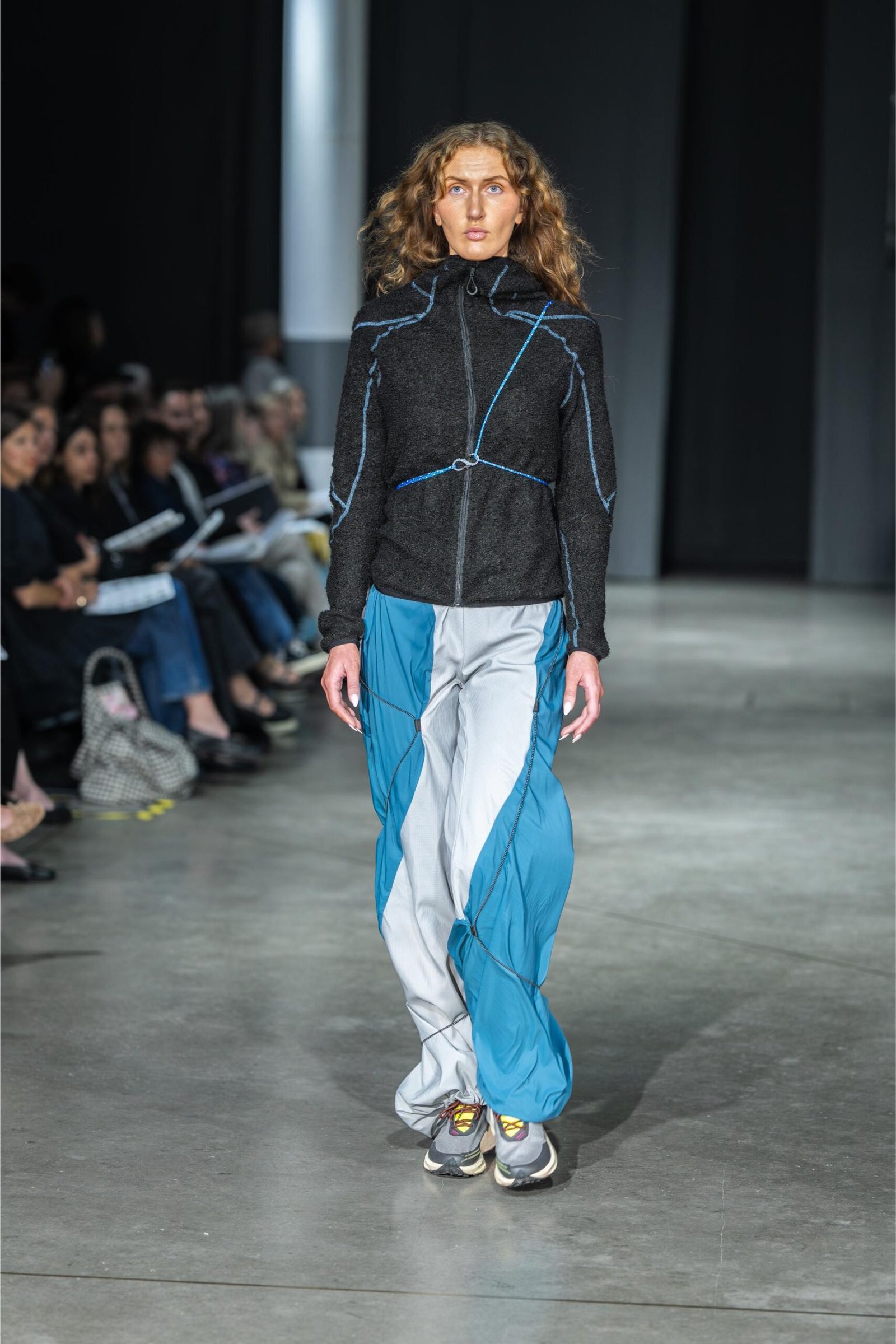
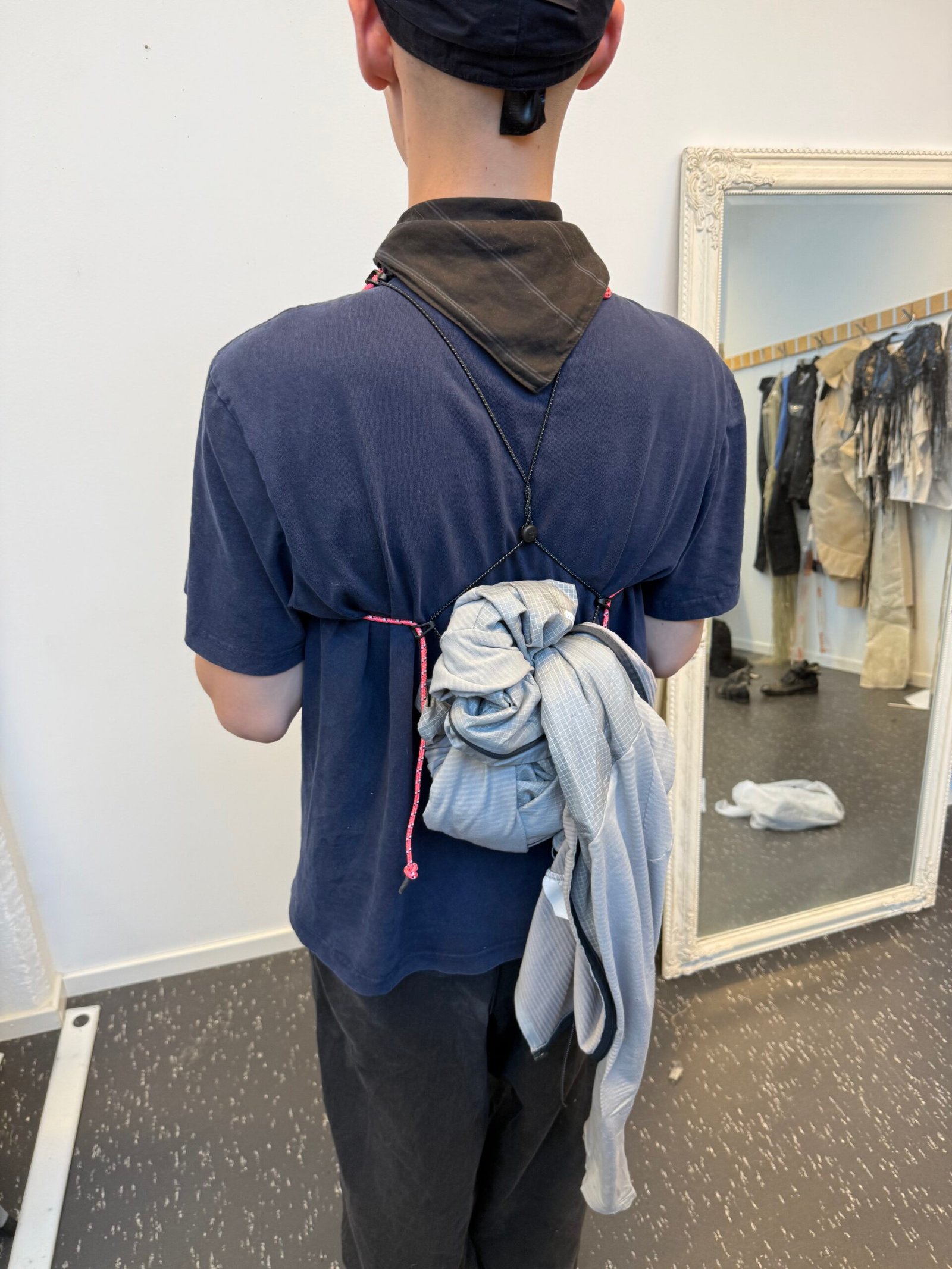
Vivien Ronja Grum’s project explores a user-centred layering system for hiking that allows continuous adaptation through ventilation, interaction, and modular design, rather than repeatedly removing entire layers. Developed through body mapping and movement studies, the collection uses industrial knitting techniques to enhance adaptability and precisely place ventilation within base layers. Inspired by the colours of forest lichens and made predominantly from natural materials, the project explores new approaches to outdoor performance wear without compromising functionality.

@vivienronjagrum

Elias Evertsson

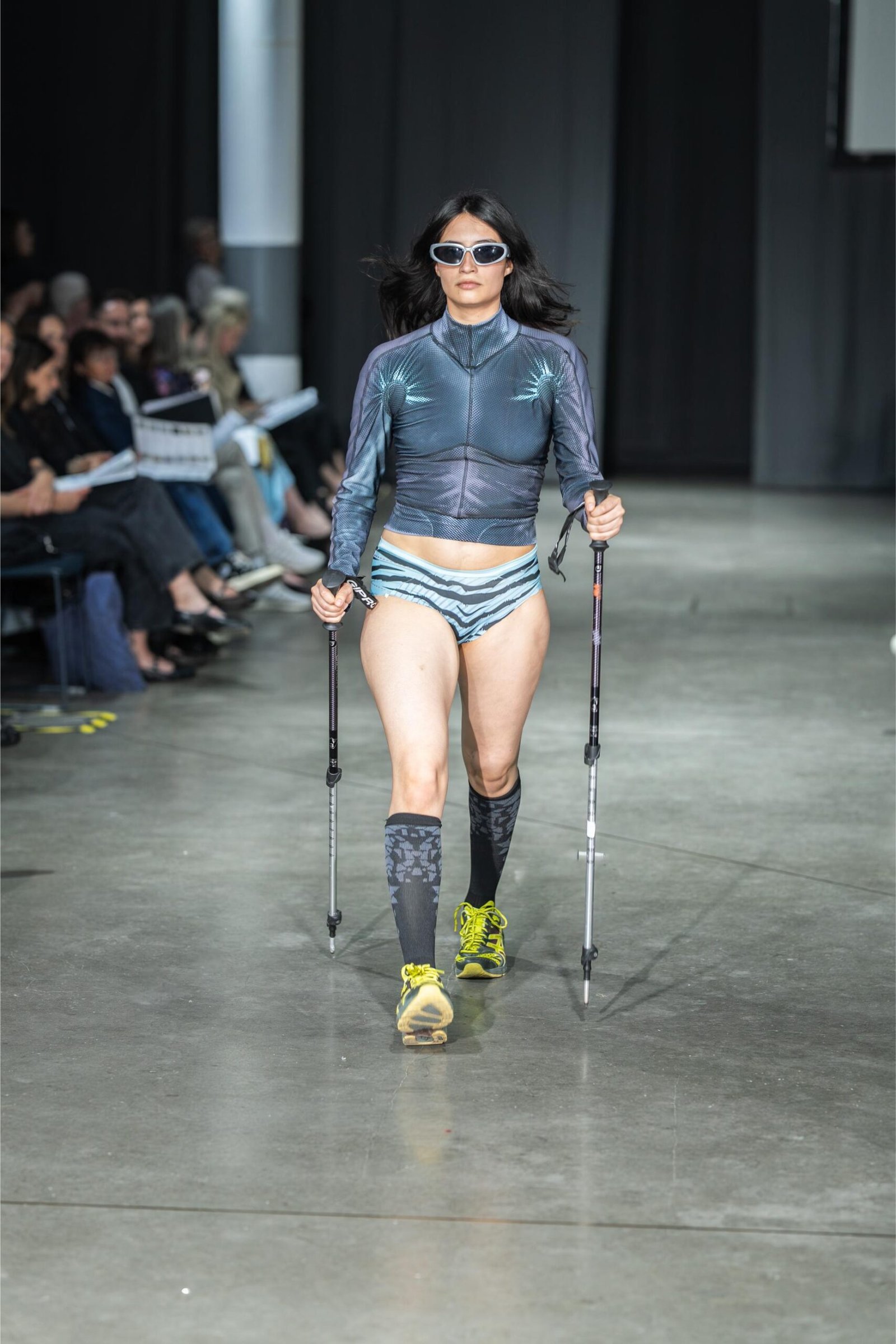
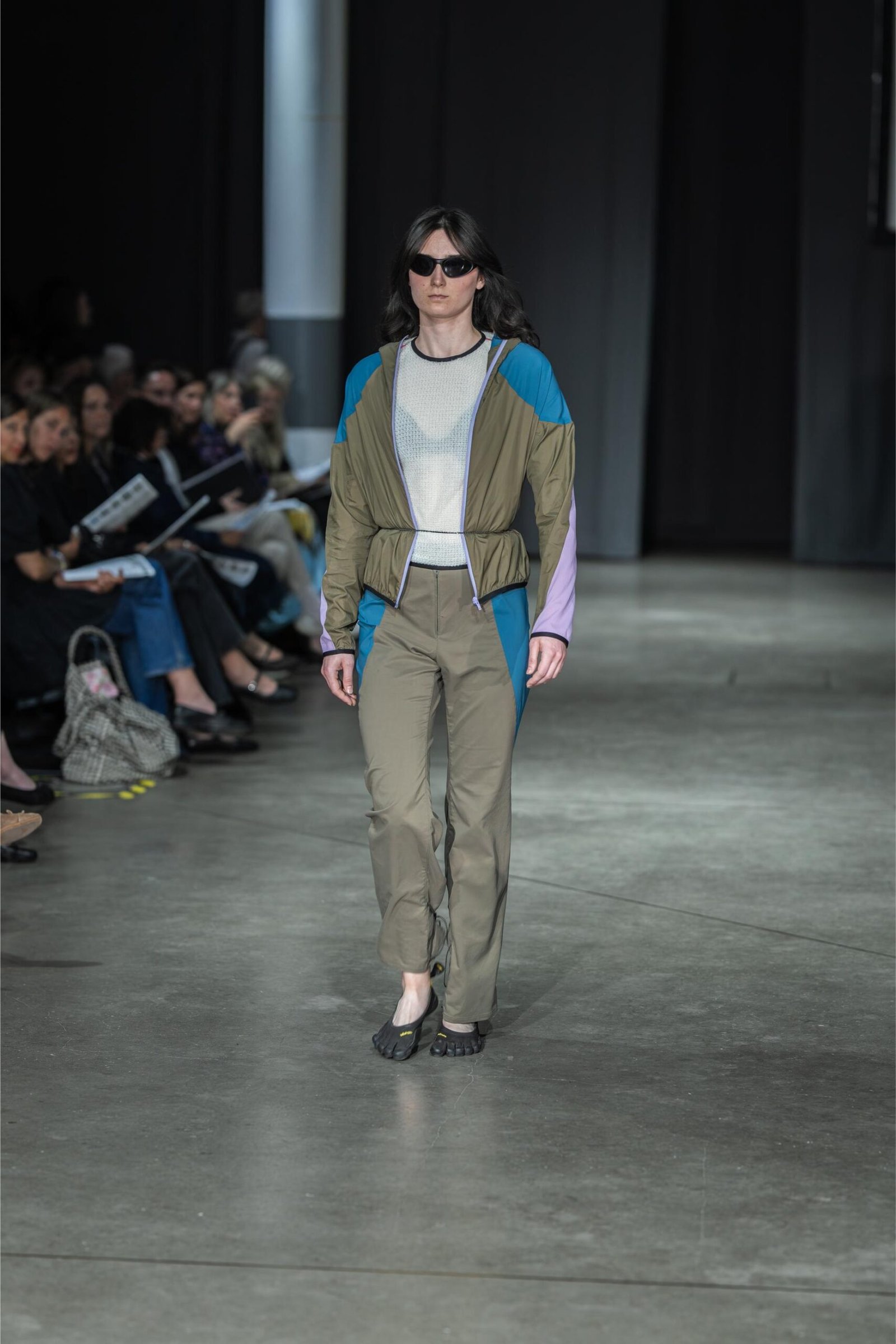
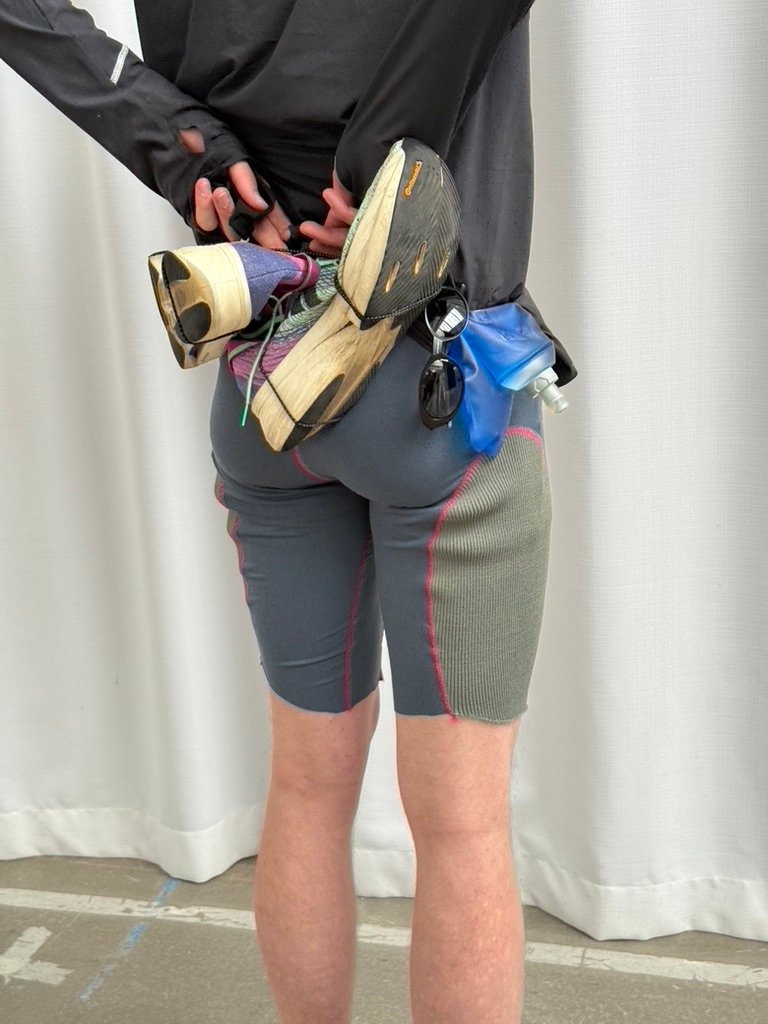
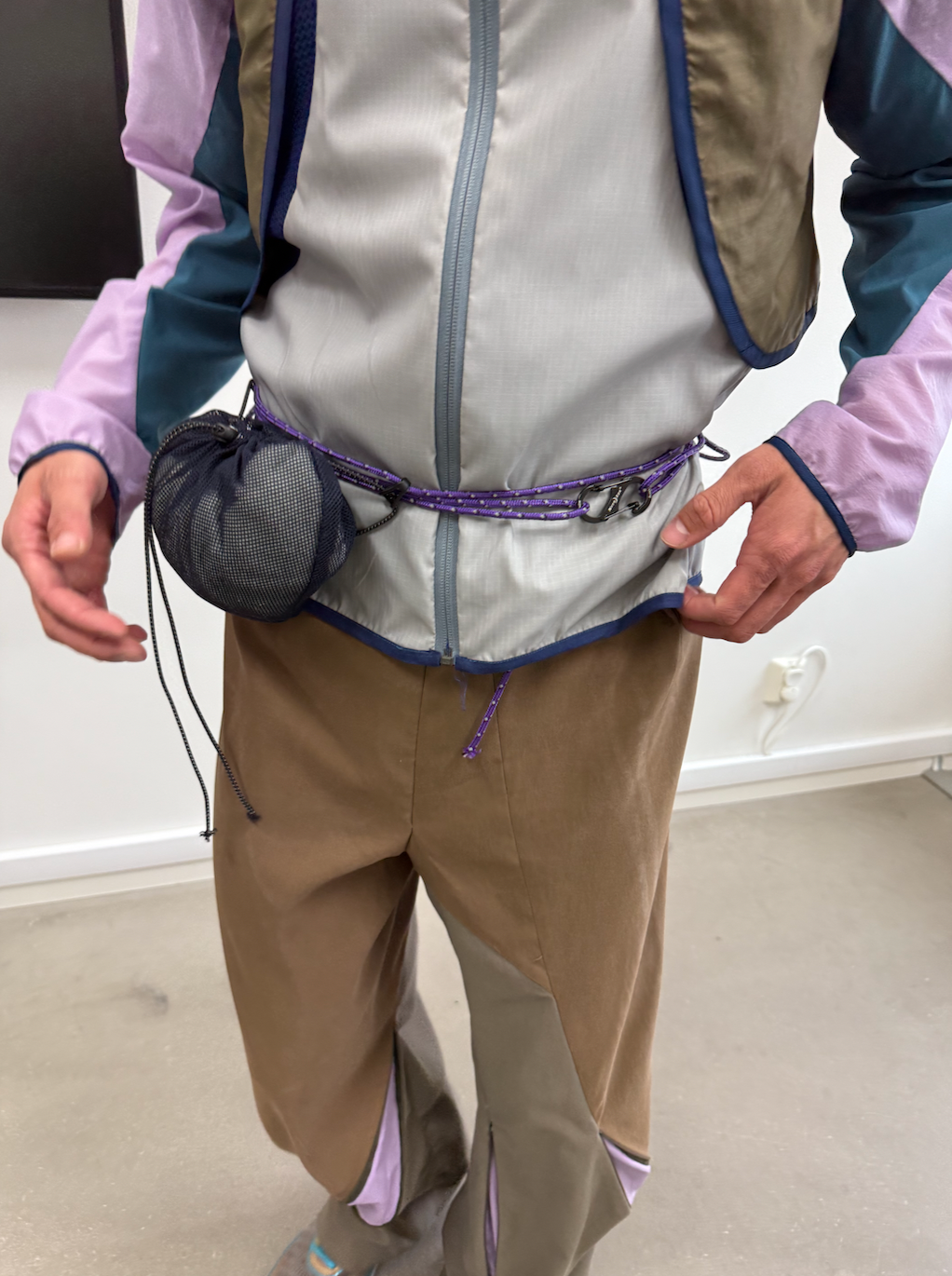
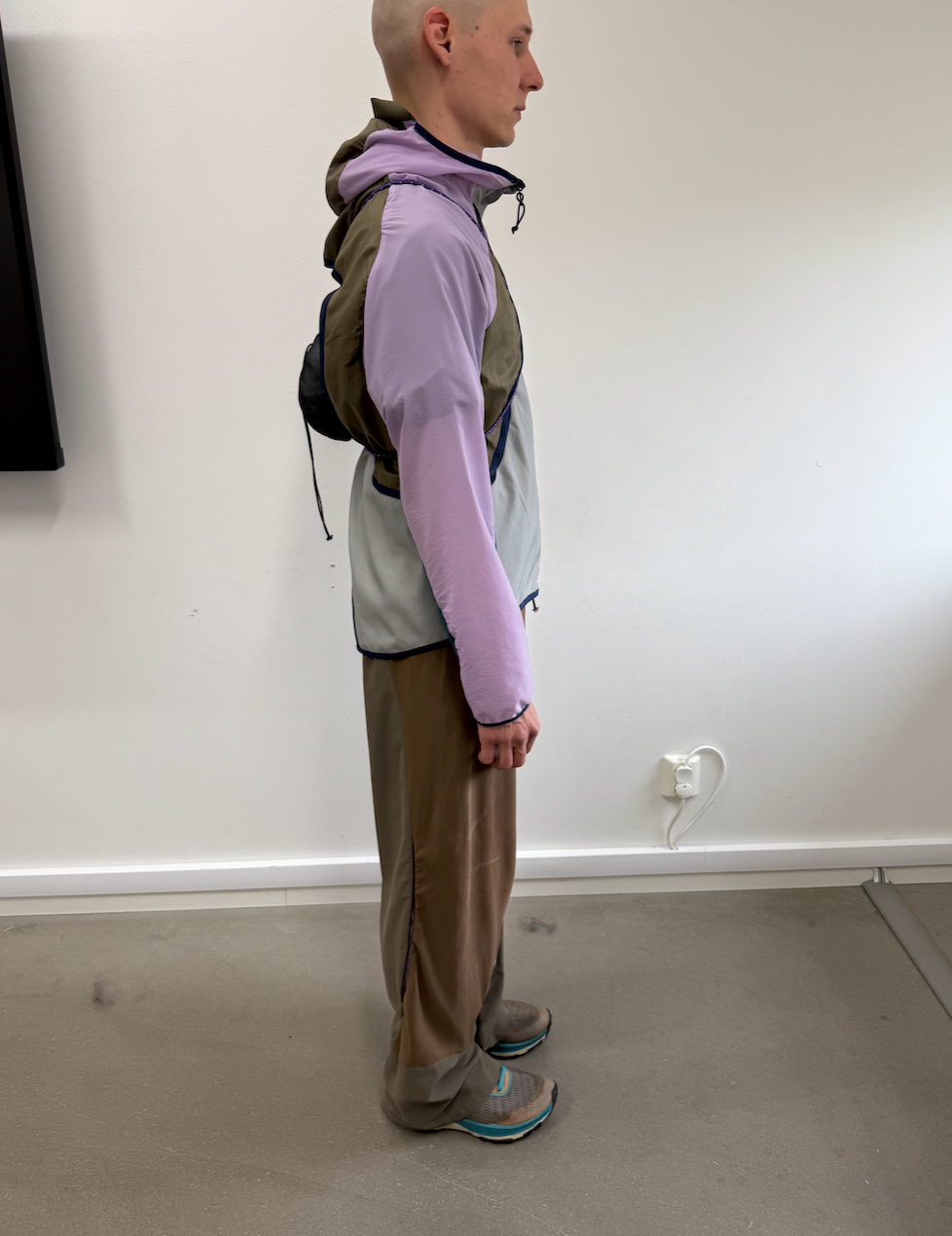
Elias Evertsson’s project explores the development of a contemporary running uniform that adapts across multiple contexts. Combining performance garments with integrated accessories and wearable technology, the collection investigates how clothing can support an effortless transition between physical activity and everyday life. Research into psychological comfort, perception, pattern construction, fit, material, and form informs garments designed to improve both physical performance and wearer confidence.

@eliasevertsson

Screenshot

Emilie Kiilerich

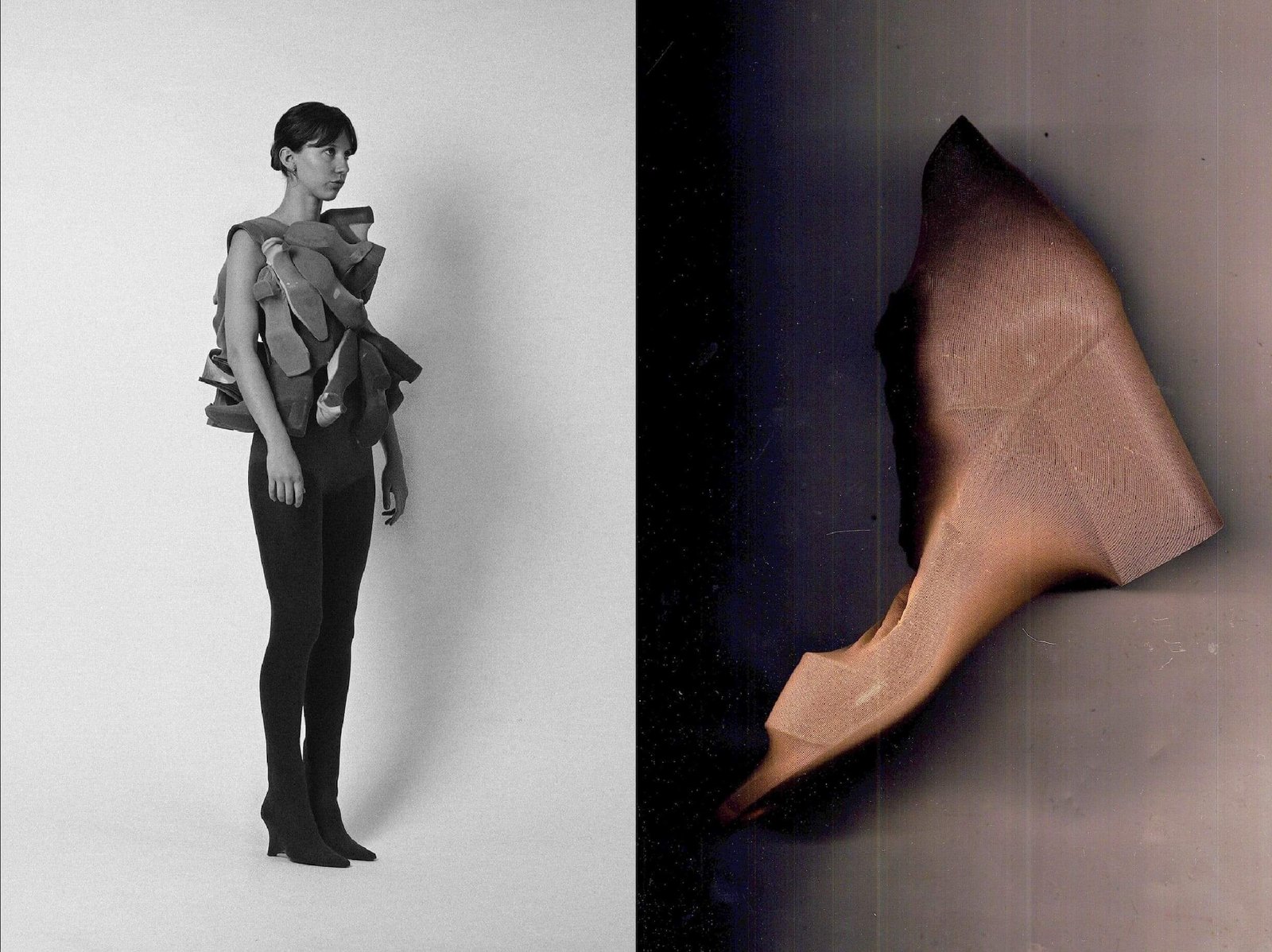
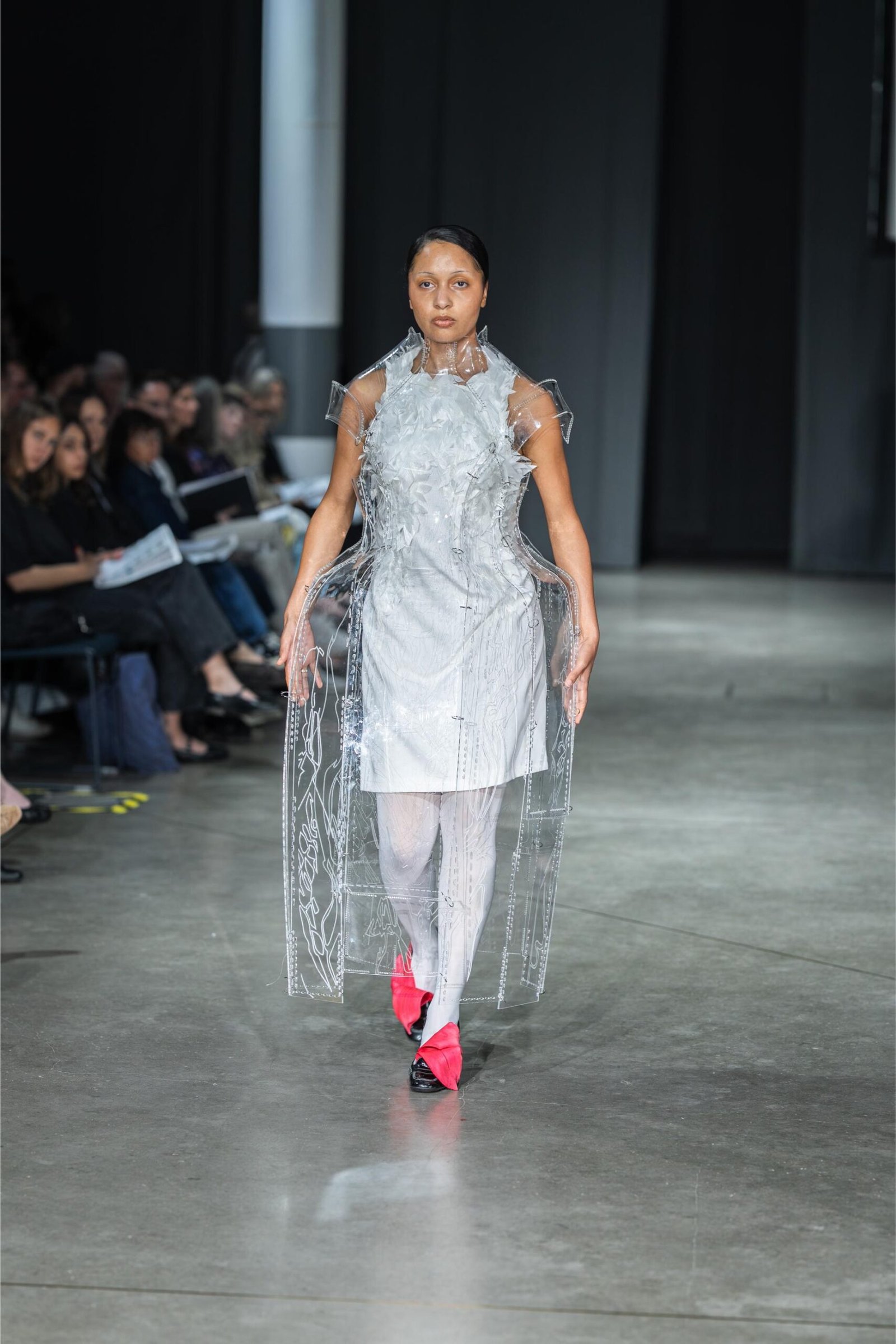
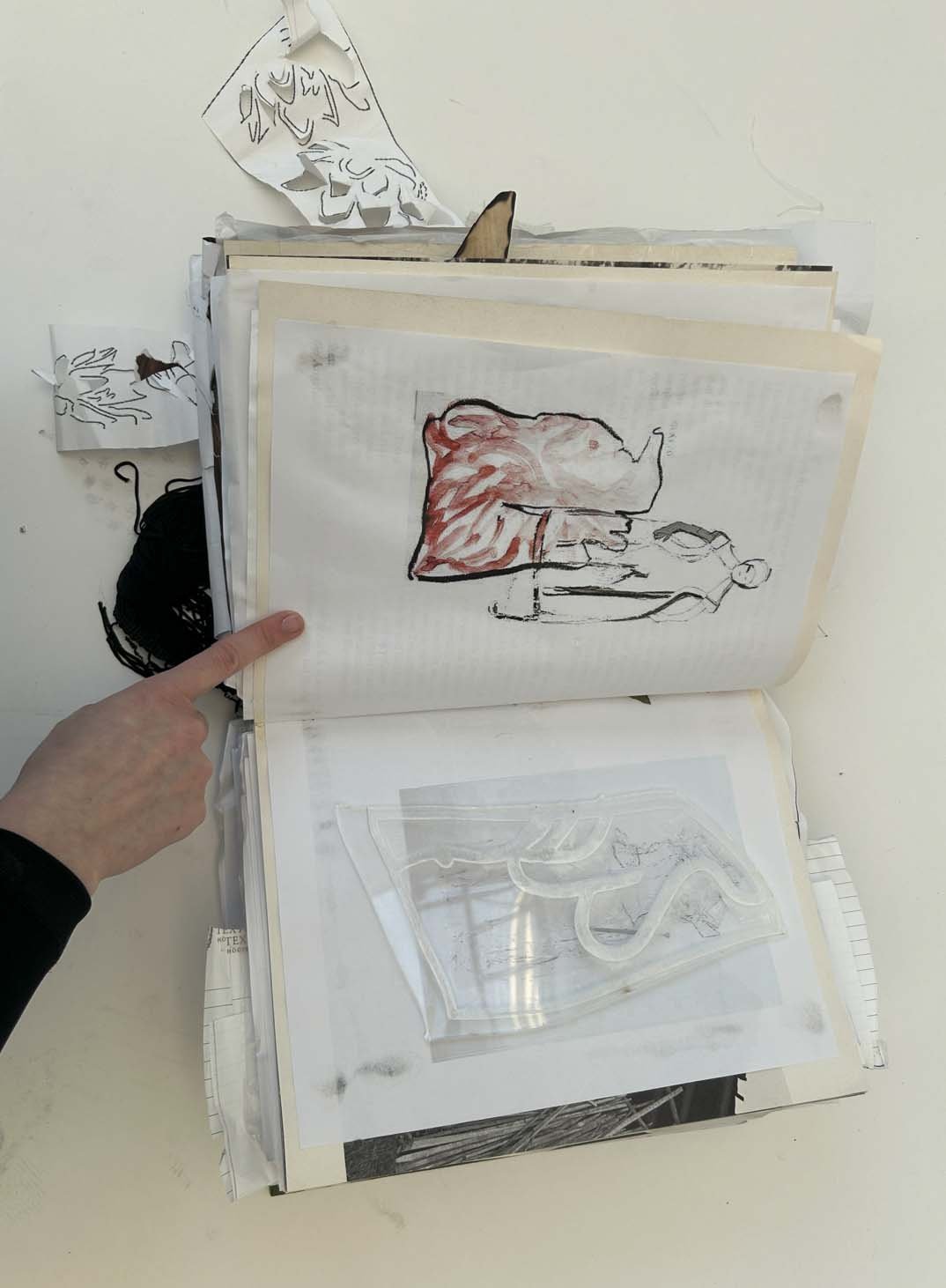
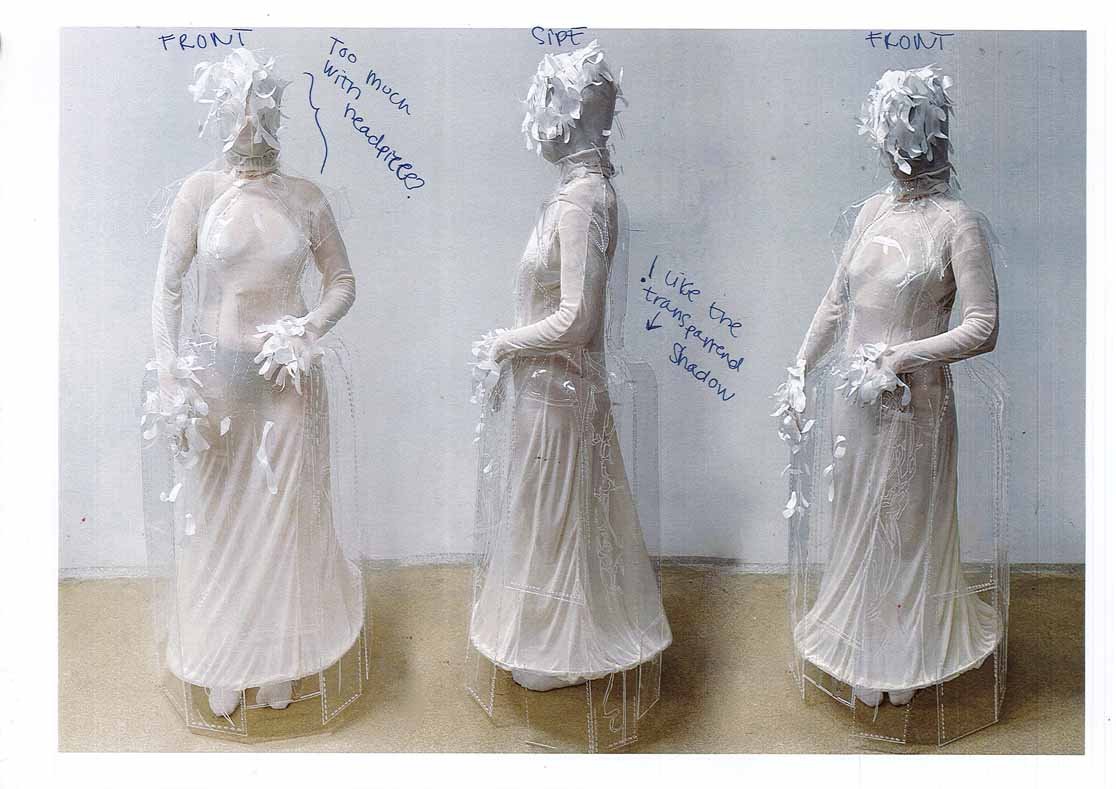
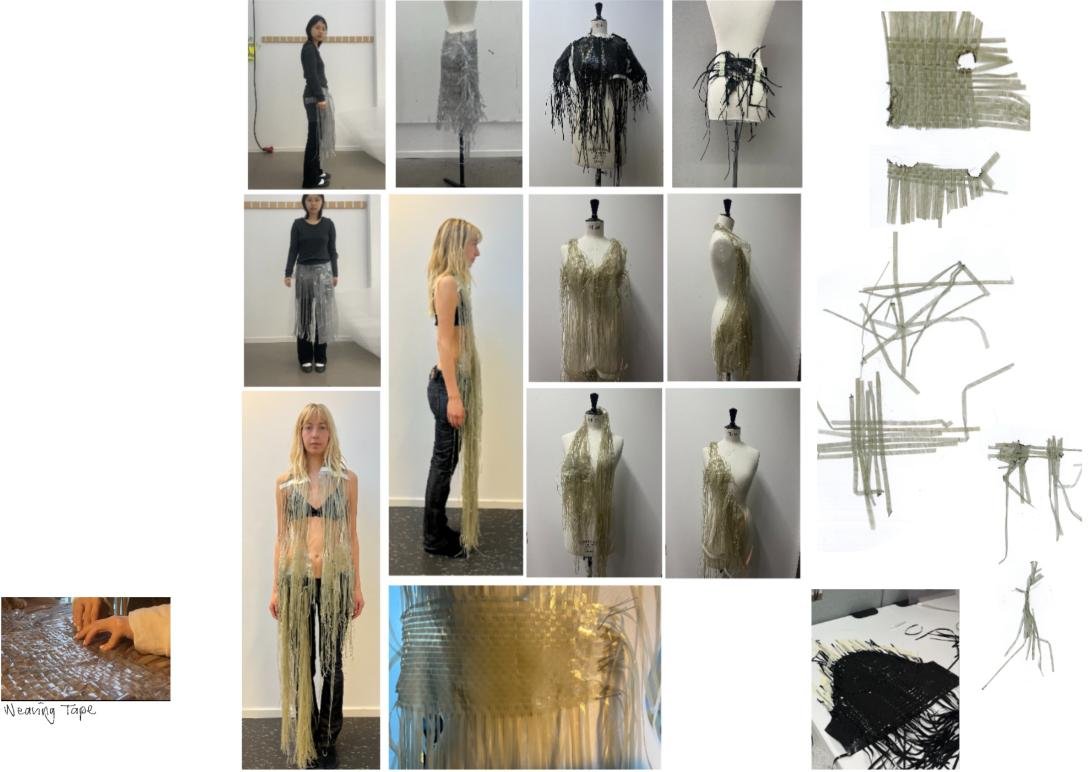
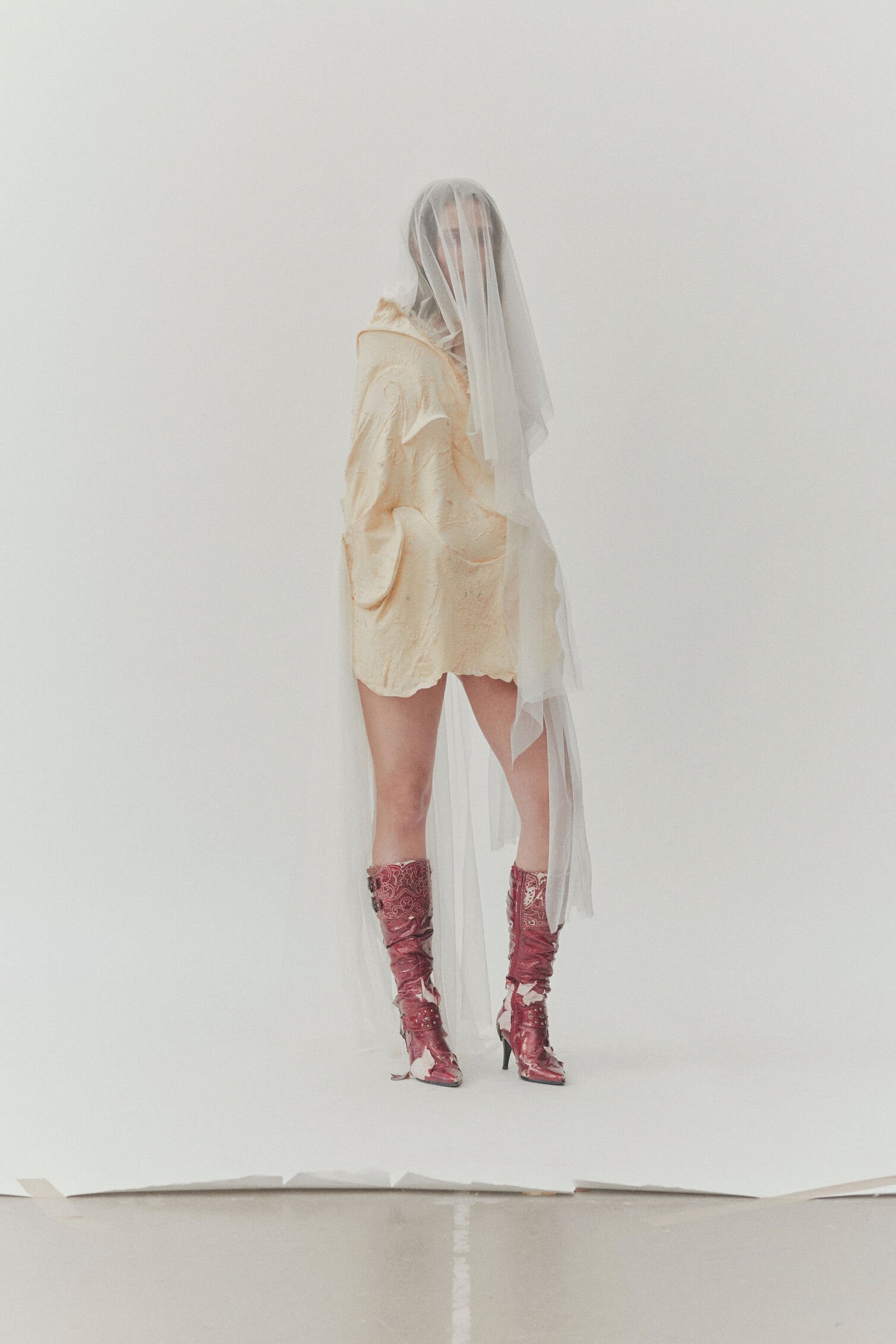
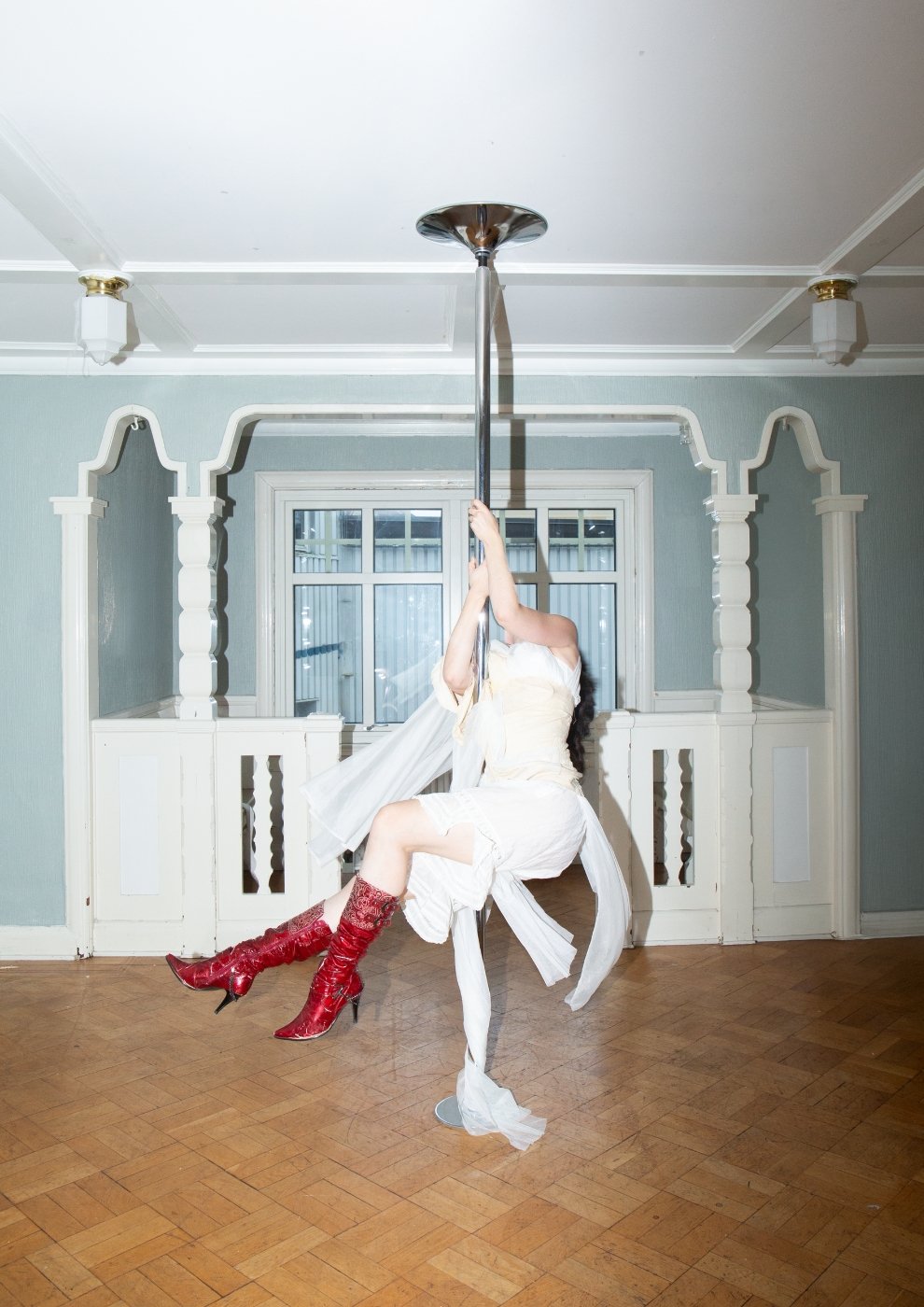
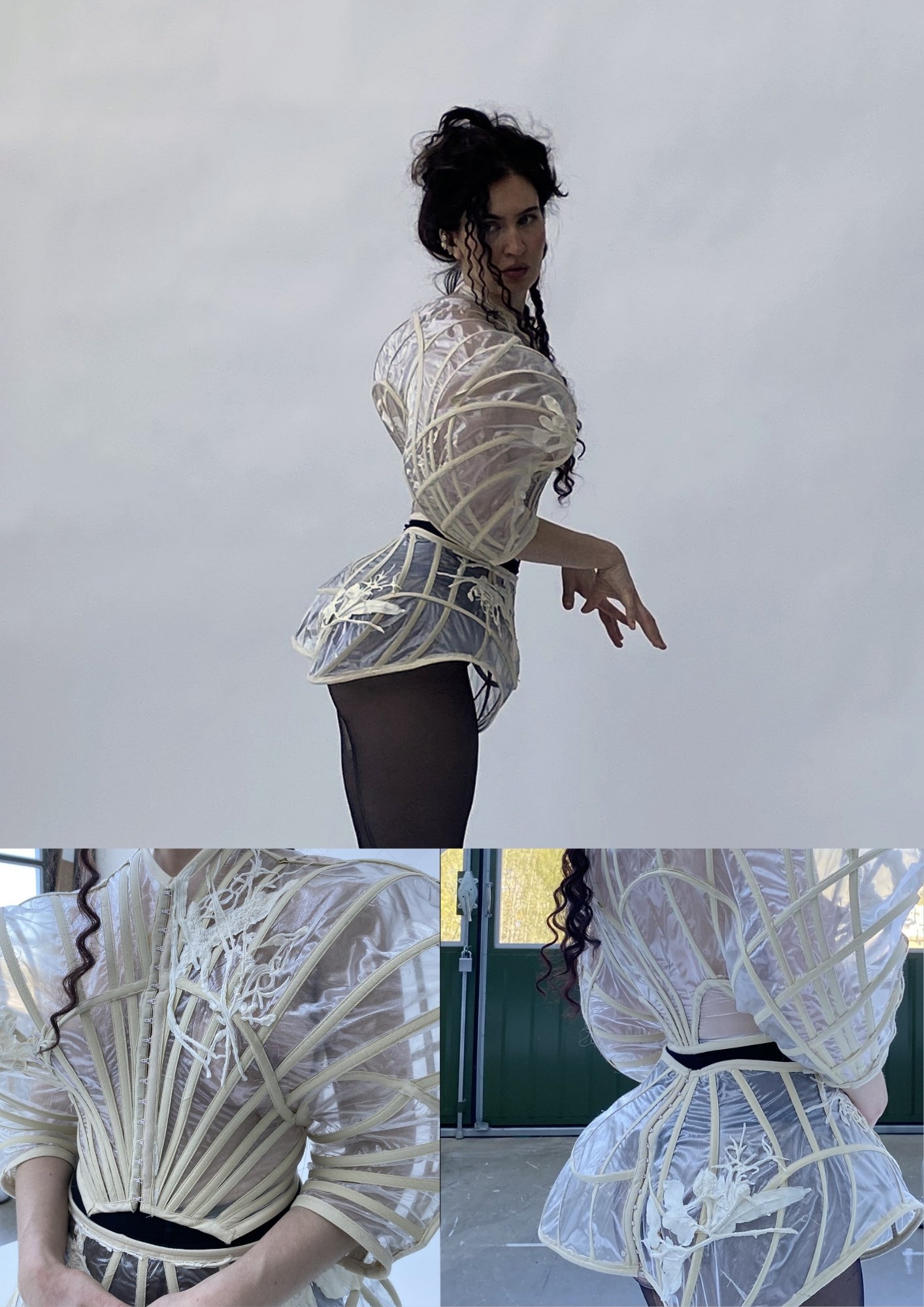
Emilie Kiilerich’s collection, Worn Narratives, exists in the space where costume becomes fashion and garments become carriers of character. Developed through a body-led design process, the collection translates movement, memory, and transformation into sculptural silhouettes, drawing on film The Red Shoes (1948) and Clarissa Pinkola Estés’ Women Who Run With the Wolves. Emotional states including control, desire, loss, and liberation inform garments that move between wearability and resistance, while a glass dress and woven metal textiles, developed in collaboration with weaving artist Pamela Attys, explore restriction, protection, and vulnerability.

@emiliekiilerich

Cajsa Torstensson

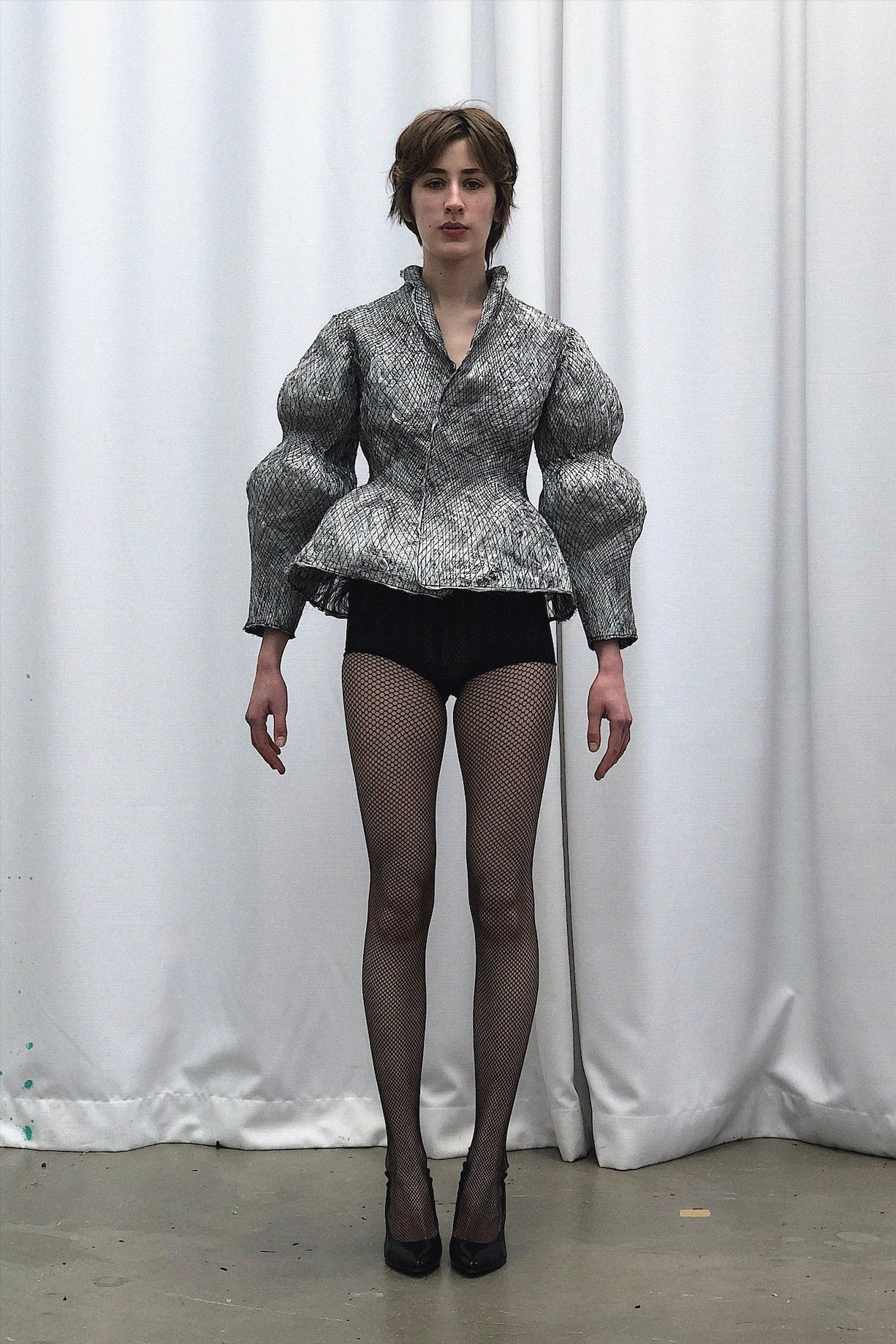
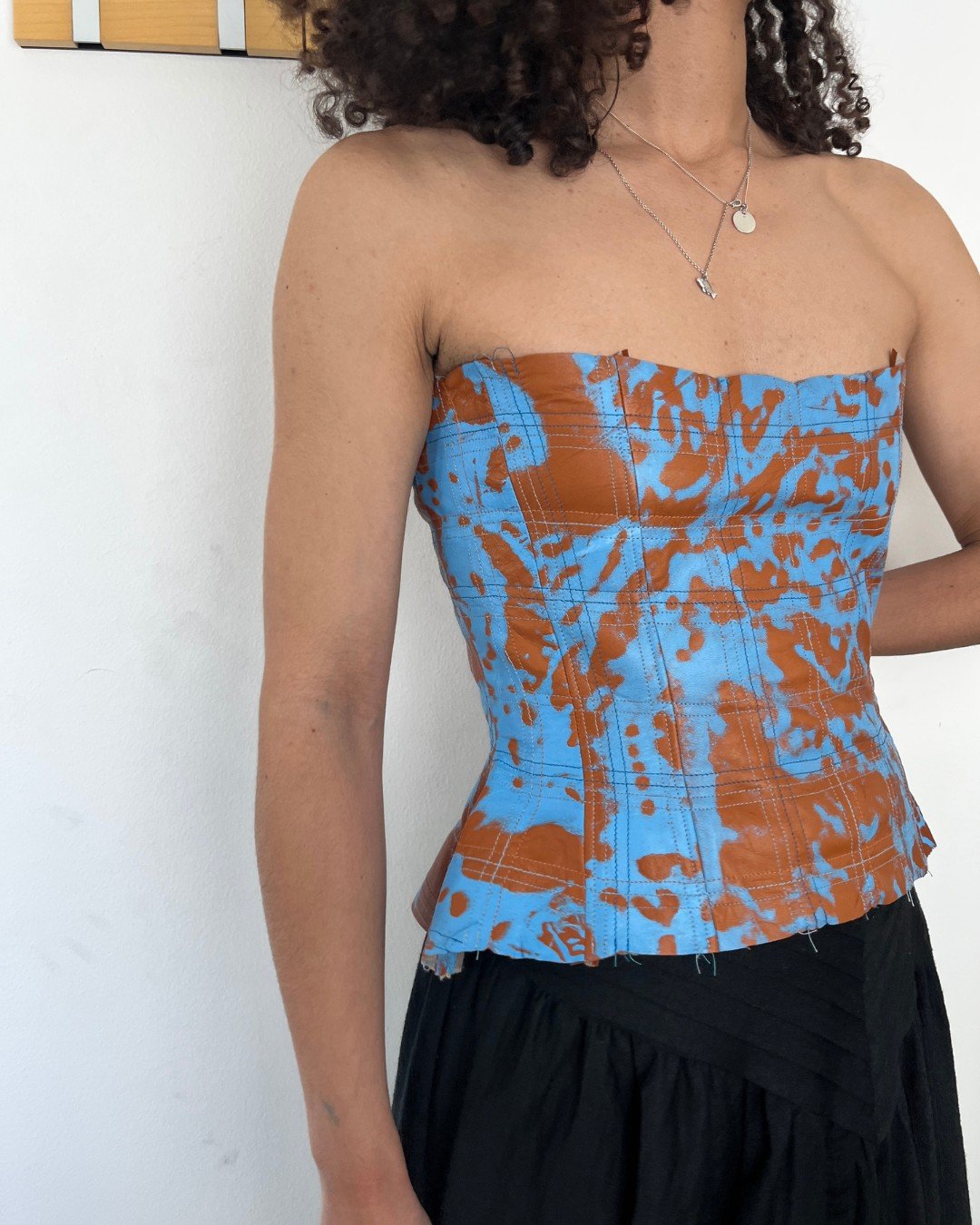
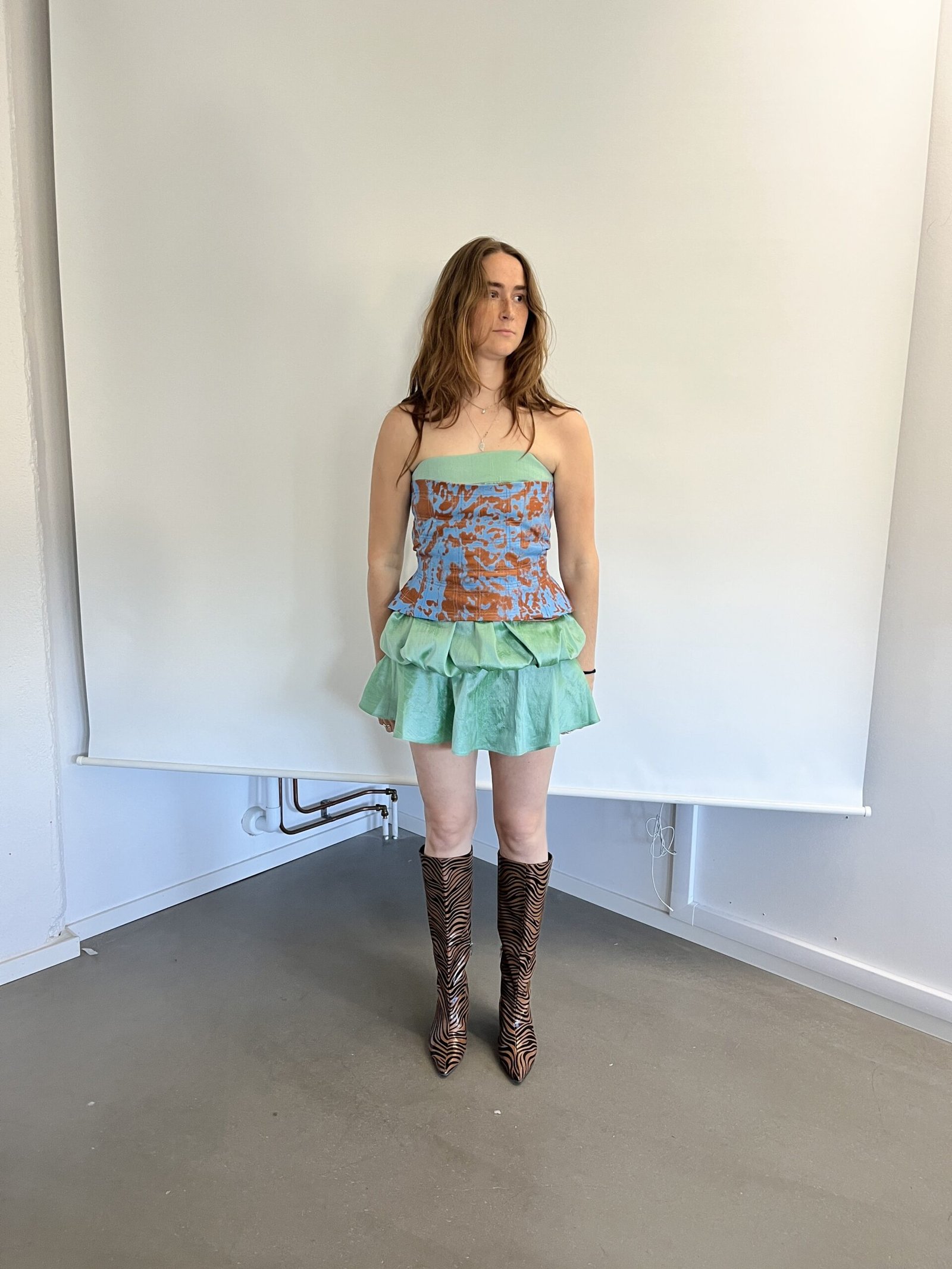
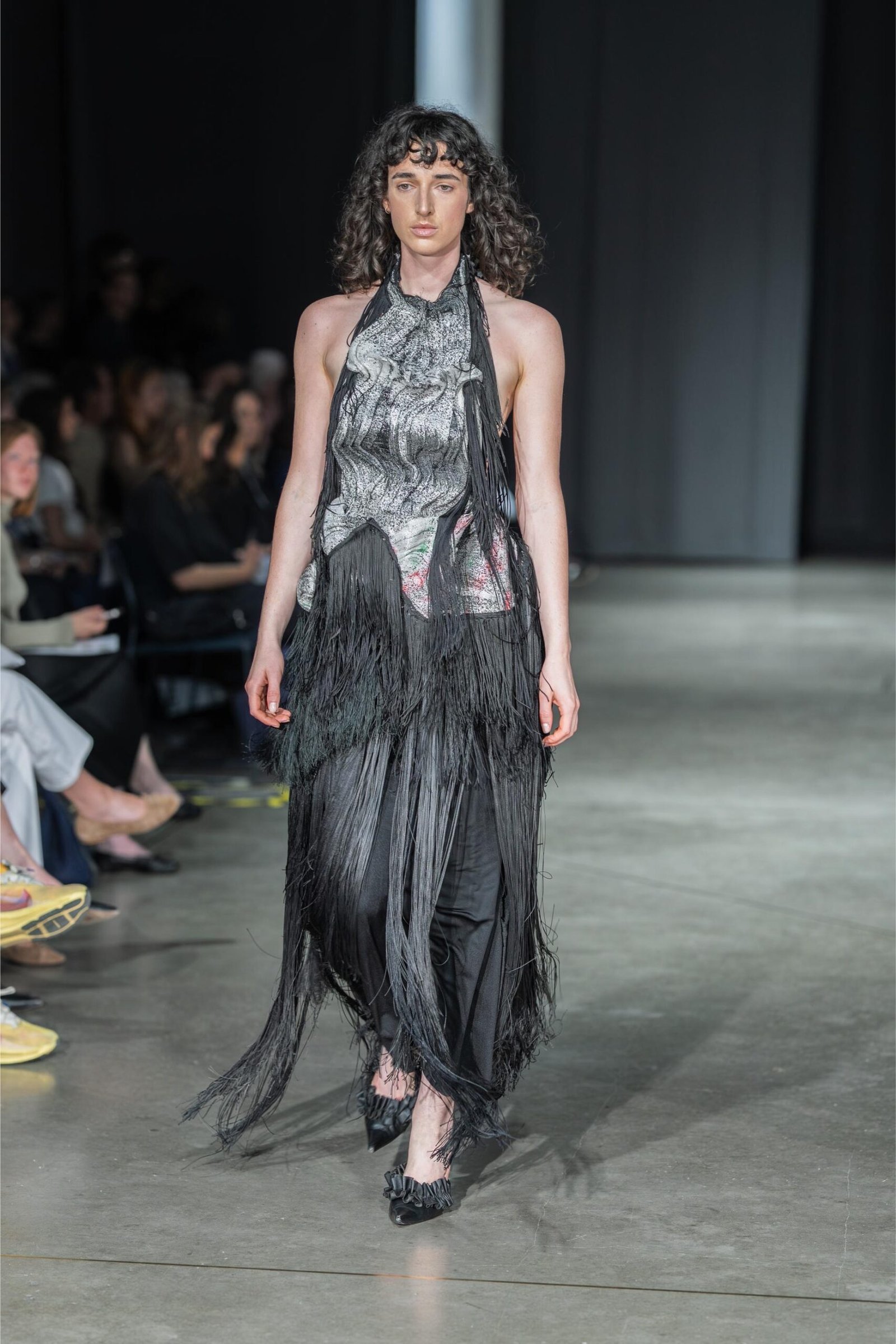
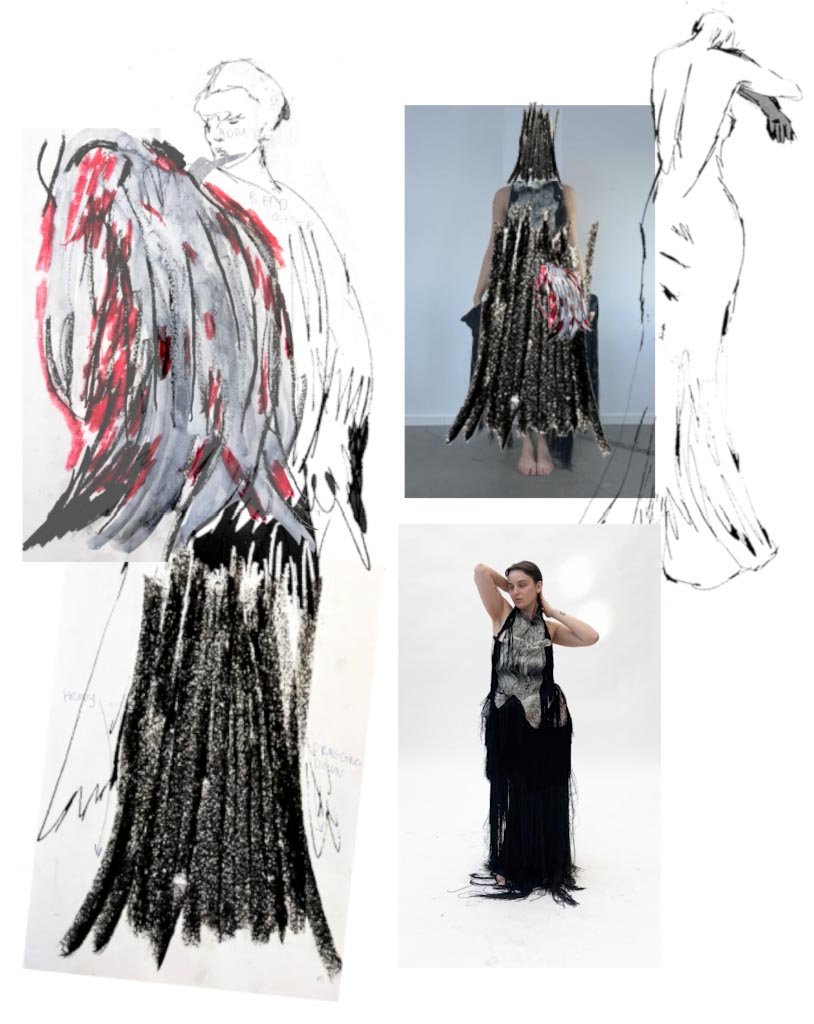
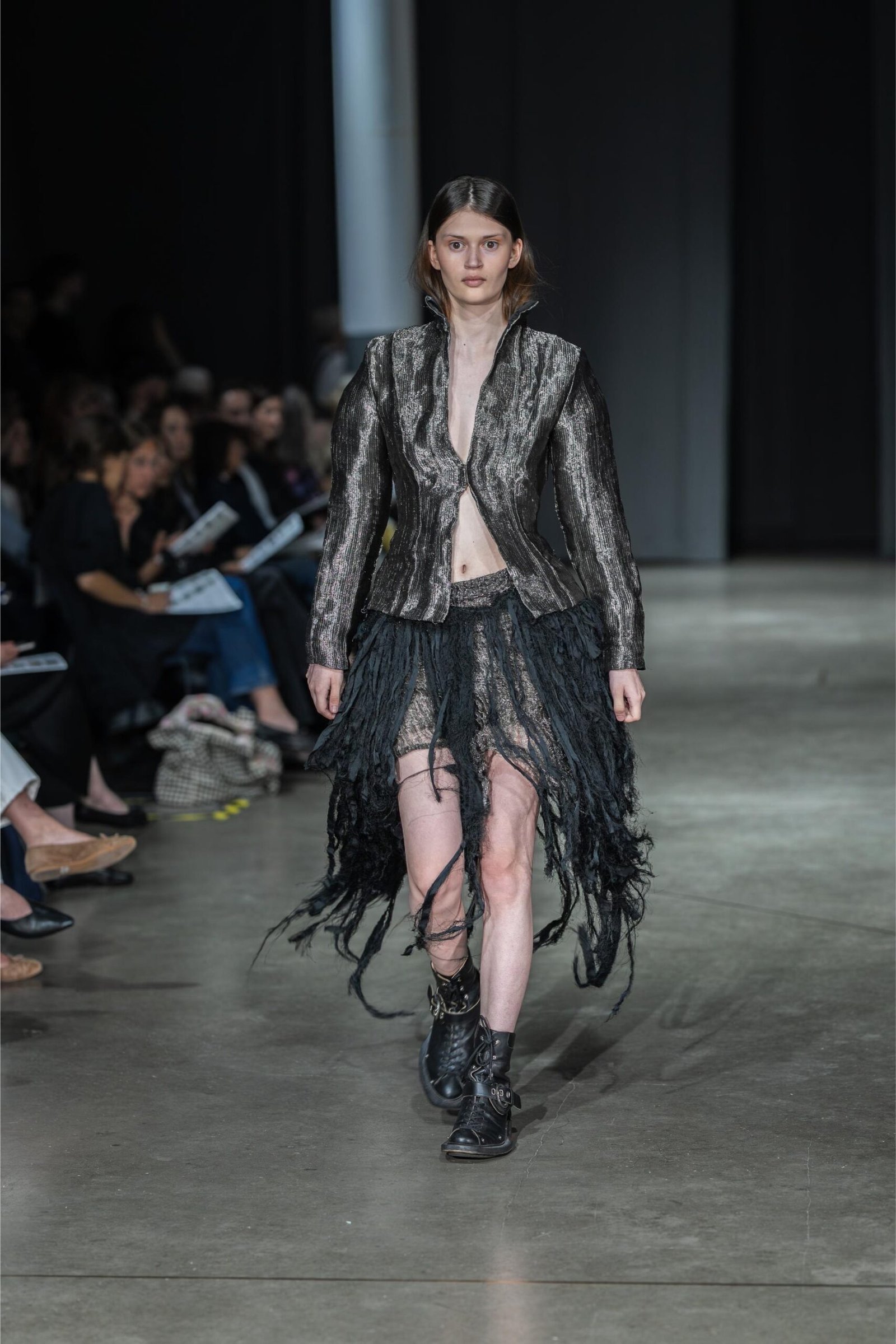
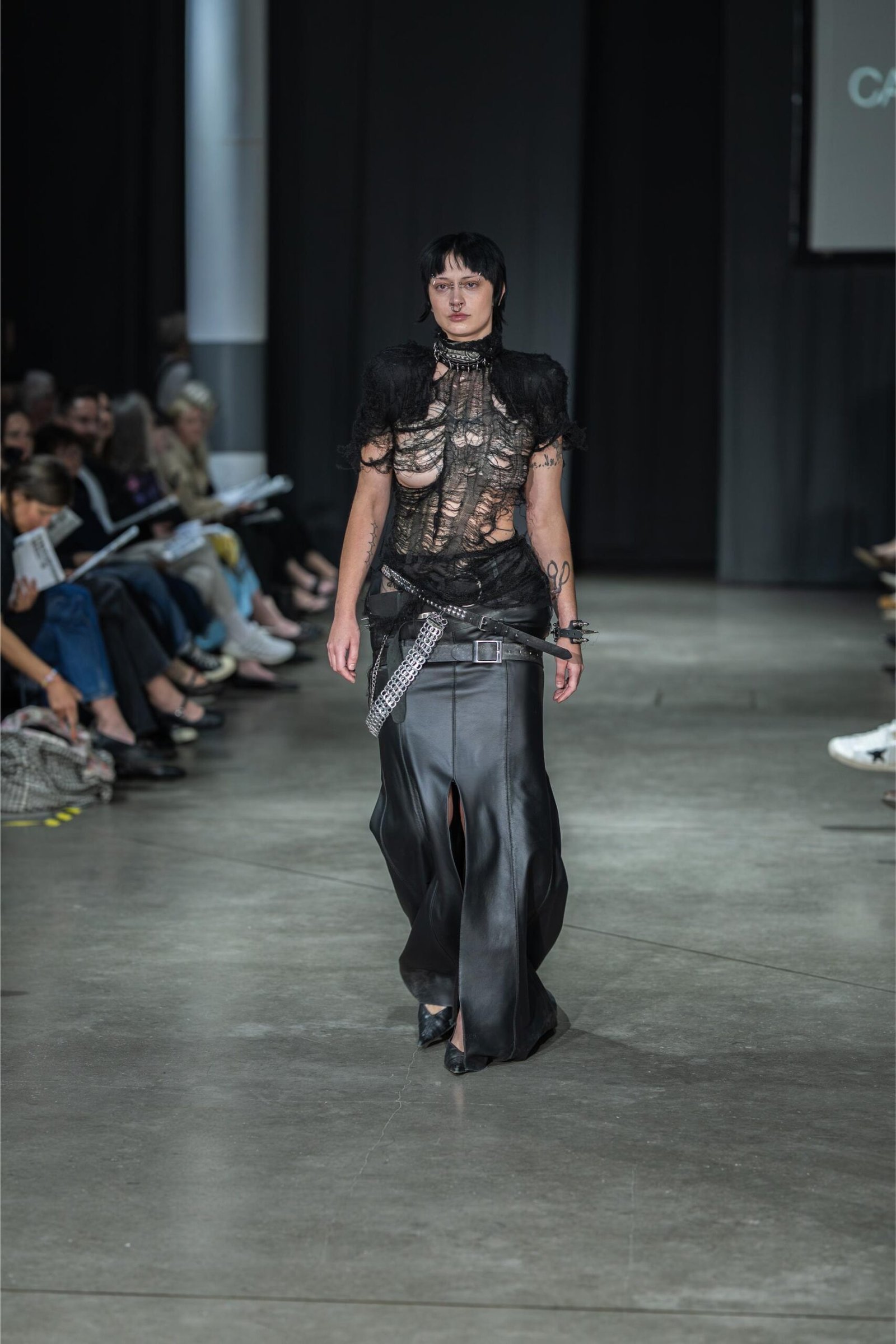
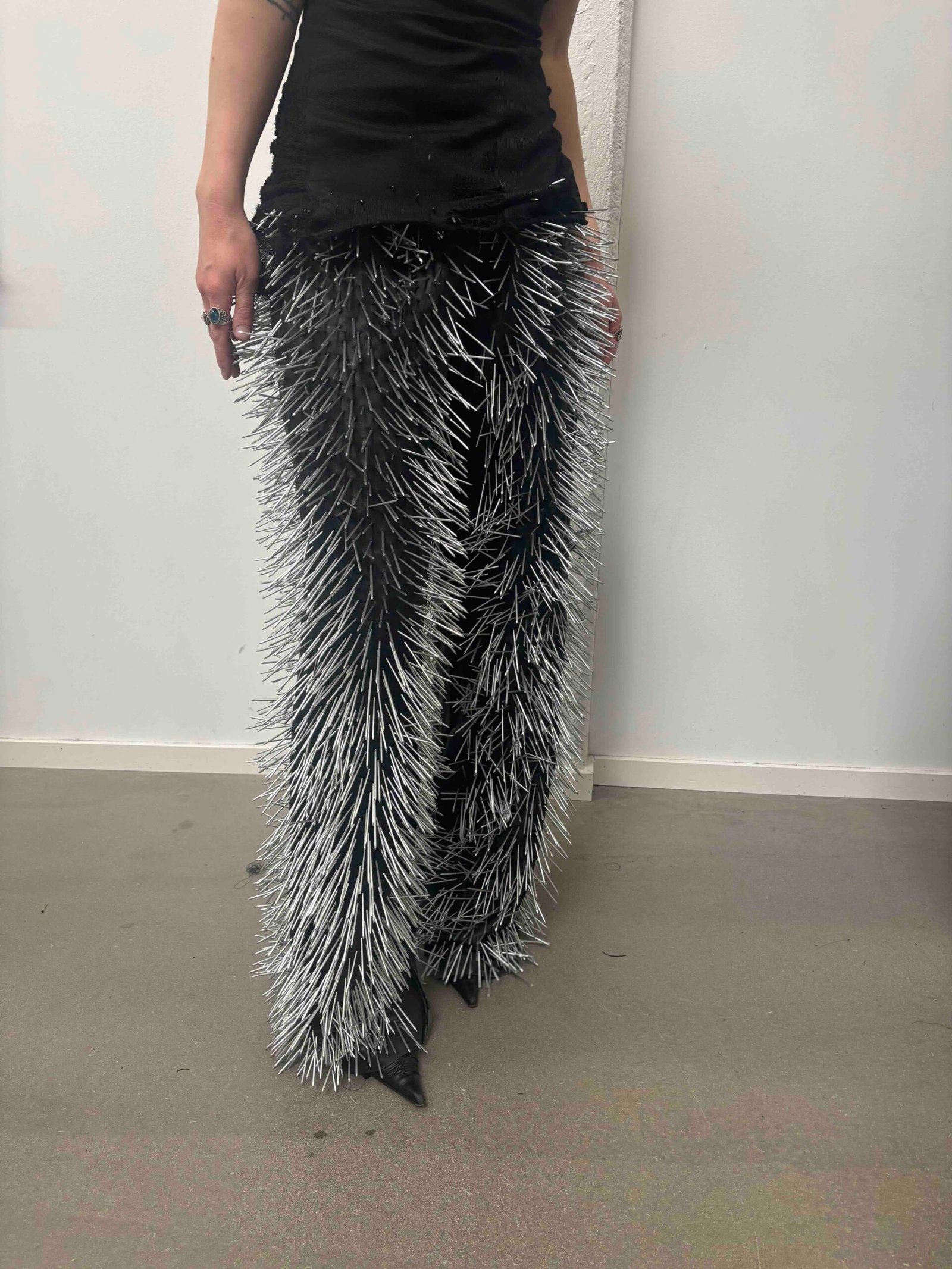
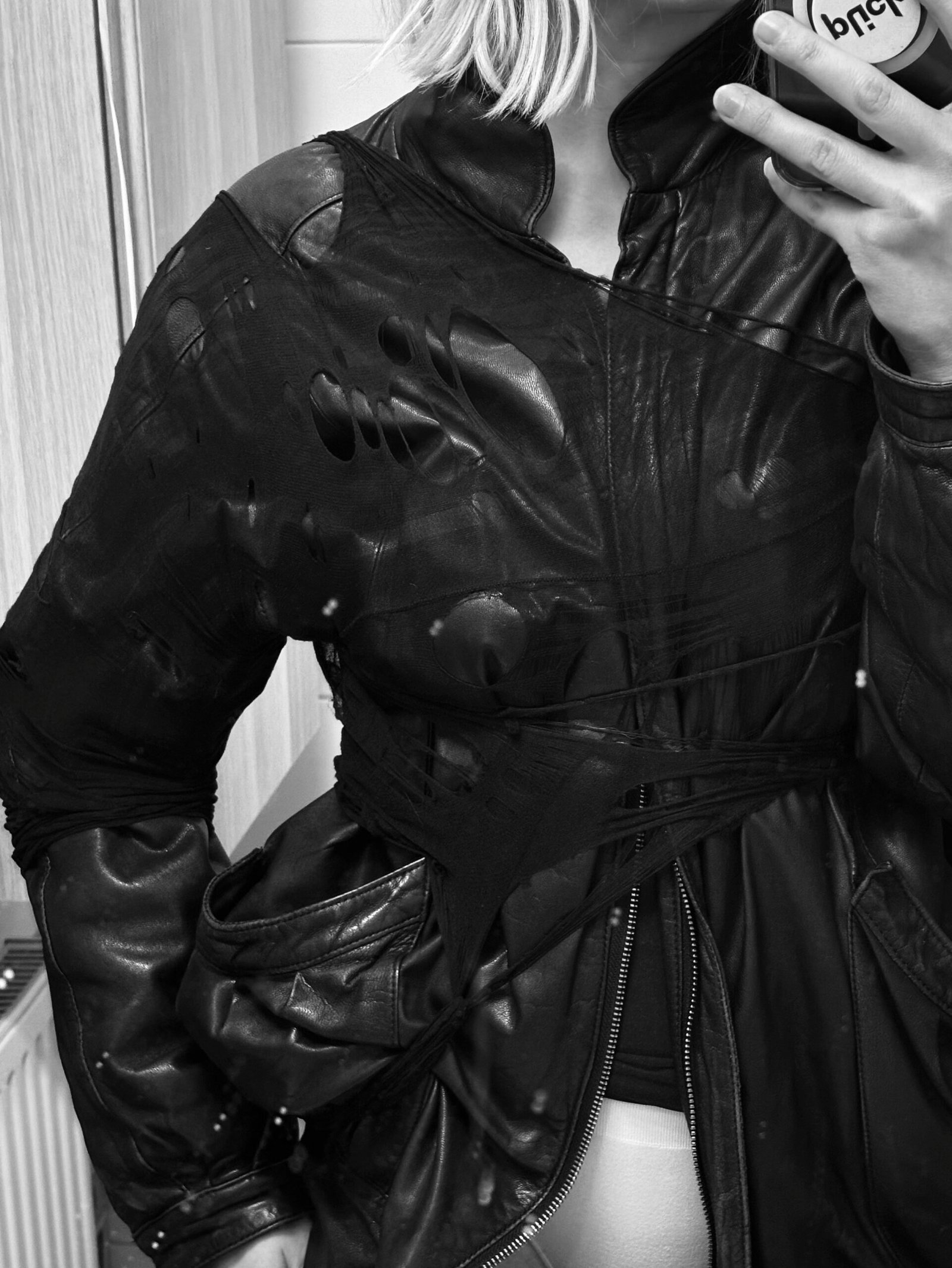
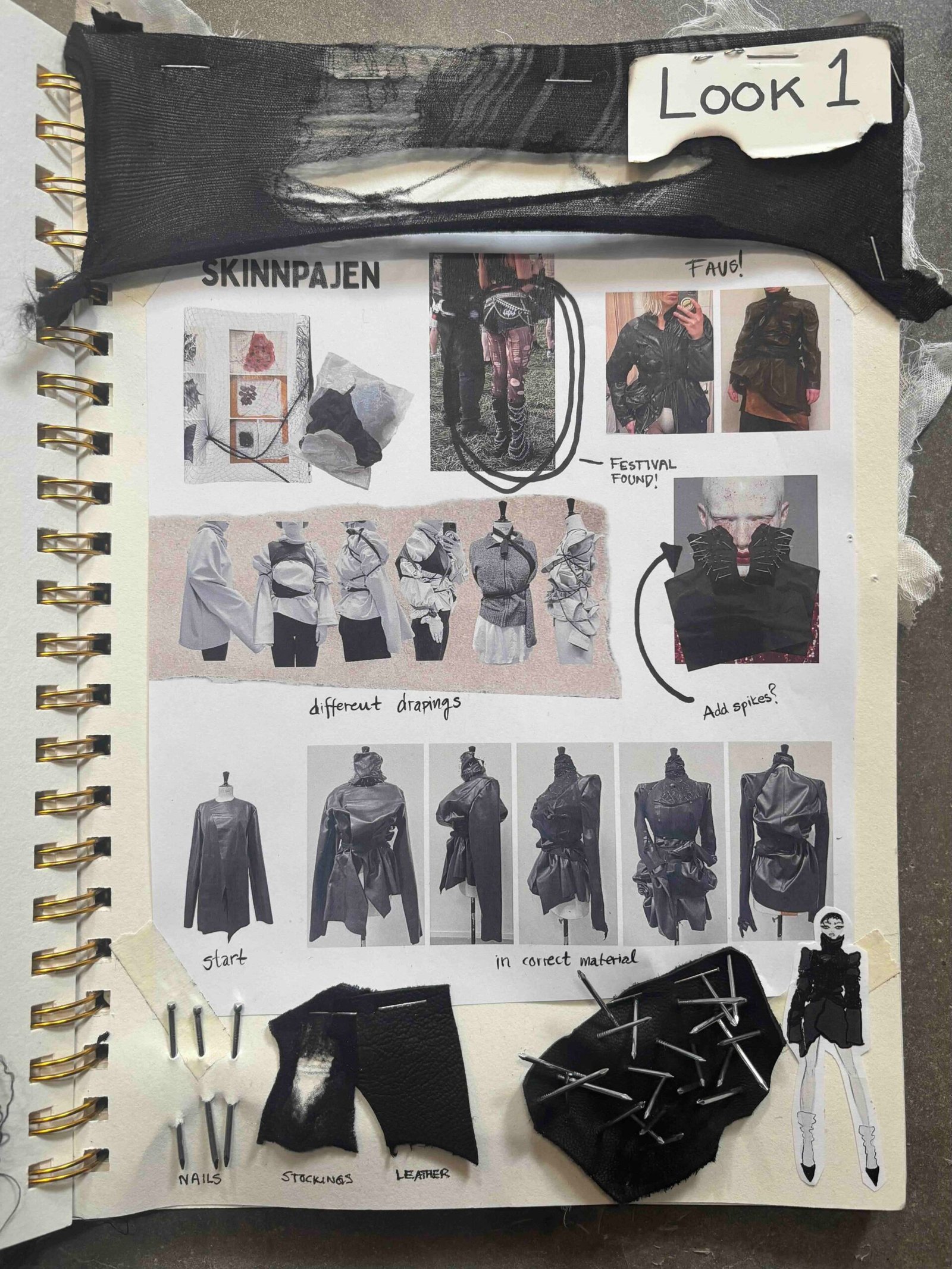
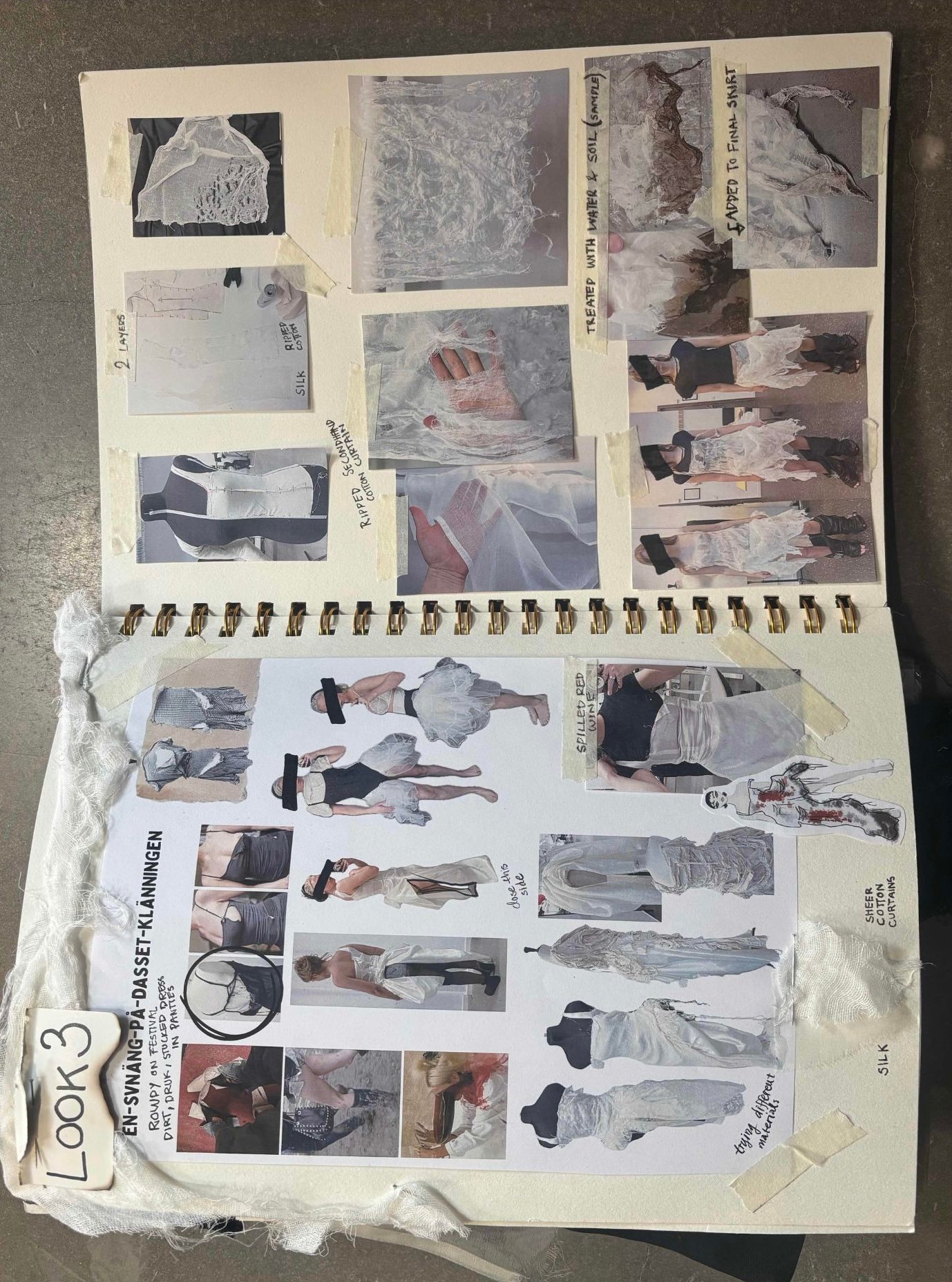
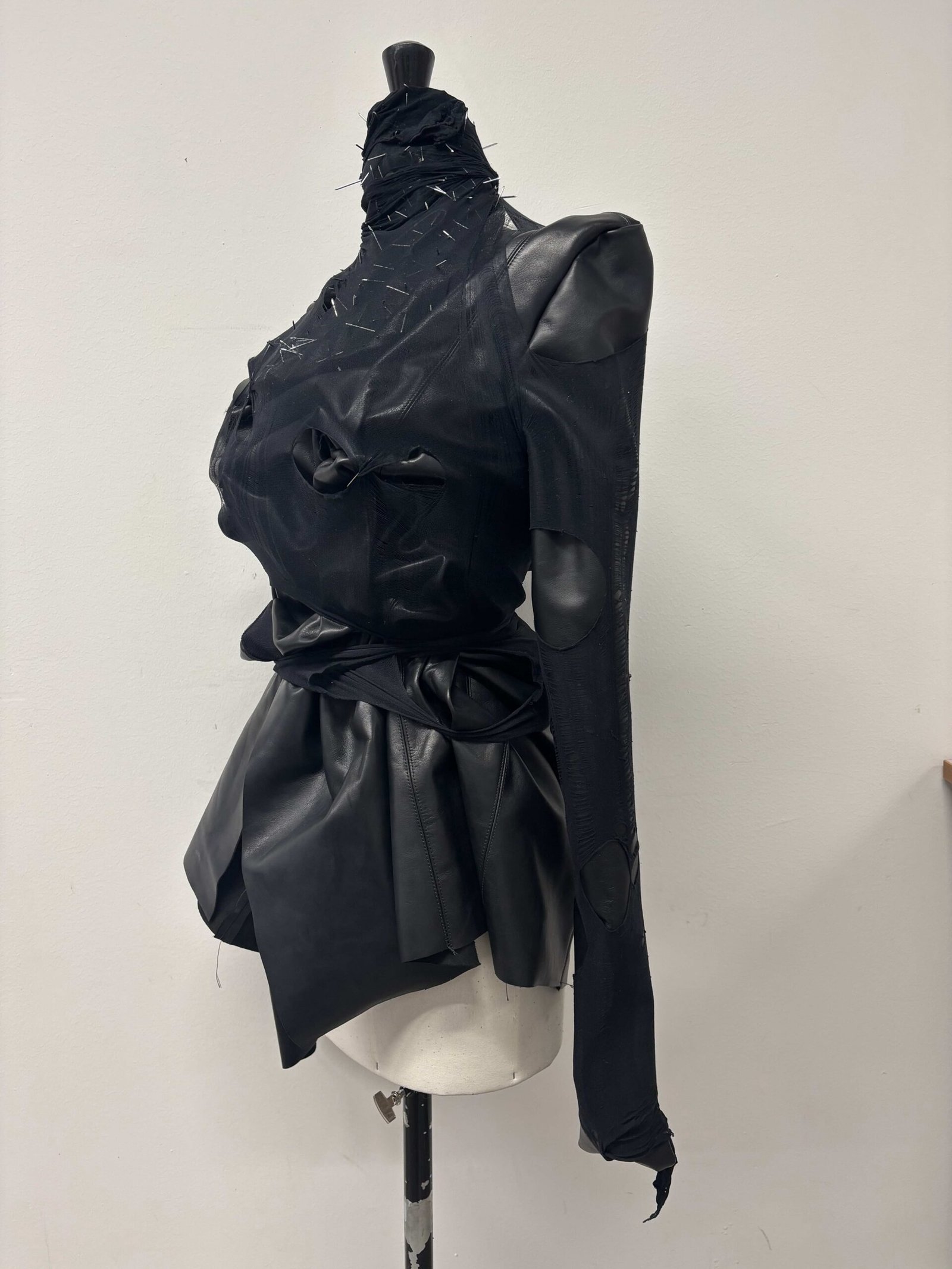
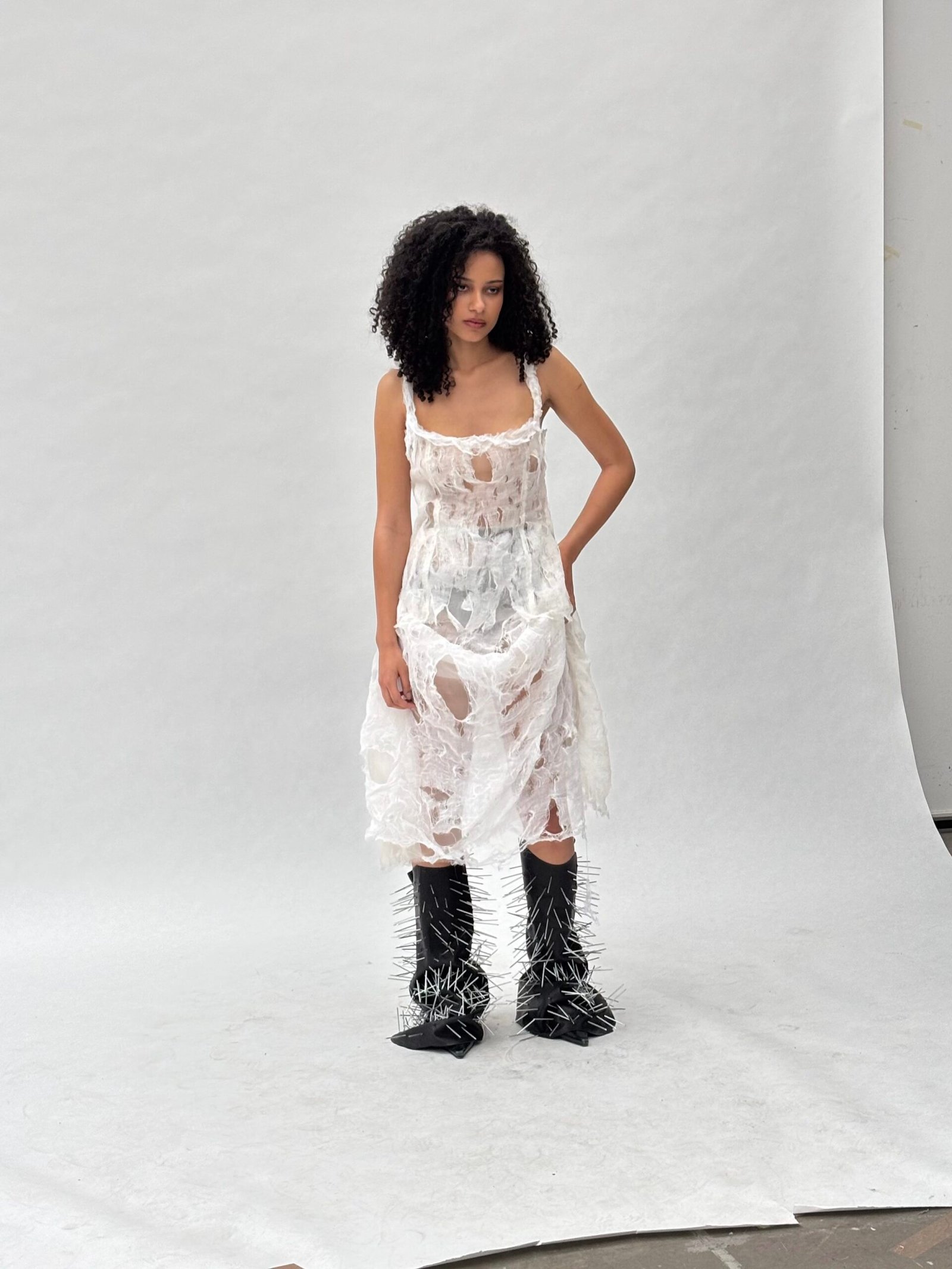
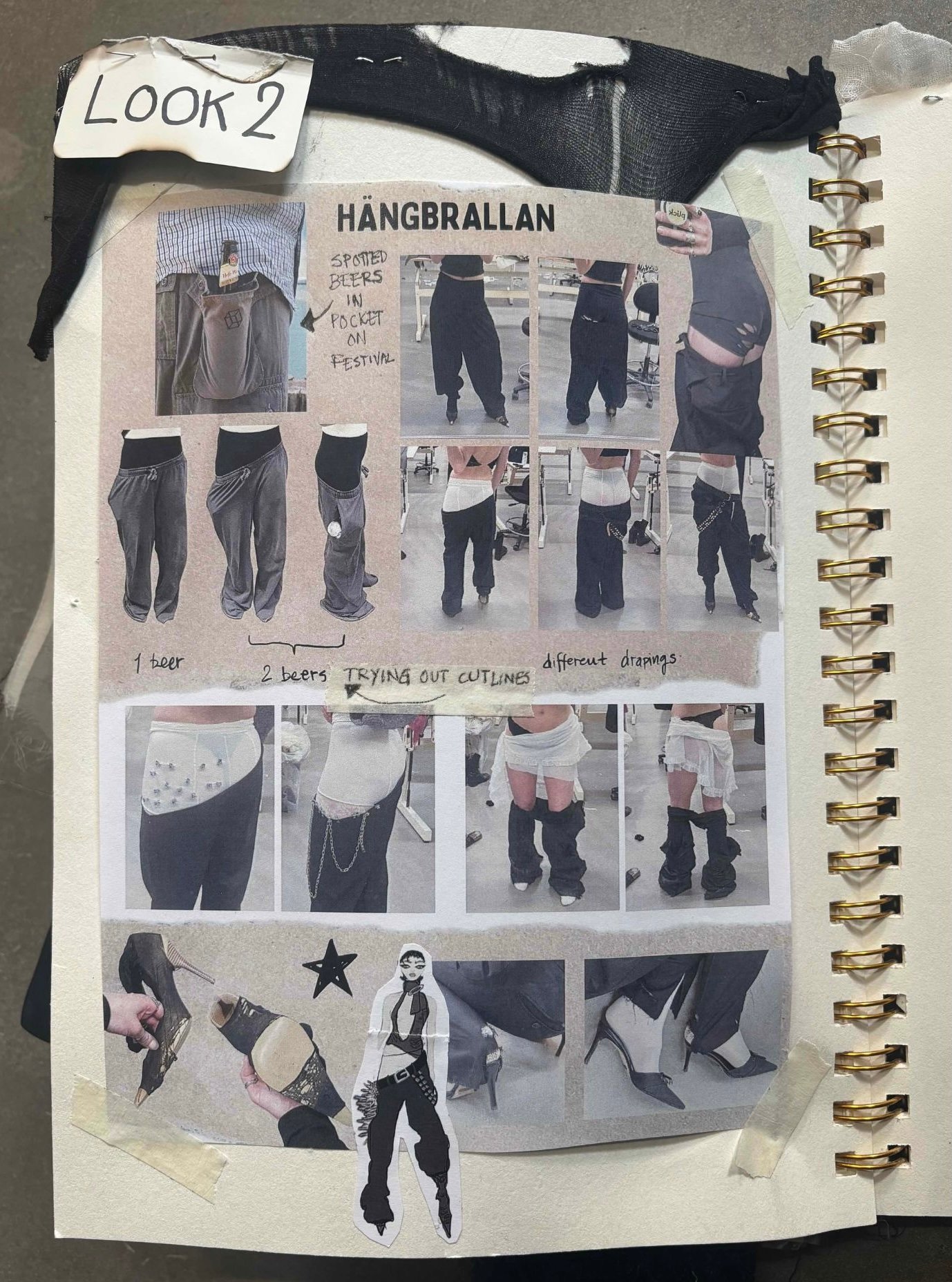
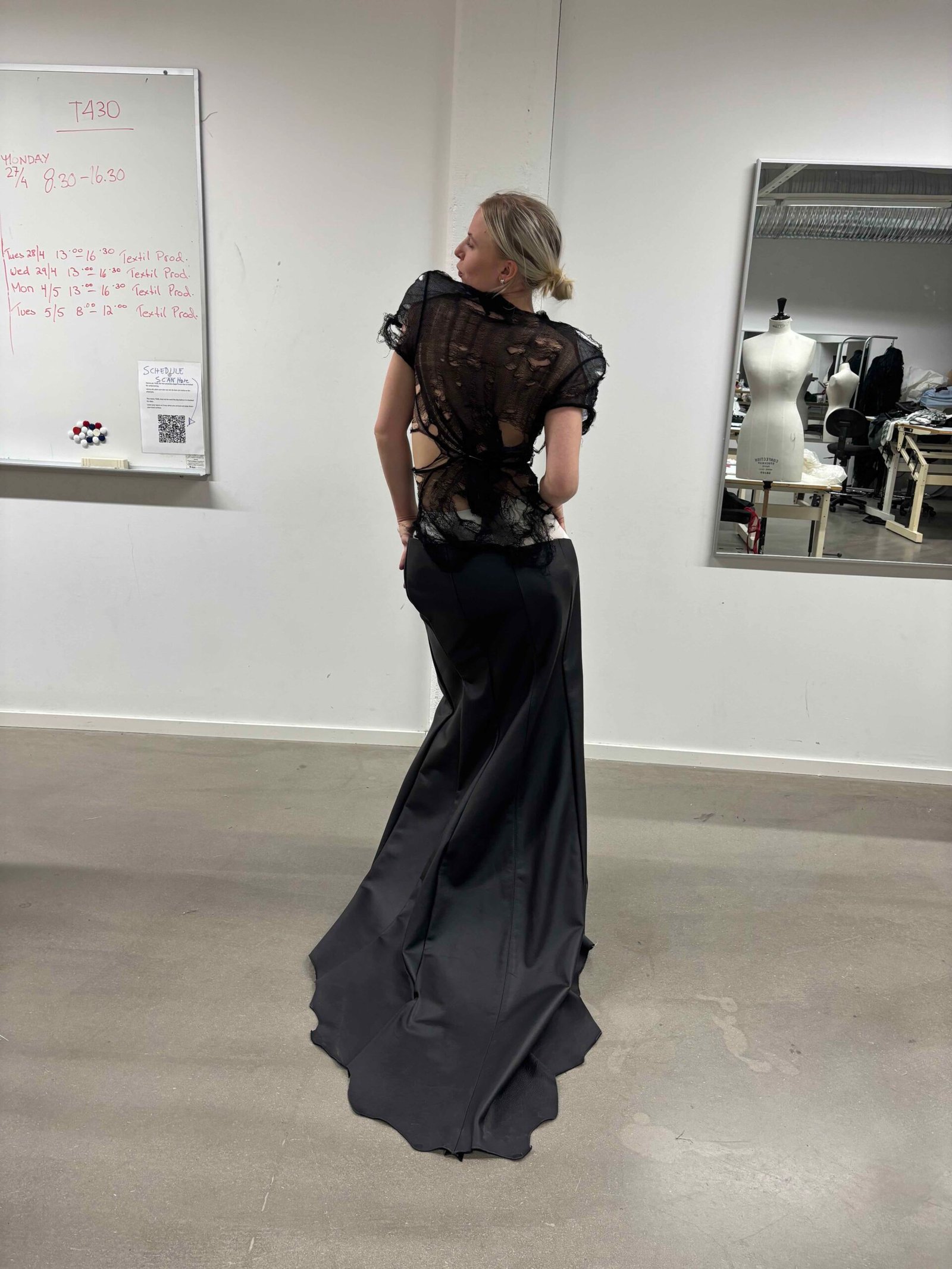
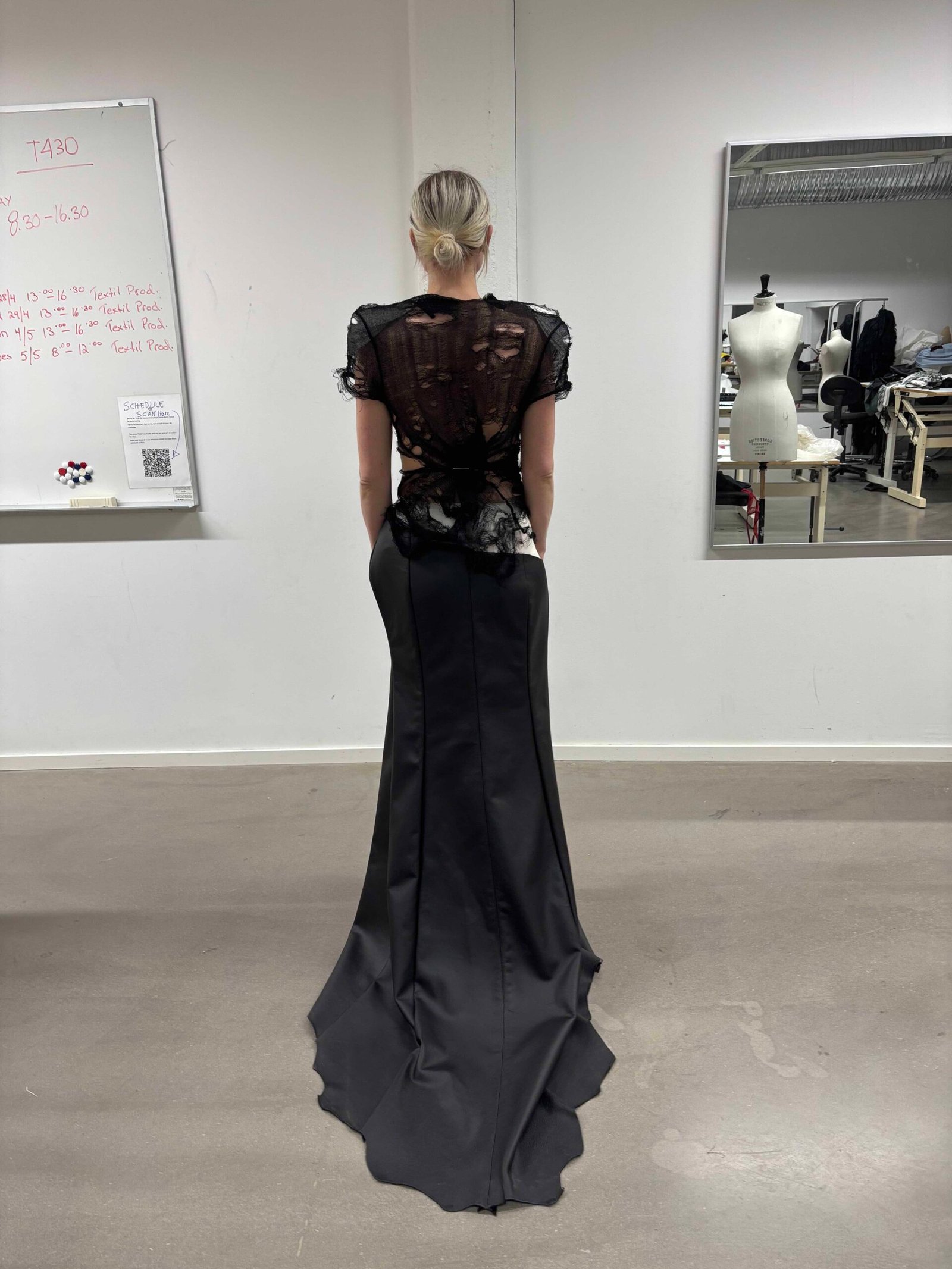
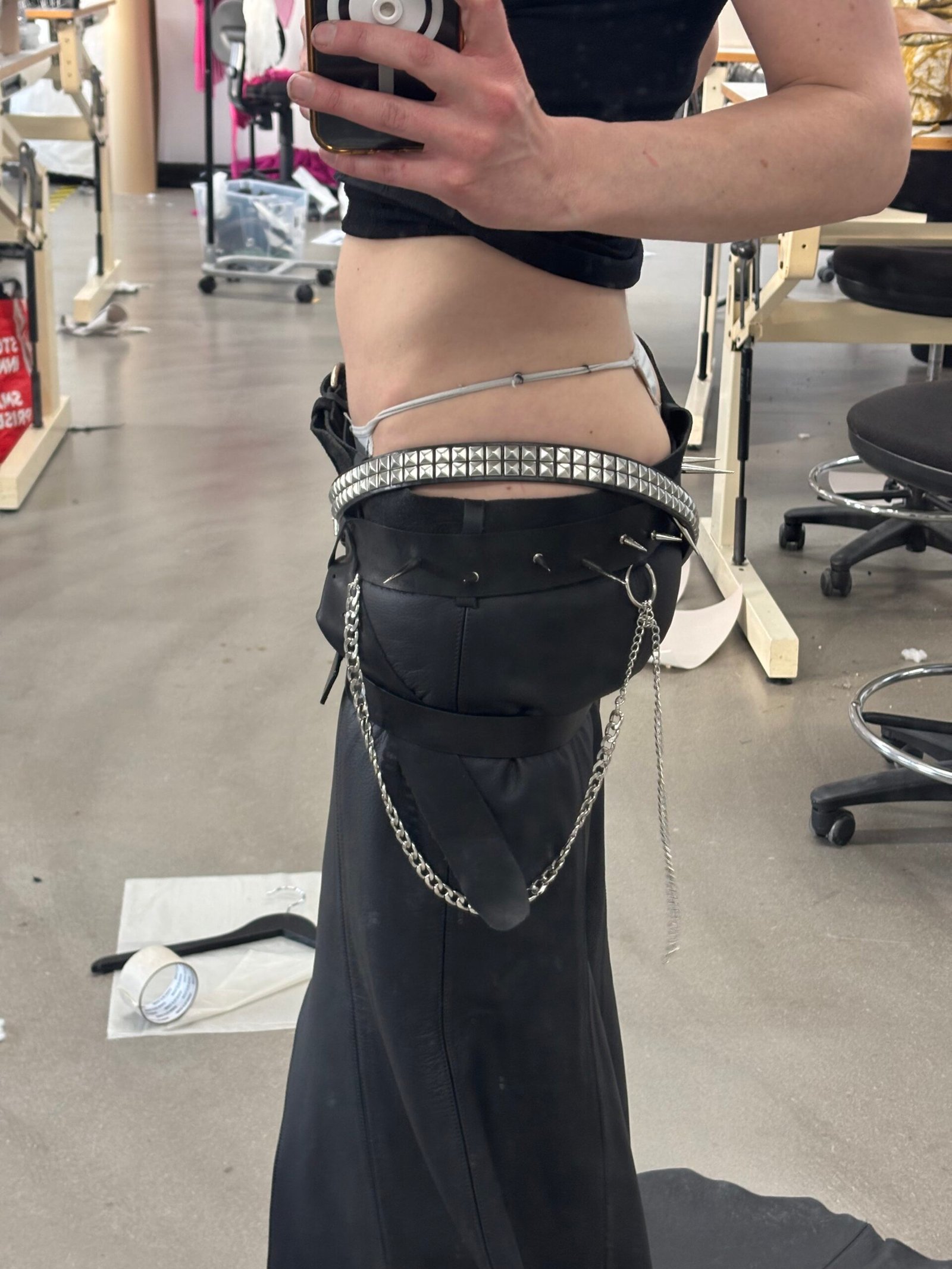
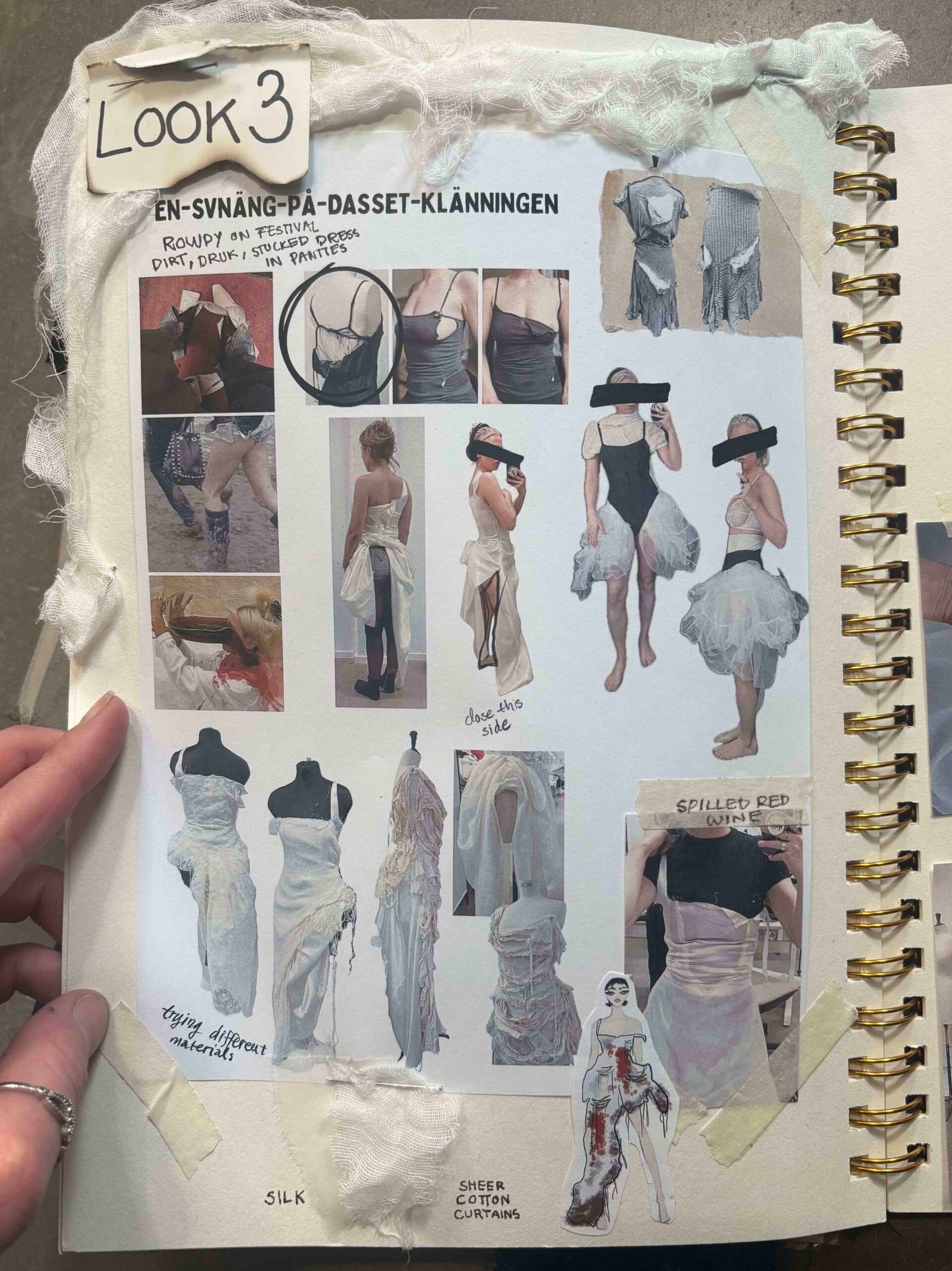
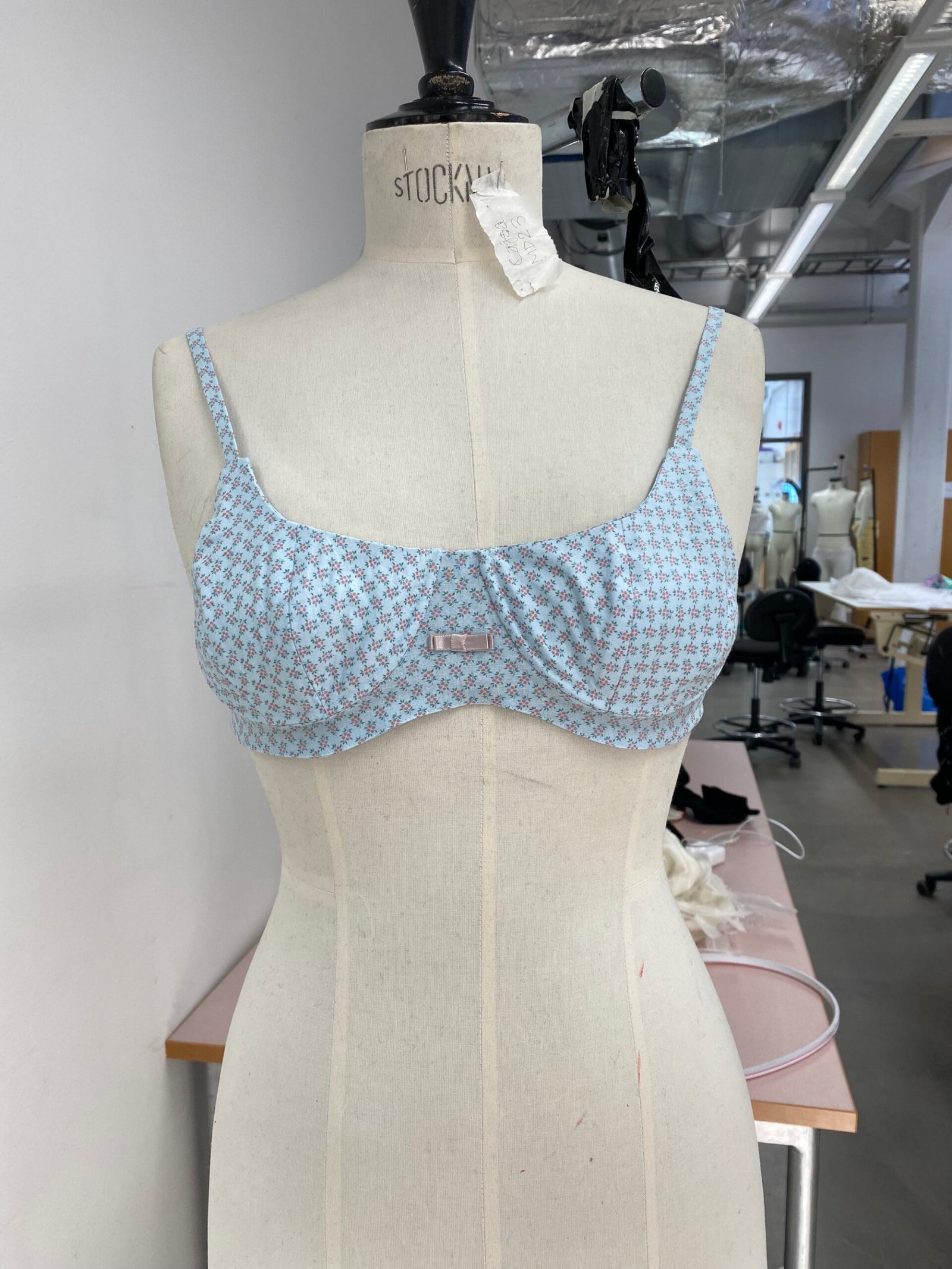
Cajsa Torstensson’s collection, Garmenta Nihil, explores how contemporary womenswear can be shaped through the values and mindset of black metal culture. Influenced by observations from black metal festivals, the project draws on aggression, authenticity, and nihilism through ripping, staining, damage, and forced form. Material experimentation, layering, and altered surfaces create garments that explore the tension between control and instability.

@xcajsax

Zhuoran Sun

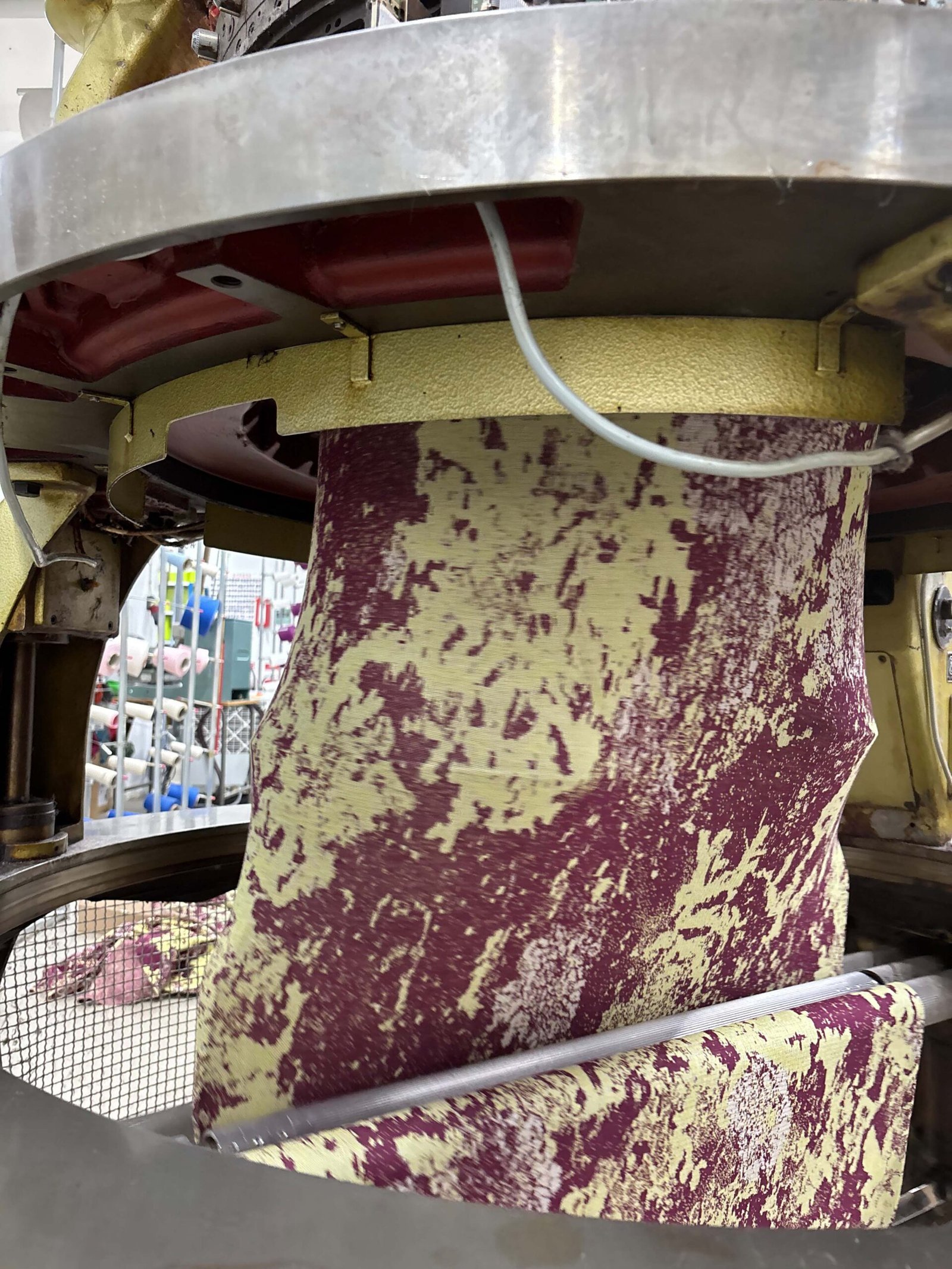
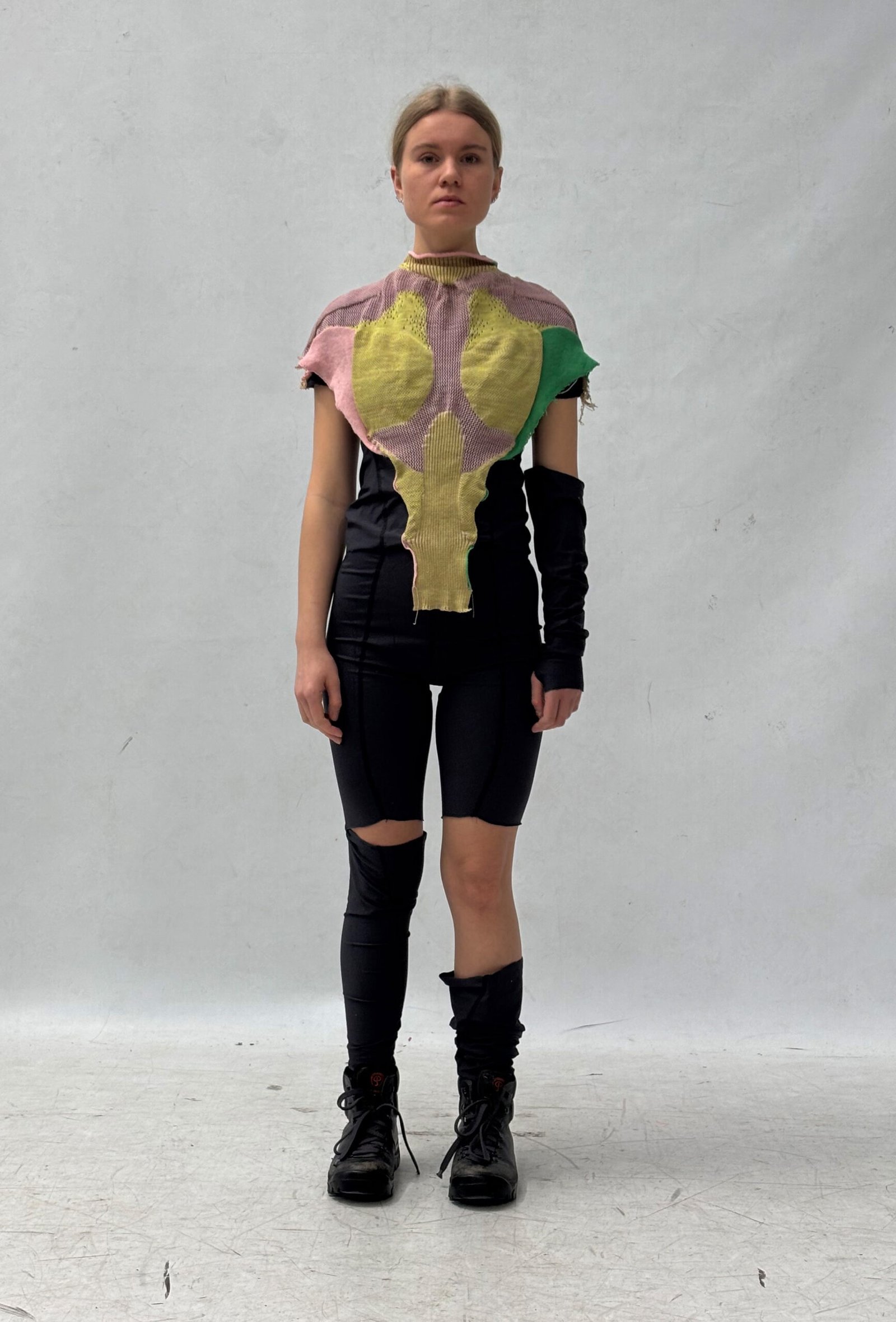
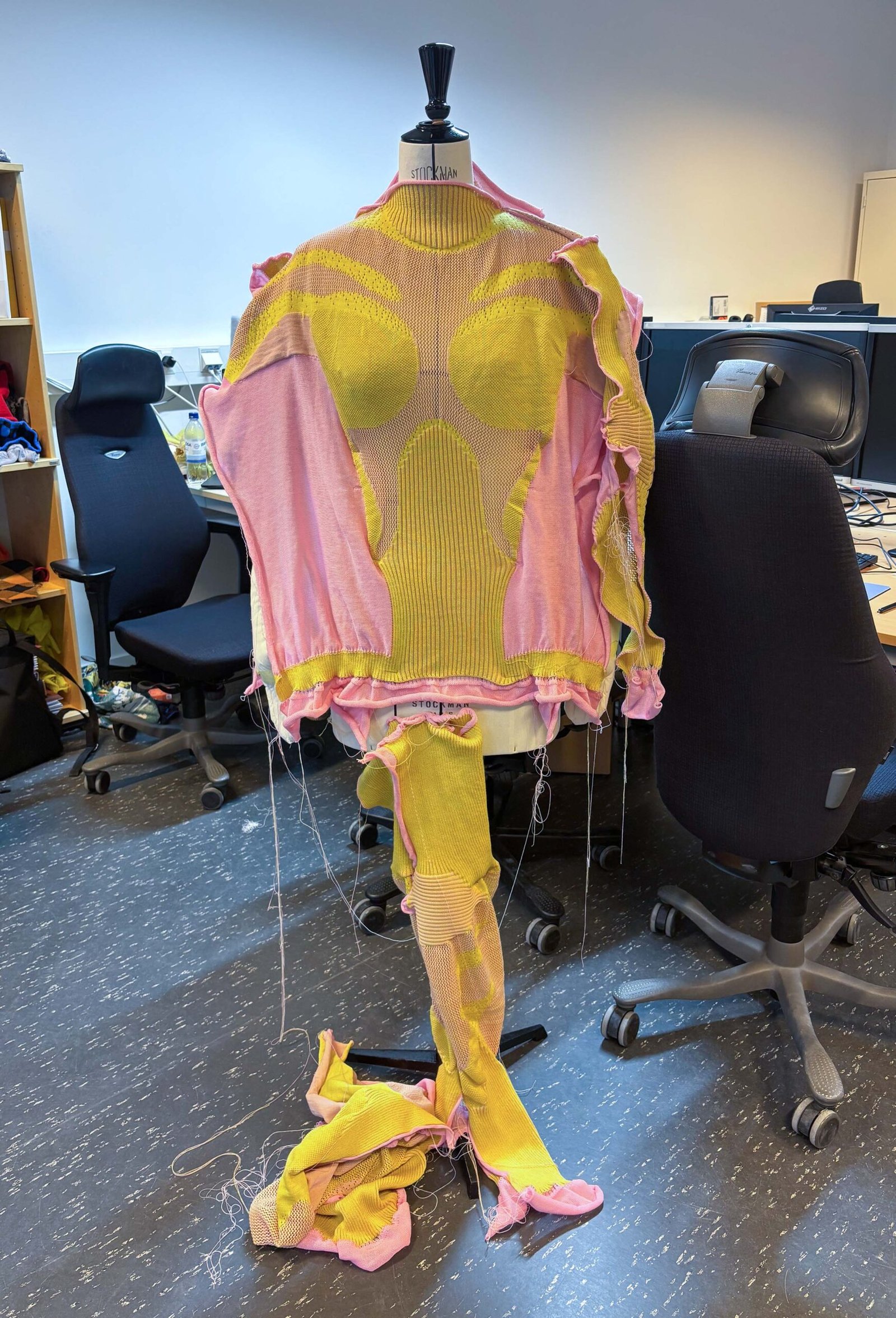
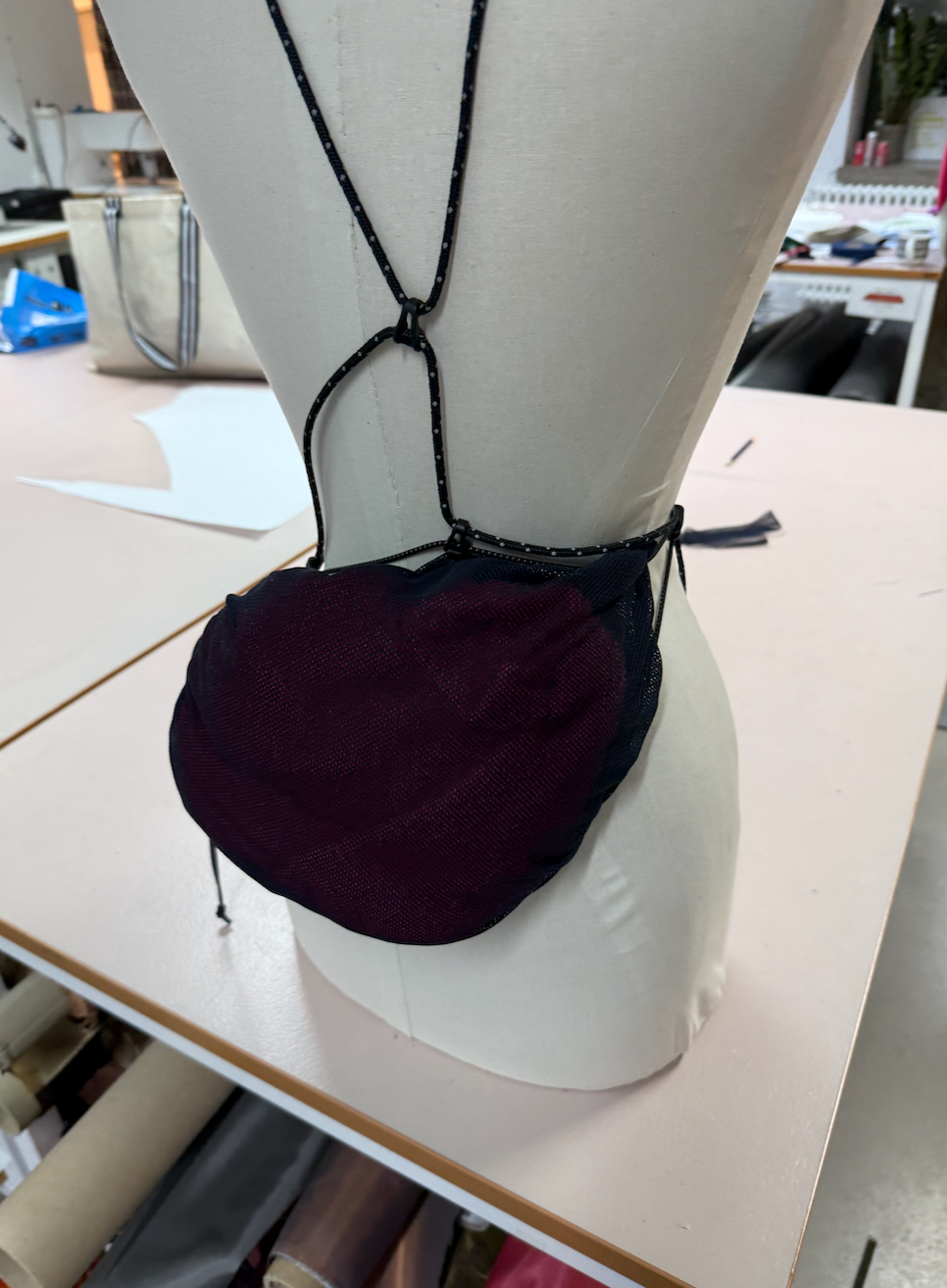
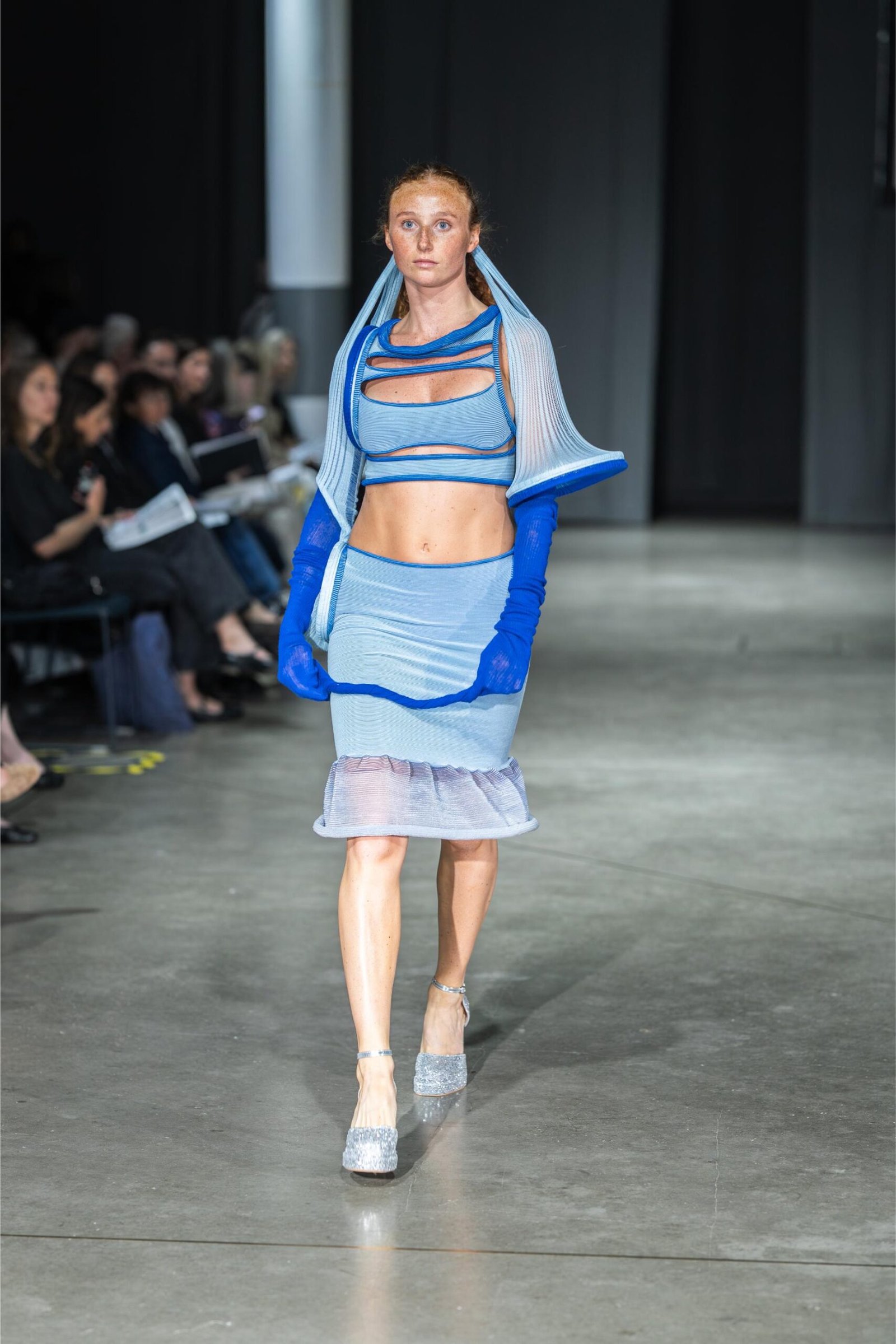
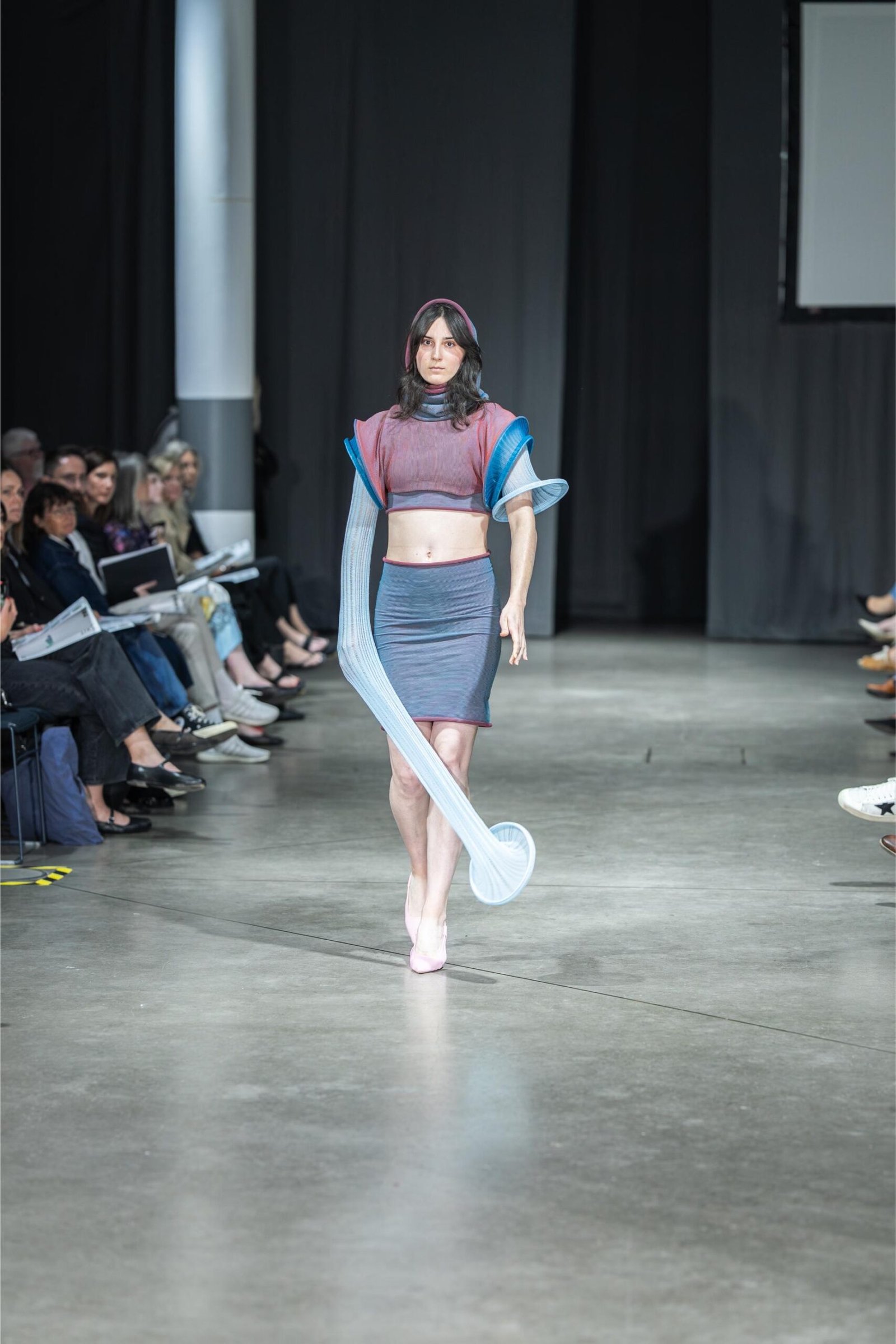
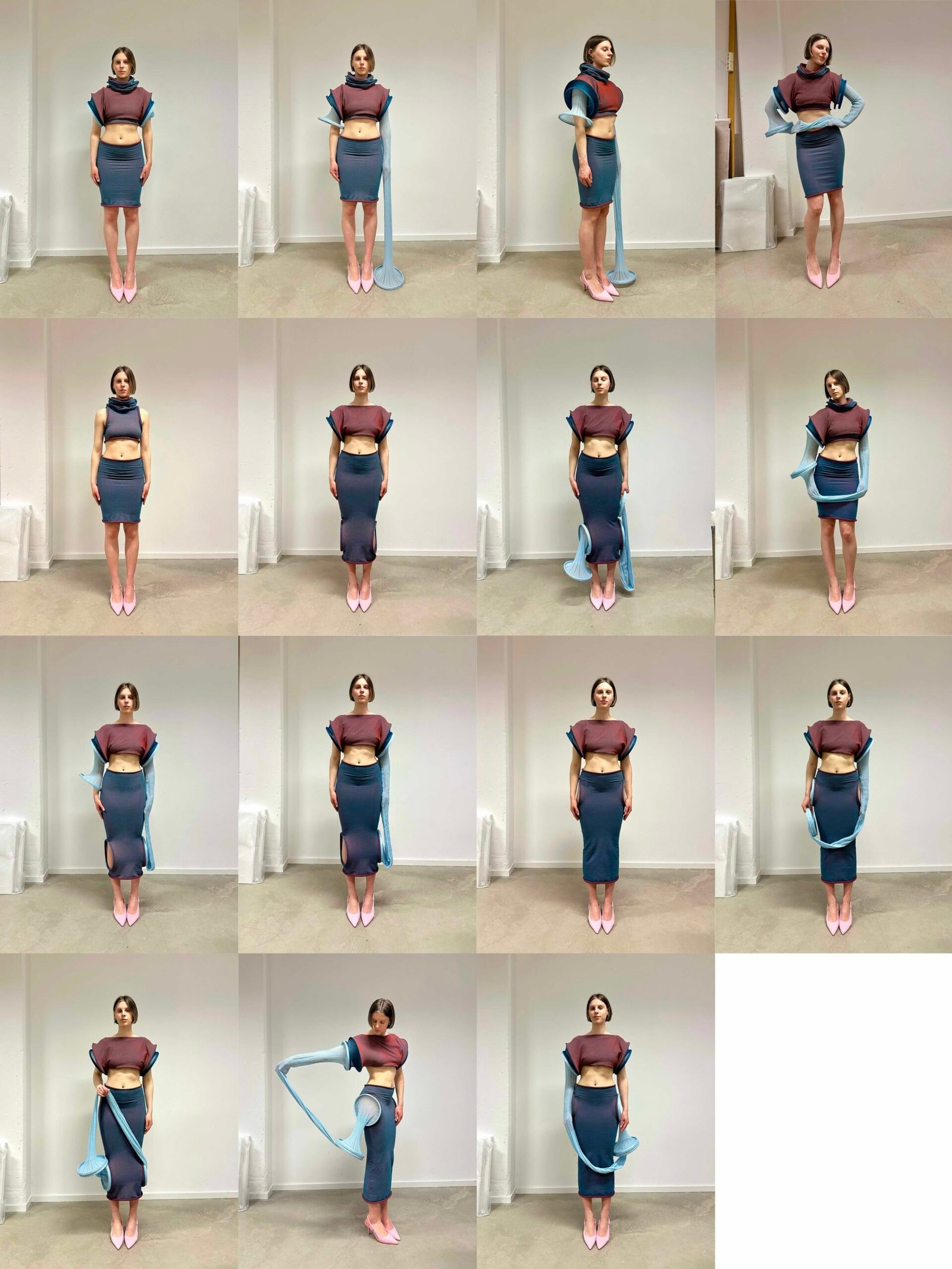
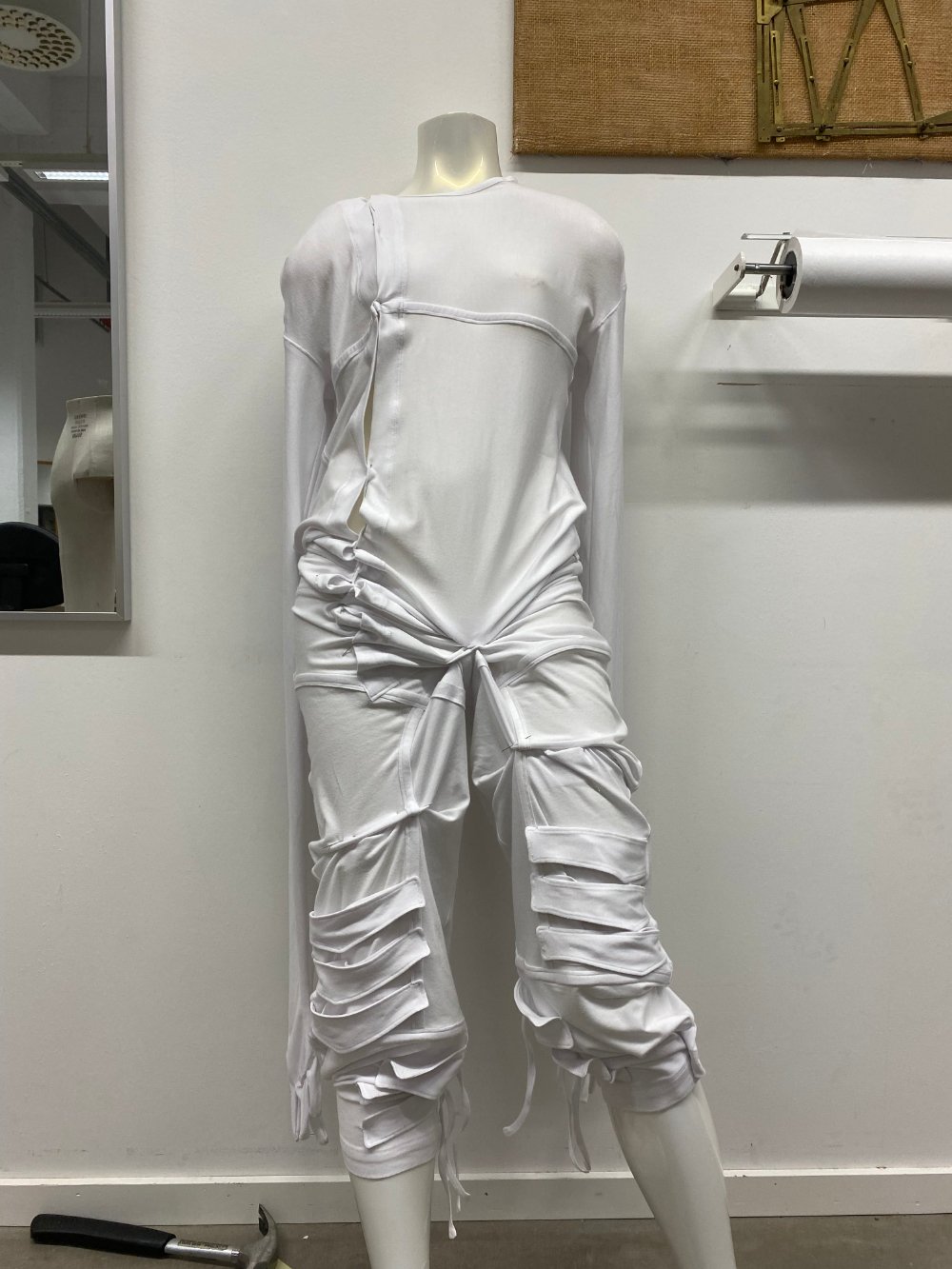
Zhuoran Sun’s collection, A Hole in a Whole, is a form-thinking project in seamless tubular knitwear developed from the topological model of “a hole in a hole.” Using the tube as both material and structure, the project explores how garments can be developed directly on the body through openings, tube placement, and magnetic connections that enable modular transformation. Rather than relying on fixed silhouettes, the collection investigates garments as flexible systems that can be reconfigured, allowing different relationships between body, garment, and space.

Yi Wen Chang

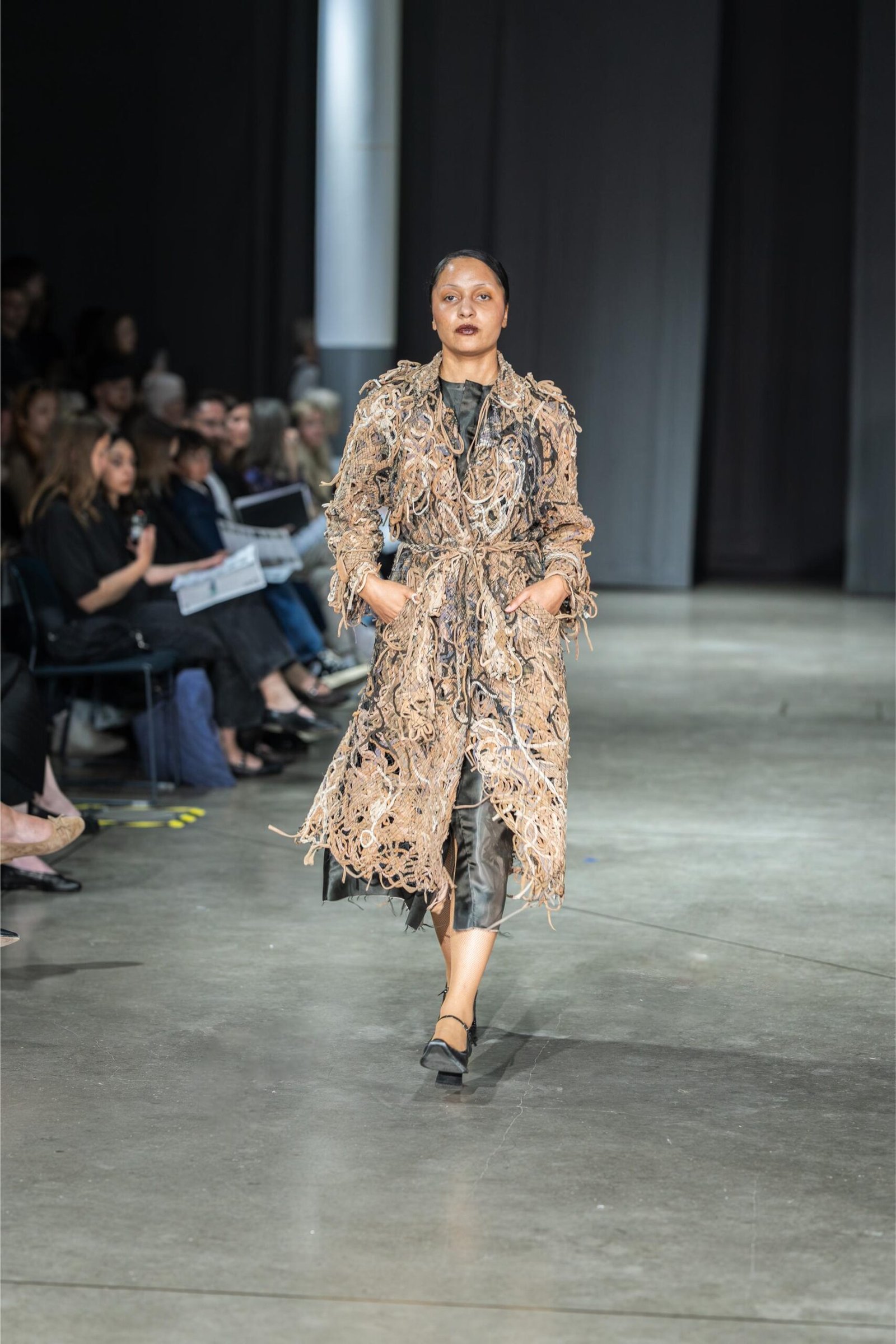
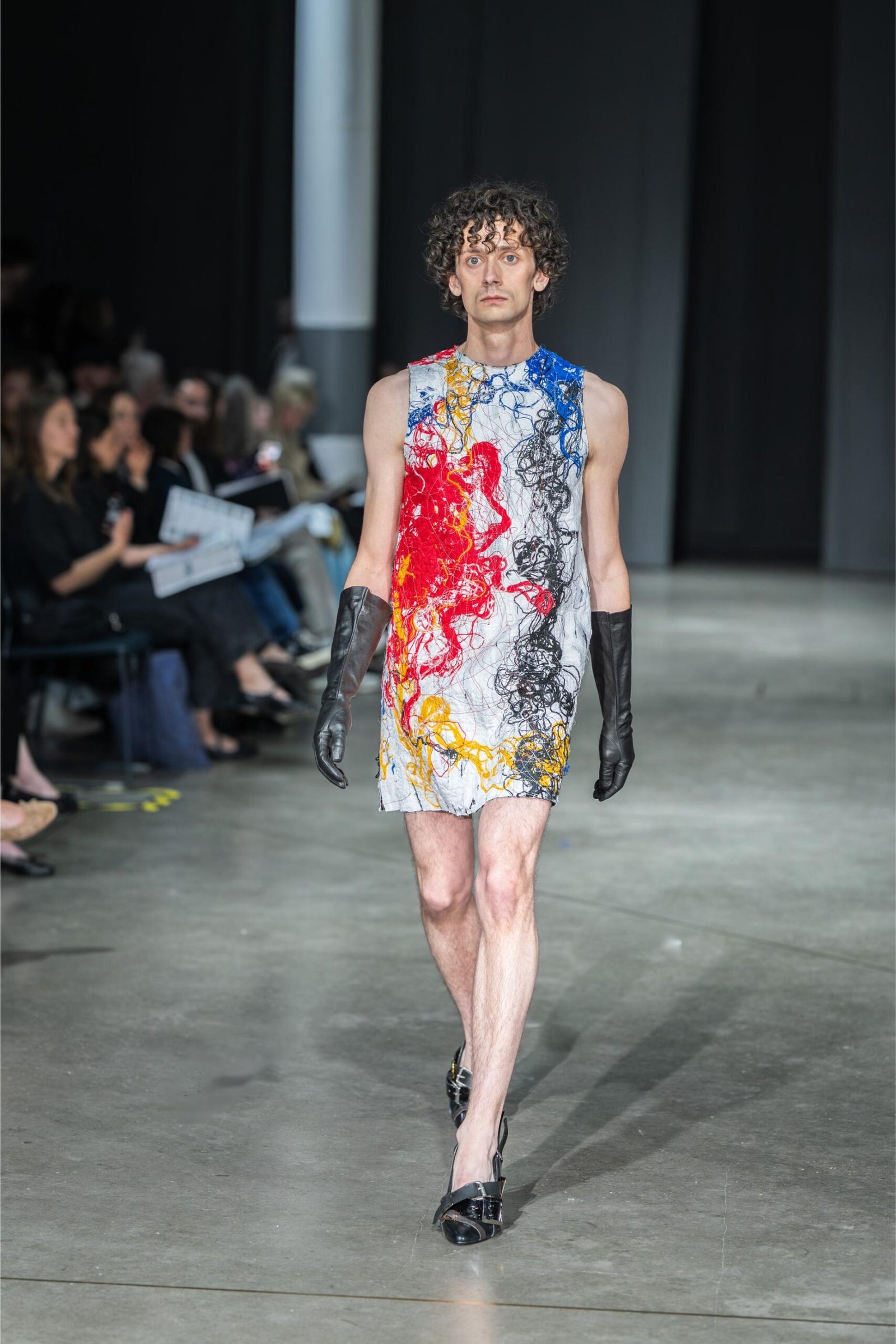
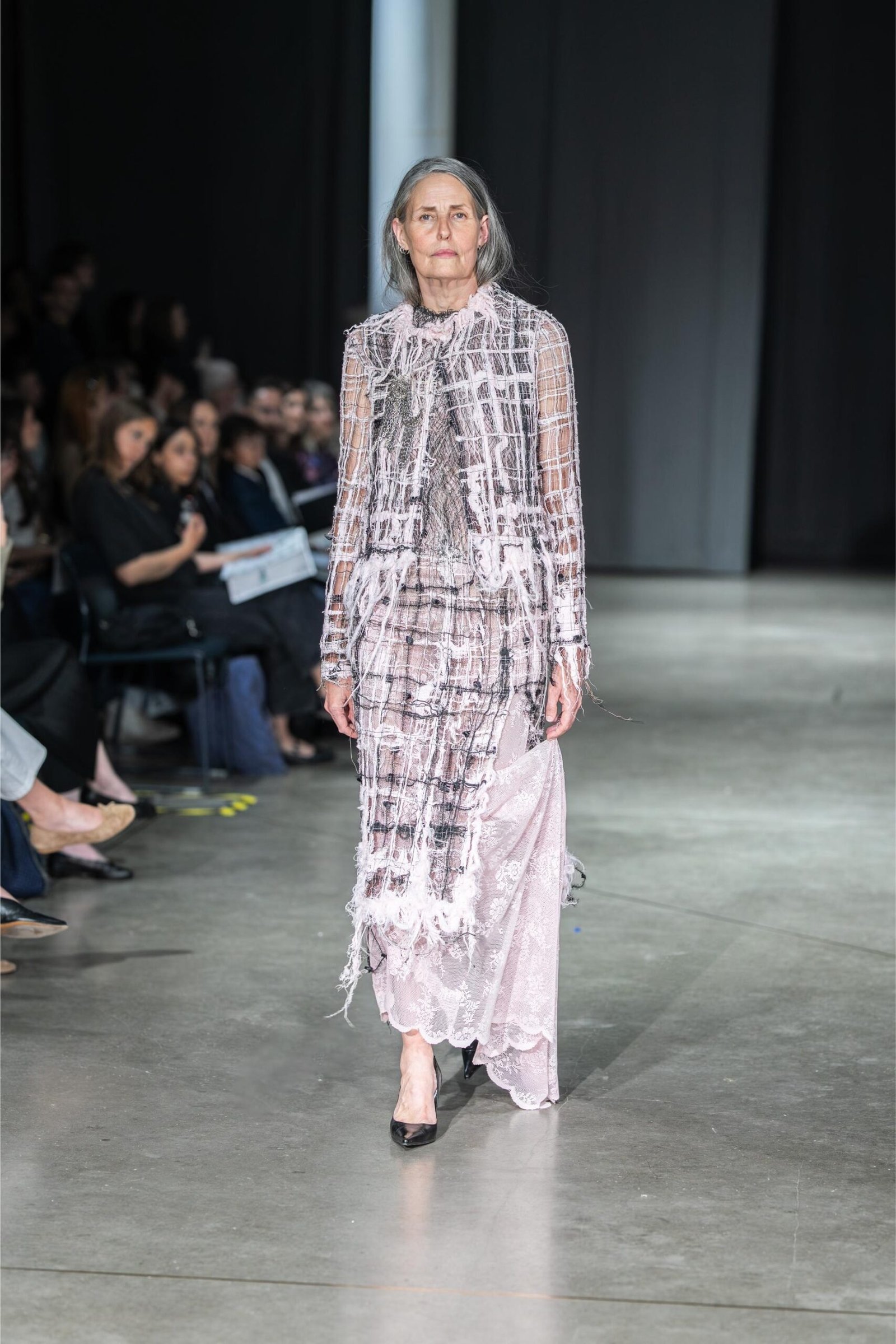
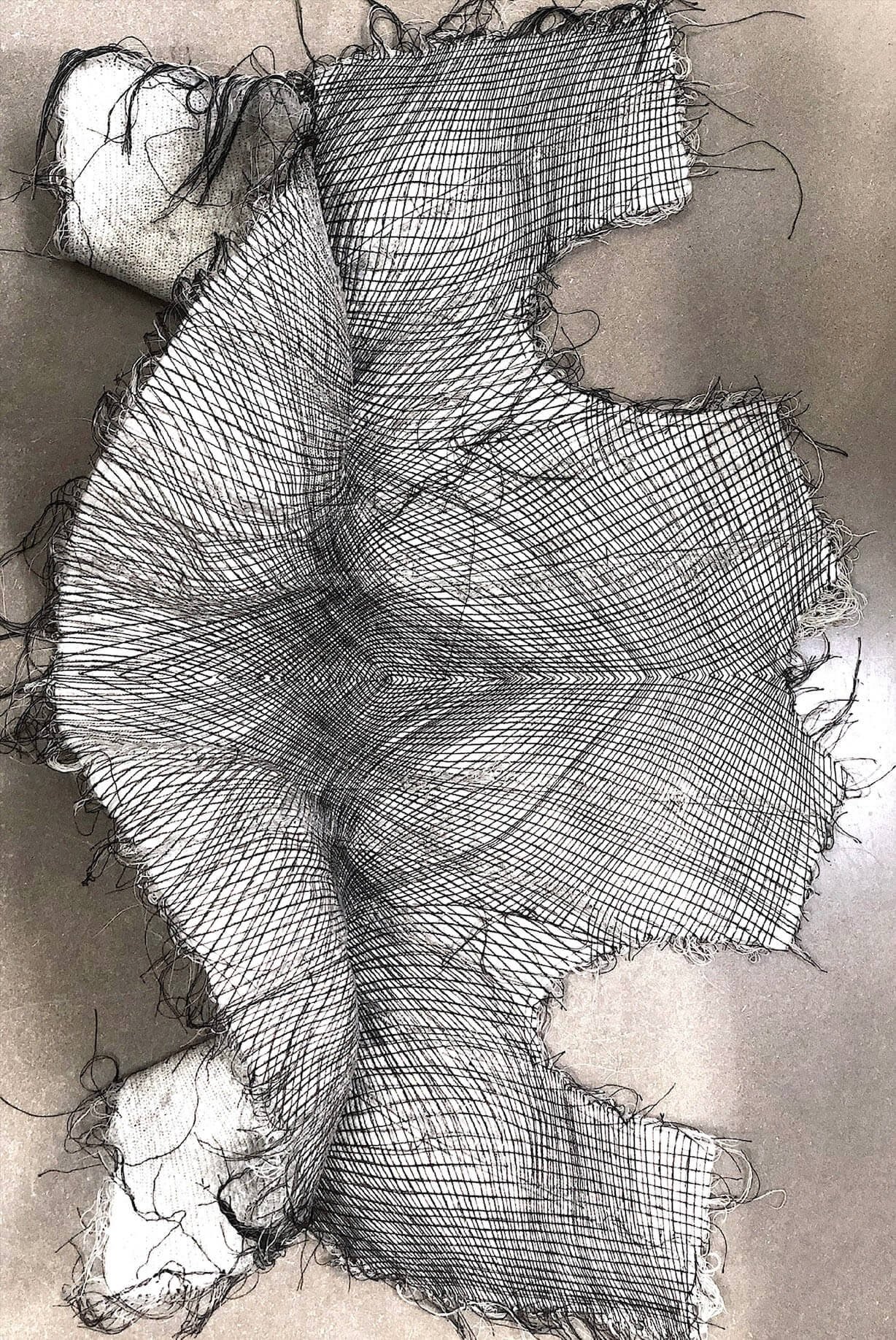
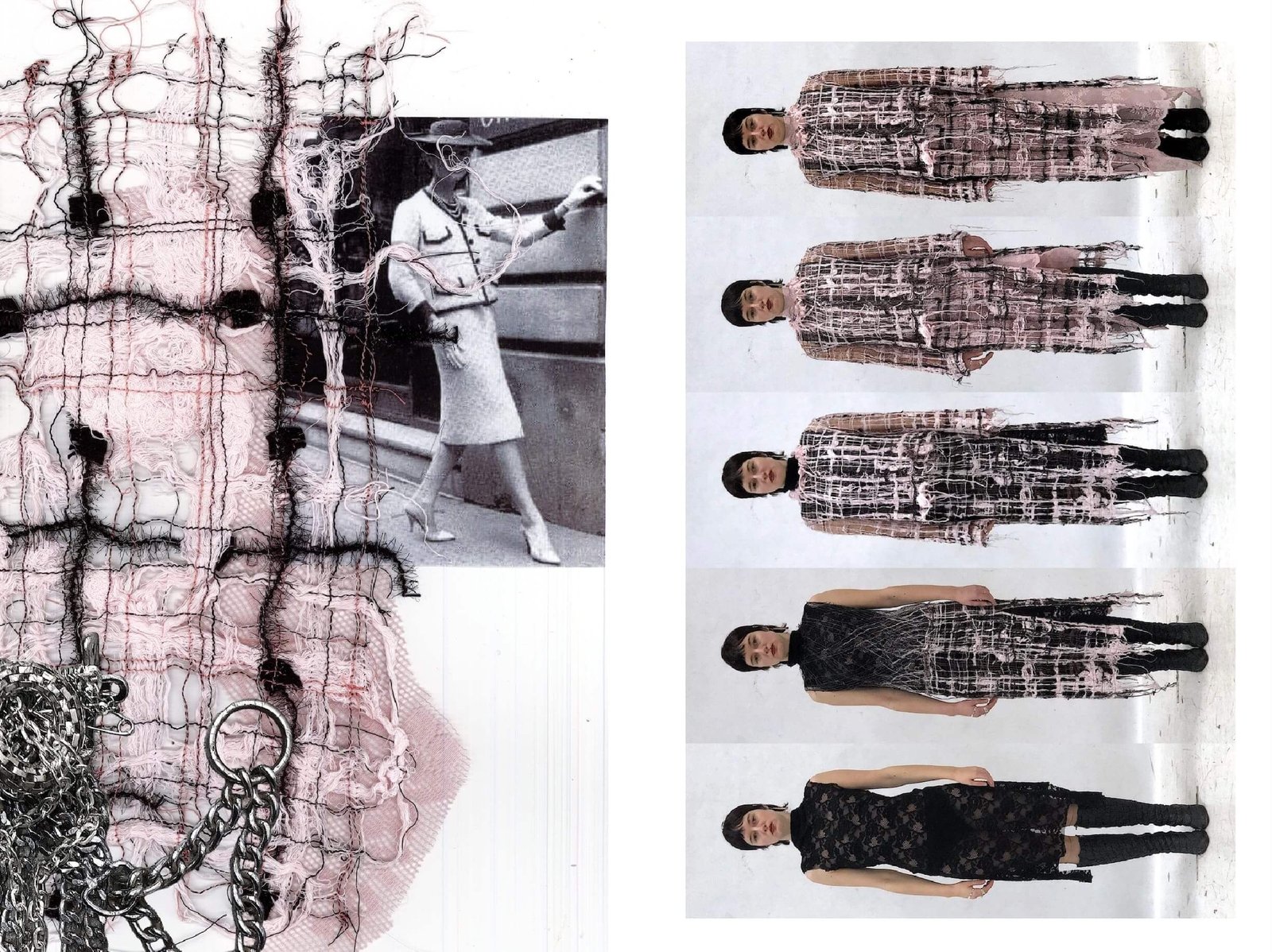
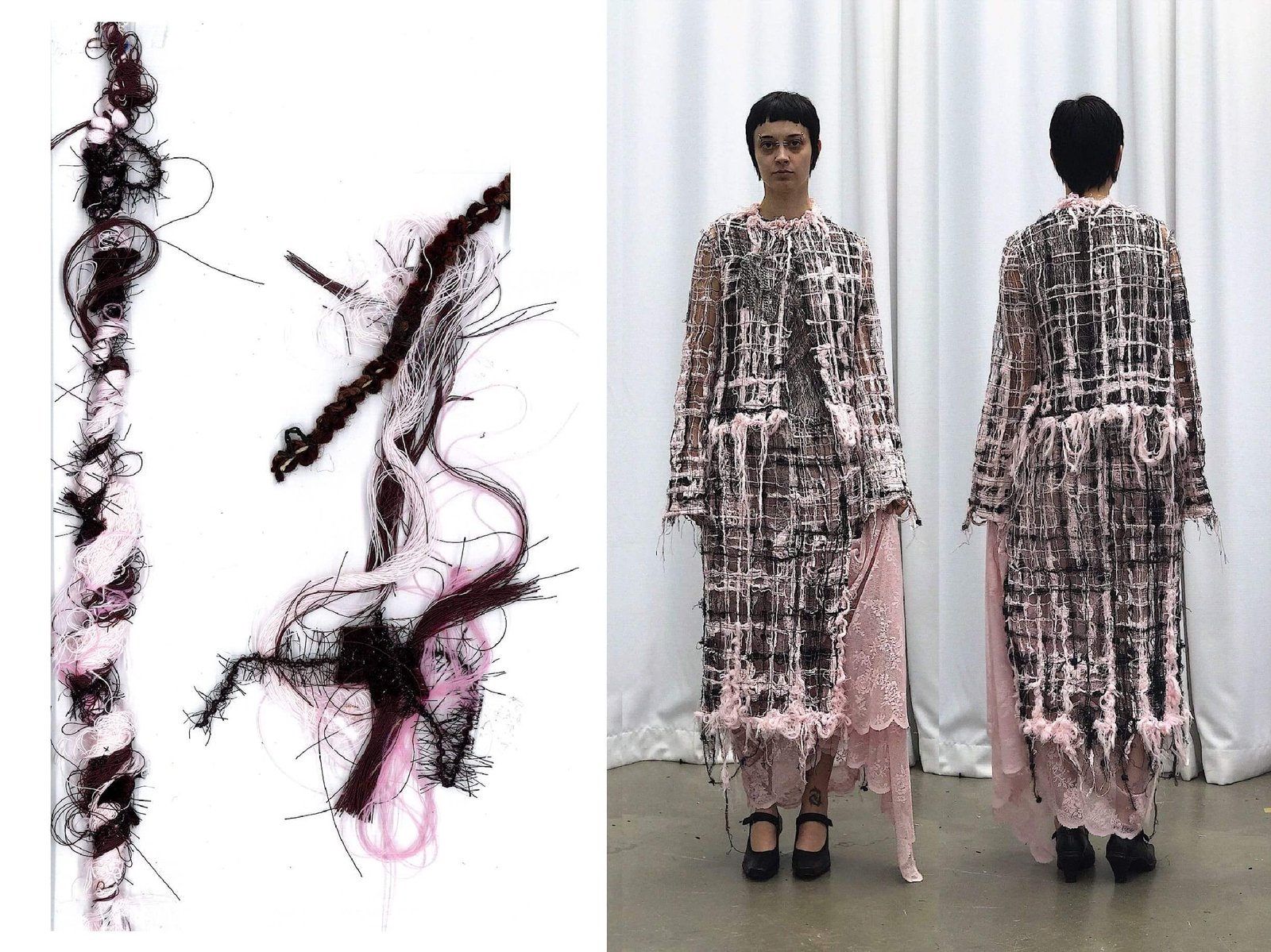
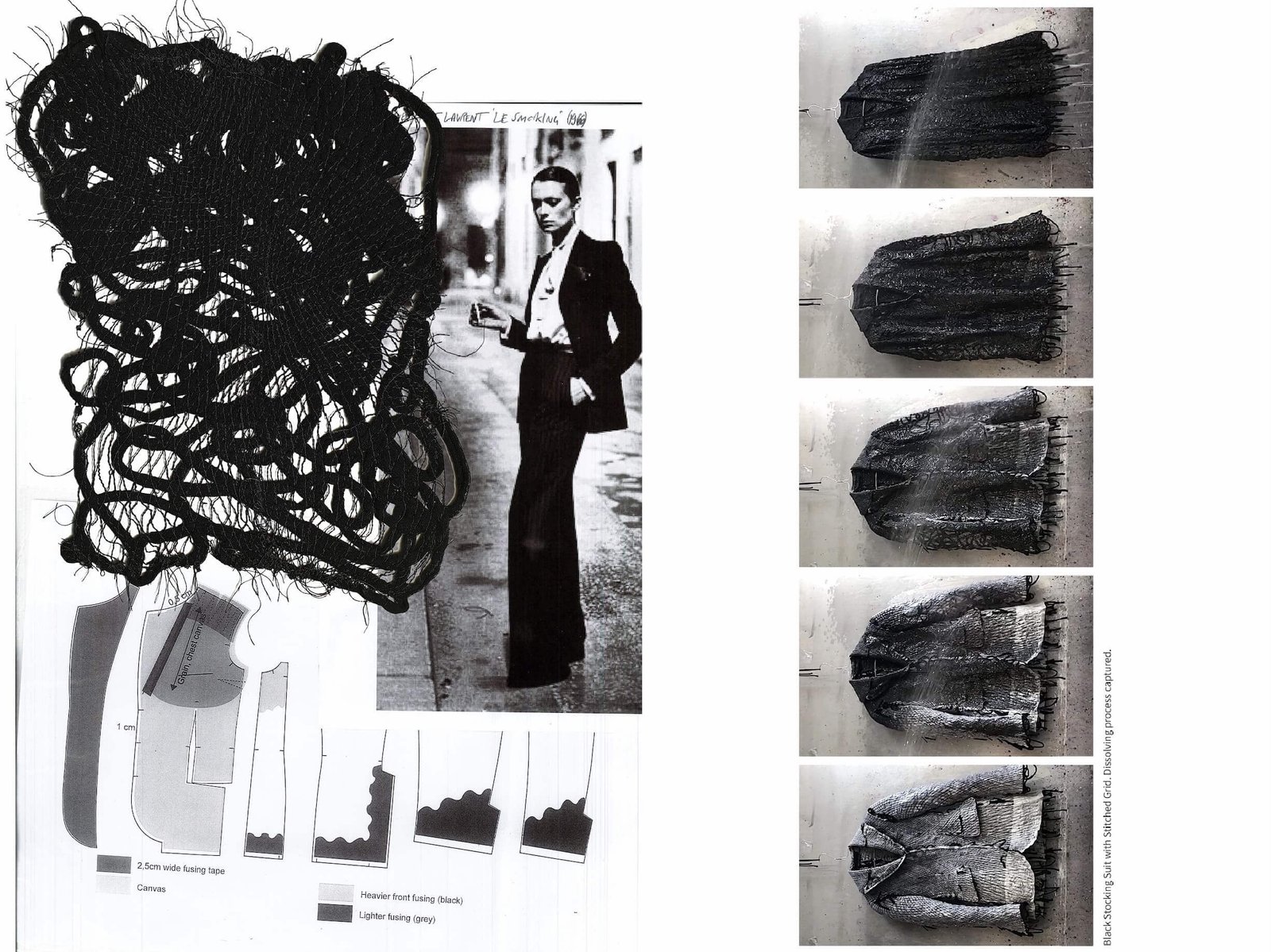
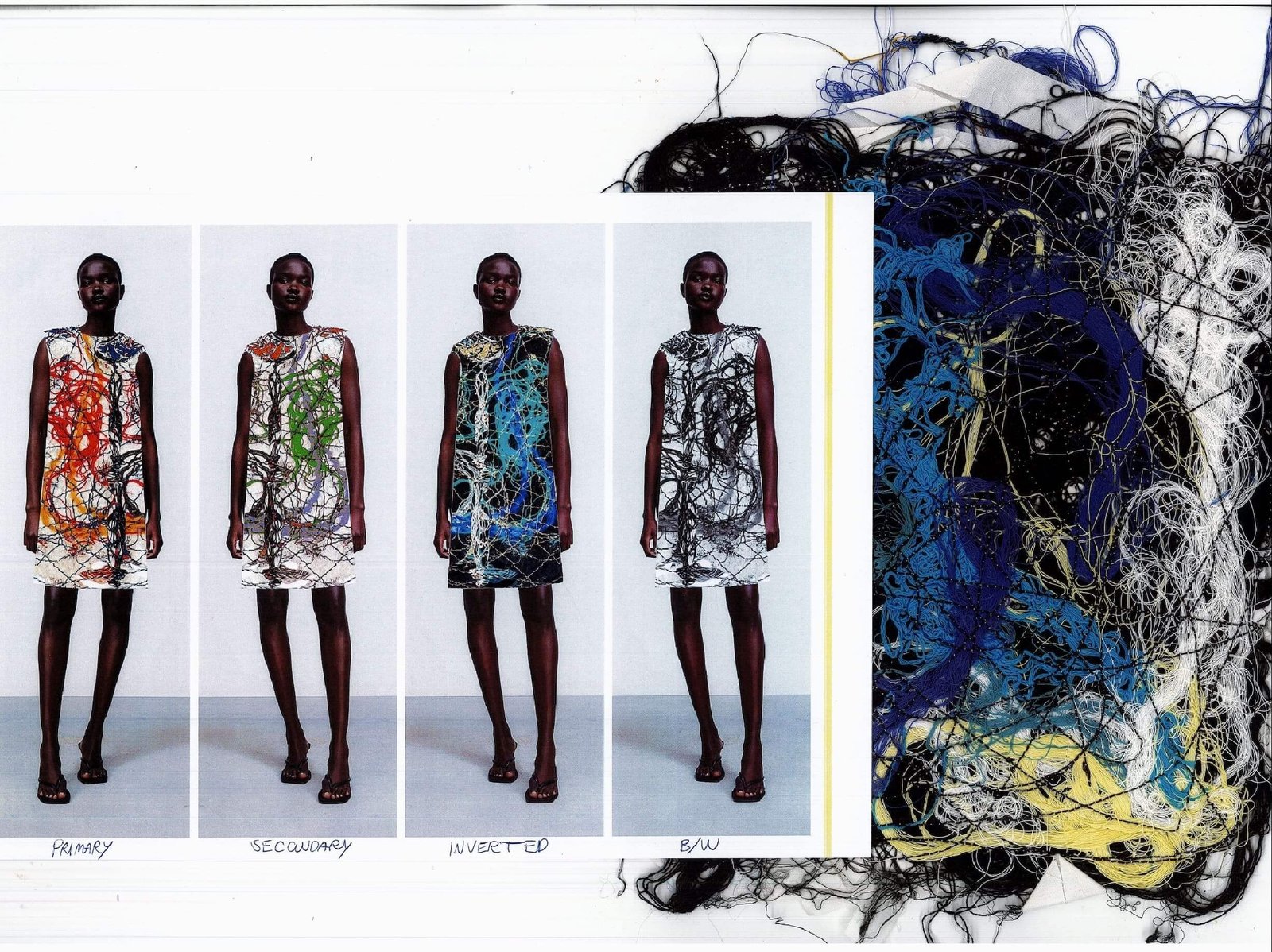
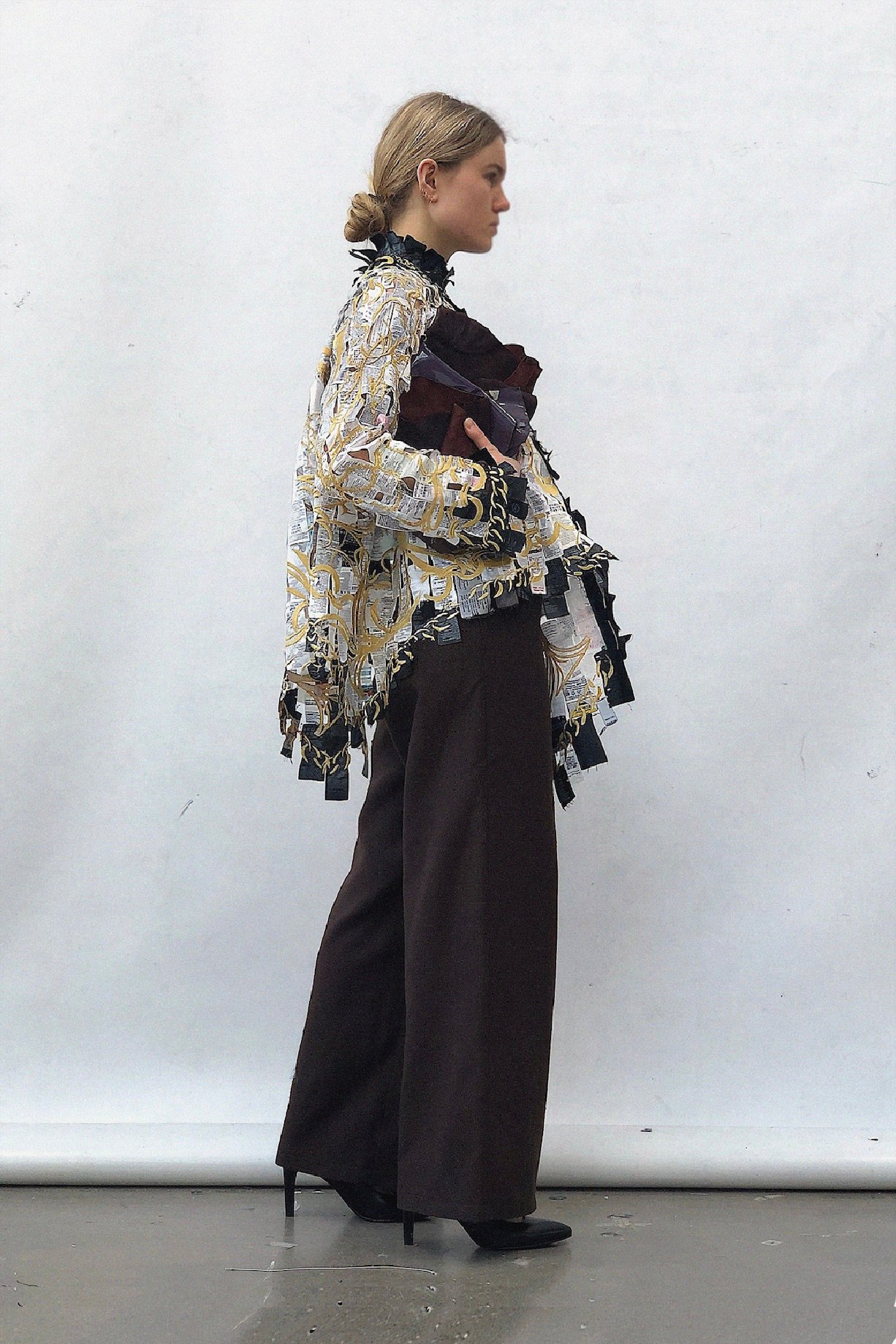
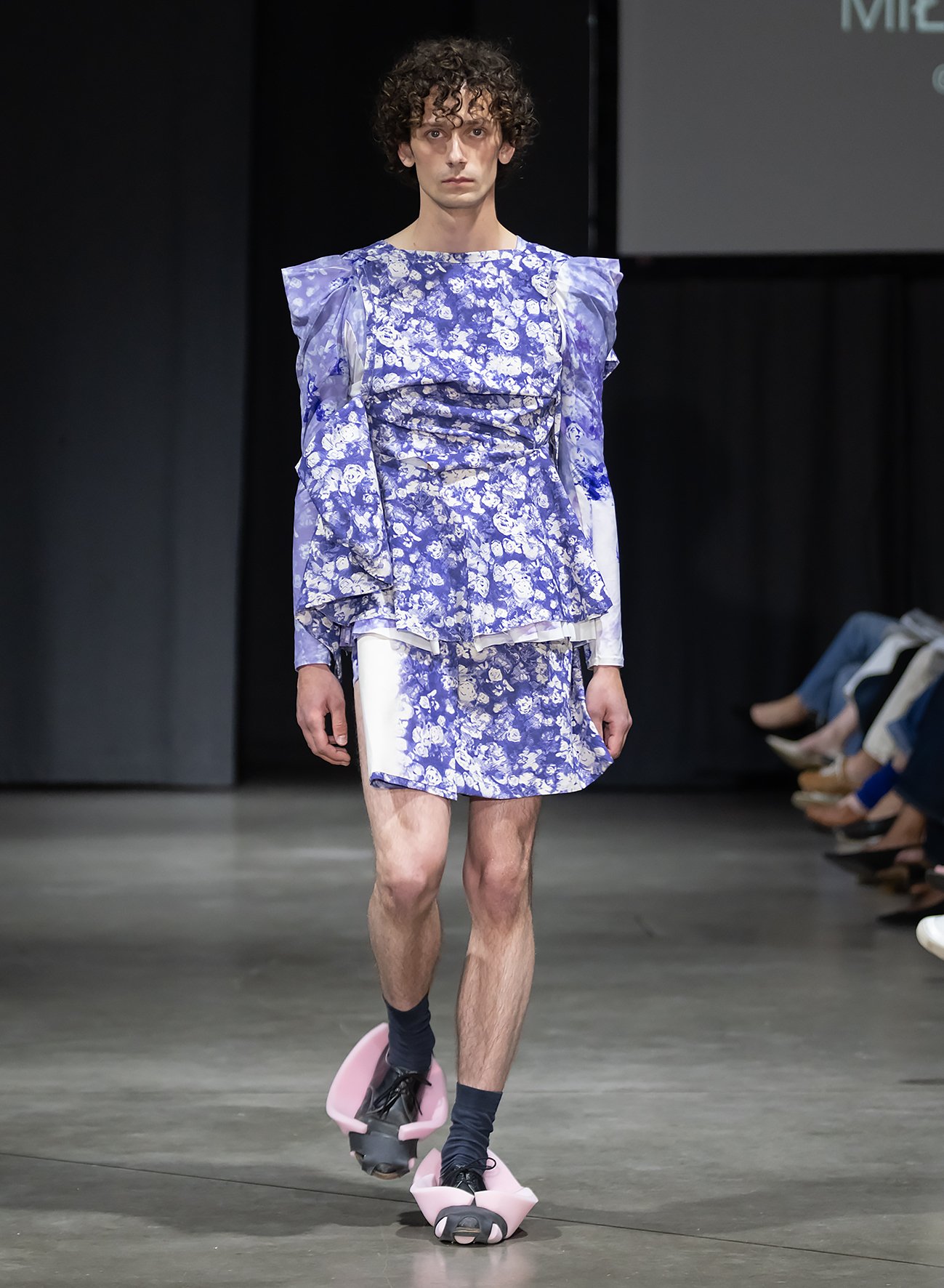
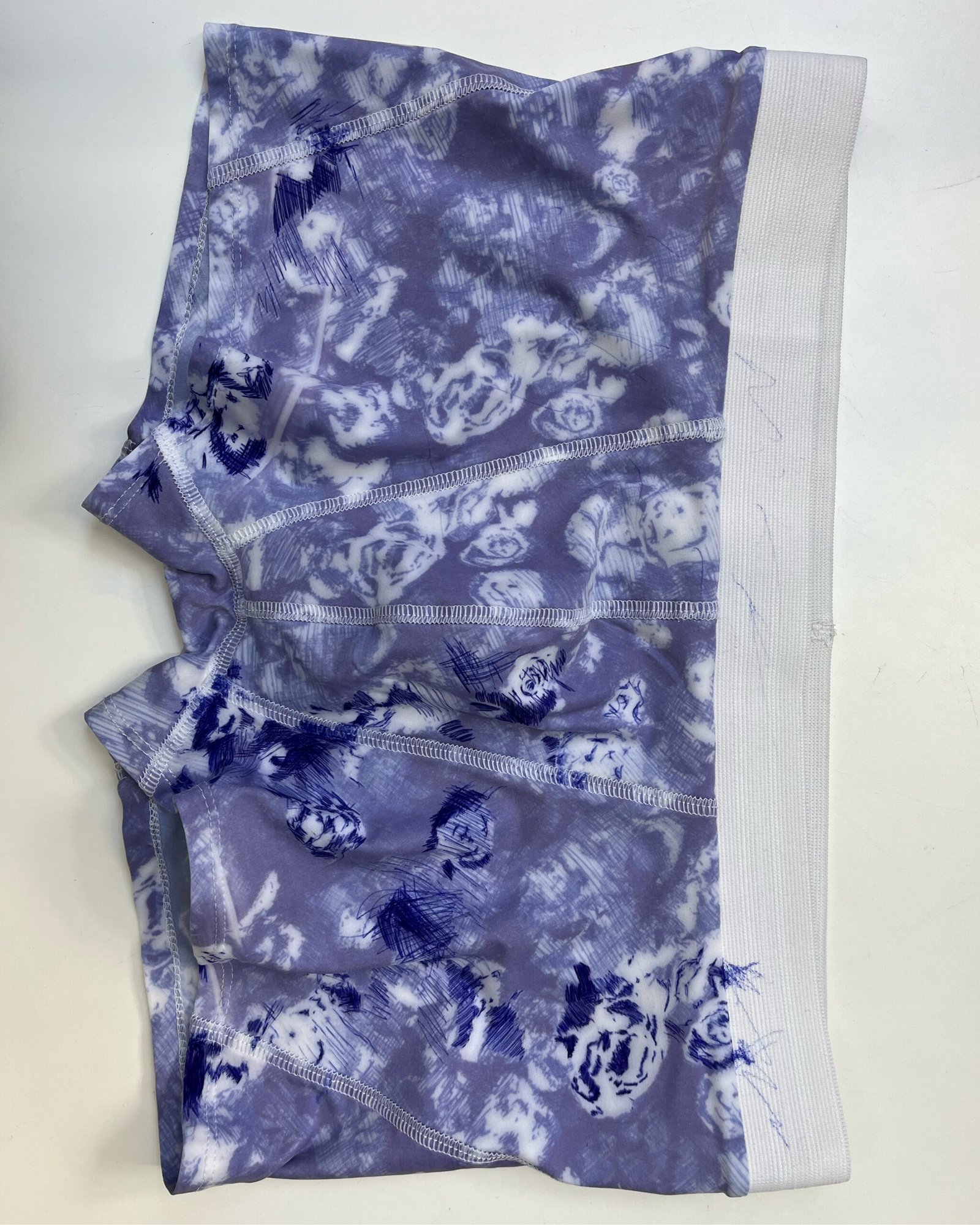
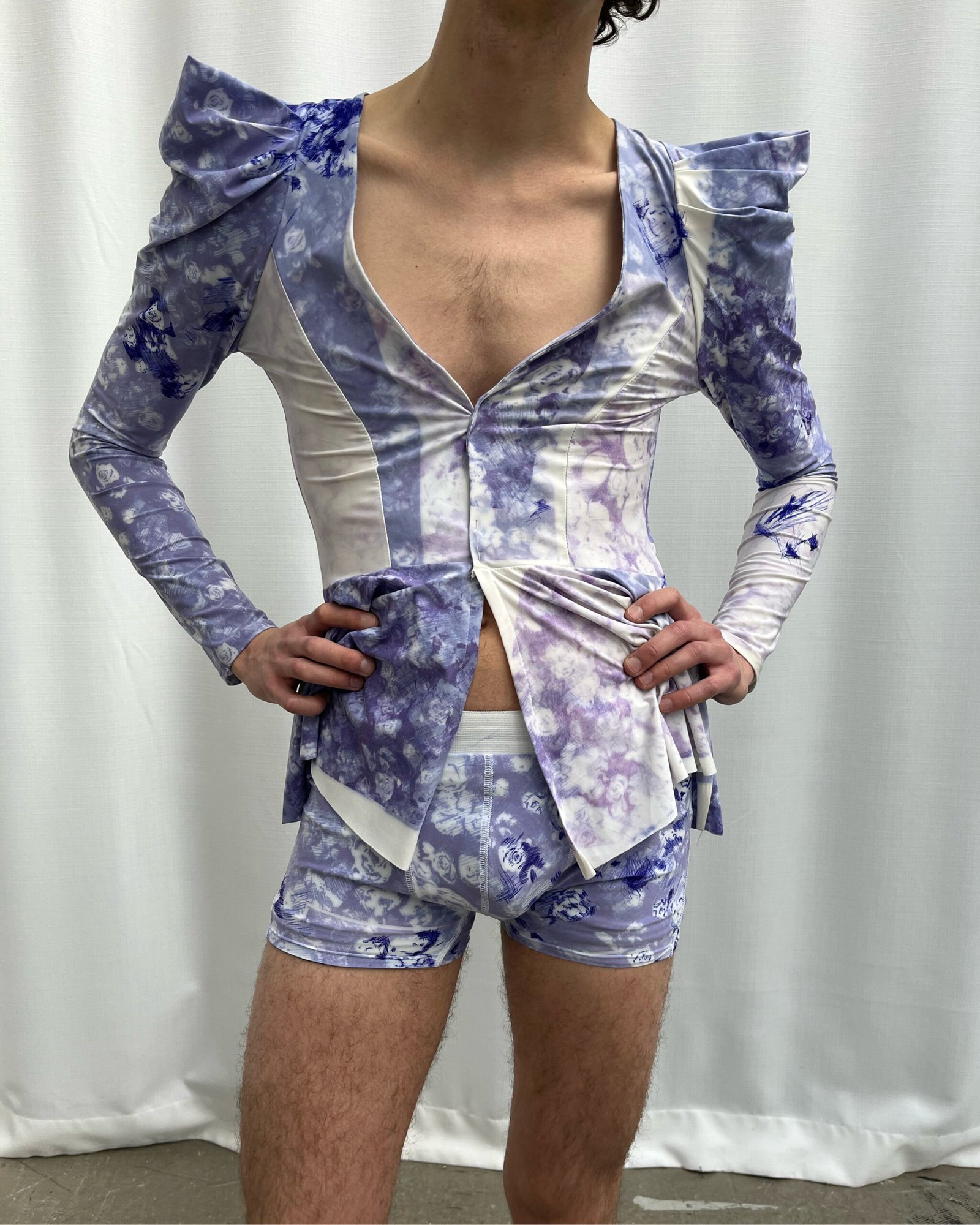
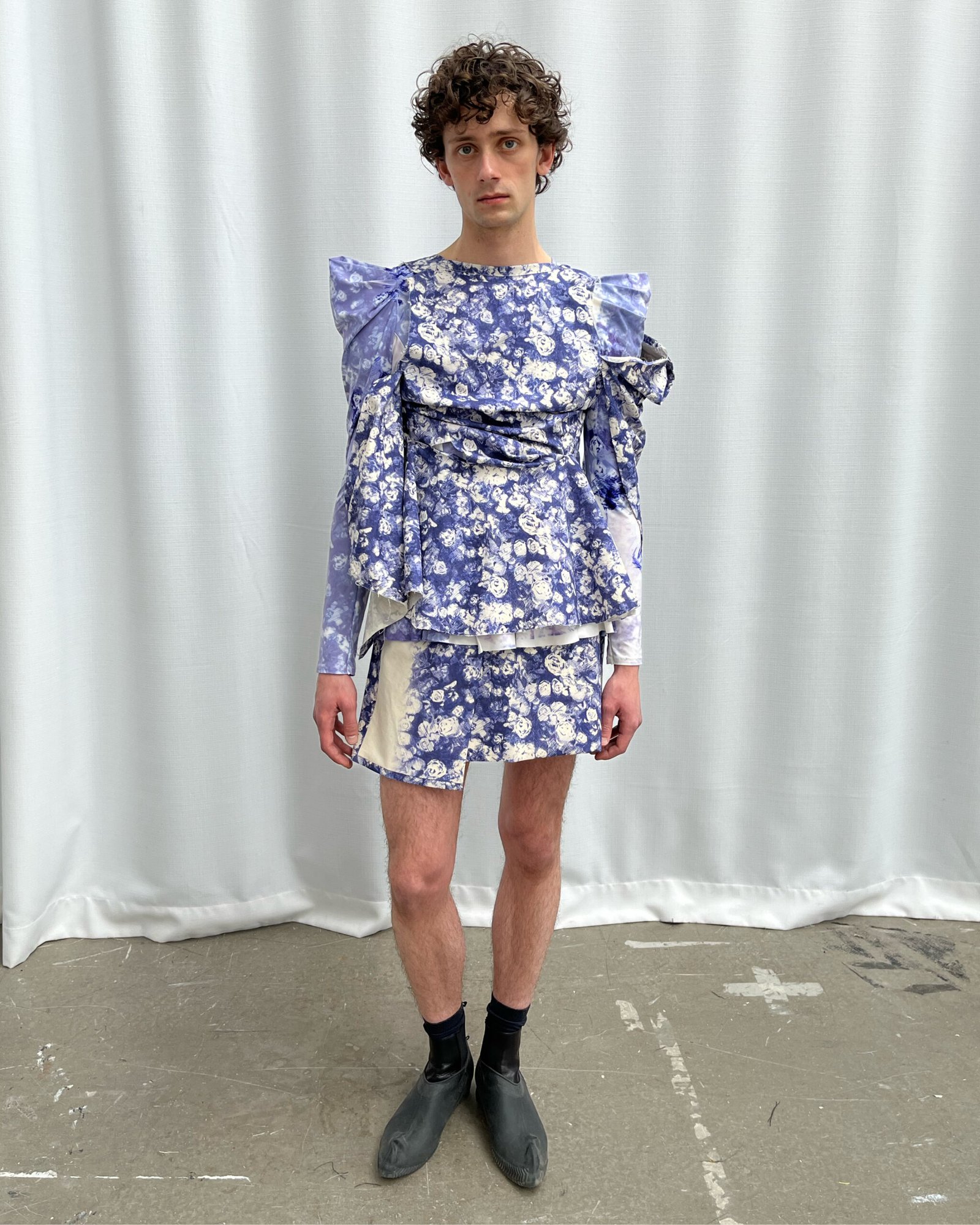
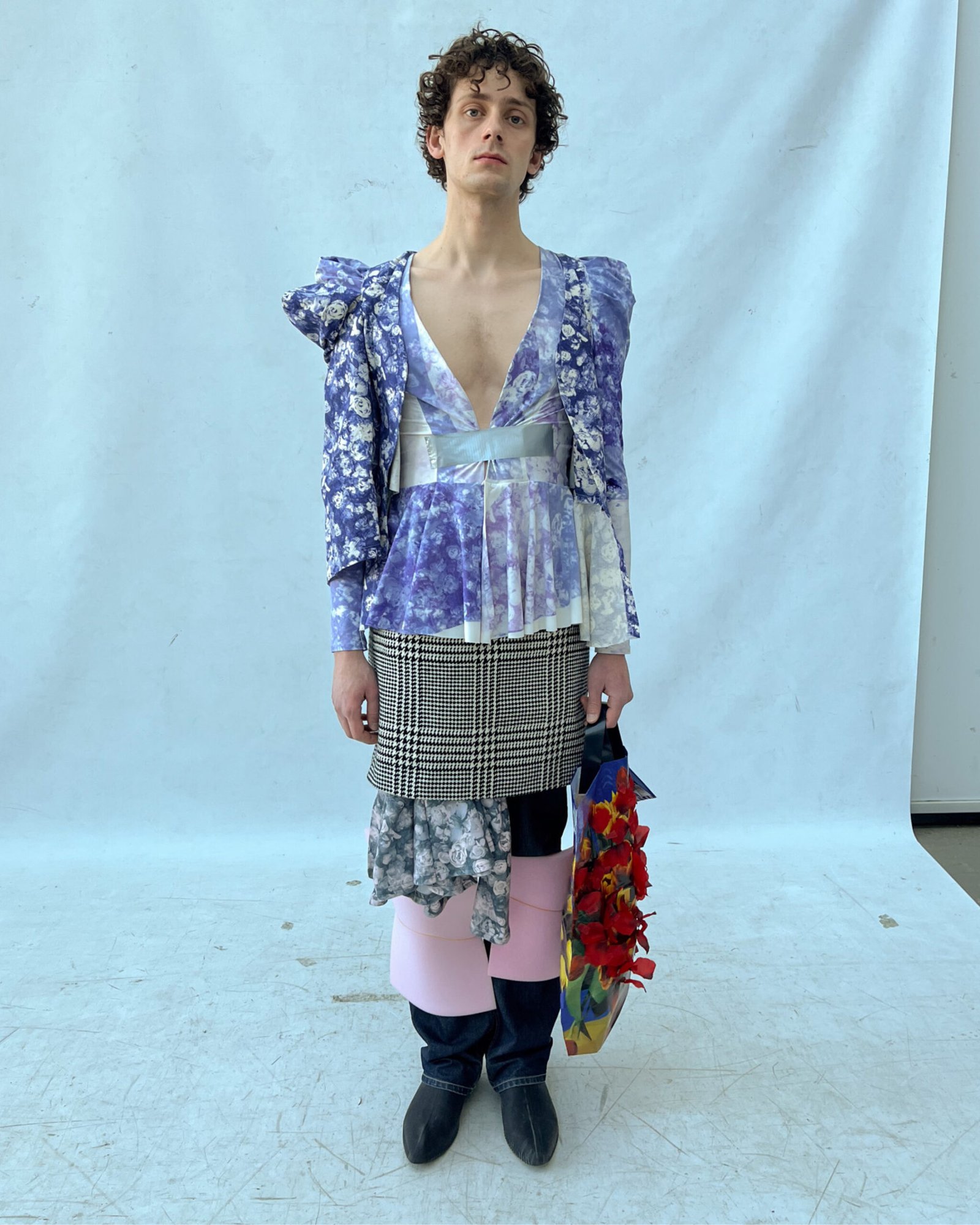
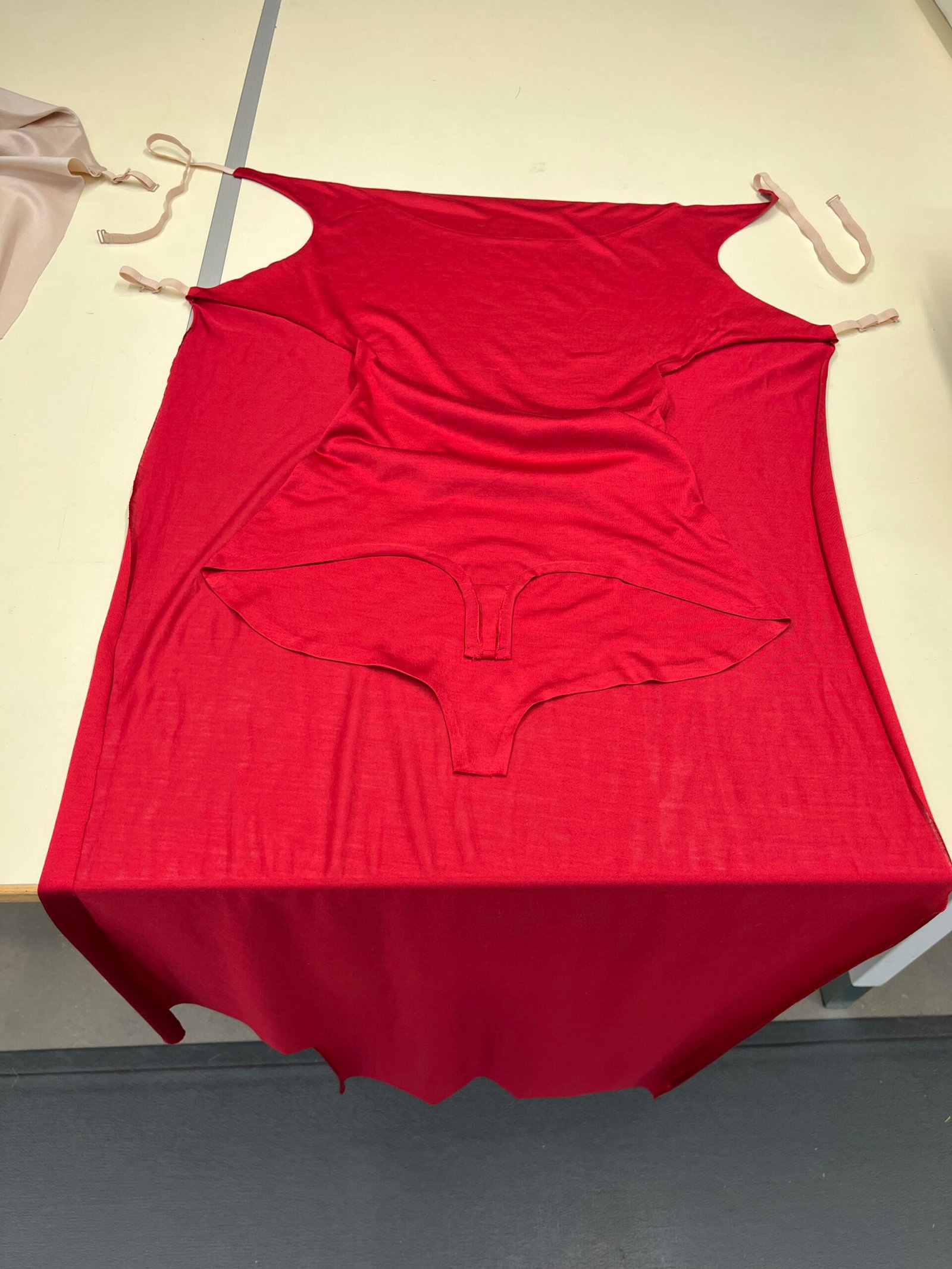
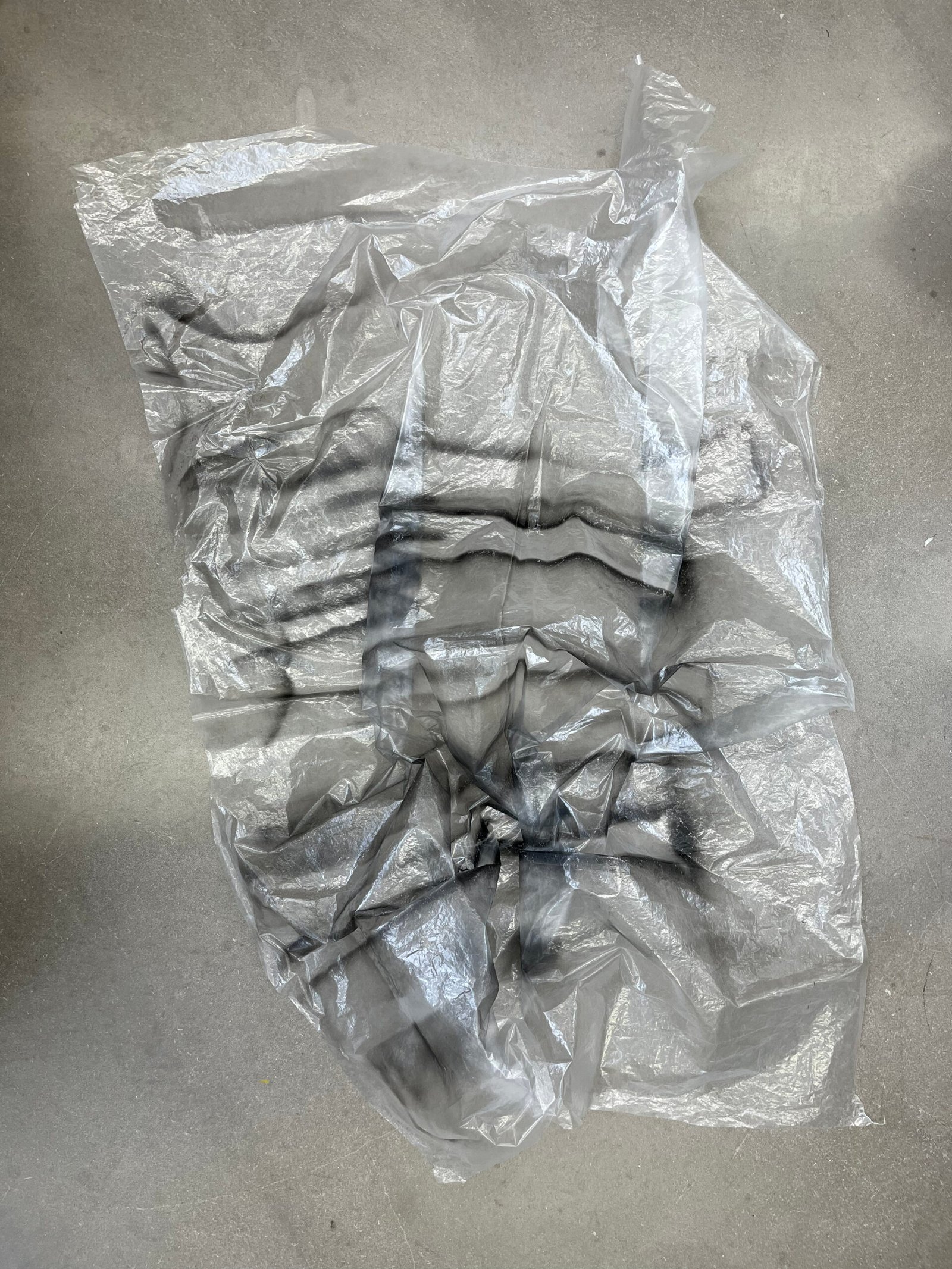
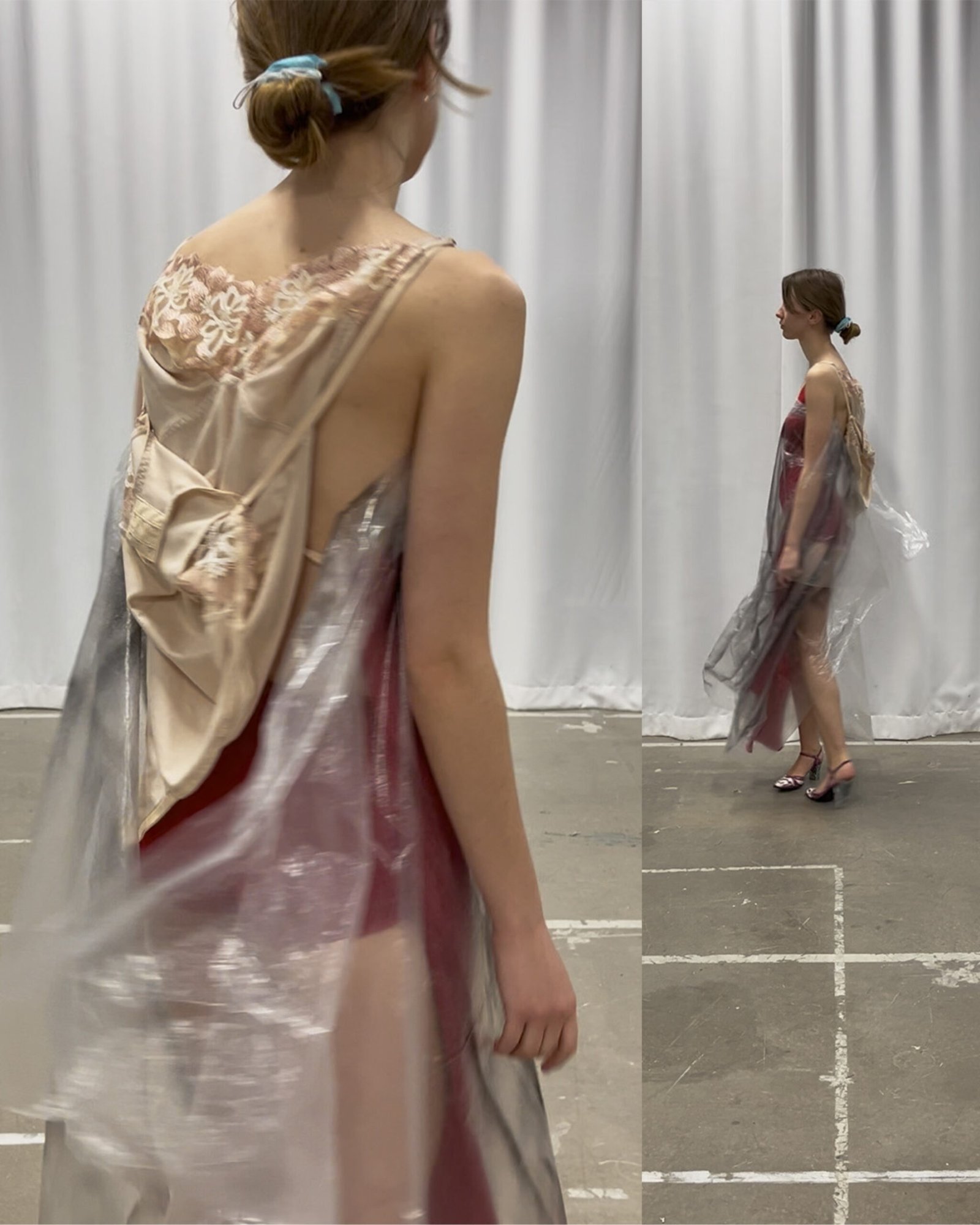
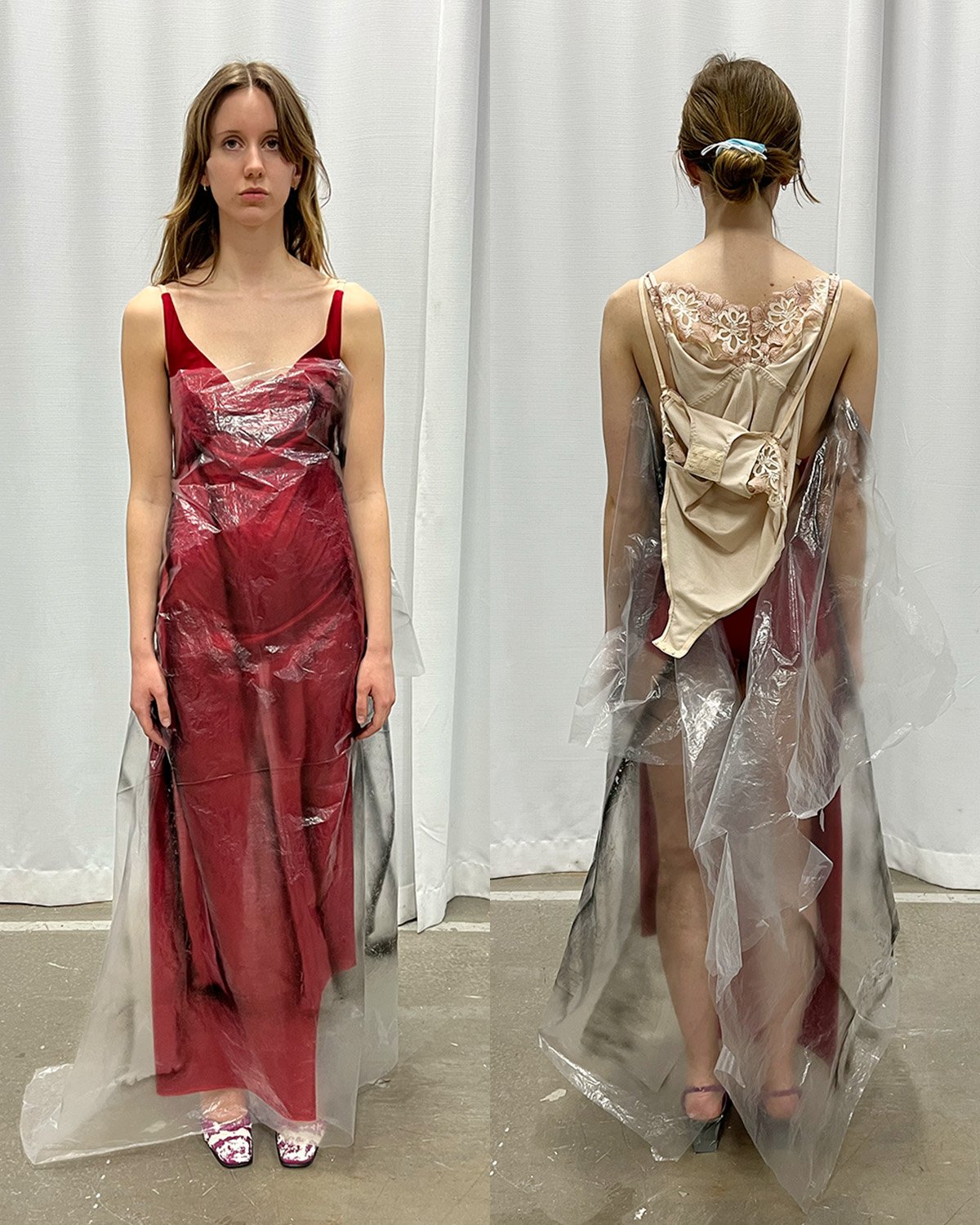
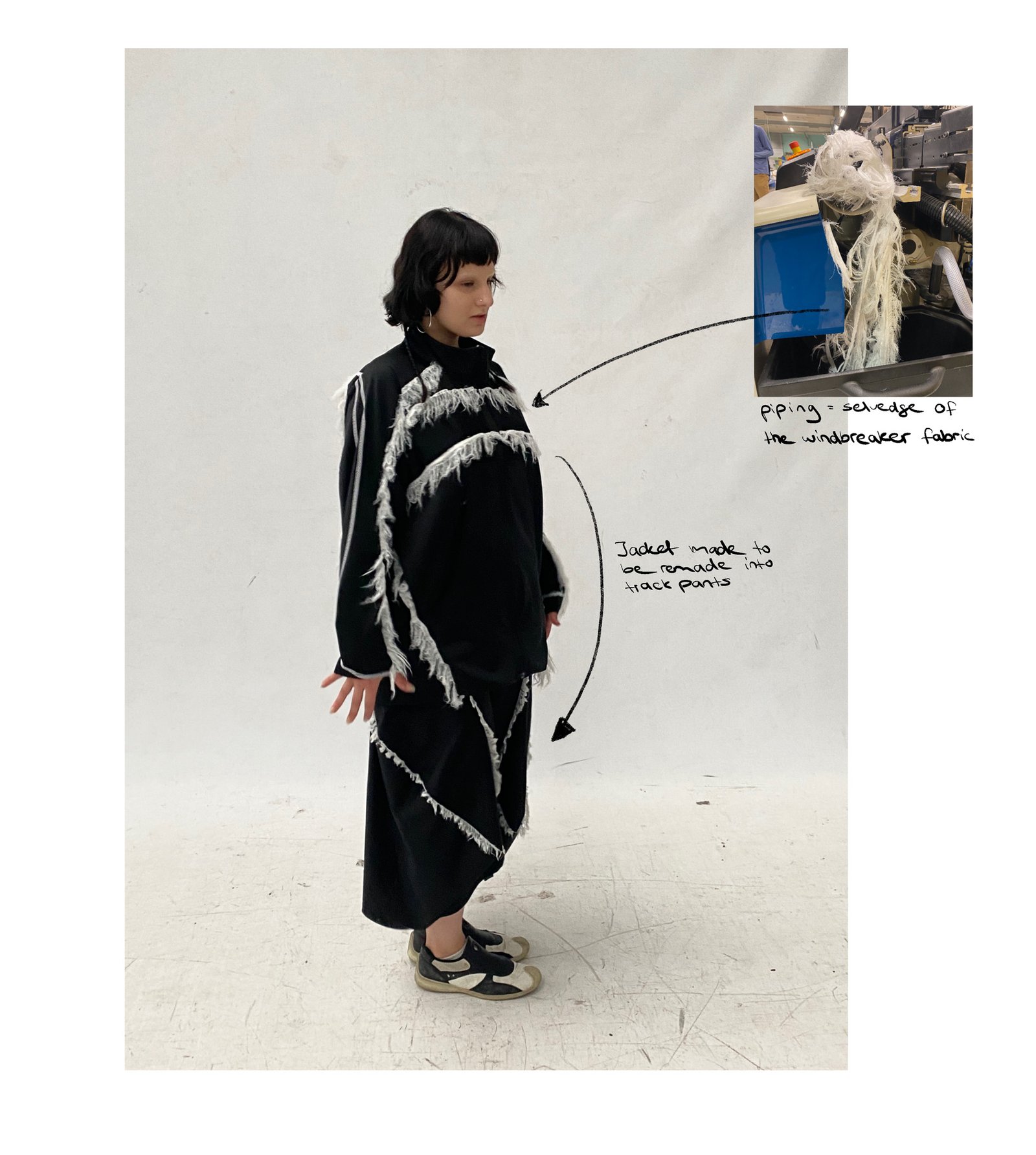
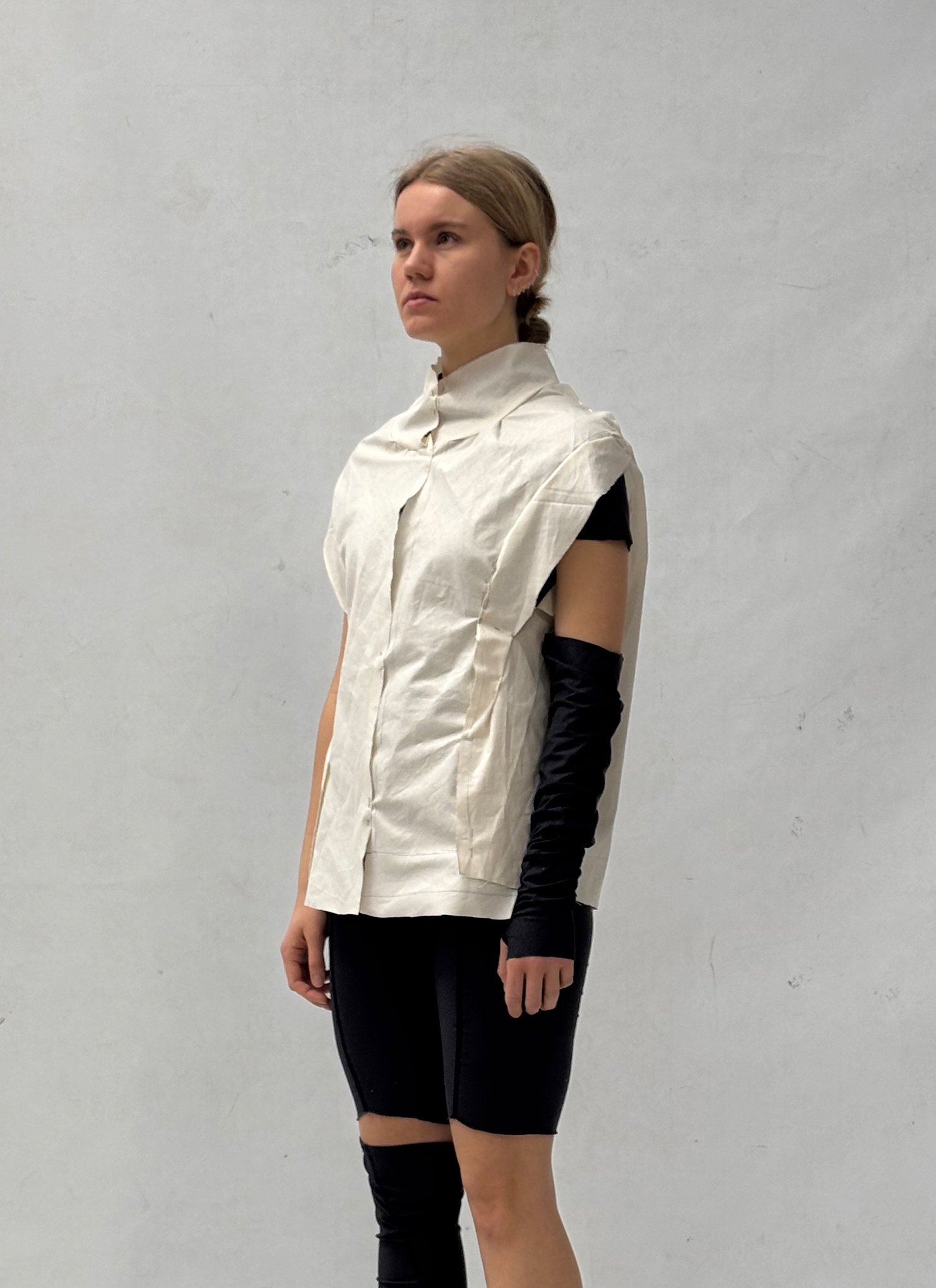
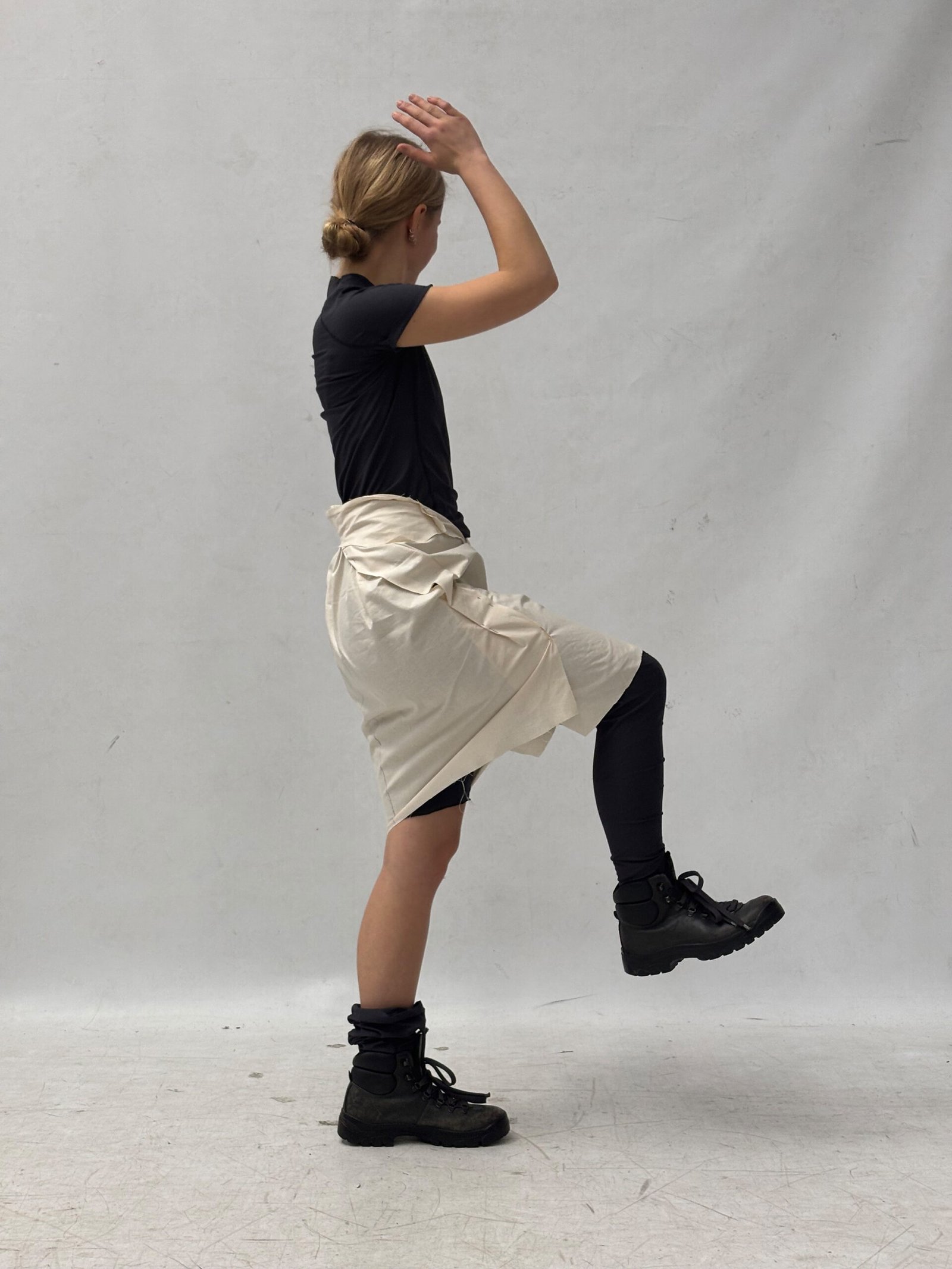
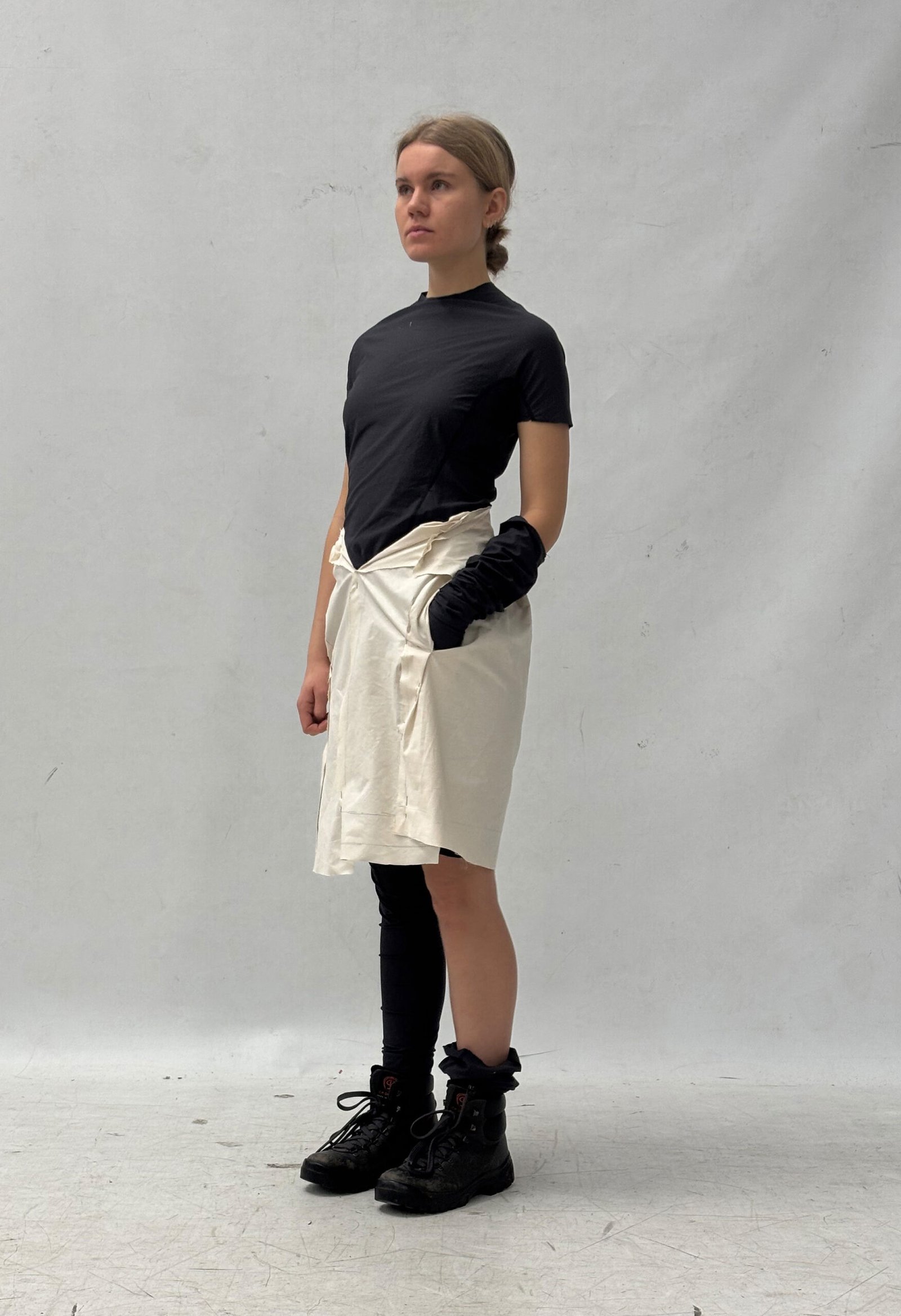
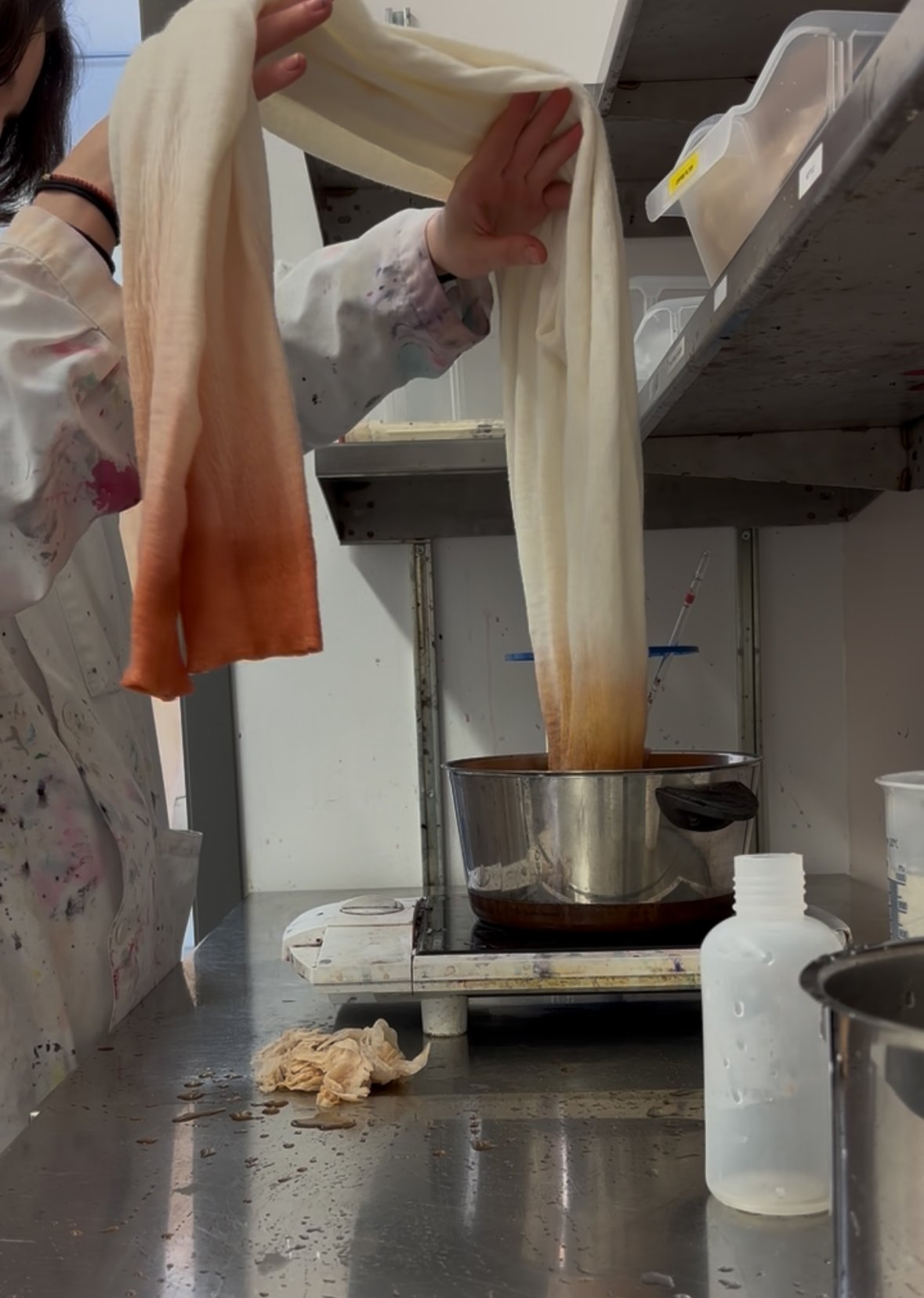
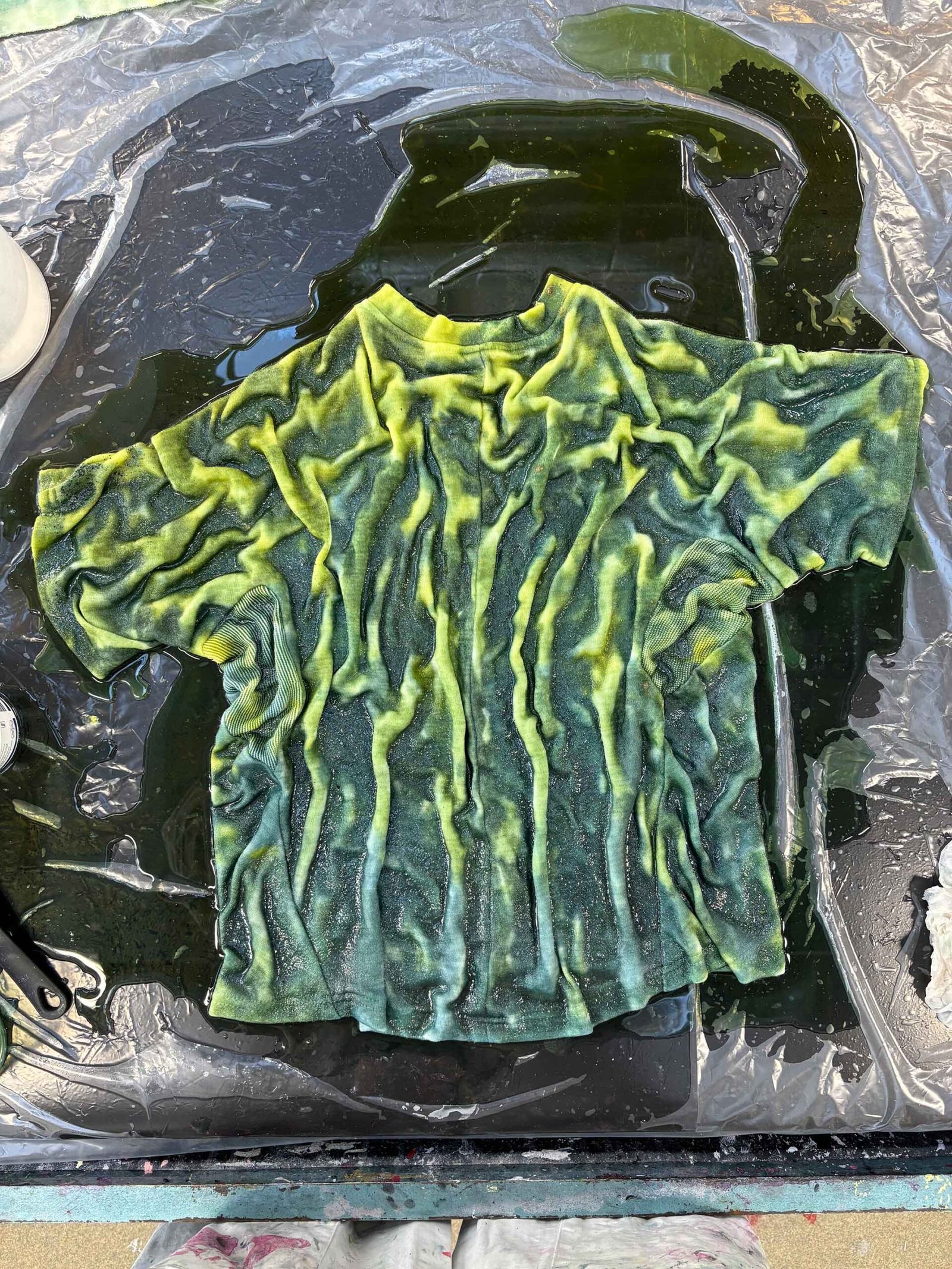
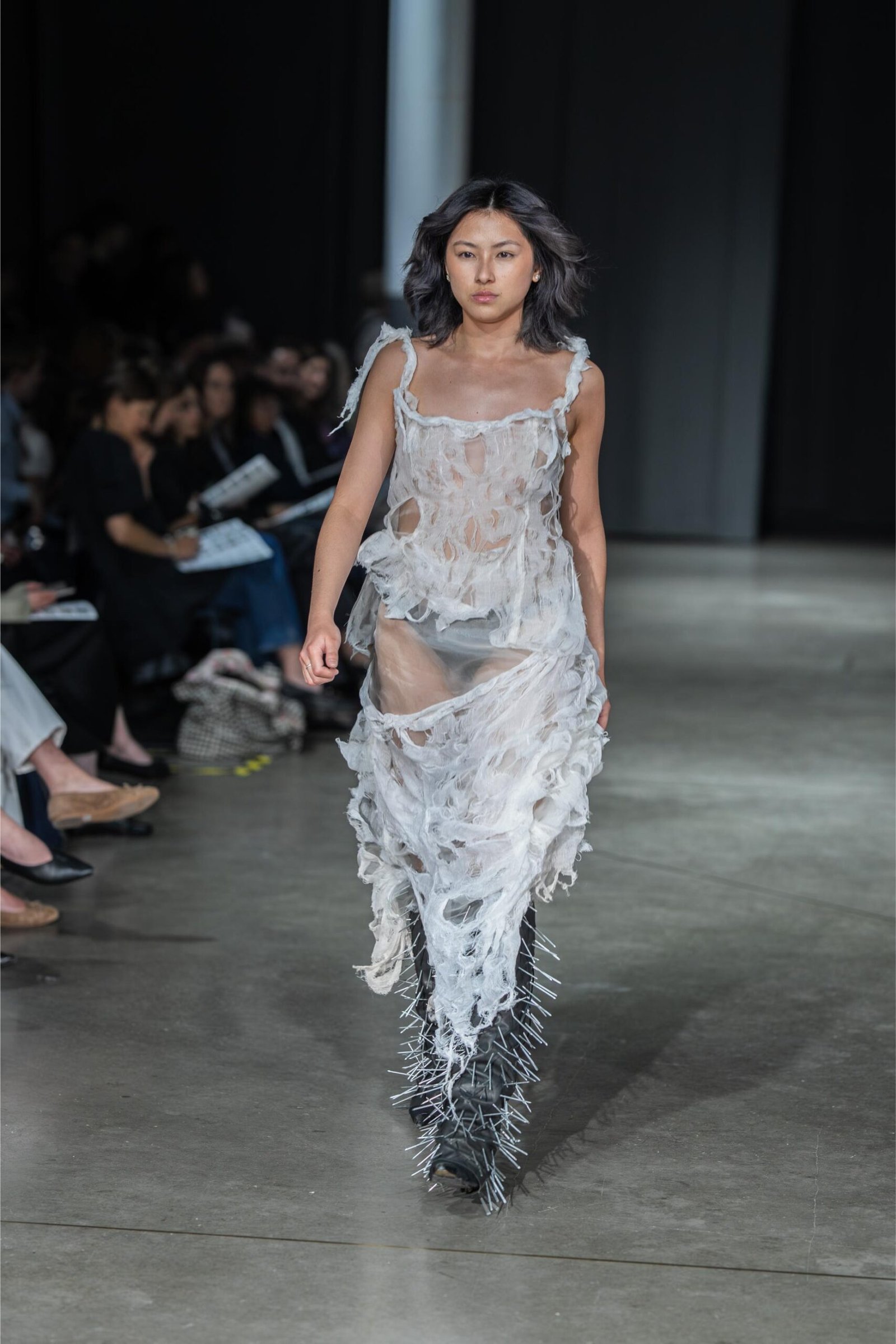
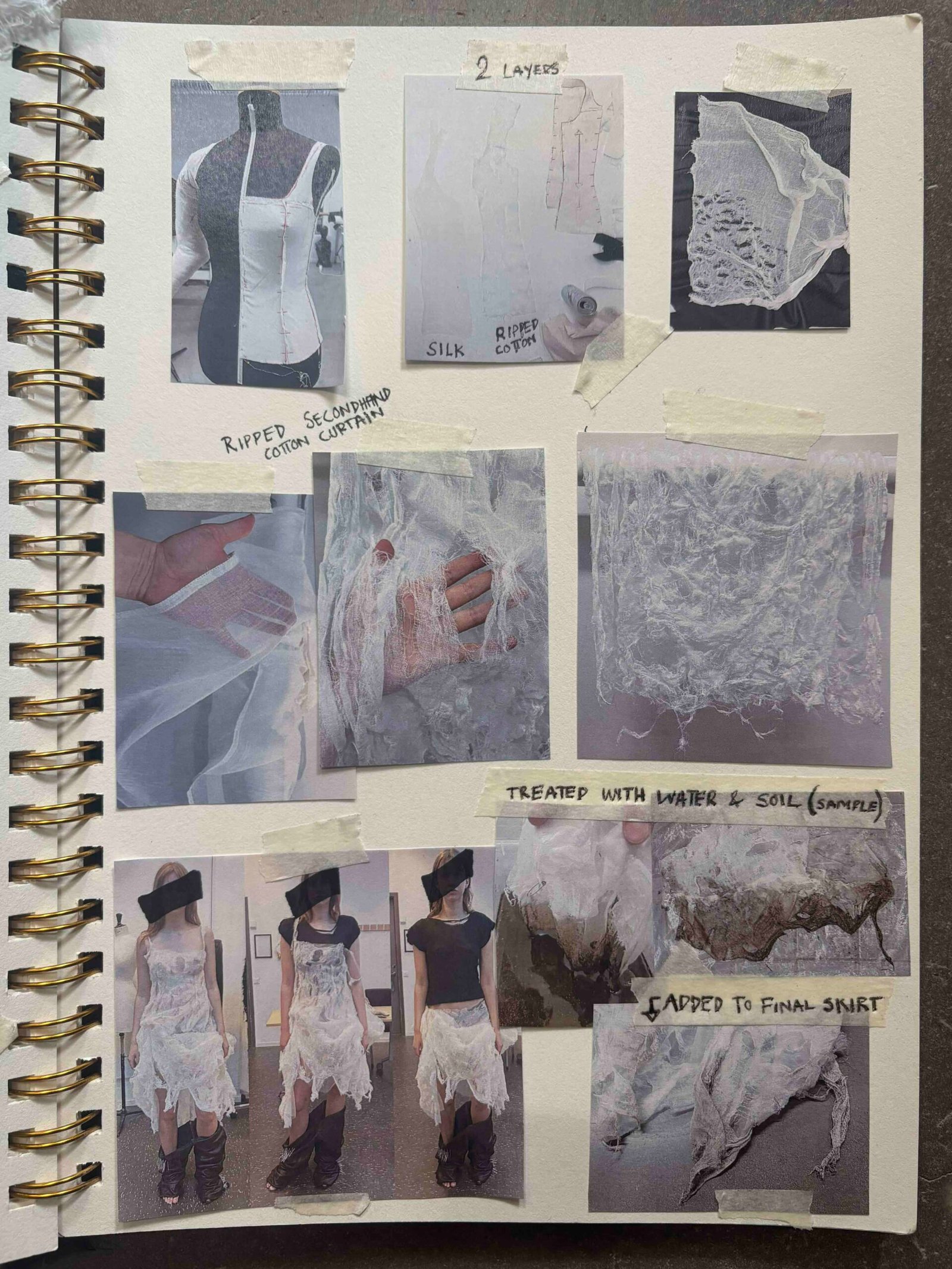
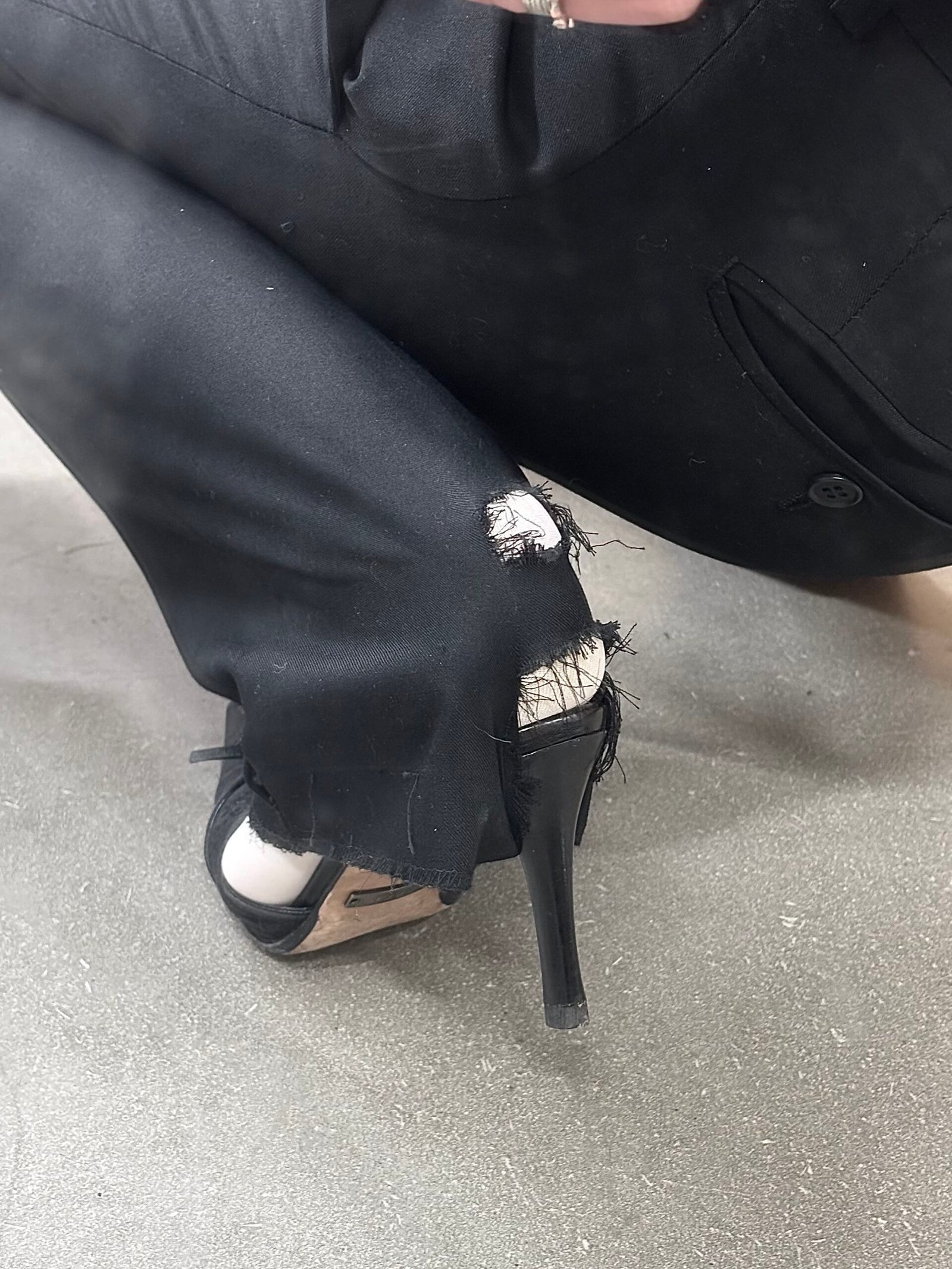
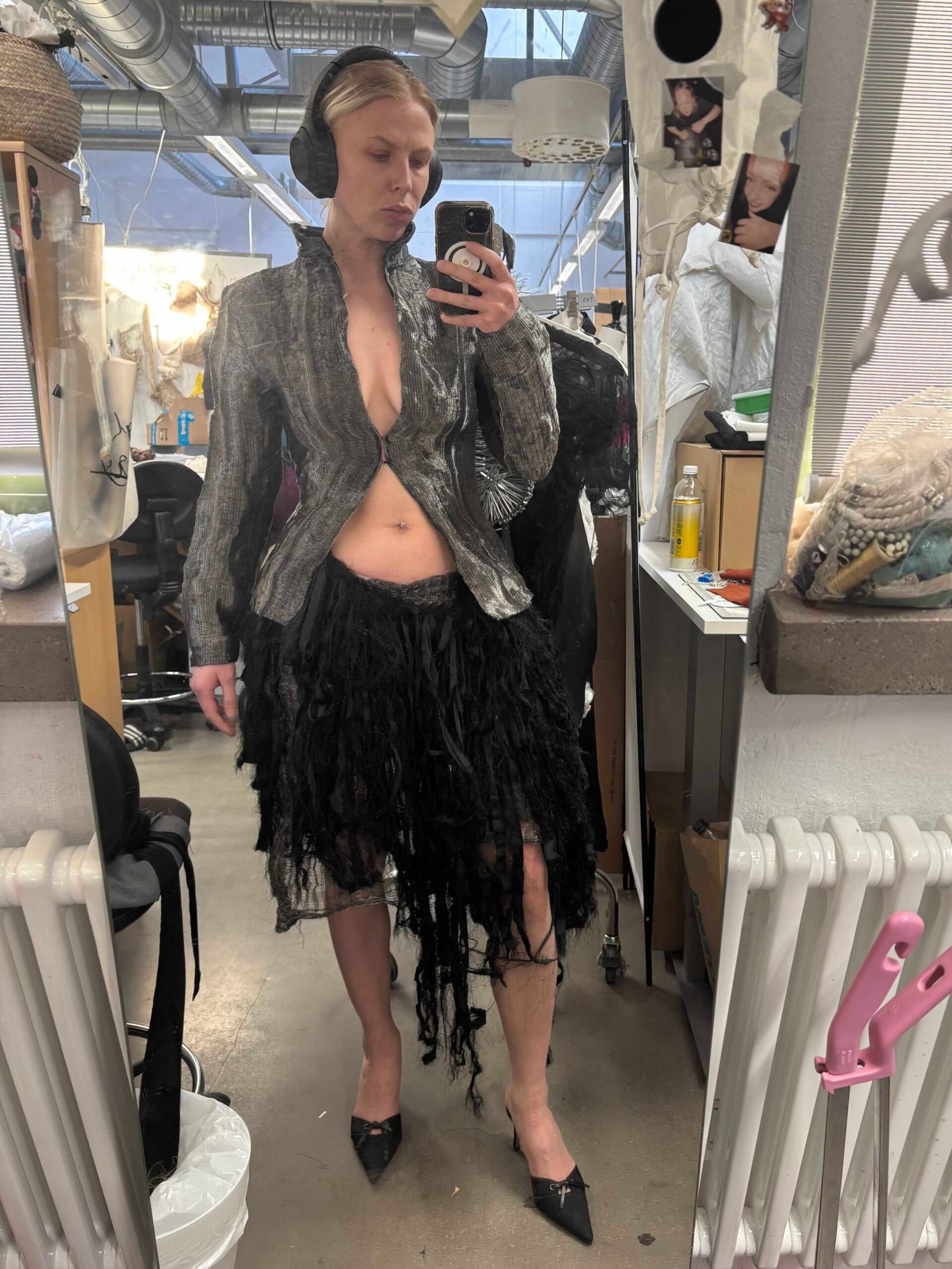
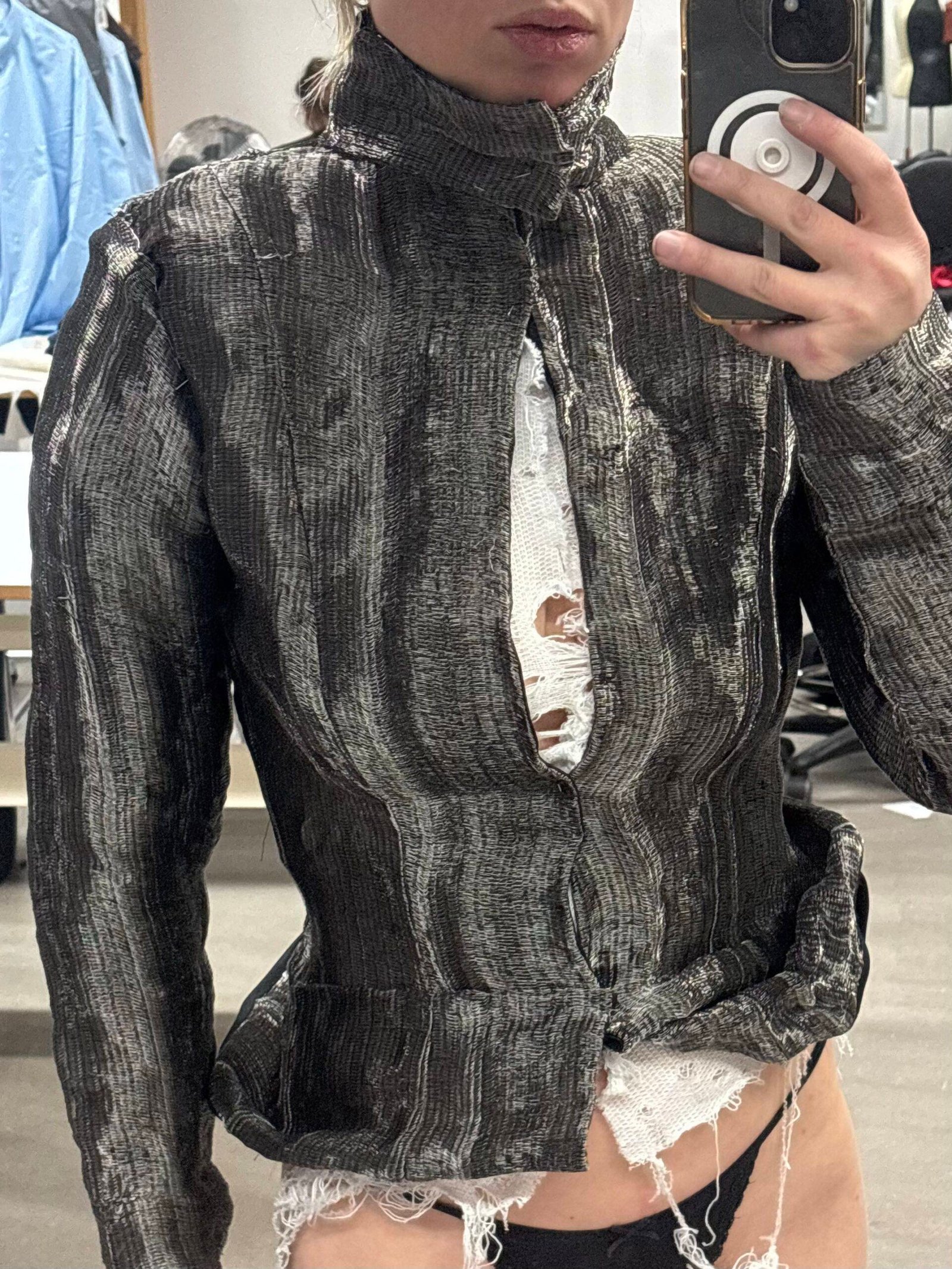
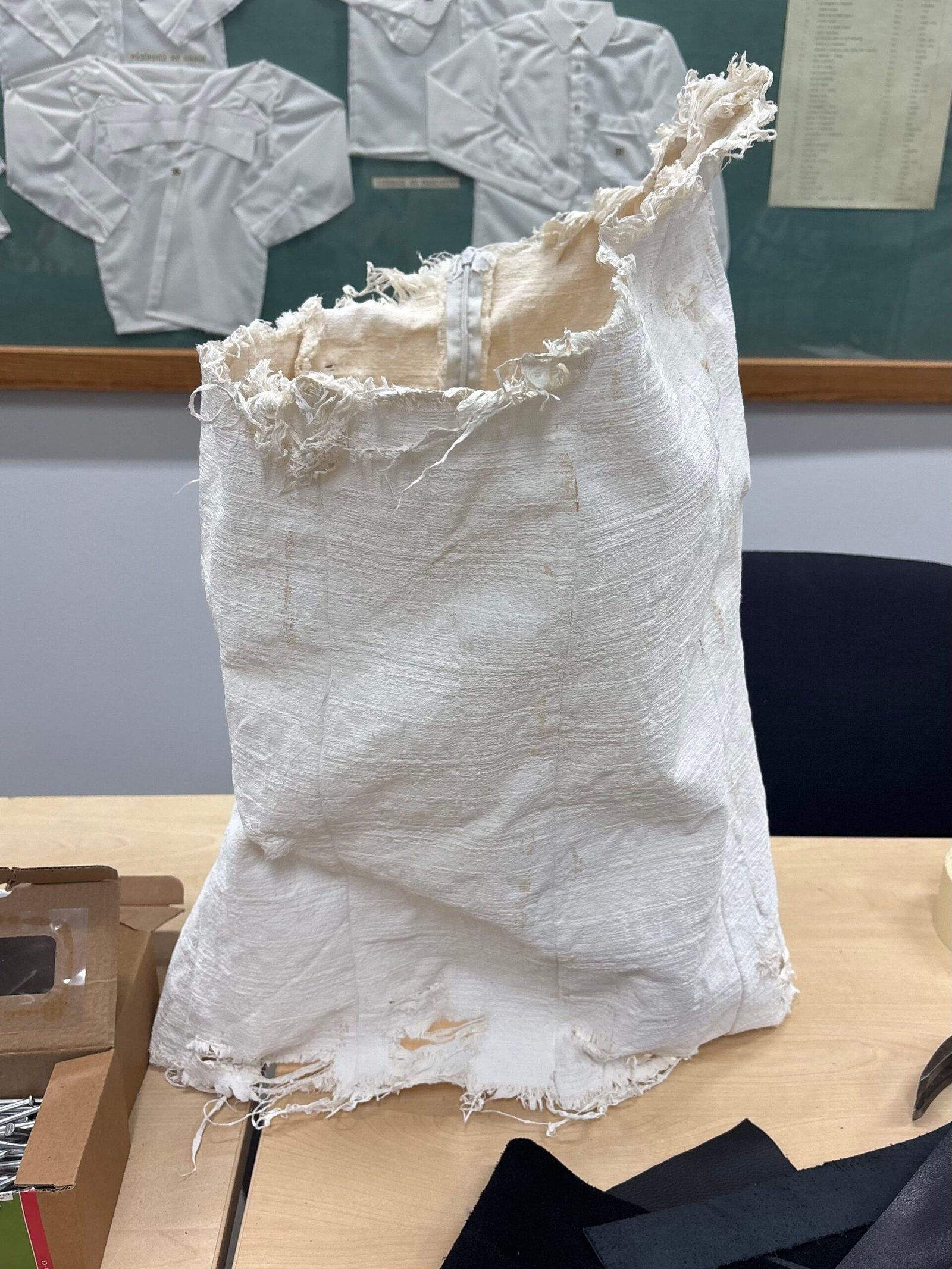
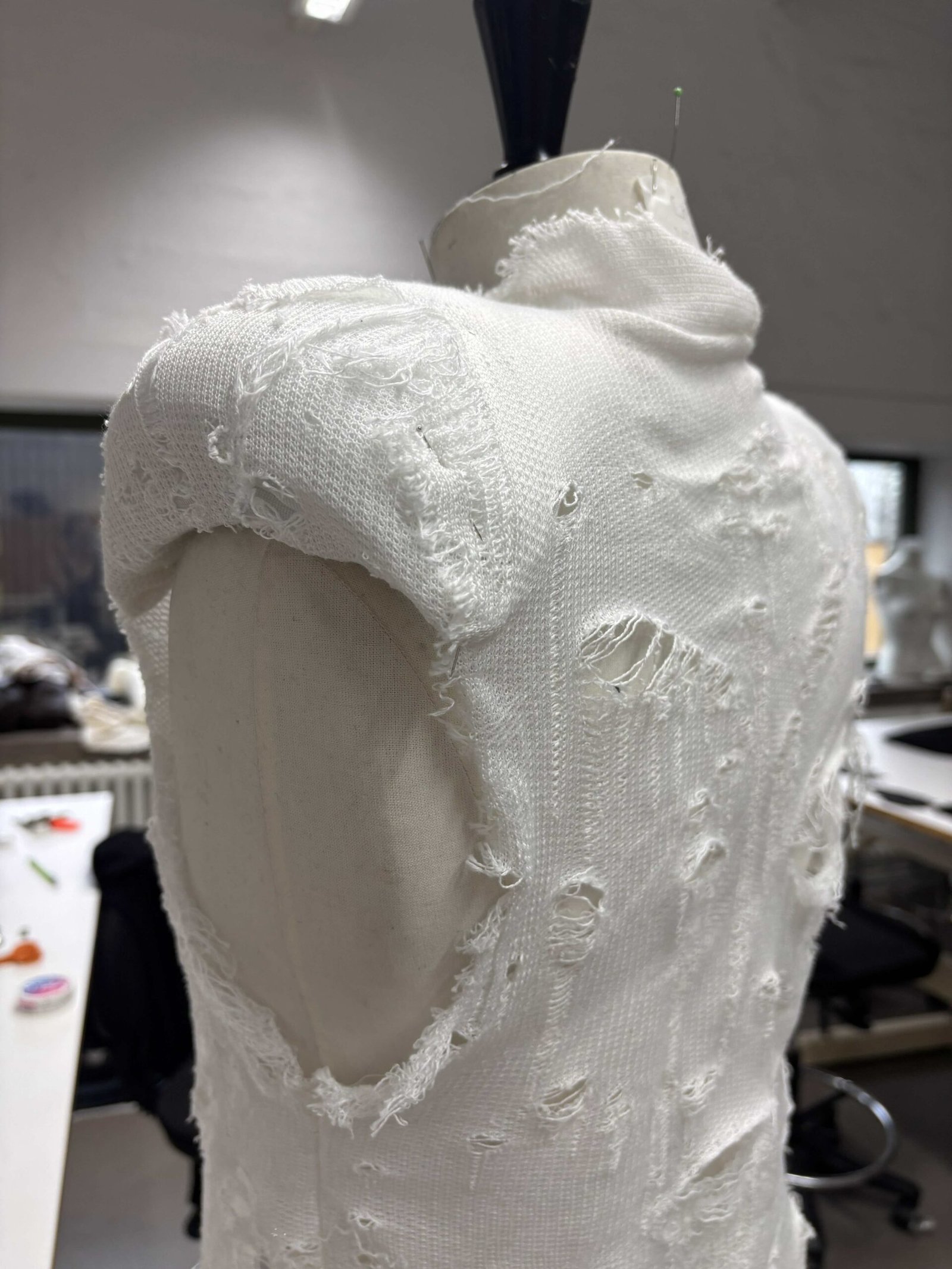
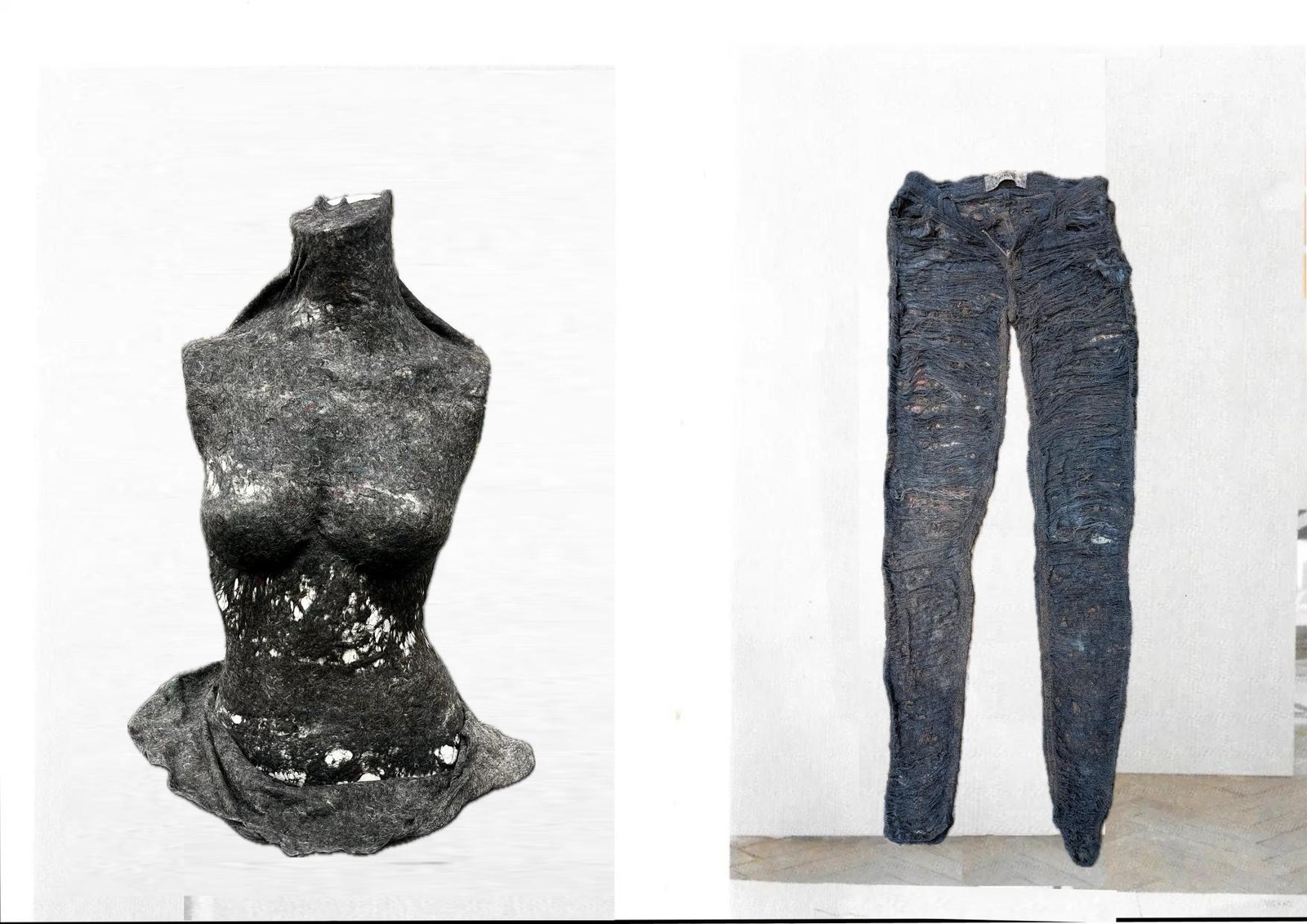
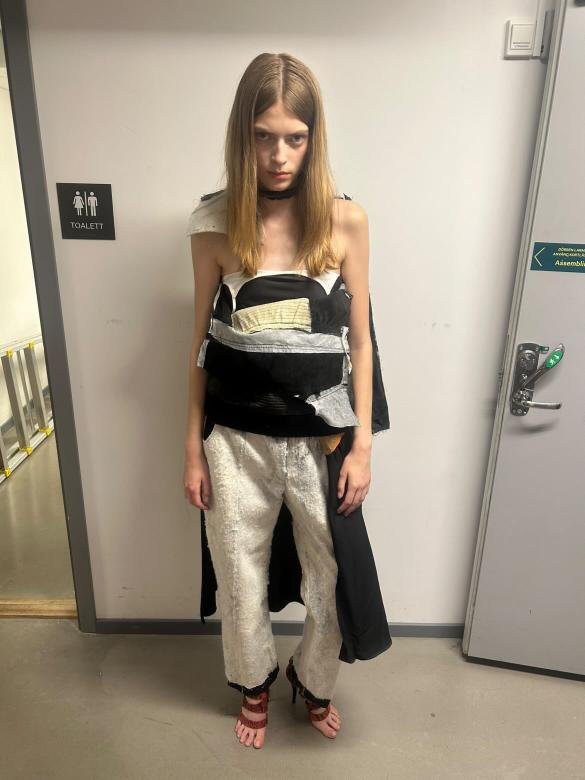
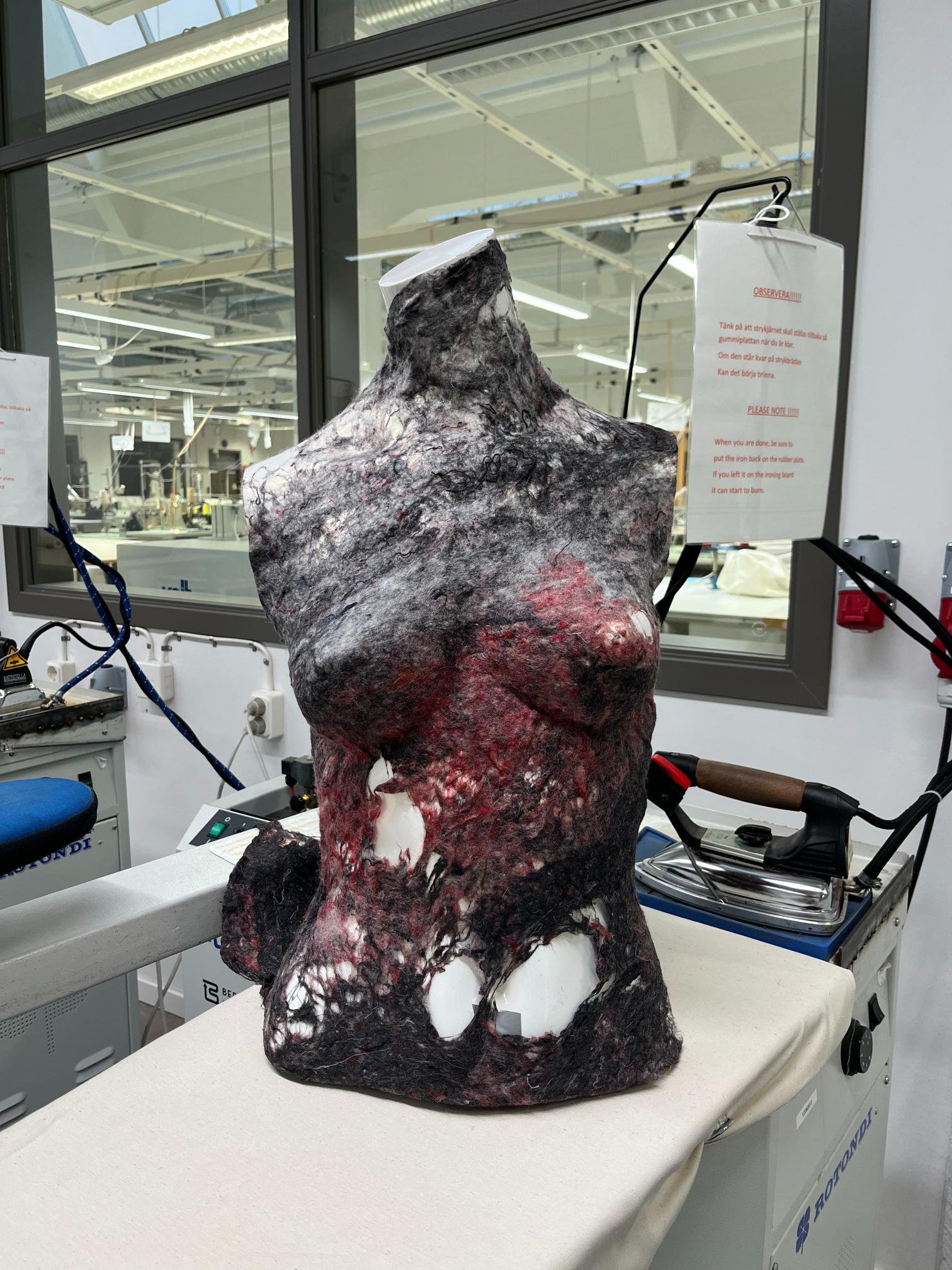
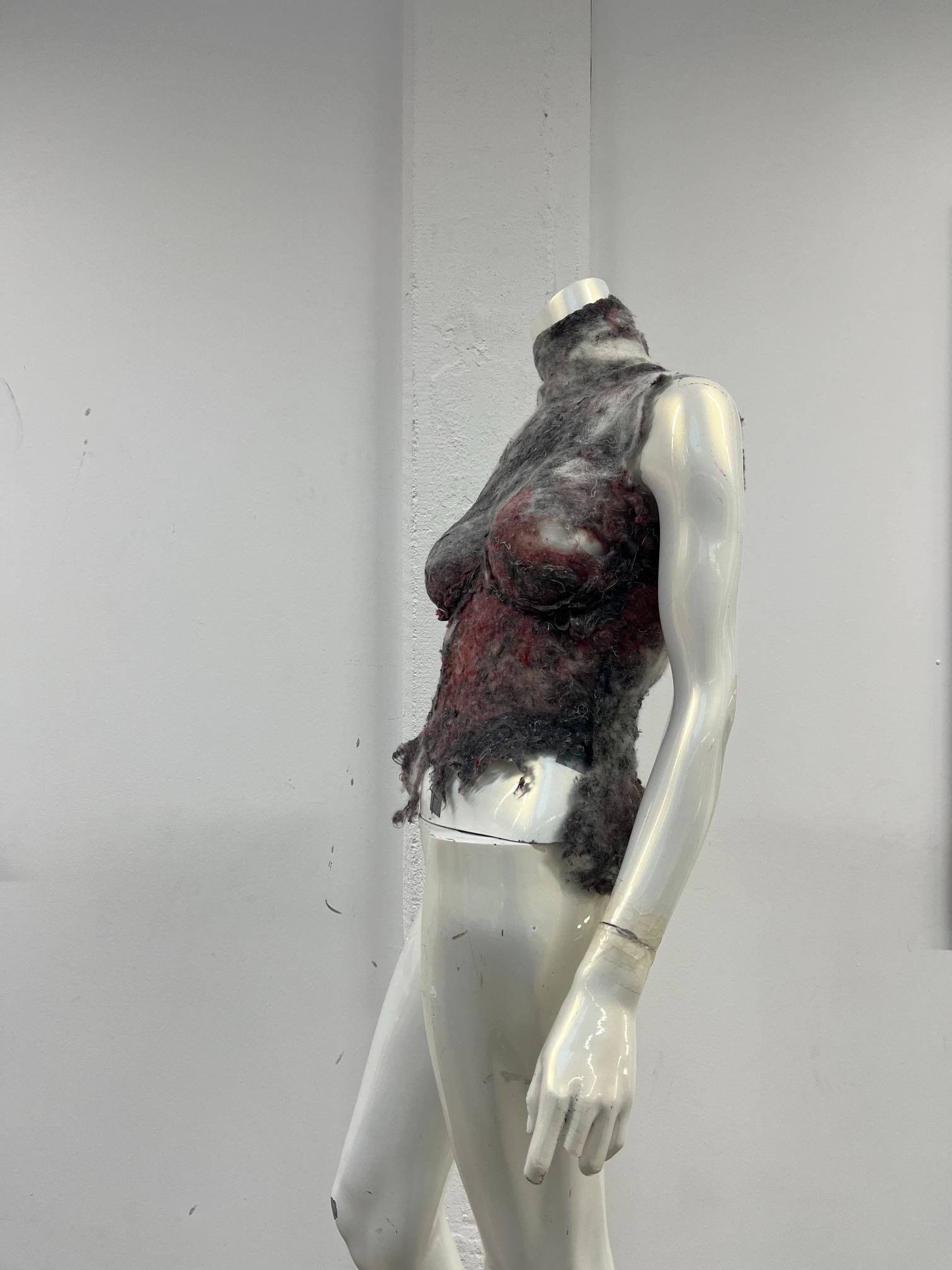
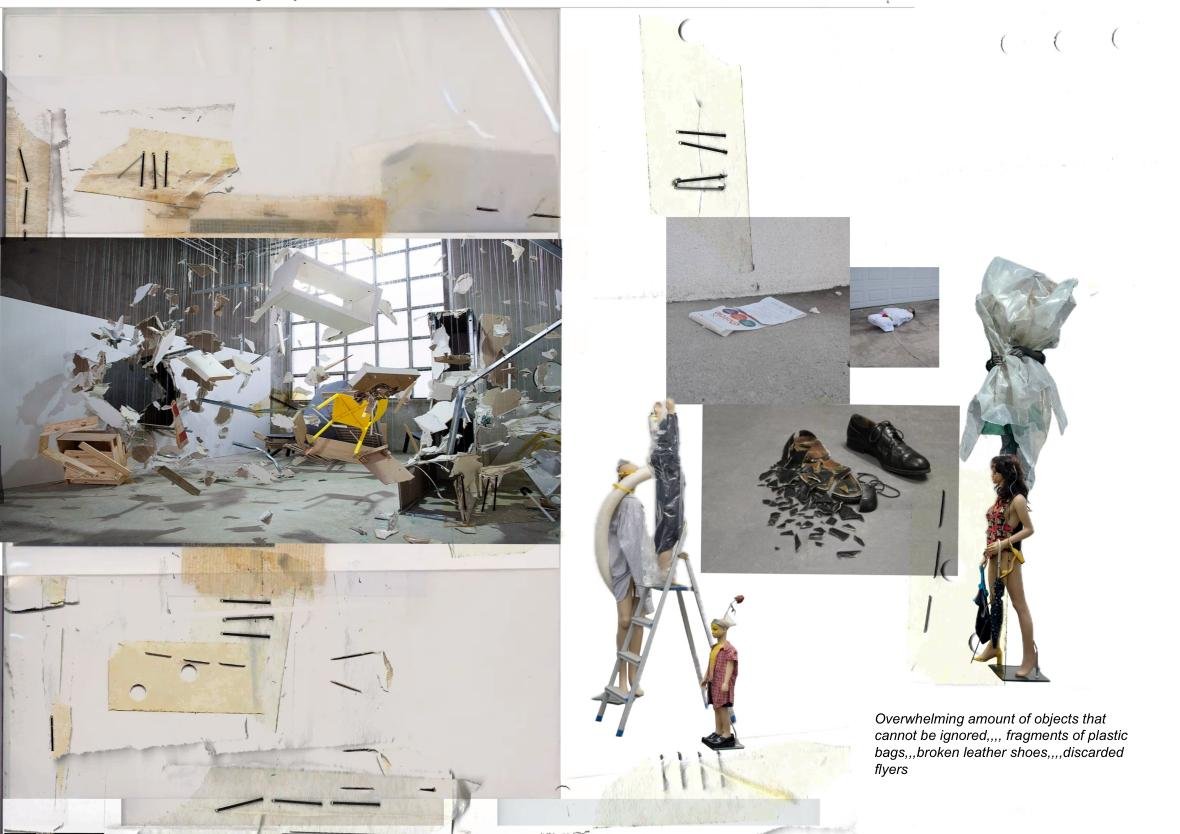
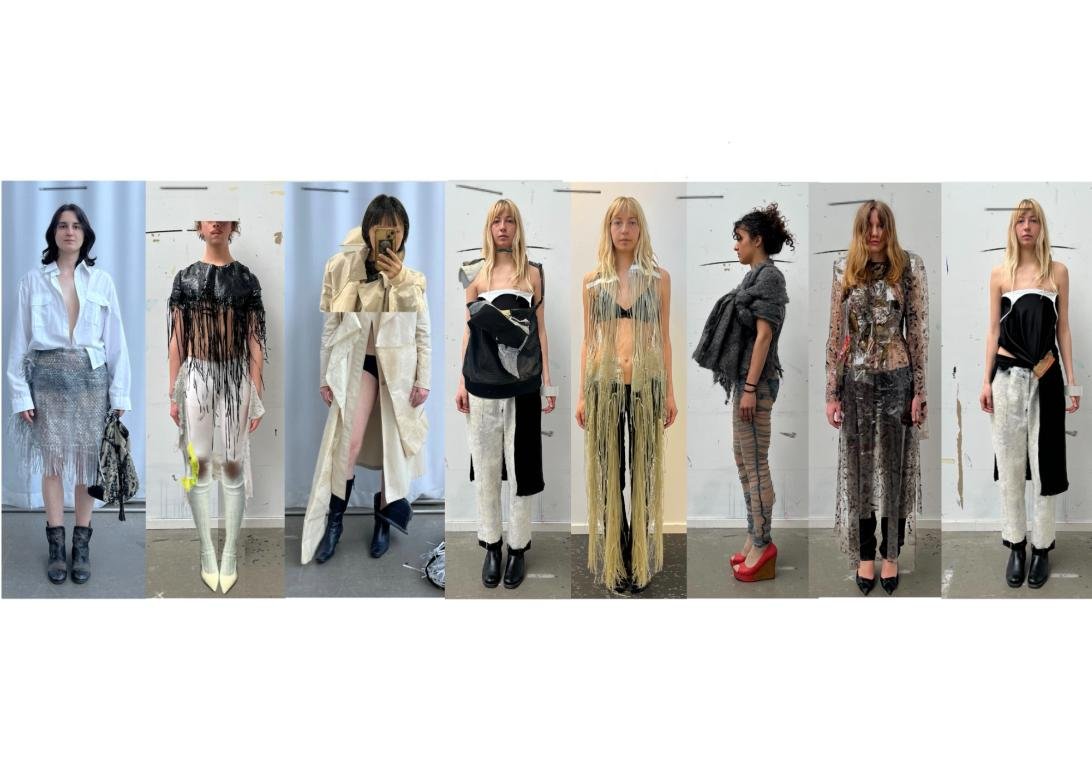
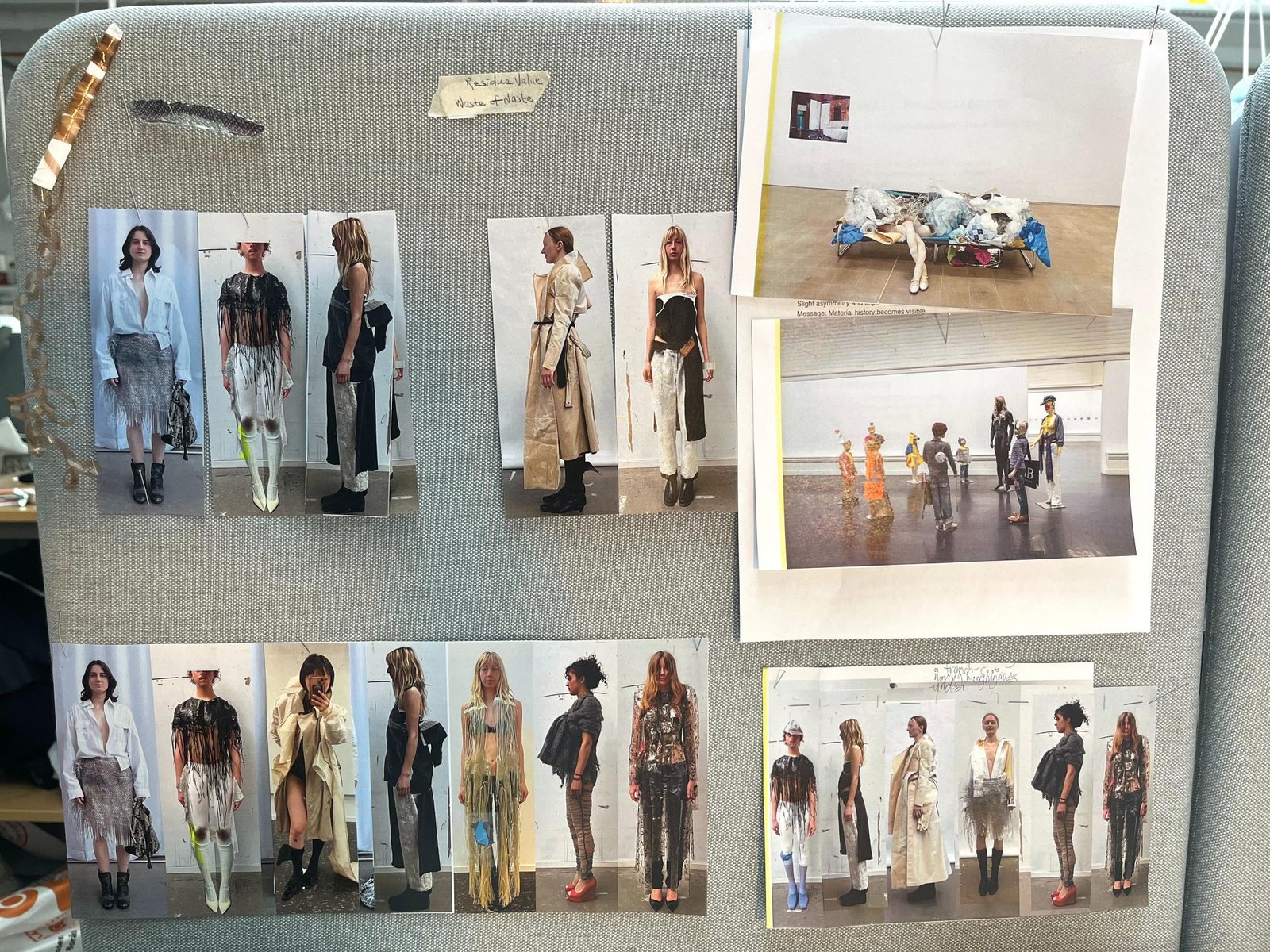
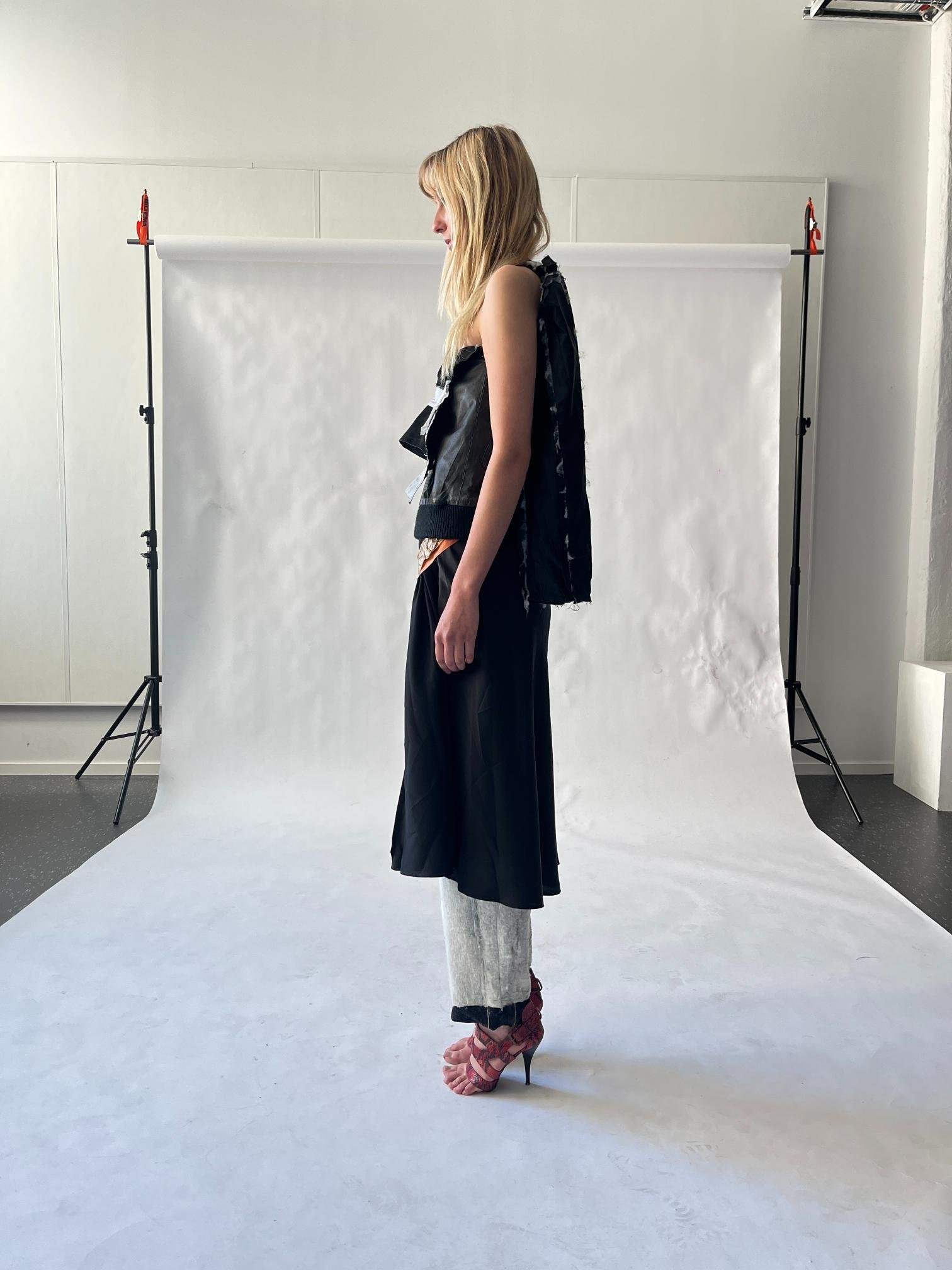
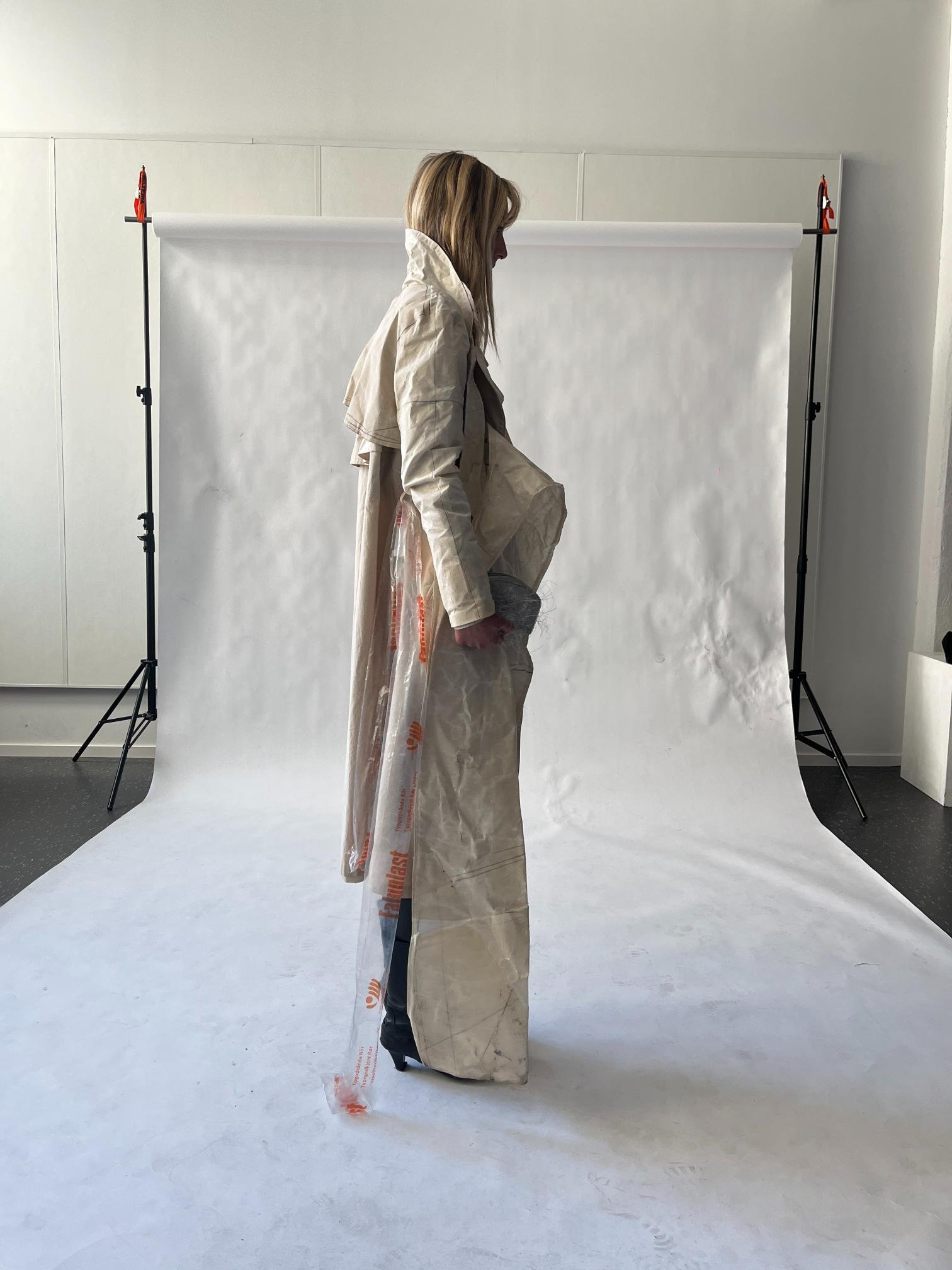
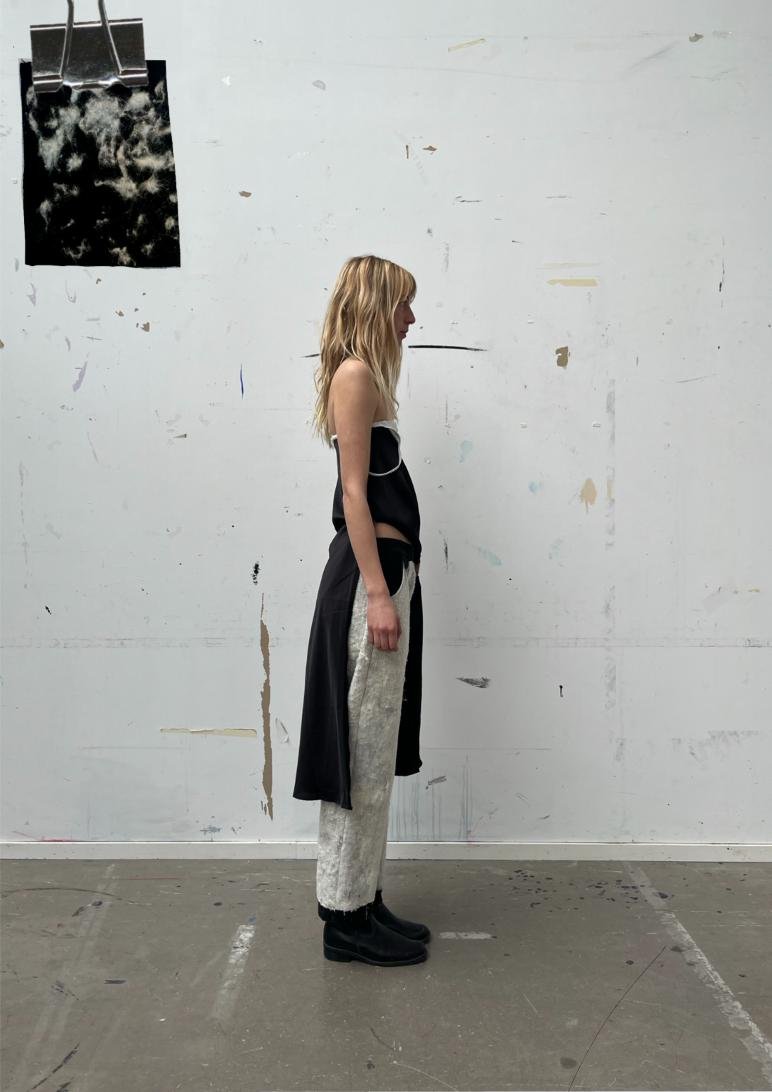
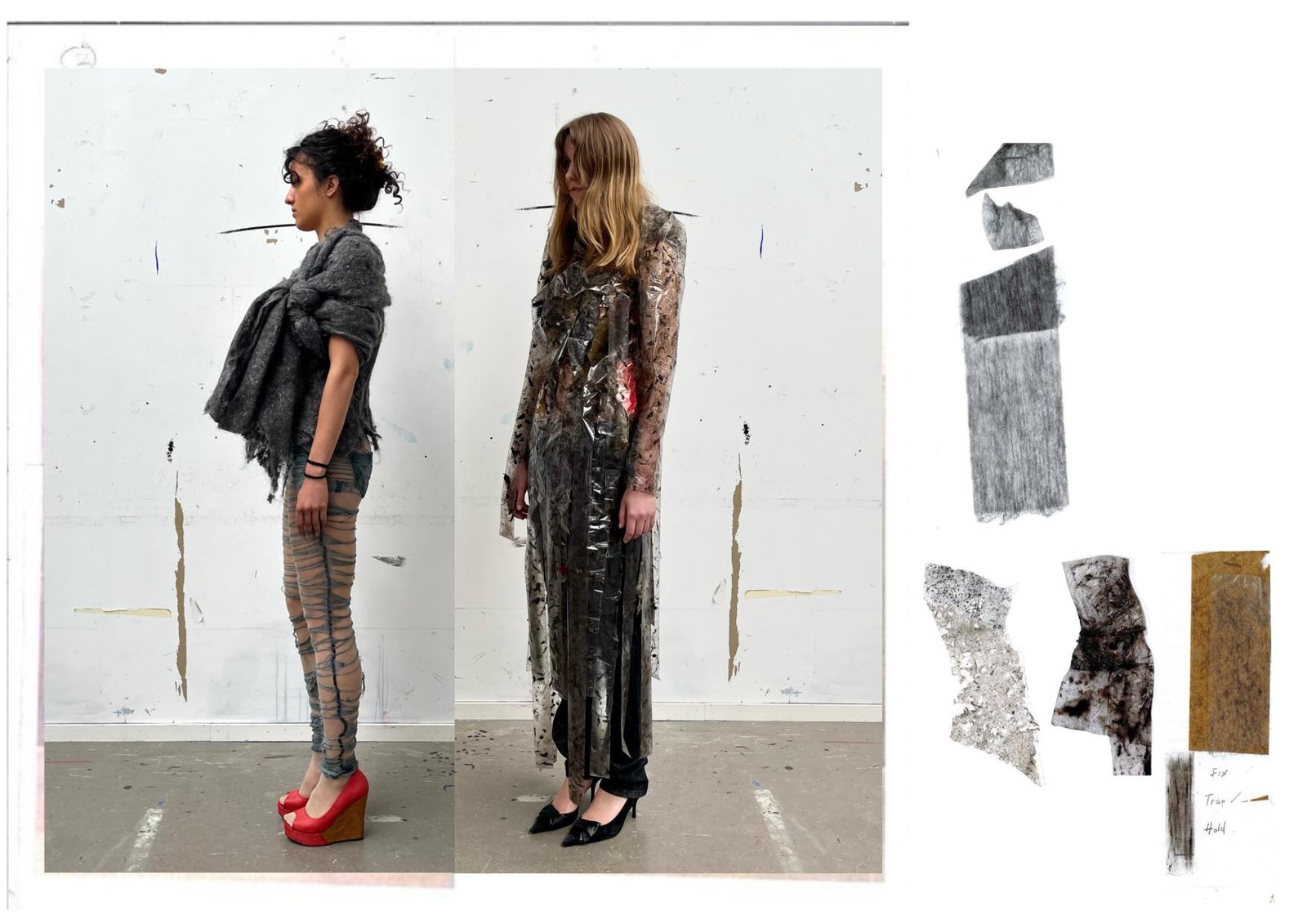
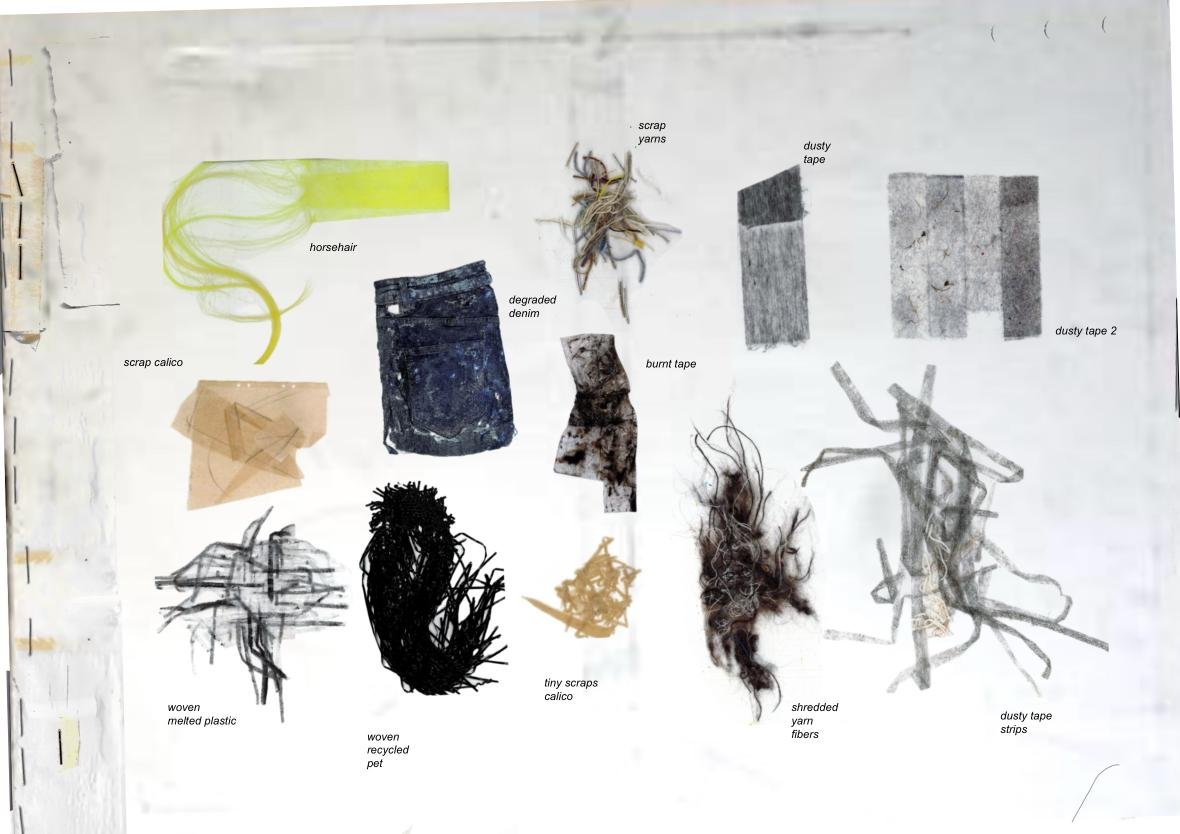
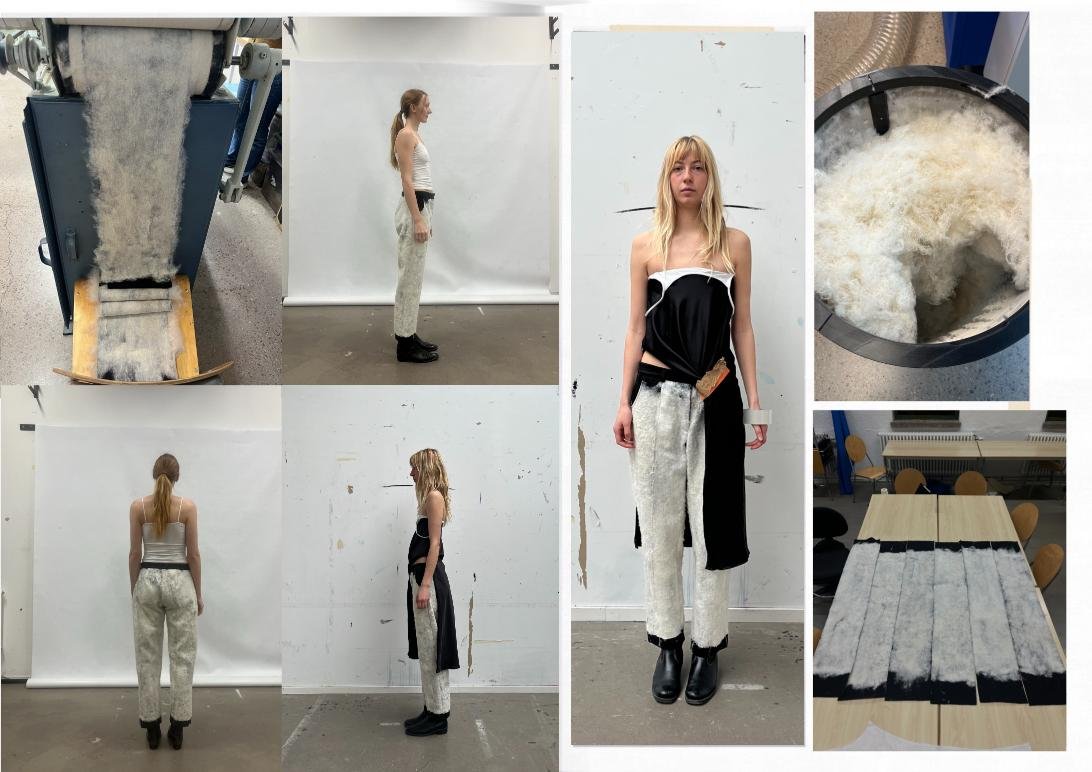
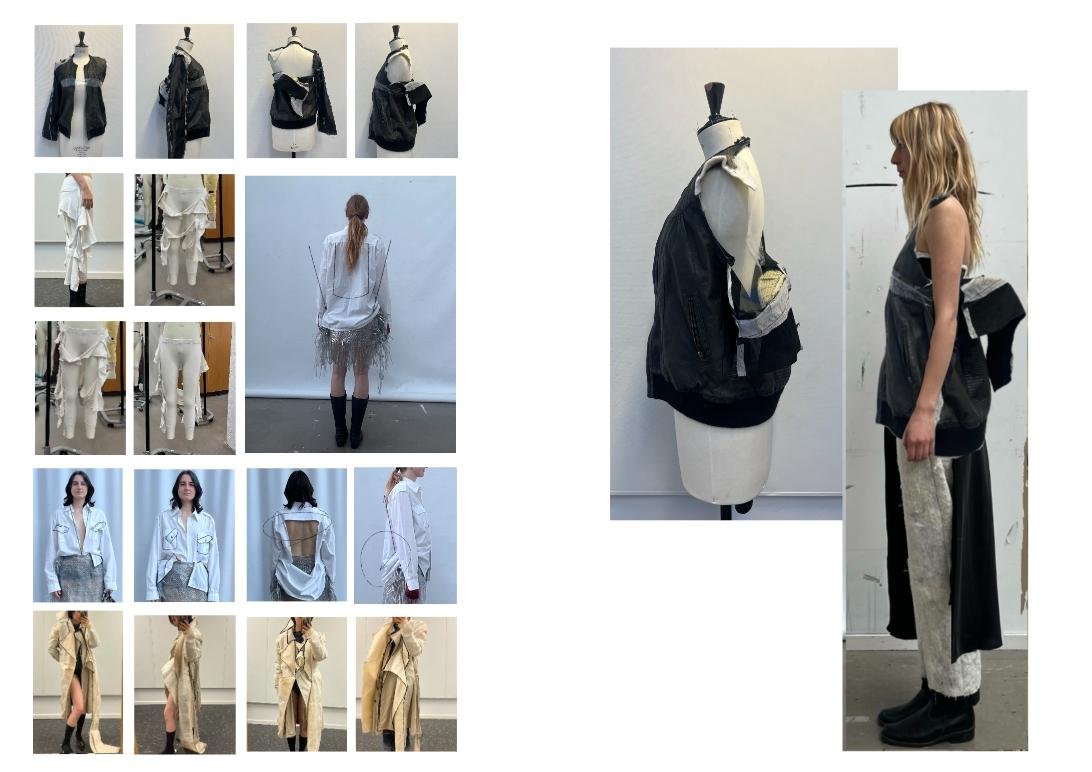
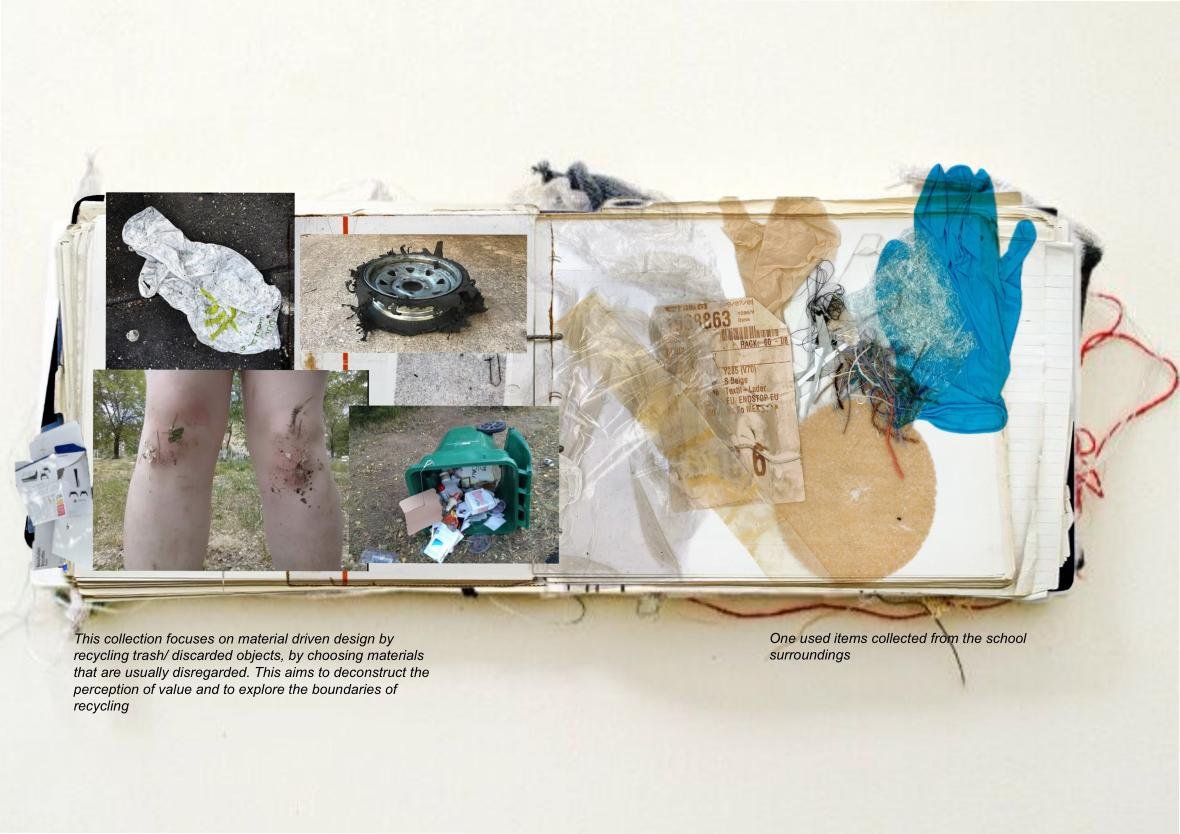
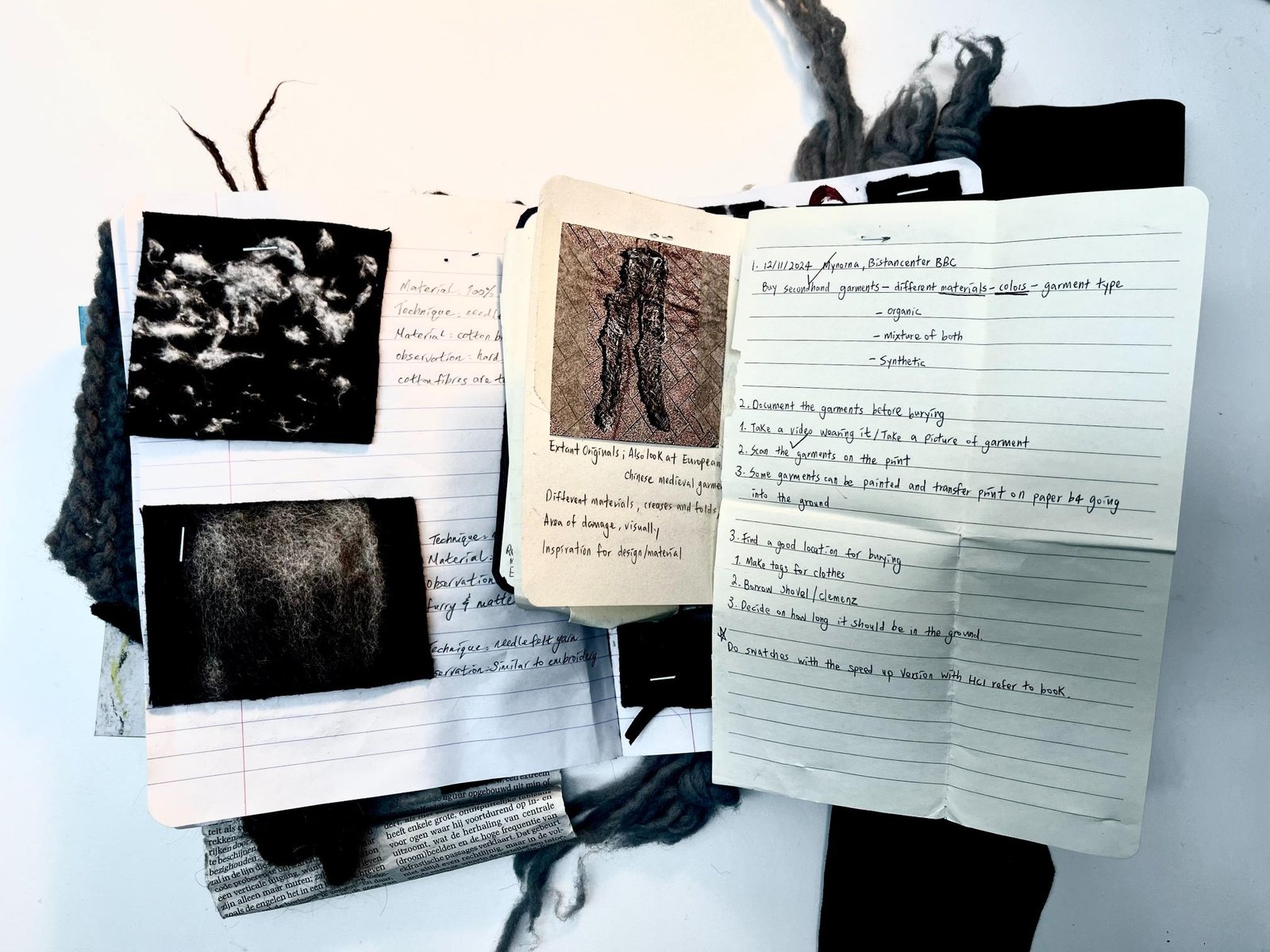
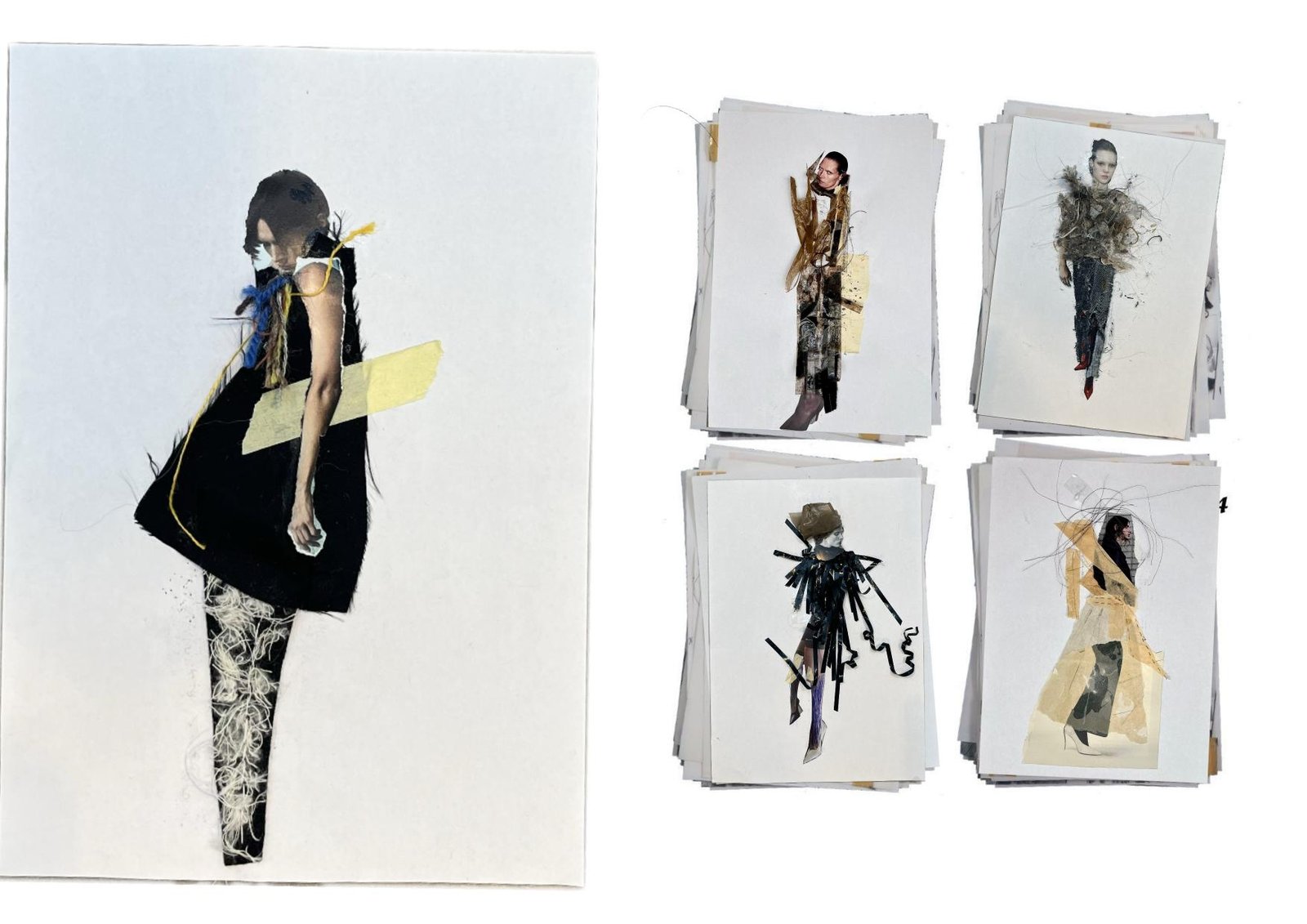
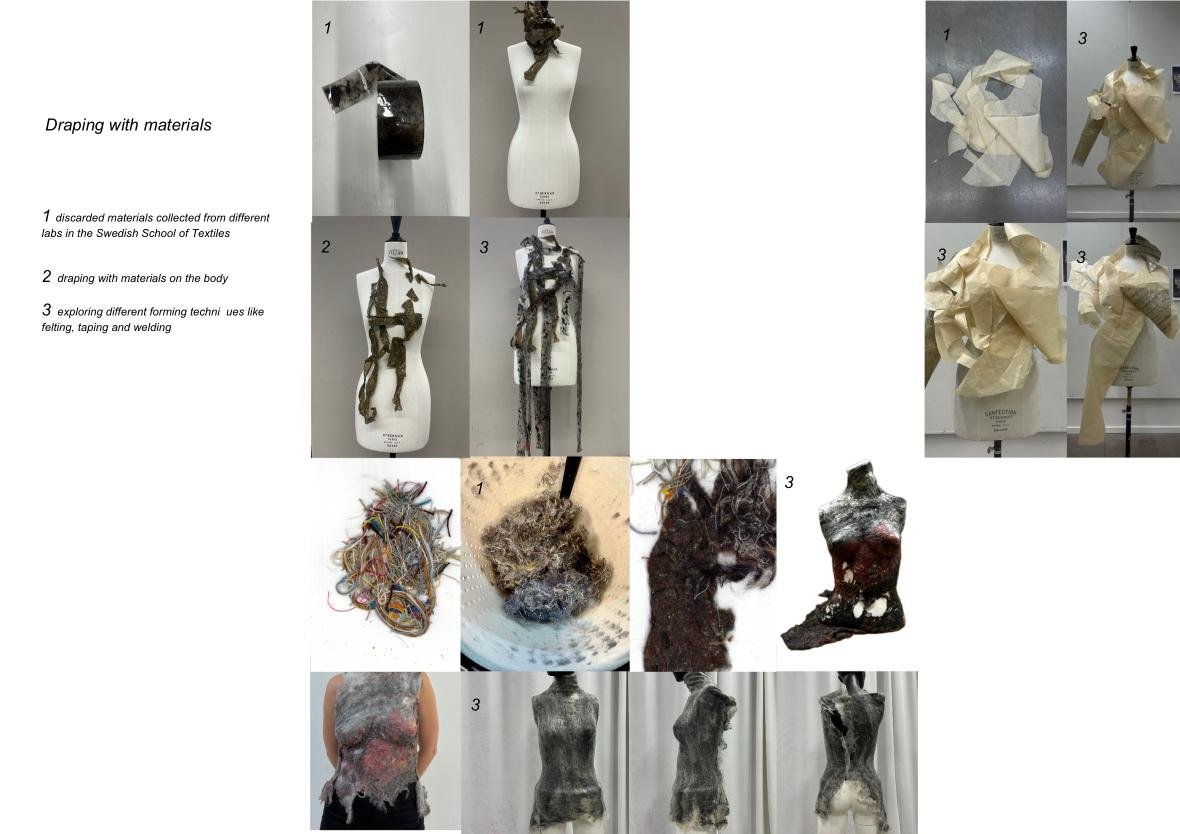
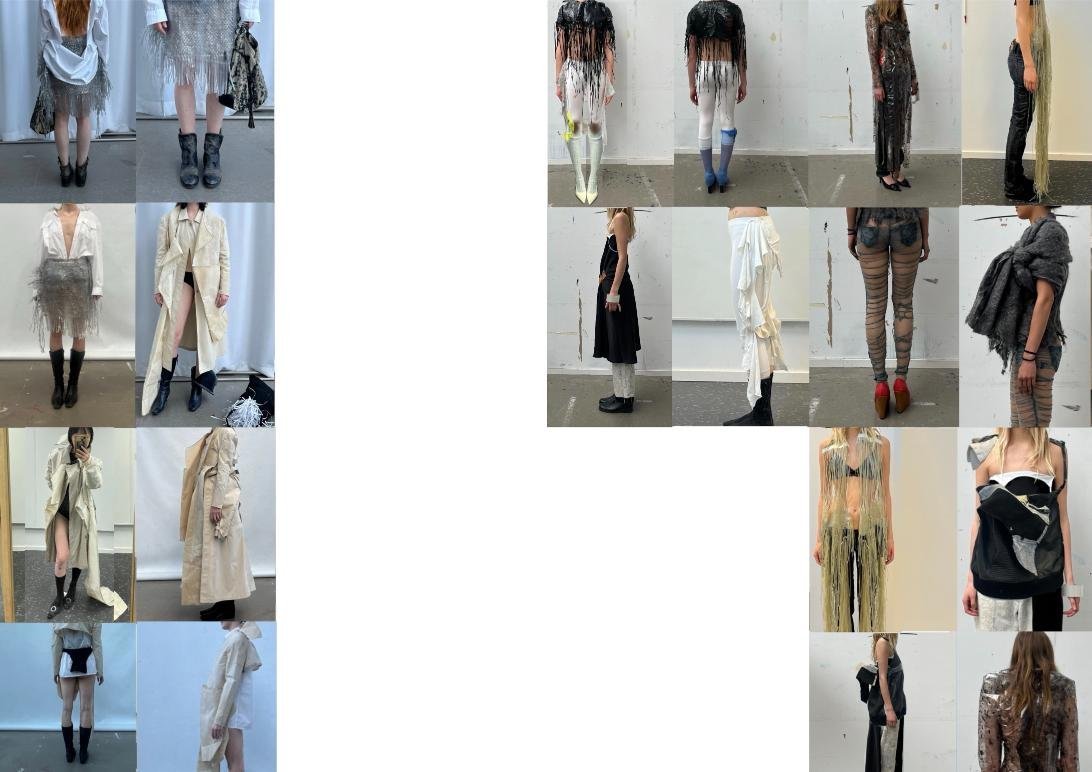
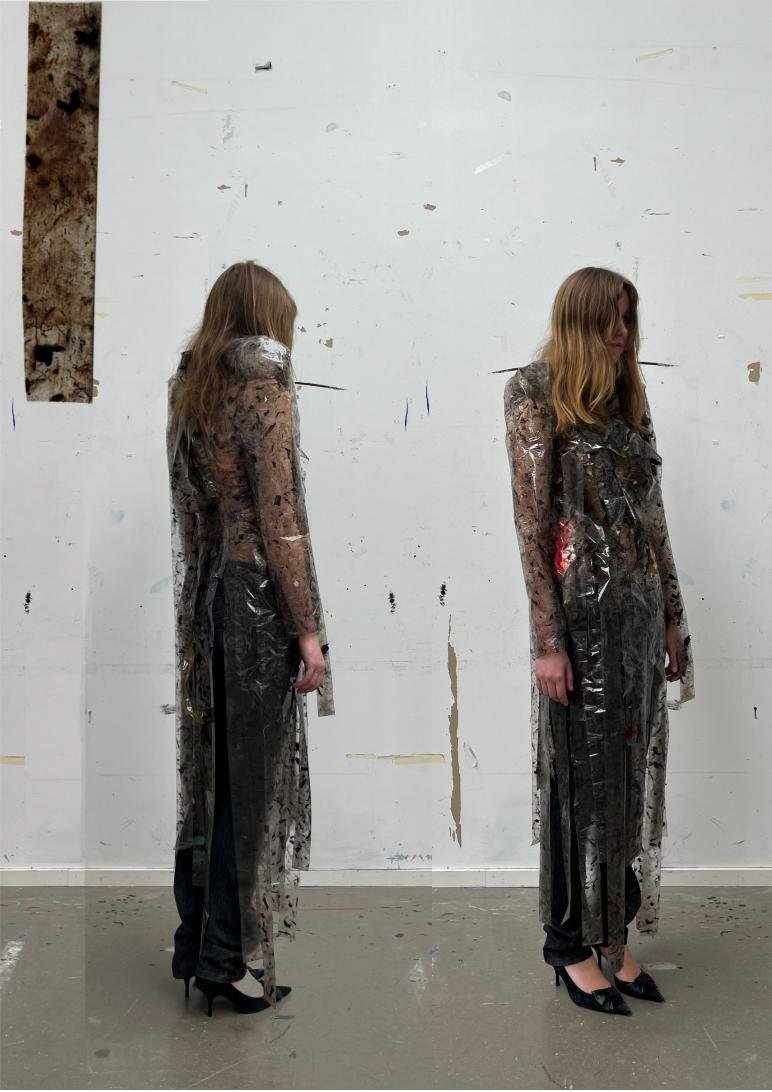
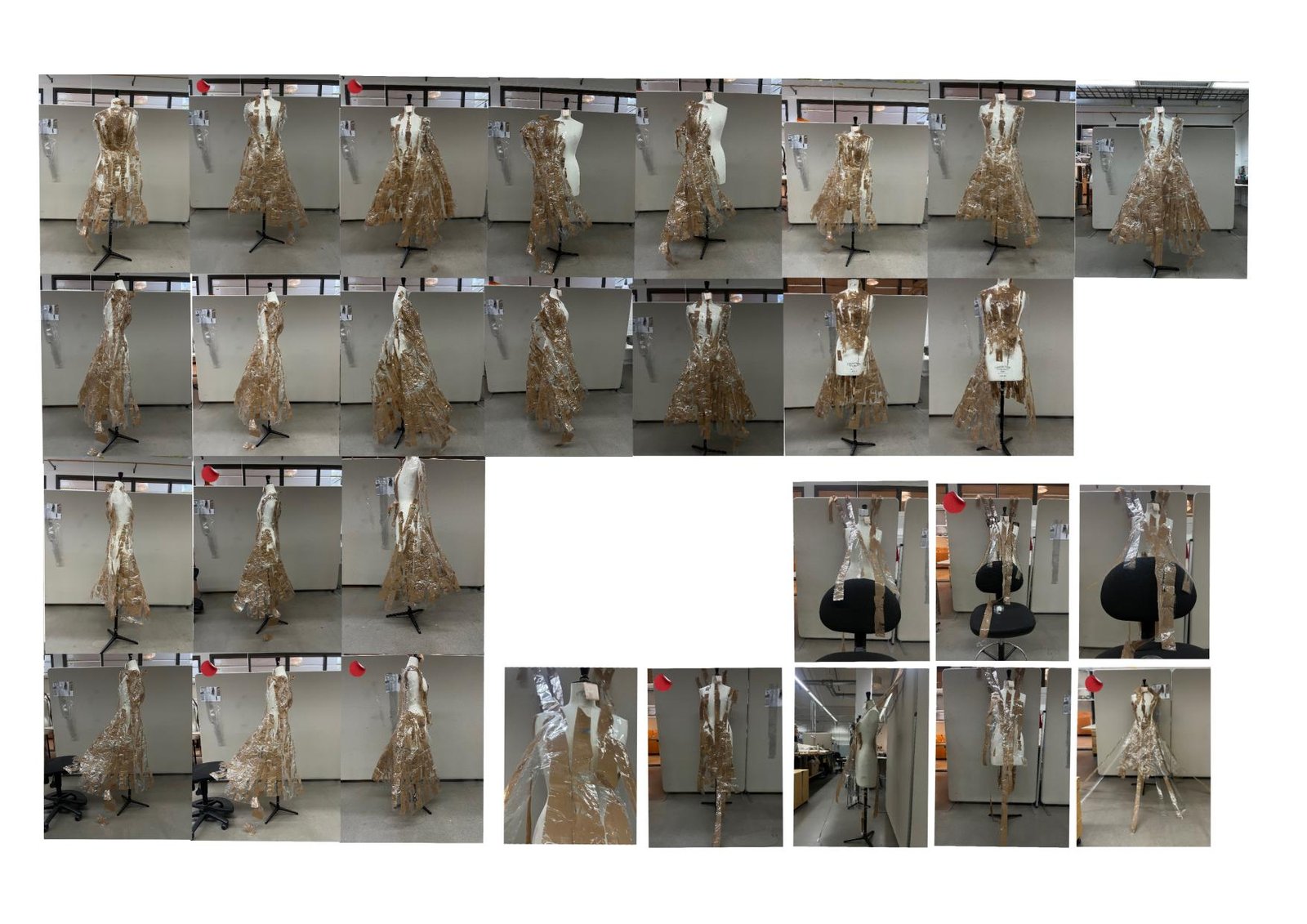
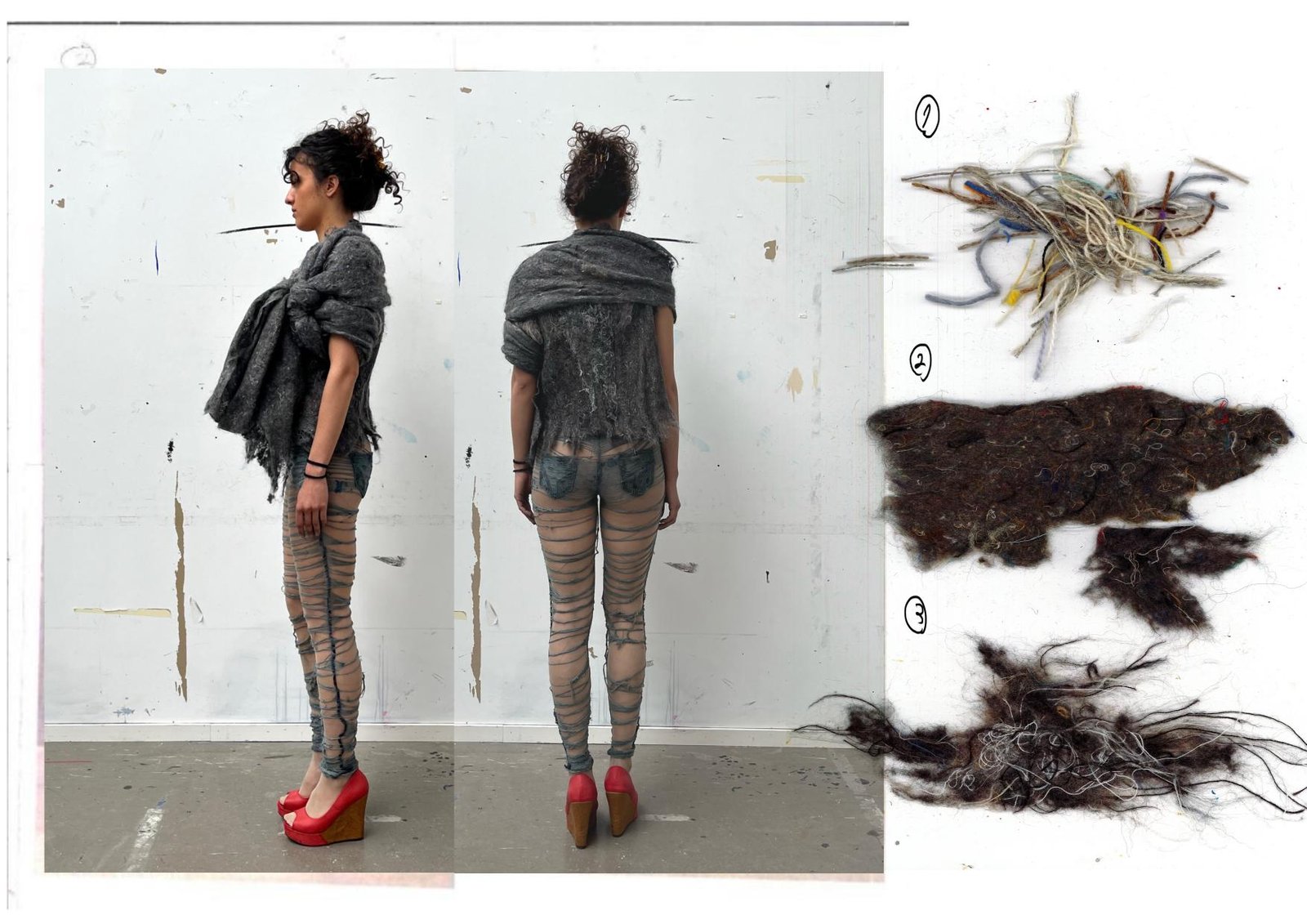
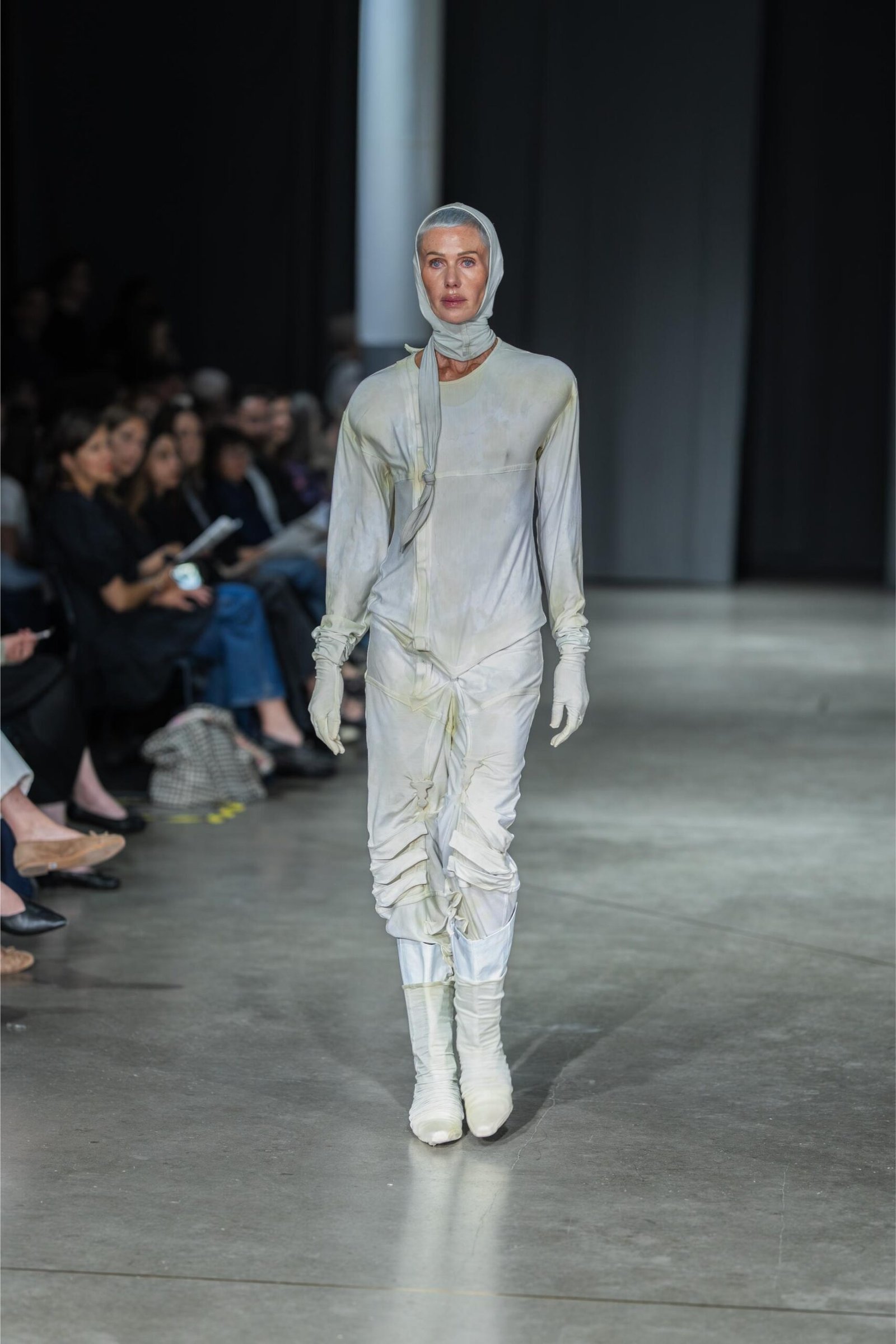
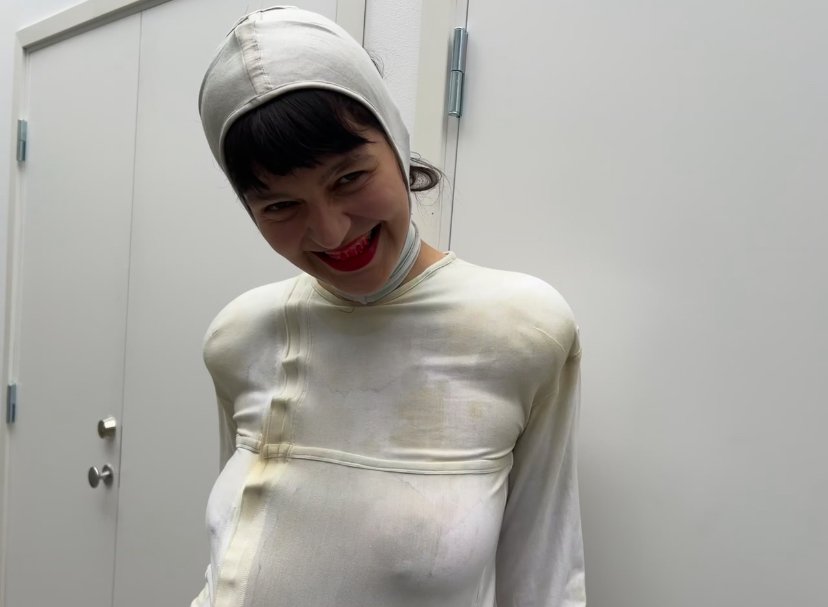
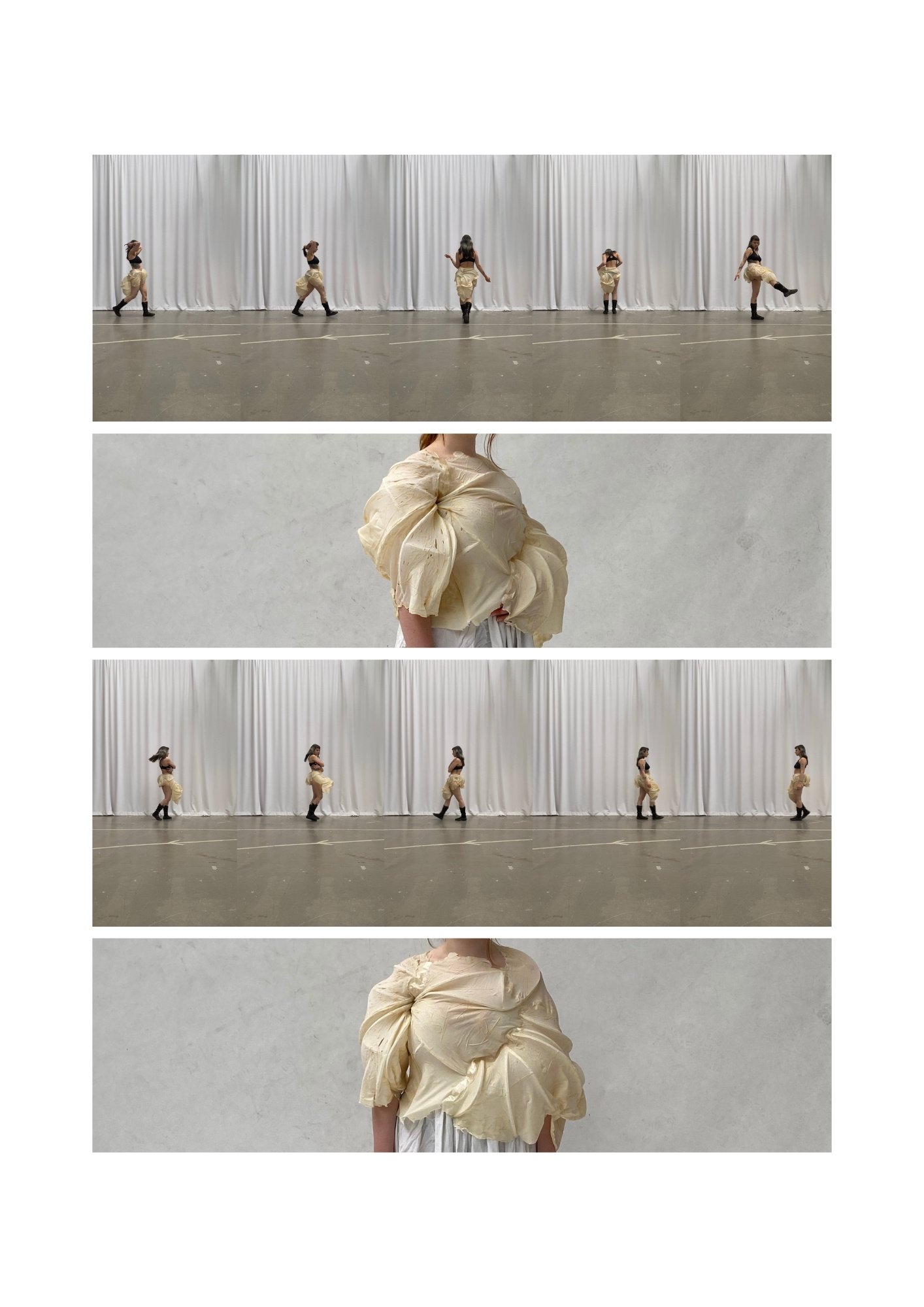
Yi Wen Chang’s project, Residual Value, is a material-driven investigation into the extremes of recycling within fashion, focusing not on improvement but on decline. Rather than following the prevailing language of upcycling and material enhancement, the project accepts imperfection, prior use, and structural instability as generative conditions for garment-making. Degradation becomes a design tool rather than a flaw to be corrected. The work sits within a wider shift in what designers are asked to do: as the industry’s appetite for surface-level innovation runs alongside a growing demand for meaning, Chang’s project suggests that the making, wearing, and designing of garments will persist regardless — the real question is not whether, but how.

Edita Paviliunaite

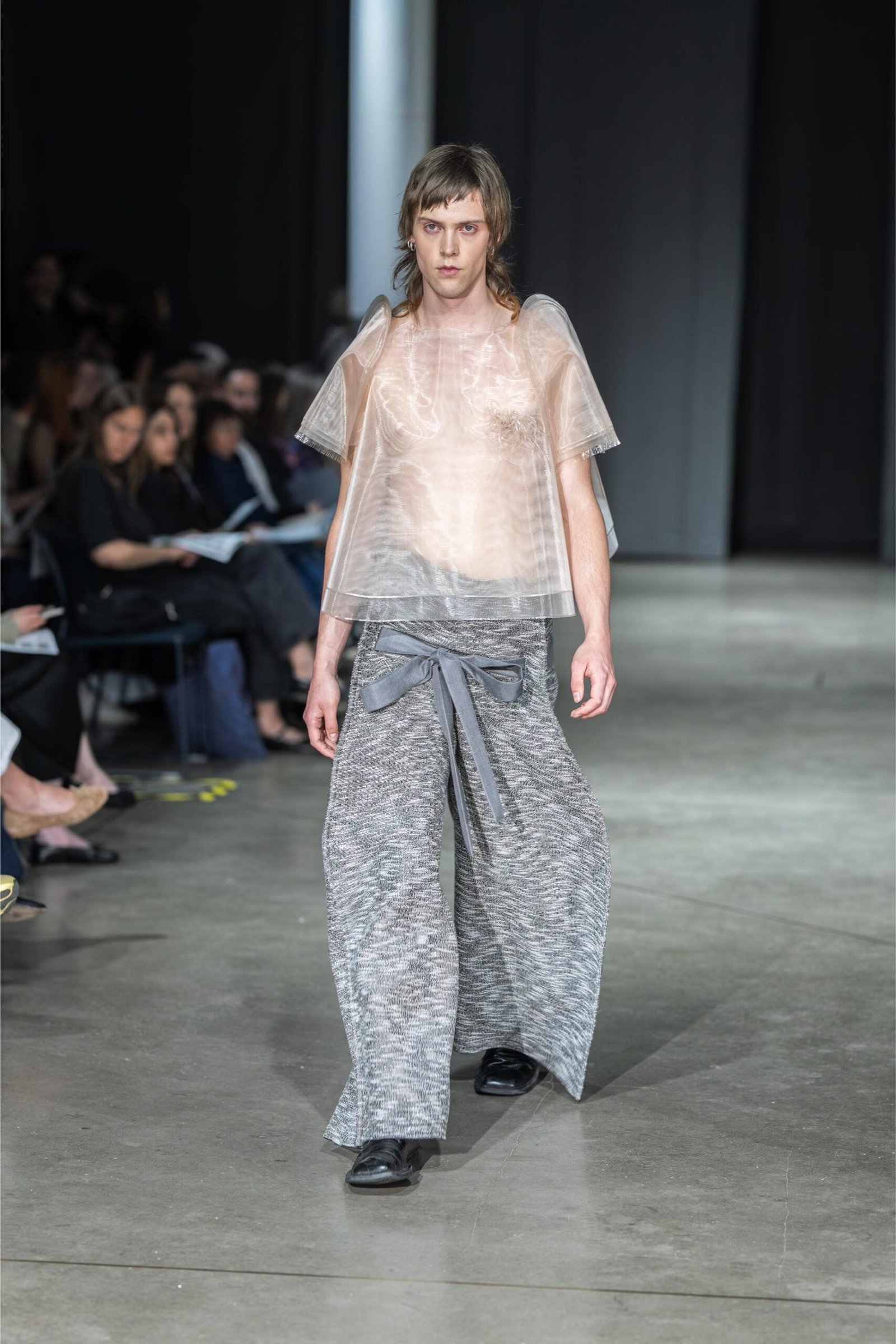
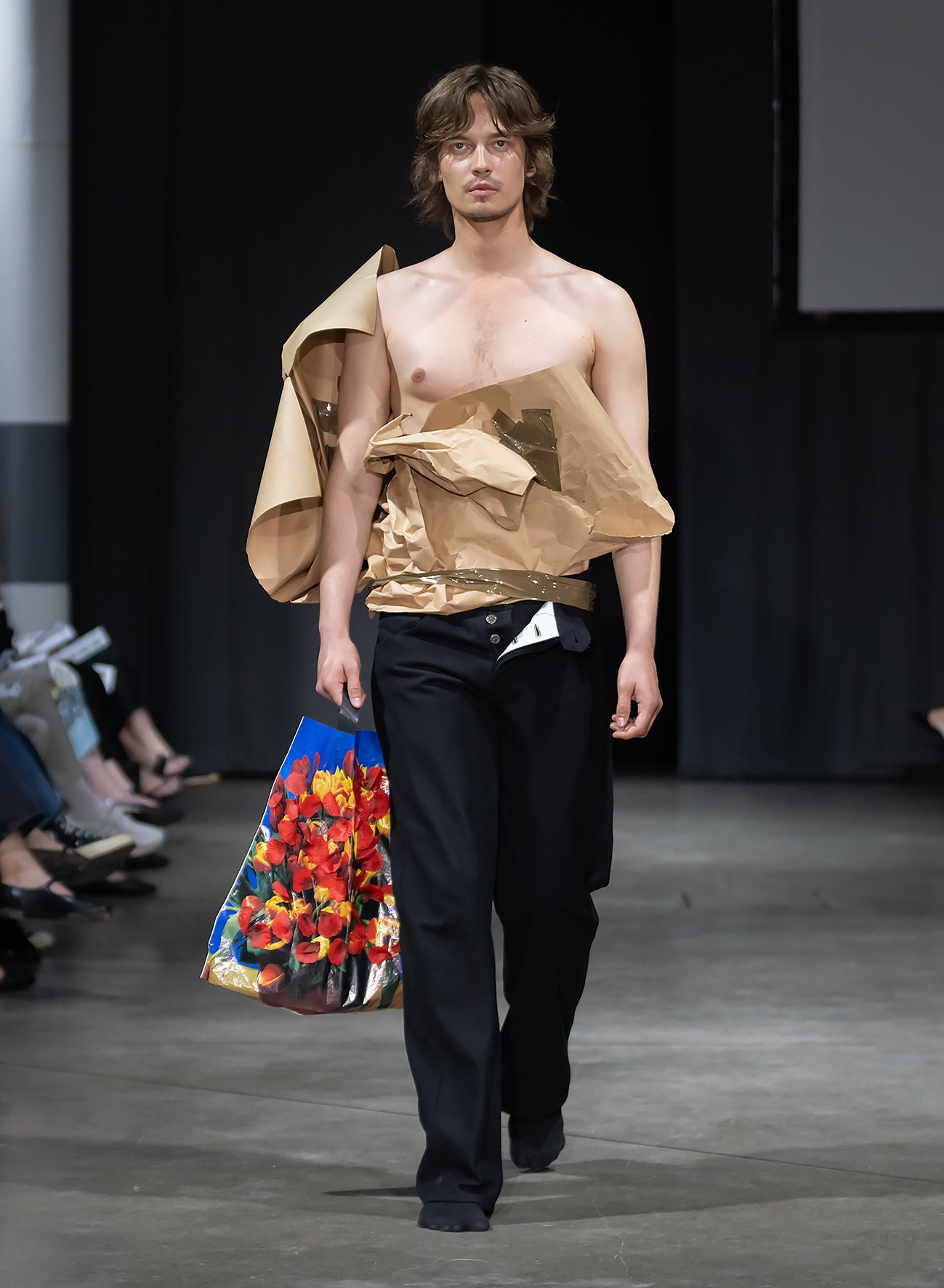
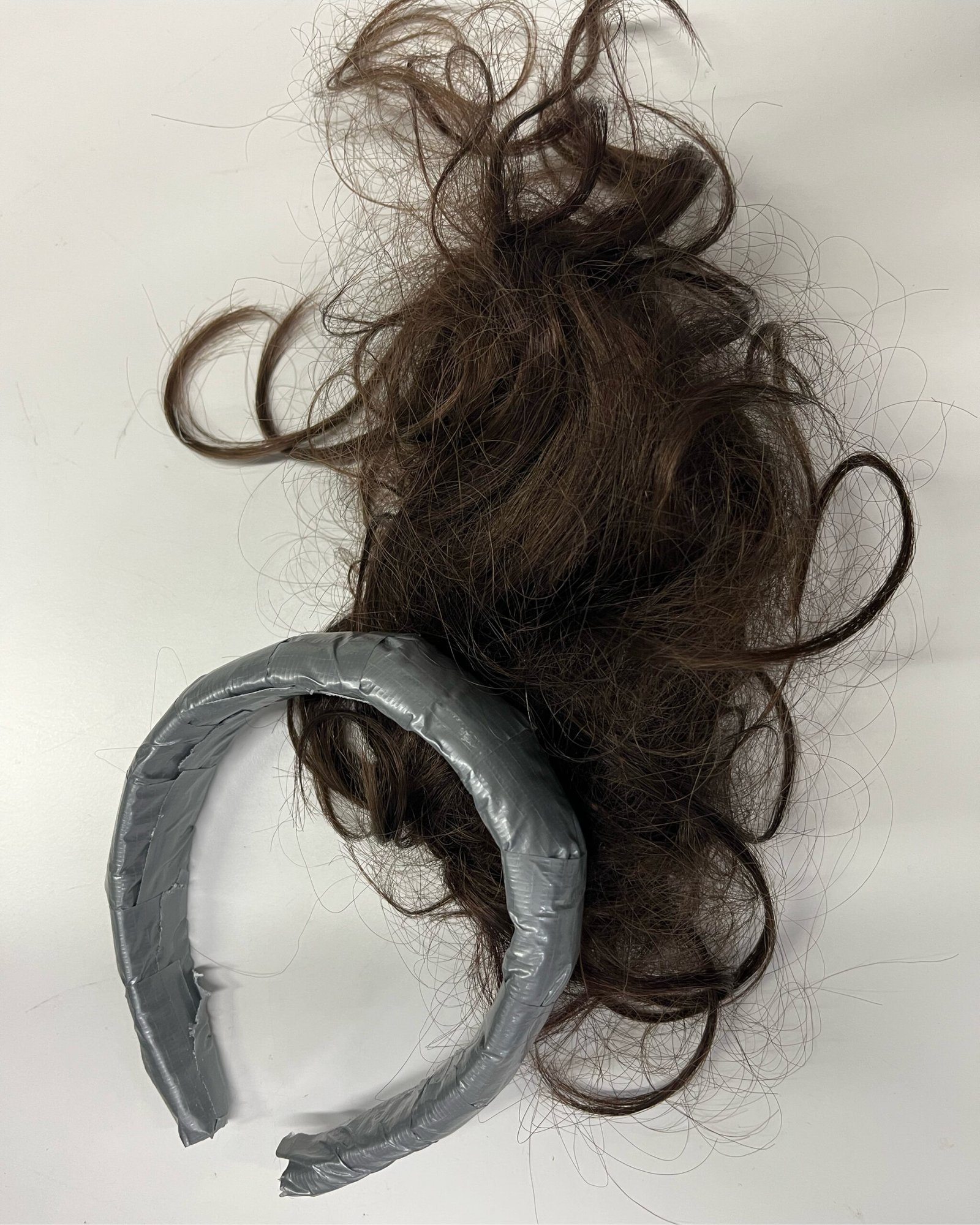
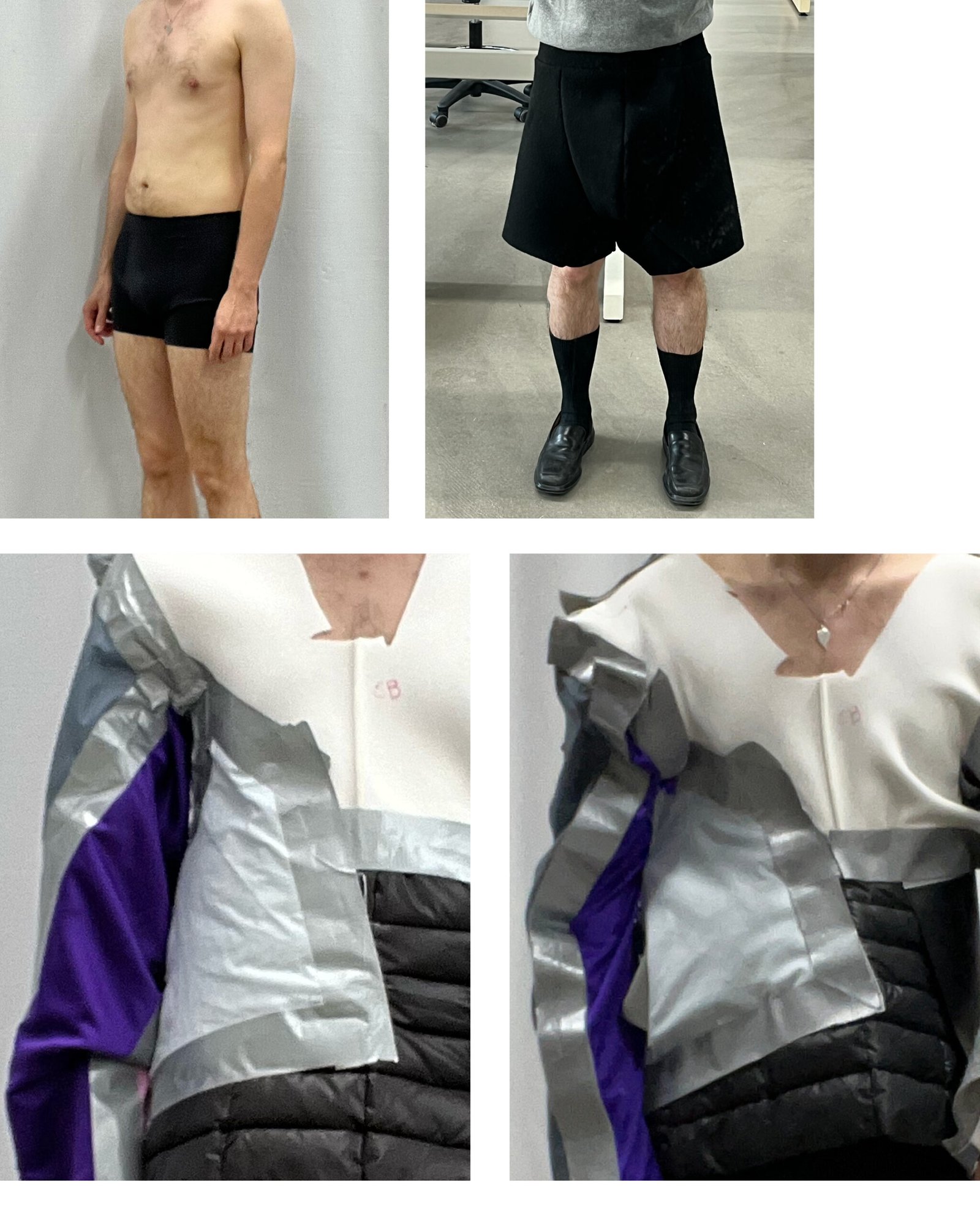
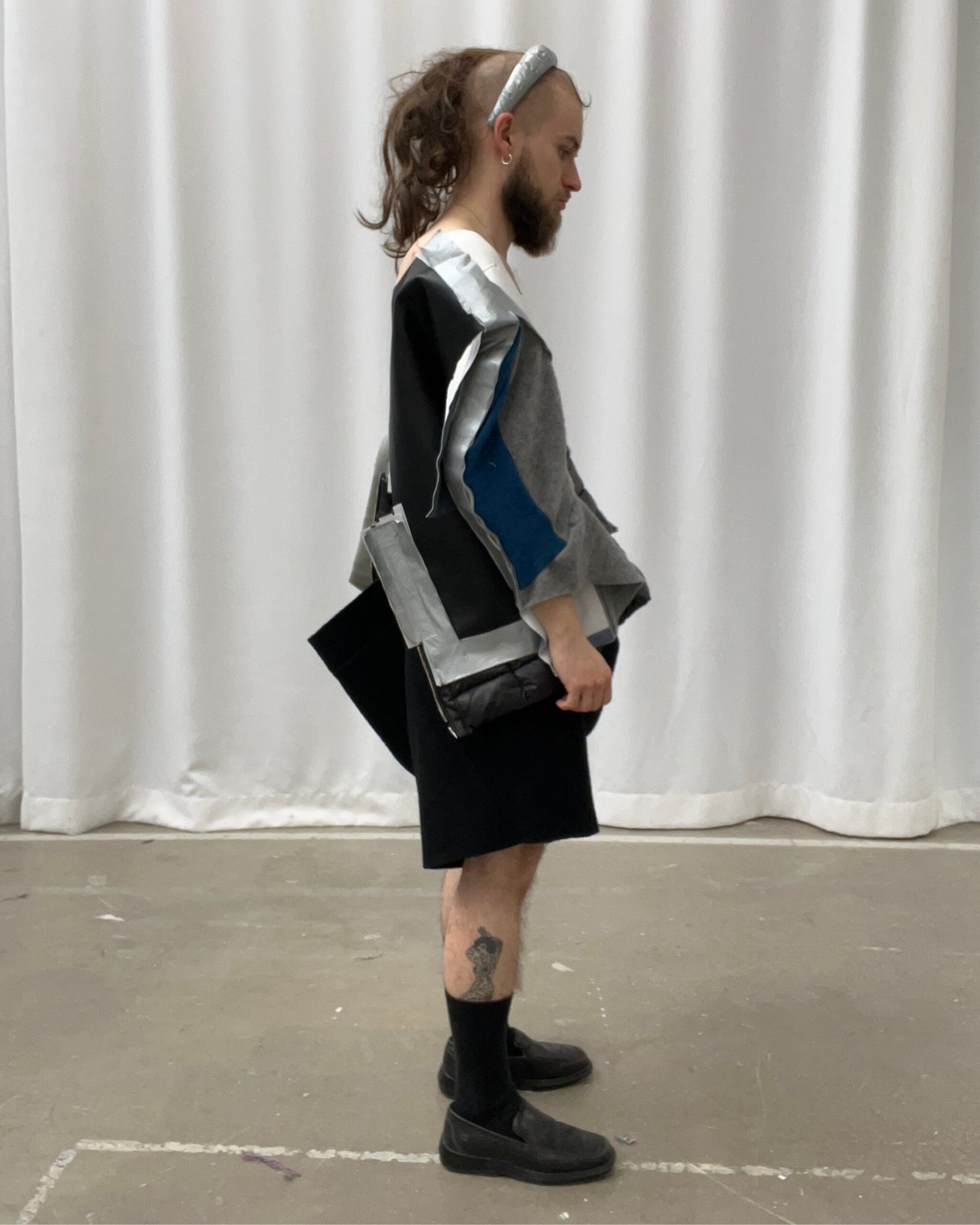
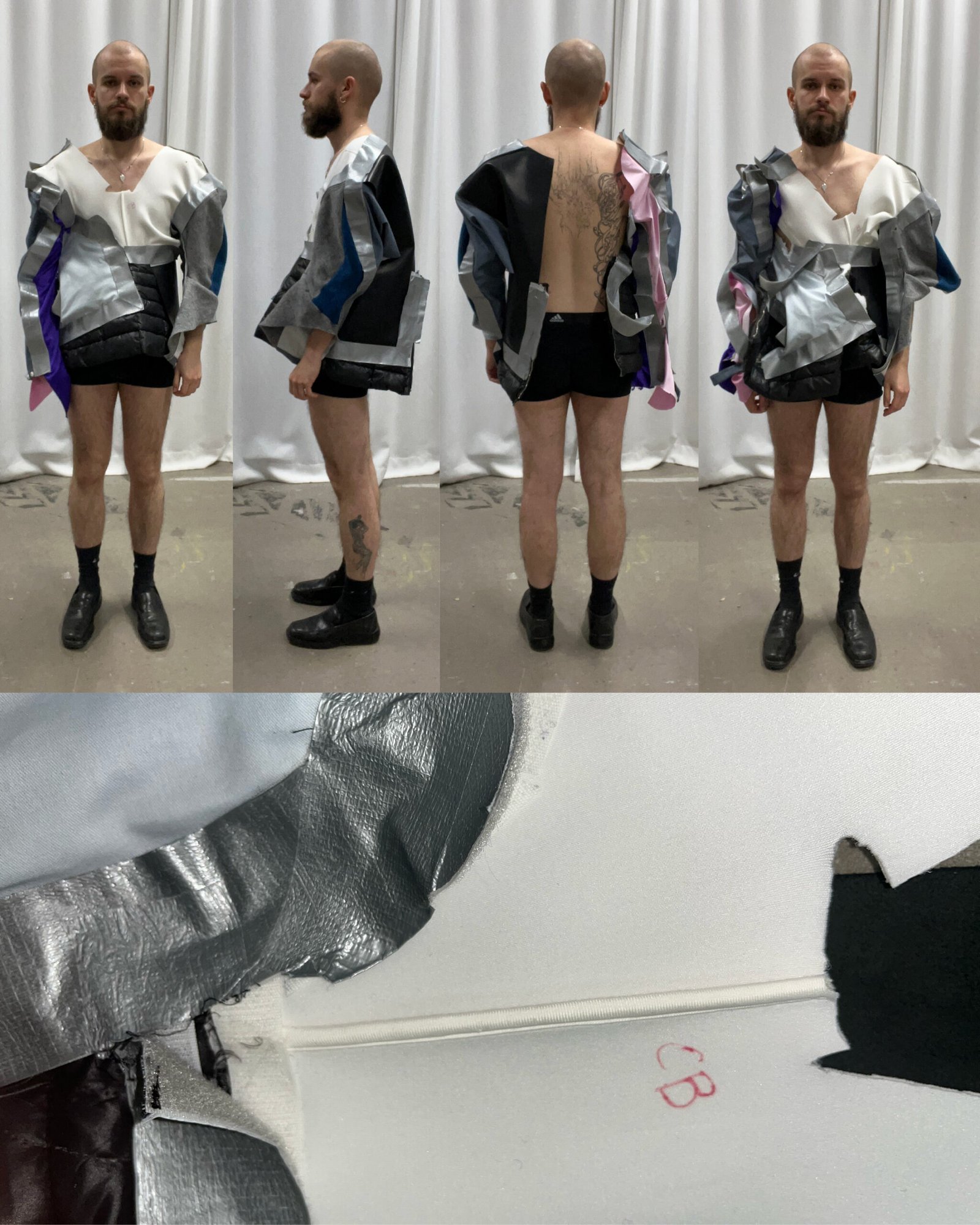
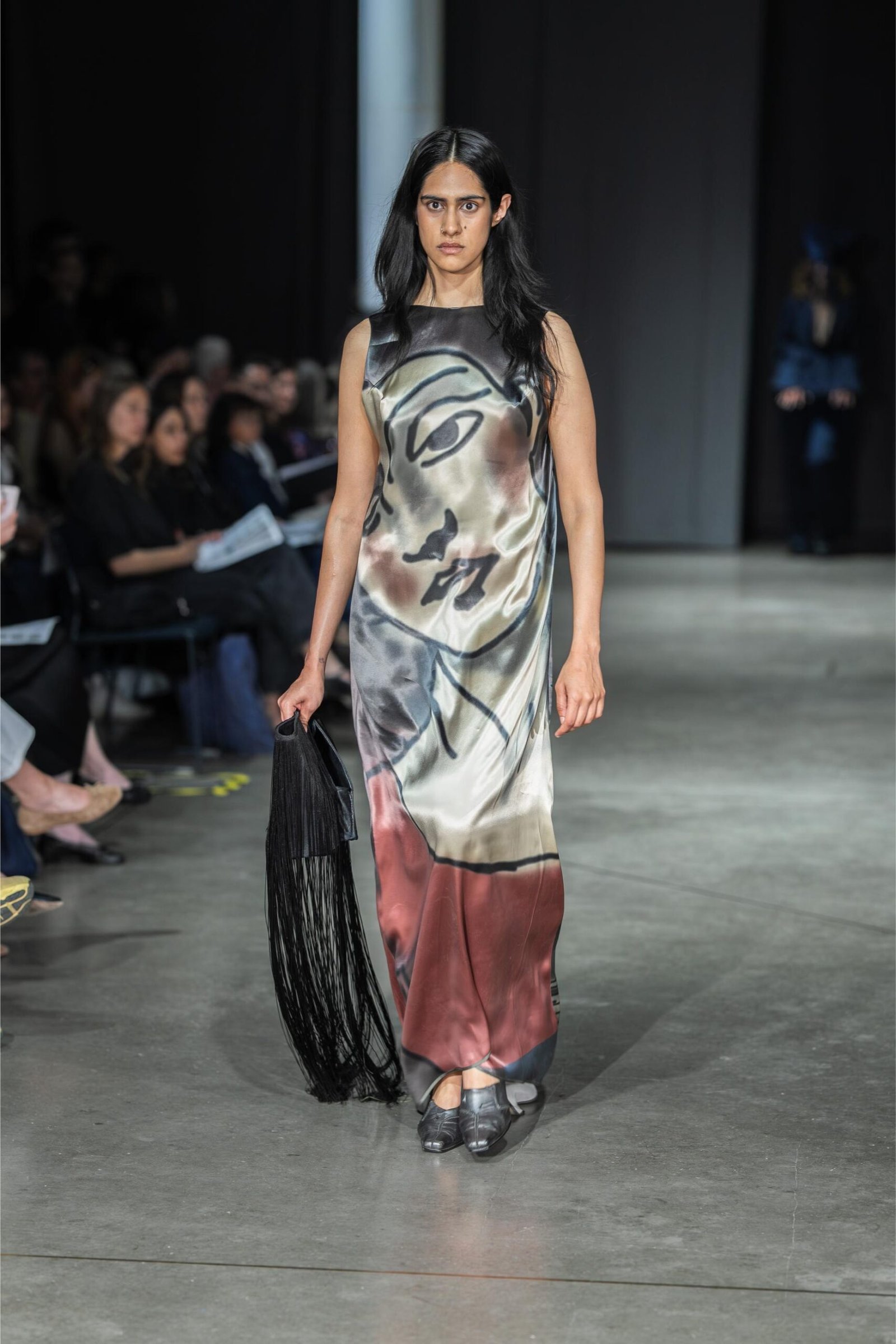
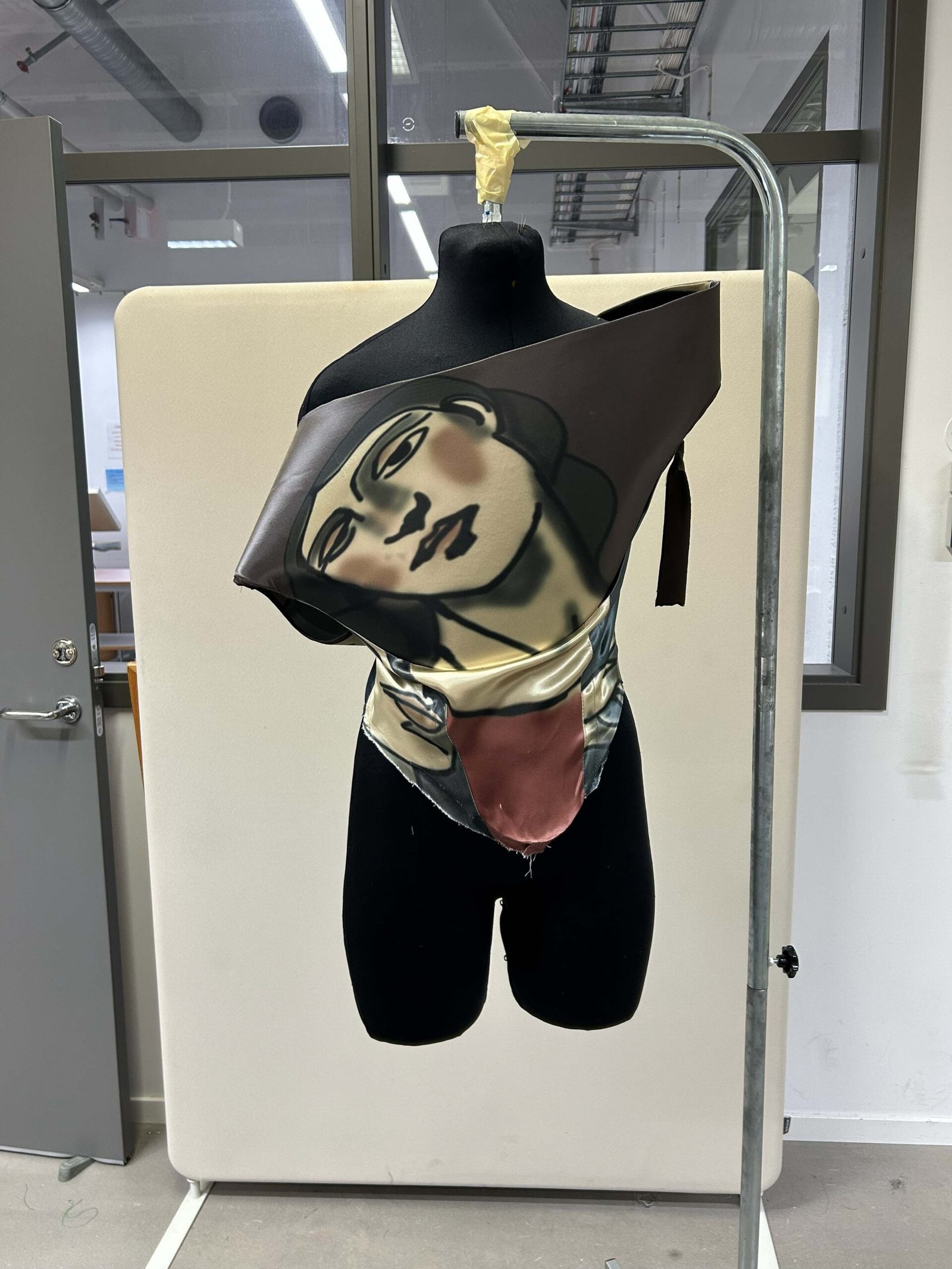
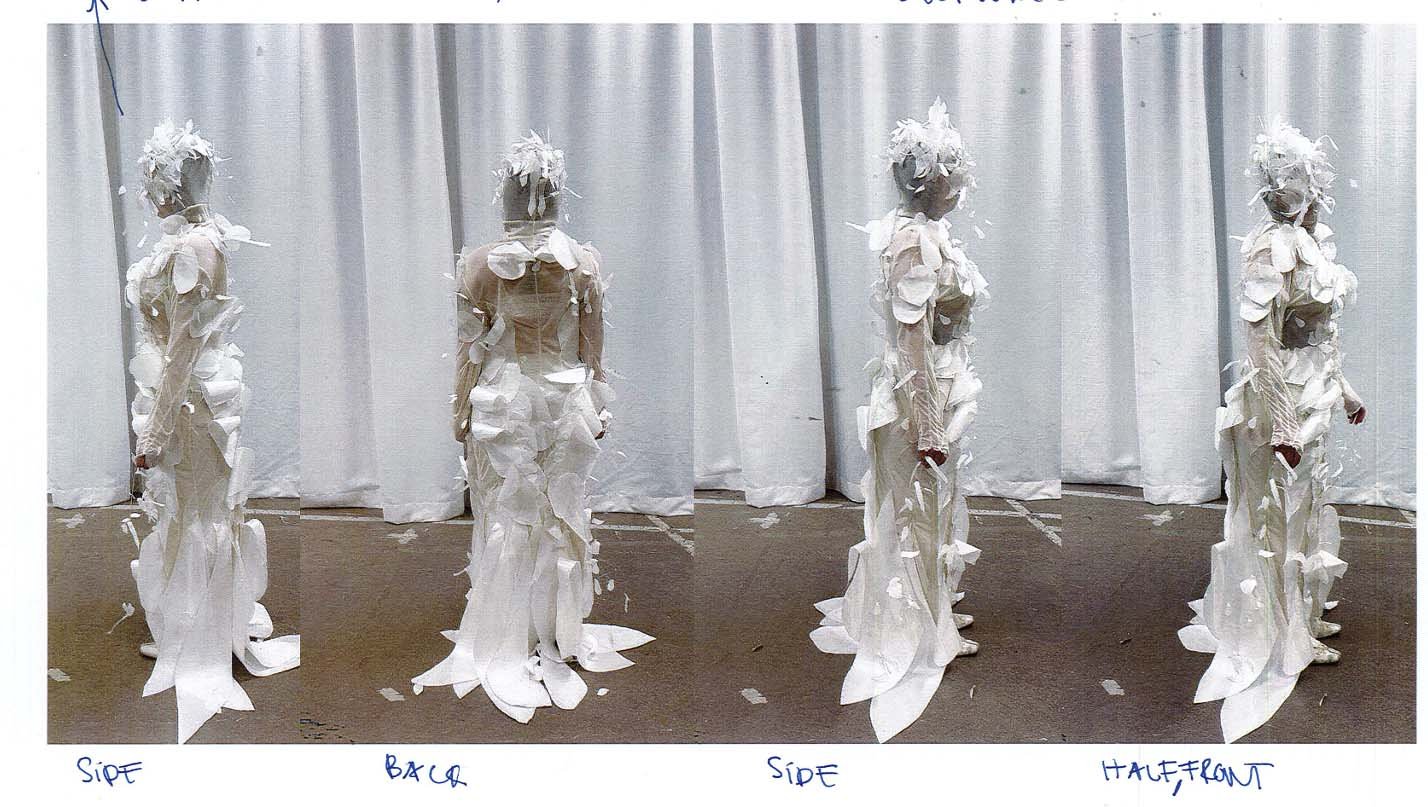
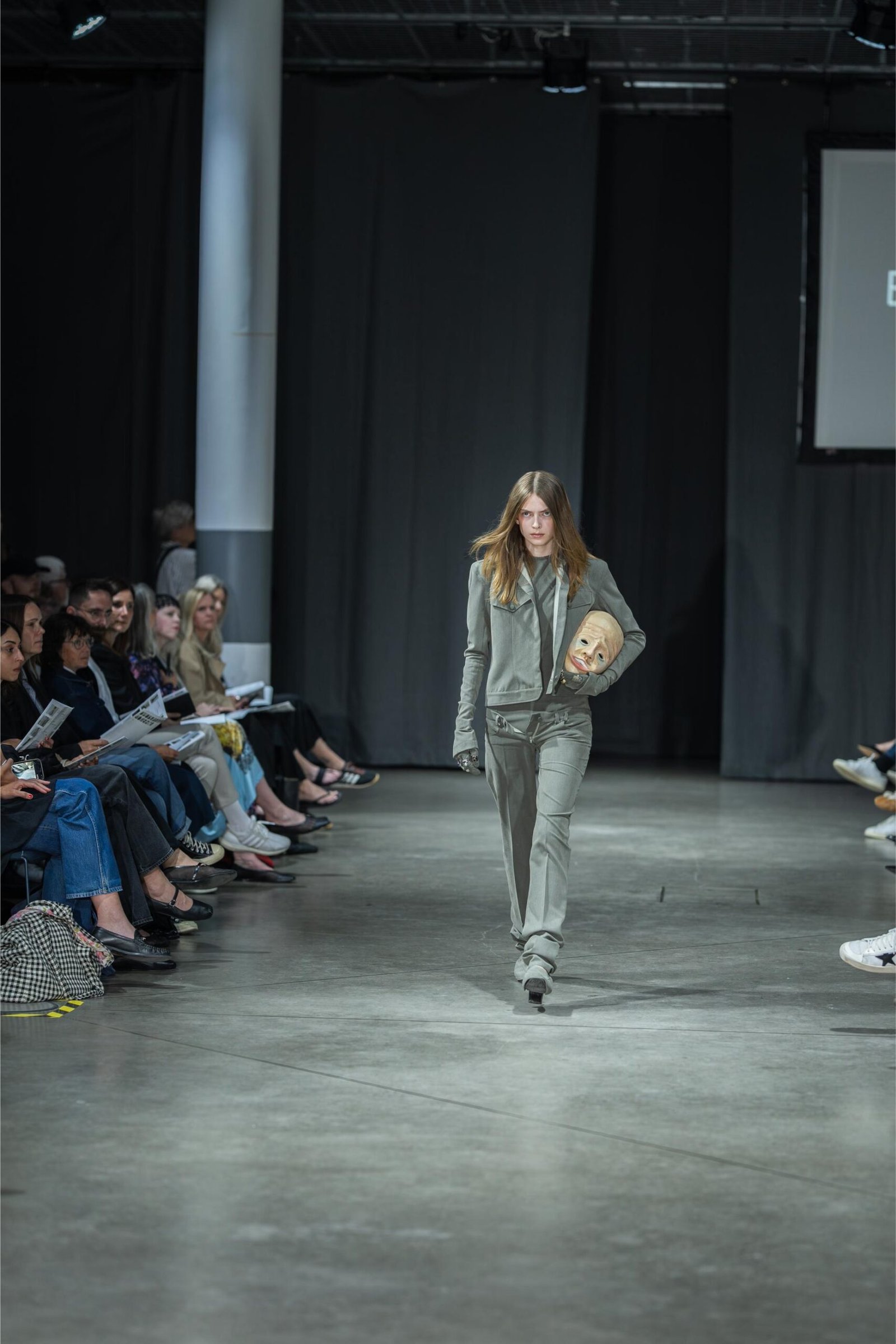
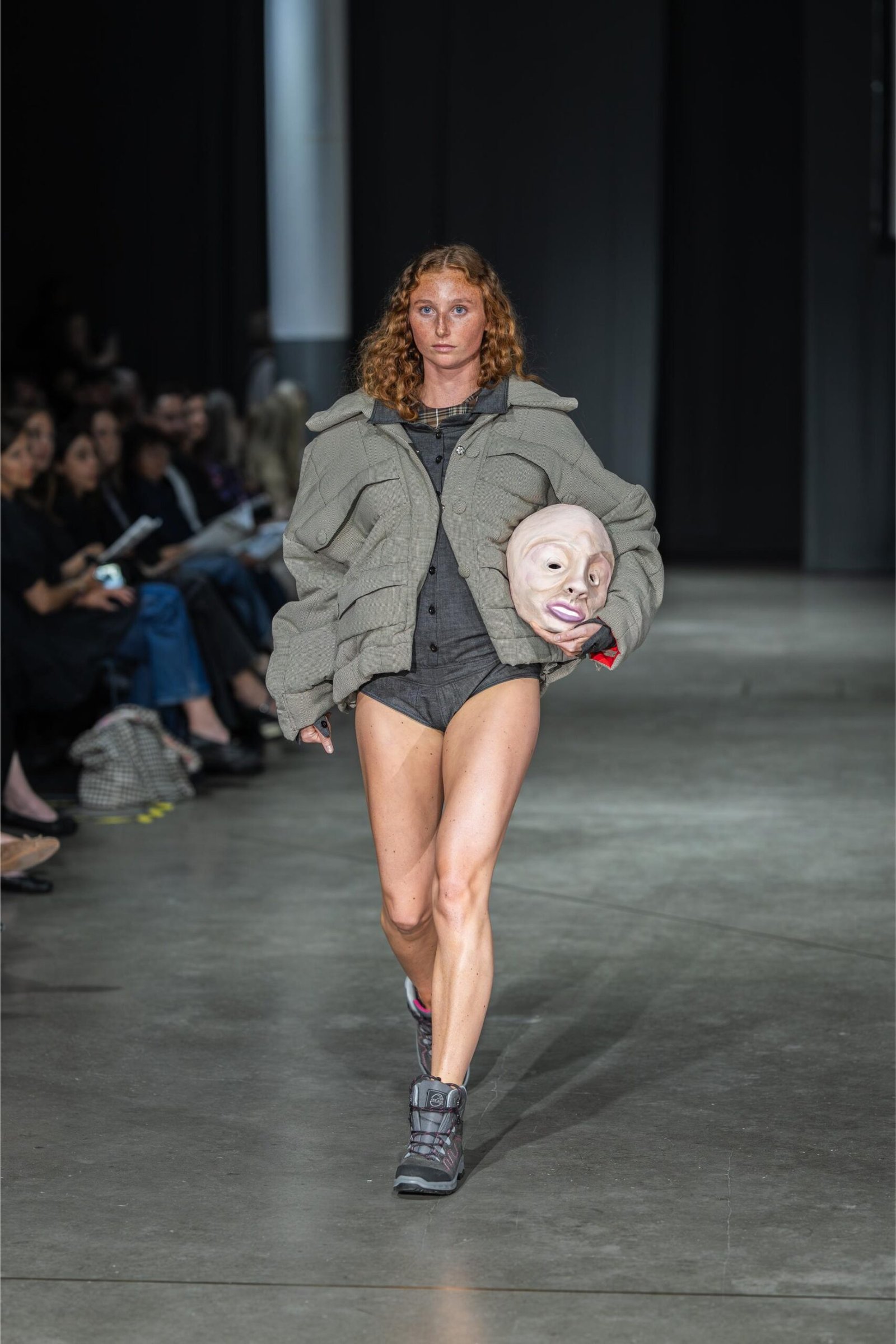
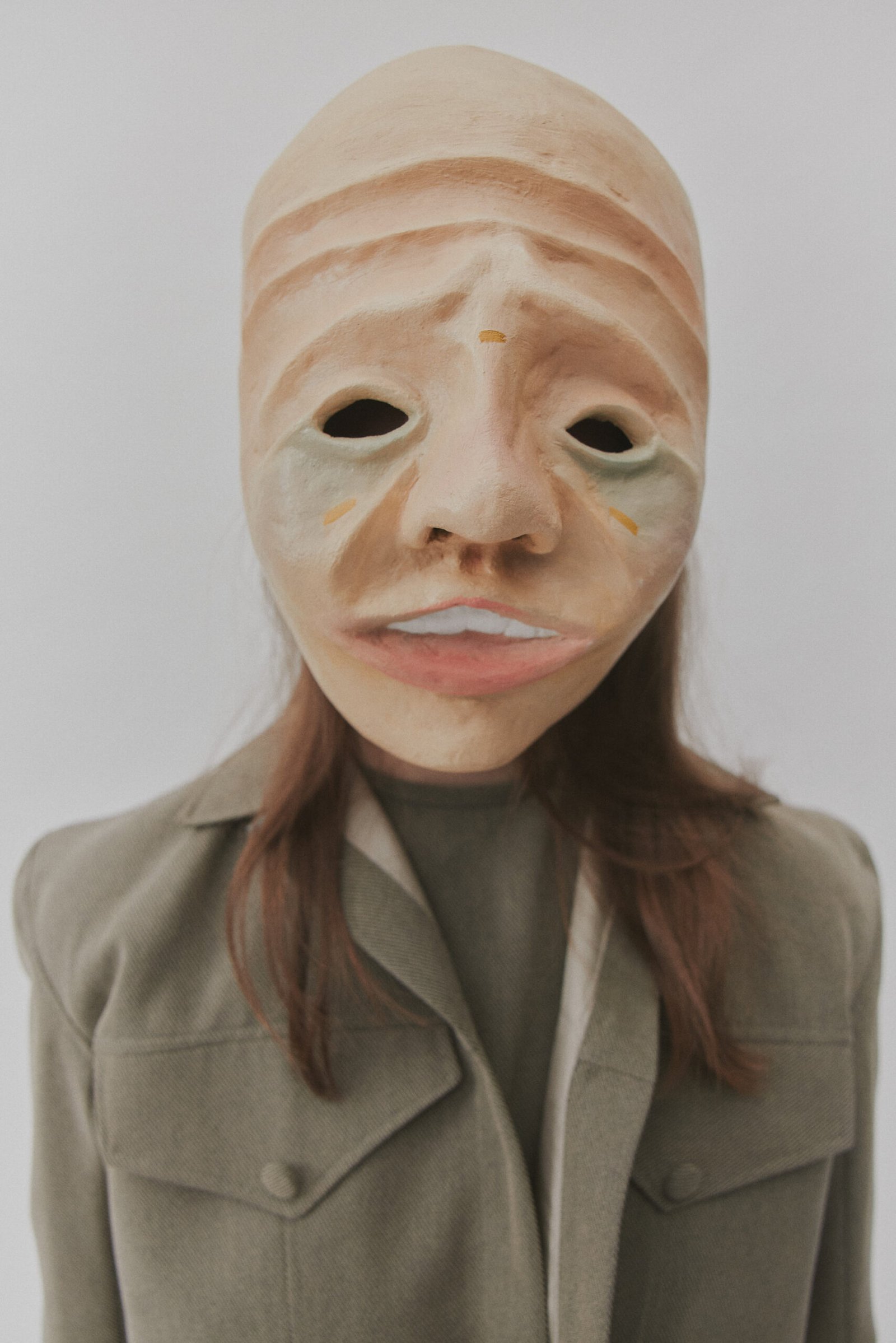
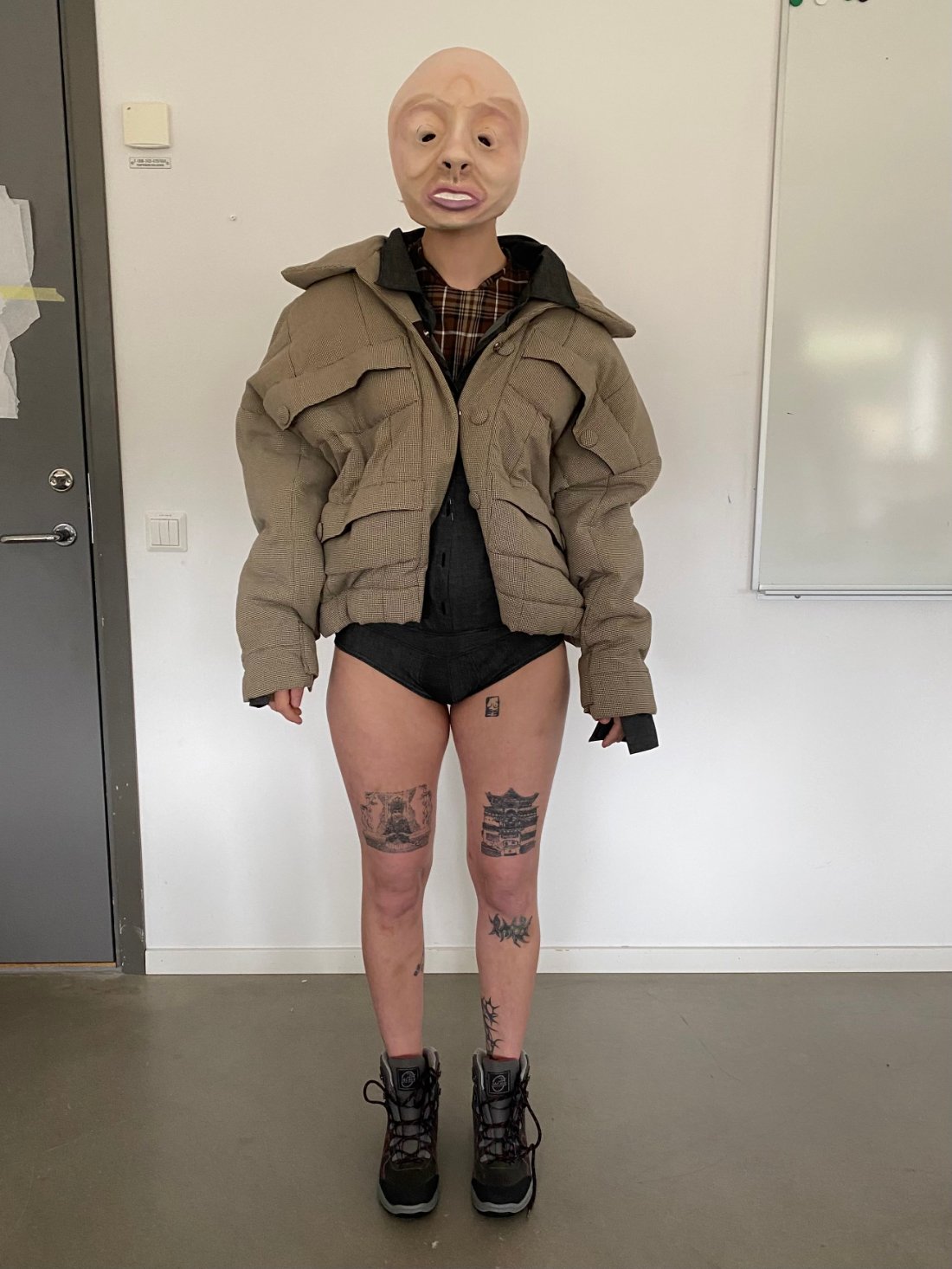
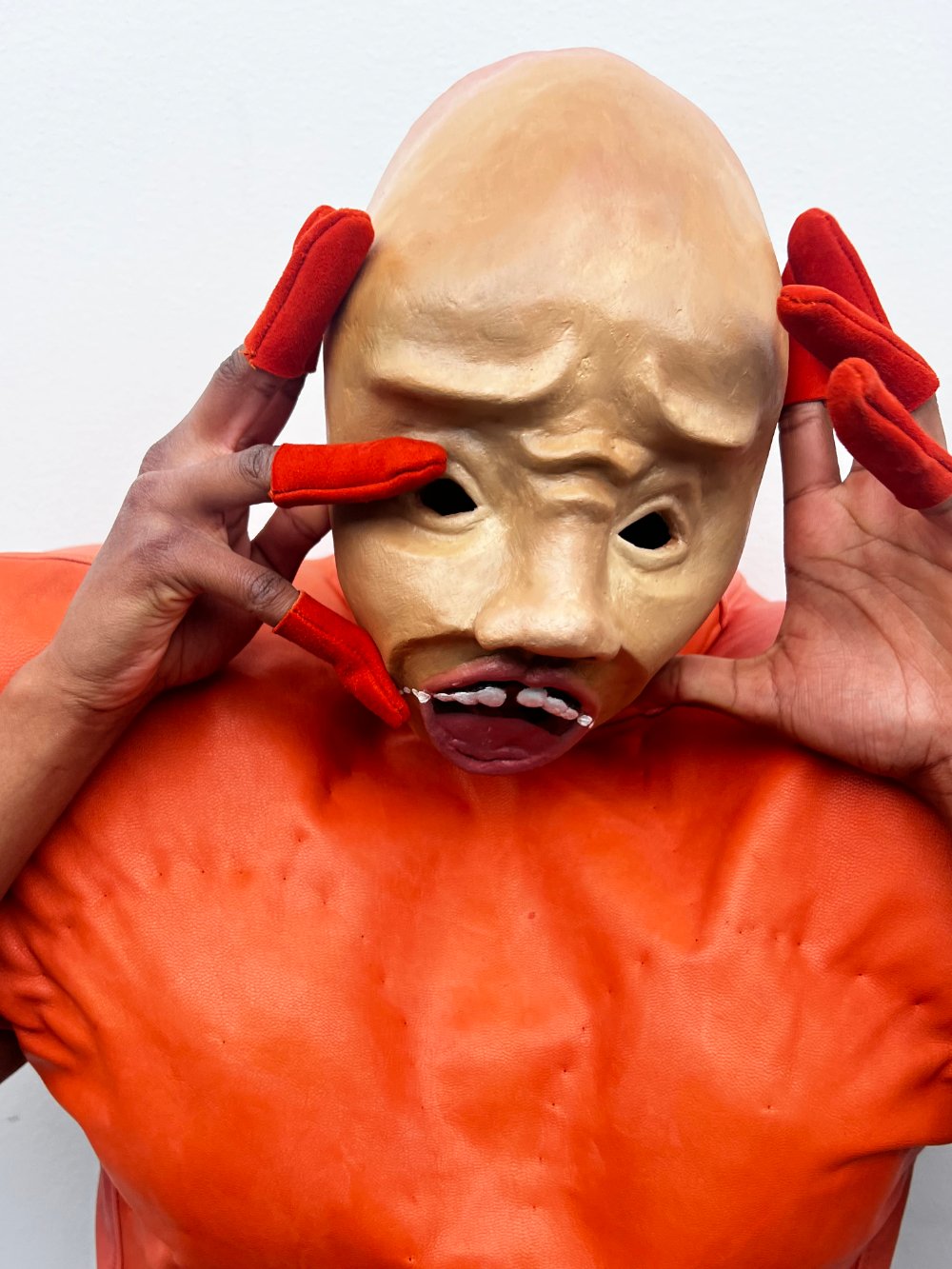
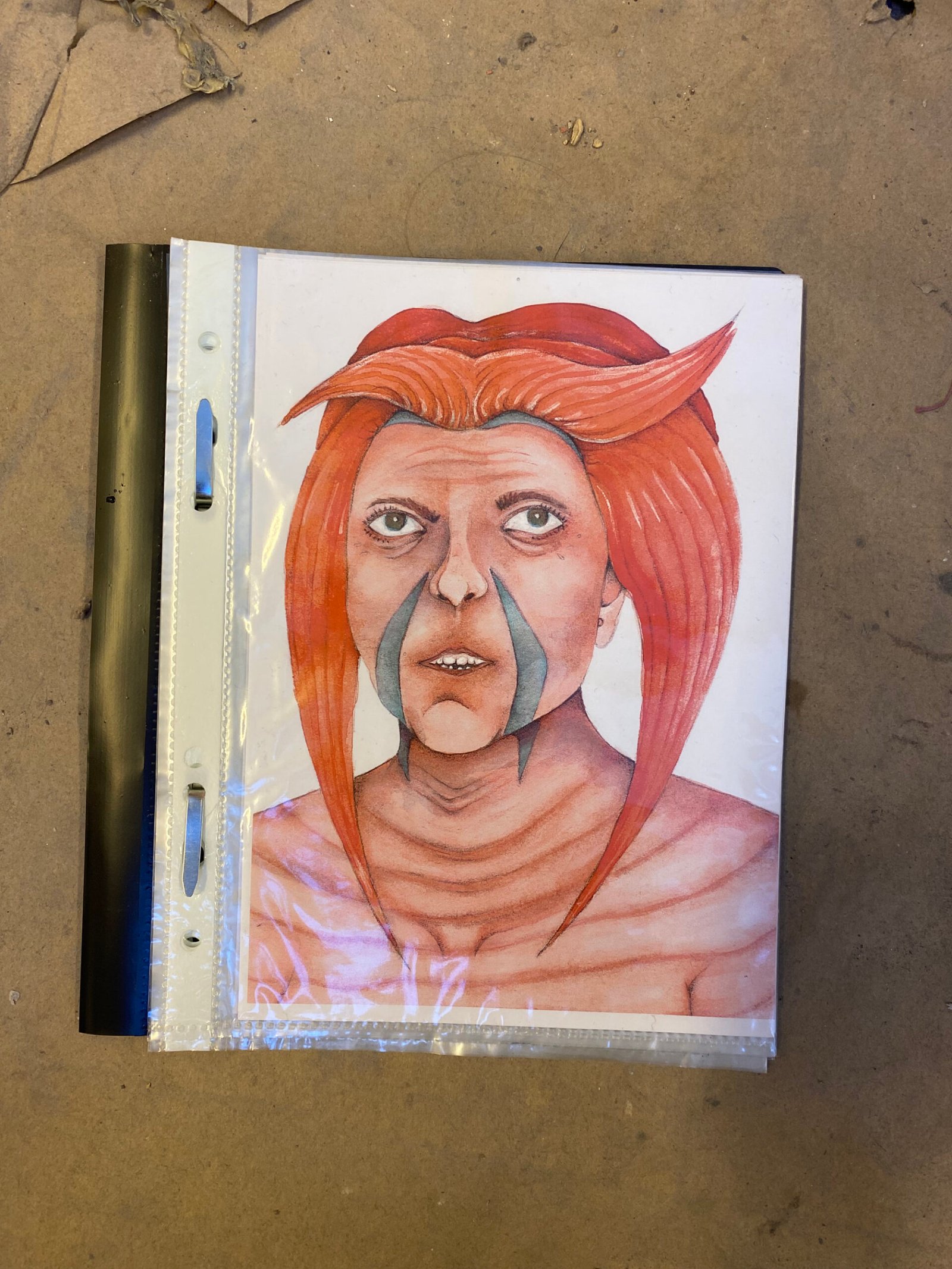
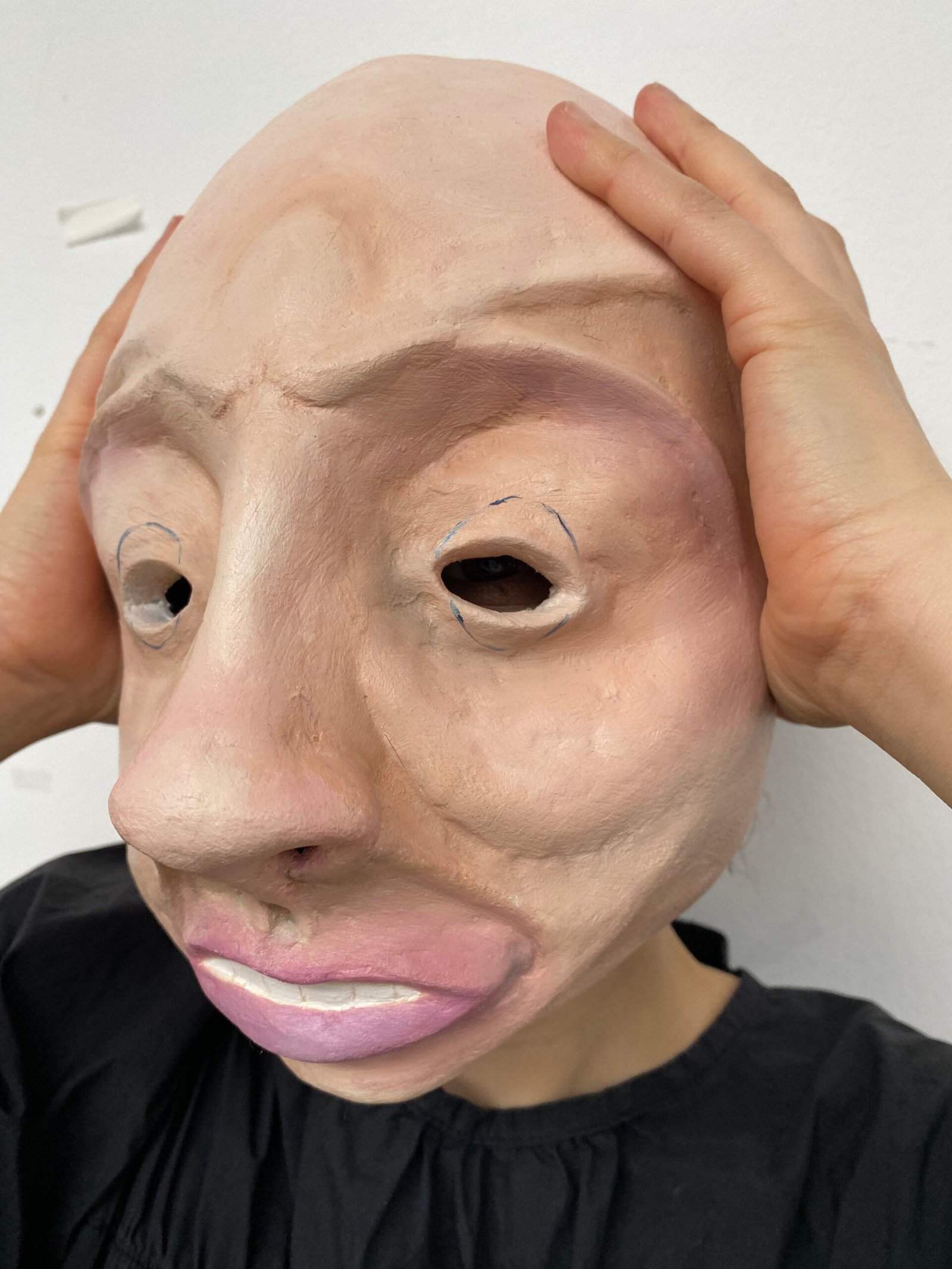
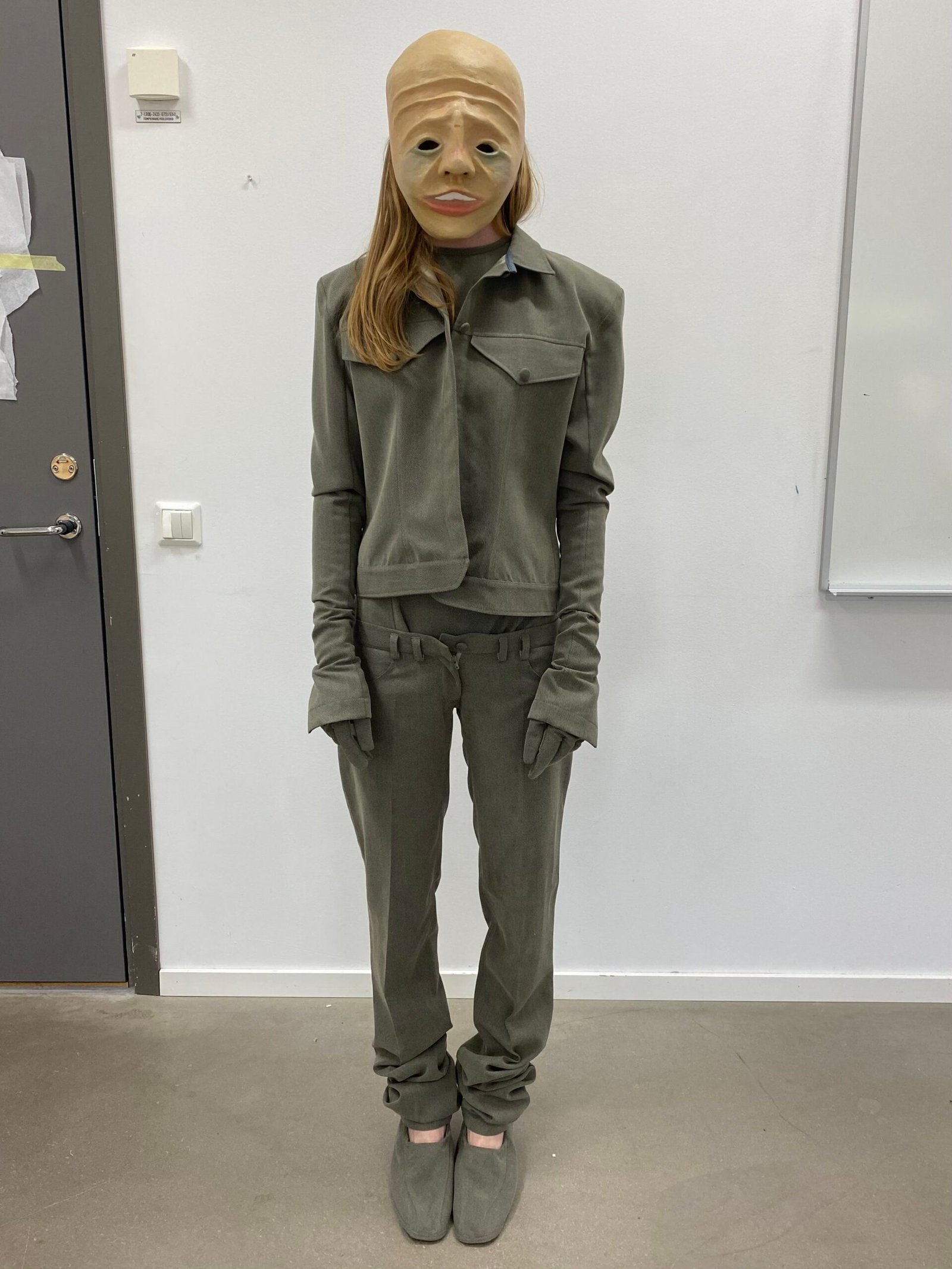
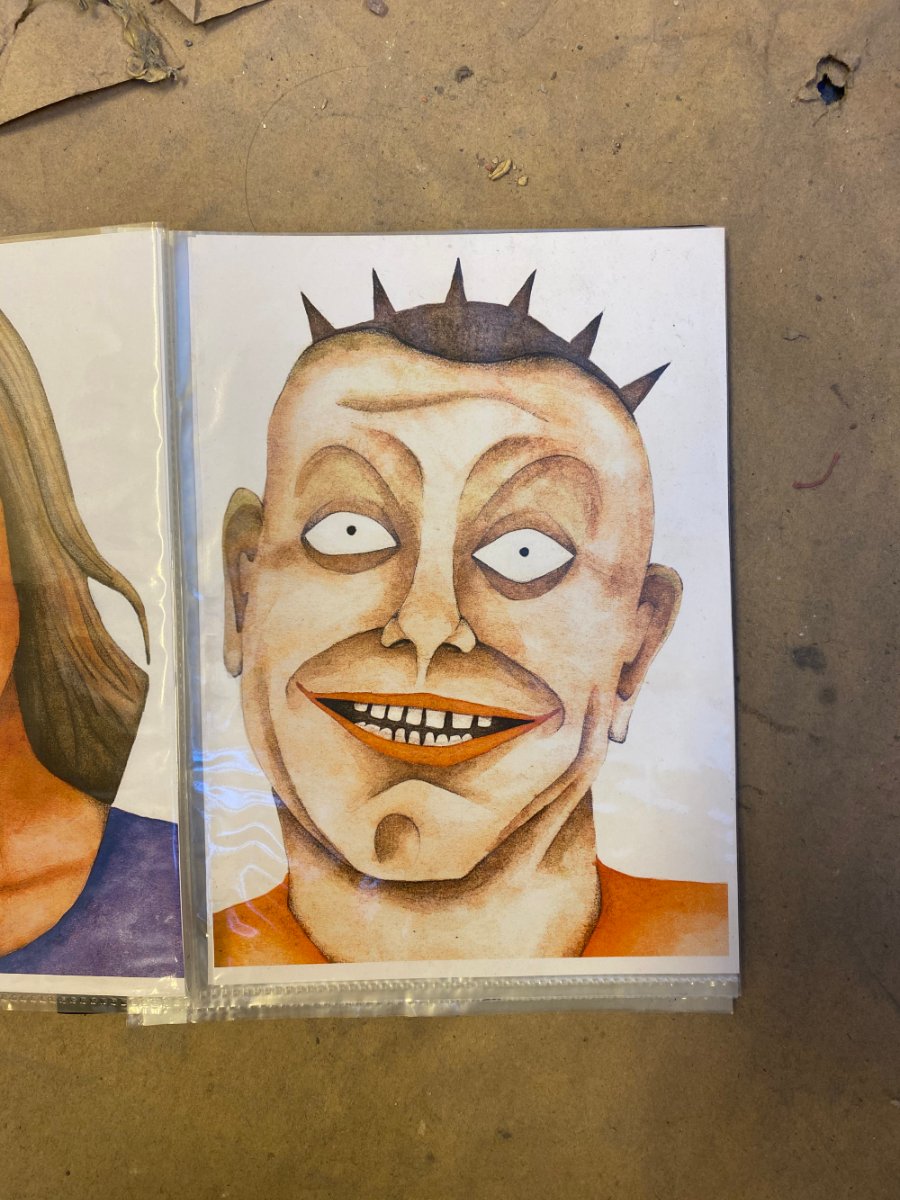
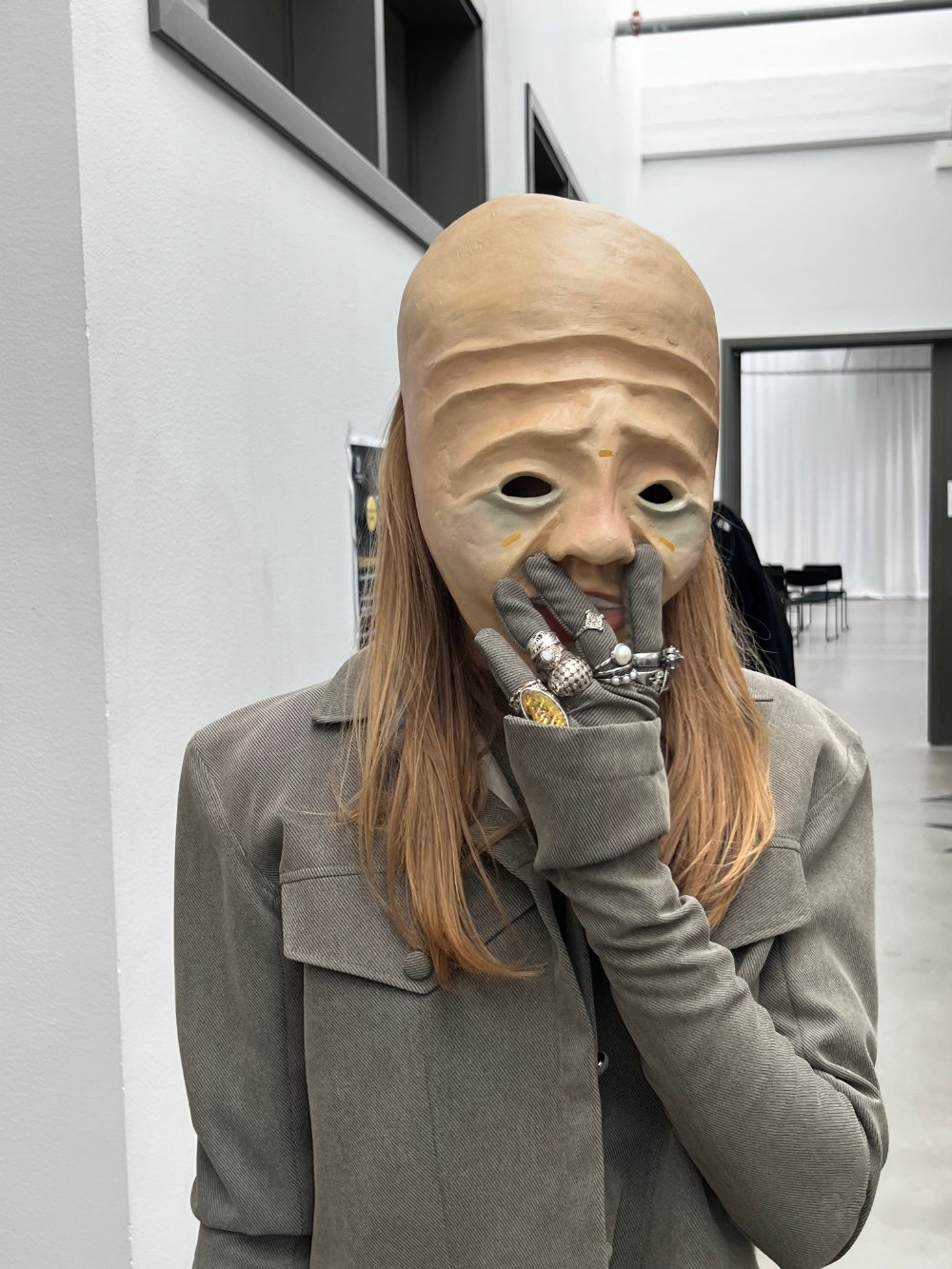
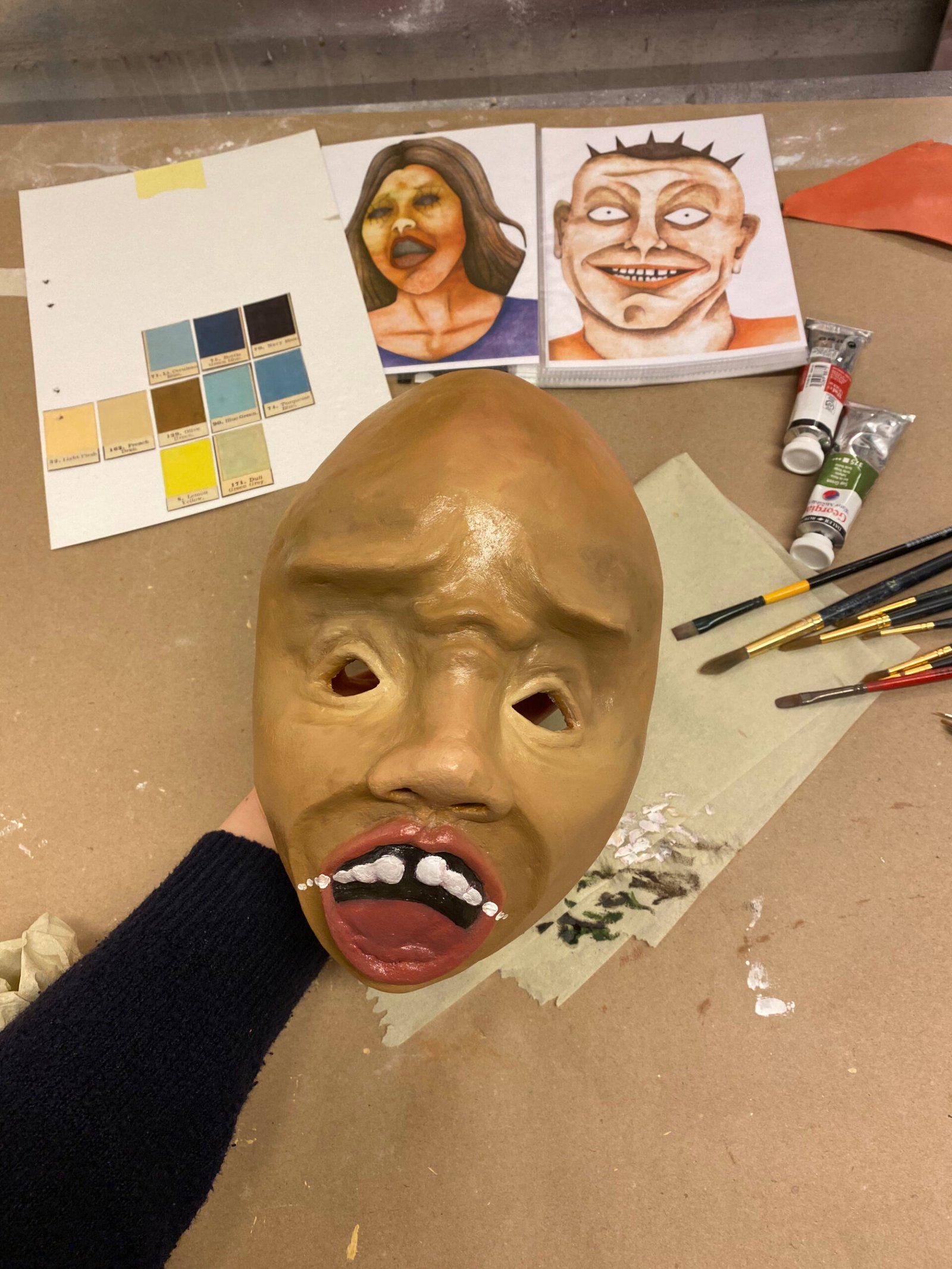
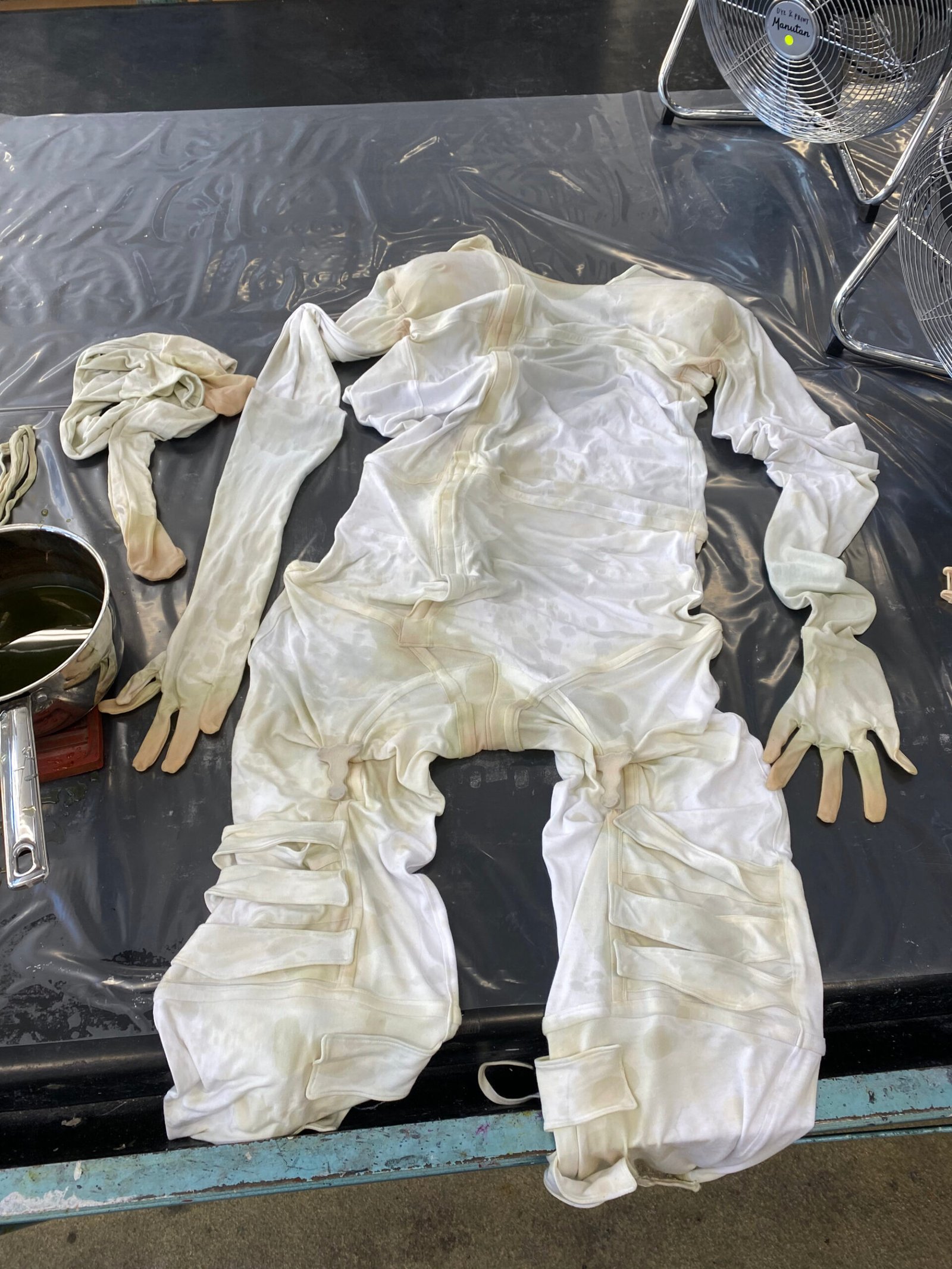
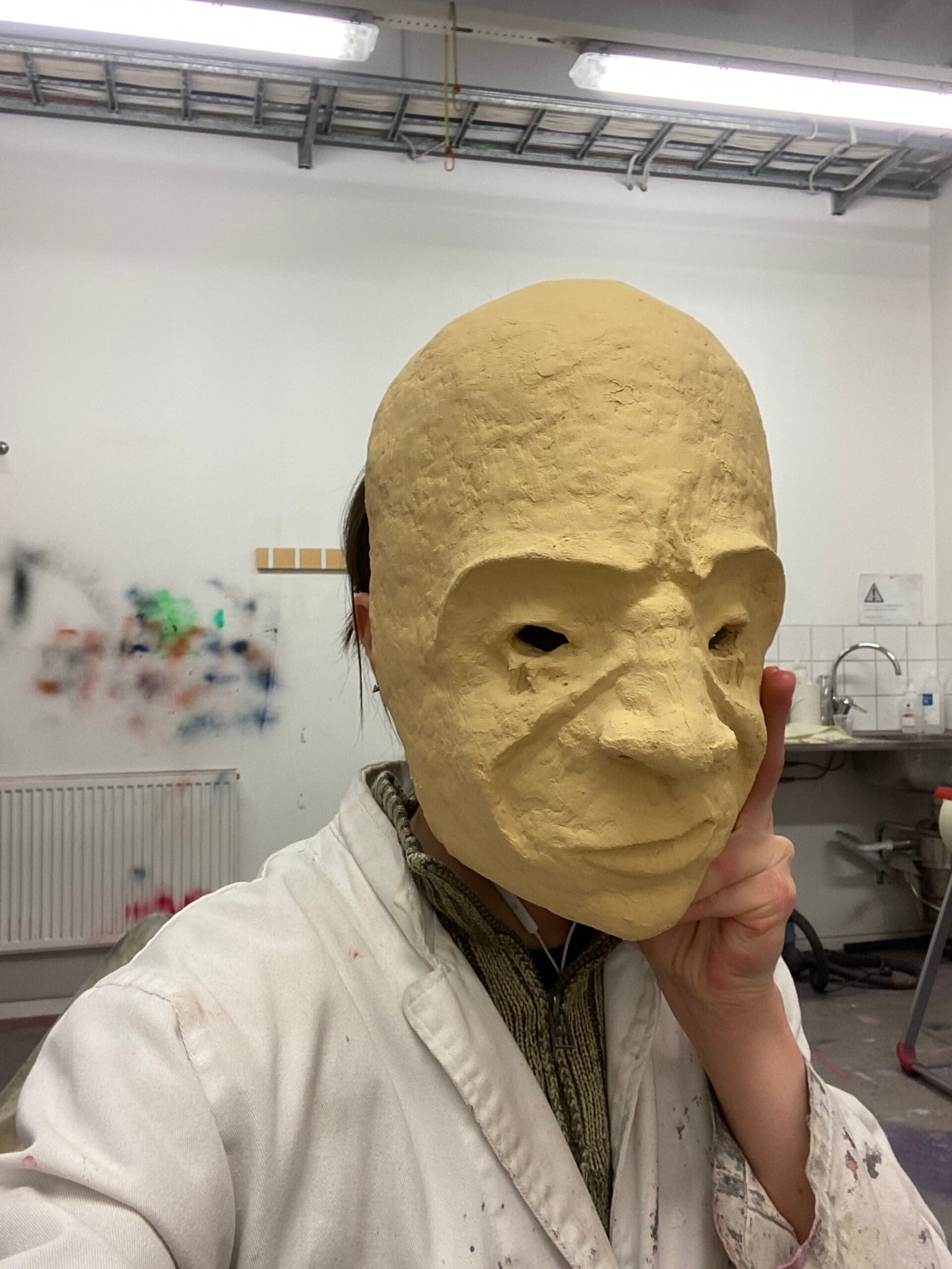
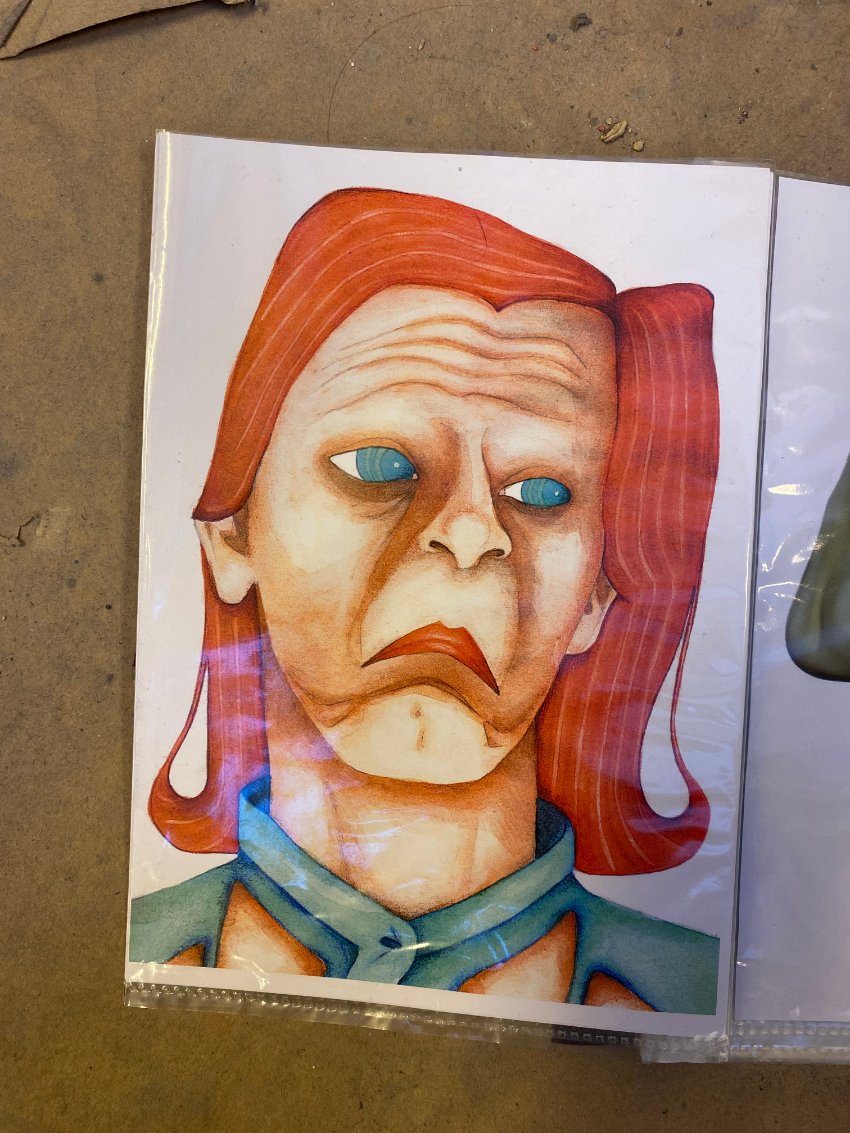
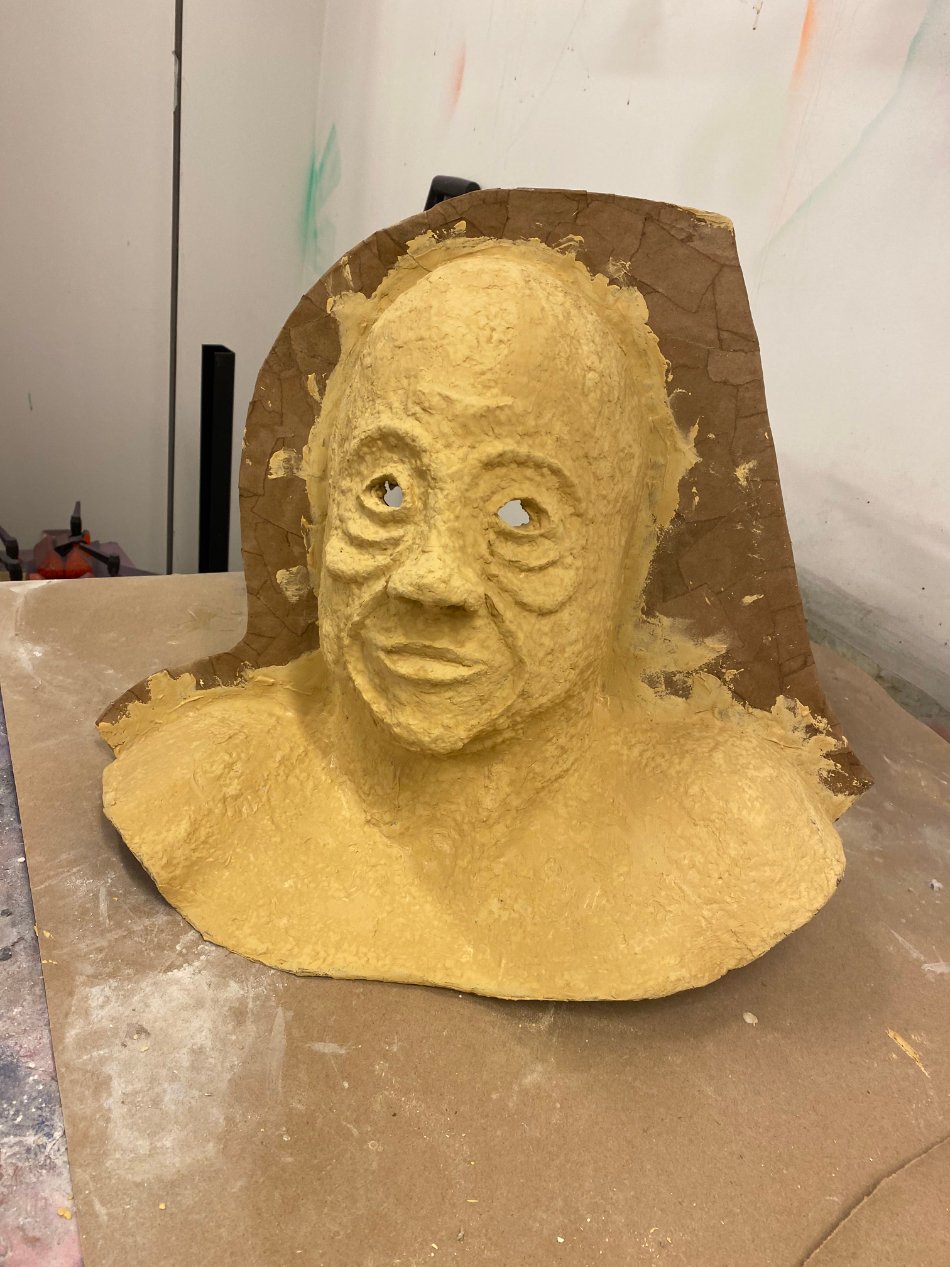
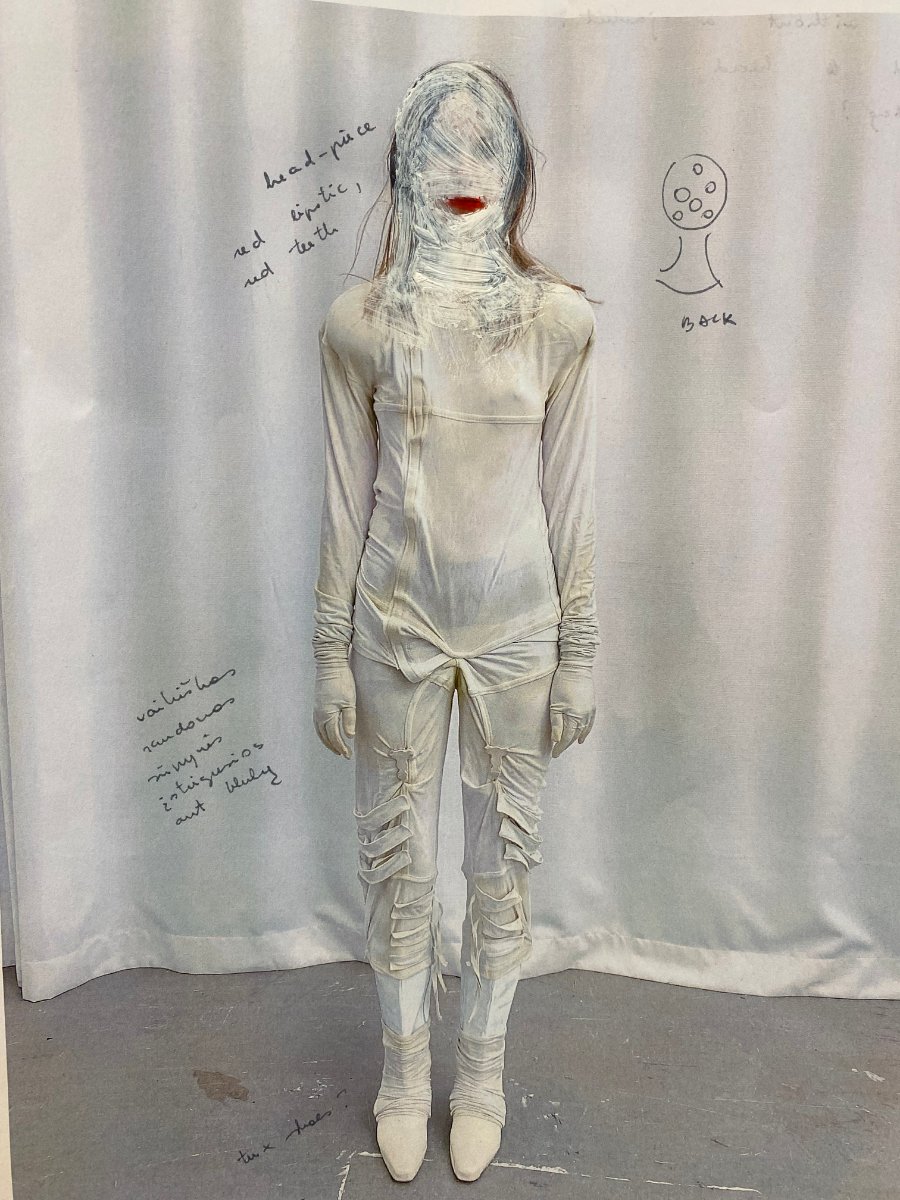
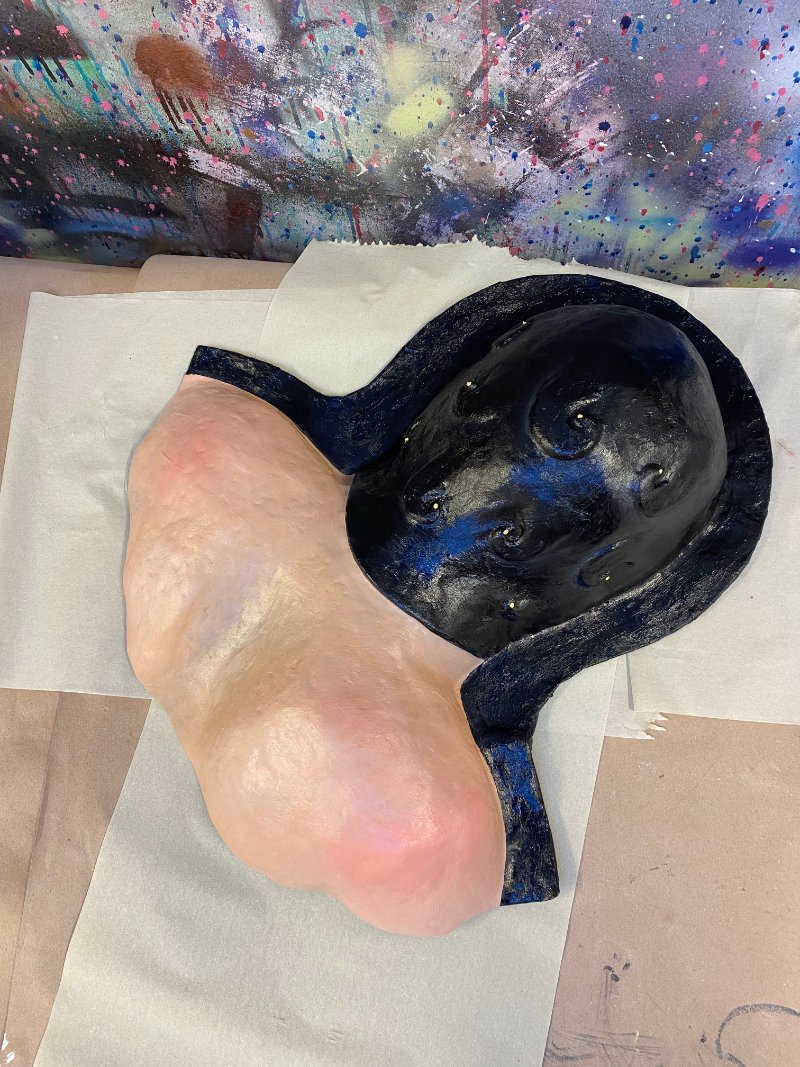
Edita Paviliunaite’s collection, The Stranger, engages with the uncanny valley, translating characteristics usually reserved for the face and body into garment contexts. The result is a set of pieces that dissolve into human profiles while feeling unsettling, logically incorrect, or quietly creepy. Reworked construction principles run through the collection — two garments molded into one, seams replaced entirely with velcro — alongside hand-made paper-mâchĂ© masks, bags, and accessories. By destabilising visual familiarity, the collection questions the fragility of human identity itself. Leaving education, Paviliunaite feels hopeful rather than wary, drawn to a new wave of designers and brands built on respect for technique, craft, innovation, and sustainability — evidence, to her, that the industry is outgrowing its old ways.

Annika Keiša

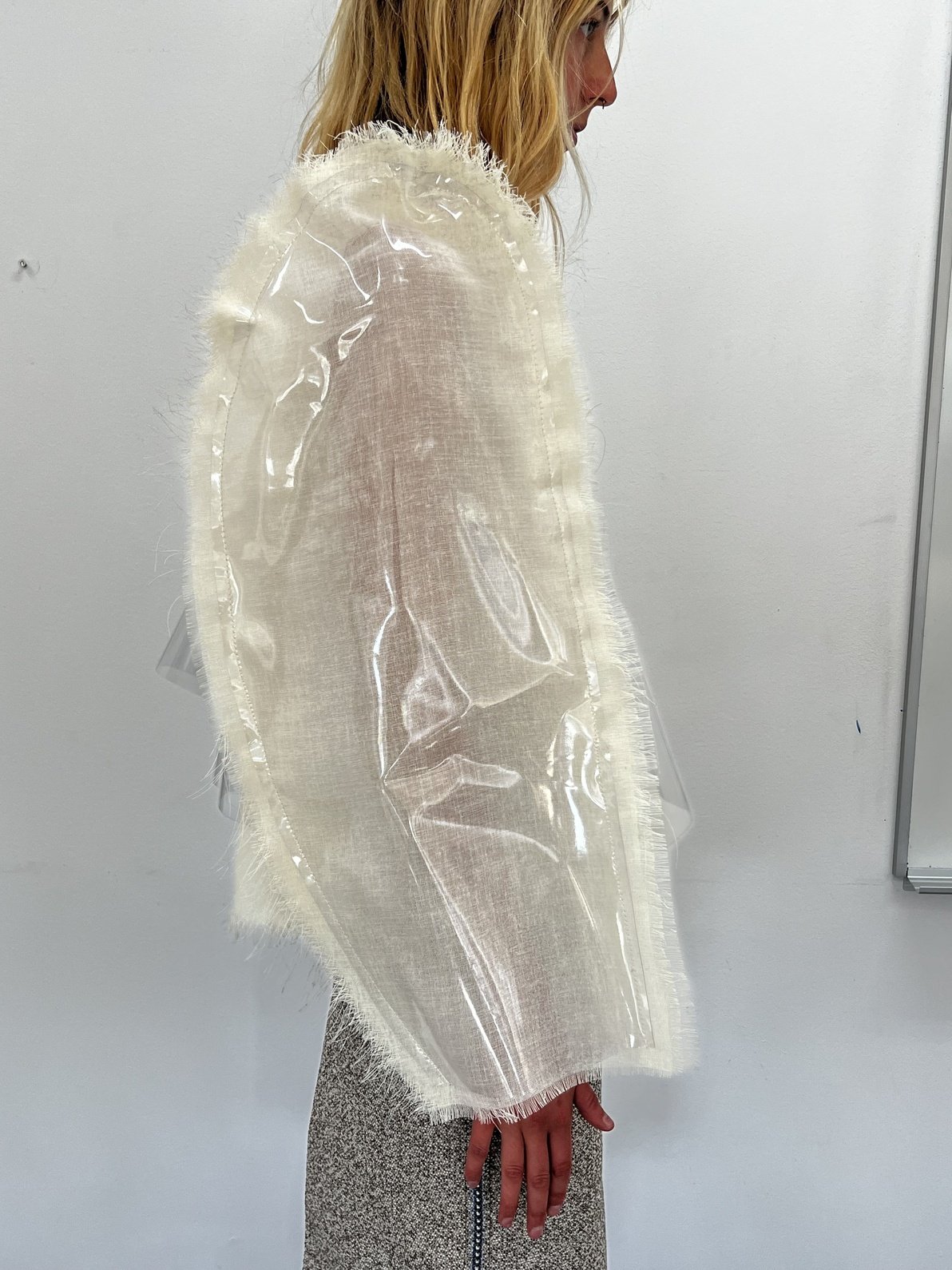
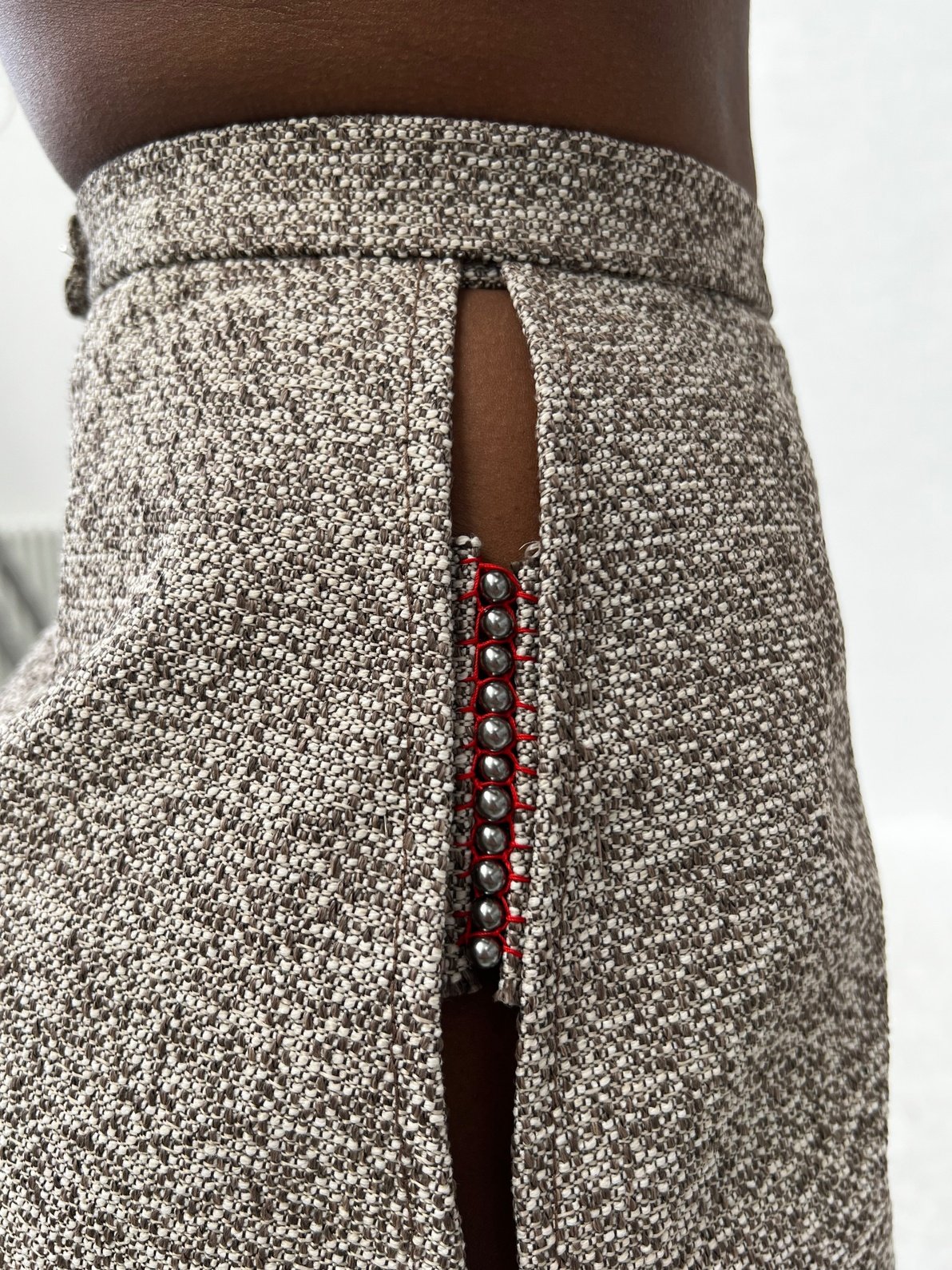
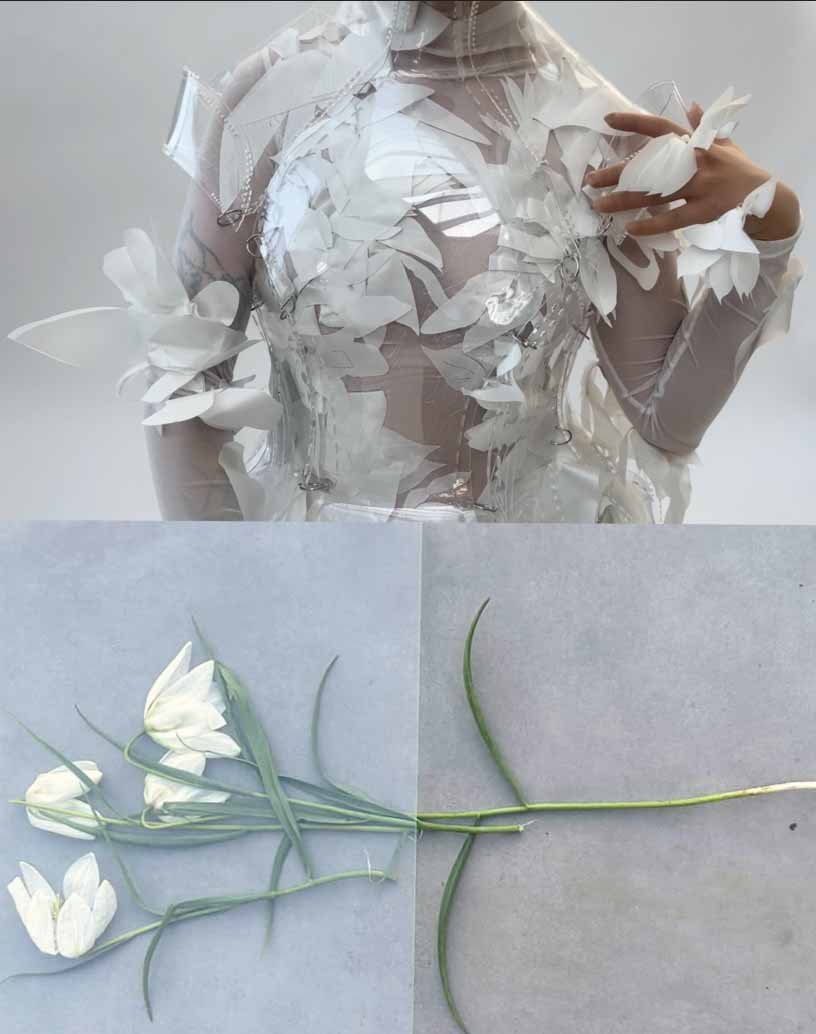
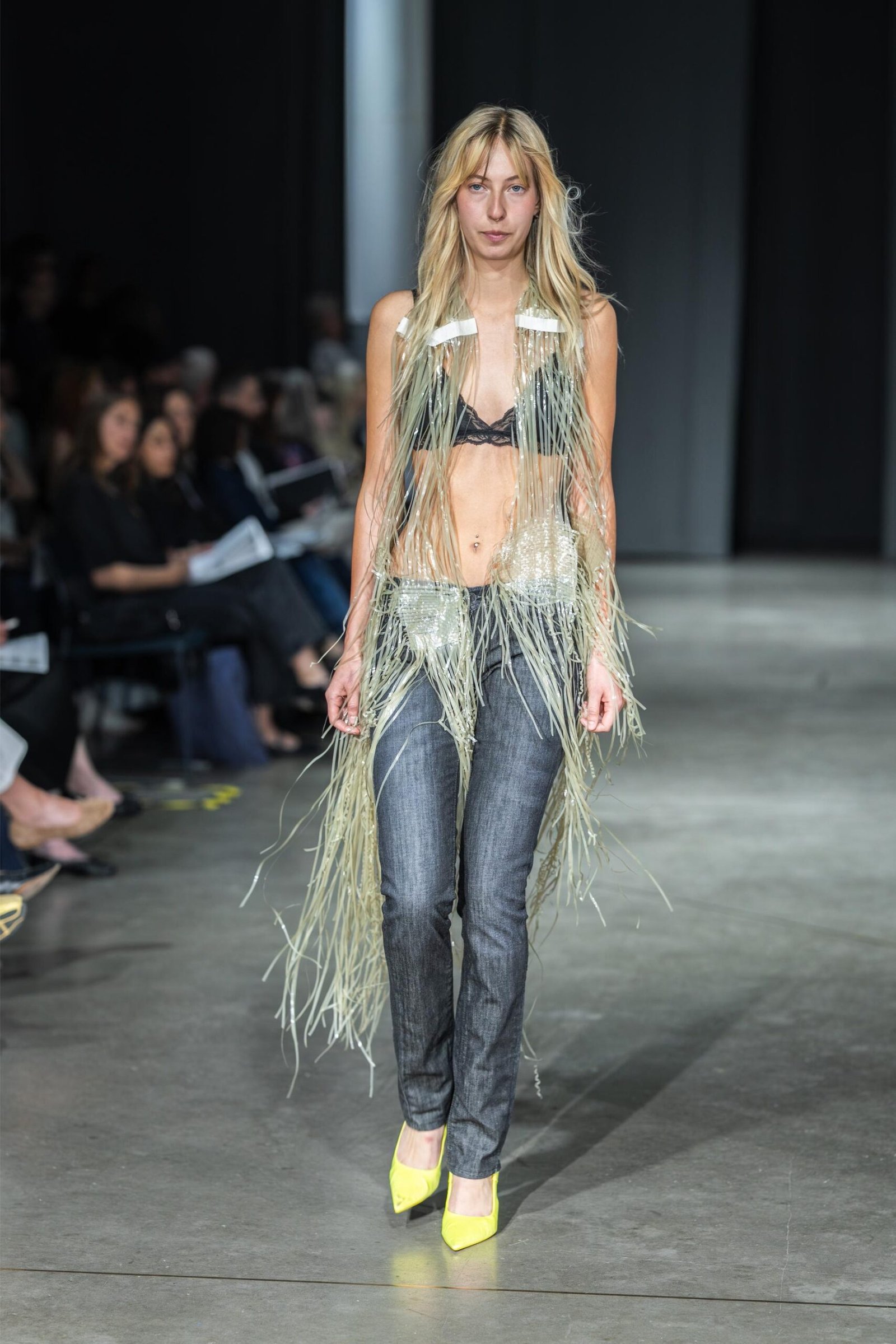
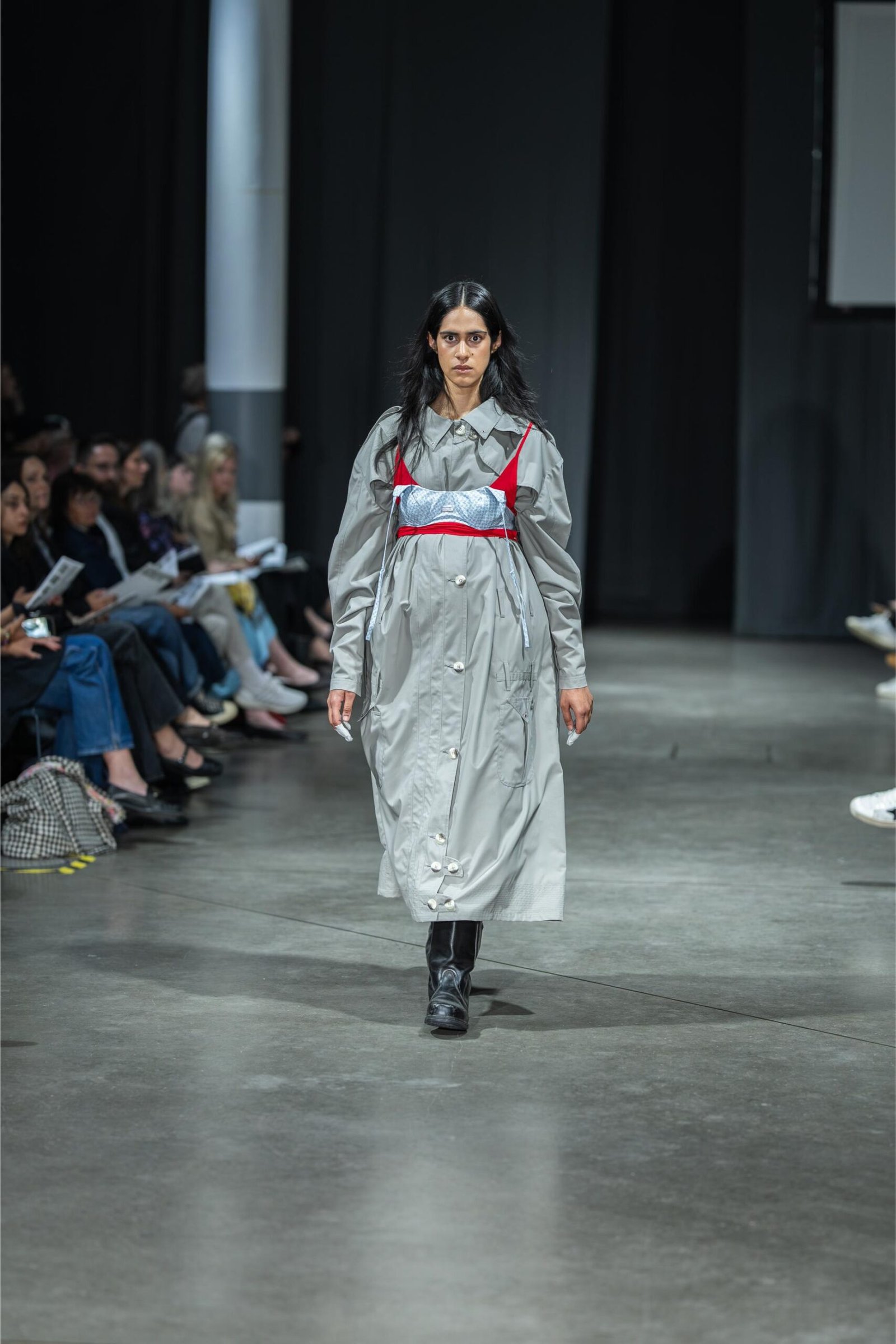
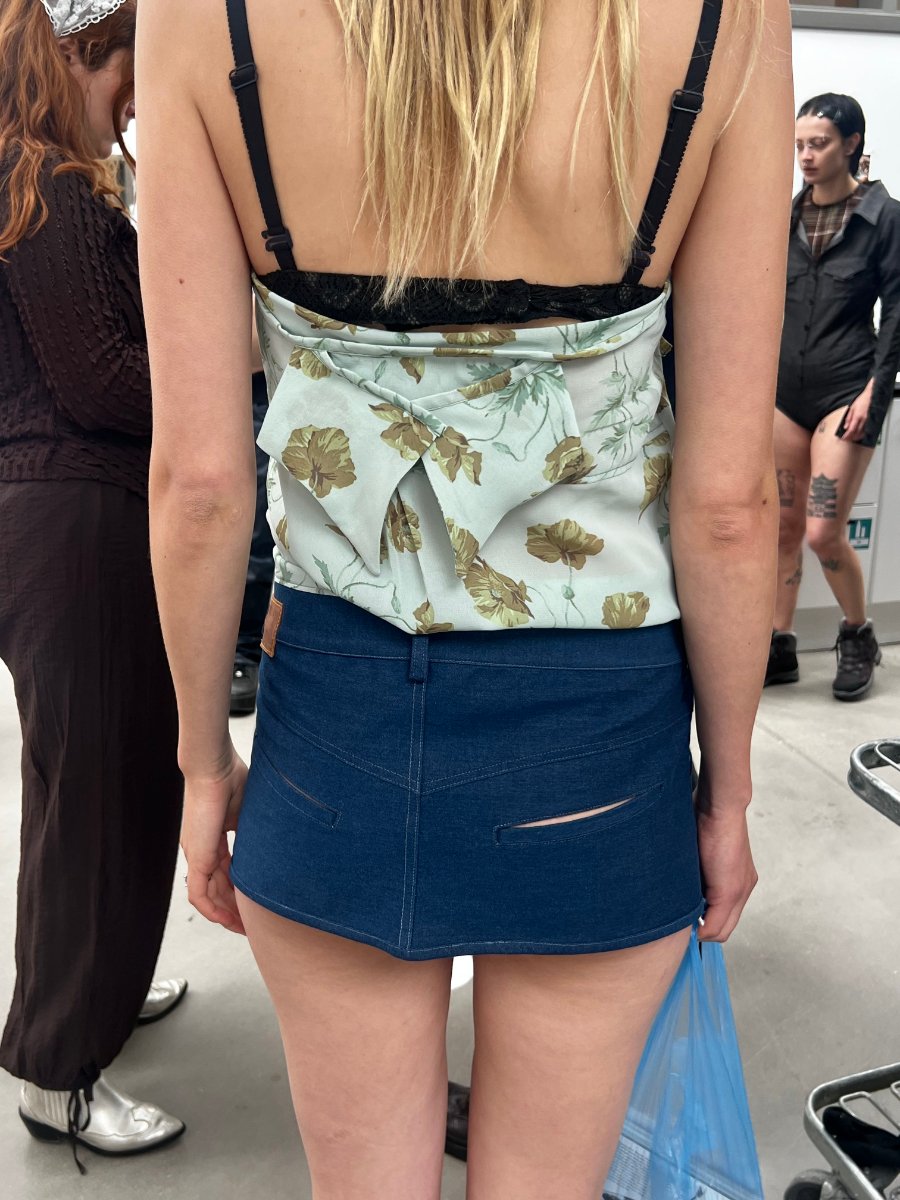
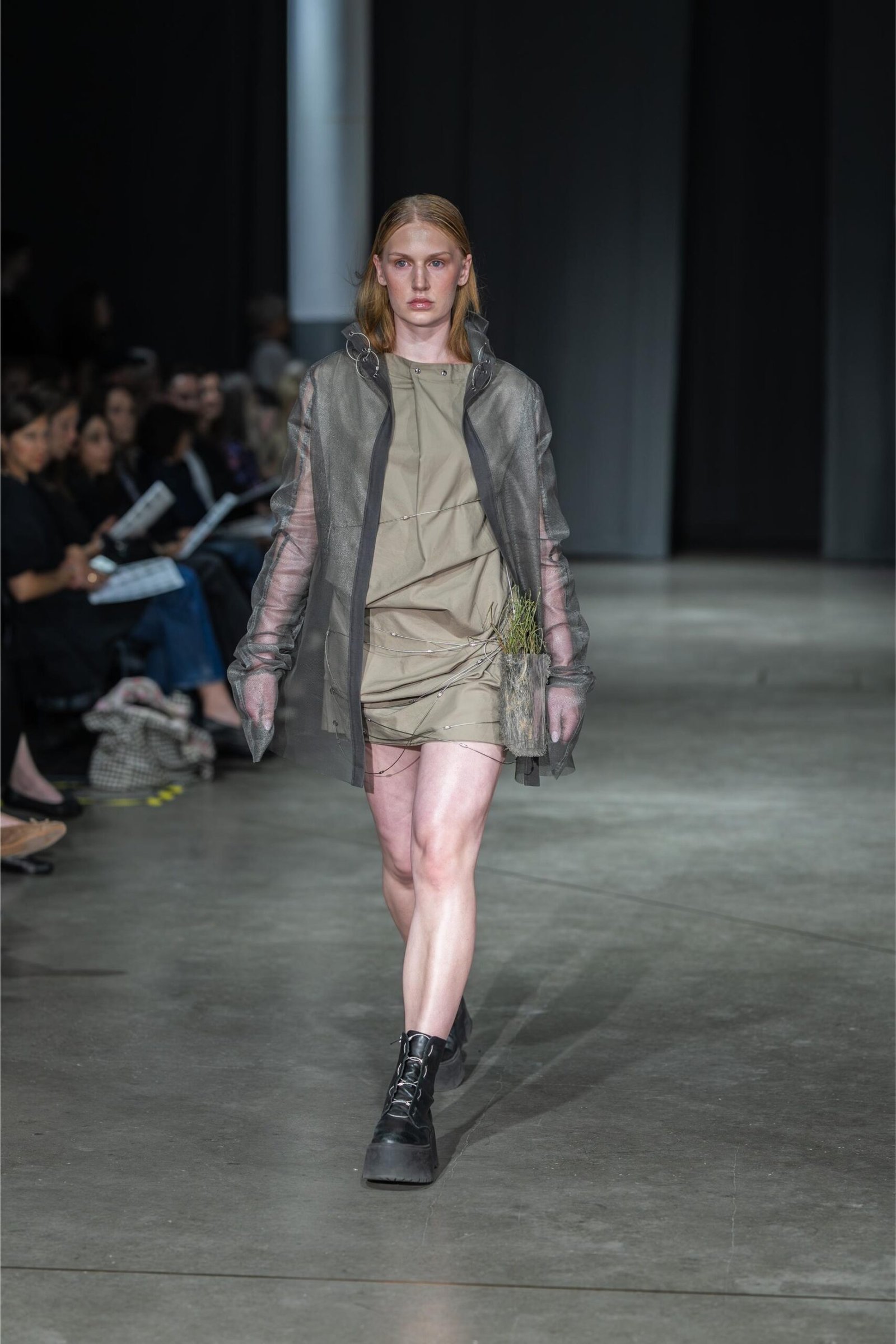
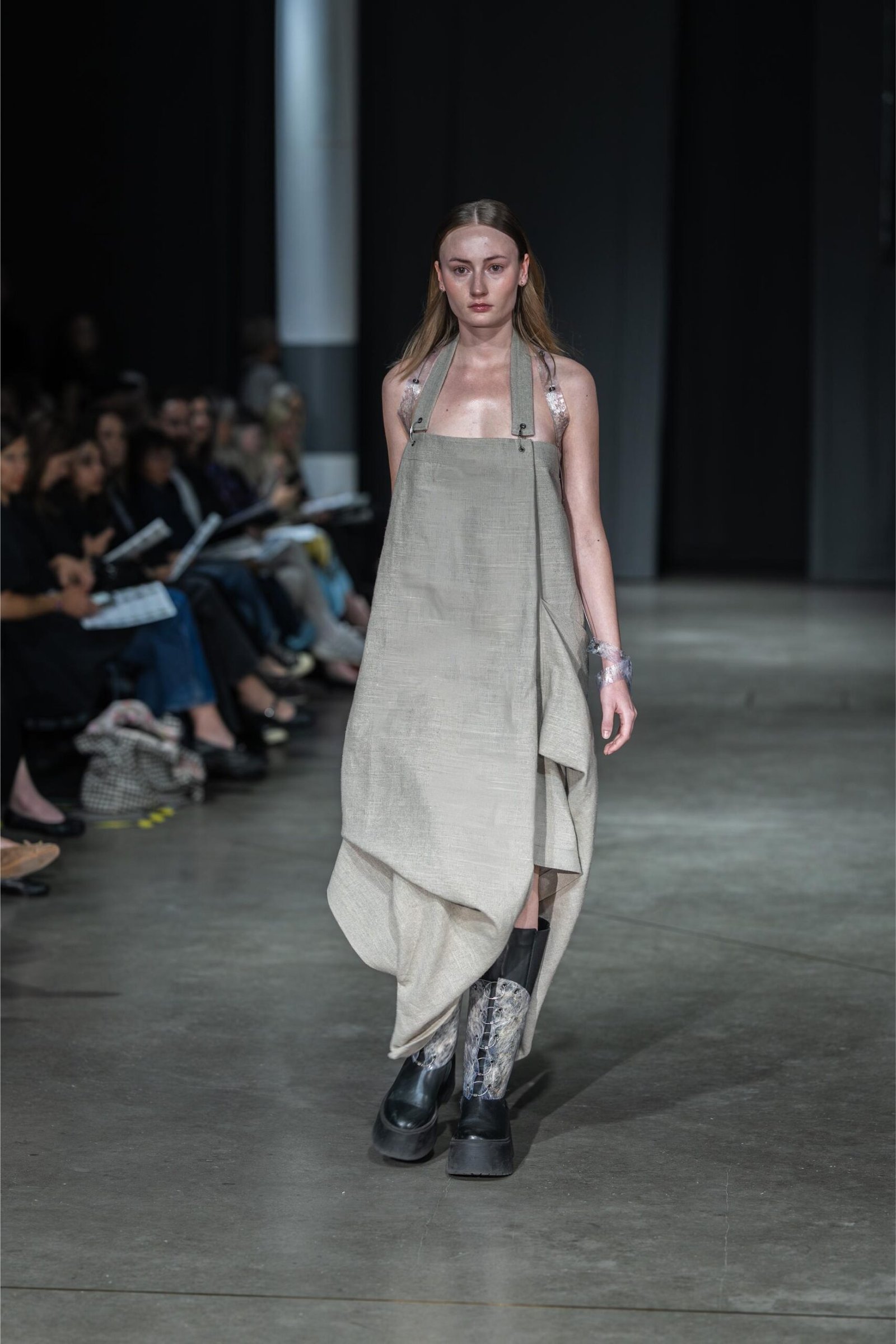
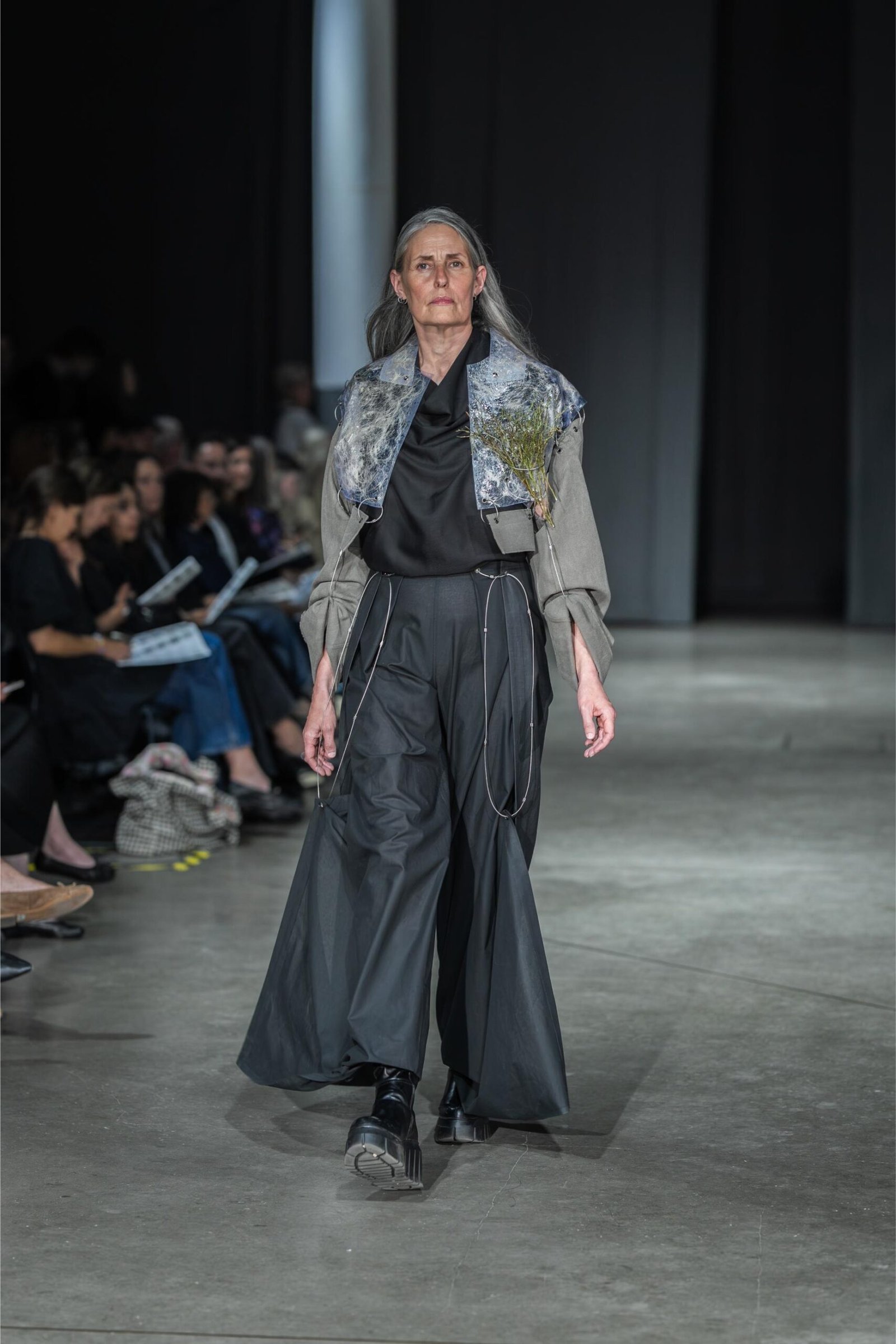
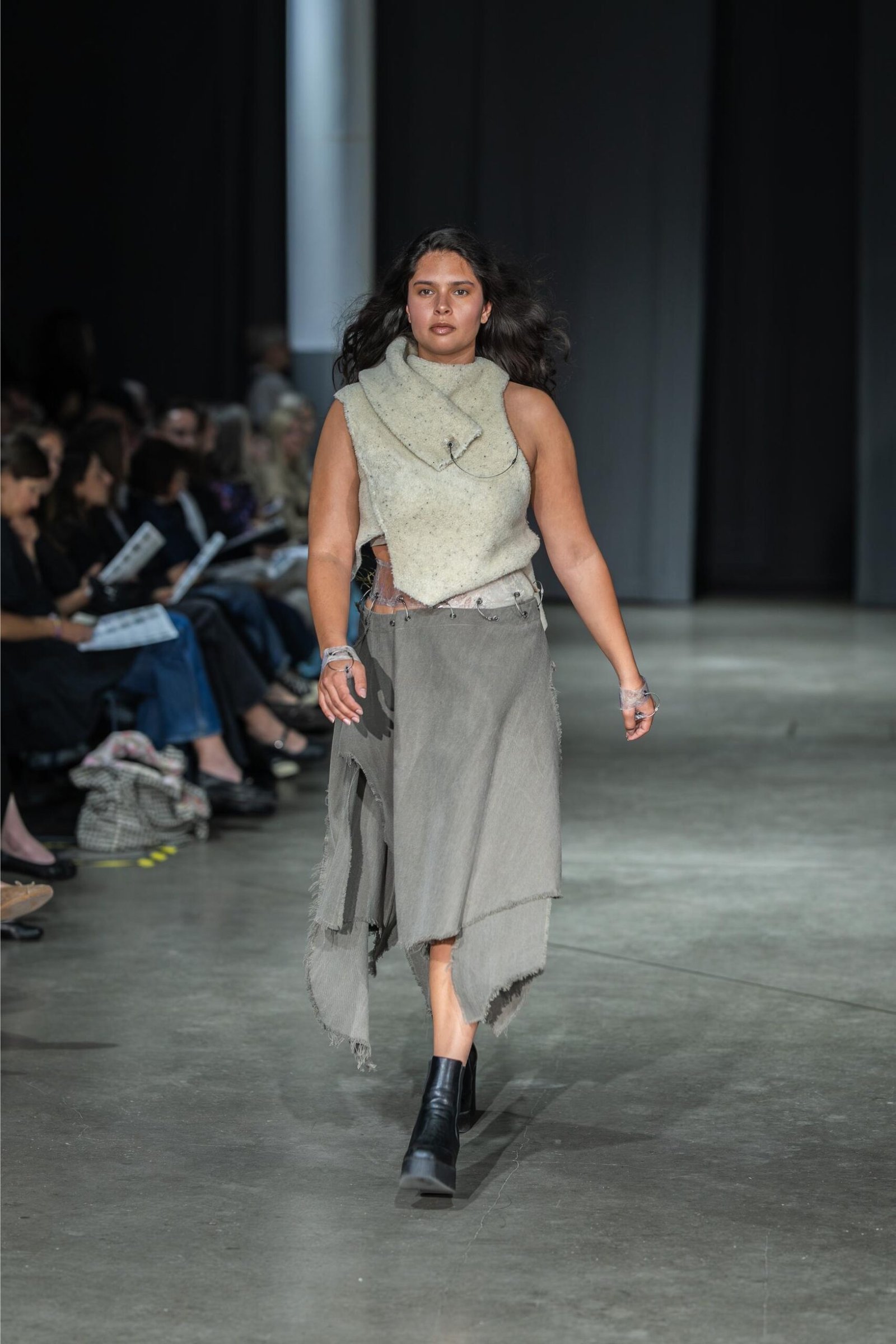
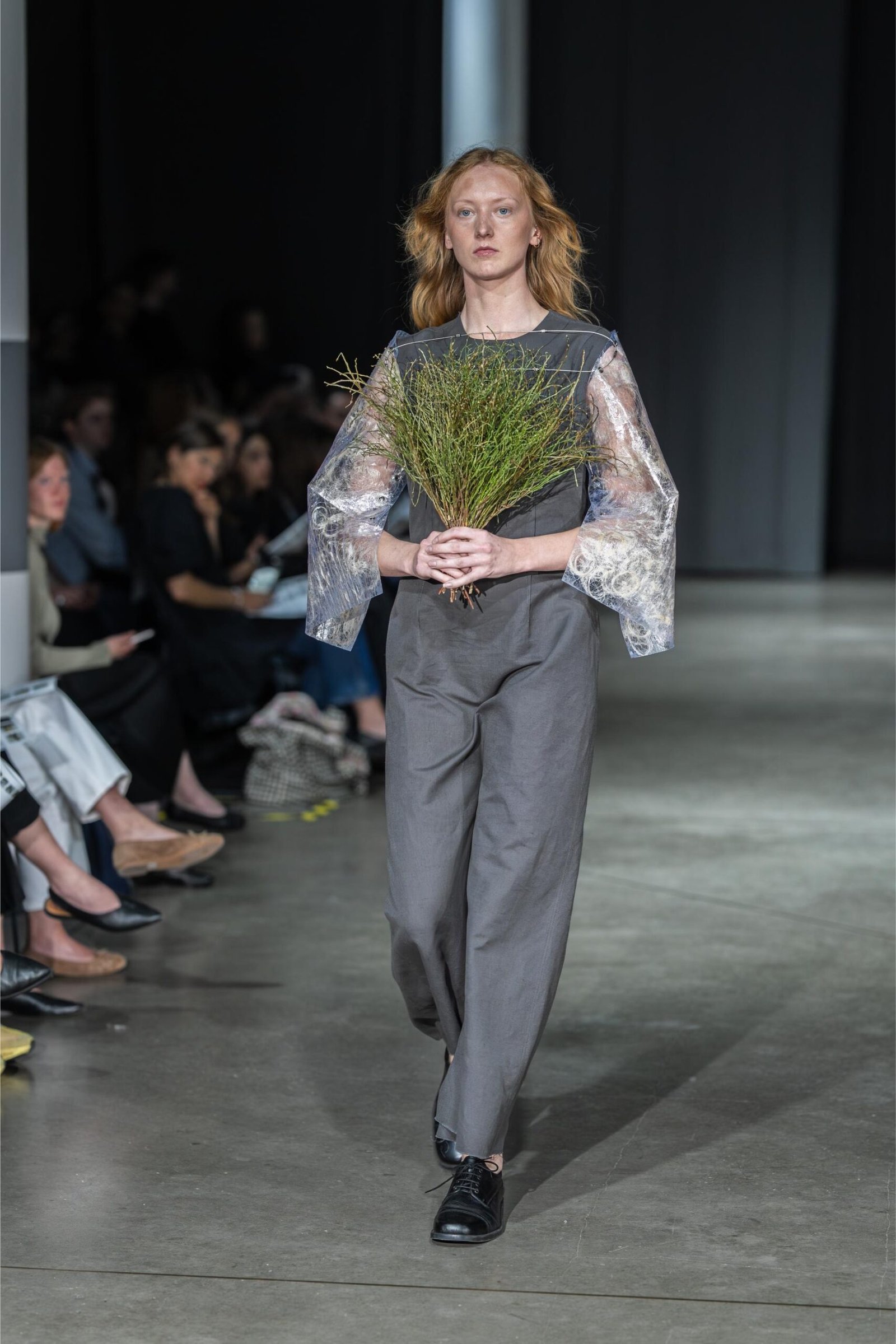
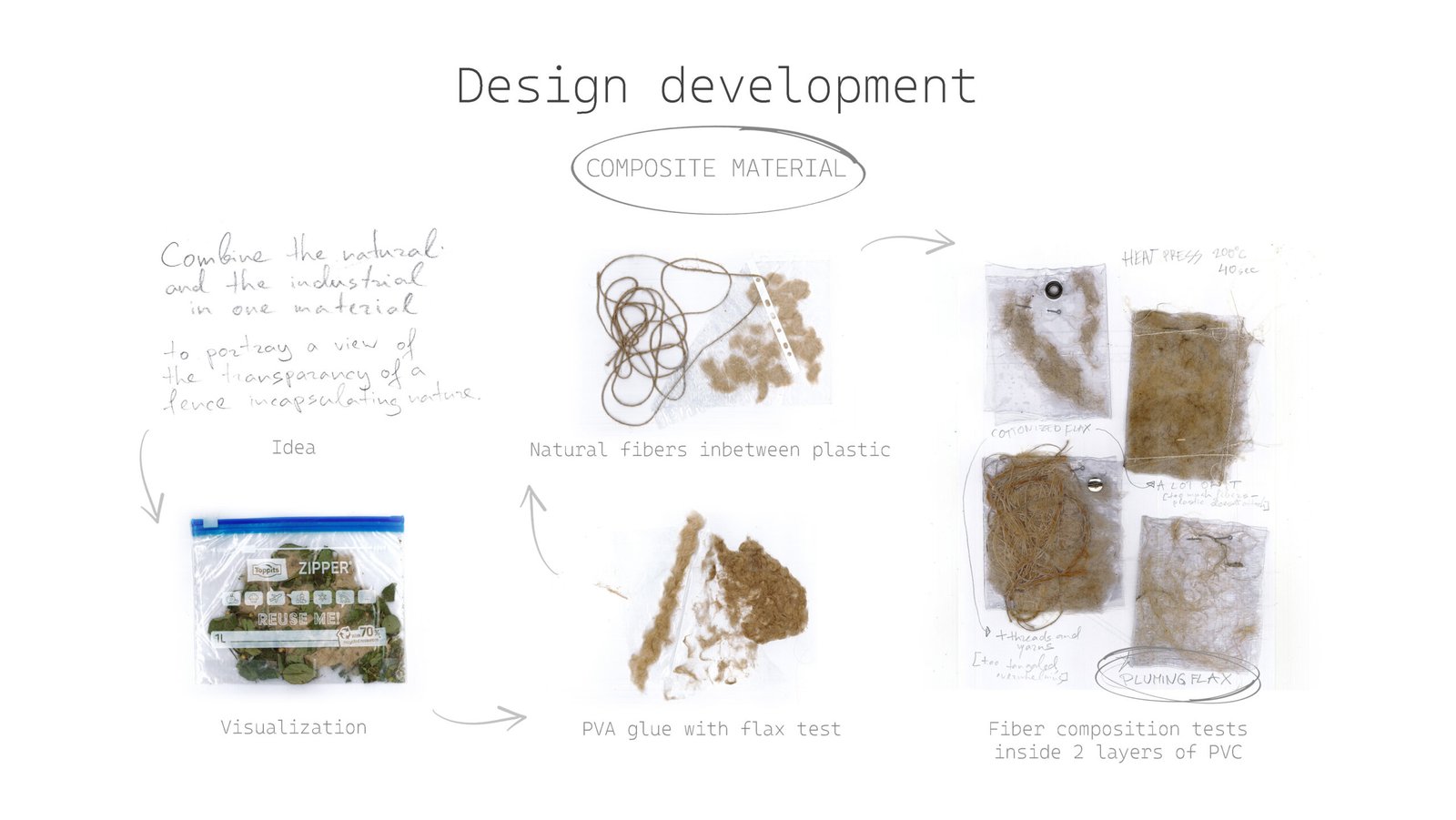
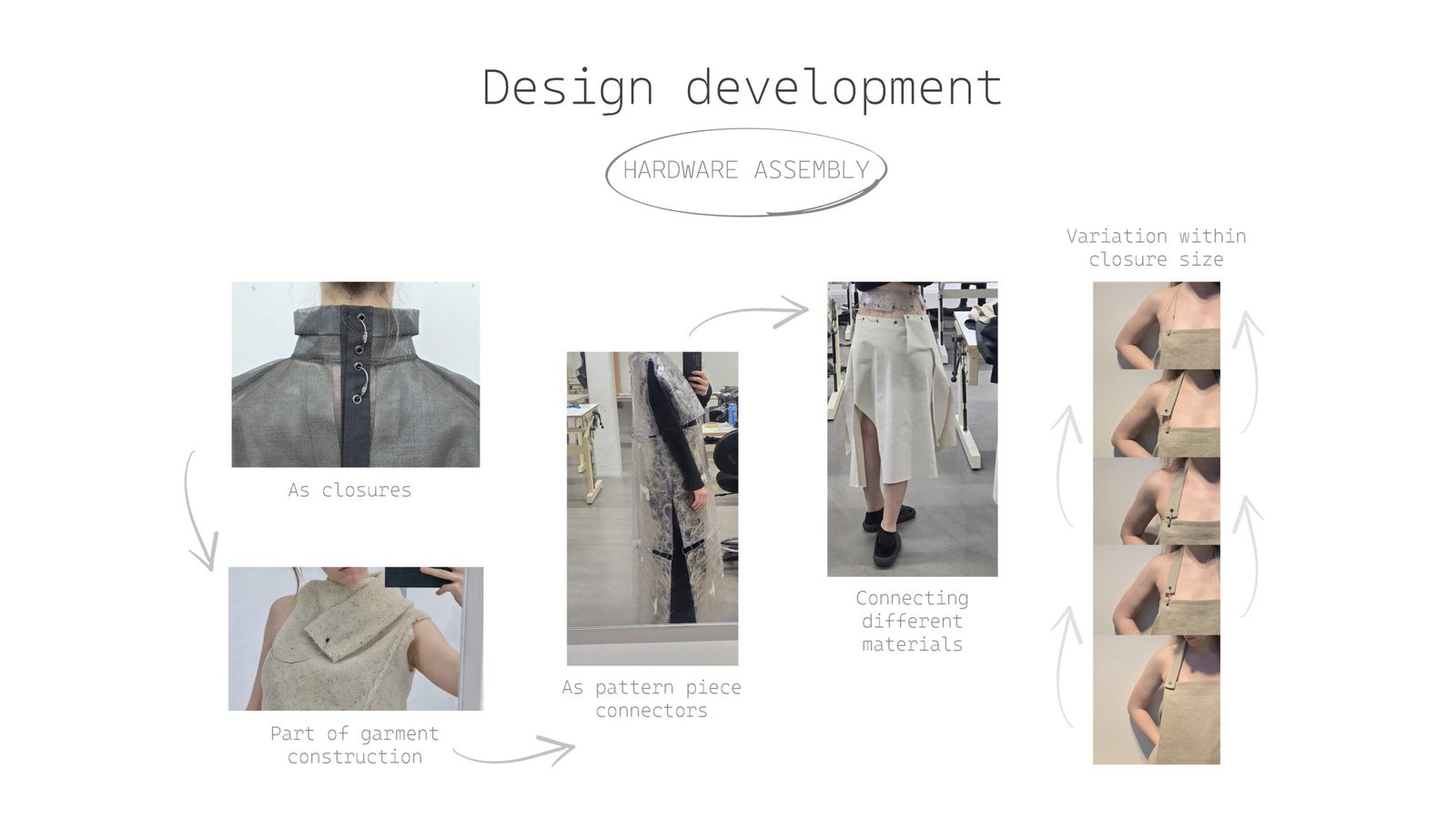
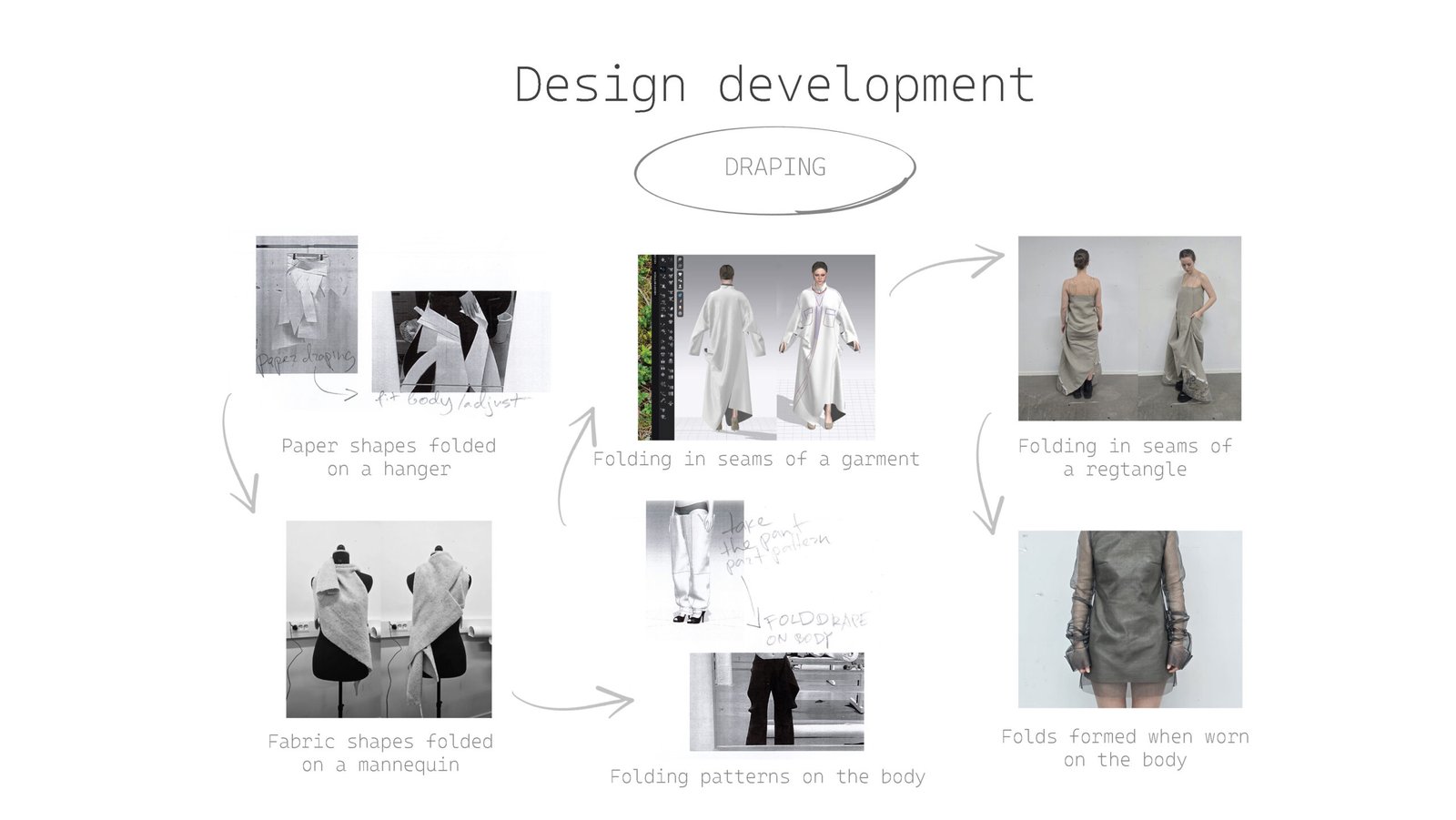
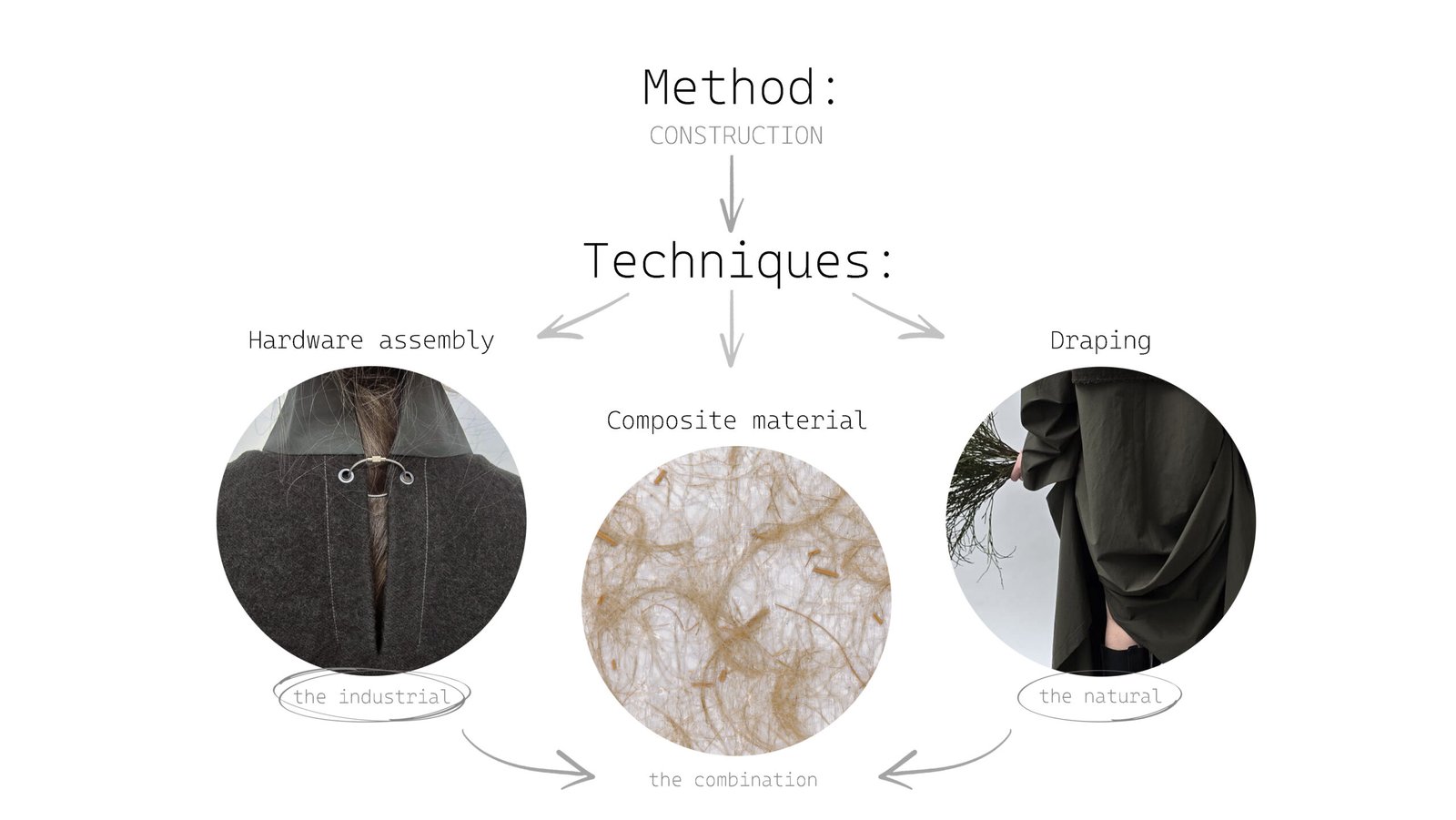
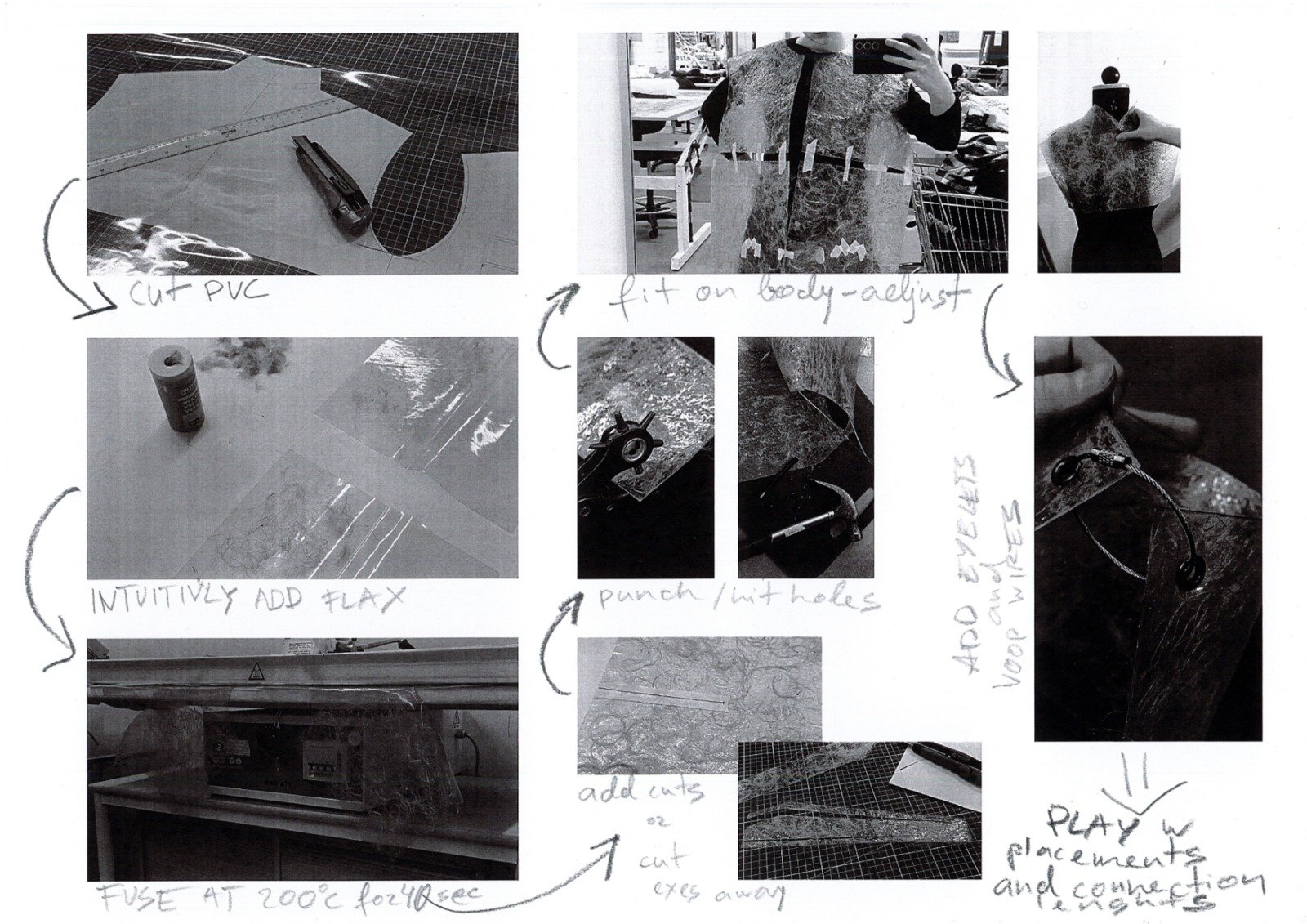
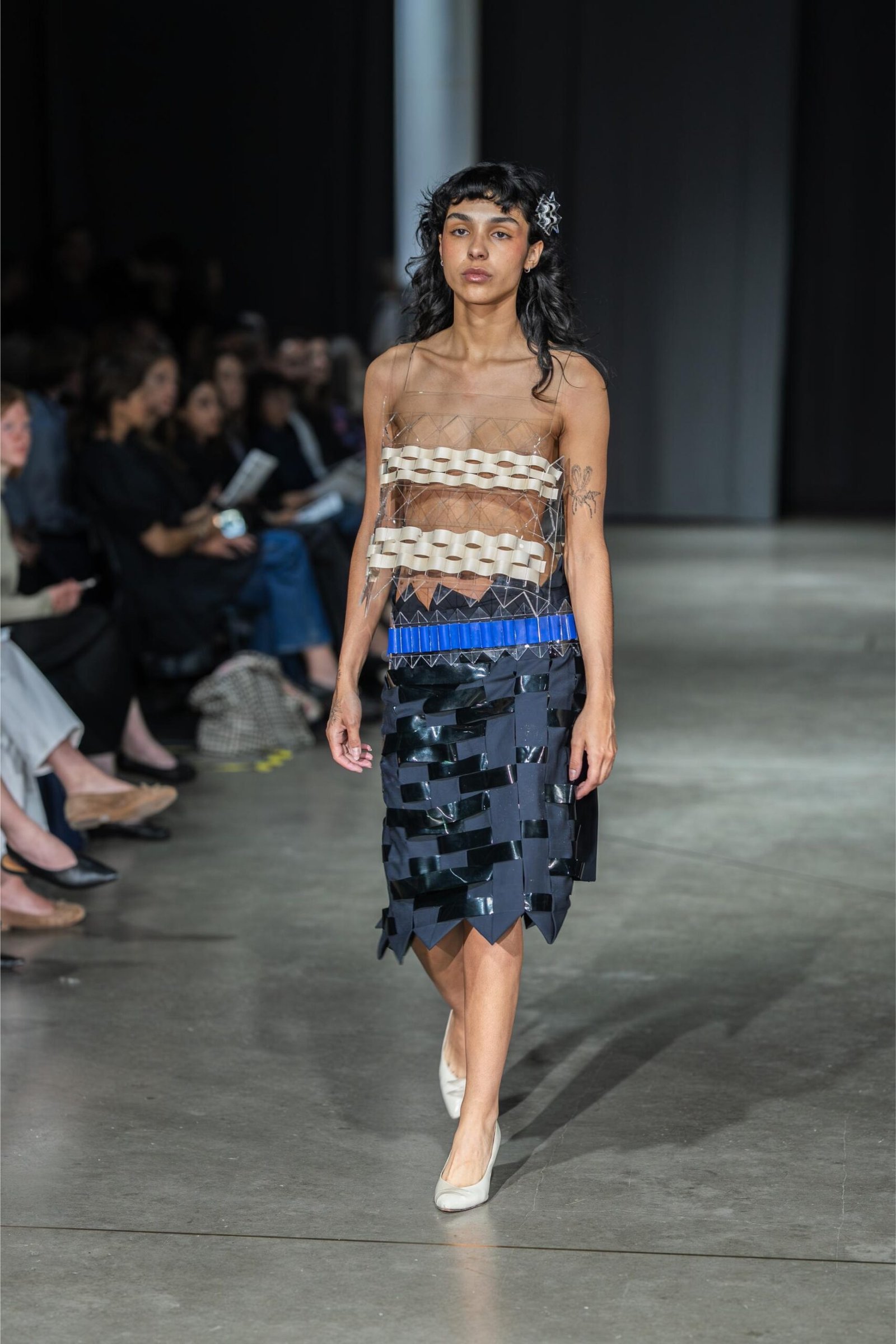
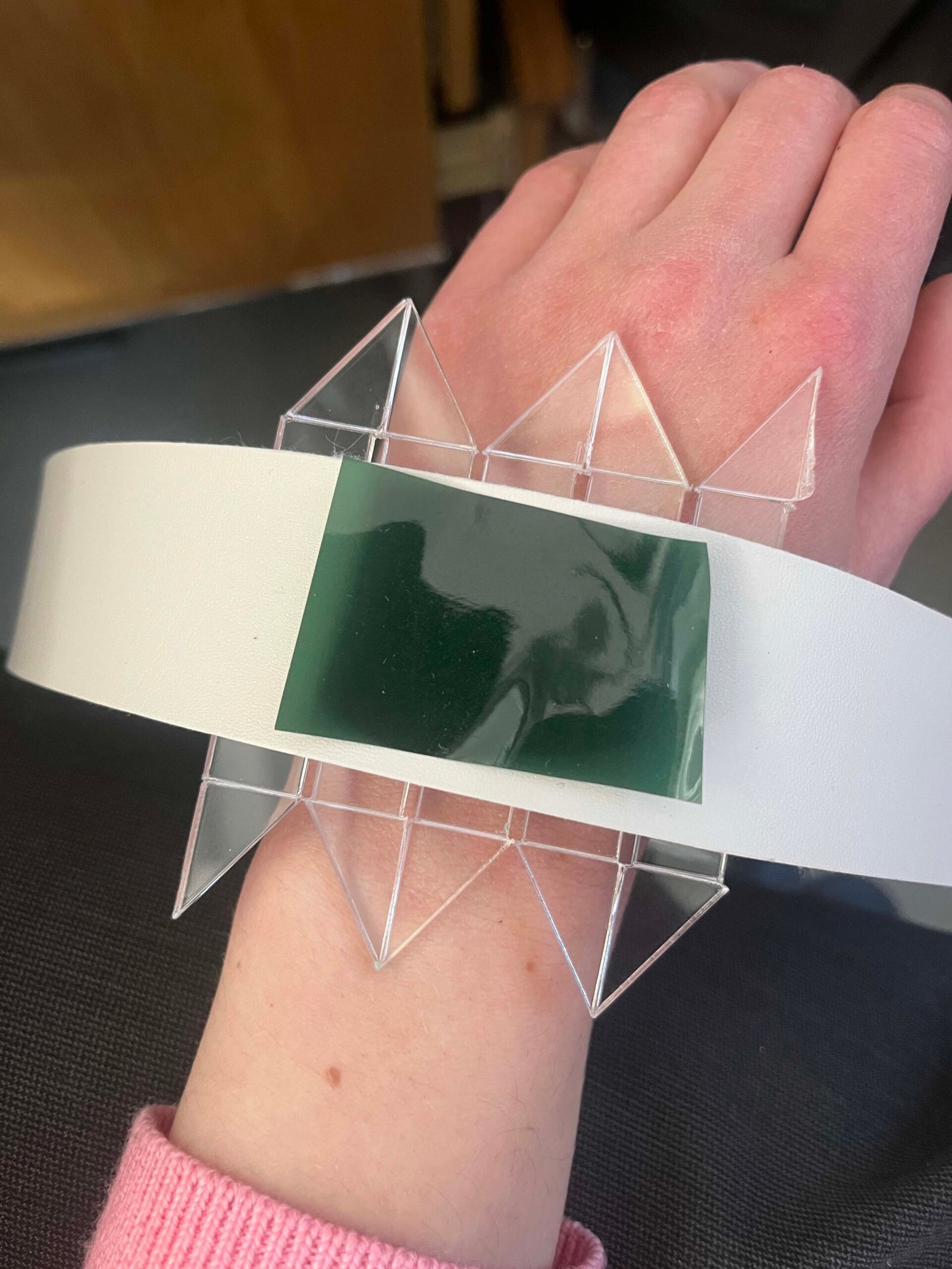
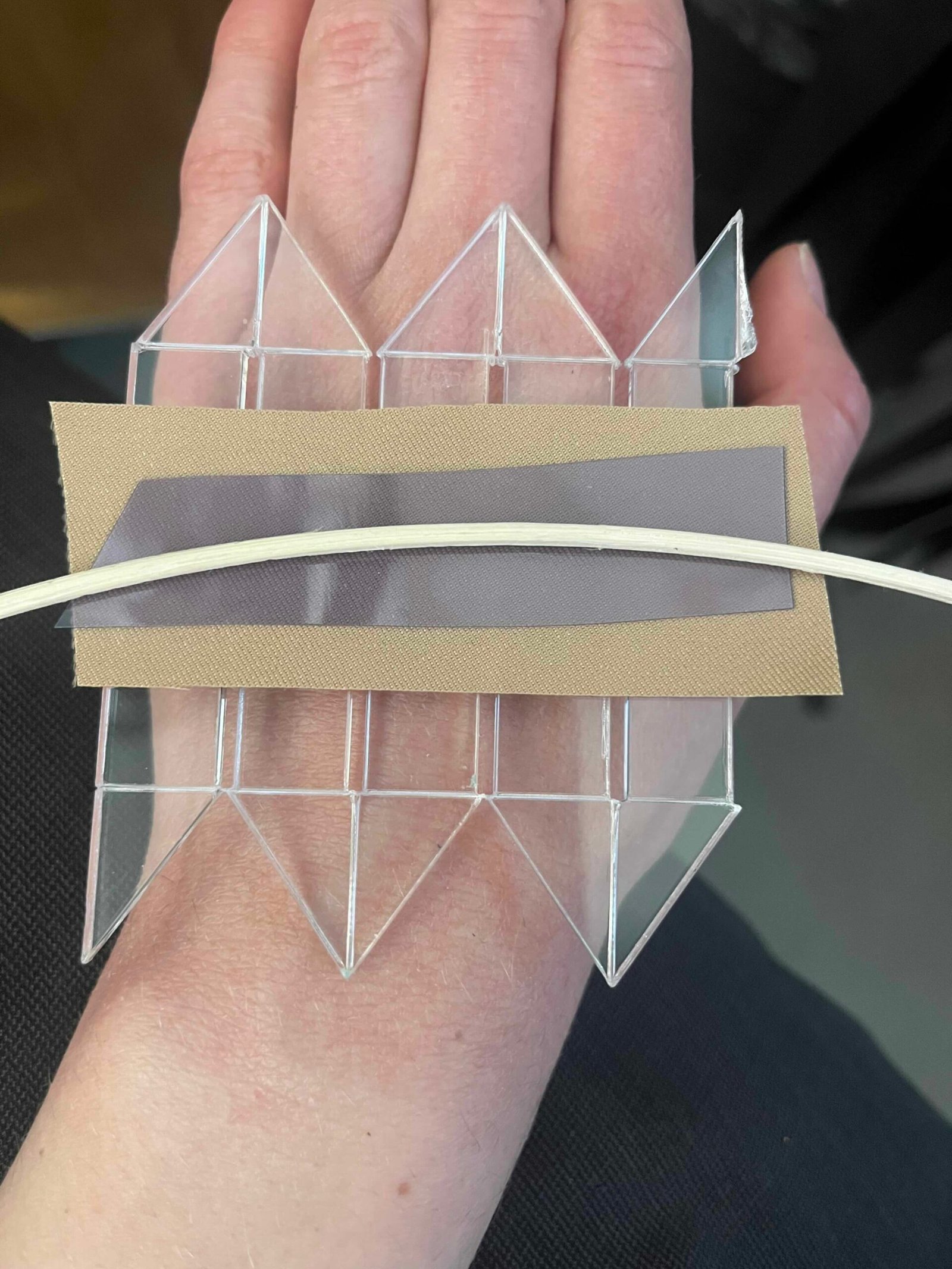
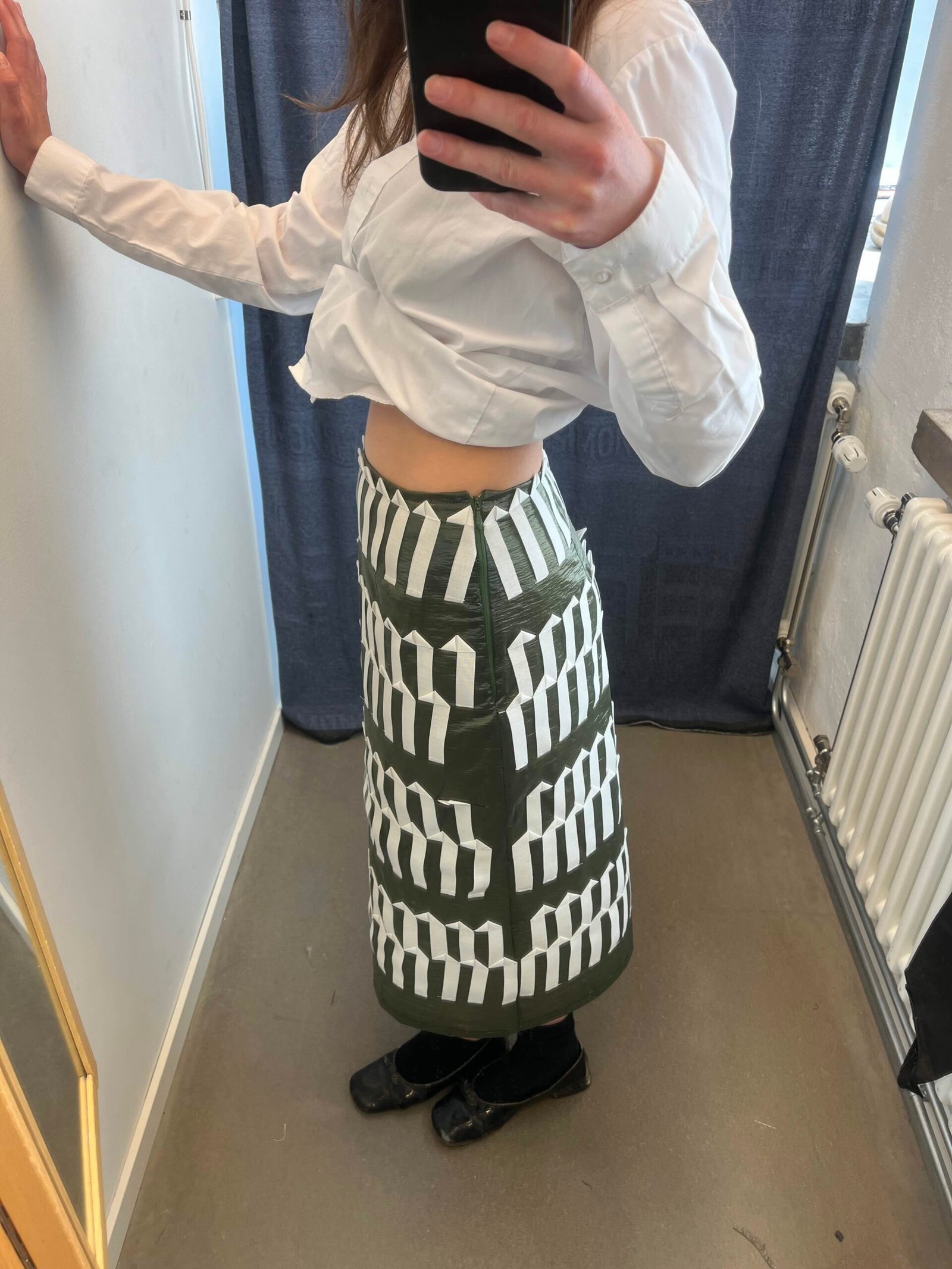
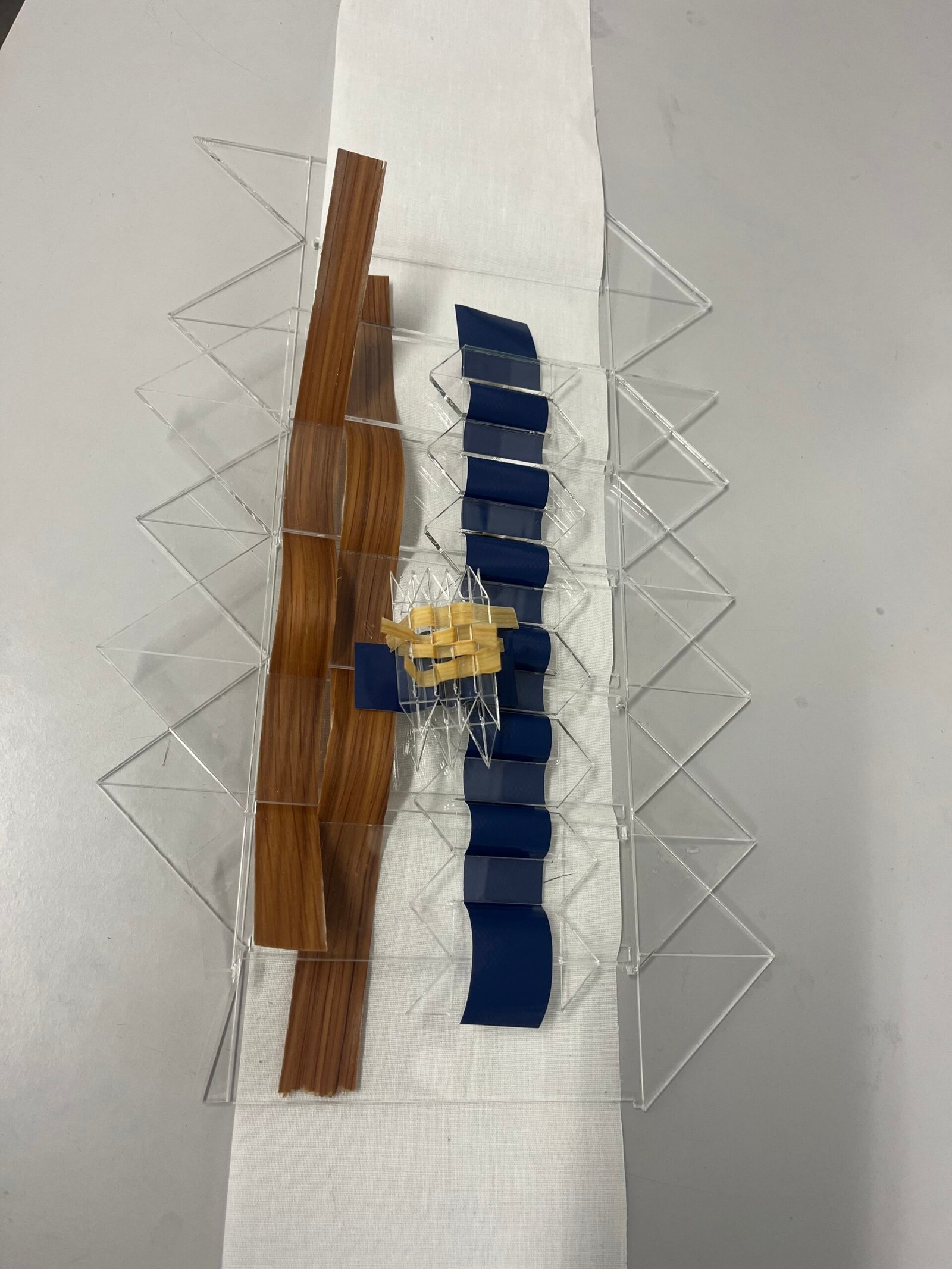
Annika Keiša’s collection, The Fragmented Nature of a Fence, explores the tension between natural and industrial aesthetics through the symbolism of a fence within a landscape — a realm where industrial structures increasingly enclose nature. Hardware assembly, draping, and a novel composite of flax fibres encapsulated in transparent PVC give form to this dynamic: organic textures, raw edges, and fluid folds sit against wire connections, rigid construction, and protective shapes. A palette of muted greys and beige, offset by accents of blue and green recalling sea and forest, underscores the uneasy coexistence of the natural and the man-made. Keiša is candid about what concerns her leaving education — a job market increasingly weighted toward social media and marketing roles, which she sees as a worrying shift from what is made toward how it is sold. What she hopes to find, instead, is a place in the industry that still values the craft of making clothes.

Maya Naomi

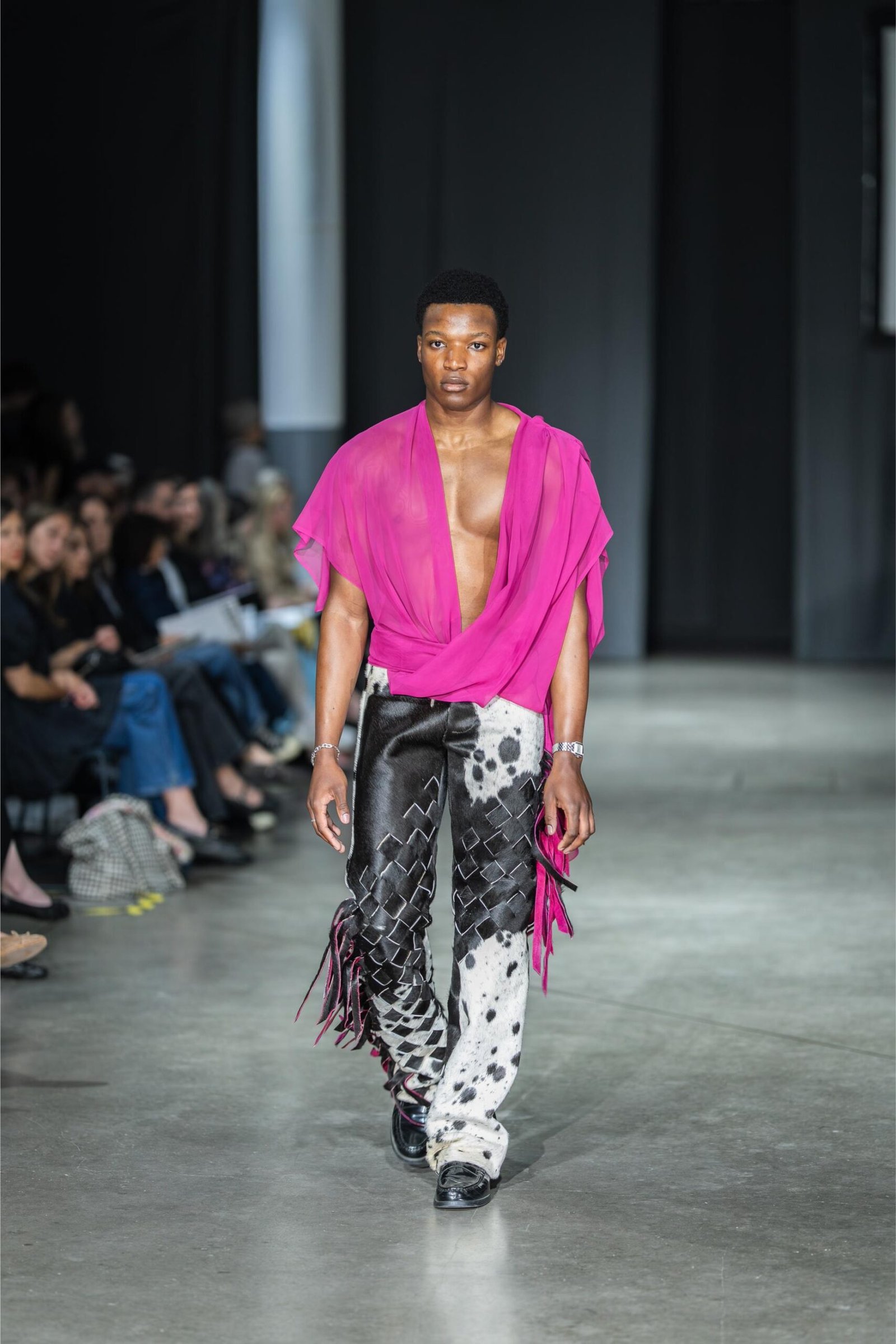
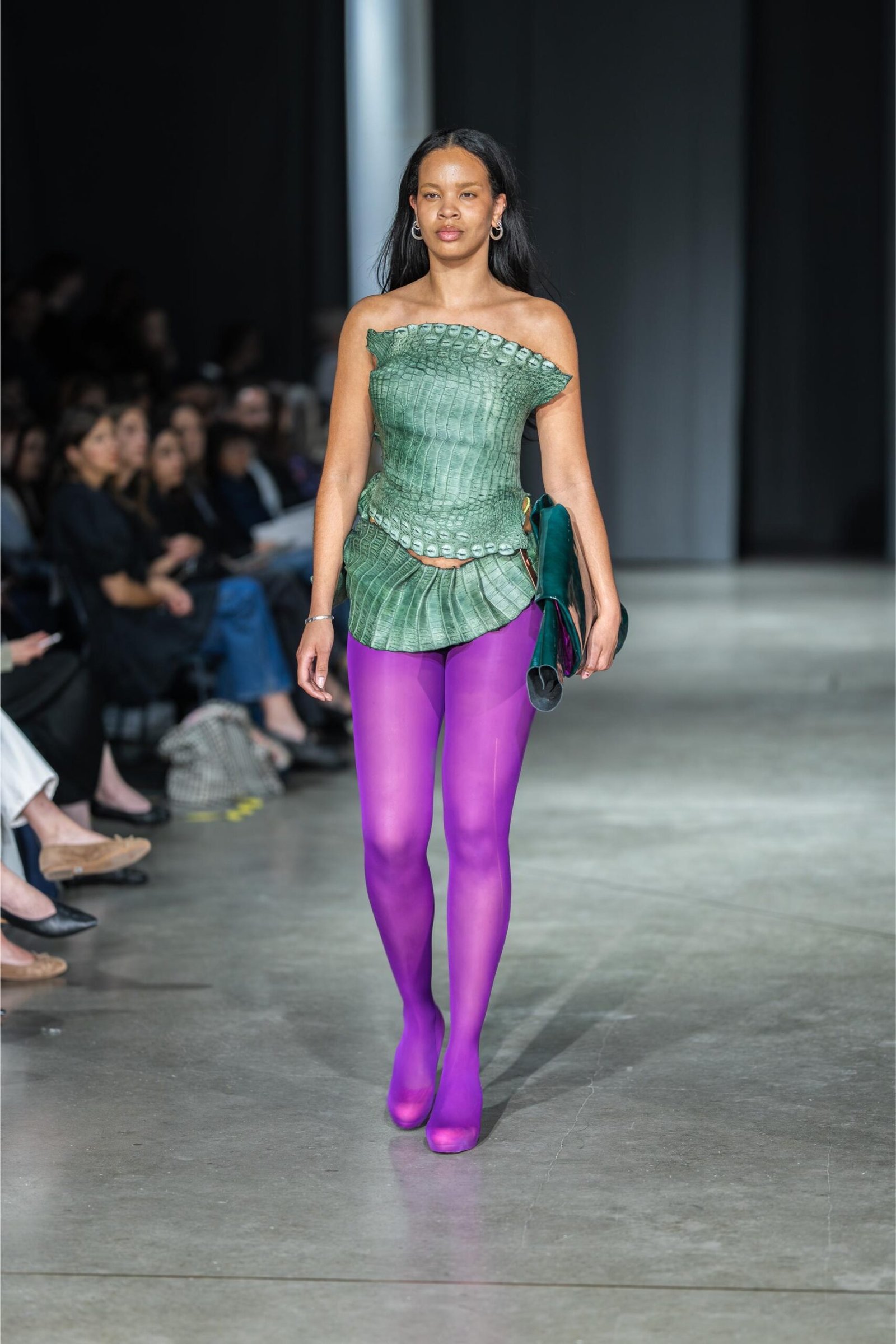
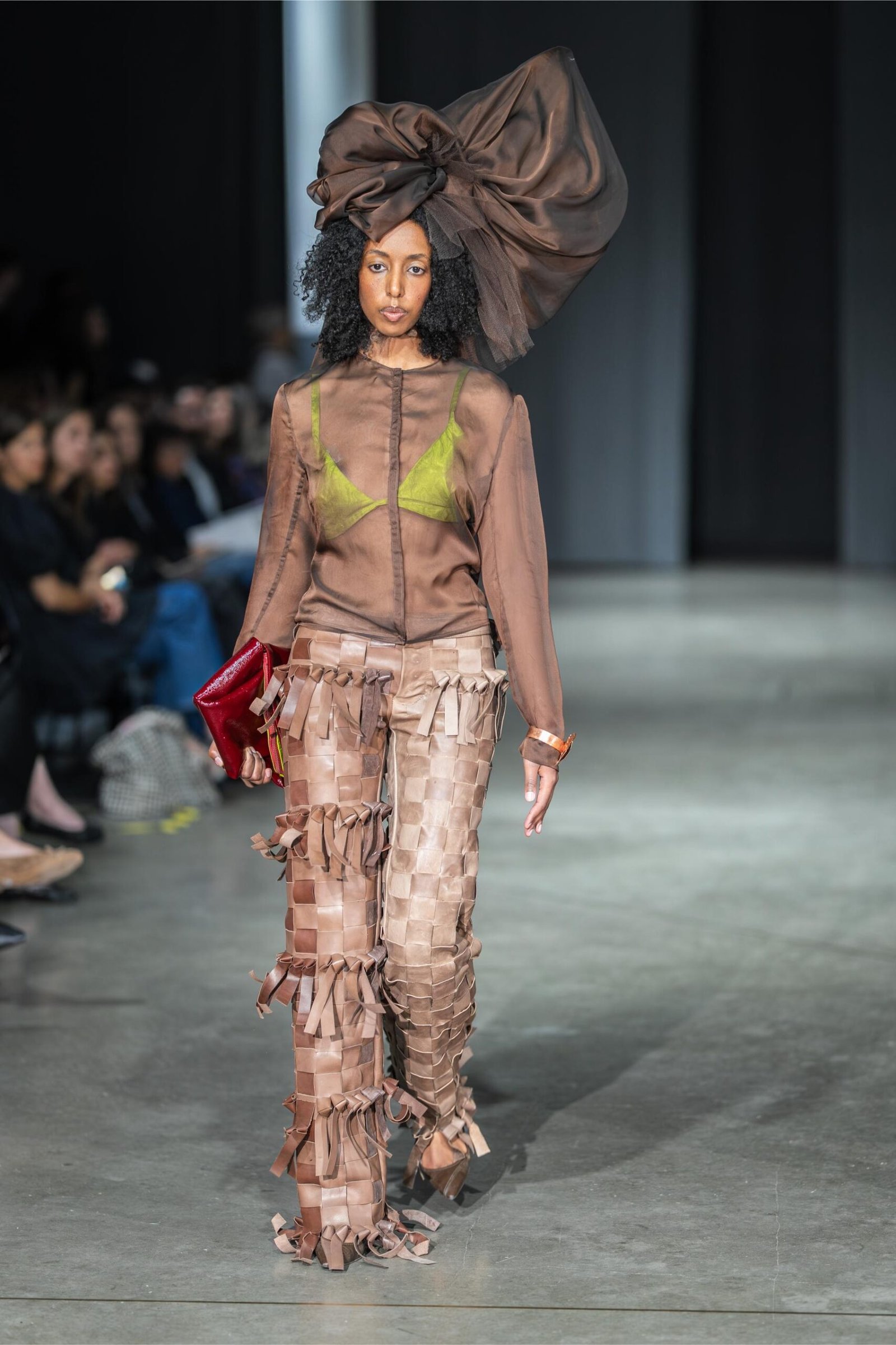
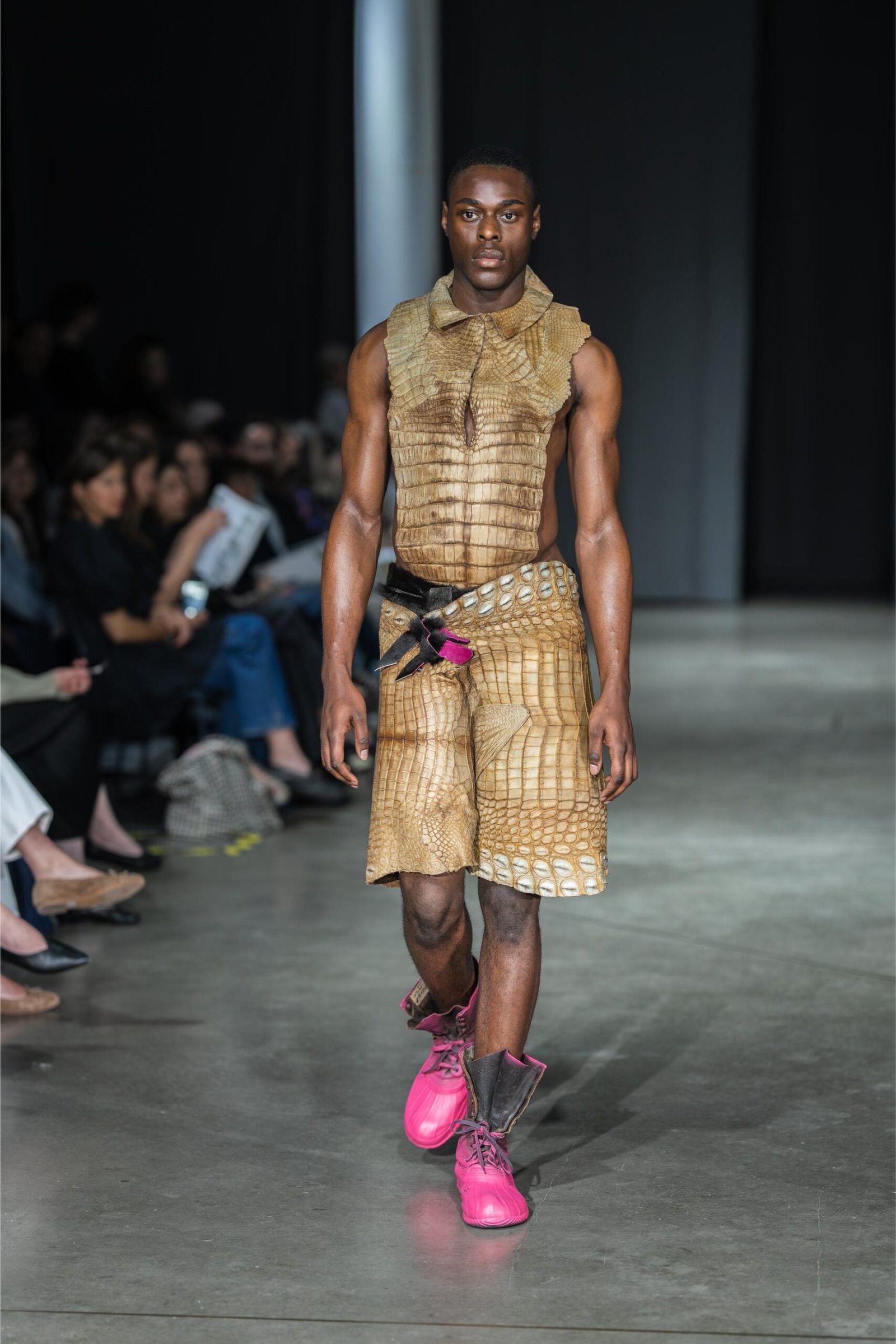
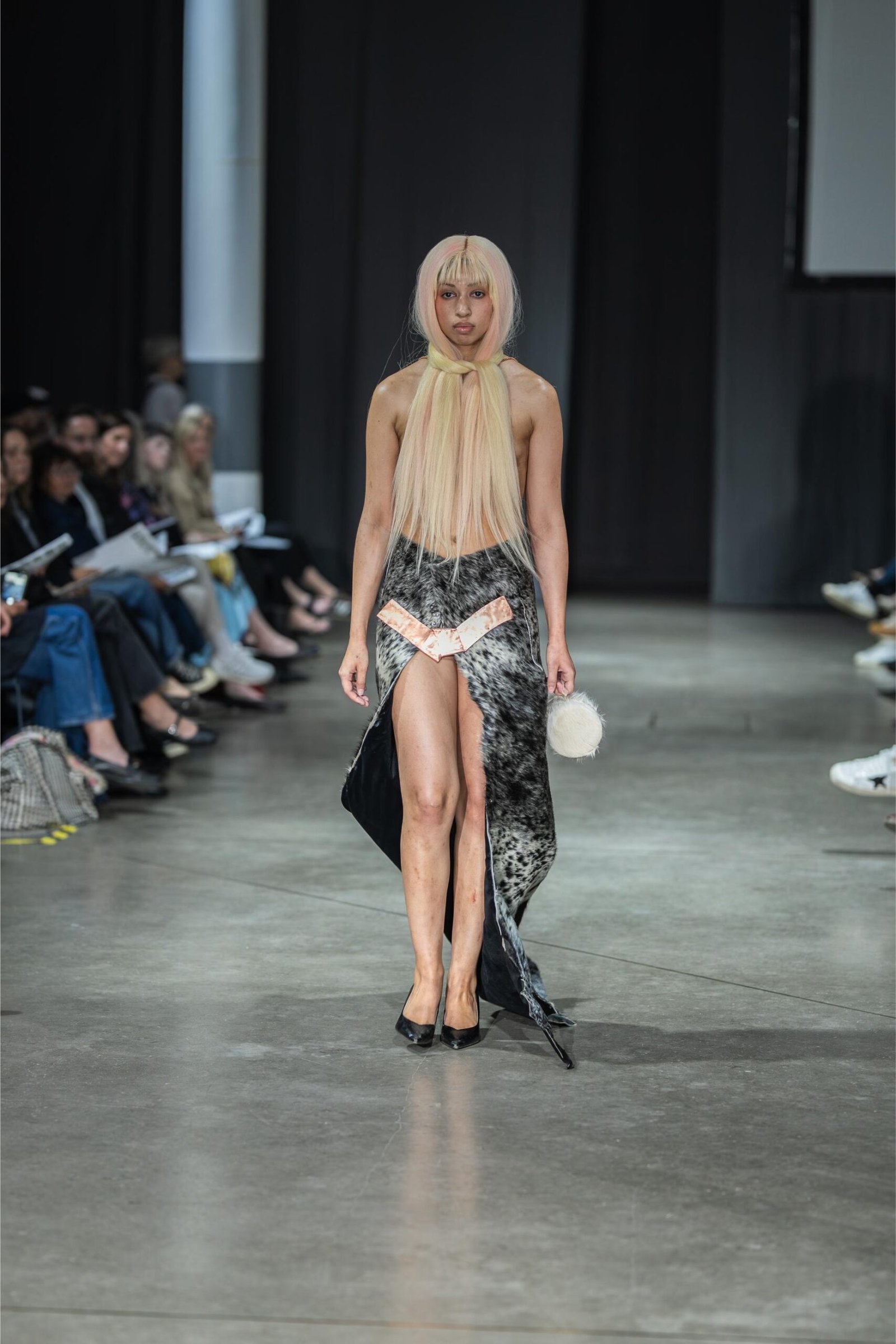
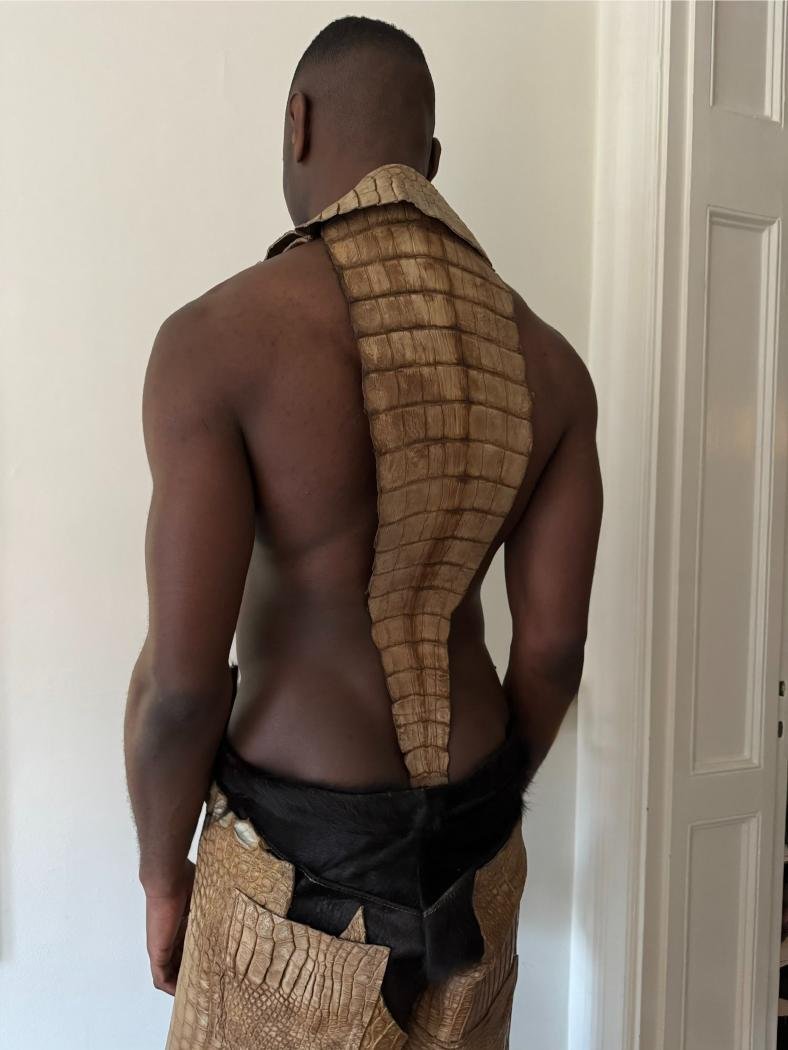
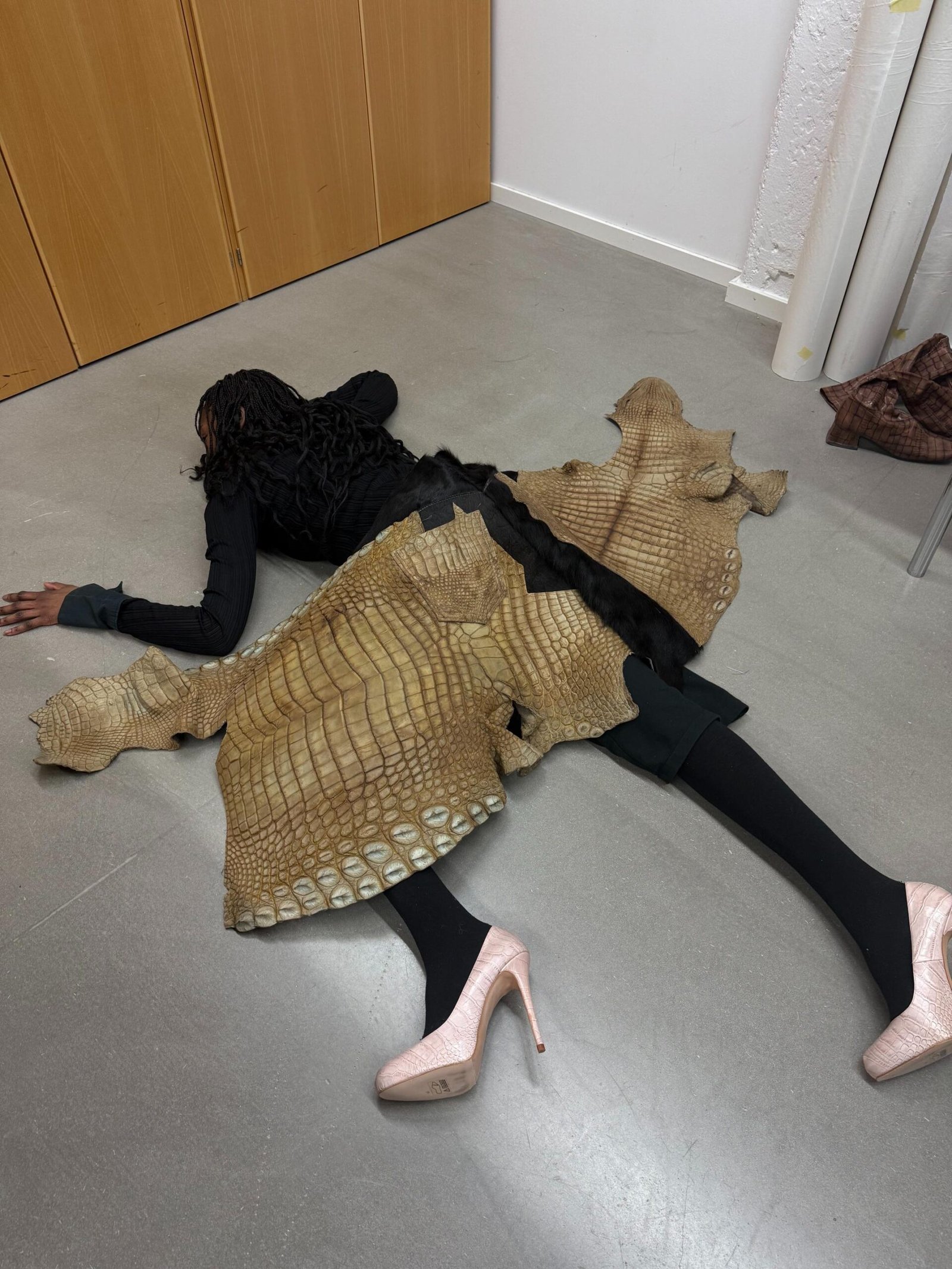
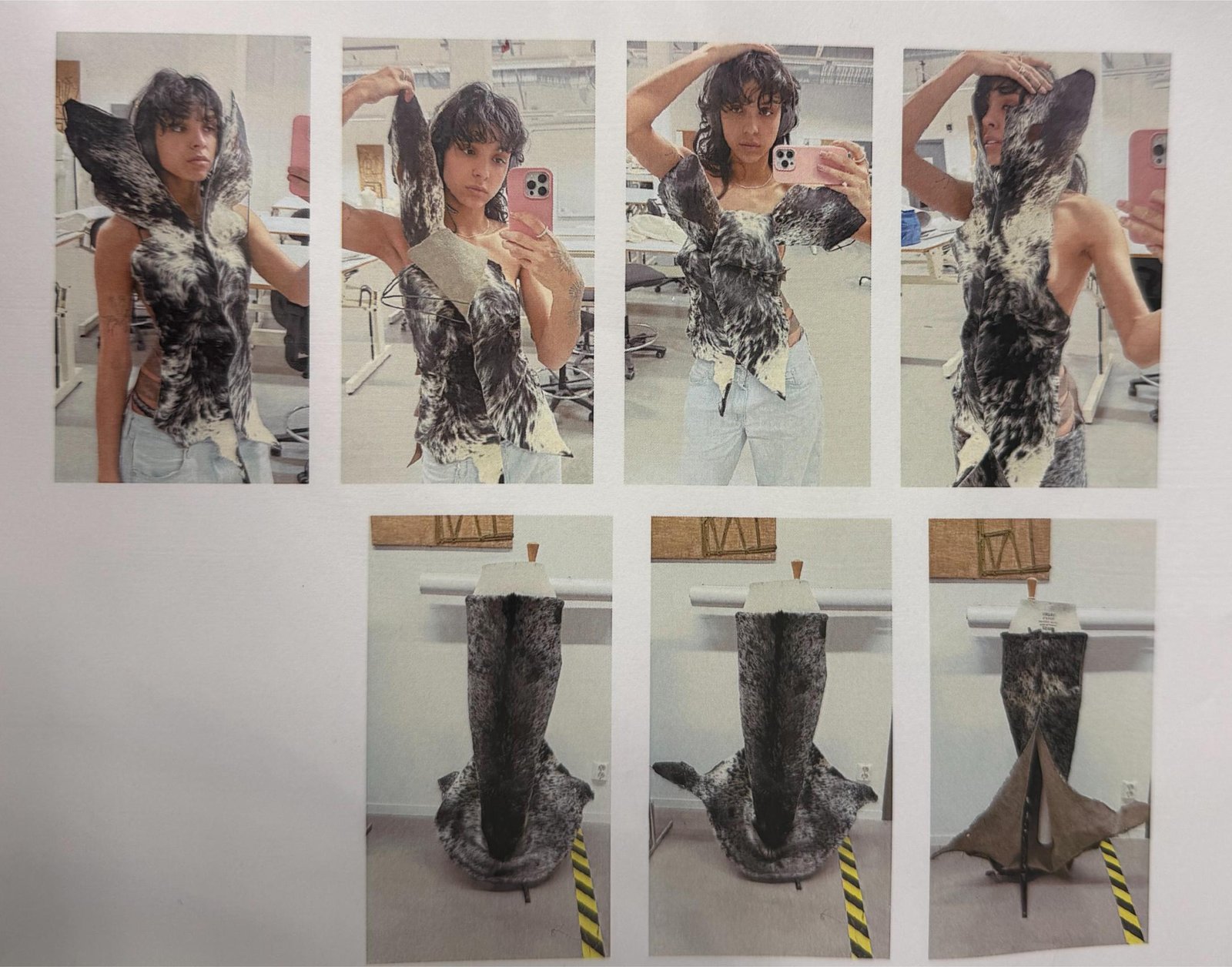
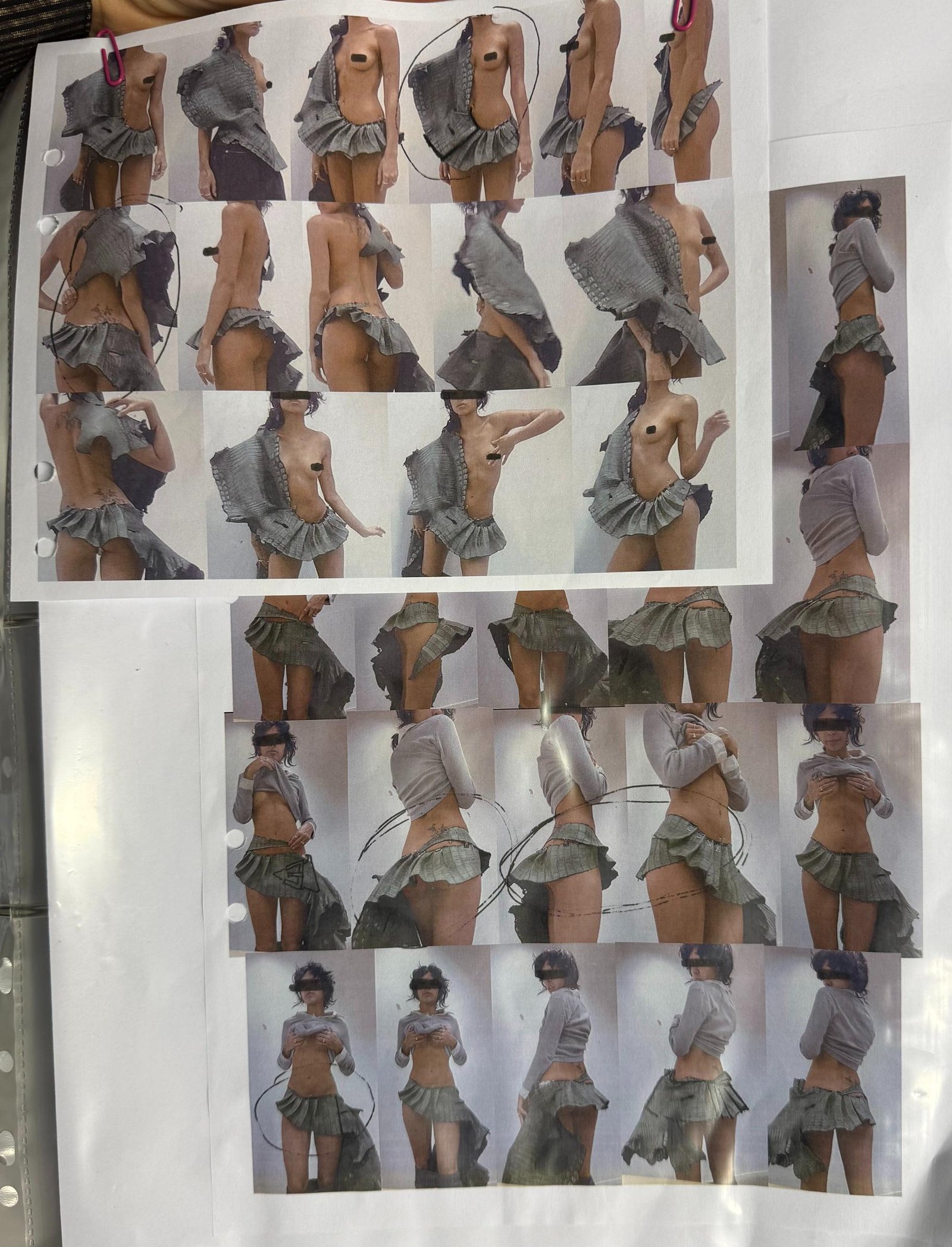
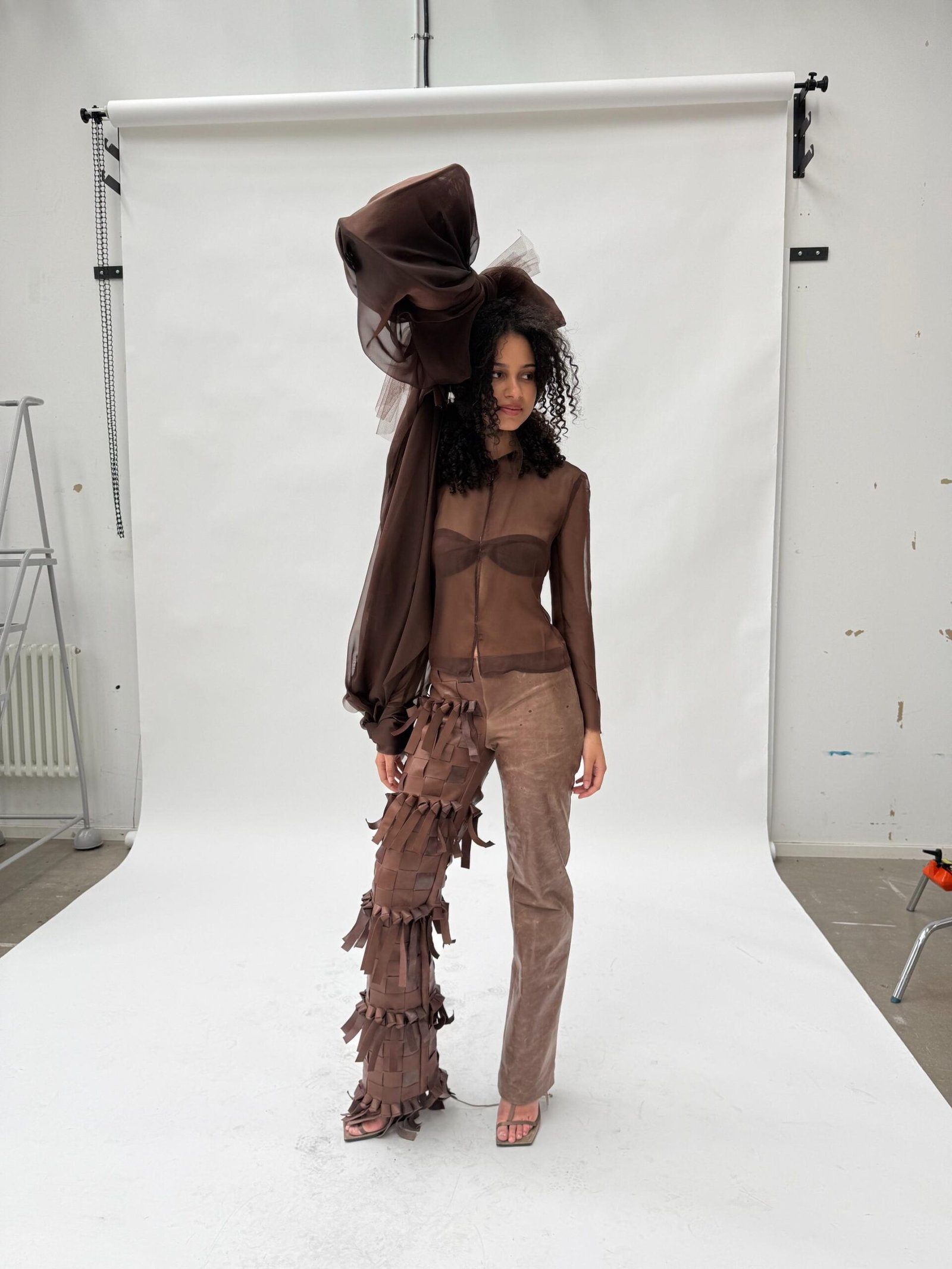
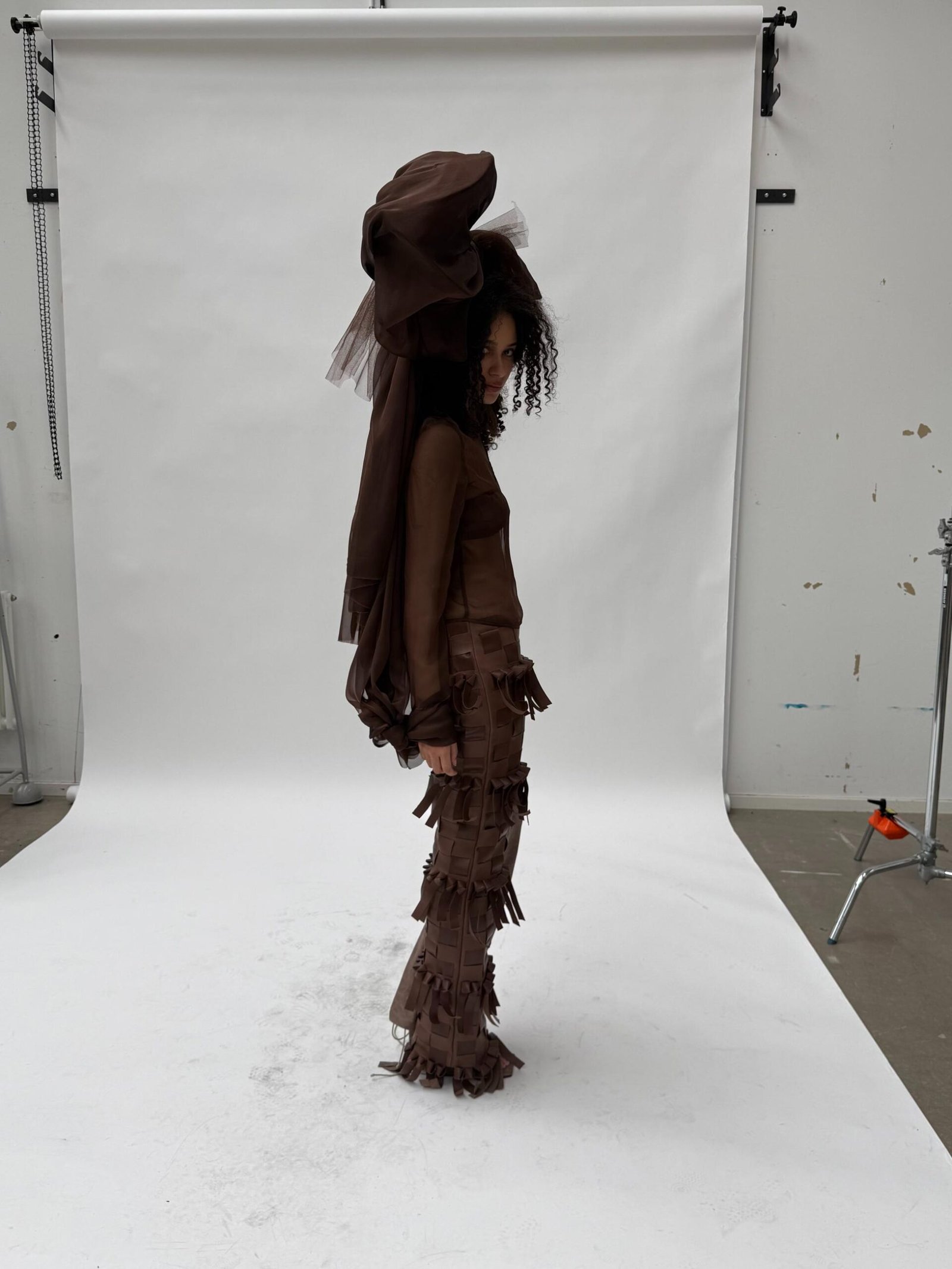
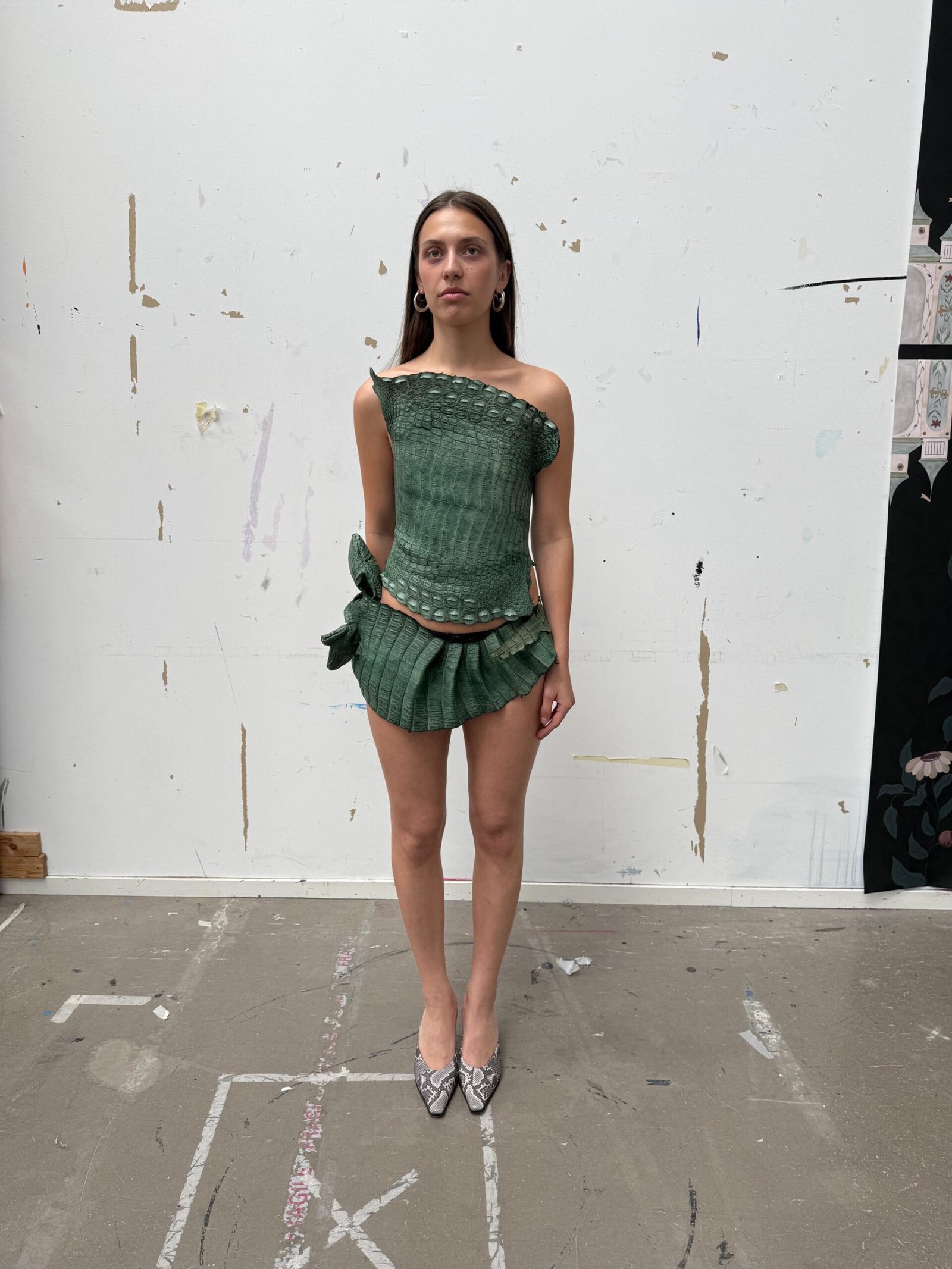
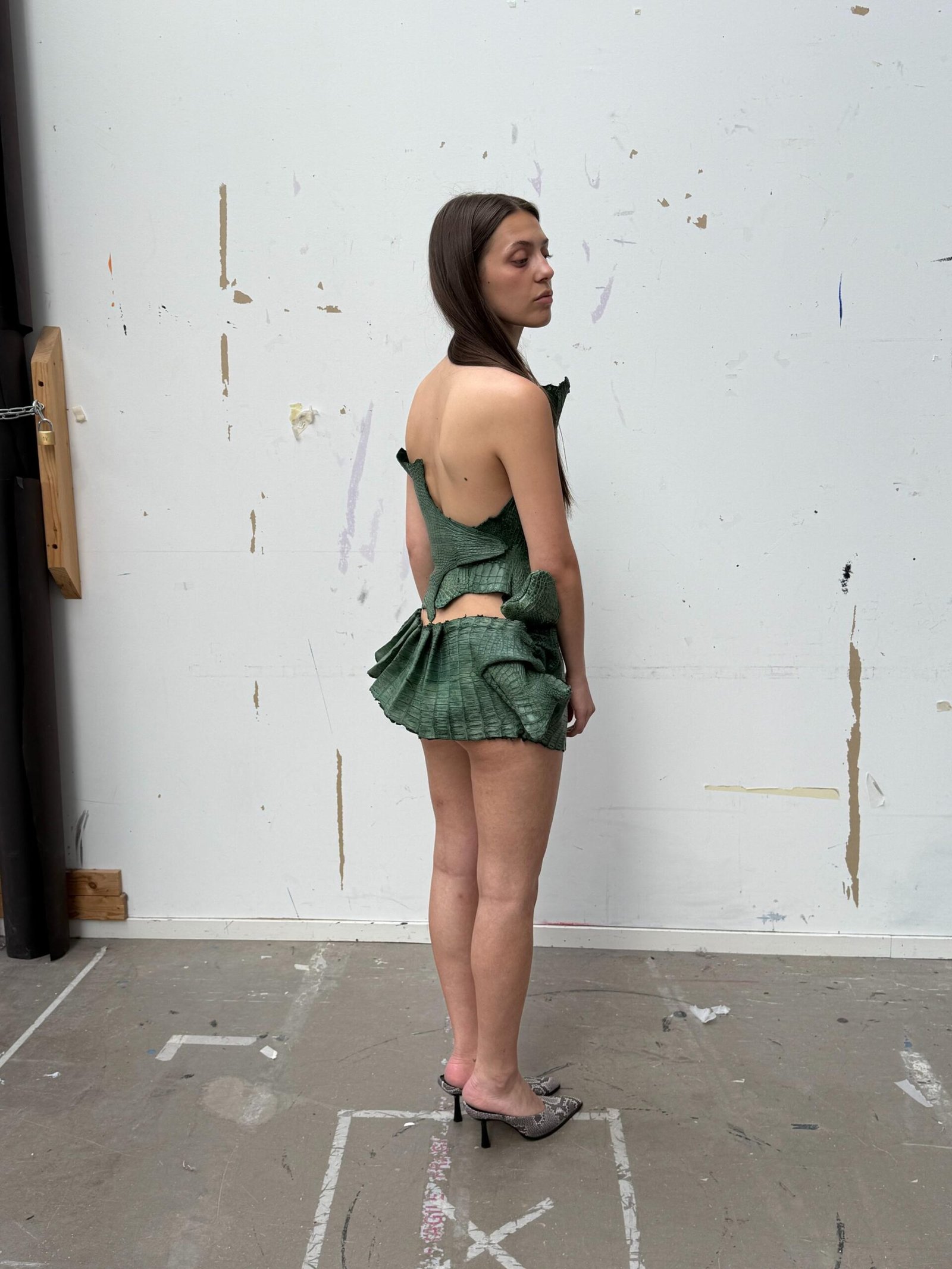
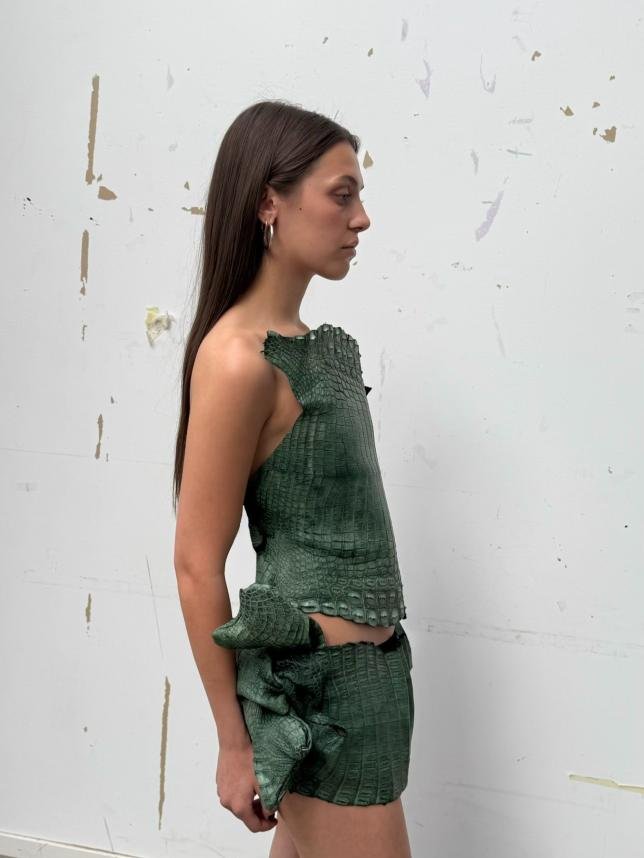
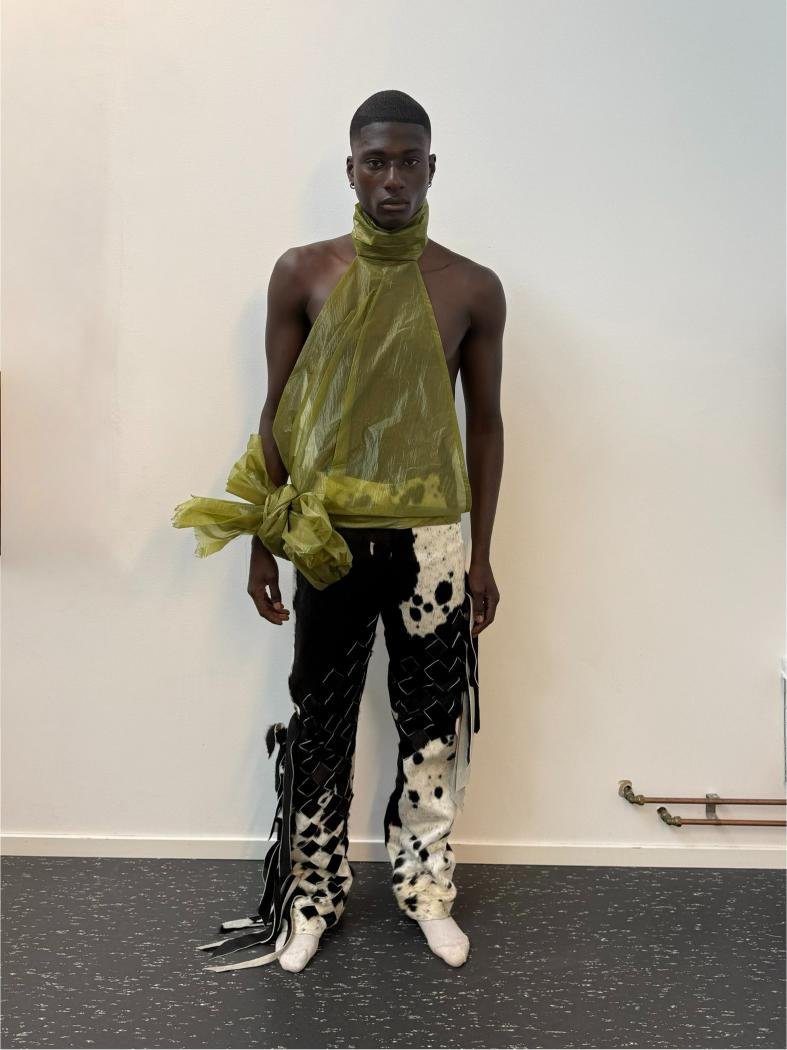
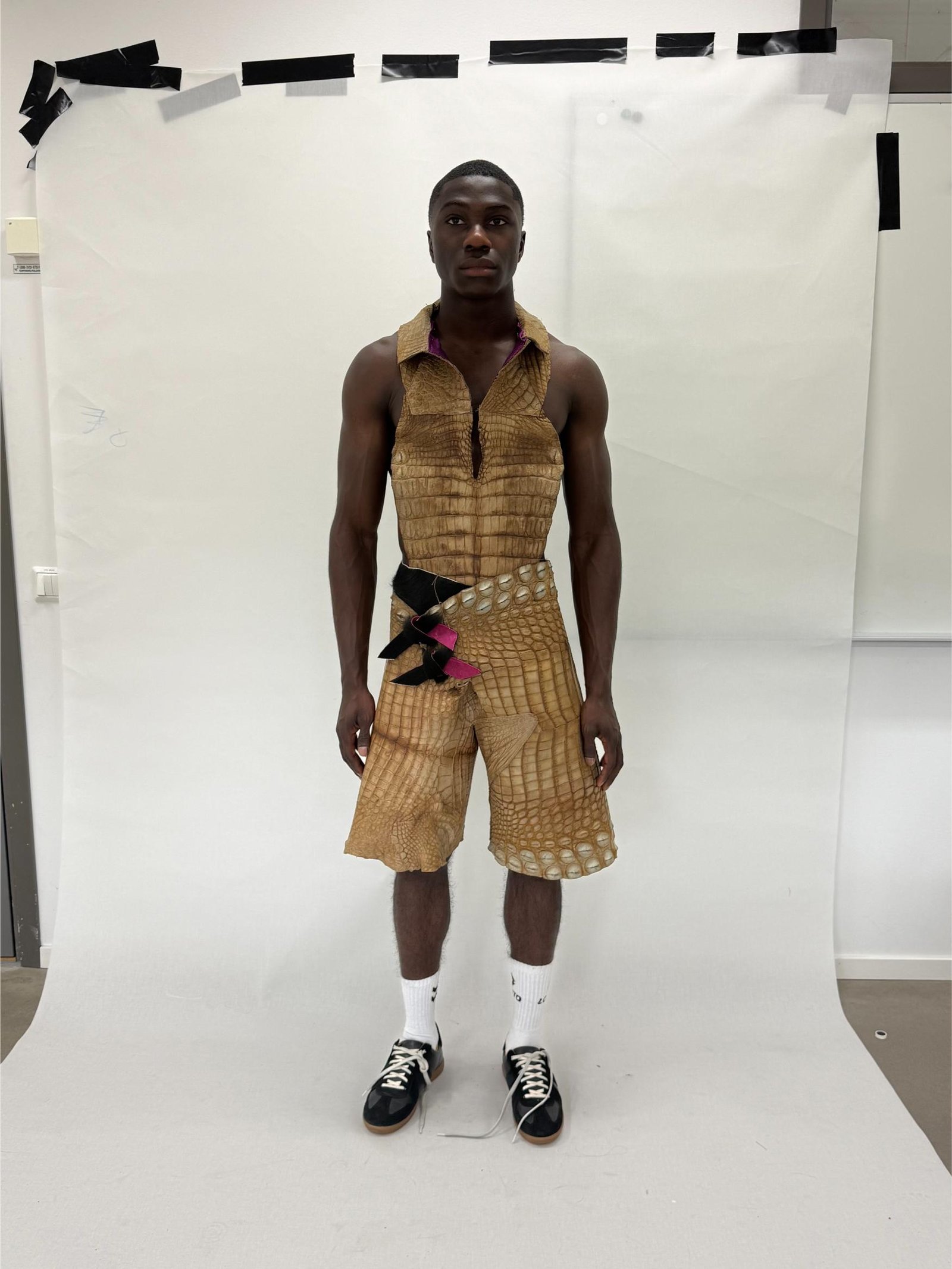
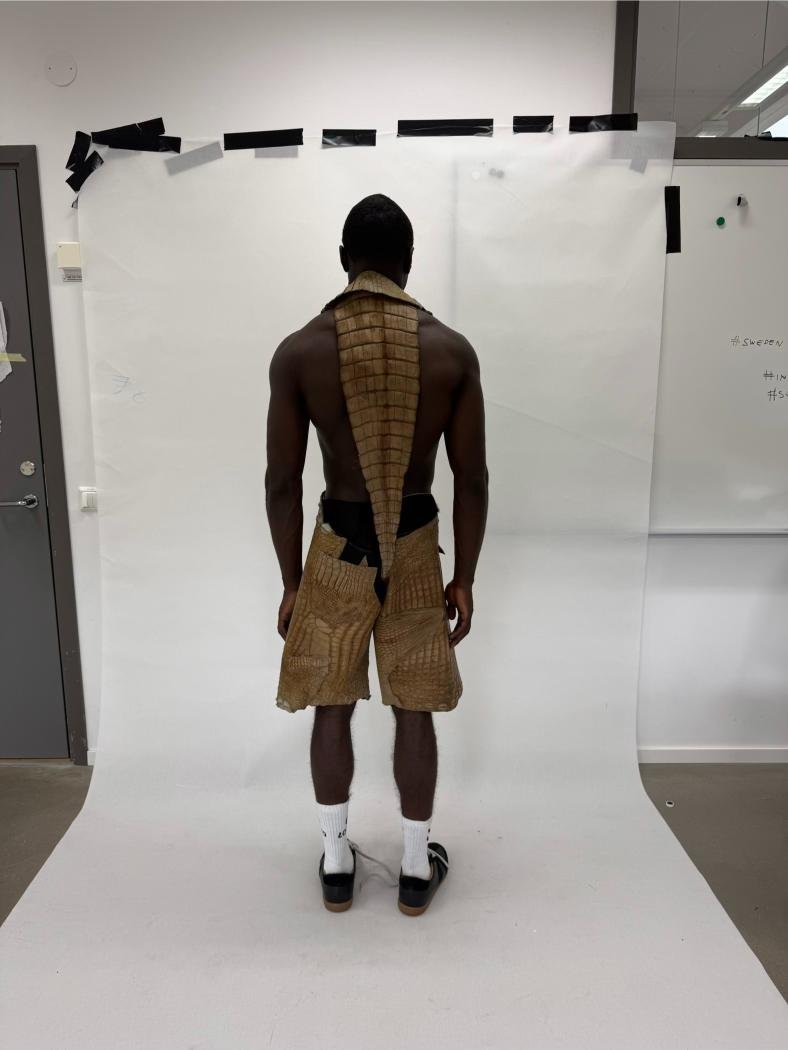
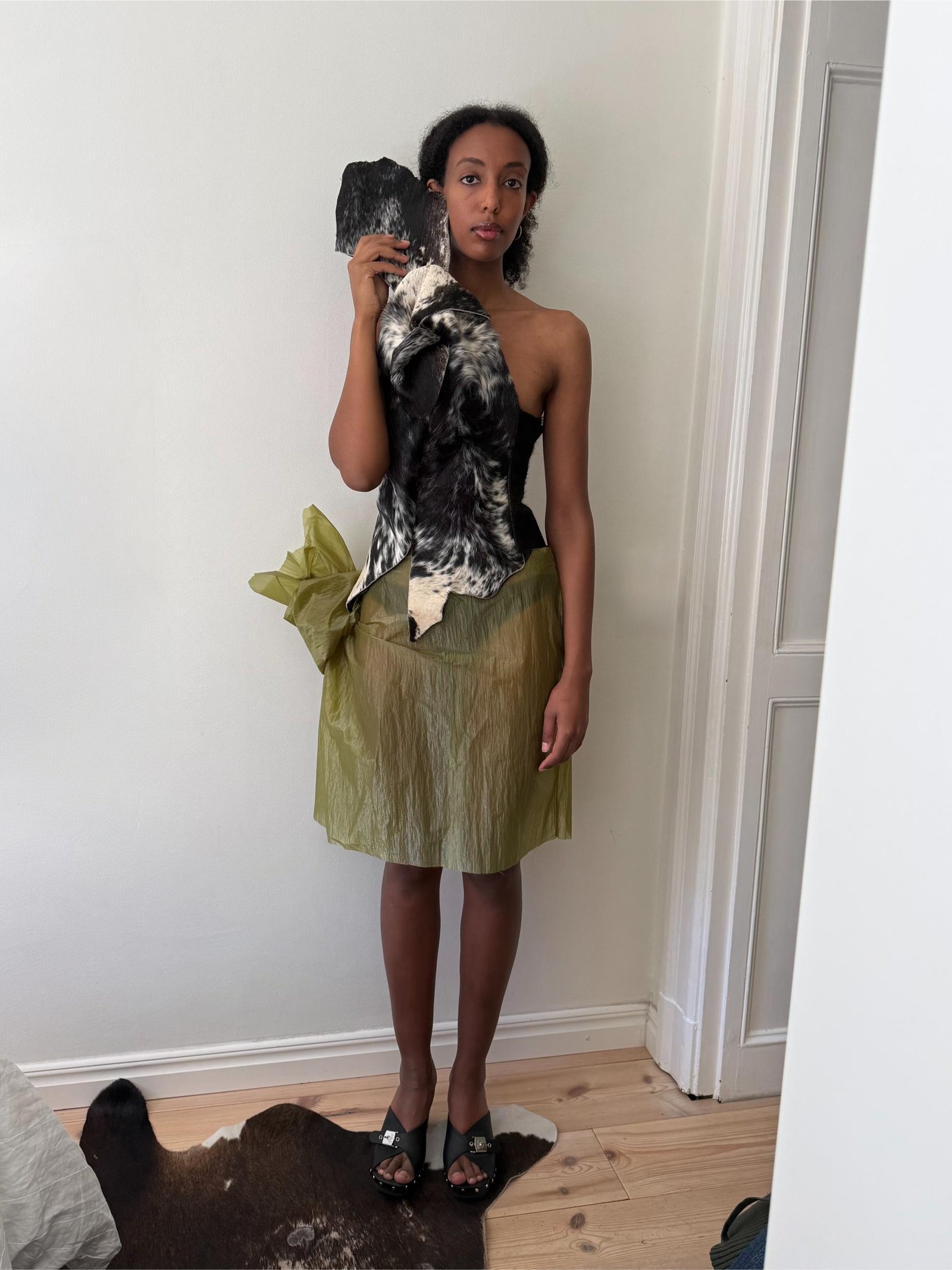
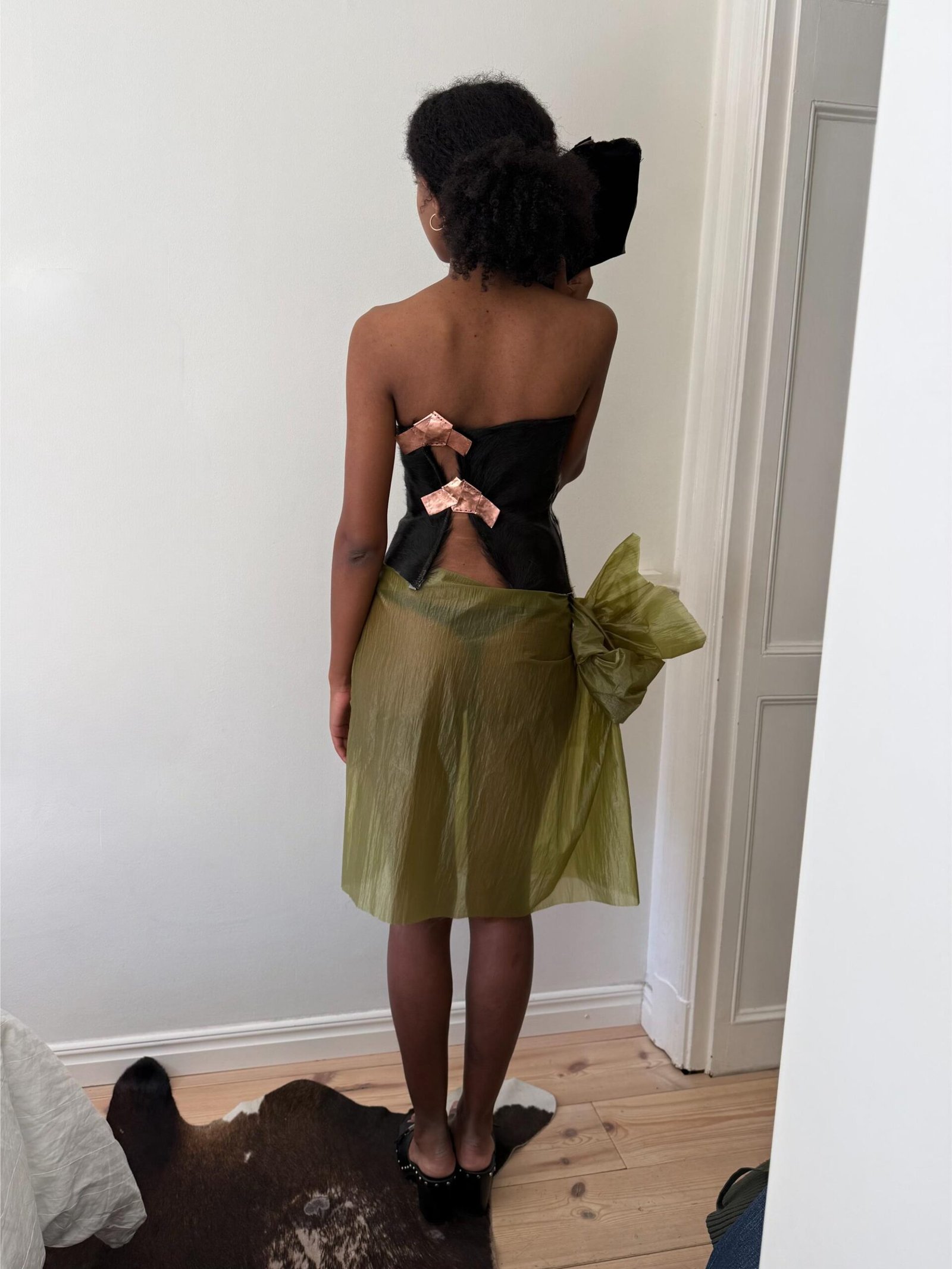
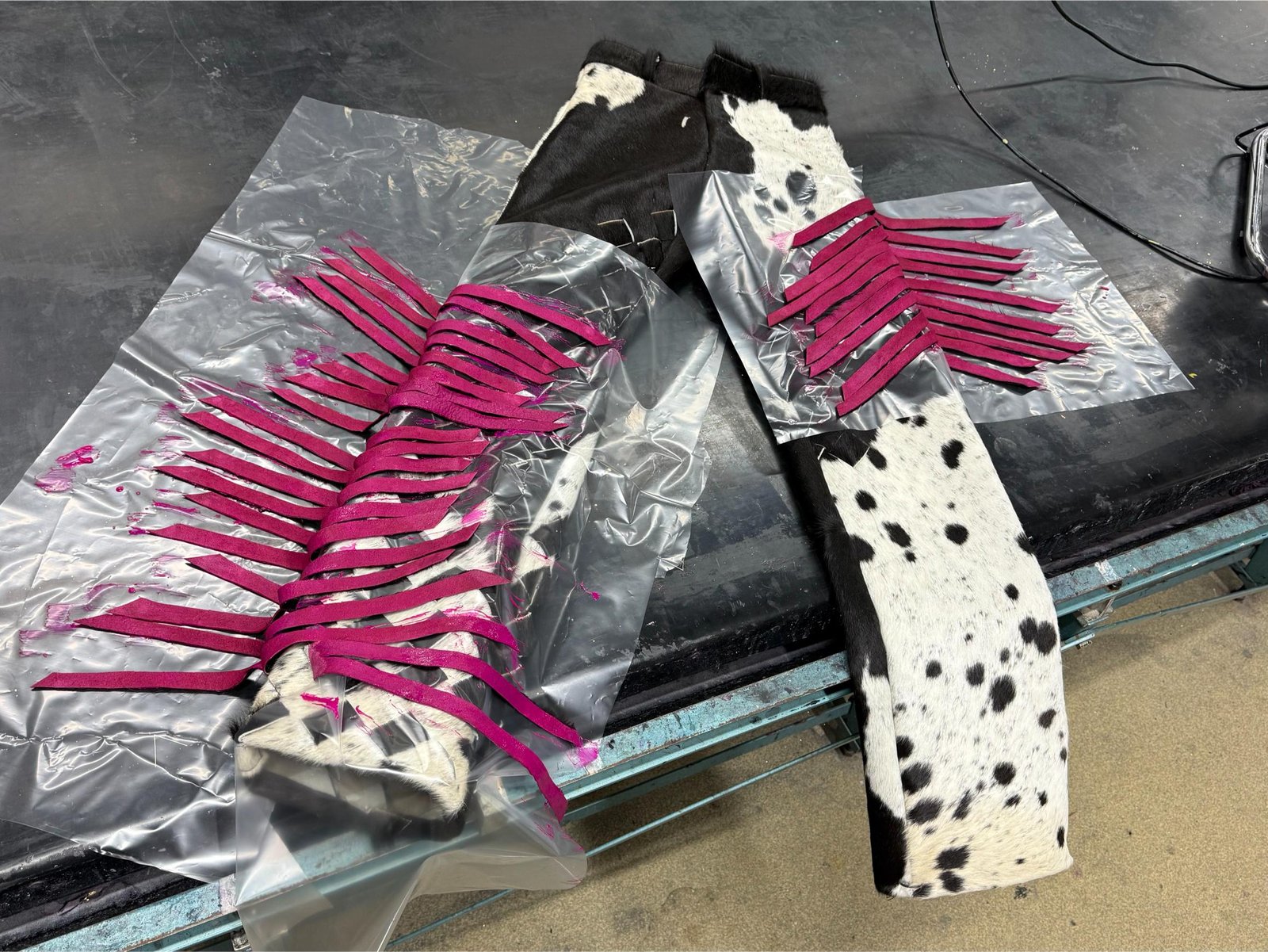
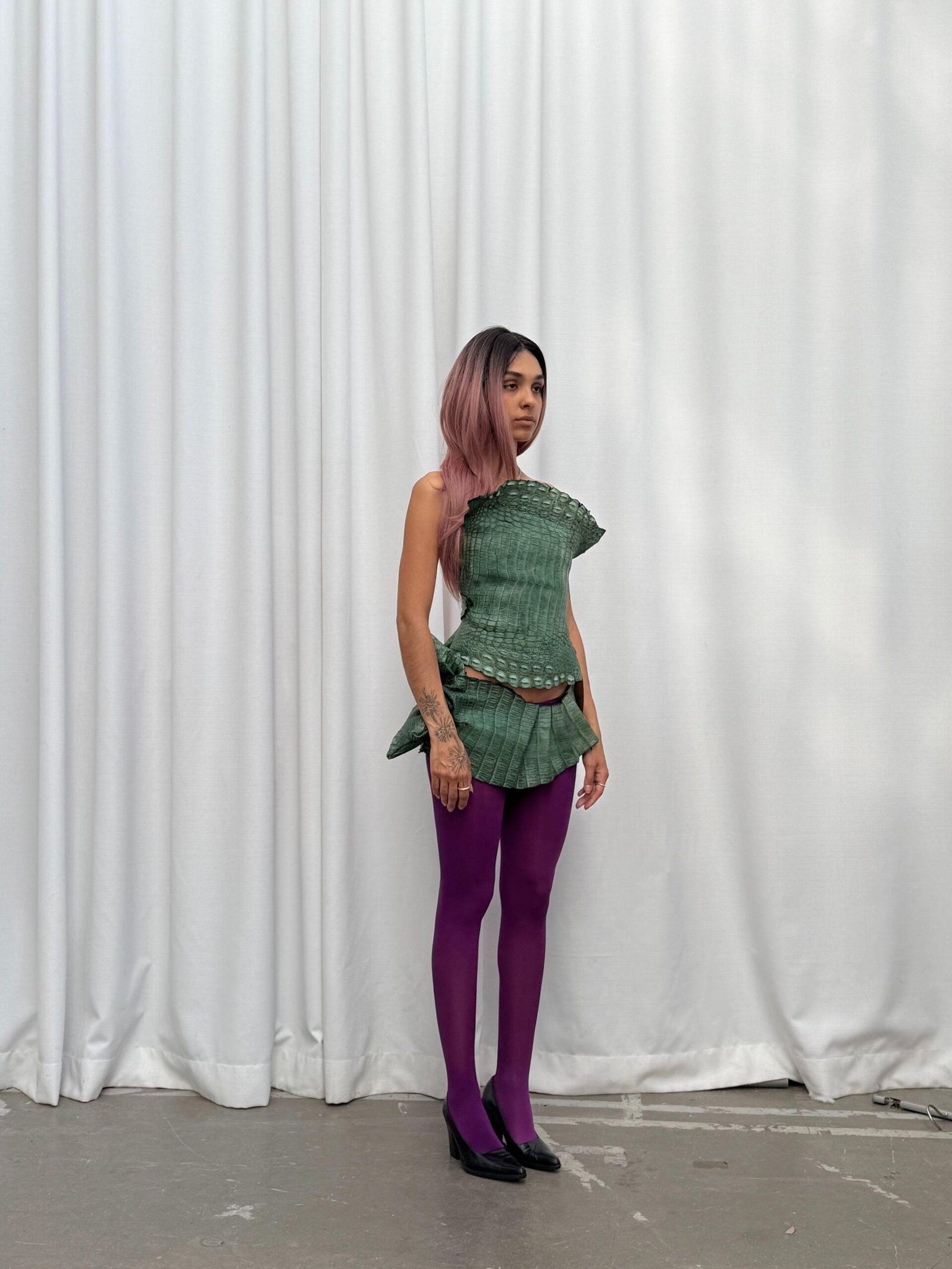
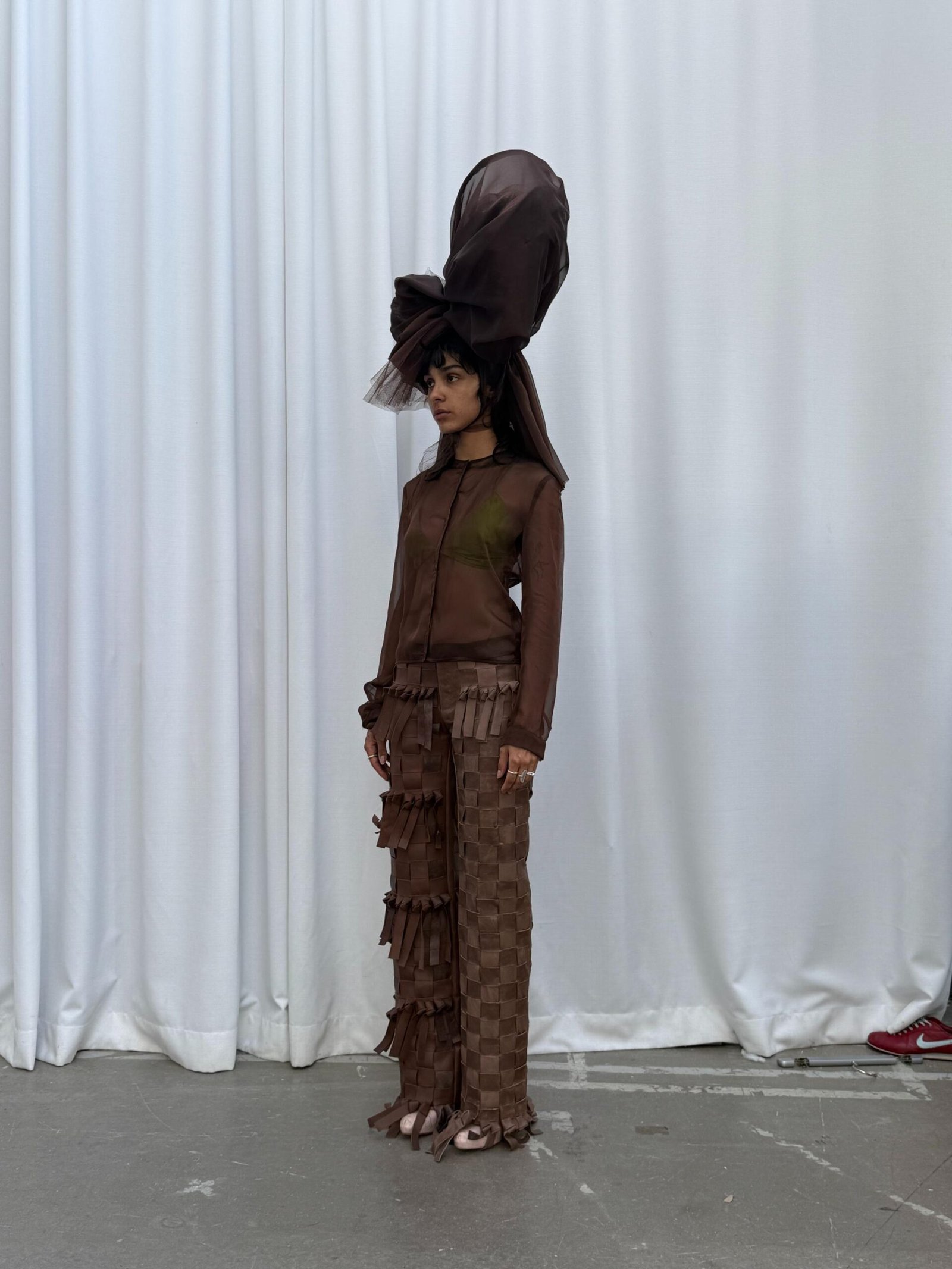
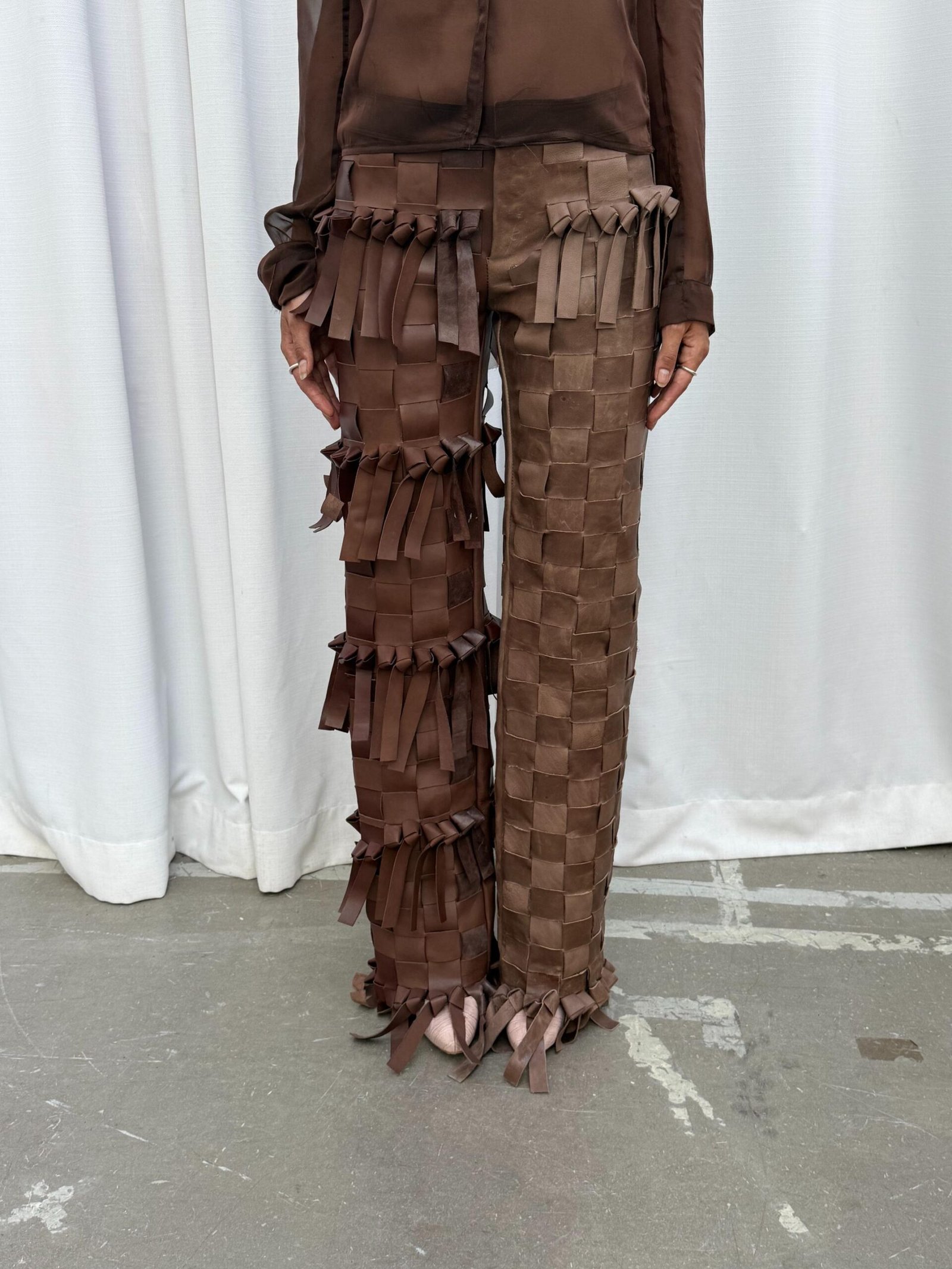
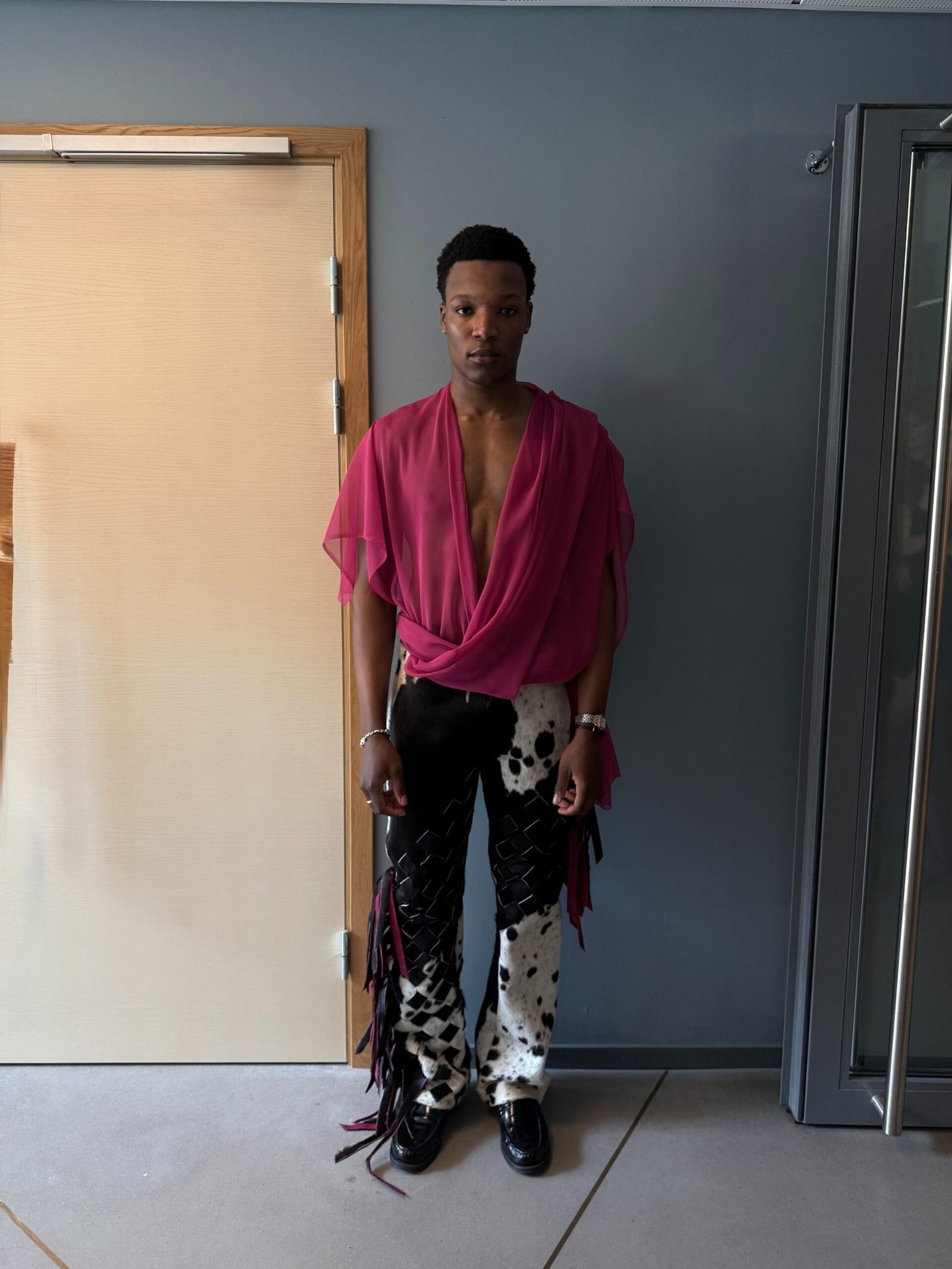
Maya Naomi’s collection navigates how to express belonging while still differentiating oneself, mediating between cultural and personal identity. Drawing on her relationship to Zambia and the complexity of her mixed background, the work occupies the space where diasporic communities exist between cultures rather than choosing one. Zambian heritage is translated into a contemporary fashion vocabulary through local materials — hides and leather — and a reinterpretation of traditional fabric knotting, explored across scale, material, and colour as a modern take on one of Zambia’s oldest forms of adornment. Naomi is excited to discover the African community within the industry — the diasporic designers carving space for their cultures within a dominant Western fashion landscape — and sees real importance in that representation, showing the global space the relevance, influence, and elegance of niche aesthetics often overlooked. She wants to find her place within that space, and see how she can contribute to it.

Tuula Wallace

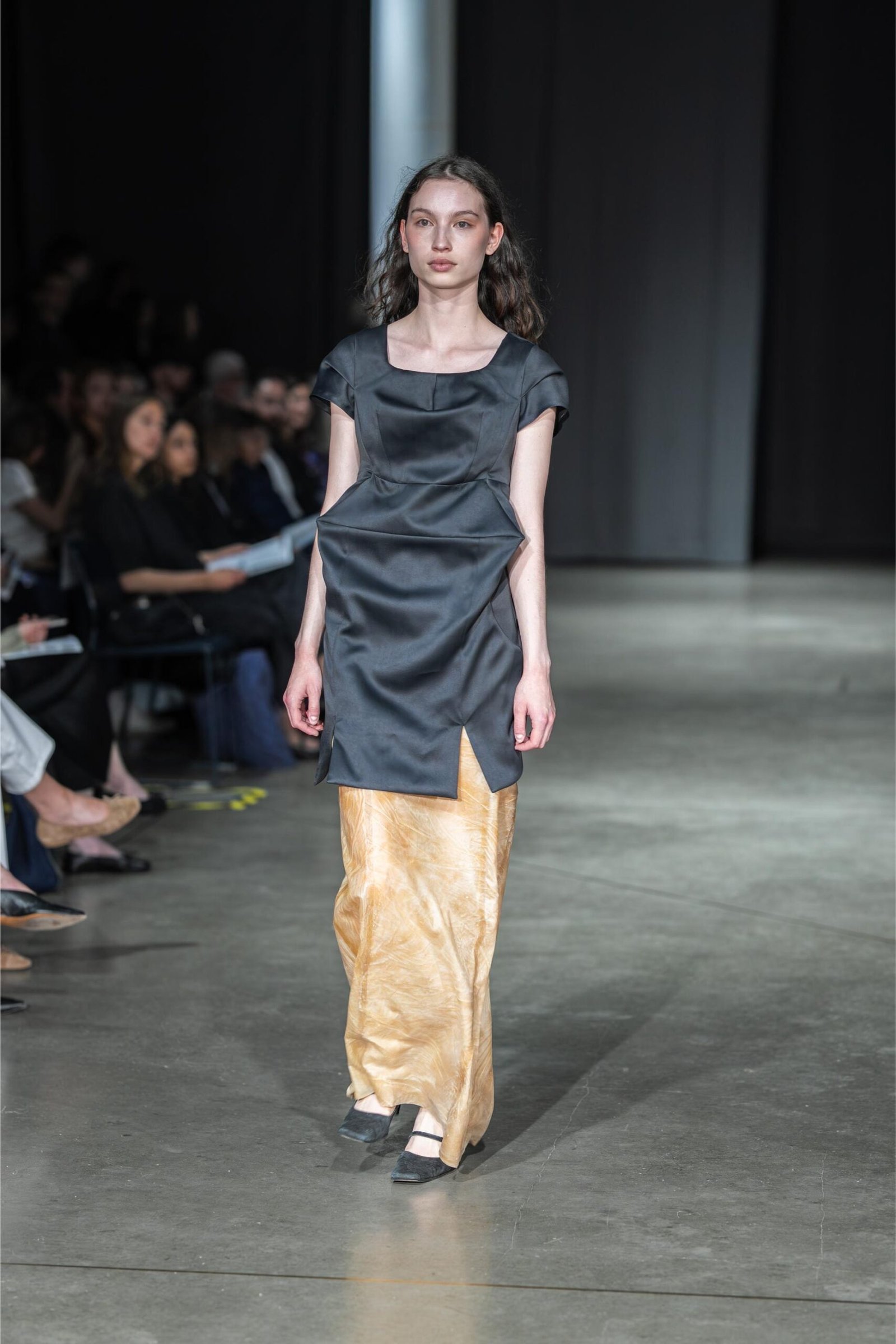
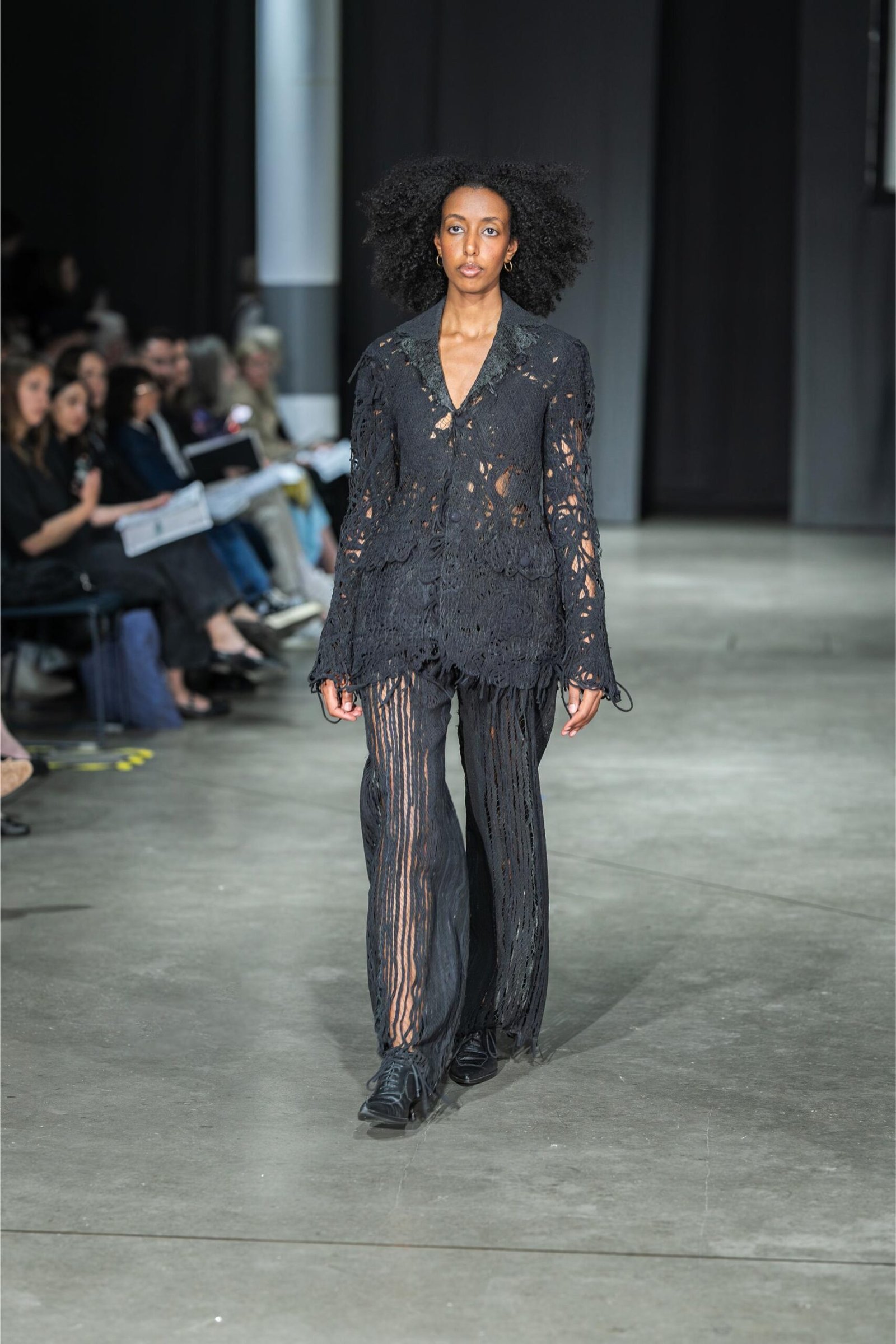
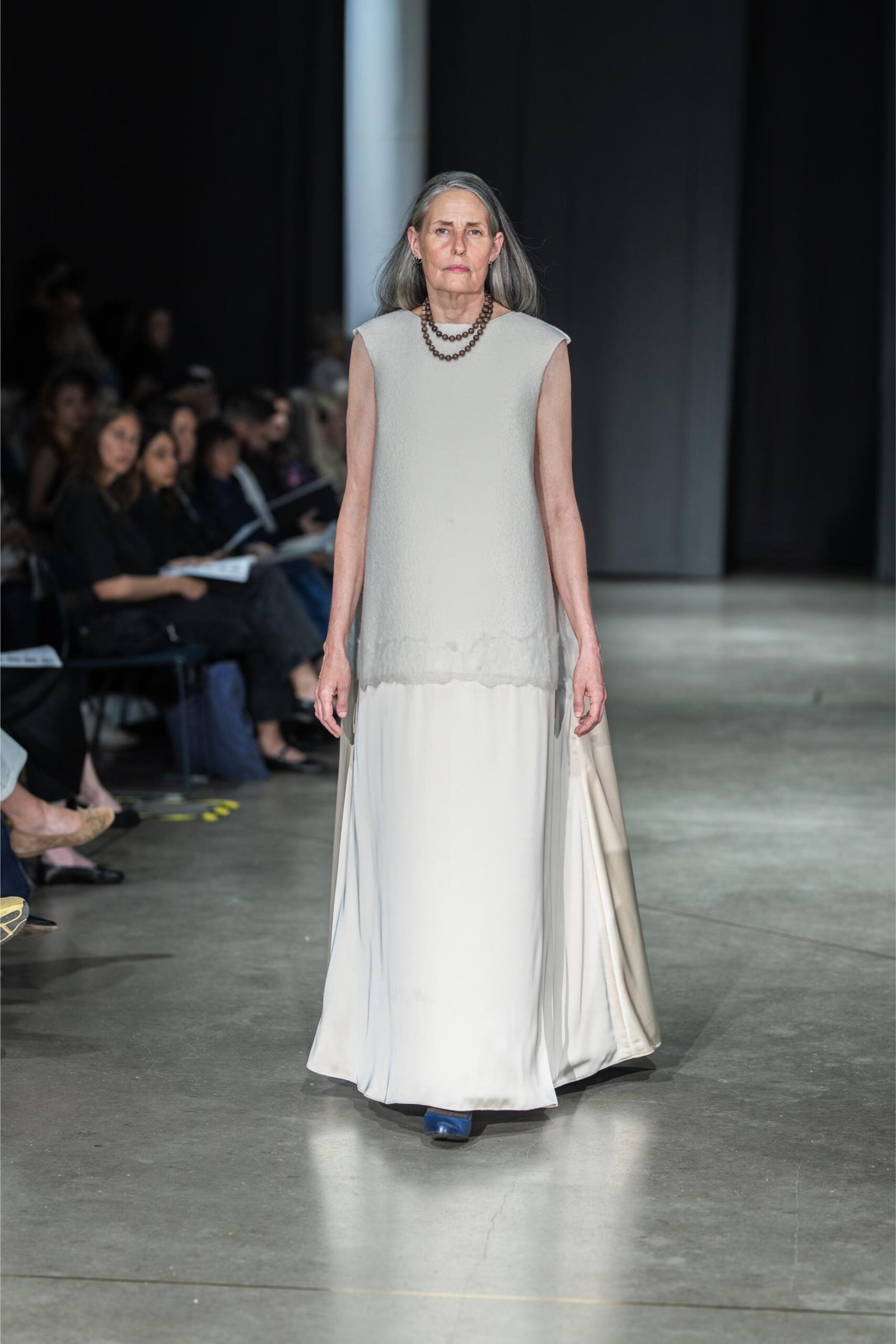
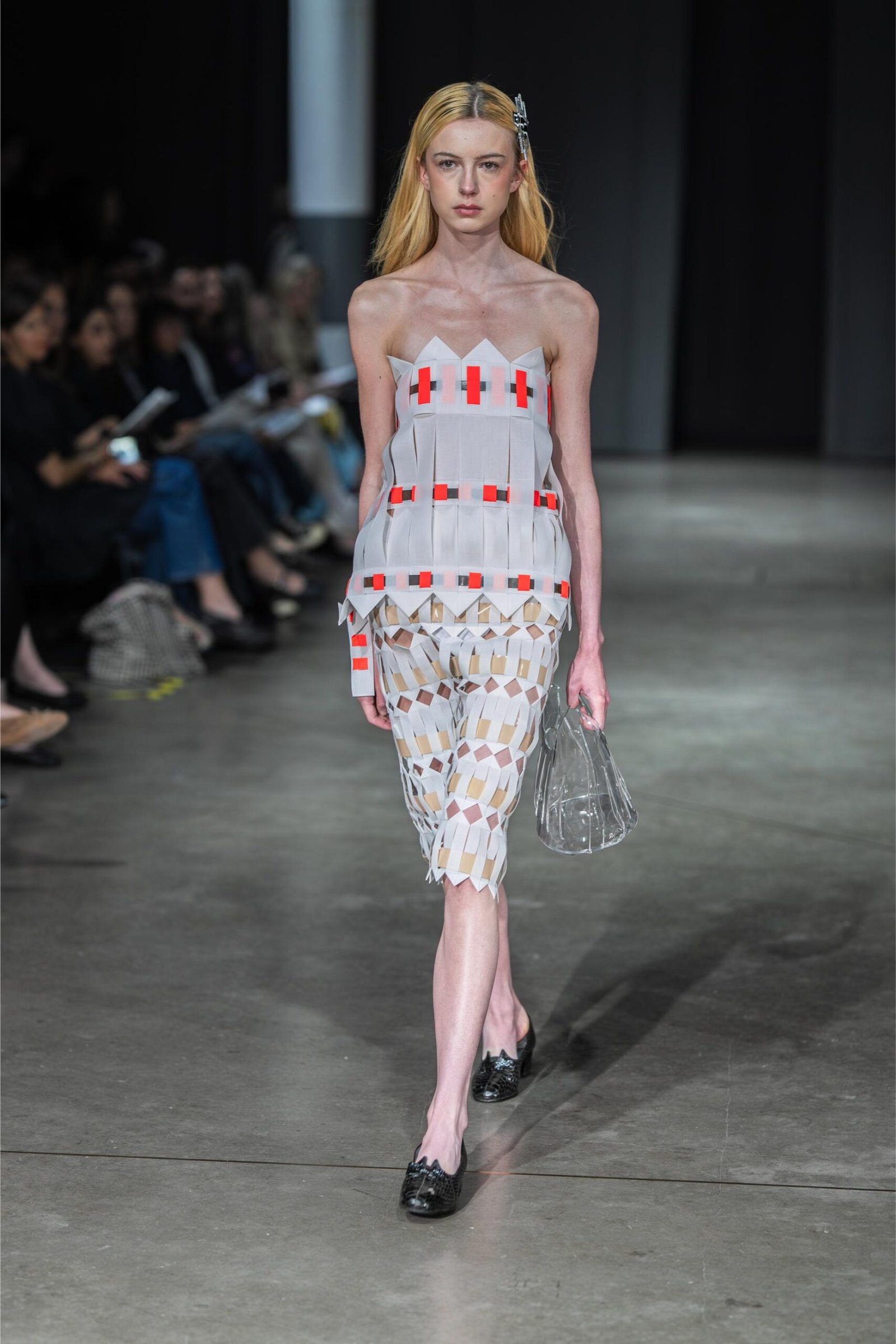
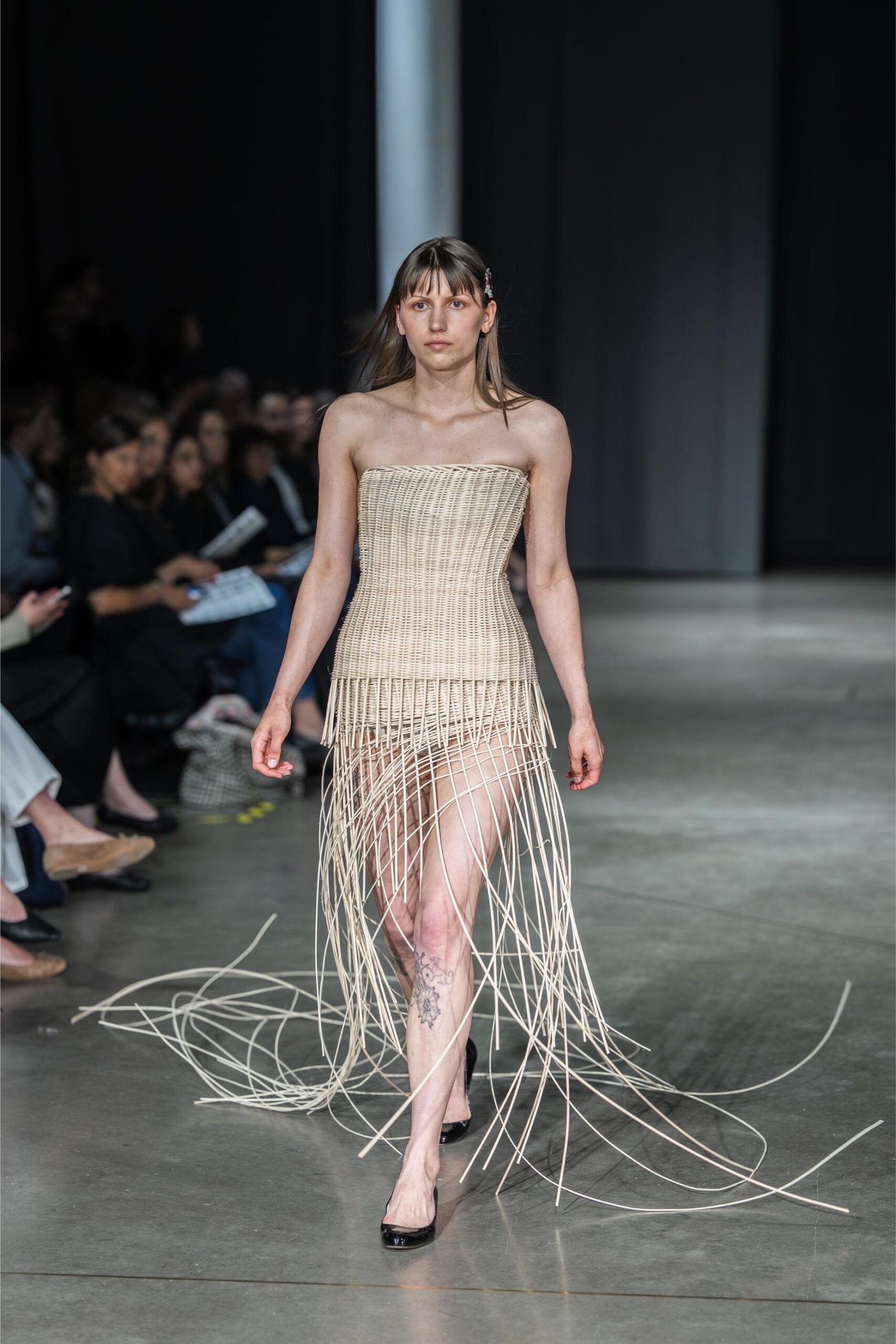
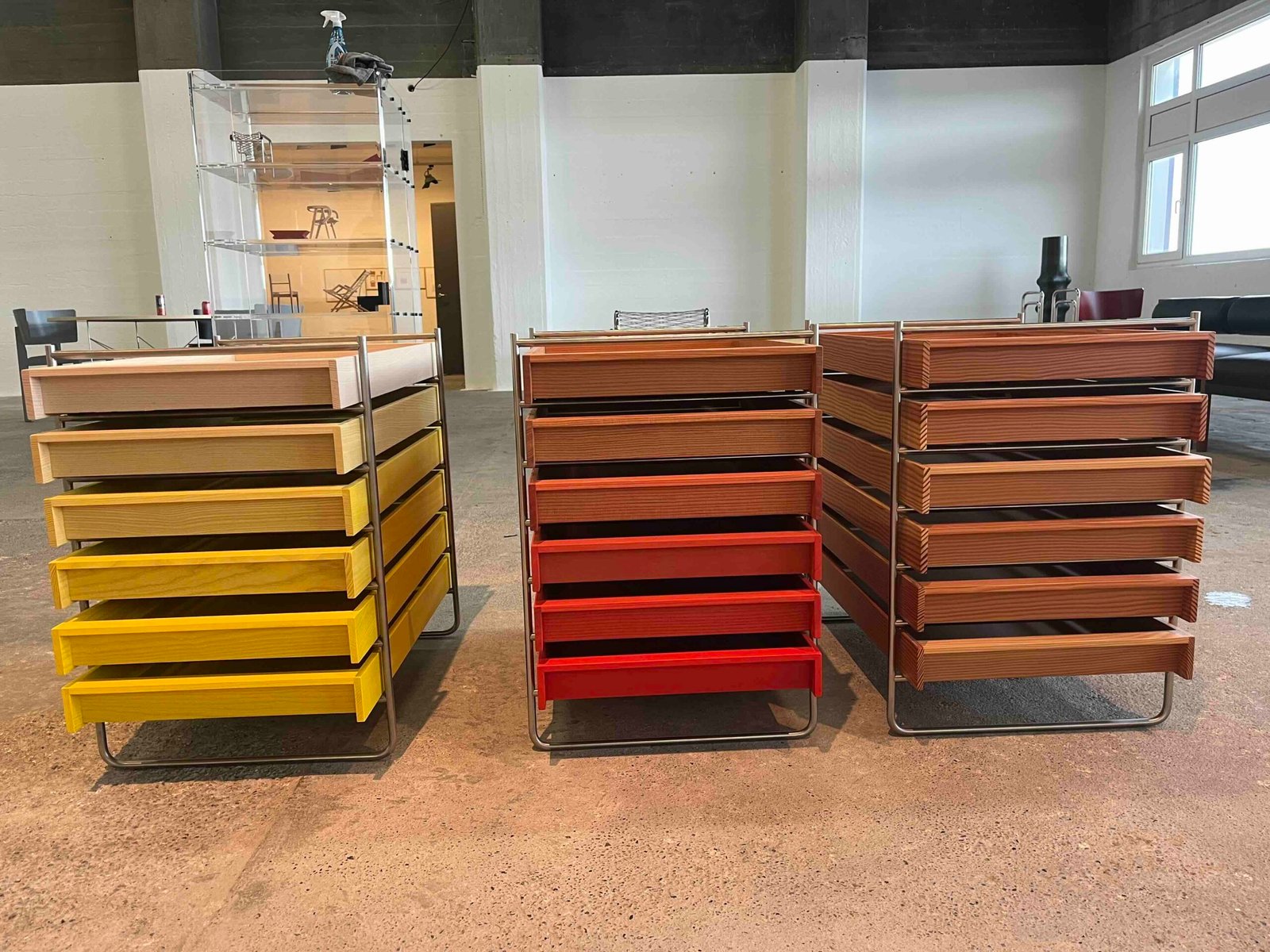
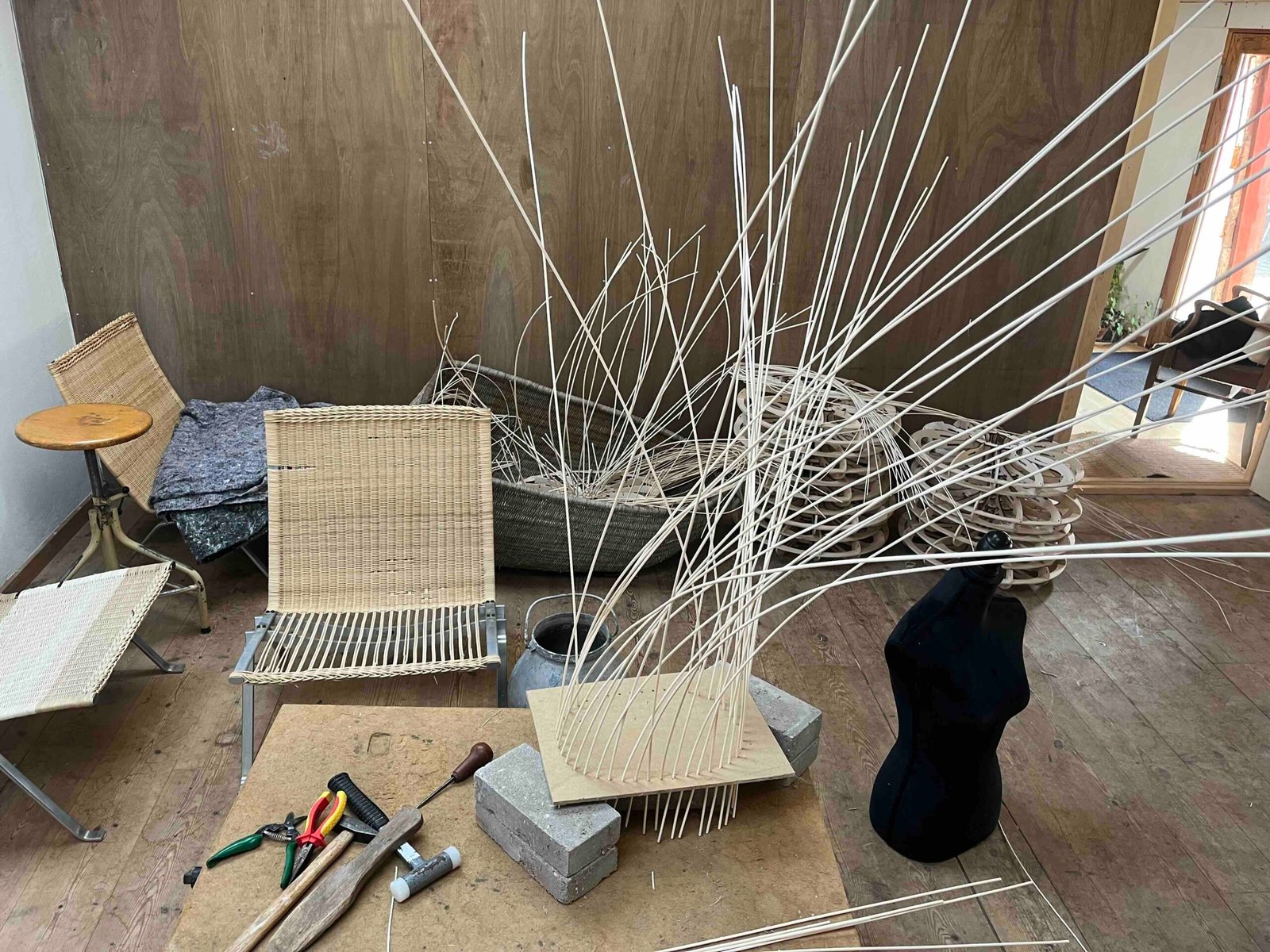
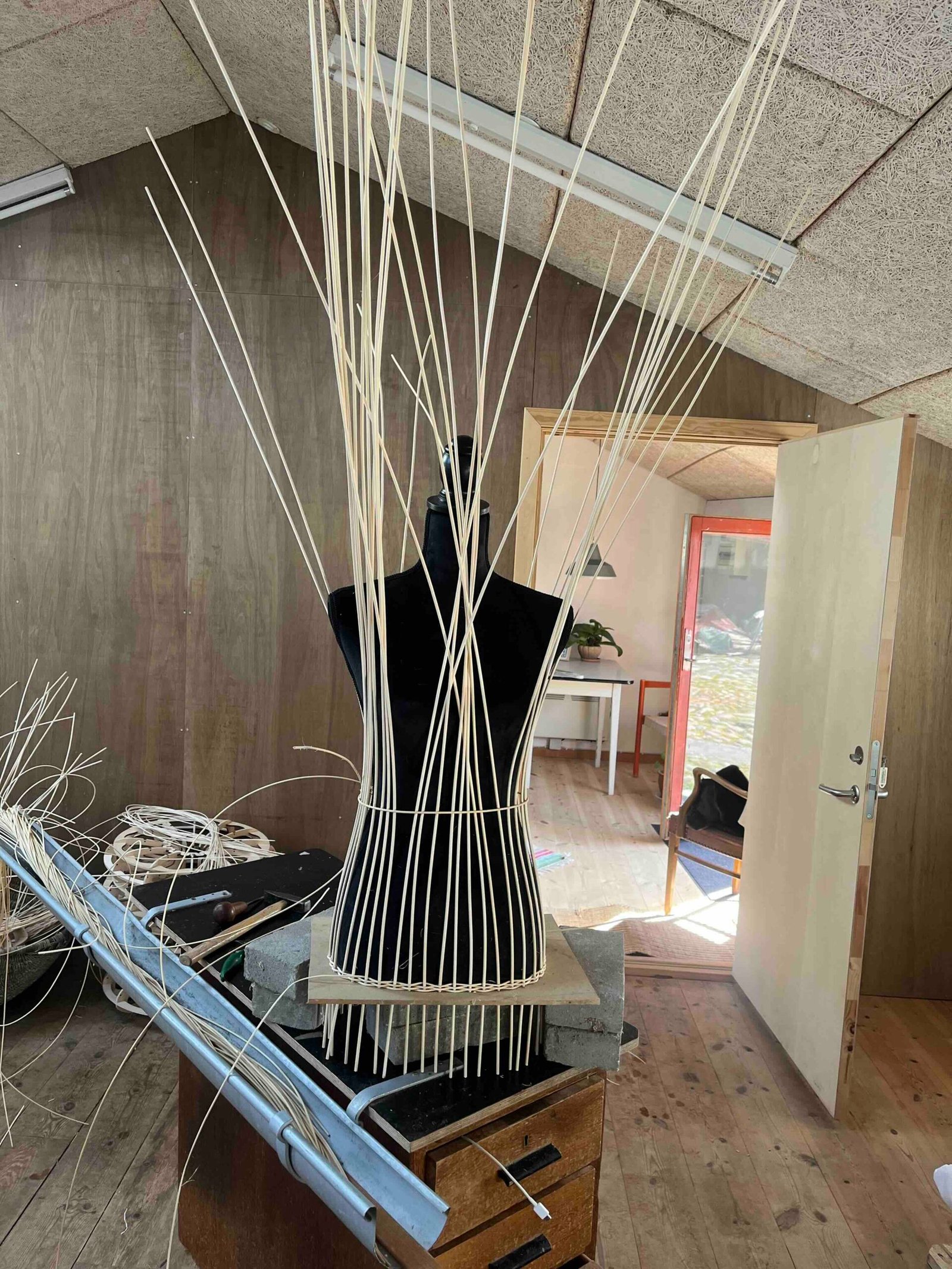
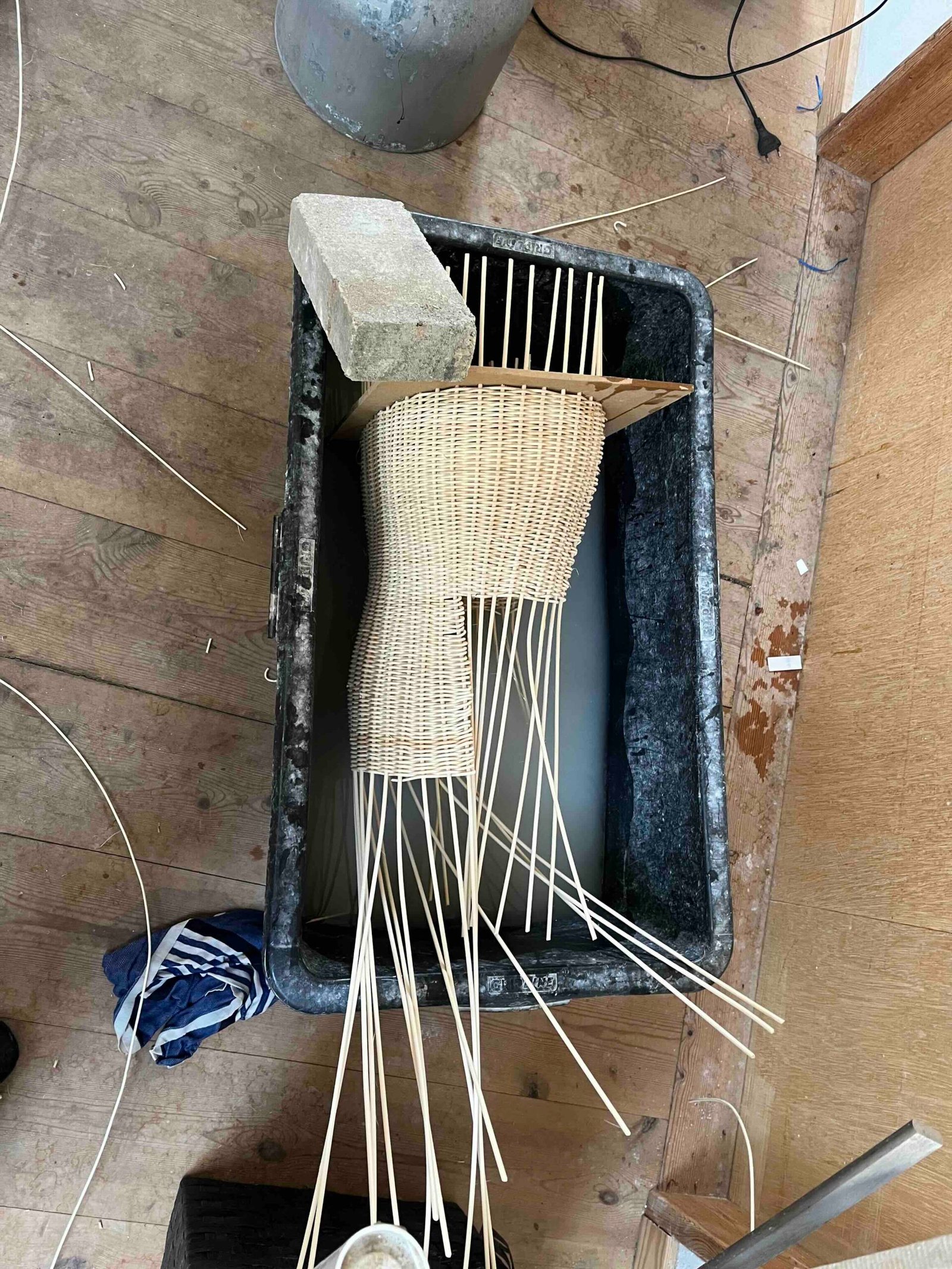
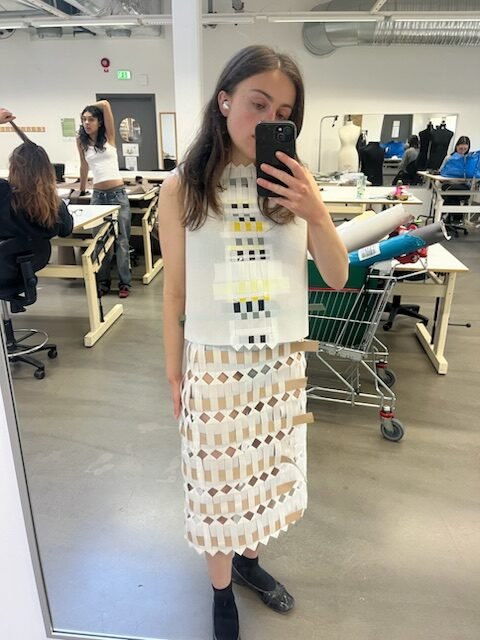
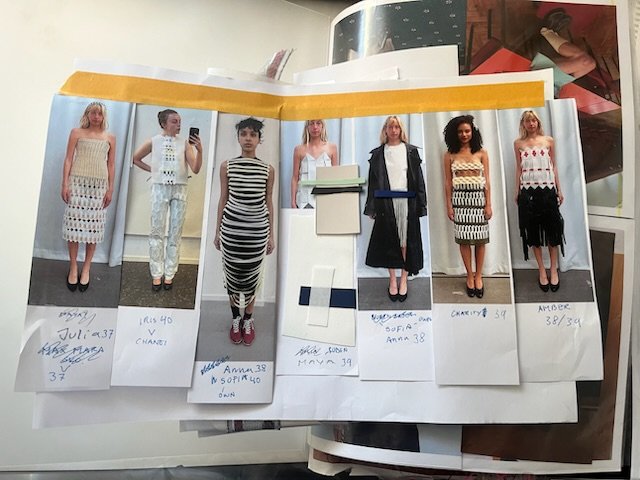
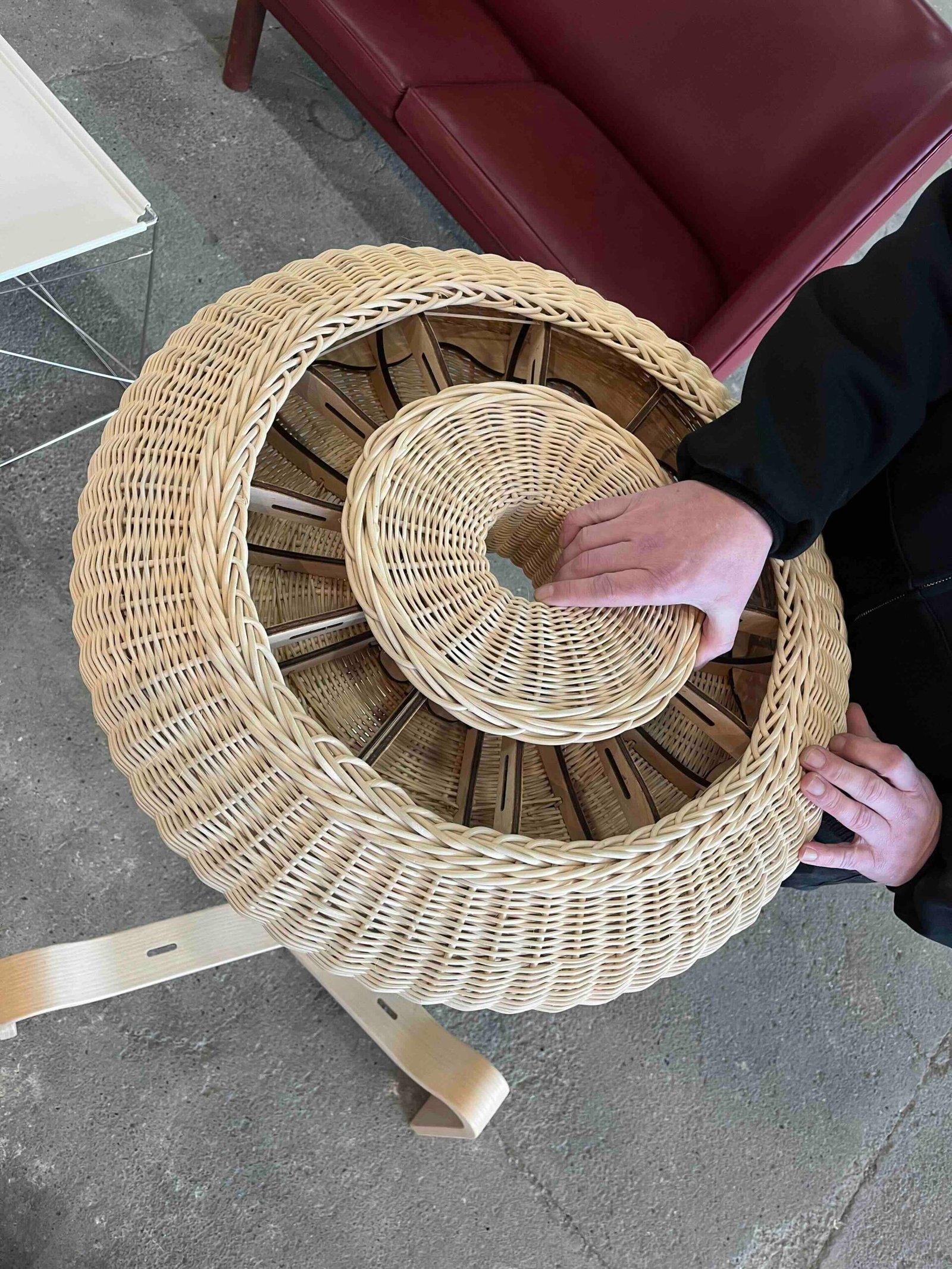
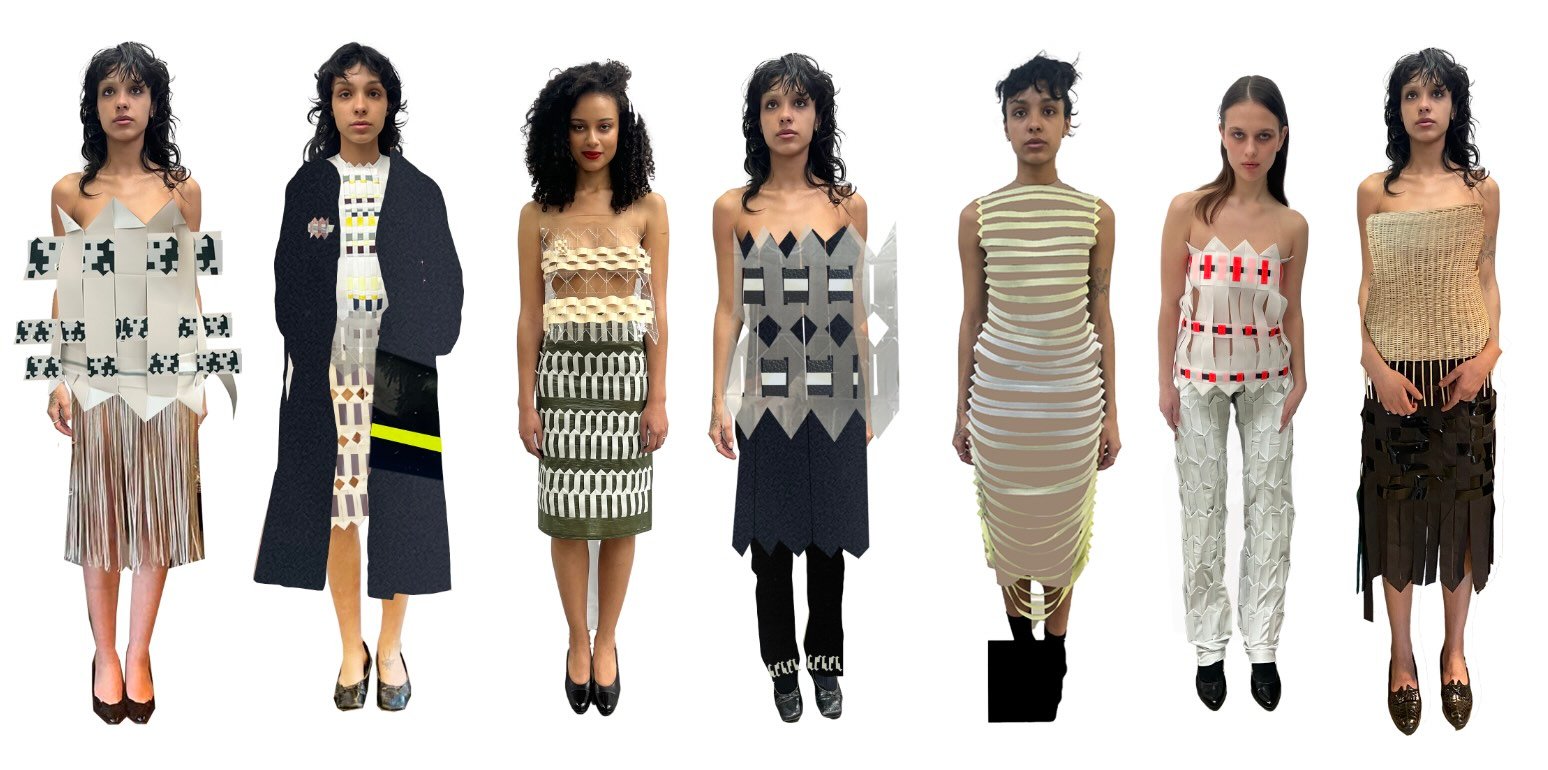
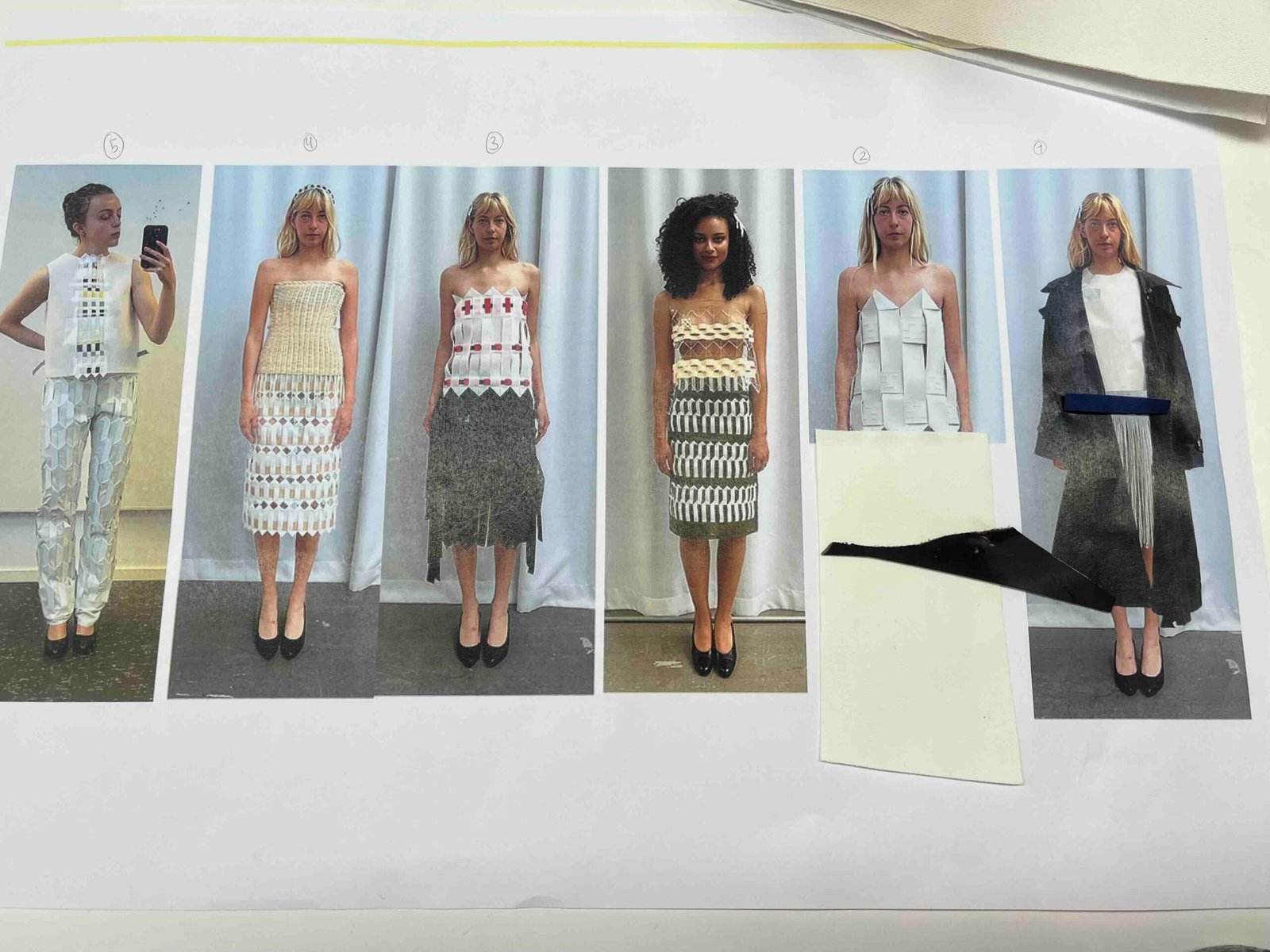
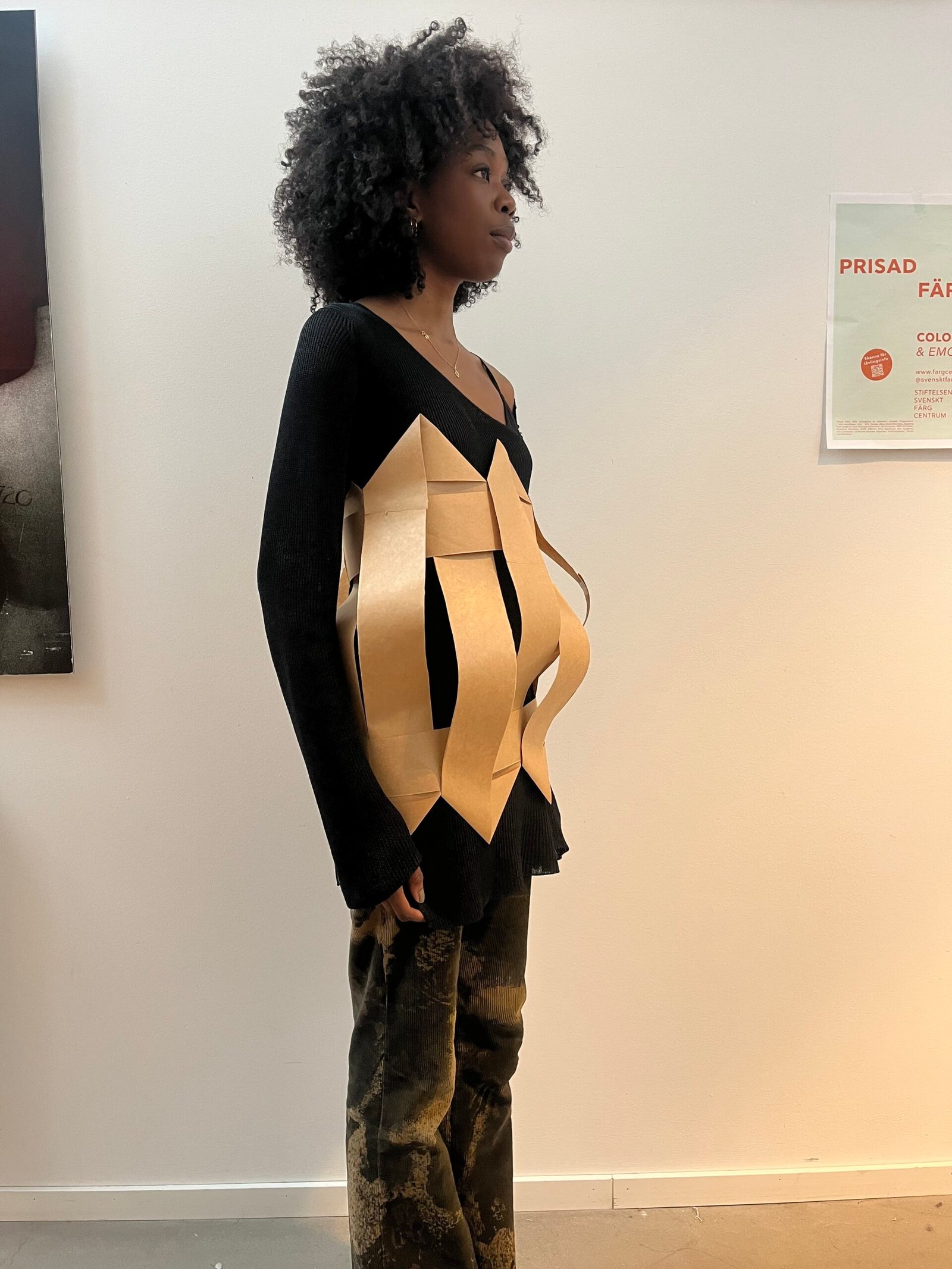
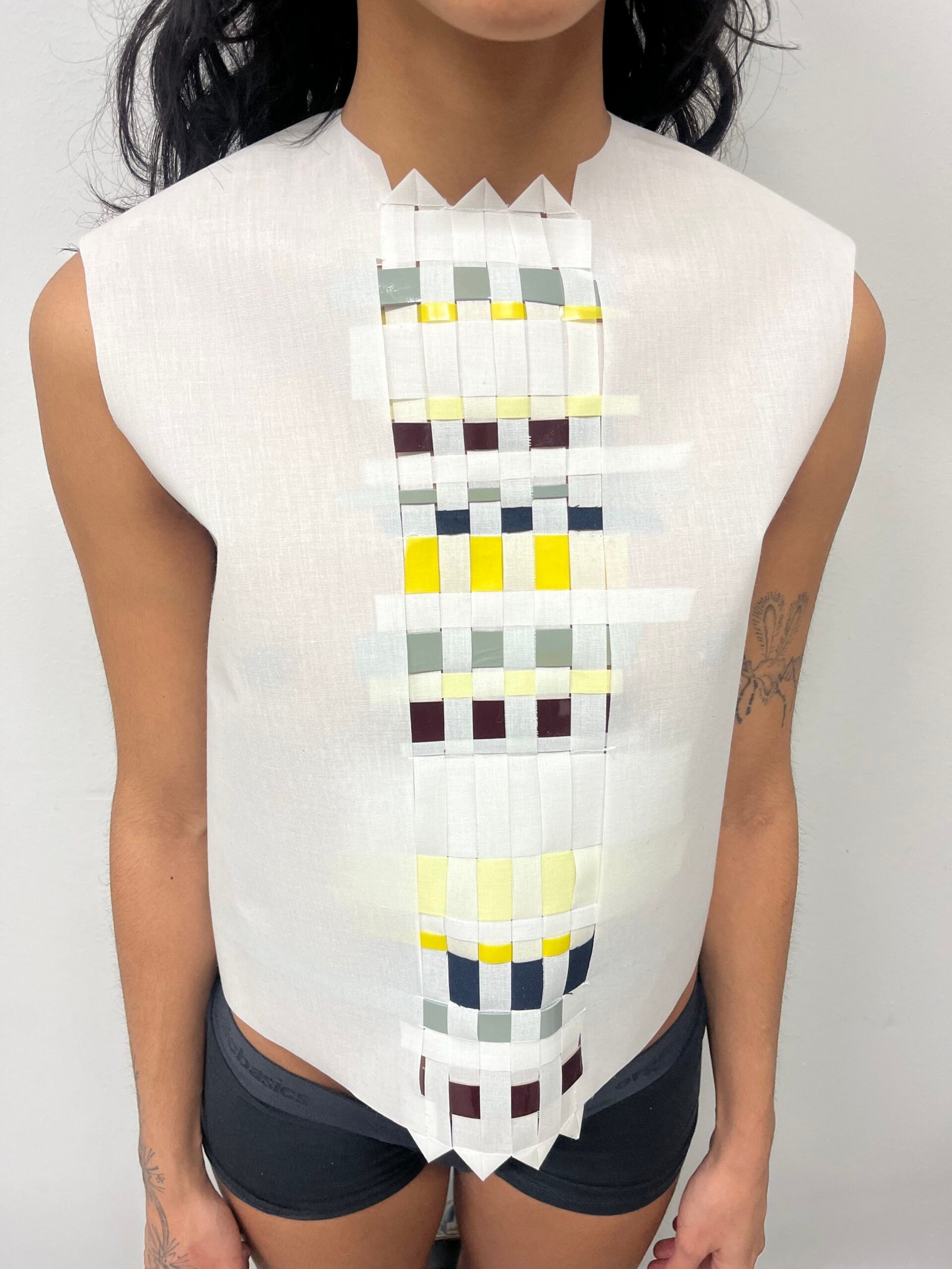
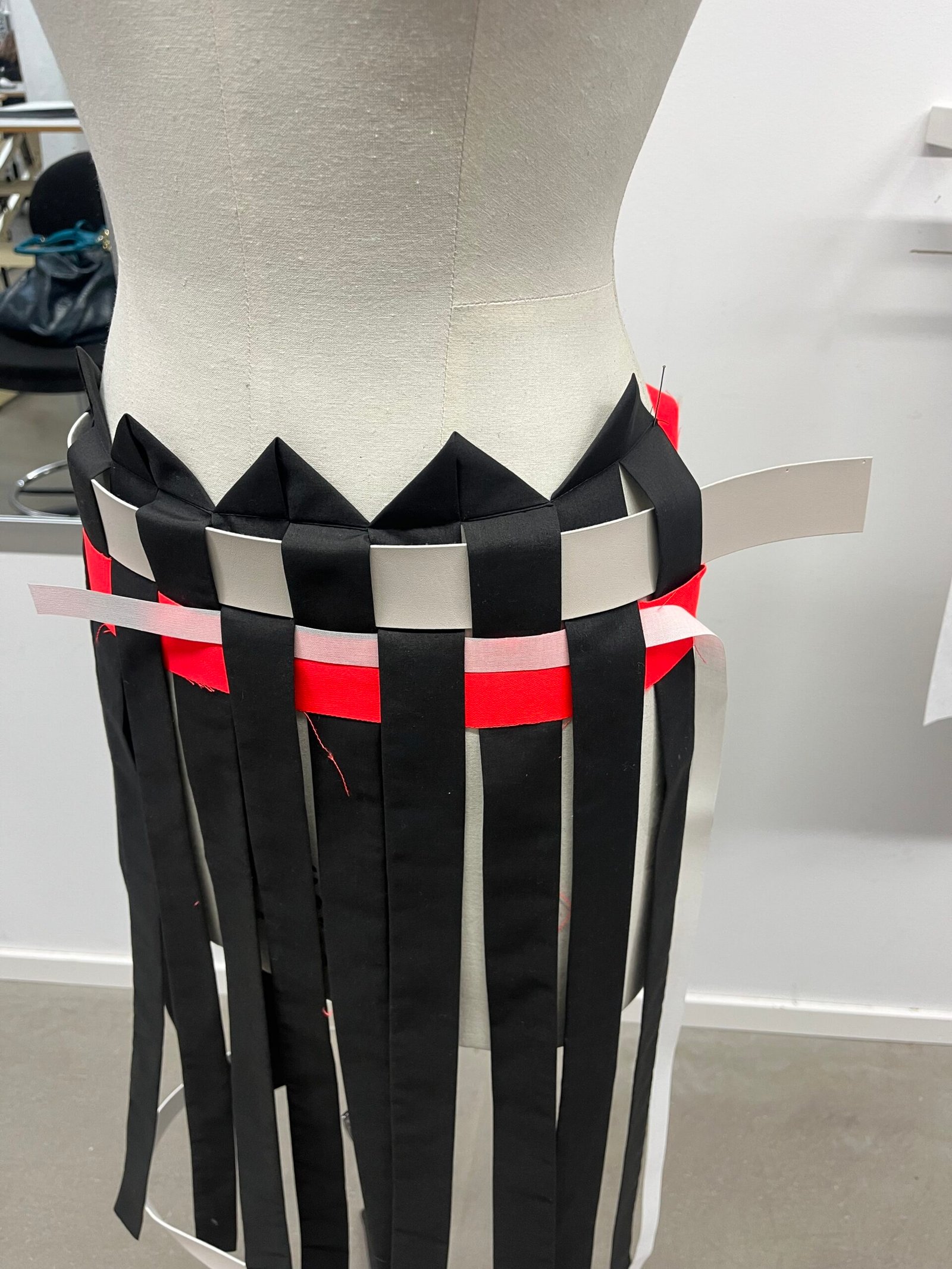
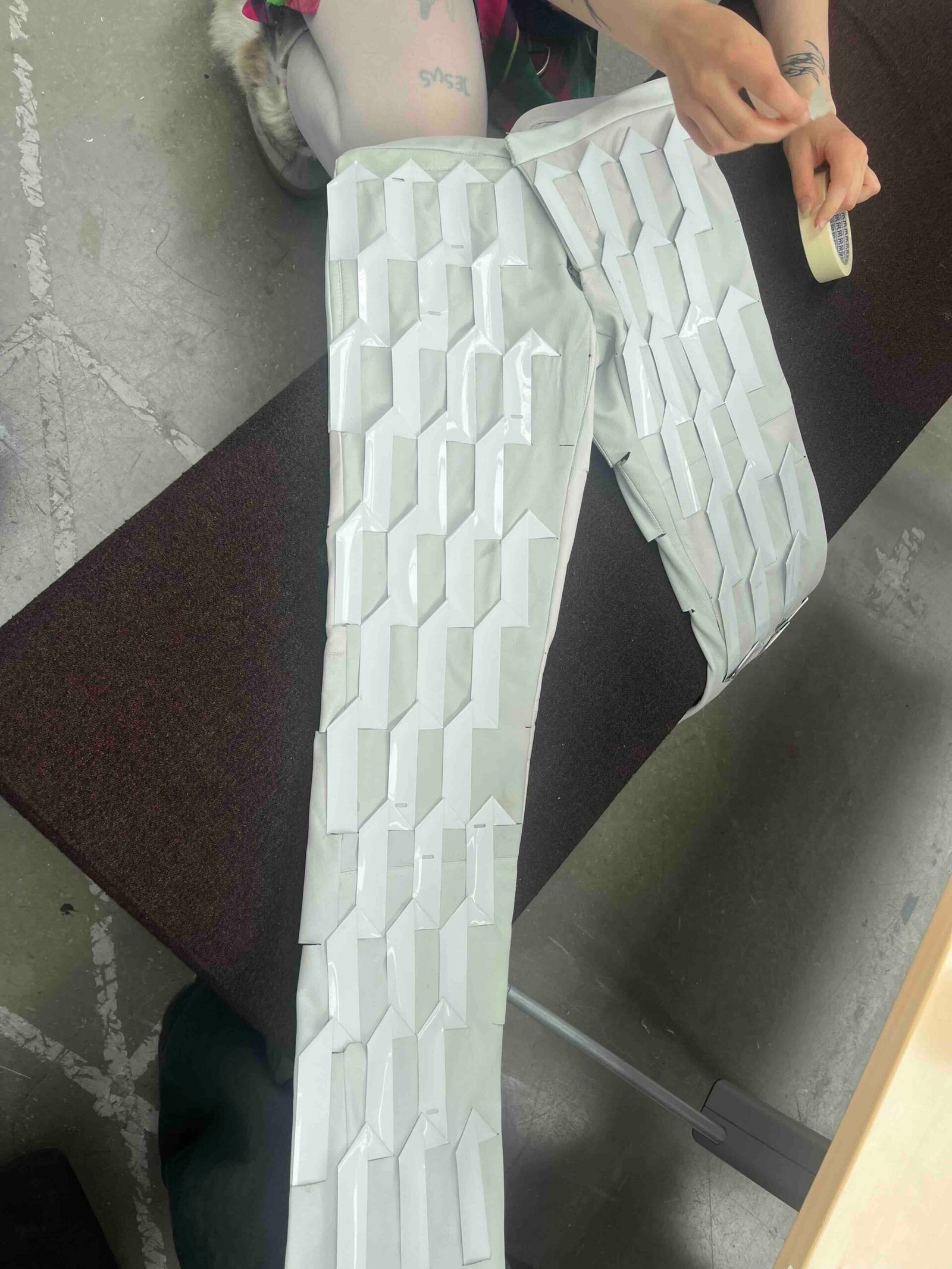
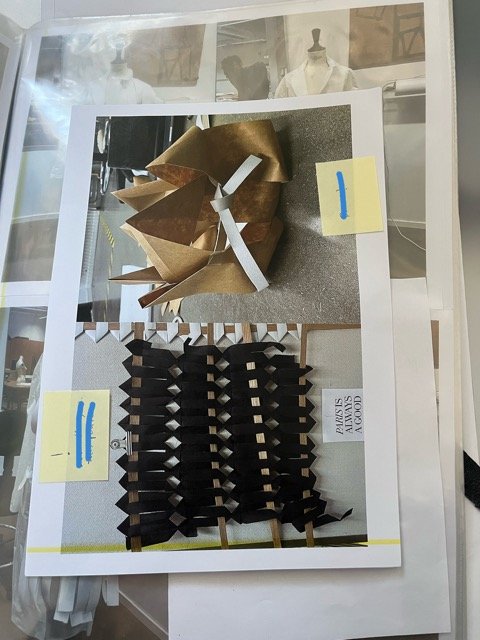
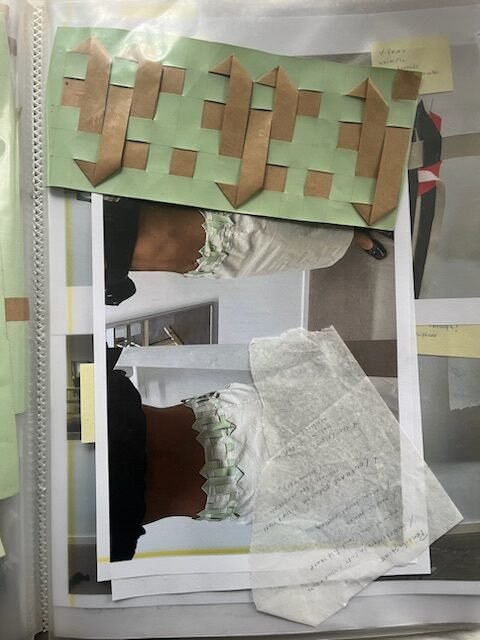
Tuula Wallace’s collection interrogates the different value systems attached to furniture and fashion. Growing up in Denmark, she noticed how furniture is often cared for, repaired, and passed on — even gaining value over time — while clothing is rarely afforded the same treatment, prompting her to question this disparity at a moment when fashion’s environmental impact has never been more pressing. The project began through a collaboration with the Danish furniture company A. Petersen, whose braided chair became the starting point for Wallace’s own interpretation of the classic Danish braiding technique. Woven throughout the collection in varying forms and paired with classic silhouettes, the braid becomes a recurring motif for longevity and timelessness.

Screenshot

Kristína Danieličová

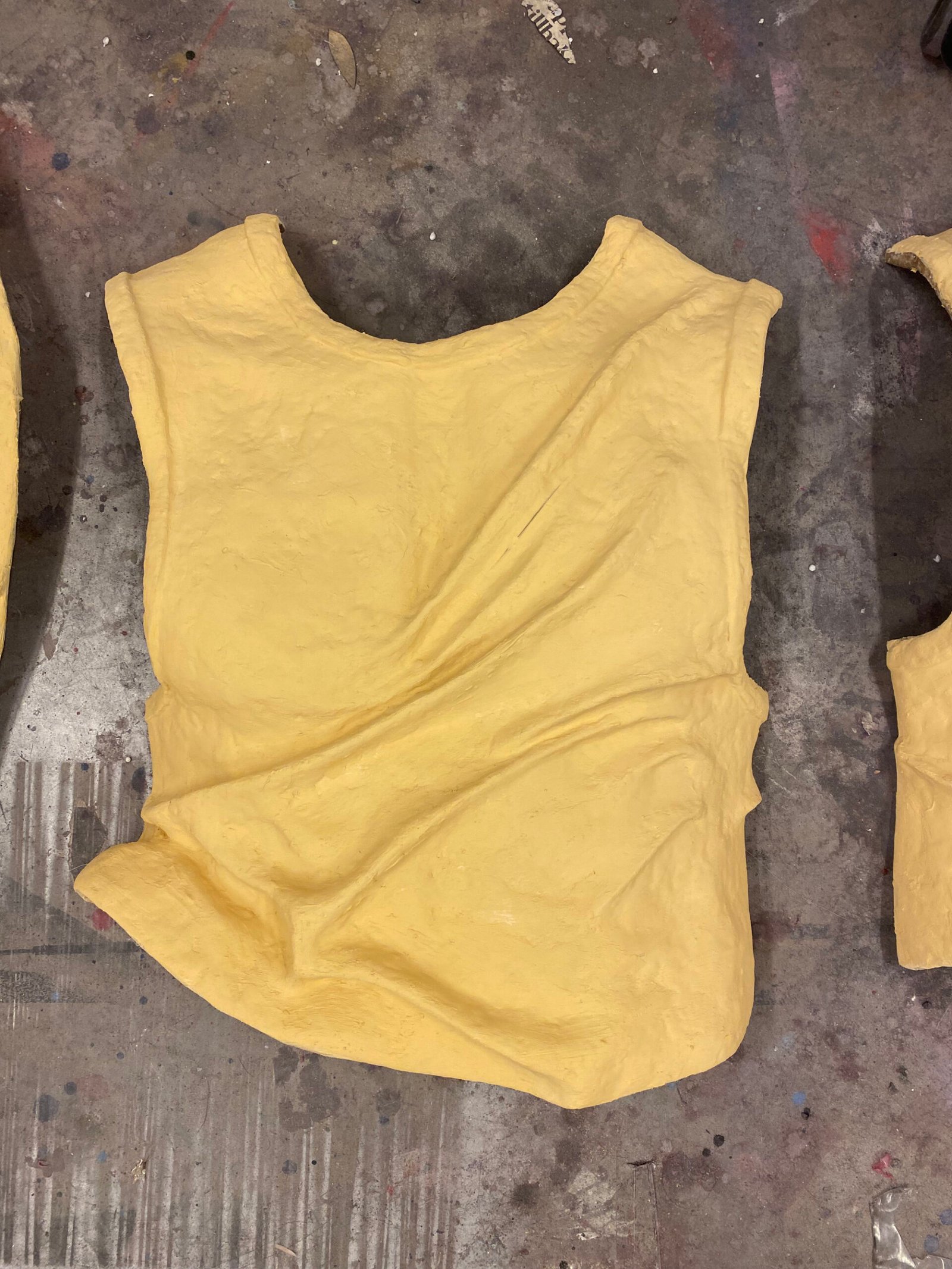
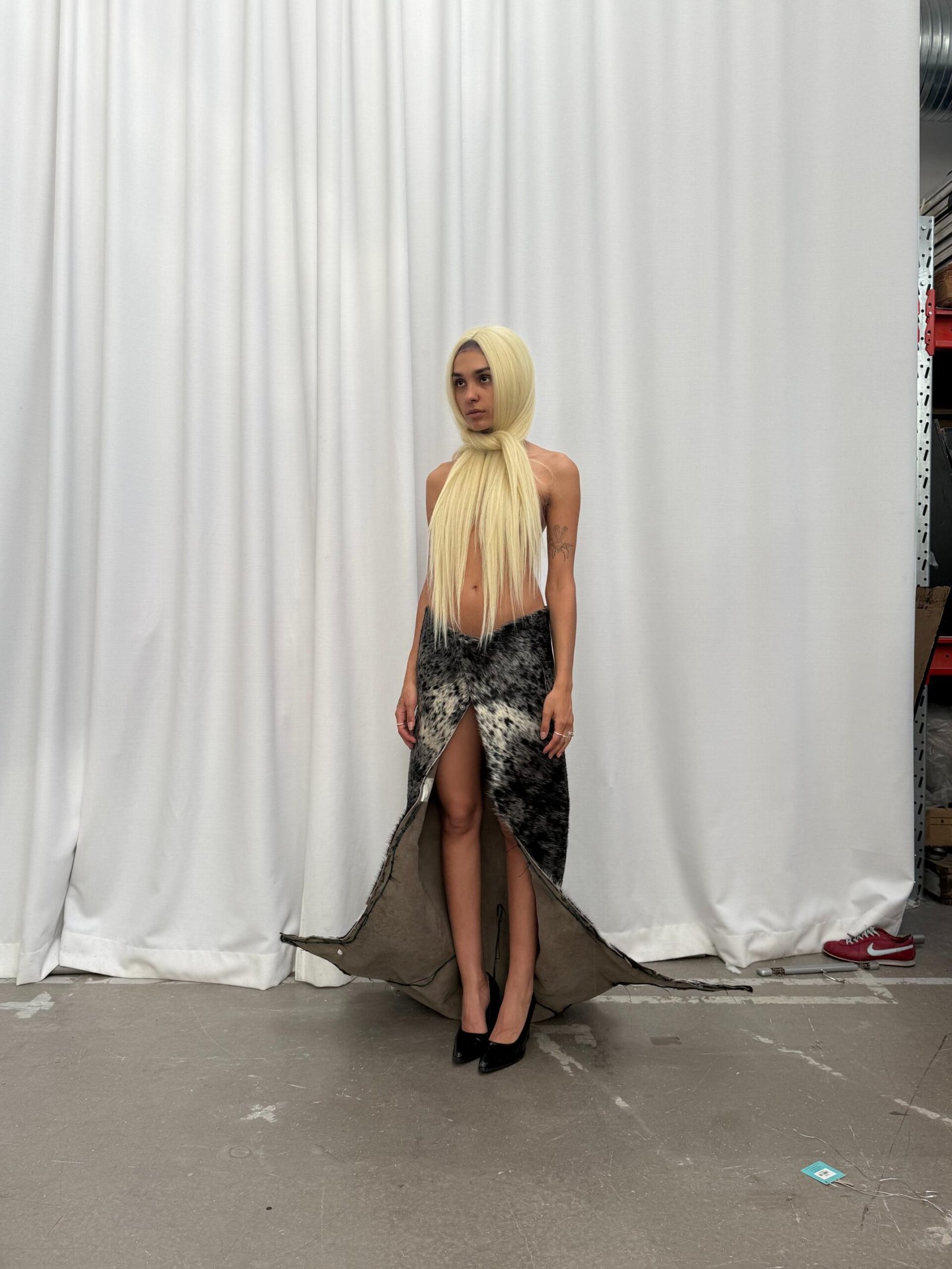
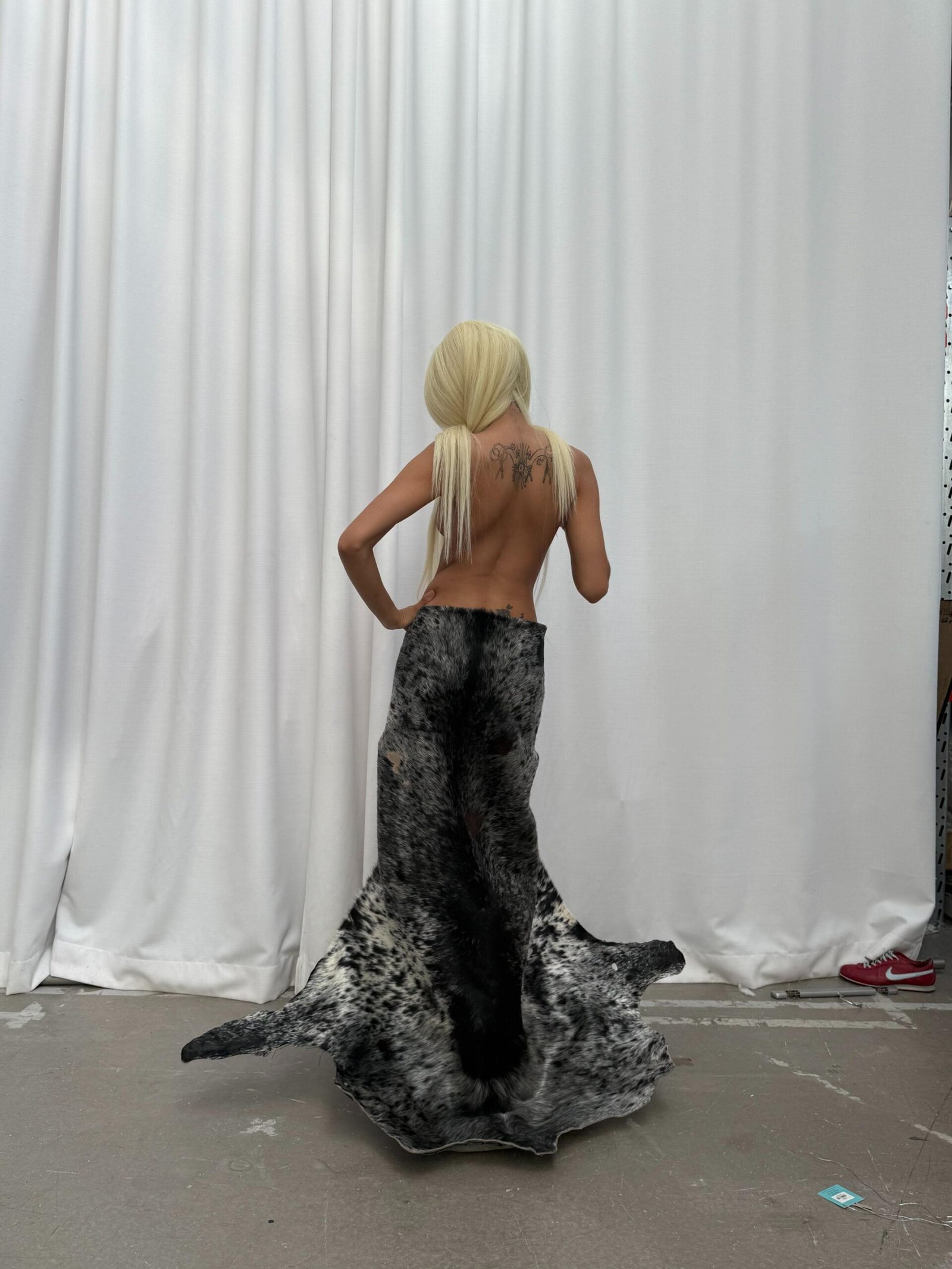
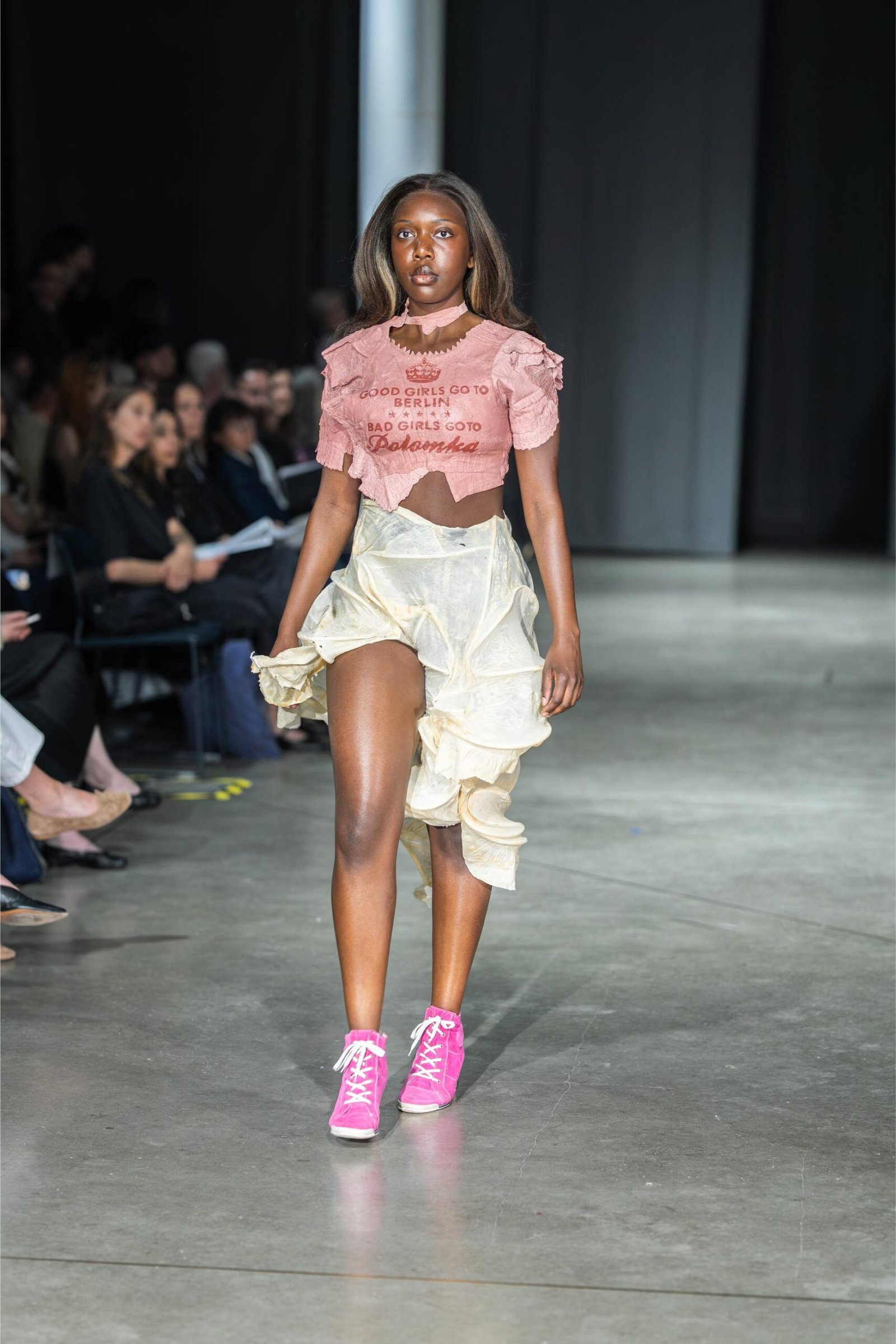
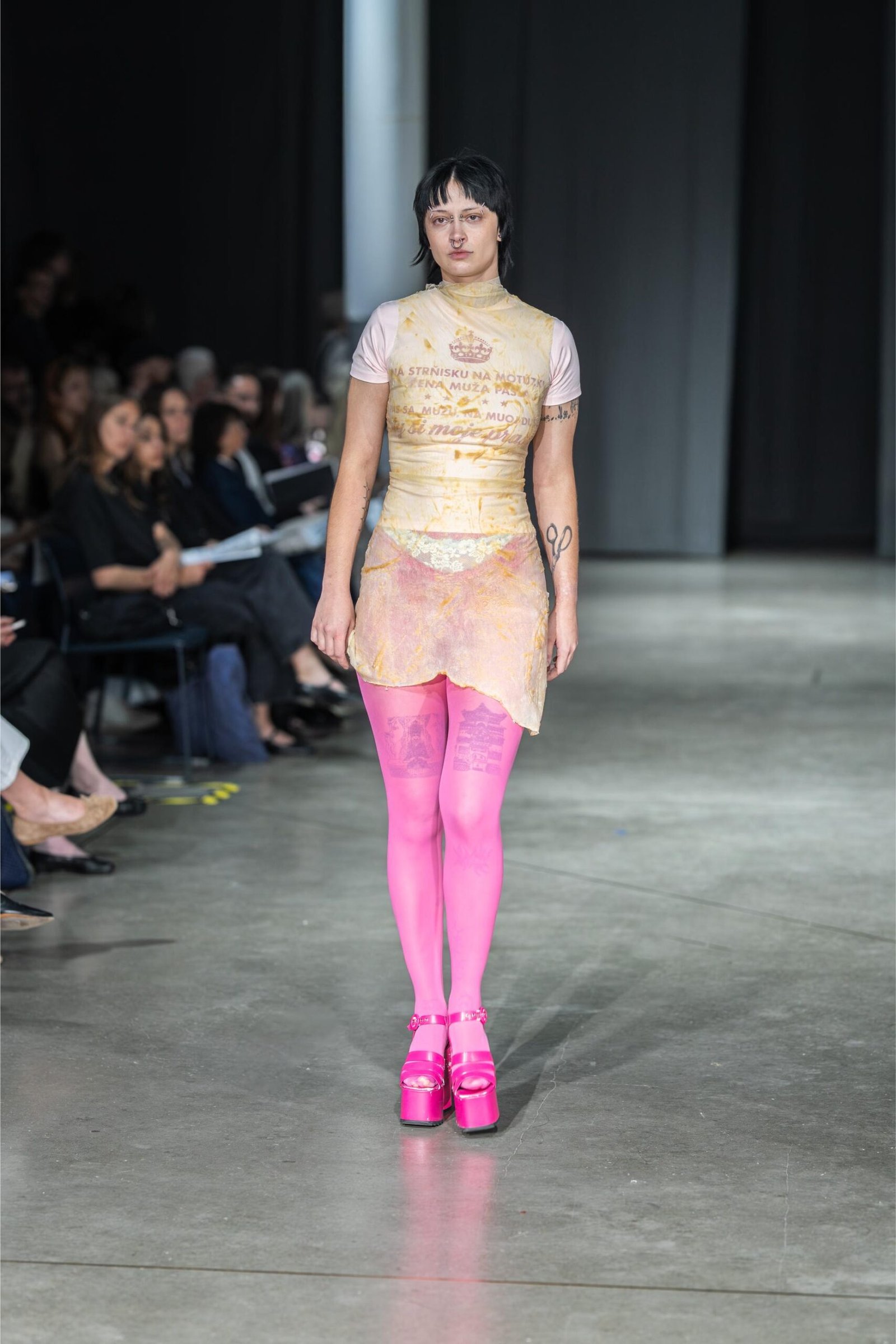
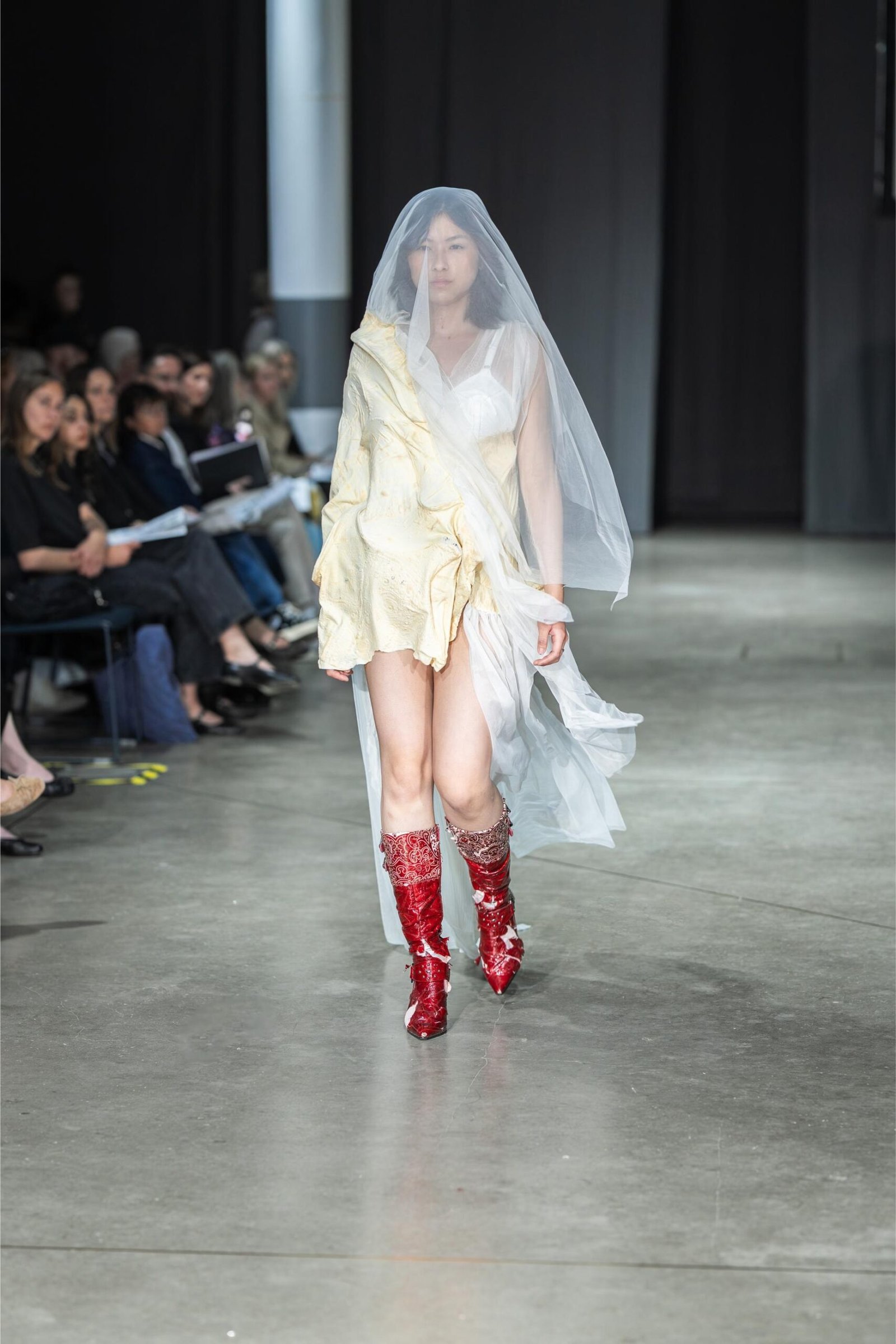
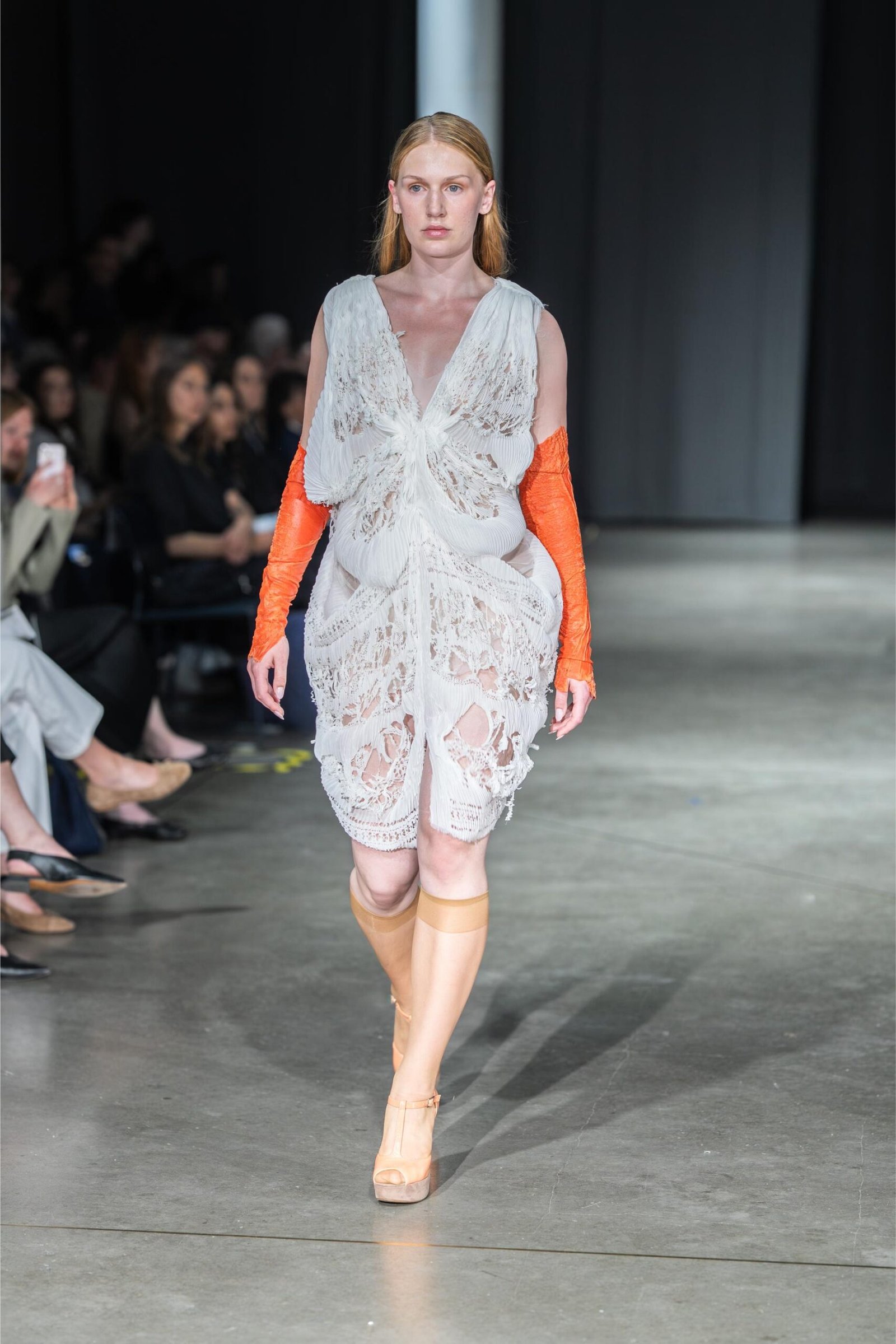
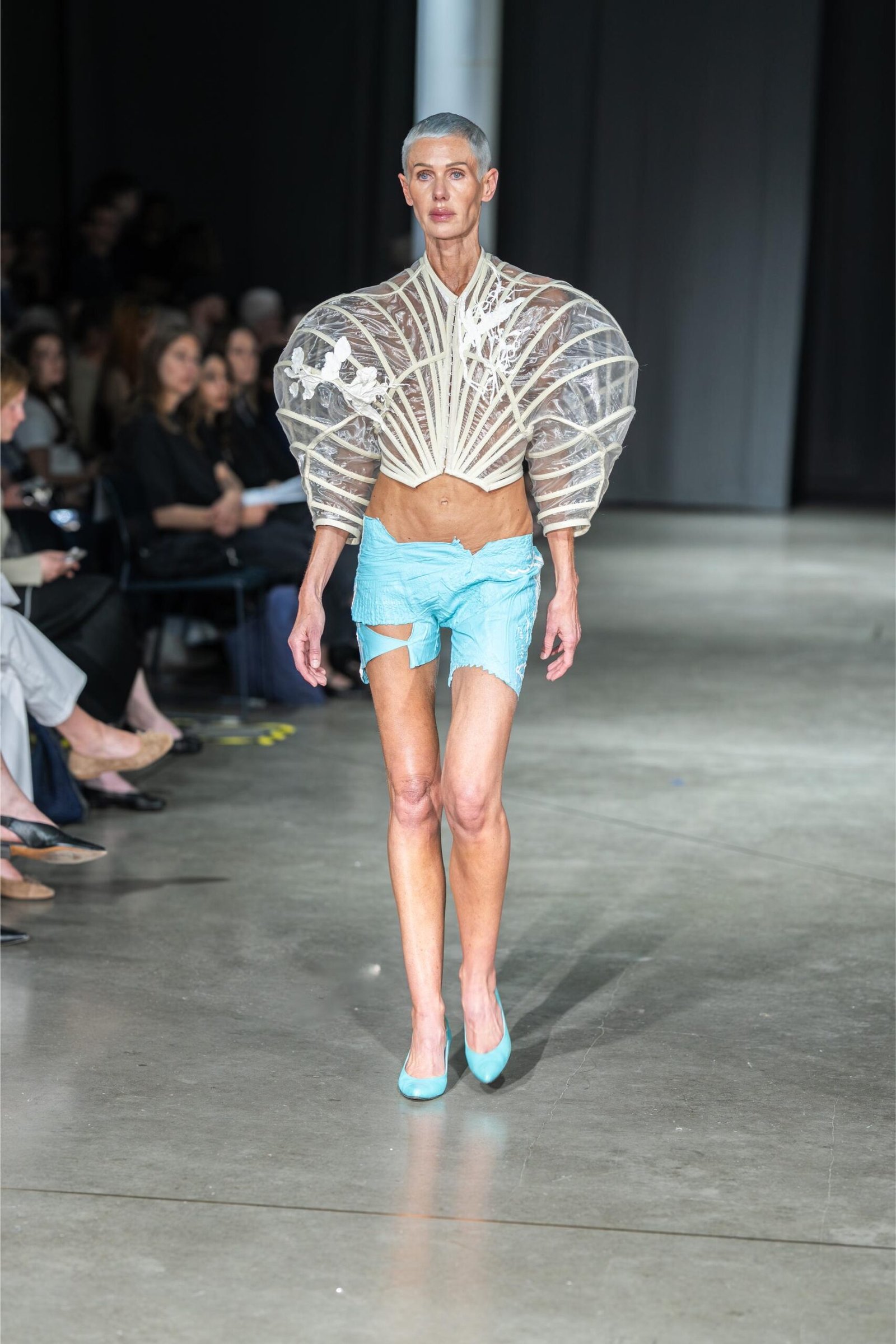
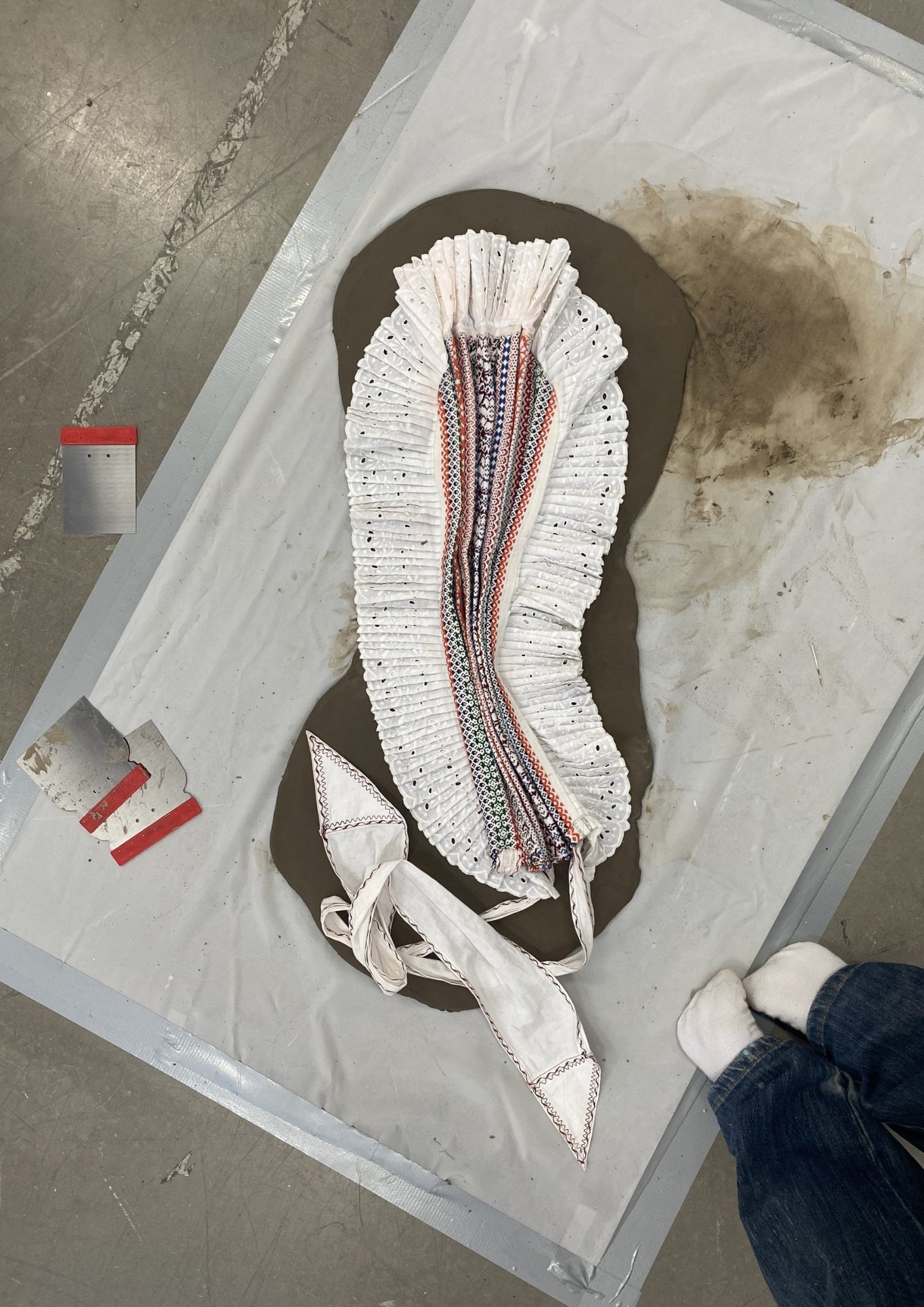
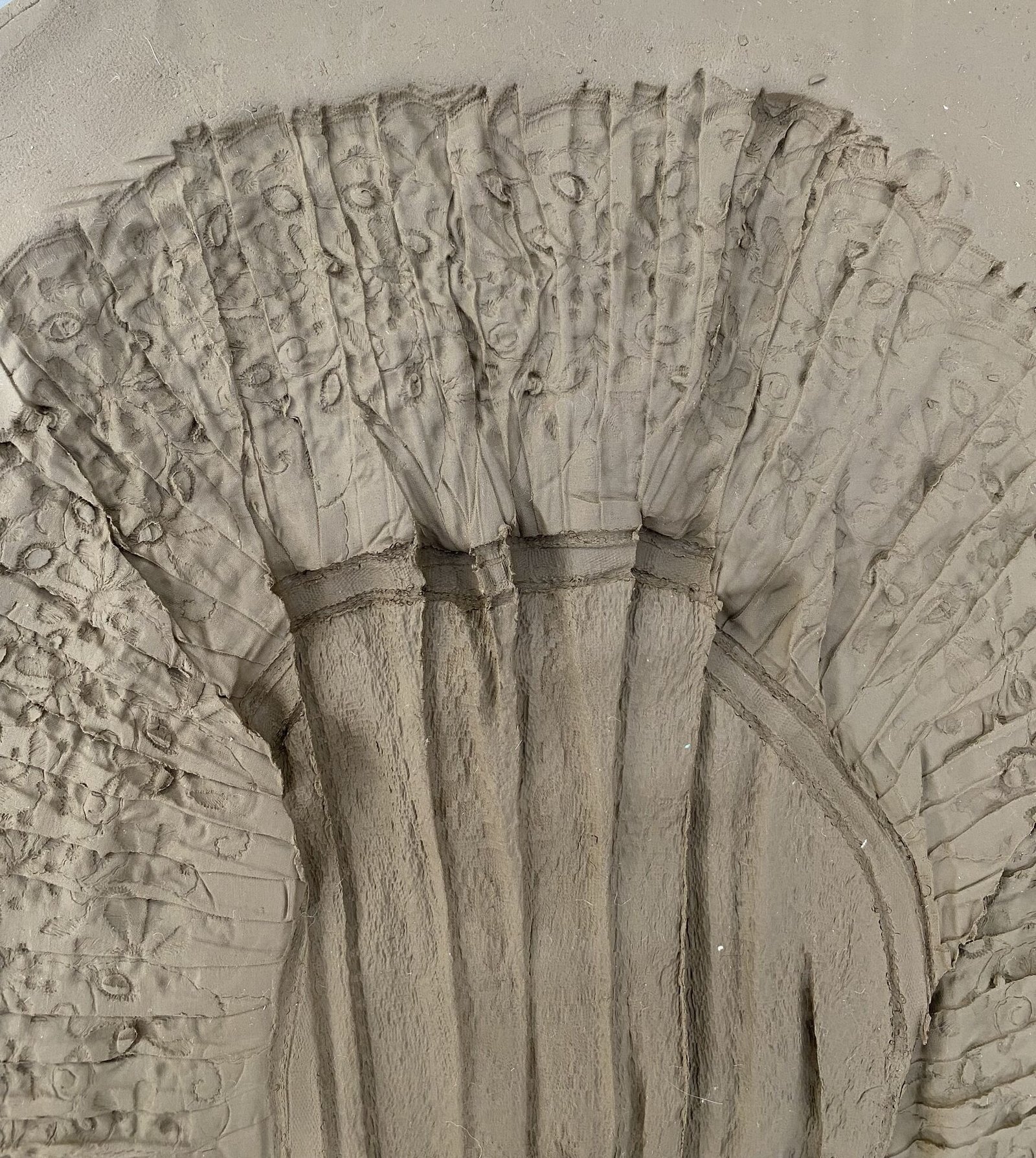
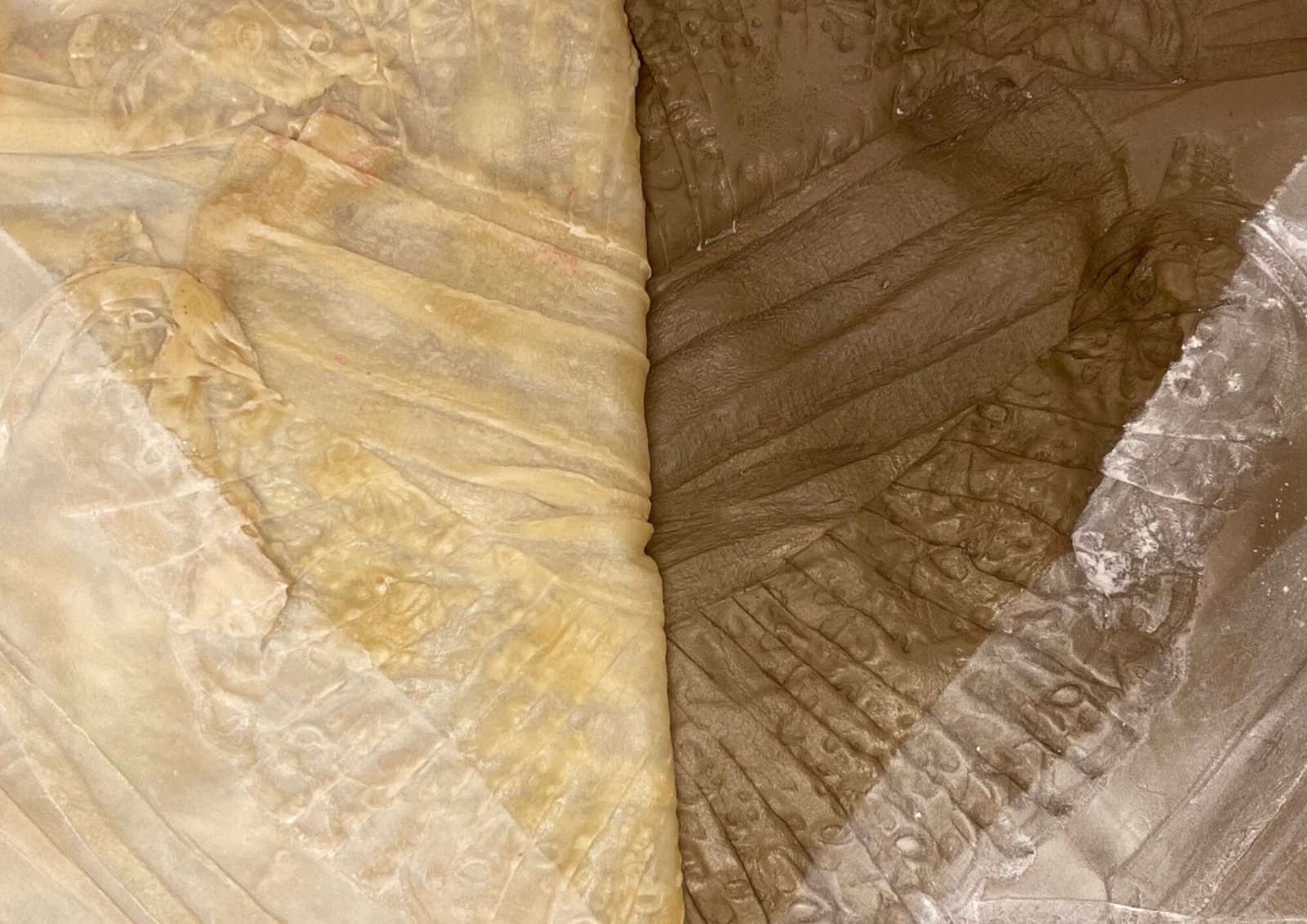
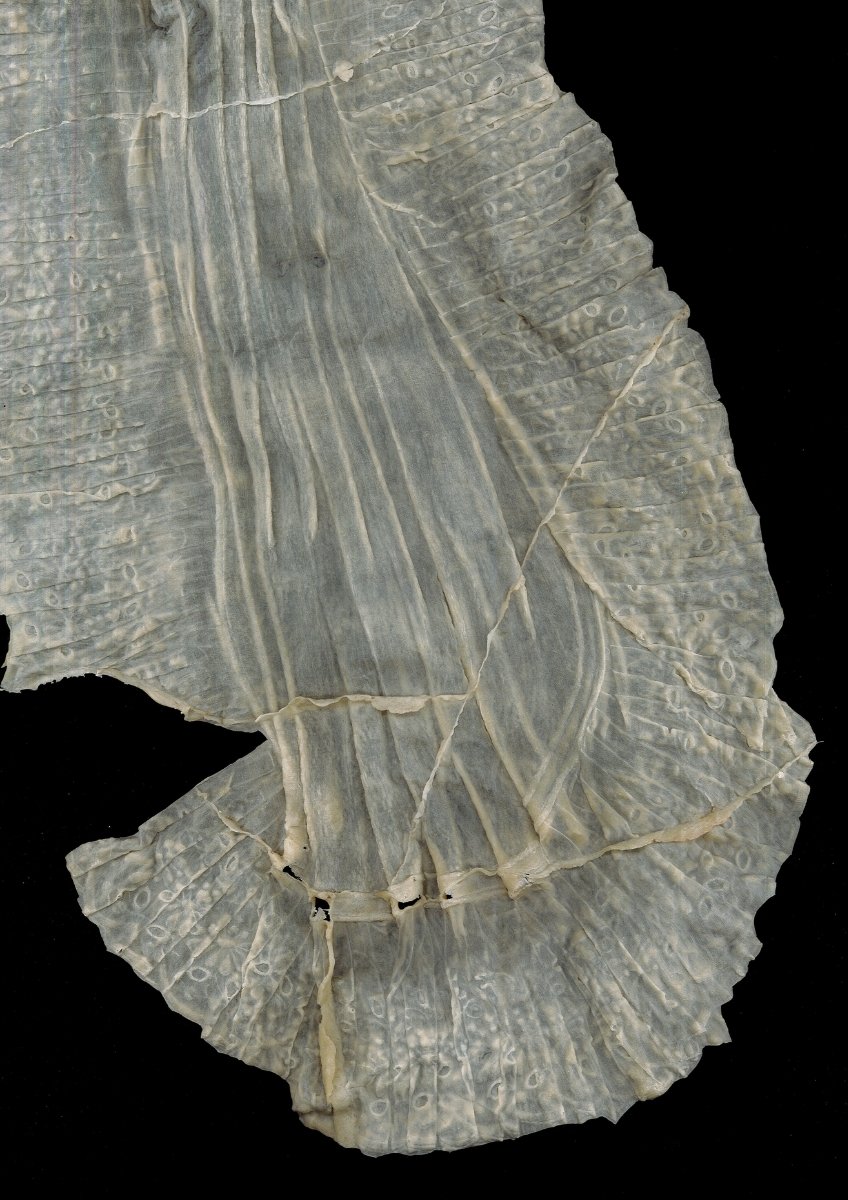
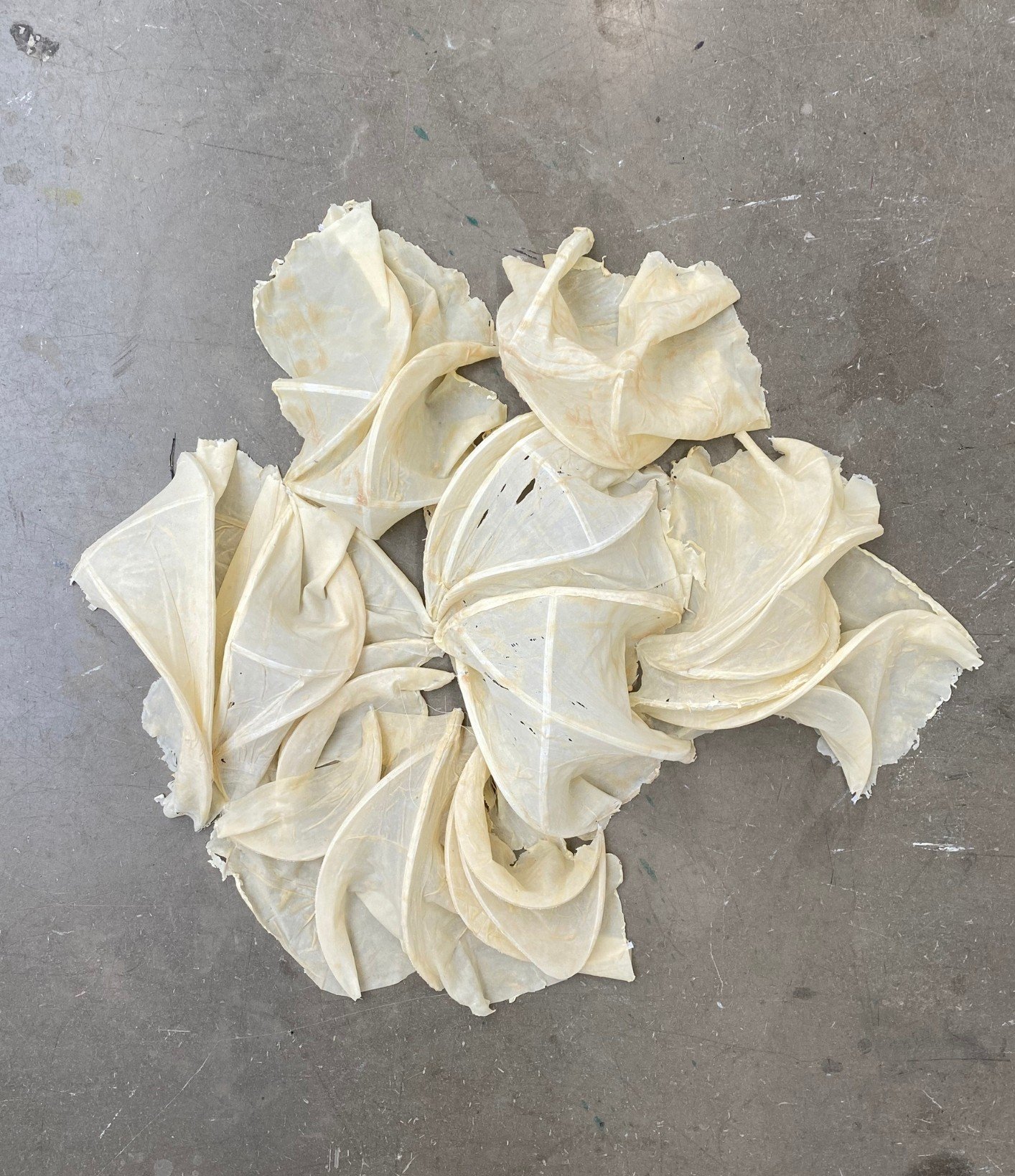
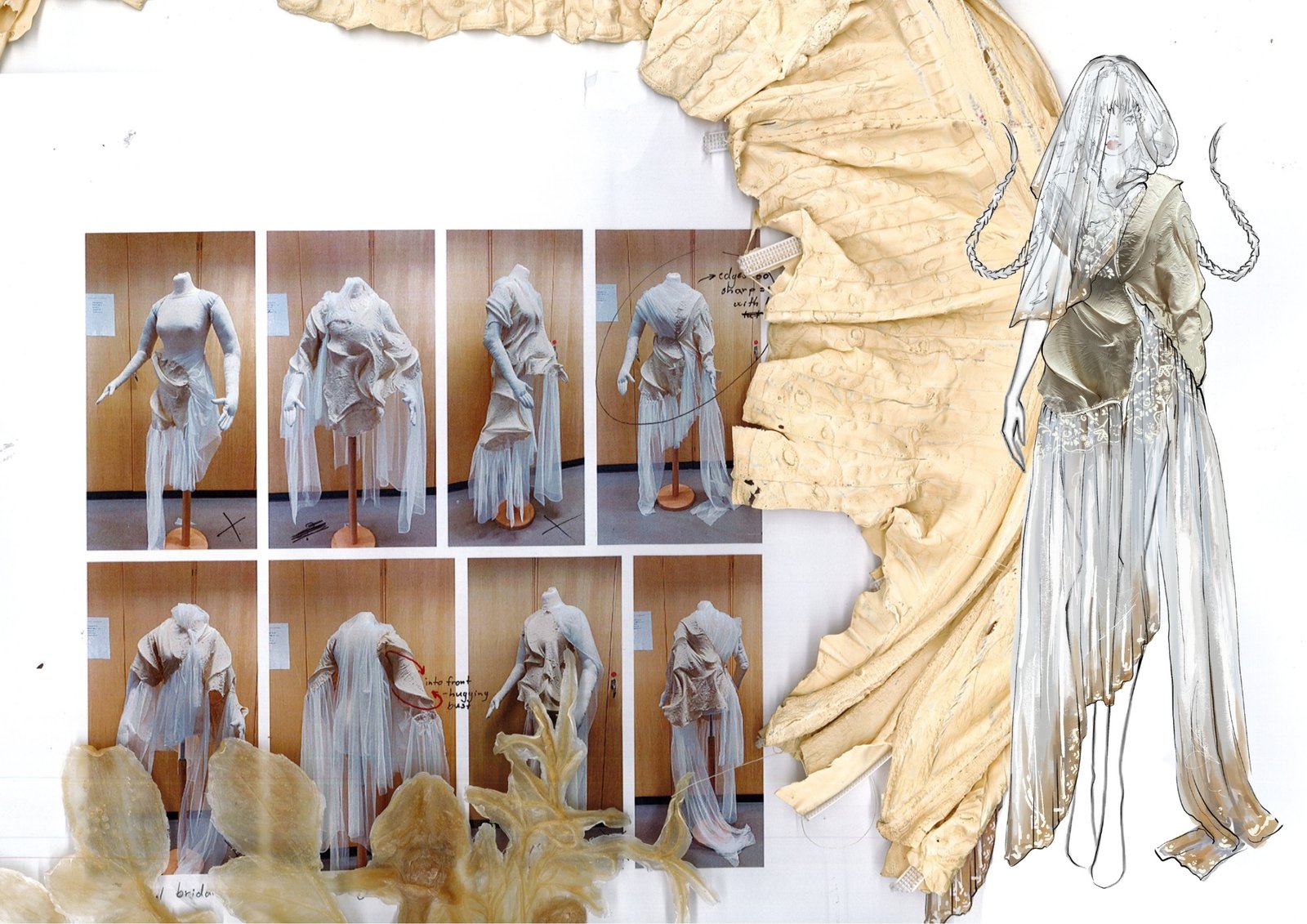
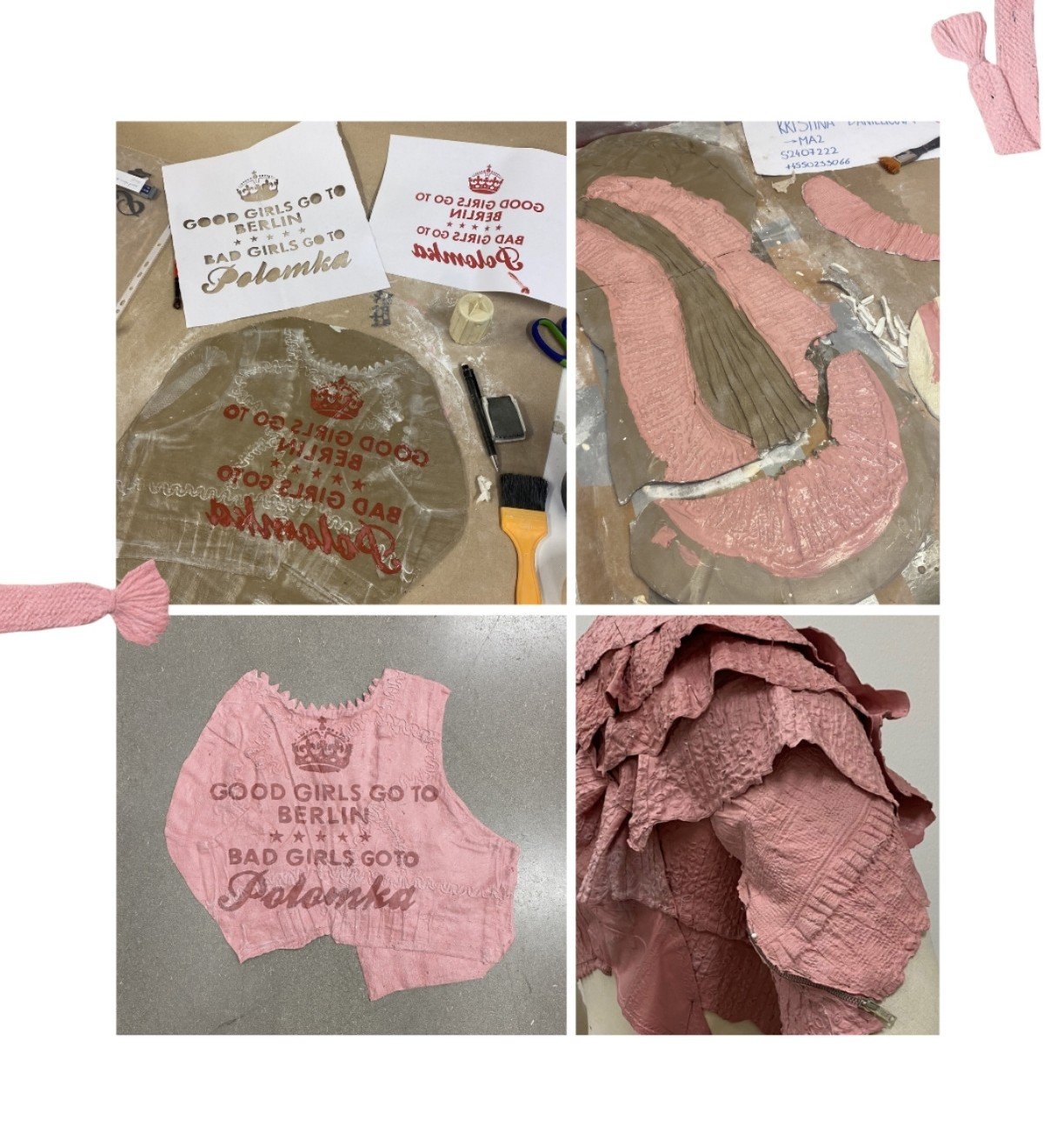
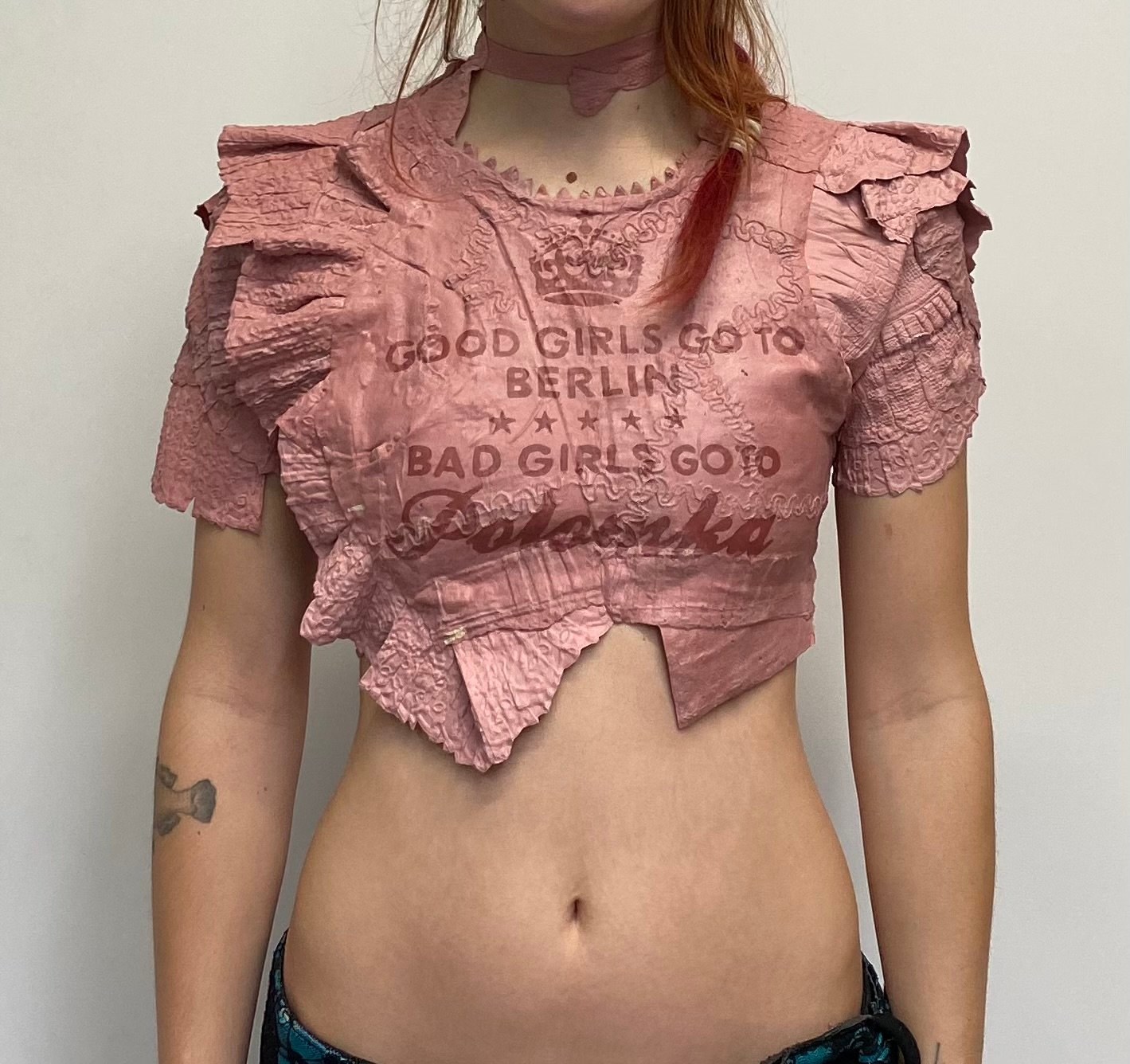
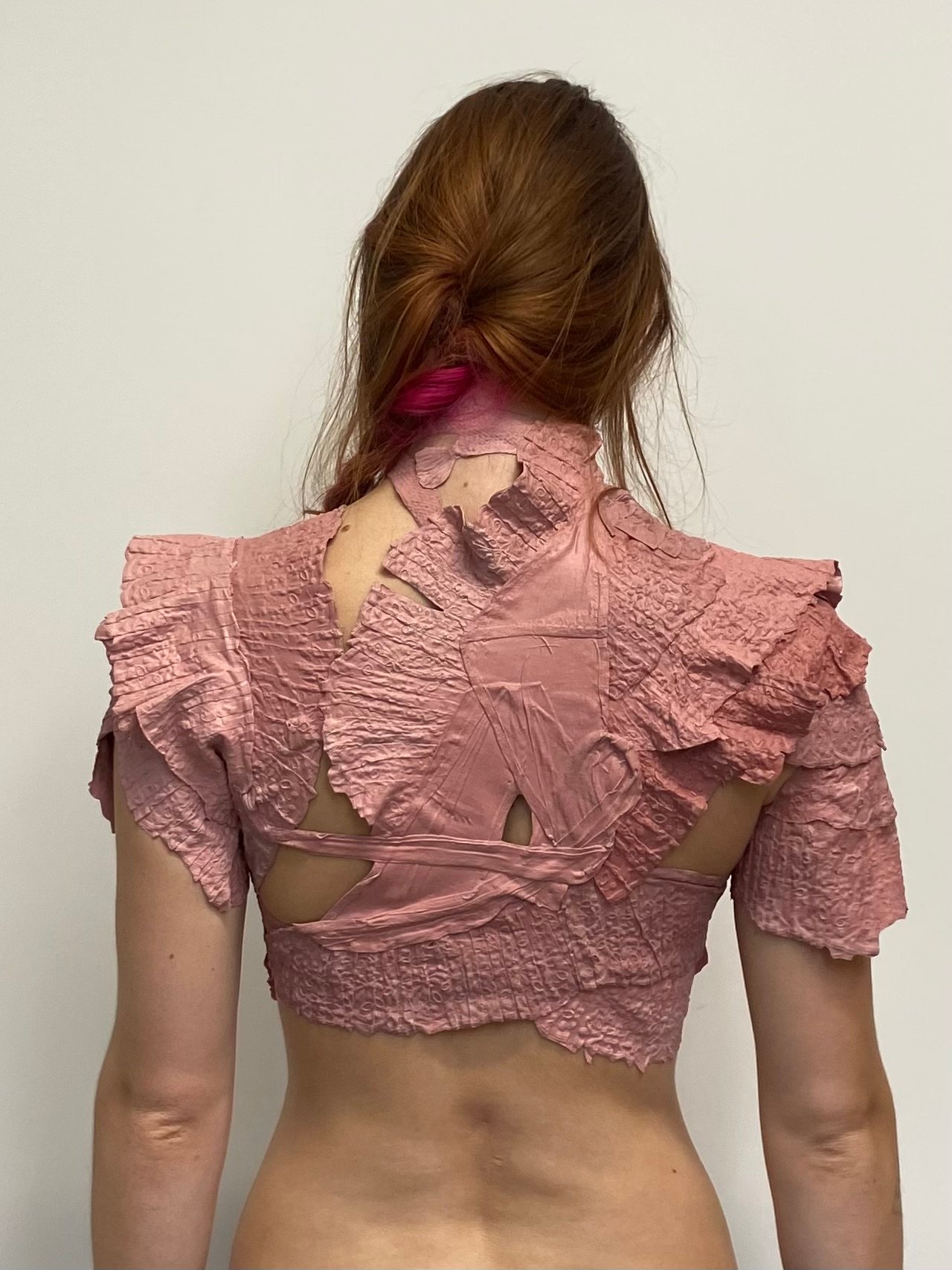
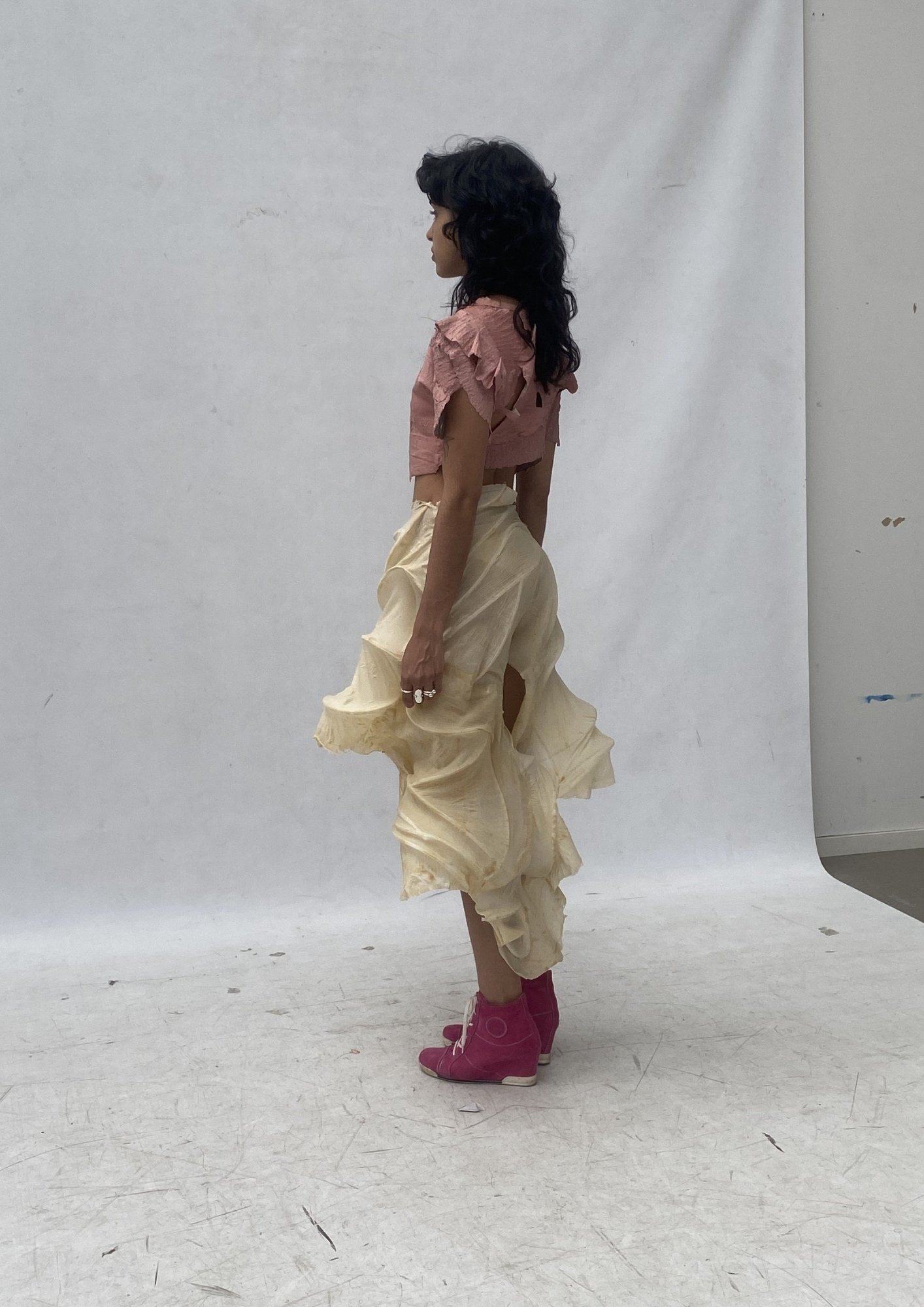
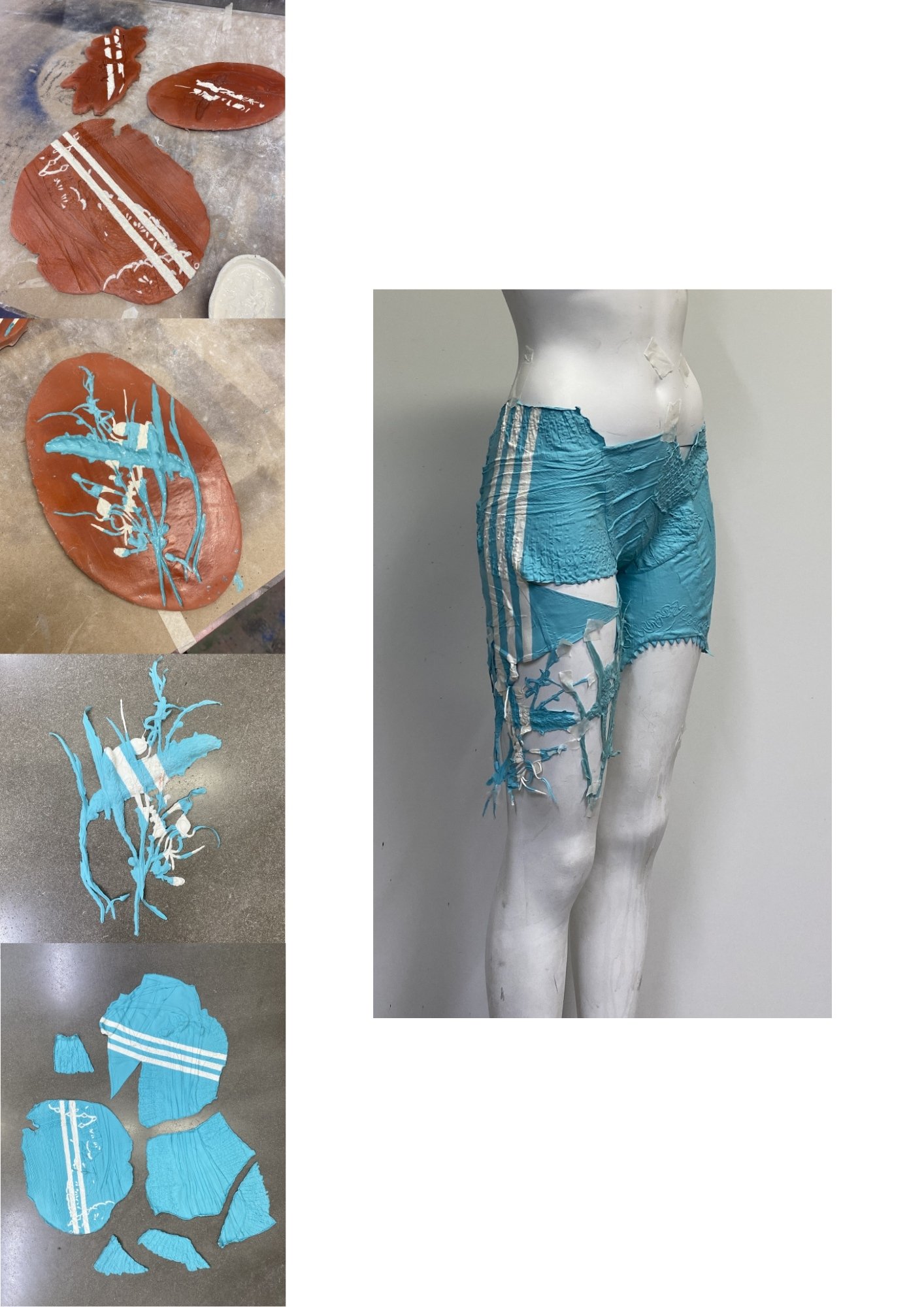
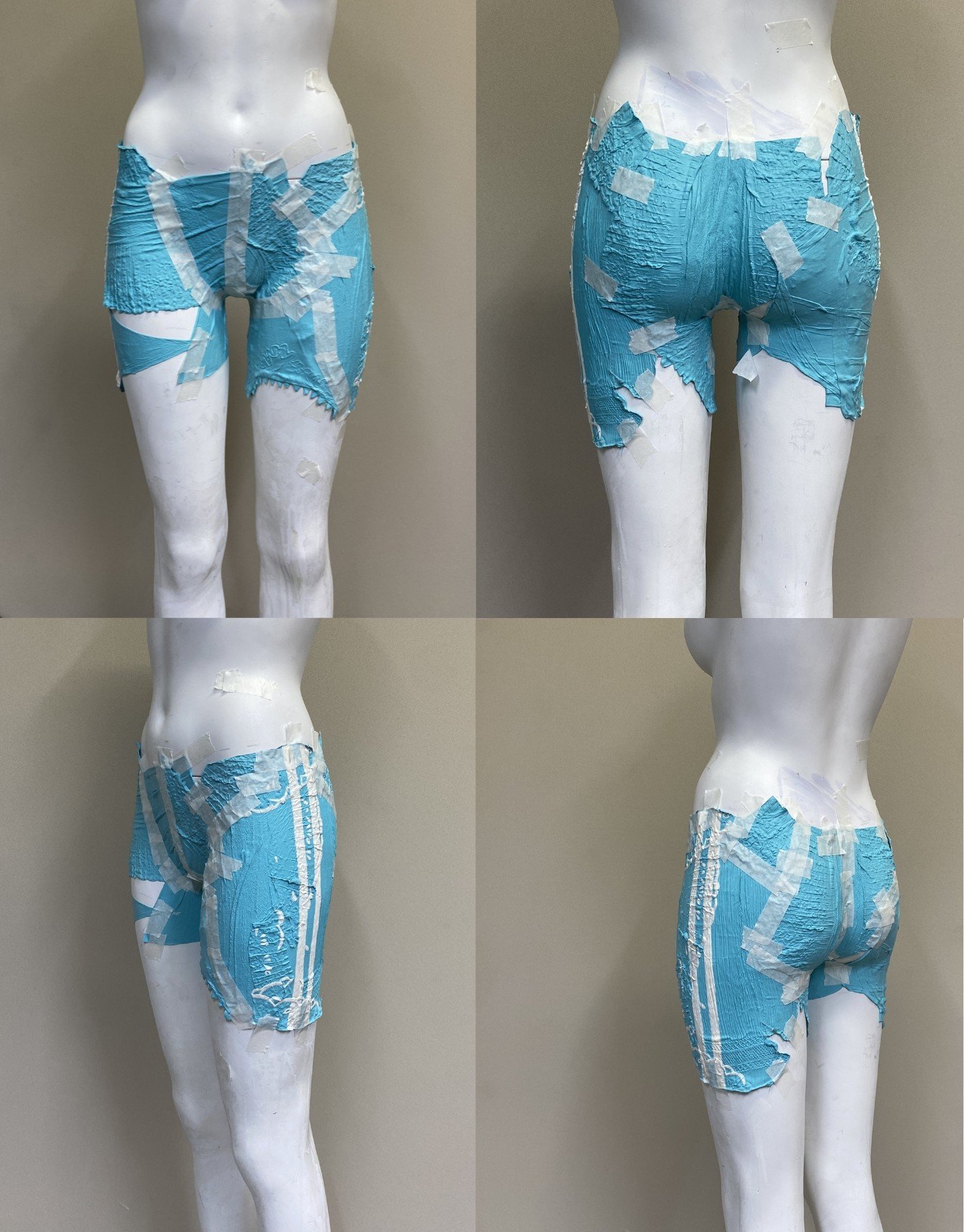
KristĂ­na DanieliÄŤová’s project, Pseudofossils, addresses the fading presence of traditional Slovak folklore dress (kroj), investigating how it might be reactivated without direct replication or nostalgia. Through an experimental method of imprinting historical garments into clay, DanieliÄŤová creates “pseudofossils” — distorted, incomplete archives that capture texture, detail, and fold, drawing on processes of paleontological reconstruction to invite speculative reinterpretation rather than fixed preservation. Natural liquid latex becomes the means of translating fine details — lace, pleats, embroidery — from clay imprints into functional material, transforming folklore into fragmented evidence open to new material narratives. Leaving education, what DanieliÄŤová fears most is losing the courage to experiment, having had the rare privilege, at the Swedish School of Textiles, of developing work without immediate regard for commercial value. She worries about the industry’s pressure toward safety and its relentless pace of production, finding her strongest work instead in long-term material research rather than seasonal cycles. What excites her is not feeling confined to fashion alone — her practice sits between fashion, sculpture, material research, and contemporary art — and she hopes to keep working in collaborative, interdisciplinary spaces that value experimentation over speed, reactivating cultural heritage for new audiences in unexpected contexts.

scan_s2407222_2026-04-17-16-41-23.pdf - 18
scan_s2407222_2026-04-17-16-41-23.pdf - 3
scan_s2407222_2026-04-17-16-41-23.pdf - 7