Representing the creative future

Recipe For a Show: Eftychia SS20

Just what makes a good show? We speak to some of the team behind Eftychia’s LFW debut to find out.

If all goes to plan, fashion shows and presentations invite viewers into a perfectly curated vision of a designer’s world, one that feels just as considered as effortless. But, If you’ve ever had the (mis)fortune of experiencing a show in its preparation stages, you’ll know that the behind-the-scenes is often peppered with sleepless nights, last-minute cancellations and budget crises. Such plagues can blight any brand, but it’s especially the case for young designers’ taking to the fashion week stage for the first time. So what warrants all the effort and expense? 

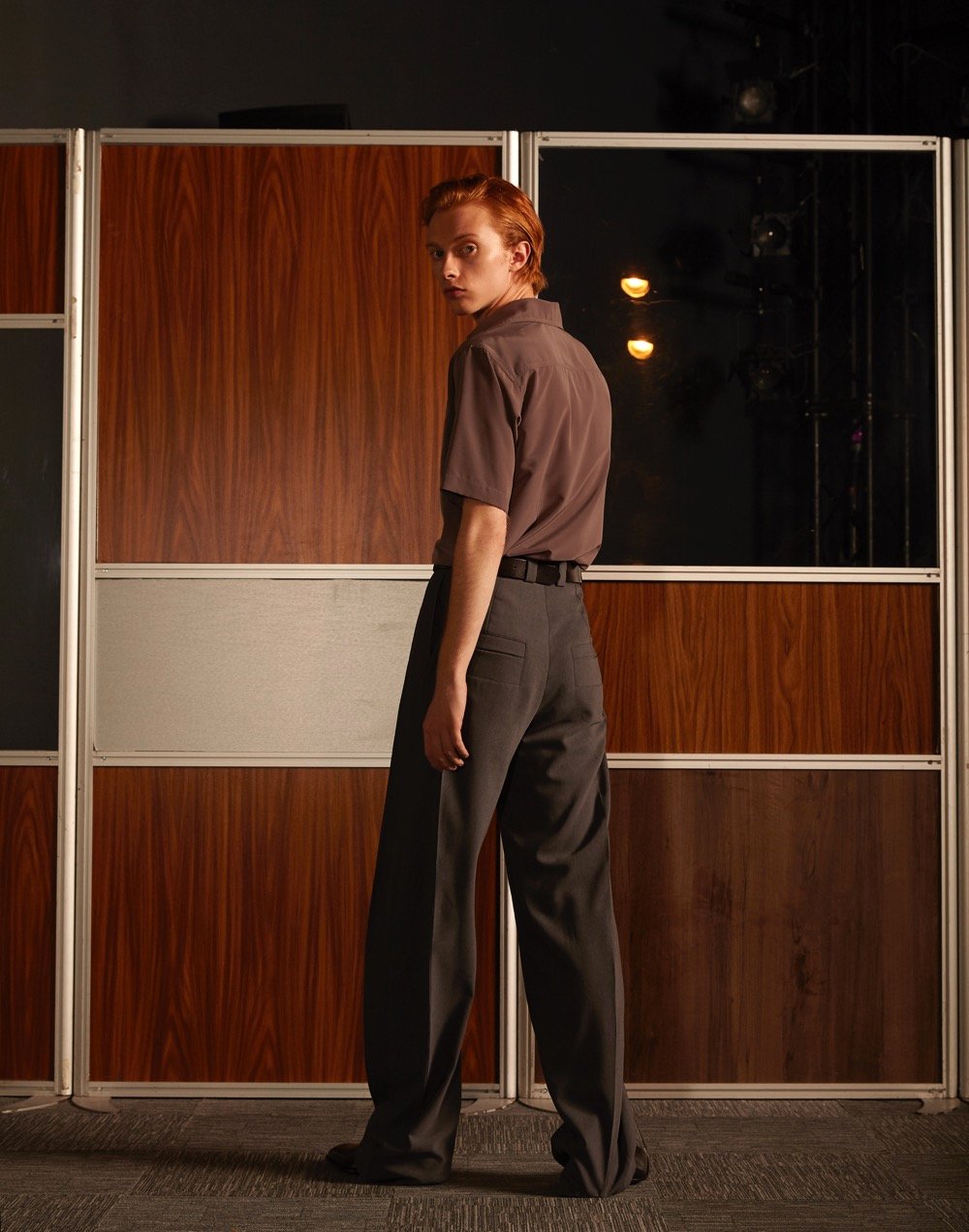
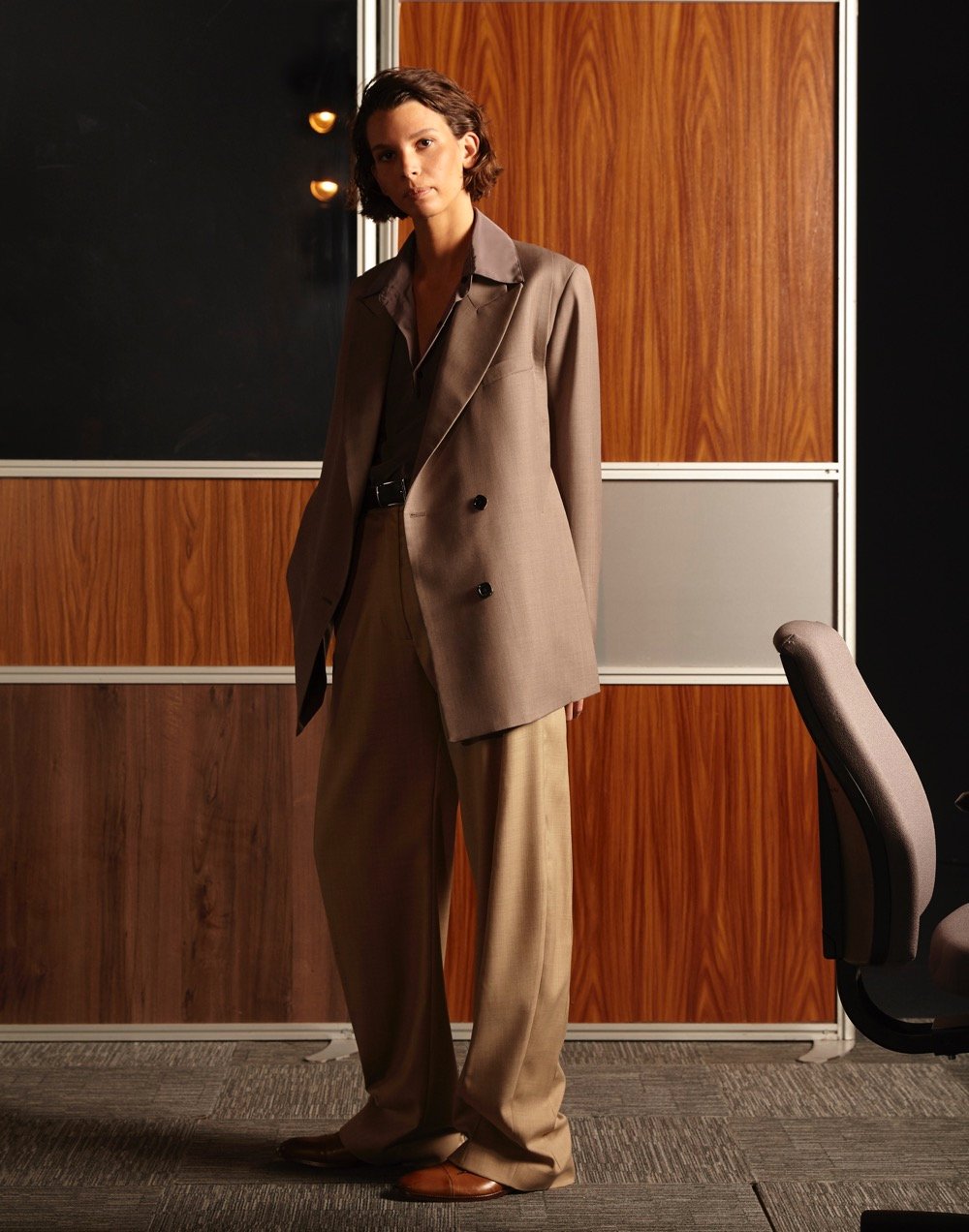
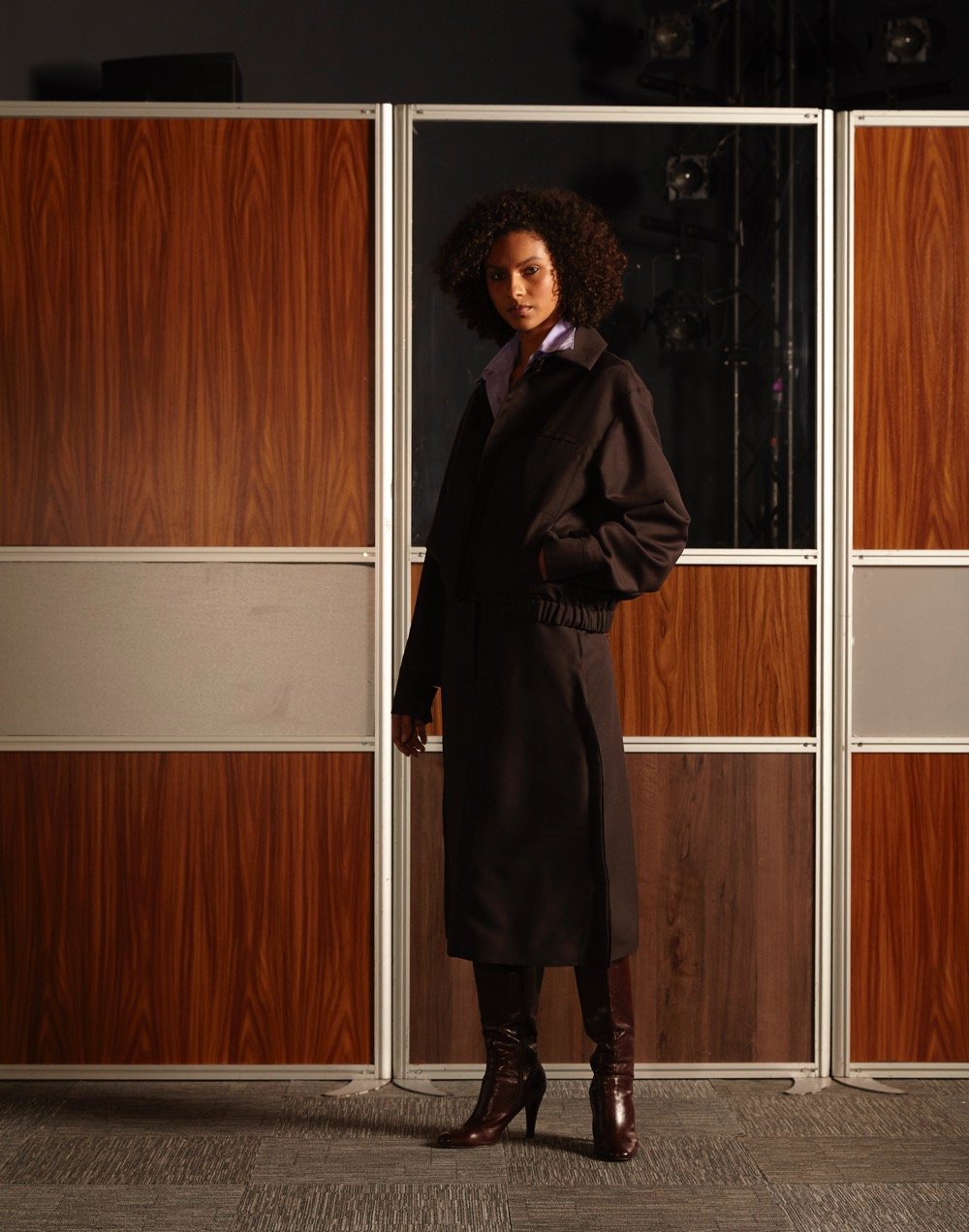
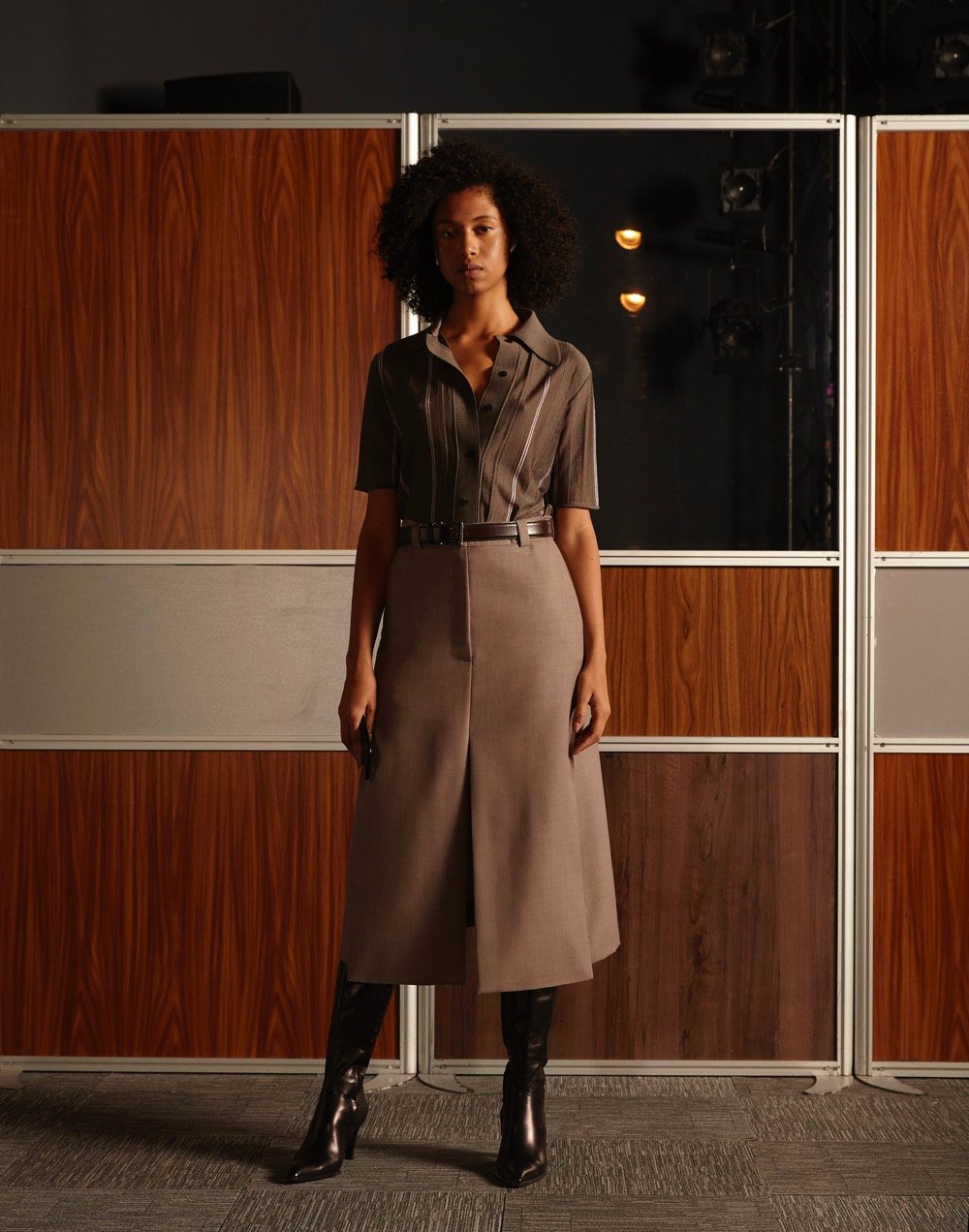
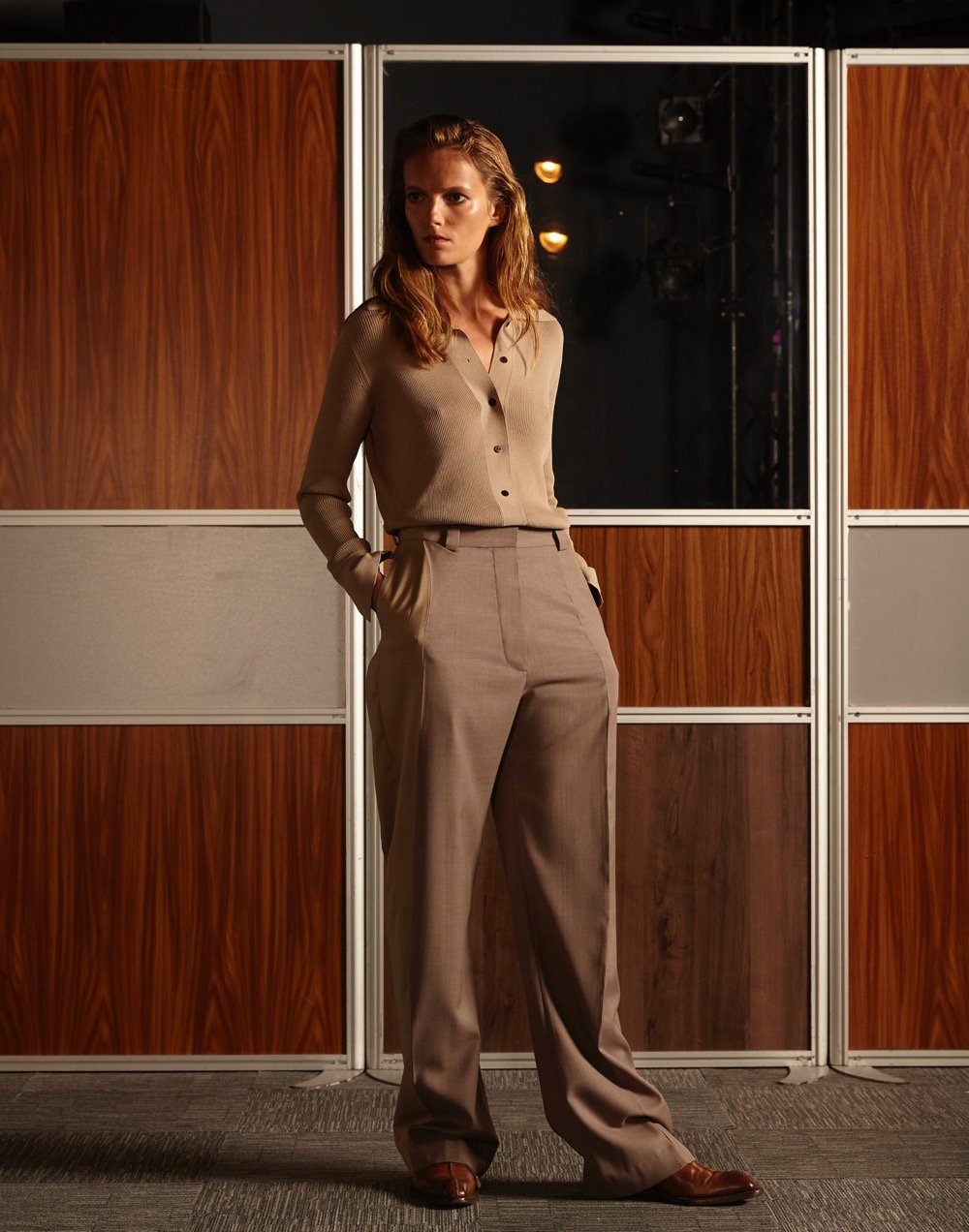
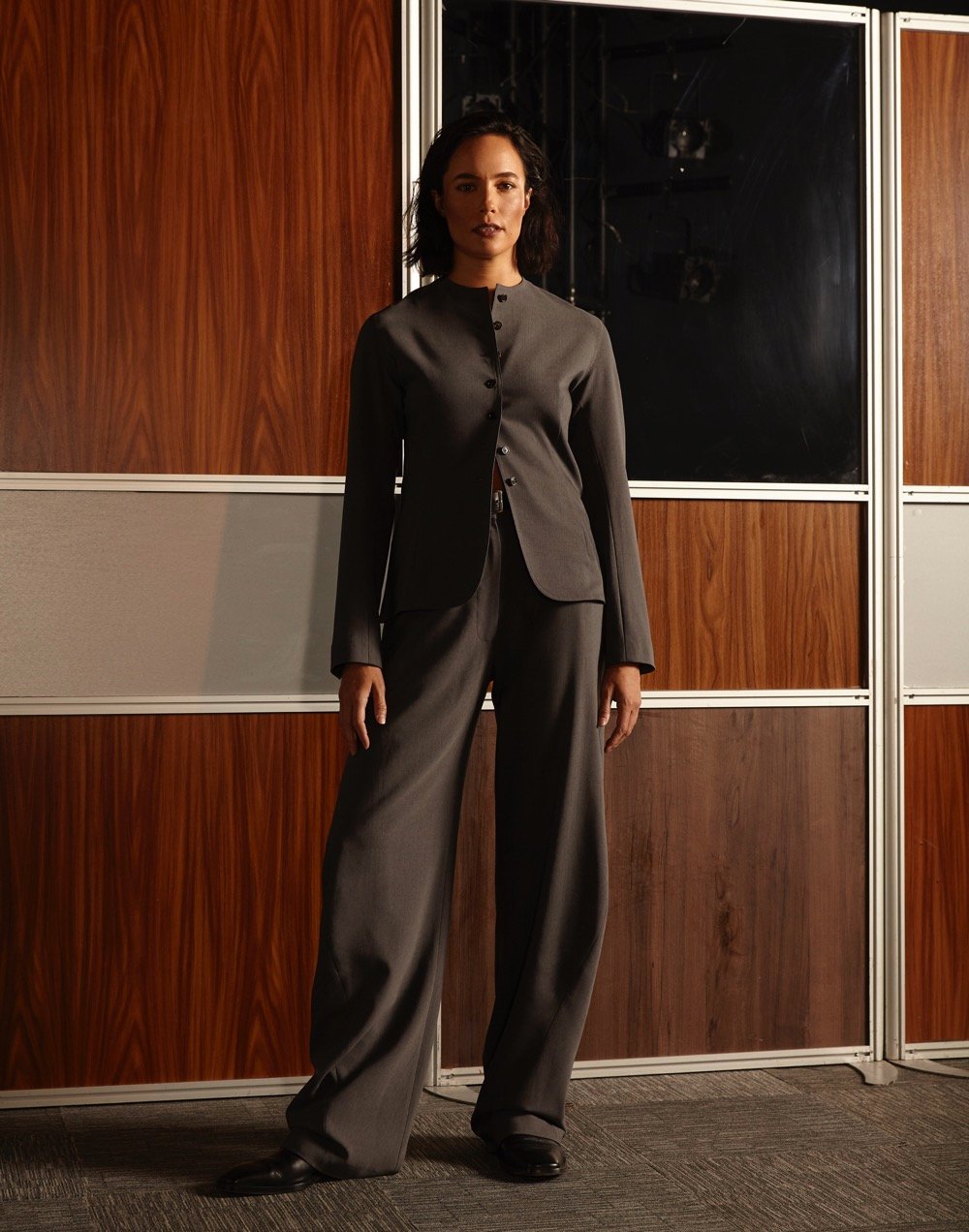
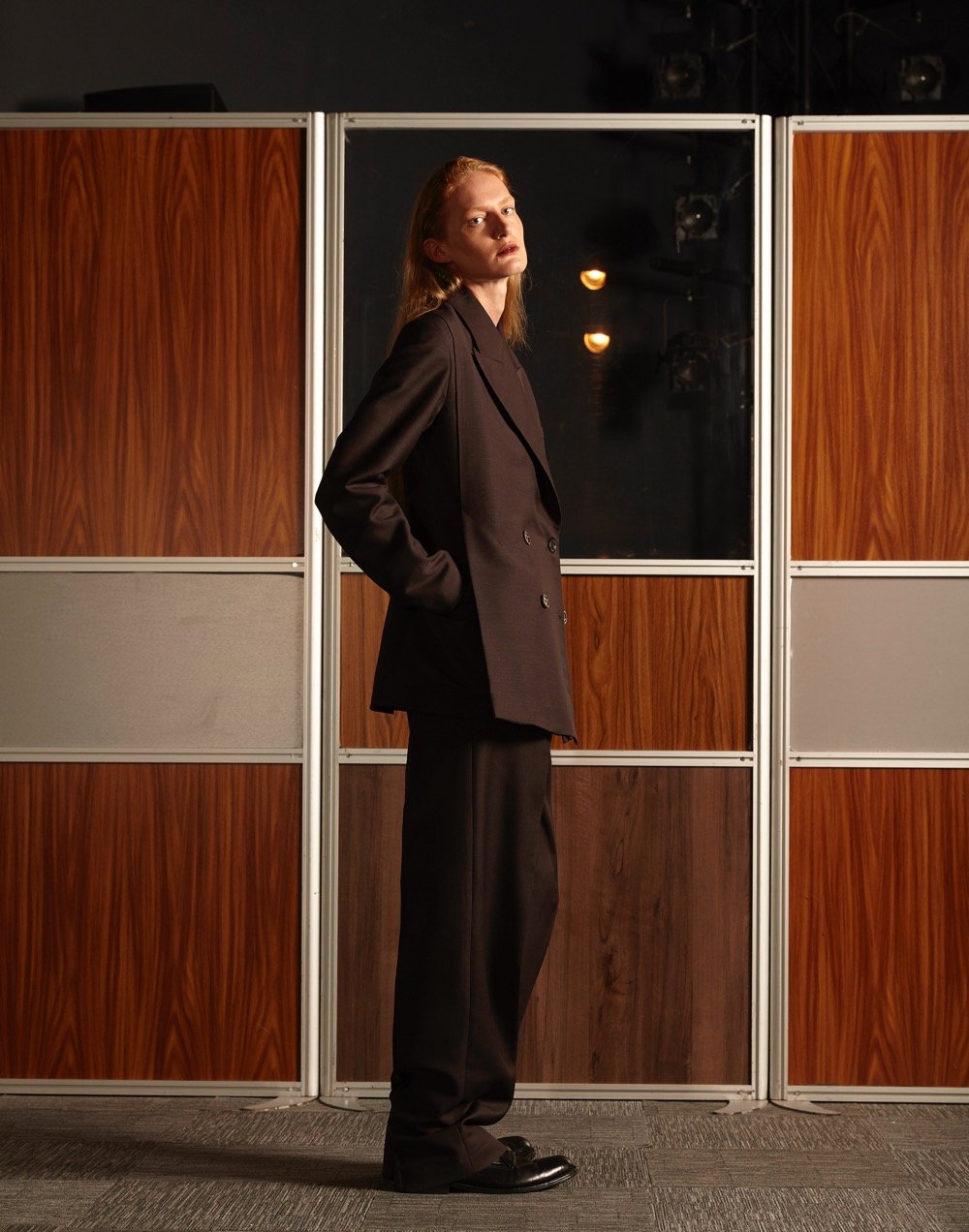
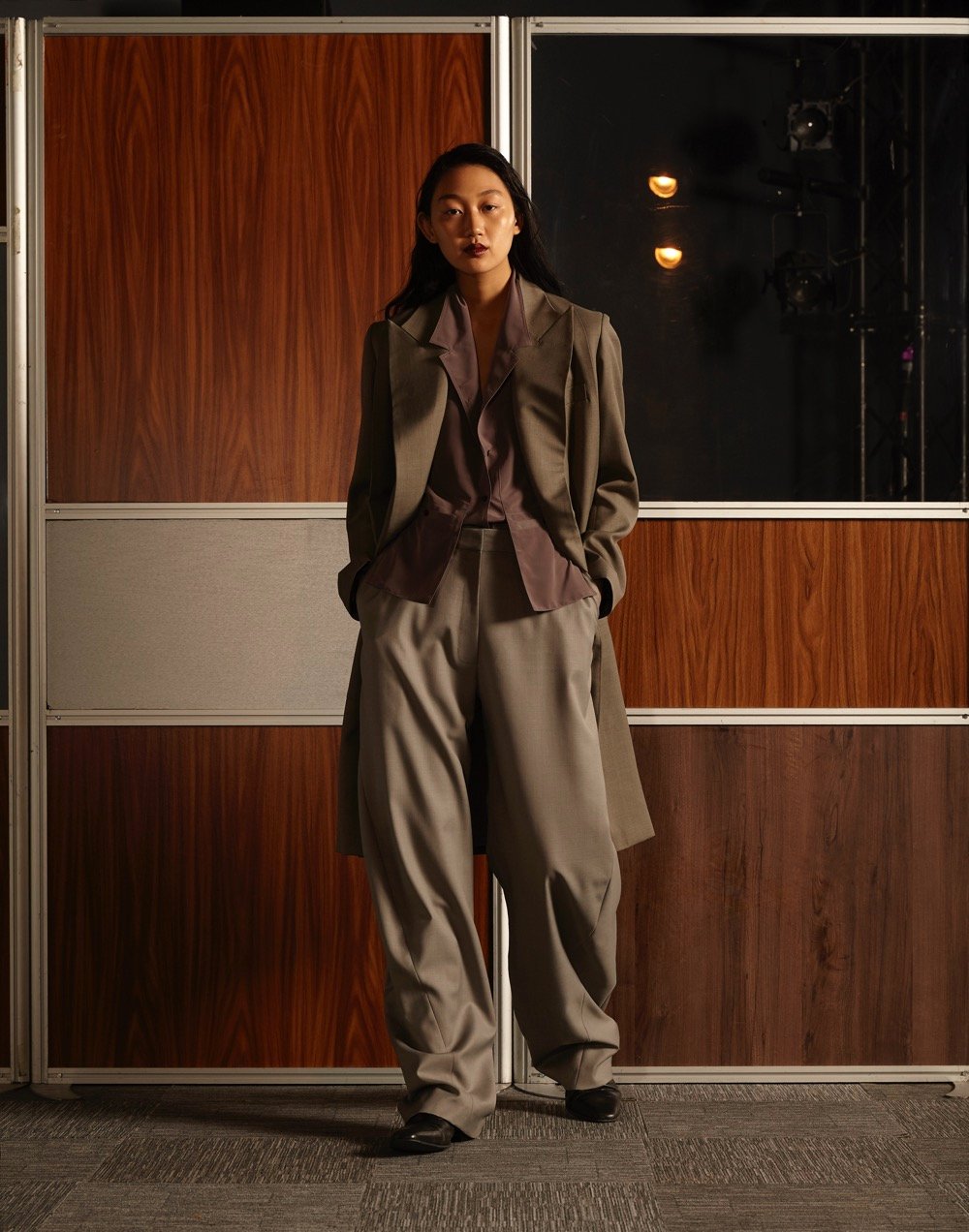
To find out, we decided to dig a little deeper into some of our favourite shows by young designers at London Fashion Week SS20, starting with Eftychia. Graduating from the Central Saint Martins MA in 2017, the Greek designer dove straight into launching her brand of quietly confident, sophisticated women’s tailoring. This season, the brand made its debut on the London schedule, presented an 80s boardroom setting in which women assertively wear the trousers. With the dust from the show since settled, we caught up with the designer, as well as with styling duo Ani & Aniko and set designer Derek Martin, to find out just what went into the making of the spectacle we saw. 

“Fashion weeks are much more than just seeing collections and having champagne with caviar.”

The Stylists — Ani & Aniko

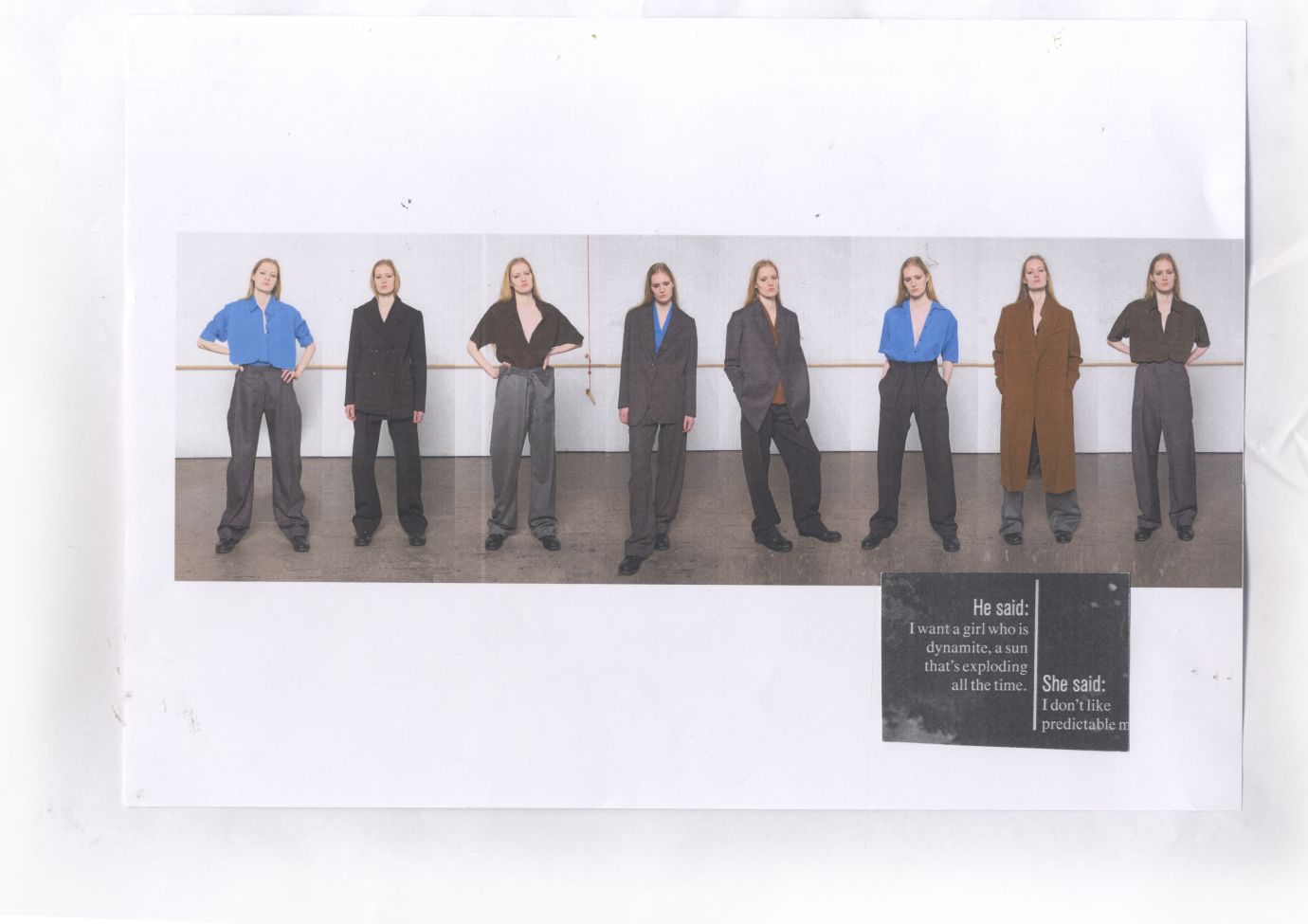
“We were first drawn to Eftychia because she doesn’t believe that her clothes make women look stronger or more powerful; instead, they emphasise a strength that the women who wear them already have. As such, the garments don’t ‘speak out loud’, but quietly empower women through delicately tailored details. This incredible attention-to-detail made us very excited to begin working with her and help develop the image of the brand. She has a very particular idea of who her woman is, all the way down to details like how she walks, how she stands, how she holds her hands in her pockets, et cetera.

“When styling this presentation, our main goal was to reveal the core essence of the brand. Her garments are really cleverly designed, and the variety of looks you can achieve with them are almost infinite. The subtlety of the colour tones allows for the garments to be combined in many ways, while the tailored details give the collection a consistent image. Her clothes show that being a woman is not just about wearing pretty dresses and mini-skirts, suffering in high heels and making sure you always look impeccable: they’re as functional as they are decorative. 

“As to why show during fashion week? Fashion weeks are much more than just seeing collections and having champagne with caviar. It is one of the most important events in the industry where people can share their ideas, concerns and develop a better future together. We have to be very smart with how we lay out the future and part of that is looking closely at the realities of the sustainability and carbon neutrality of these events. It’s no secret that fashion is one of the world’s most polluting industries we need to develop solutions which help maintain the health of our planet.”
“I’m attracted to the world that Eftychia creates because, as a feminist, I don’t believe that strength and weakness are defined by gender.”

The Set Designer — Derek Martin

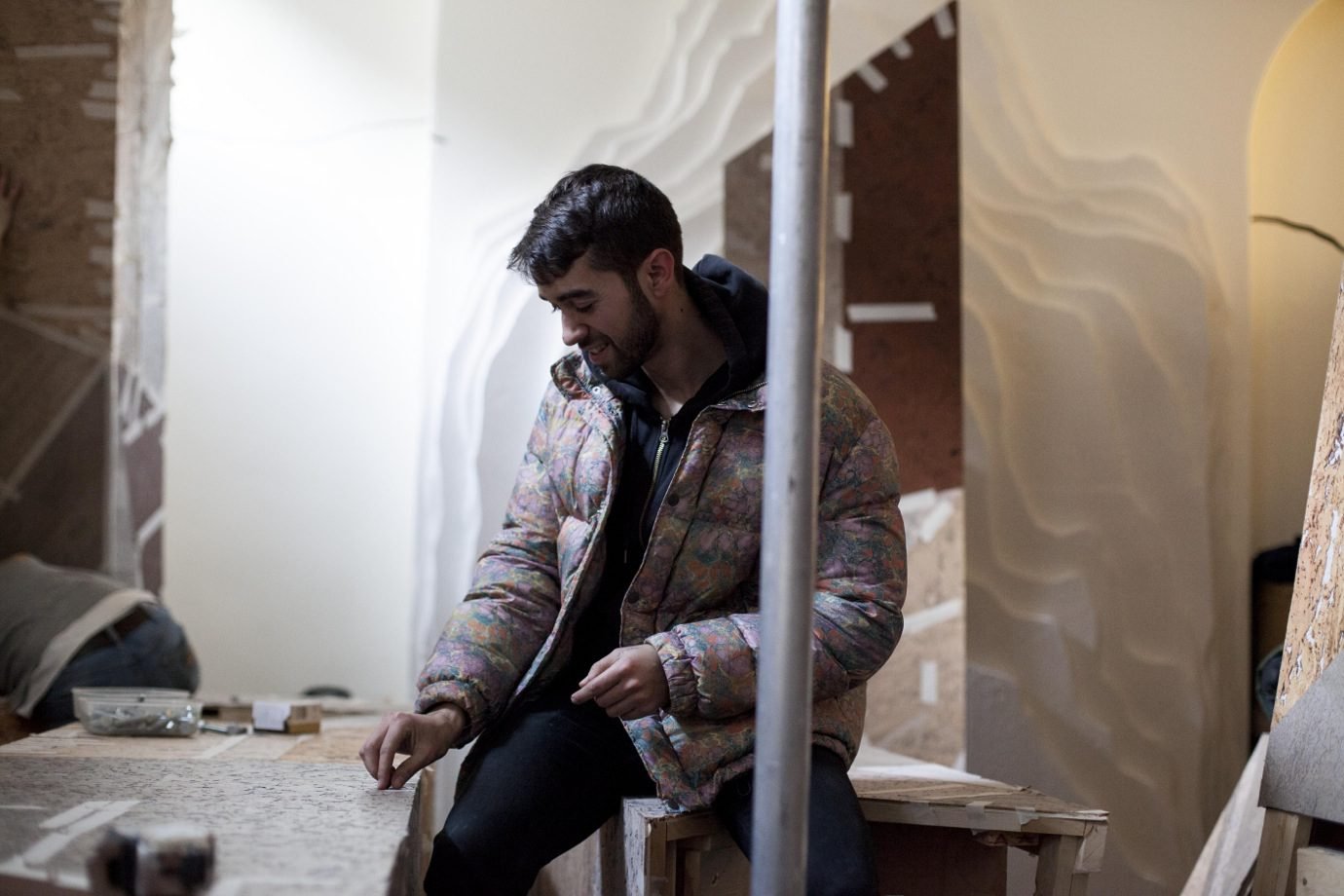
“One of the reasons I’m attracted to the world that Eftychia creates is that, as a feminist, I don’t believe that strength and weakness are defined by gender—drawing attention to the masculine and feminine elements that each of us has is so crucial. I wanted to create a world that conveyed the power and strength of a corporate environment, one that might typically be dominated by men, or by masculine energy. Once the ideas for the set were aligned with the concepts behind Eftychia’s collection, it was important we then thought out how the space could be brought to life by creating an immersive experience that complimented the collection without distracting from it. To do that, I created the set as fragments of an office boardroom that faded into pitch-darkness, a surreal space that alludes to the idea of dreams becoming reality.

“We wanted to allow the audience to really get close to the collection, to enable them to see the fabrics, textures and fit of the garments for themselves. The set, therefore, had to be visually impactful from all angles. With campaigns, on the other hand, the sets only have to be viewed from one direction, allowing them to be staged more easily. Also, when you have members of the public walking around a space, you have to make sure that all of the elements are entirely safe. But, ultimately, creating a set for a presentation is all about conveying the feel of the collection for a live audience.”

“Be prepared to do a lot of DIY, Nothing is impossible but it will be hard work, which isn’t a bad thing actually—the result feels more rewarding in the end.”

The Designer — Eftychia

“When we were pulling the show together, all of the difficulties we encountered were budget-related! Pulling a team together, finding the right models, and aiming for the best results possible is difficult when you don’t have decent financial backing. Without the help and support of friends, the British Fashion Council, and sponsors like The Wall Group, Bobbie Brown, Leonor Greyl and Blonstein Production, nothing would have been possible! 

“Finding models was especially hard! I had a mix of street cast and agency models, and the most unexpected realisation was that apparently there’s a specific rate that you have to pay models during fashion week, regardless of whether you’re an established or emerging brand or a just starting one. I was still looking for models up until the evening before the presentation! I think I prefer to opt for presentations over catwalk shows, just because, in my case, I think it serves my brand and how I’d like to communicate its message better. Going forward, I’m also considering alternatives to static presentations. 

“That said, it isn’t easy, whichever way you decide to do it. If I had any advice for designers showing their work at fashion week for the first time, it would be to. Count on people’s help and be nice to them. Be prepared to do a lot of DIY and look for alternative ways to make things work, especially if you’re on a tight budget. Nothing is impossible but it will be hard work, which isn’t a bad thing actually—the result feels more rewarding in the end.”