
Representing the creative future

Alice Firman: From vulnerability comes strength

The RCA graduate tells us how her collection sprung from off-white leather glove, and why six month's support just isn't enough for young designers today.

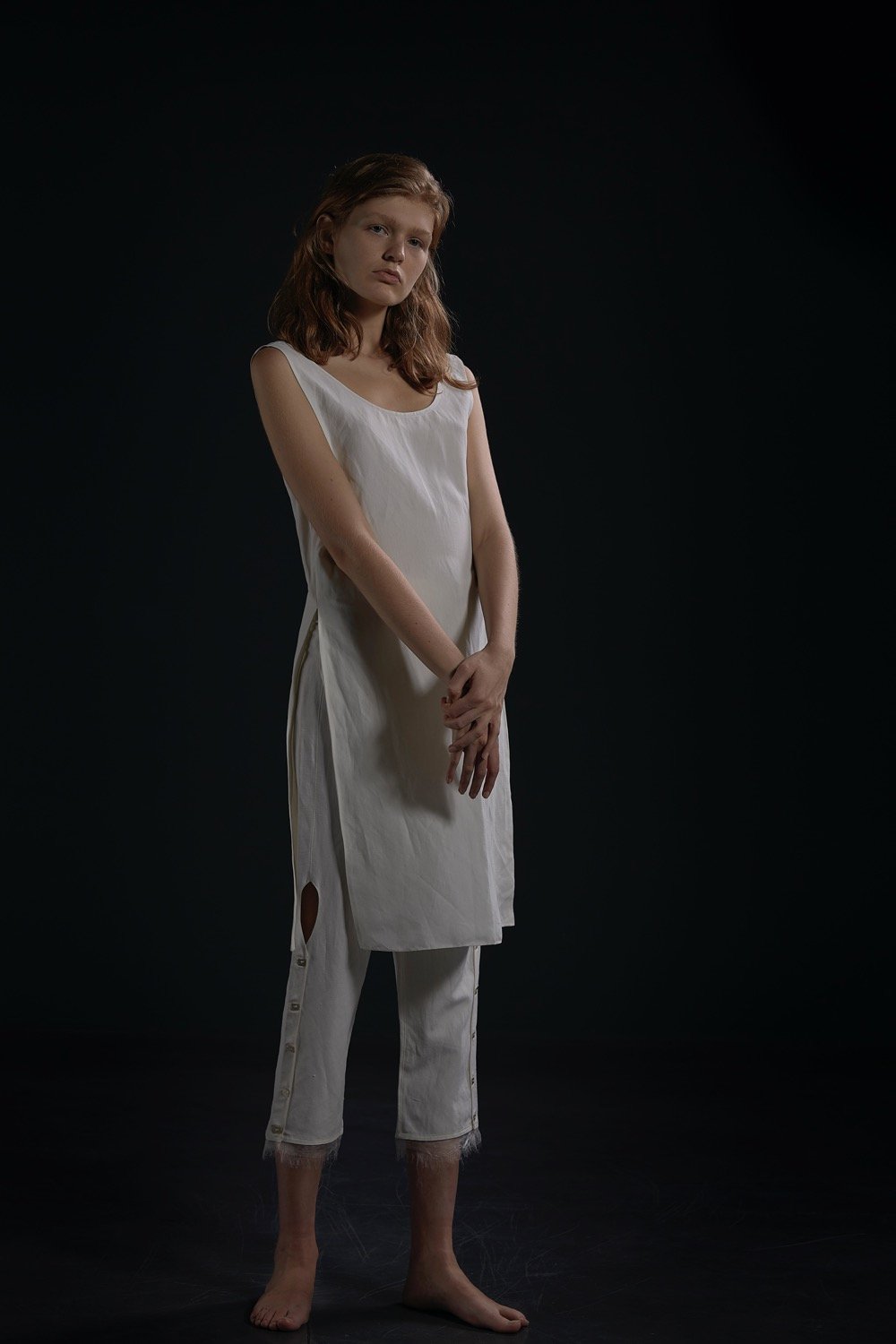
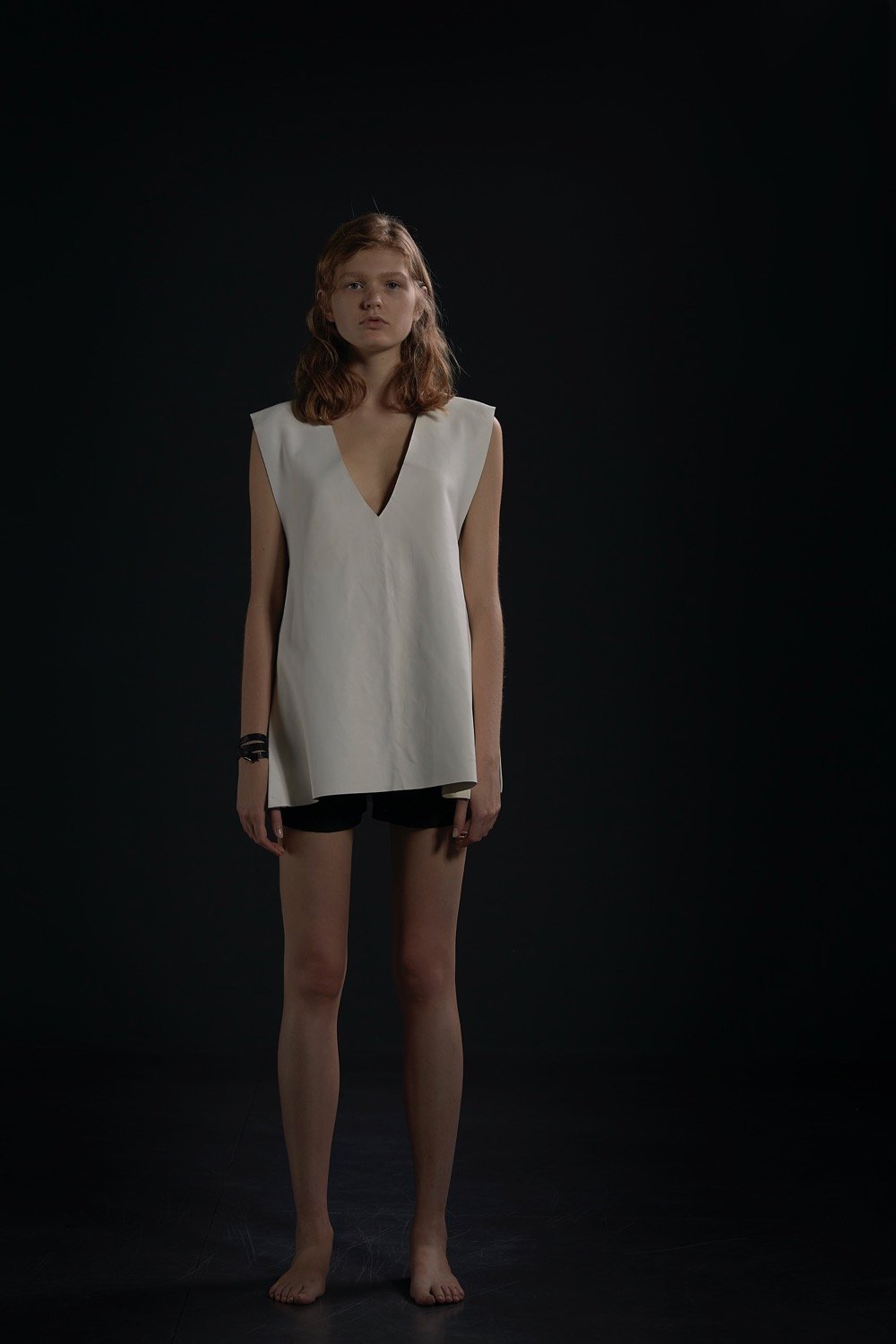
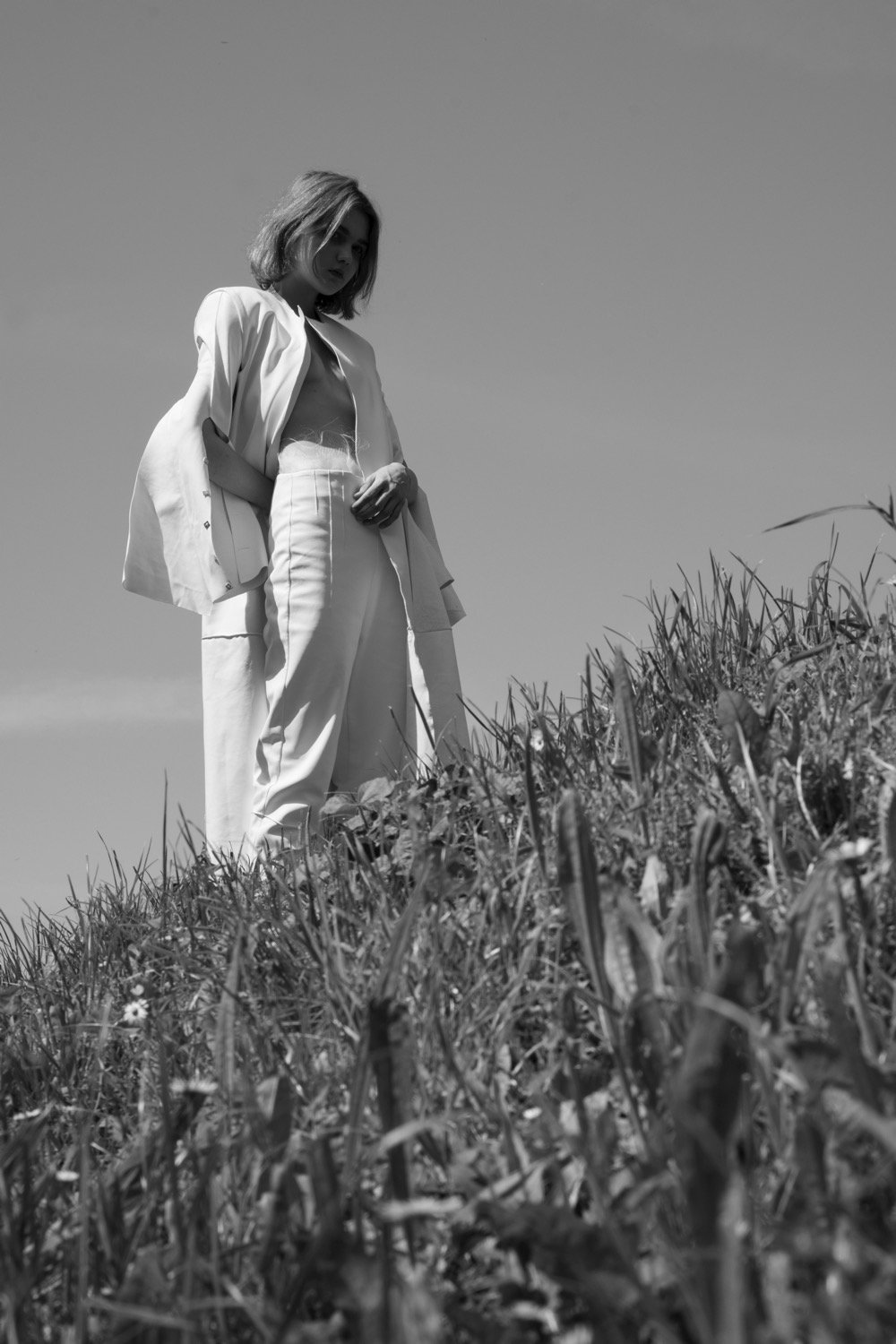
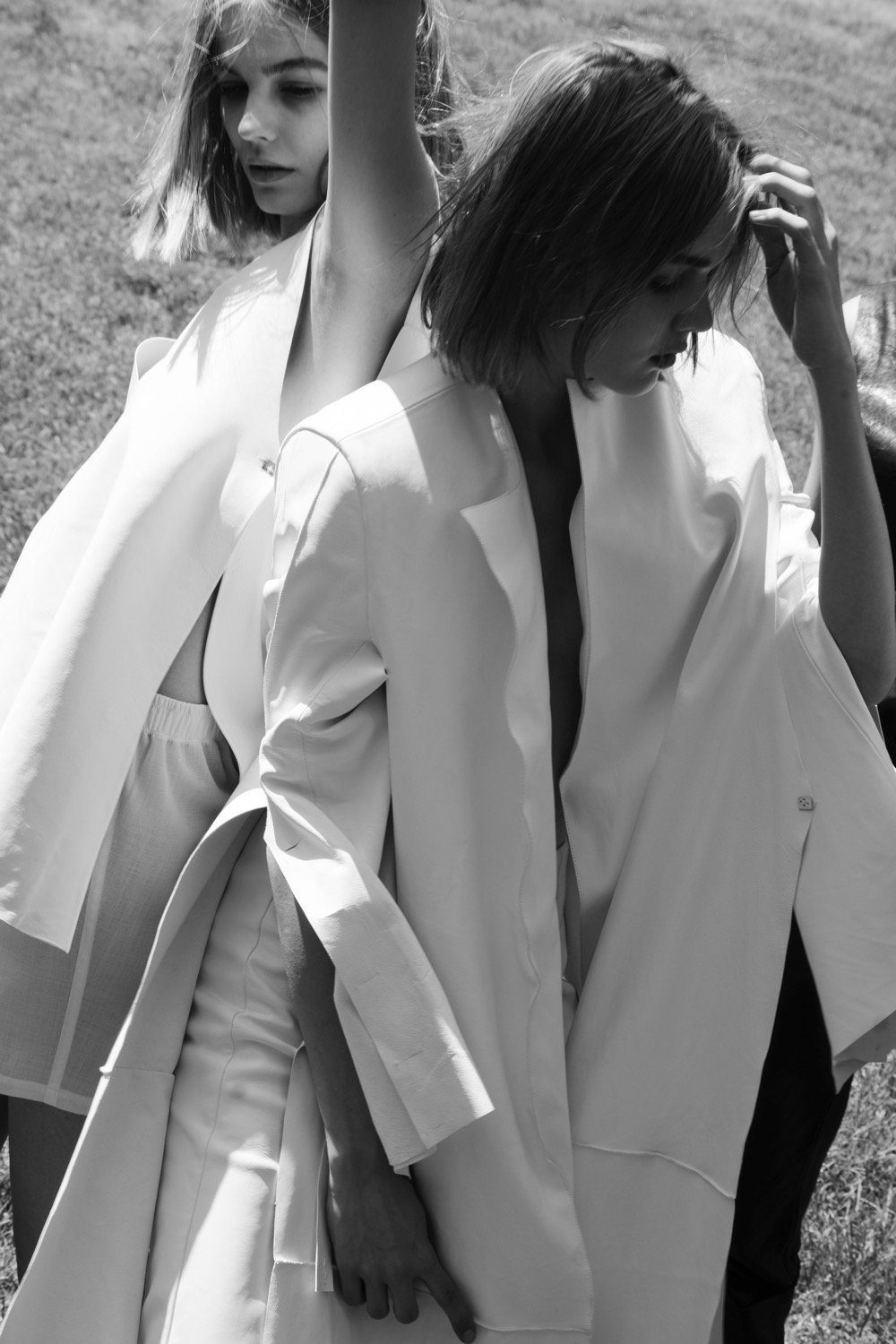
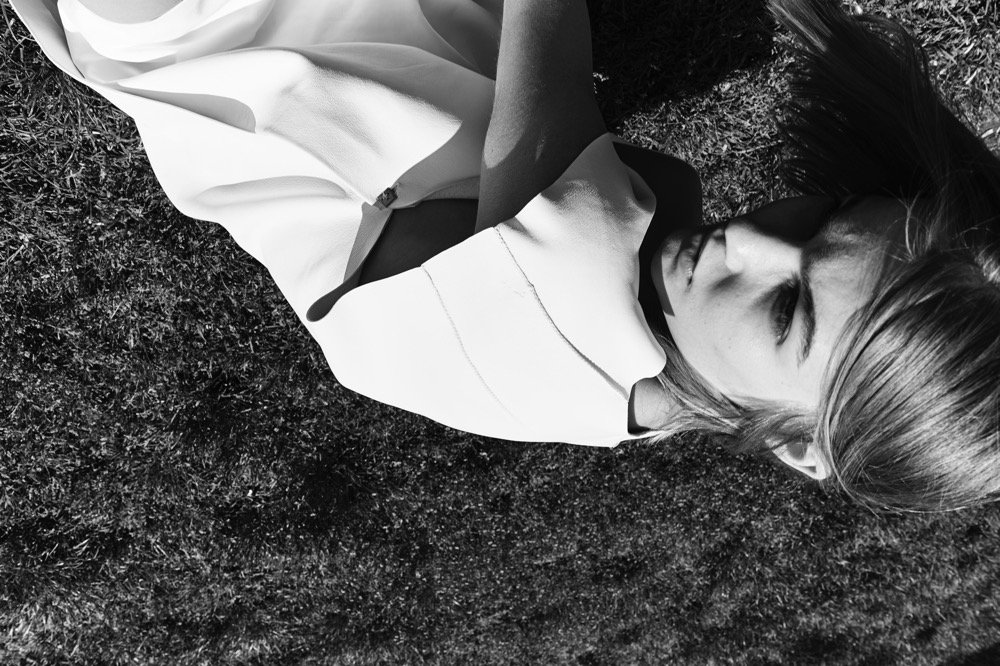
“Today, with so many garments being churned out unnecessarily, without any meaning, I think it’s more important than ever to know the reason behind what you are doing,” says Alice Firman. ‘Why?’: that’s the question the 25-year-old Italian asked at every step of her design process. Titled Vulneràbile, Alice’s collection explores emotional vulnerability through her observations of intimate, everyday gestures. “In modern society, social media presents a very unrealistic image of happiness, which affects young people’s mental health,” says the fresh Royal College of Art graduate. “That was the driving force behind my collection. My initial research was based on a lot of academic reading around psychology and the philosophy of the subconscious, exploring the work of Sigmund Freud and contemporary thinkers like Merleau-Ponty and Stefan Klein.” While unravelling the intricacies of the mind makes for fascinating theory, the lacking visual context—the building blocks for any creation—makes interpreting it challenging.

I respect people who make these amazing, methodical pieces that capture attention from far away, but that’s not me—I want you to fall in love with my clothes because you want to wear them.

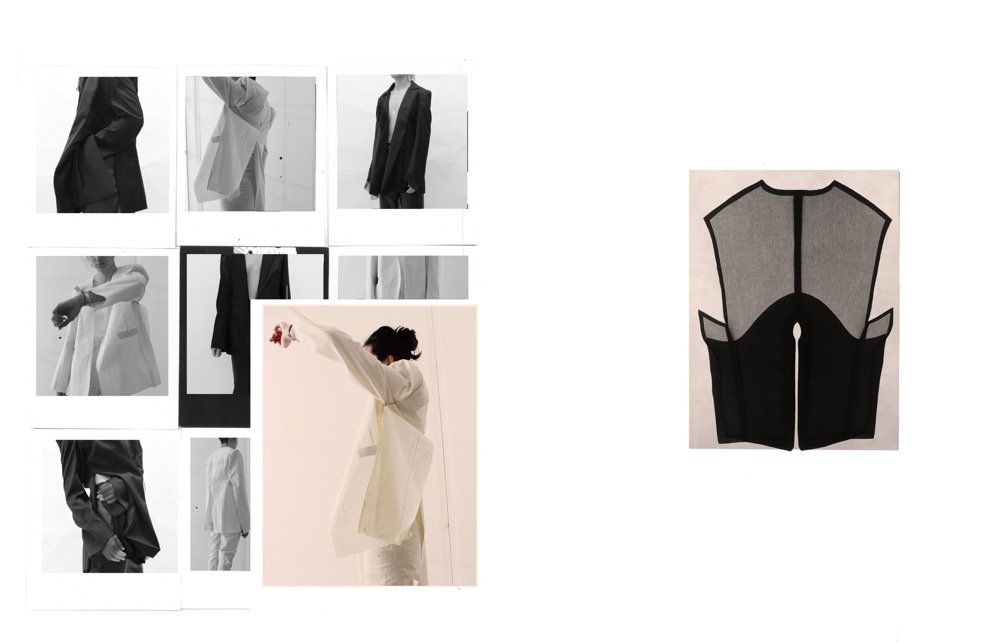
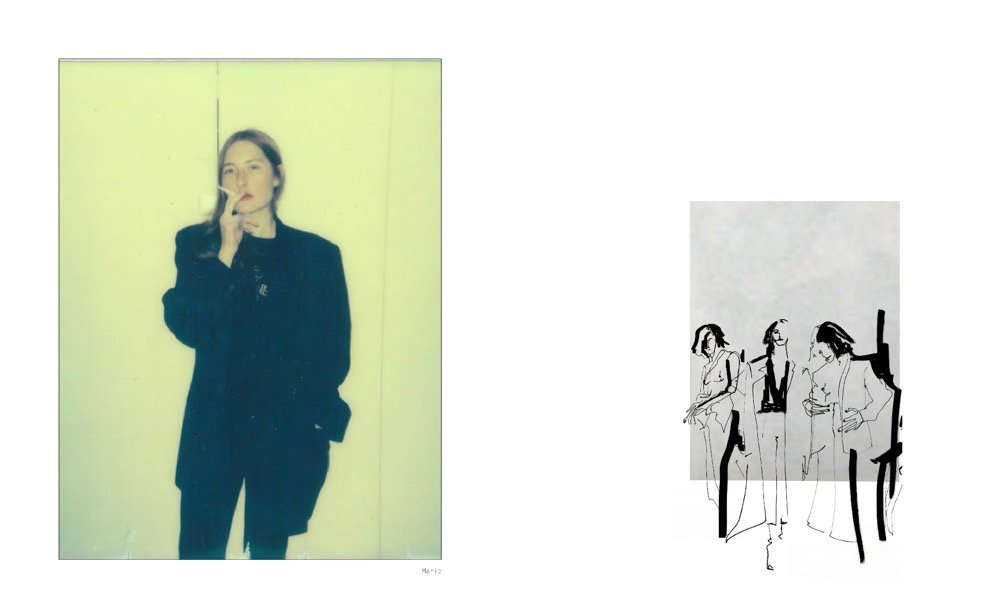
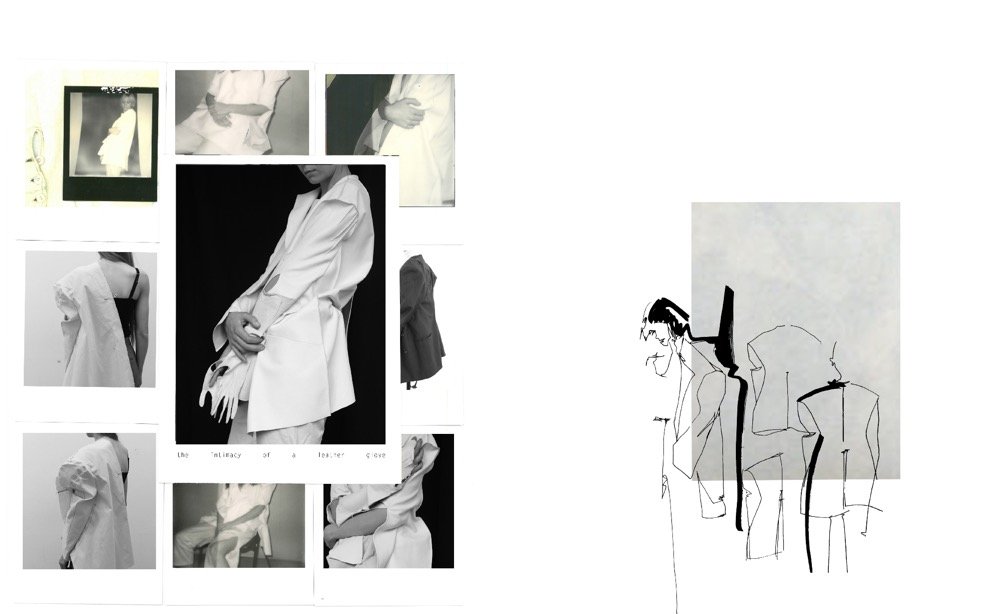
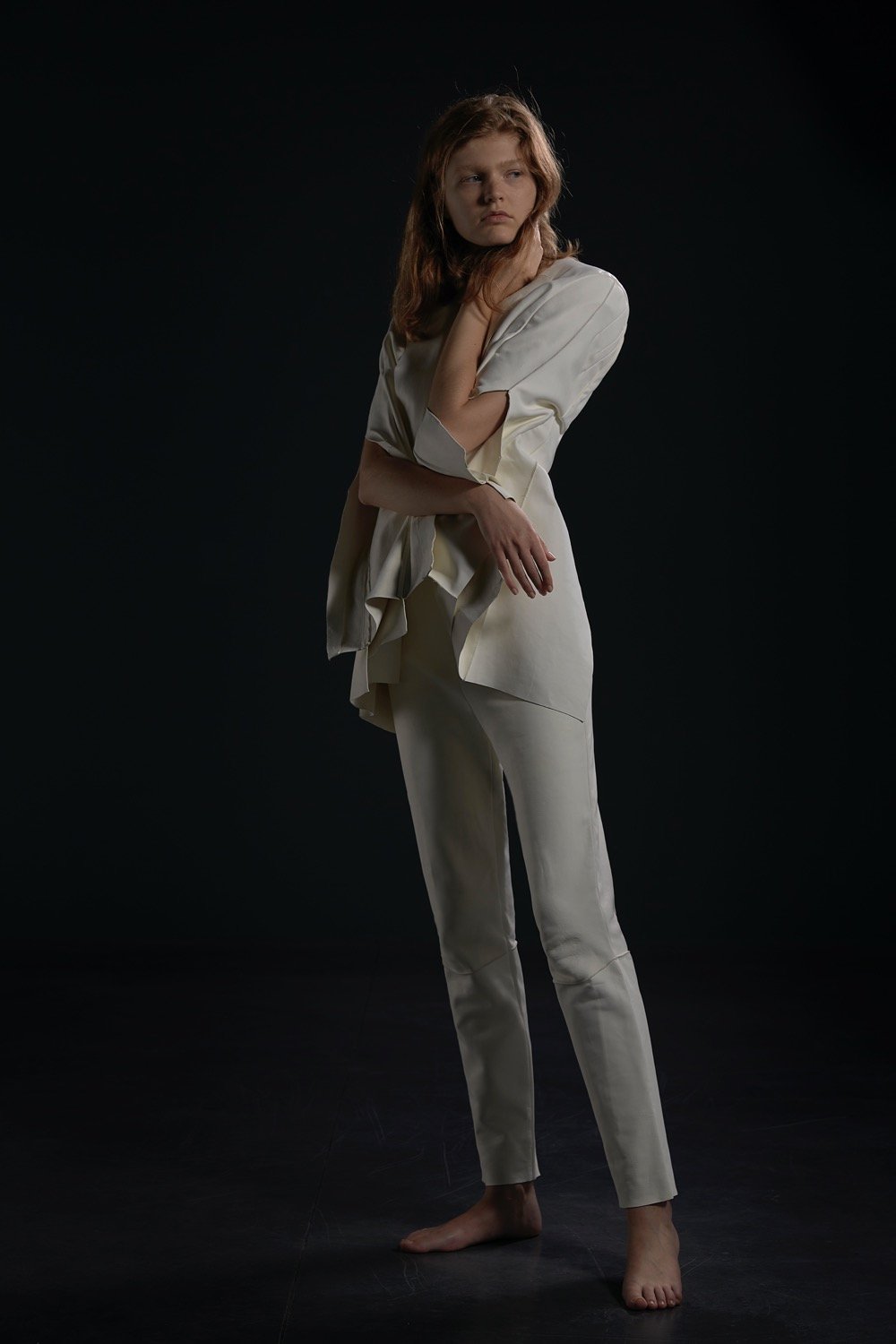
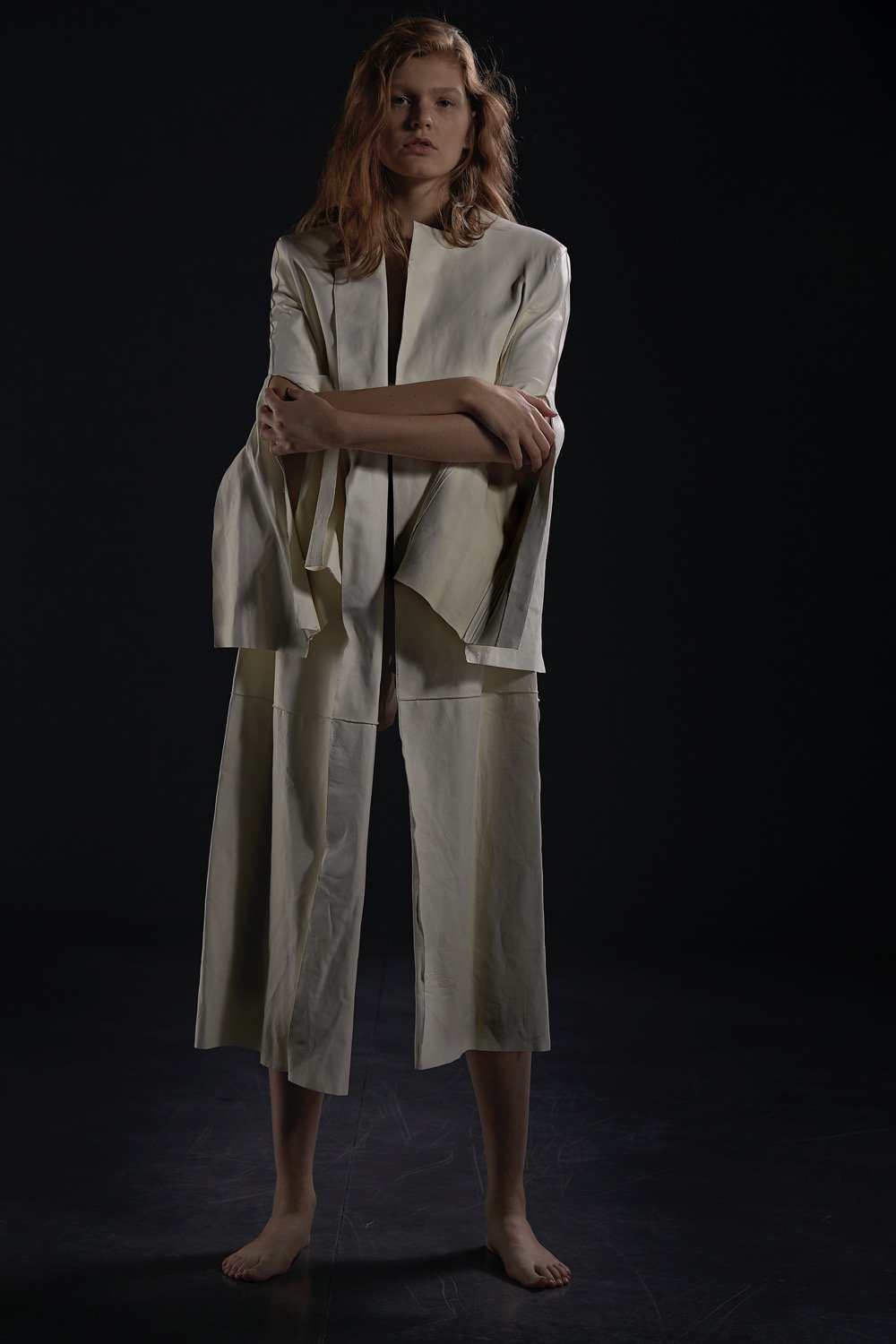
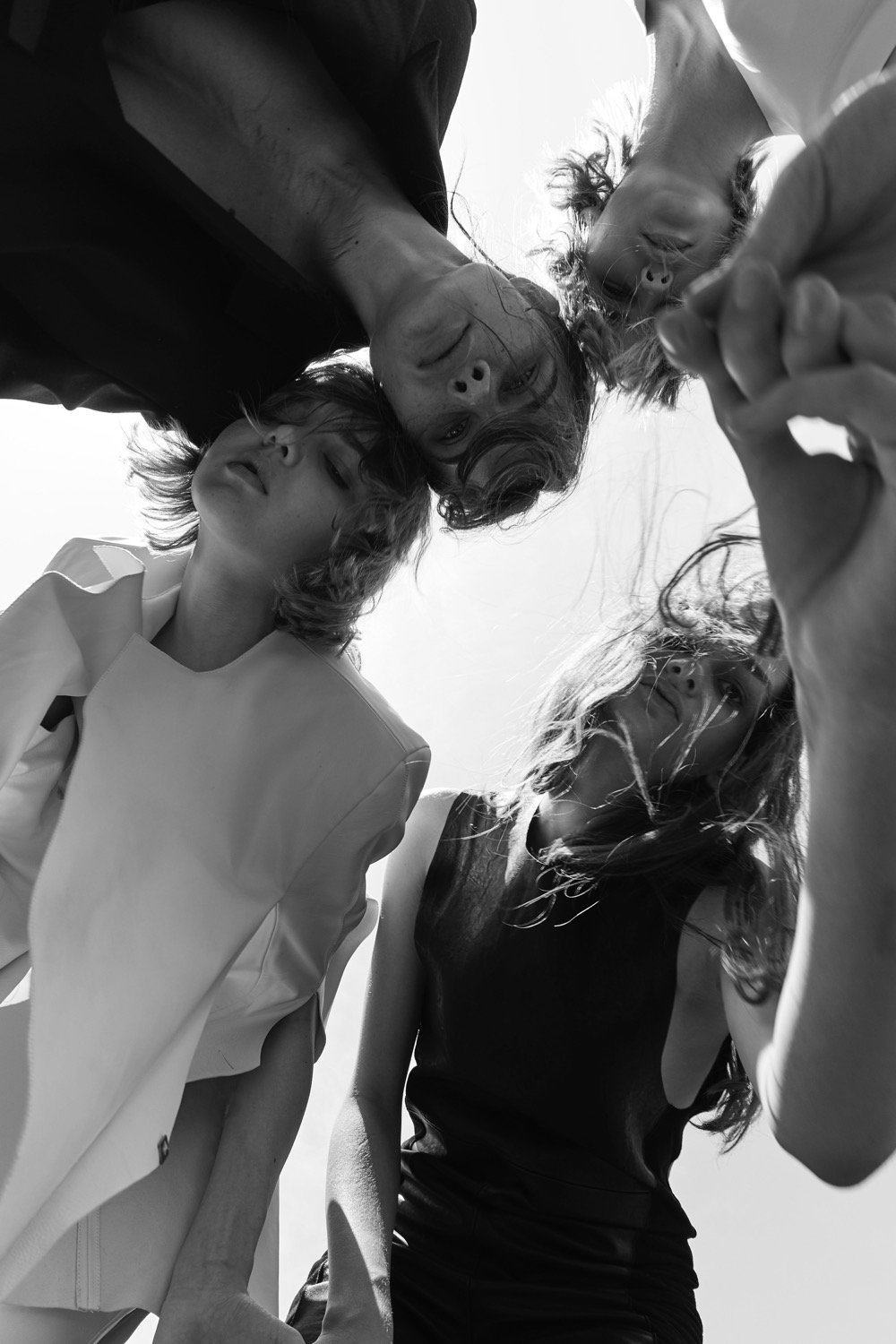
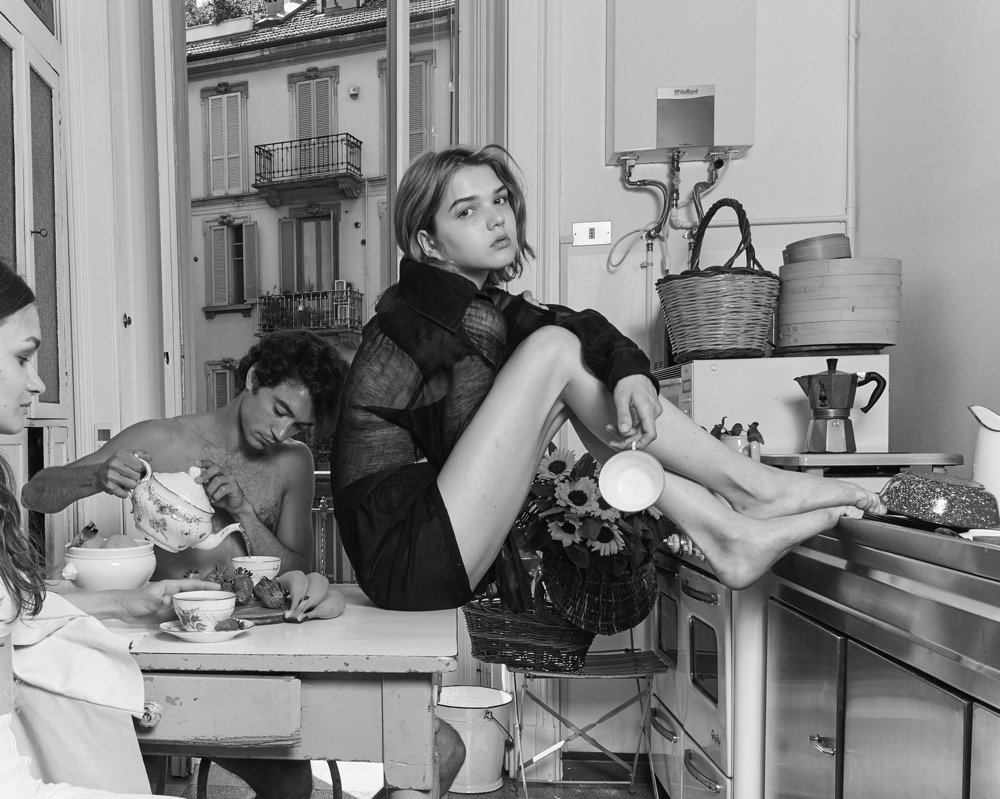
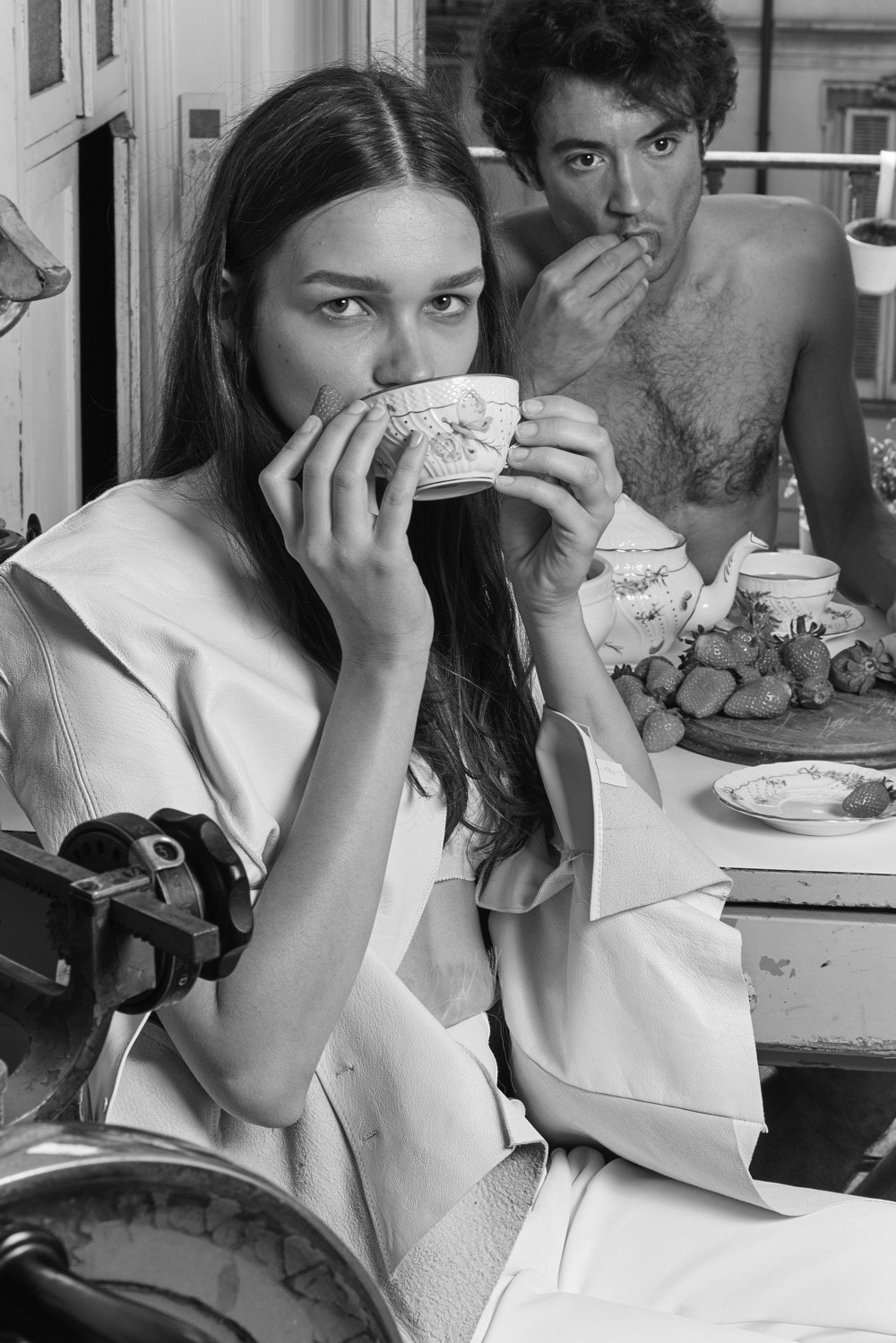
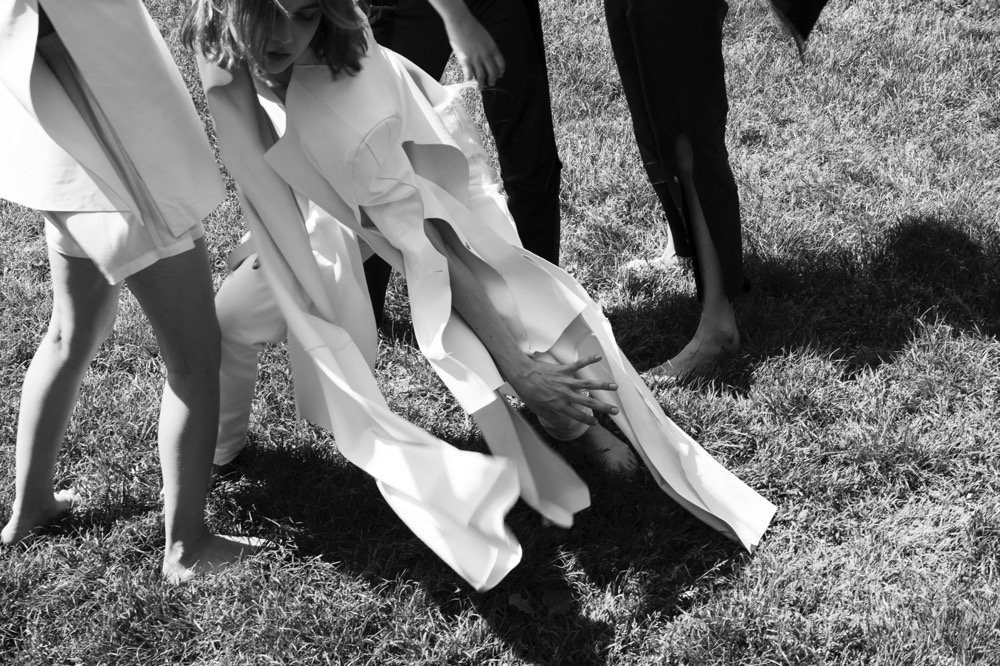
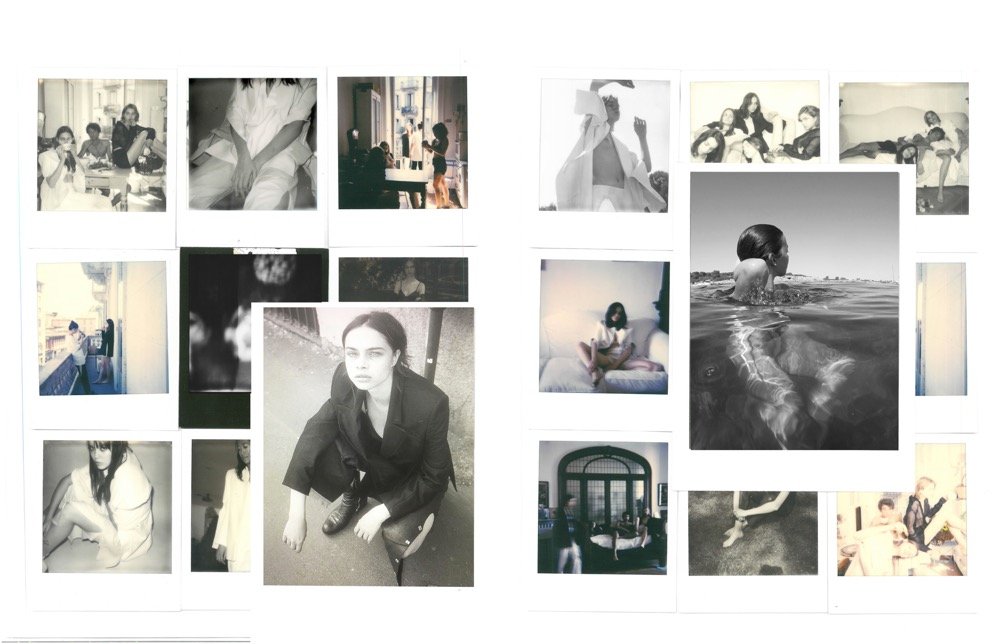
The details of the collection were rooted in photography: Alice captured human gestures on camera, analysing the emotions of people as they remained silent. “I started cutting my clothes by framing the postures that I had been observing,” she says. “I loved seeing menswear silhouettes on women, so I tried merging the straight lines of tailoring with the curvilinear features of the body.” As with any complex concept, a literal translation isn’t always the best. “While trying to recreate my observations, I ended up with very unwearable pieces. They emulated specific poses which trapped the wearer,” elaborates Alice. “I respect people who make these amazing, methodical pieces that capture attention from far away, but that’s not me—I want you to fall in love with my clothes because you want to wear them.” After extensive trial and error, she was able to create practical silhouettes that demonstrated highly technical construction. And it all started with a glove, an off-white goat leather creation from the 1930s, which exposed her to the intricate art of glove-making. The precise construction was intriguing, inspiring, and led Alice to enrol in a two-day workshop in the craft. 

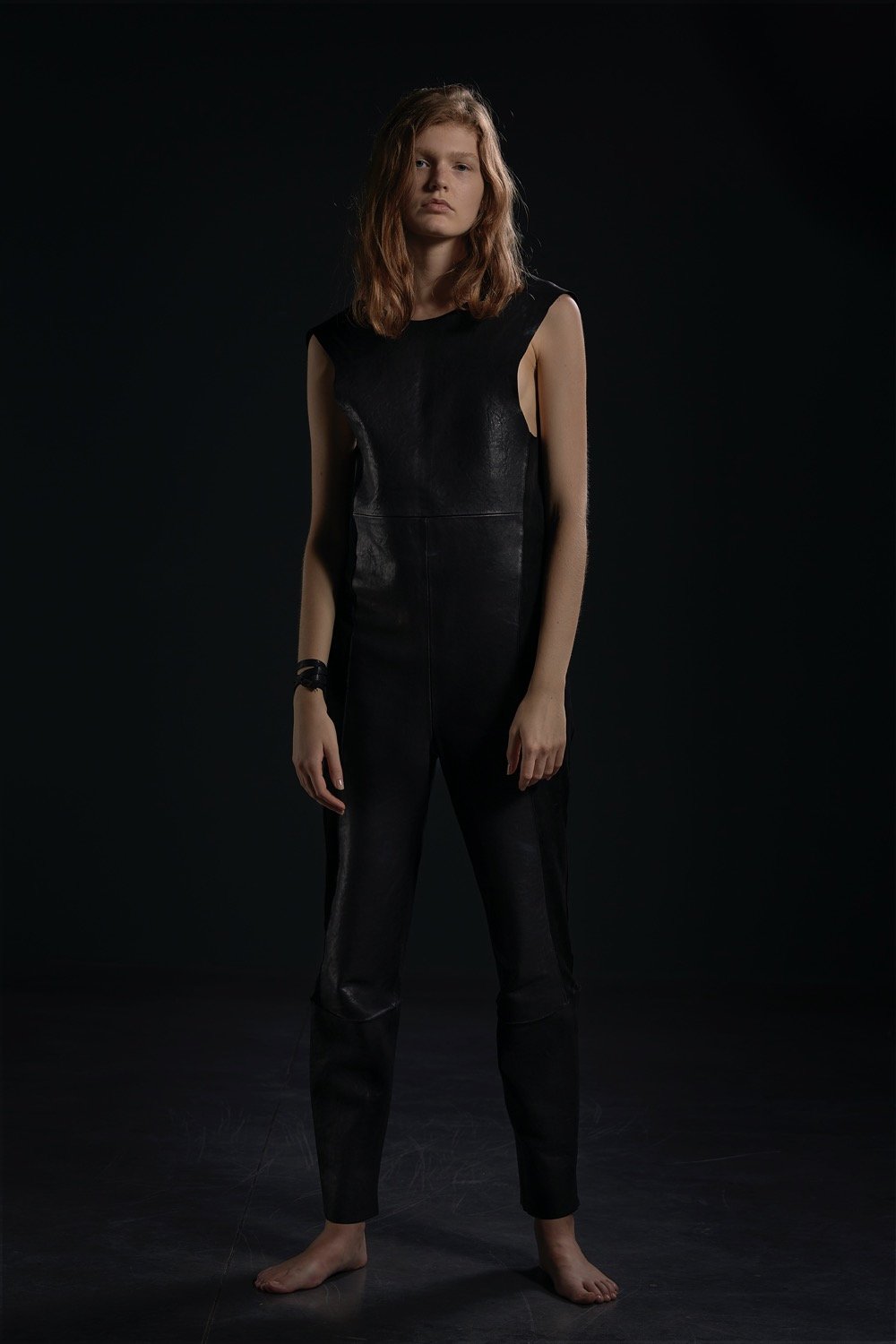
After 16 hours of hand-sewing leather, Alice had found her way forward. “All my garments are constructed with the same seams and the same methods of construction that I learnt at the workshop. I tried a million samples to try and understand which seams would be best for my collection,” says Alice. “I sewed all my clothes on a Bernina machine, playing with the width of zig-zag stitches in my seams before finally deciding on the perfect one.” Reacting to leather as a material was intuitive and choosing gloves as a point of reference tied her back to her initial research. “It’s an item of clothing that’s intimate to your body—that’s what attracted me, more than just the construction itself,” explains Alice. “I made a lot of videos of myself to see how I move, trying to observe myself. Gloves are such a big part of gestures.”
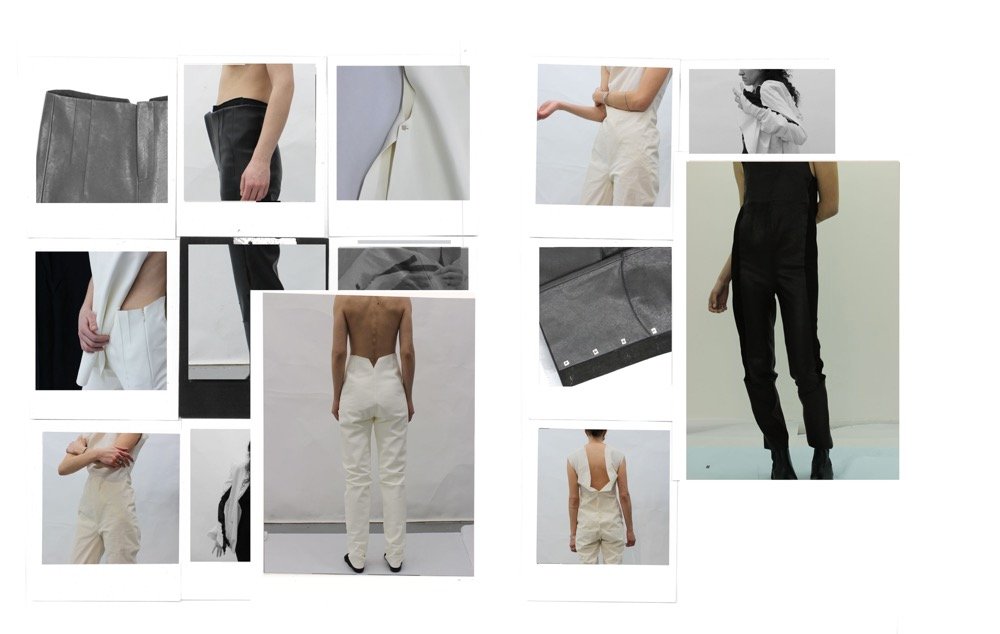
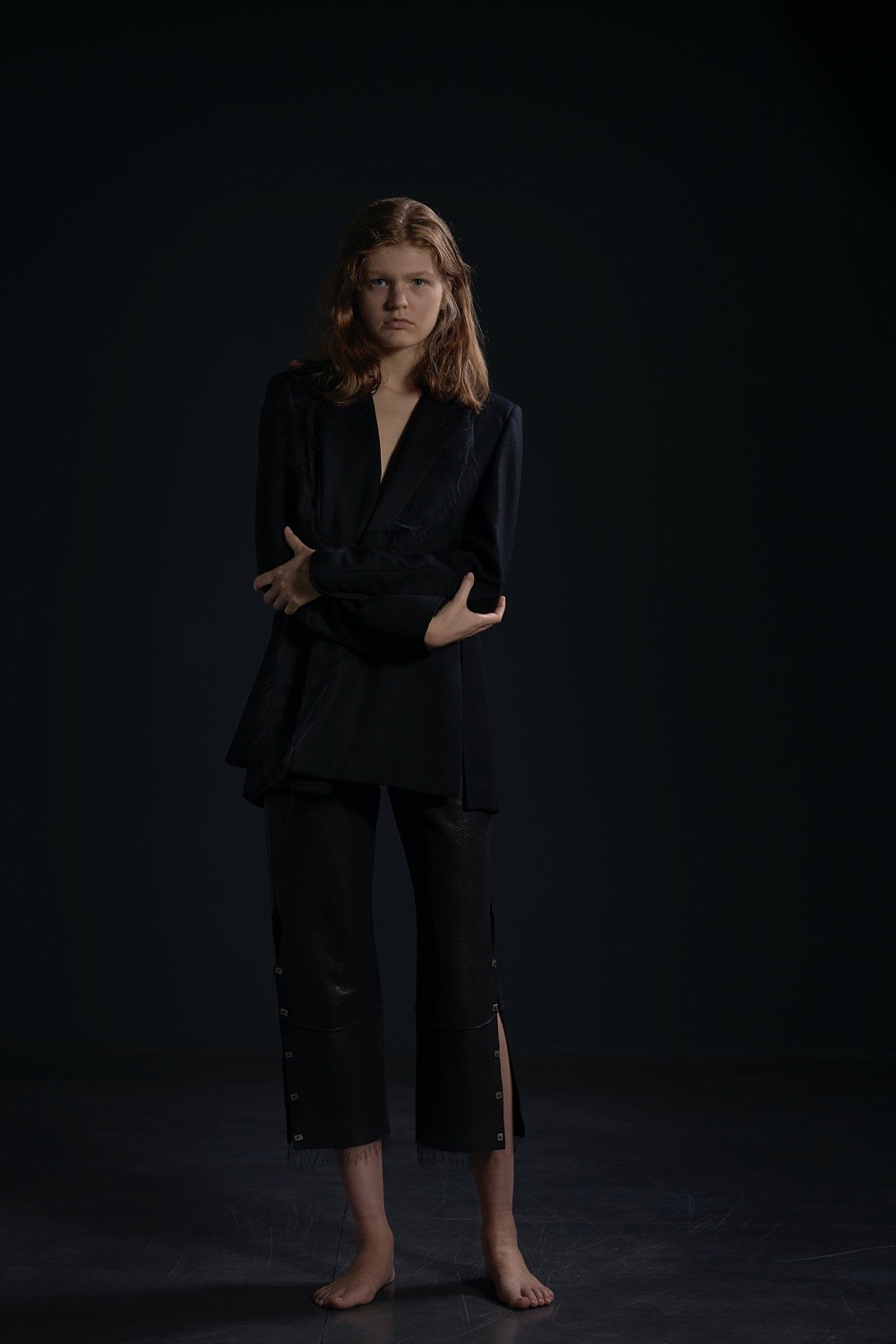
To Alice, making the collection was almost therapeutic, an ongoing dialogue with herself and her own vulnerabilities, a process of introspection that leads to acceptance. The palette was a reflection of her as well, with black as the dominant shade, interspersed with cream and off-white: “I only wear black and the 1930s glove that inspired me was in this beautiful off-white leather,” elaborates Alice. “But, it was very difficult to find leather of the same hue. So, instead of colour, I decided to play with the textures—the shine and transparencies of fabrics.”

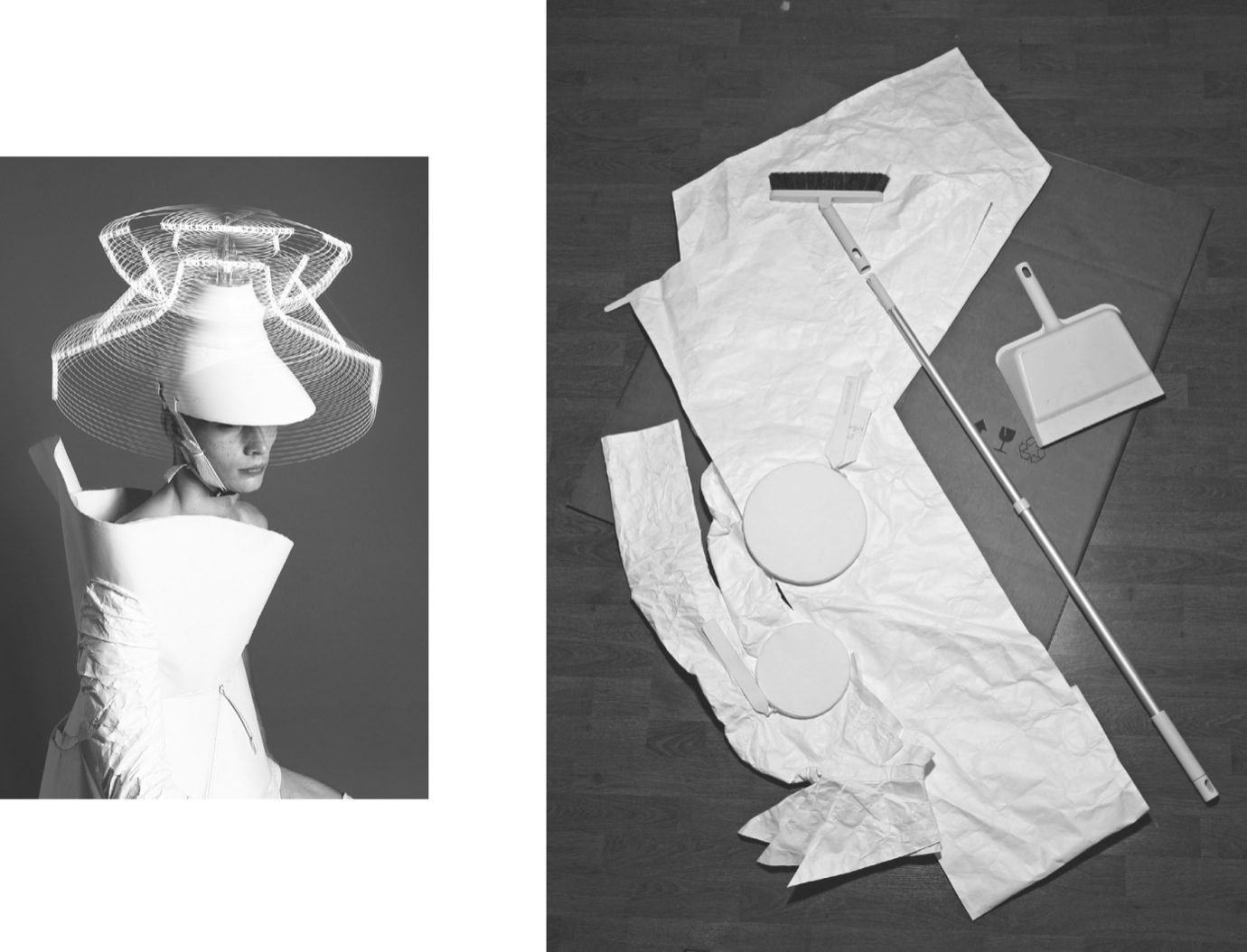
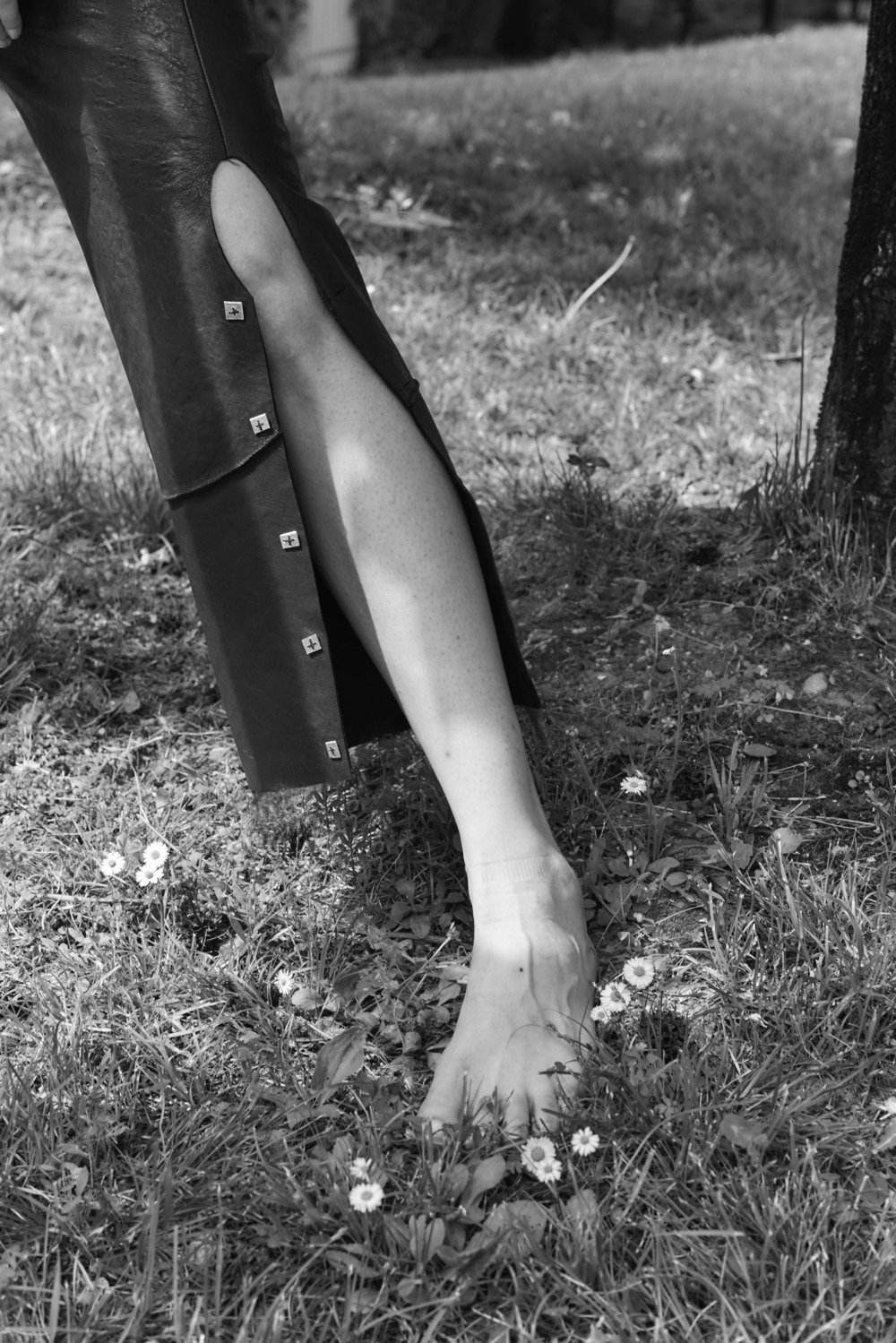
Alice also used Polaroid film as a template for her garment patterns, resulting in a pair of trousers crafted from 40 pieces of hand-cut sterling silver, each with a dimension of 1/1.5 centimetres. Subtlety was key, with a strong focus on meticulous craftsmanship—a nod to her Italian roots. “At first glance, everything seems ‘normal’, but, if you get really close, you’ll see silk fraying on the hems and on the waistbands—the more you wear it, the more it frays and the more beautiful it looks,” explains Alice. “The idea was to create pieces where you really have to pay attention to understand the thought behind them.”

“A magazine might write what they want, but it’s not actual support—what young designers need is real support. There are lots of talent contests that support a designer for six months and then they look for someone new. Six months won’t take anyone anywhere. Supporting a young designer needs to be an ongoing process.”

And attention has come from respectable corners, with her work featured in titles like British Vogue and Vogue Italia; but navigating the media as a graduate designer still feels tricky. “On the one hand it feels like a huge achievement, but on the other it means nothing,” she says. “A magazine might write what they want, but it’s not actual support—what young designers need is real support. There are lots of talent contests that support a designer for six months and then they look for someone new. Six months won’t take anyone anywhere. Supporting a young designer needs to be an ongoing process.” Other than the lack of support, Alice also highlights the unsustainable environment of the fashion world, rife with long hours and no pay. Out in the real world, far from the comparatively forgiving four walls of art school, Alice plans to understand the industry first before taking a major career call. “I want to go for internships so that I learn enough to have my own label one day,” says Alice. “I don’t want to rush it, I would like to build something meaningful, something that will change things that I don’t agree with.” The path ahead may be challenging but she is optimistic. “There will be times when you feel you can’t possibly work harder, and that’s exactly when you need to if you really want something,” says Alice.