

Representing the creative future

COLLEGE FOR CREATIVE STUDIES BA 2026: CULTURAL HISTORIES

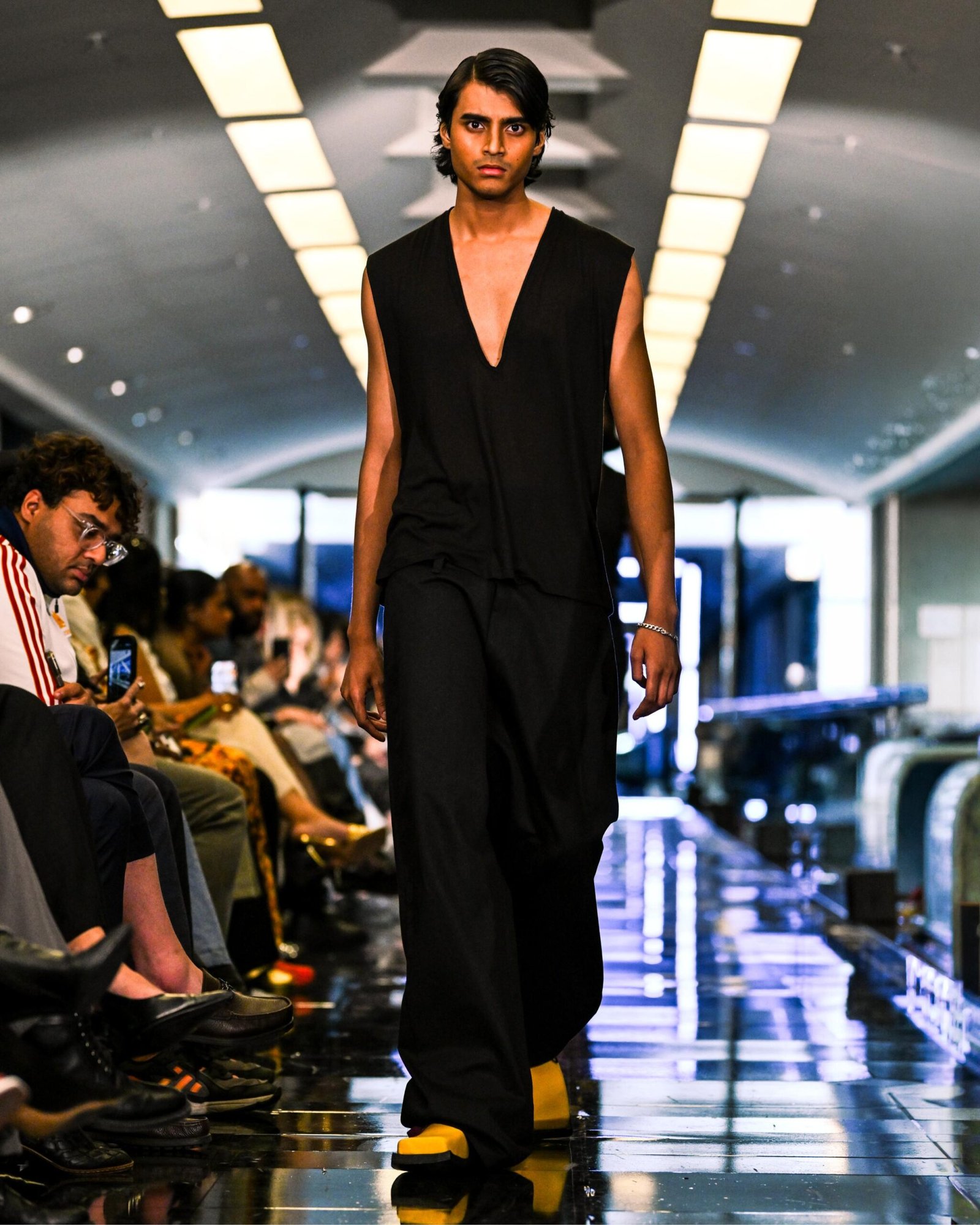
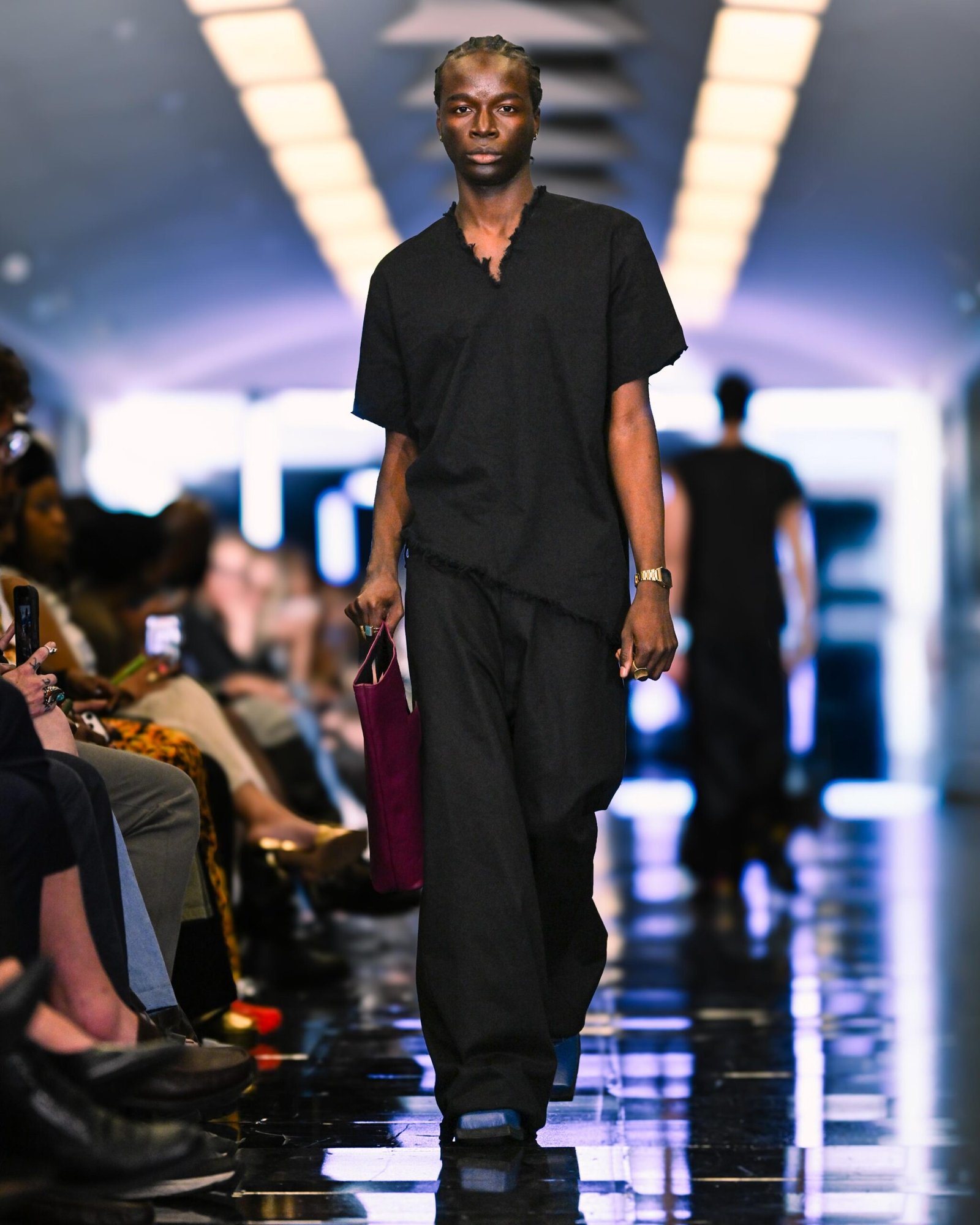
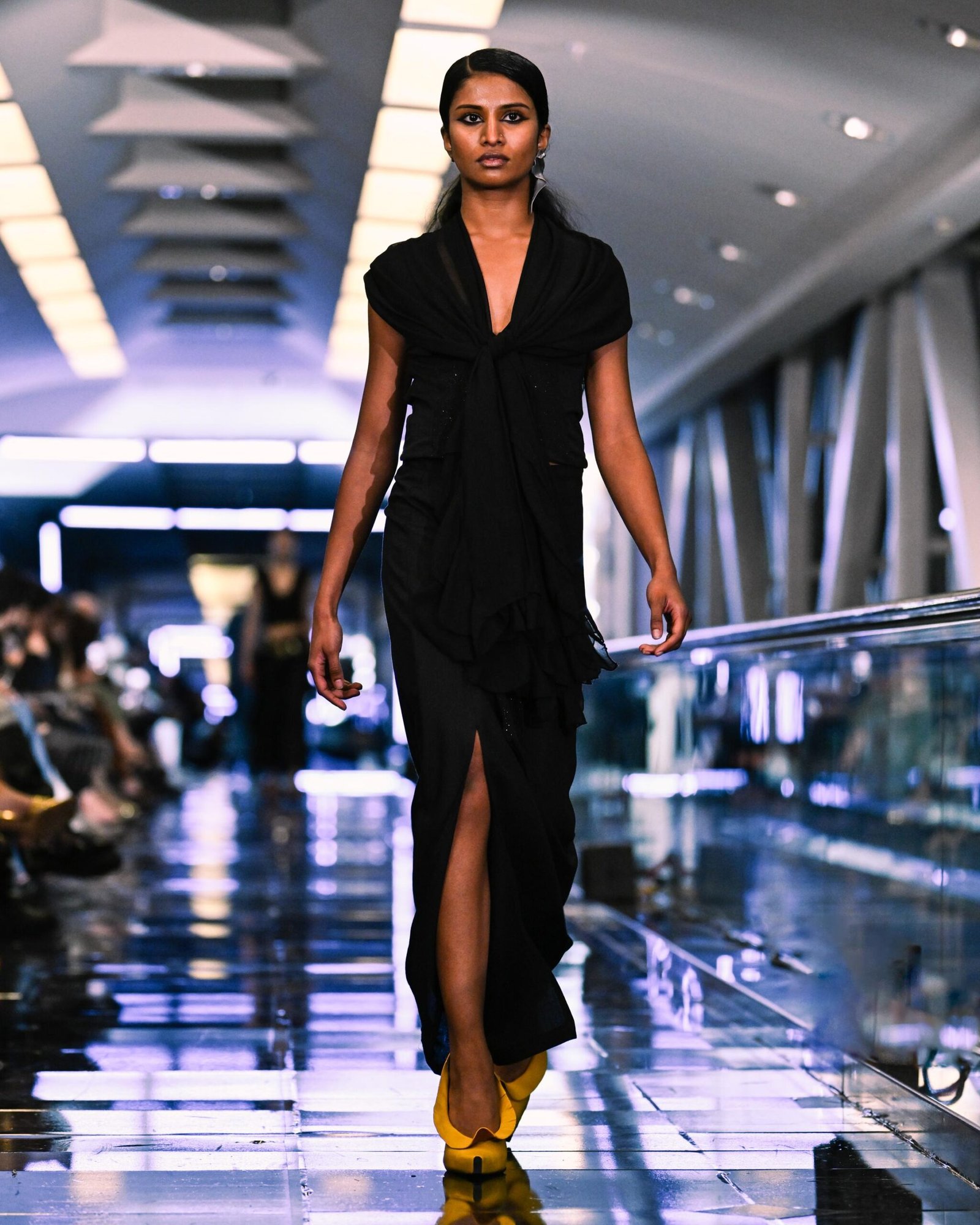
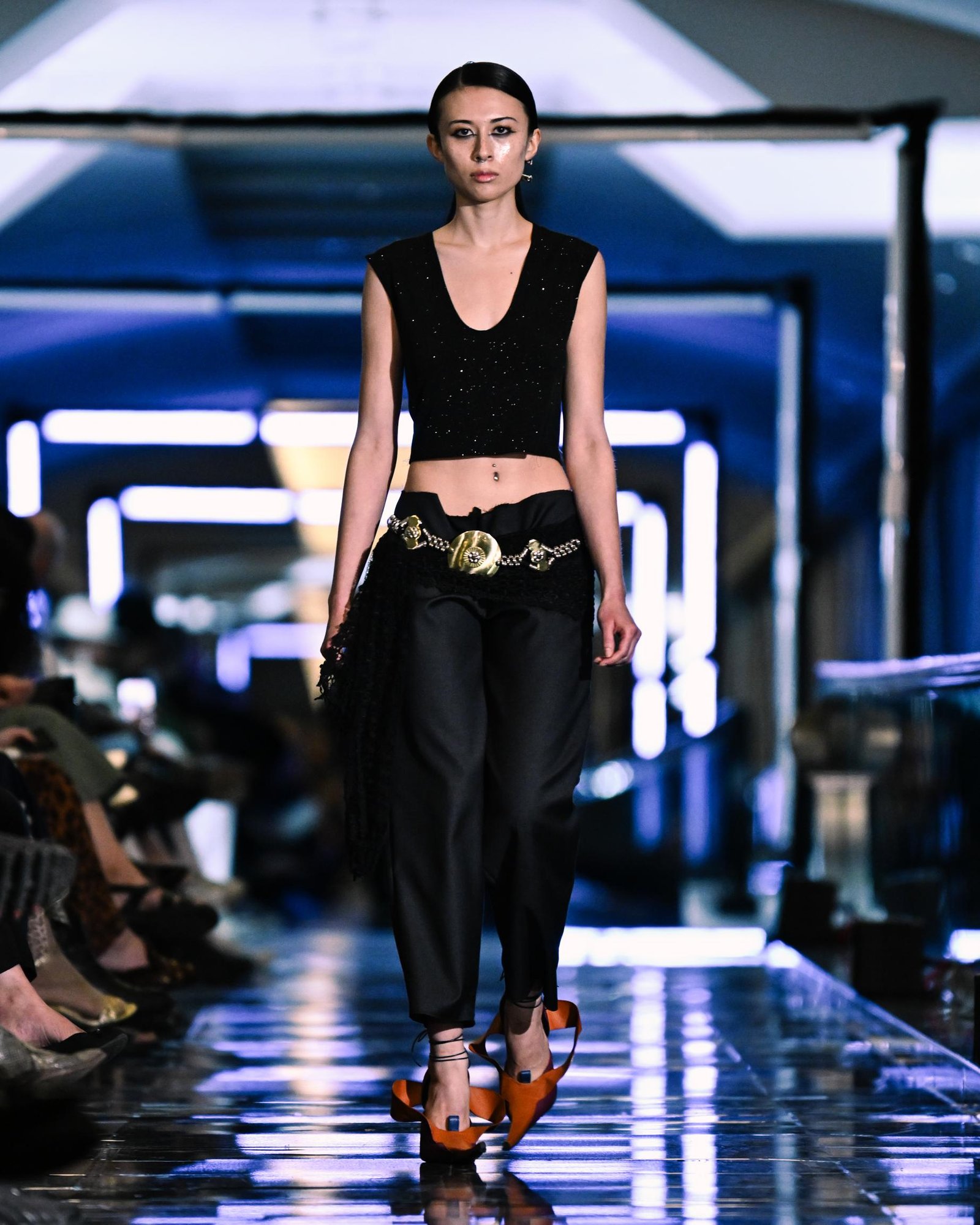
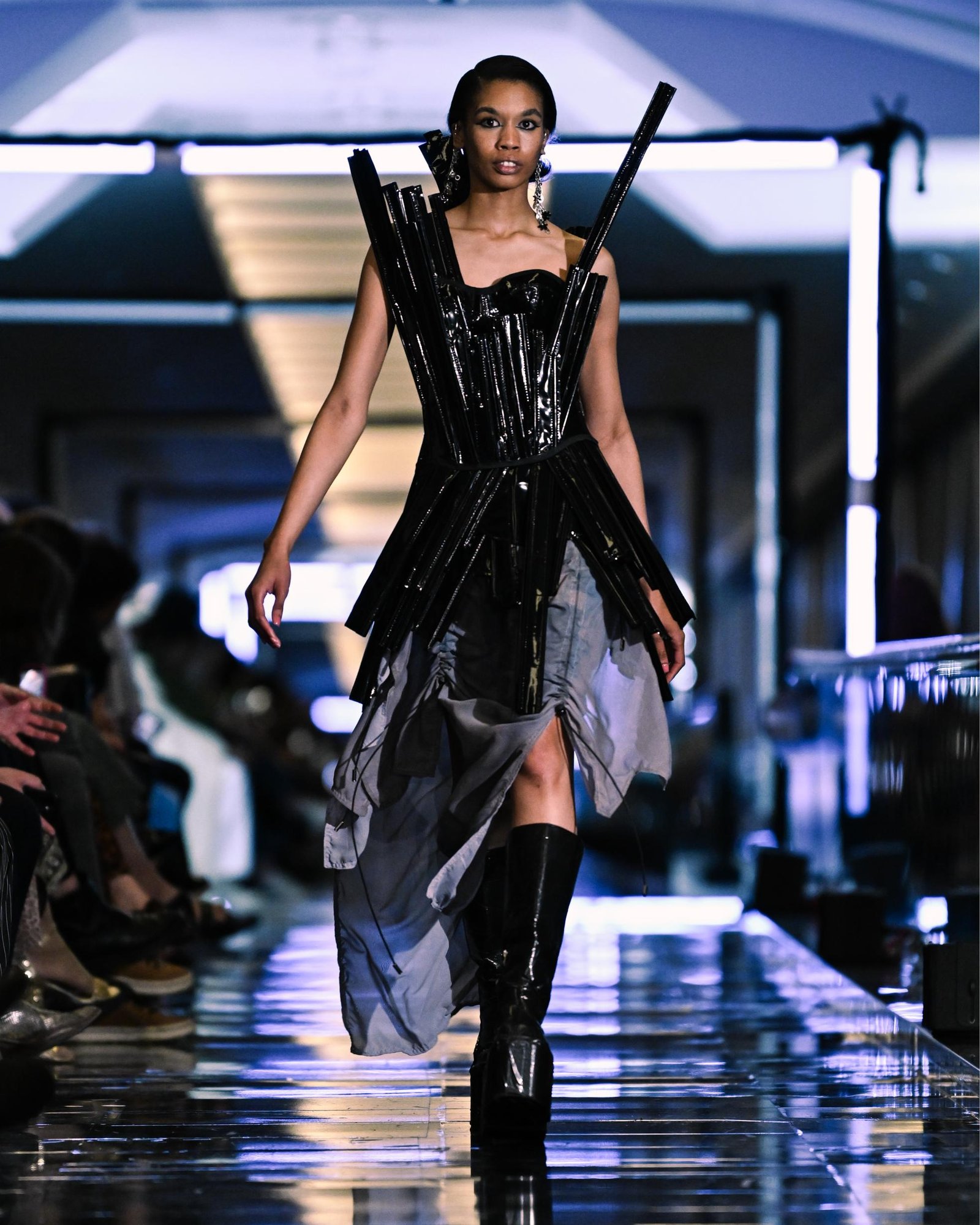
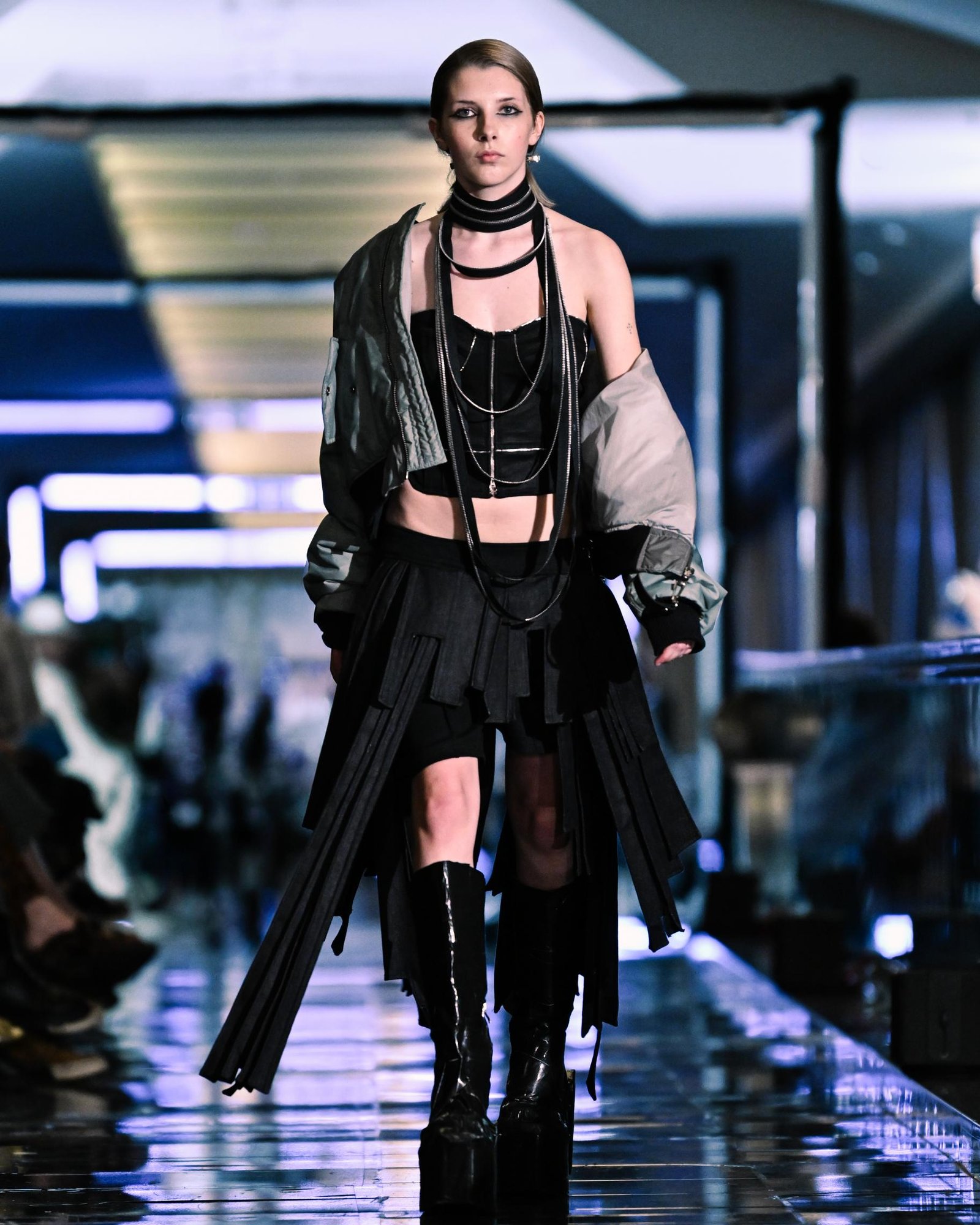
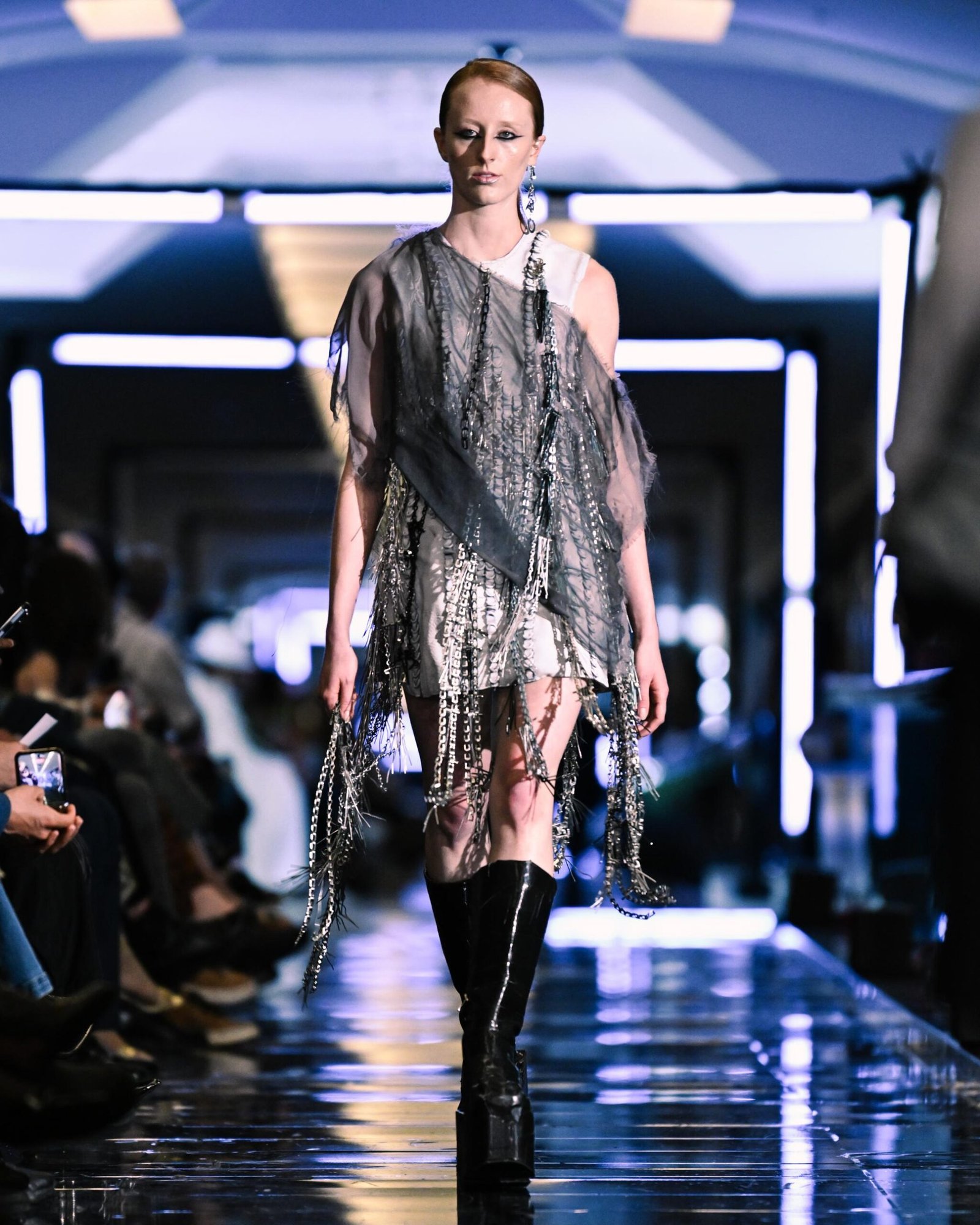
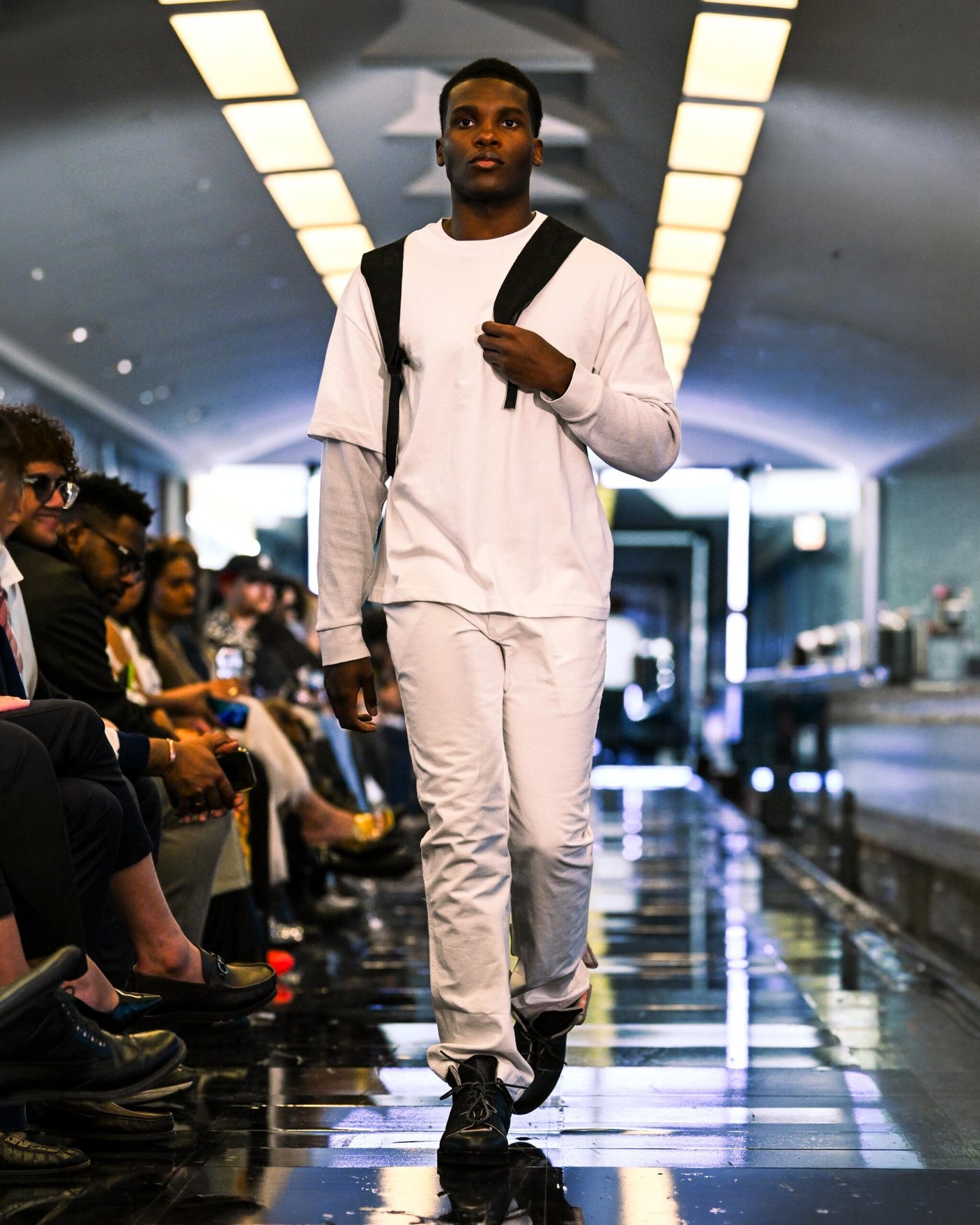
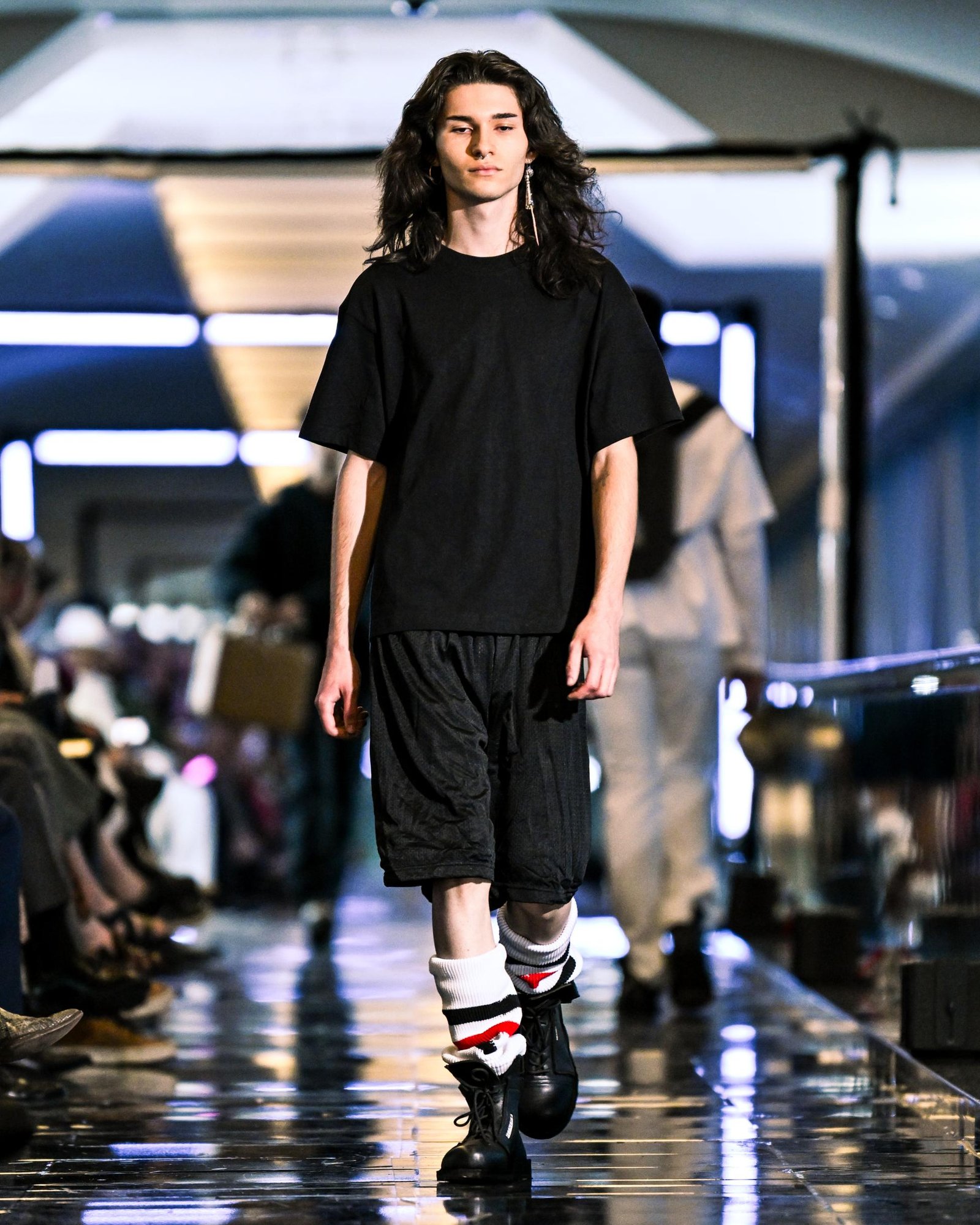
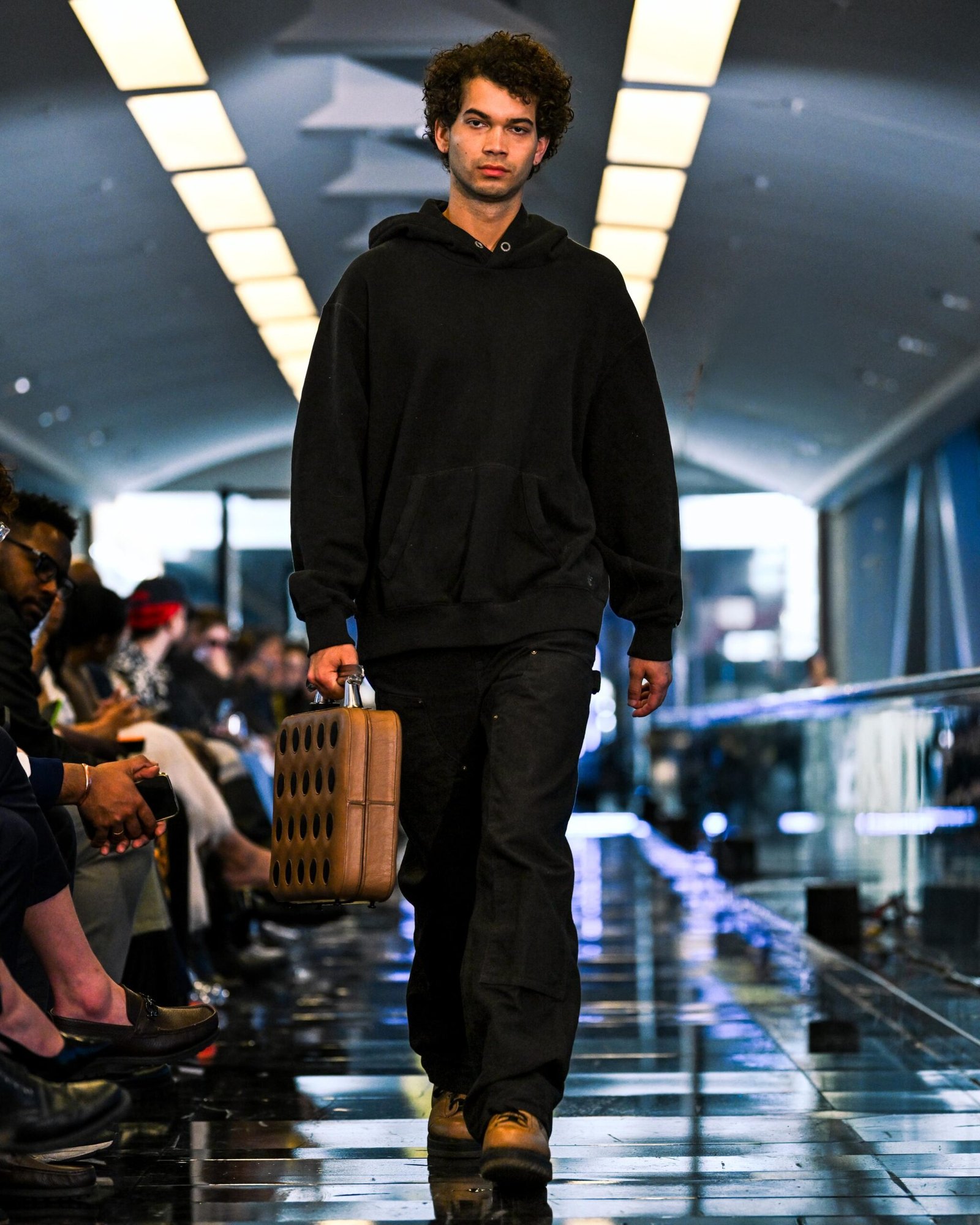
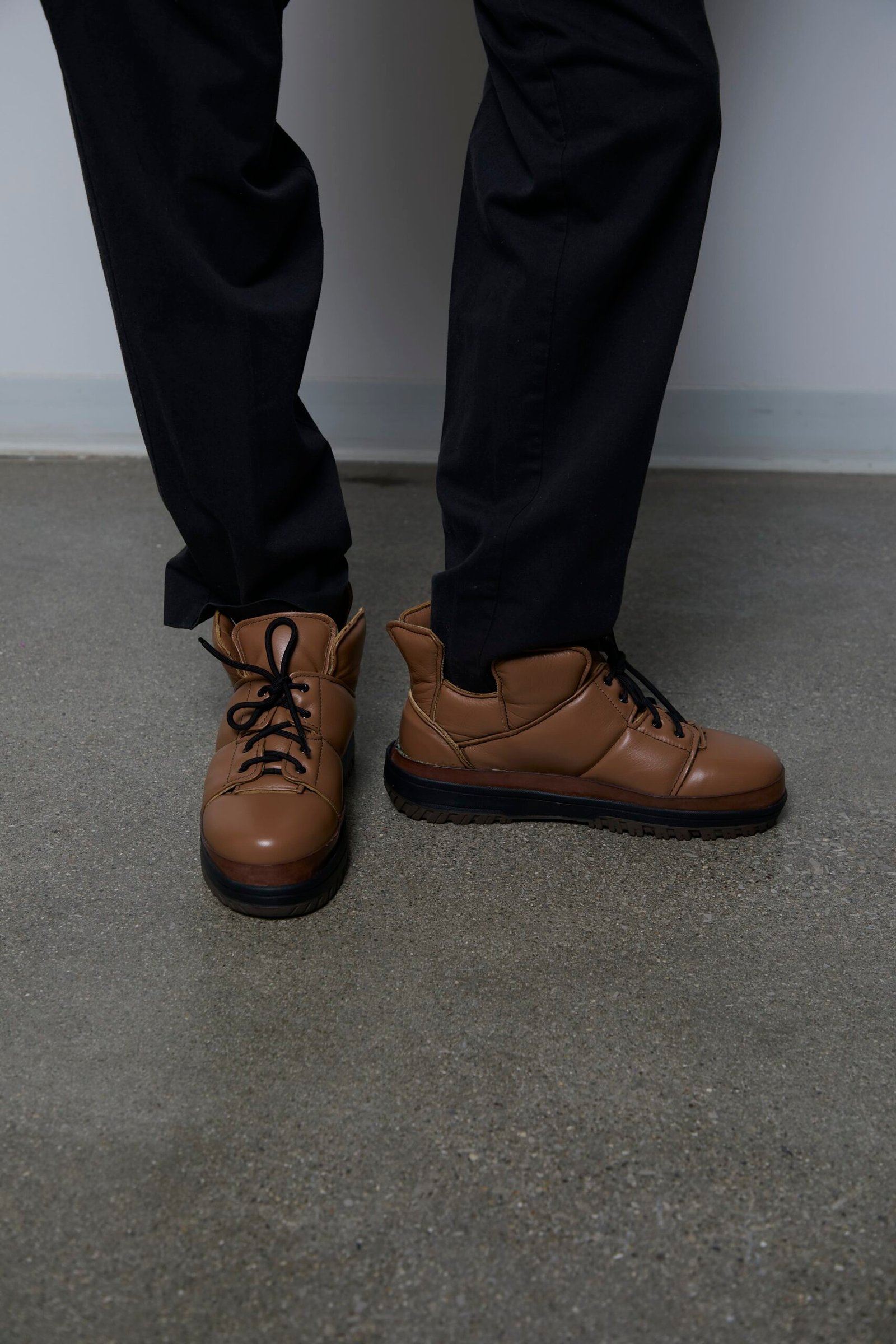
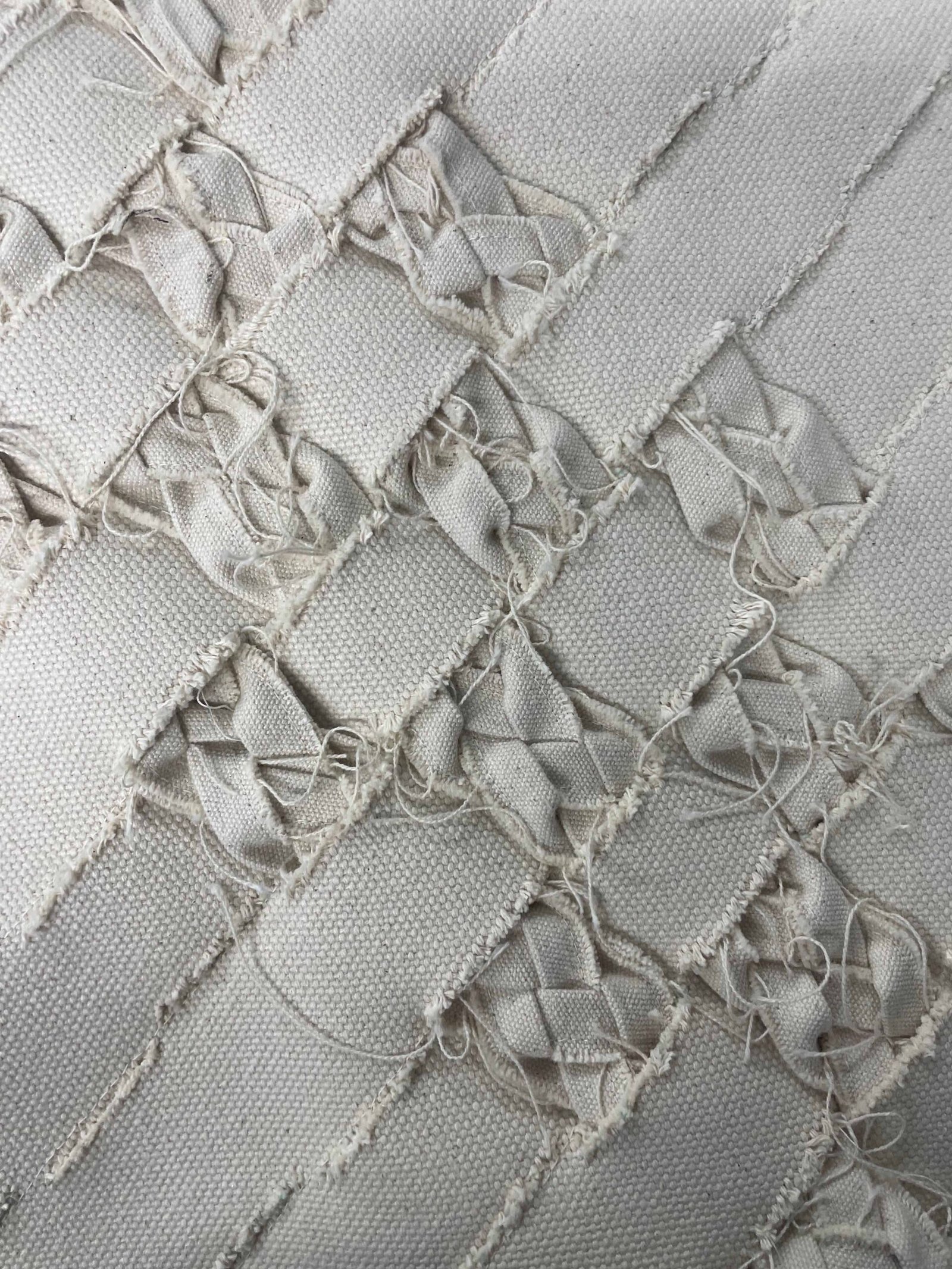
The CCS graduation collections this year demonstrate a group of designers grounded in personal reference points, like family, place, subculture, and mythology. The city in which they studied, Detroit, comes up repeatedly, its world-renowned cultural heritage and contribution to music, nightlife and culture at large providing rich inspiration. Of the garments themselves, there’s a clear focus on material and process, whether through leatherwork, modular construction, or textile experimentation.

Screenshot

Maxwell Honeycutt

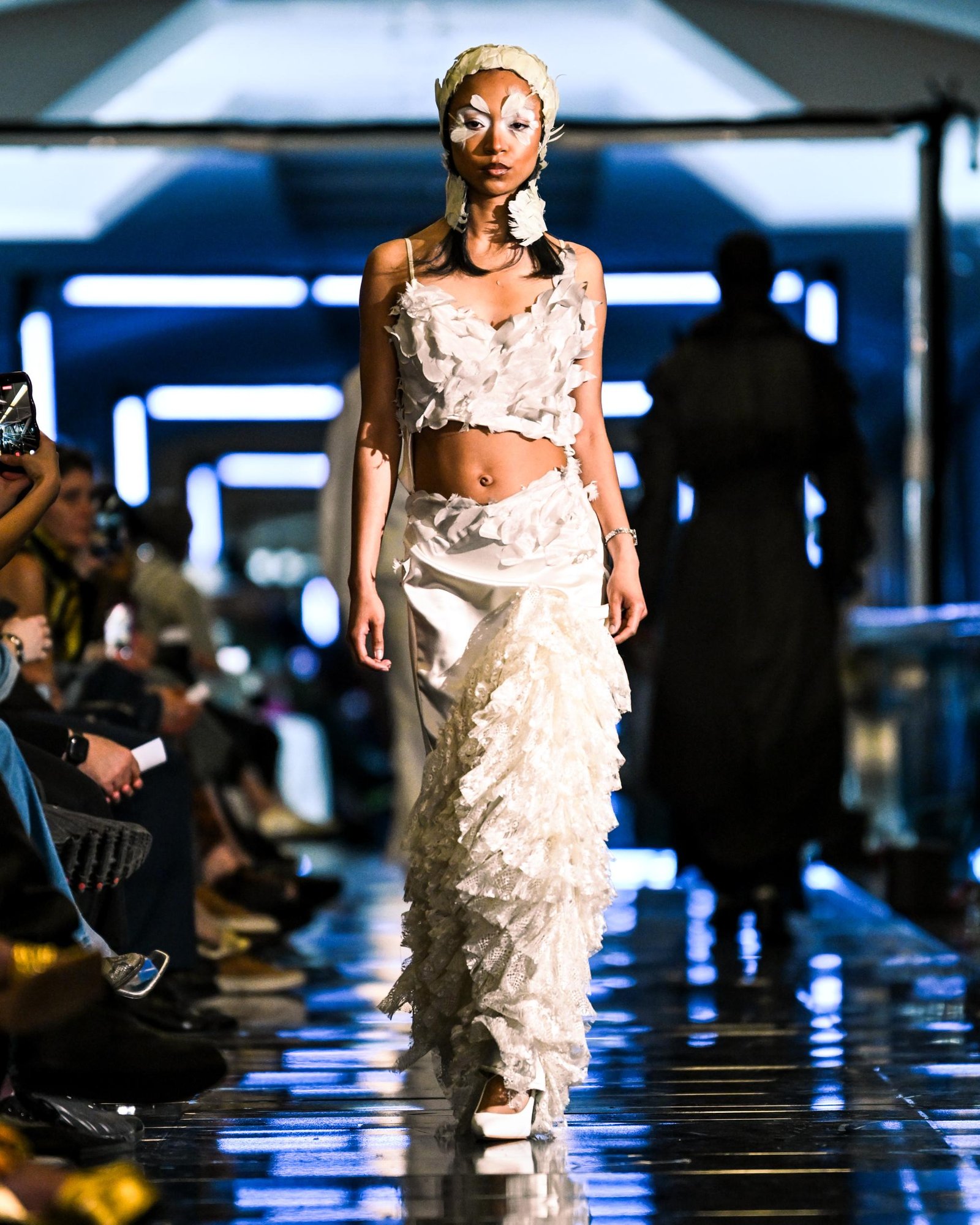
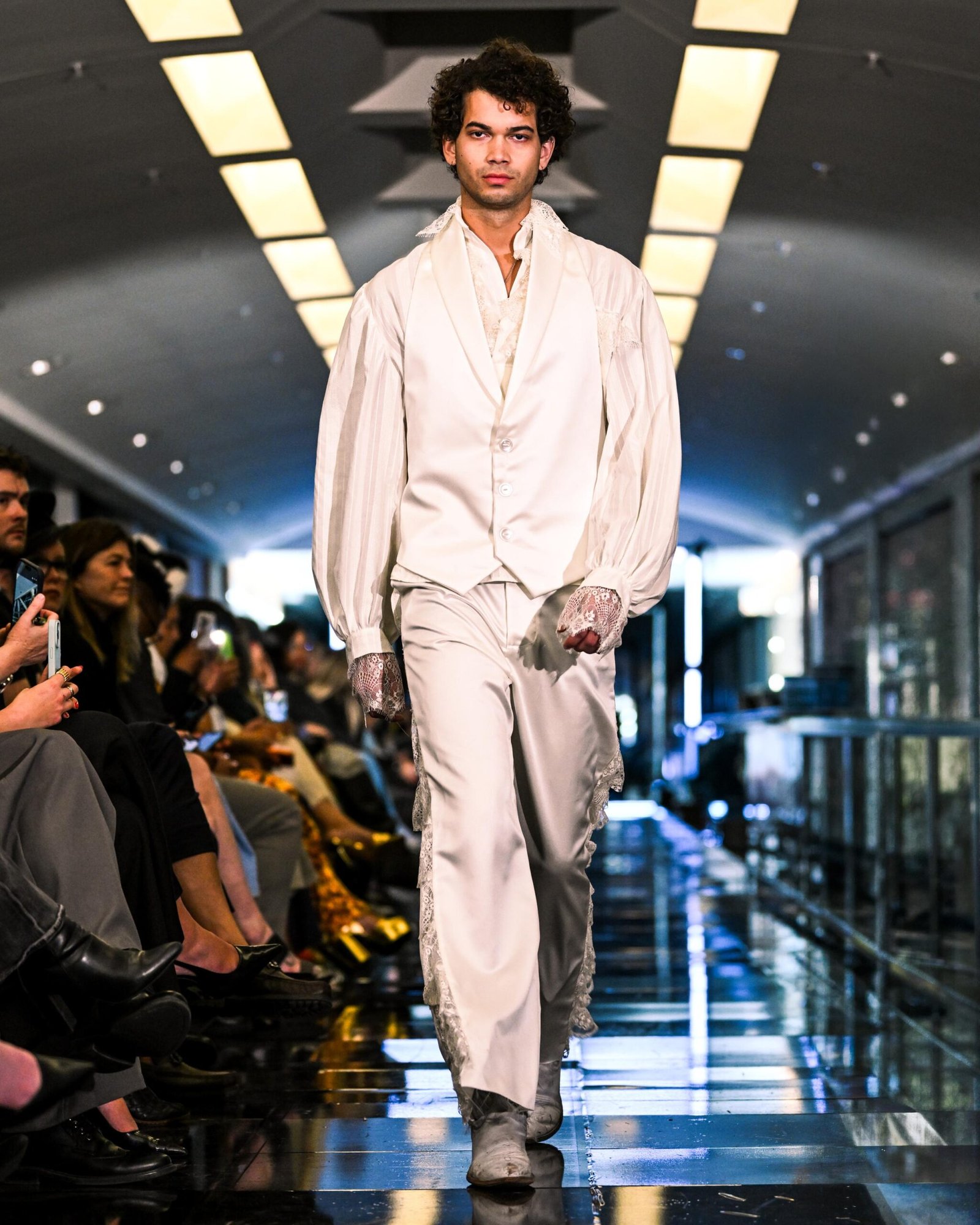
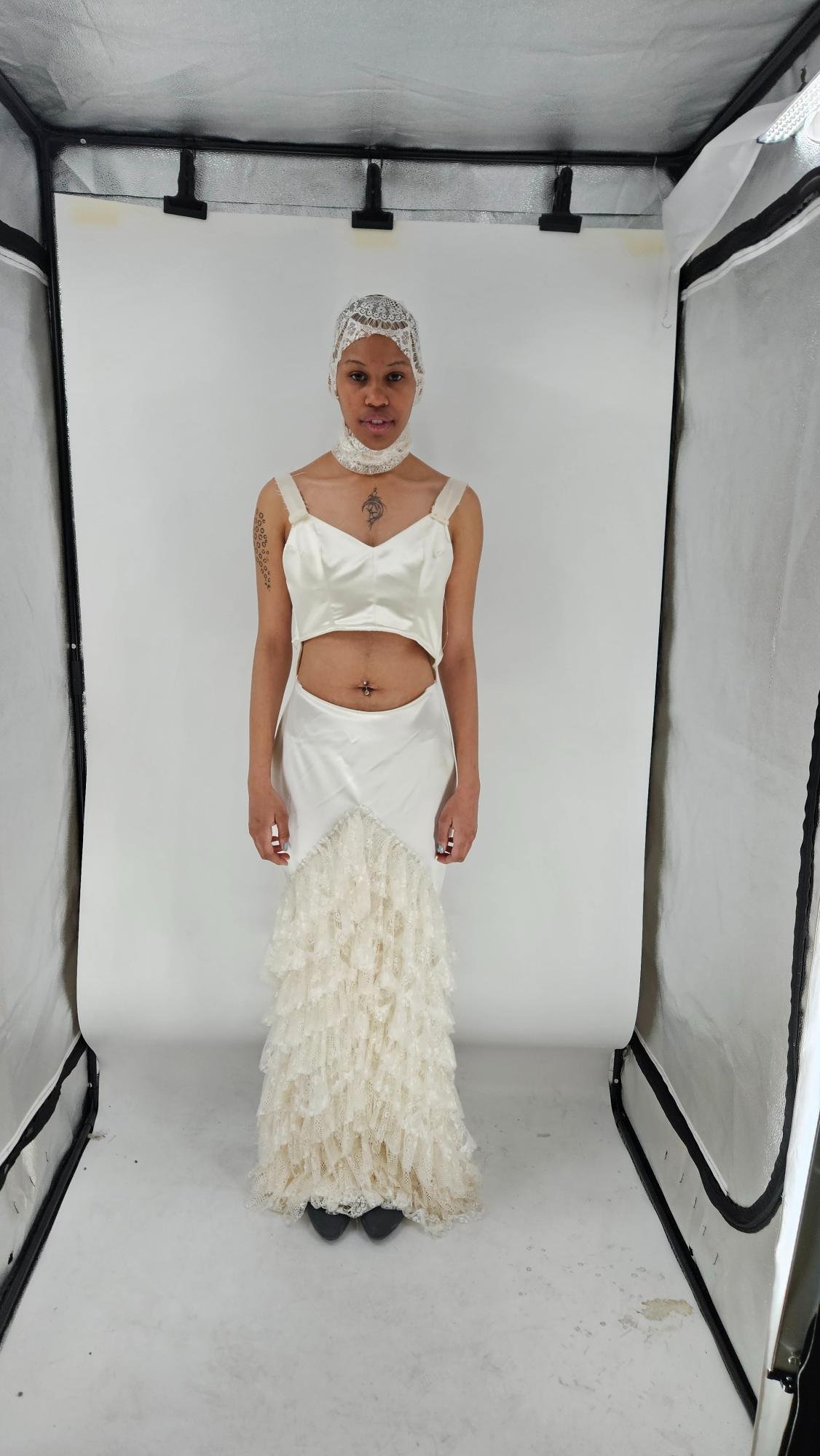
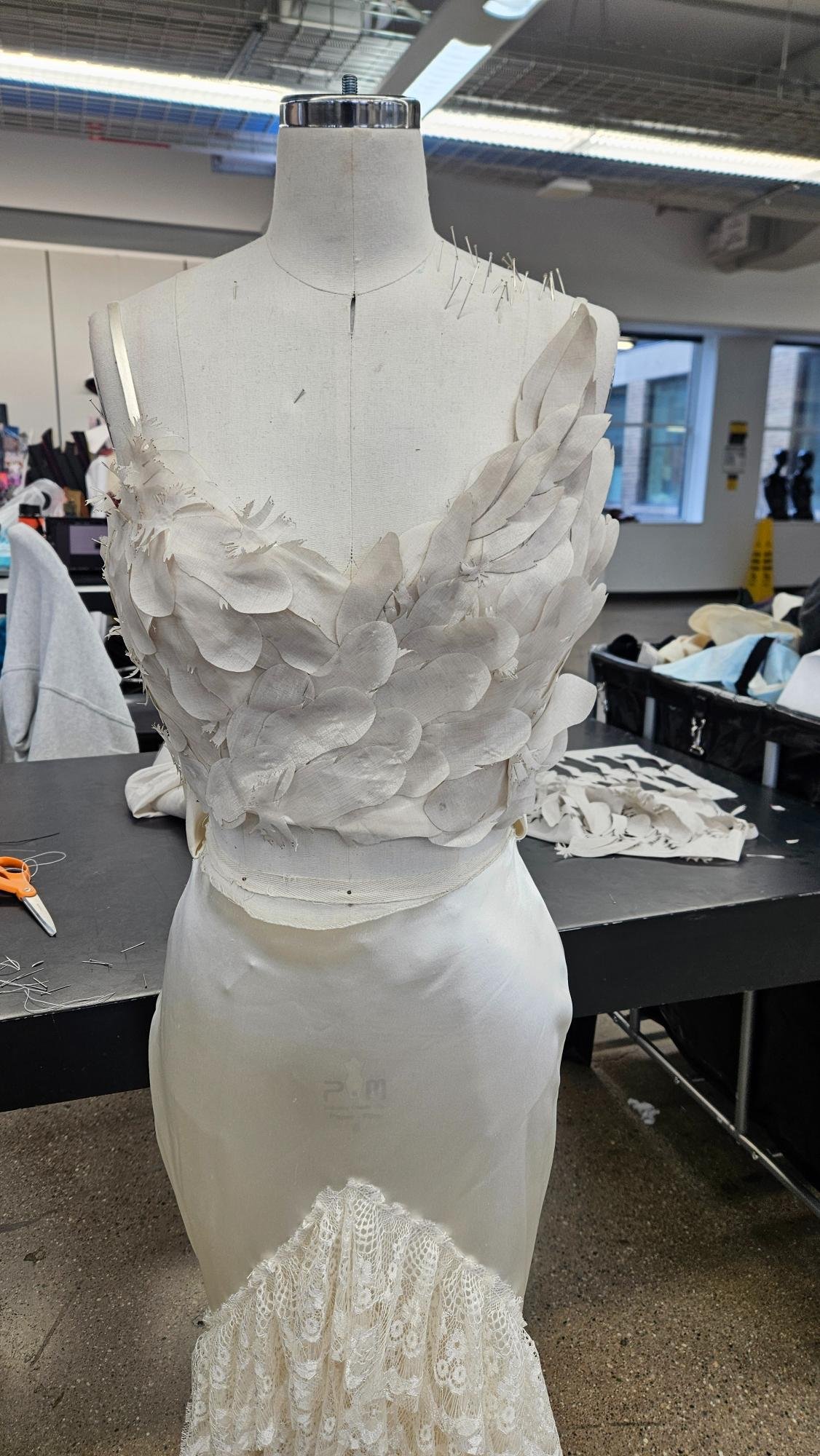
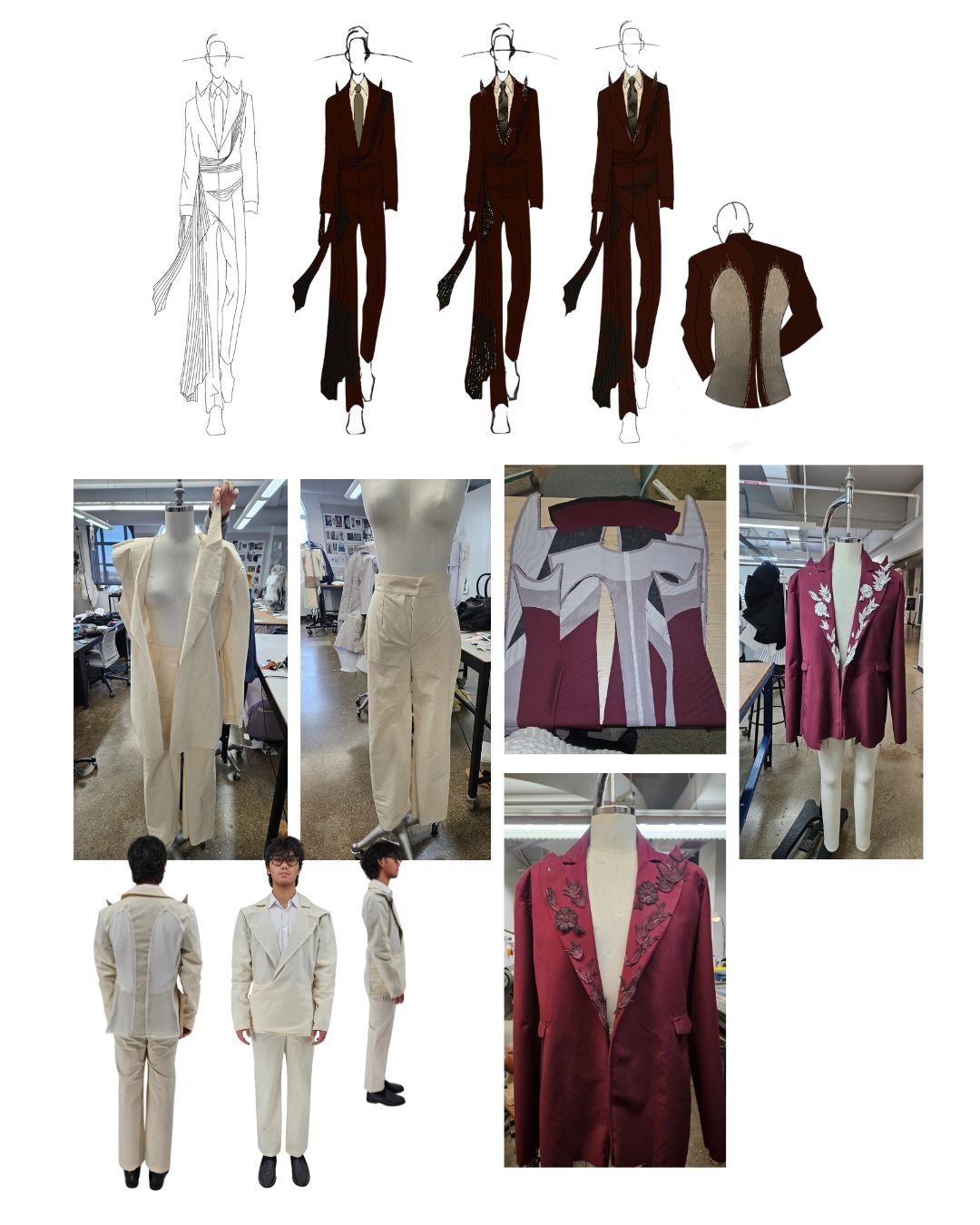
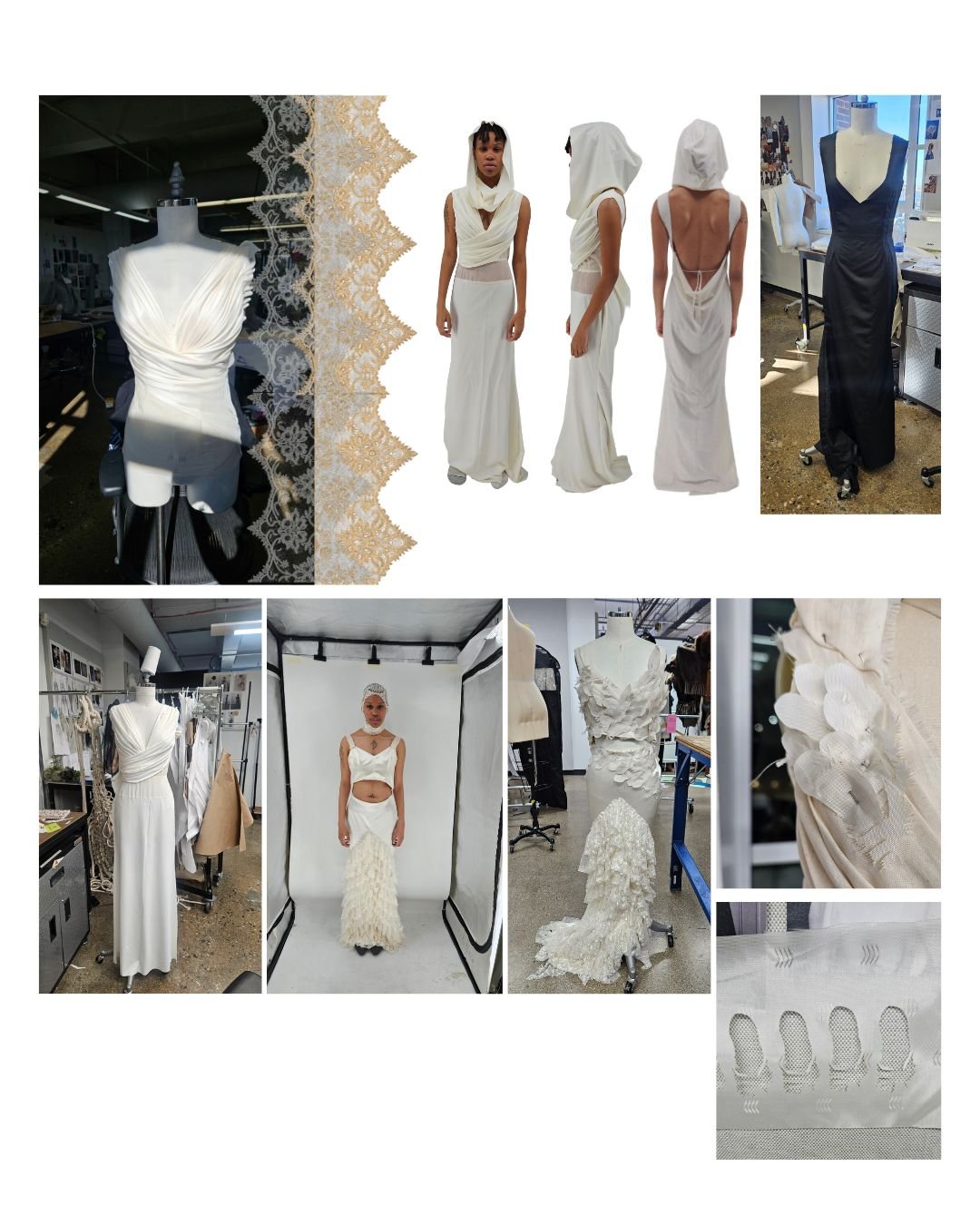
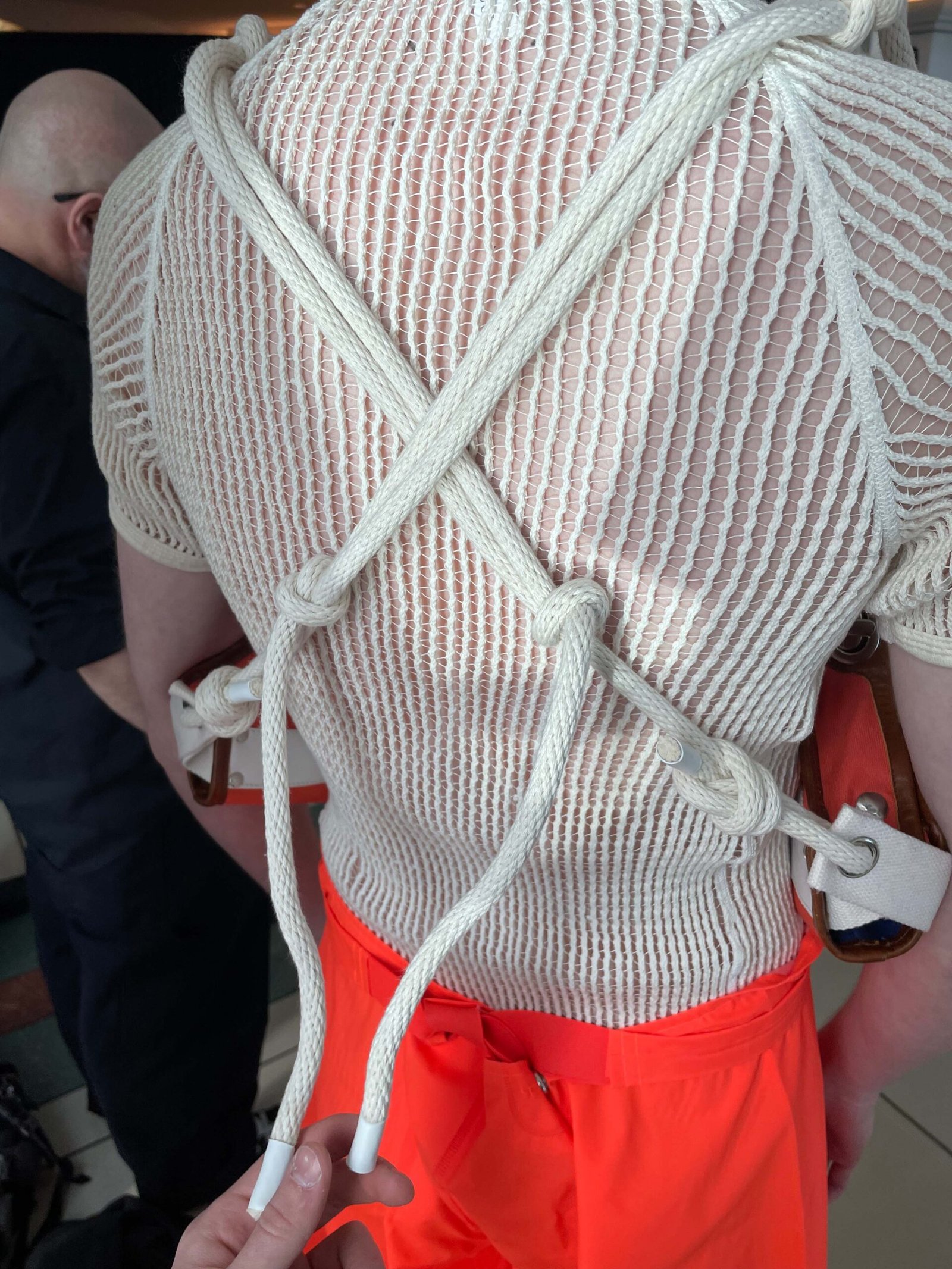
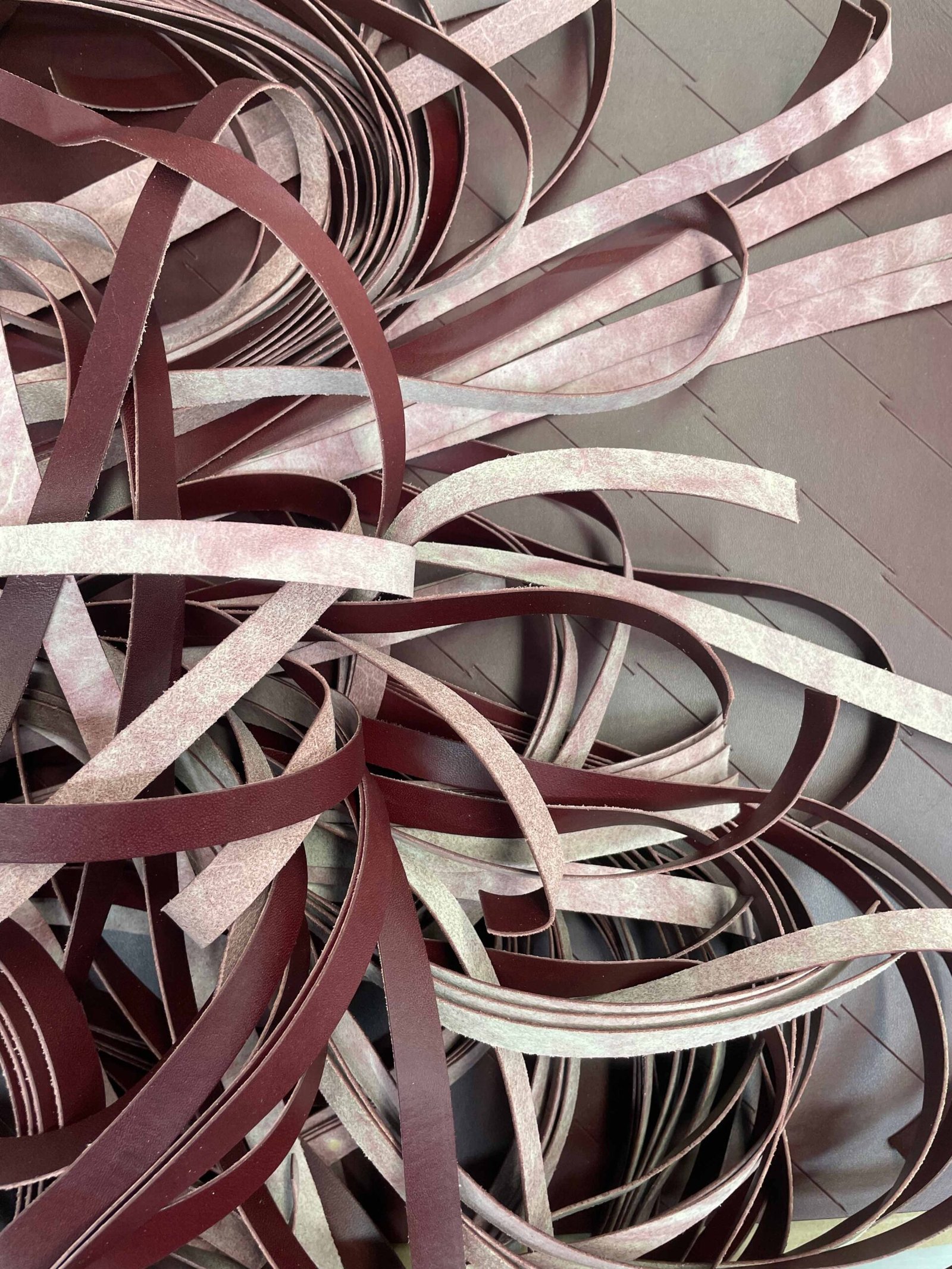
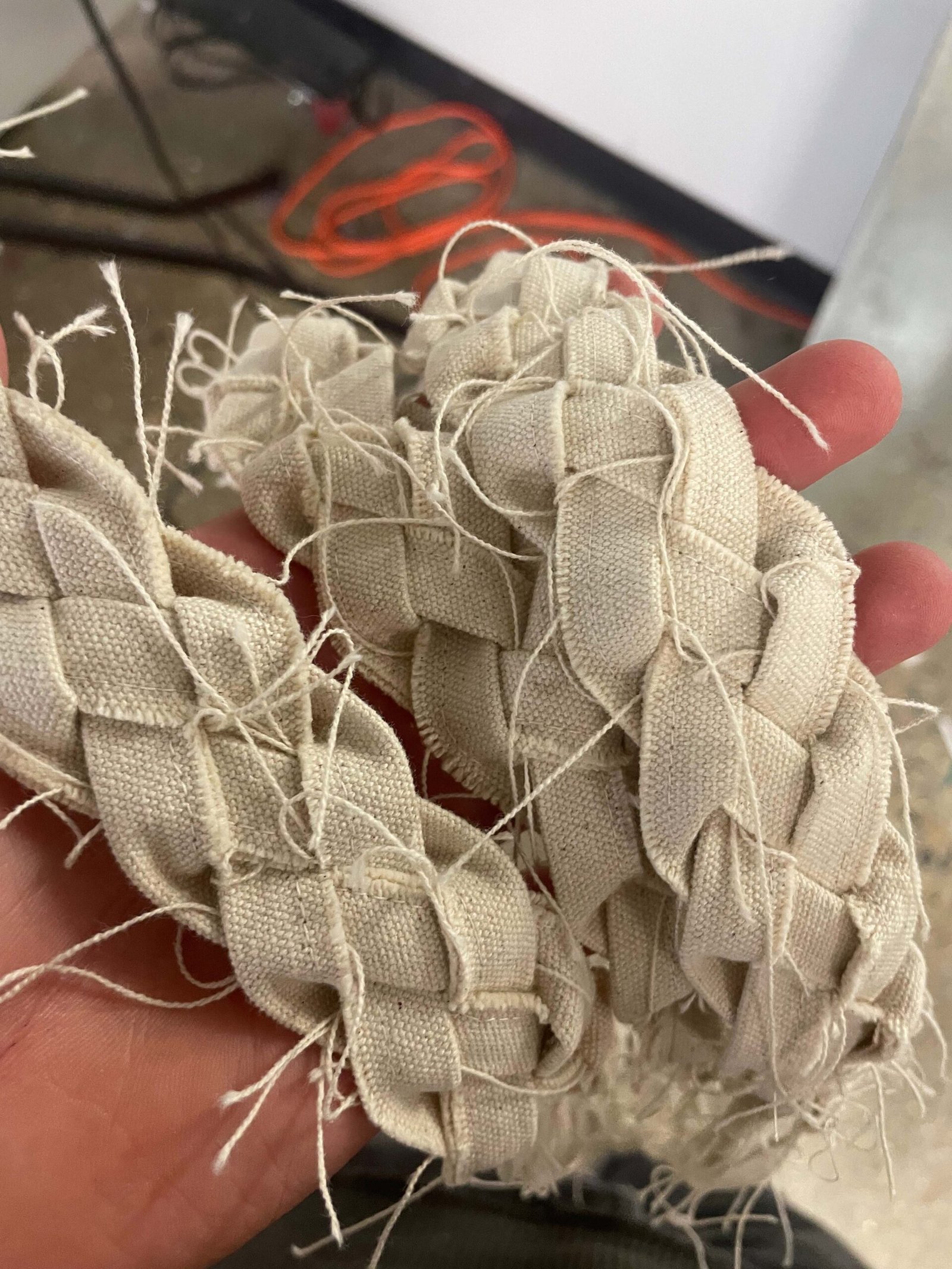
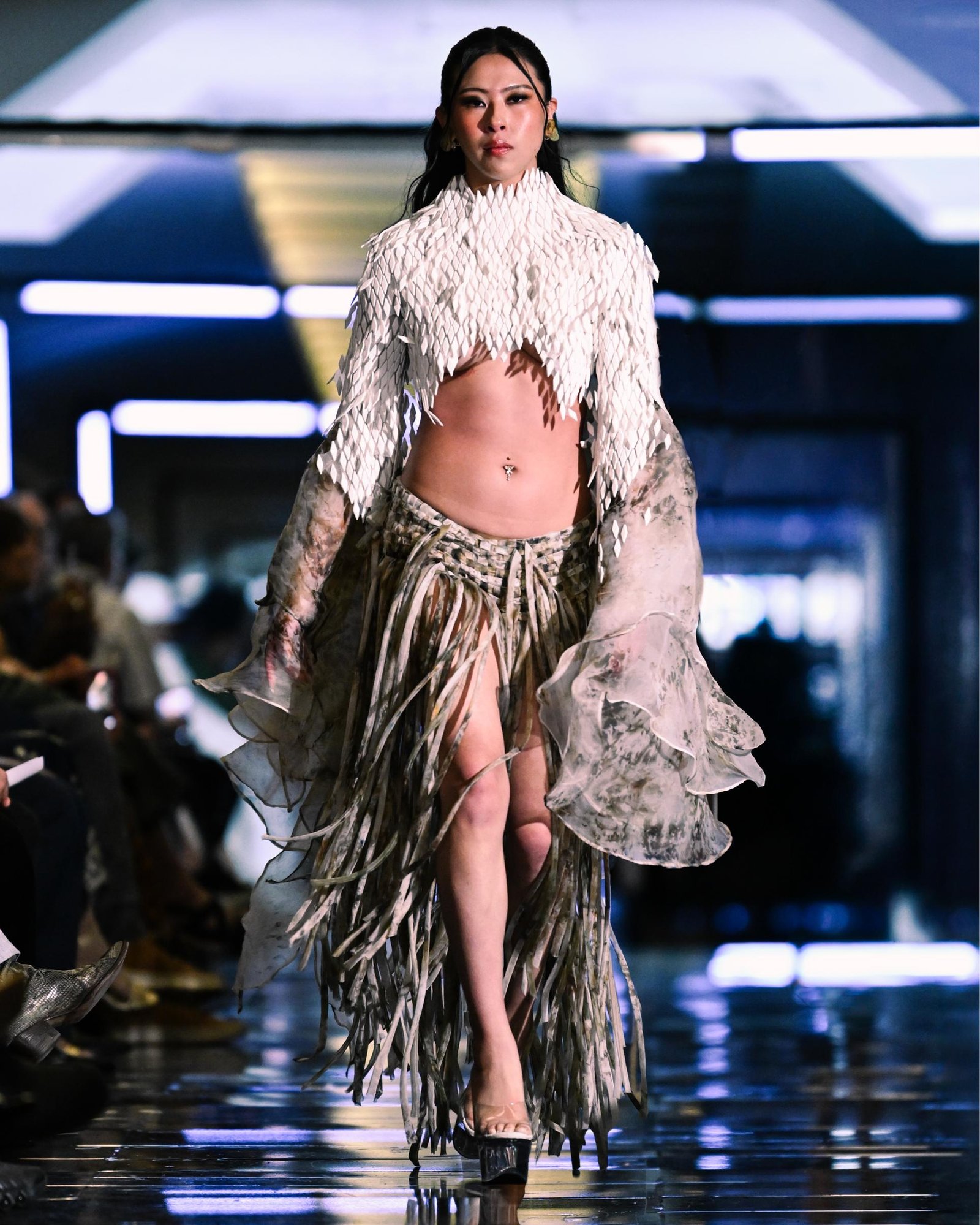
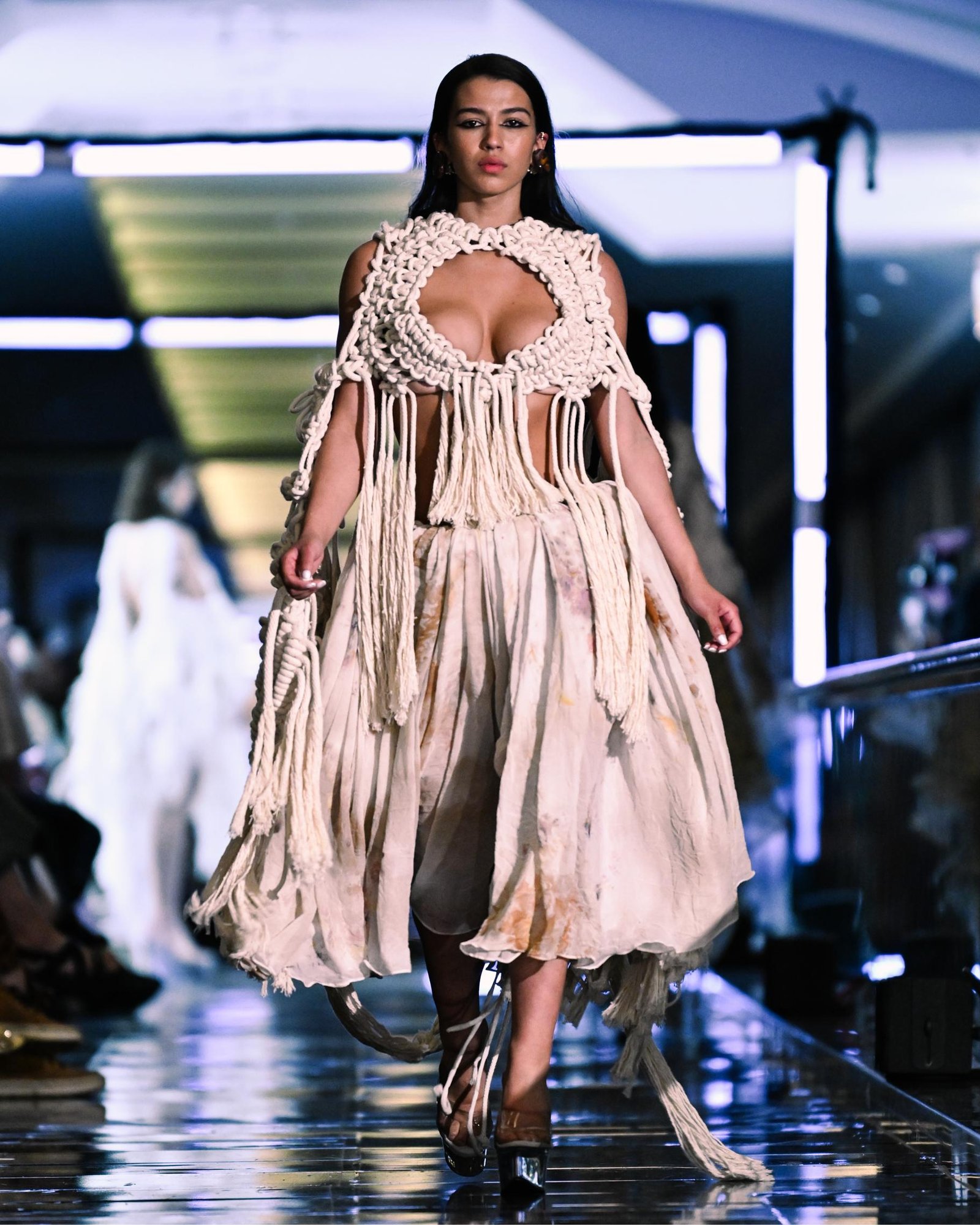
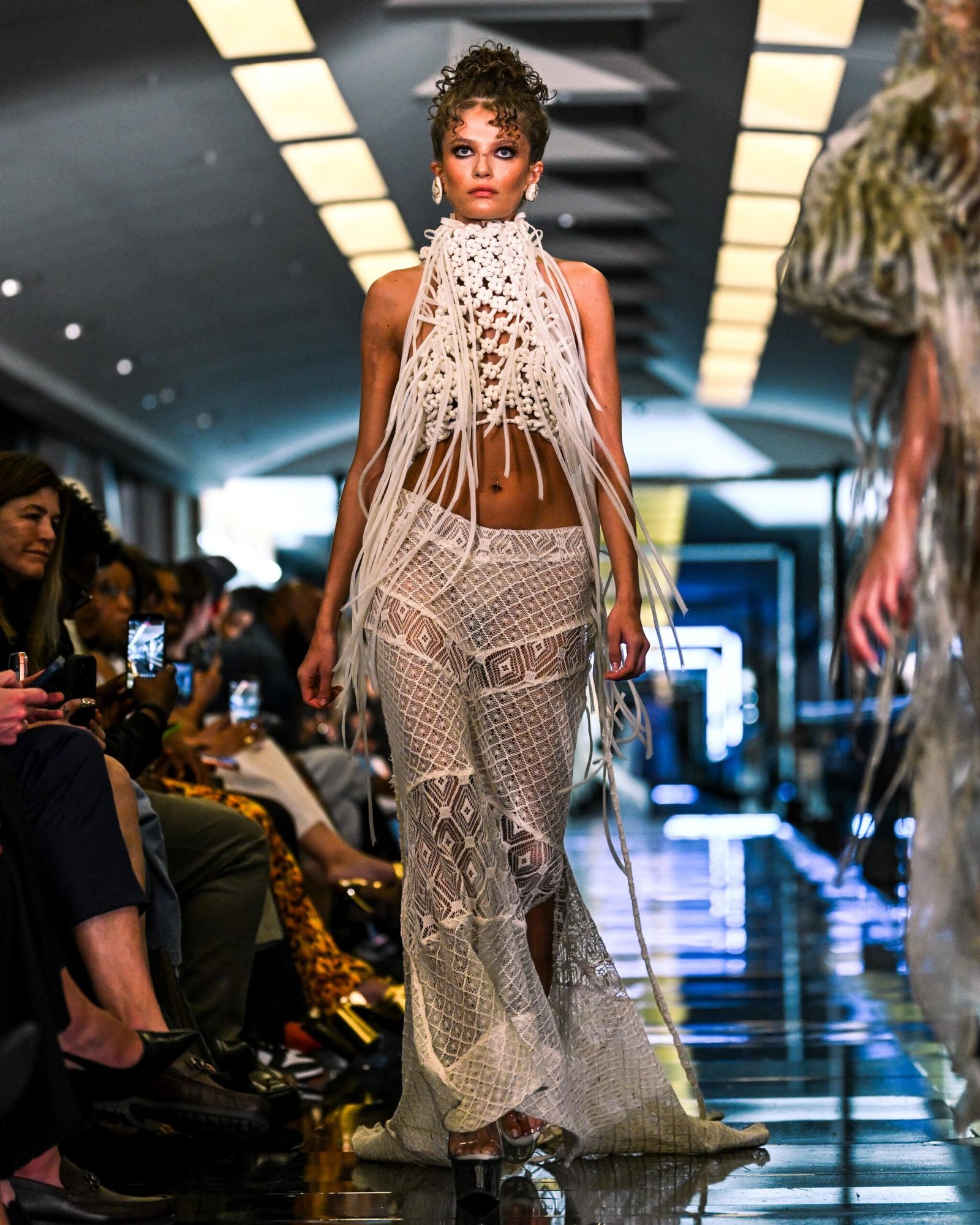
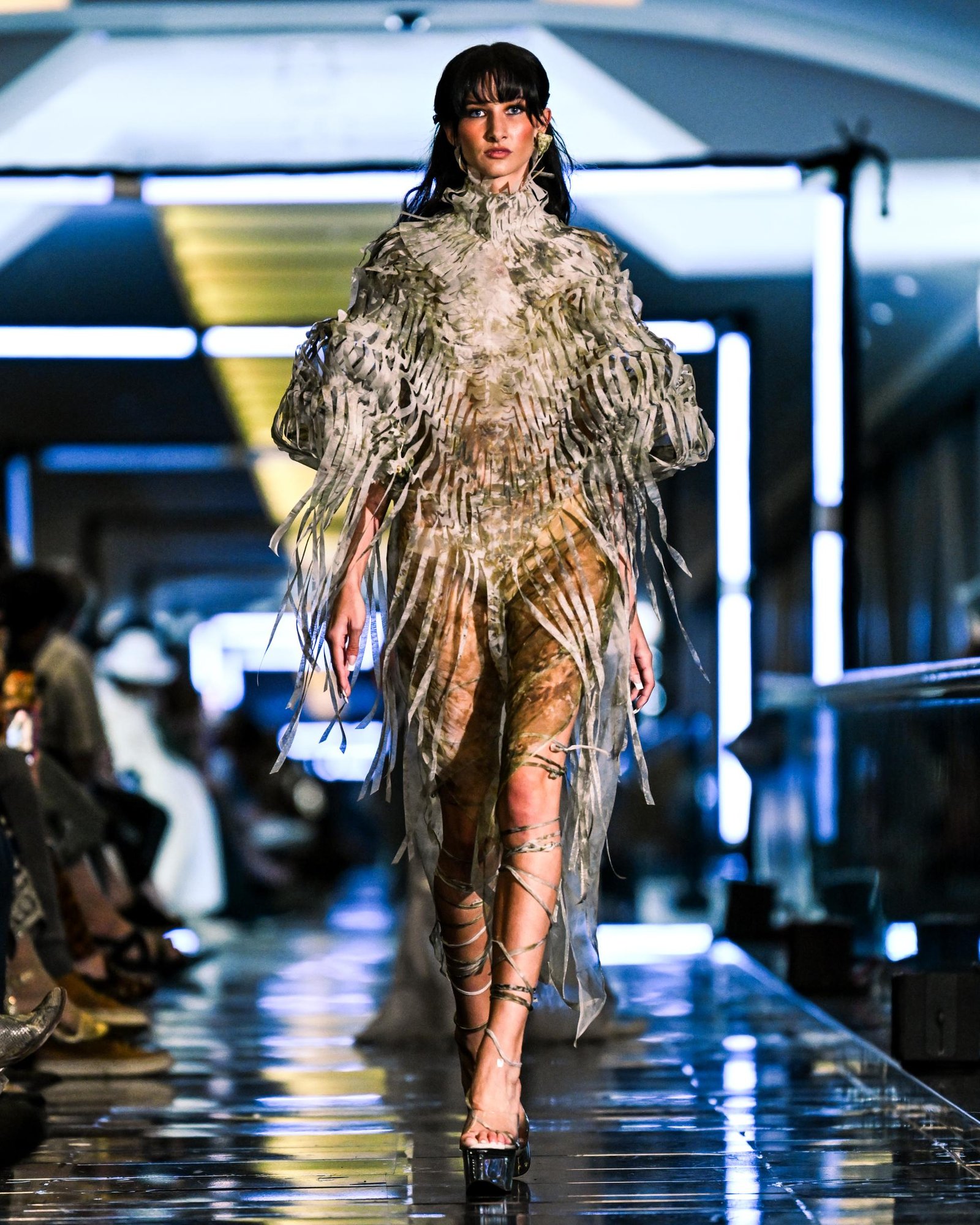
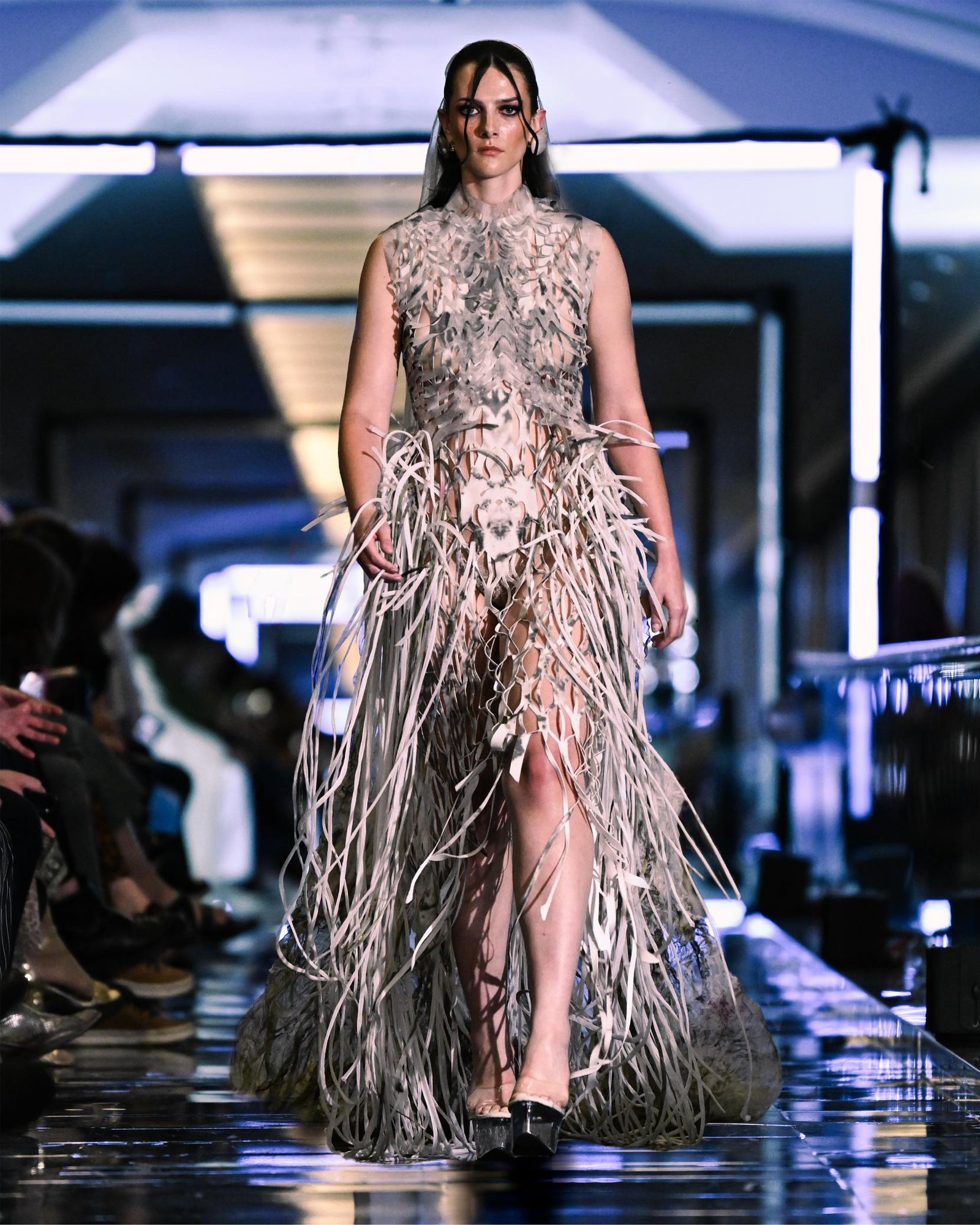
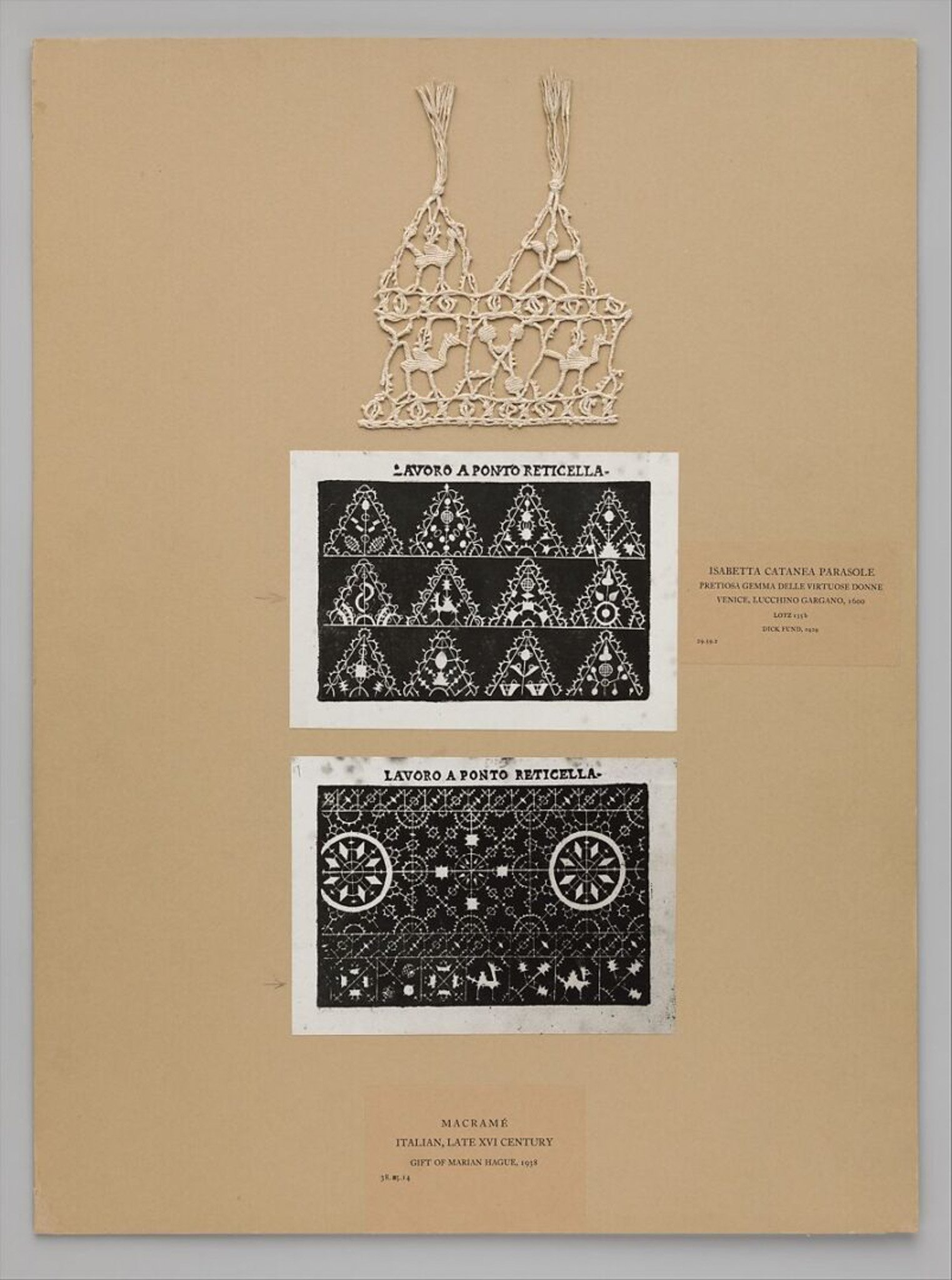
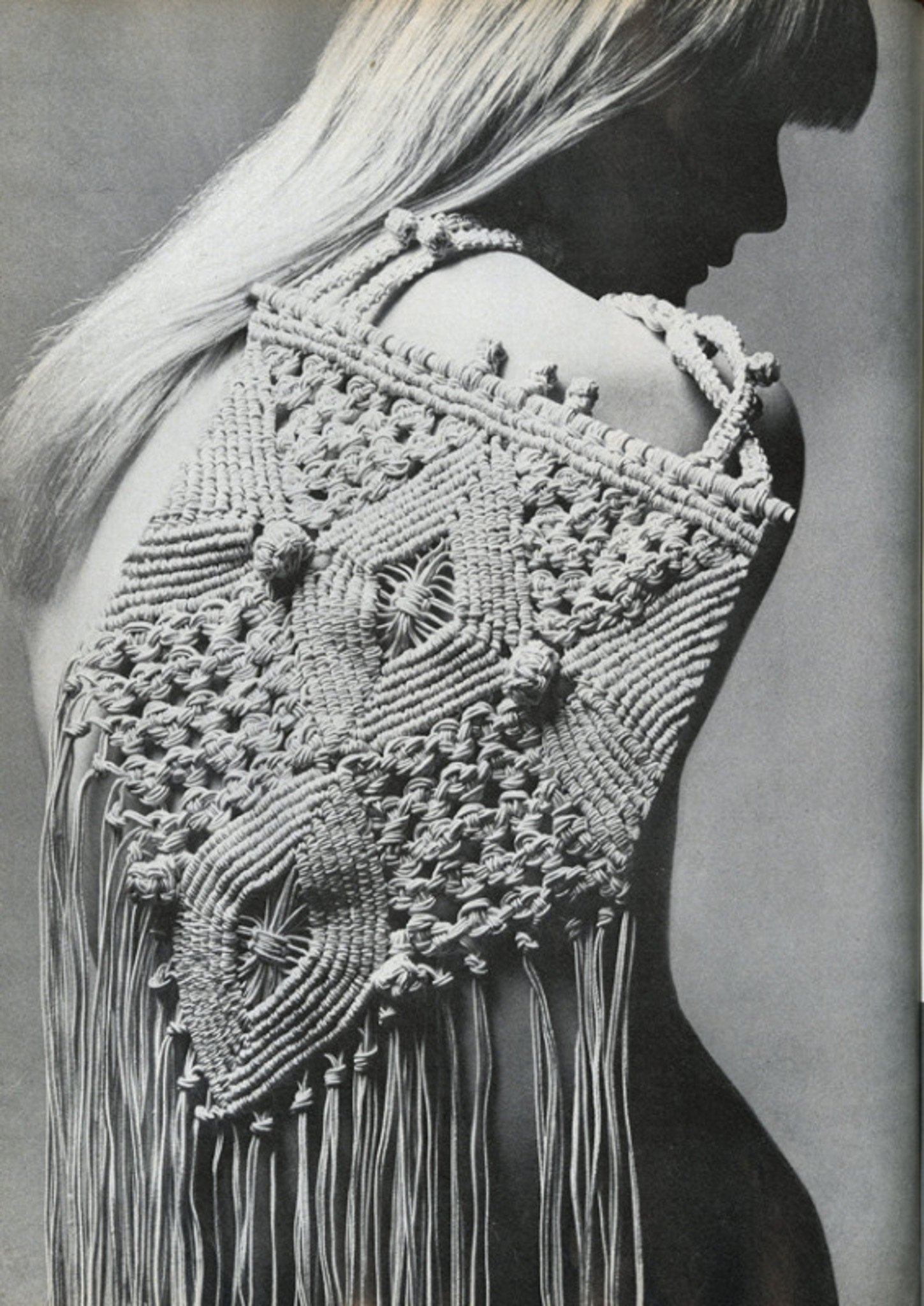
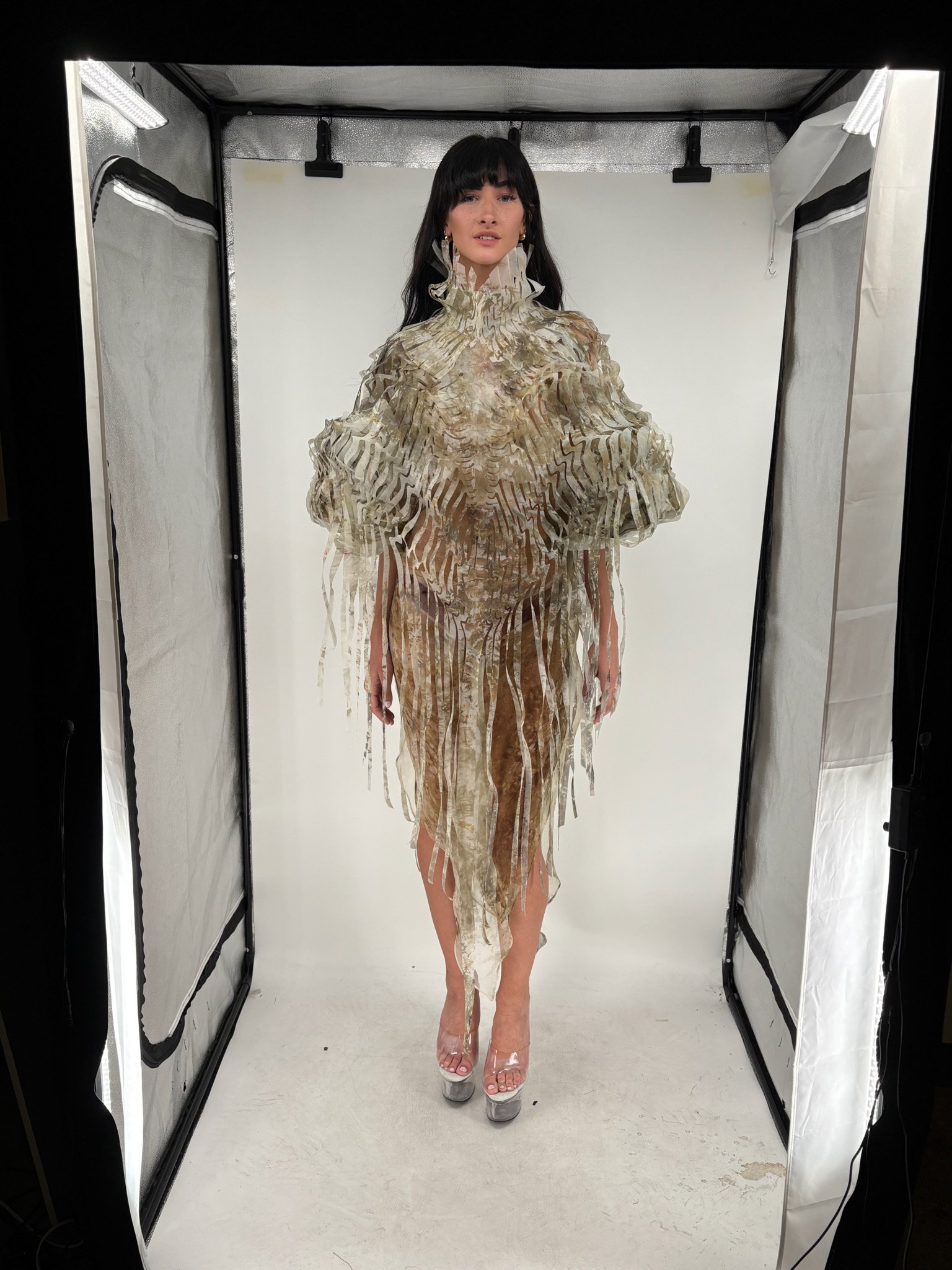
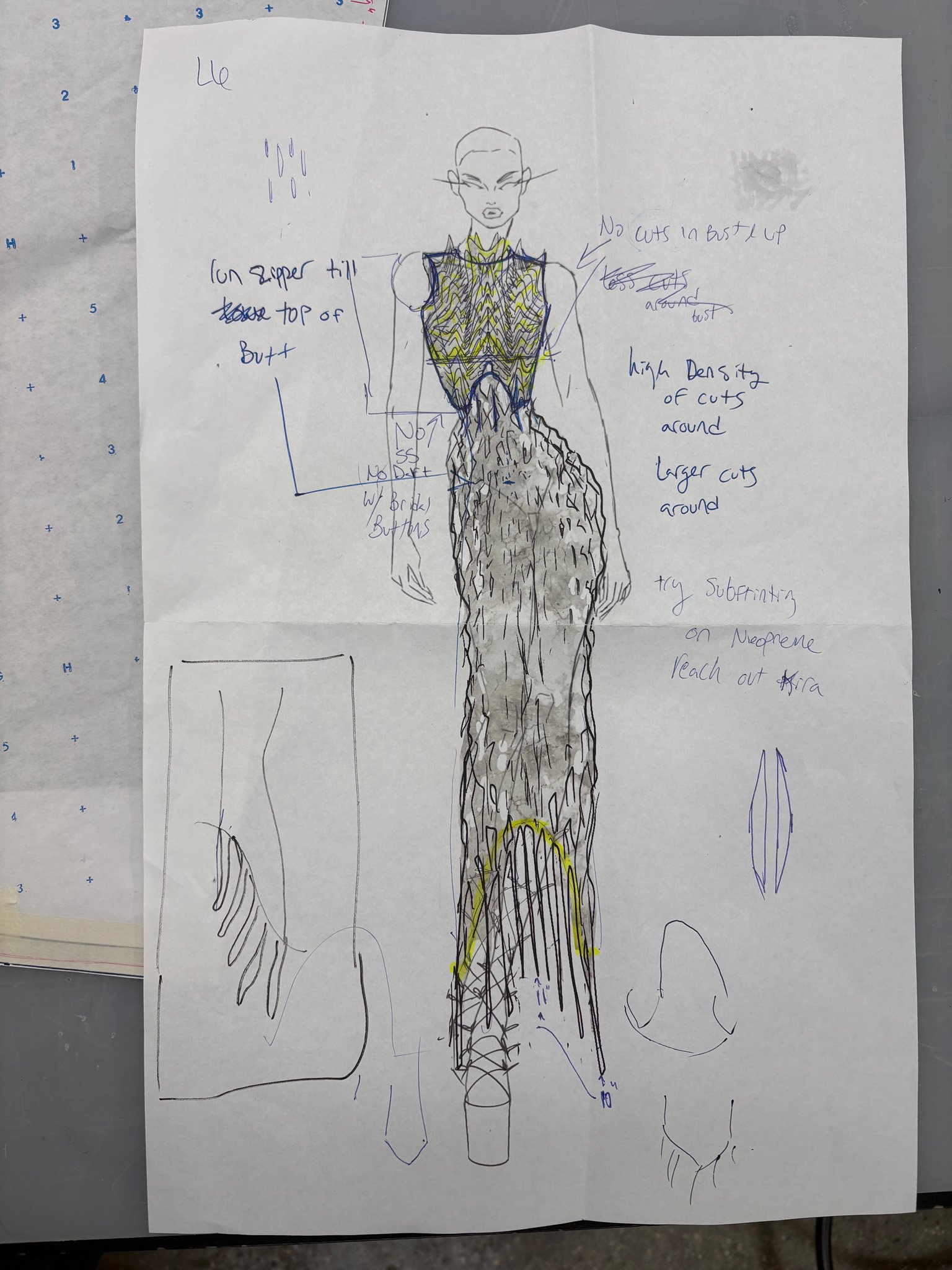
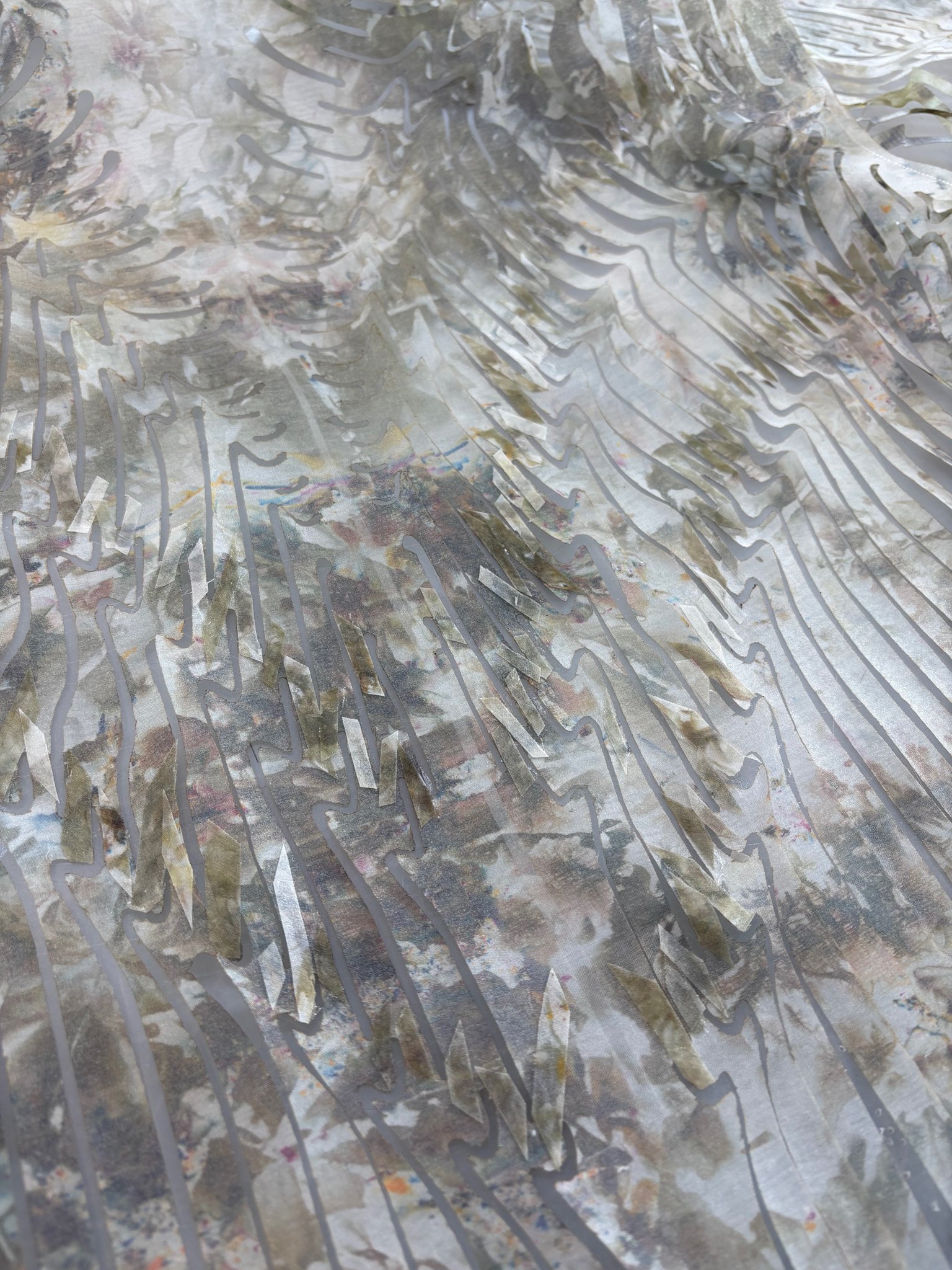
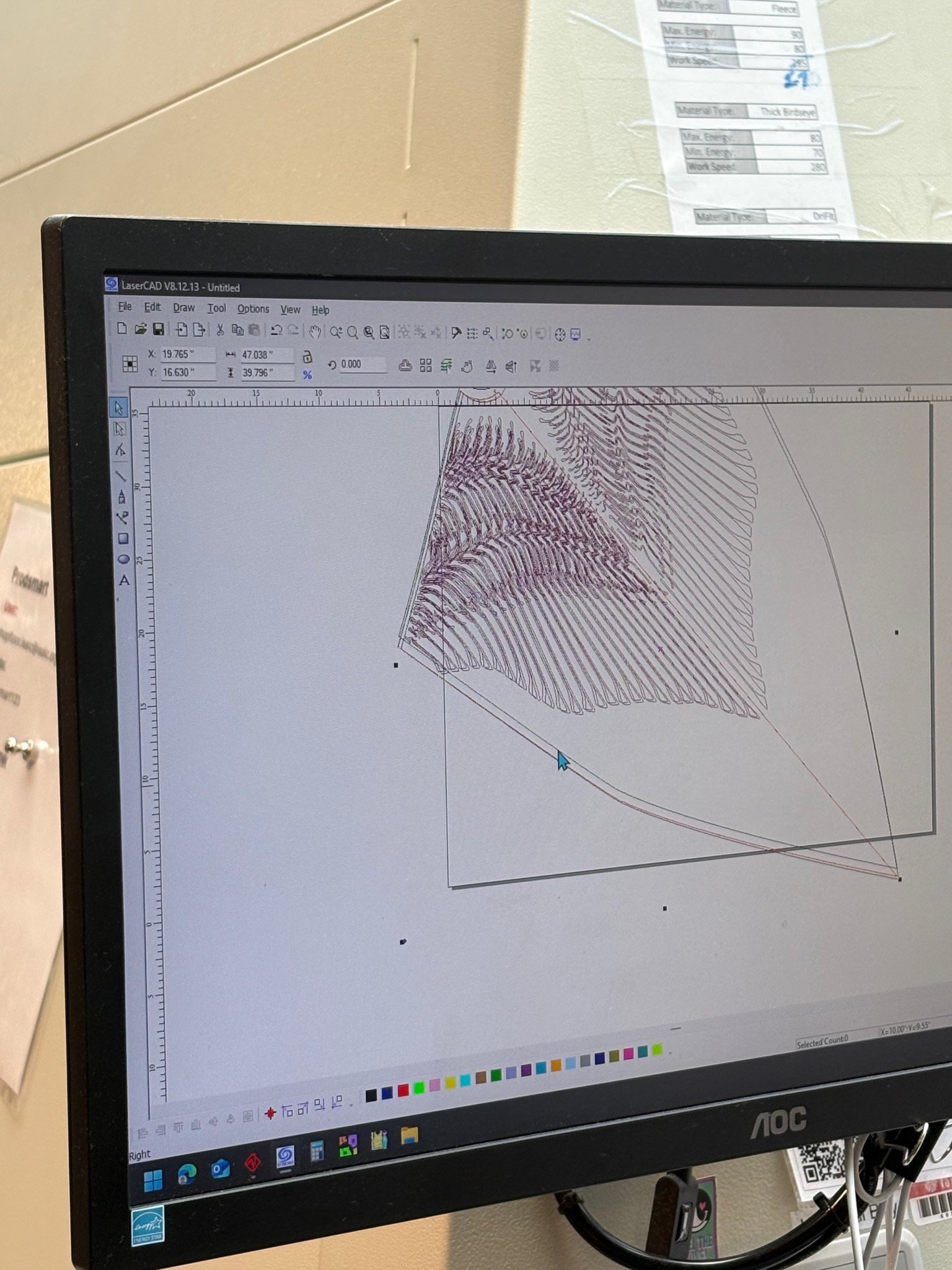
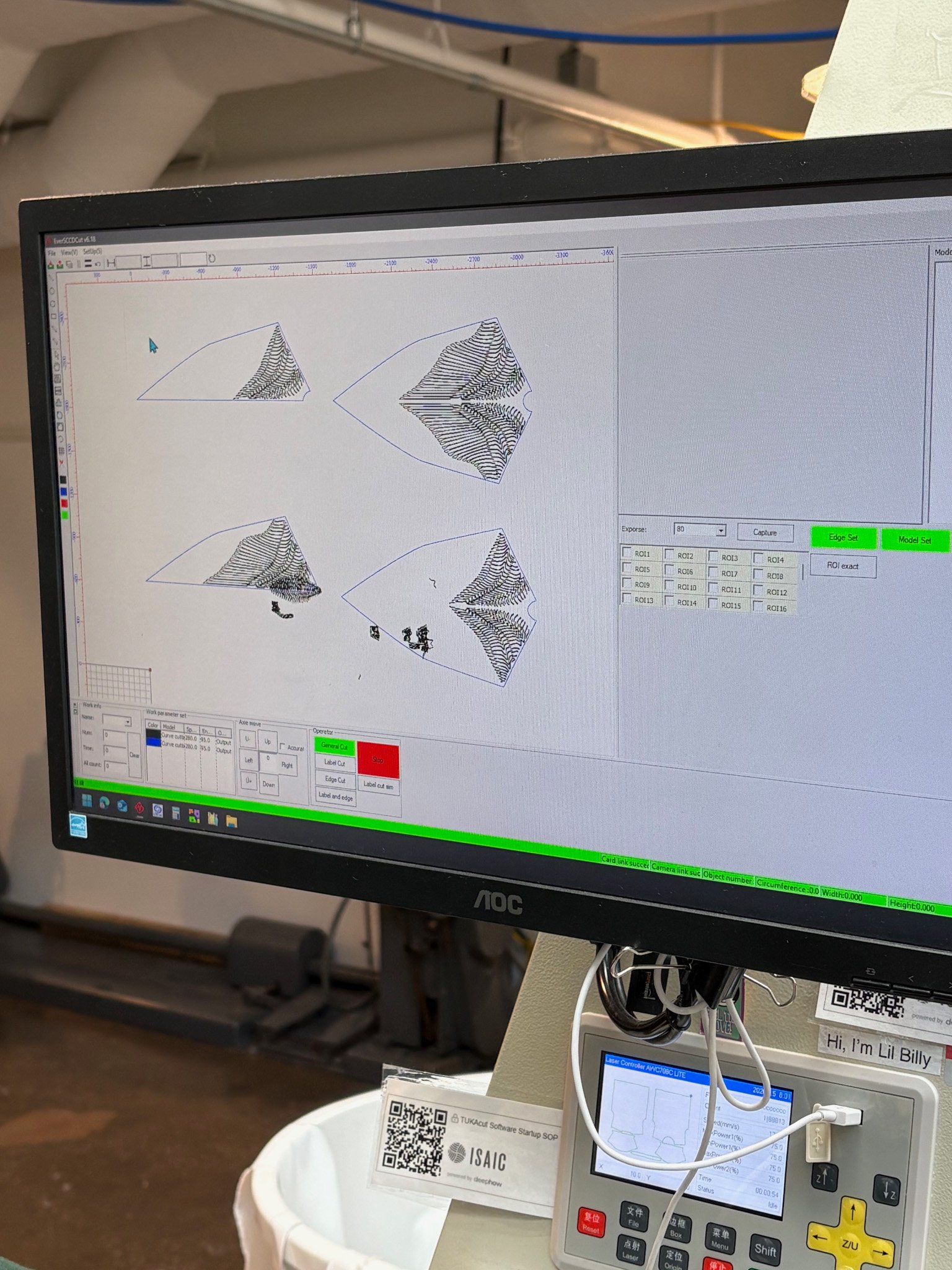
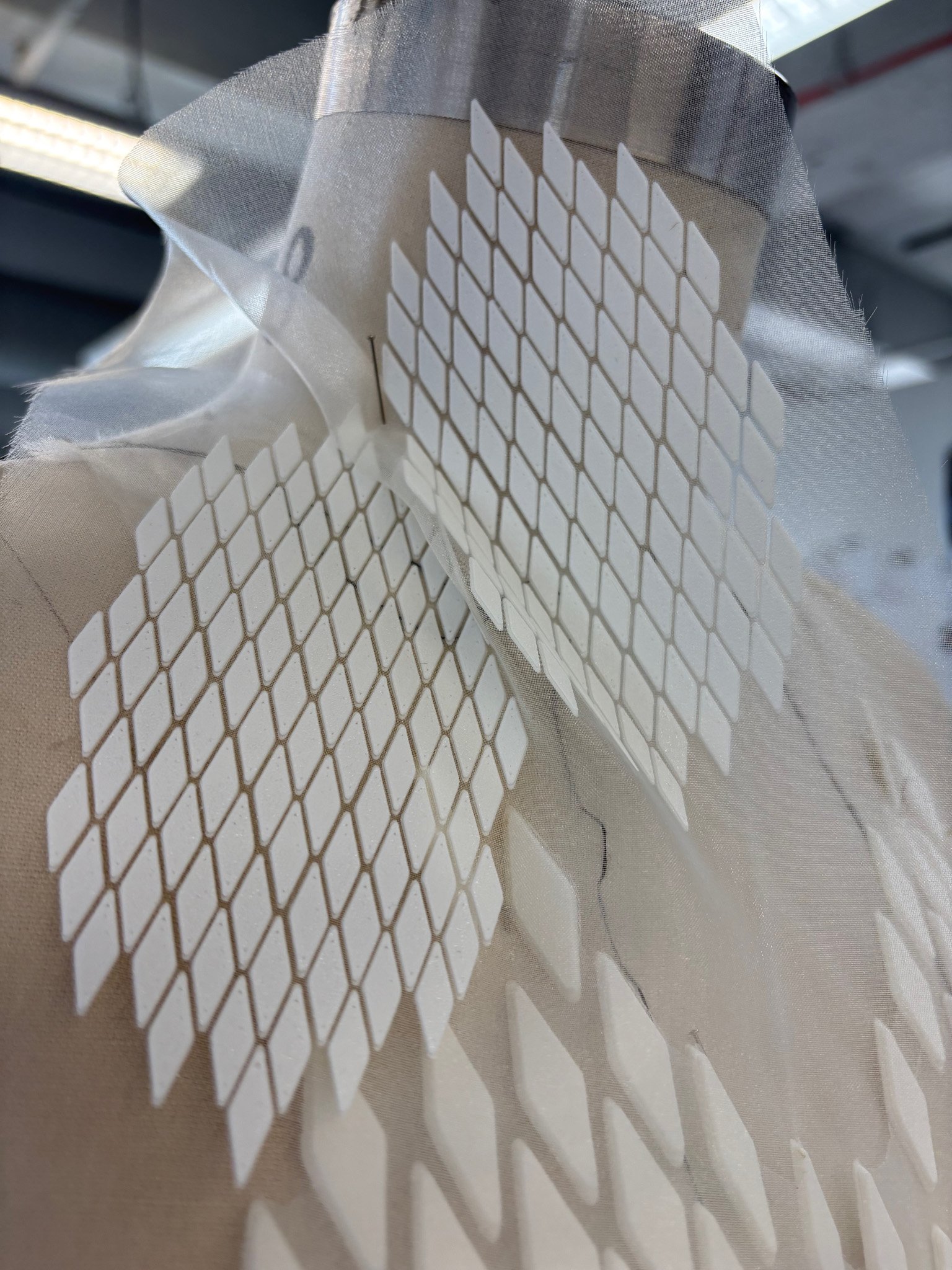
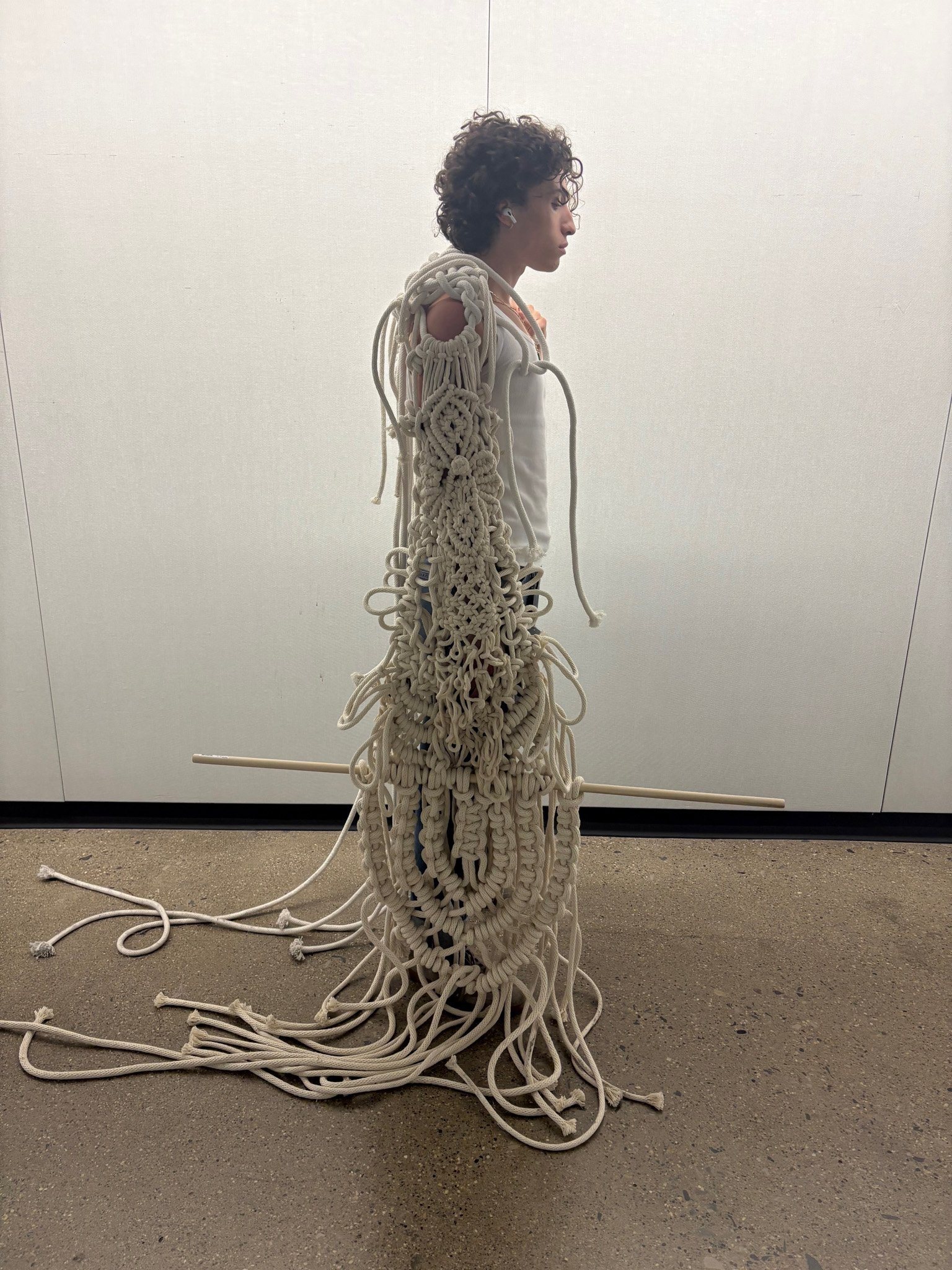
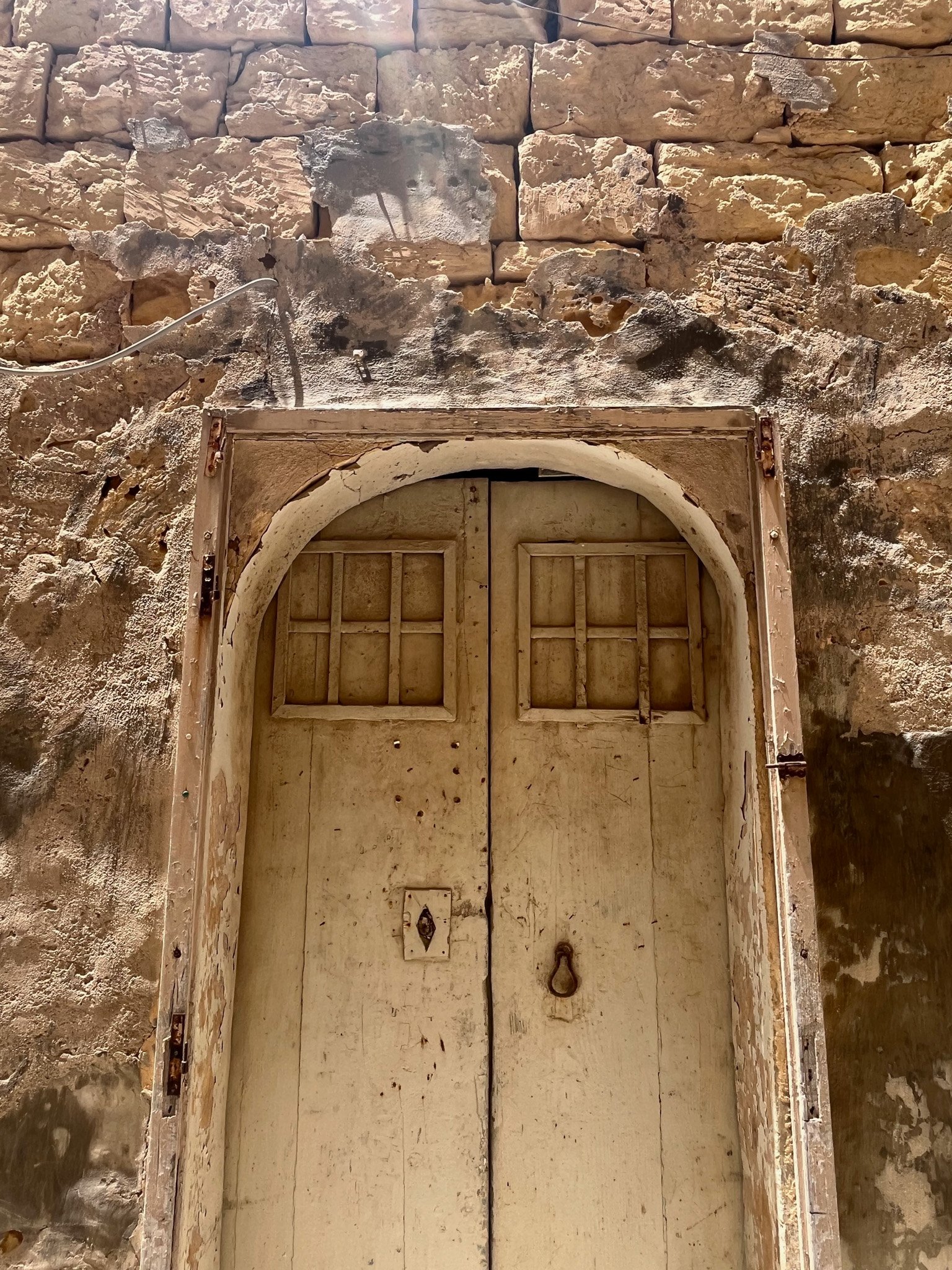
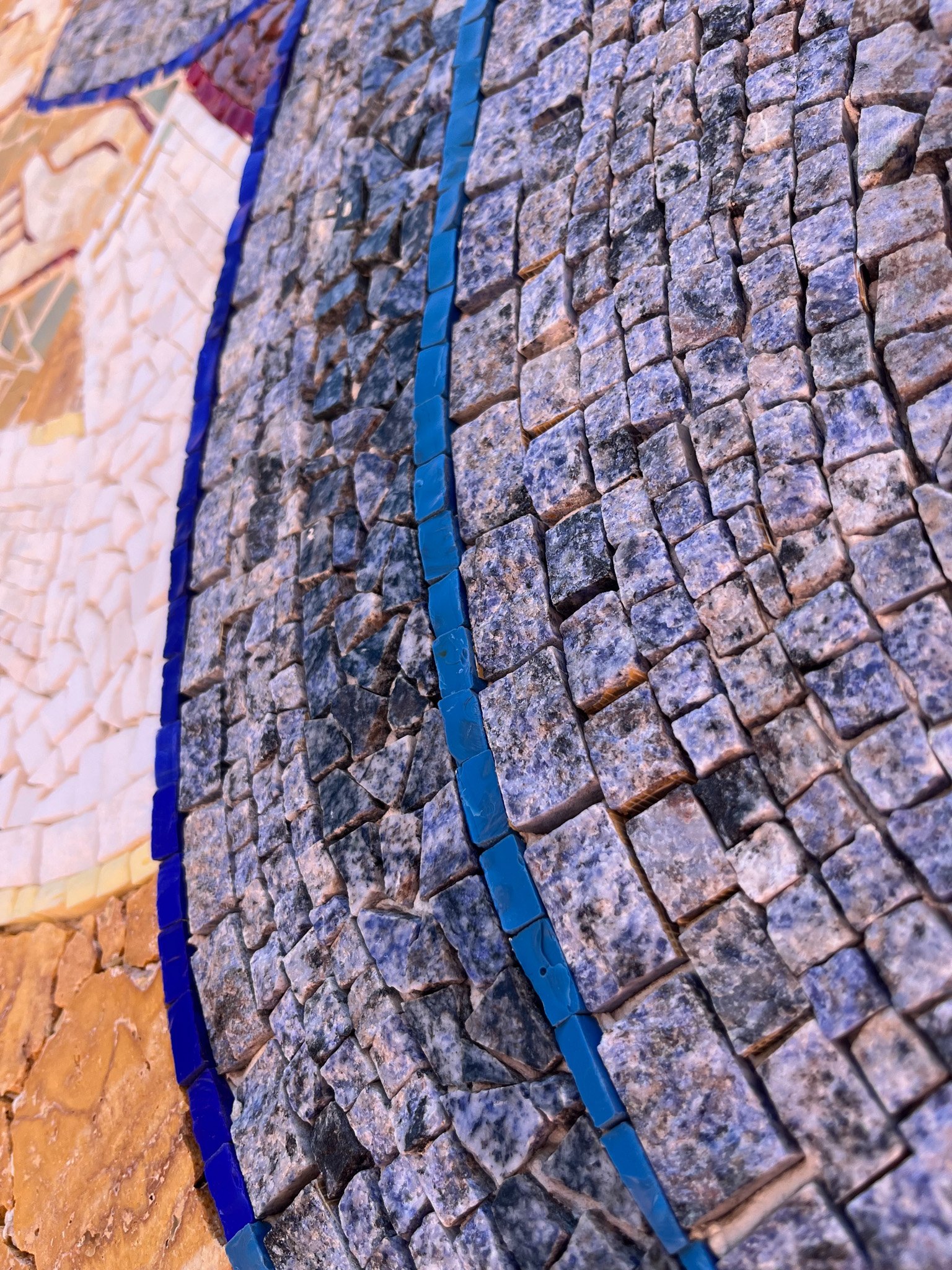
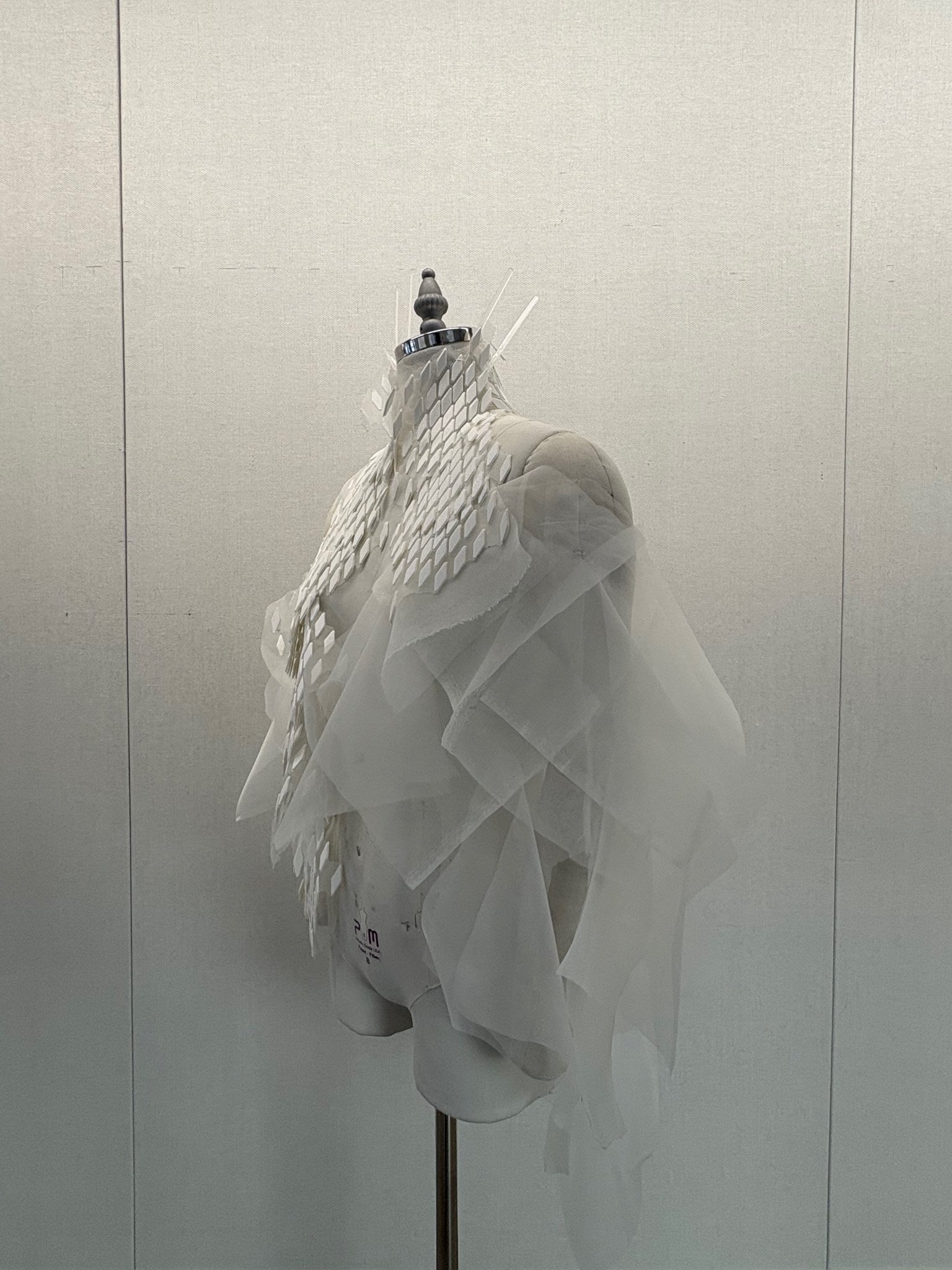
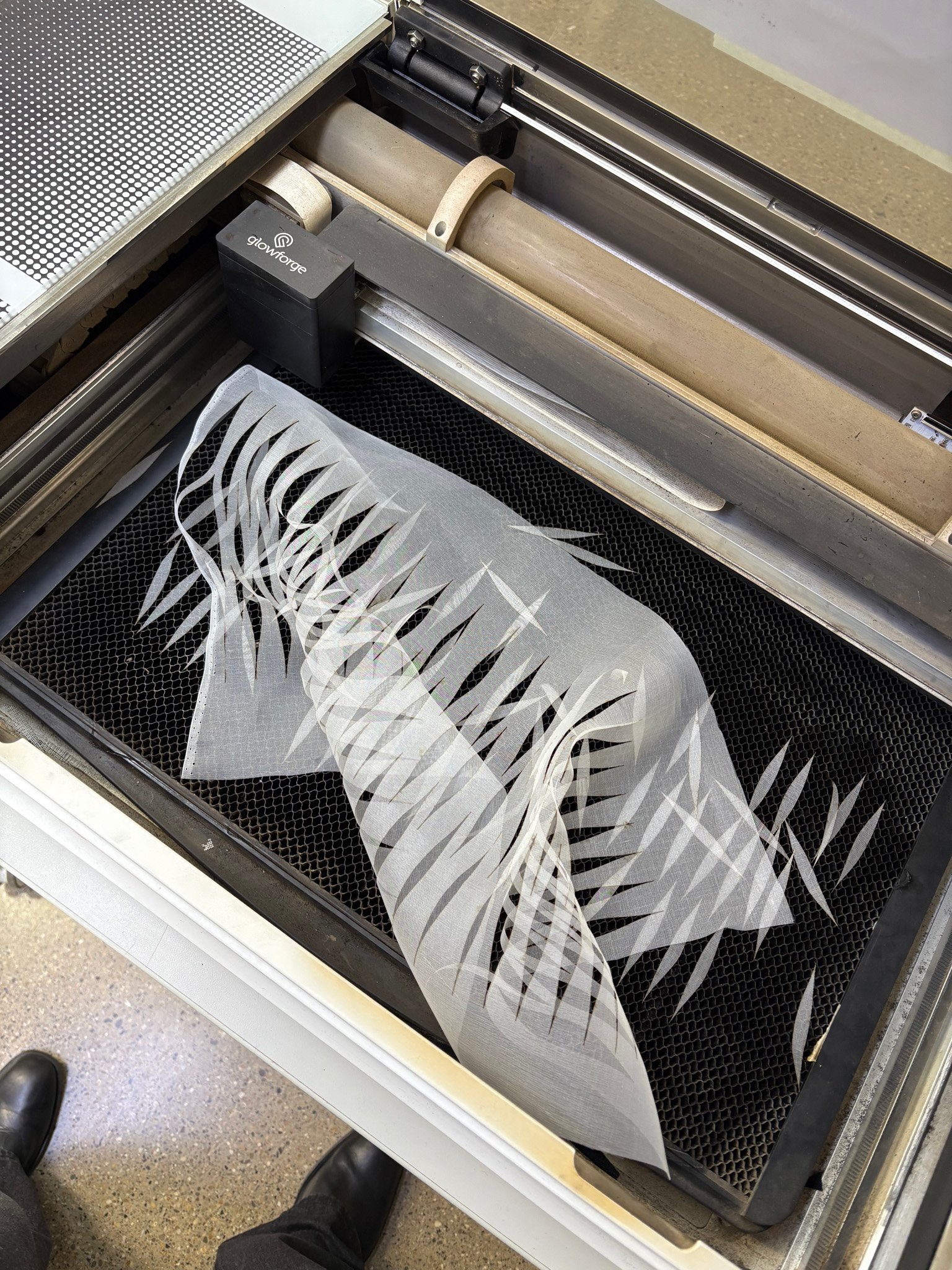
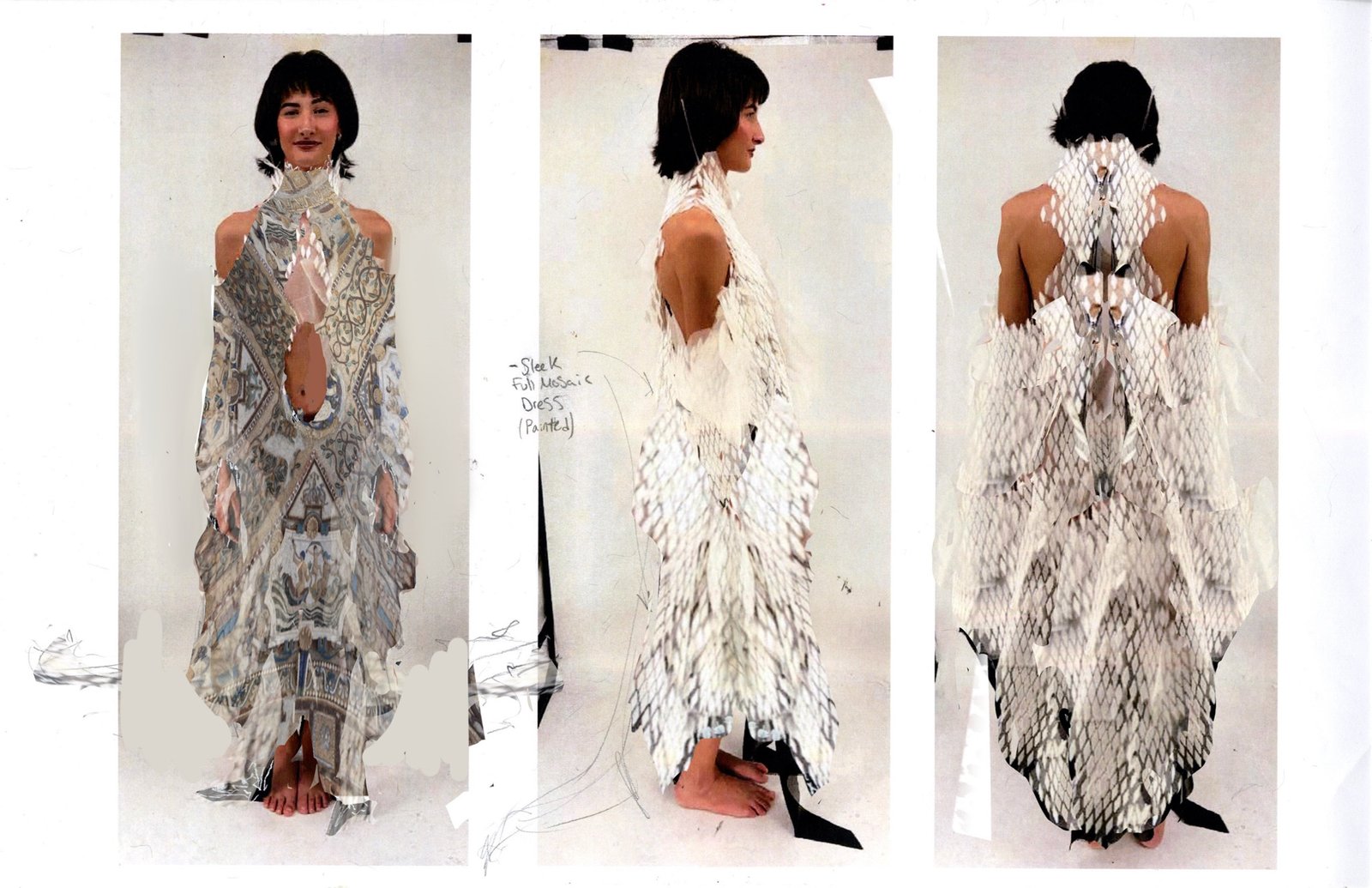
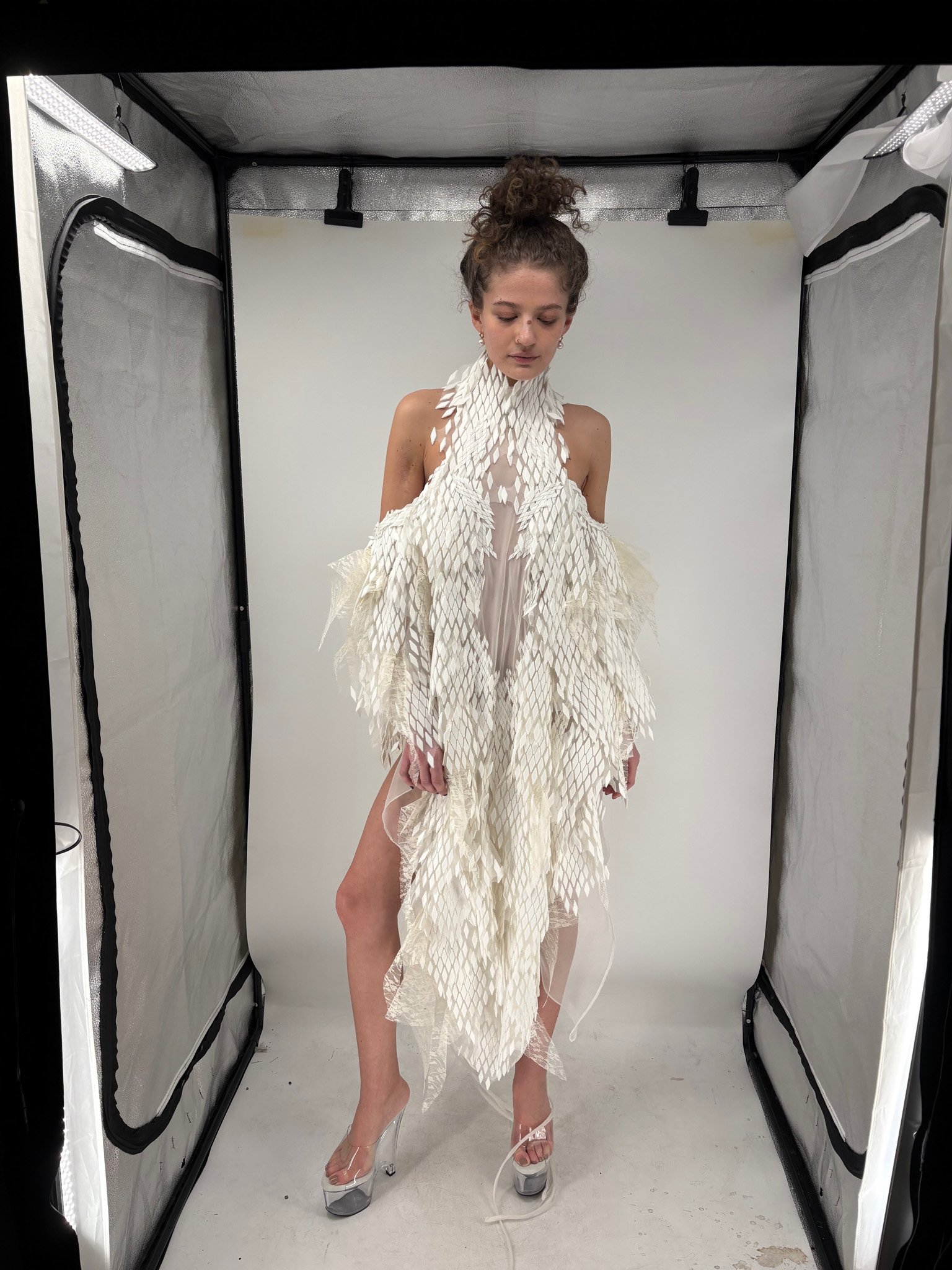
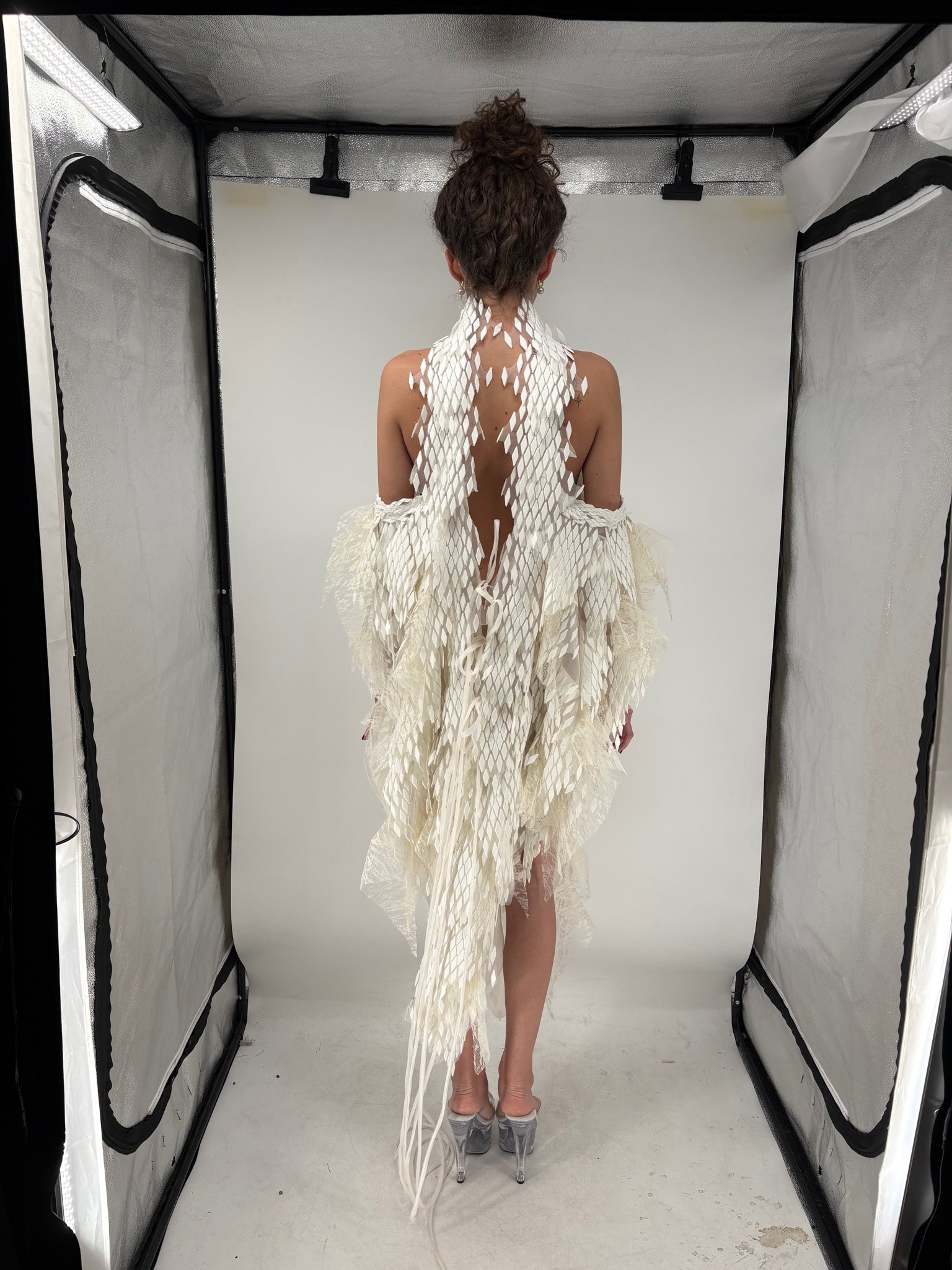
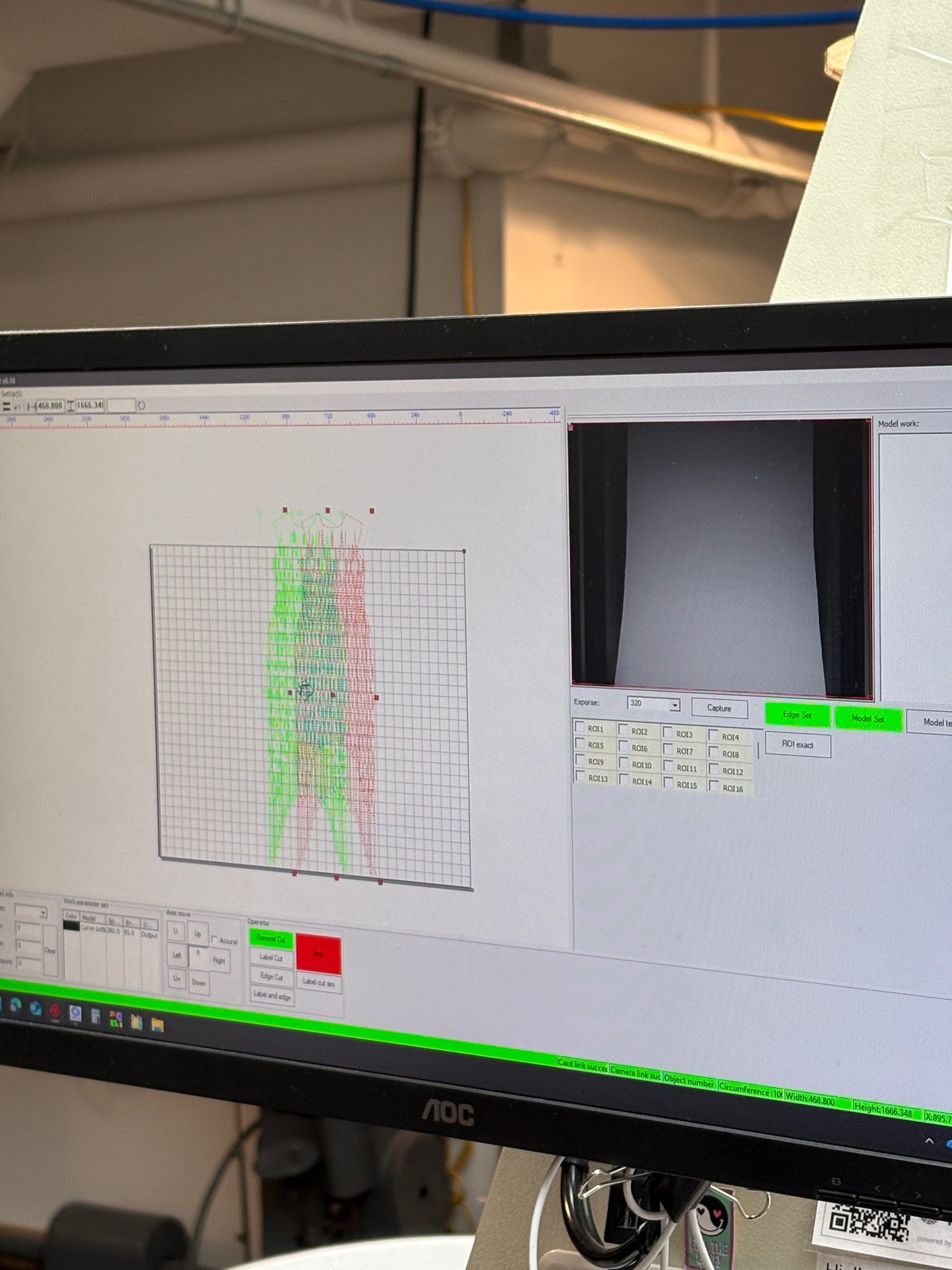
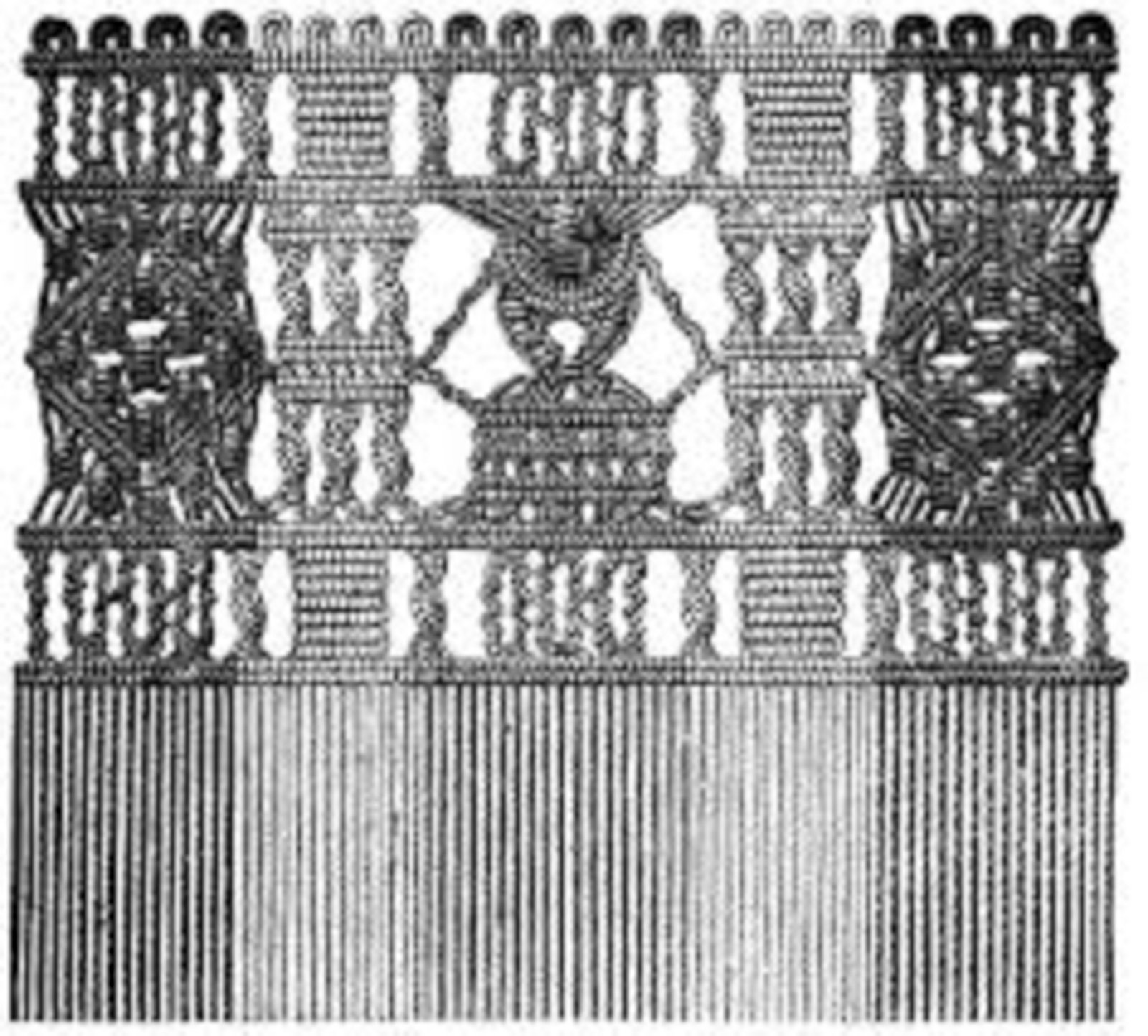
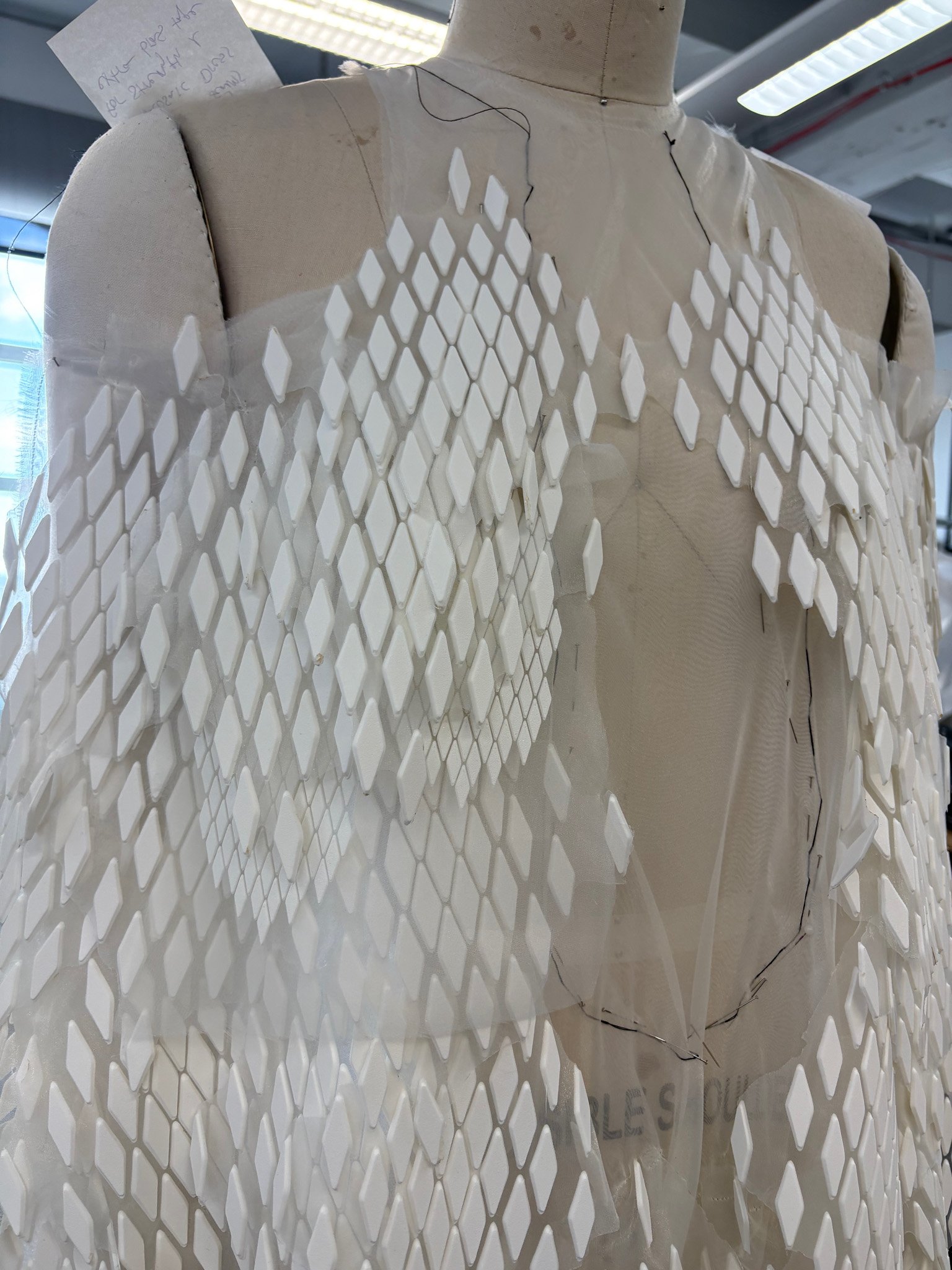
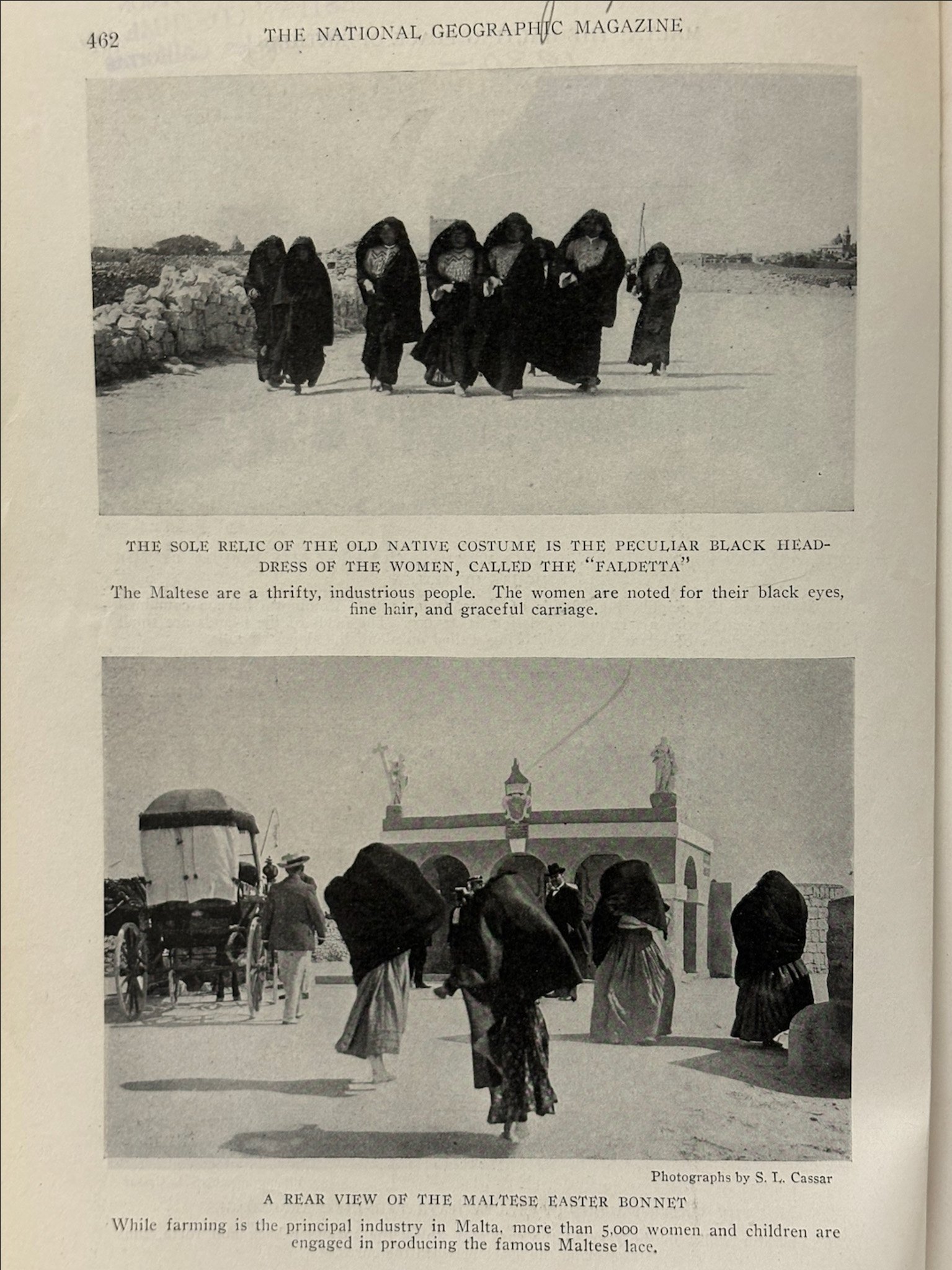
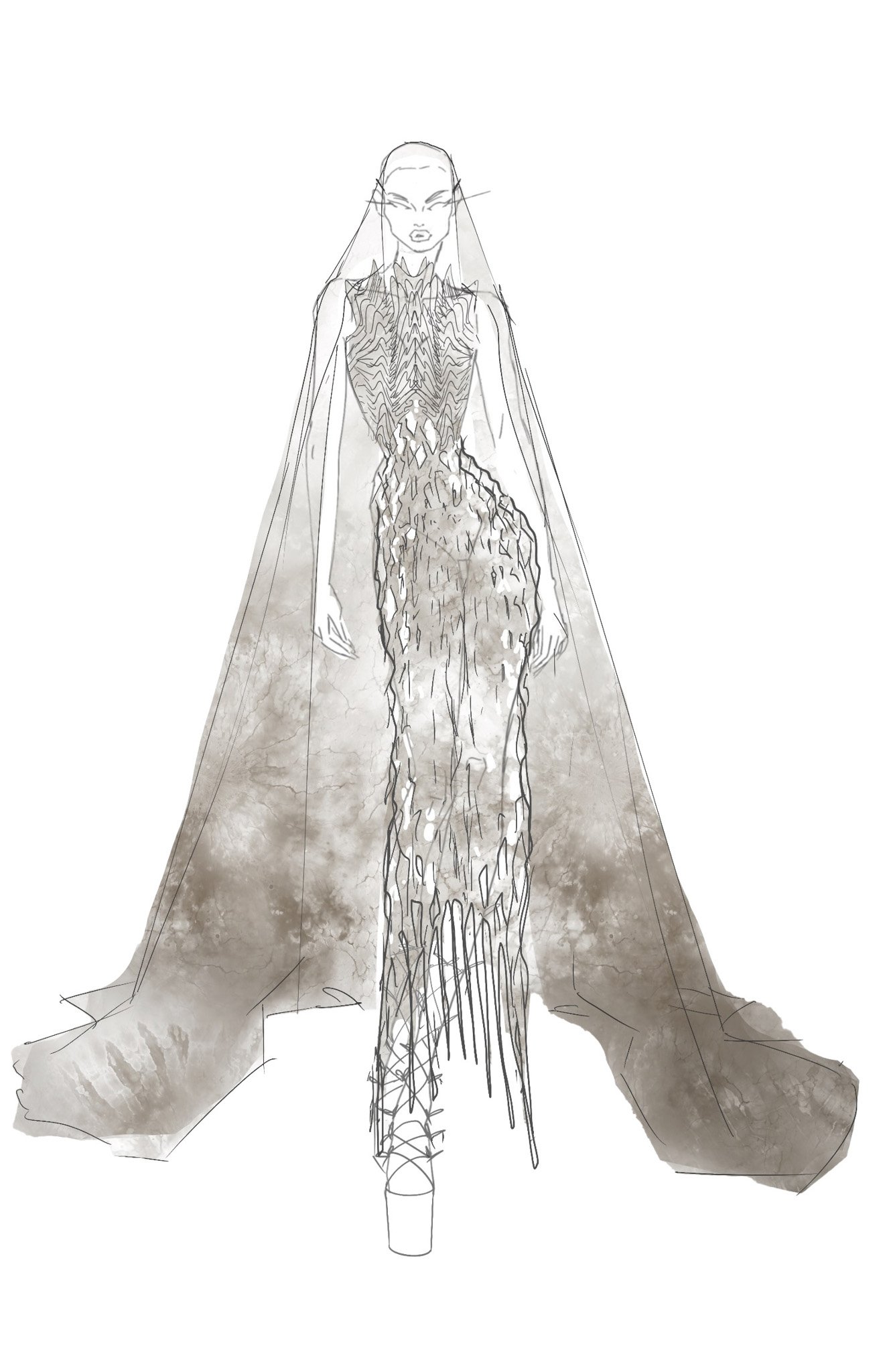
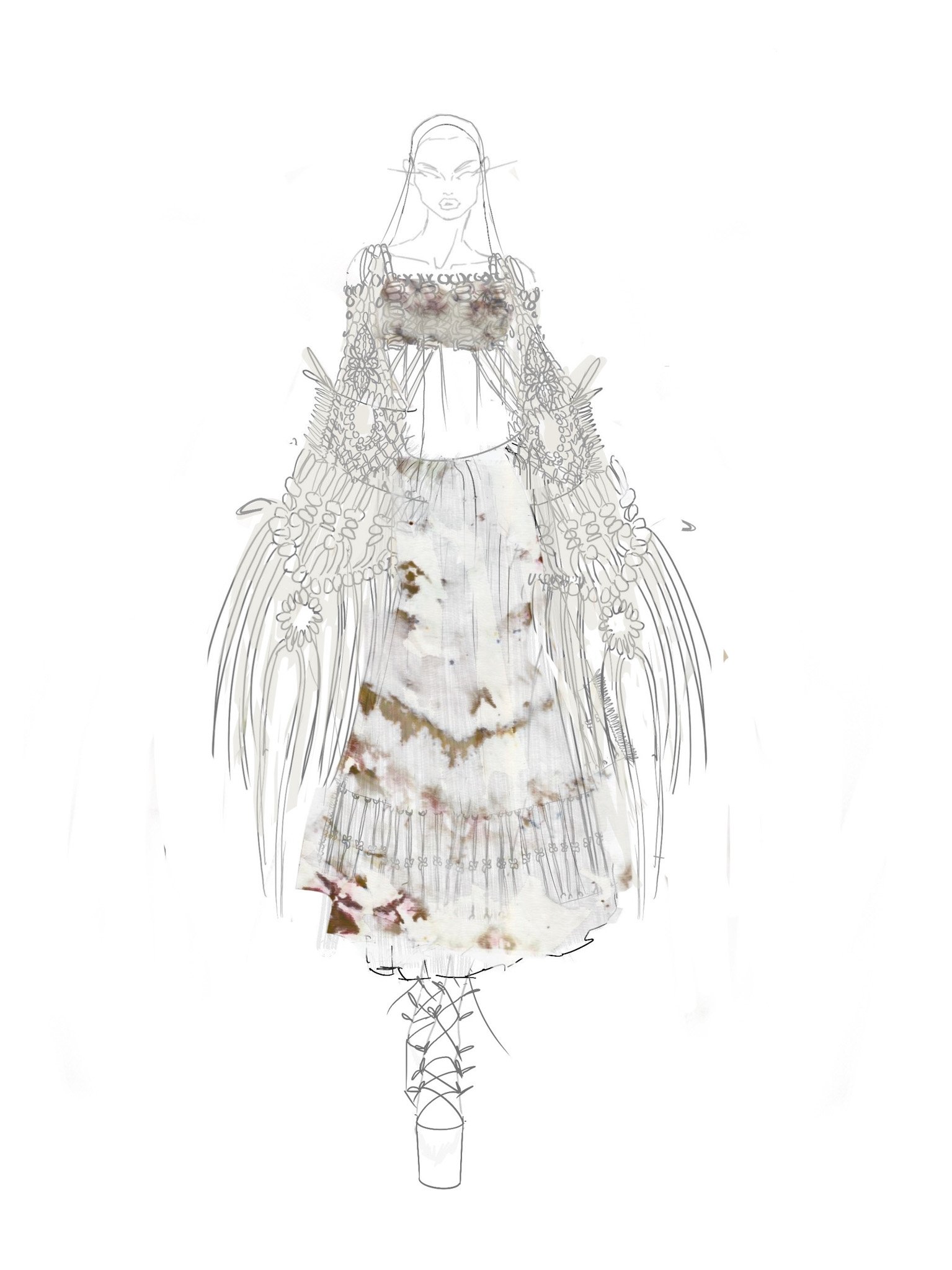
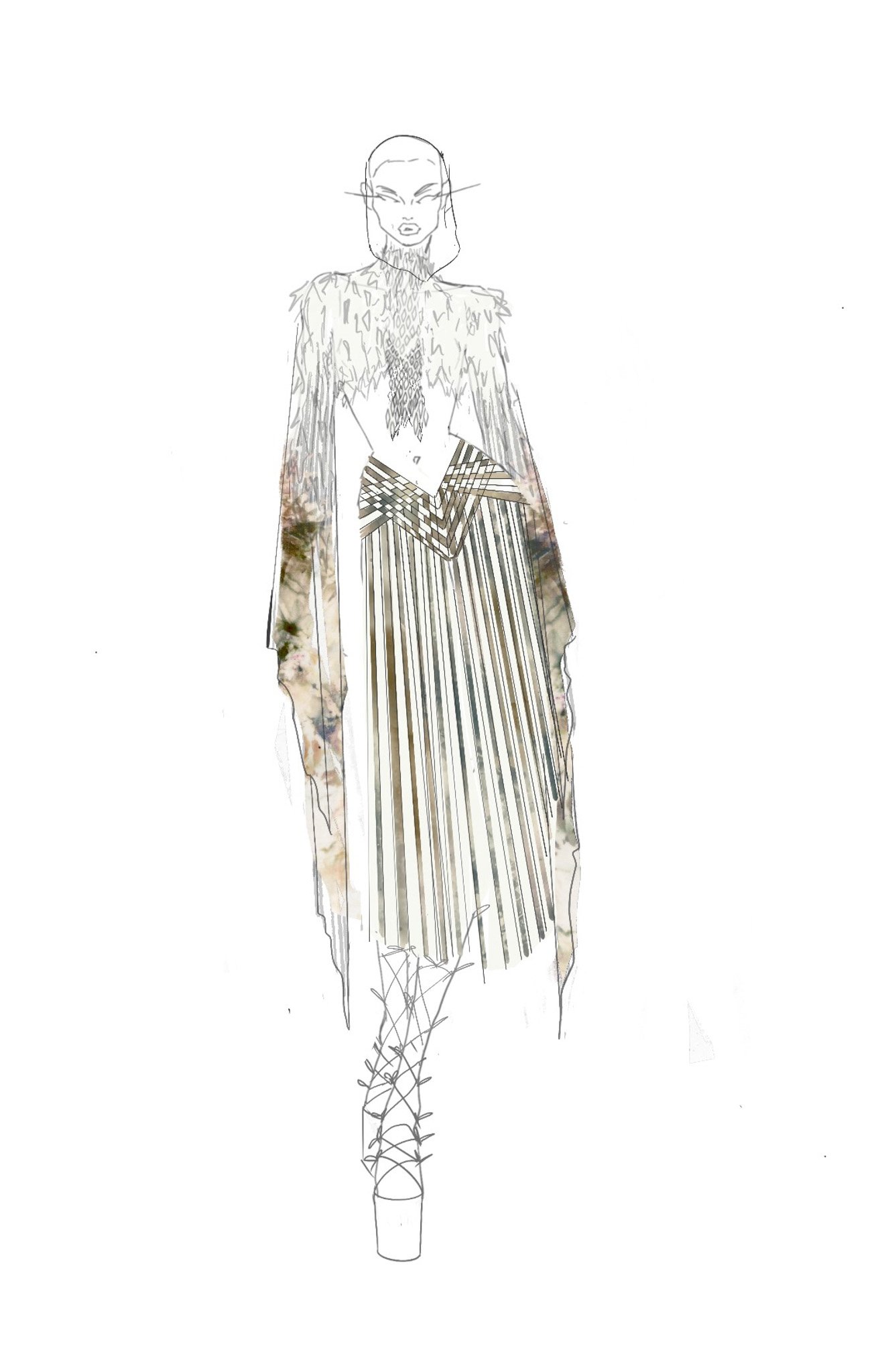
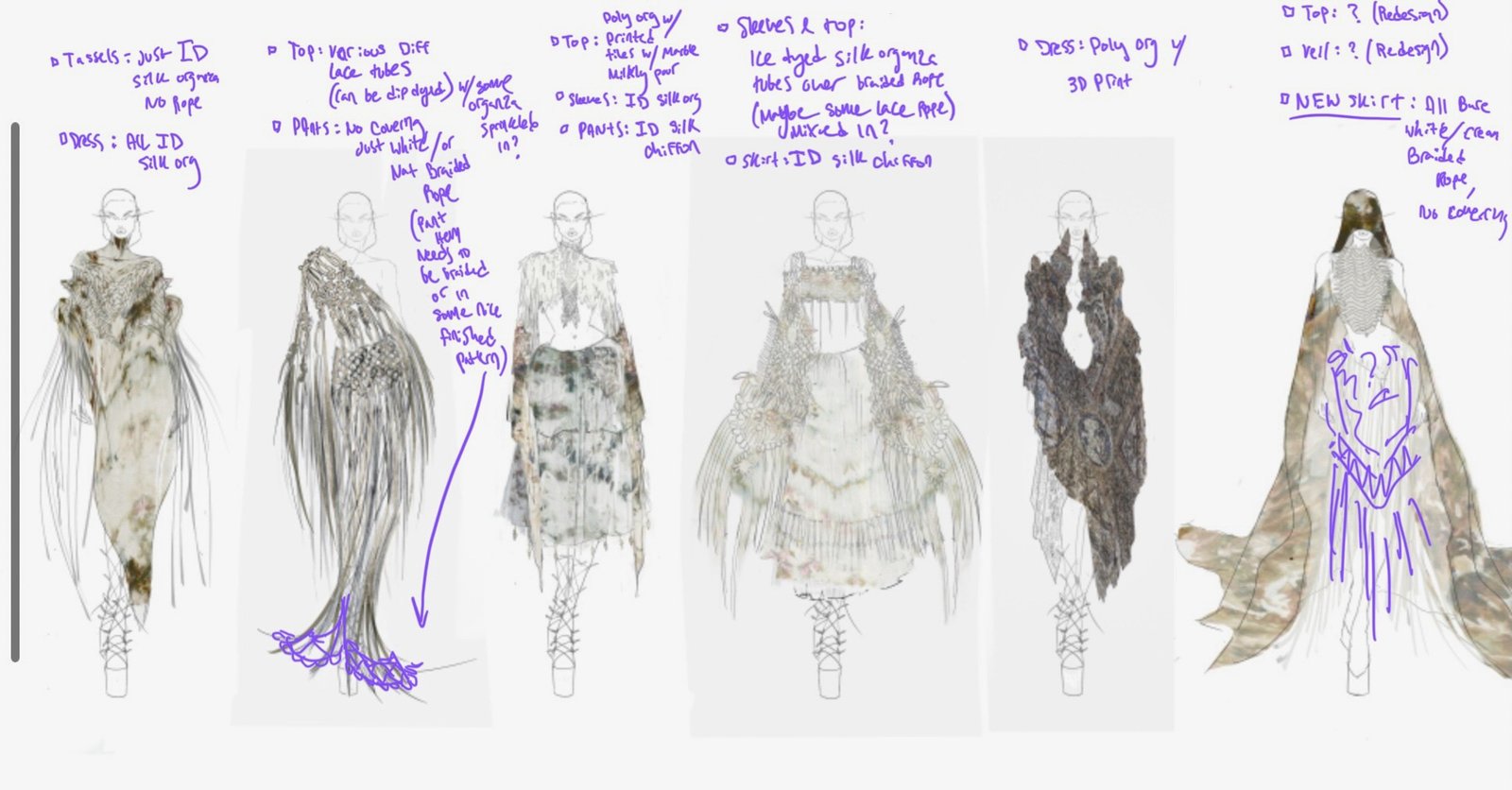
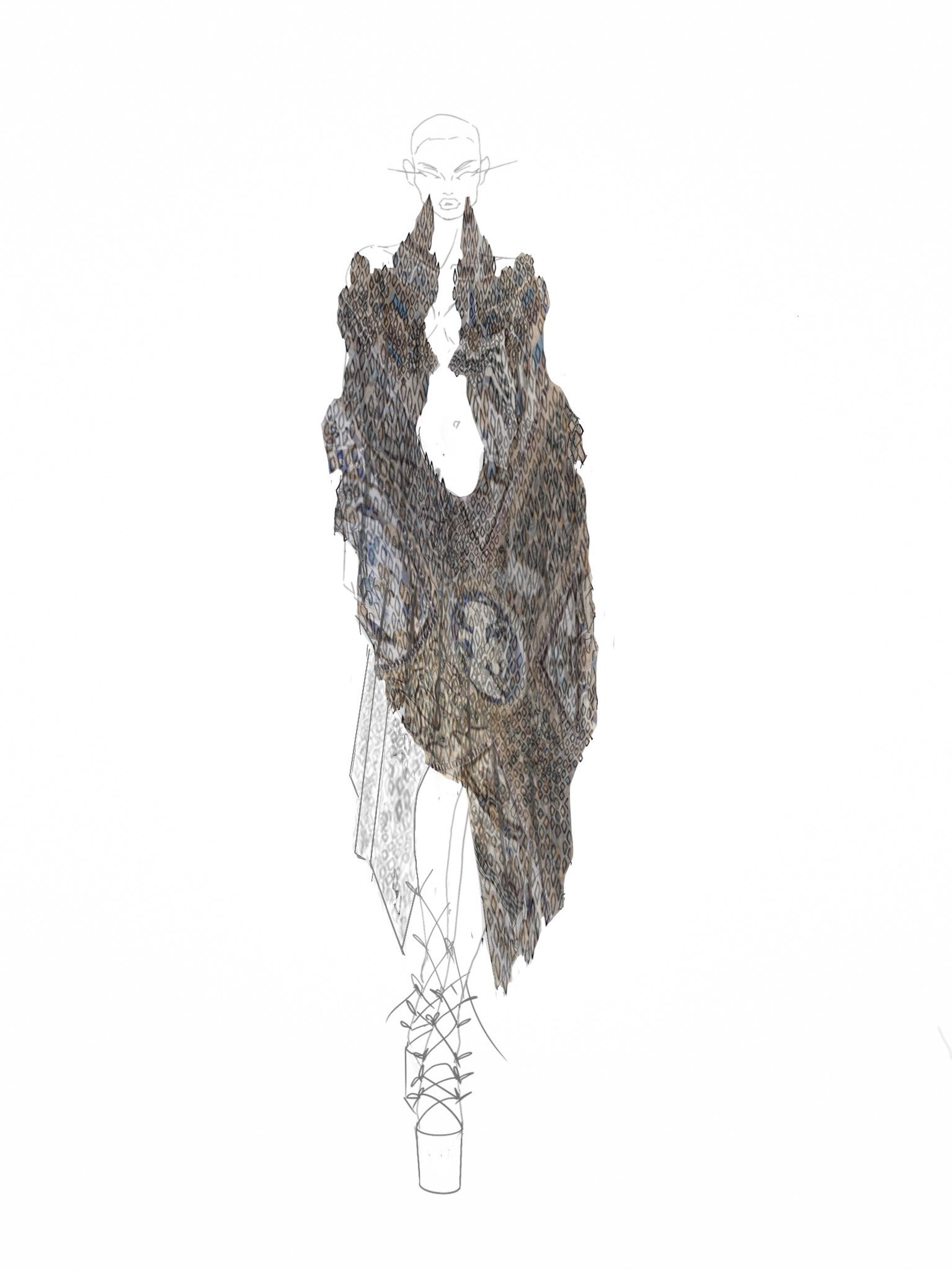
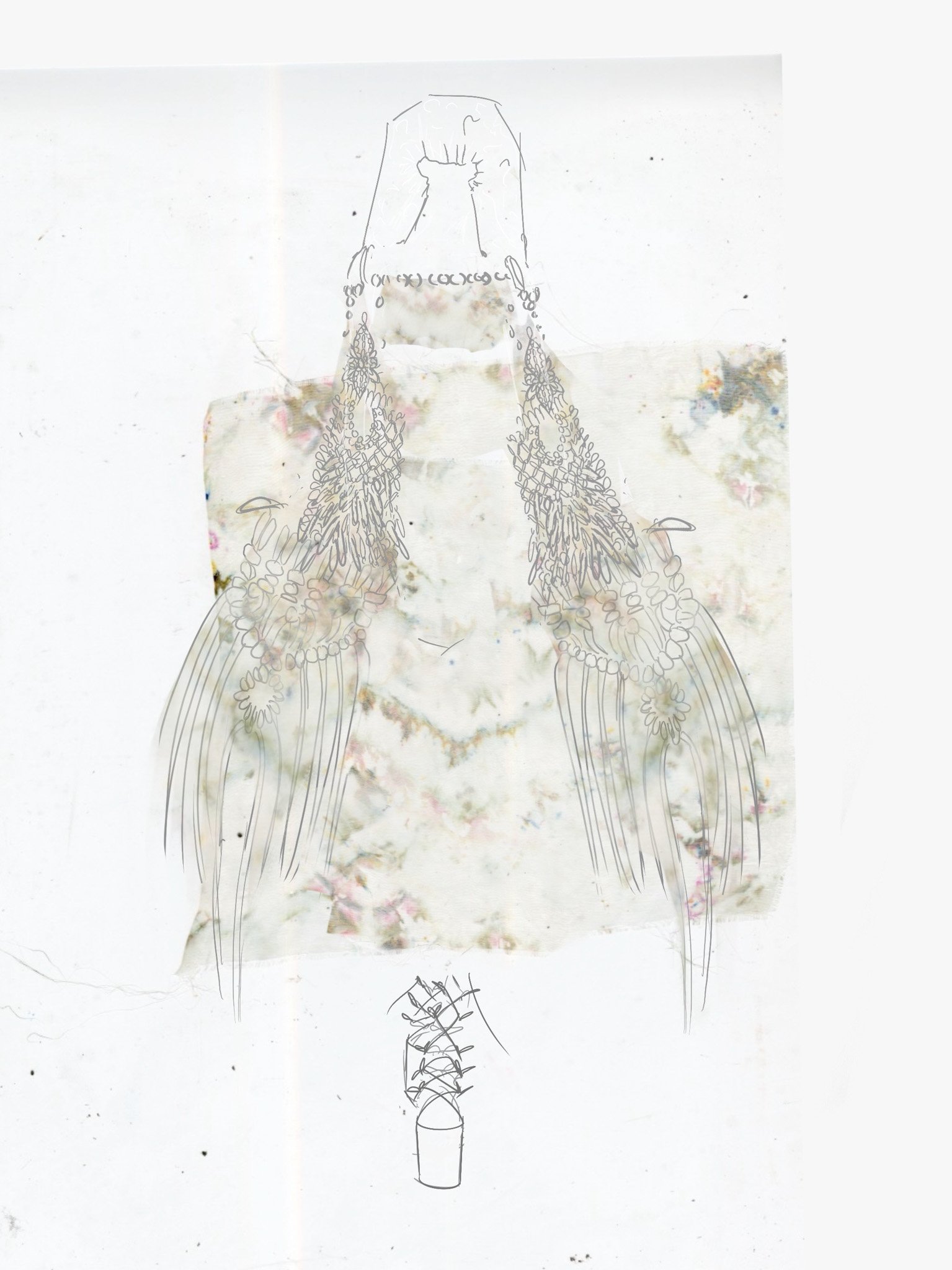
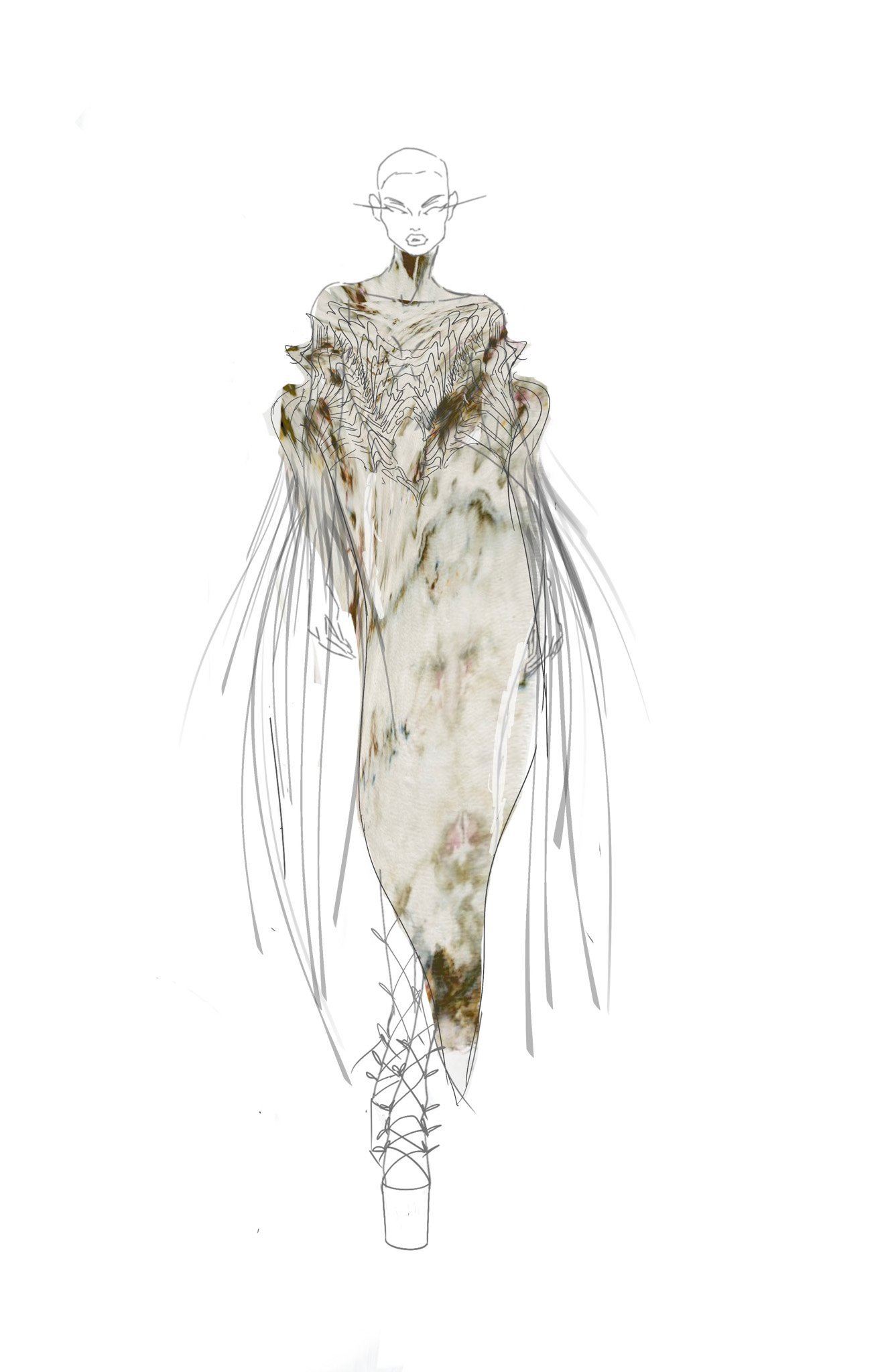
Maxwell Honeycutt’s collection, Sabiħ Máti (“The Beautiful Eye”) excavates the sacred craft traditions of the Mediterranean: lace-making, macramé, mosaic. The impulse is not preservation but metamorphosis. Experimental materials, 3D printing, laser cutting, and fossil-like textures shaped by memory translate heritage into structure, producing beauty that feels simultaneously timeless and otherworldly. The collection draws from a lineage that has always found meaning in craft and longevity, treating inheritance as living material still evolving. Sabiħ Máti is both a protective gaze rooted in Mediterranean spiritual tradition and a new way of seeing.

After graduating, Honeycutt is drawn toward couture – the craftsmanship, the discipline, the utter commitment to beauty as something worth labouring over. In a world accelerating toward automation, he sees that scarcity as a call rather than a concern. He hopes to work within a house where precision is intention and the making is still considered sacred.
@Maxwellhoneycutt

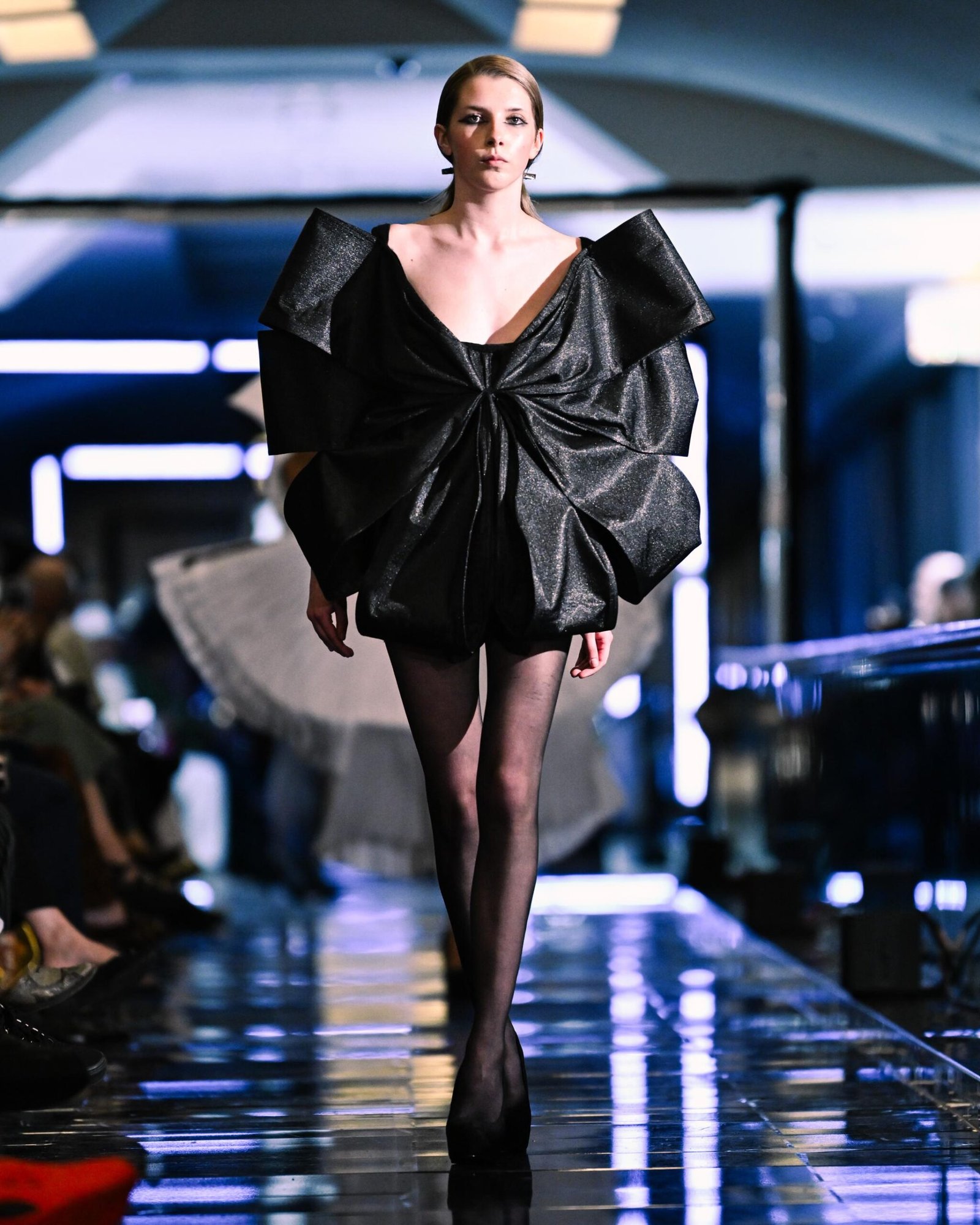
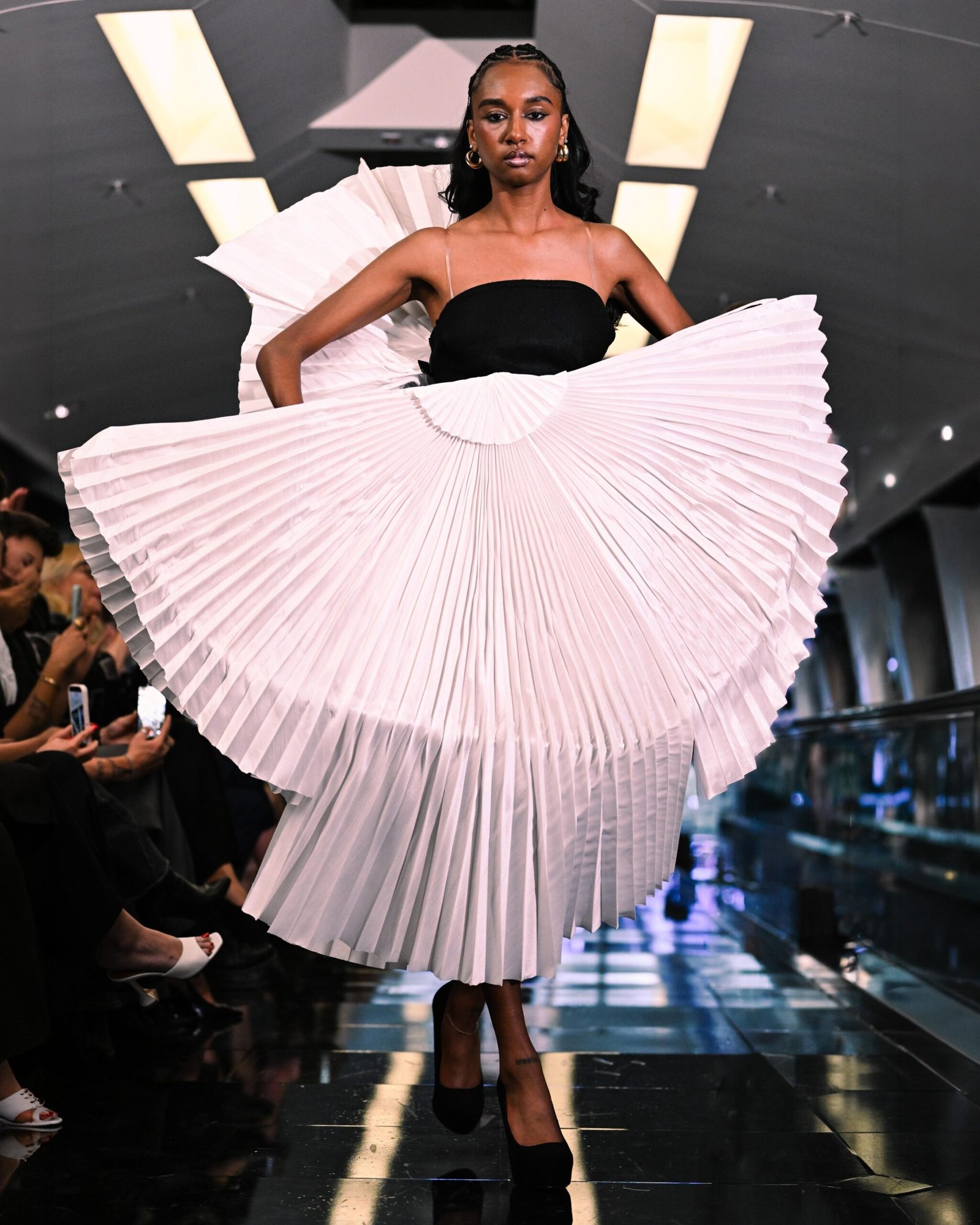
Emma Wisler

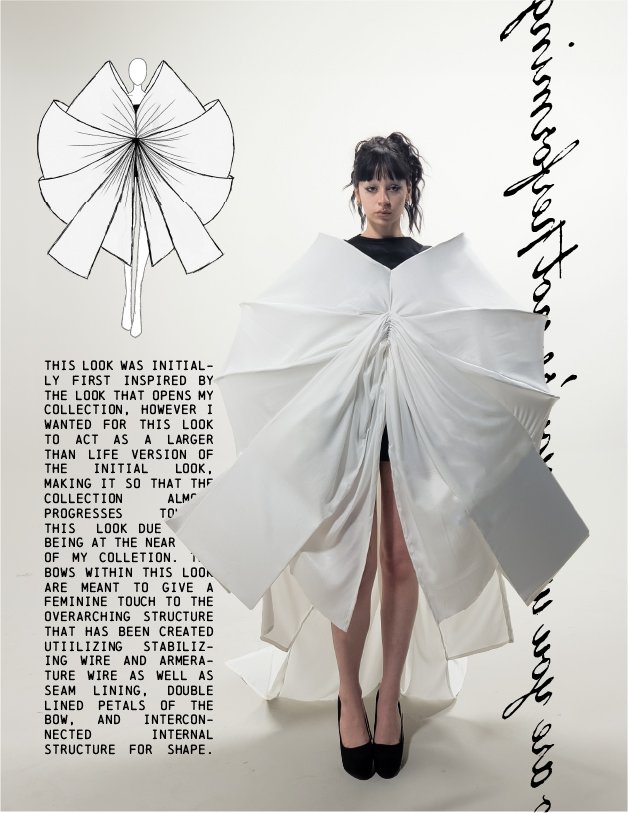
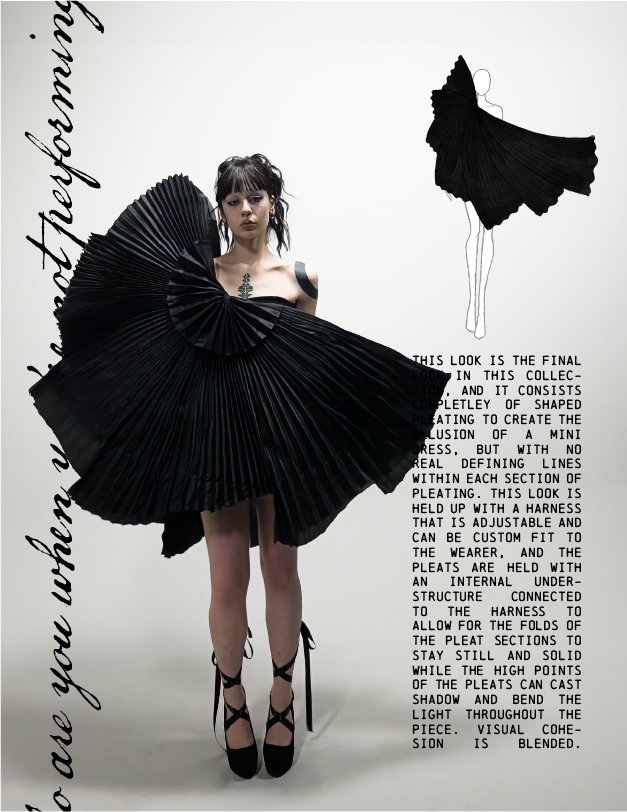
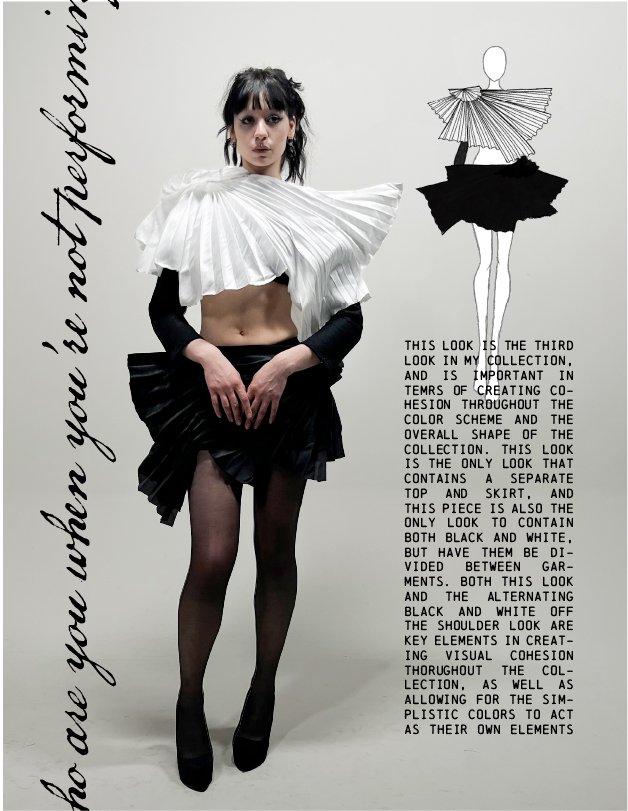
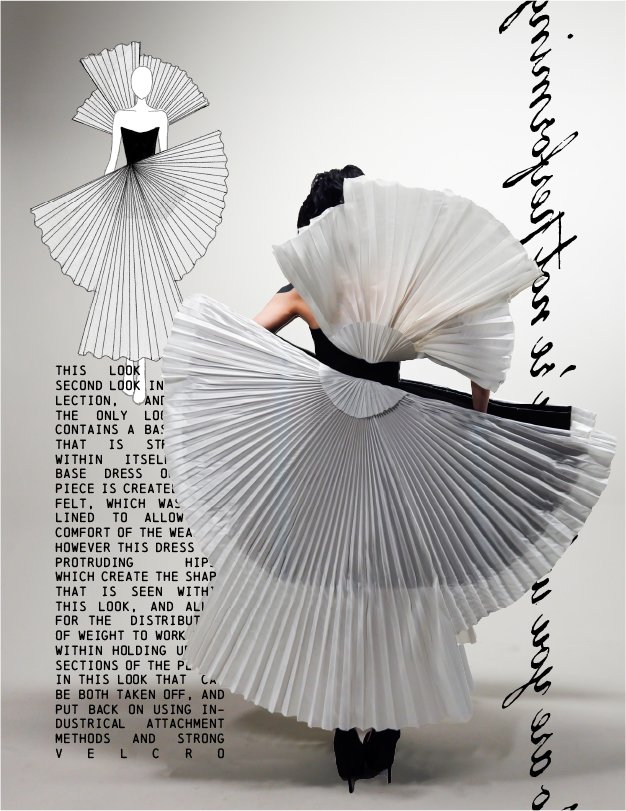
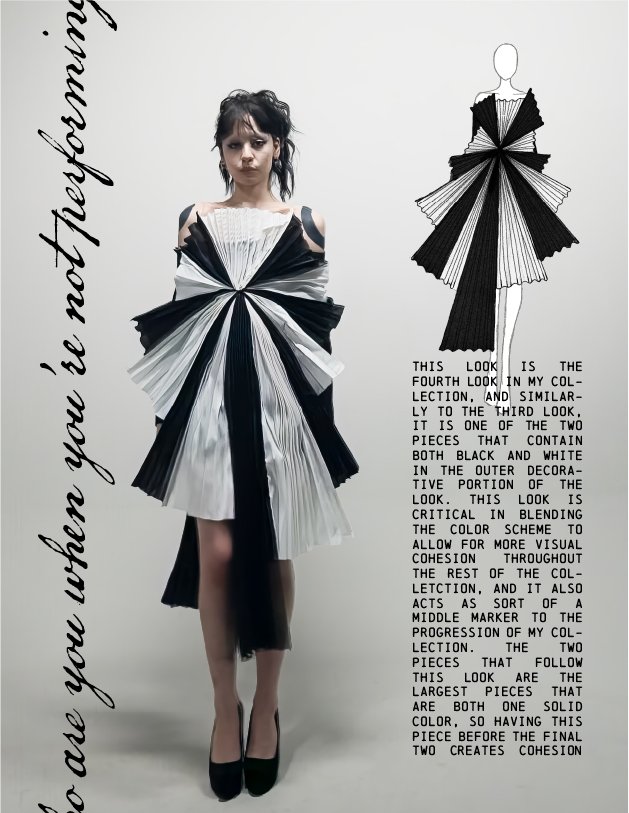
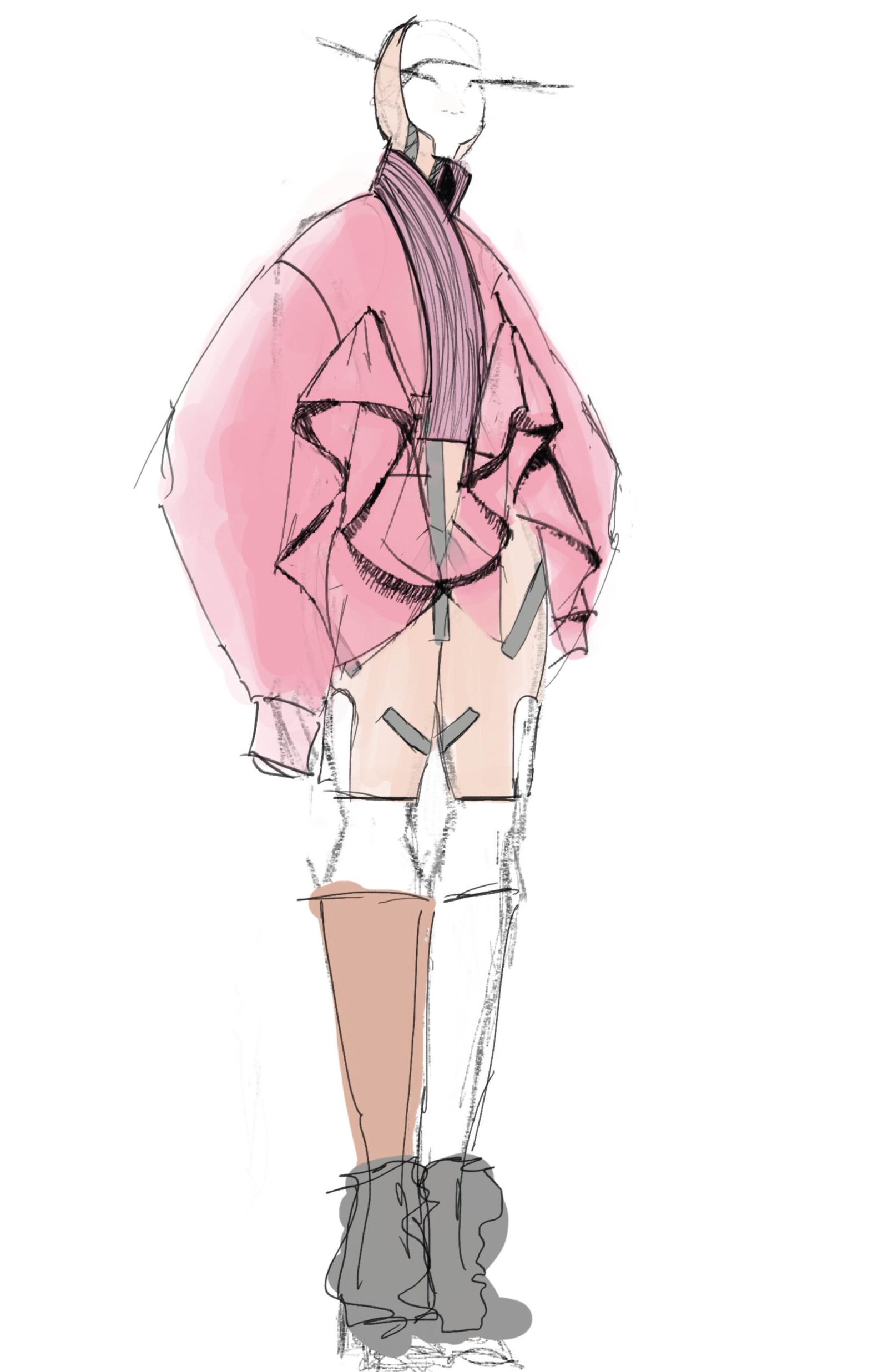
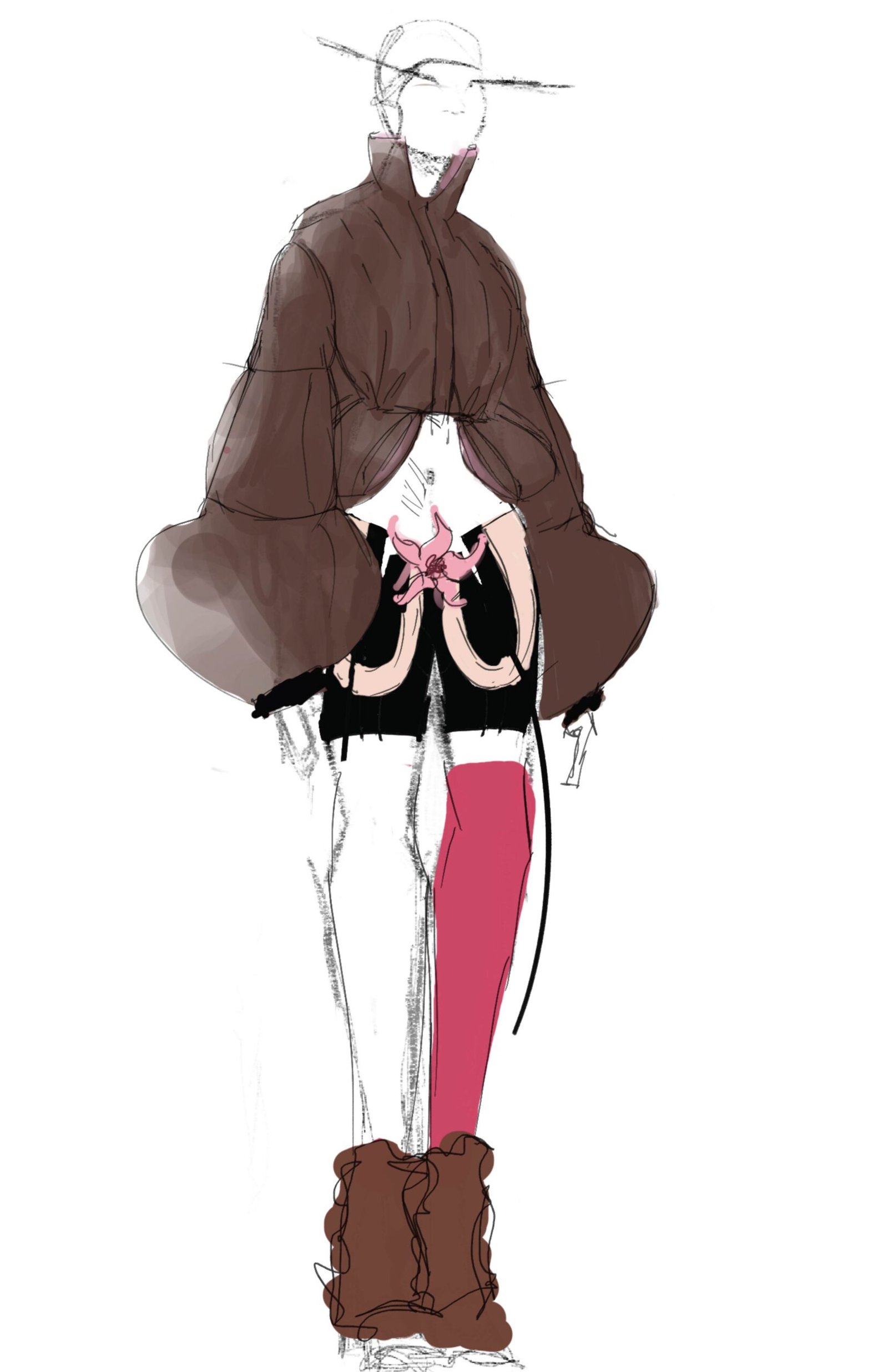
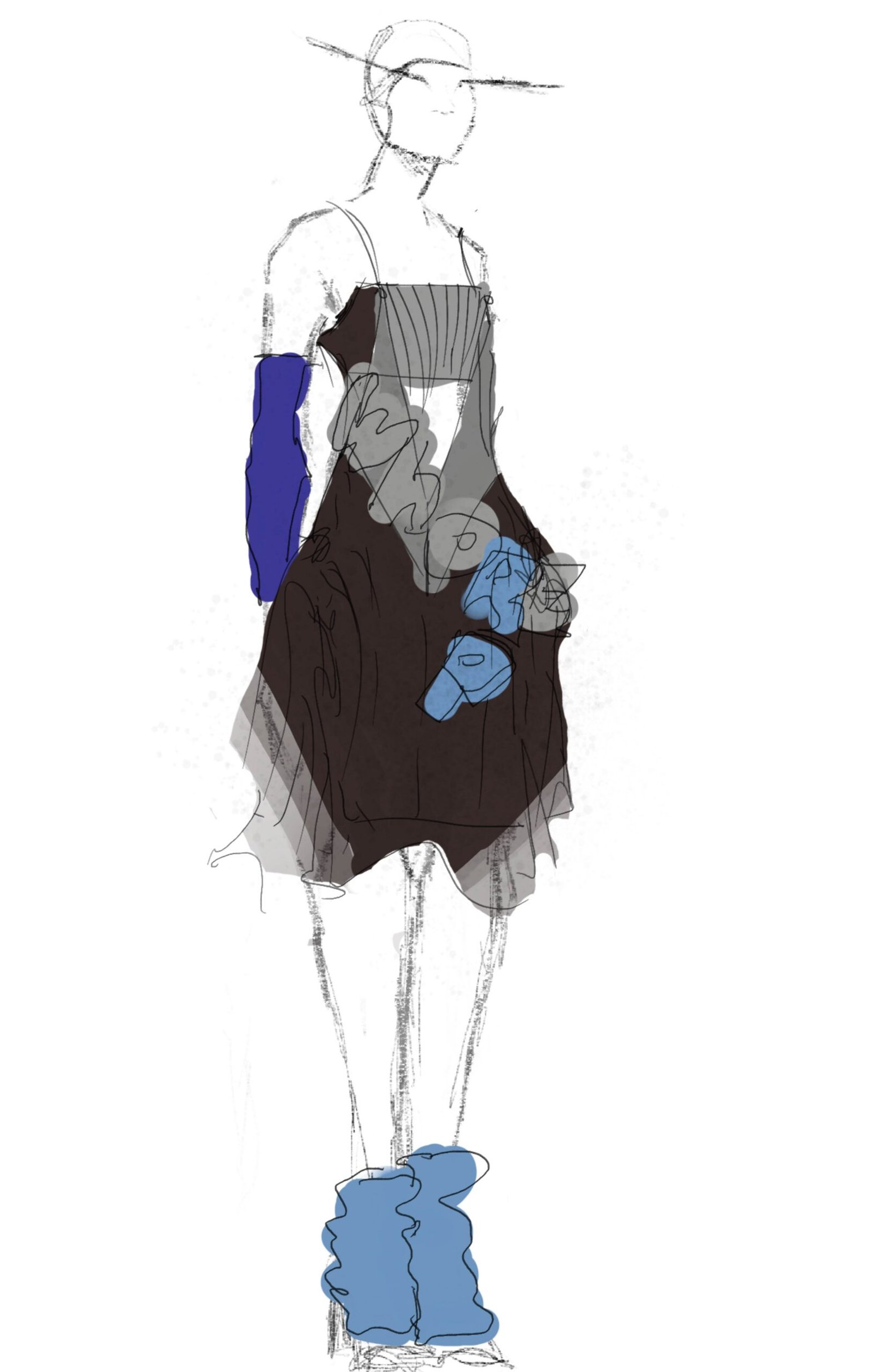
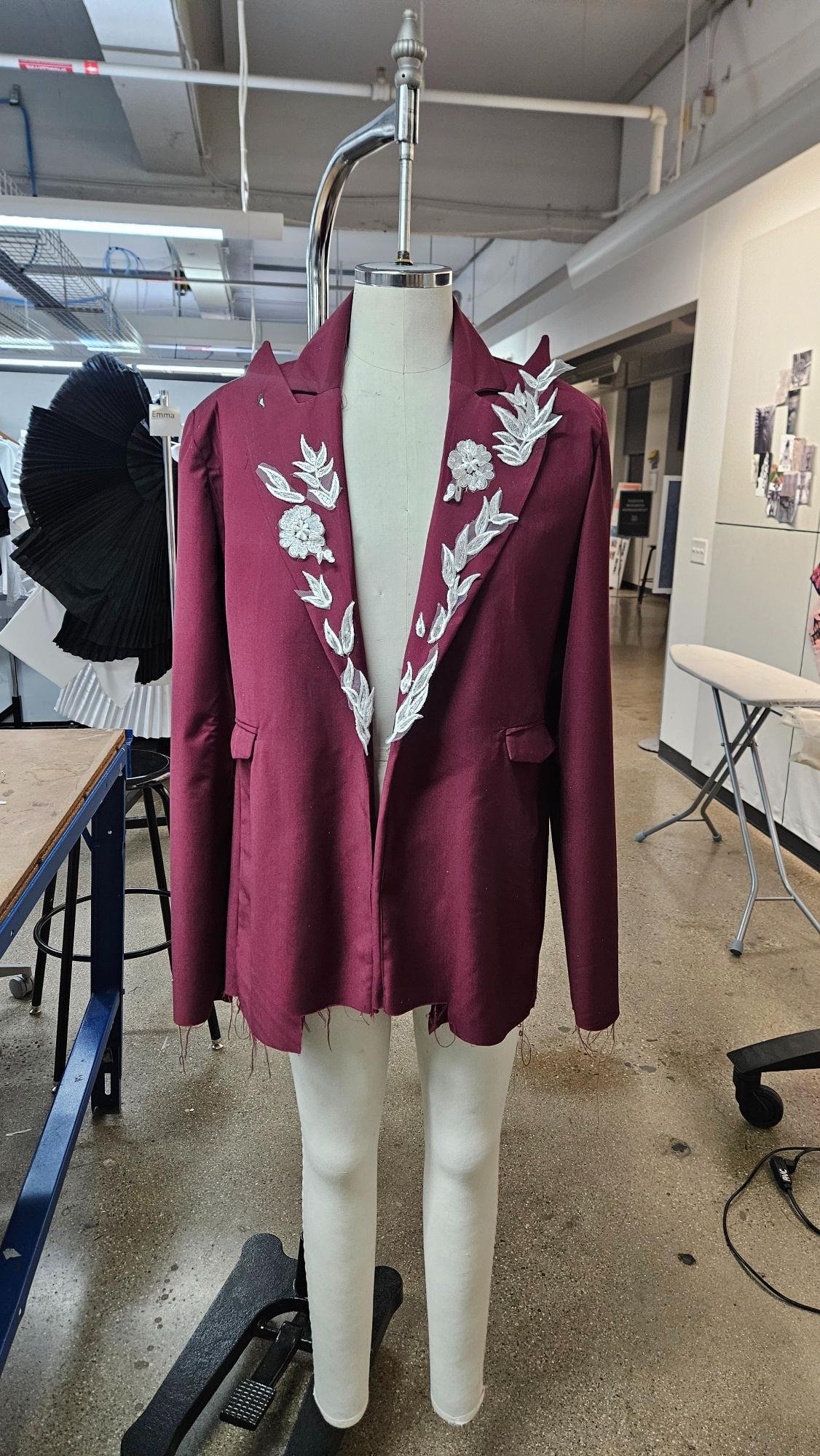
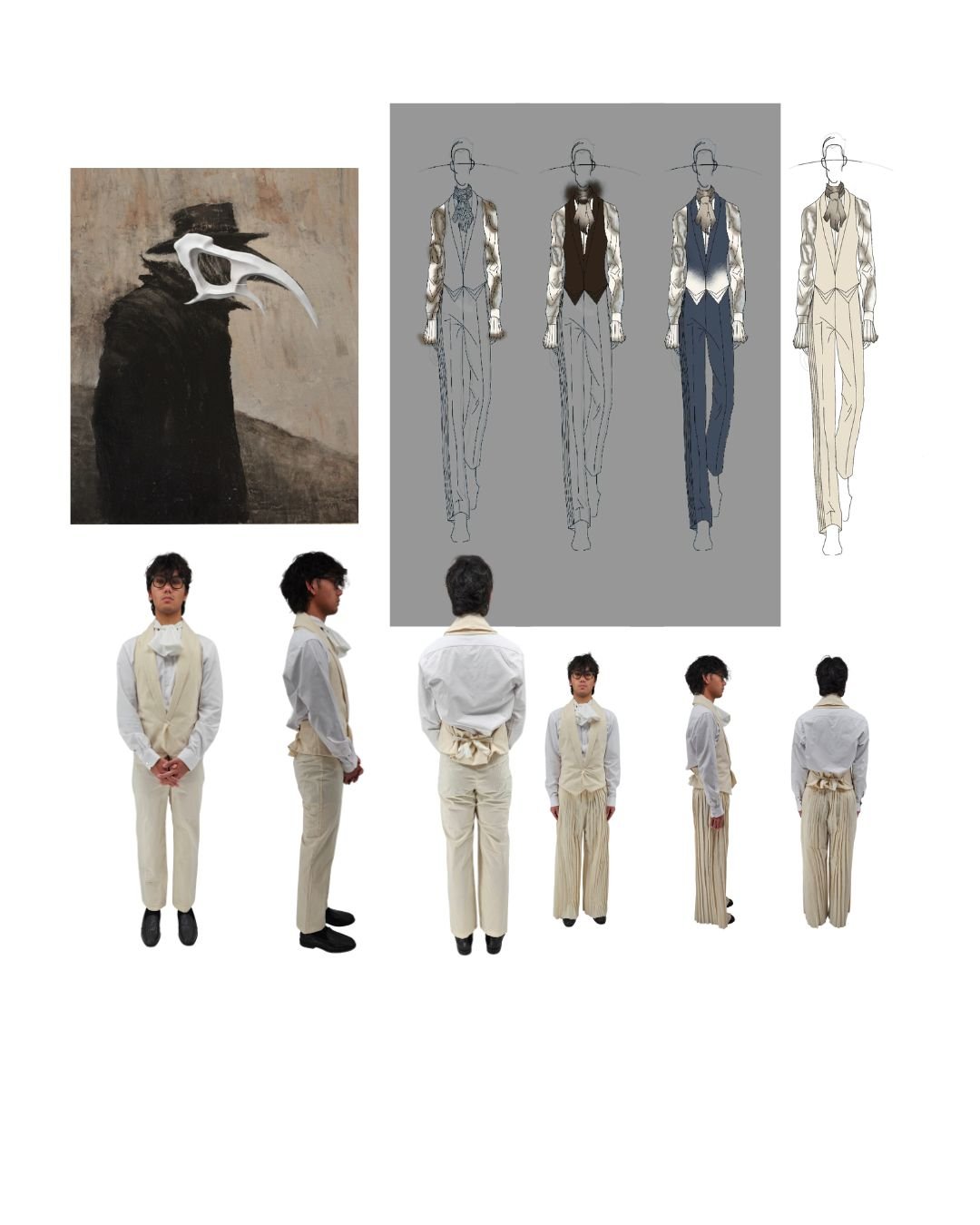
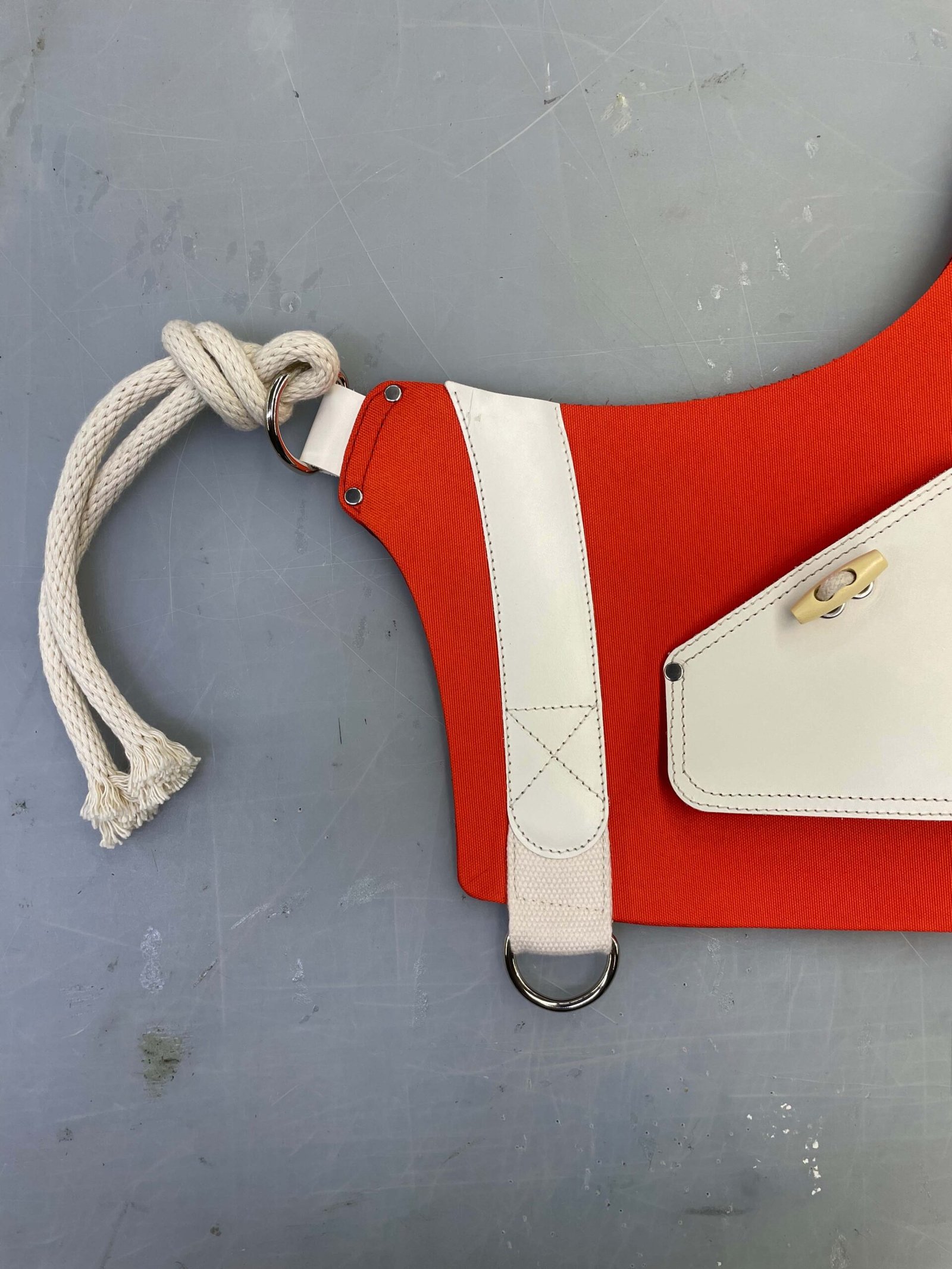
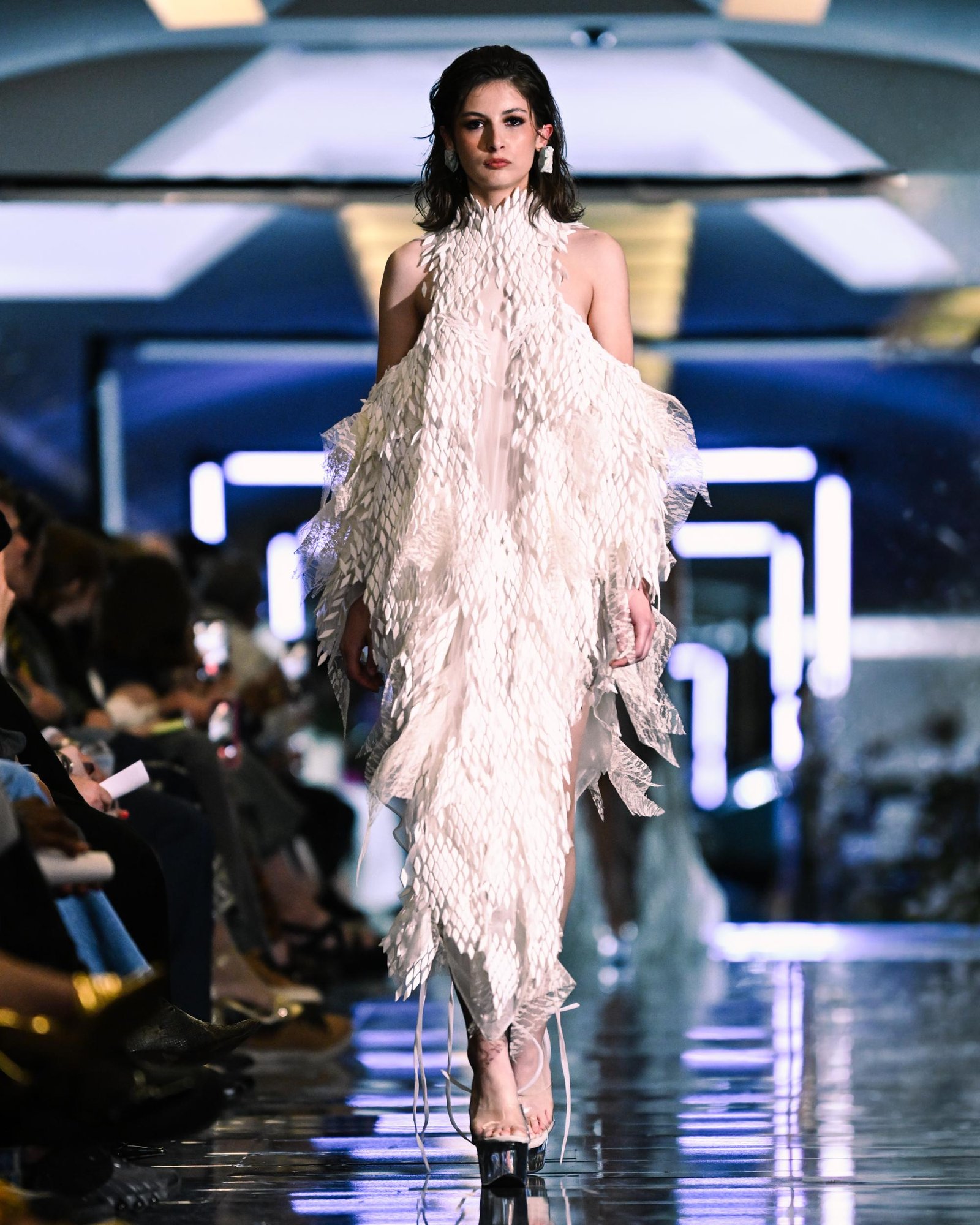
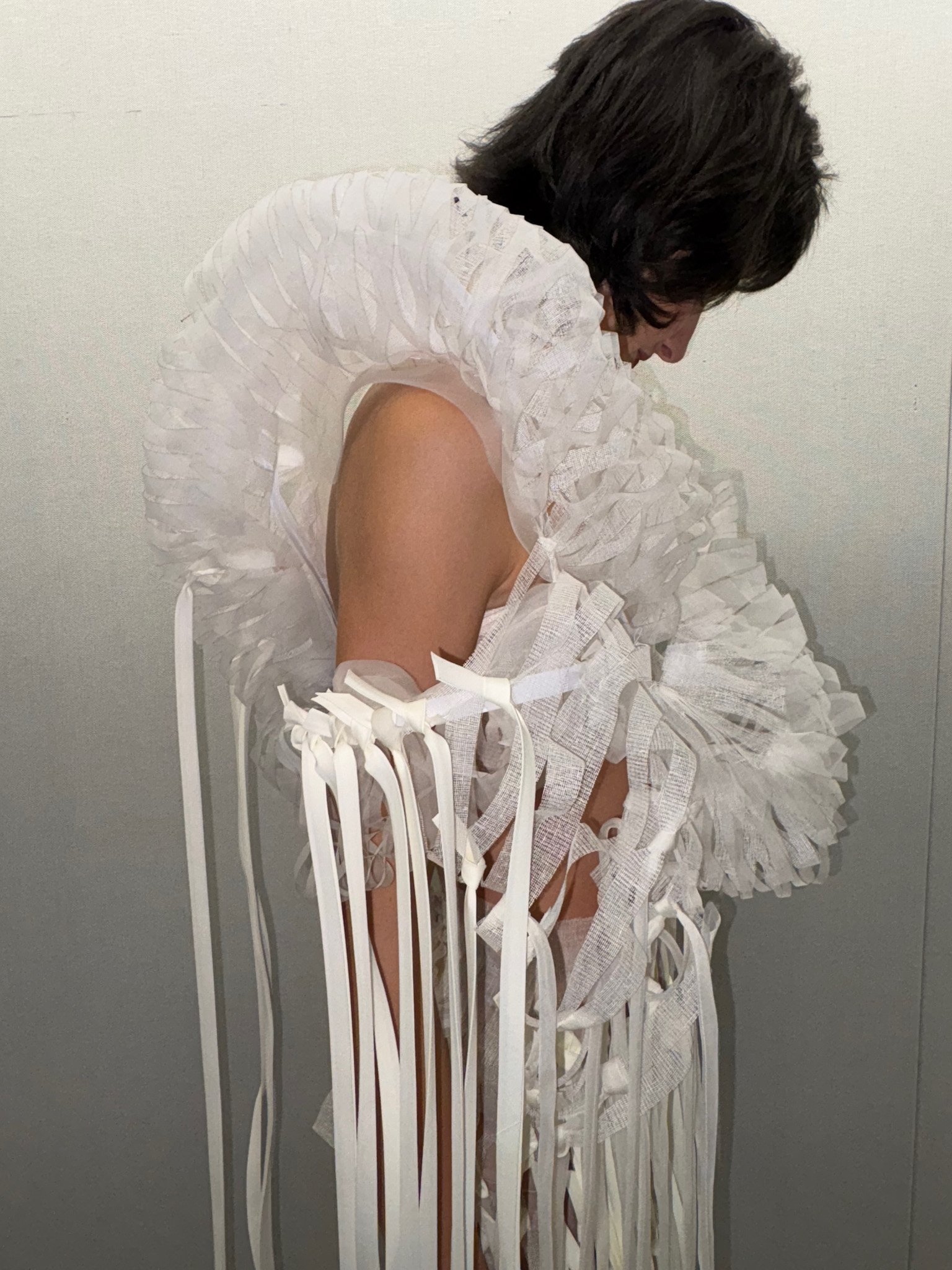
Emma Wisler’s collection, Who Are You When You’re Not Performing?, takes as its subject the quiet labour of self-concealment – the way people strategically suppress interests or personality traits to conform to the standards of different spaces. The garments build outward from that tension, with outer structures that exaggerate and obscure, while strategically placed glimpses of the wearer underneath act as moments of the guard falling. The collection is for anyone who has ever hidden behind a heightened version of themselves.

Leaving education, Wisler is drawn to the place where couture and ballet meet – to clothing that is as much about movement and expression as construction. She would love to make tutus, or pieces that allow the body to be fully expressive within them. Her concern entering the industry is practical: the shortage of genuine entry-level opportunities for new graduates. More learning-focused roles, she believes, would open real doors for the next generation of designers.

@emmacwisler

Sarah Nofar

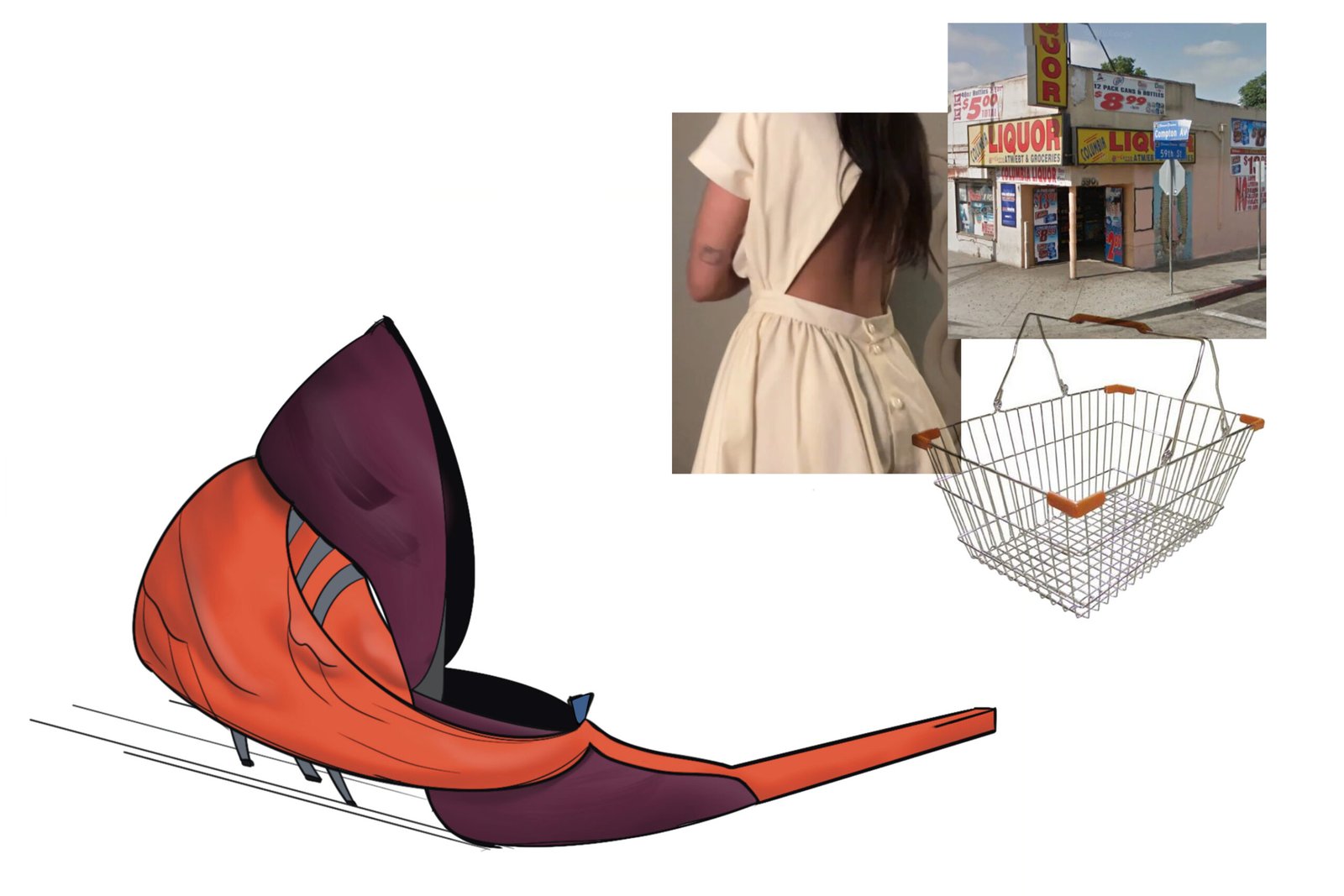
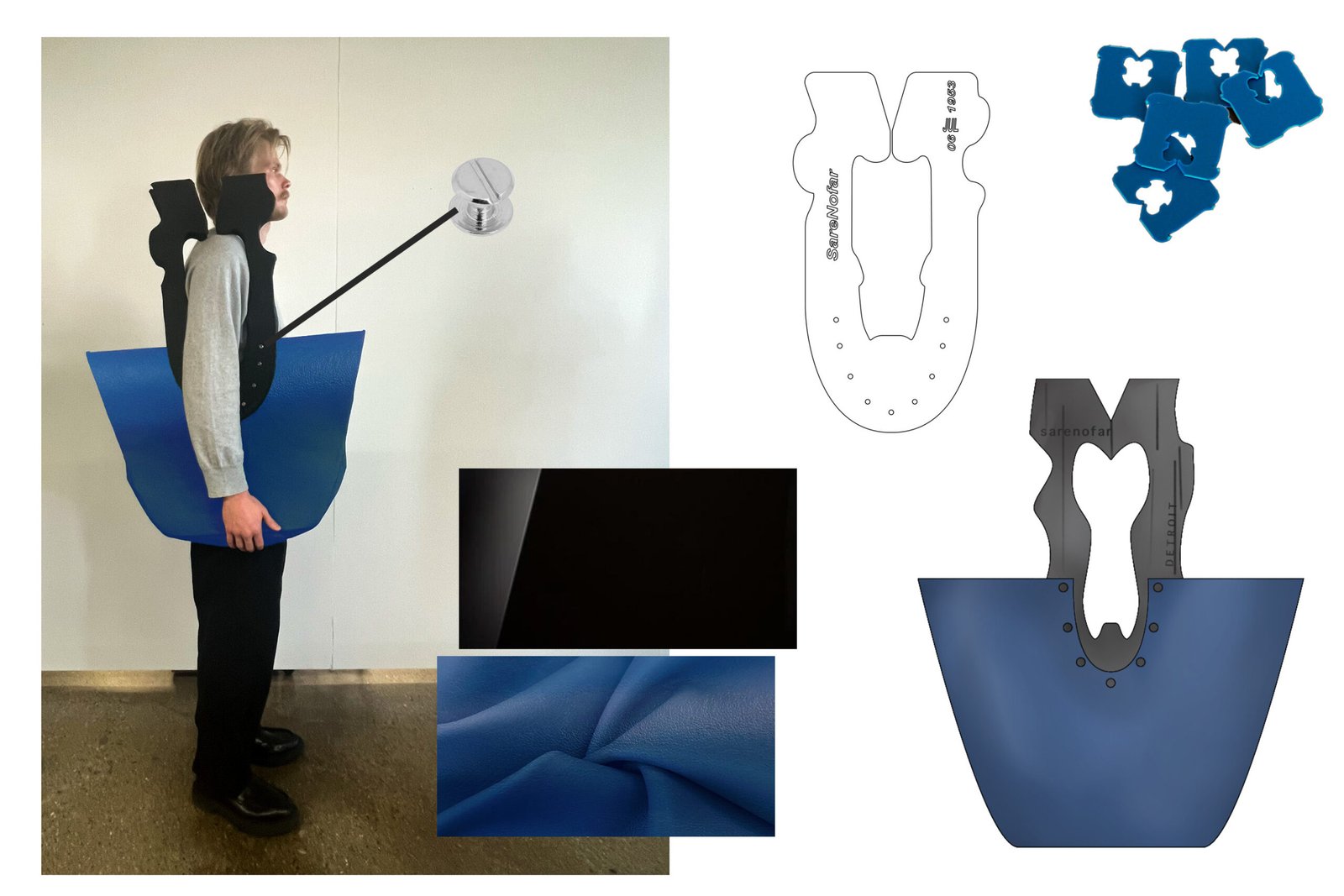
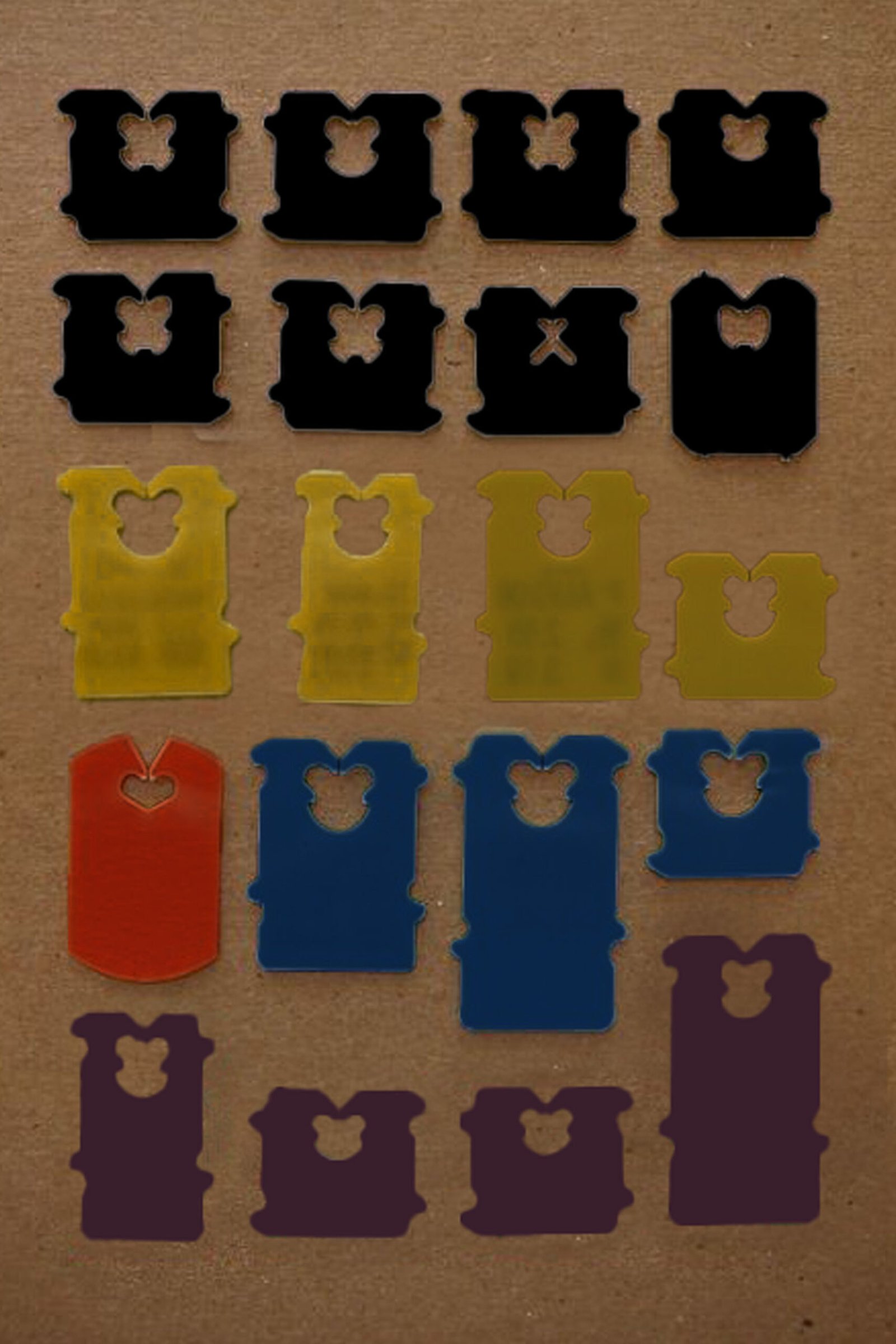
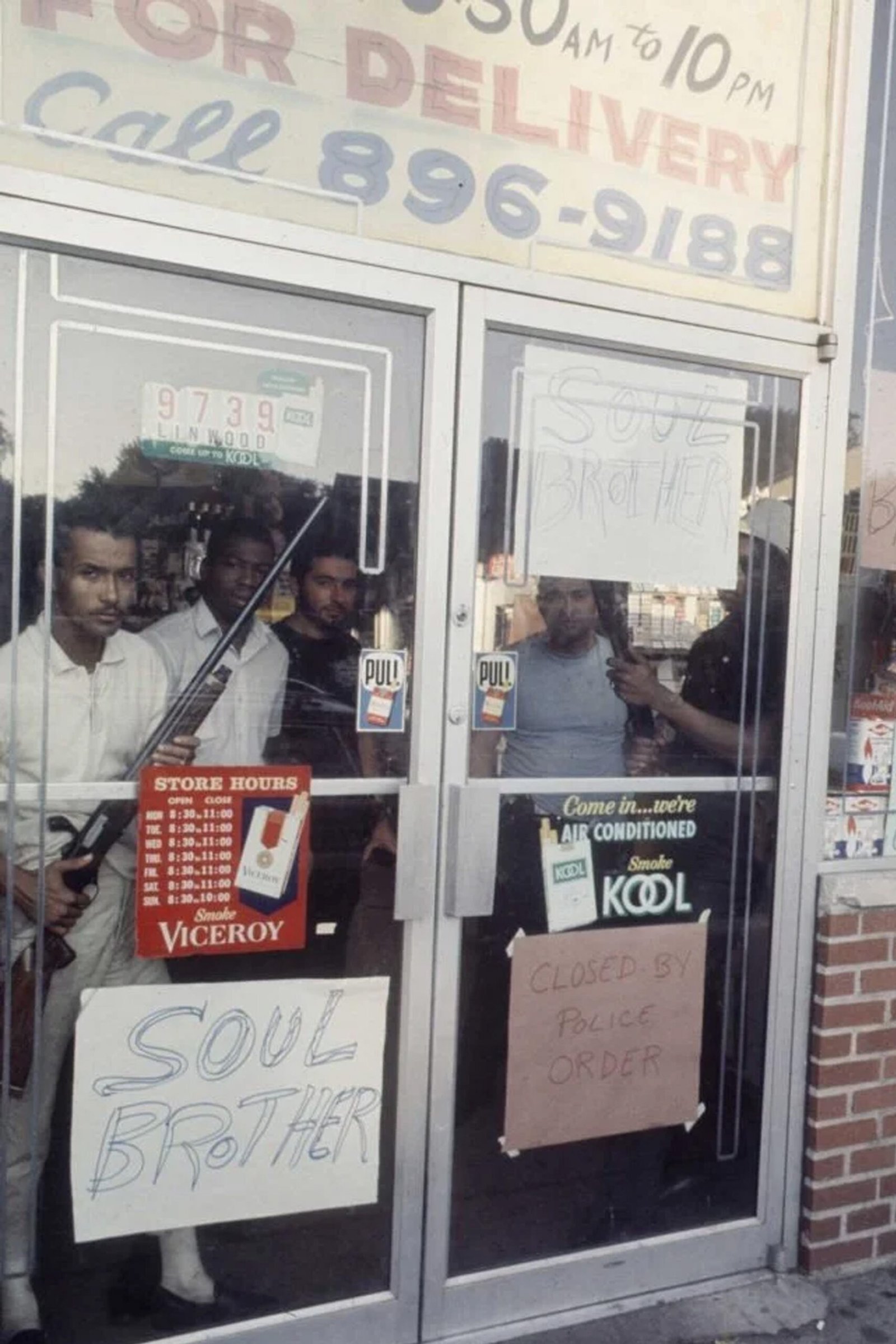
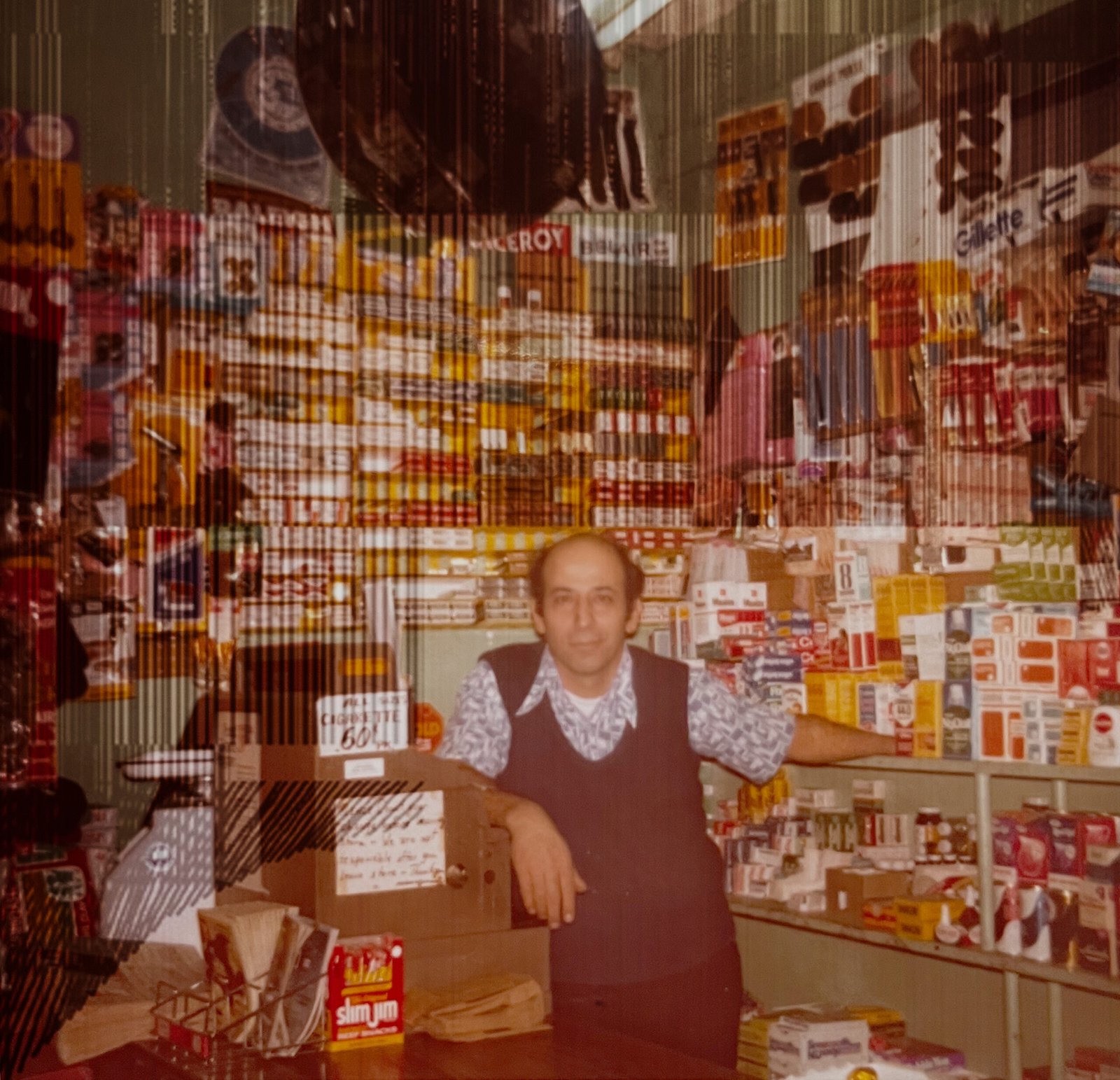
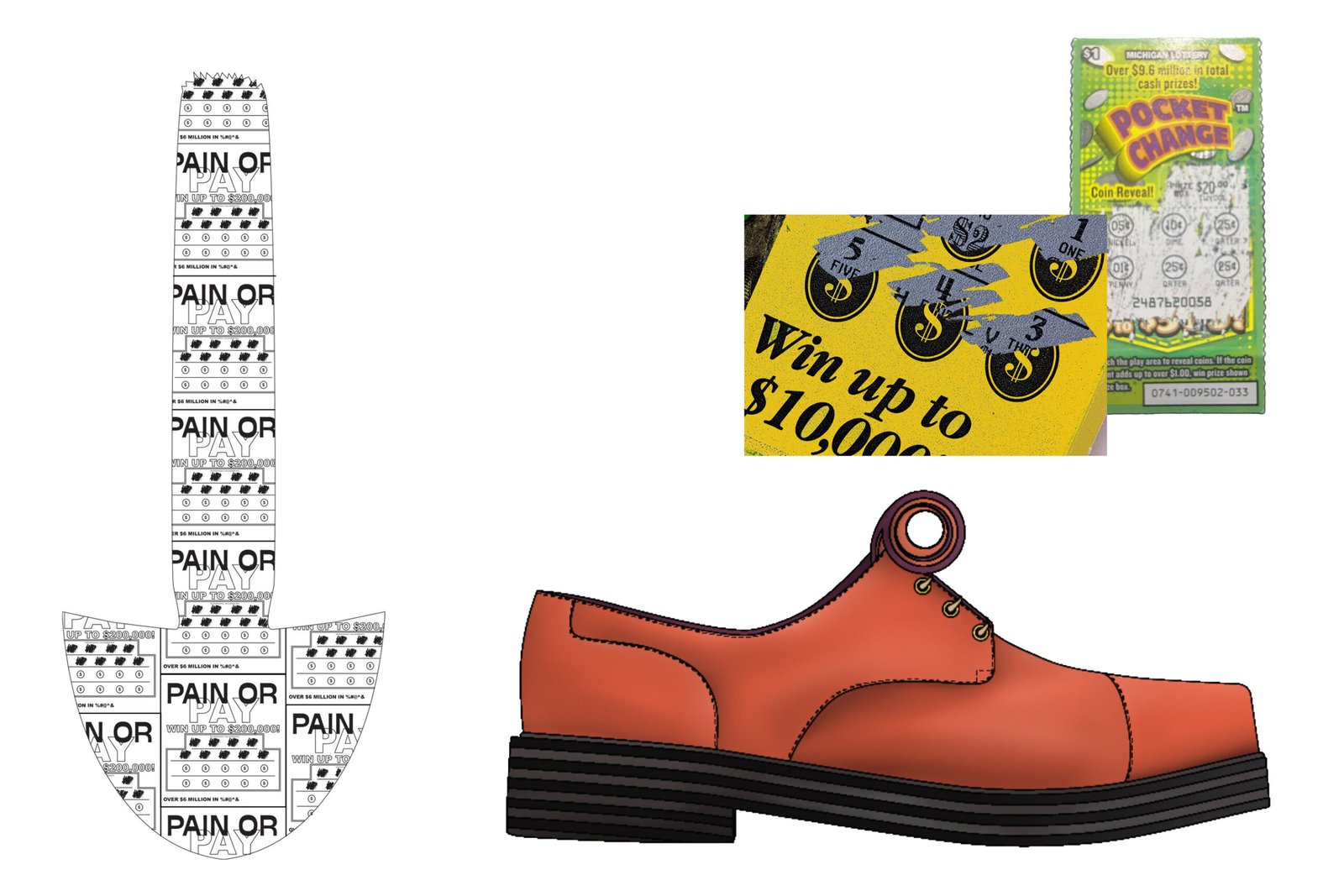
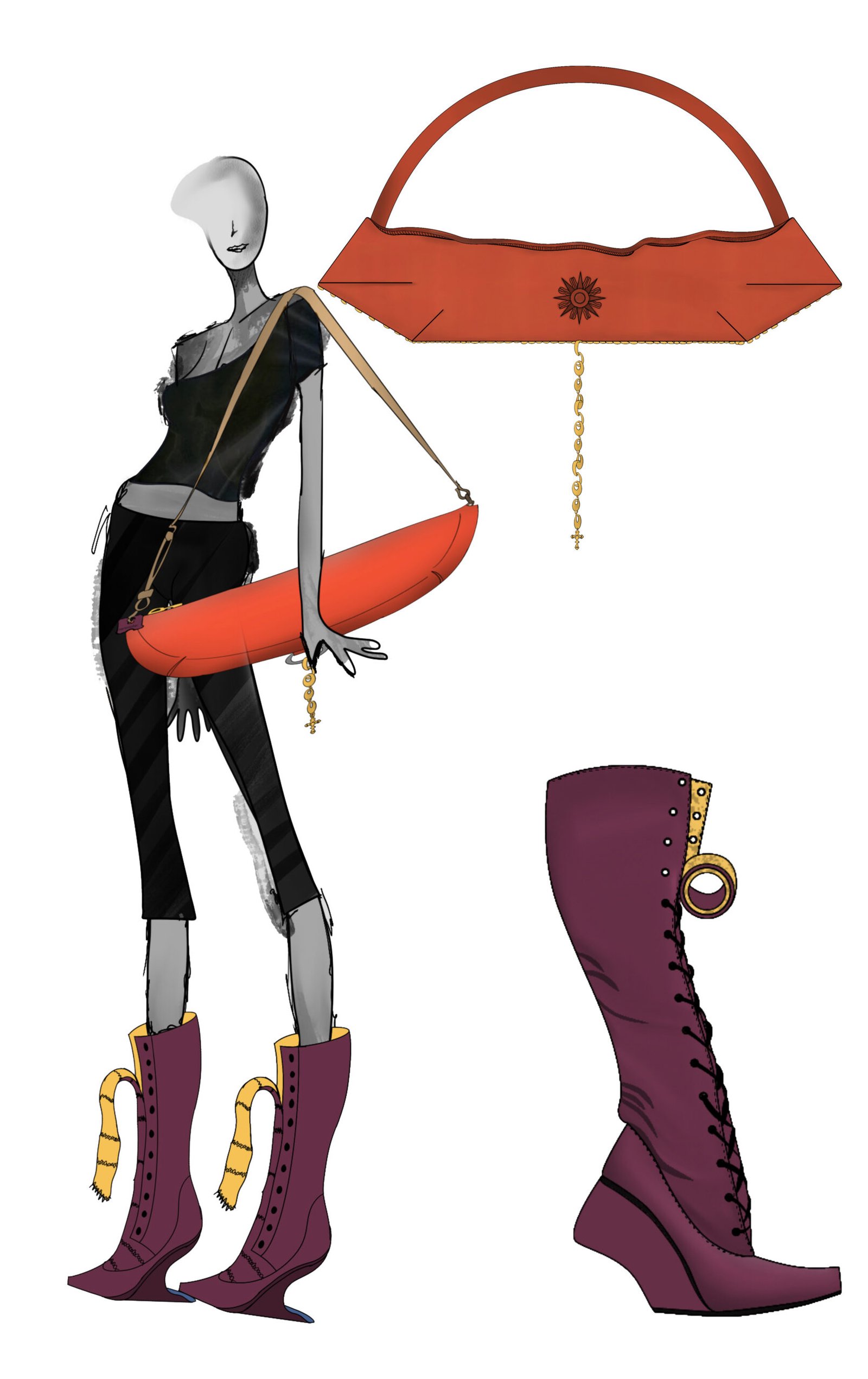
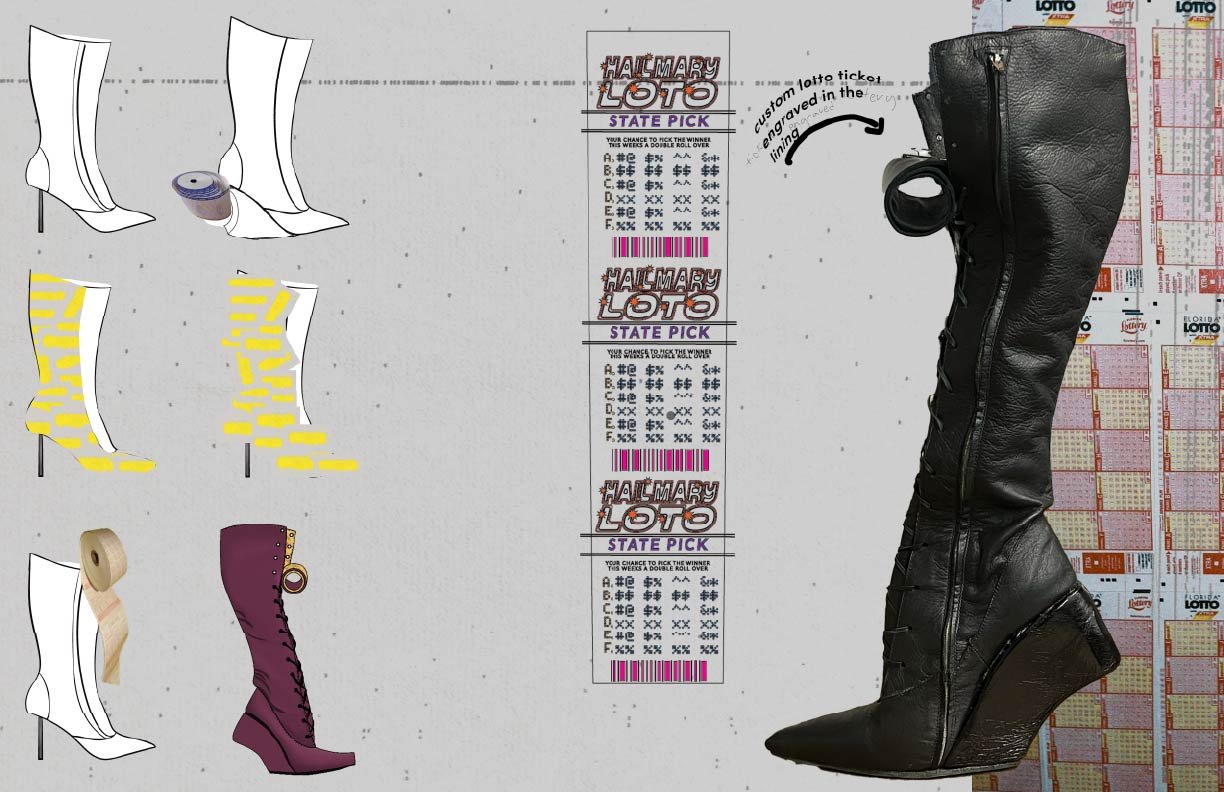
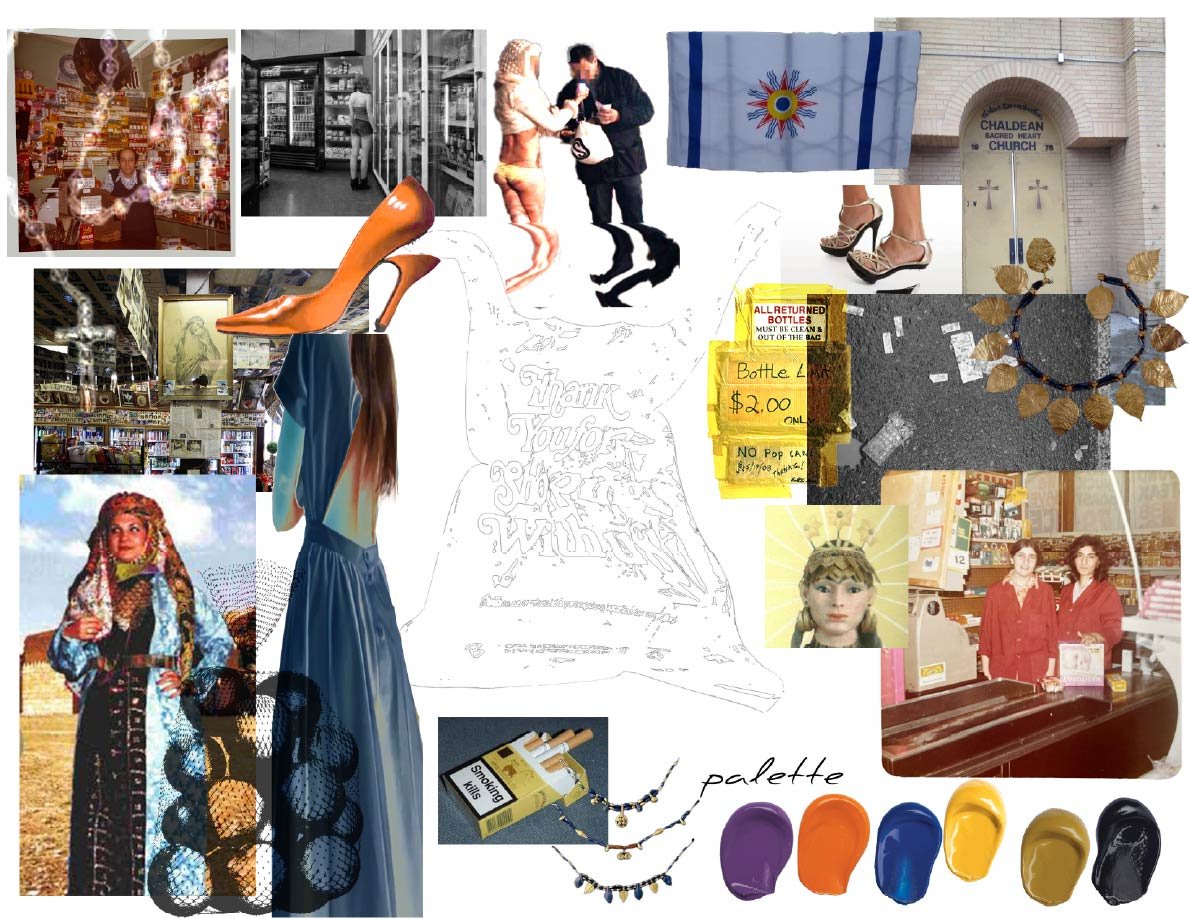
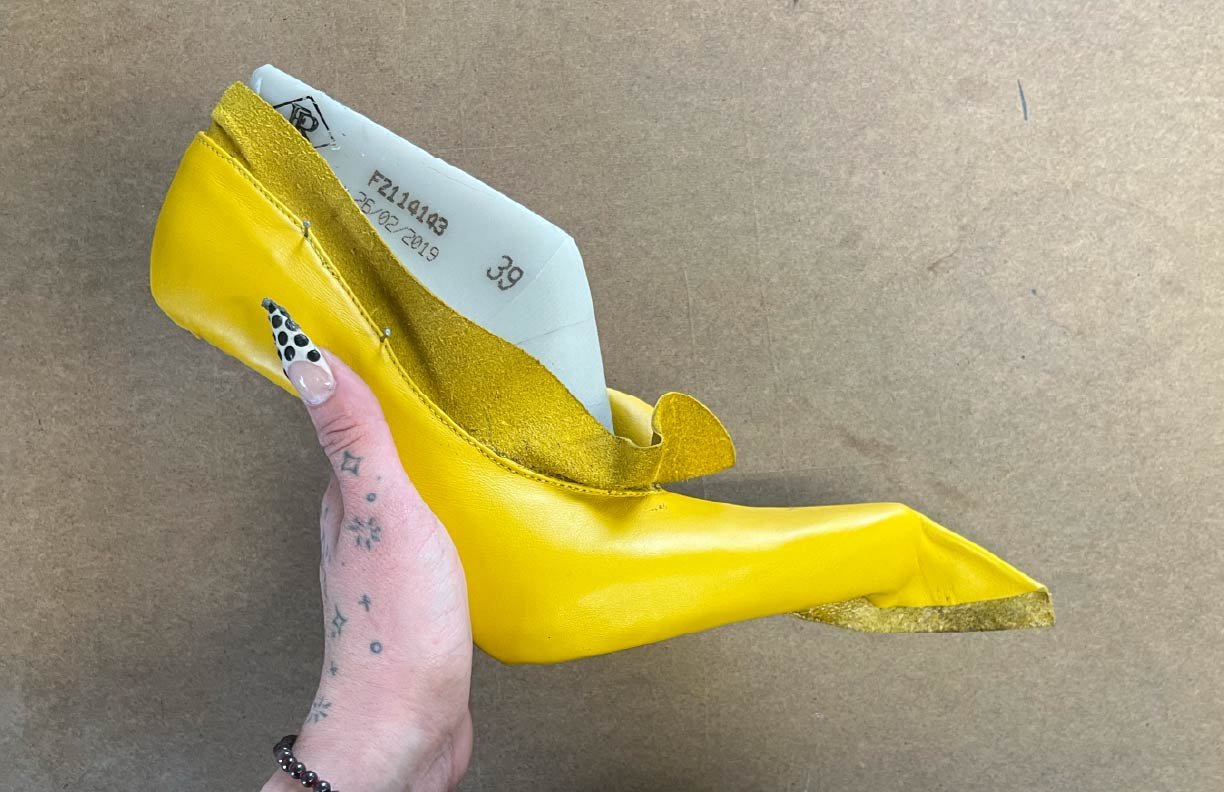
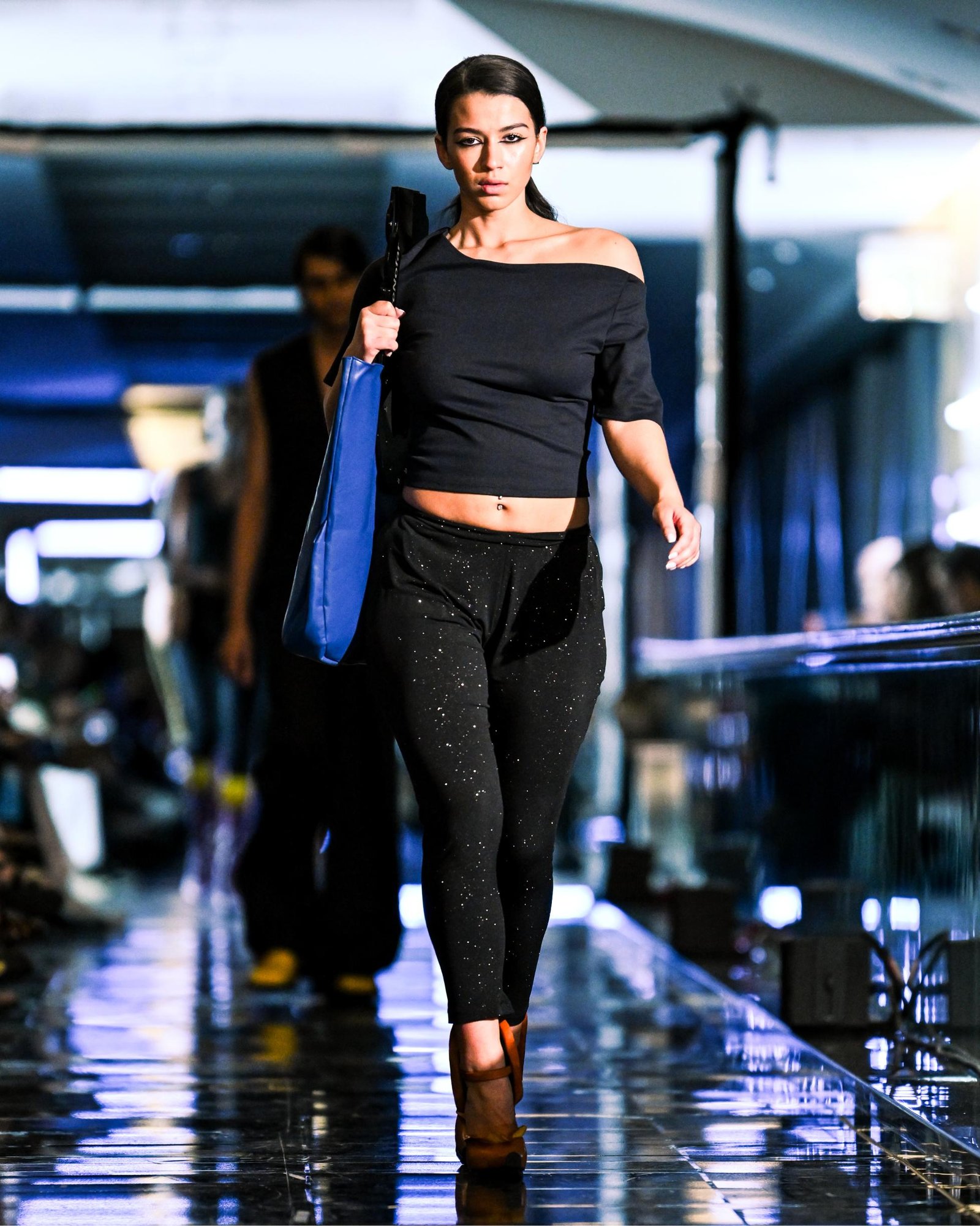
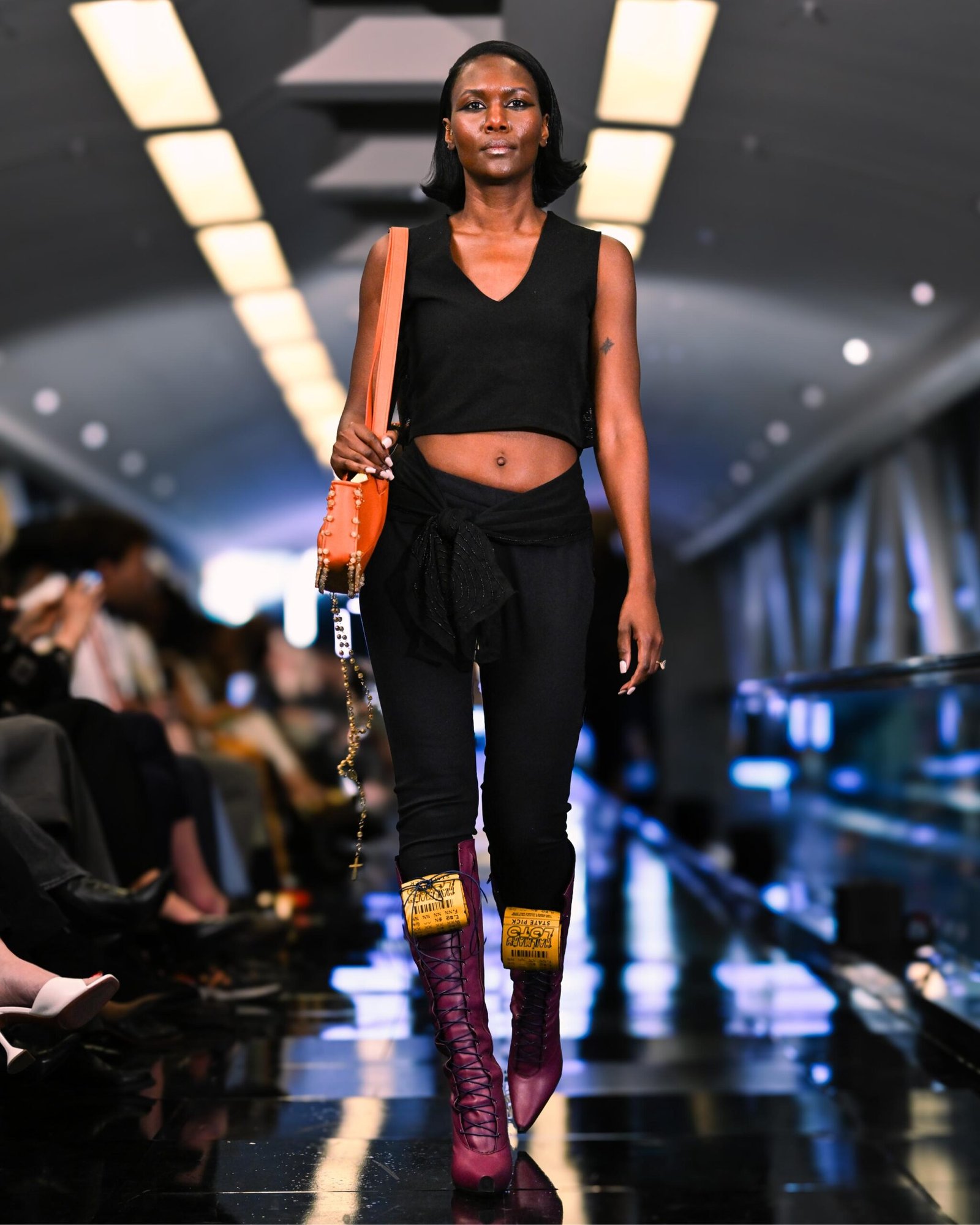
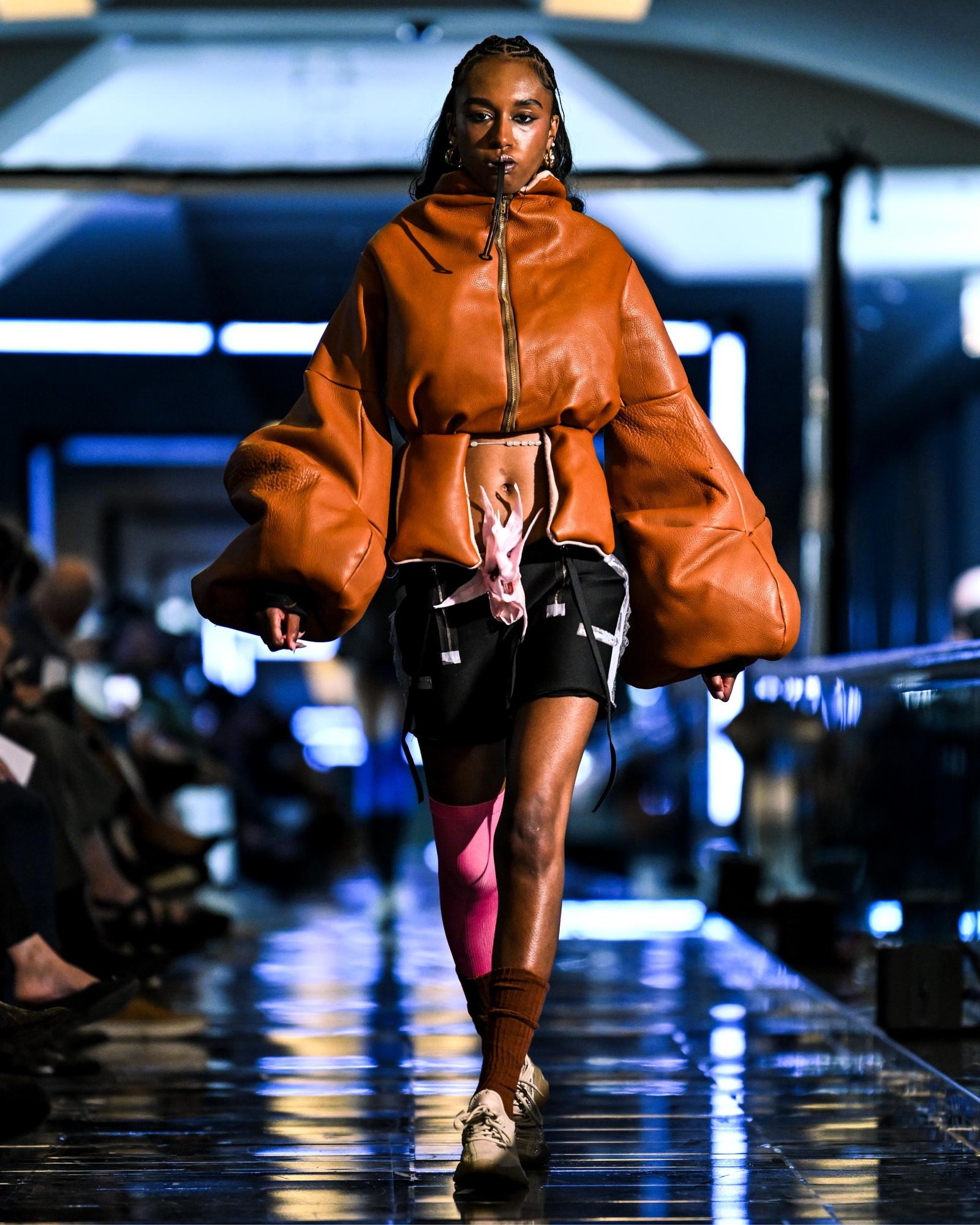
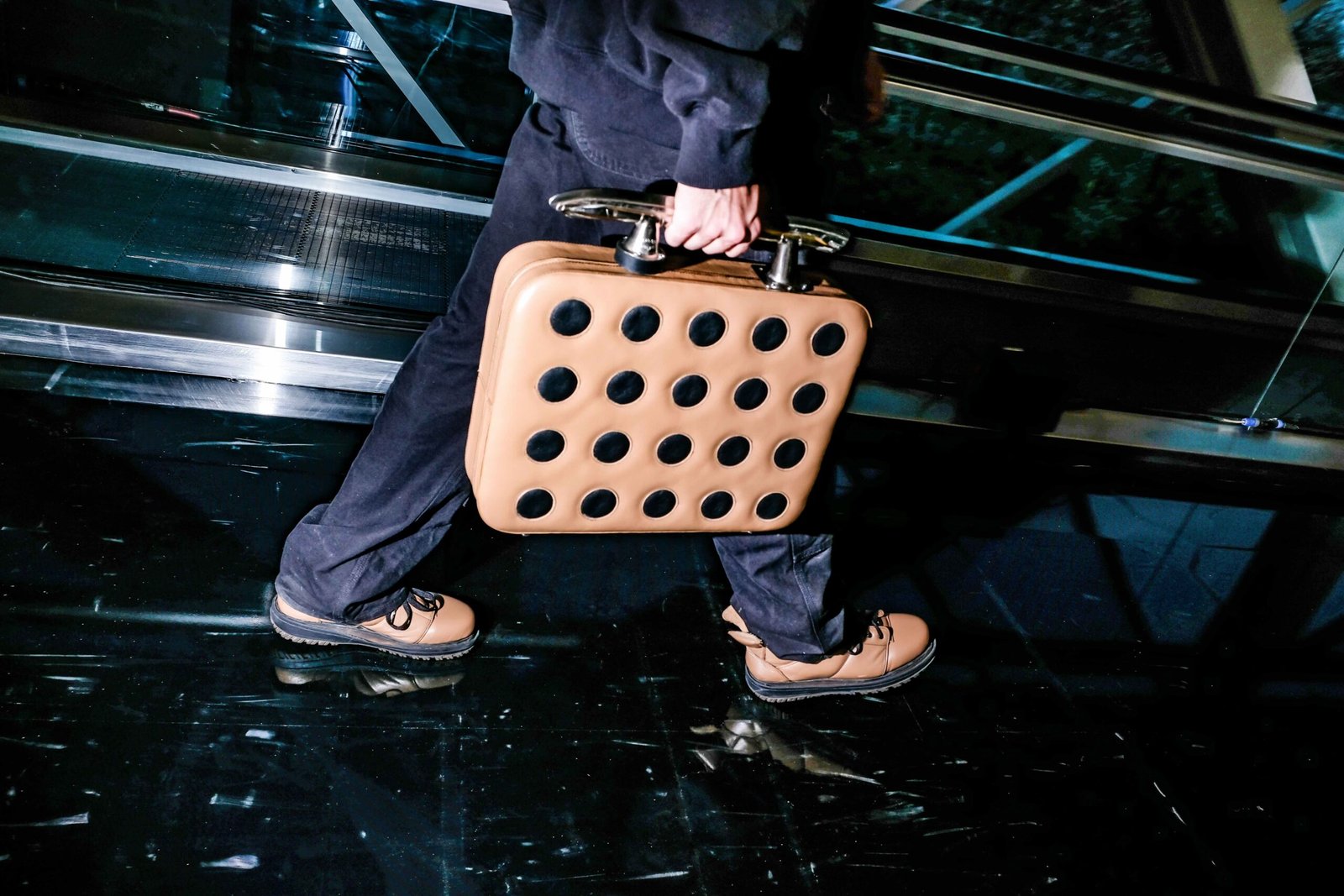
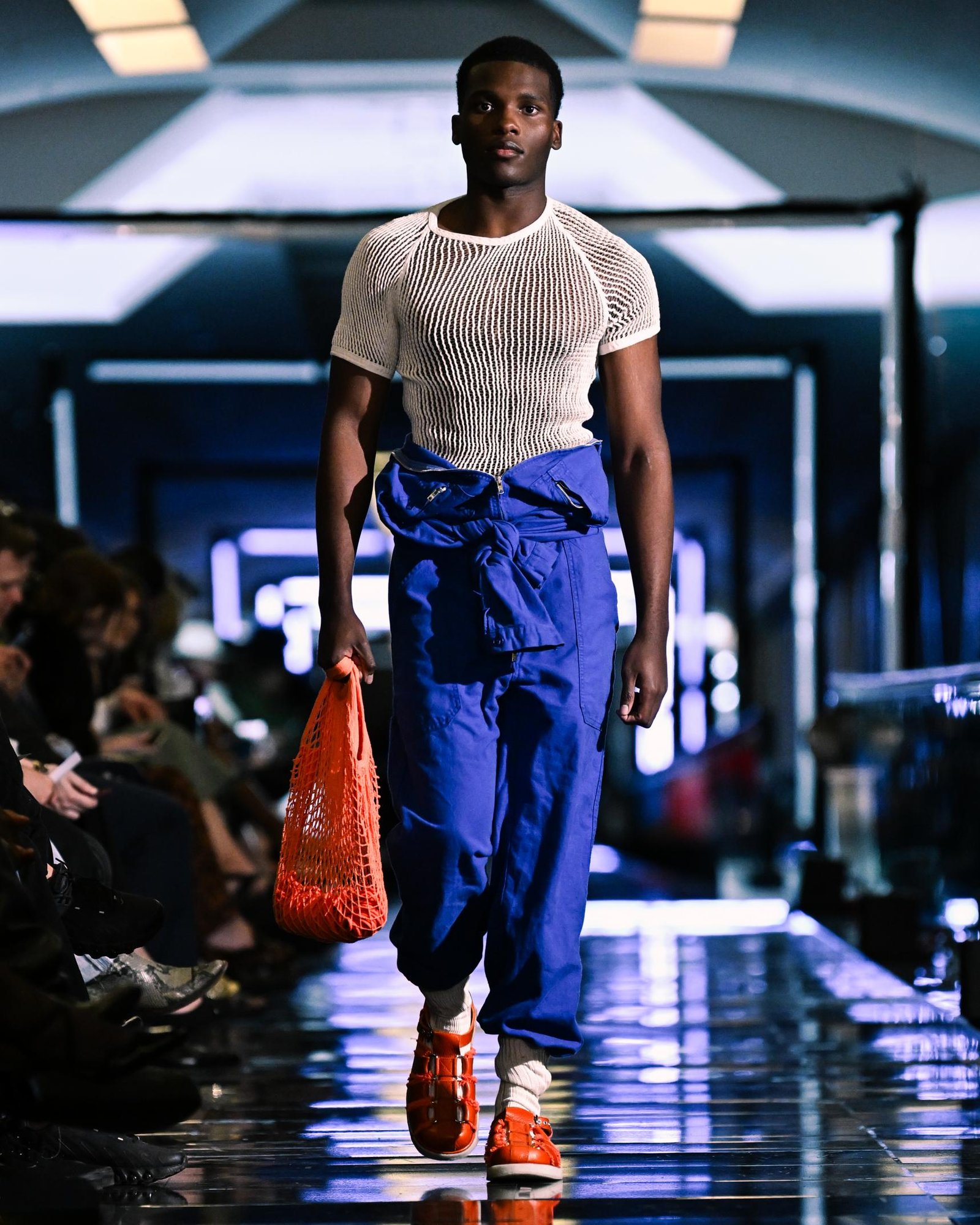
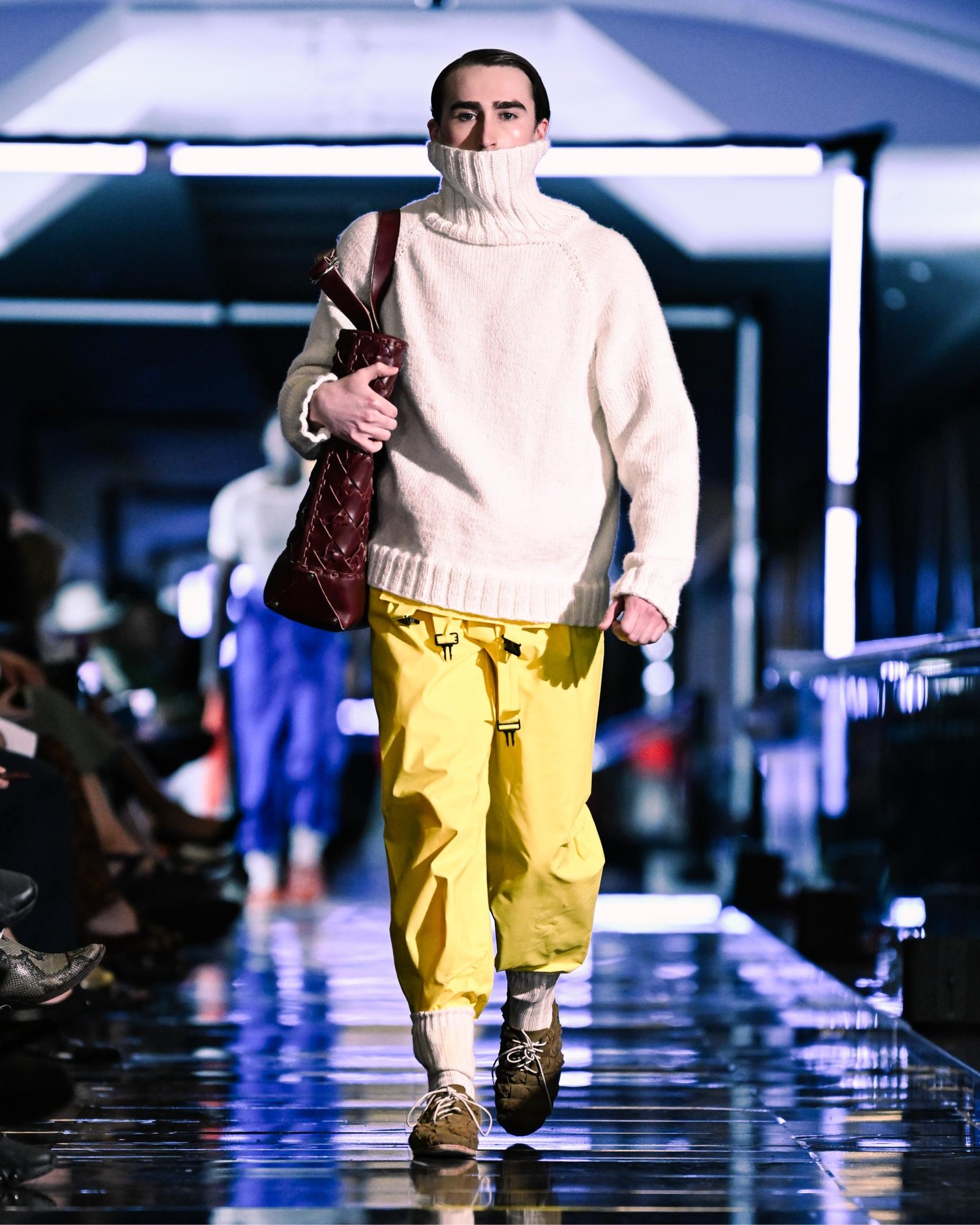
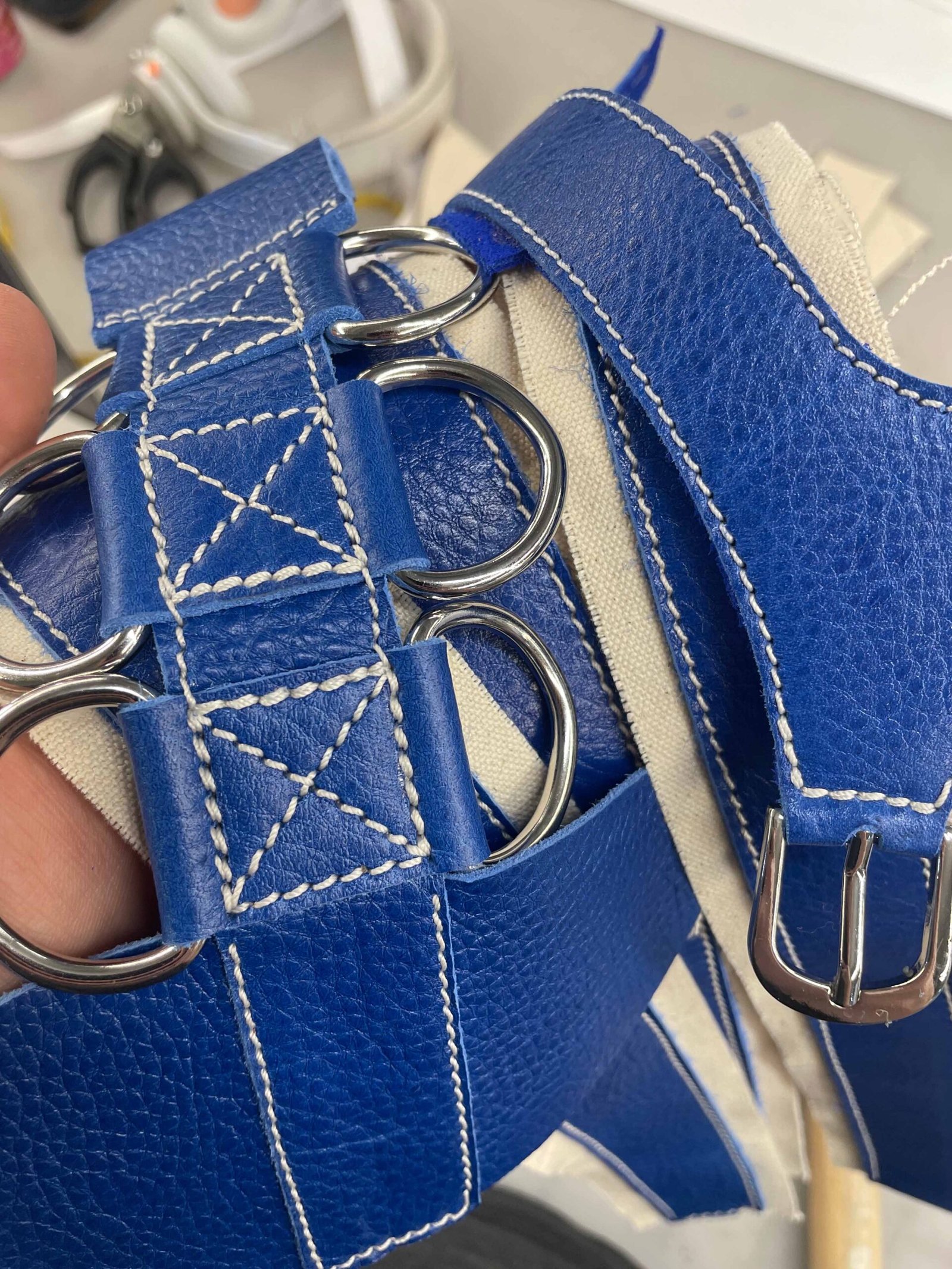
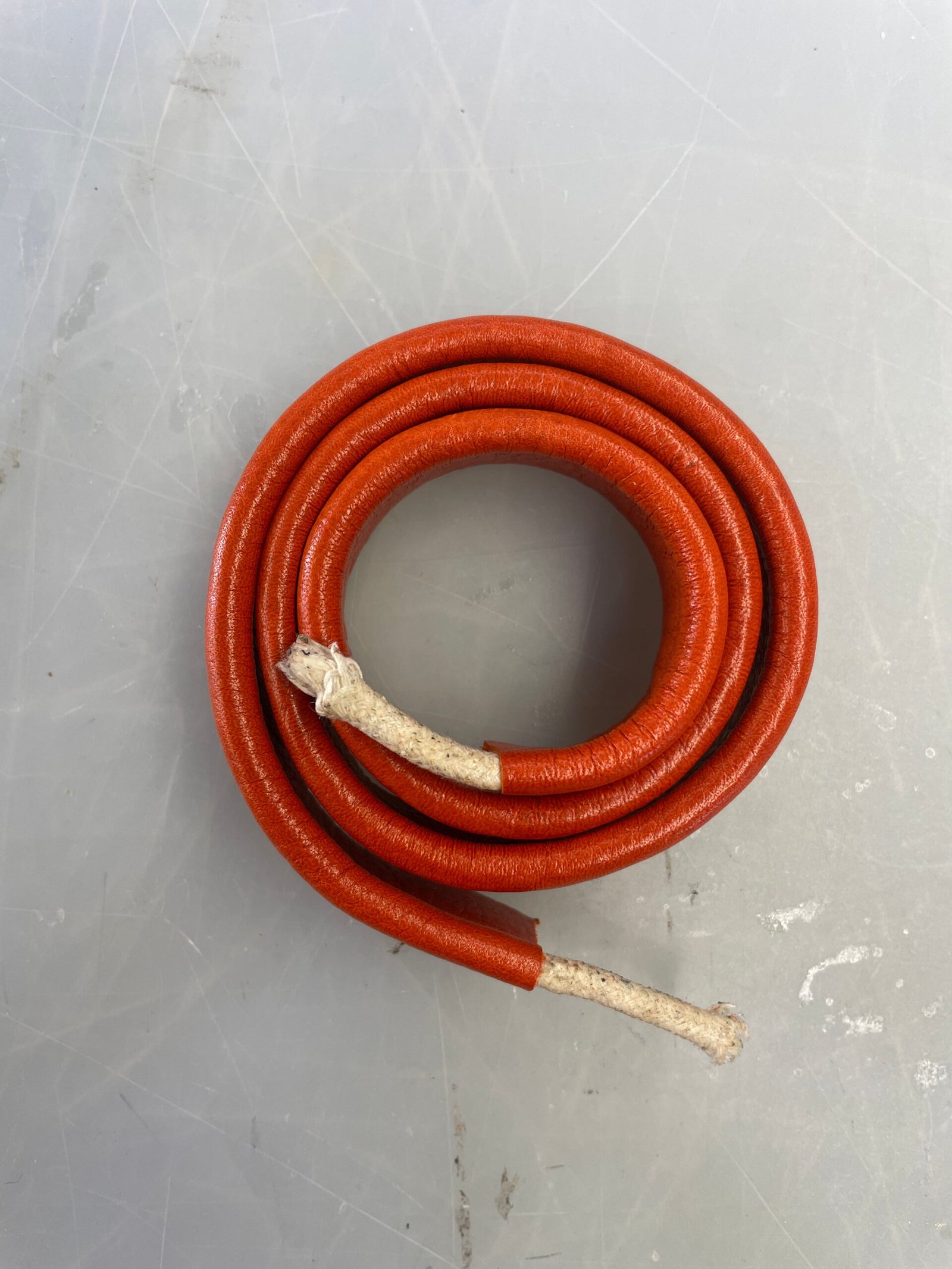
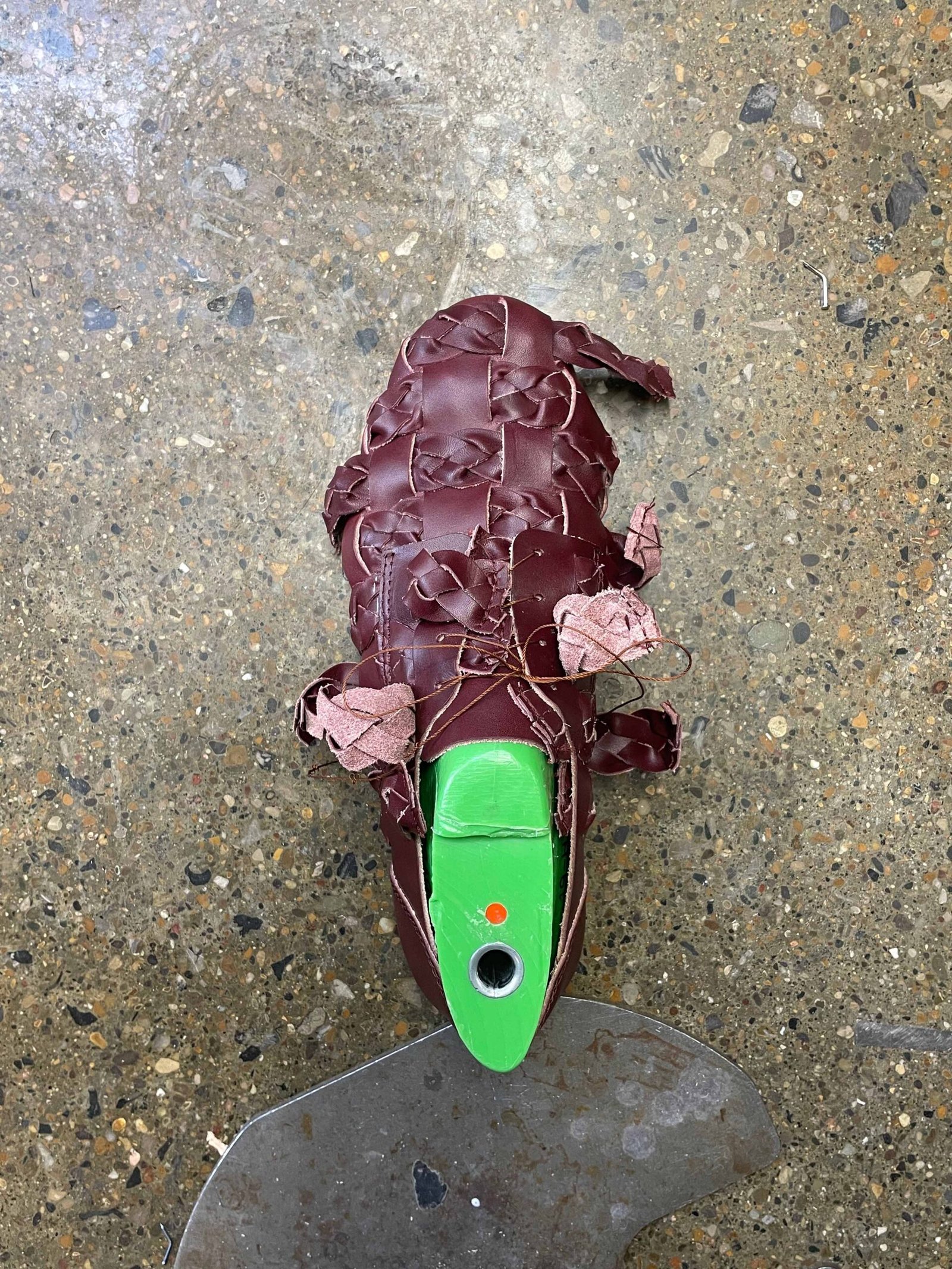
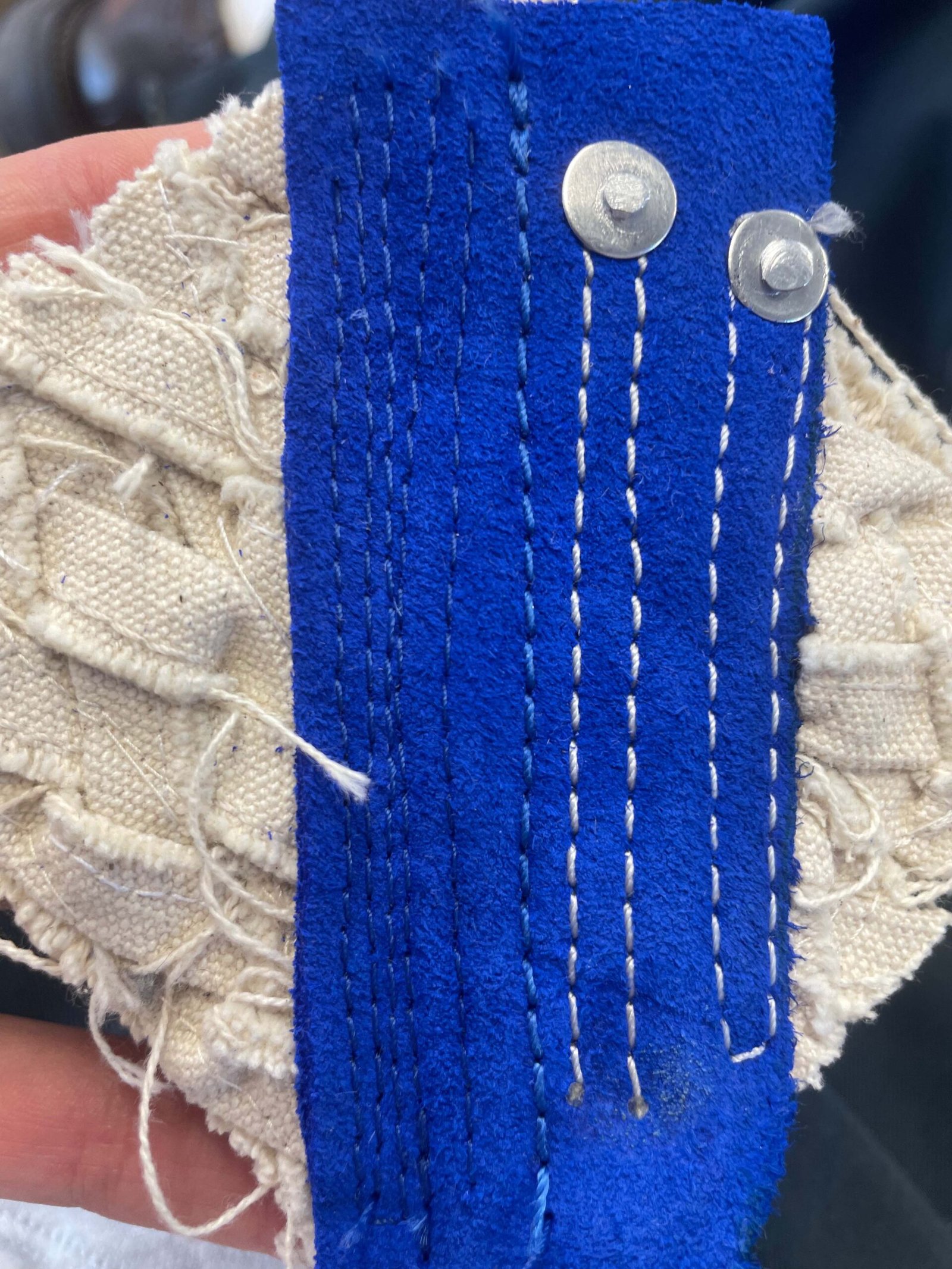
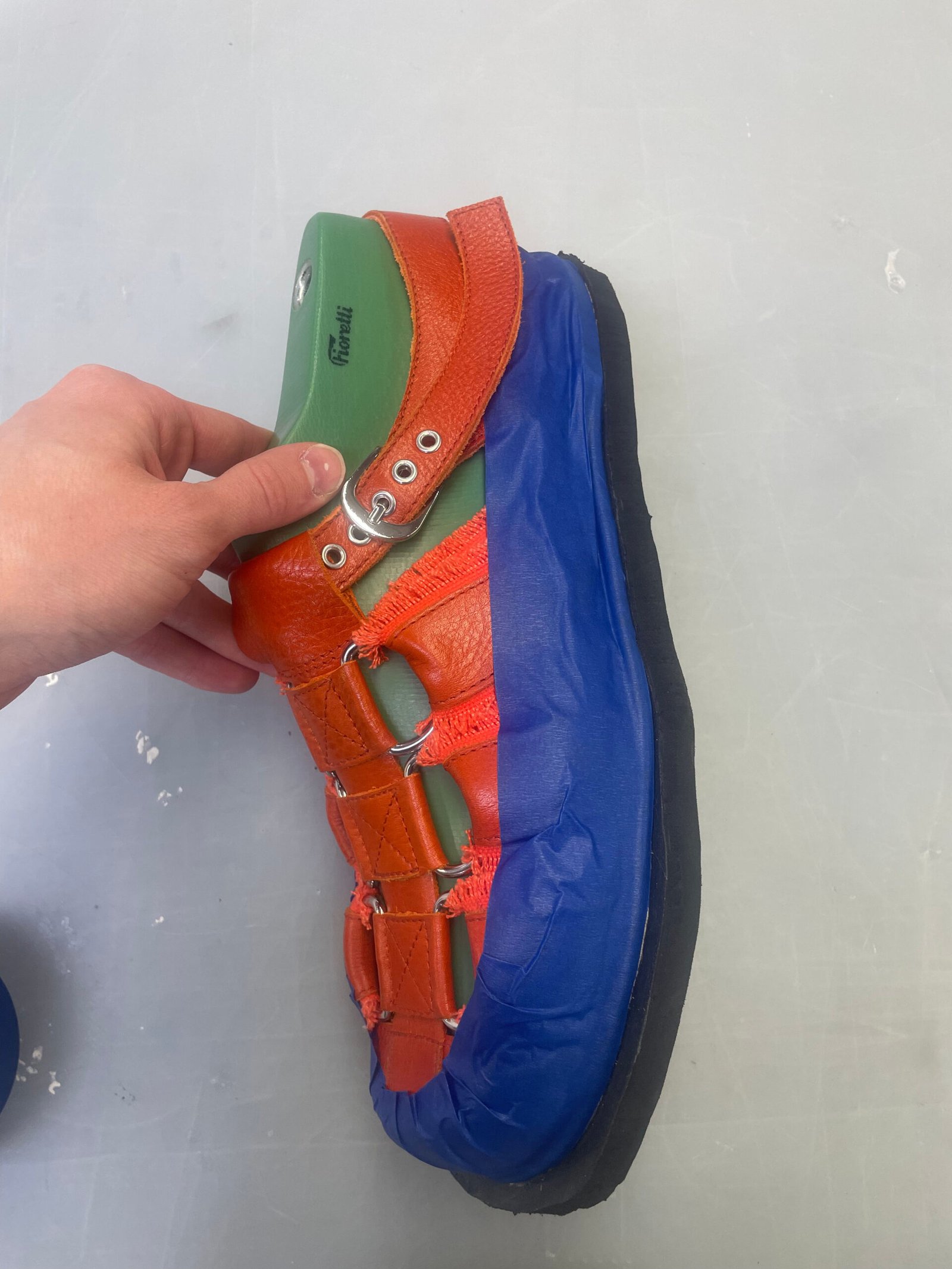
Sarah Nofar’s collection, 13643 Deluxe Market, is rooted in her Chaldean Iraqi grandmother’s ownership of a liquor store in Detroit. Her grandmother’s own ambitions in fashion were curtailed by limited opportunity; this collection is a continuation of that unrealised dream. Together, they reimagine the everyday objects of that world – Detroit’s rugged architecture, the textures and colours of the market – into accessories that carry both memory and place. Bold yet muted tones of rustic orange, grape purple, sun yellow, and lapis blue run through smooth grain leather, vegetable-tanned leather, silk, aluminium, and beads, worked through embossing, debossing, edge painting, and beading.

Nofar wants to become a leather goods and footwear sample developer – a role she notices becoming increasingly rare. She is clear about the industry’s pull toward overproduction and micro-trends, but refuses to let that narrow her focus. Seeing graduates from CCS and SCAD crafting samples for couture runways reassures her that businesses valuing real craftsmanship still exist.

@sarenofar

Screenshot

Veronica Wardowski

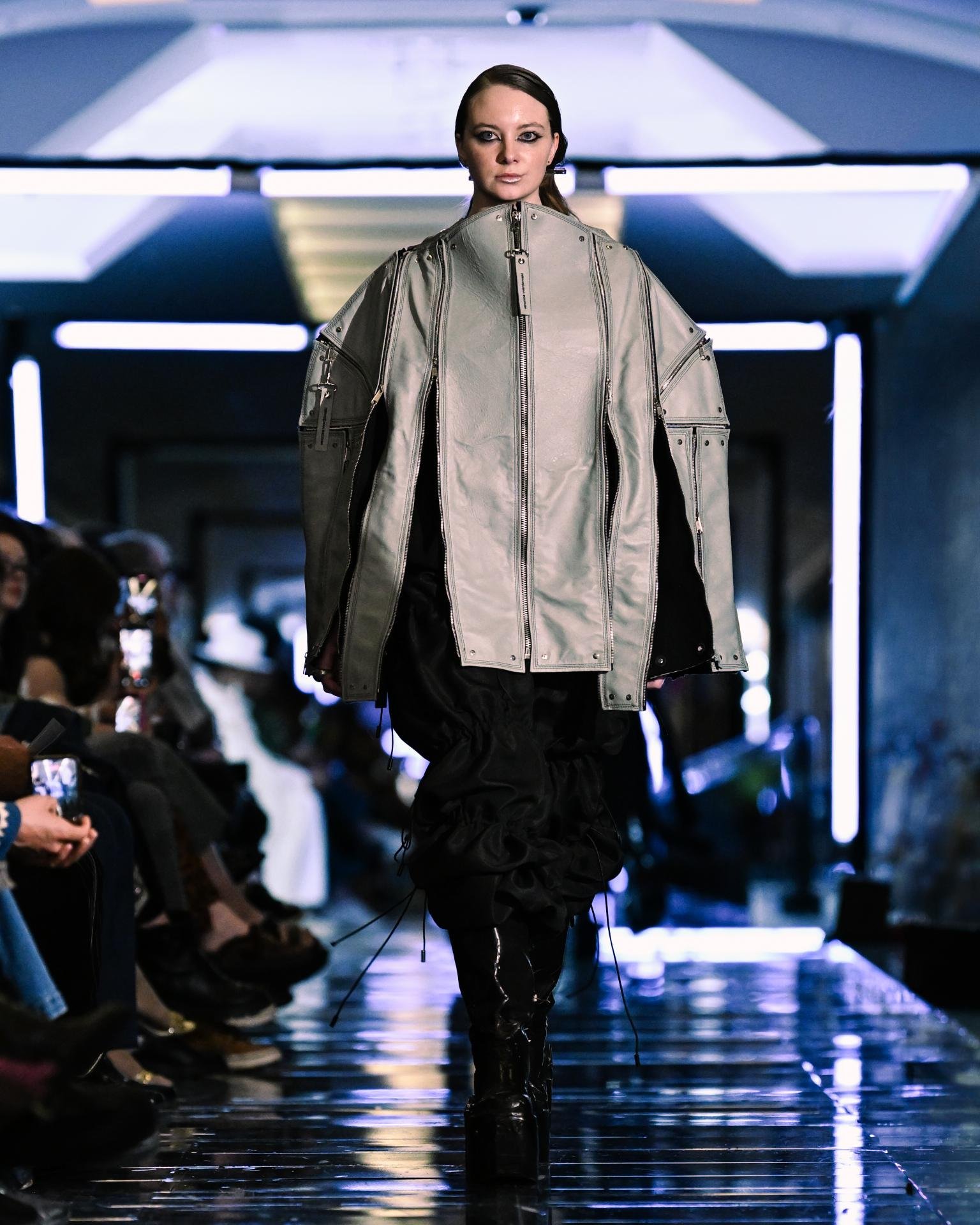
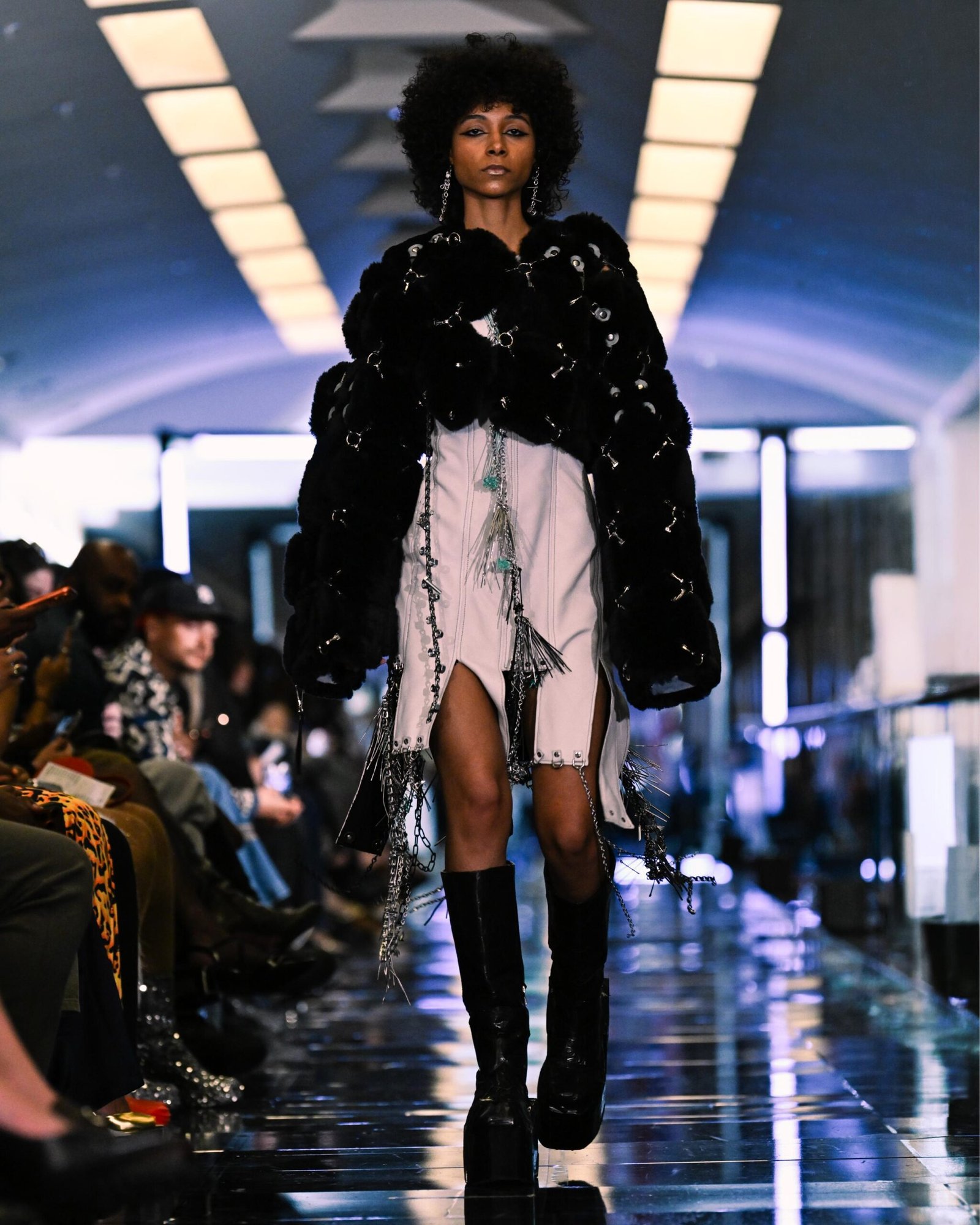
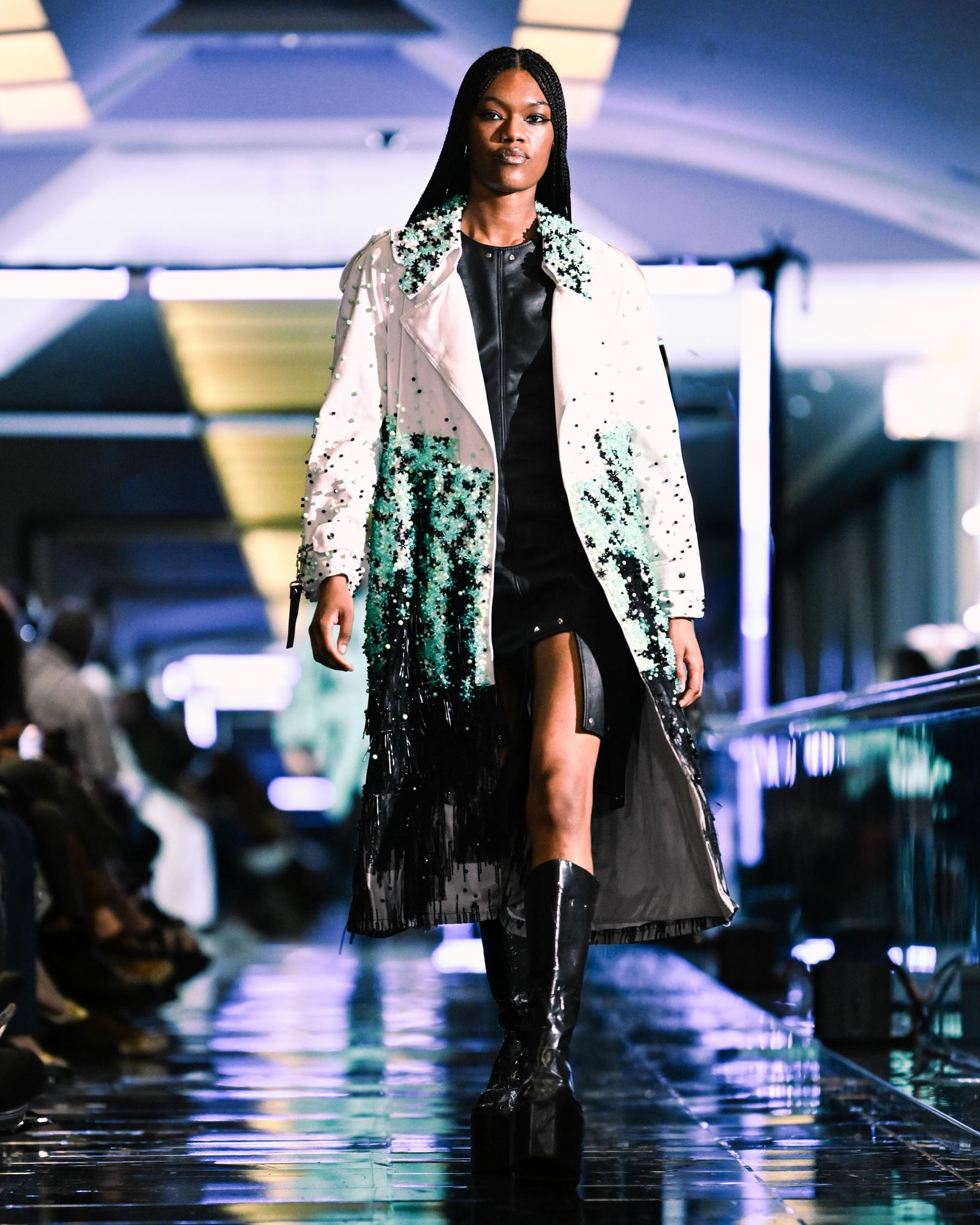
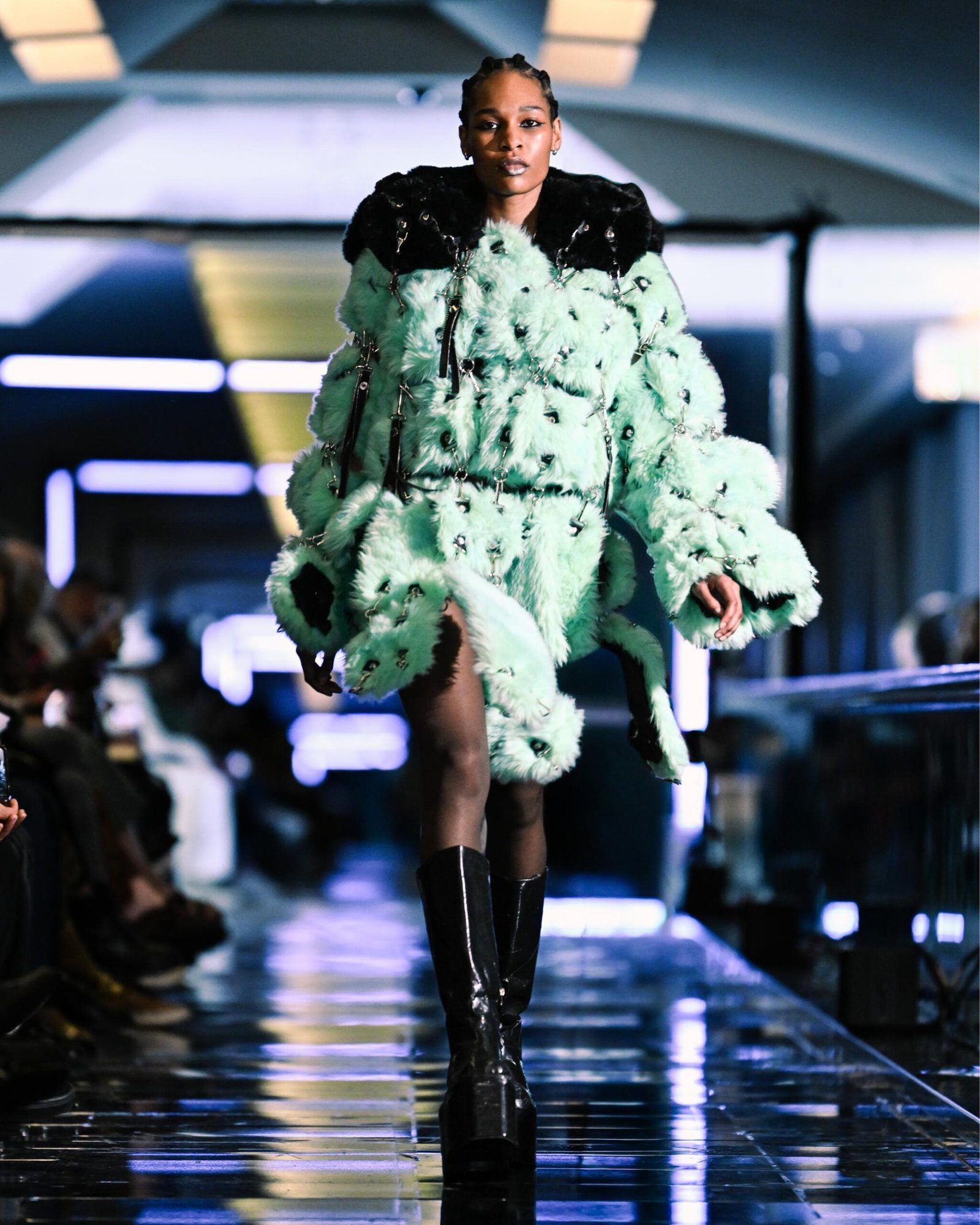
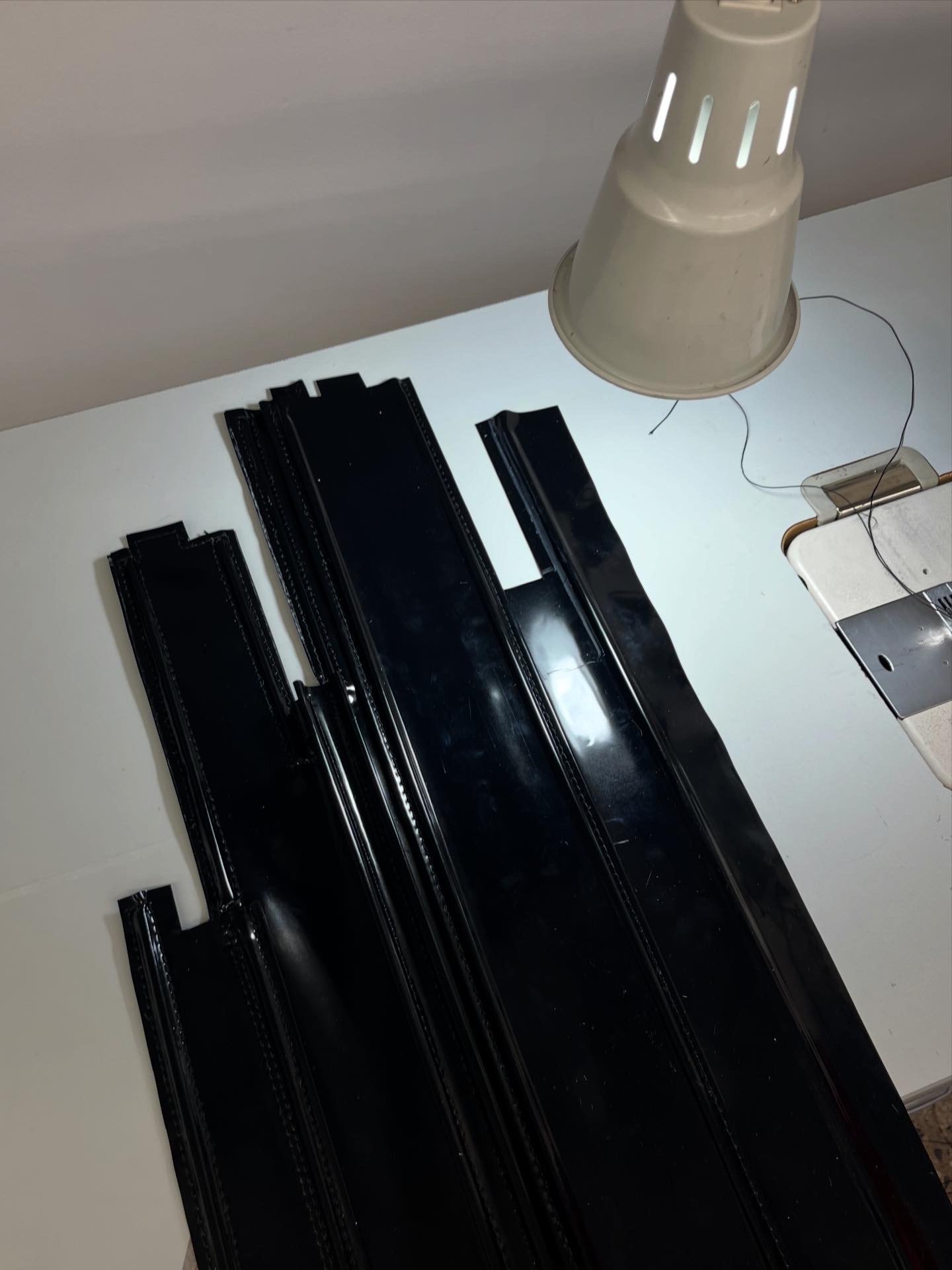
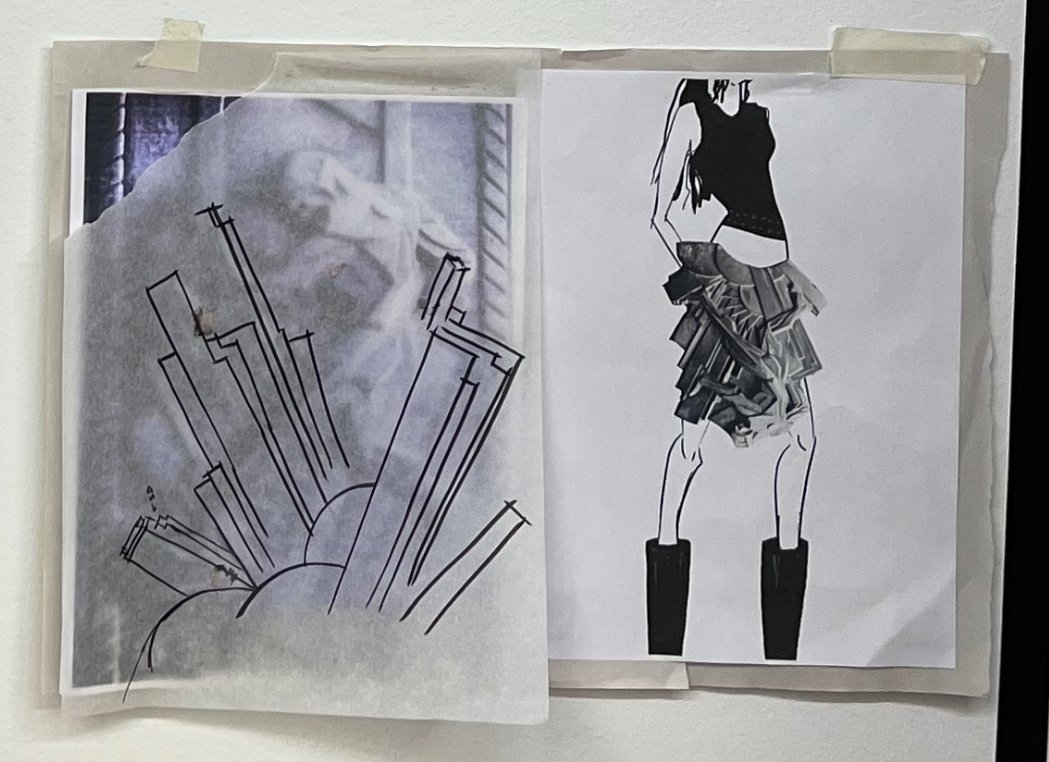
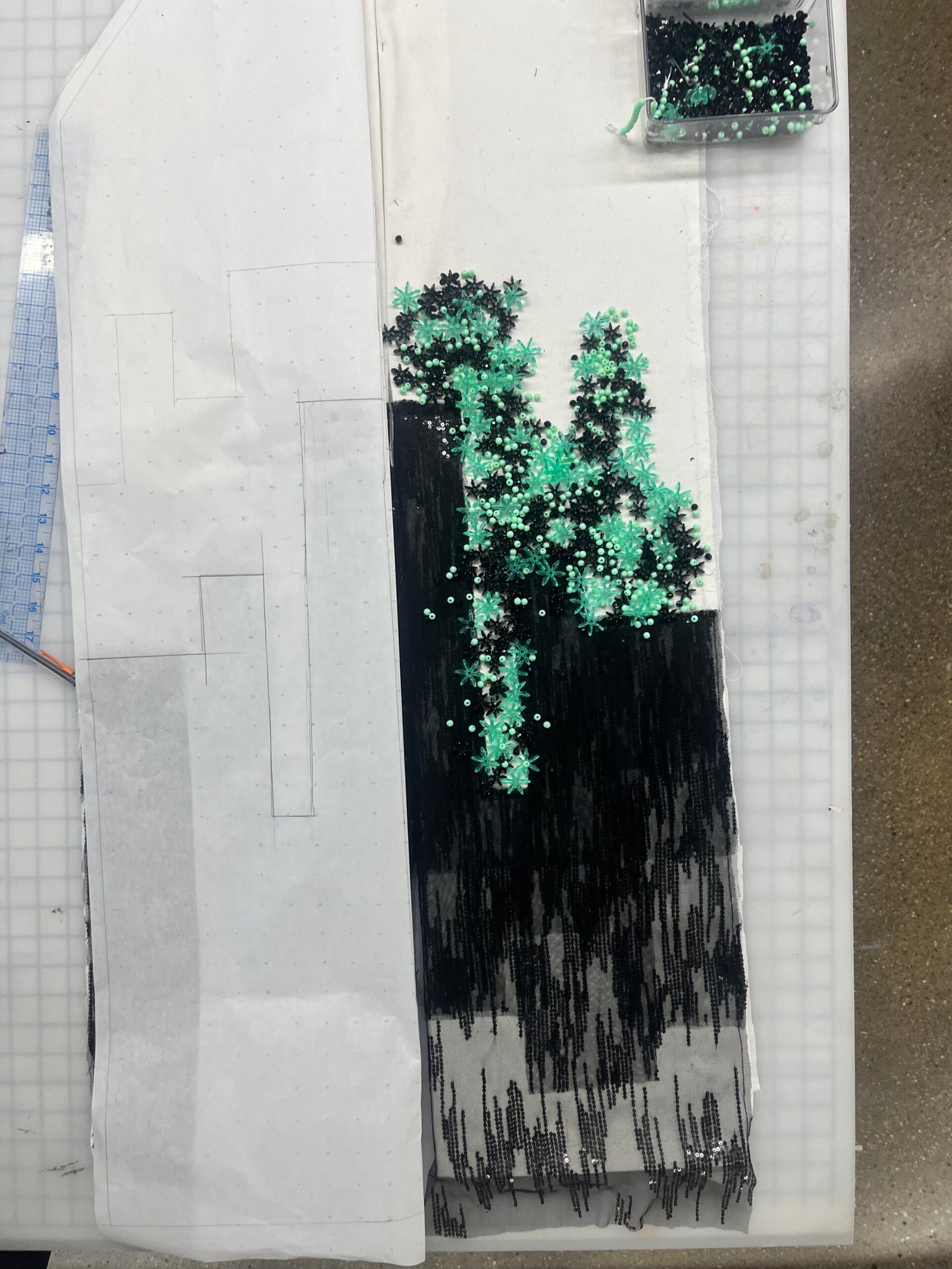
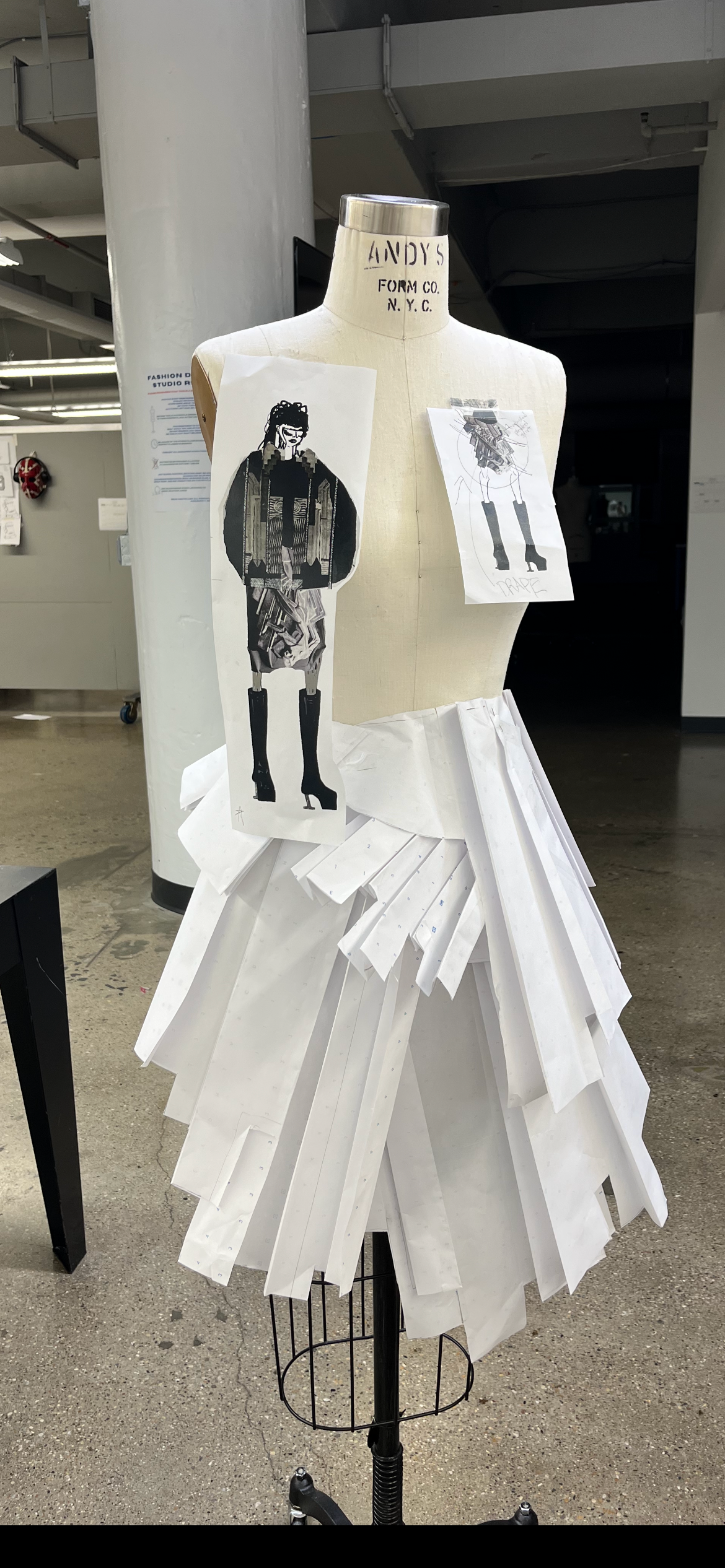
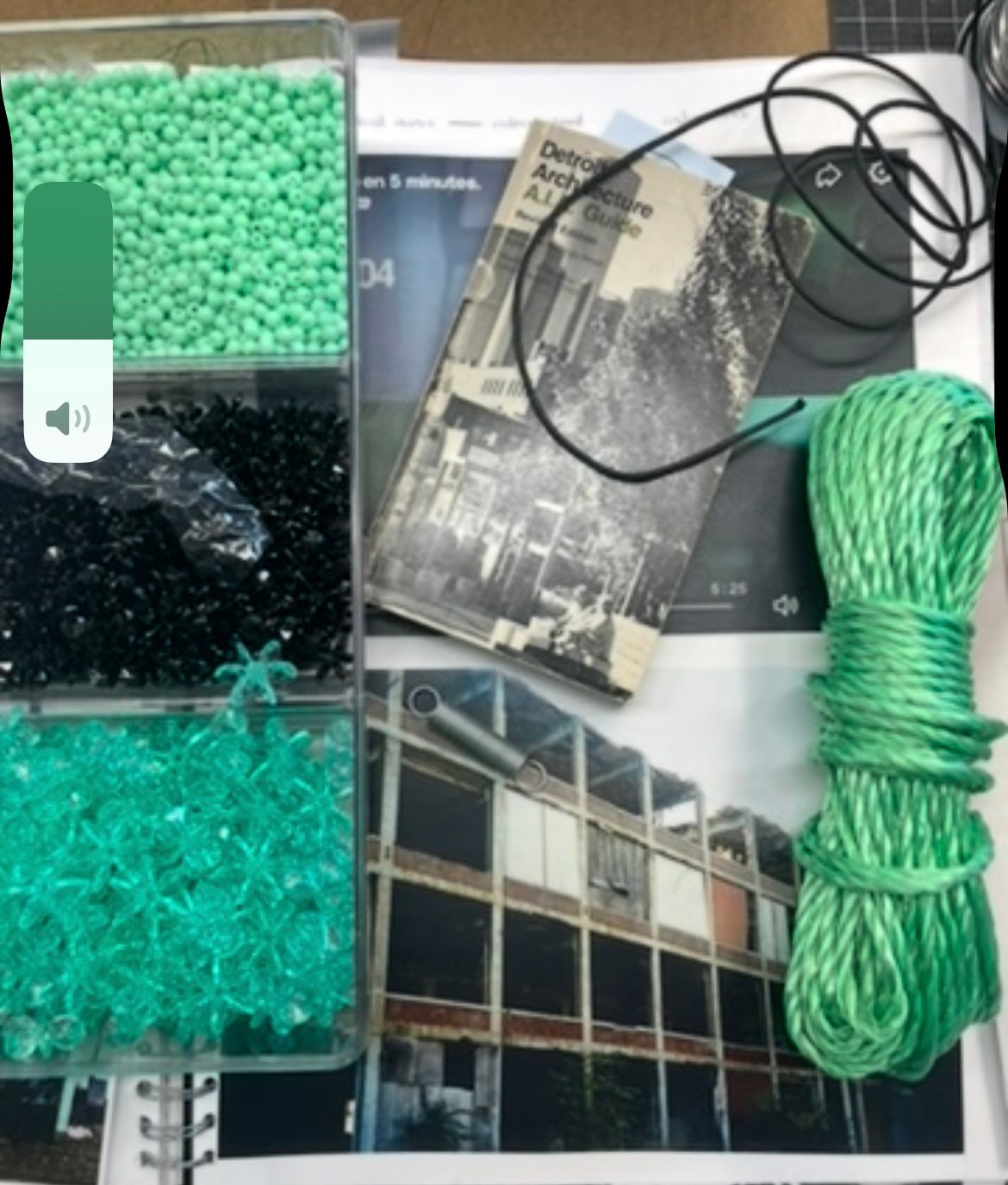
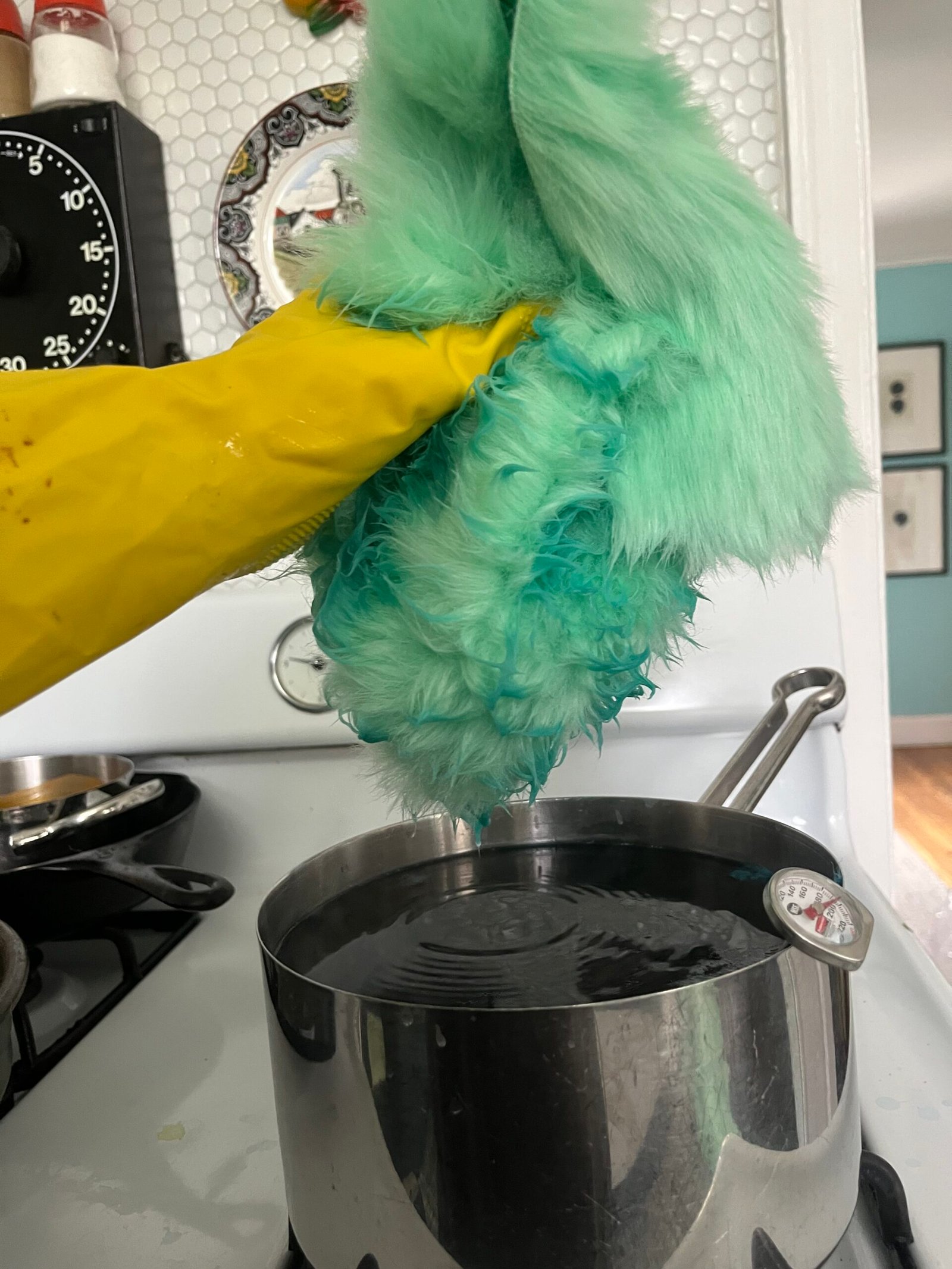
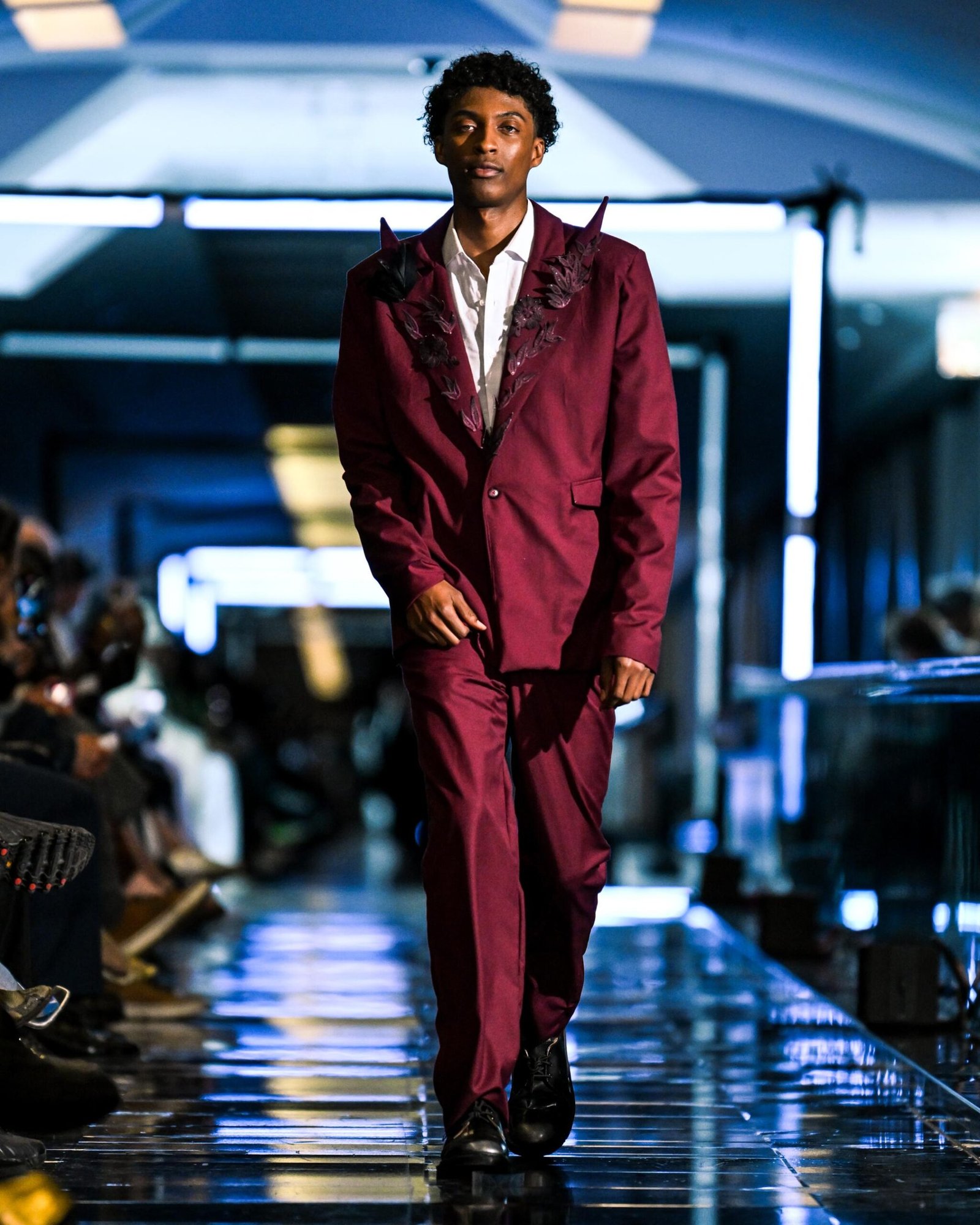
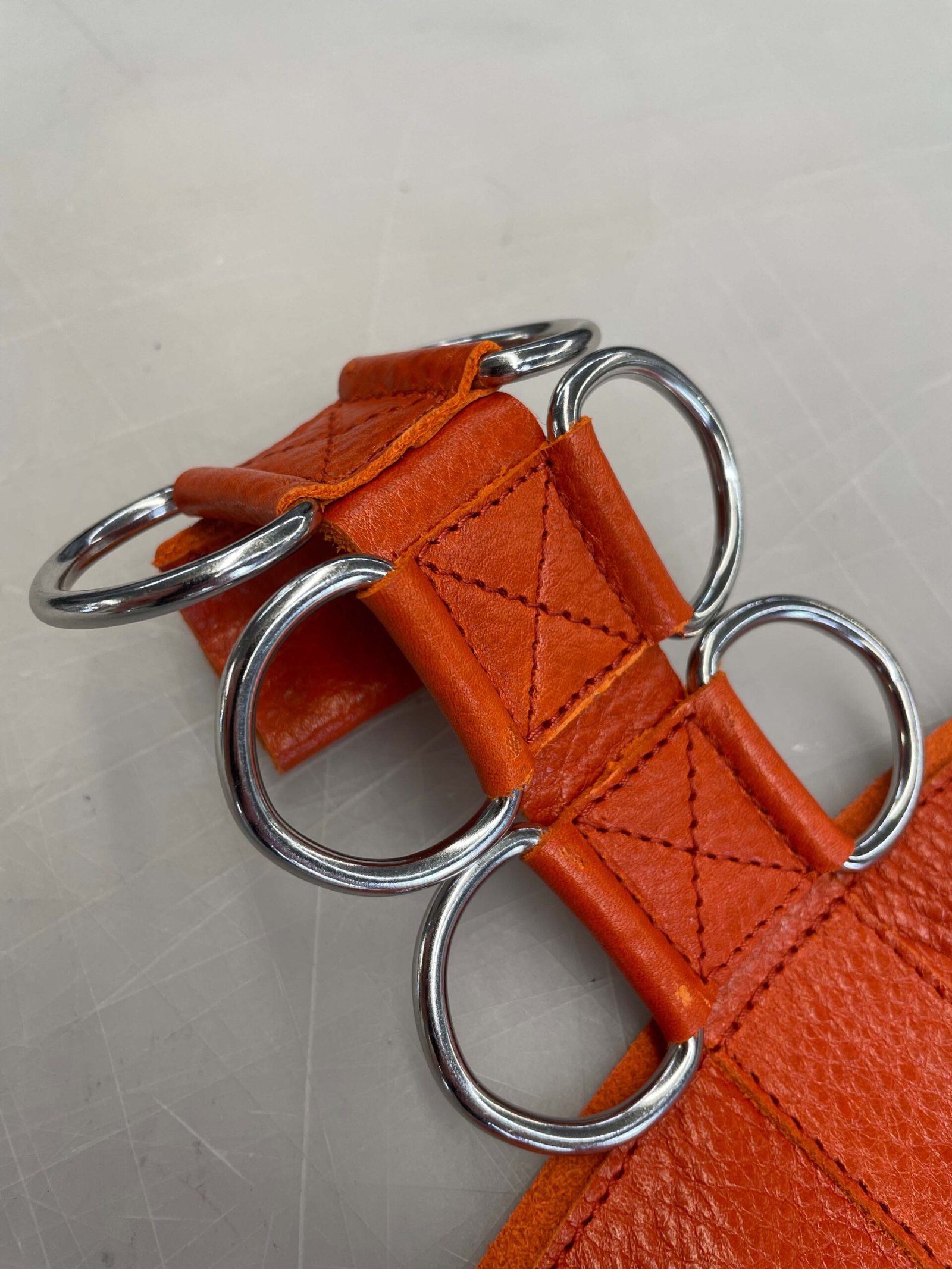
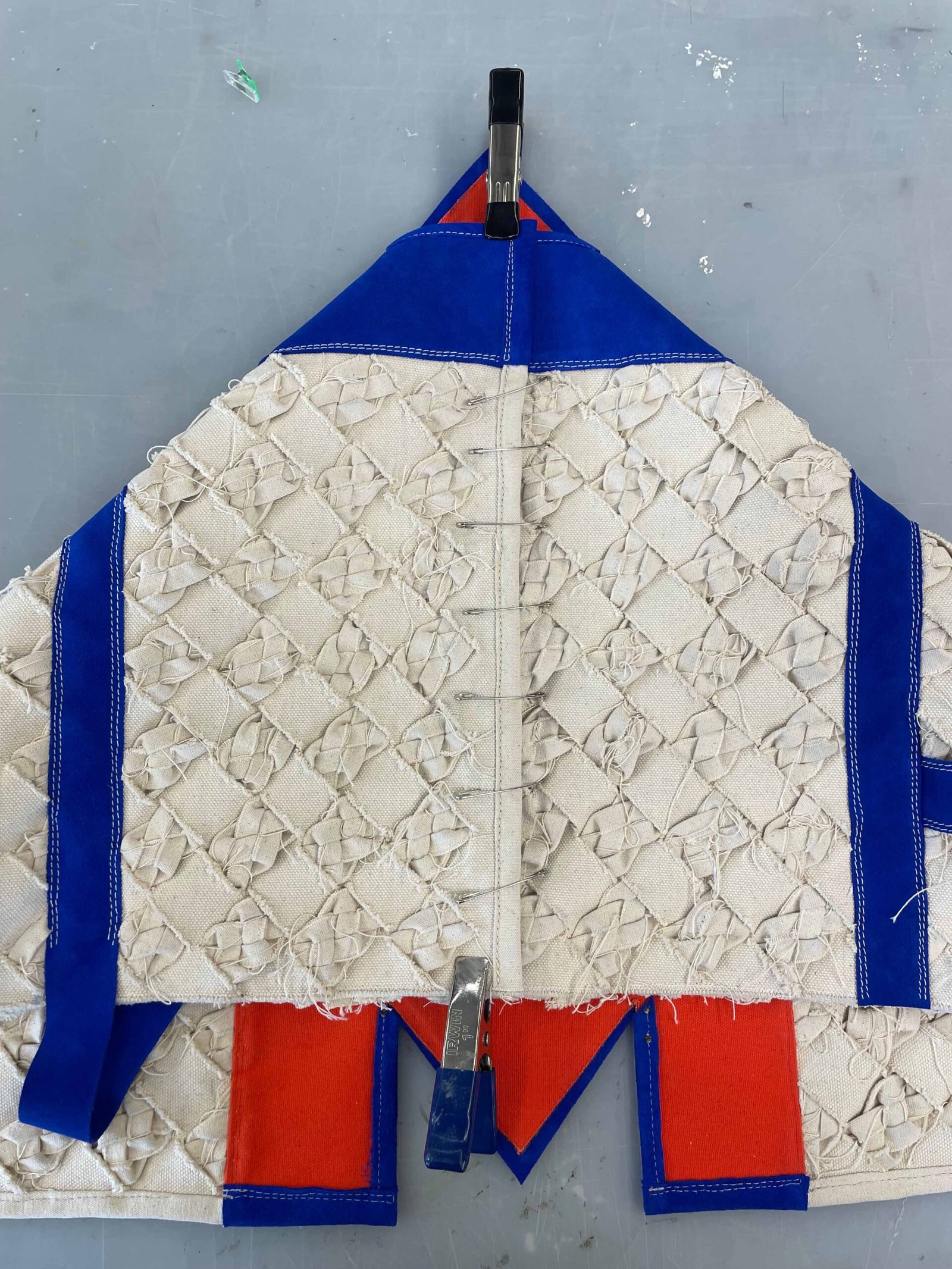
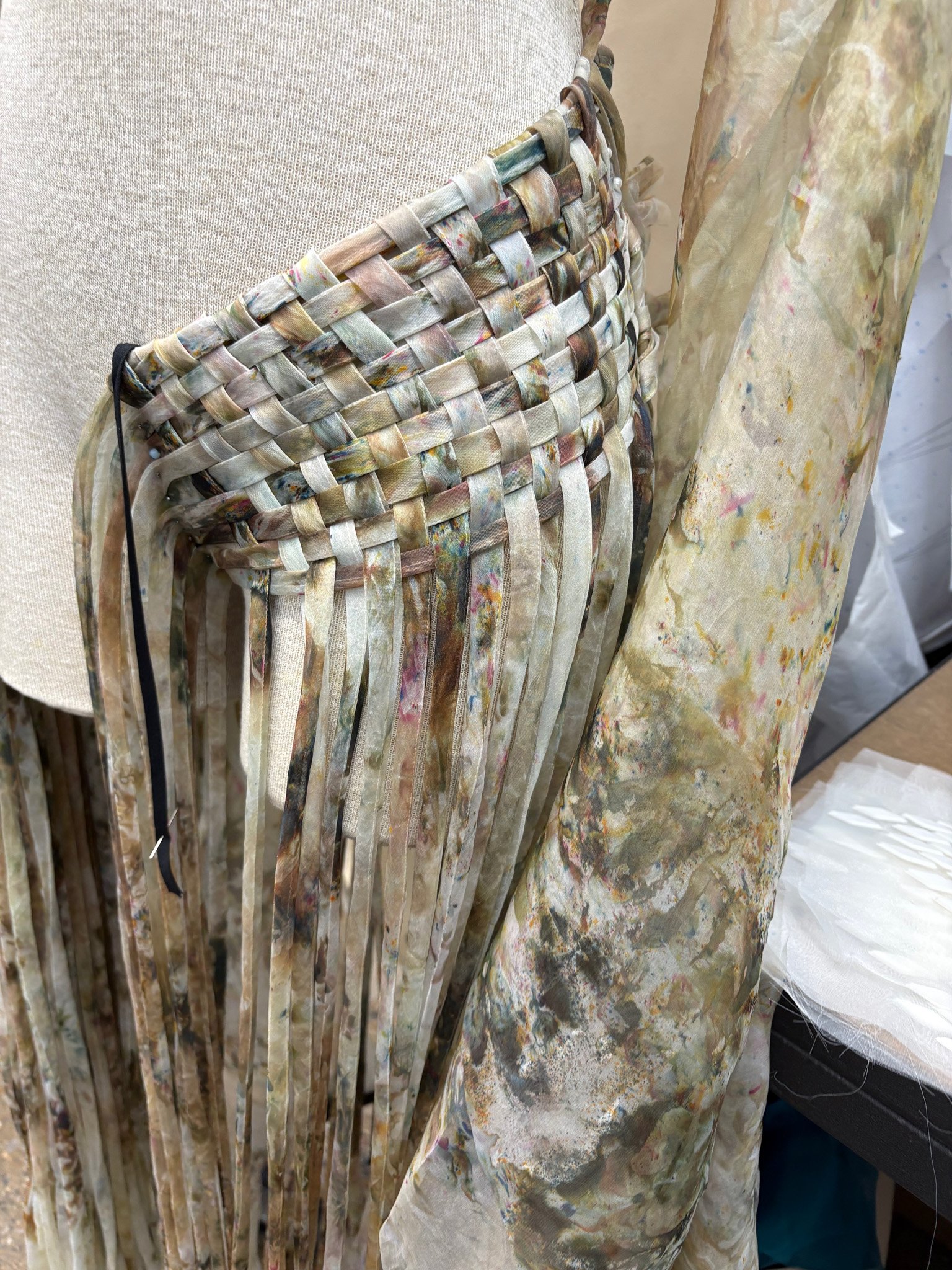
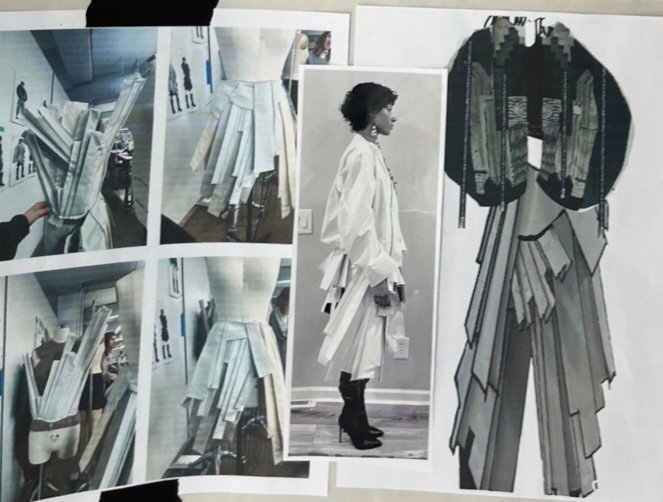
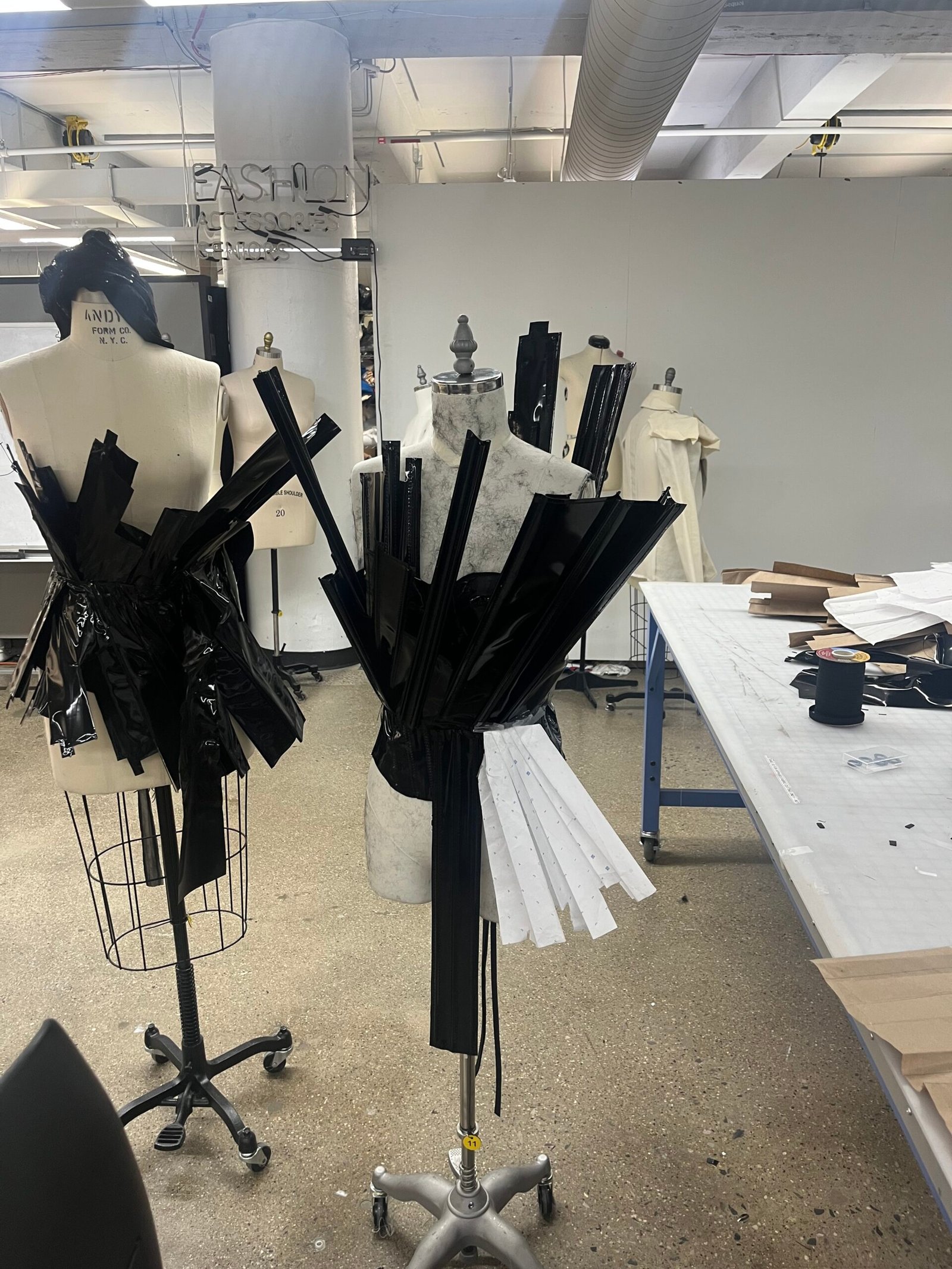
City of Firsts is shaped by Veronica Wardowski’s experience studying art in Detroit and engaging with the city’s creative legacy. The work draws on two defining eras: its industrial, Art Deco past and the underground techno and DIY scenes of the 90s. Her research centres on Detroit’s artists and pioneers, with particular attention to the Black and queer communities whose influence continues to shape global culture. Materiality and construction play a central role. Wardowski employs hardware, modular systems, and industrially inspired jewellery techniques, echoing the sonic qualities of techno. Silhouettes reference the city’s skyline, while reimagined fur elements nod to historic craftsmanship. The palette blends techno green with tones of absinthe and concrete, grounding the collection in Detroit’s rhythm and resilience.

Entering the industry, she is eager to learn within established brands and understand the precision of well-run systems, while remaining critical of the pace of production, overconsumption, and the broader impact of corporate-driven cycles. Creative agency remains central to her practice, though she recognises it as a privilege in an environment where time is increasingly constrained. Looking ahead, she hopes to continue creating on a smaller, more intentional scale while learning from larger systems. Her ambition is to contribute work that feels thoughtful, lasting, and meaningful, while also exploring sustainability within major companies in a way that is genuine and accountable rather than performative.
@veronica.wardowski

Ryan Putnam 

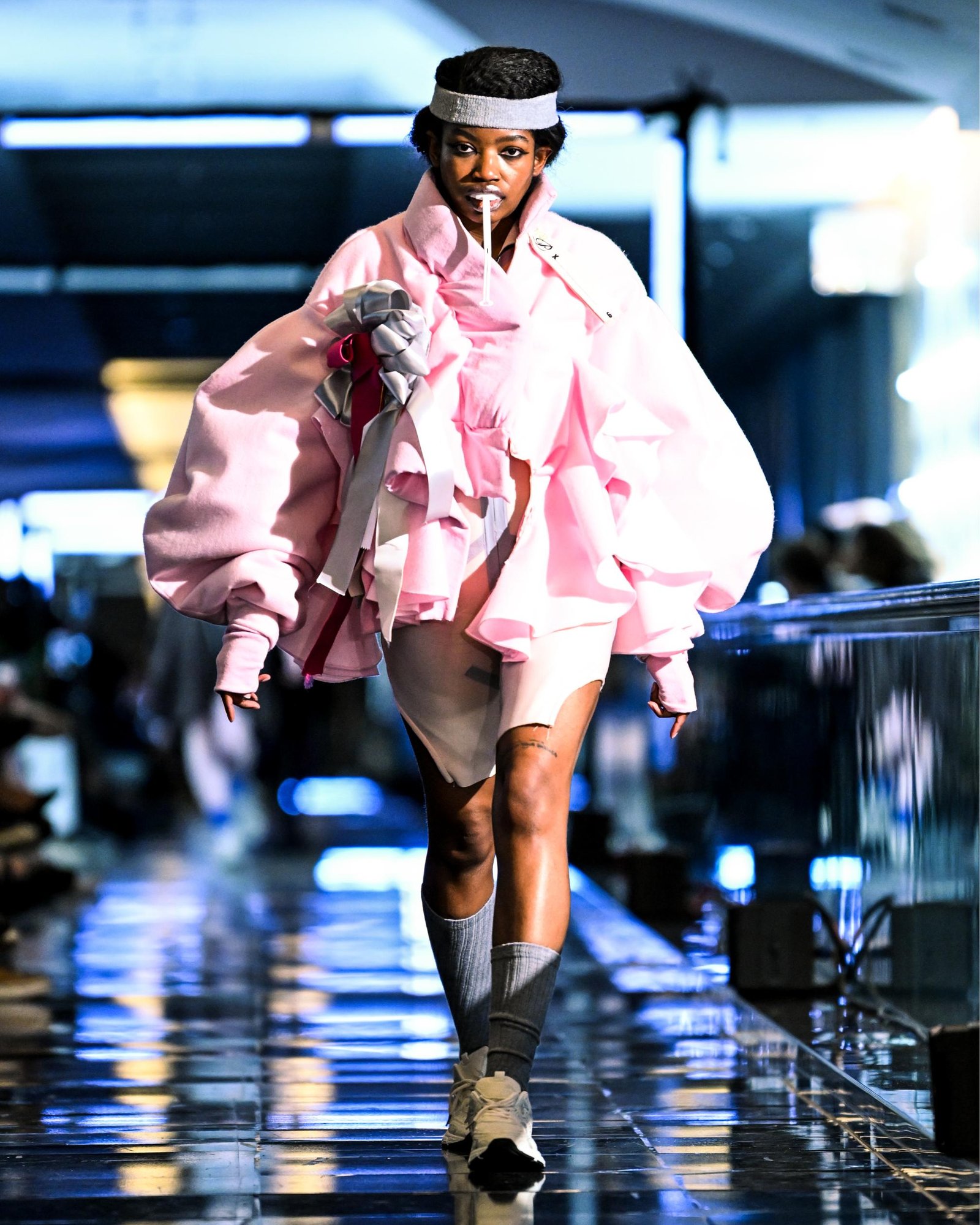
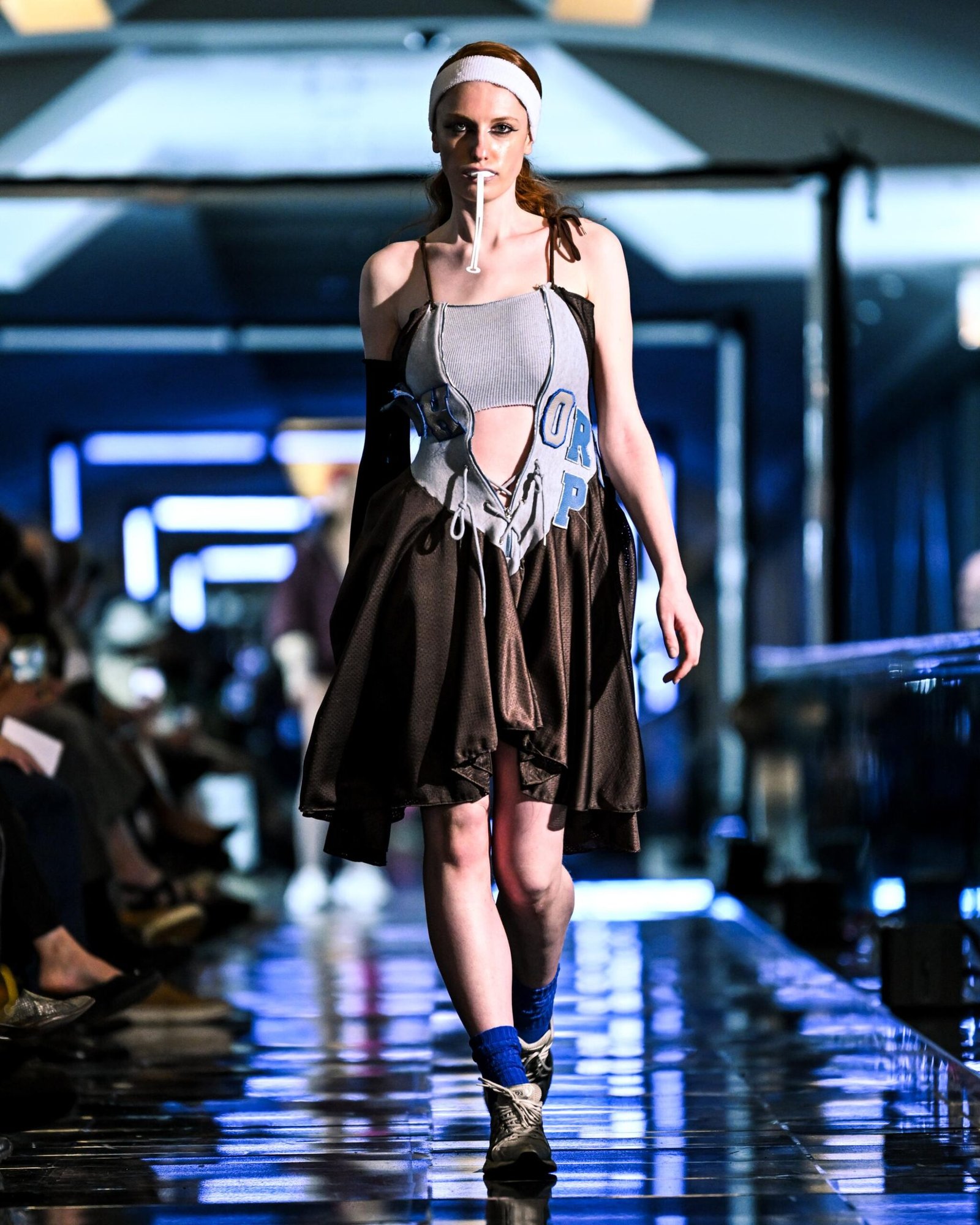
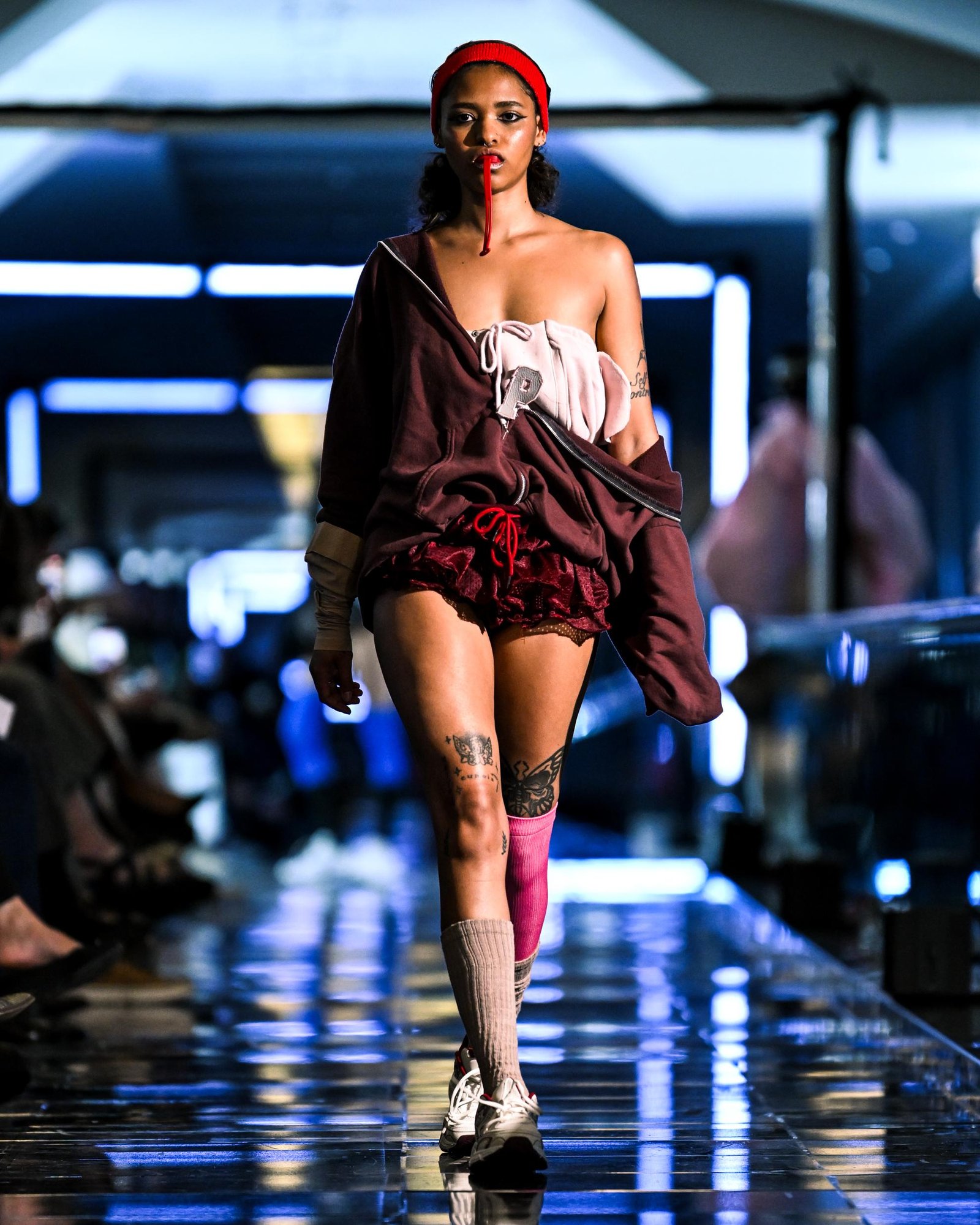
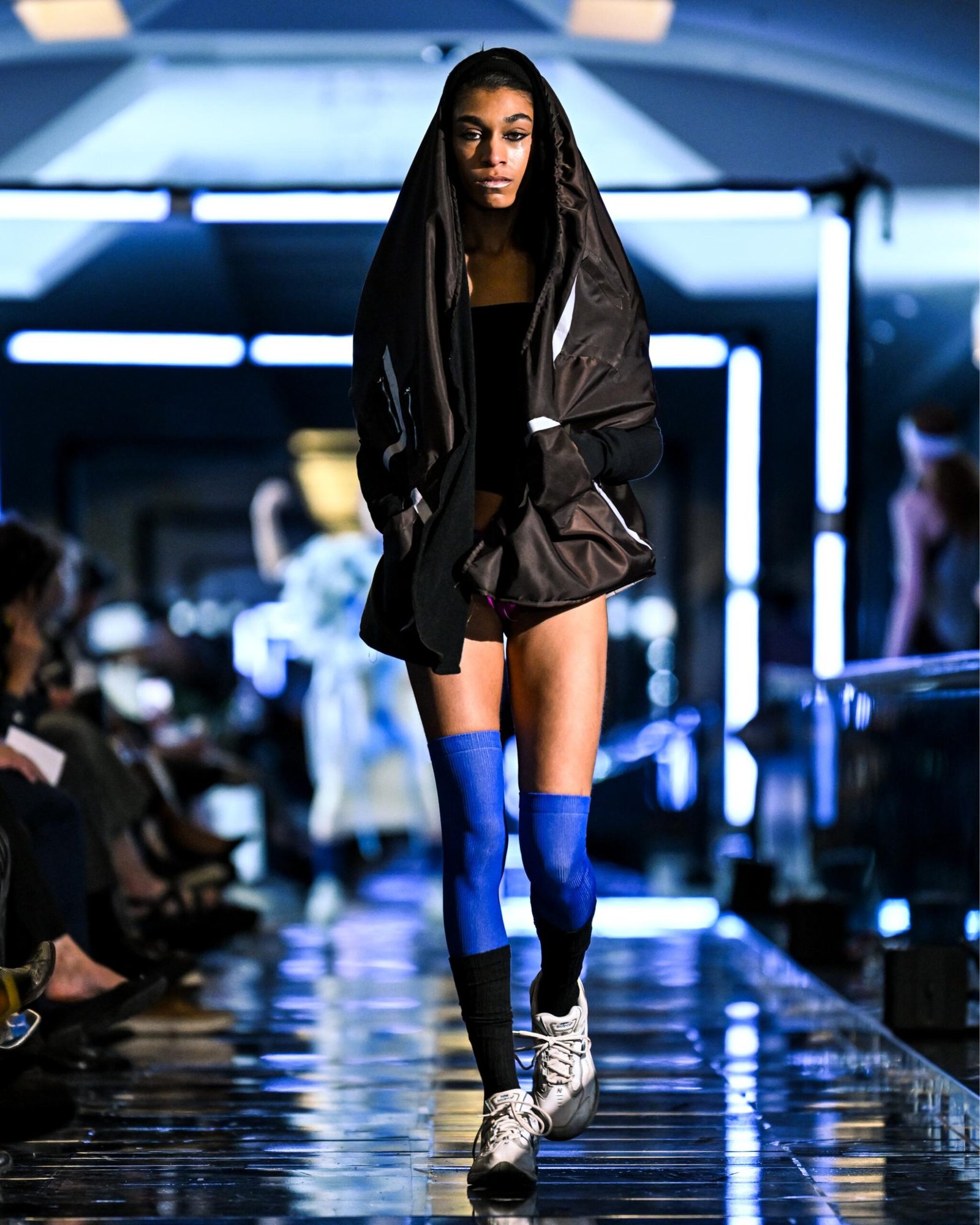
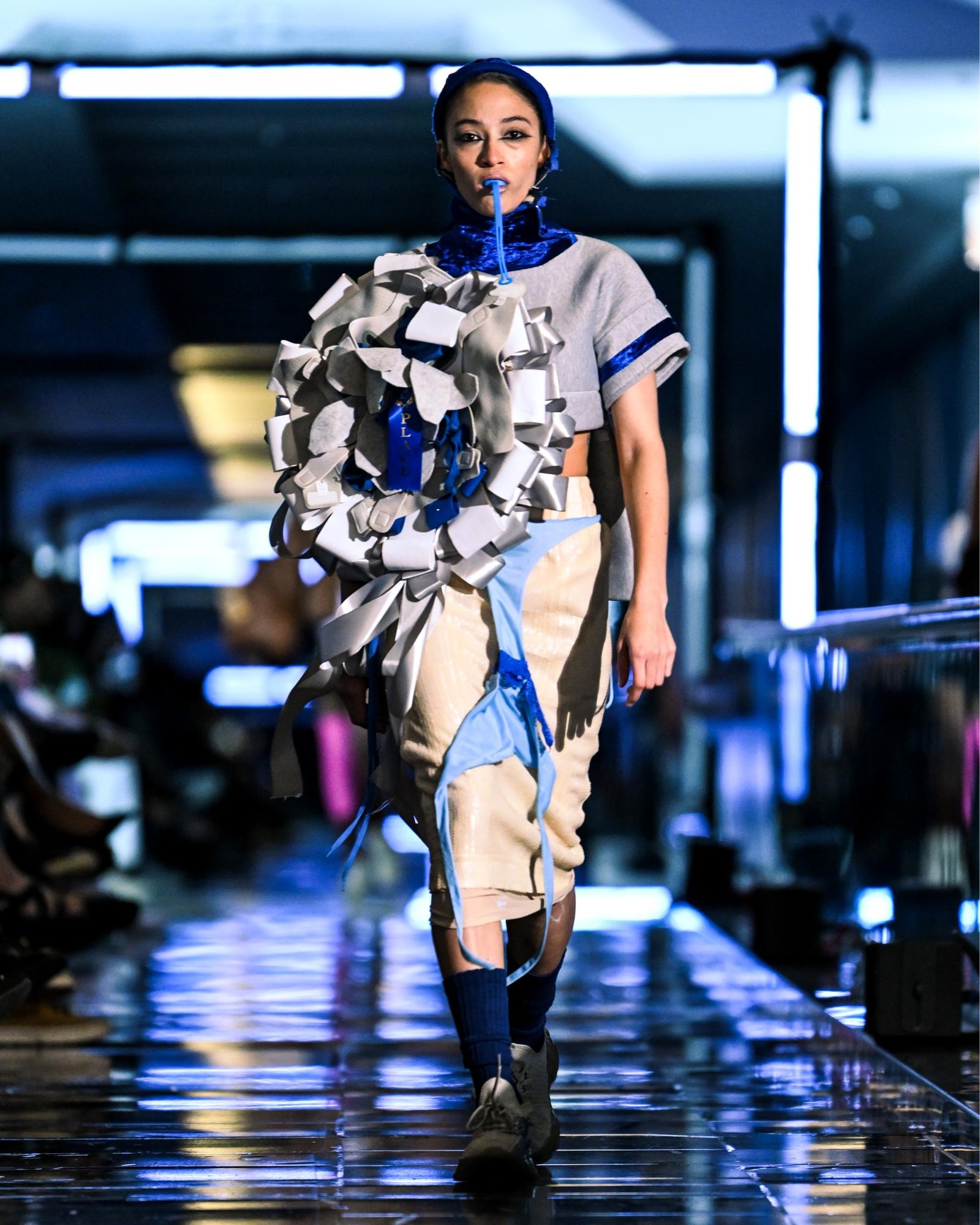
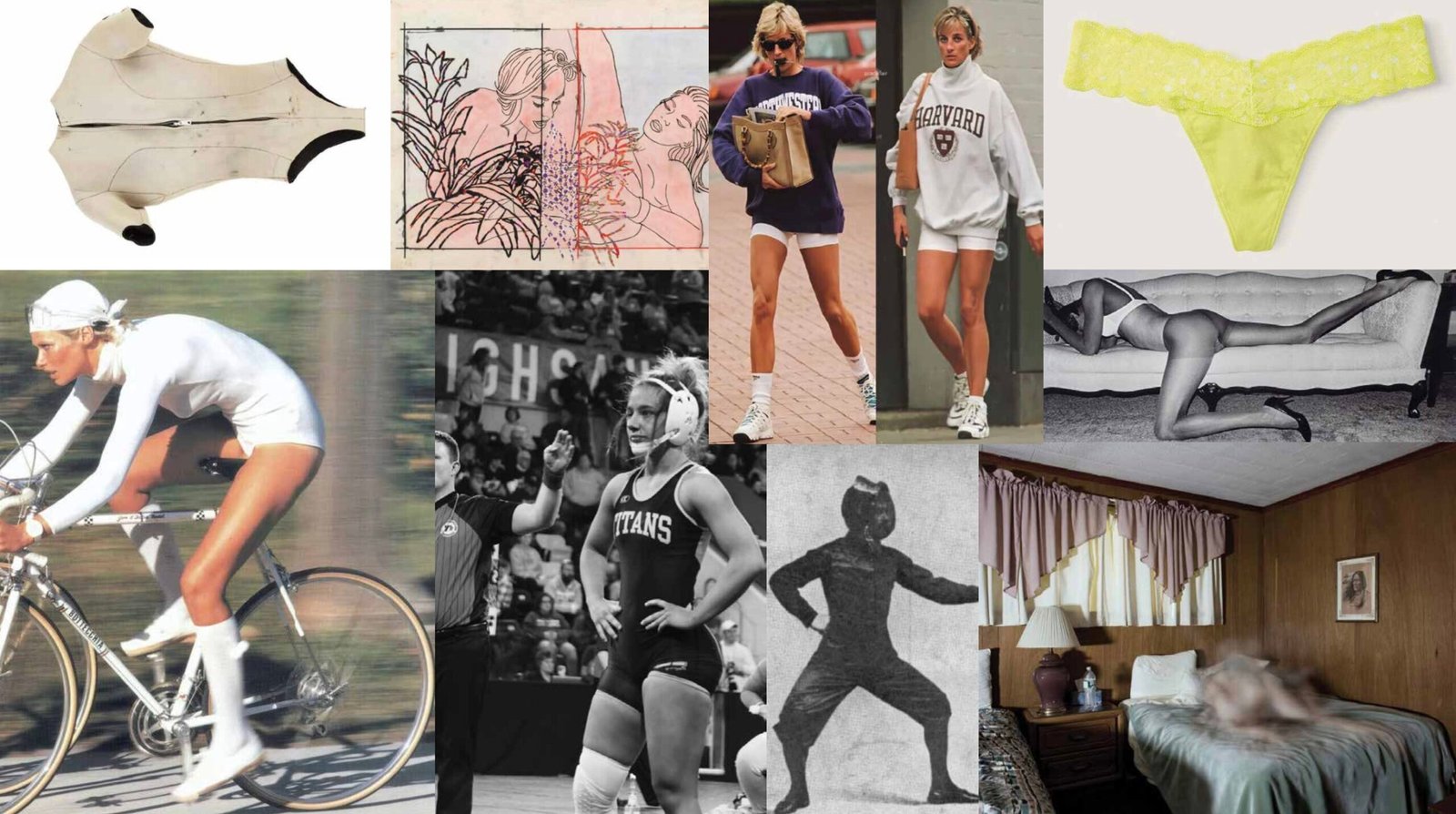
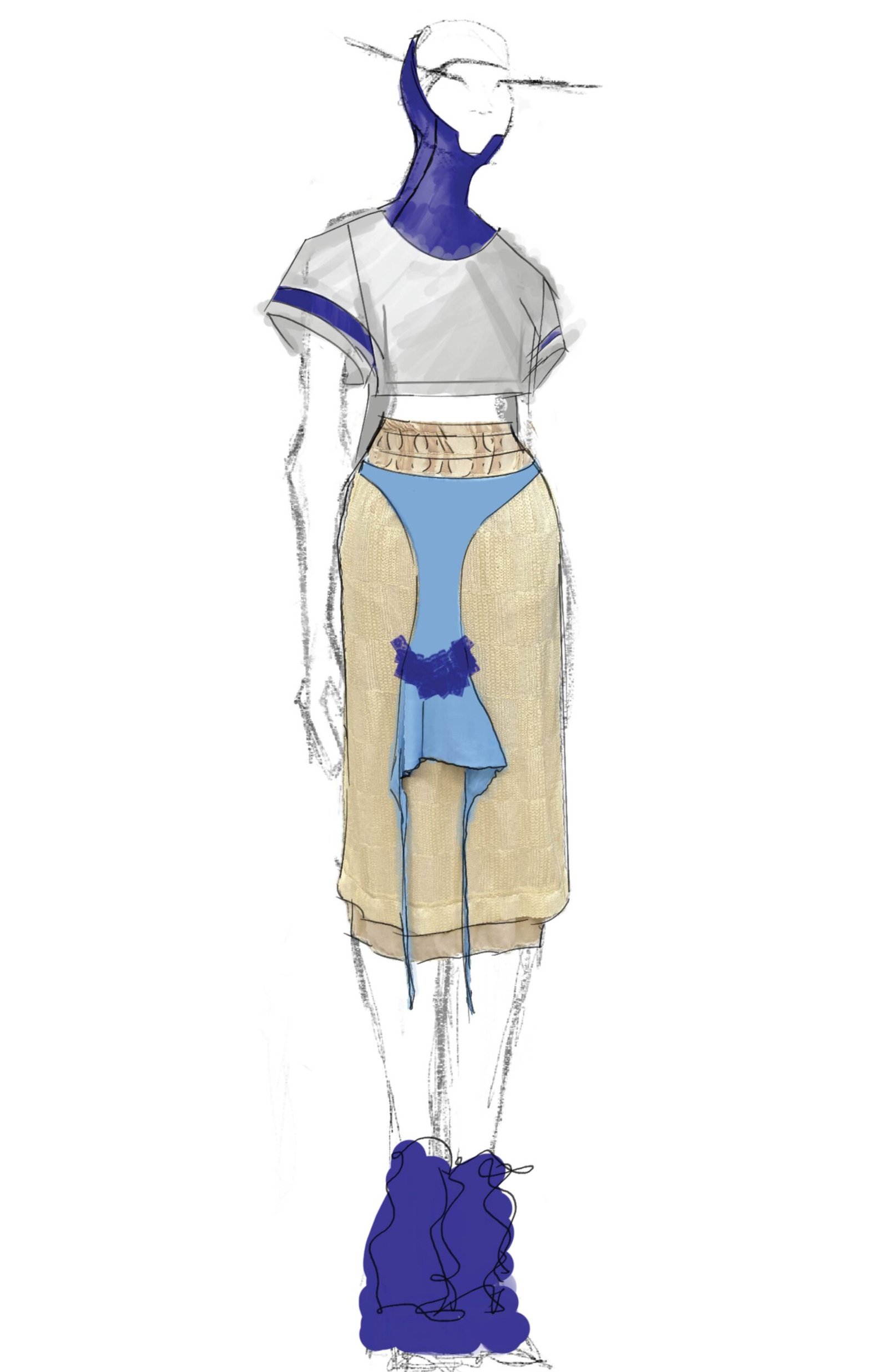
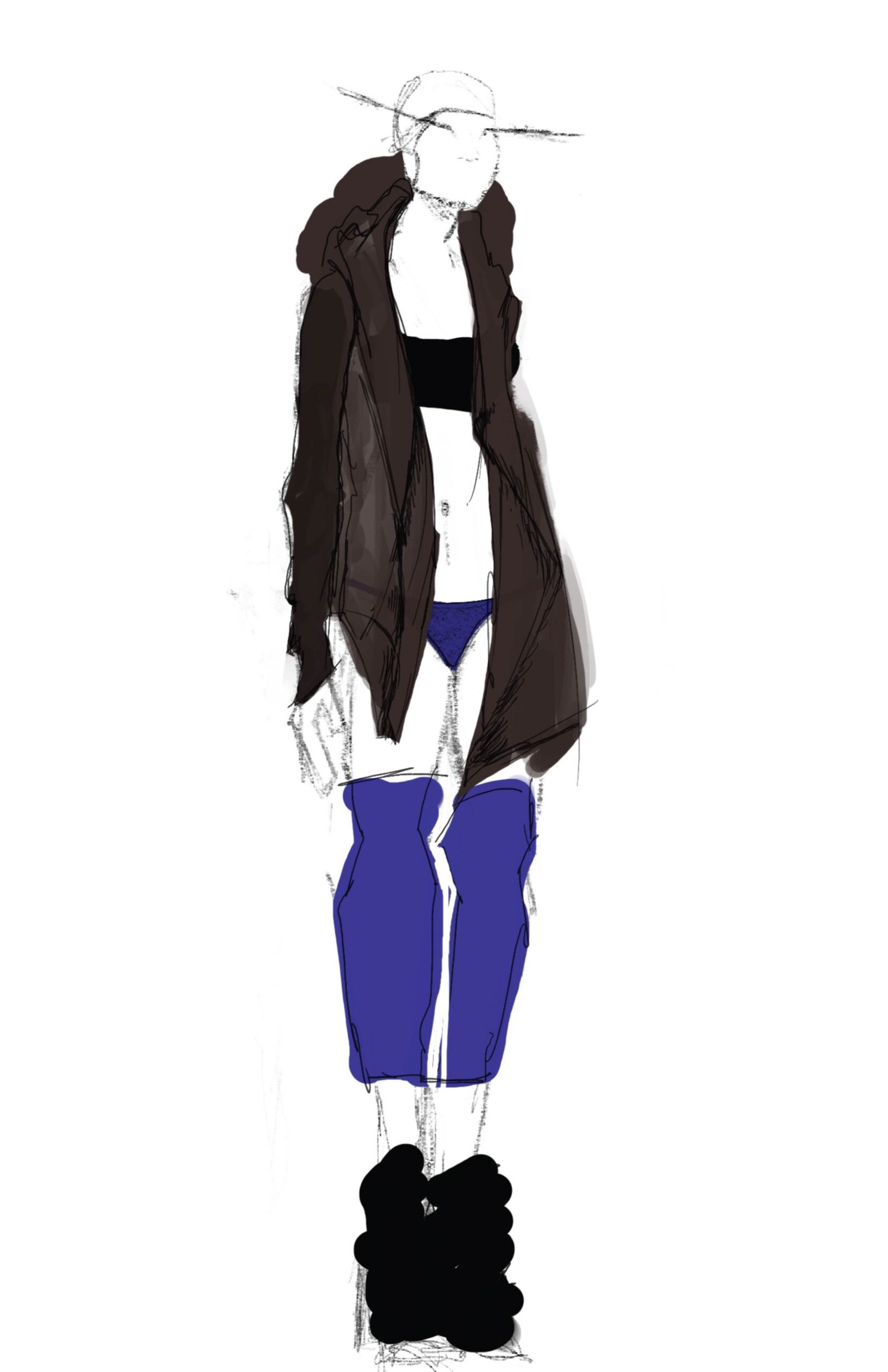
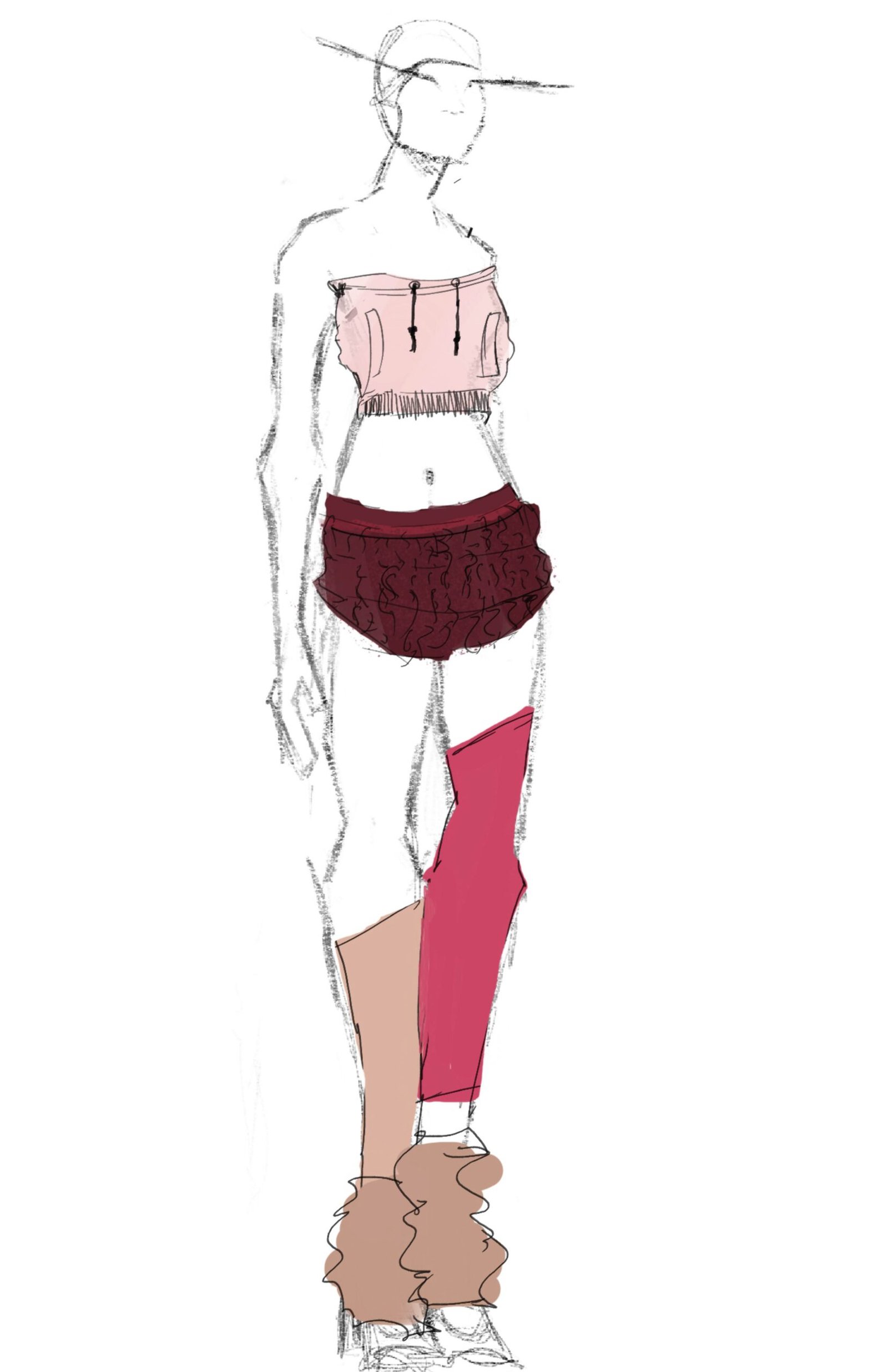
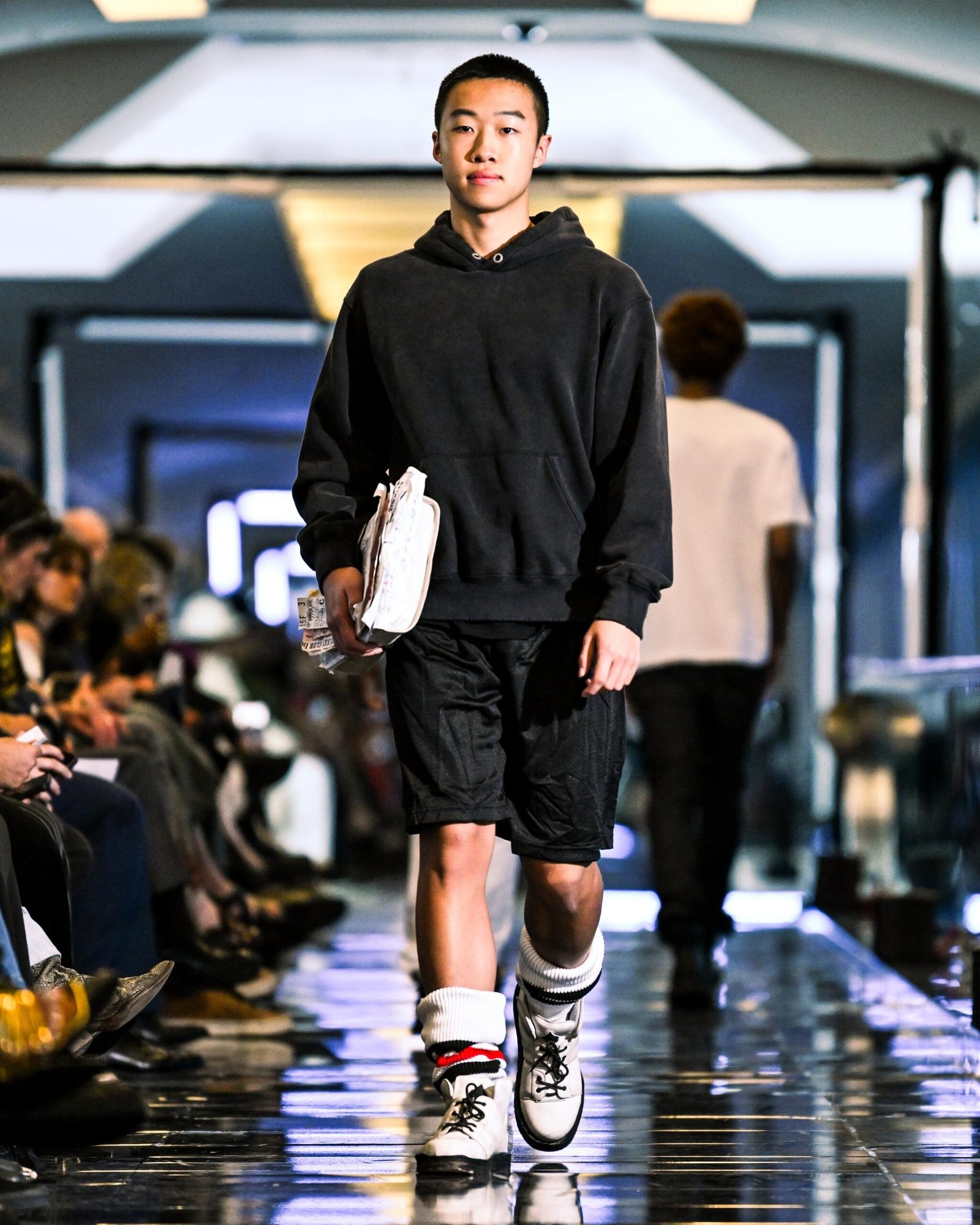
The practice of Ryan Putnam – who works under the brand name PTMN – sits at the intersection of identity, image, and cultural reference, with a focus on translating personal and regional influences into contemporary fashion language. Their graduate collection, Round 2, explores the crossover between sex and sport, drawing on a mix of ranges, from Pamela Anderson in Baywatch to Princess Diana’s off-duty leisurewear. The work combines unconventional sportswear codes with lingerie materials.

As they enter the industry, Putnam expresses both ambition and concern. They cite labels such as Carhartt, Eckhaus Latta, Marc Jacobs, Lacoste, and Sacai as key points of inspiration, particularly in their use of silhouette, colour, and construction. At the same time, they are wary of the barriers facing emerging designers, especially the competitiveness of the job market and the reliance on unpaid internships, which can limit access for those unable to relocate or work without pay. Still, despite these challenges, Putnam remains committed to contributing to the industry, emphasising the importance of new perspectives in sustaining its evolution.

@ryanptmn

Screenshot

Isabella “Izzy” Abohasira

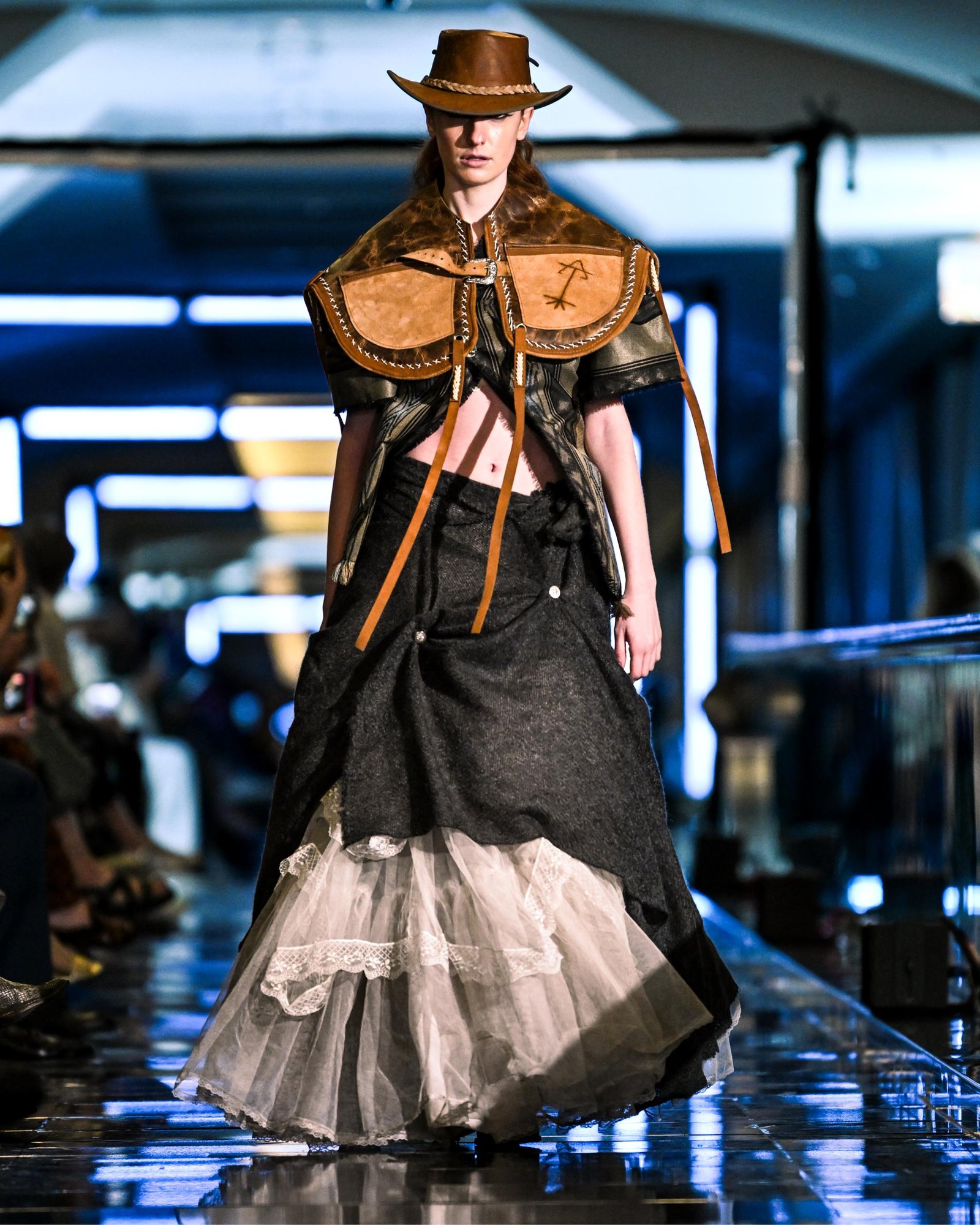
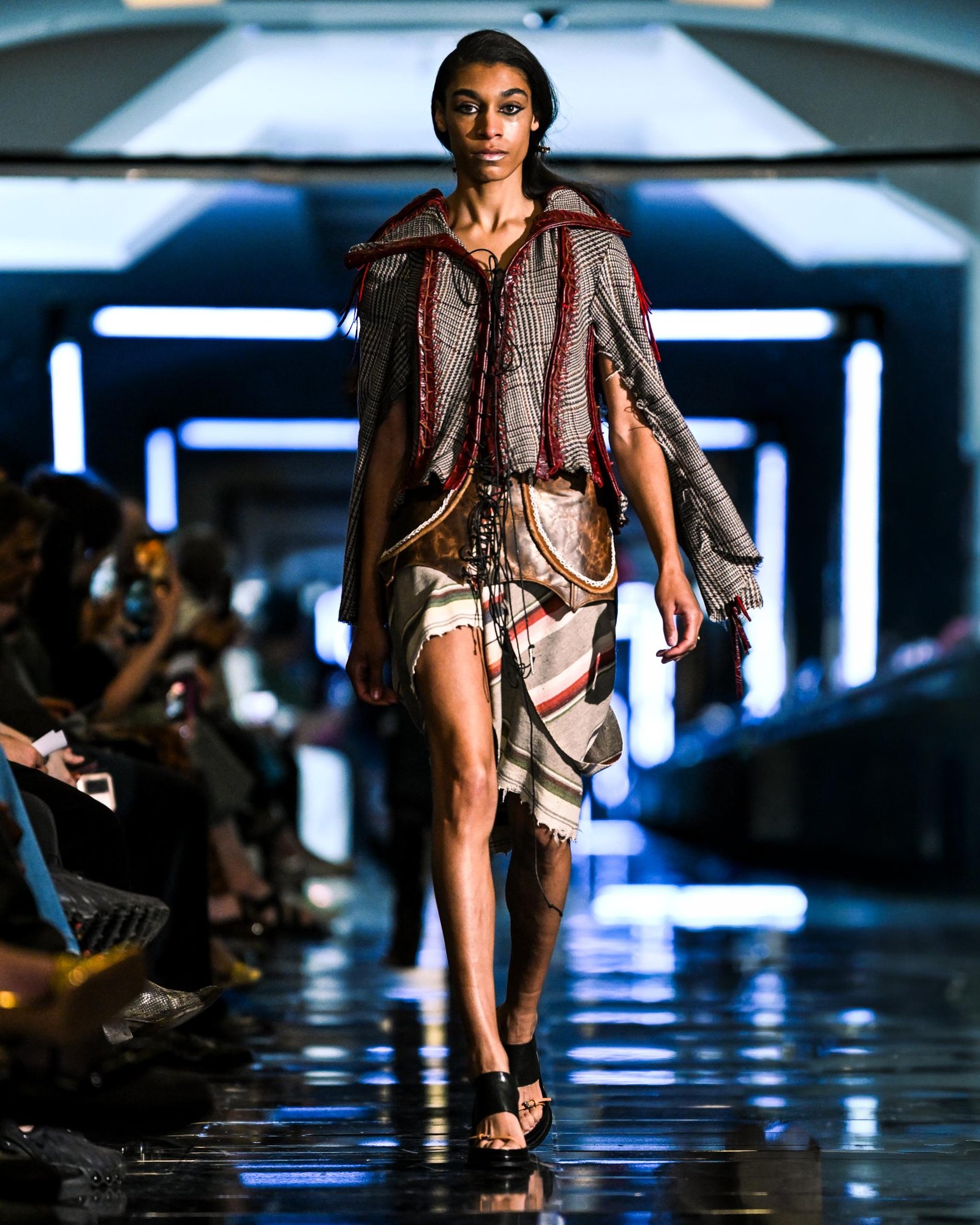
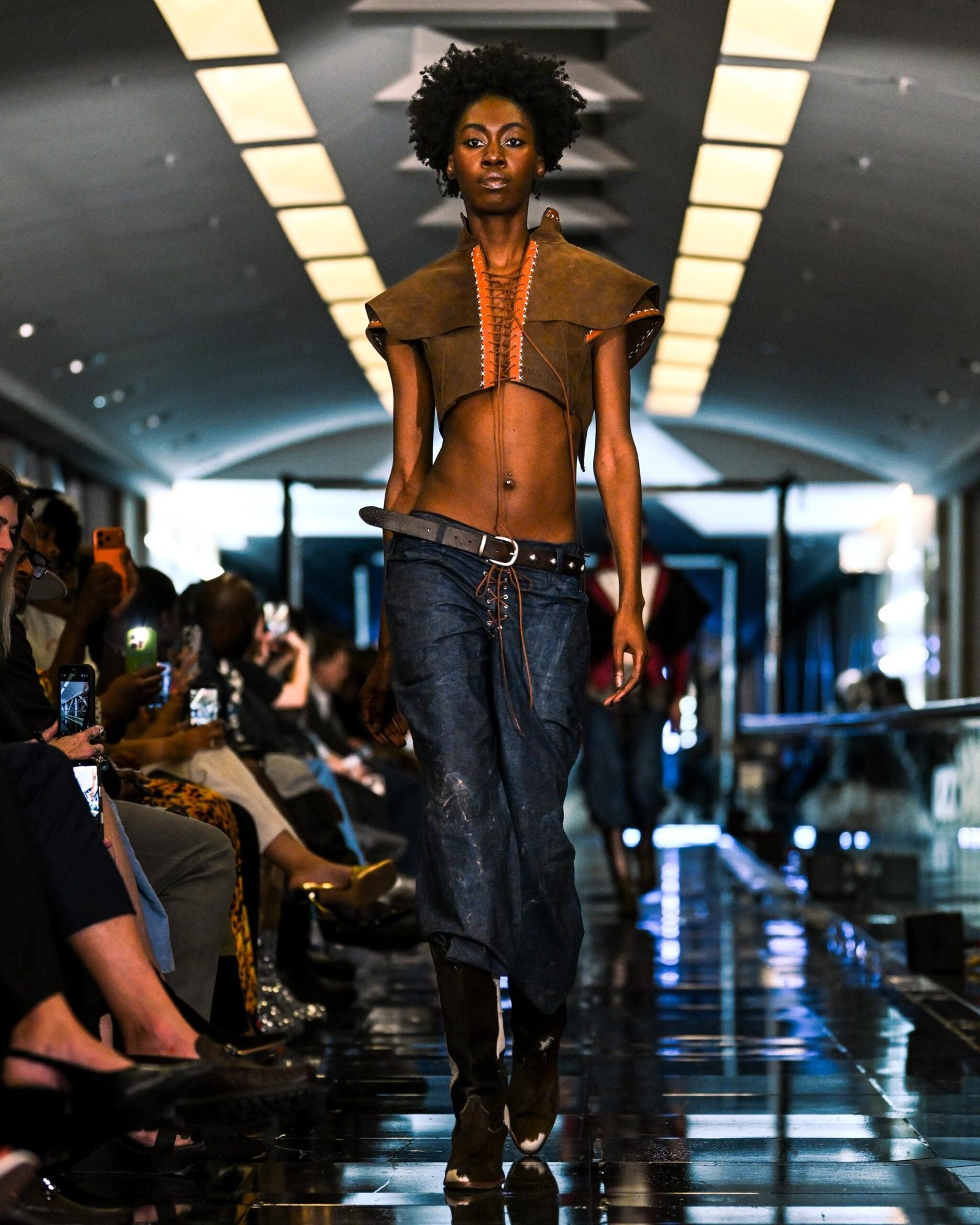
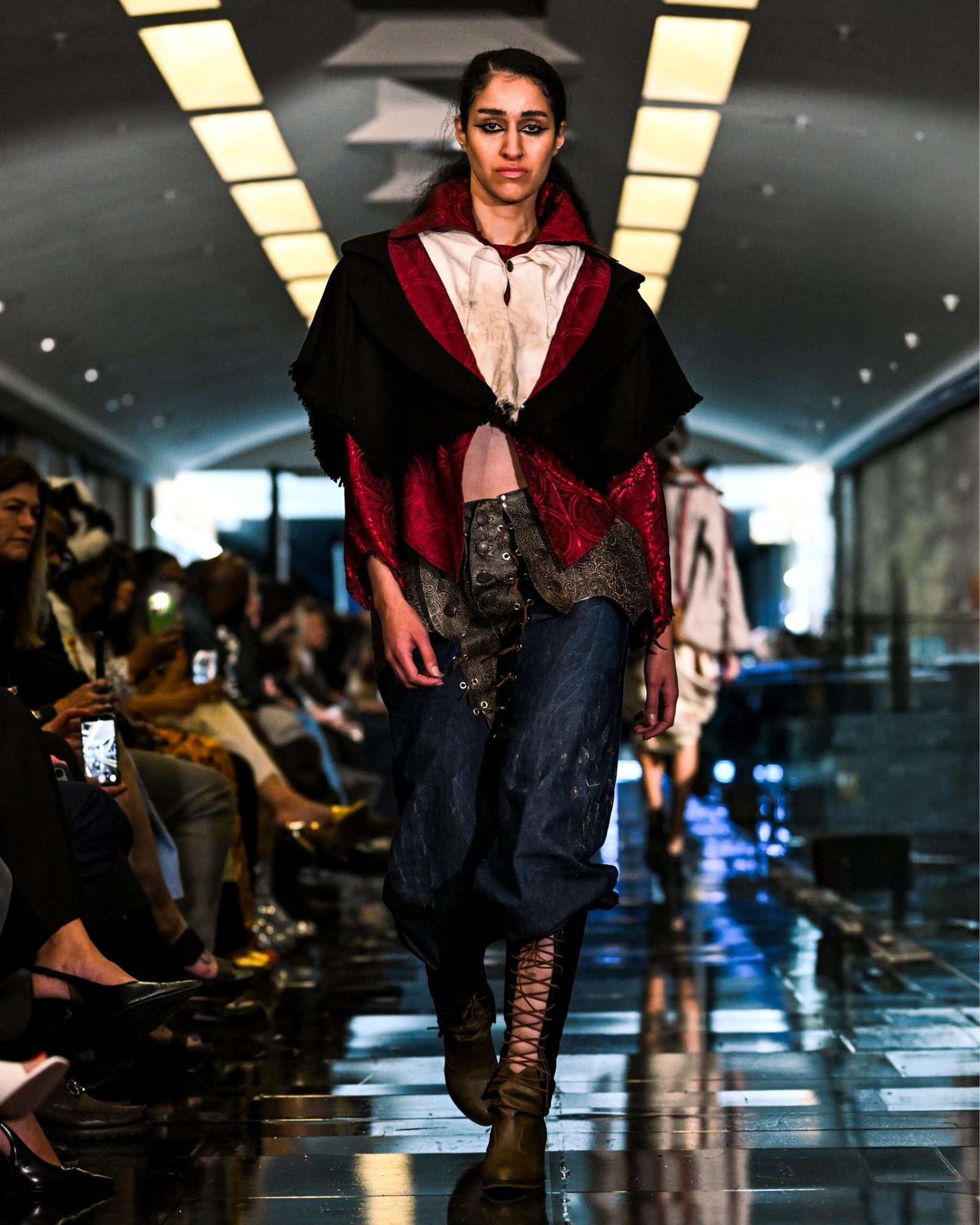
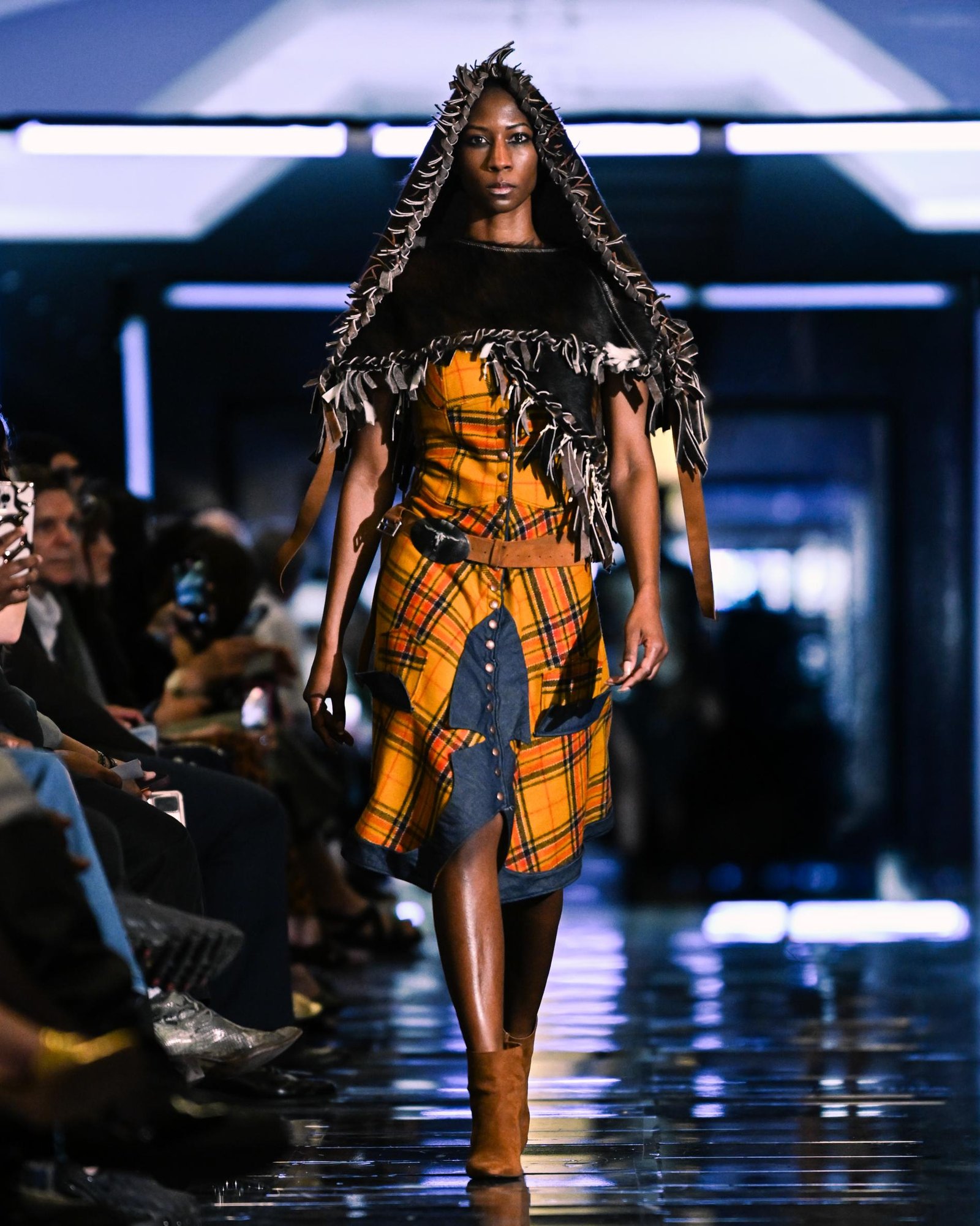
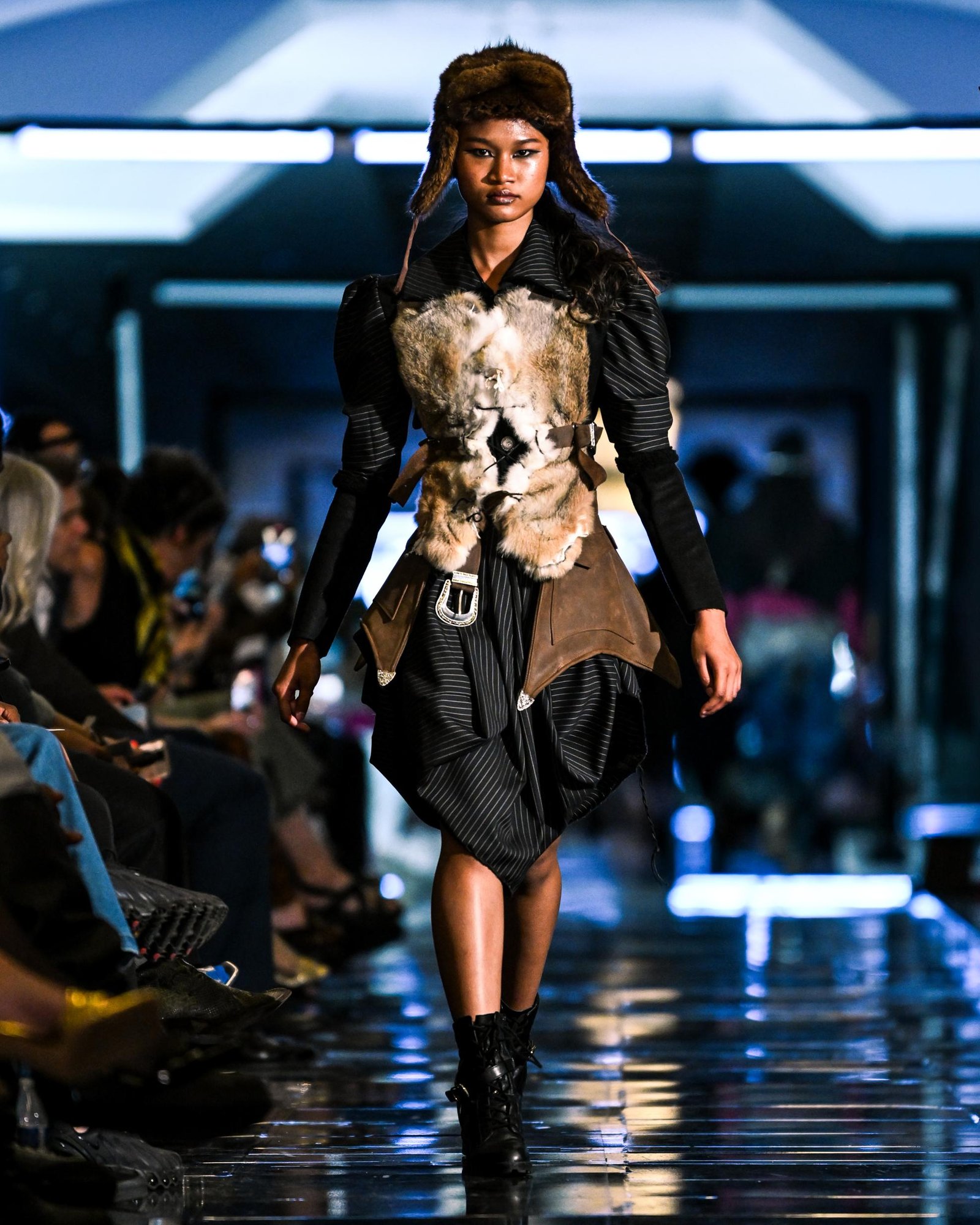
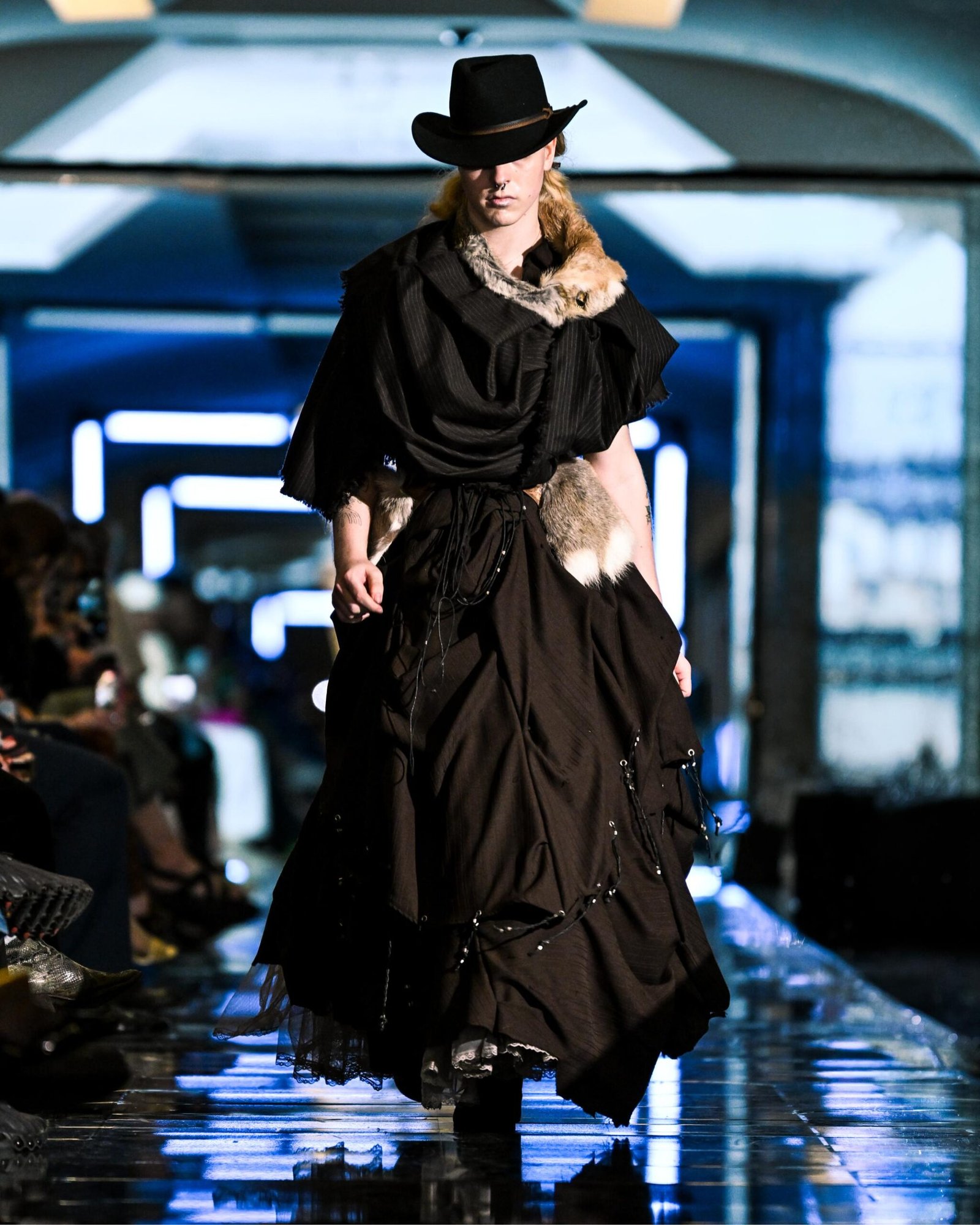
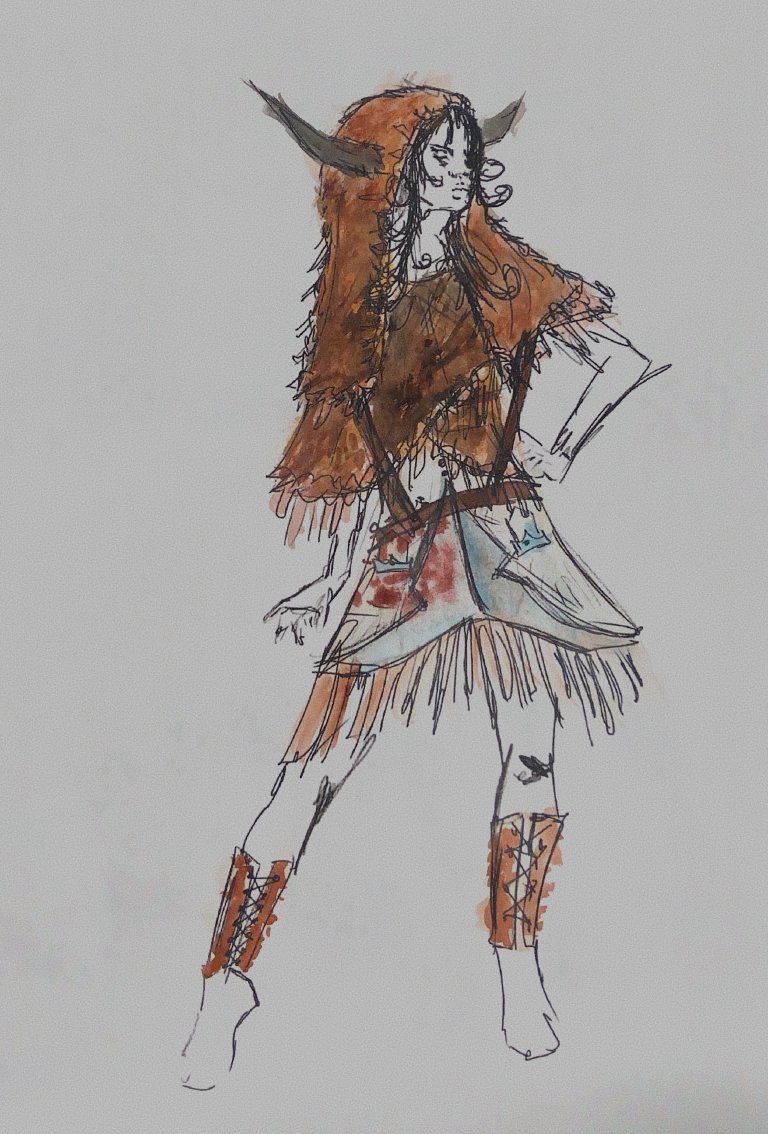
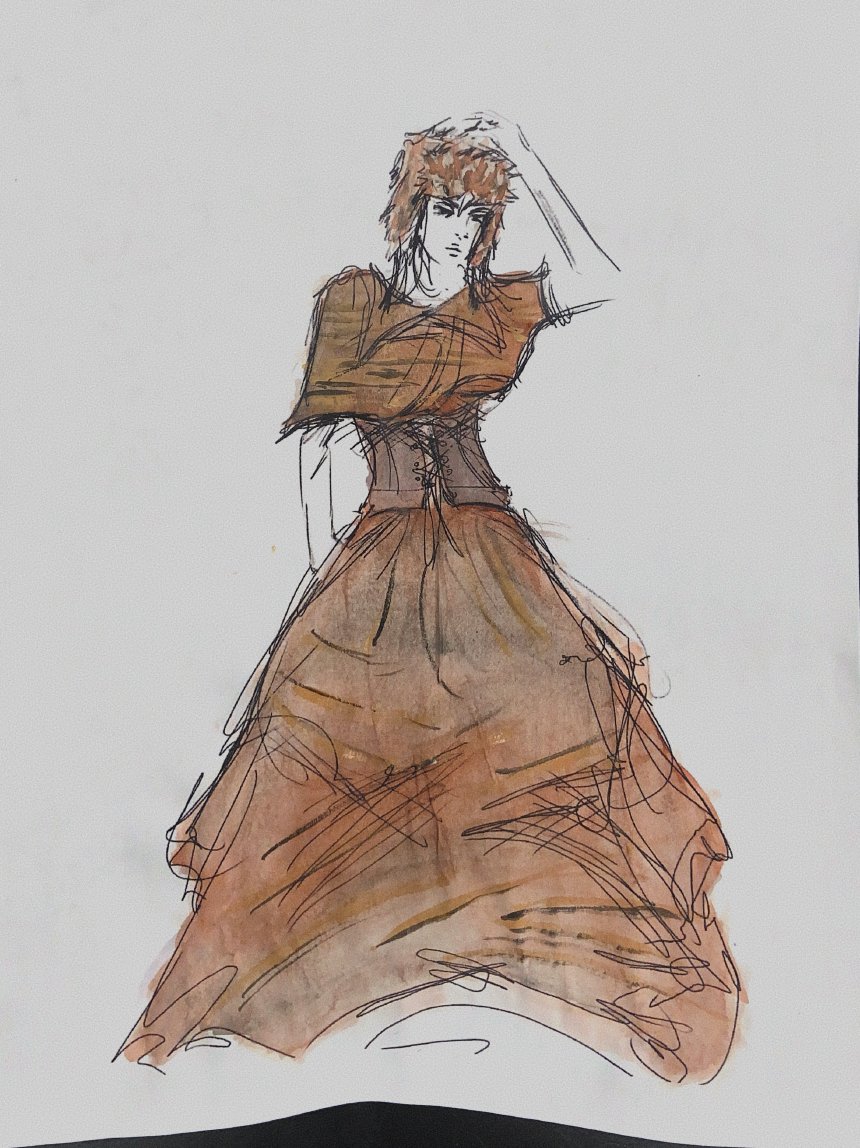
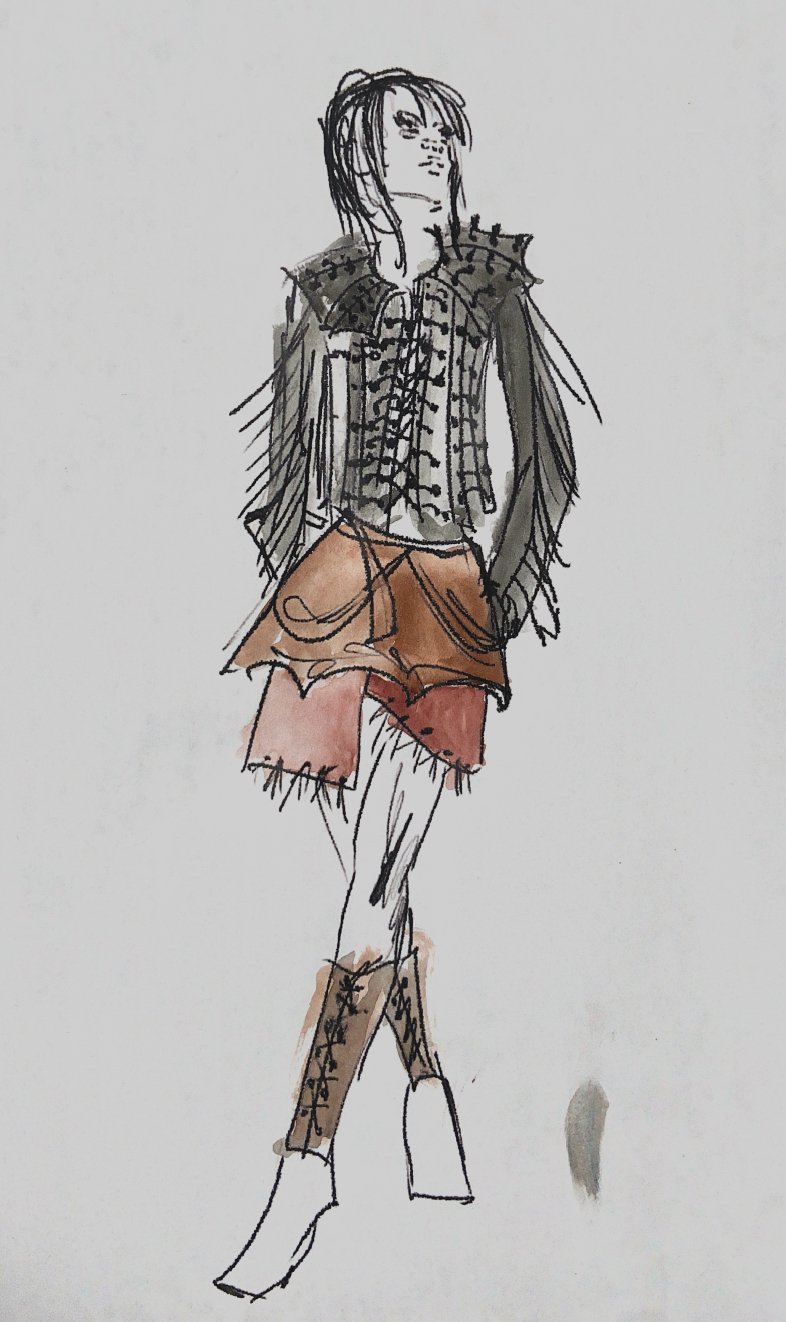
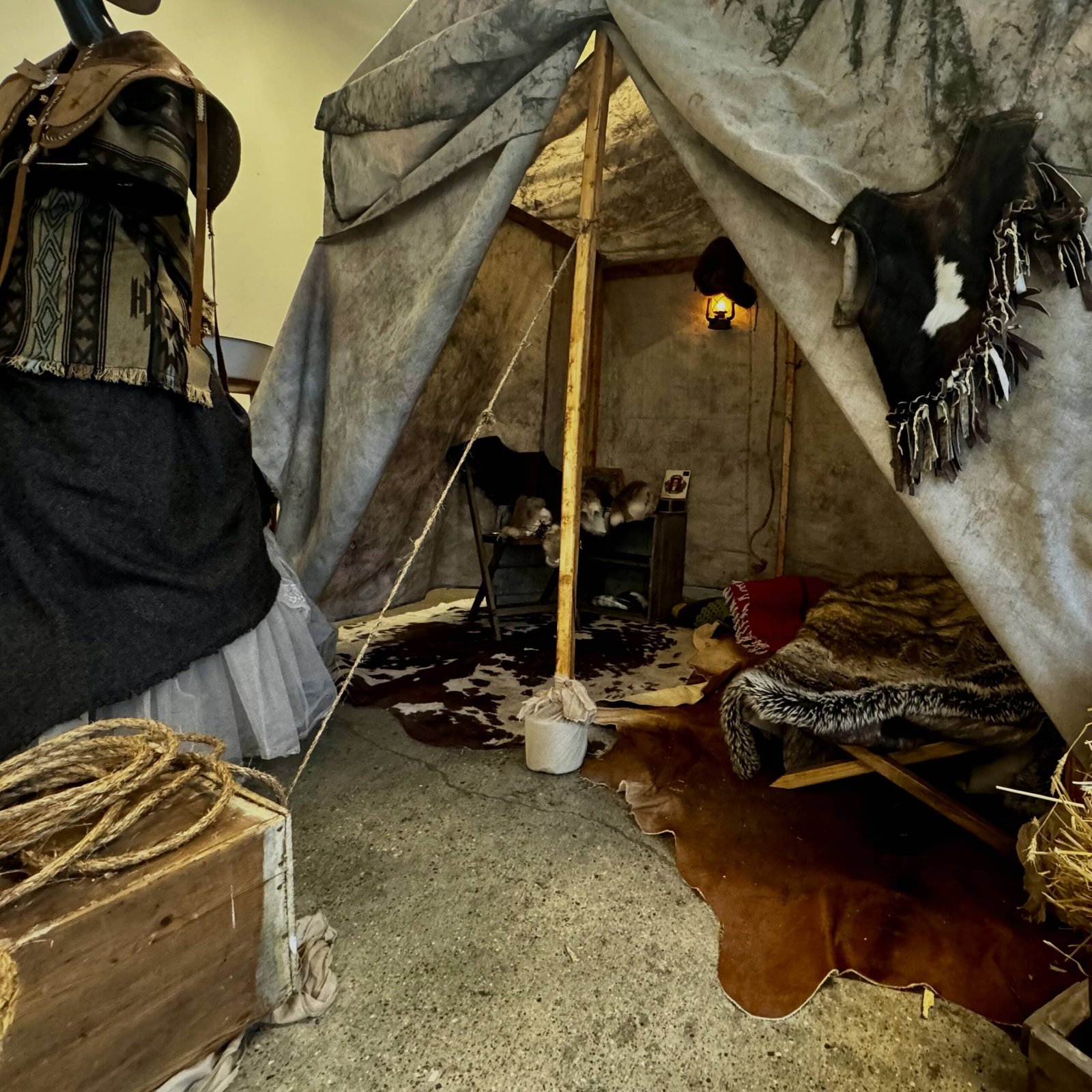
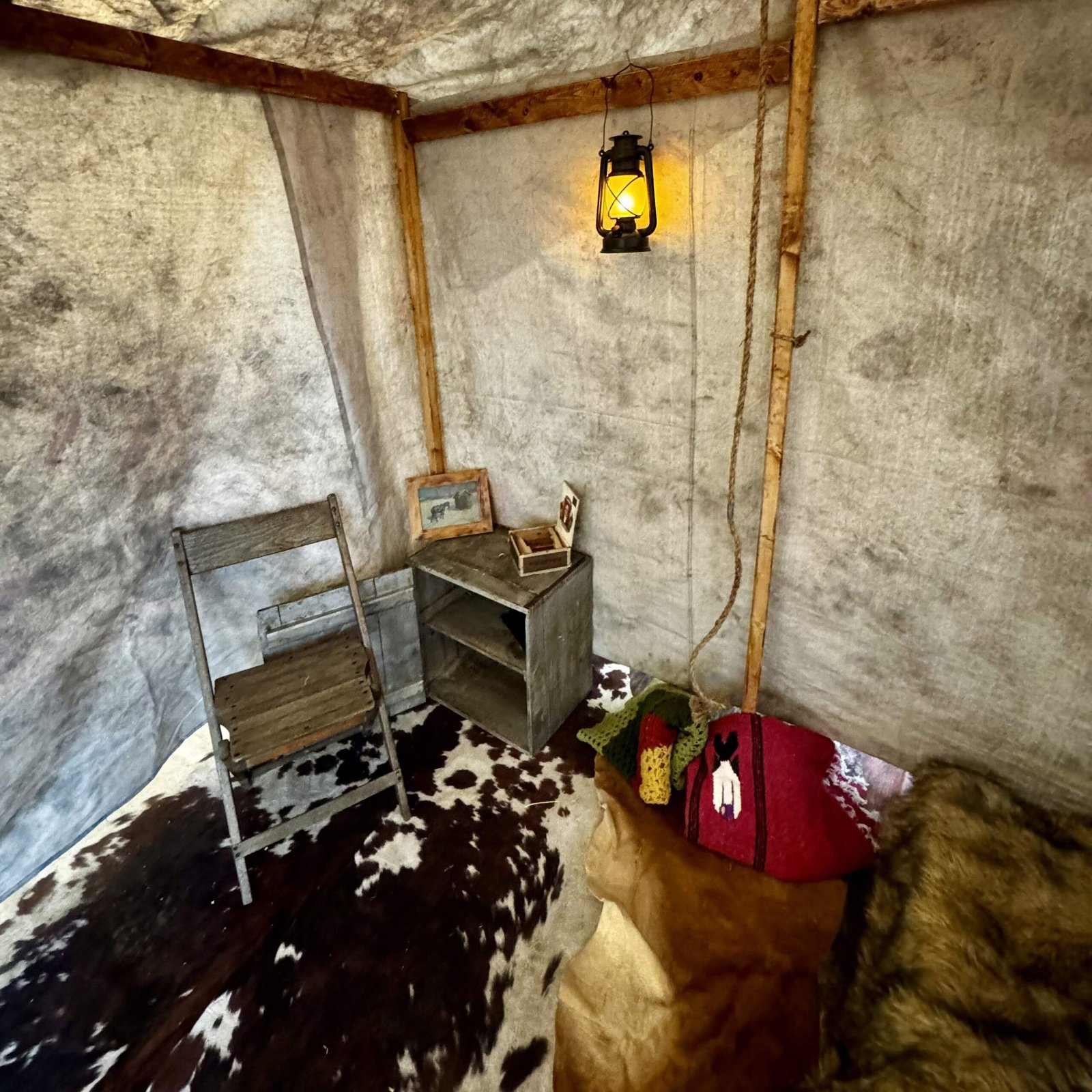
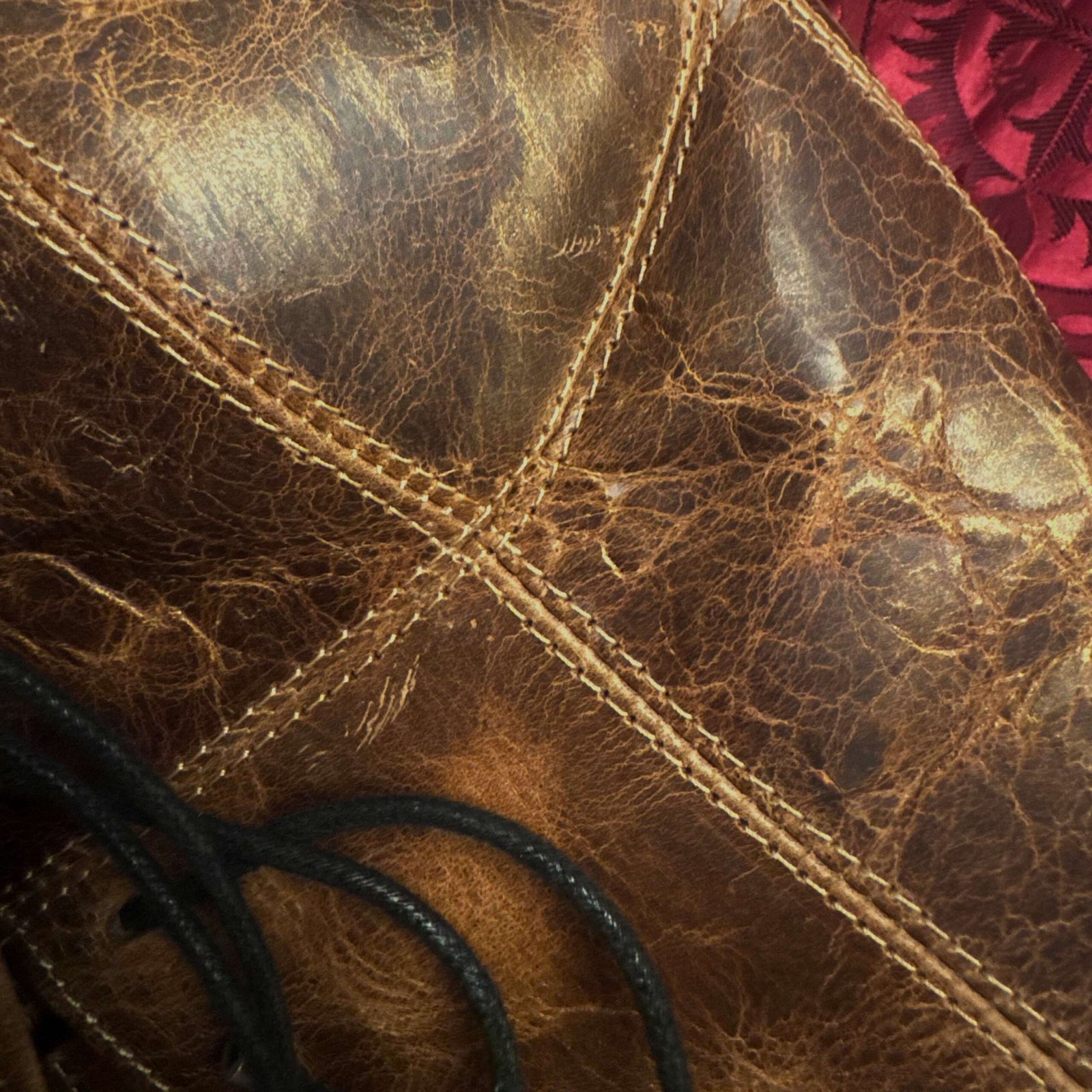
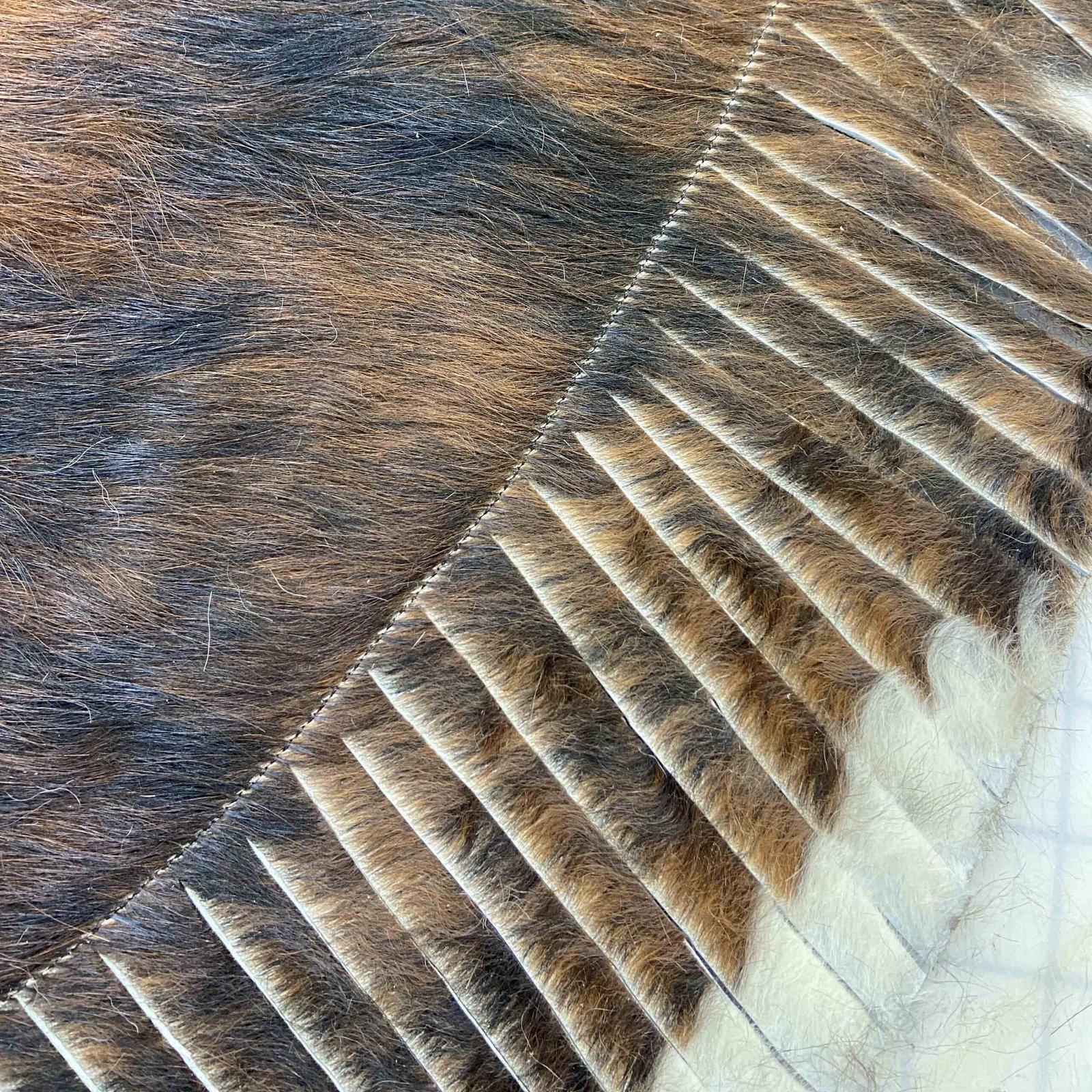
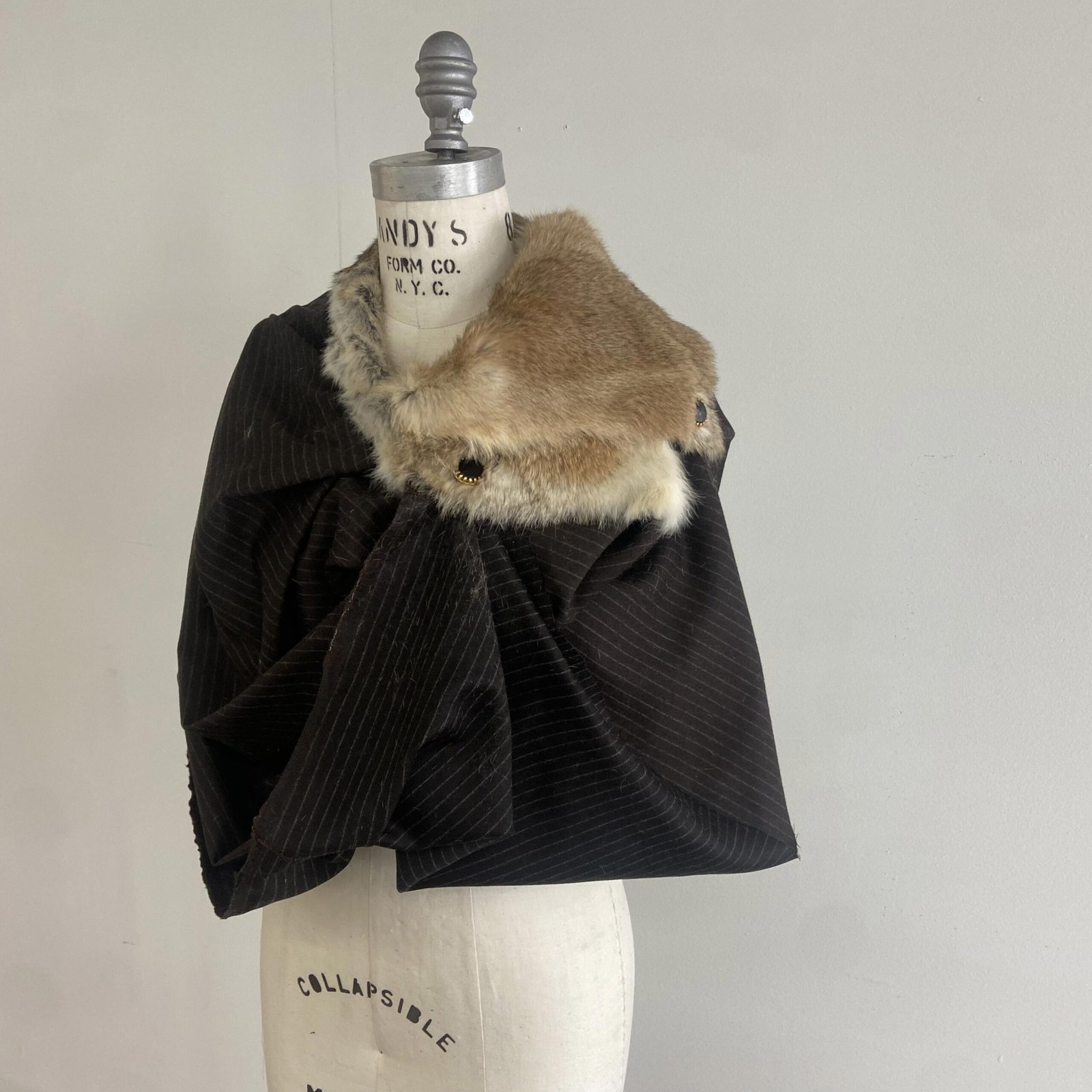
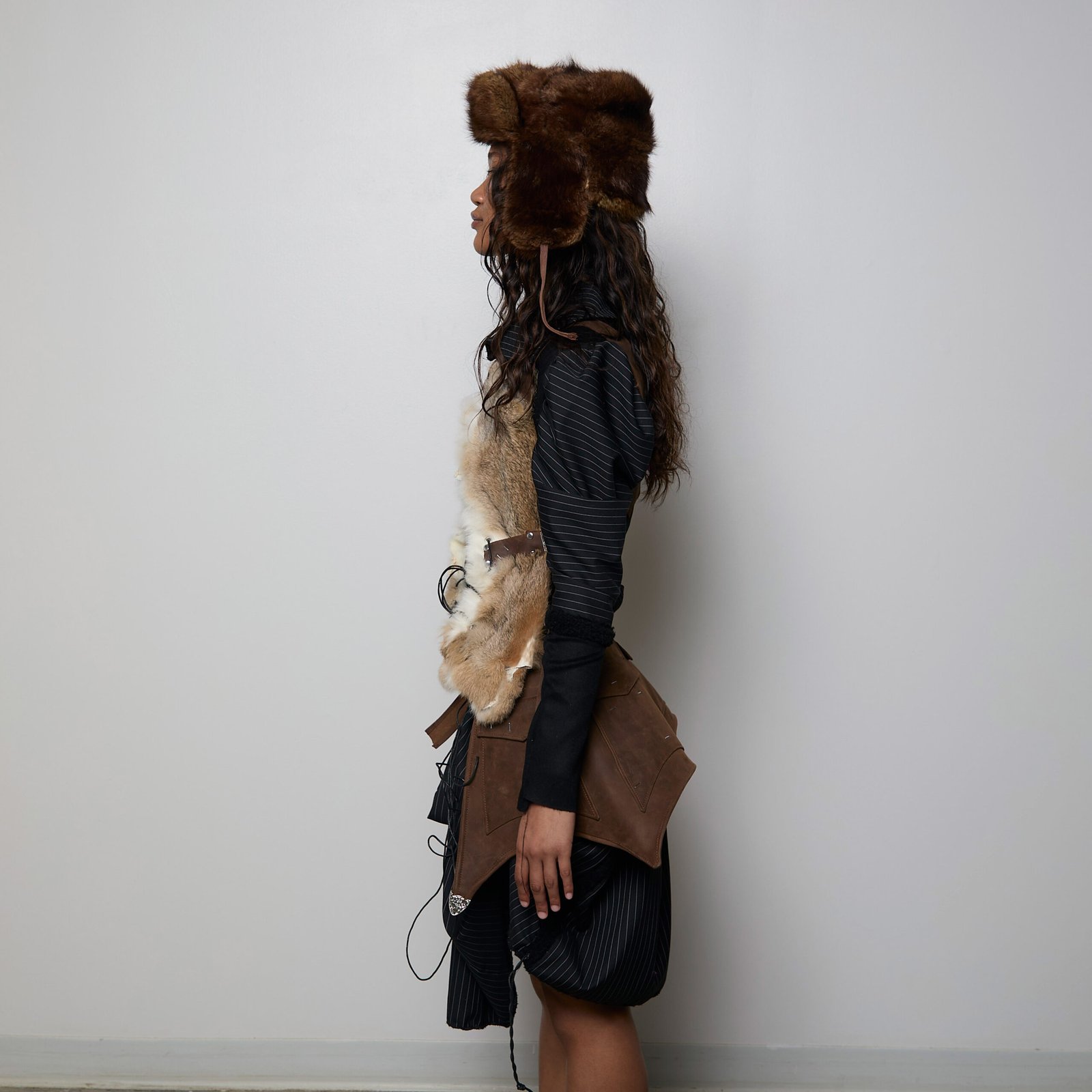
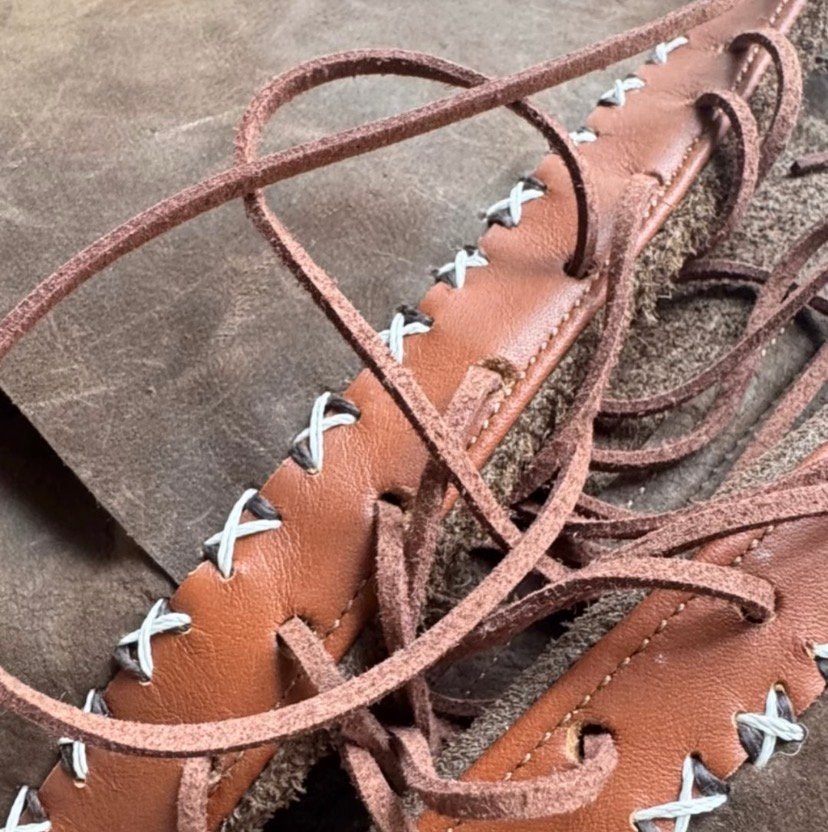
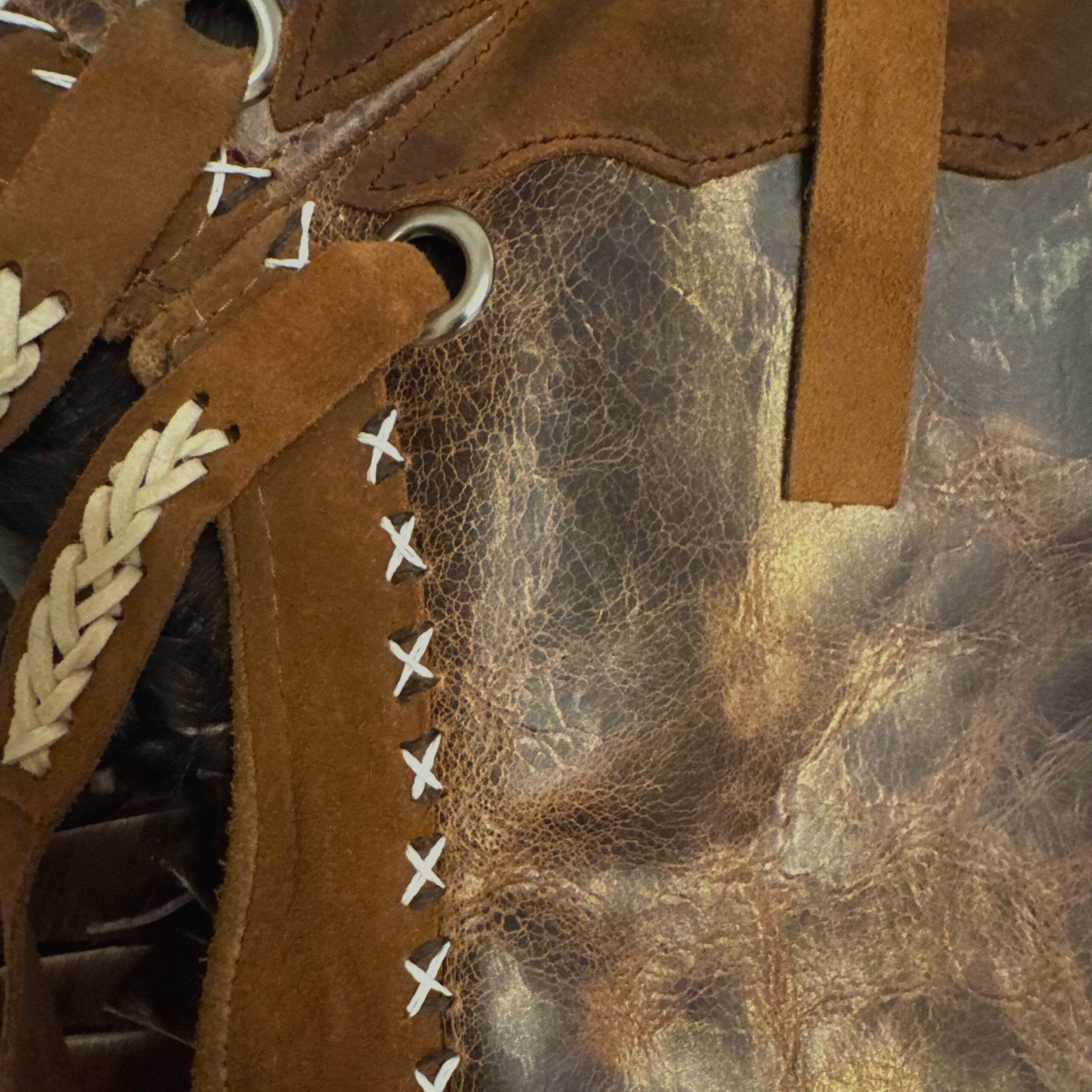
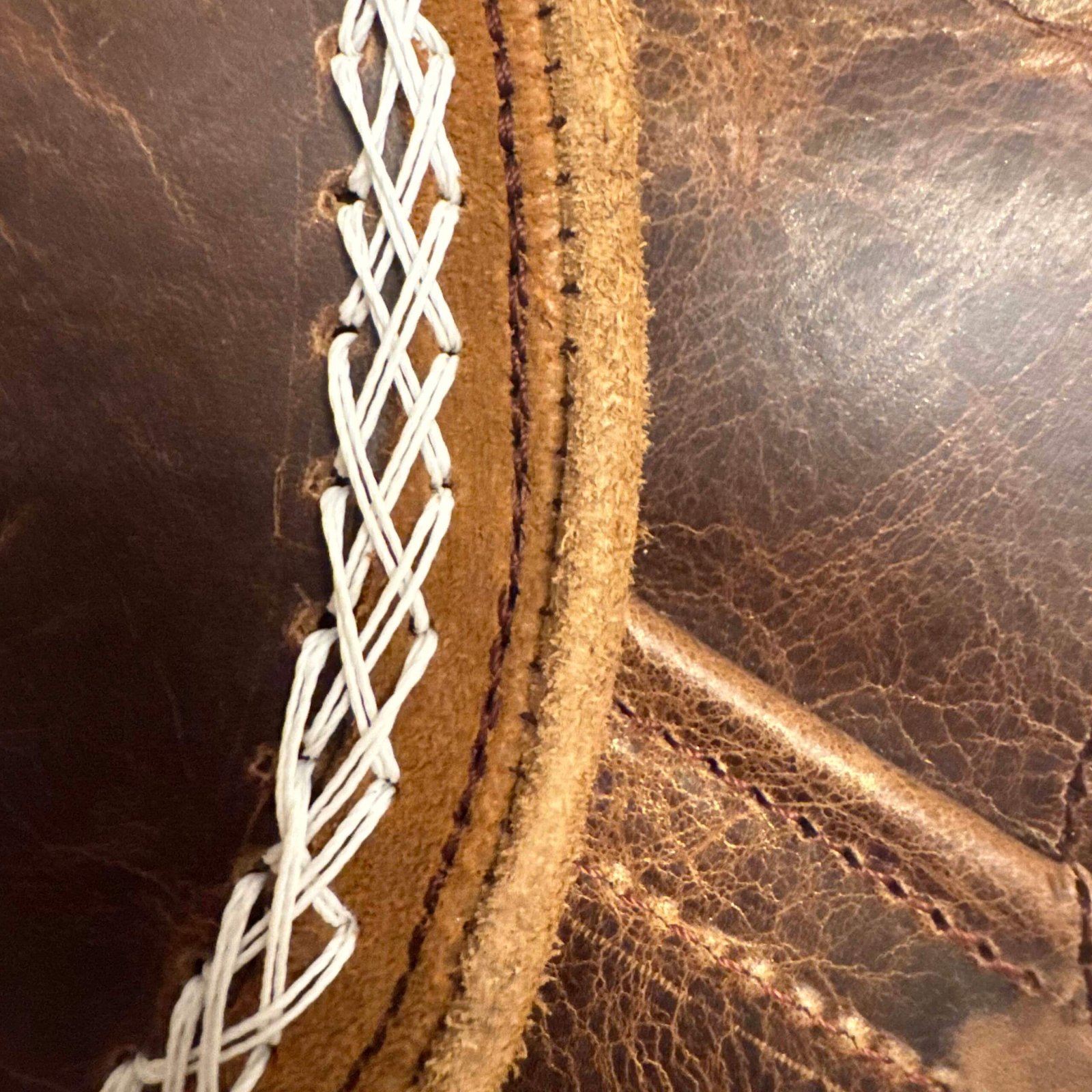
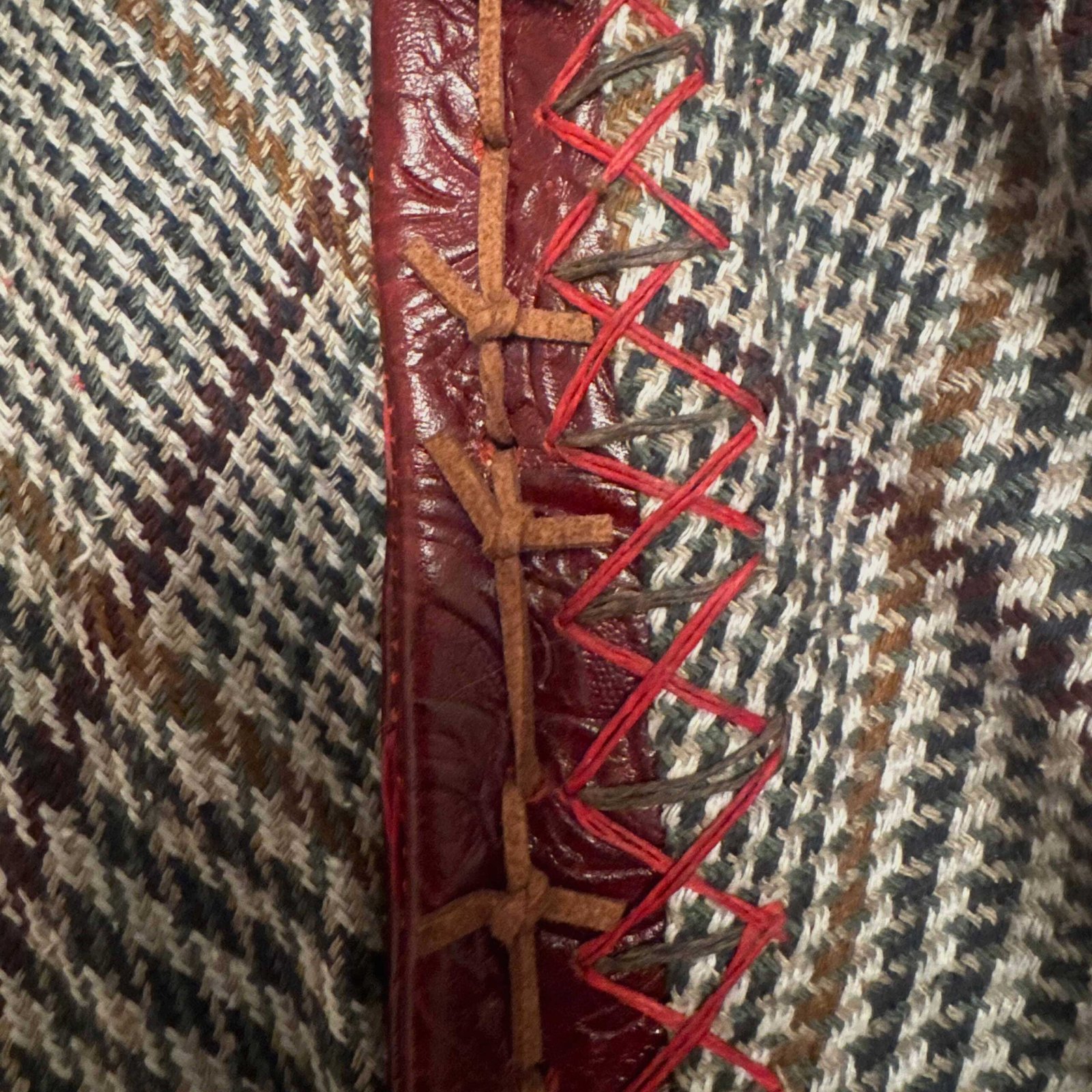
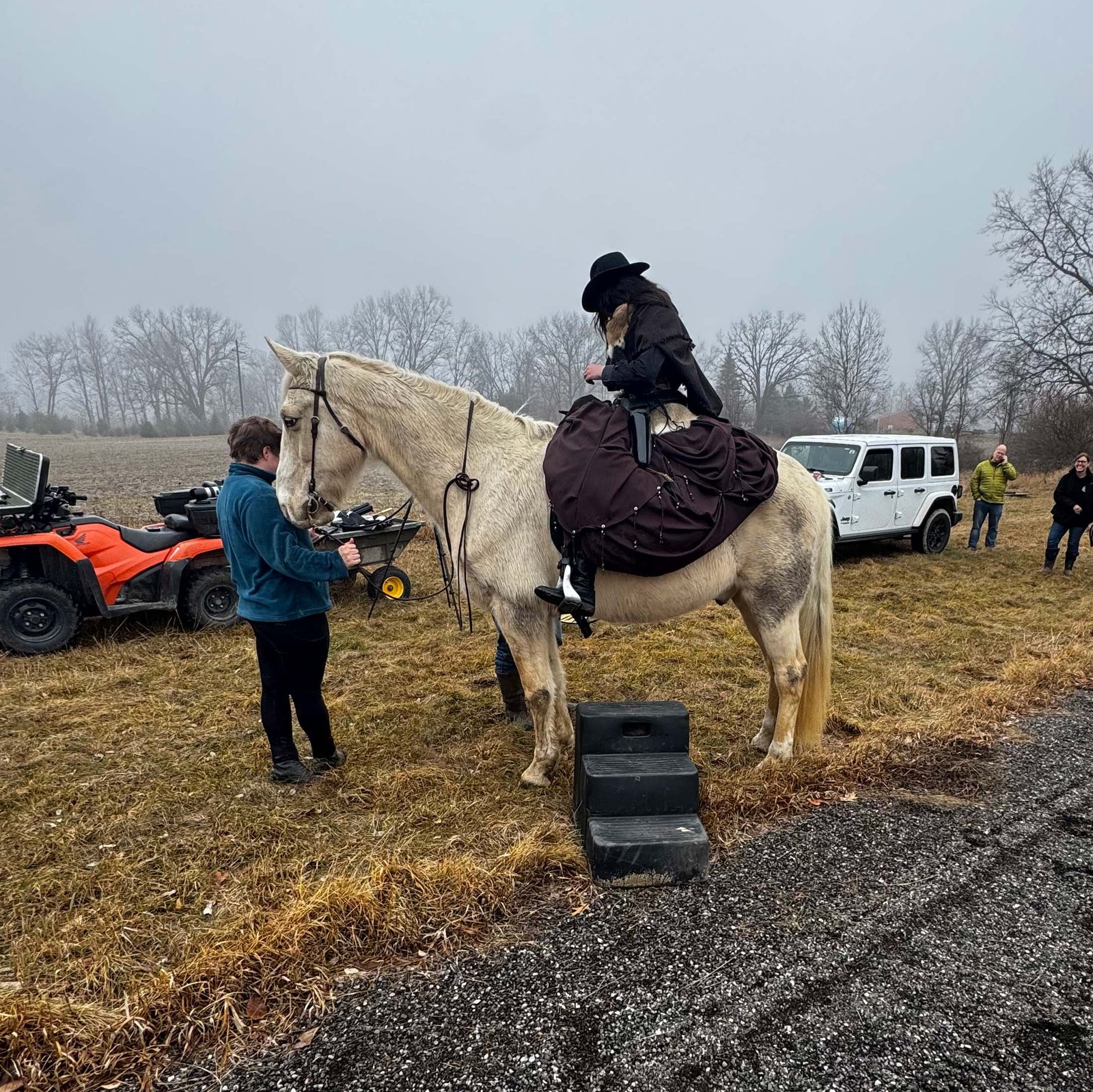
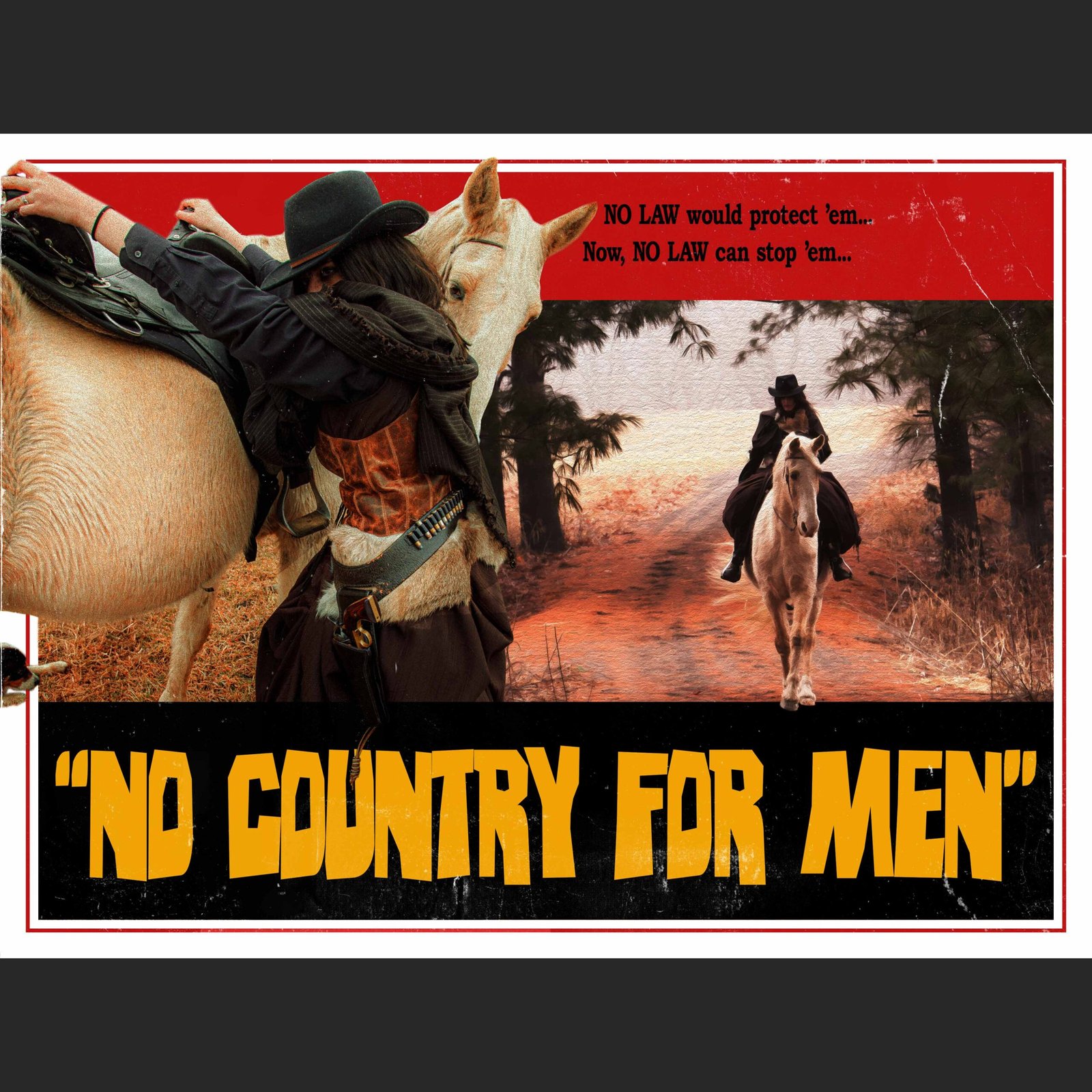
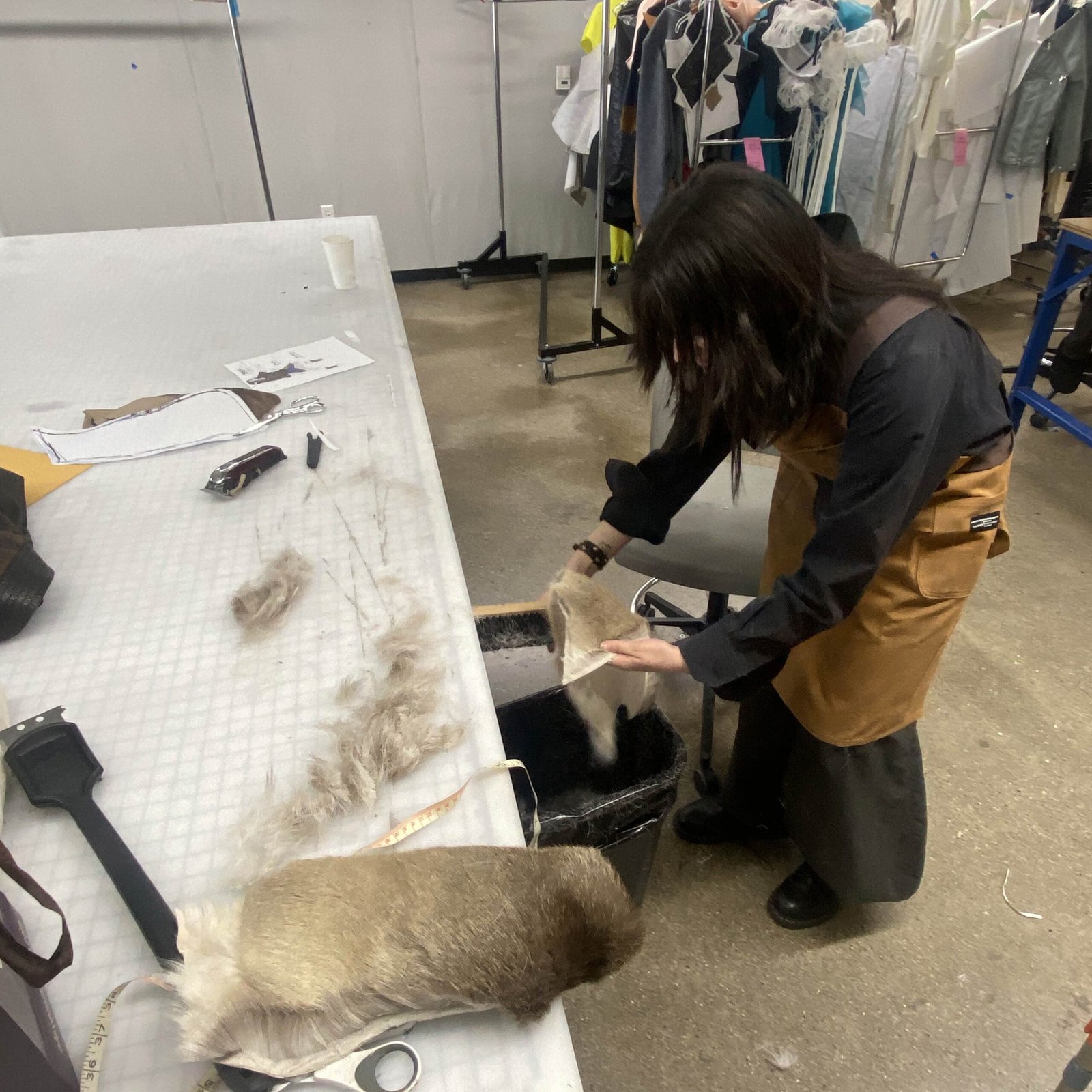
Isabella Abohasira’s work is rooted in narrative-driven world-building, using fashion as a vehicle to reframe historical and cultural archetypes through a contemporary lens. Her collection, No Country For Men, draws on Western cinema to imagine the frontier as a space reclaimed by women. Set in the late 1800s, it follows a posse of outlaw women forging autonomy on their own terms. Silhouettes reference saddlery, traditional menswear, drapery, and late Victorian dress. Materials remain grounded in the period – wools, denim, fur-on cowhide, embossed and vegetable-tanned leathers, alongside rabbit and reindeer fur, while the construction introduces a more contemporary edge.

As she enters the industry, Abohasira is both critical and cautiously optimistic. She points to the persistent male dominance underpinning fashion’s canon, despite its outward focus on womenswear, as a structural imbalance that continues to shape opportunity. At the same time, she can see a broader shift toward healthier, less toxic working environments.


@i.just.isabella

Griffin Mesner

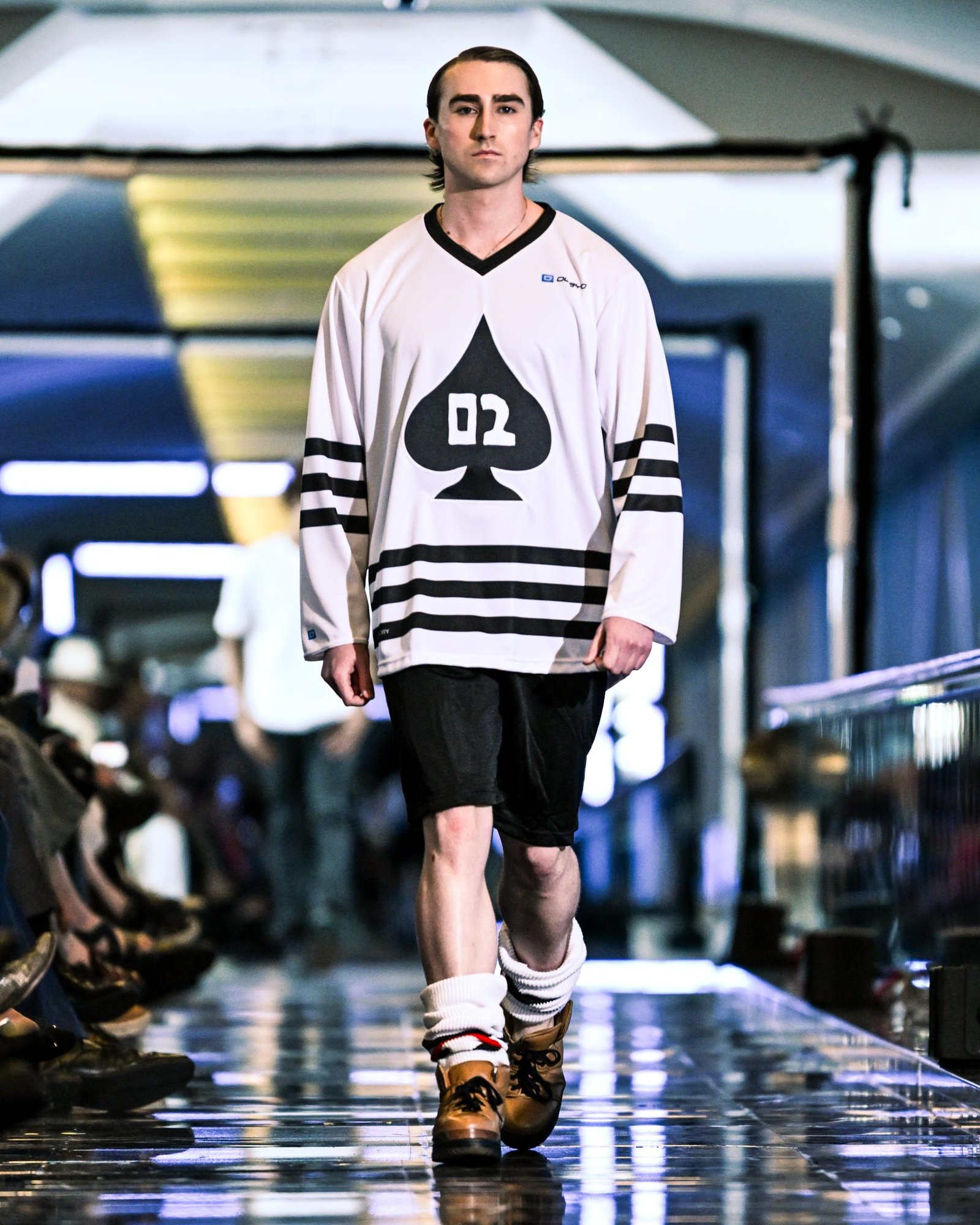
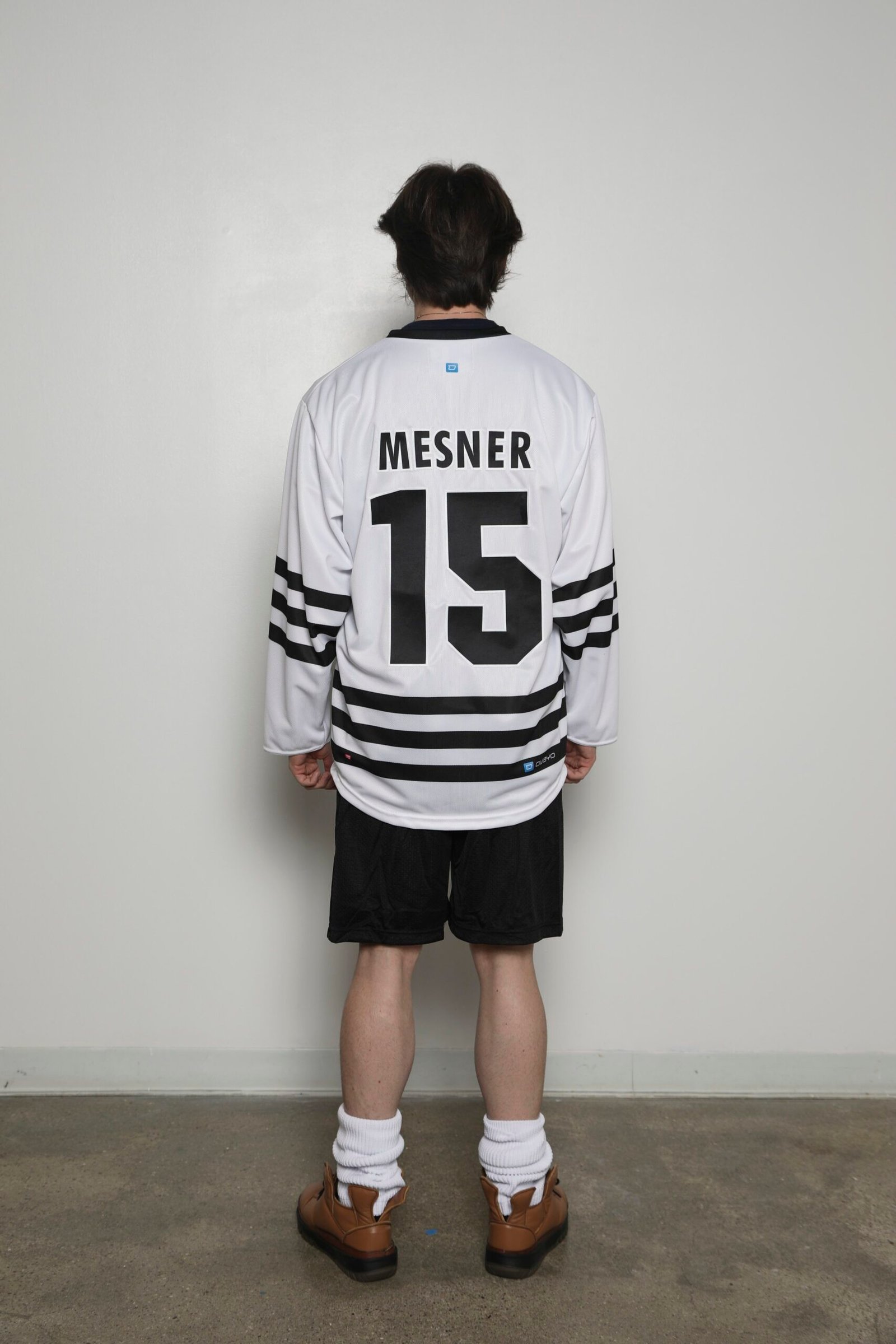
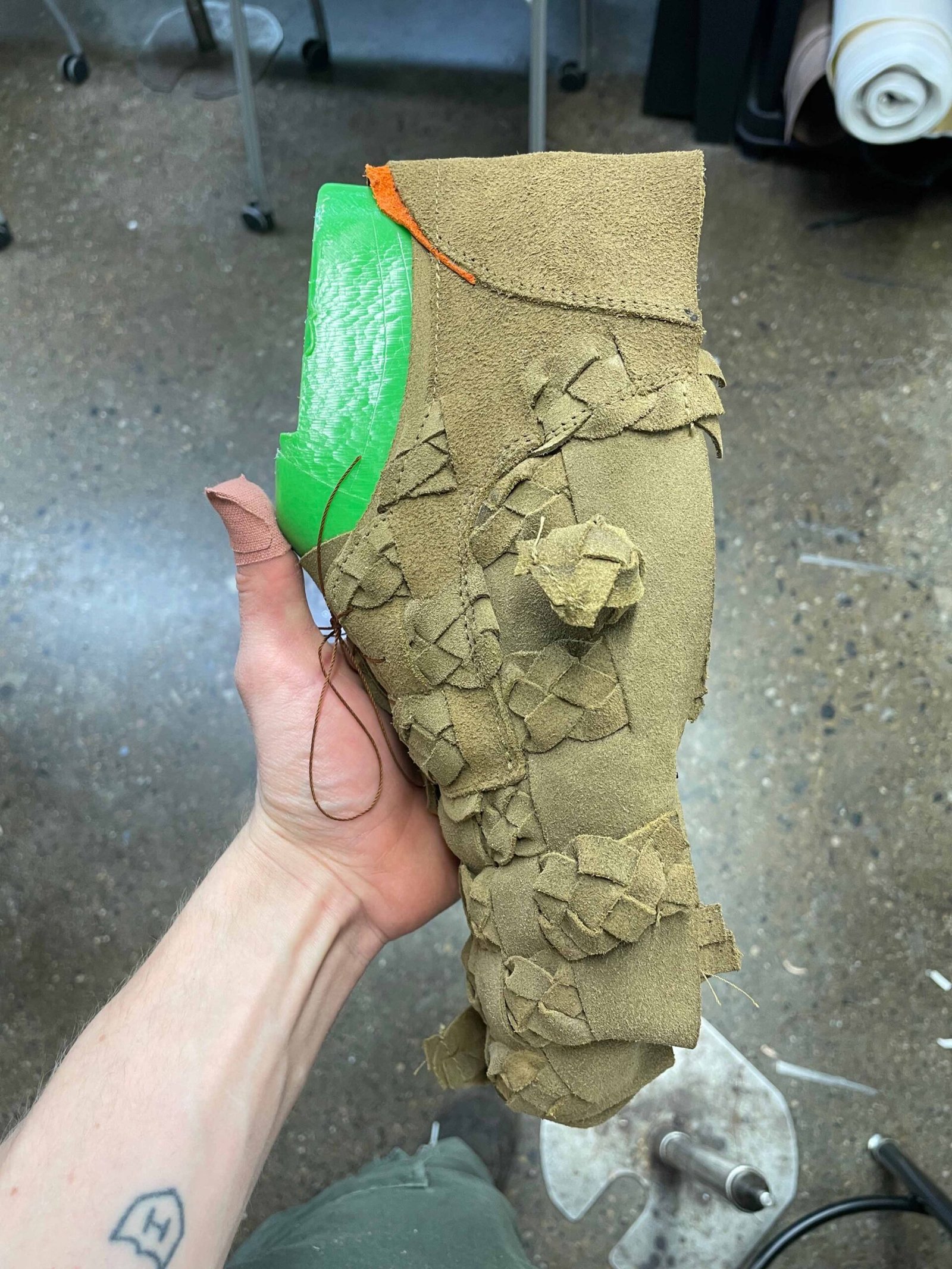
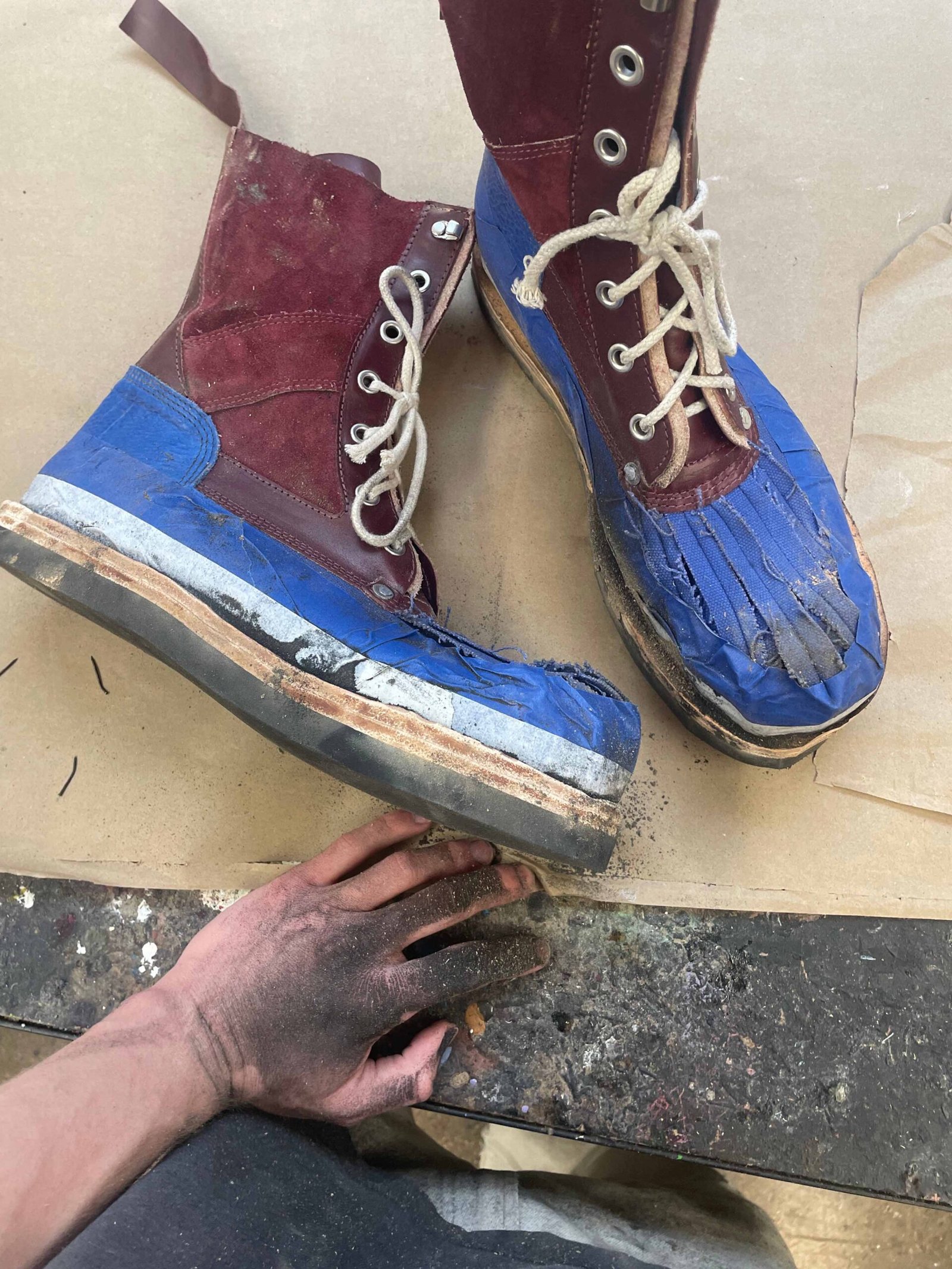
Griffin Mesner’s graduate collection, Mesner, is inspired by his family, hockey, and growing up in Michigan. As he enters the industry, Mesner is drawn to shoemaking and the craftsmanship involved in it. It is an area he would like to be part of more deeply. At the same time, he is still figuring out exactly what he wants to do and where his place in the industry might be.

Falina Denee

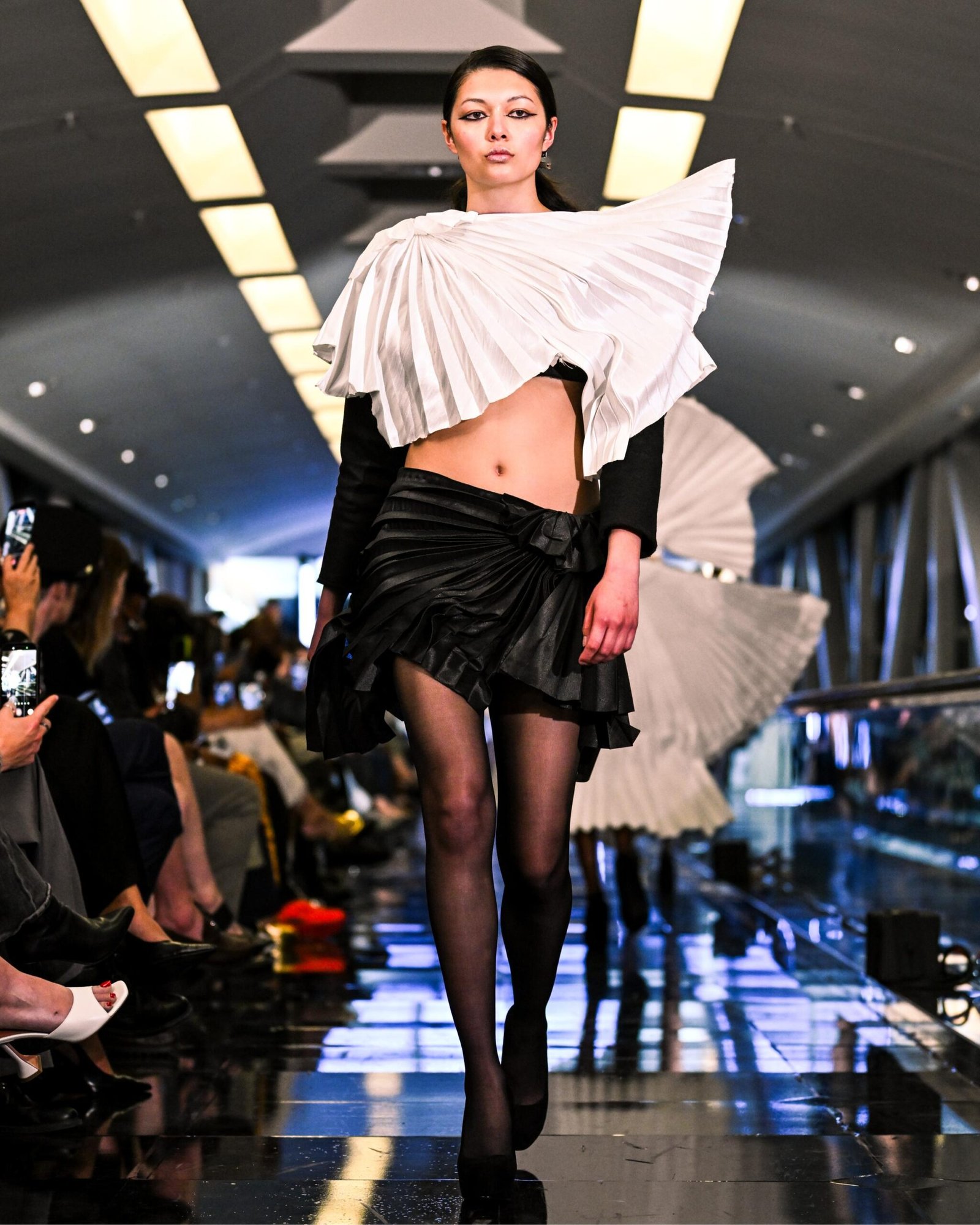
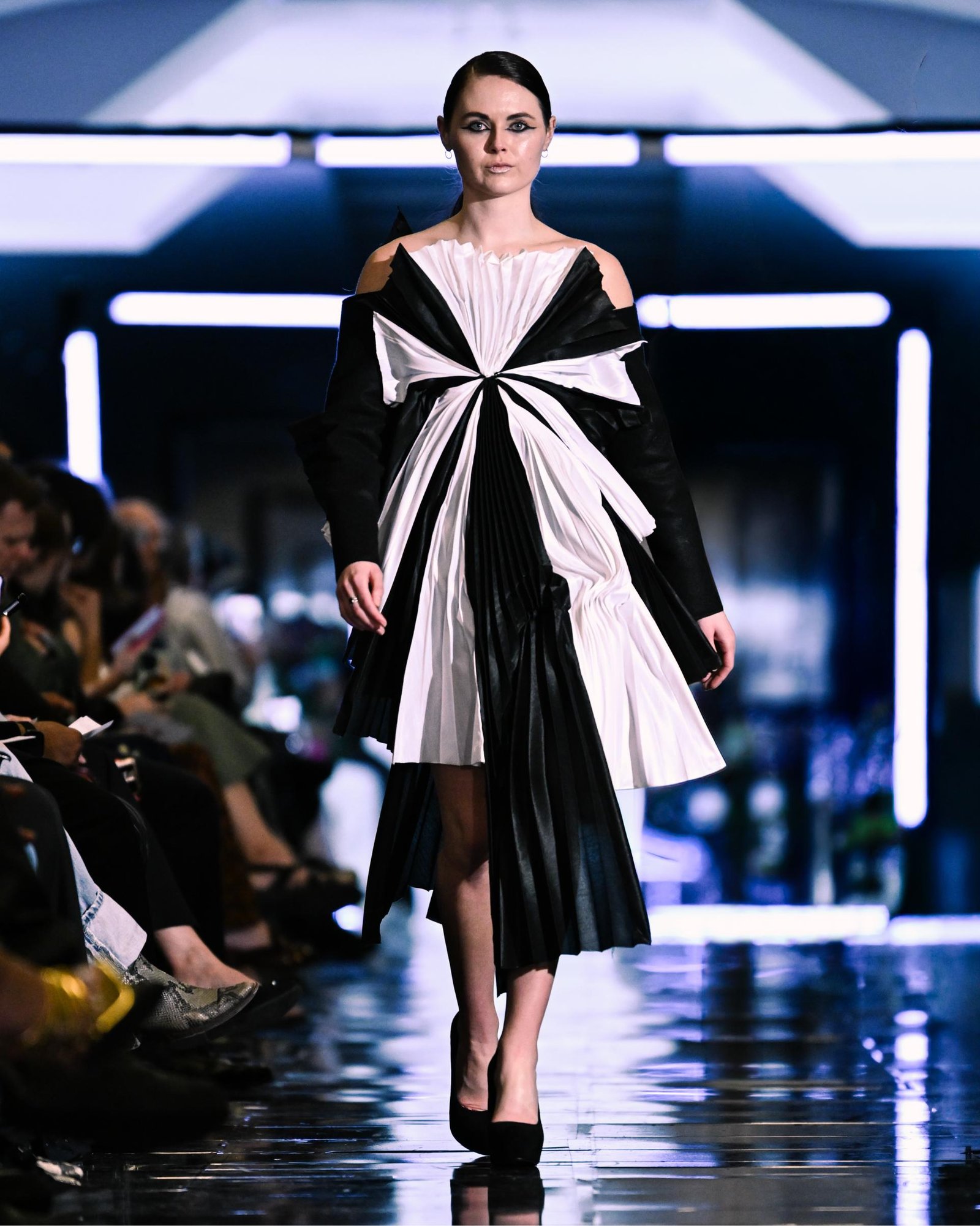
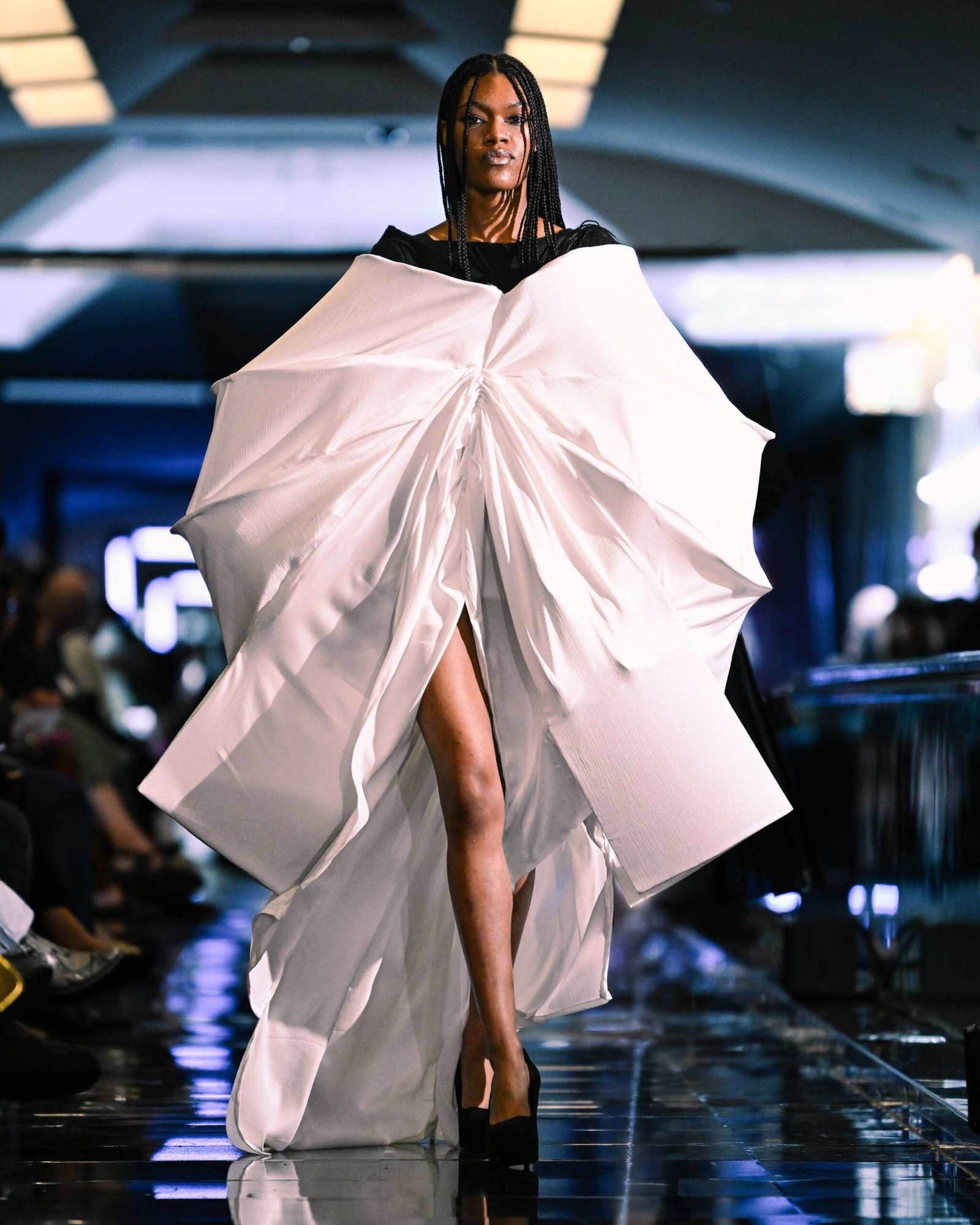
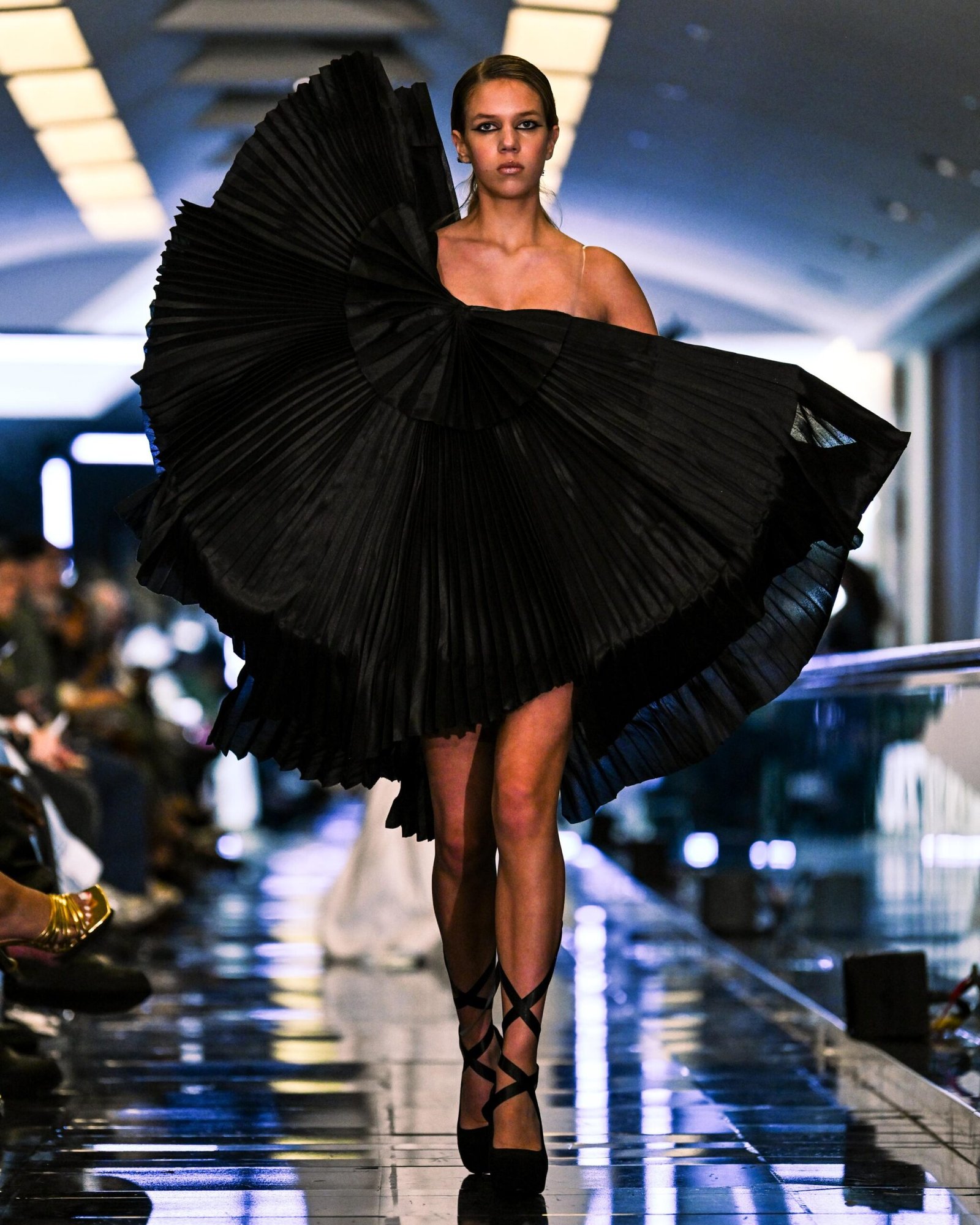
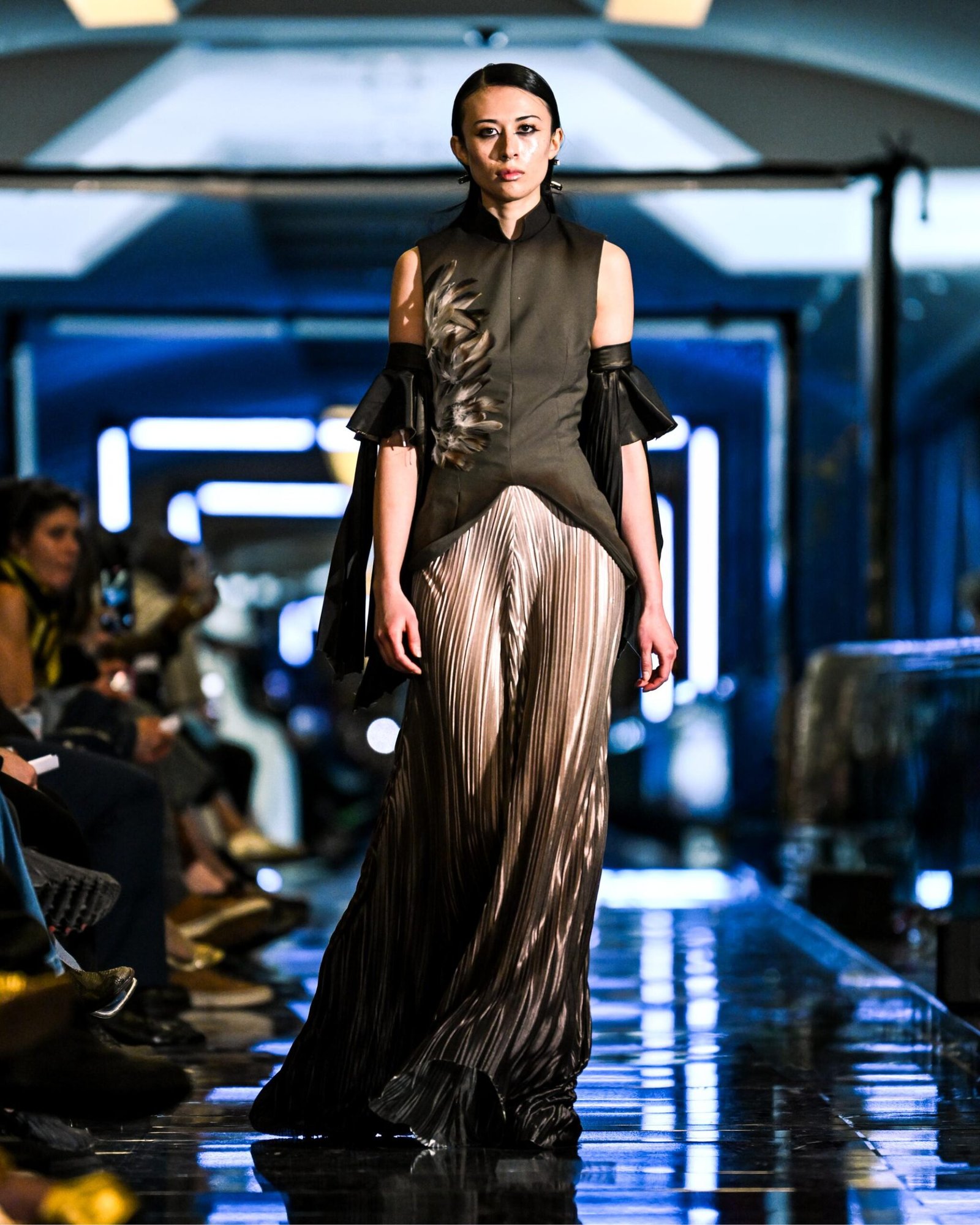
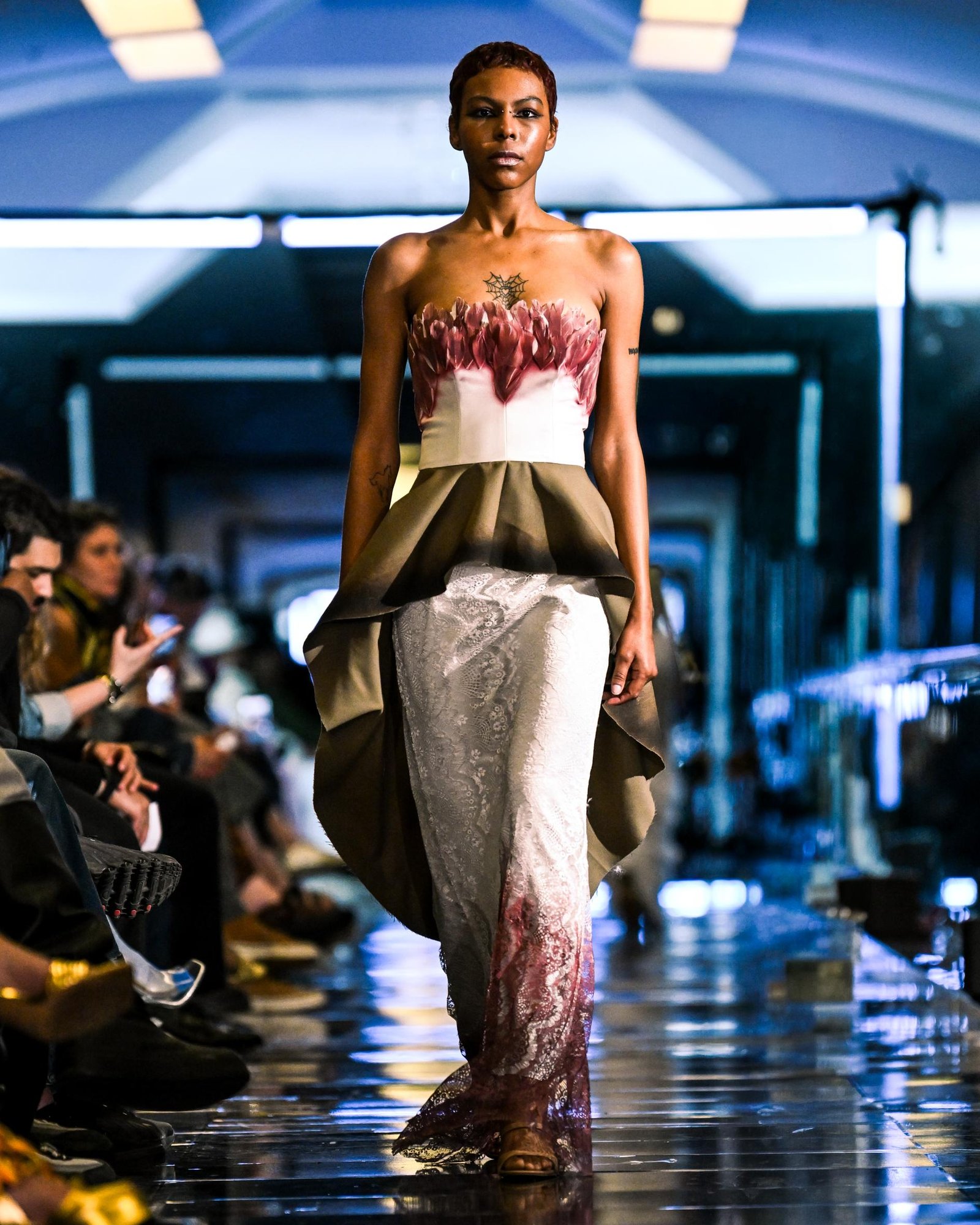
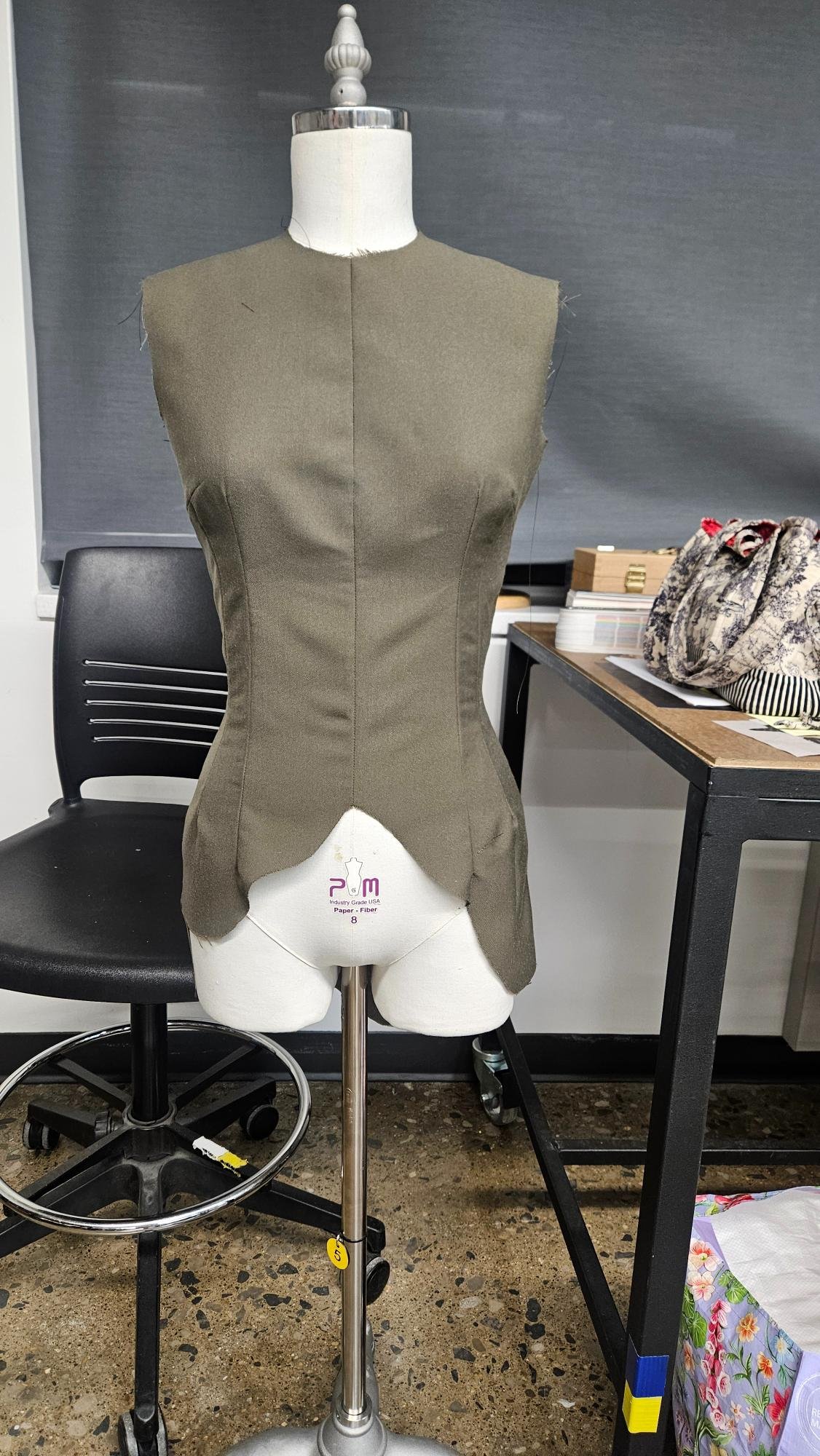
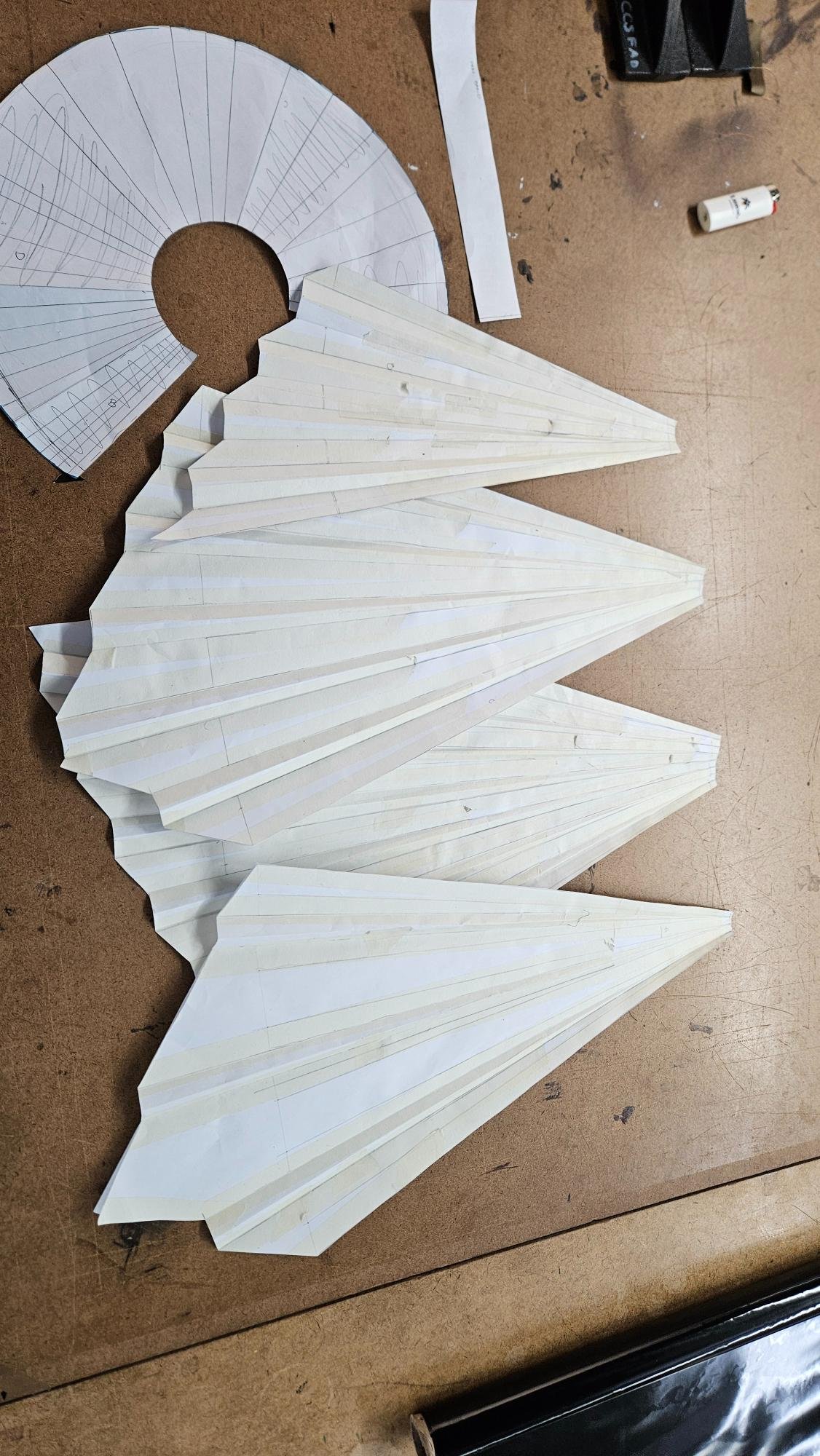
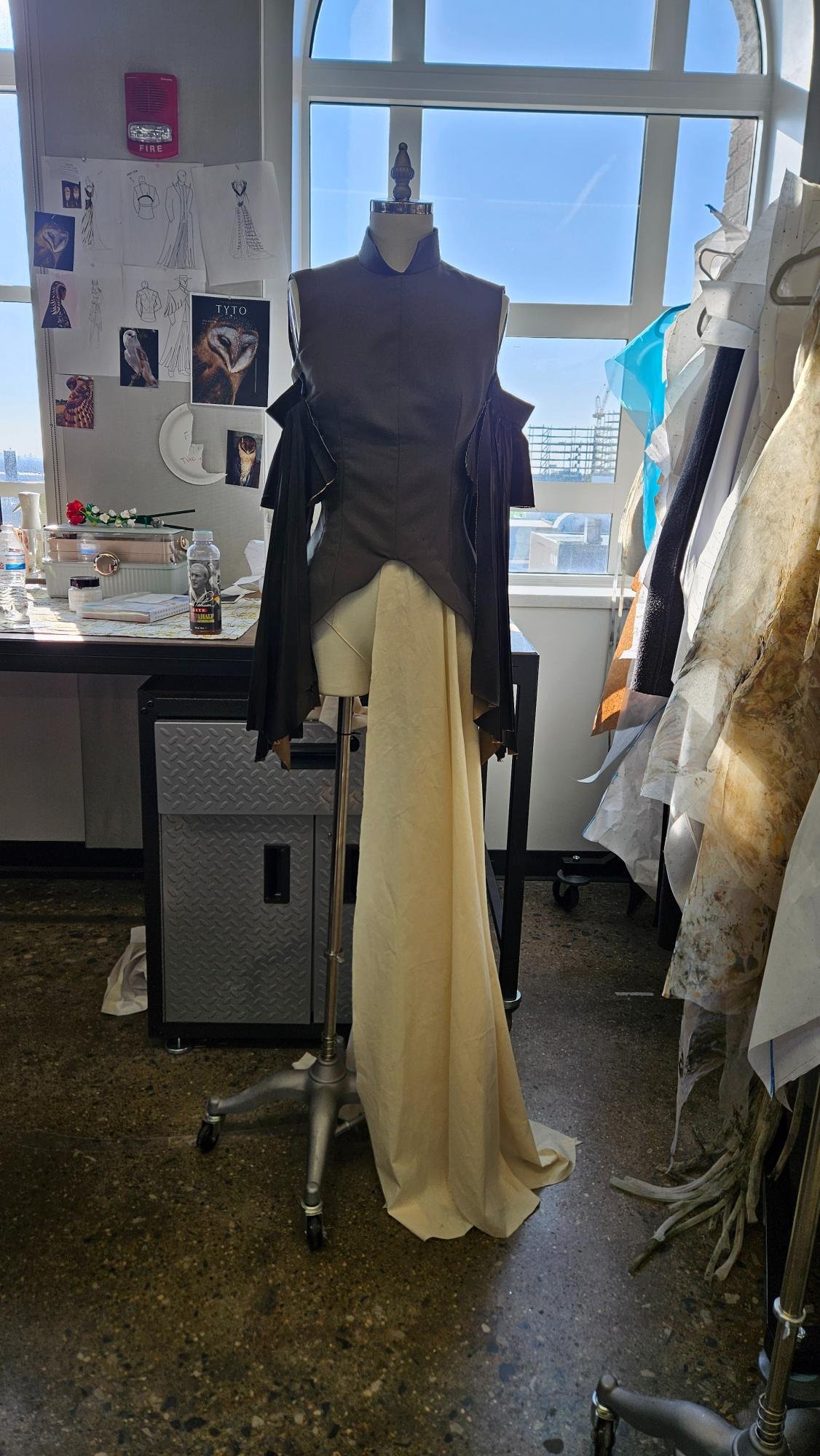
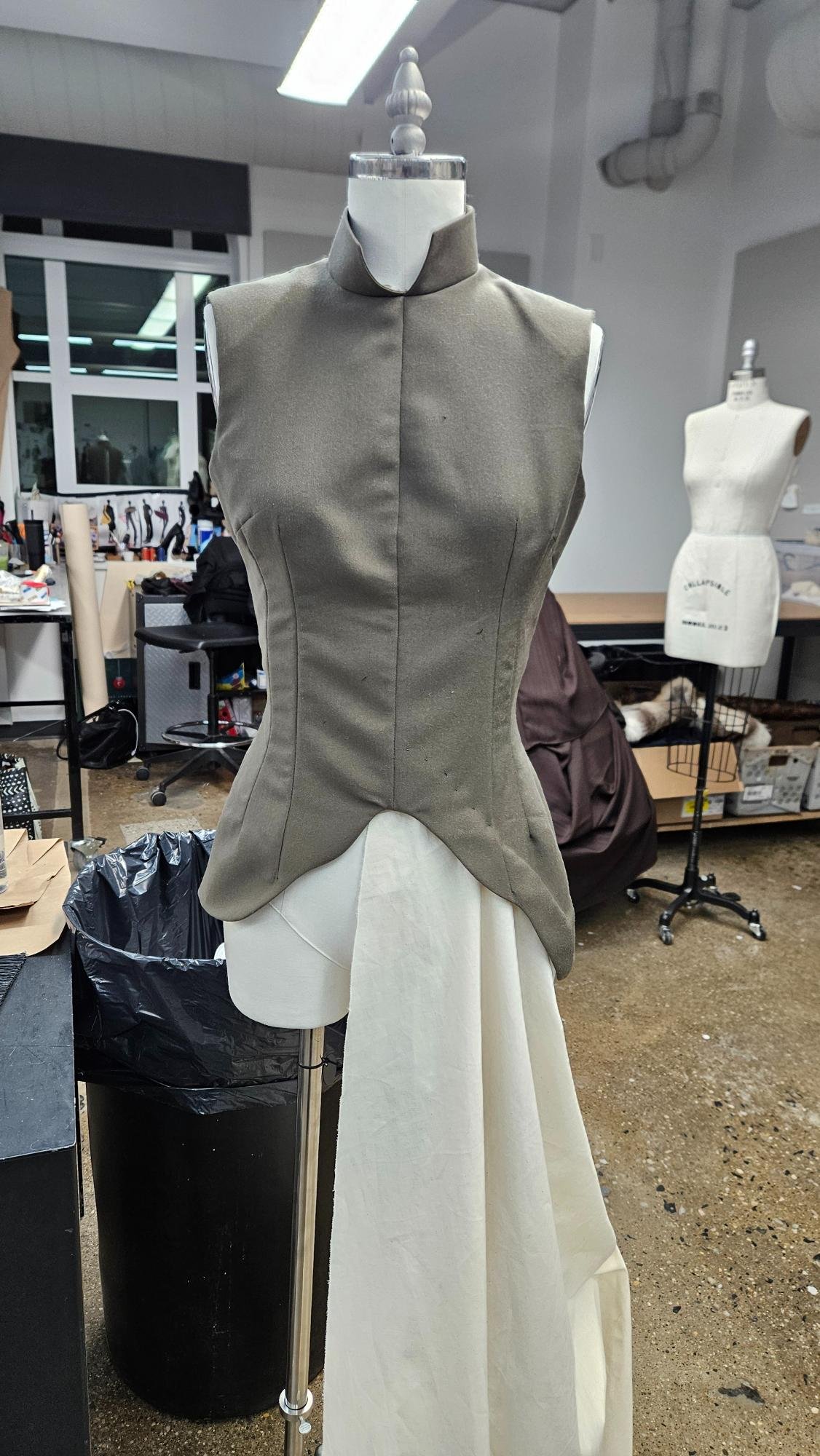
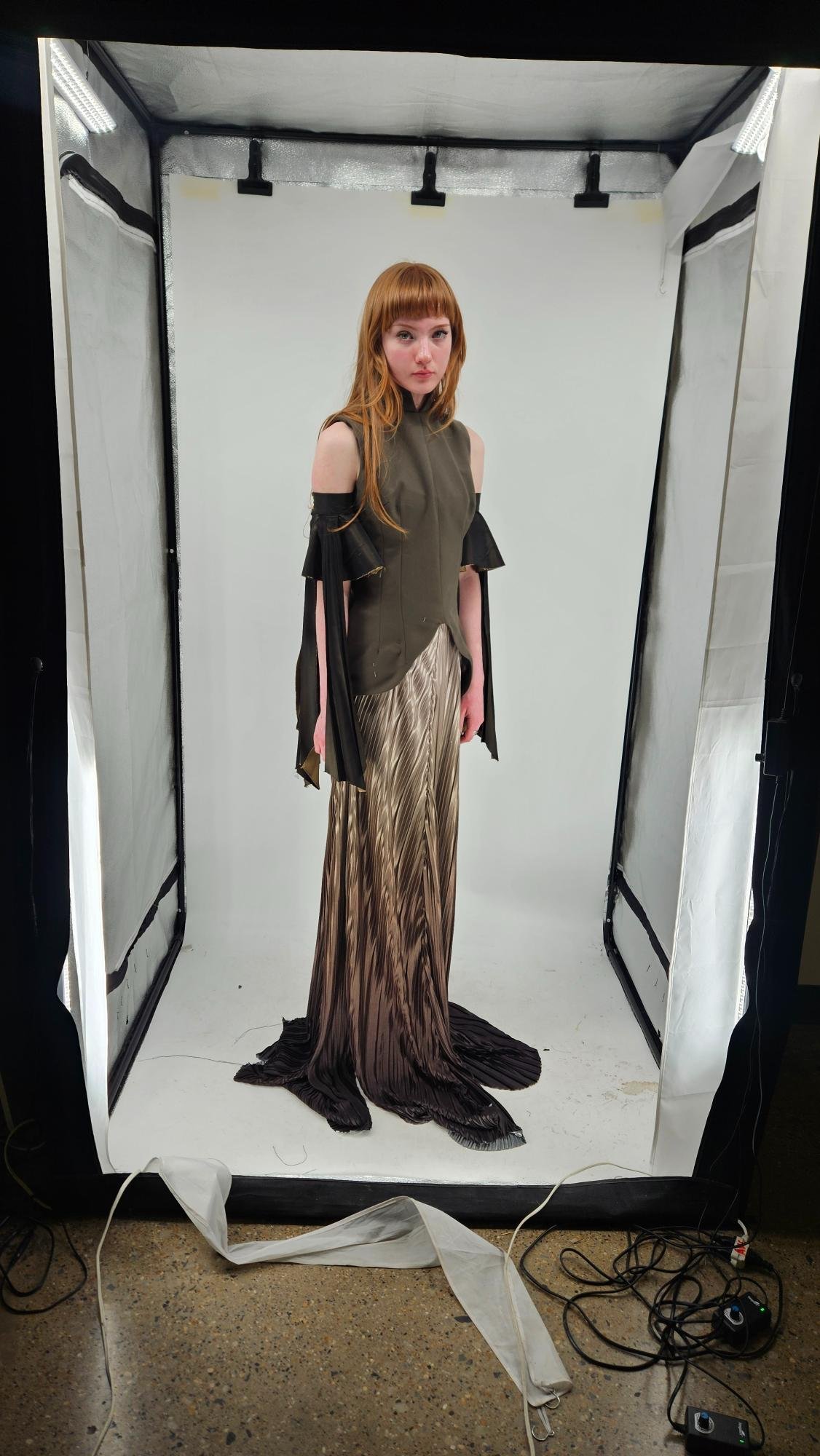
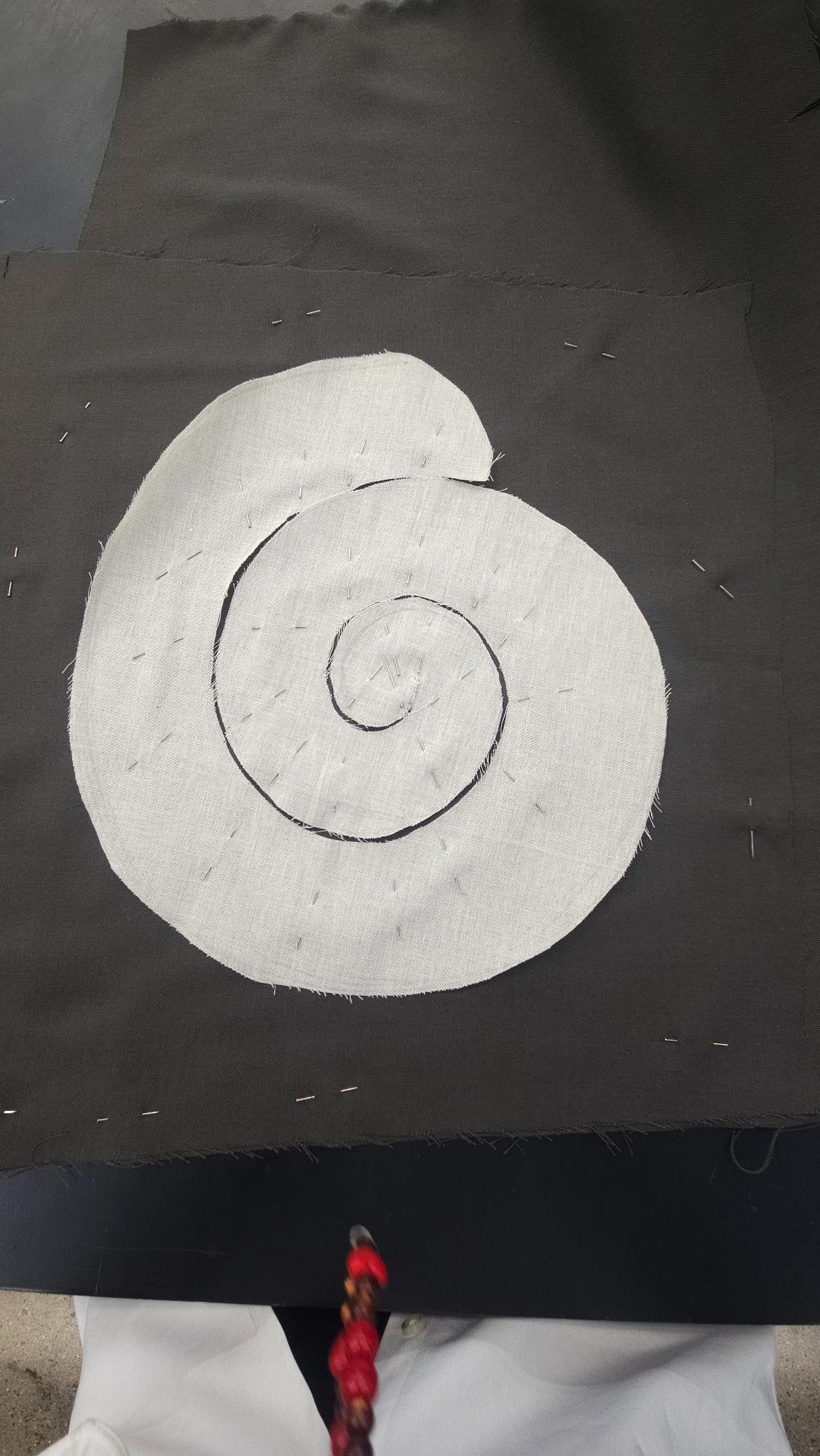
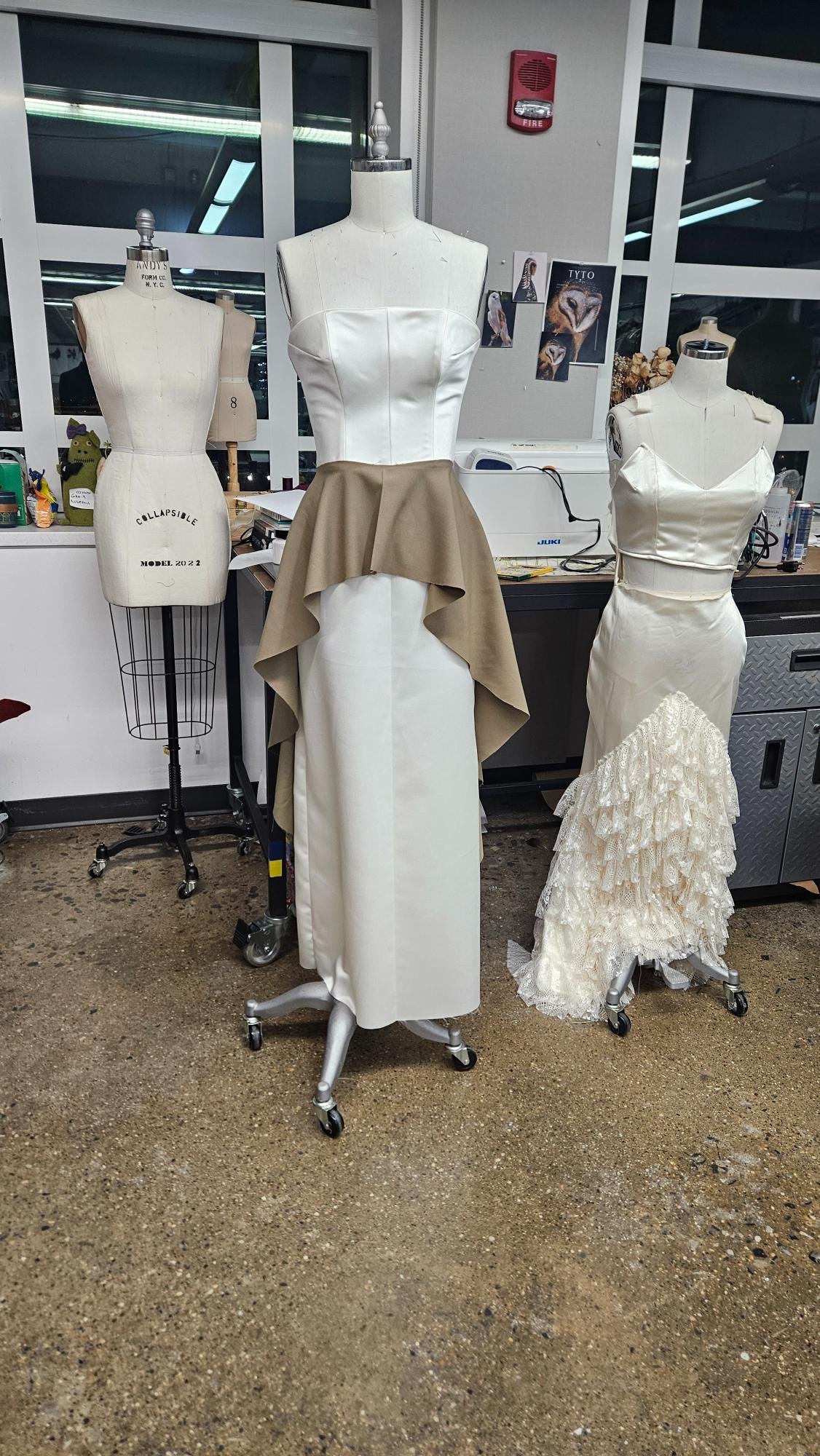
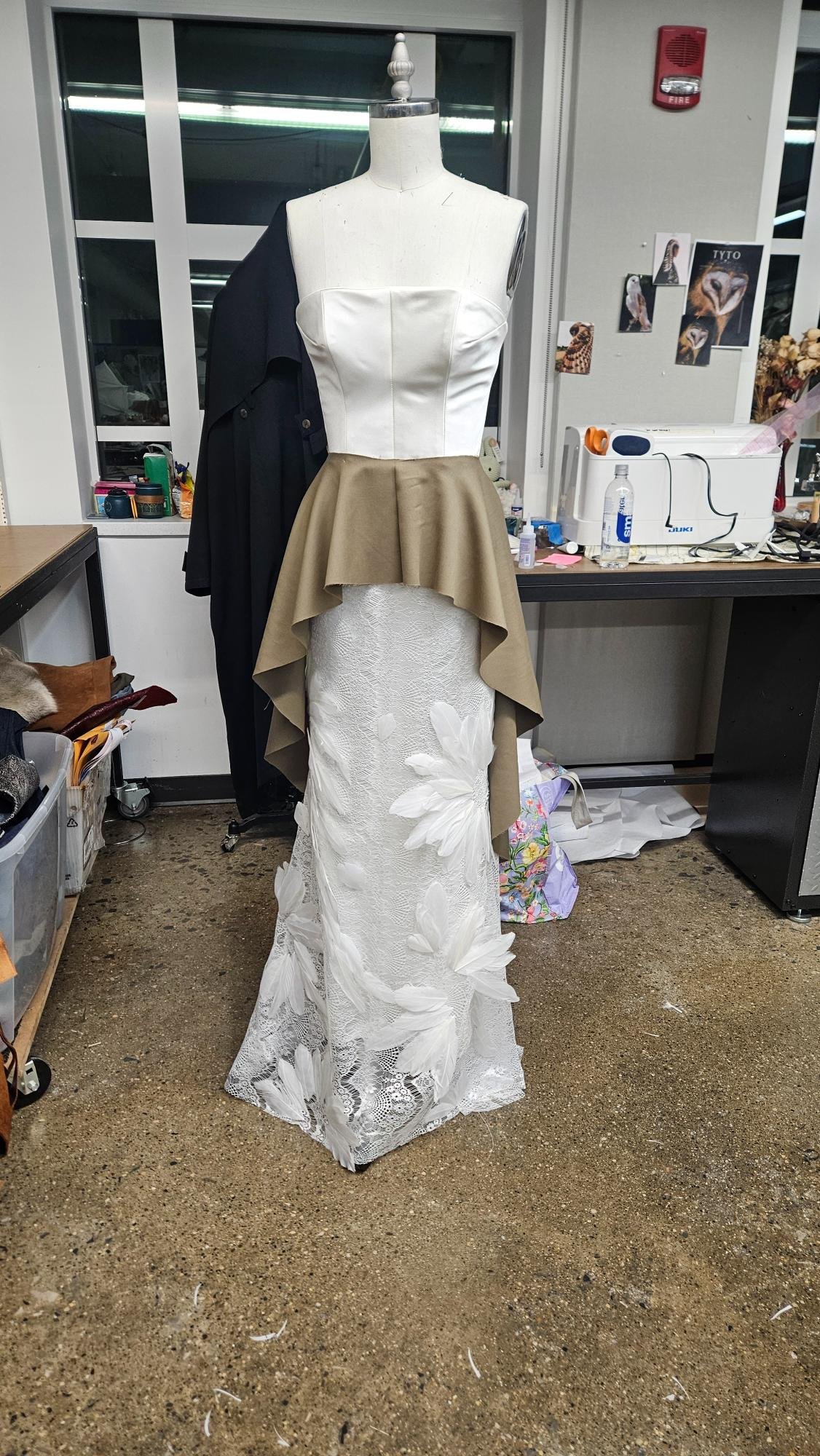
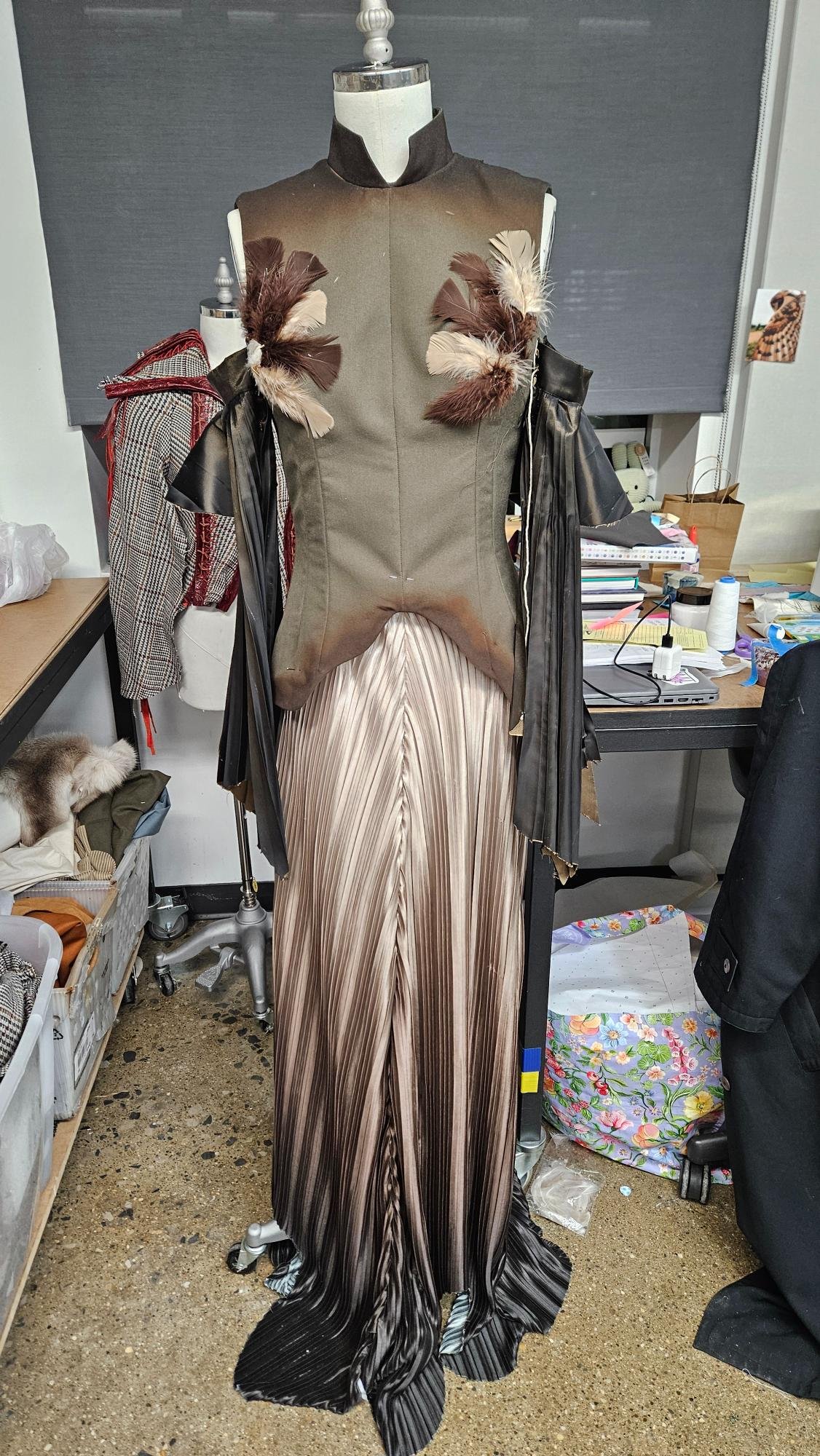
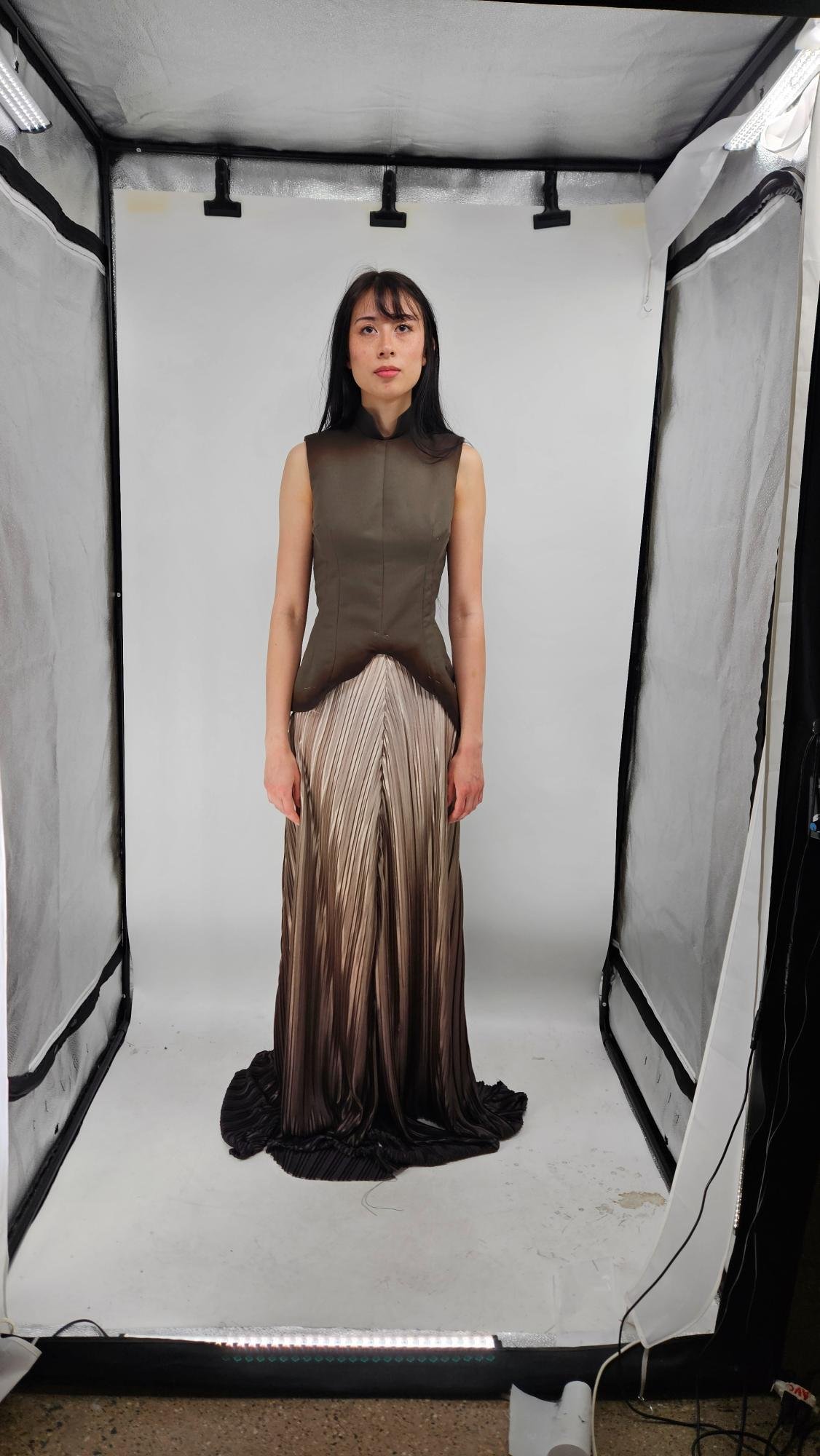
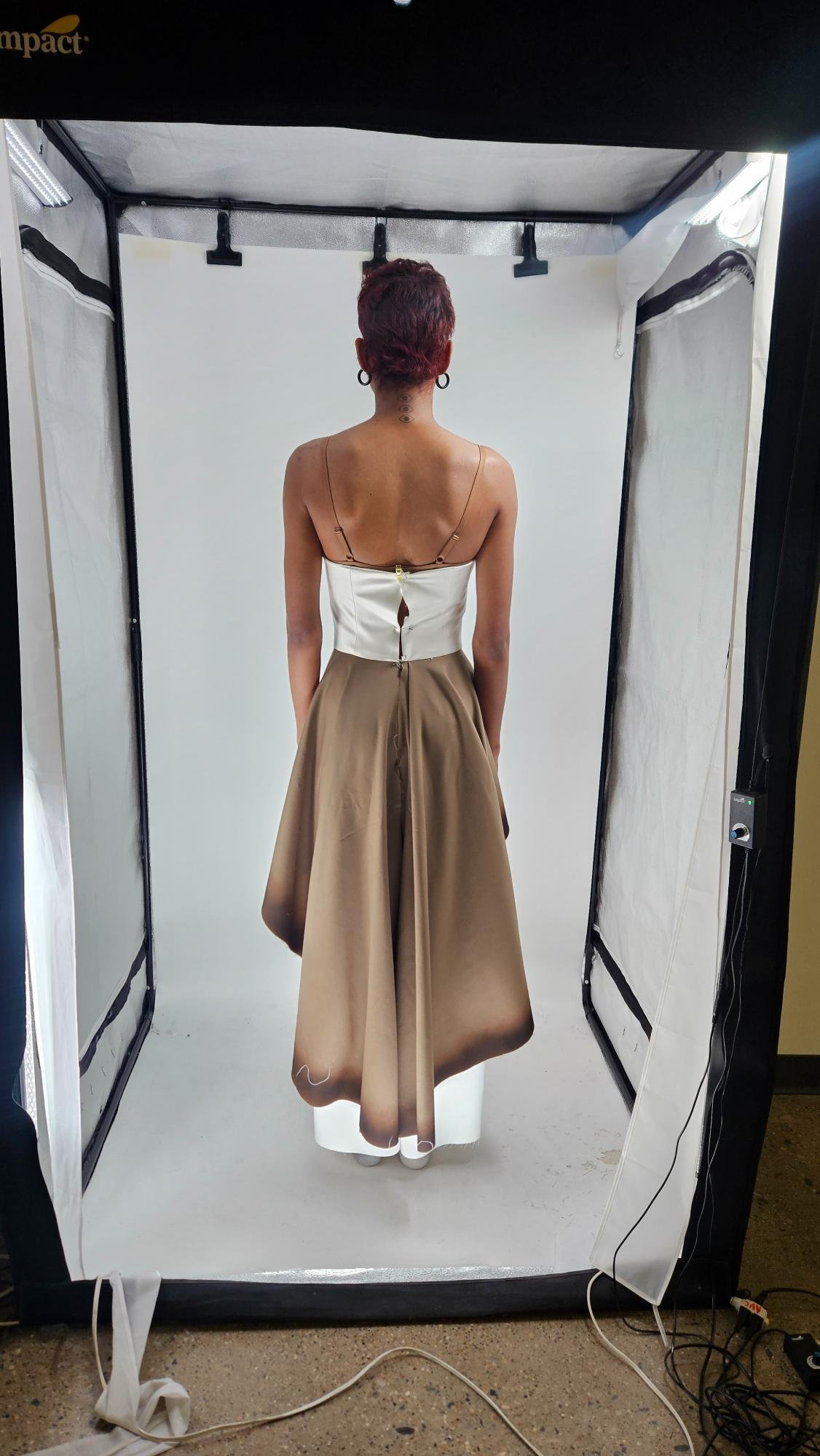
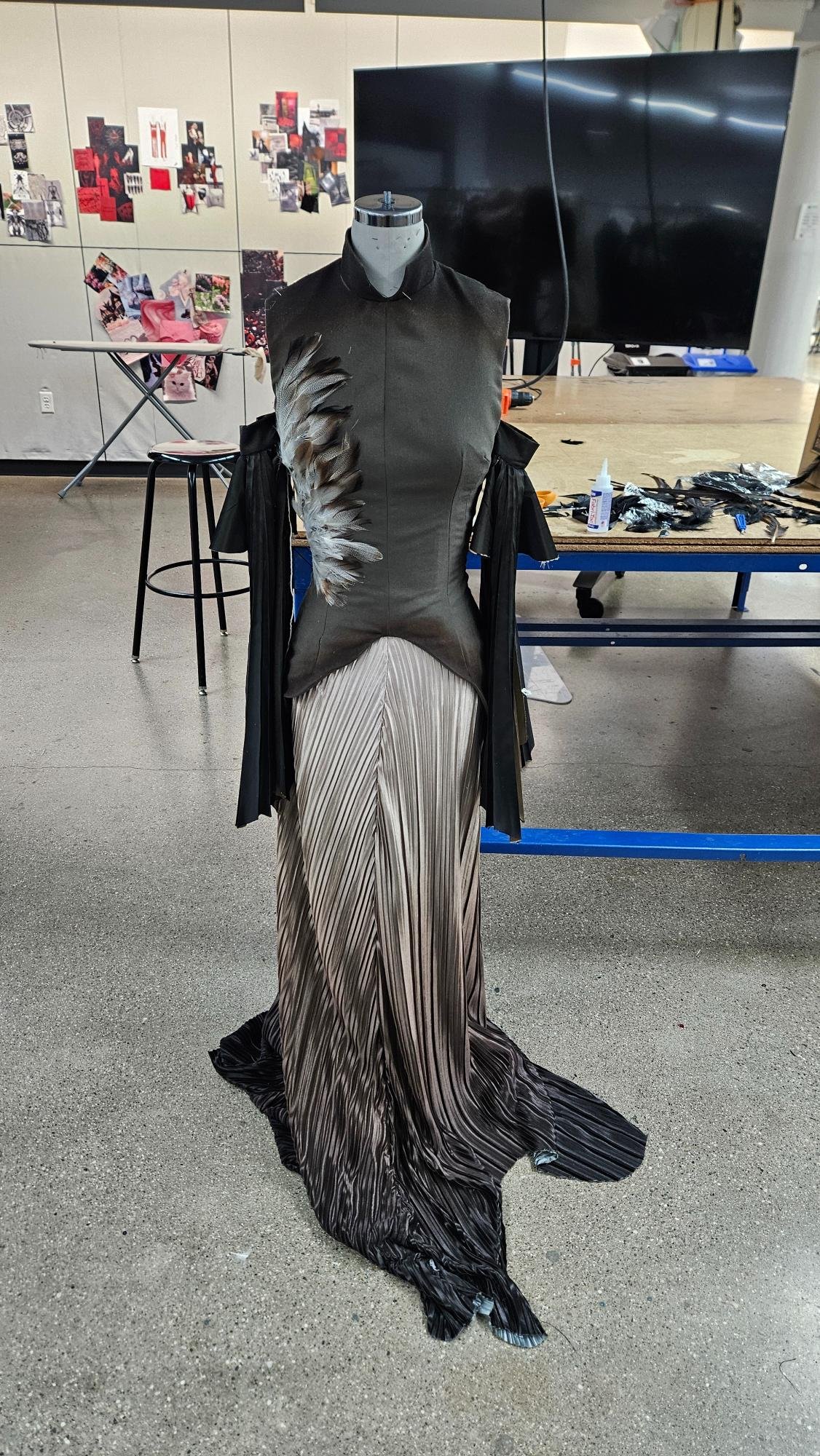
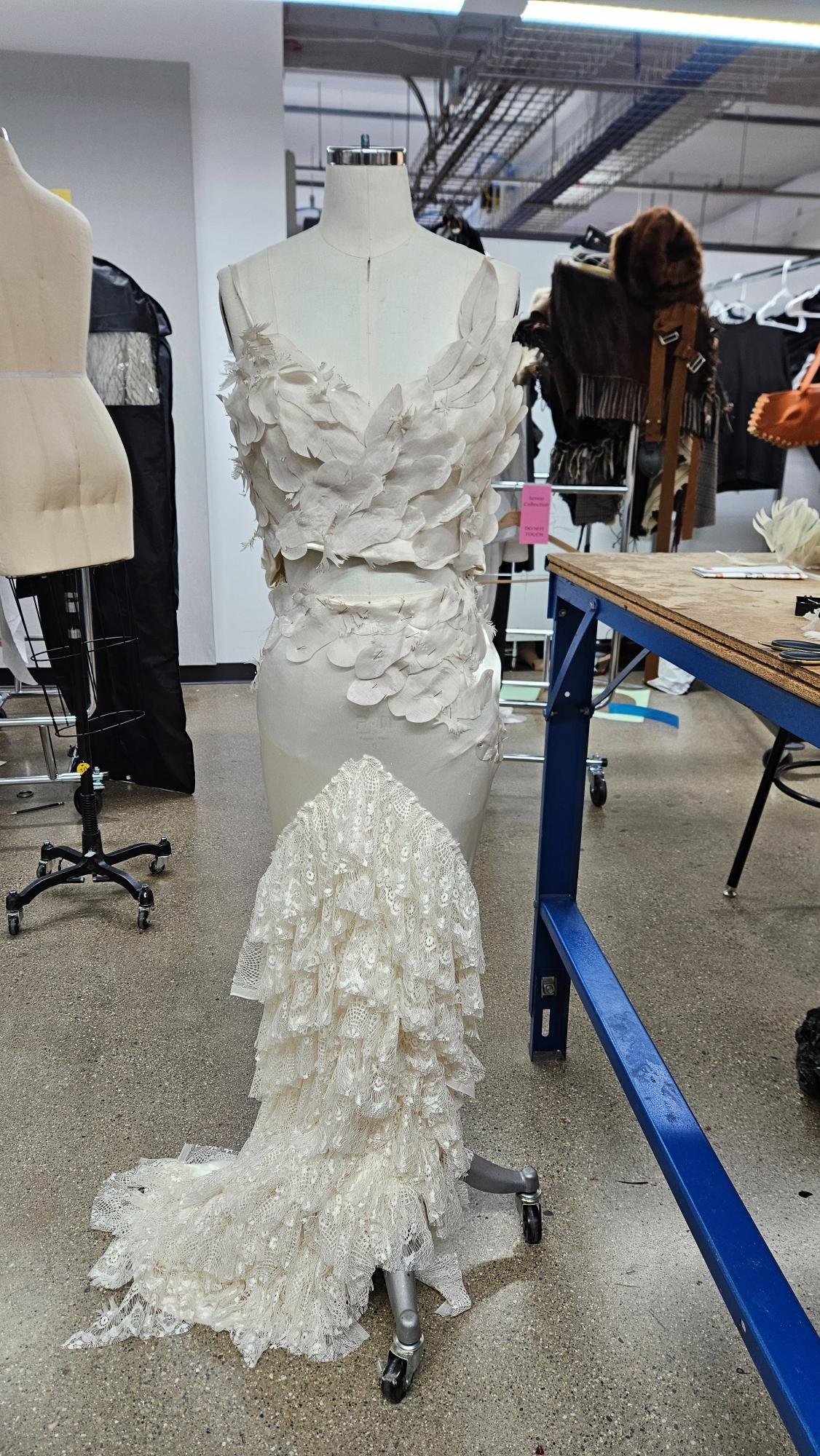
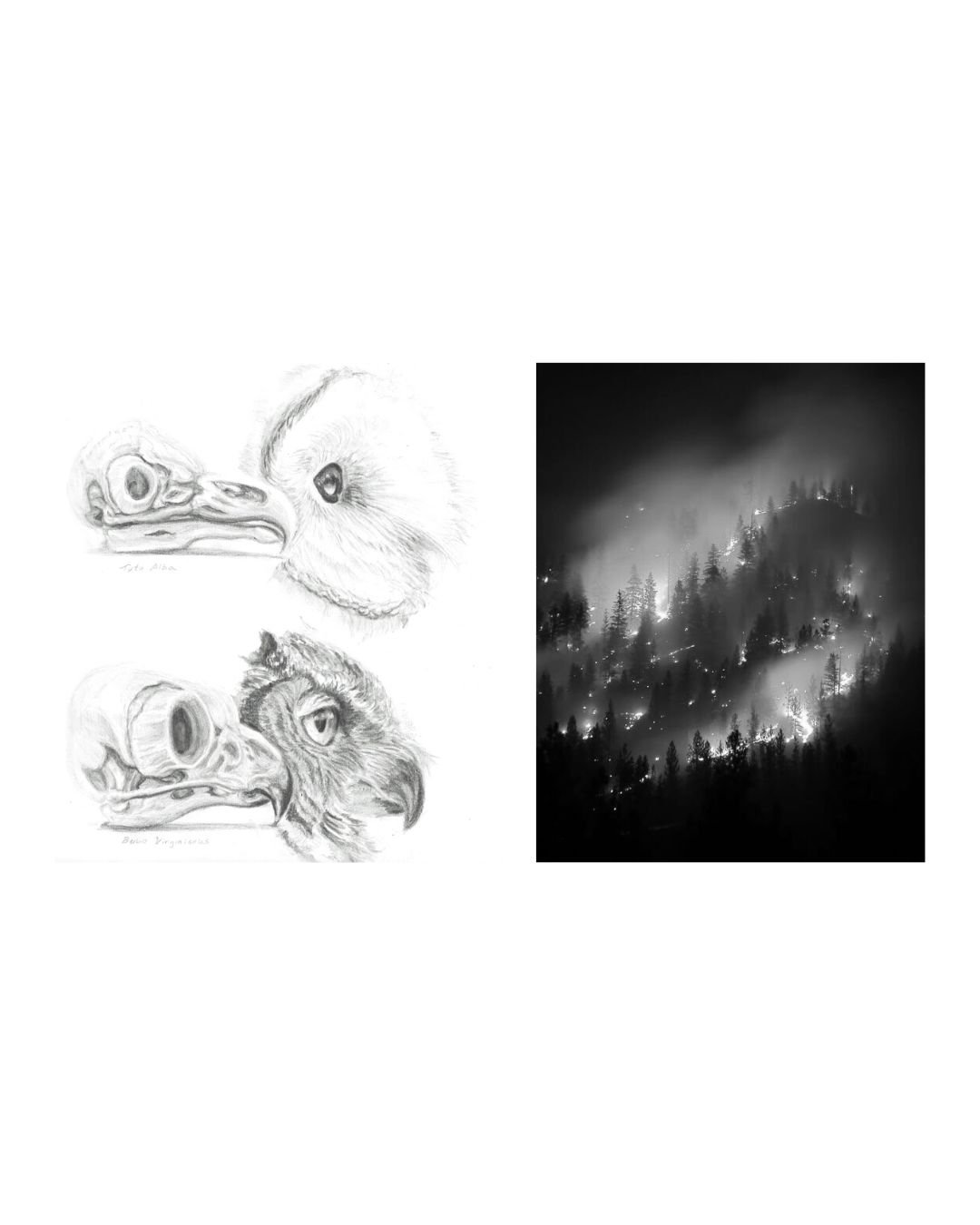
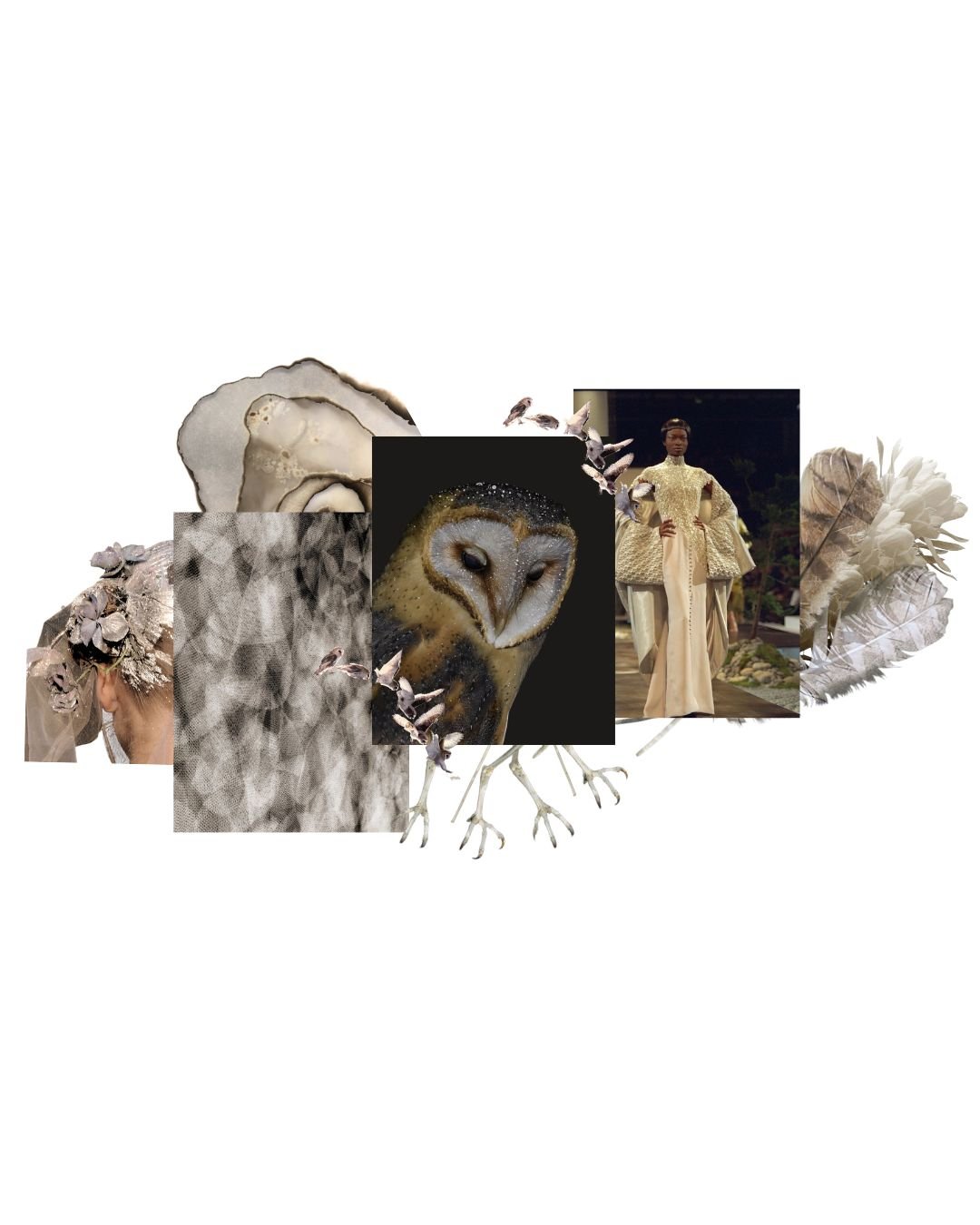
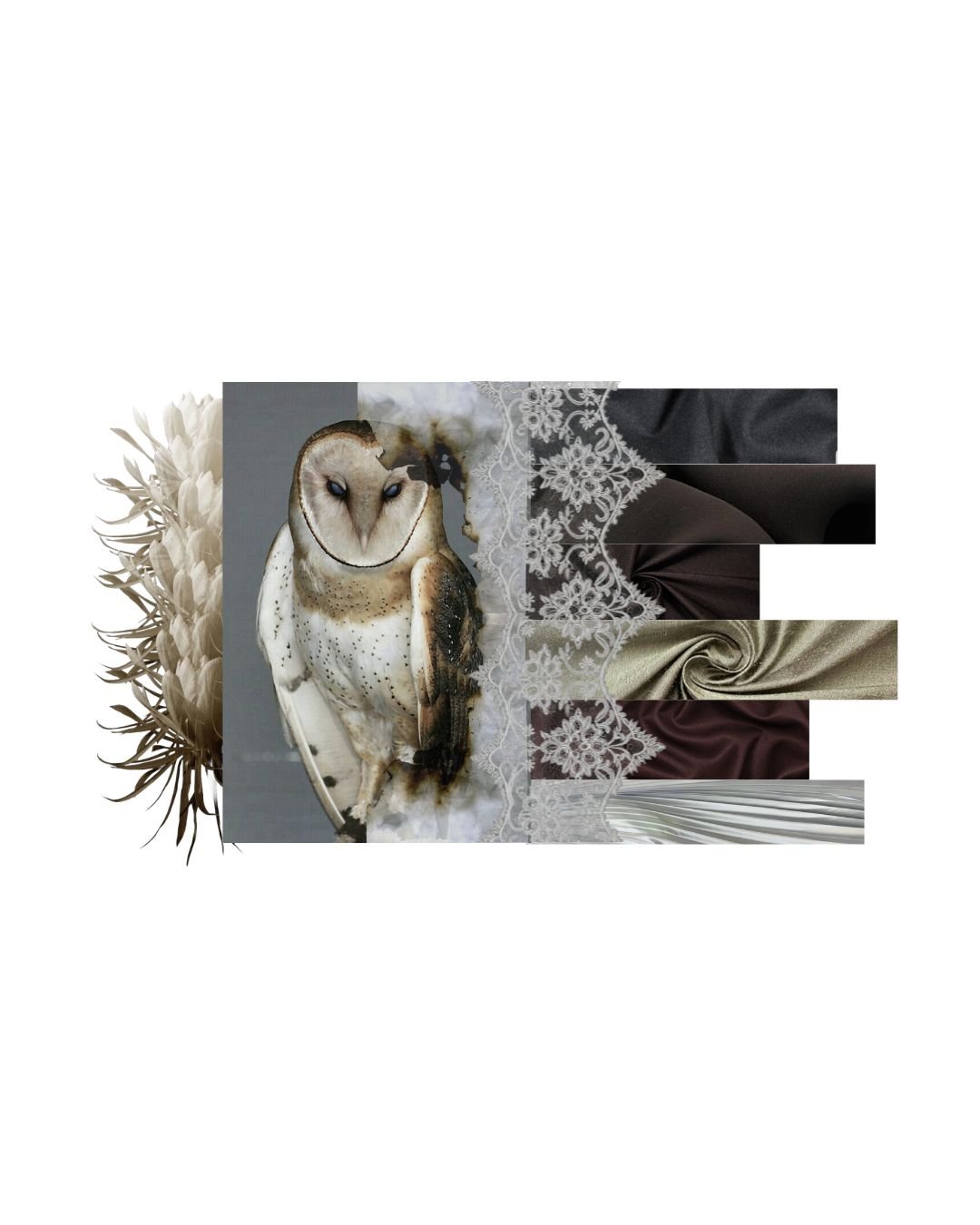
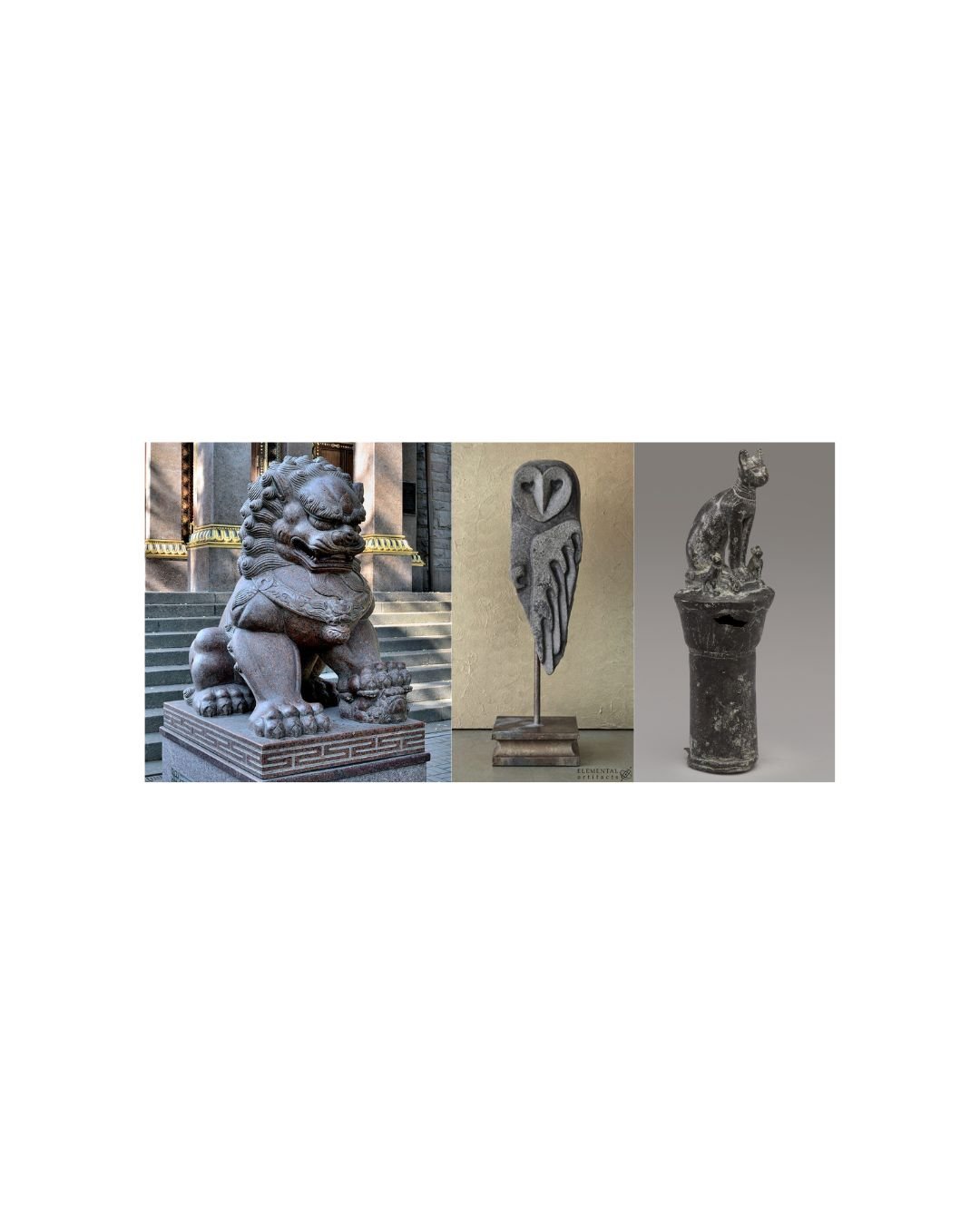
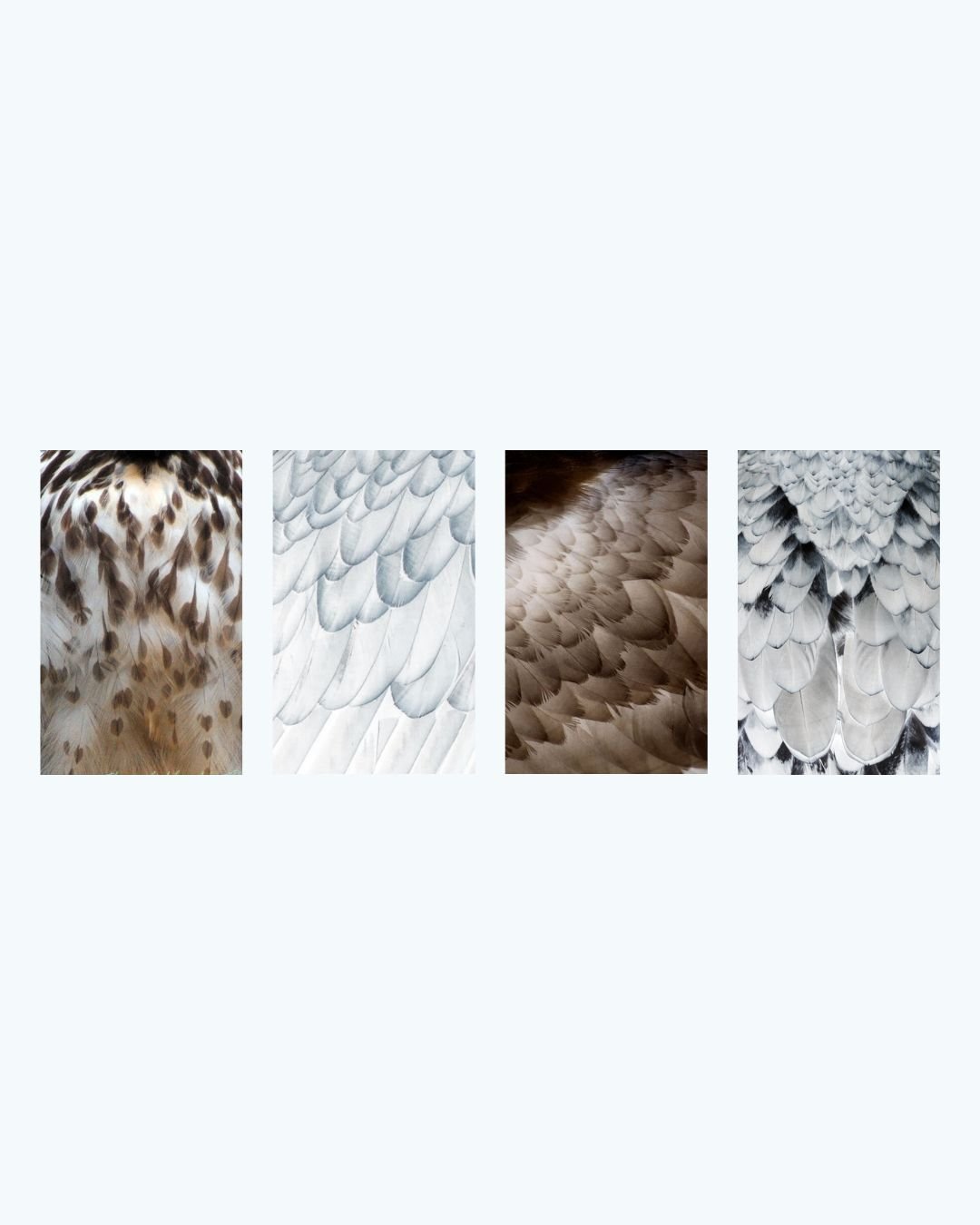
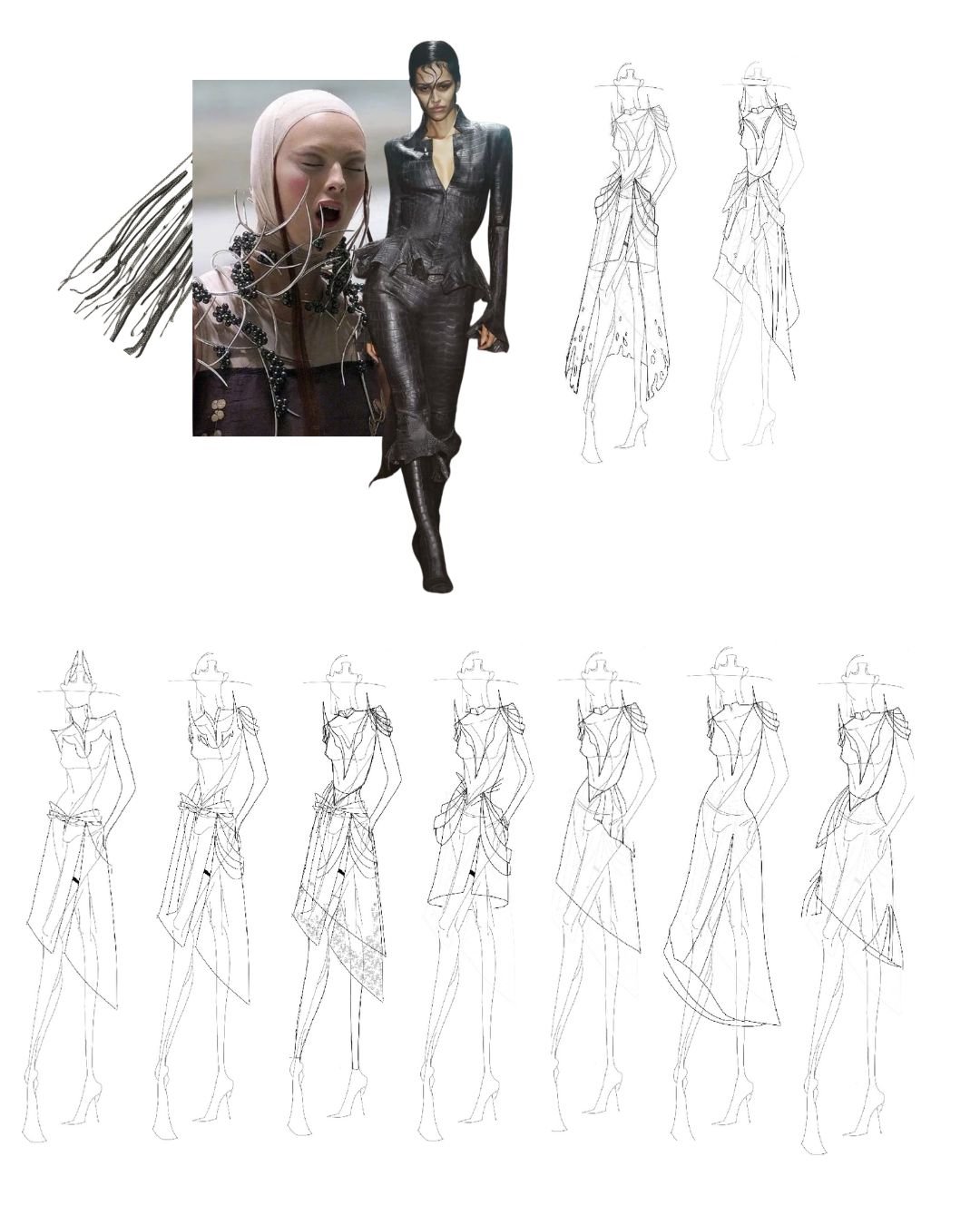
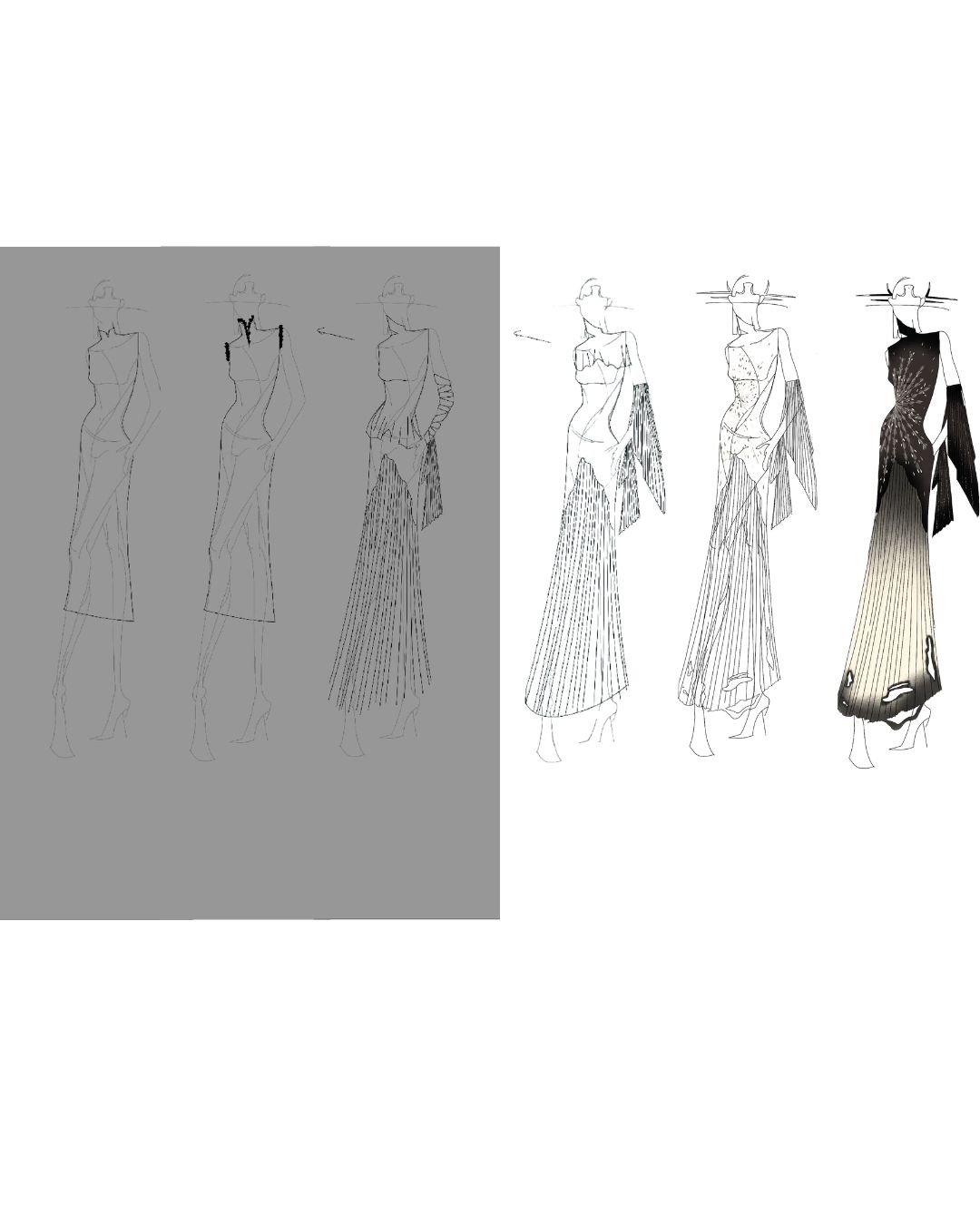
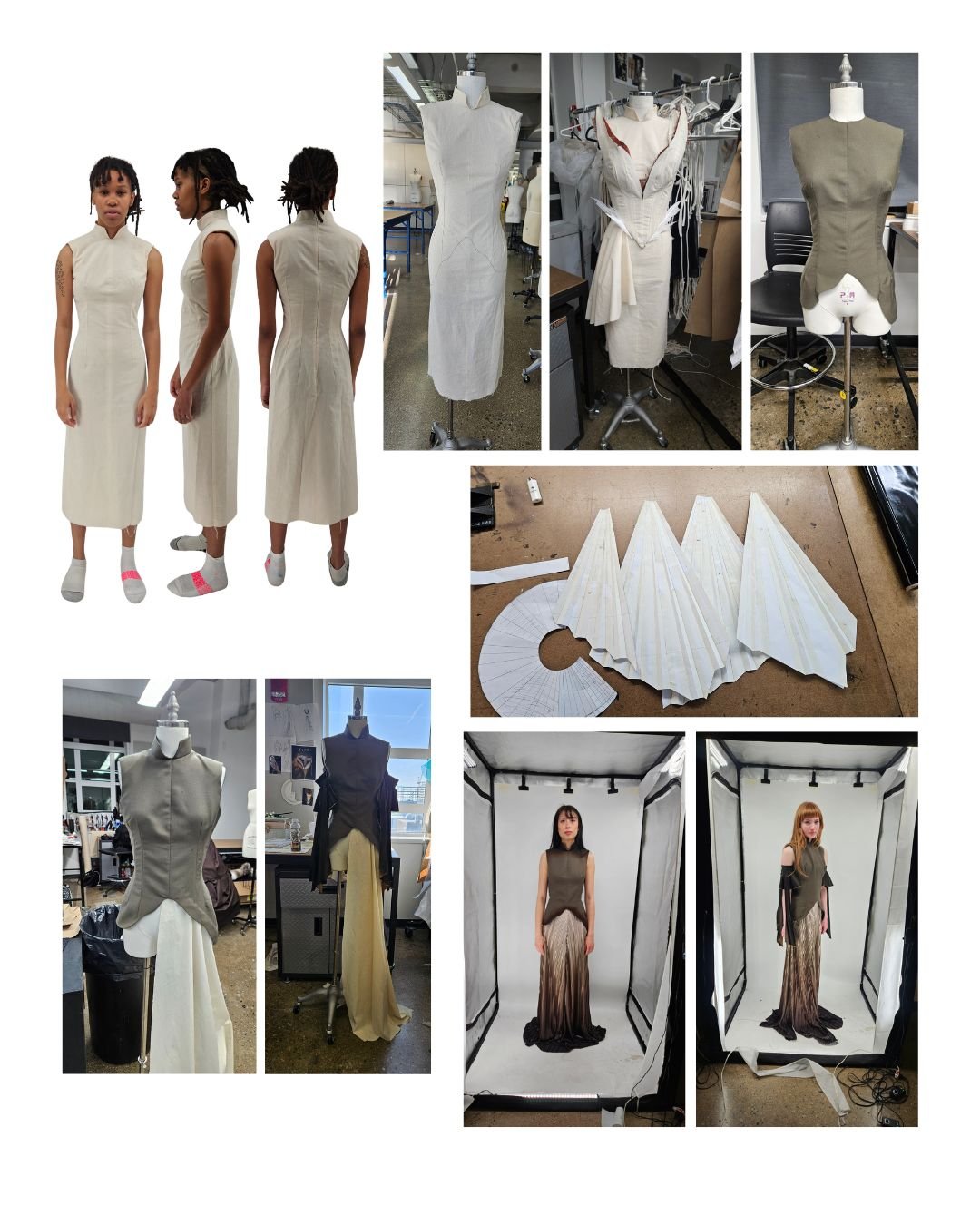
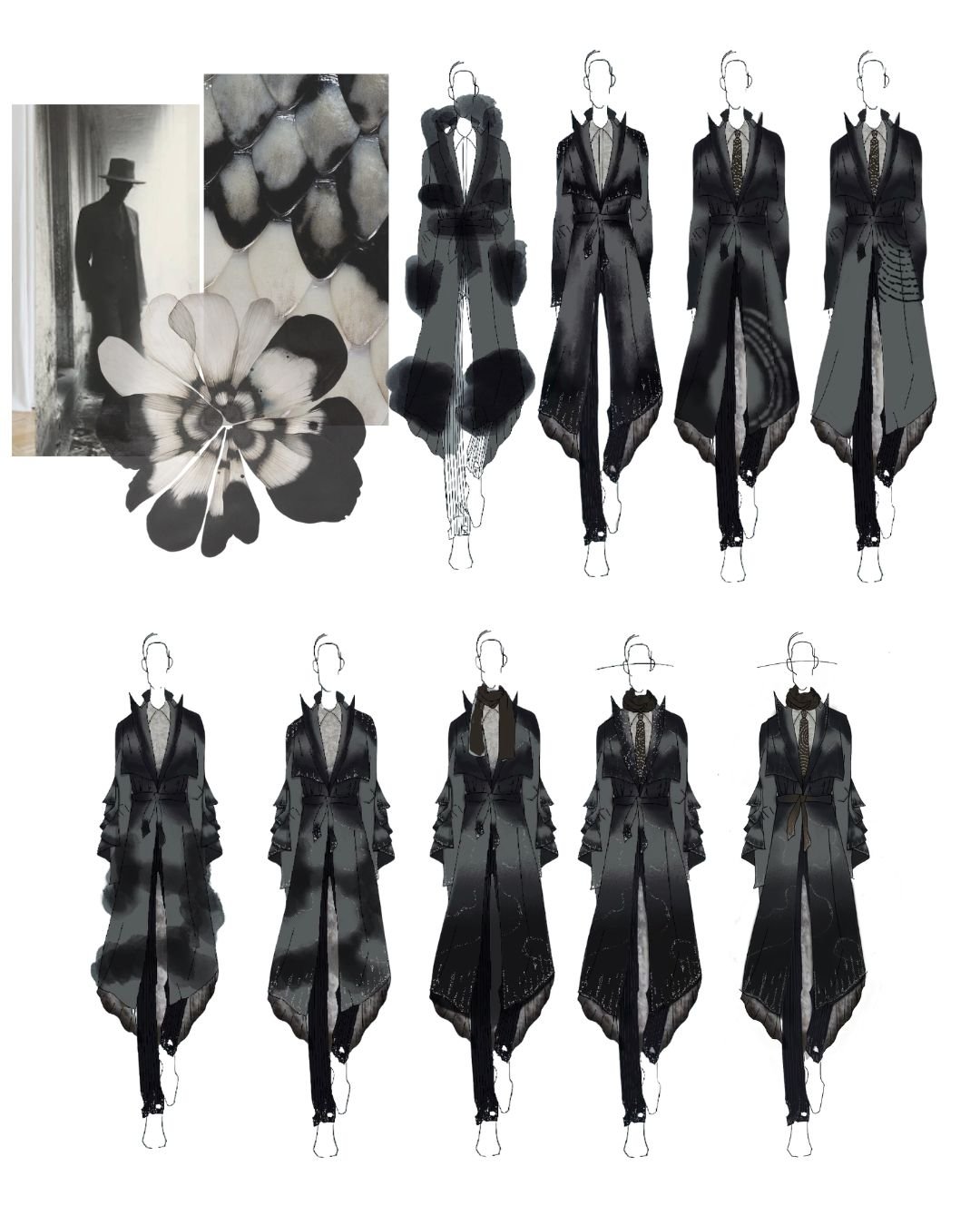
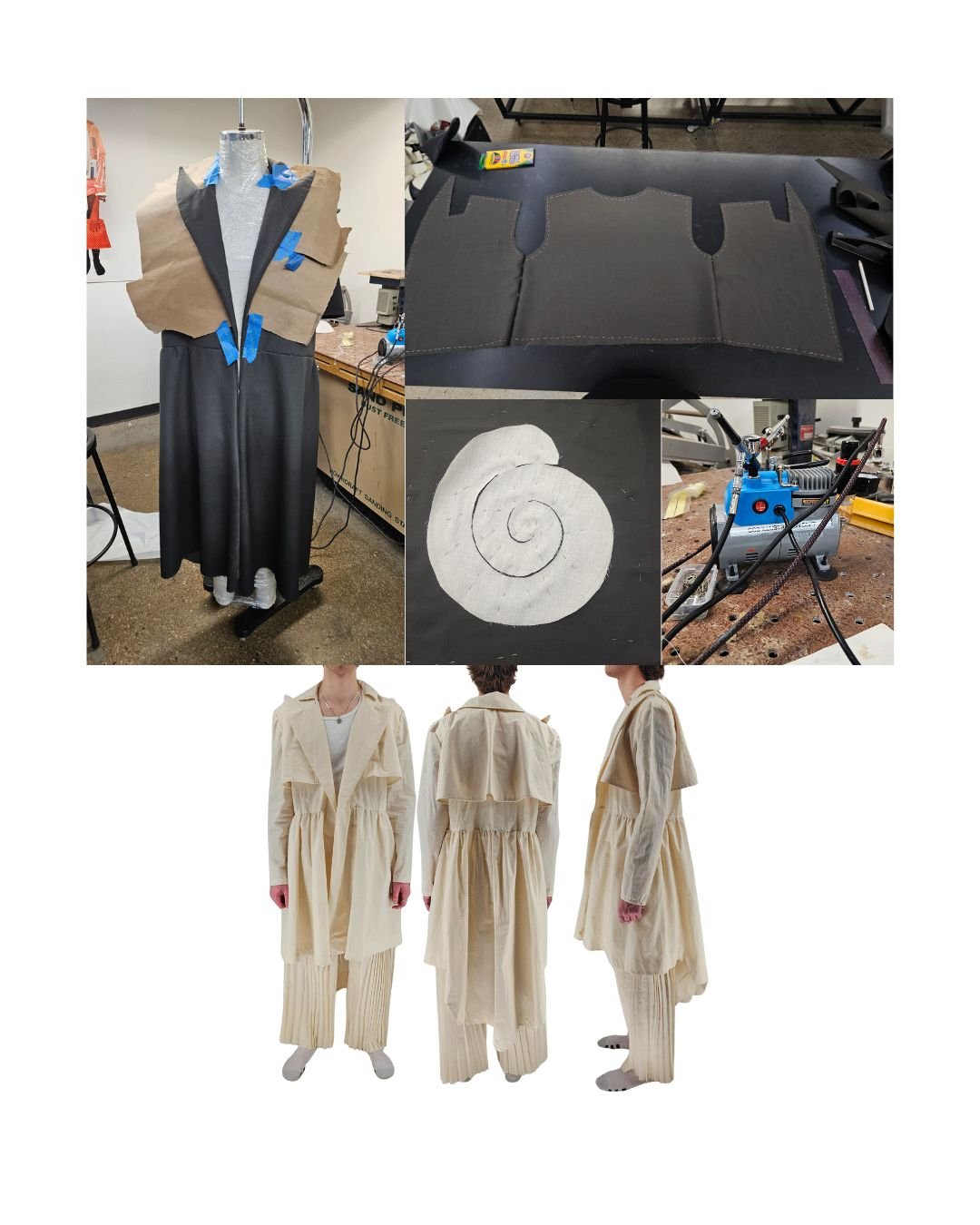
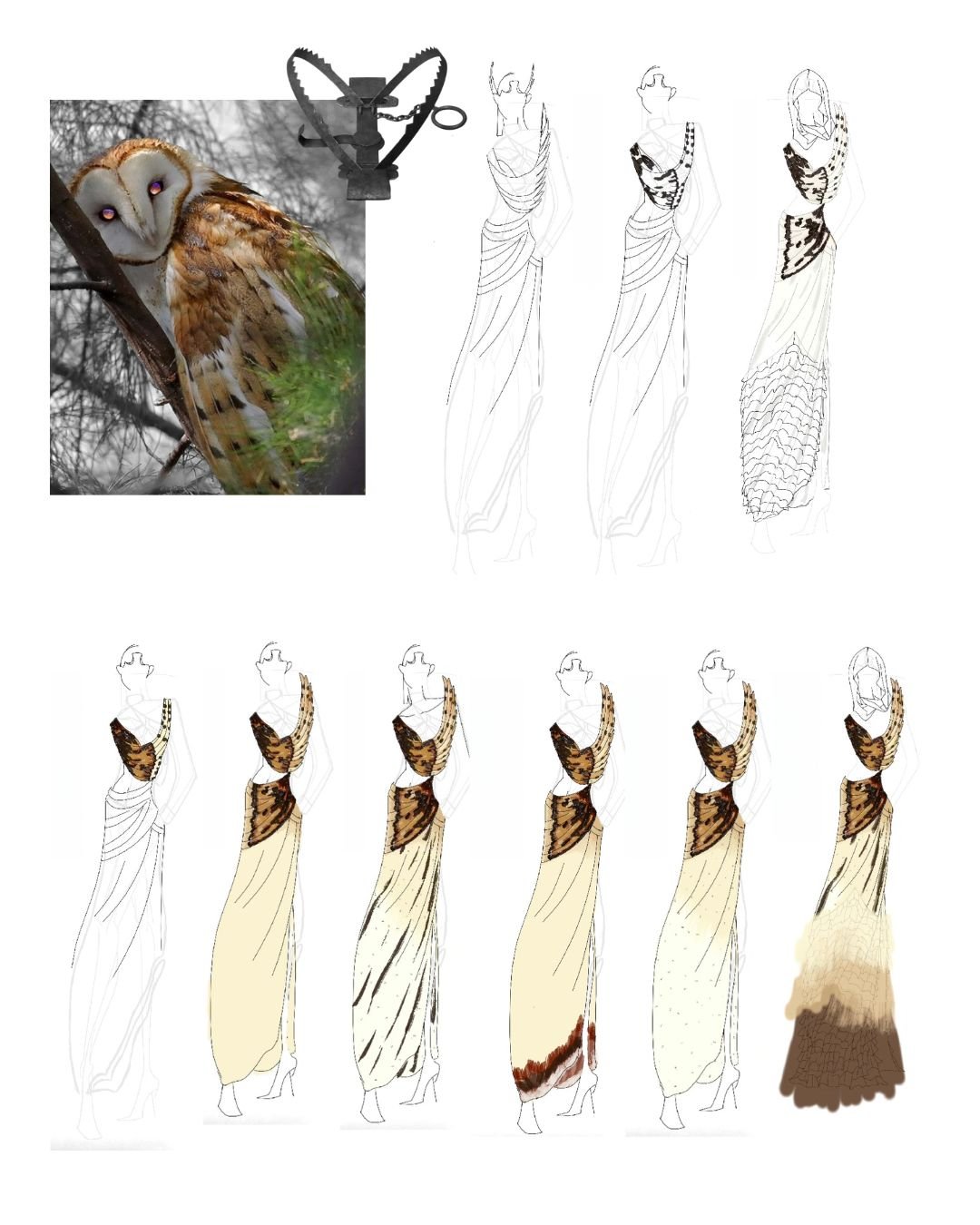
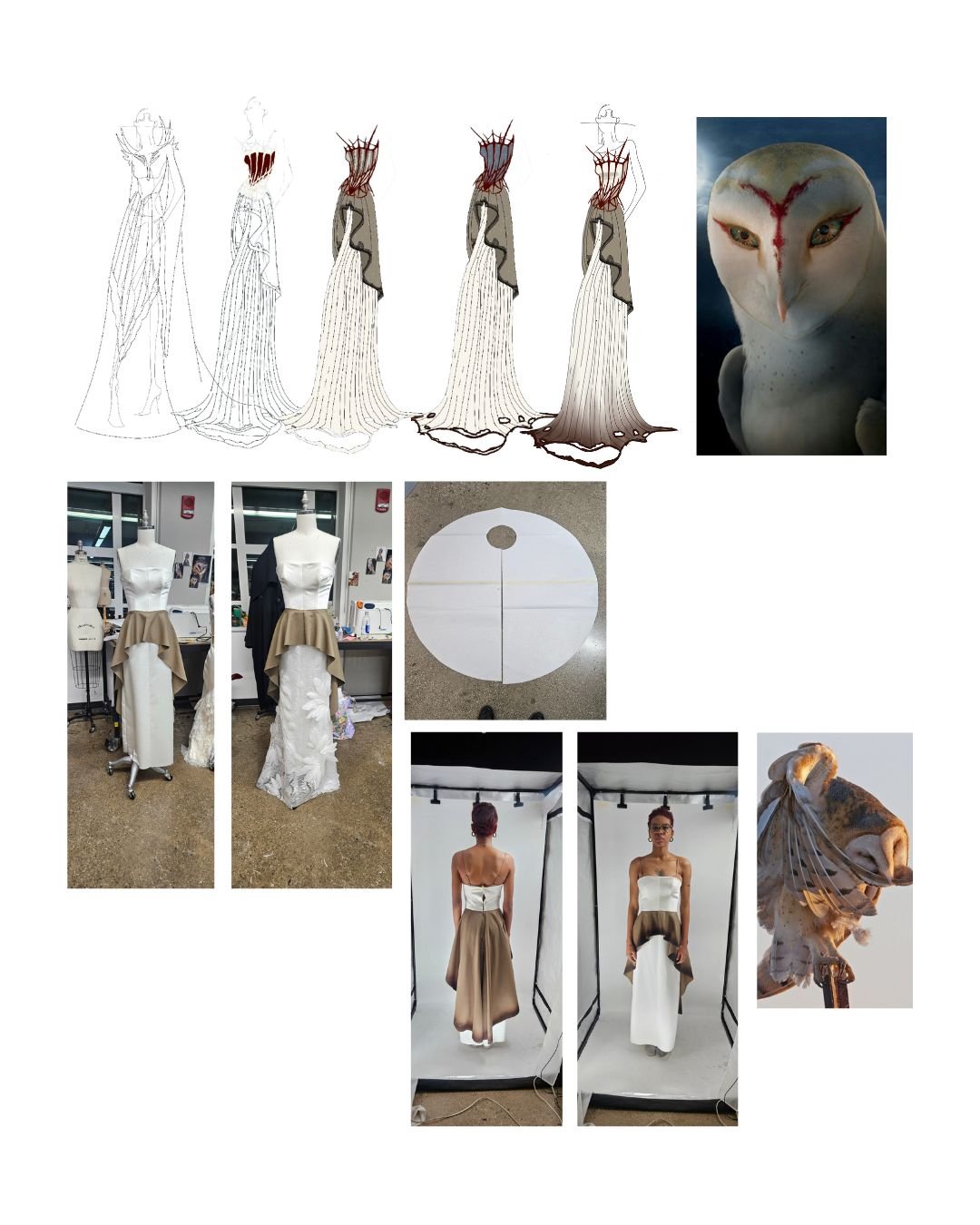
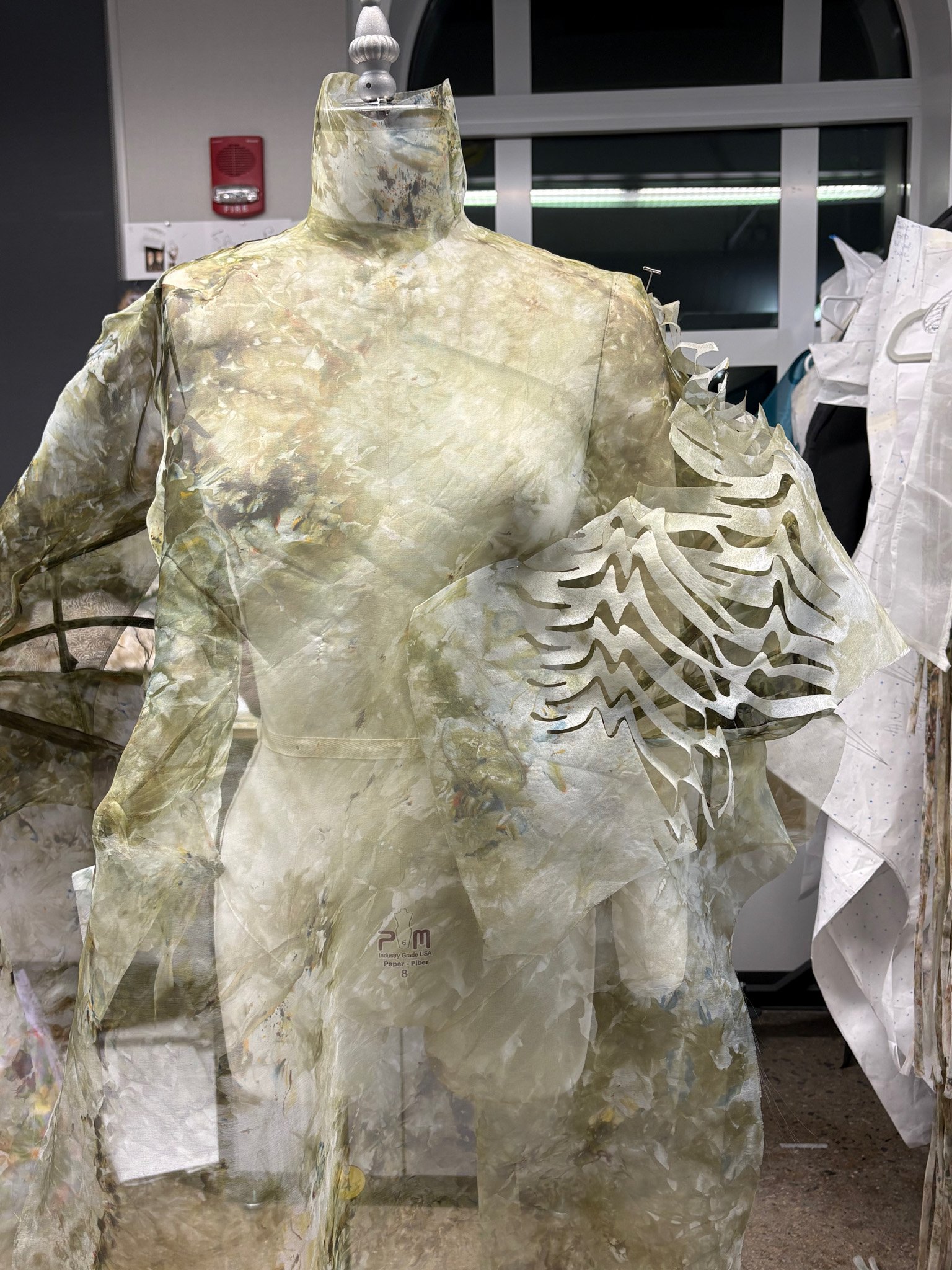
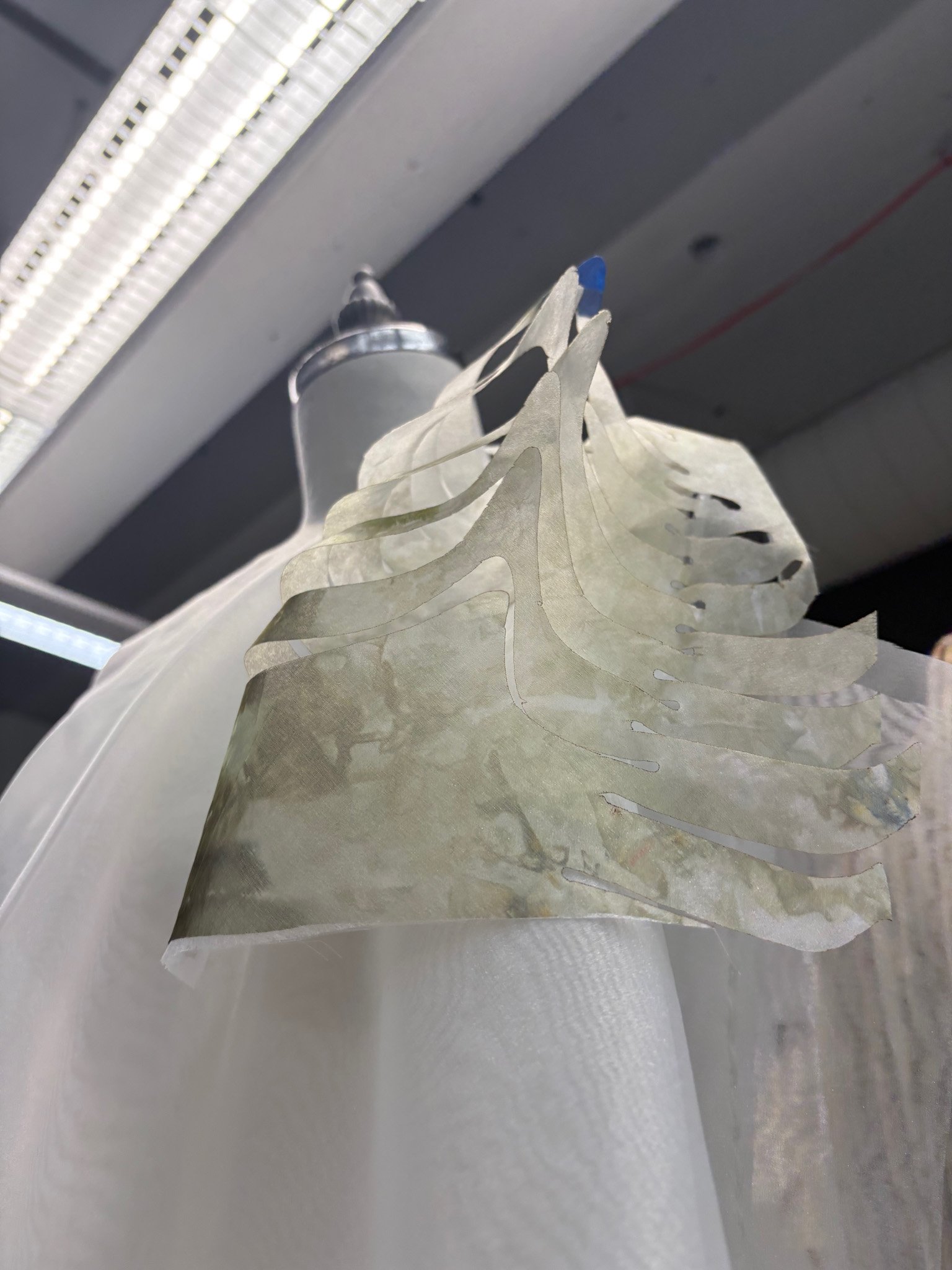
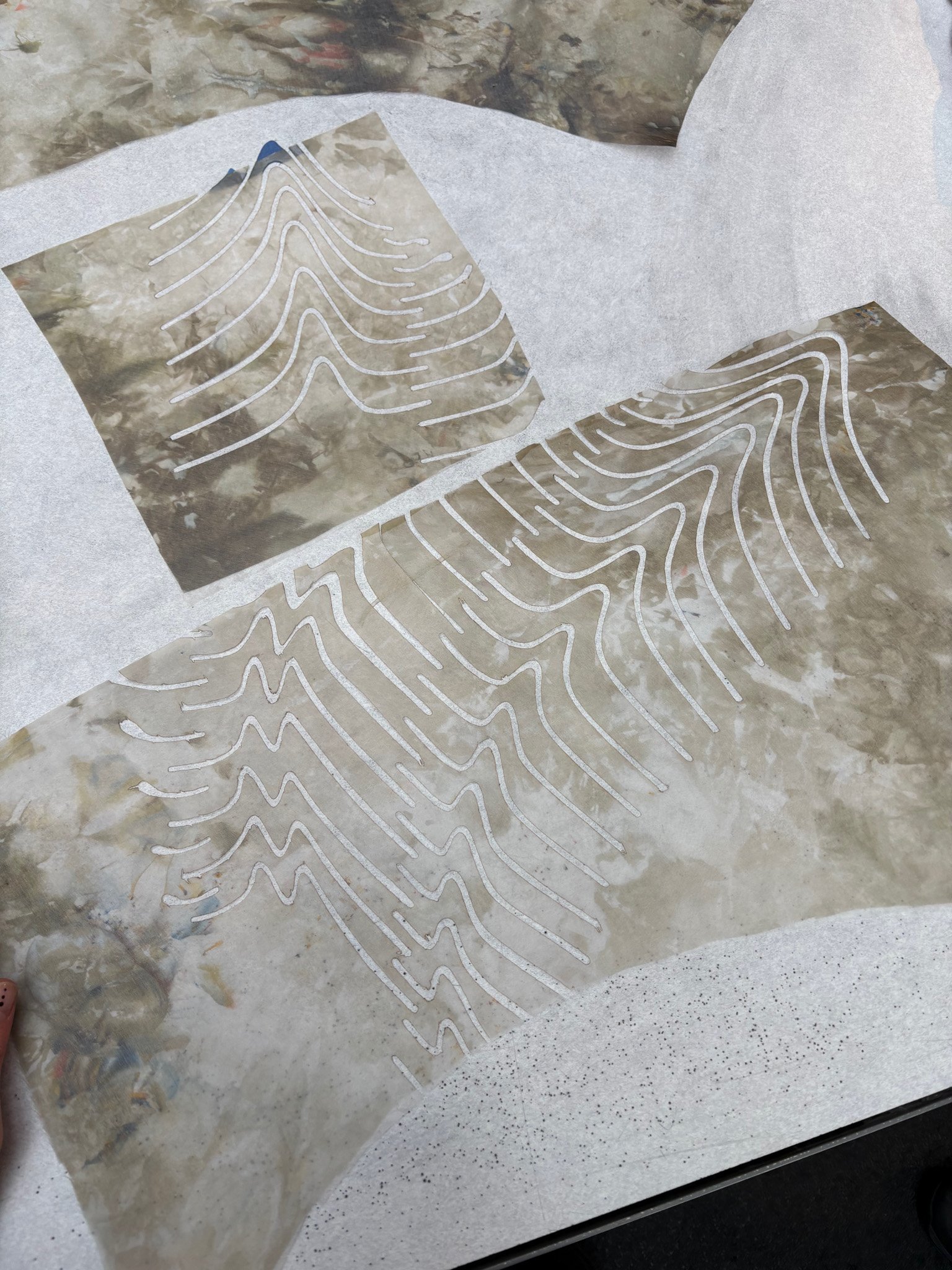
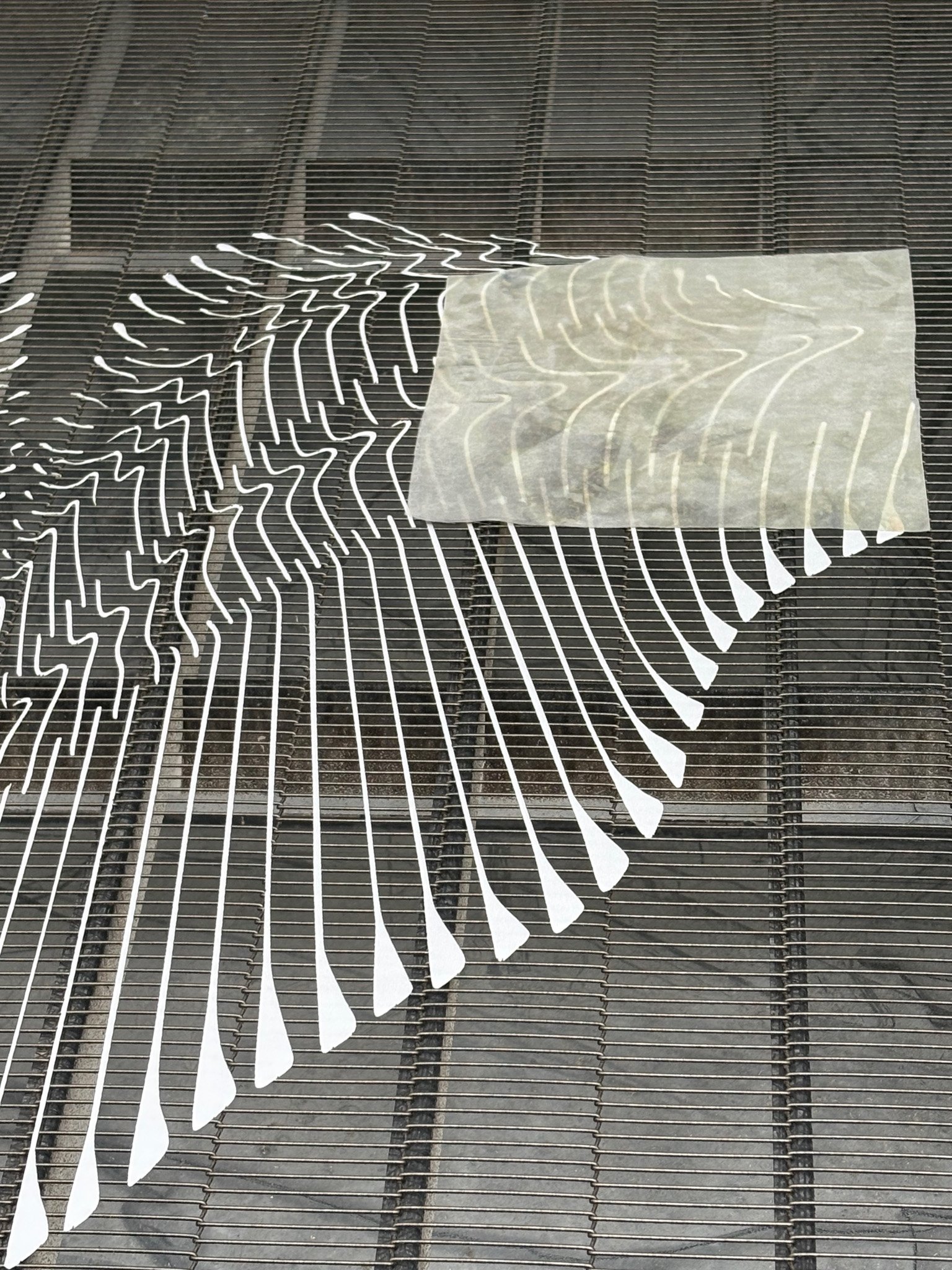
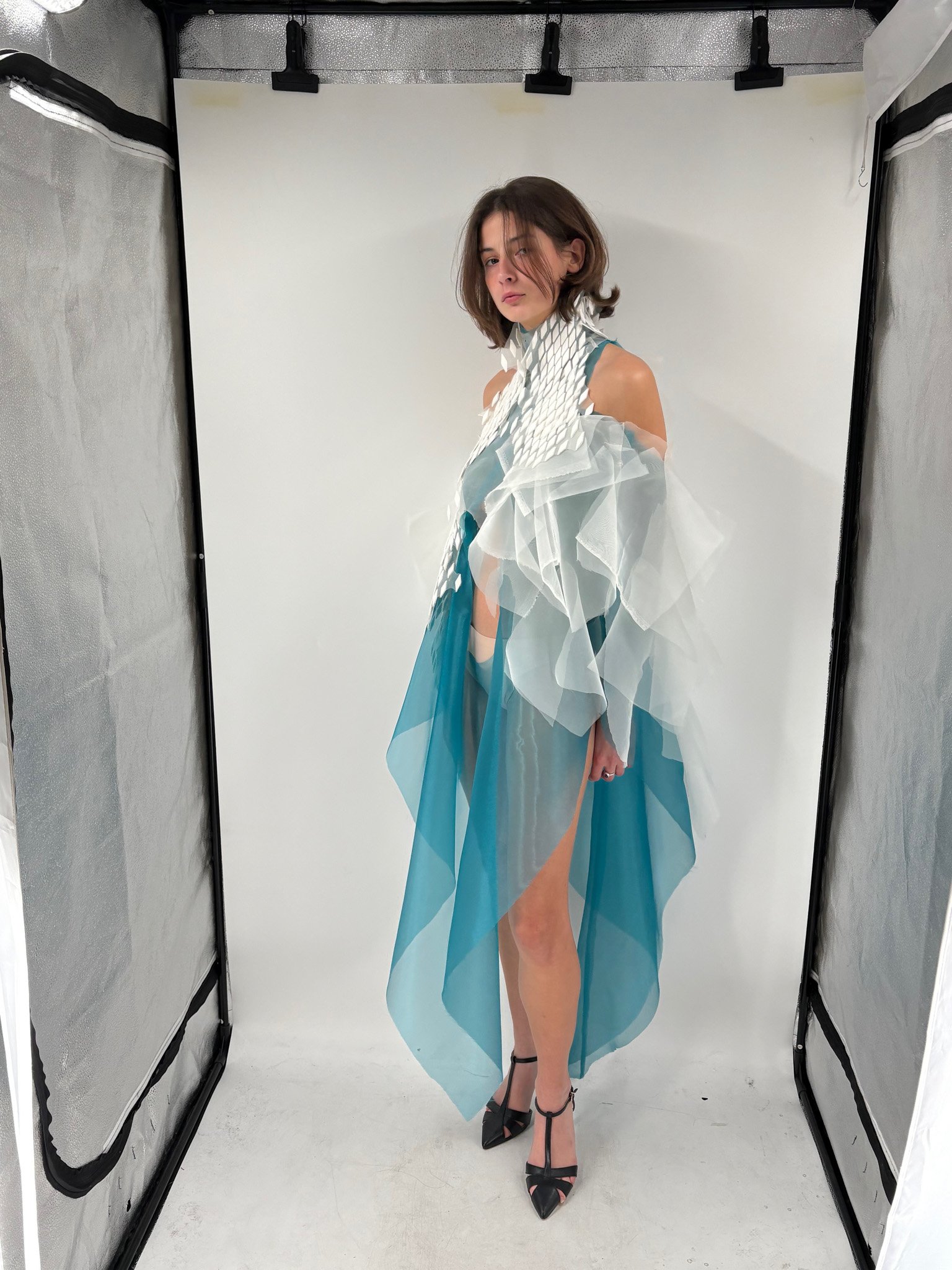
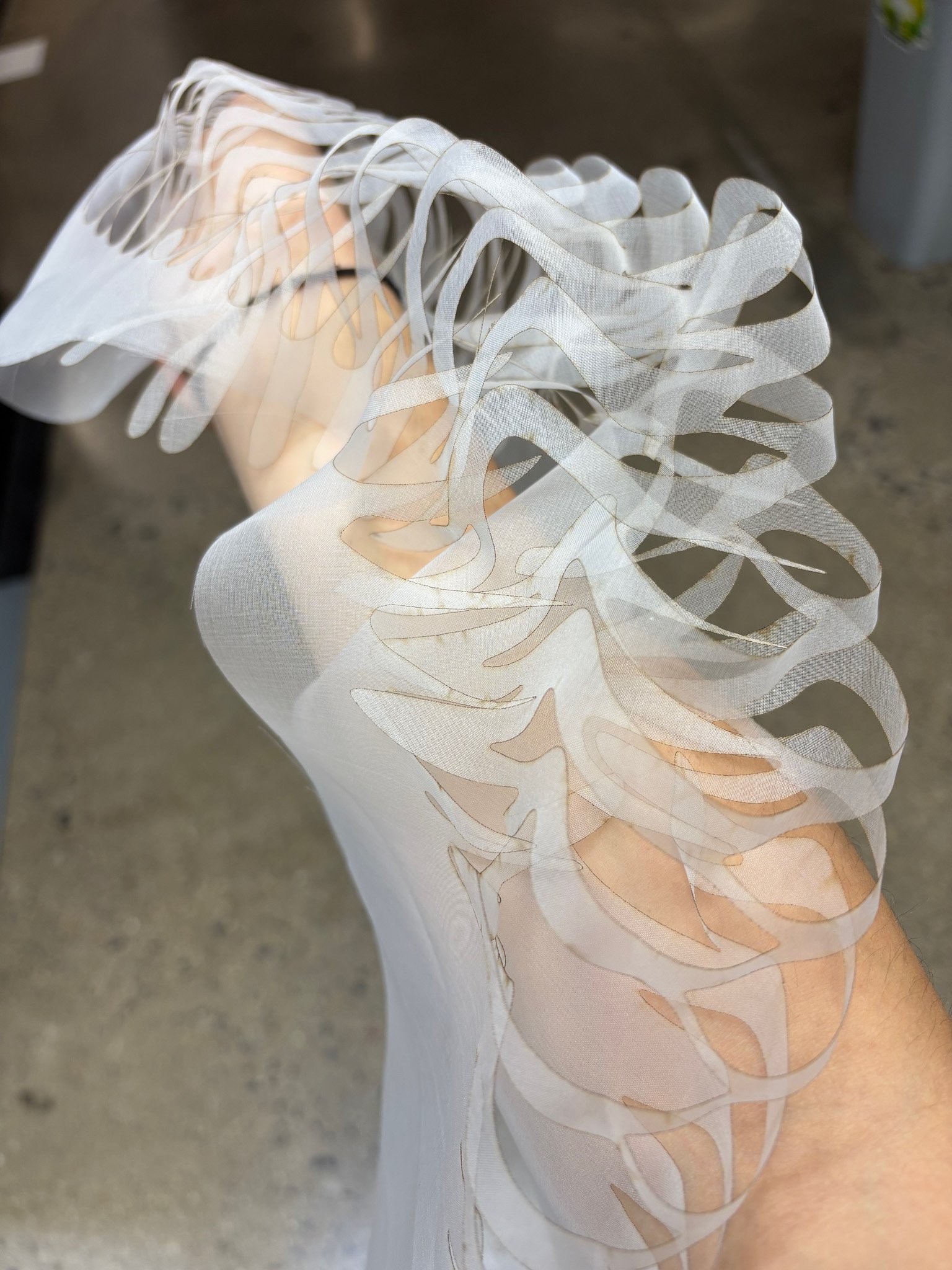
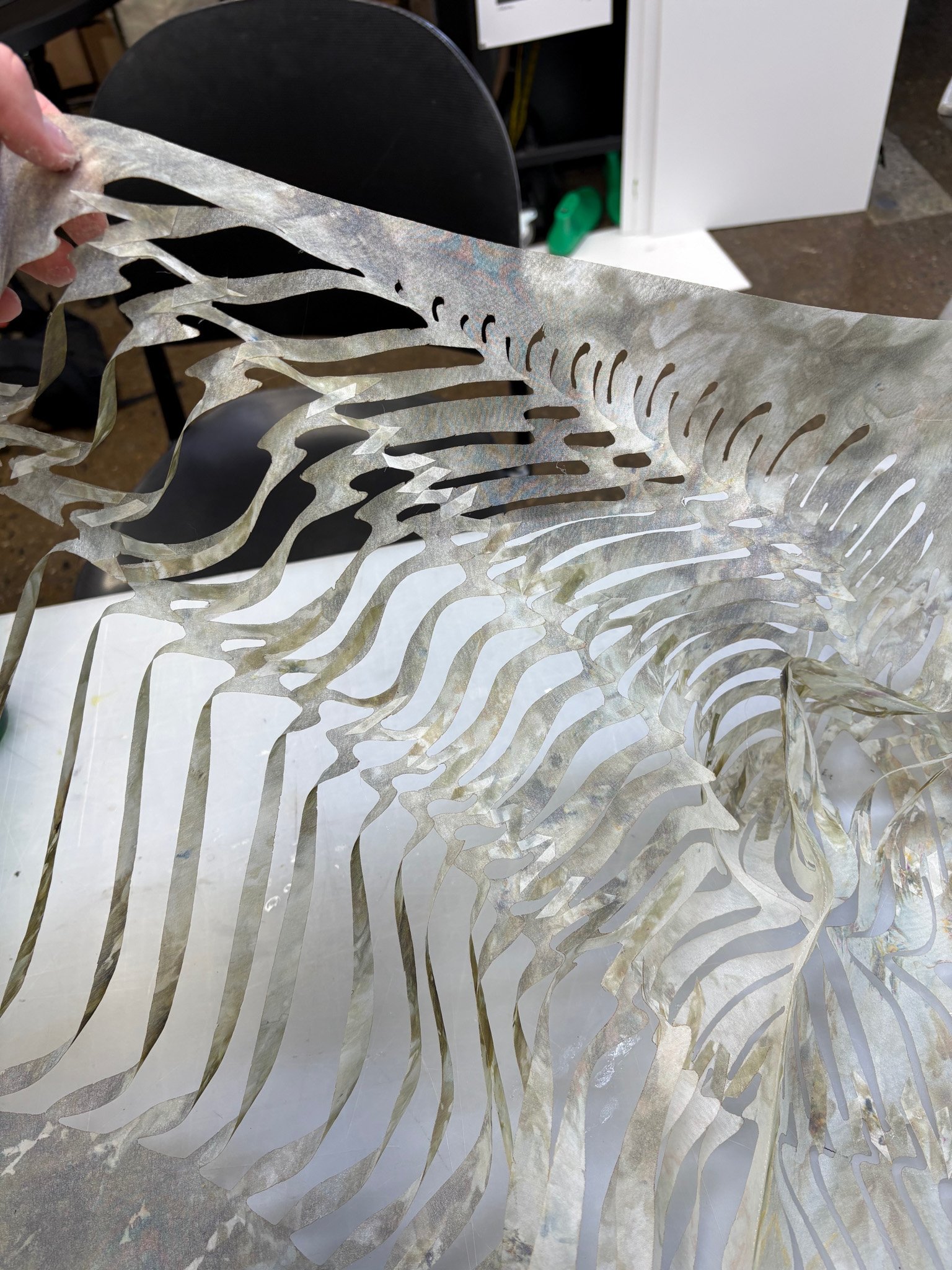
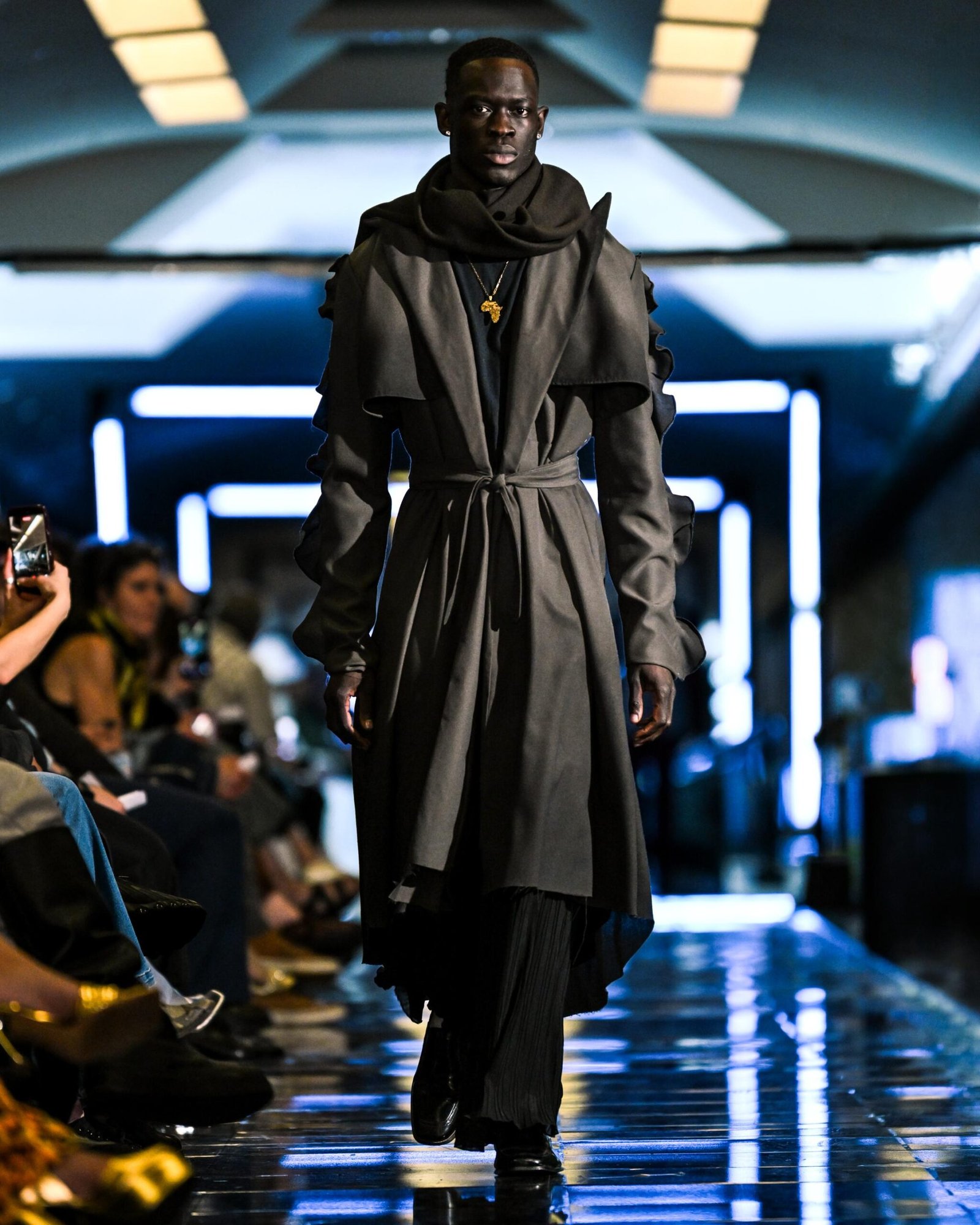
Falina Denee’s collection, Tyto, follows a mythological narrative centred on six peacemakers in a world where humans have evolved to worship owls. Drawing on traditions of zoolatry – from ancient Egyptian reverence for felines to Buddhist symbolism around lions – the work repositions owls as ethereal and mystical figures. The collection takes cues from owl survival and evolution, including their ability to endure forest fires and the visual language of their feather coats. Material choices focus on natural fibres such as wool, silk, and linen. Pleats and ruffles echo the layering and uniformity of feathers, while techniques including airbrushing, laser cutting, and circular patterning create movement and drape. 

As she moves into the industry, Denee is particularly drawn to storytelling through clothing, with an interest in costume design and concept-driven work. At the same time, she is conscious of how the industry can lose sight of creativity amid its more demanding realities.

@denee.aurora

Hayden Brice

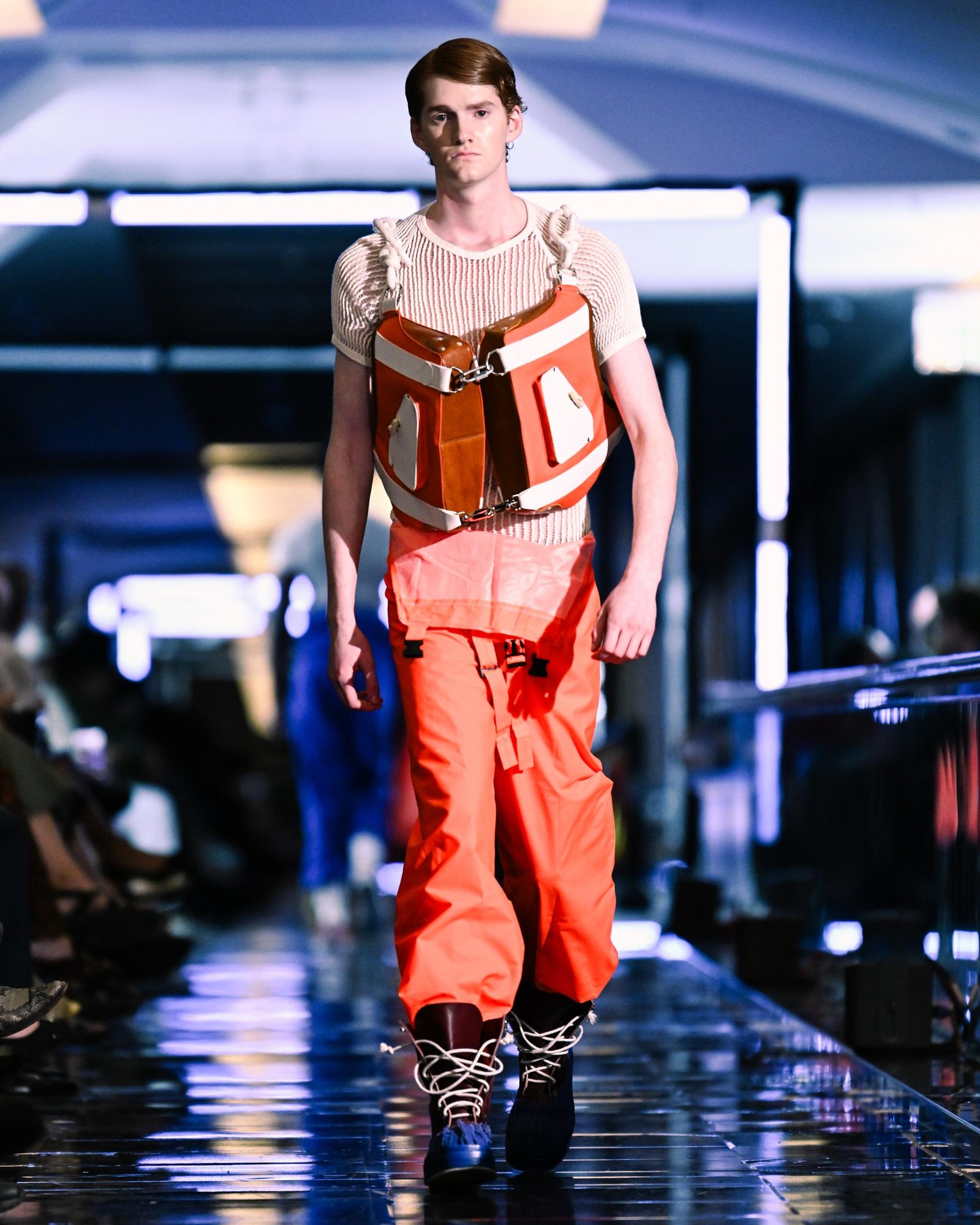
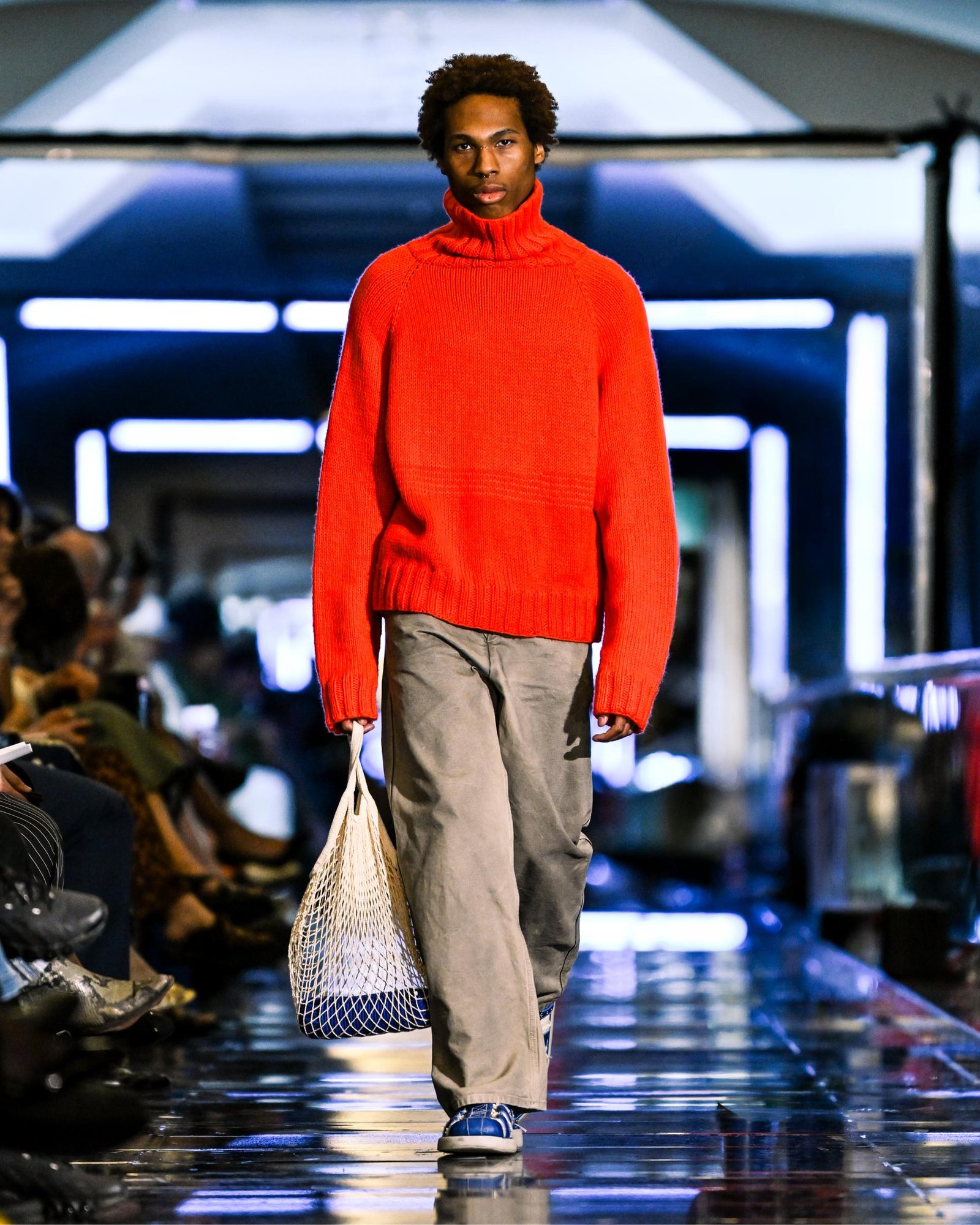
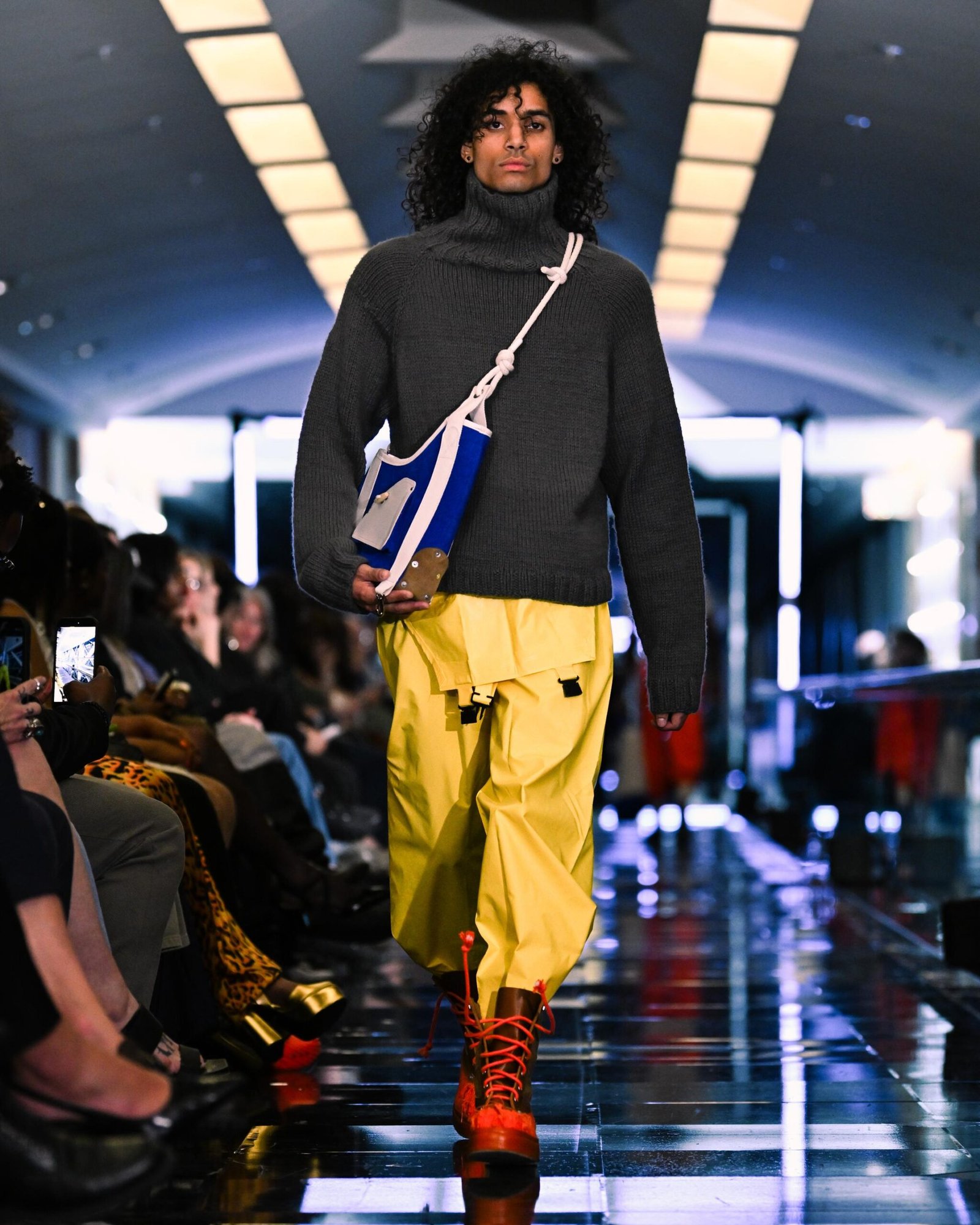
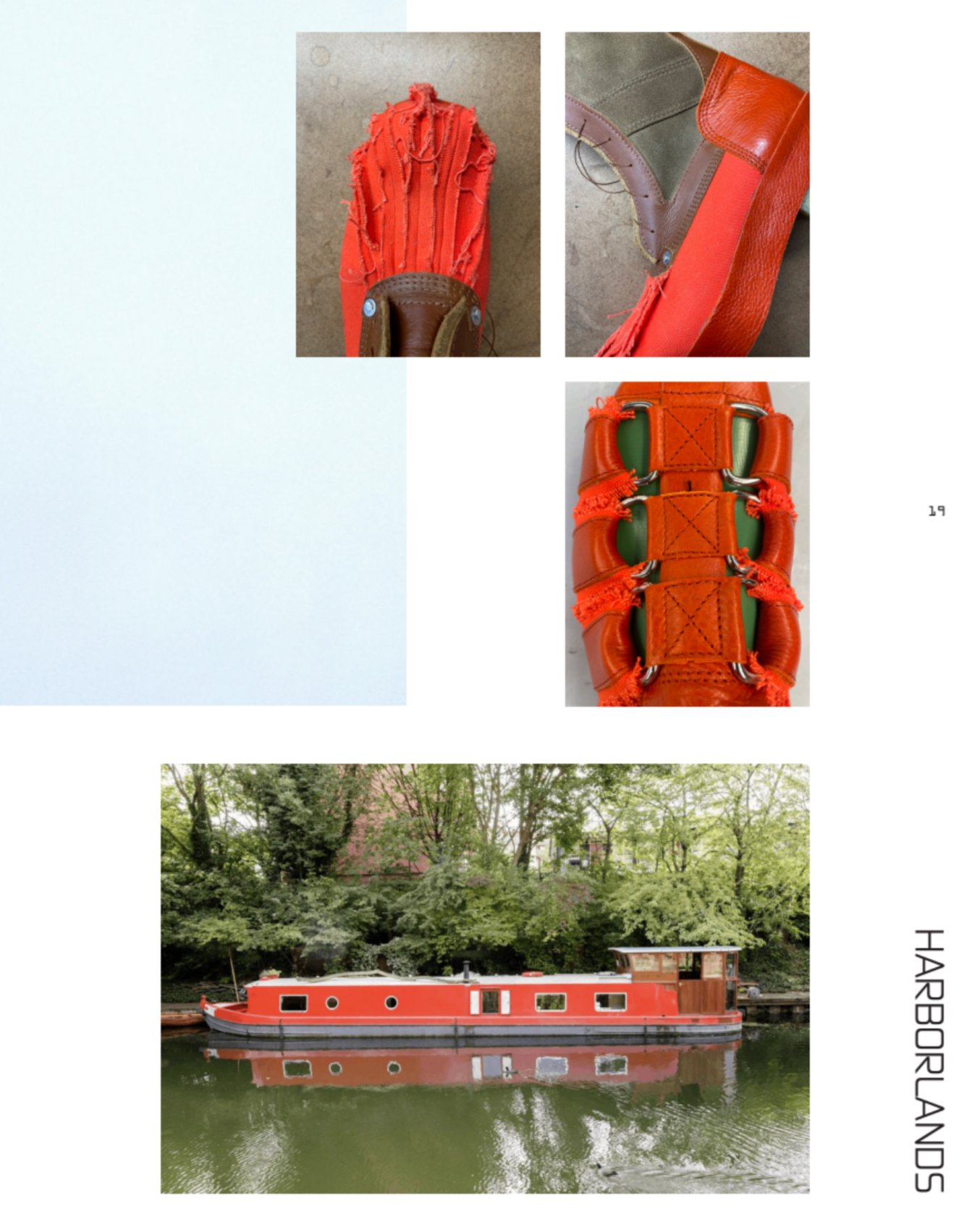
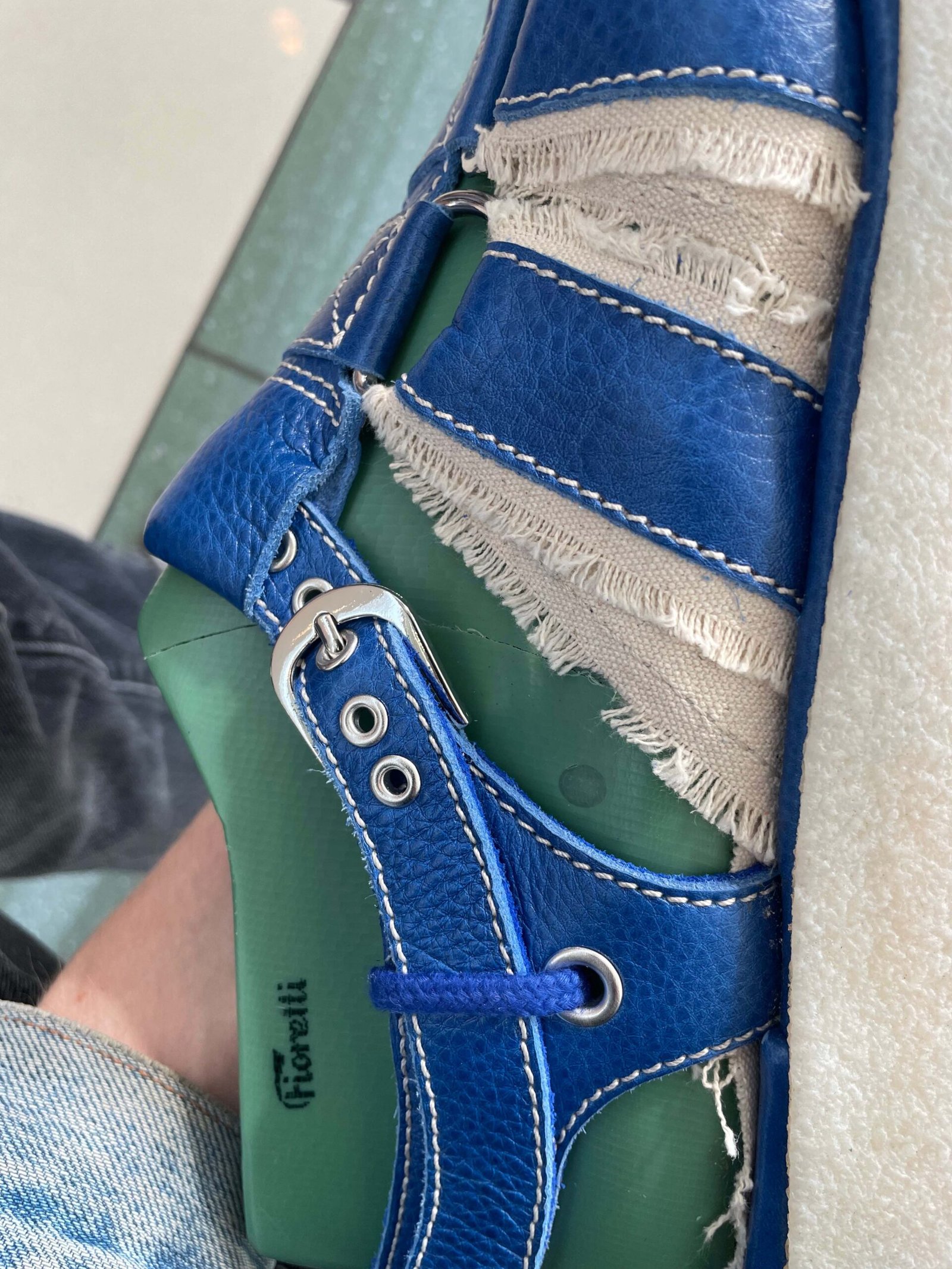
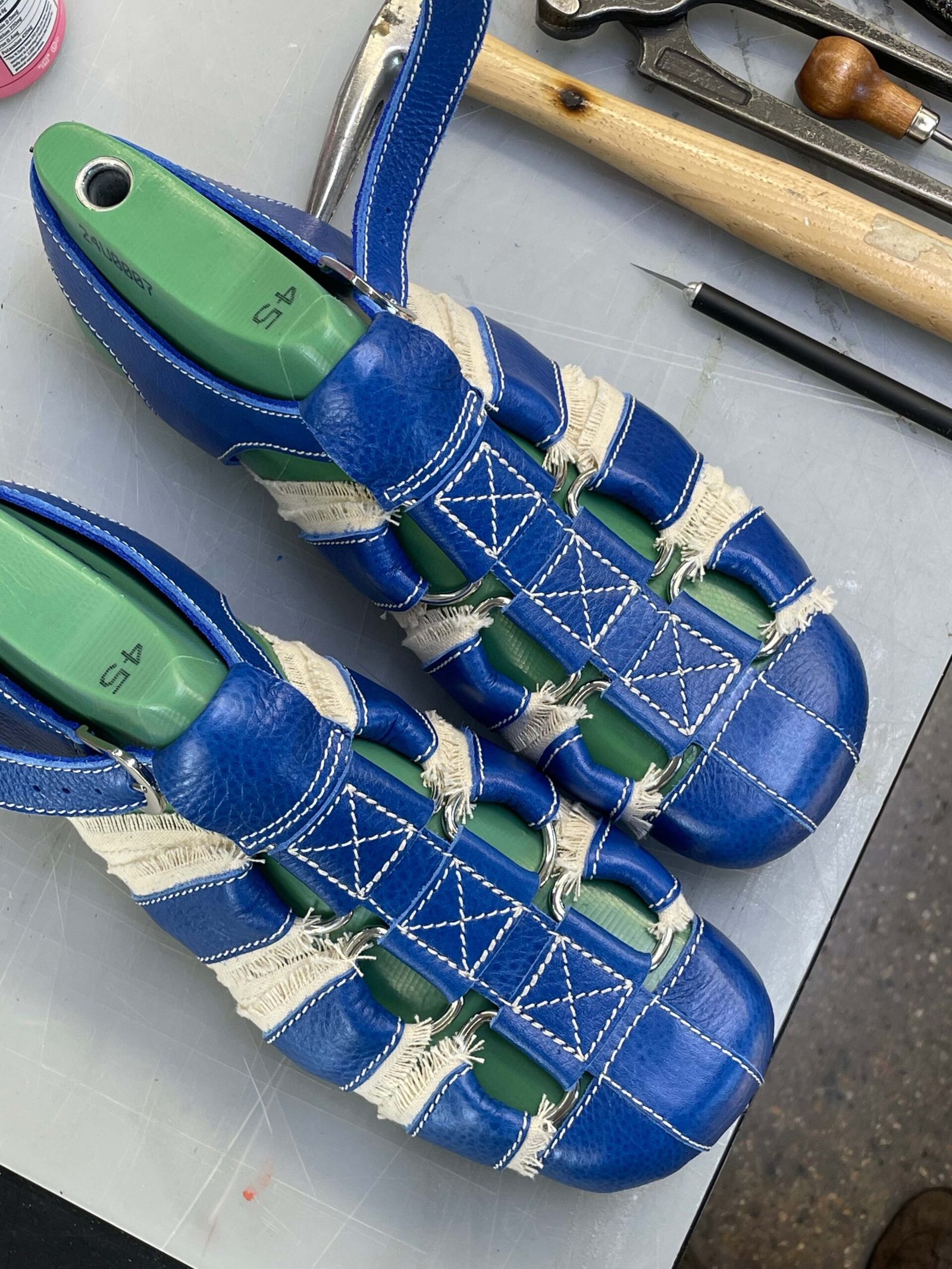
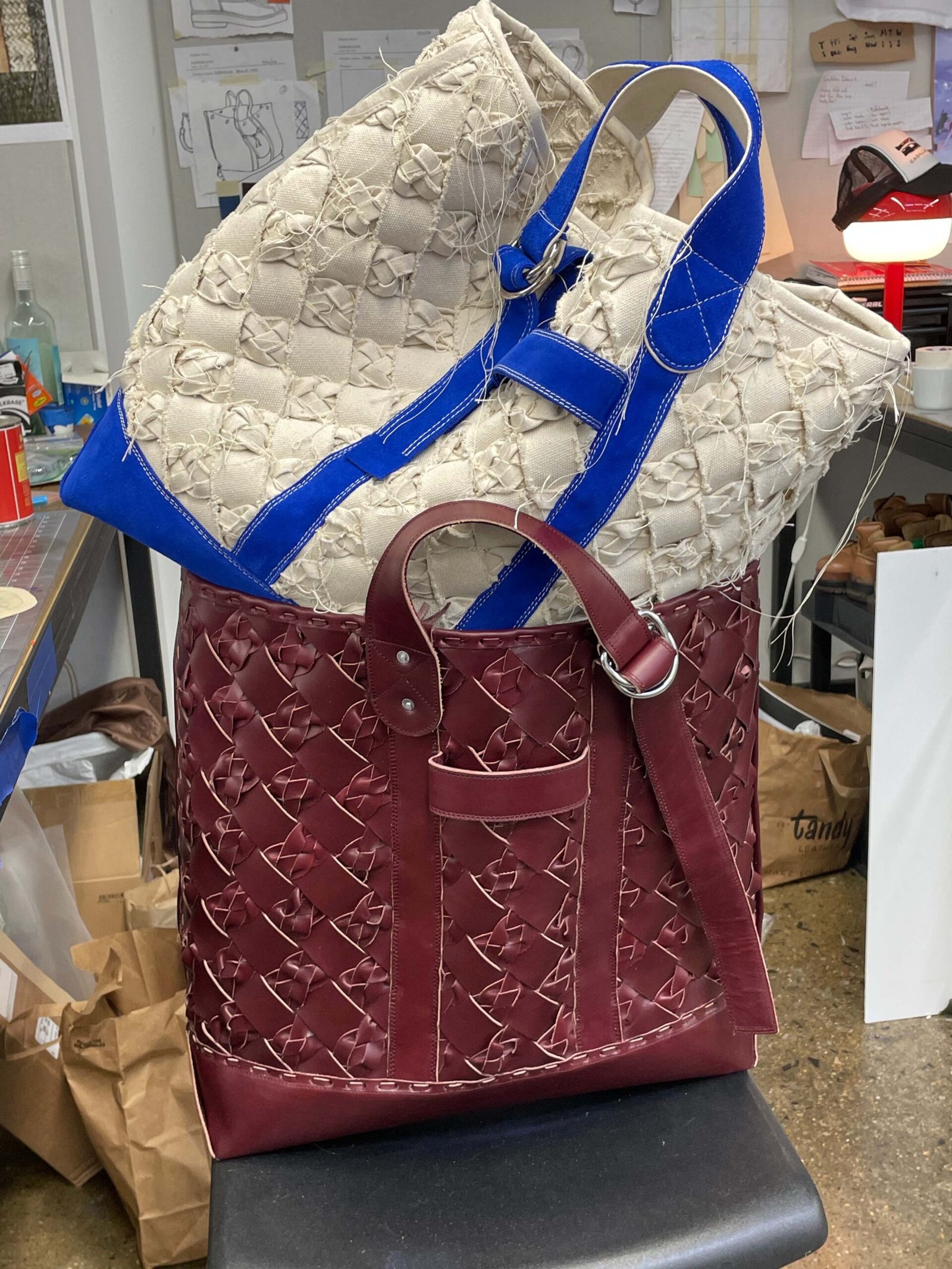
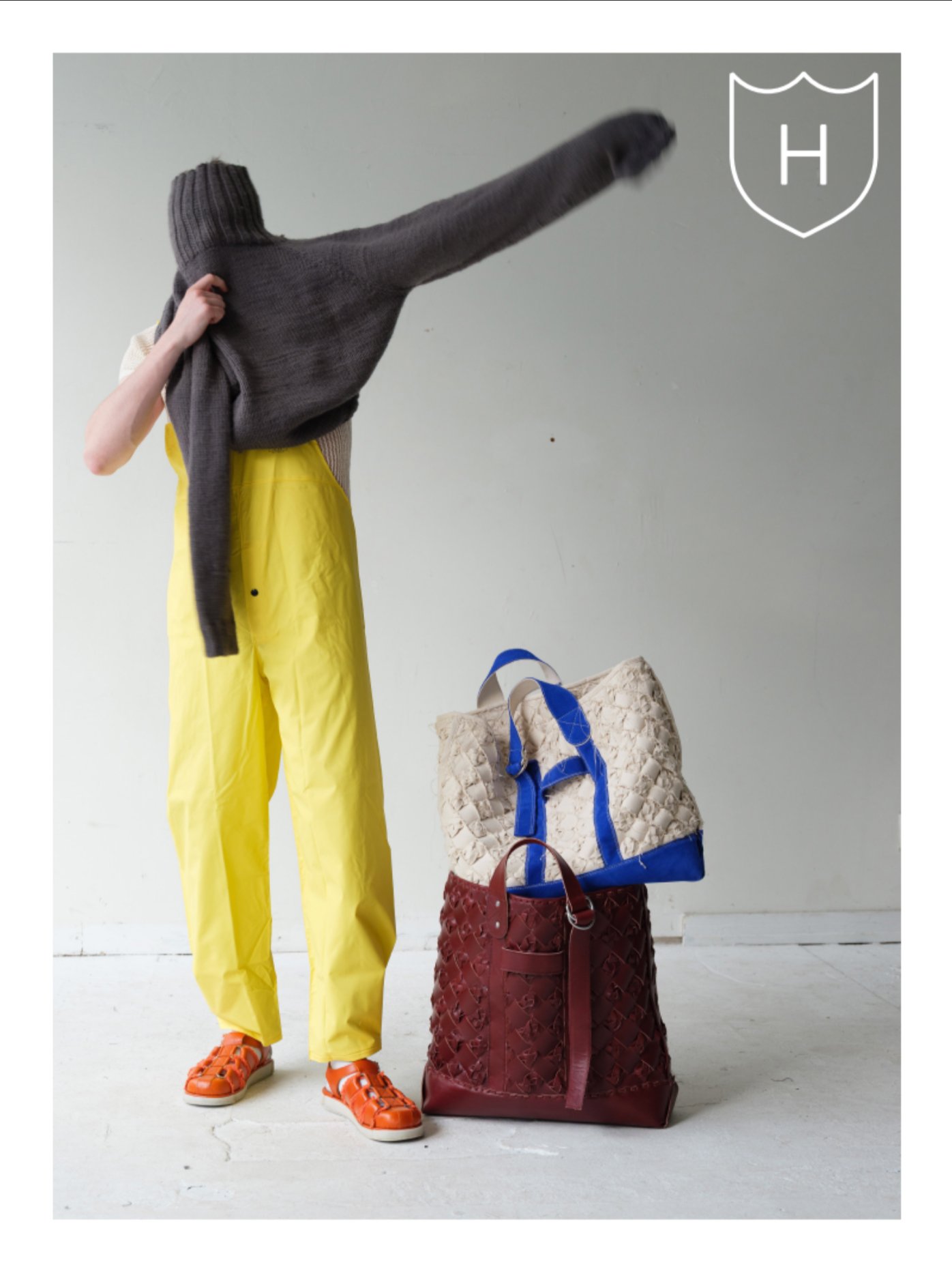
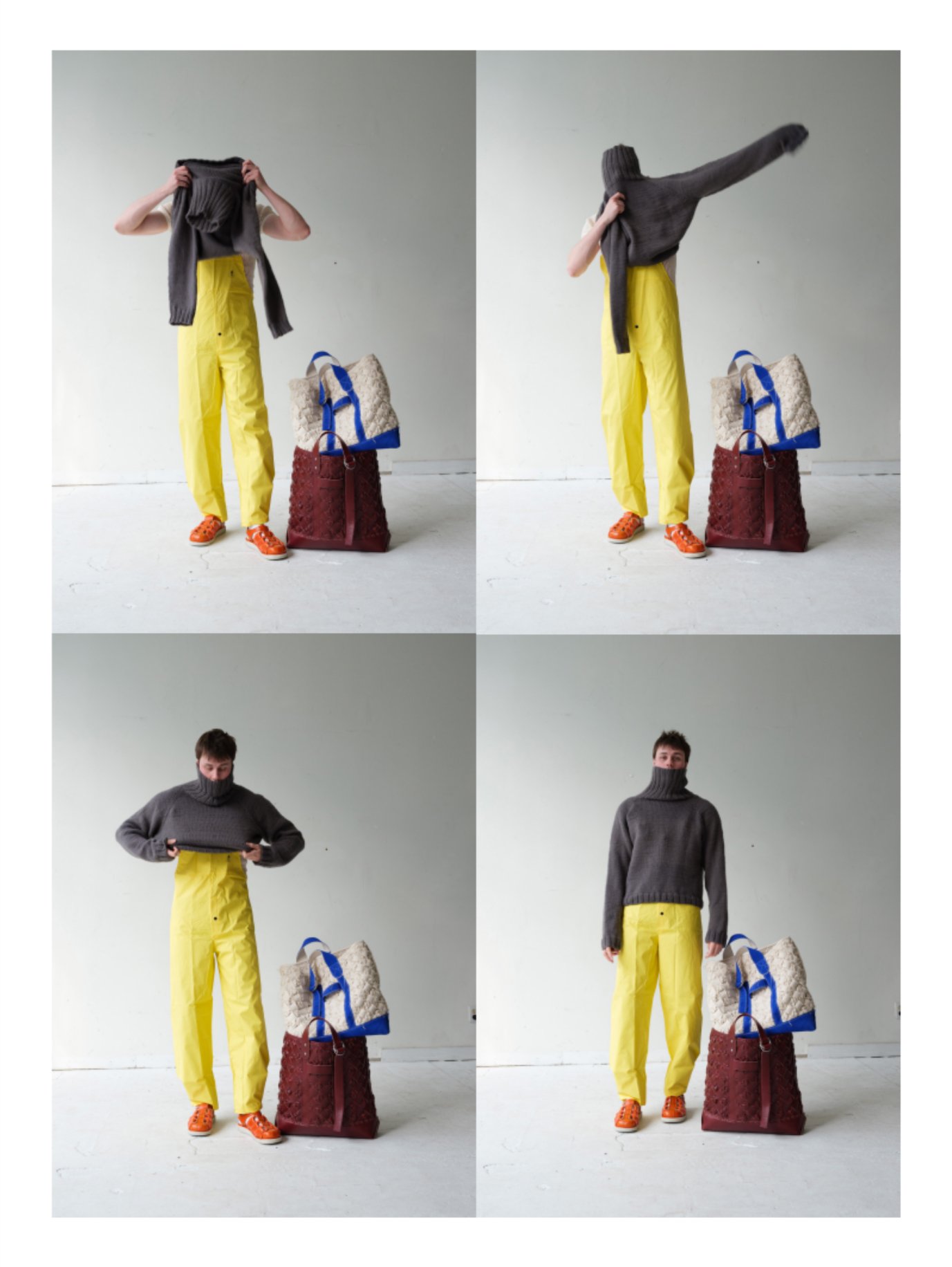
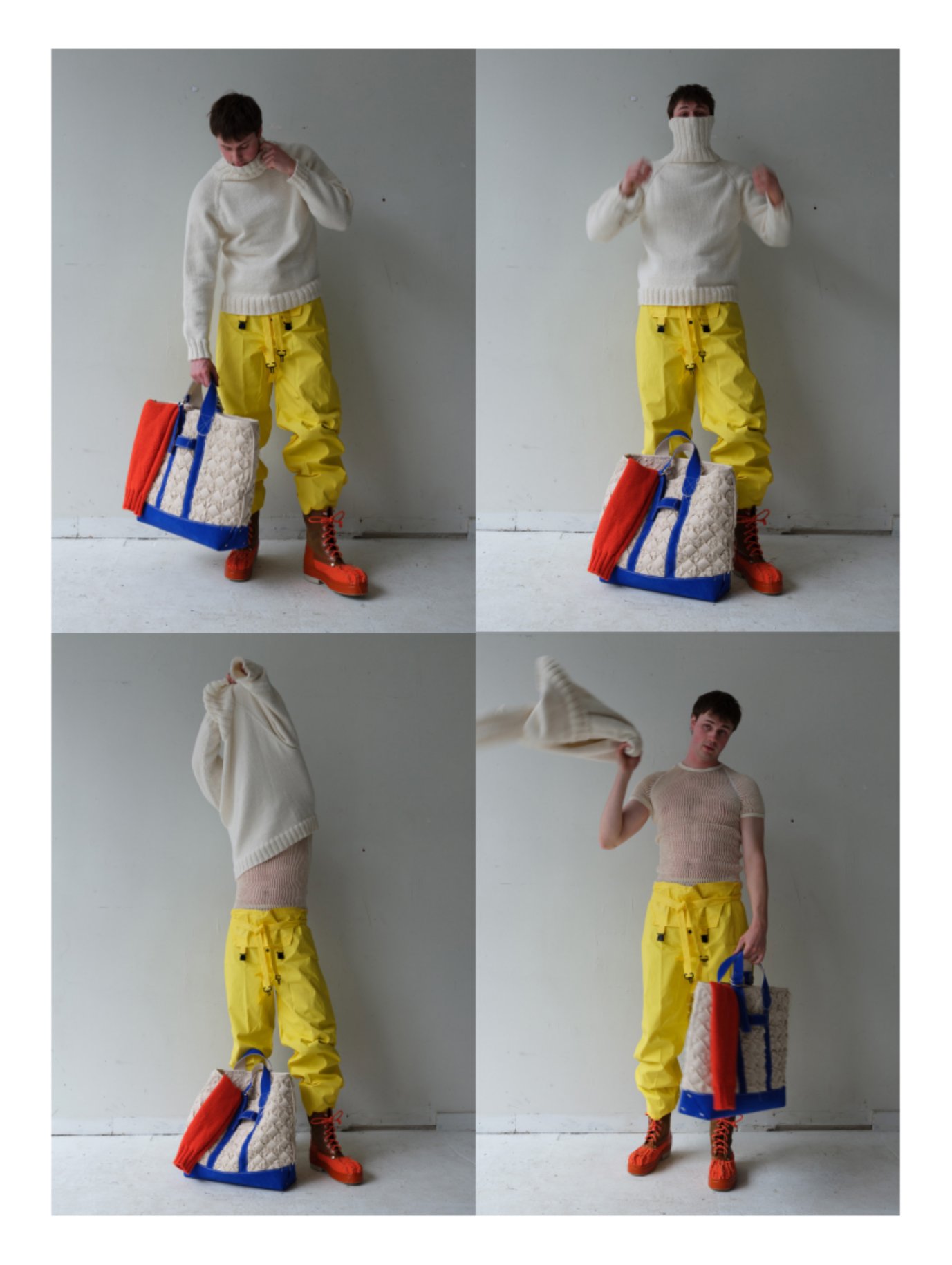
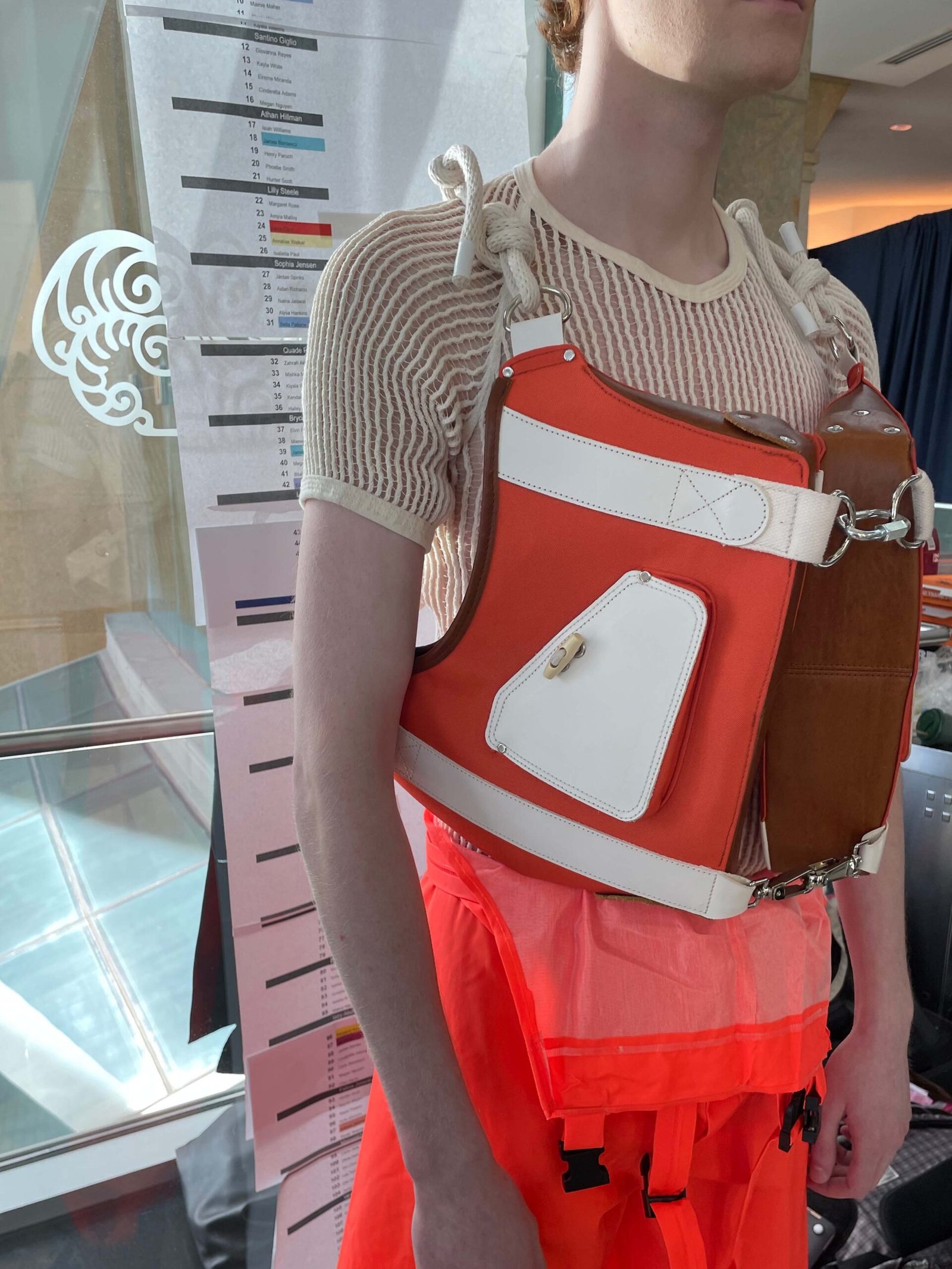
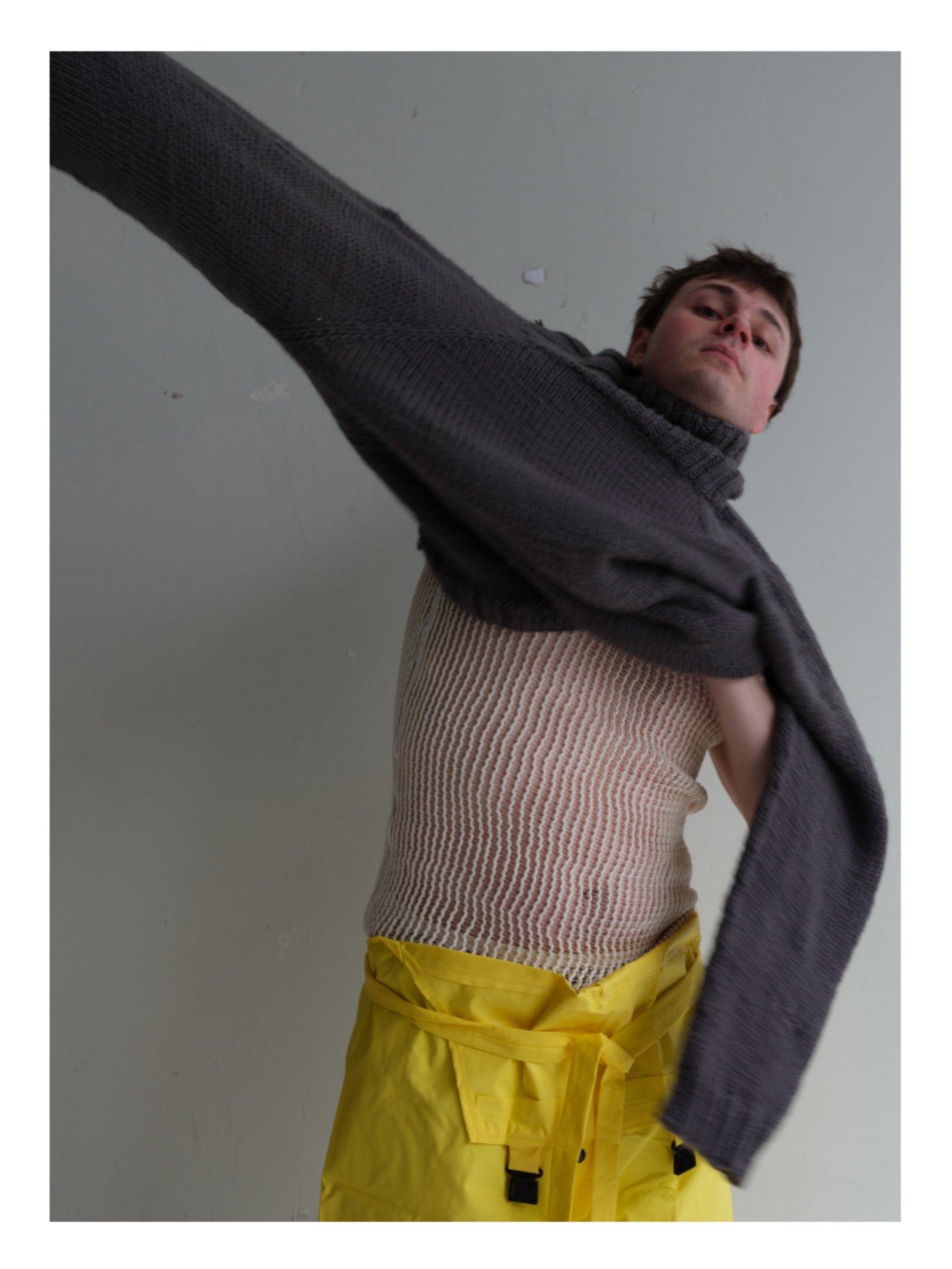
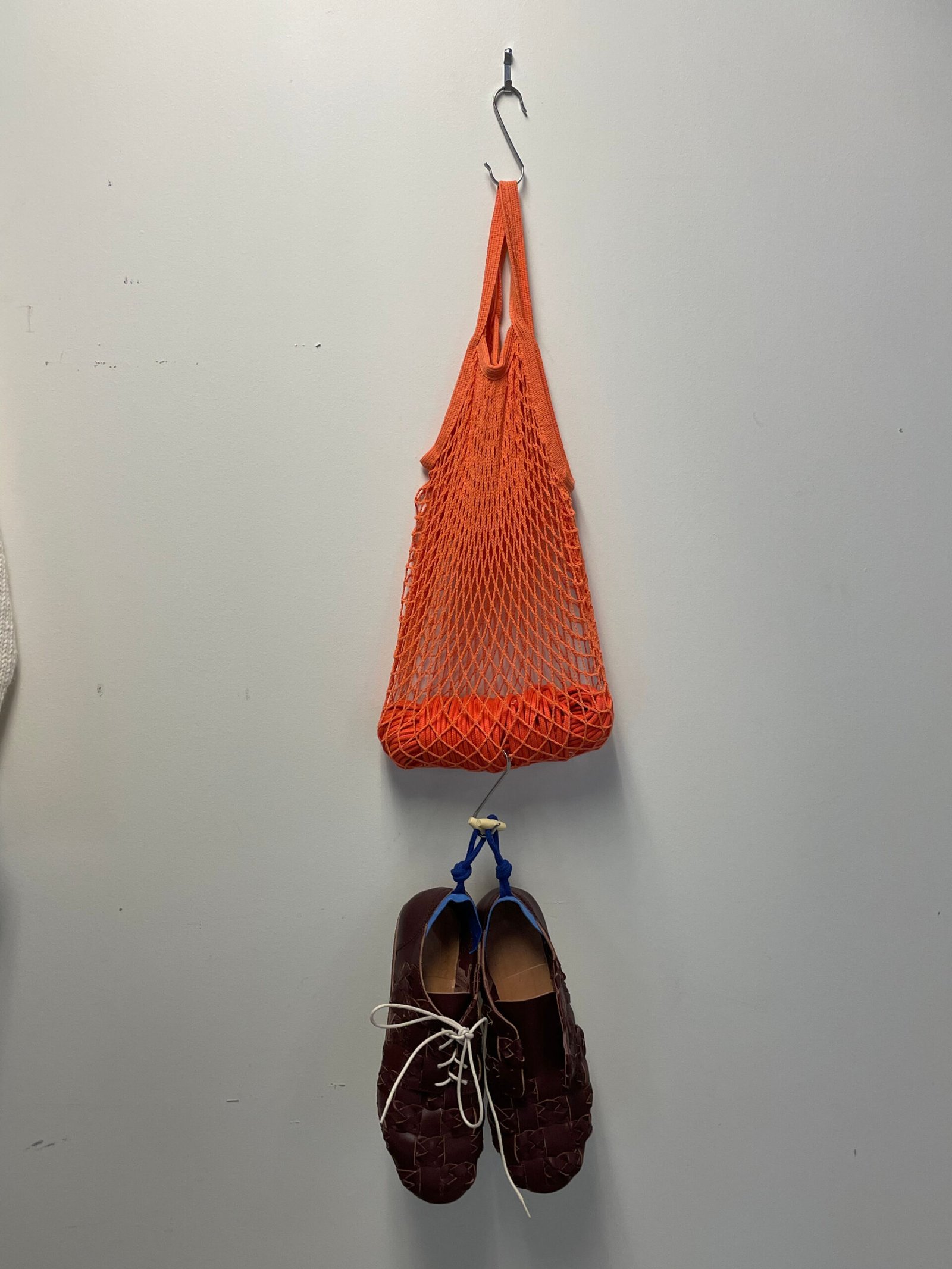
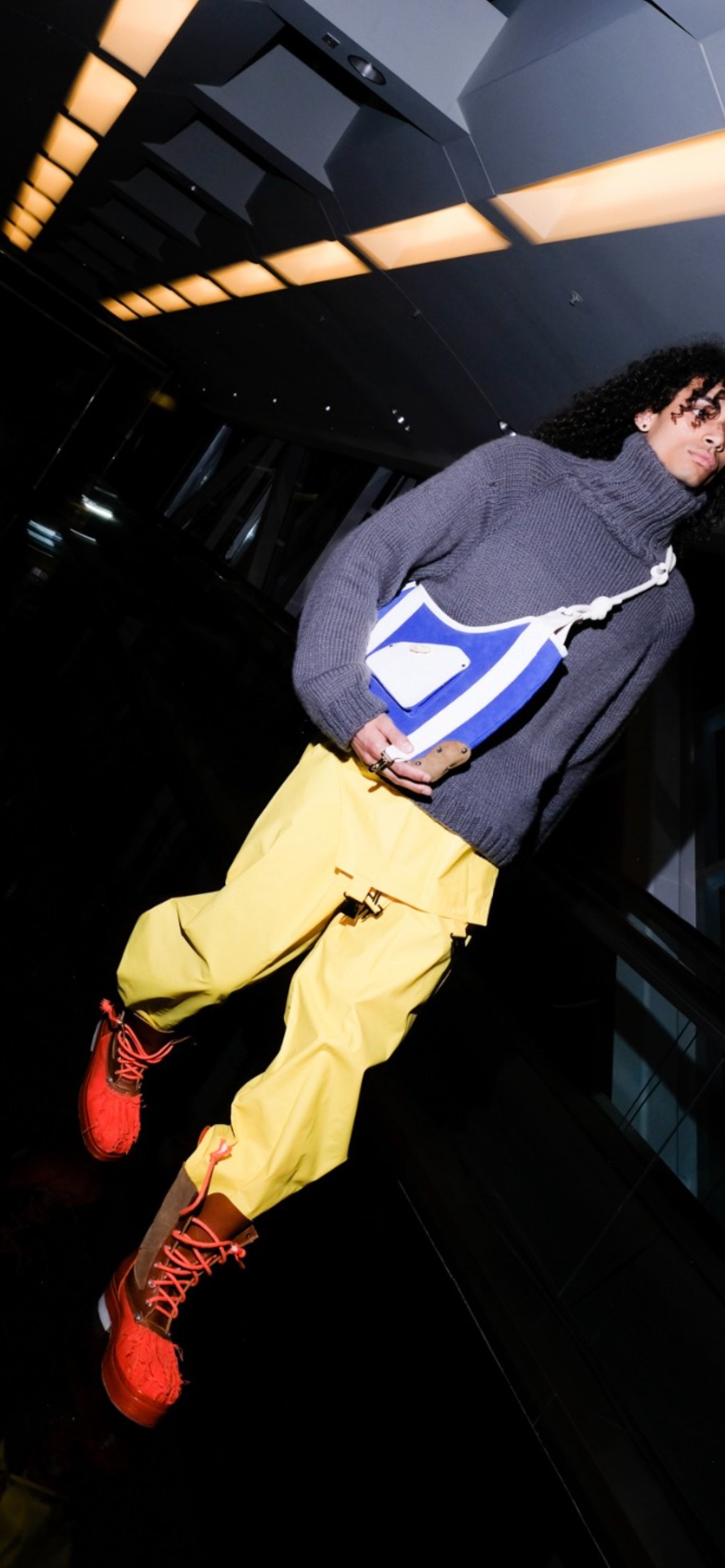
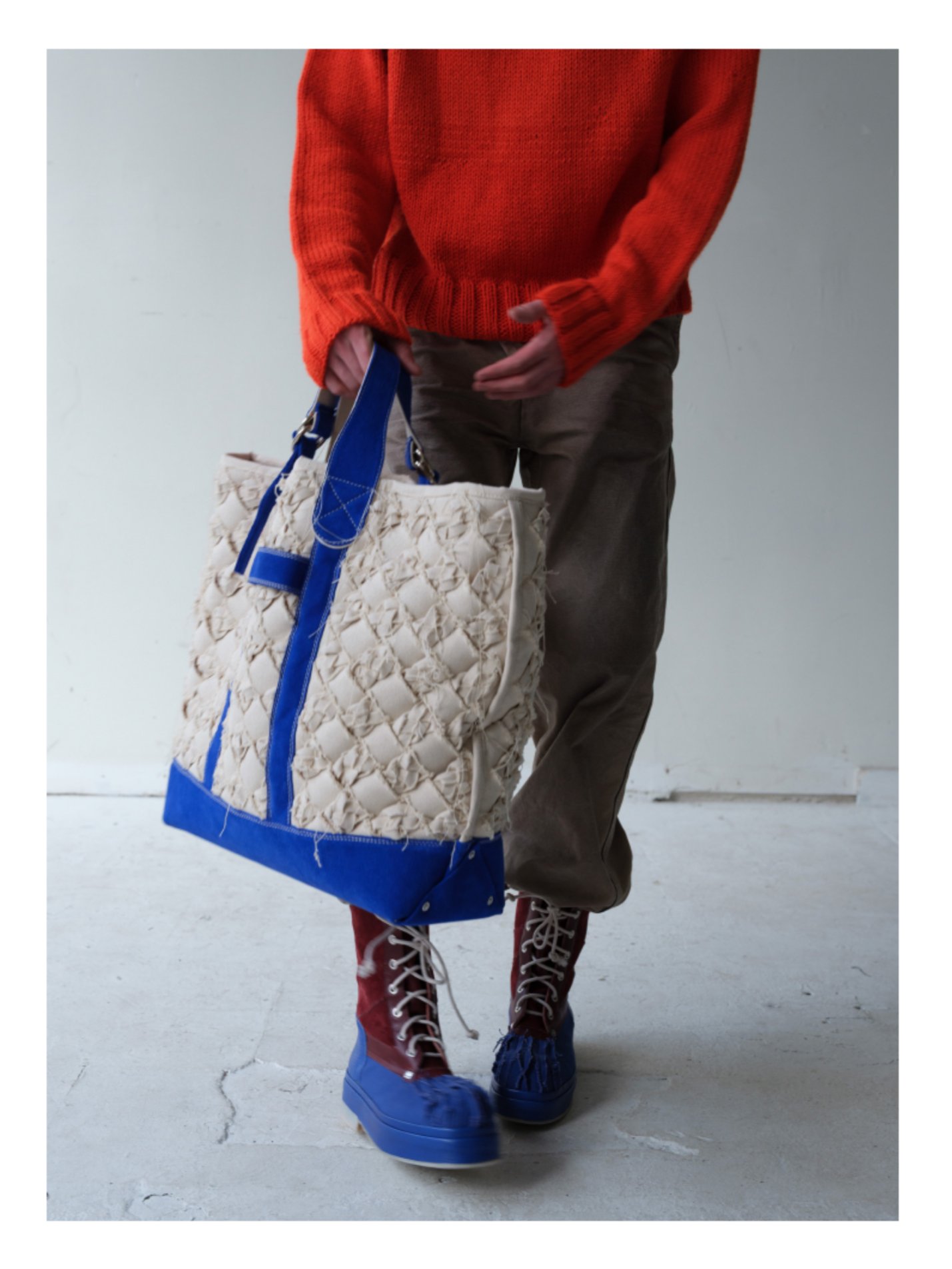
Hayden Brice’s Harborlands is a men’s ready-to-wear accessories collection set between London canal boat life and Northern Michigan. Drawing on nautical details and American heritage silhouettes, the work reflects a waterside lifestyle shaped by utility and craftsmanship. The collection focuses on translating familiar forms through materials and textures that connect both environments. As he enters the industry as a leather goods design apprentice, Brice is interested in how the creative process will shift. Having managed every stage of development during his studies, he is now considering how a more defined role will shape his input, particularly where his design vision begins and where it is passed on within a larger system.

@Haydendbrice