Representing the creative future

IFM BA FASHION 2026: MEMORY AND MYTHOLOGY

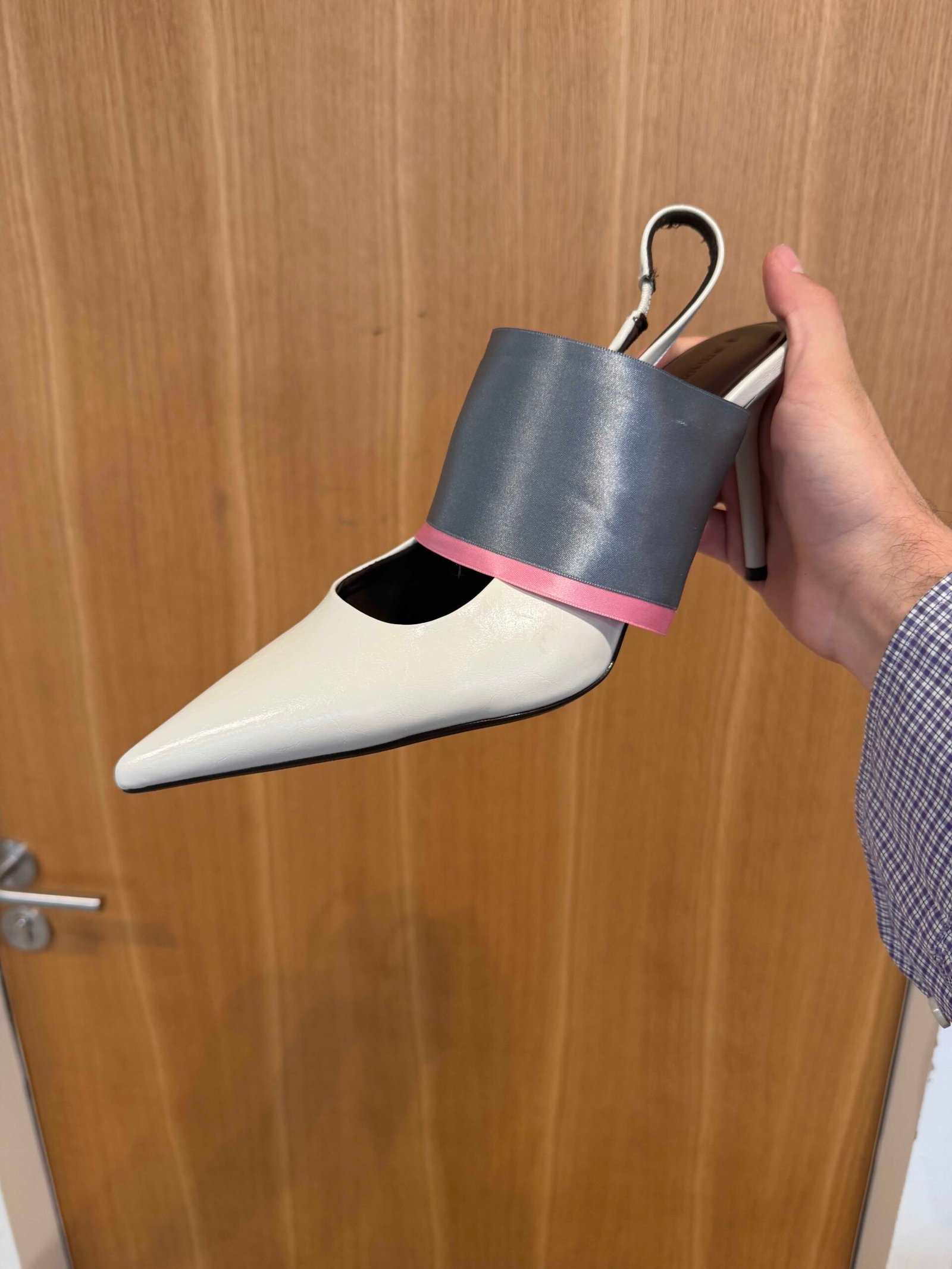
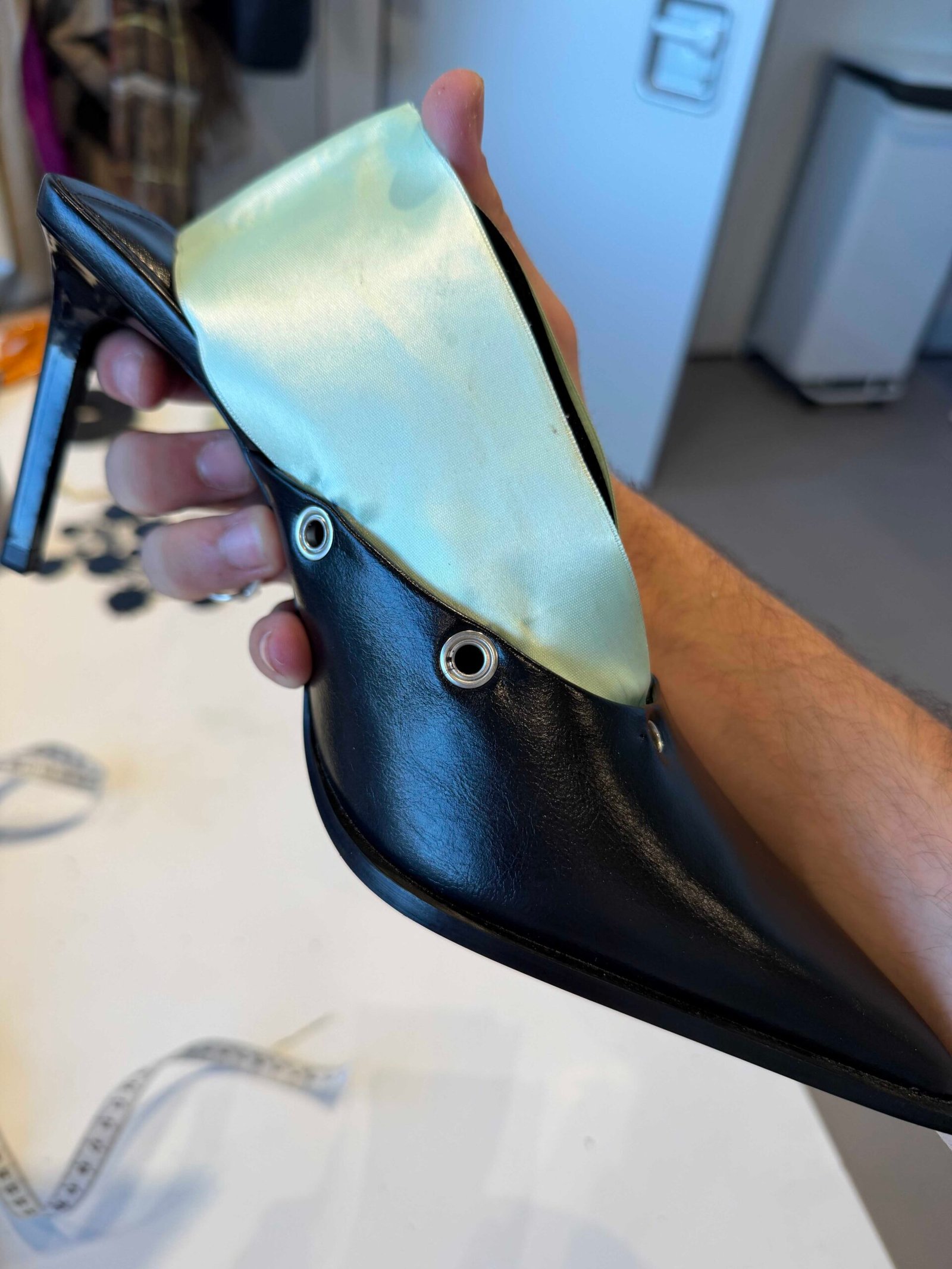
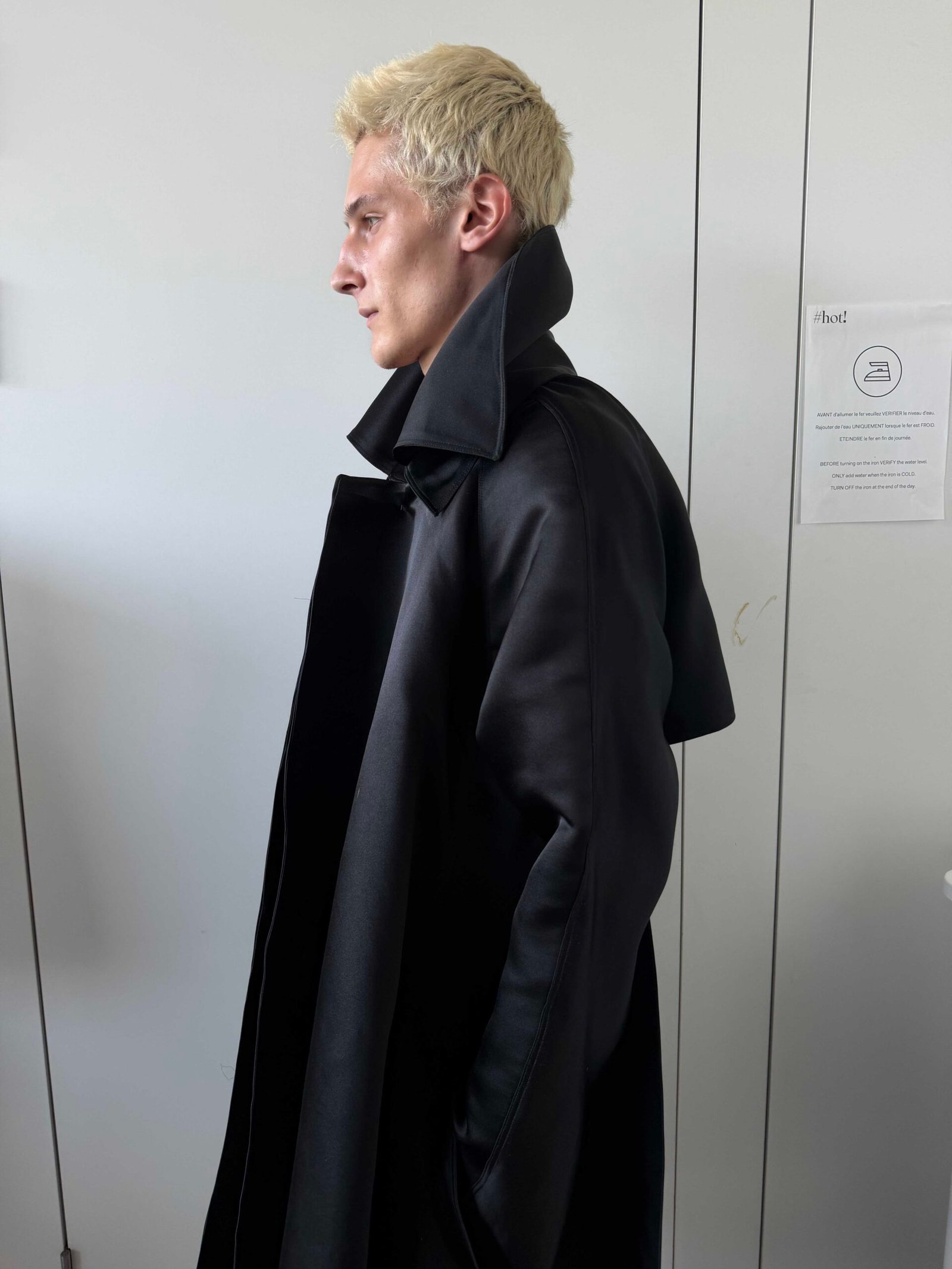
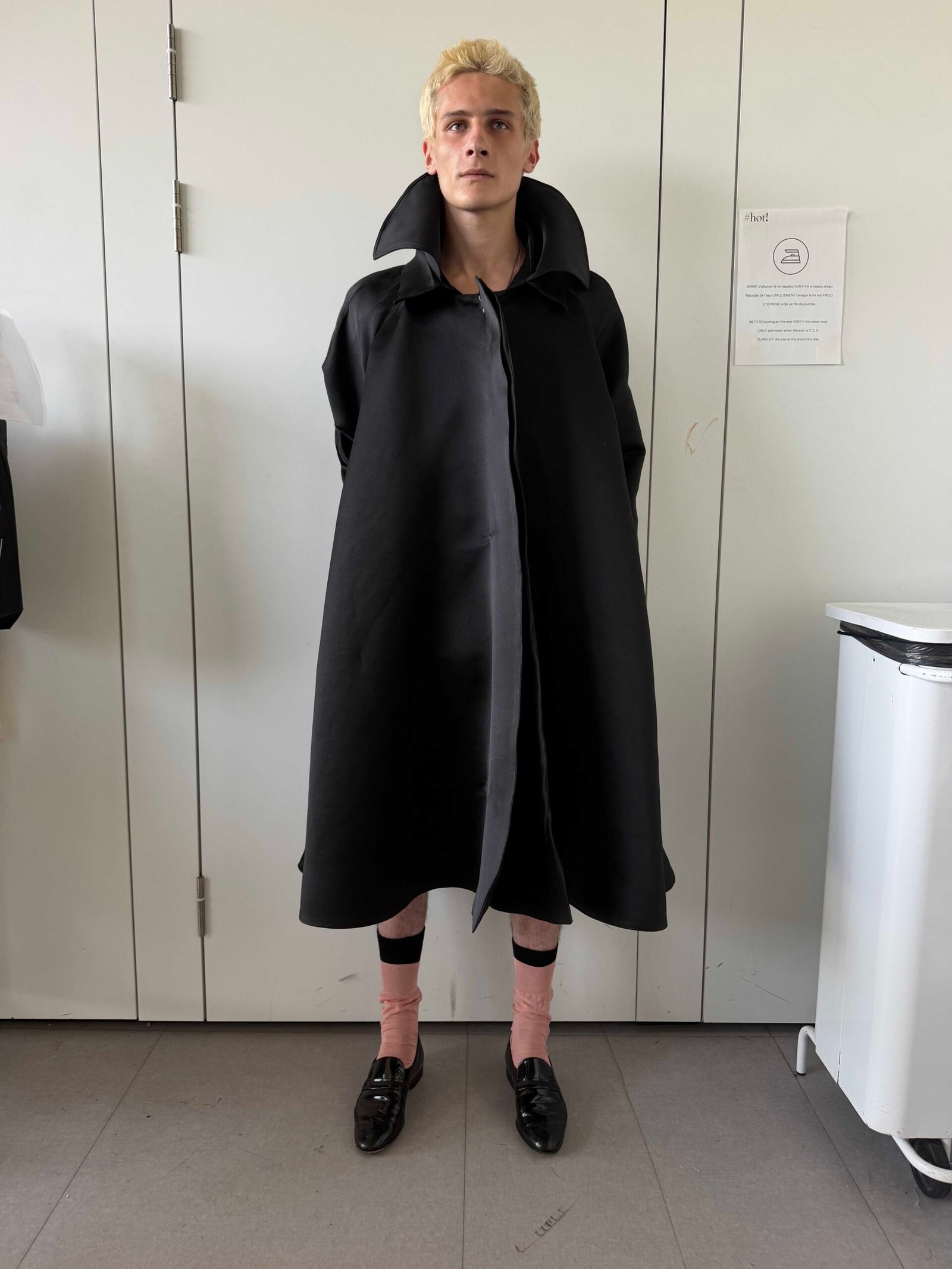
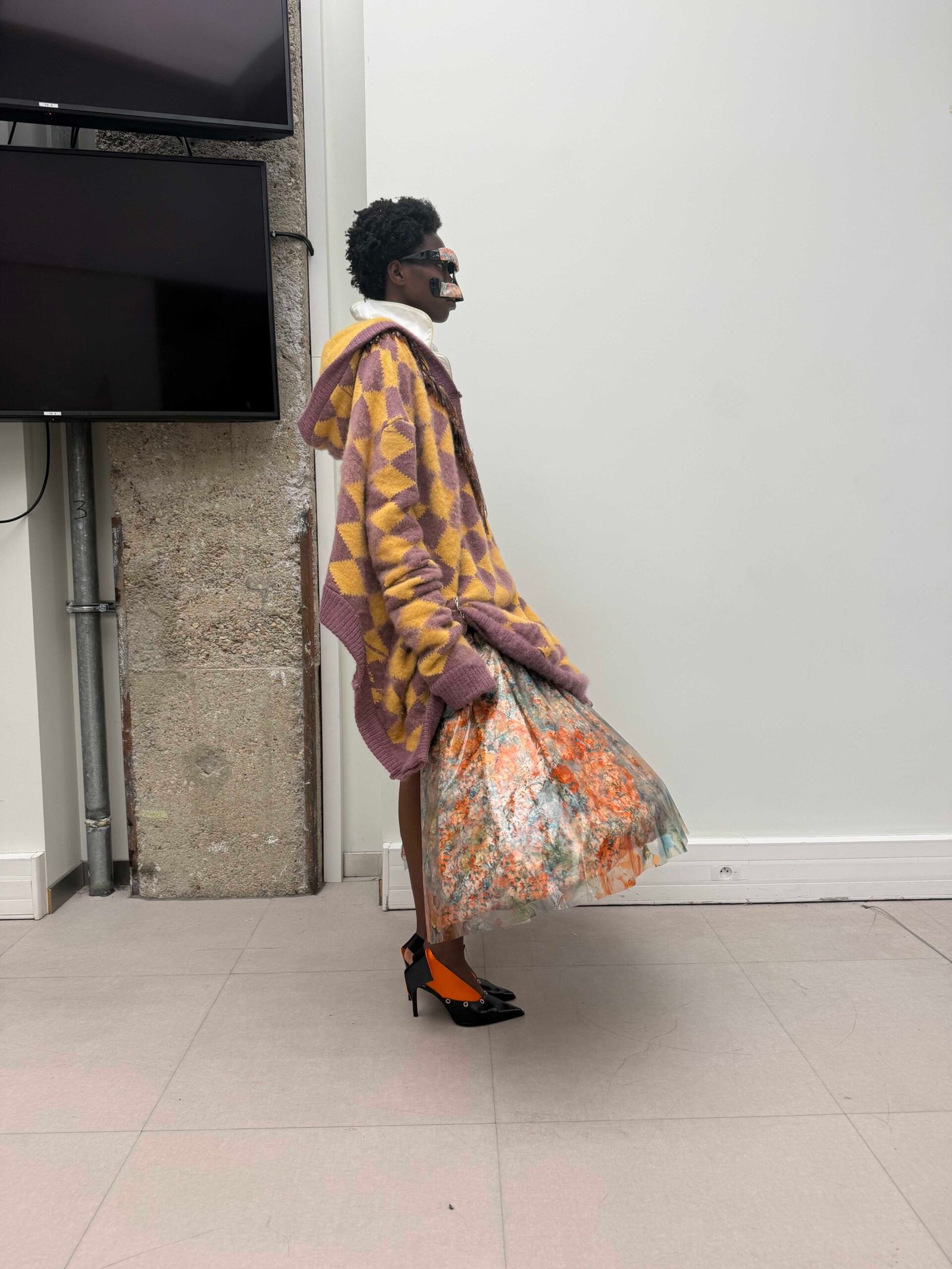
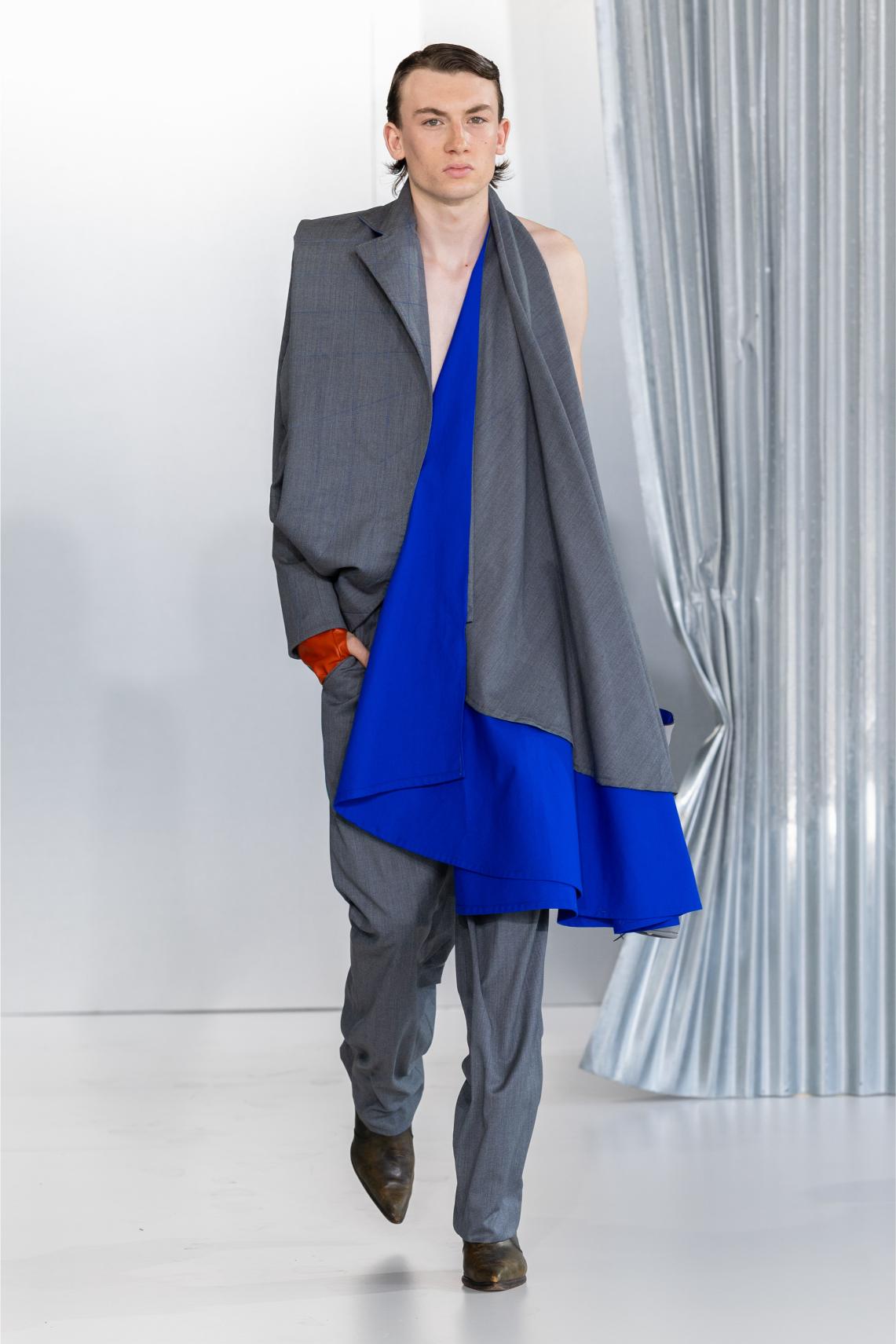
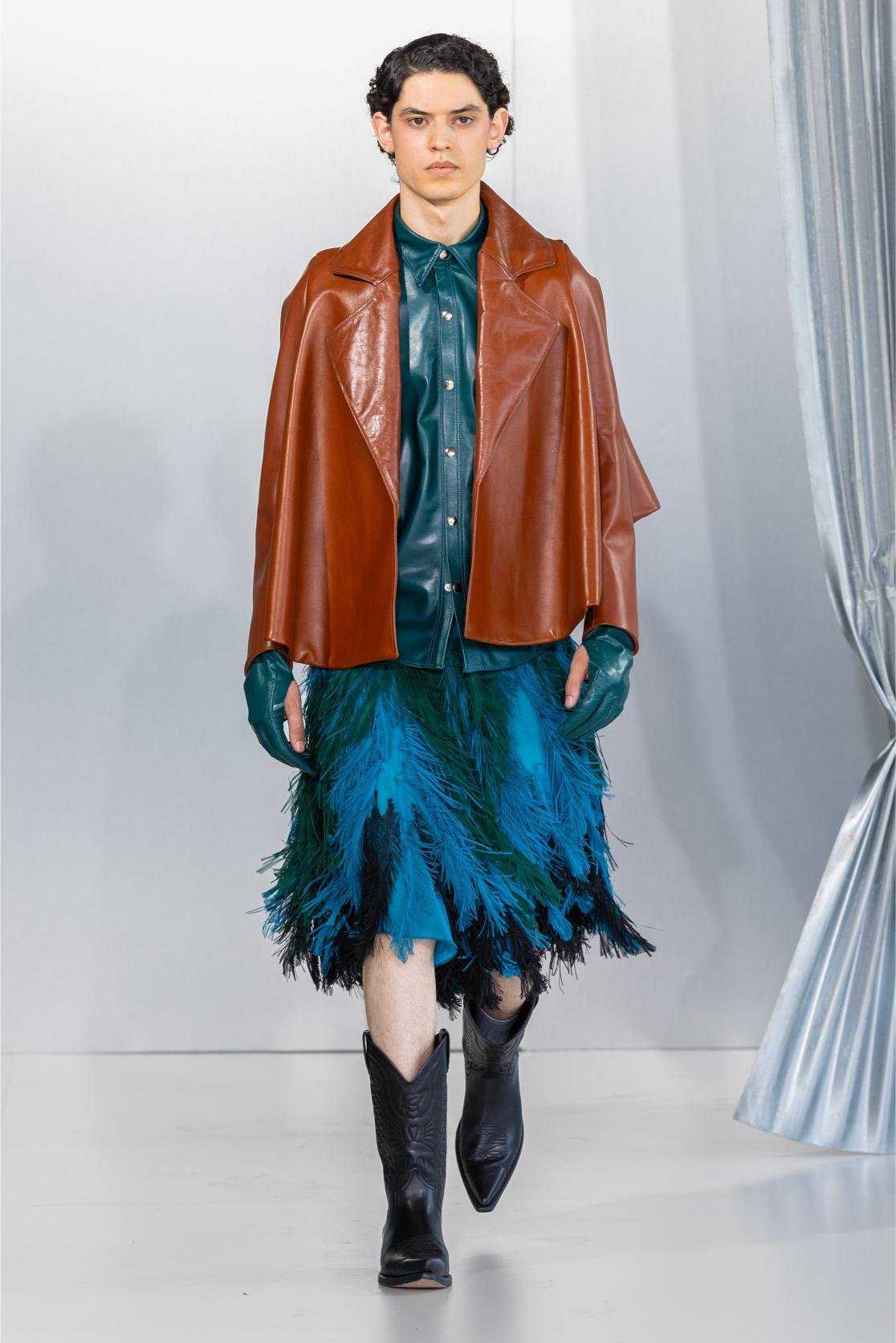
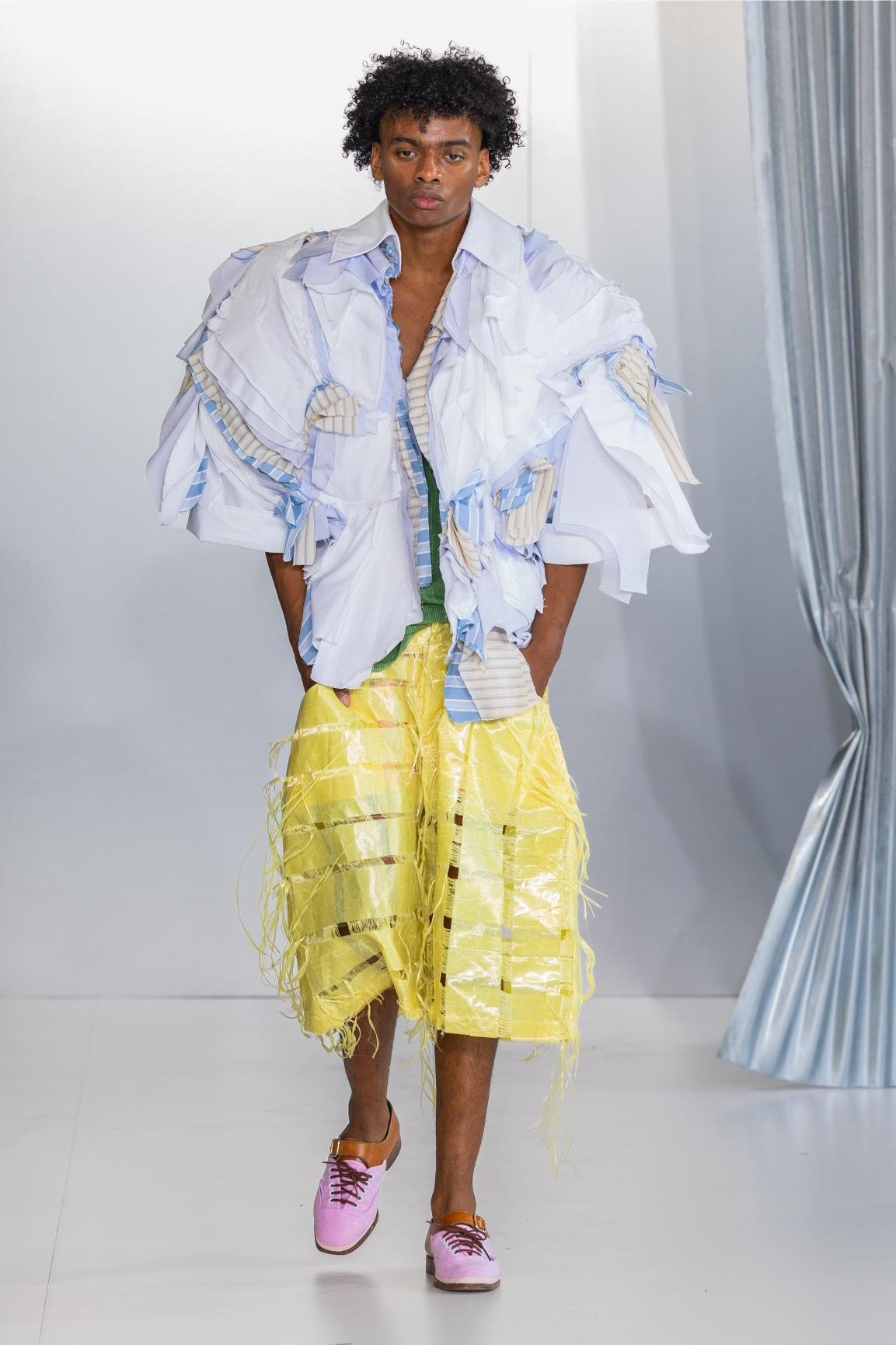
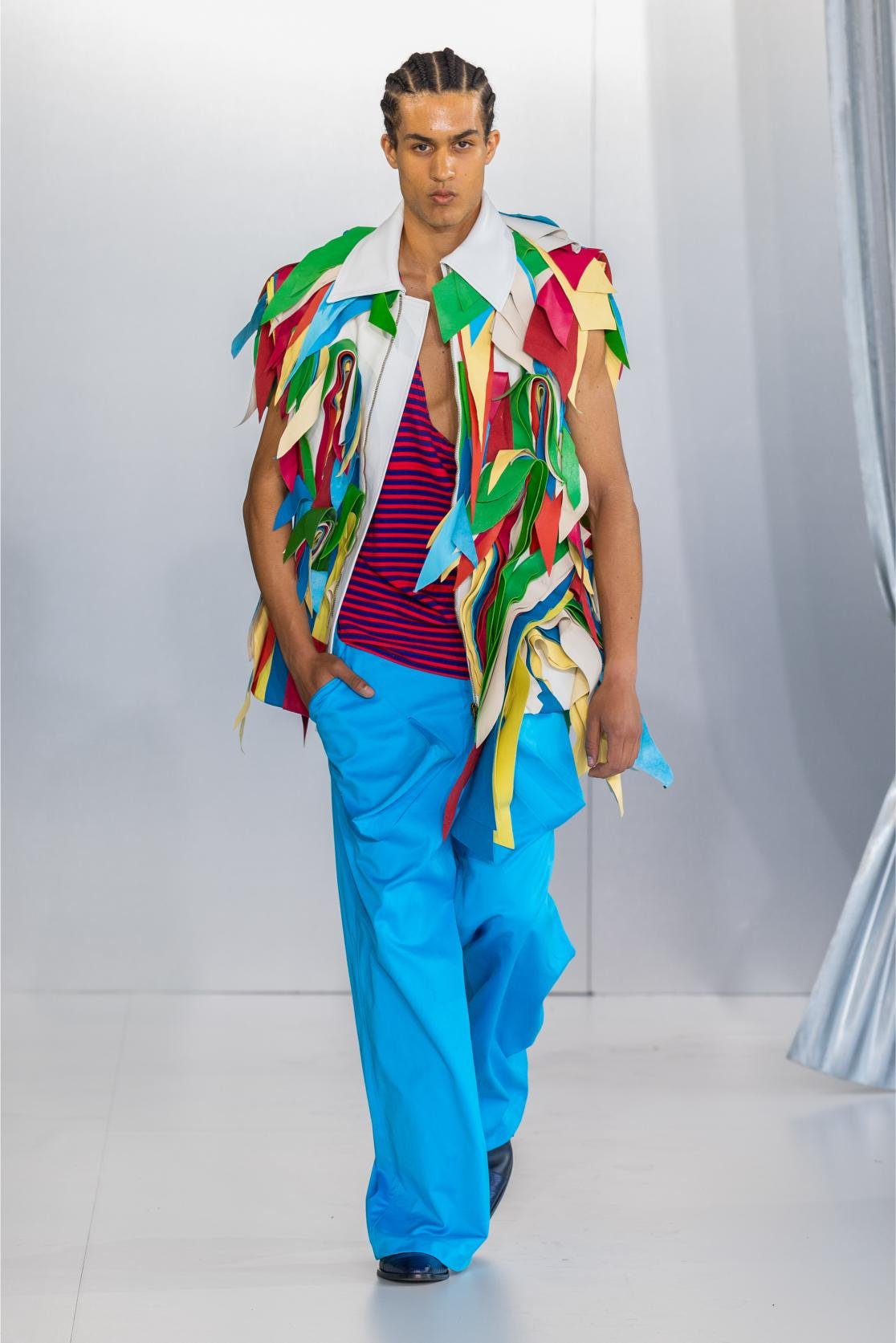
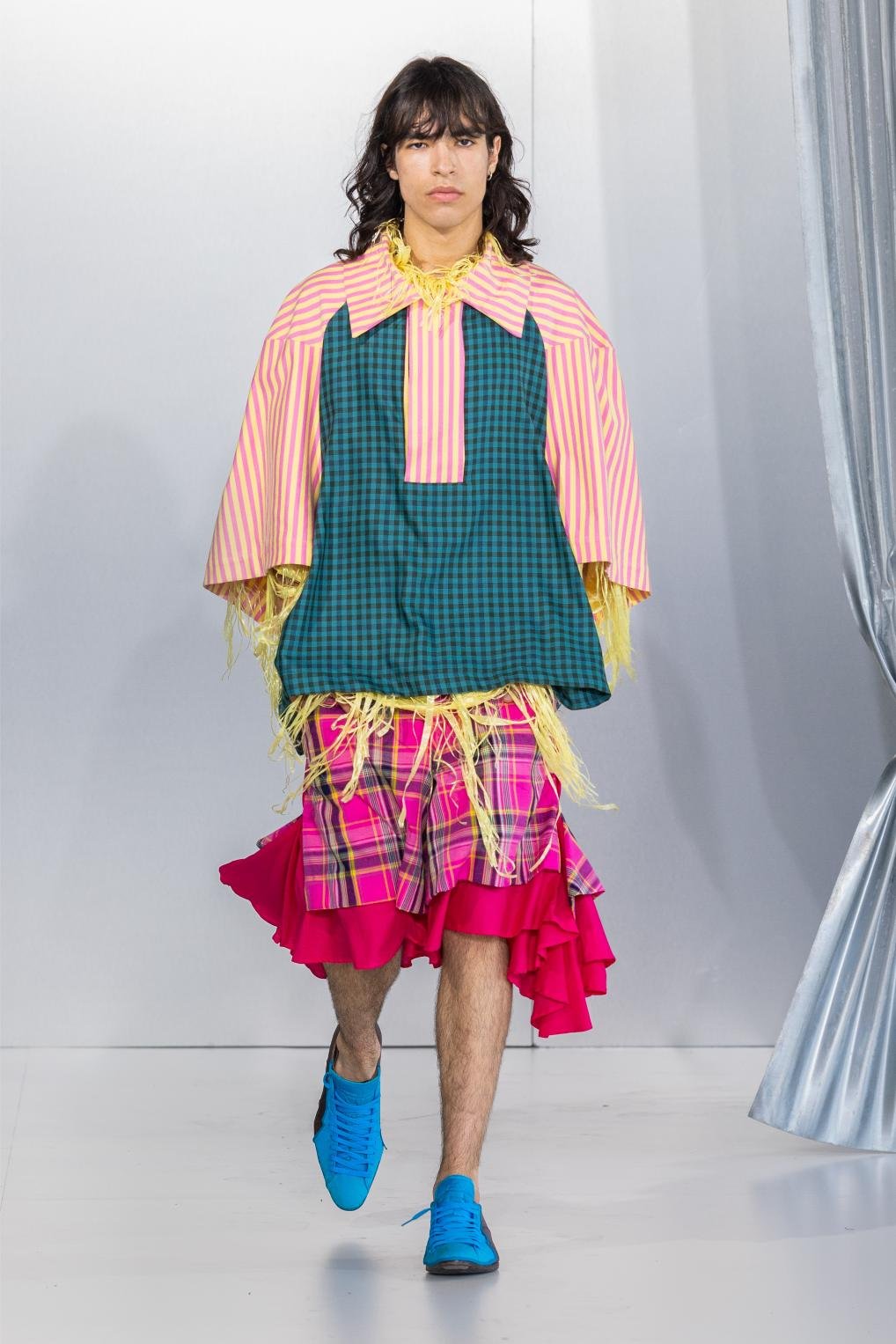
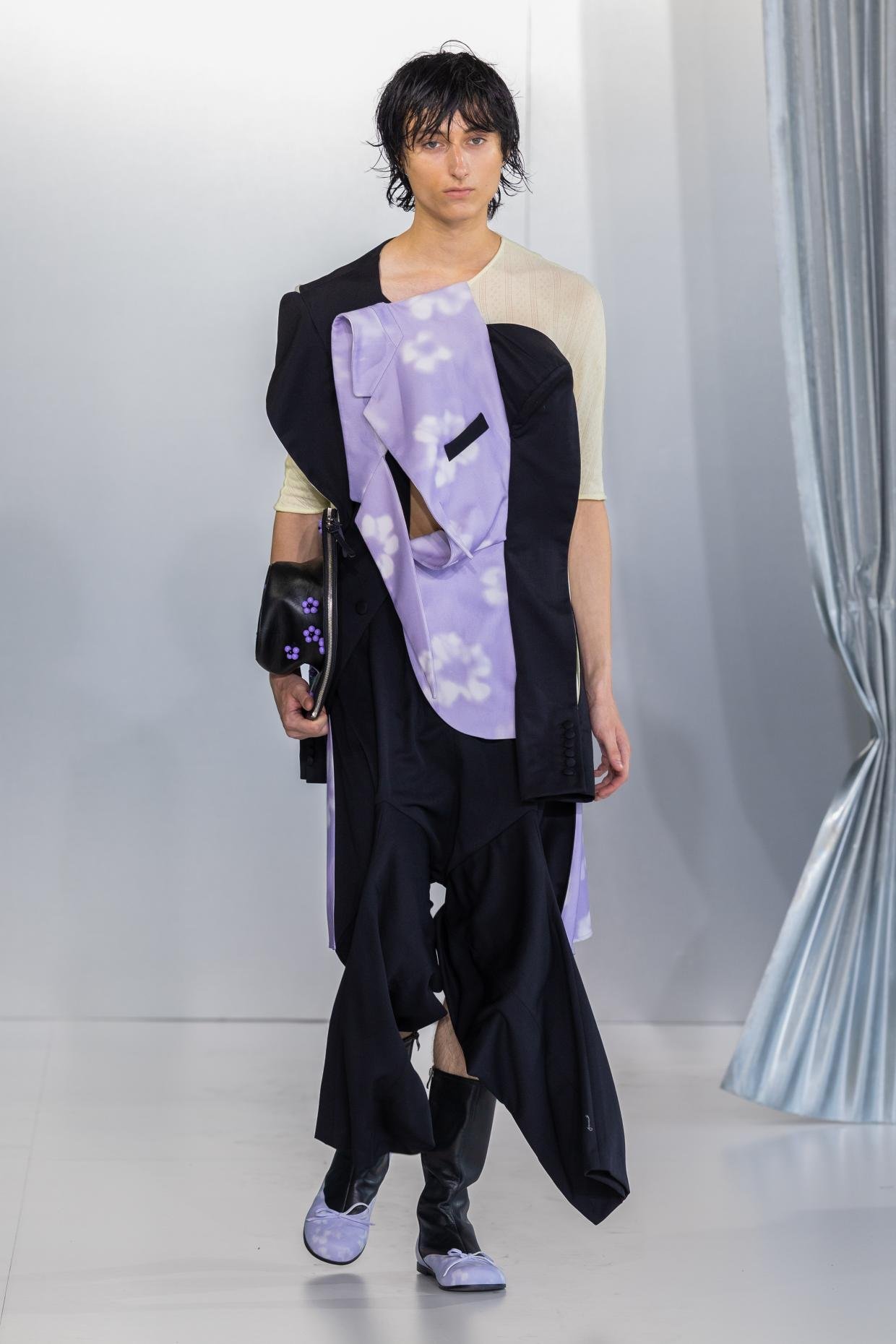
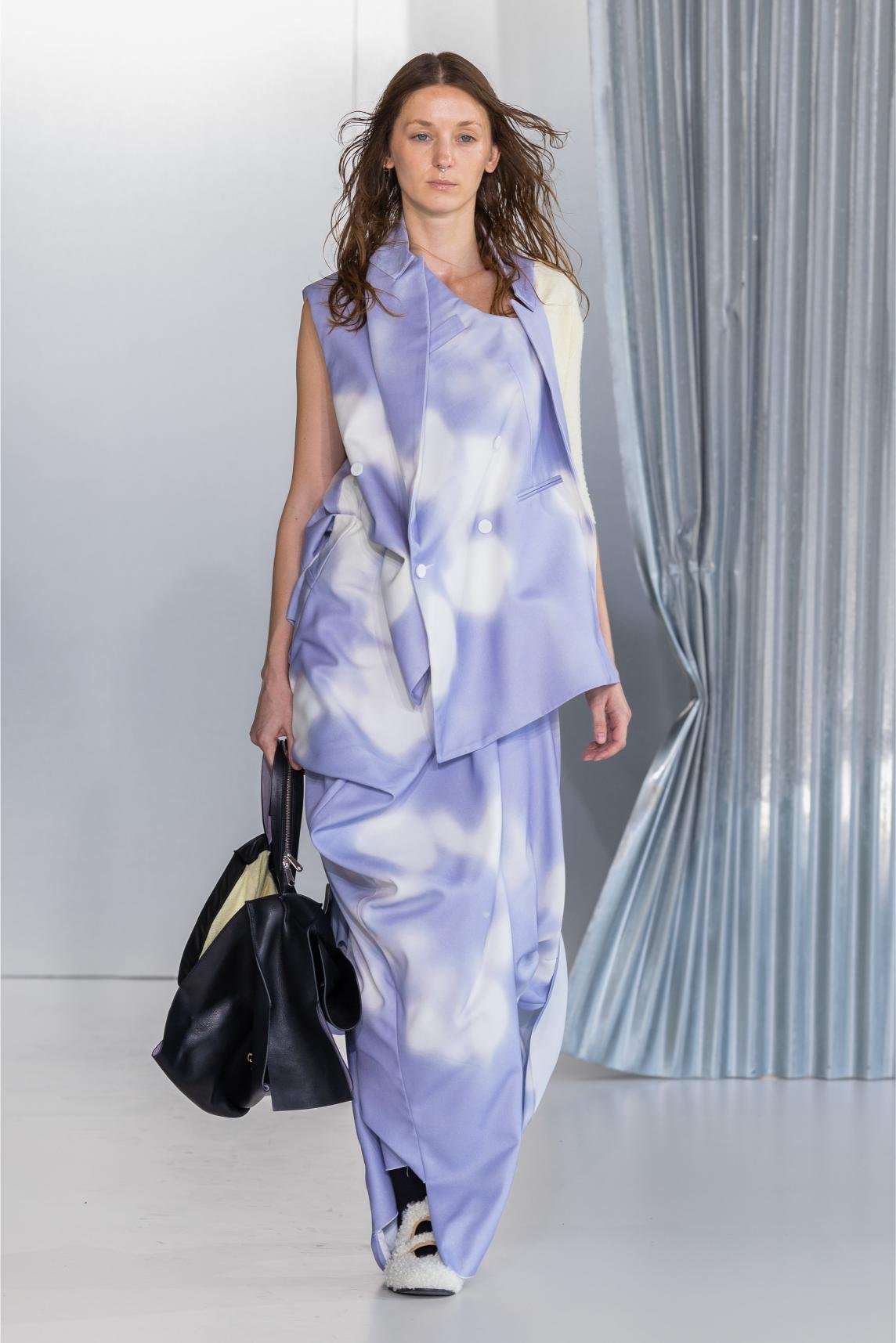
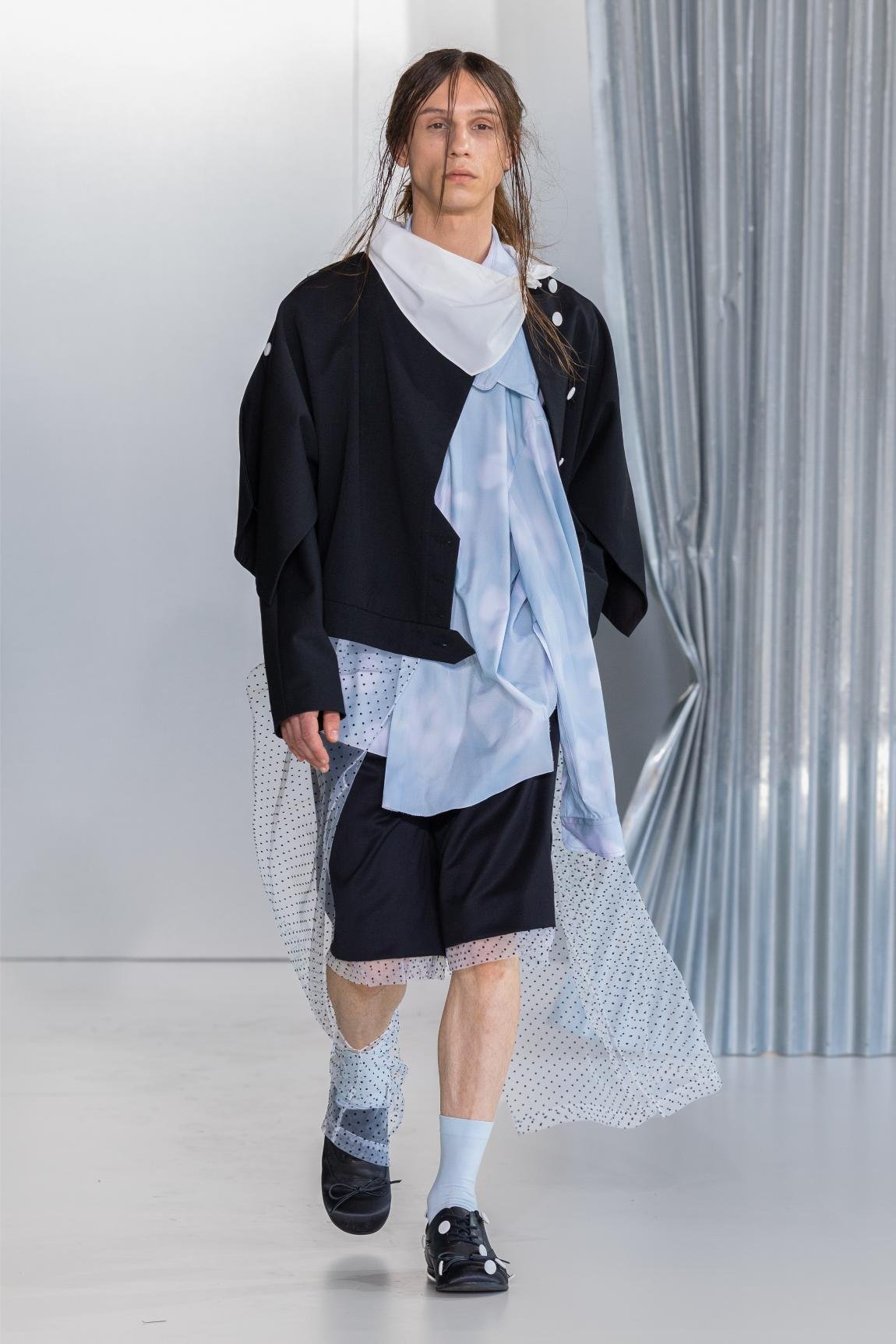
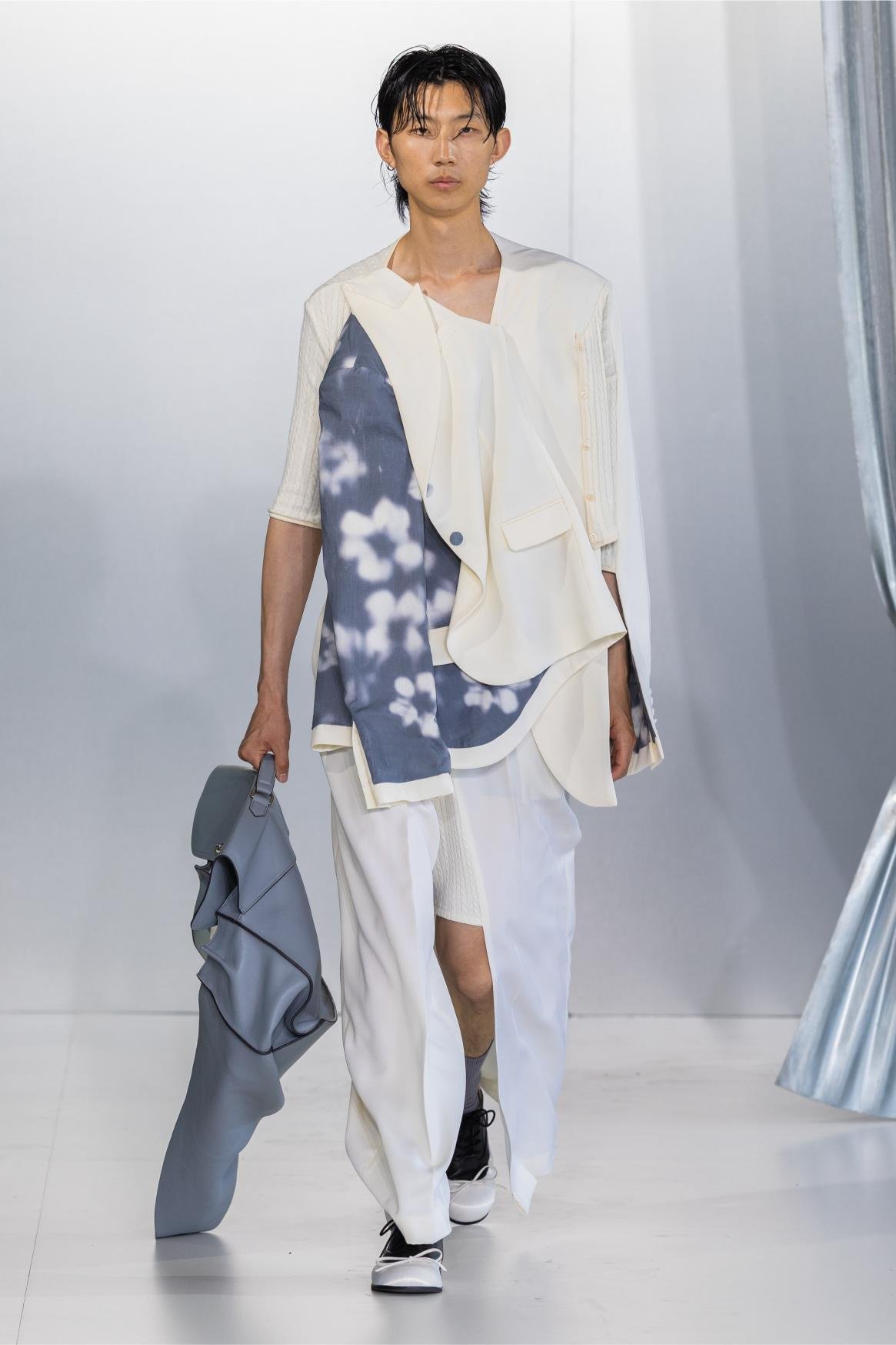
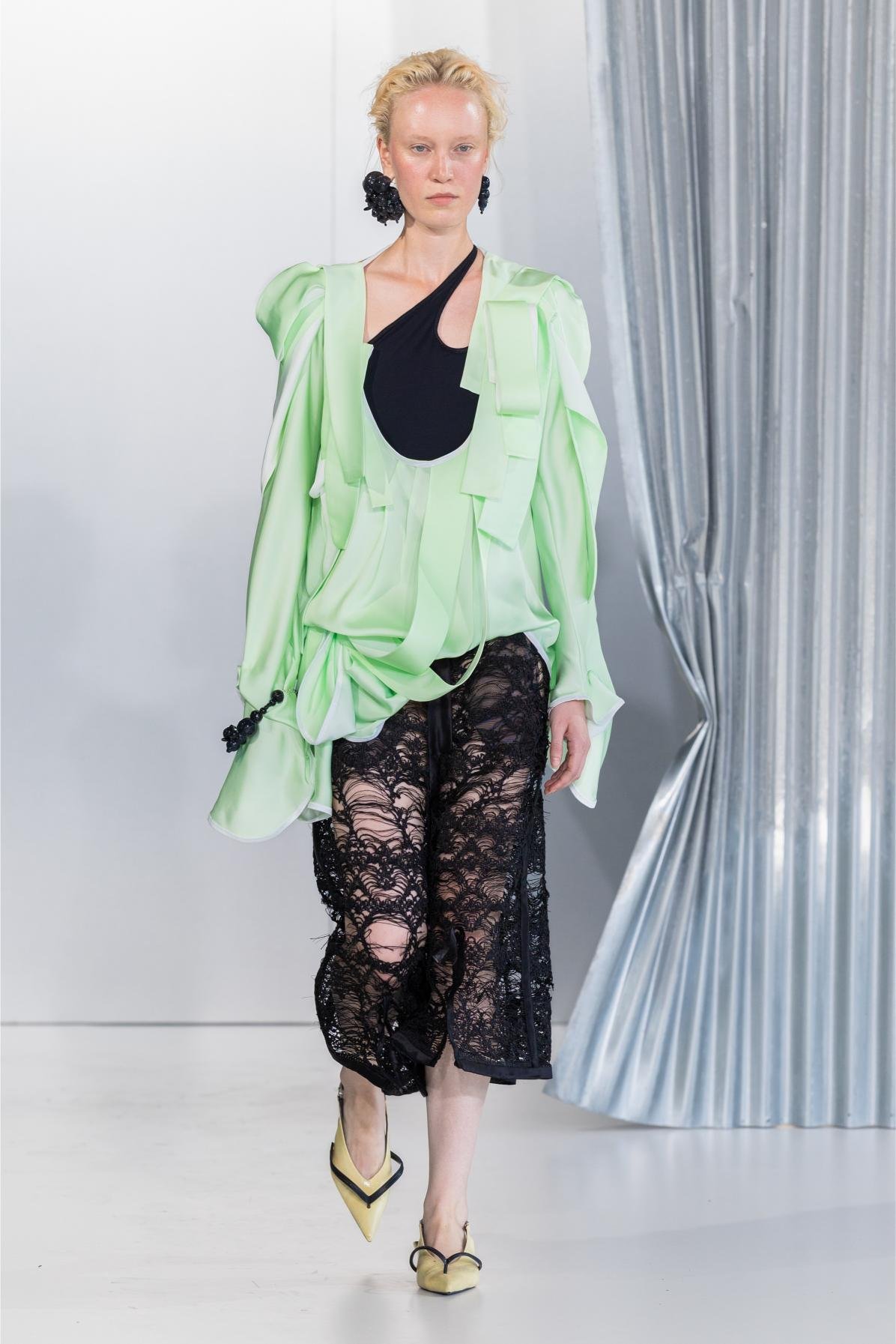
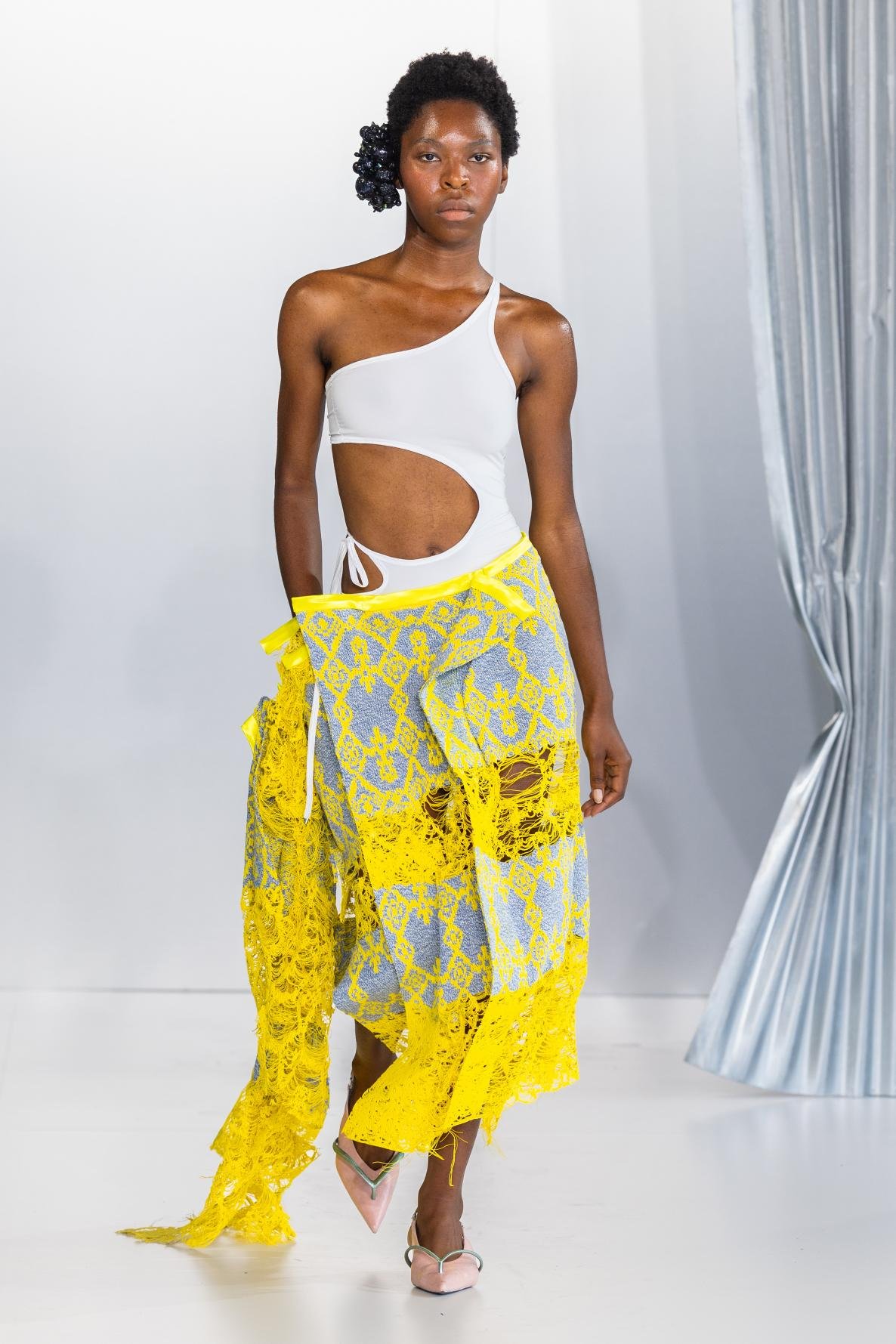
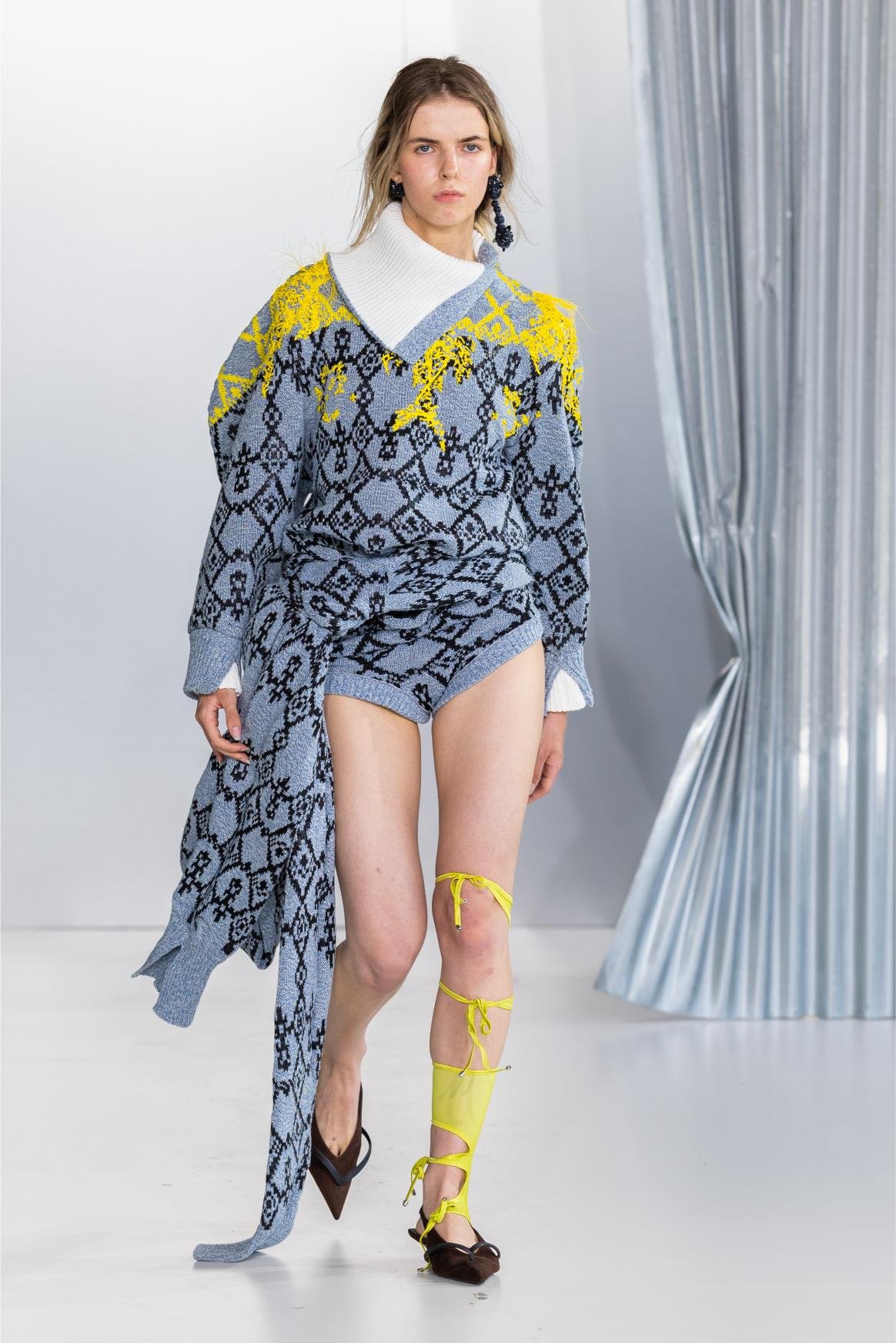
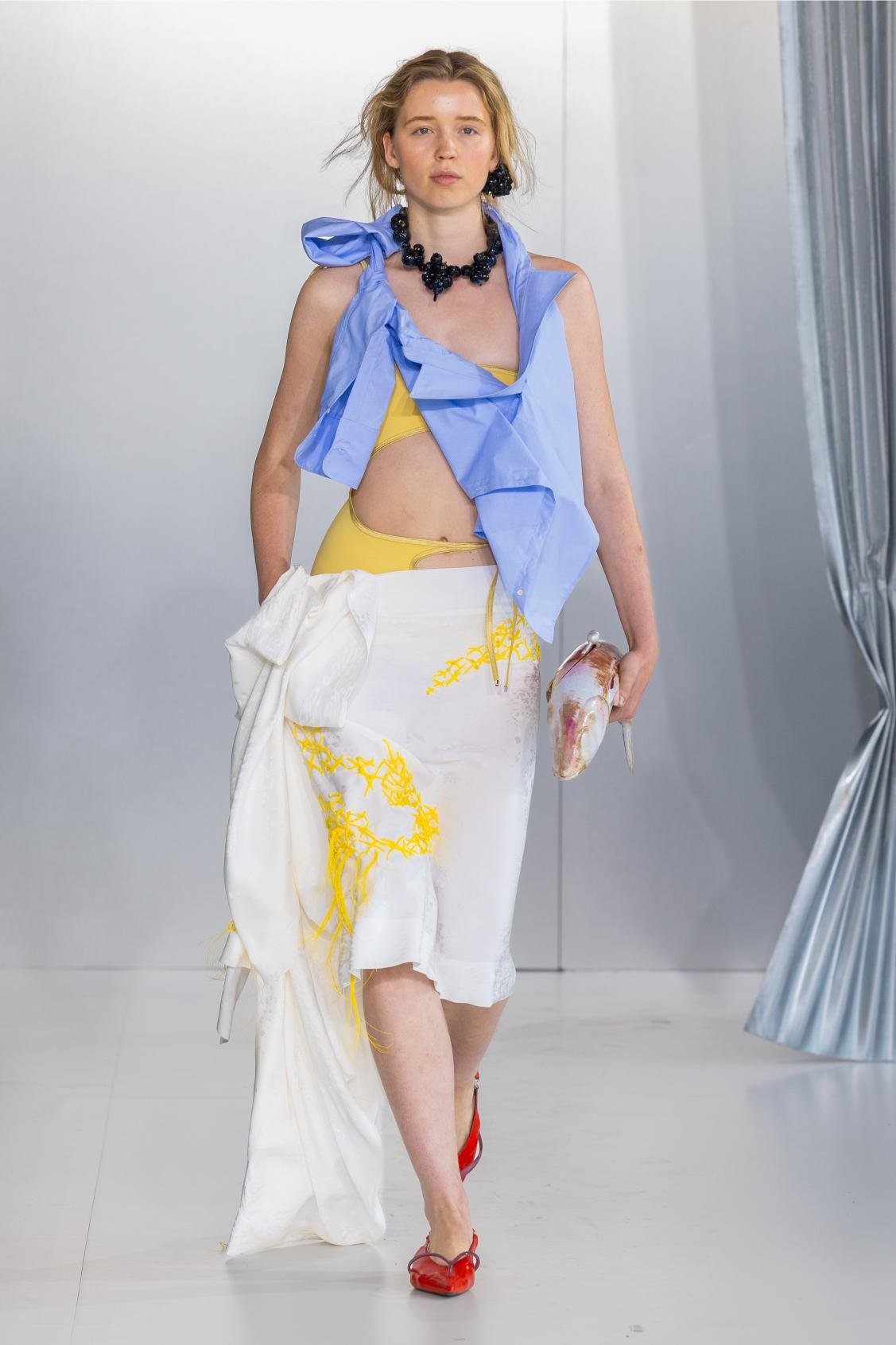
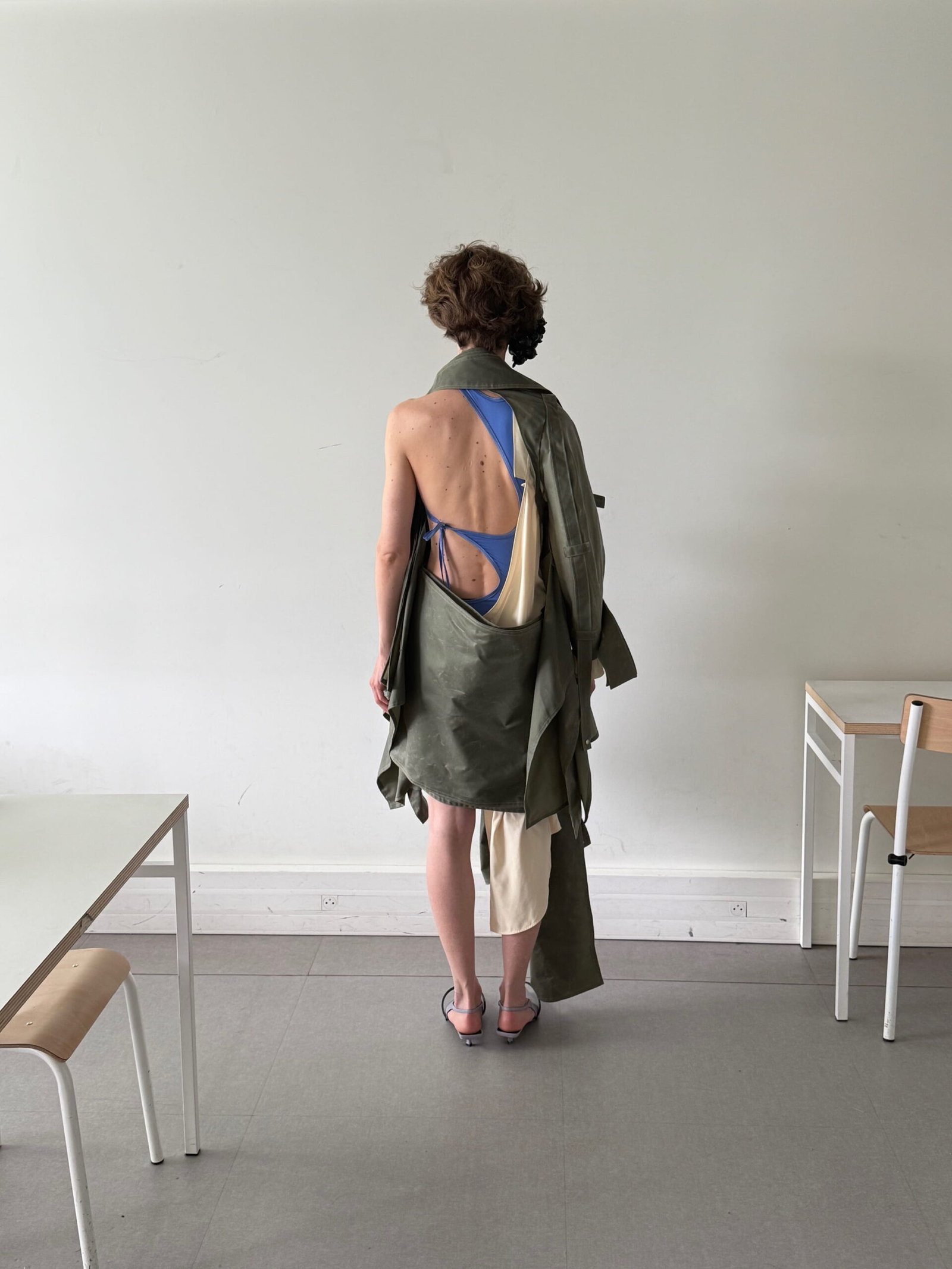
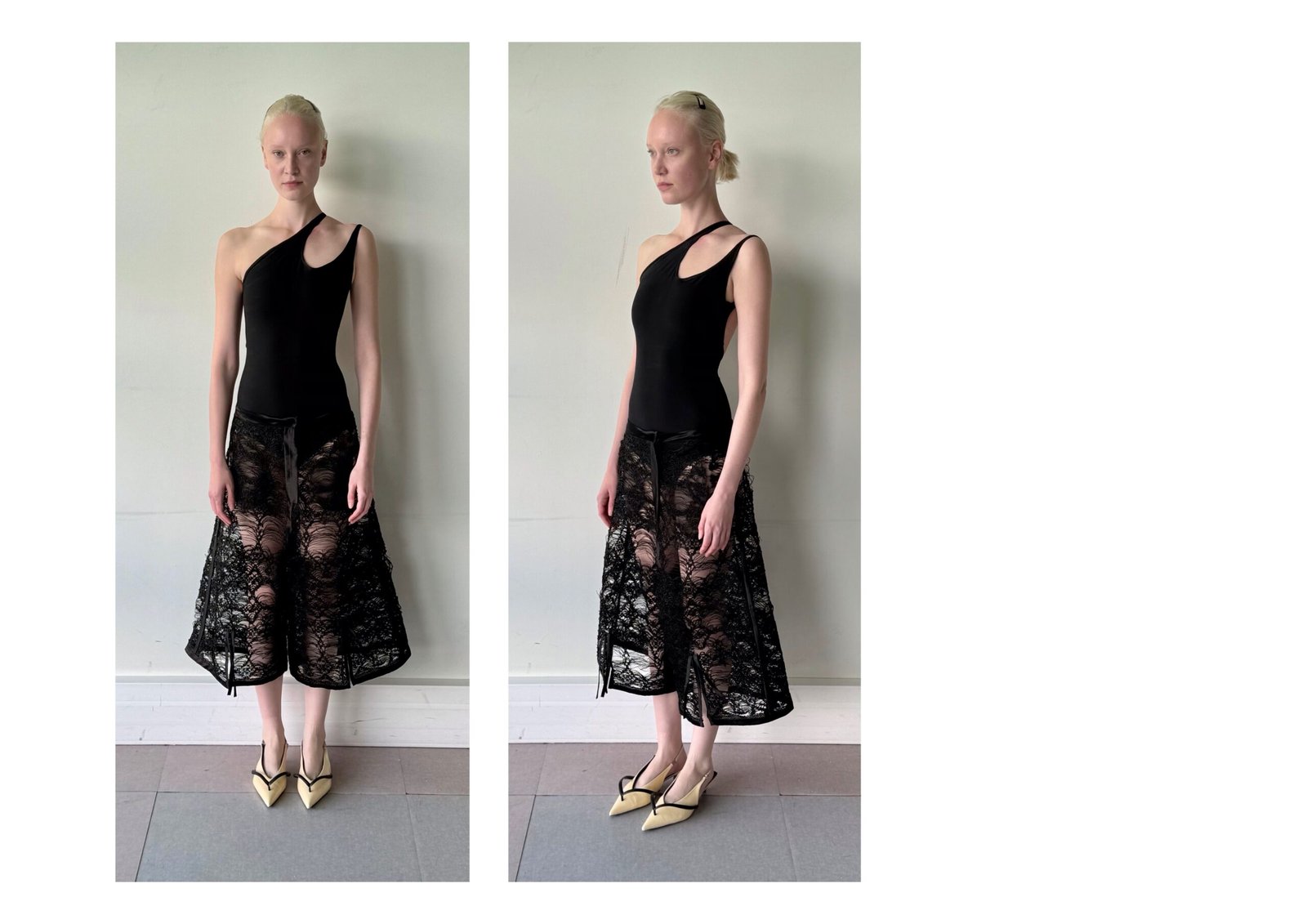
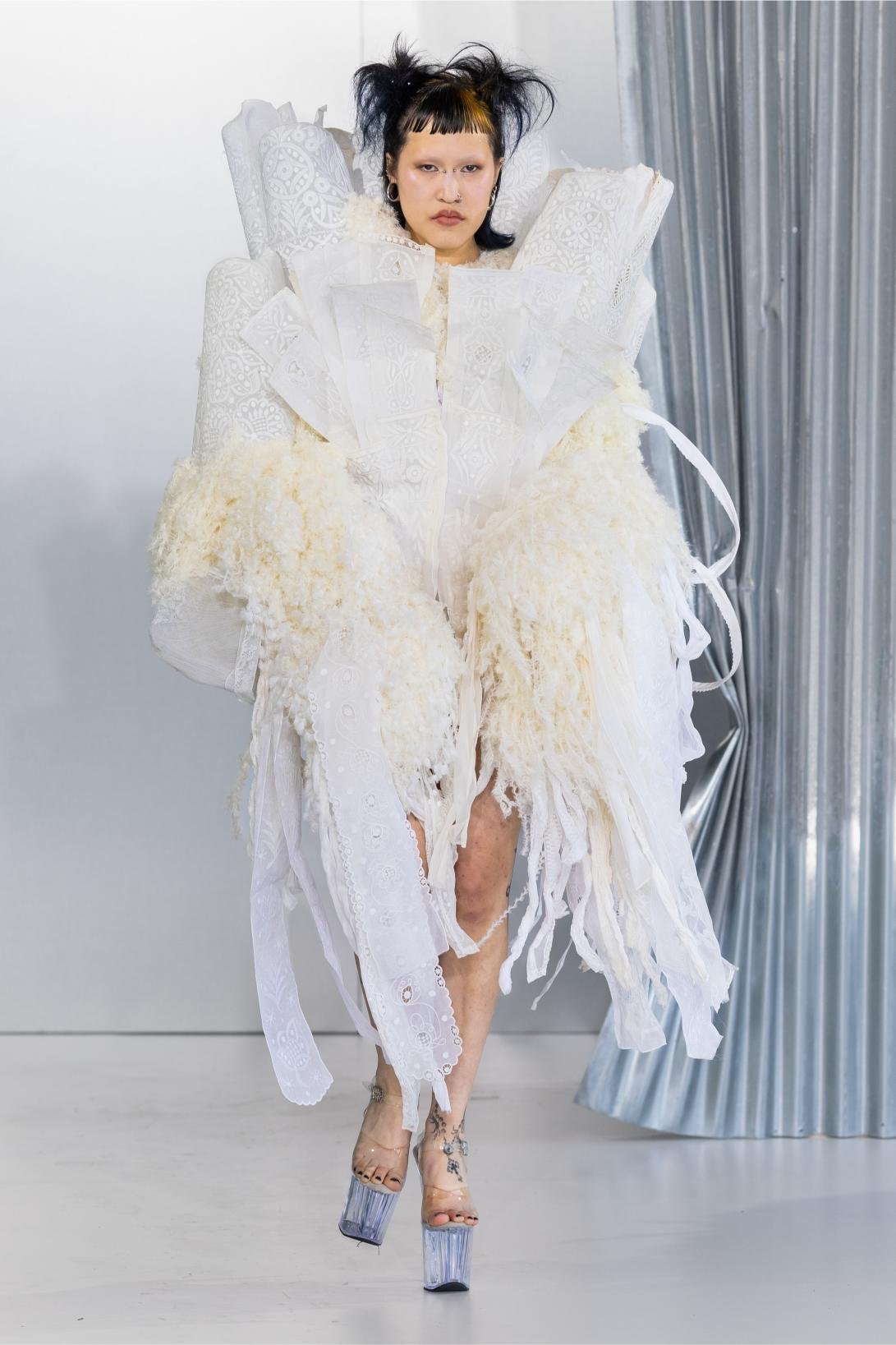
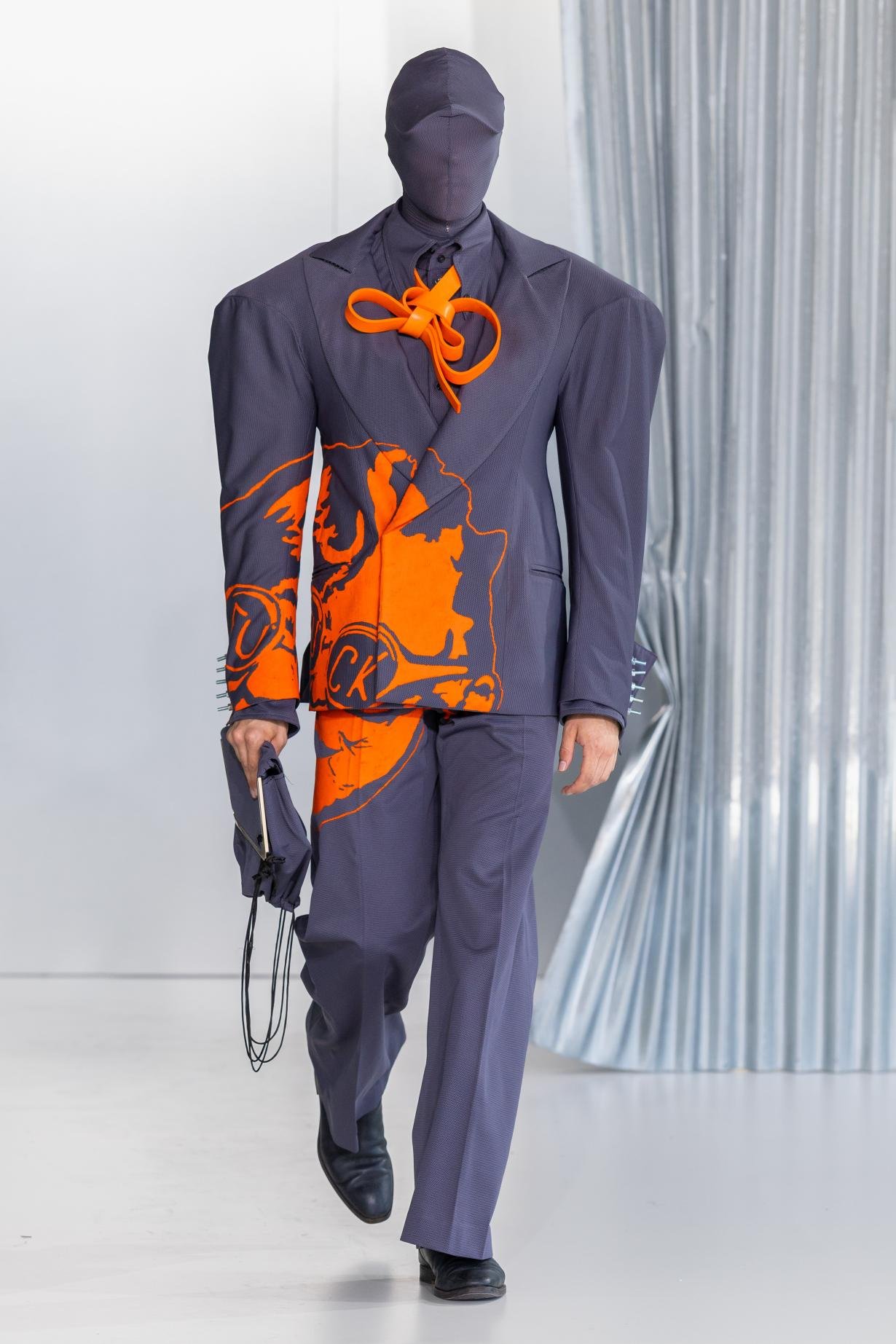
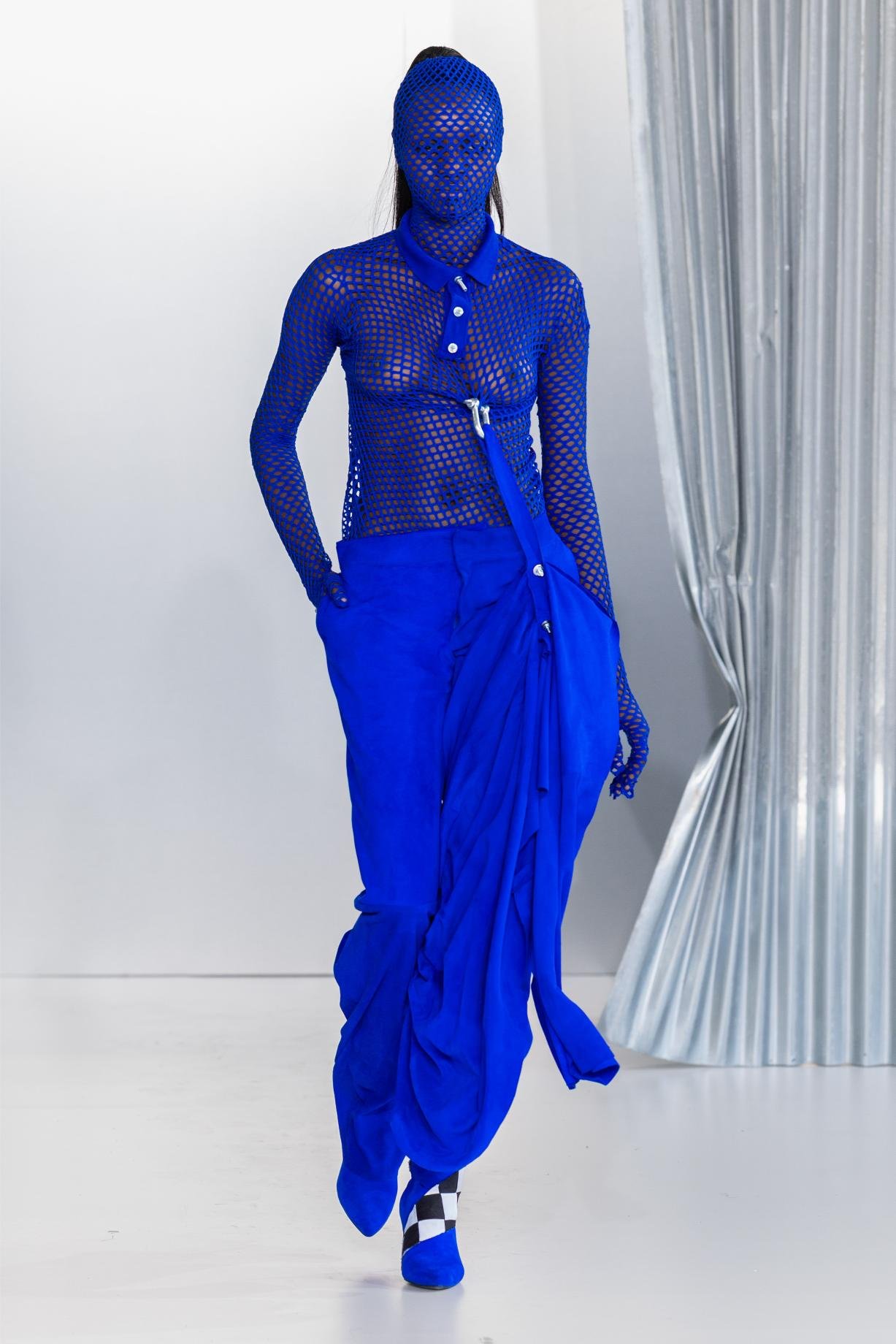
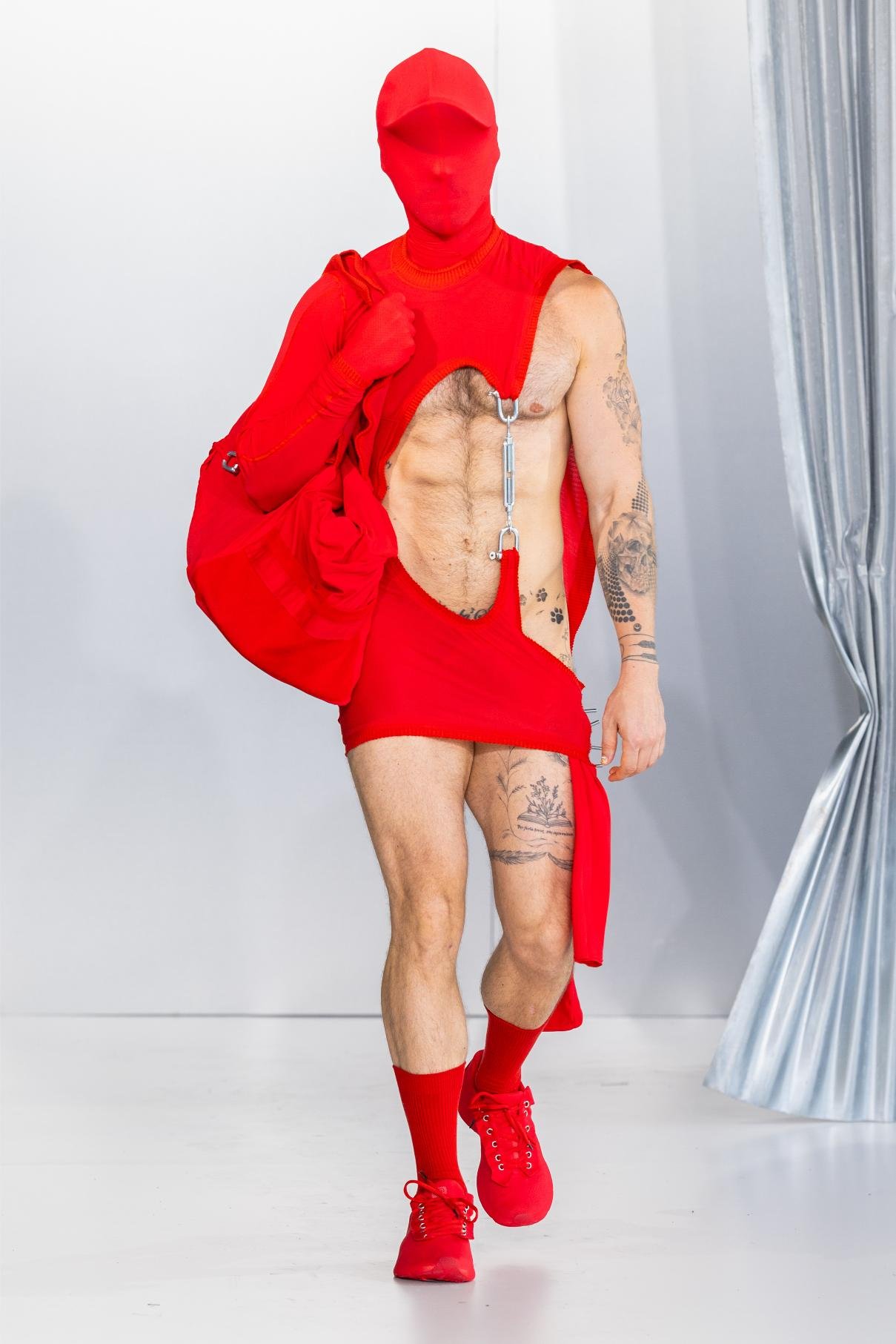
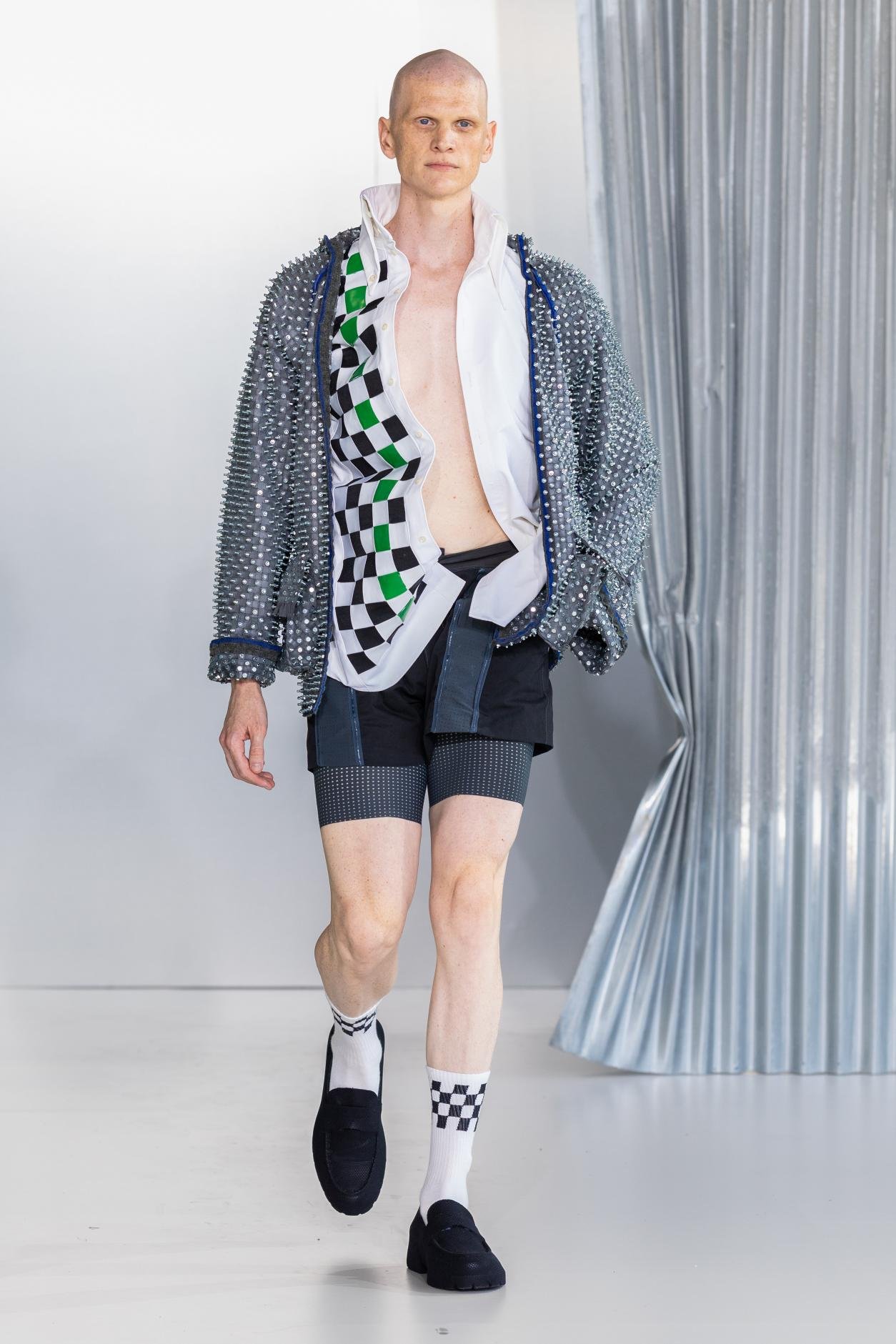
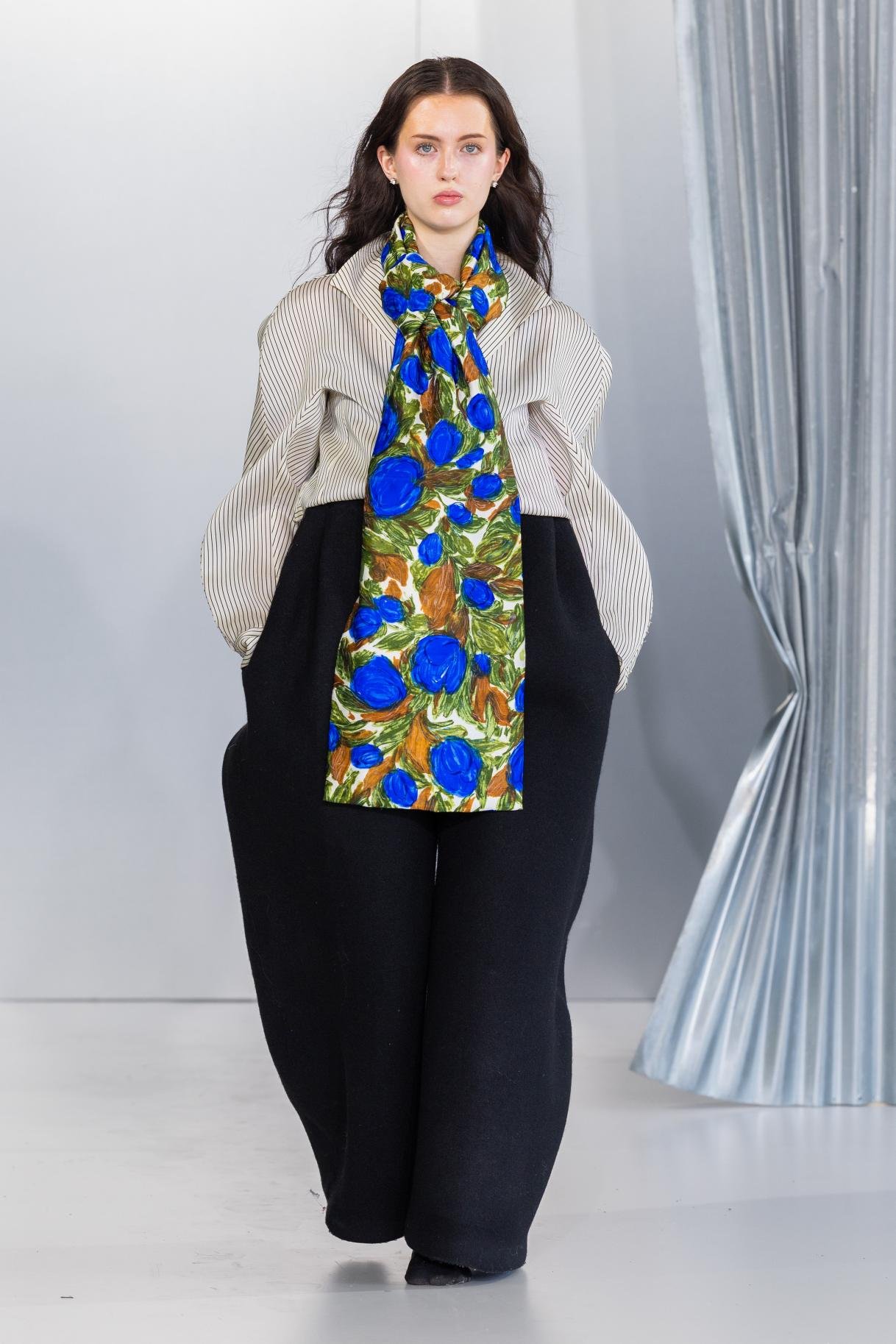
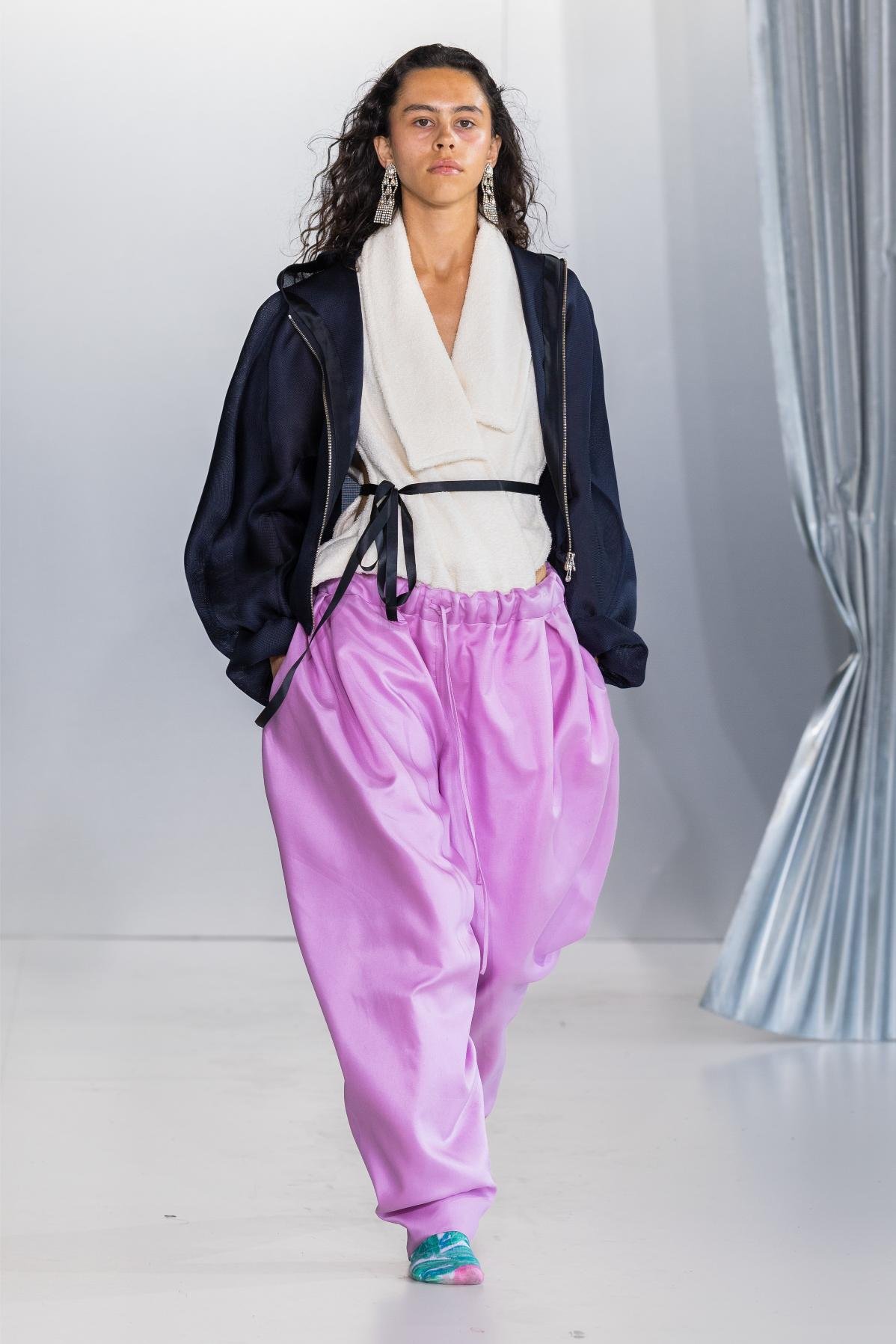
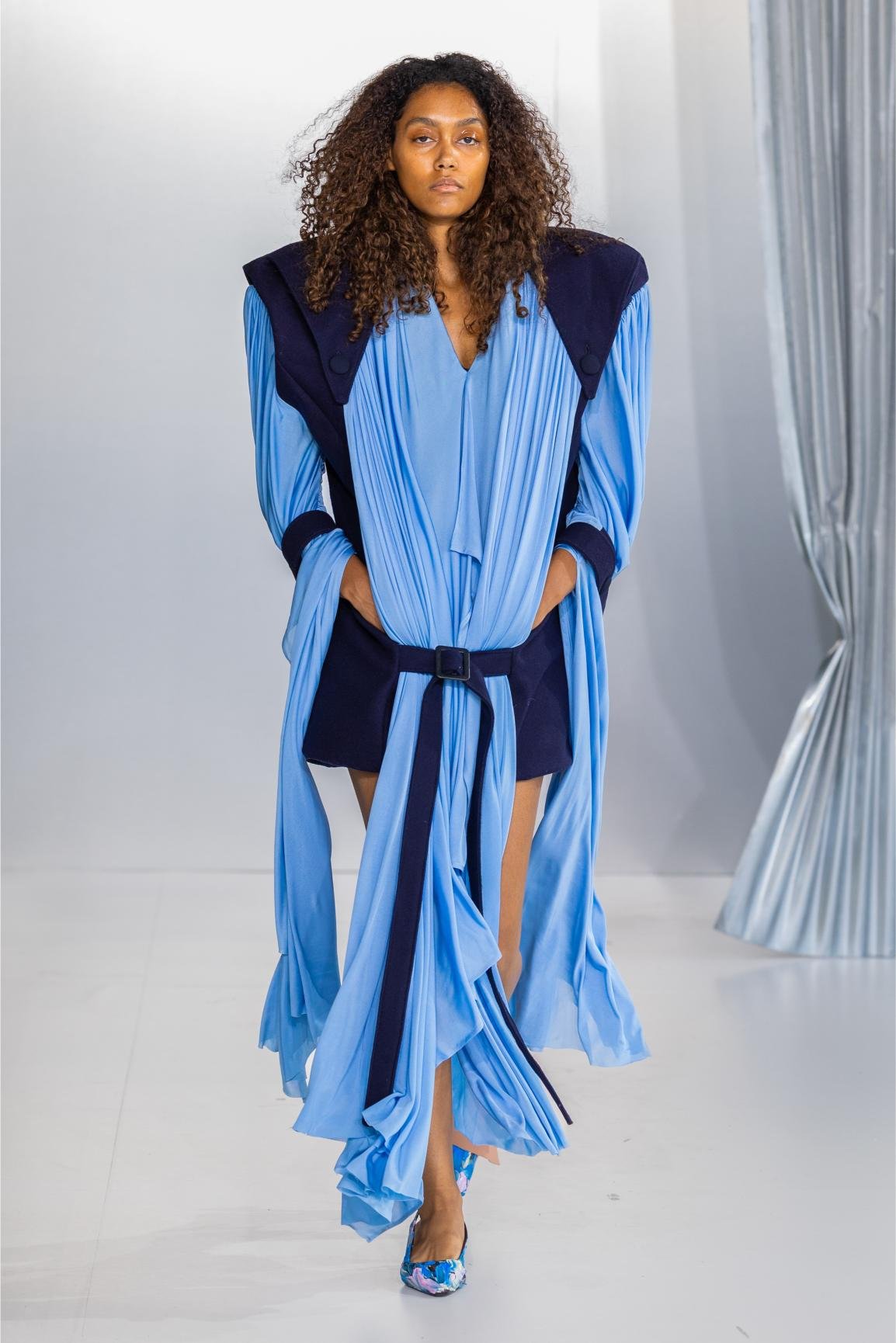
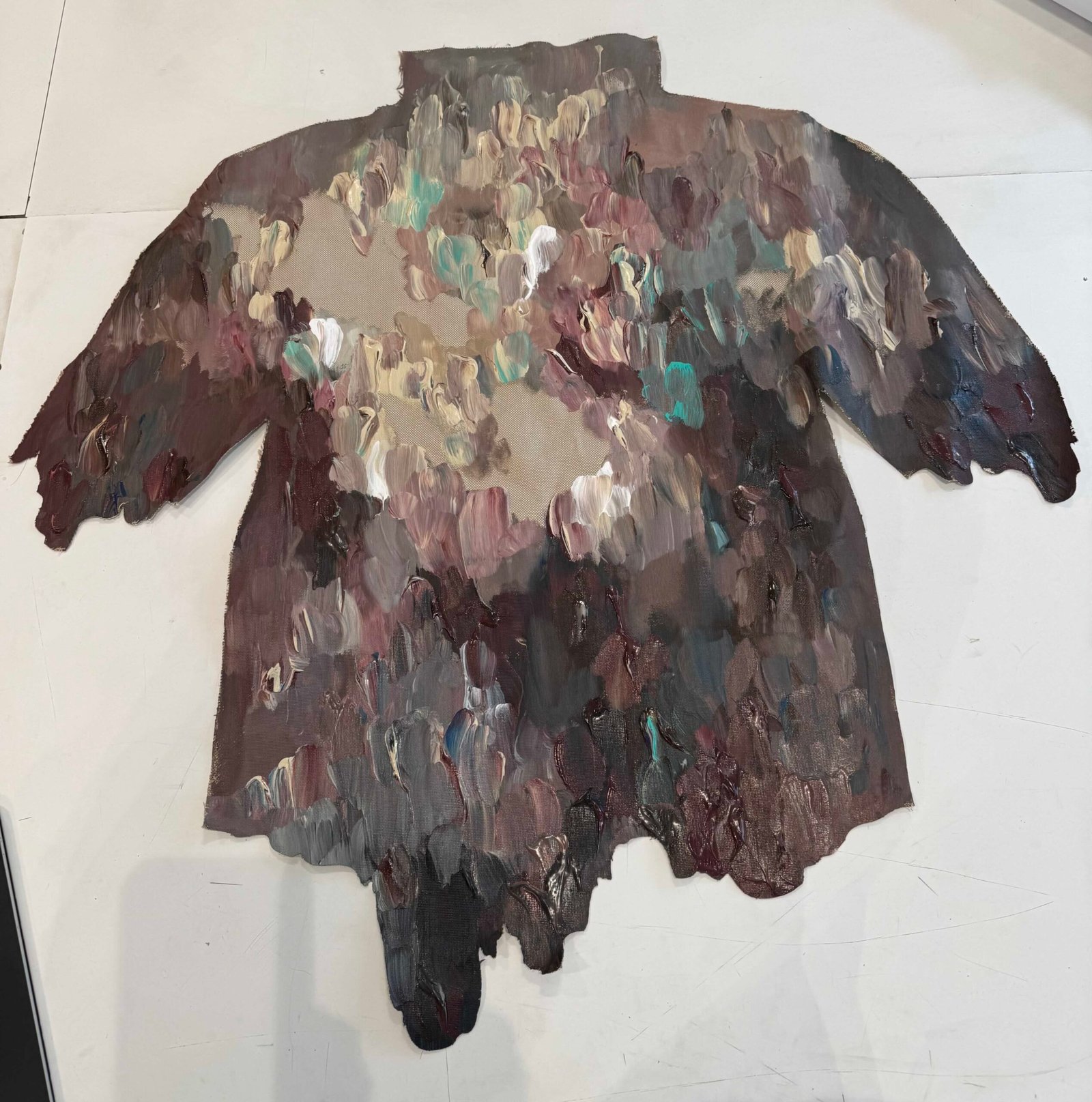
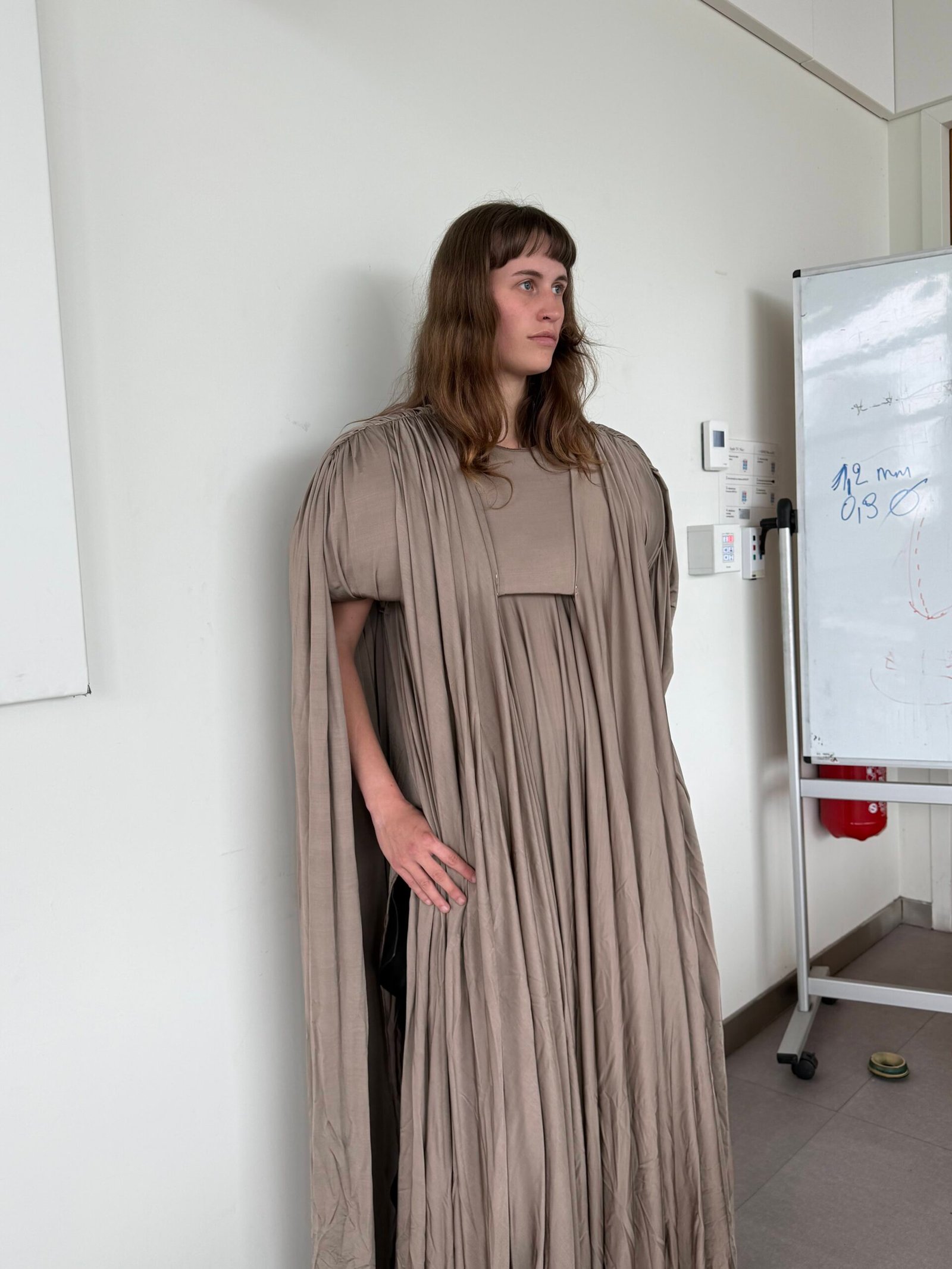
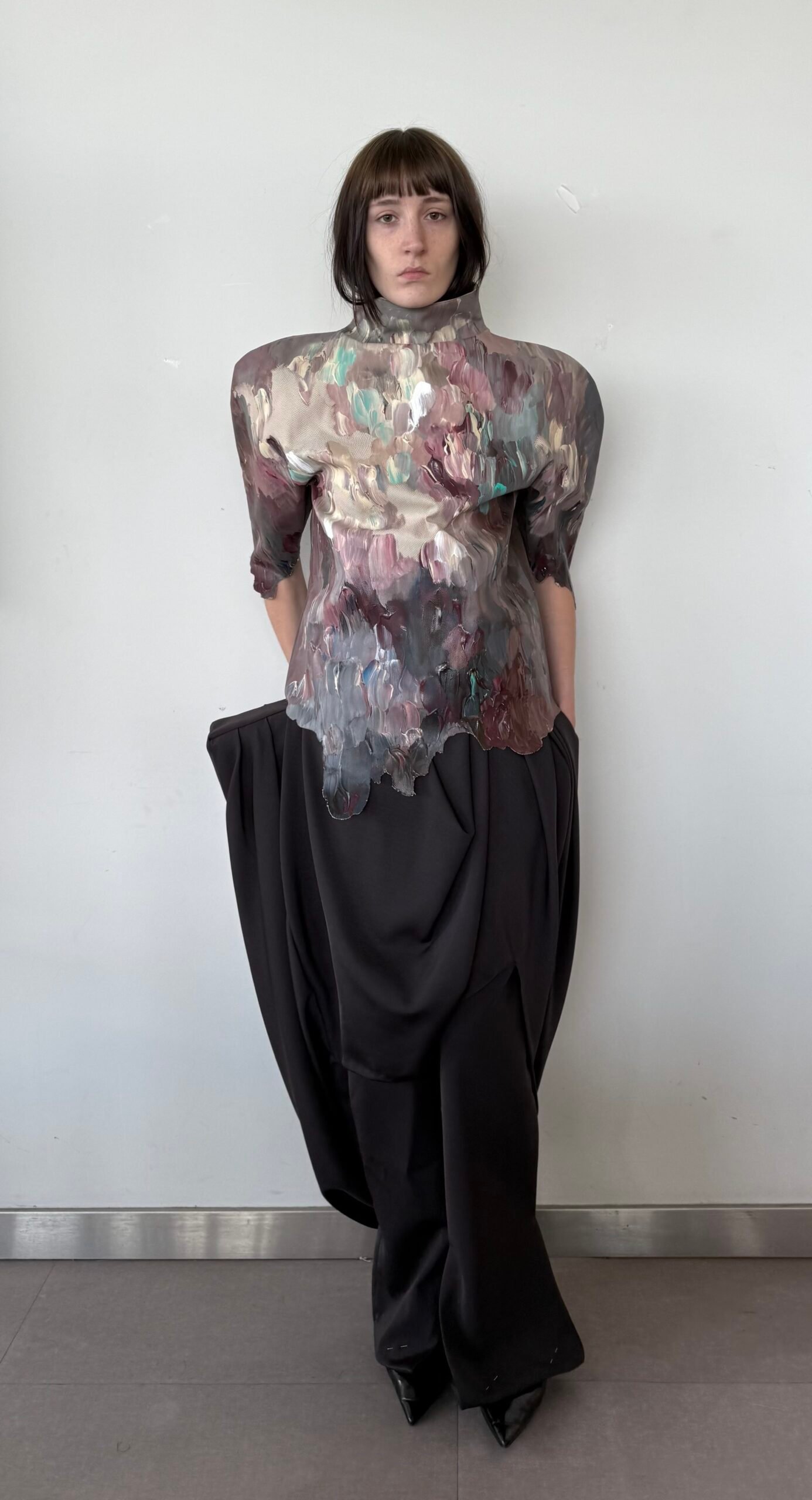
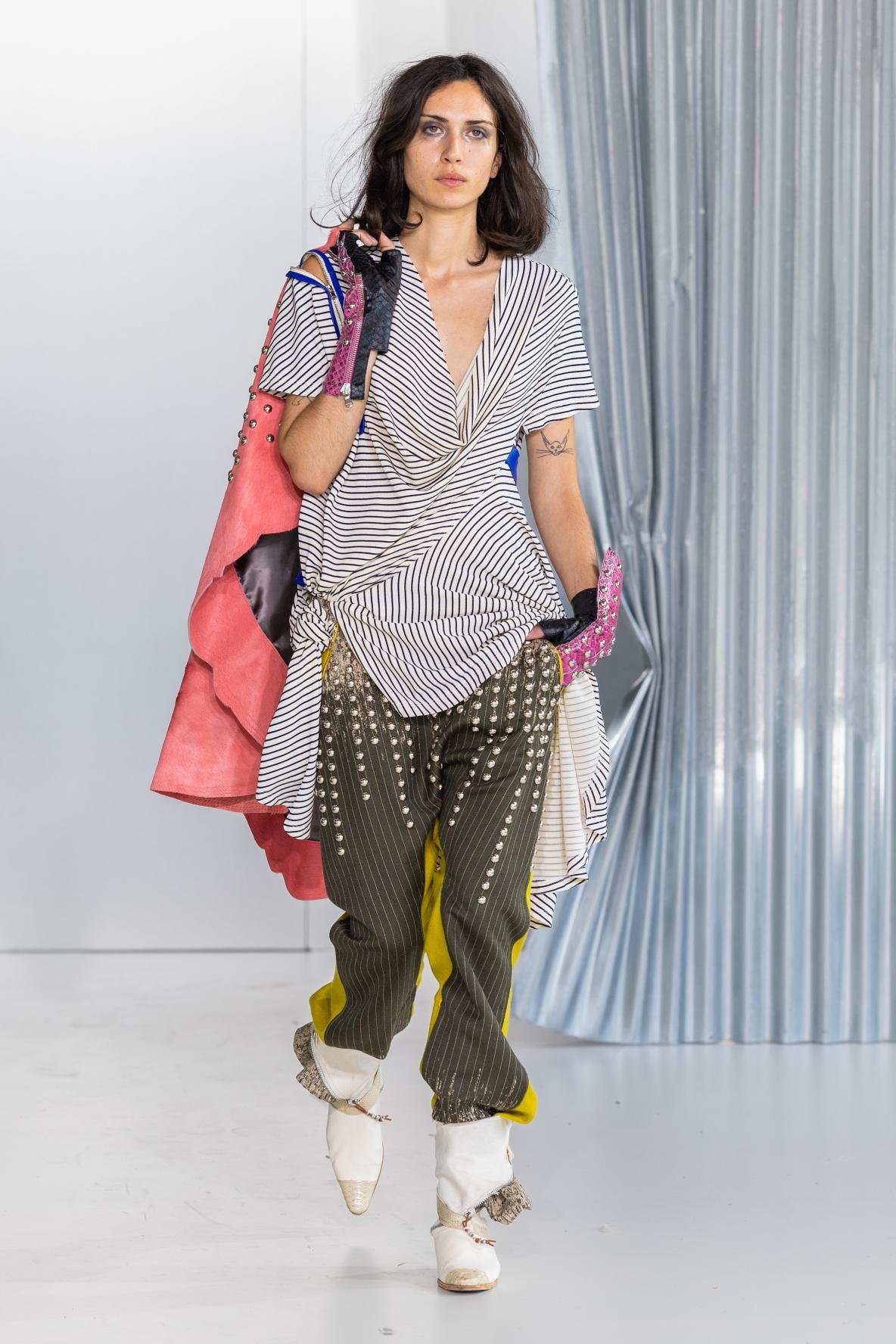
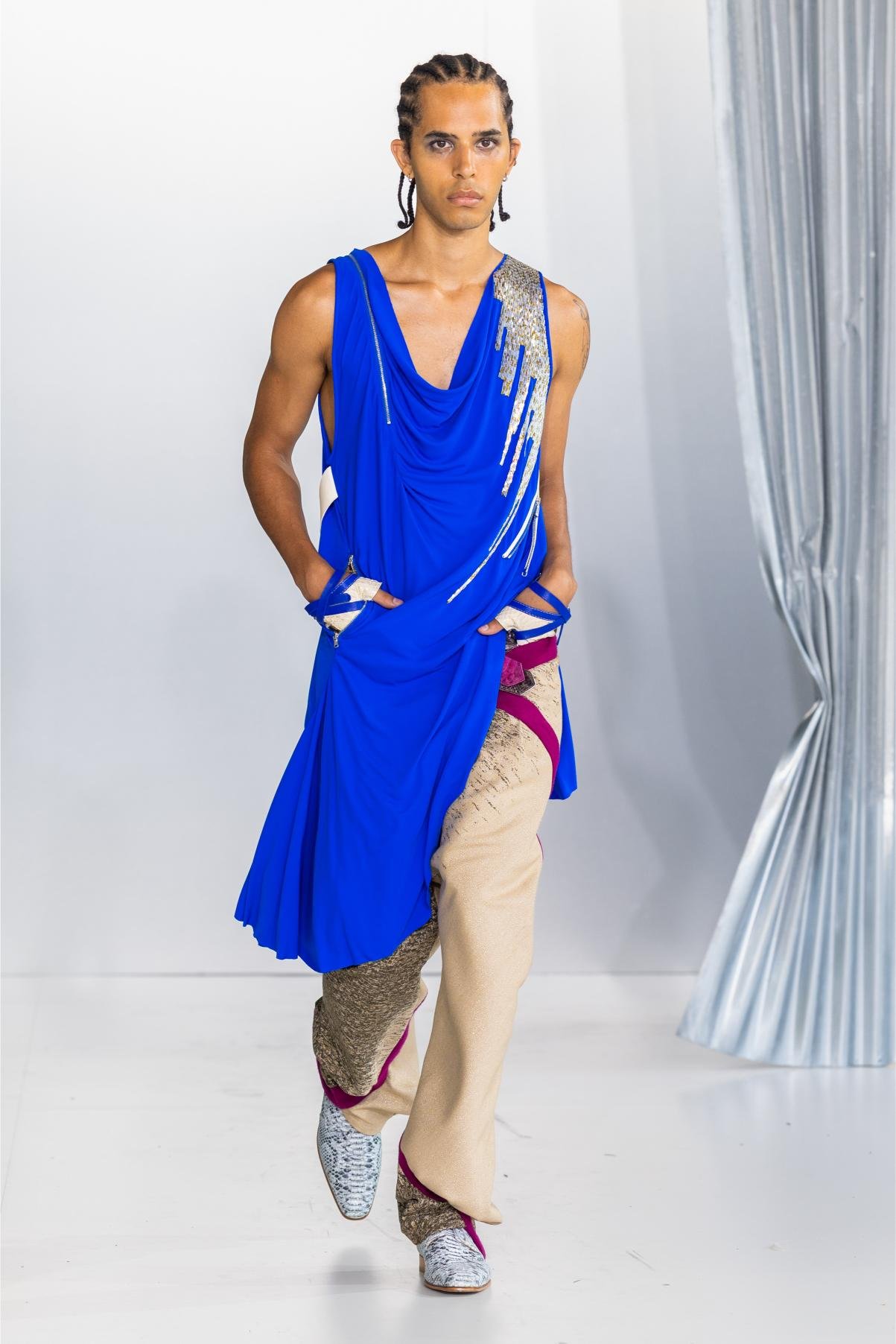
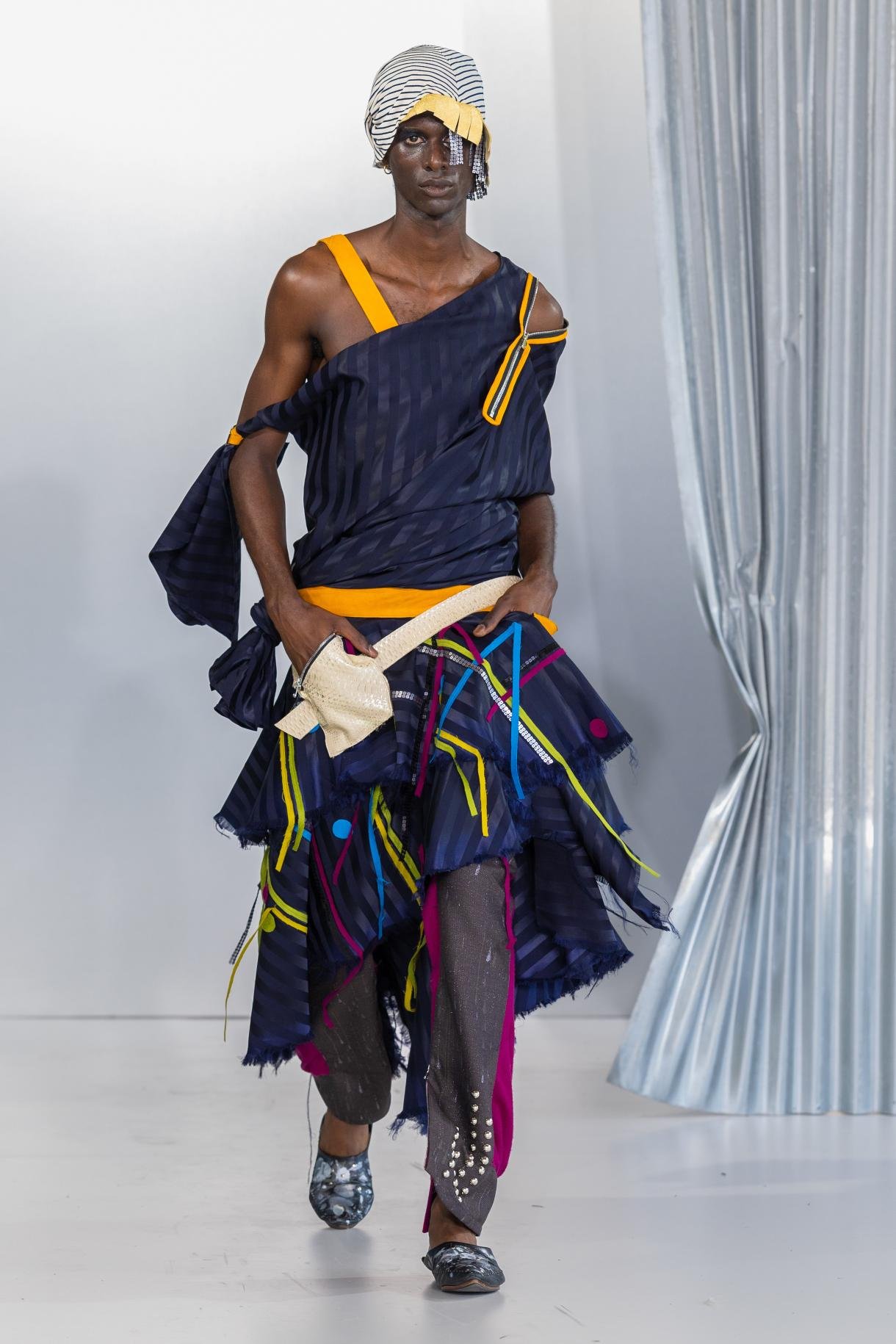
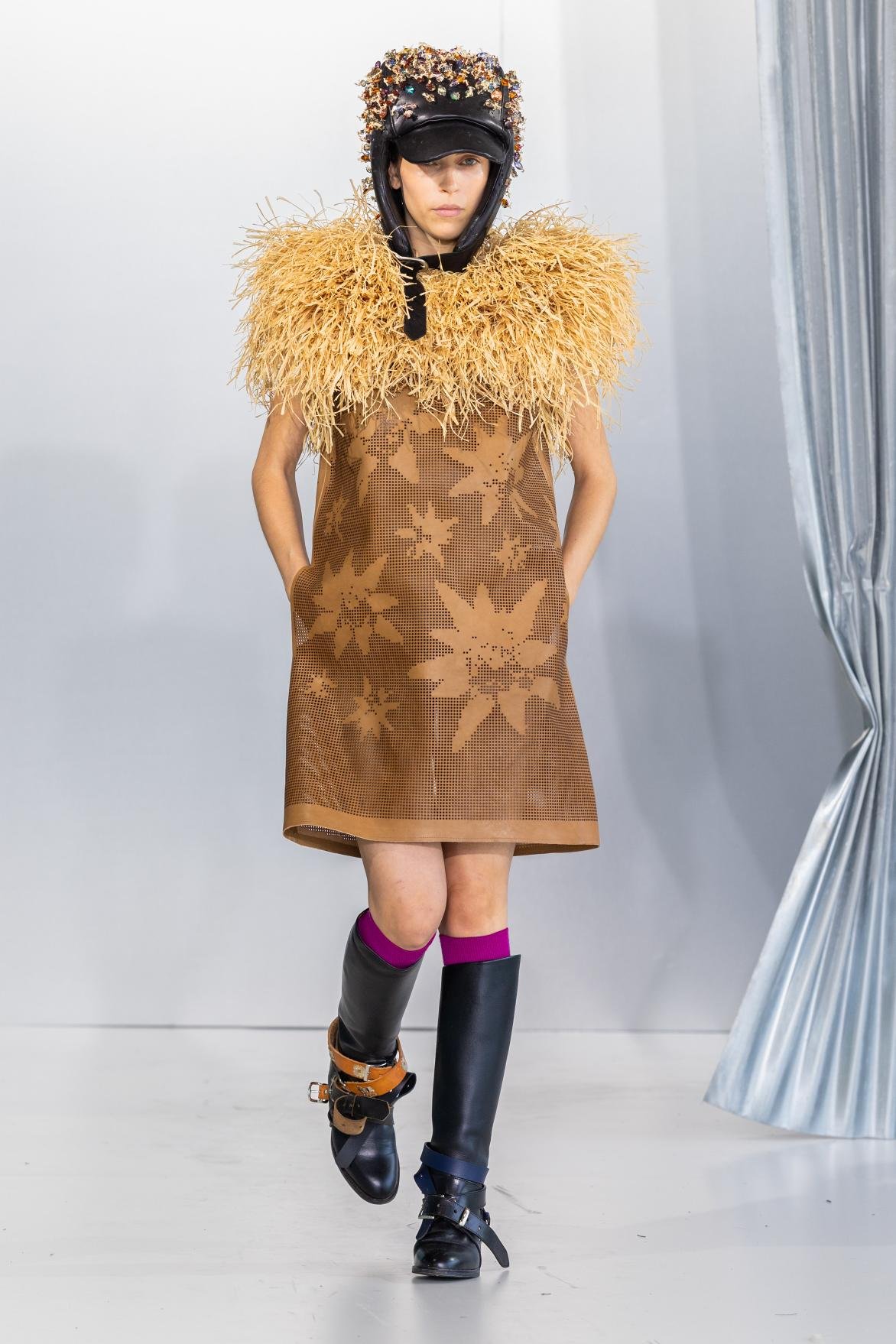
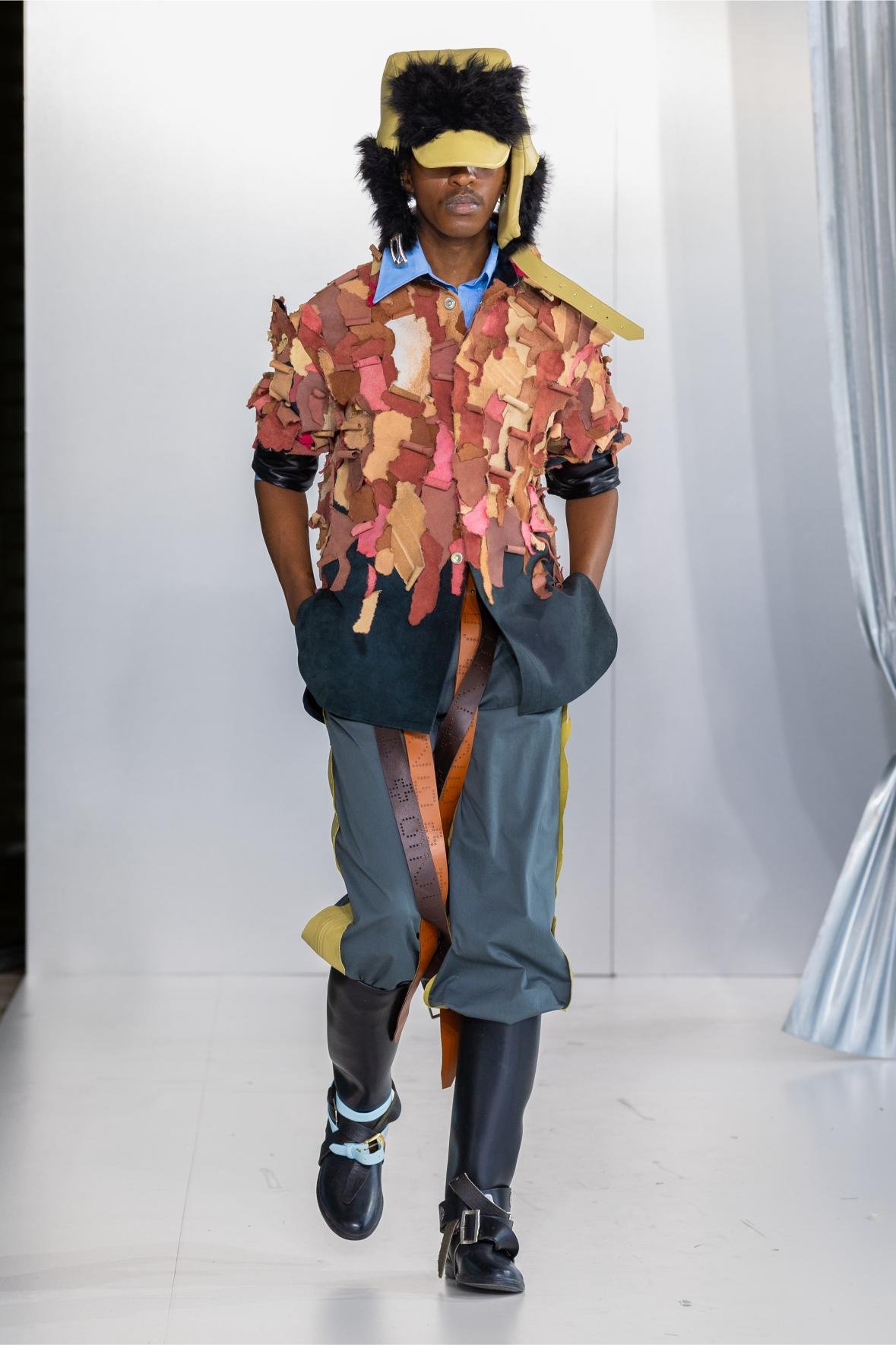
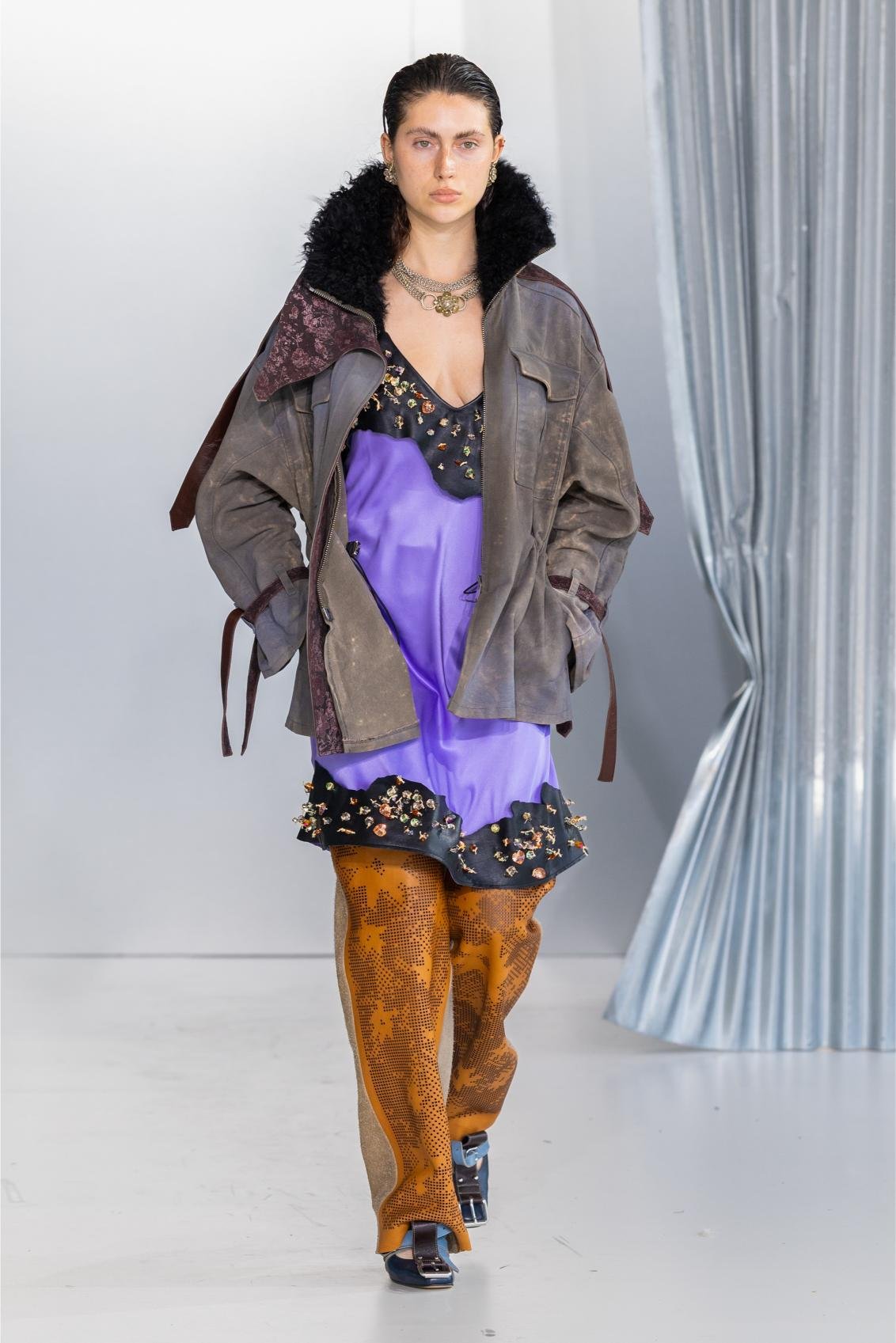
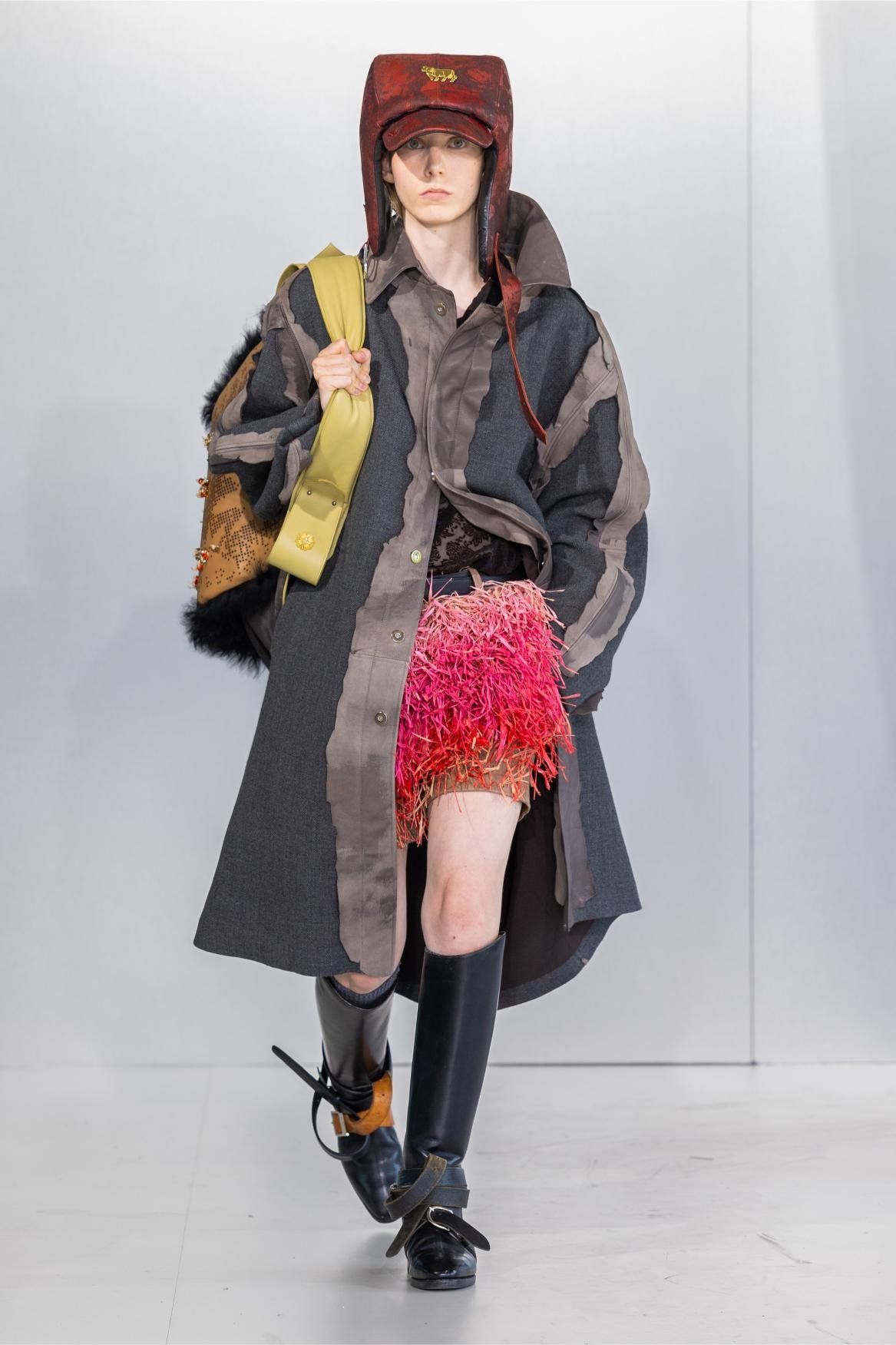
The IFM BA Fashion collections this year are rooted in very different worlds, but many of them share an interest in what sits beneath the surface. The designers draw on everything from Breton folklore, Swedish coastal life, and Buddhist monastic dress to adolescence, gender identity, Black identity, cinema, technology, and personal memory. Craft and construction are central throughout. Knitwear, embroidery, draping, leatherwork, textile manipulation, technical fabrics, handwoven surfaces, and experimental pattern cutting are used to translate ideas into garments. 

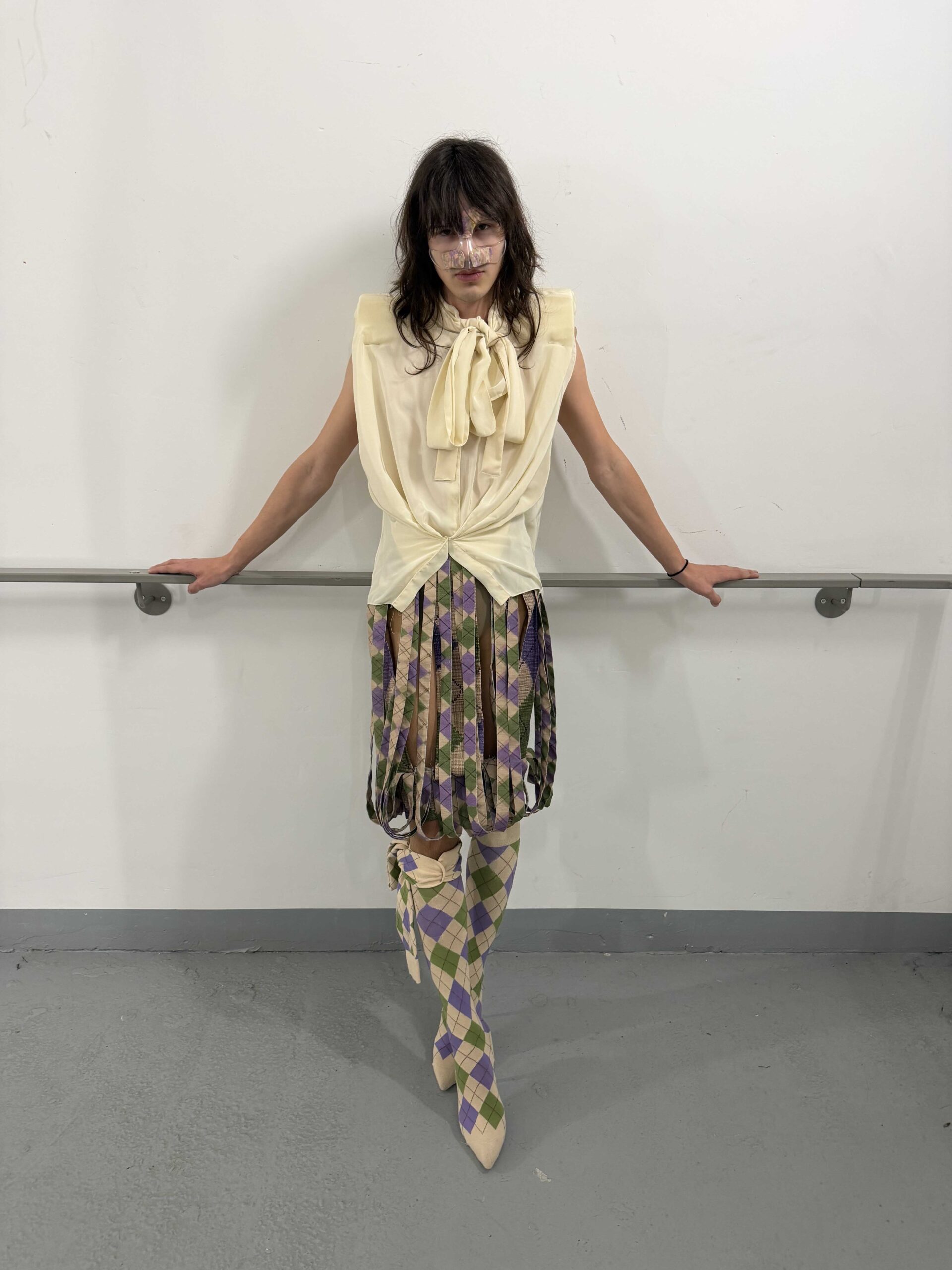
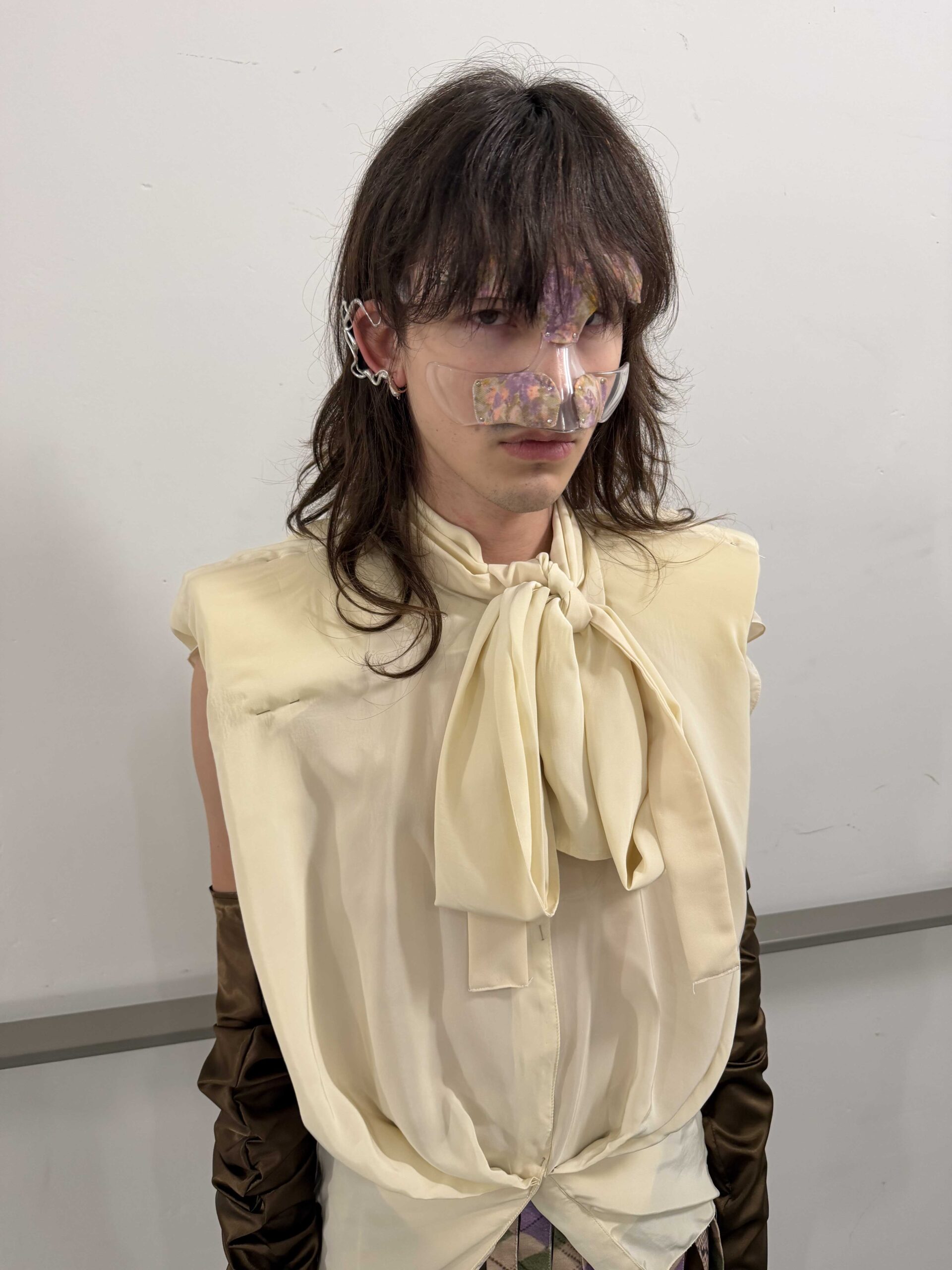
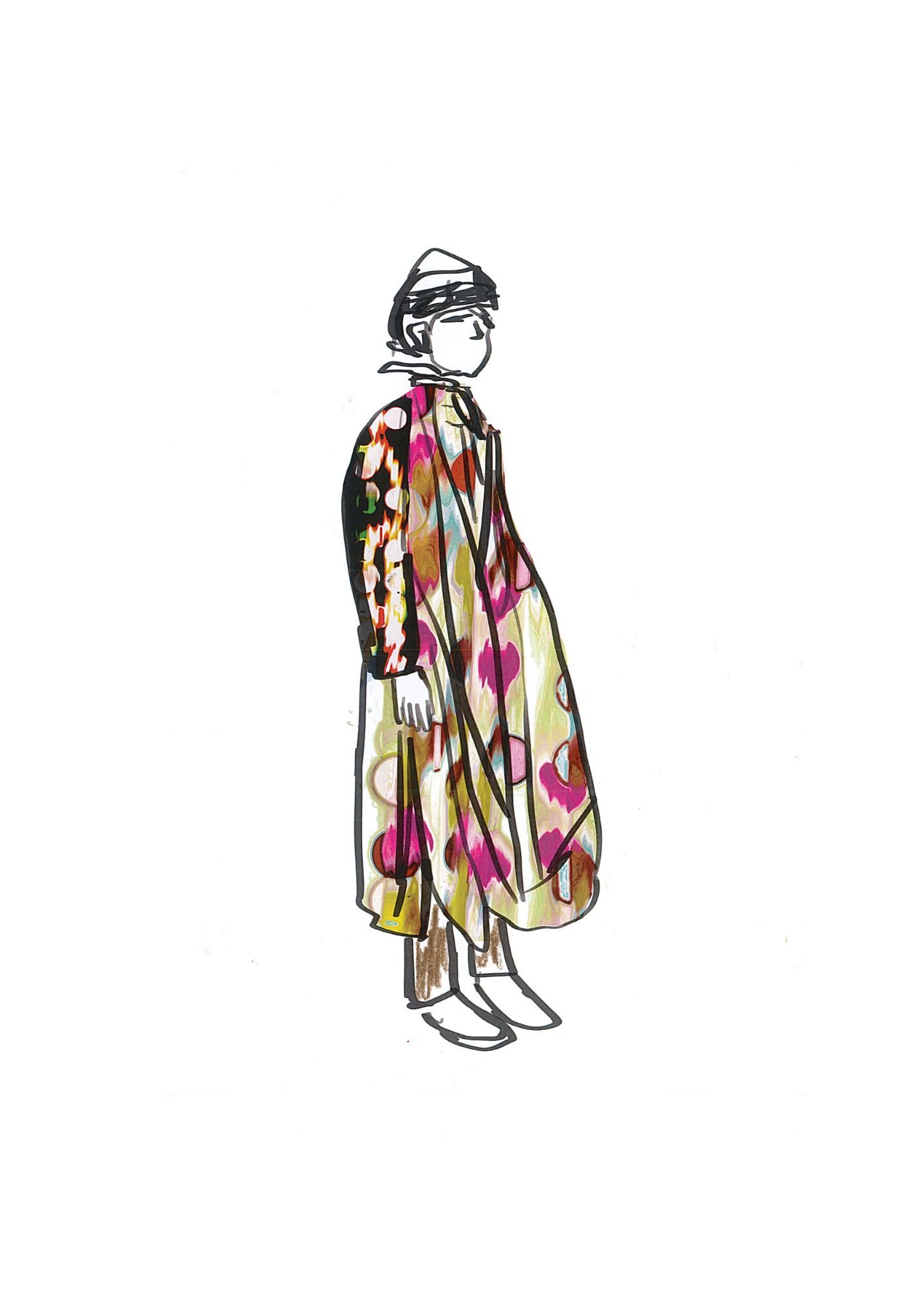
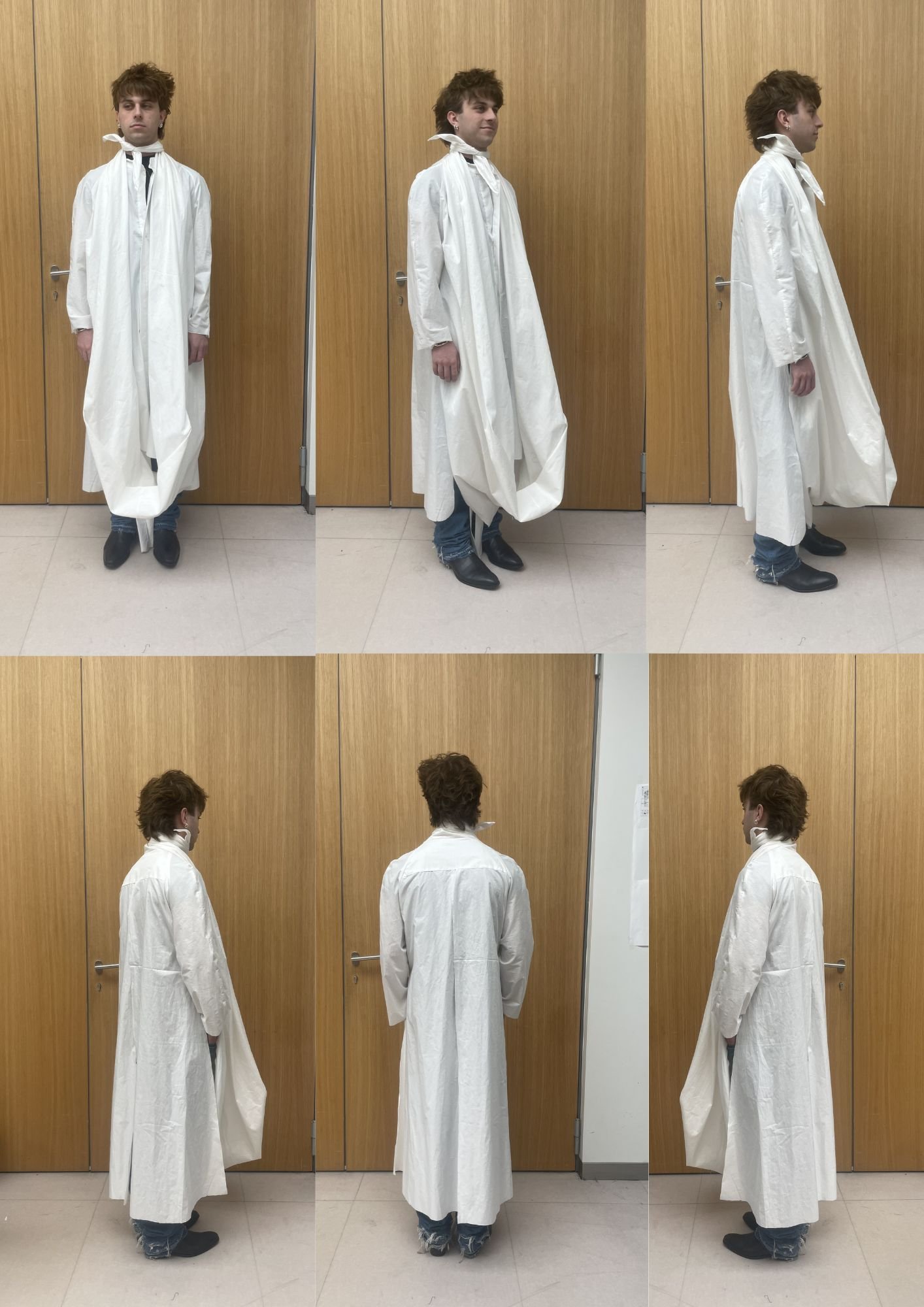
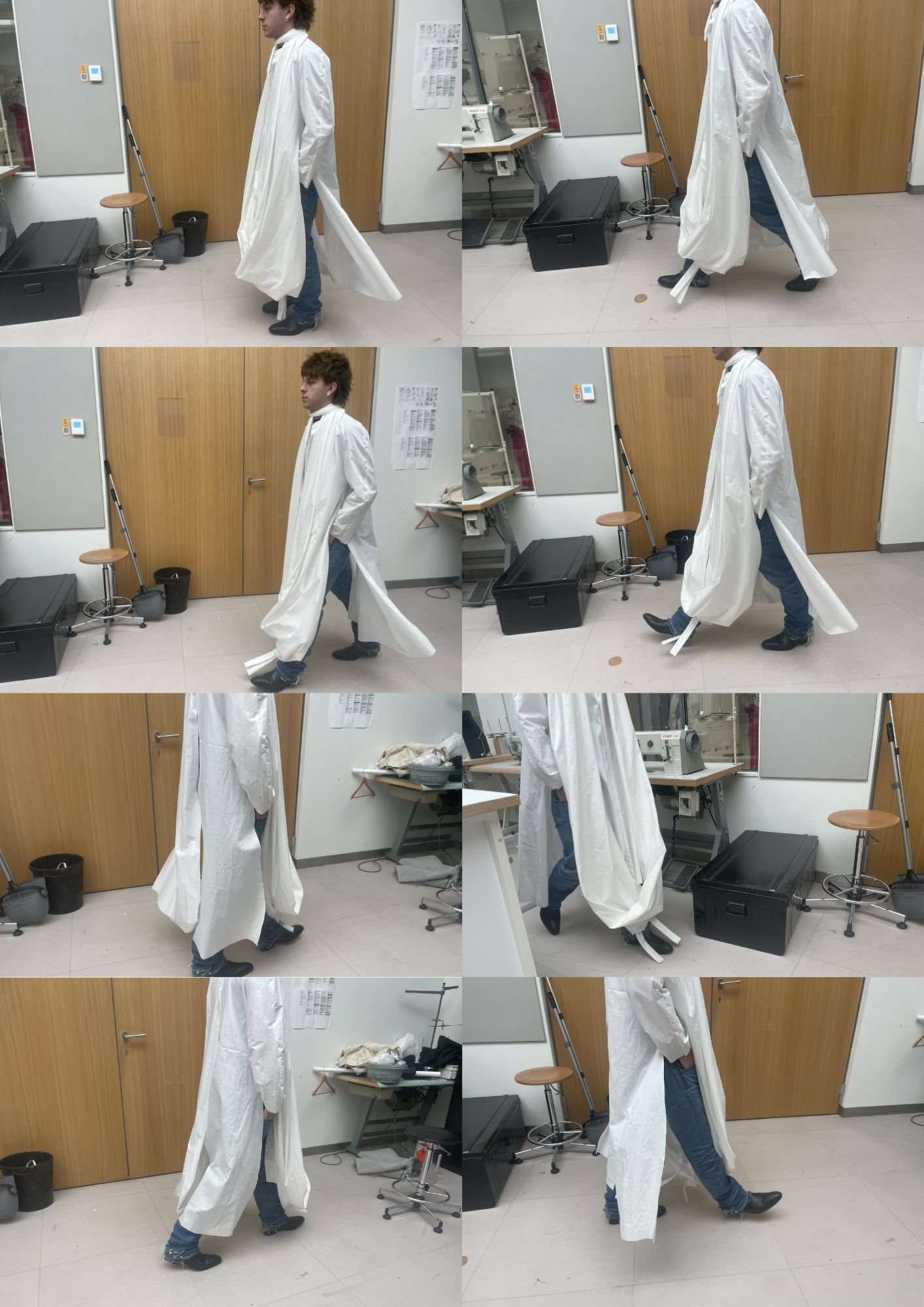
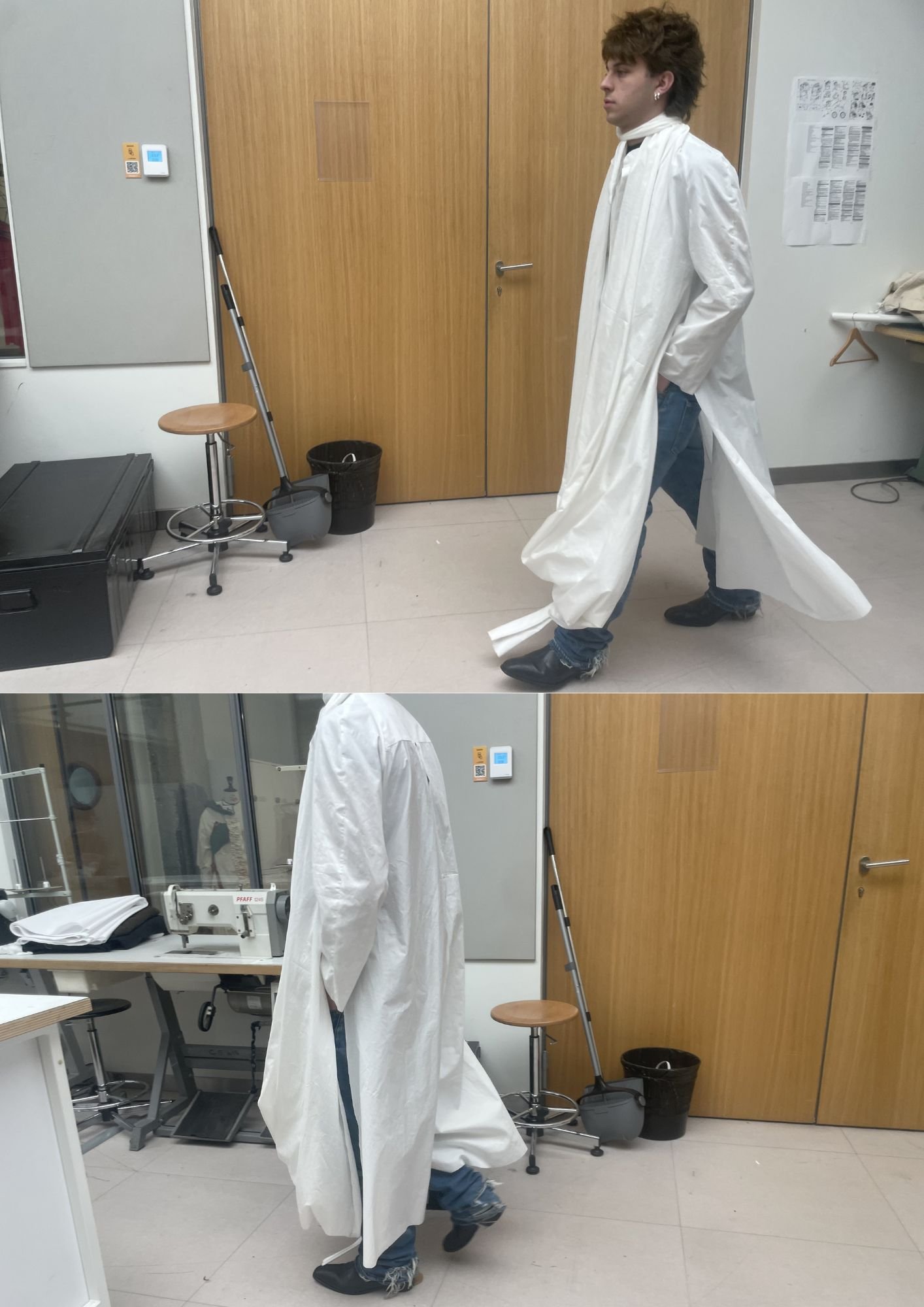
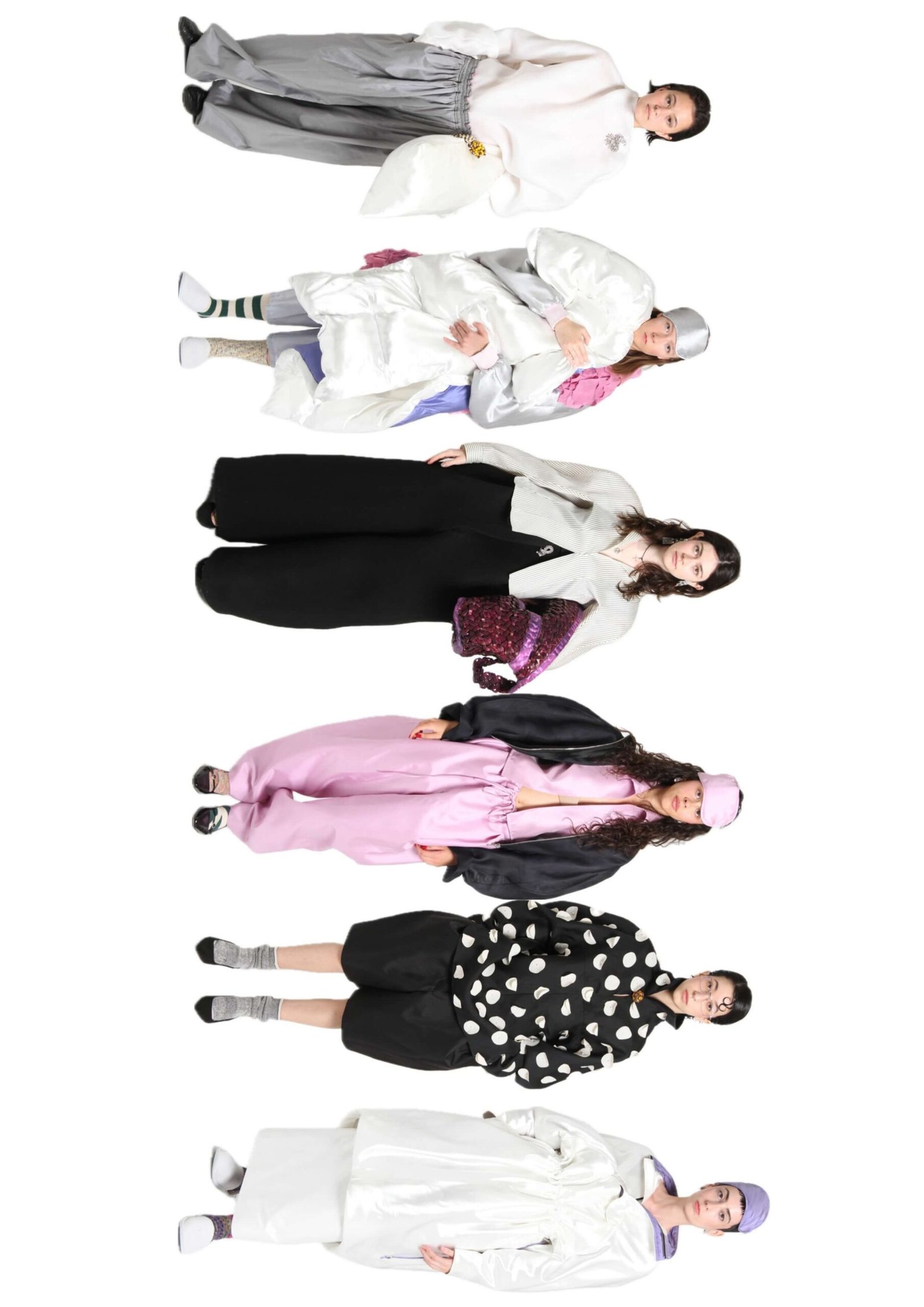
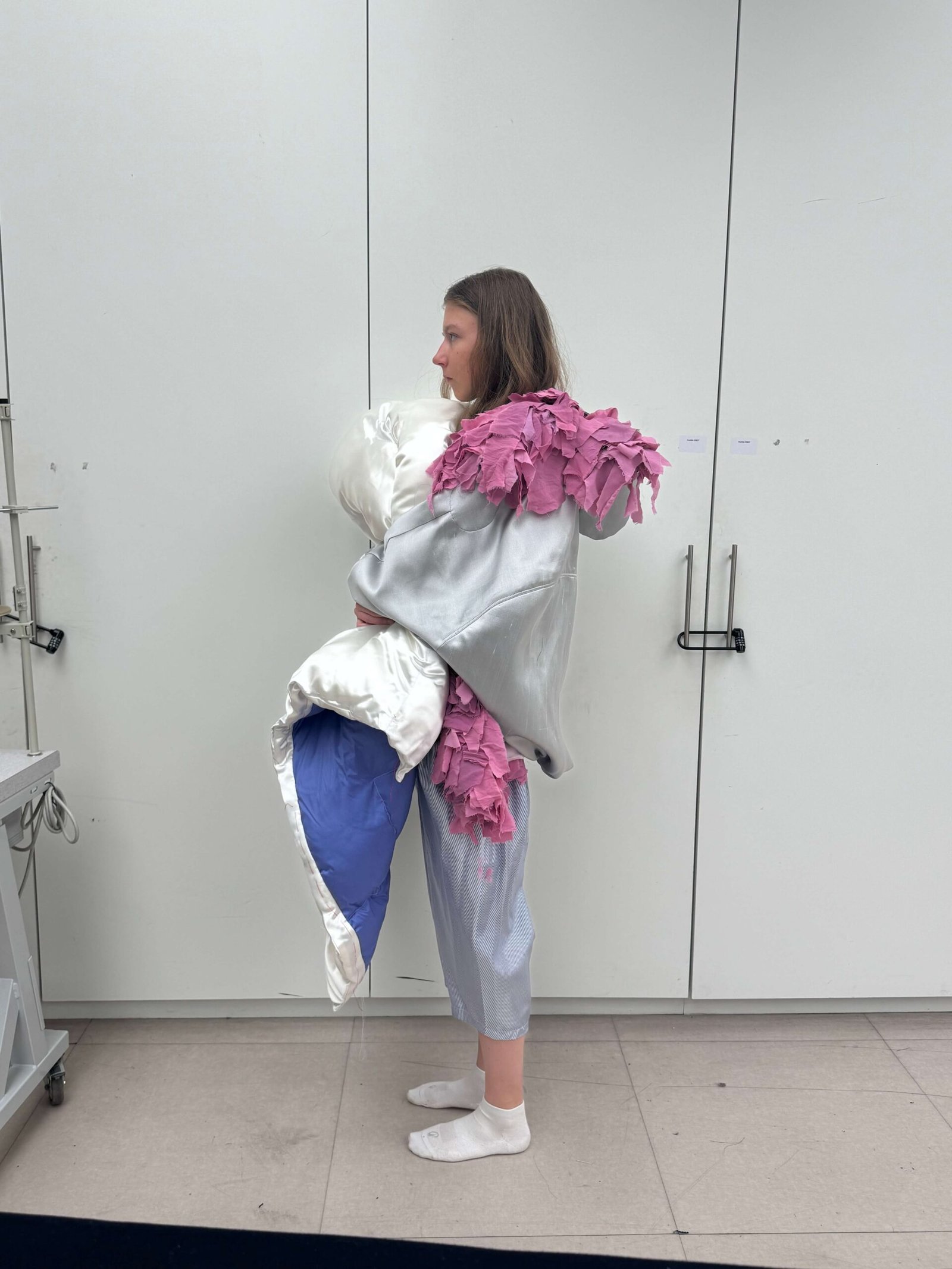
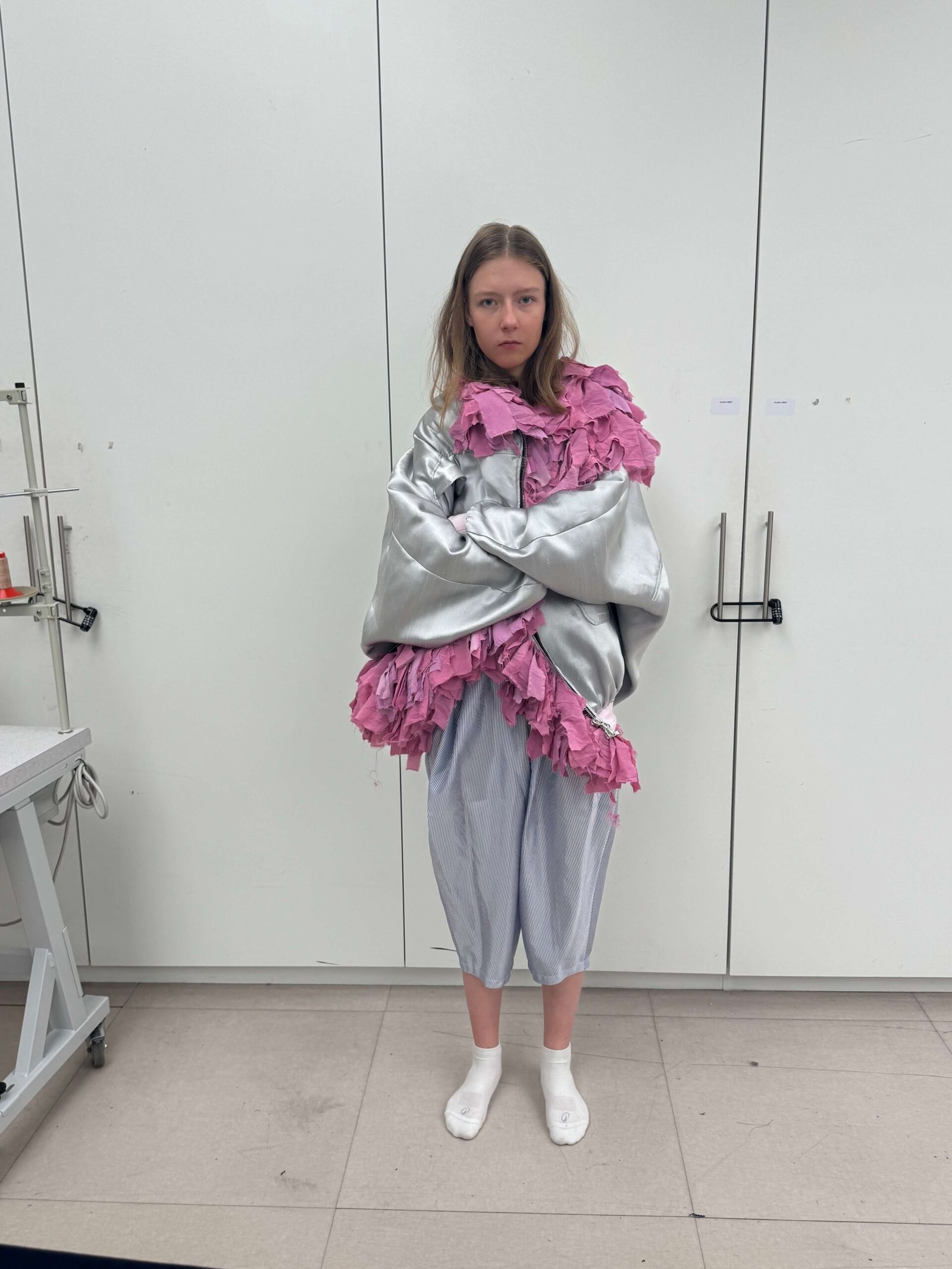
Paul Molina

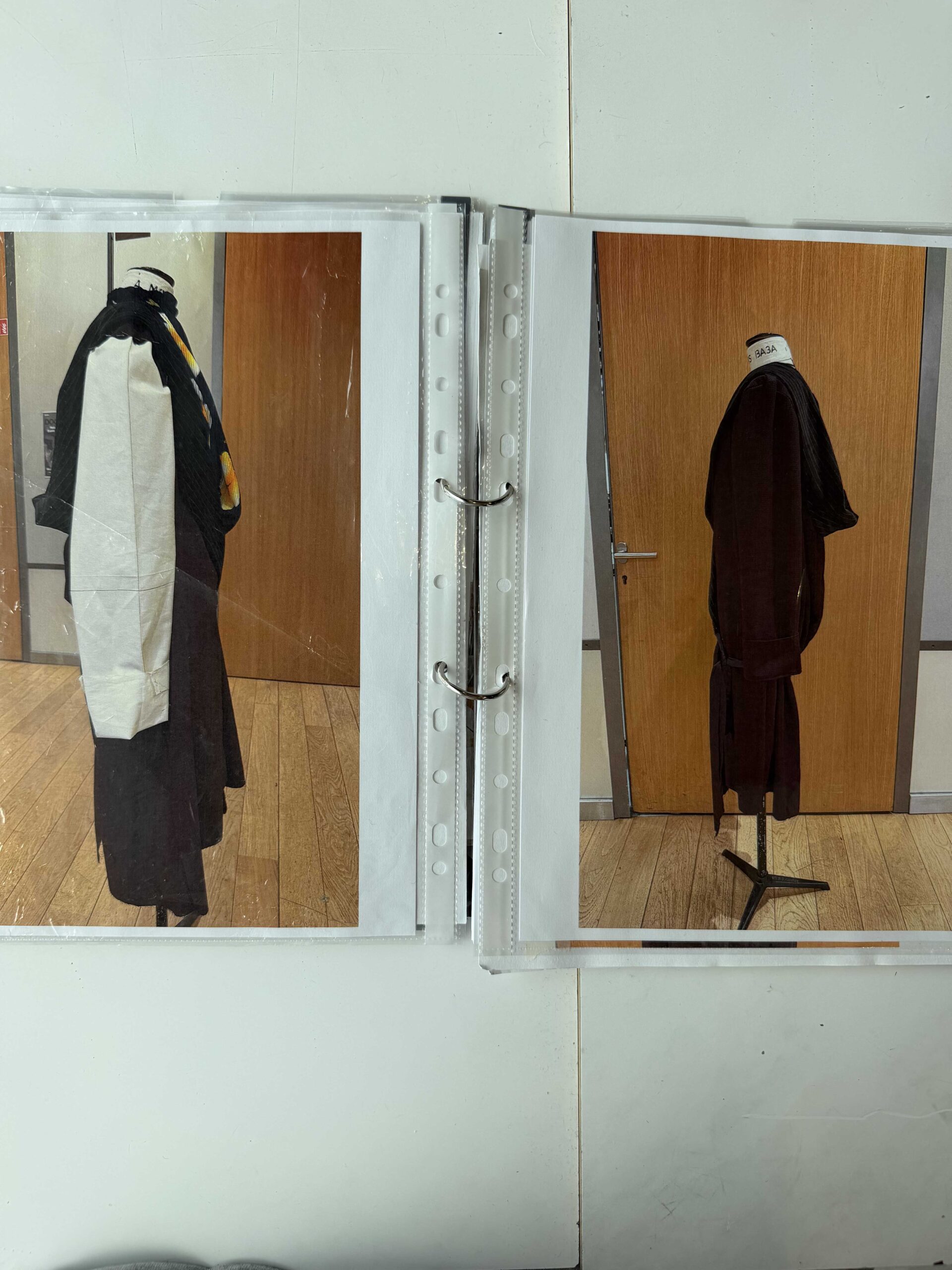
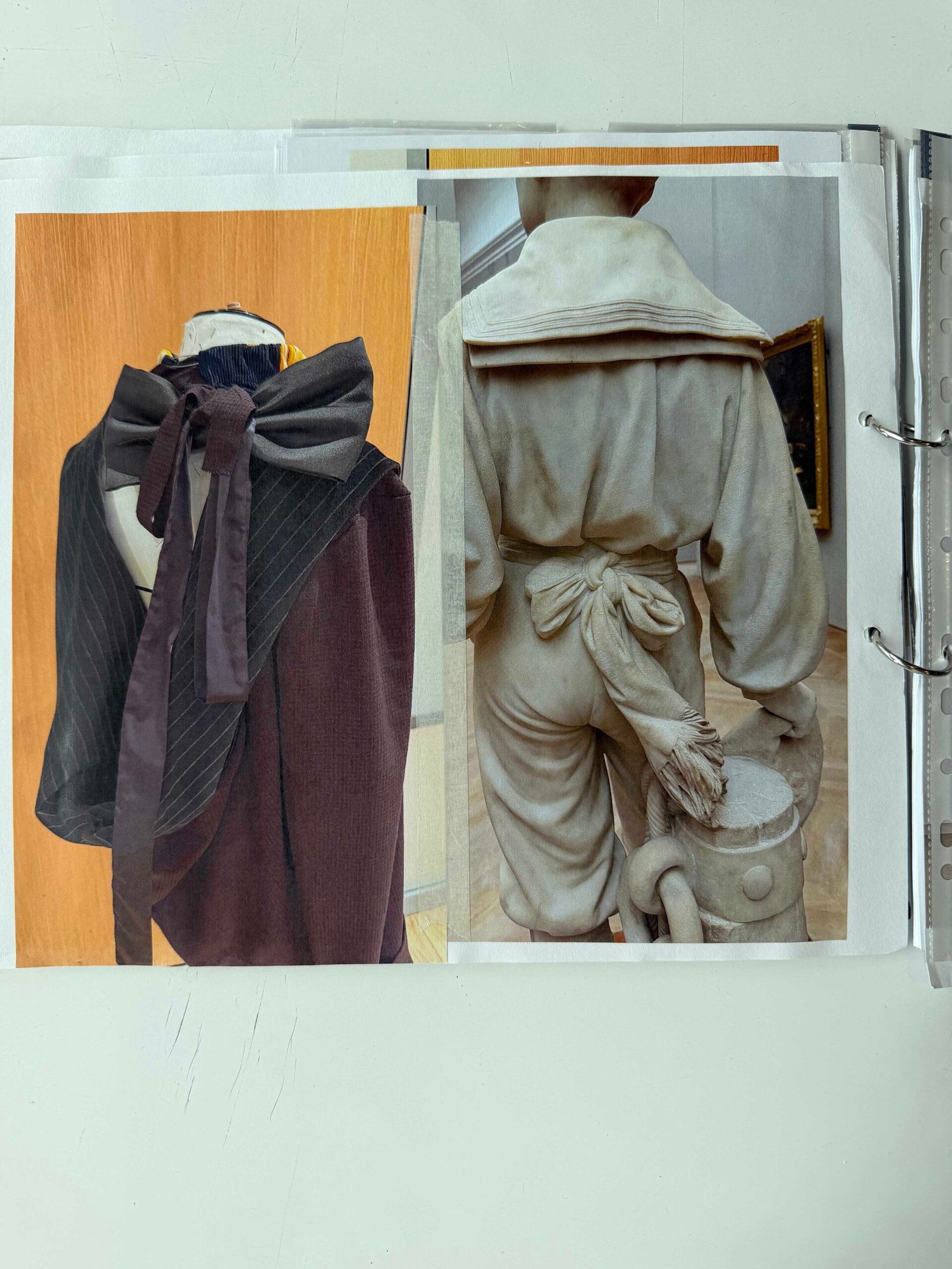
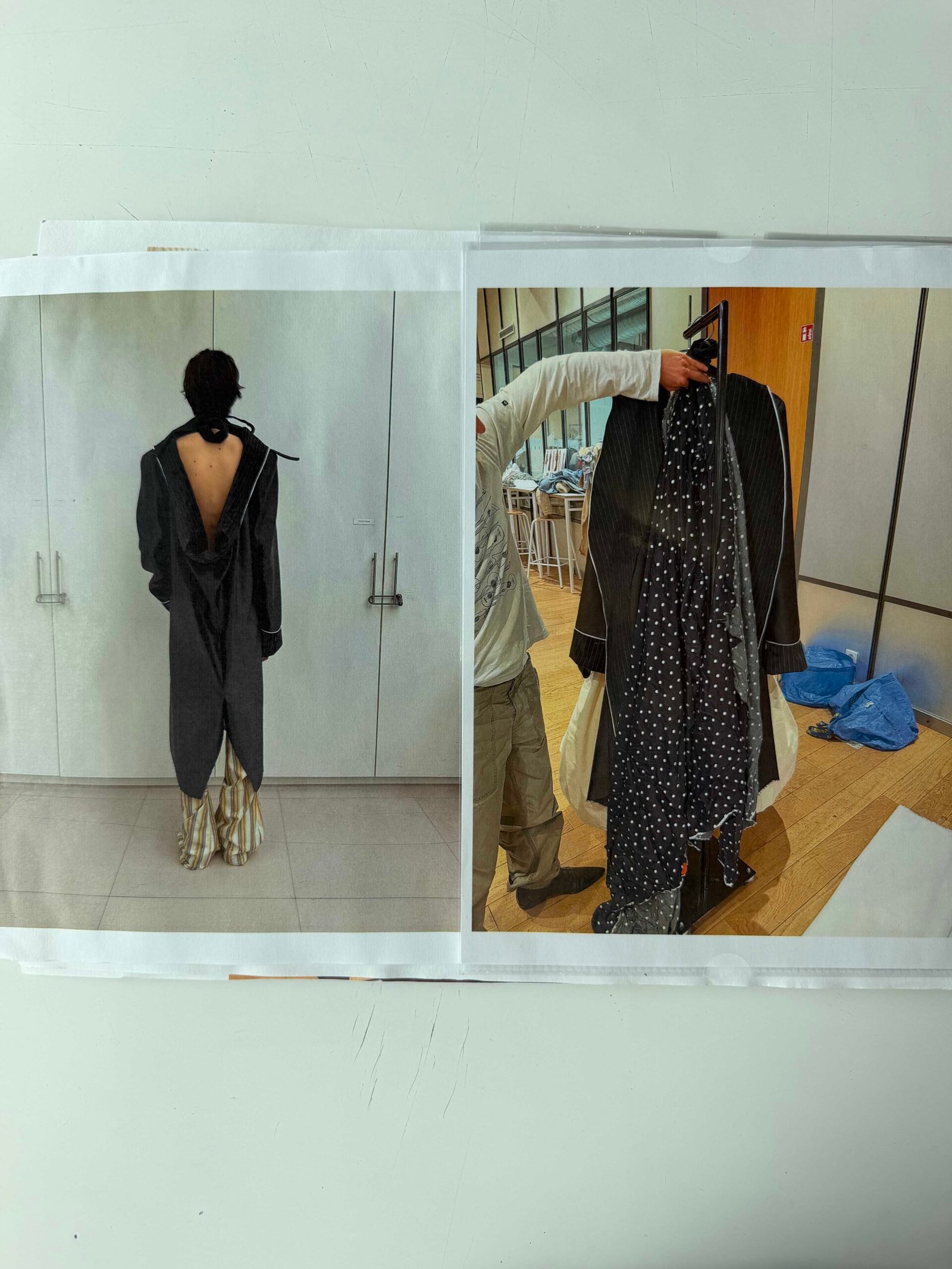
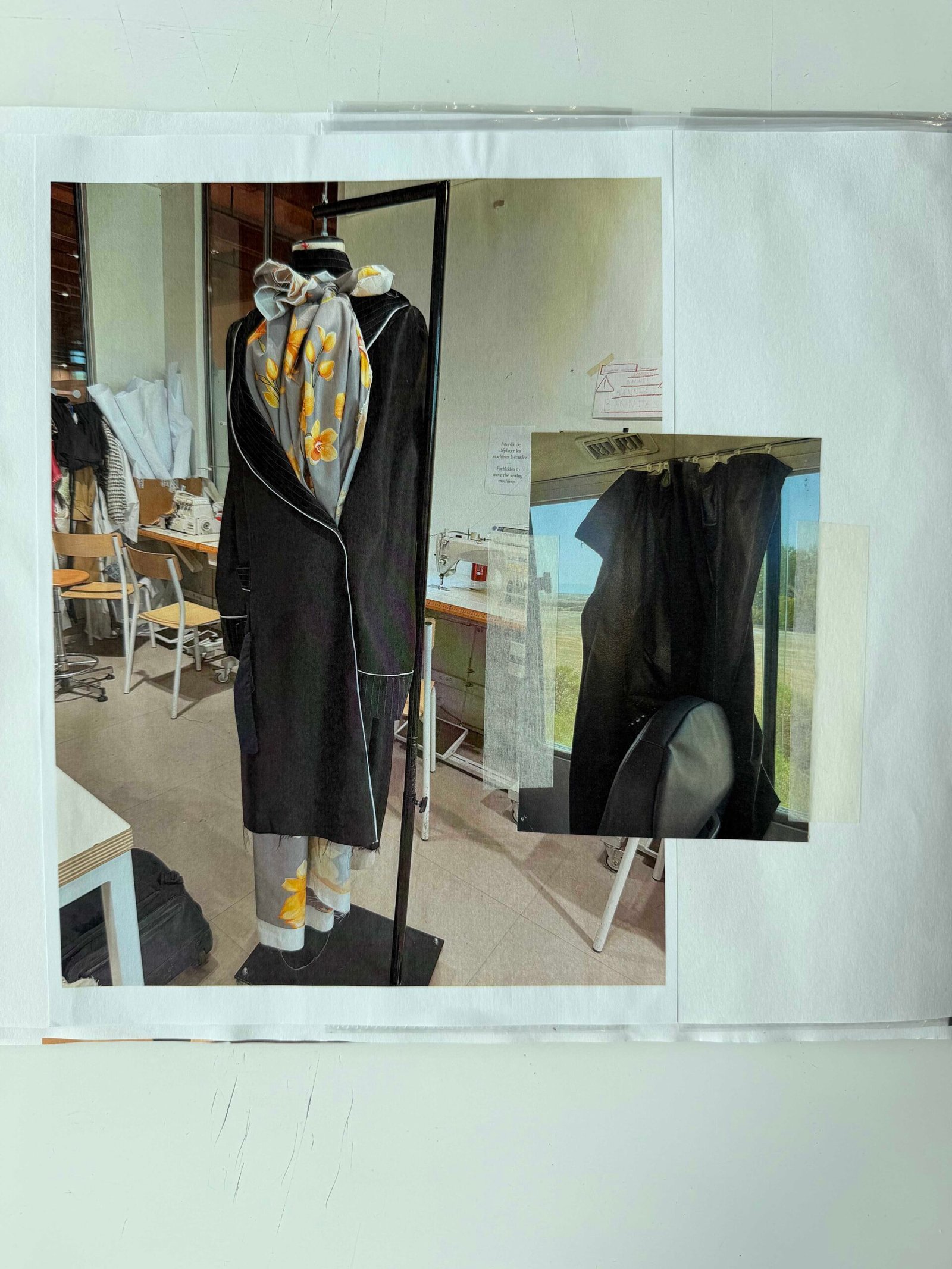
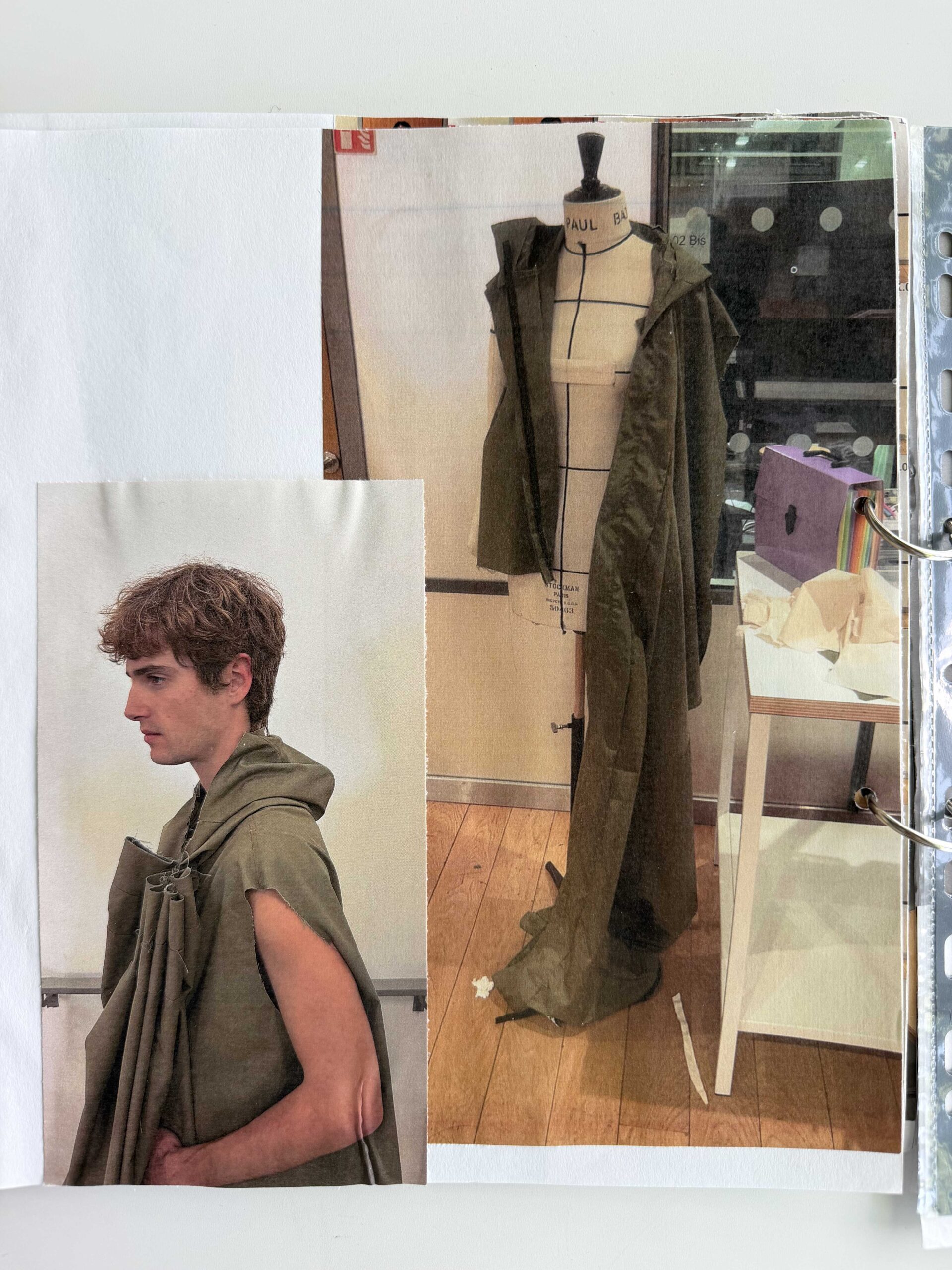
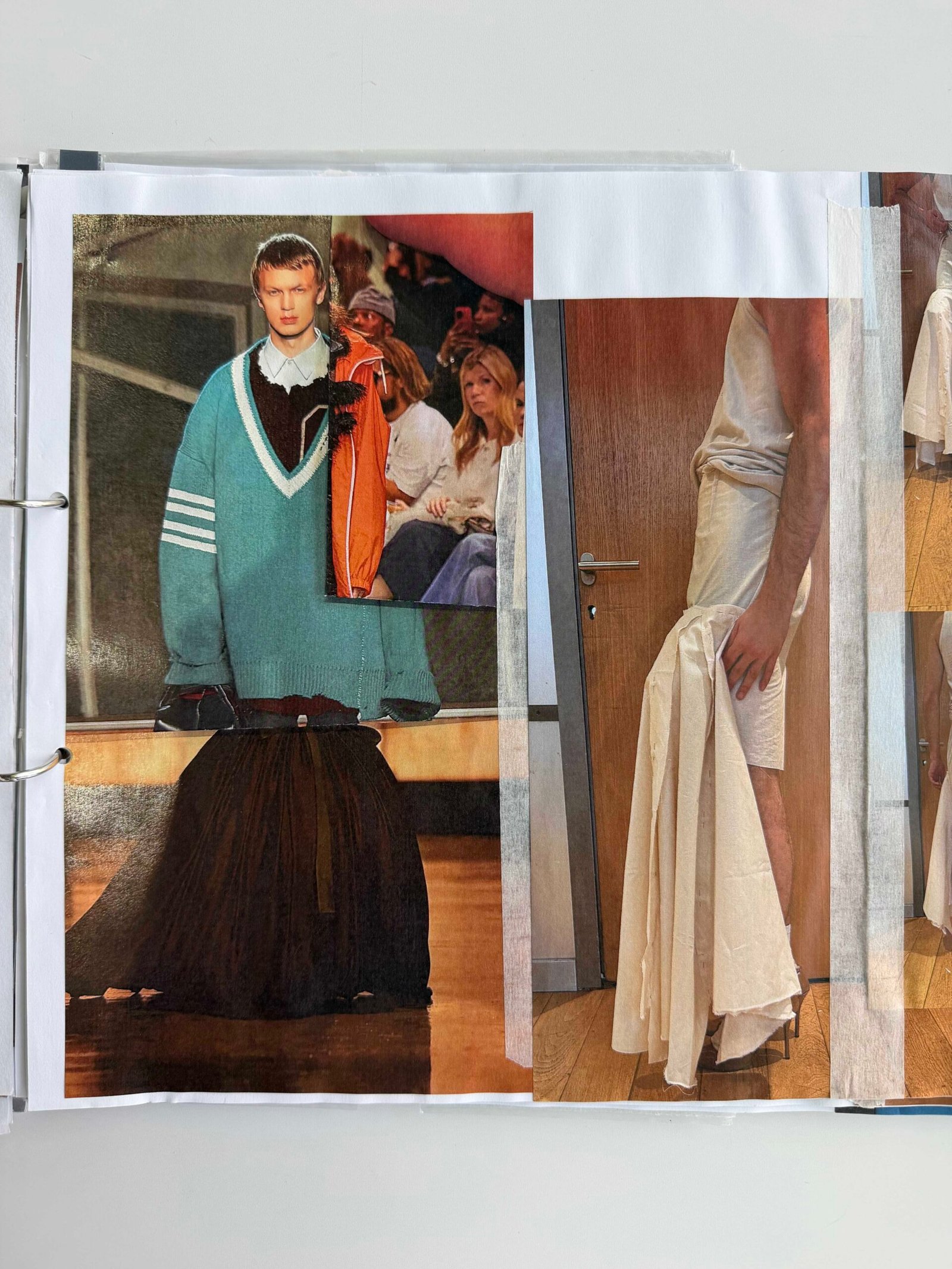
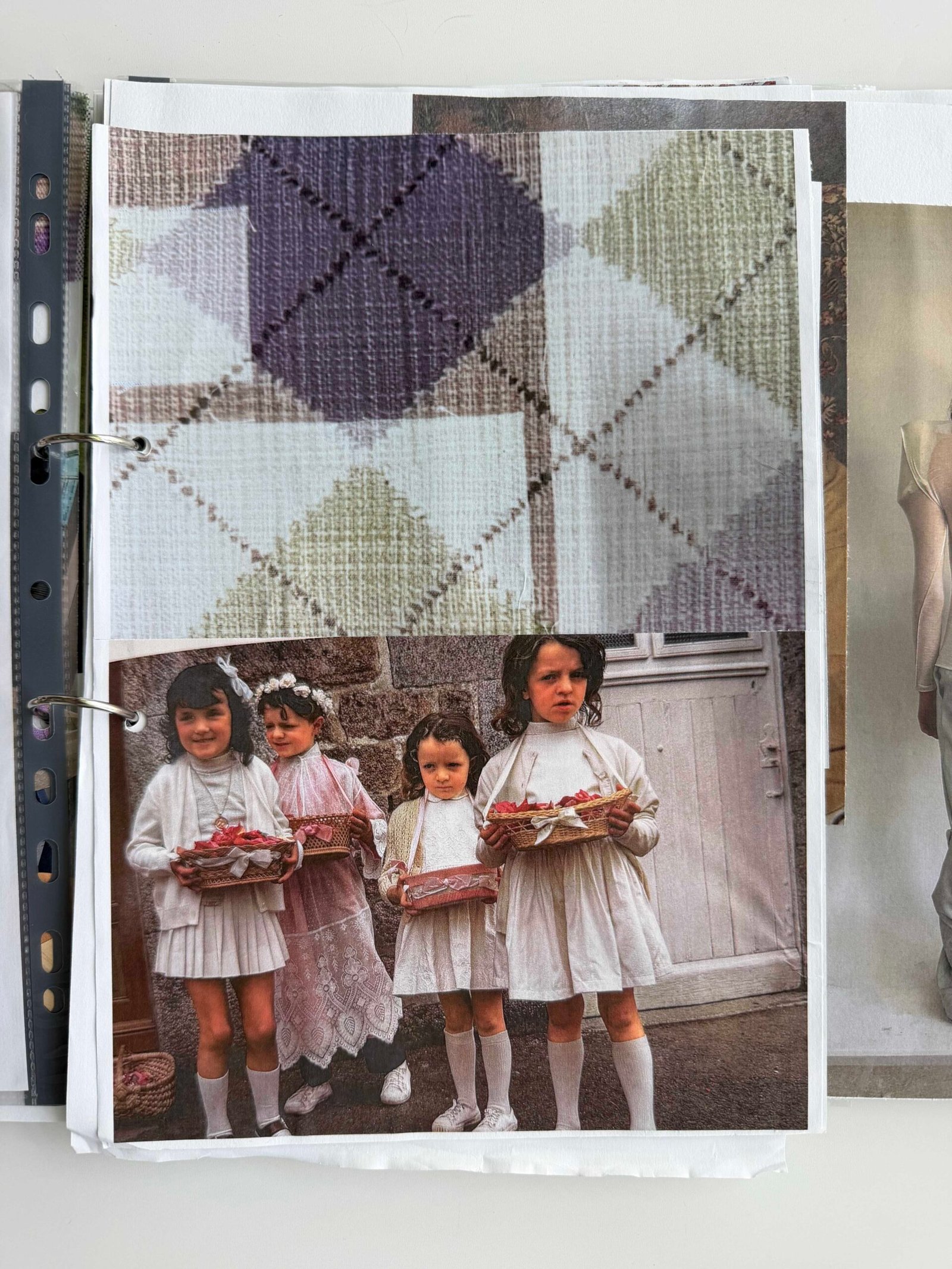
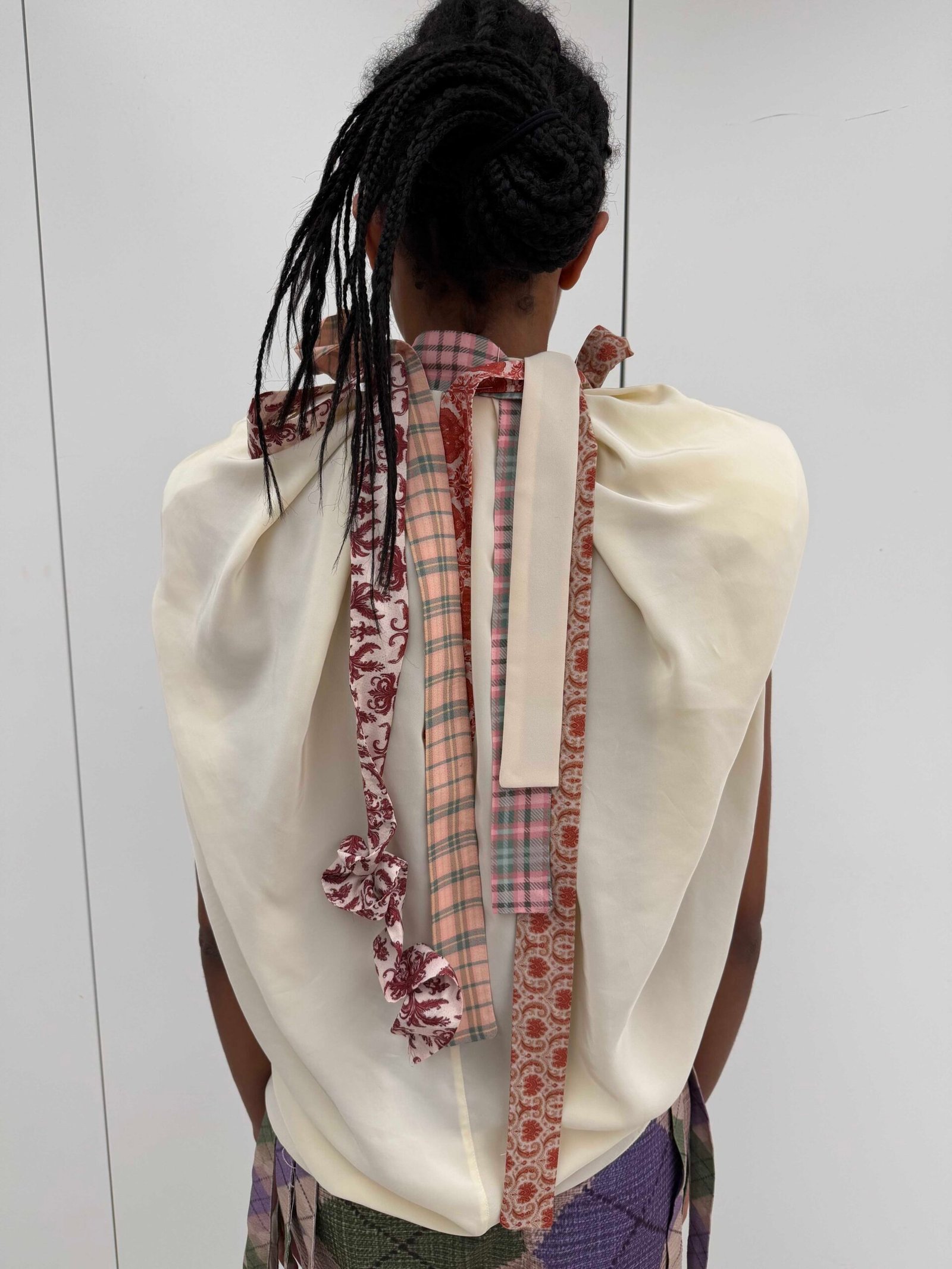
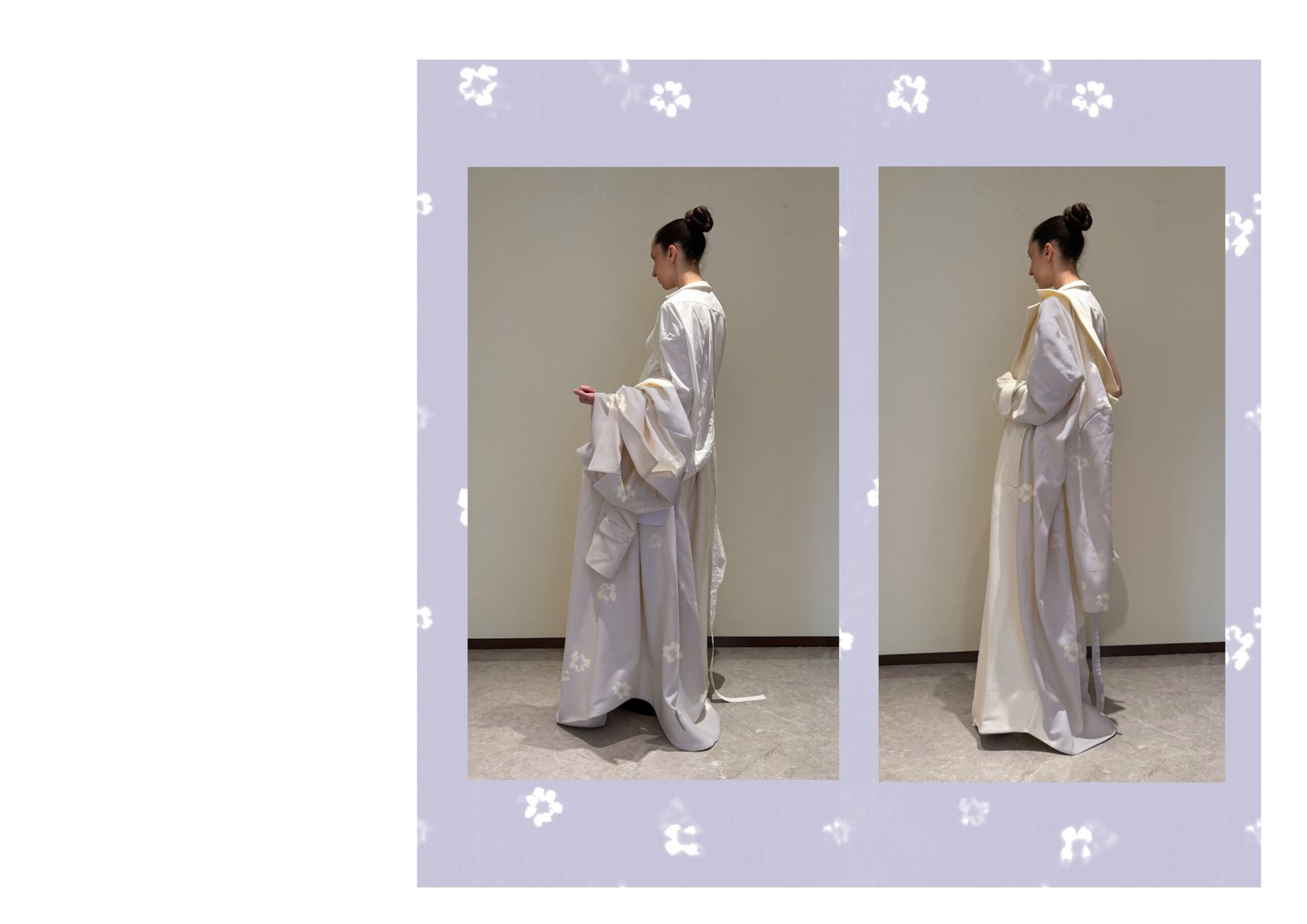
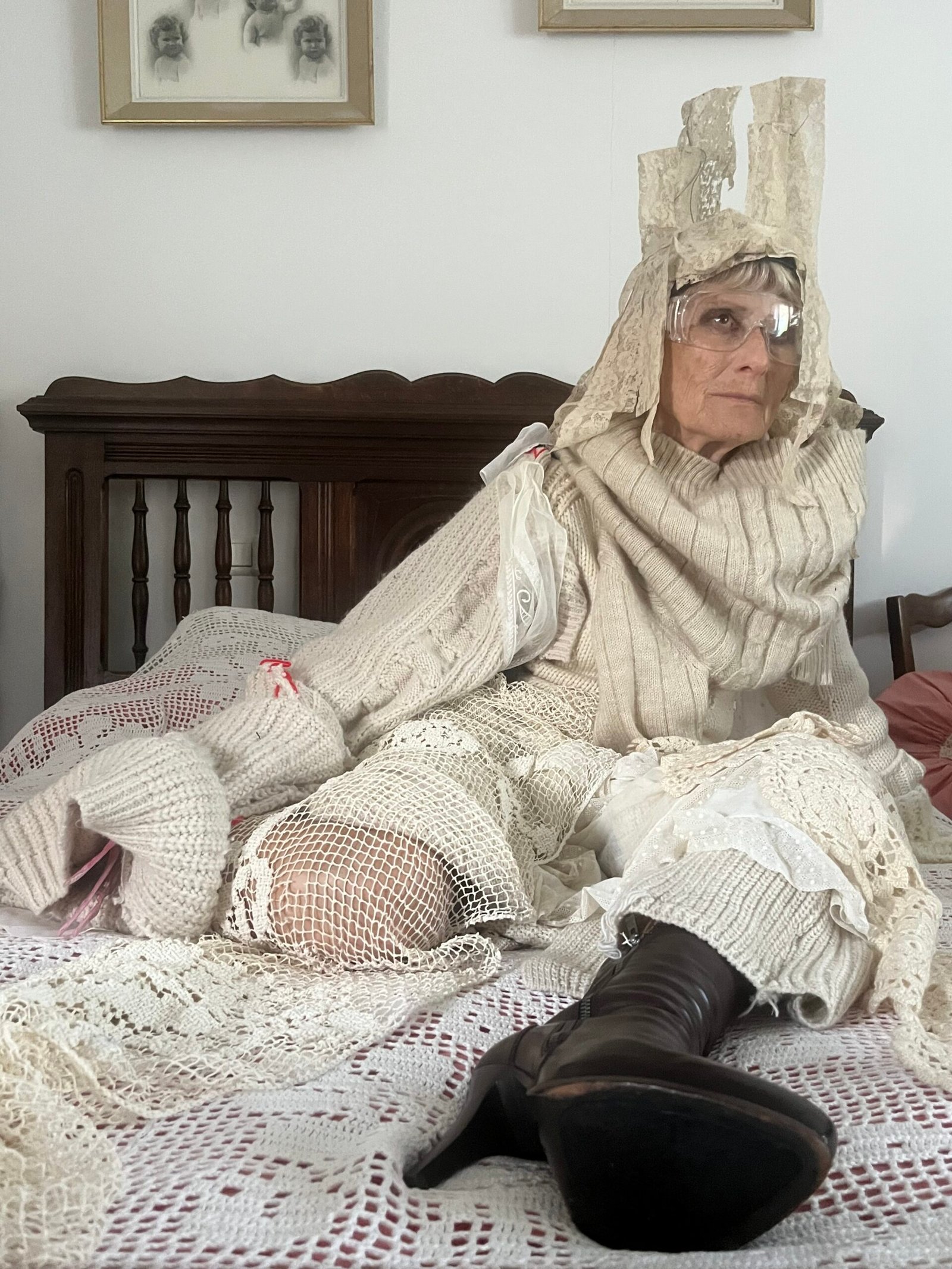
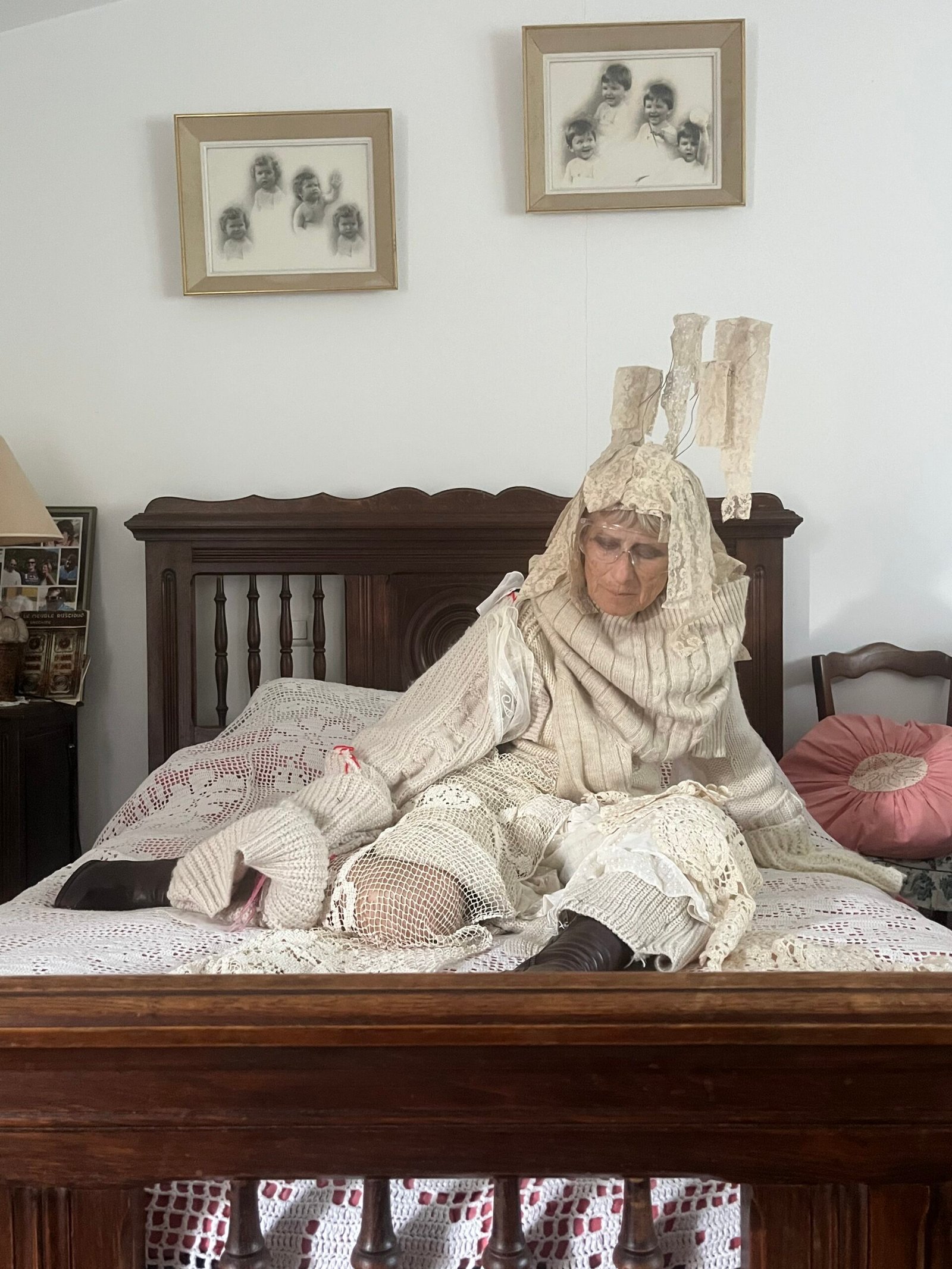
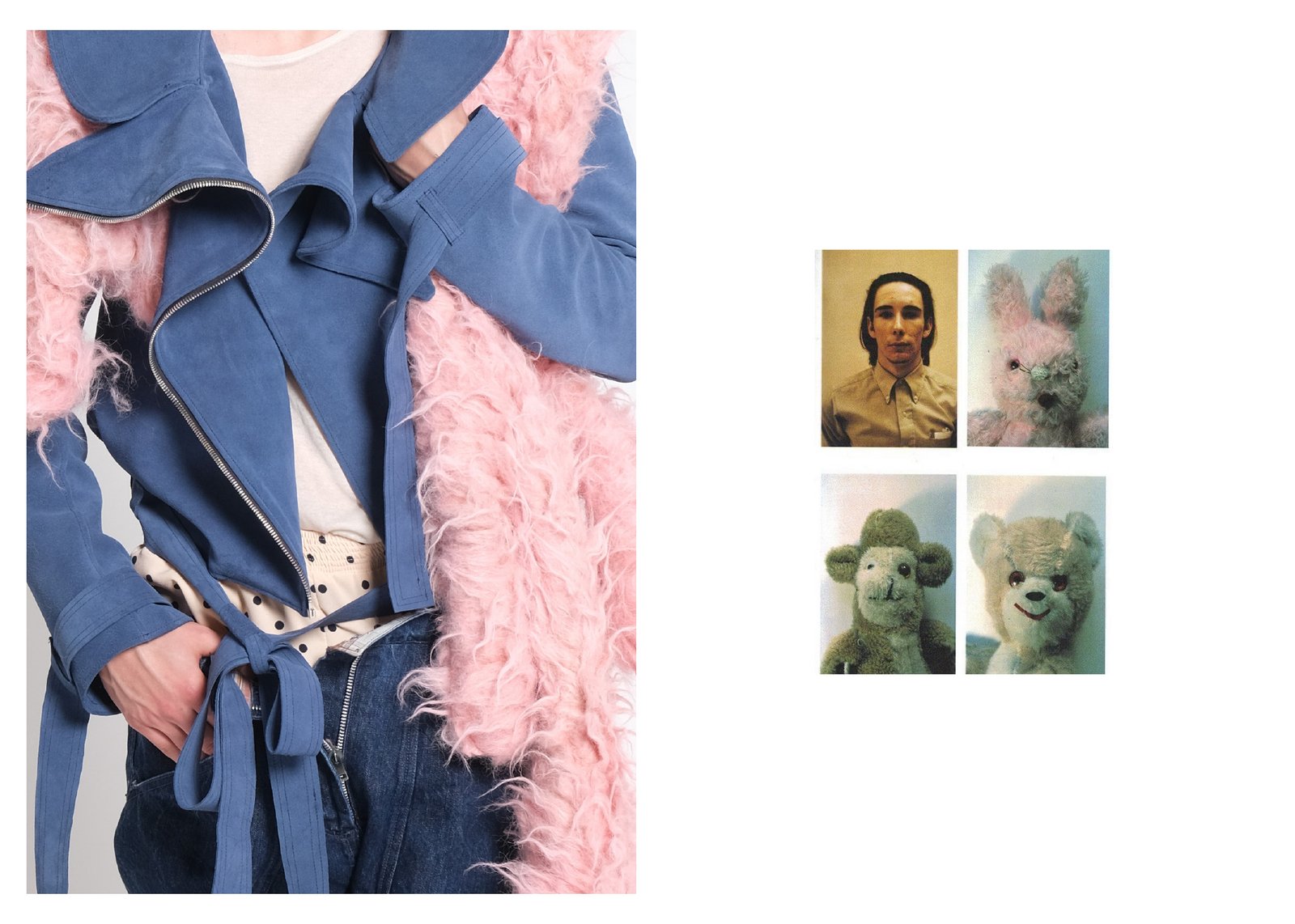
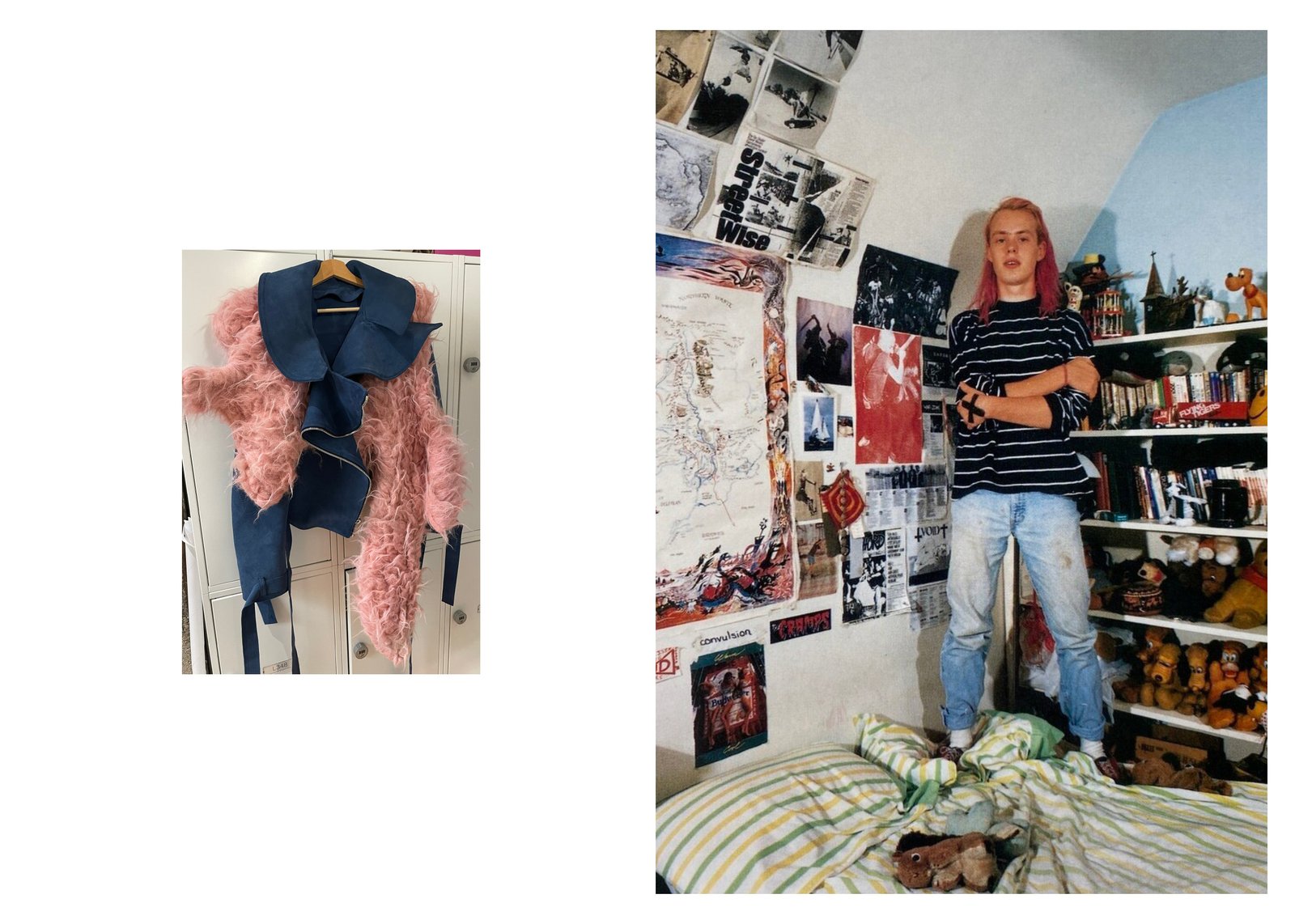
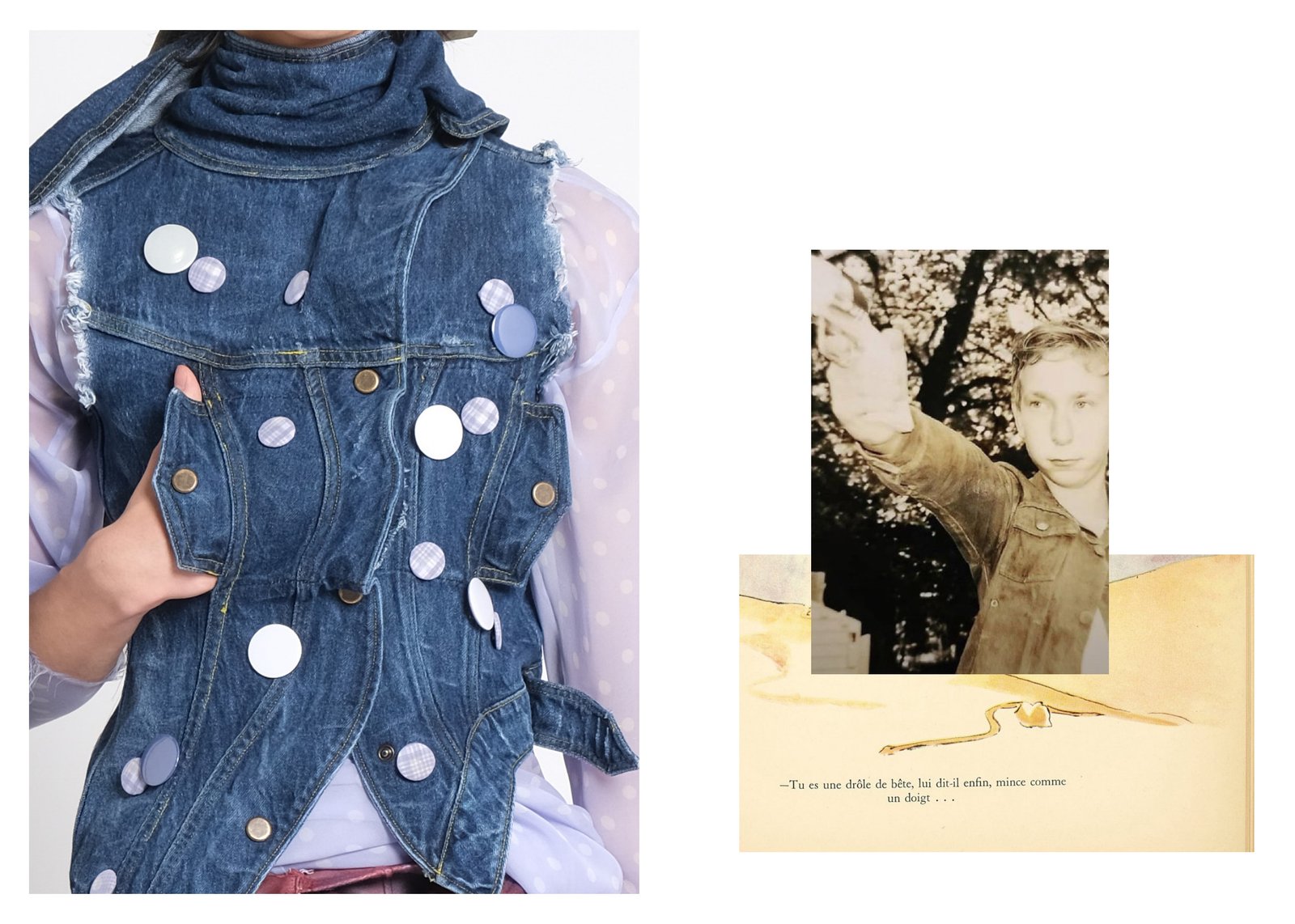
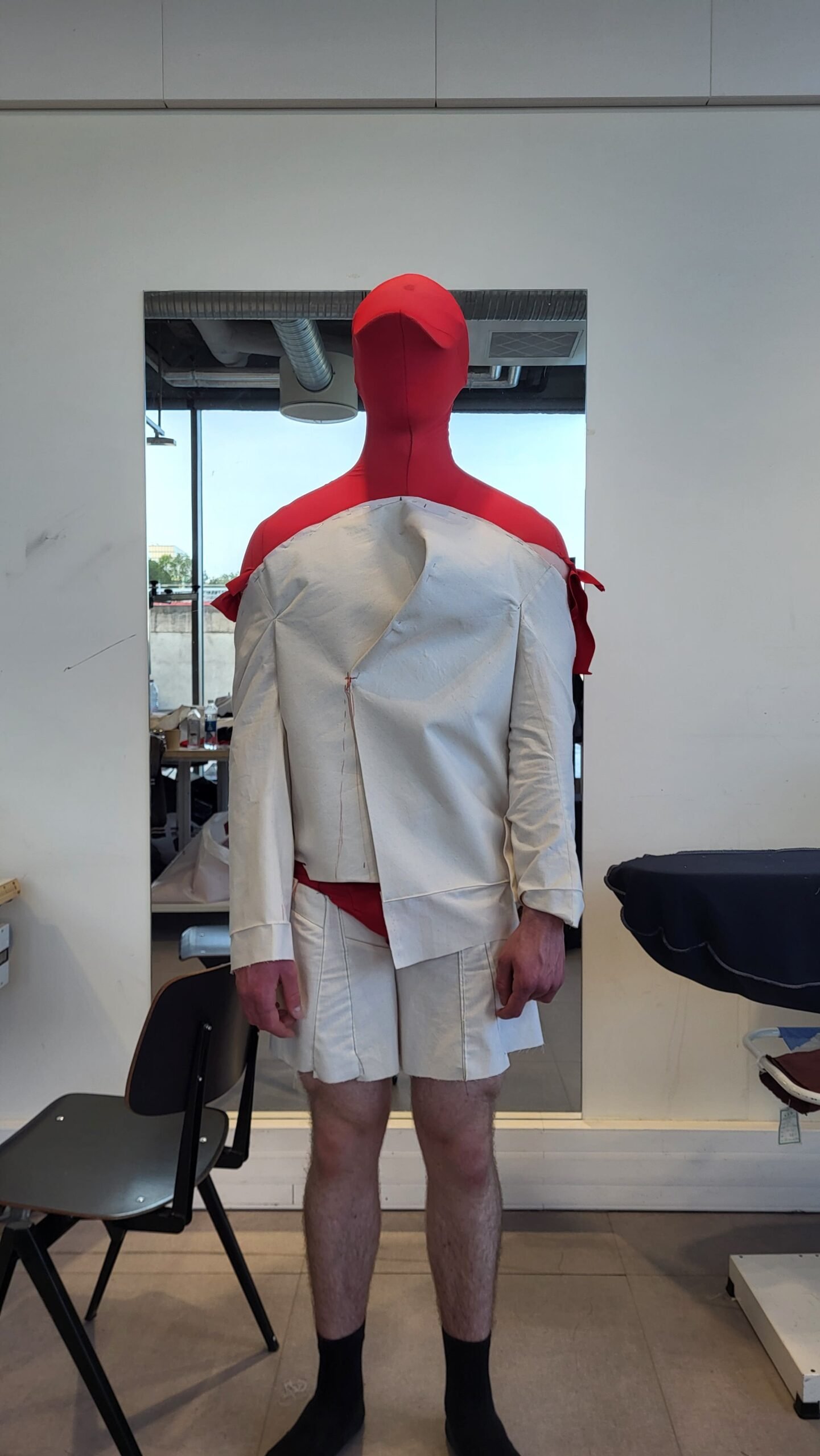
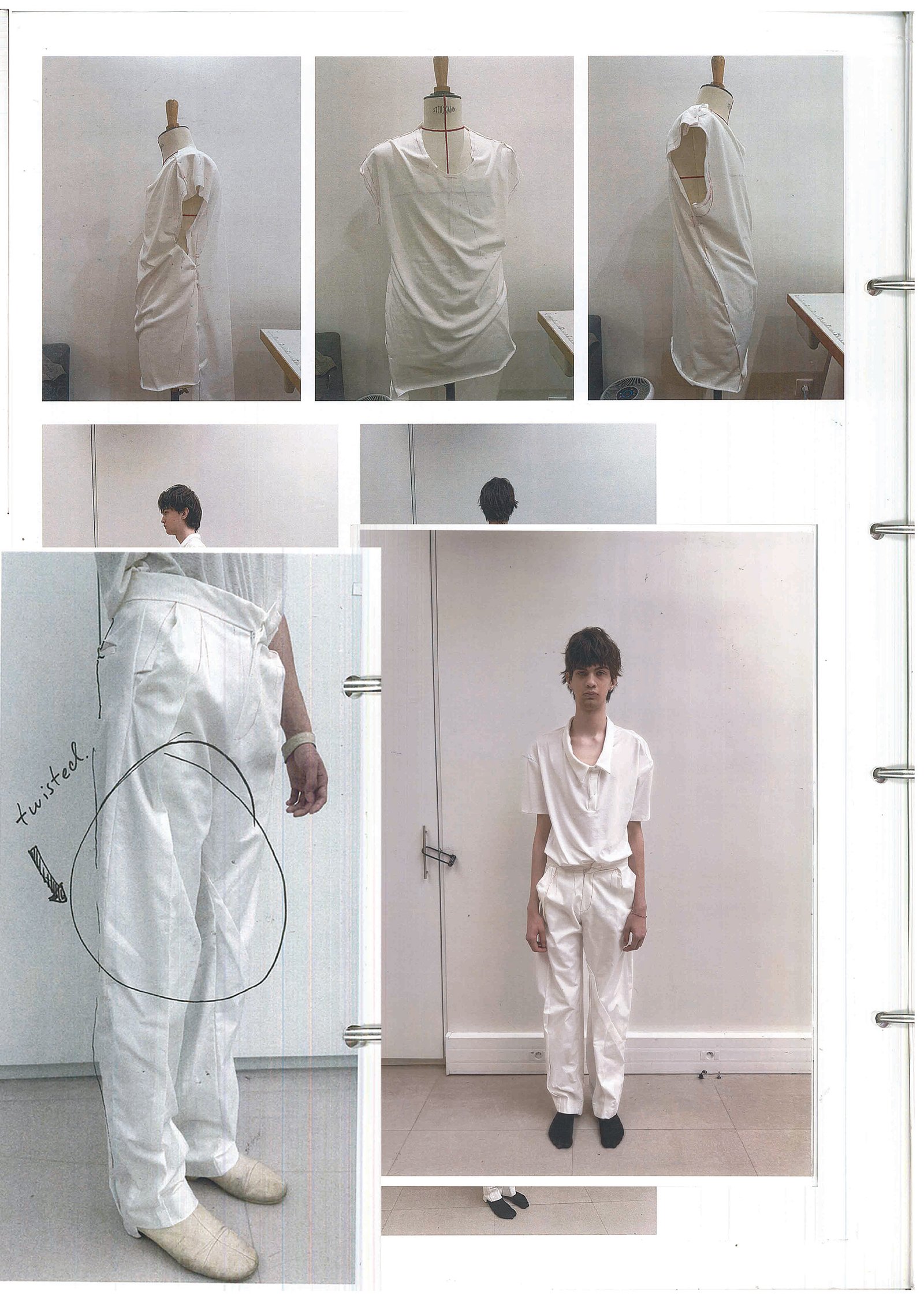
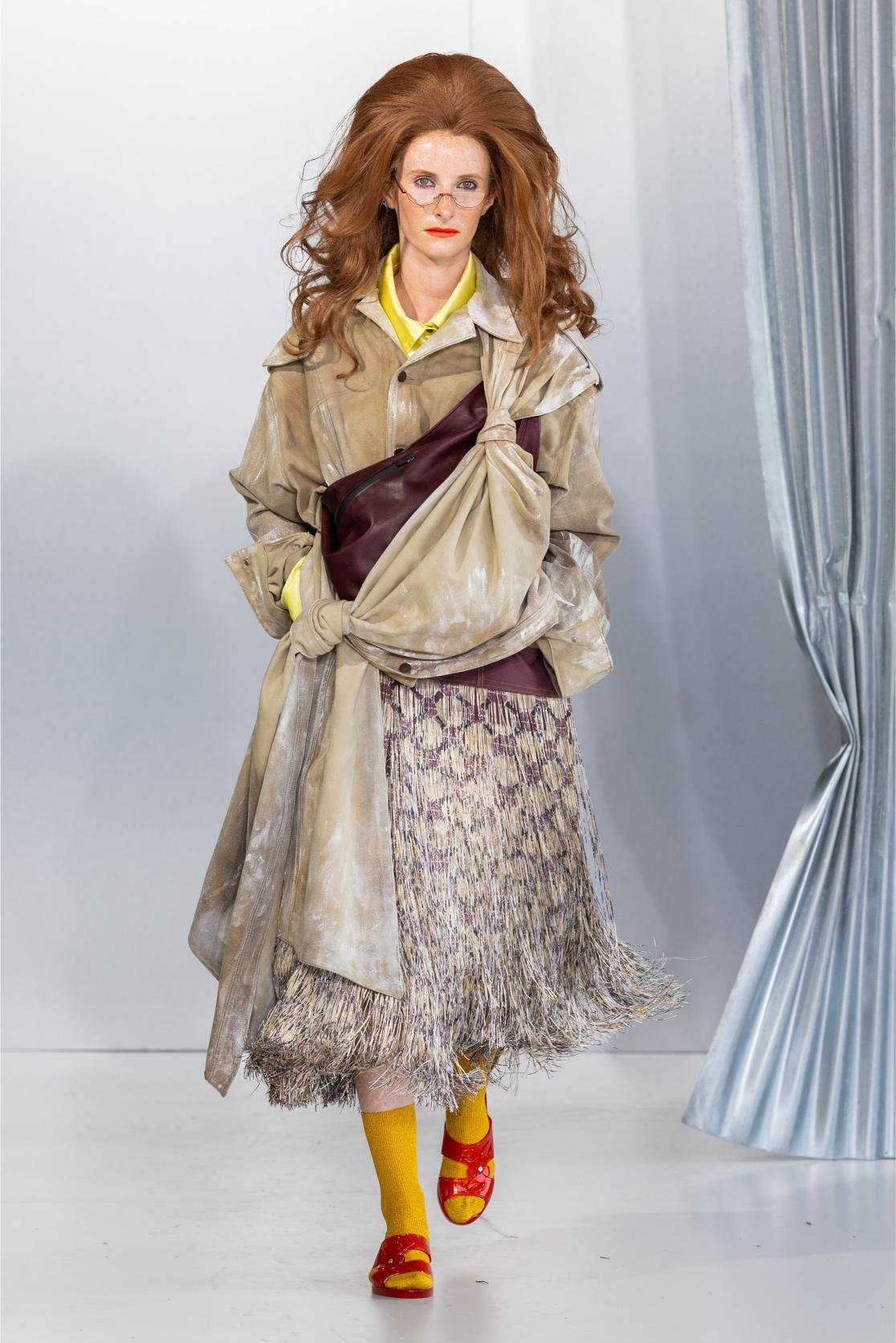
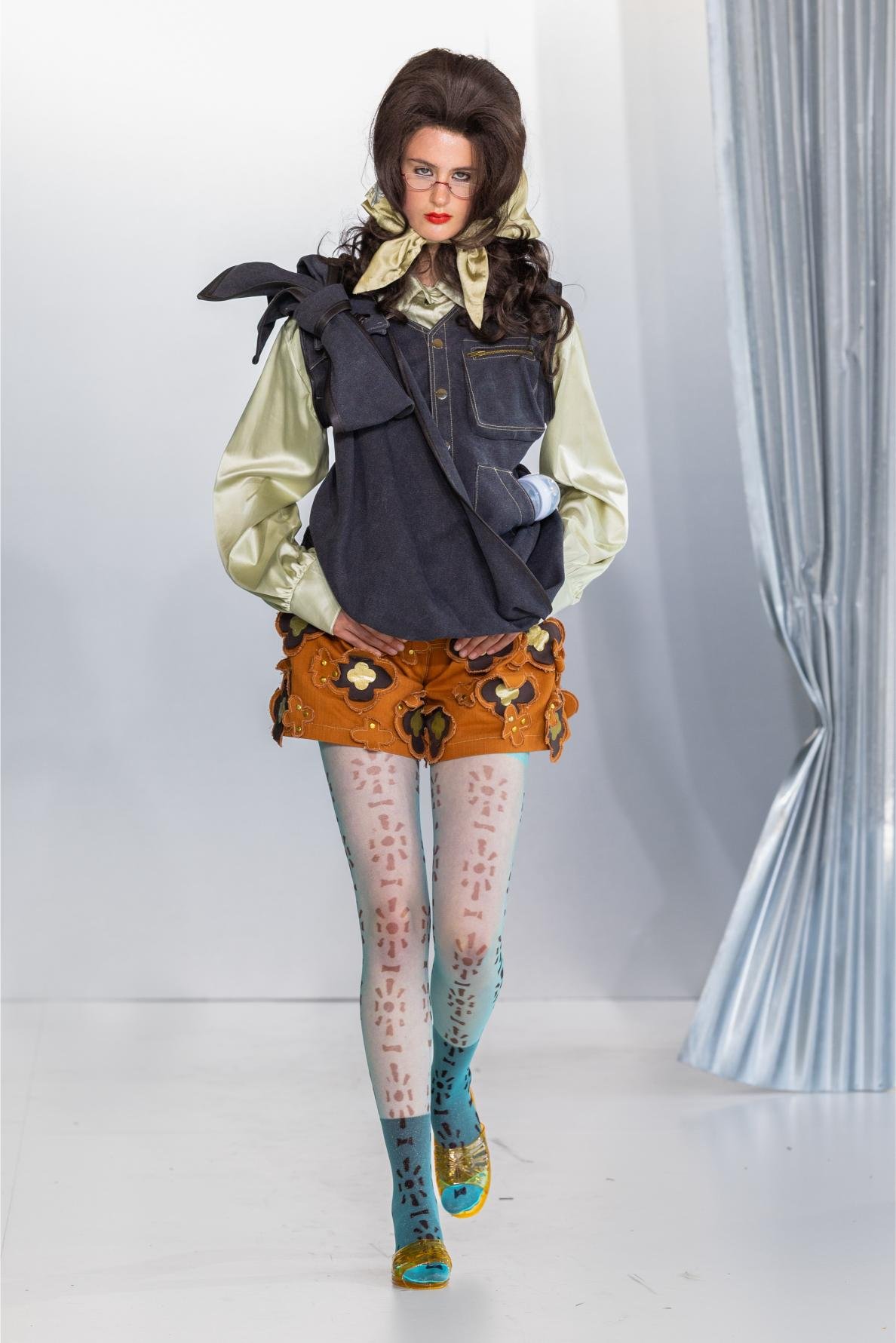
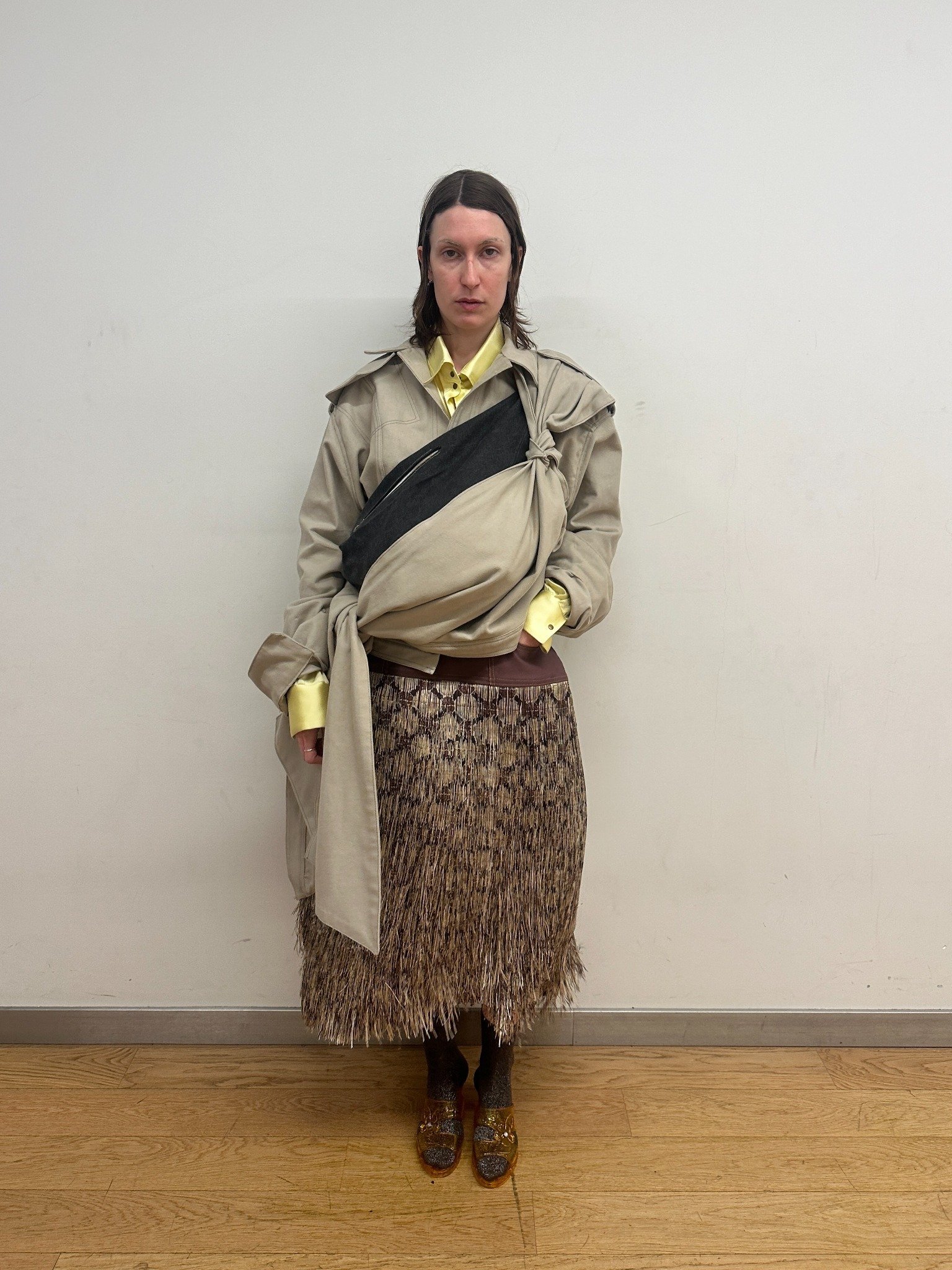
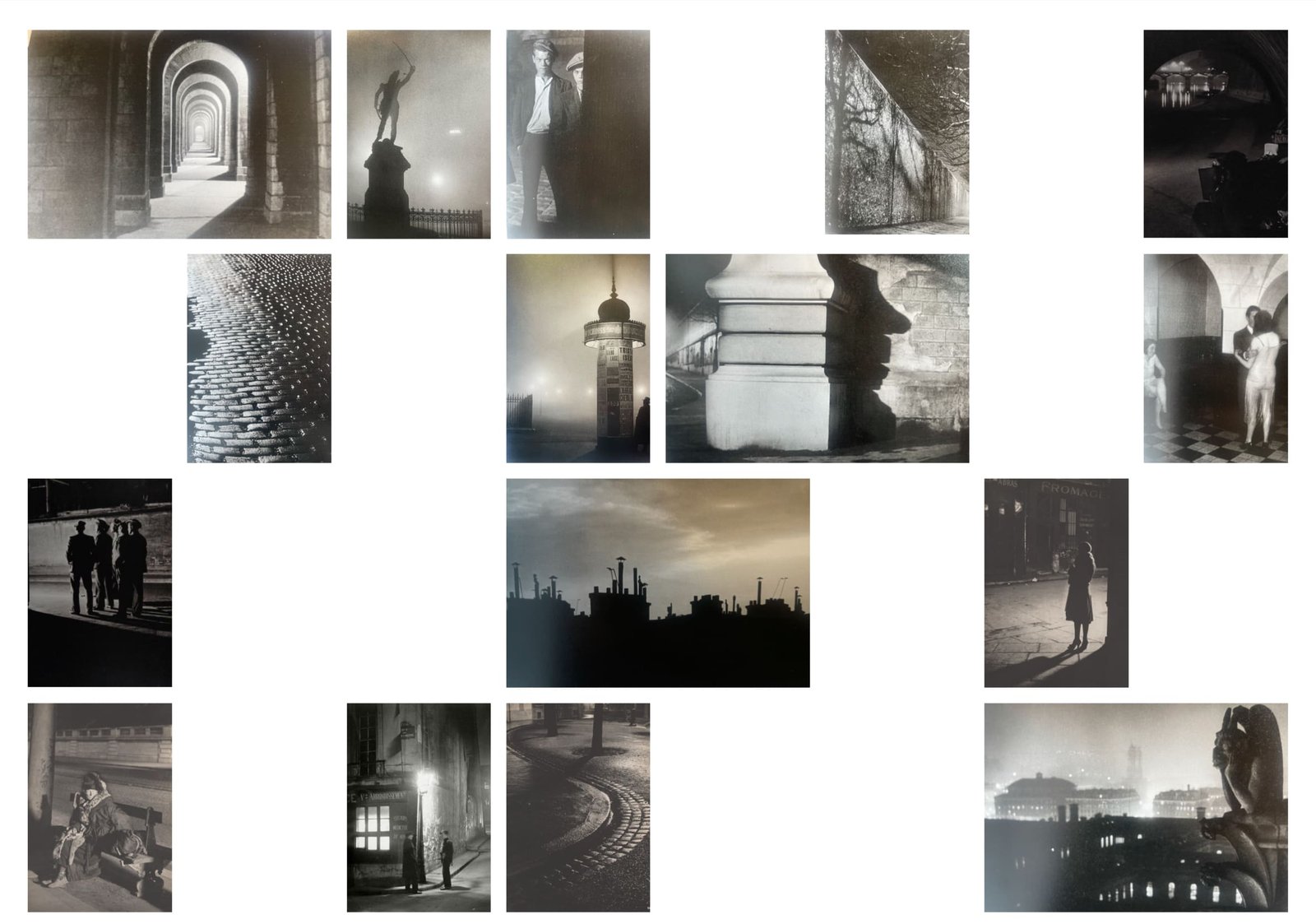
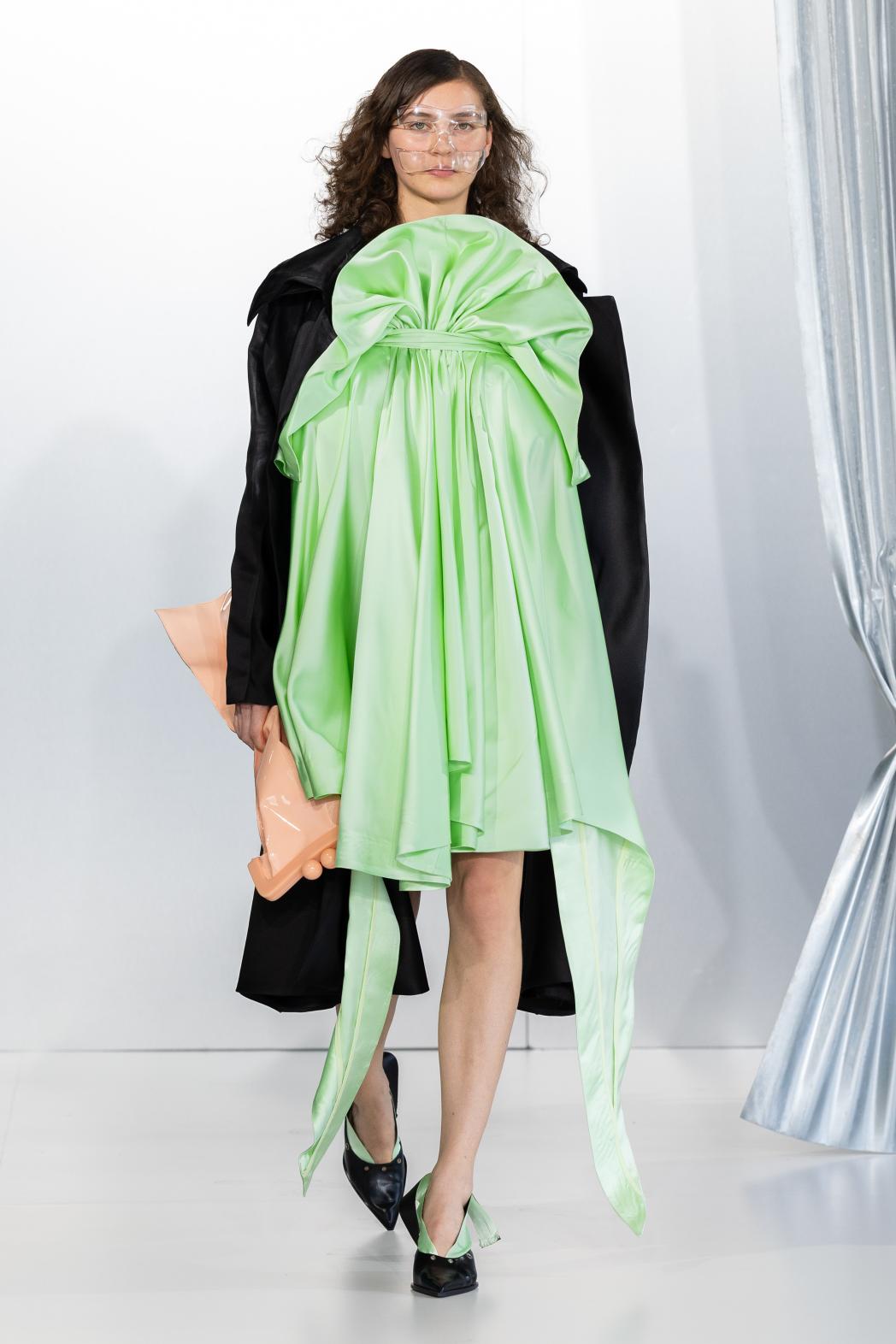
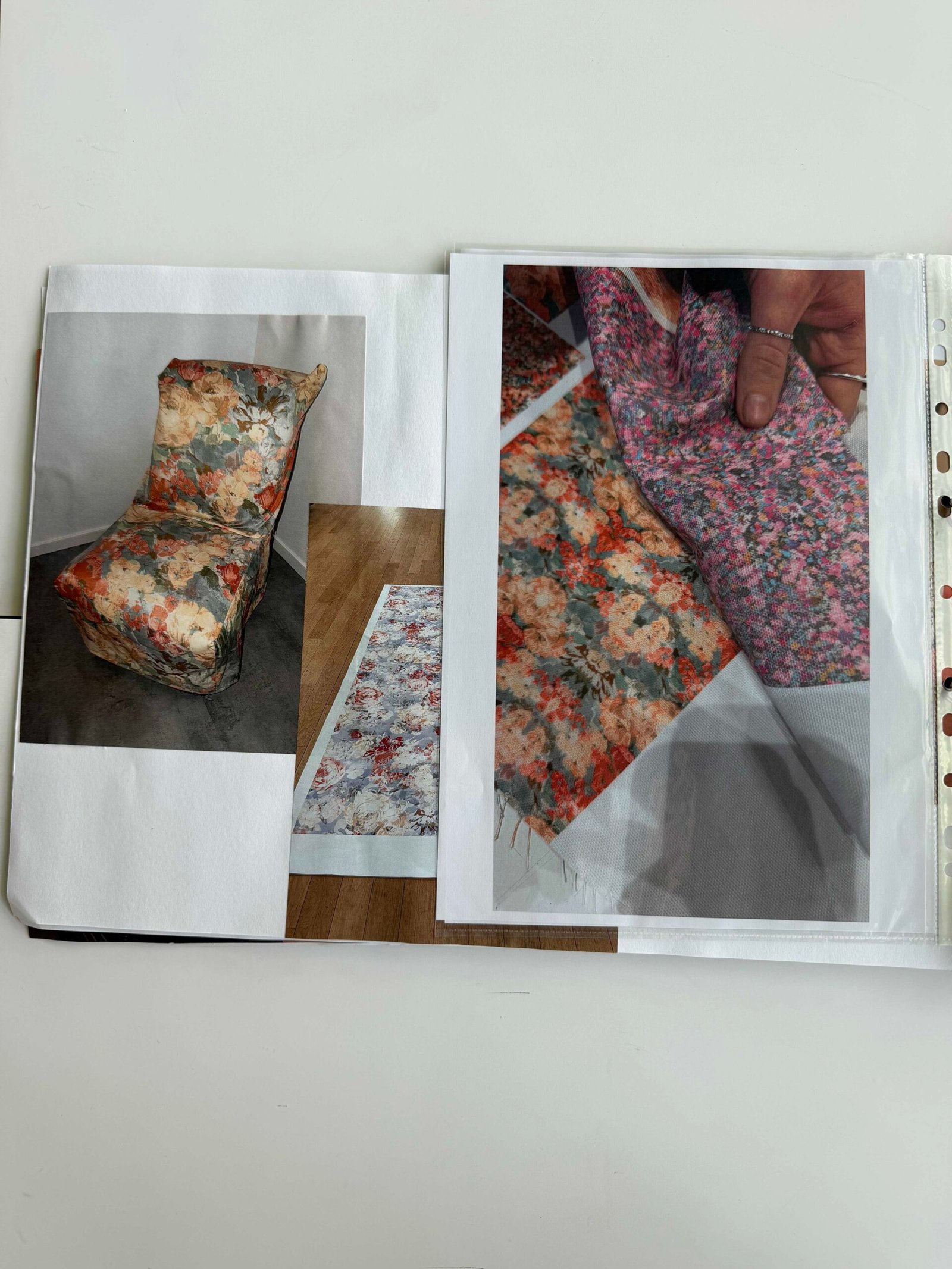
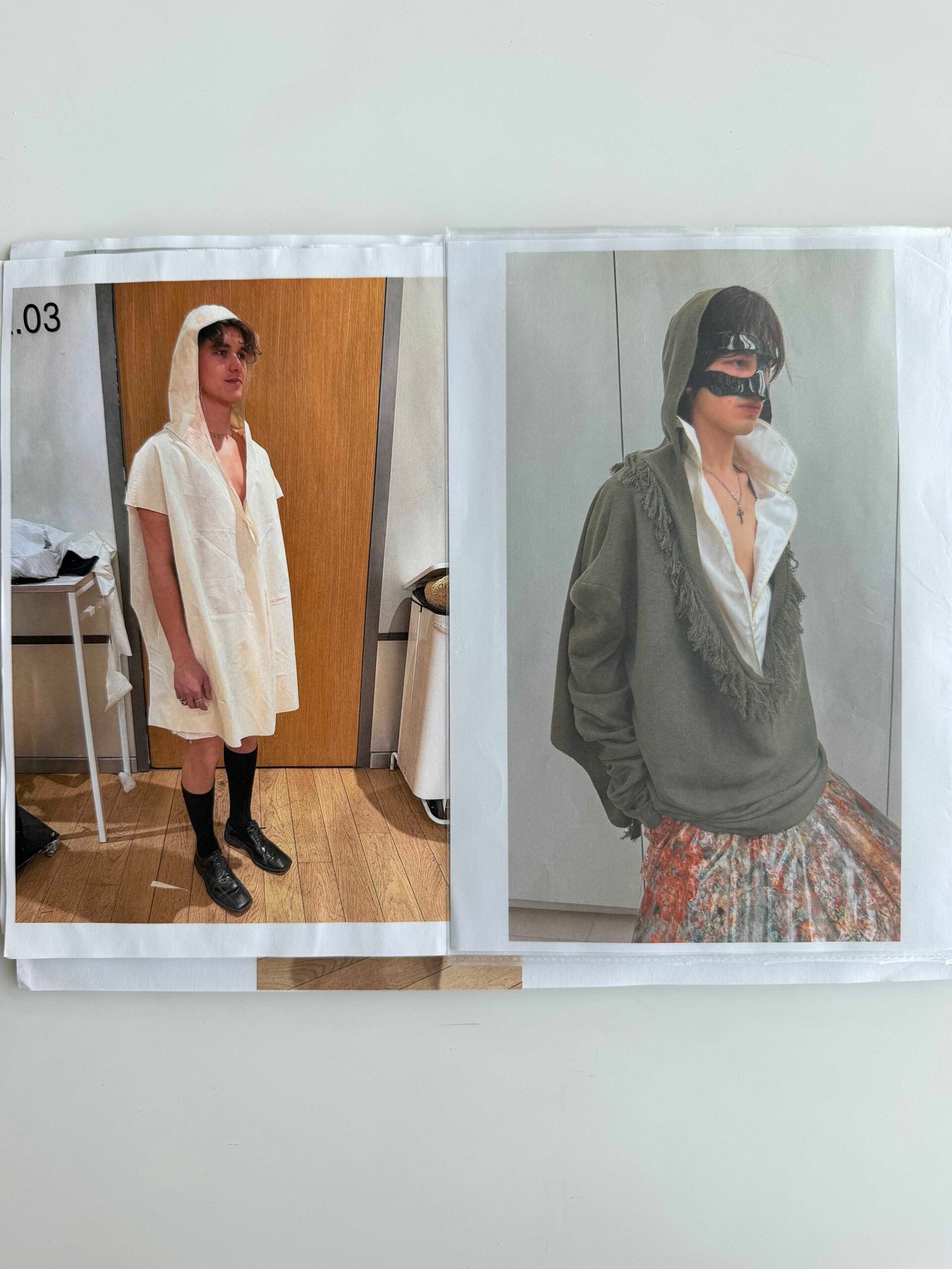
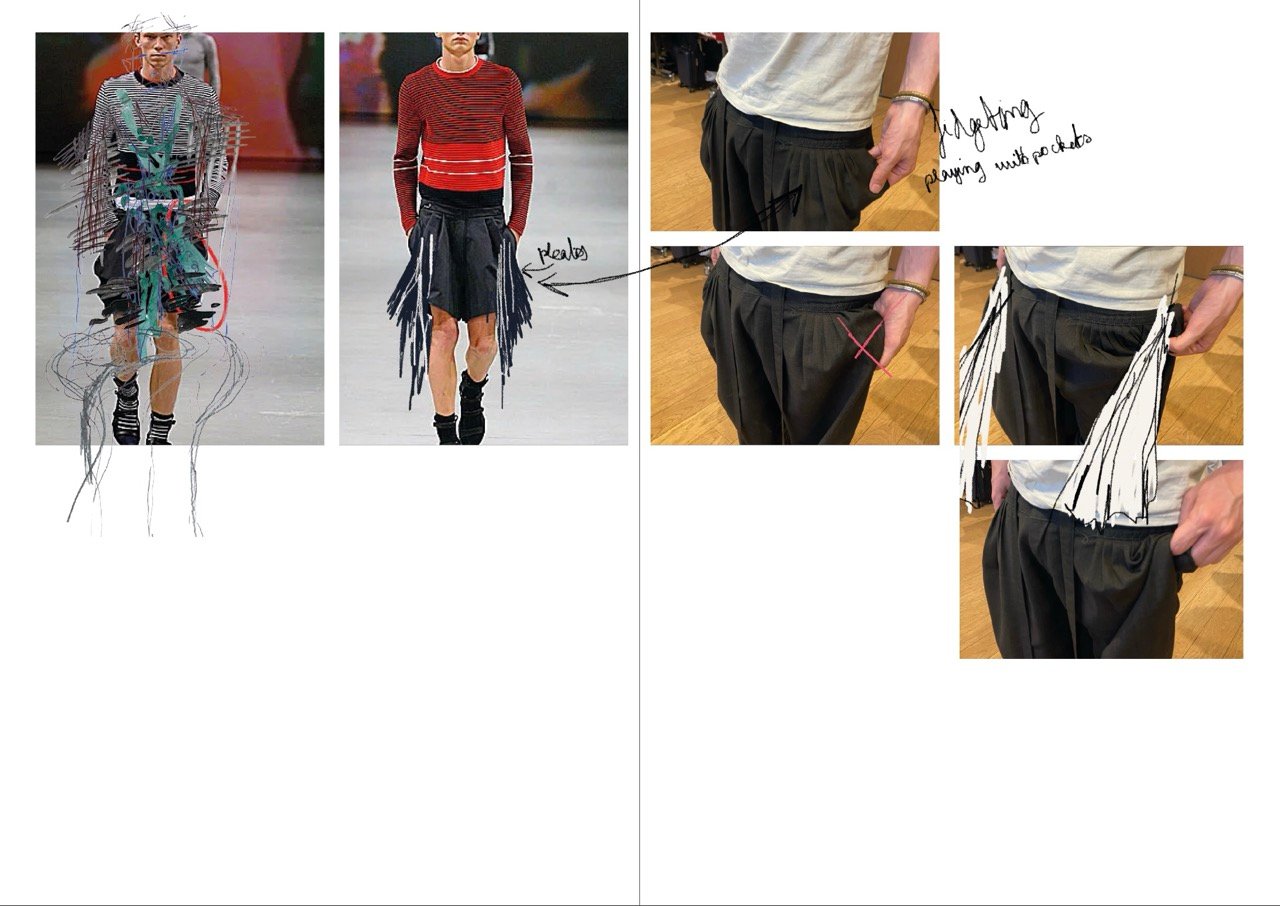
Paul Molina’s collection explores the tension between inherited identity and imagined selfhood through the lens of adolescence. Drawing on family garments, domestic textiles, and the silhouettes of previous generations, the project builds a visual language rooted in memory, intimacy, and transmission. This domestic archive is disrupted by references drawn from cinema and literature, where night becomes a space of projection, desire, and distortion. The resulting wardrobe oscillates between sleepwear and structured garments, childhood proportions and adult tailoring. Exaggerated volumes, aged fabrics, and instinctive gestures of tying, wrapping, and adjusting suggest an ongoing process of self-construction. As he leaves IFM, his greatest concern is finding a place within an industry crowded with talented graduates competing for a limited number of opportunities.
@paul.mlnn

Louis Broissin

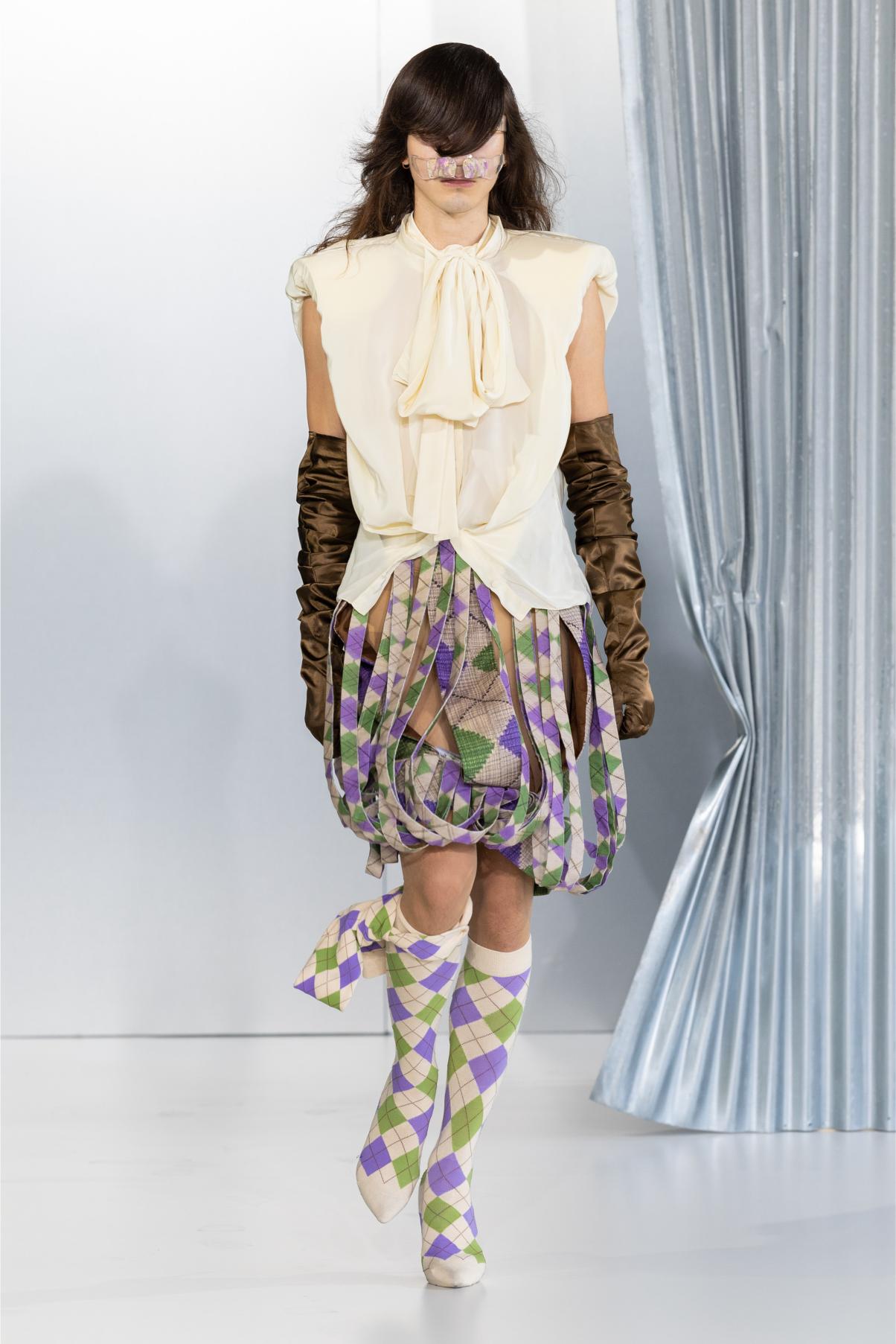
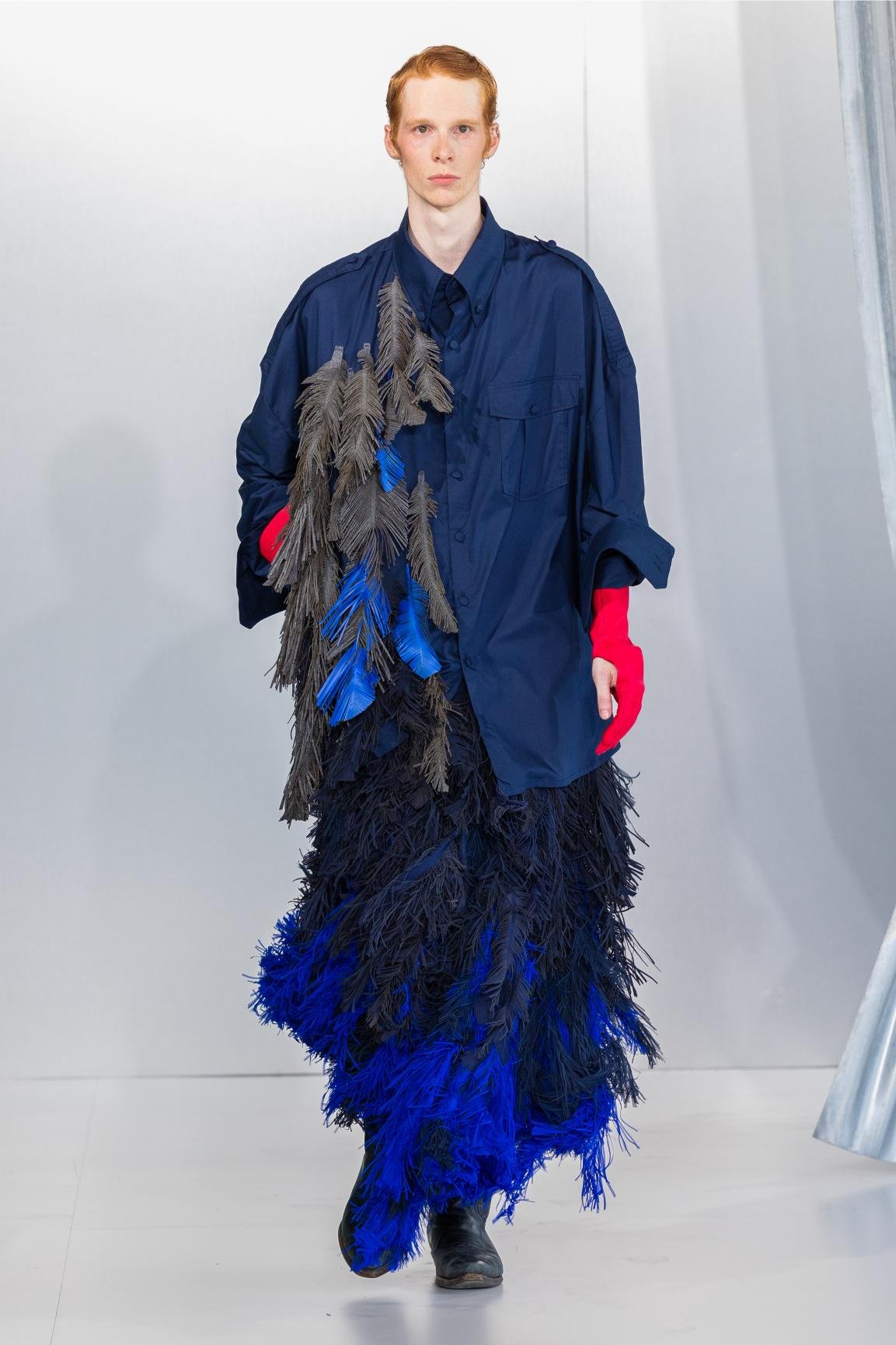
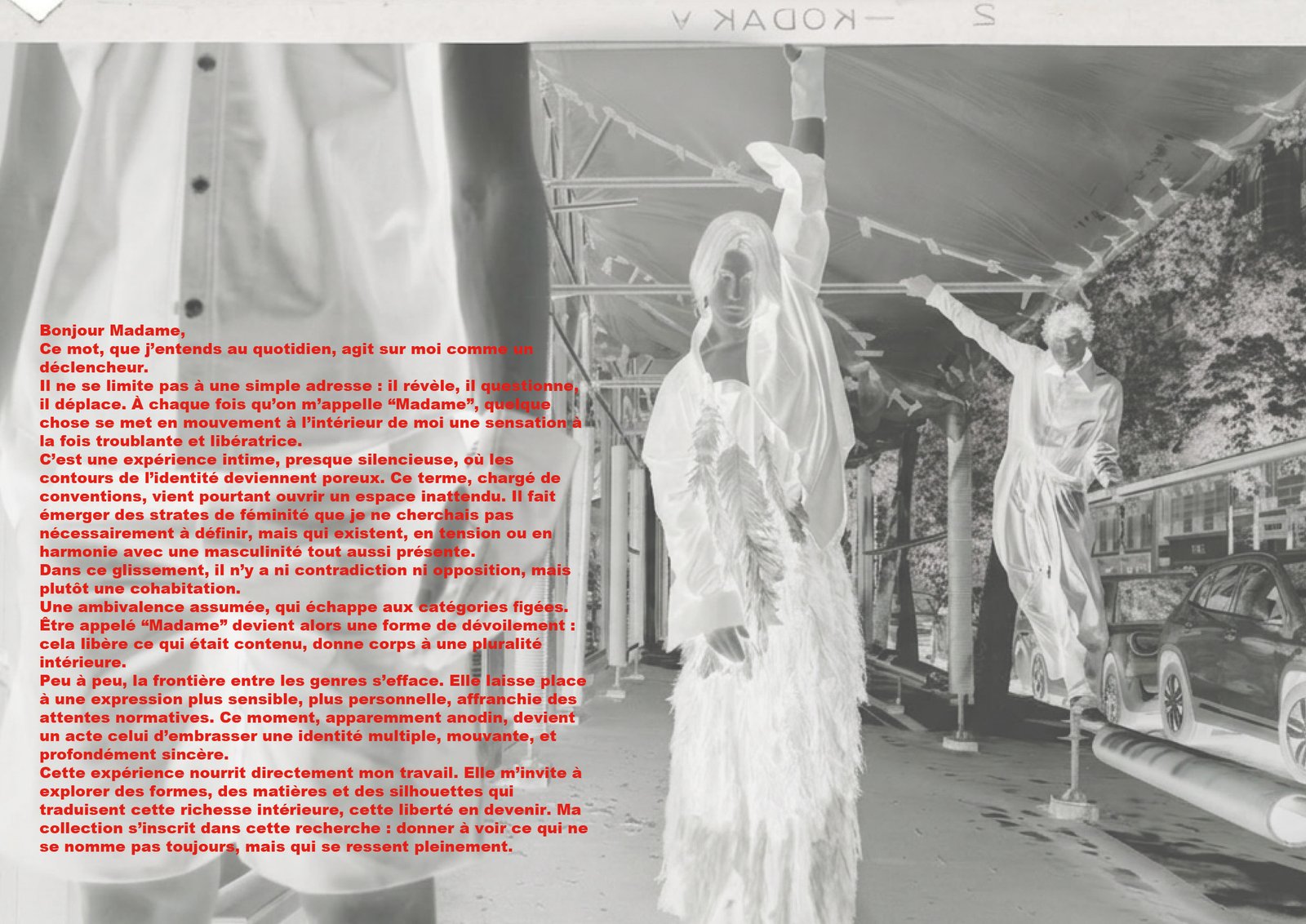
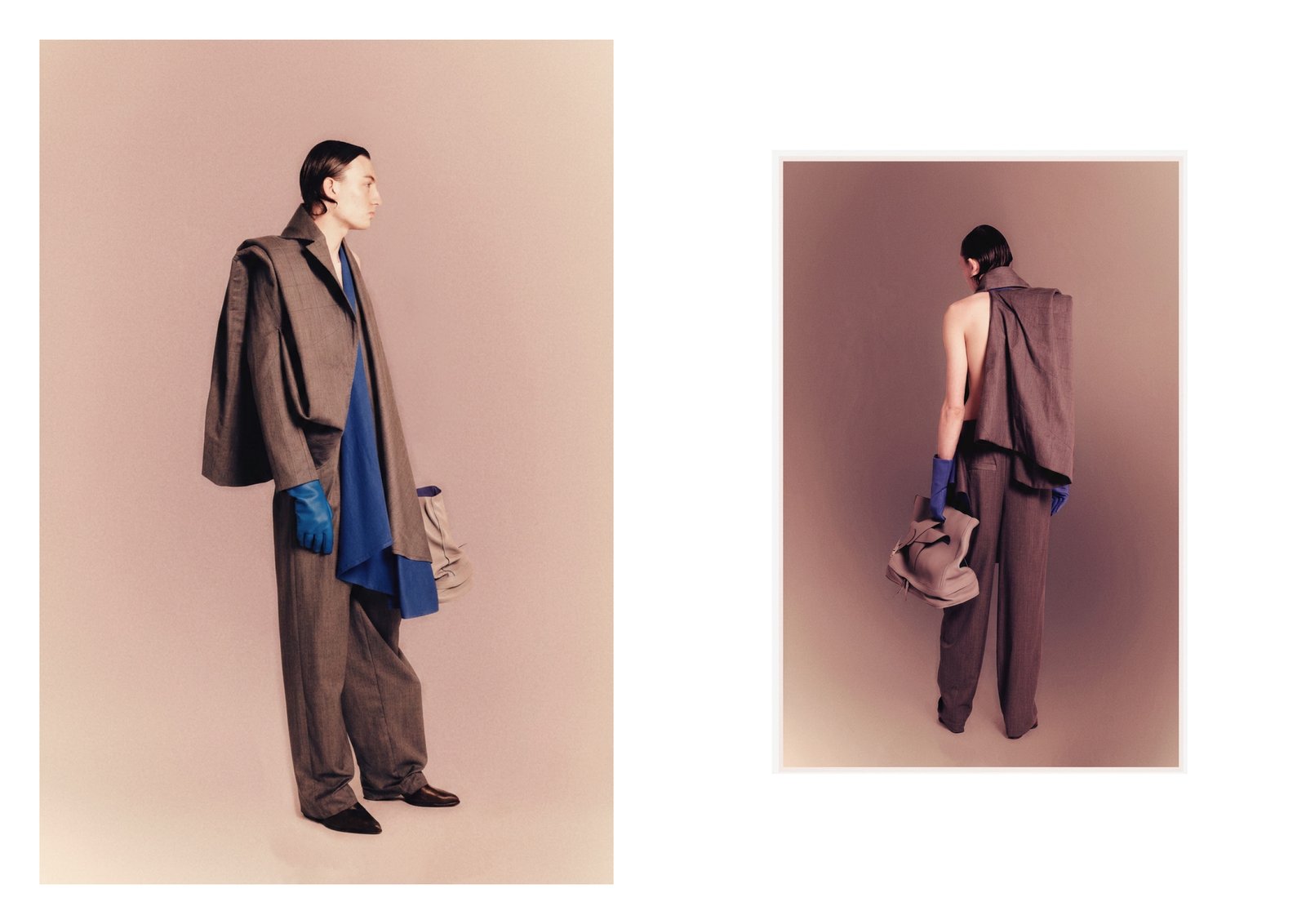
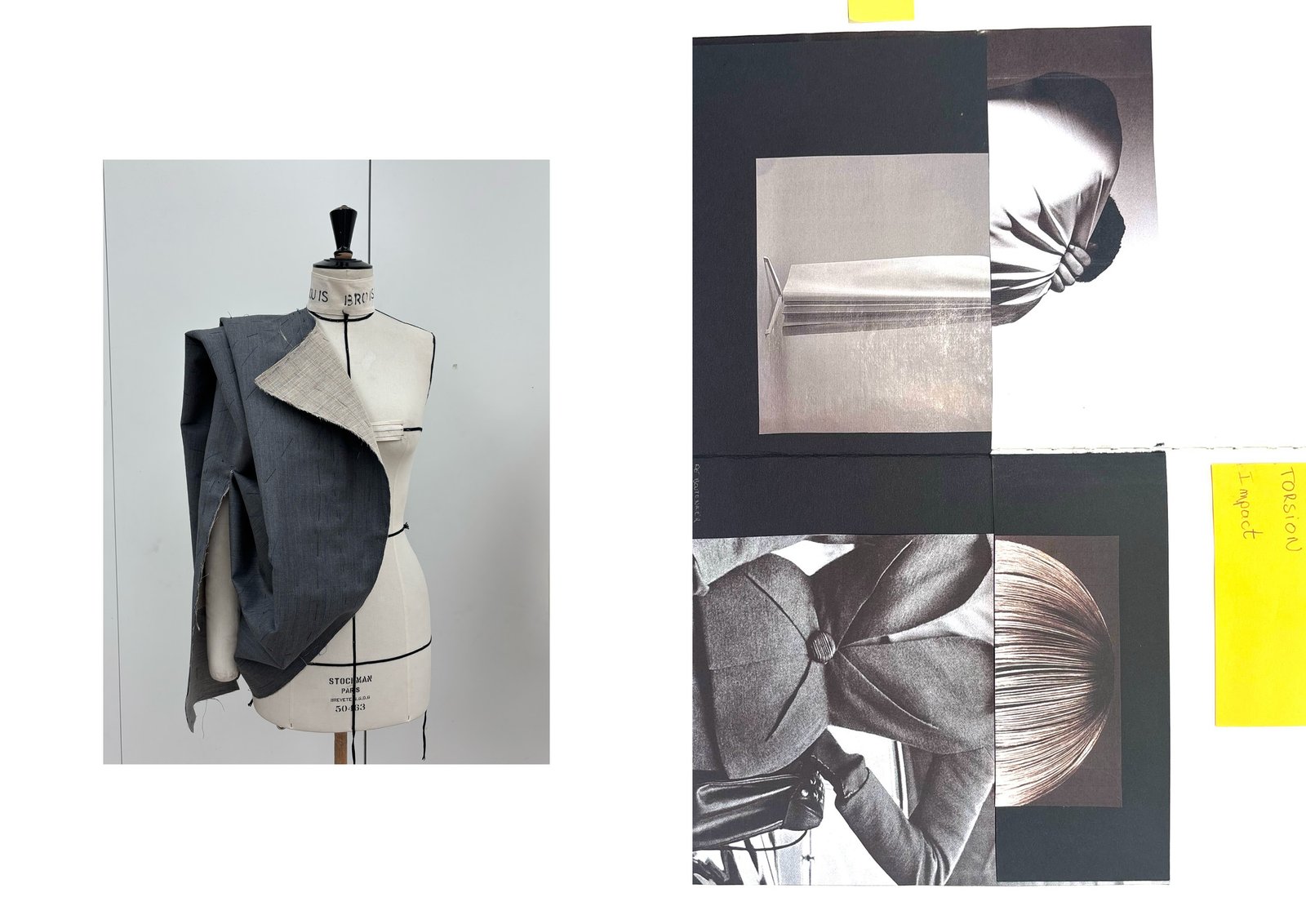
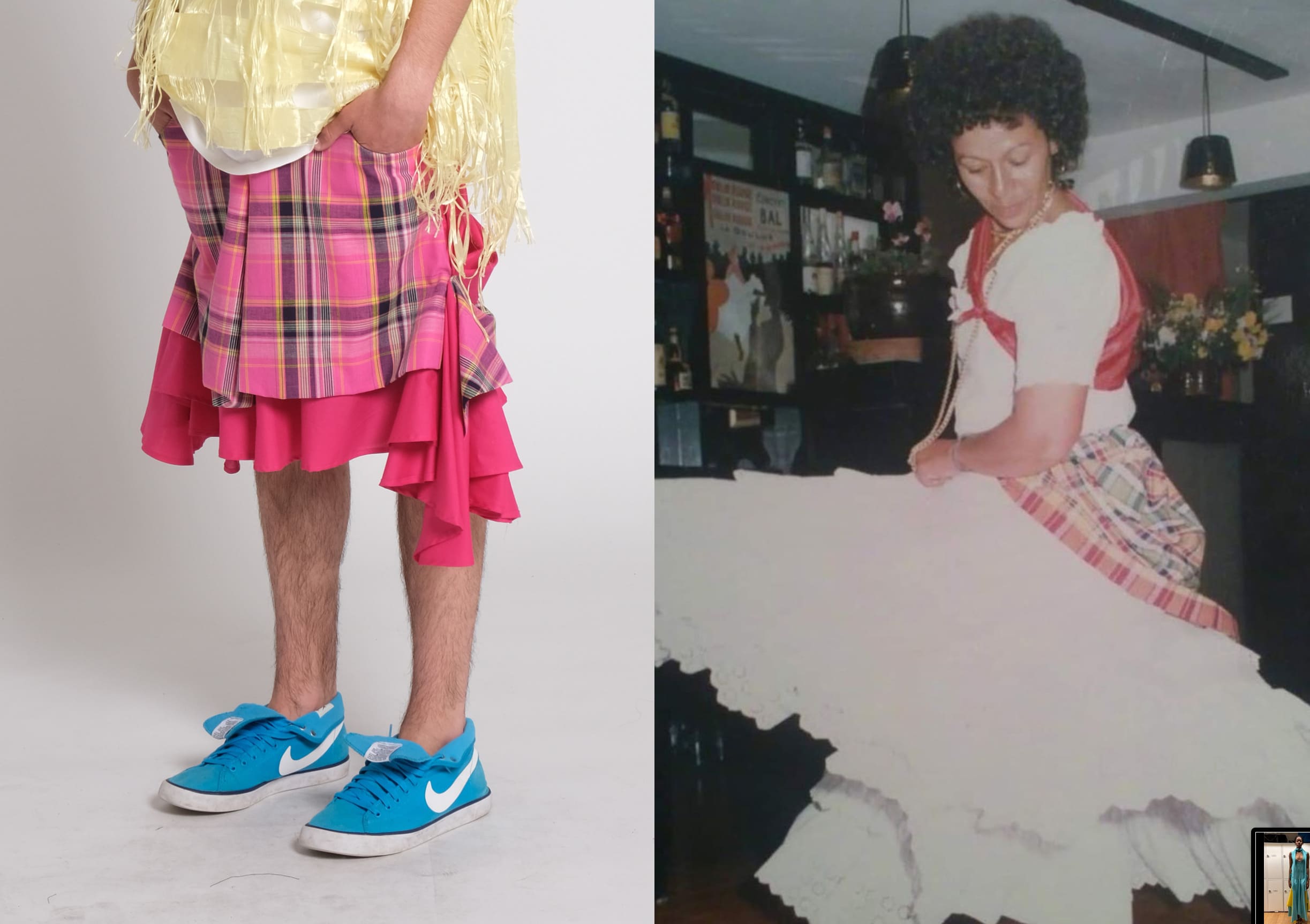
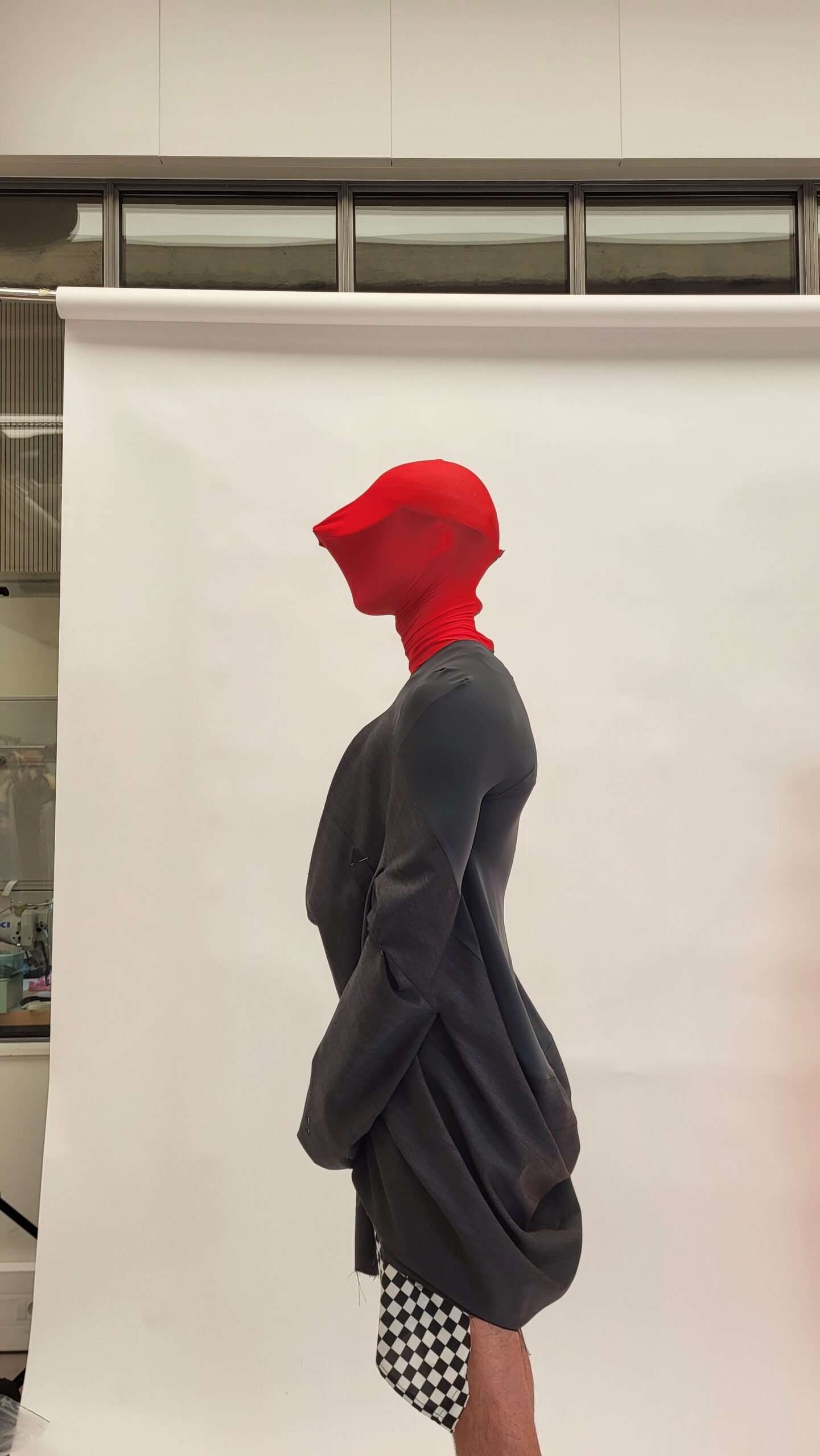
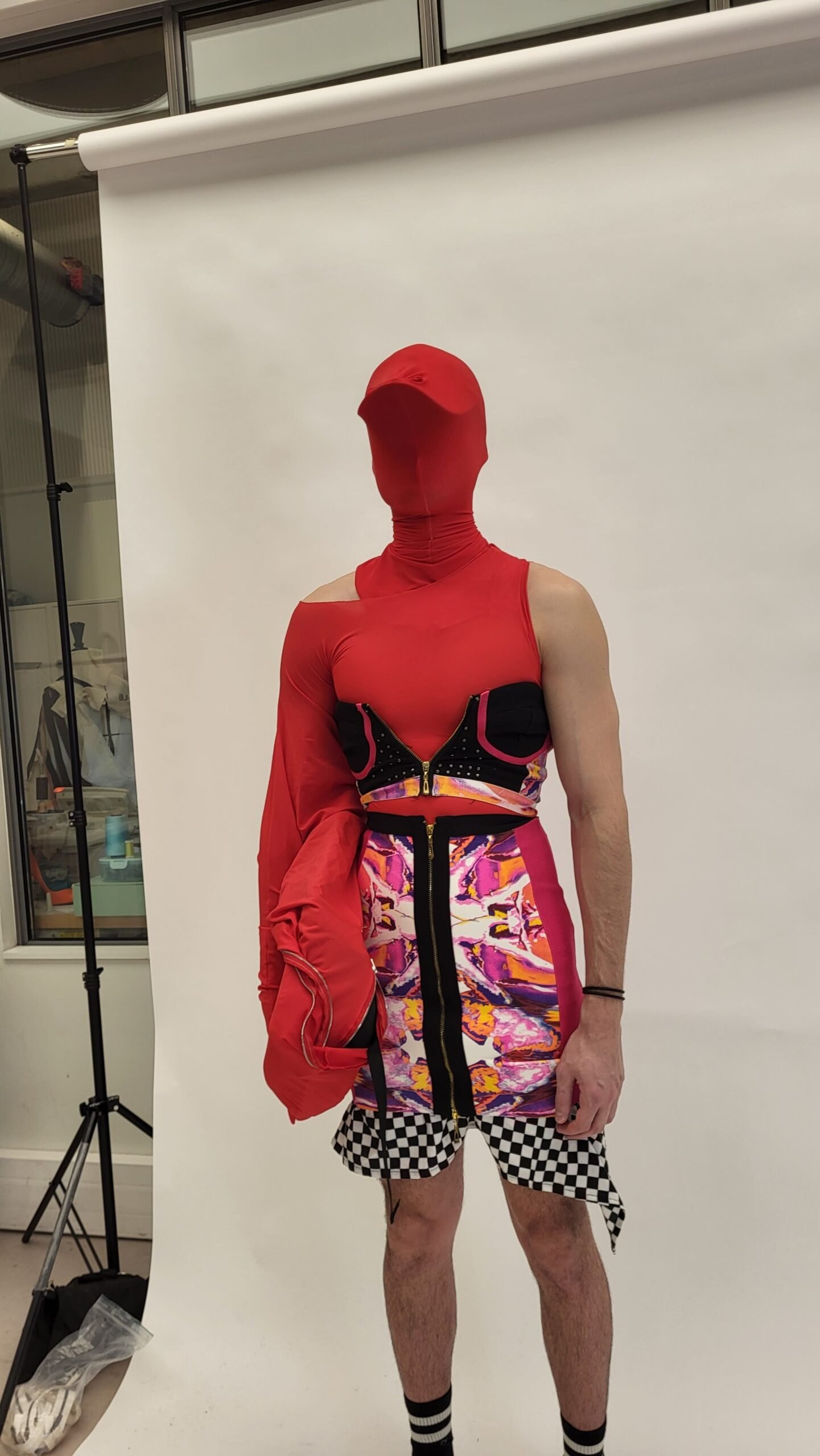
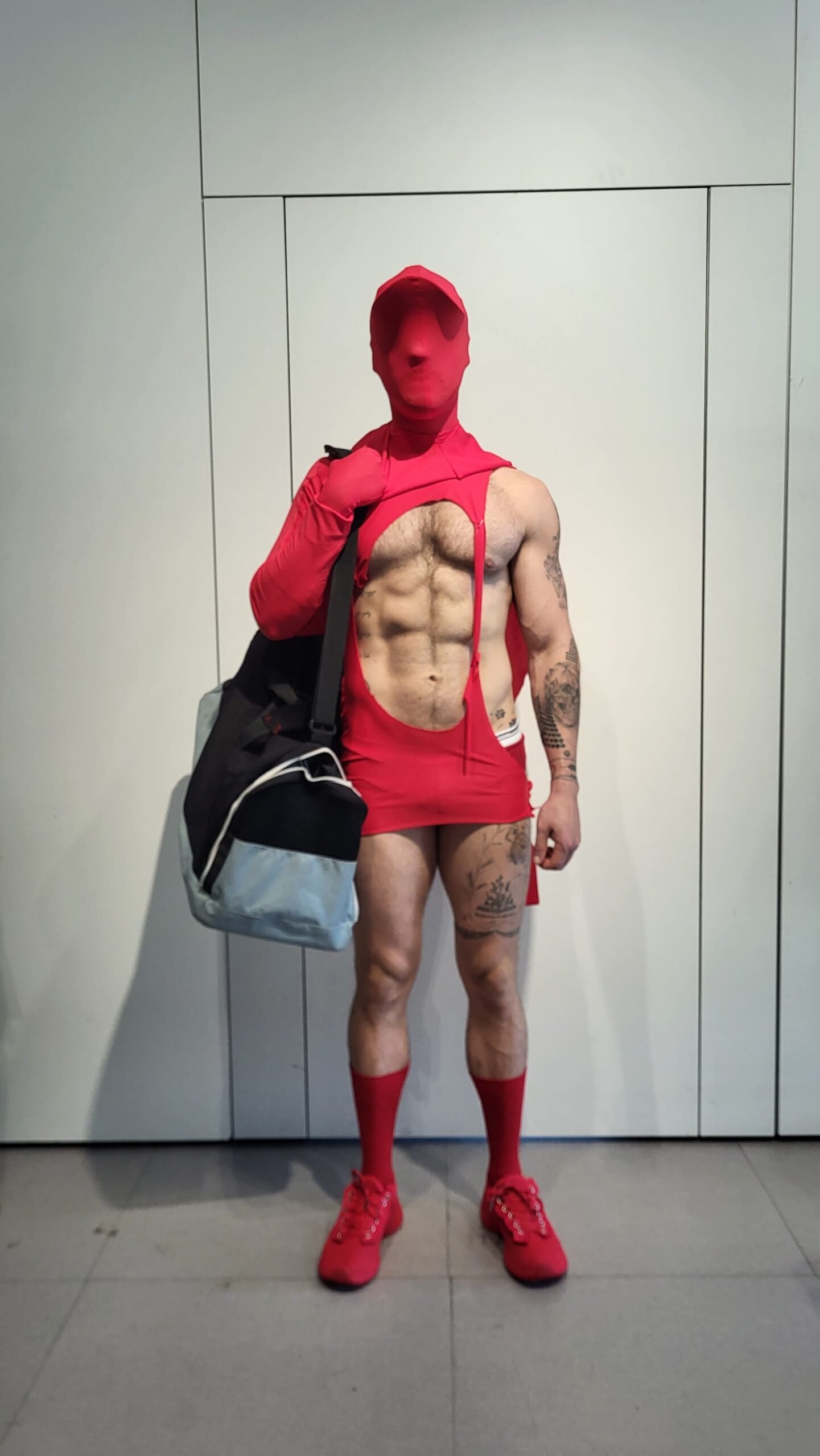
Louis Broissin’s collection takes its starting point from a phrase he hears repeatedly: “Bonjour Madame.” Rather than treating the expression as a simple form of address, the project examines the way it unsettles and expands ideas of identity. The collection explores the coexistence of femininity and masculinity, not as opposing forces but as states capable of existing simultaneously, gradually dissolving rigid boundaries between genders. Through this process, identity becomes more fluid, personal, and detached from conventional expectations. Broissin is excited by the opportunities ahead while remaining conscious of the uncertainty surrounding a long-term career in fashion, a field he sees as continually balancing freedom and pressure.

@louis_broissin_

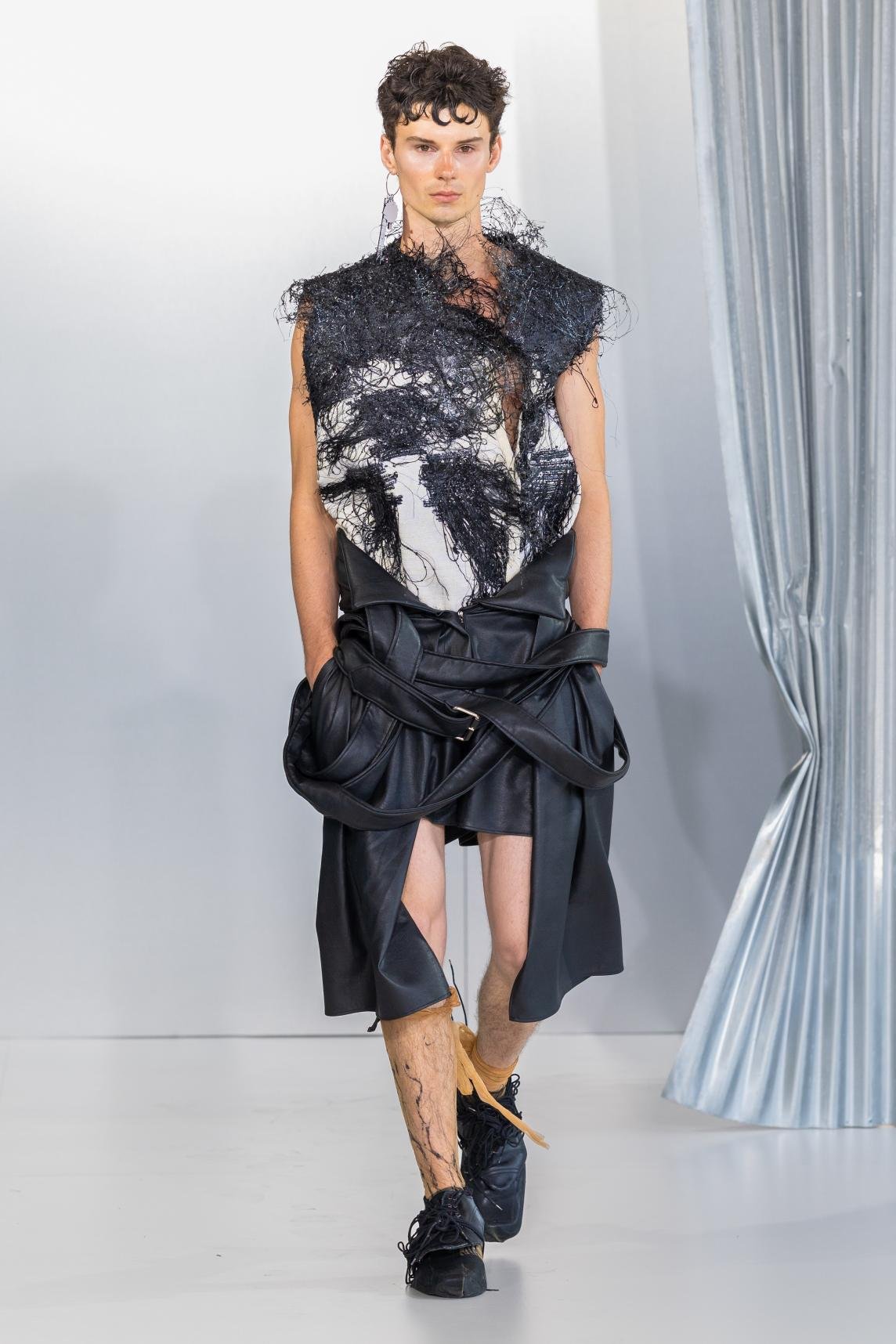
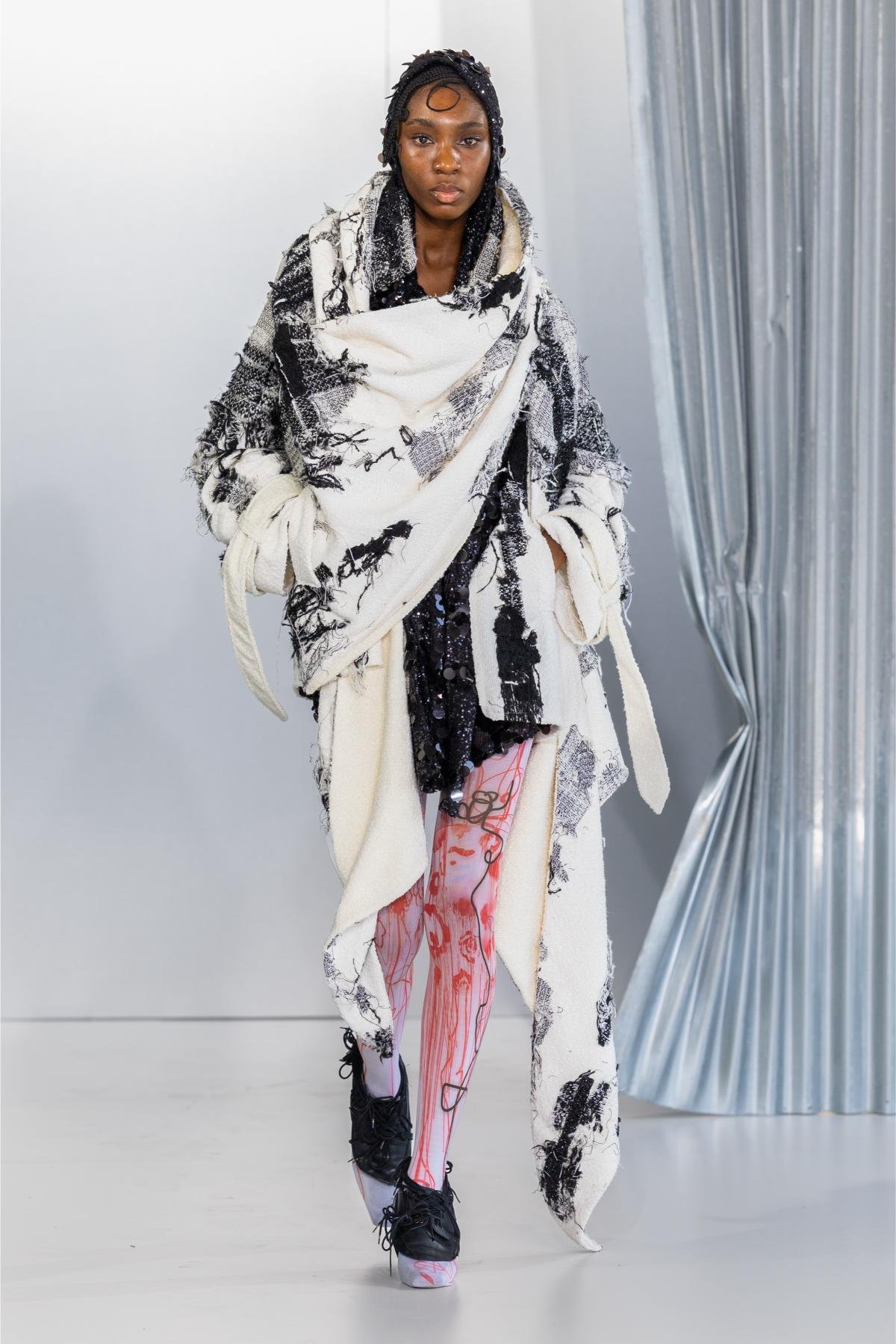
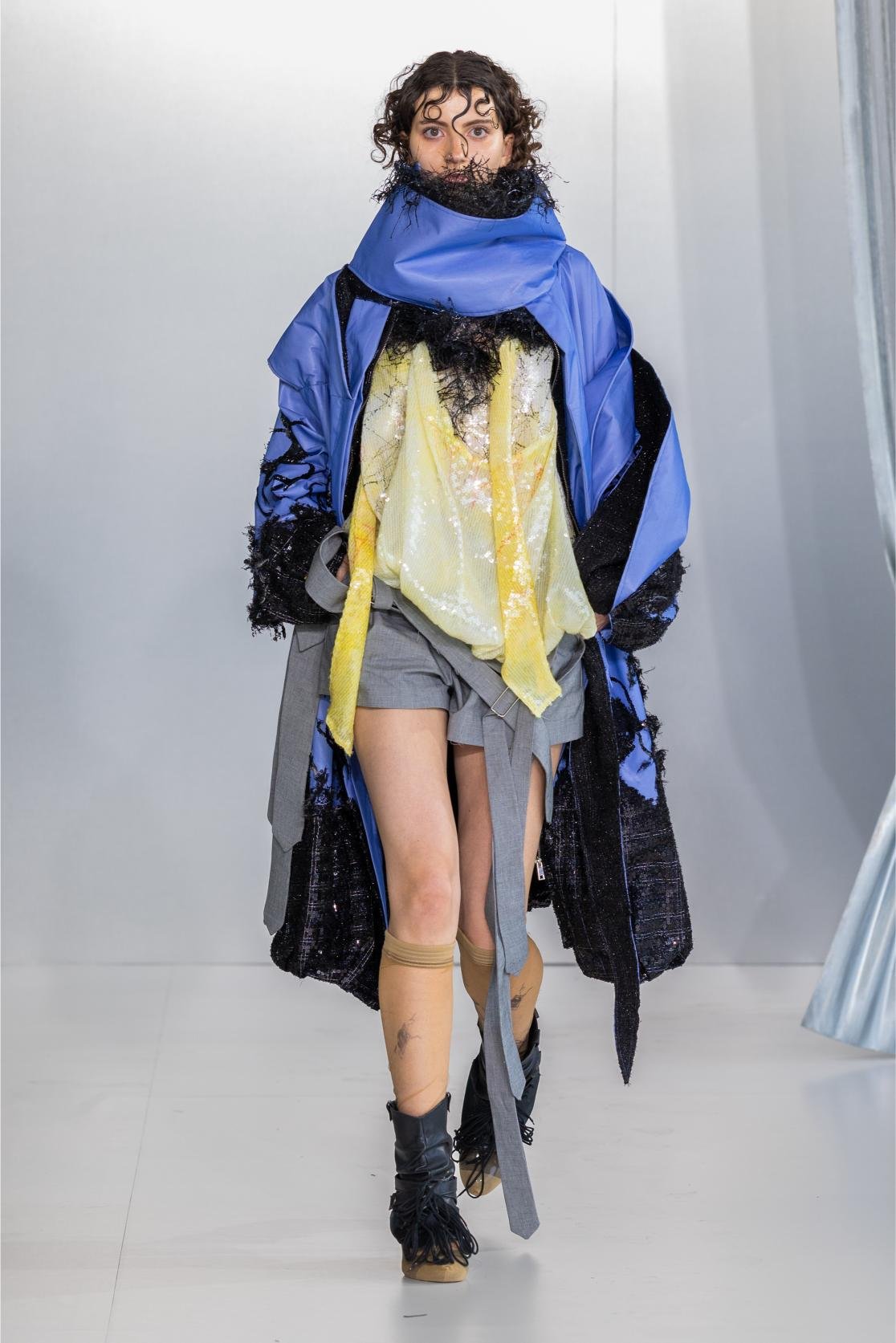
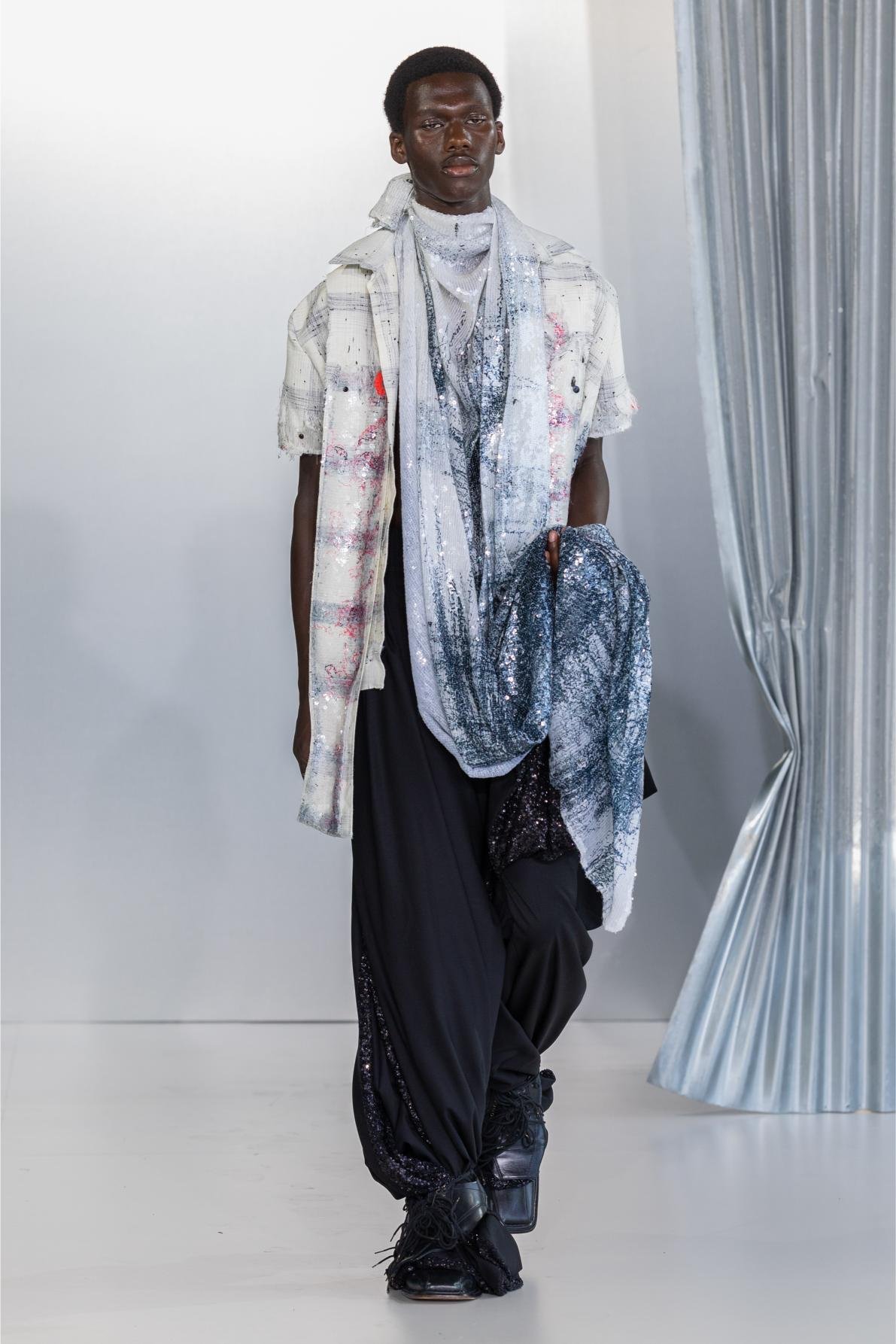
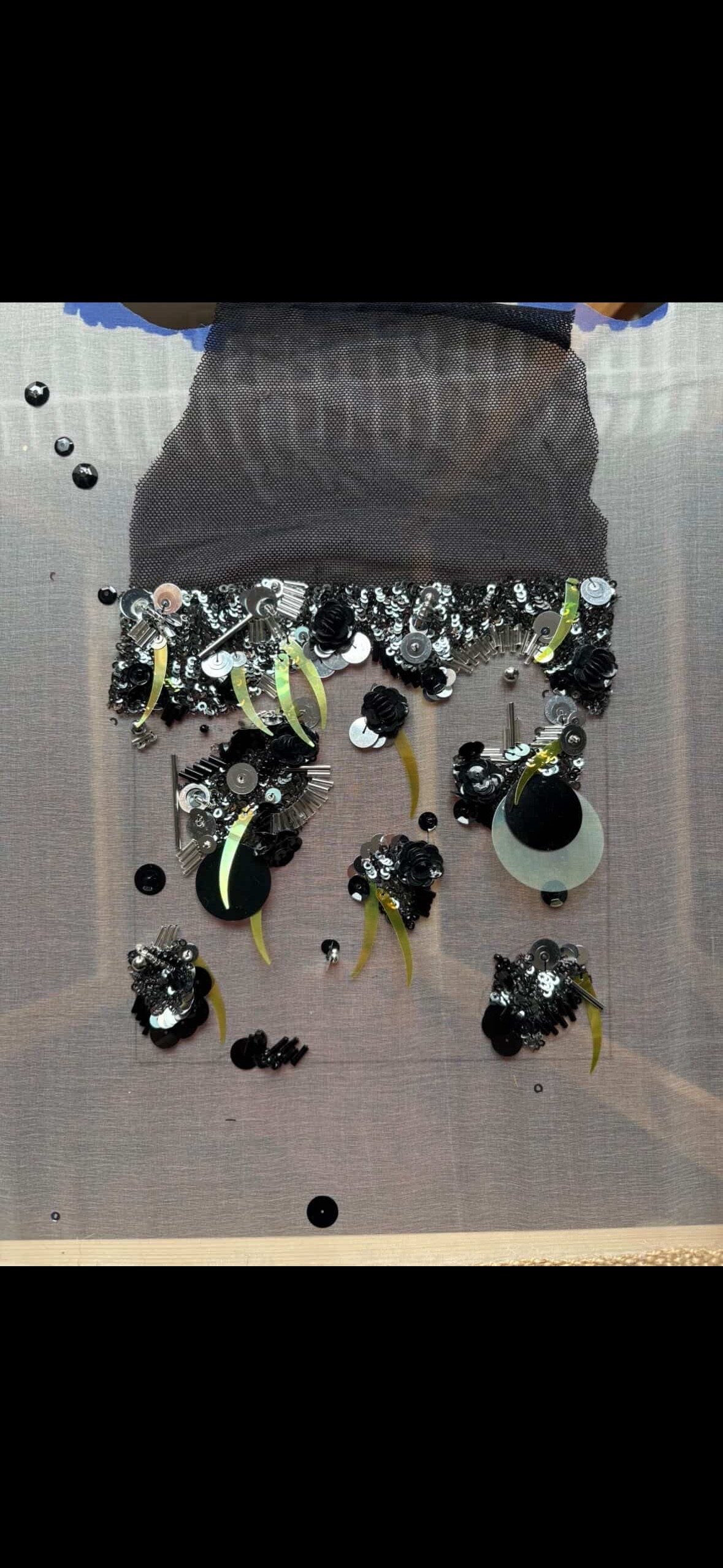
Noémie Landragin

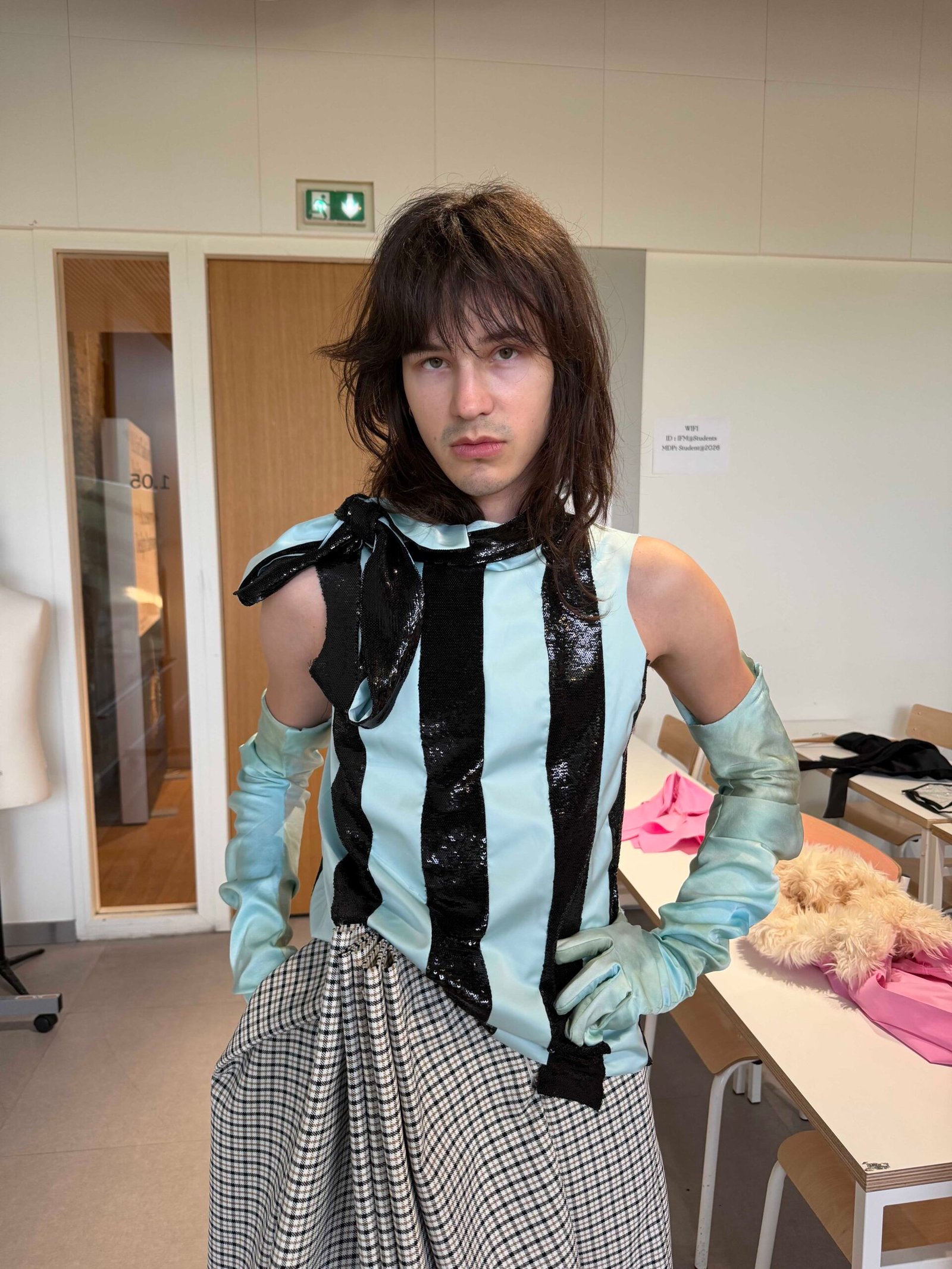
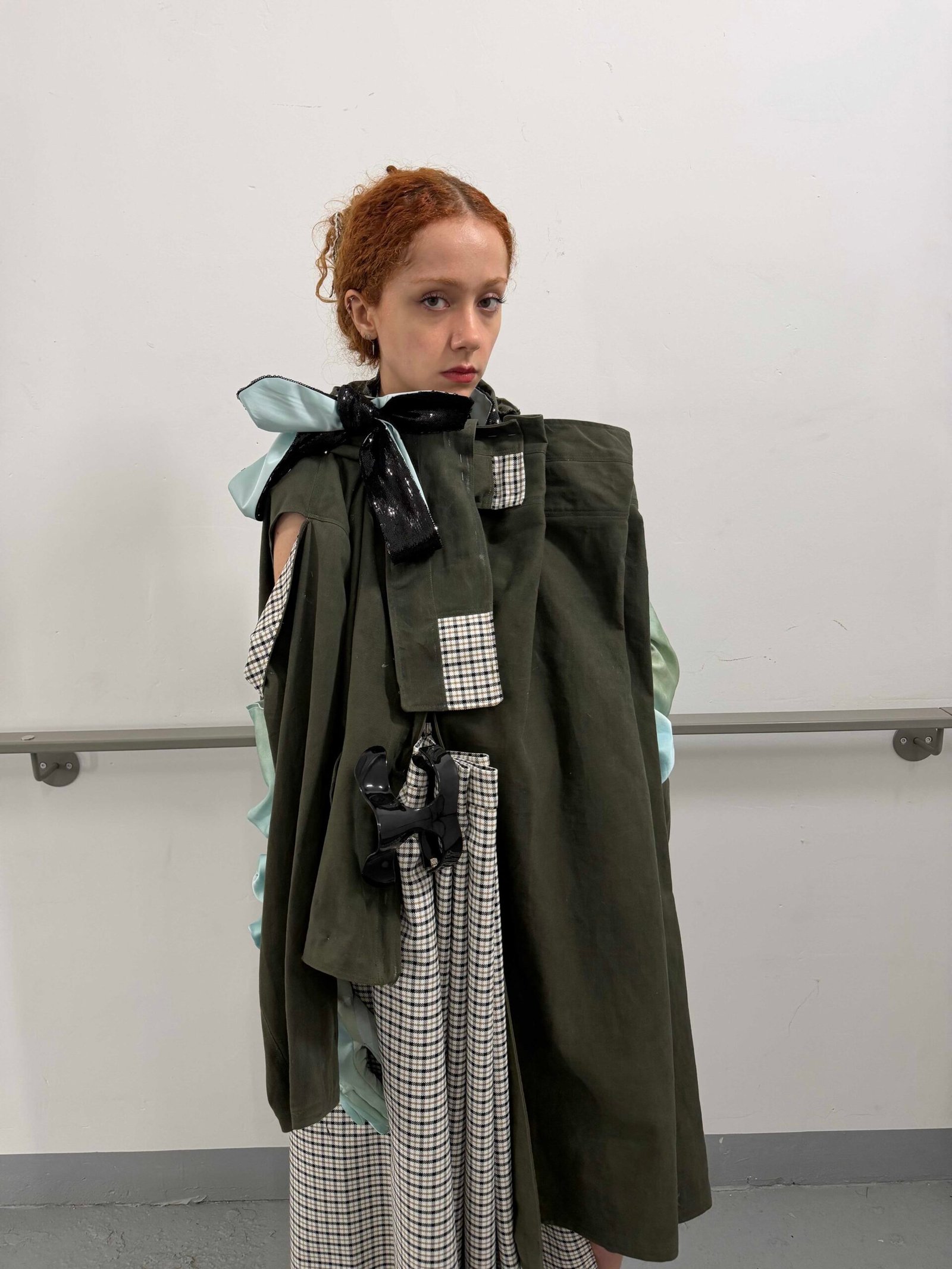
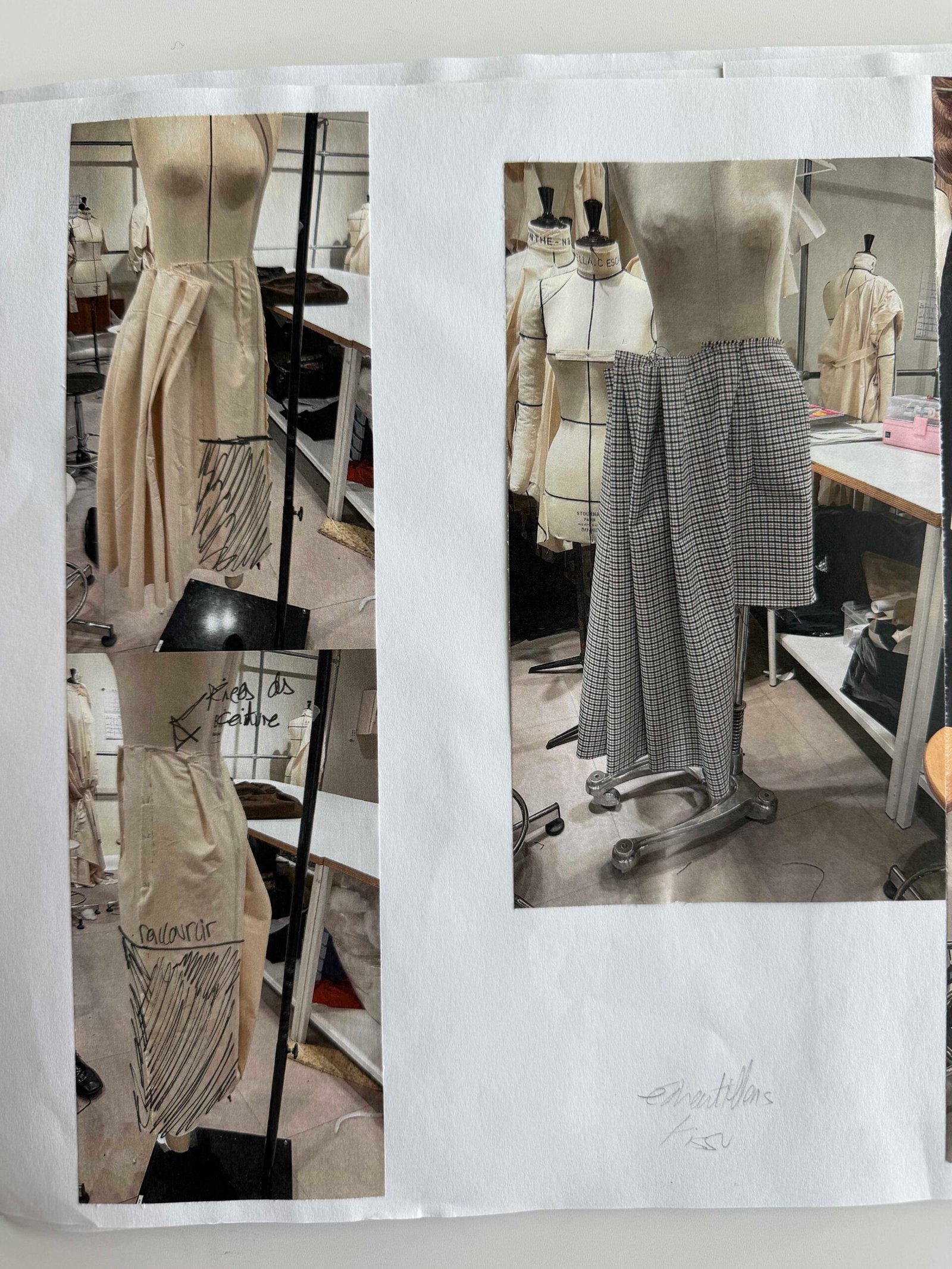
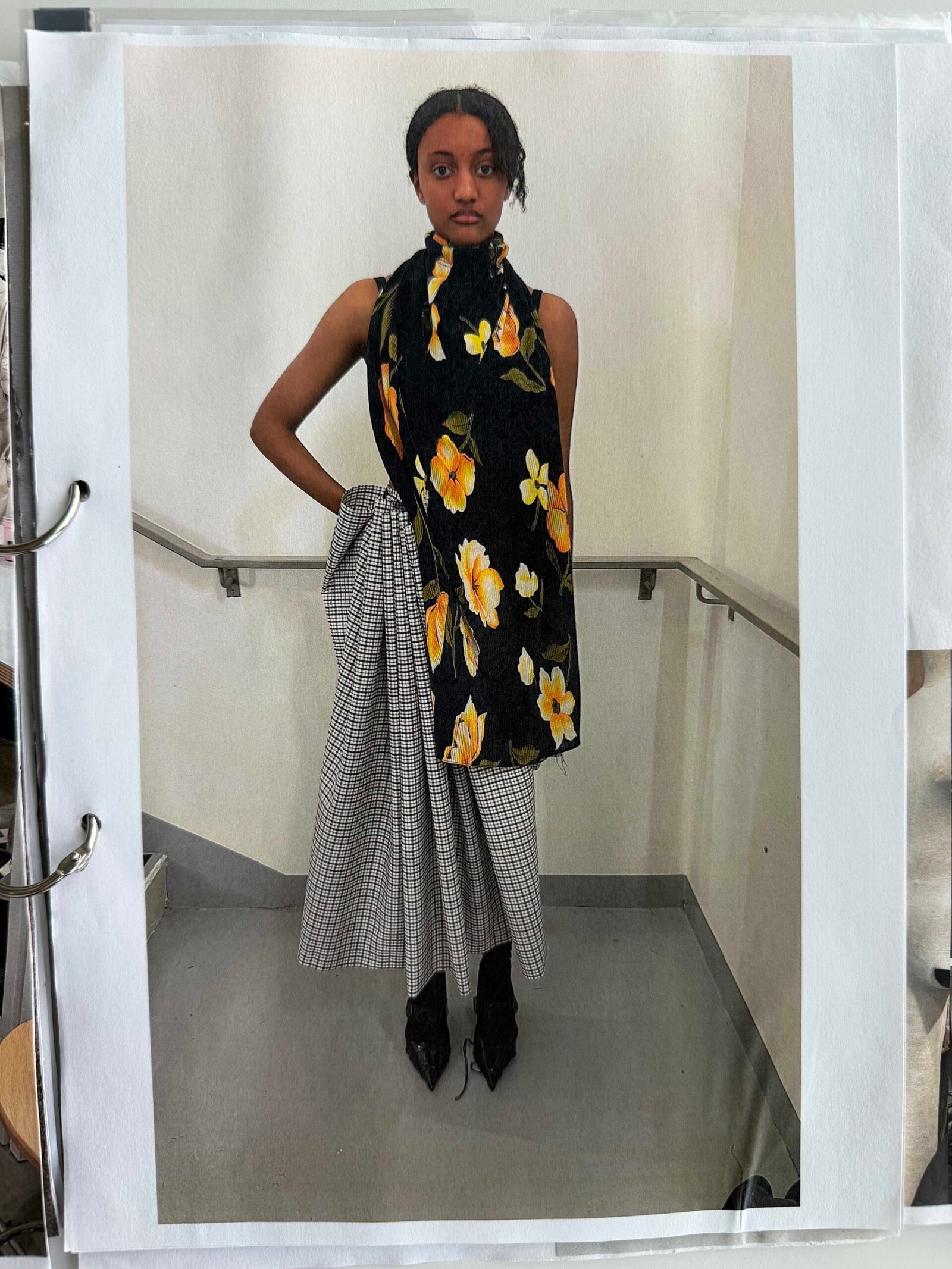
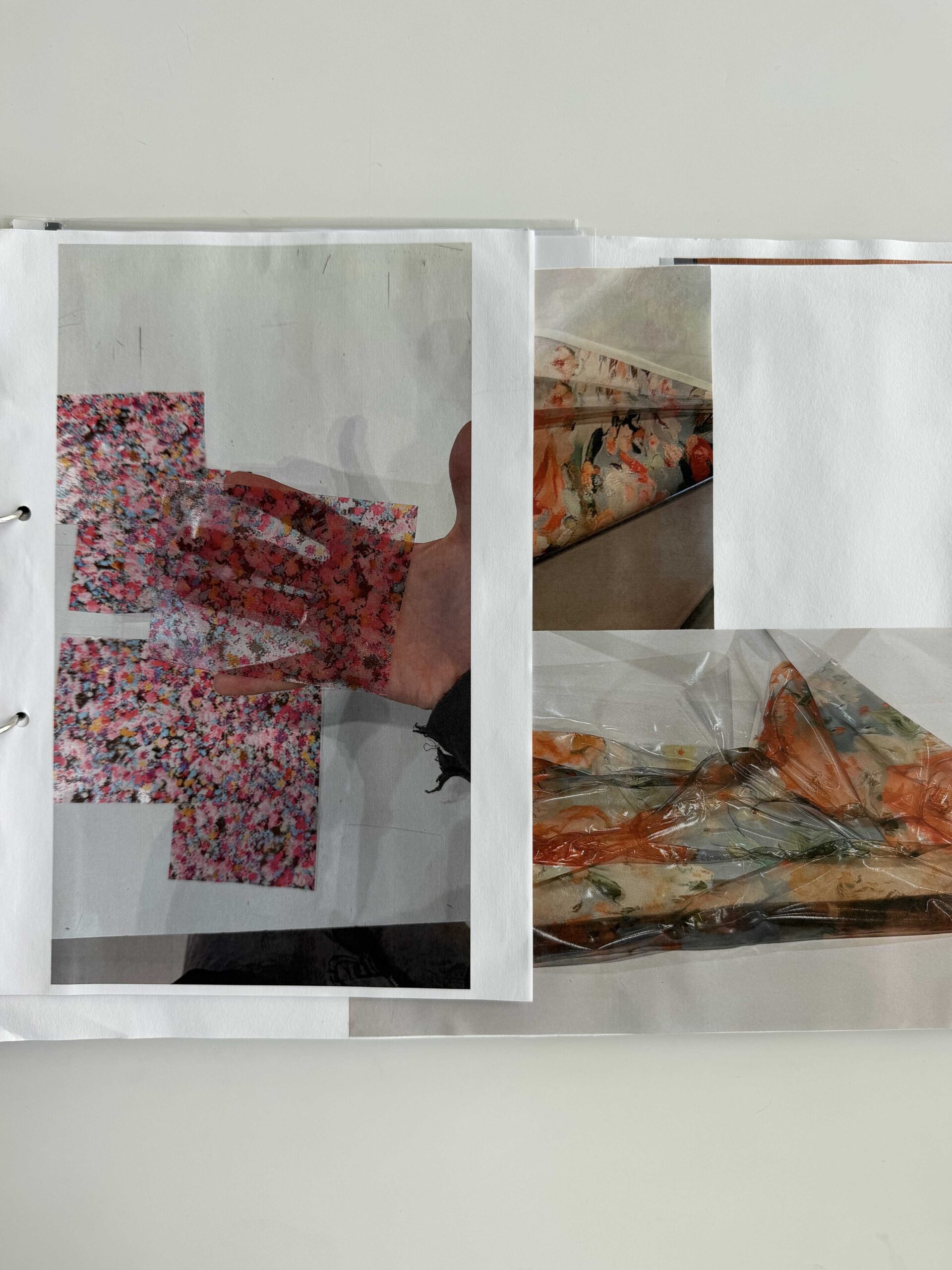
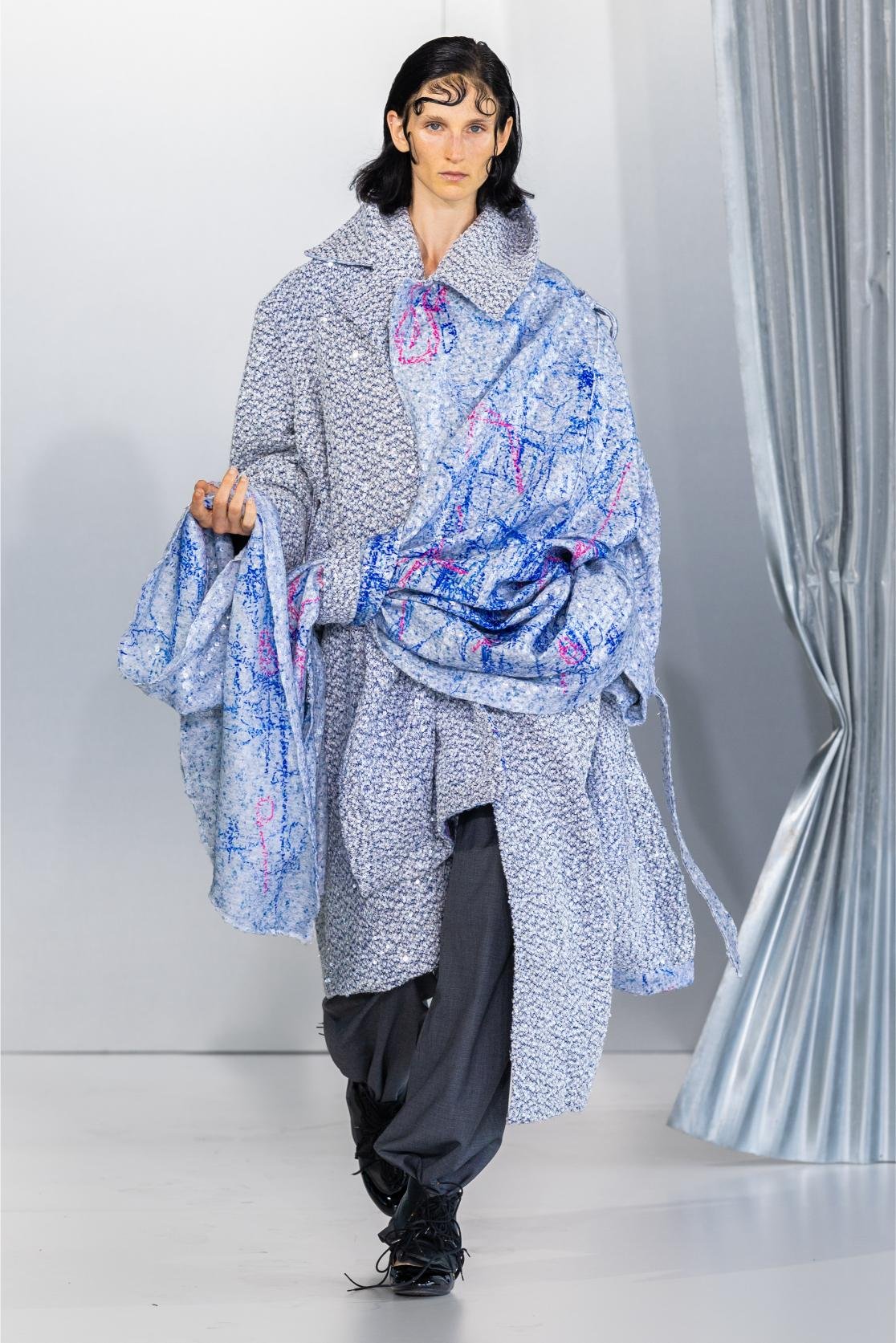
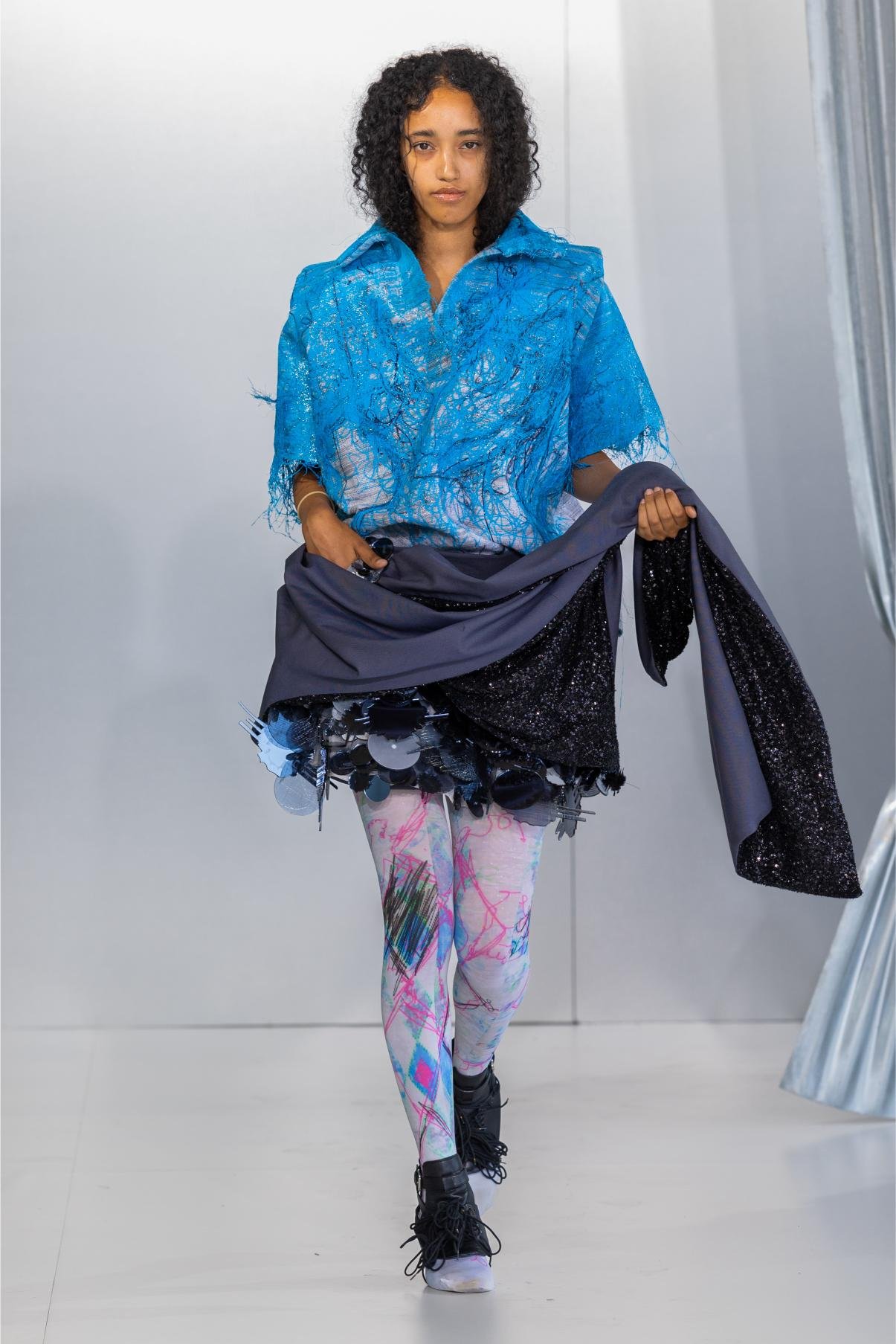
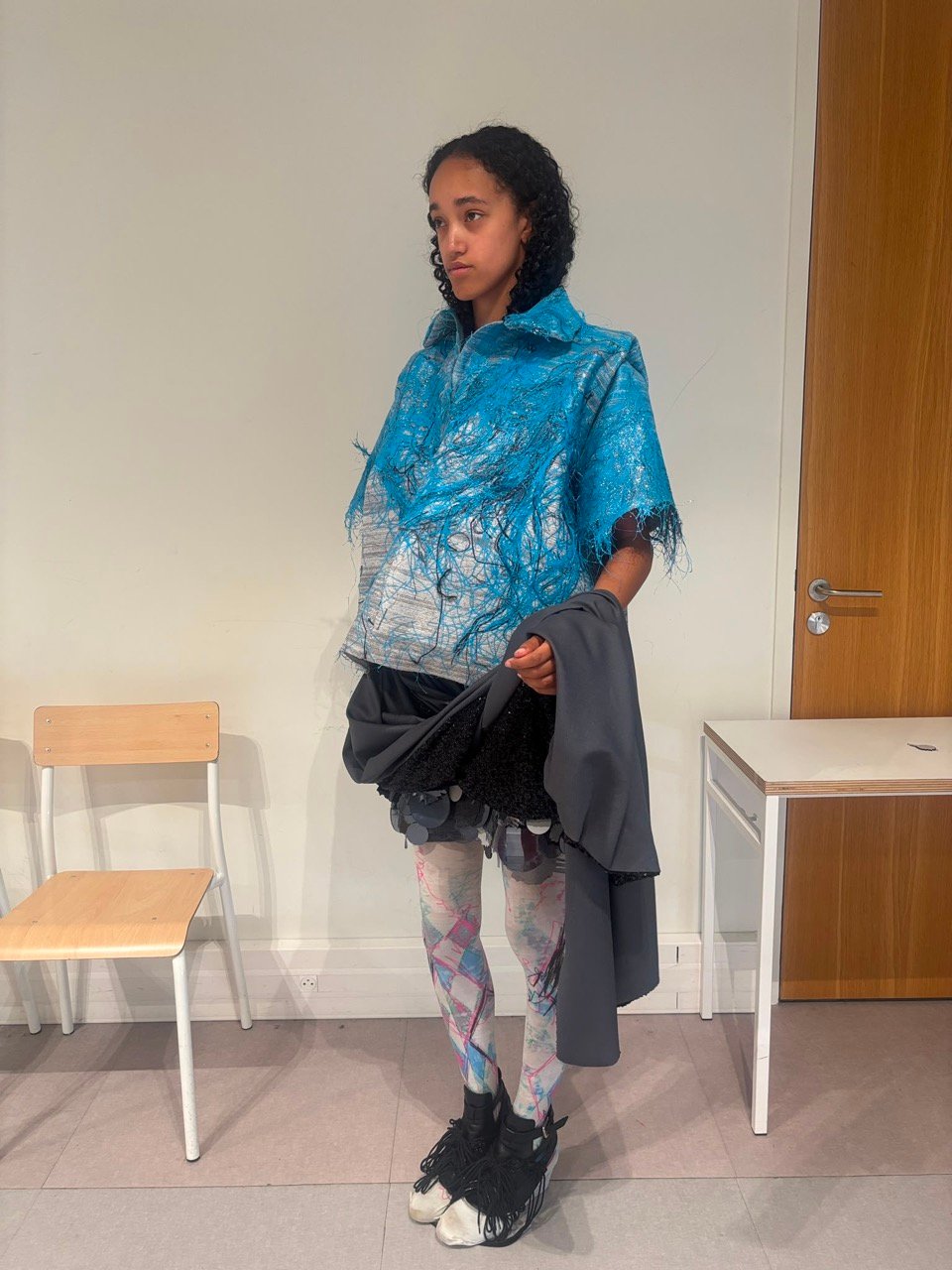
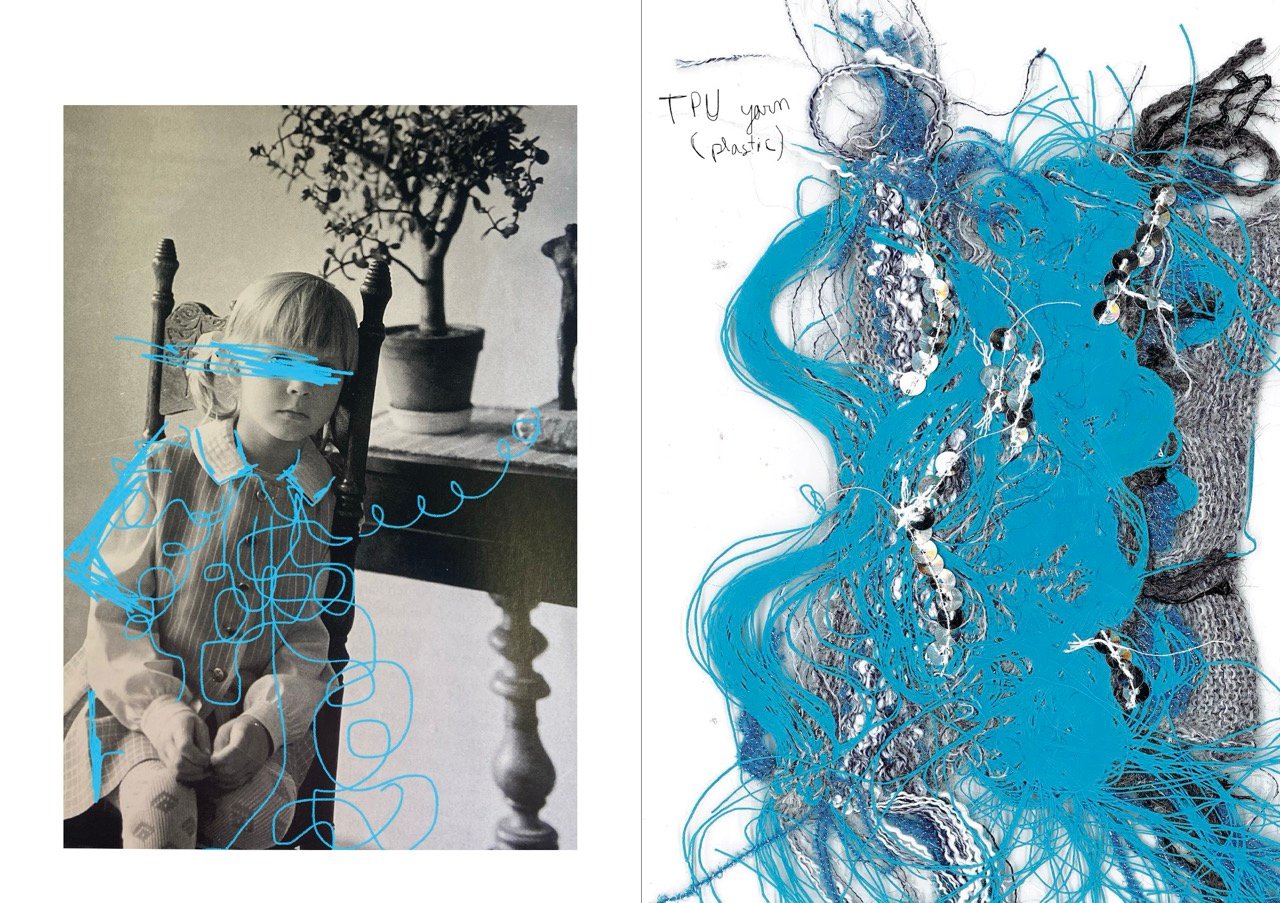
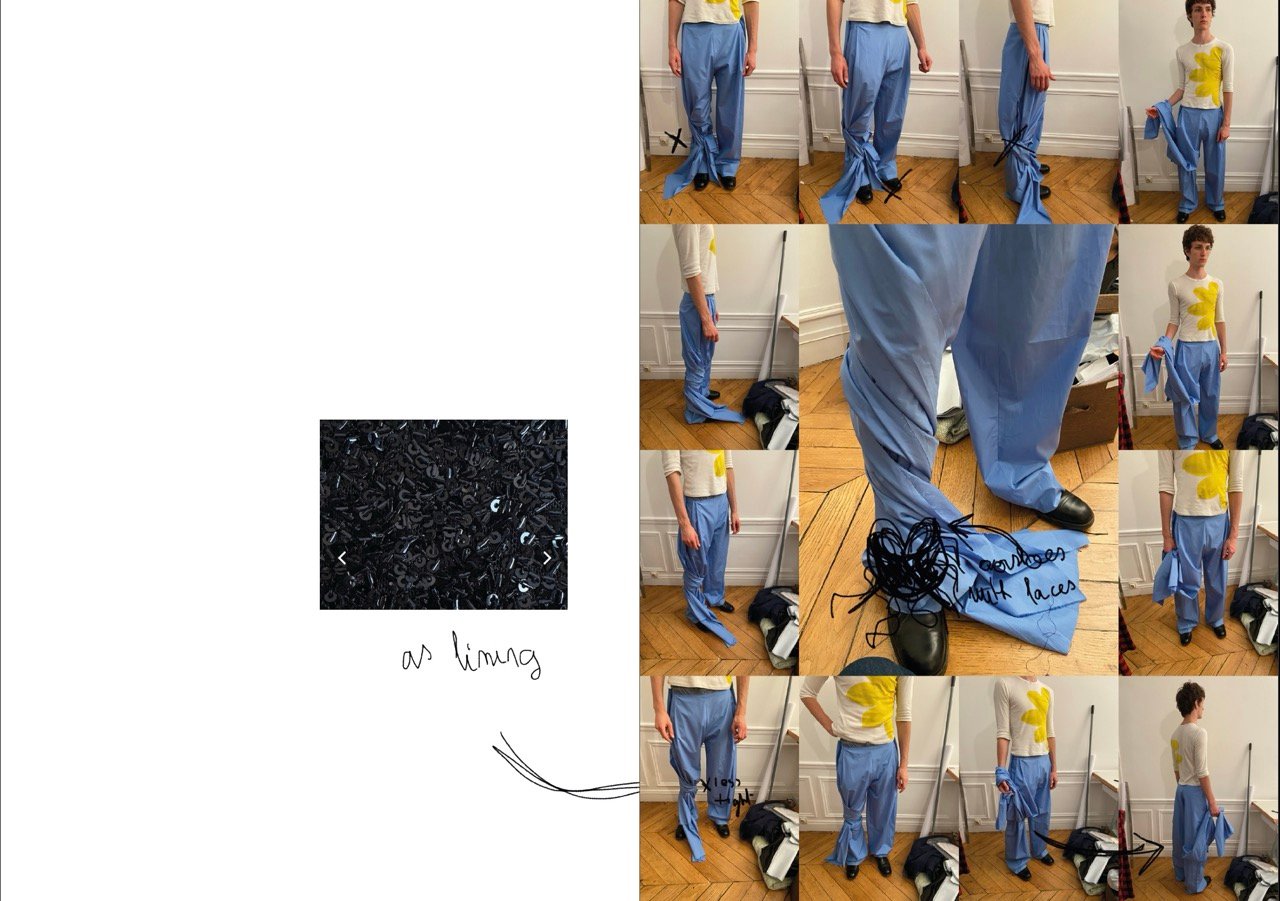
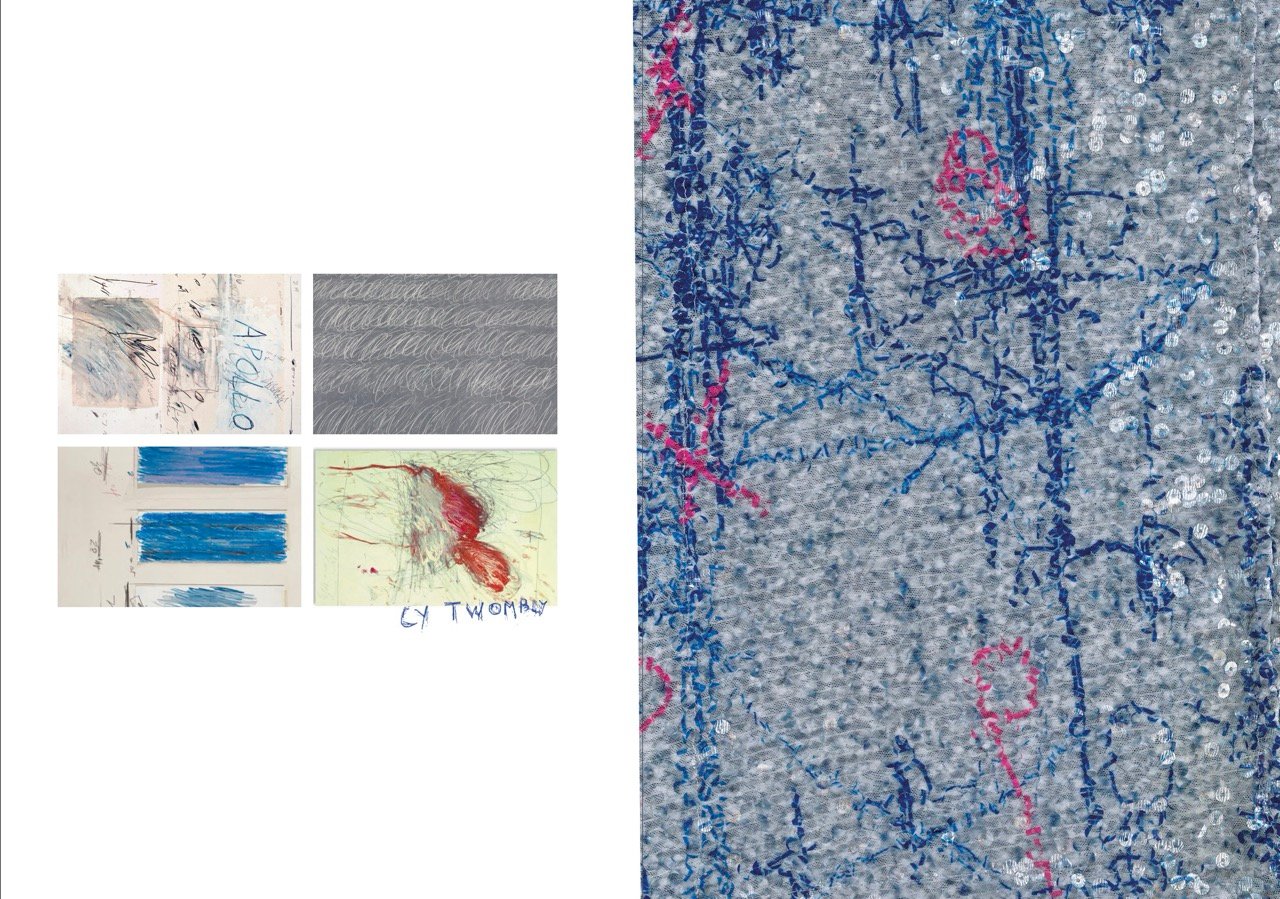
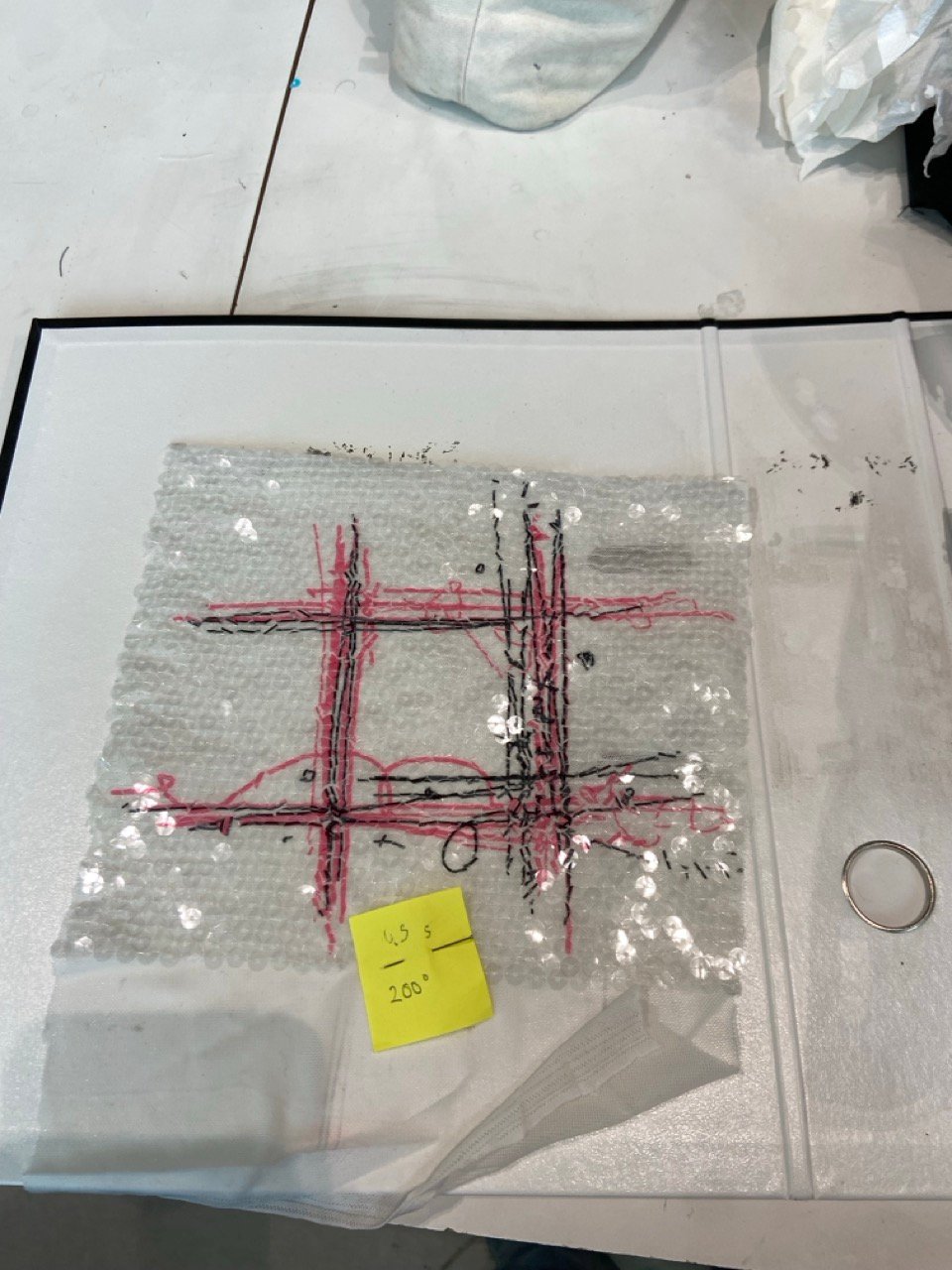
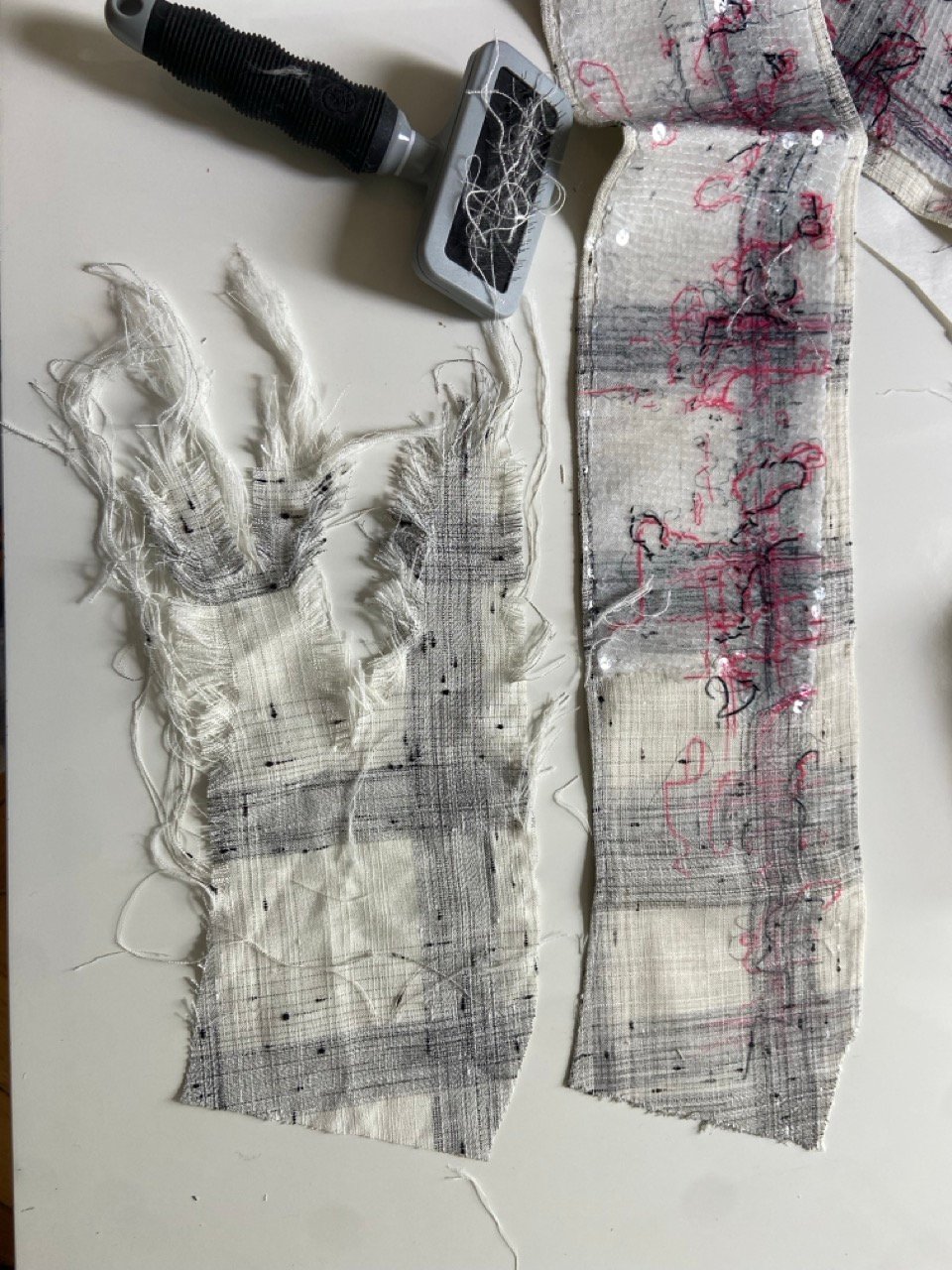
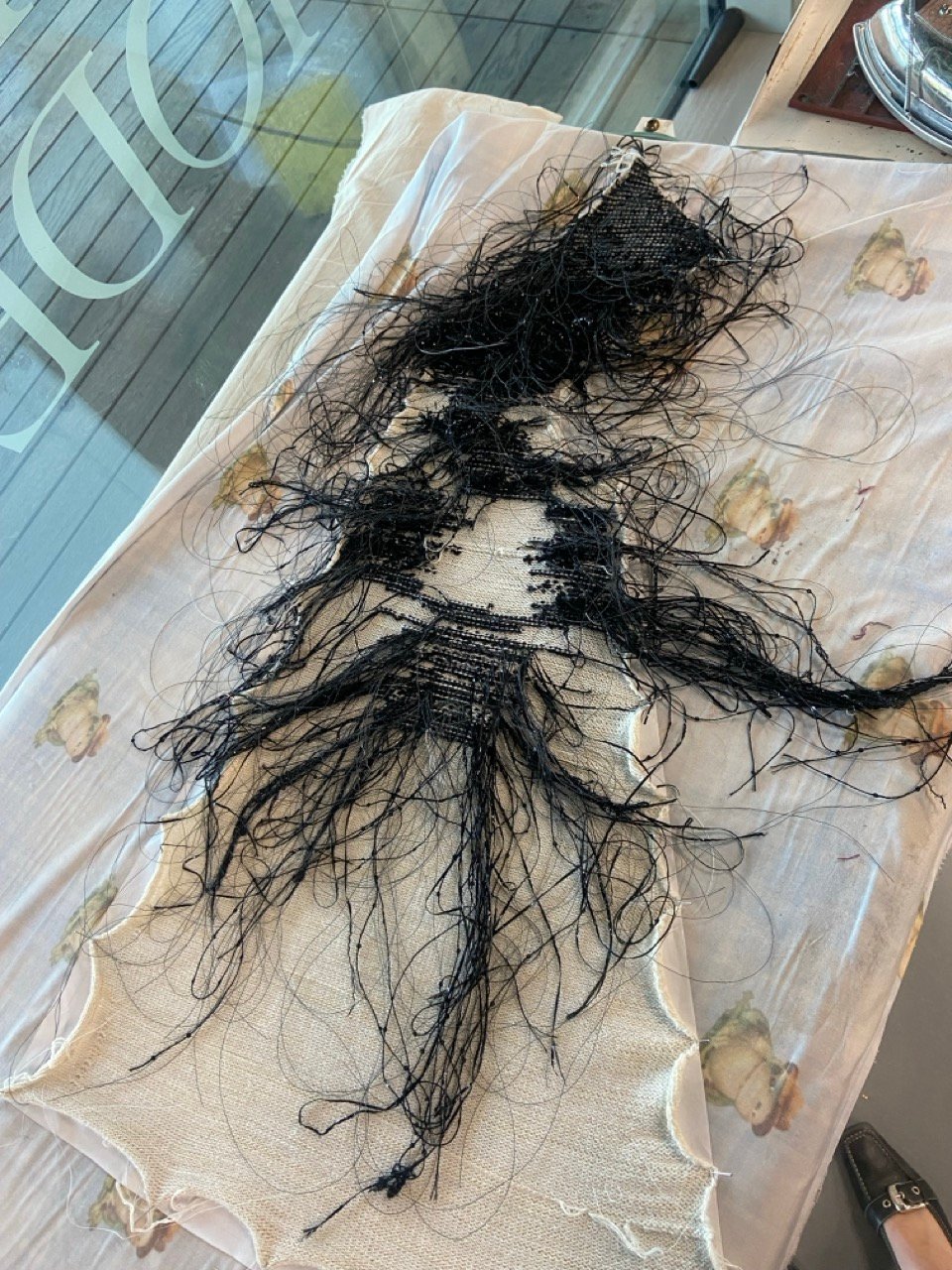
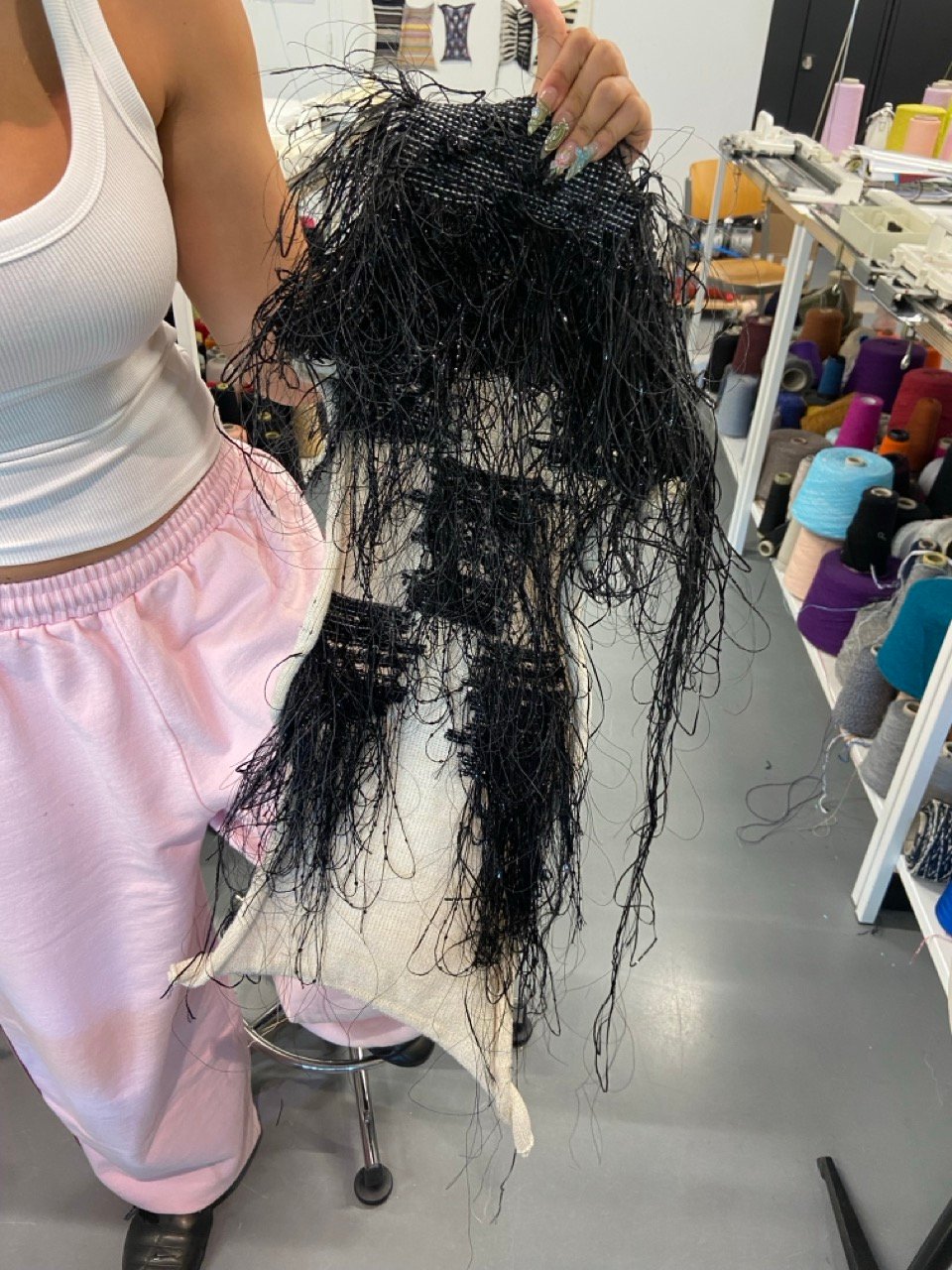
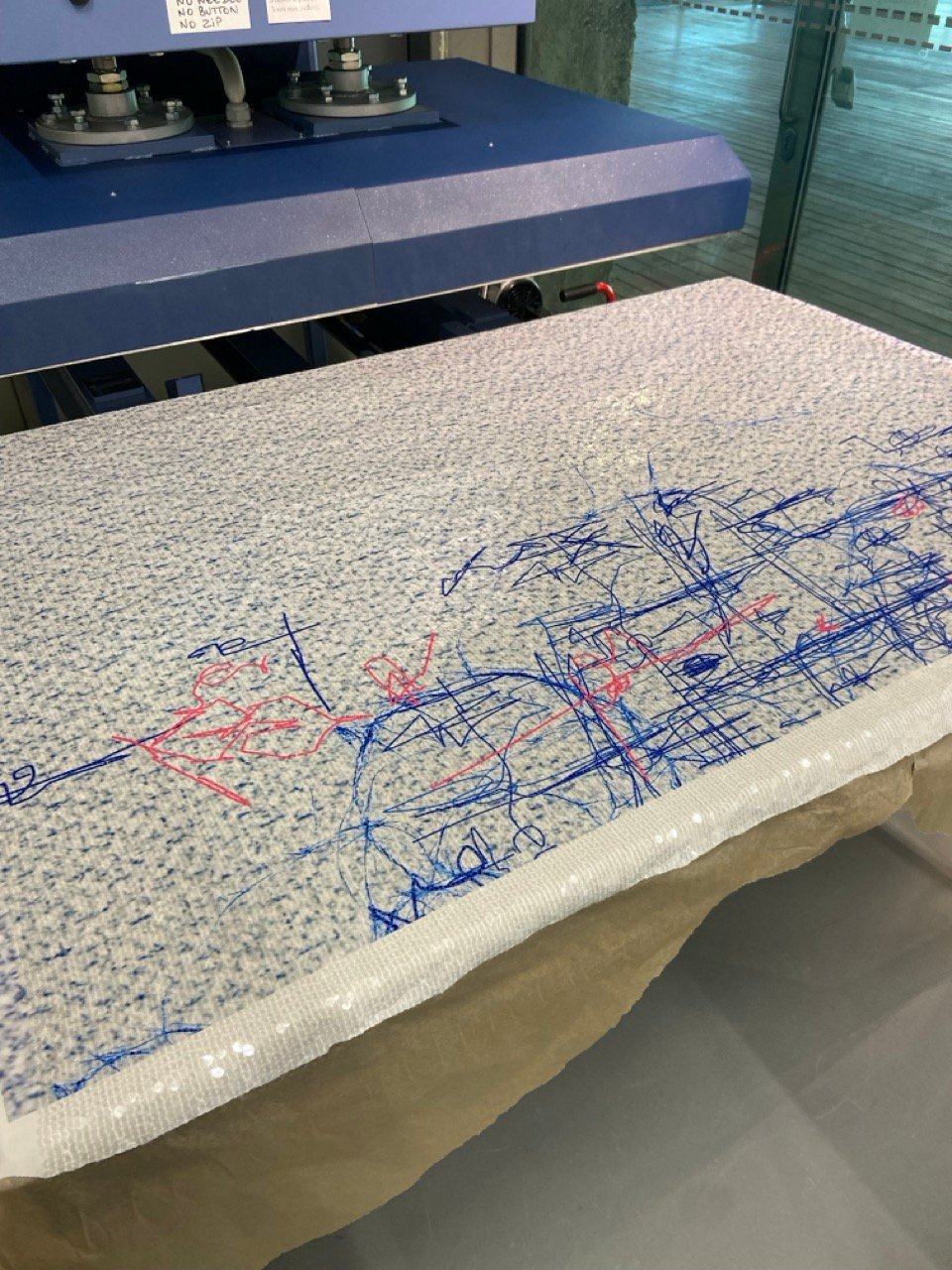
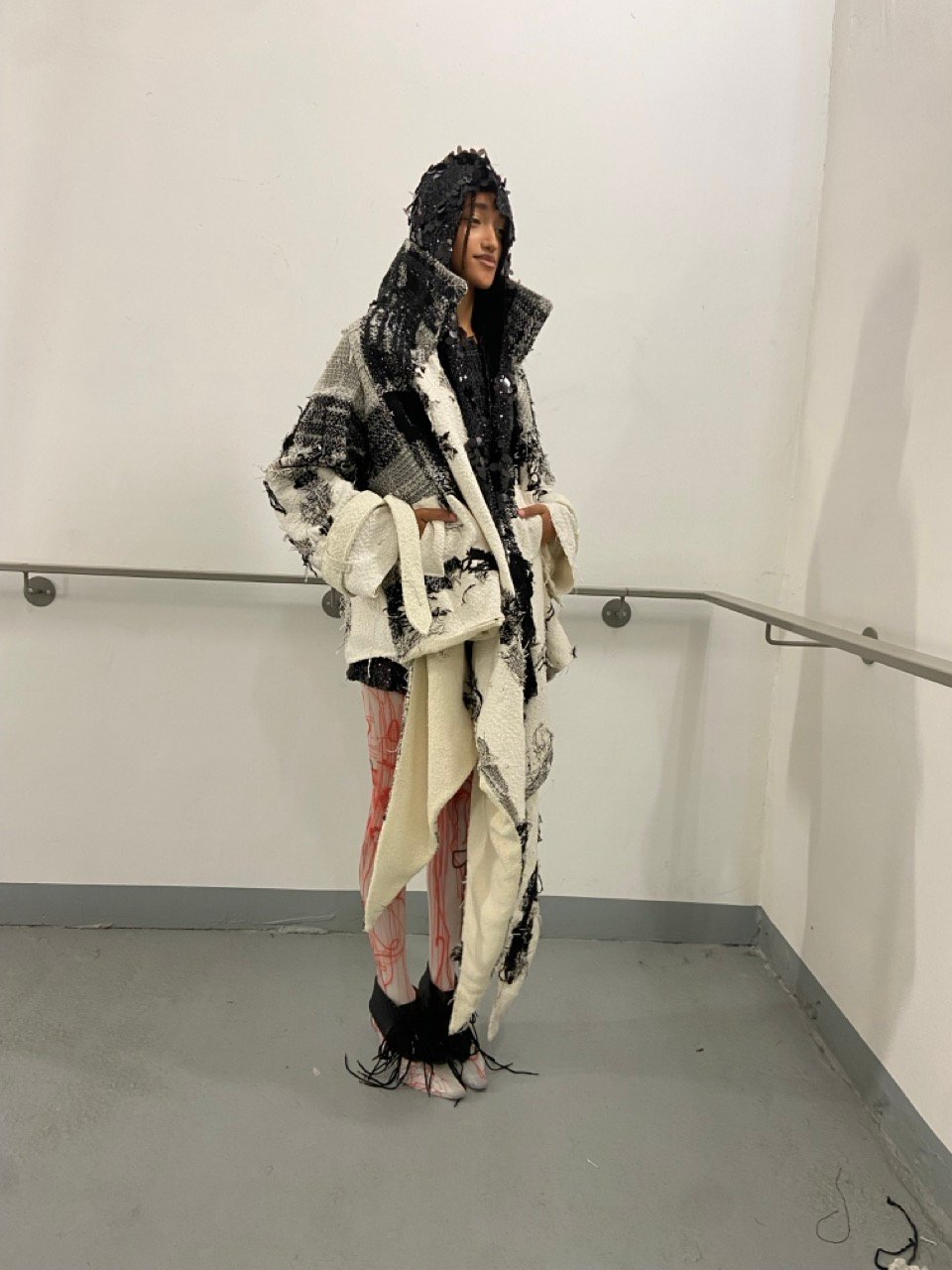
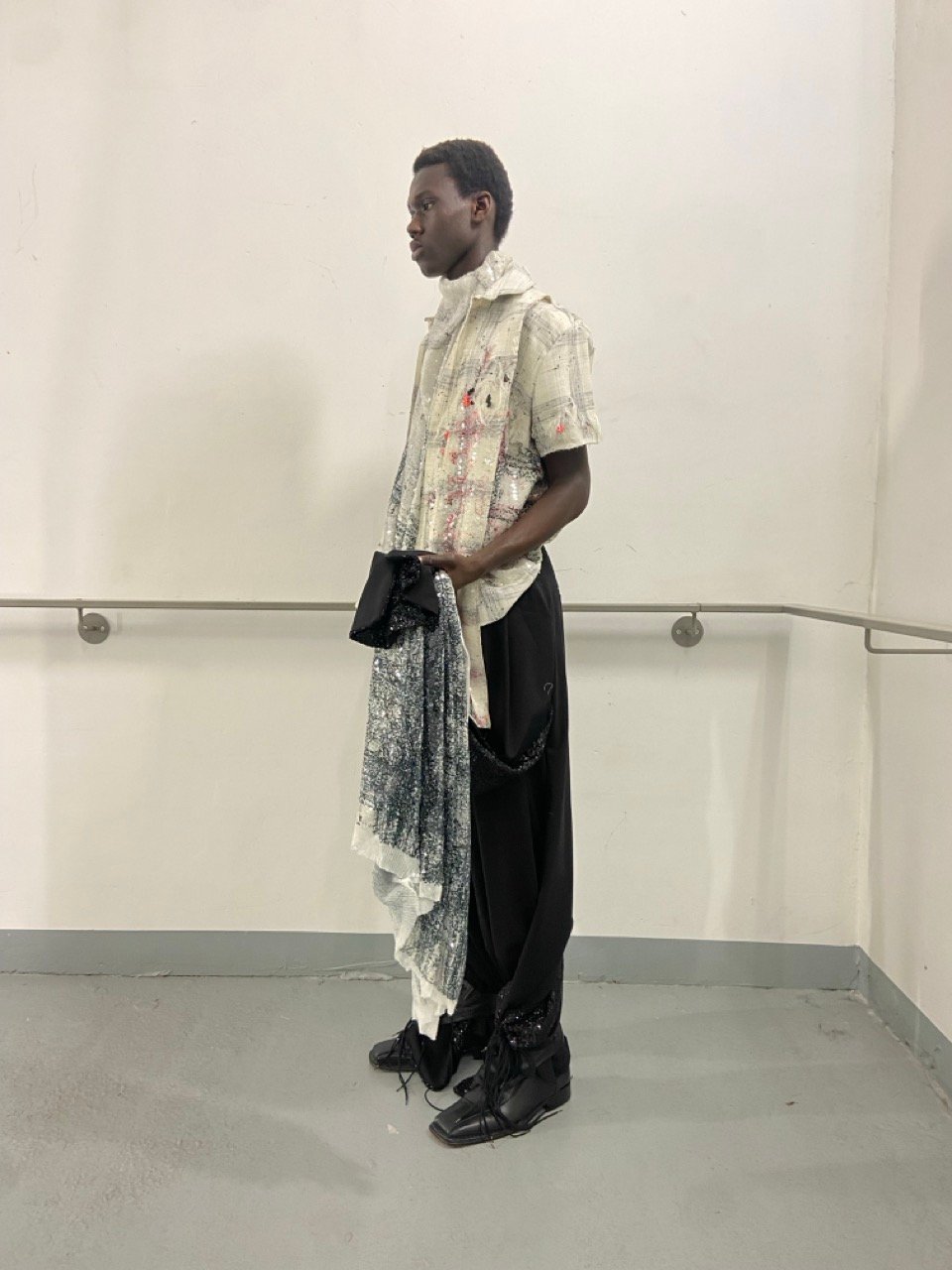
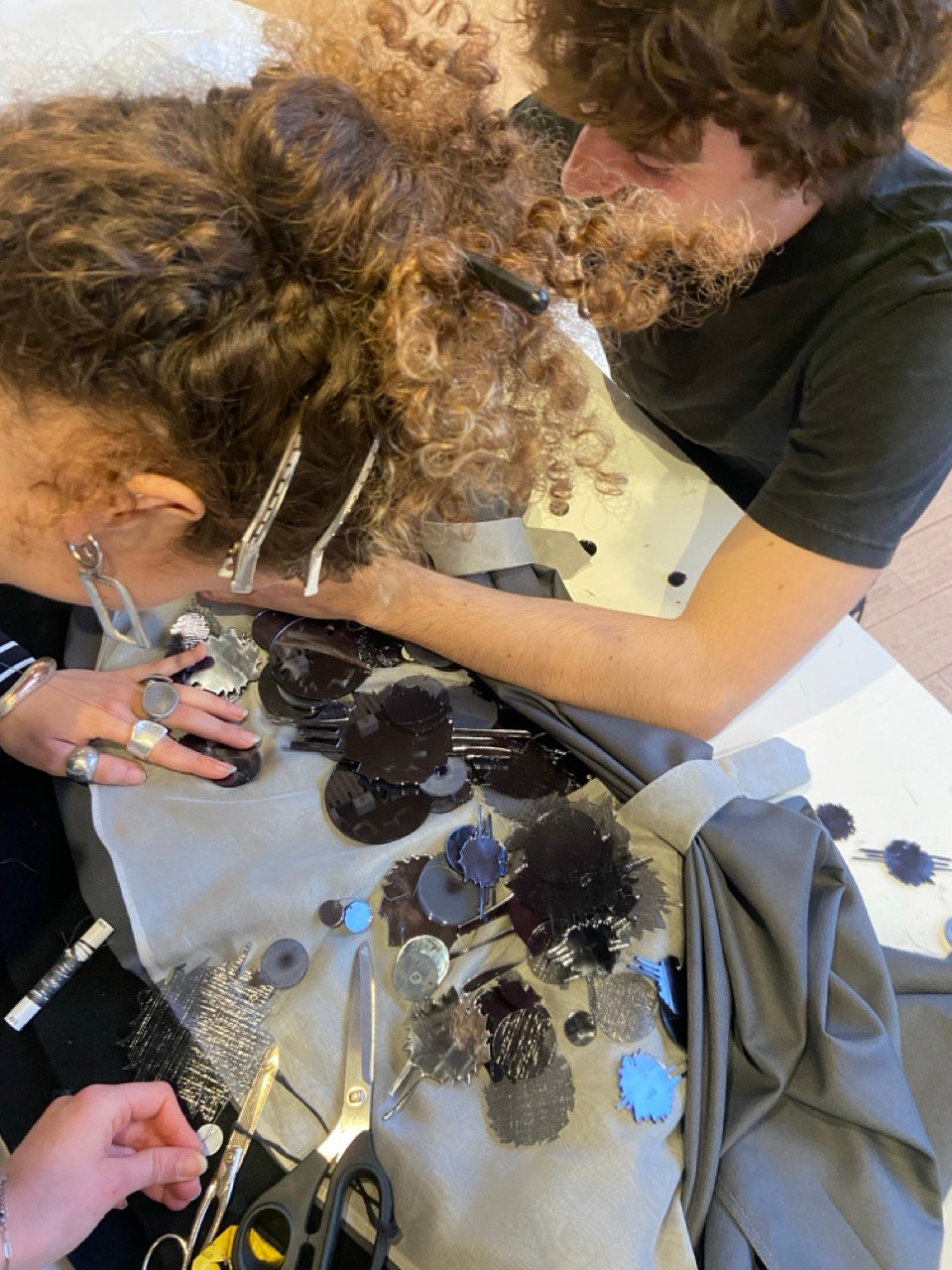
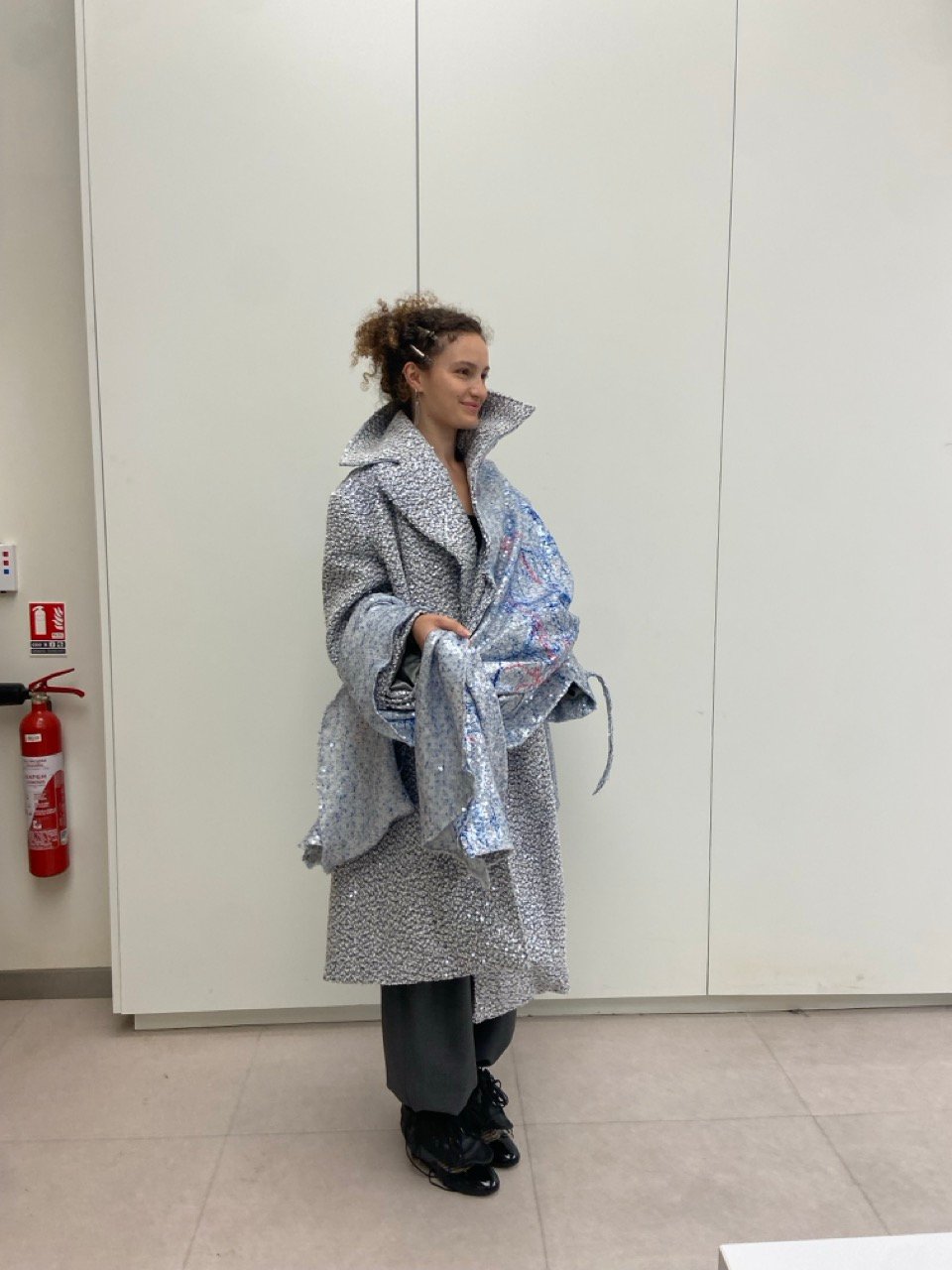
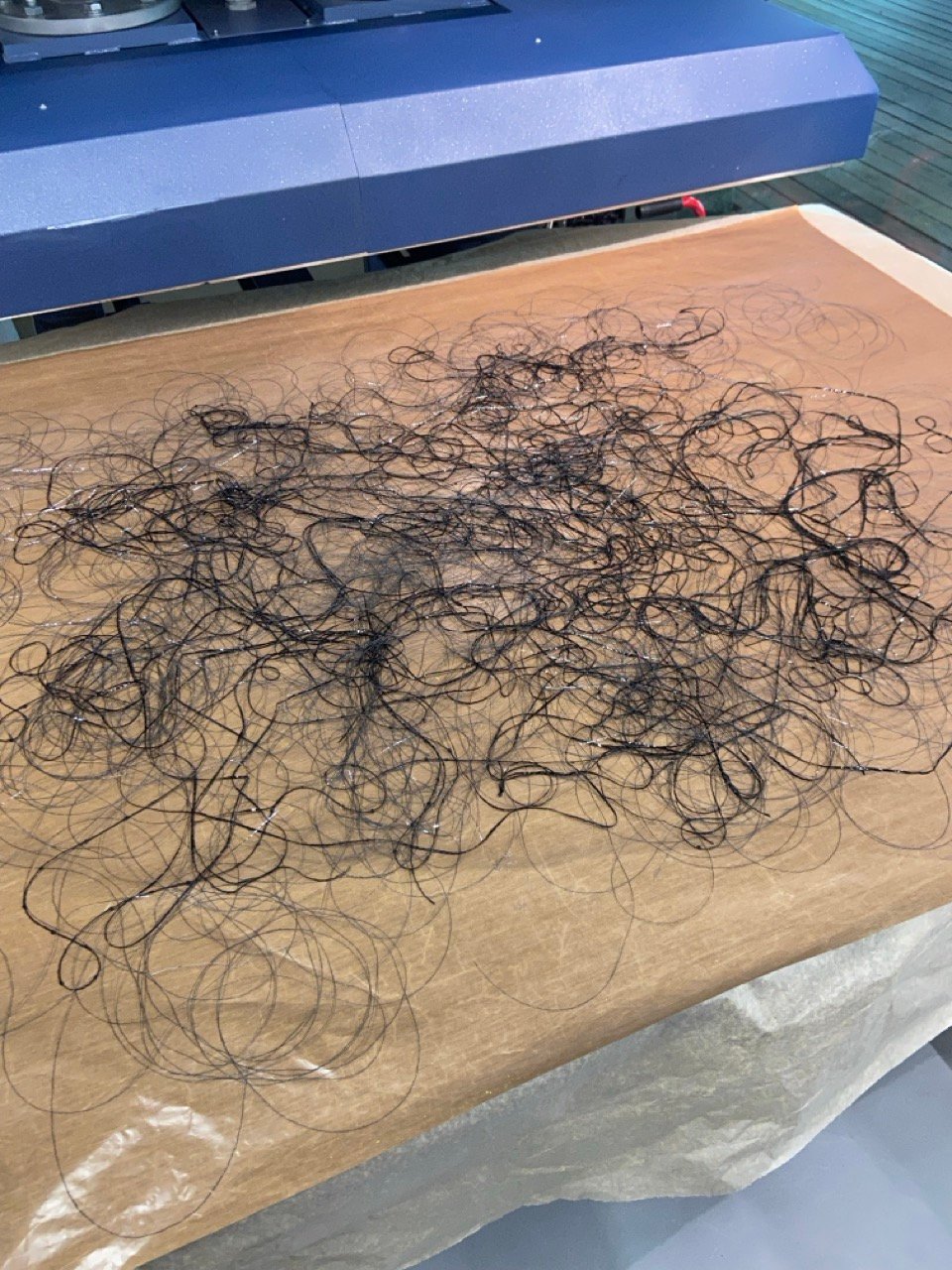
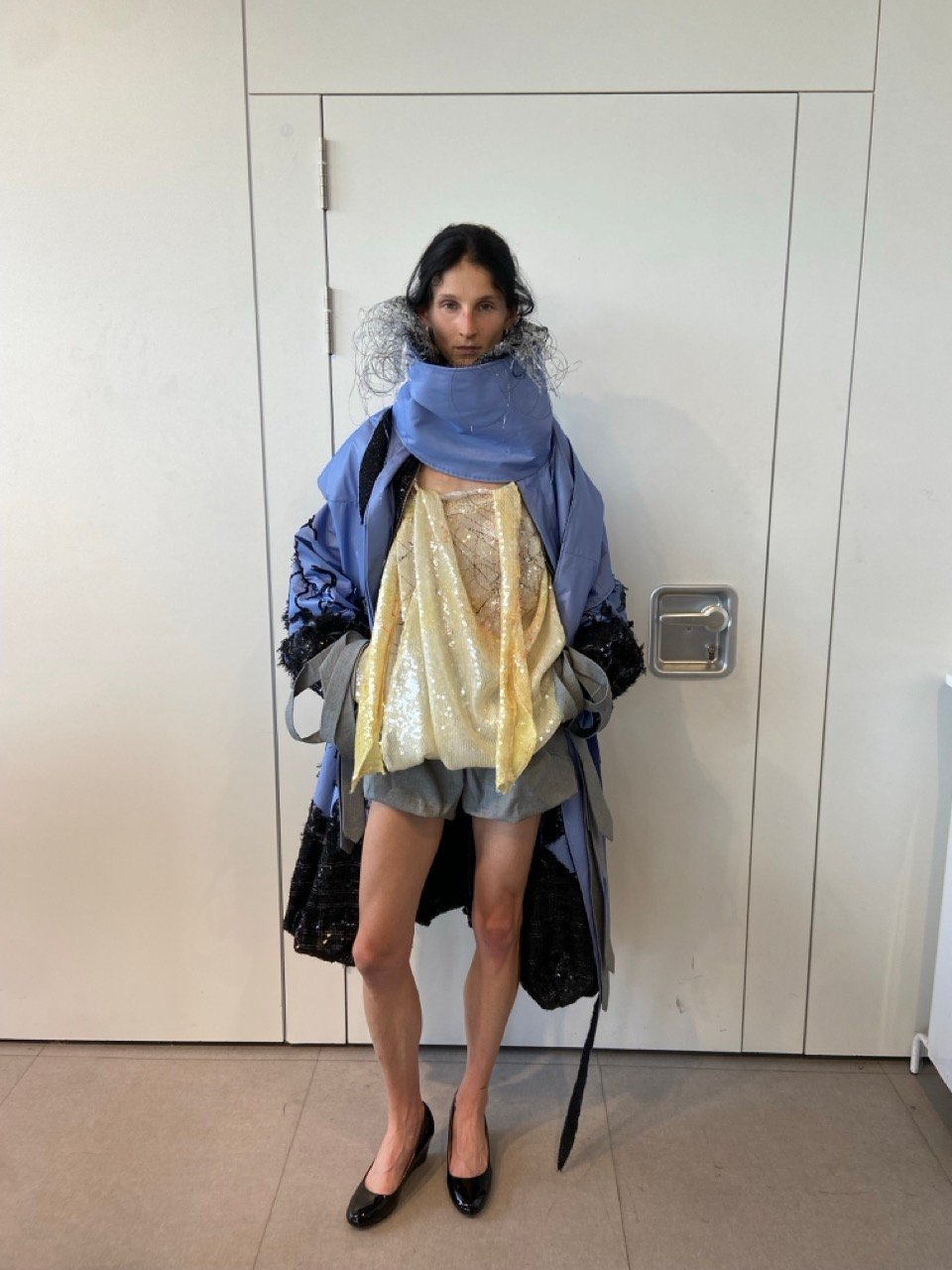
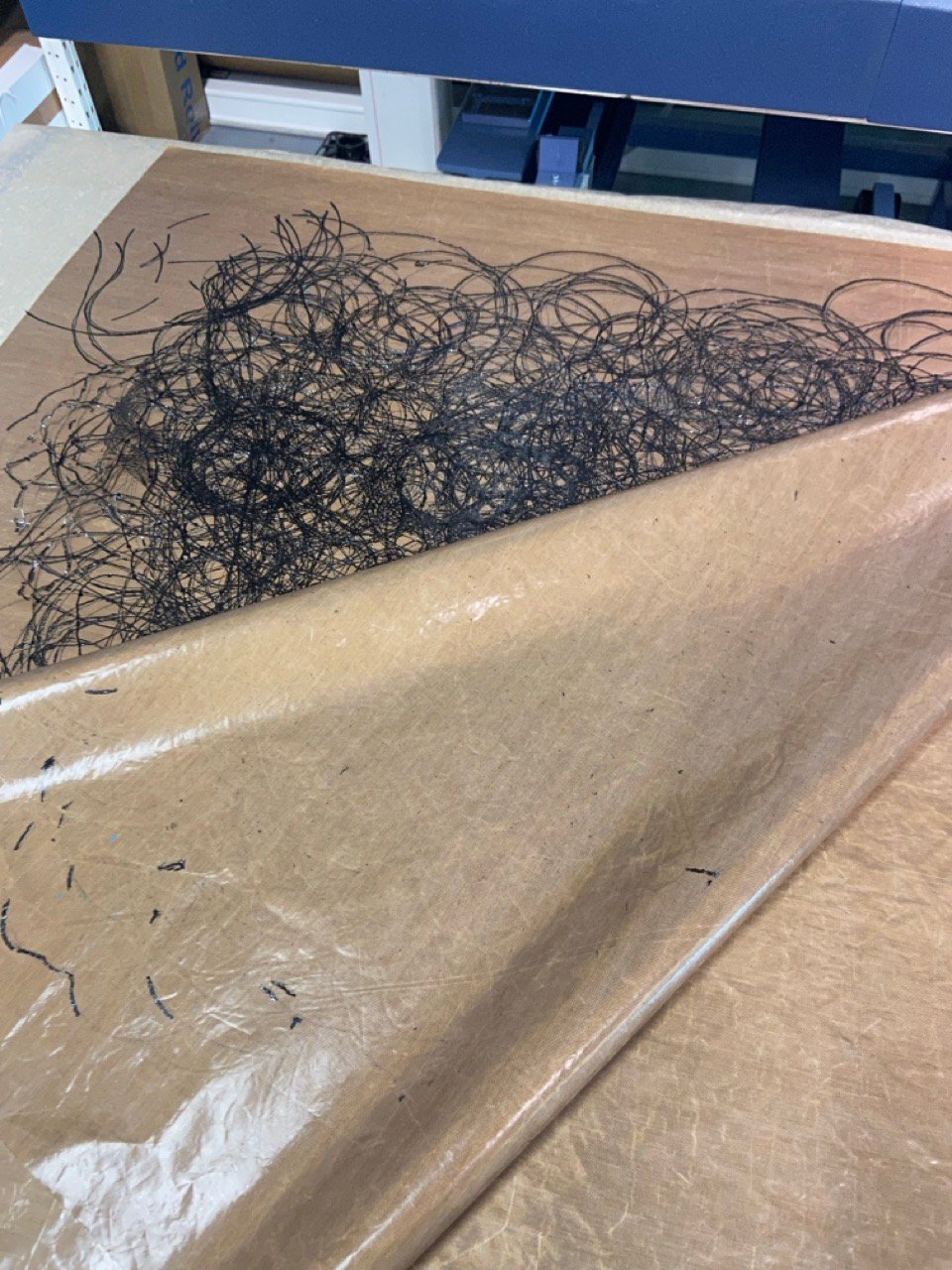
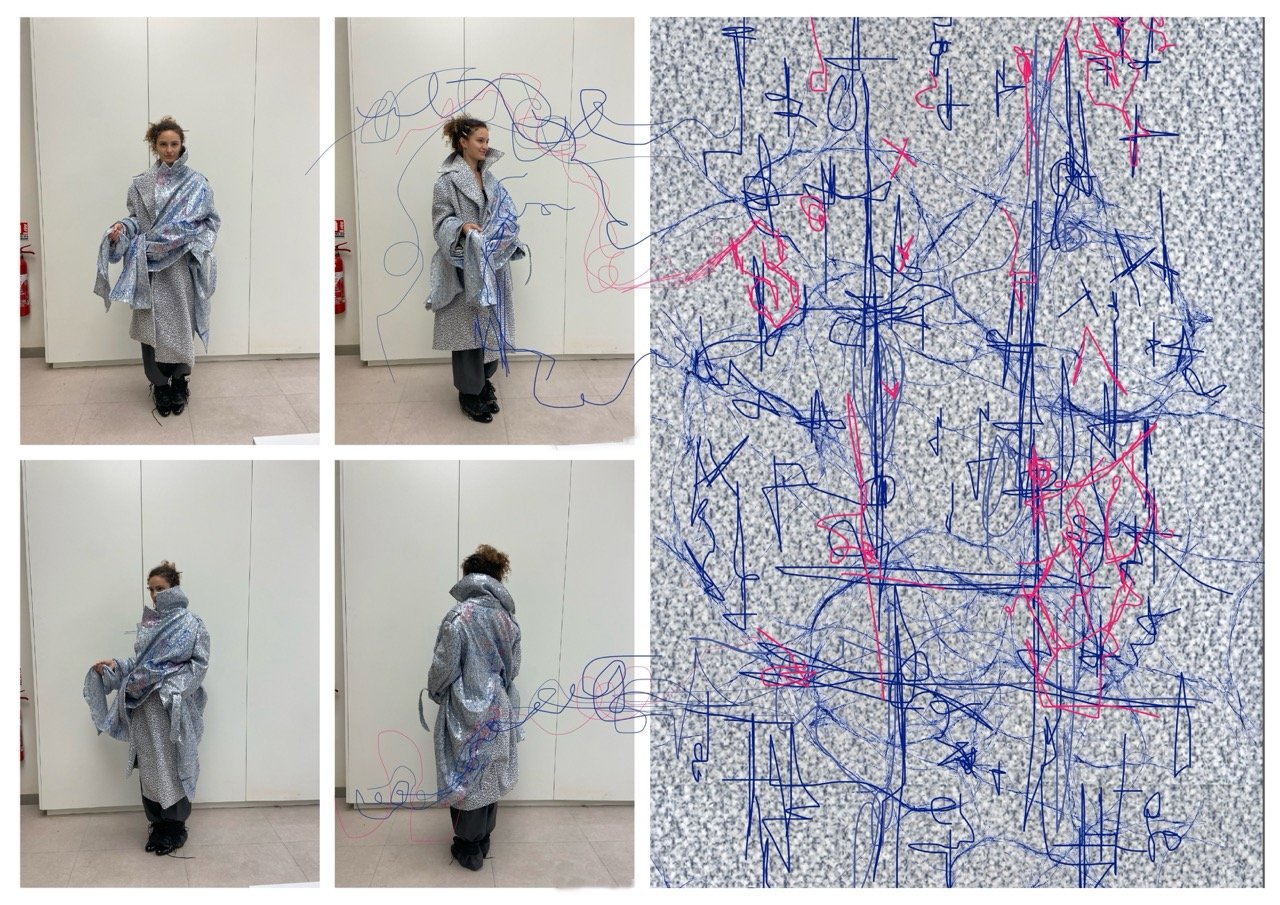
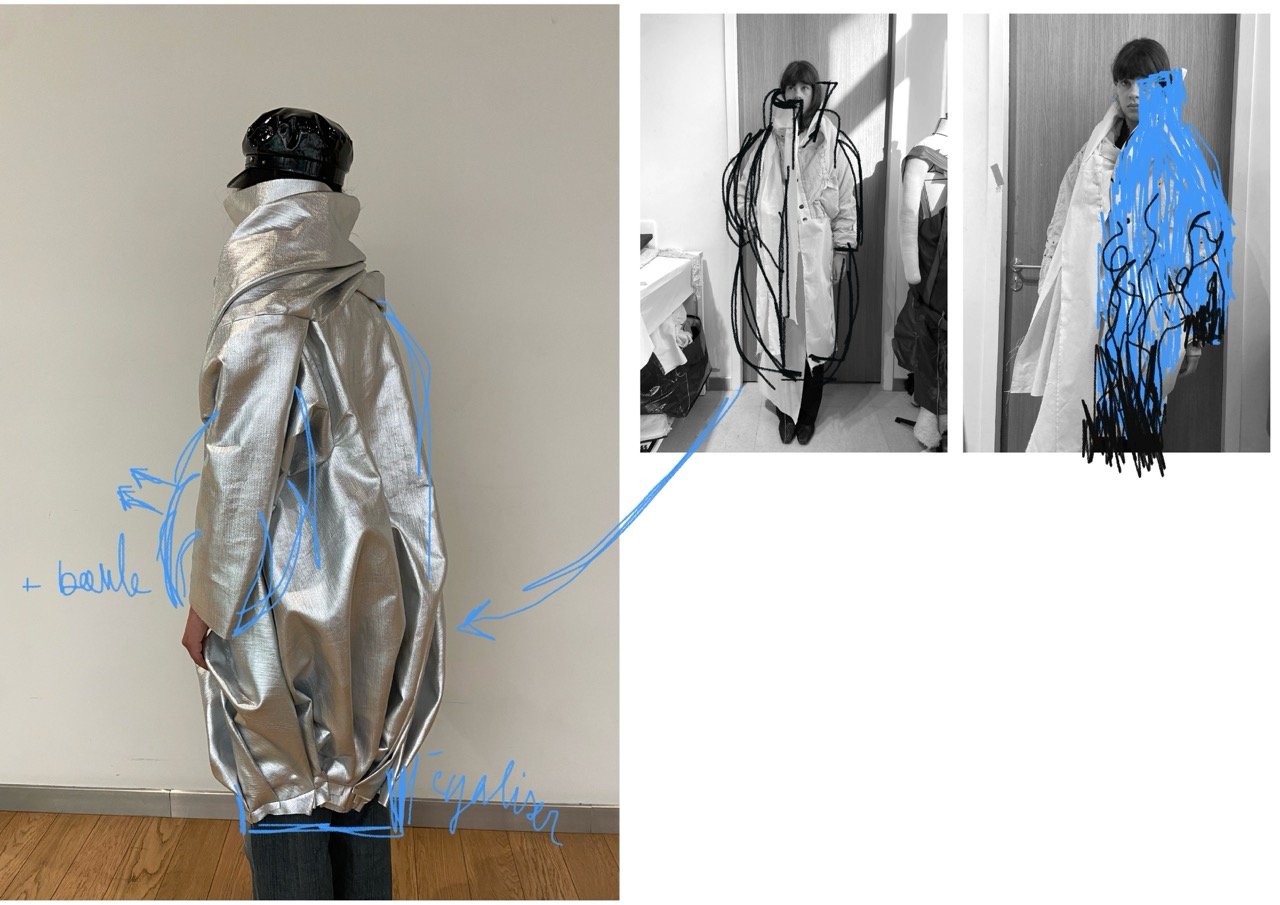
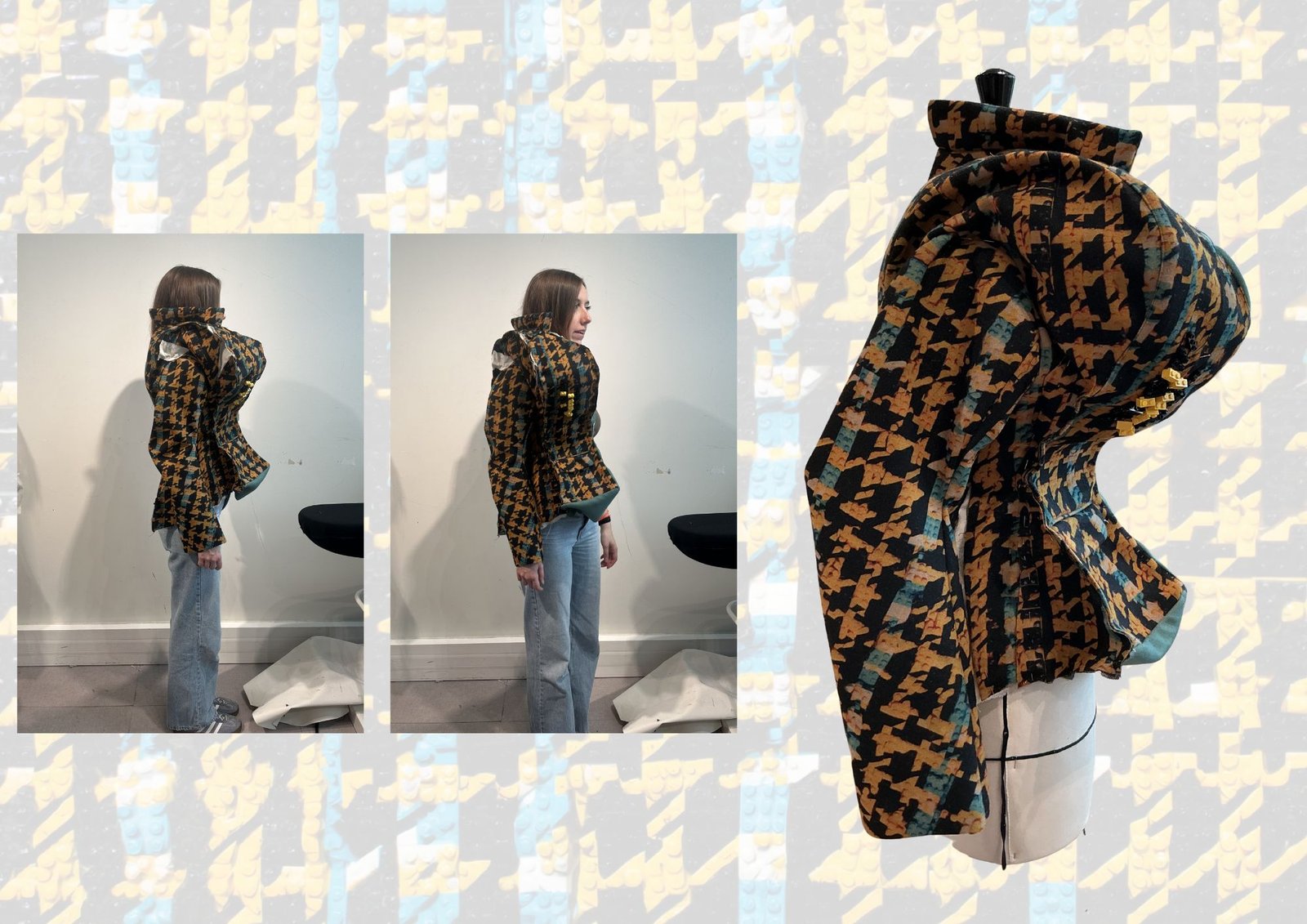
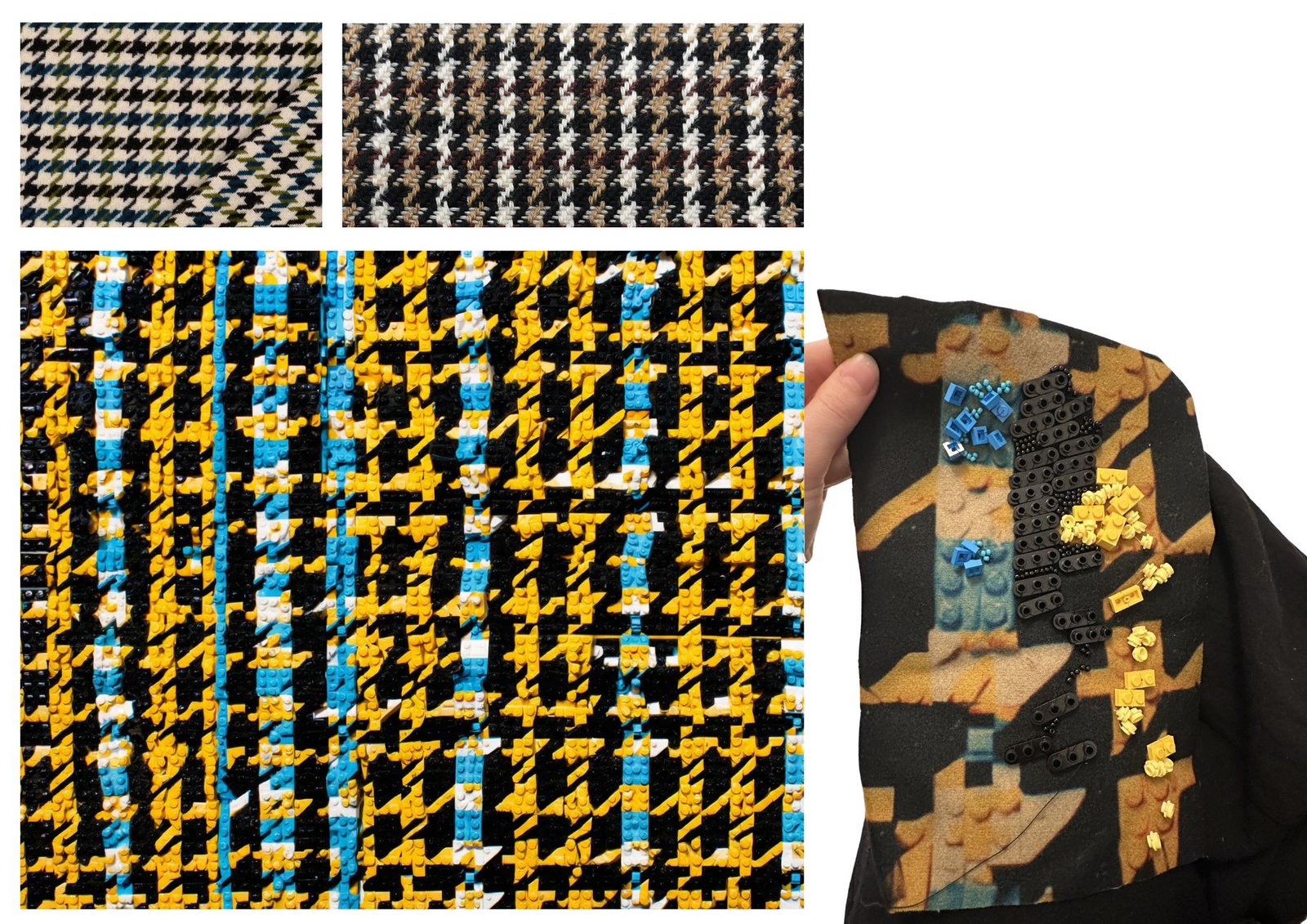
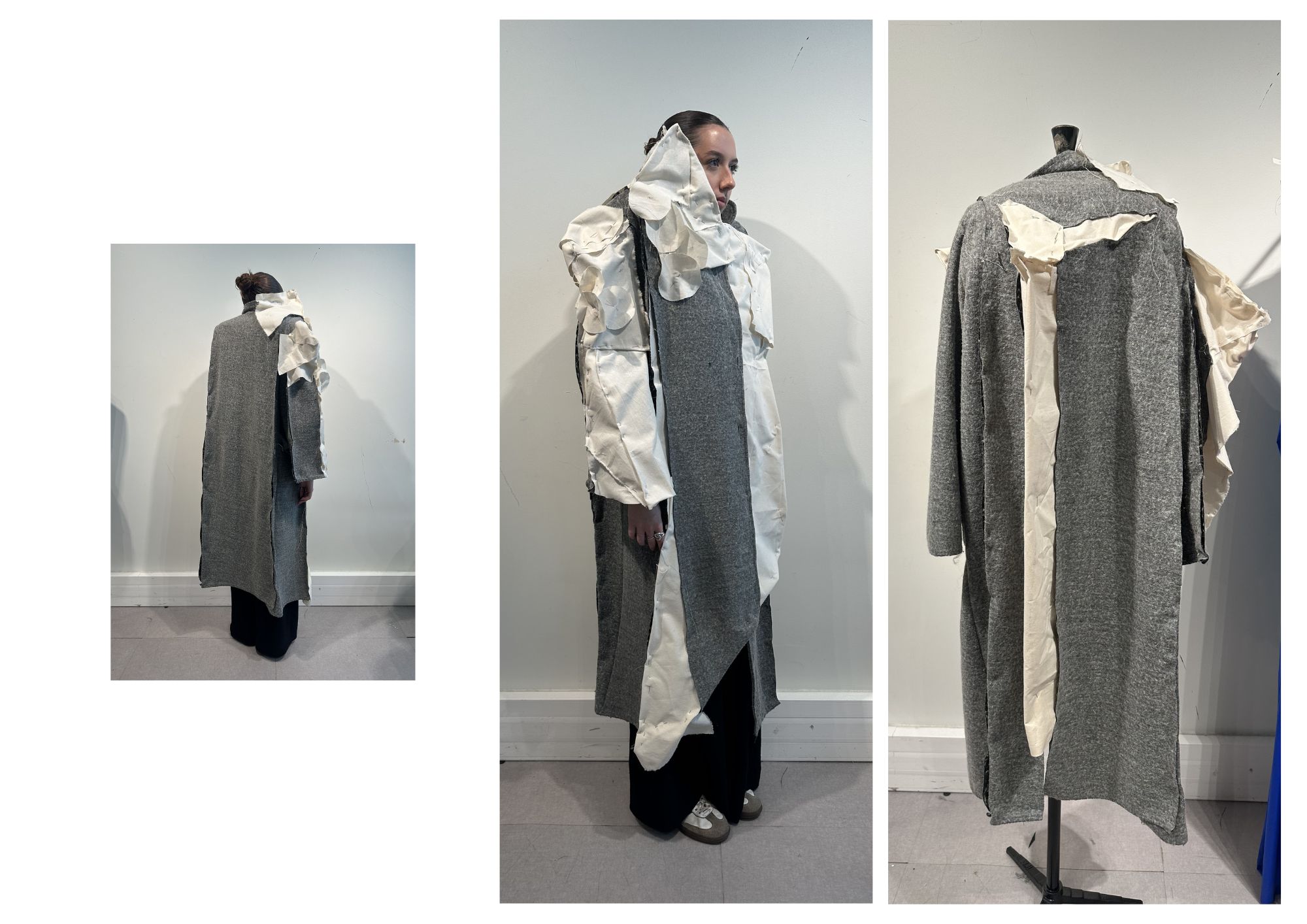
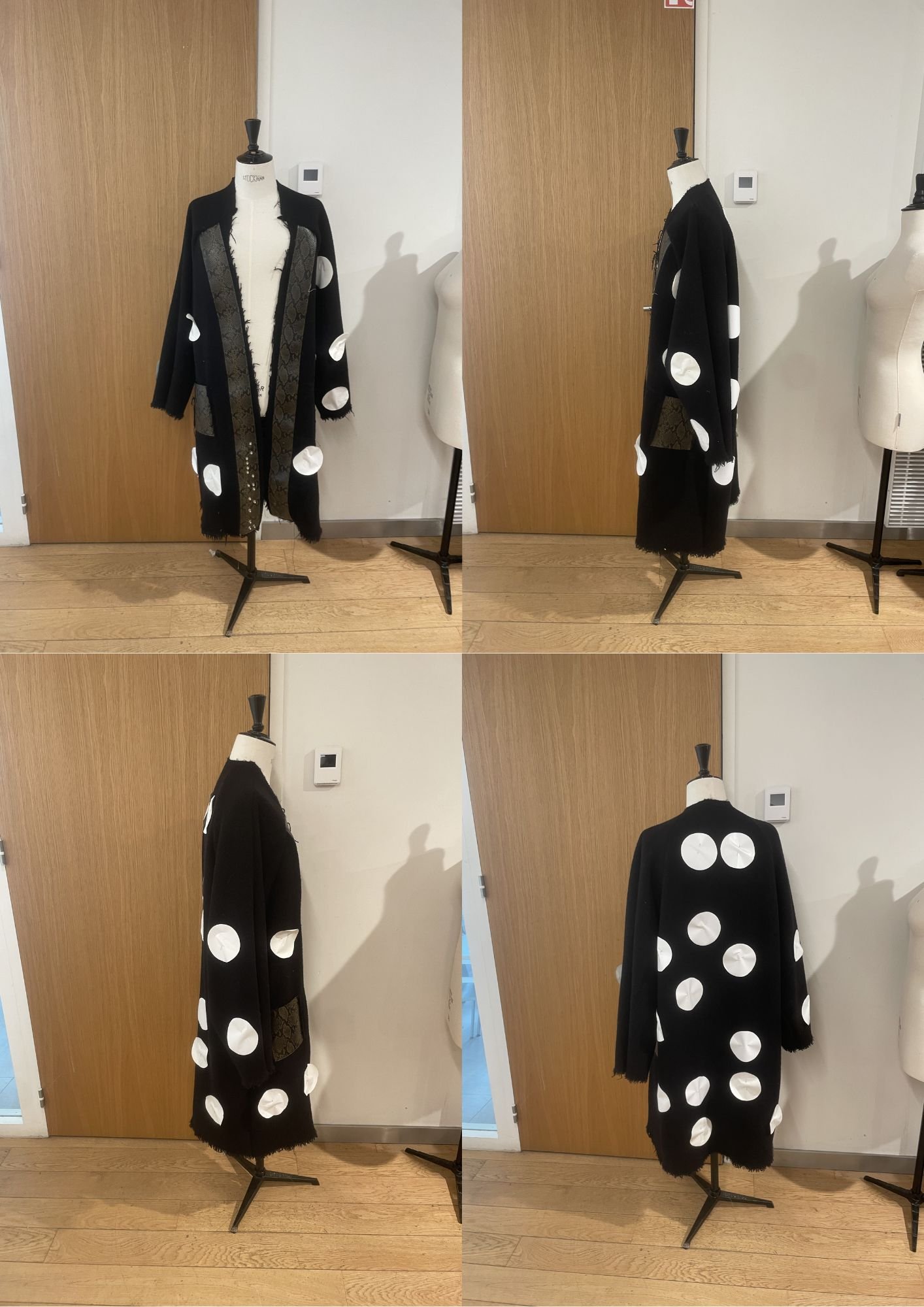
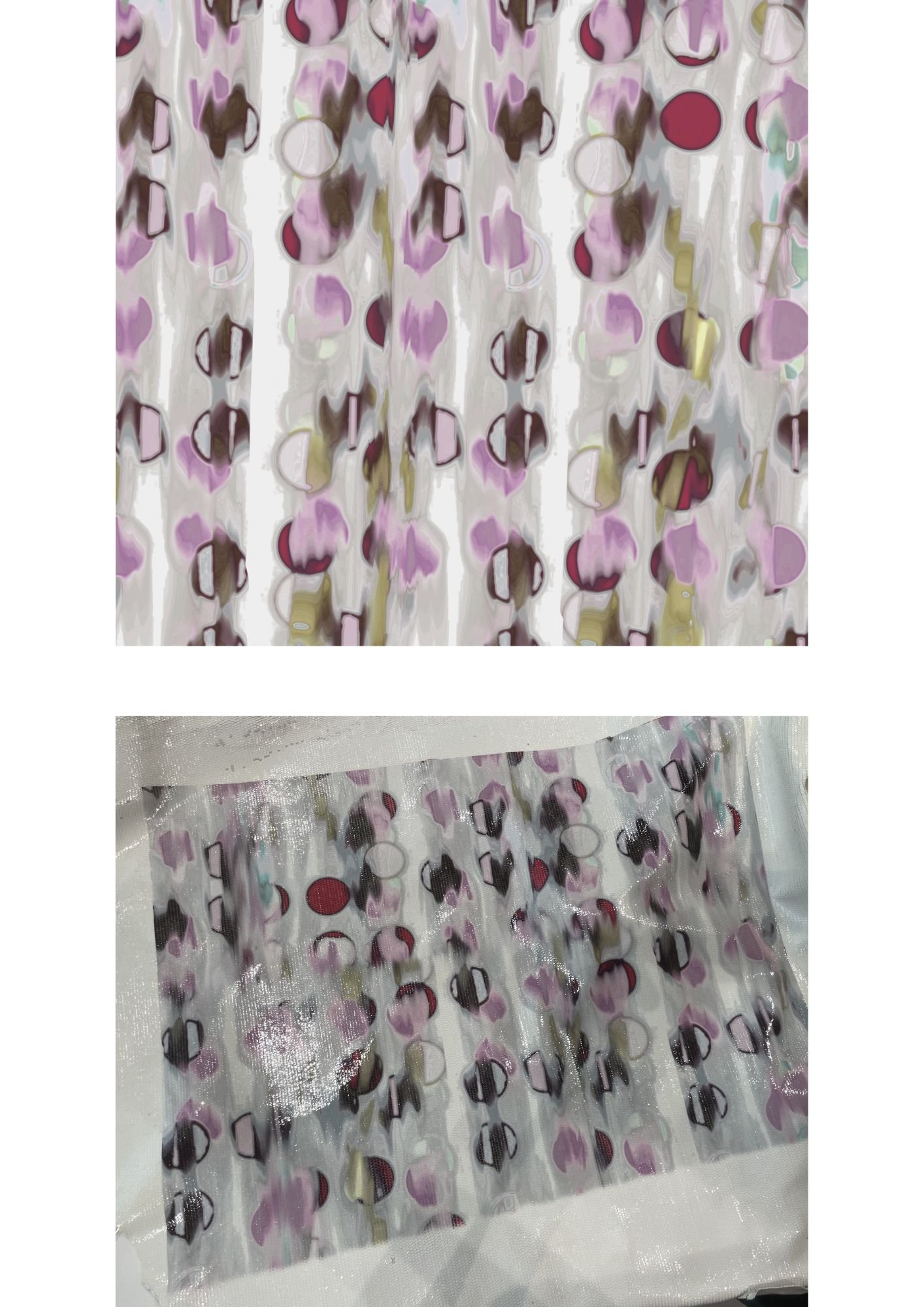
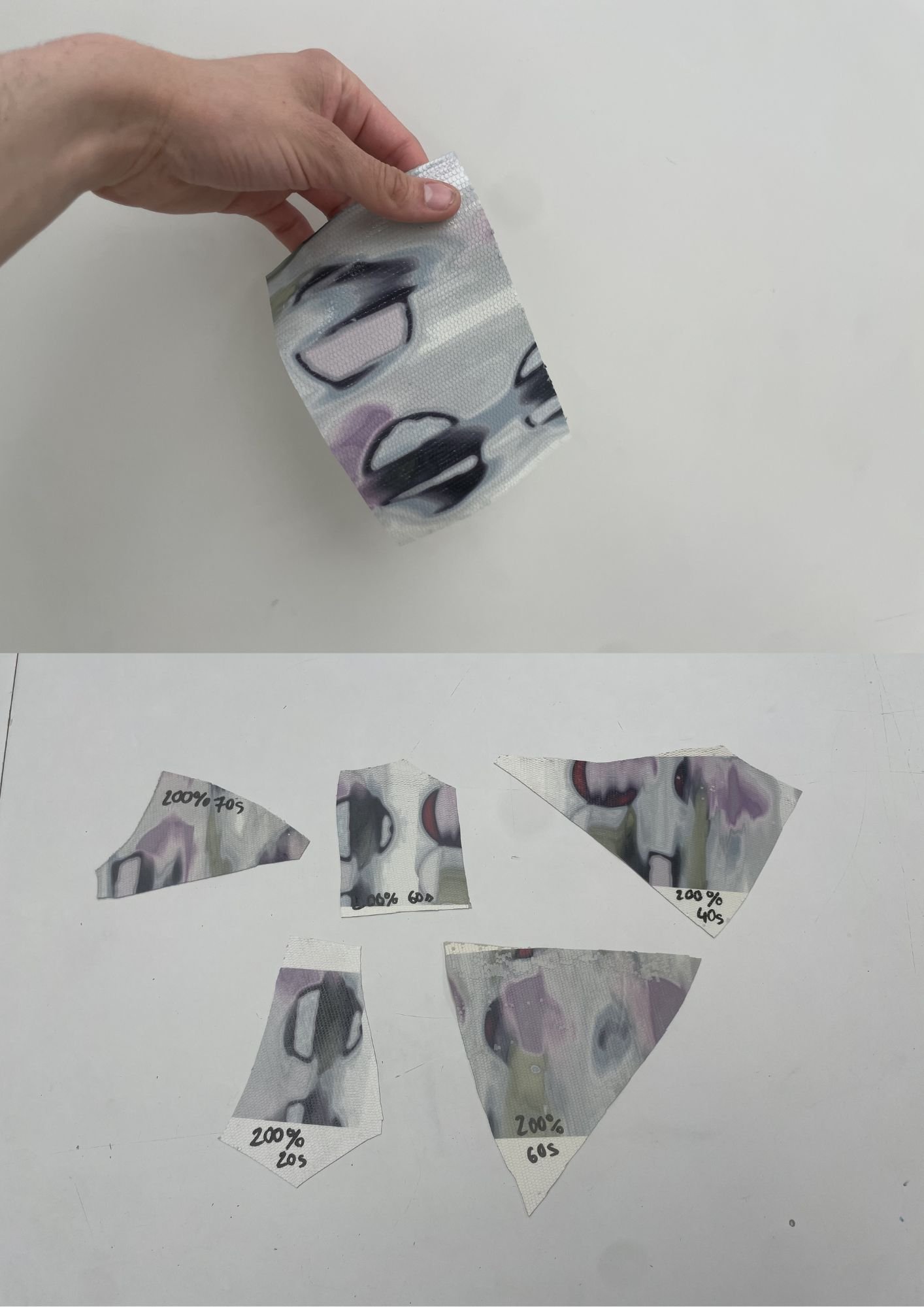
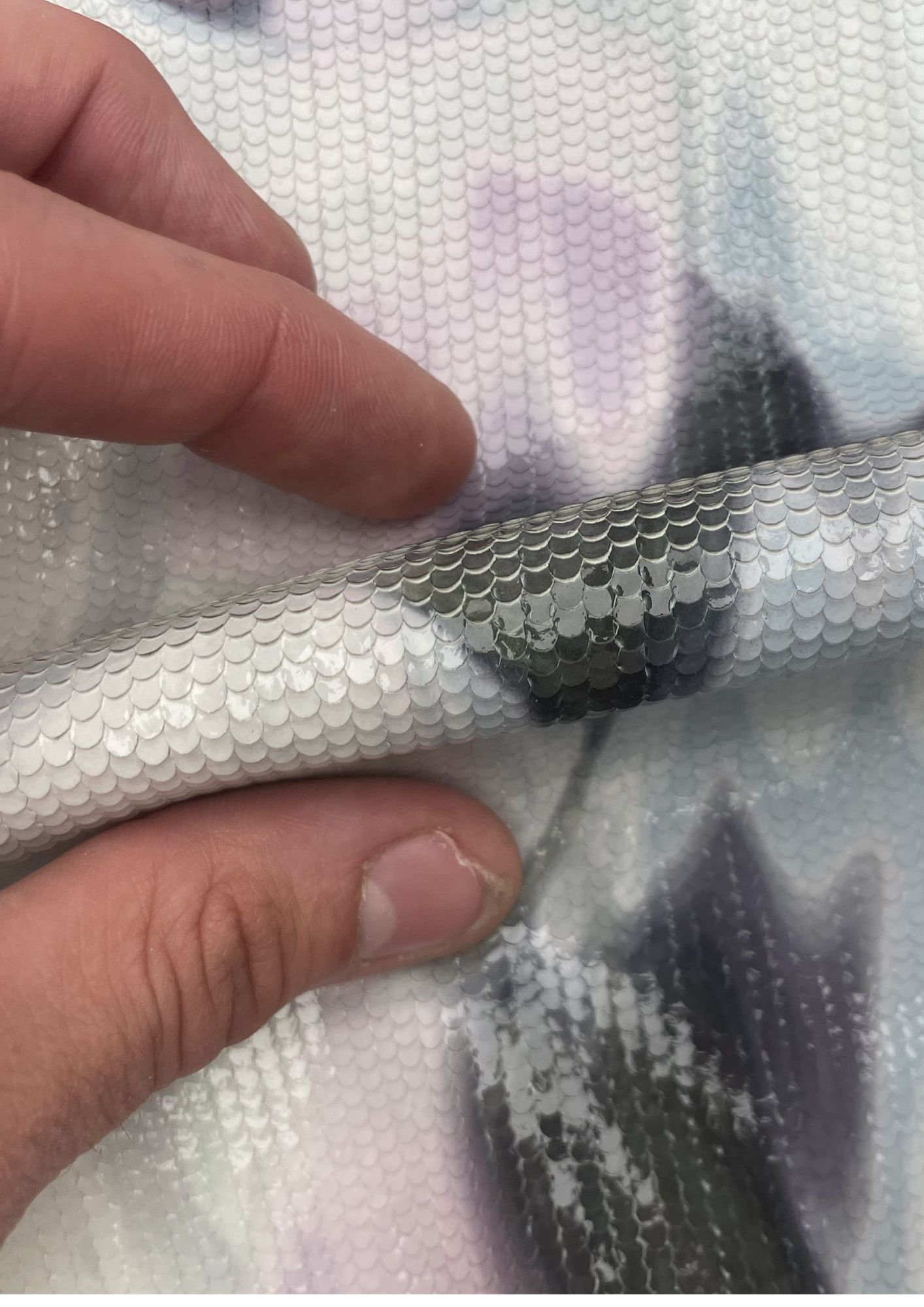
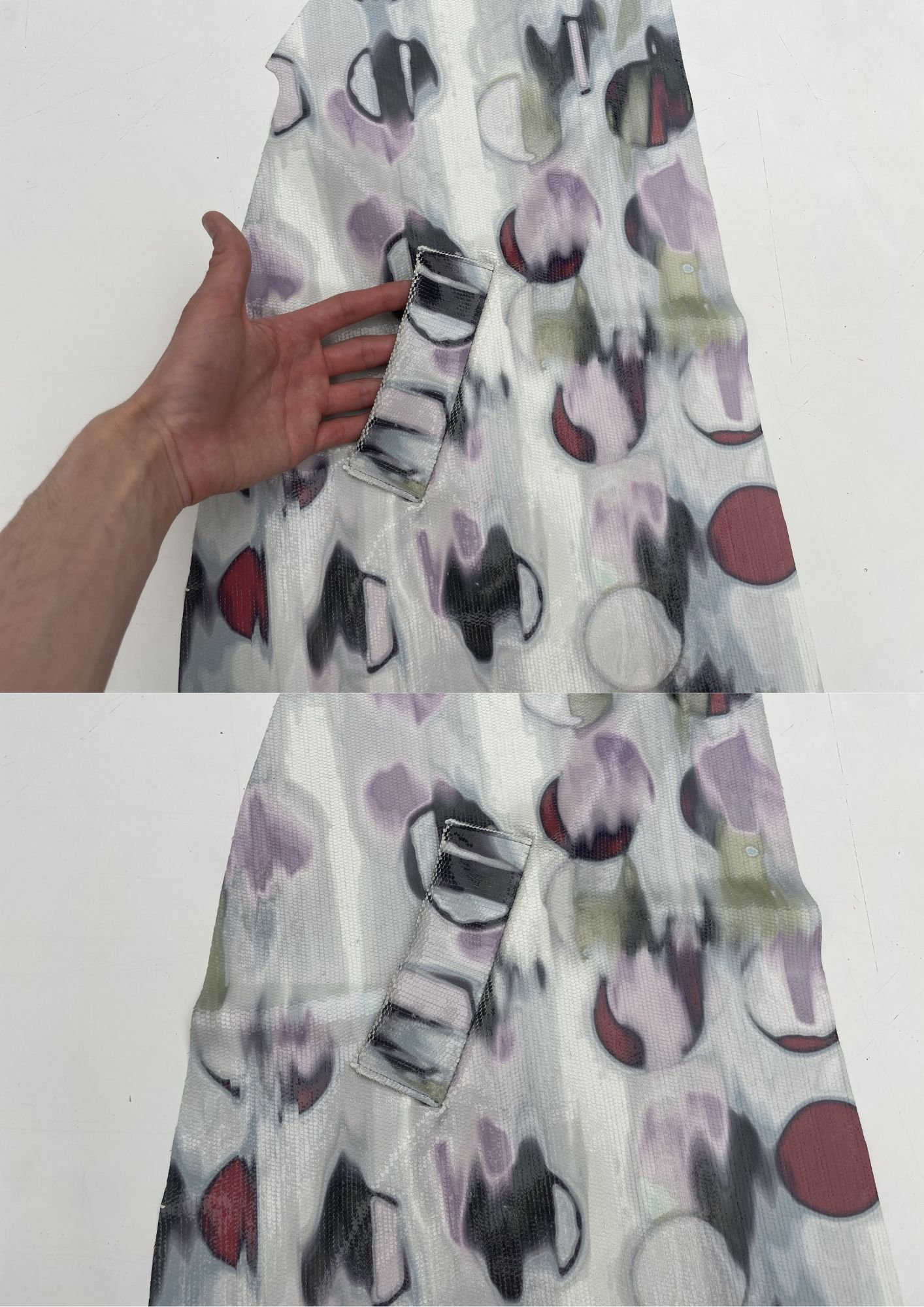
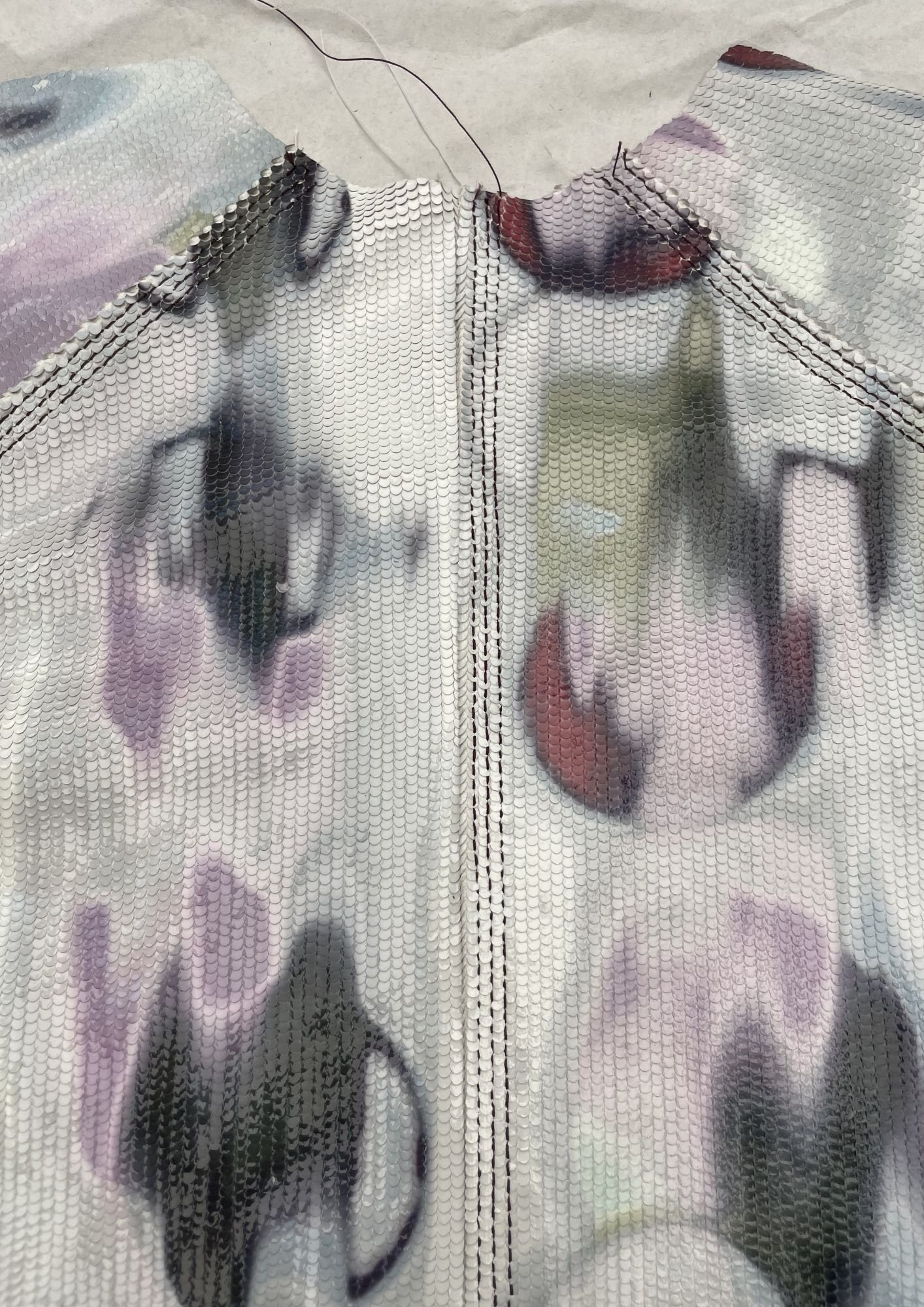
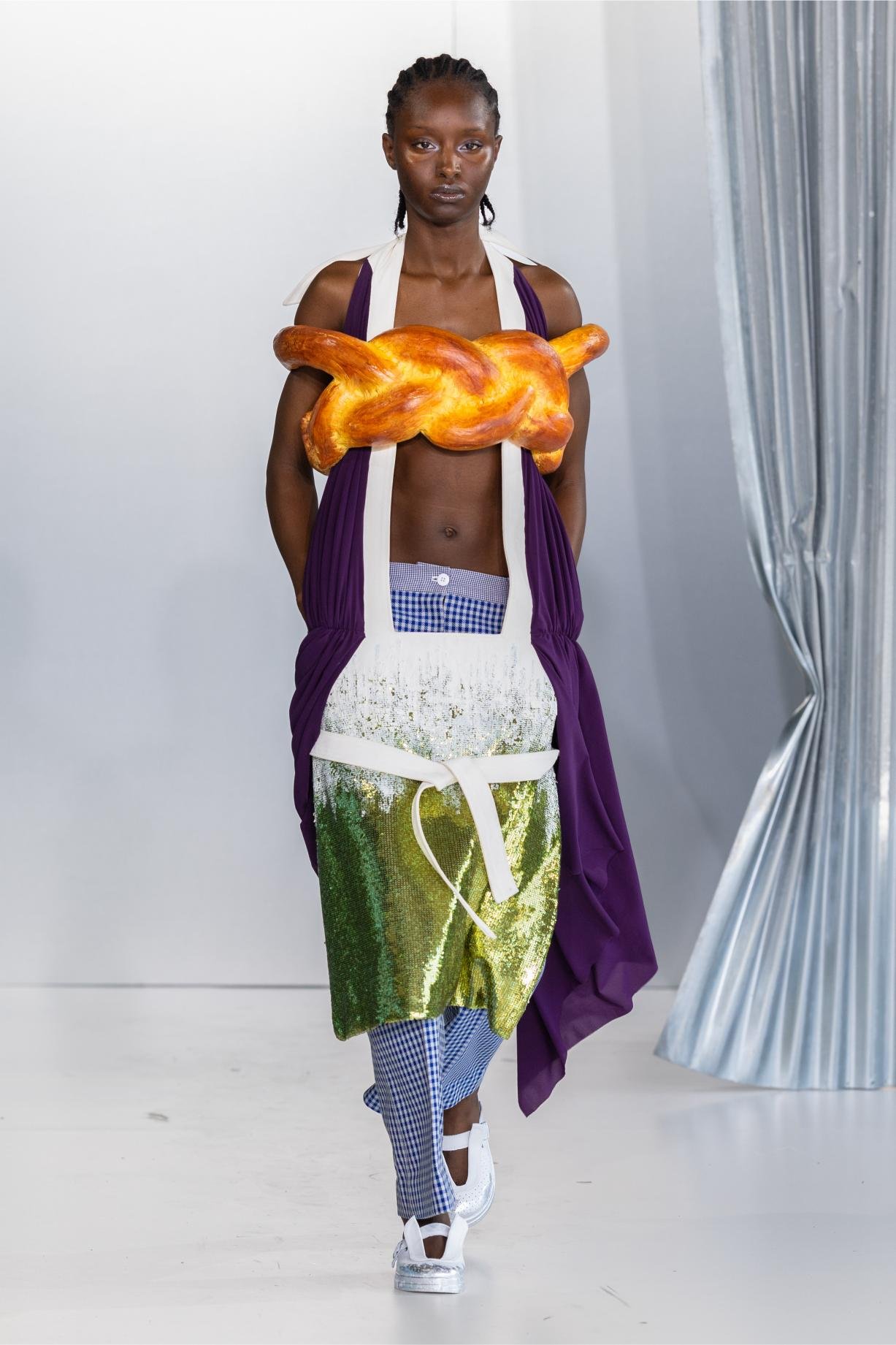
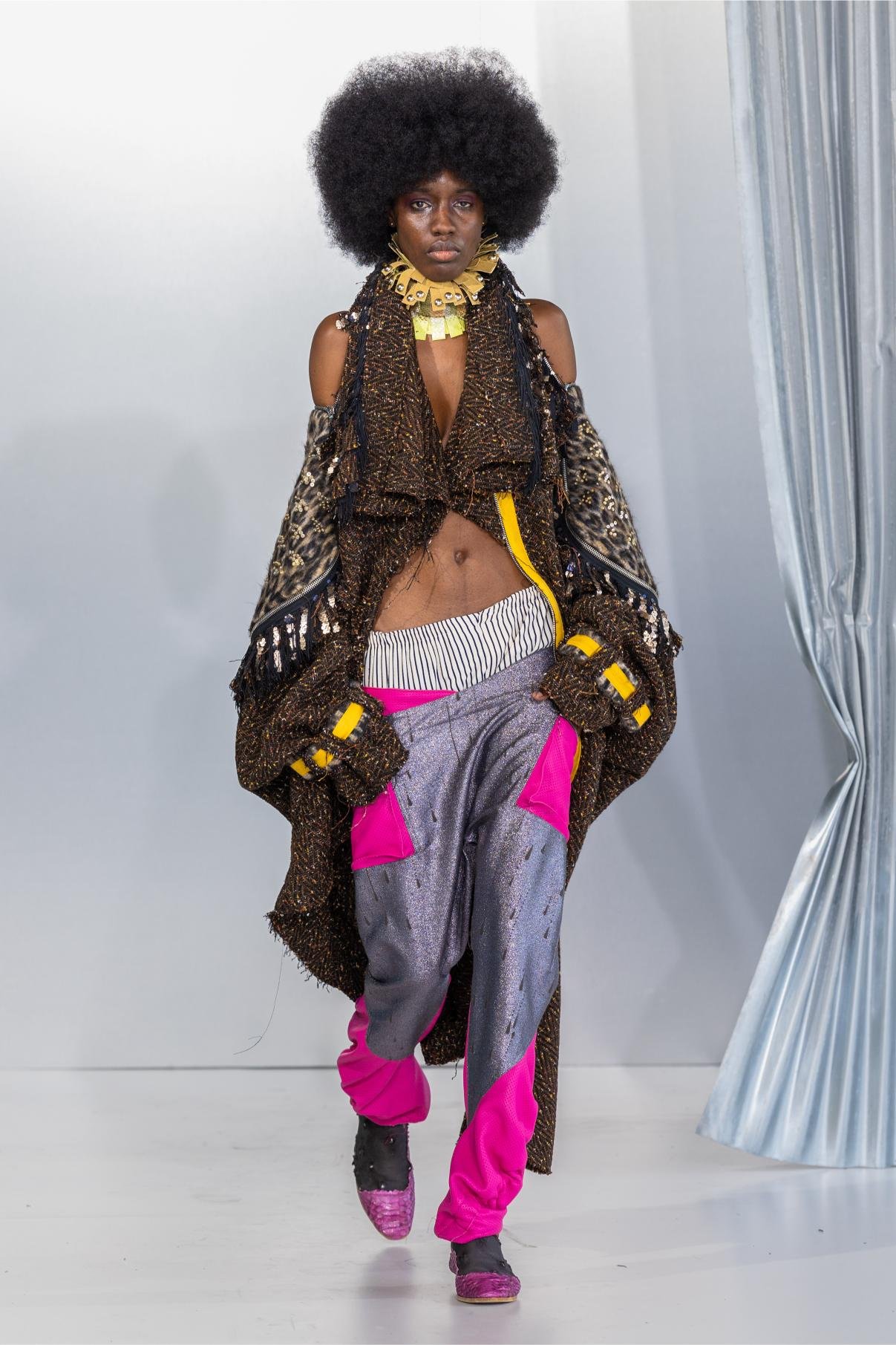
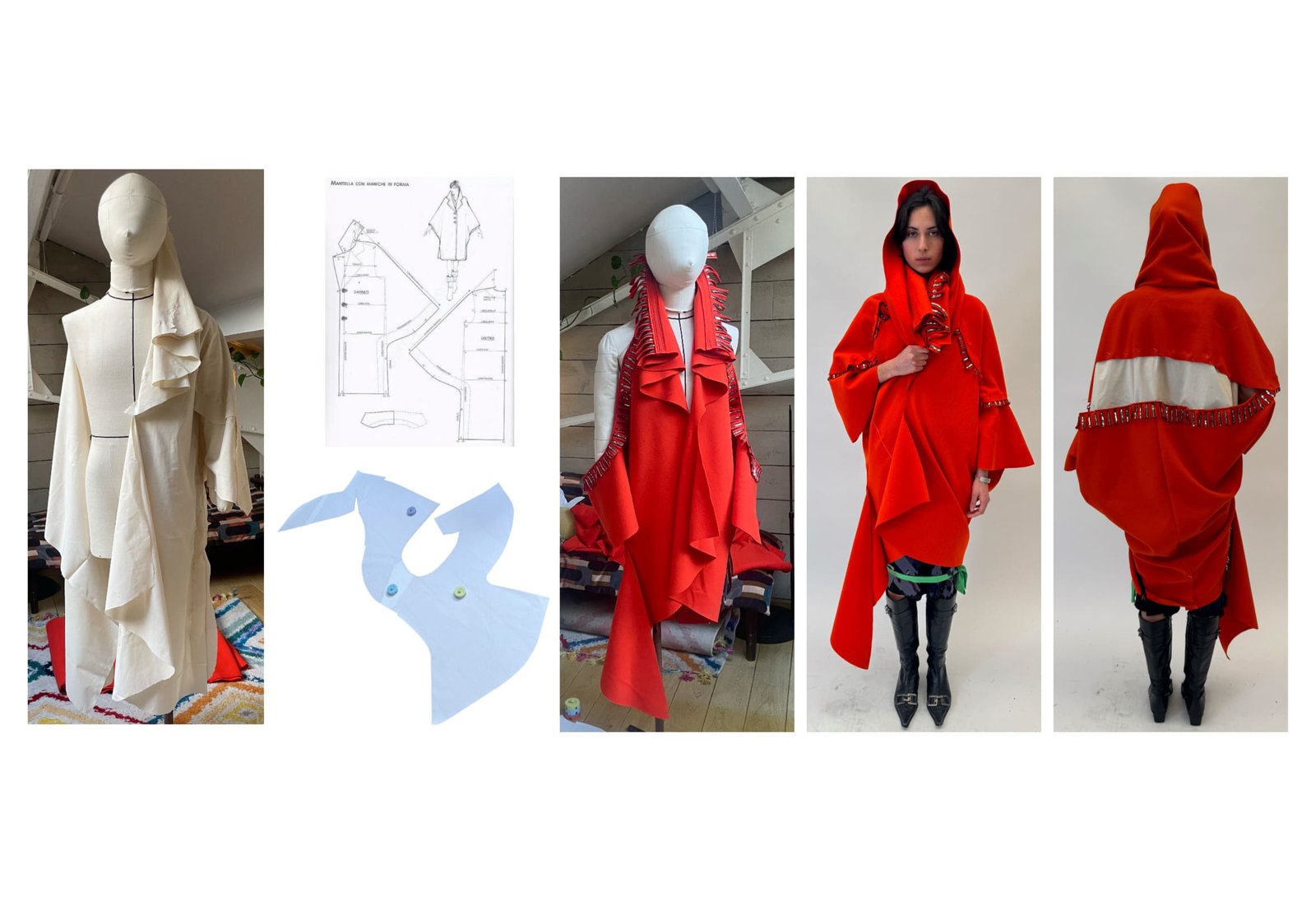
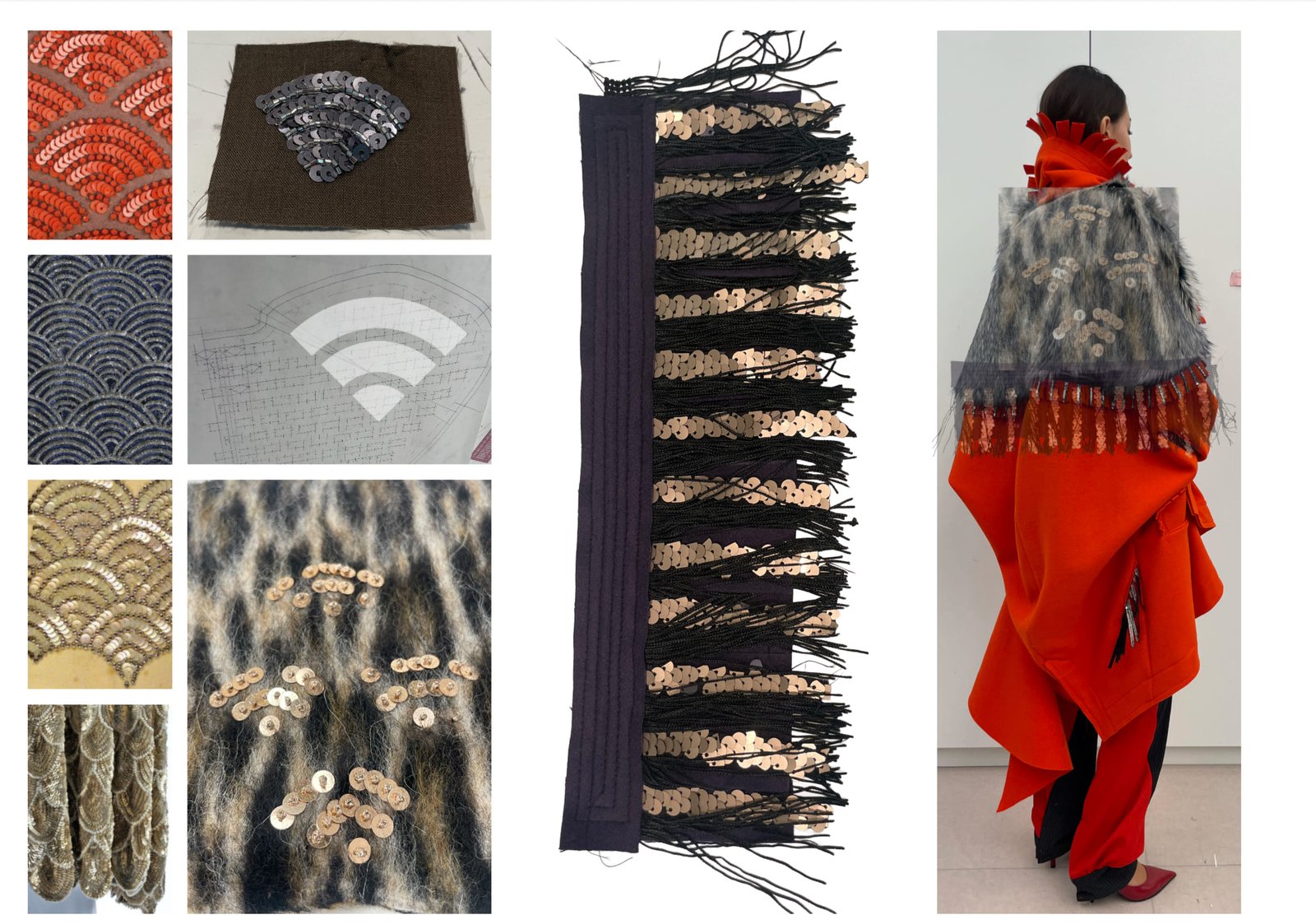
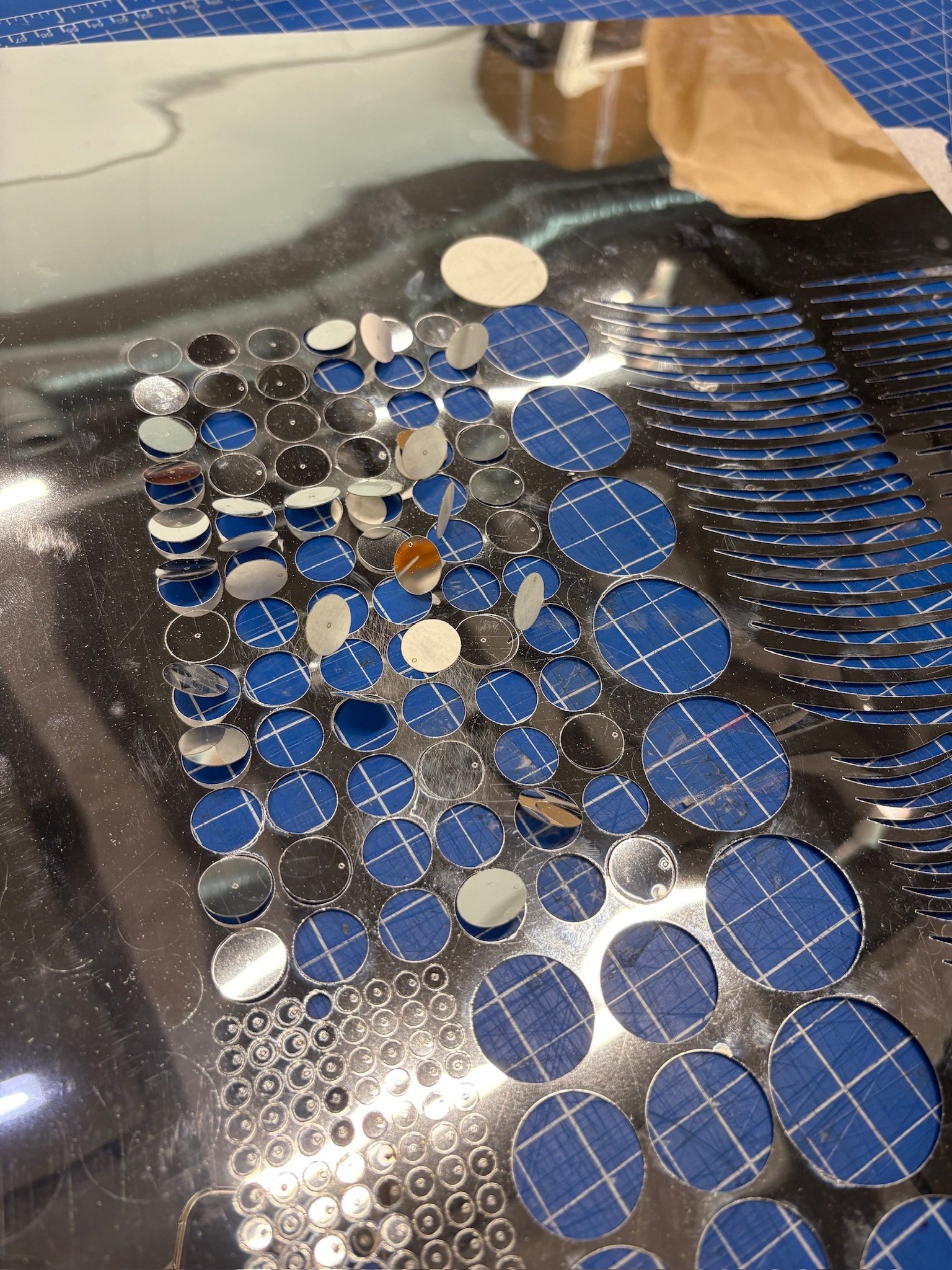
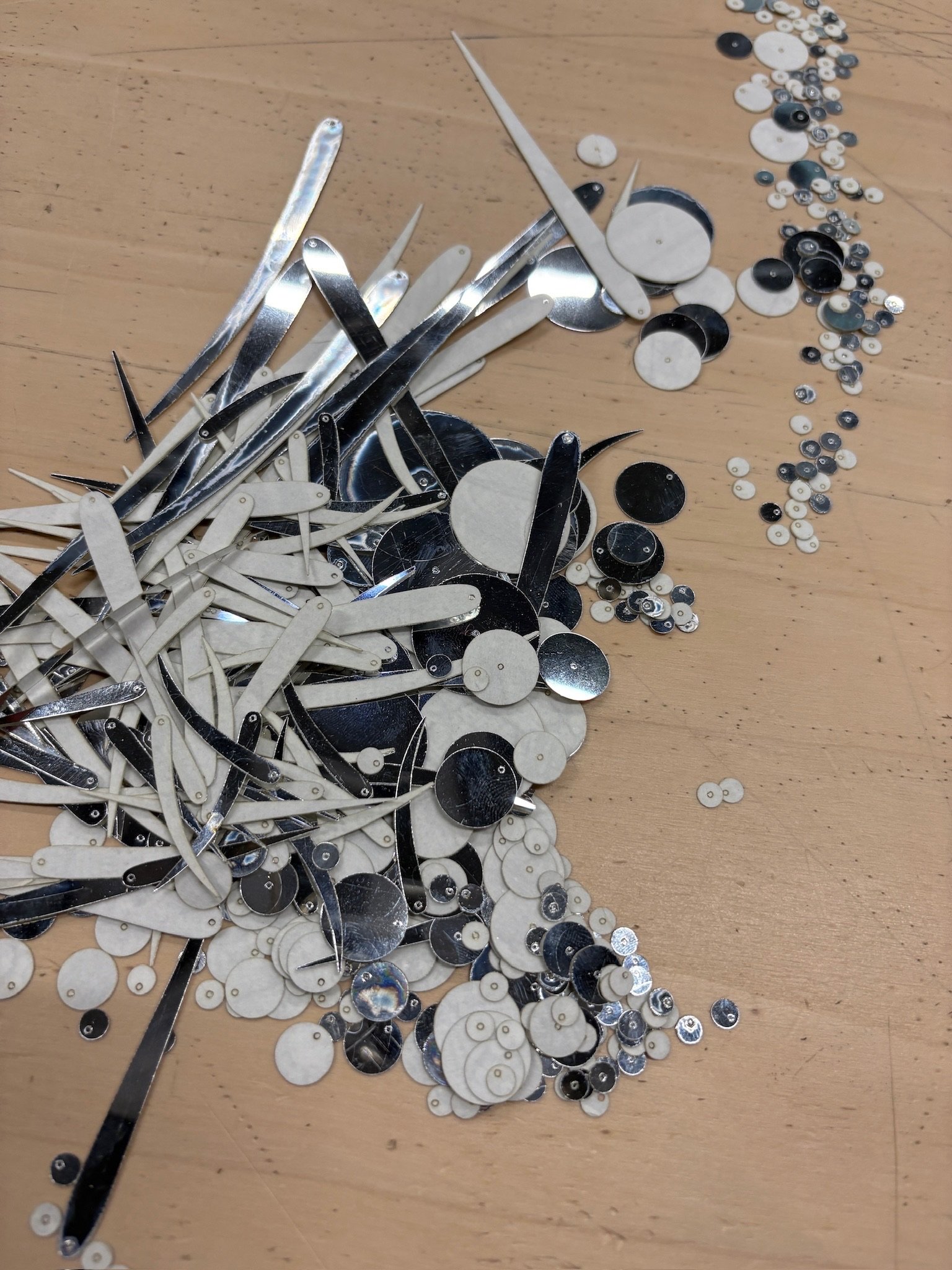
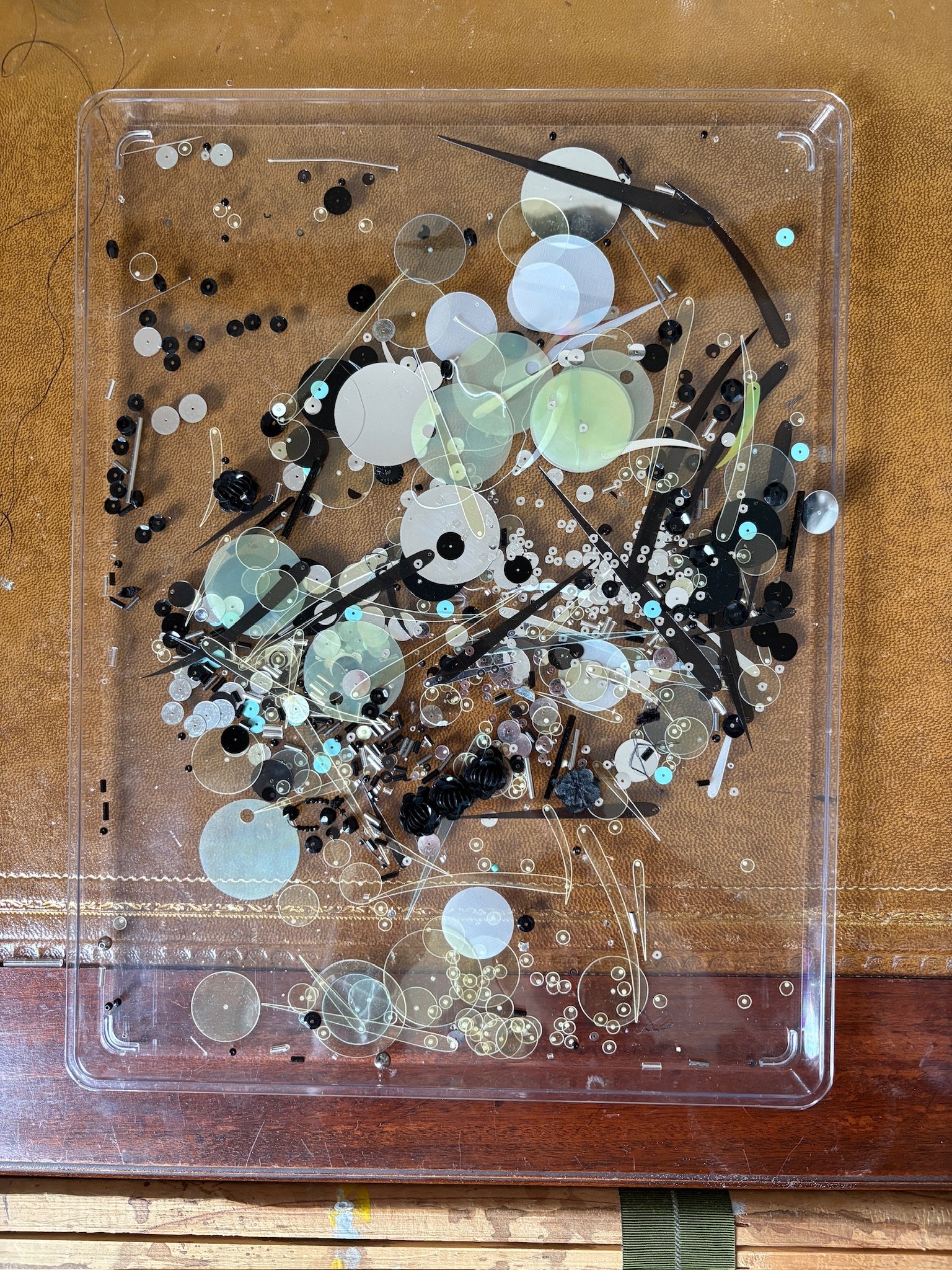
Noémie Landragin’s collection is a tribute to boredom as the starting point of creativity. Drawing on childhood notebooks filled with doodles and the rhythm of repetitive, absent-minded gestures, the project traces a shift from tailoring into draping, from the disciplined to the abstract. Handcrafted textiles – pulled tweed, melted plastic knitted pieces, and hand-drawn prints on sequins – carry this sense of lightness and spontaneity into the garments. As she enters the industry, Landragin is most excited by the prospect of collective creative work, moving from the singular decisions of fashion education into the exchange of ideas between designers, pattern makers, ateliers, and textile developers. She leaves school with optimism, shaped by the kindness and collaboration she experienced there.

@noemielandragin

Alisa Danish

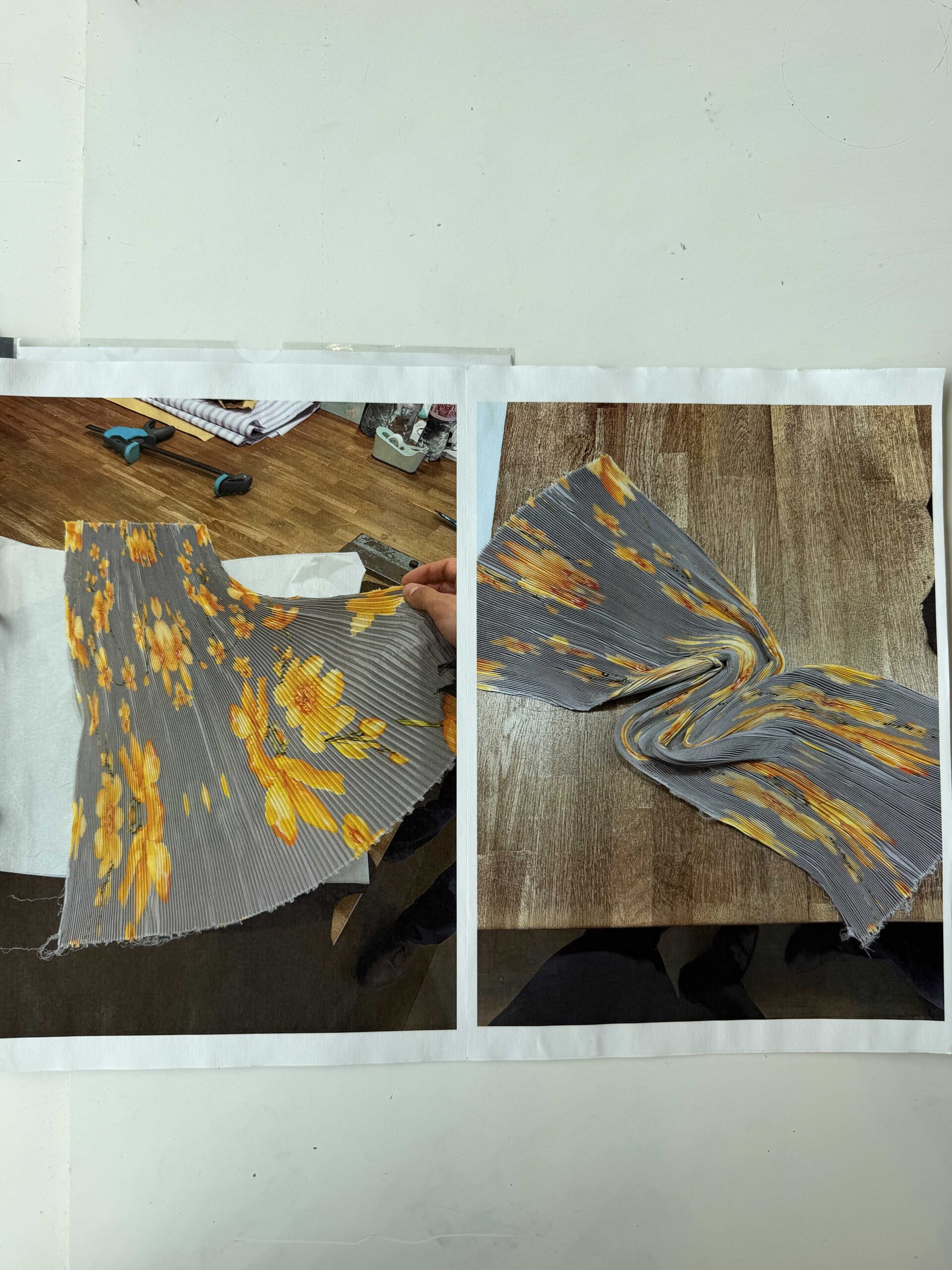
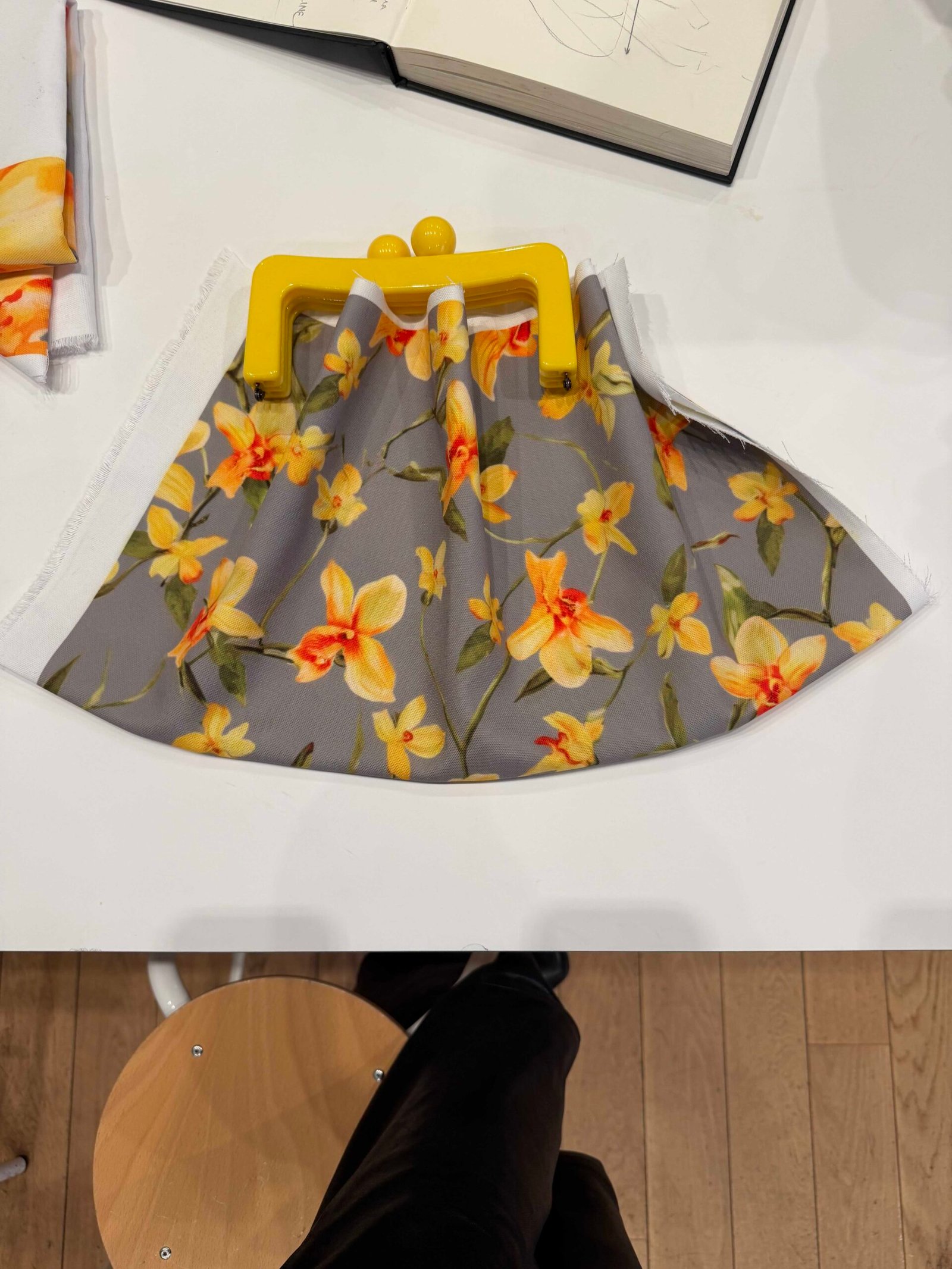
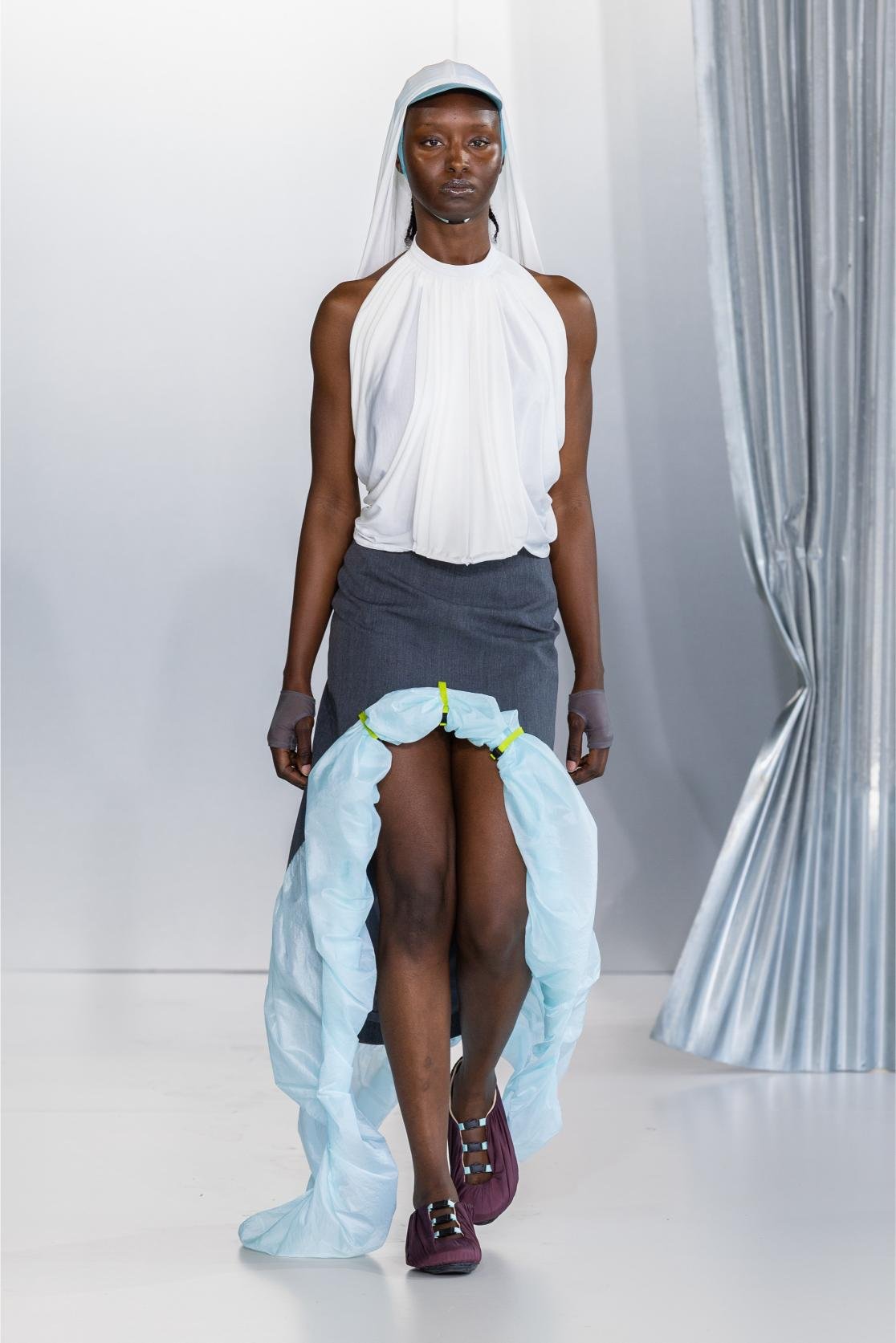
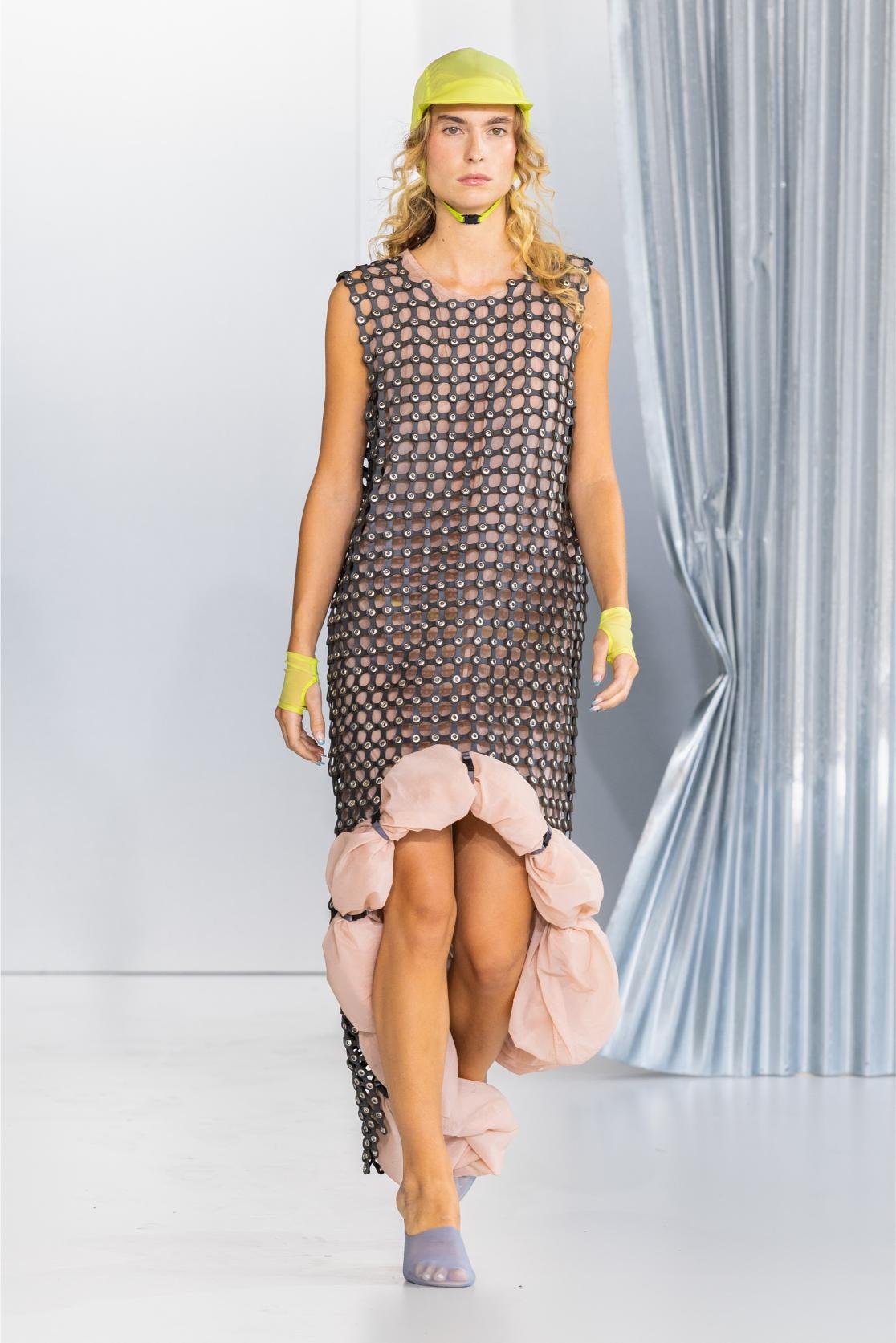
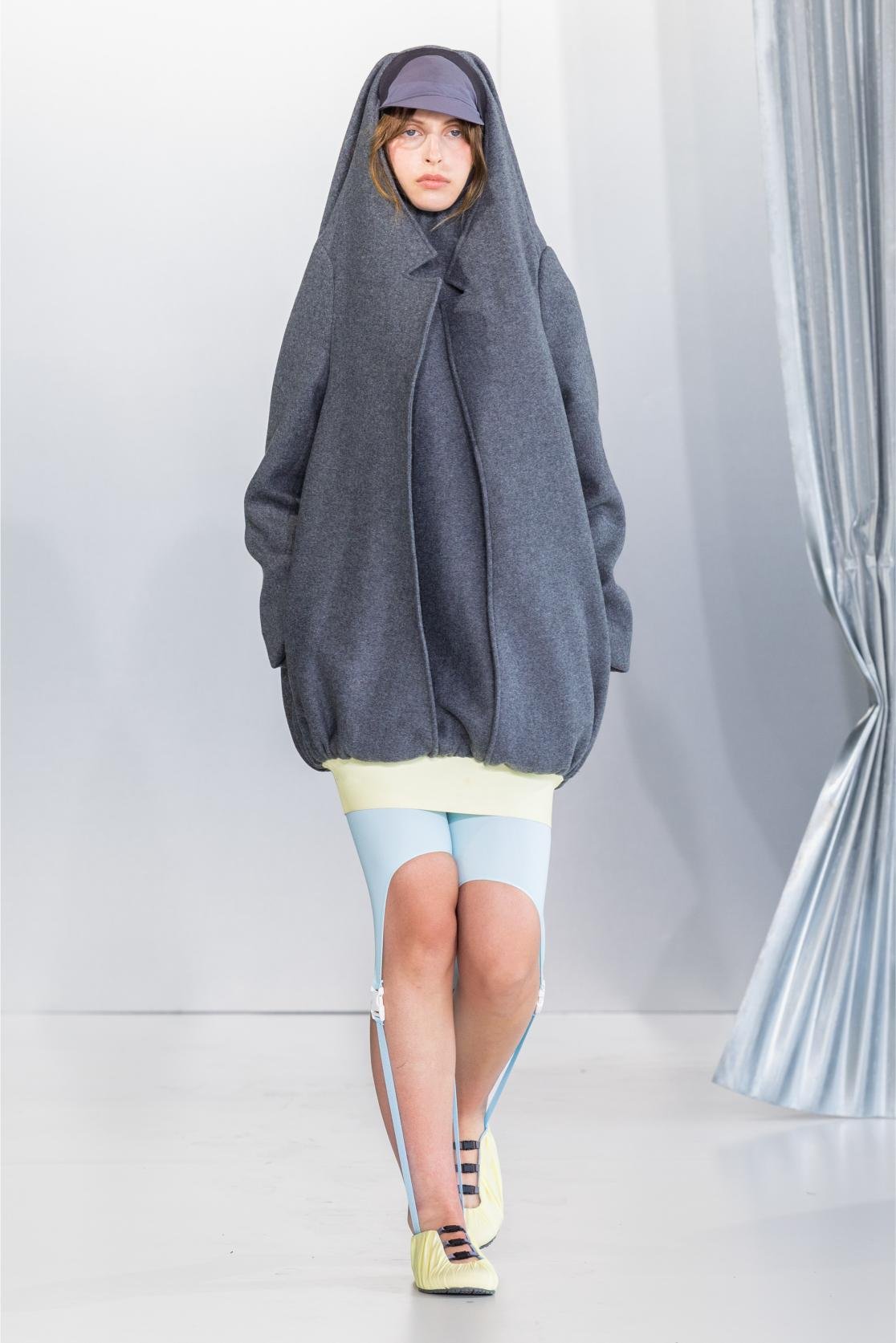
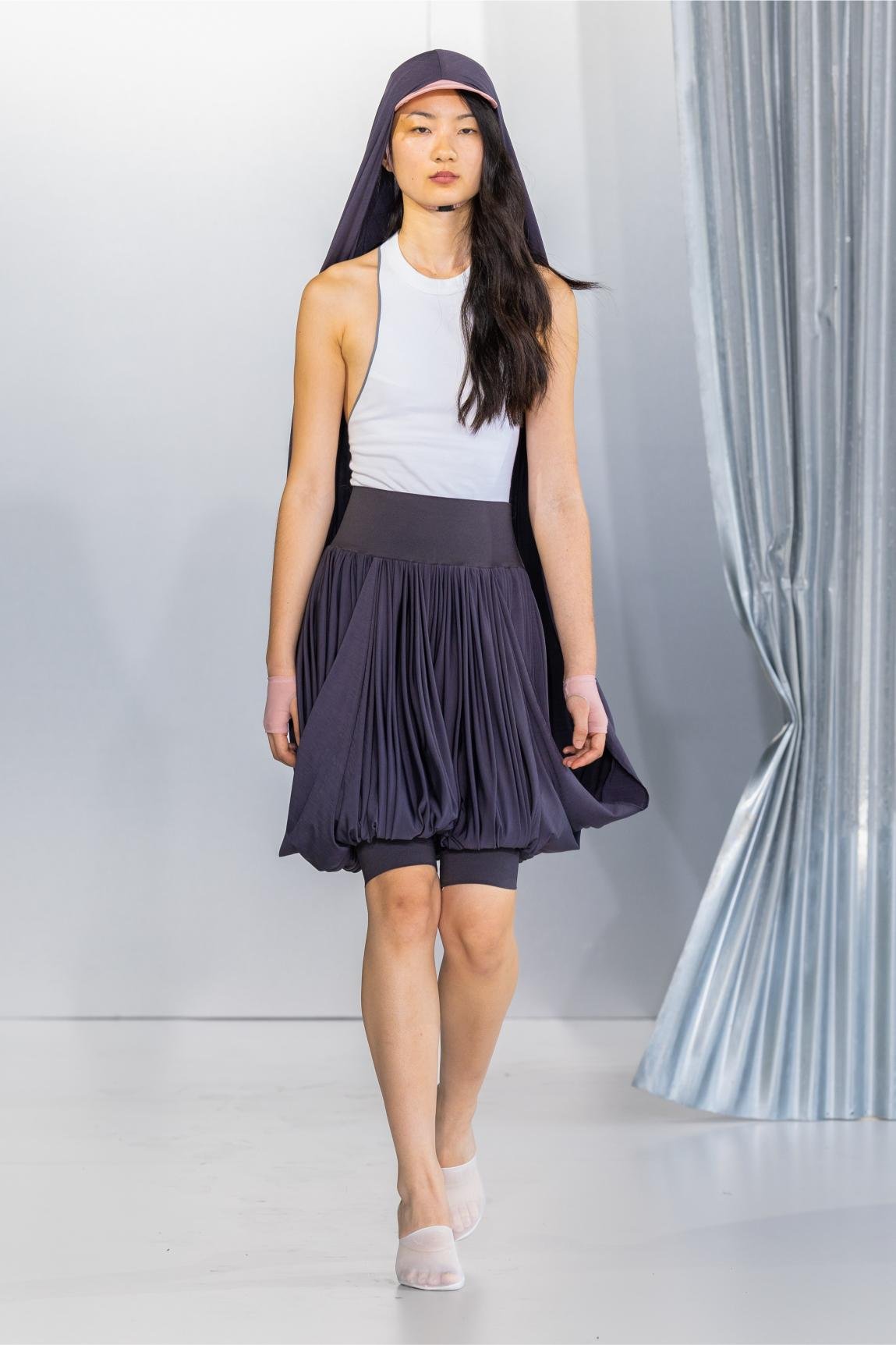
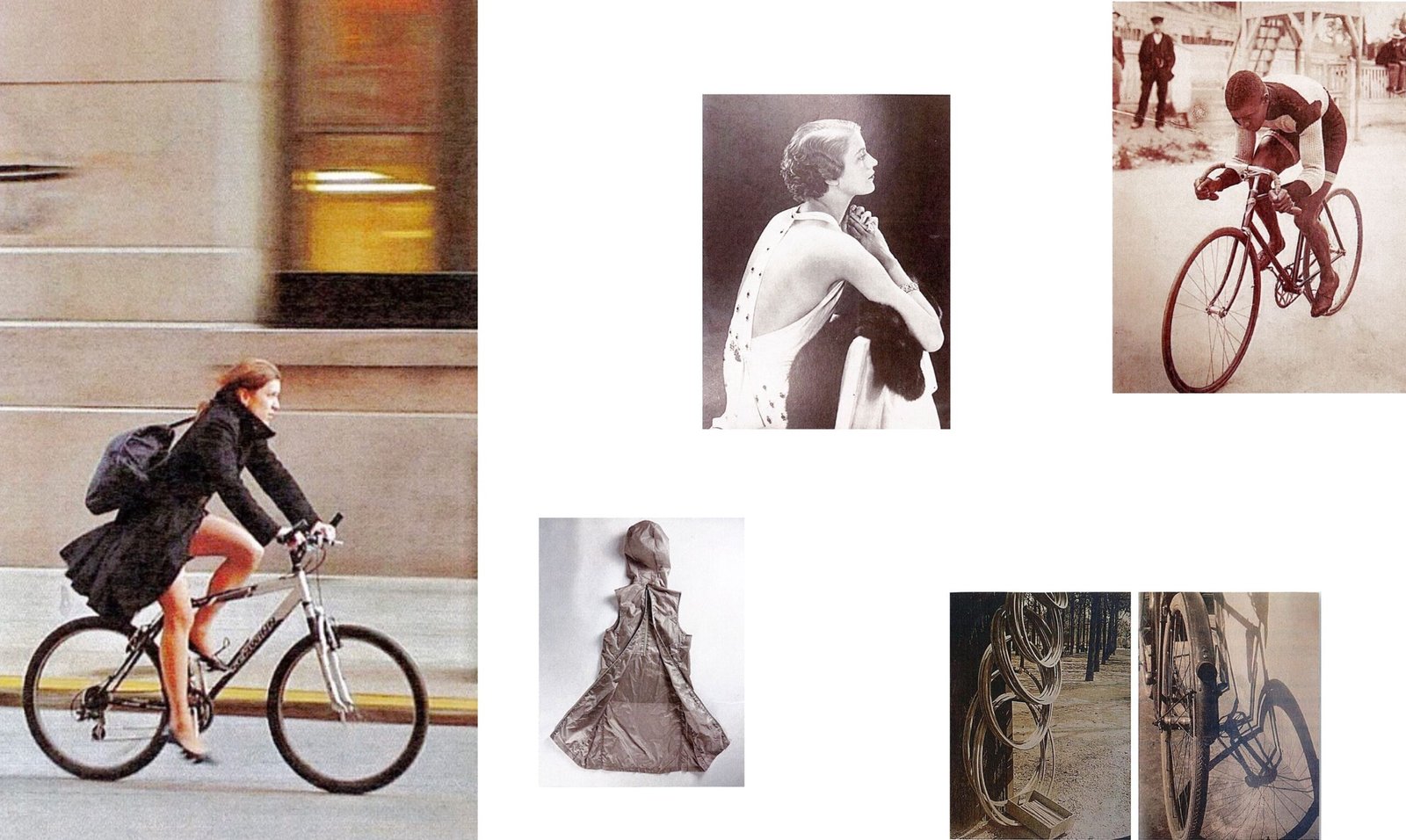
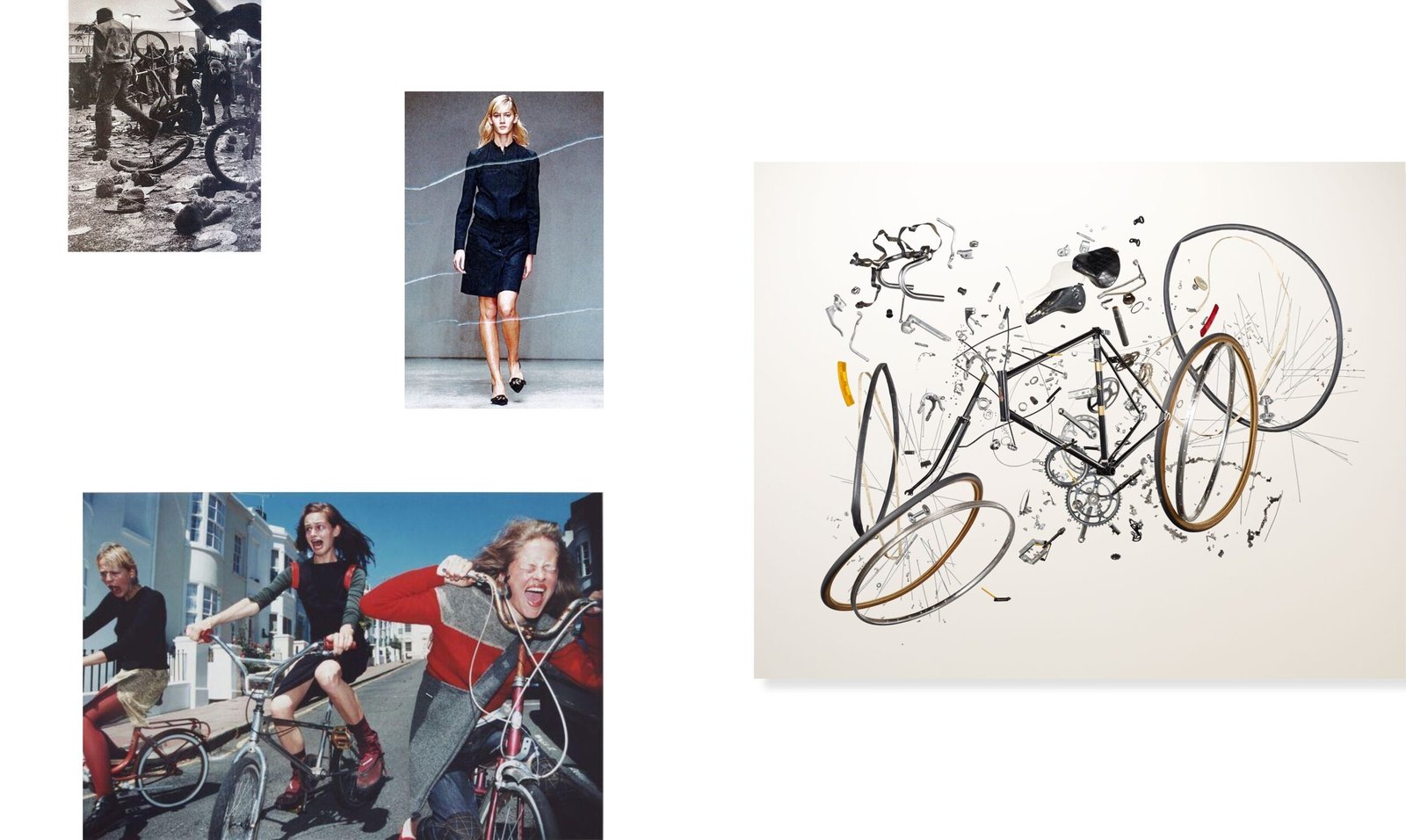
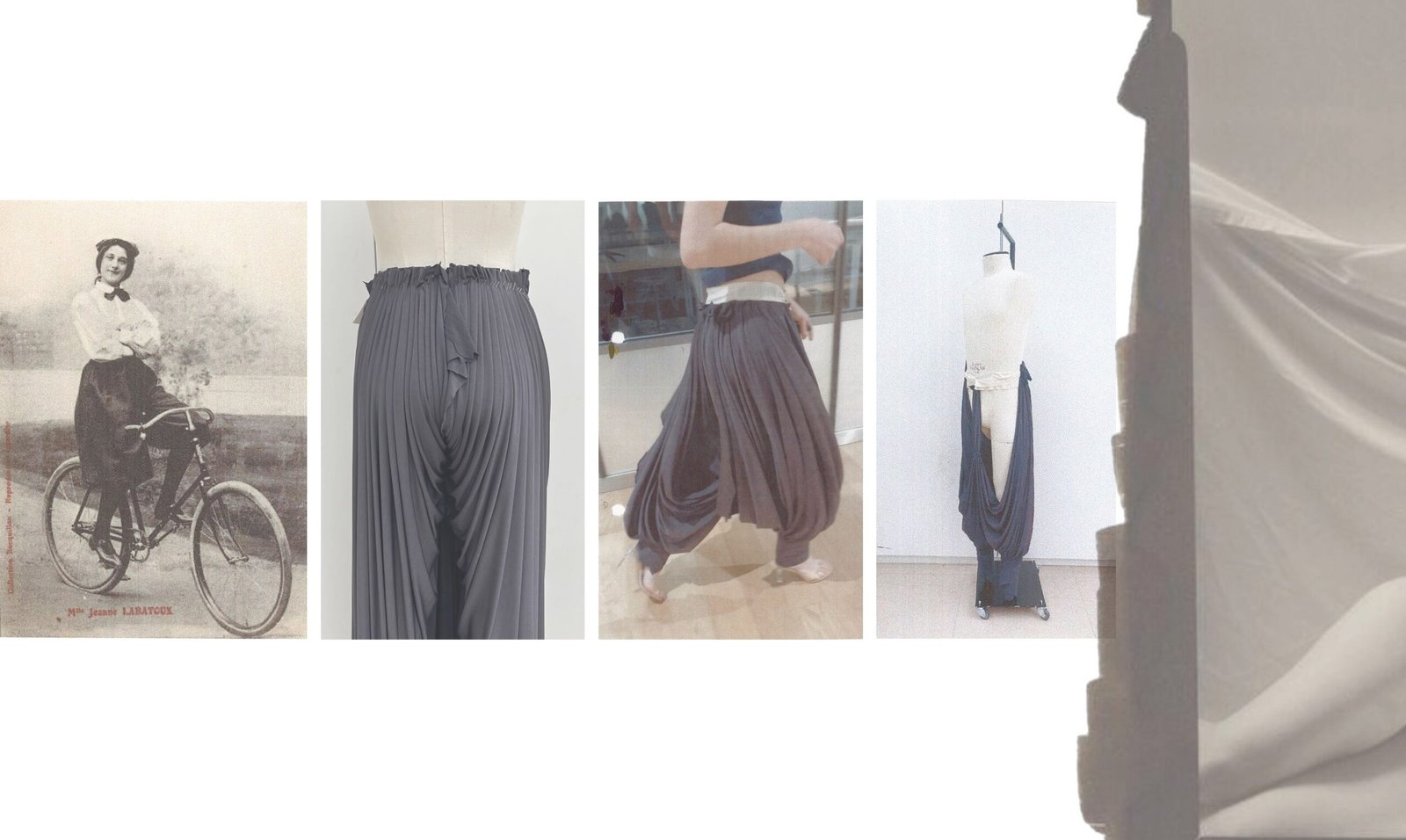
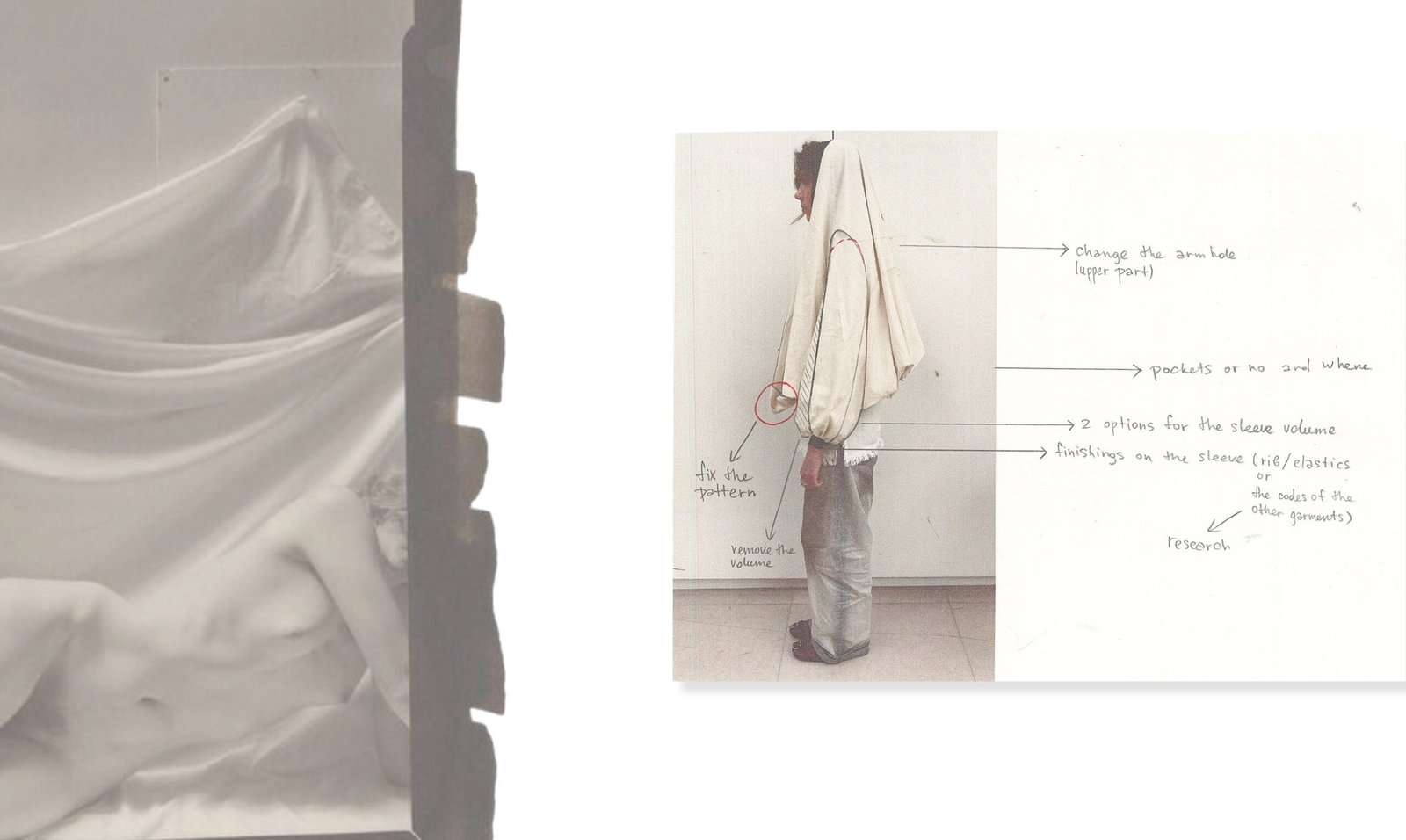
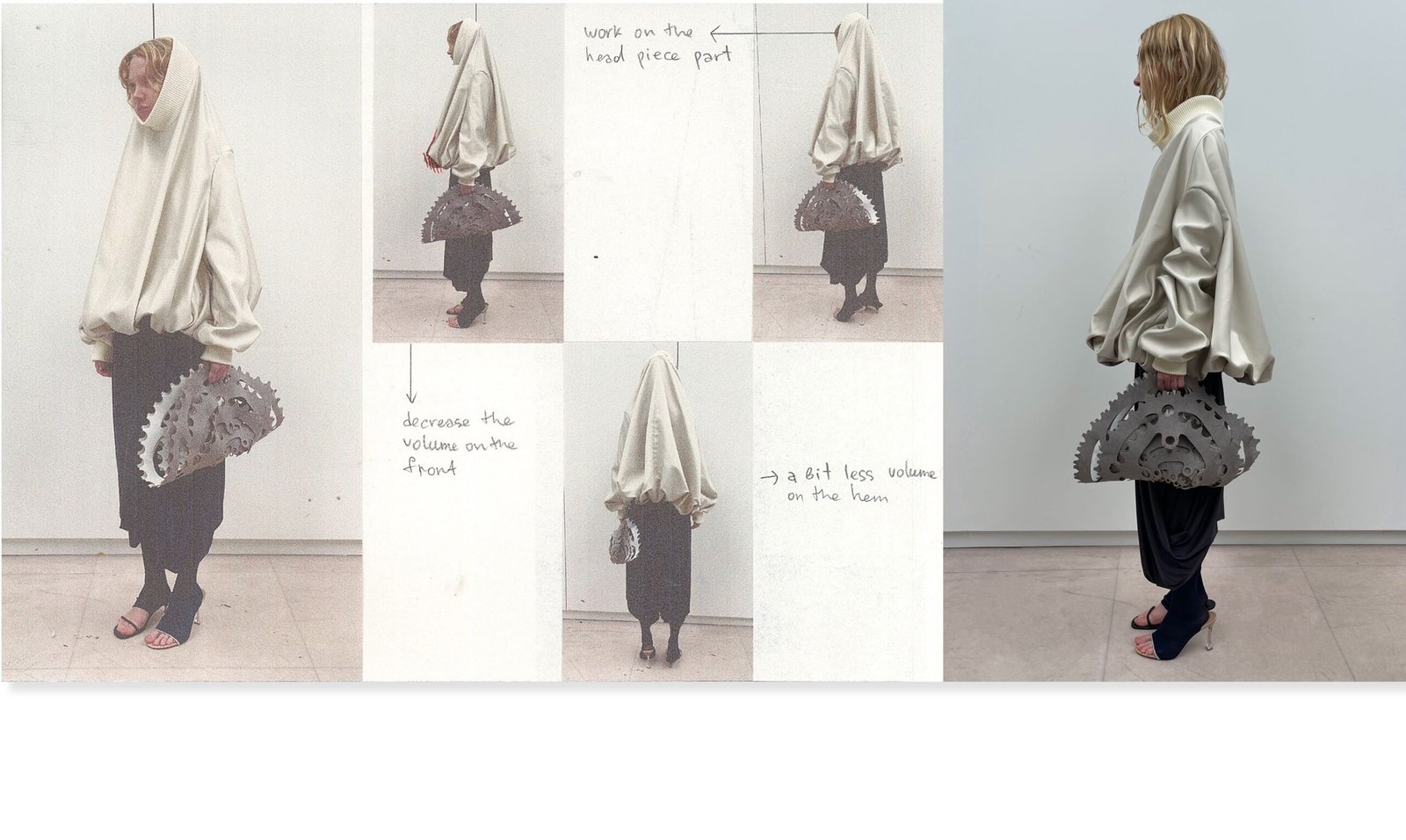
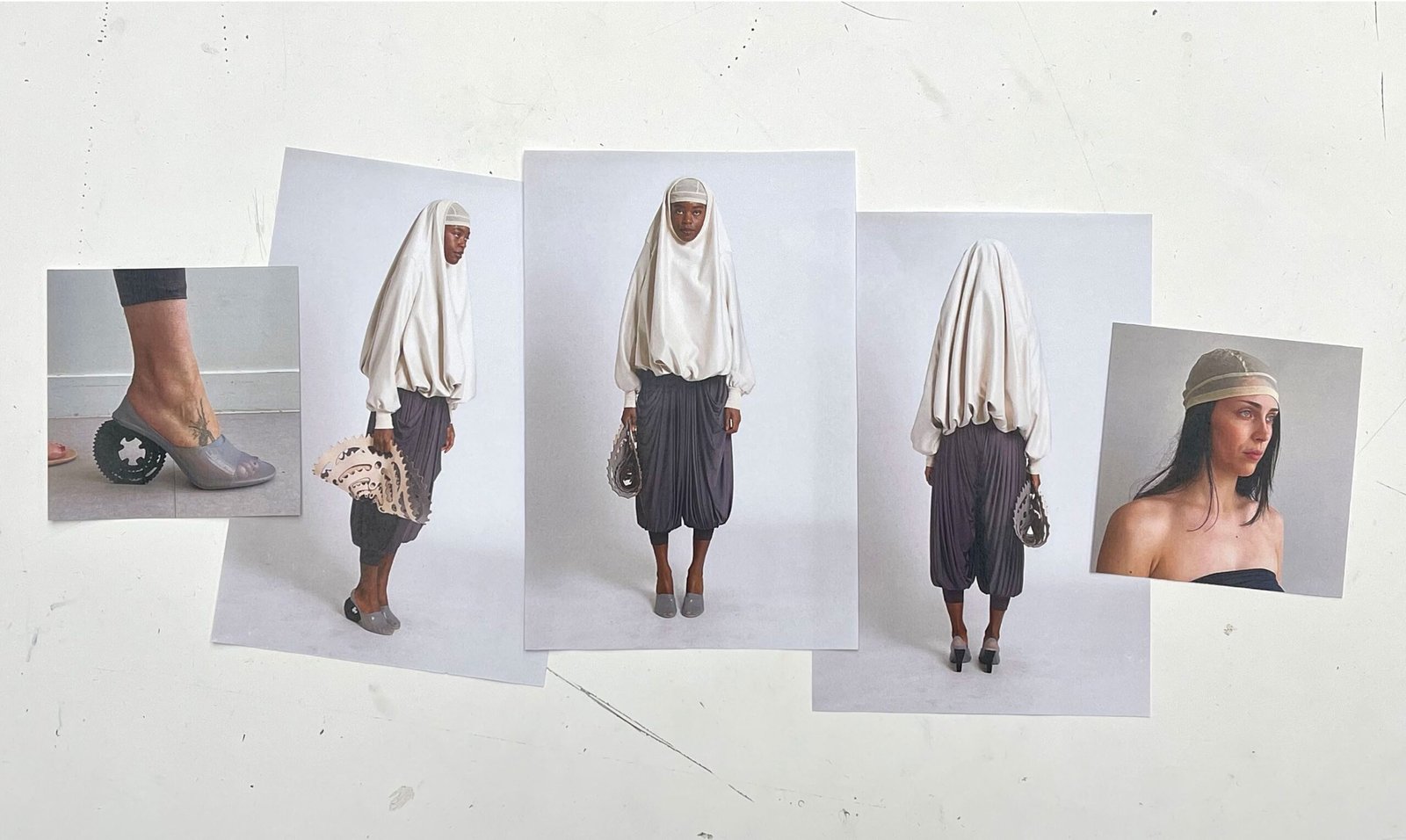
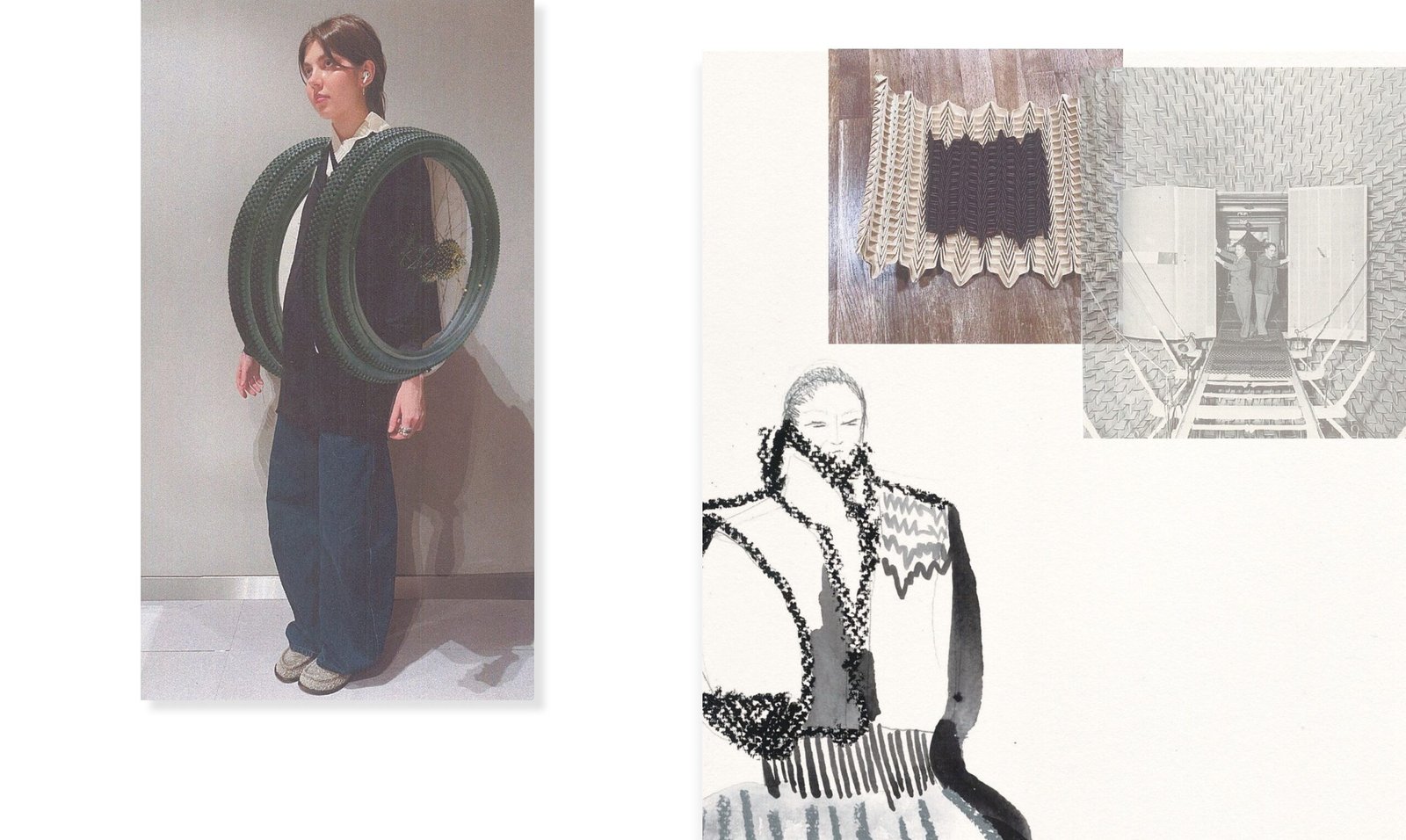
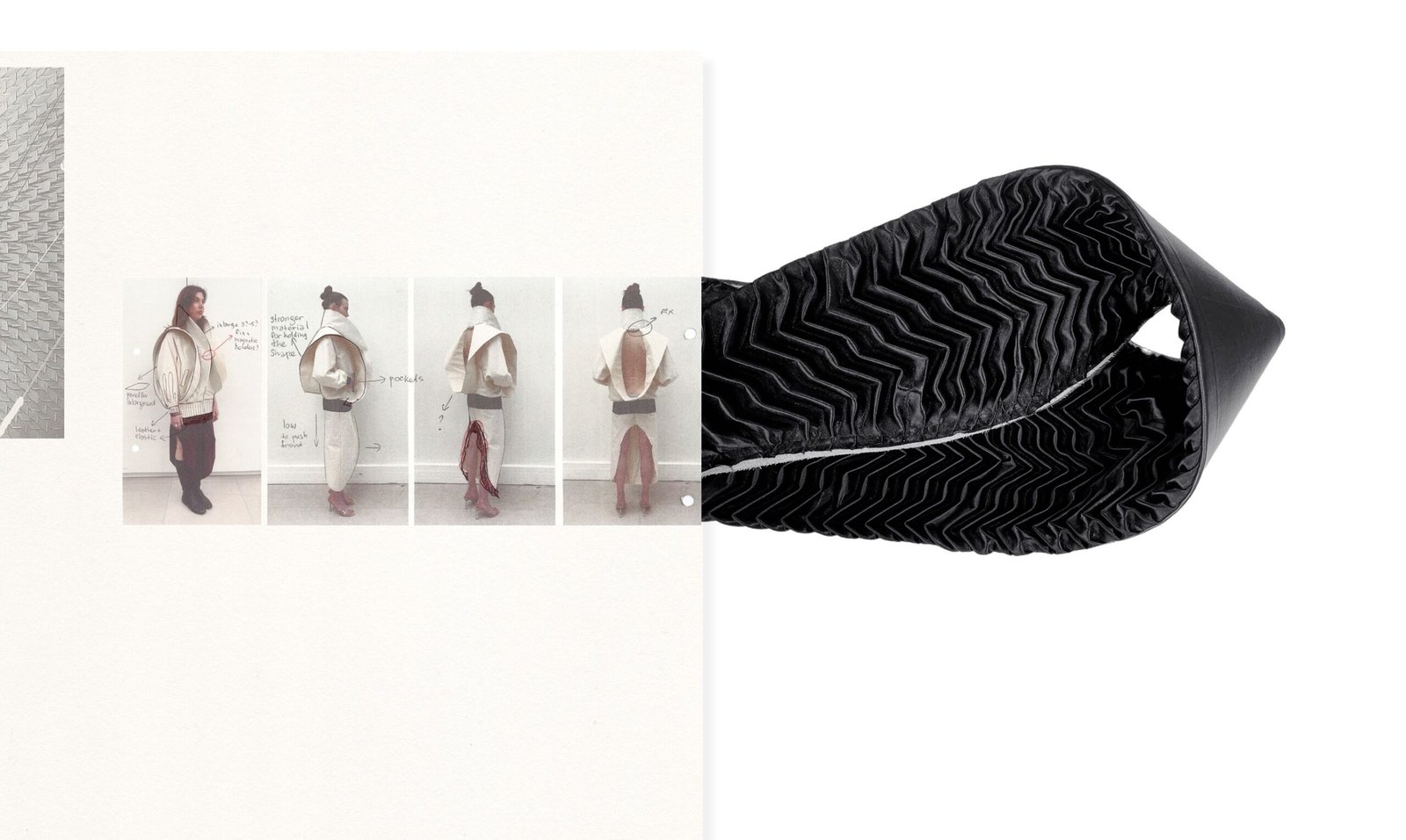
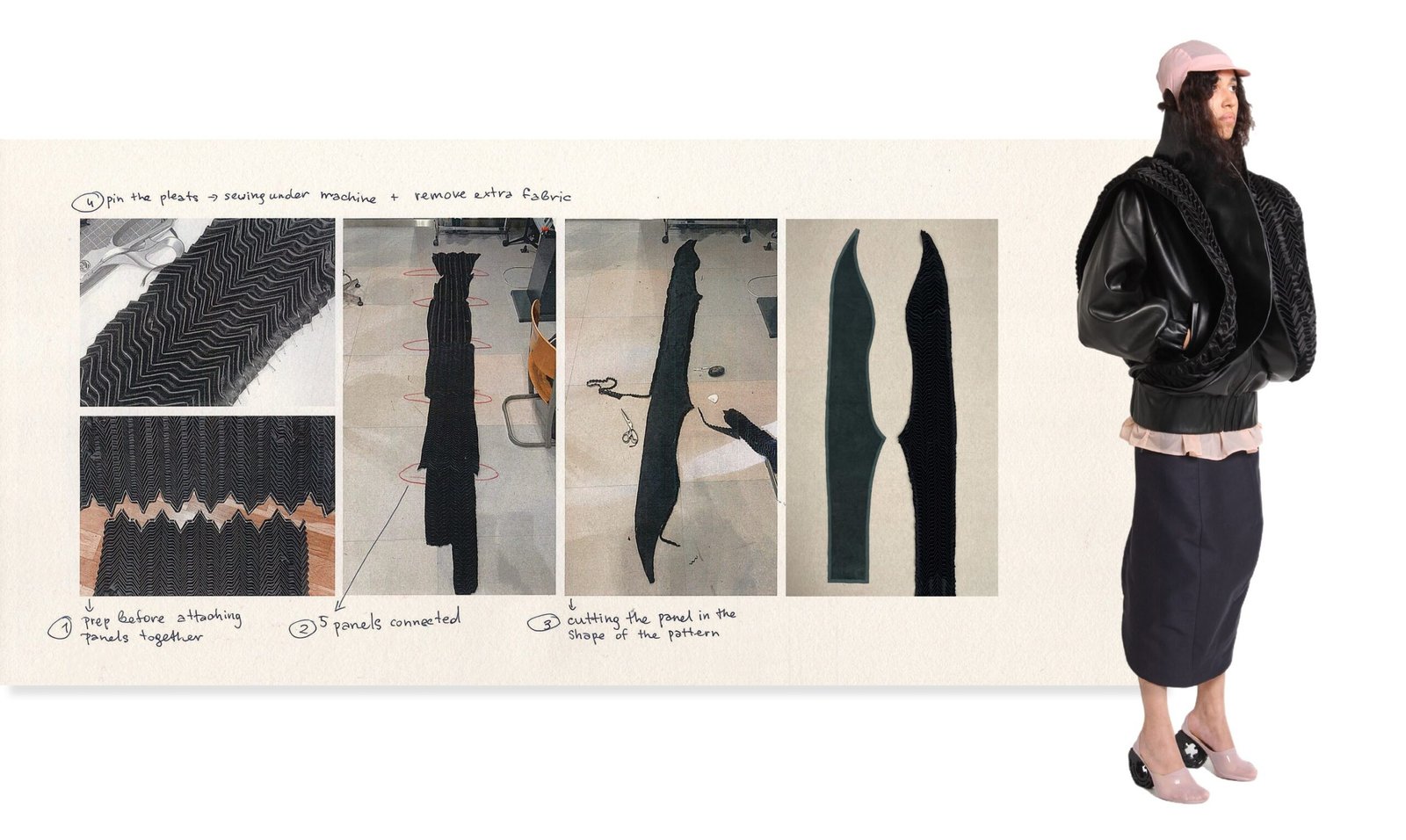
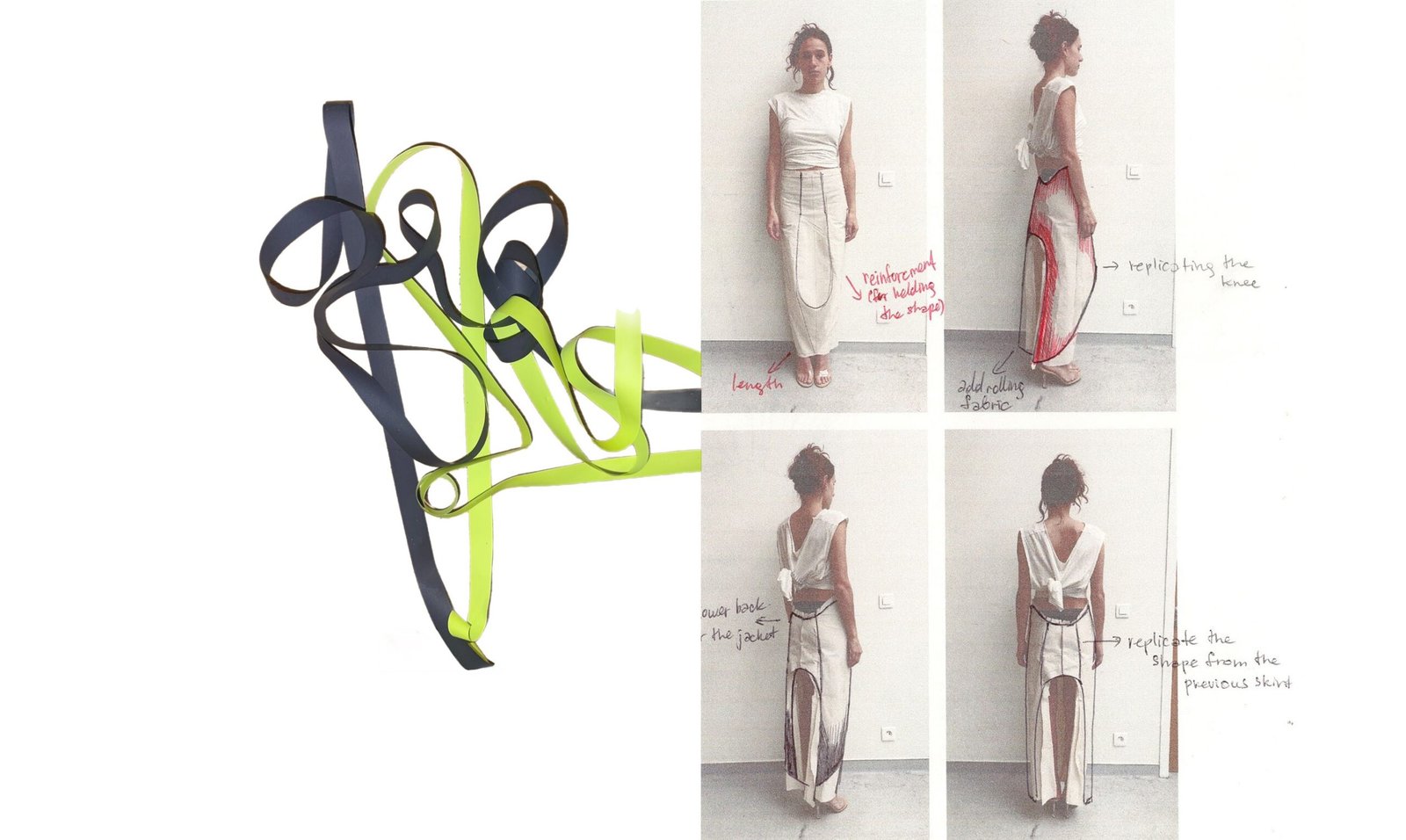
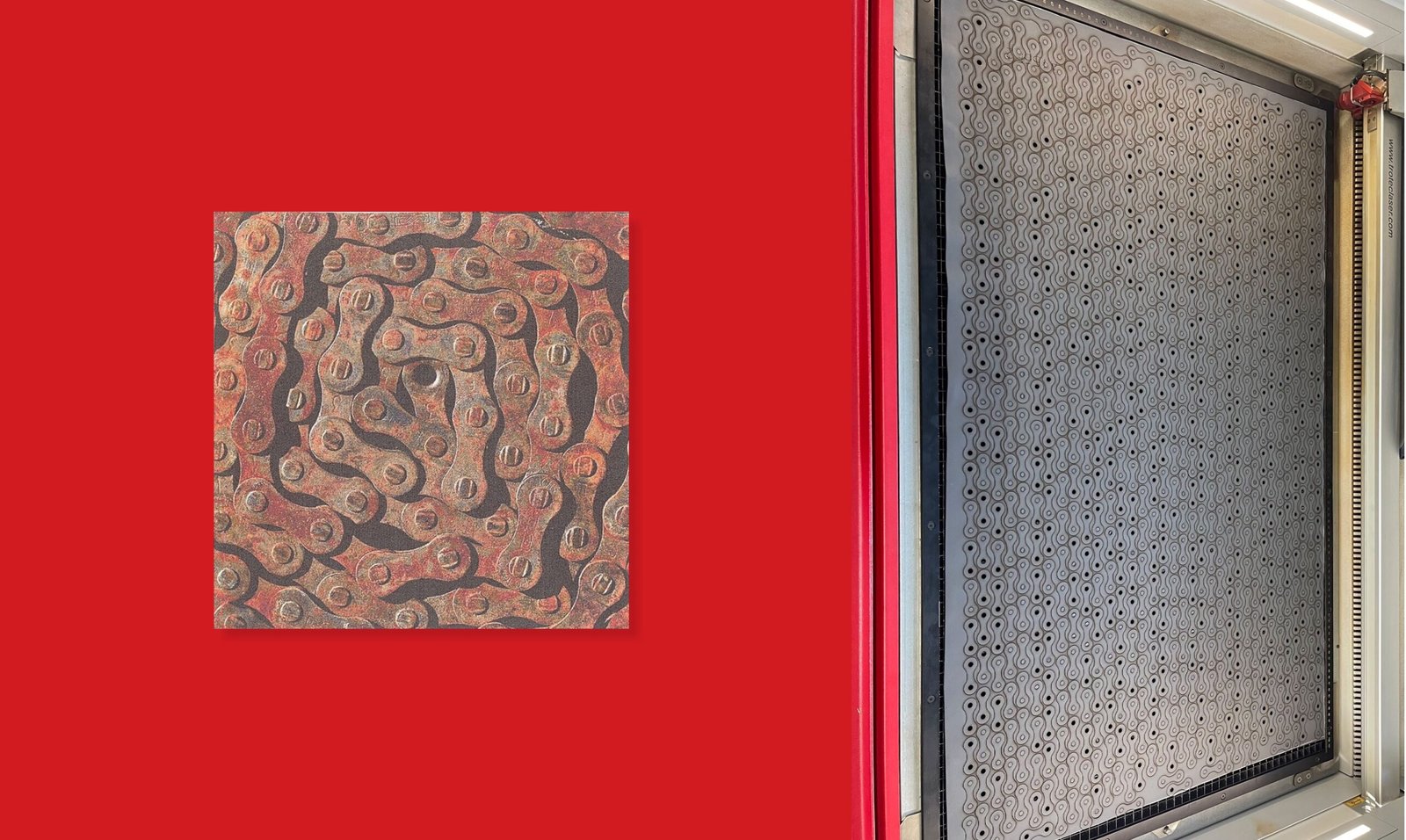
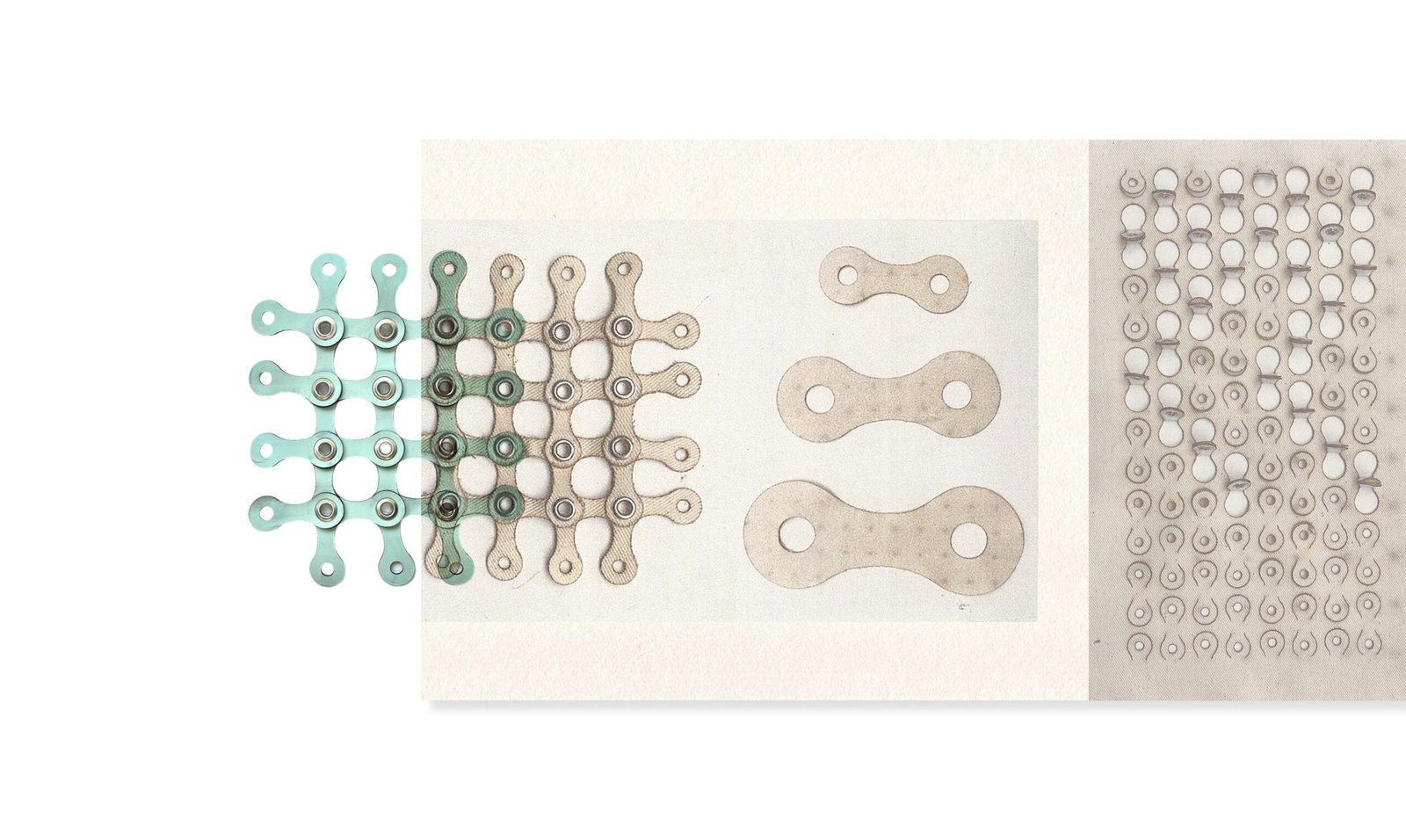
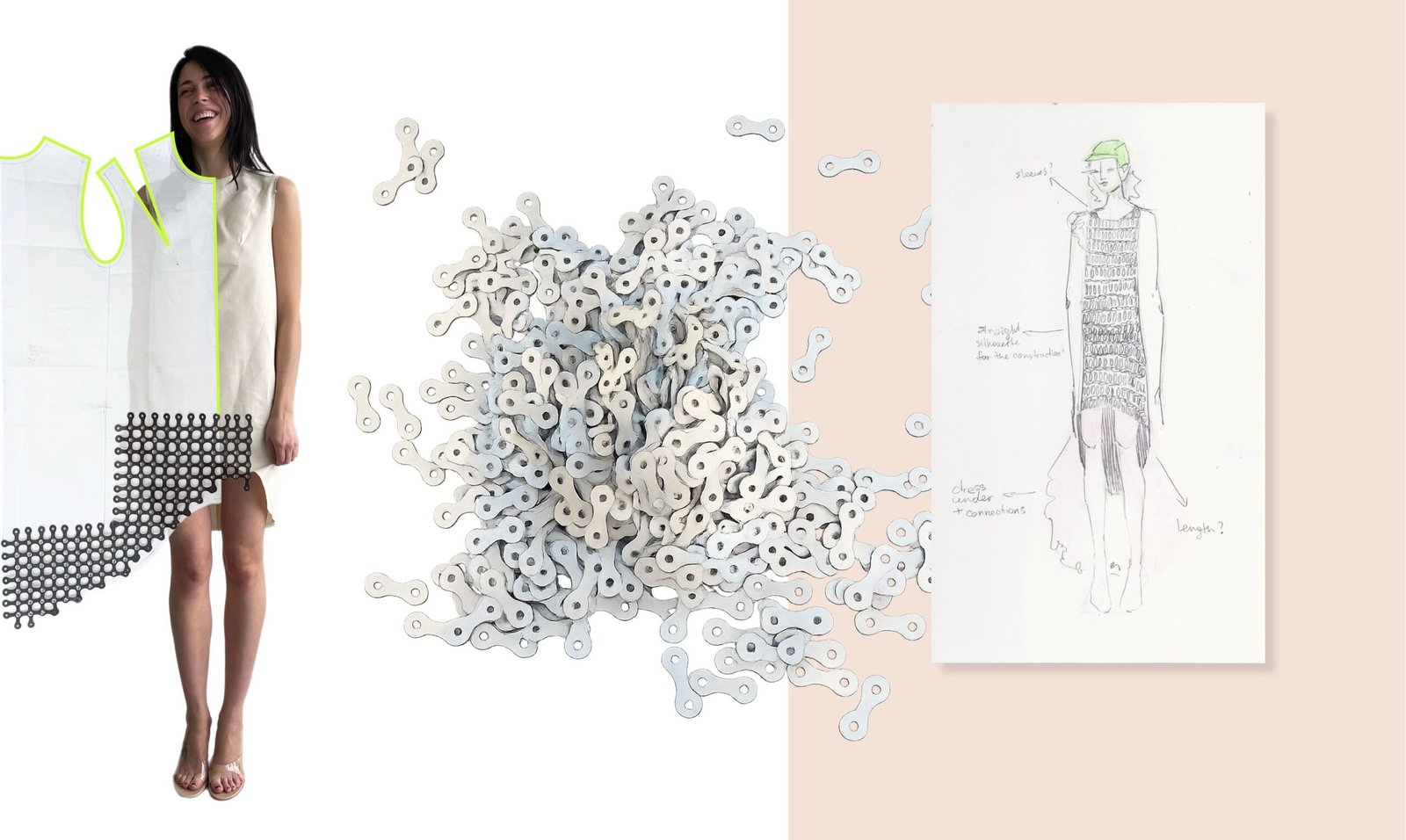
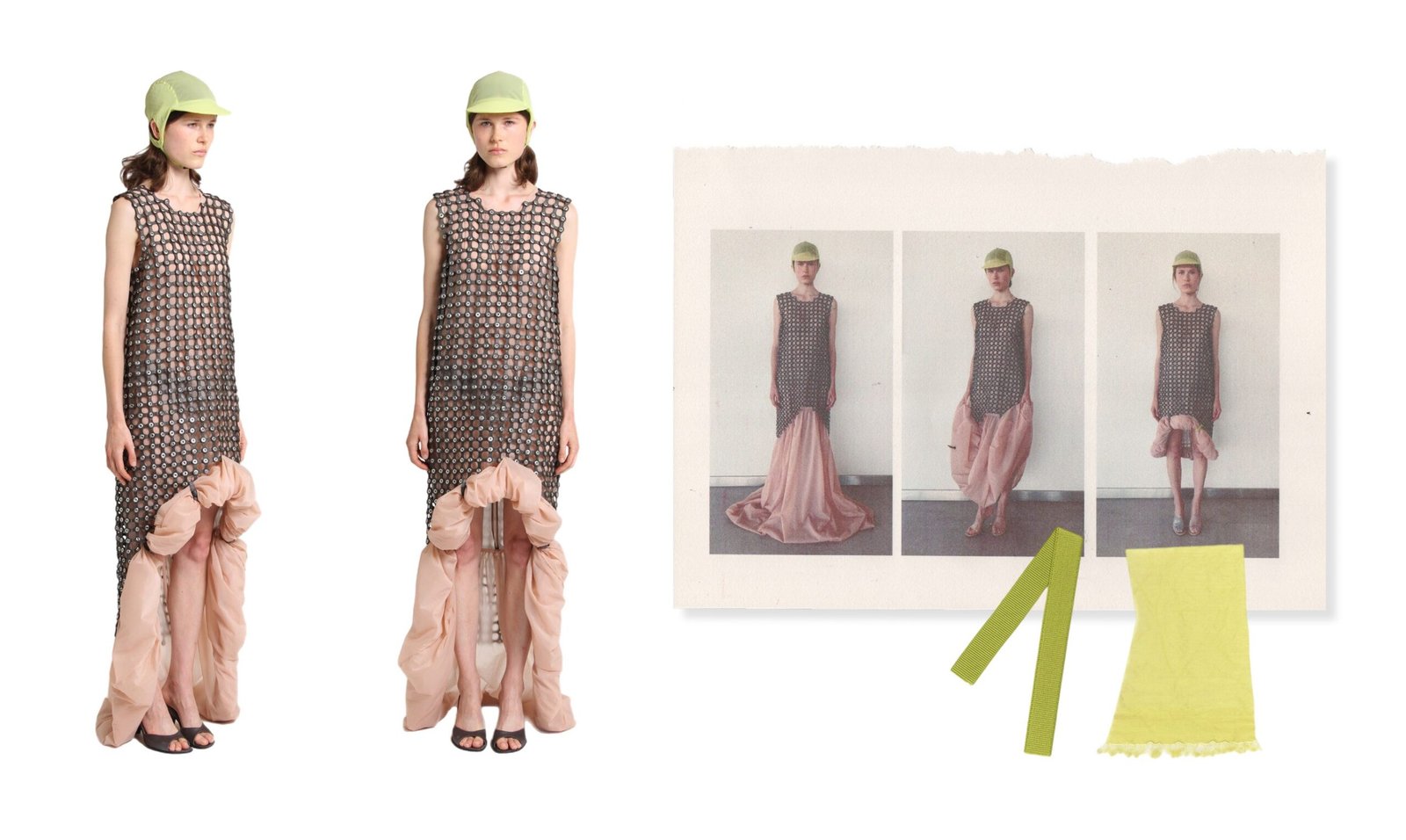
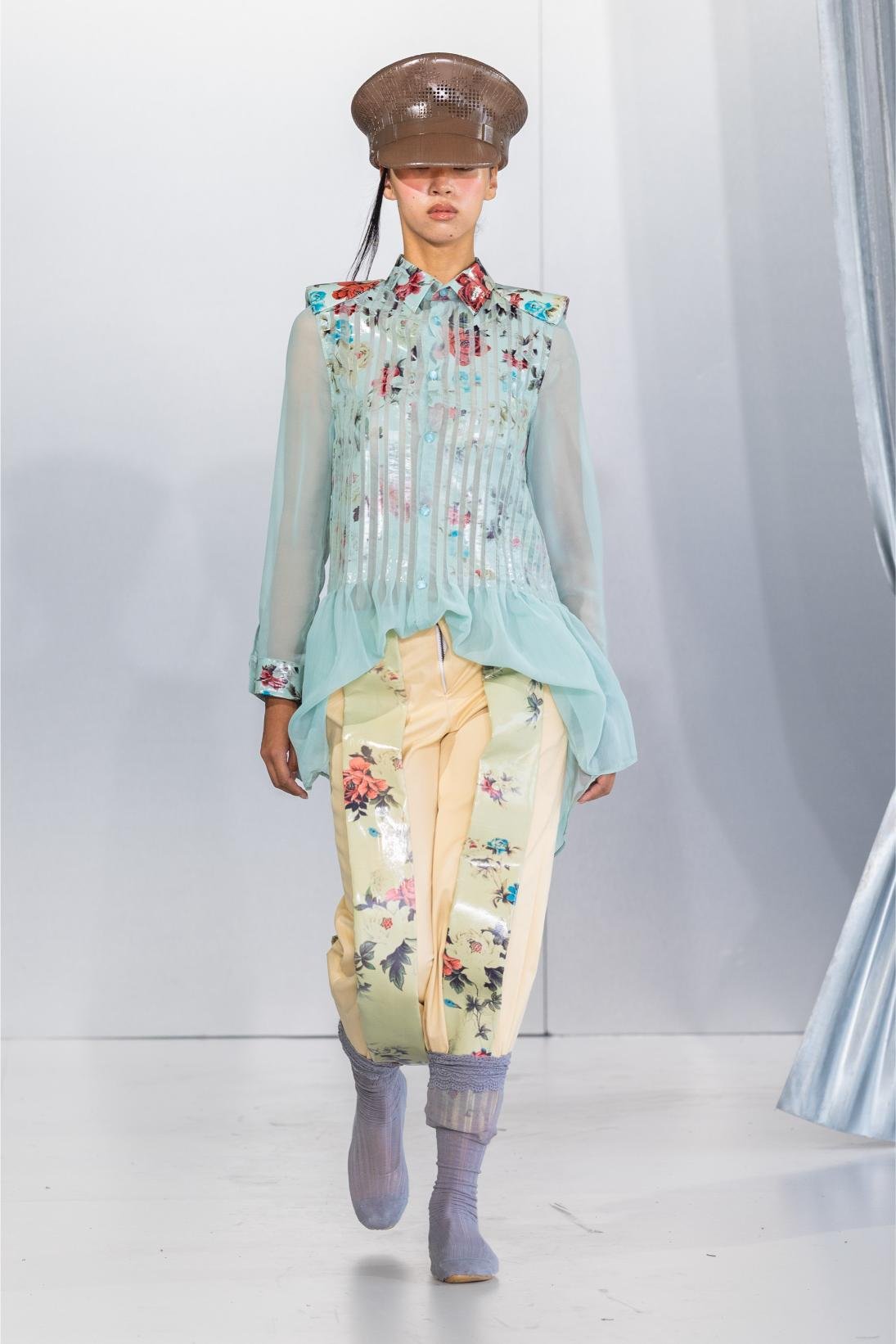
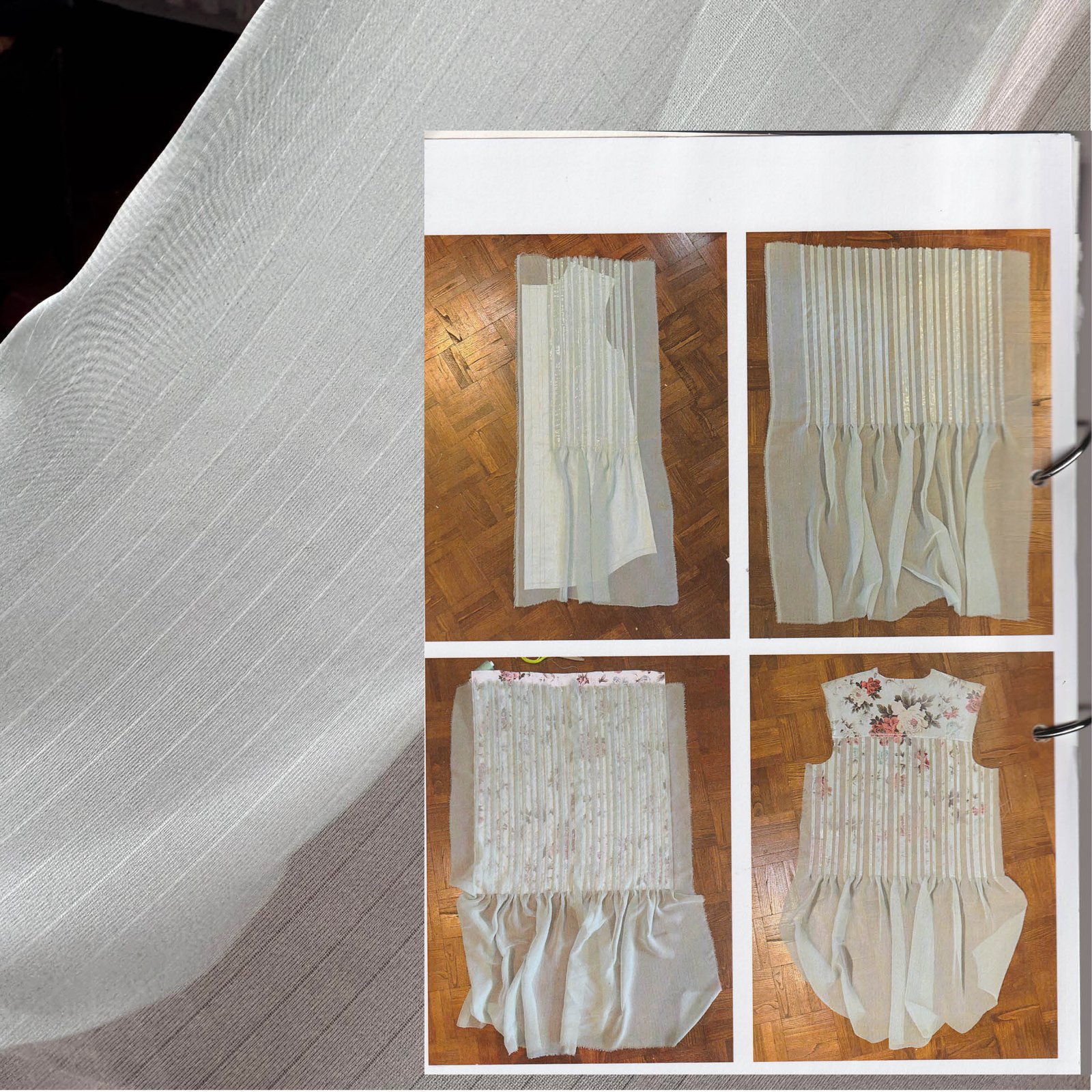
Alisa Danish’s collection, Shape Follows Movement, originated from childhood memories of learning to ride a bicycle with her father and her continued relationship with cycling as part of everyday life. Observing a disconnect between elegant clothing and garments genuinely designed for movement, she developed a collection for women navigating the city without interruption, moving between work, social, and cultural spaces. The bicycle is an inspiration and a design framework, informing silhouettes derived from the cyclist’s forward-leaning posture. Ideas of balance, motion, practicality, and independence are translated through shape, gesture, texture, and uniformity, using techniques including plissé, laser cutting, and flou. The collection also reflects the bicycle’s historical significance as a symbol of freedom and mobility for women.

@alisa_danish

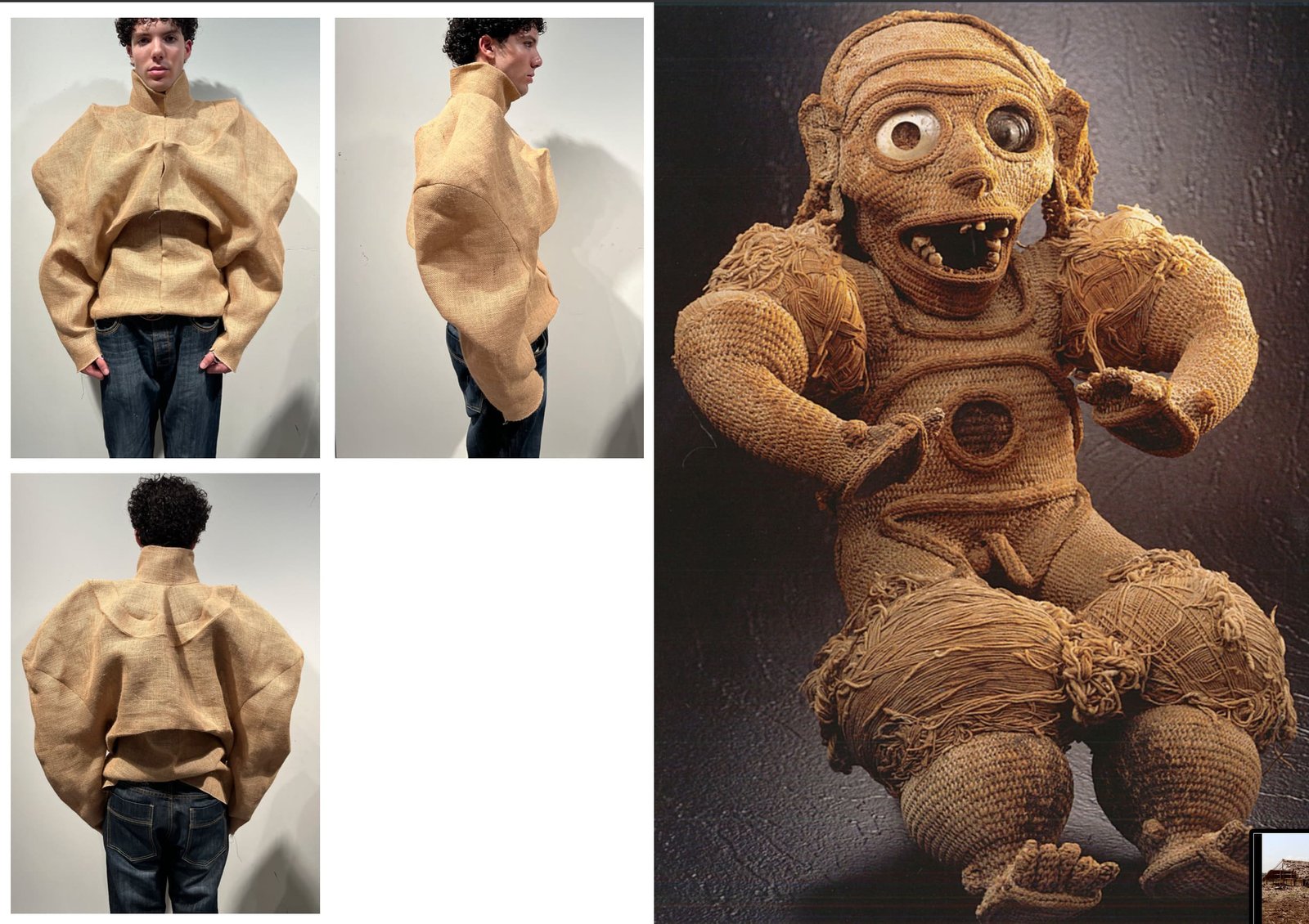
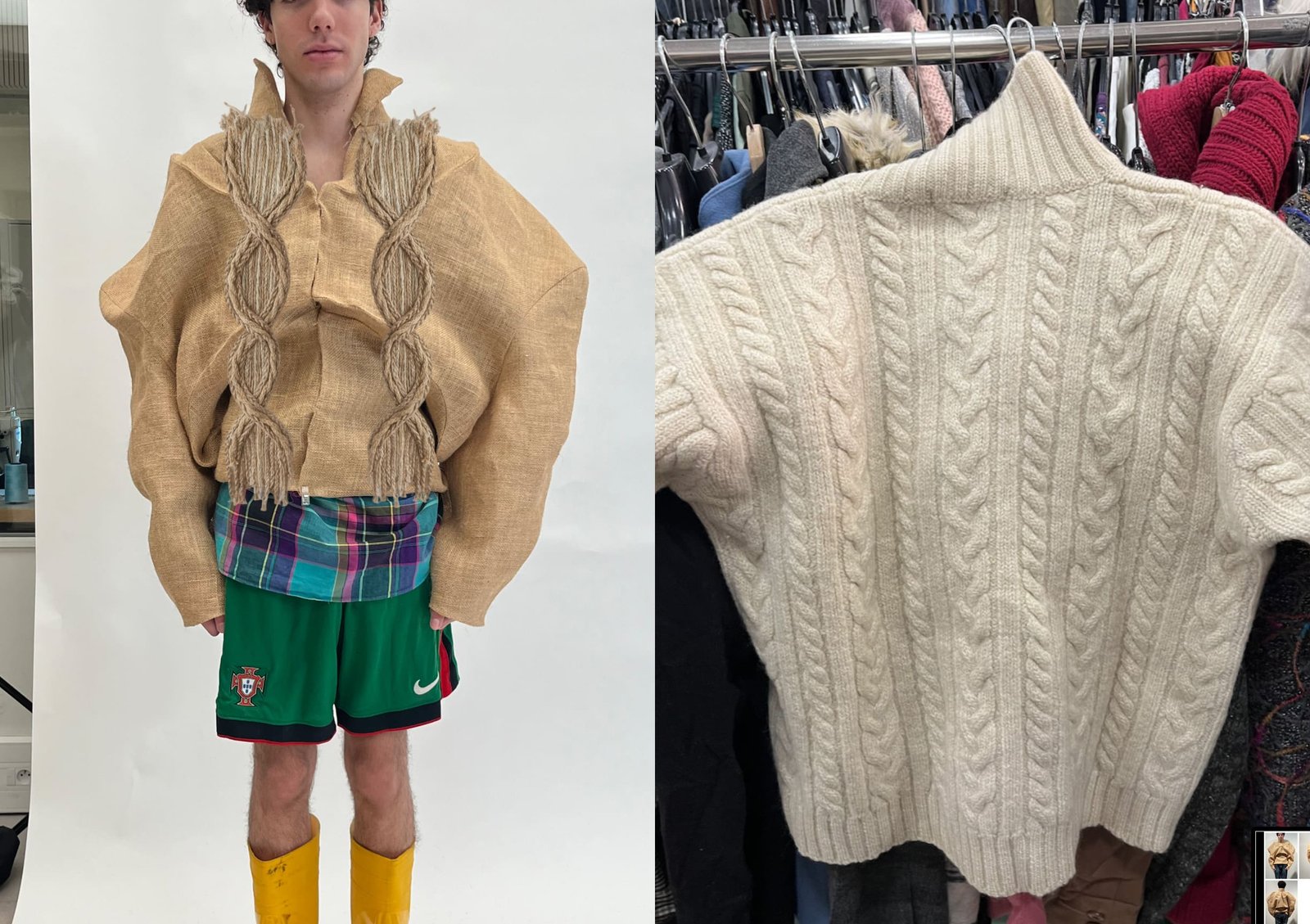
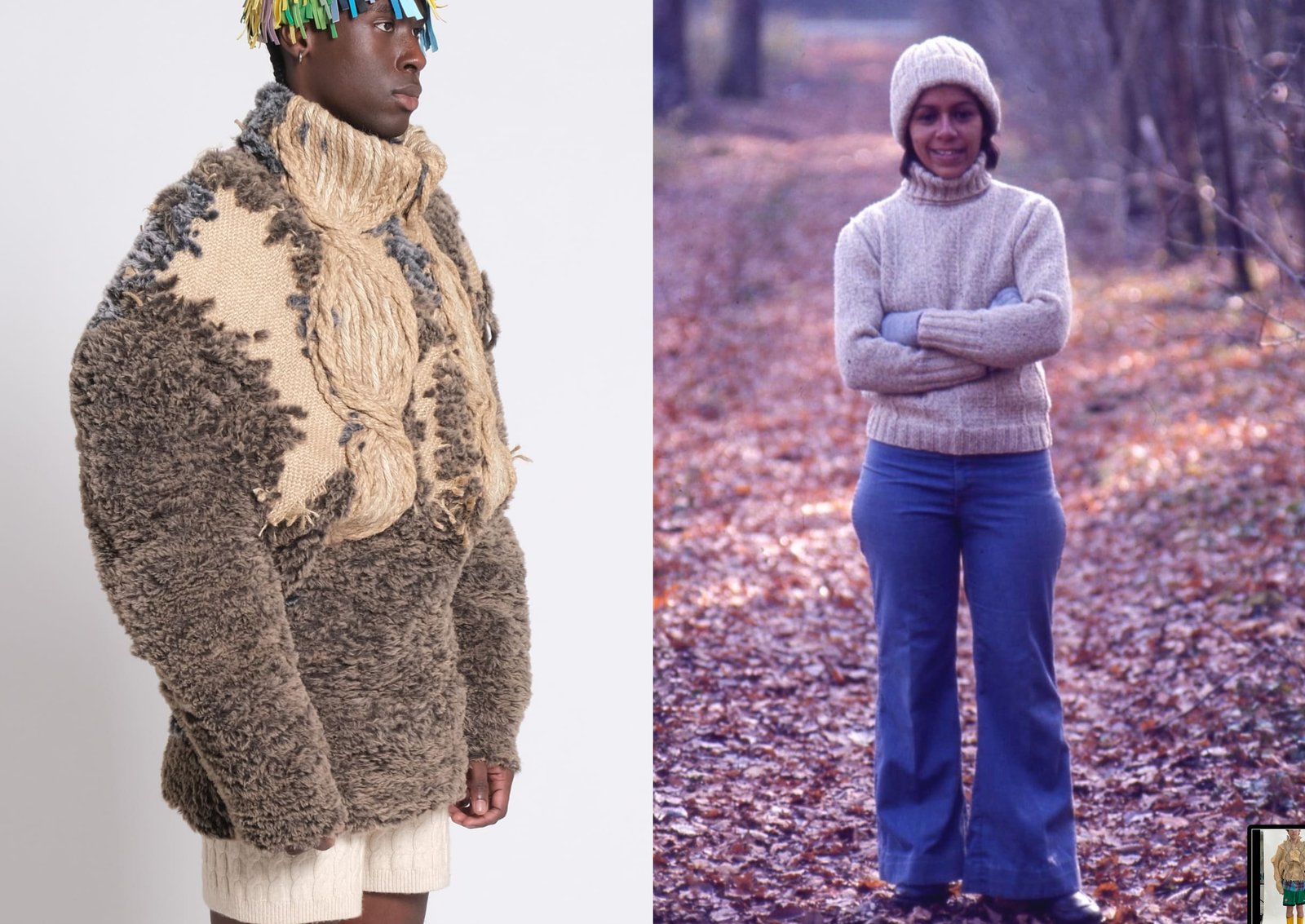
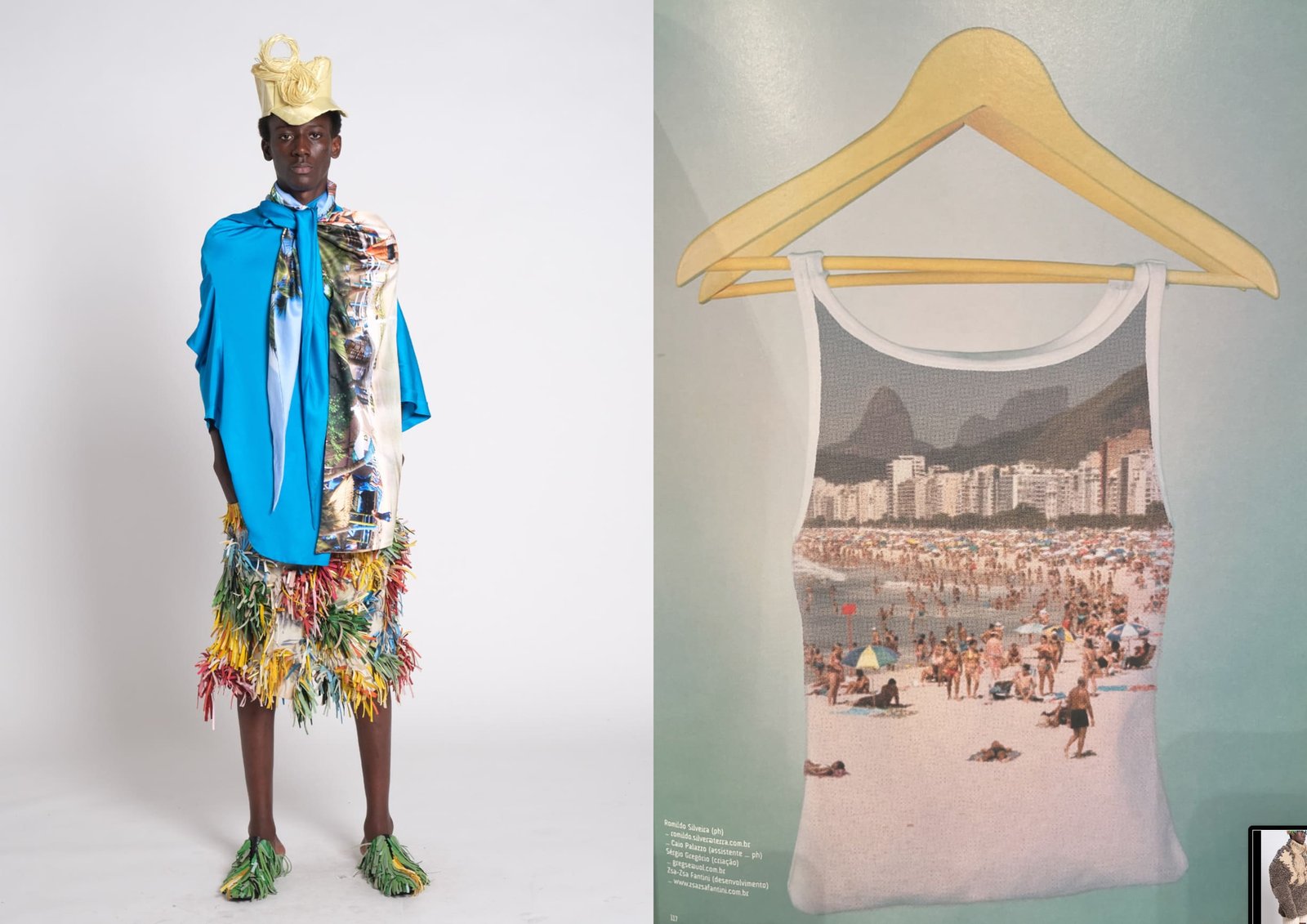
Samuel Ferrand

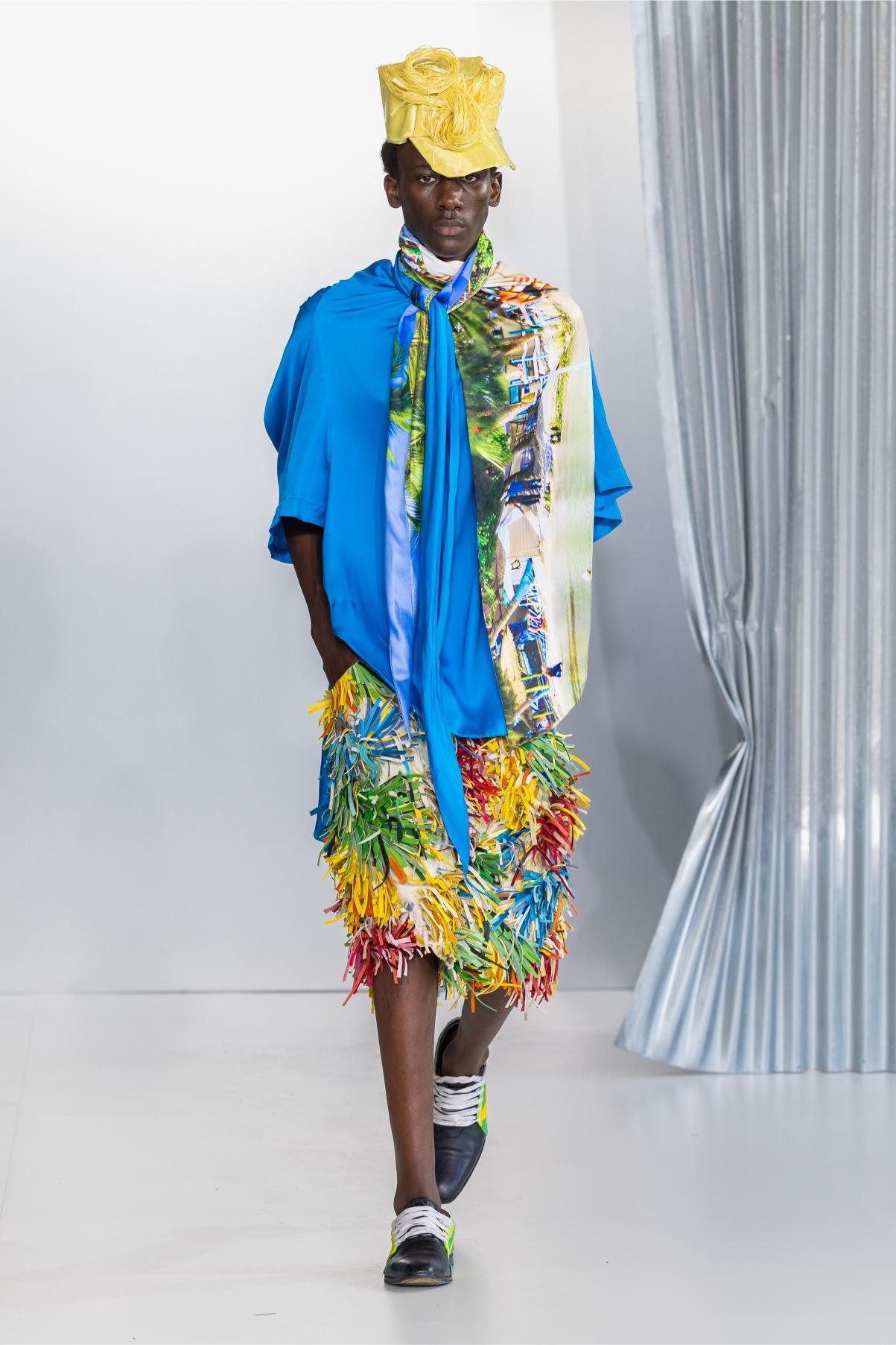
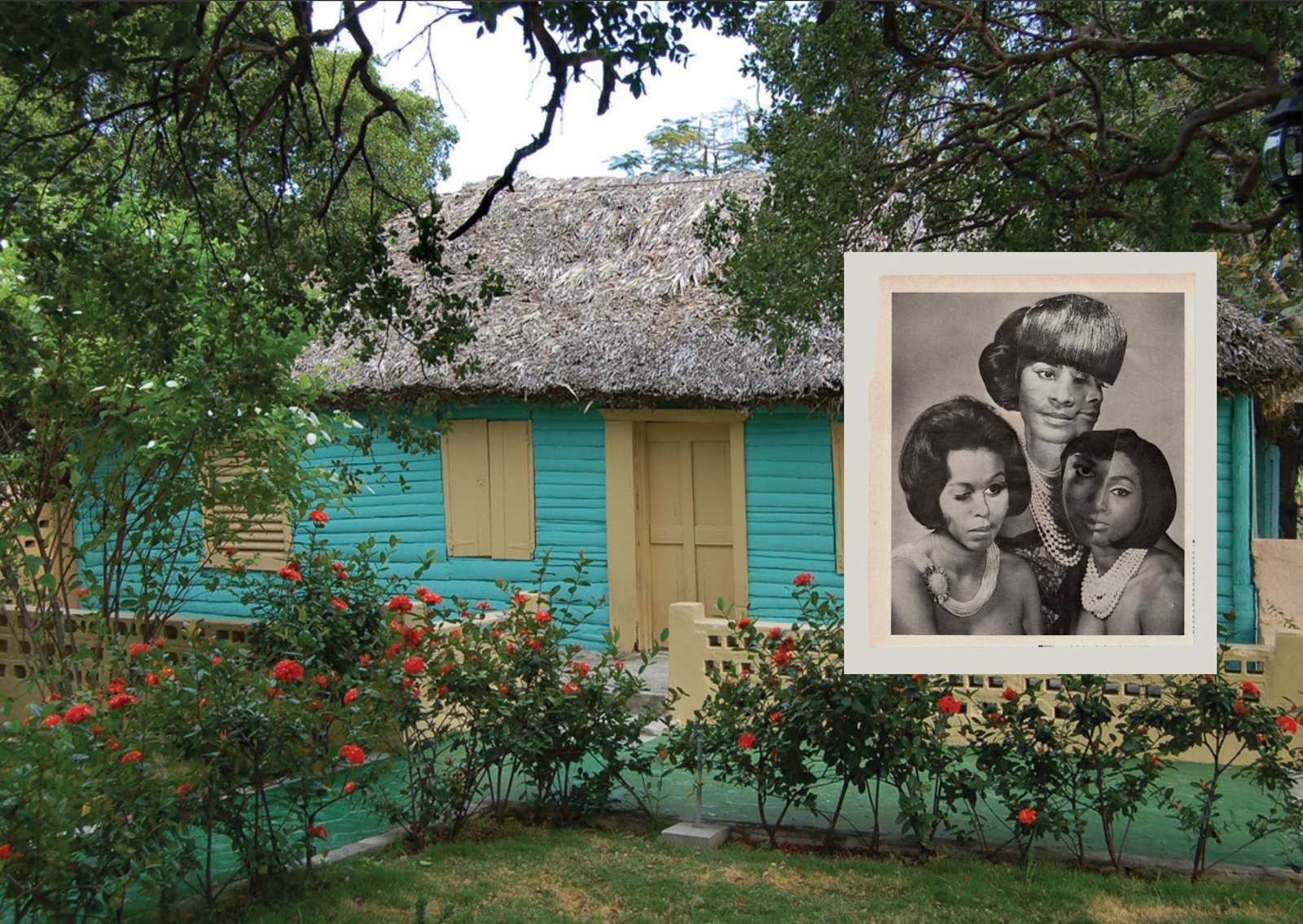
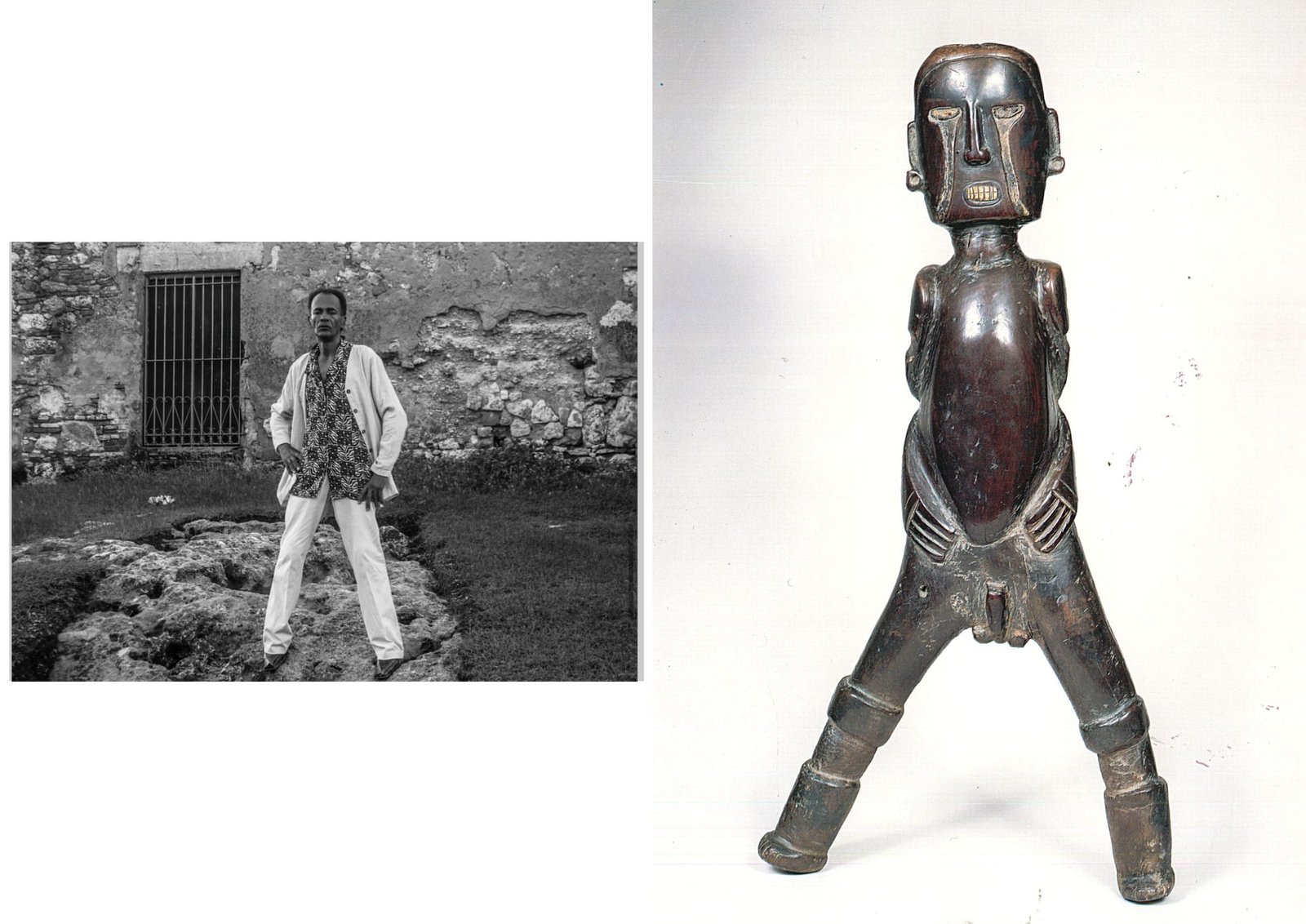
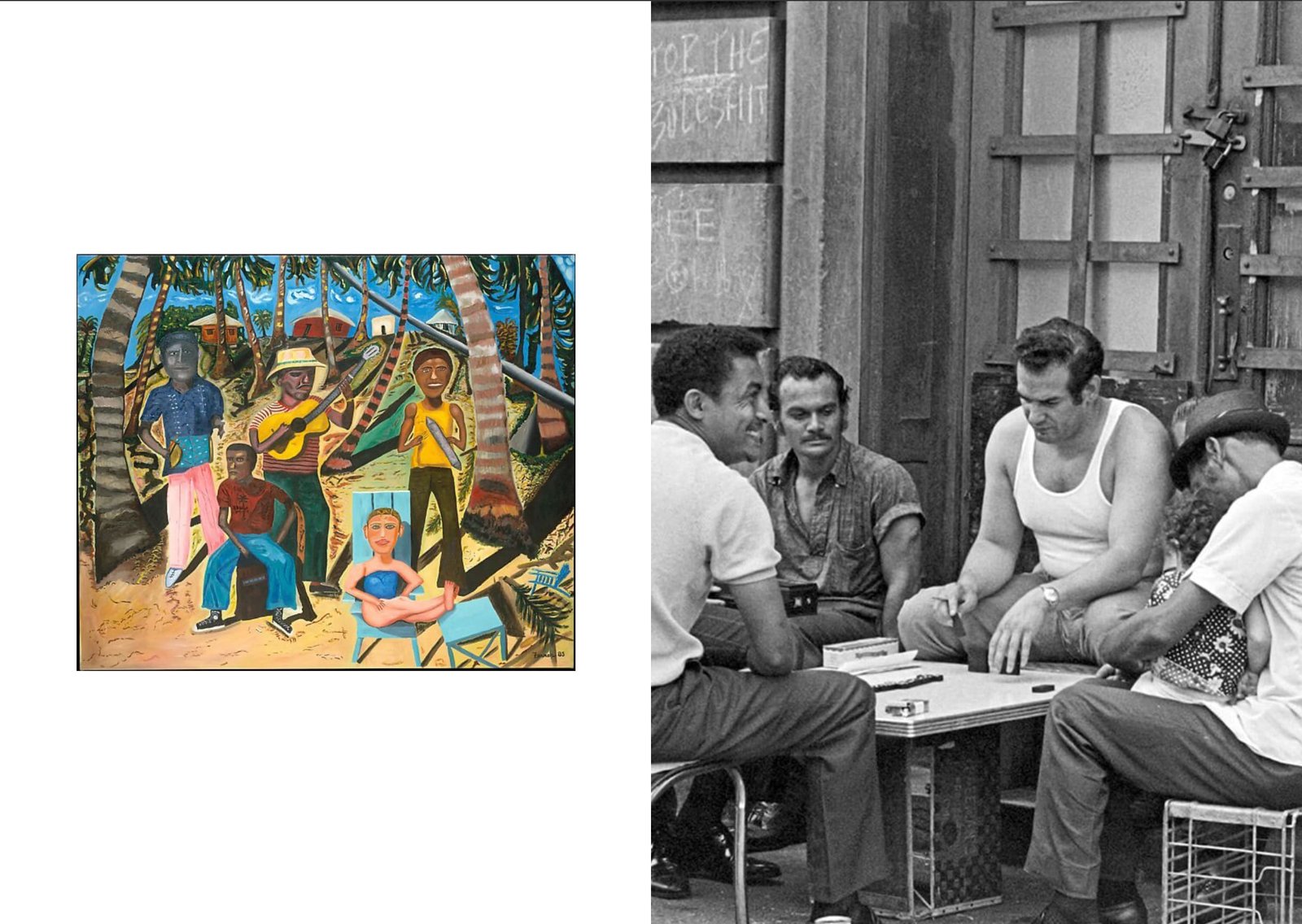
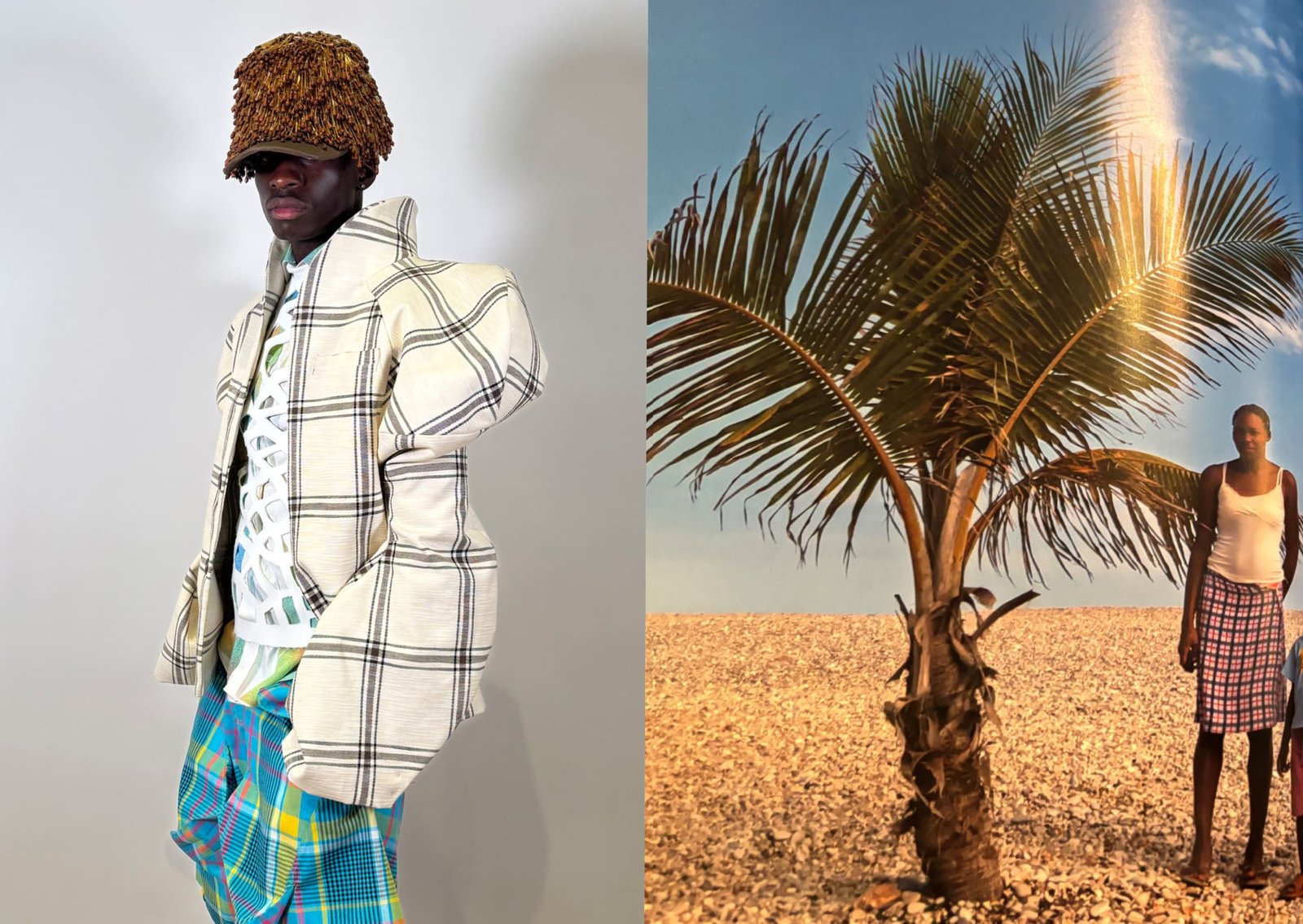
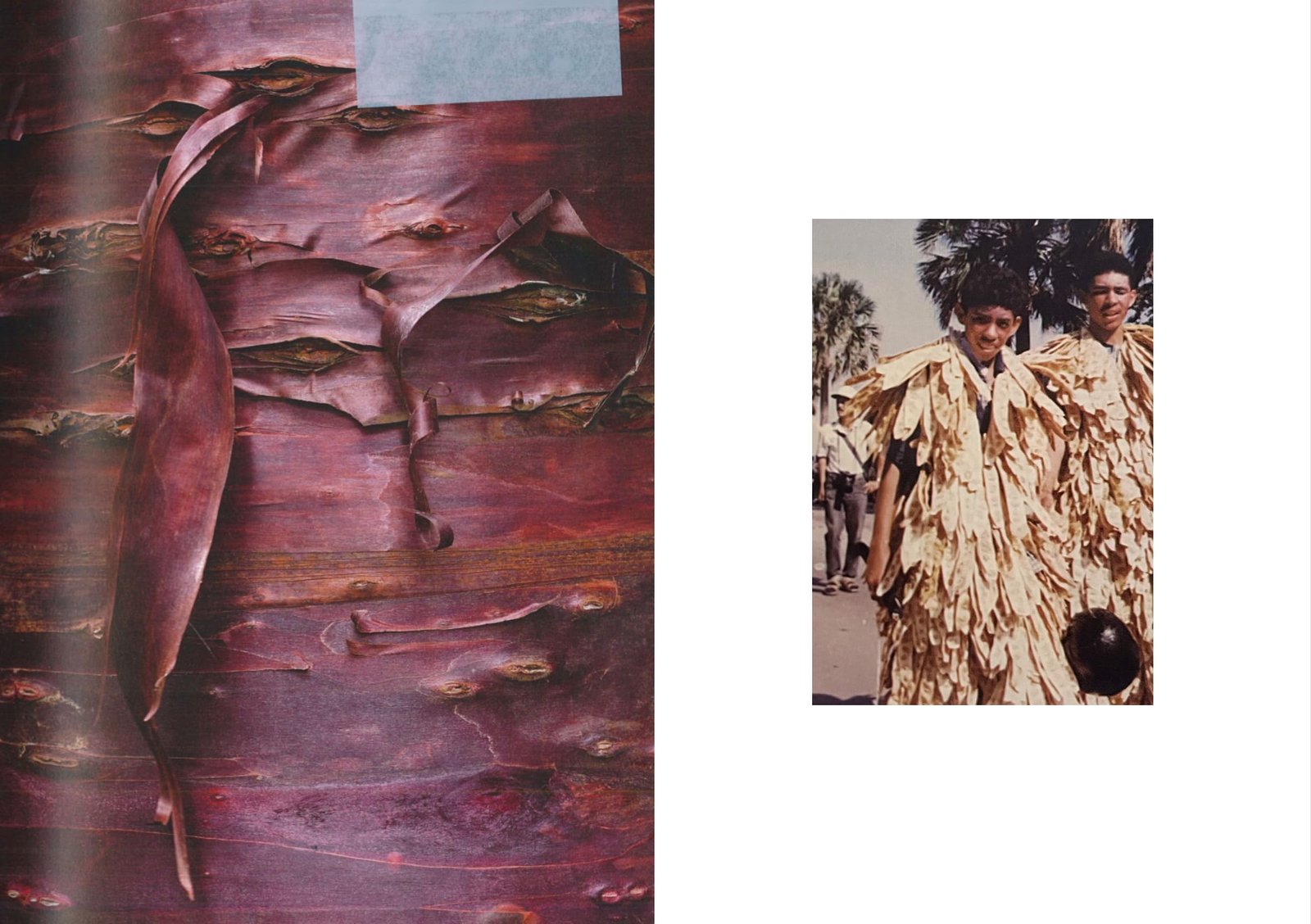
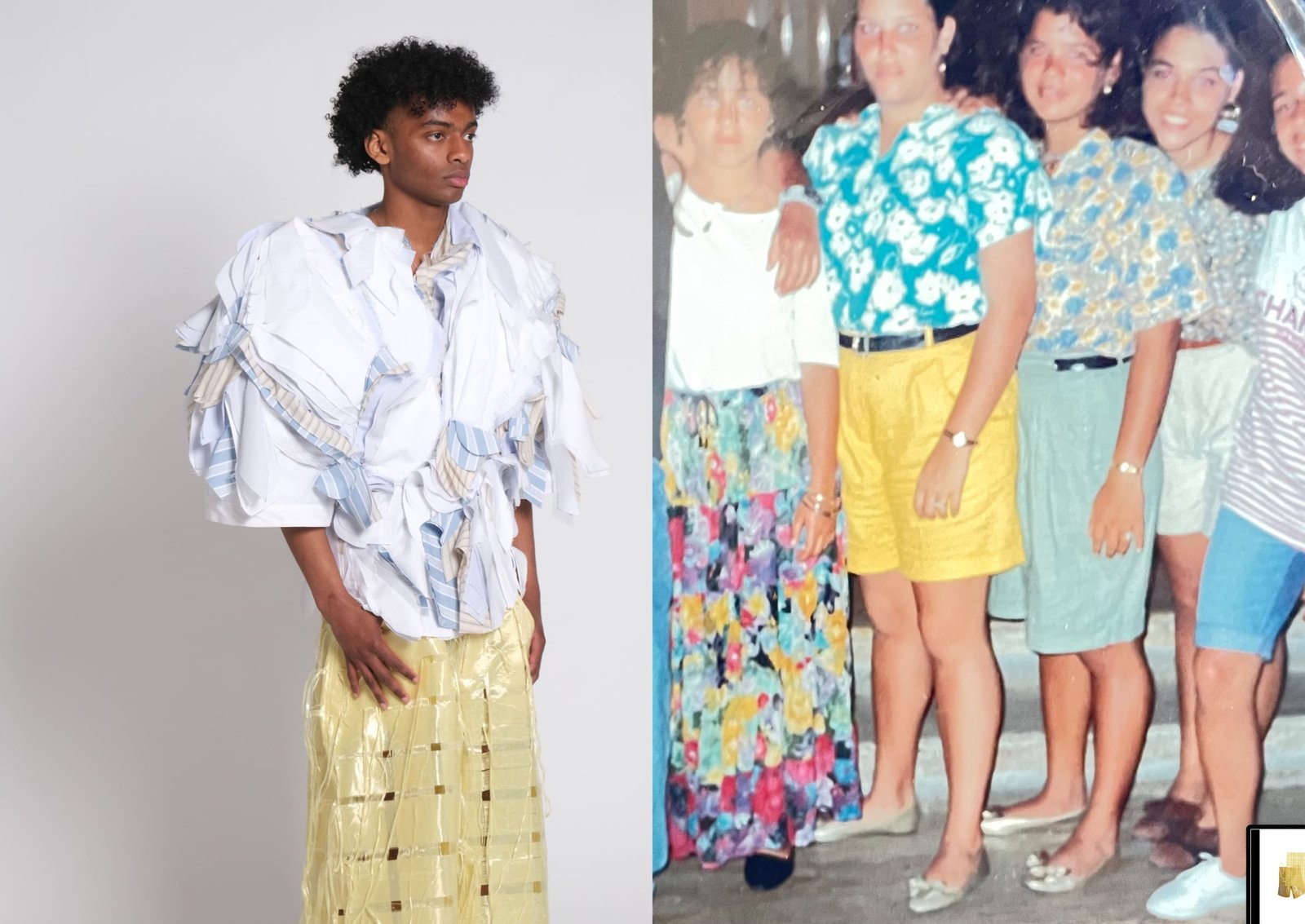
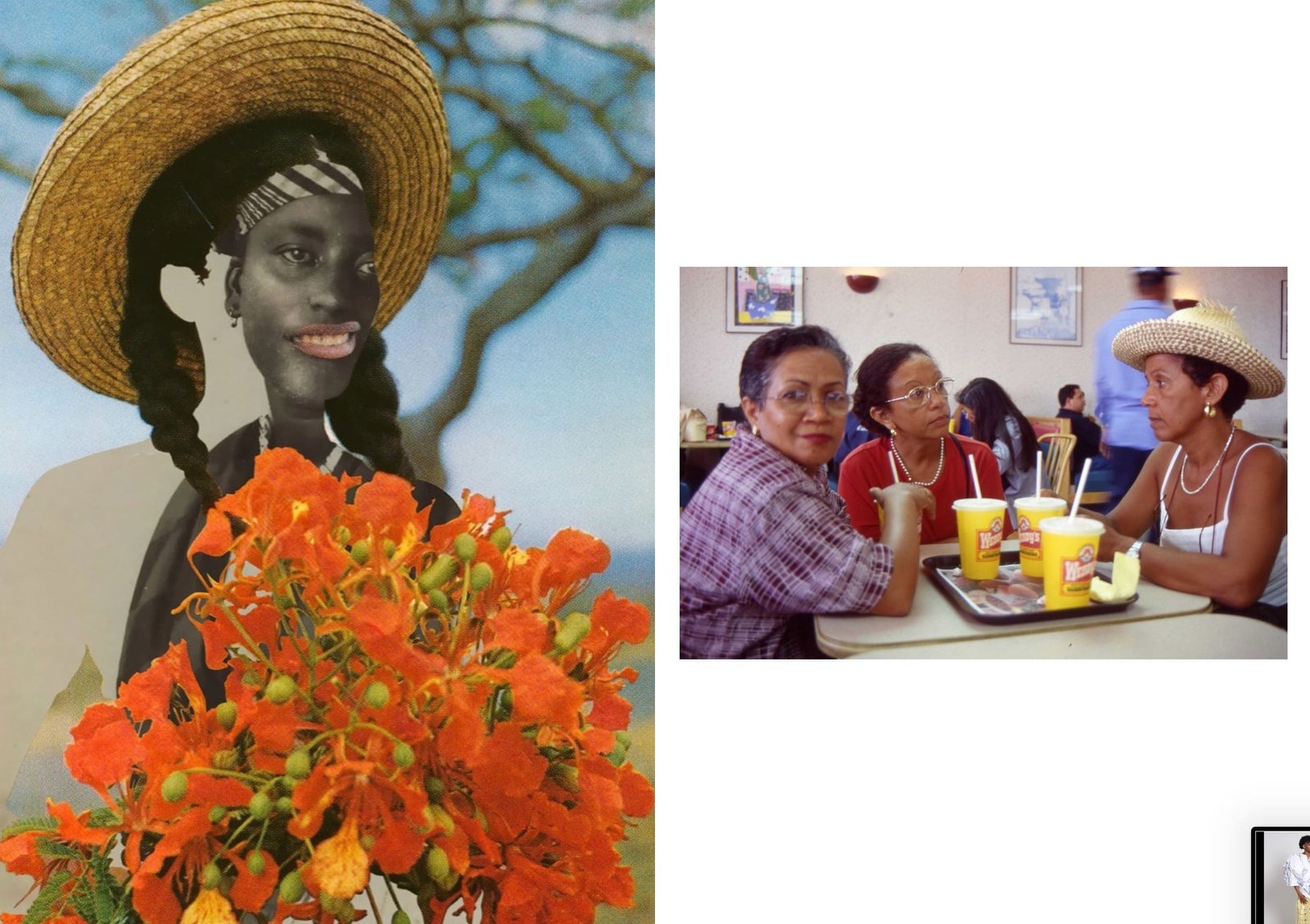
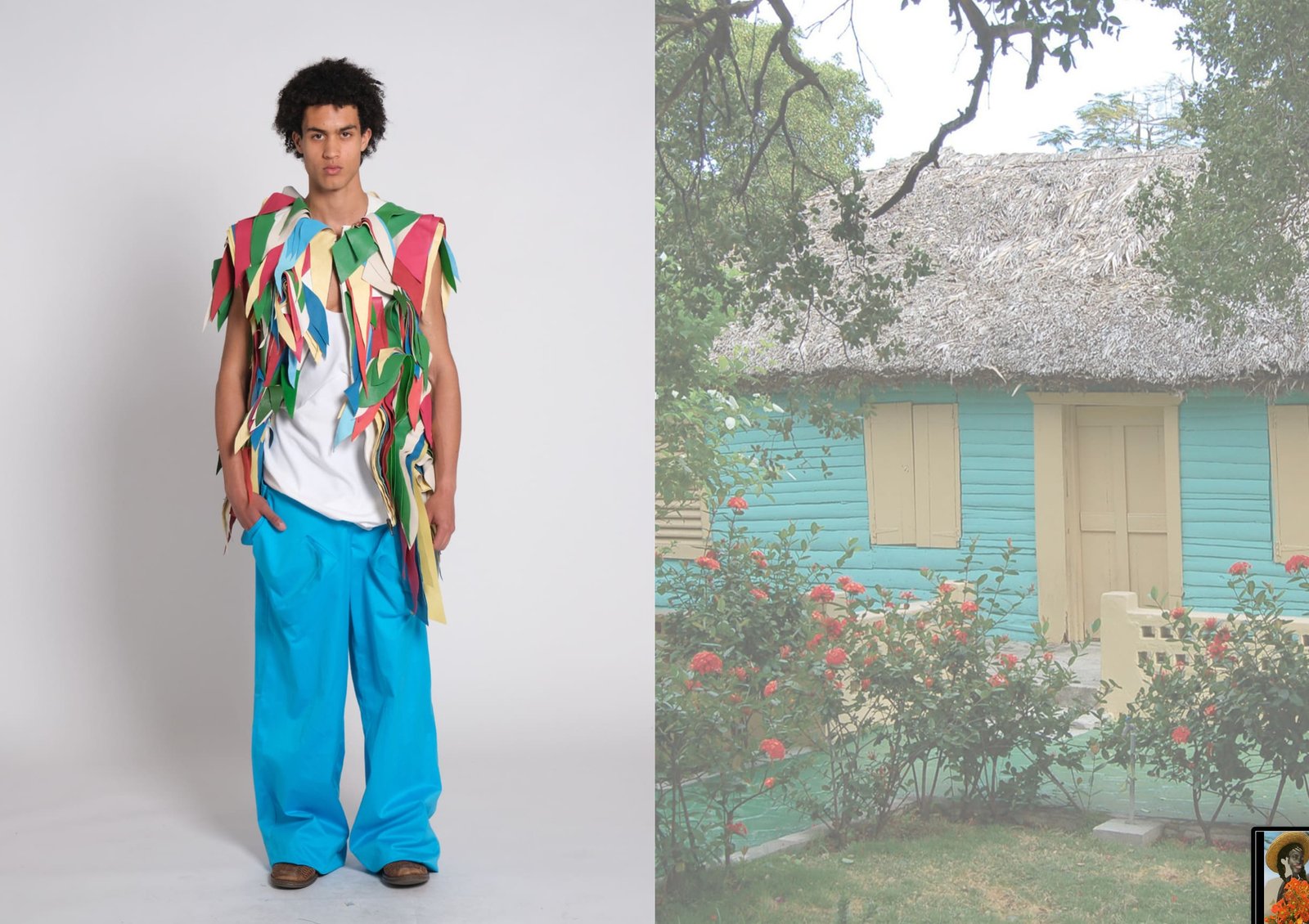
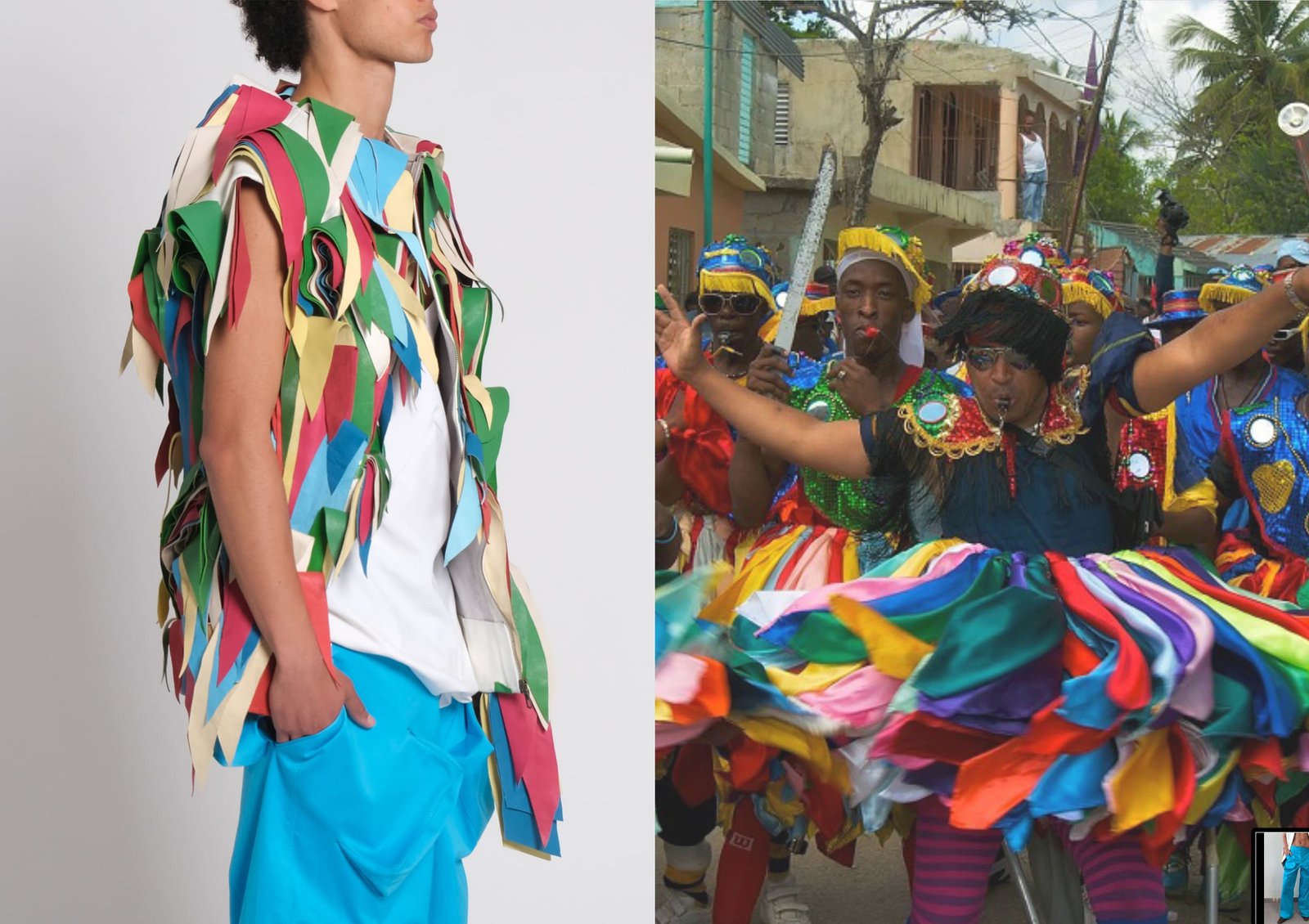
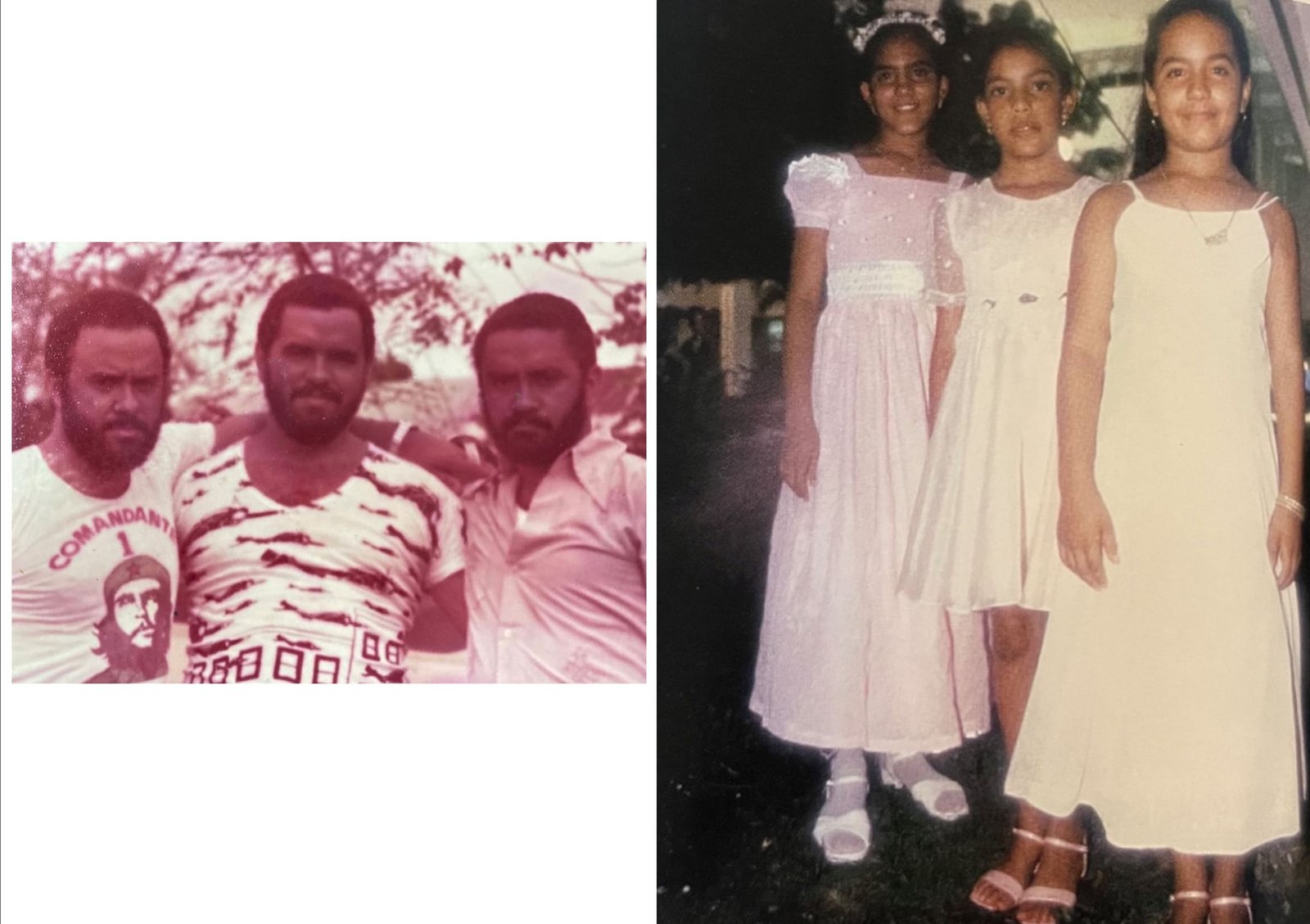
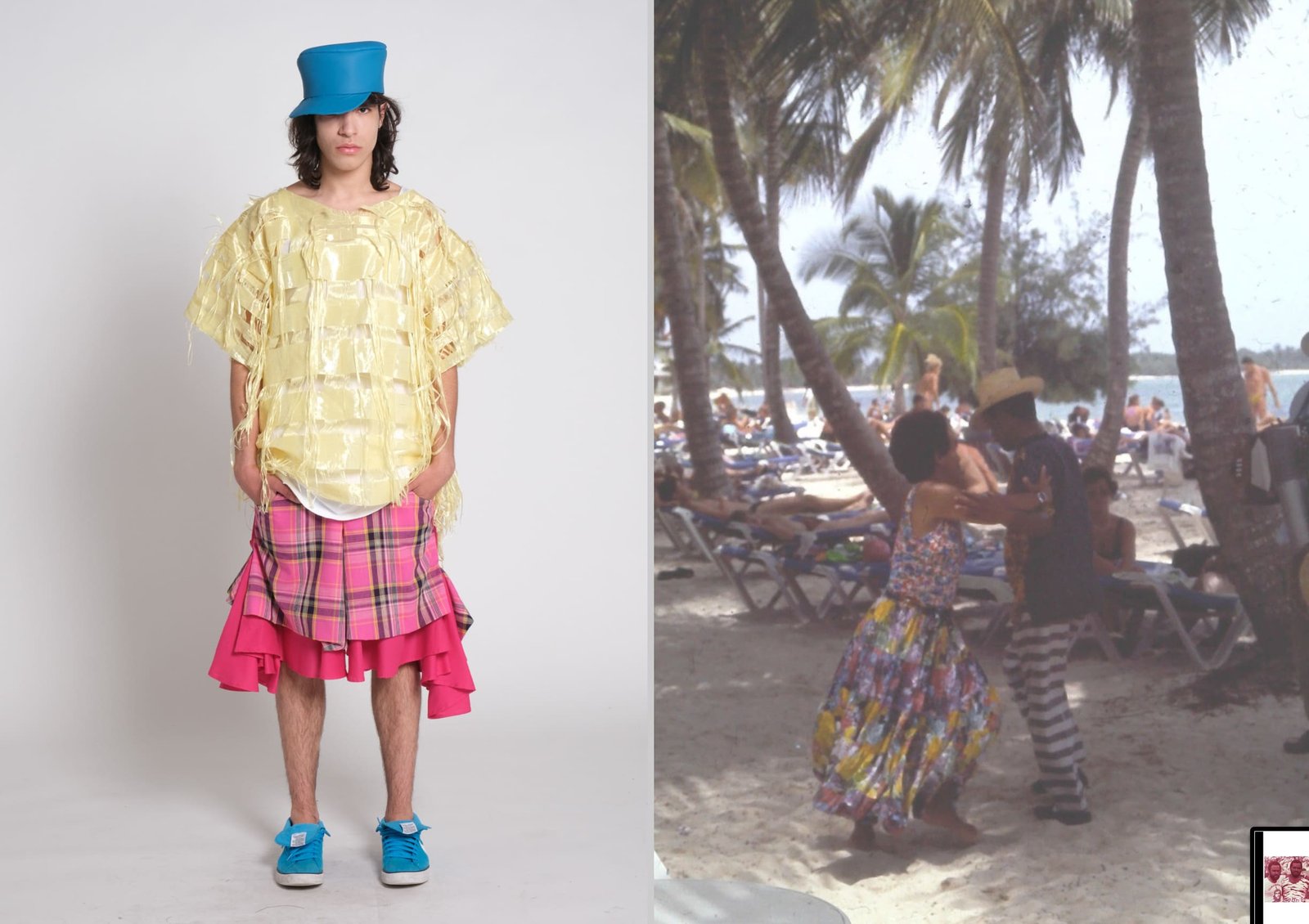
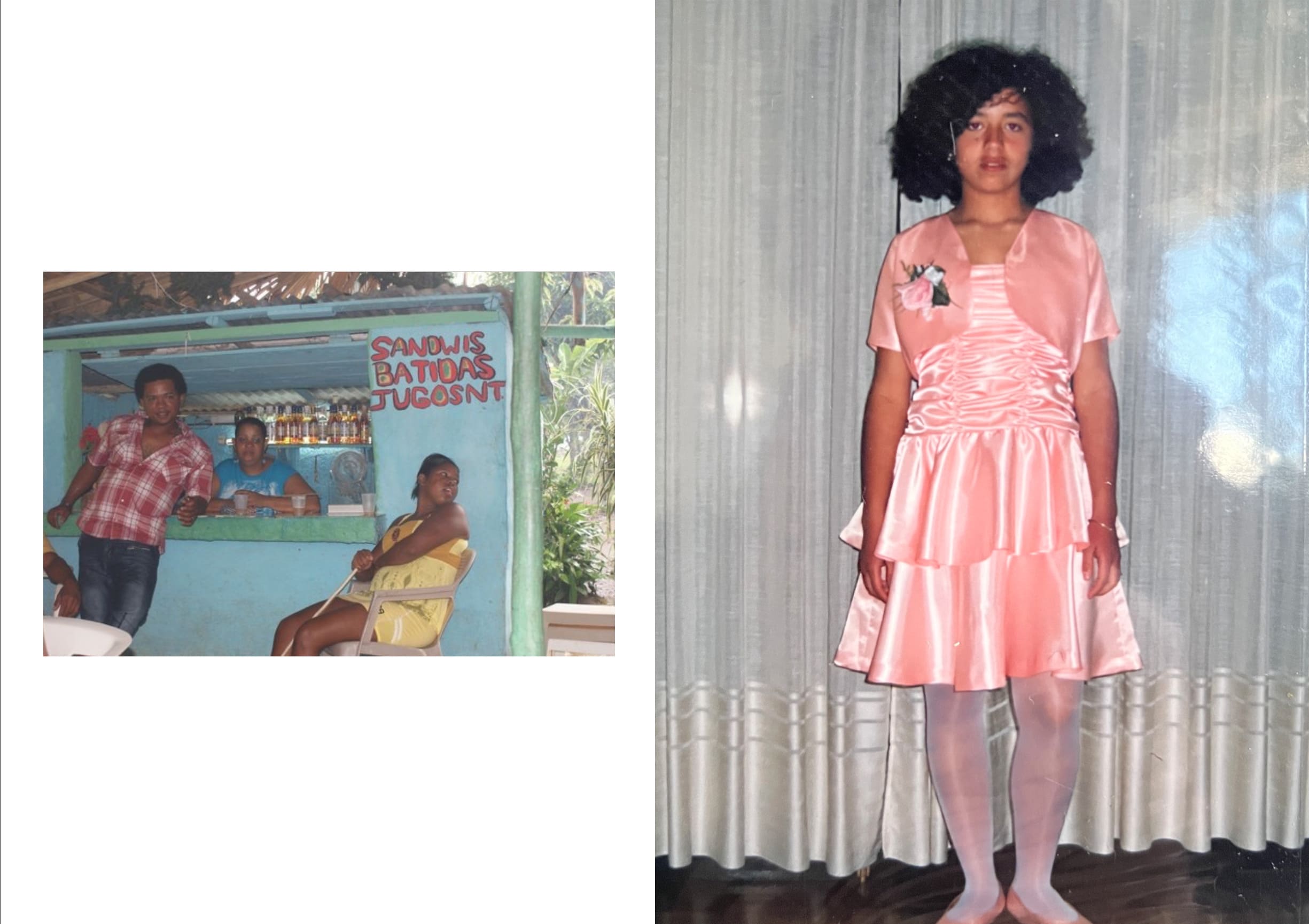
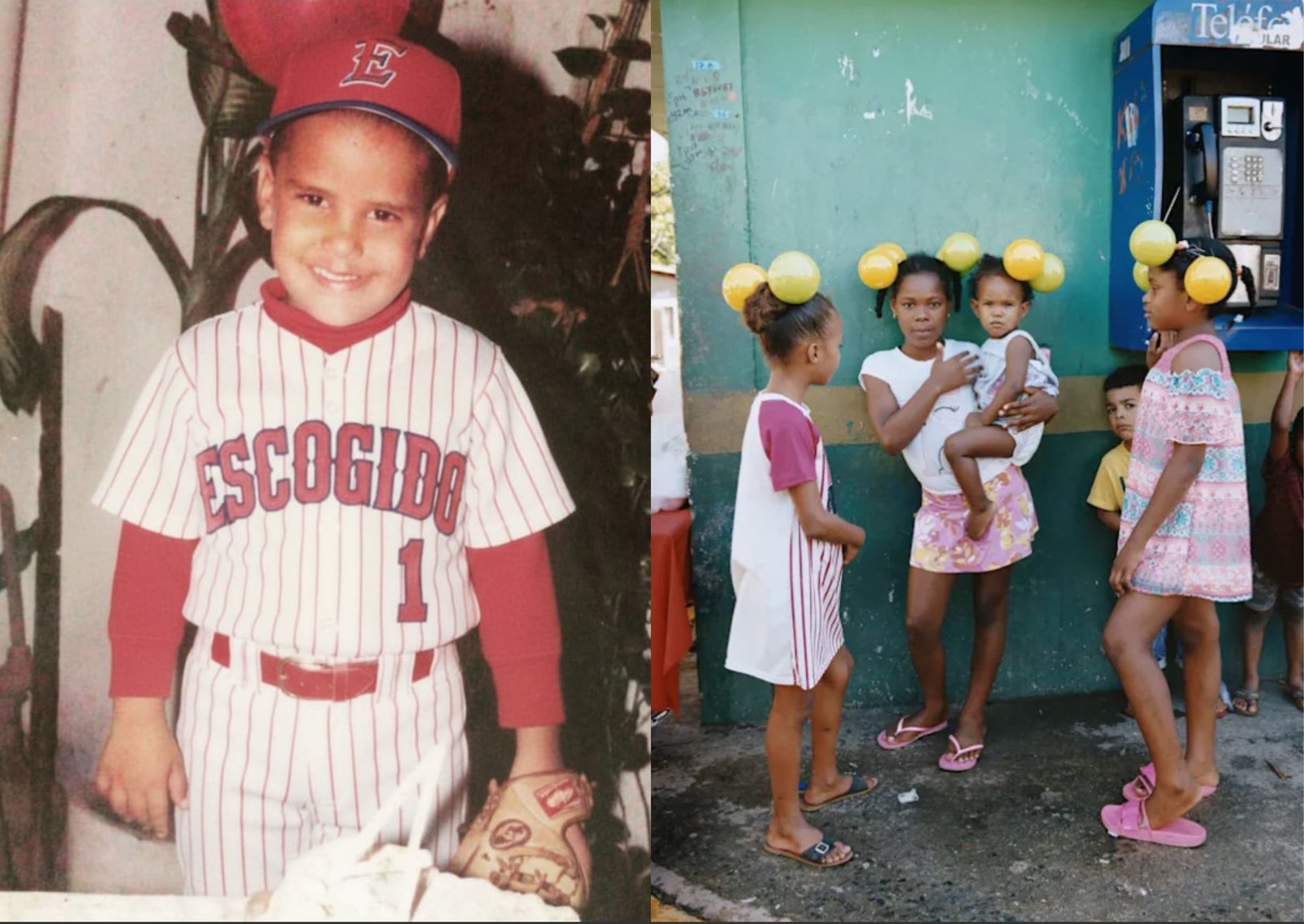
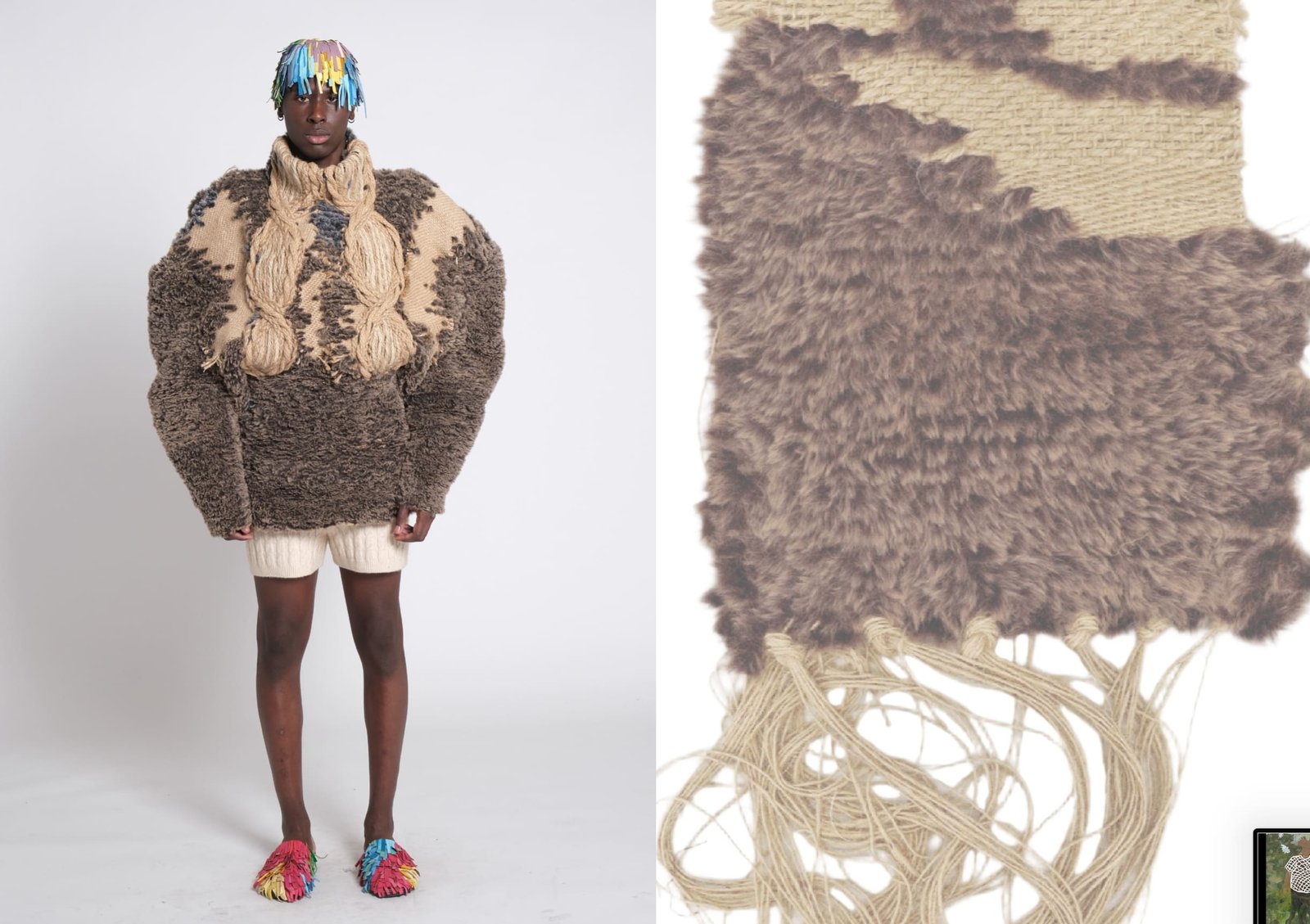
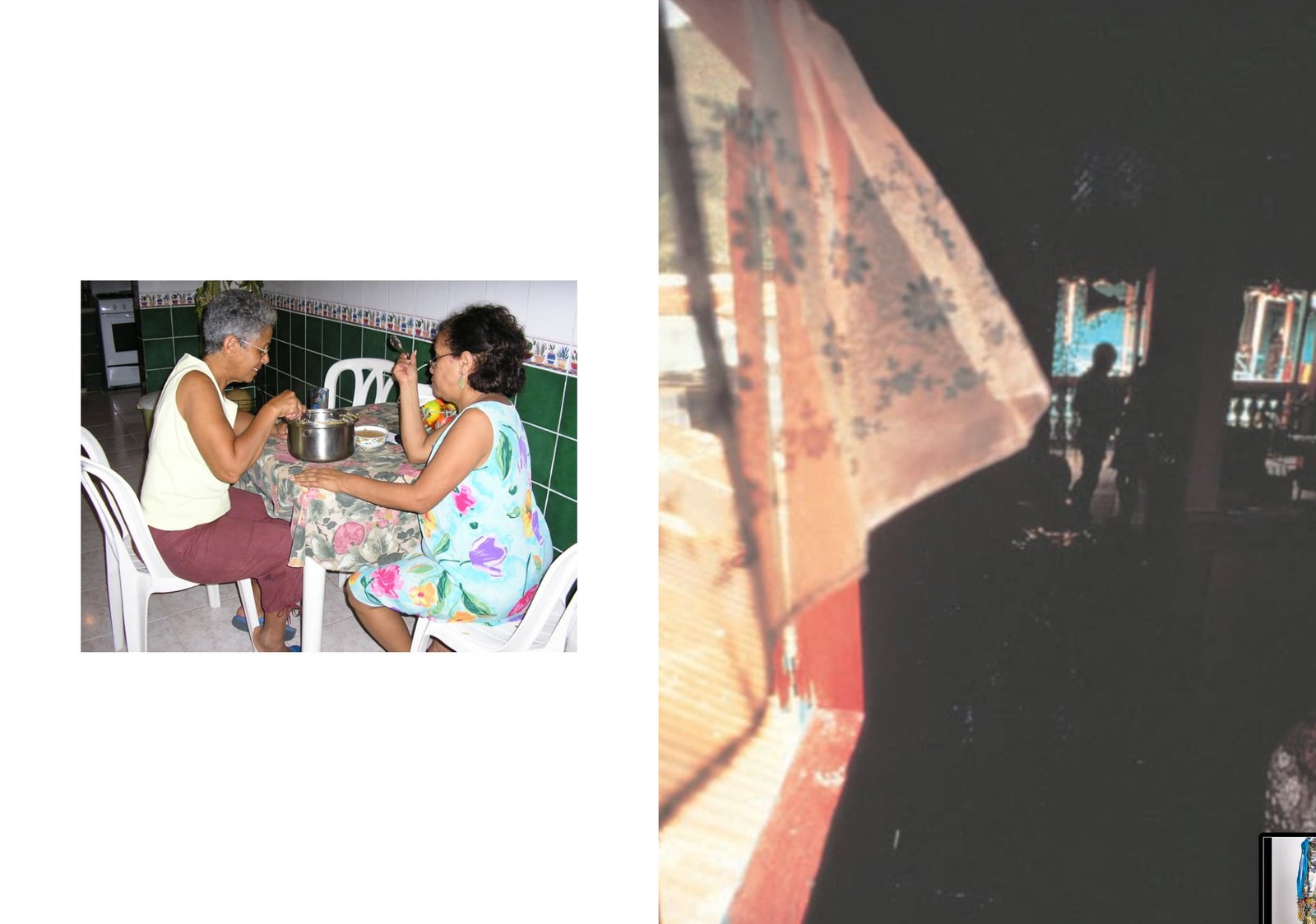
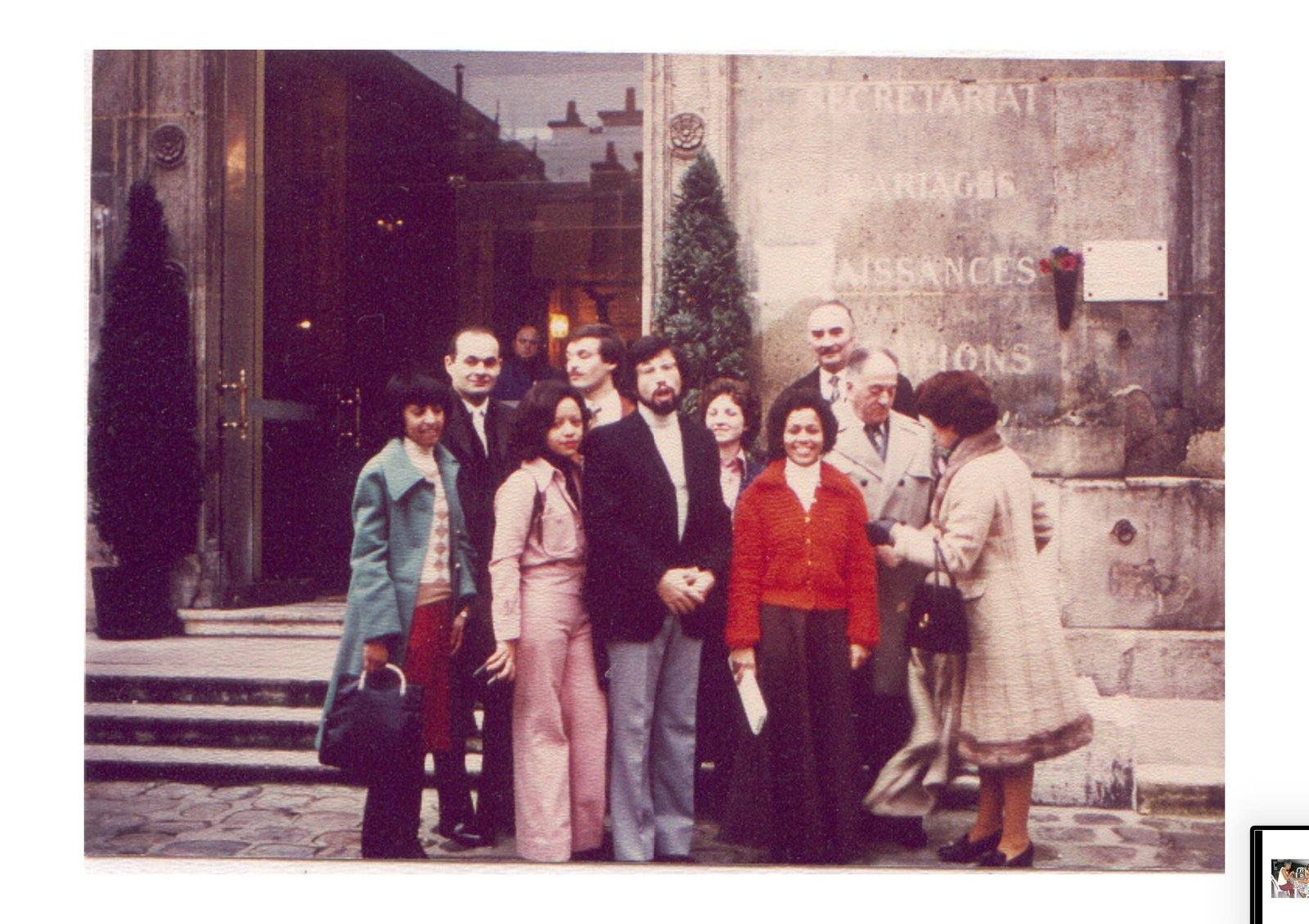
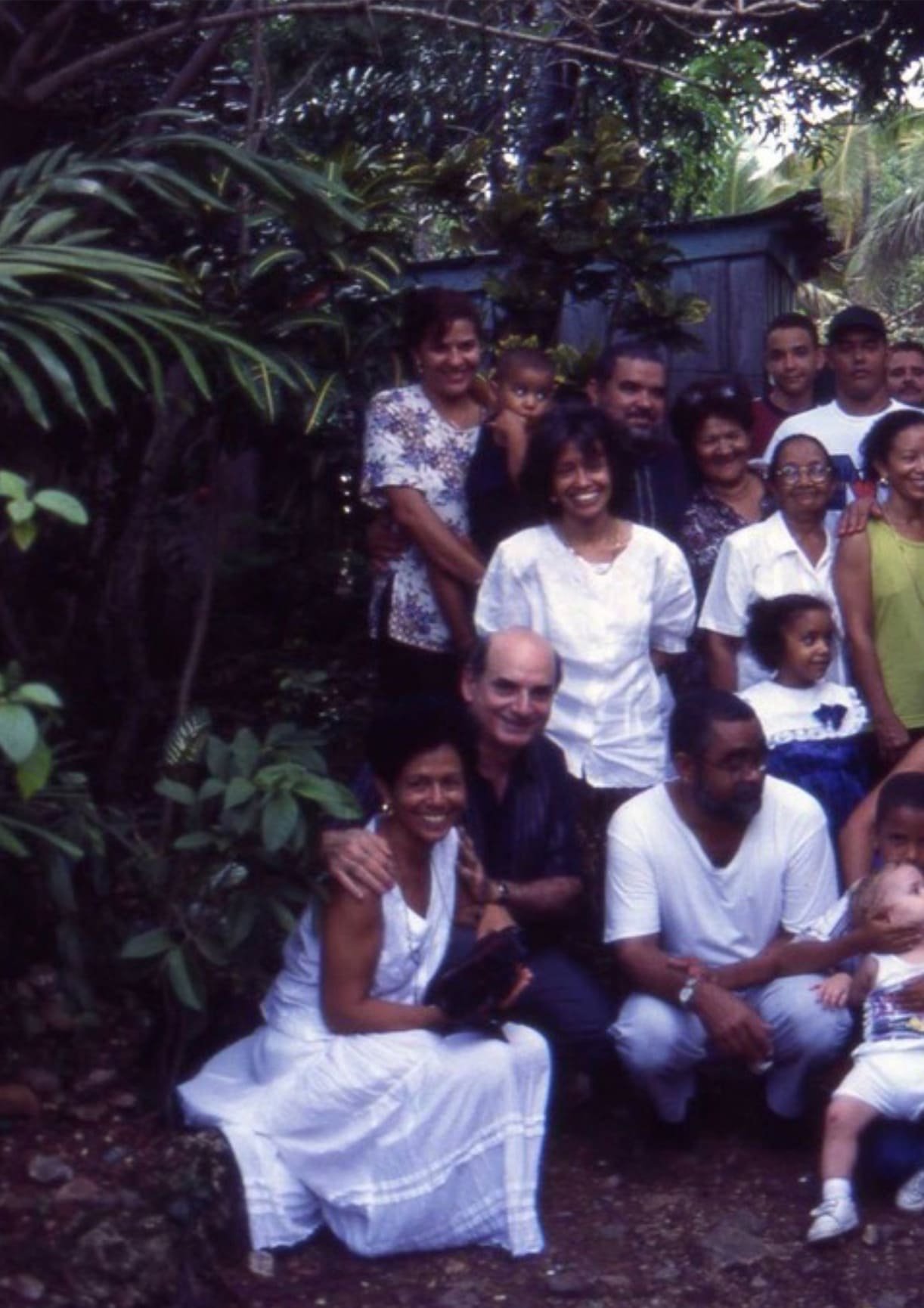
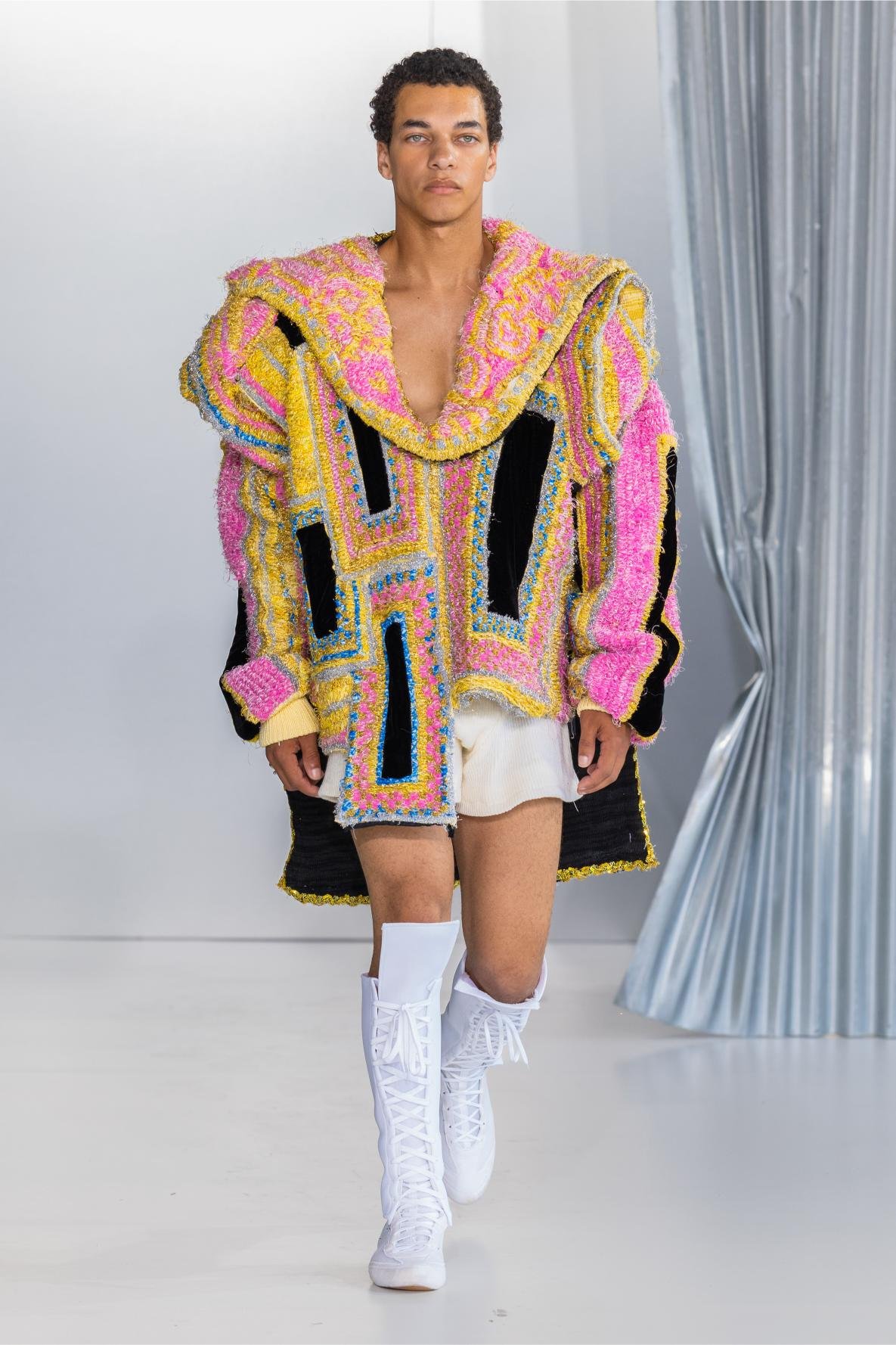
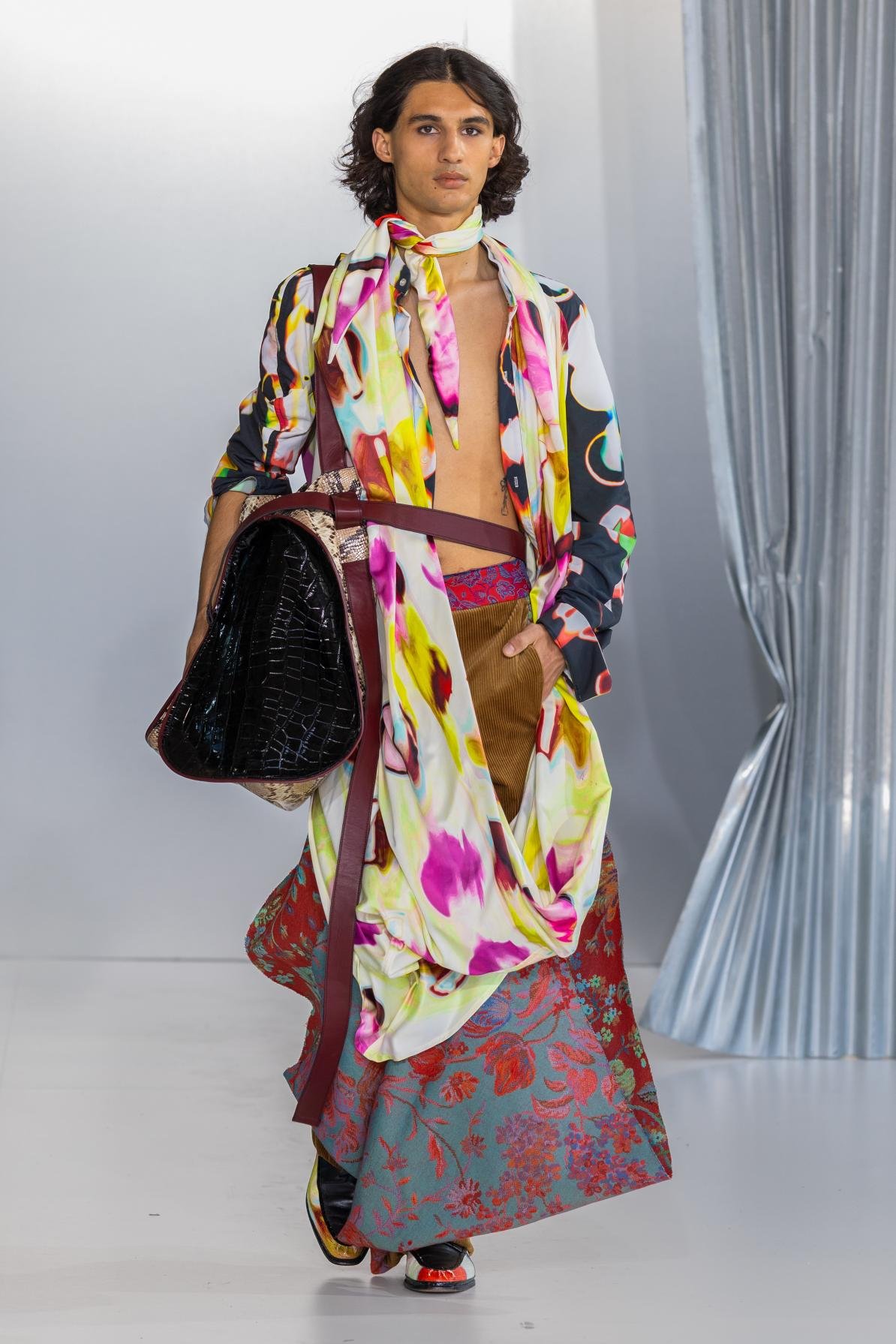
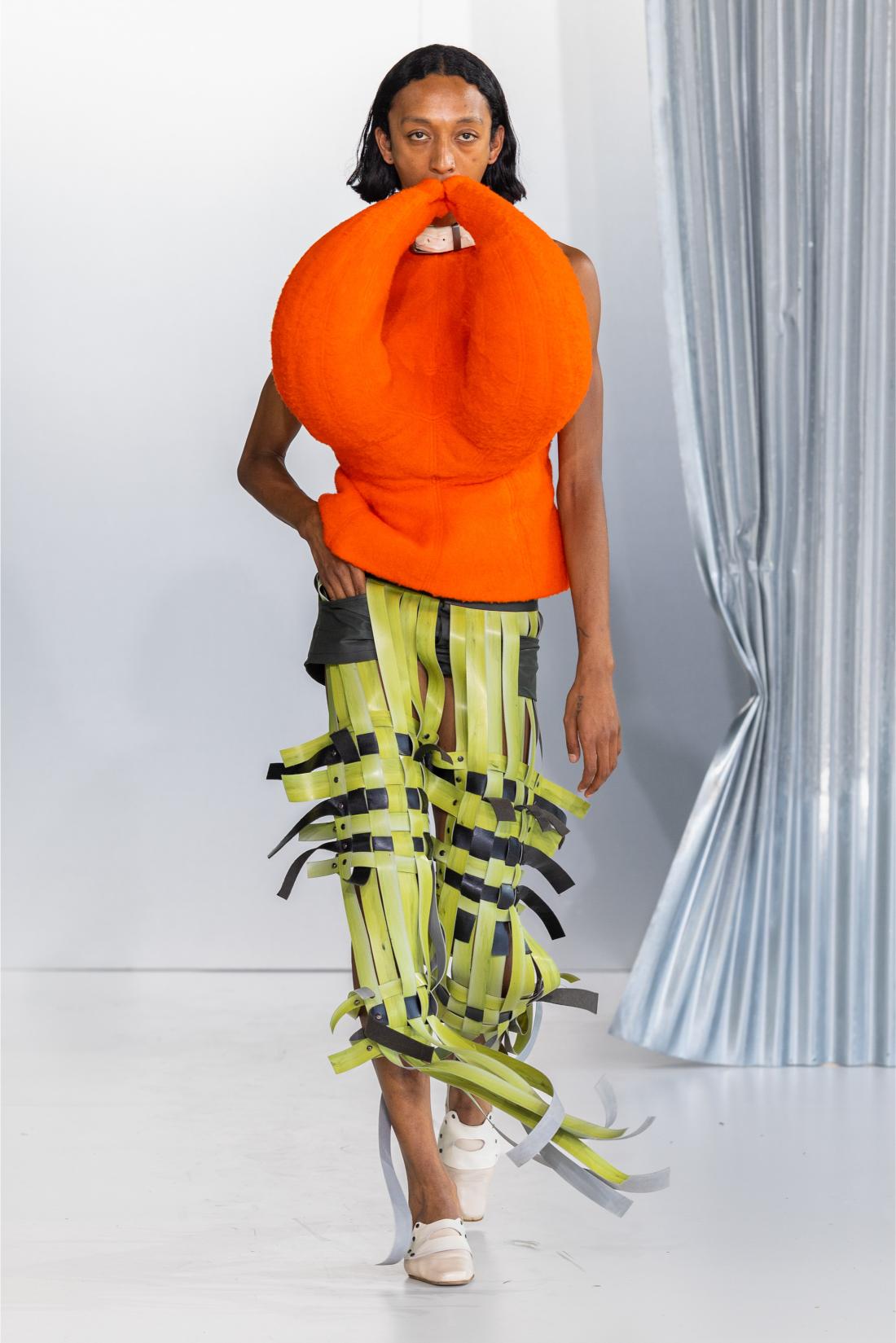
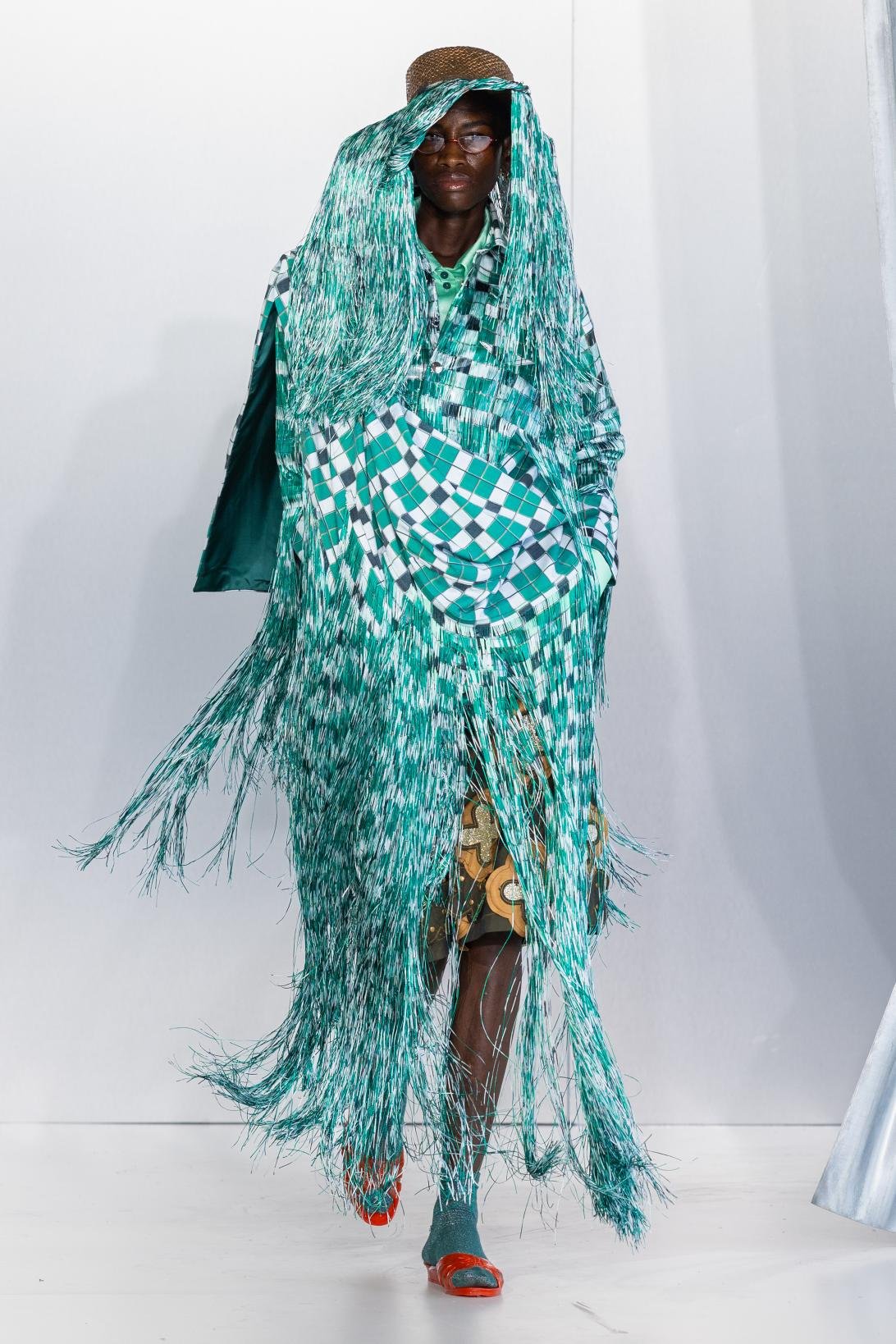
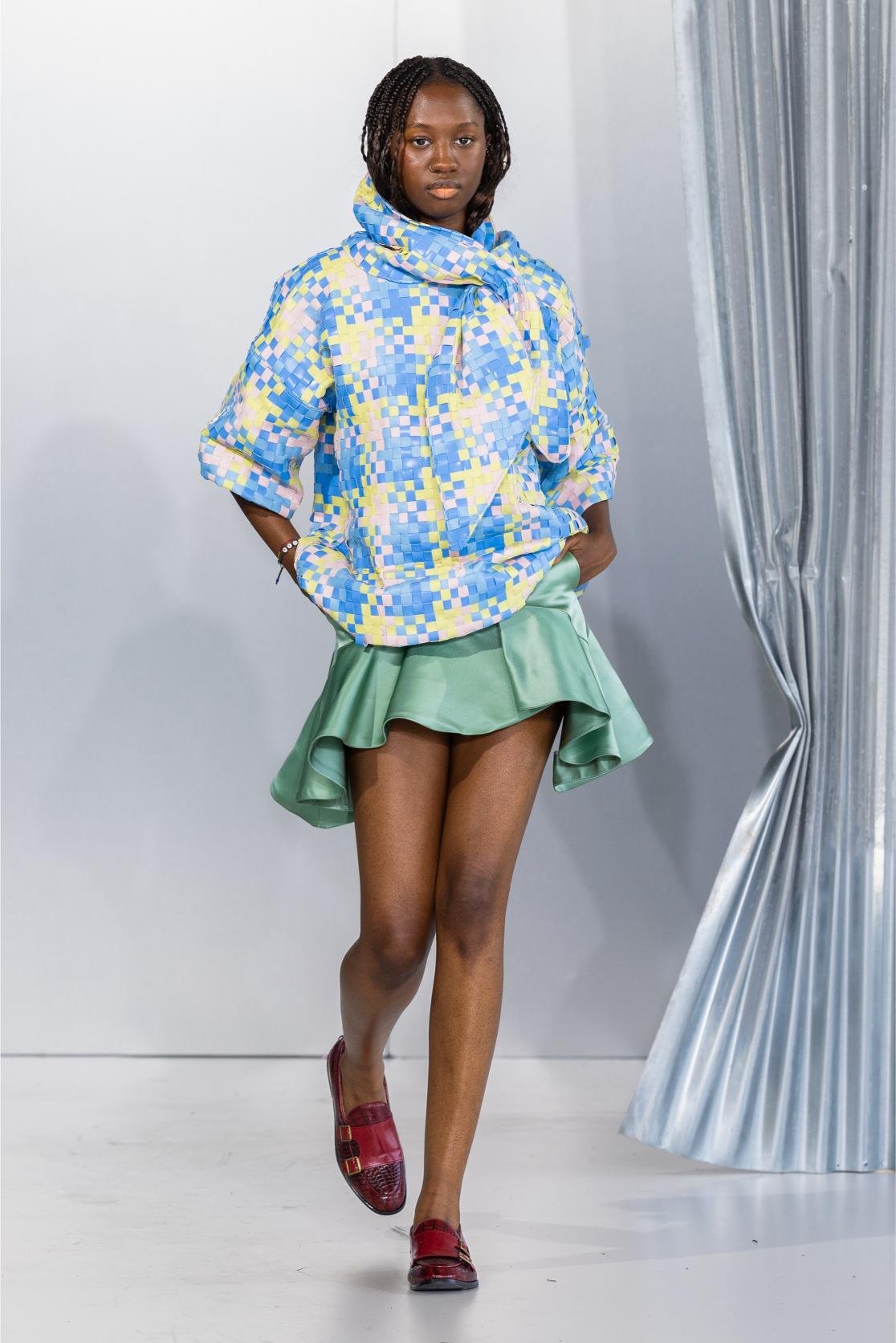
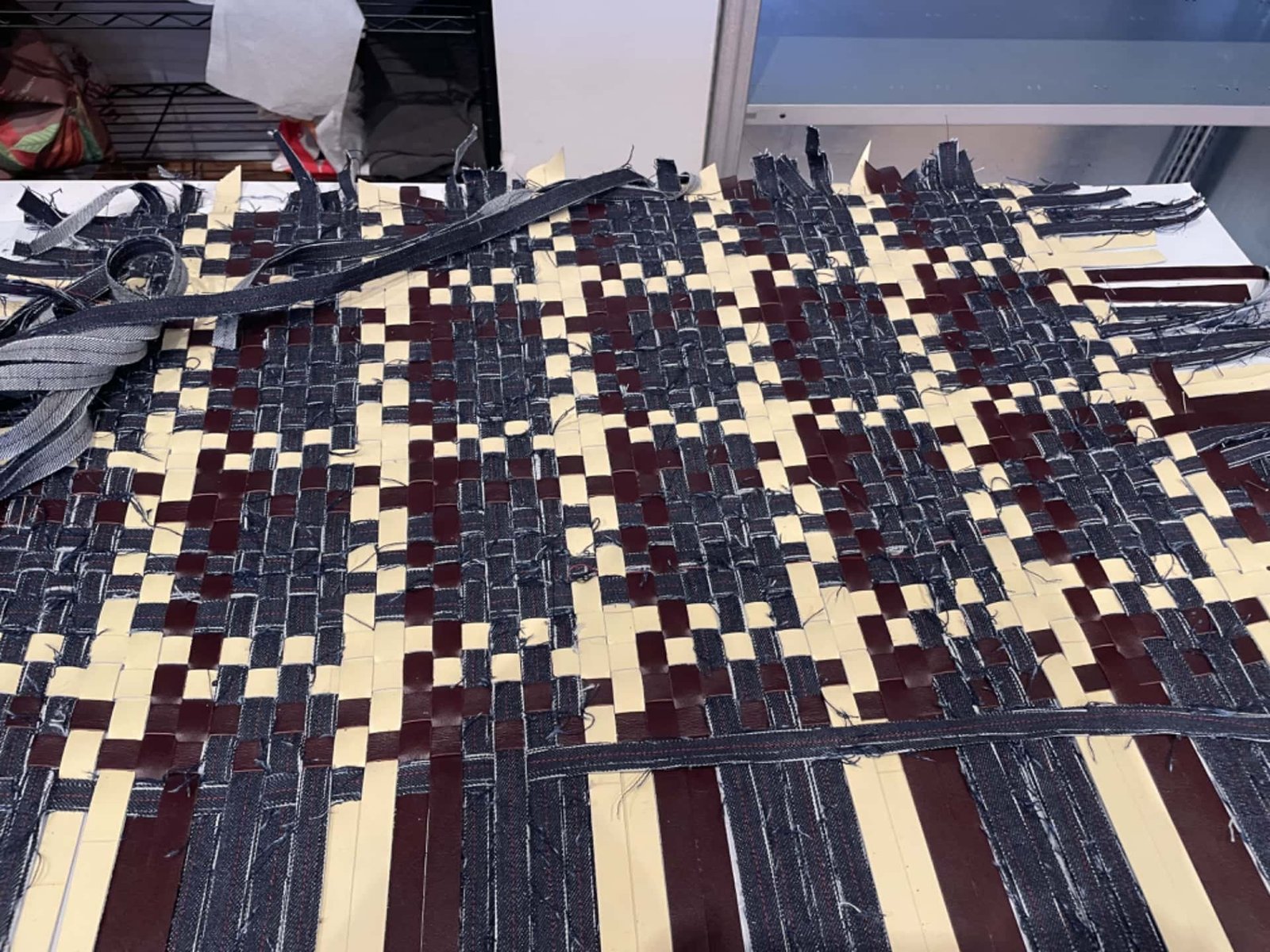
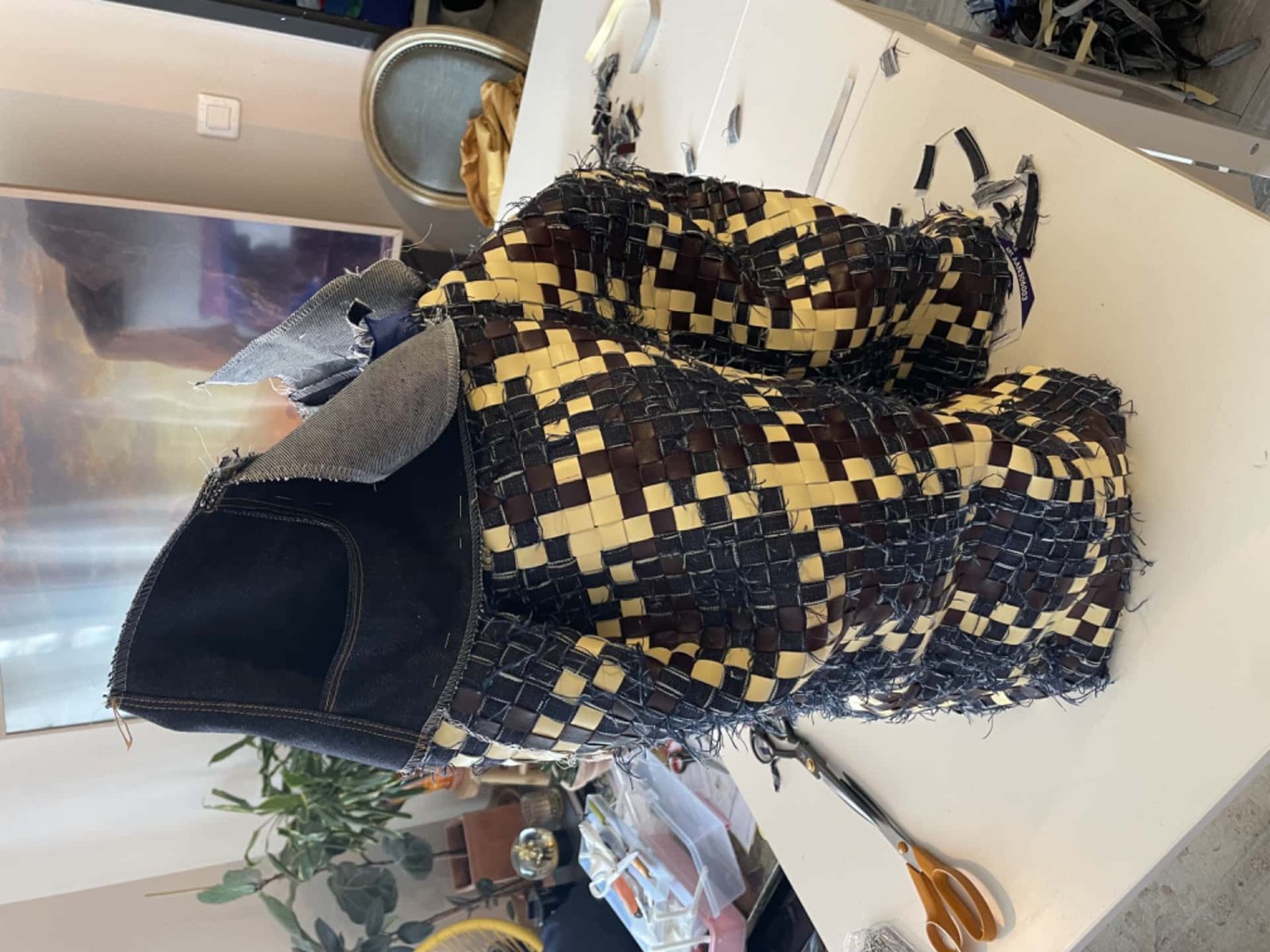
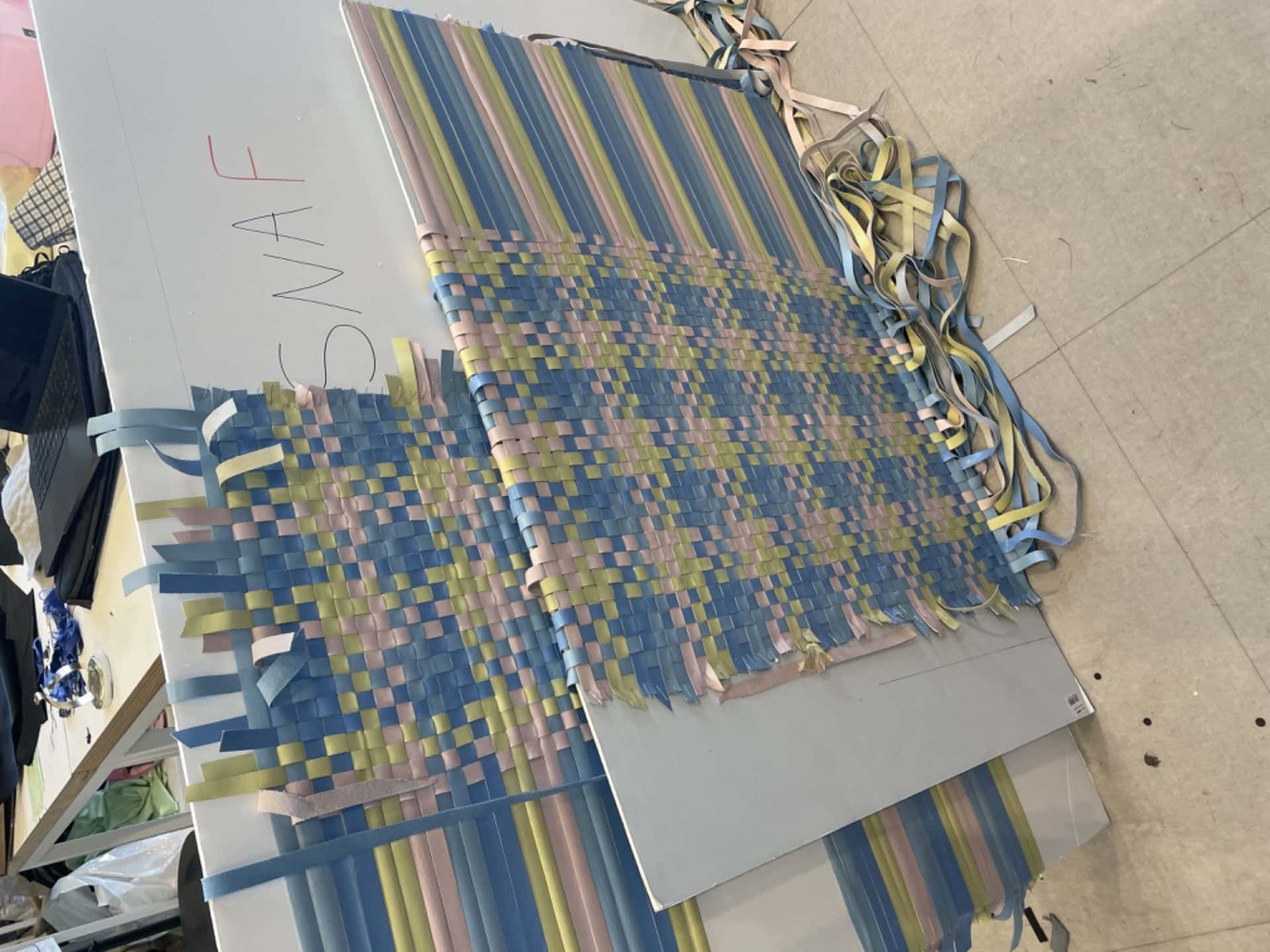
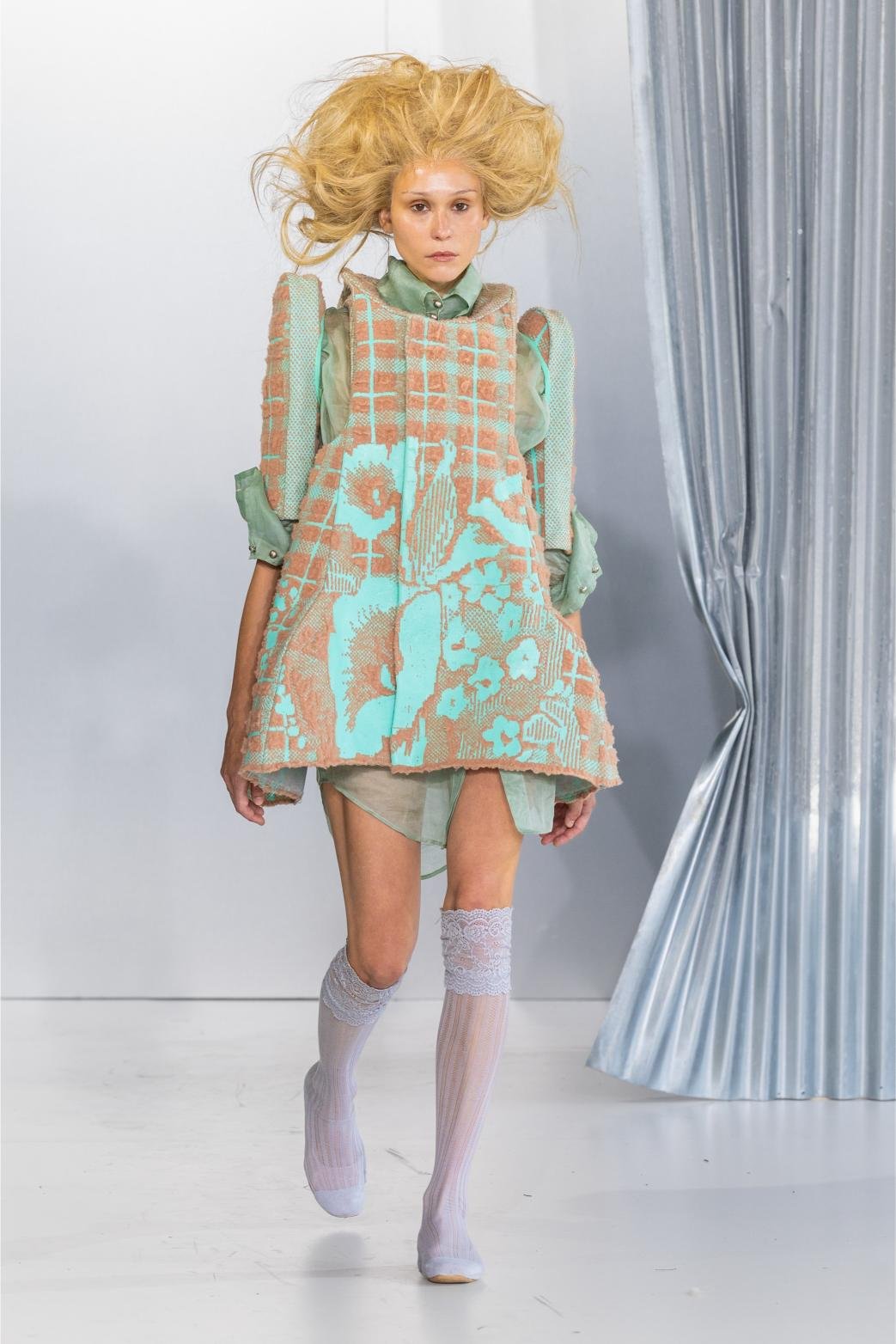
Samuel Ferrand’s collection is an homage to the Dominican Republic and an exploration of how cultures transform over time. Rooted in scenes of everyday life, family, and celebration, the project examines what is inherited, what is imagined, and what is reinvented – a tribute to life itself. Informed by the idea that the Caribbean holds an ability to transform pain into rhythm, Ferrand accumulated layers, colours, and motifs until he began weaving his own materials to reconstruct an idea of paradise. The collection offers an intimate reading of a territory shaped by migration, exchange, and diversity, where identities circulate without ever being fixed. It’s a space of encounters in which multiple stories coexist without fully merging. As he leaves IFM, Ferrand is eager to keep creating in new environments and with new perspectives. He is conscious of how much he still has to learn about garment construction, and hopes to bring a sense of joy and openness to a sector of fashion that can sometimes feel austere.

@samuel.frrnd

Yaojia Cen

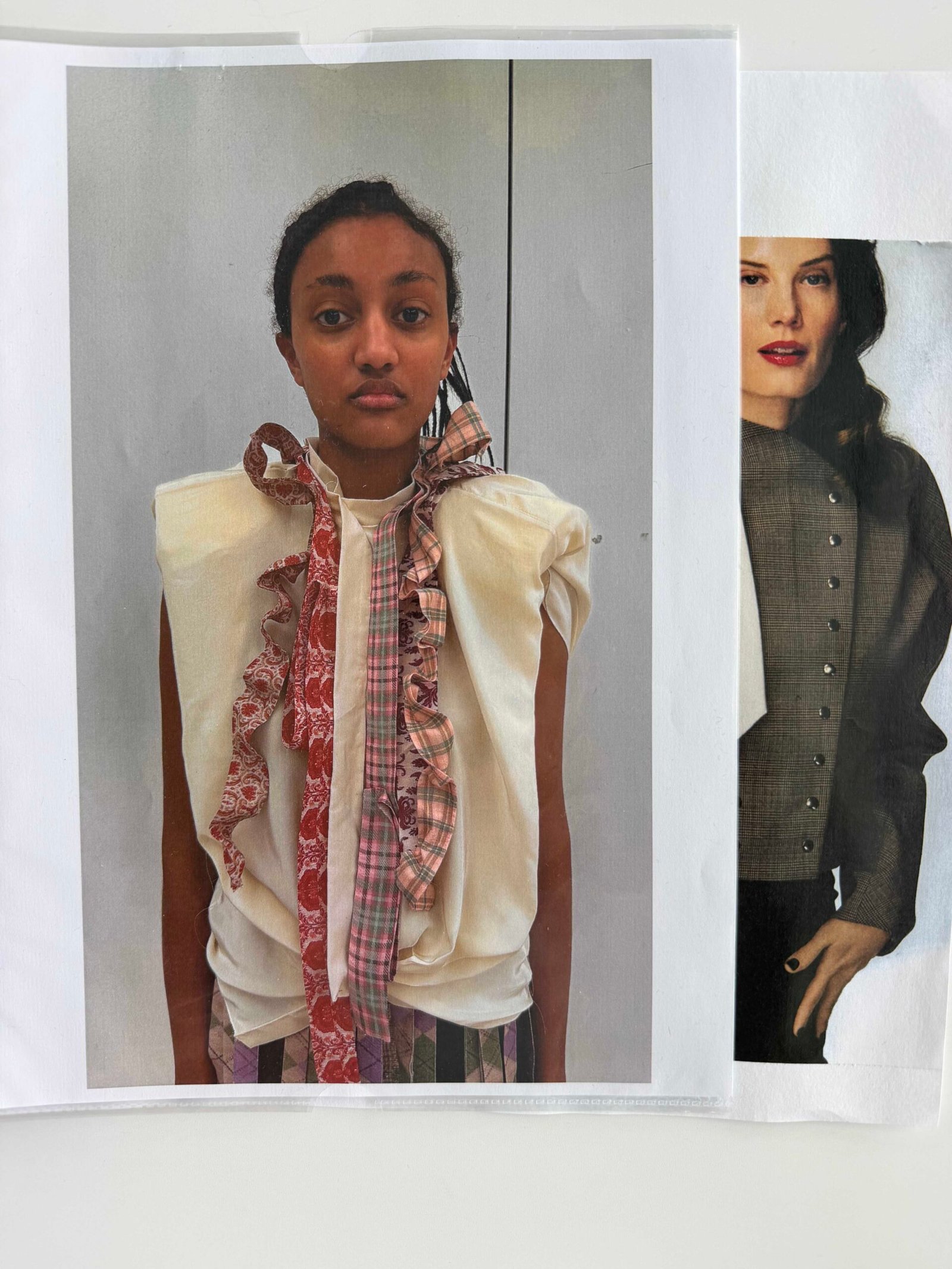
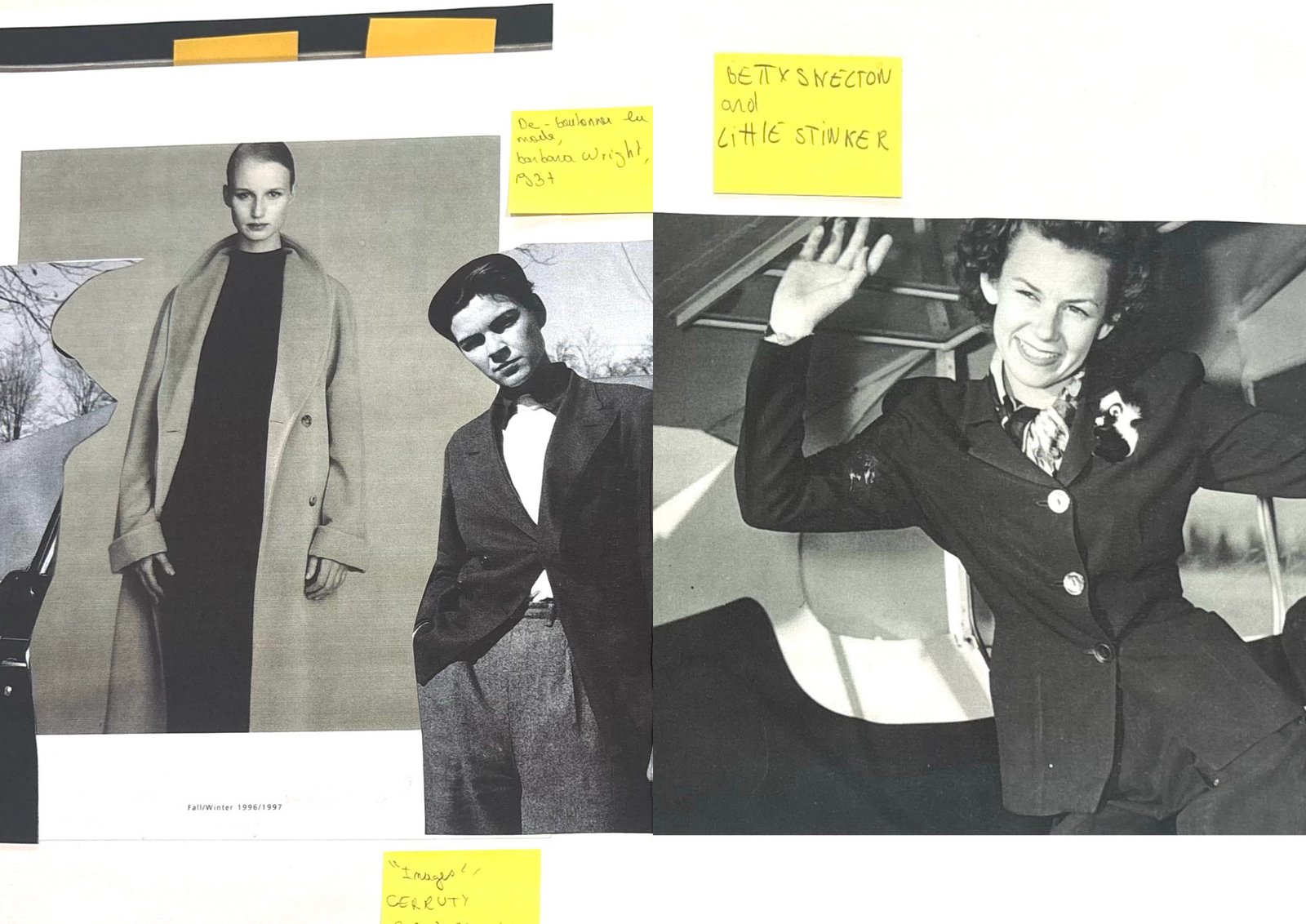
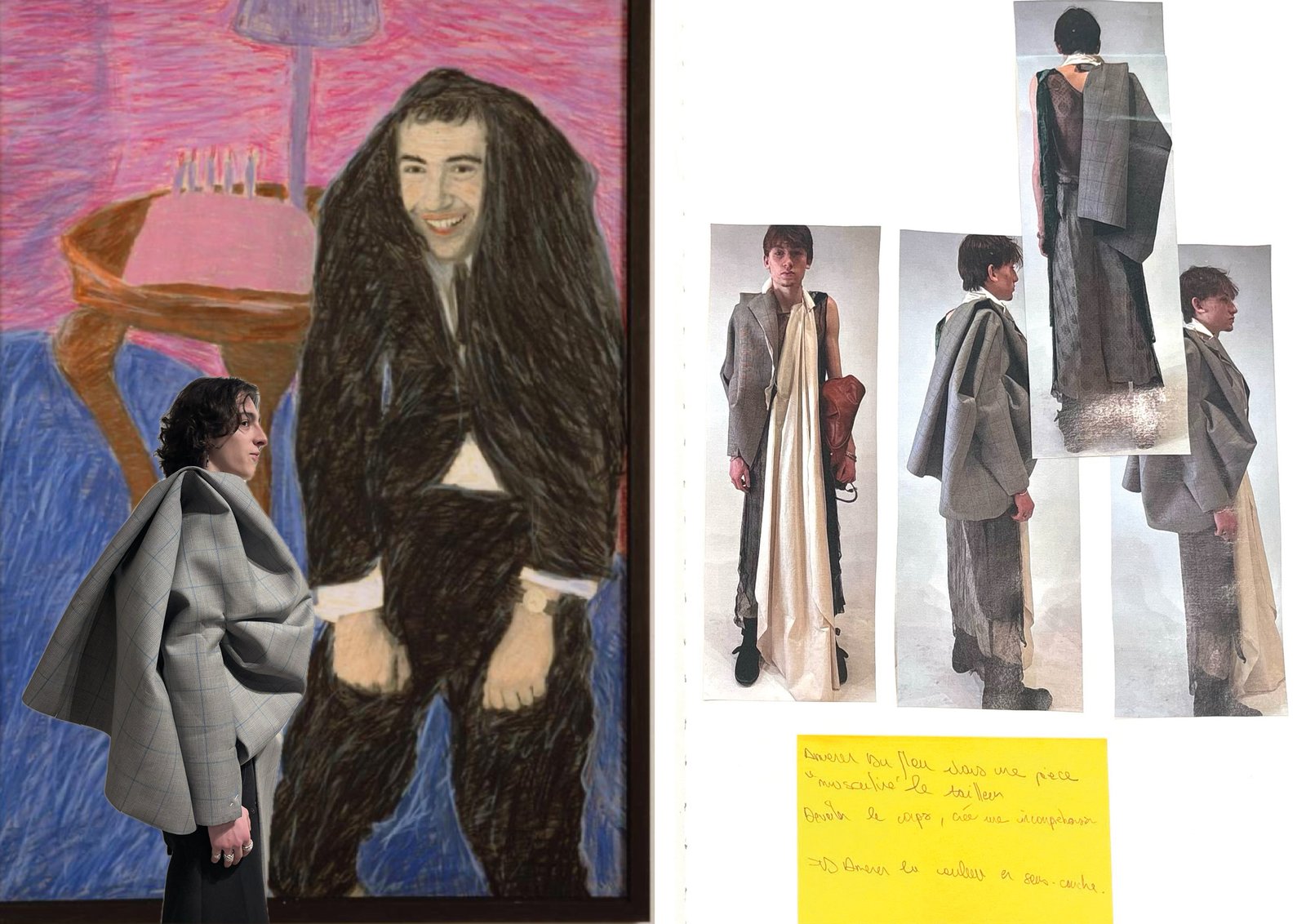
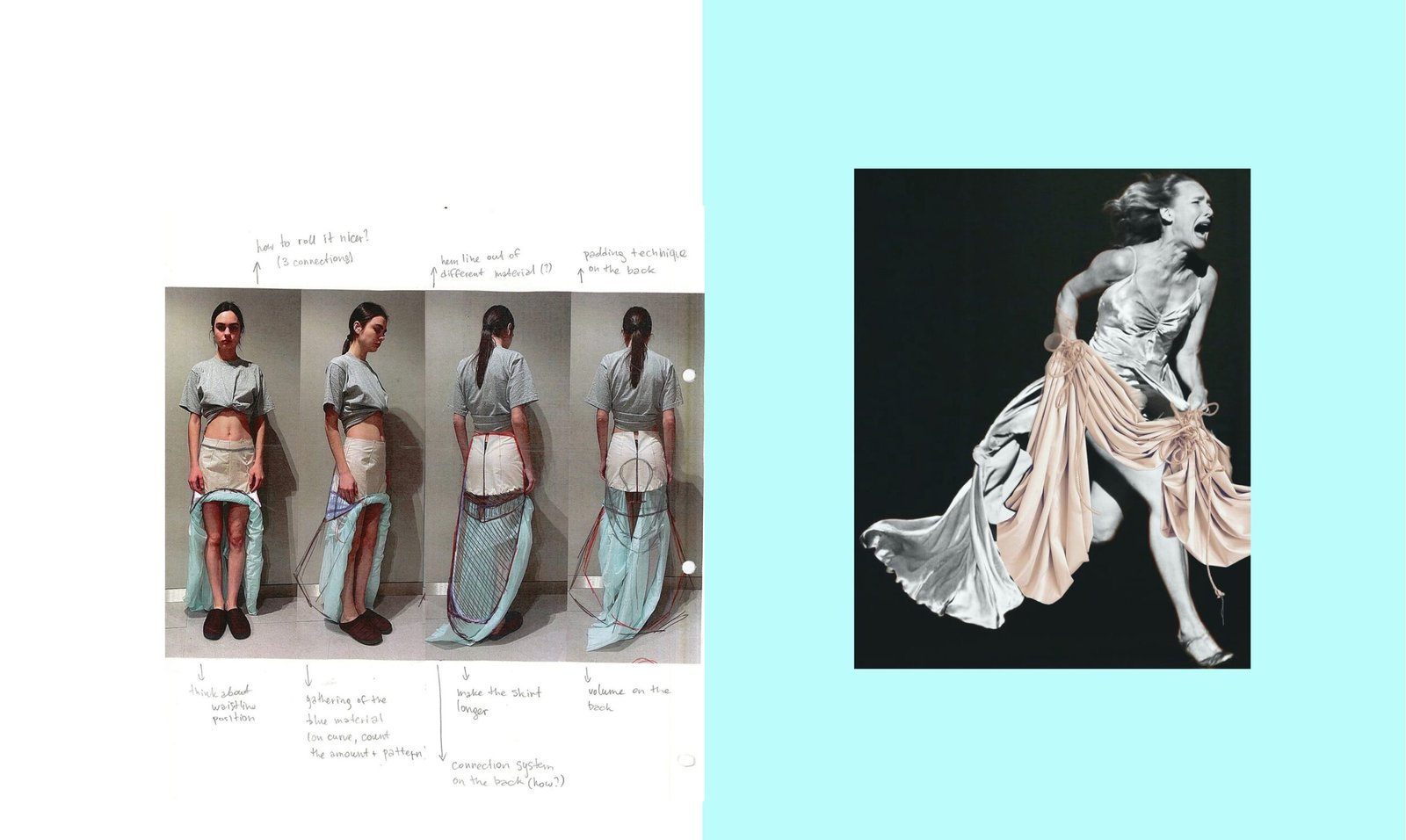
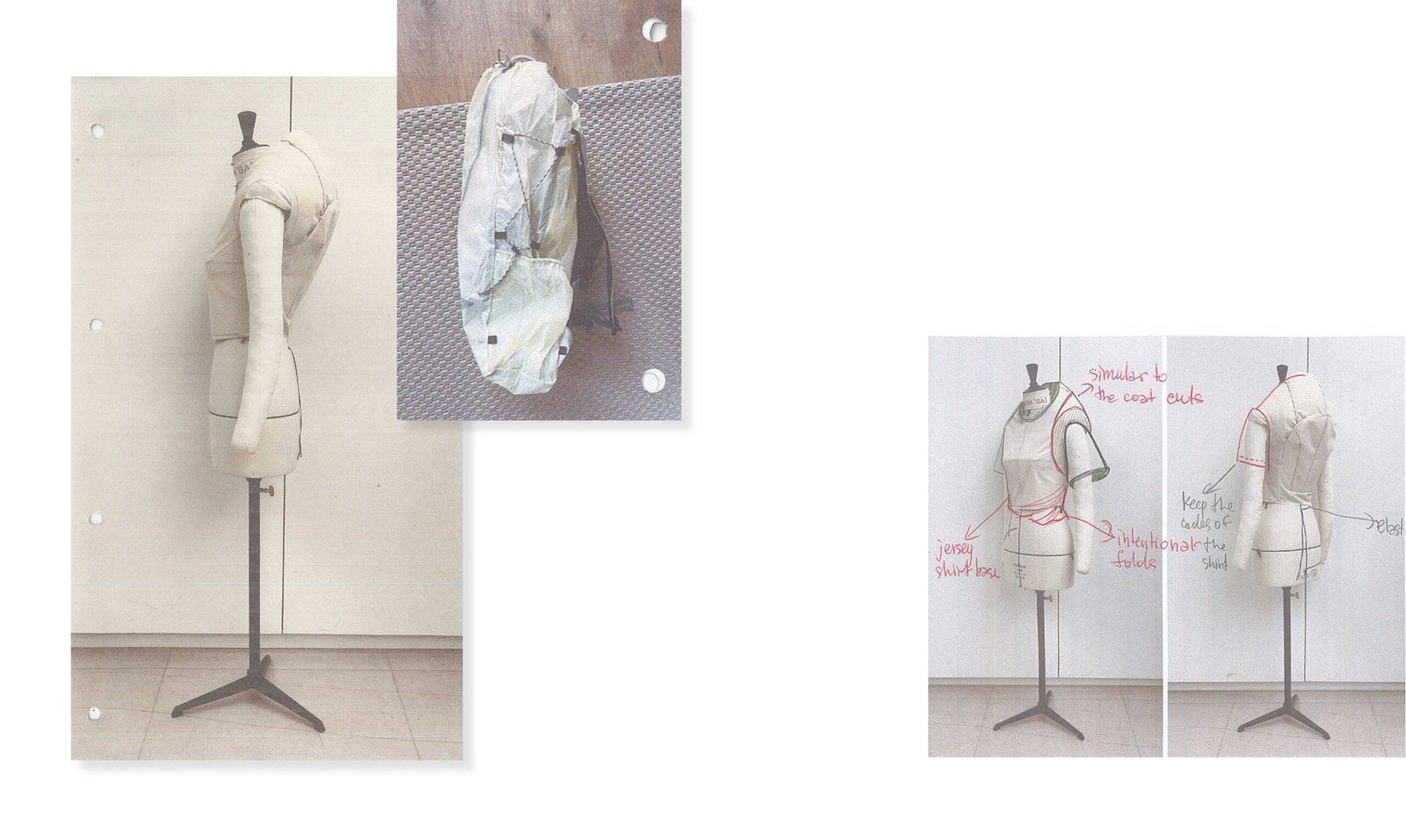
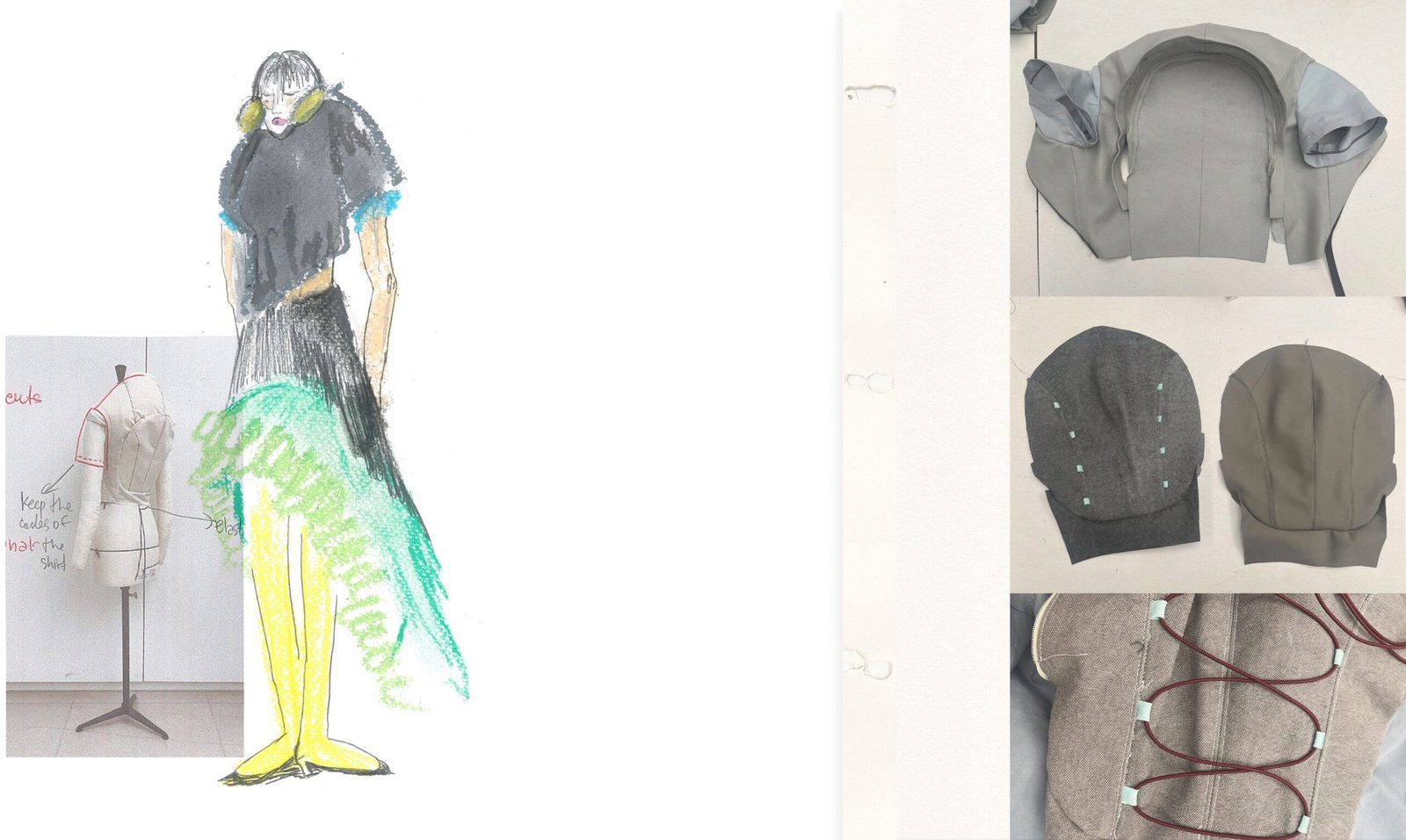
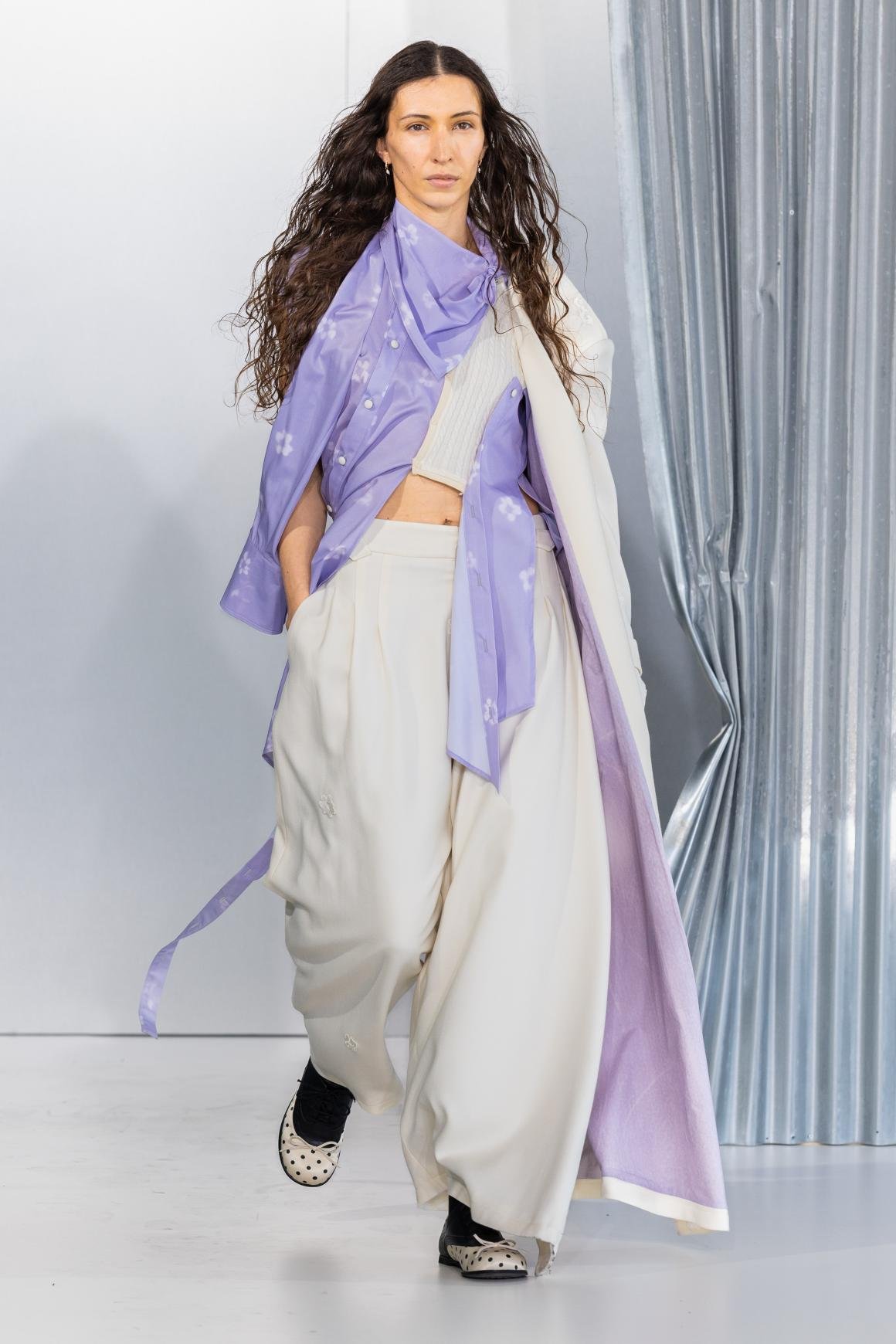
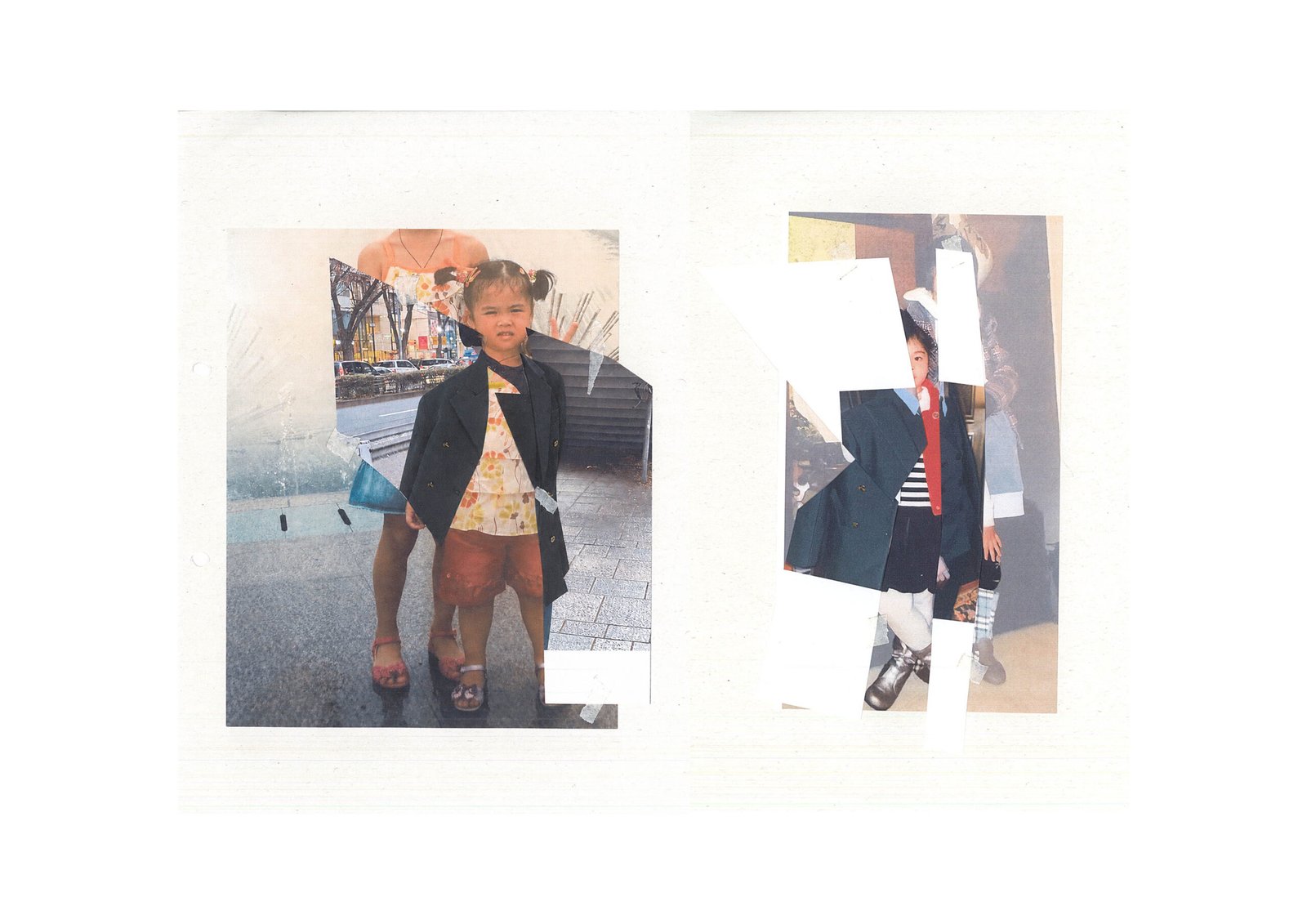
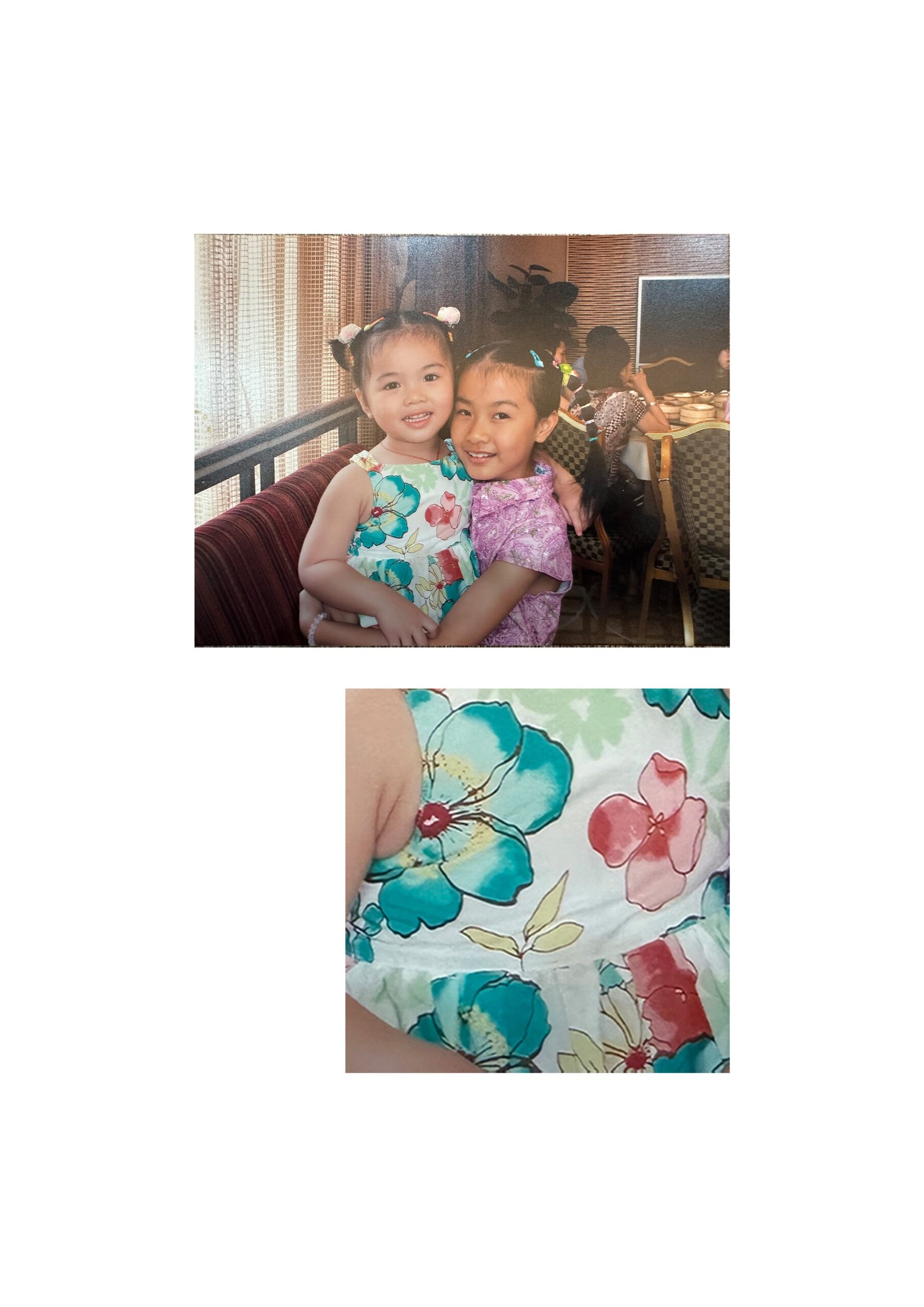
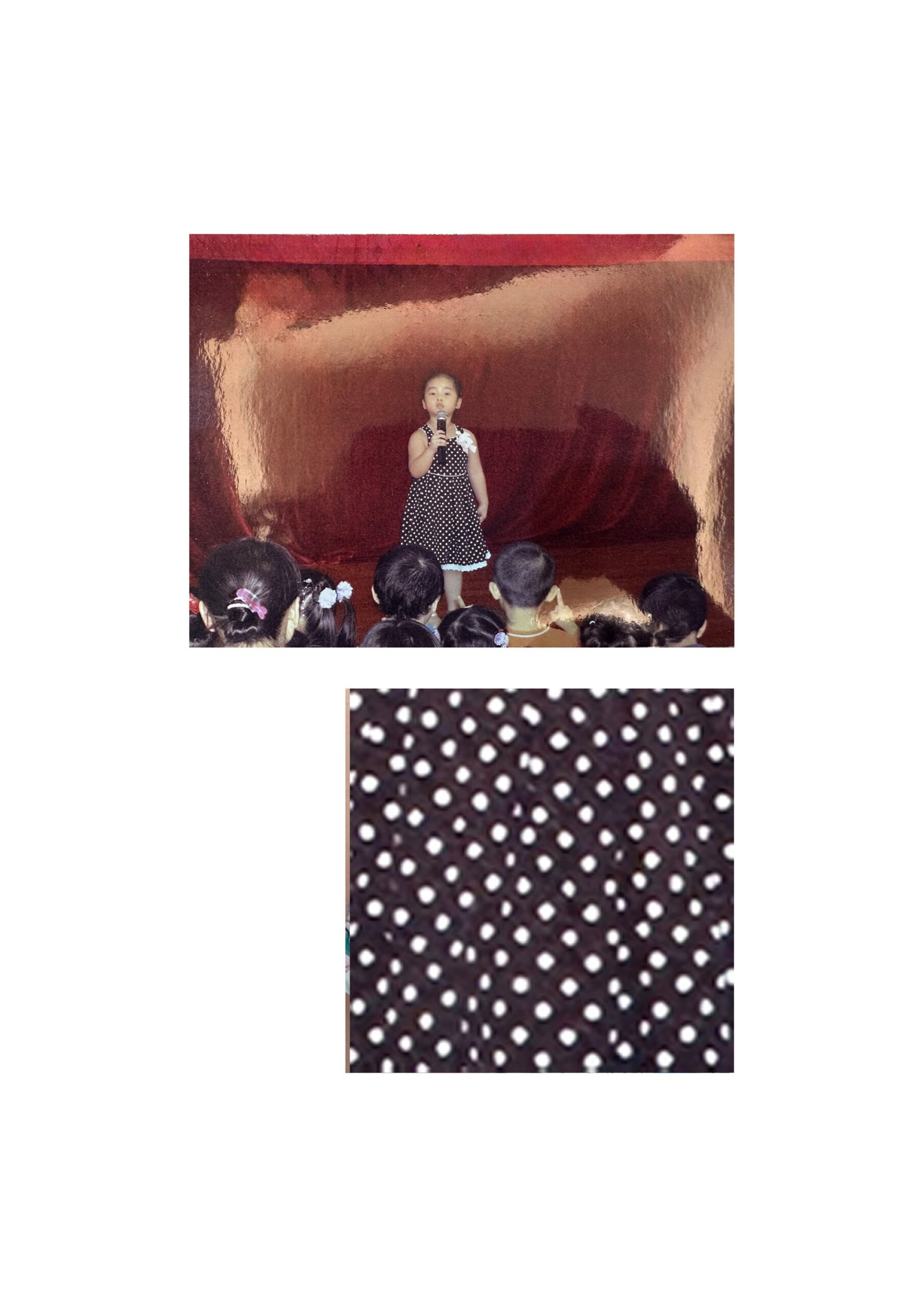
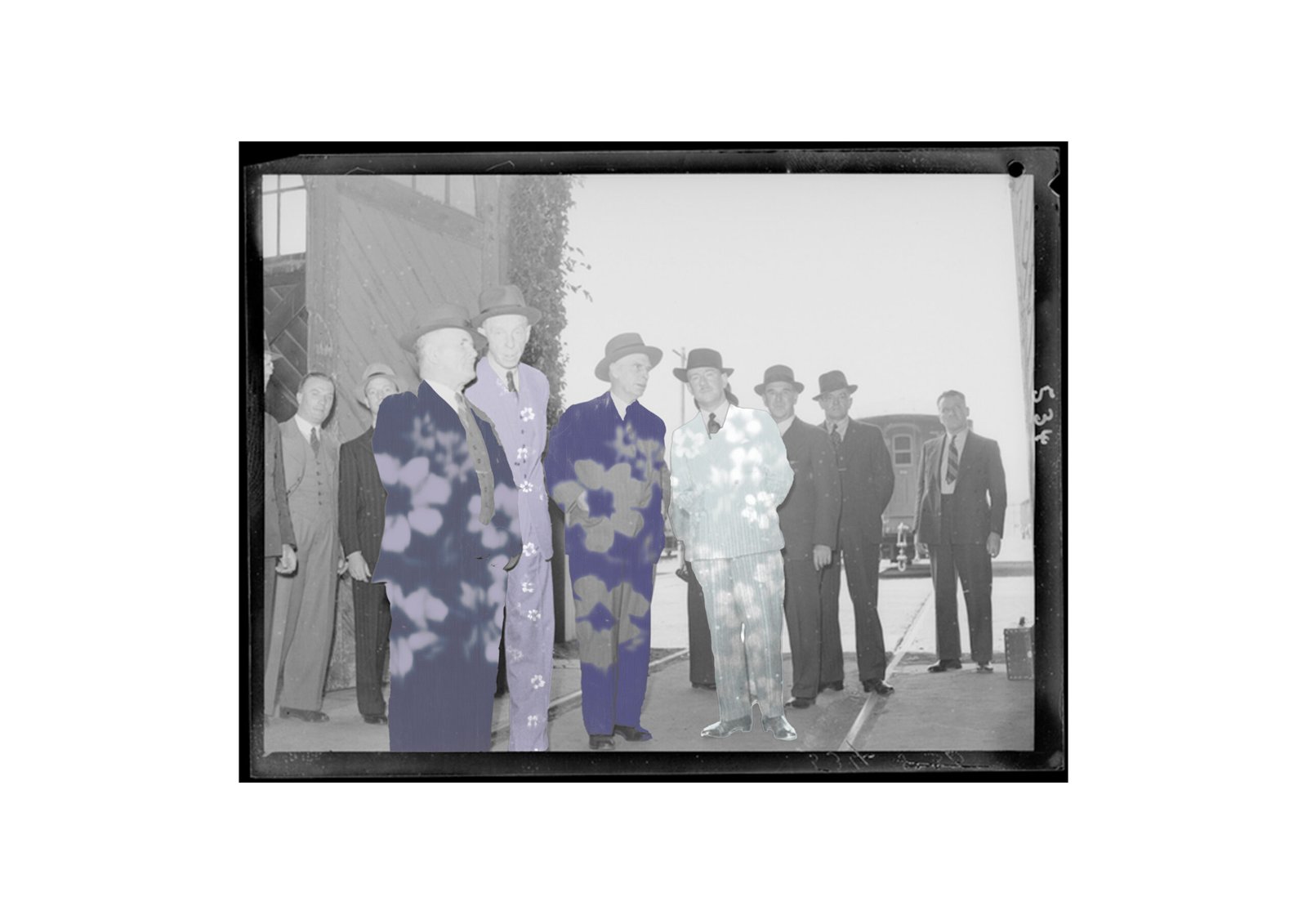
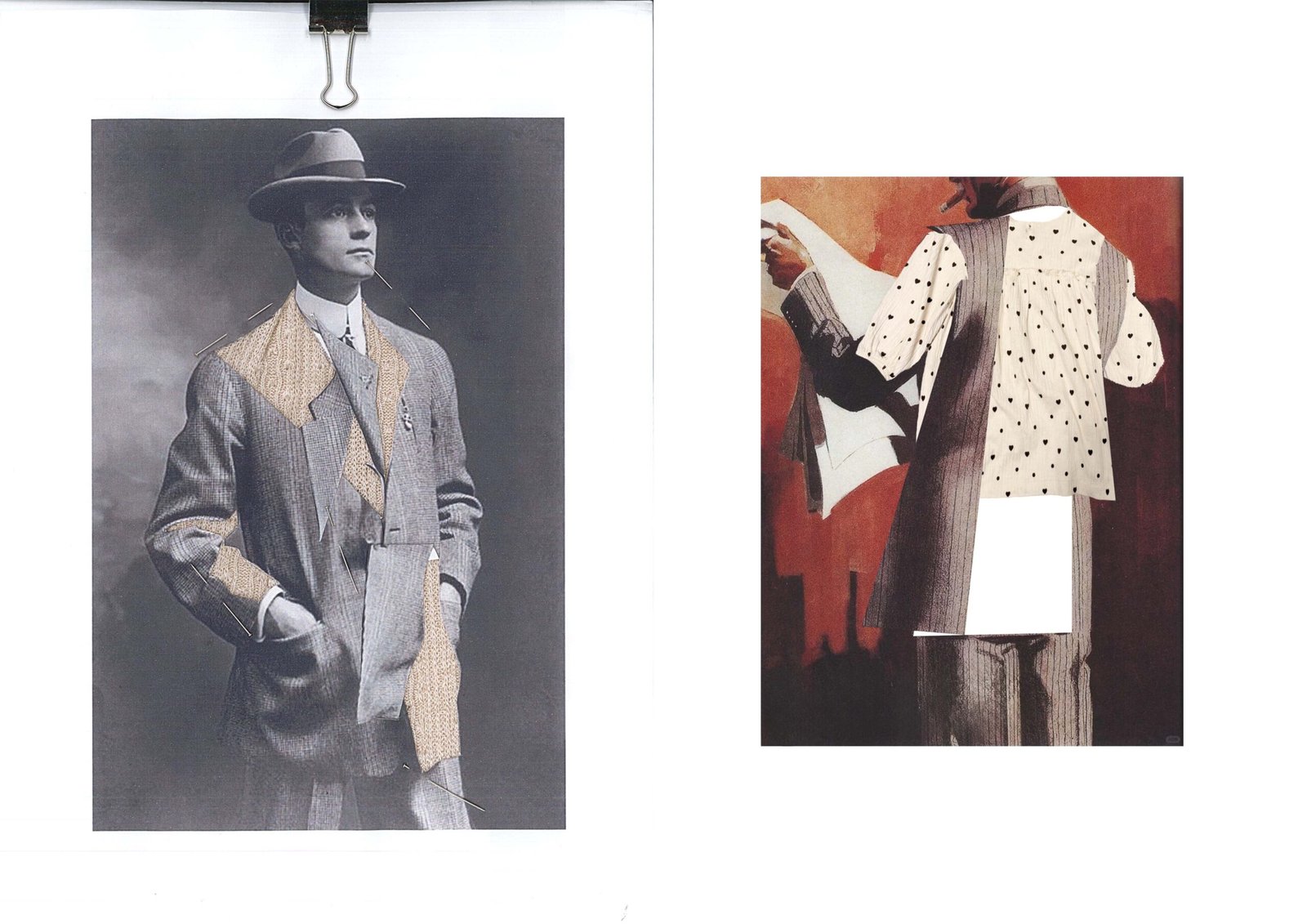
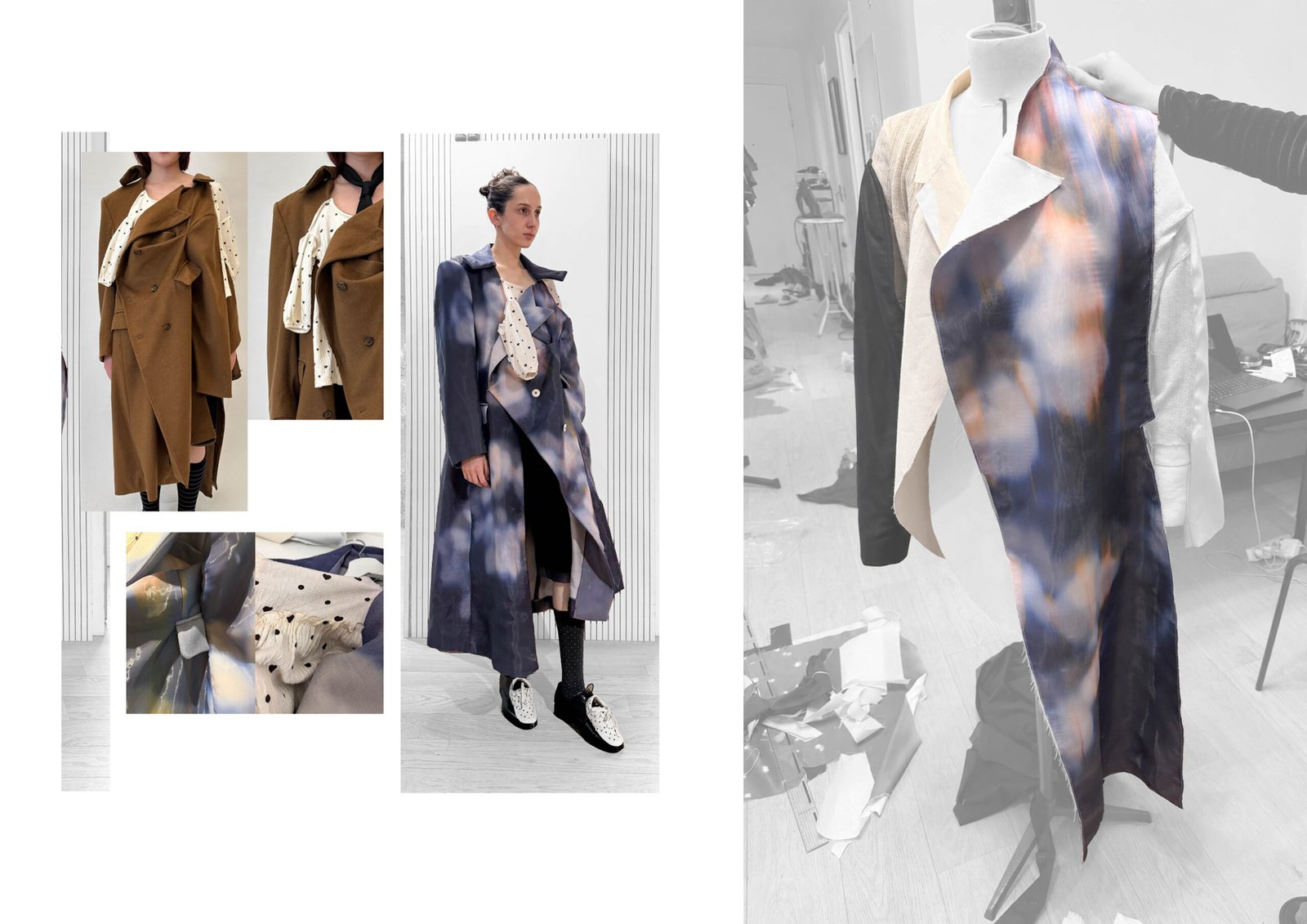
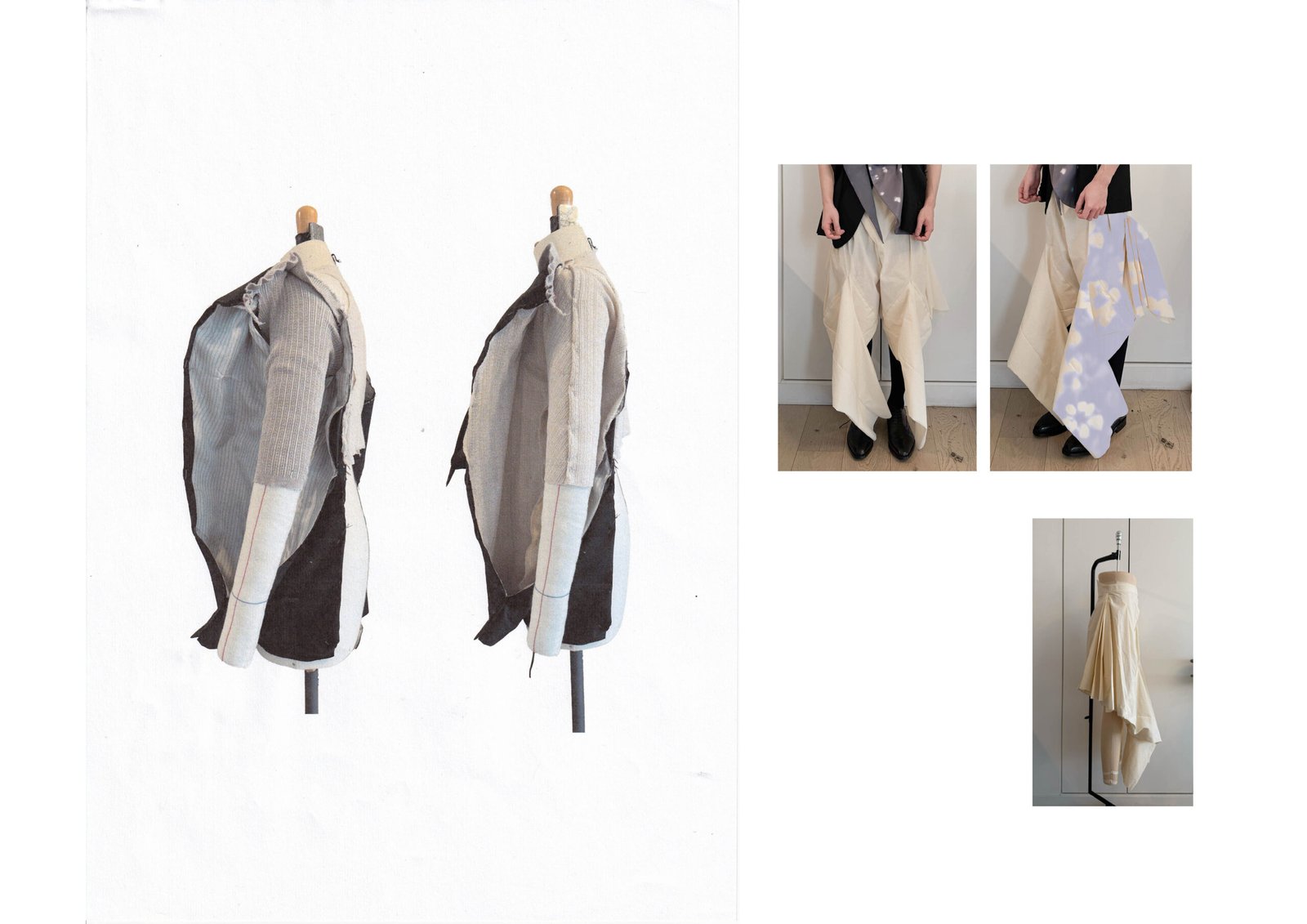
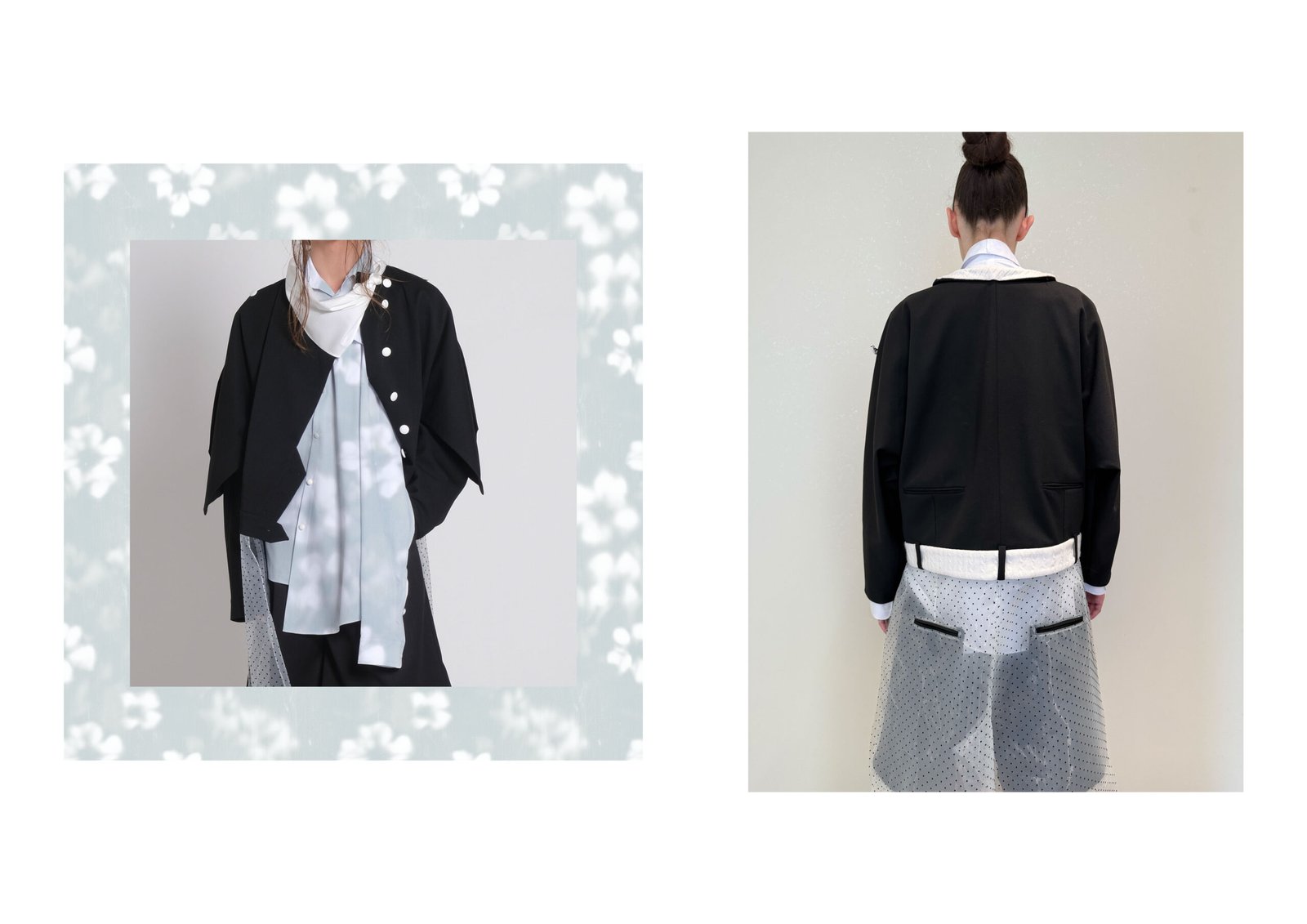
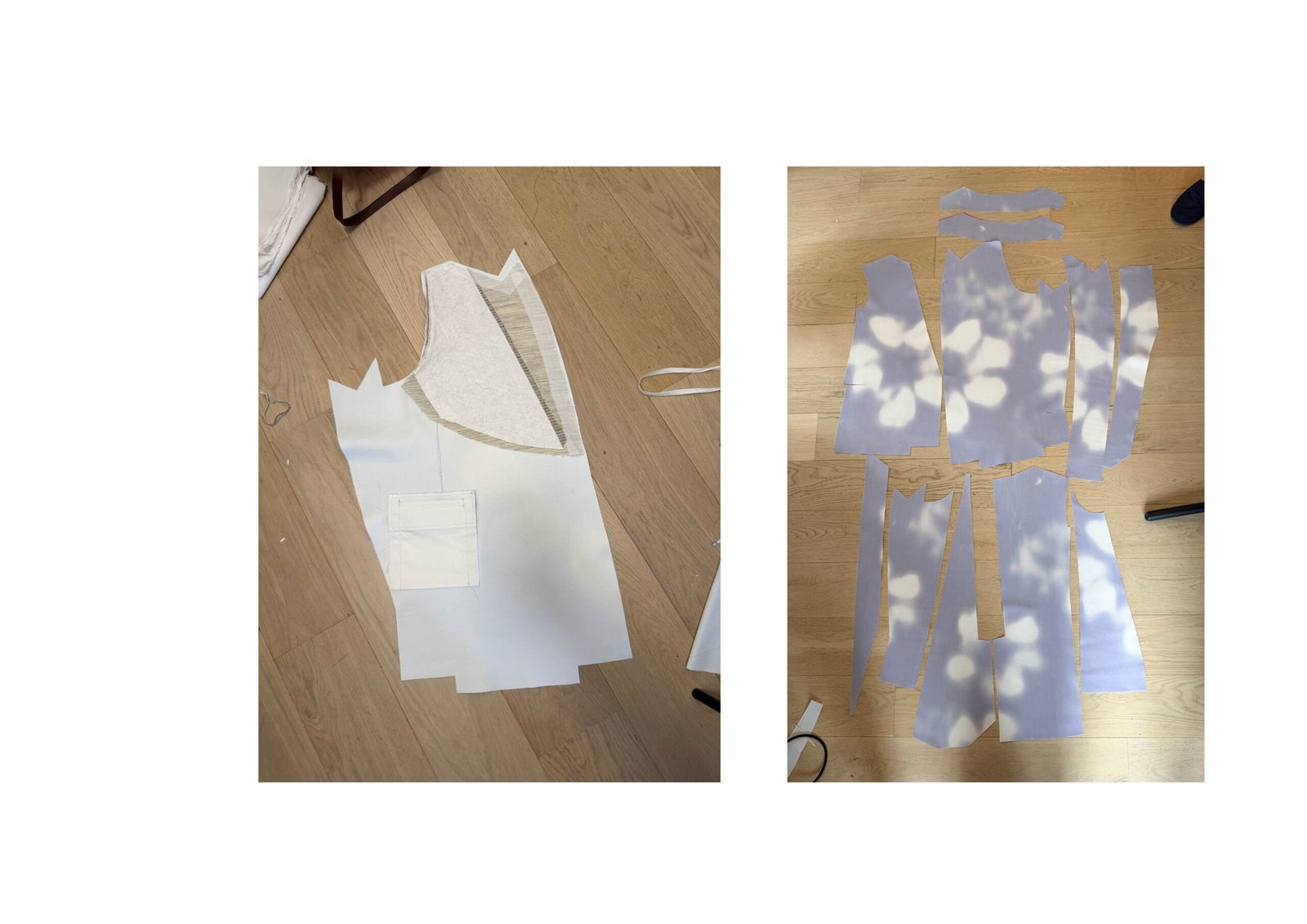
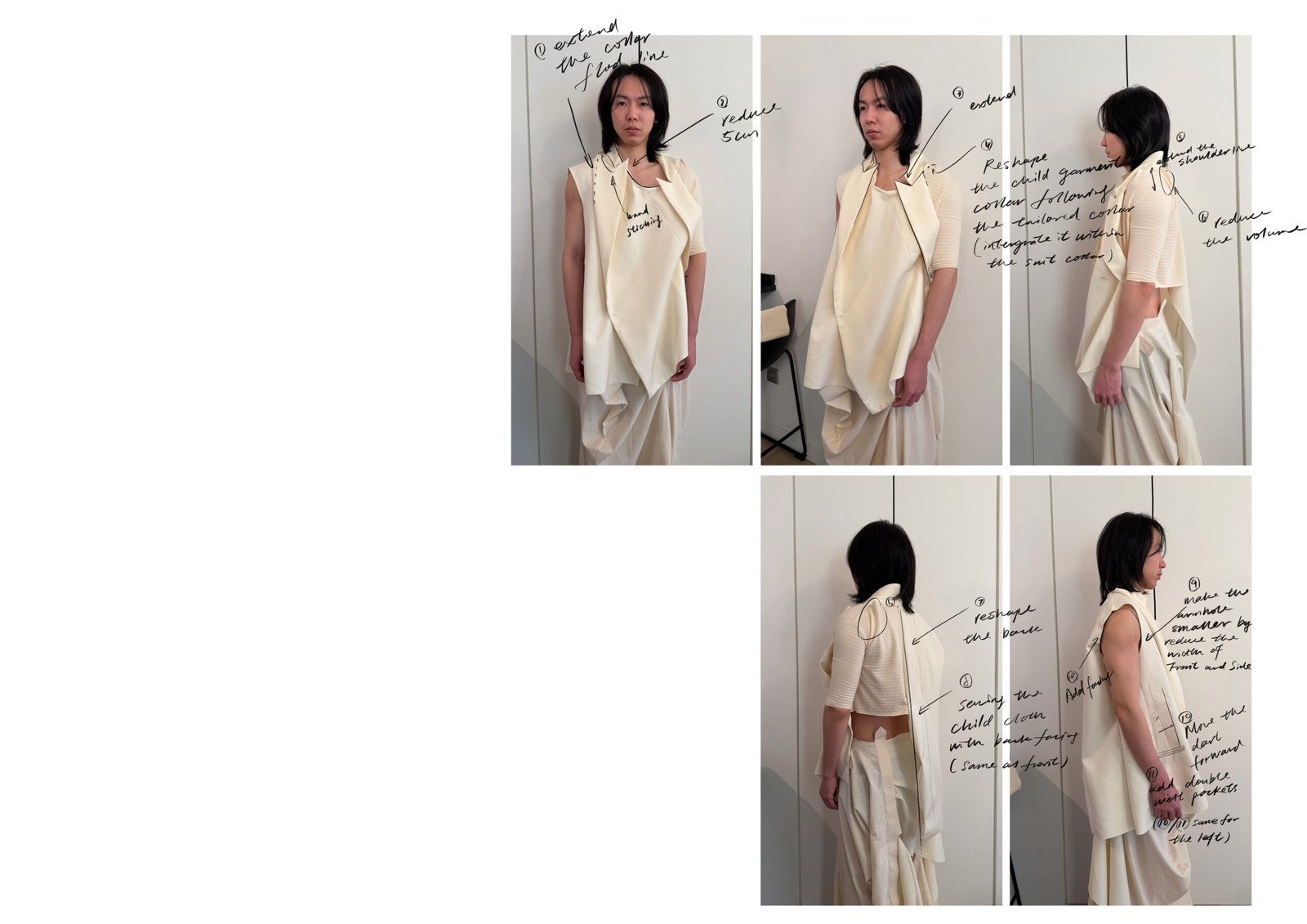
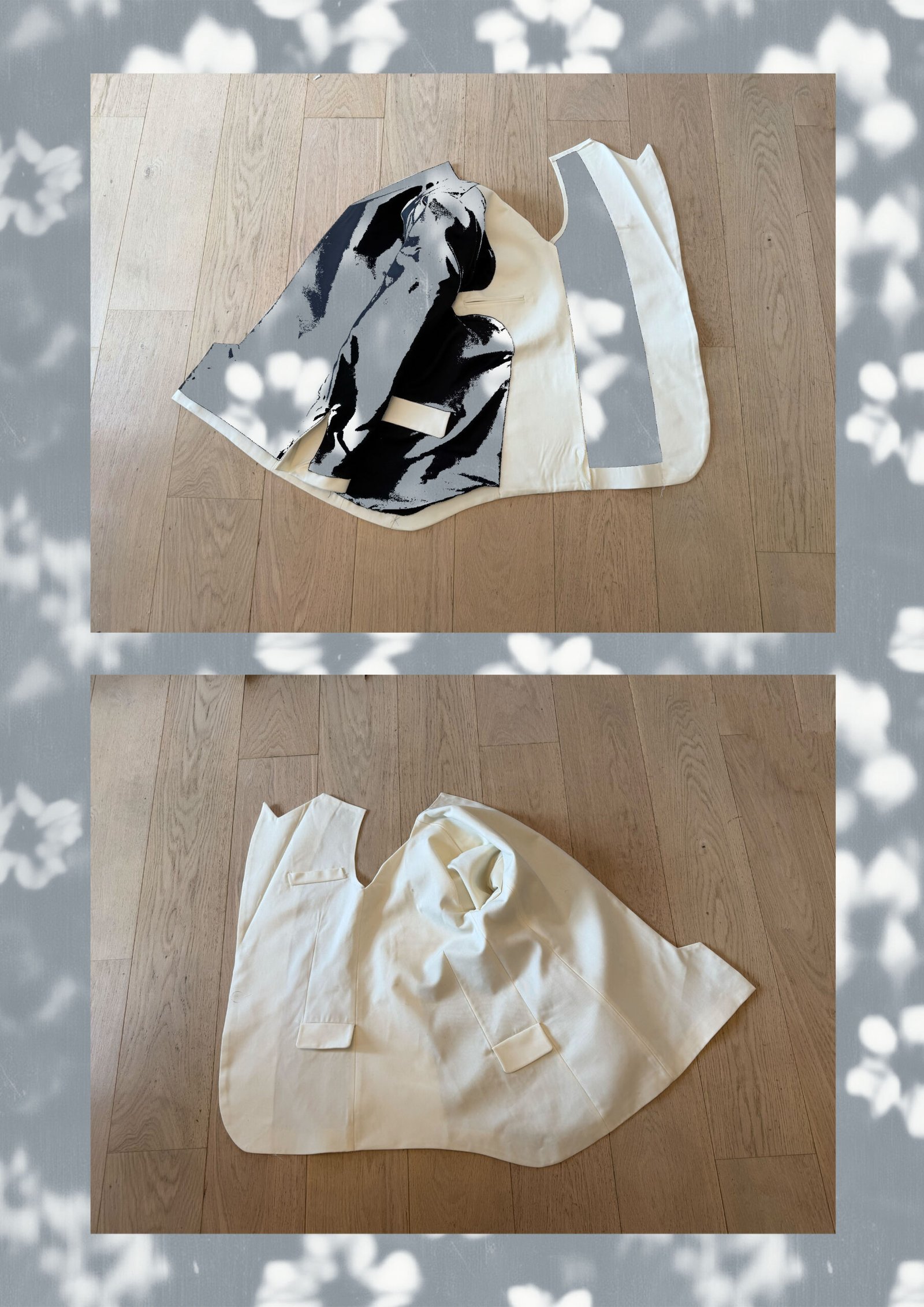
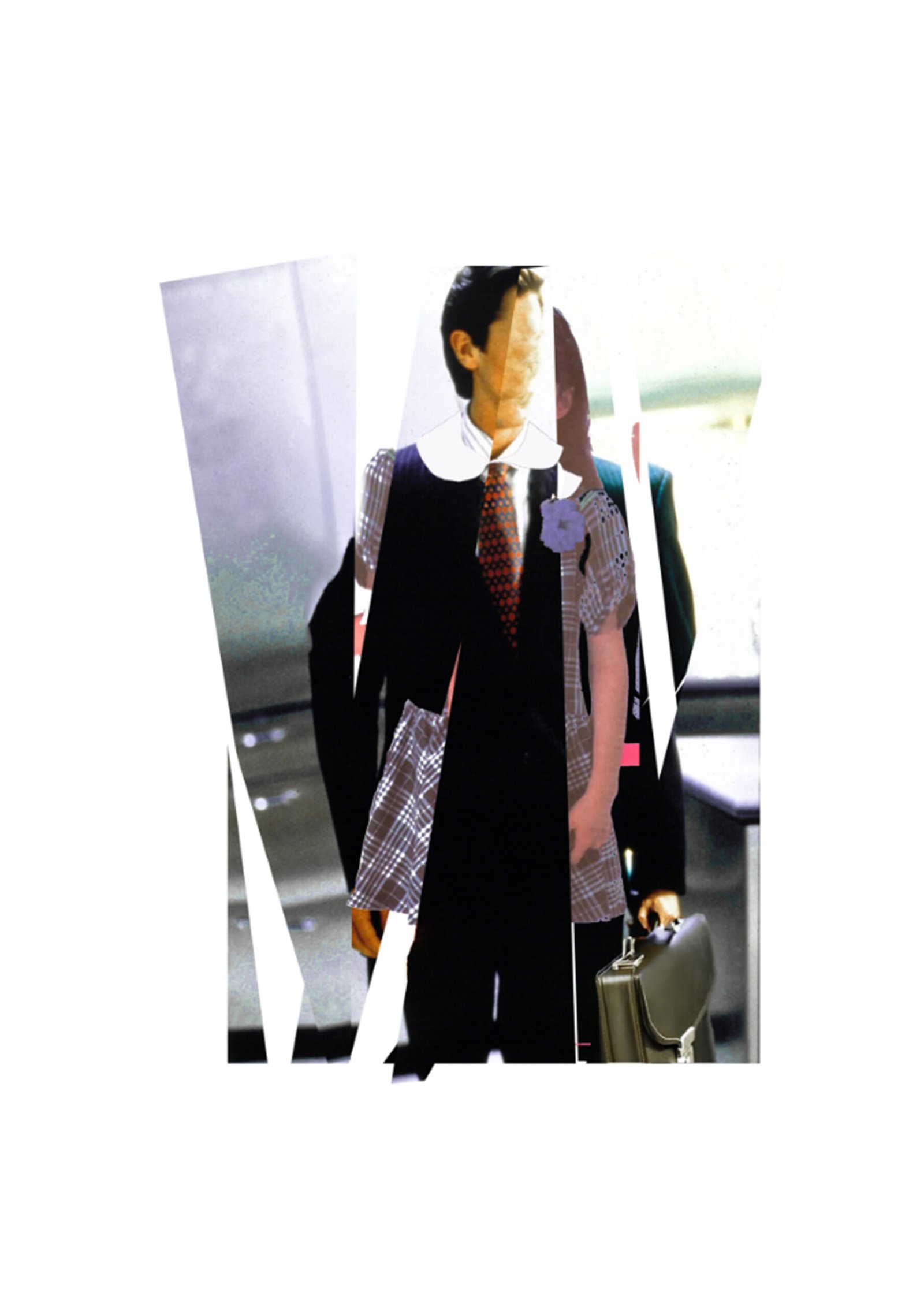
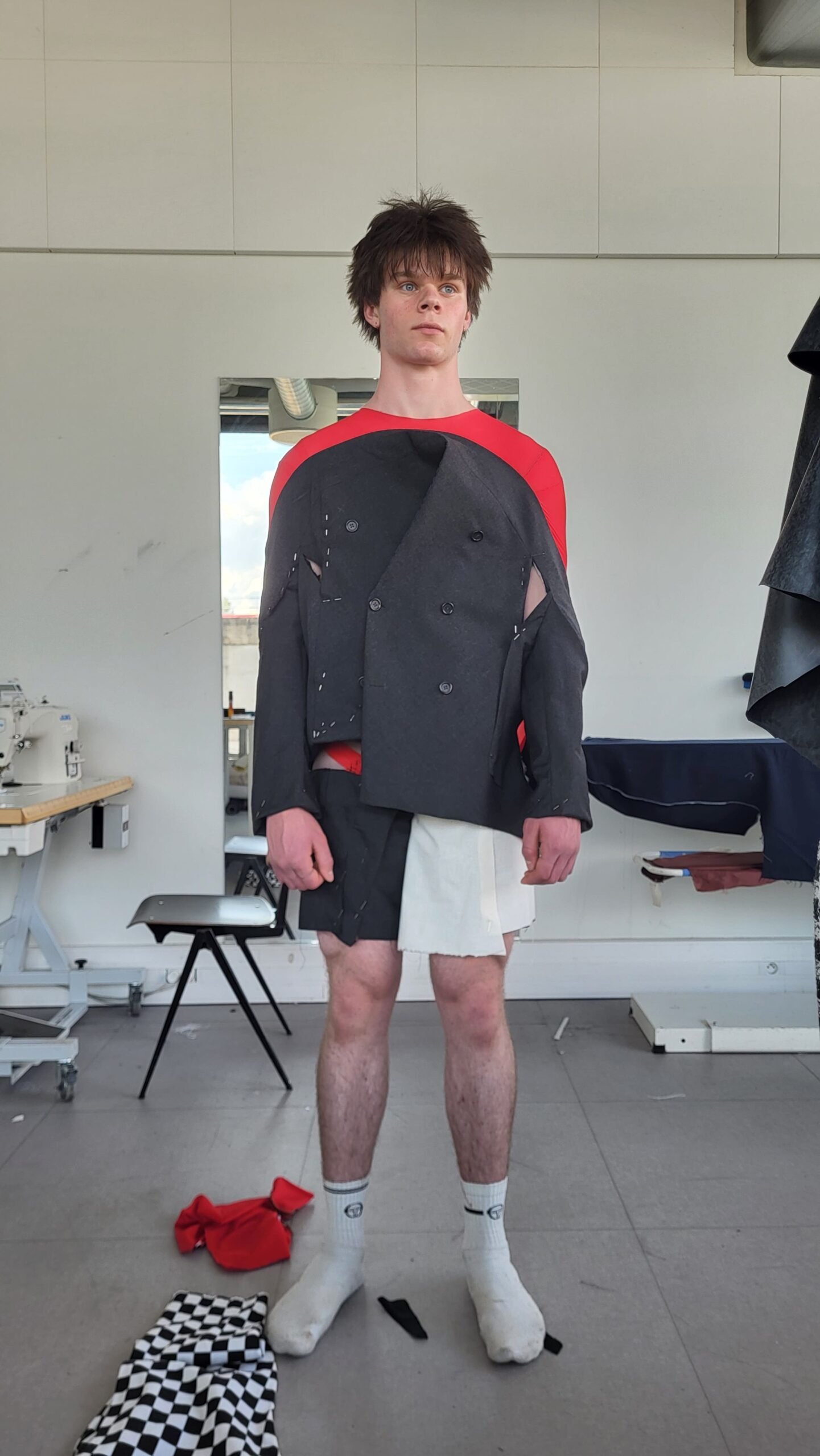
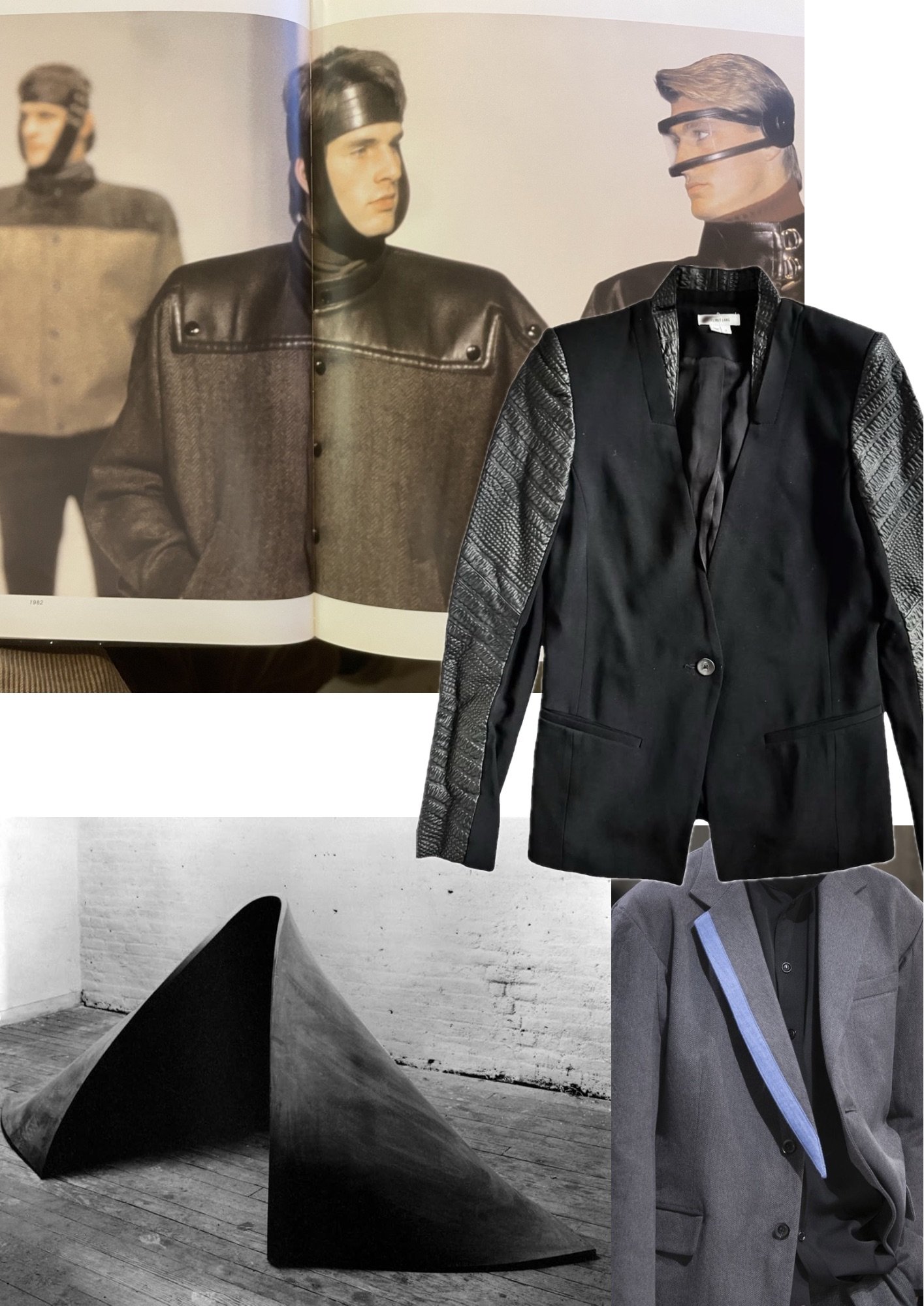
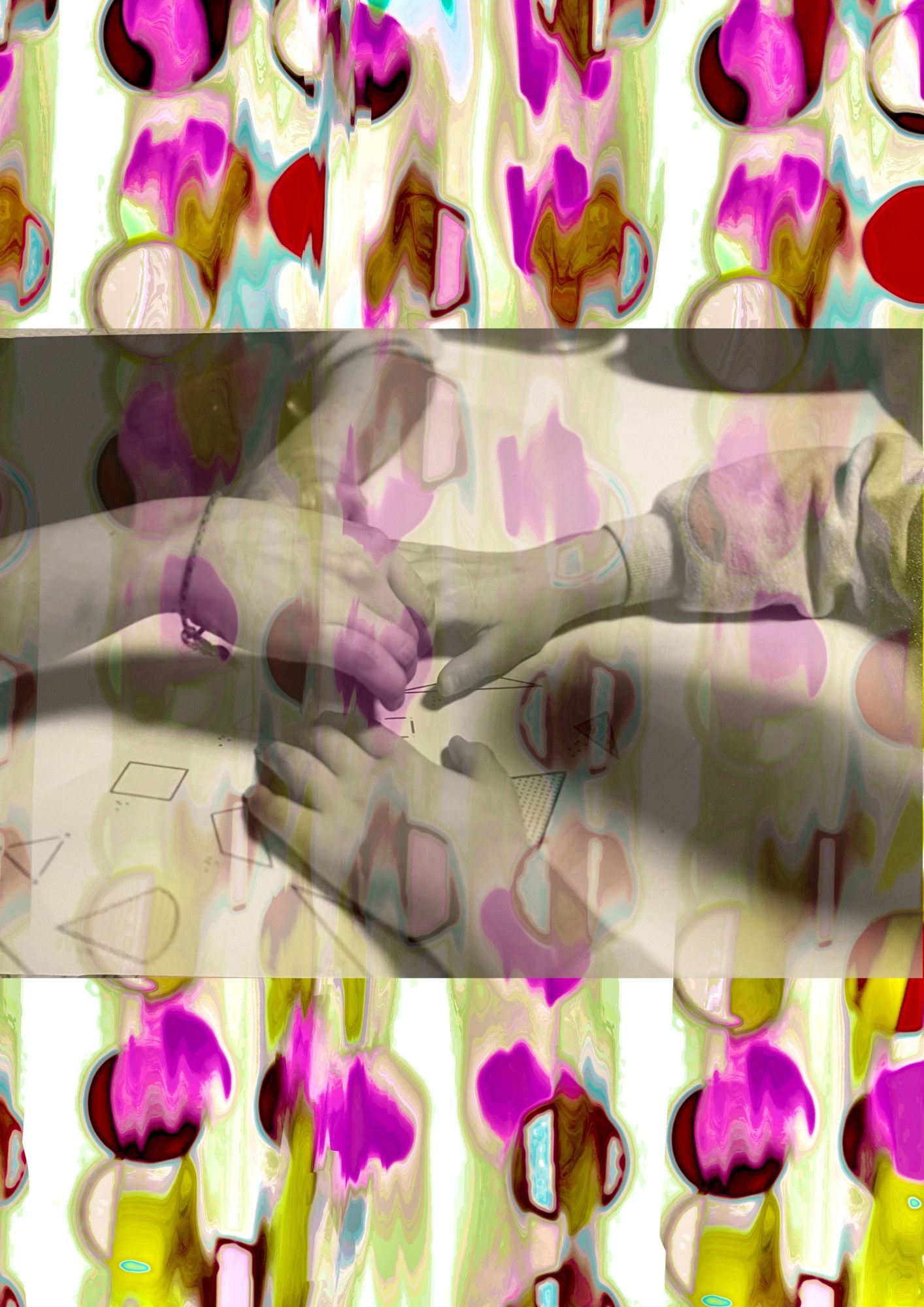
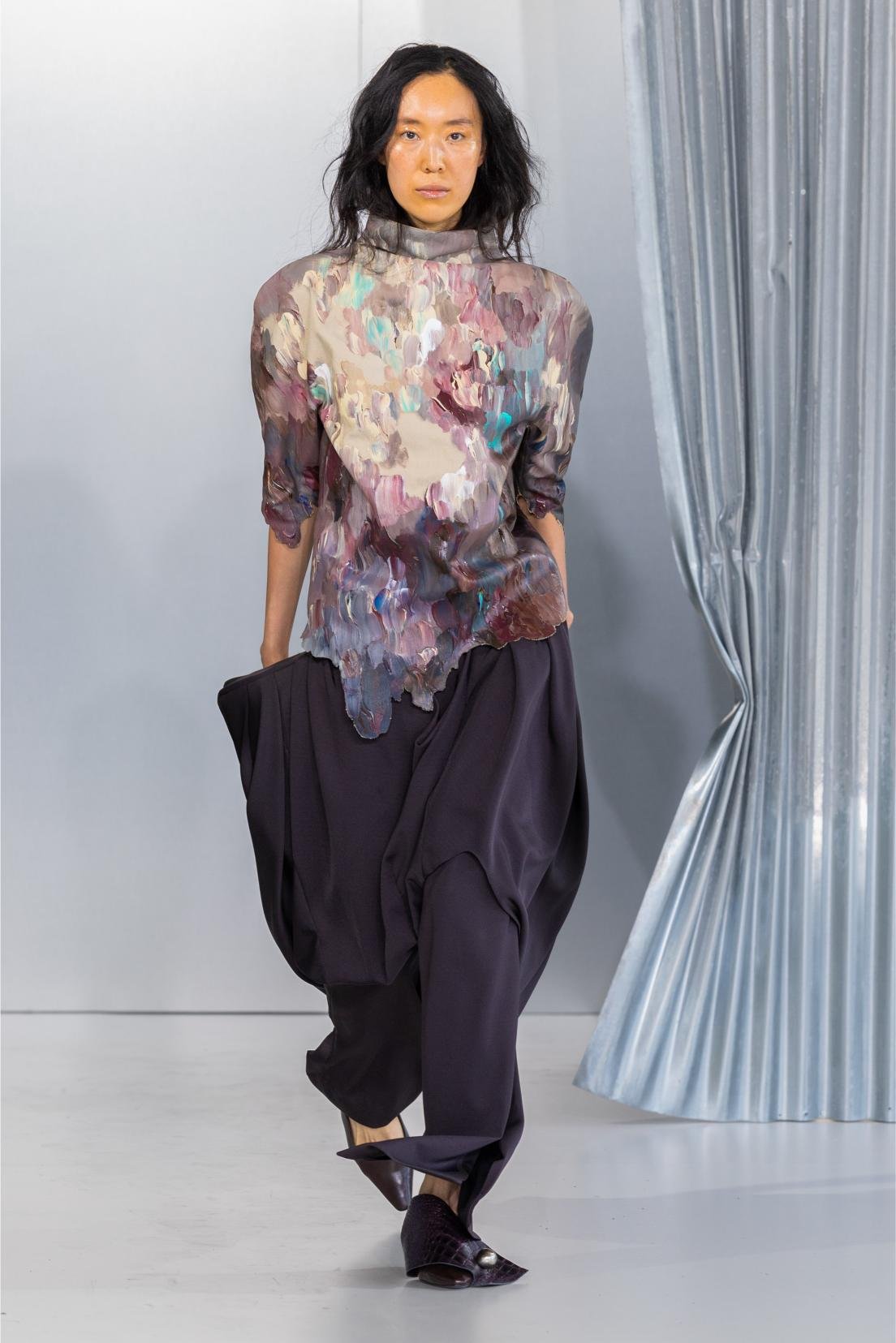
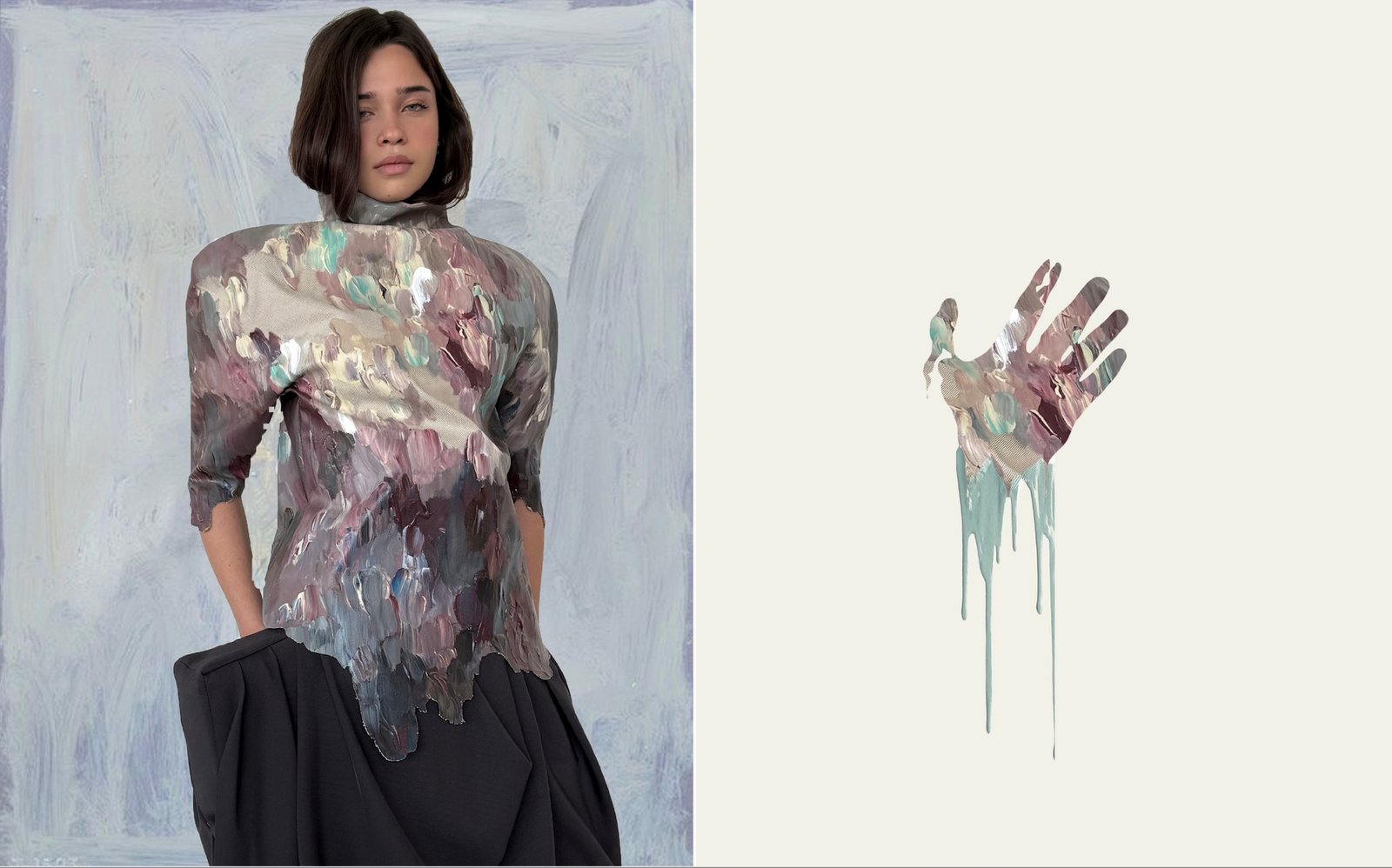
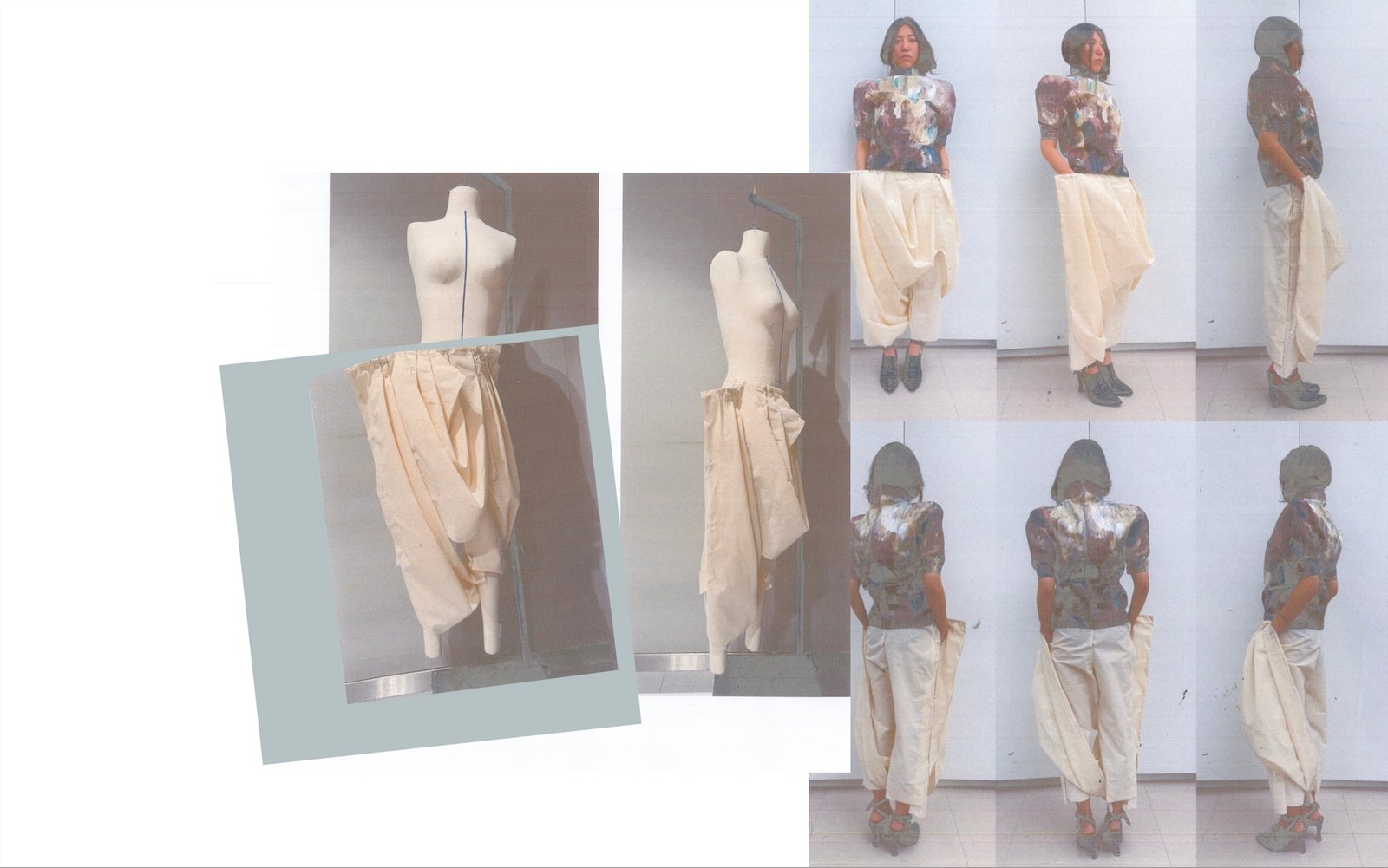
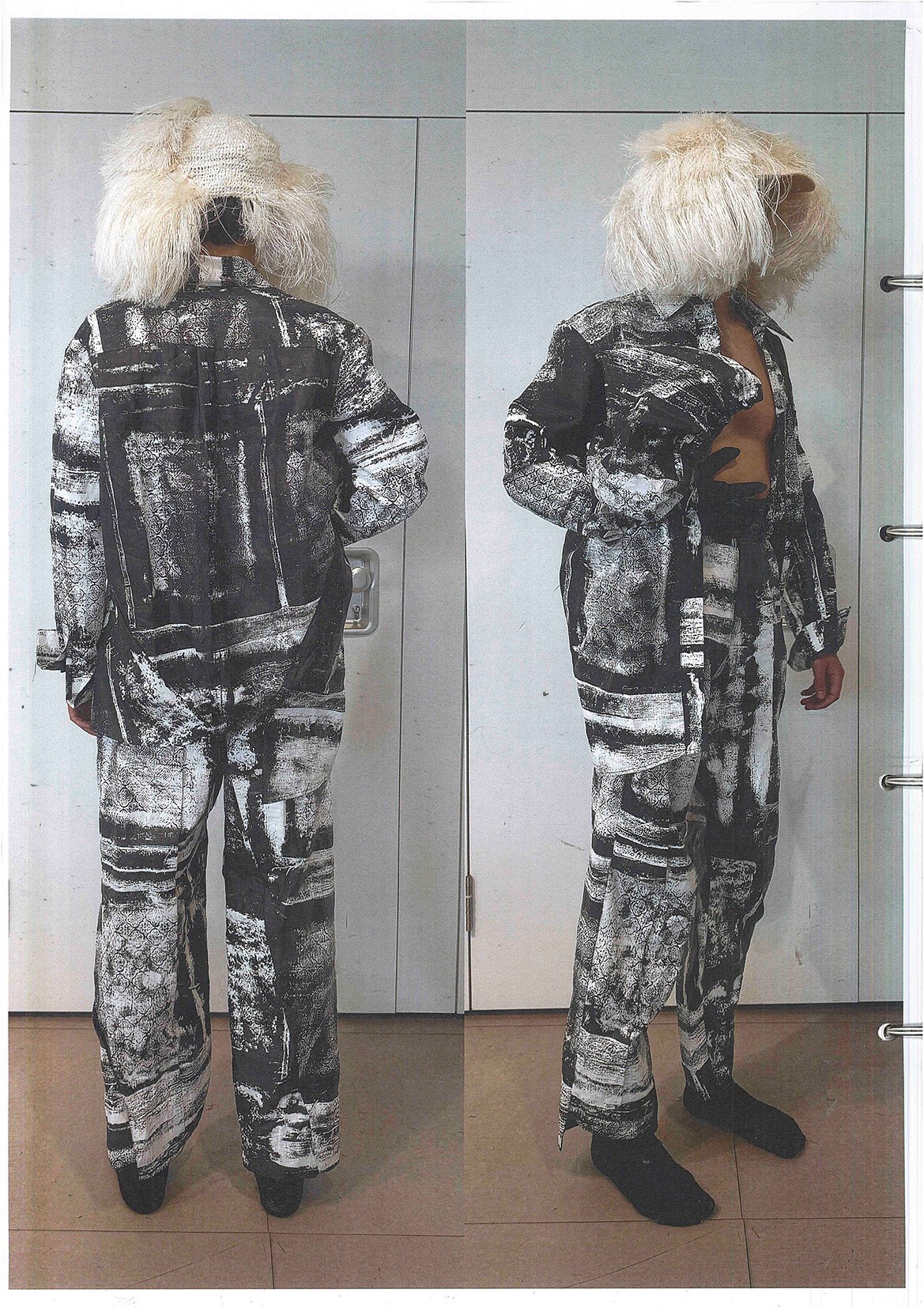
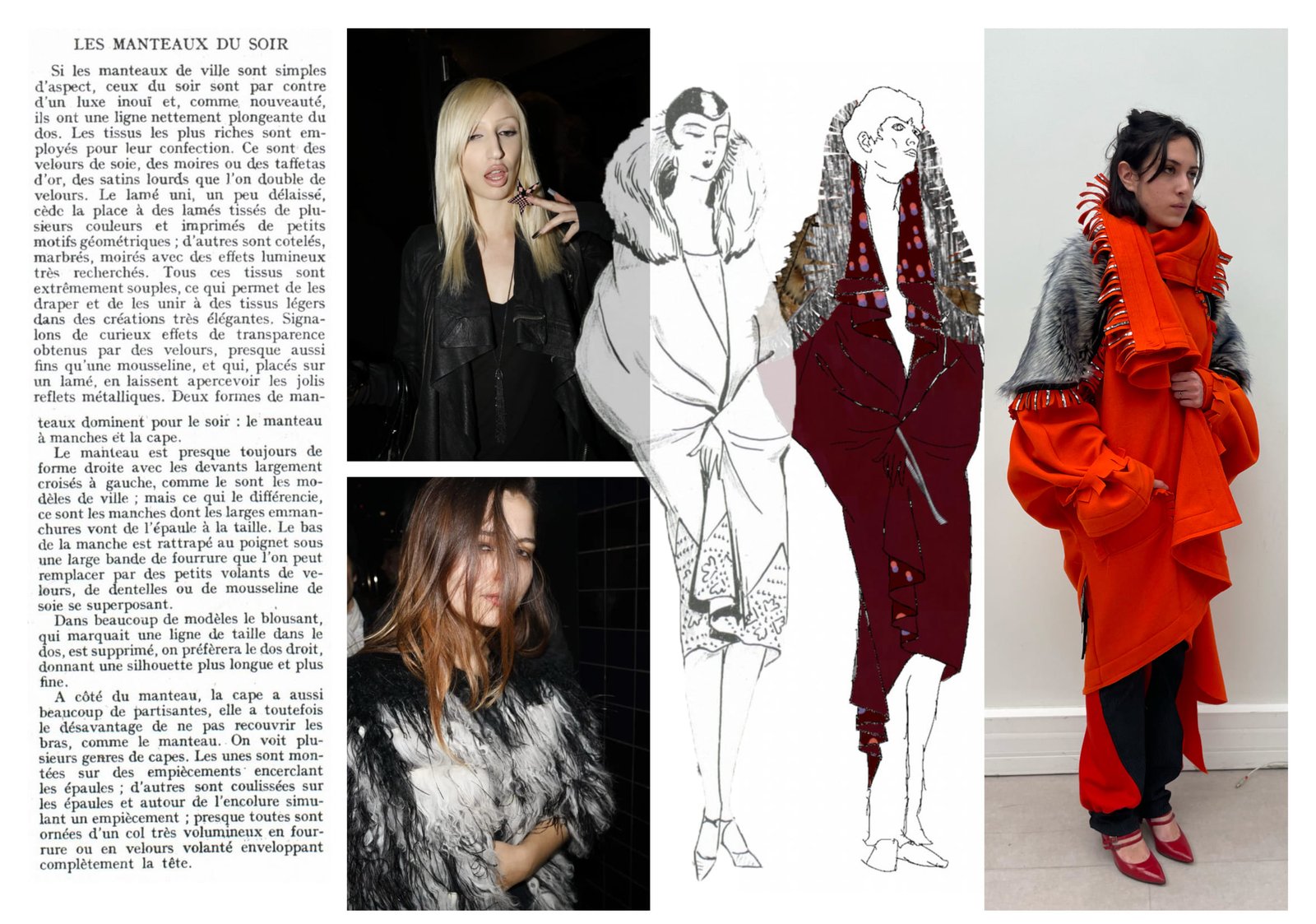
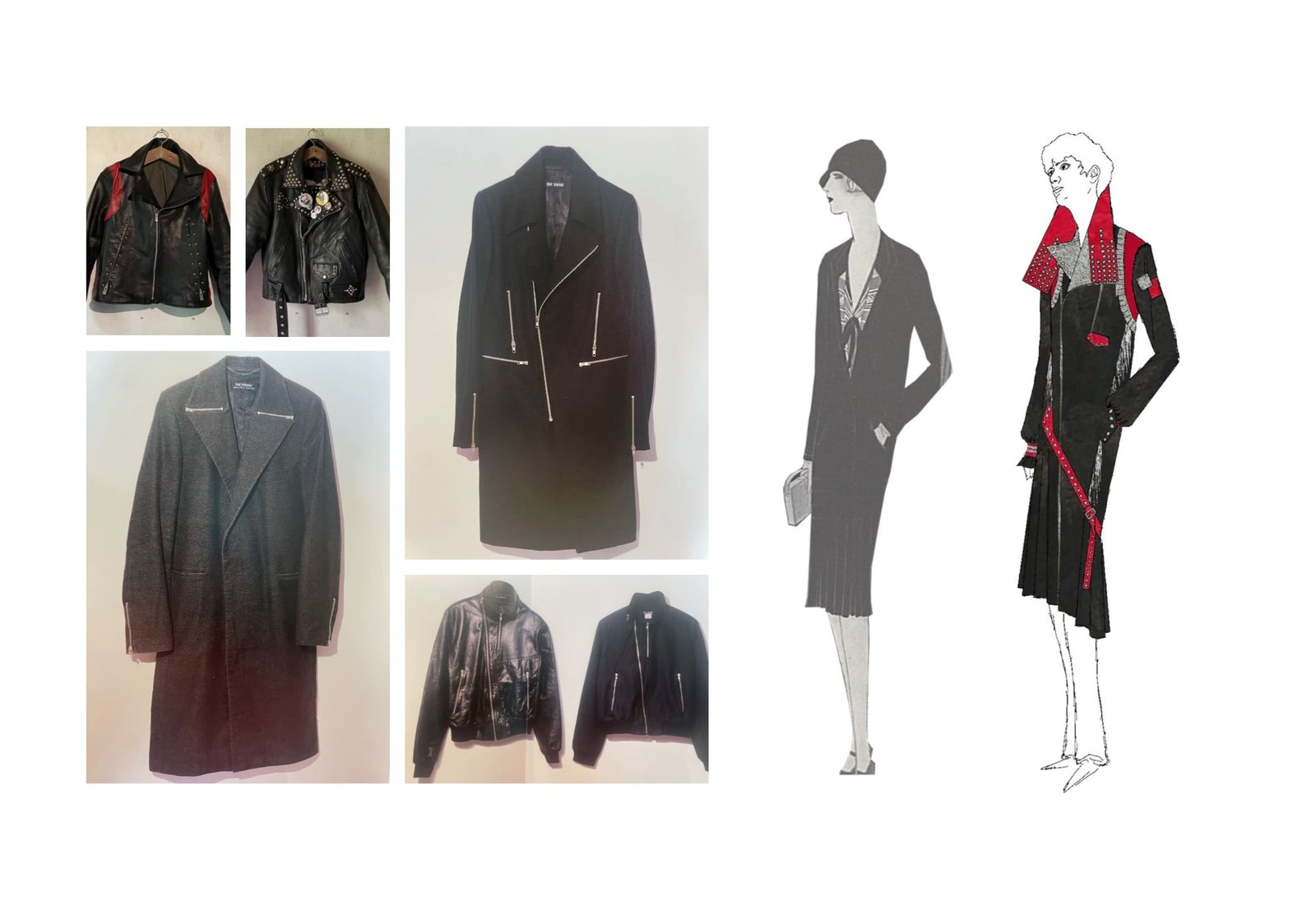
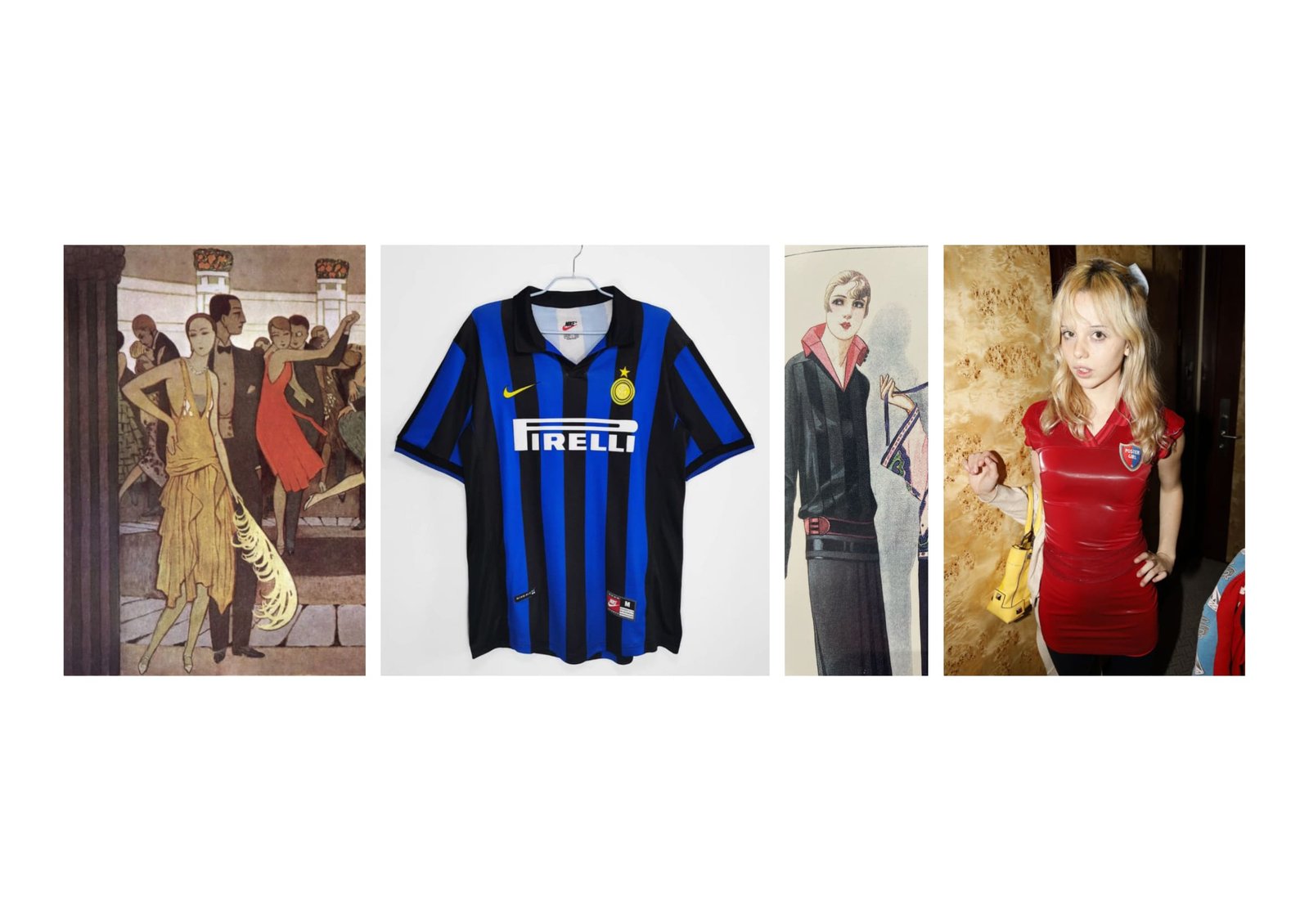
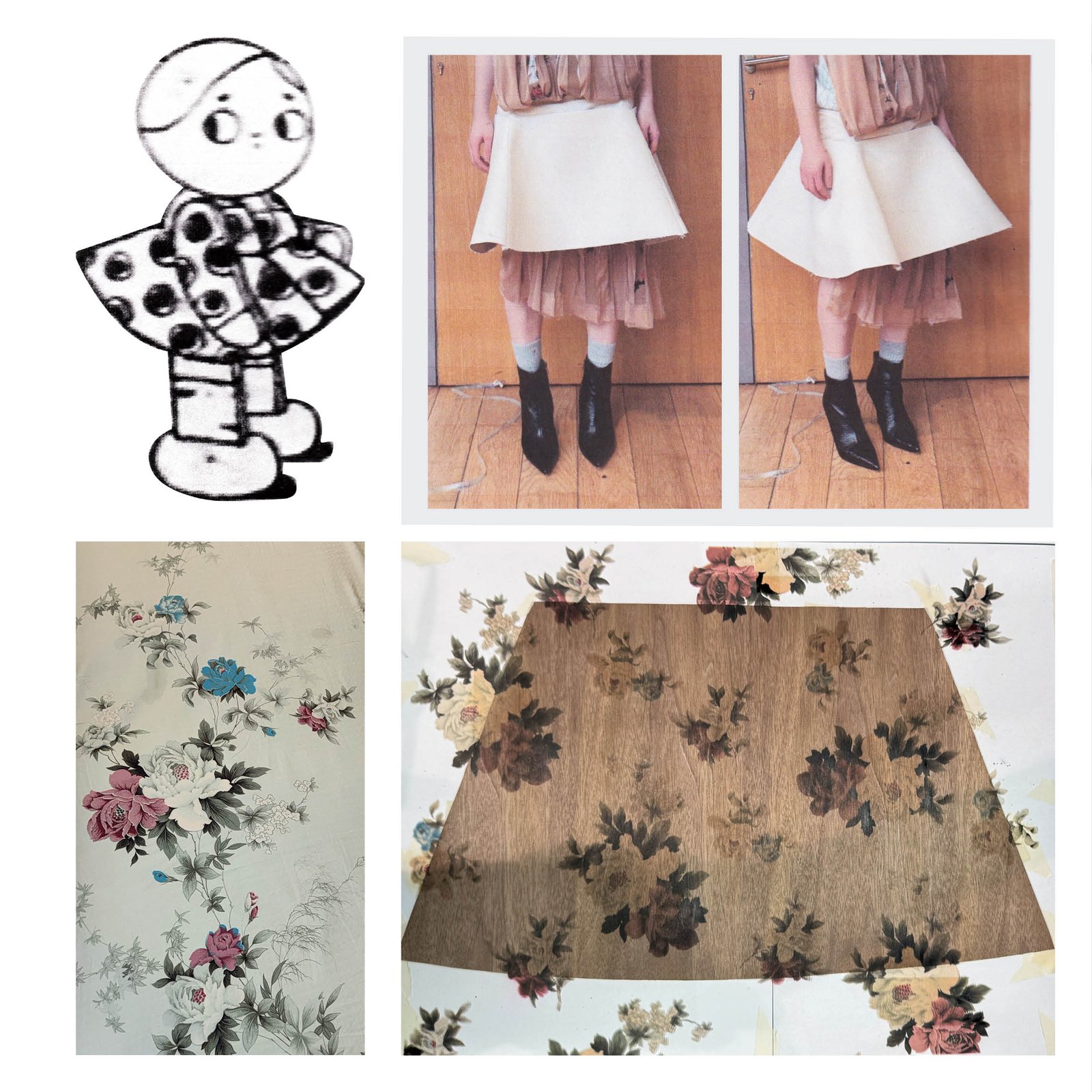
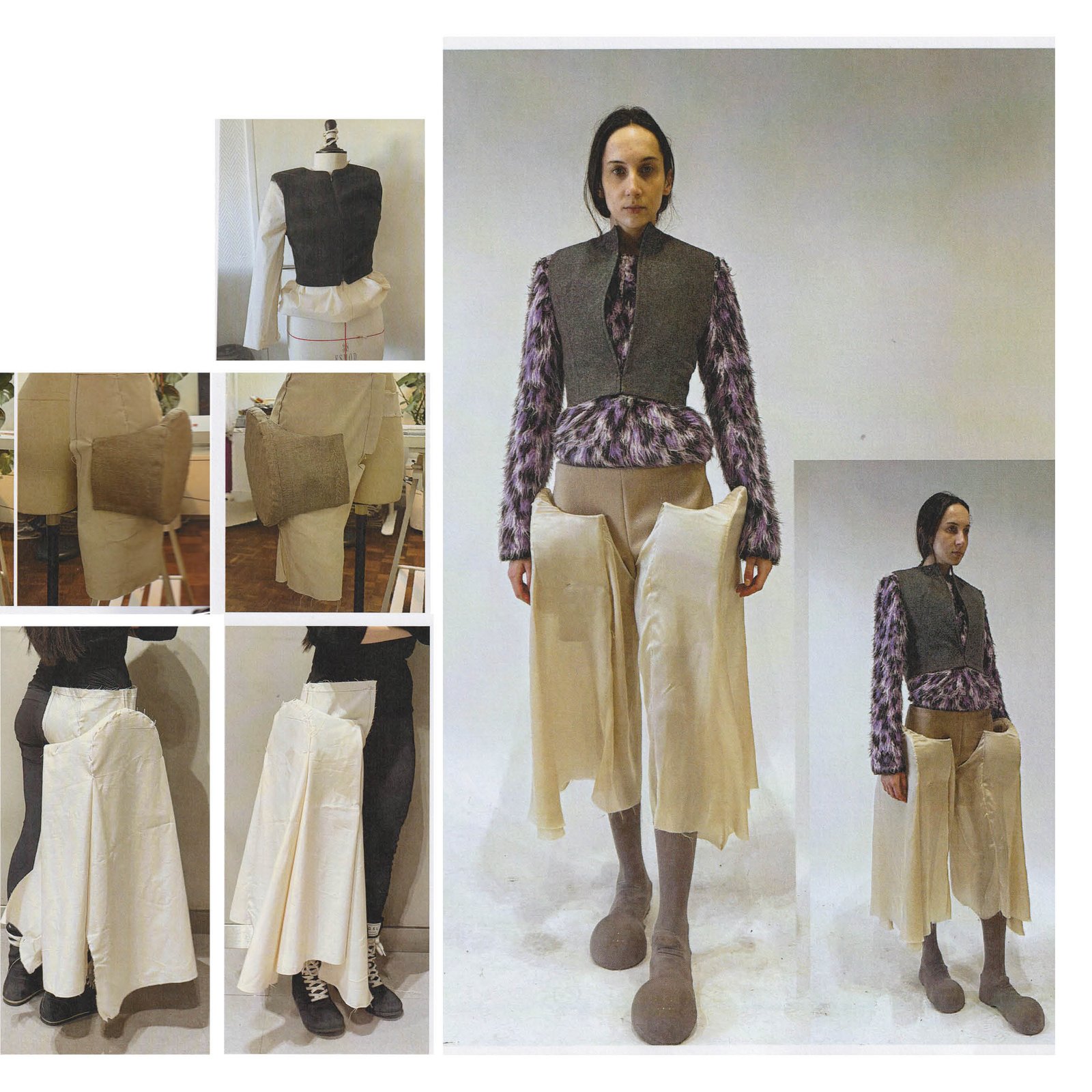
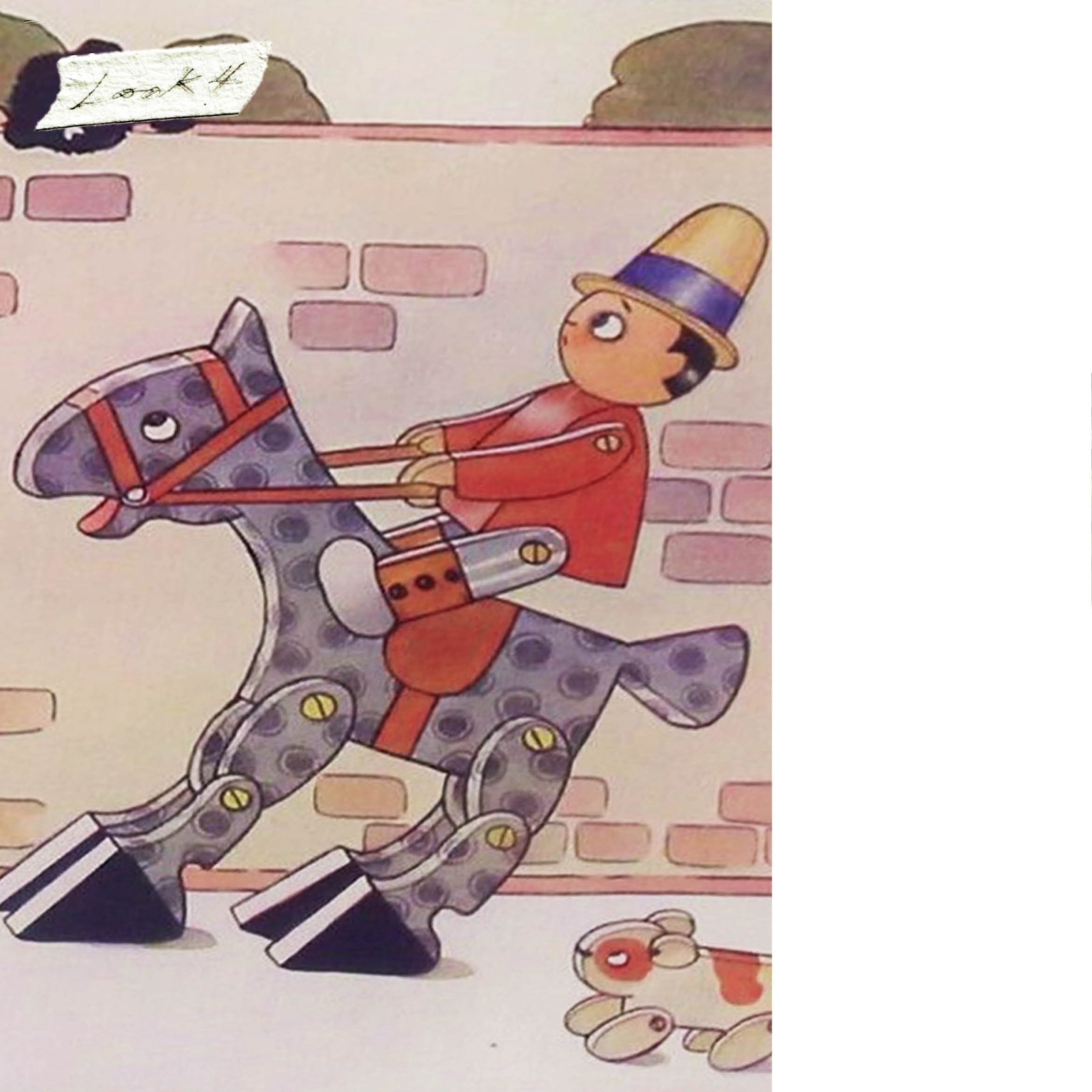
Yaojia Cen’s collection examines menswear not as gender identity, but as a structure of authority, function, and control. The project begins with the order found in 1930s French commercial illustration, in which the male body is arranged through shoulders, posture, symmetry, and fit. Against this logic, Cen introduces the proportions, joining methods, and prints of children’s garments – drawn from her own childhood photographs – inserting them into adult tailoring to destabilise the codes she identifies as powerful. Deconstruction, jersey materials, and the blurred, fragmented colour language of painter Wendelin Wohlgemuth work together to soften tailoring’s authority, producing silhouettes suspended between masculine structure and childhood ease. As she leaves education, Cen is excited by the possibility of building a visual language that can exist beyond the school context, and hopes to work within a slower, more critically engaged fashion environment – one in which research, construction, and emotional complexity retain space alongside commercial imperatives.

@557619_

Elona Clement

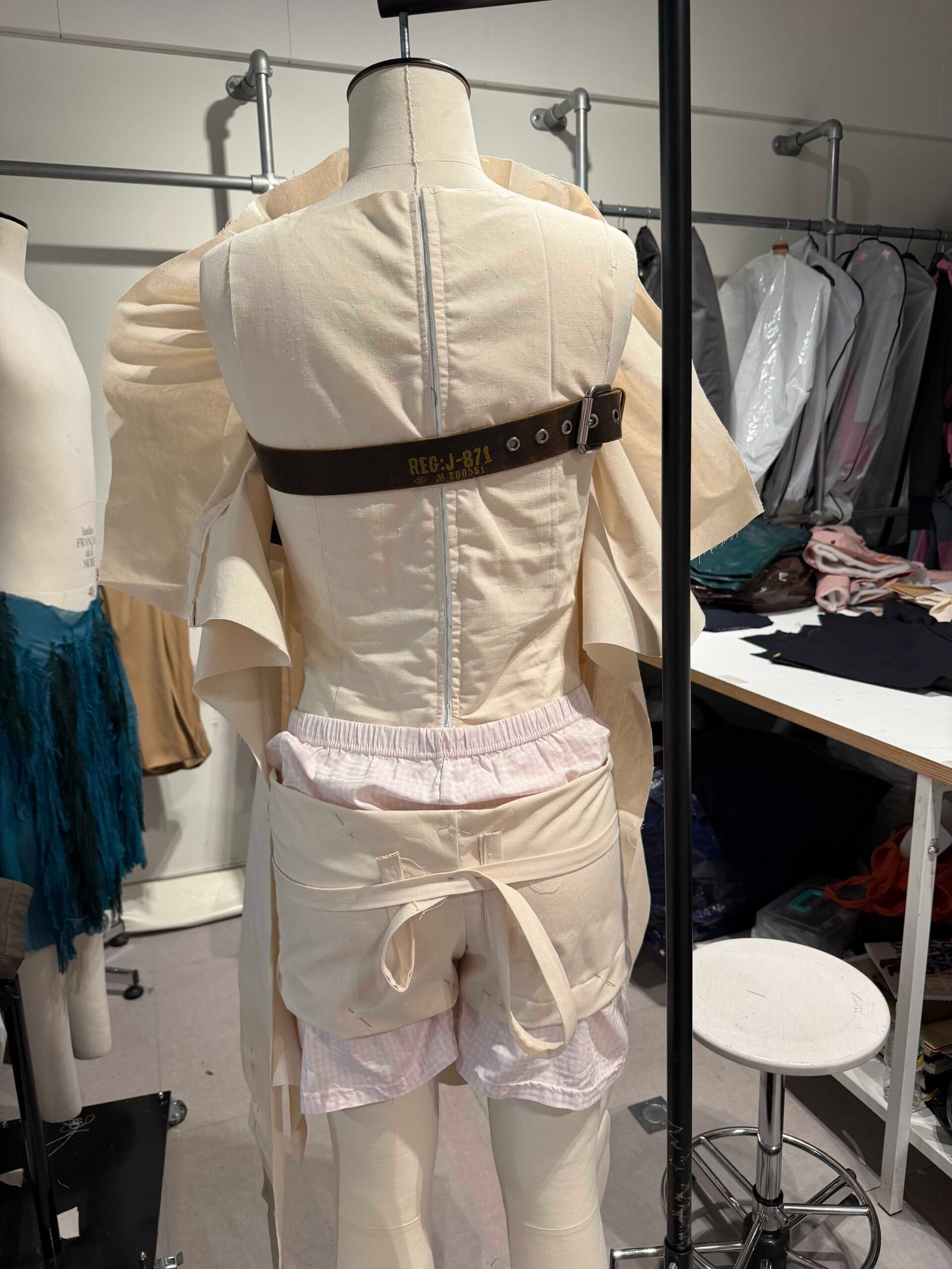
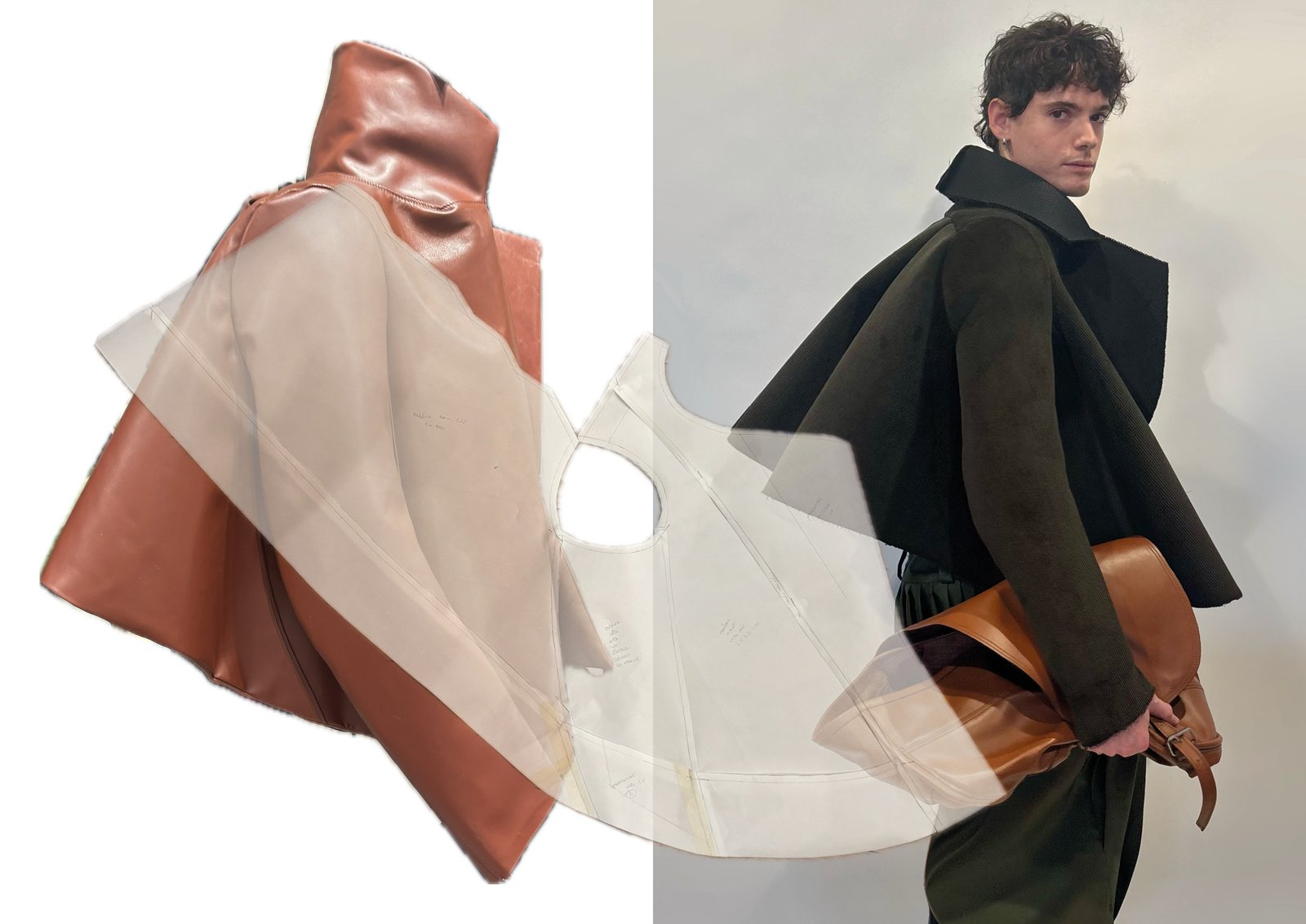
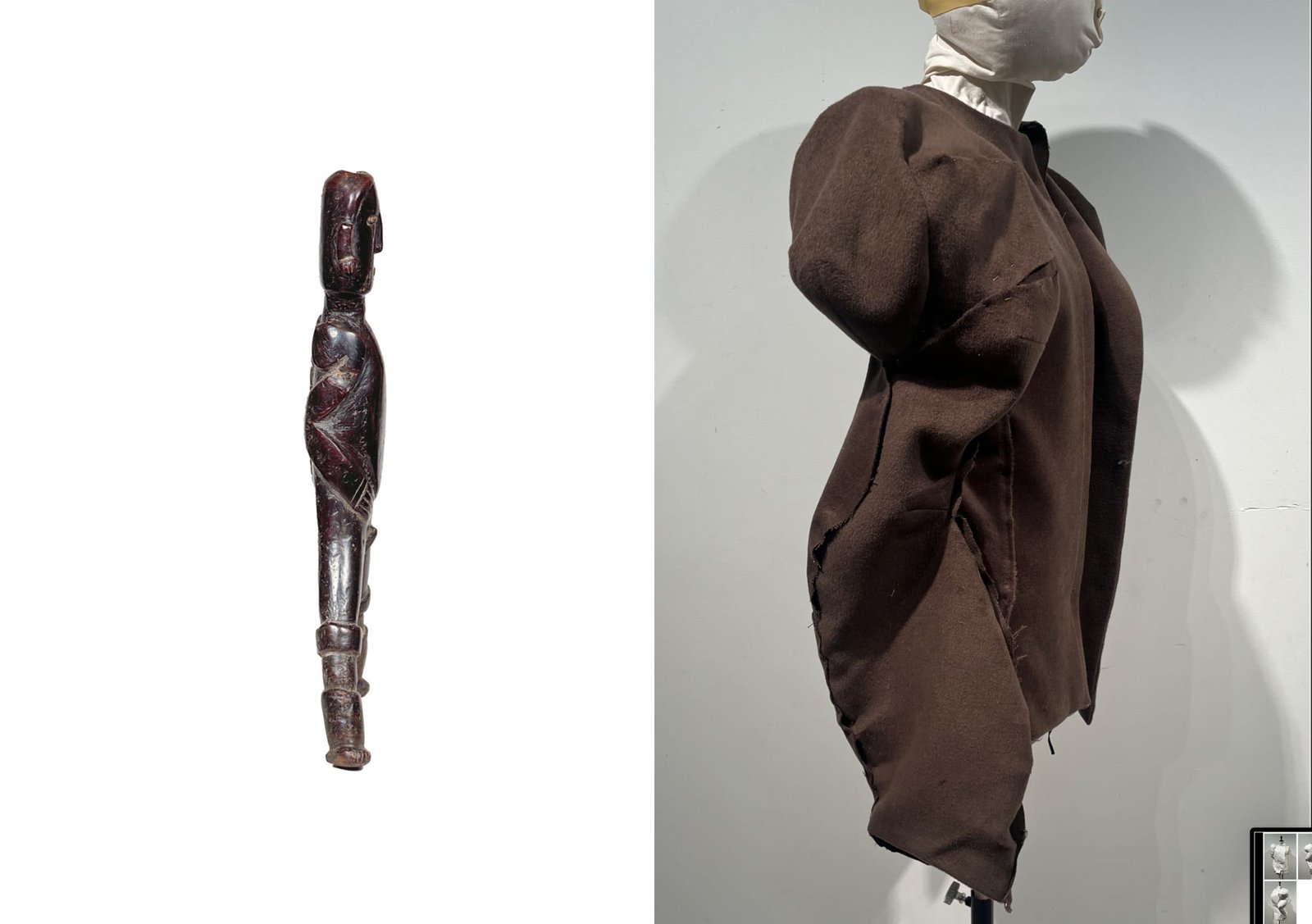
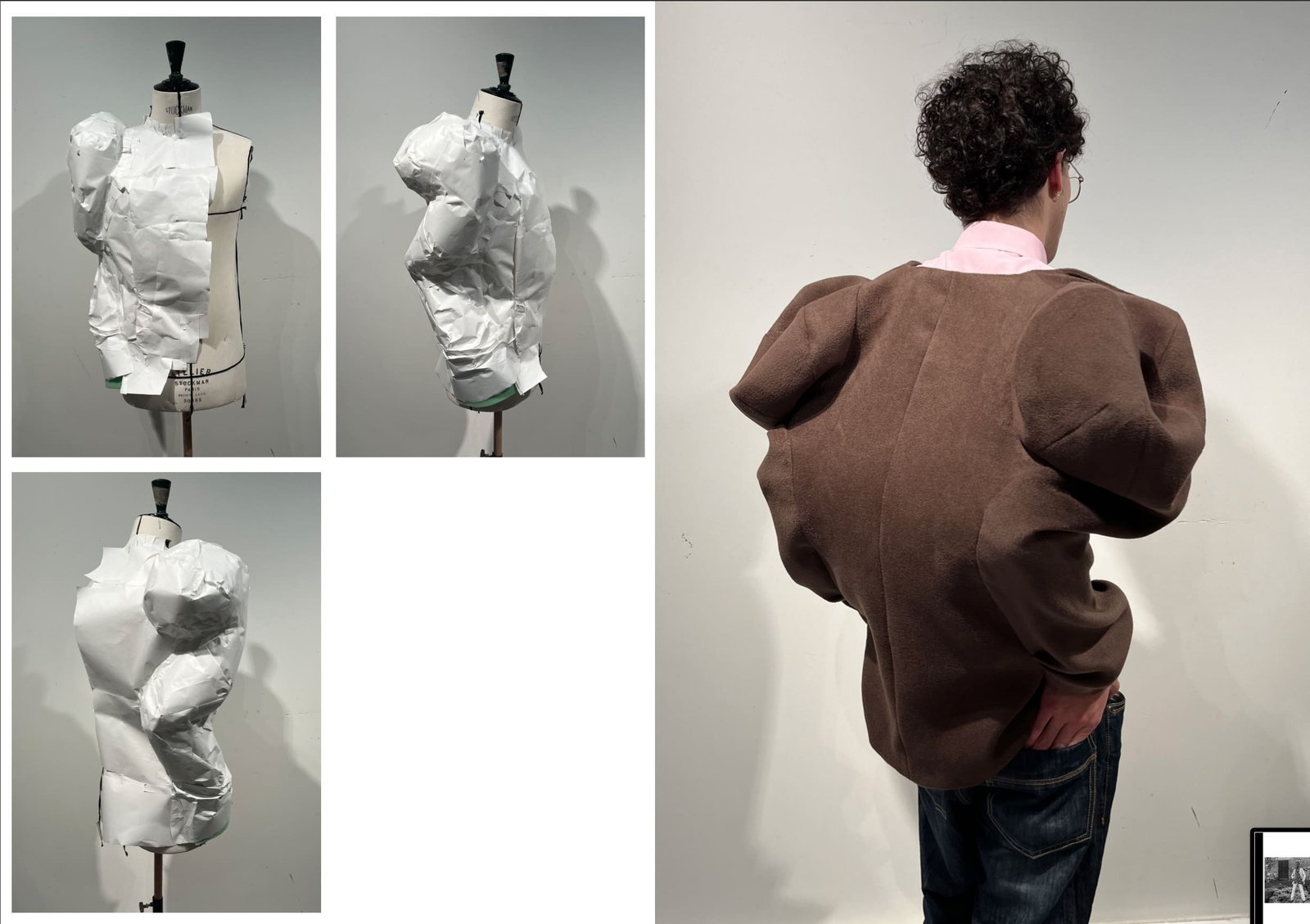
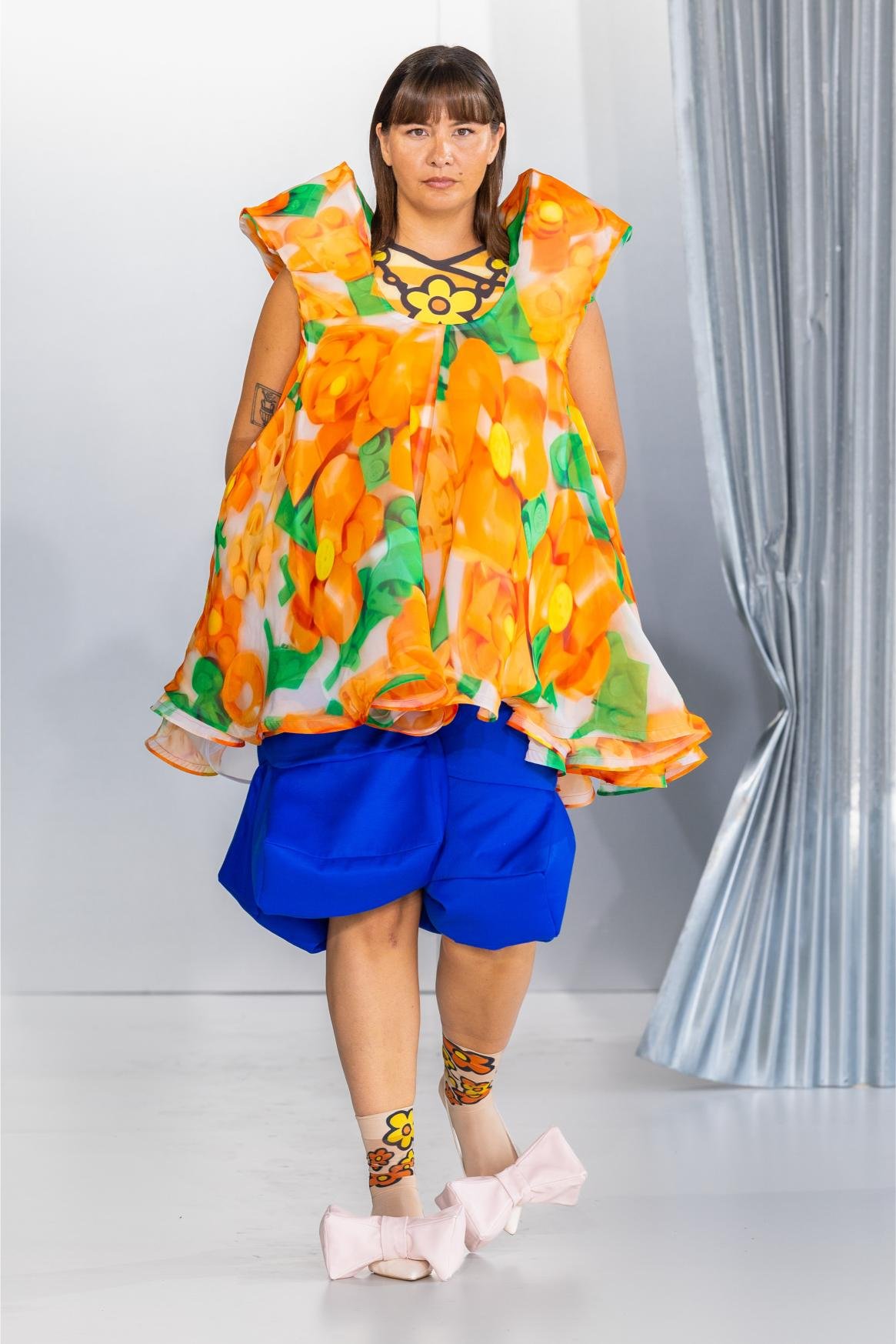
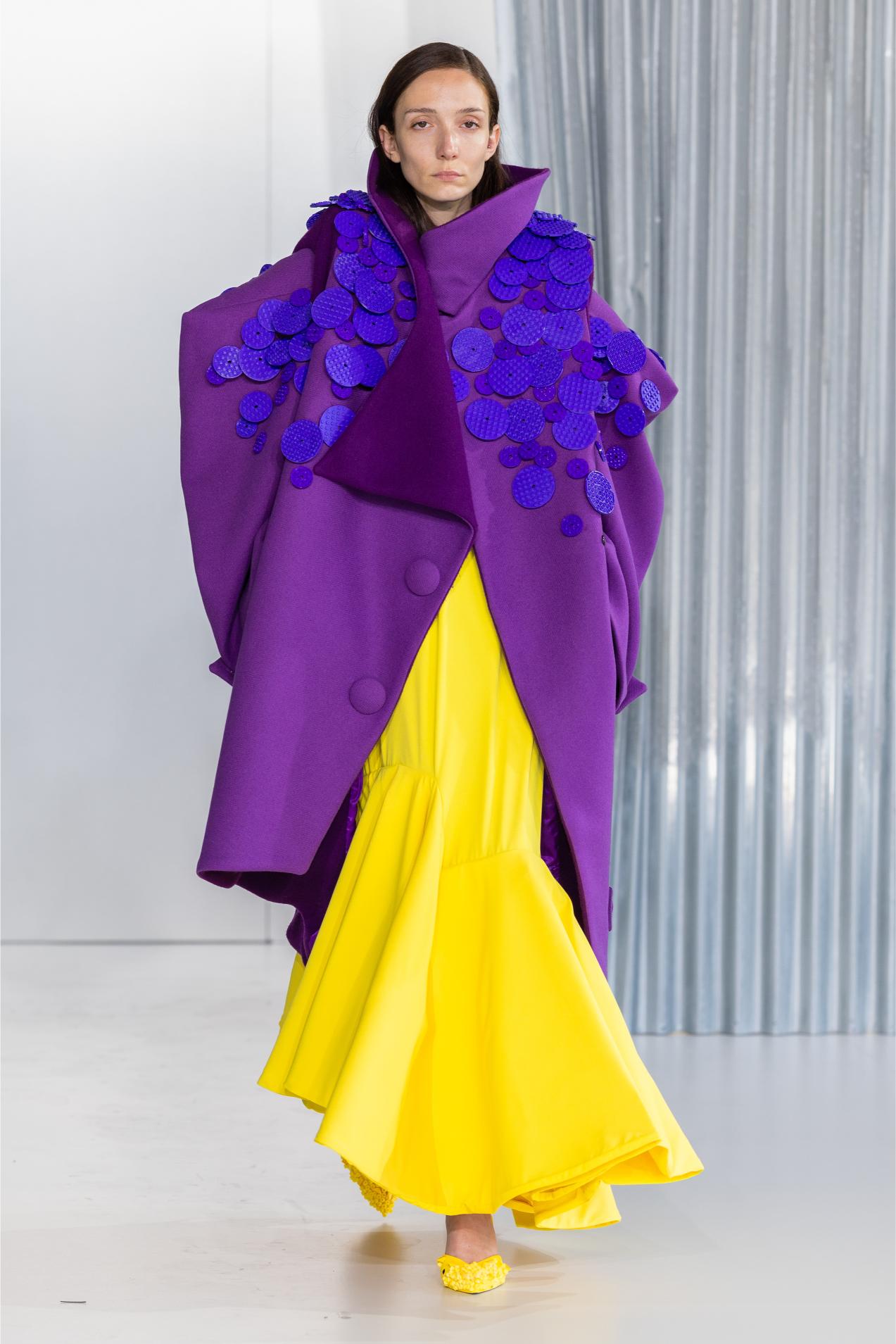
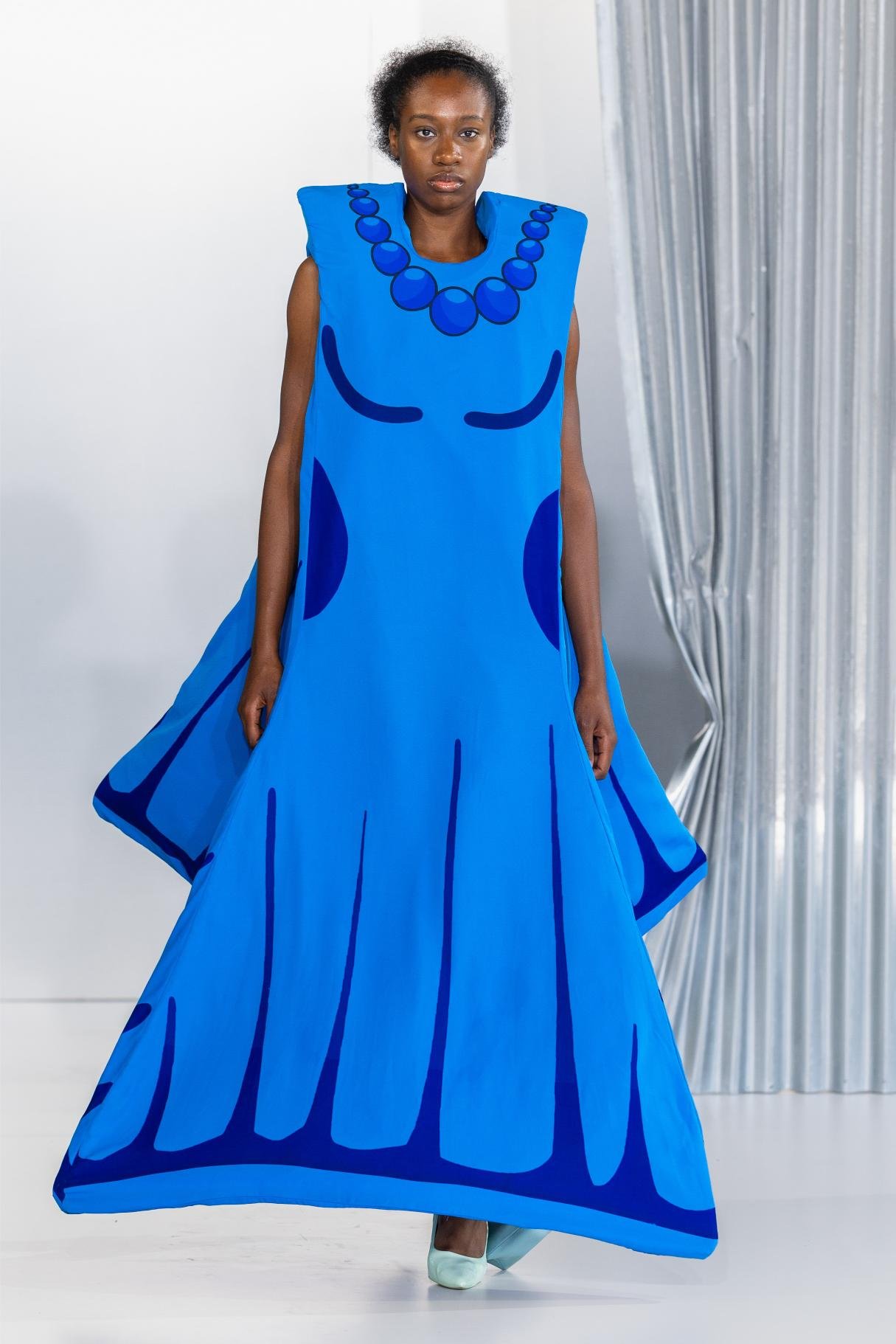
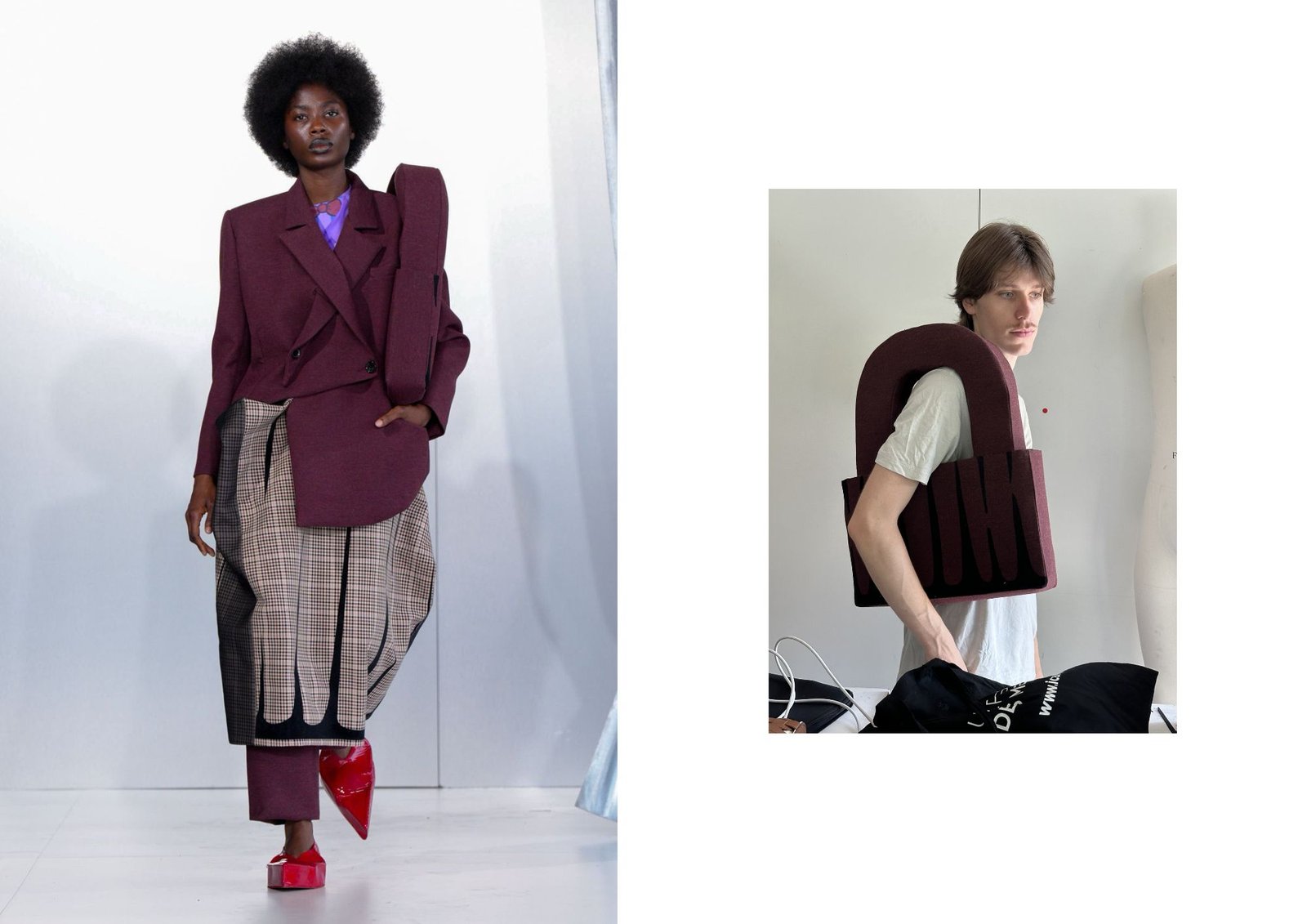
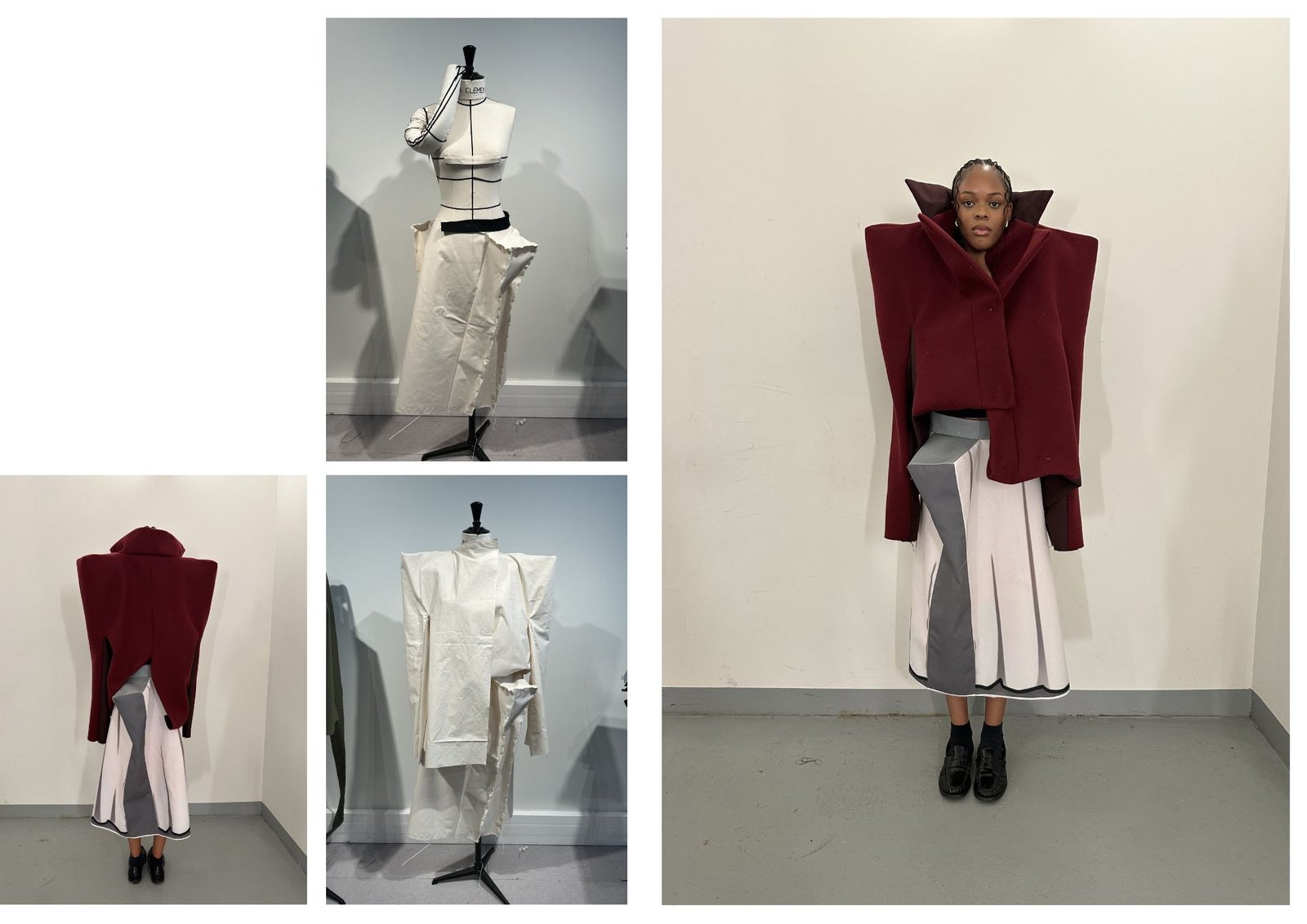
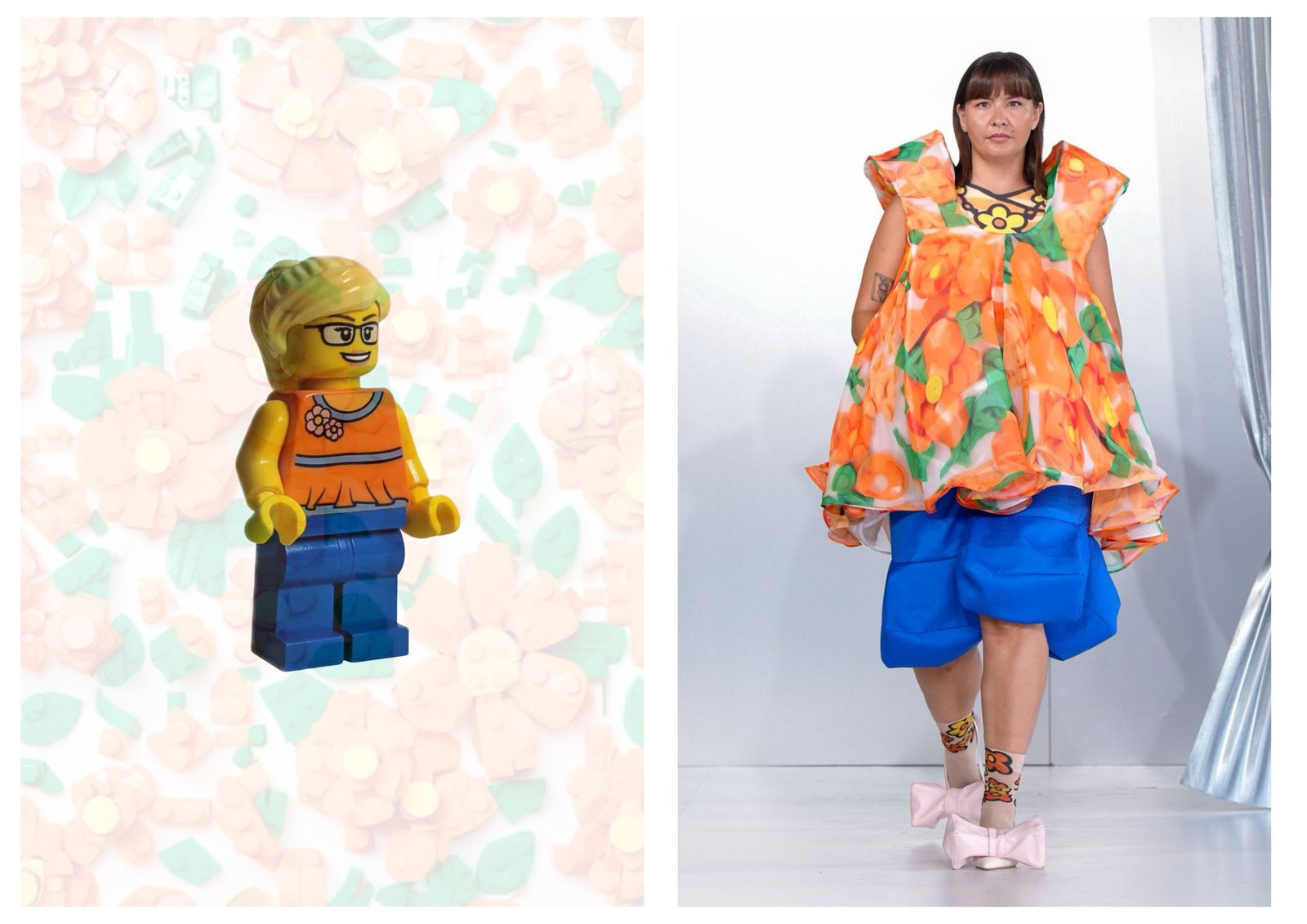
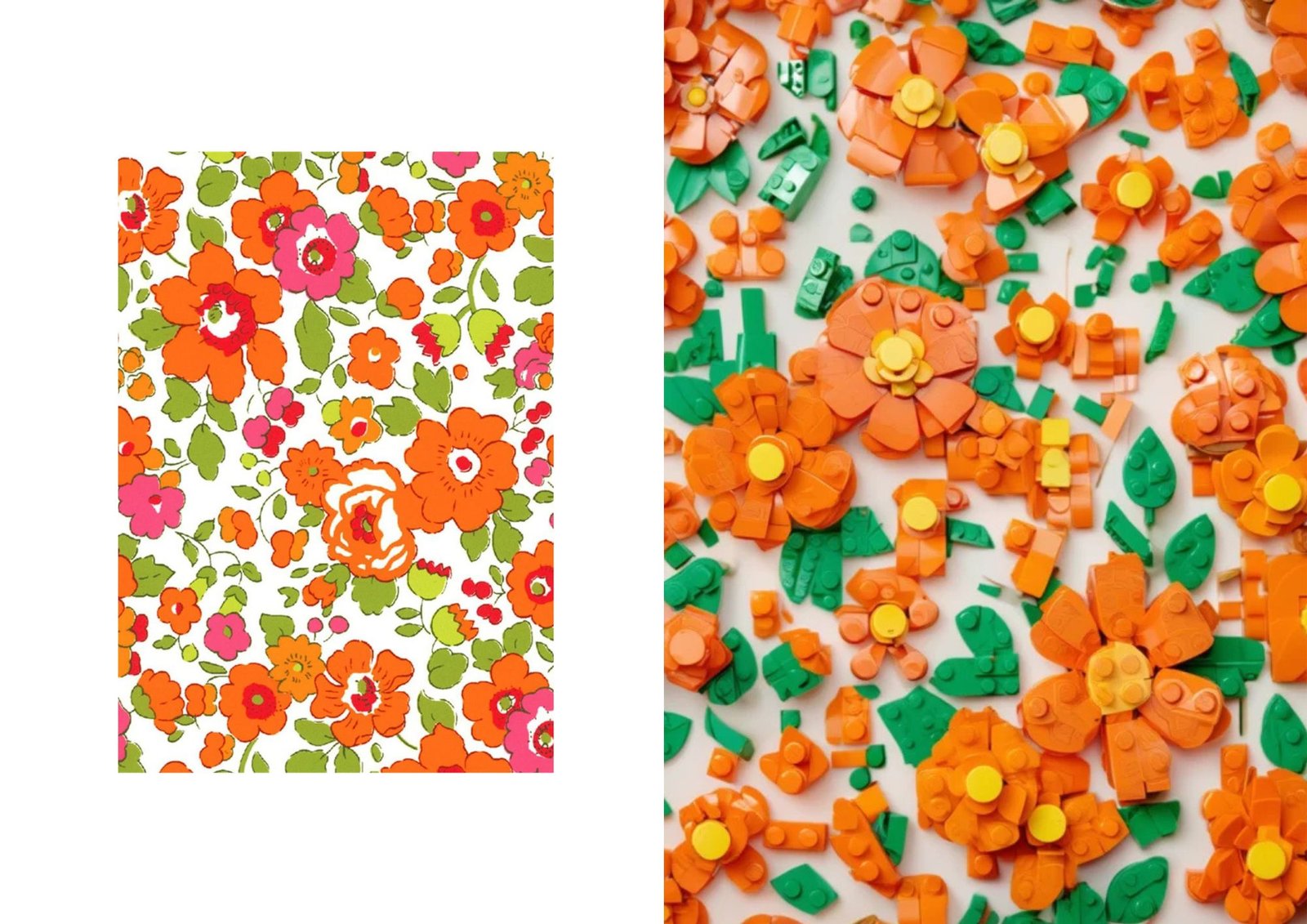
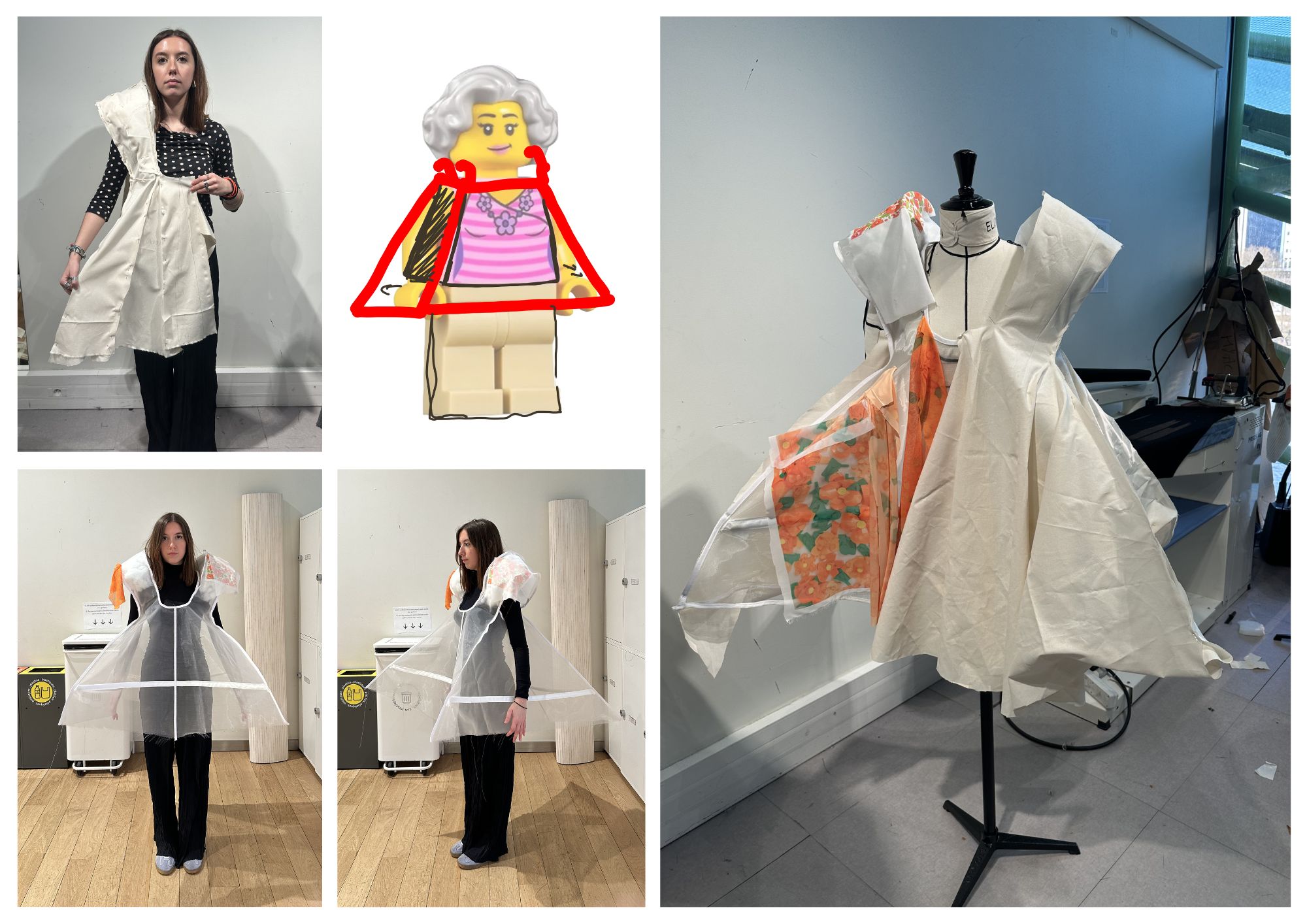
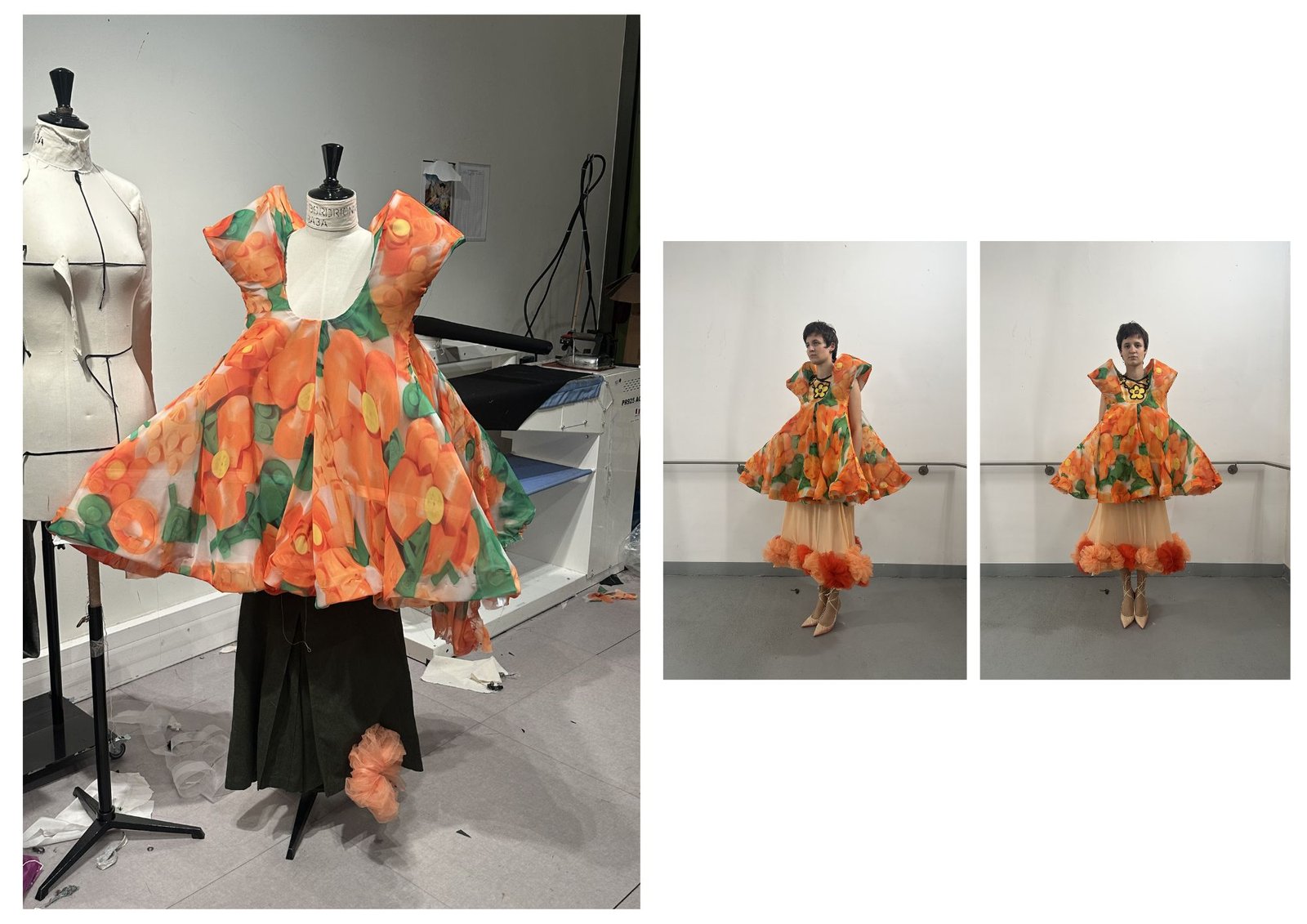
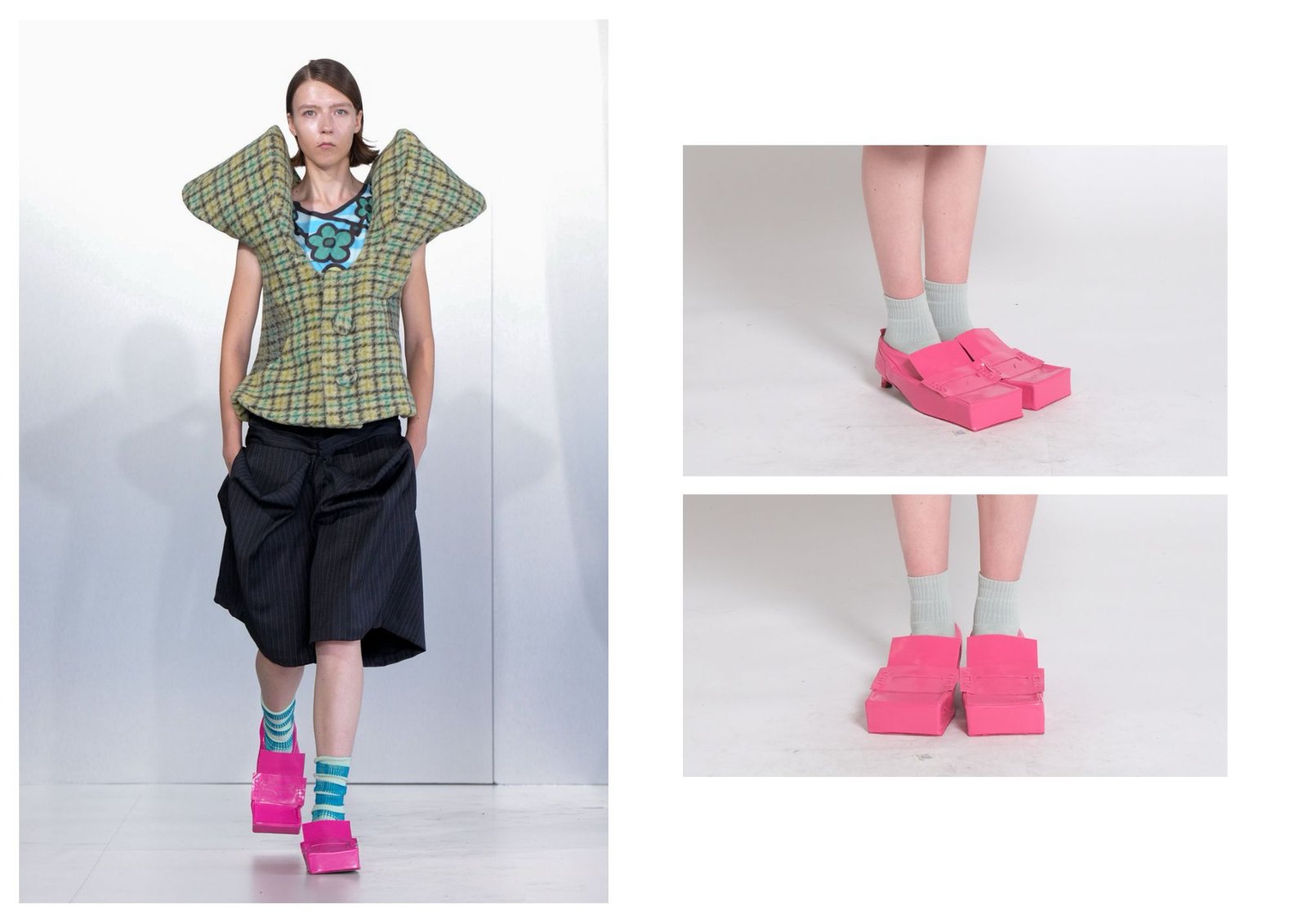
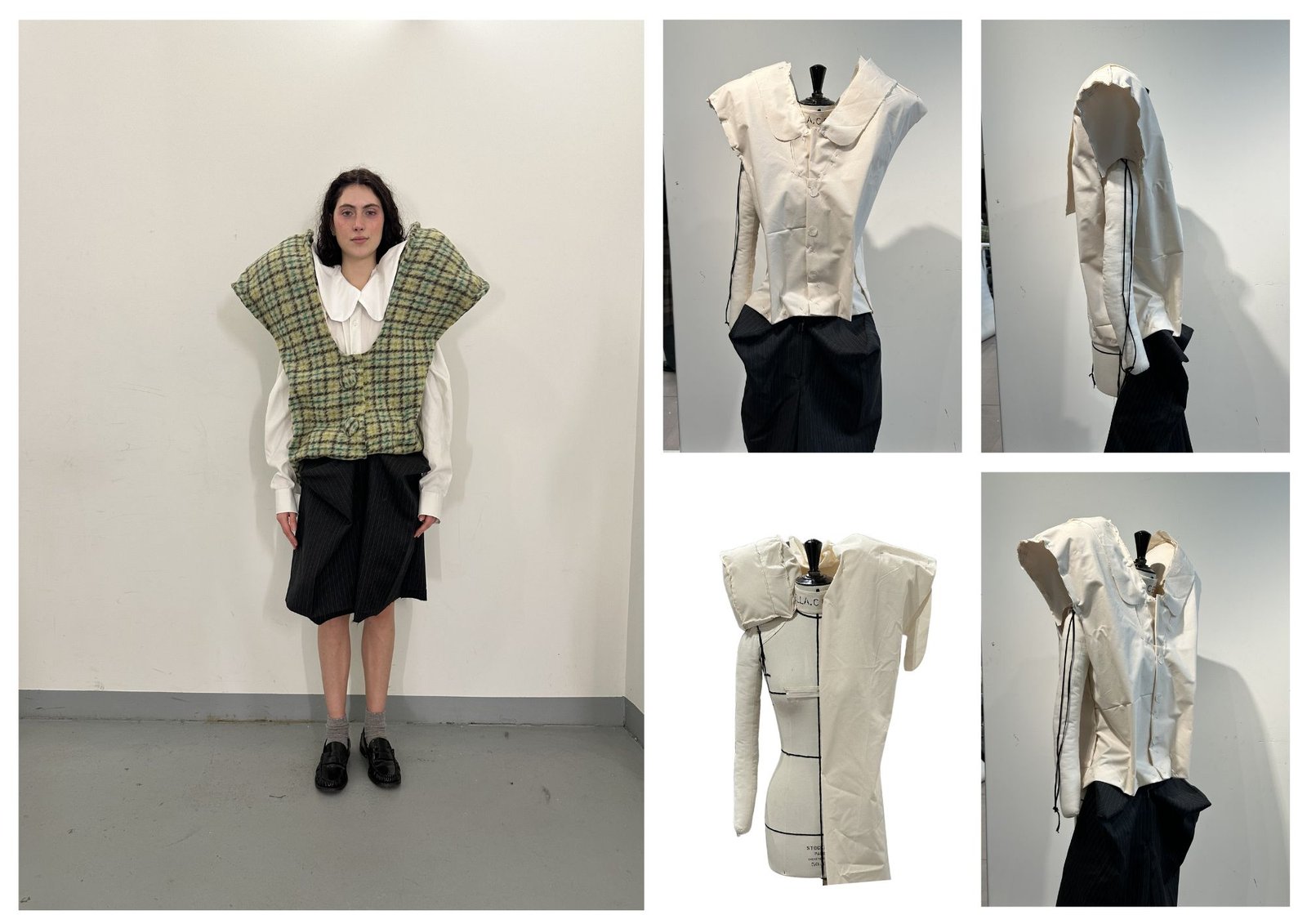
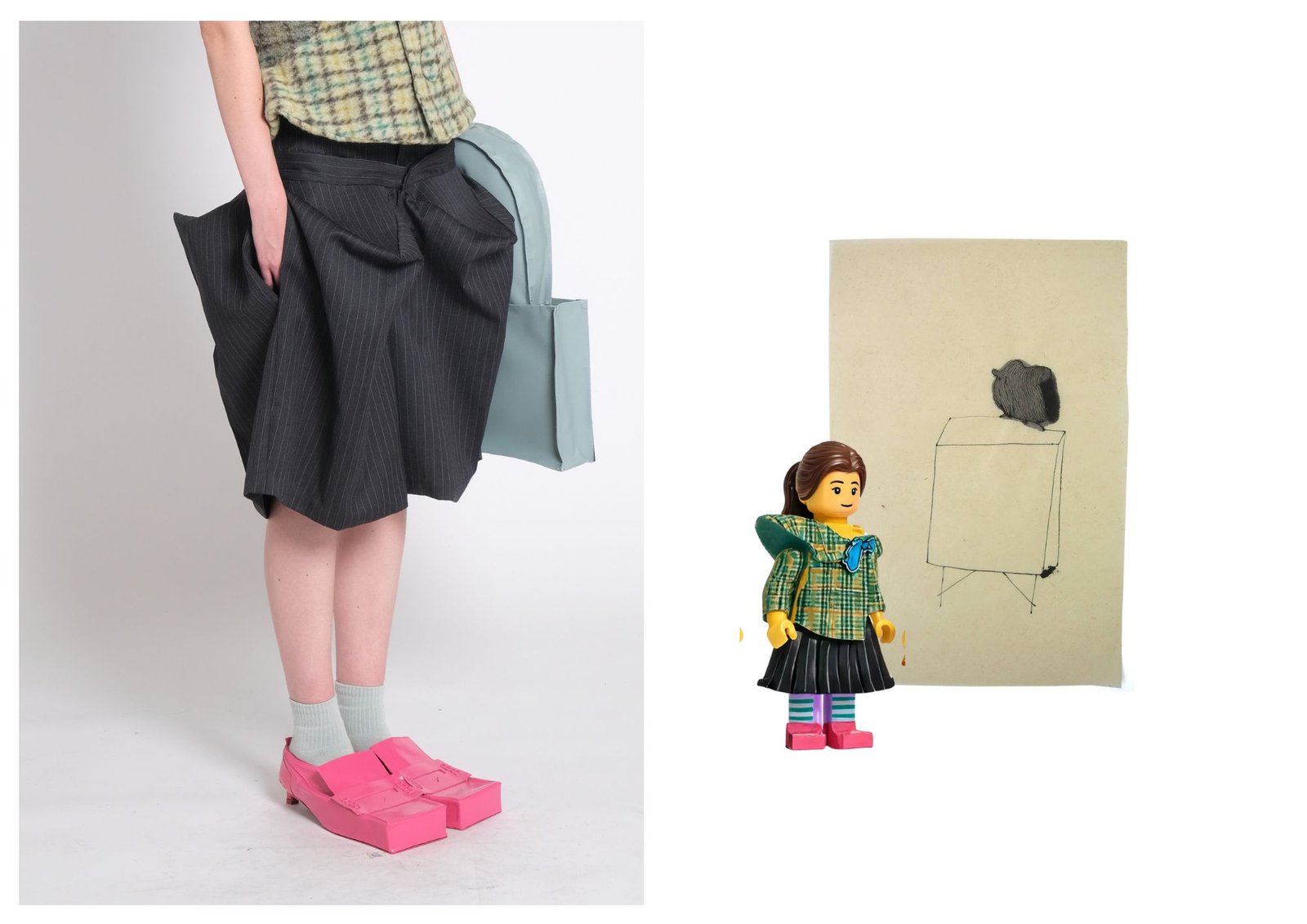
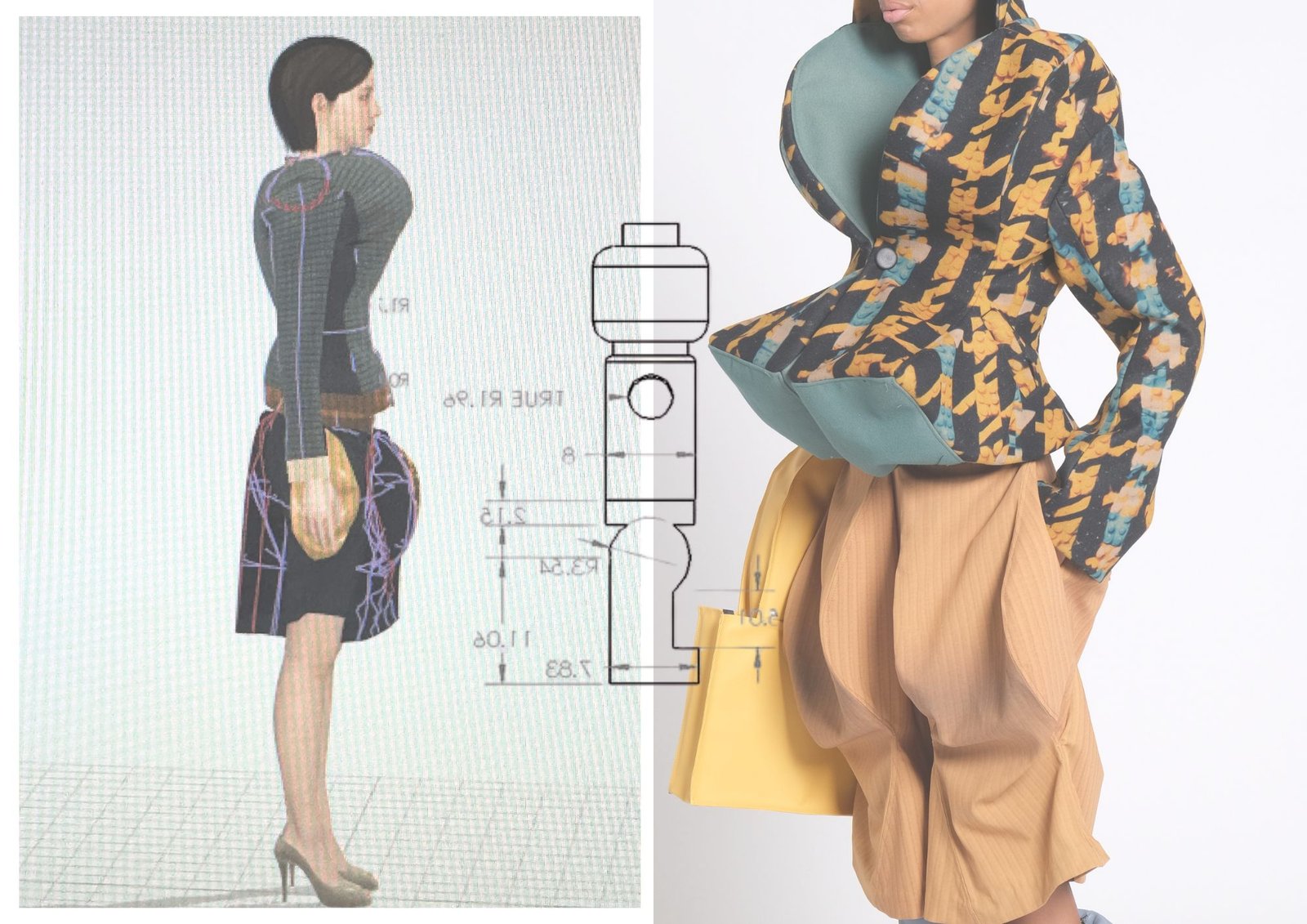
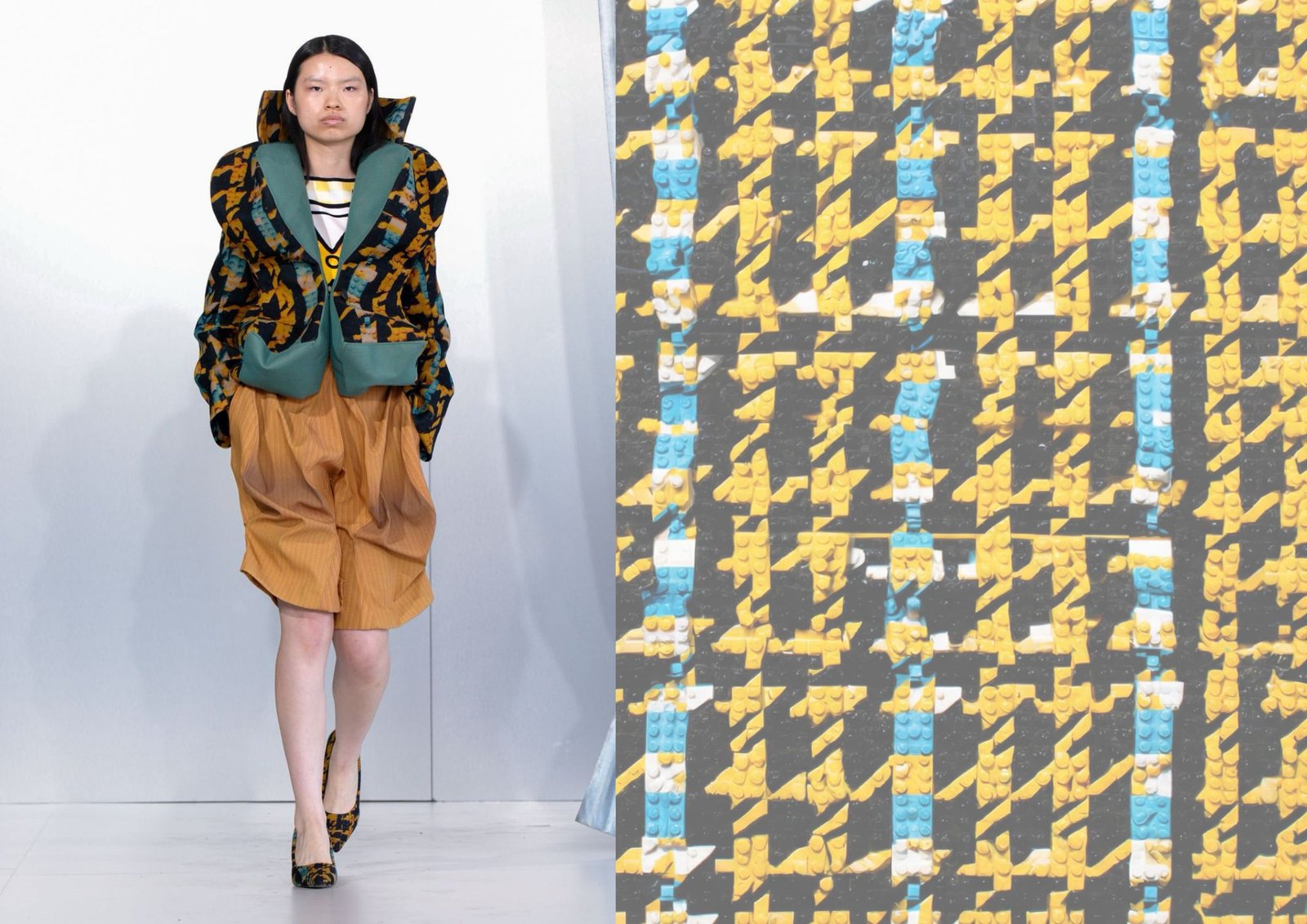
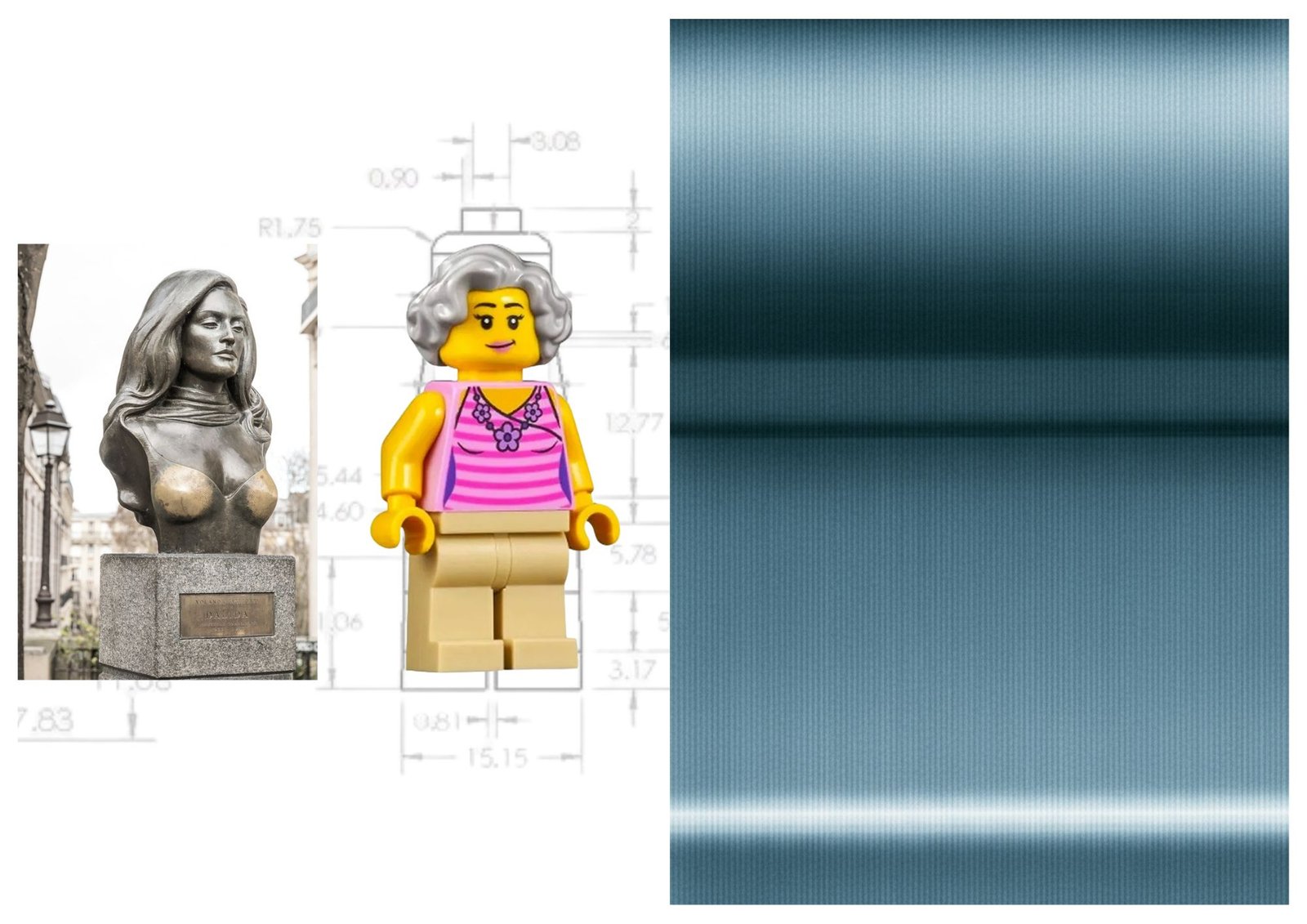
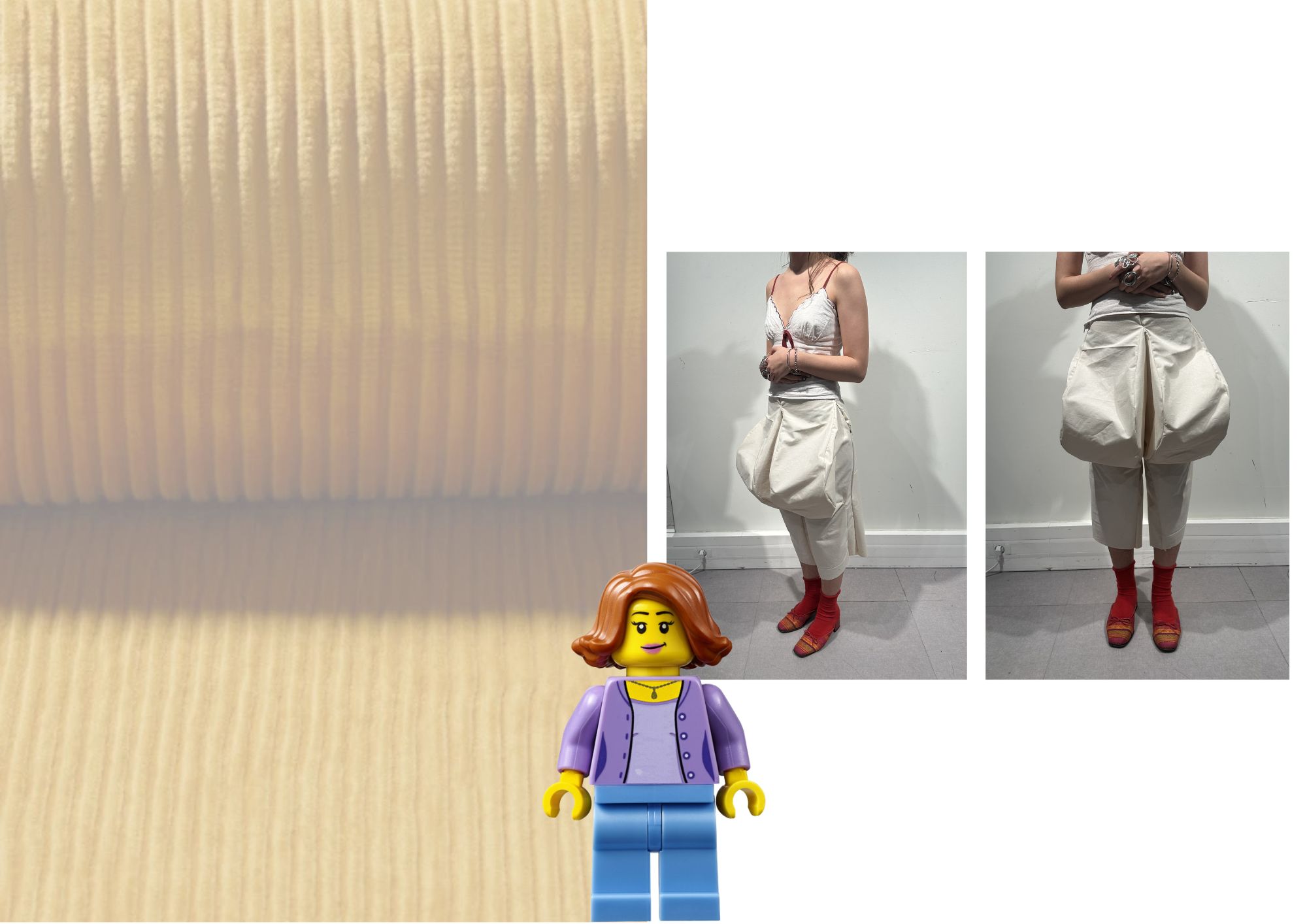
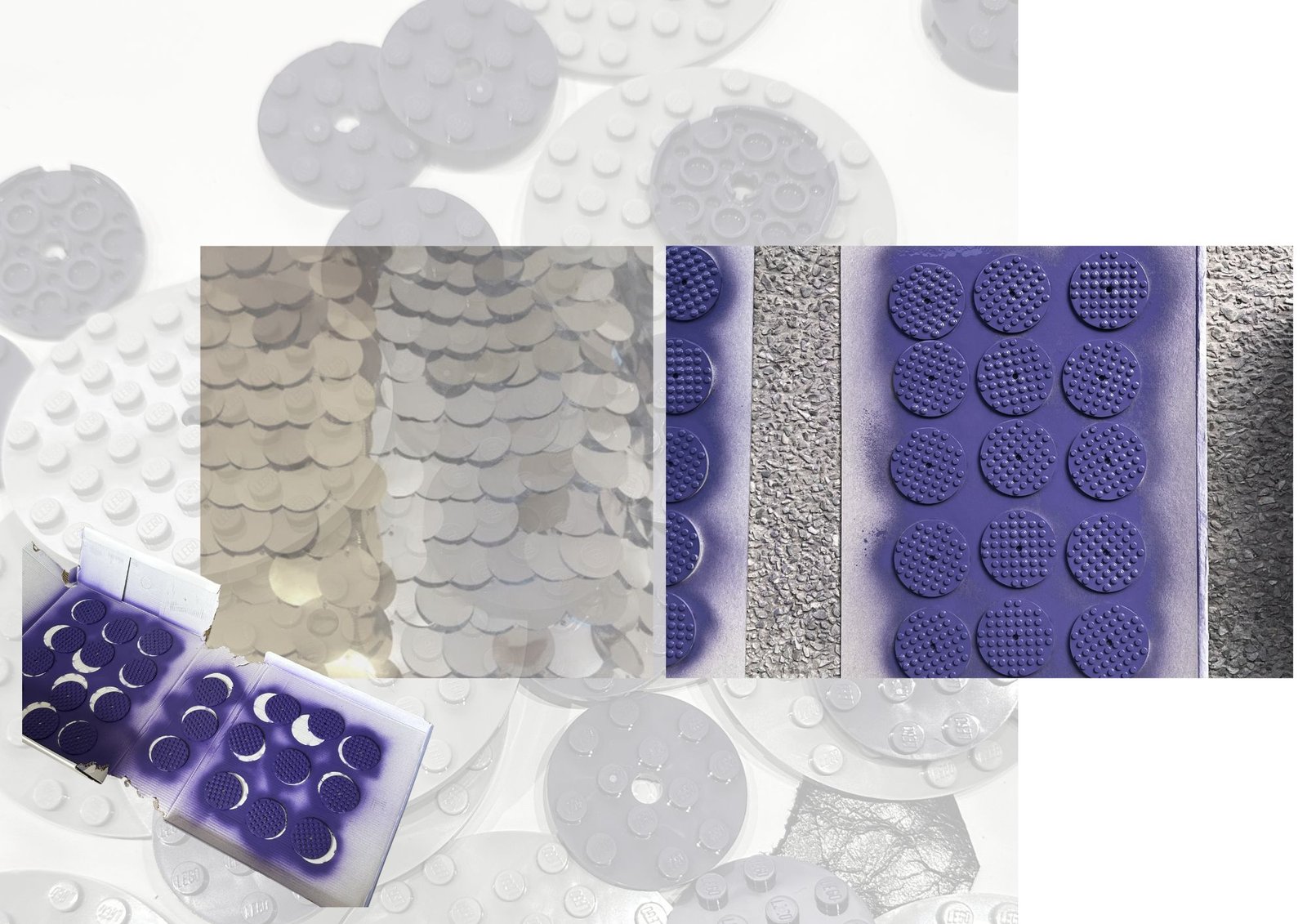
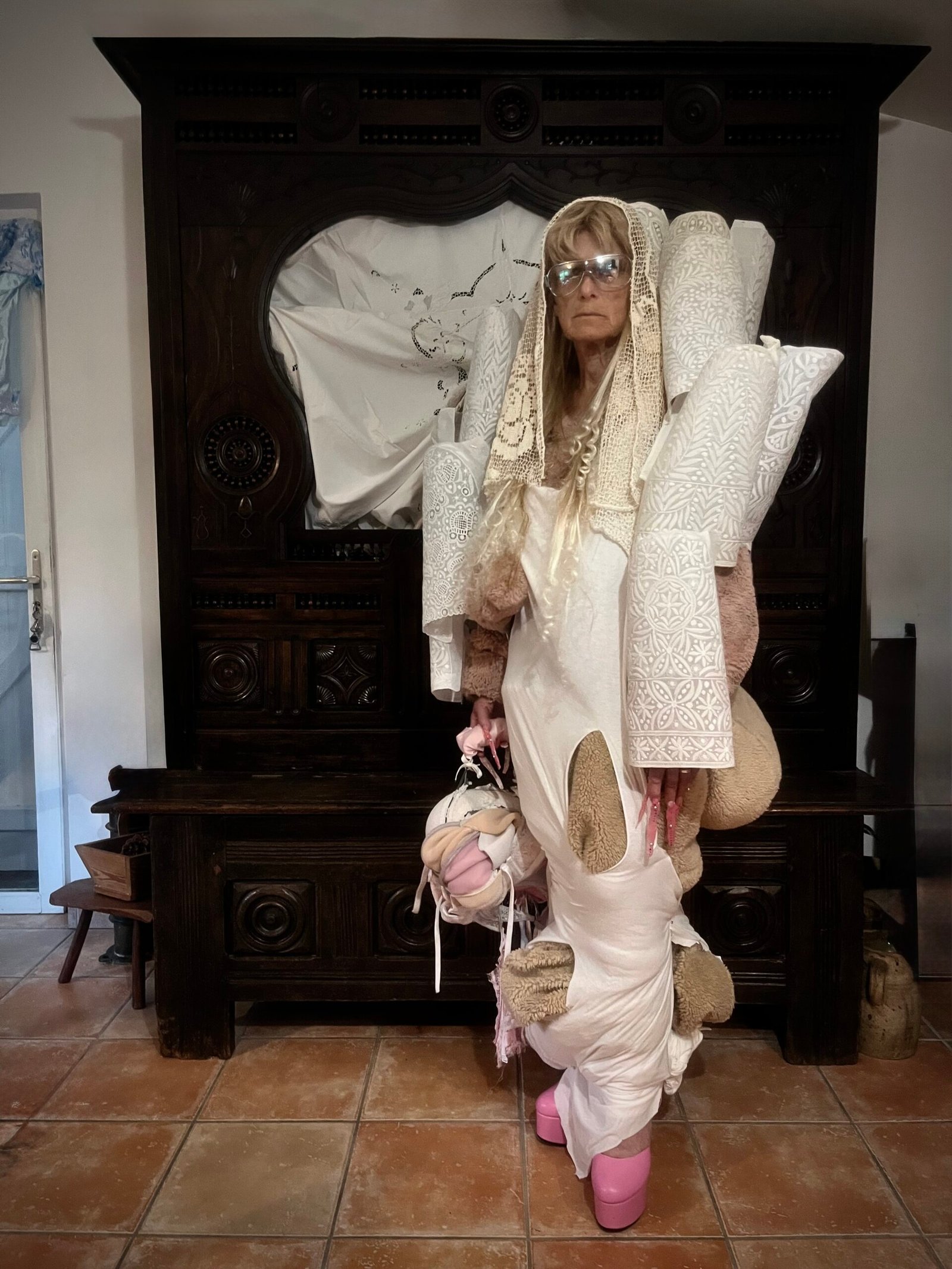
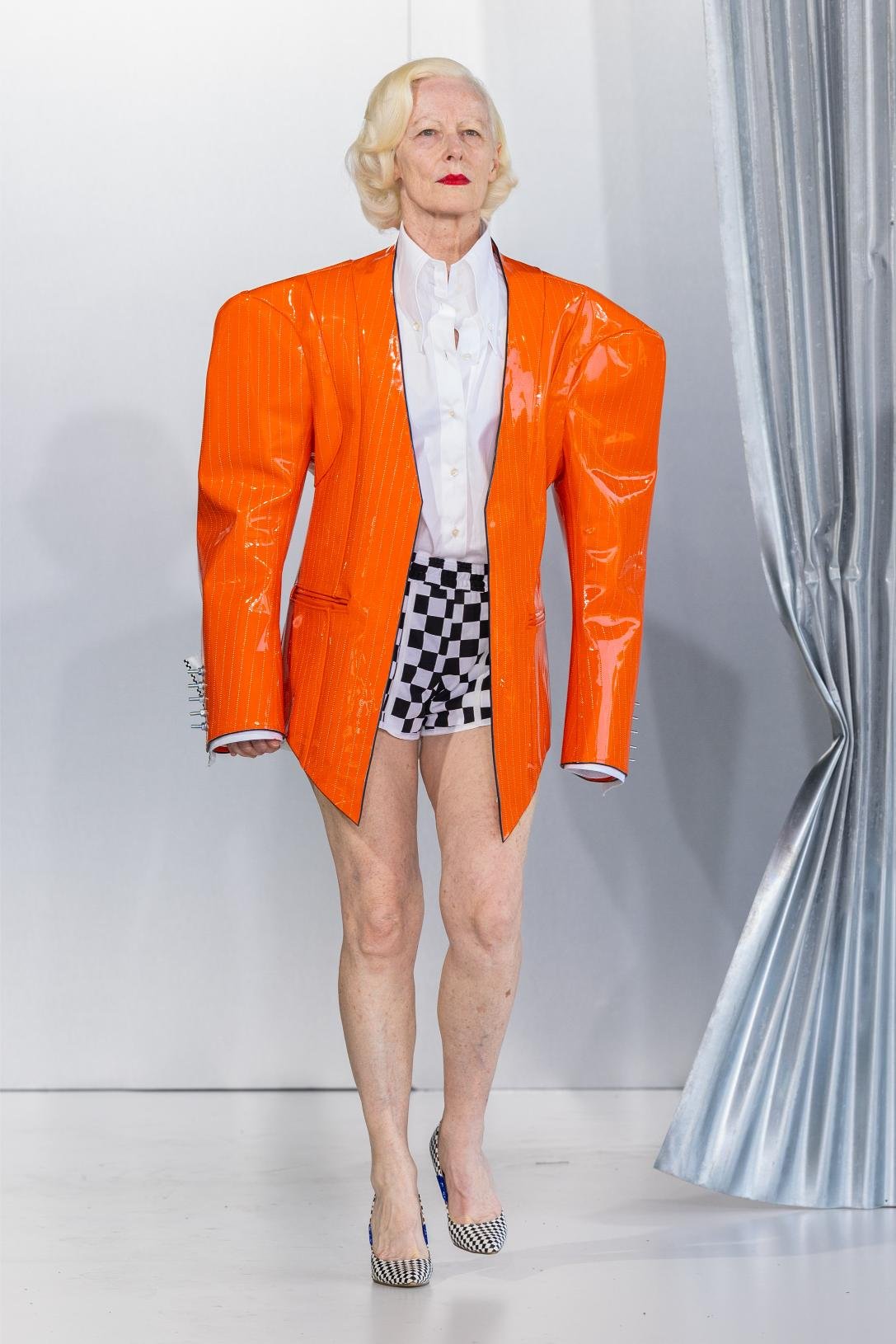
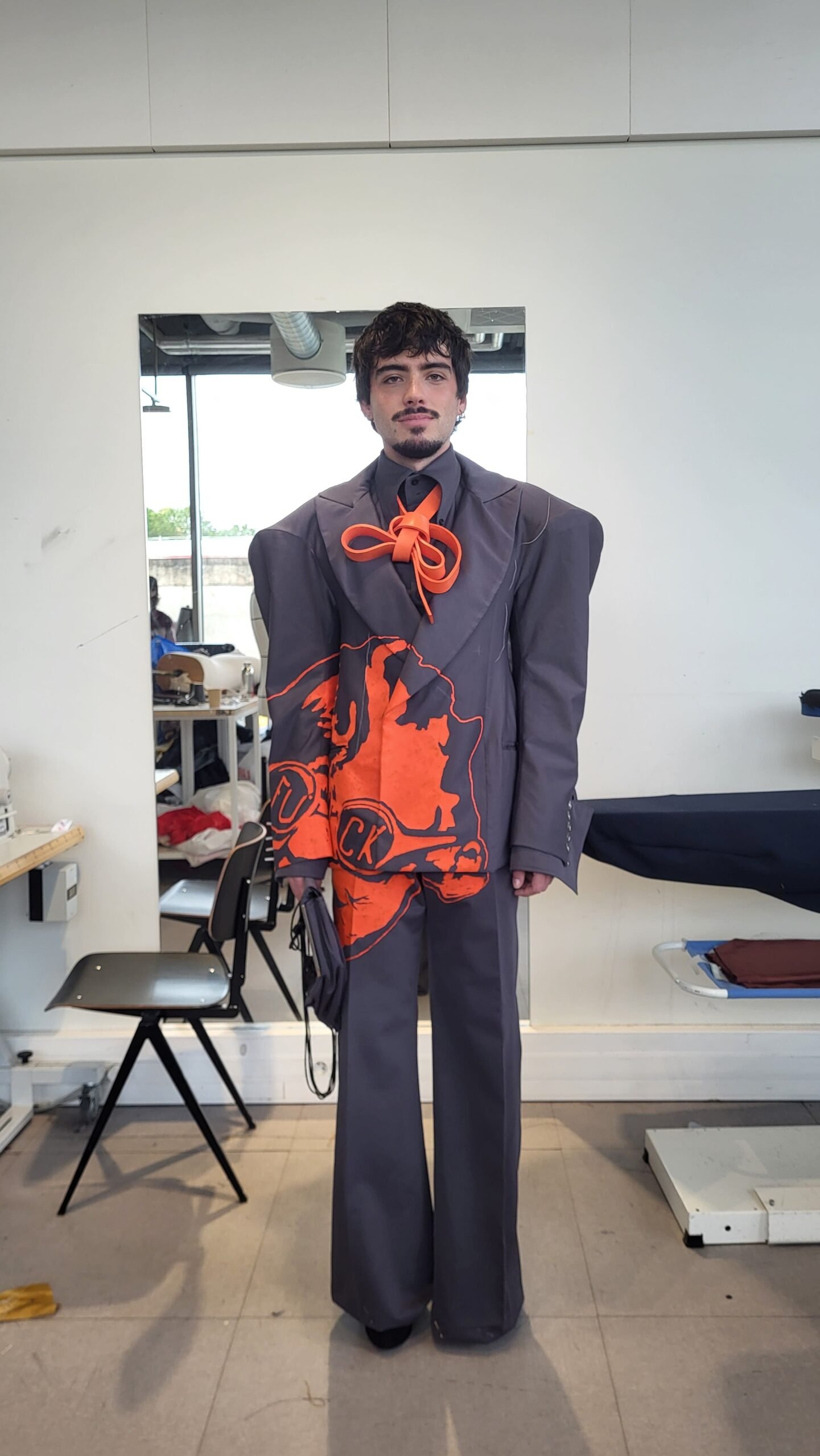
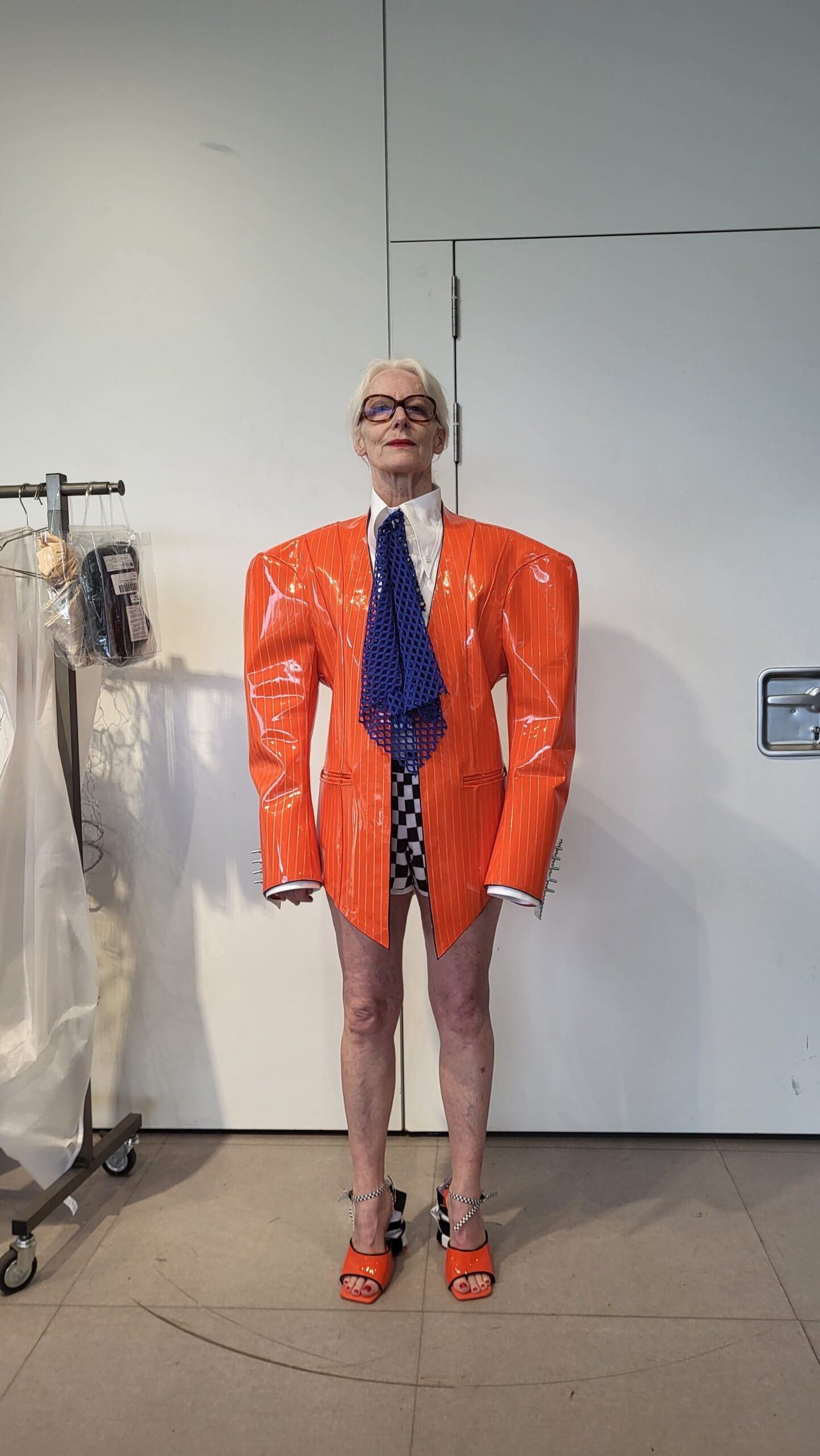
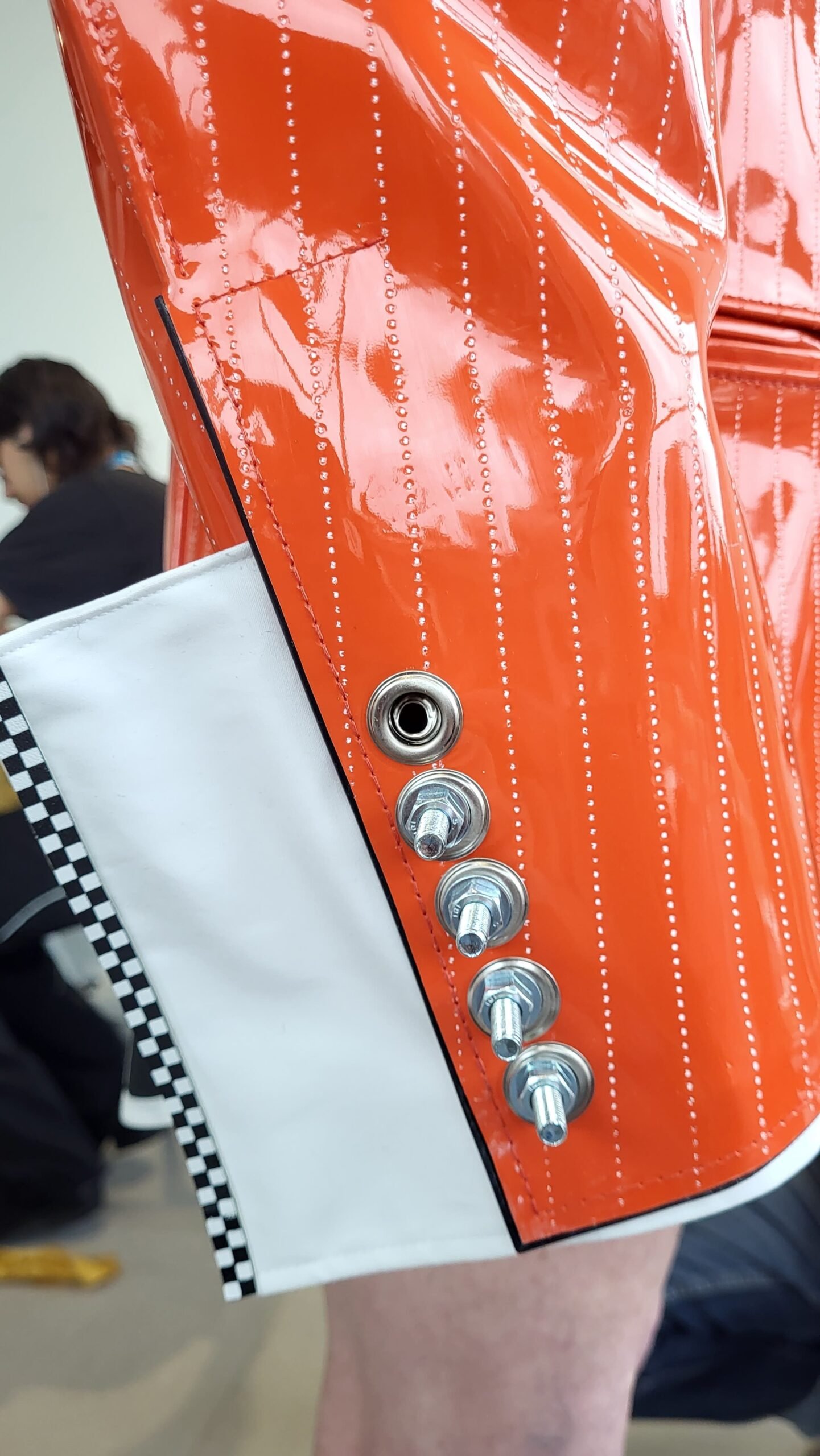
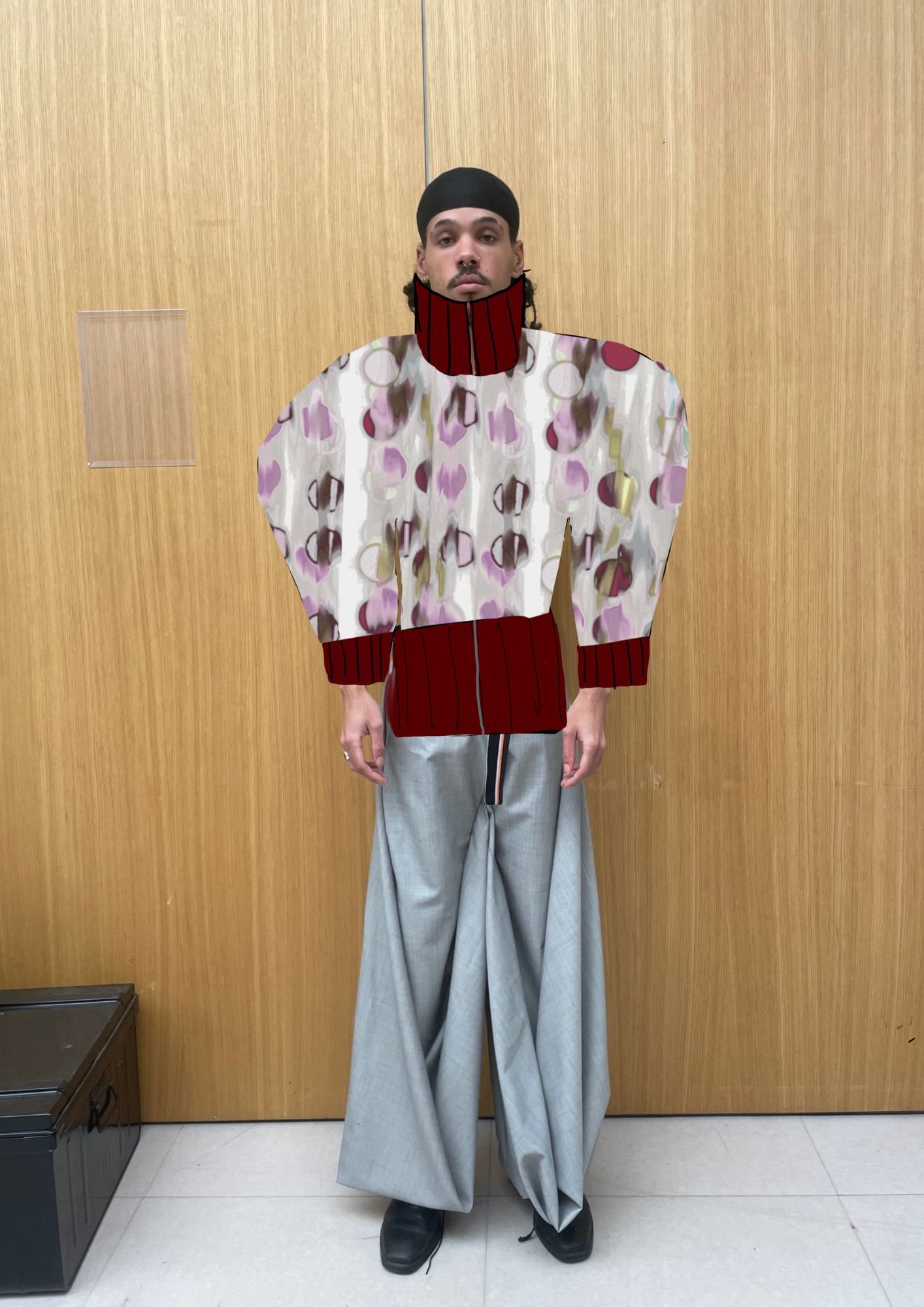
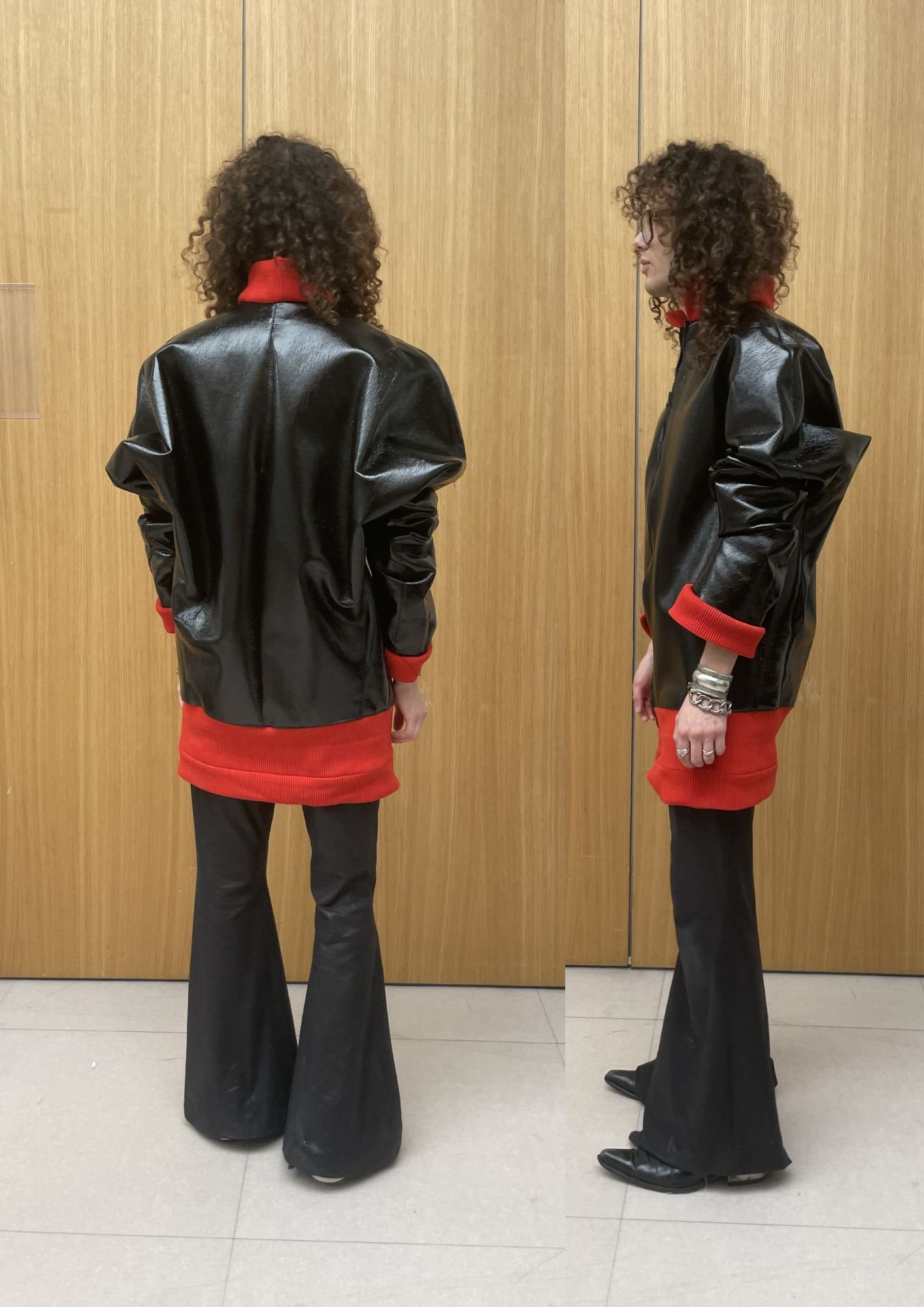
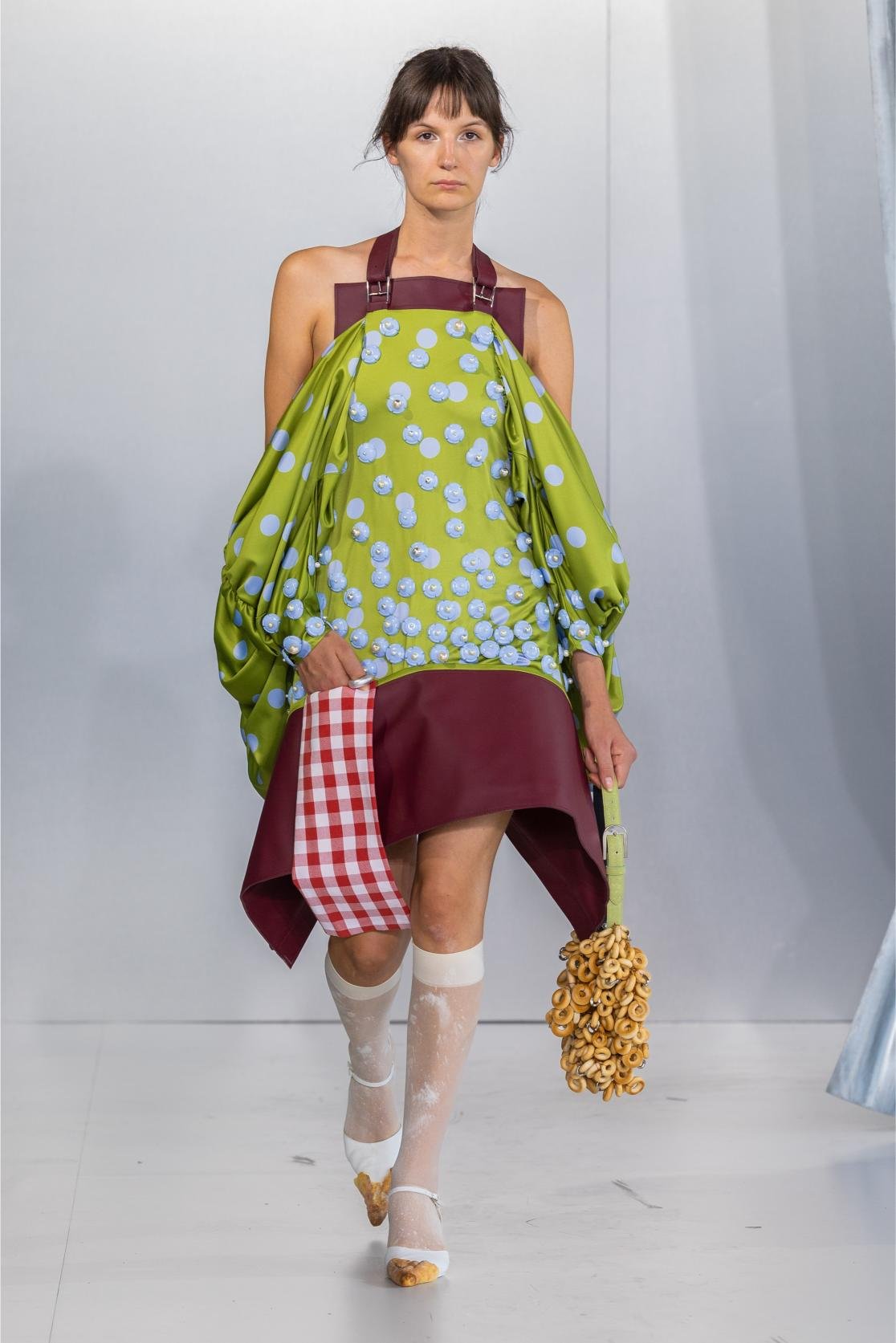
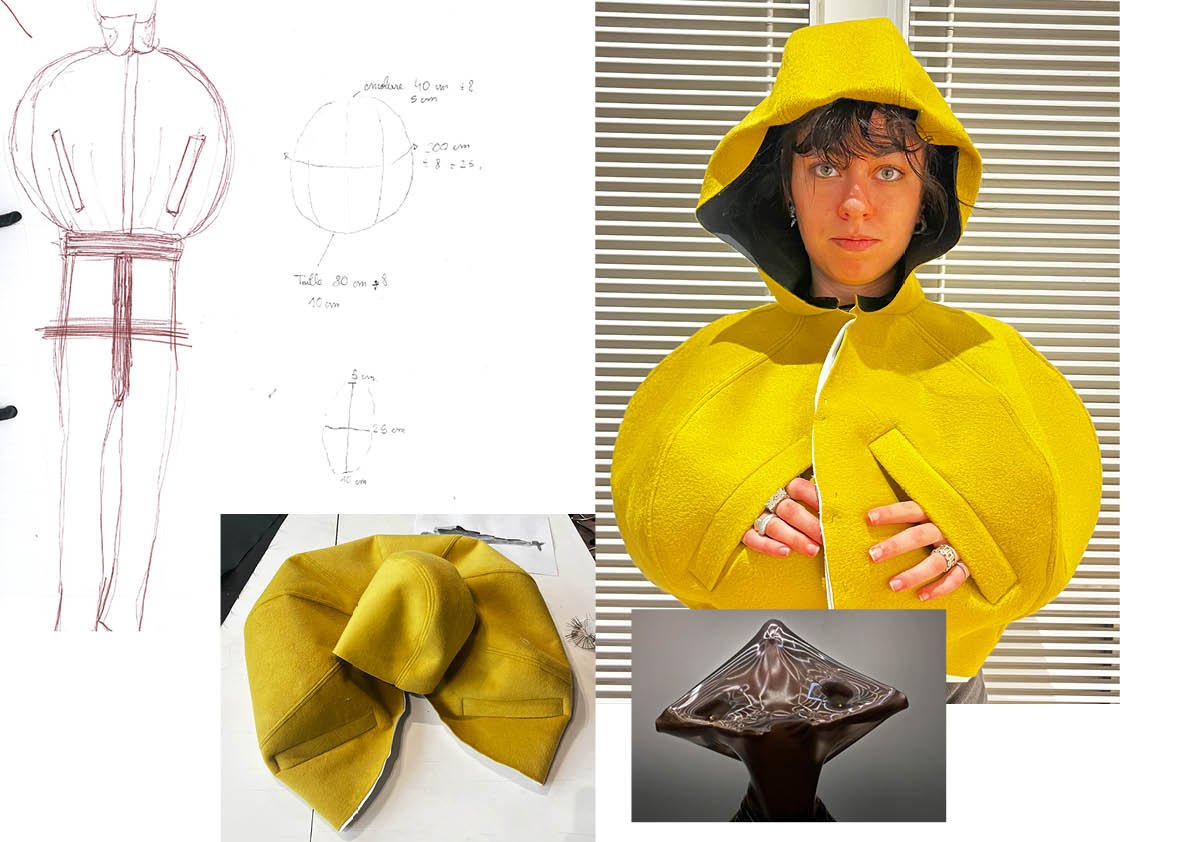
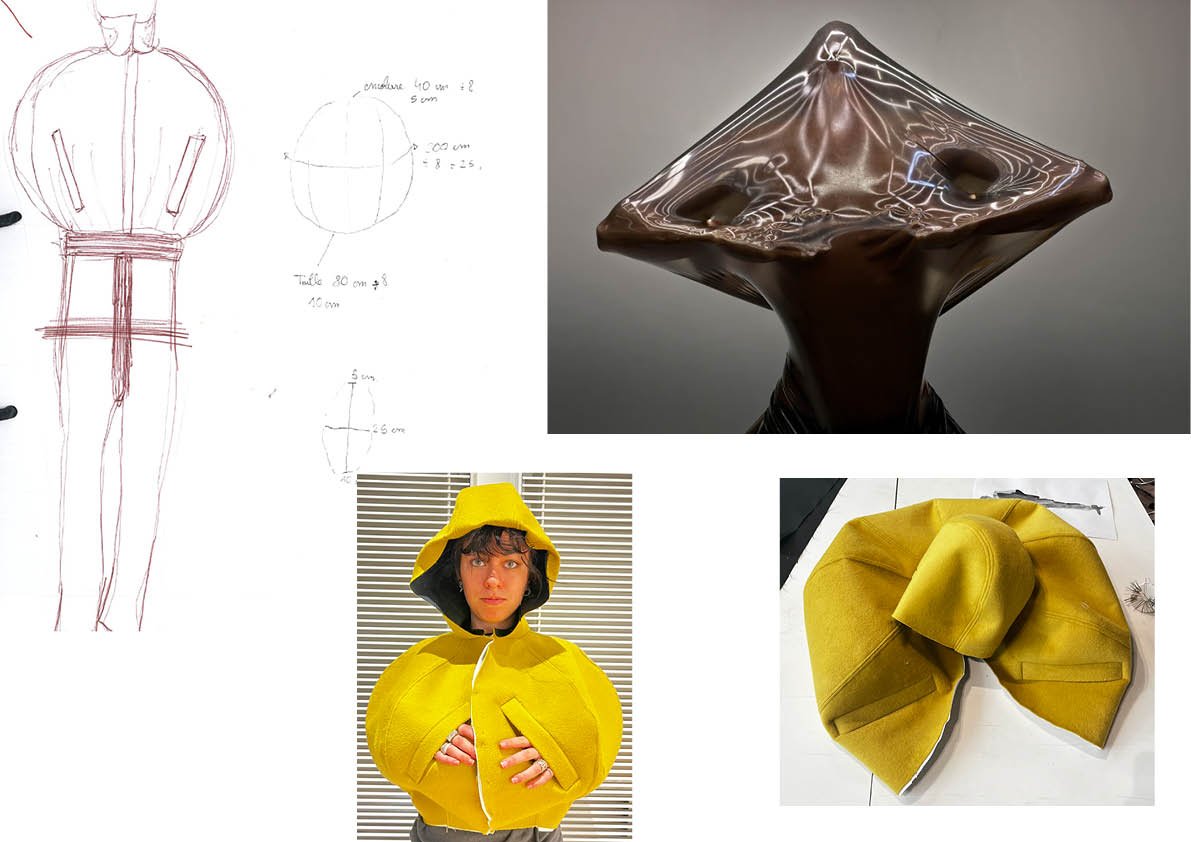
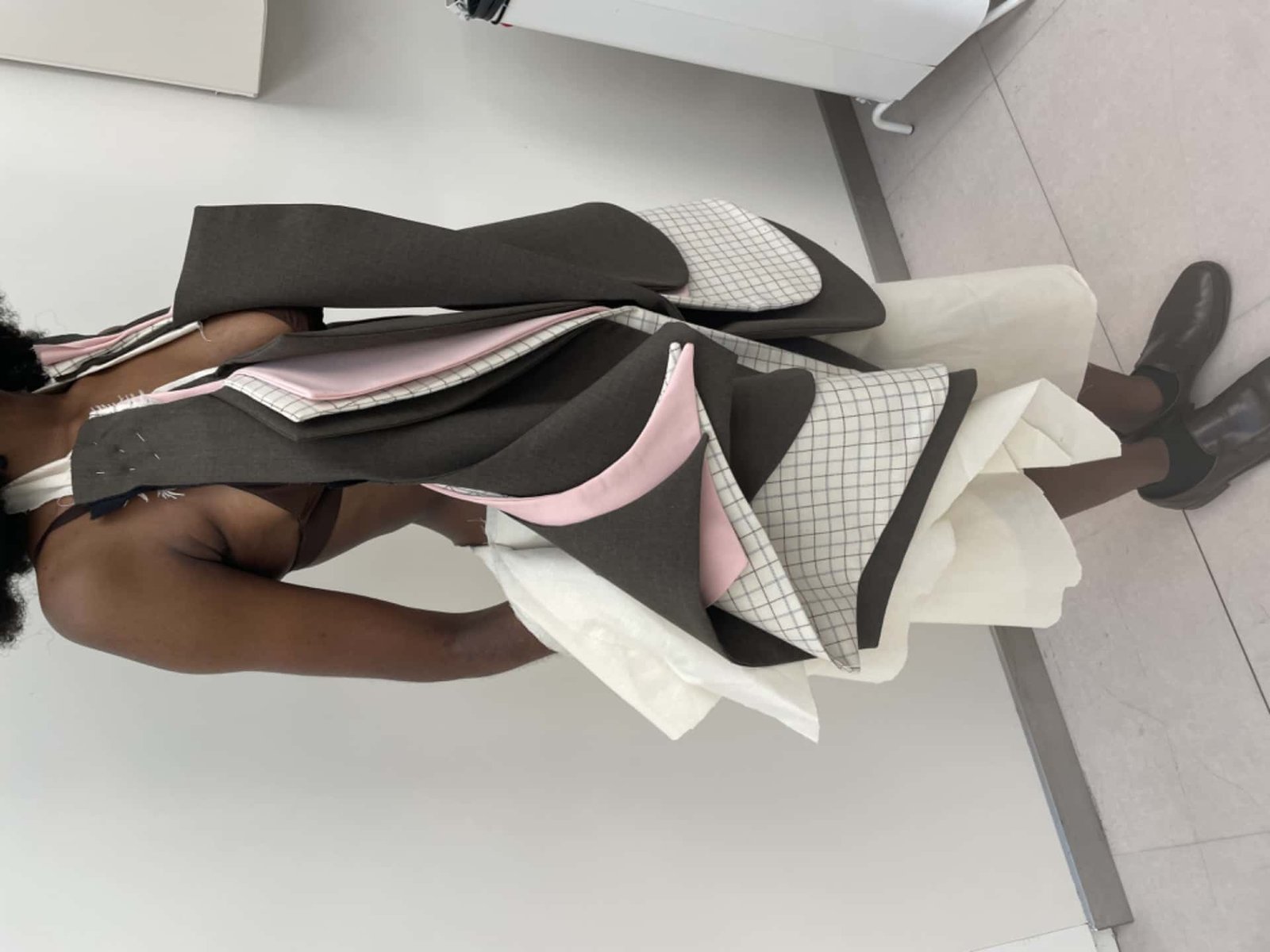
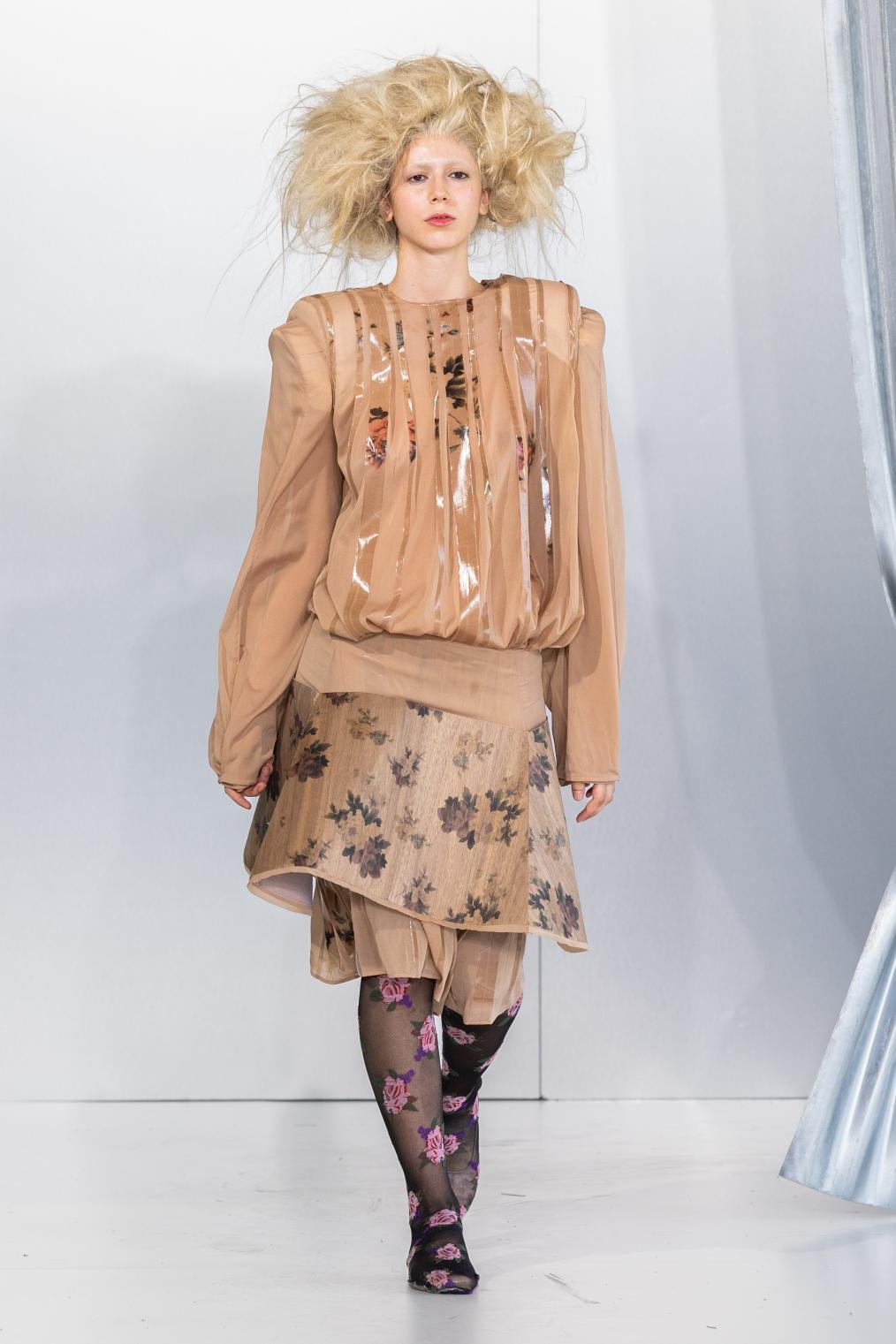
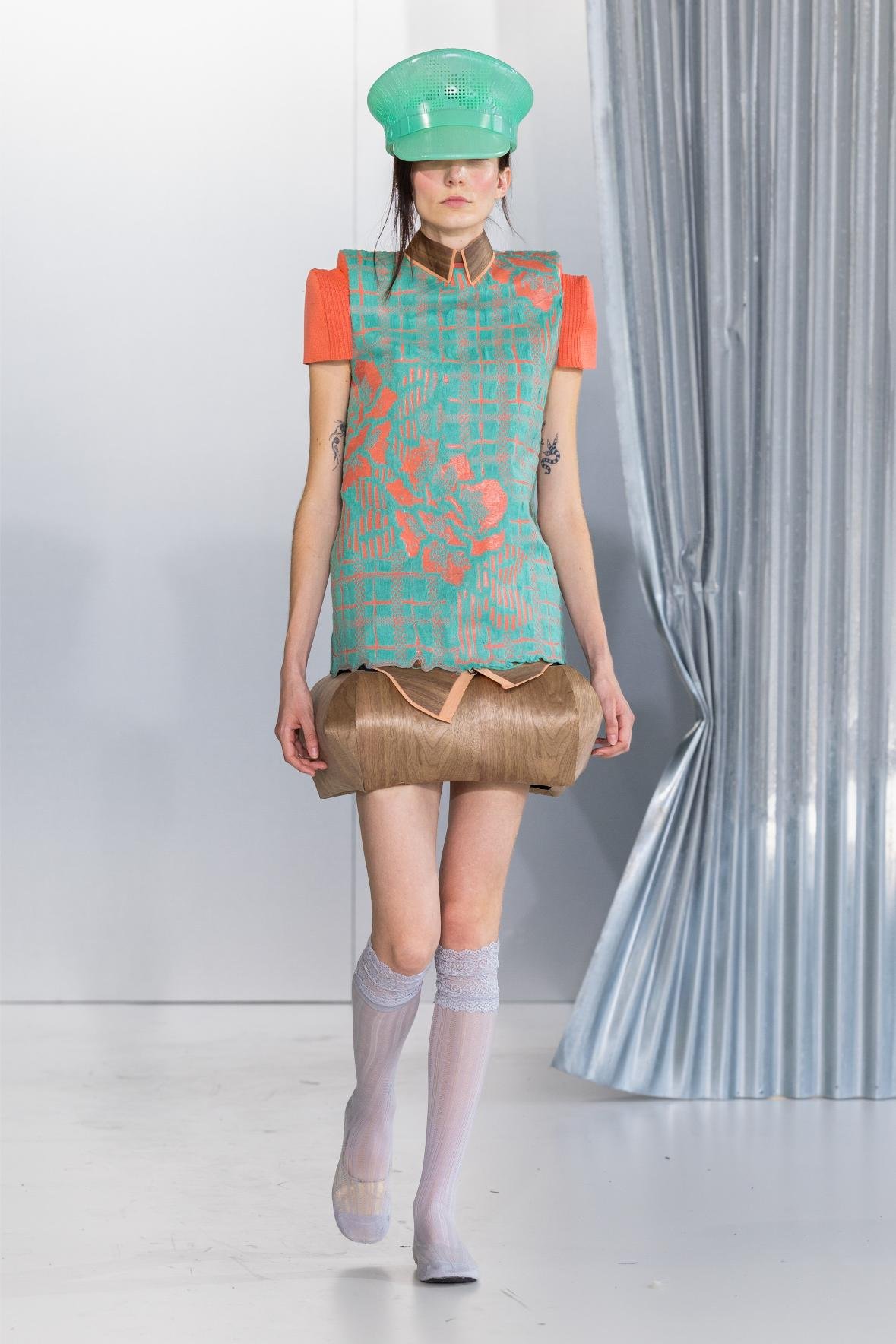
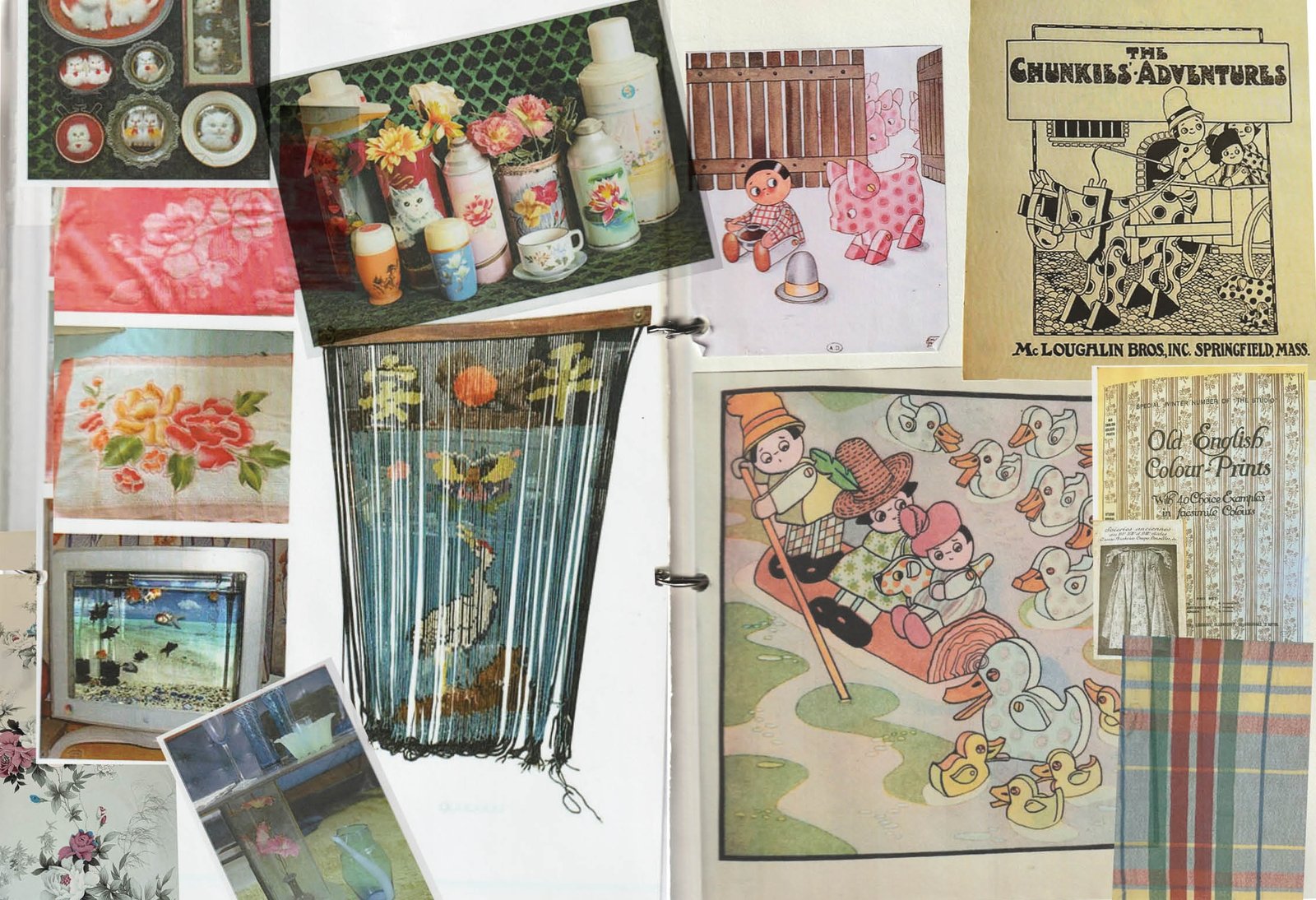
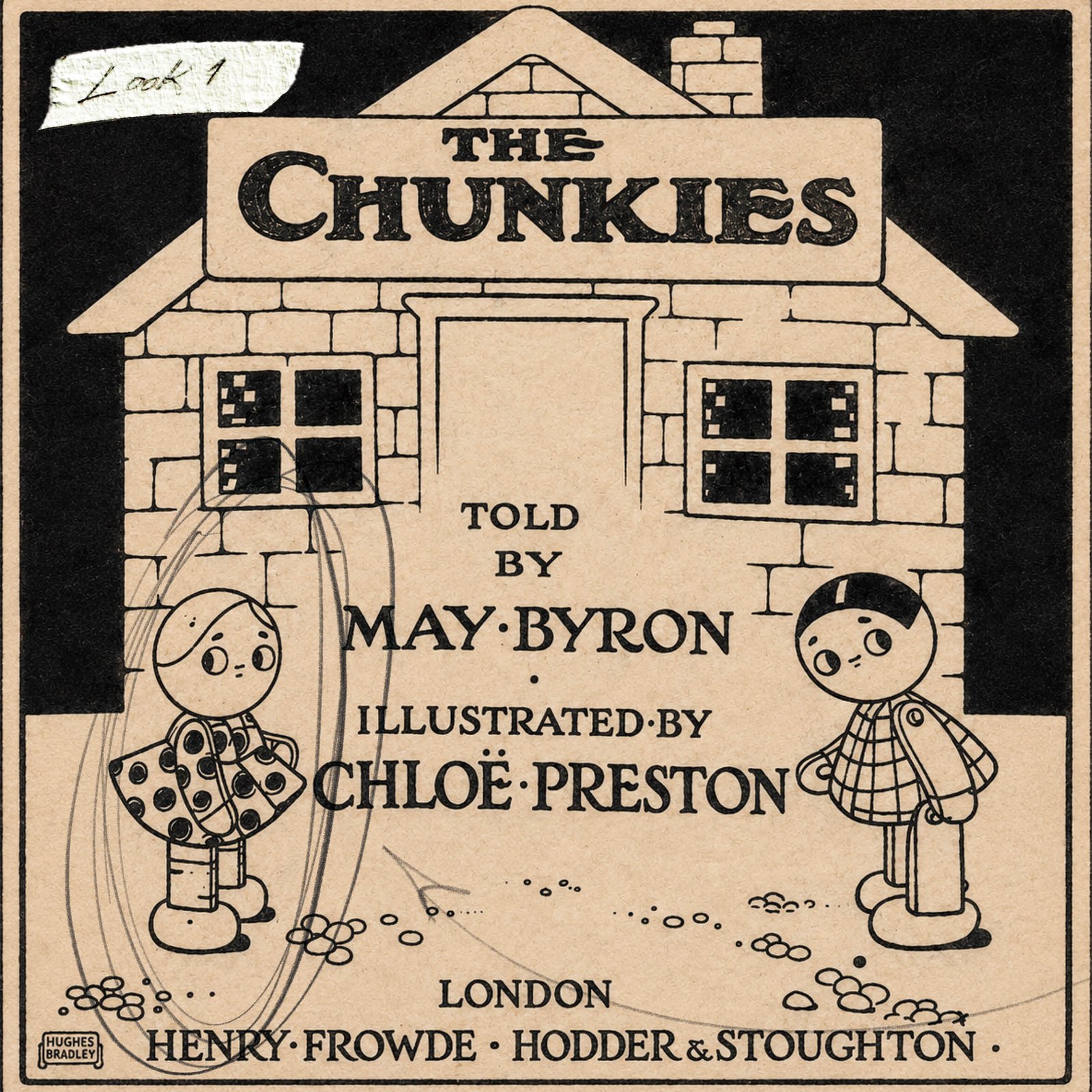
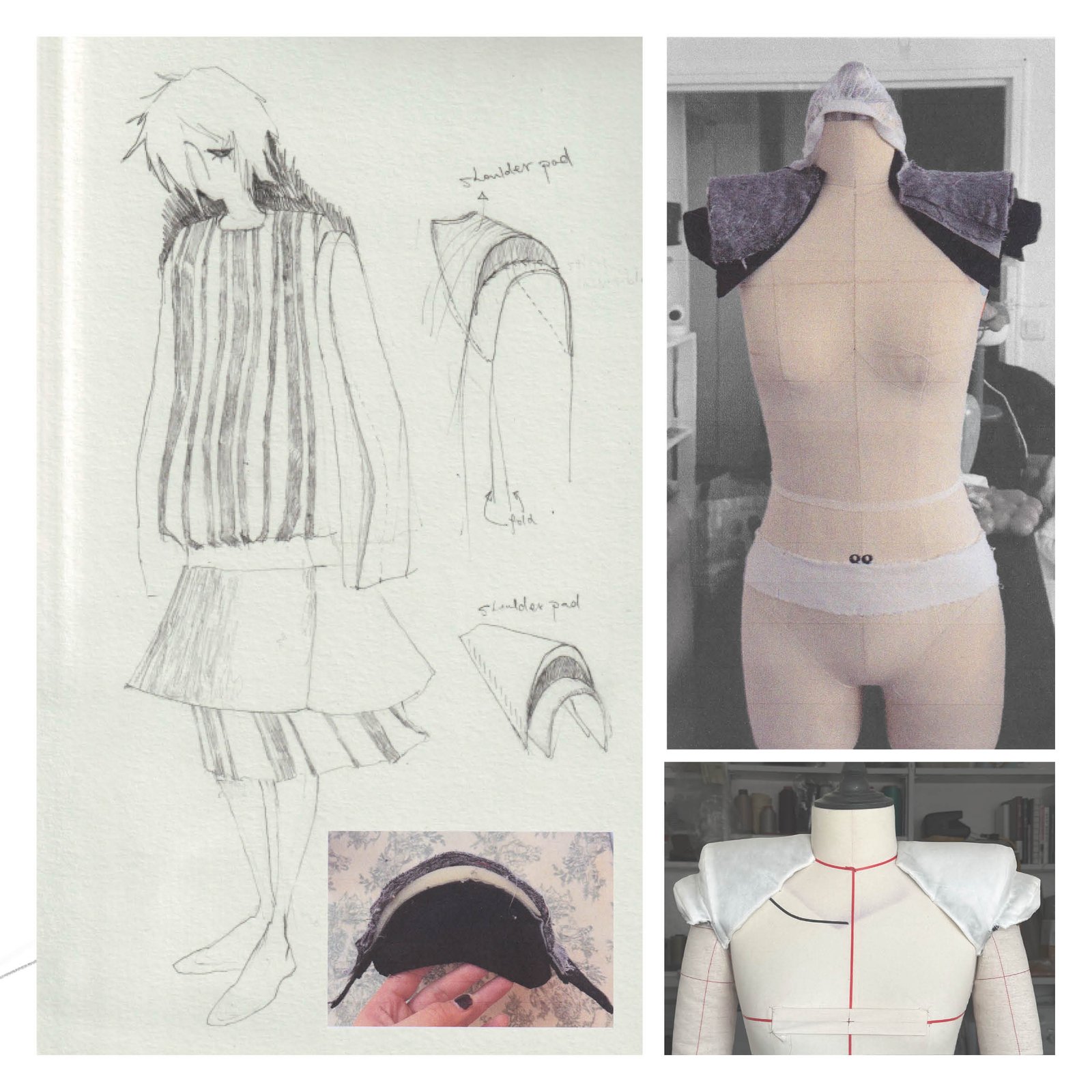
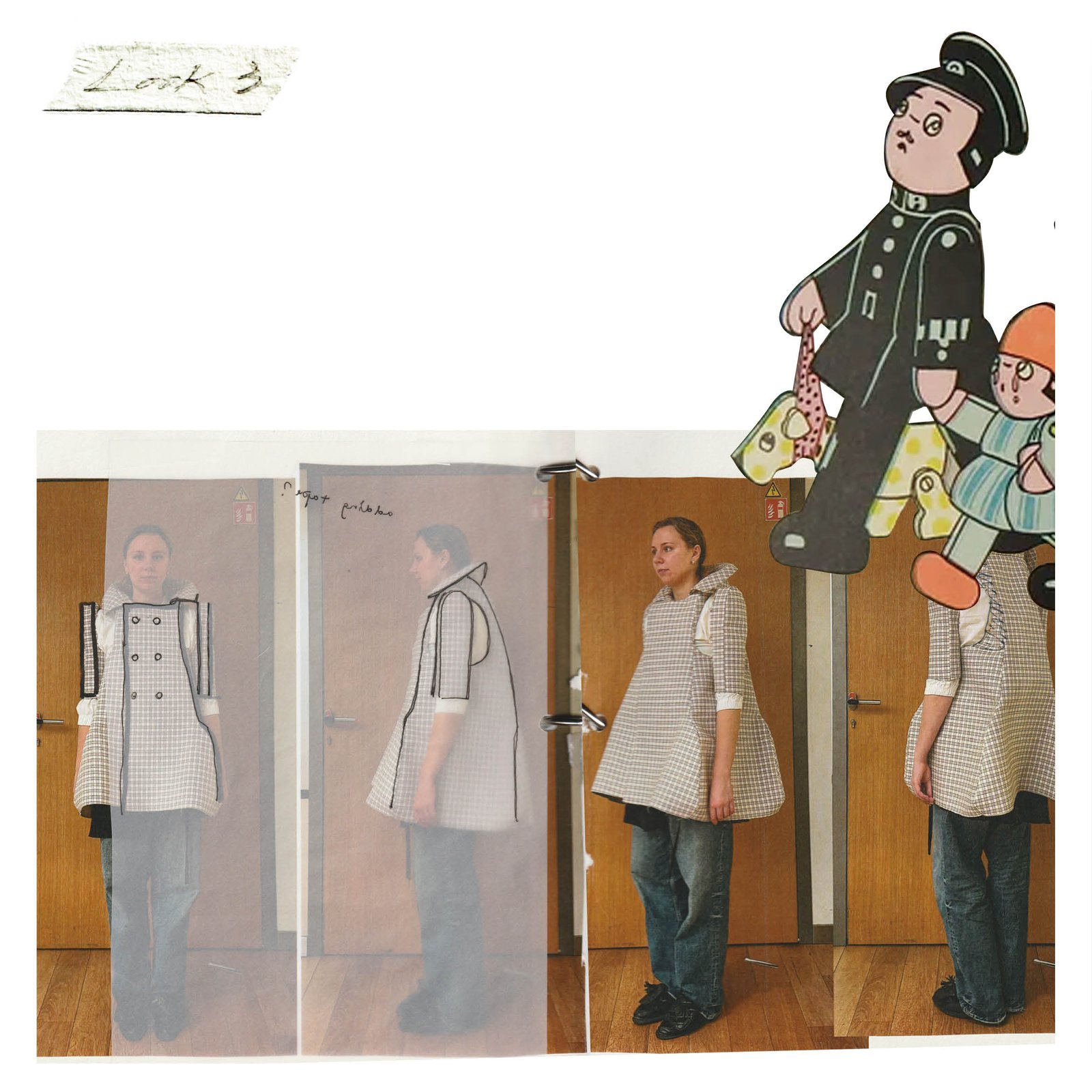
Elona Clement’s collection examines how childhood games and clothing silently shape ideas of femininity and influence how women are perceived. Beginning with ostensibly neutral spaces – play, LEGO, everyday objects – the project exposes the expectations embedded within them. While the female wardrobe is habitually reduced to decoration and aesthetics, Clement challenges this by monumentalising feminine details often dismissed as cute or decorative. Oversized shoulders and voluminous silhouettes transform naïve, childlike imagery into instruments of power, creating a visual language that is impossible to ignore. As she enters the industry, Clement is motivated by the underrepresentation of diverse women within fashion and is determined to contribute to a more visible and inclusive practice. She is particularly sensitive to the continued focus on women’s bodies and appearance within the industry, and hopes to be part of a generation that moves beyond these standards.

@elonaclement

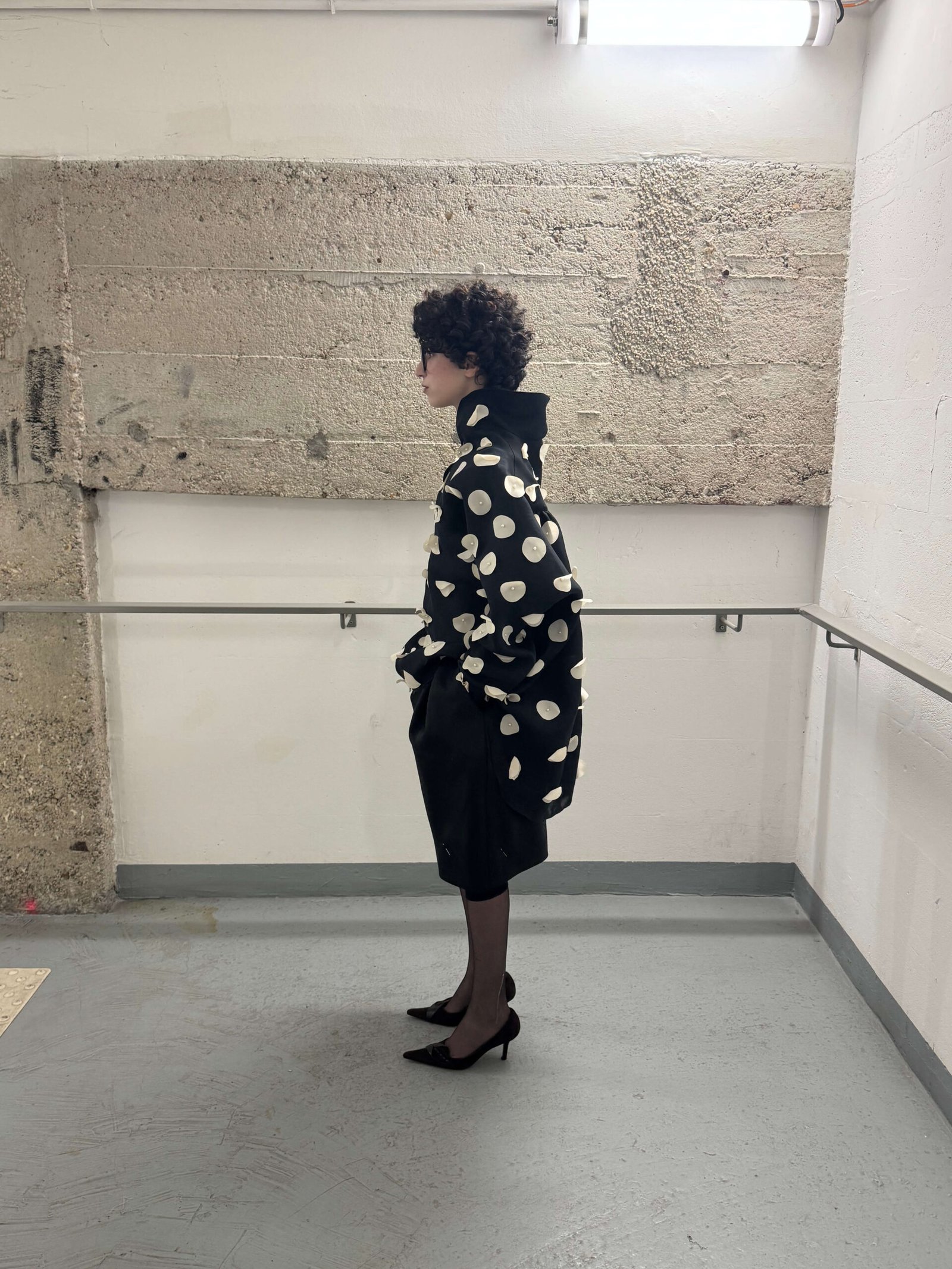
Smilla Carlsson

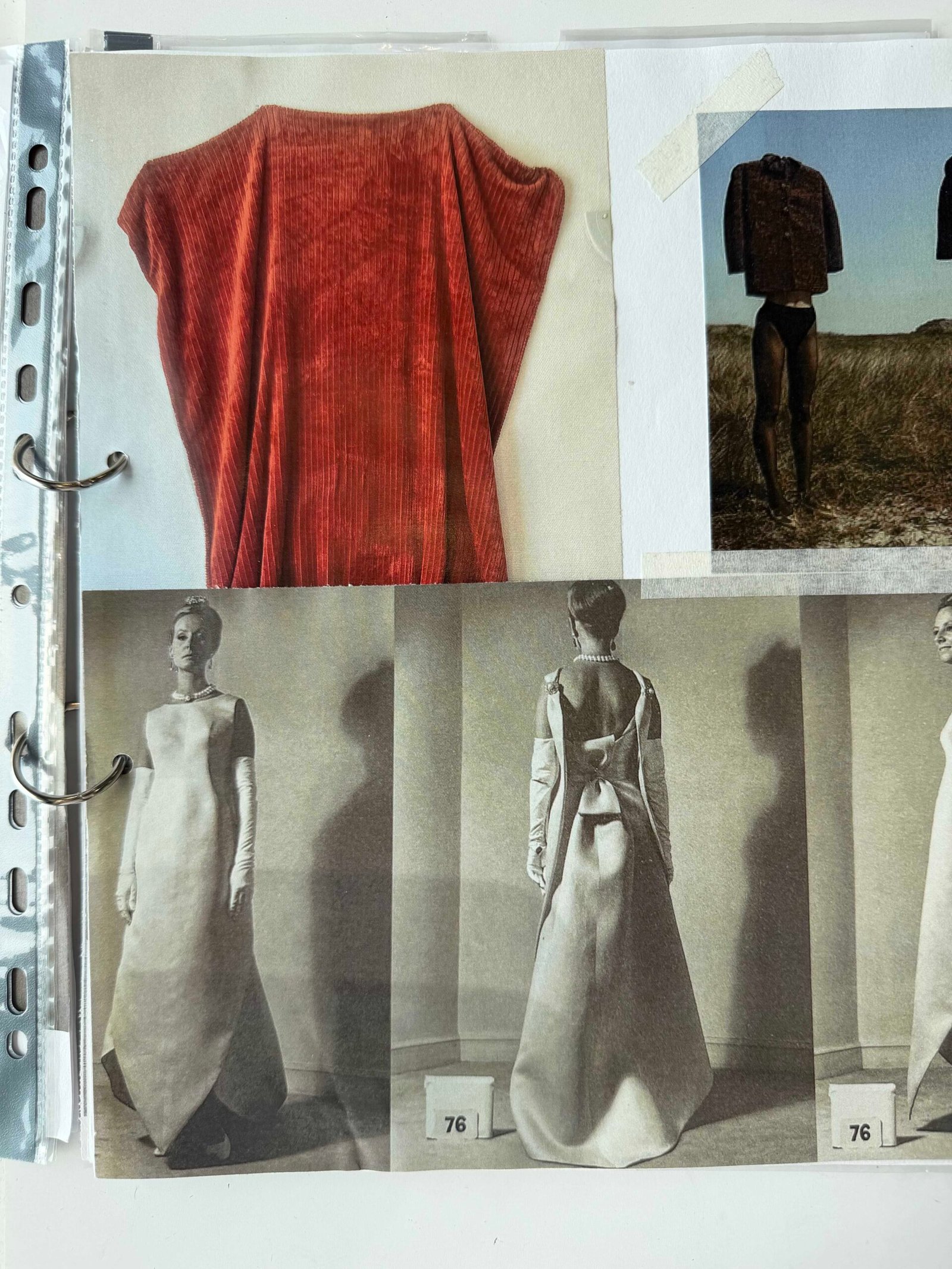
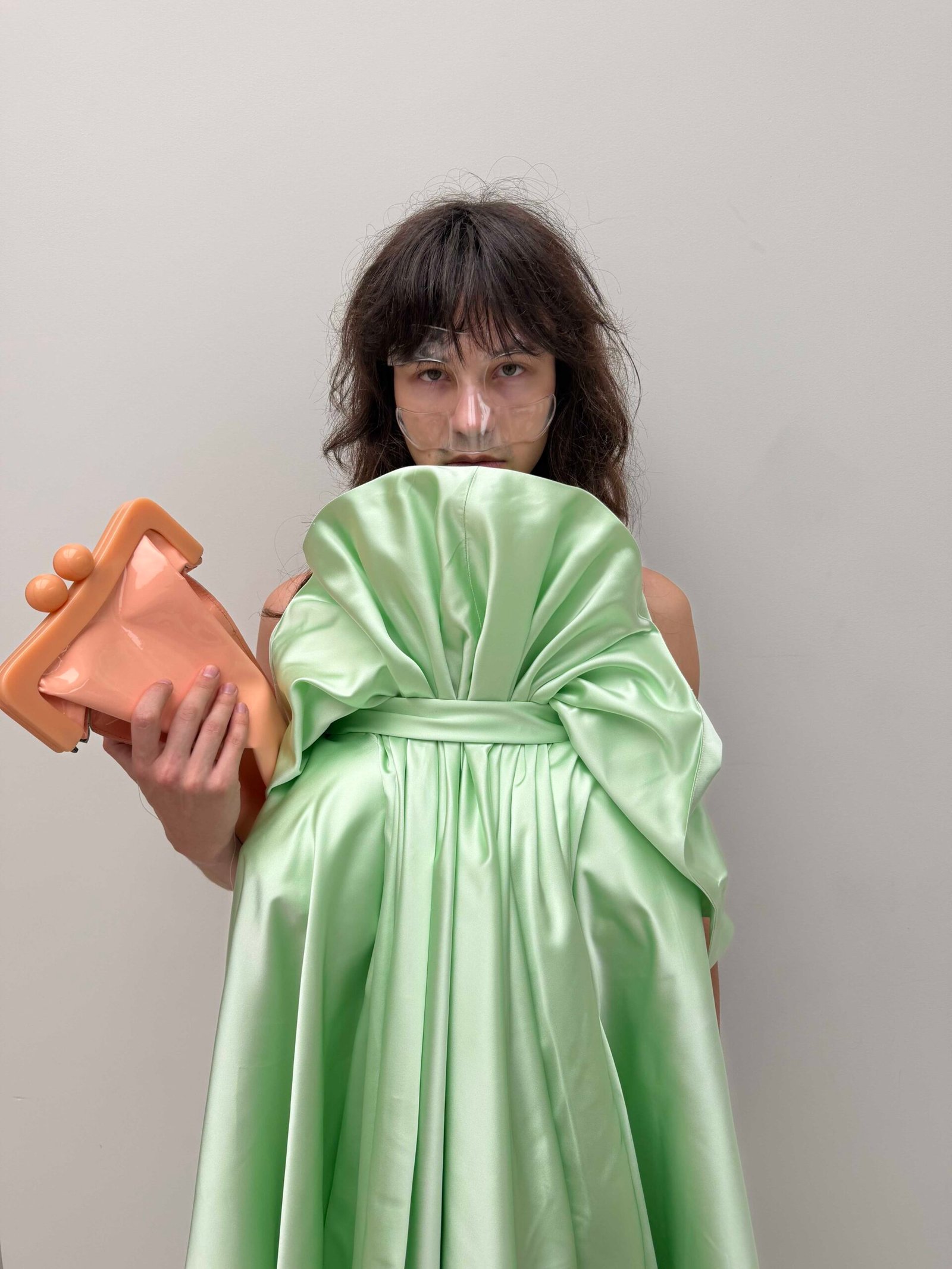
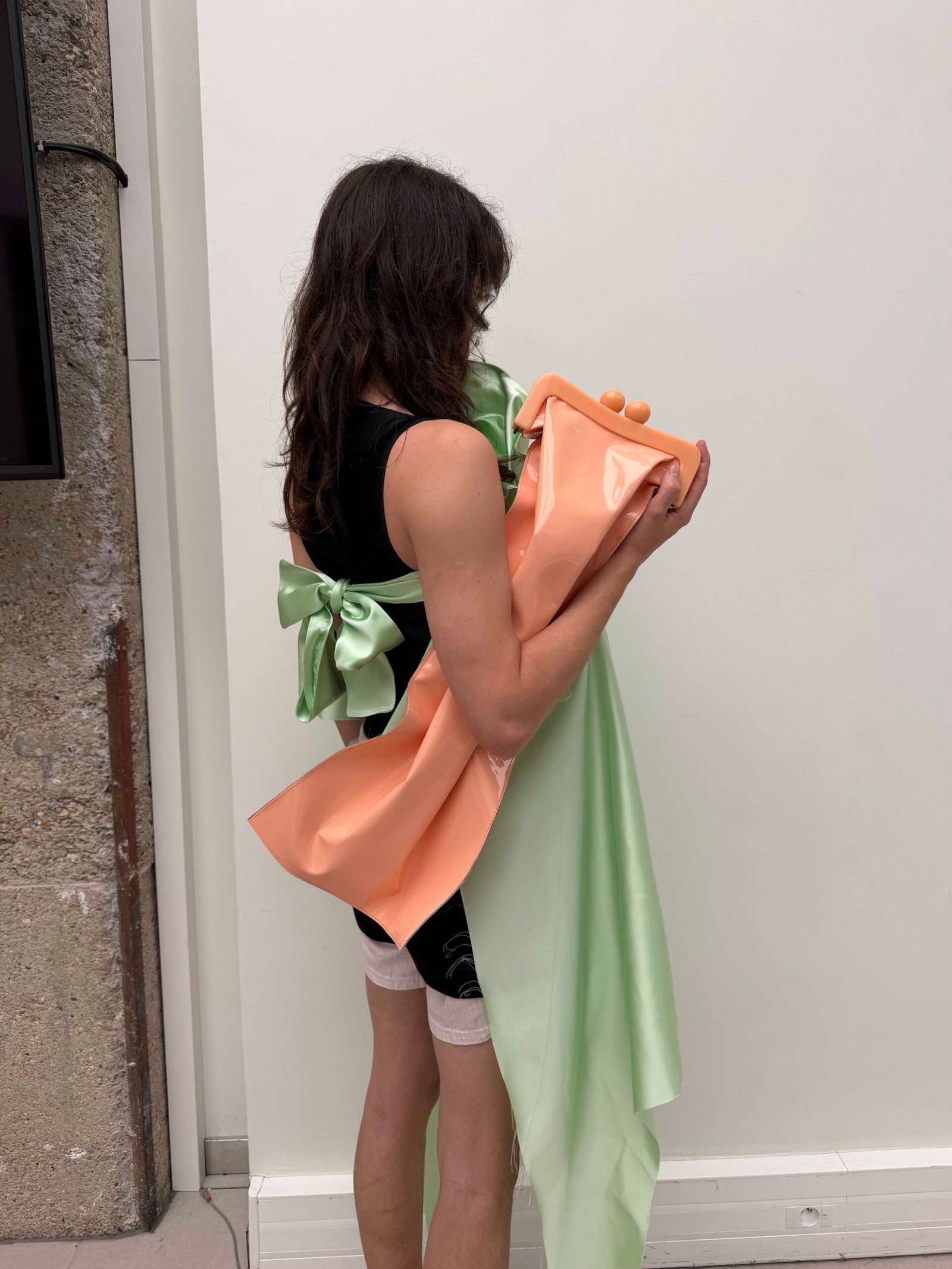
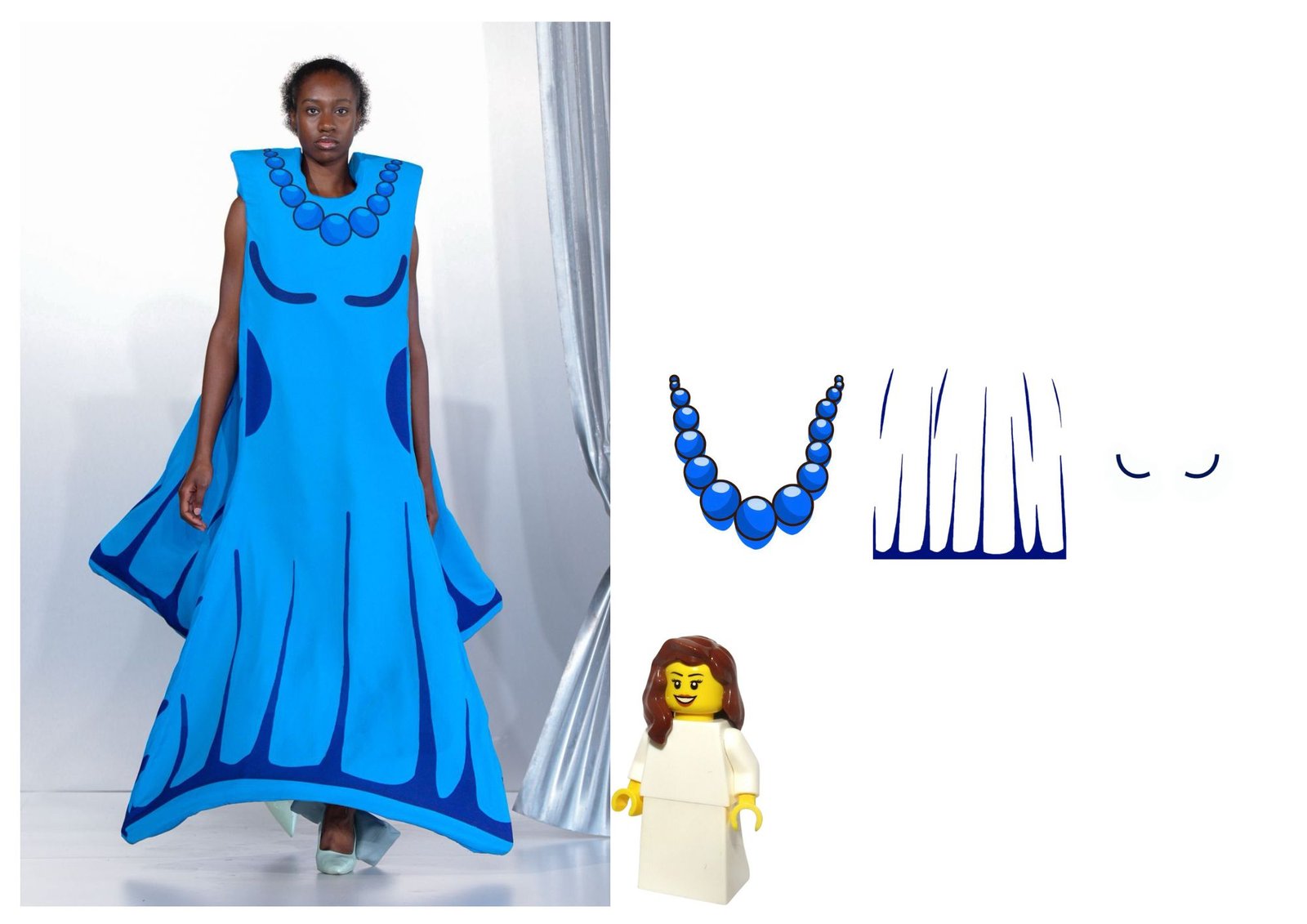
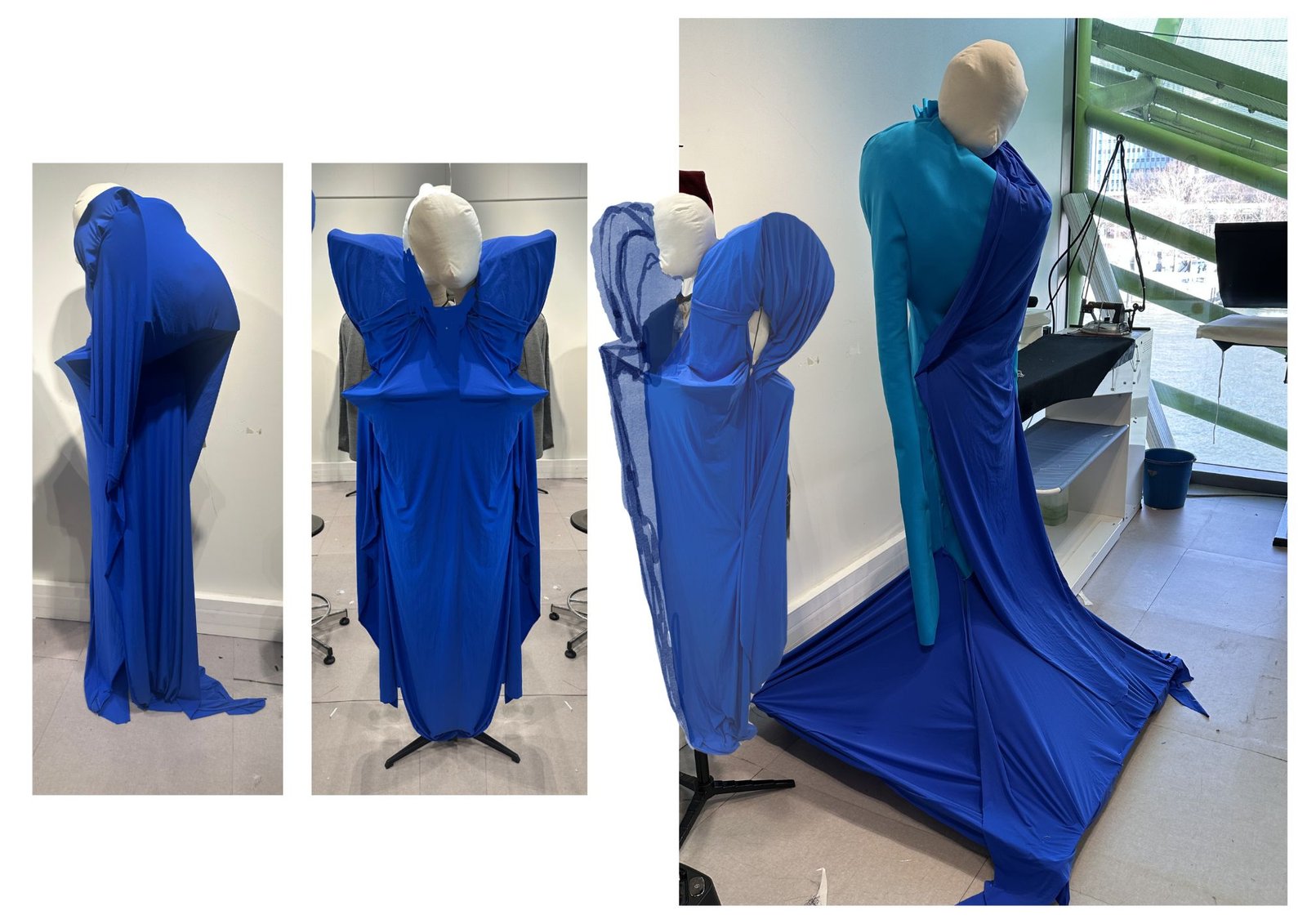
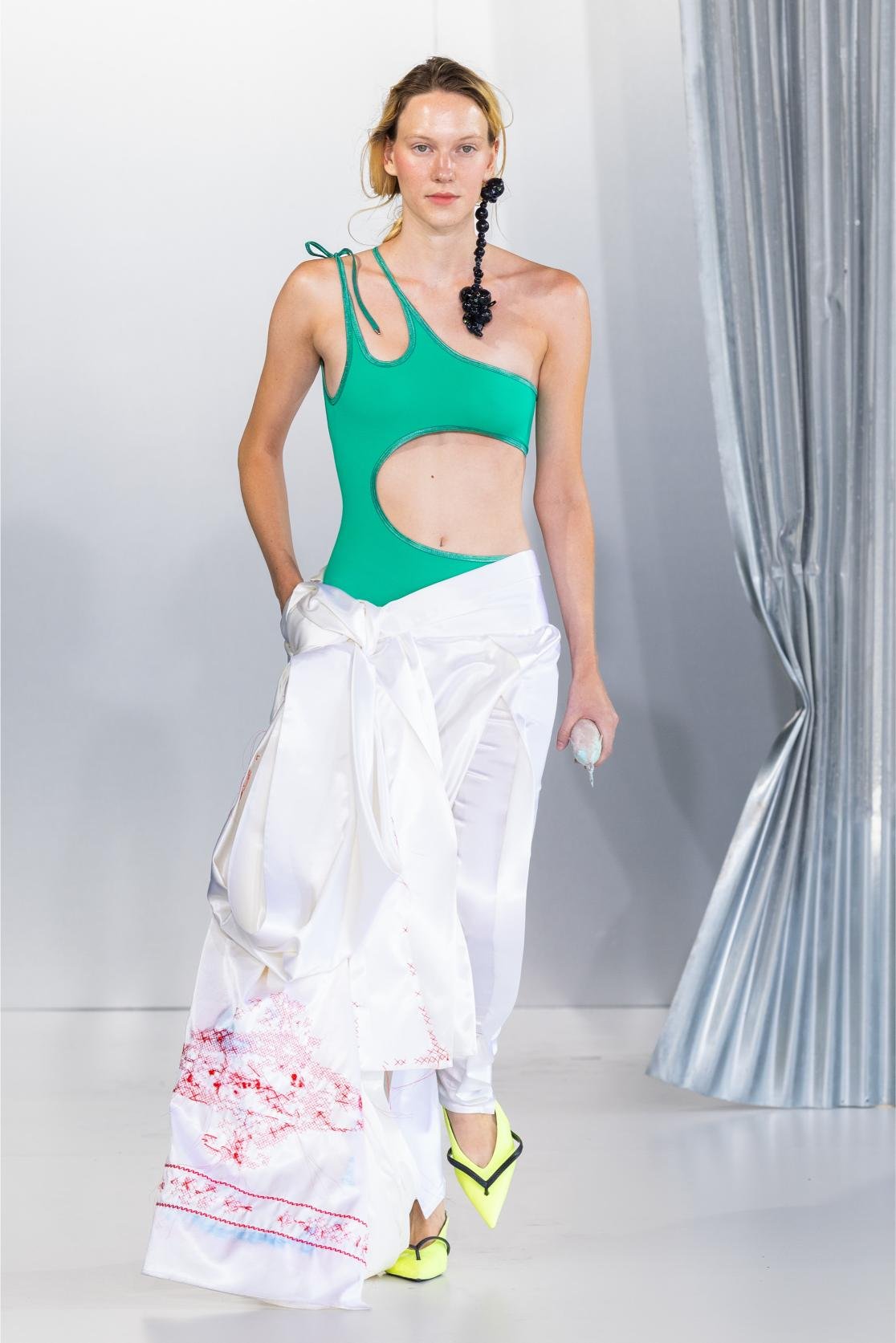
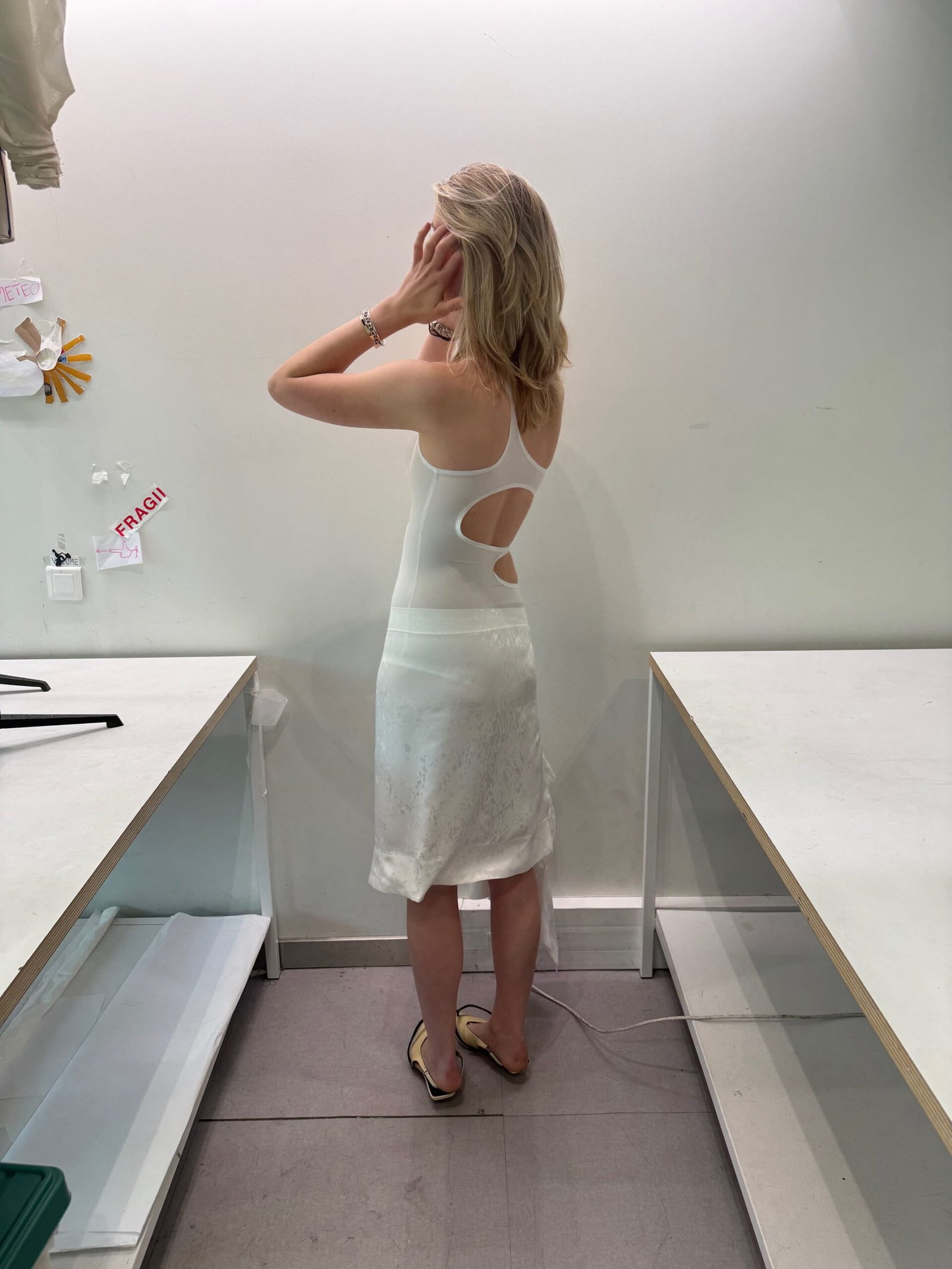
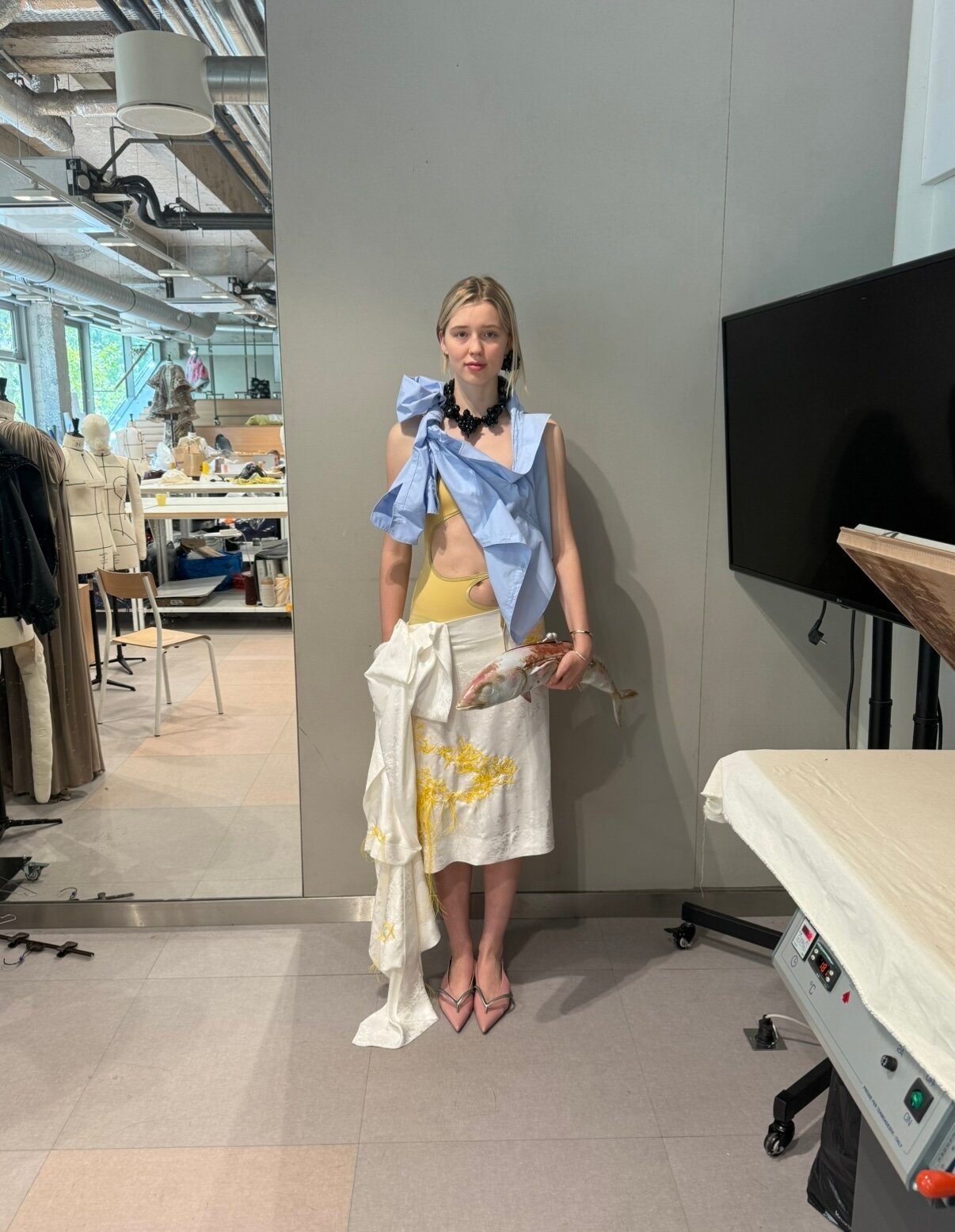
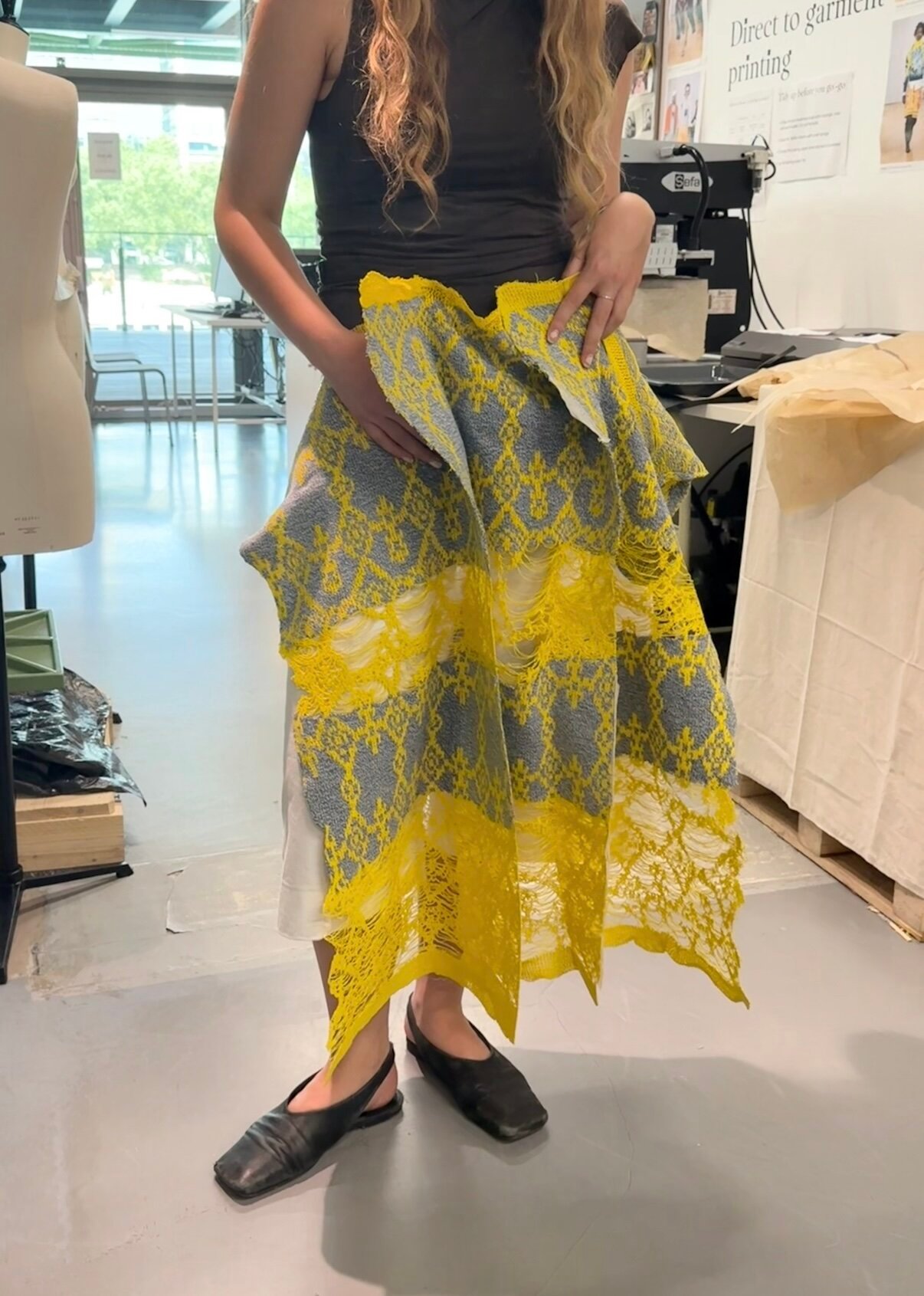
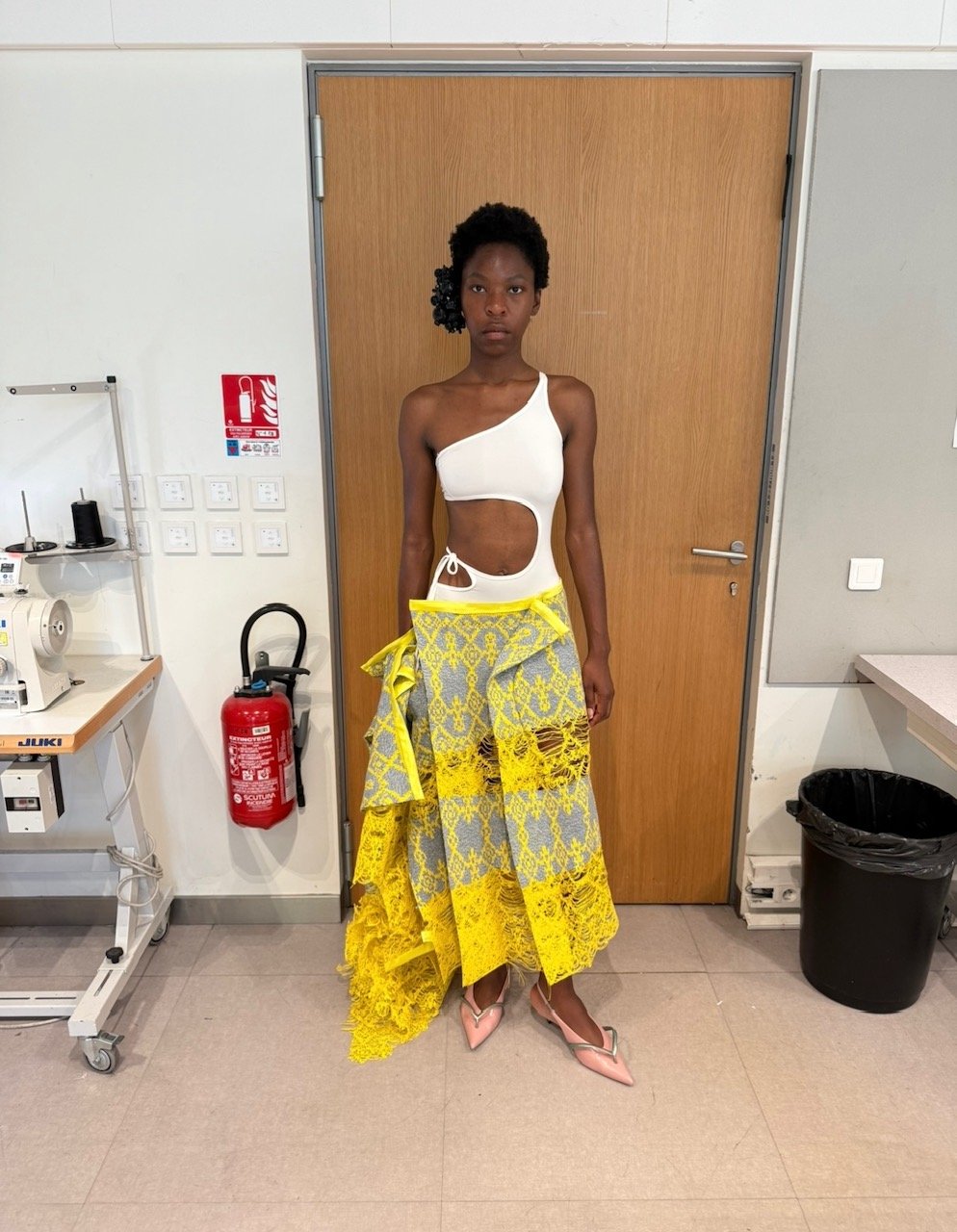
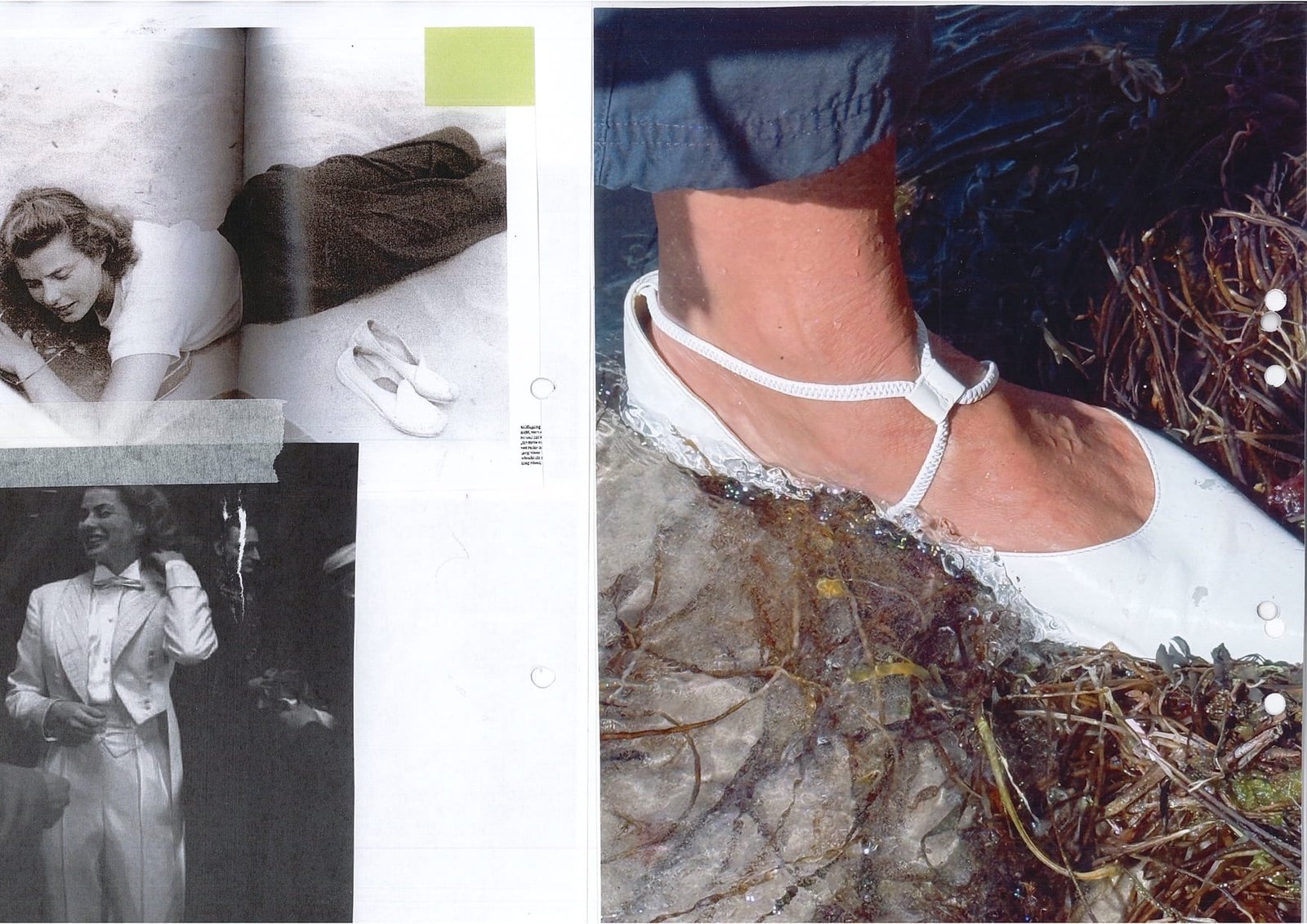
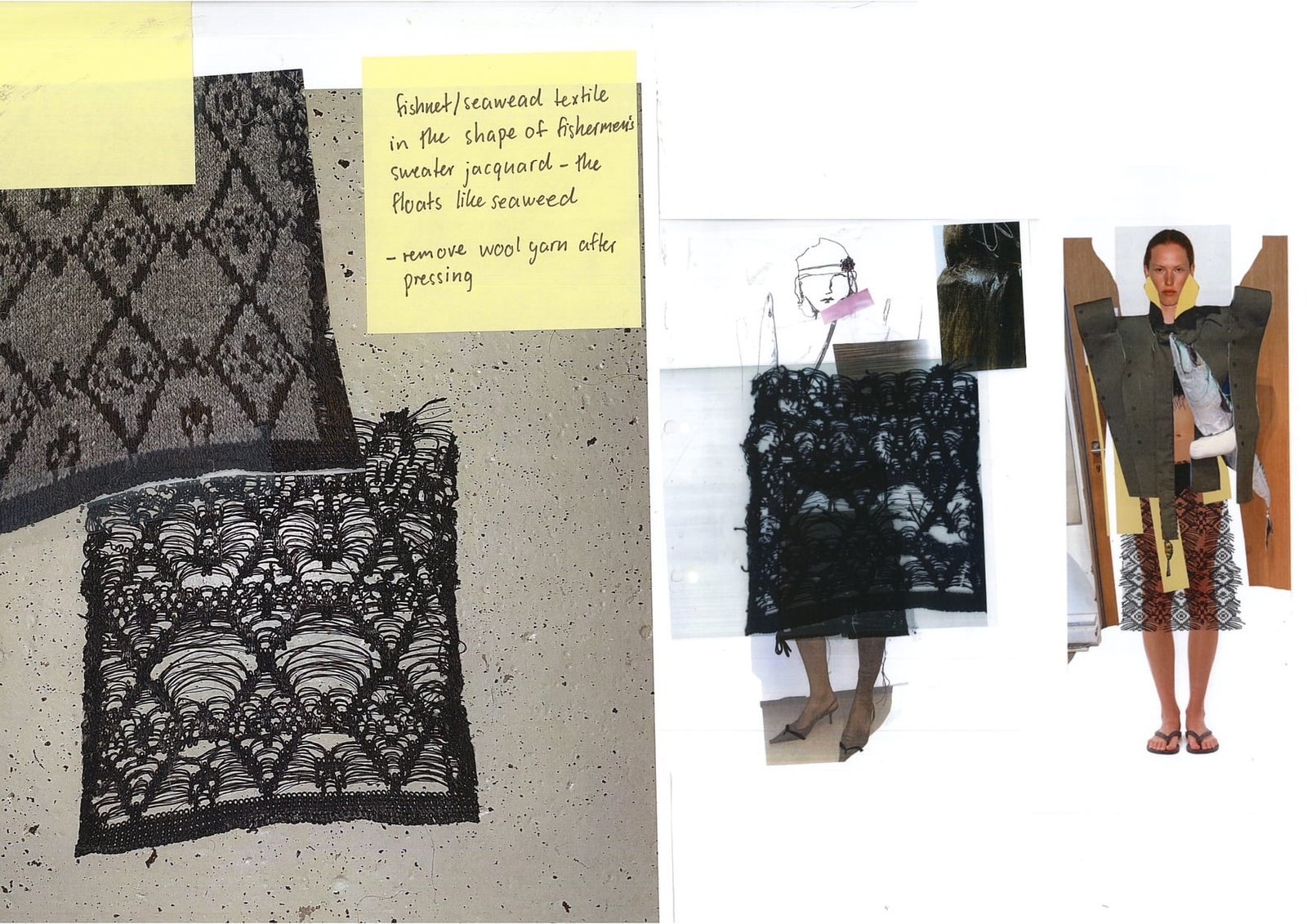
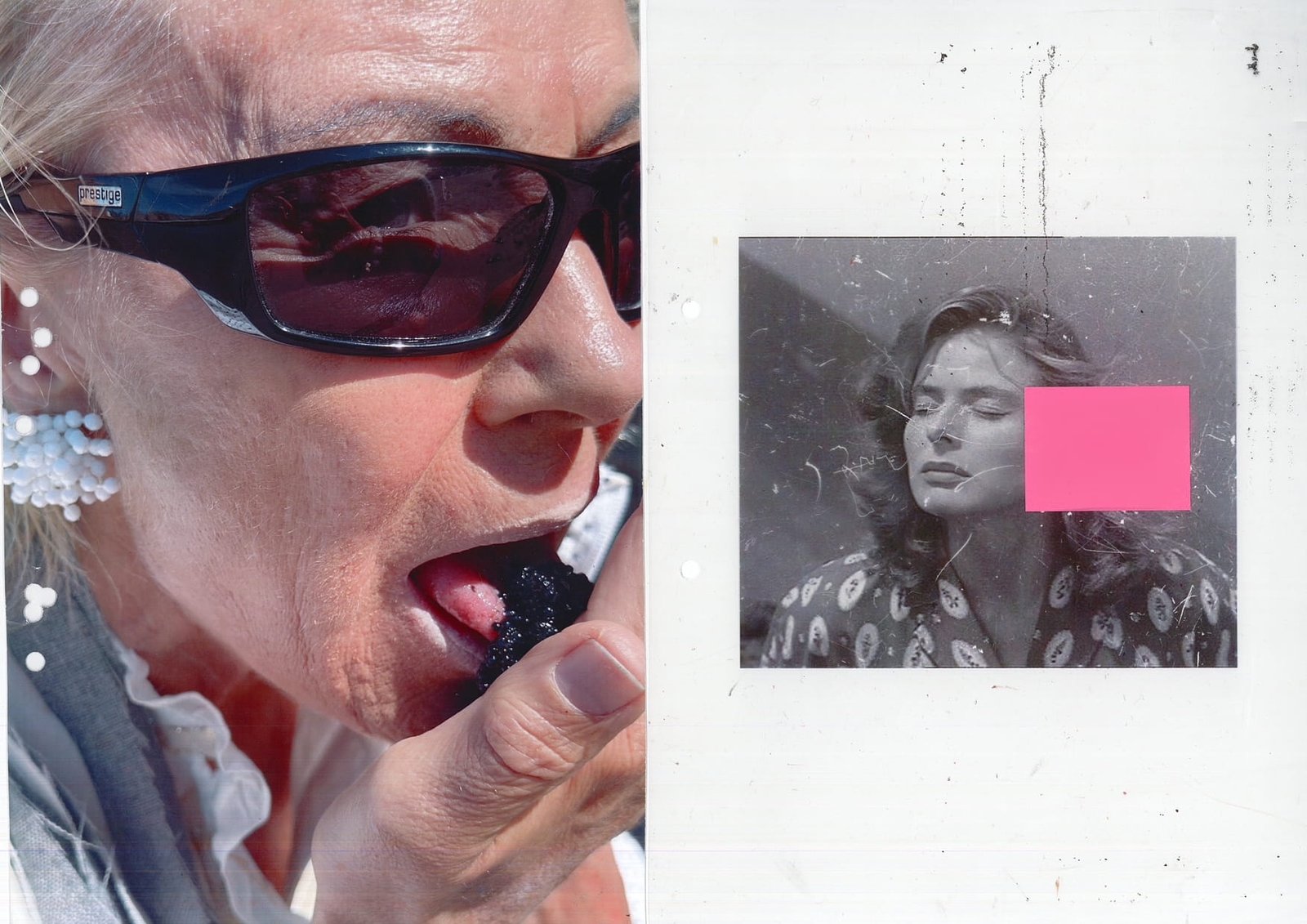
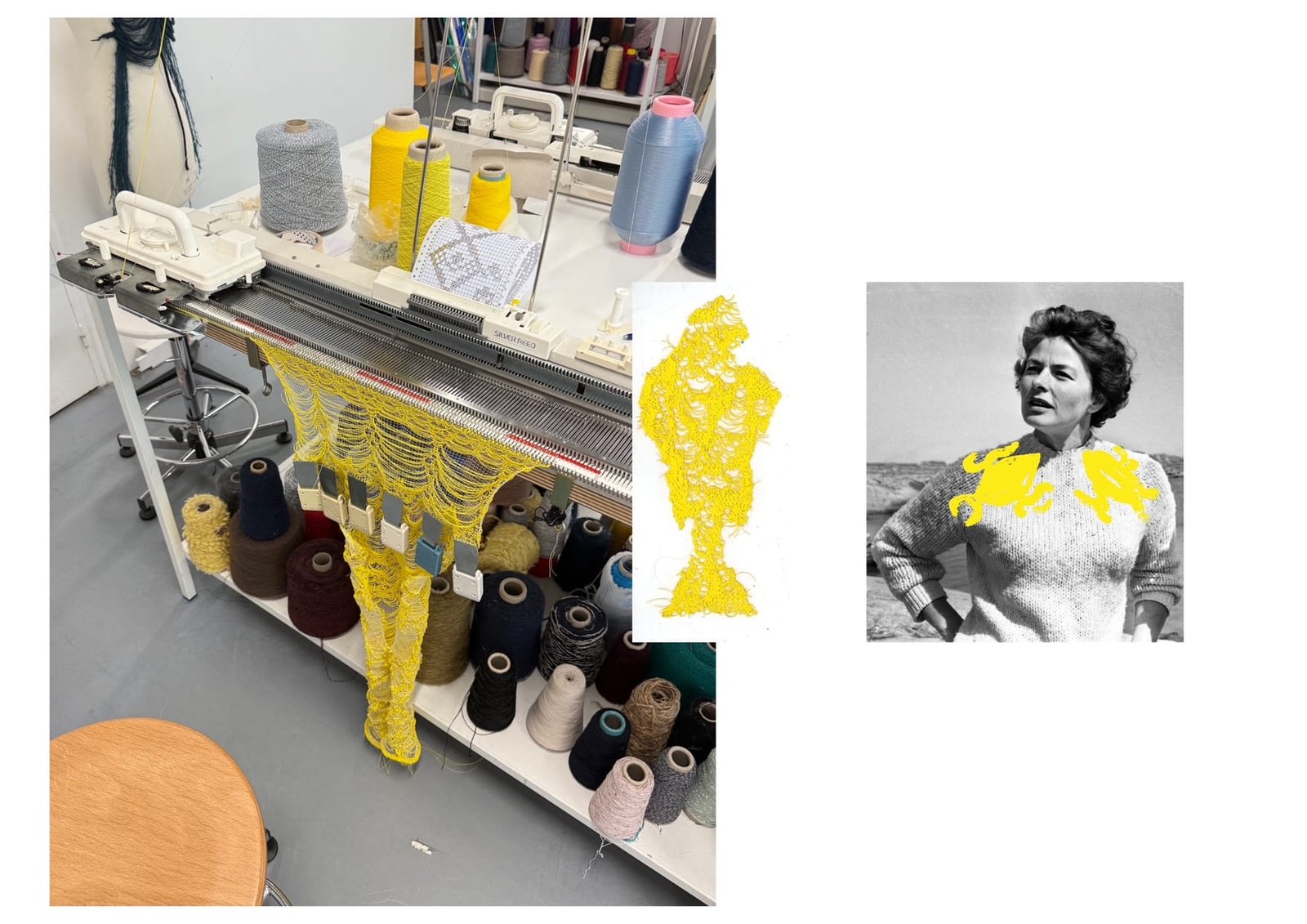
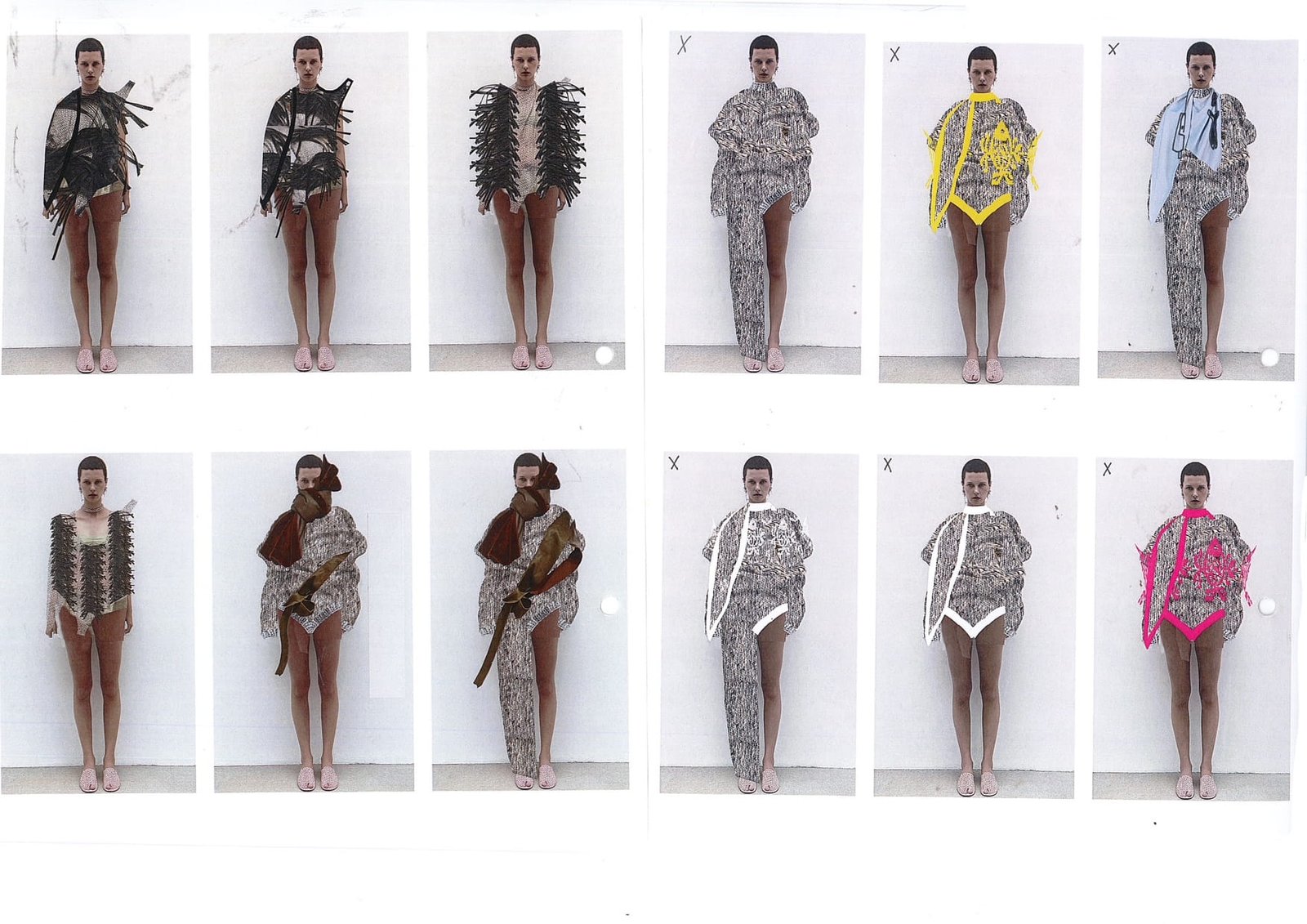
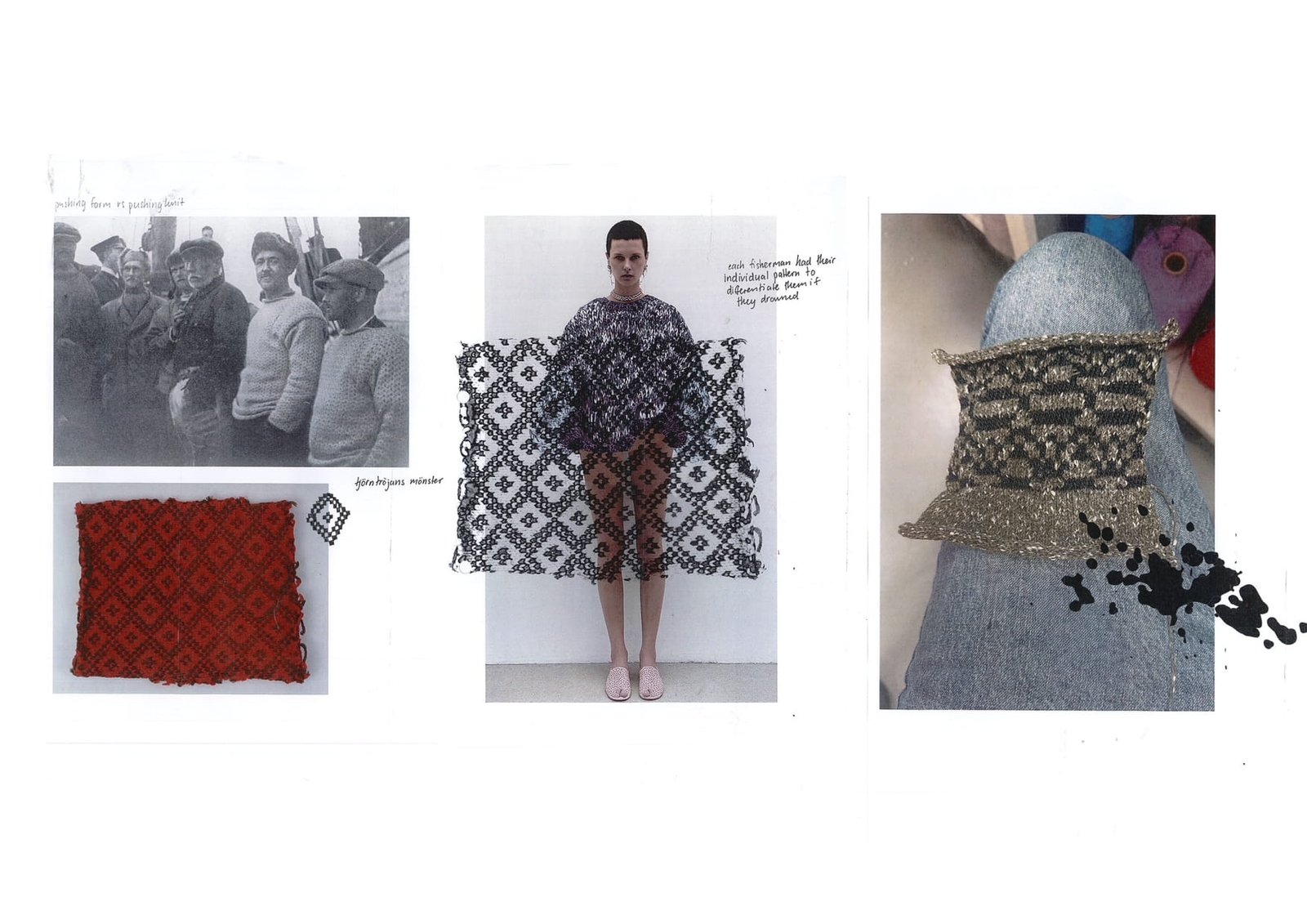
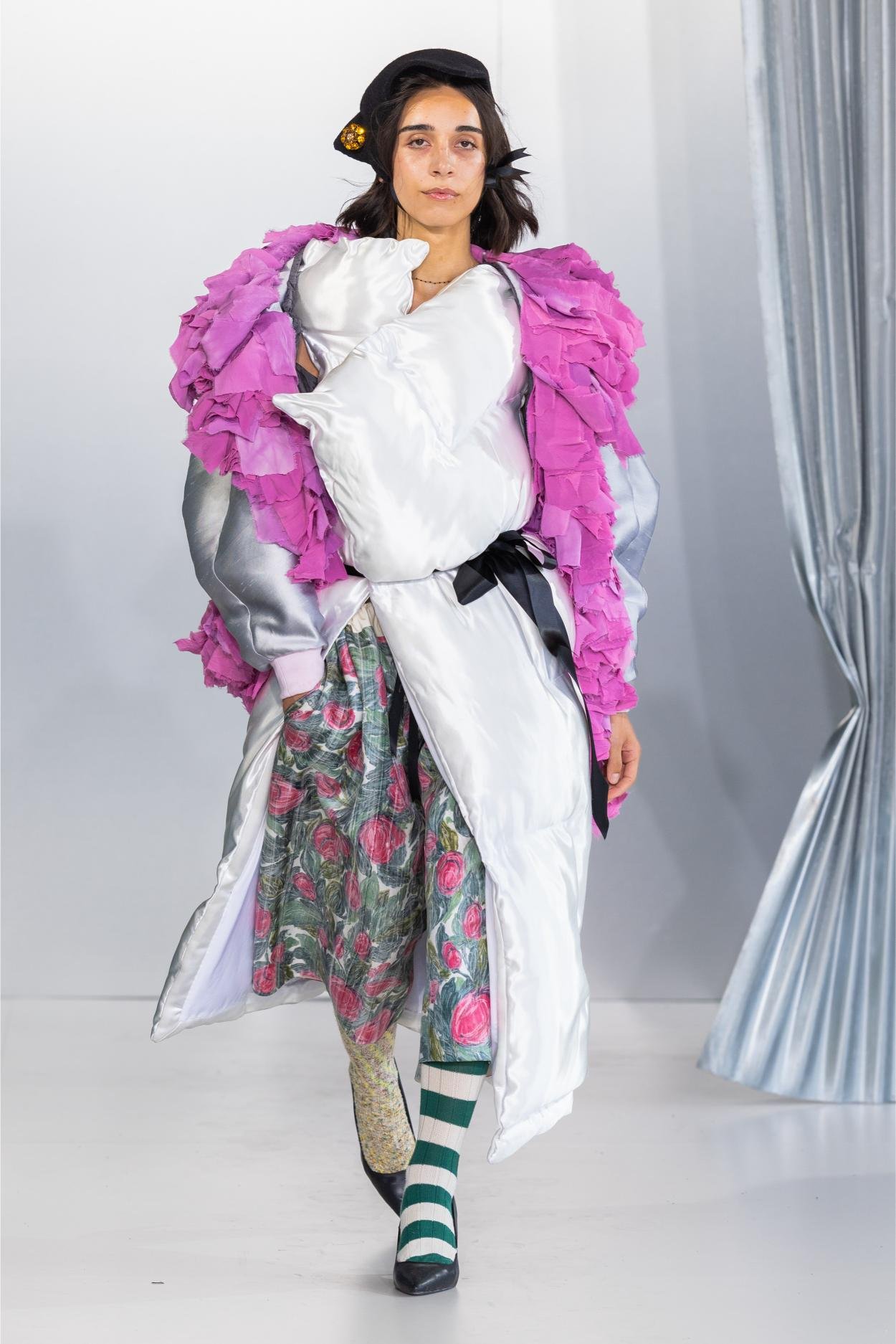
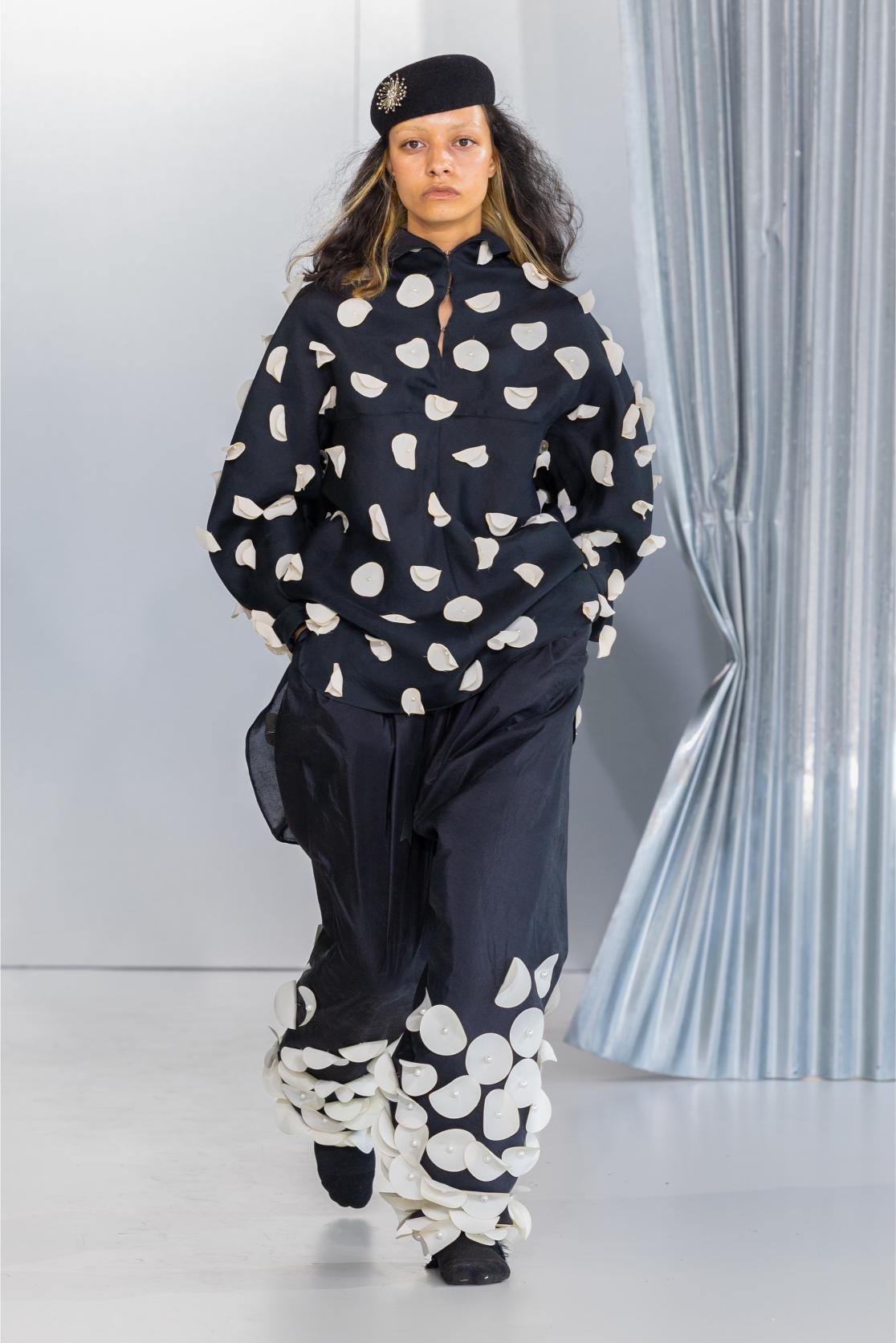
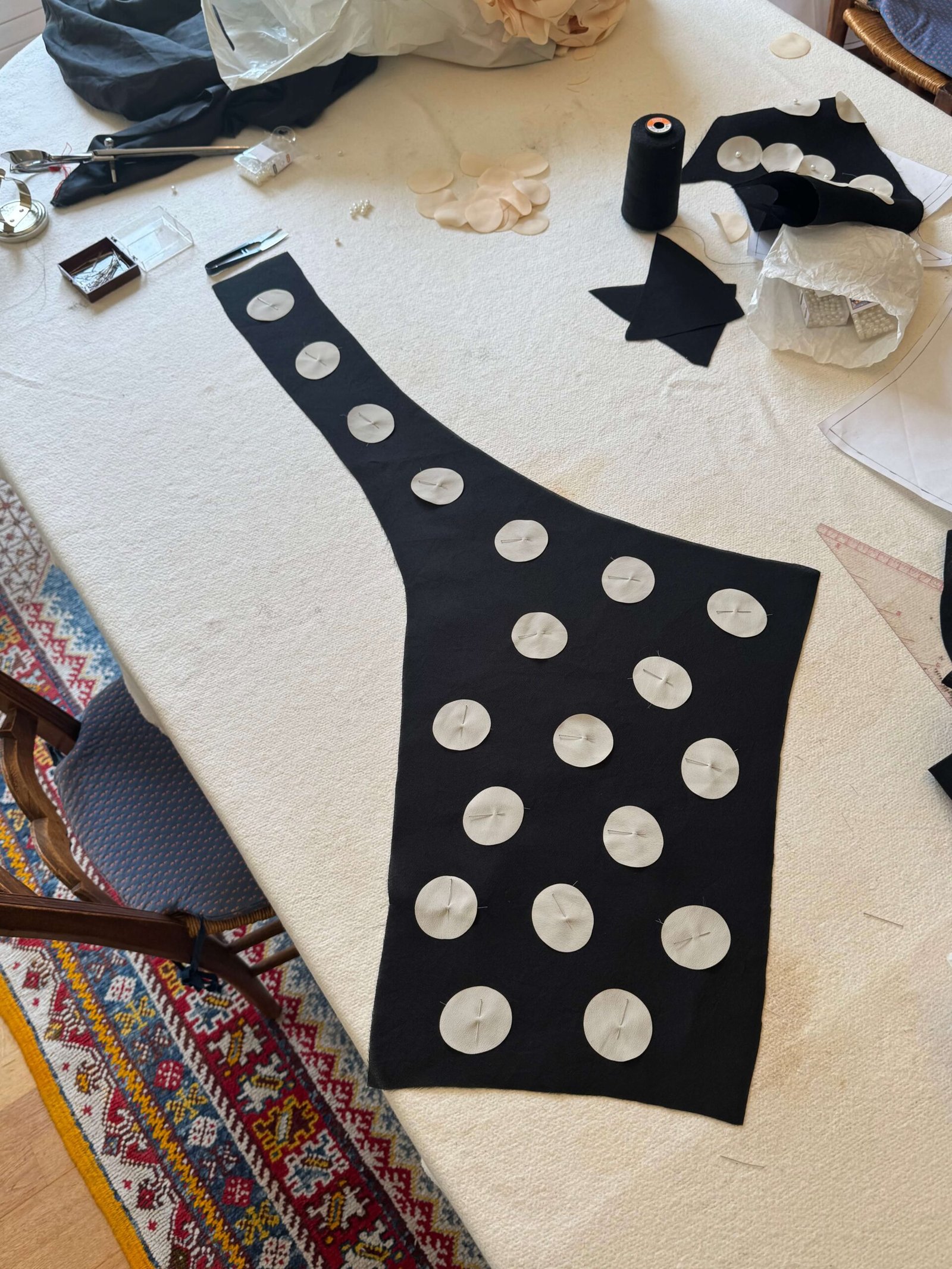
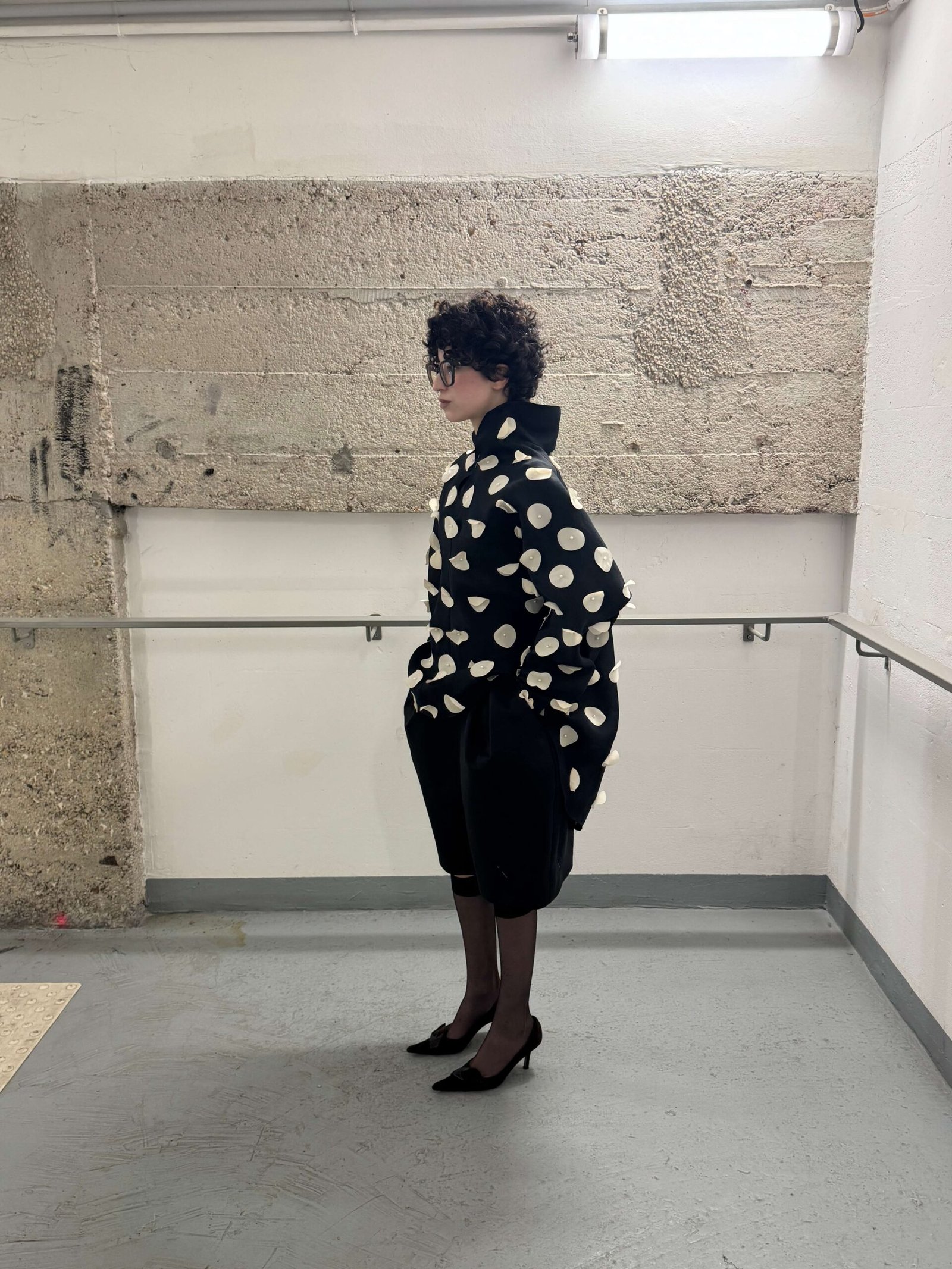
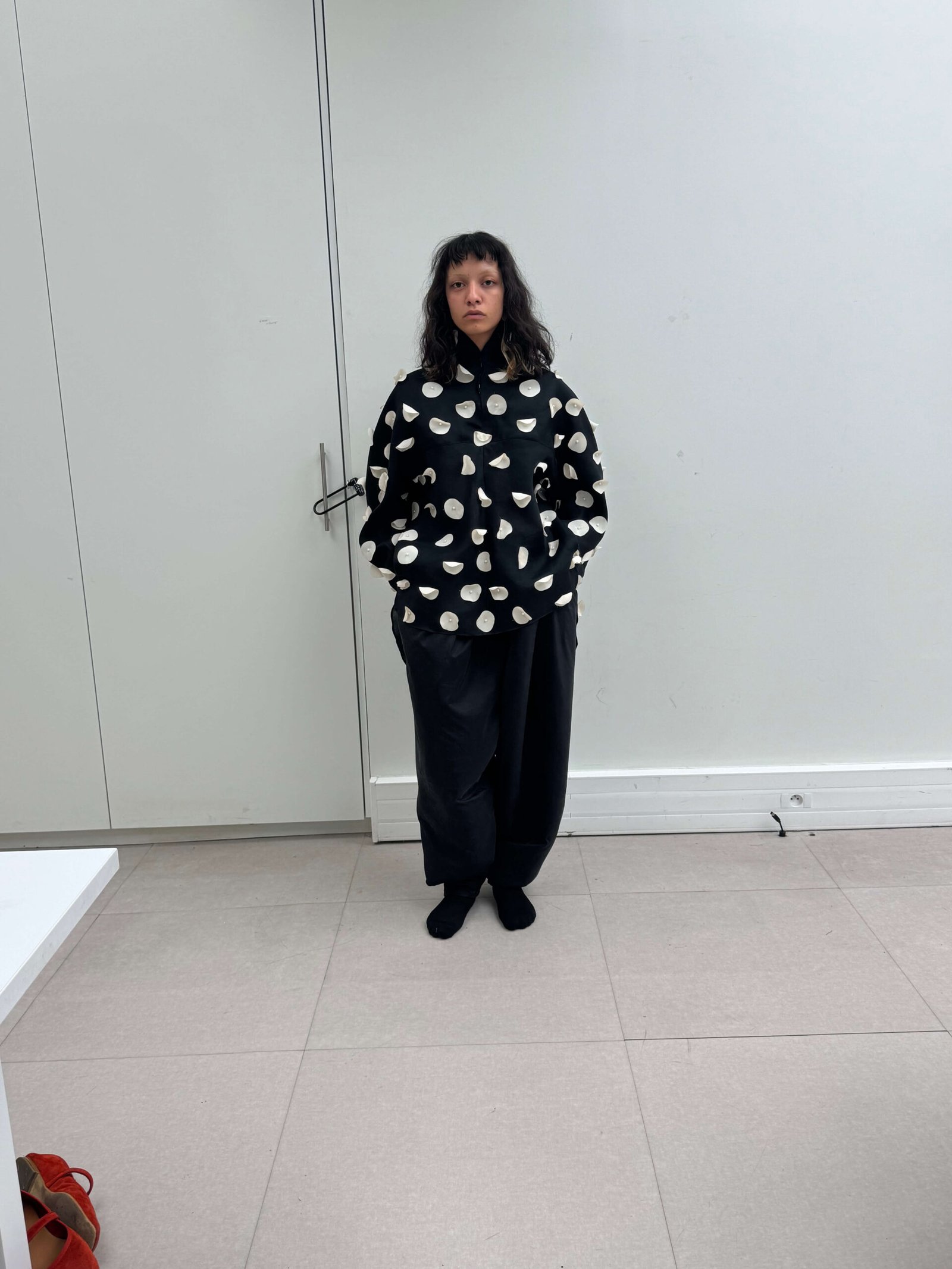
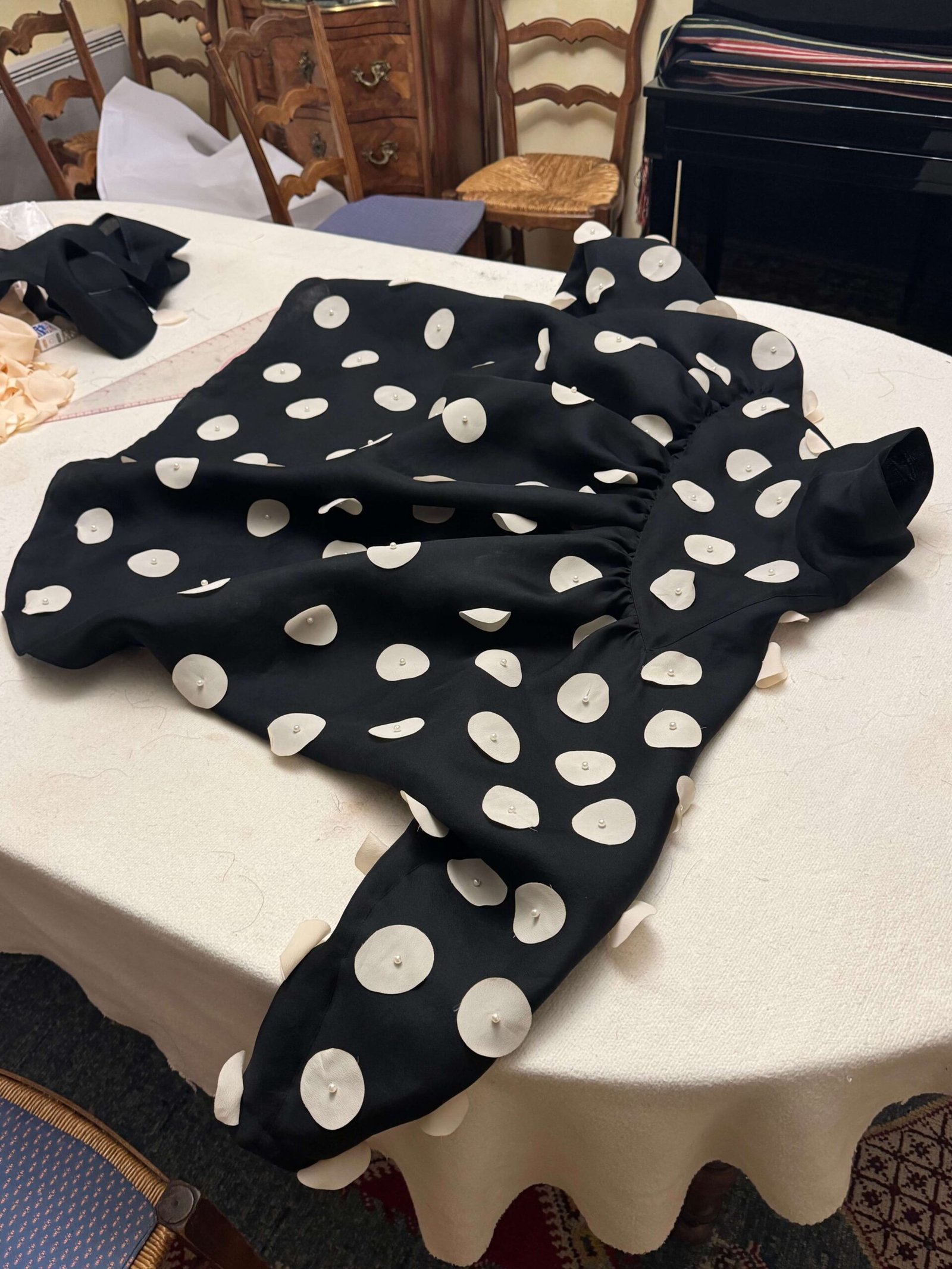
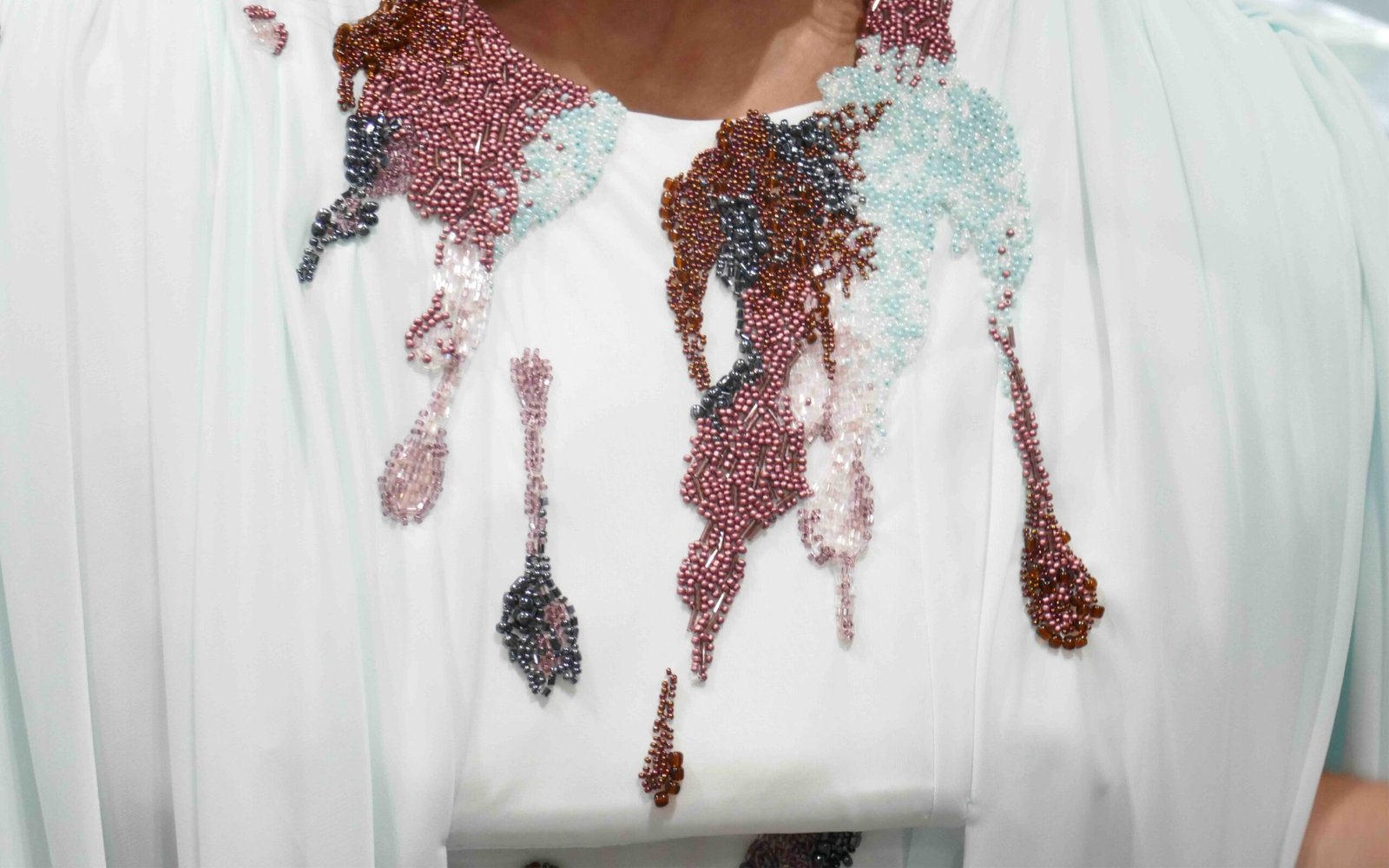
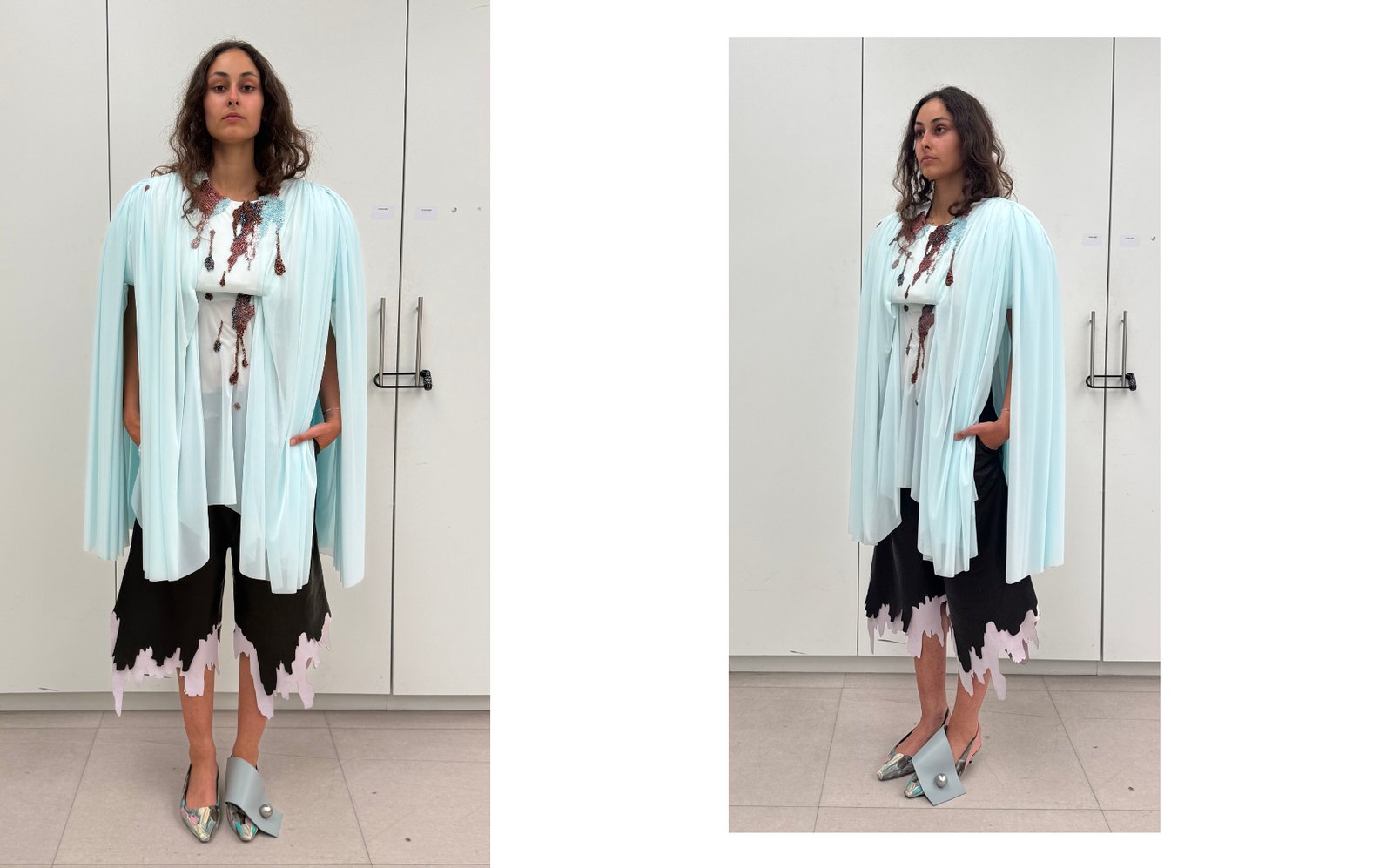
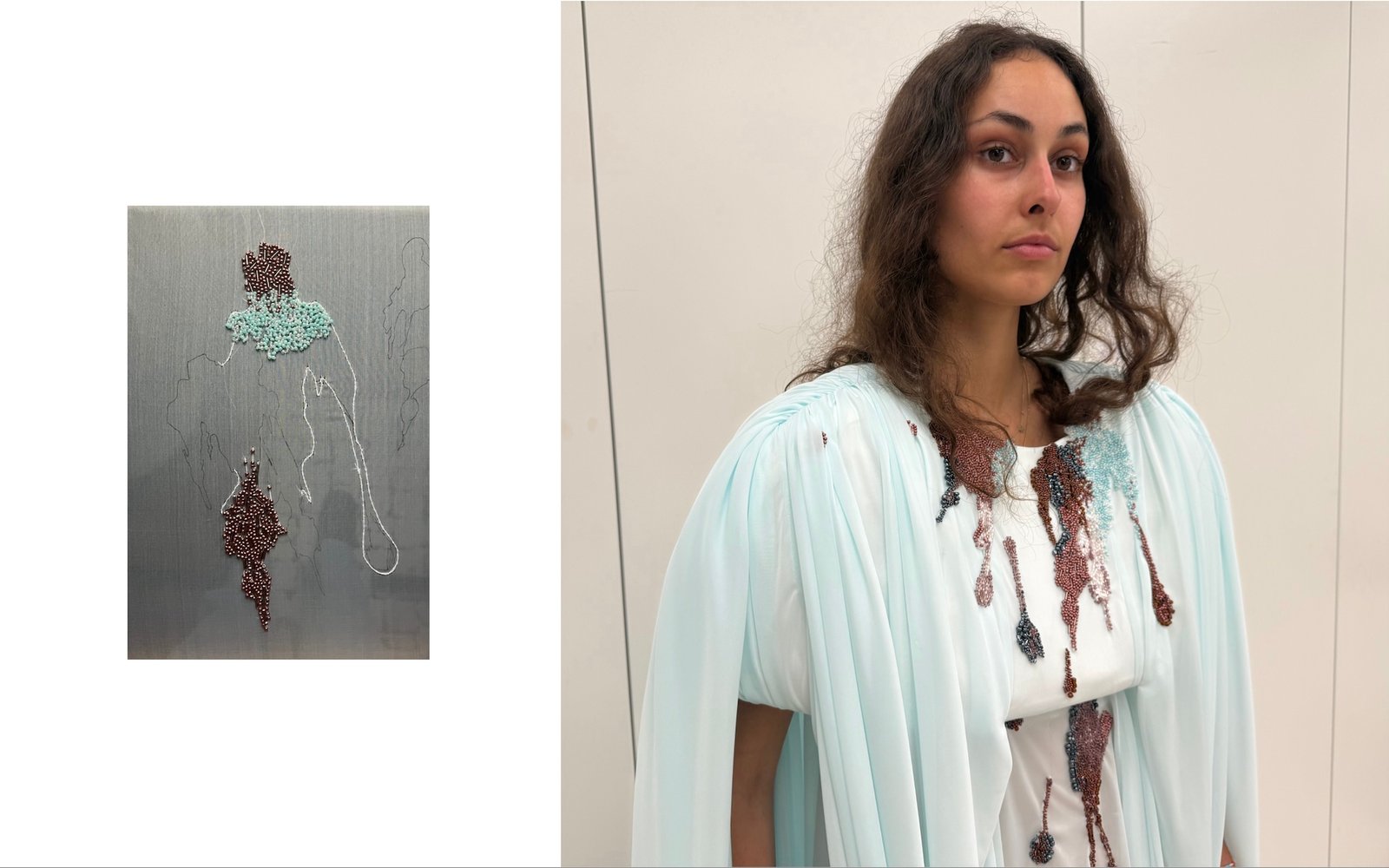
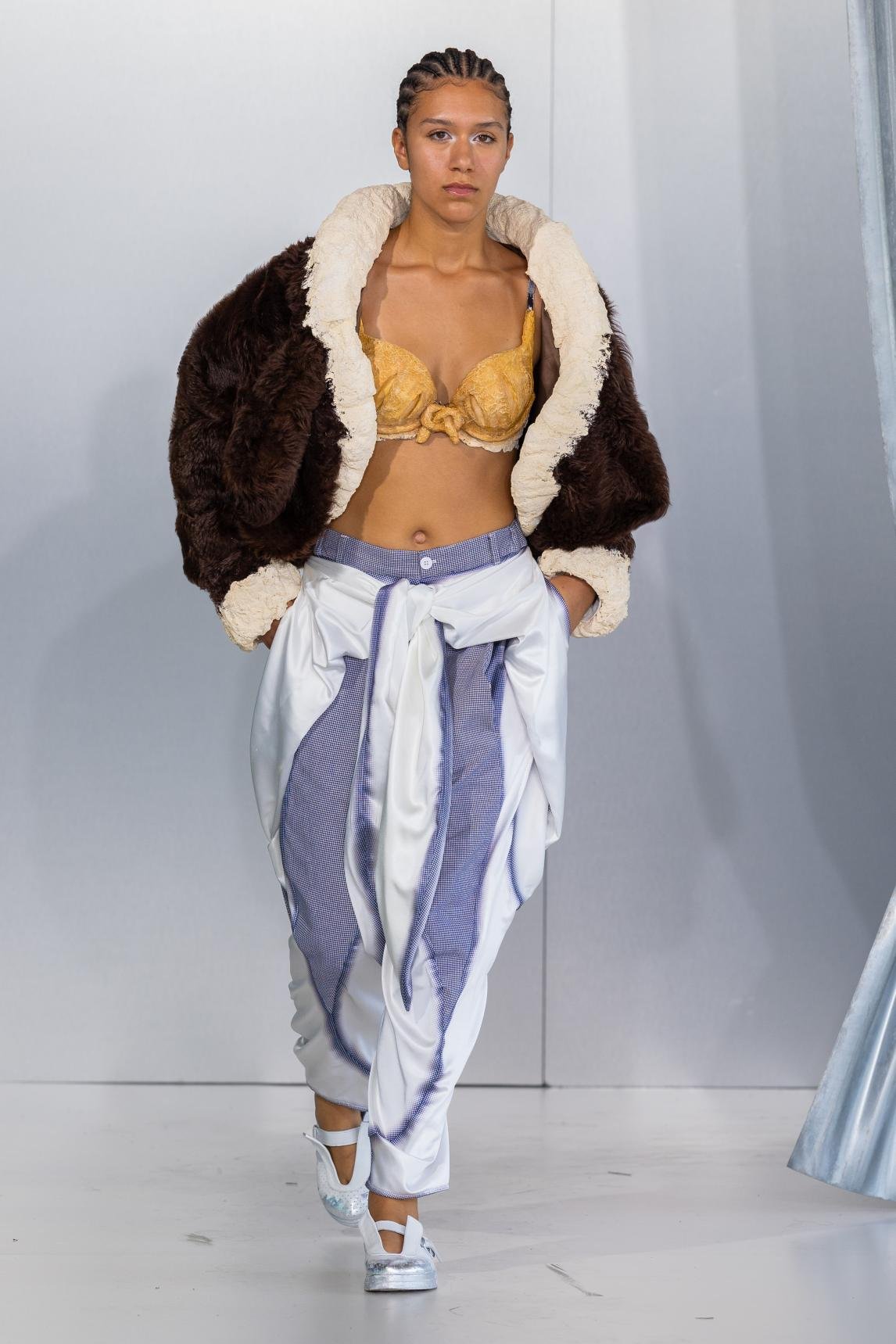
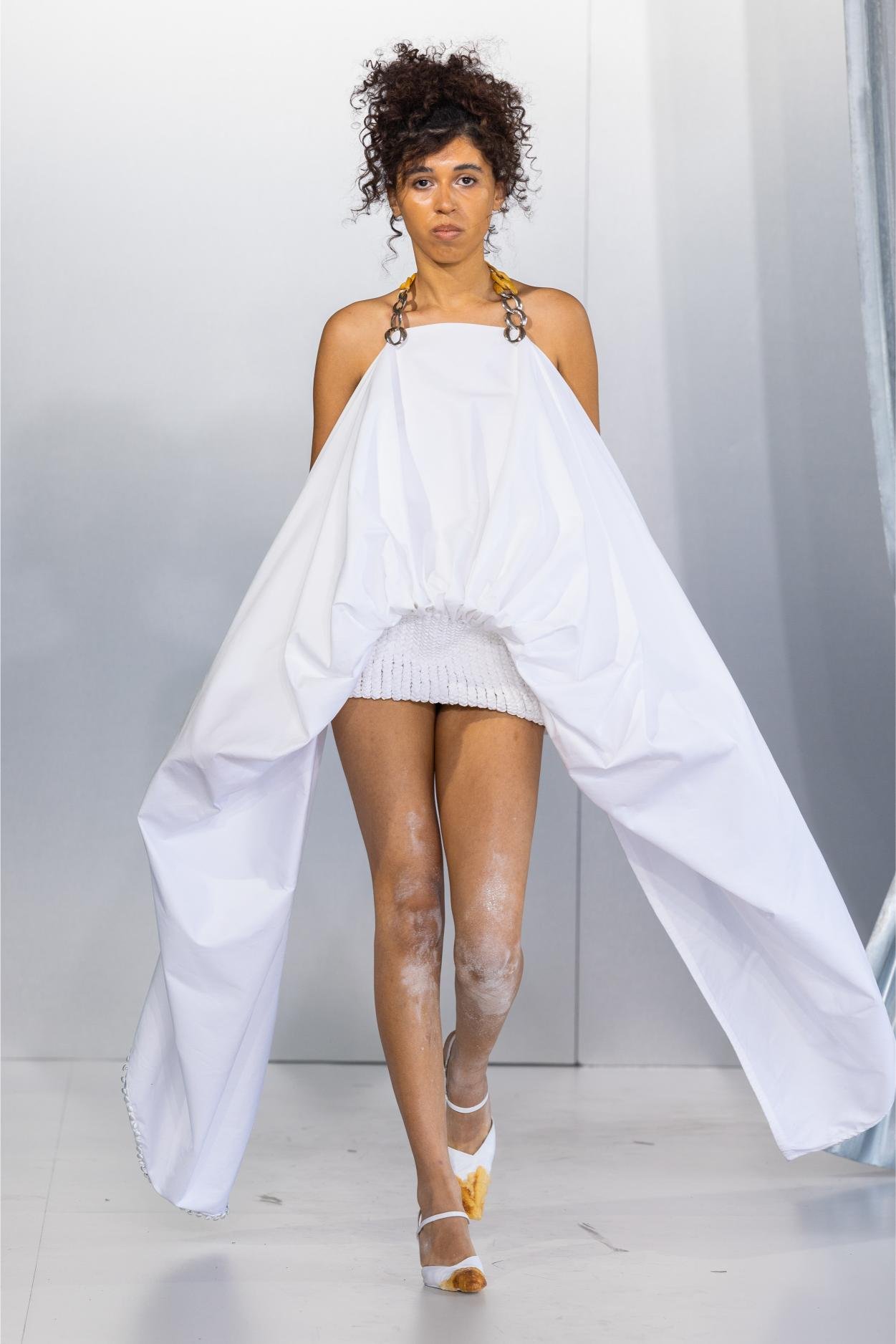
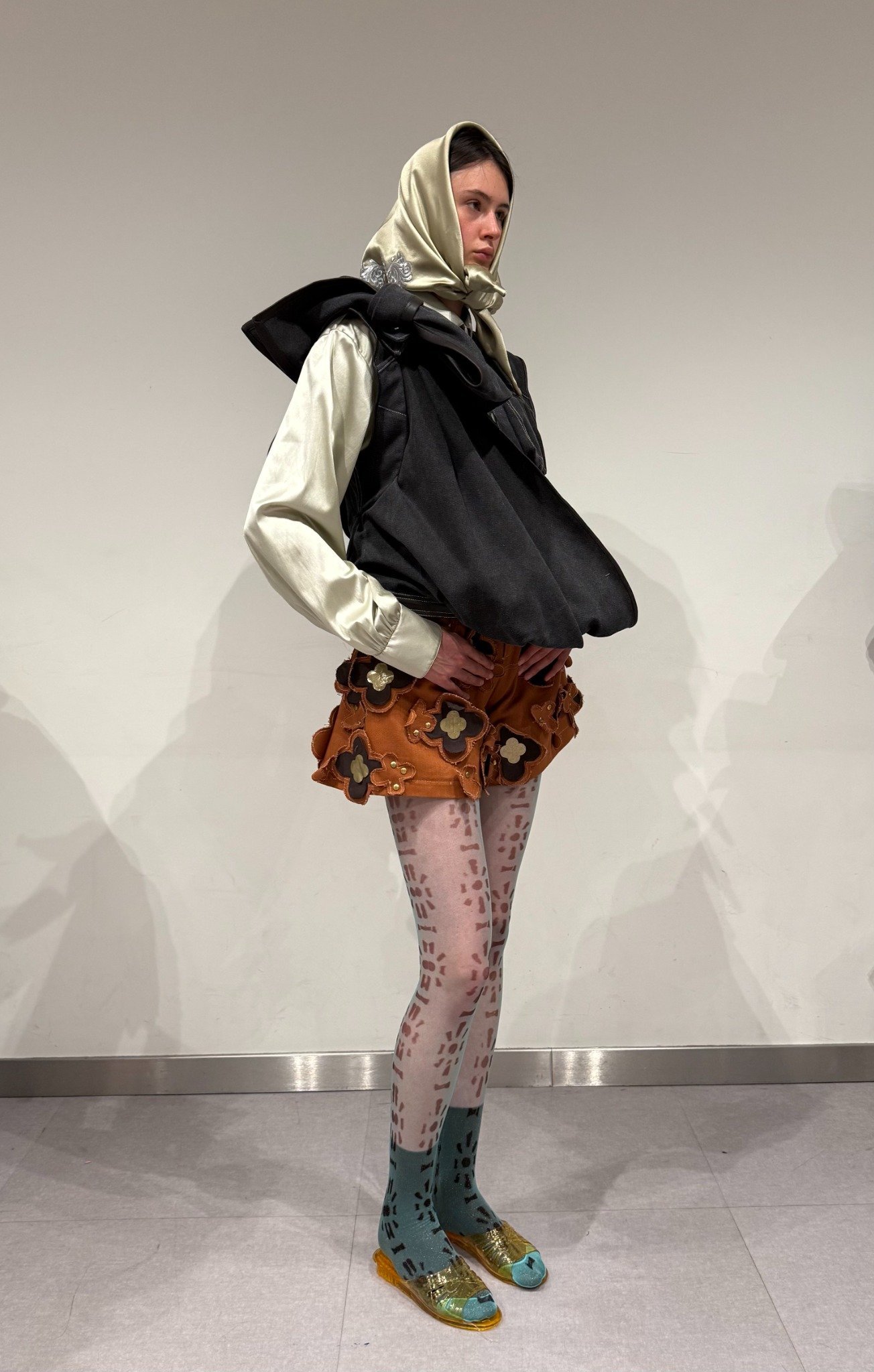
Smilla Carlsson’s collection brings together the raw atmosphere of a Swedish fishing village and the world of Ingrid Bergman. Drawing on Bergman’s white satin eveningwear, fish-egg pearls, broad shoulders, and cool elegance, the collection transforms Smögen from a real place into an emotional landscape. The project explores how cultural simplicity can shape both dress and femininity, imagining emotions carried through clothing in the same way memories are carried through scent. Refined yet relaxed, the garments balance glamour with practicality, like choosing a swimsuit over a bra simply because it feels comfortable. Carlsson is excited to begin working while remaining open to paths beyond traditional fashion design. She is particularly interested in fields that engage multiple senses, such as perfume. 

@smi1la

Screenshot
Screenshot
Screenshot
Screenshot
Screenshot

Yaouen Chausseblanche

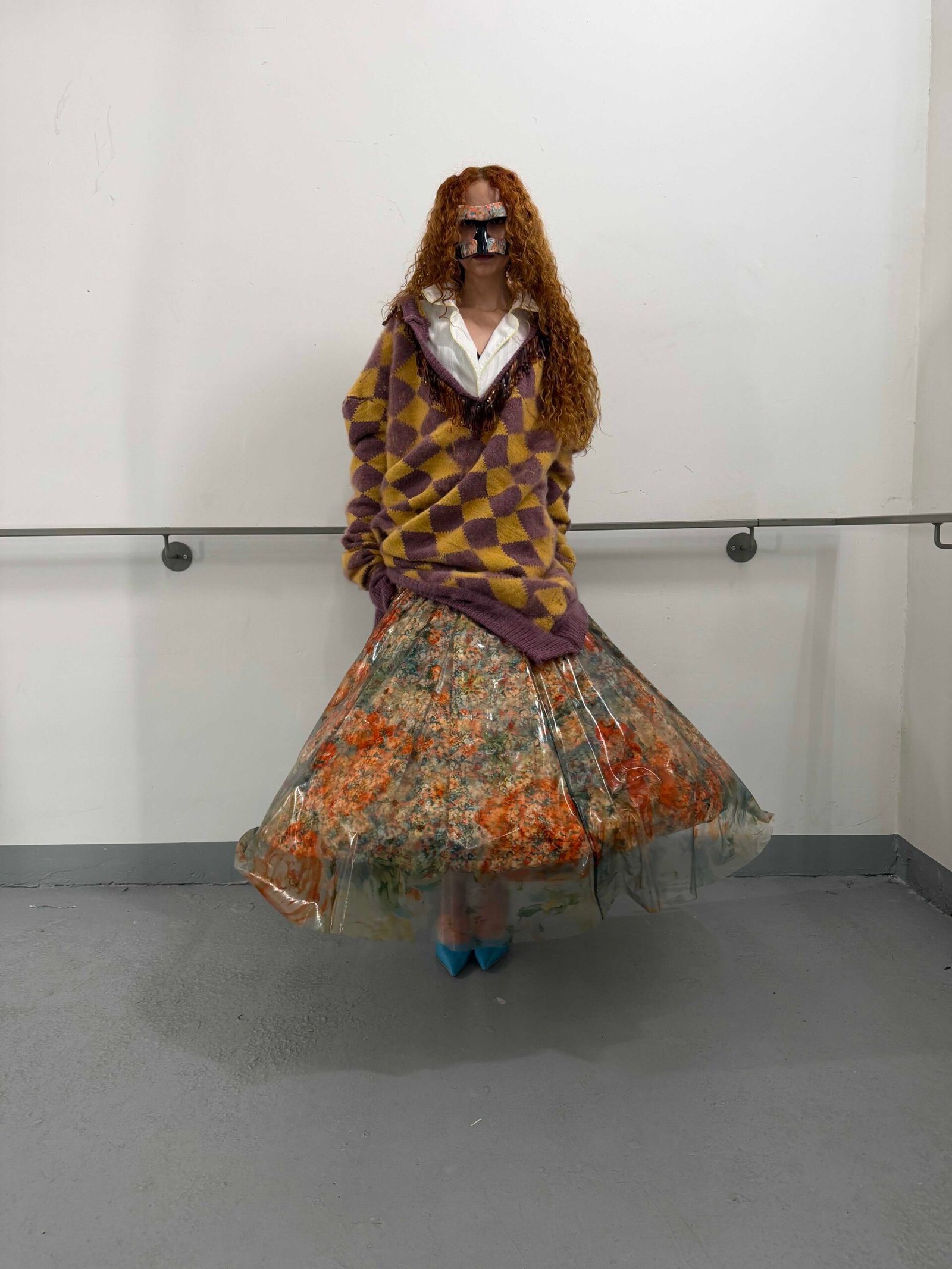
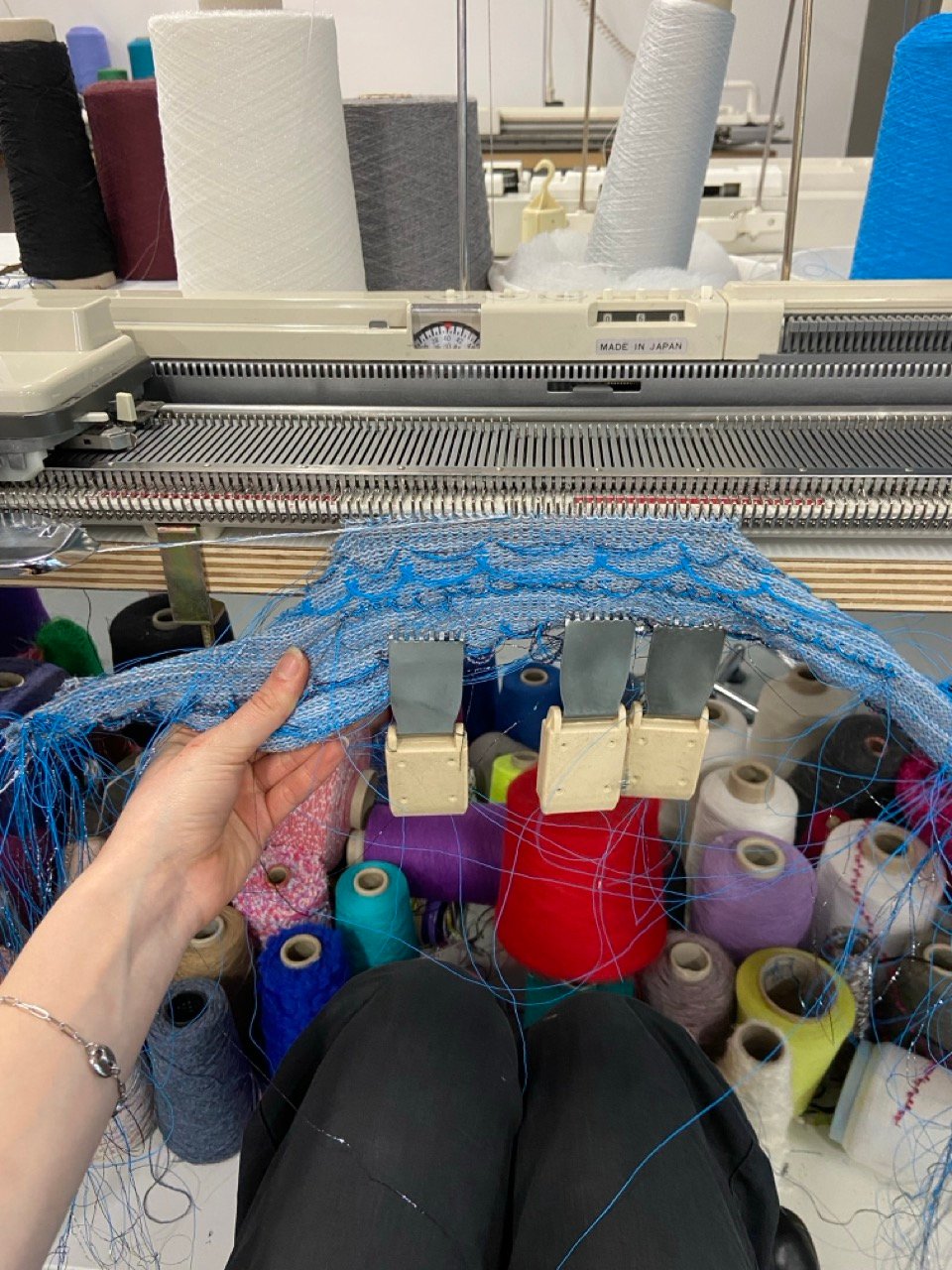
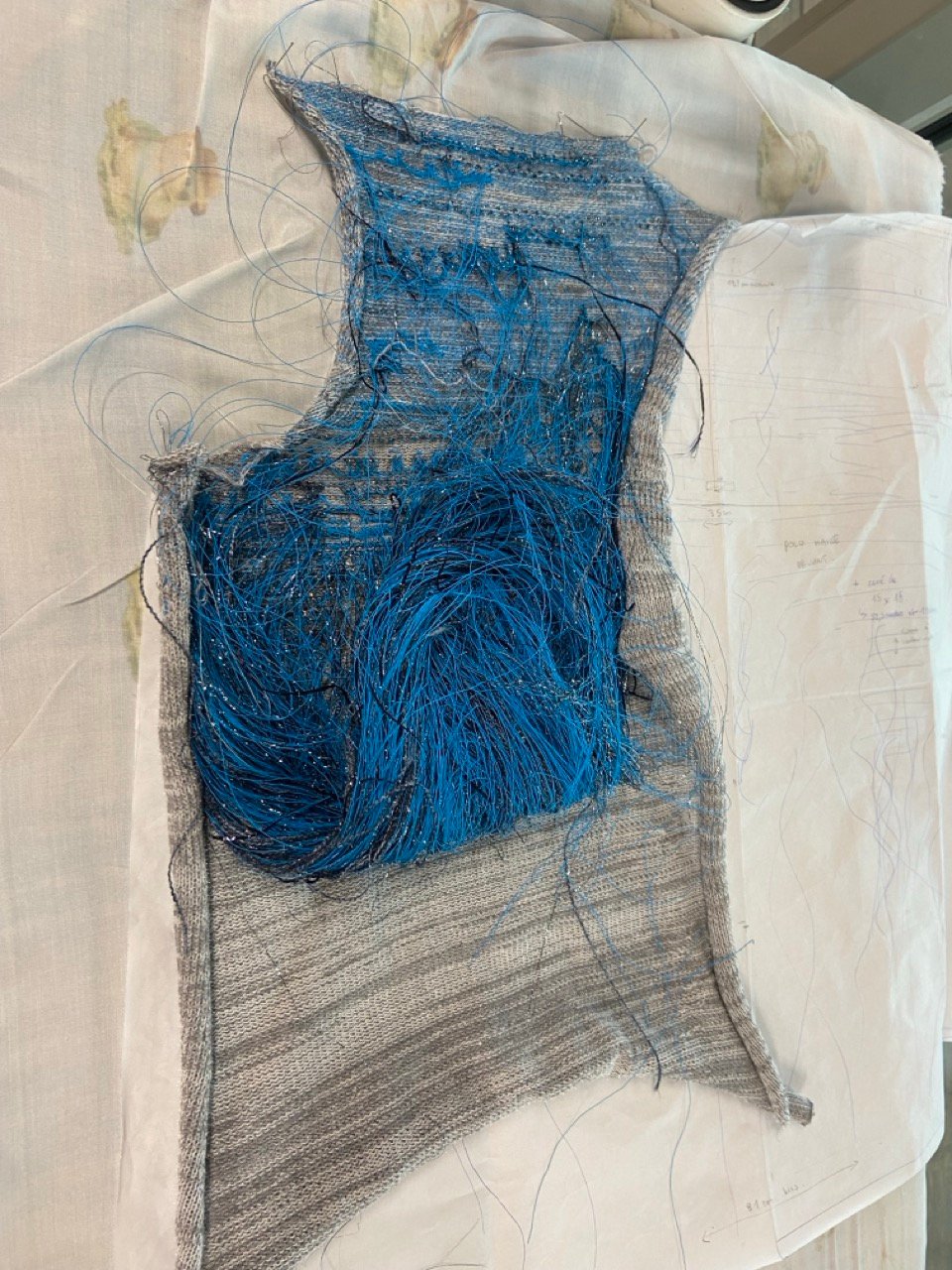
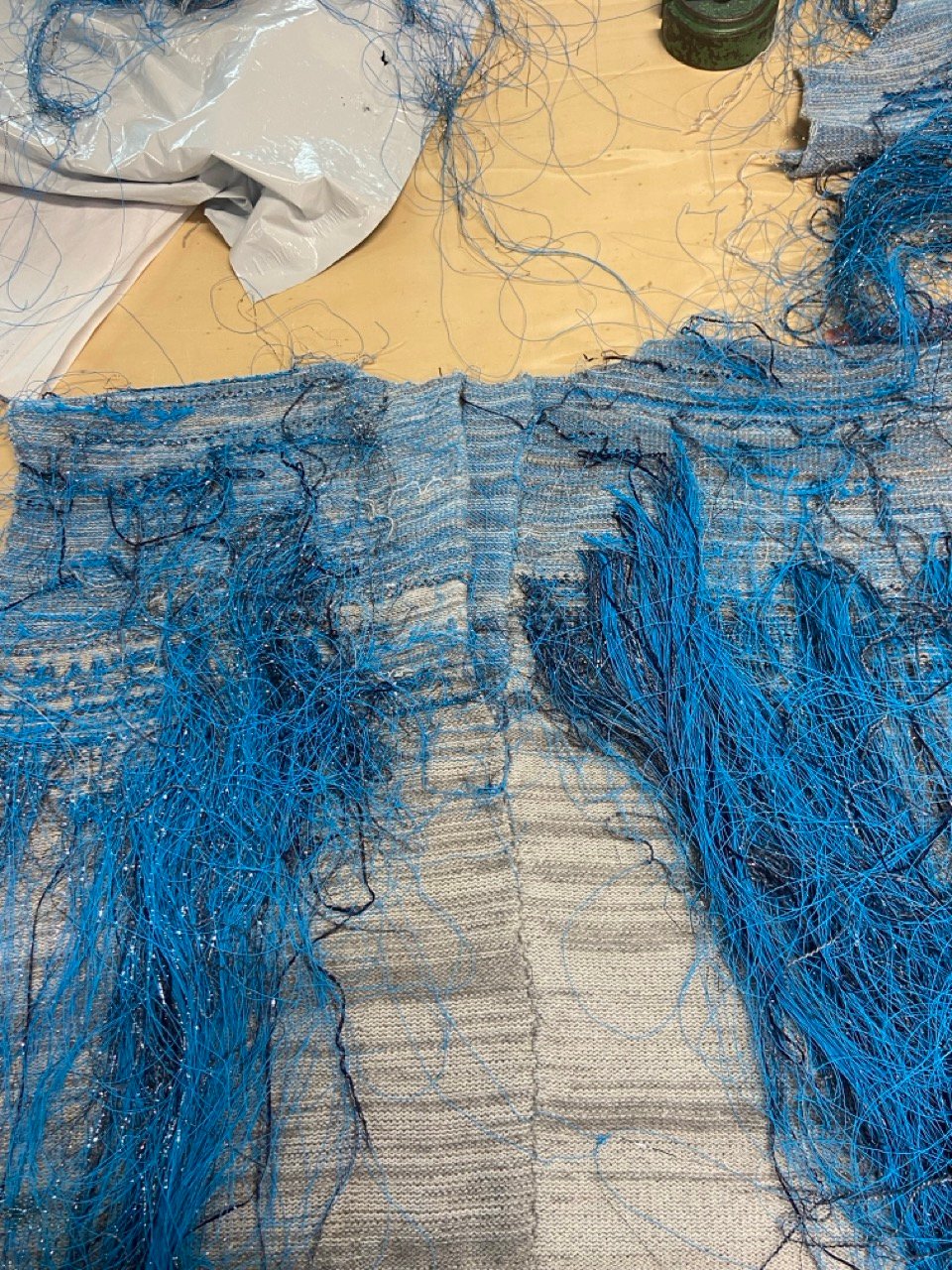
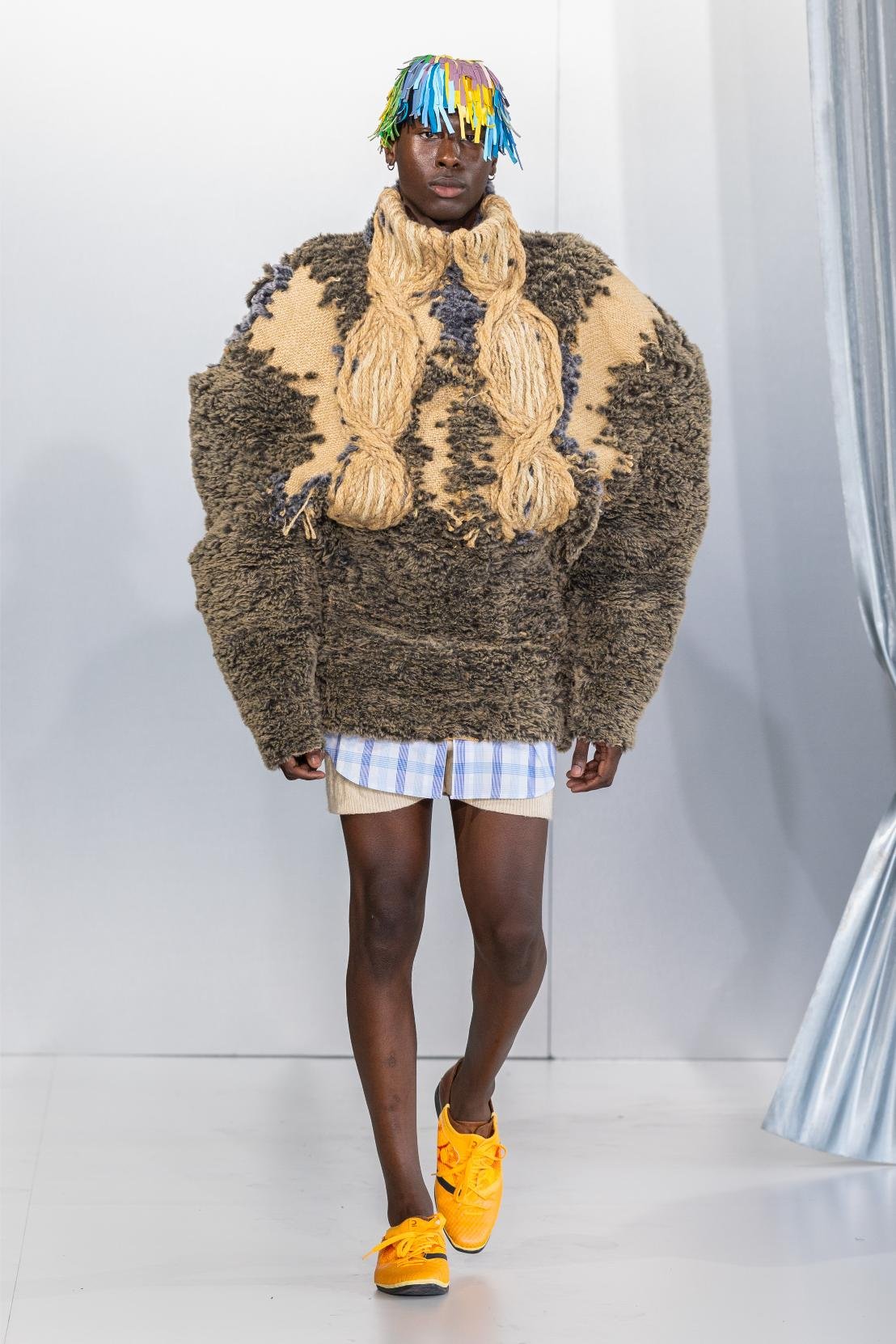
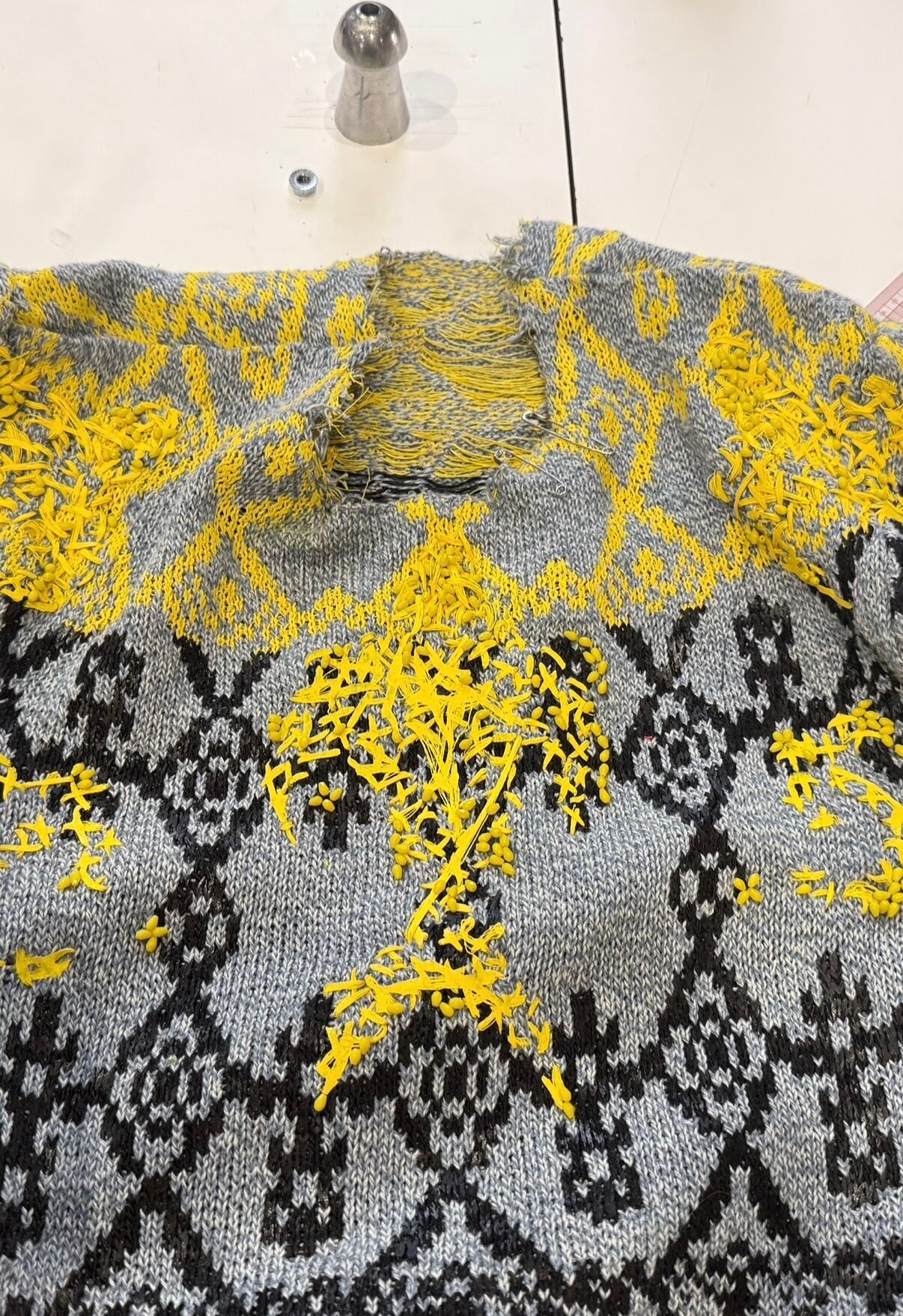
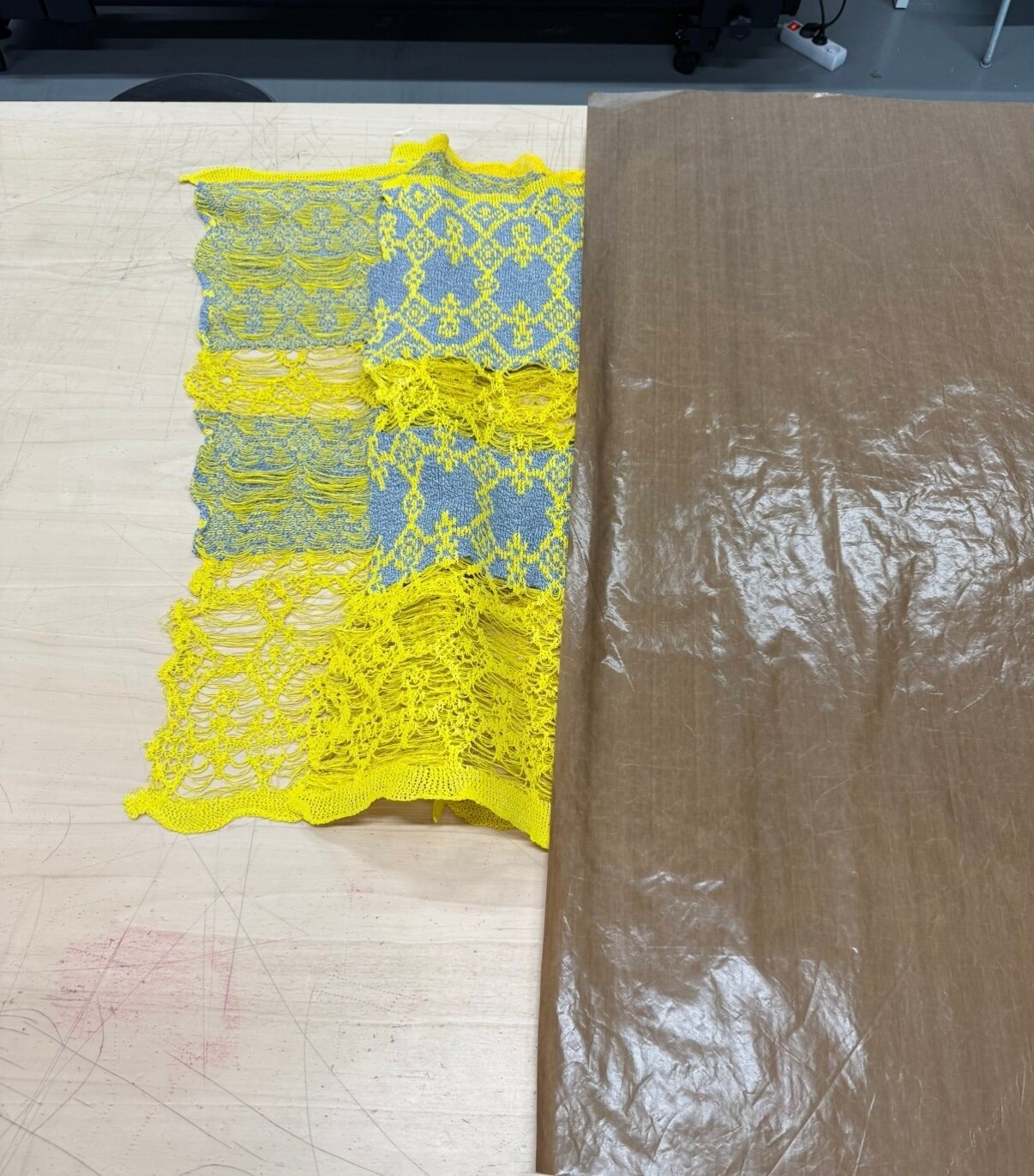
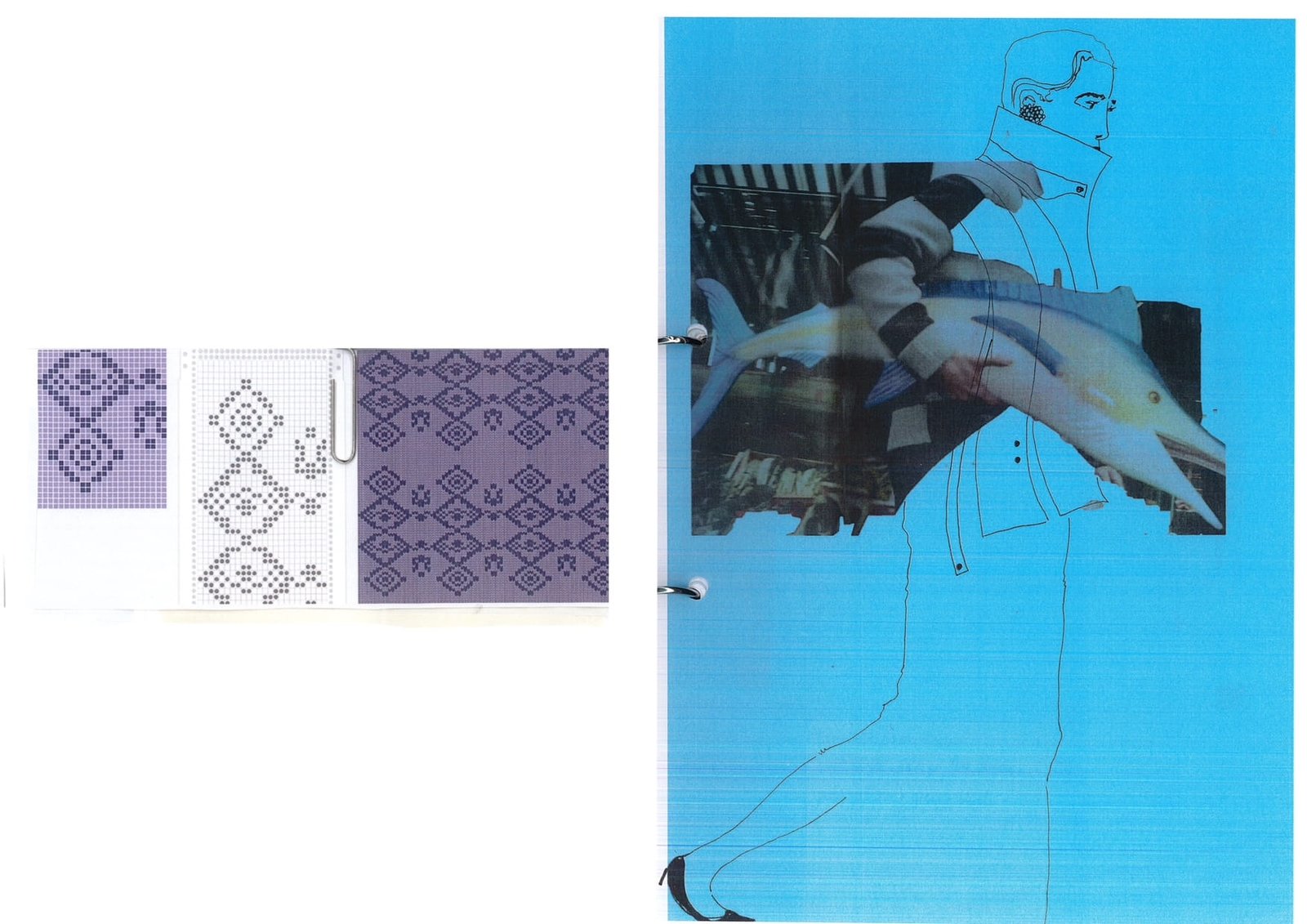
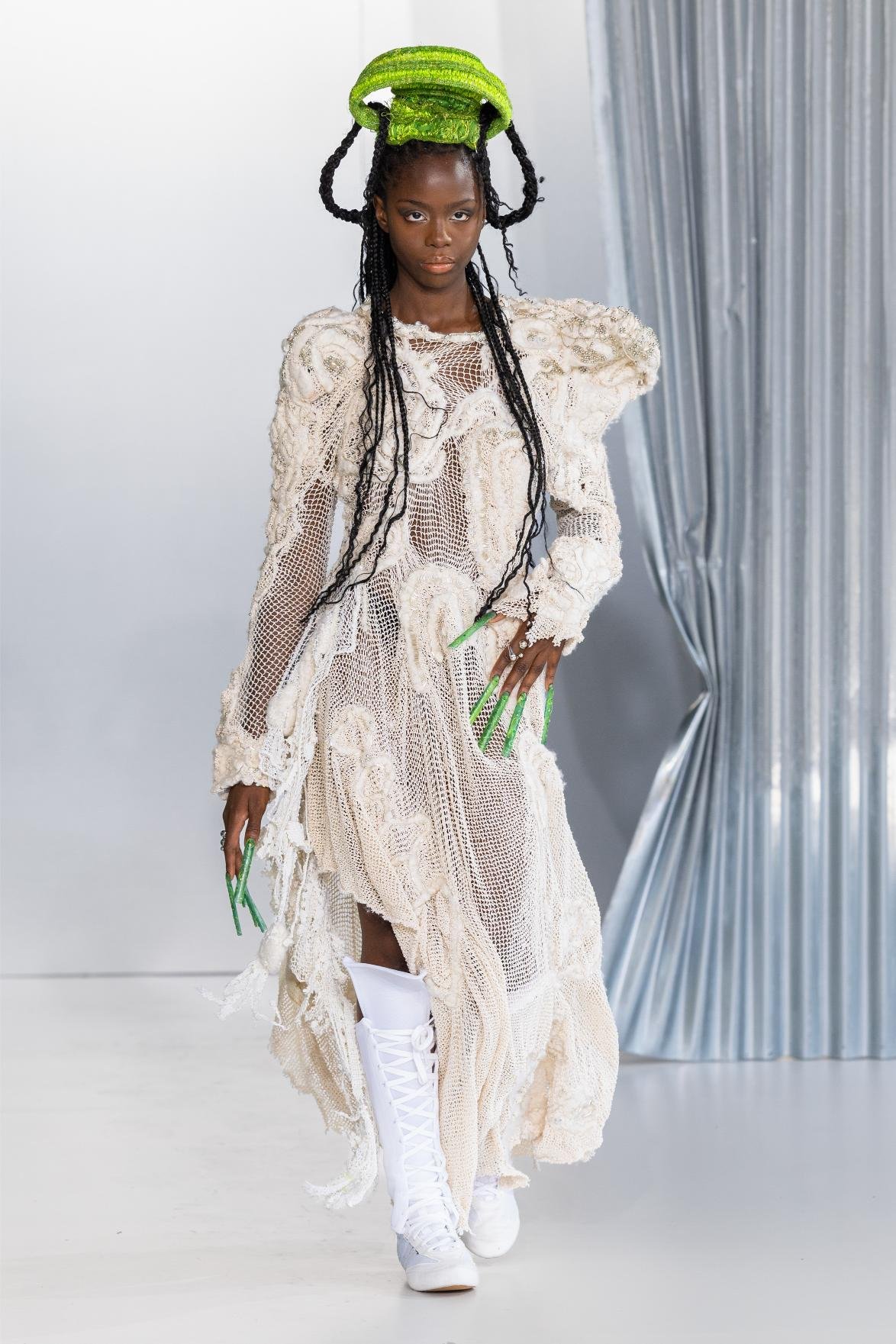
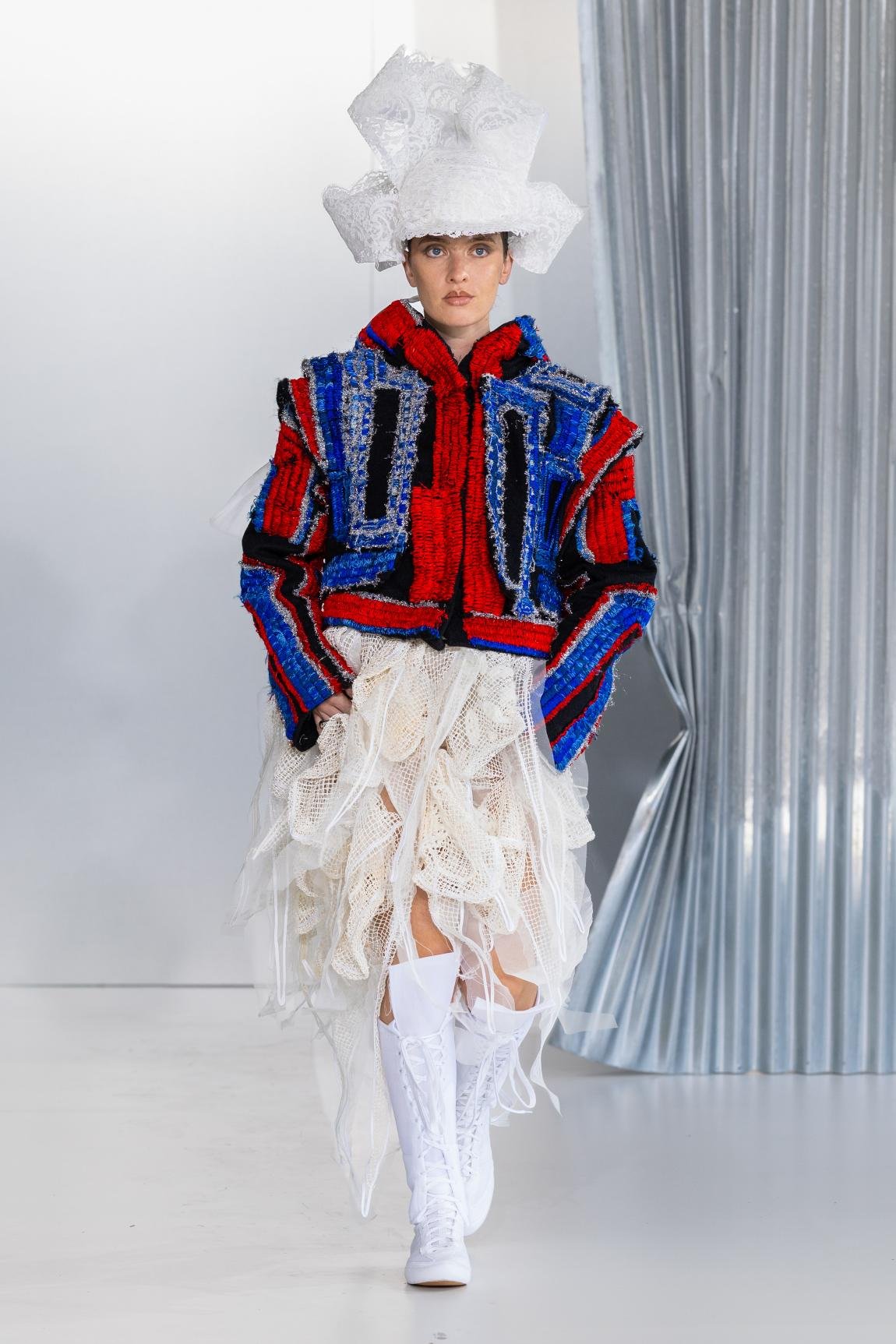
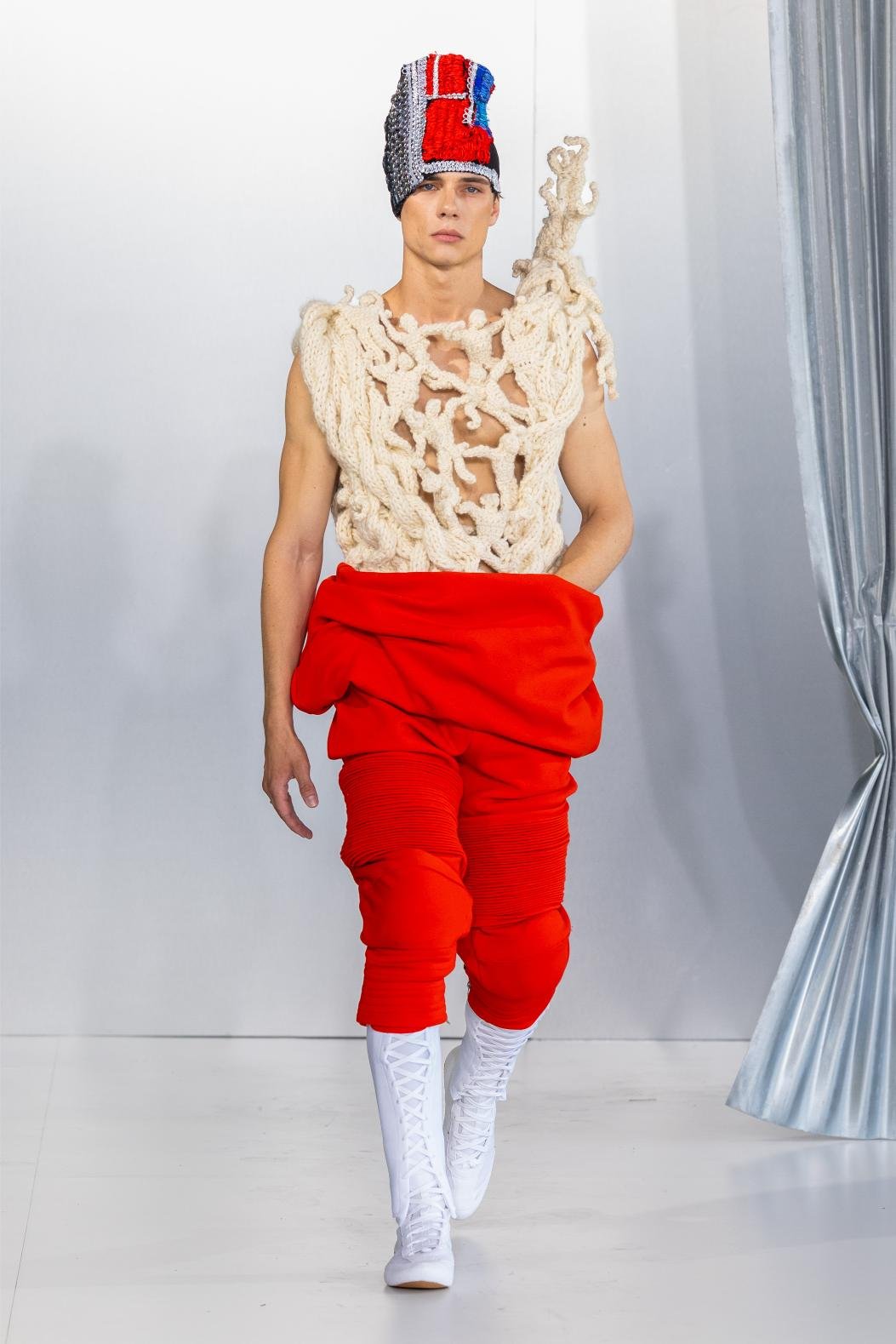
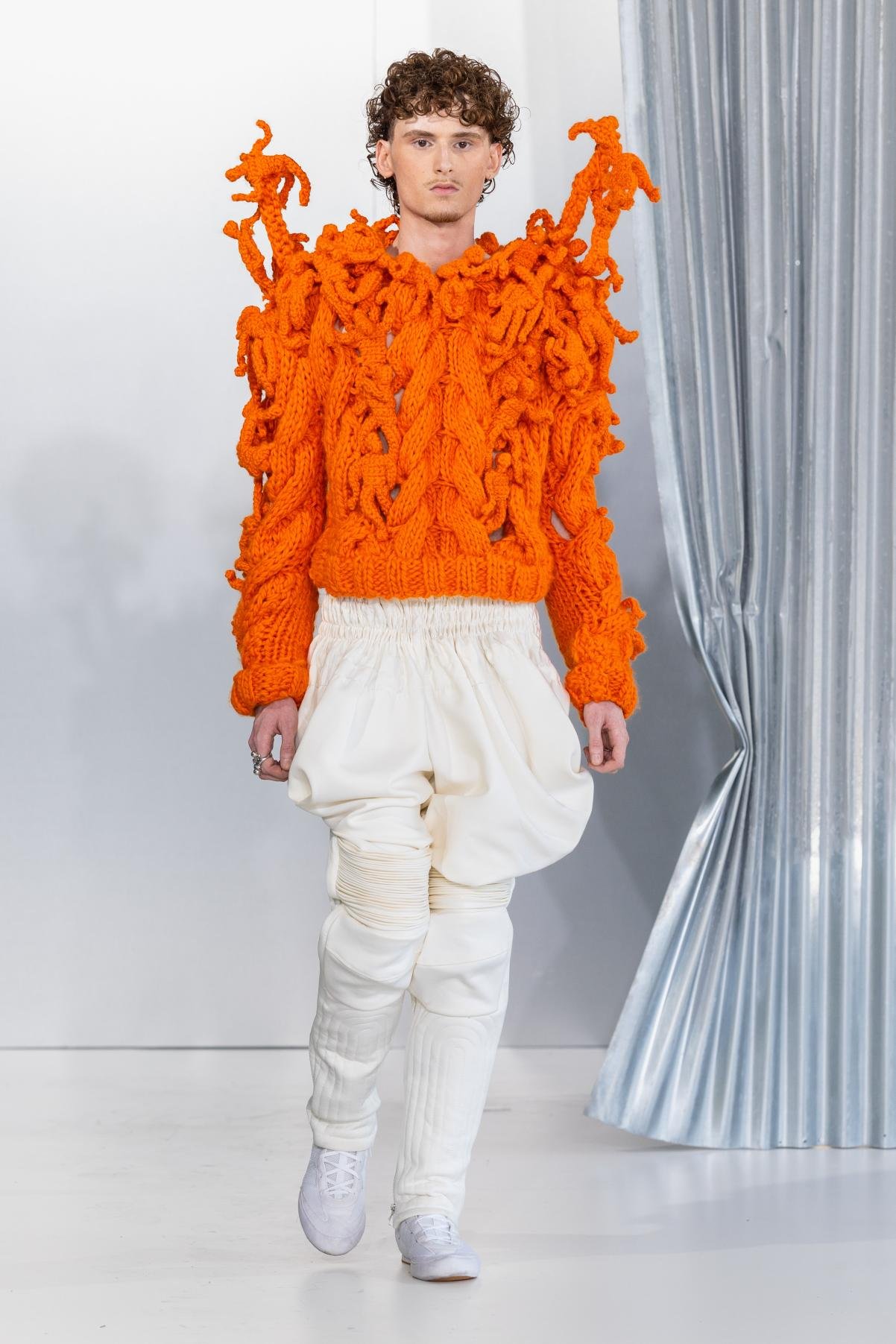
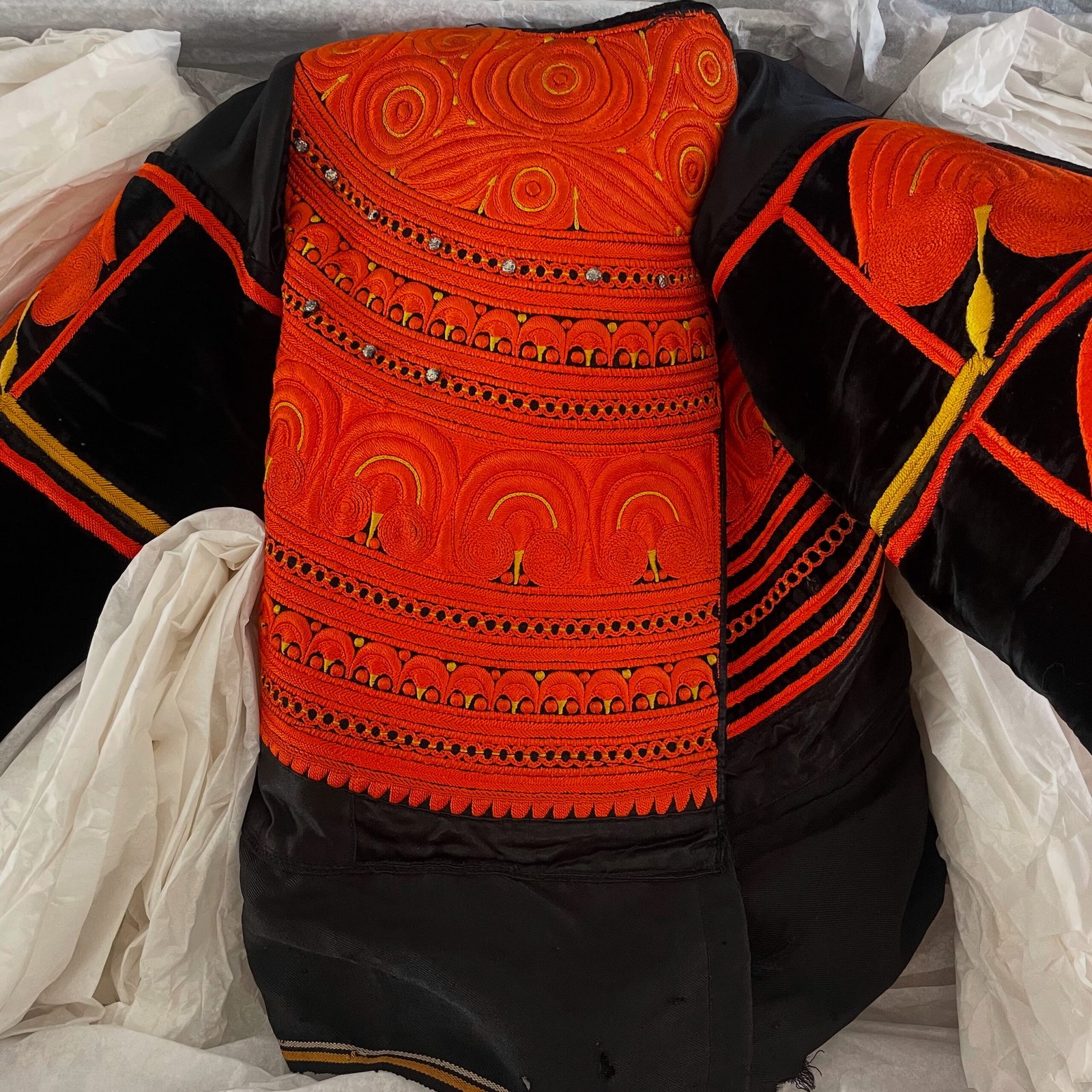
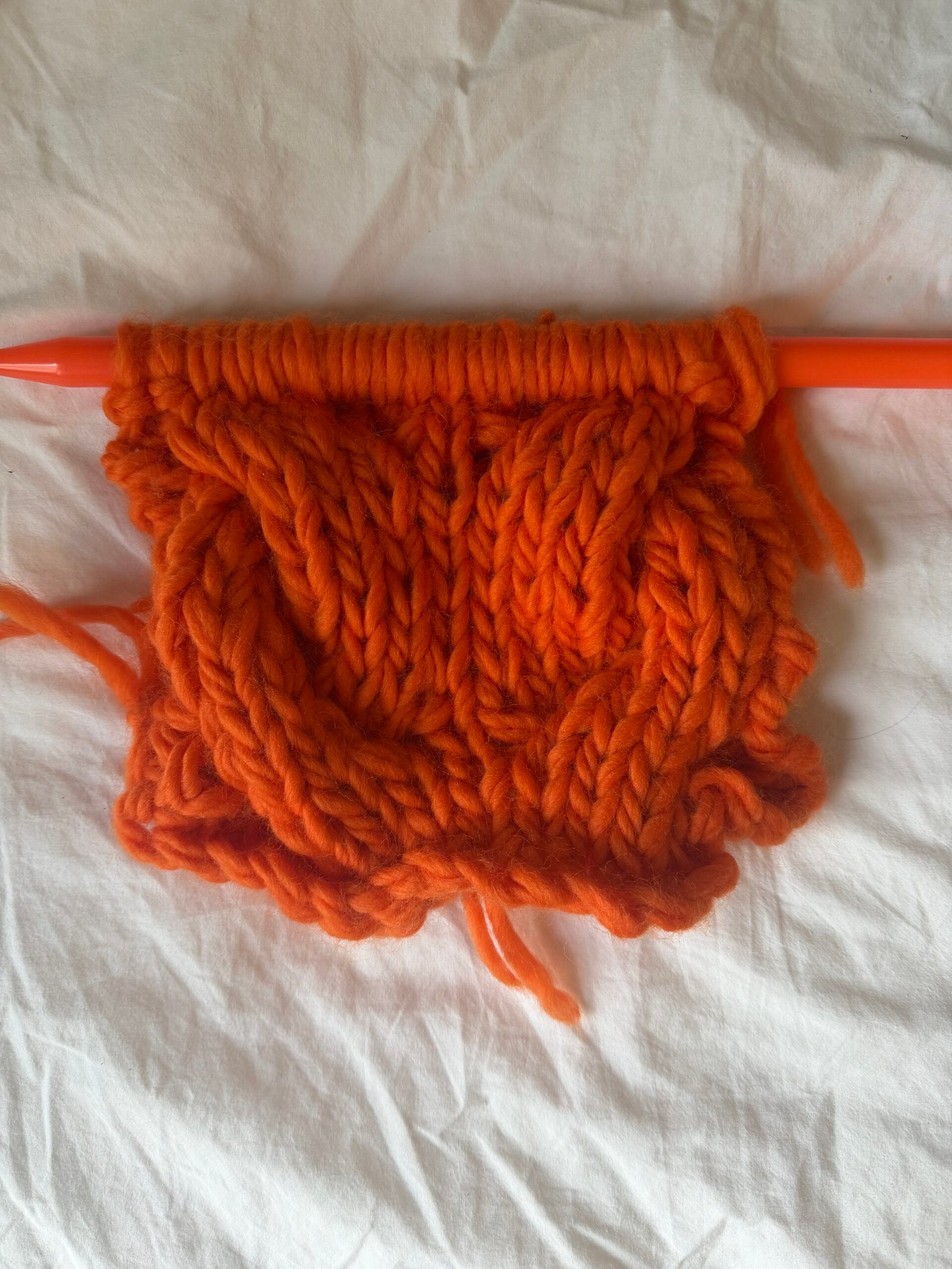
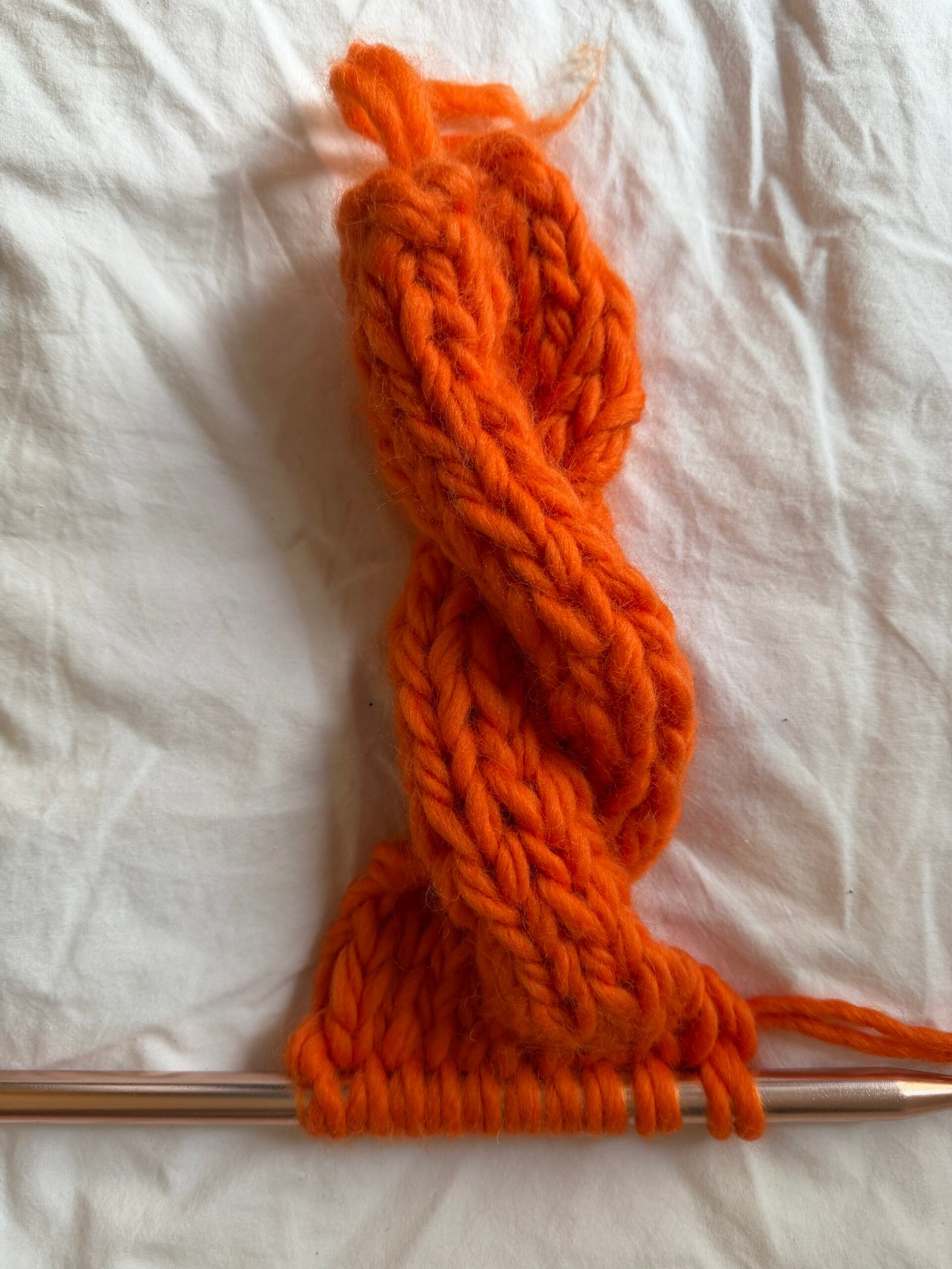
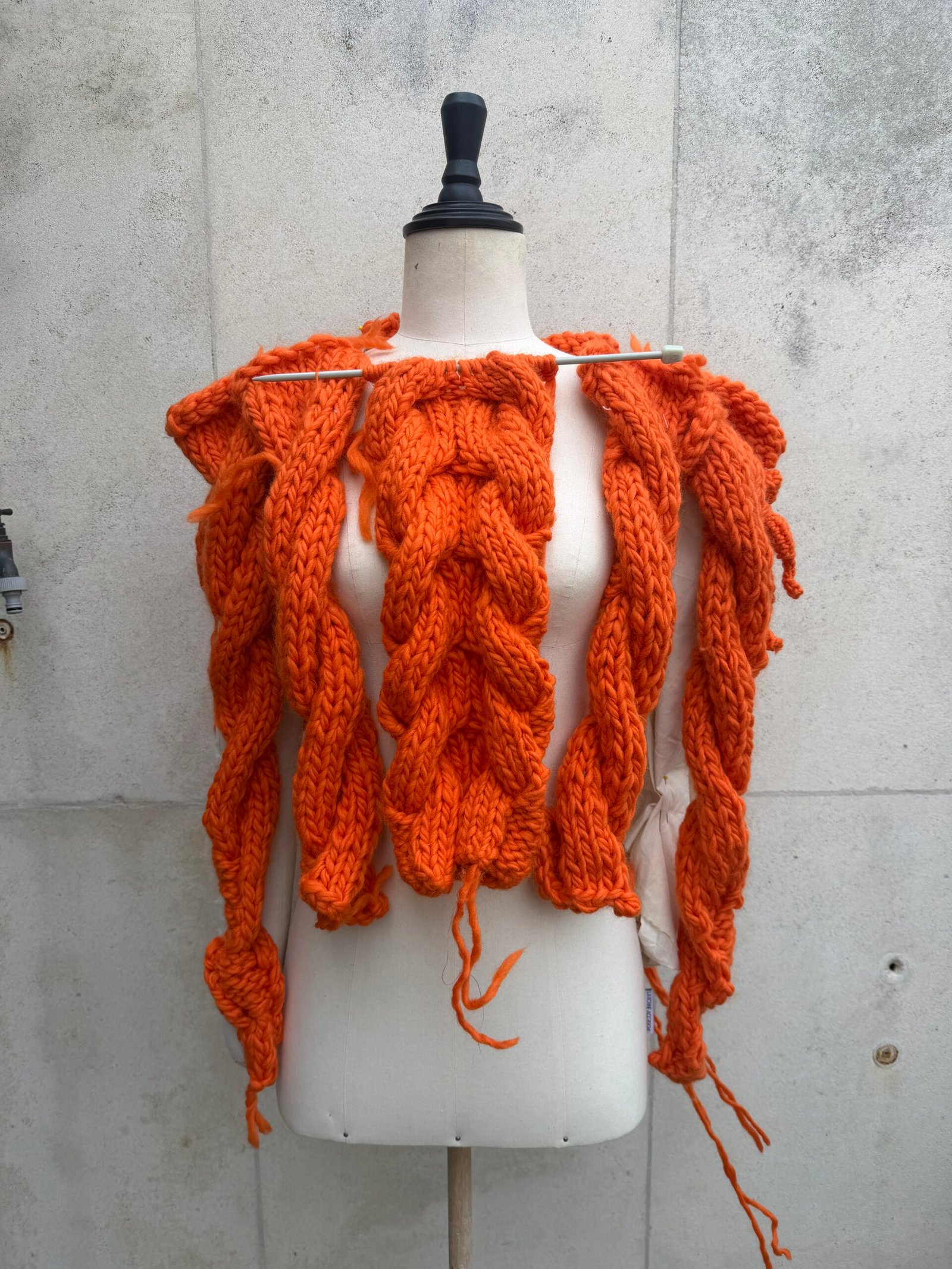
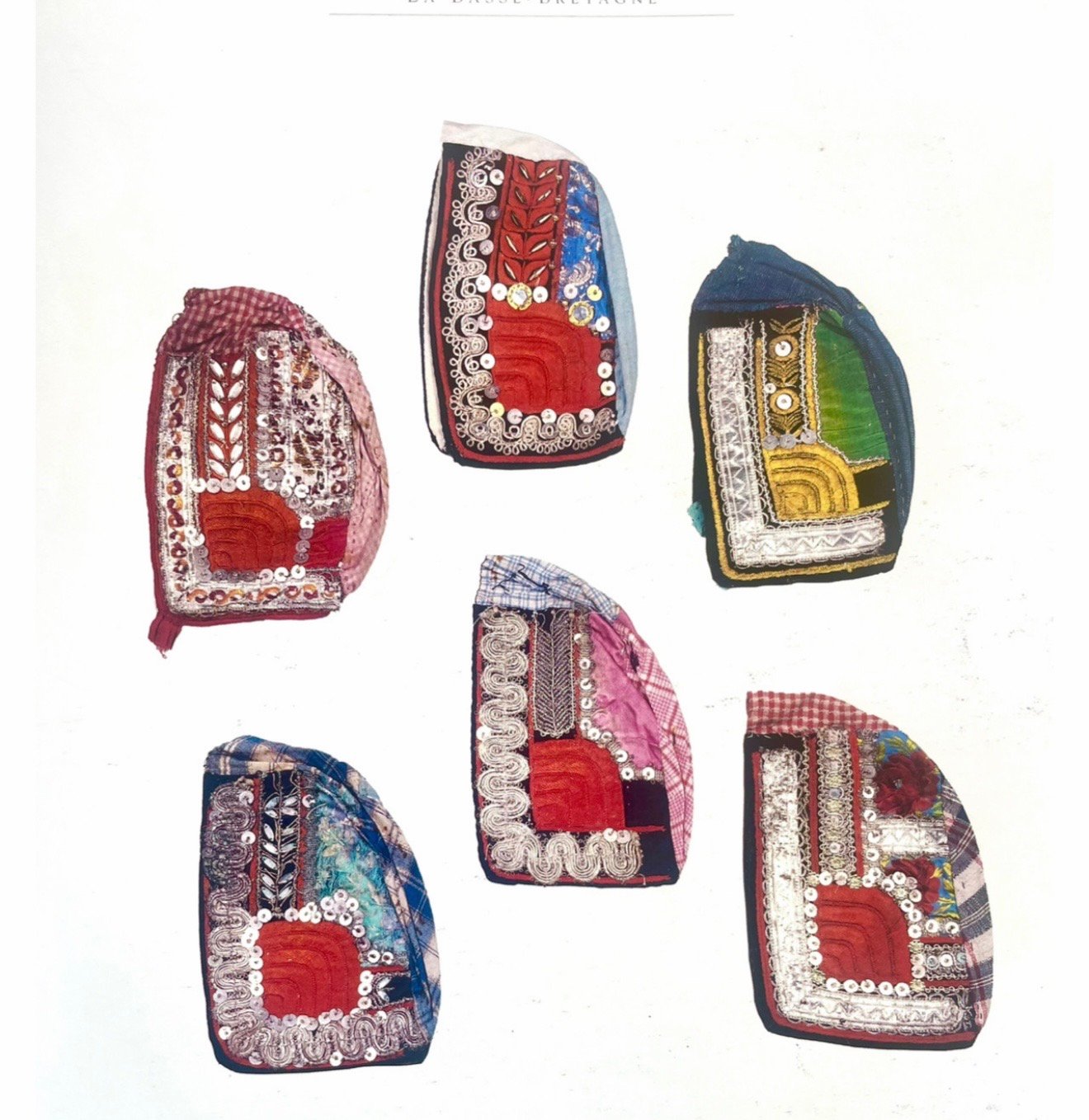
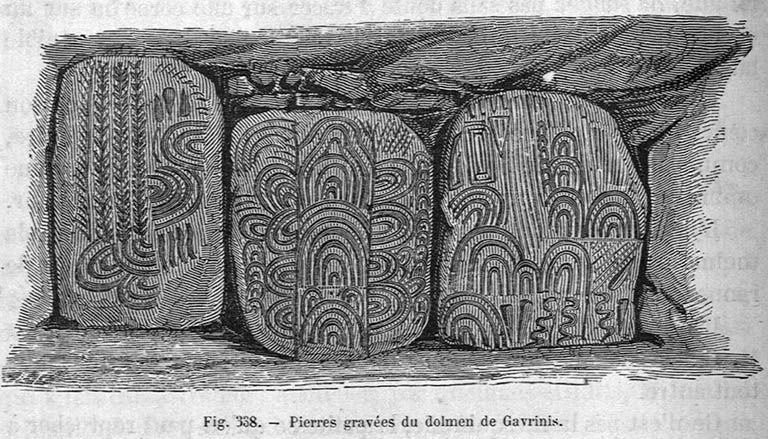
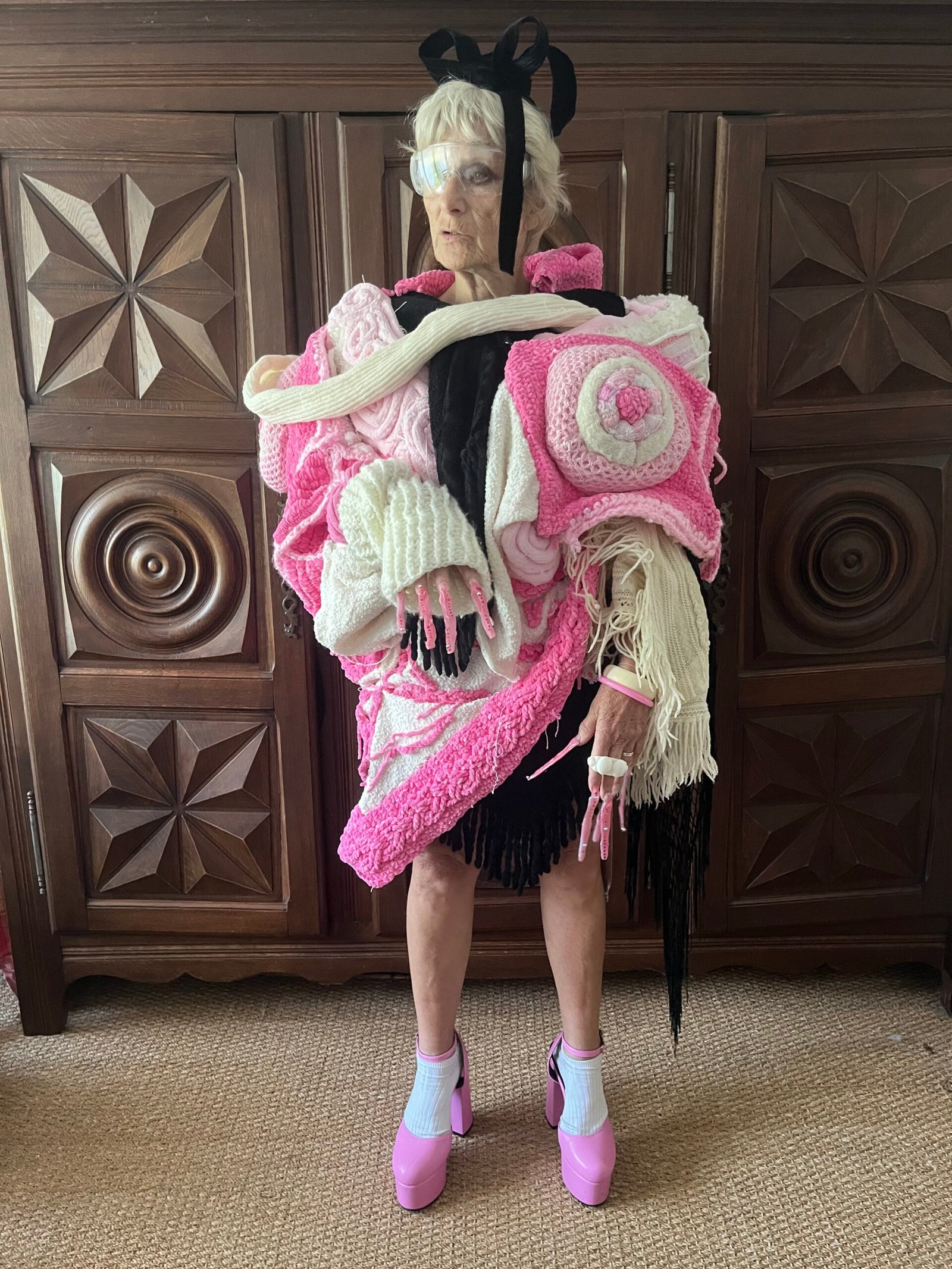
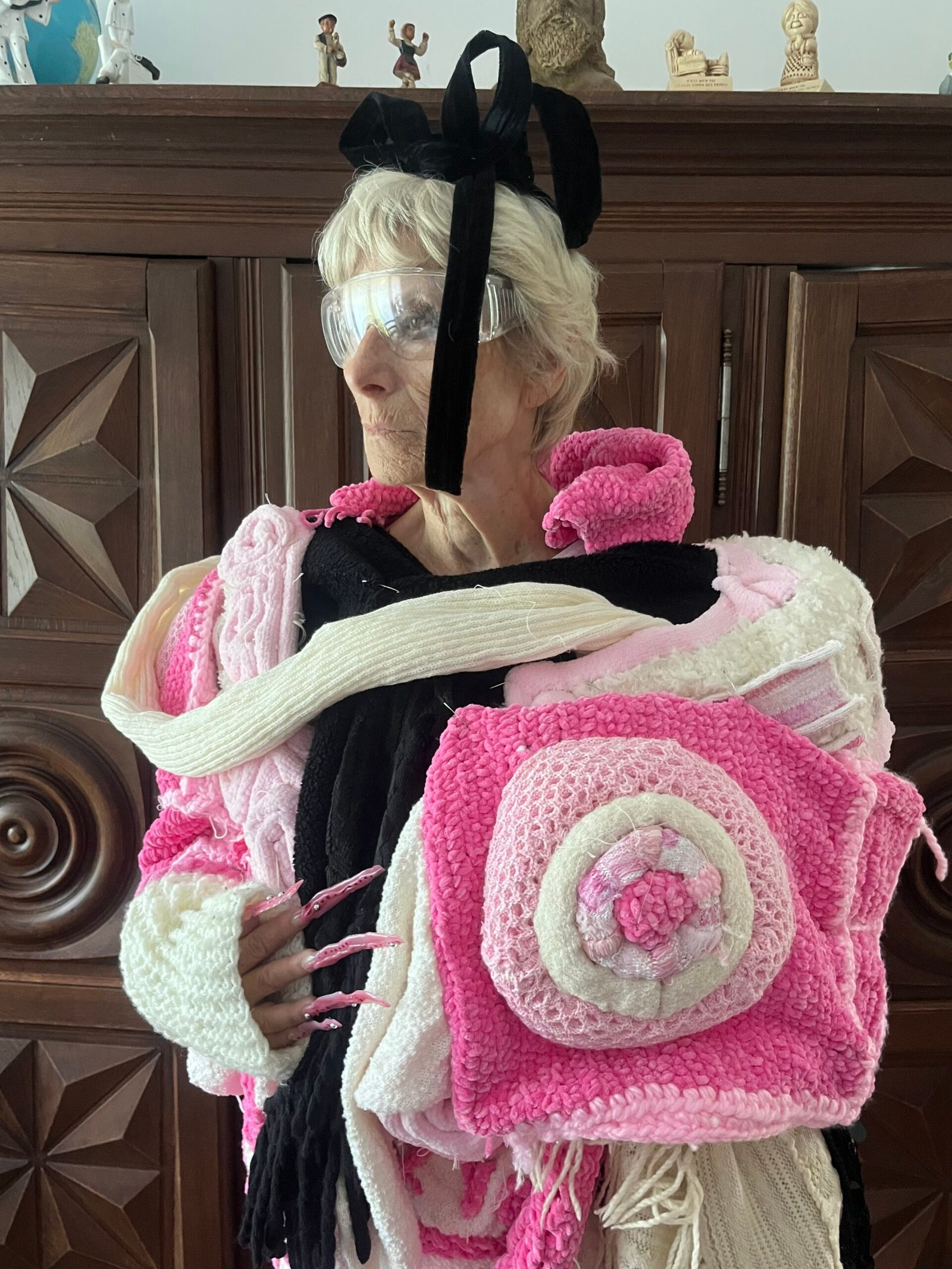
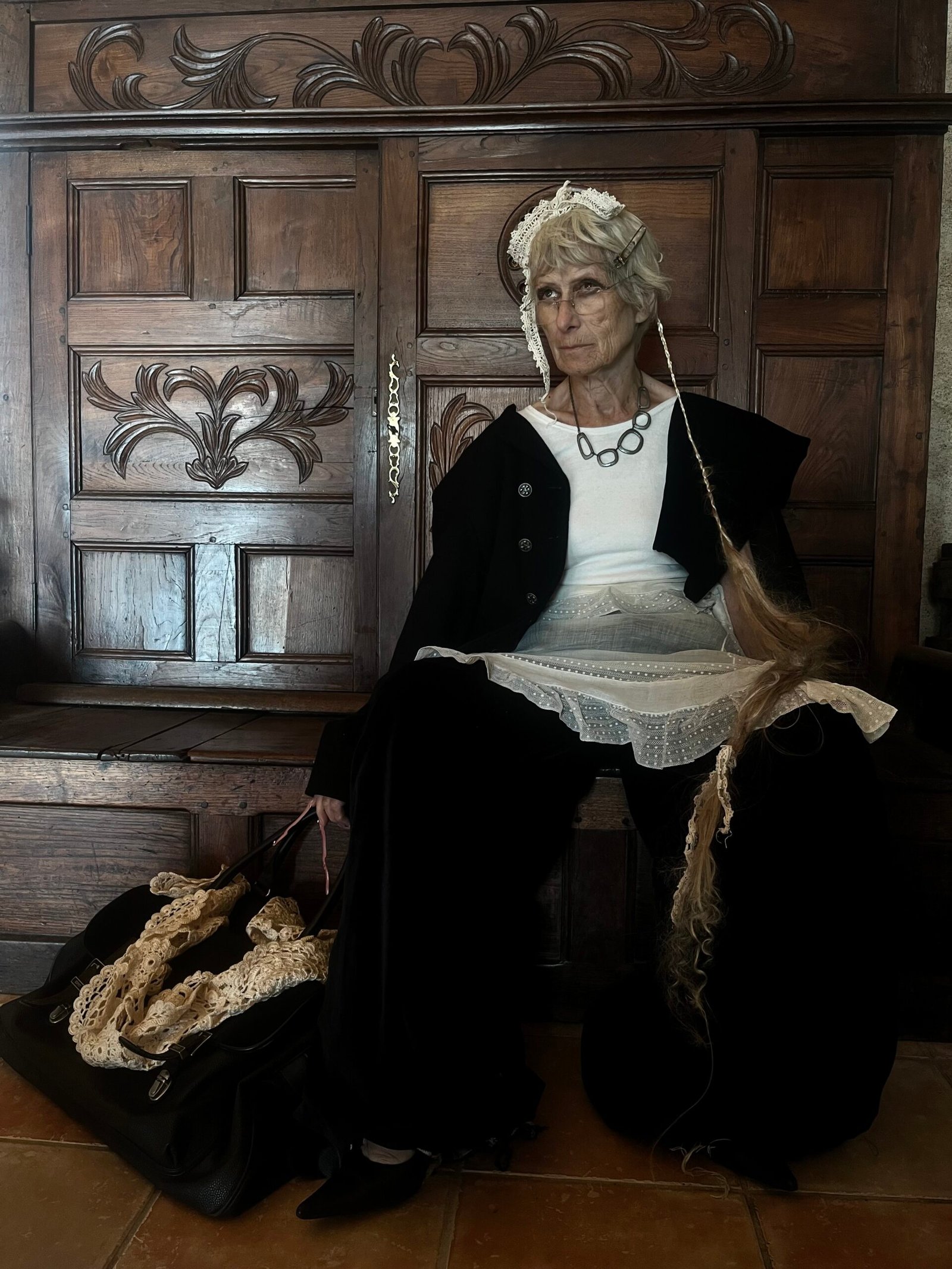
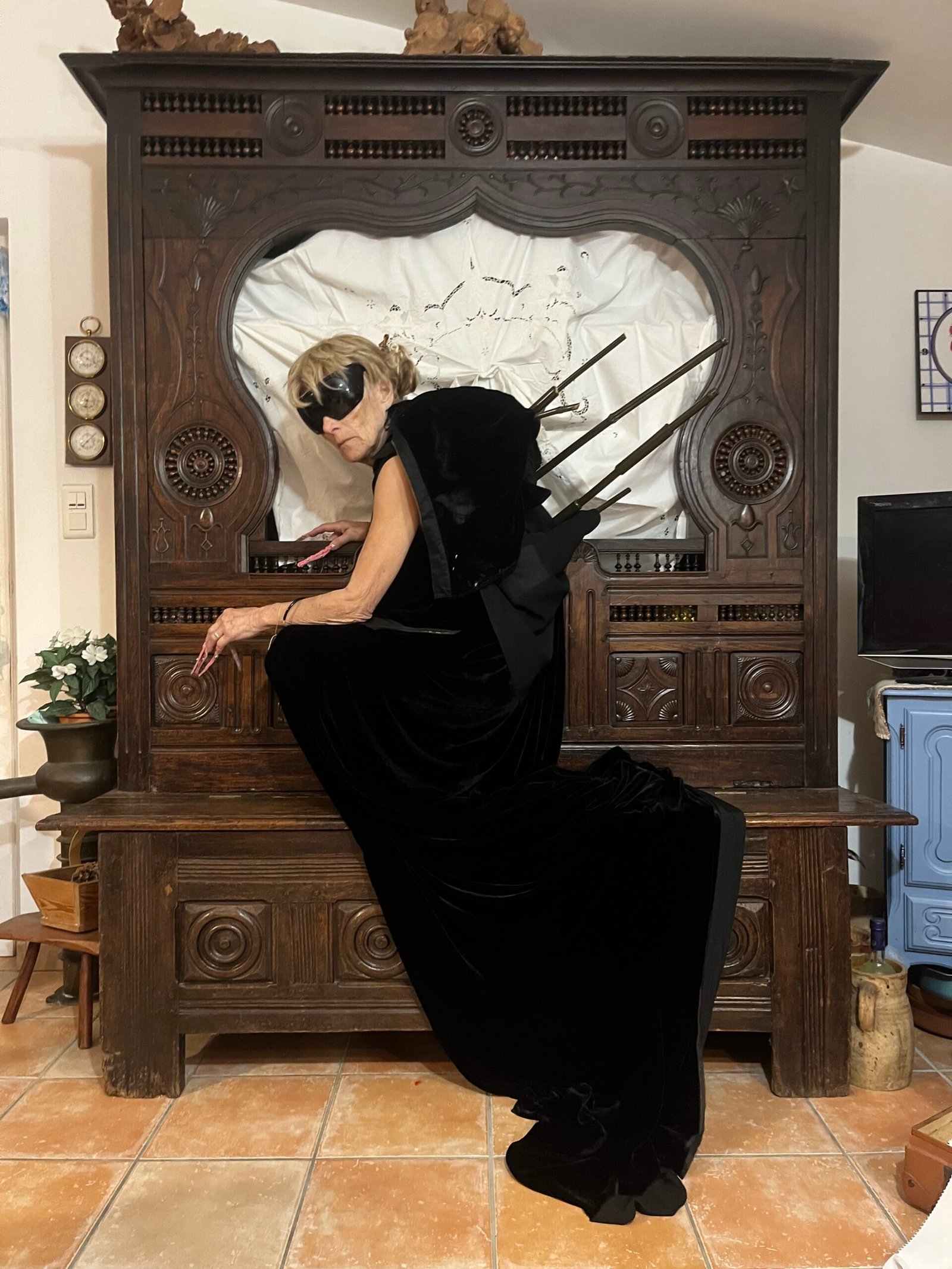
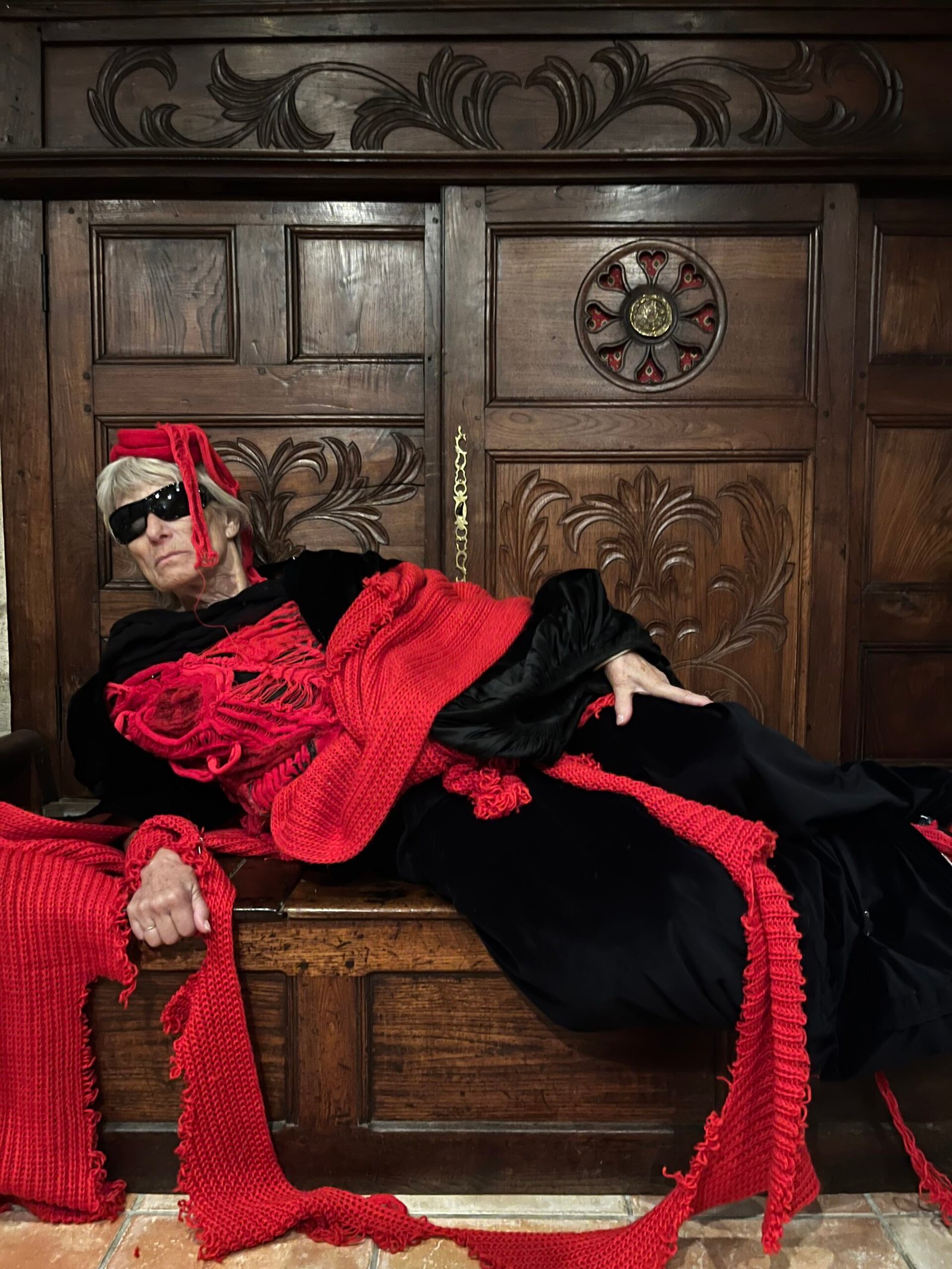
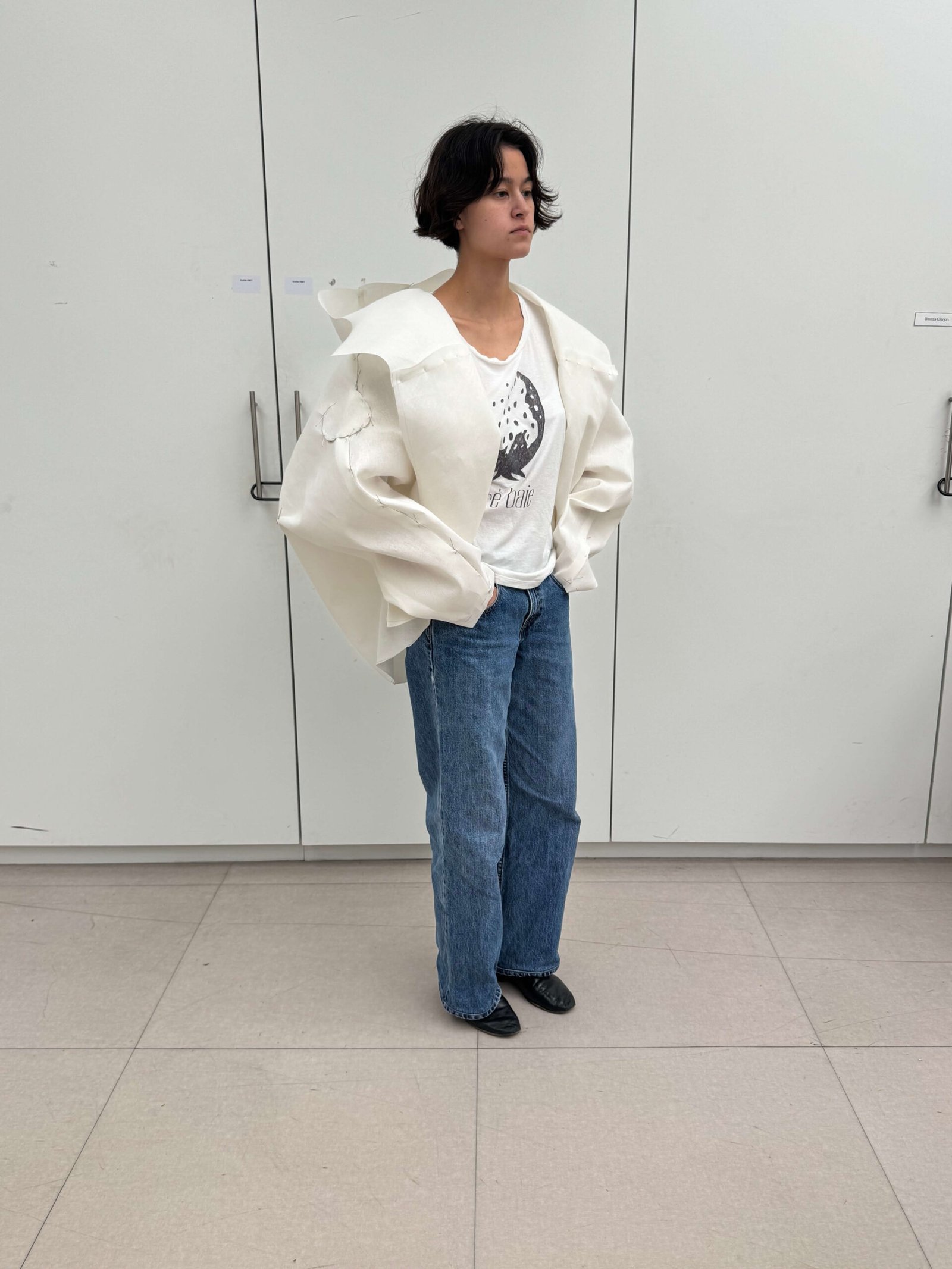
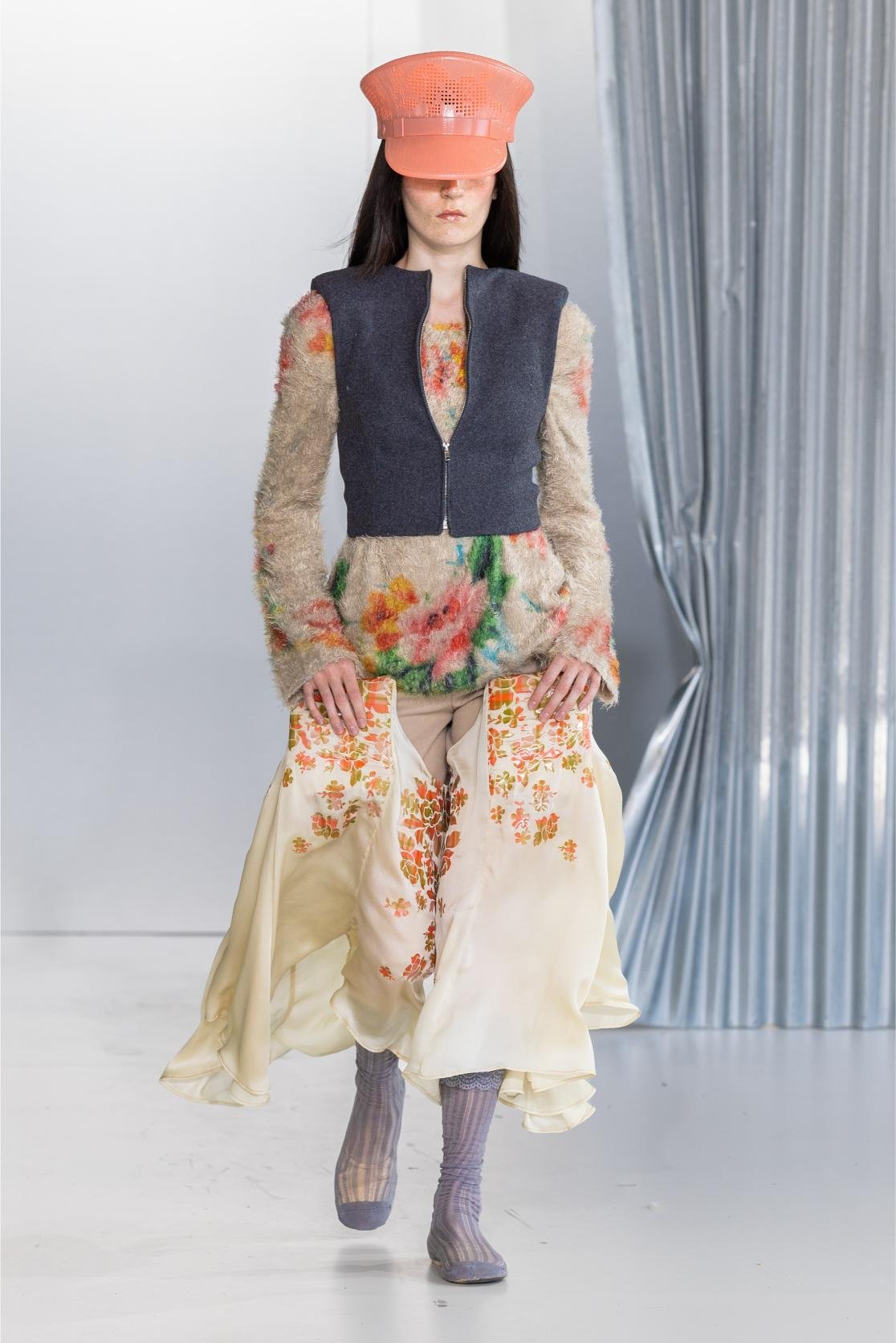
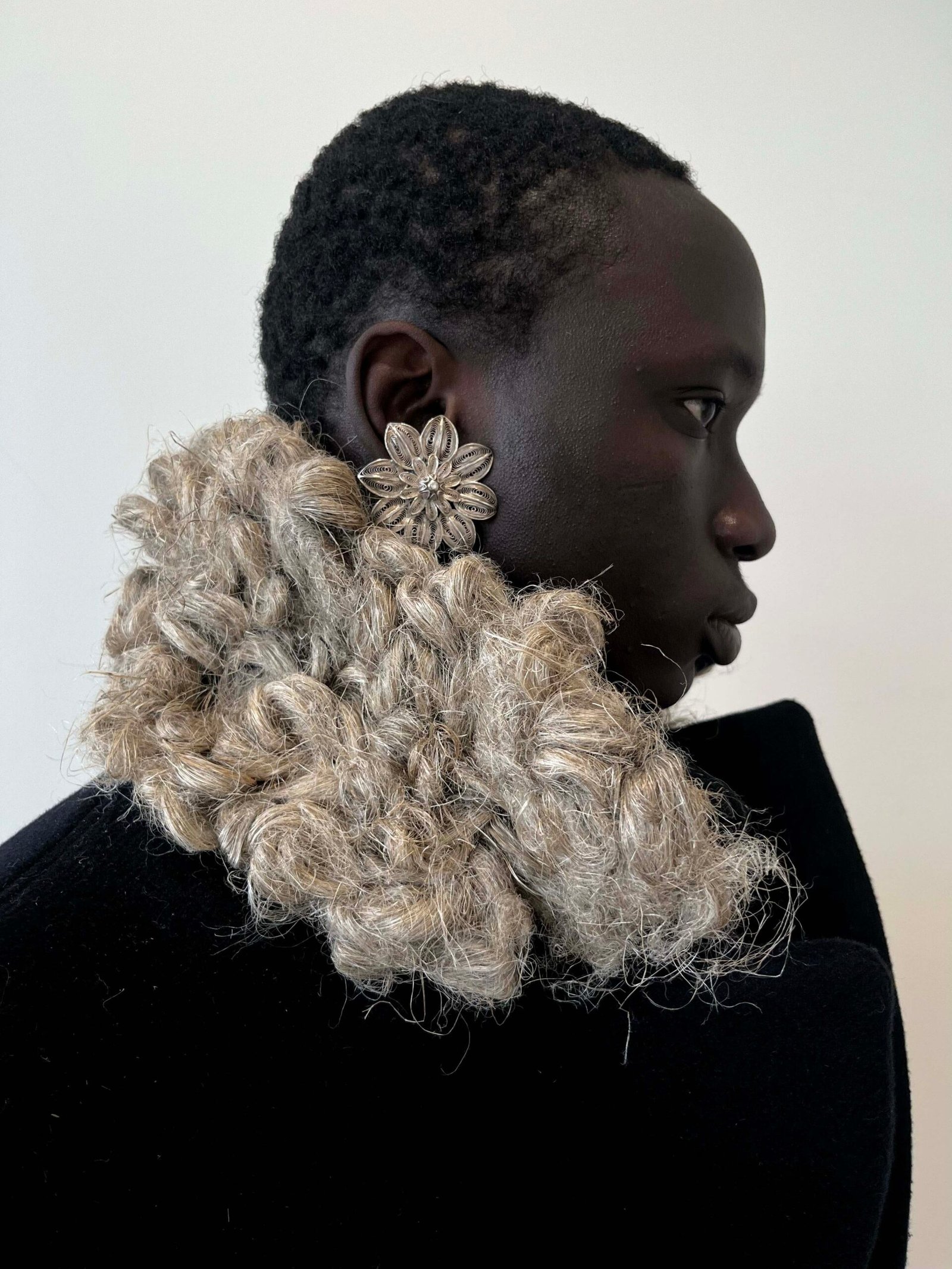
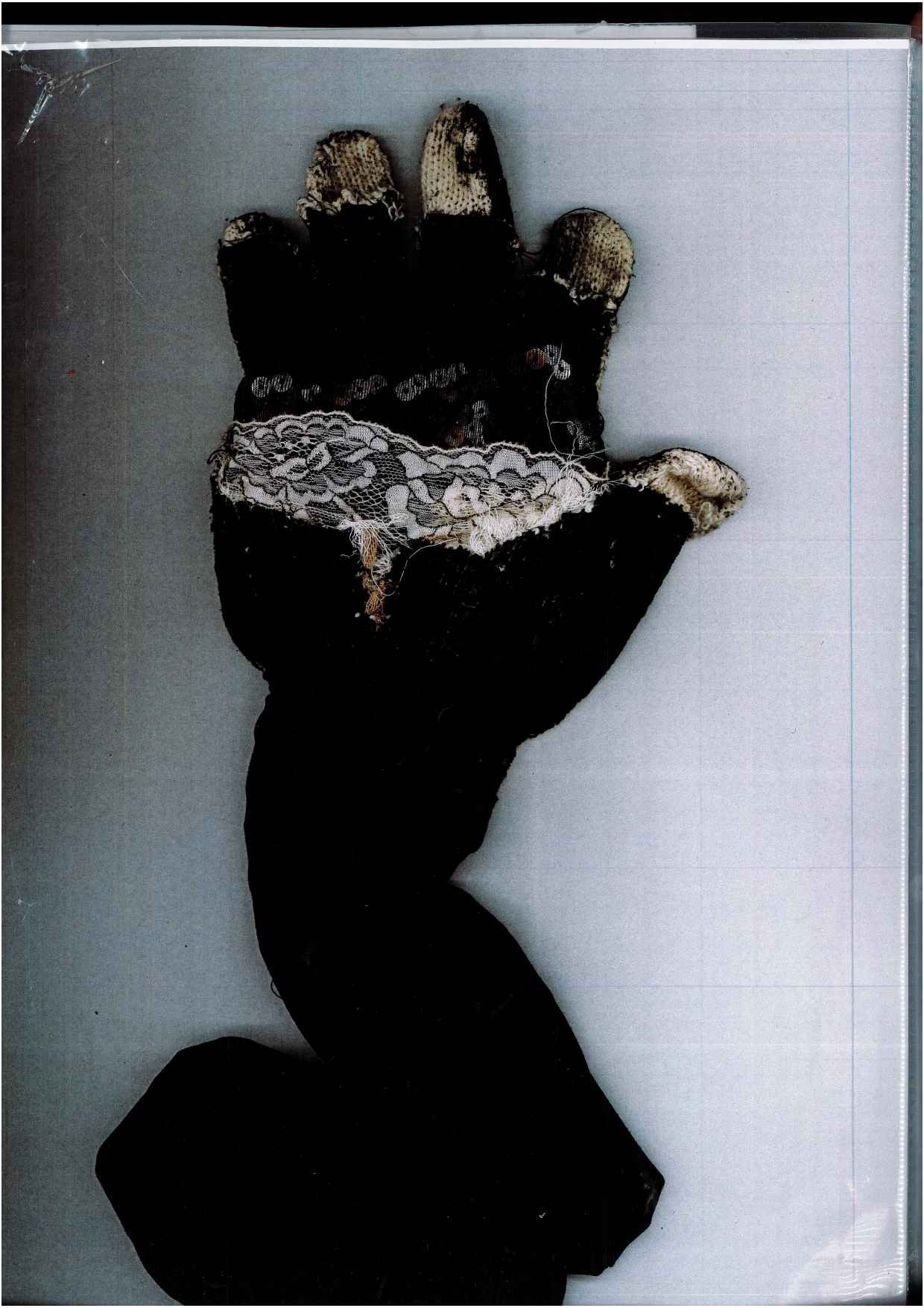
Yaouen Chausseblanche’s collection, Arouezioù, uses knitwear to explore the richness and diversity of Brittany beyond folkloric stereotypes. Drawing on traditional Breton costumes, embroidery, headdresses, and local symbols, the collection creates a contemporary and mystical wardrobe through organic, chaotic silhouettes. Hand knitting, crochet, embroidery, and felting are combined with translations of traditional Breton motifs into knitted structures and surfaces. Techniques associated with Breton craftsmanship are reinterpreted through knitwear. Chausseblanche is particularly interested in preserving and transmitting traditional knowledge while exploring overlooked local resources and innovative materials. At the same time, he is concerned by the return of narrow beauty standards and the limited visibility afforded to emerging designers.

@y.aouen

Screenshot

Nathan Flous

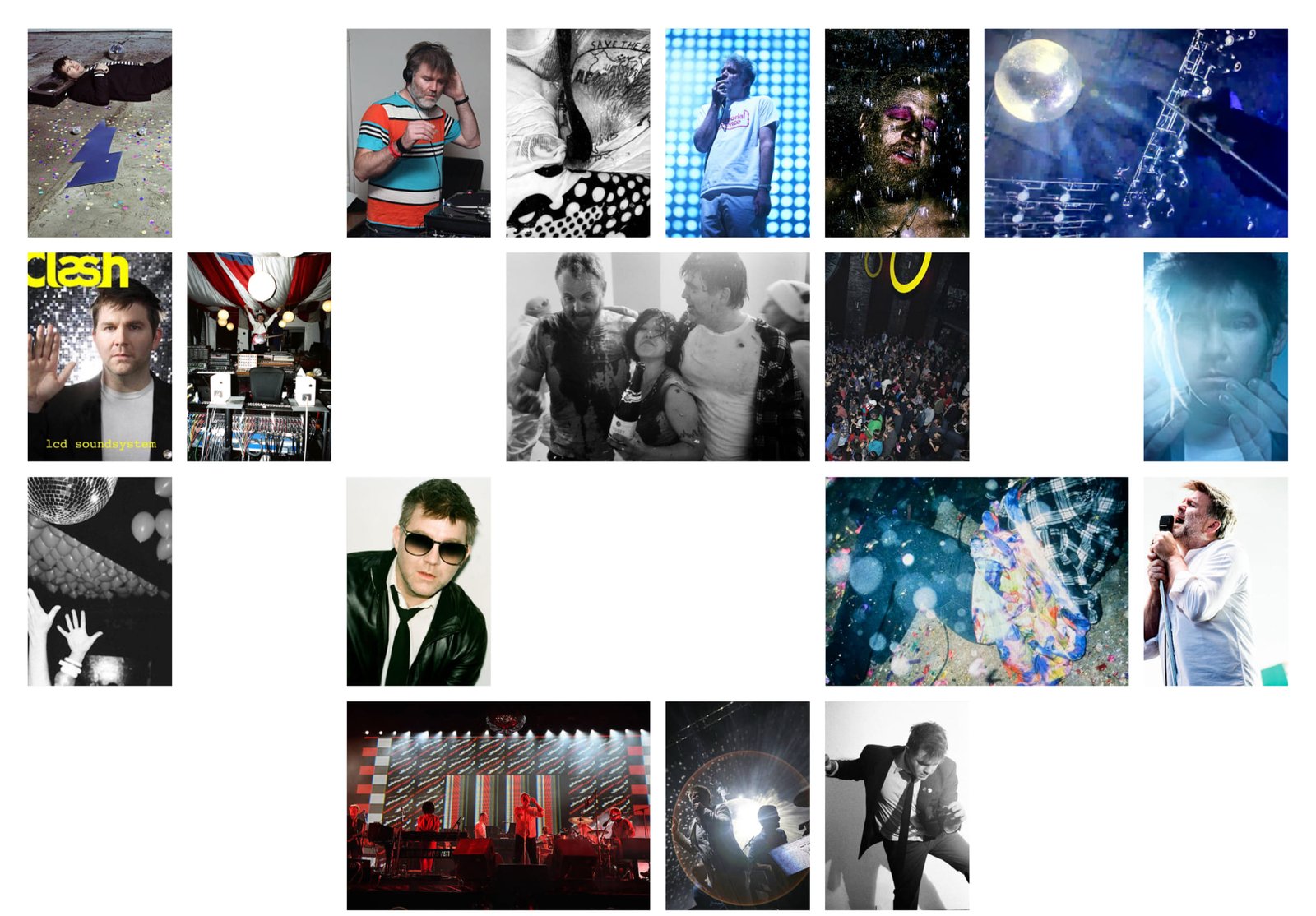
Arthur Vieillard

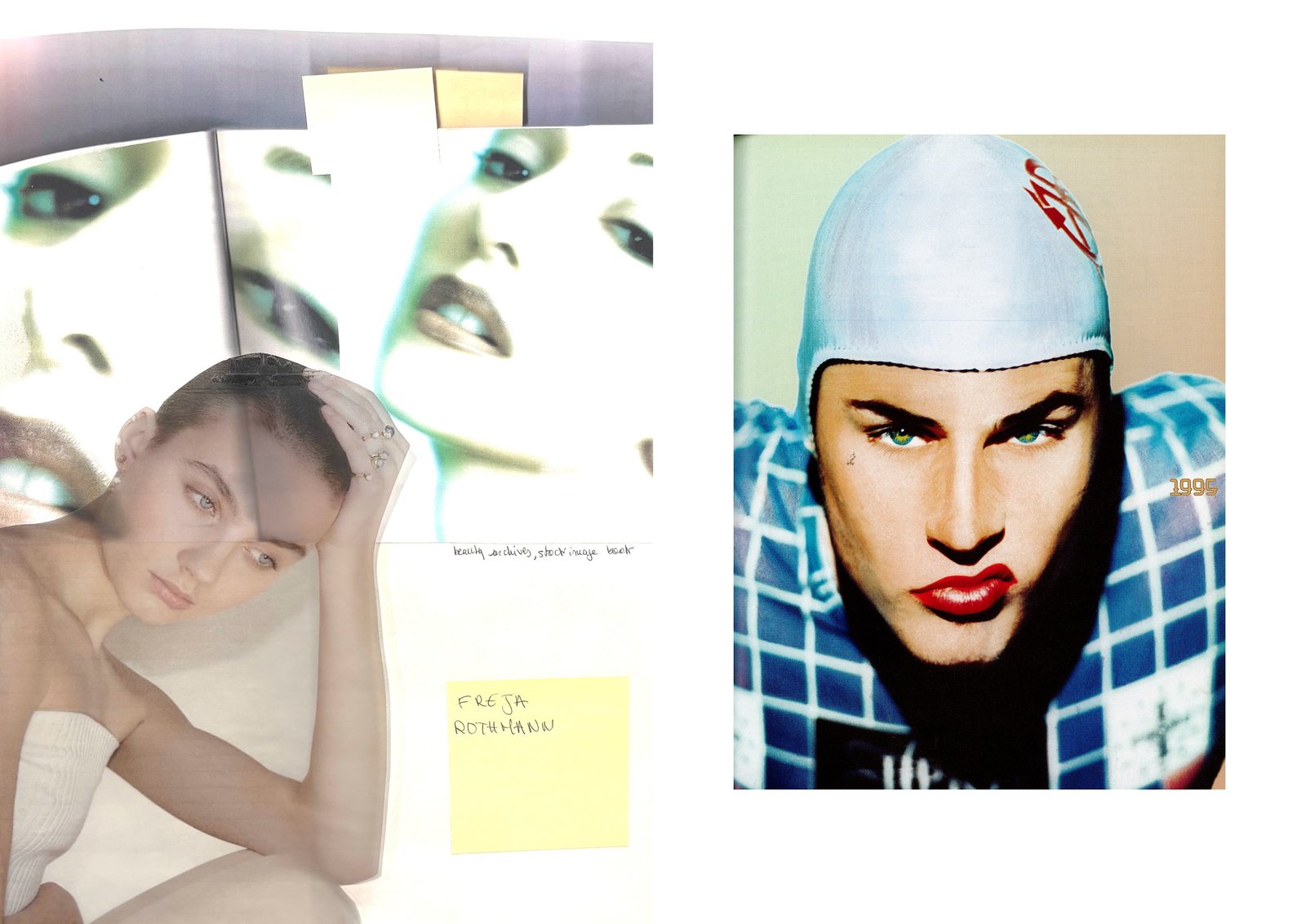
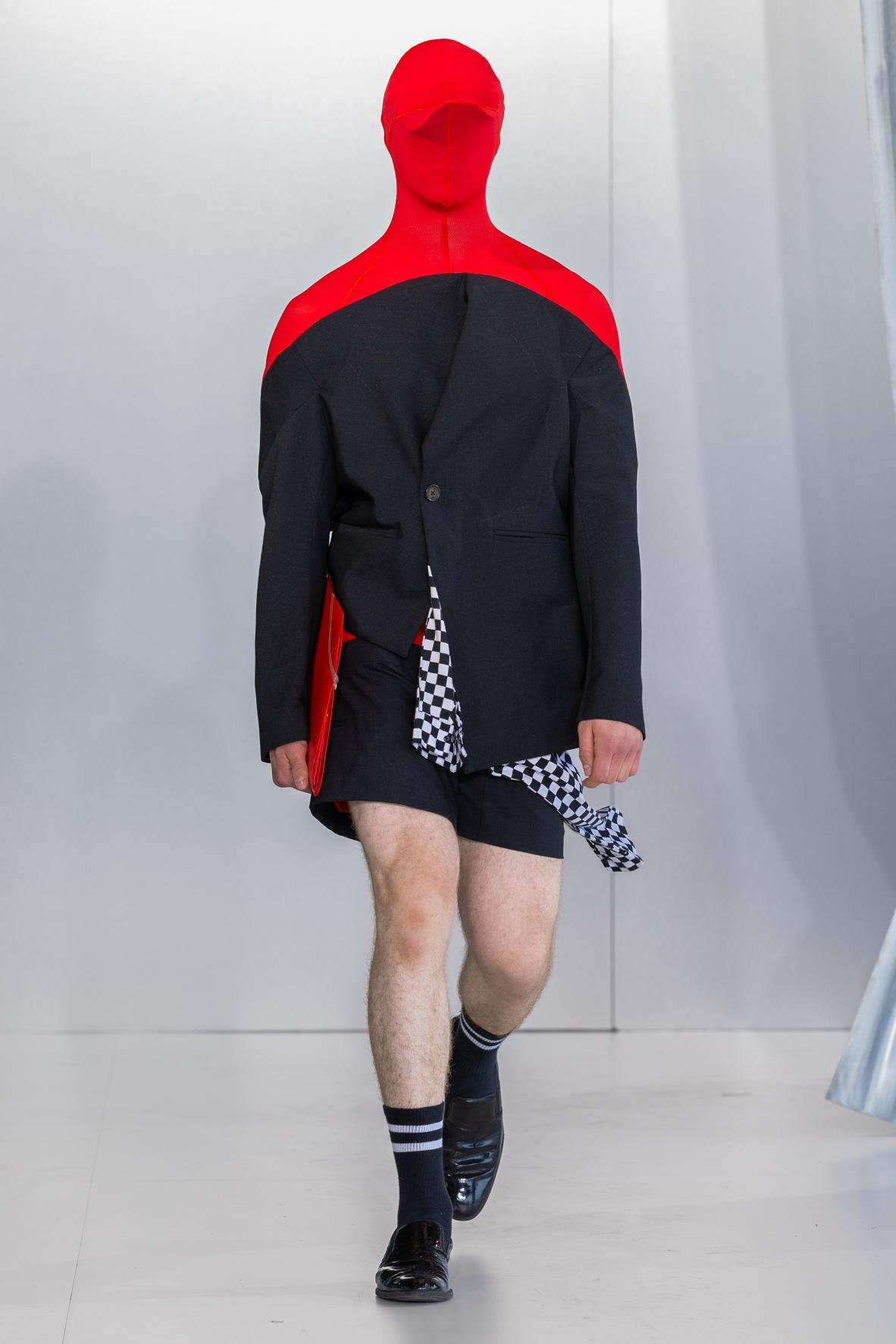
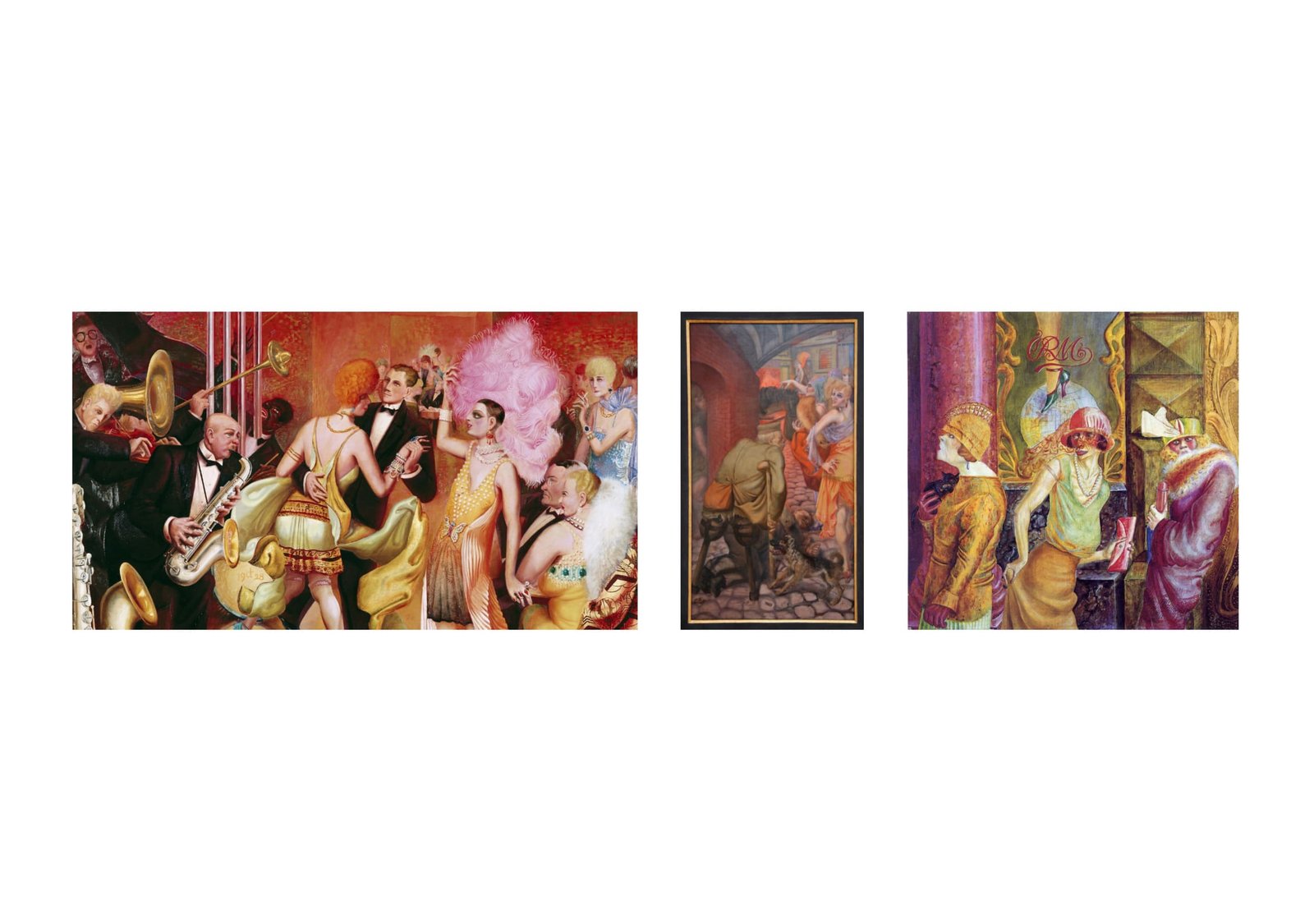
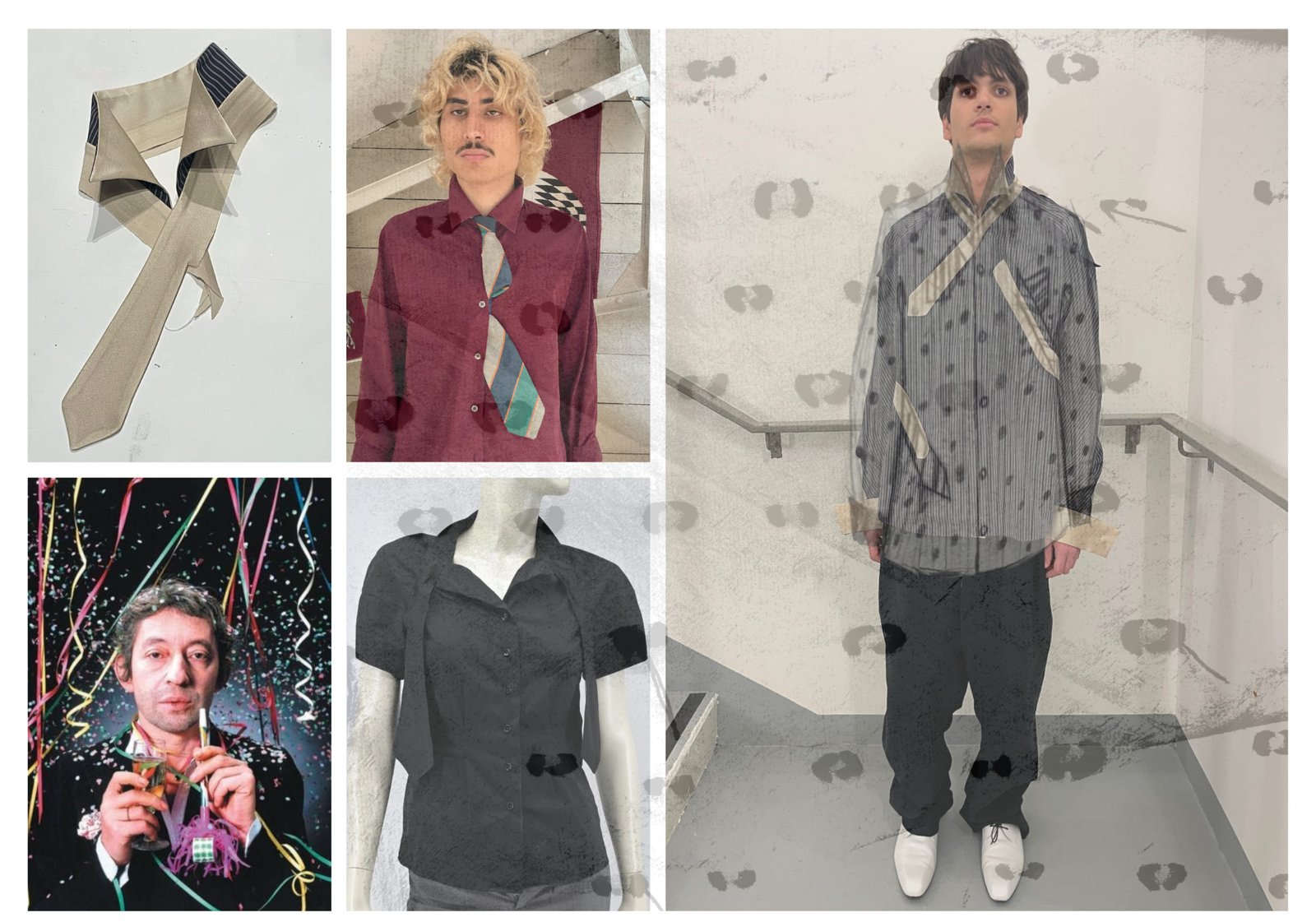
Arthur Vieillard’s collection draws direct inspiration from the figures of Andrée Putman and François Sagat. Through their stories, the project examines how each of us responds to the relentless flow of images online, and how we oscillate between the desire to be seen and the desire for anonymity. Clothing becomes a mechanism, for attracting the attention of others, or for disappearing from view. The nightlife world that shaped both figures runs through the collection’s palette and casting choices, lending it an atmosphere of nocturnal glamour and ambiguity. Vieillard studied architecture before arriving at IFM, and brings a structural sensibility to his approach to form. As he leaves education, he is eager to keep designing and to learn from those with more experience, while remaining hopeful about finding collaborators who bring the same generosity and curiosity he encountered at school. He is also an advocate for greater physical diversity in casting, and used street casting for his own collection.

@arthur_vllrd

Viola Neuls Humphreys

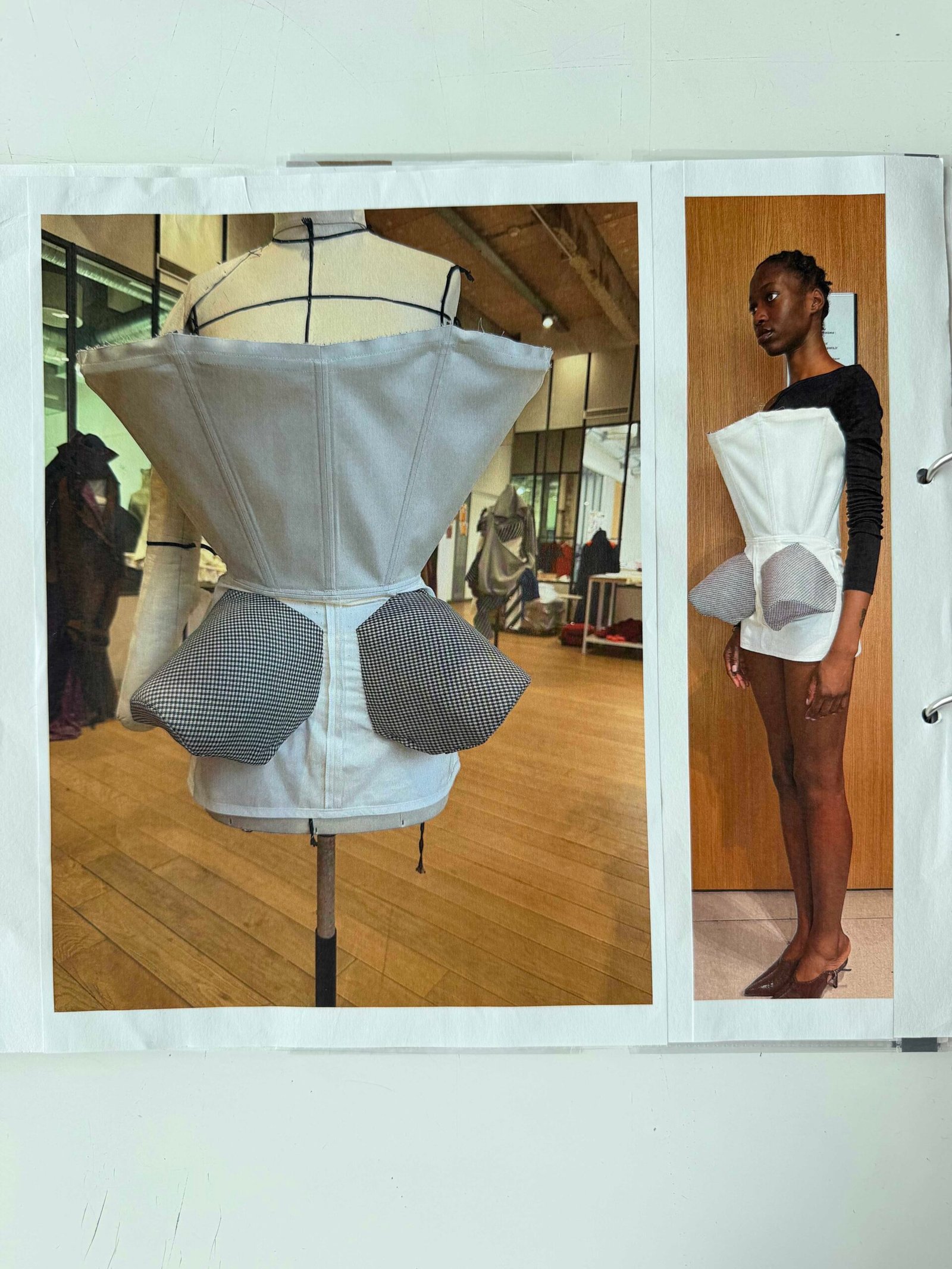
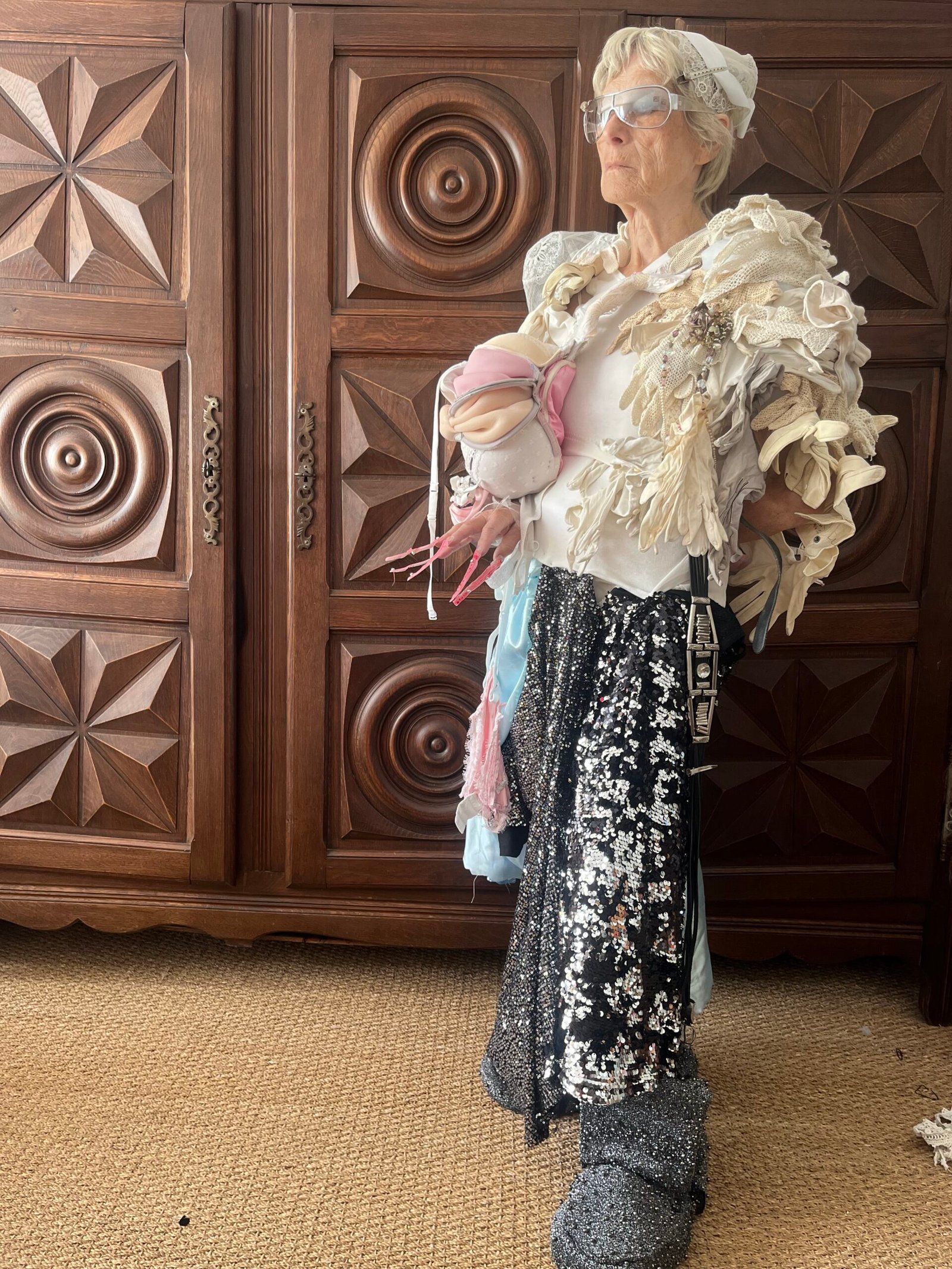
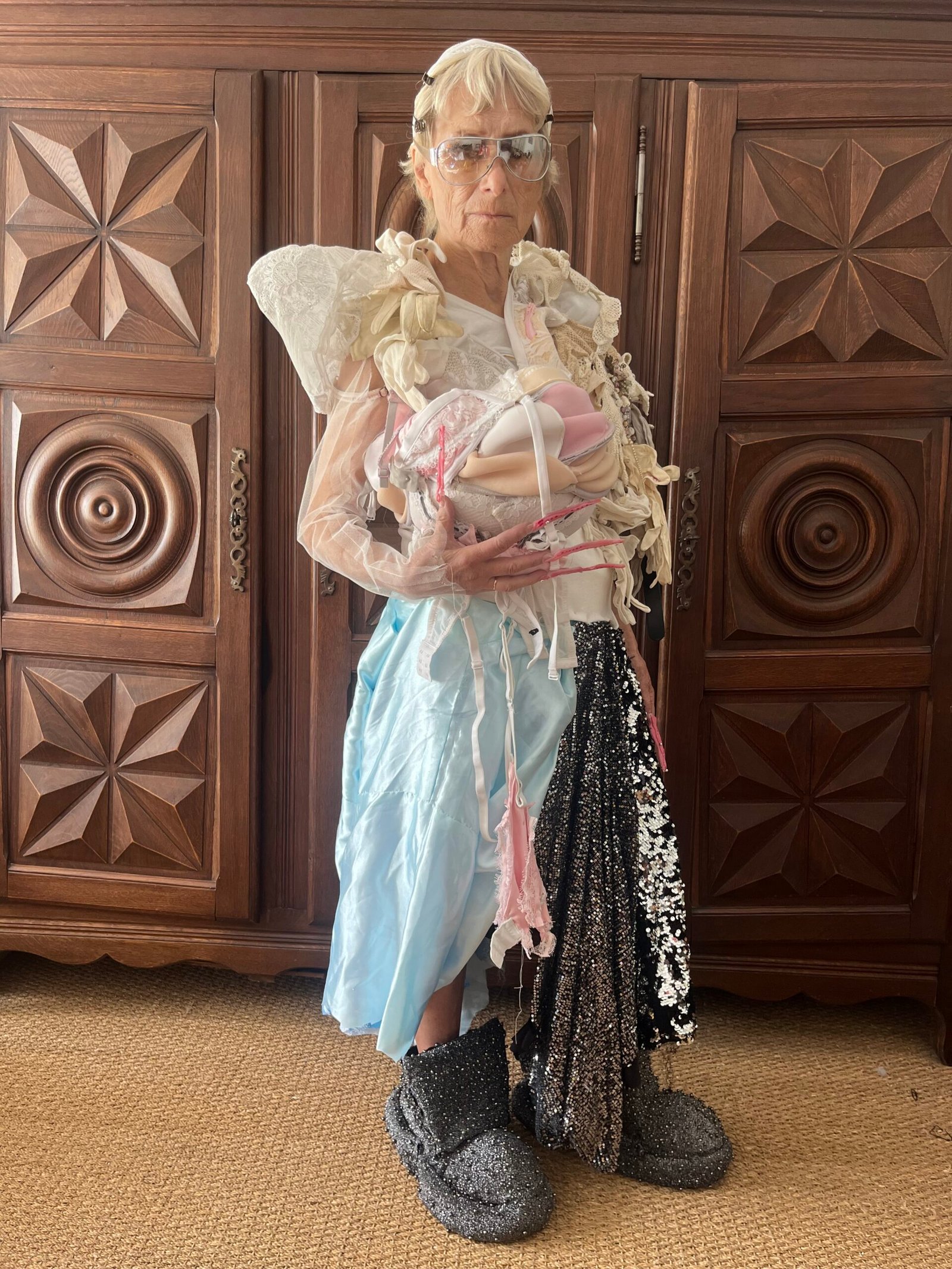
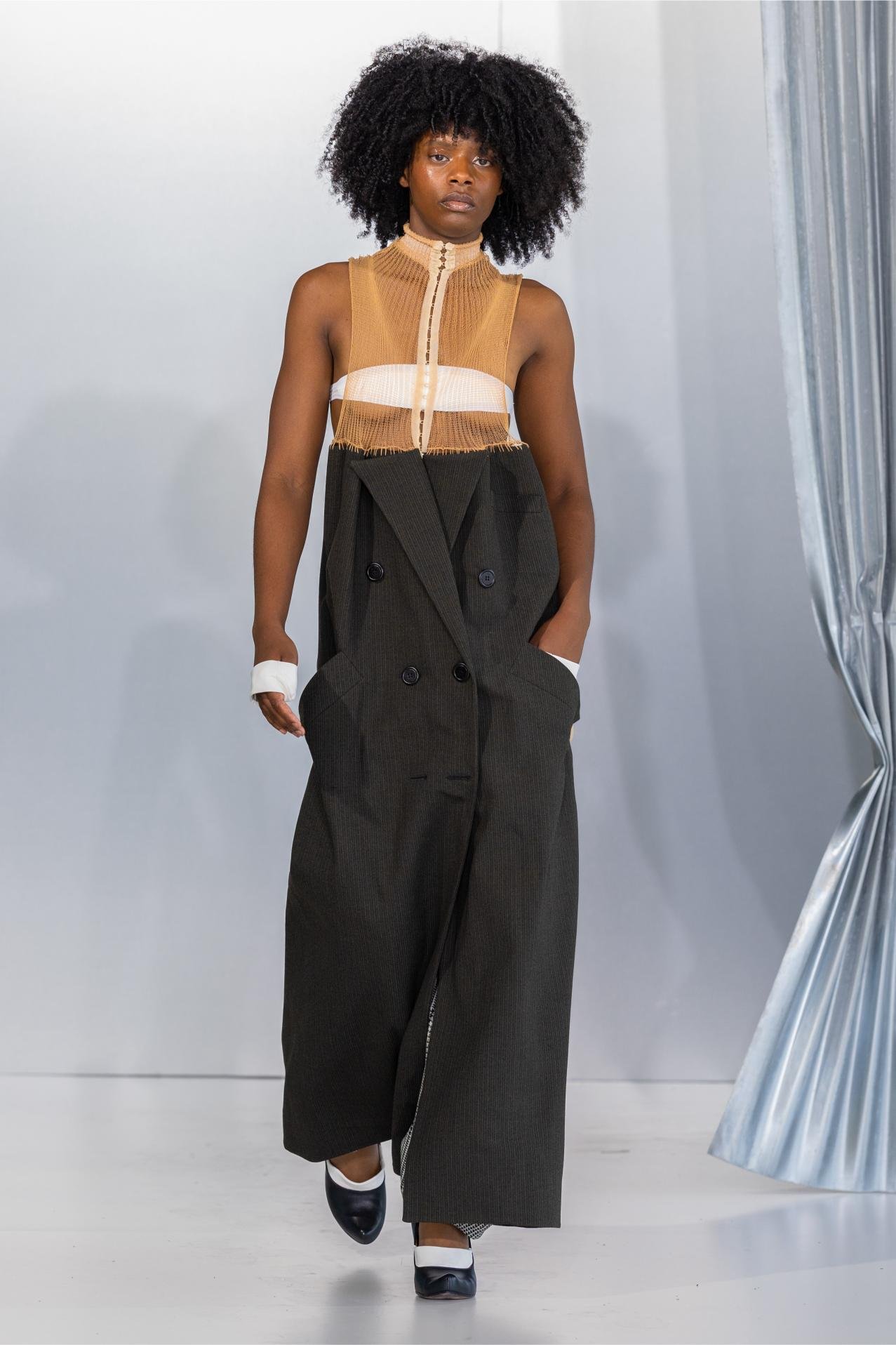
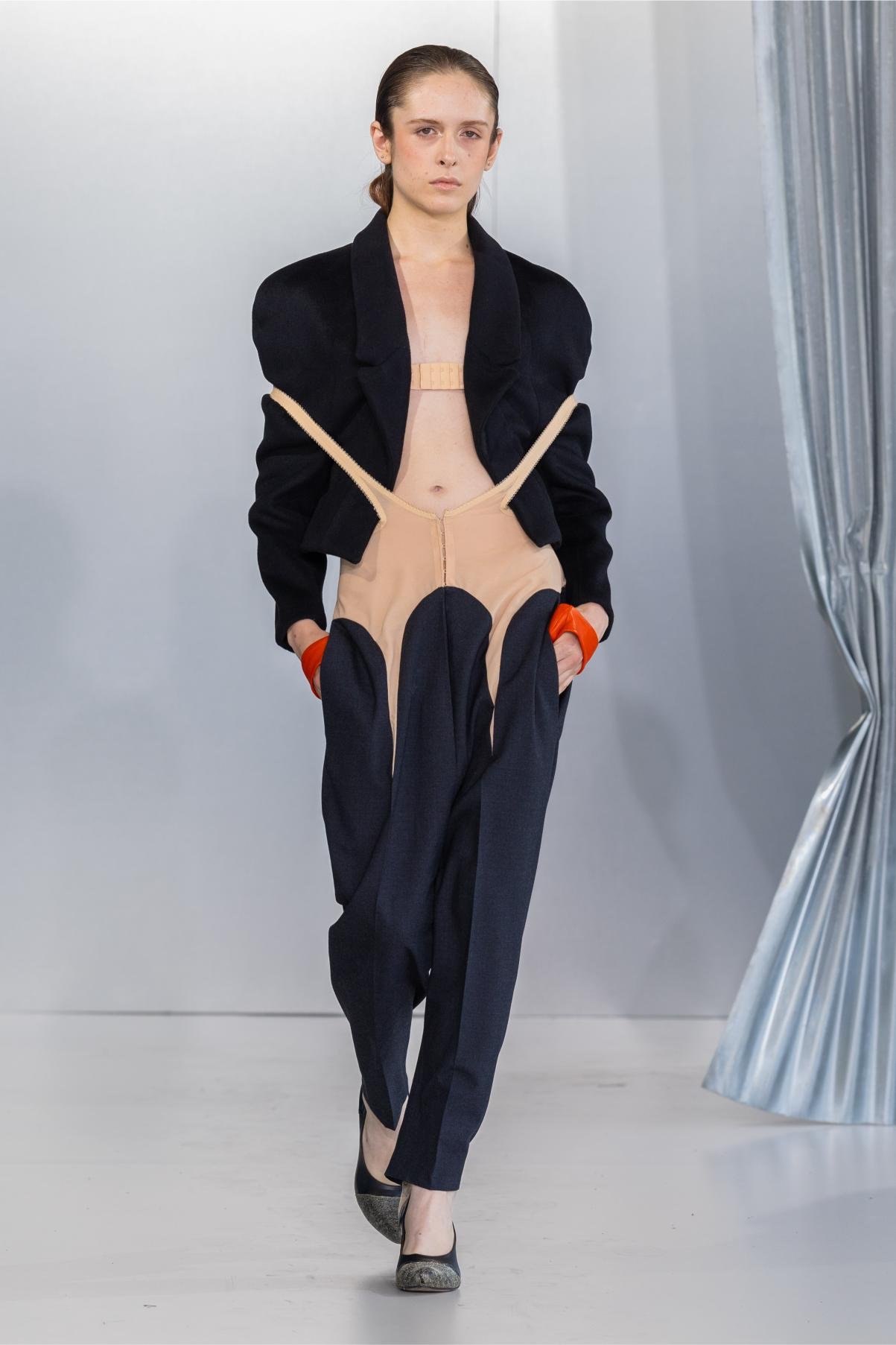
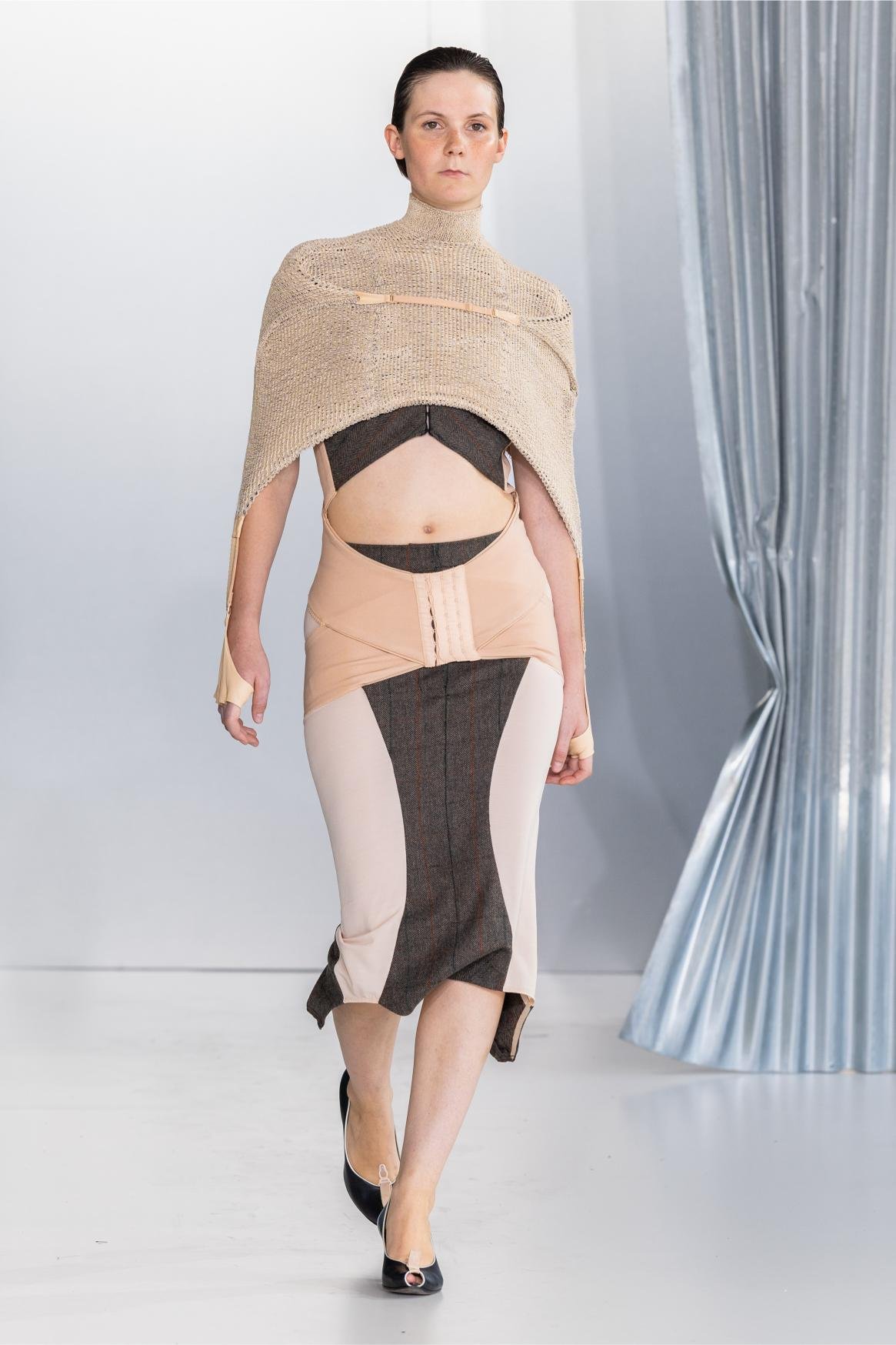
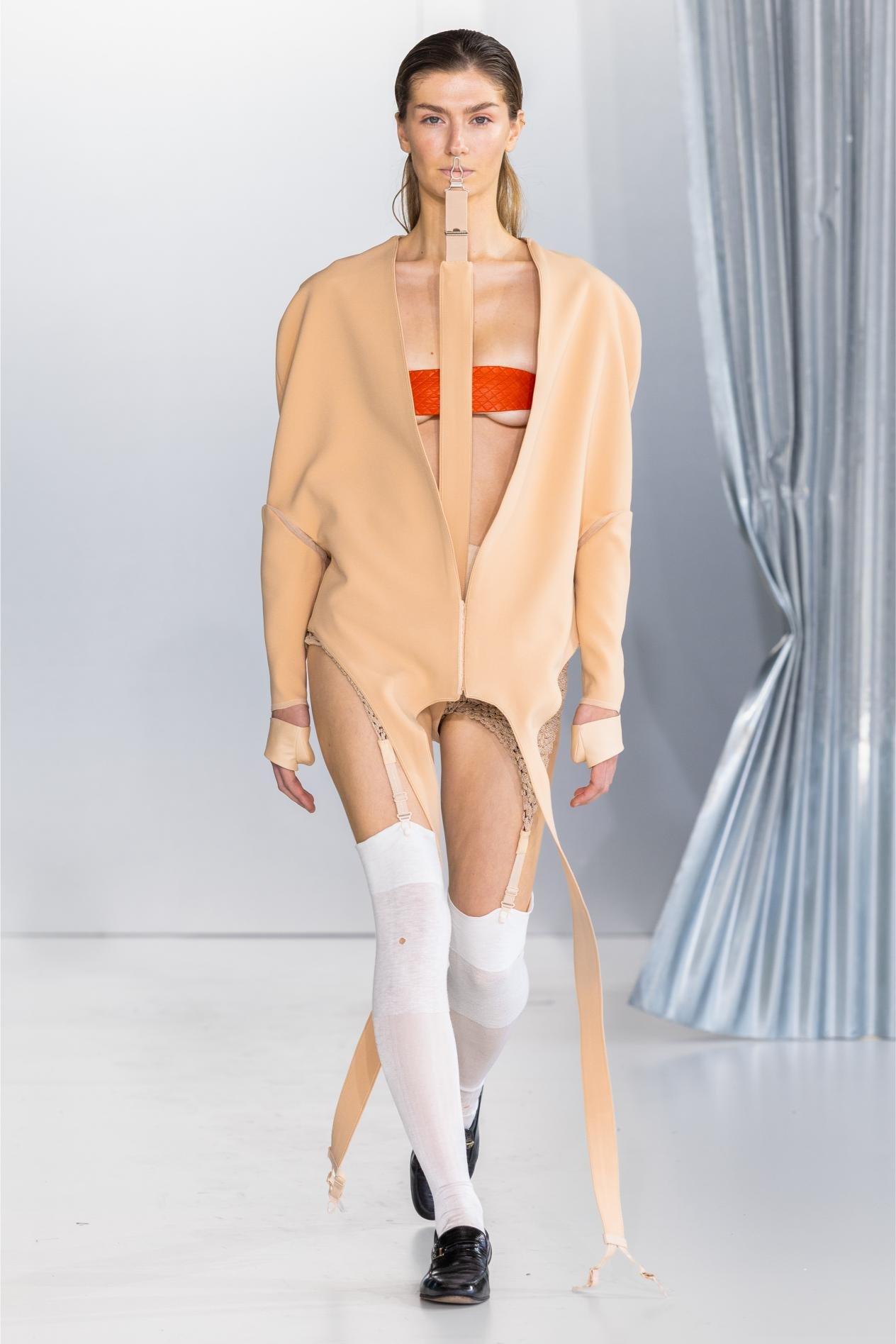
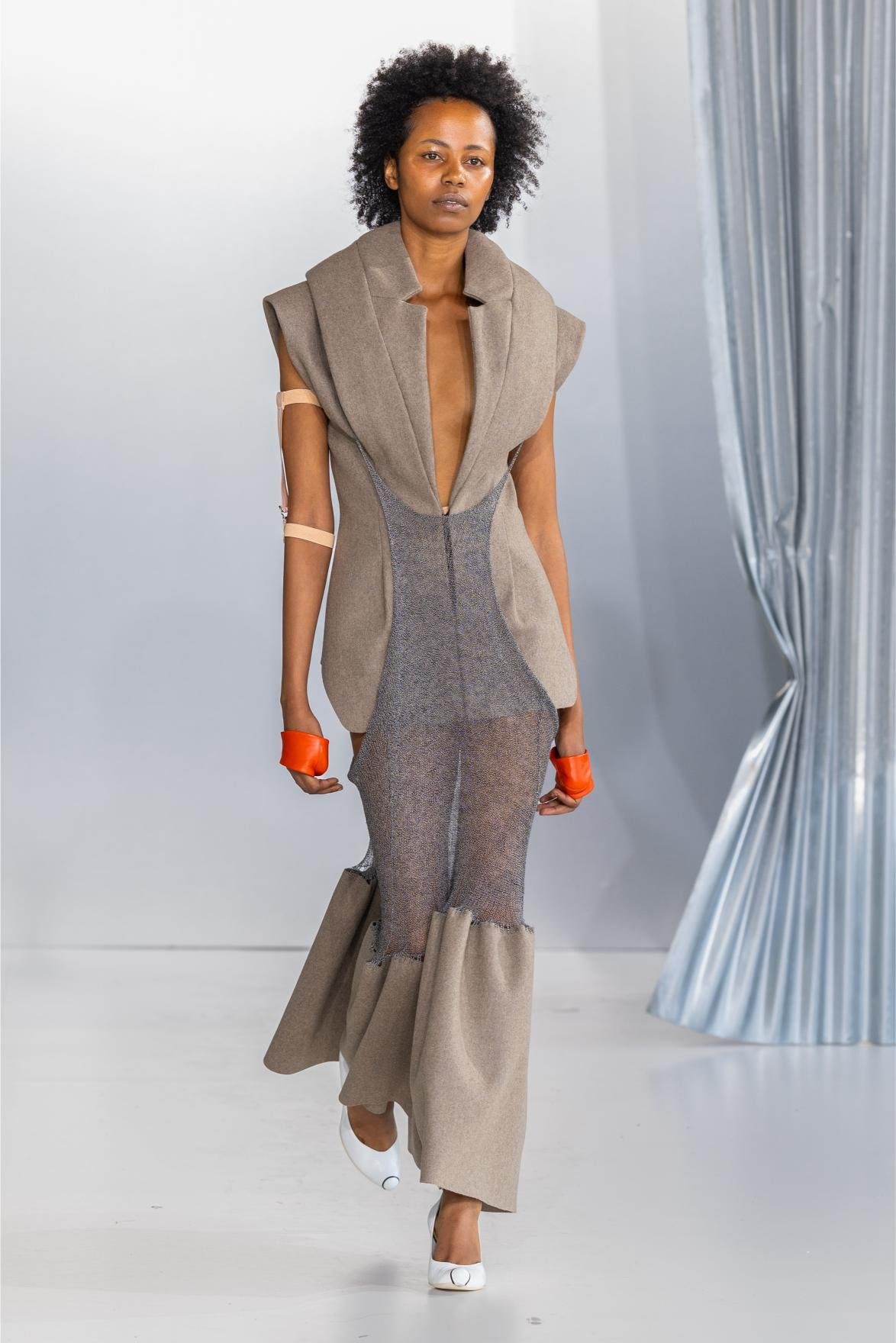
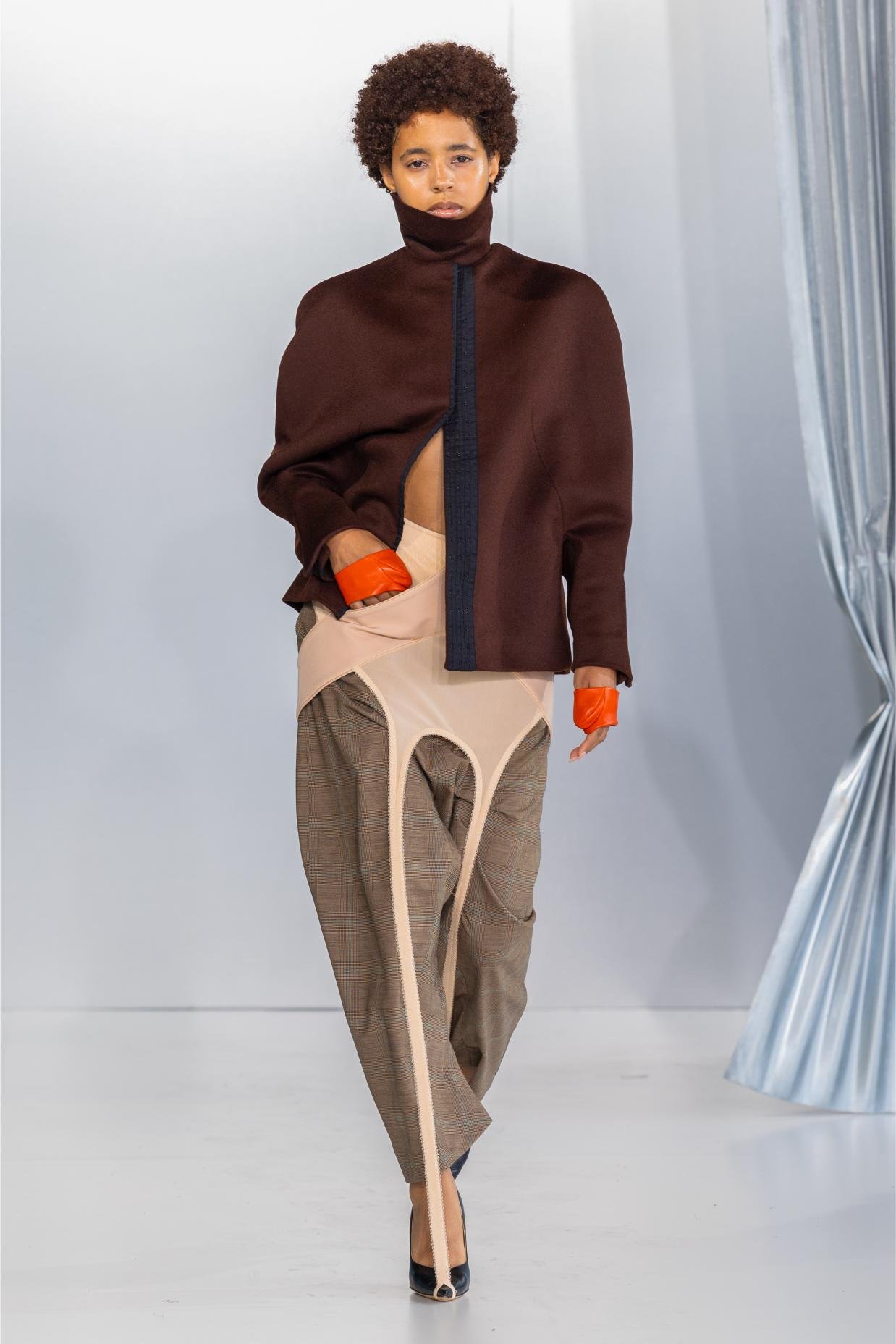
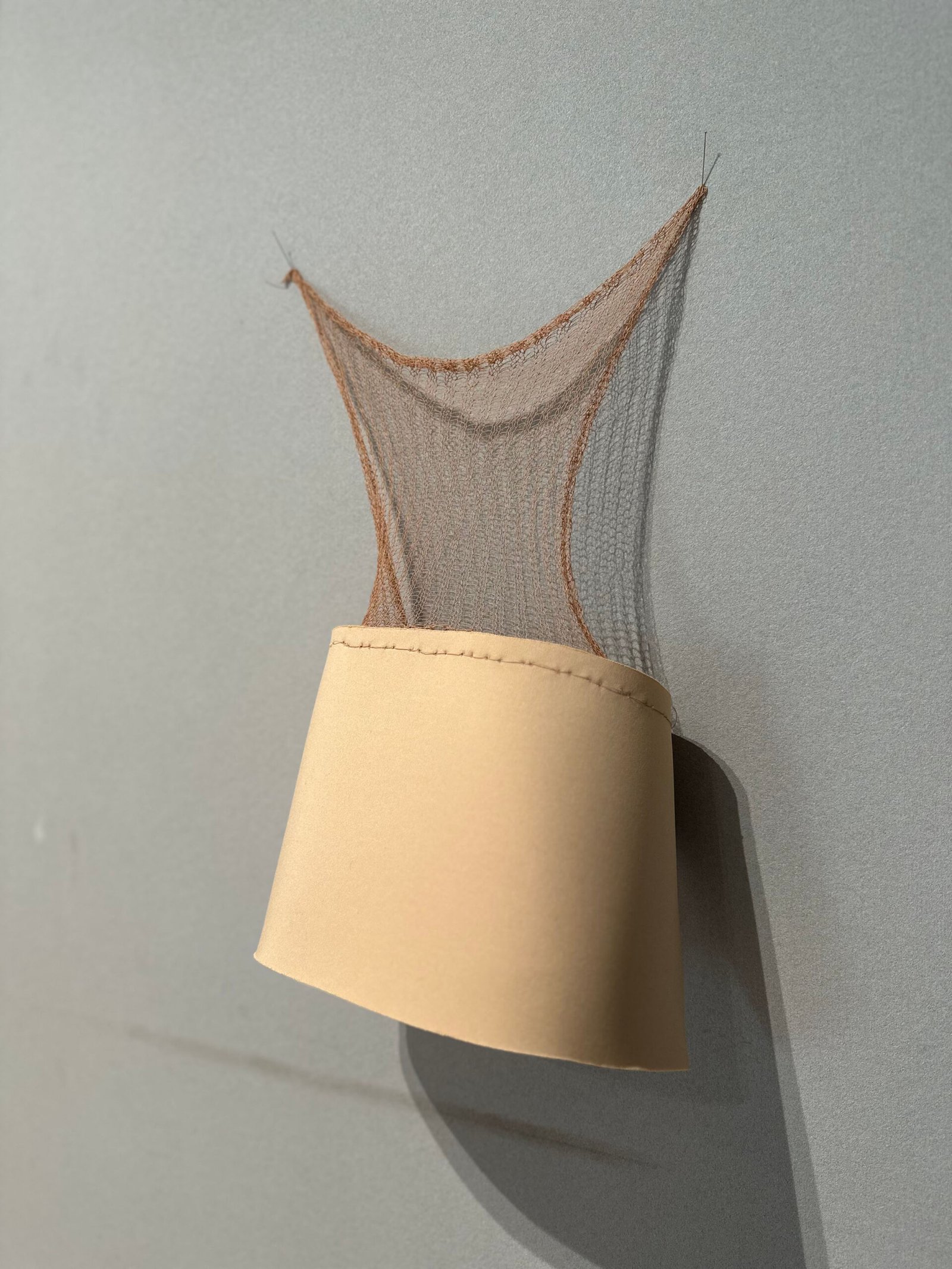
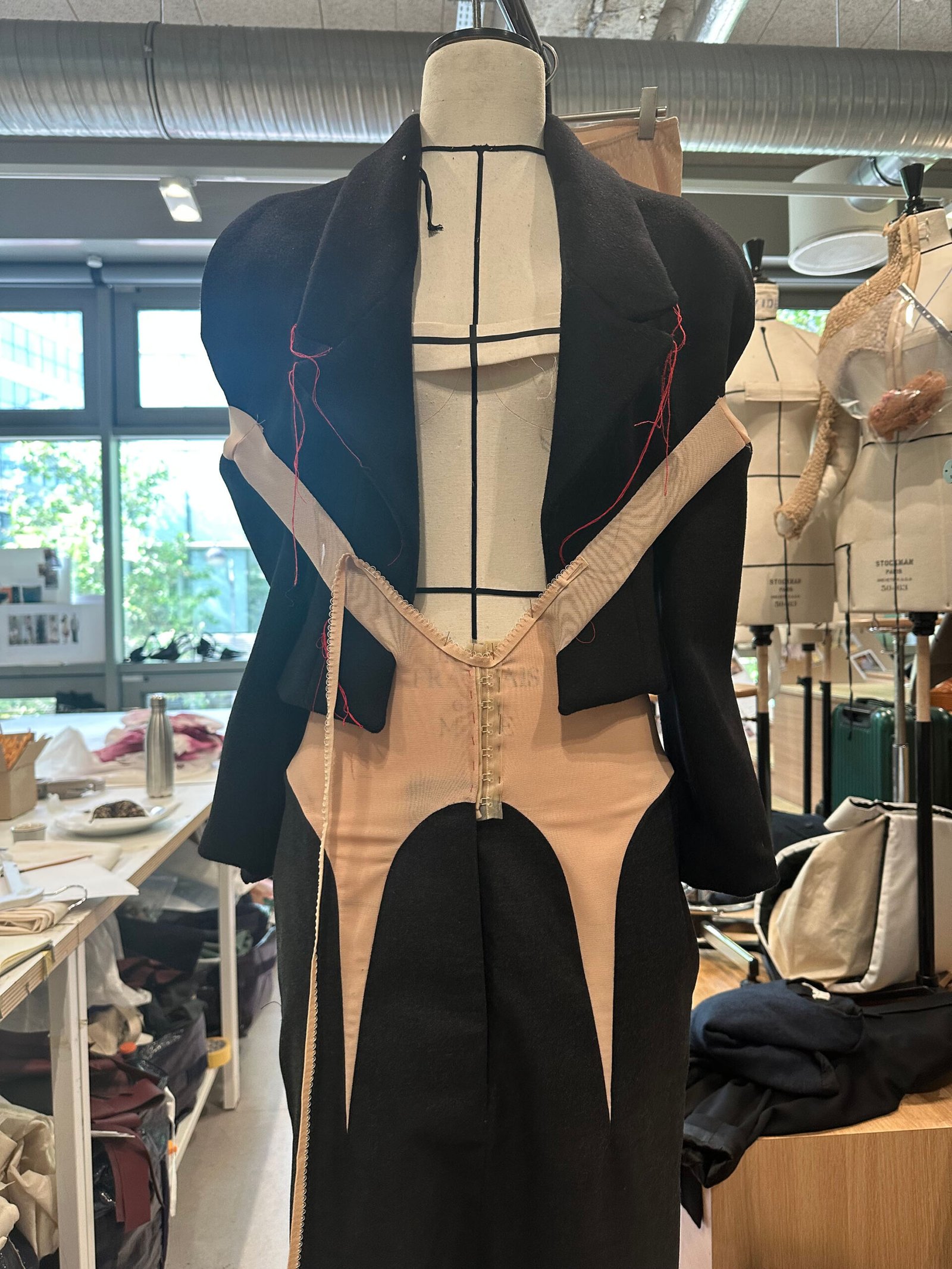
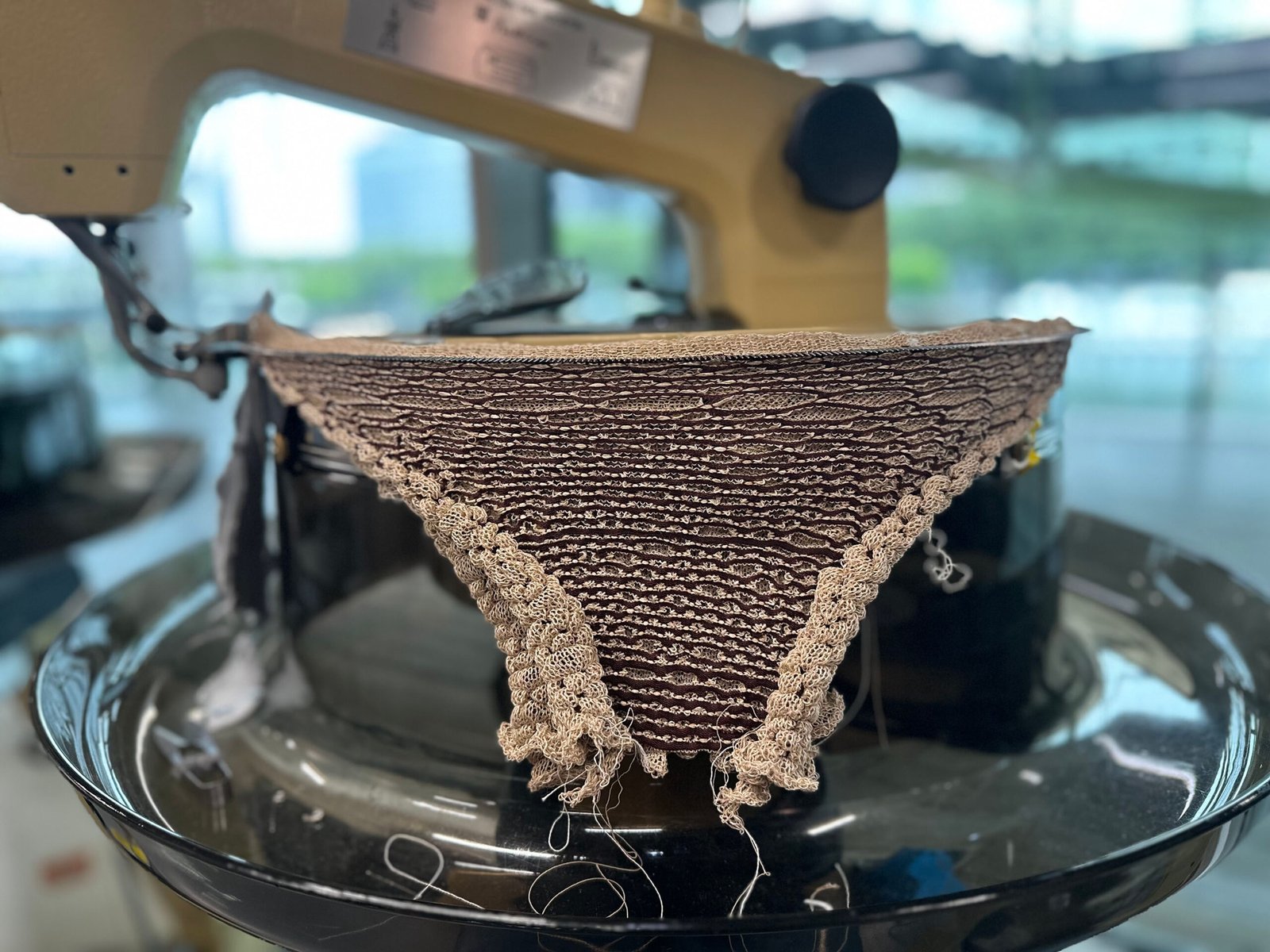
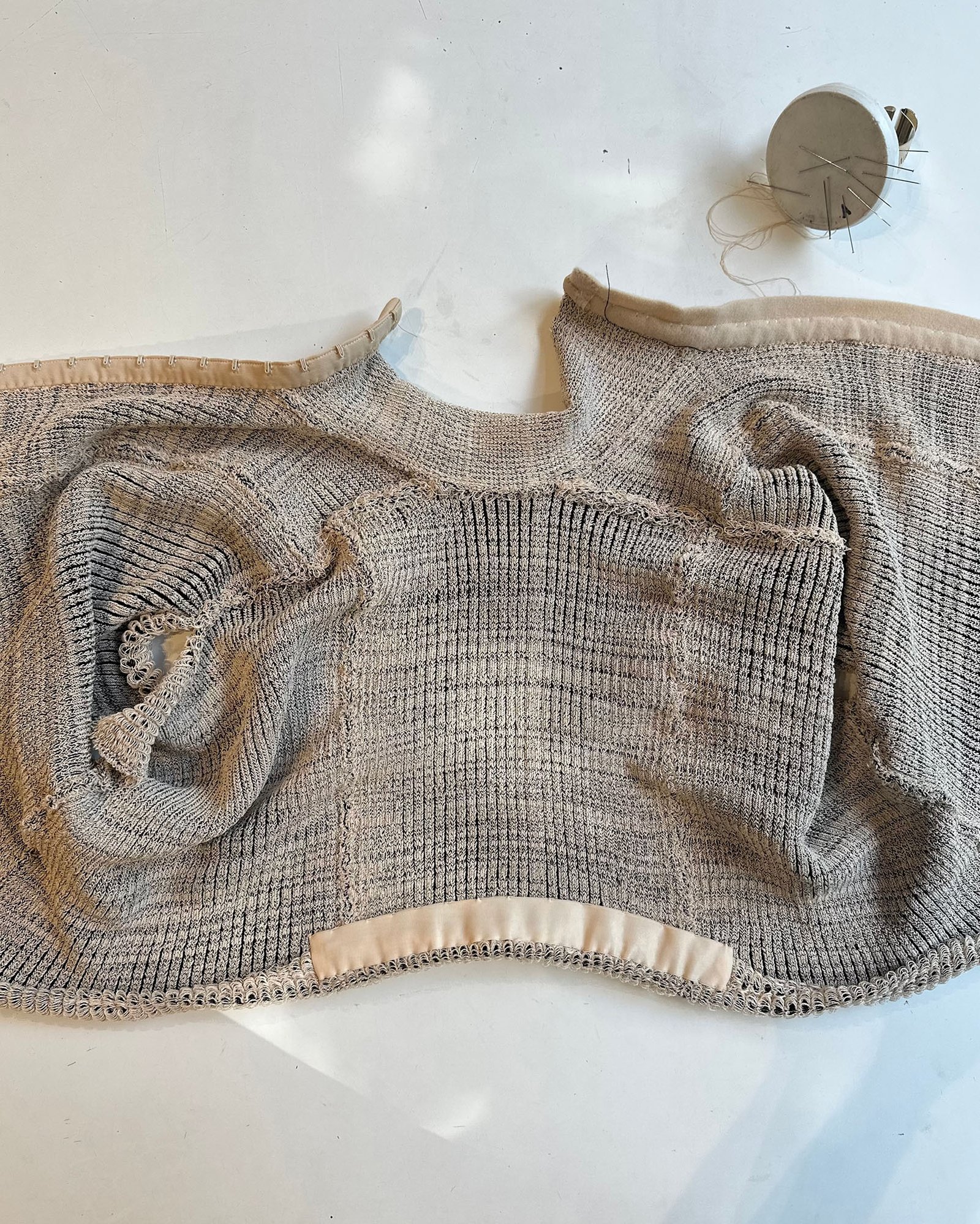
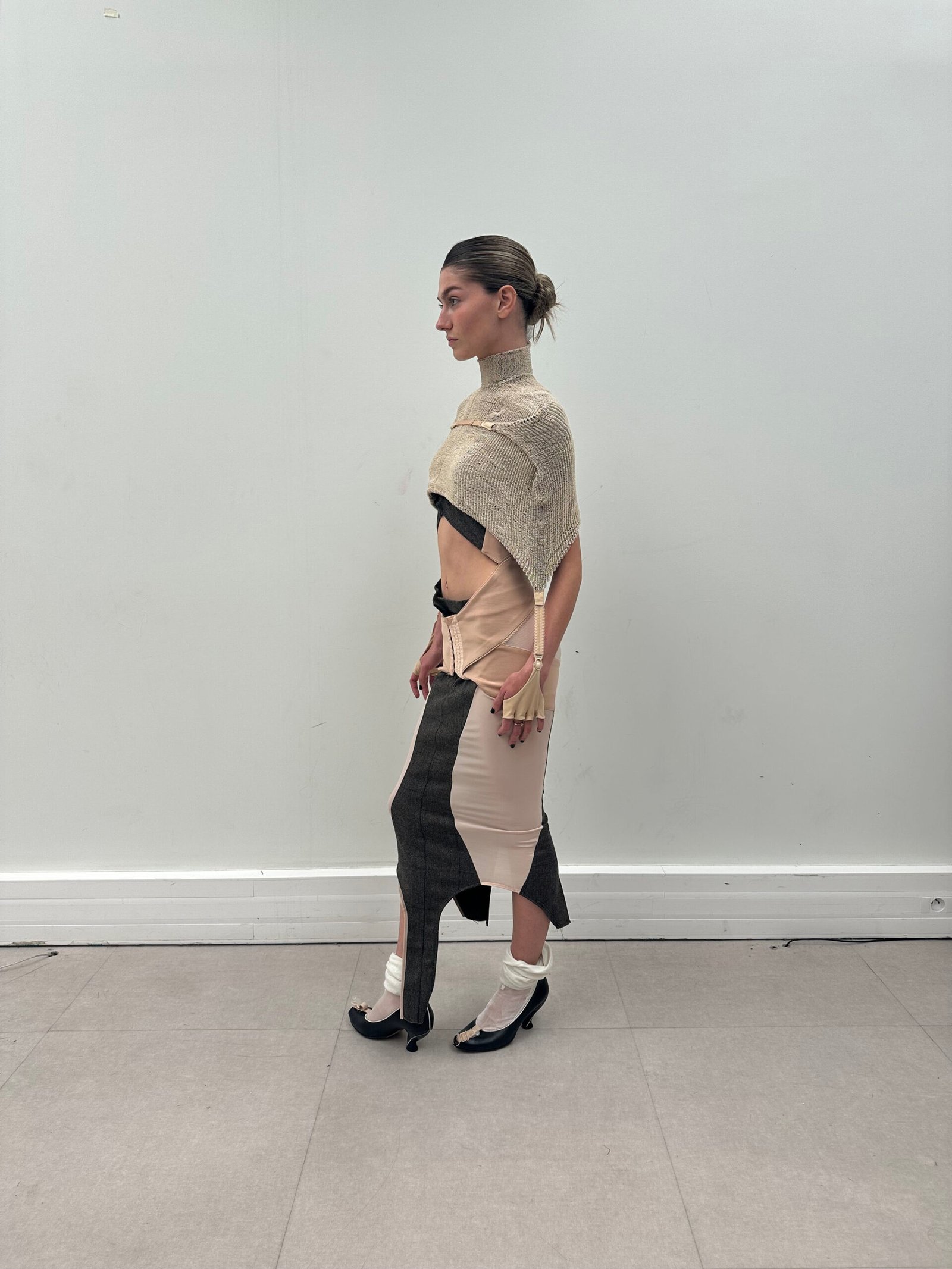
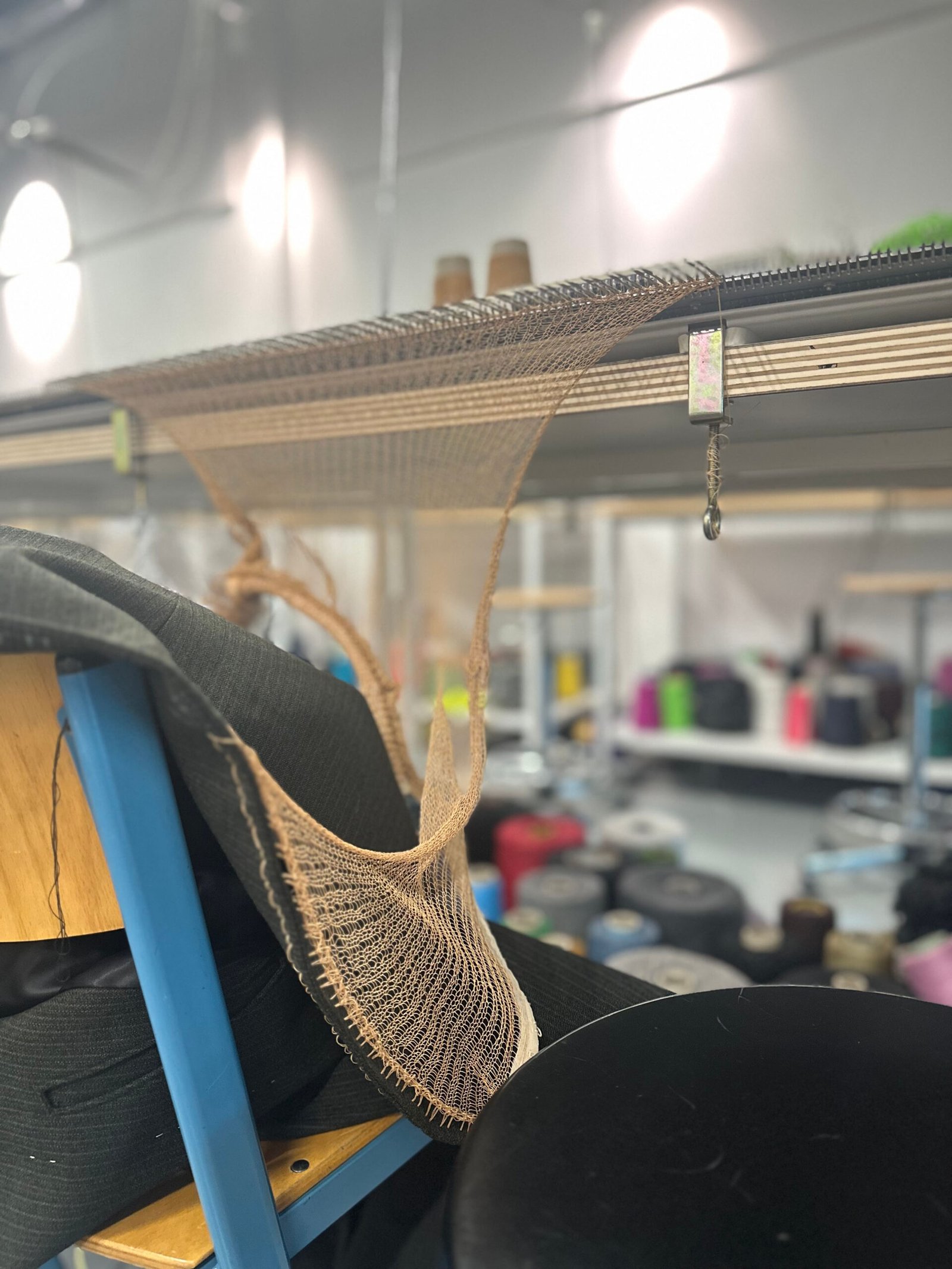
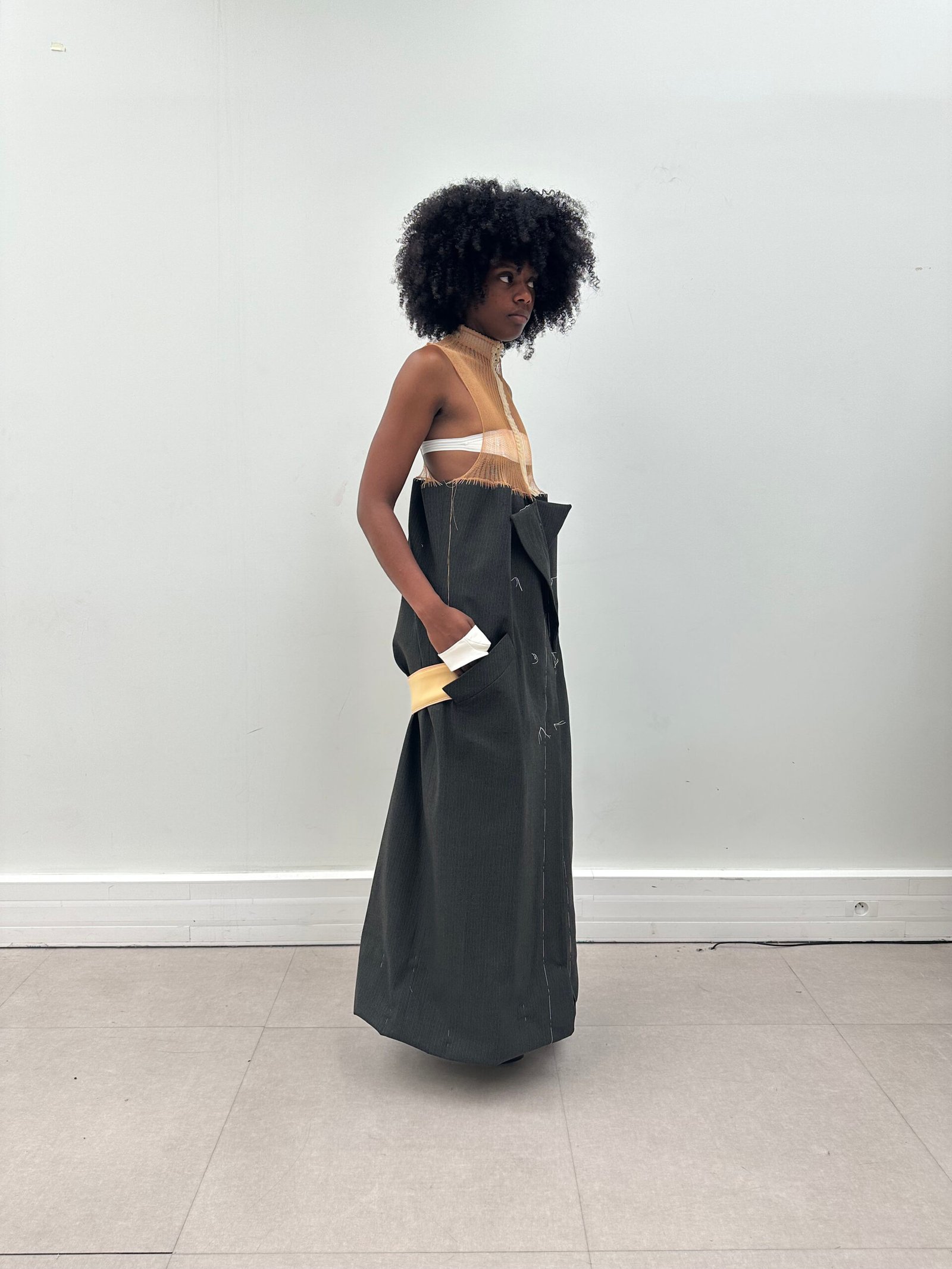
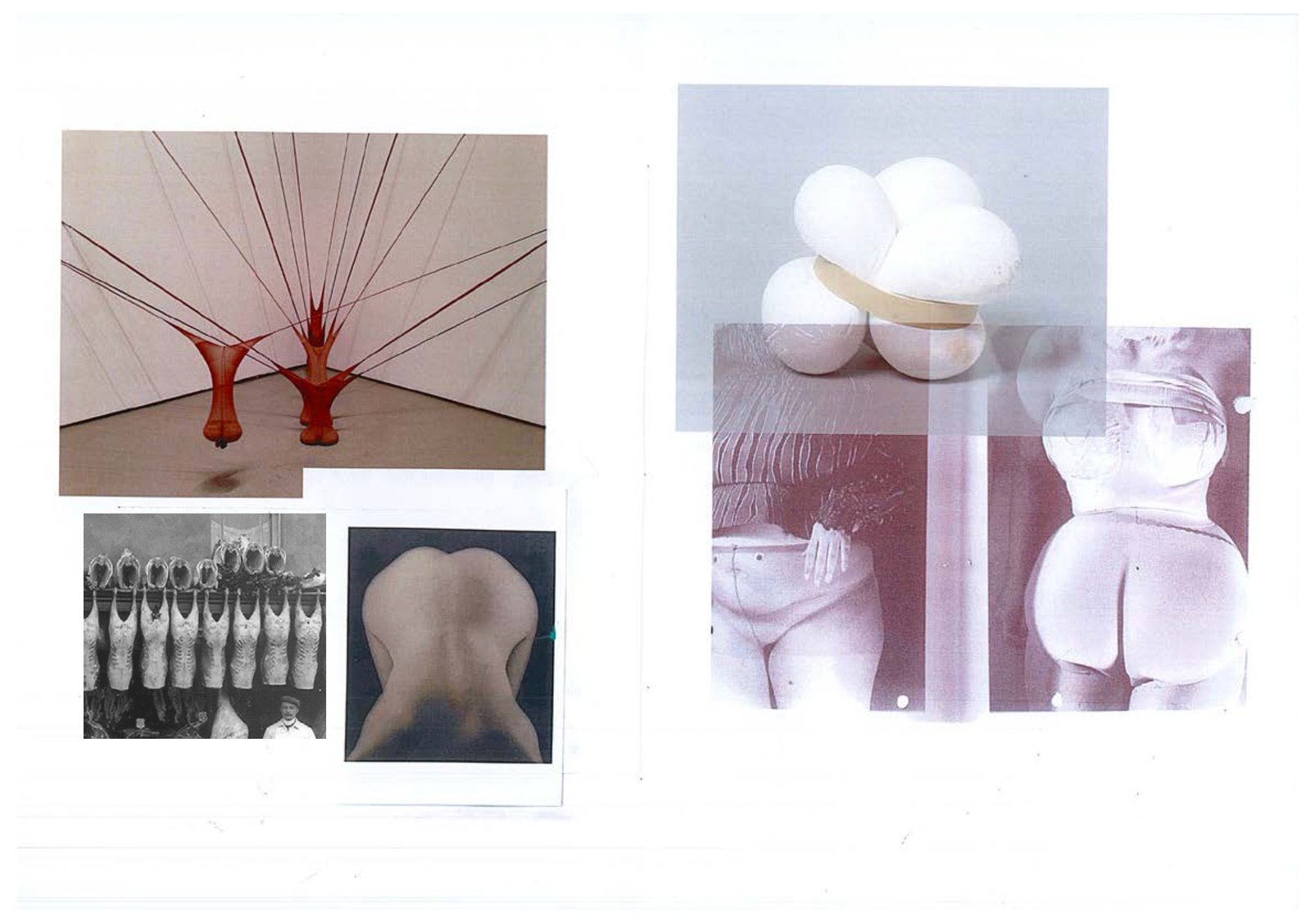
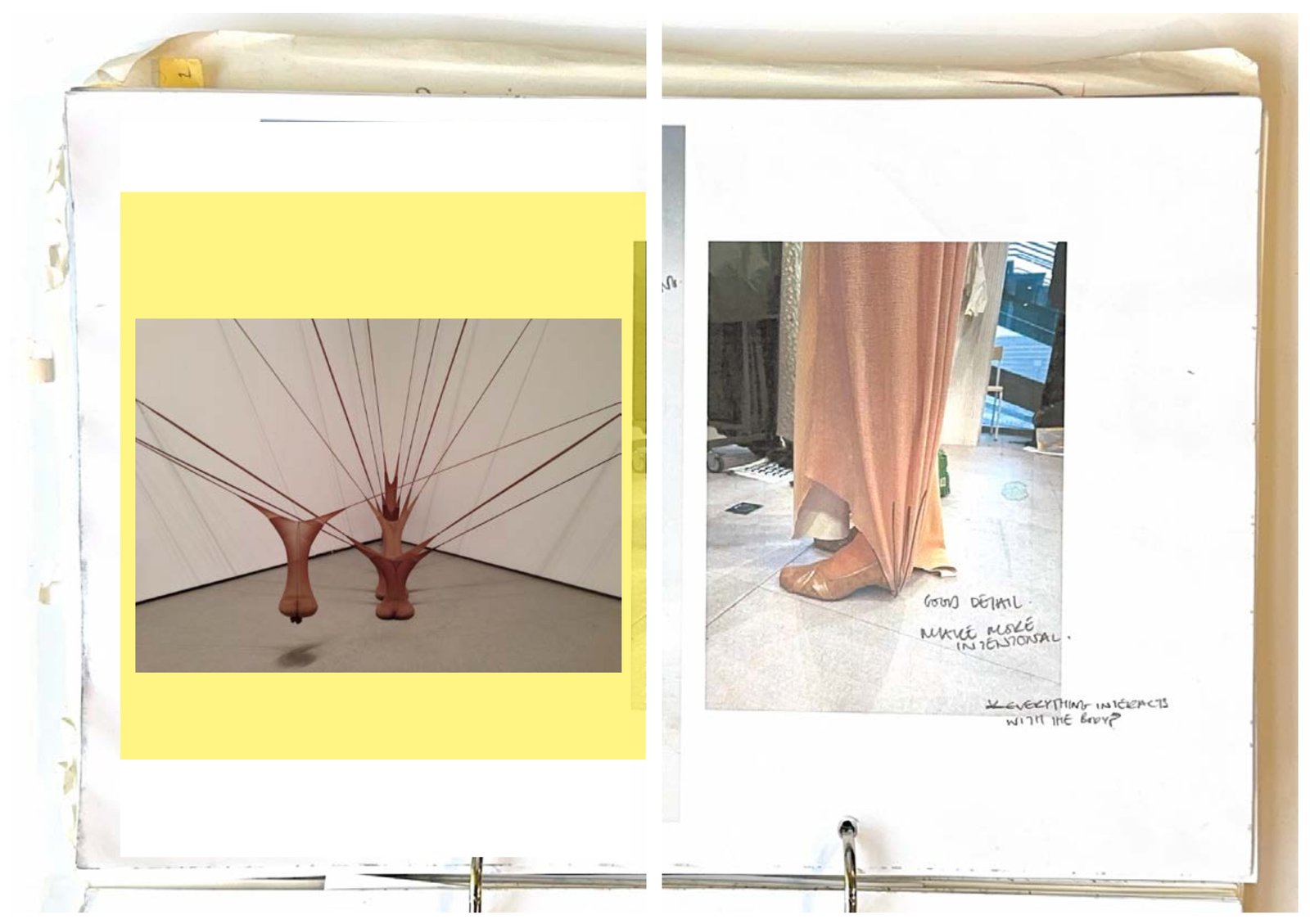
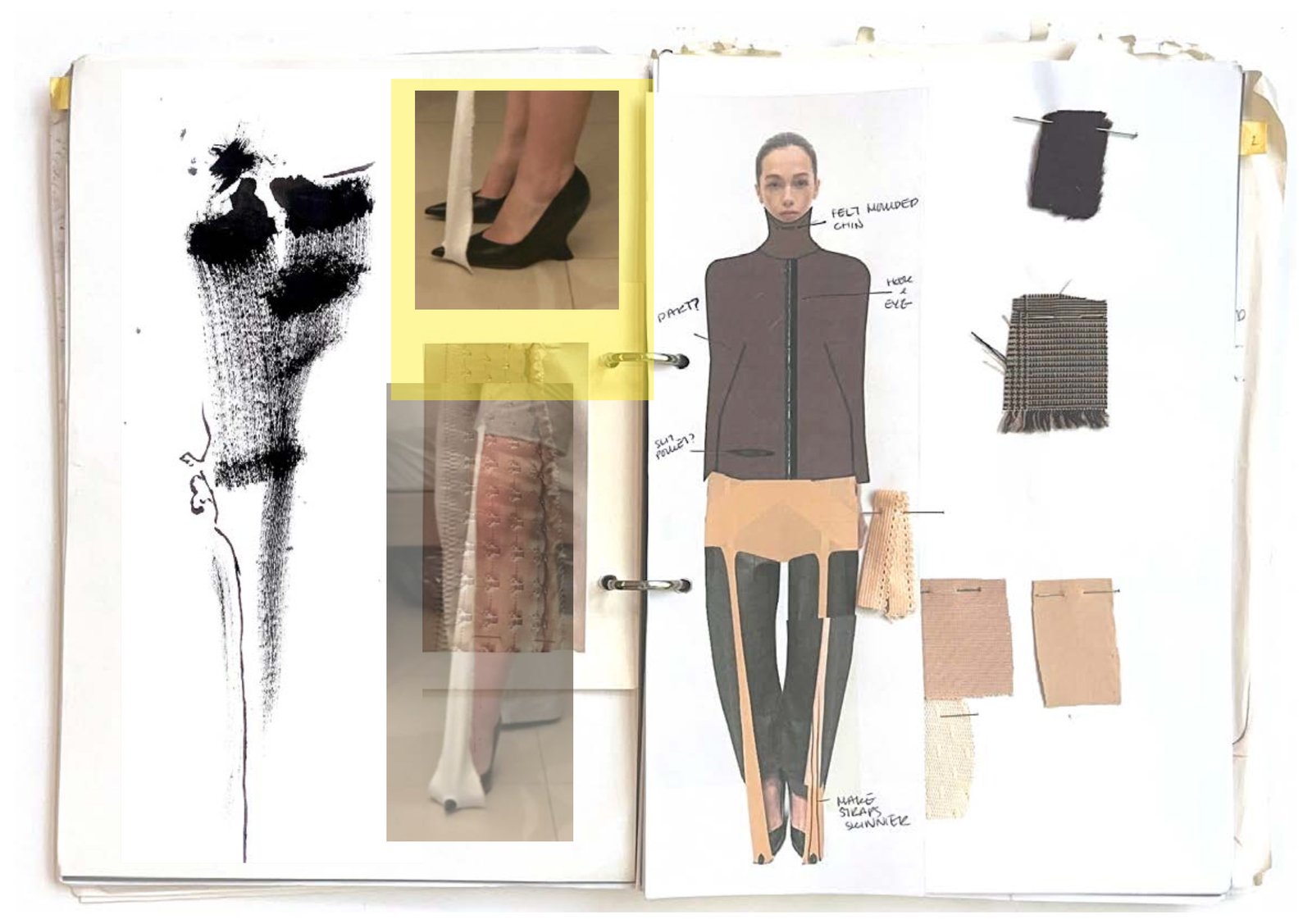
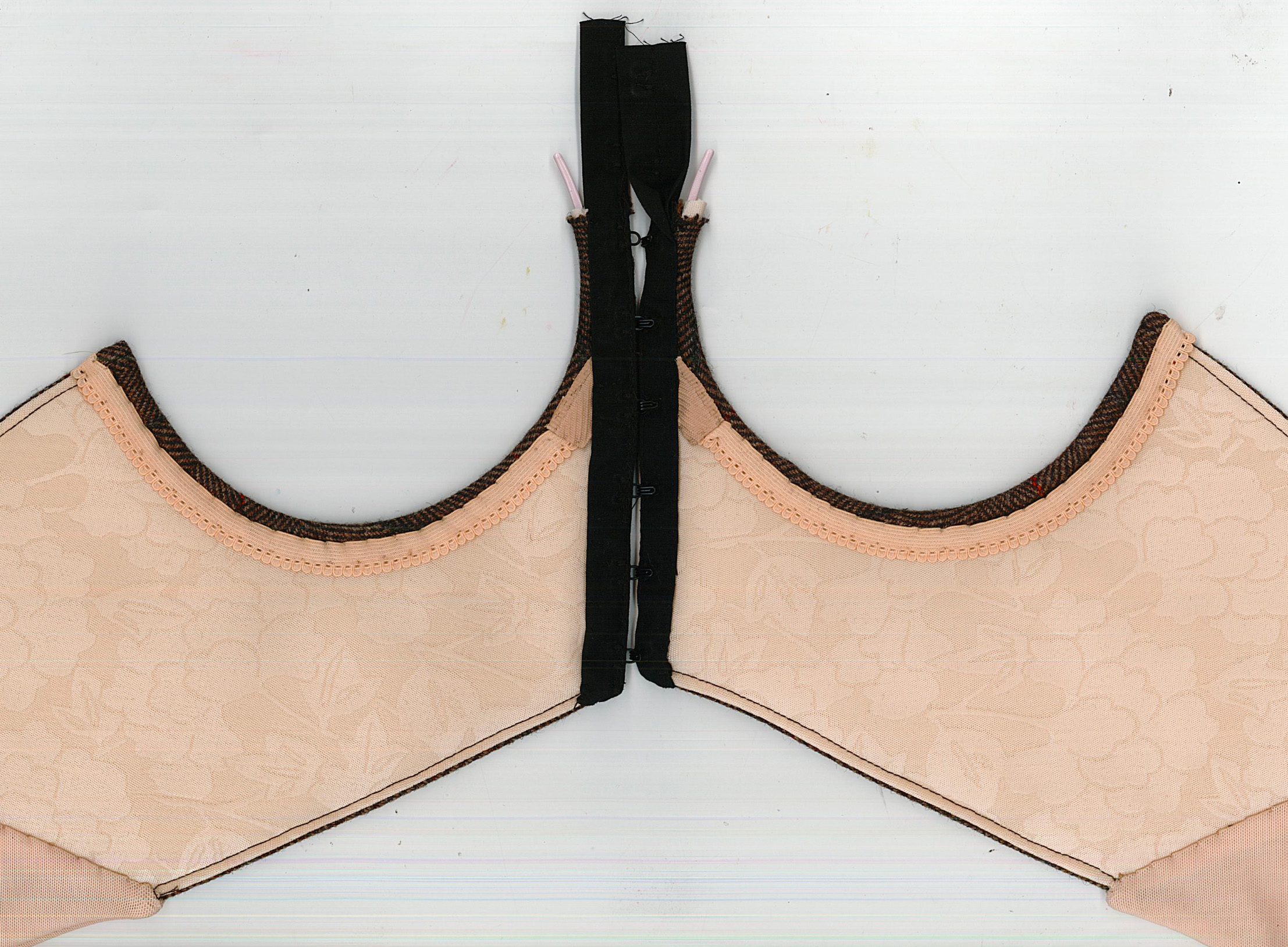
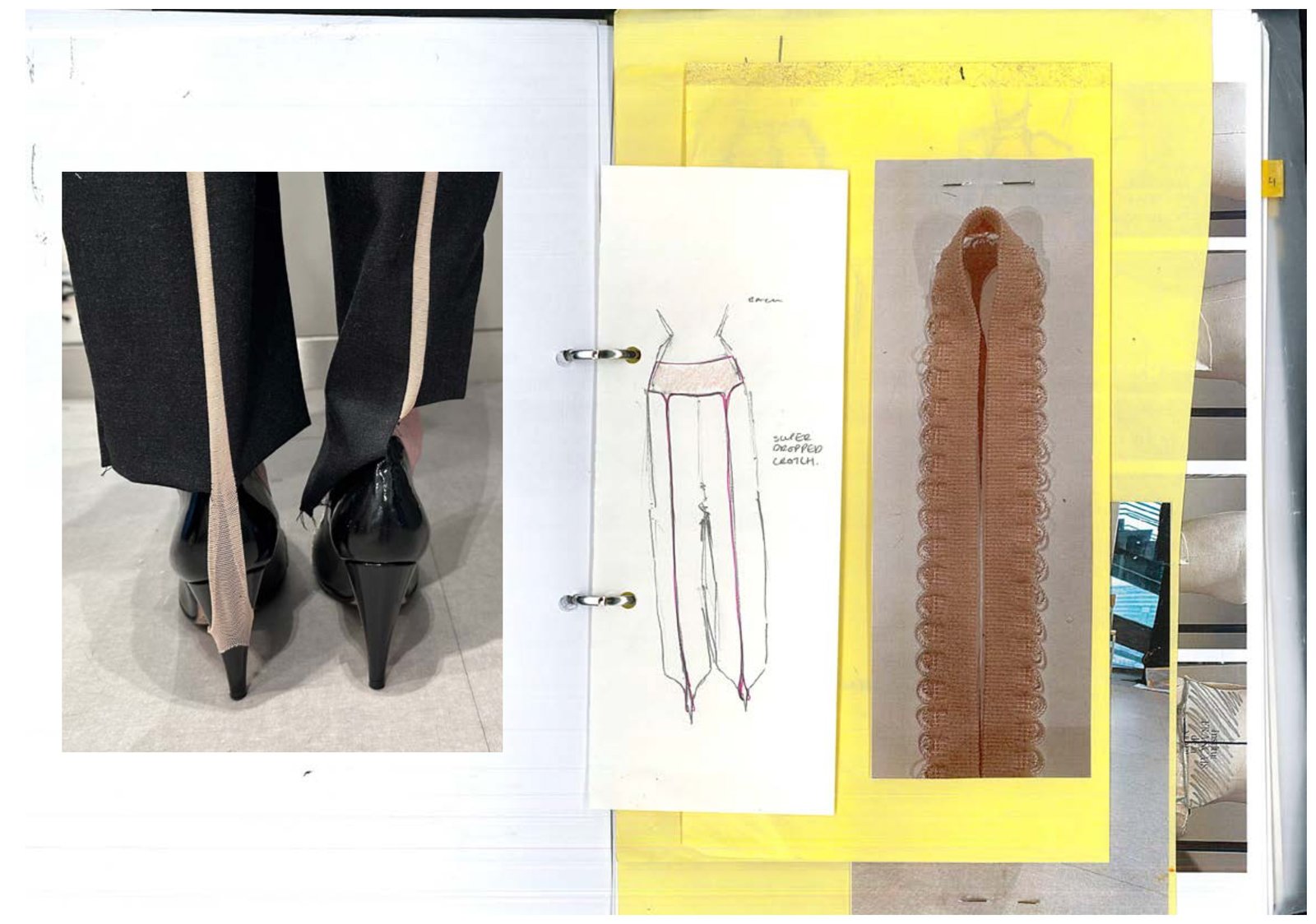
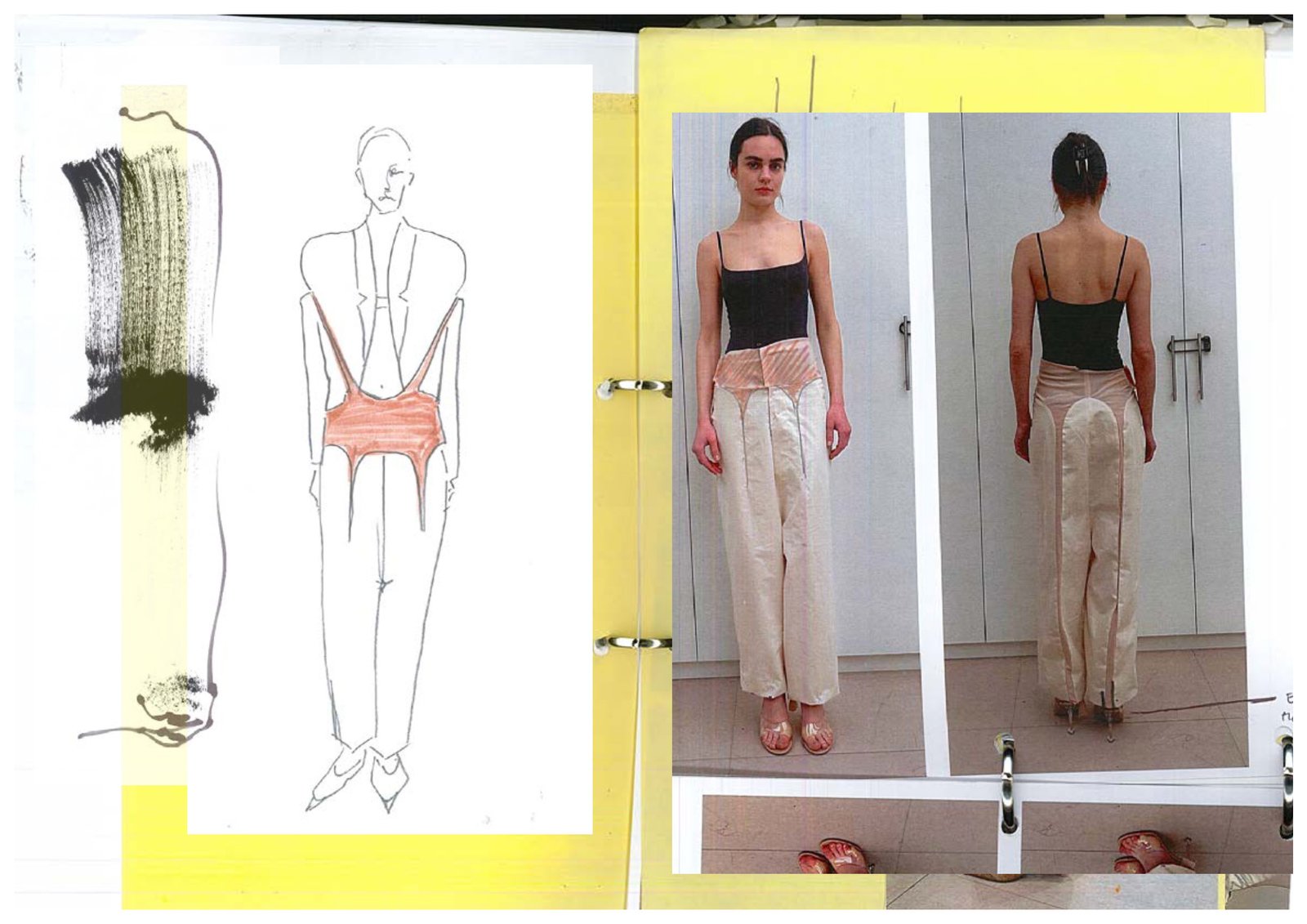
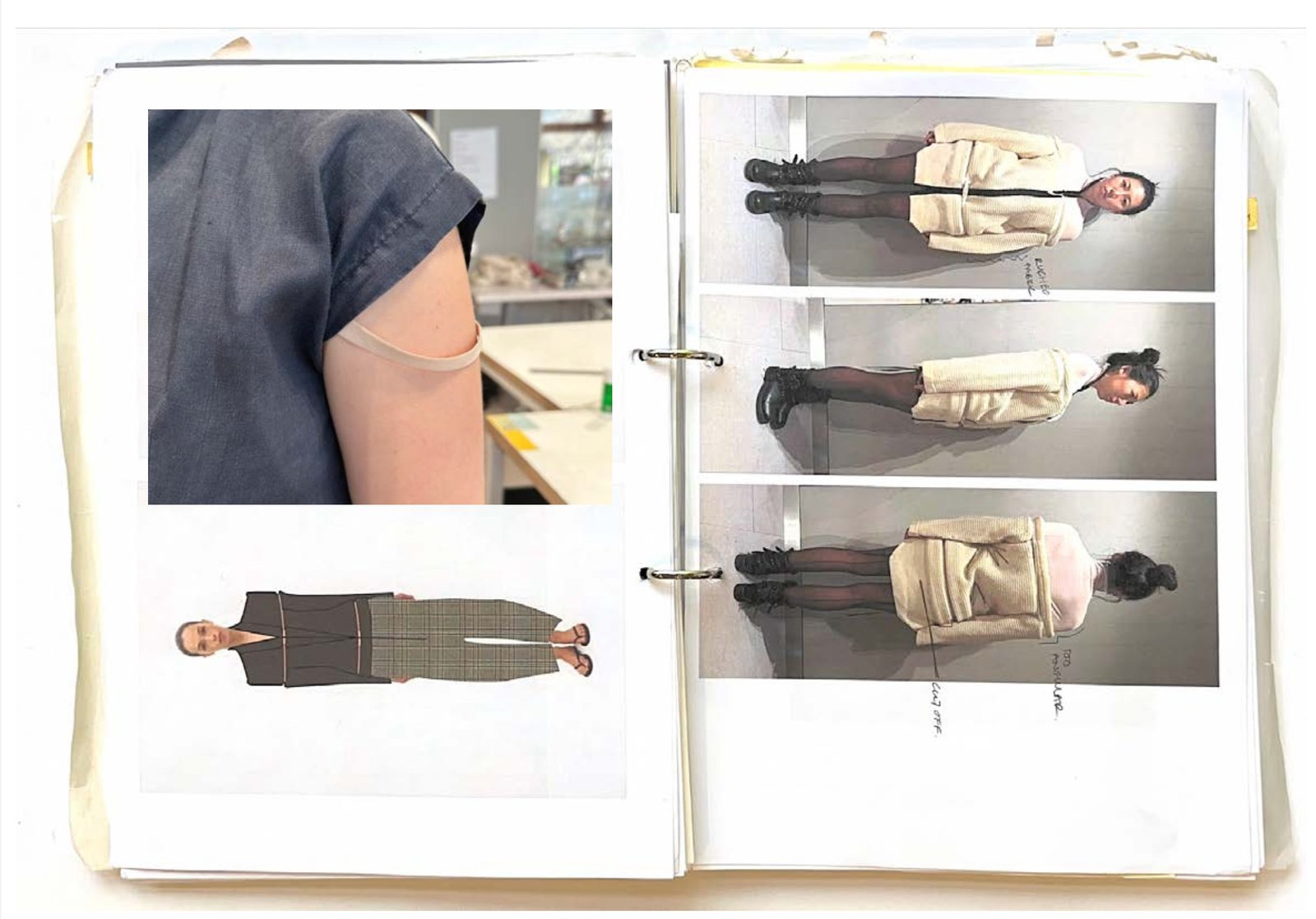
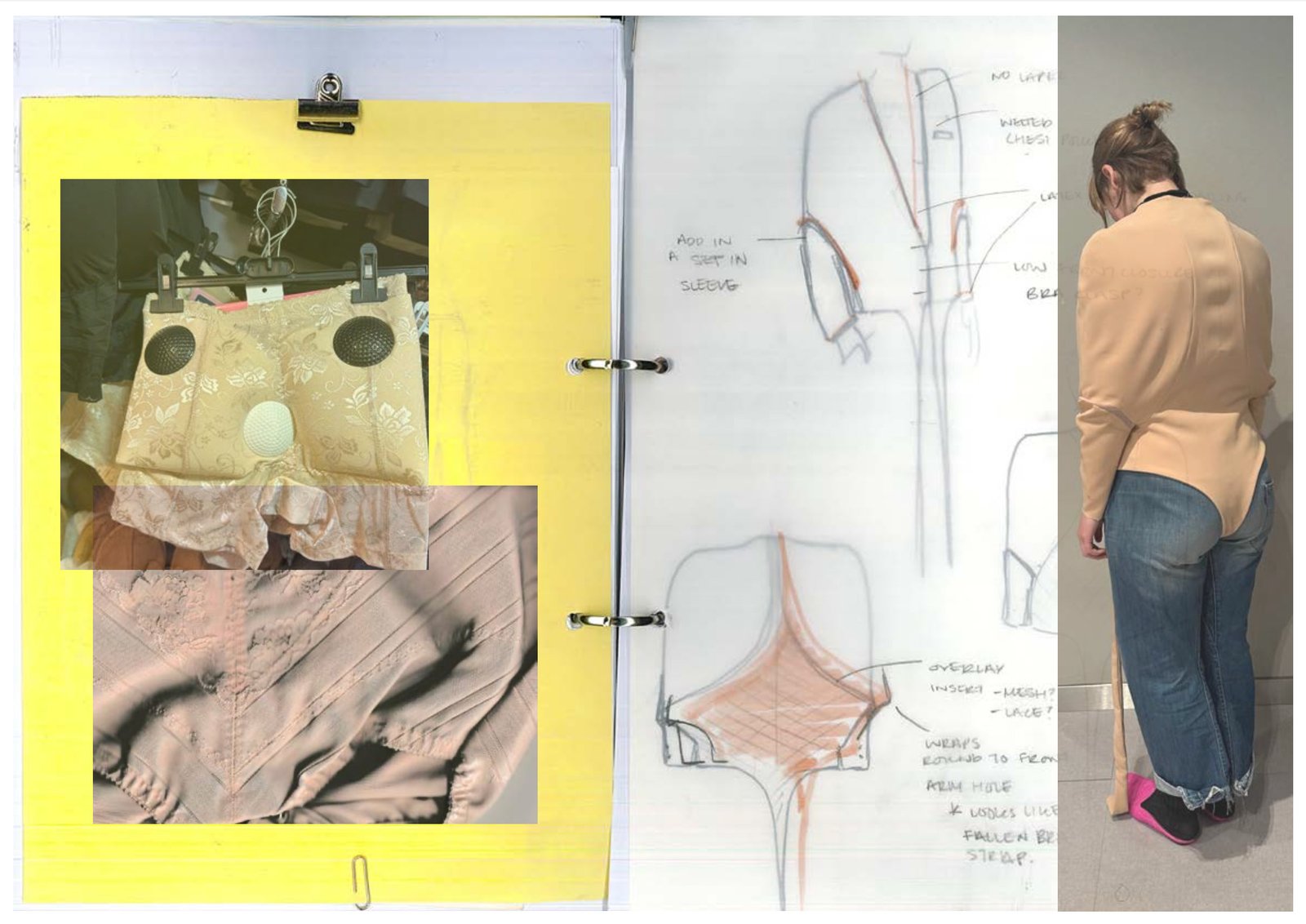
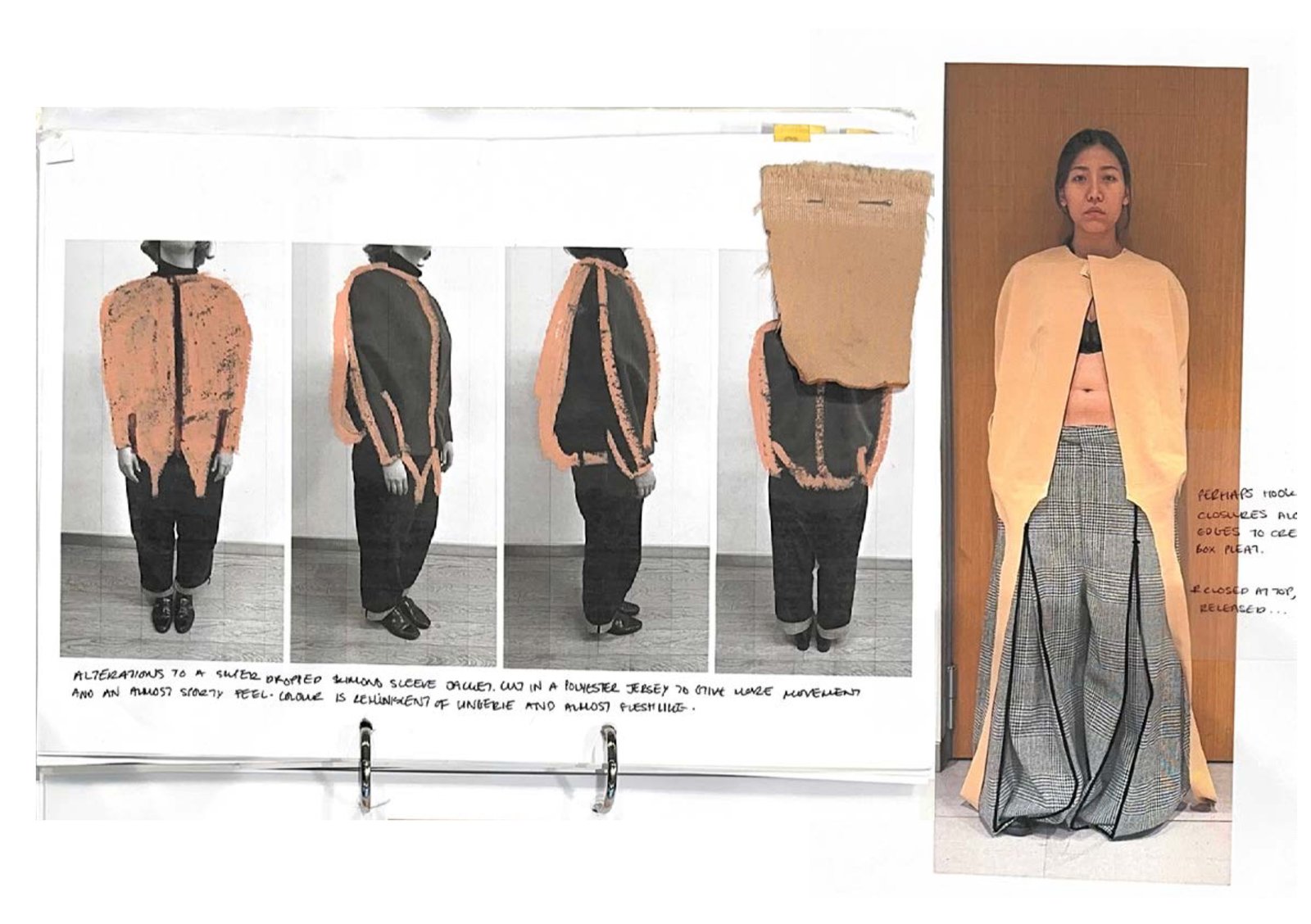
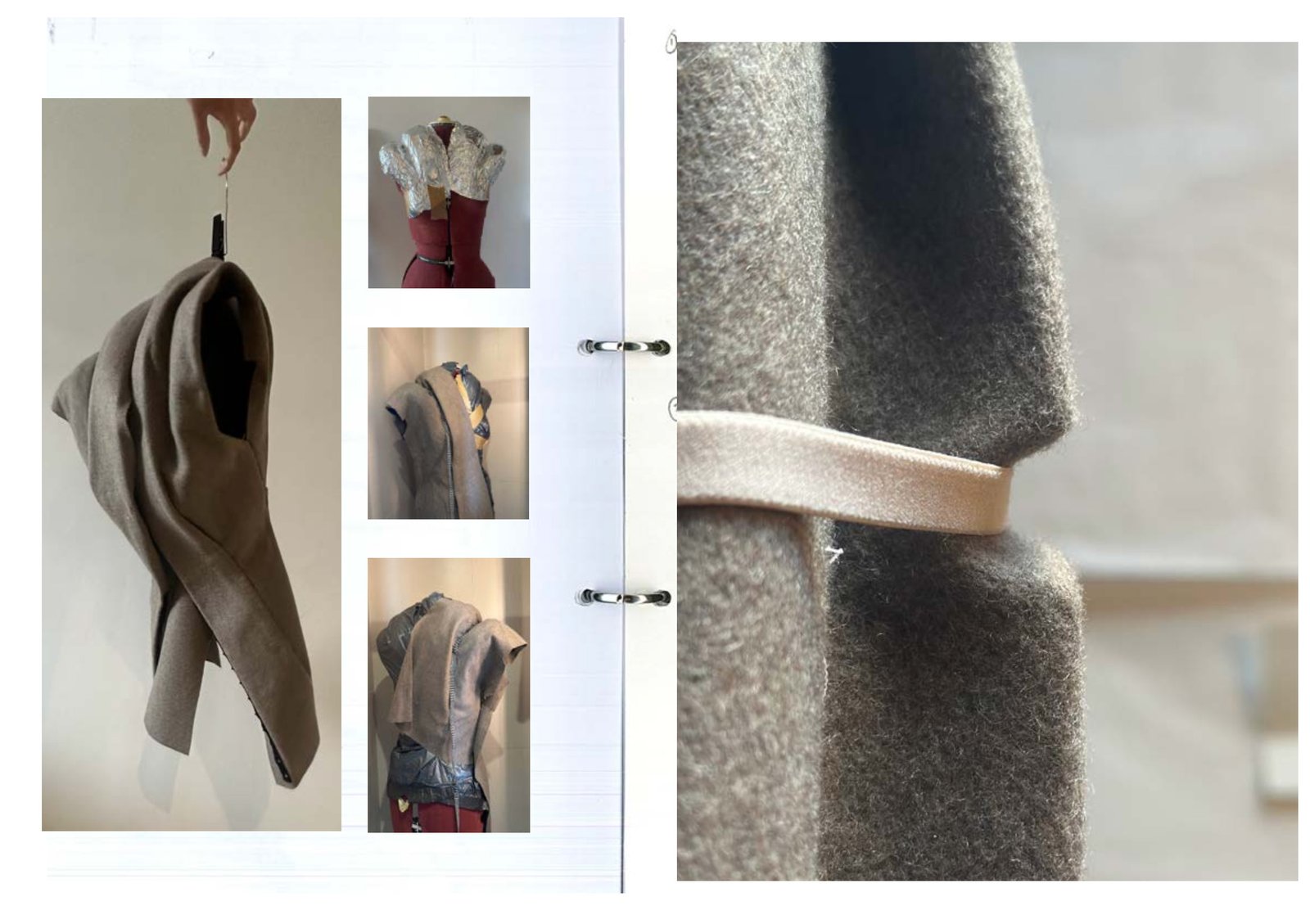
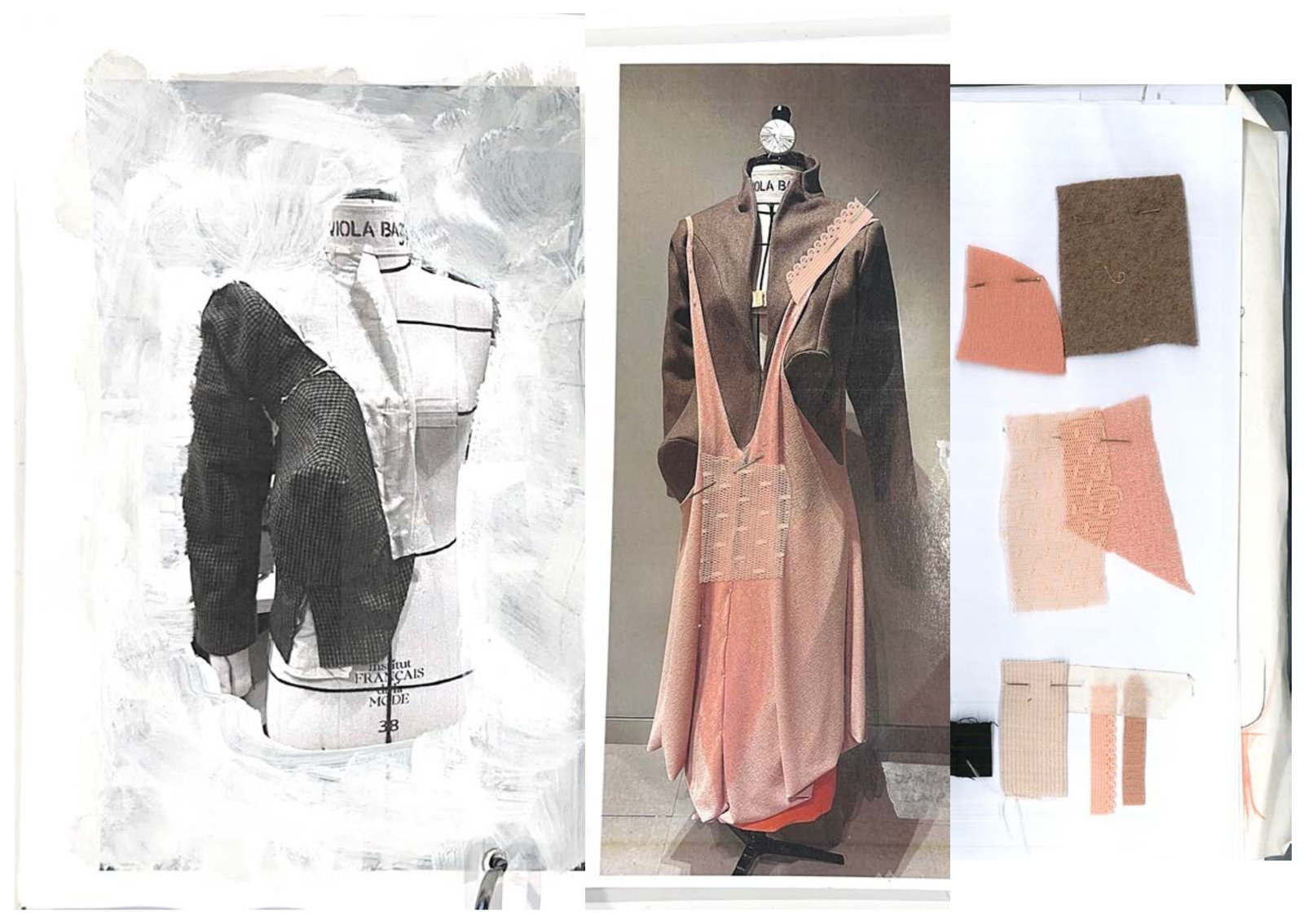
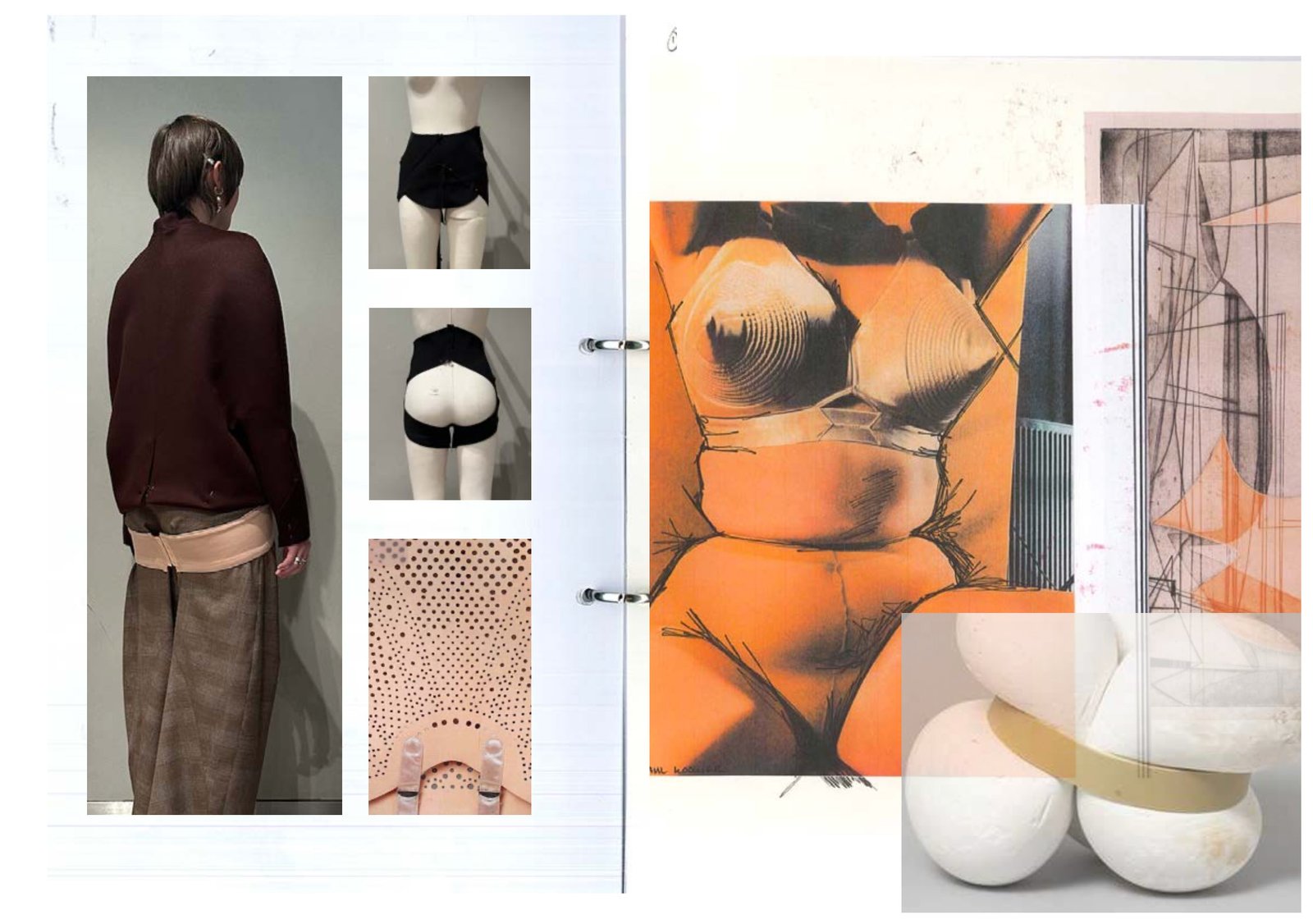
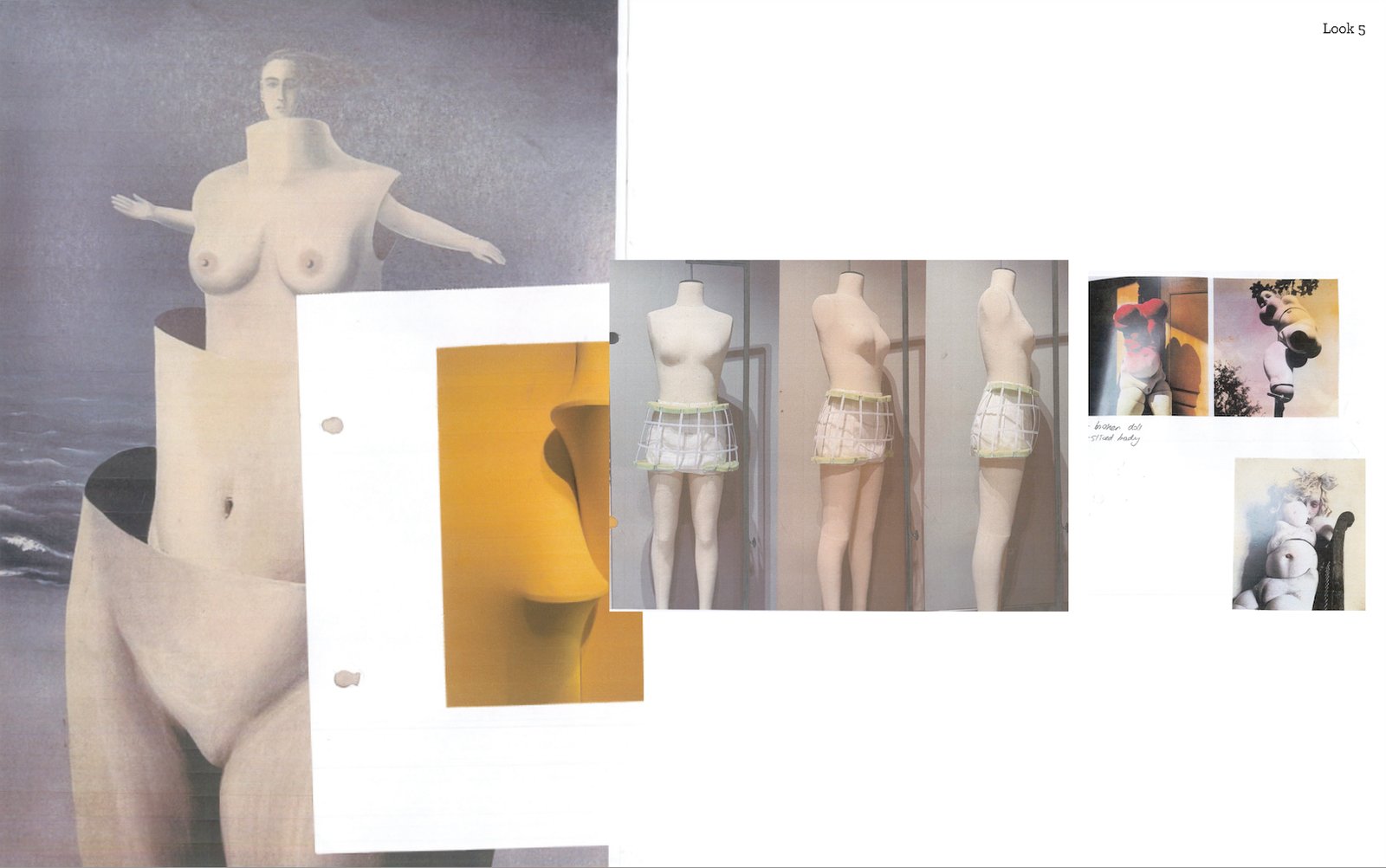
Viola Neuls Humphreys’ collection examines the relationship between body and garment, and the tension in their unavoidable confrontation. Tailoring and shapewear – seemingly opposing systems – are brought together as intersecting methods of control, shaping and reforming the body simultaneously. Everyday moments of discomfort, a fallen bra strap, a tight elastic, are drawn to the surface and treated as inescapable facts of dressing. Constraint becomes not a means of confinement but of reconstruction. As she enters the industry, Neuls Humphreys is drawn to its continuous movement and innovation, while hoping for a culture that slows down enough to champion the craft and dedication embedded in each garment. She is excited above all by people – how garments make us feel, and the stories they carry.

@Viola_Neuls

Hyacinthe Nasli-Bakir

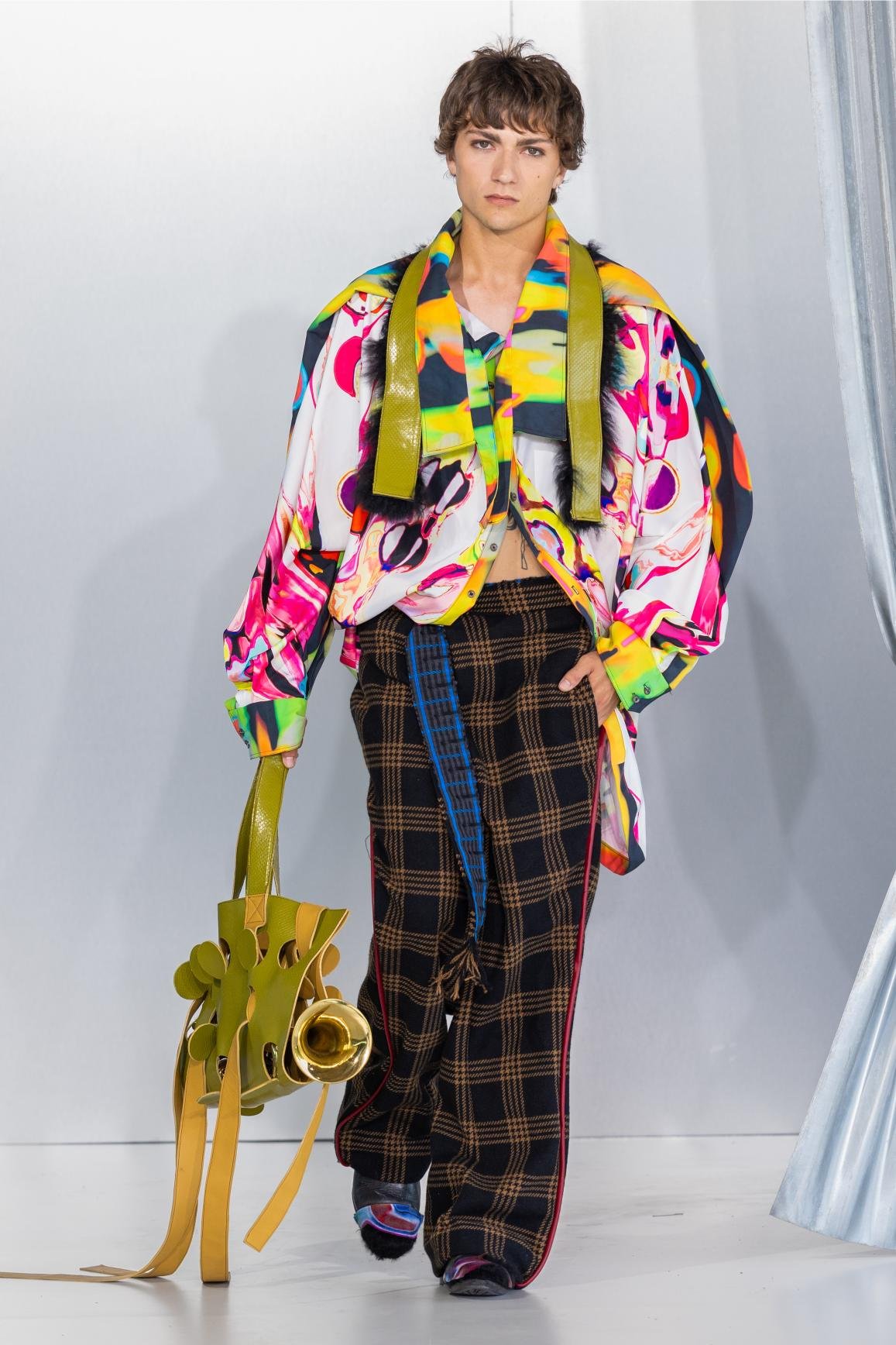
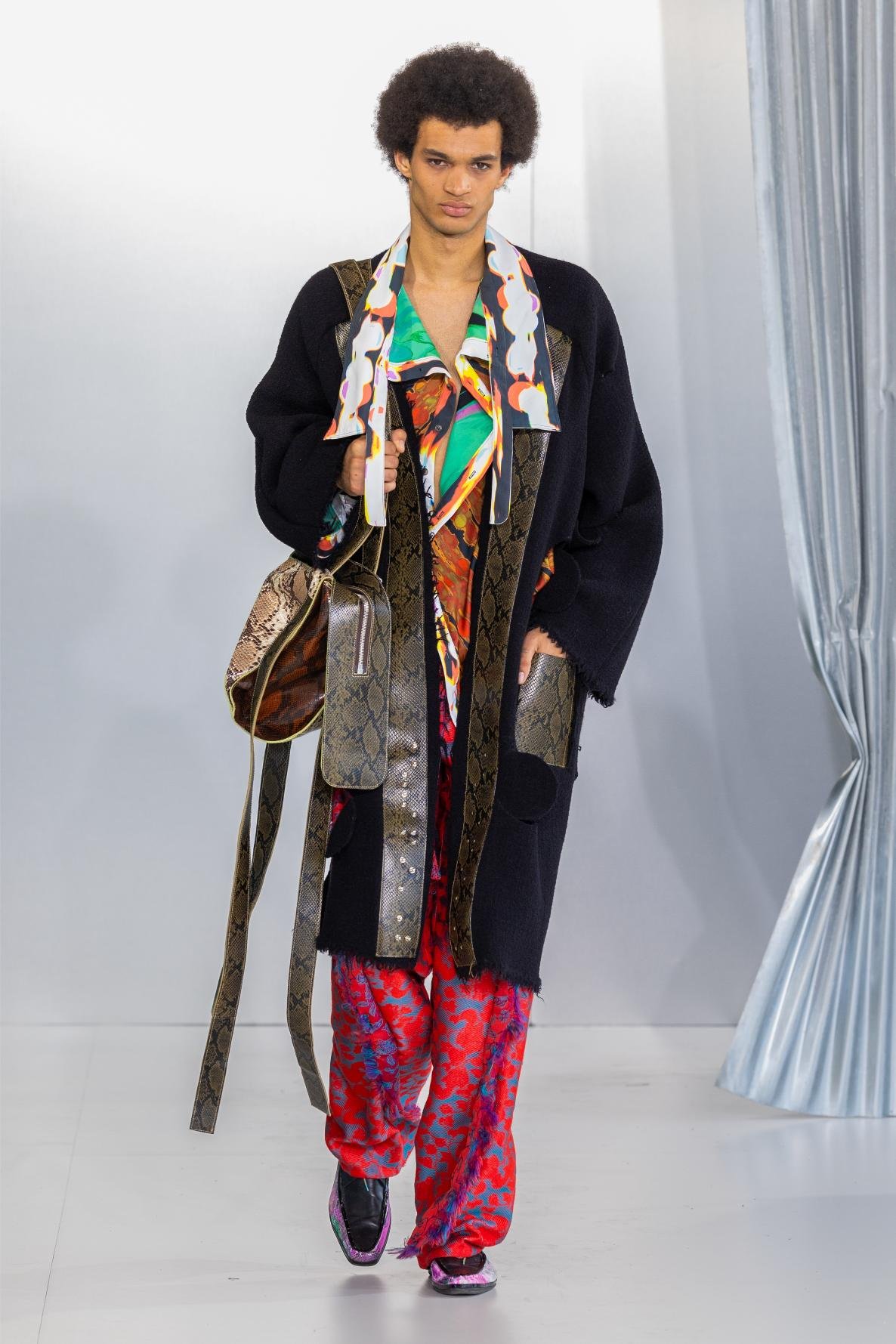
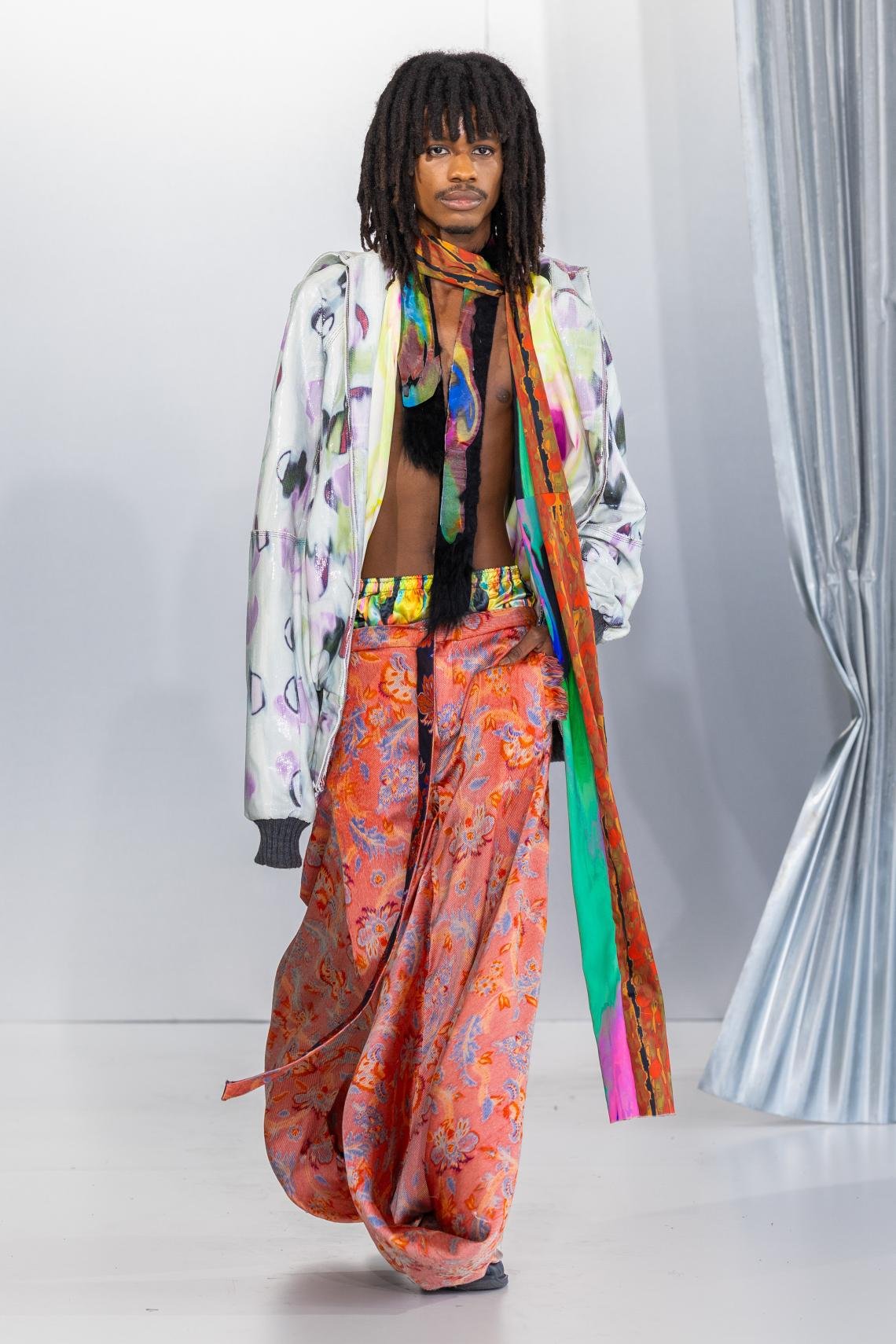
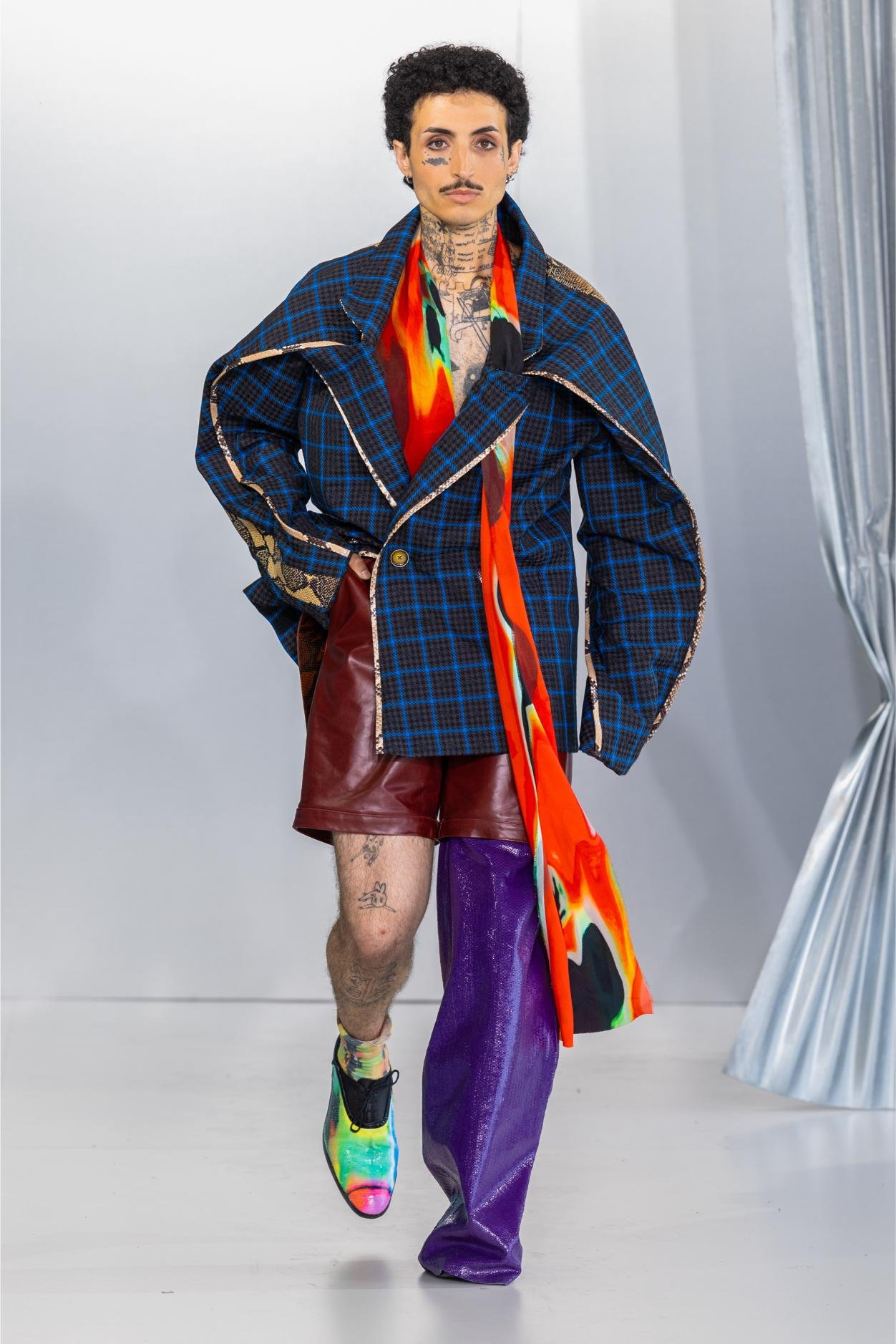
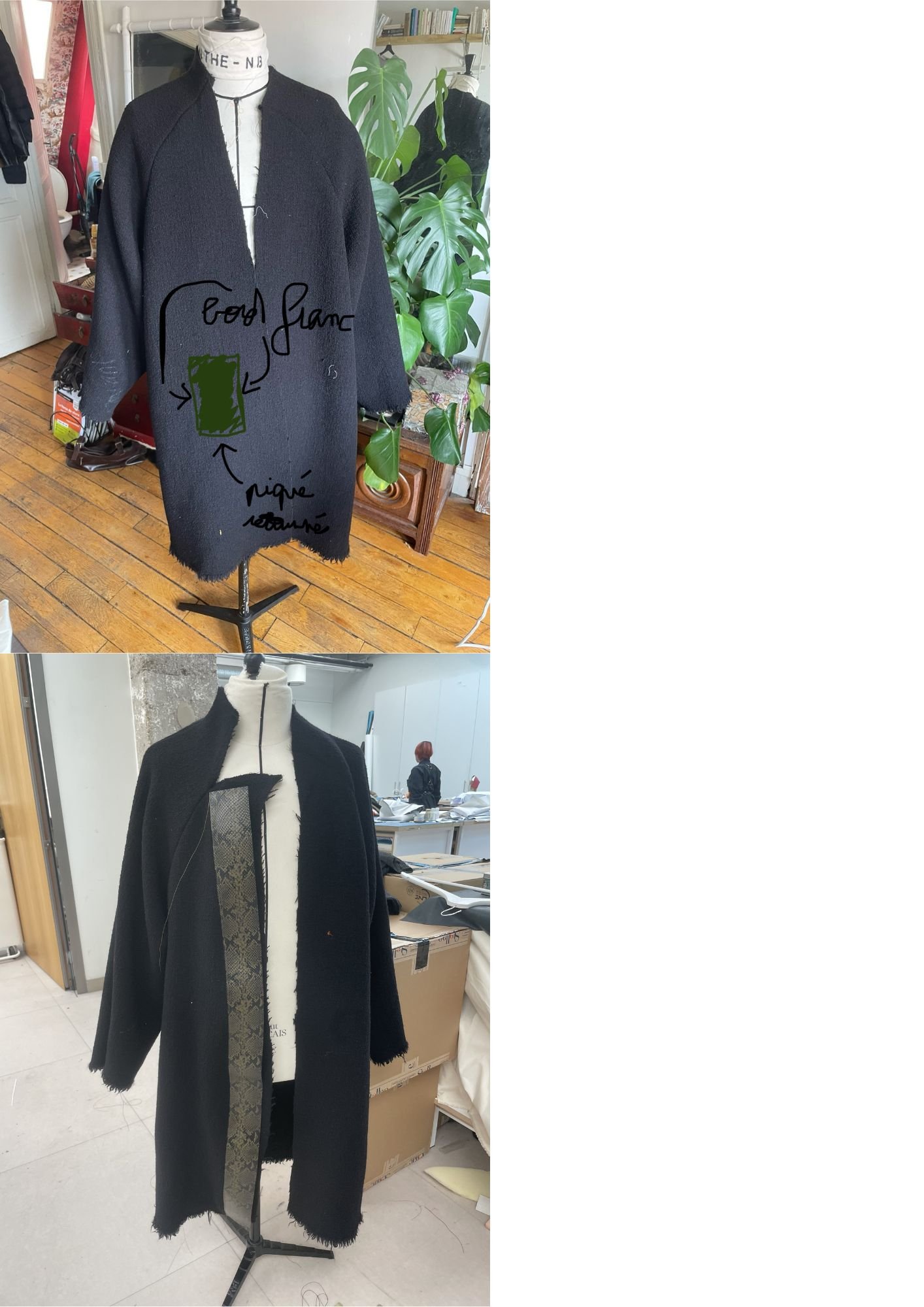
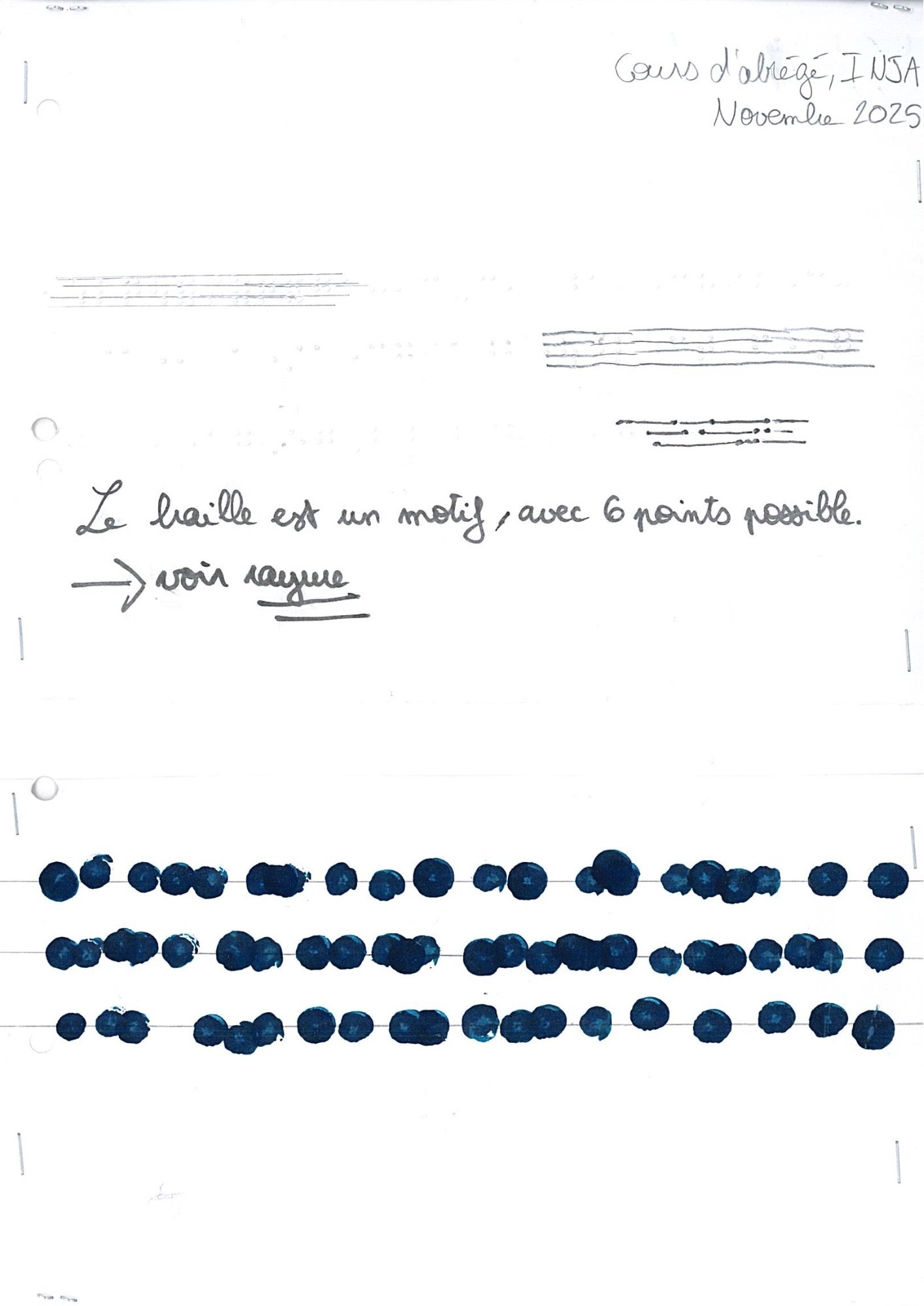
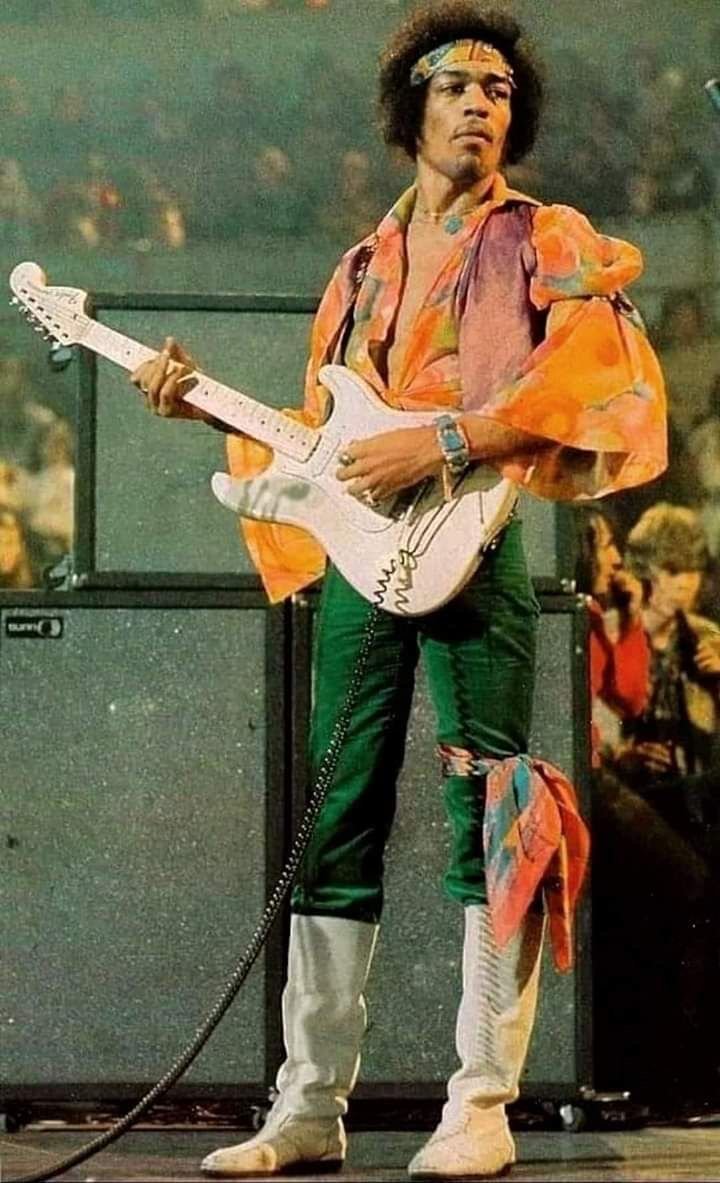
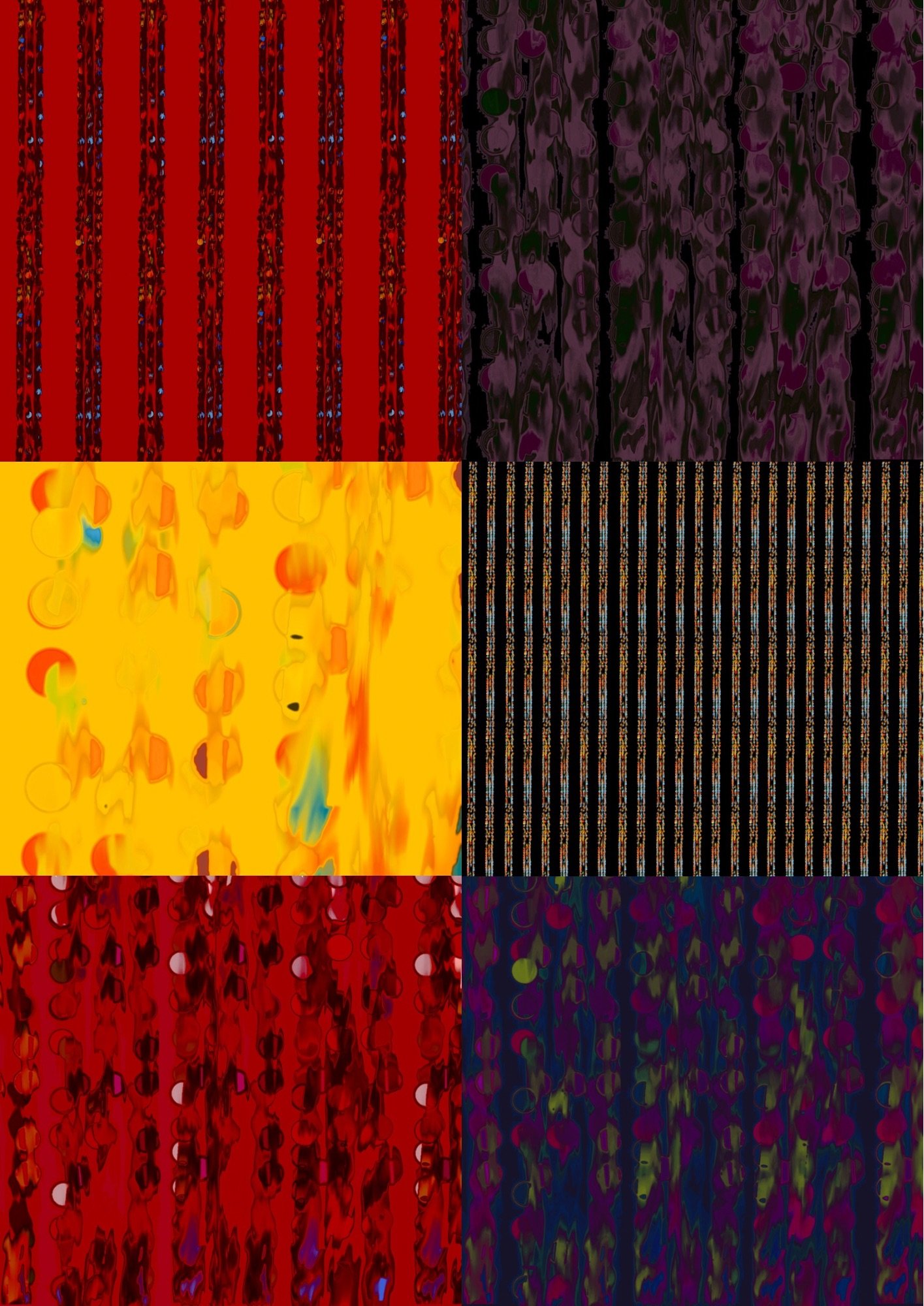
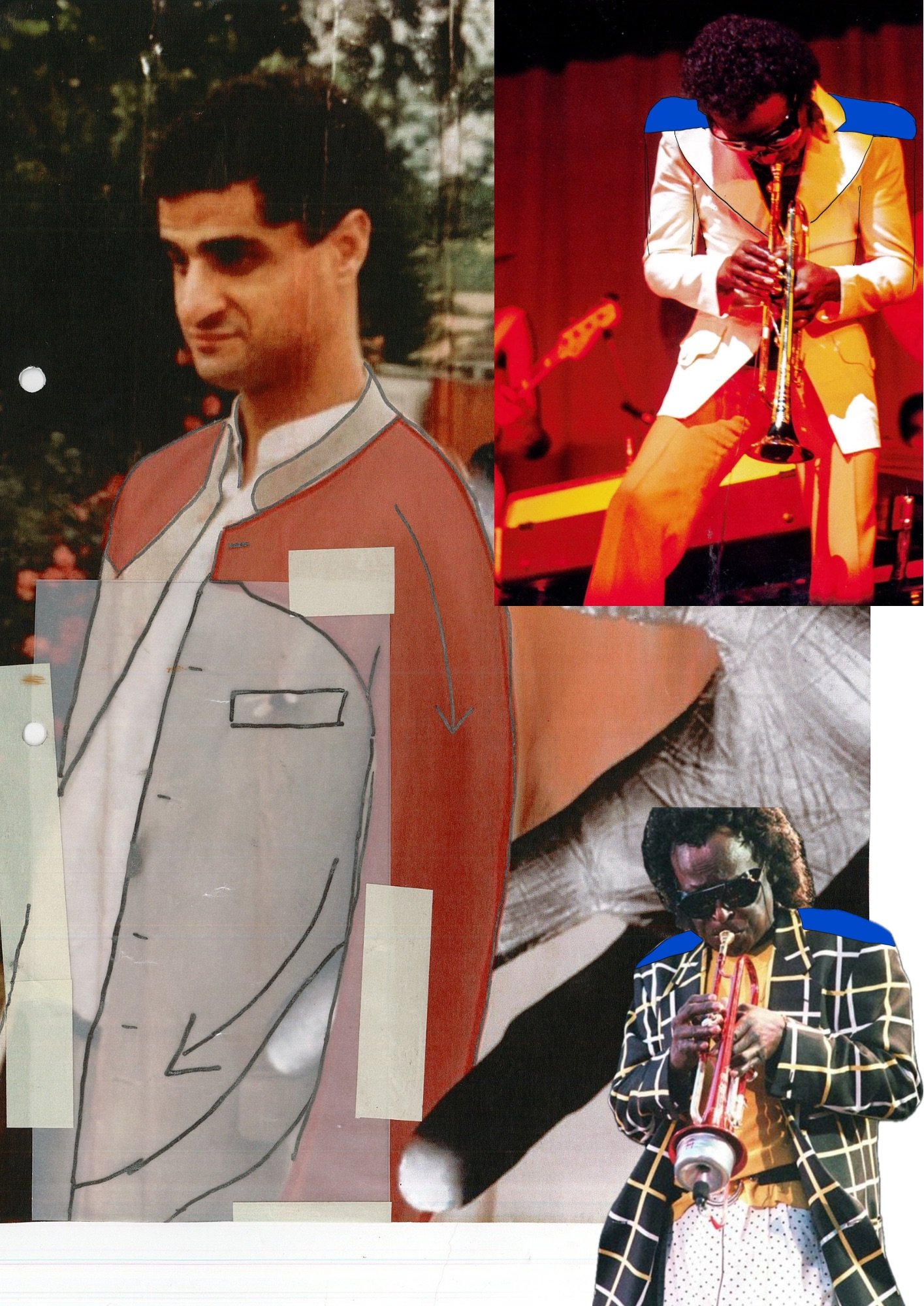
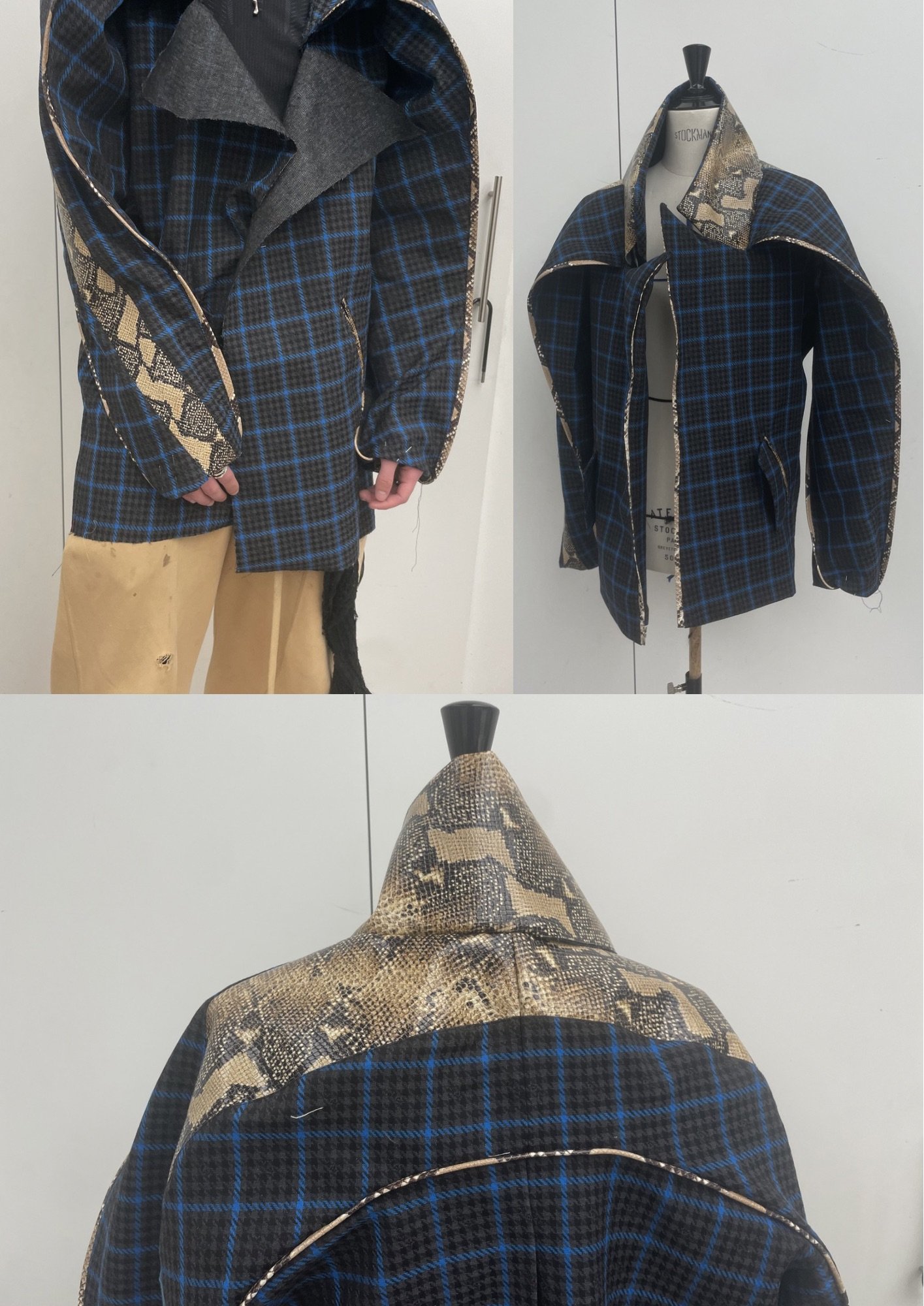
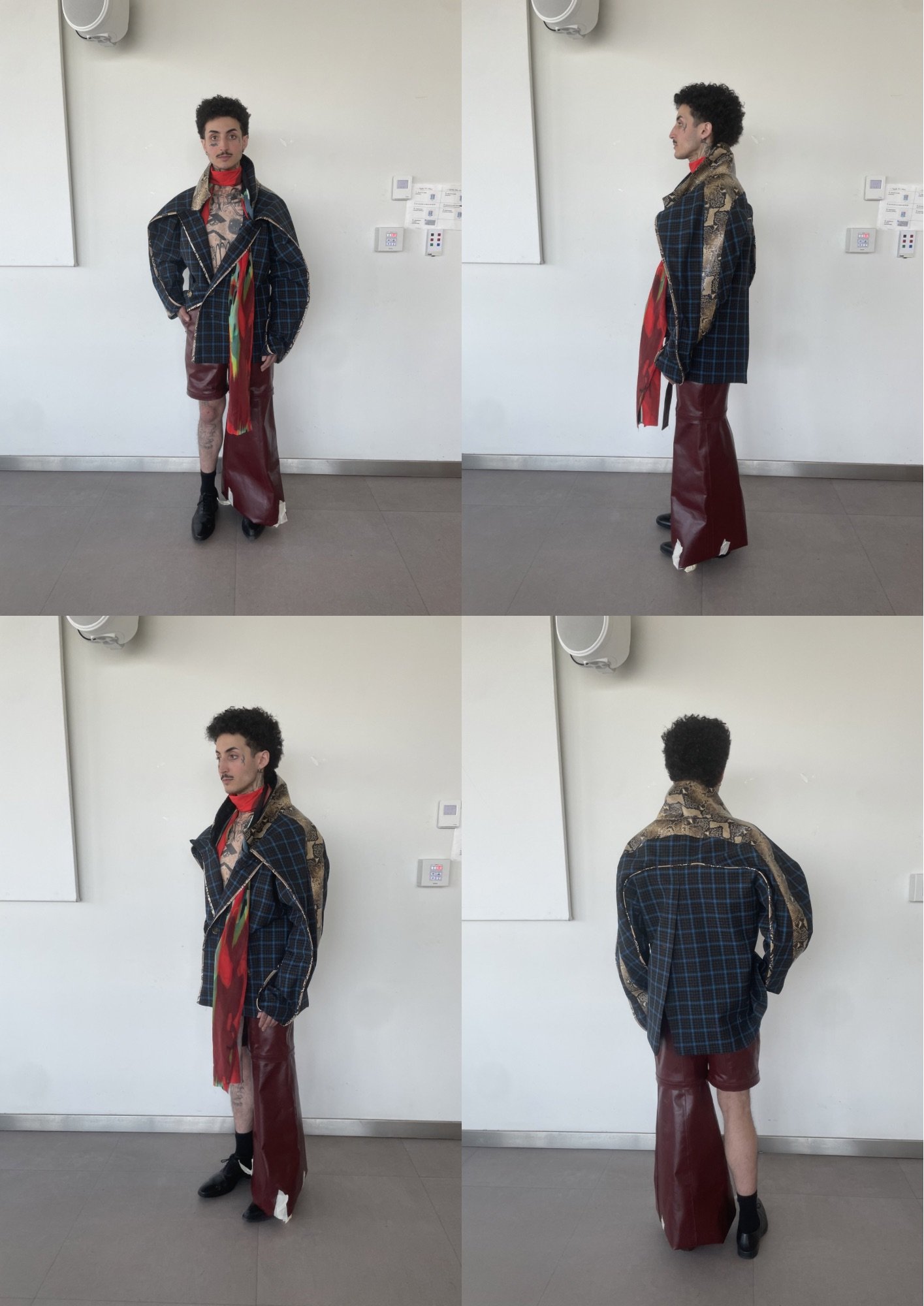
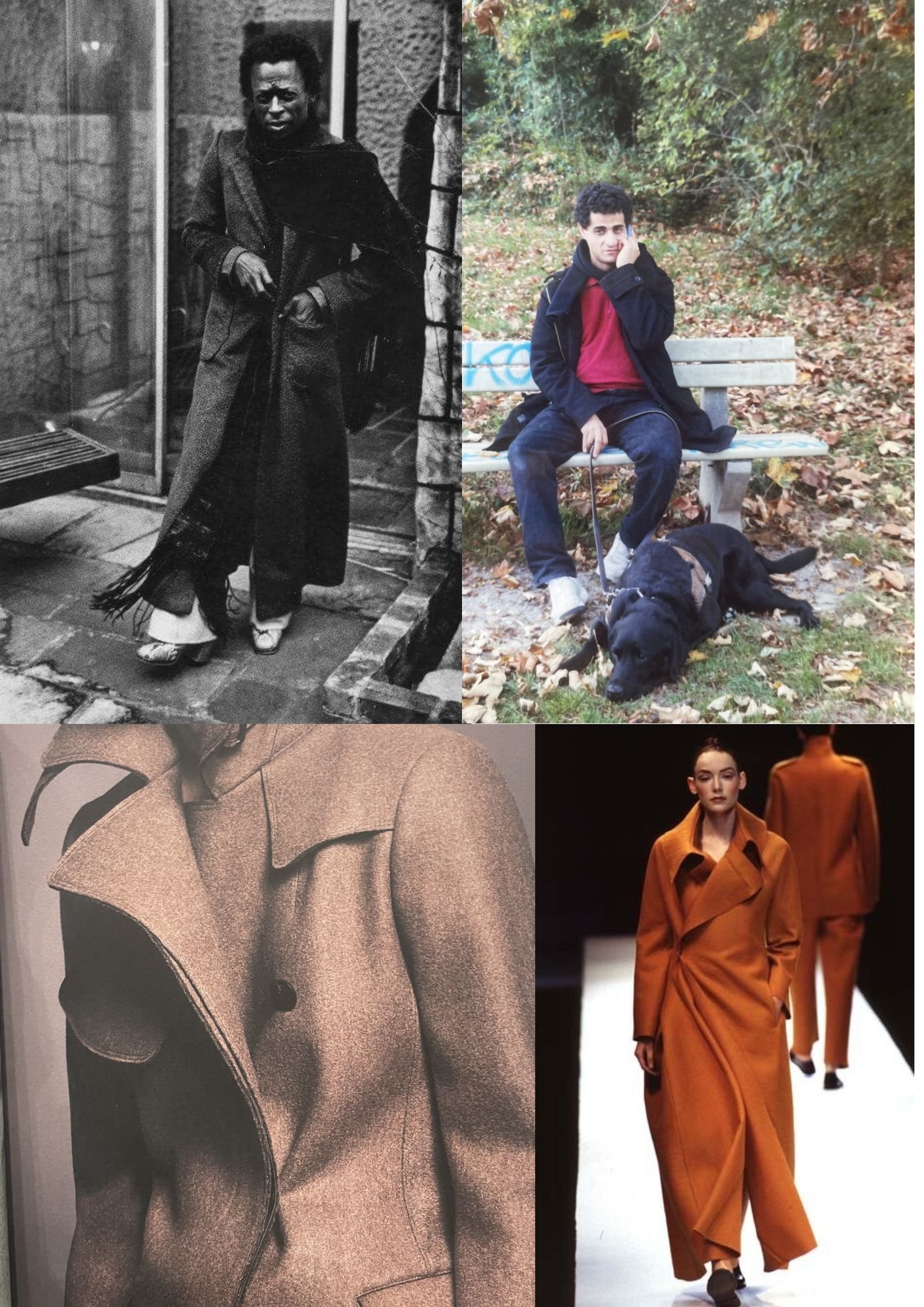
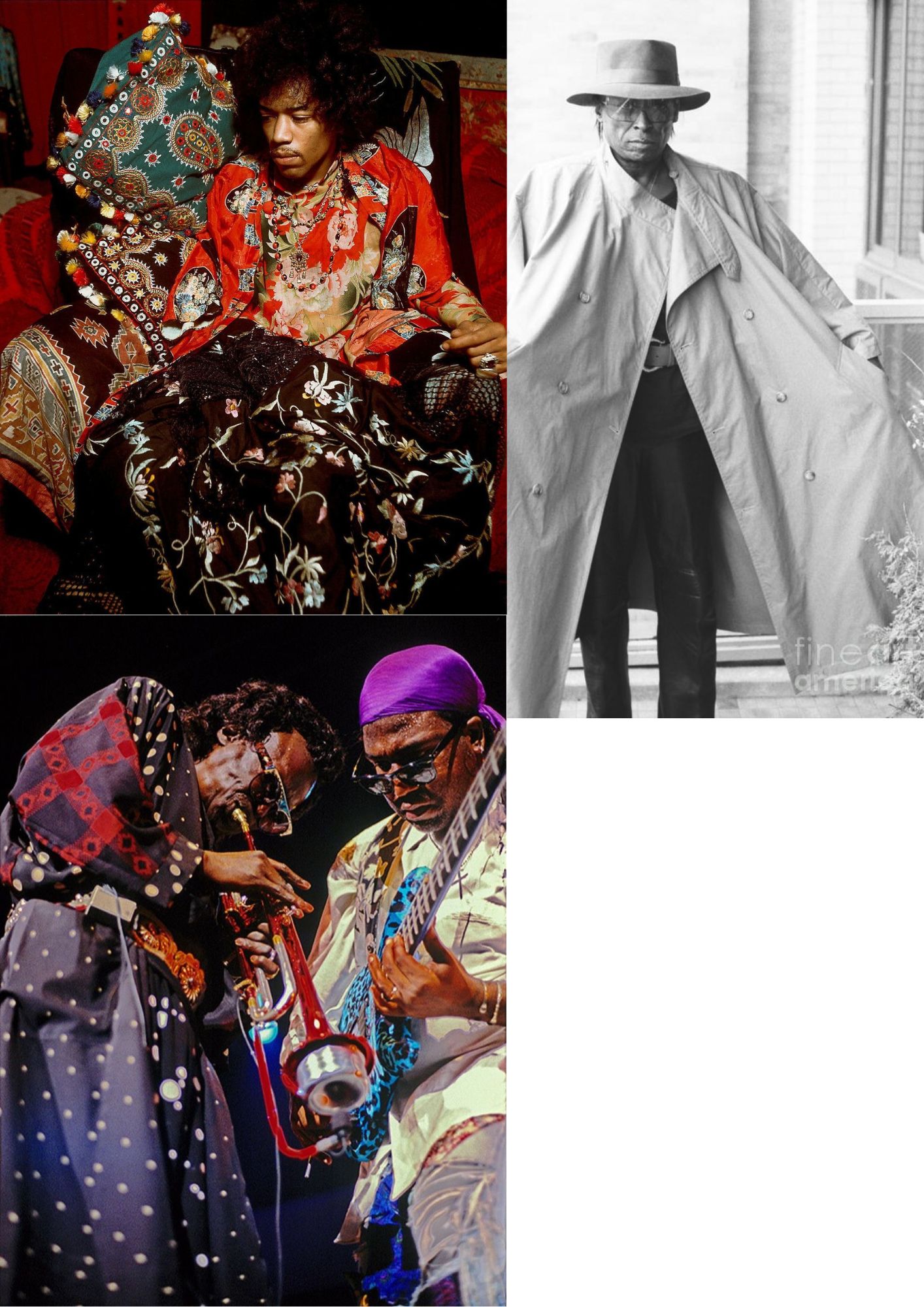
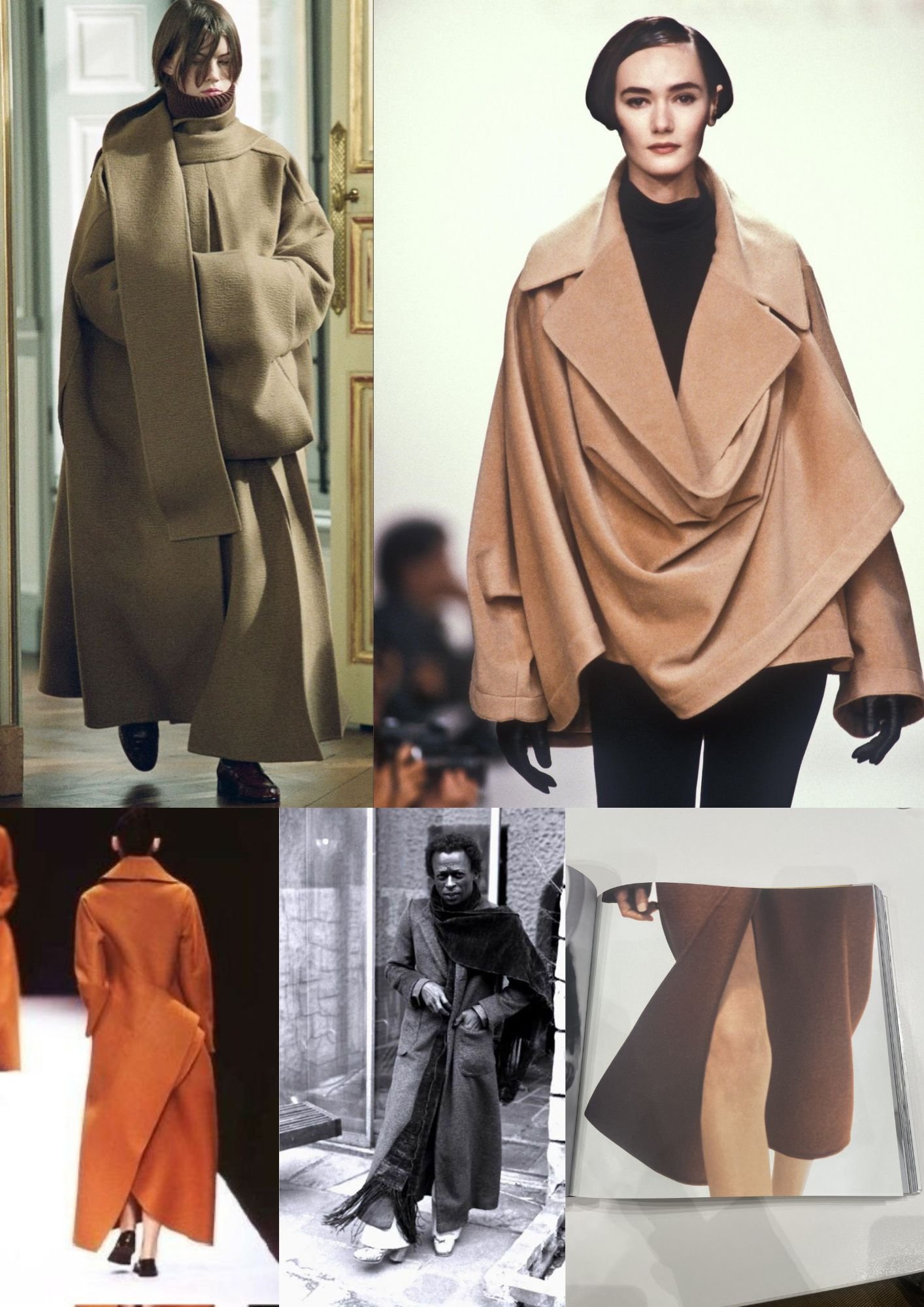
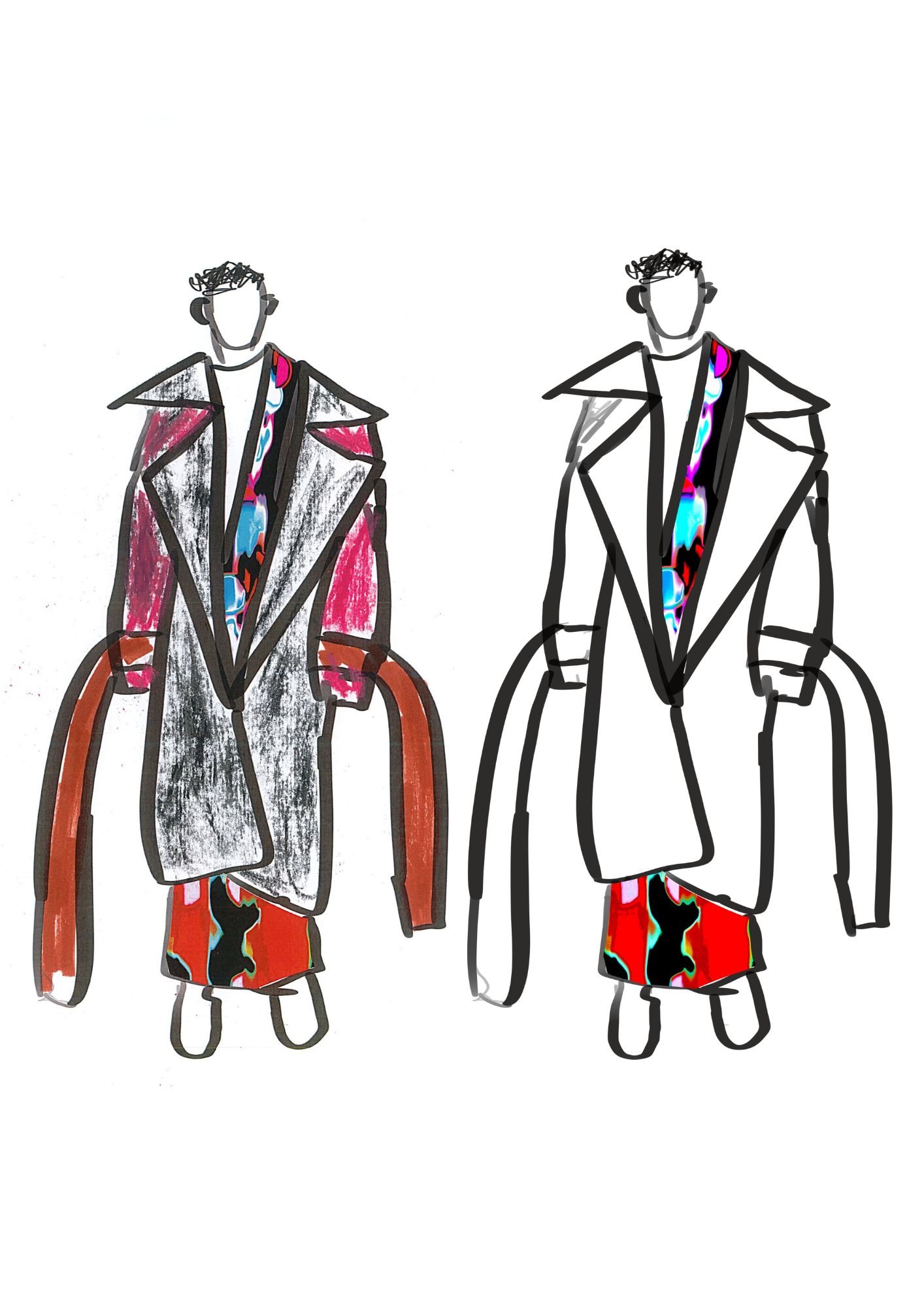
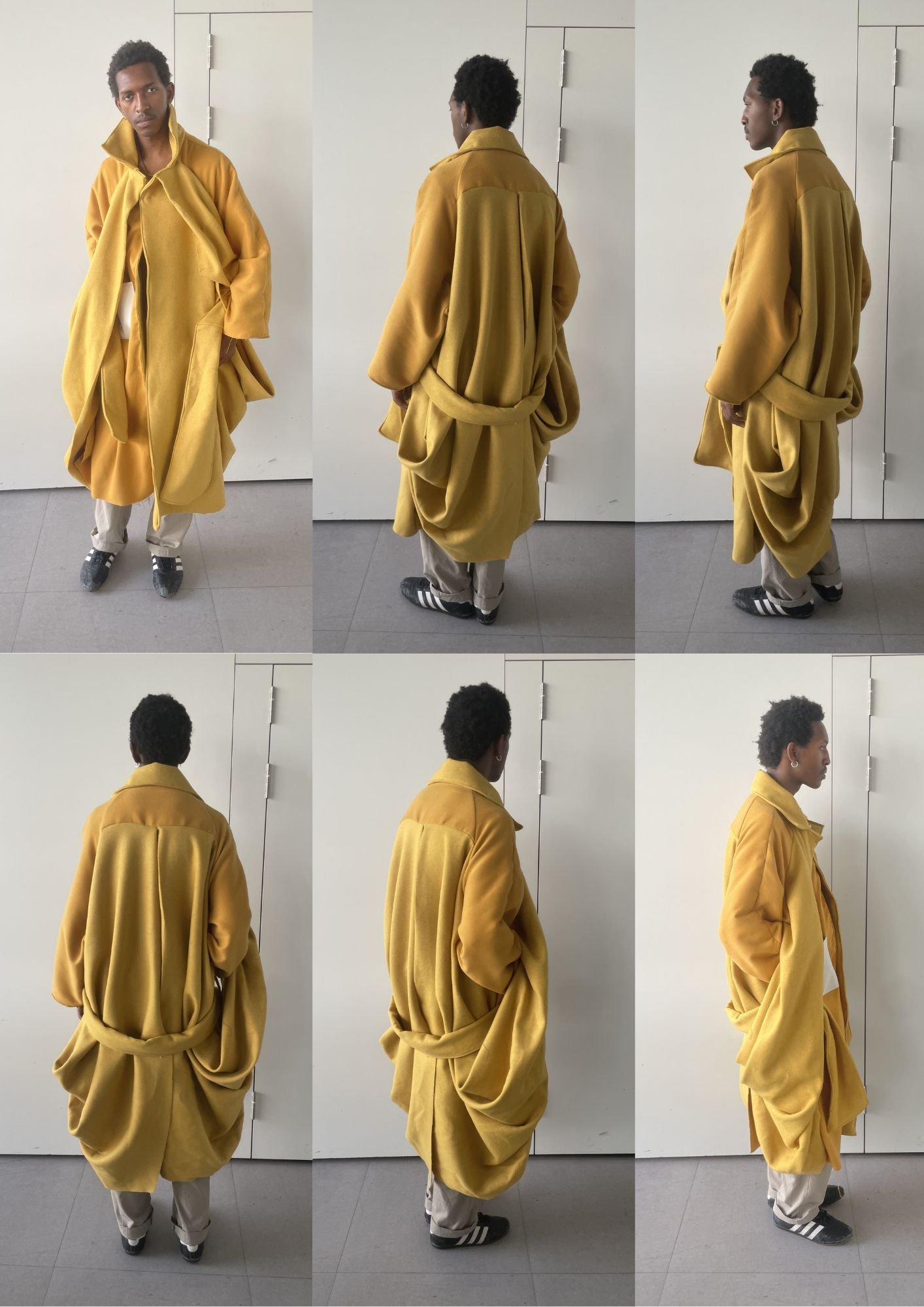
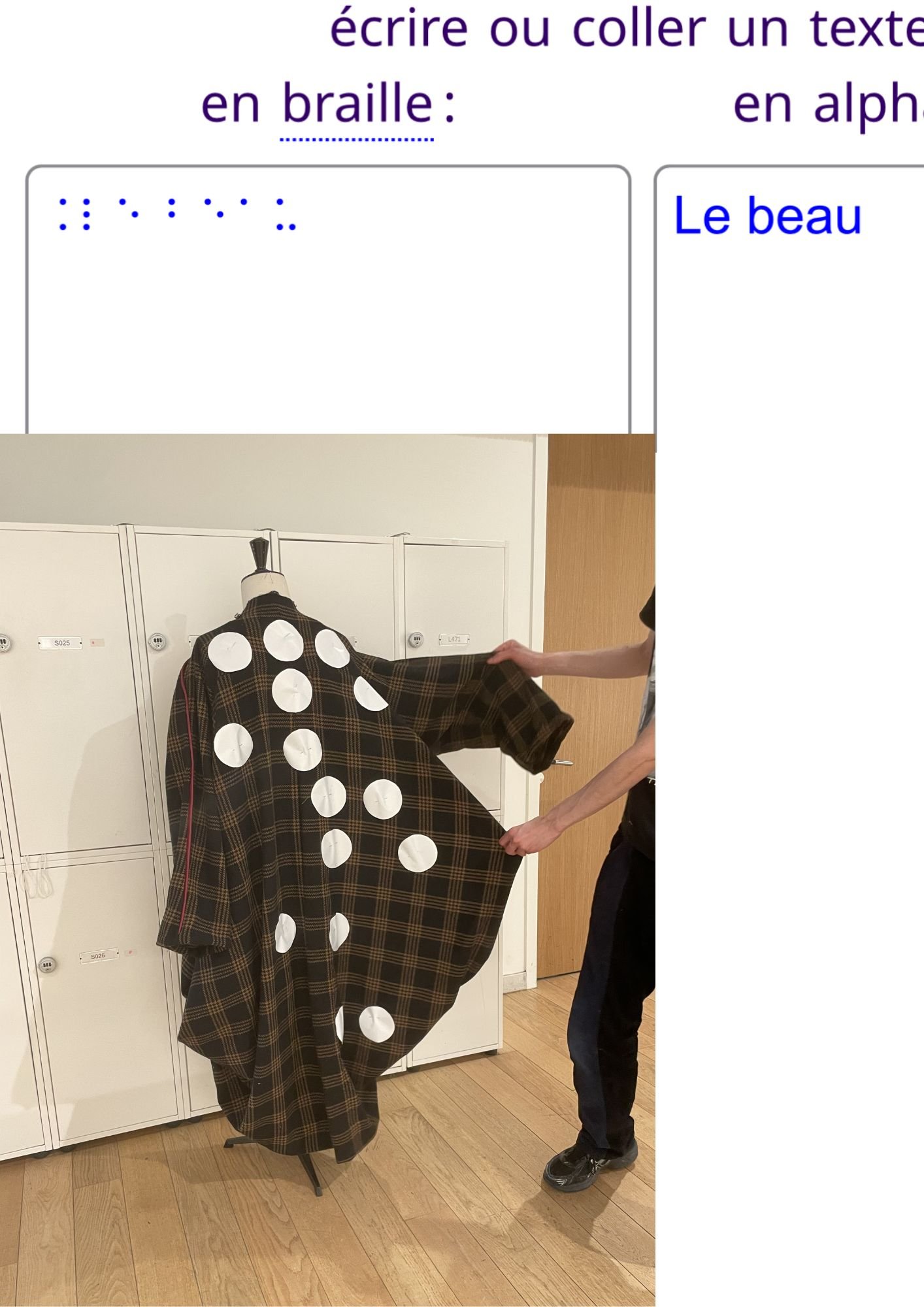
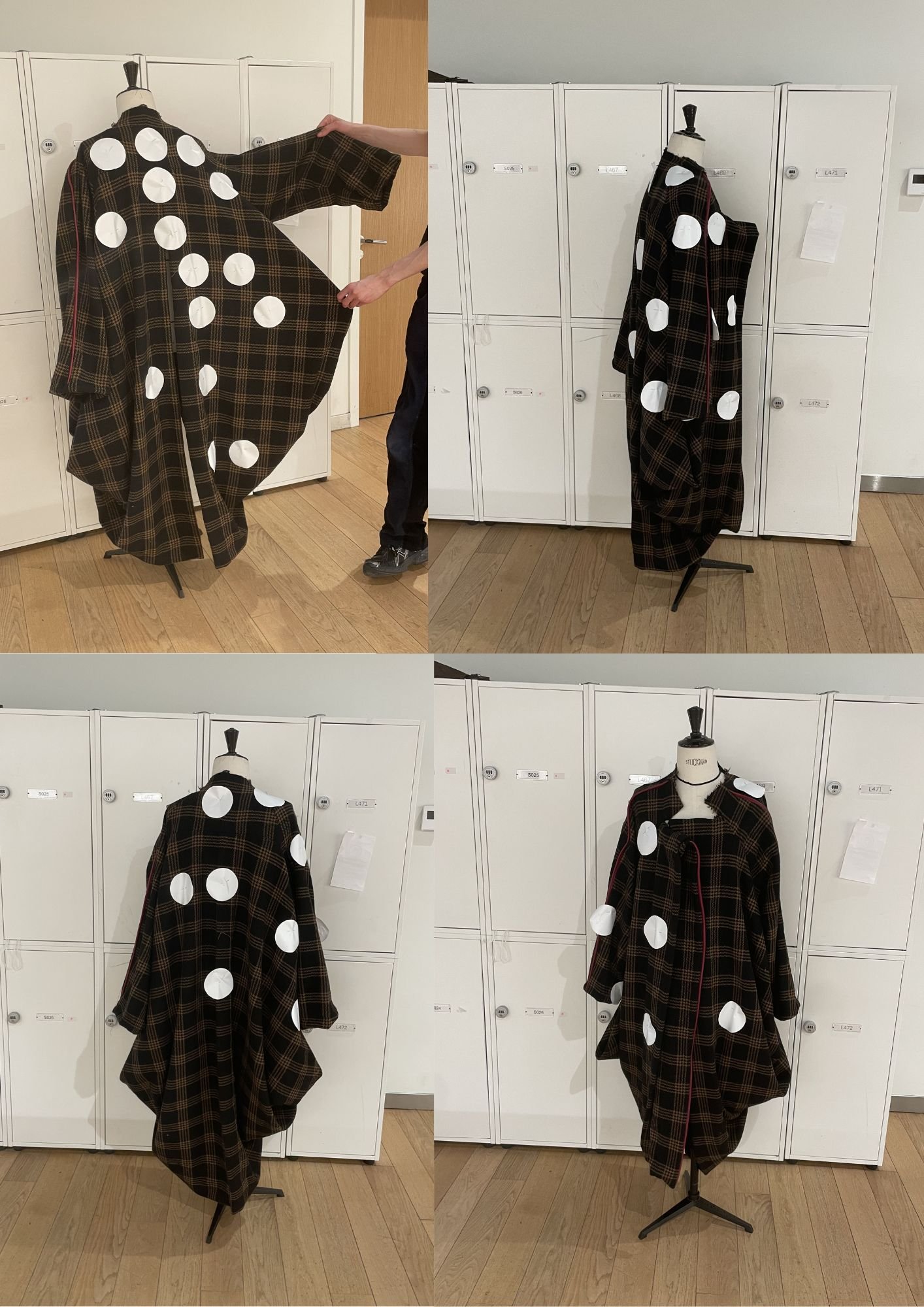
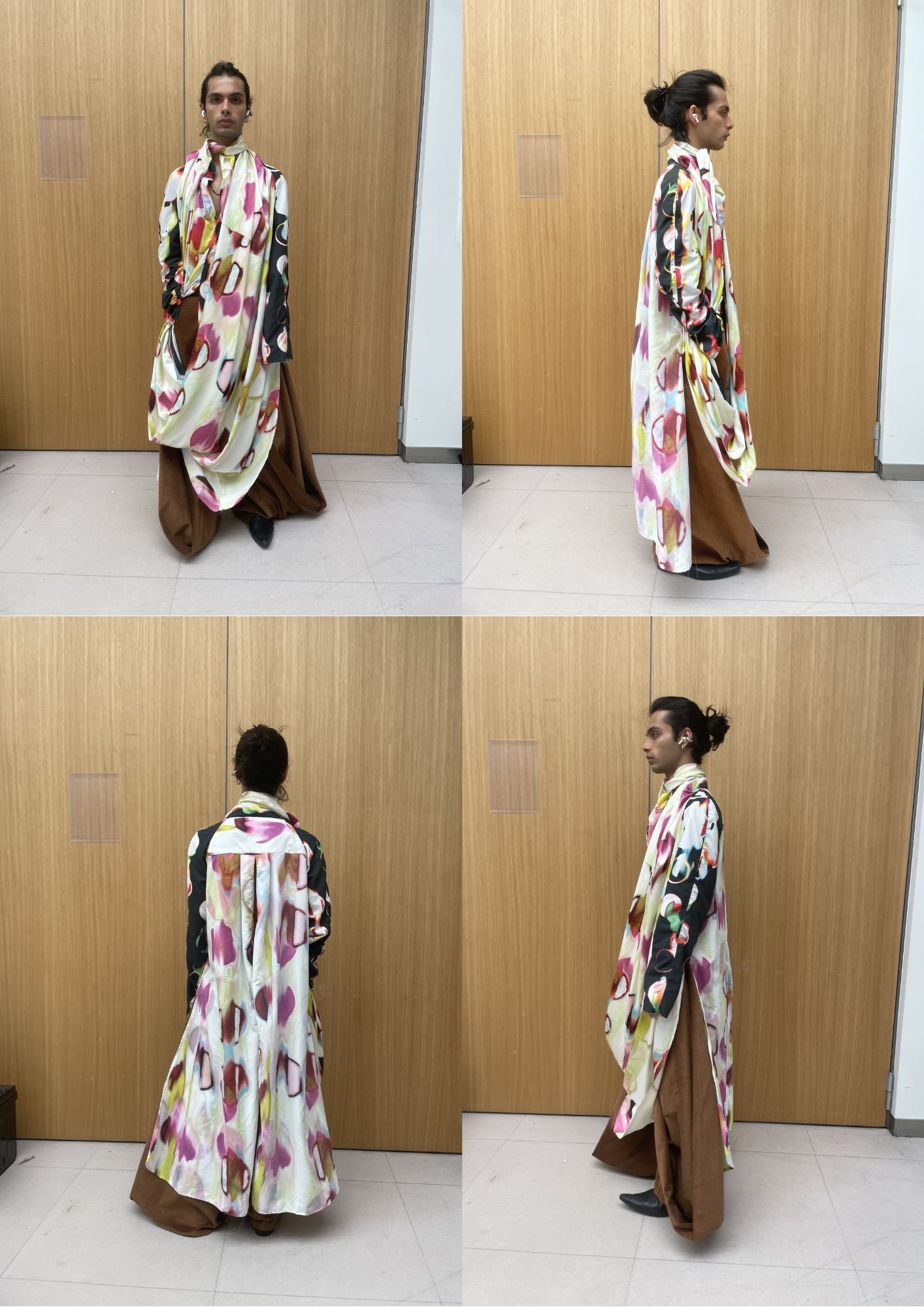
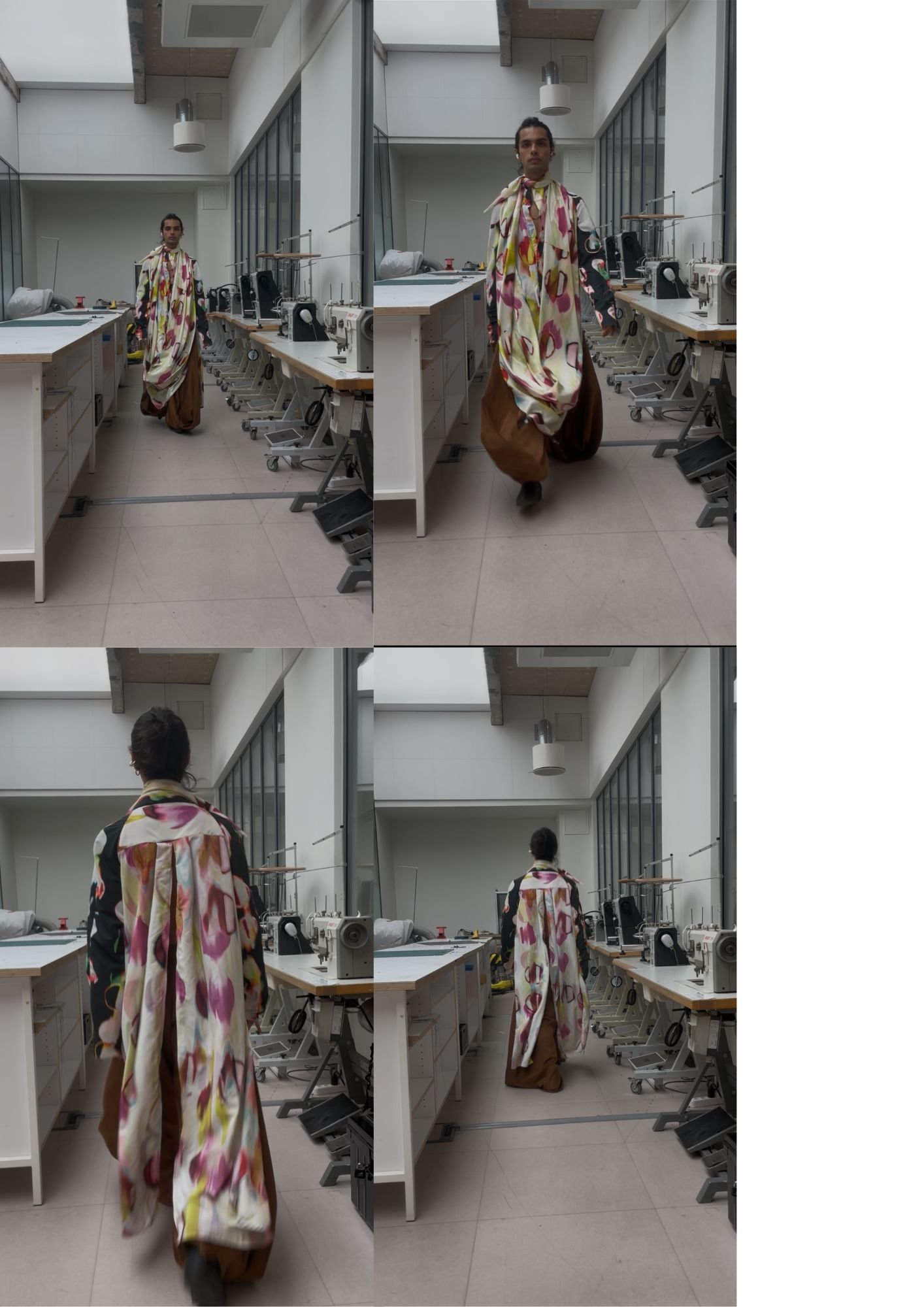
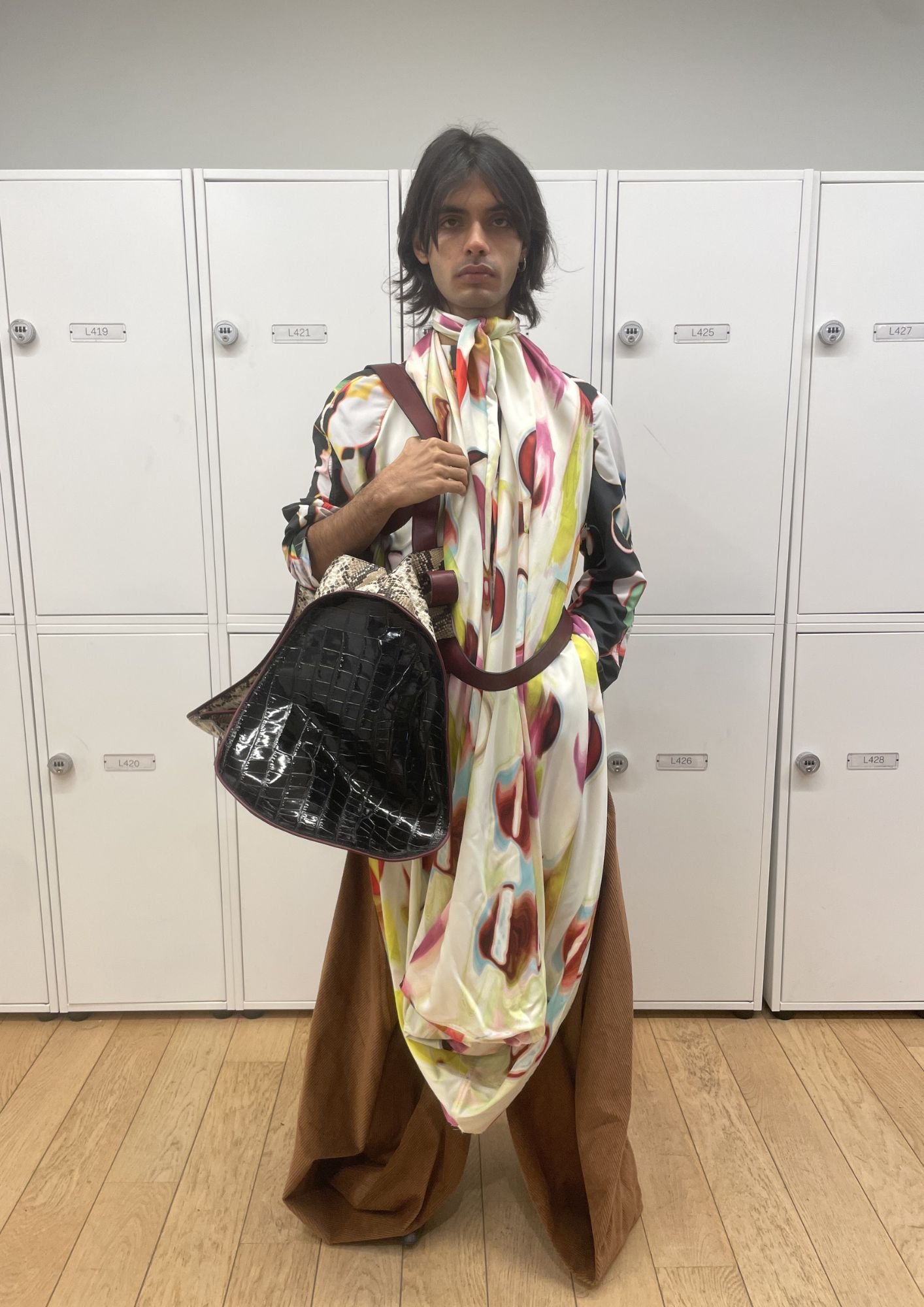
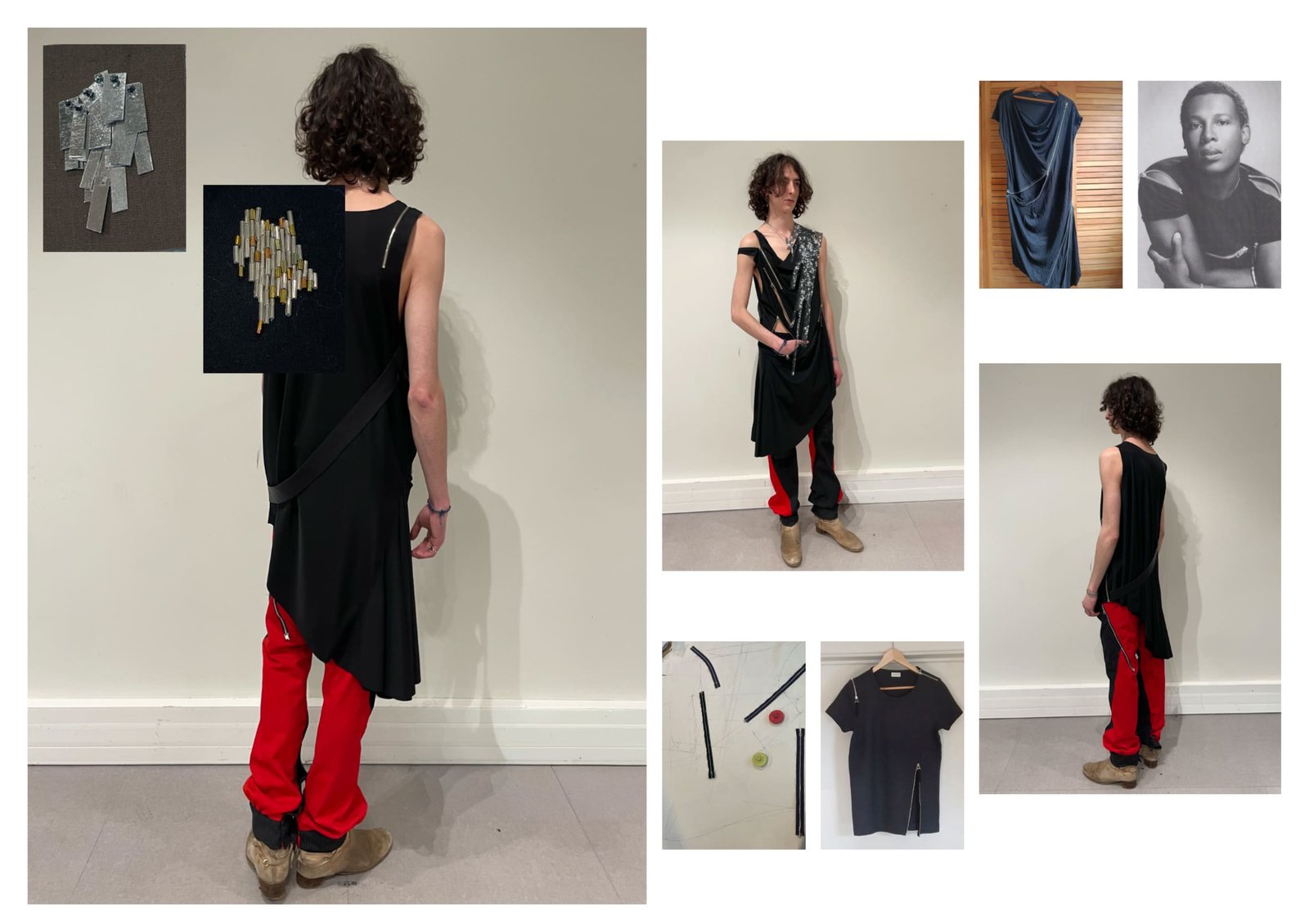
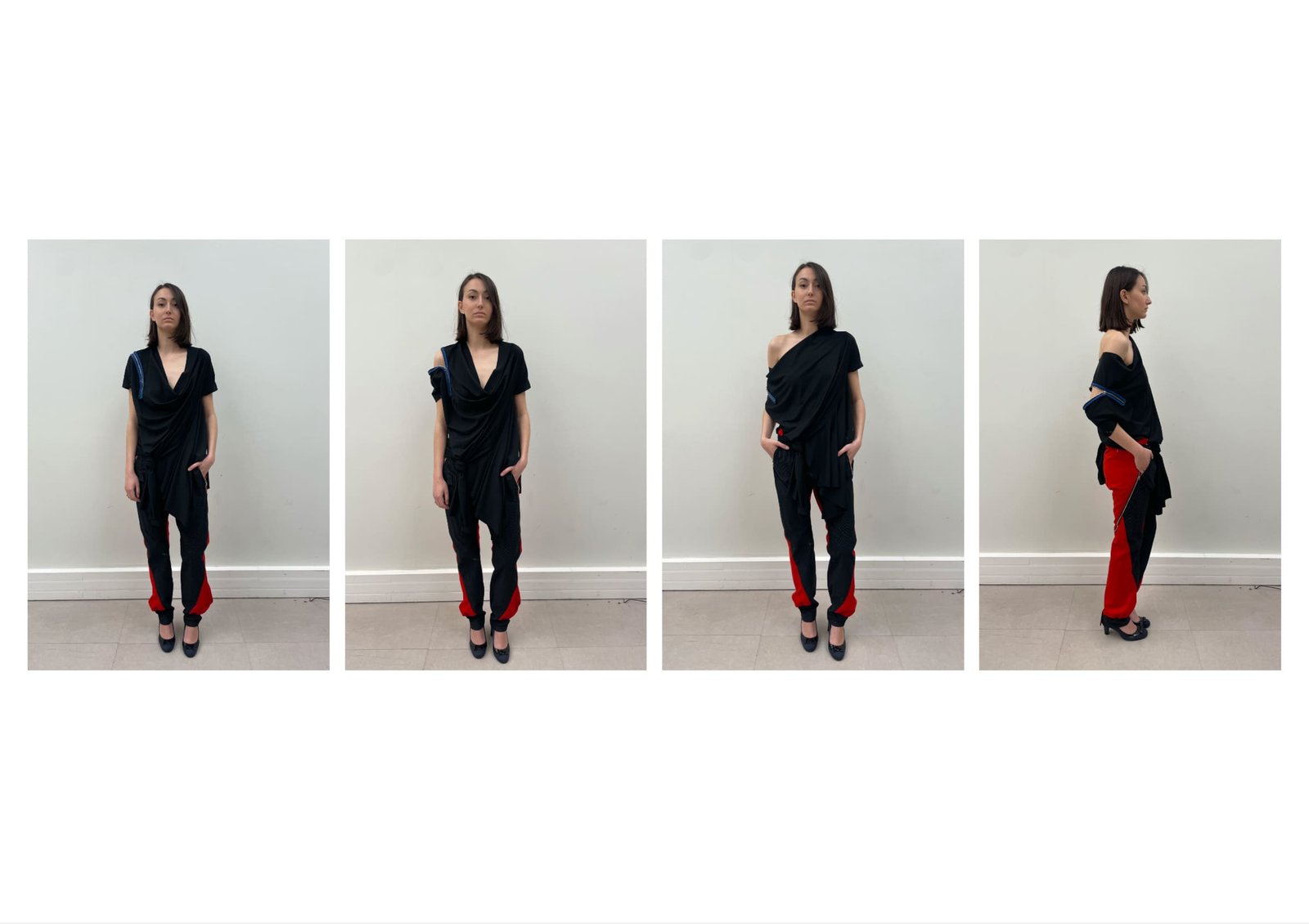
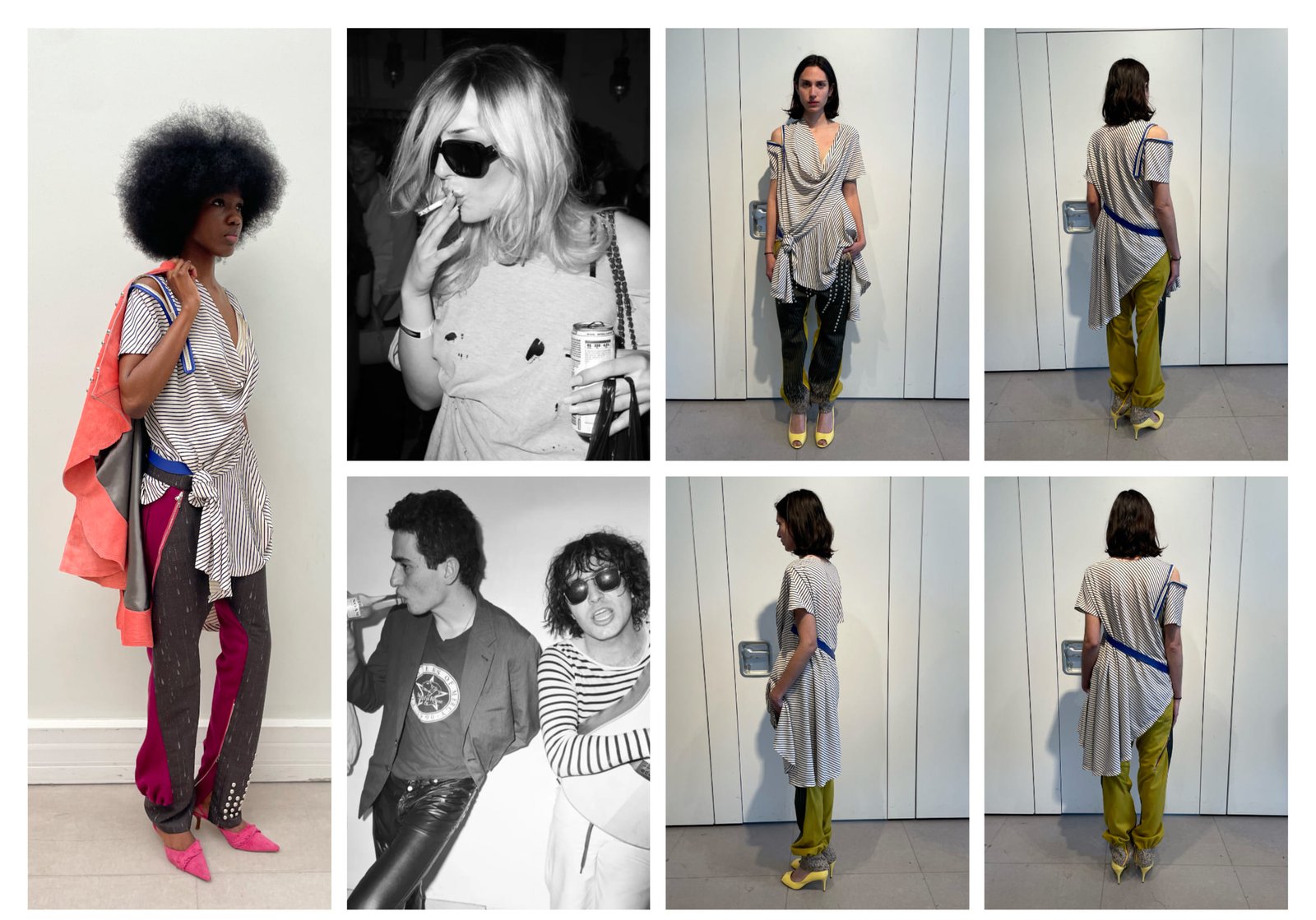
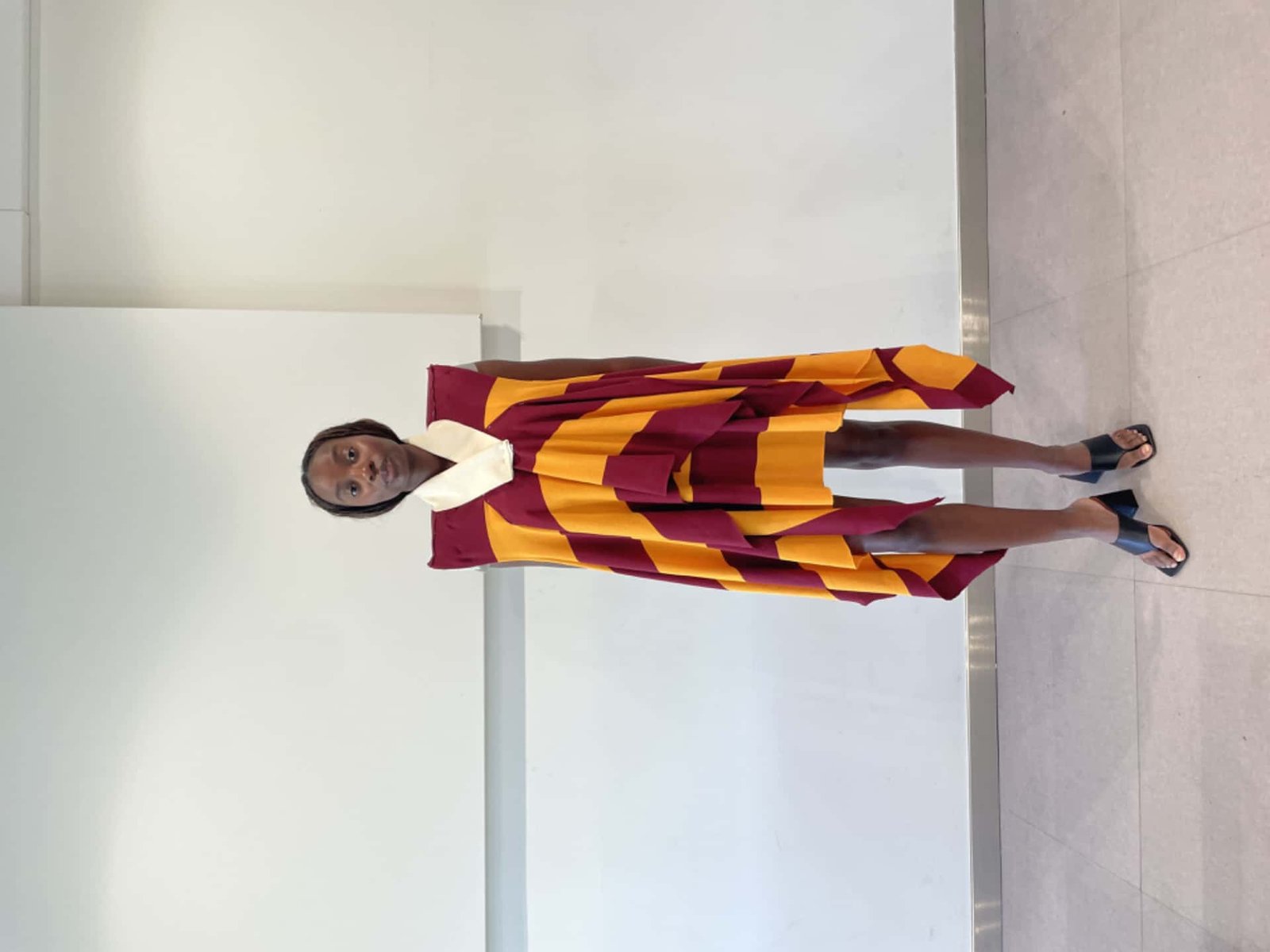
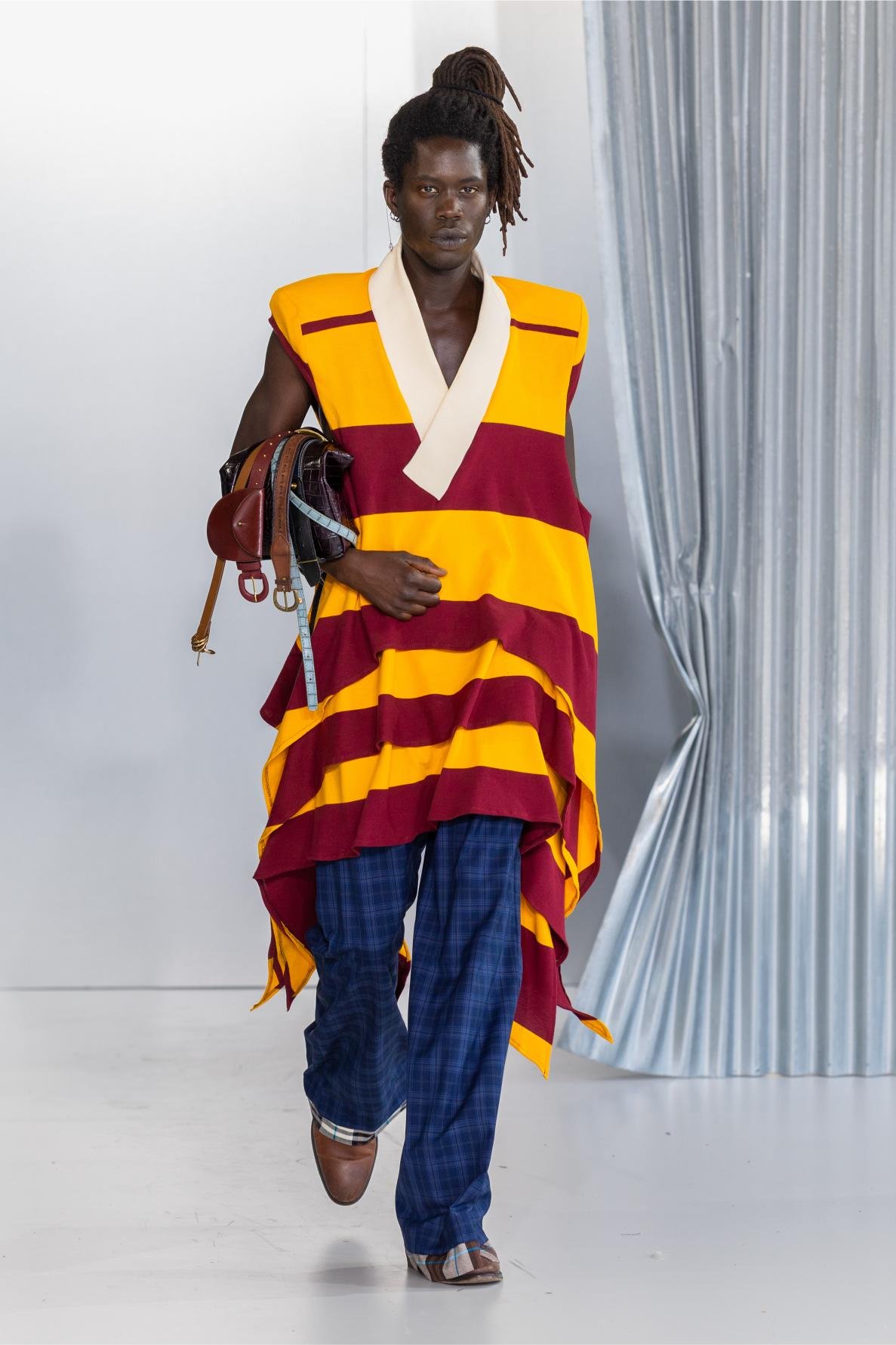
Hyacinthe Nasli-Bakir’s collection, Le beau j’en ai fait mon deuil, was developed in dialogue with Sophie Calle’s project Les Aveugles, in which visually impaired individuals were asked about their perception of beauty. Working alongside educators at the National Institute for Blind Youth, Nasli-Bakir began to investigate how clothing might be experienced beyond sight. Gesture becomes the organising principle of the collection, translated into constructional elements that guide and frame the tactile experience: raglan sleeves, piping, openings, and cut-outs that echo the pattern and reveal the body in motion. Soft materials are chosen to deliberately unsettle the eye, while vibrant colours and dissonant prints draw on the sensory and psychedelic aesthetic of Miles Davis in the 1970s – combinations that appear incoherent but ultimately compose their own form of harmony. As he enters the industry, Nasli-Bakir is concerned about the risk of losing creative autonomy within large organisations, where commercial pressures may reduce the designer to an executor rather than an author.

@hyacinthe.nb

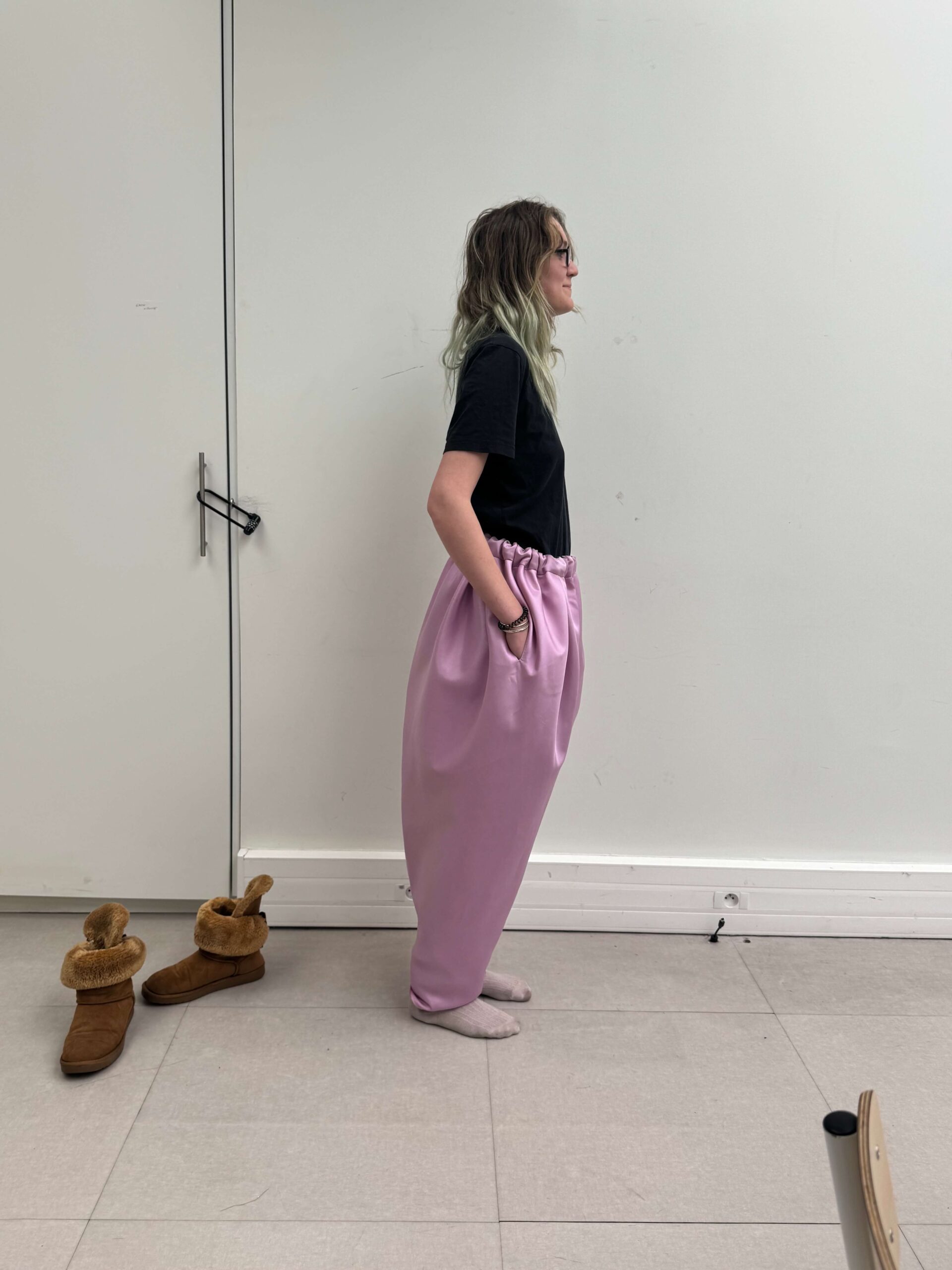
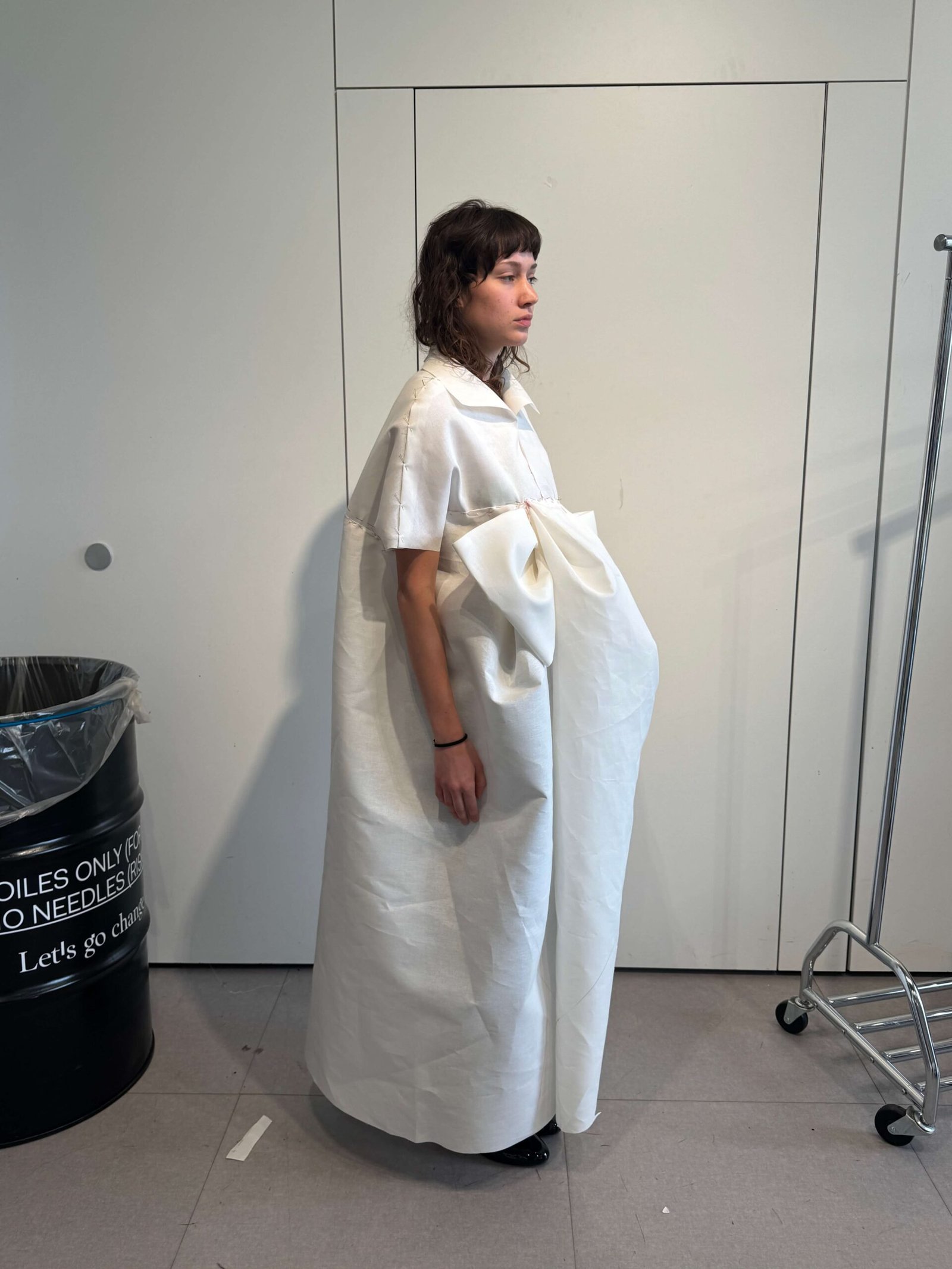
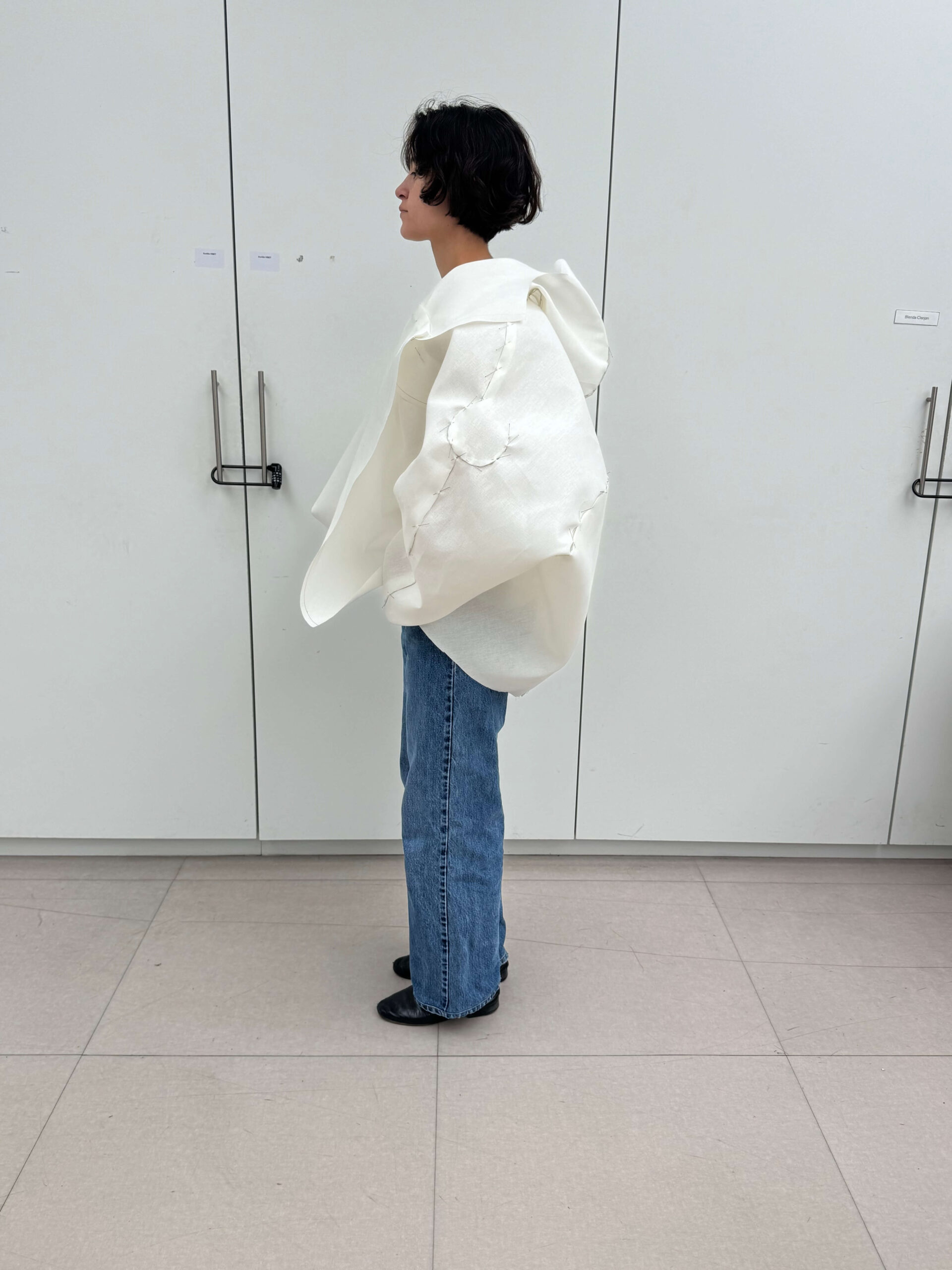
Corentin Glorian

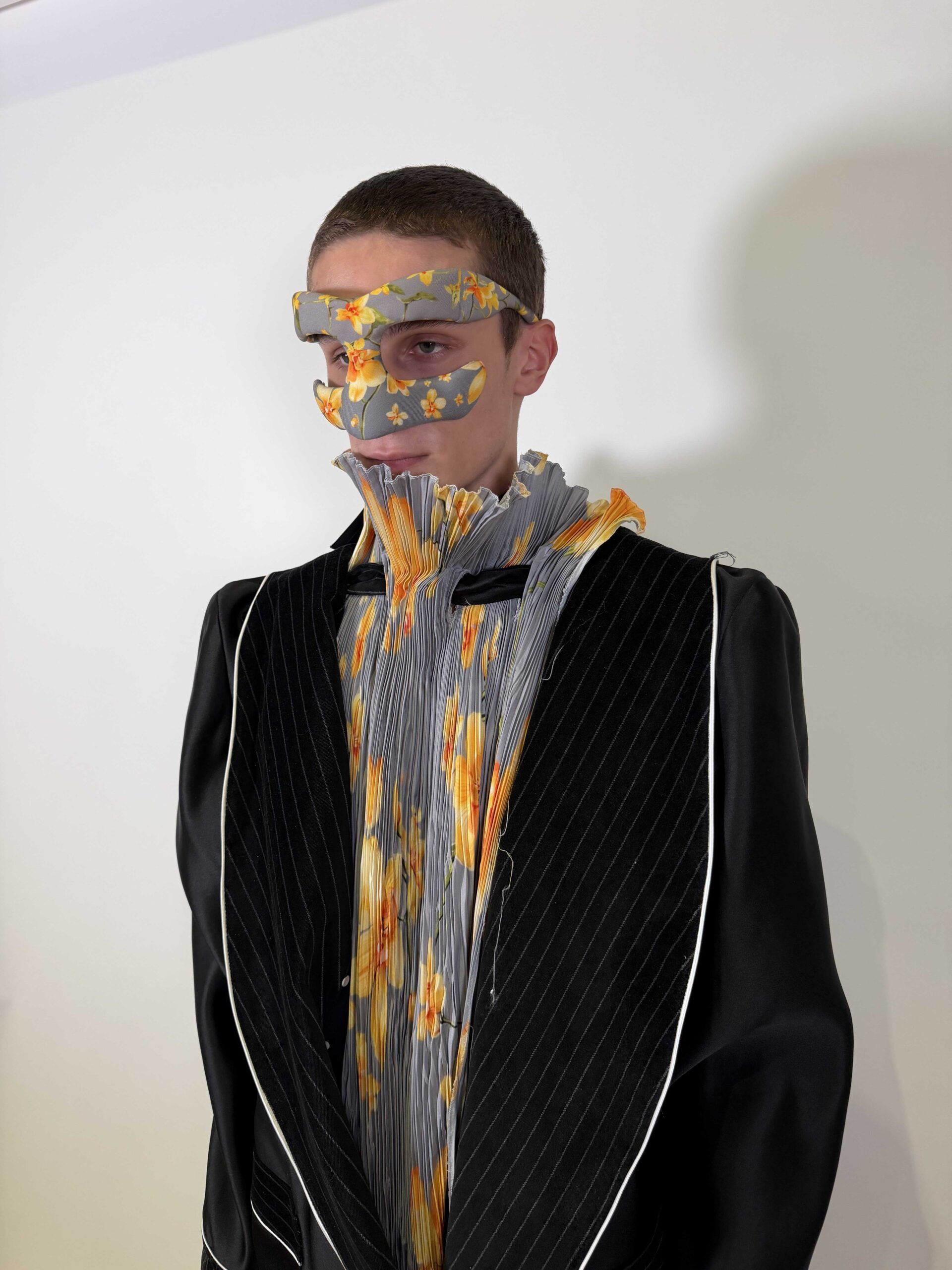
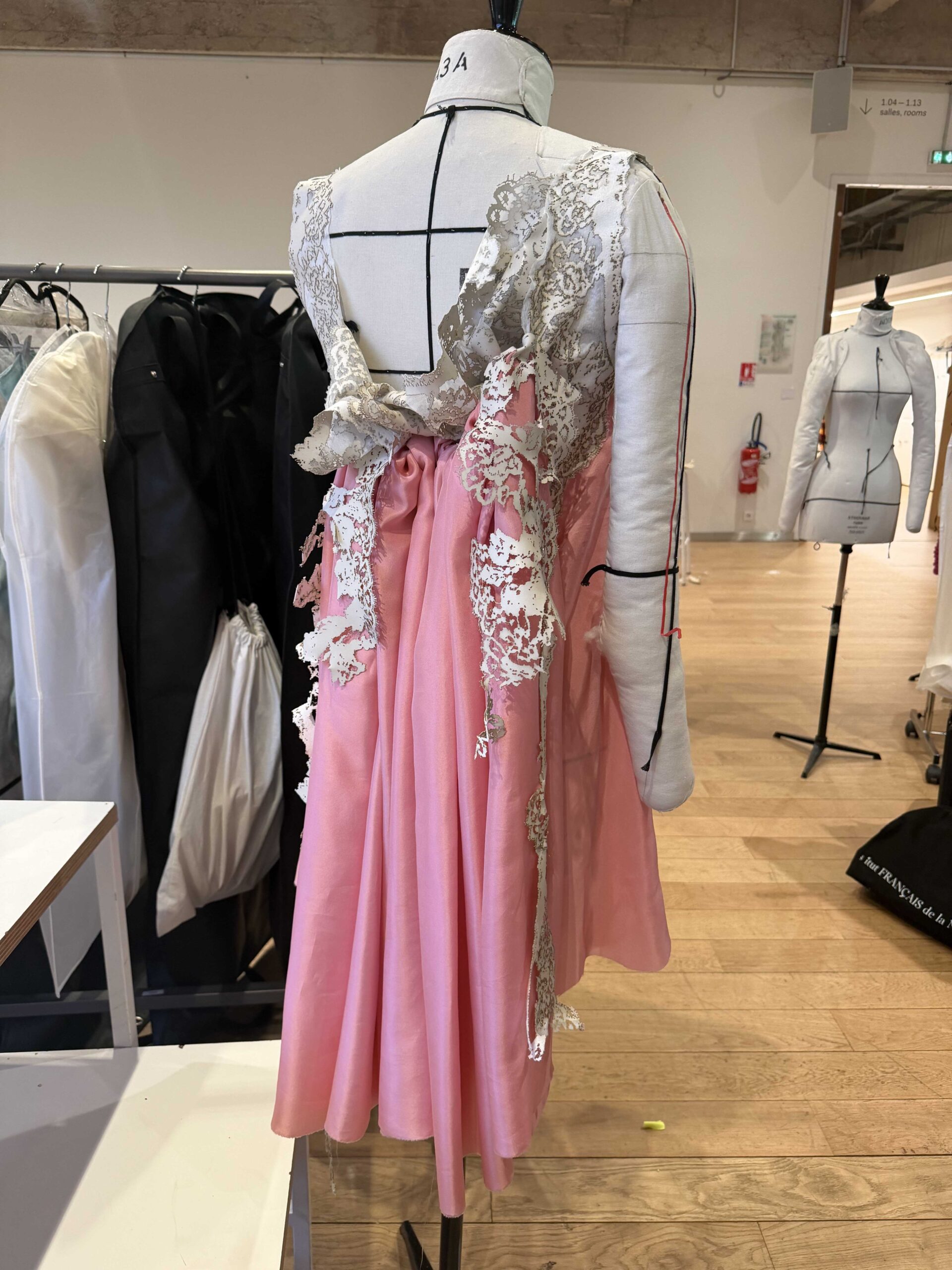
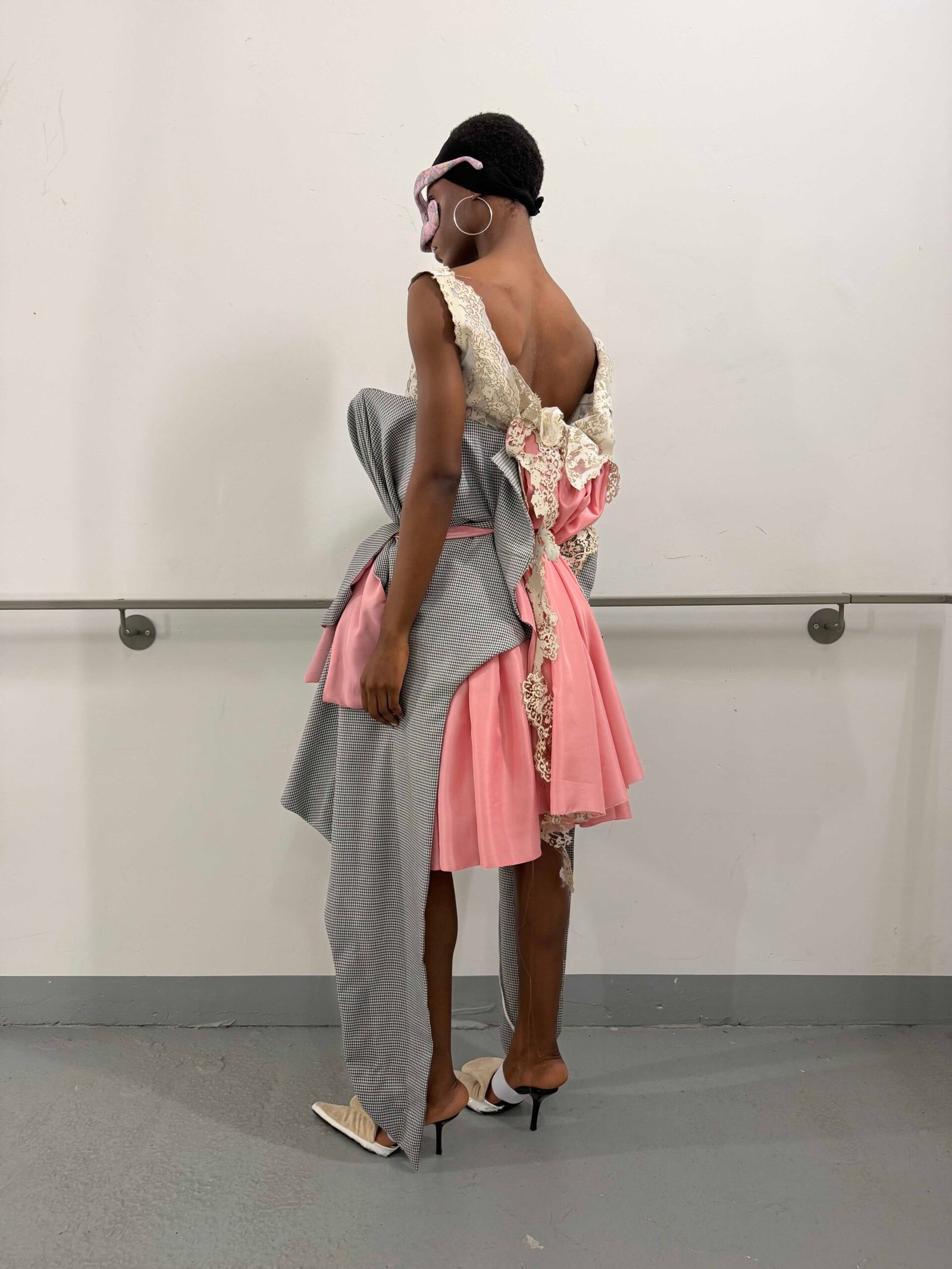
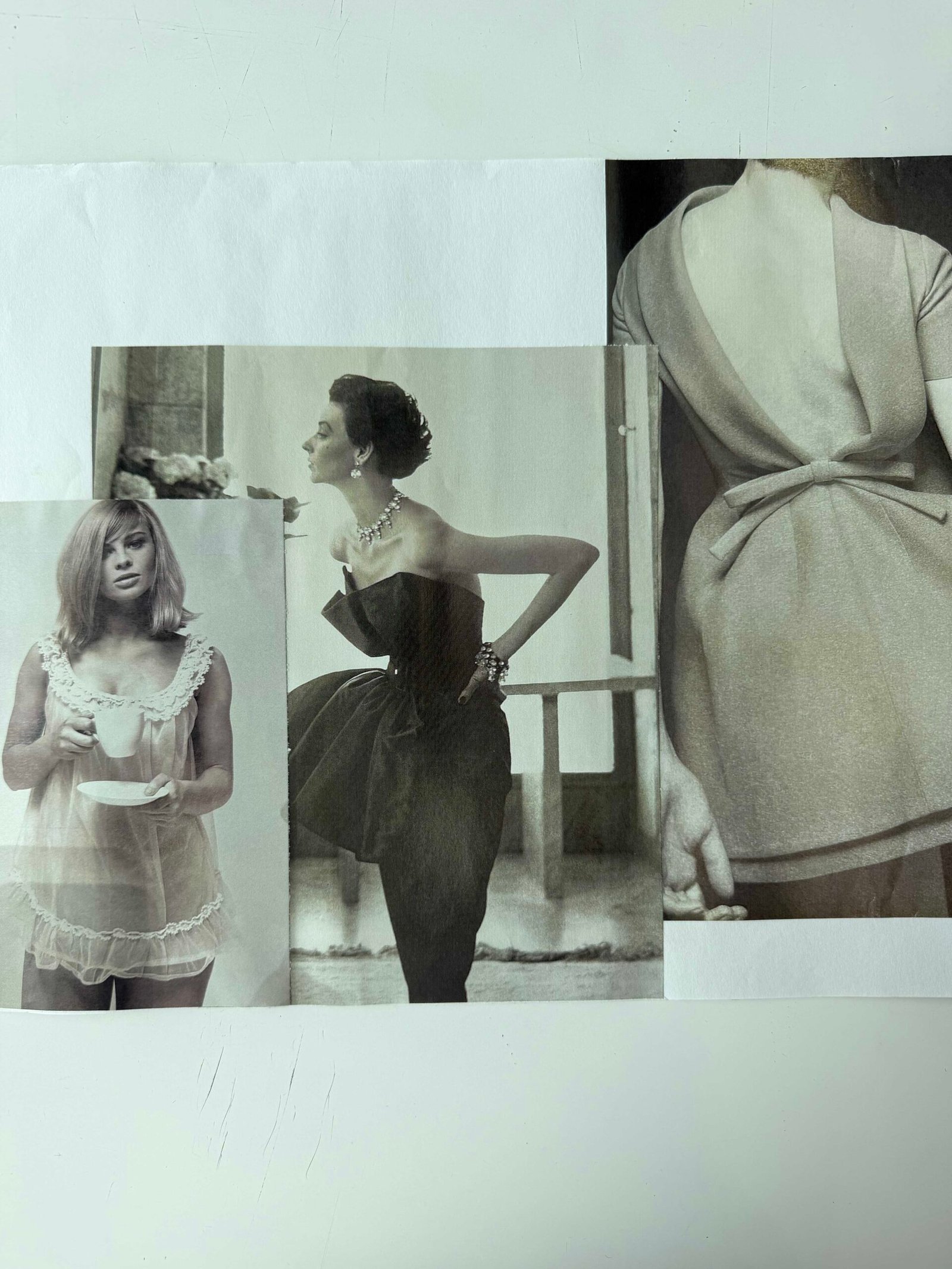
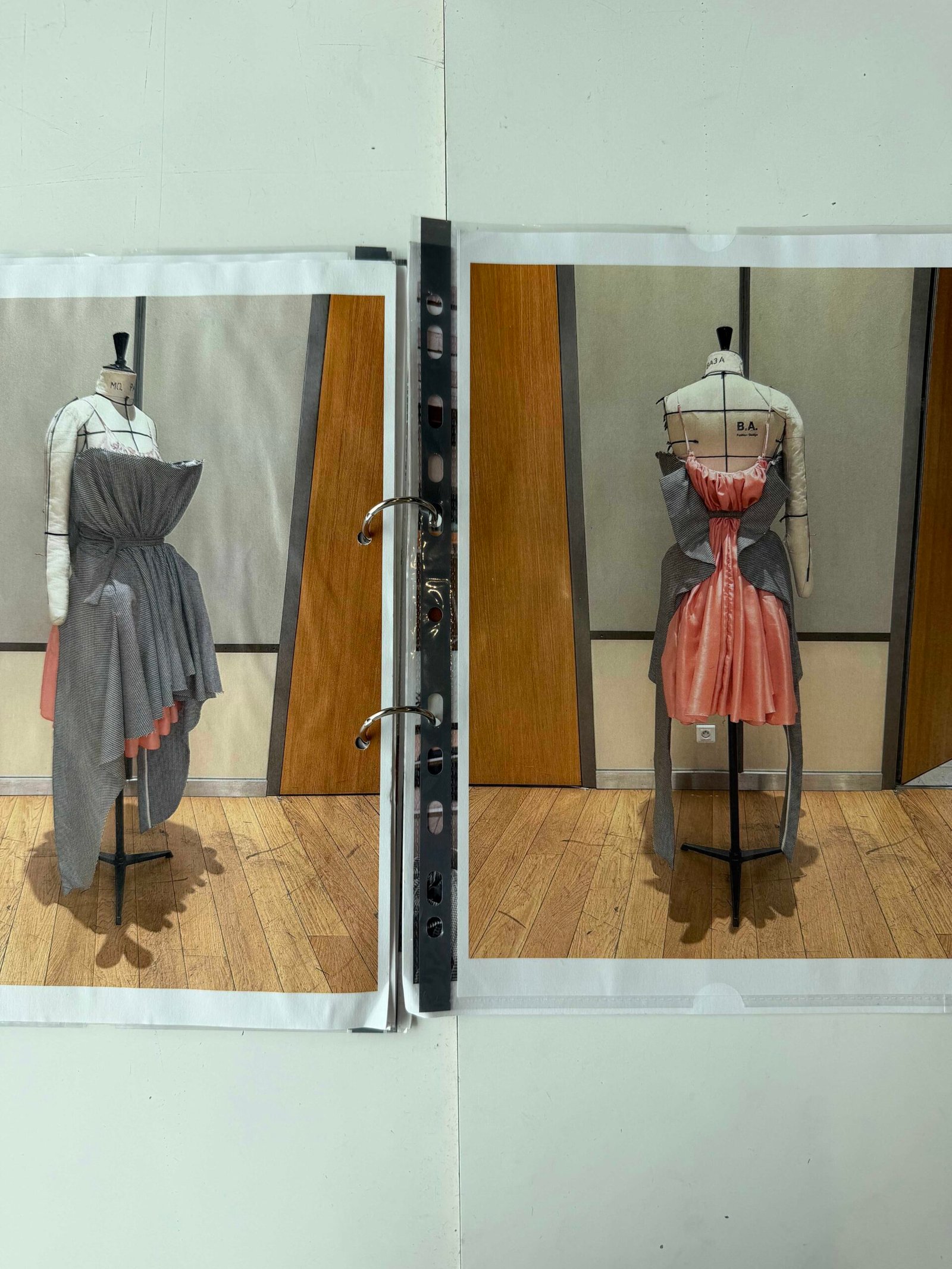
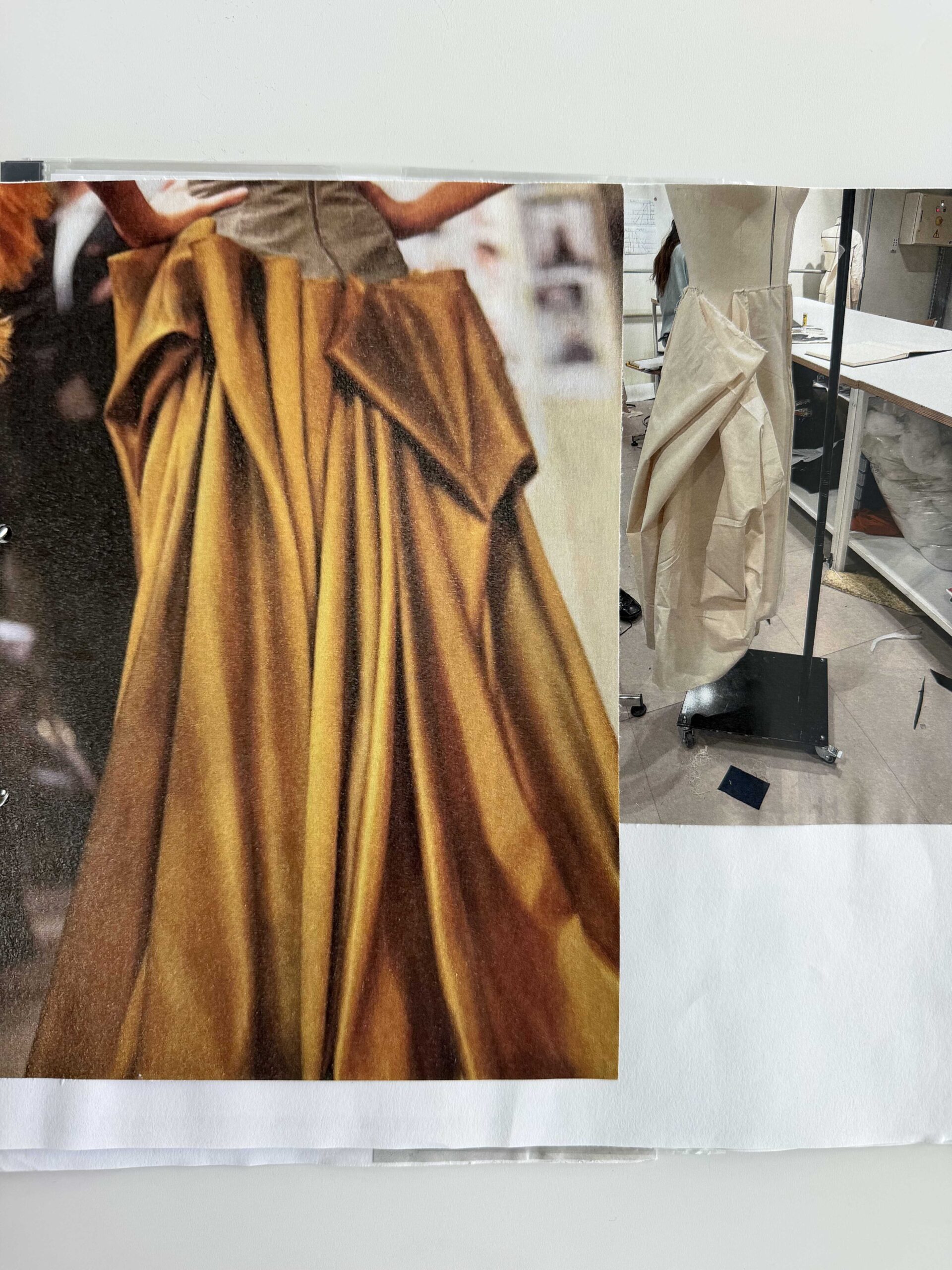
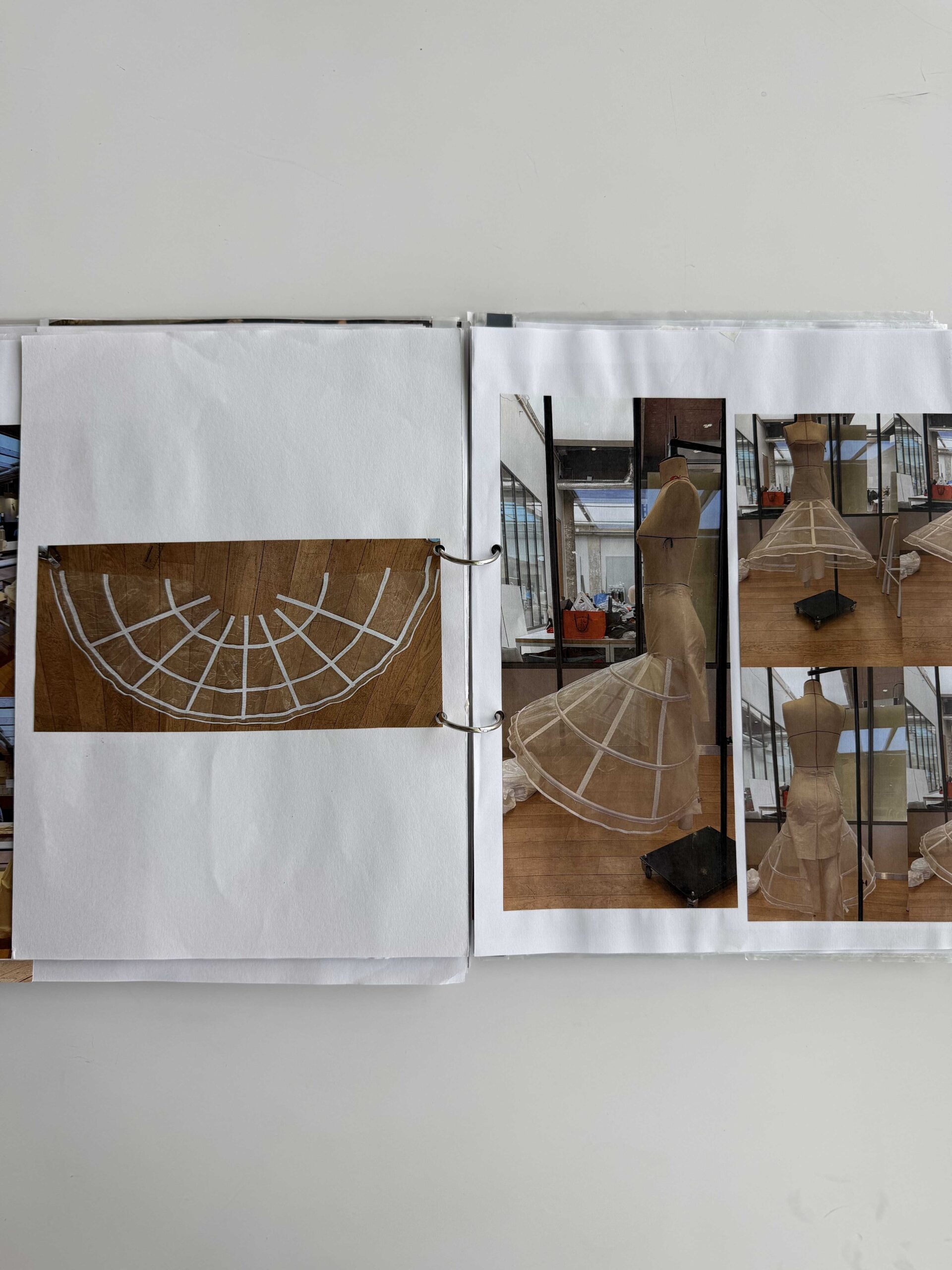
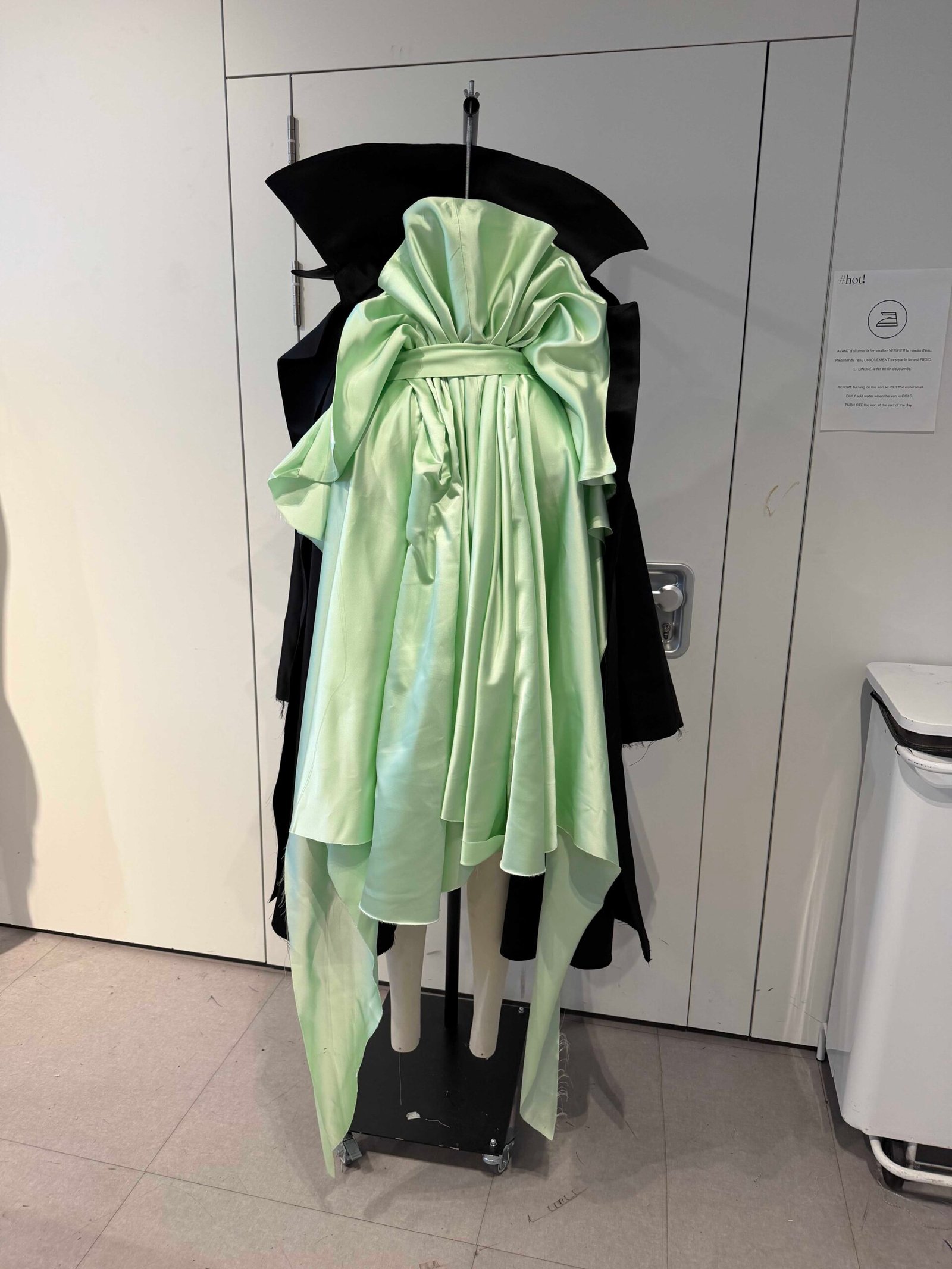
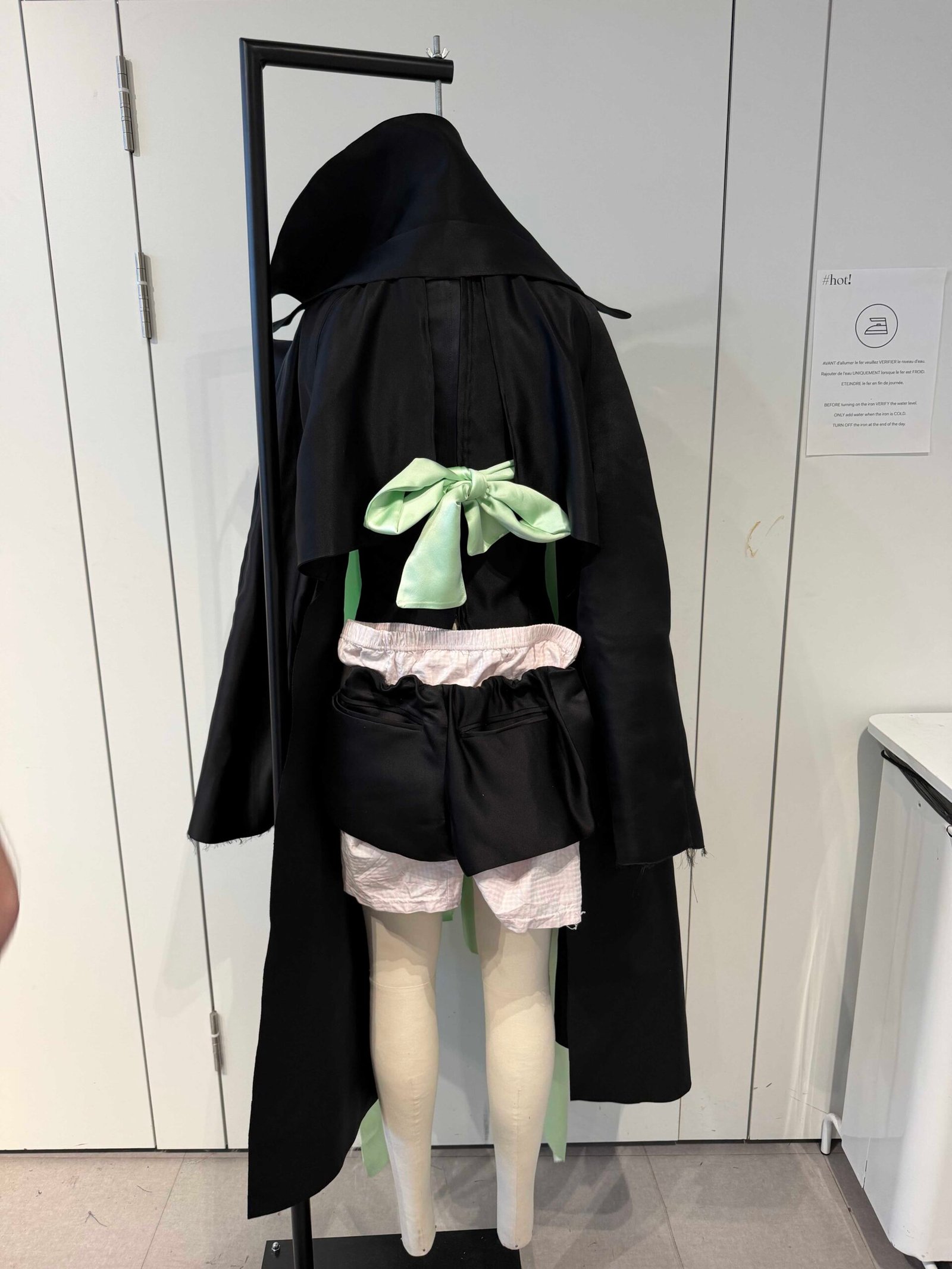
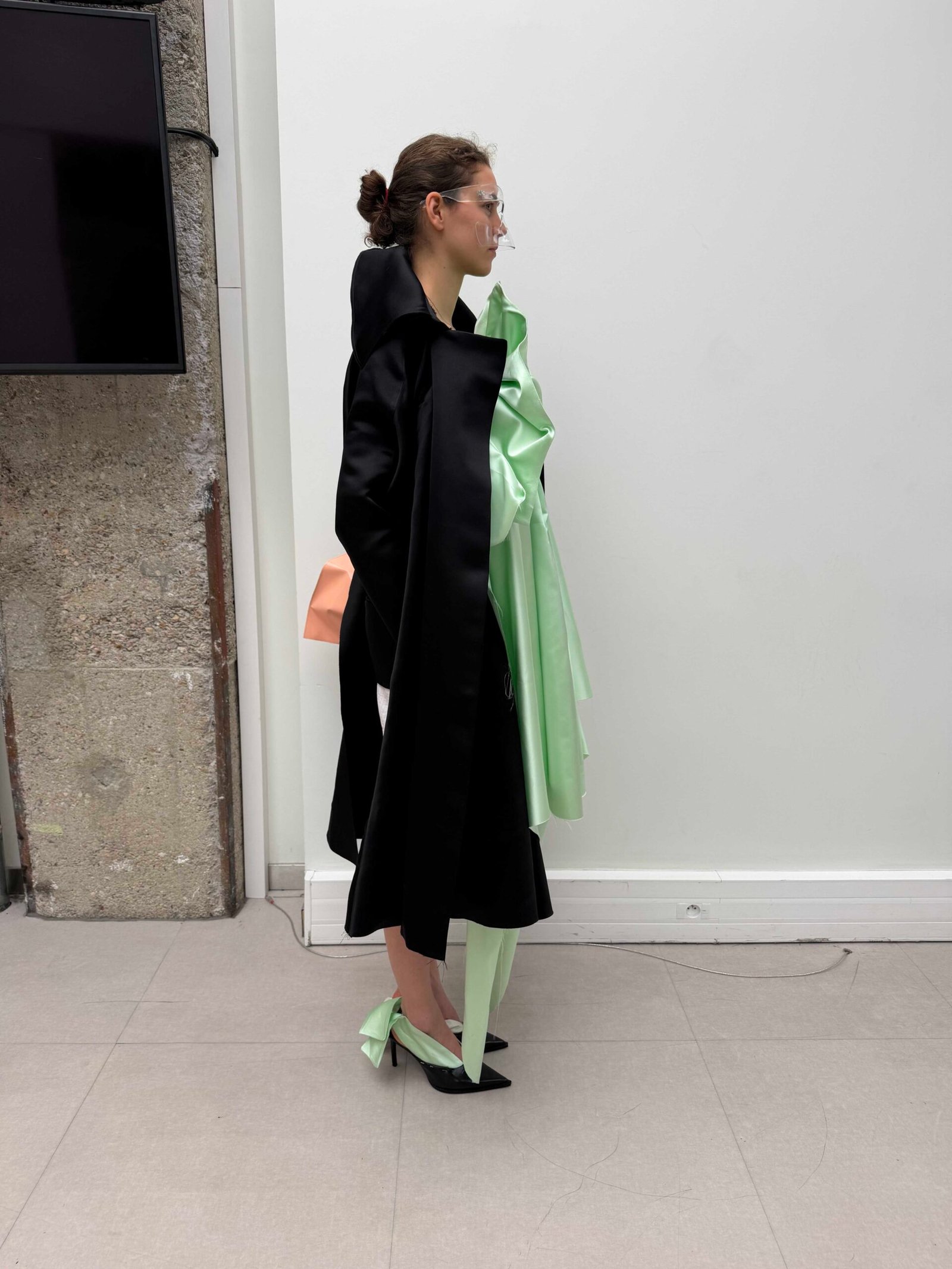
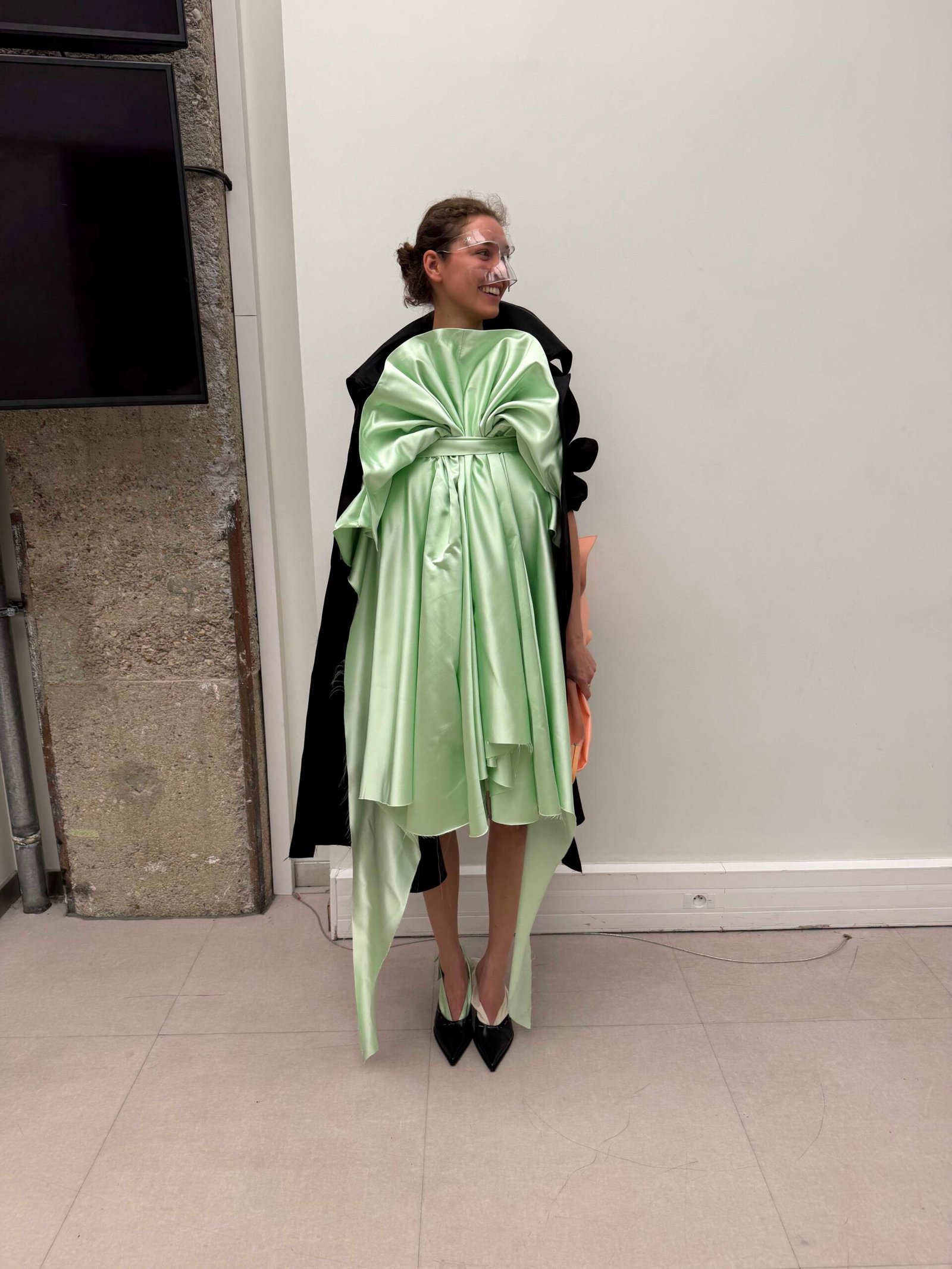
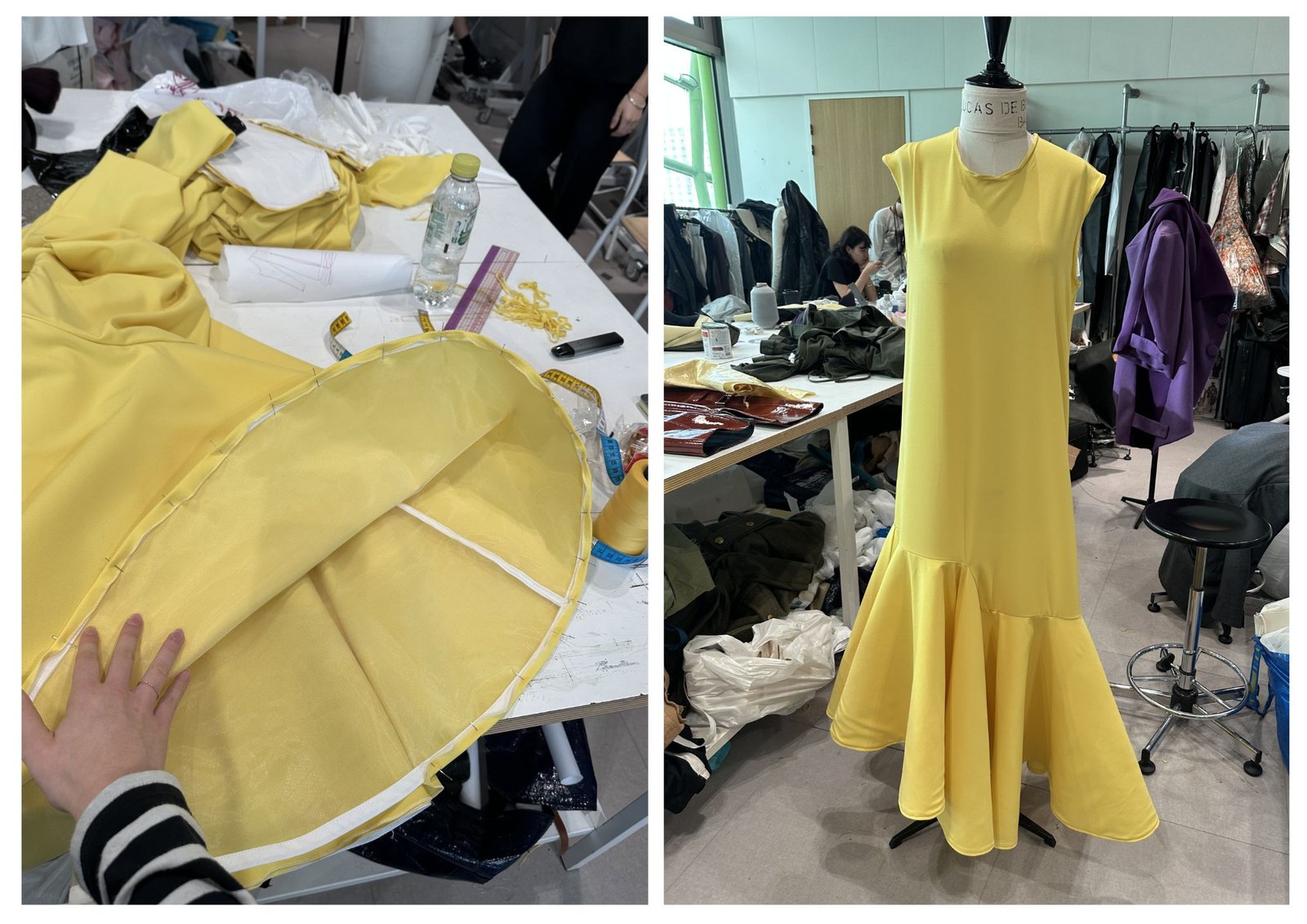
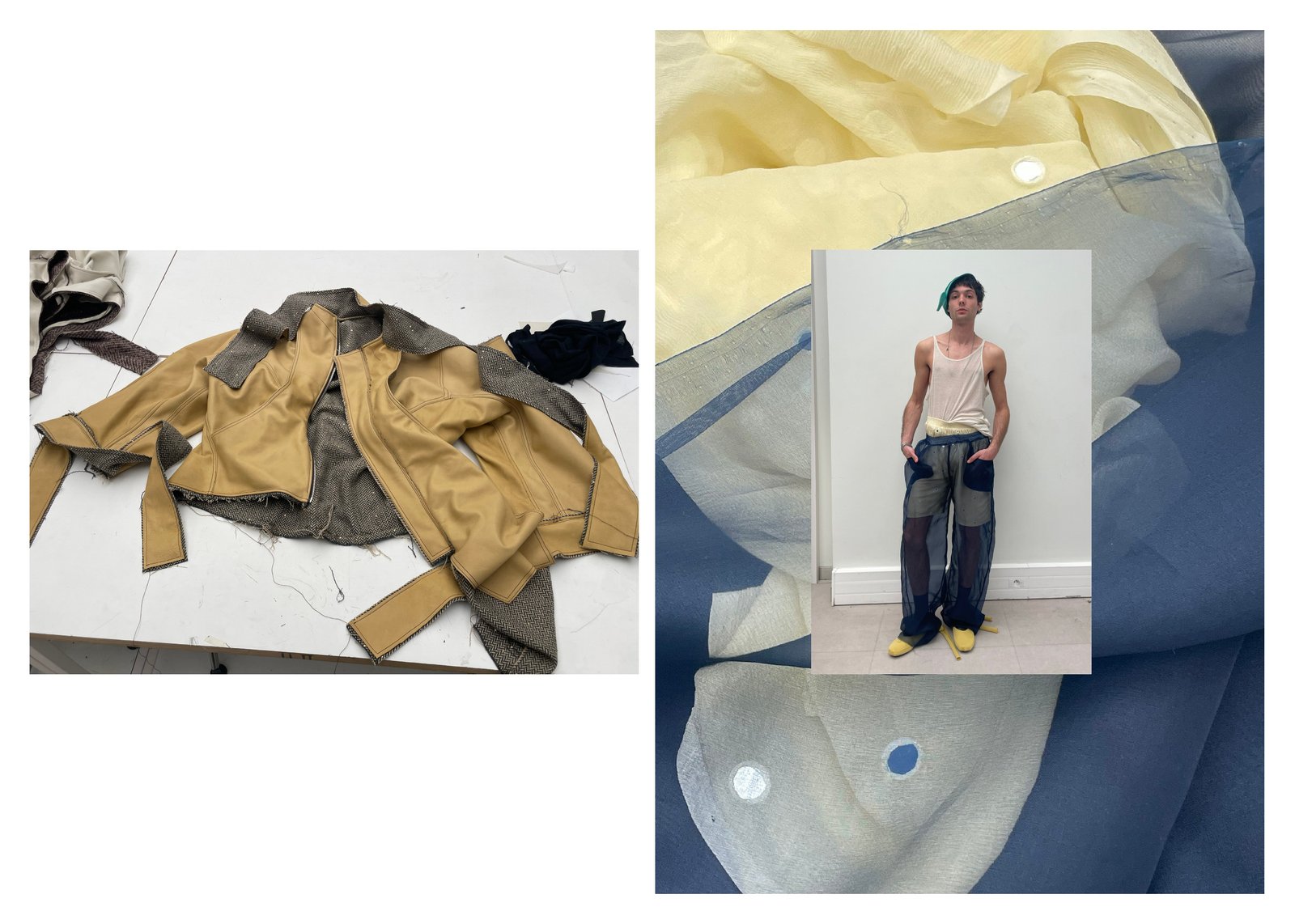
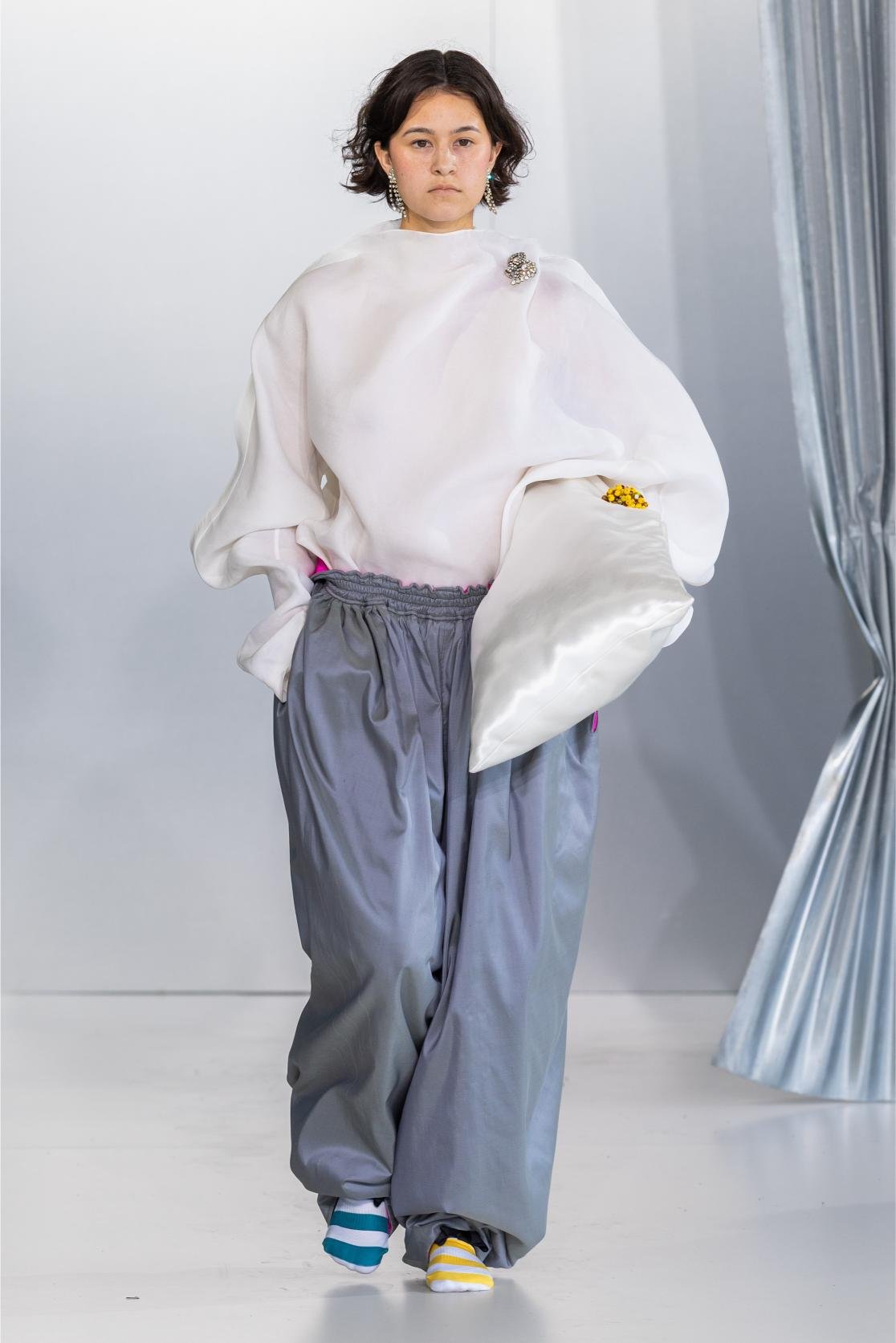
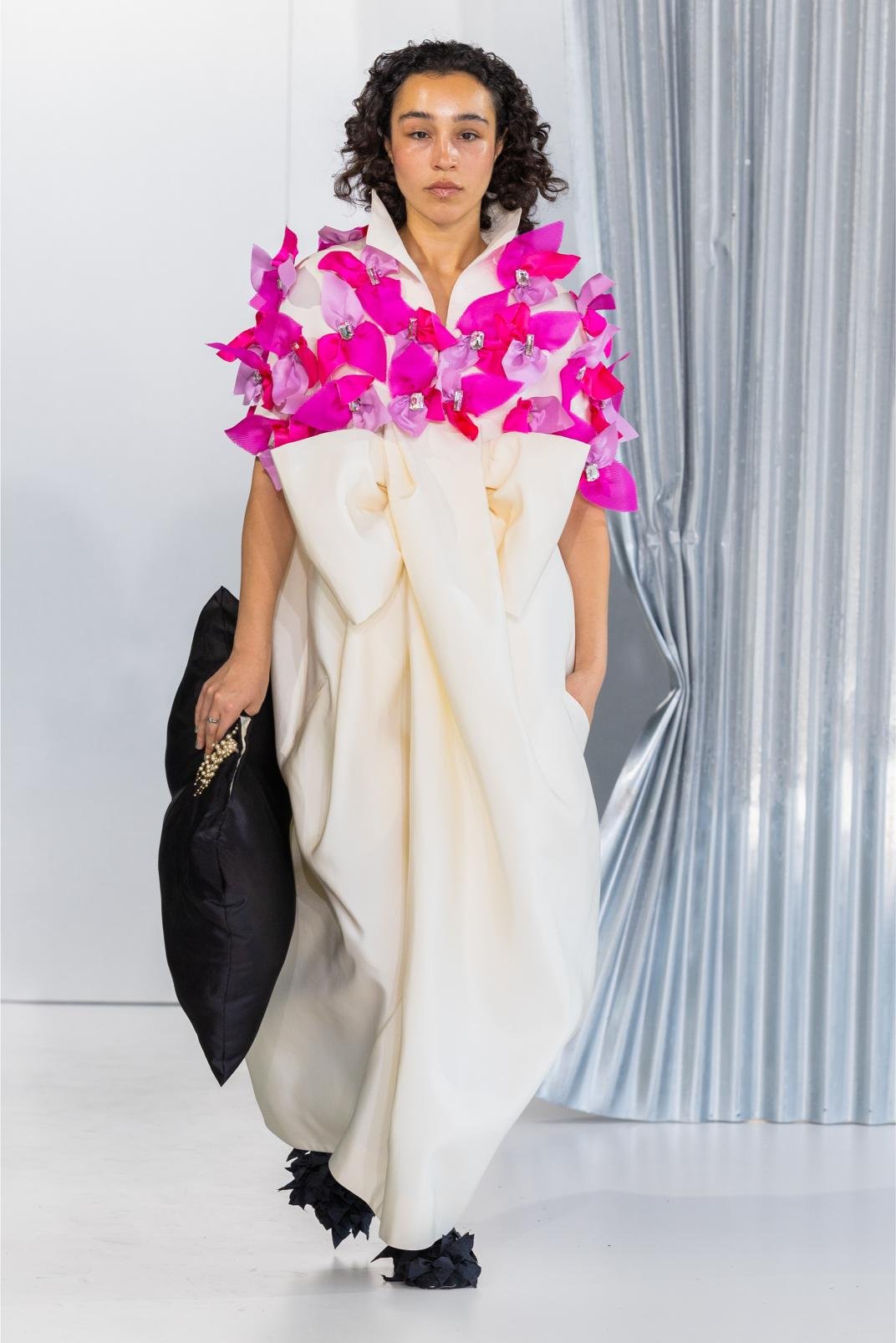
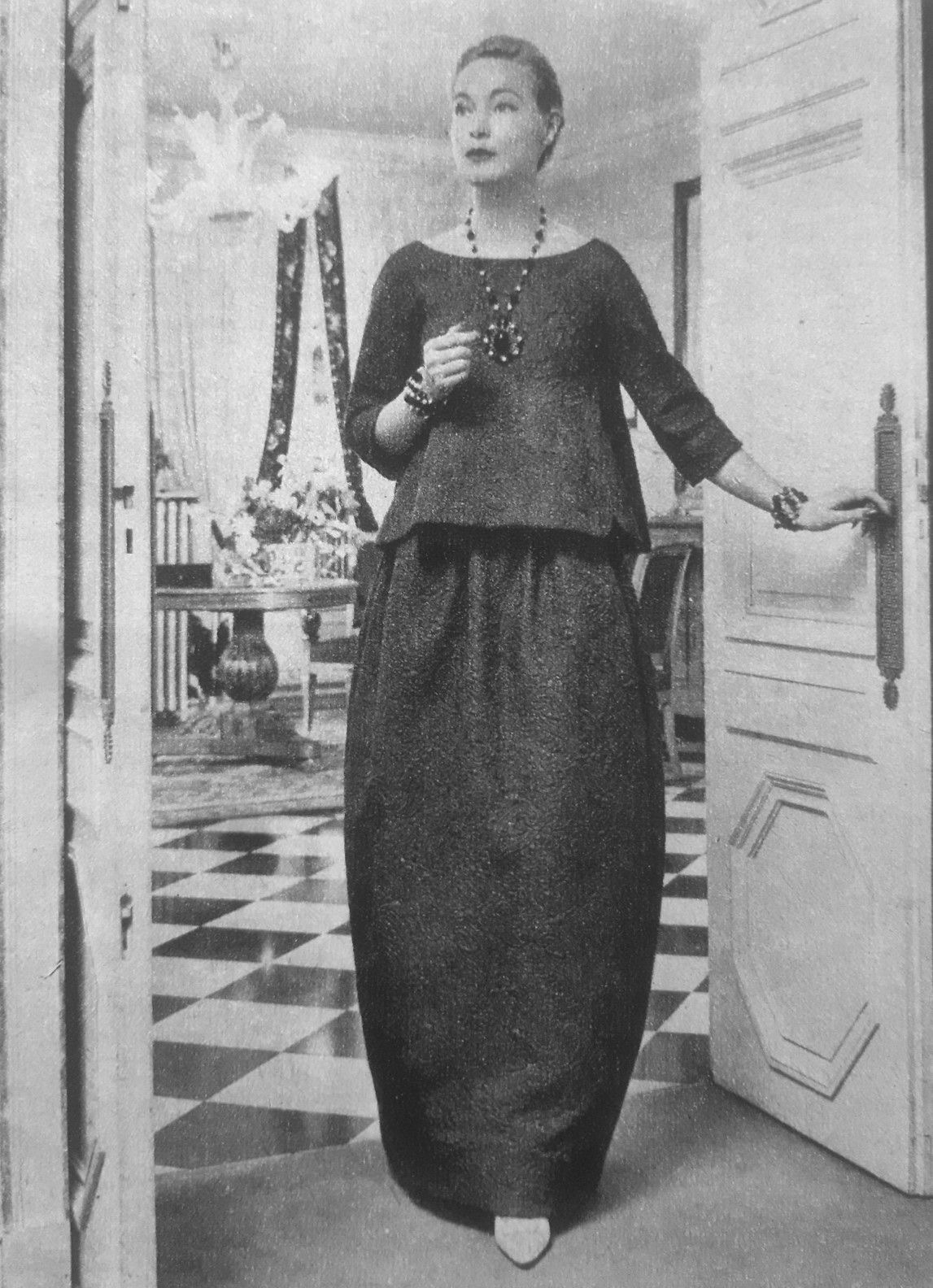
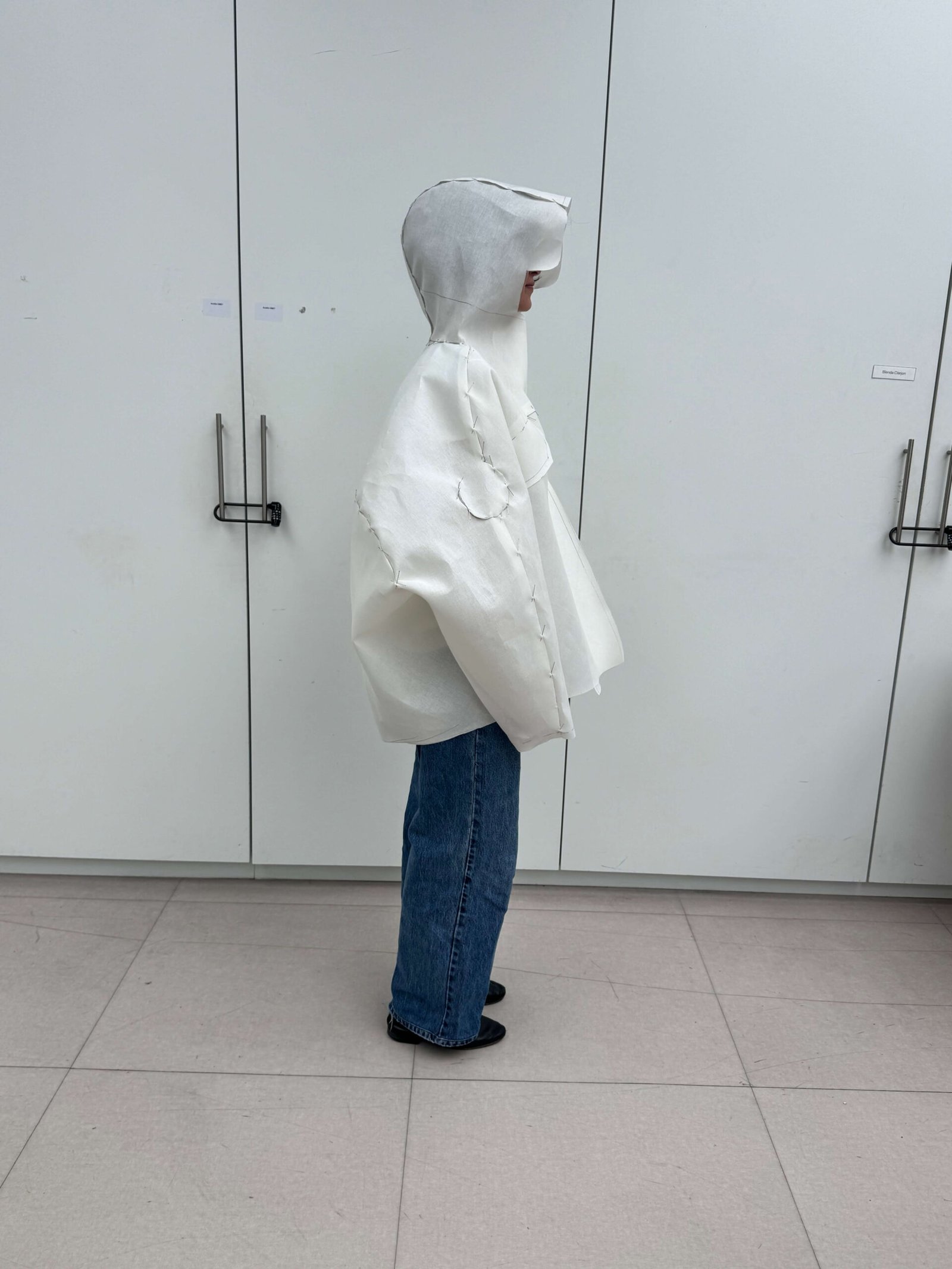
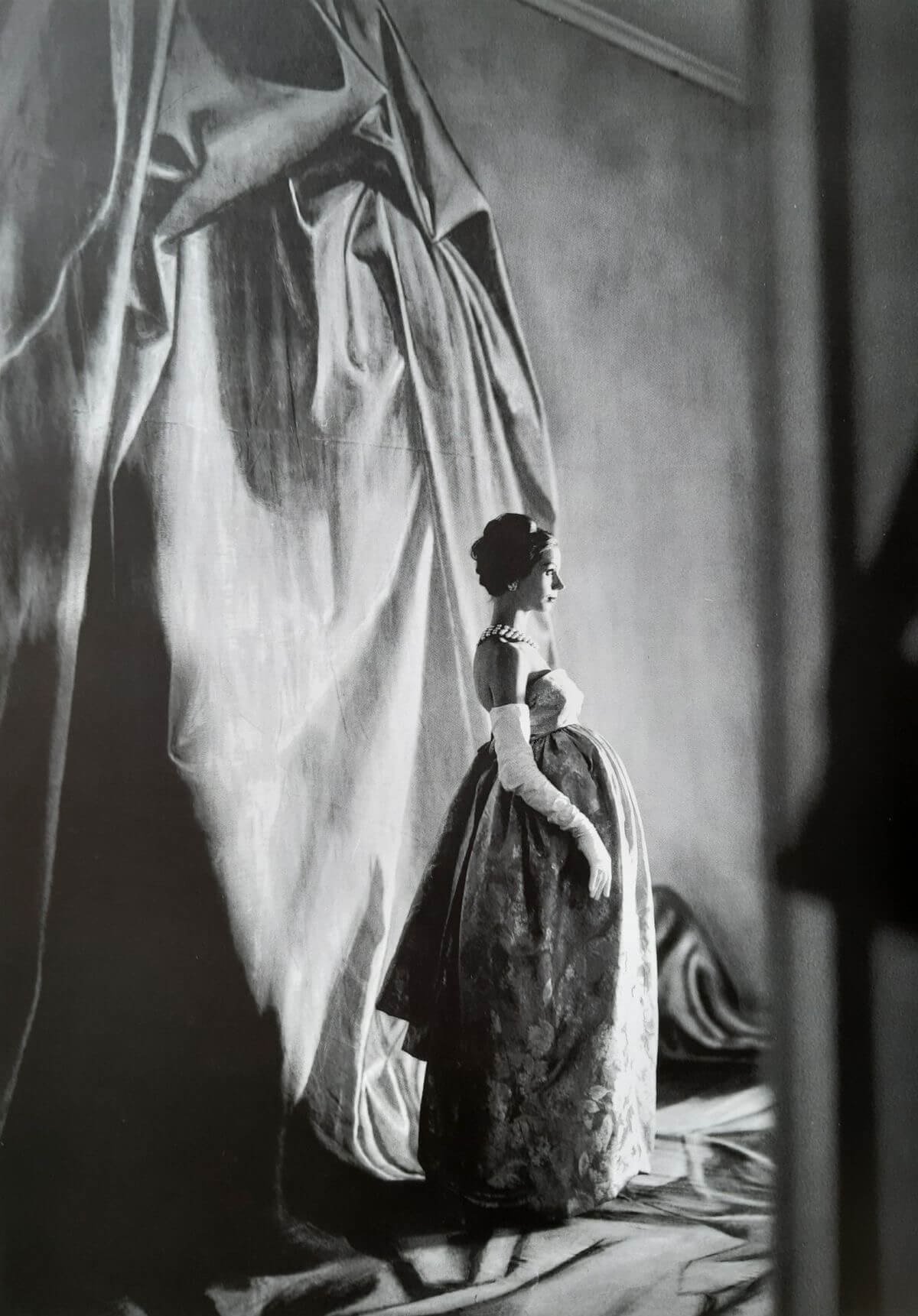
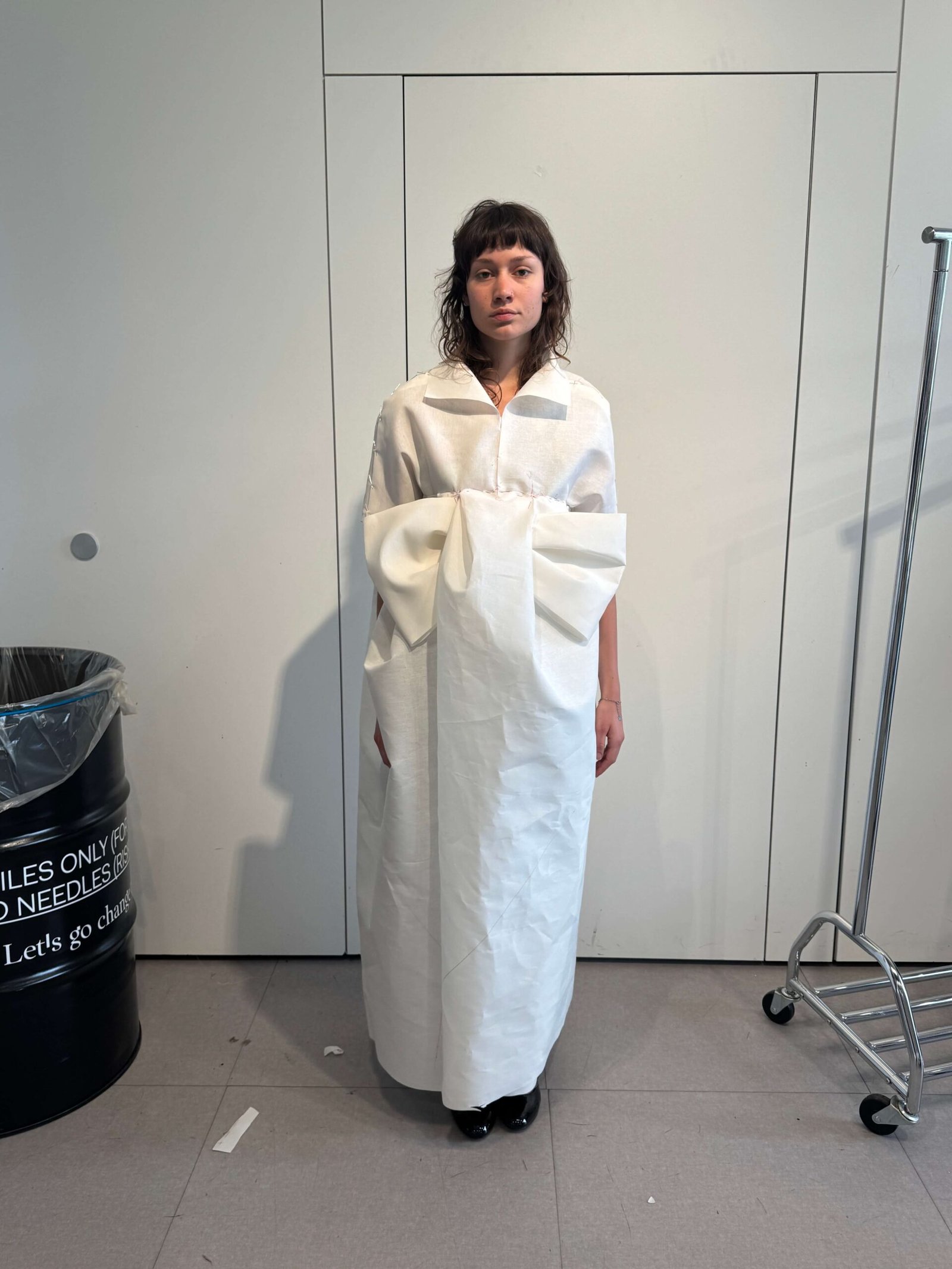
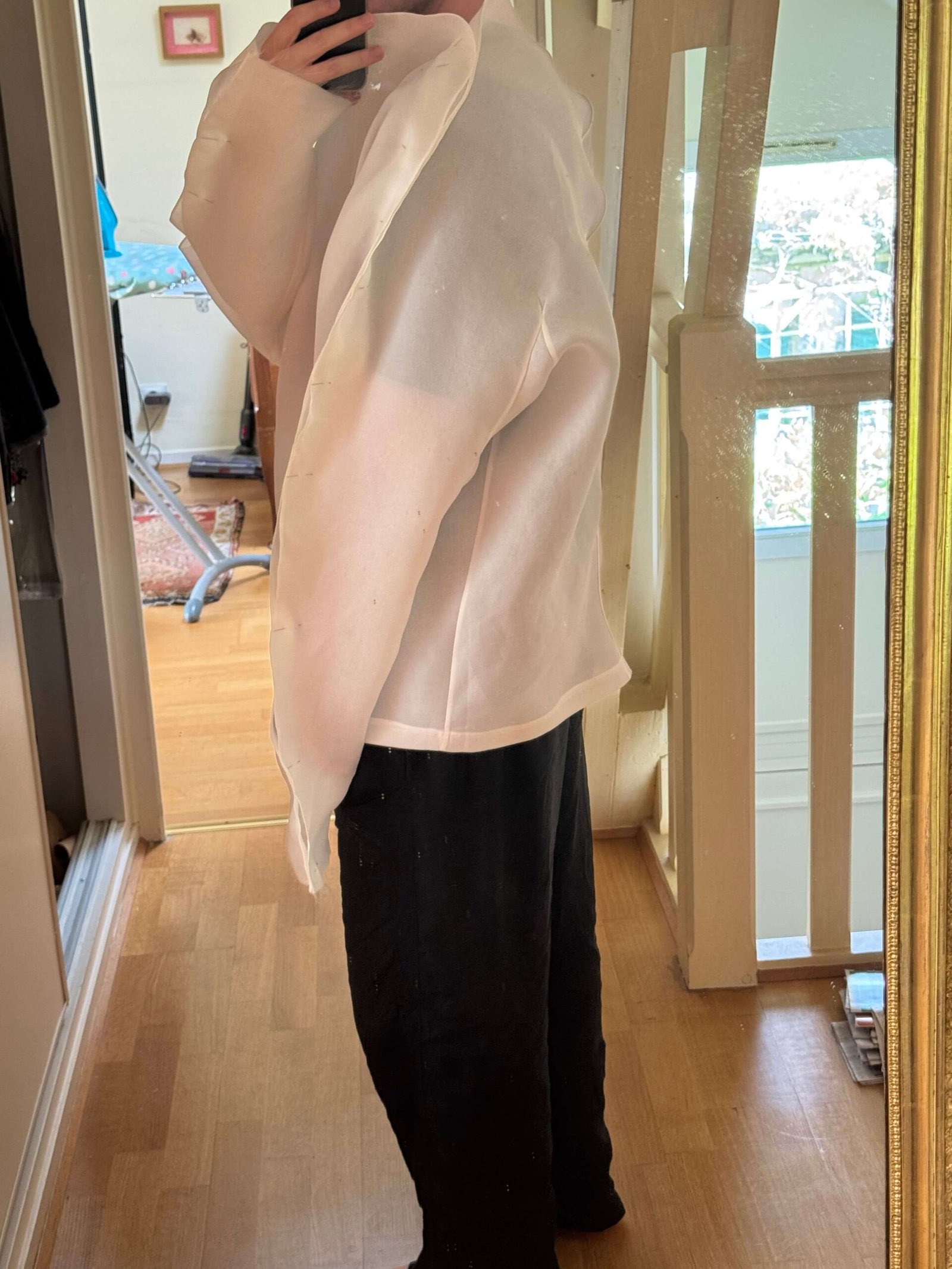
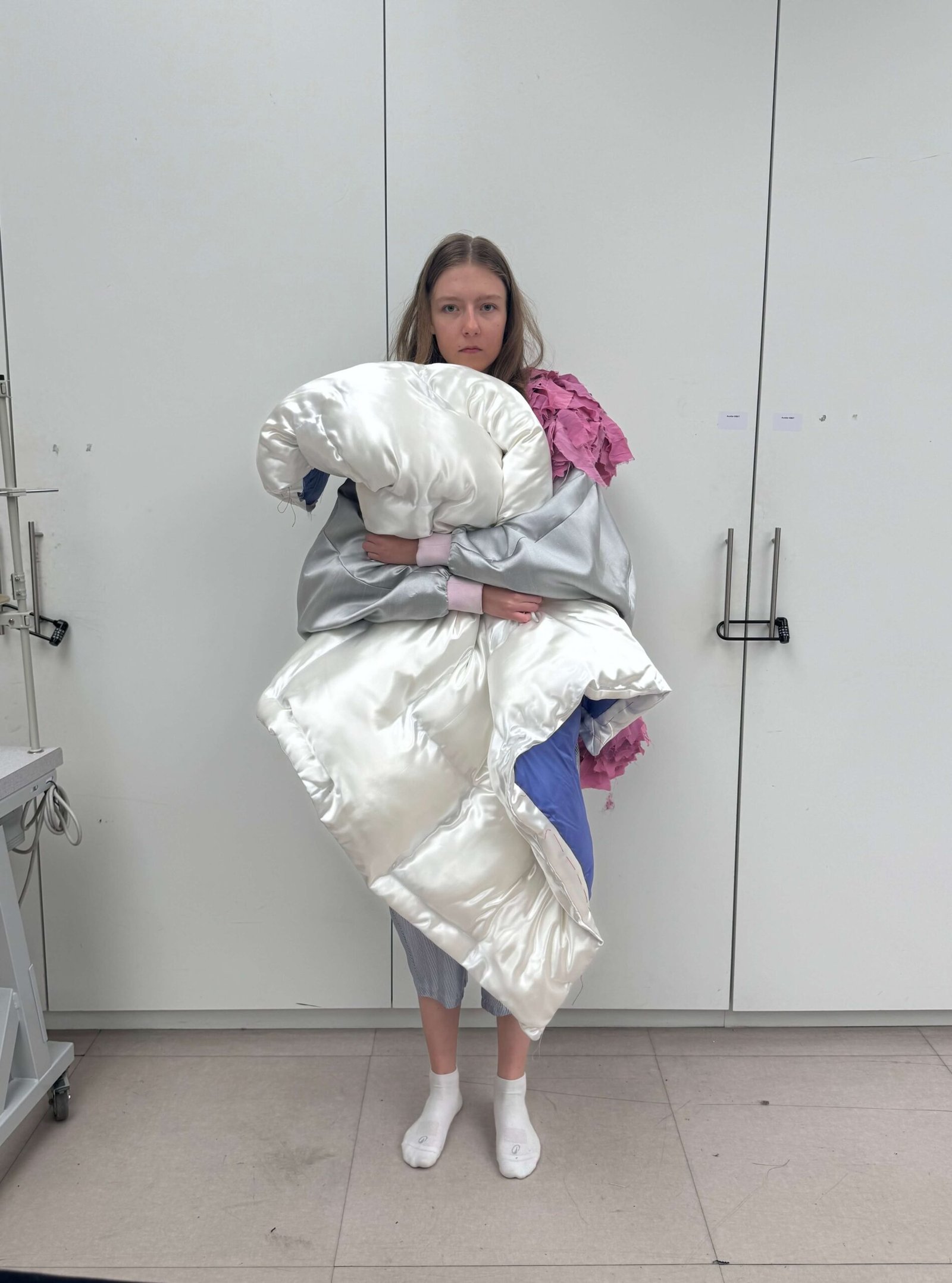
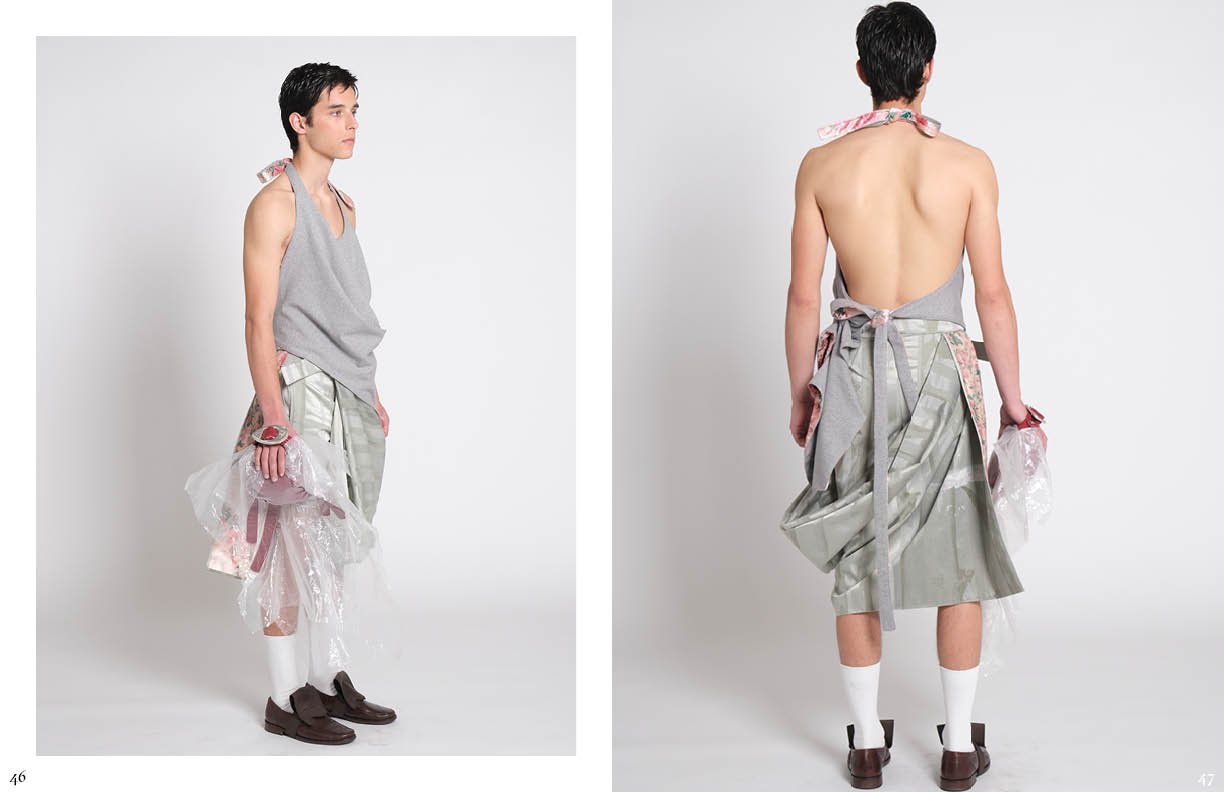
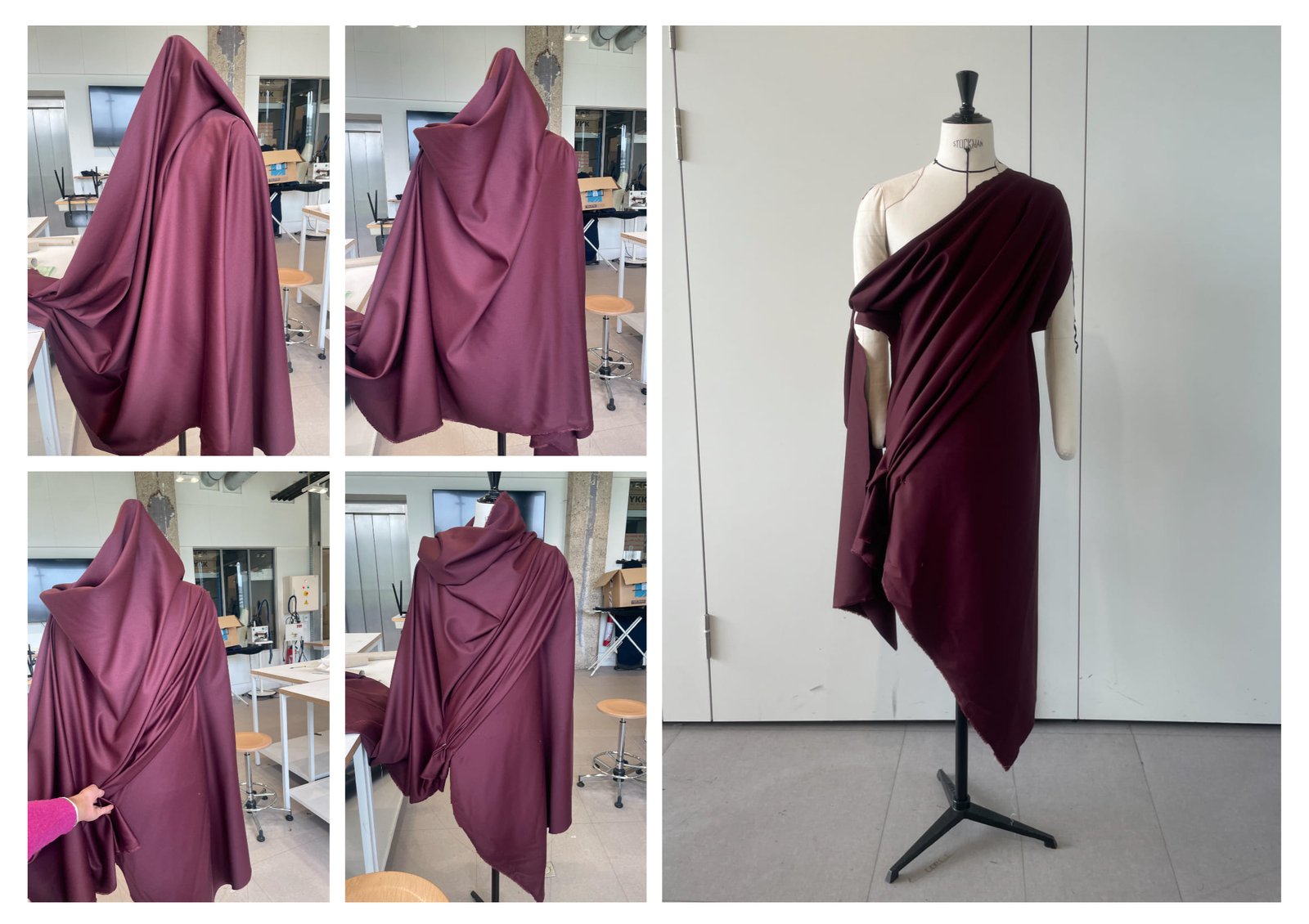
Corentin Glorian’s collection draws a connection between the golden era of Haute Couture and the culture of the Instagram selfie. Researching the fashion photography of the mid-twentieth century, he found a persistent parallel in the way women are presented then and now – simultaneously as objects of desire and of identification. The project centres on the ambiguity of the influencer’s morning selfie: apparently effortless and intimate, yet carefully constructed behind the image. To realise this tension, Glorian combines Haute Couture savoir-faire with the archetypes of homewear, working primarily in traditional silks including gazar and mikado, and layering them within garments to influence the behaviour of the fabric from the inside. As he enters the industry, Glorian is unsettled by the growing precarity of stable employment, with freelance and interim contracts increasingly becoming the norm. He remains, however, cautiously hopeful – believing that widespread instability may ultimately open space for deeper structural change.

@korathan

Elizaveta Pashina

Yongqi Liao

Saule Milonaite

Jean Oltra

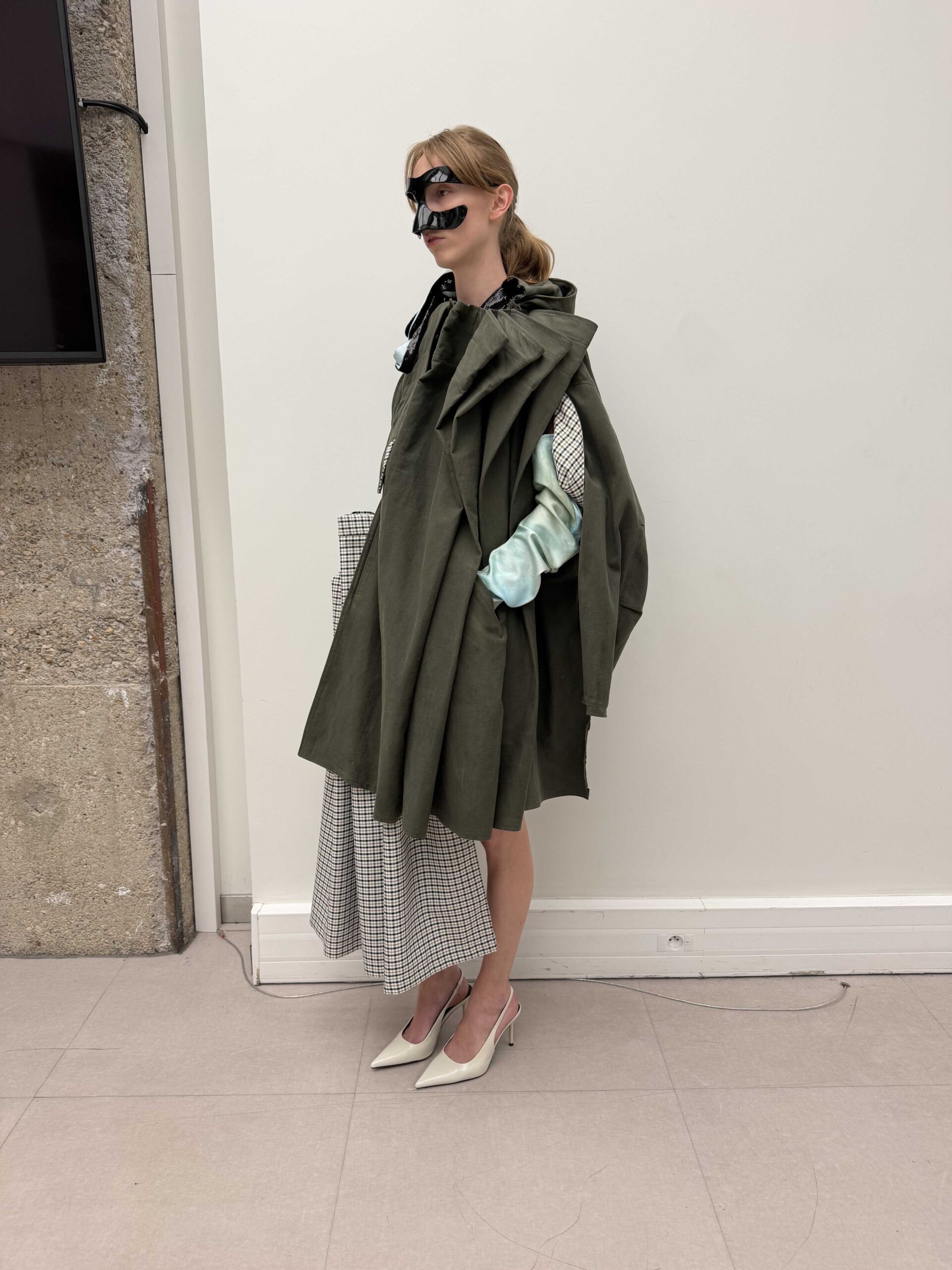
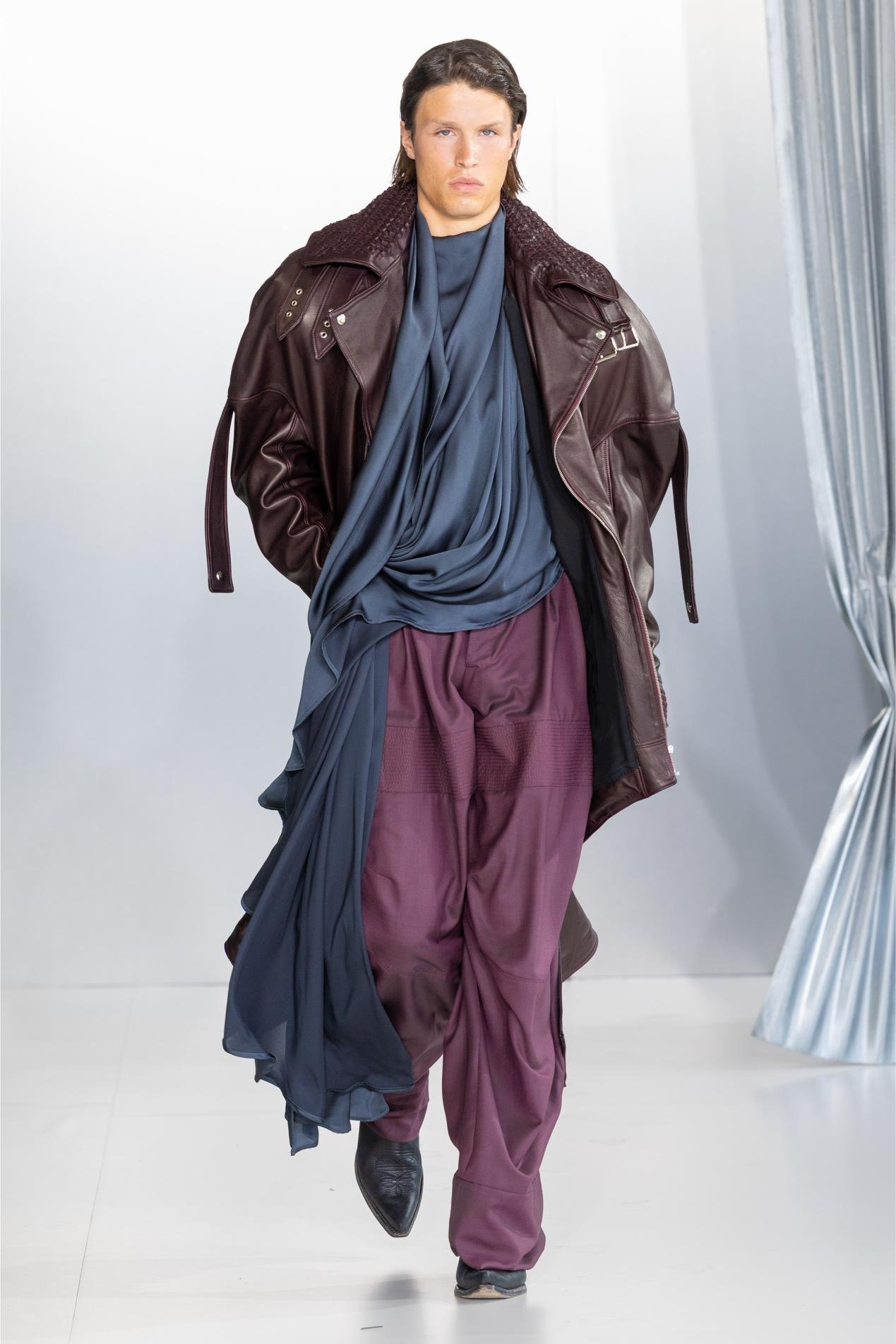
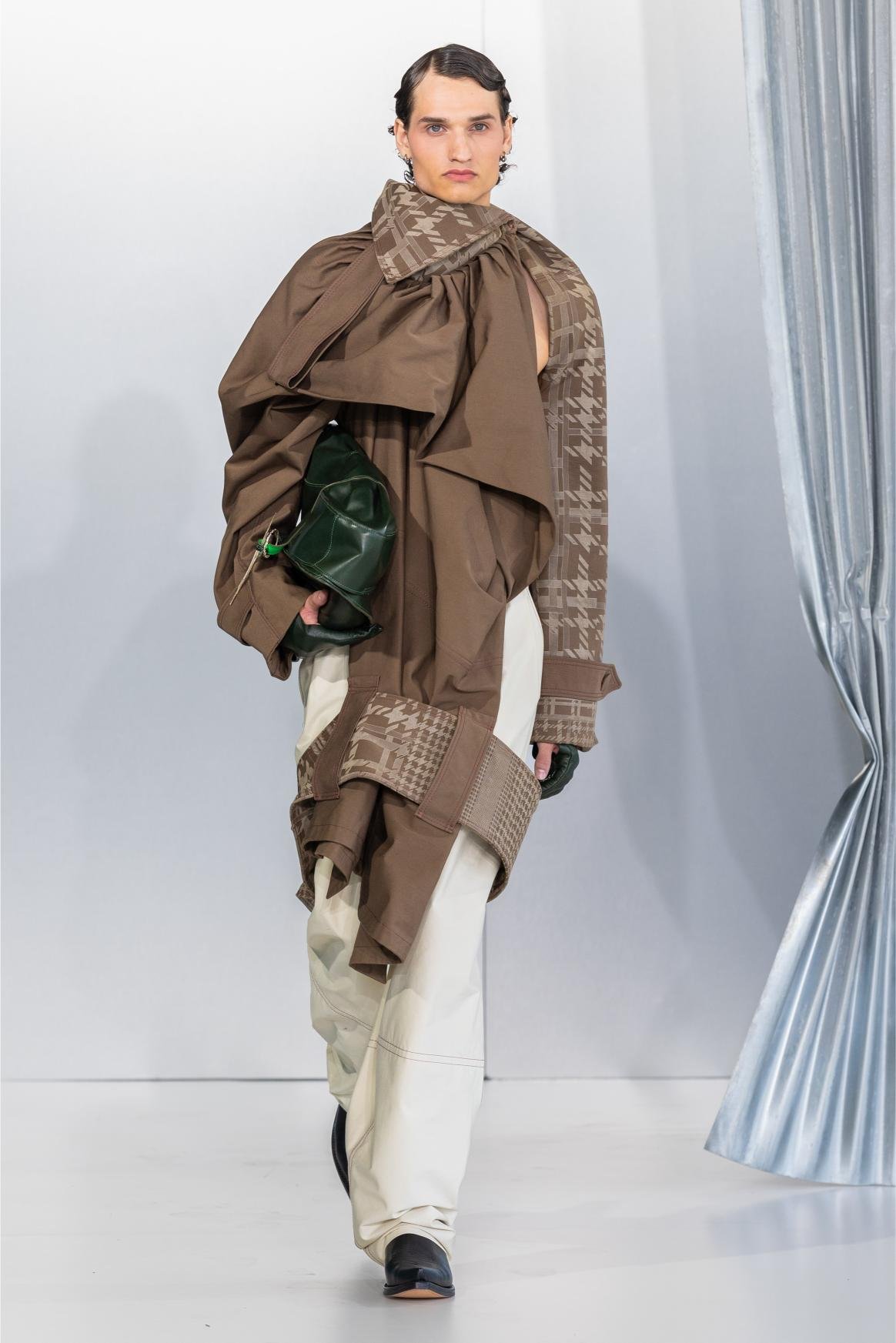
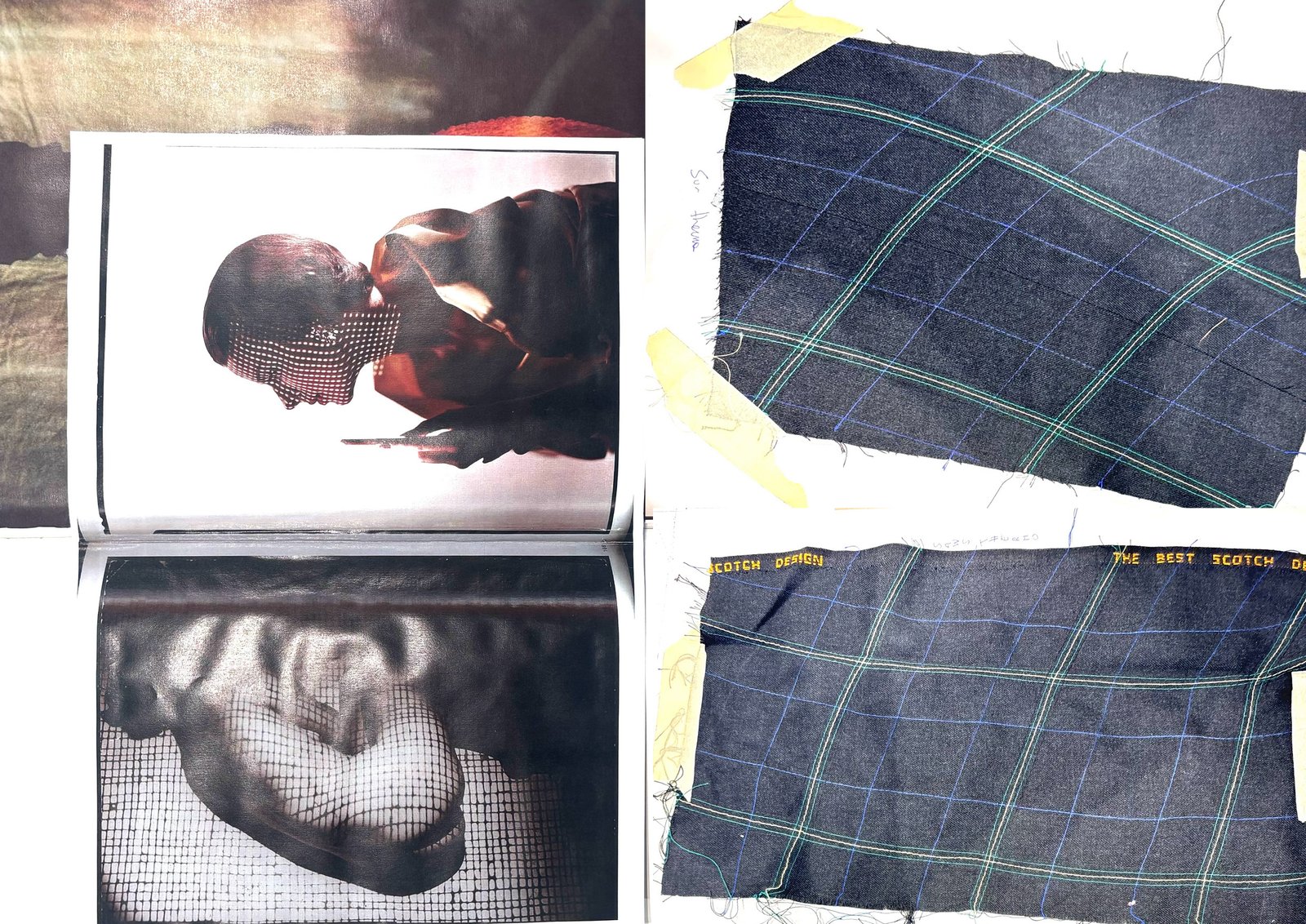
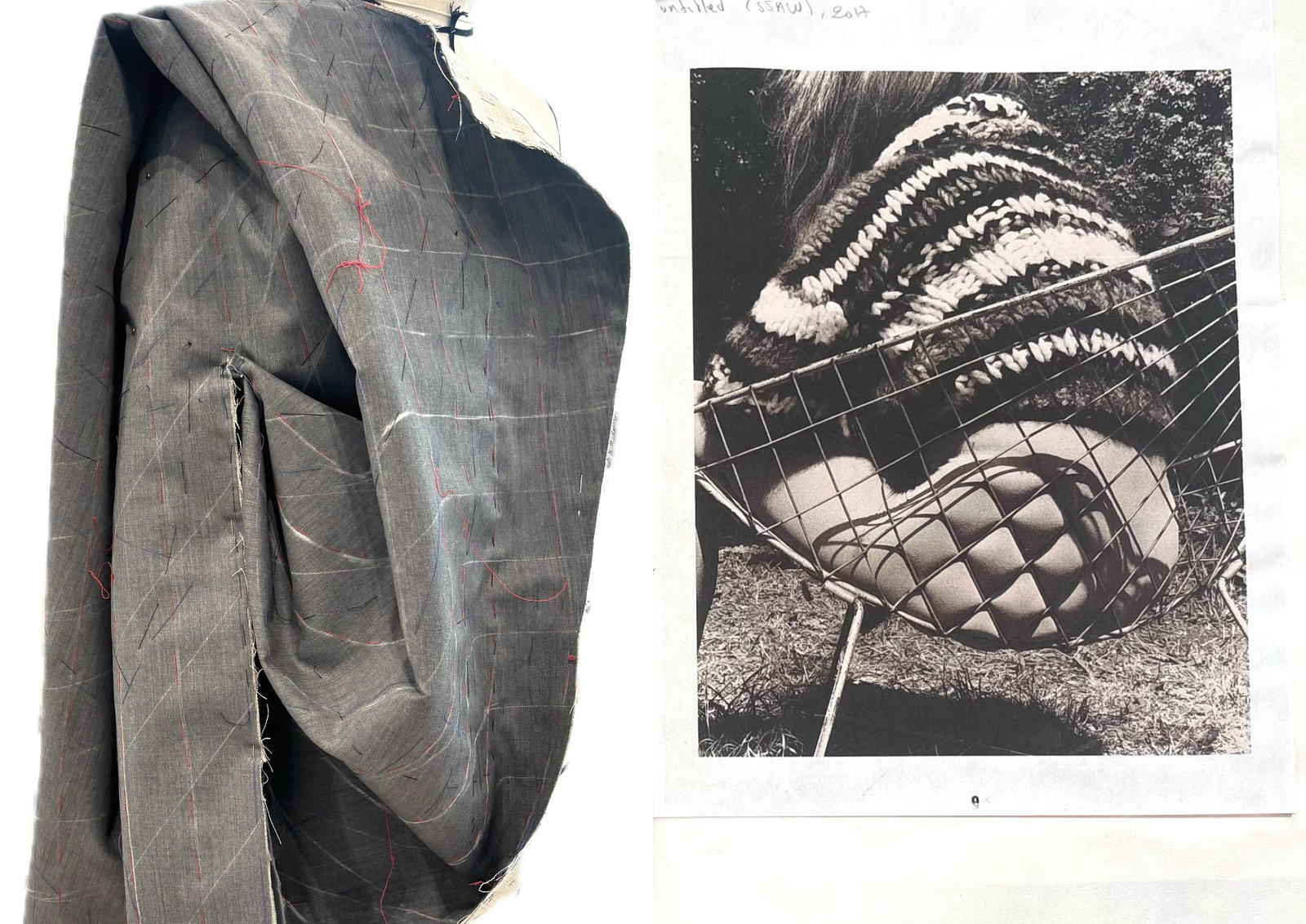
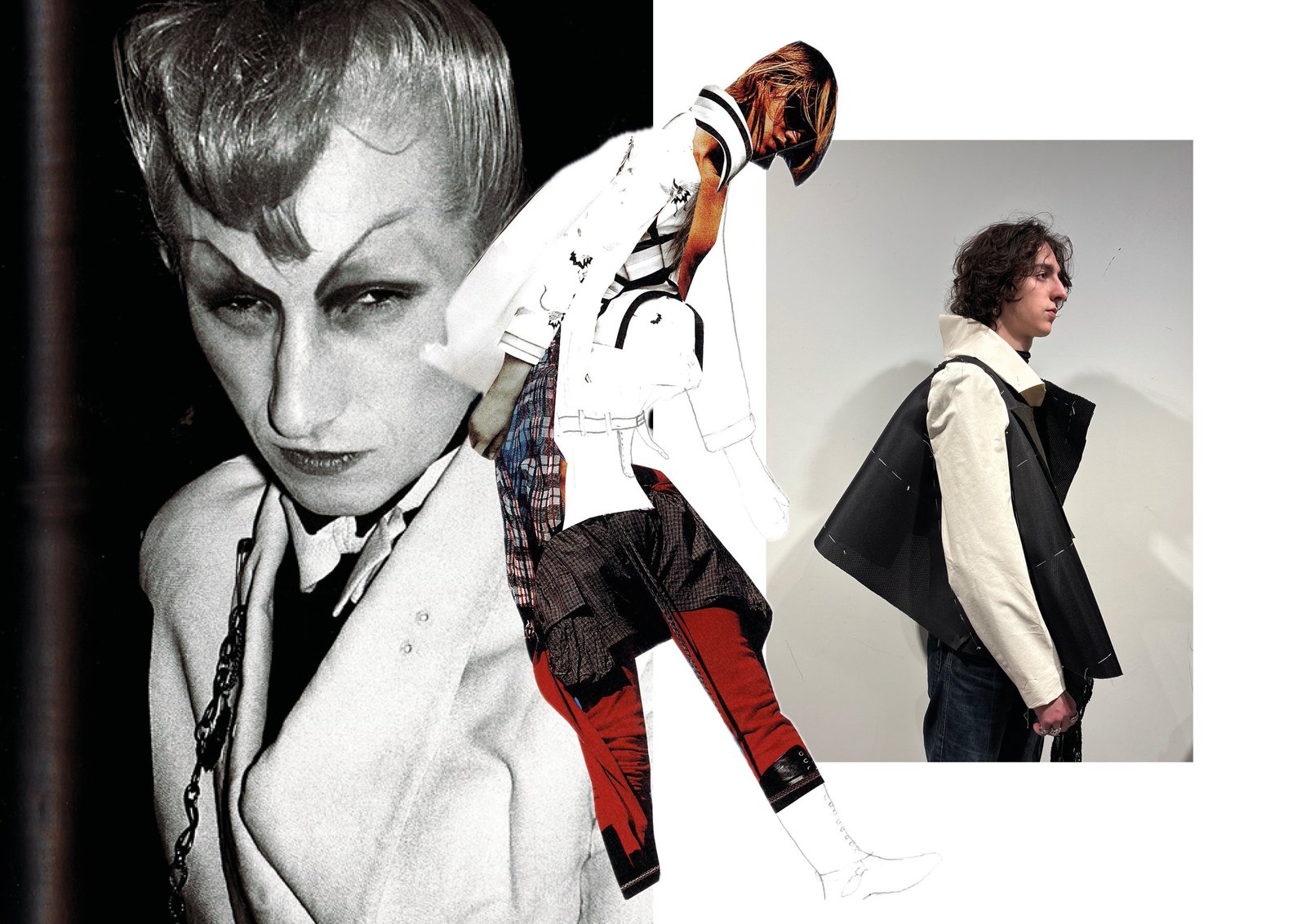
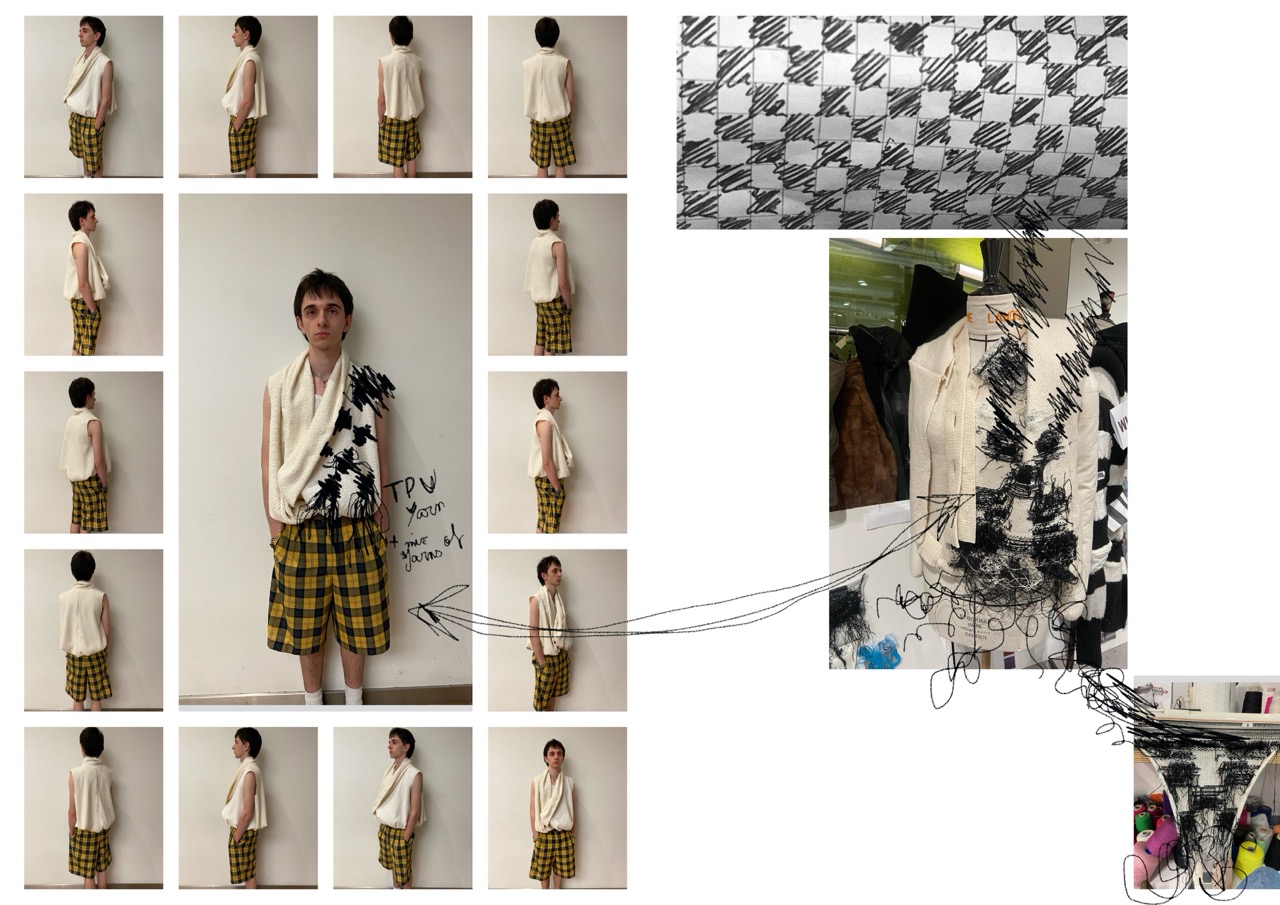
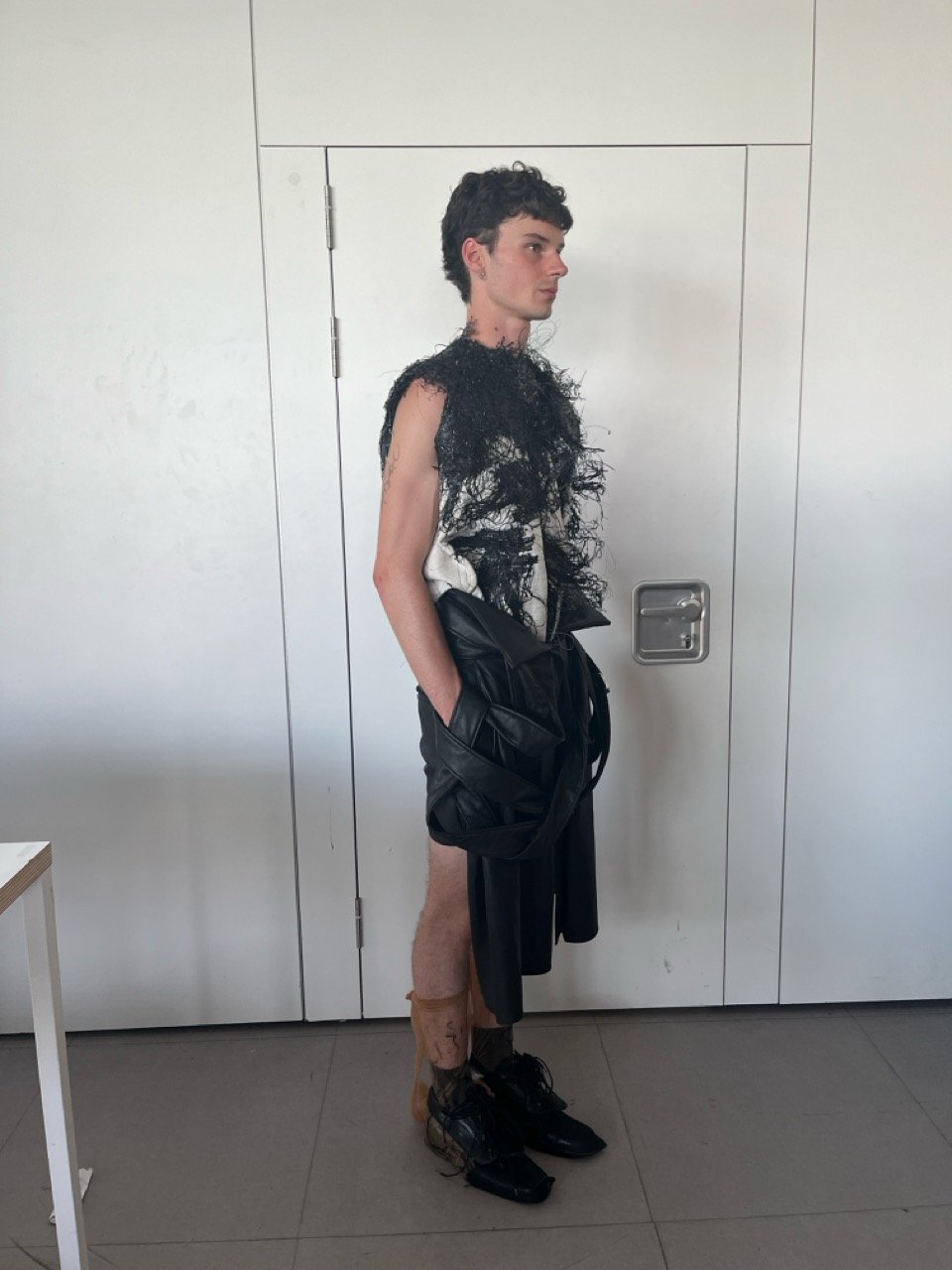
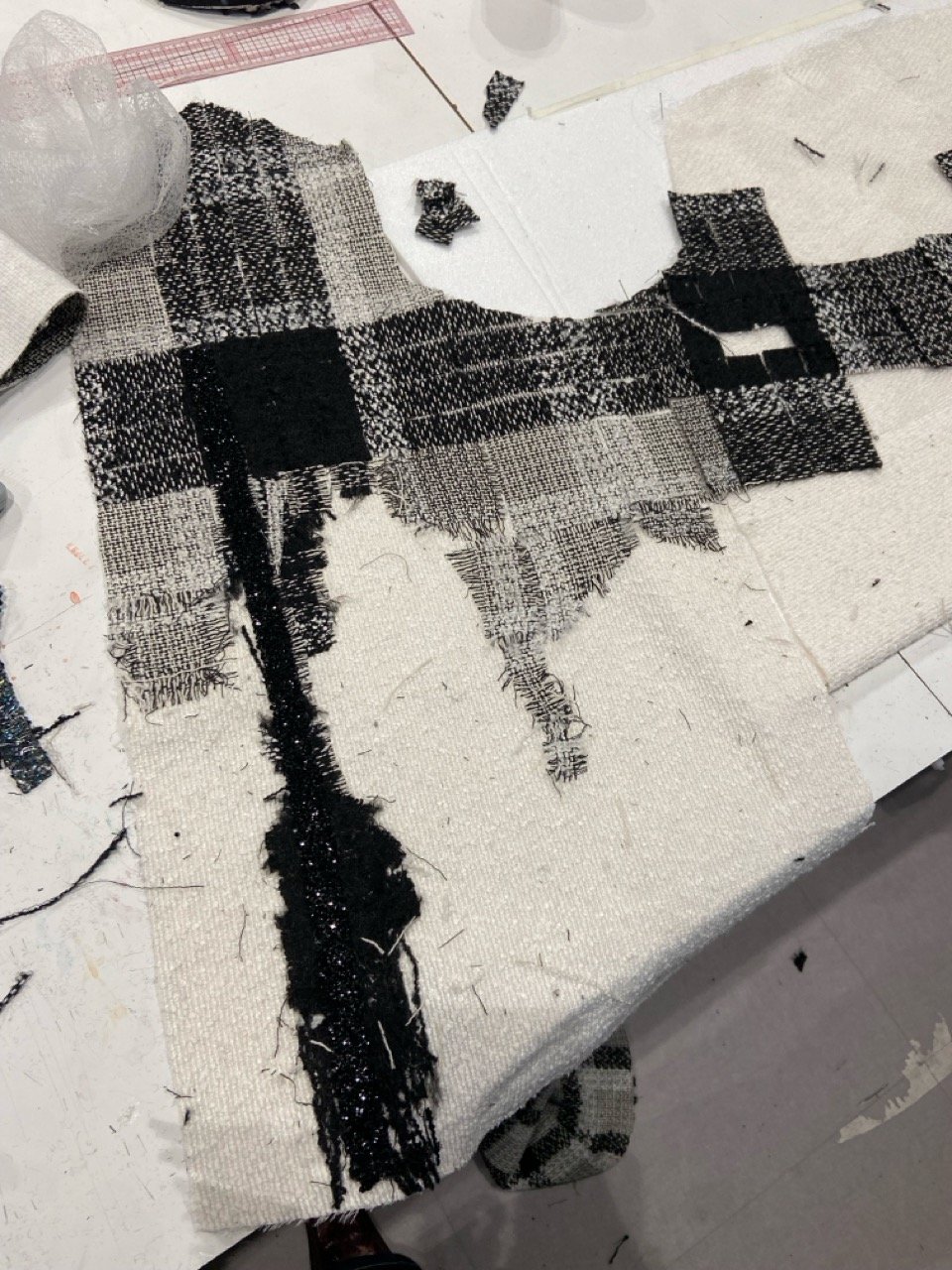
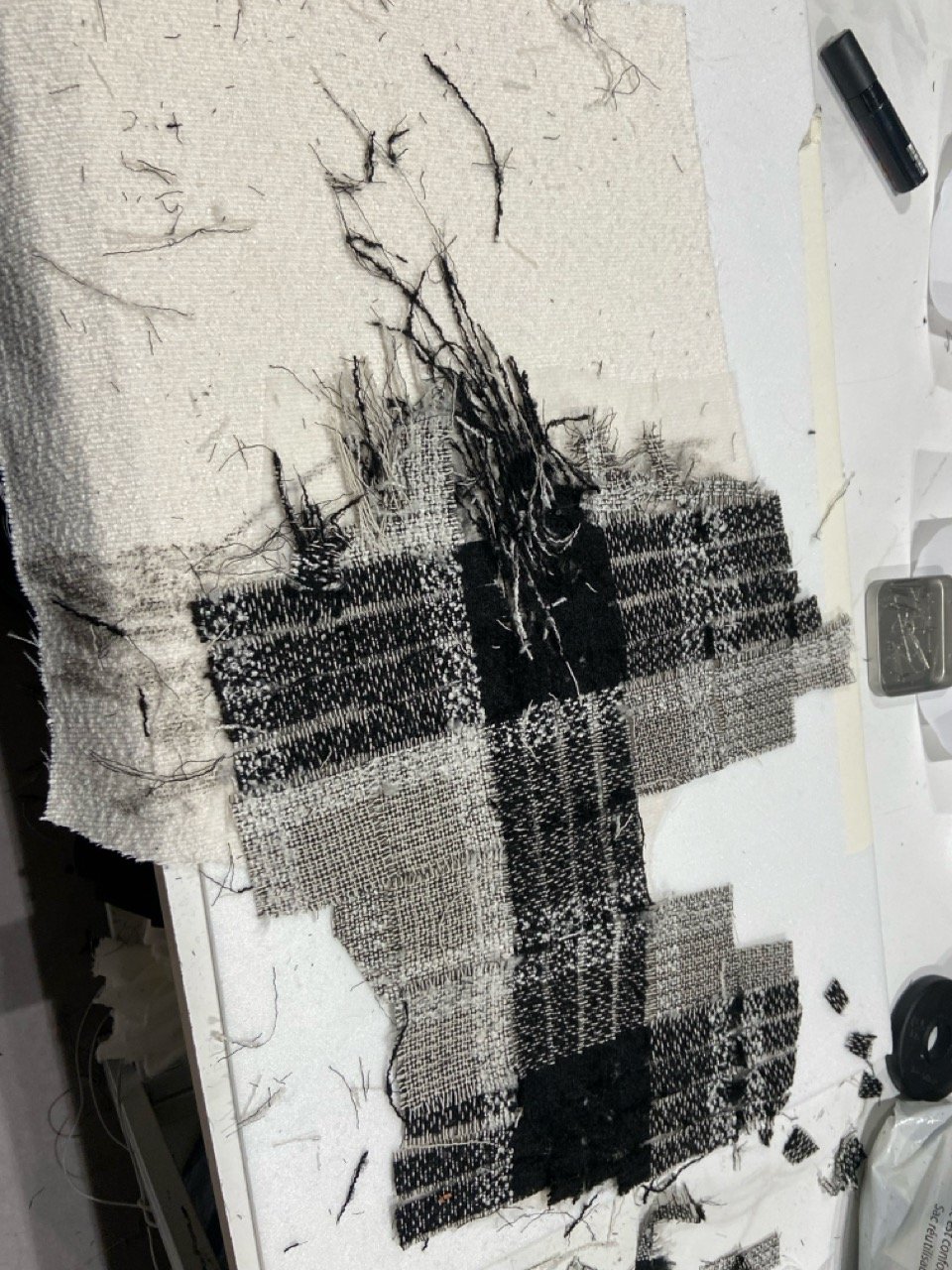
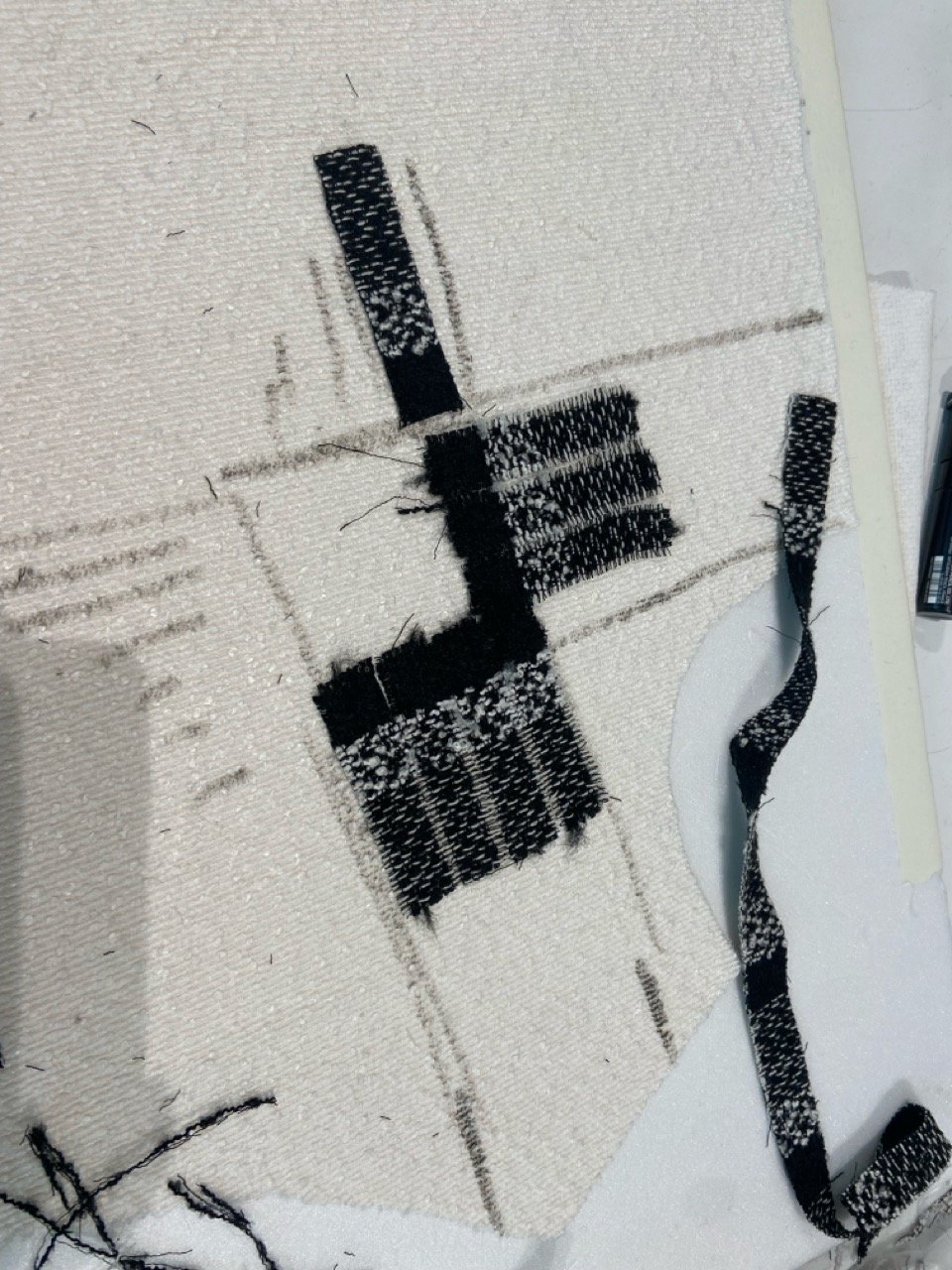
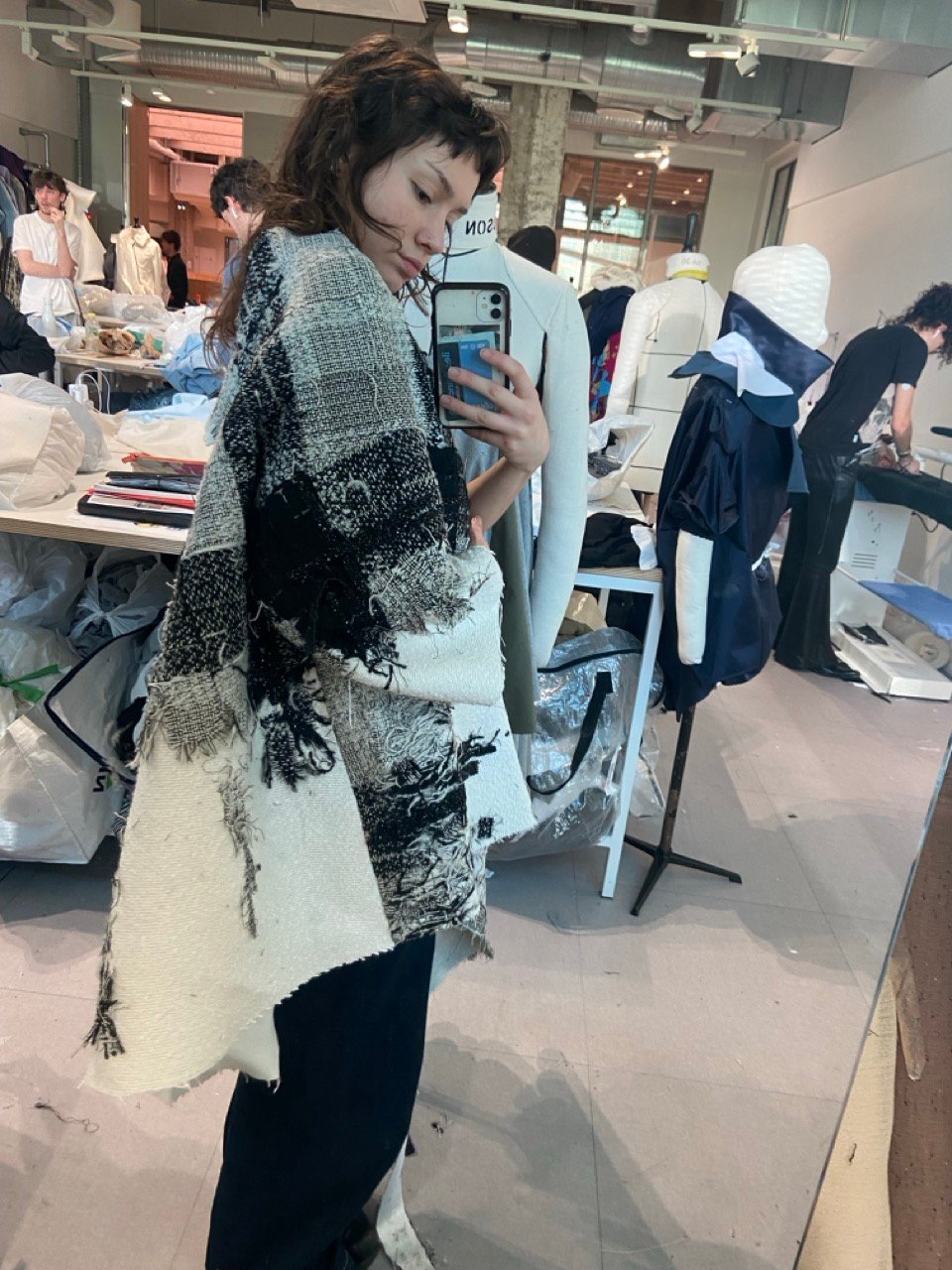
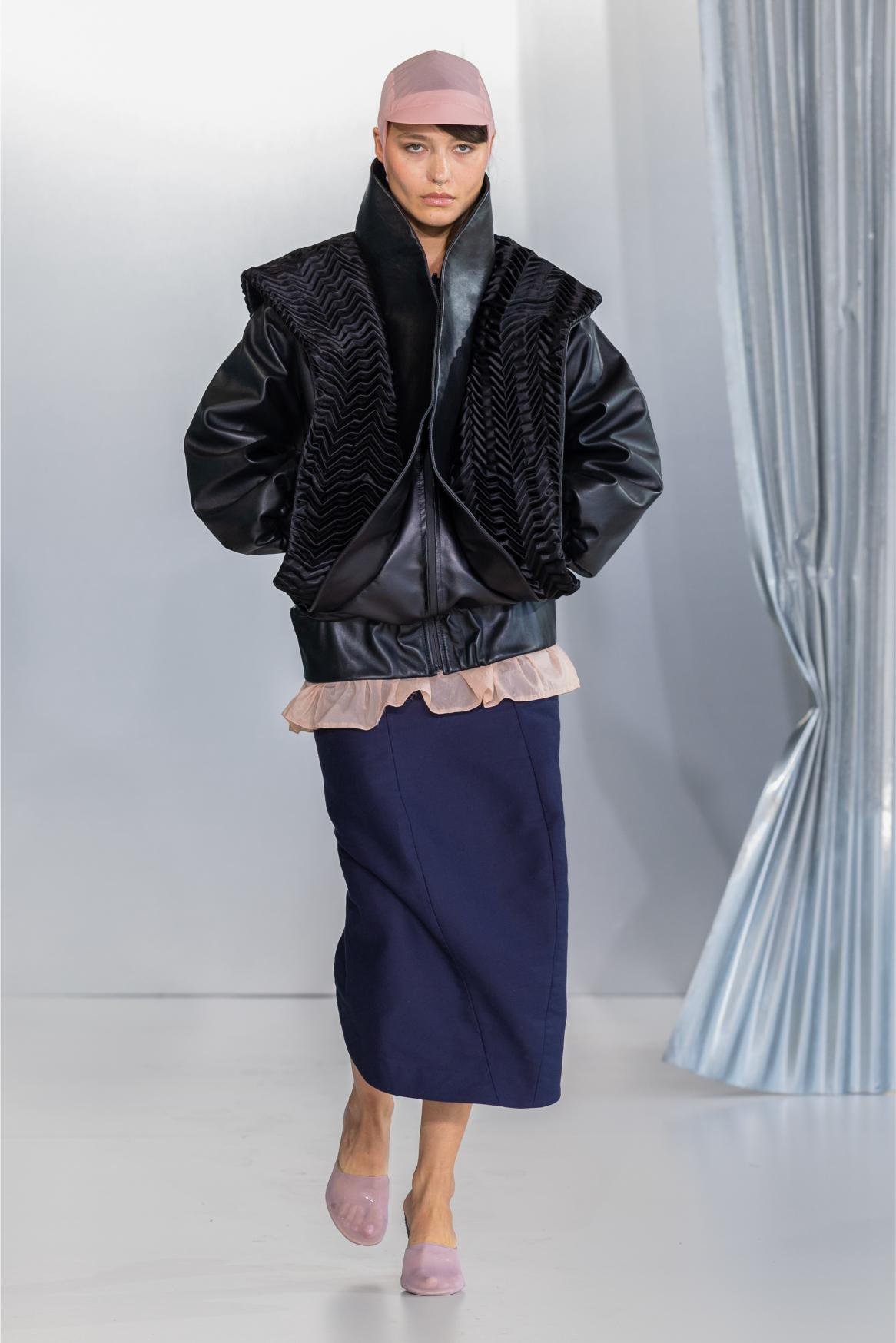
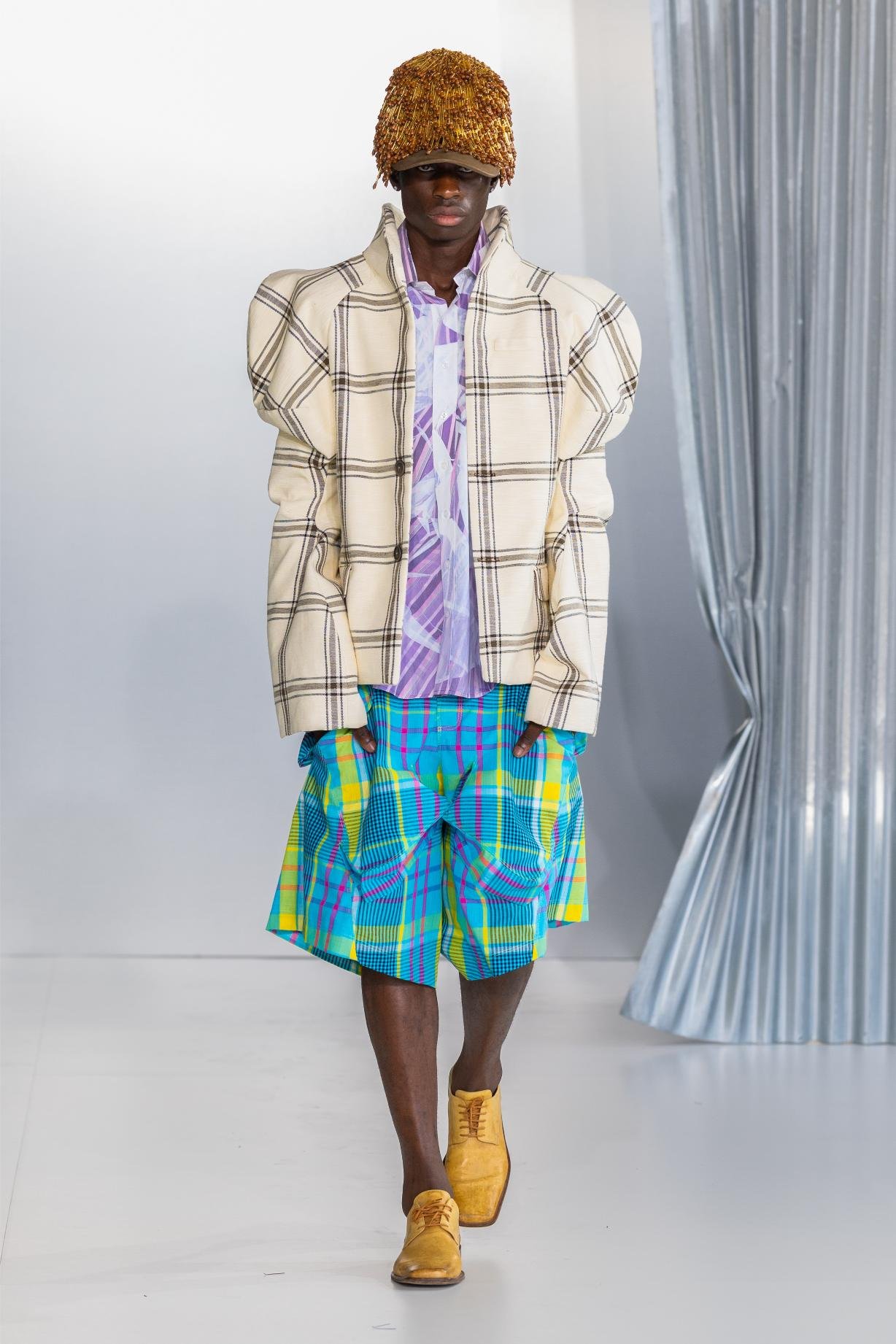
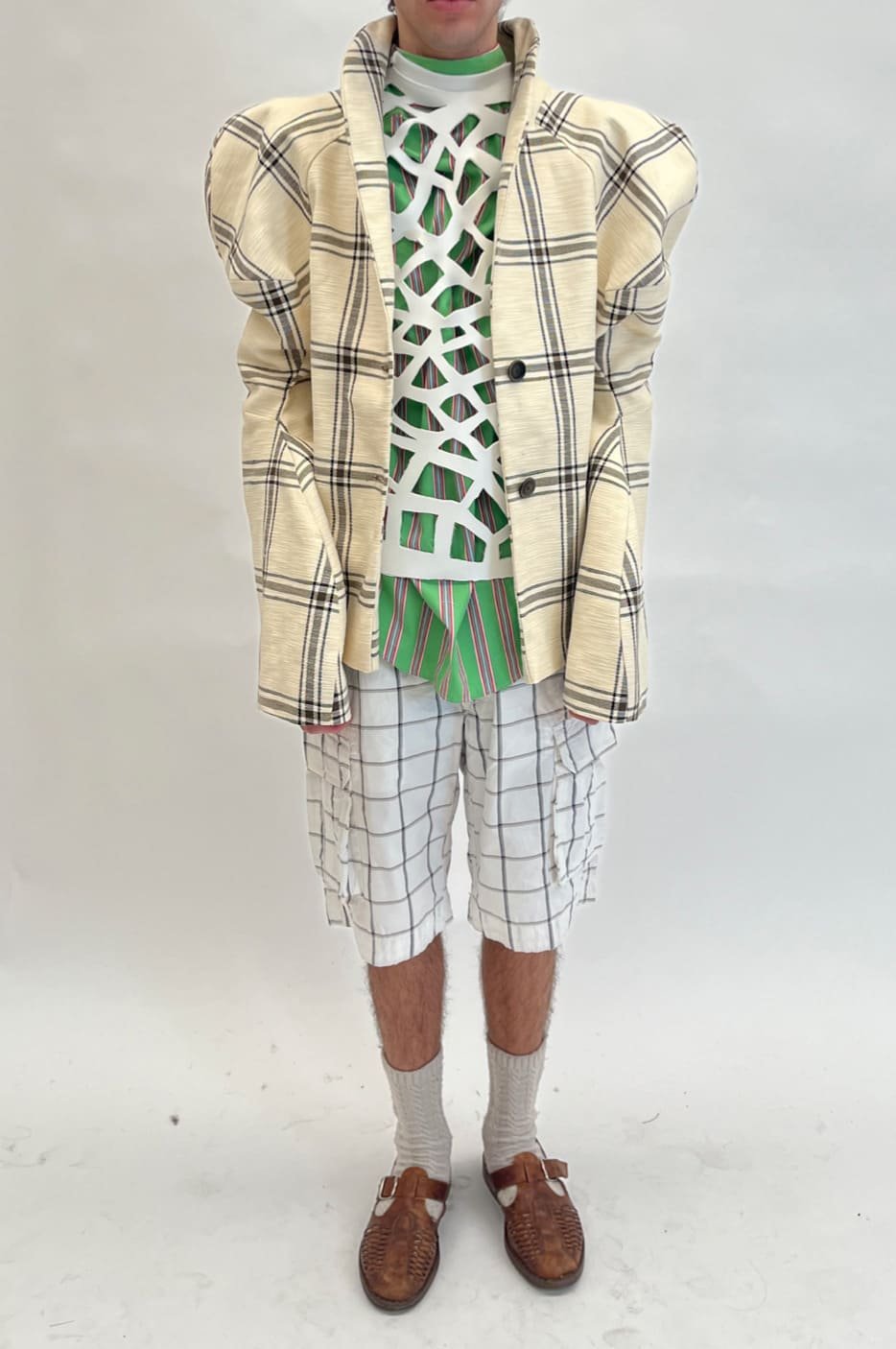
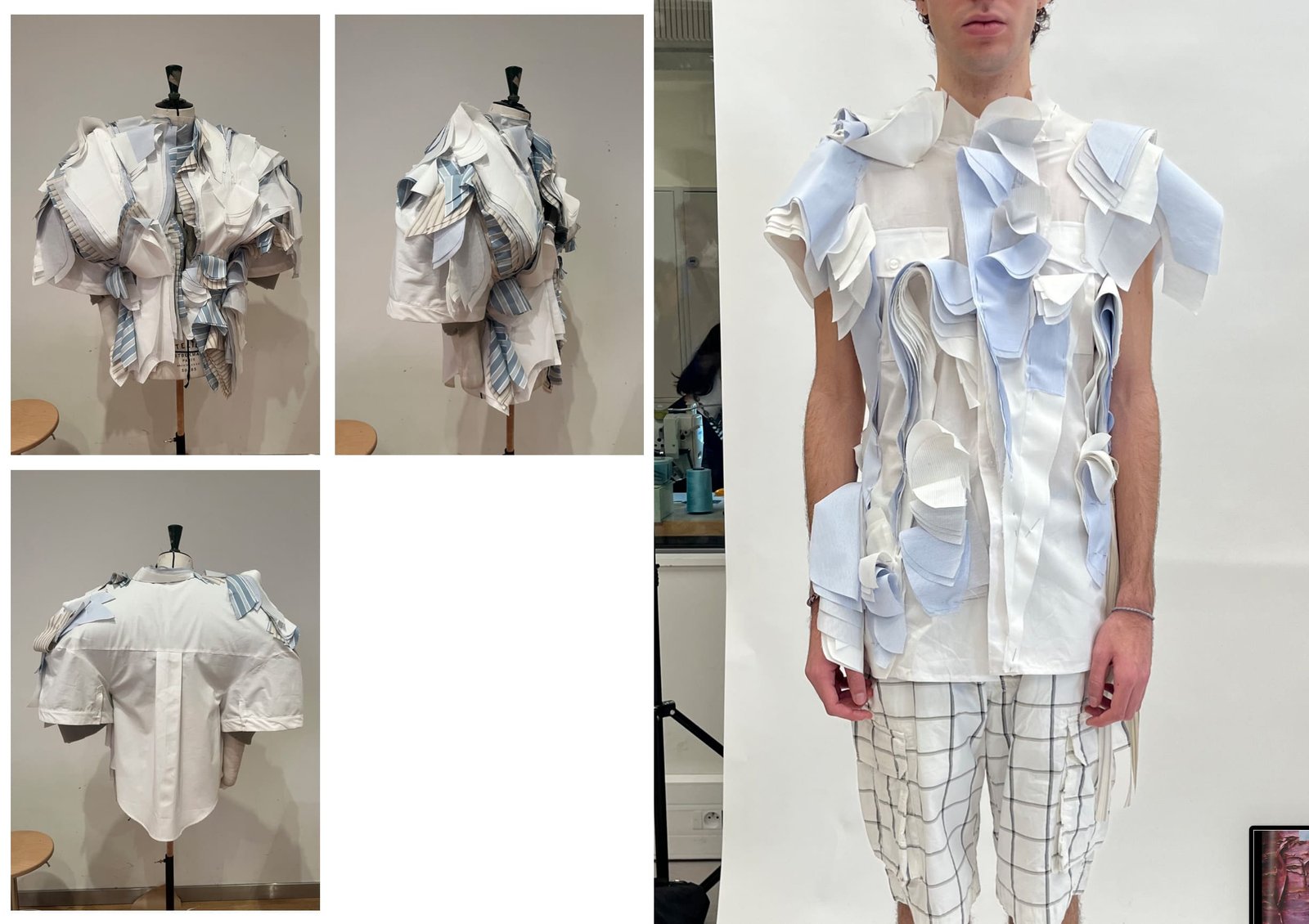
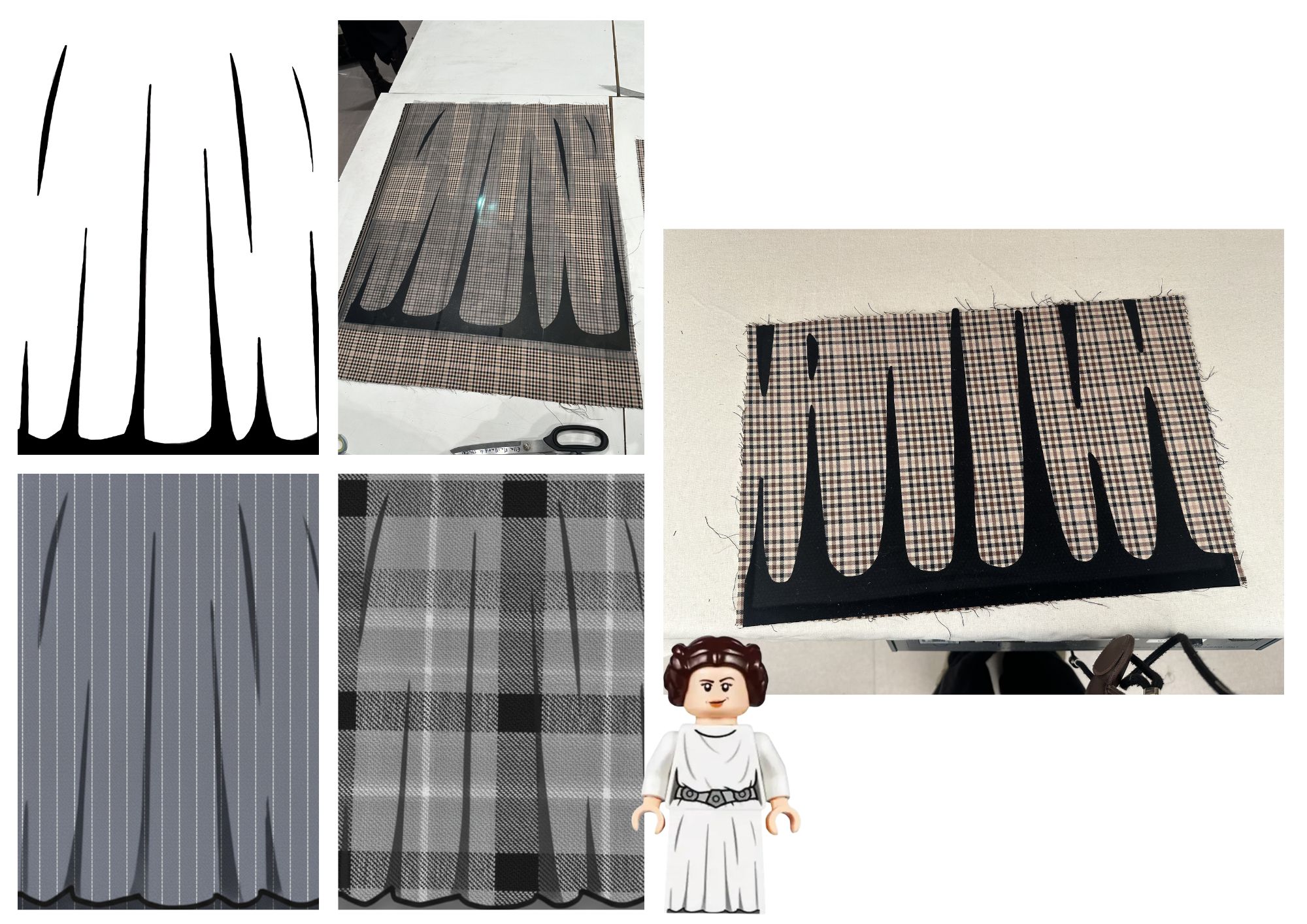
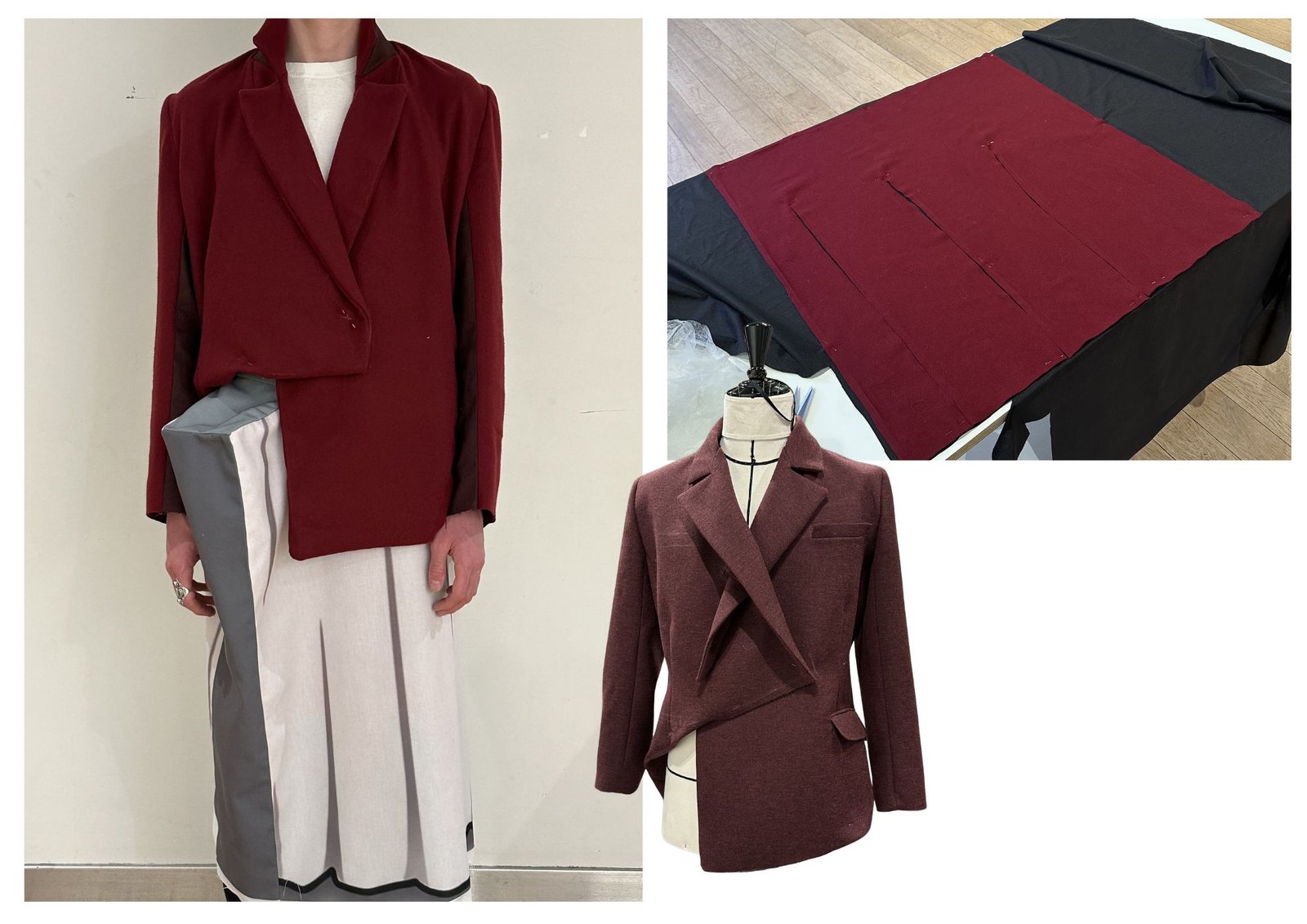
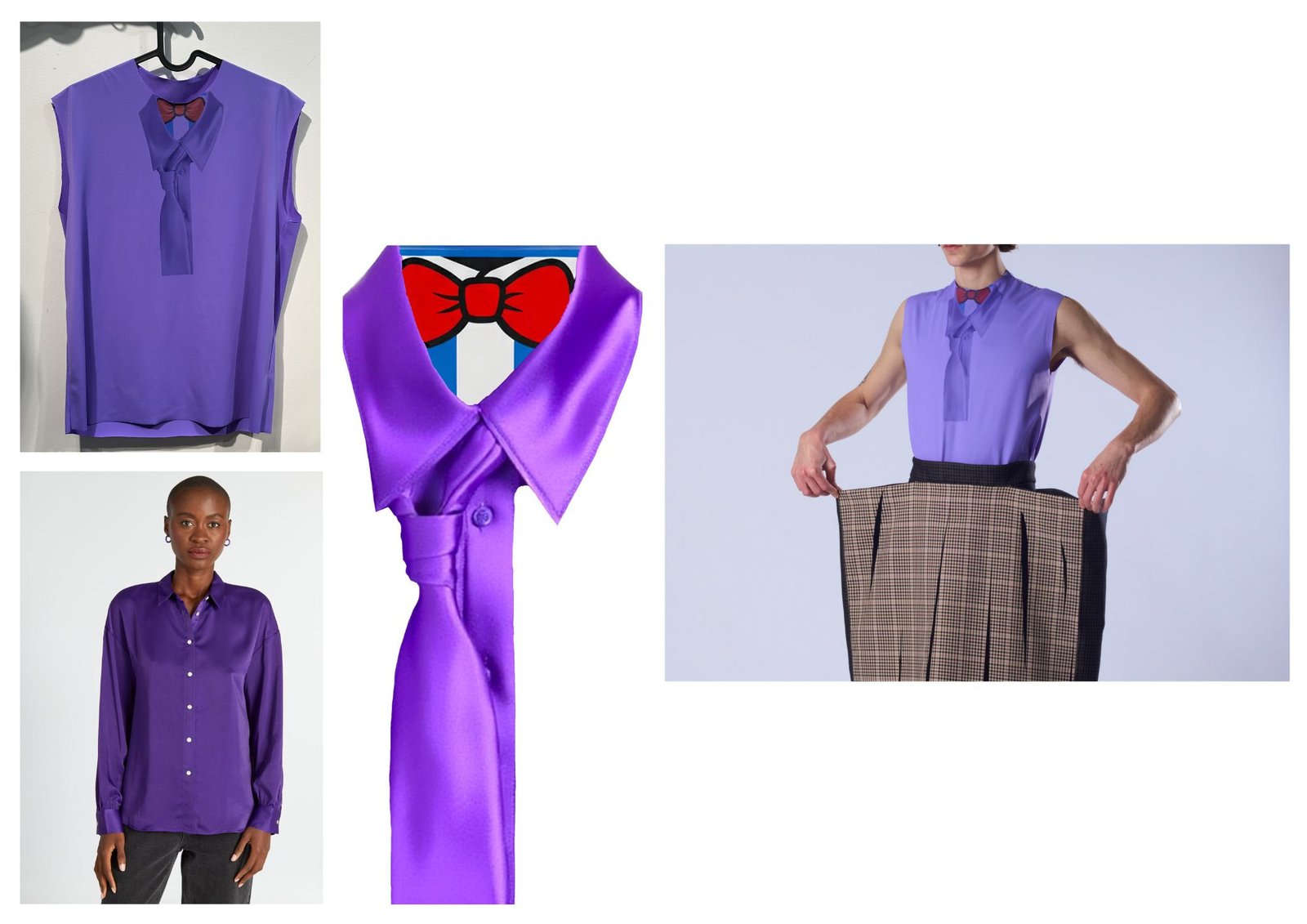
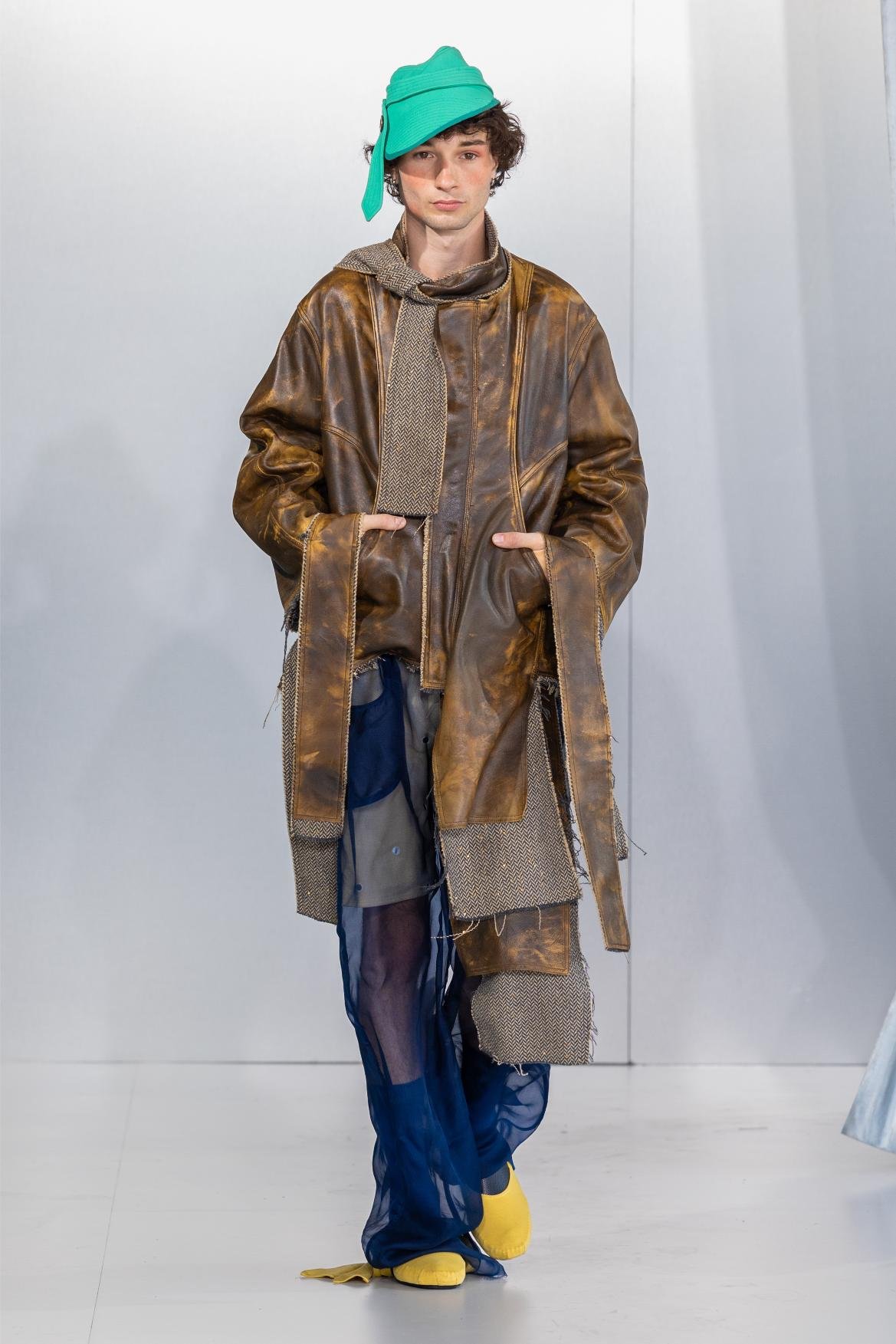
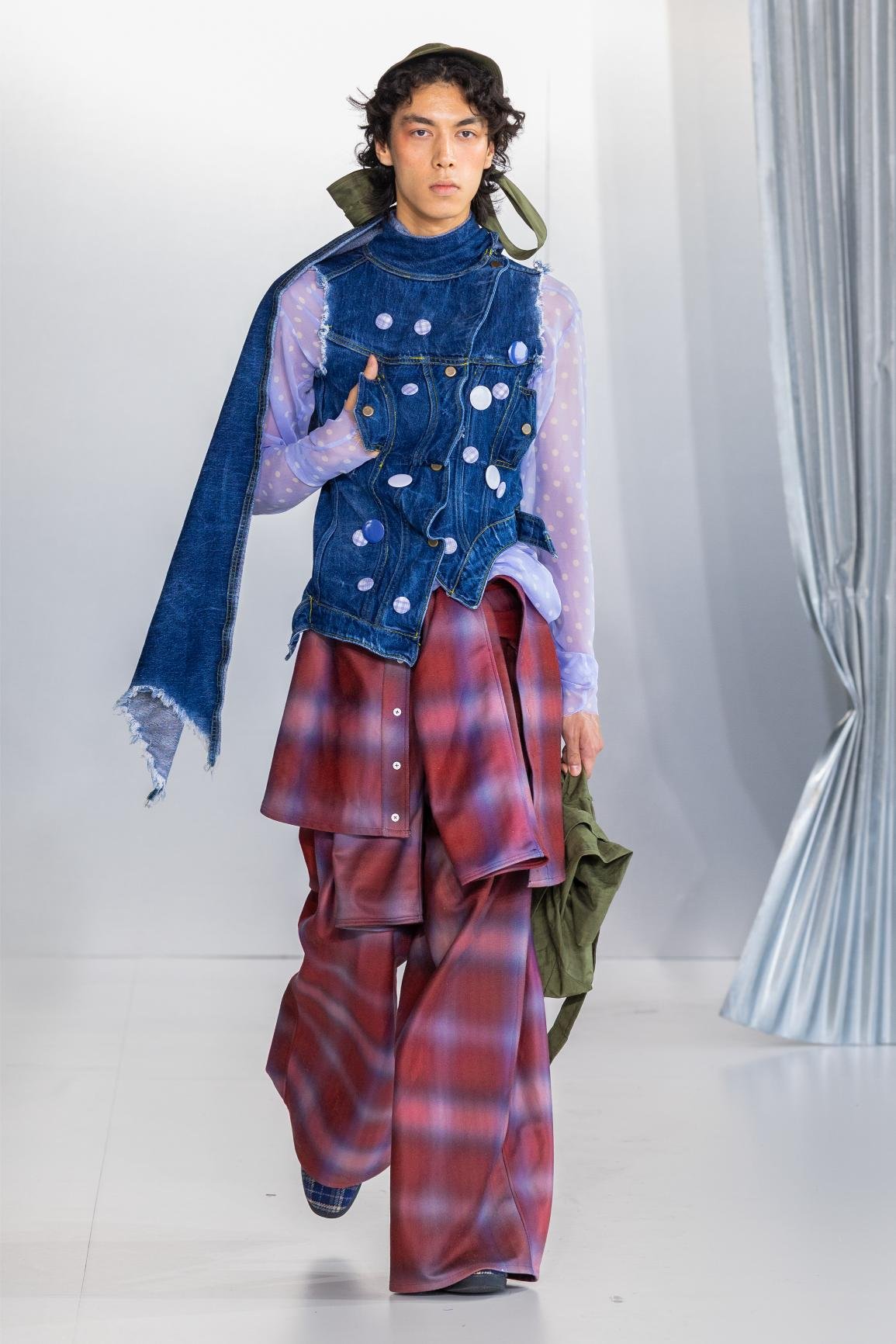
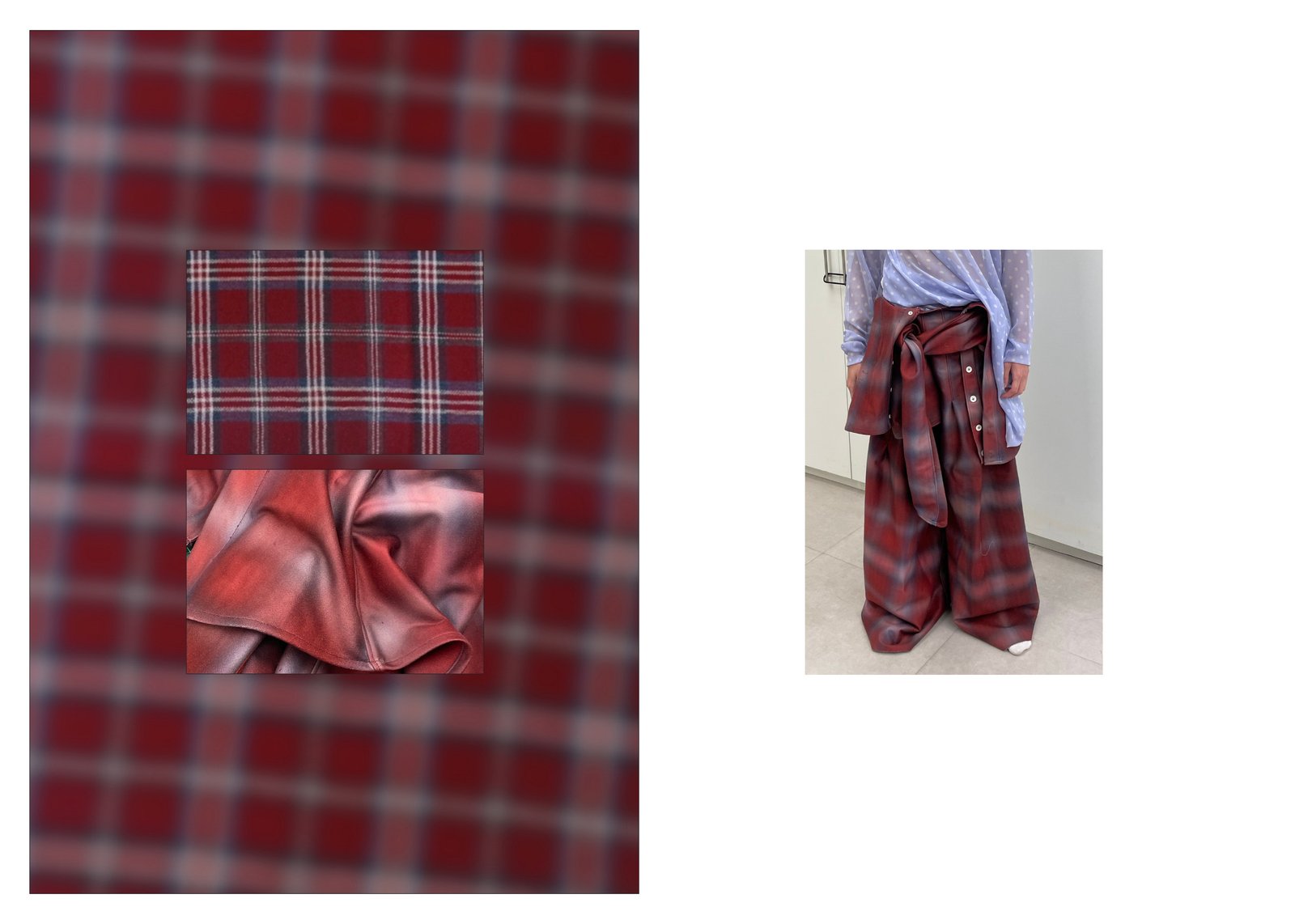
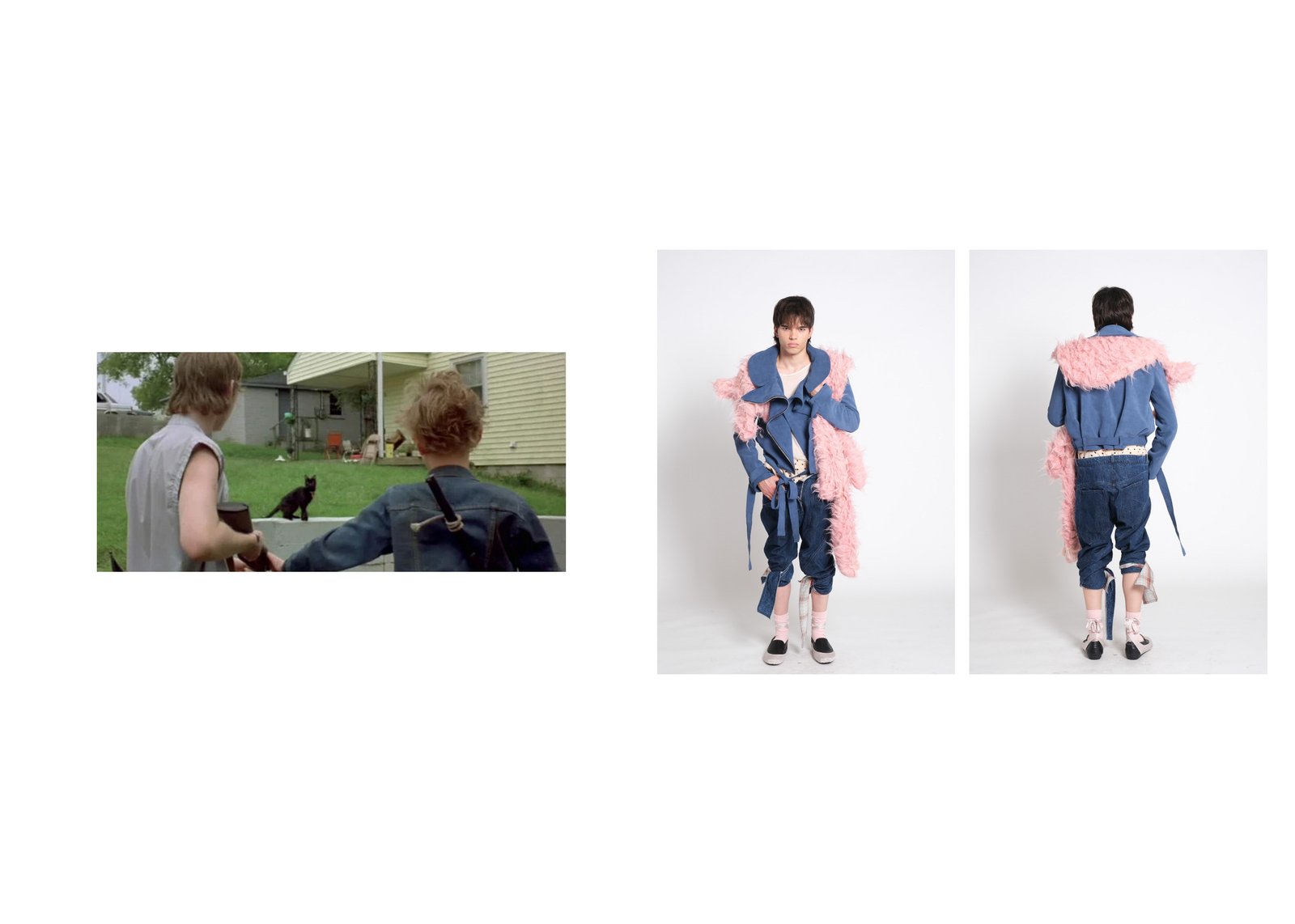
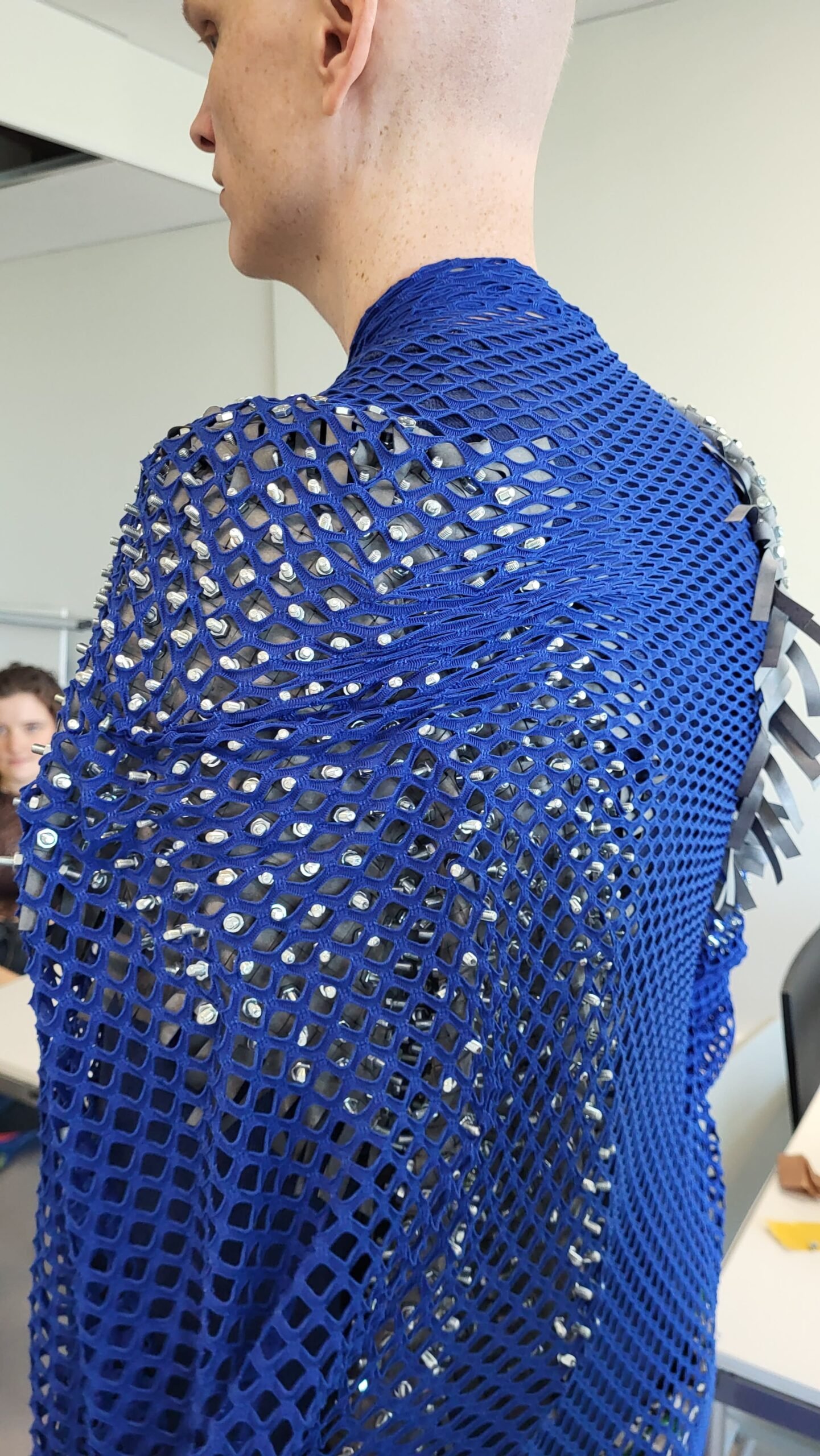
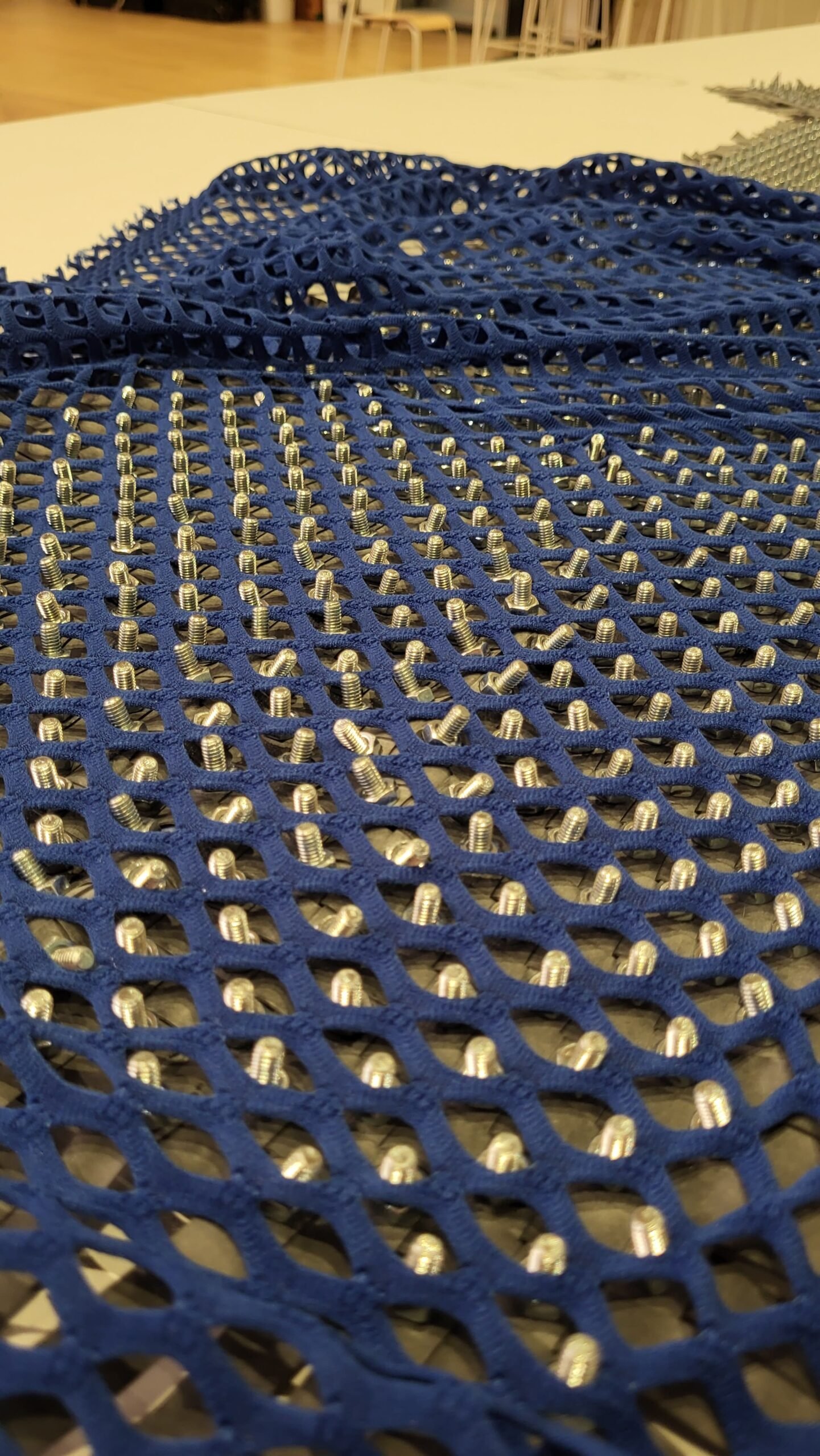
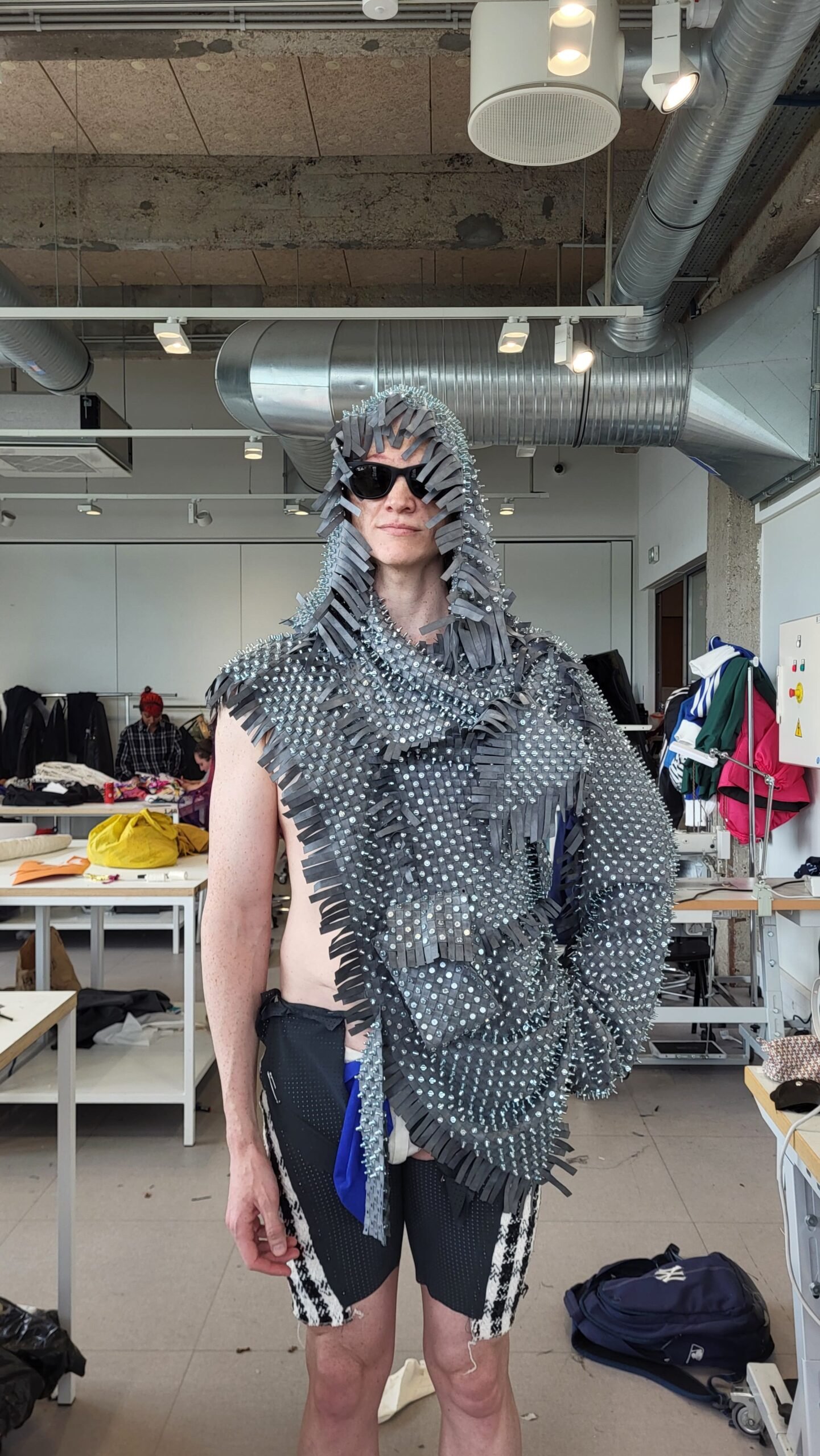
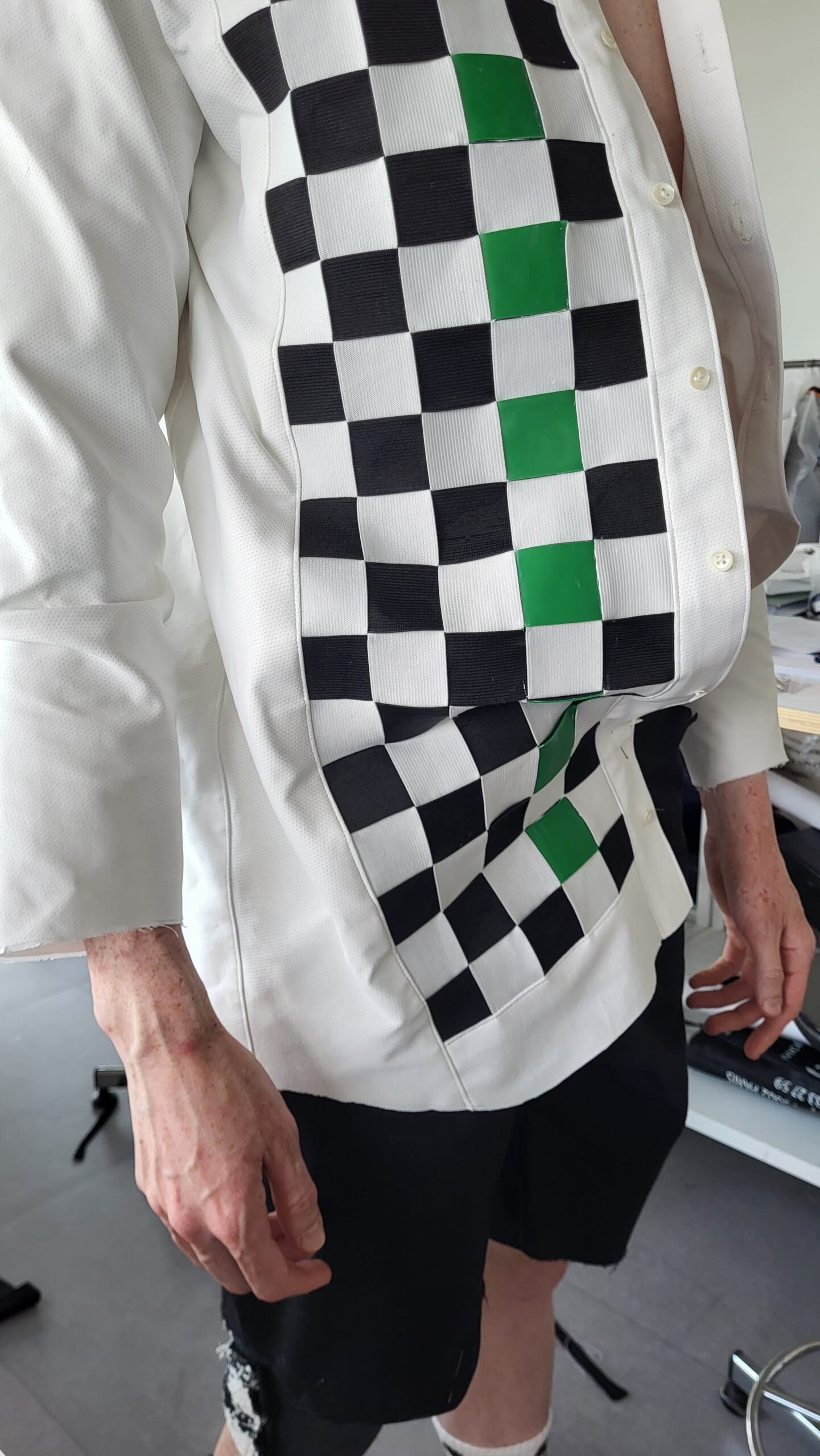
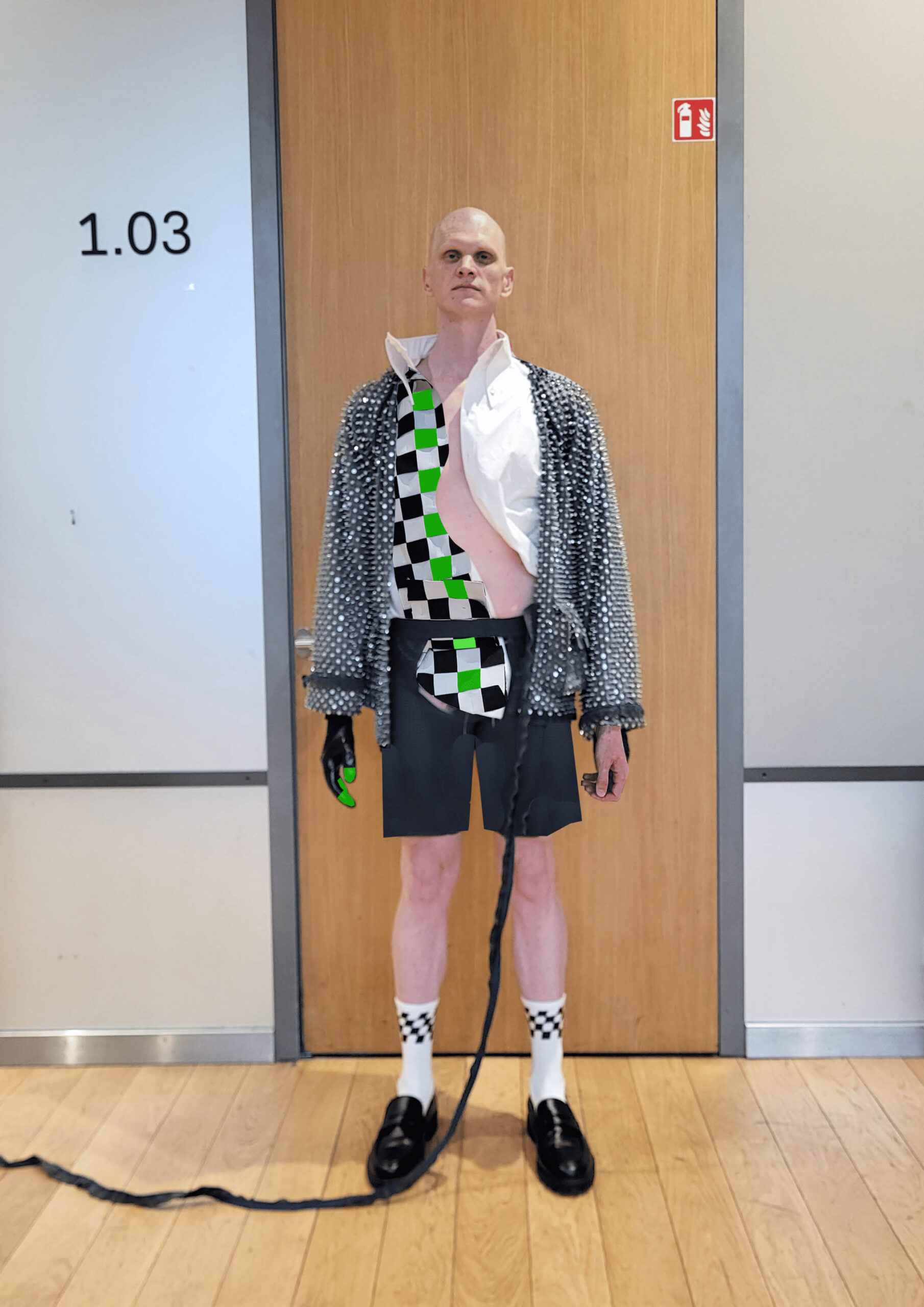
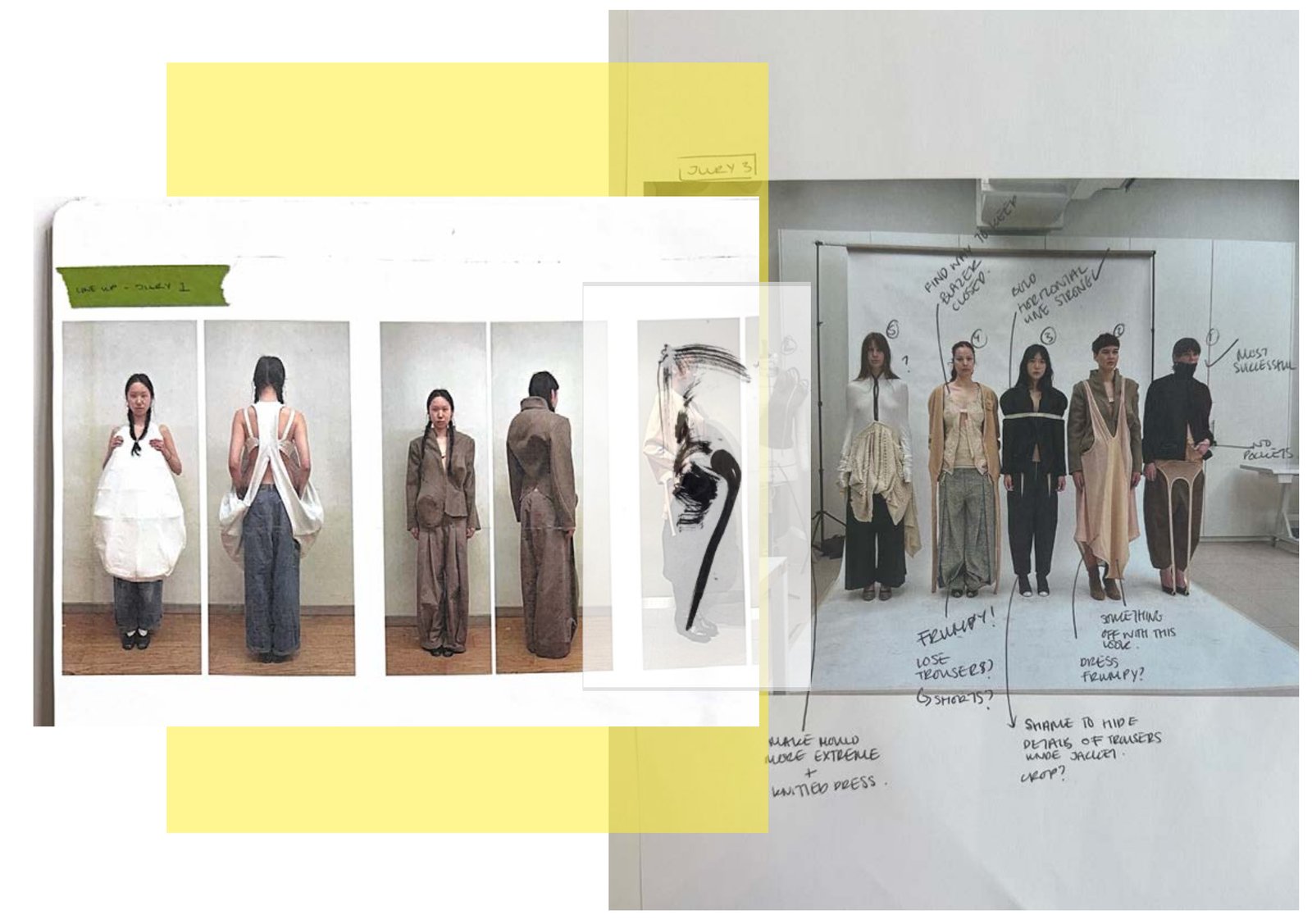
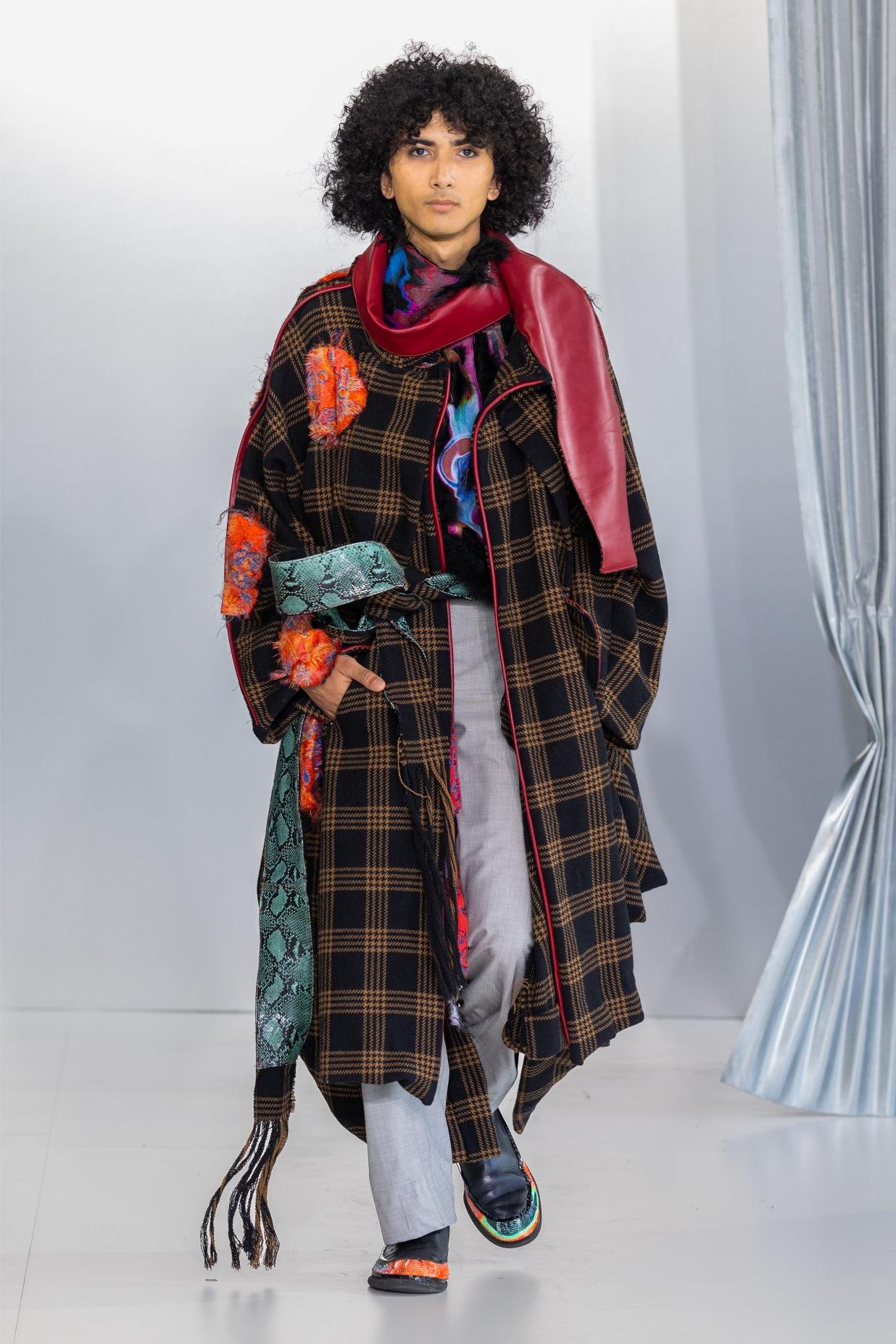
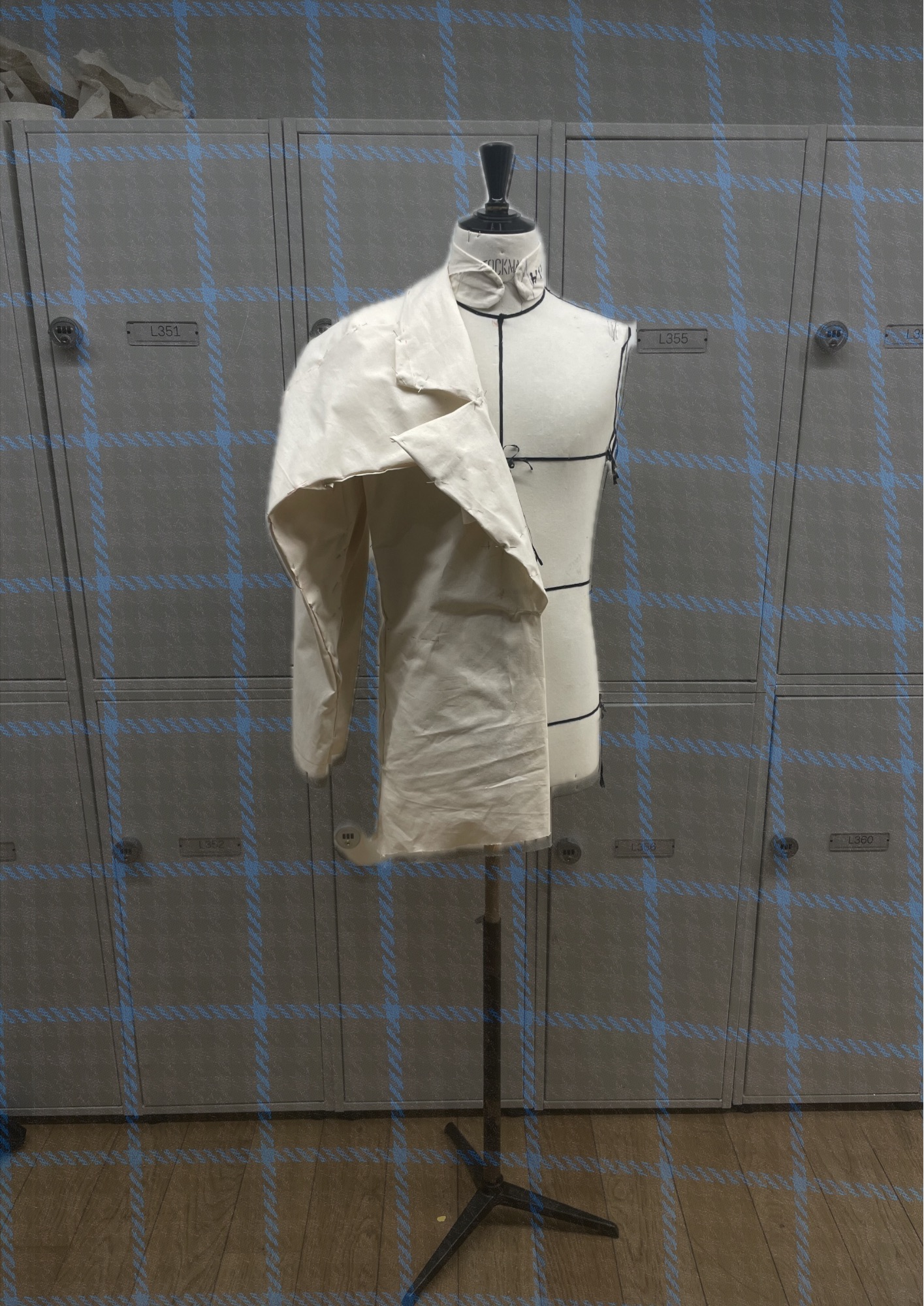
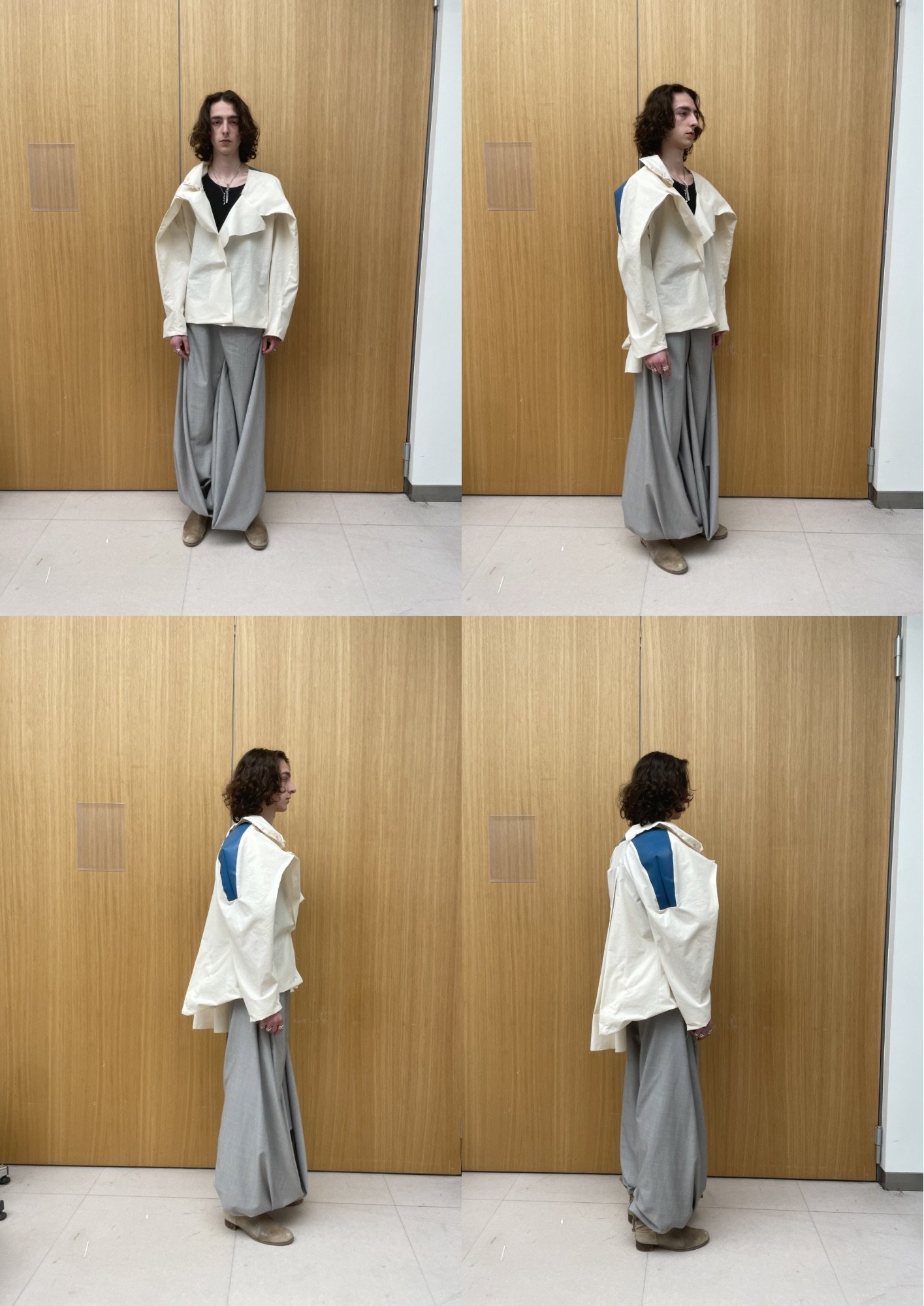
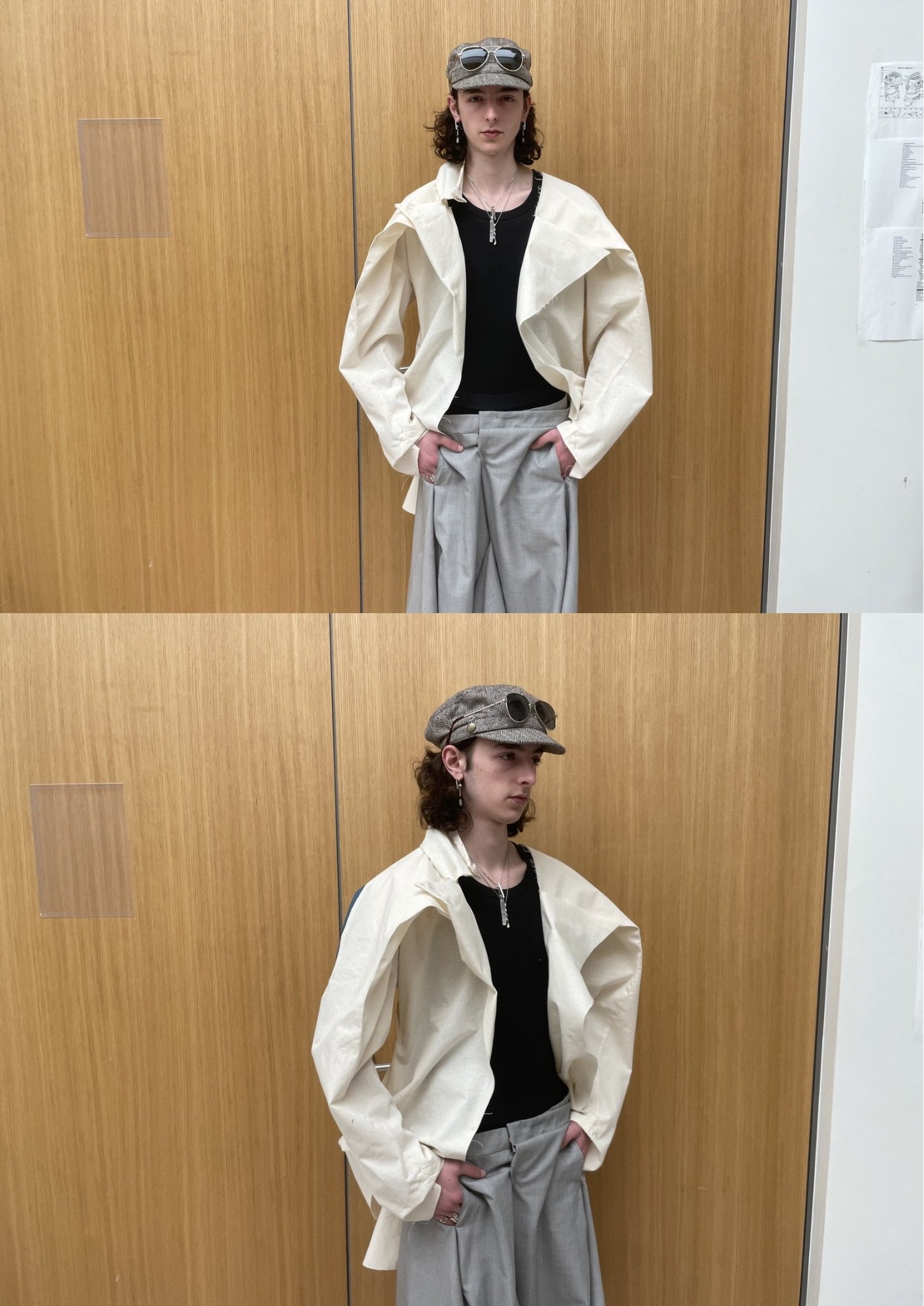
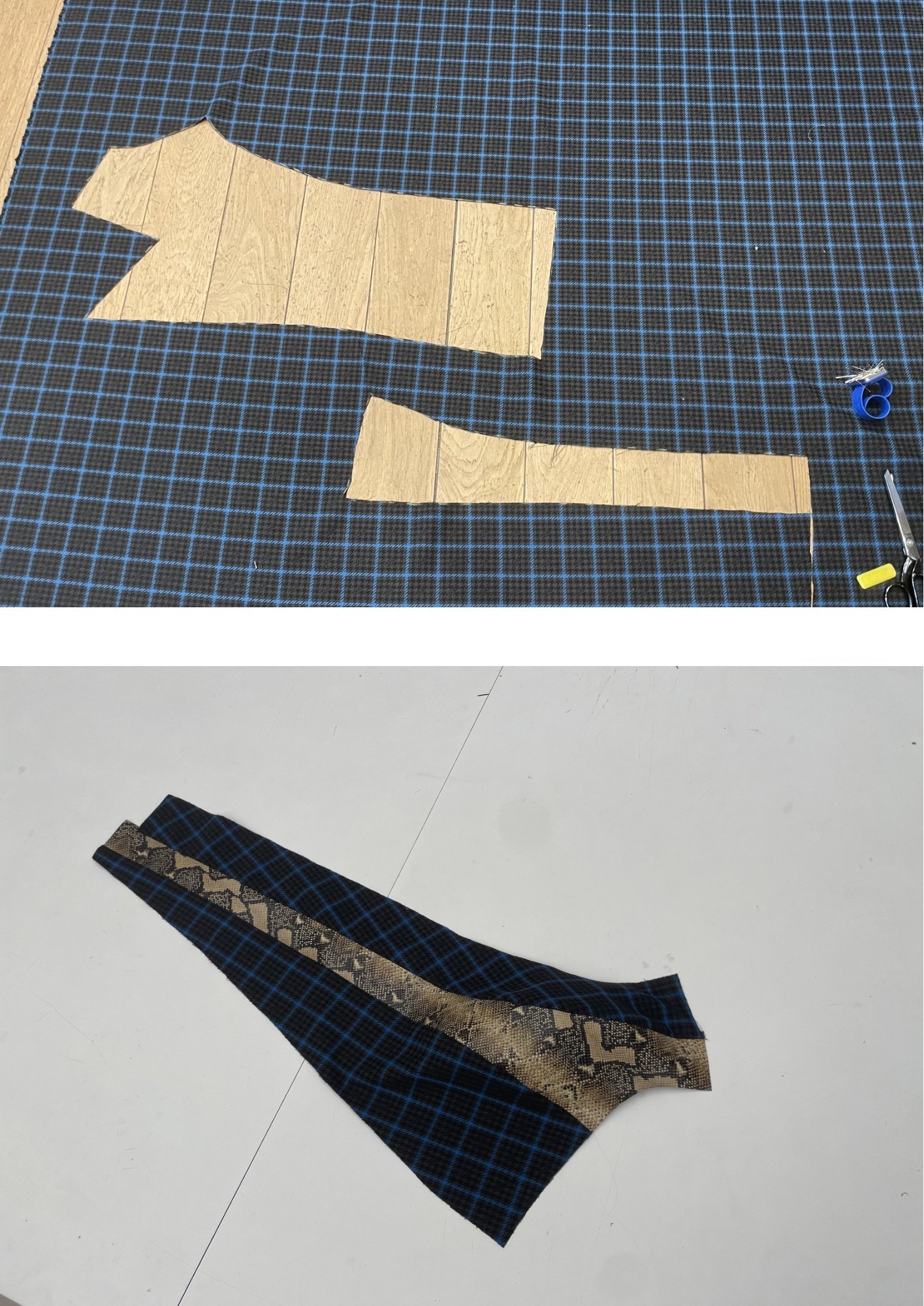
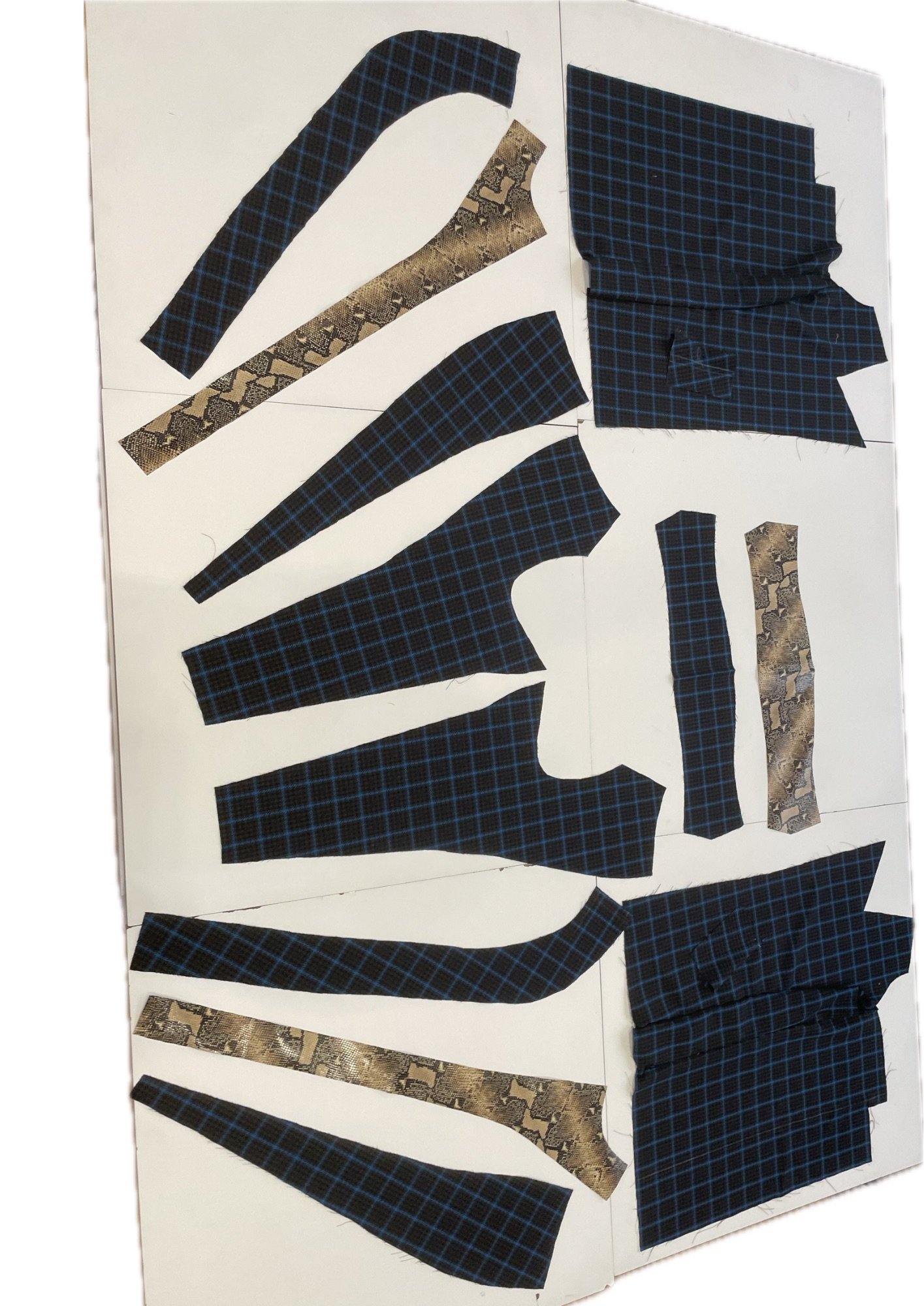
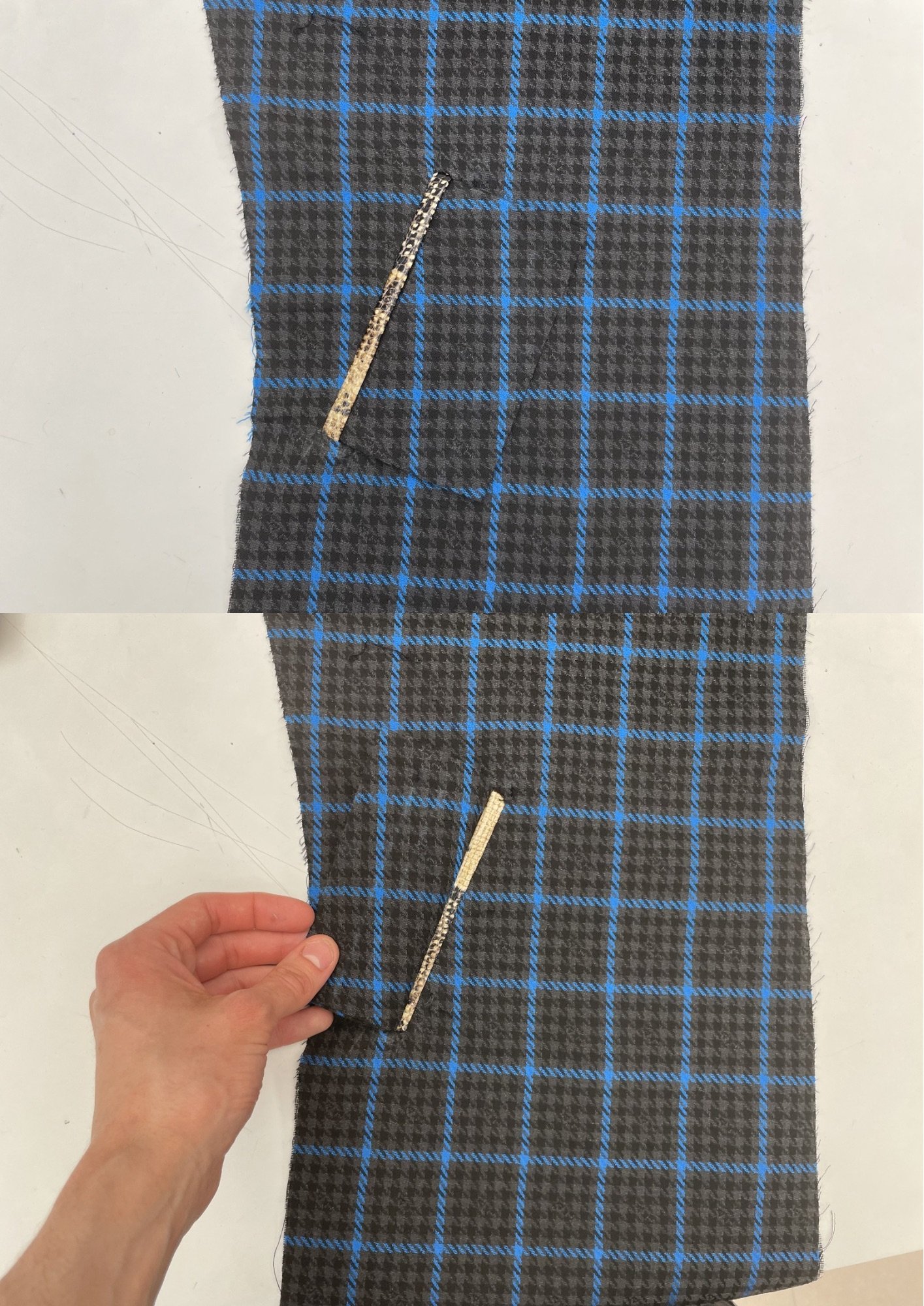
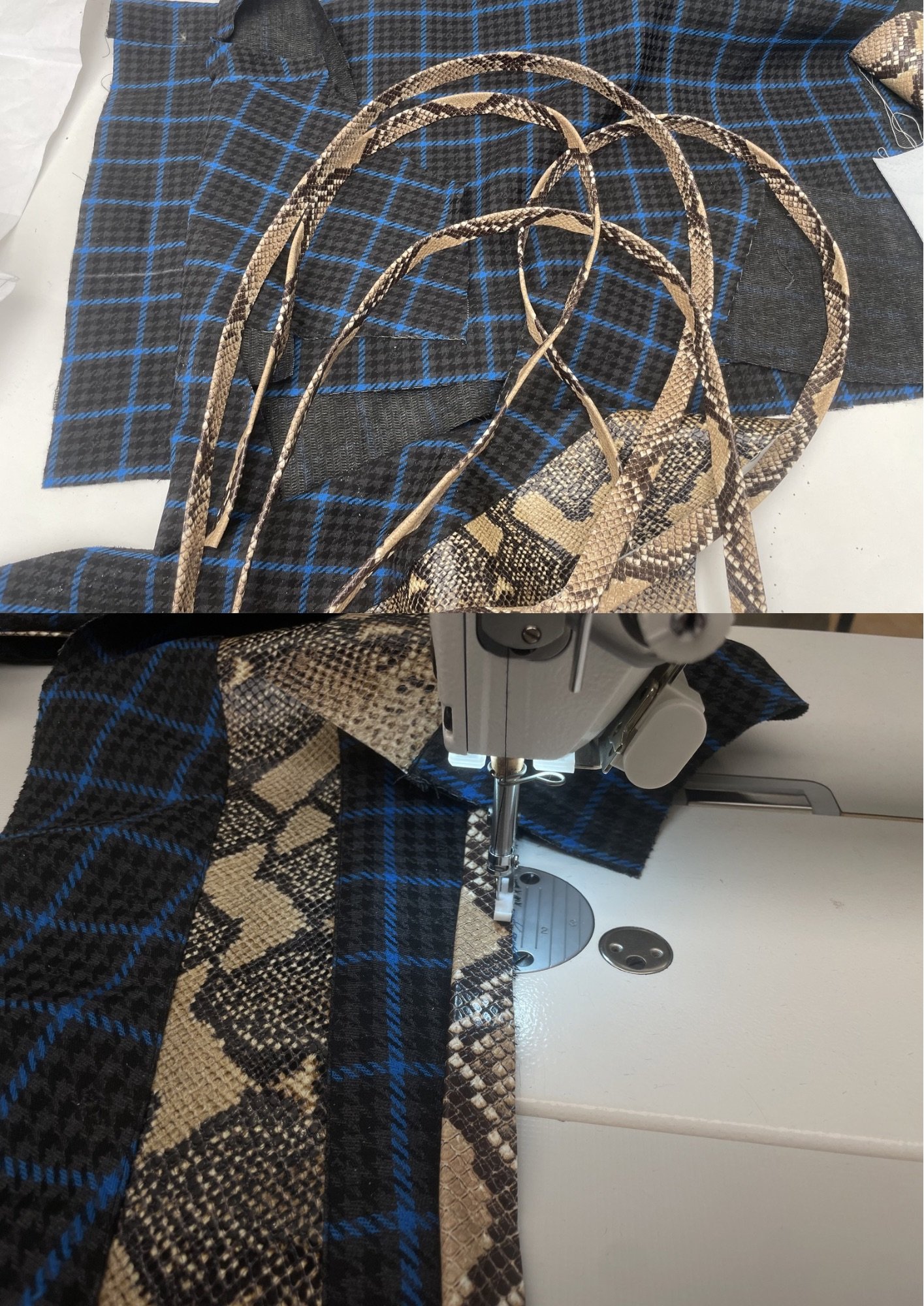
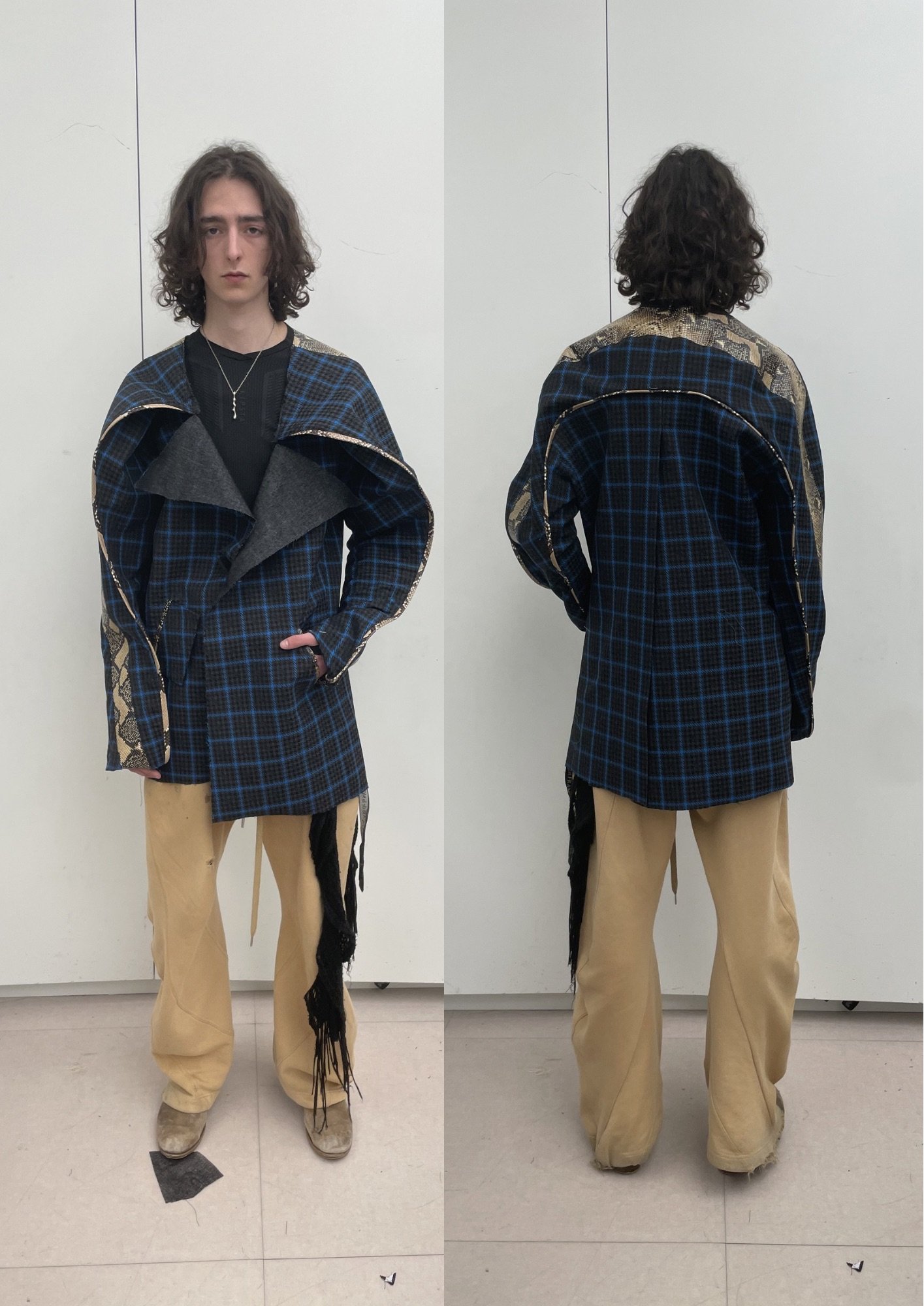
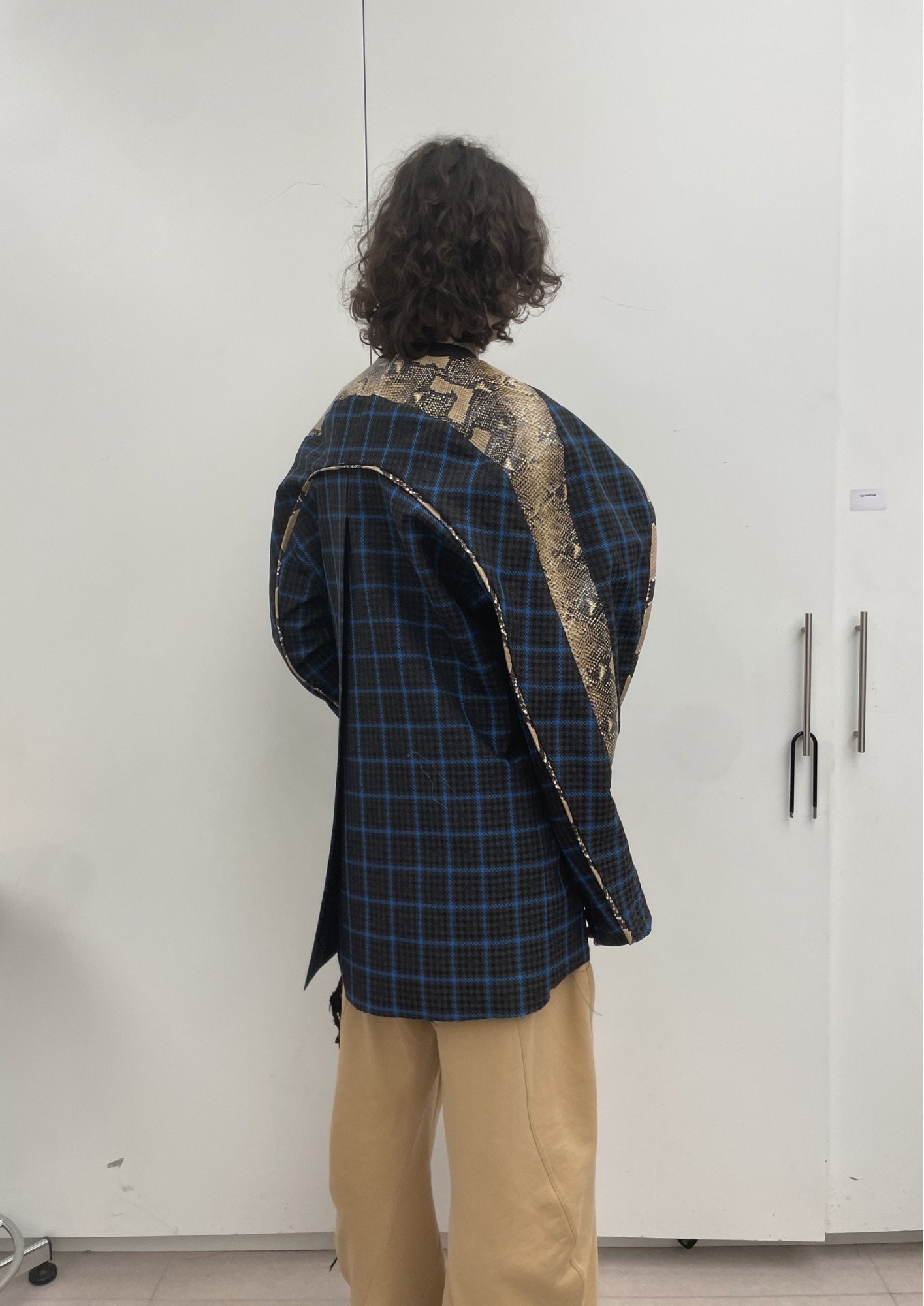
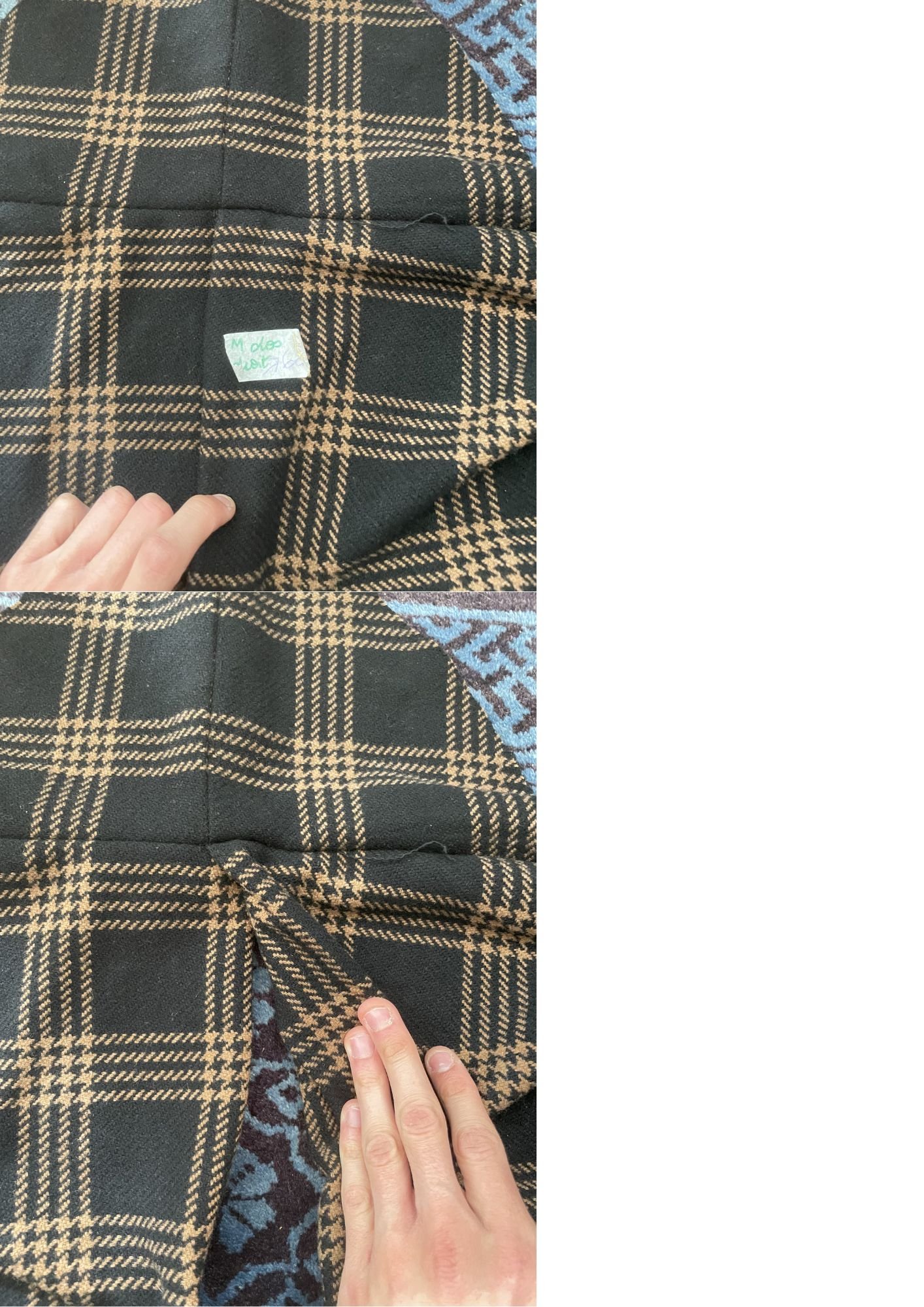
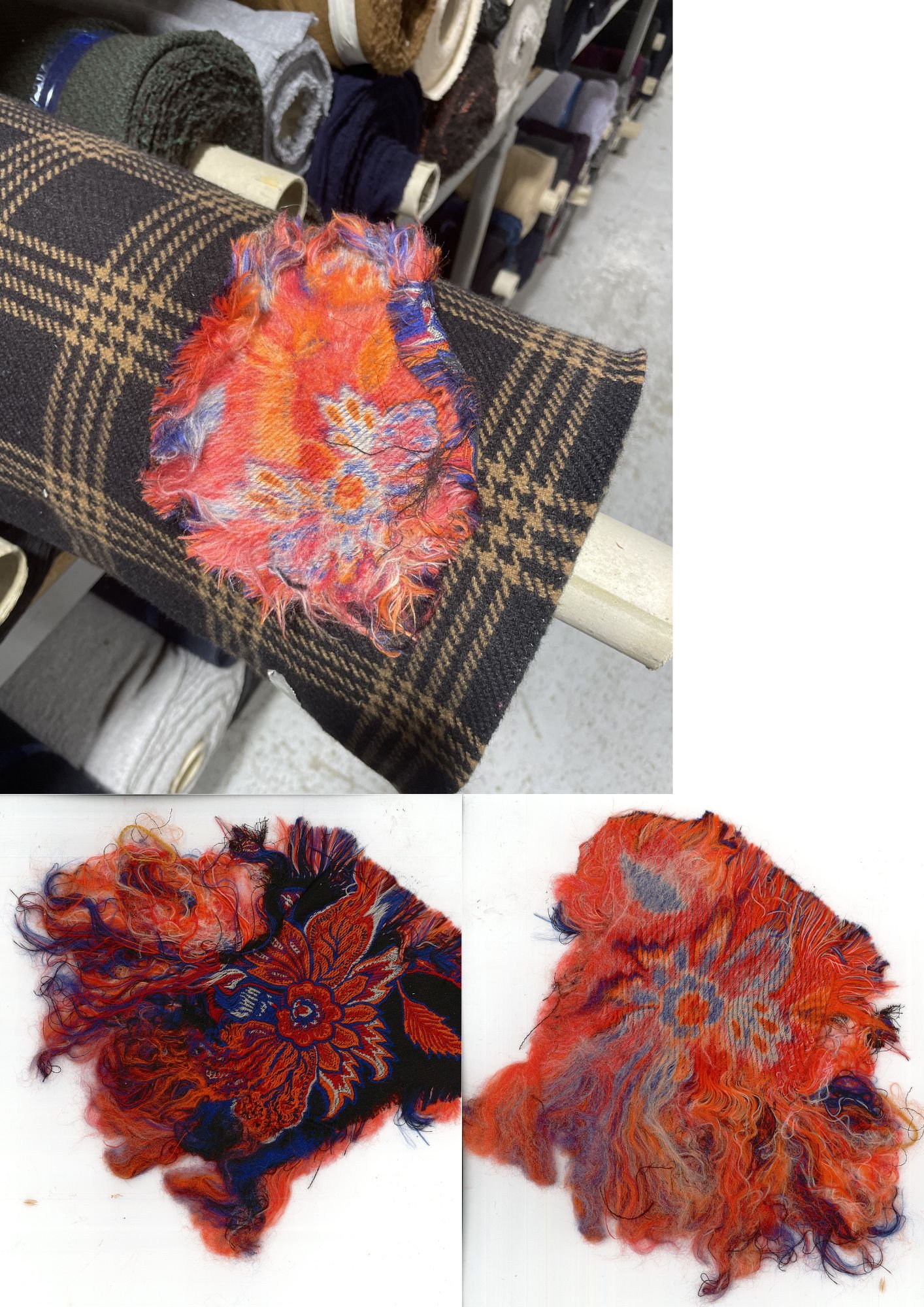
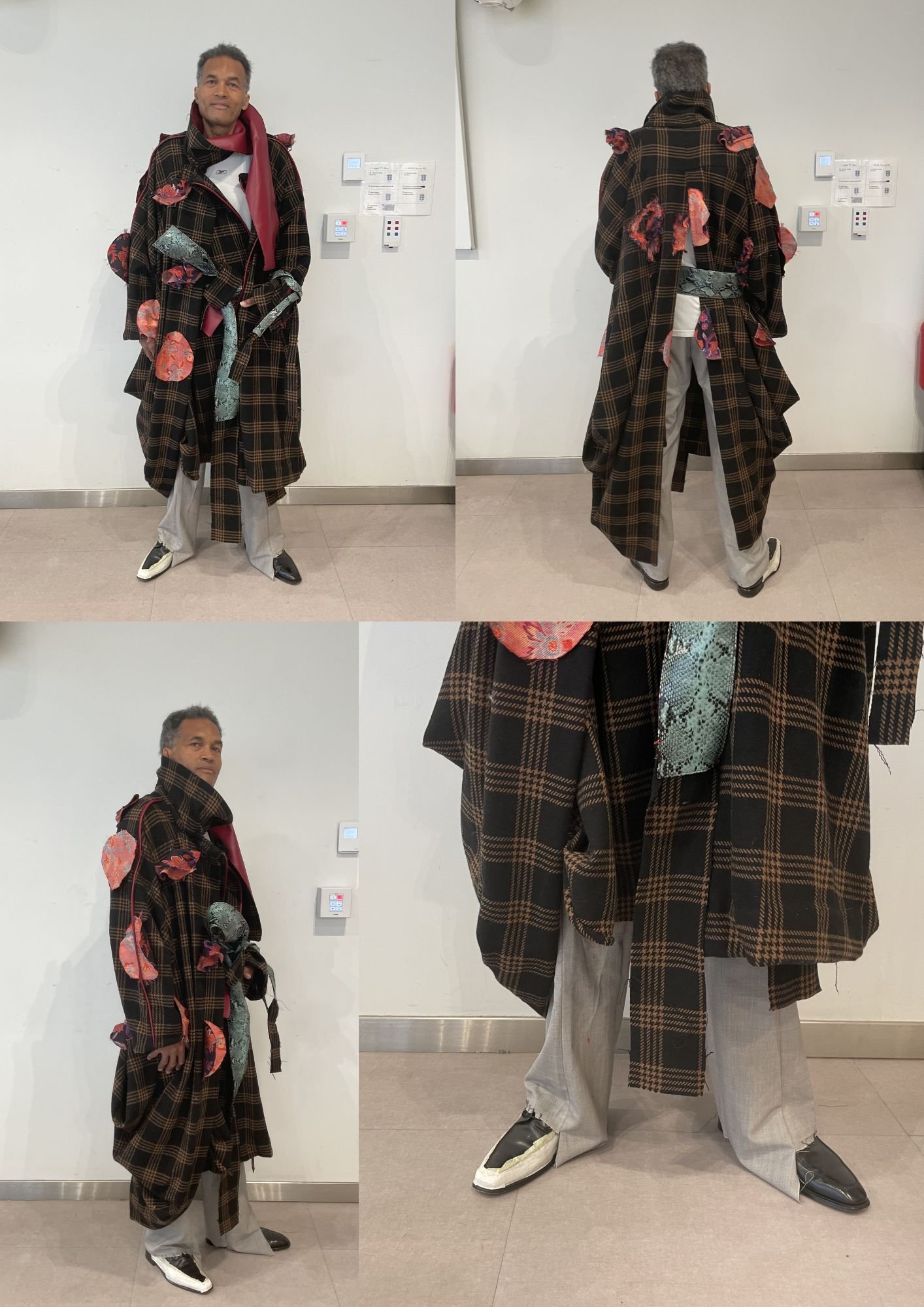
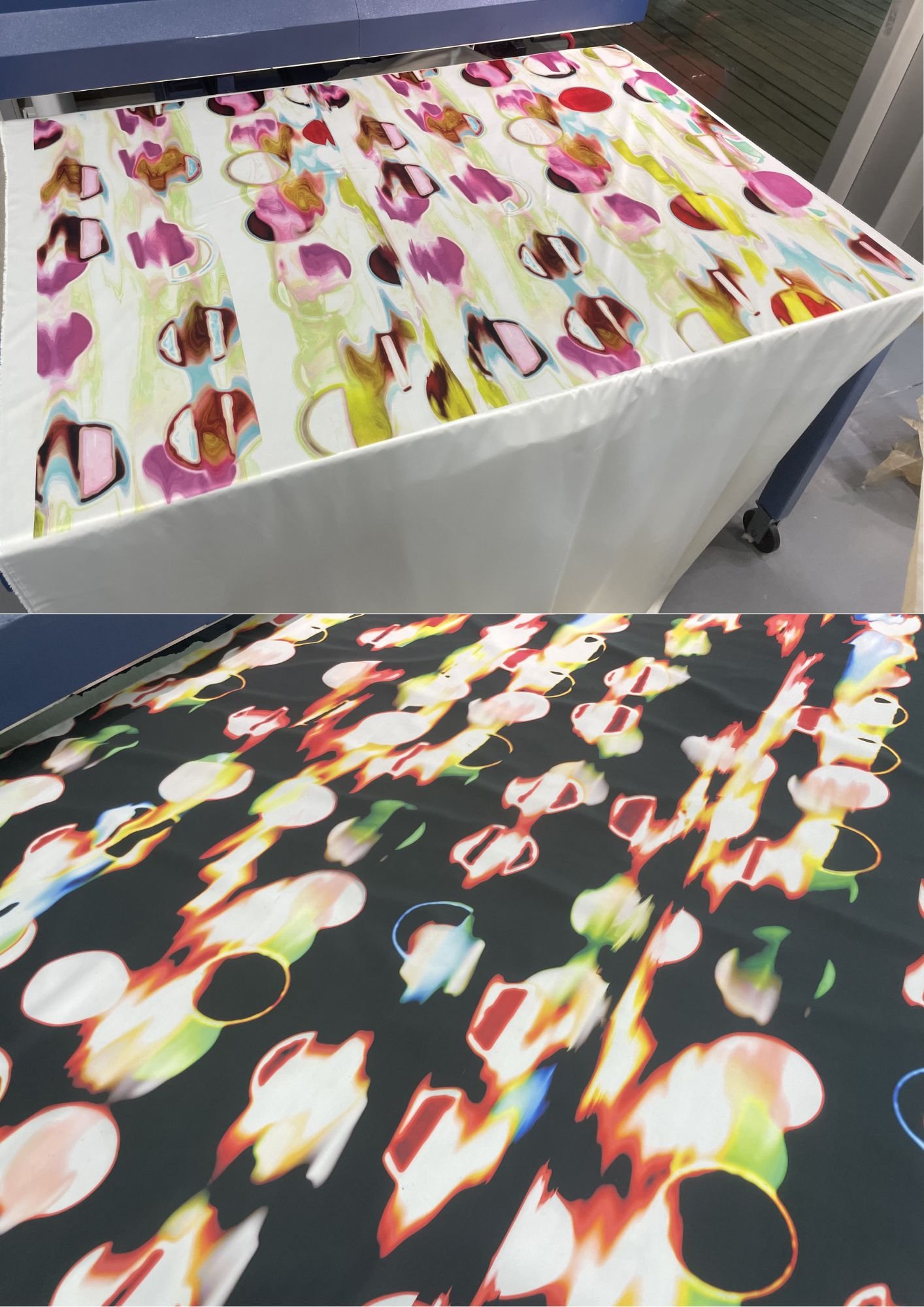
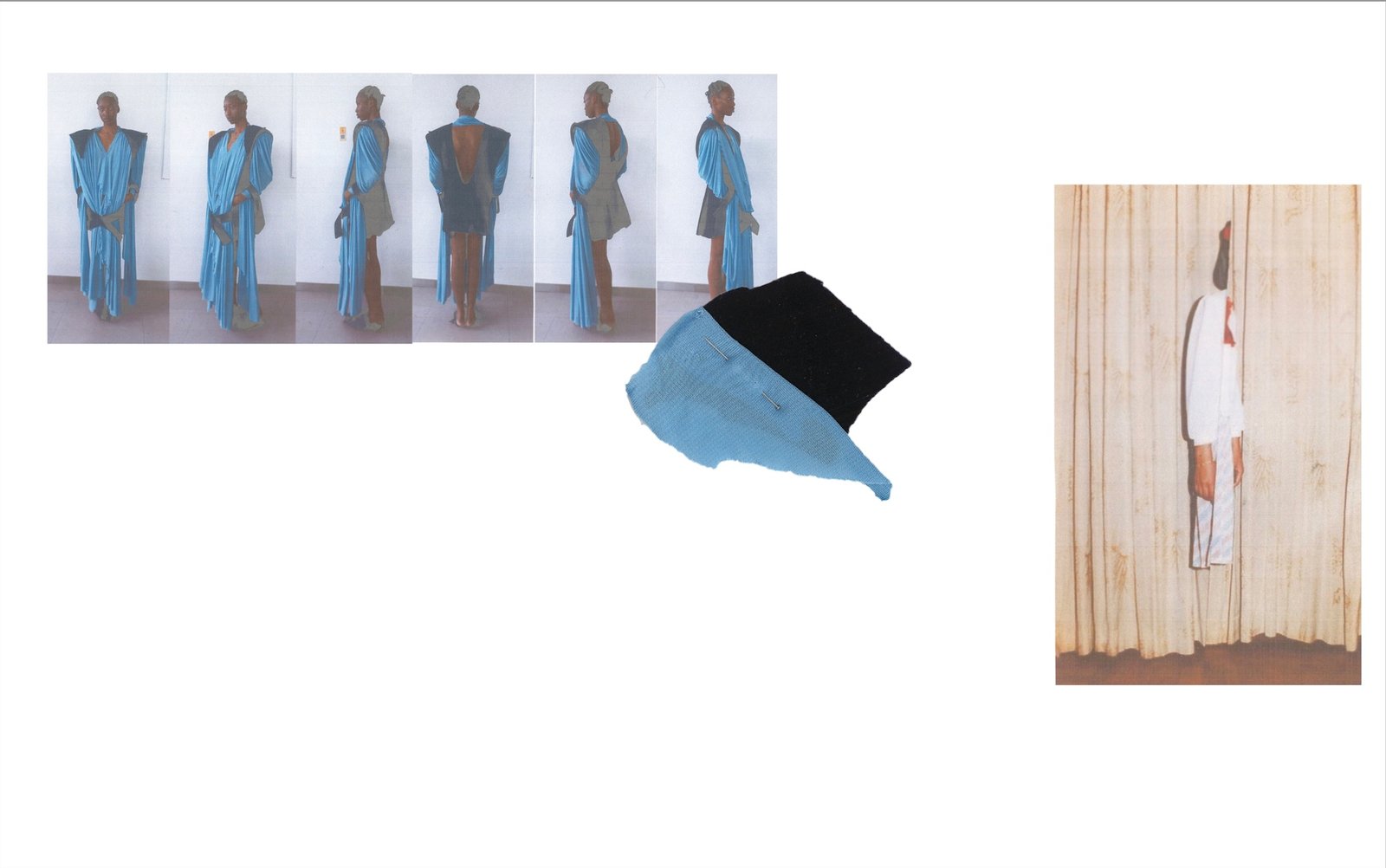
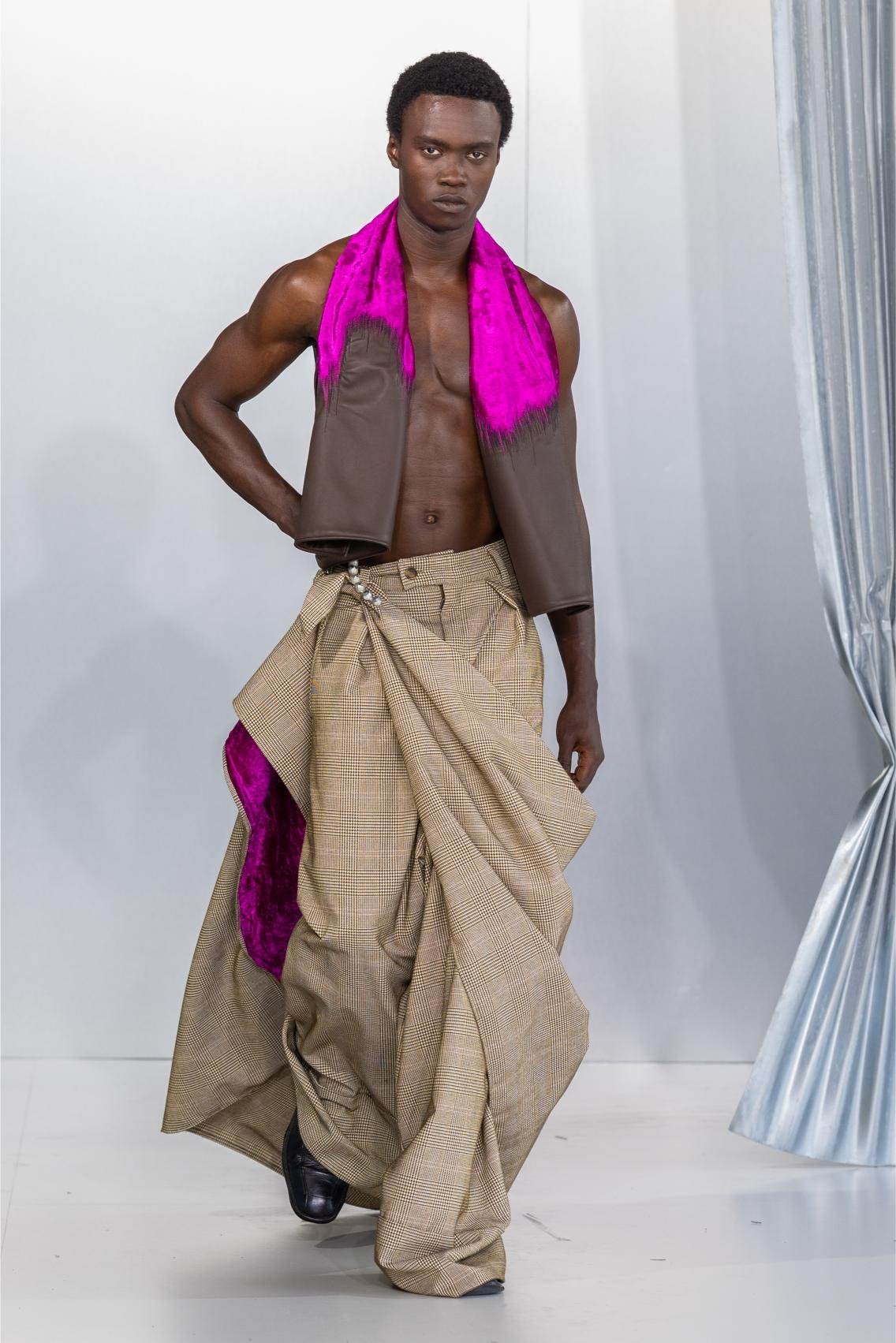
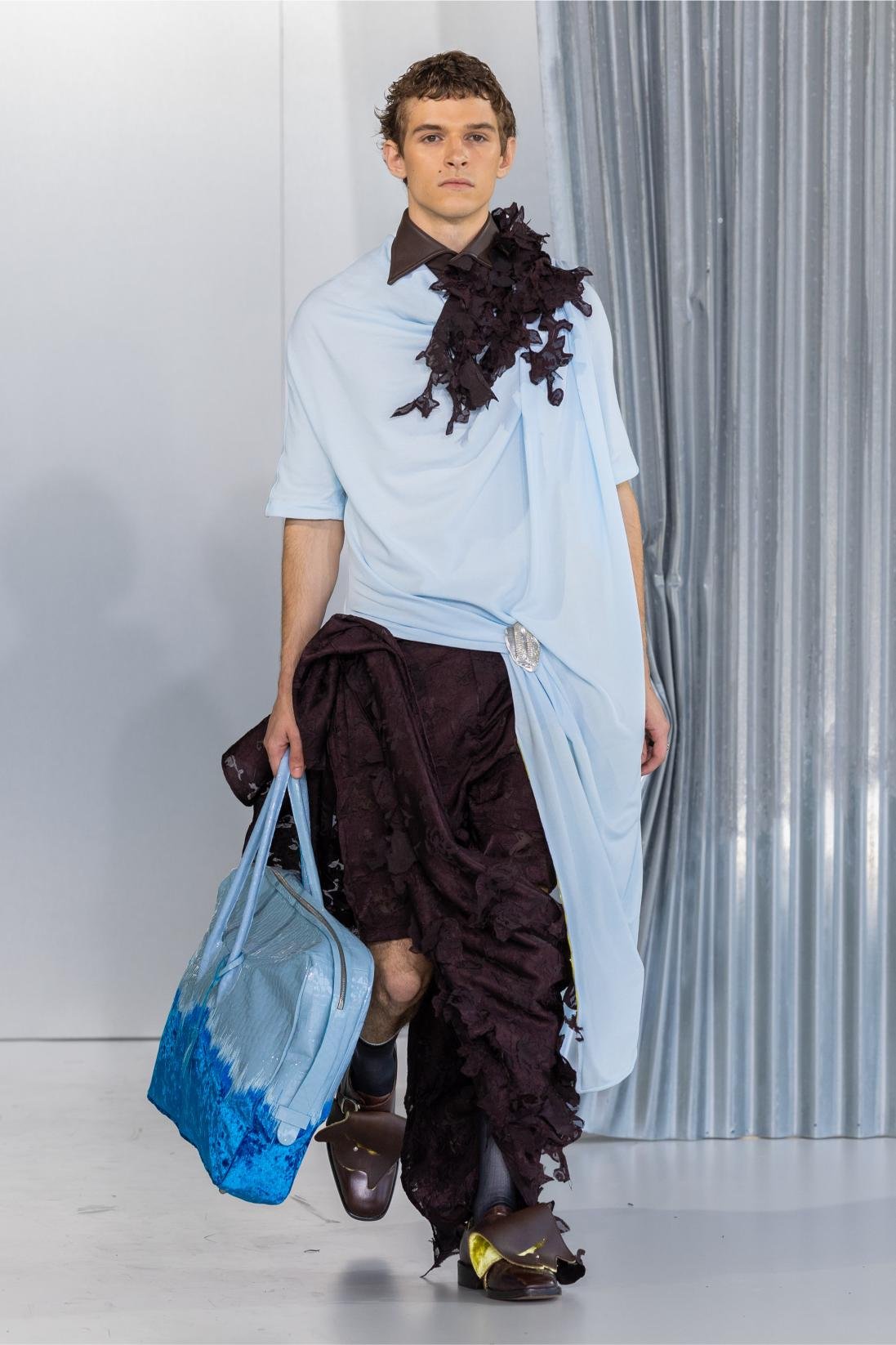
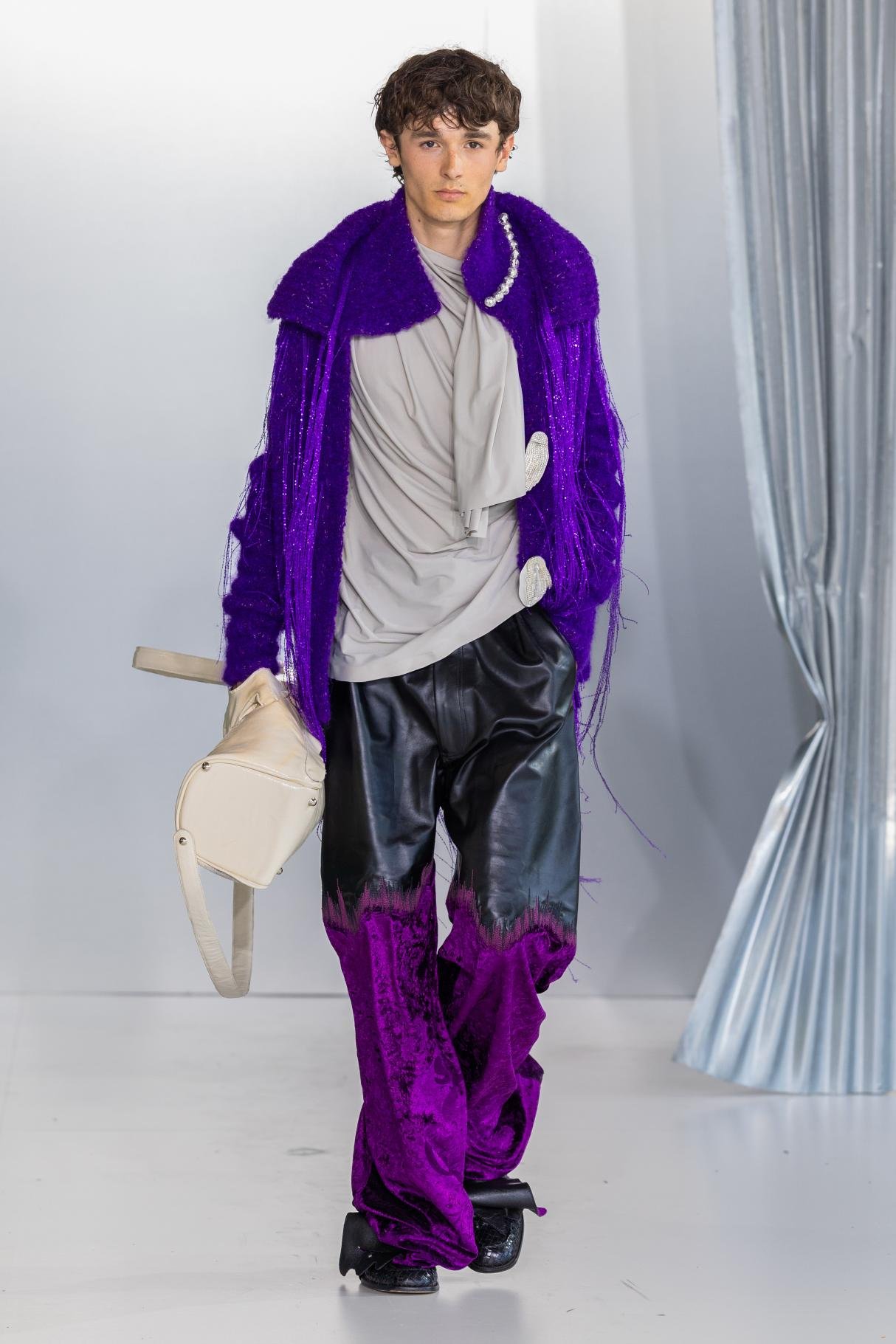
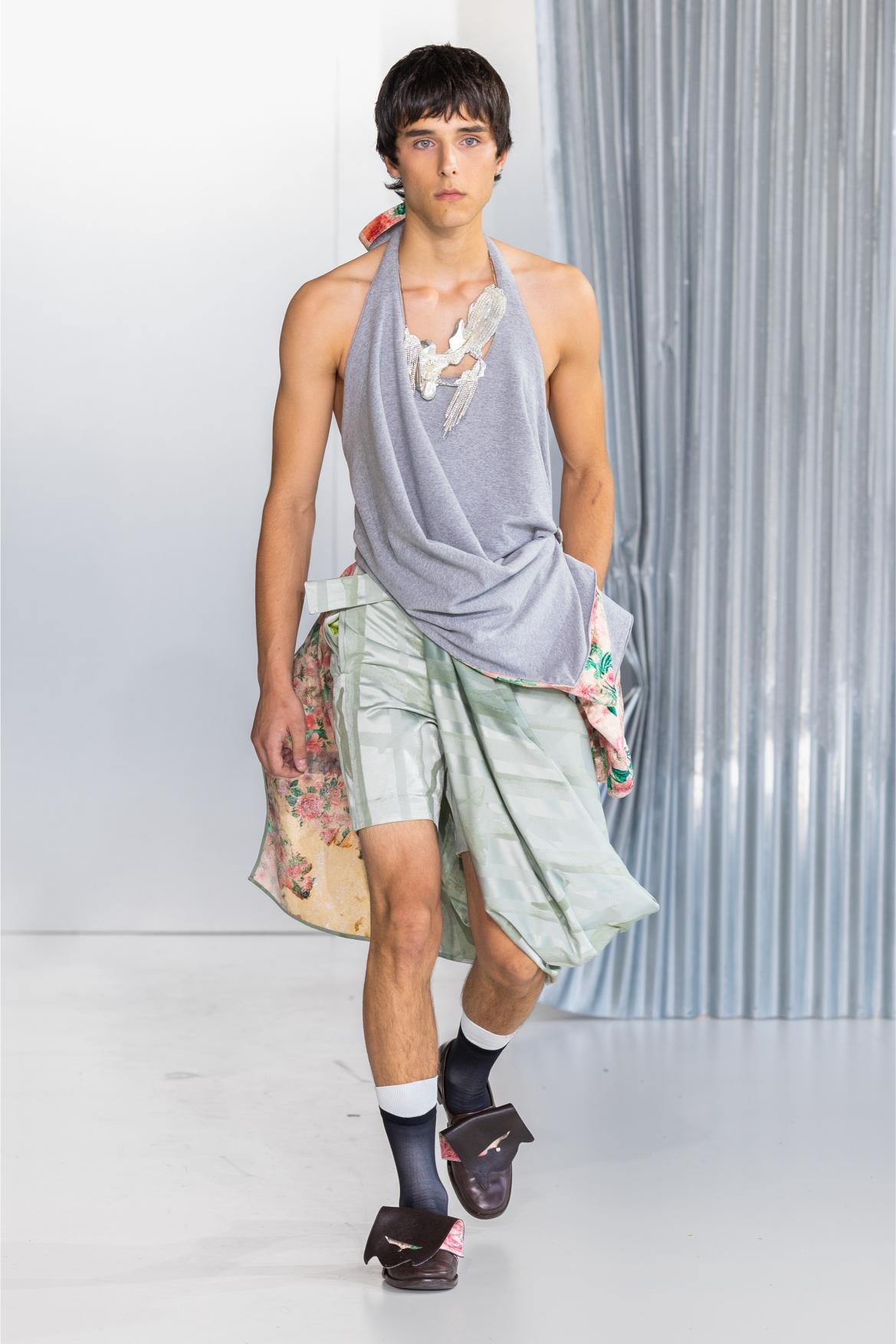
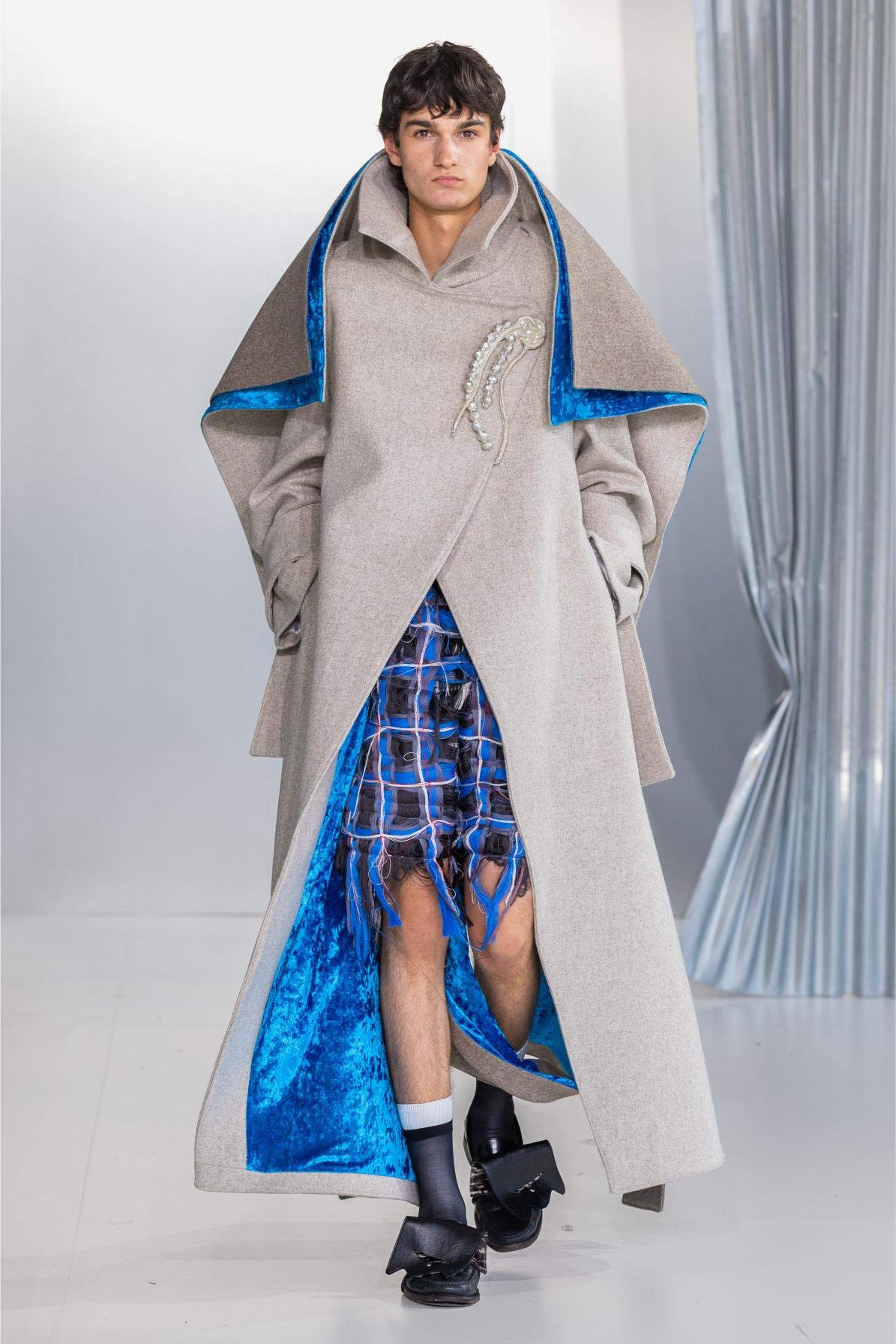
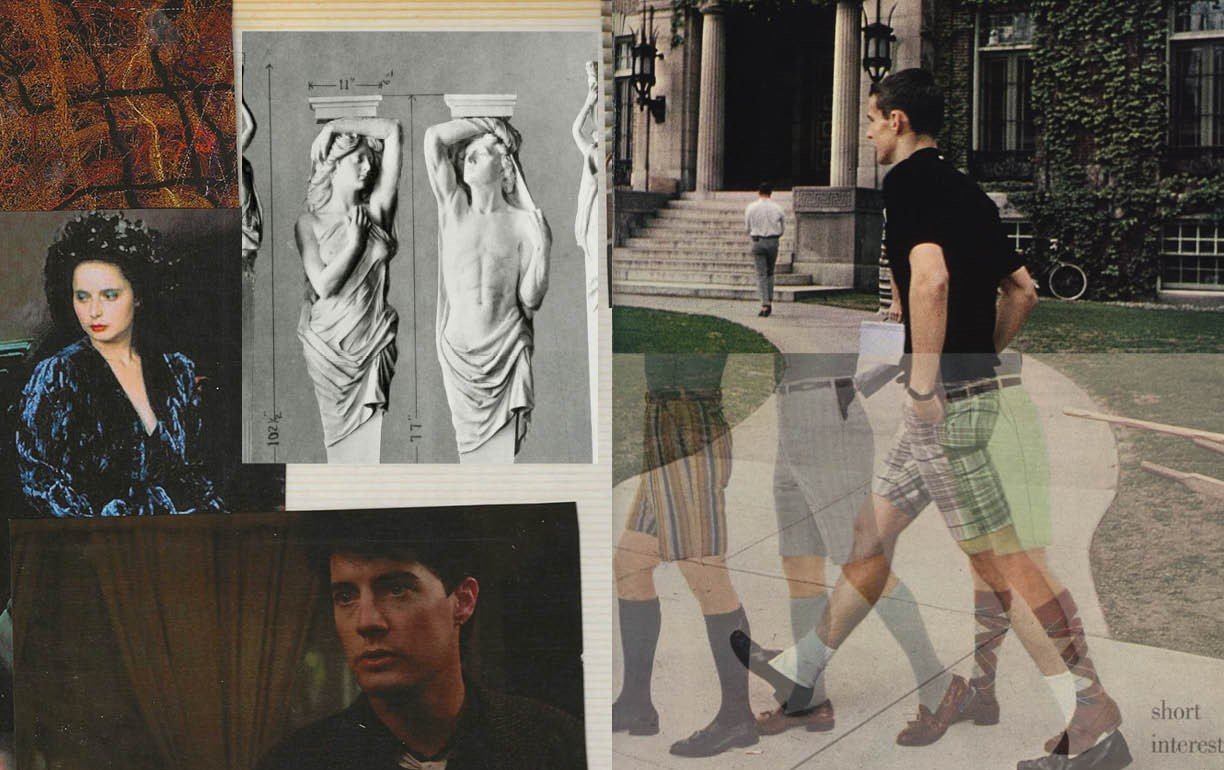
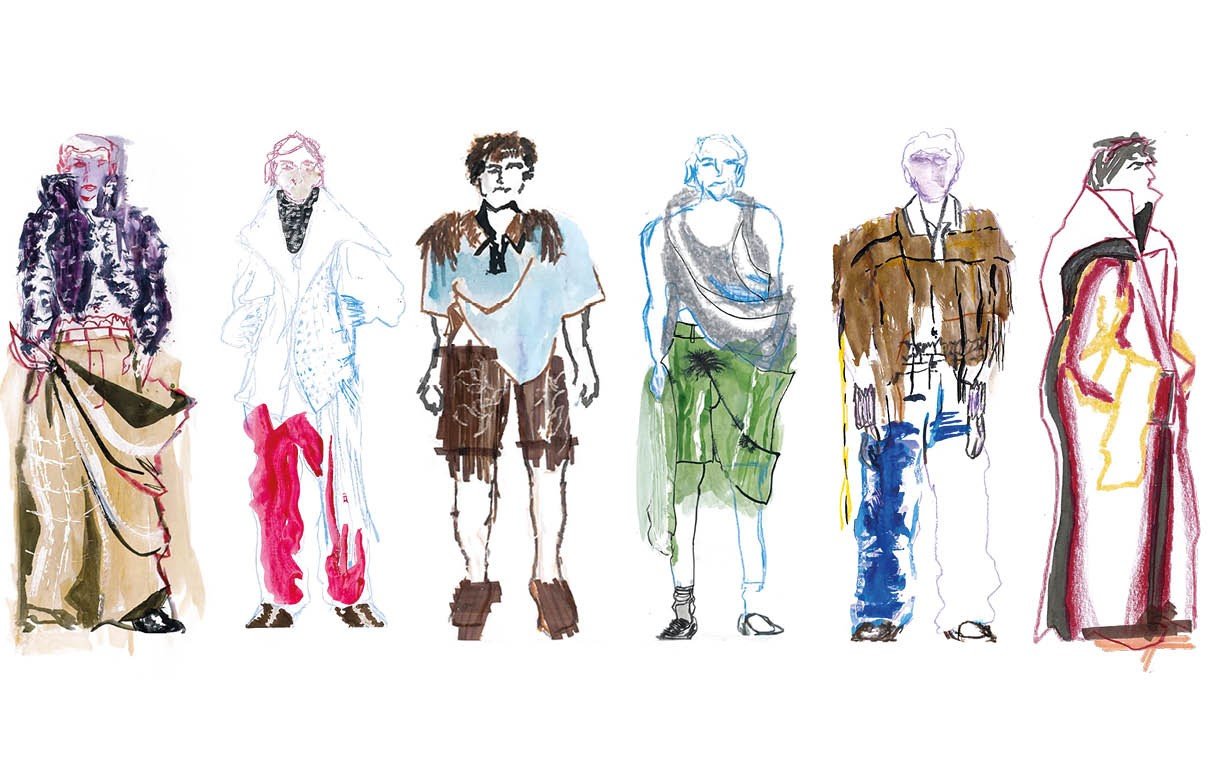
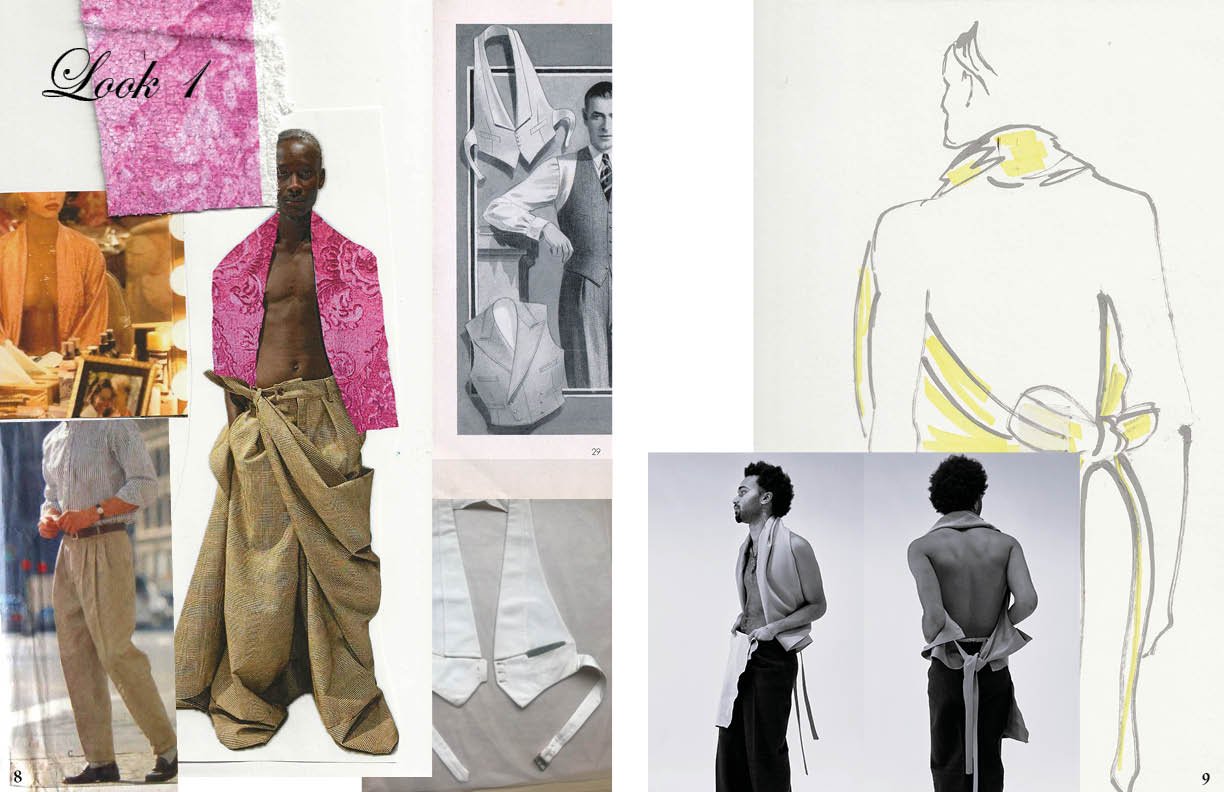
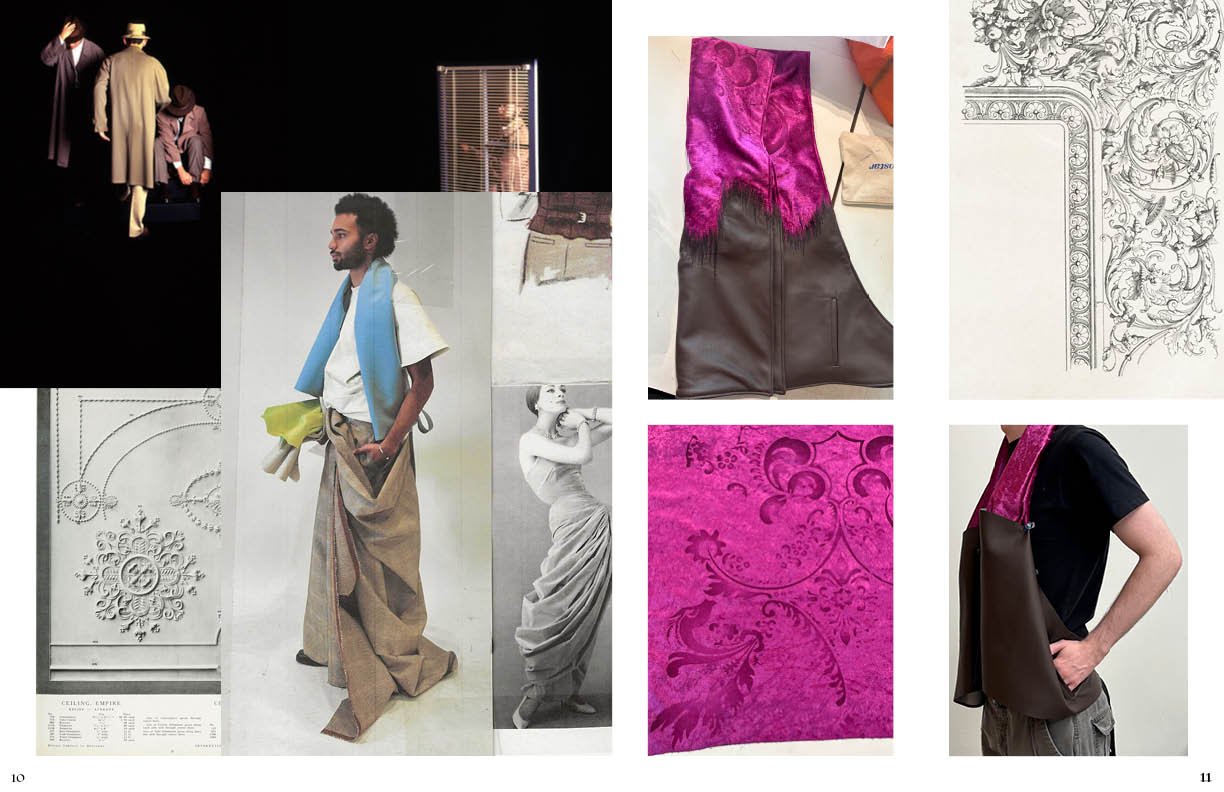
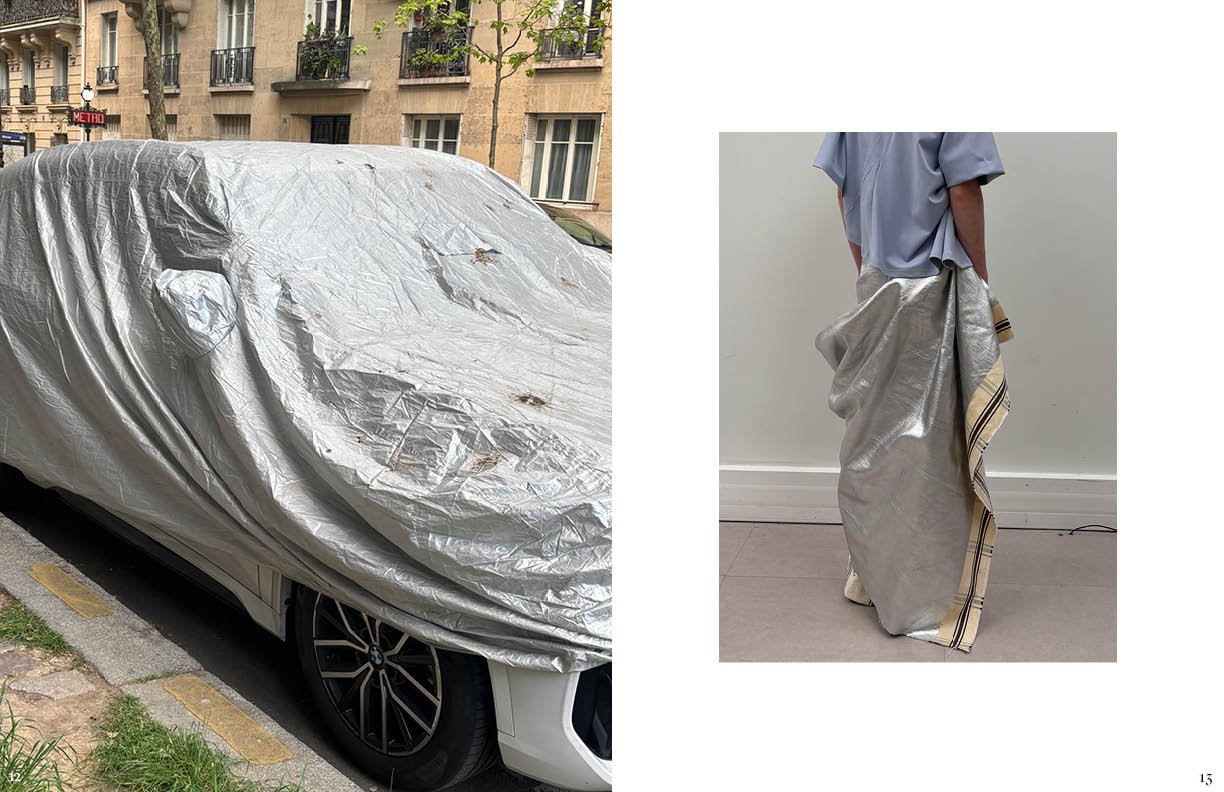
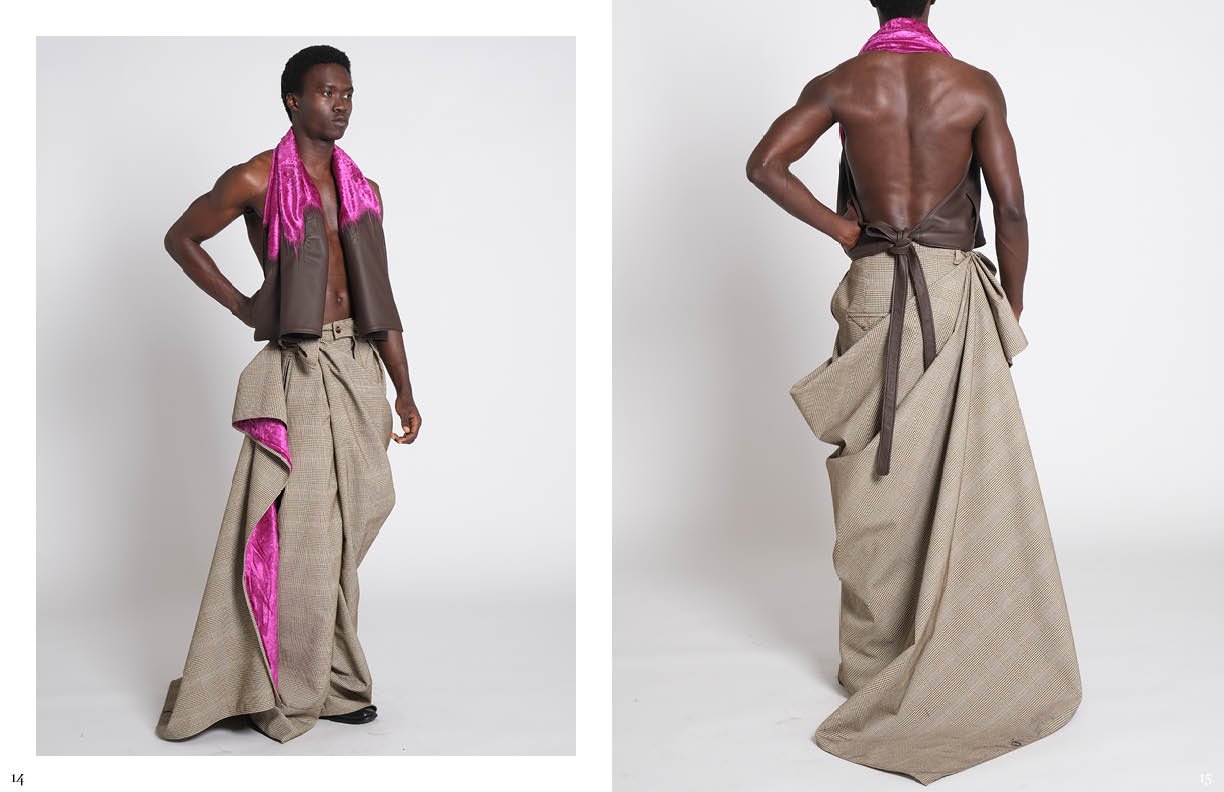
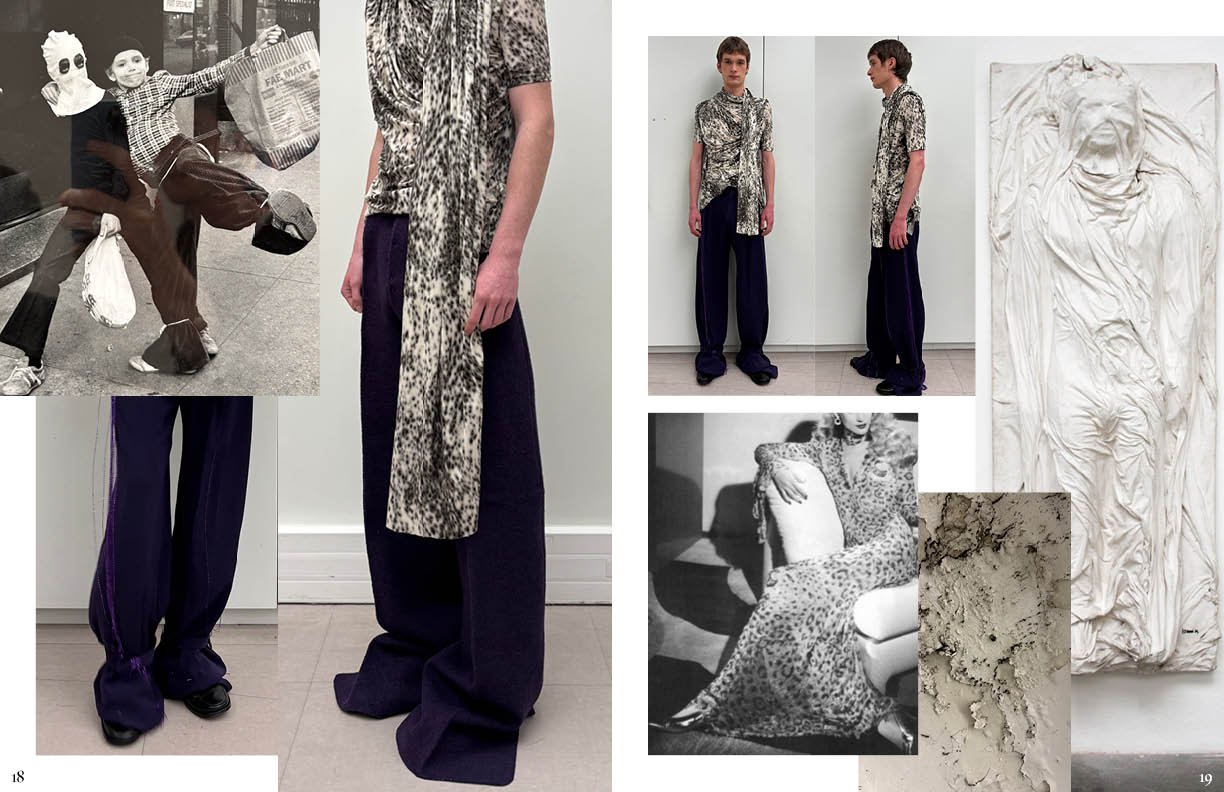
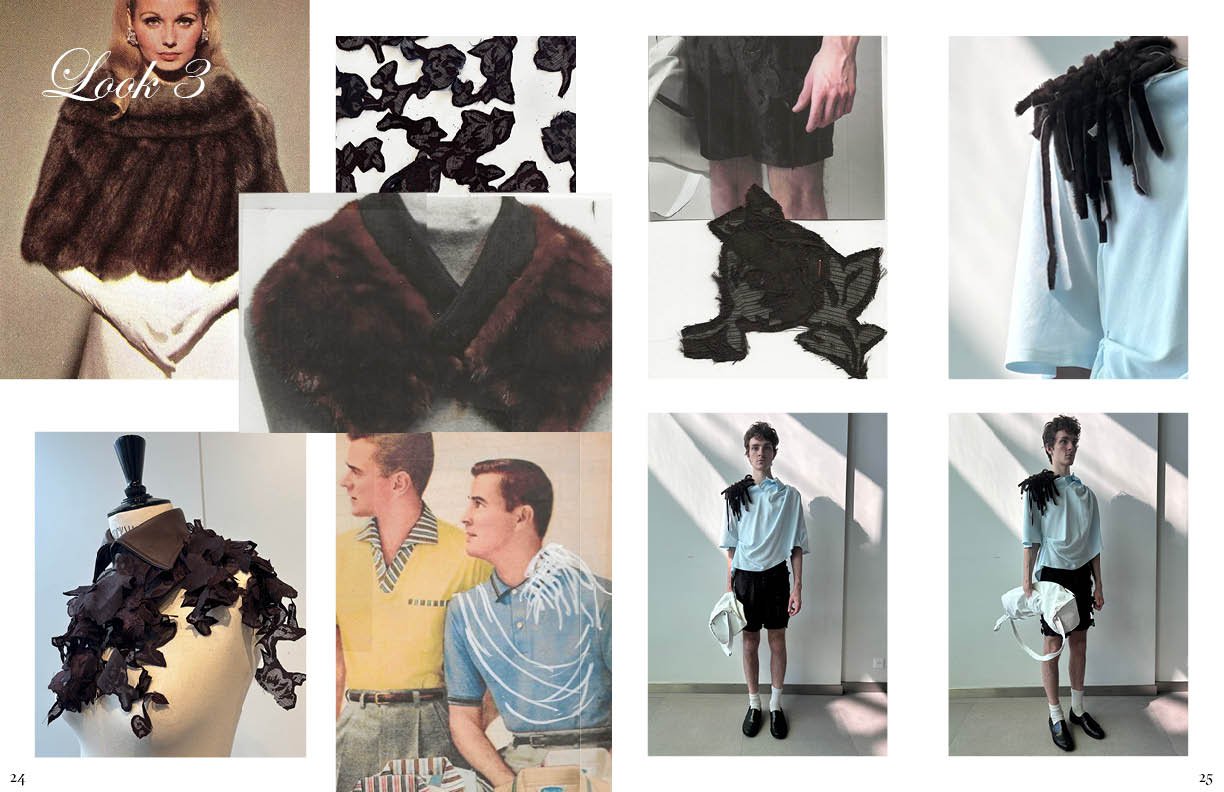
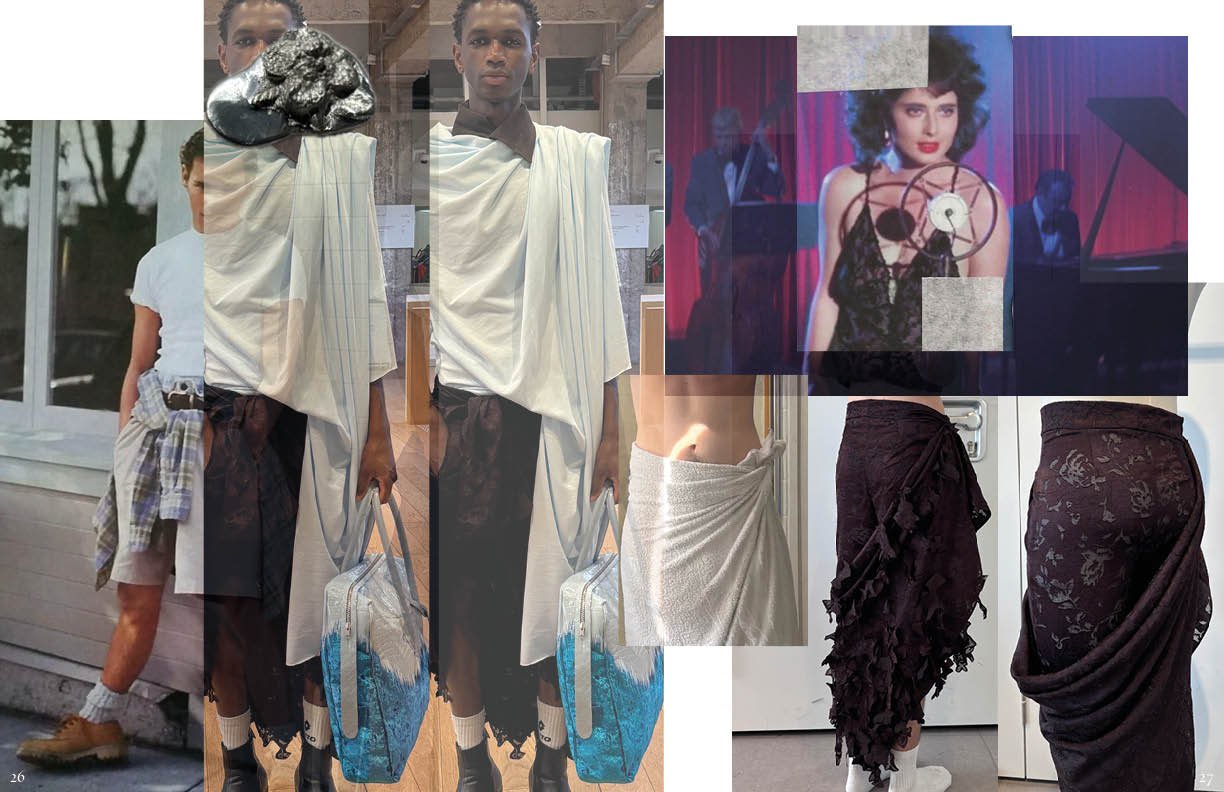
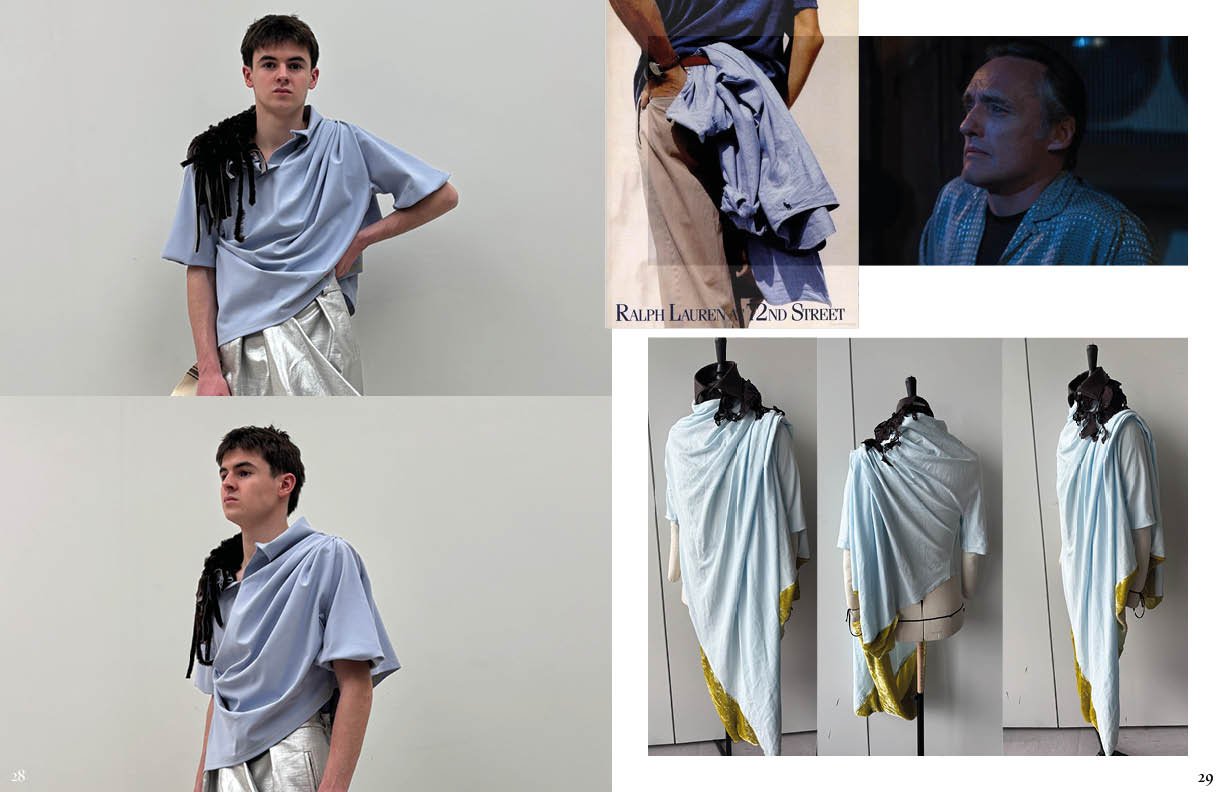
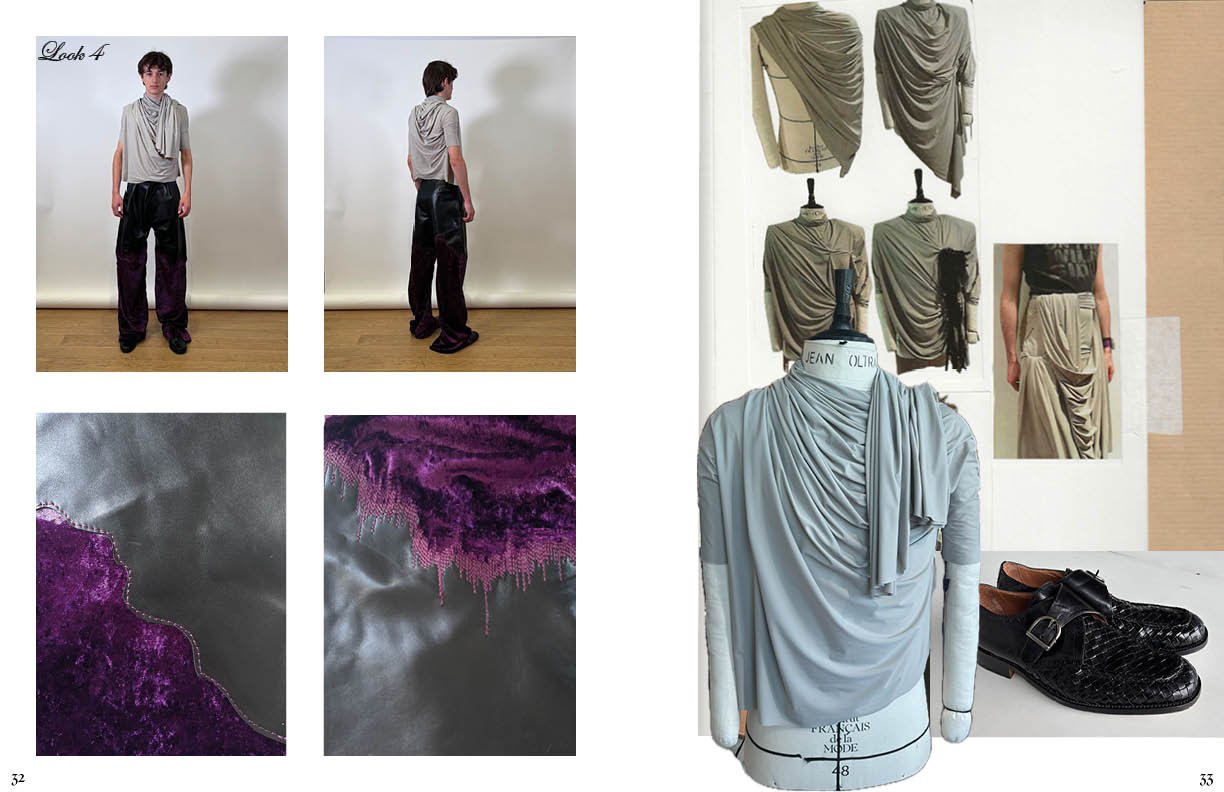
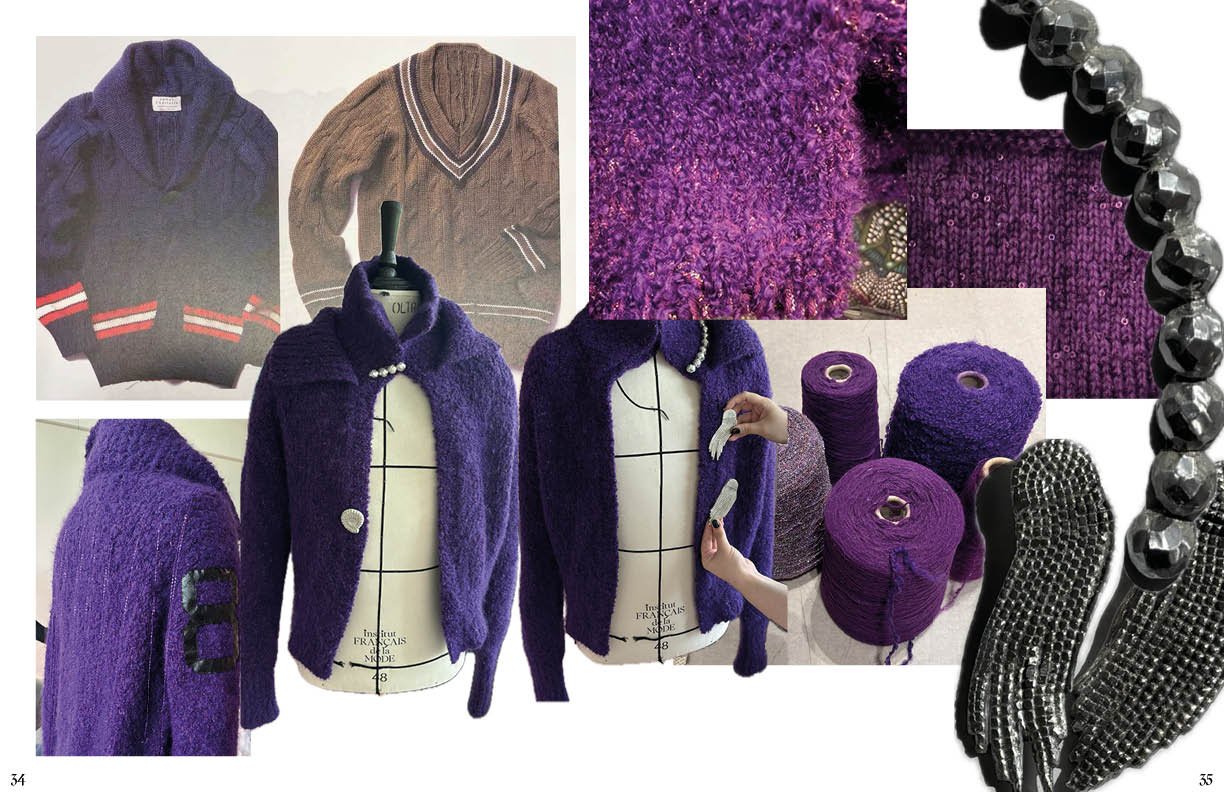
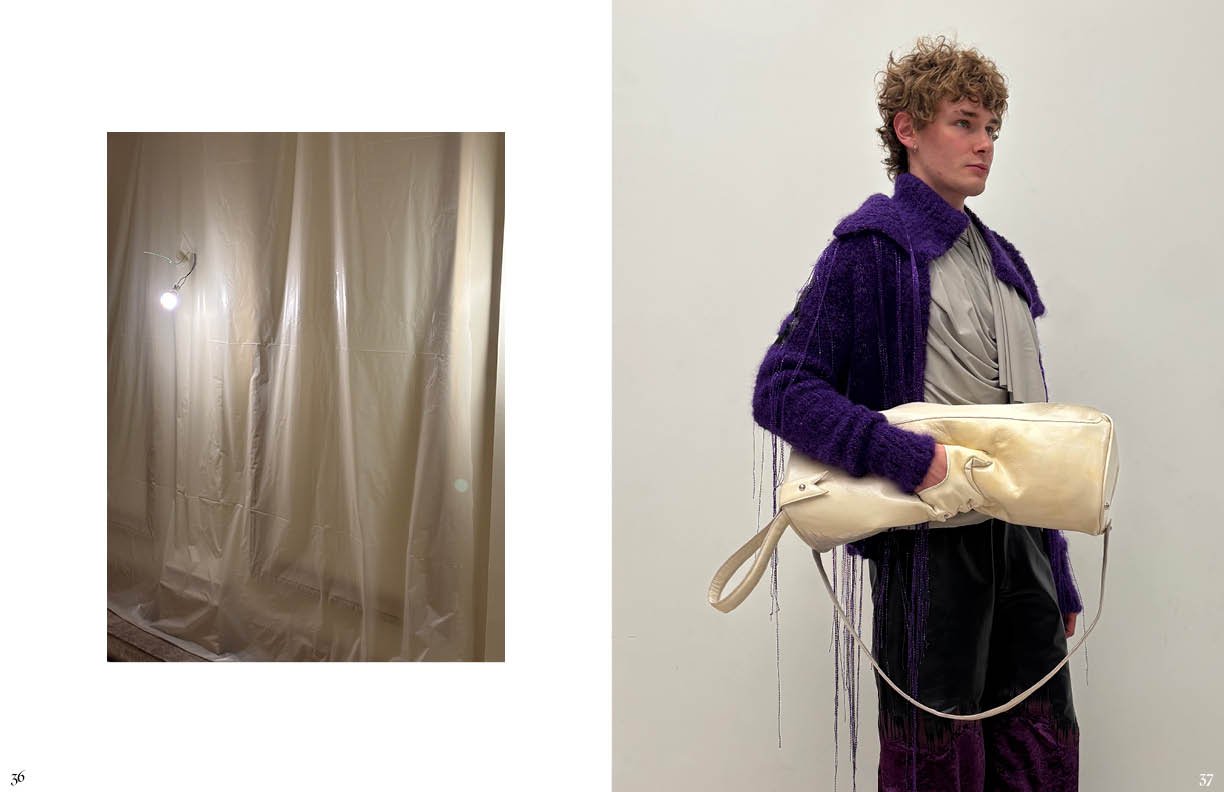
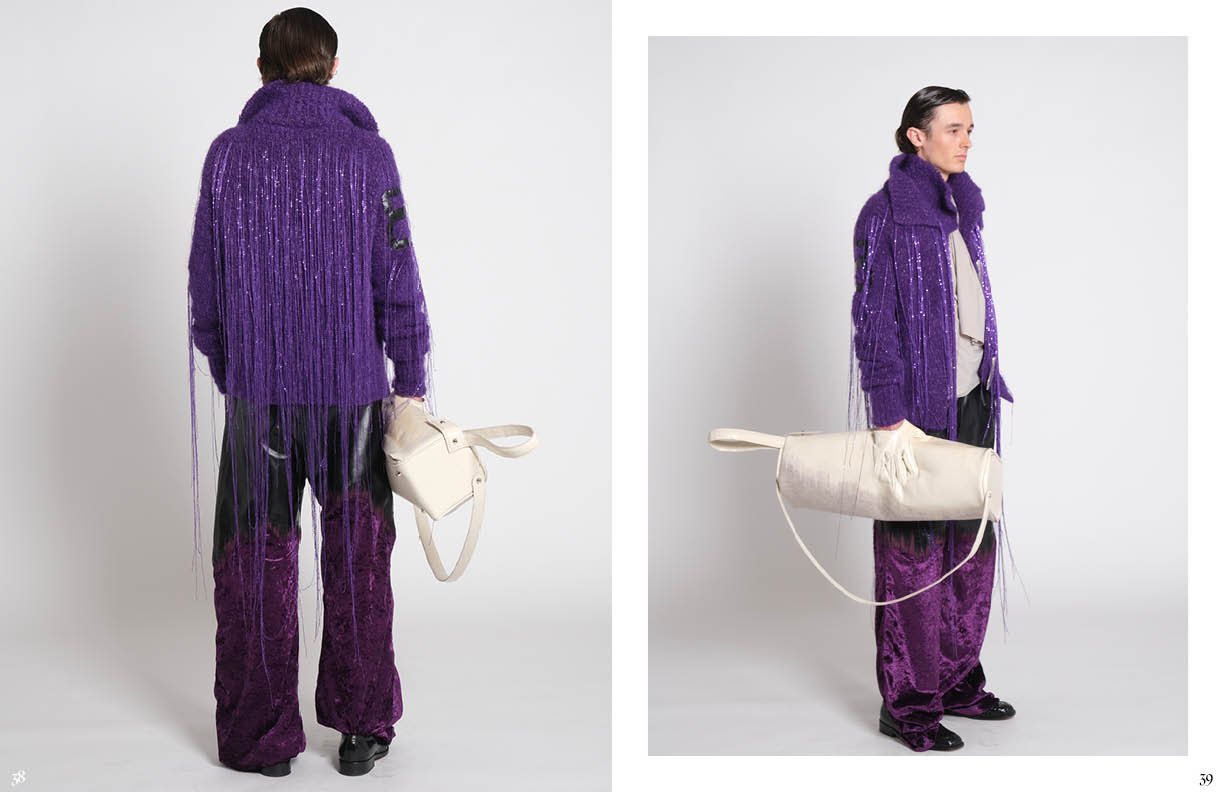
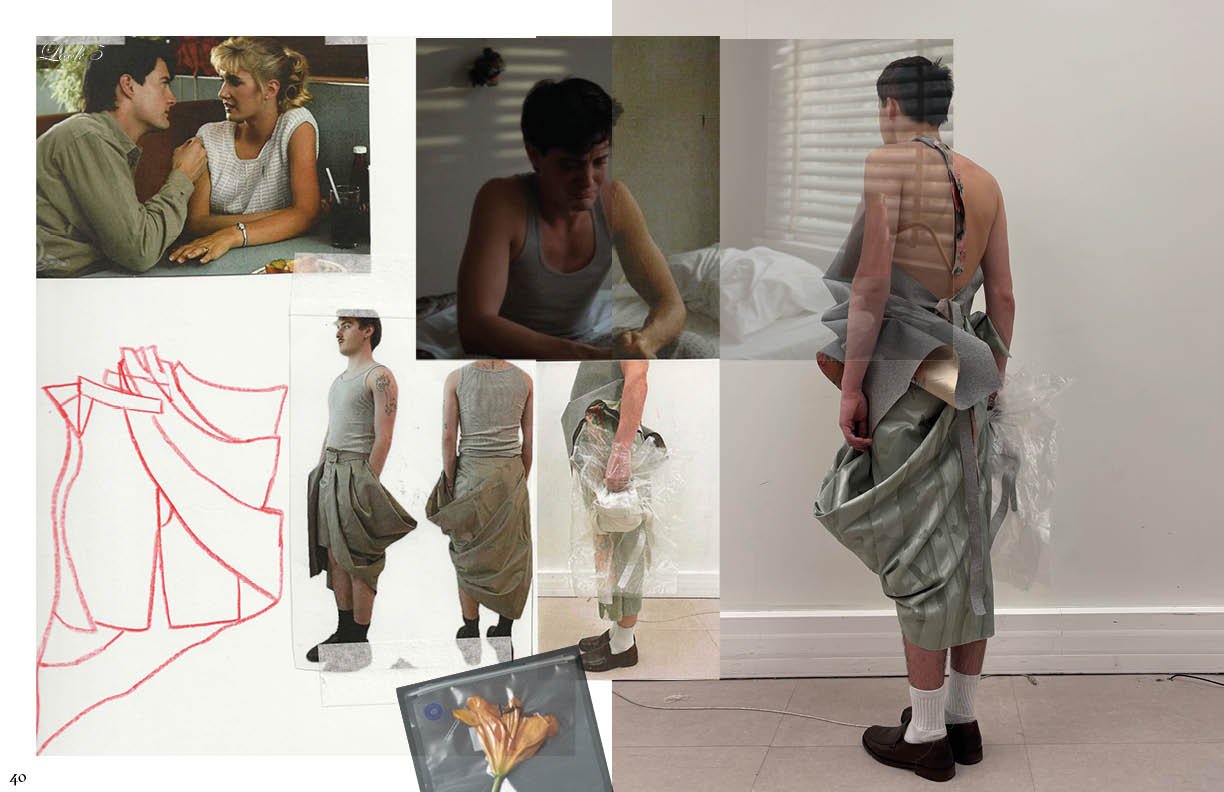
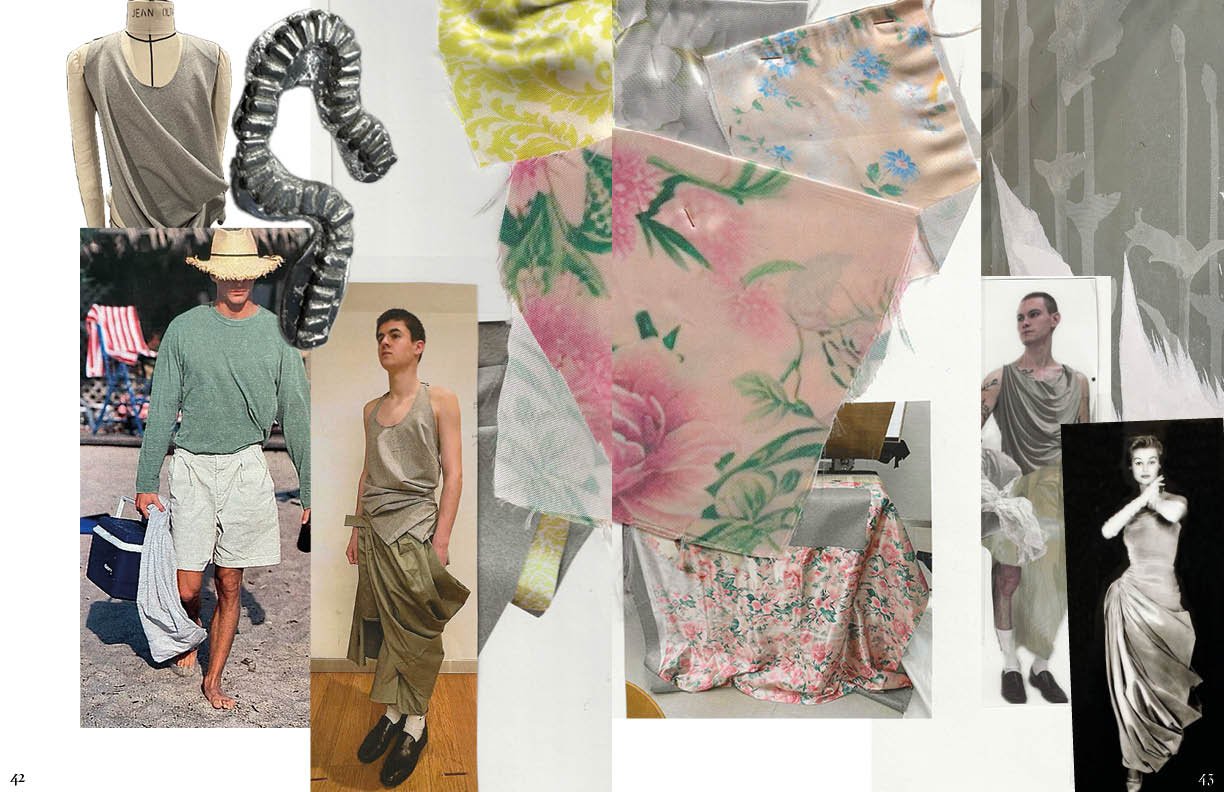
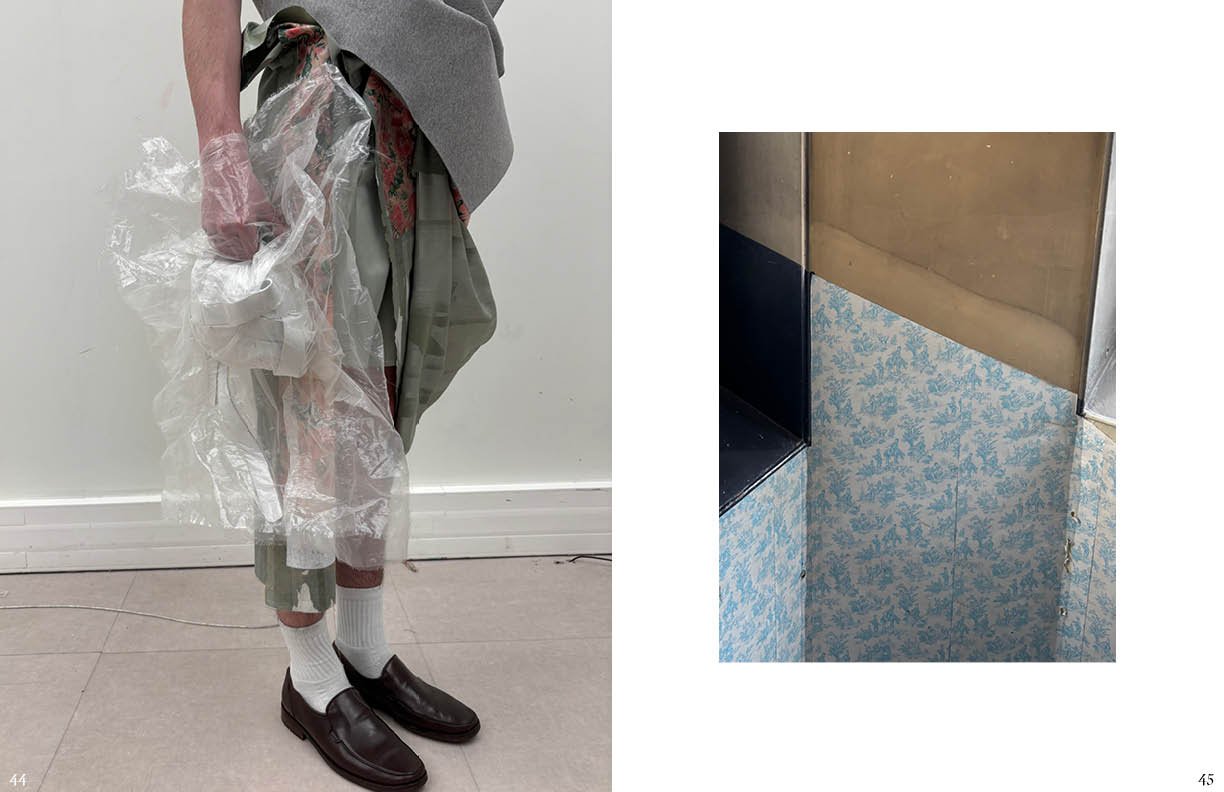
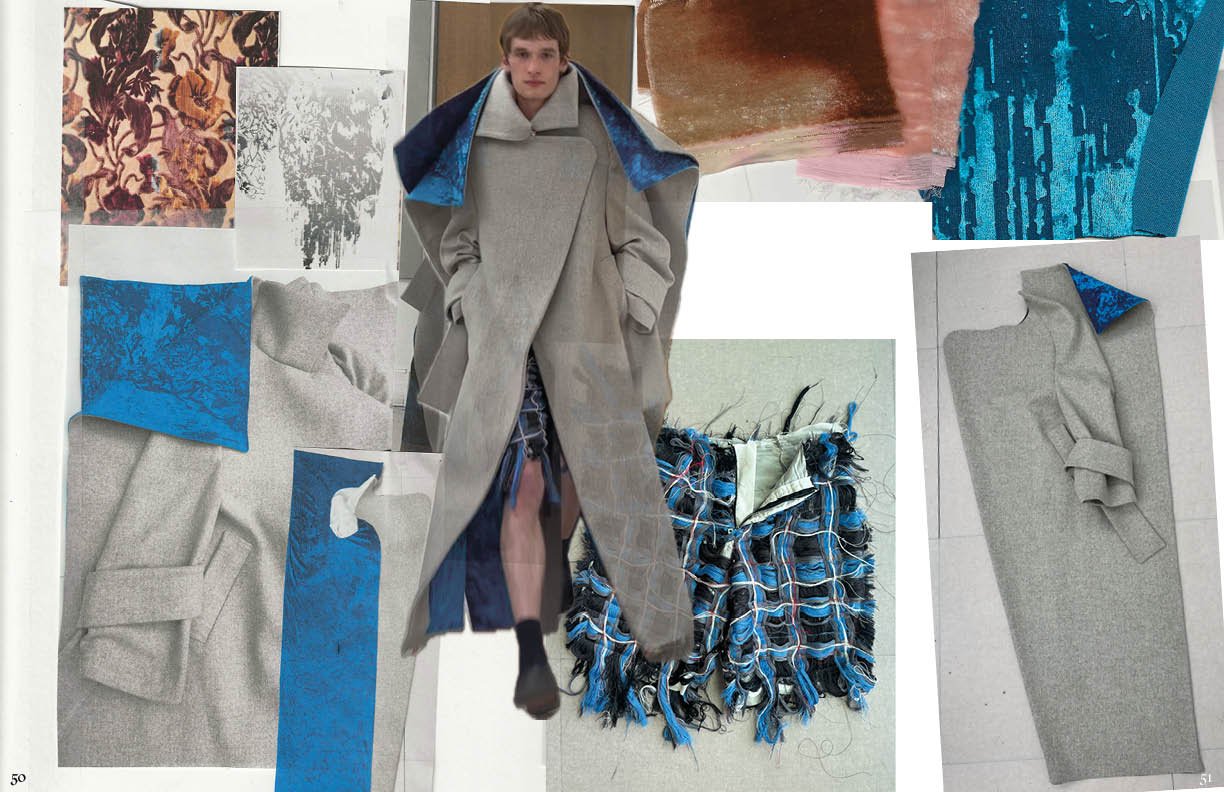
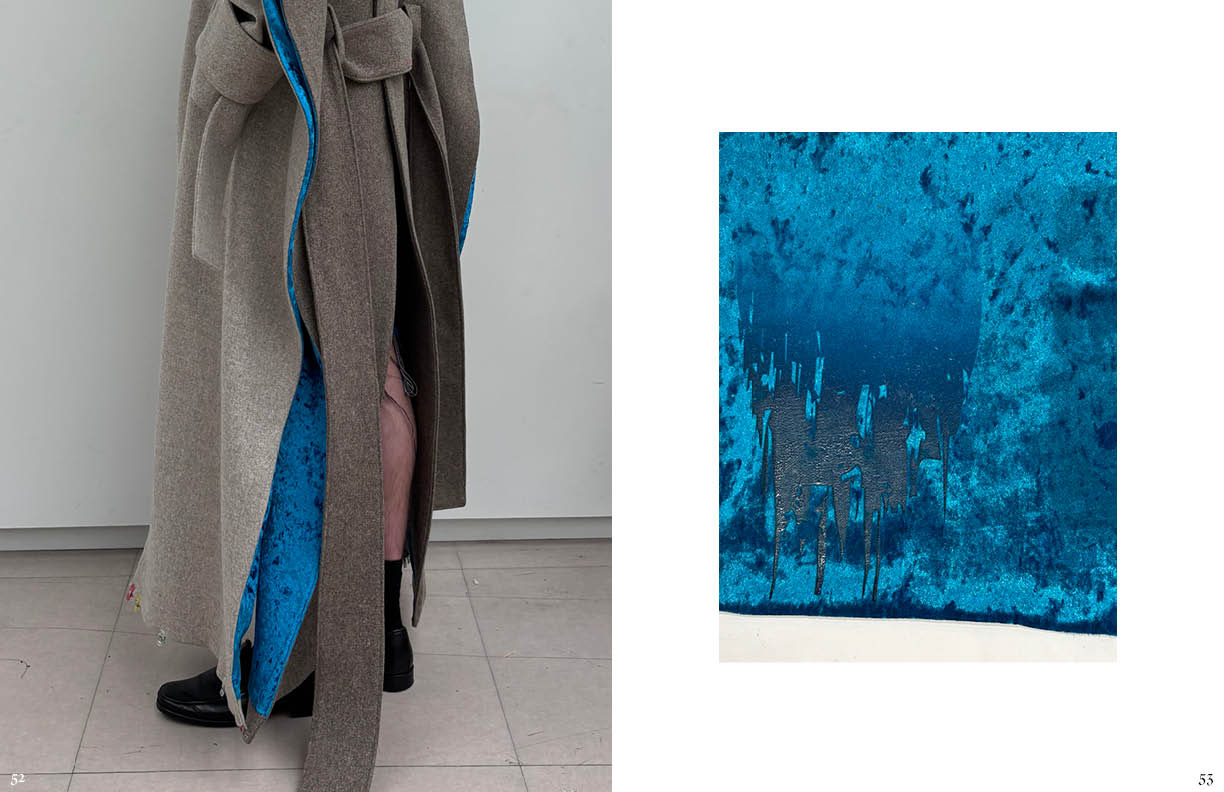
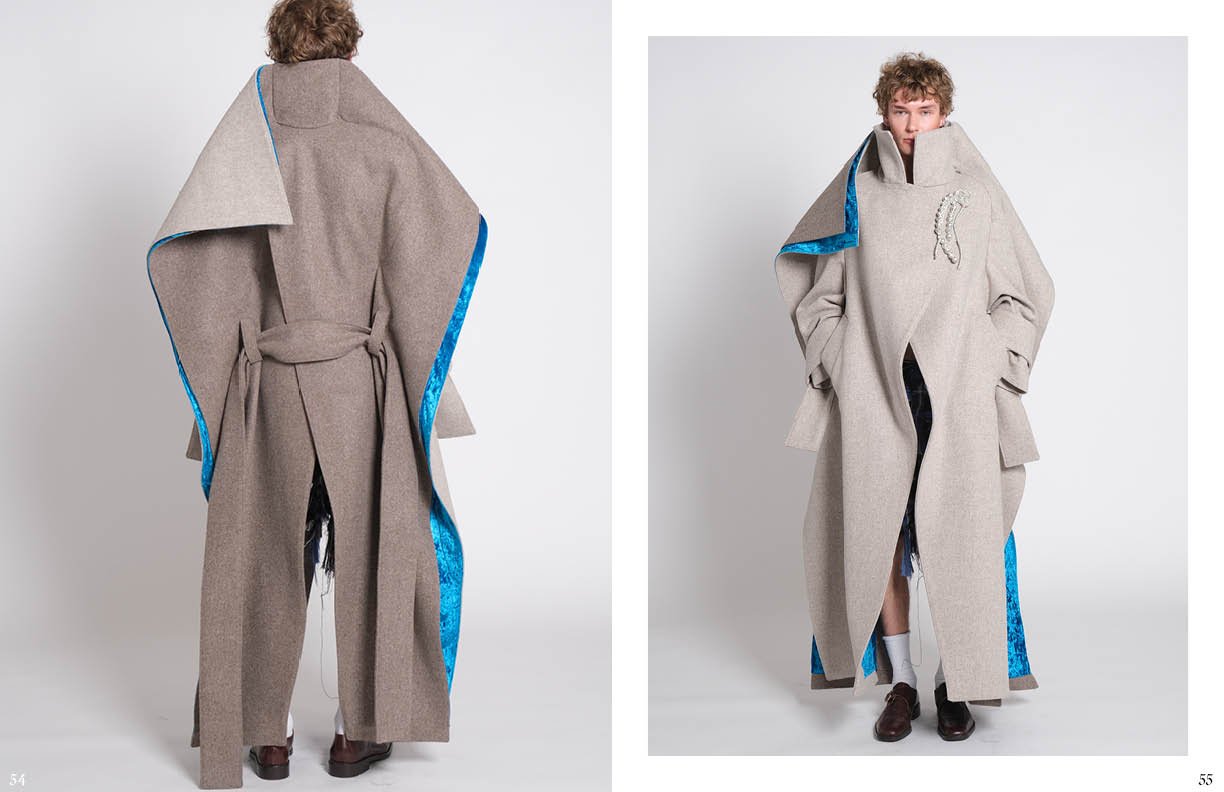
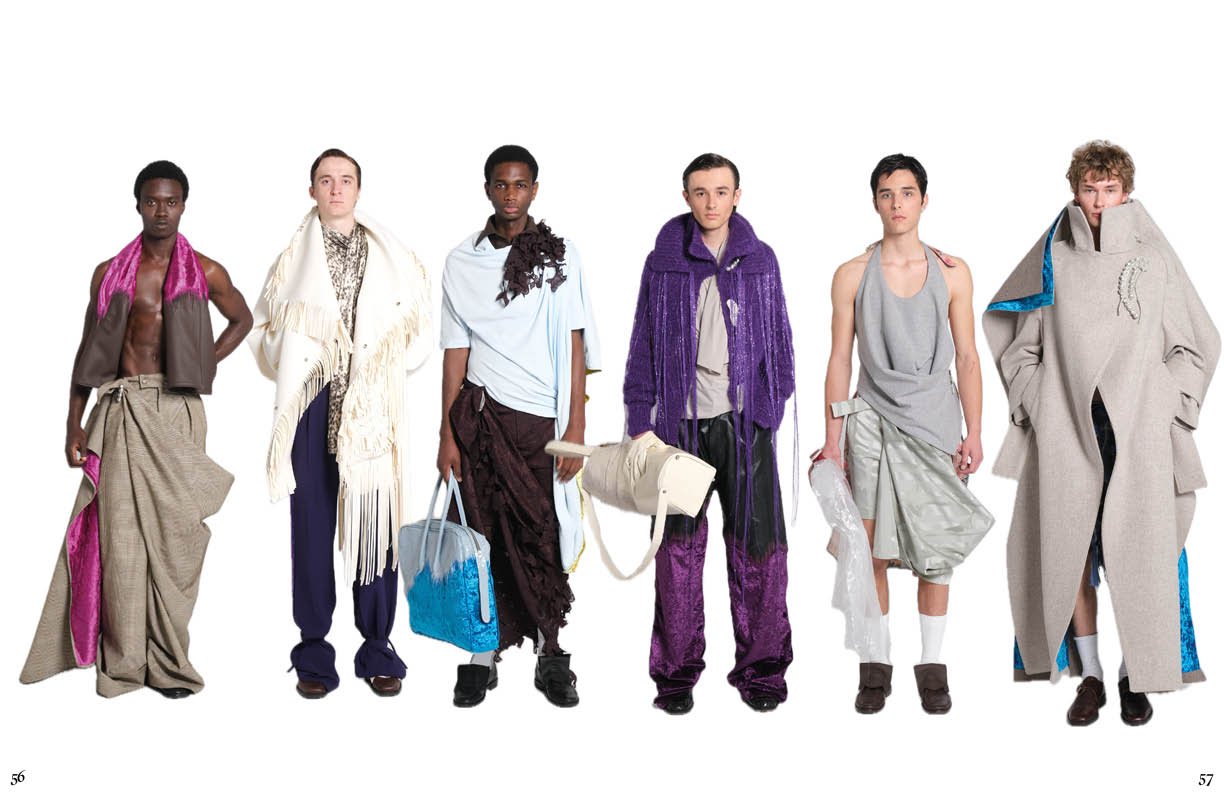
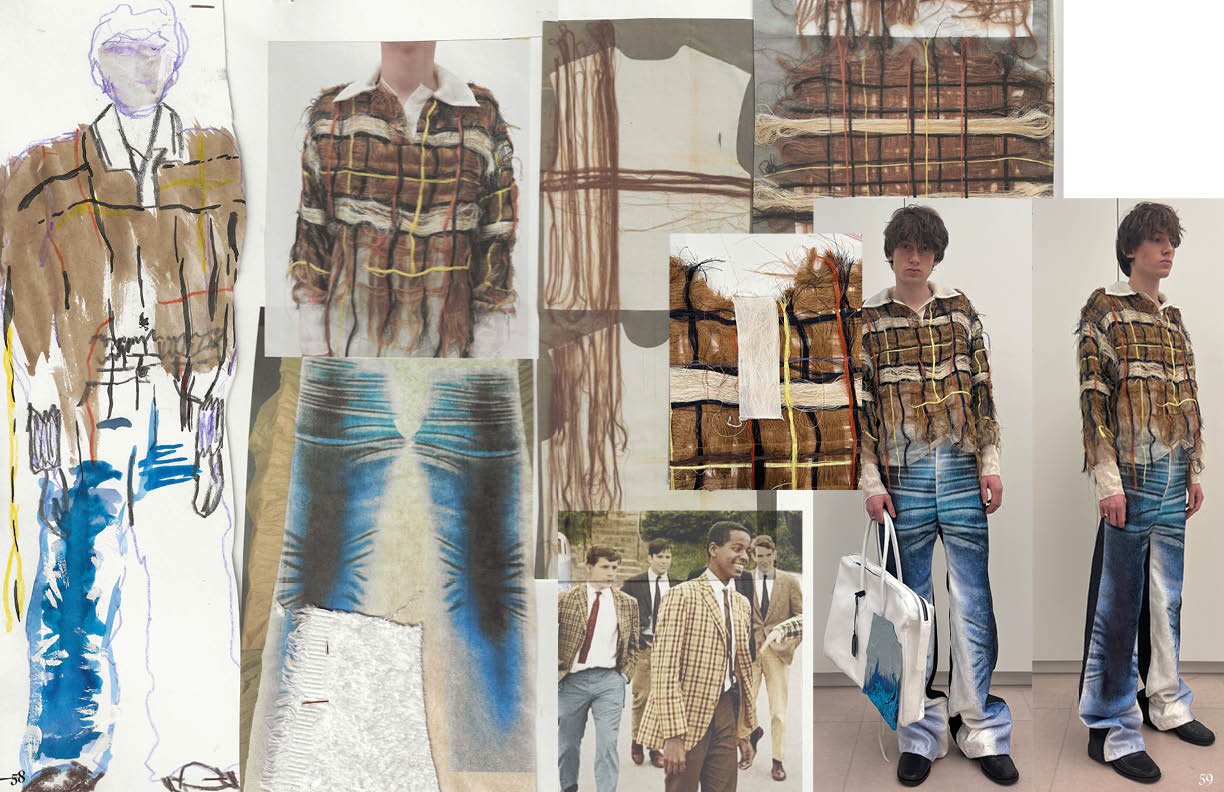
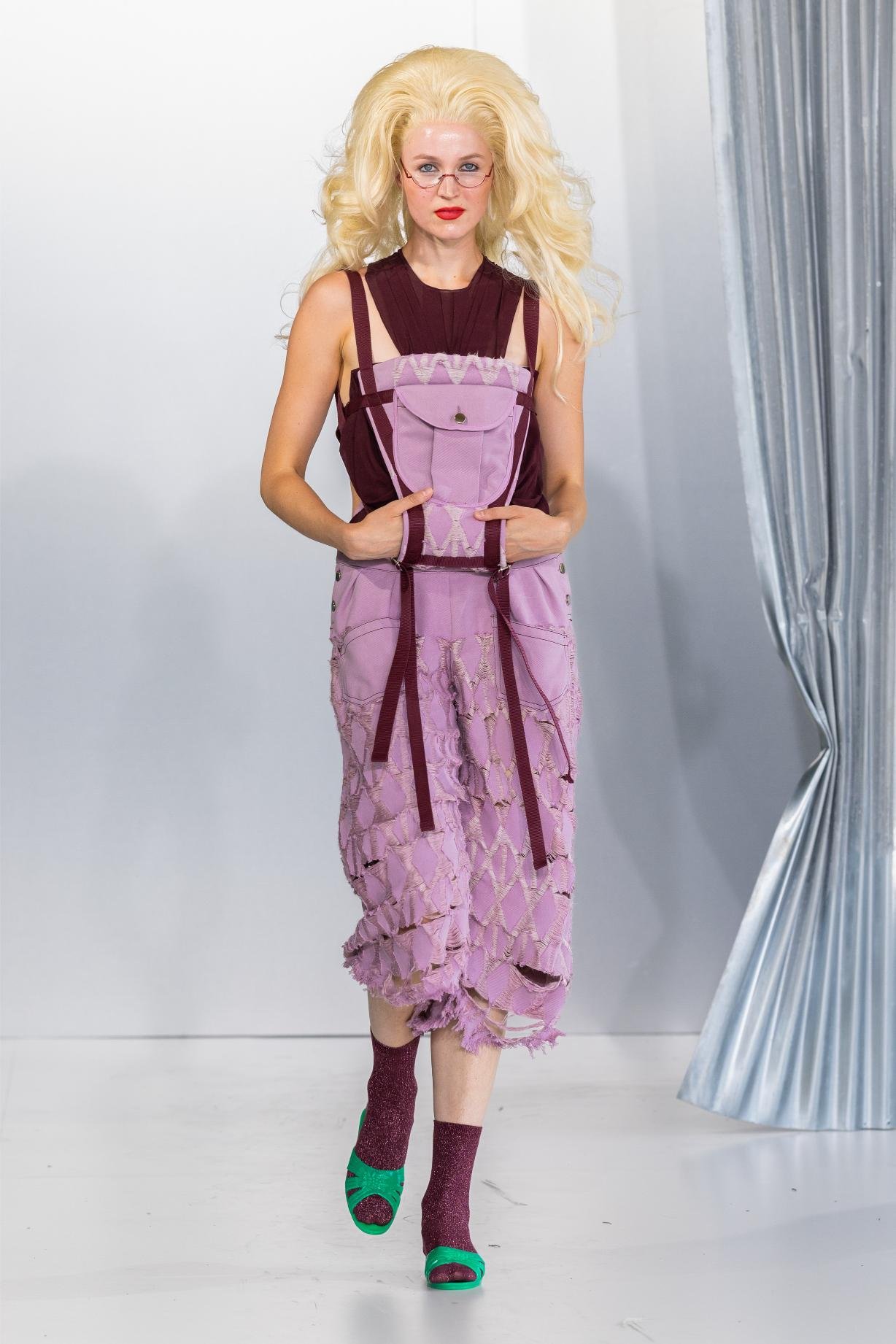
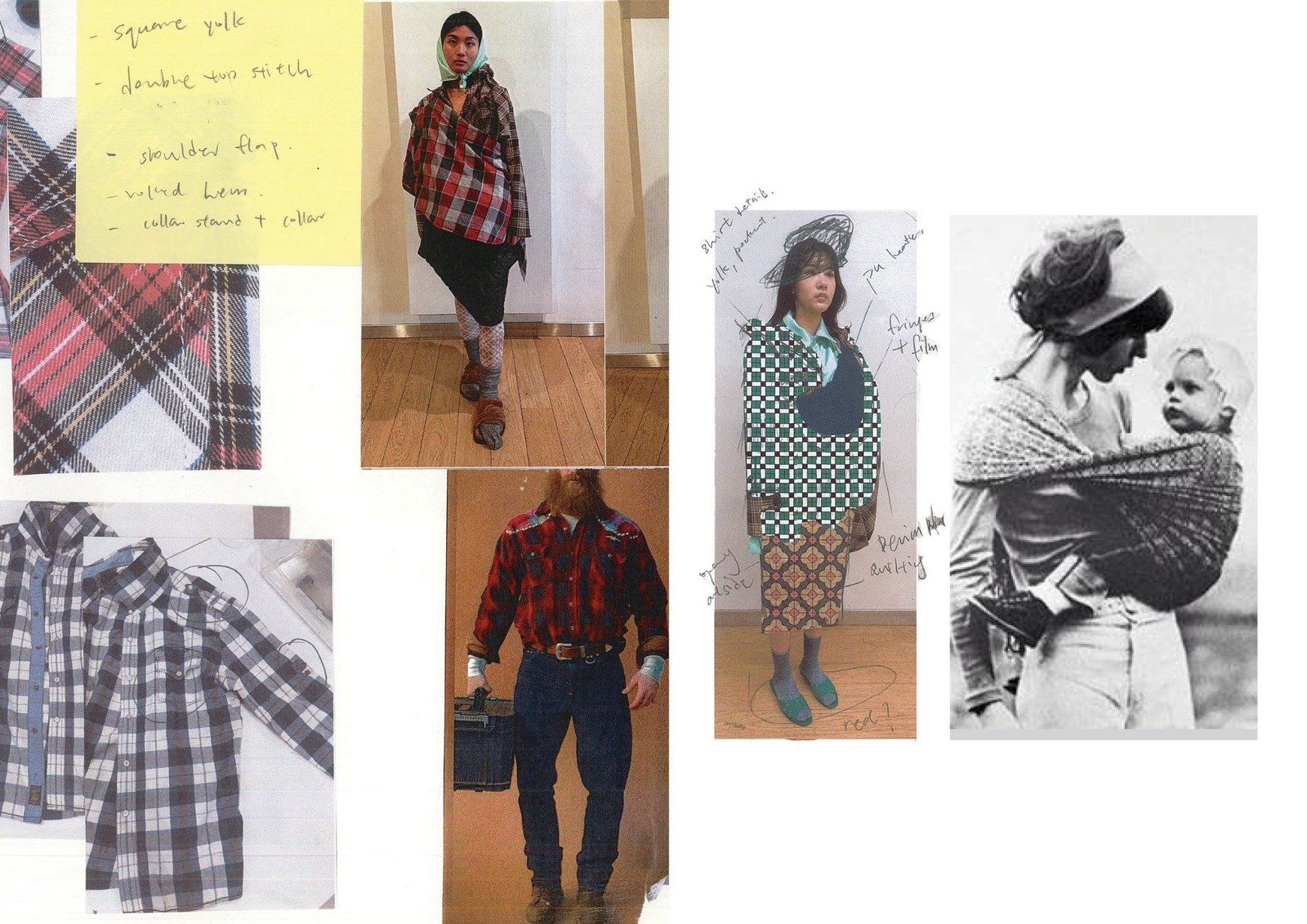
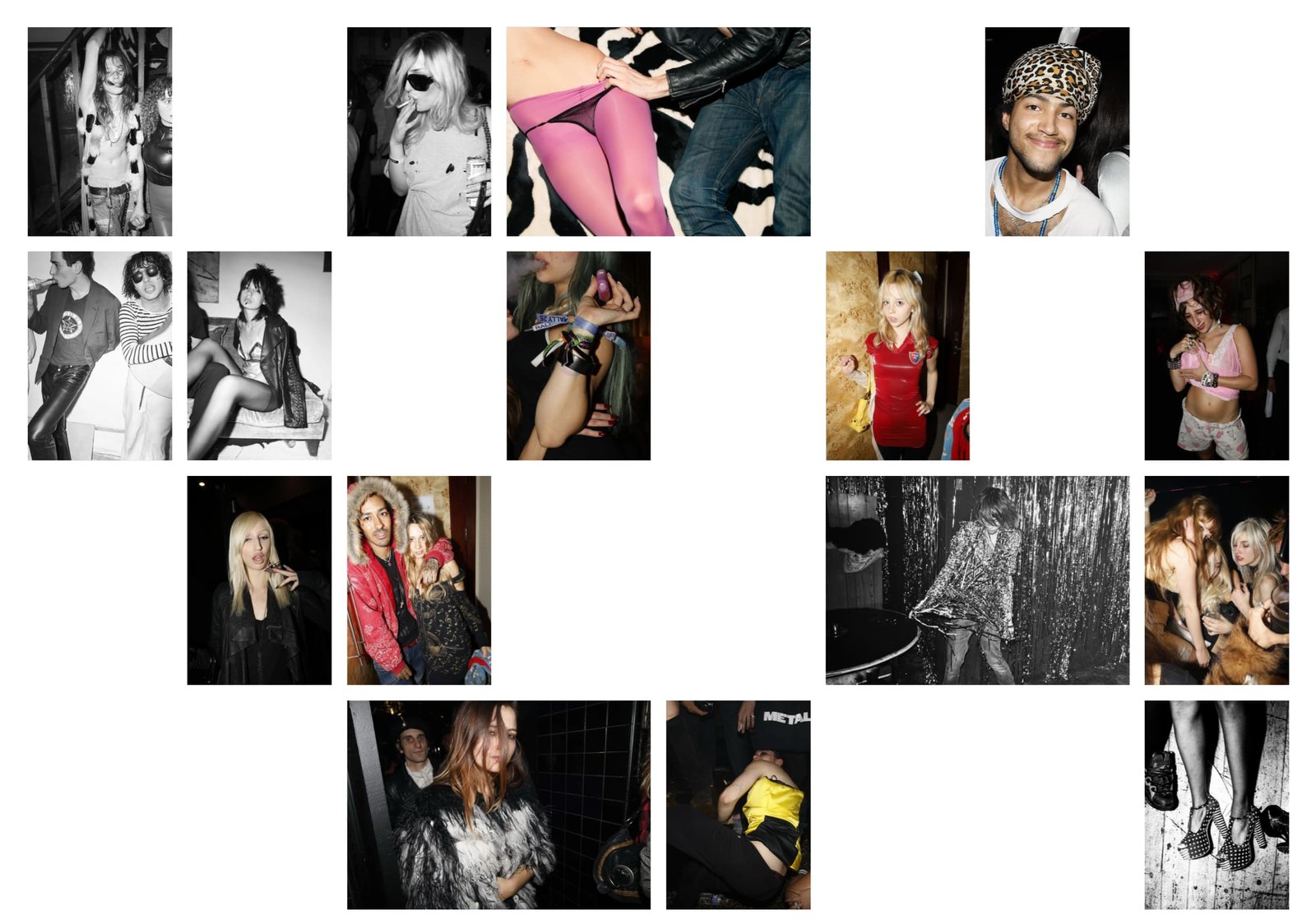
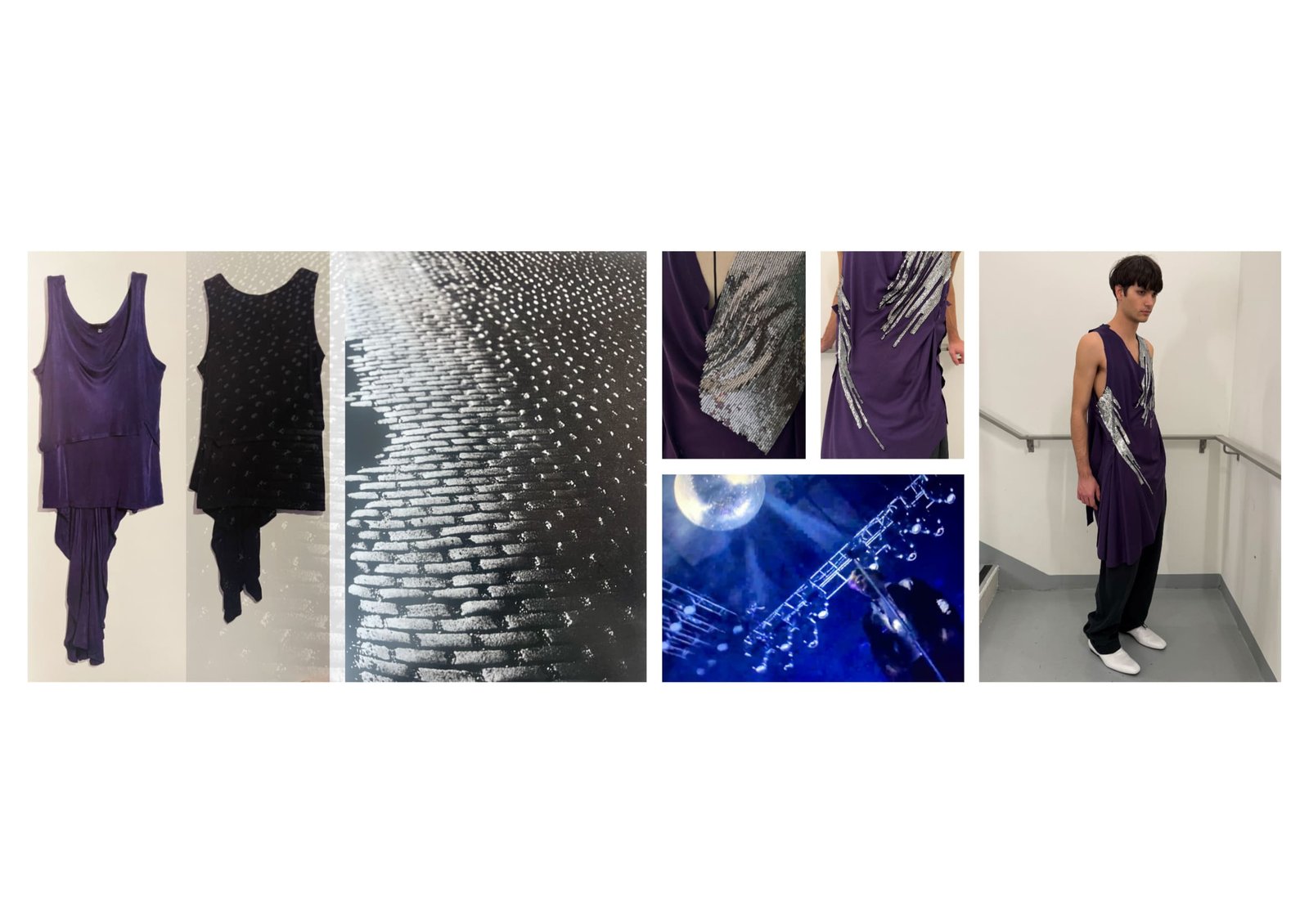
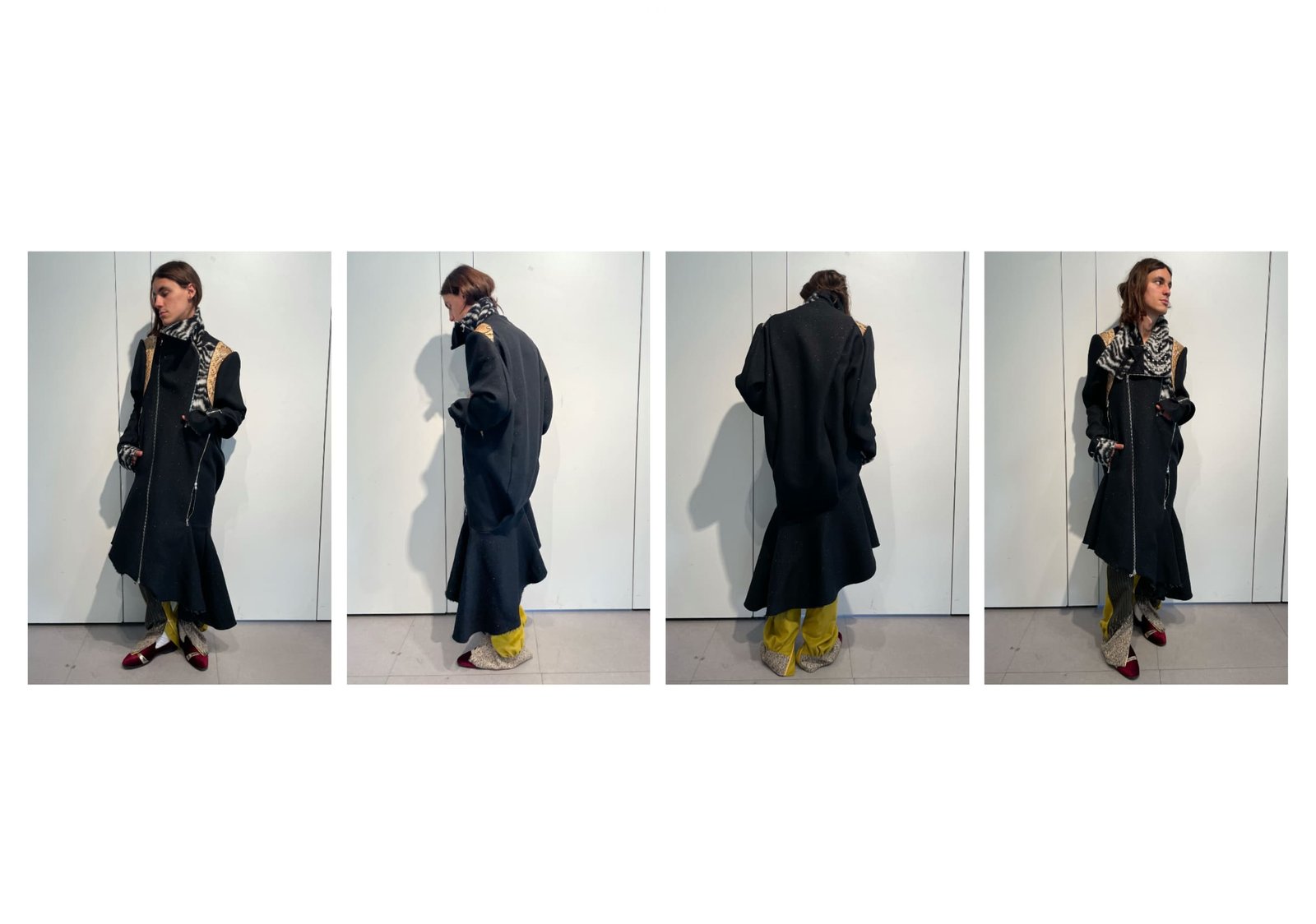
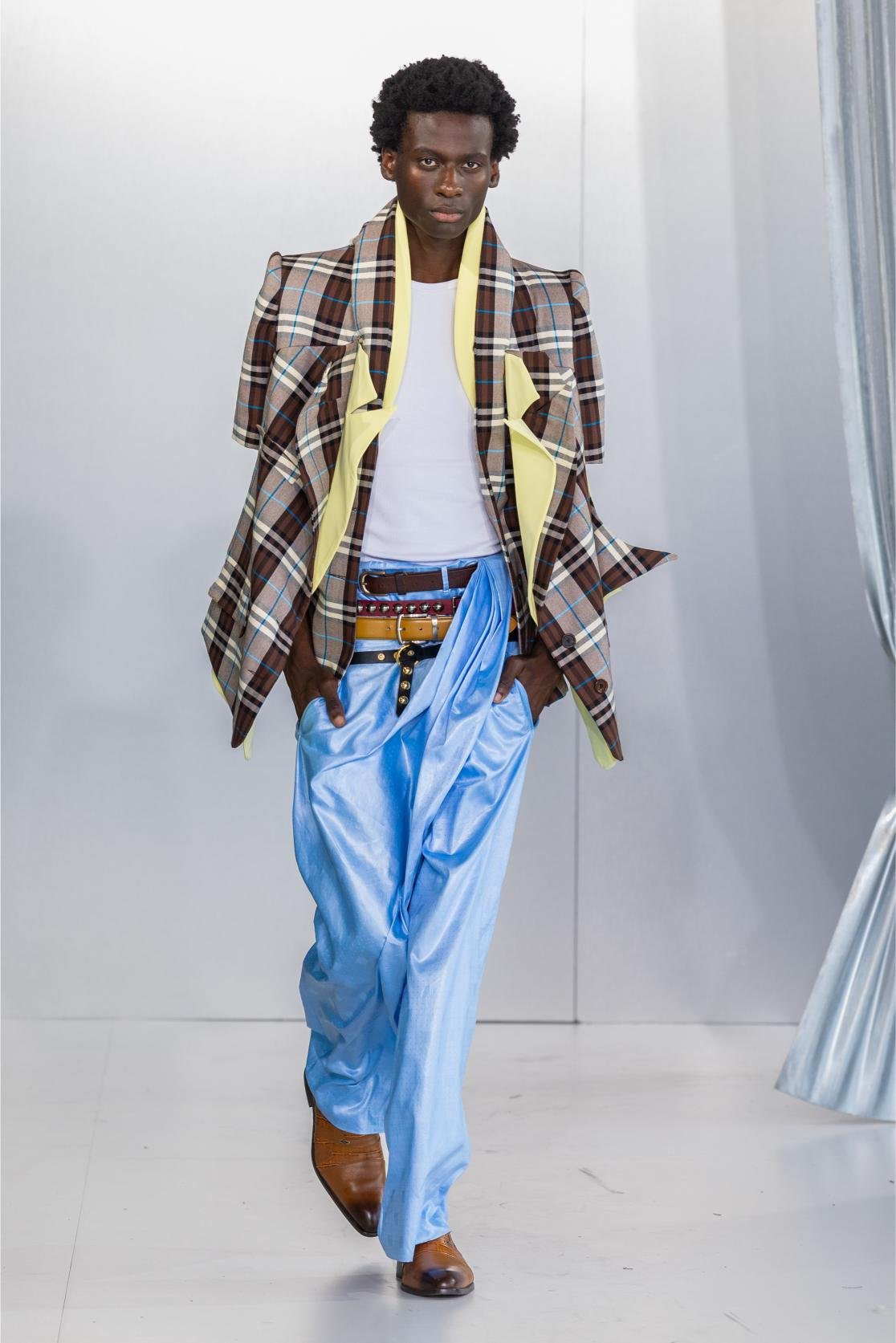
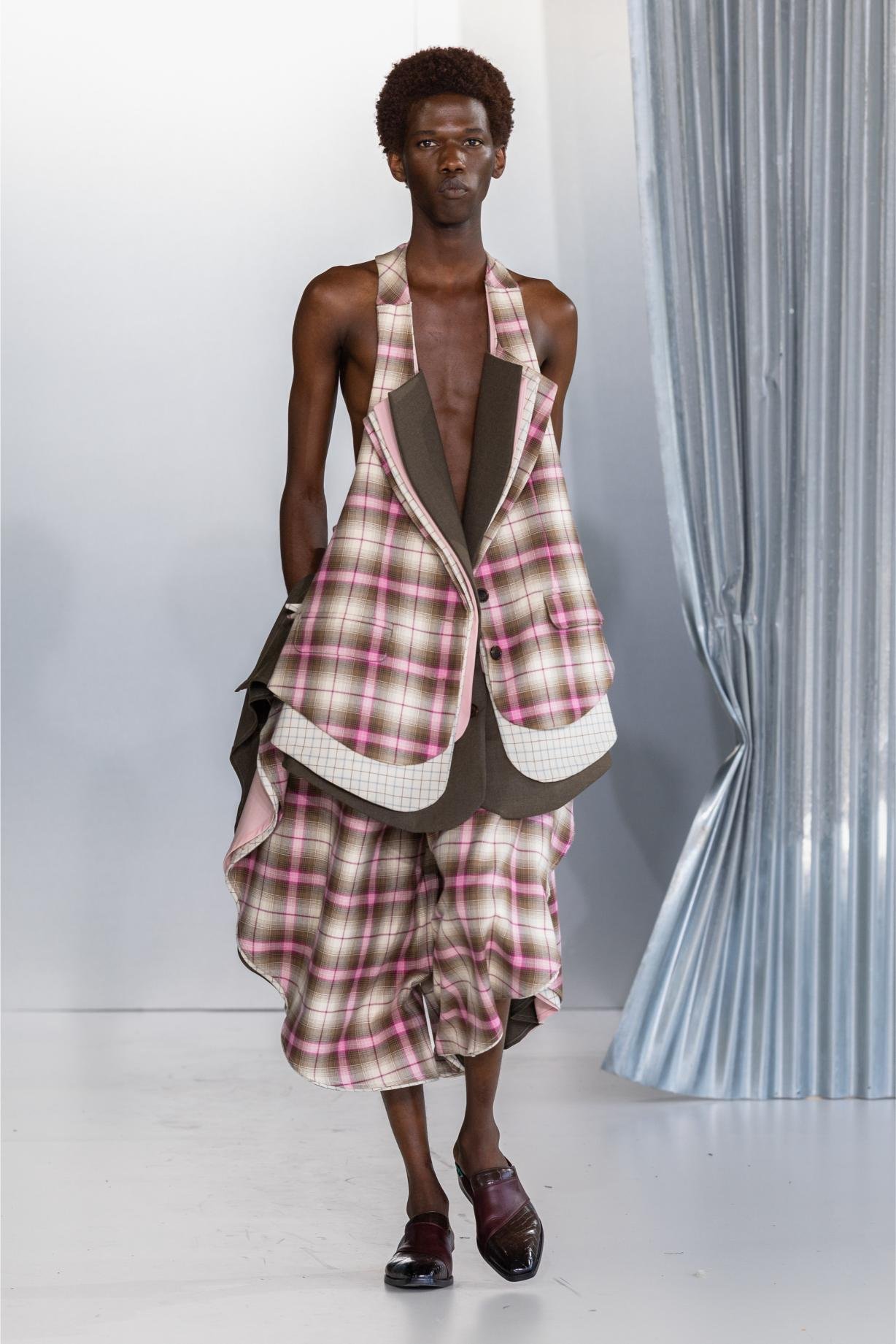
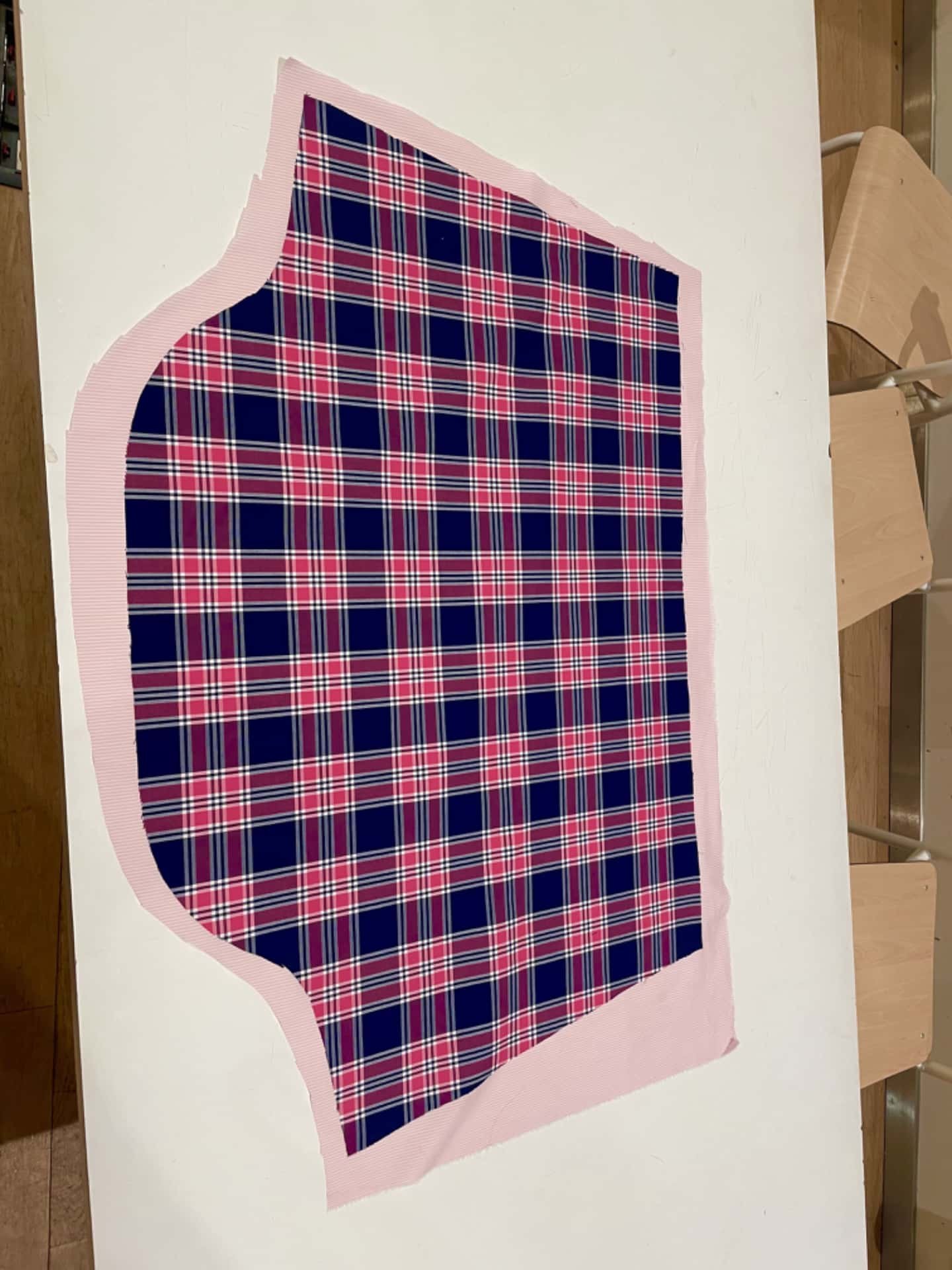
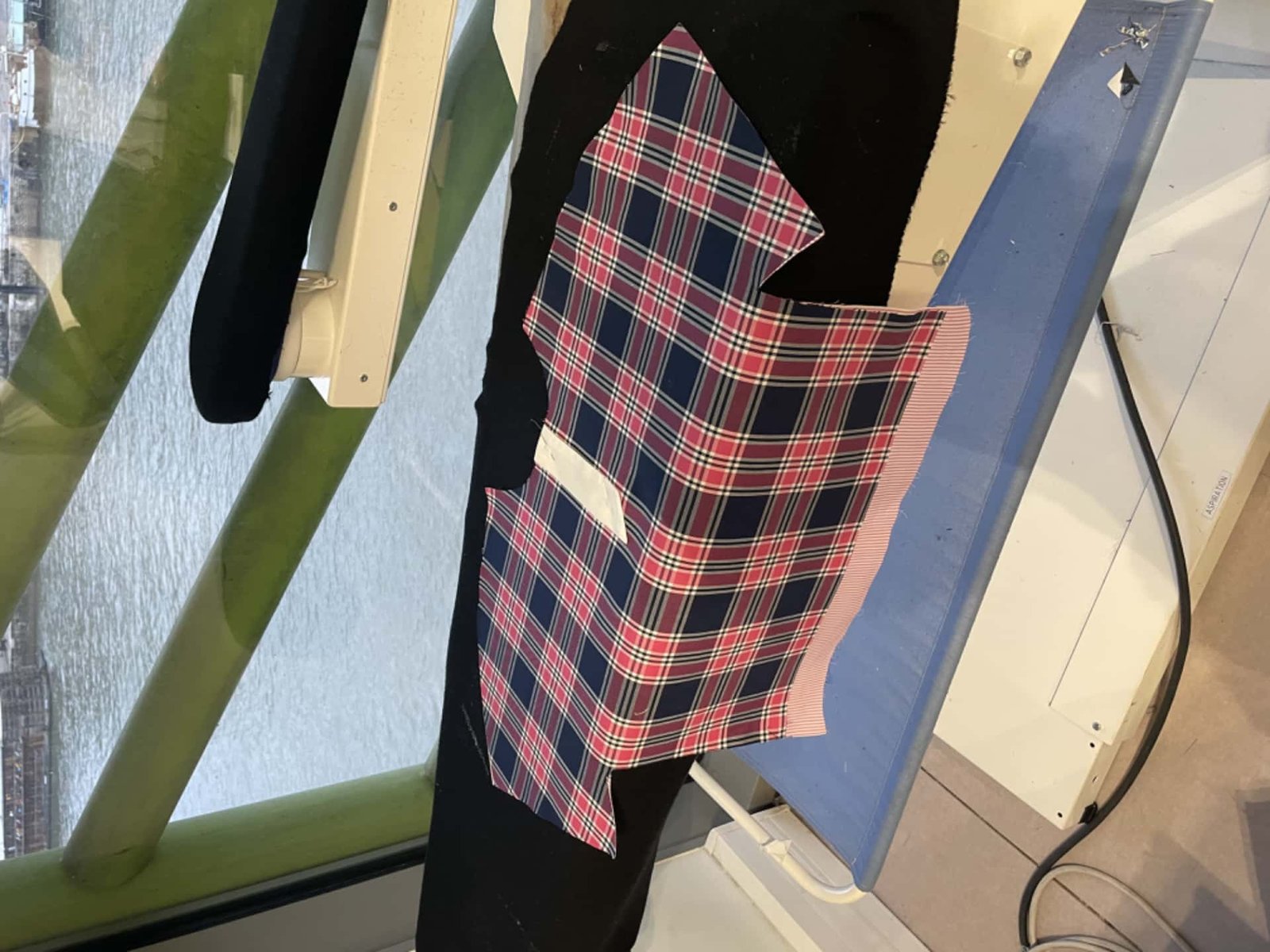
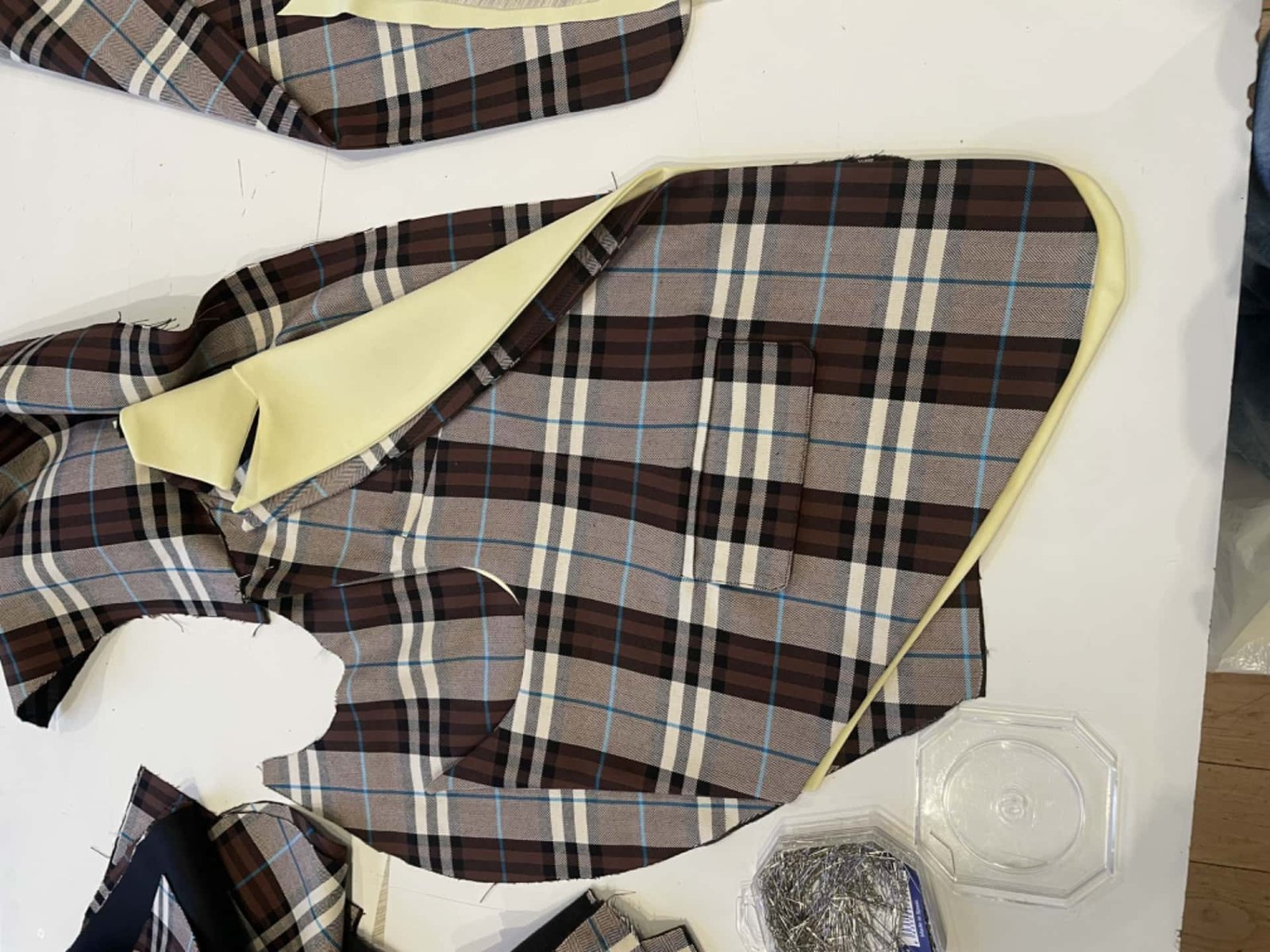
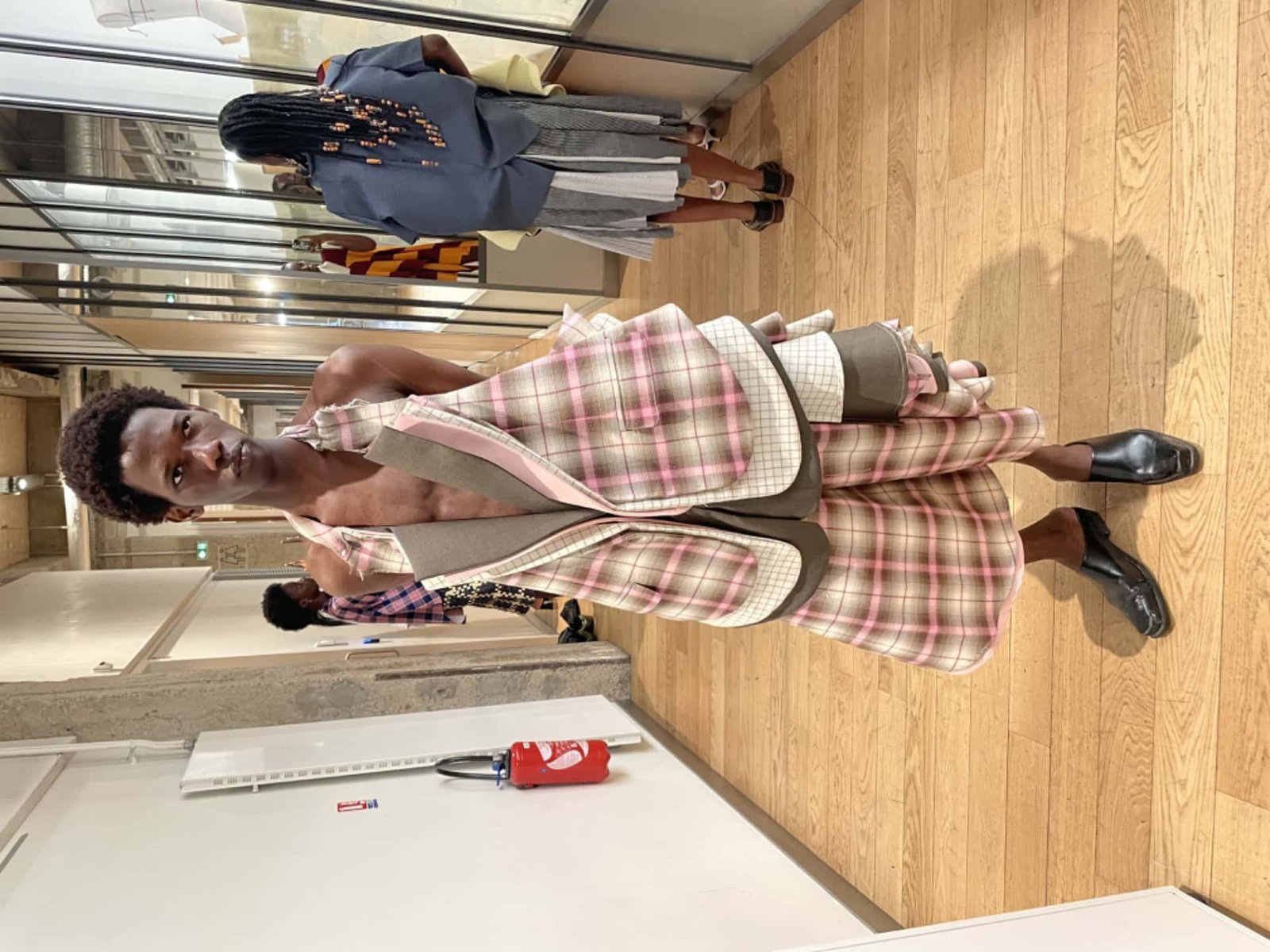
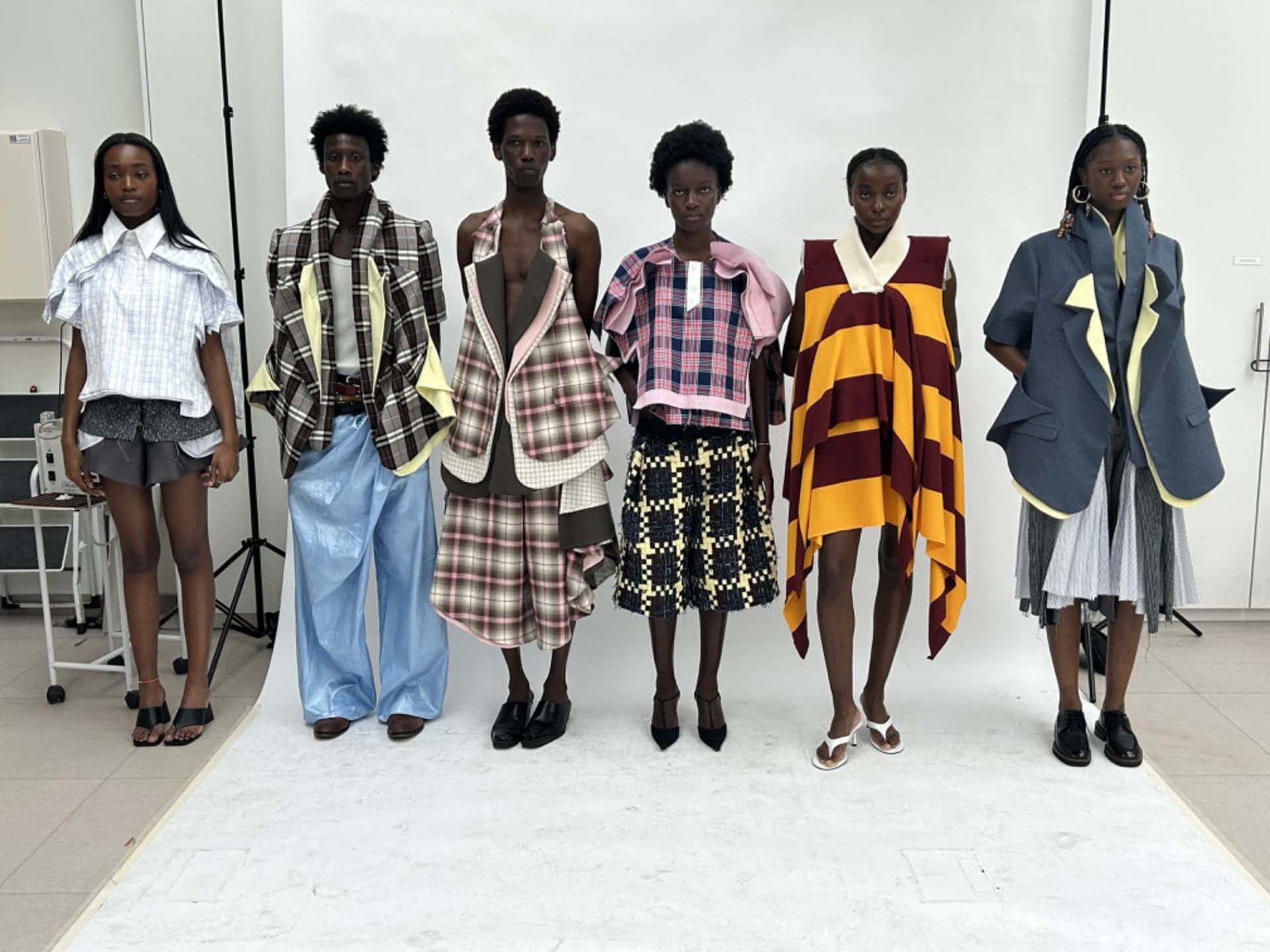
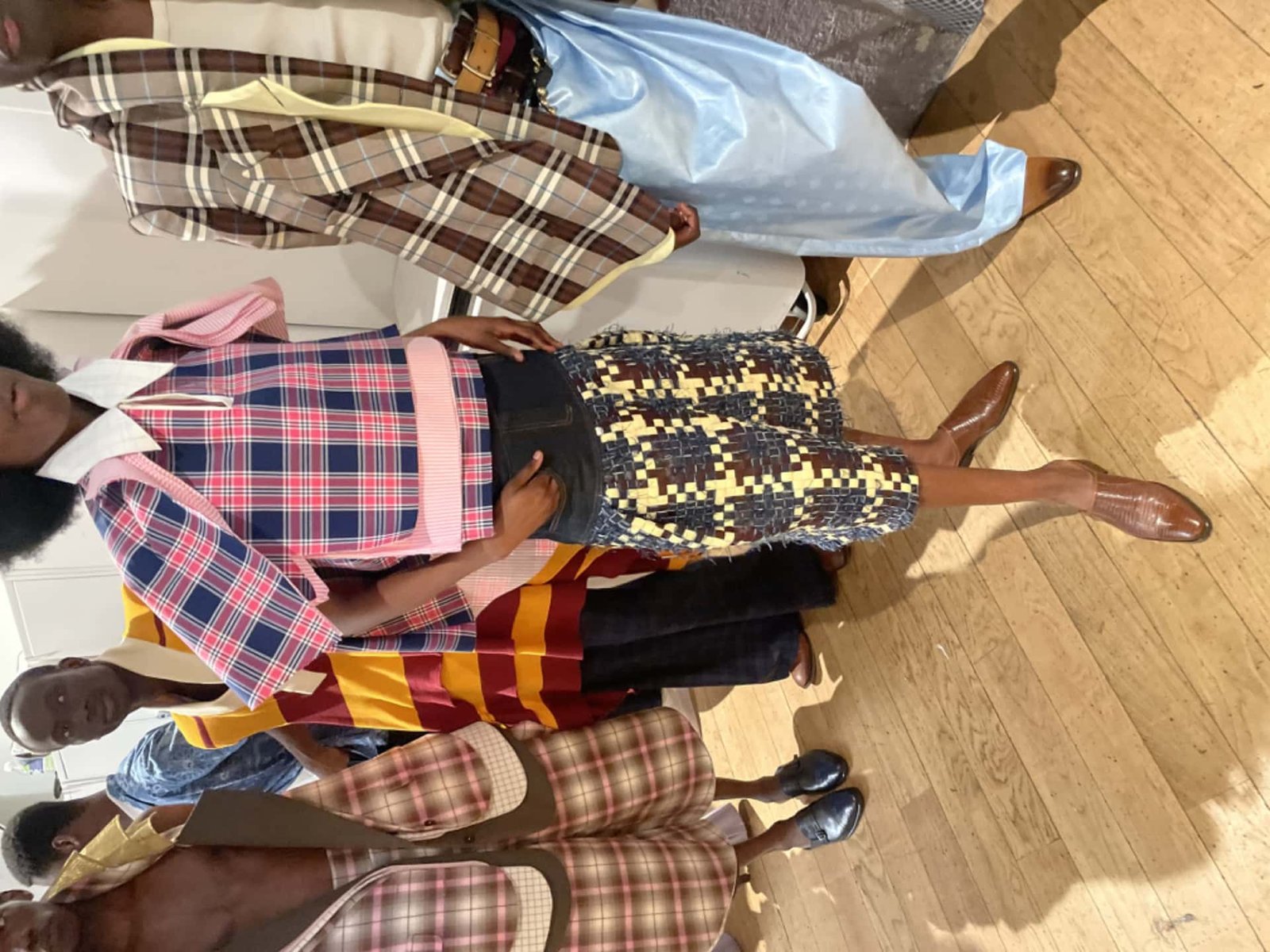
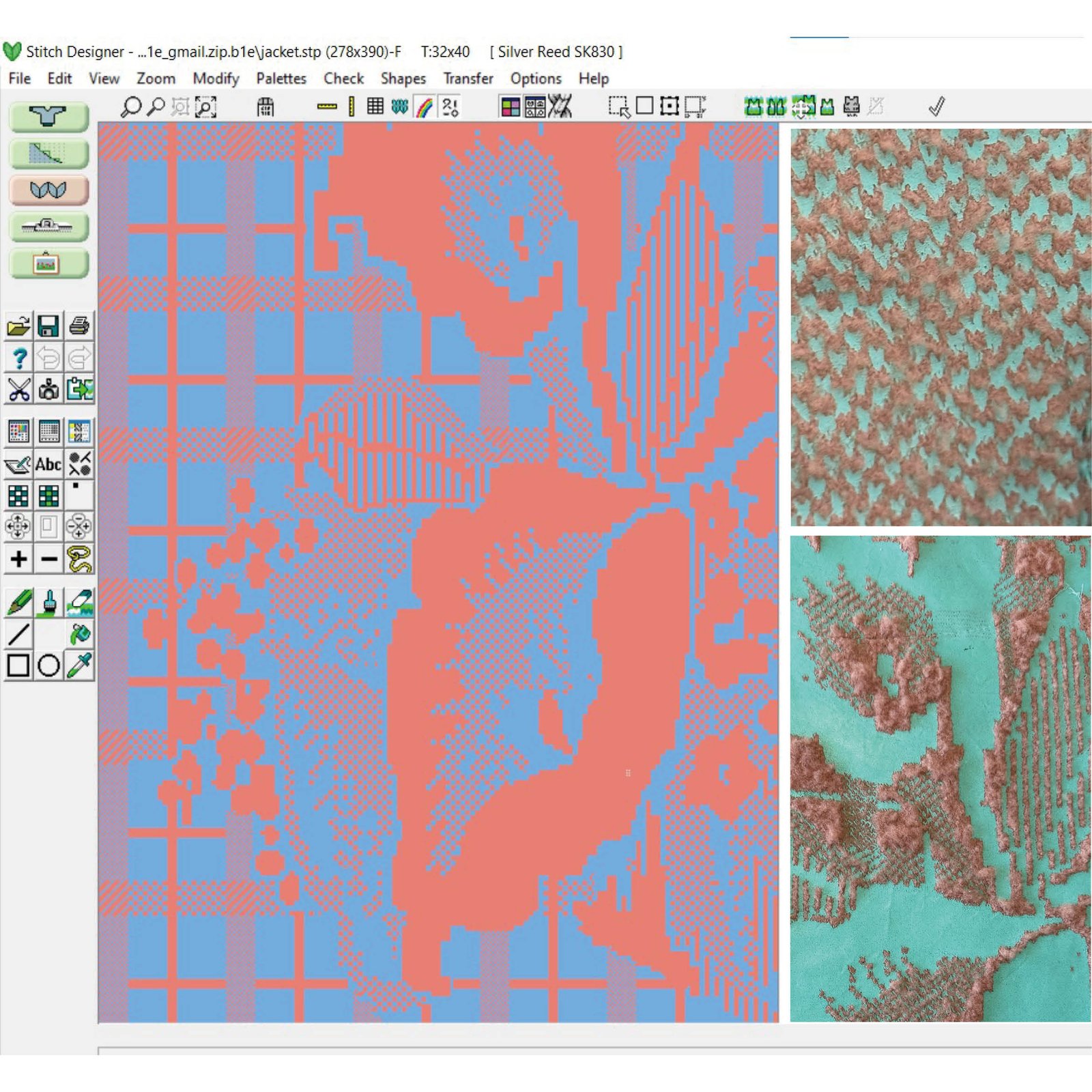
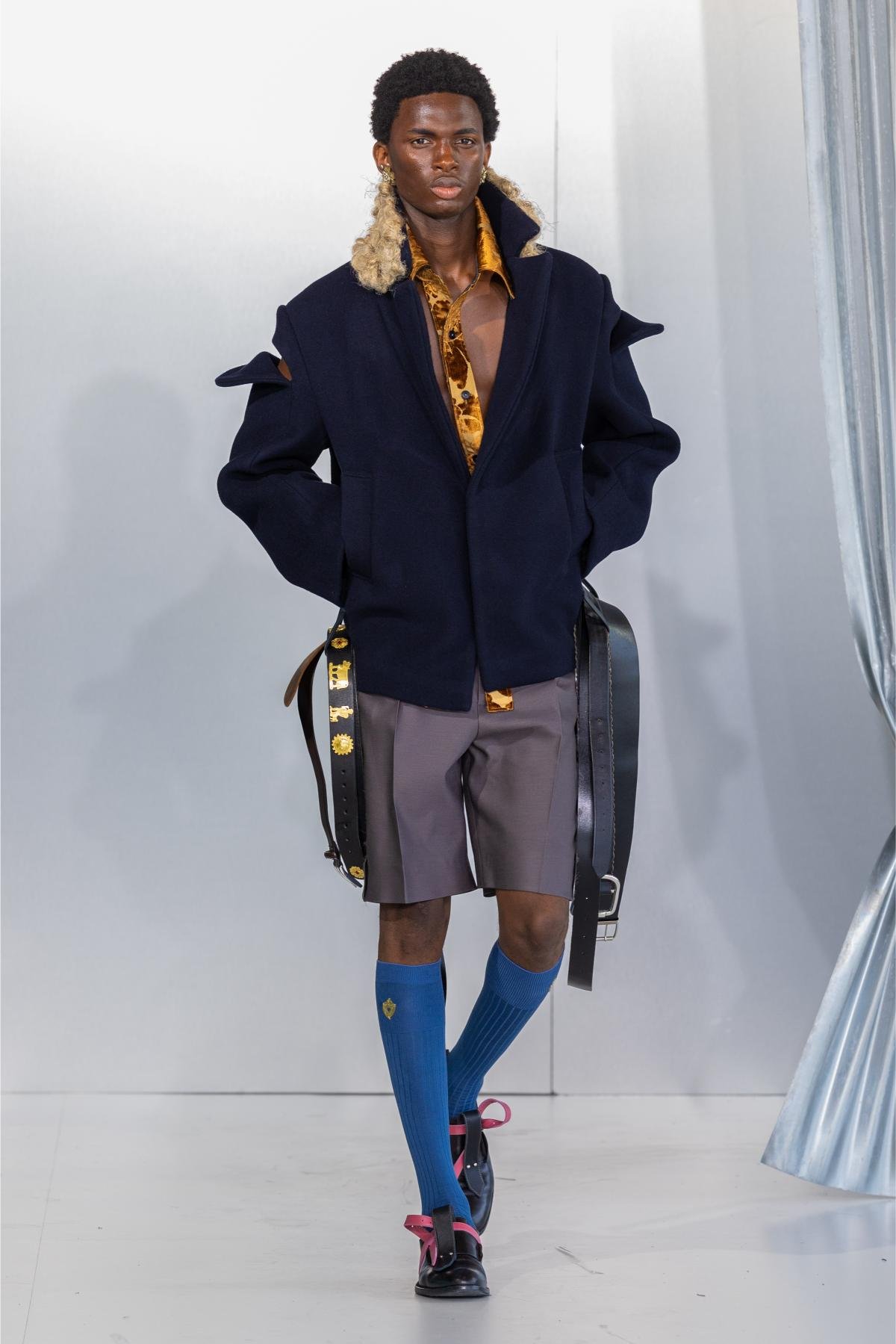
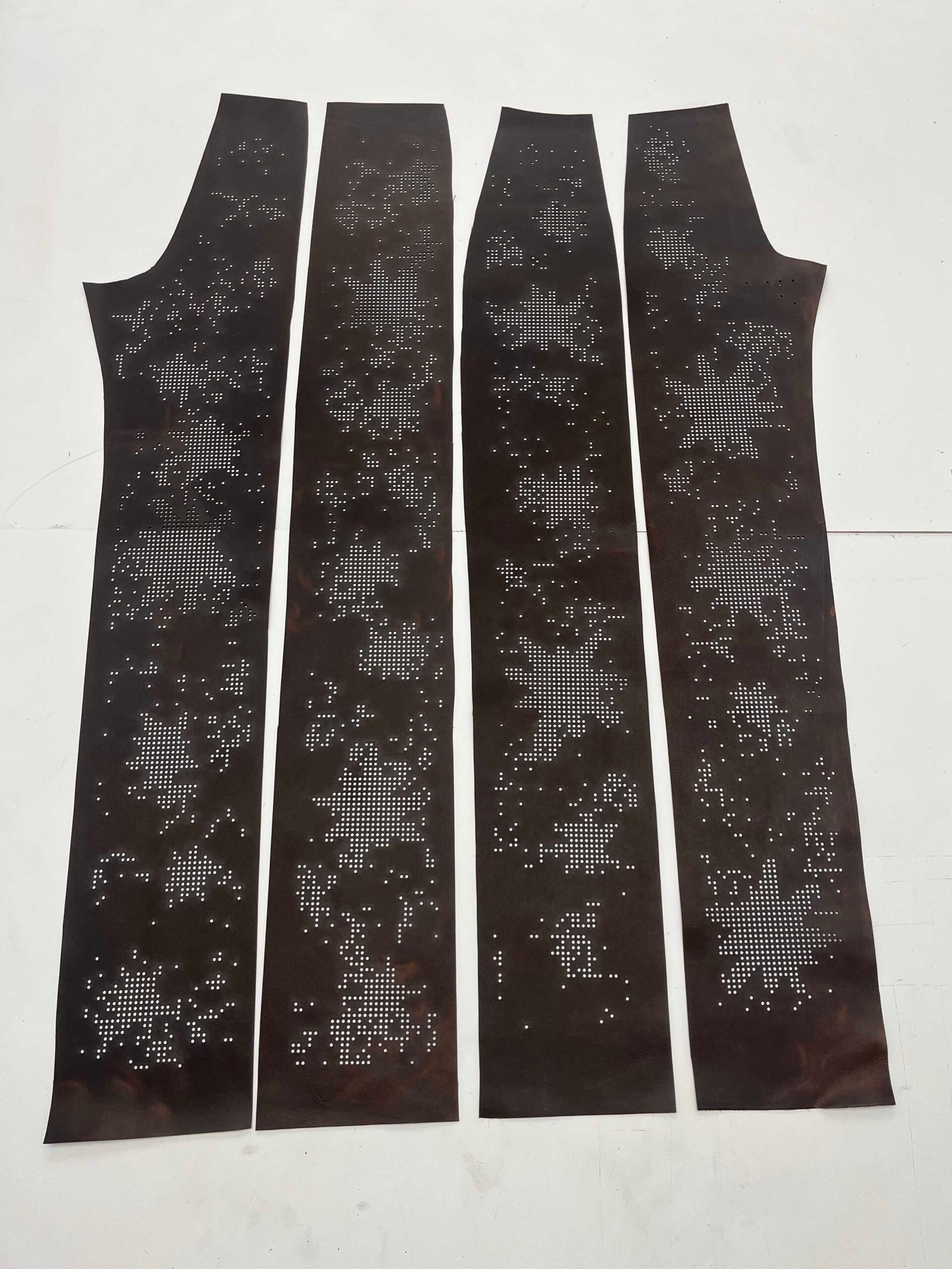
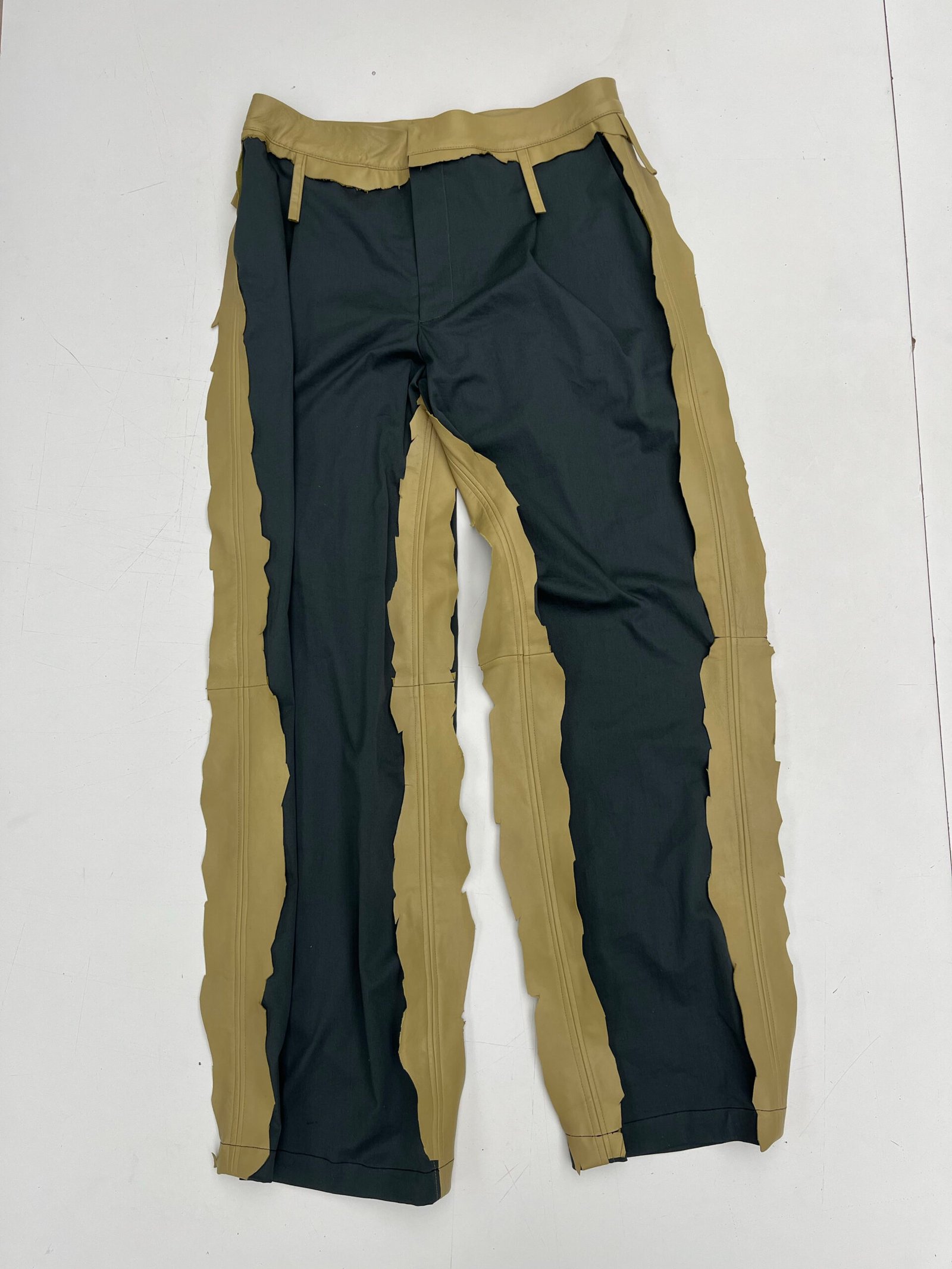
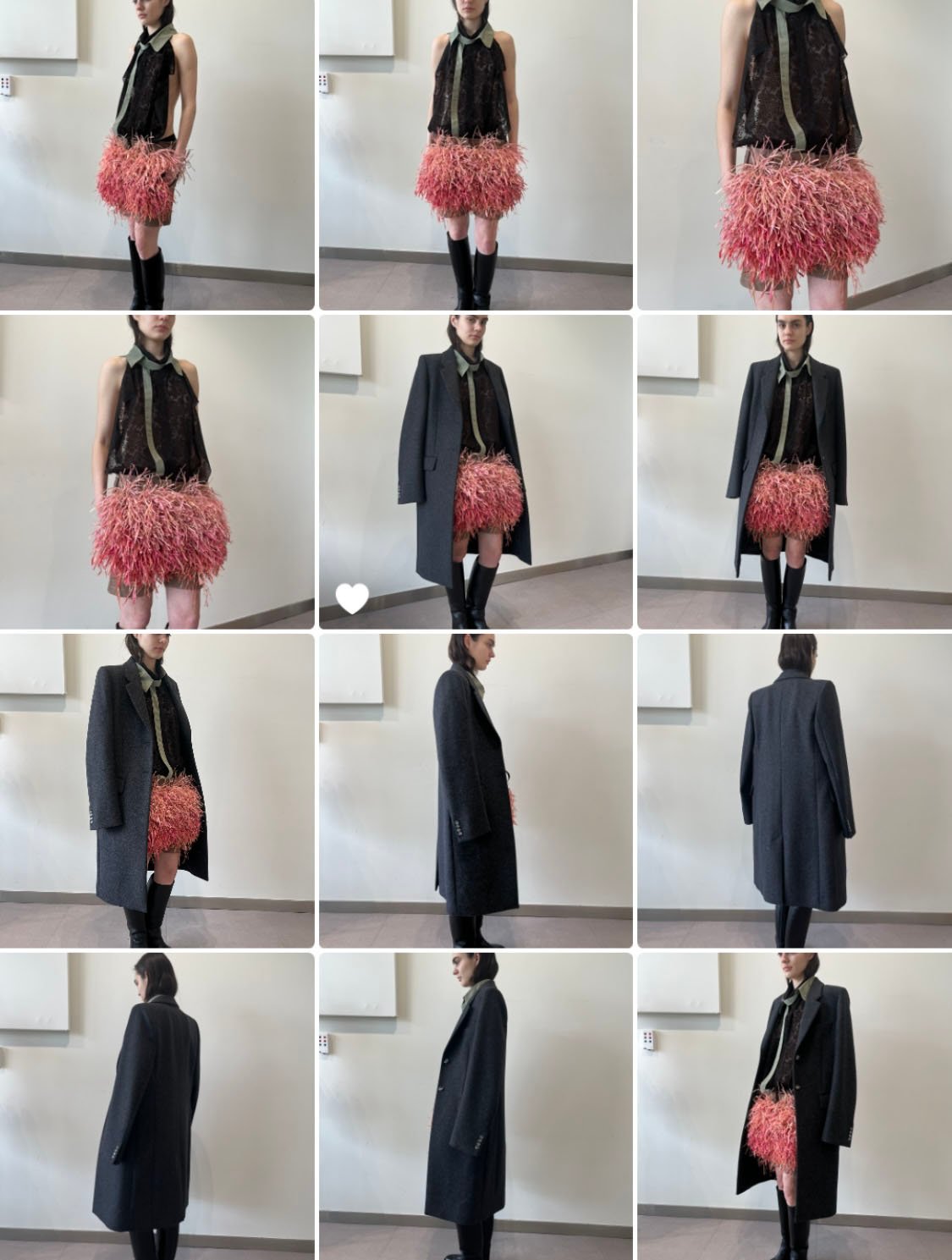
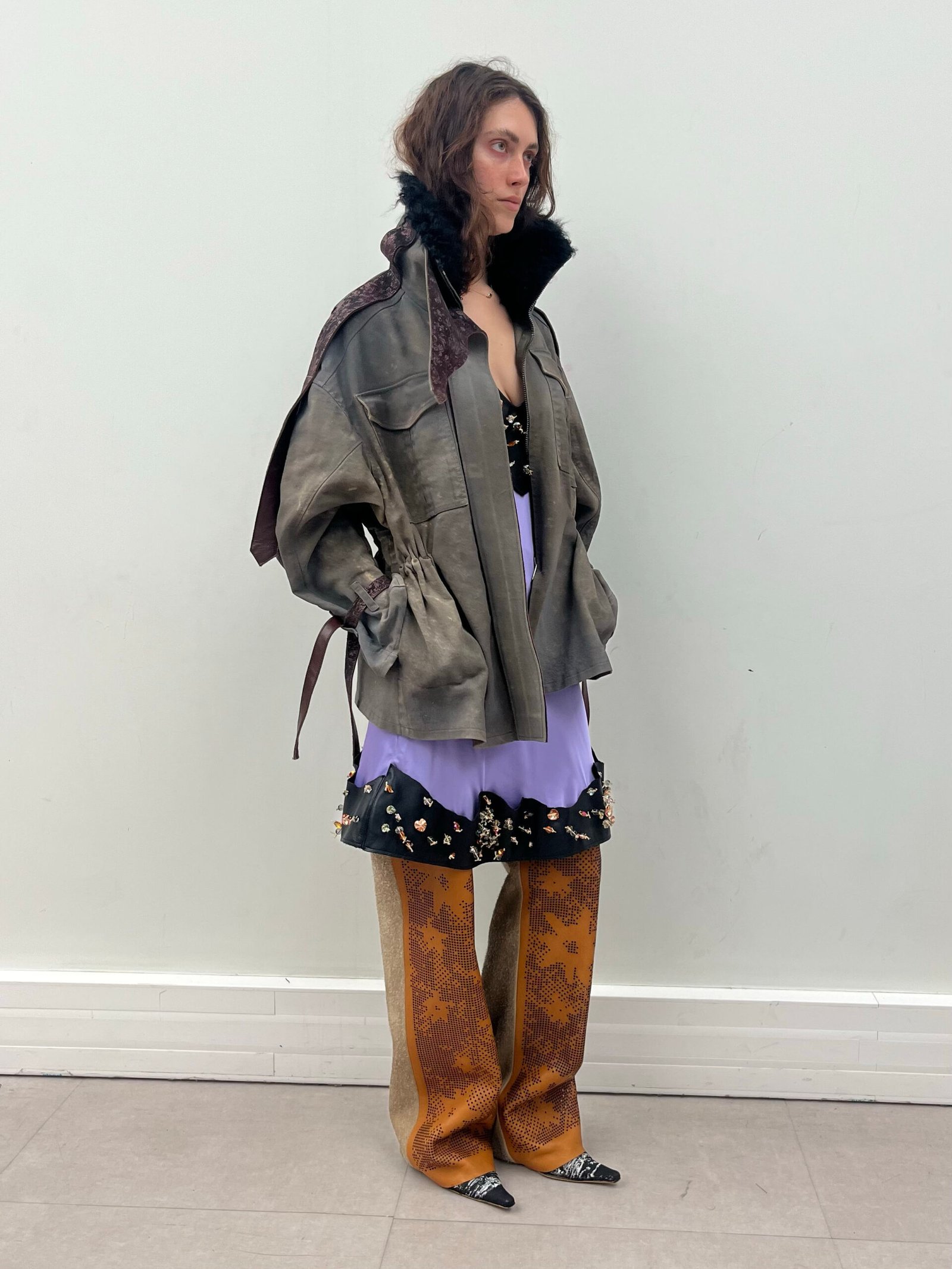
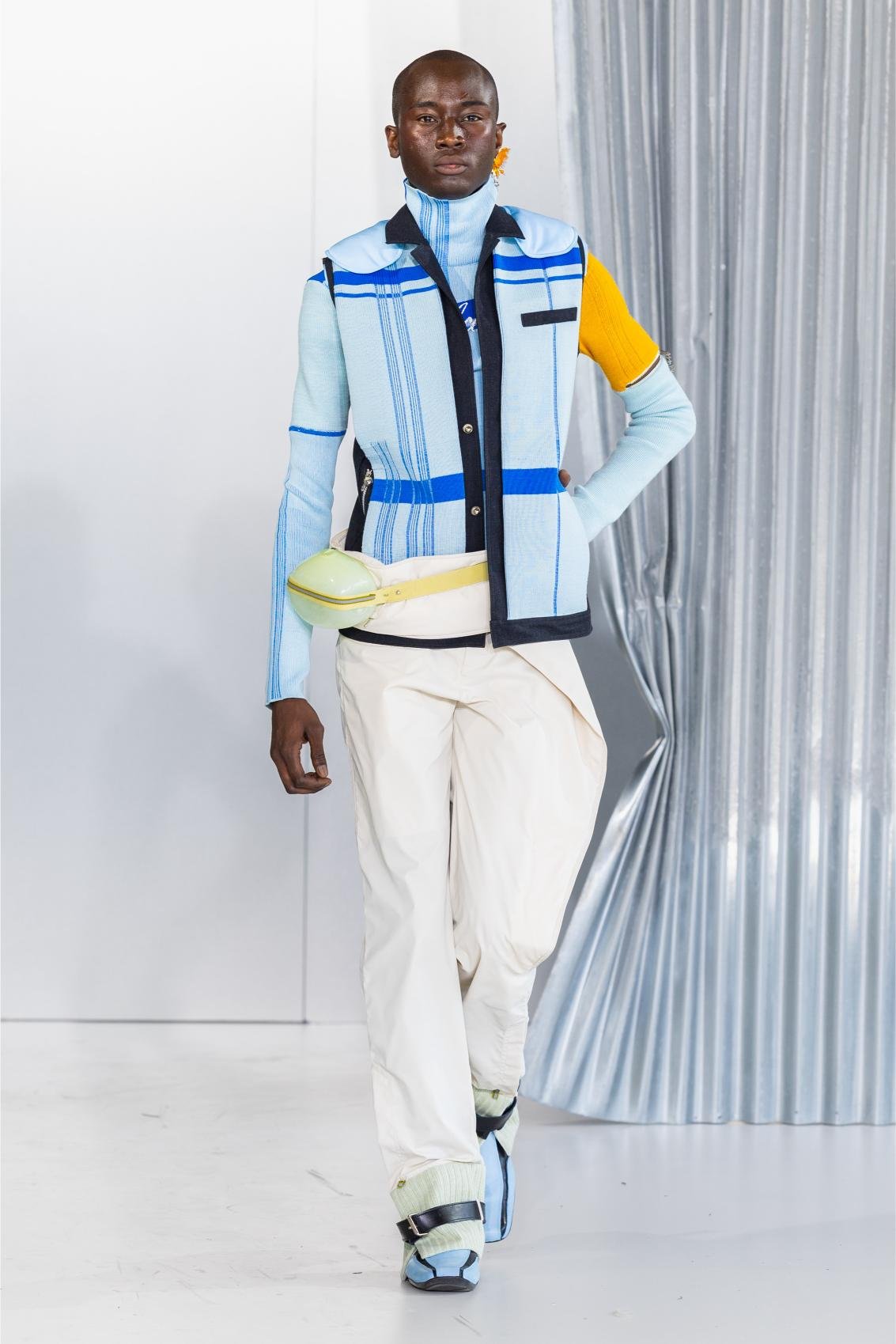
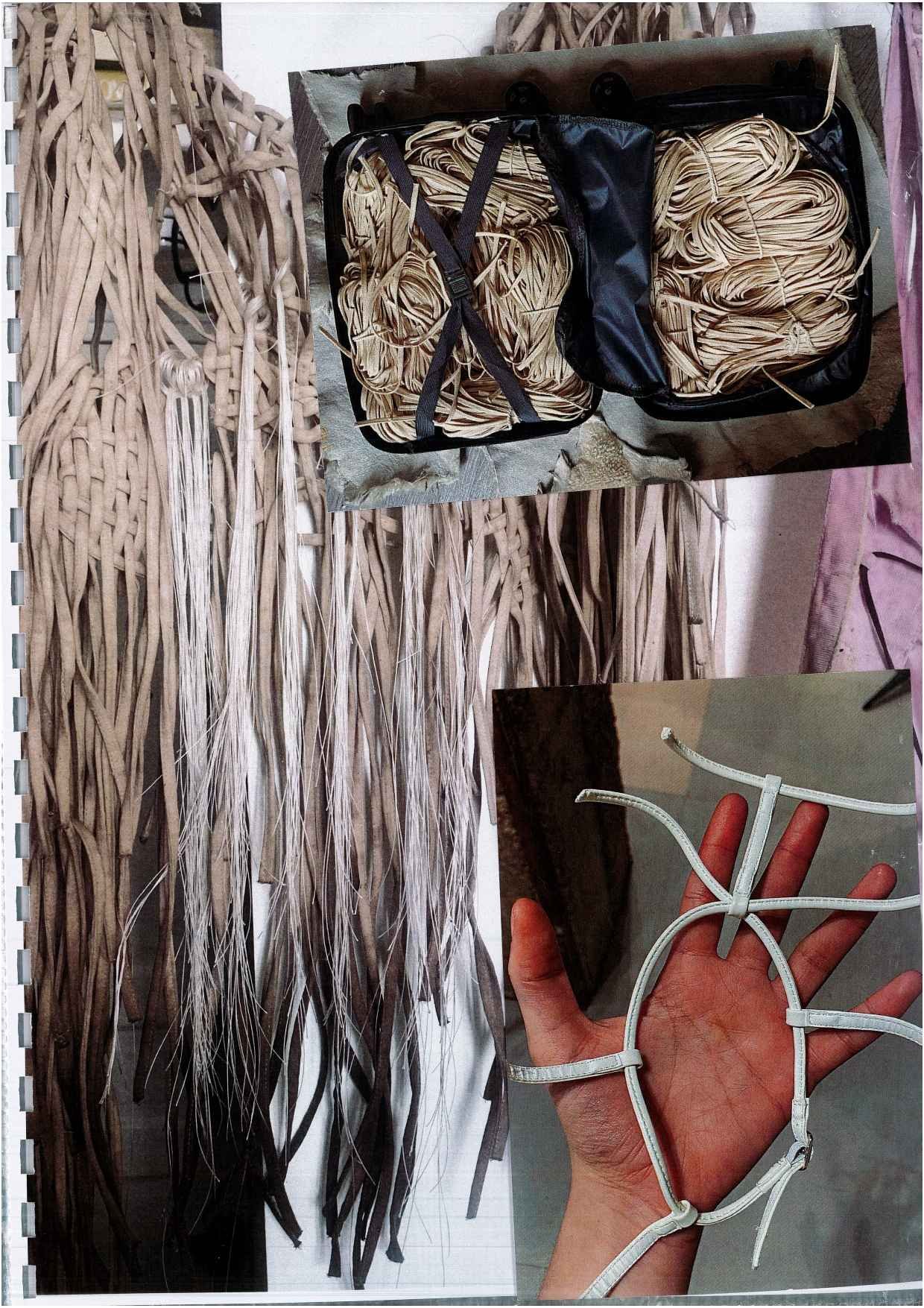
Jean Oltra’s graduate collection, Boy at the Door, explores the collision between the idealised American college boy and the unsettling glamour of the night. Inspired by Blue Velvet, the collection investigates tensions between innocence and voyeurism, control and desire, through the characters of Jeffrey Beaumont and Dorothy Vallens. Classic menswear archetypes are reconstructed through draped excess, handwoven tartan illusions, leather, velvet blends, and sous-vide garment constructions, creating silhouettes that appear stretched, altered, and almost melting. Distressed surfaces, exposed threads, faded suburban neutrals, bruised purples, and electric blues evoke a fragile glamour where carefully maintained façades begin to fracture. Looking ahead, Oltra is excited by the possibility of joining a collaborative creative community and hopes to see greater support for emerging designers. 

@jeanoltra

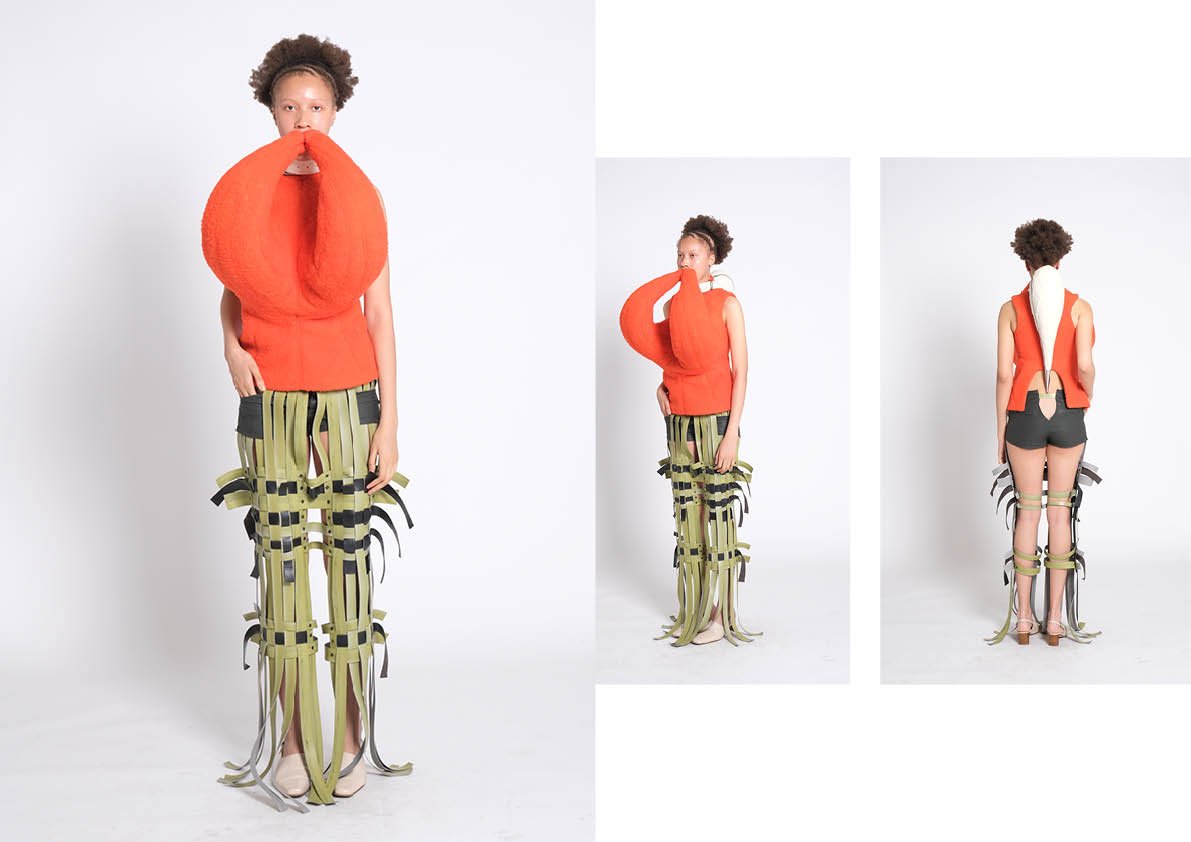
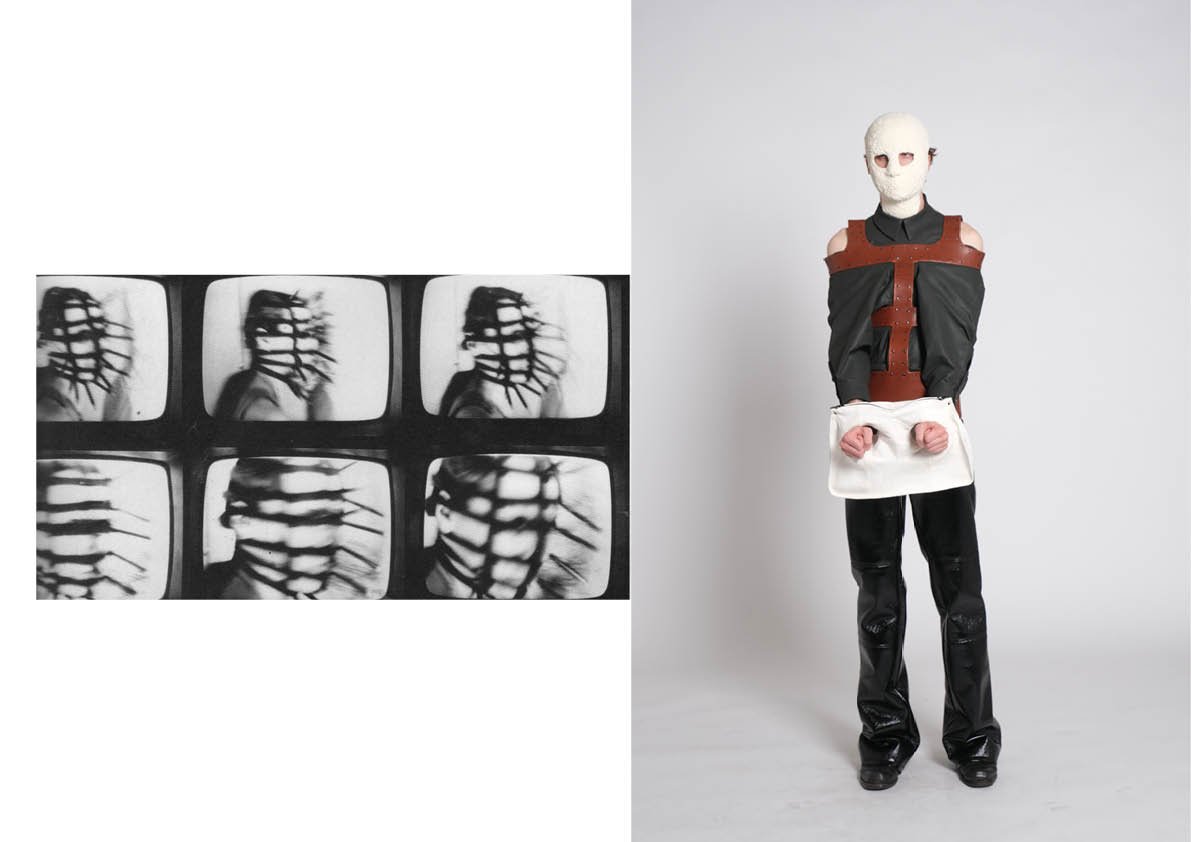
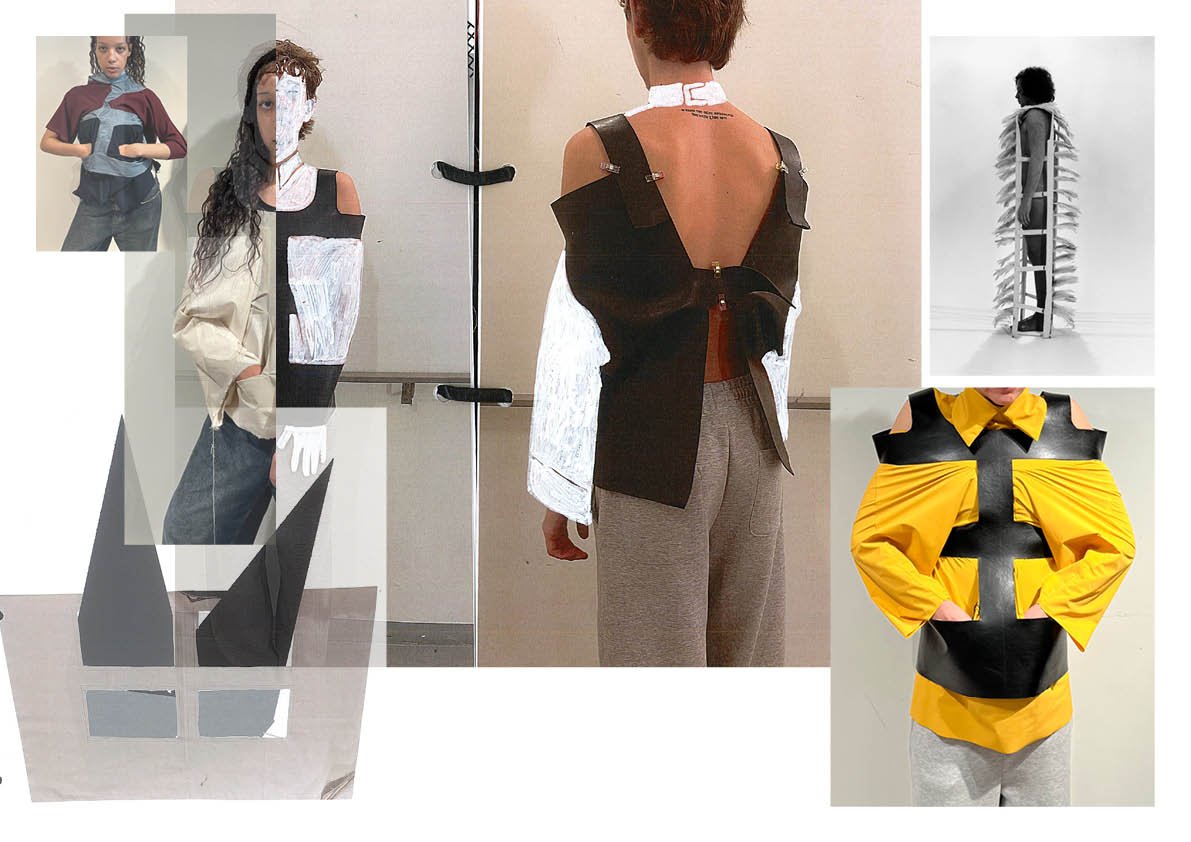
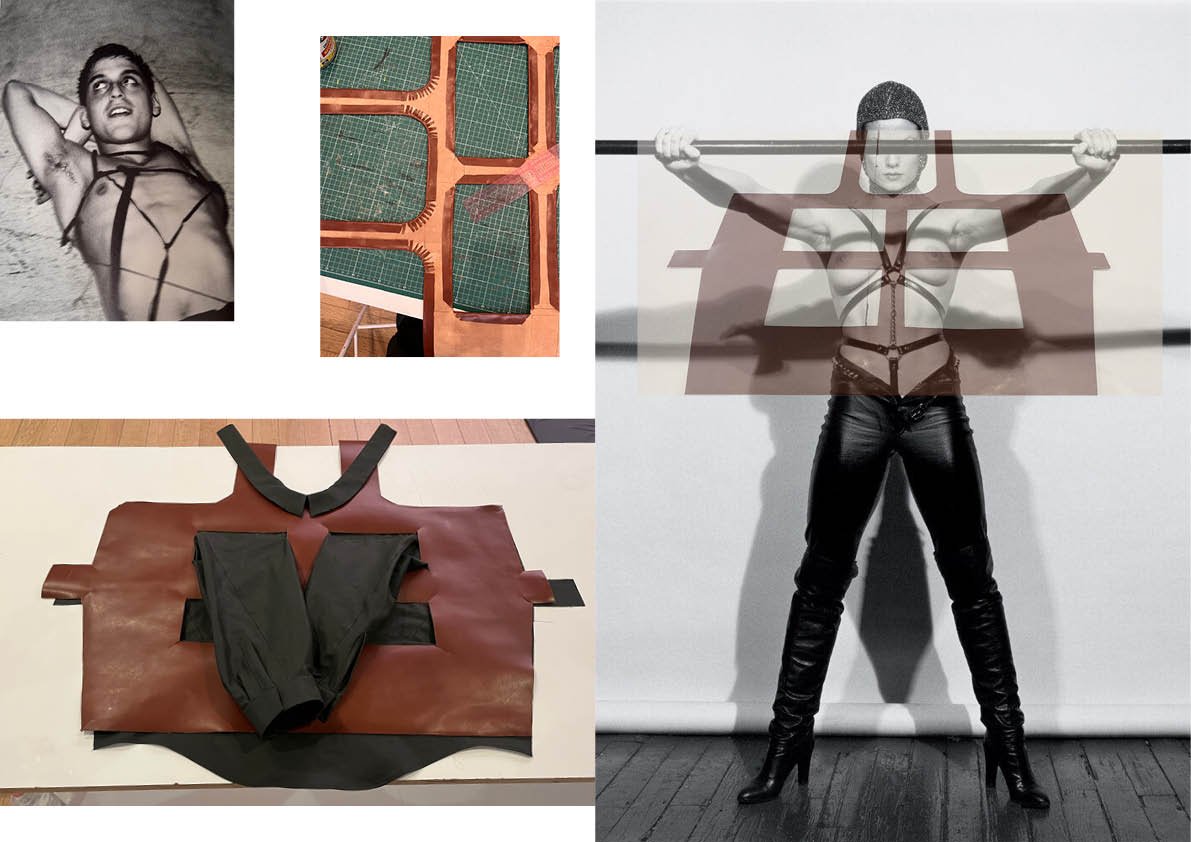
Ella Maillard de Thuin

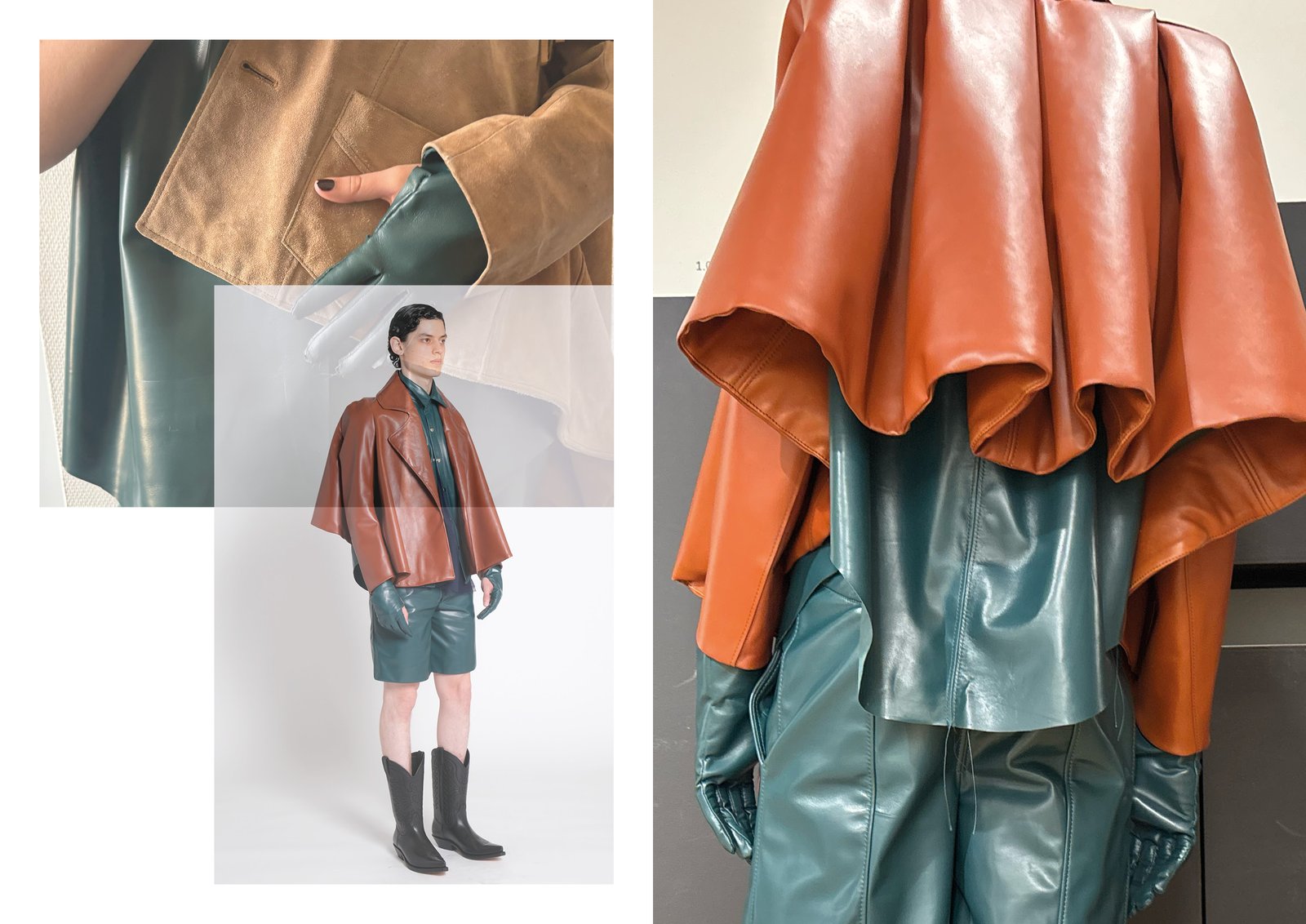
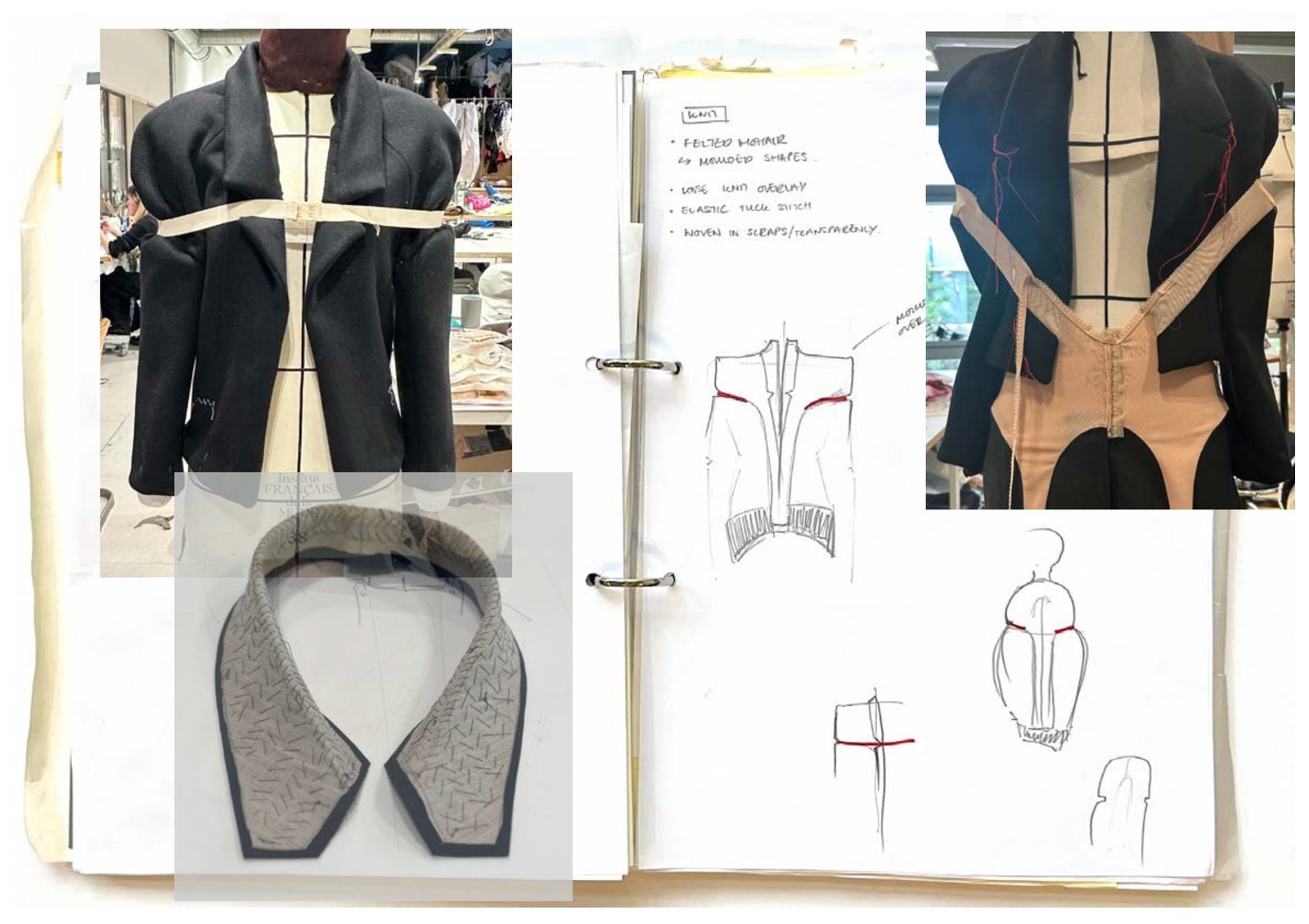
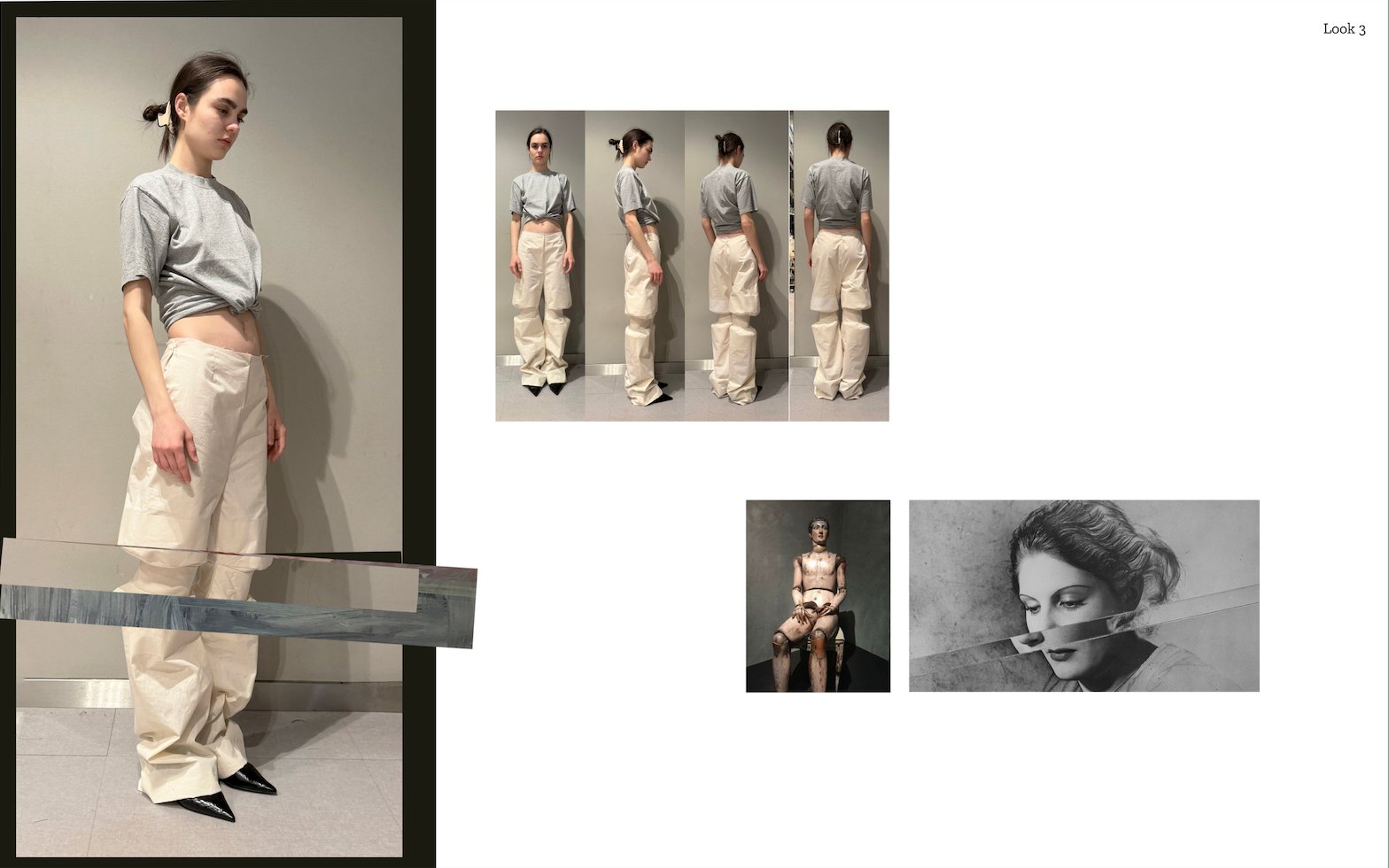
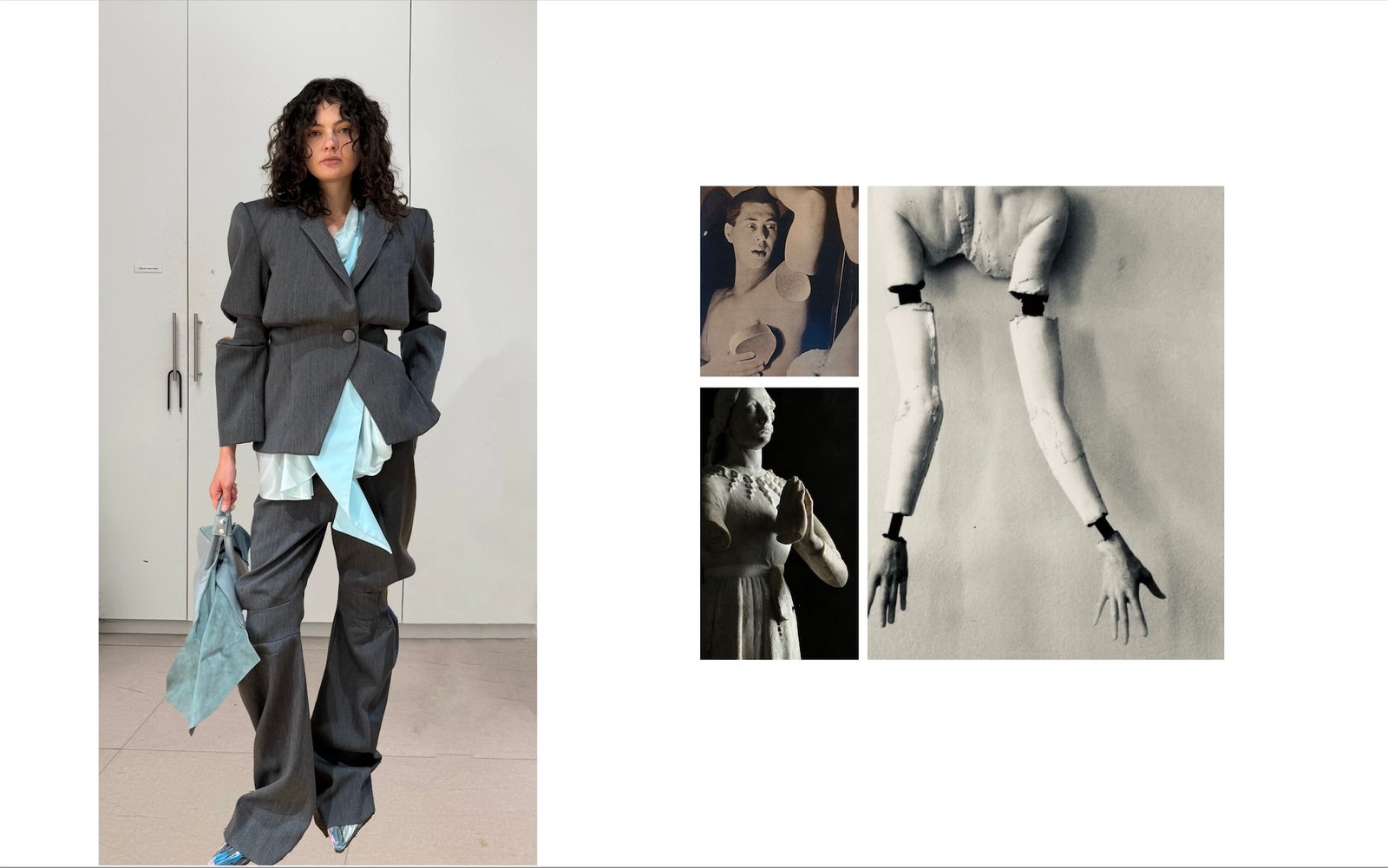
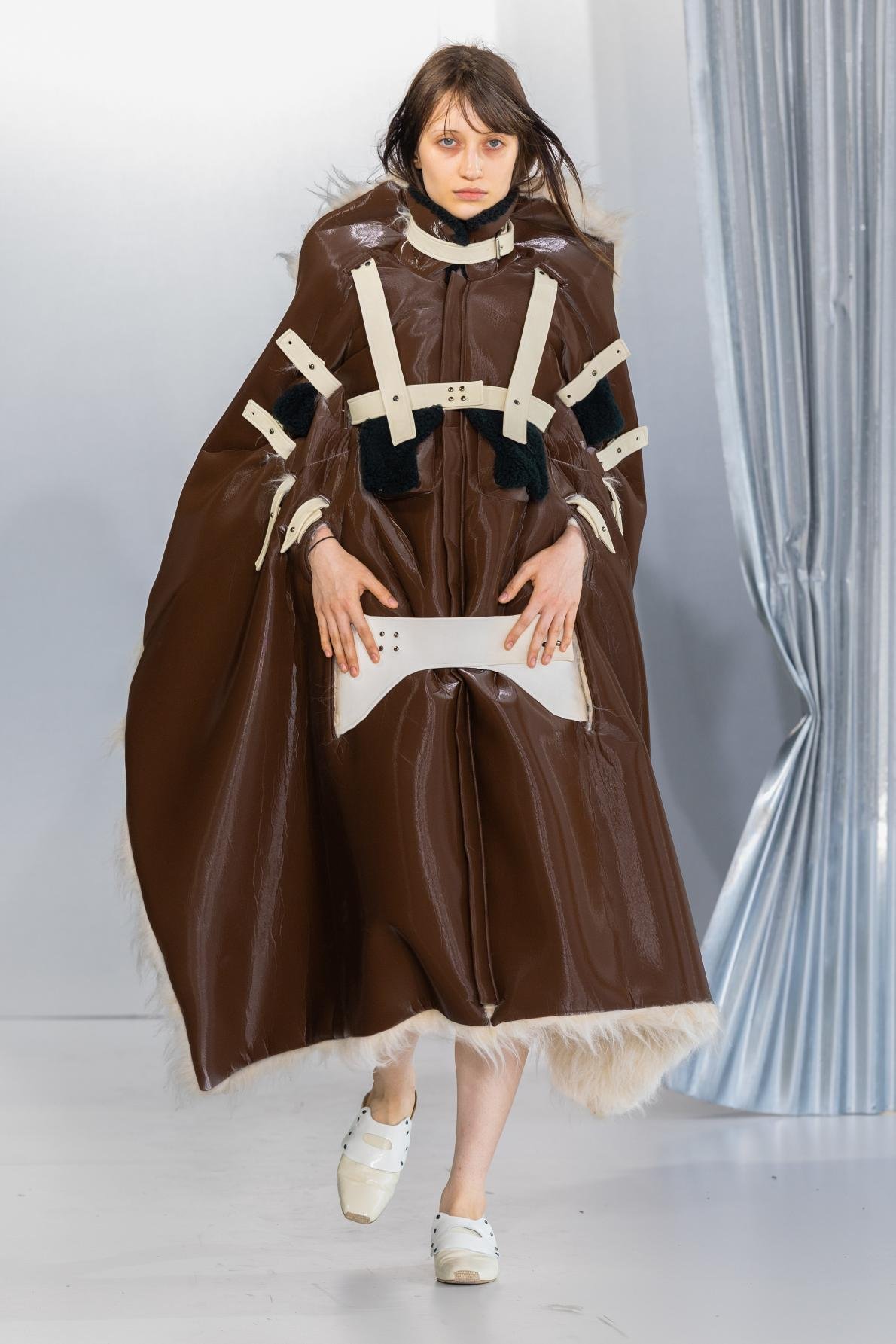
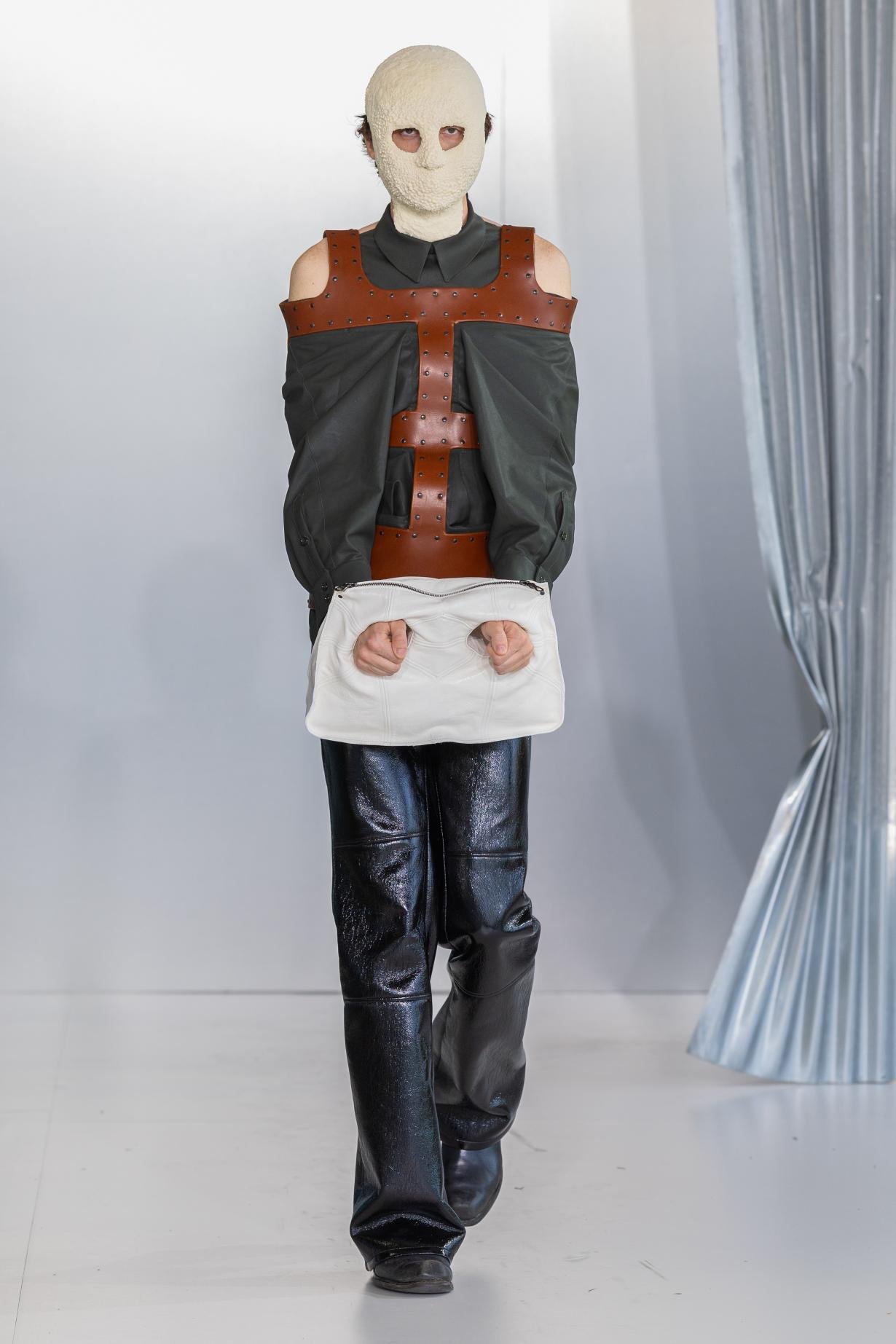
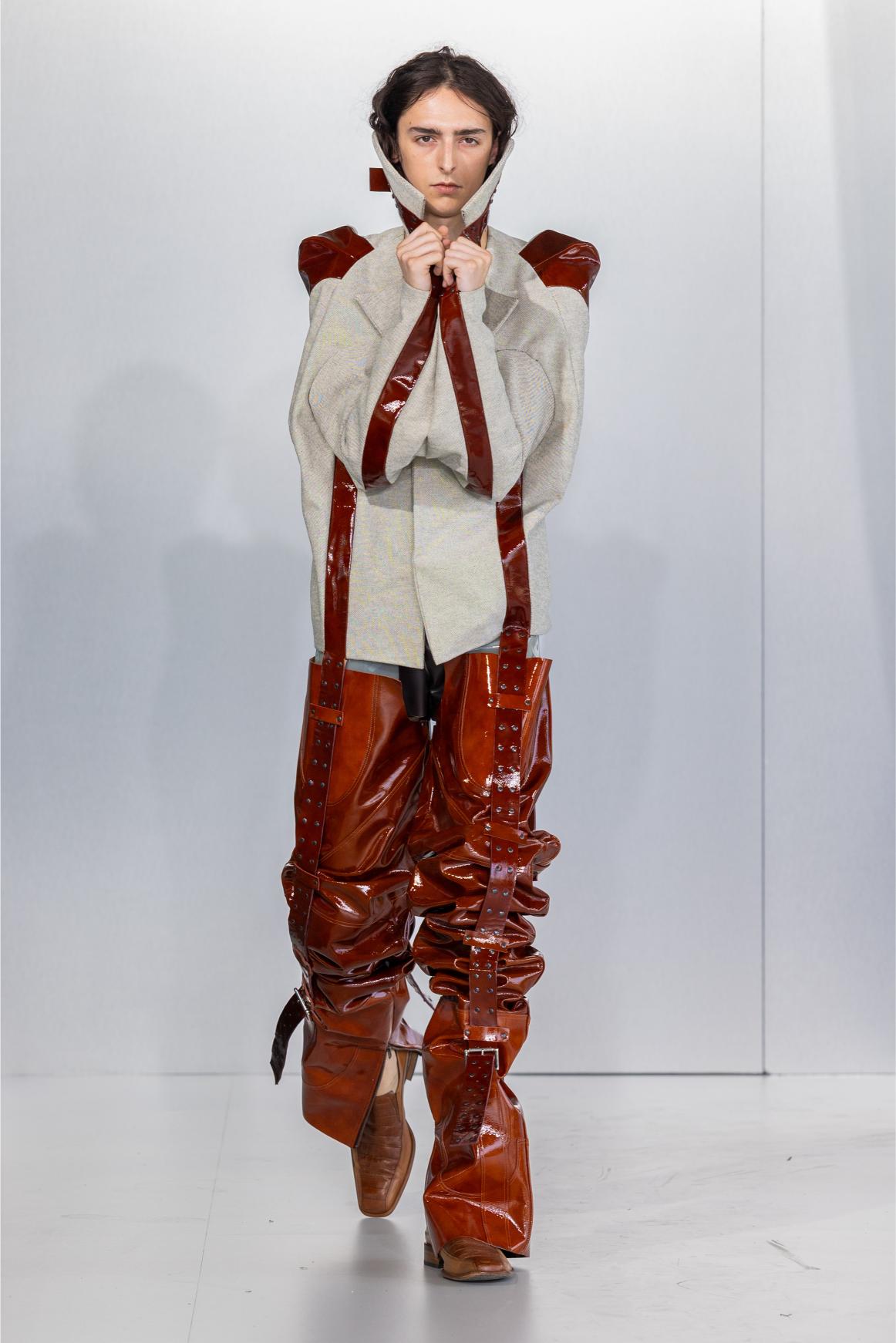
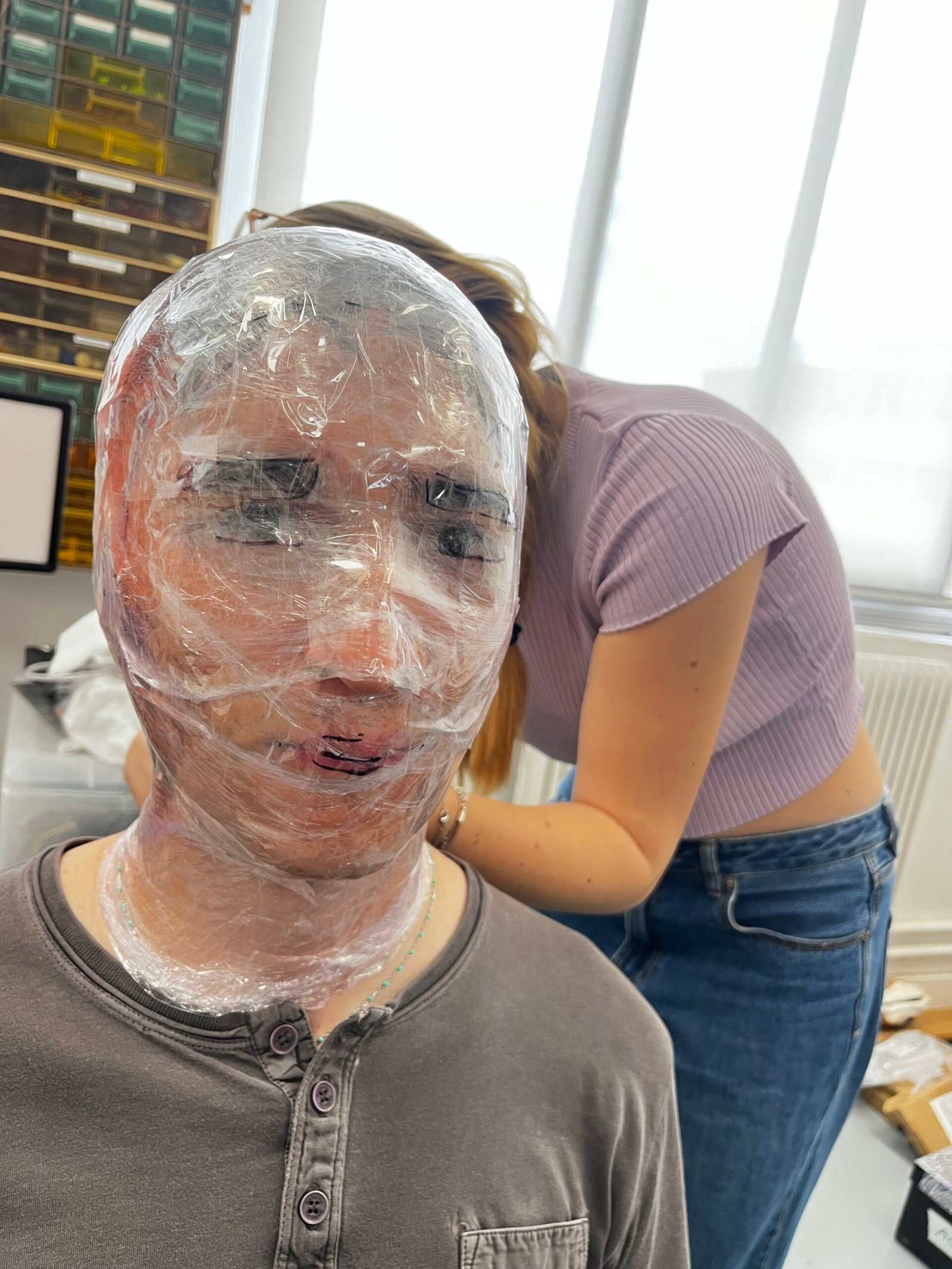
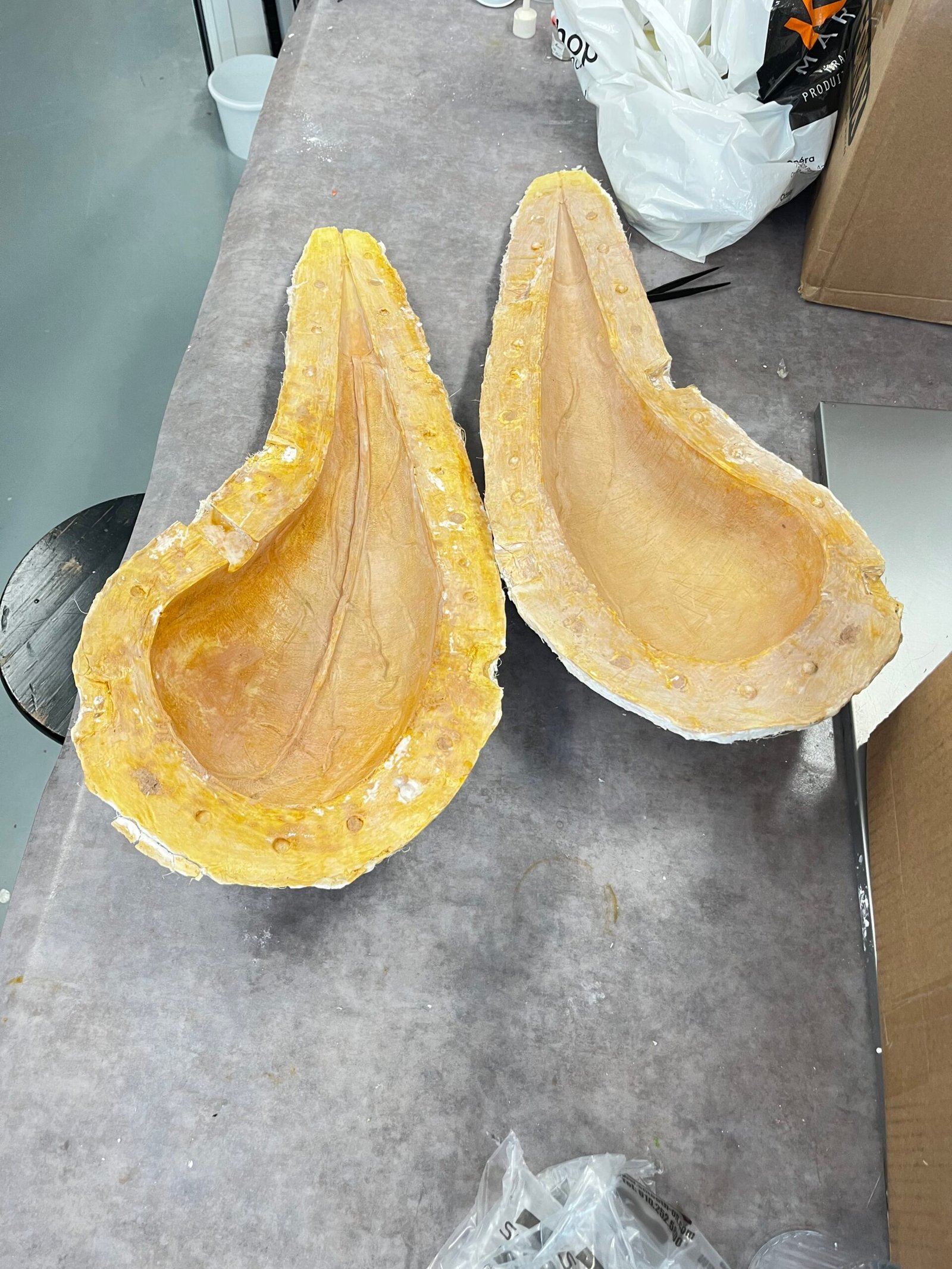
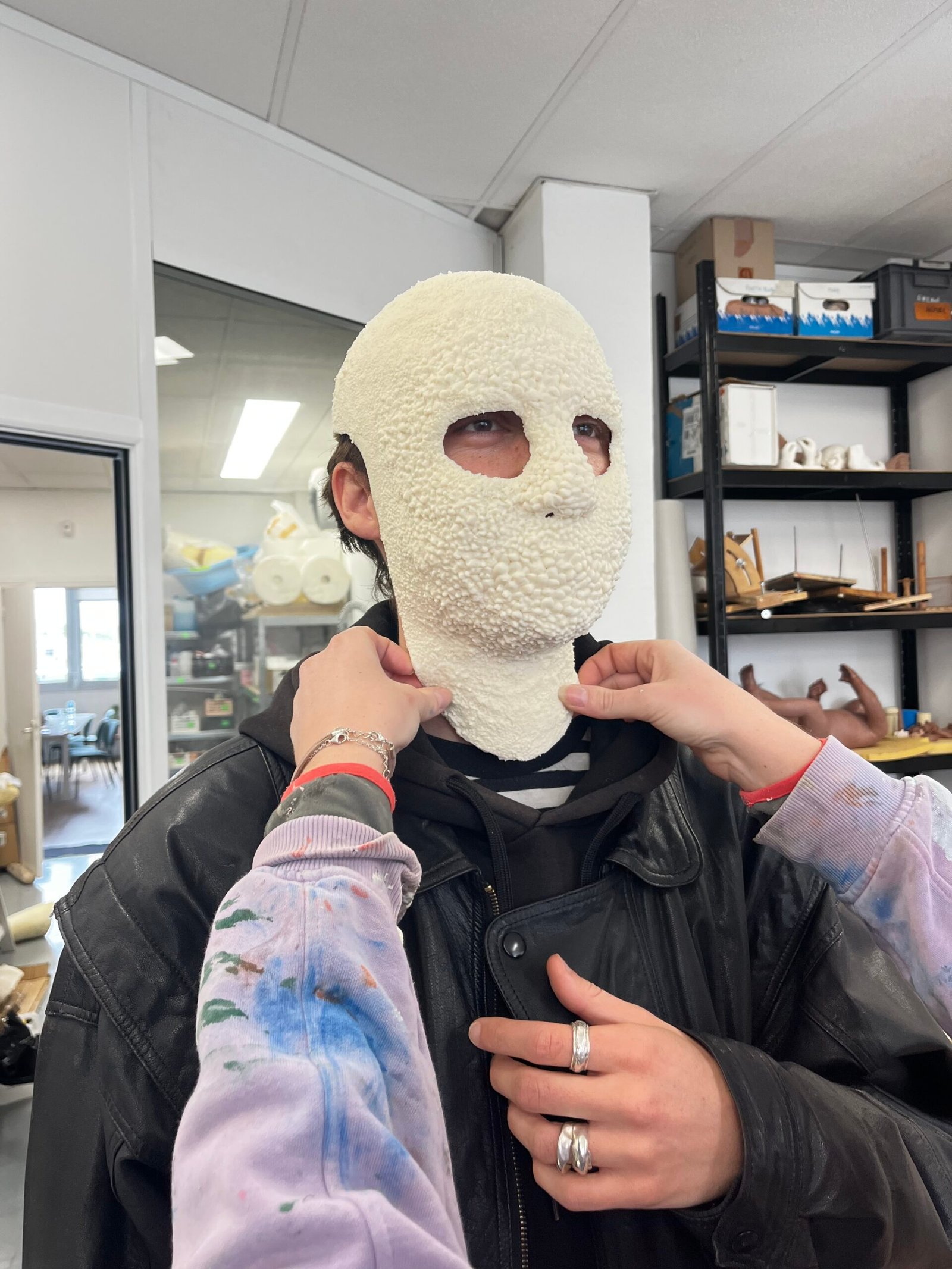
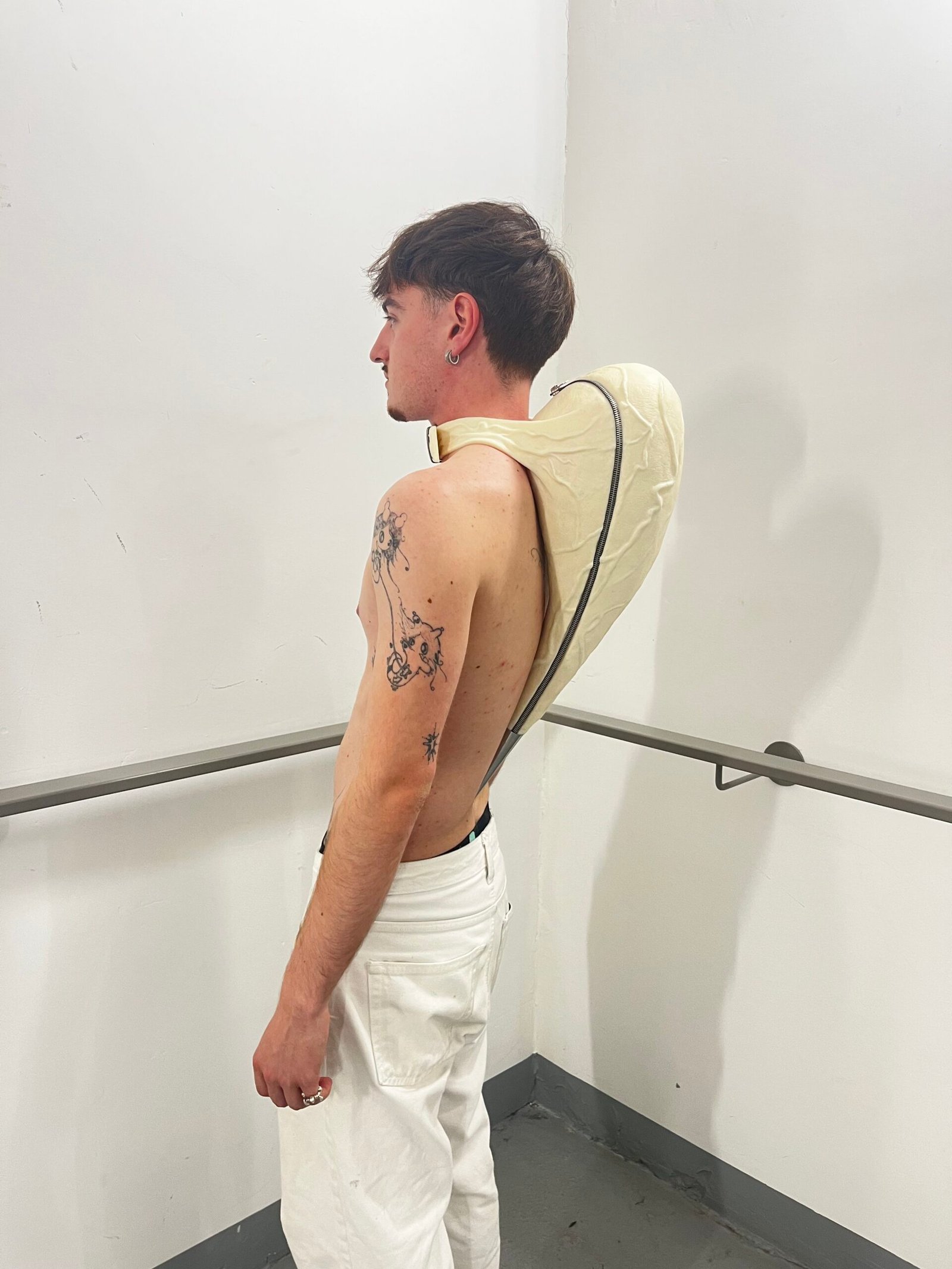
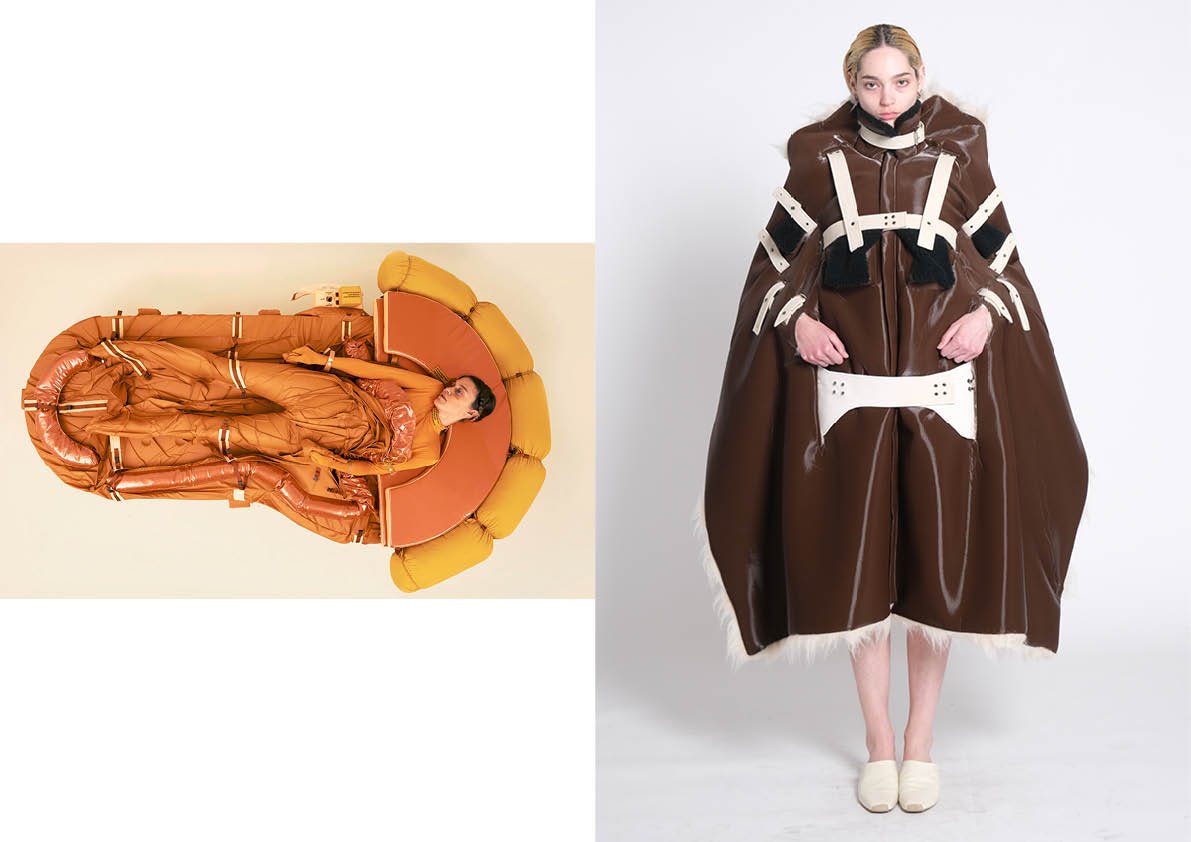
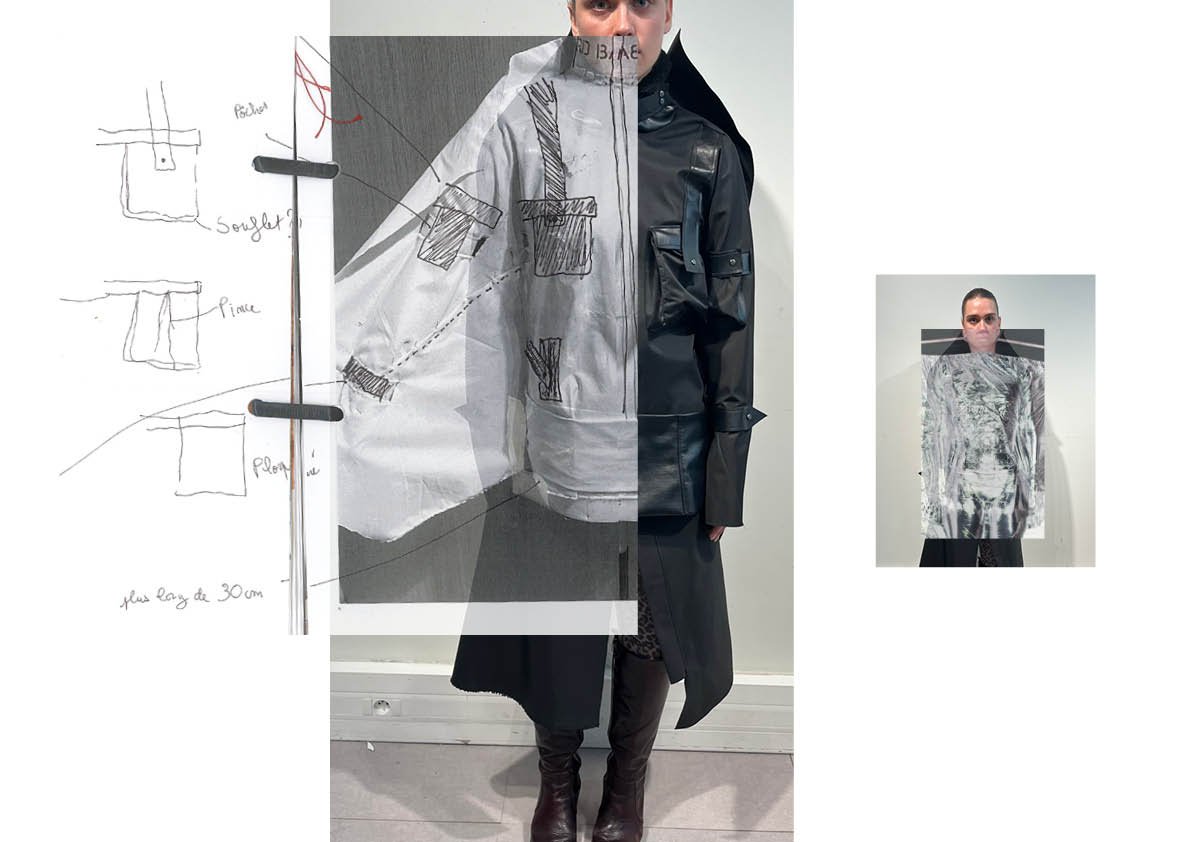
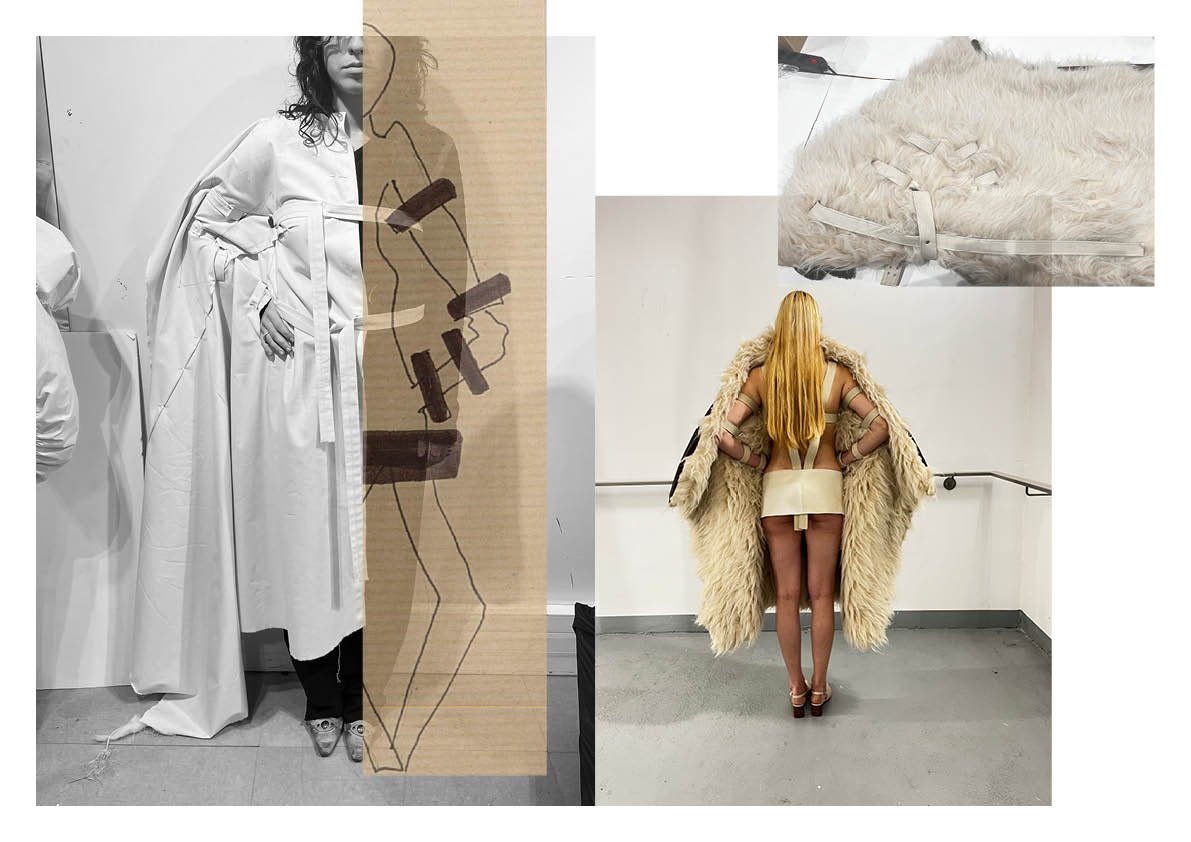
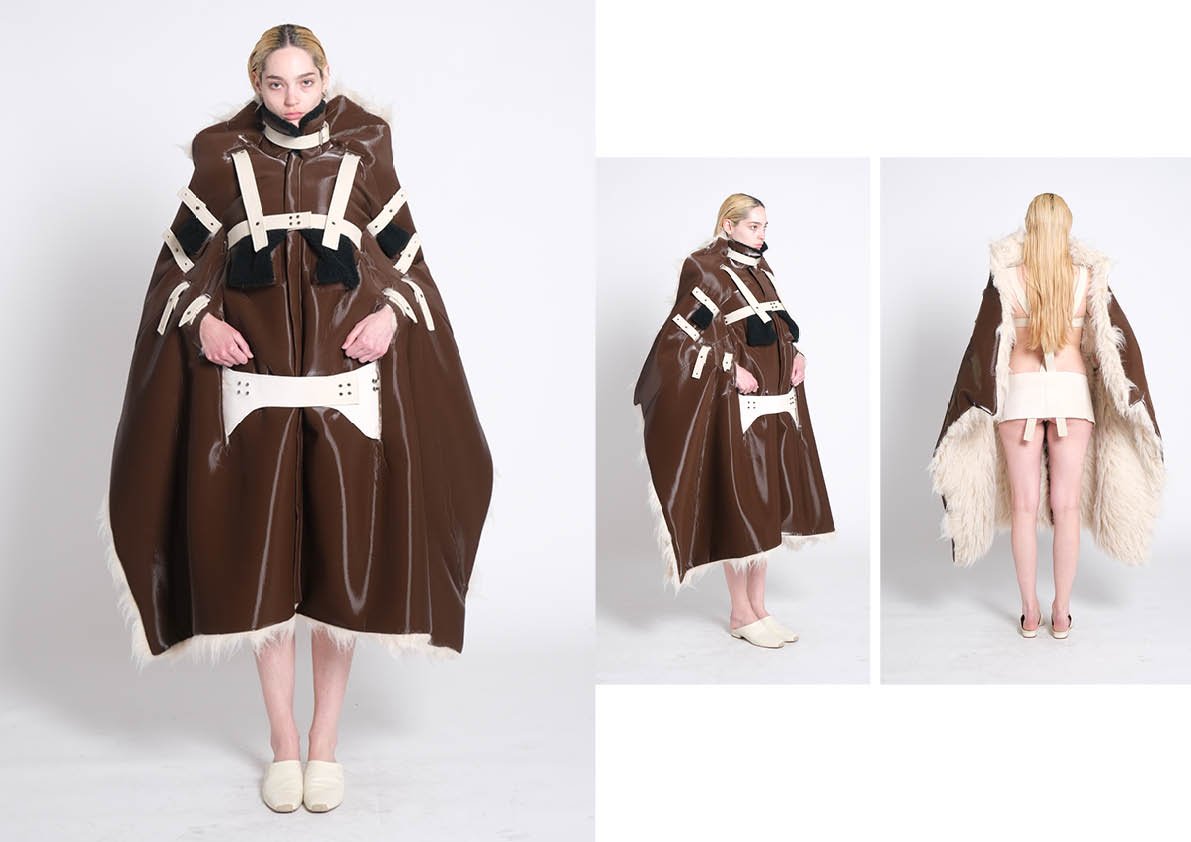
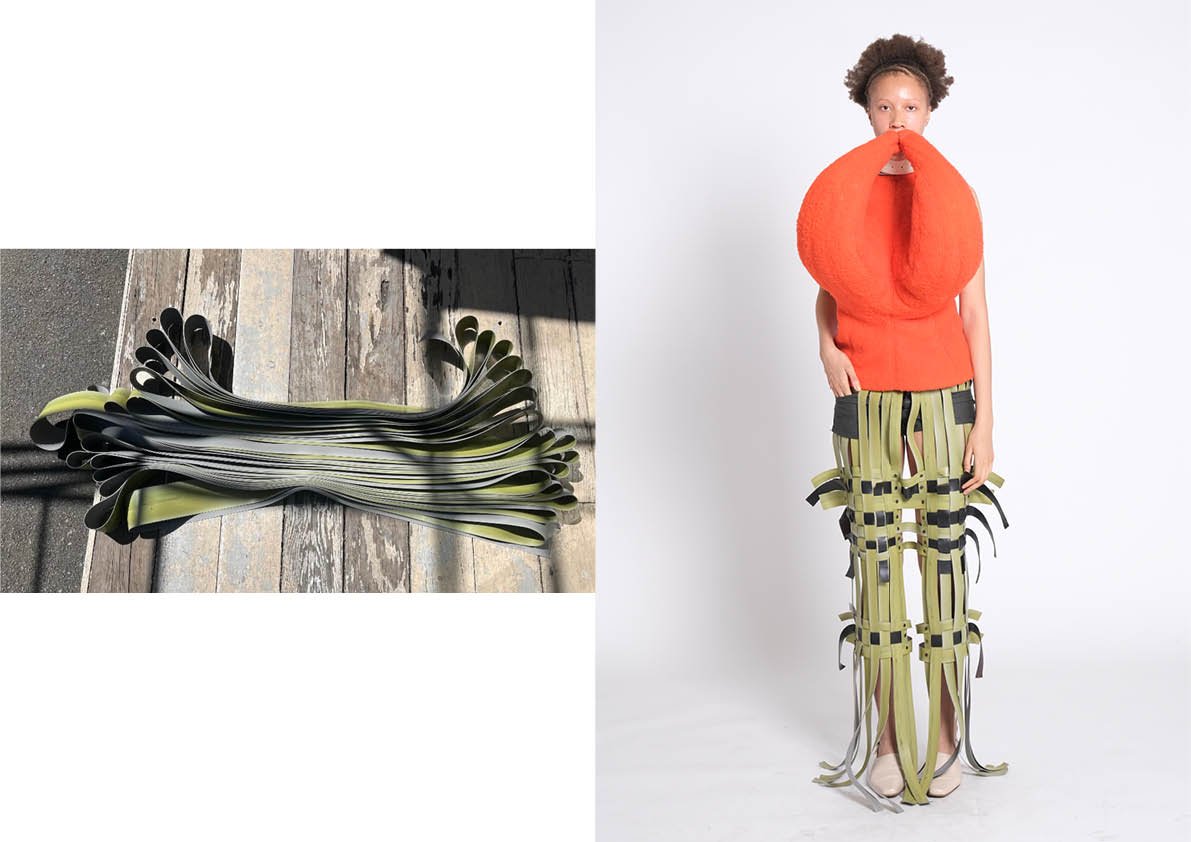
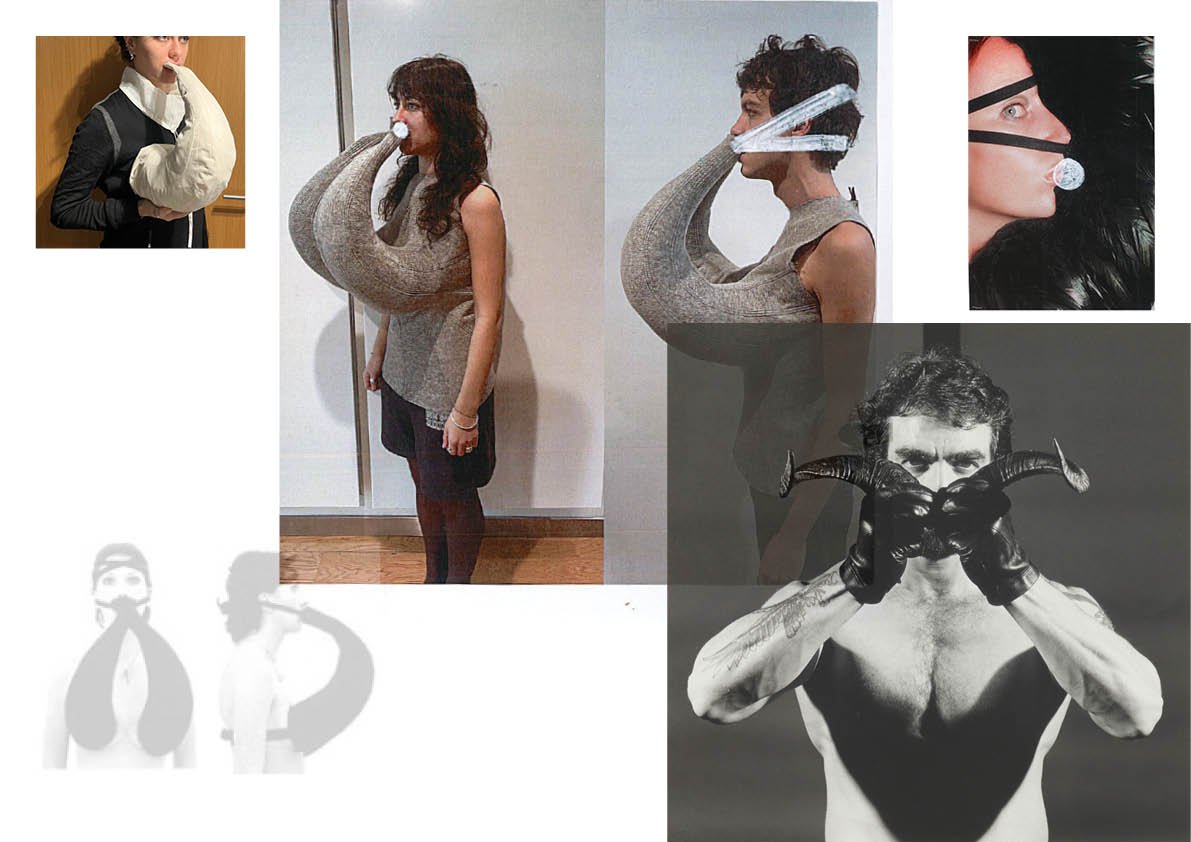
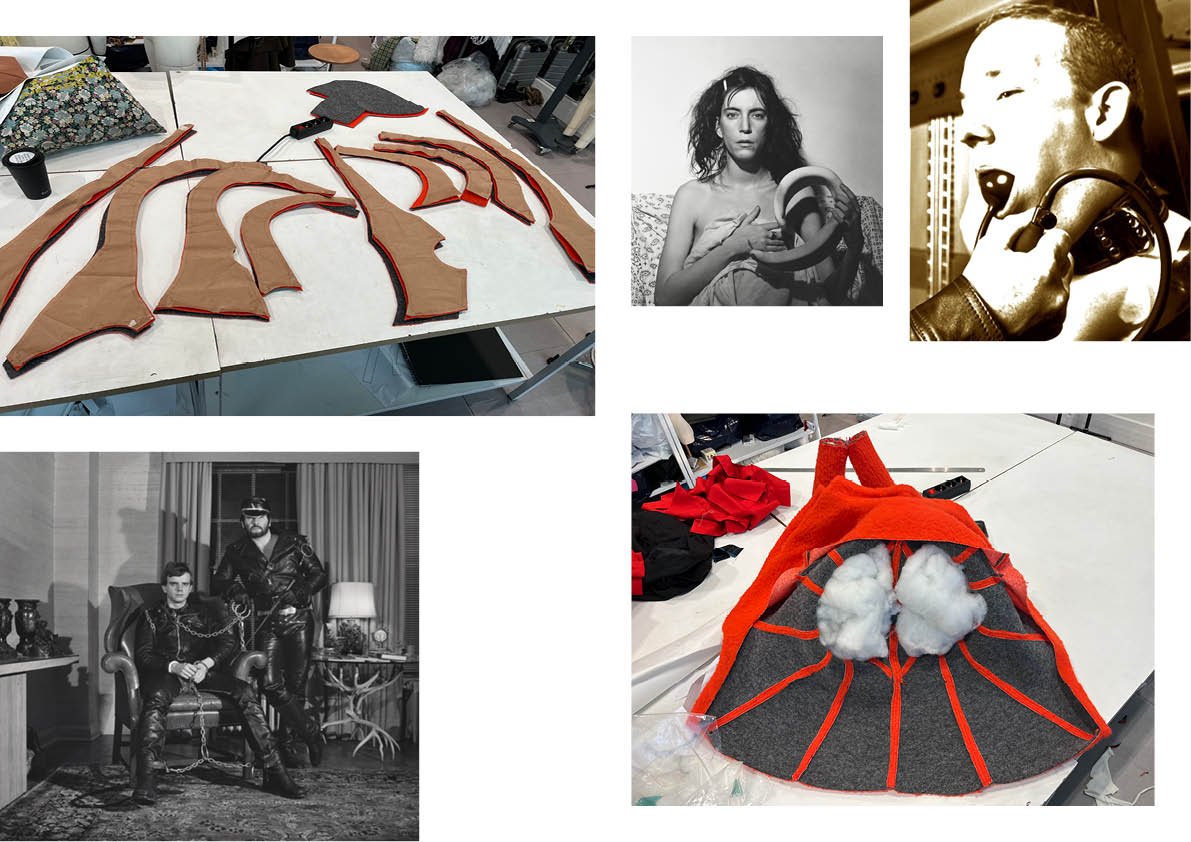
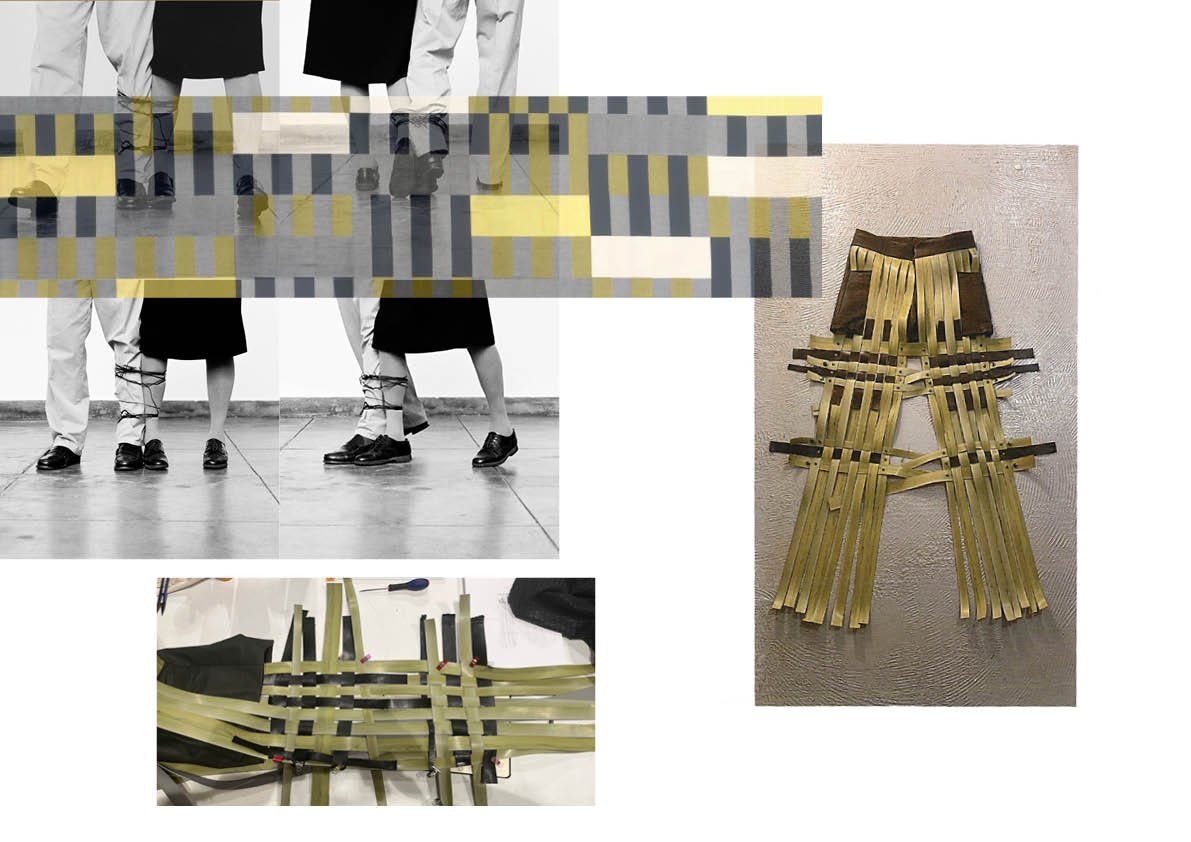
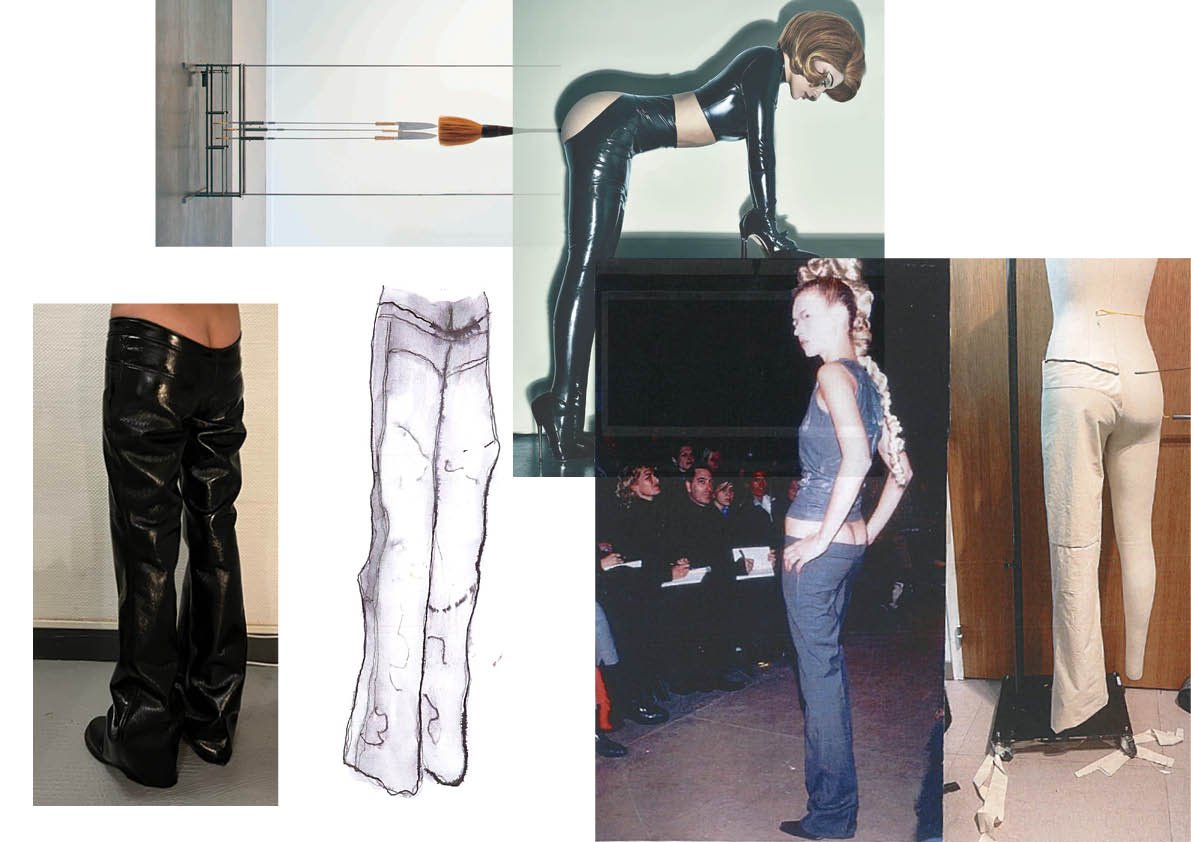
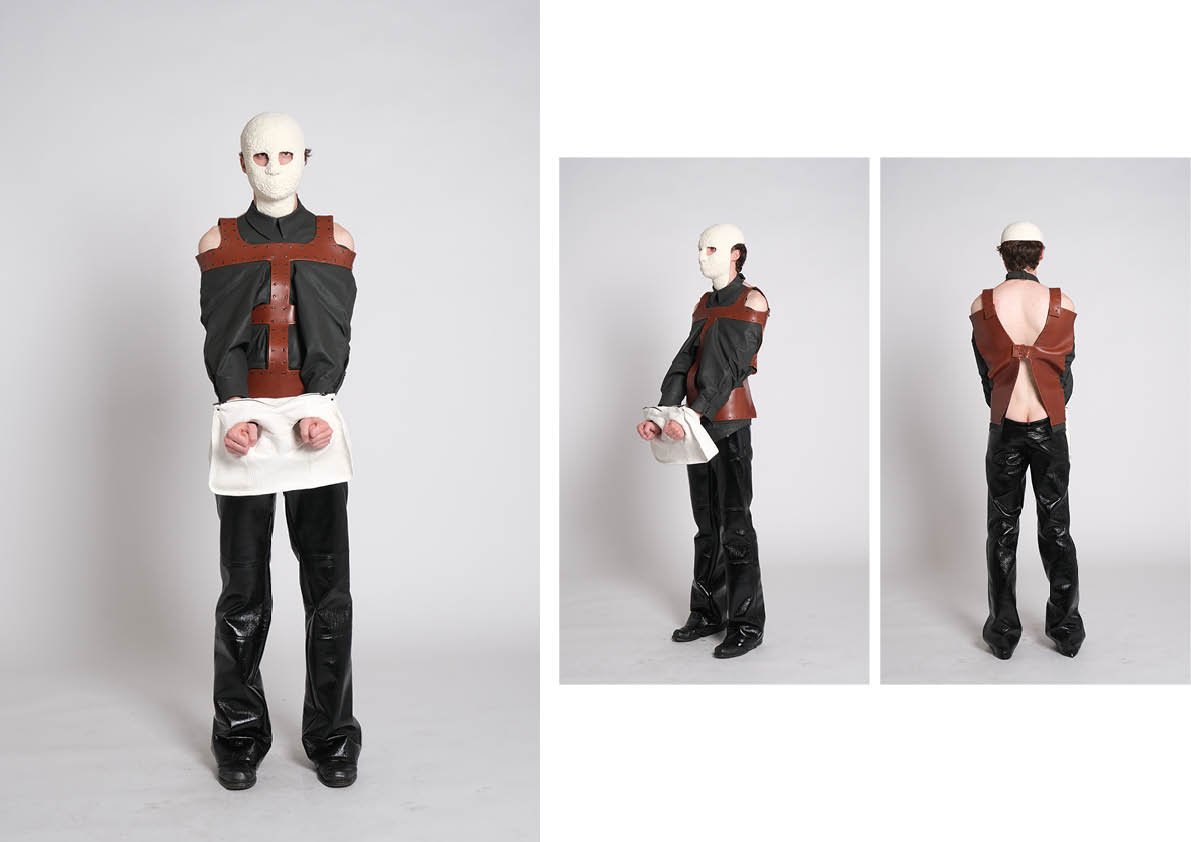
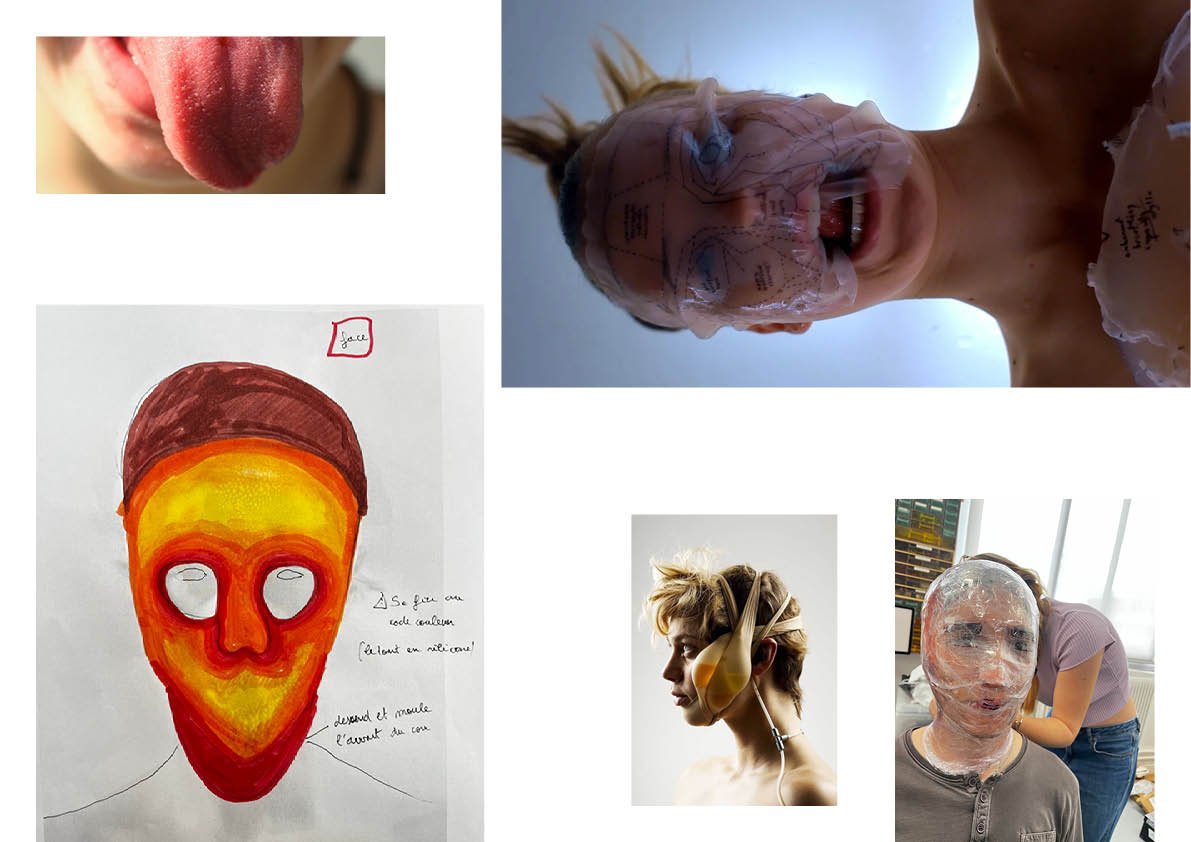
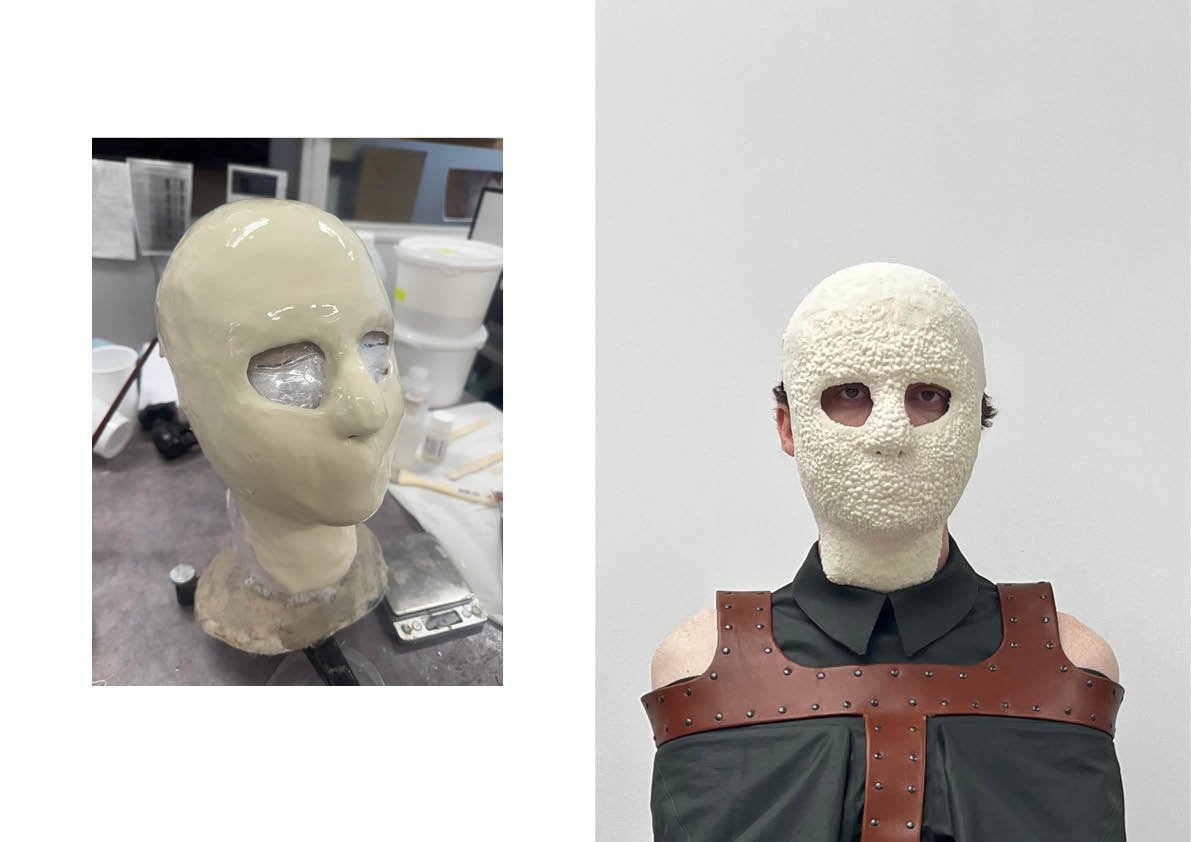
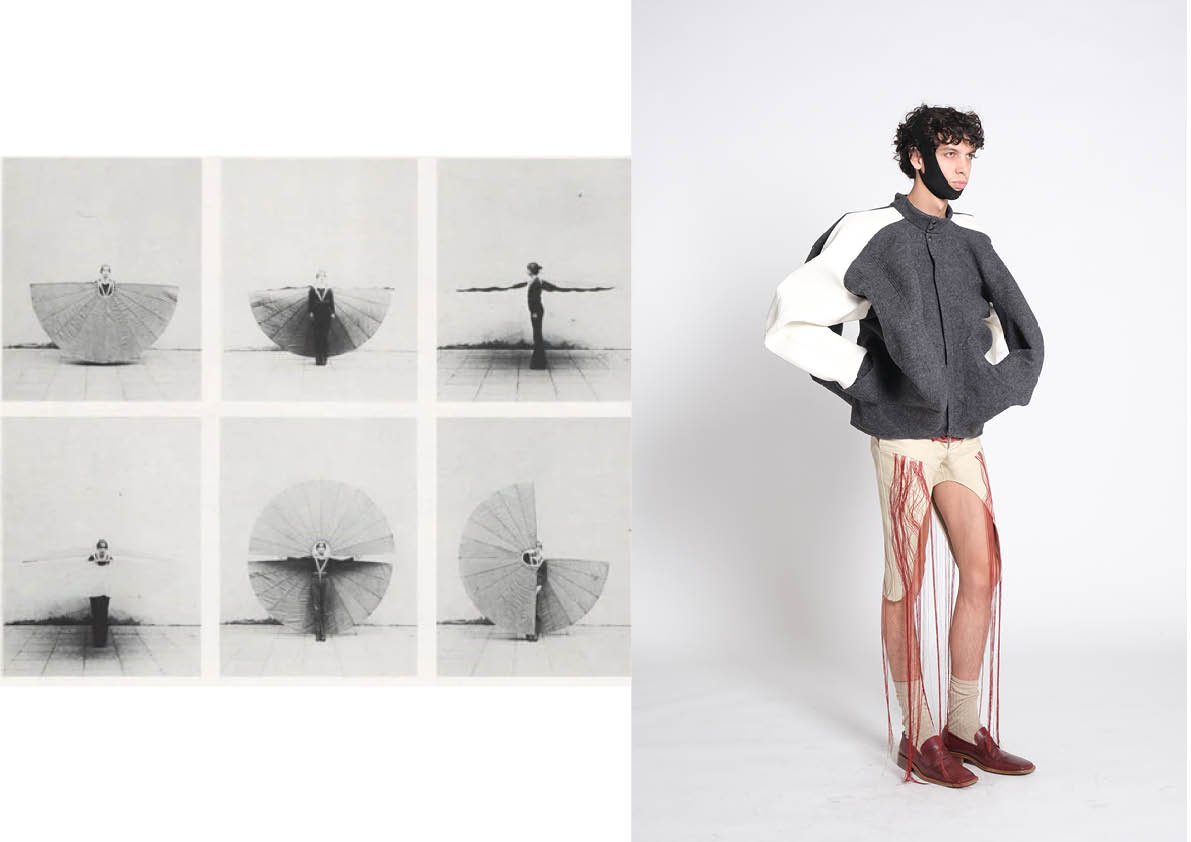
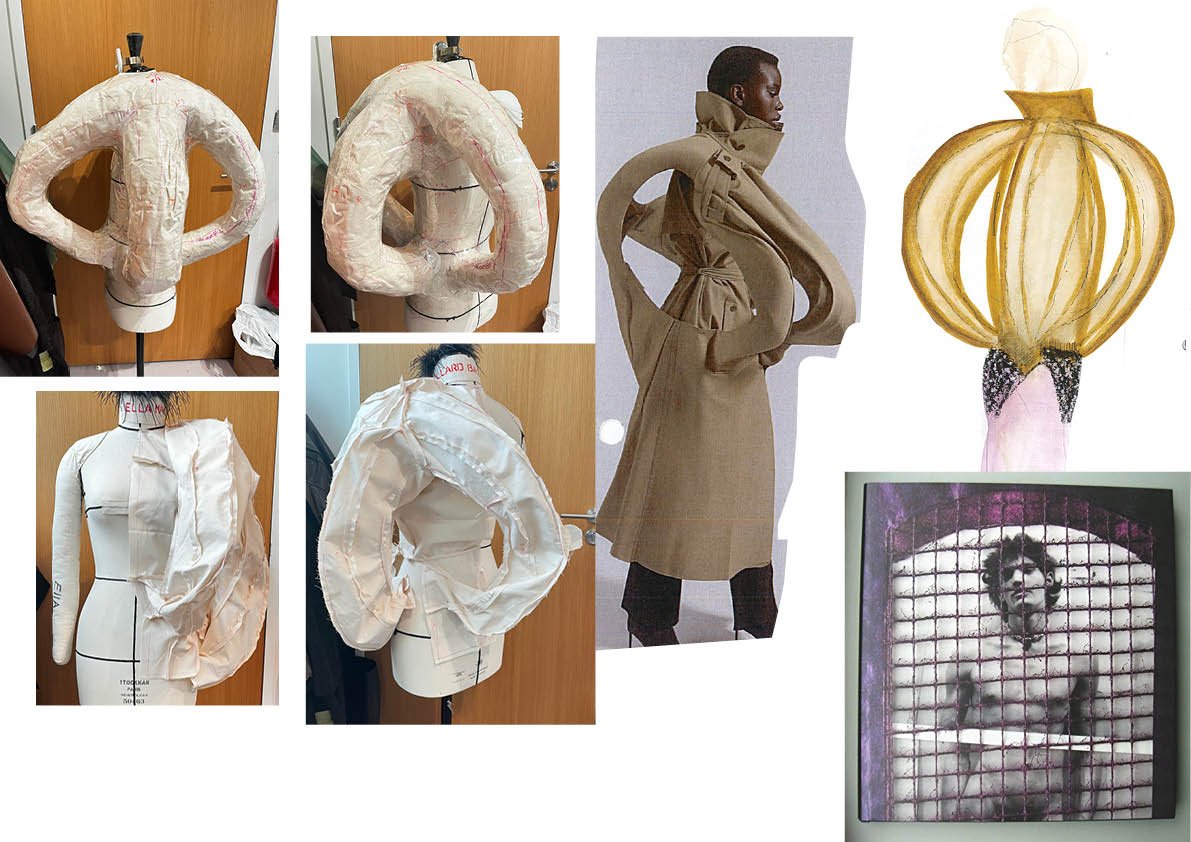
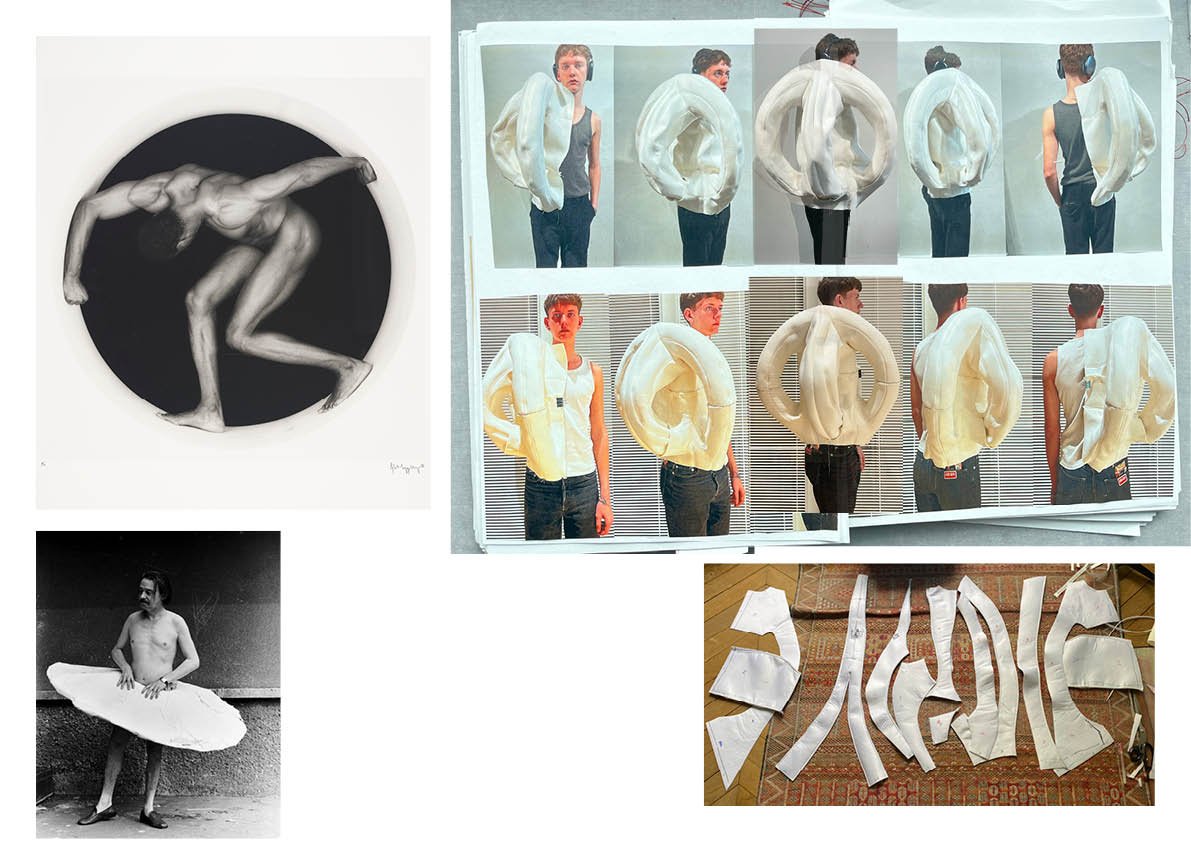
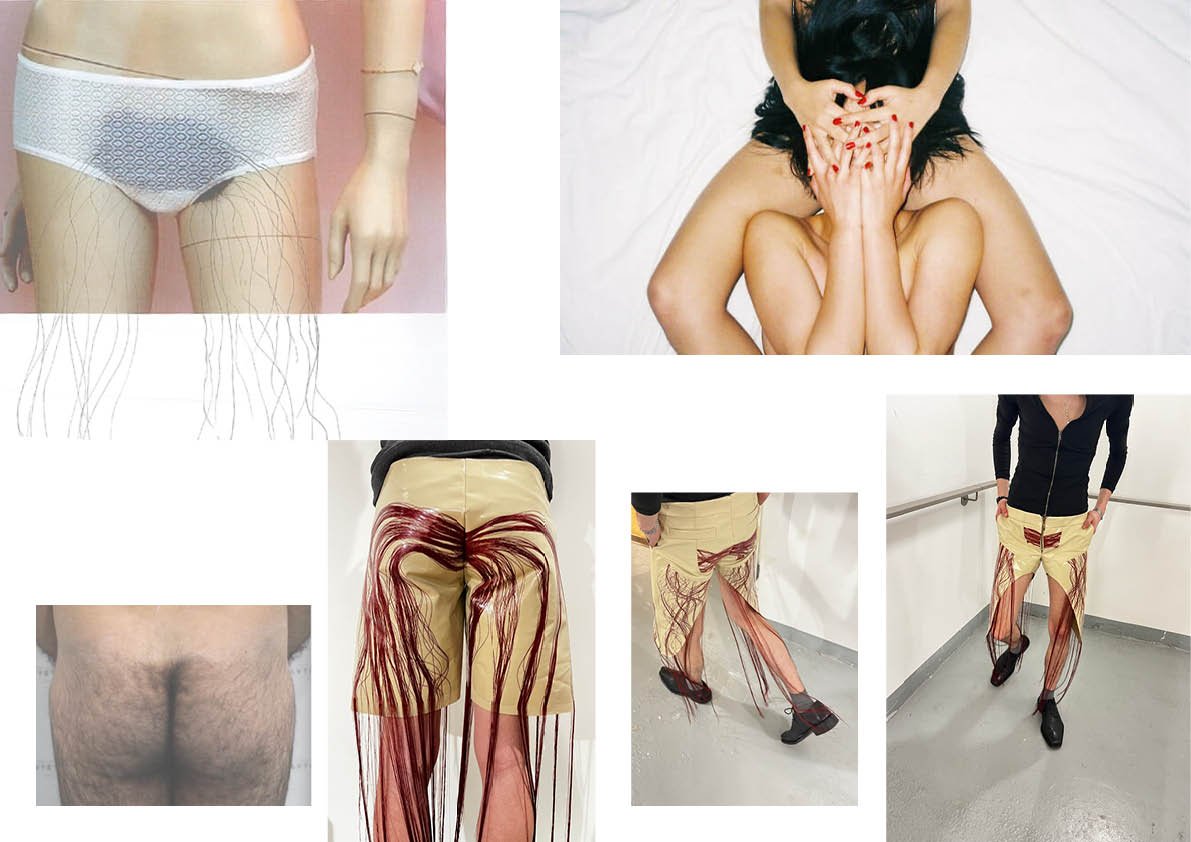
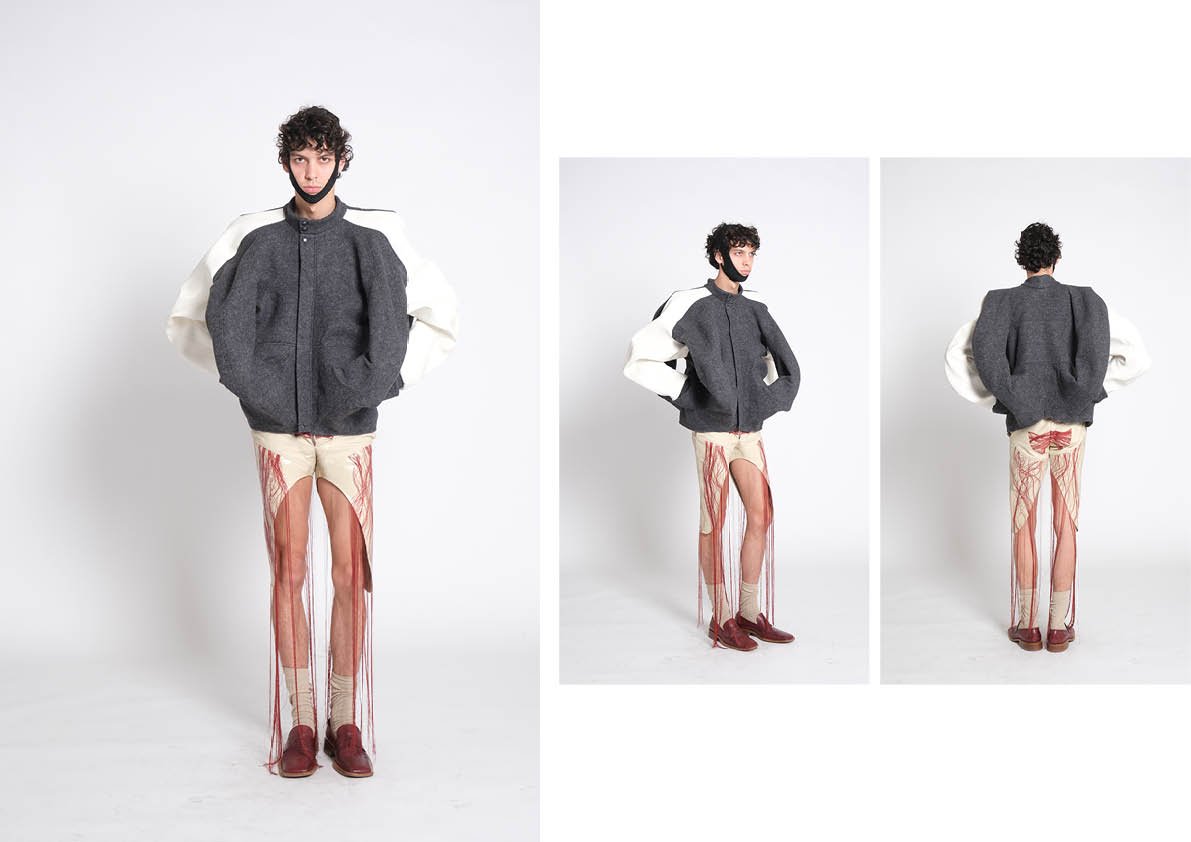
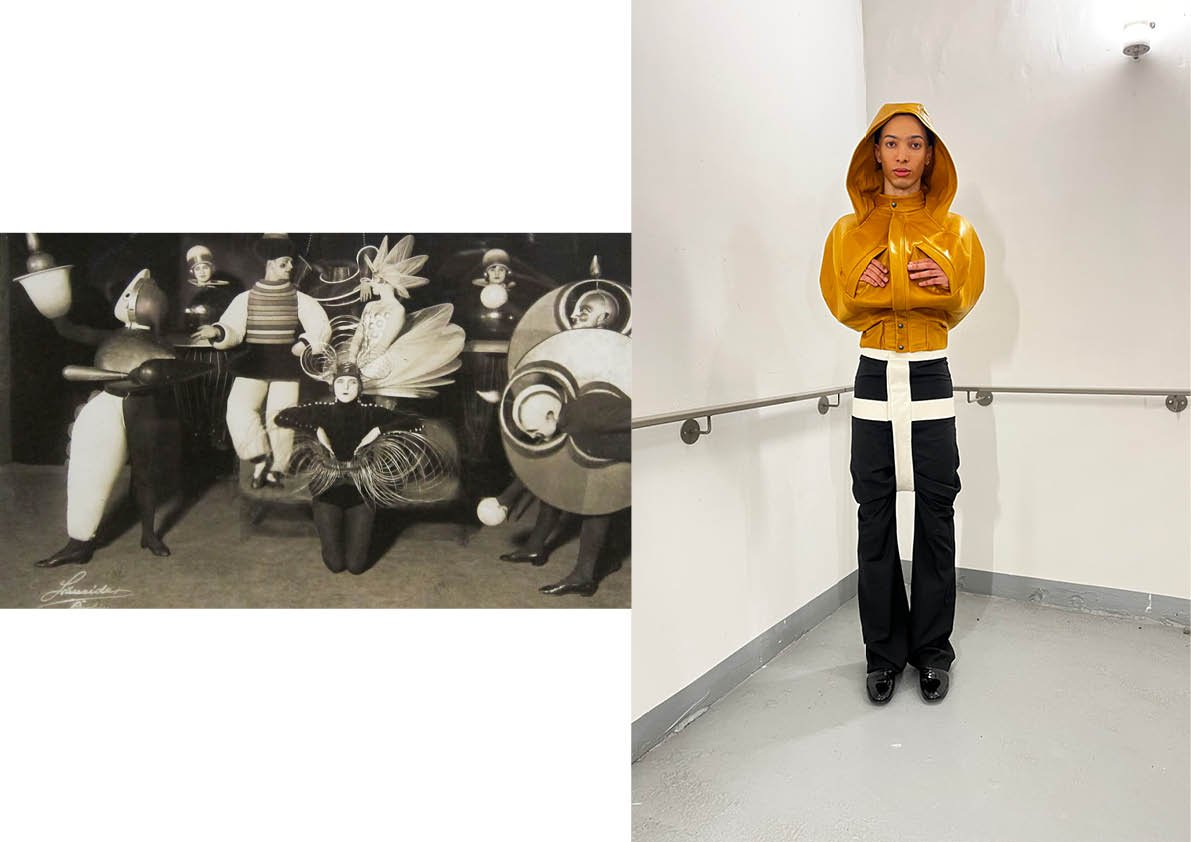
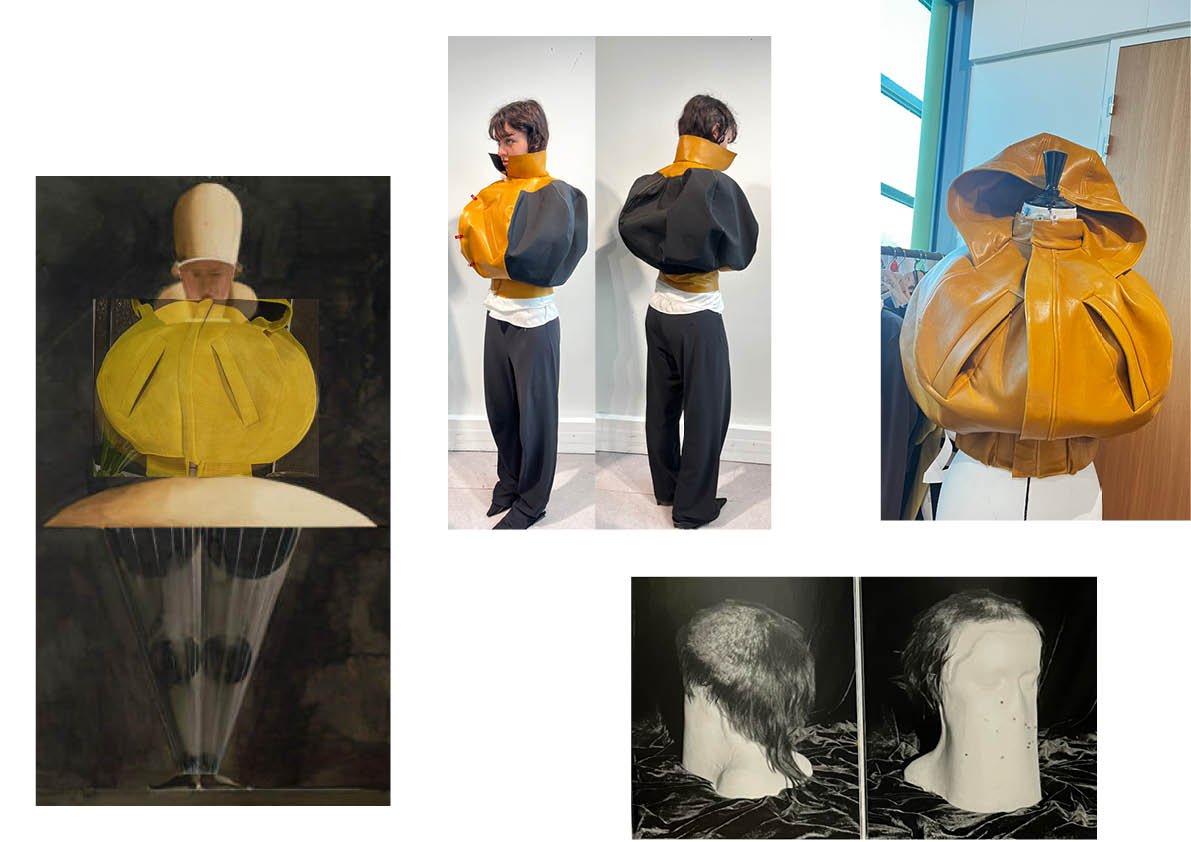
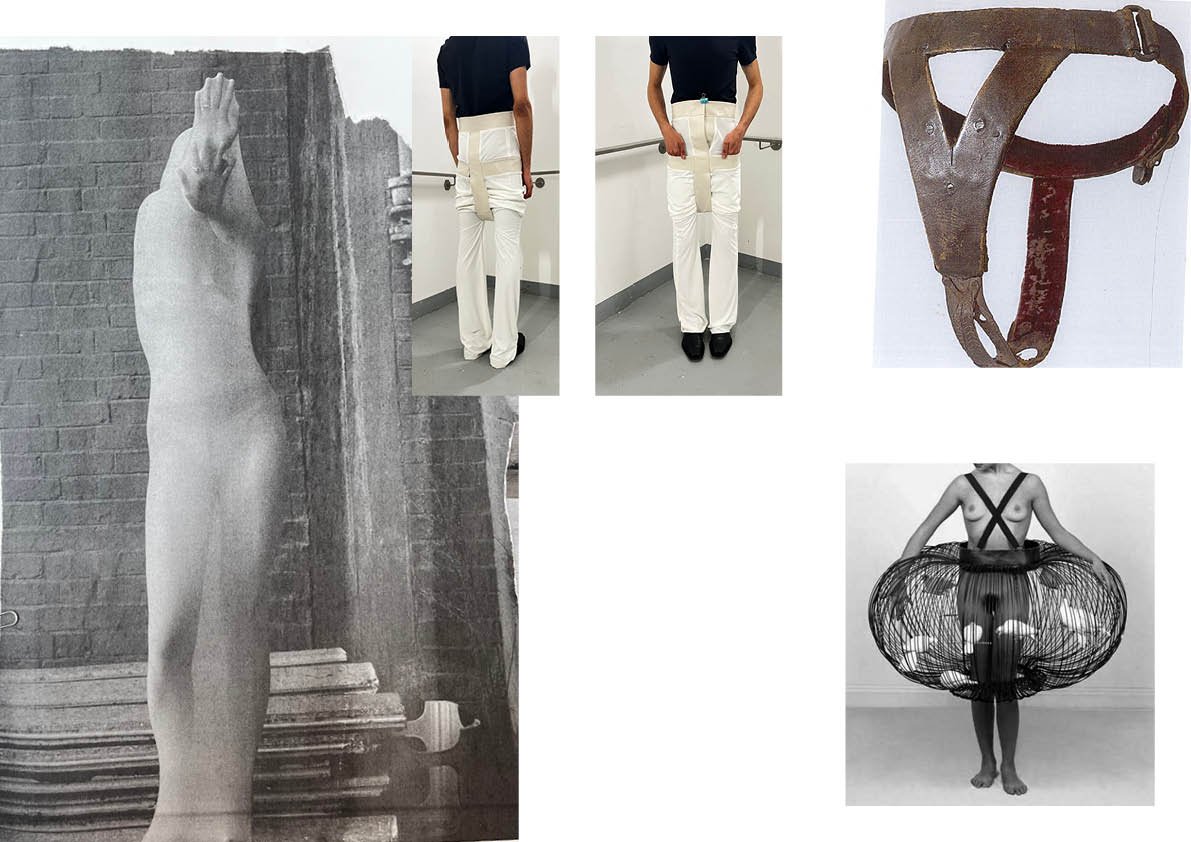
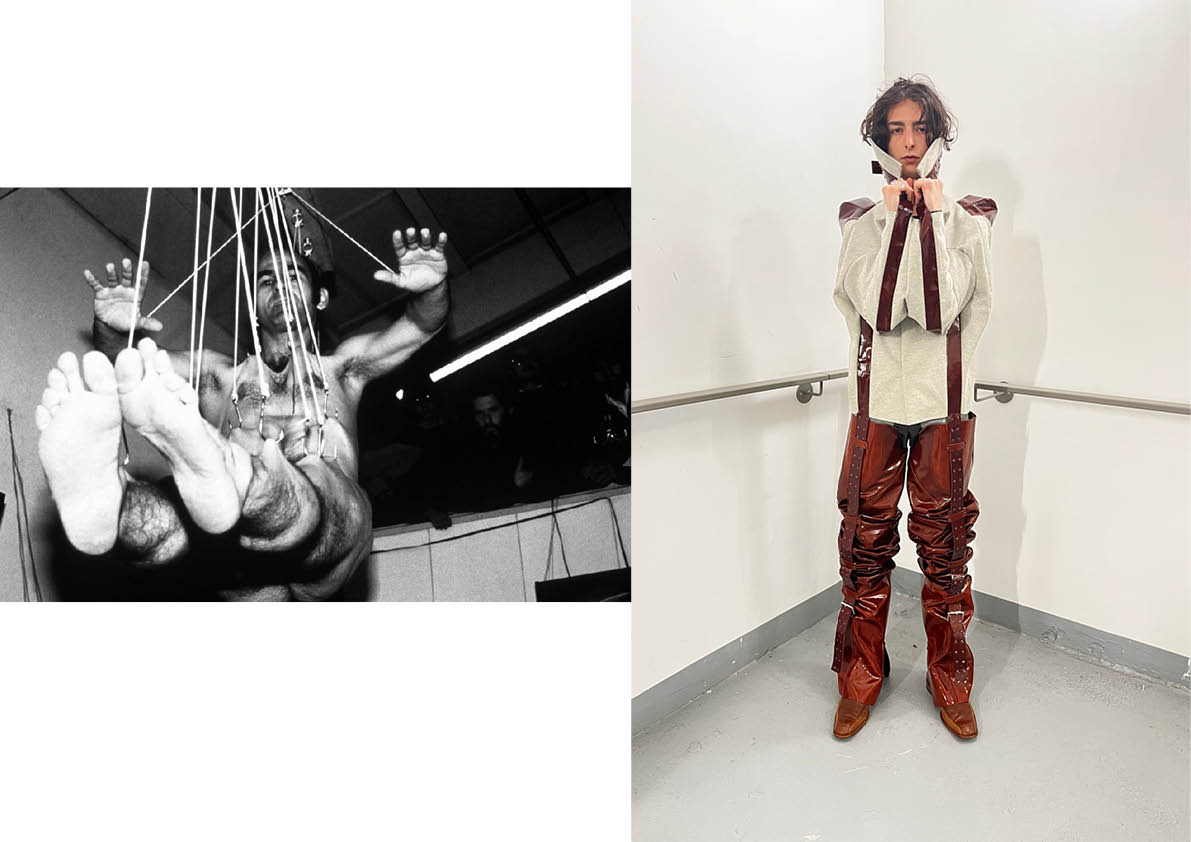
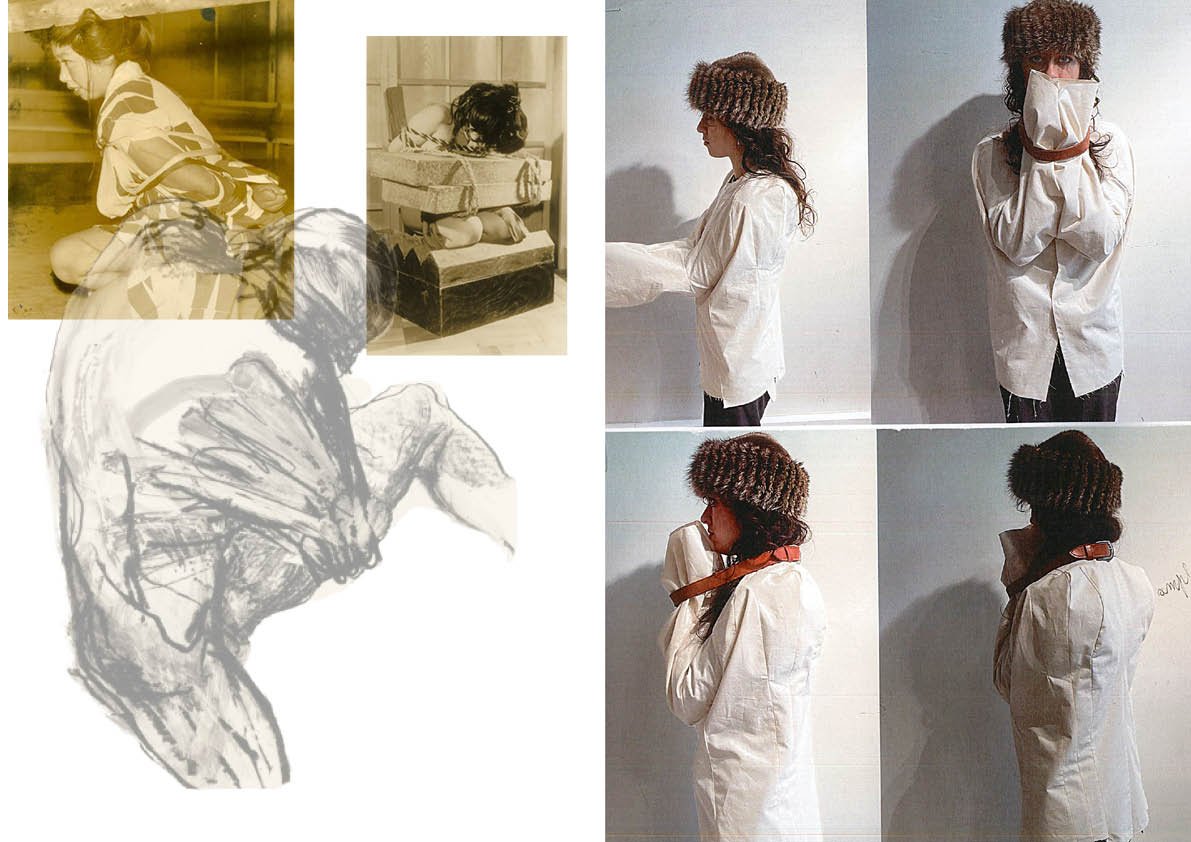
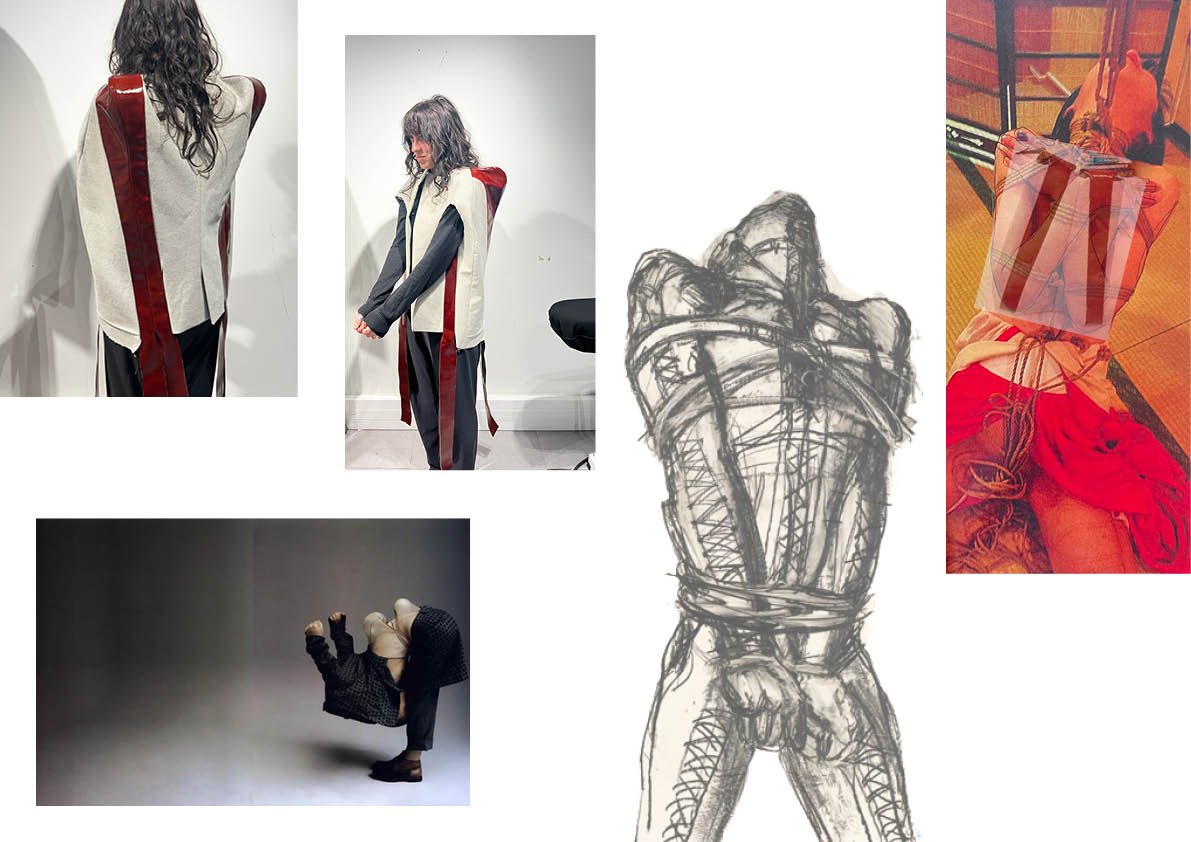
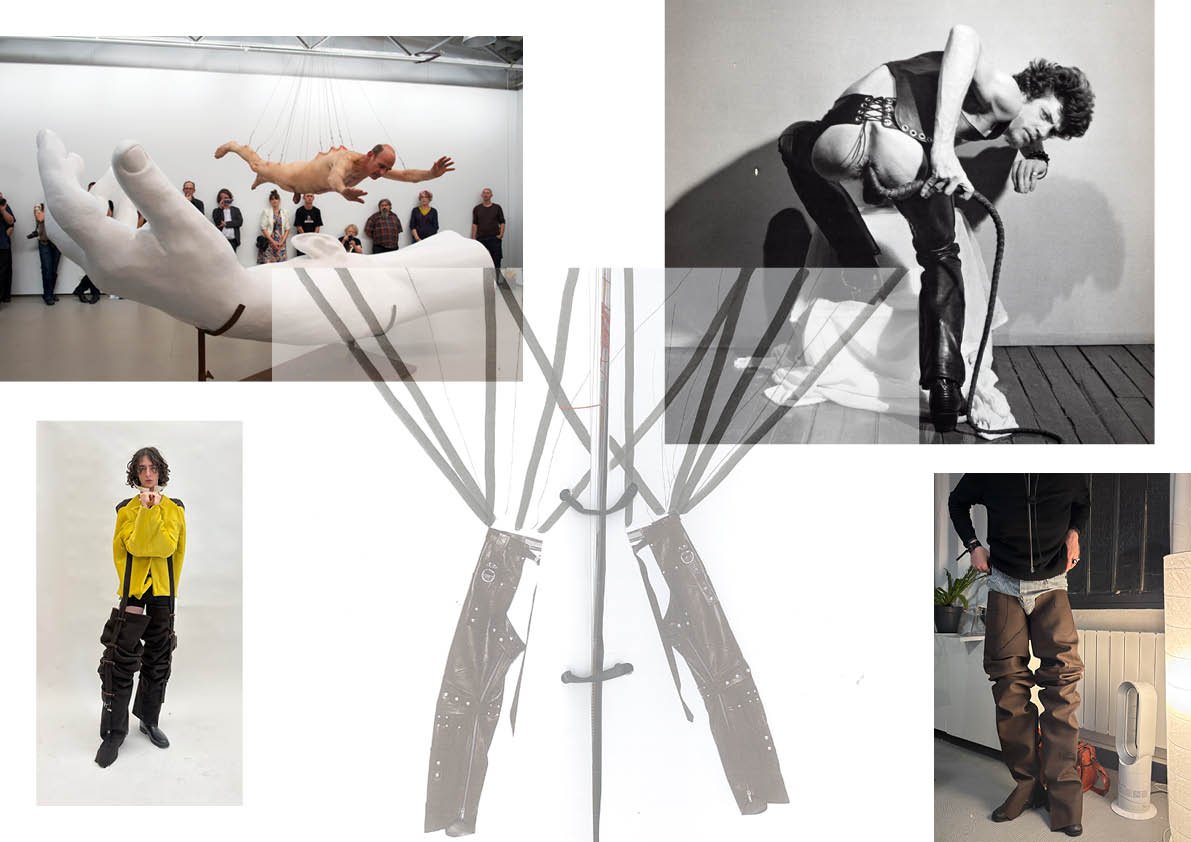
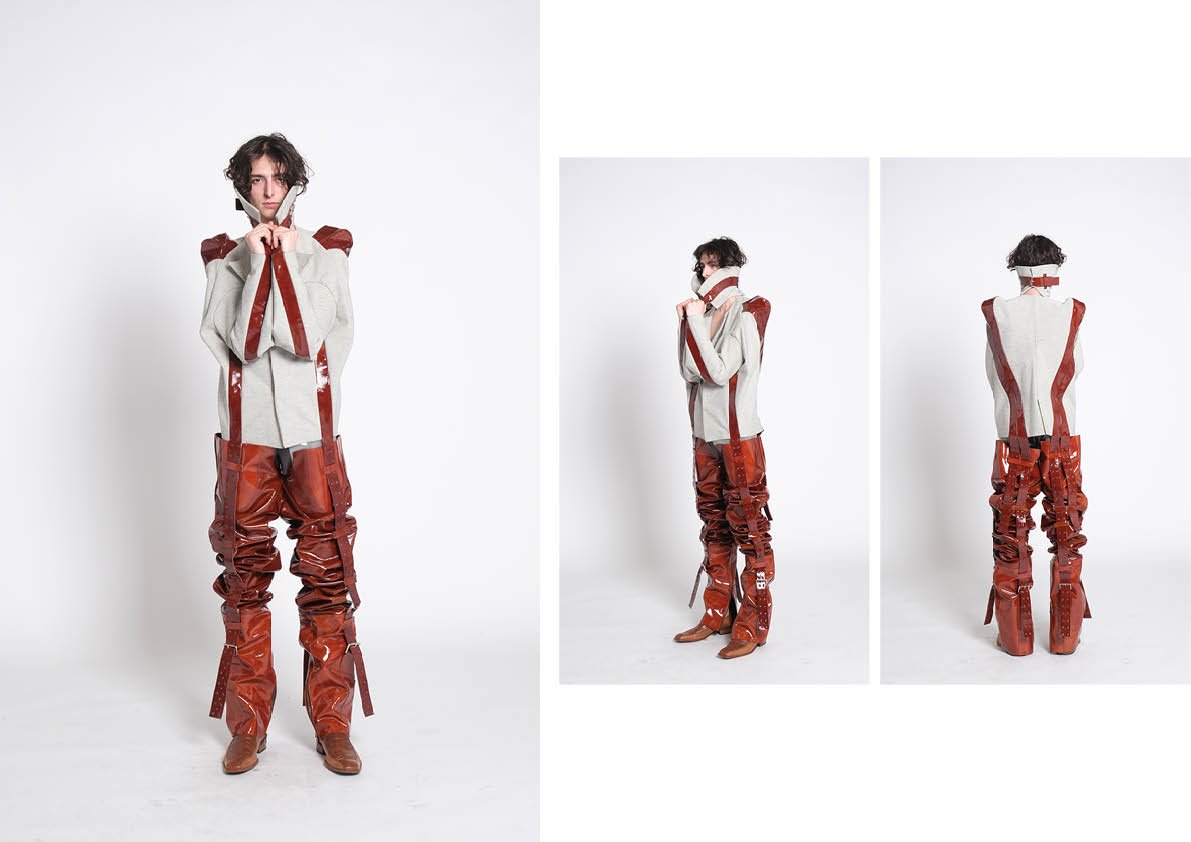
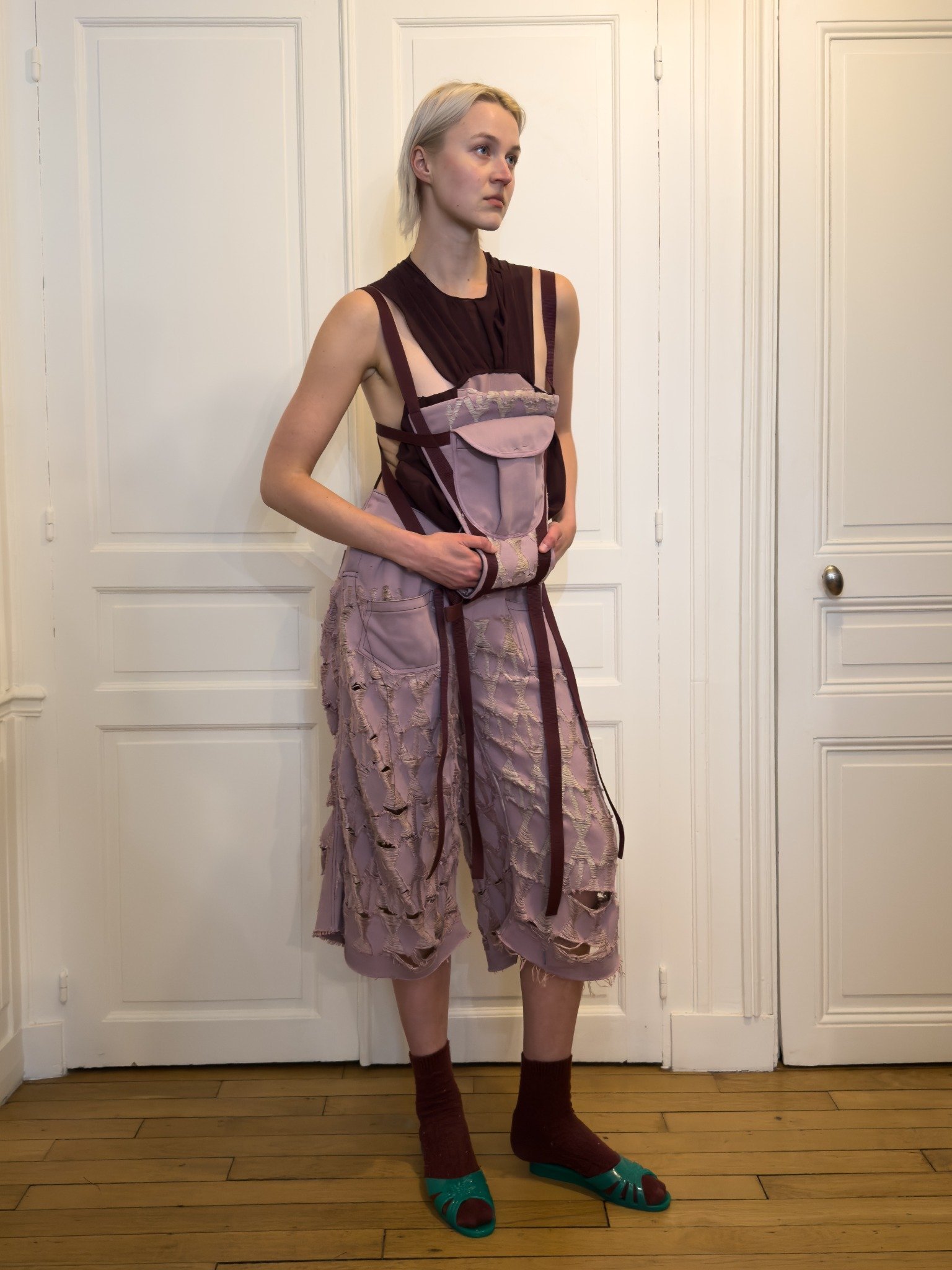
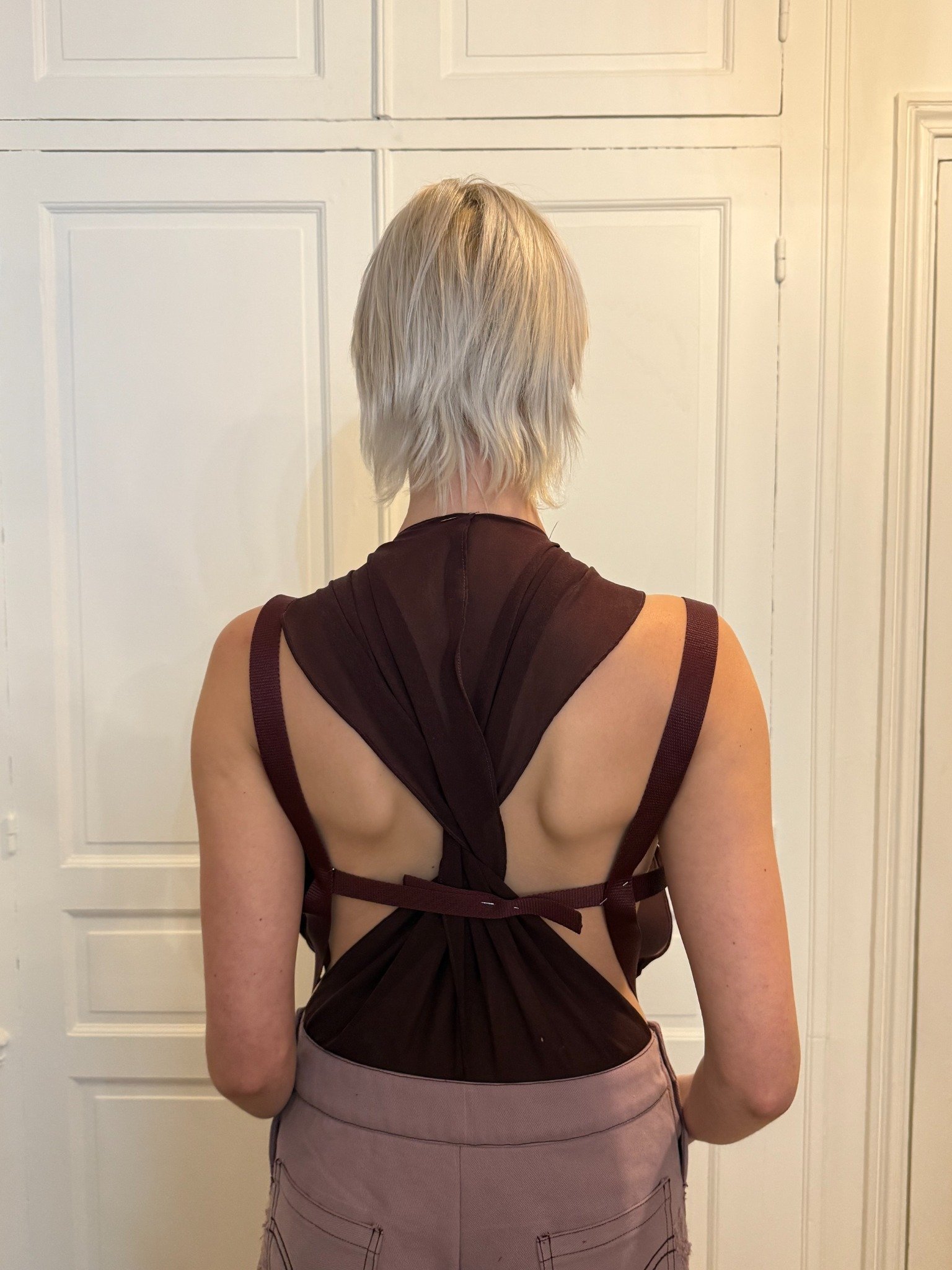
Ella Maillard de Thuin’s collection explores the limits of the body through restrictions on movement and sensory perception. Positioned between fashion and art, the project introduces a performative dimension in which garments actively shape posture, gesture, and the way the body occupies space. Support structures, framing devices, and distorted volumes are used to investigate how vulnerability, frustration, restriction, and tension can become forms of physical and aesthetic desire. Rather than simply dressing the body, the garments act upon it, creating new relationships between movement and perception. As she leaves education, Maillard de Thuin is interested in moving towards work that is more wearable, desirable, and commercially viable, while remaining cautious about losing the creativity and experimentation that underpin her practice.

@Ell4stik

Jessica Lin

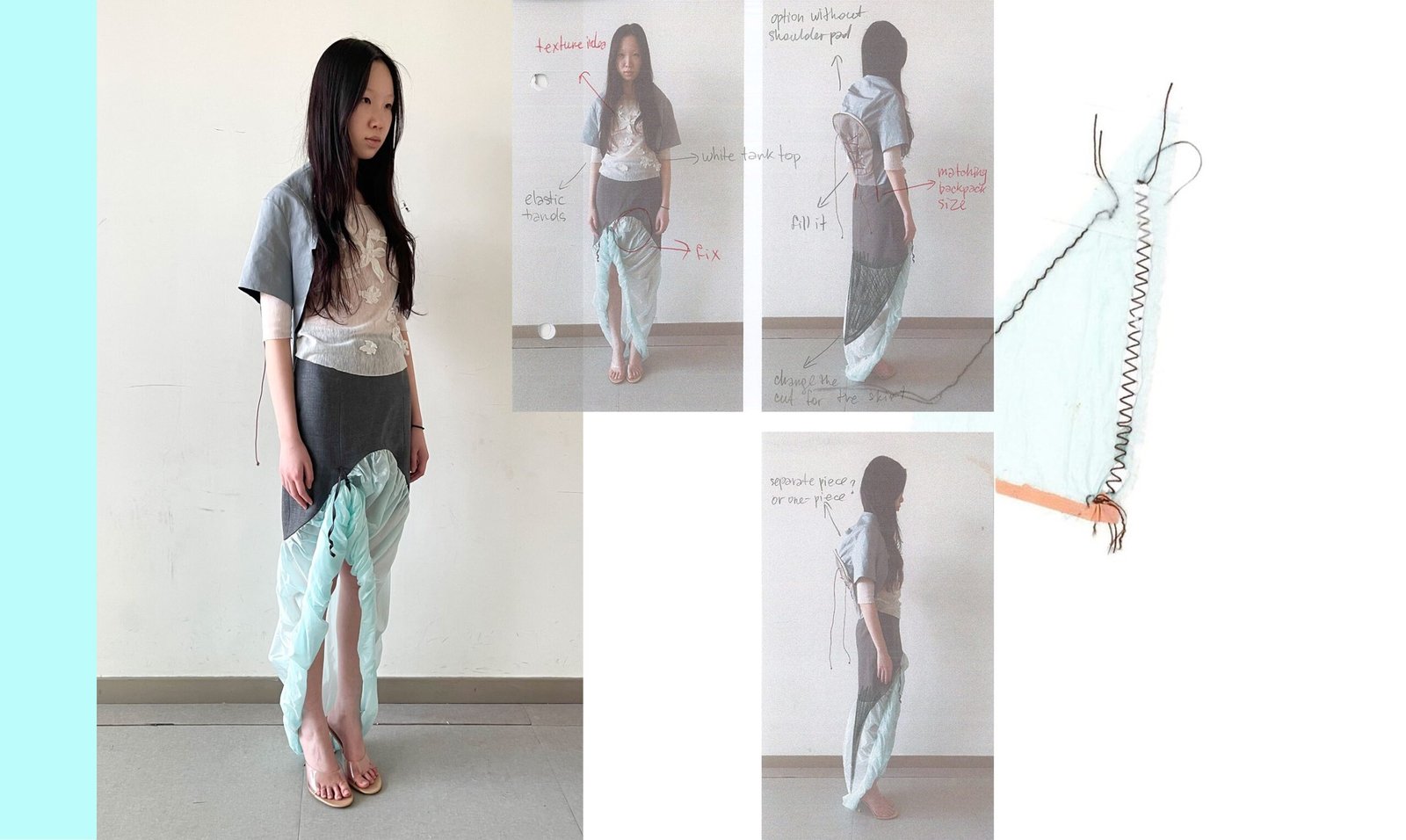
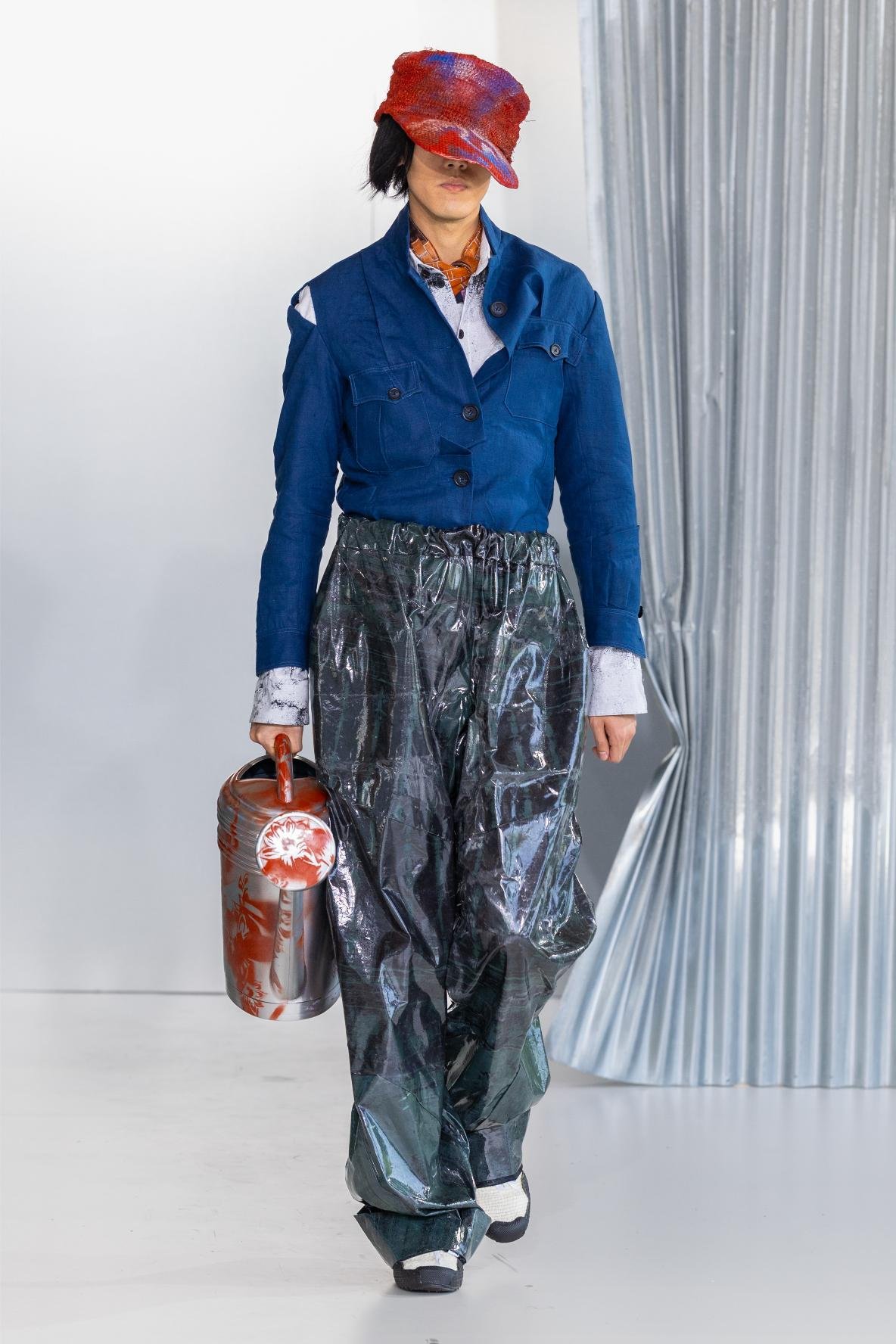
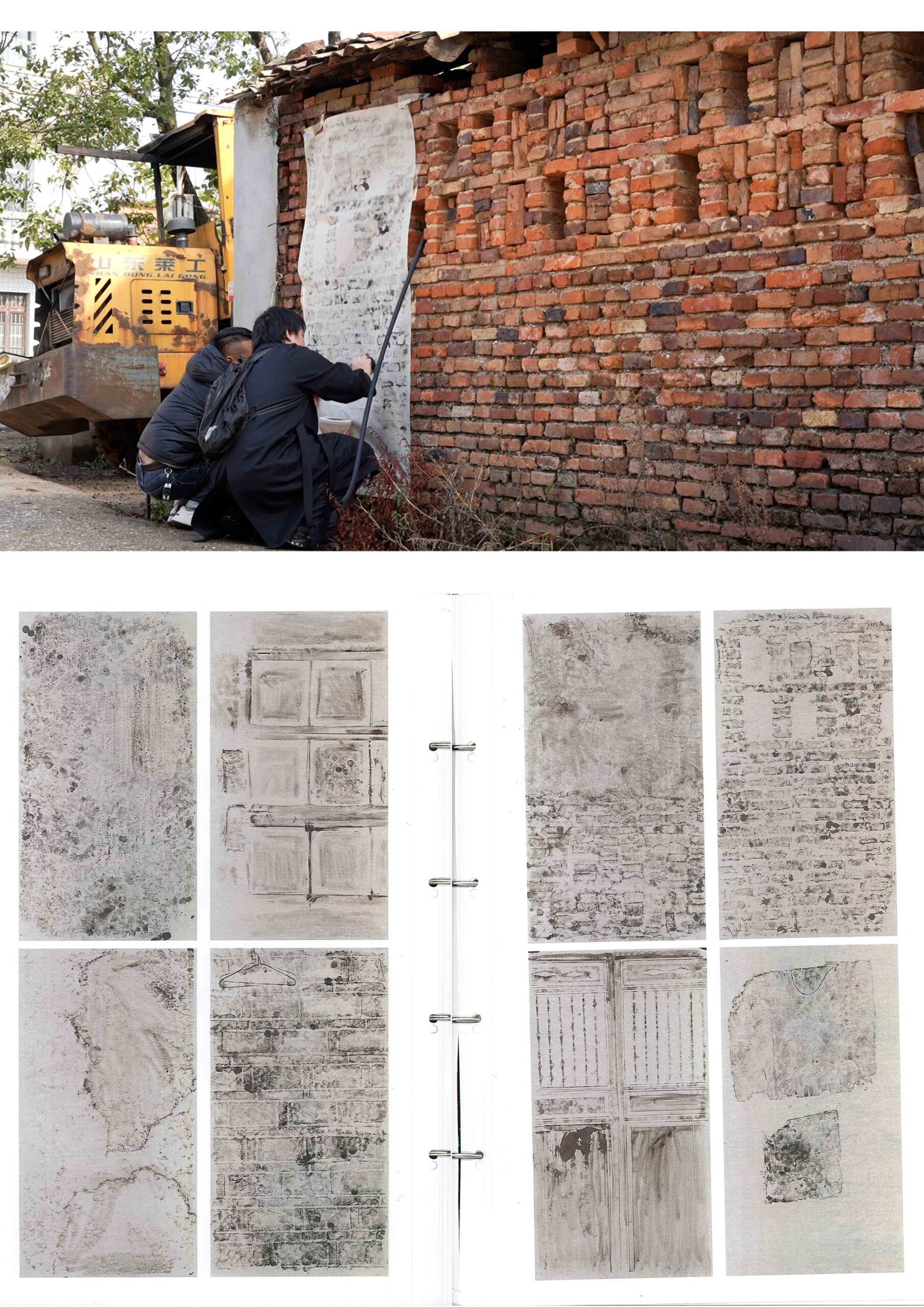
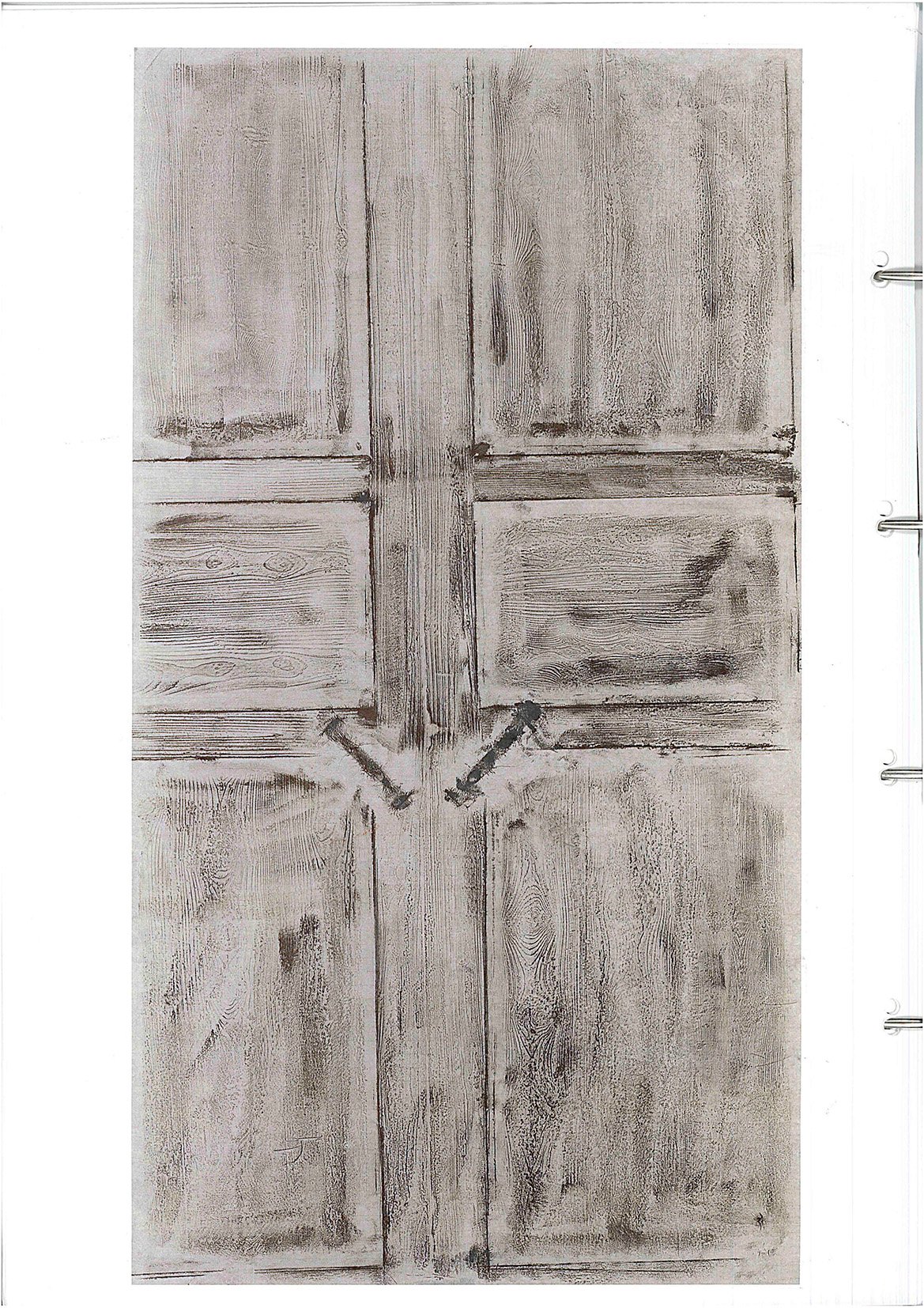
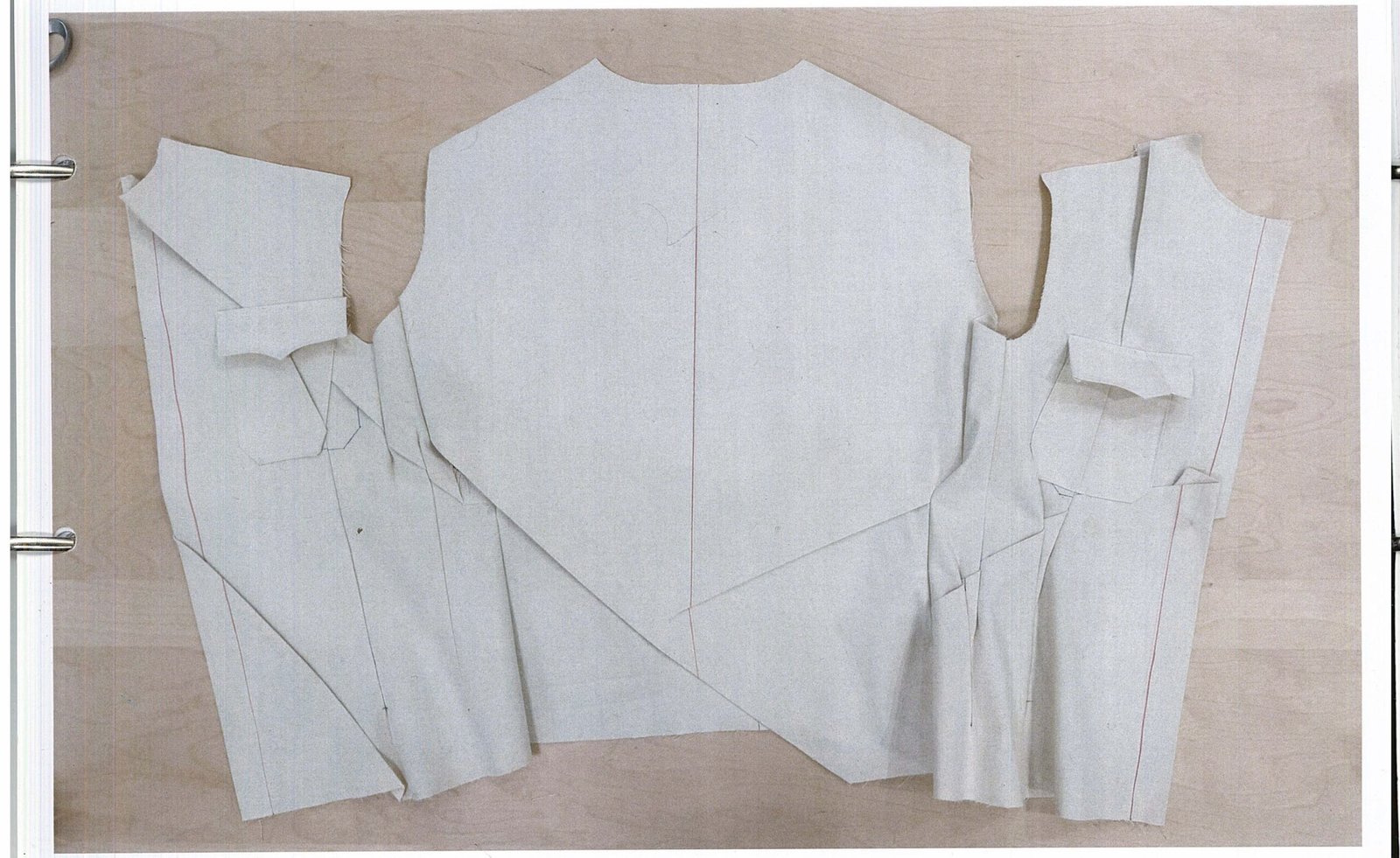
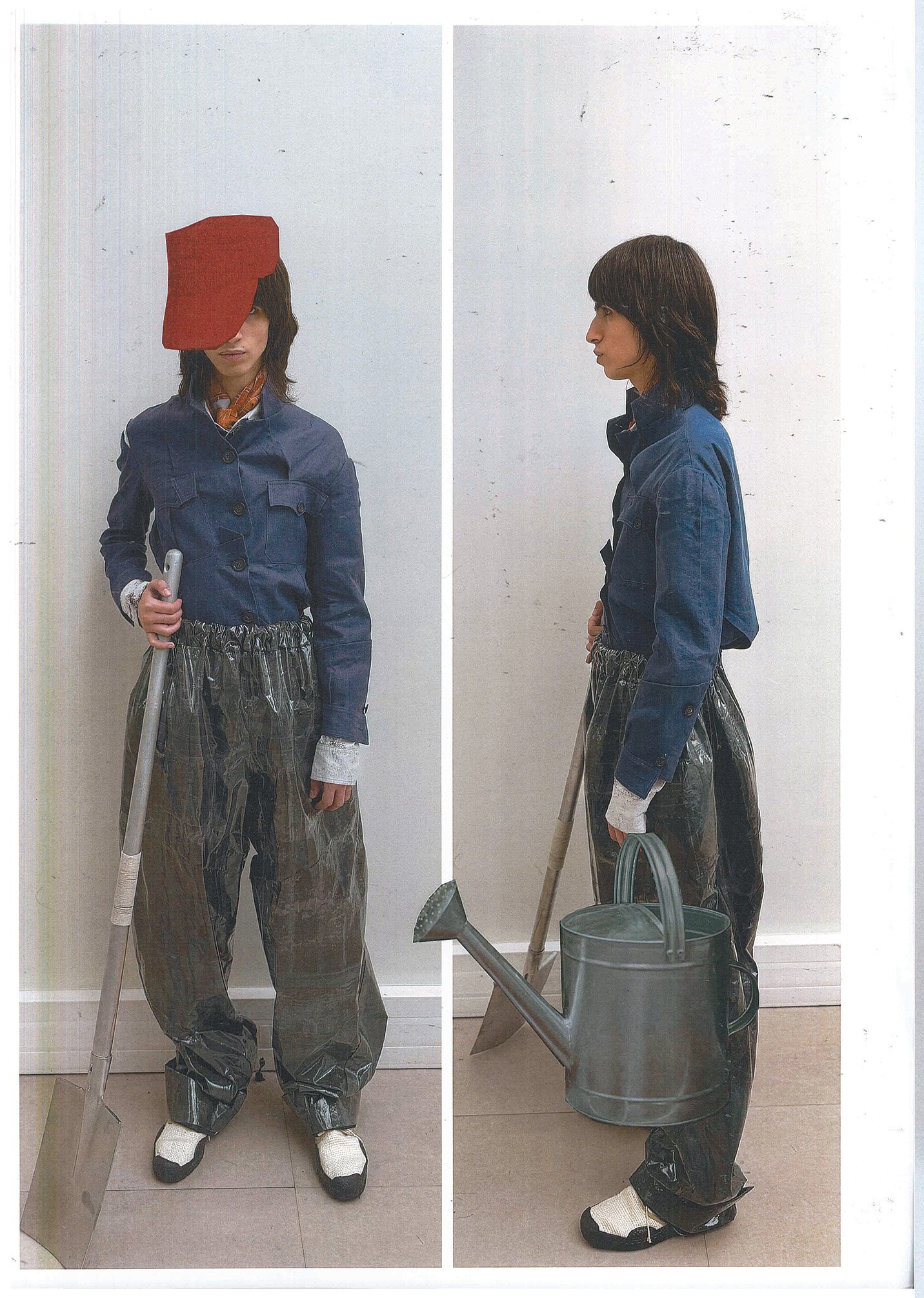
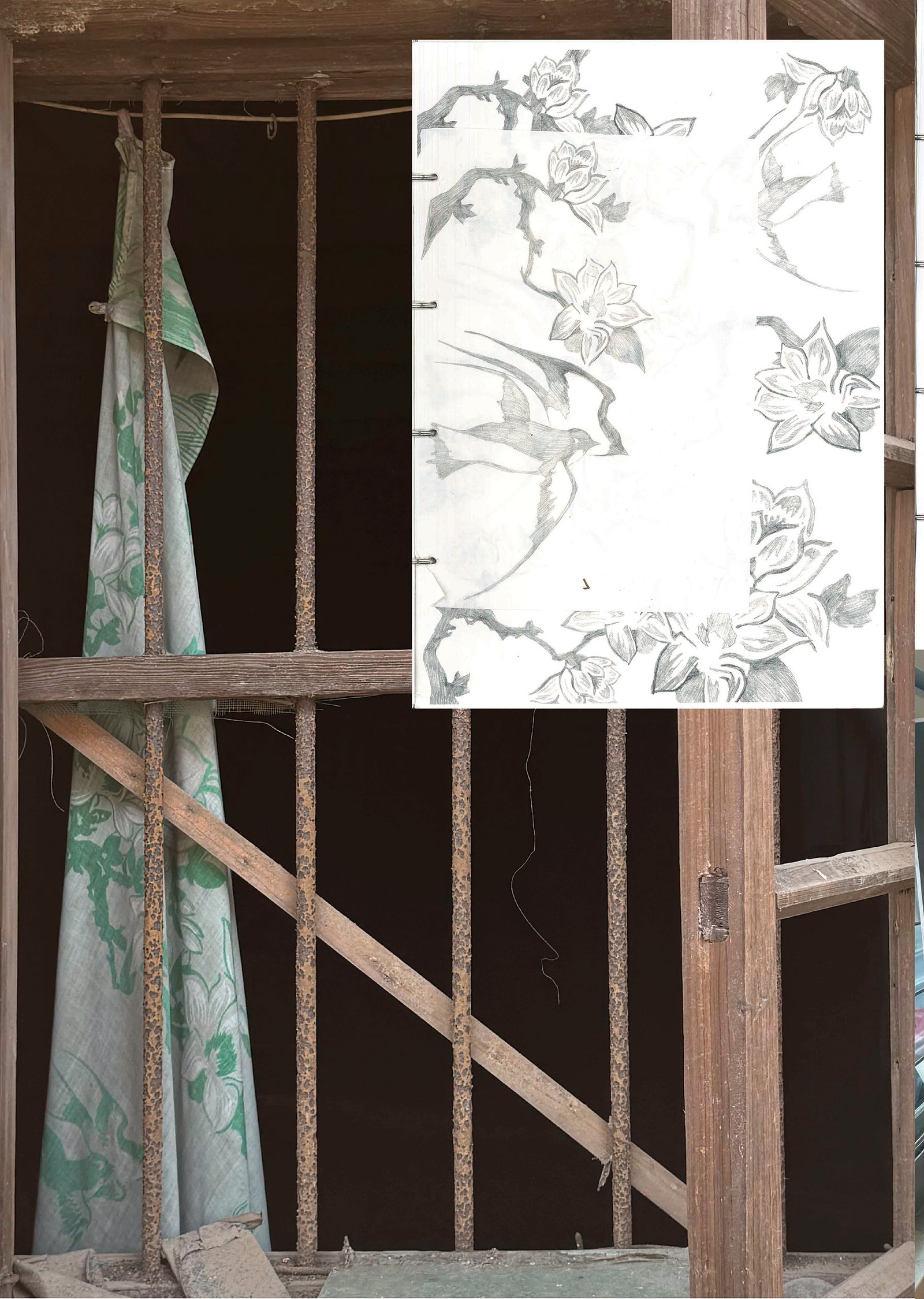
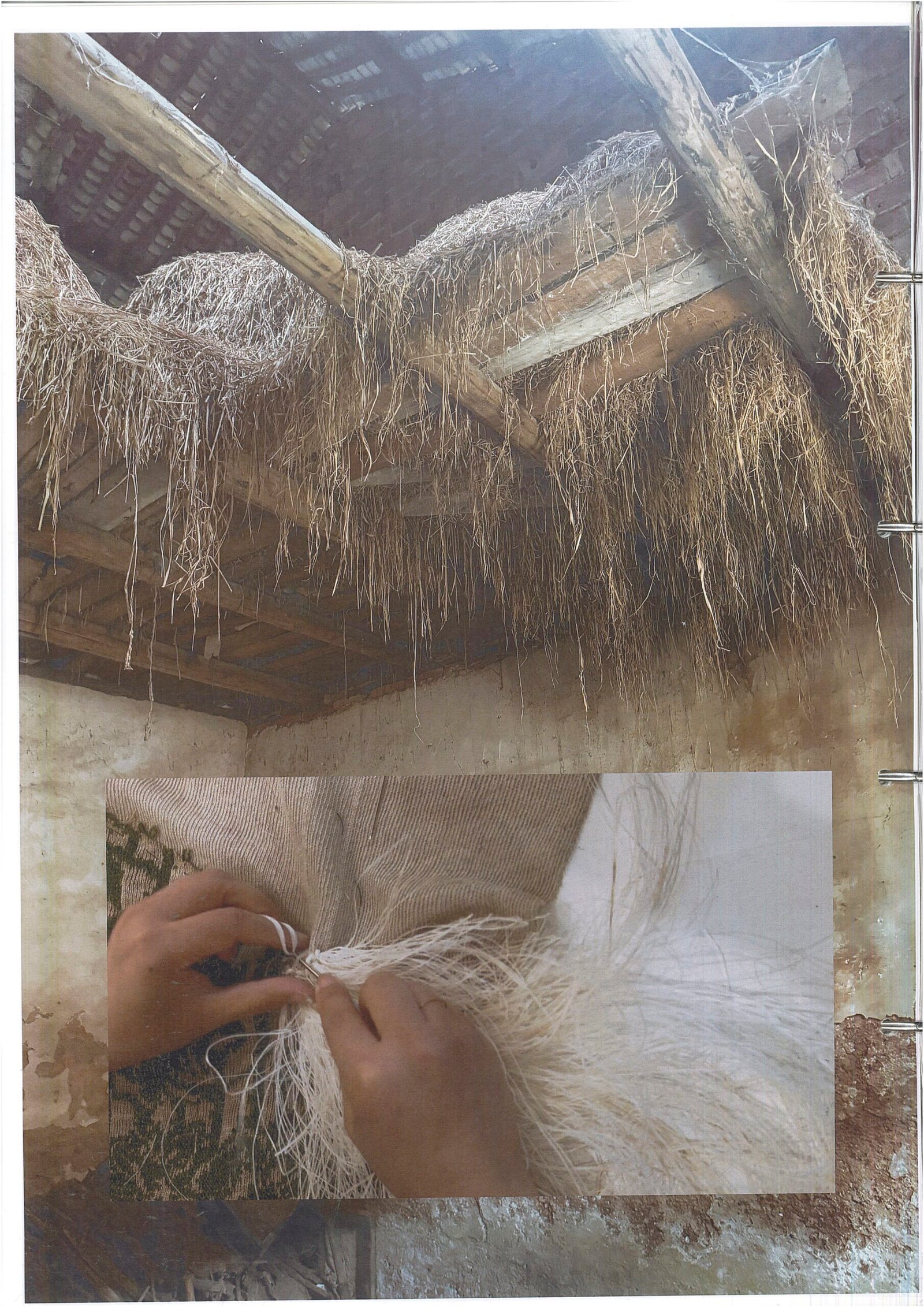
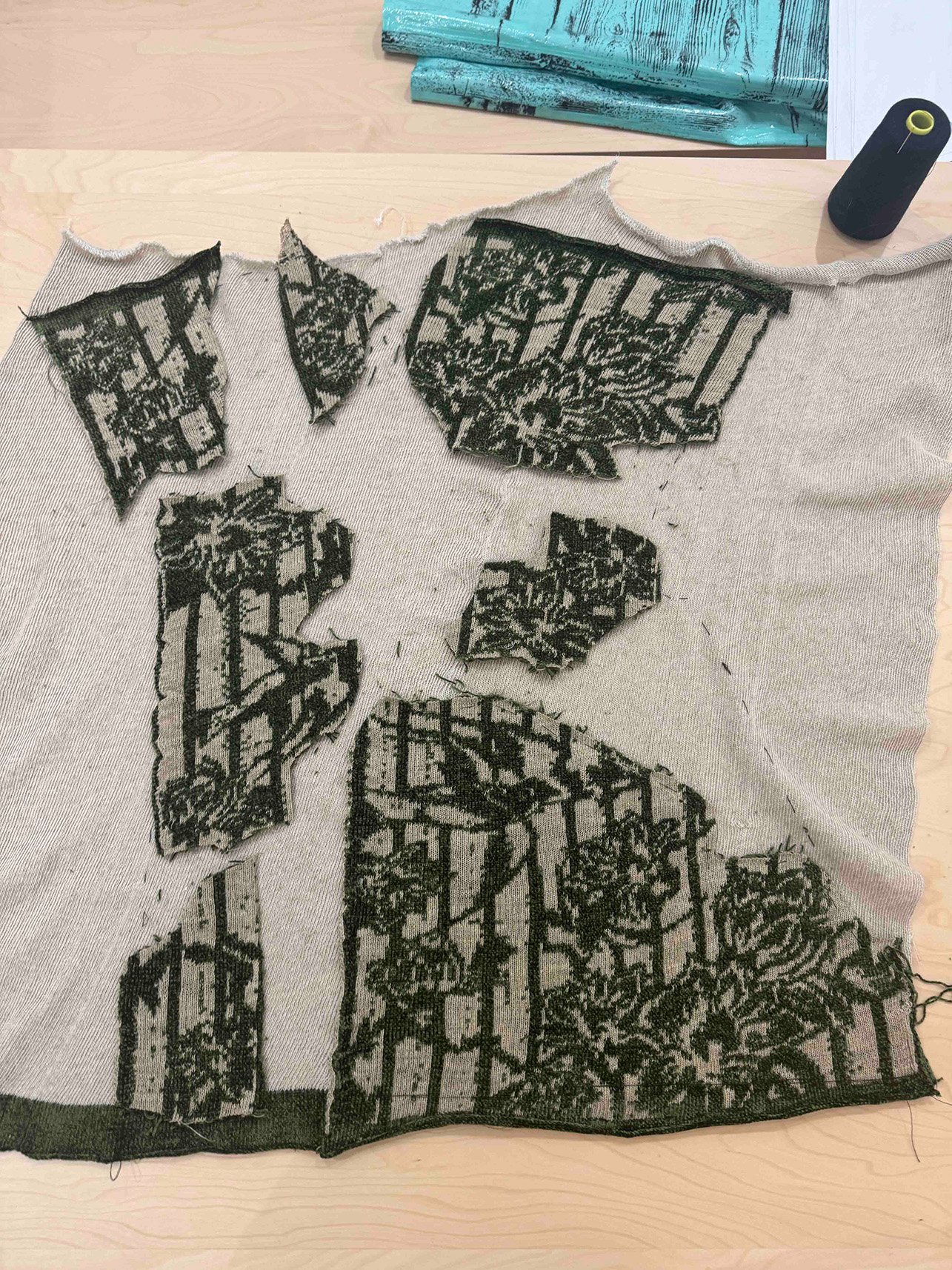
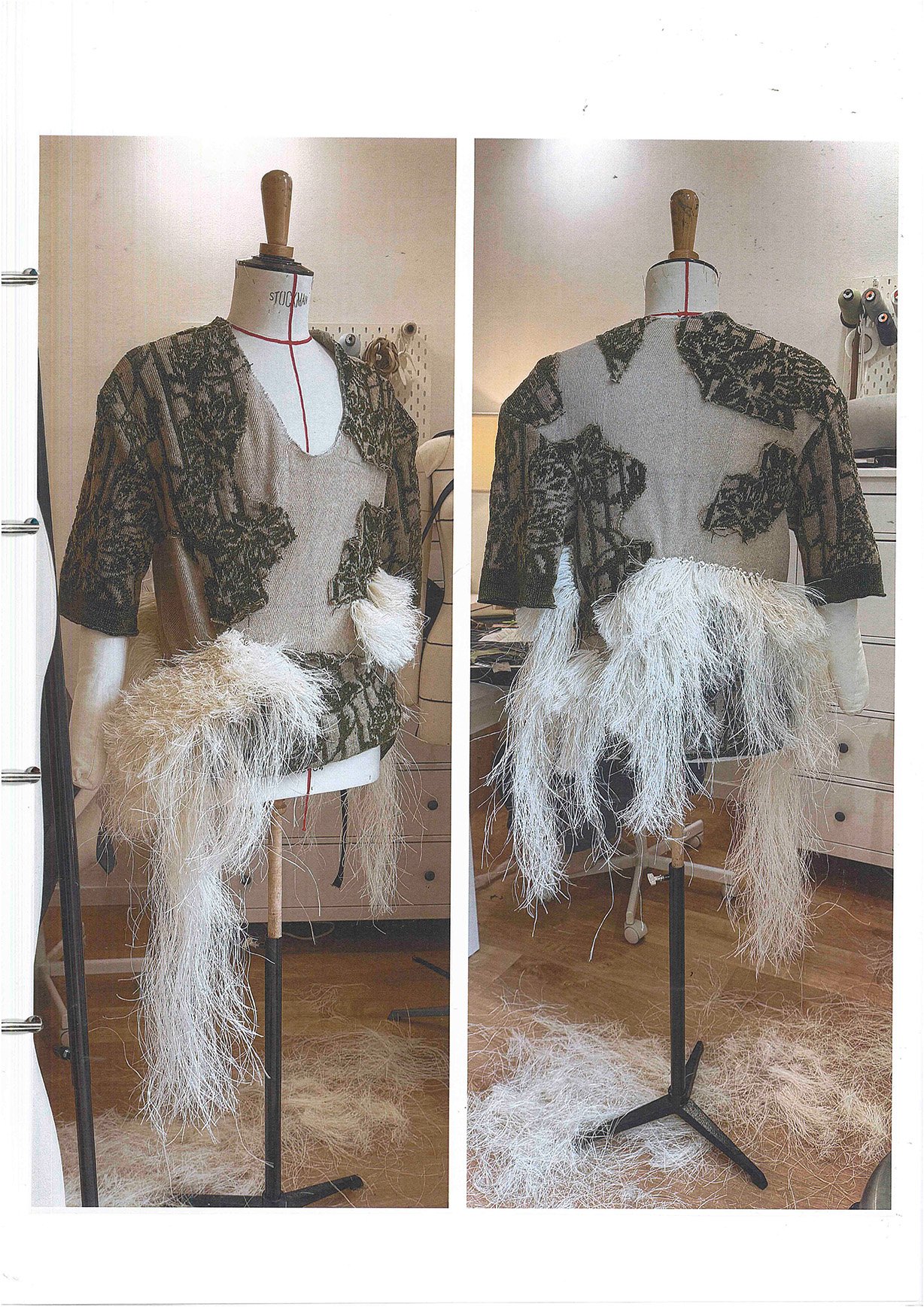
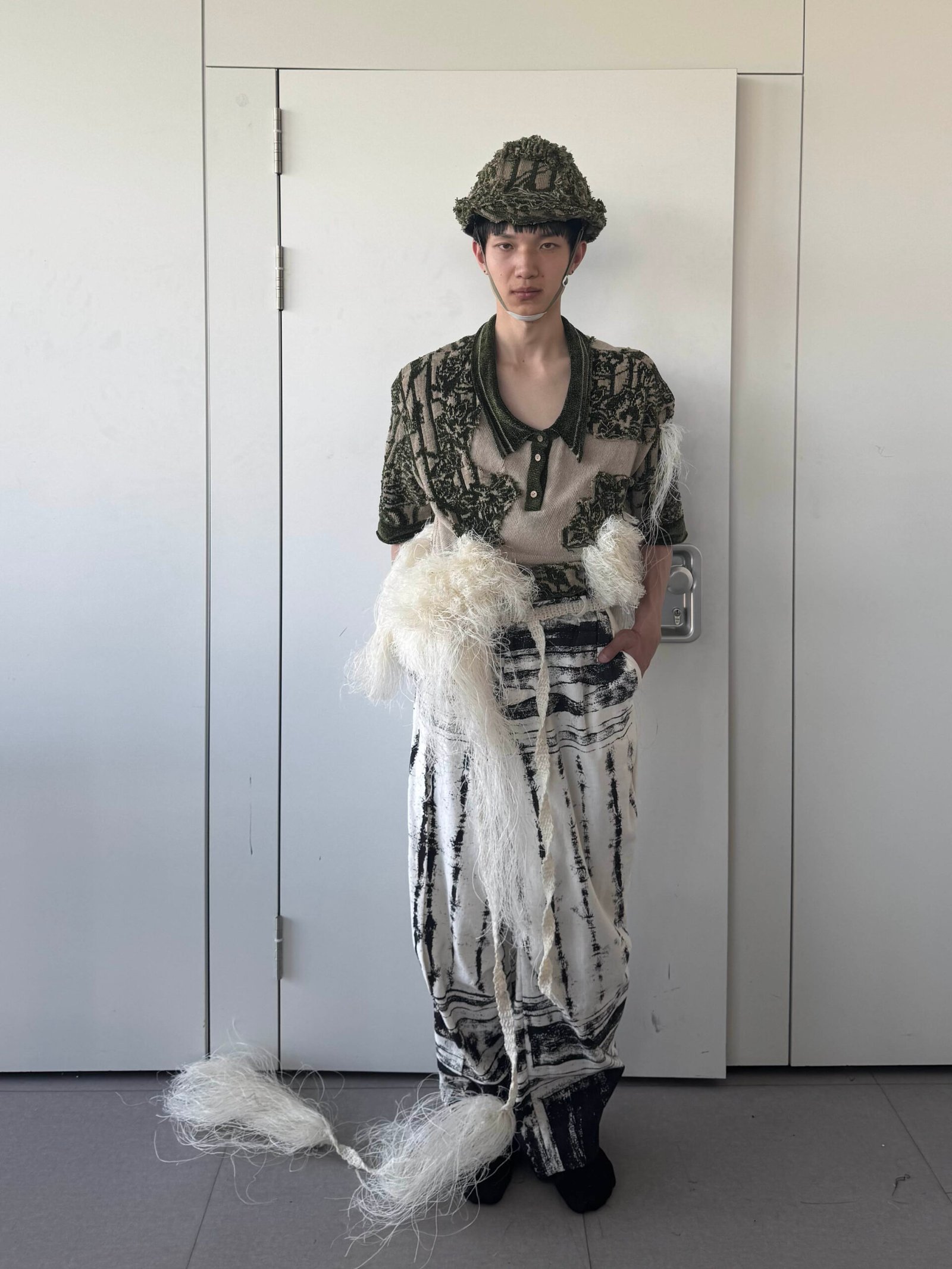
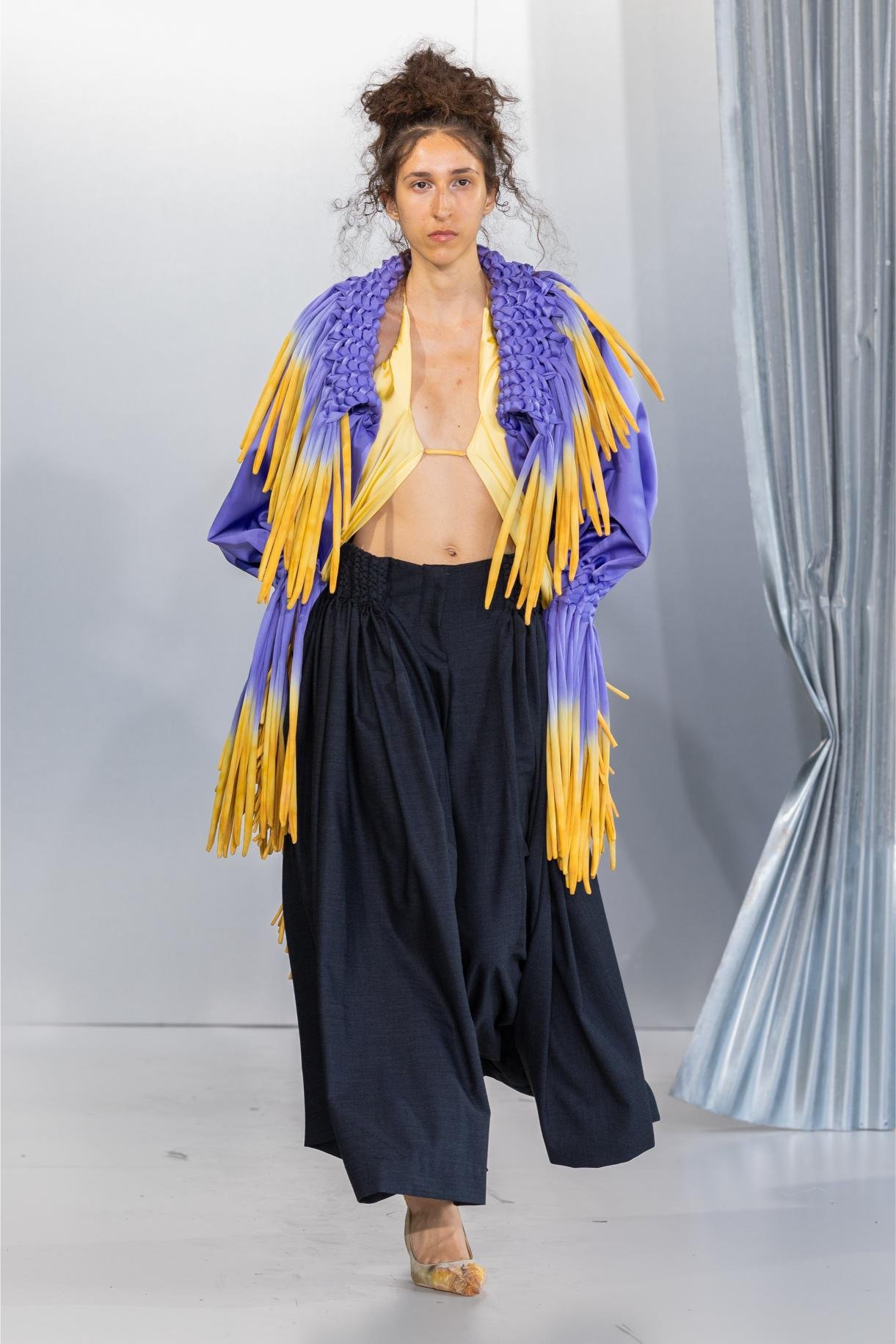
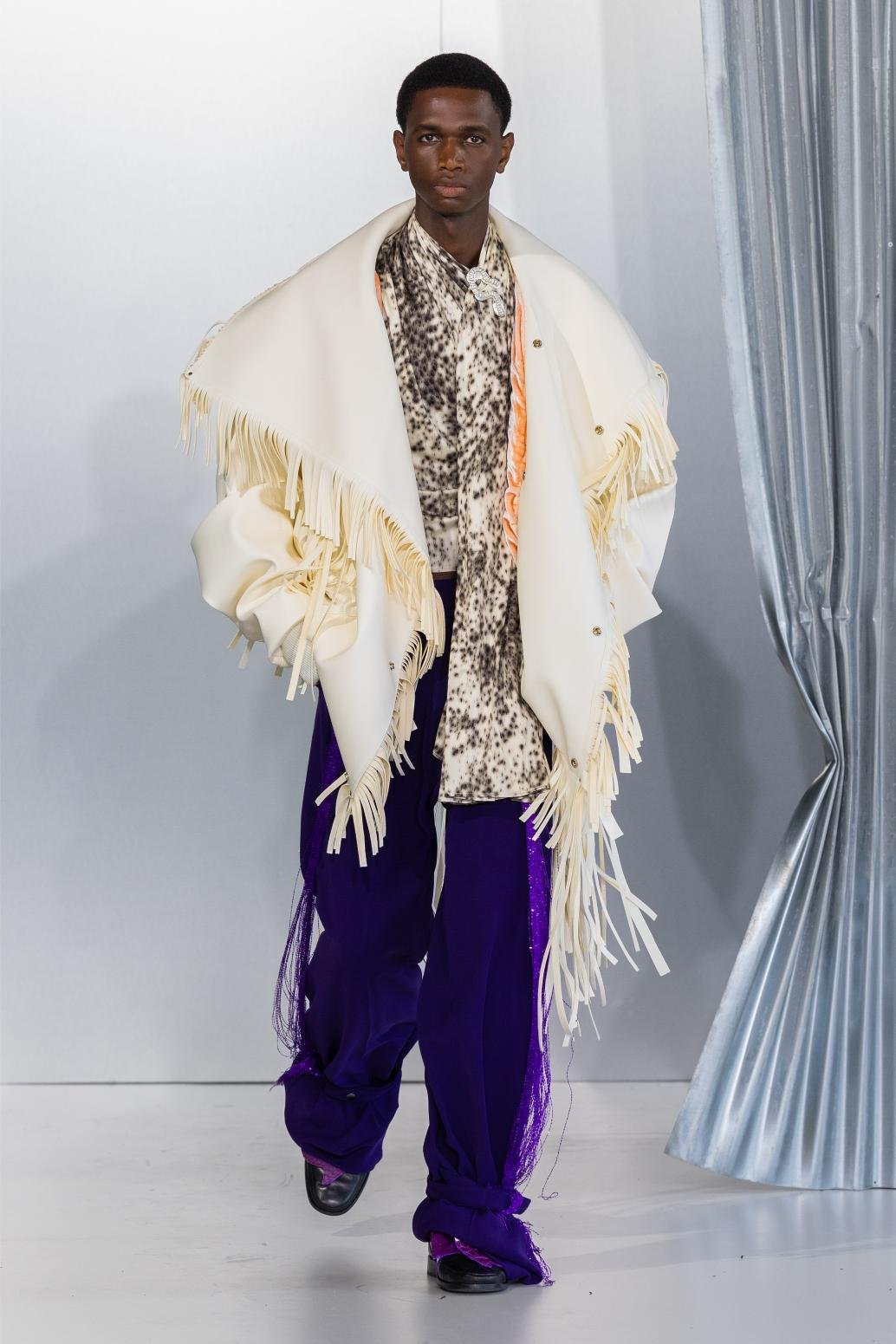
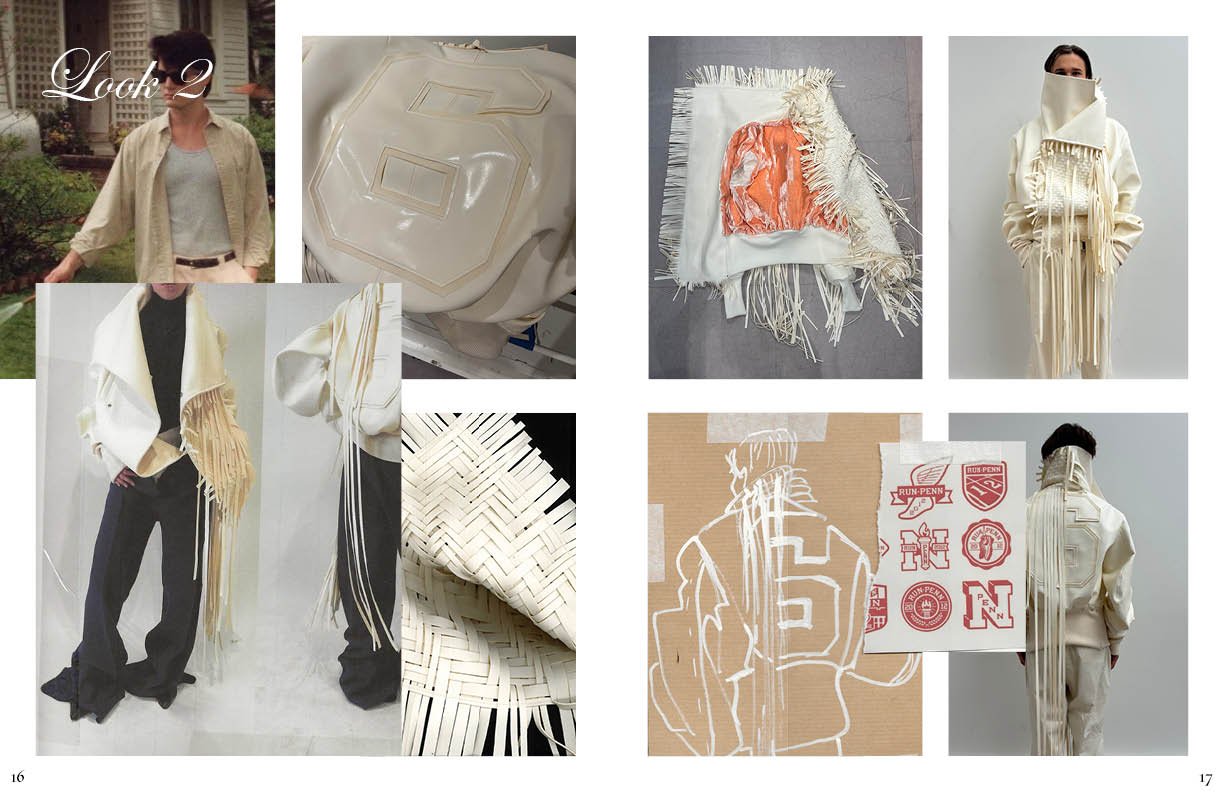
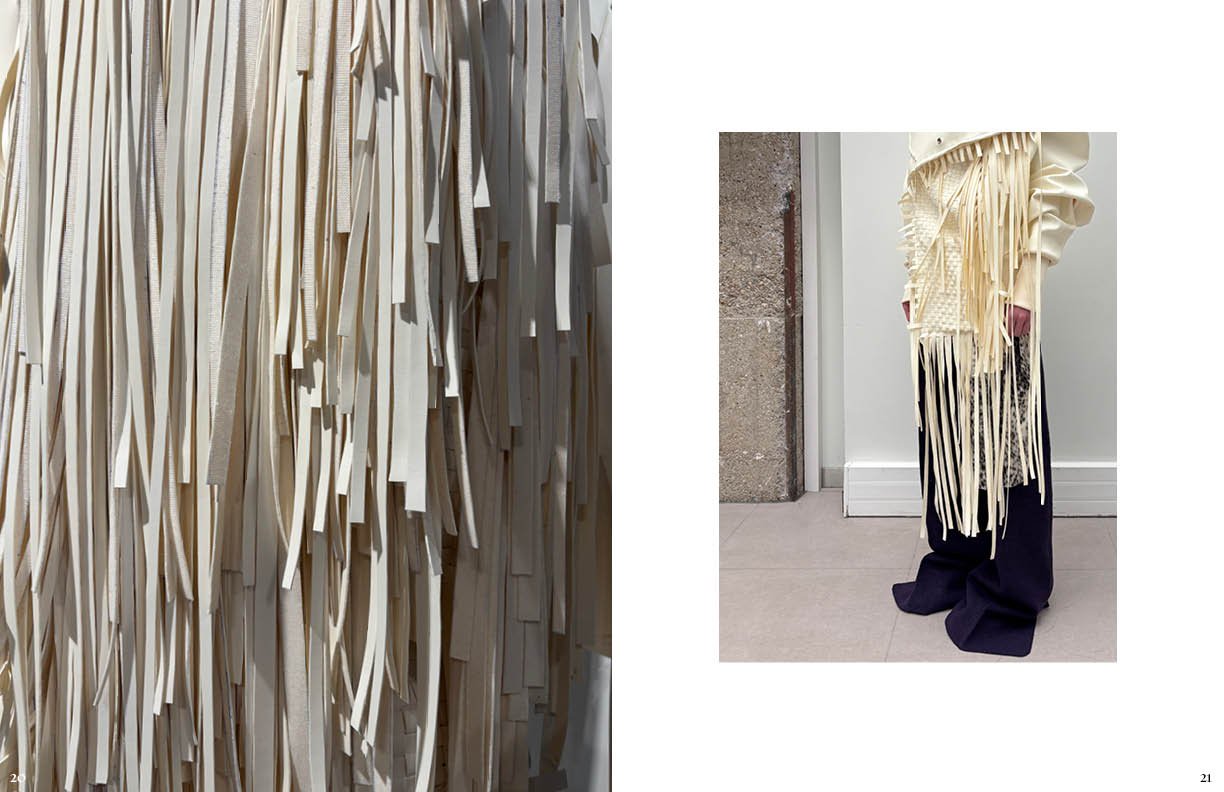
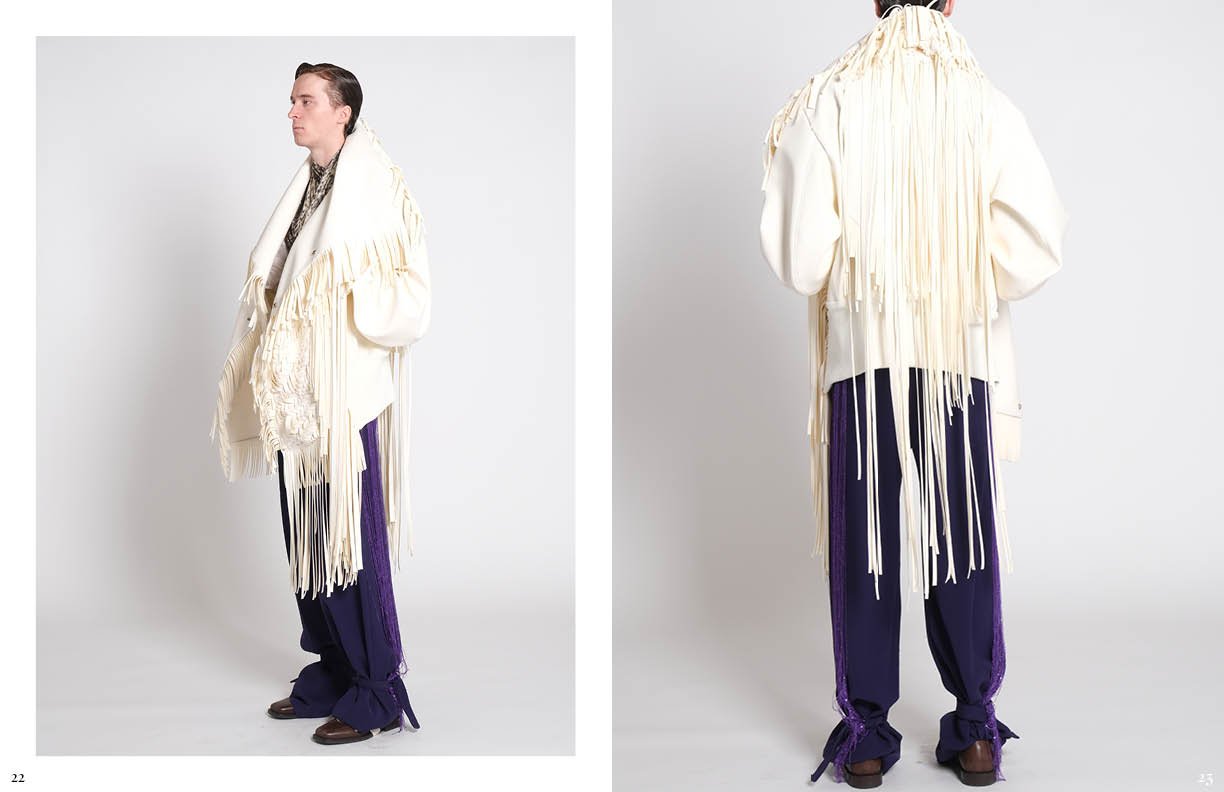
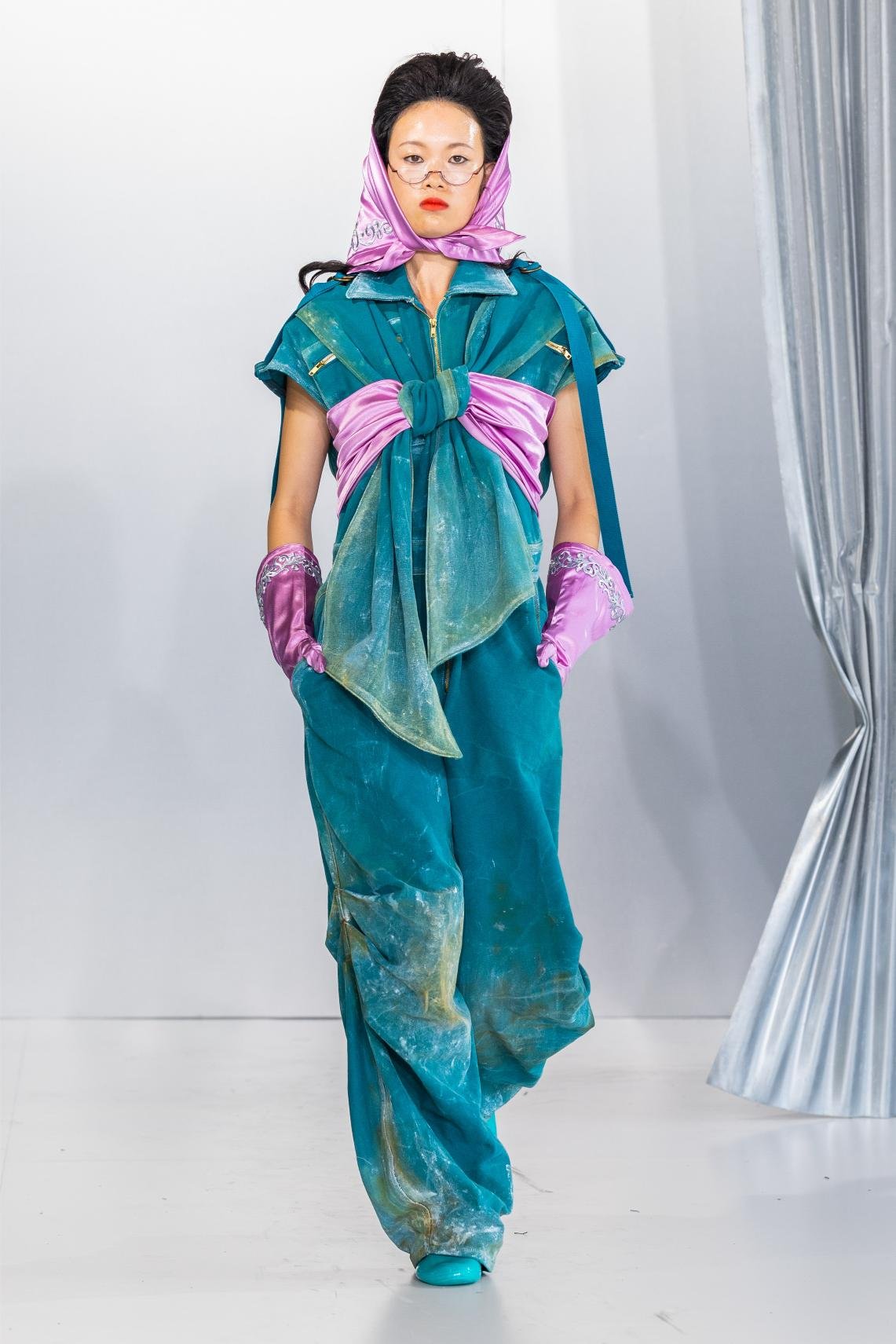
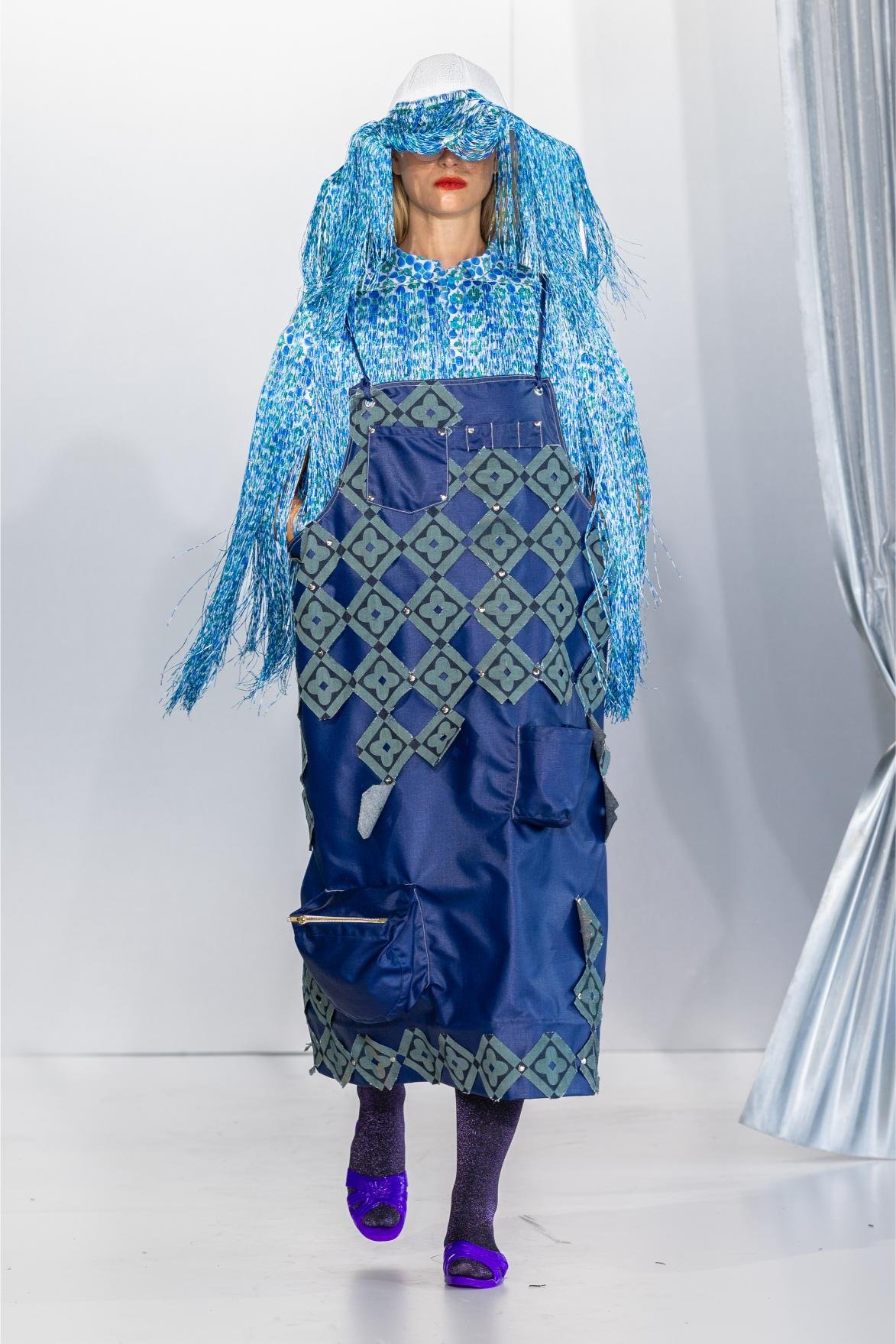
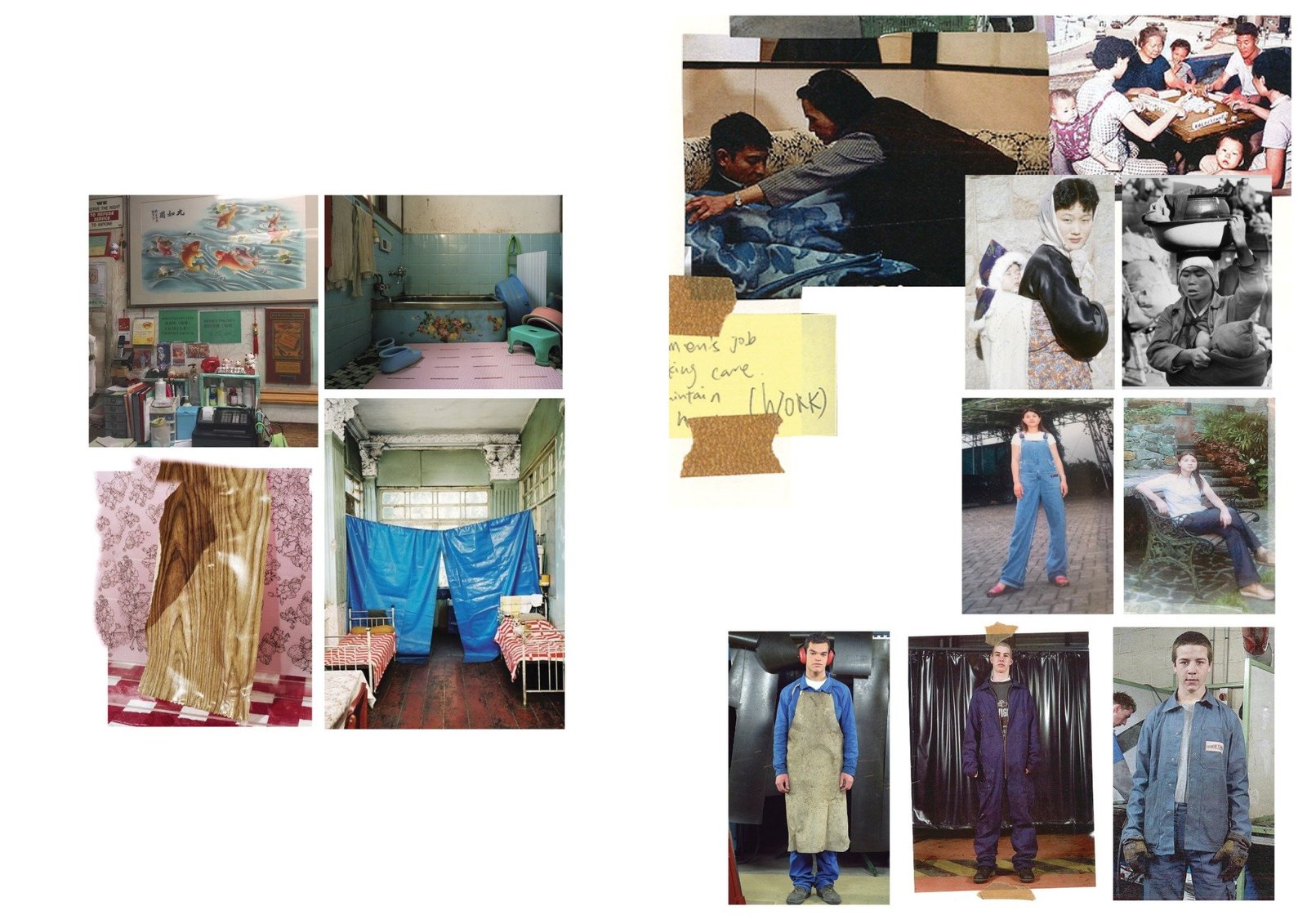
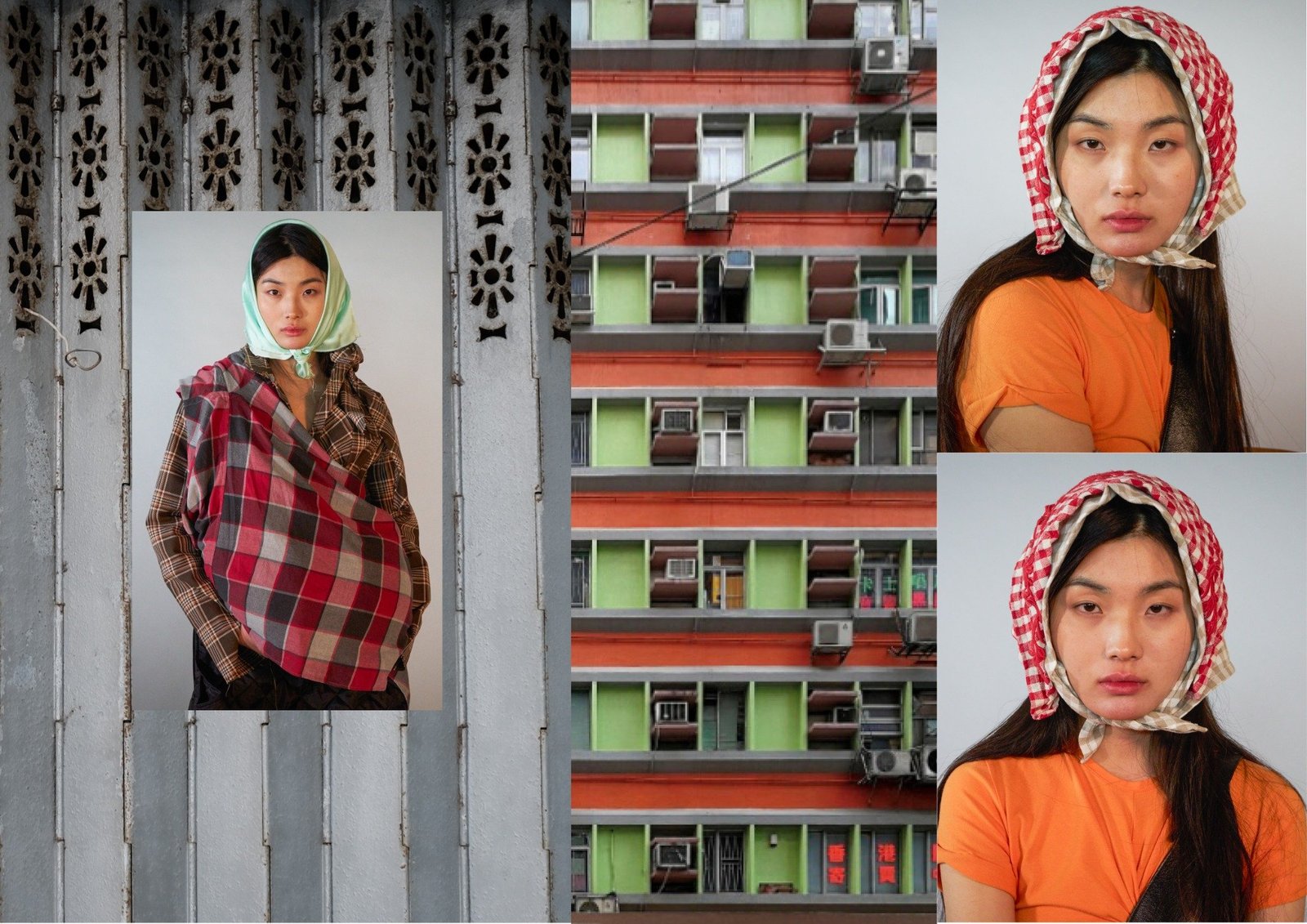
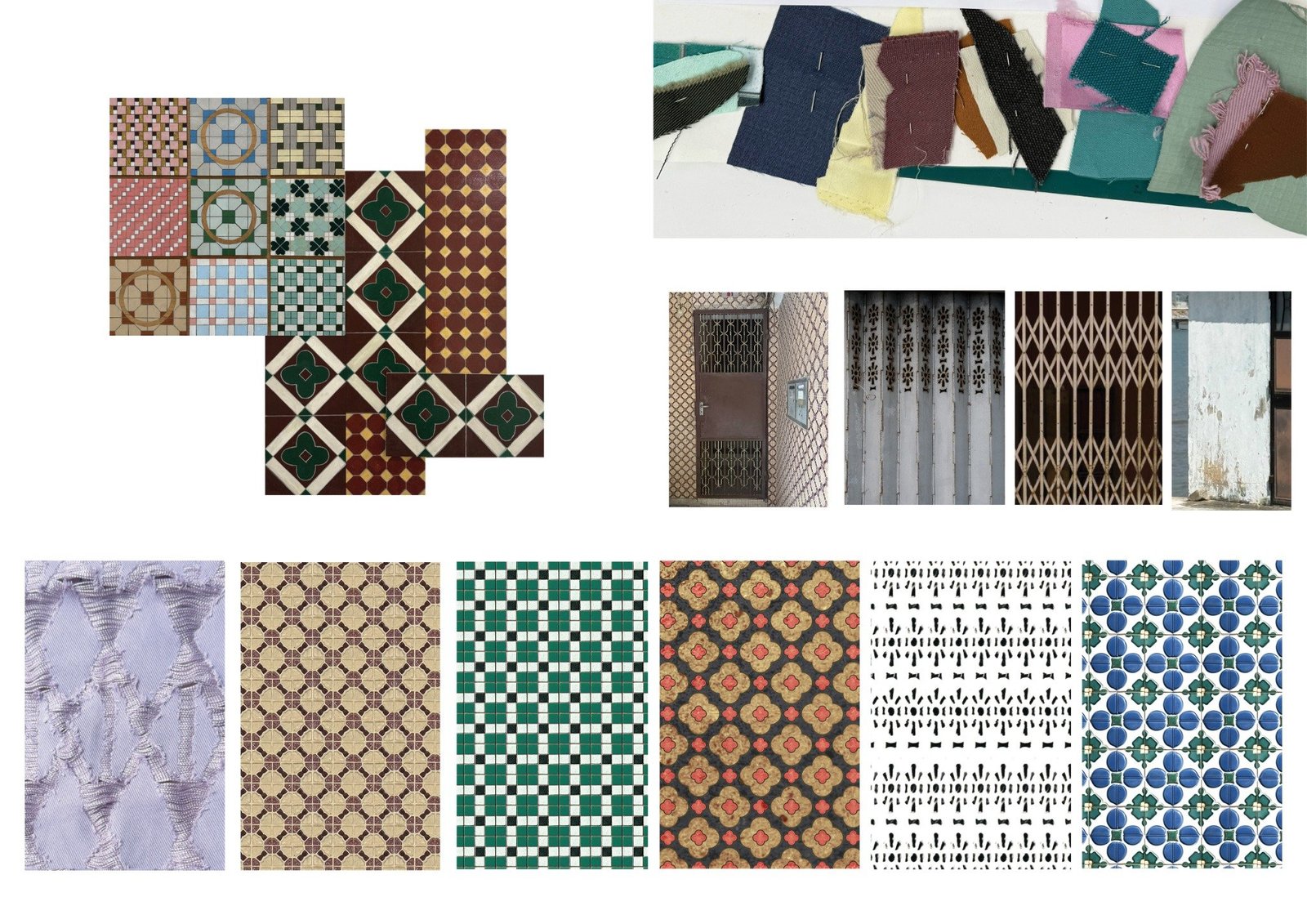
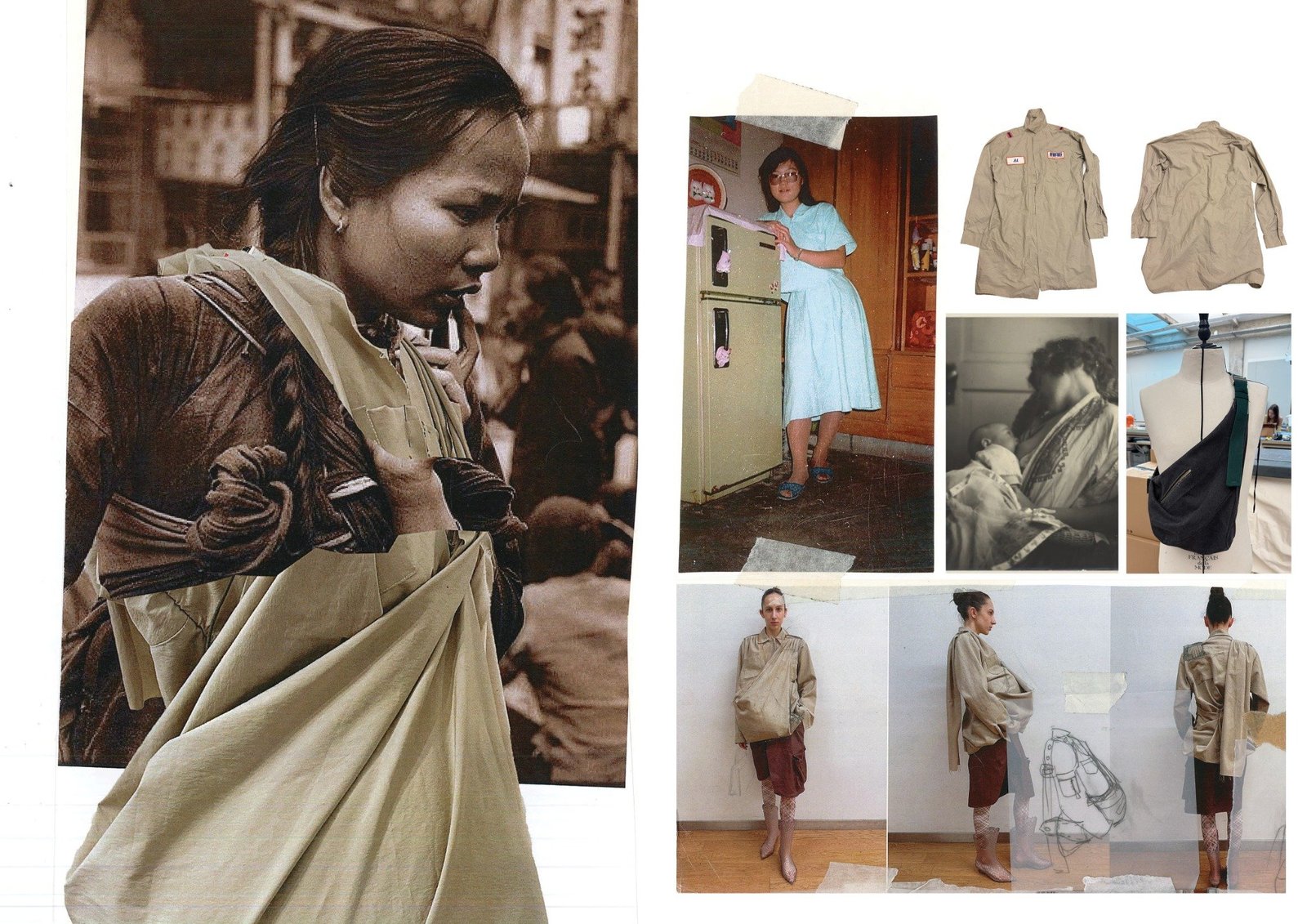
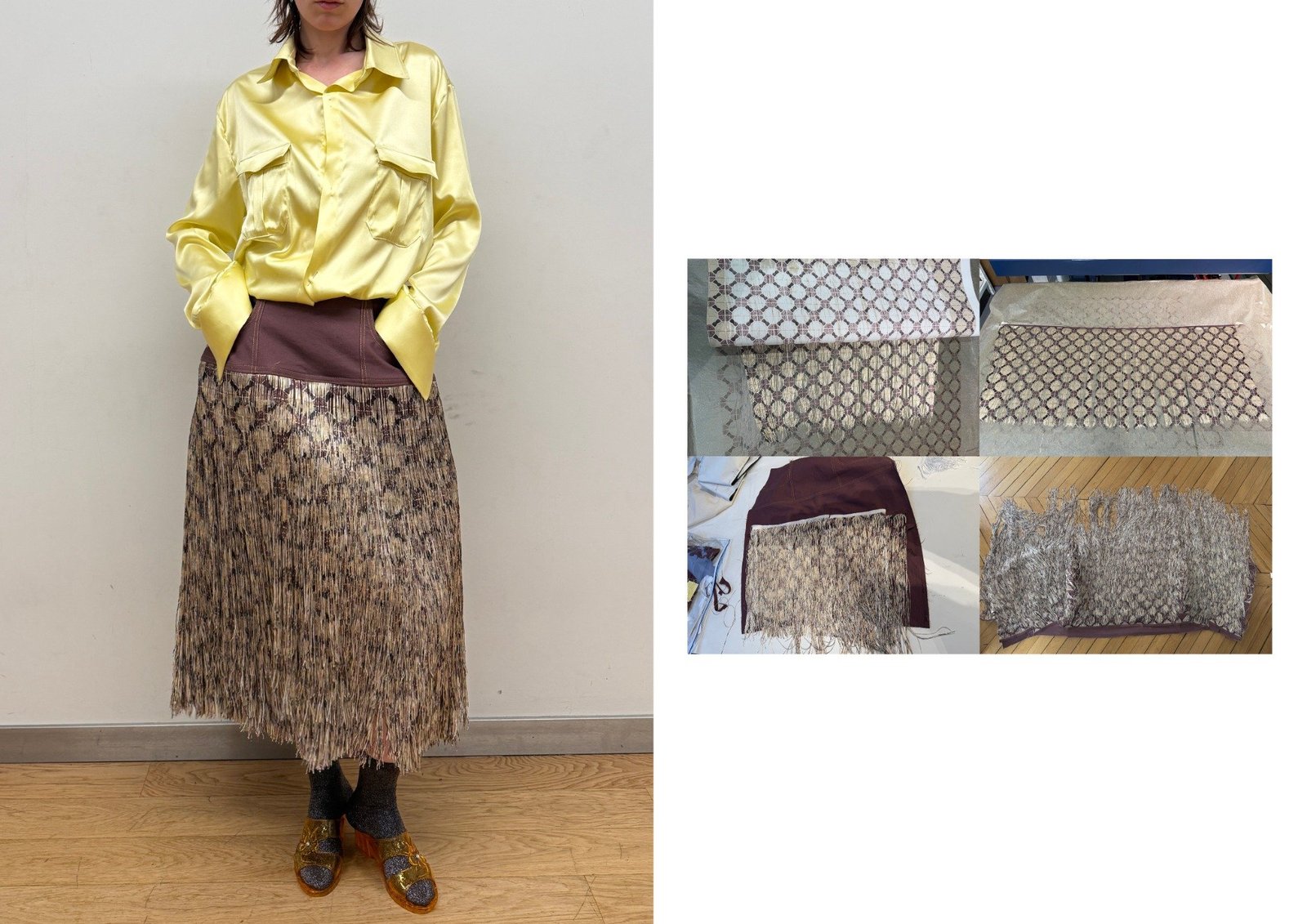
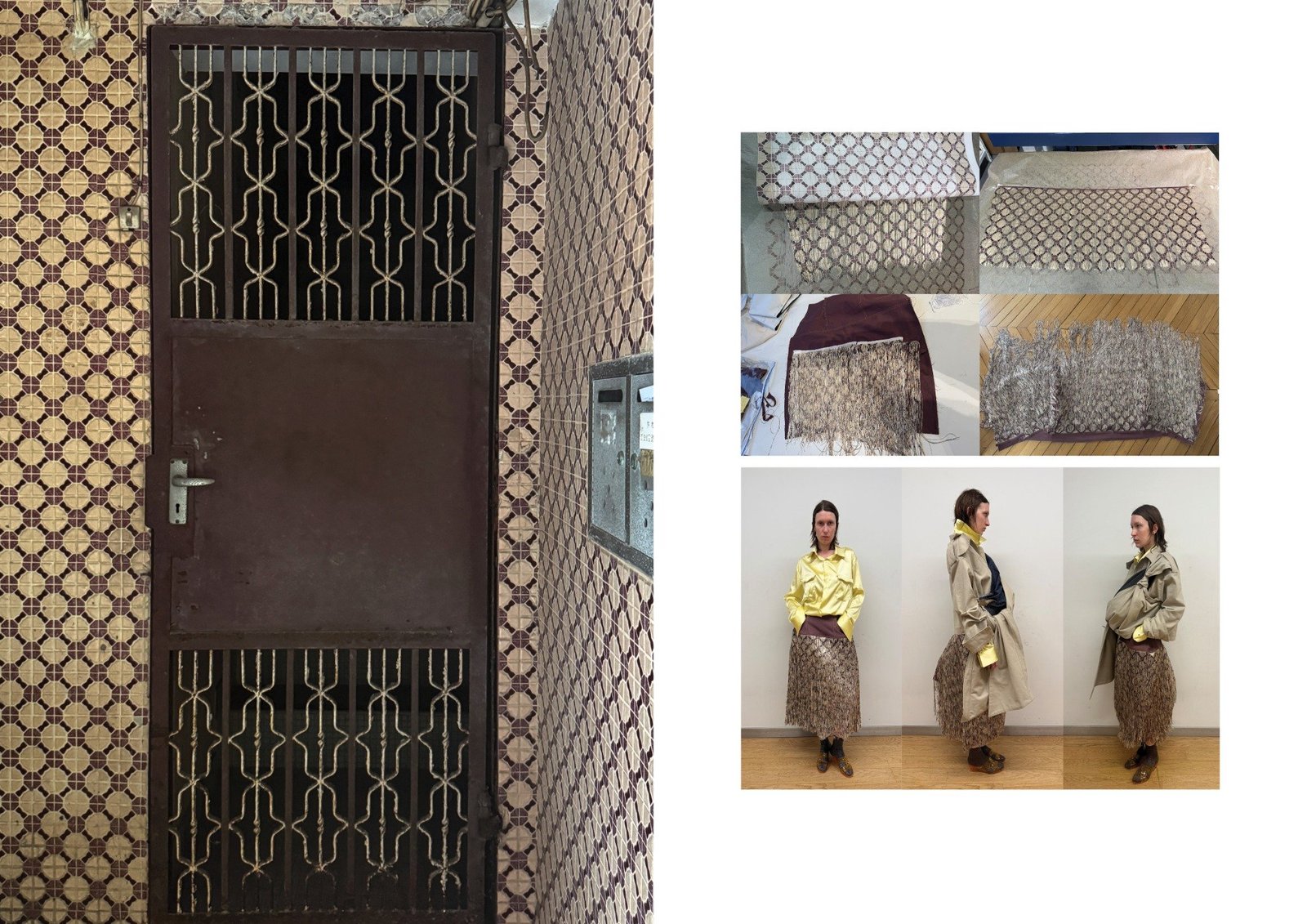
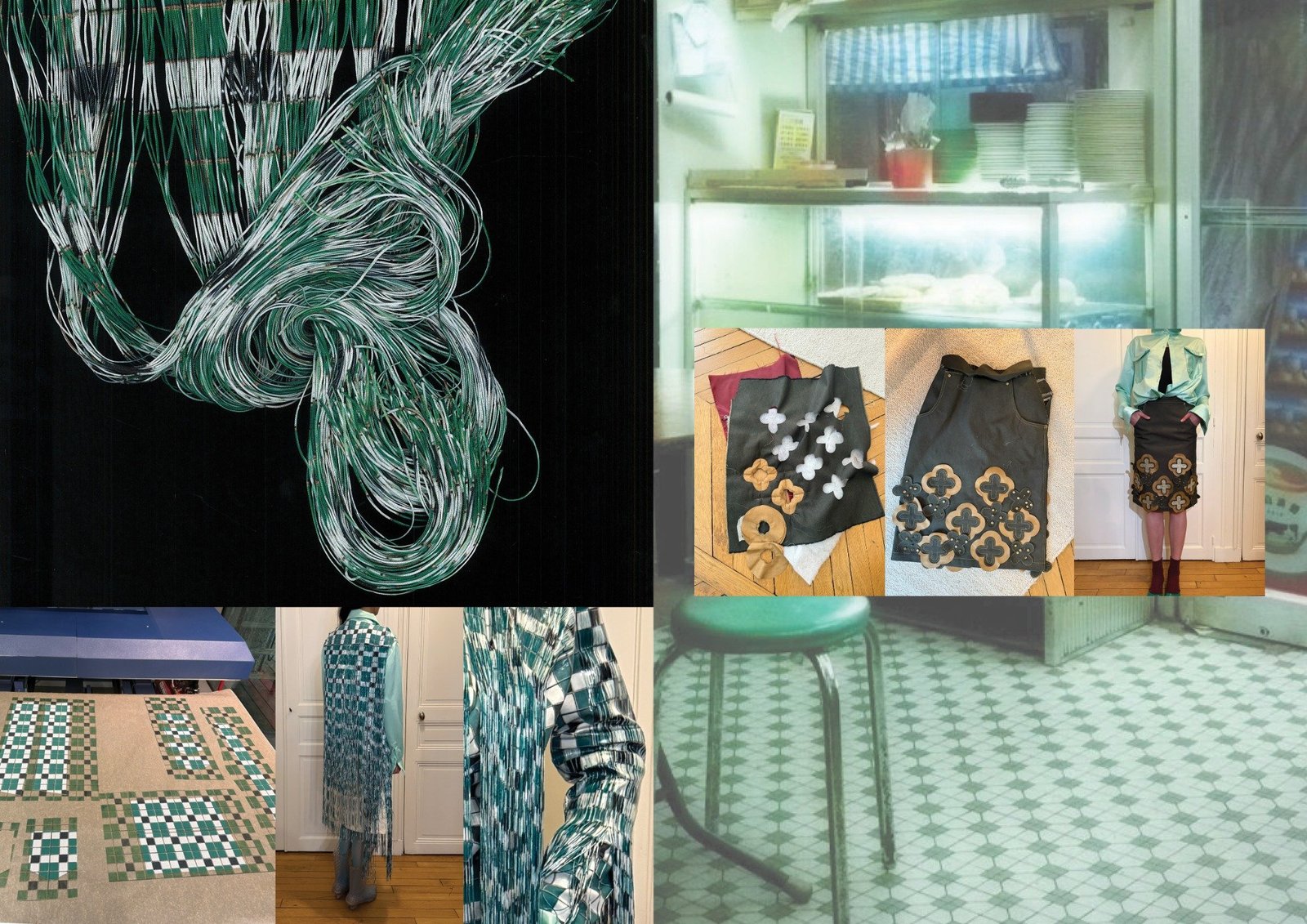
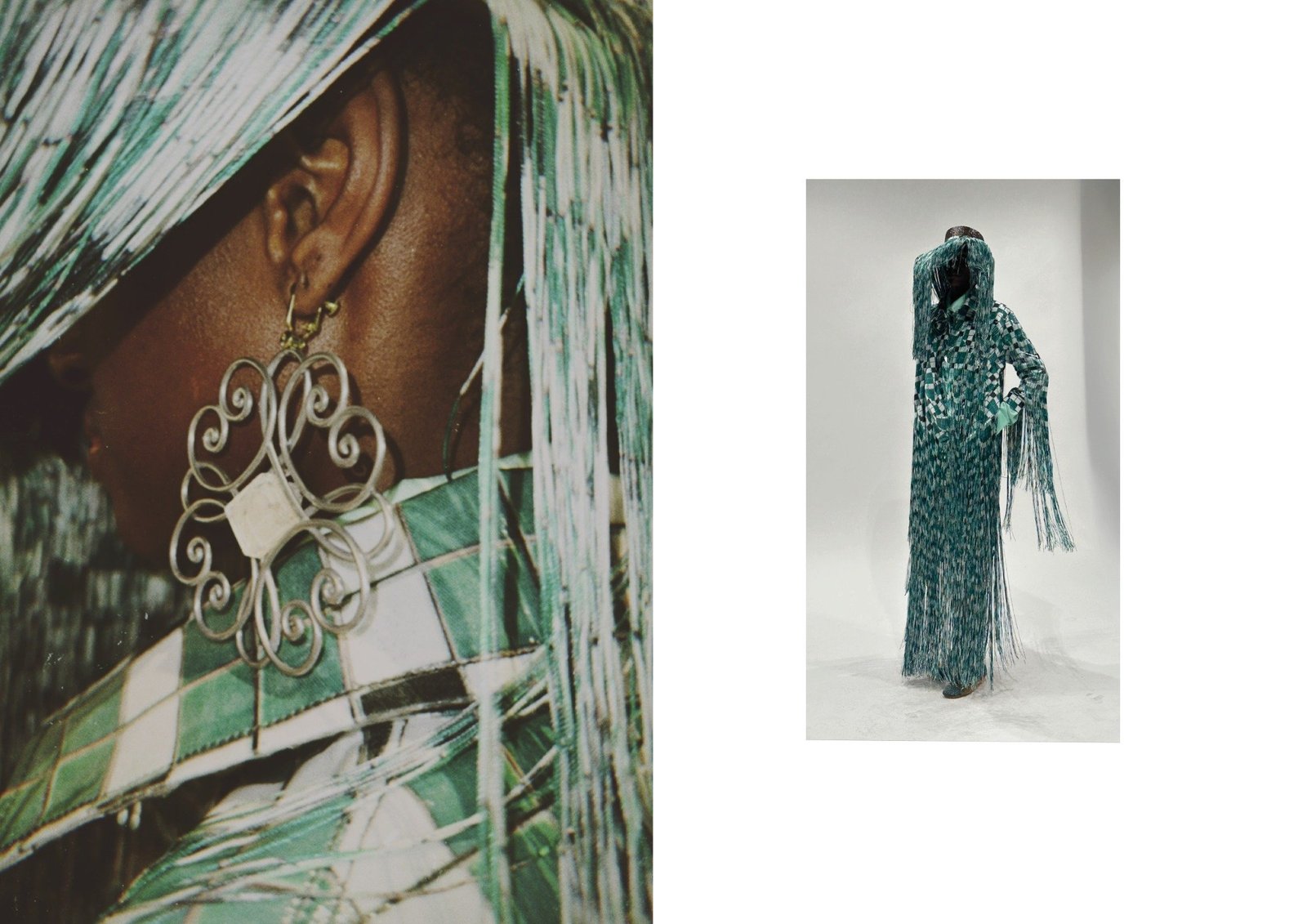
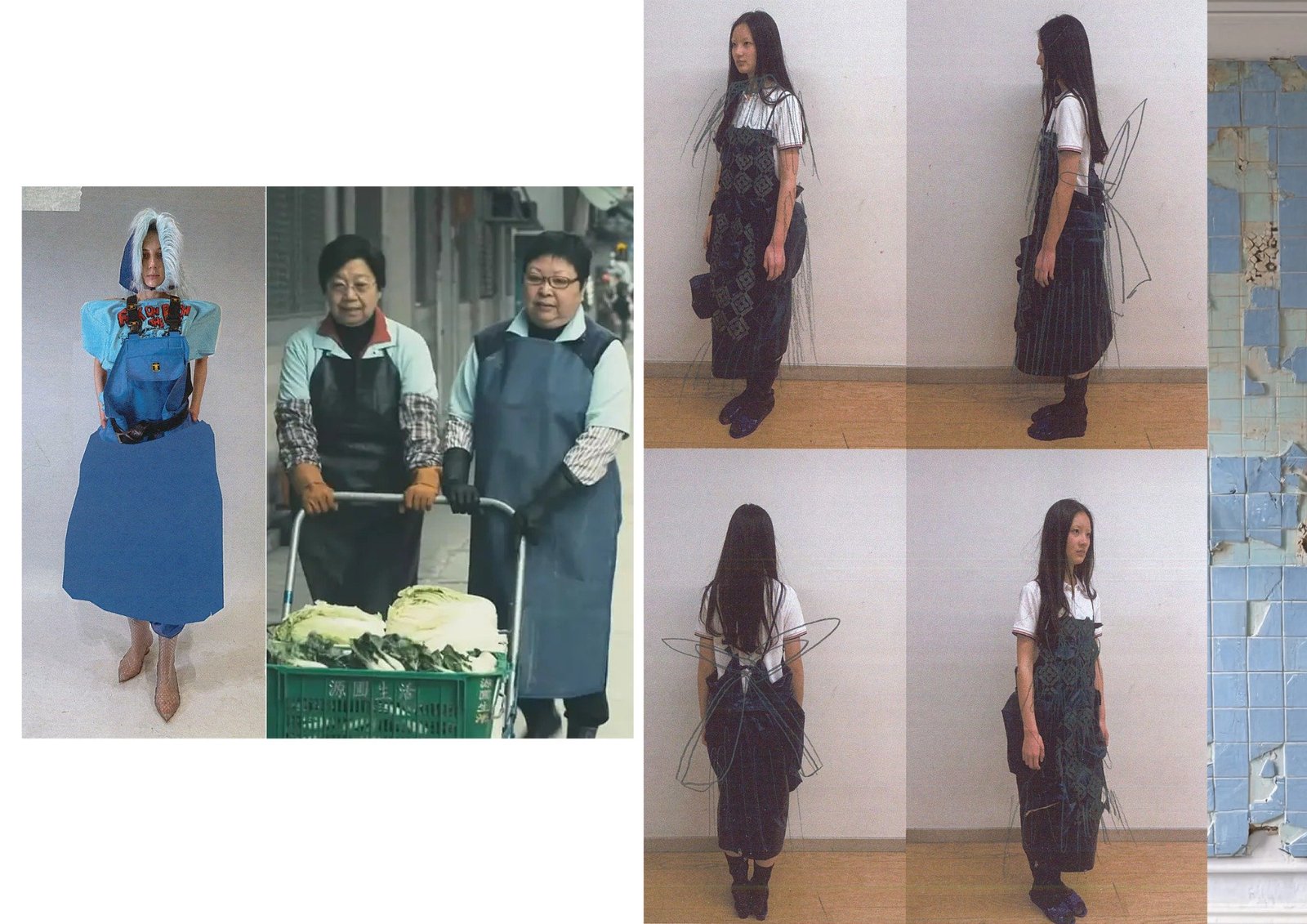
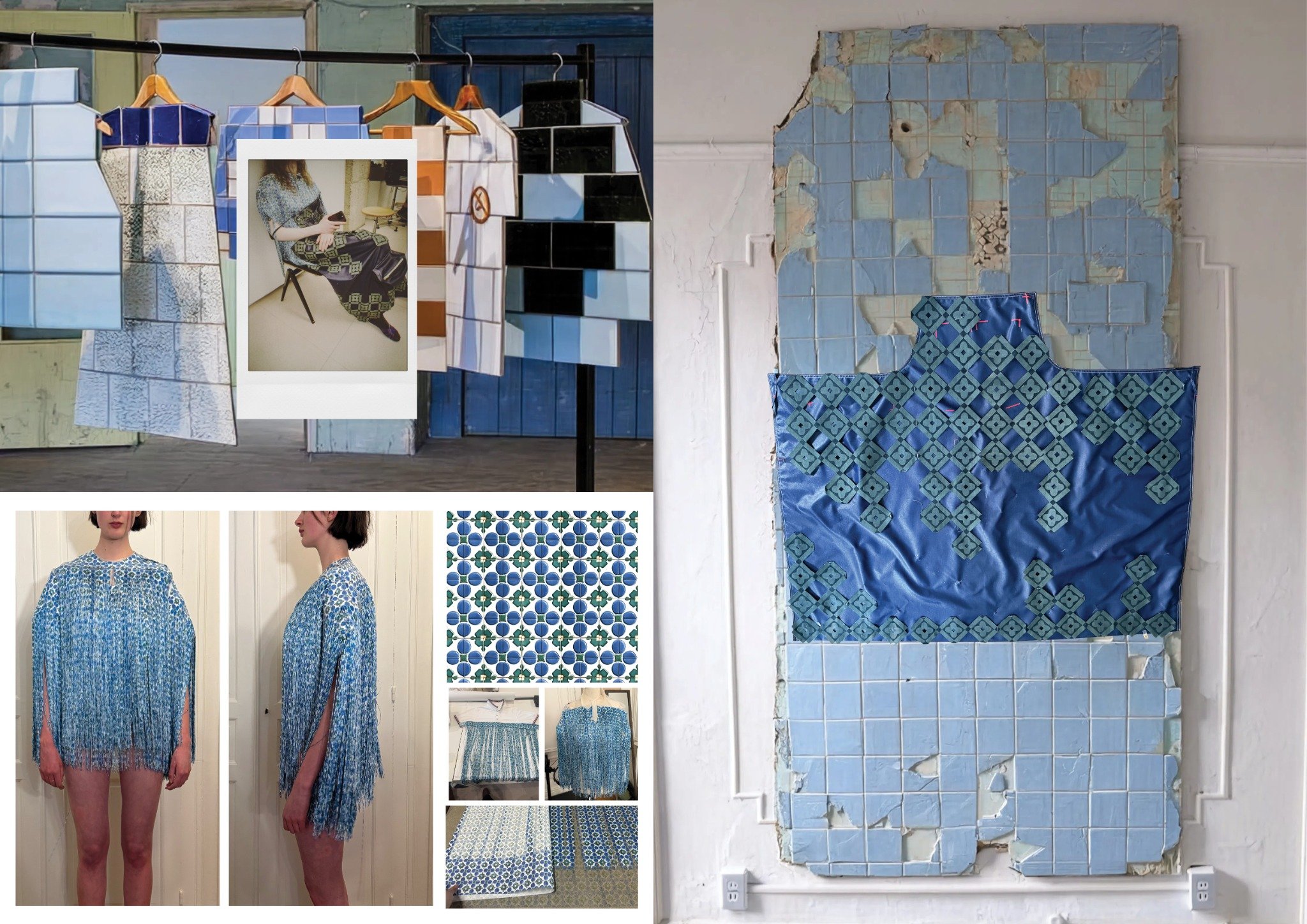
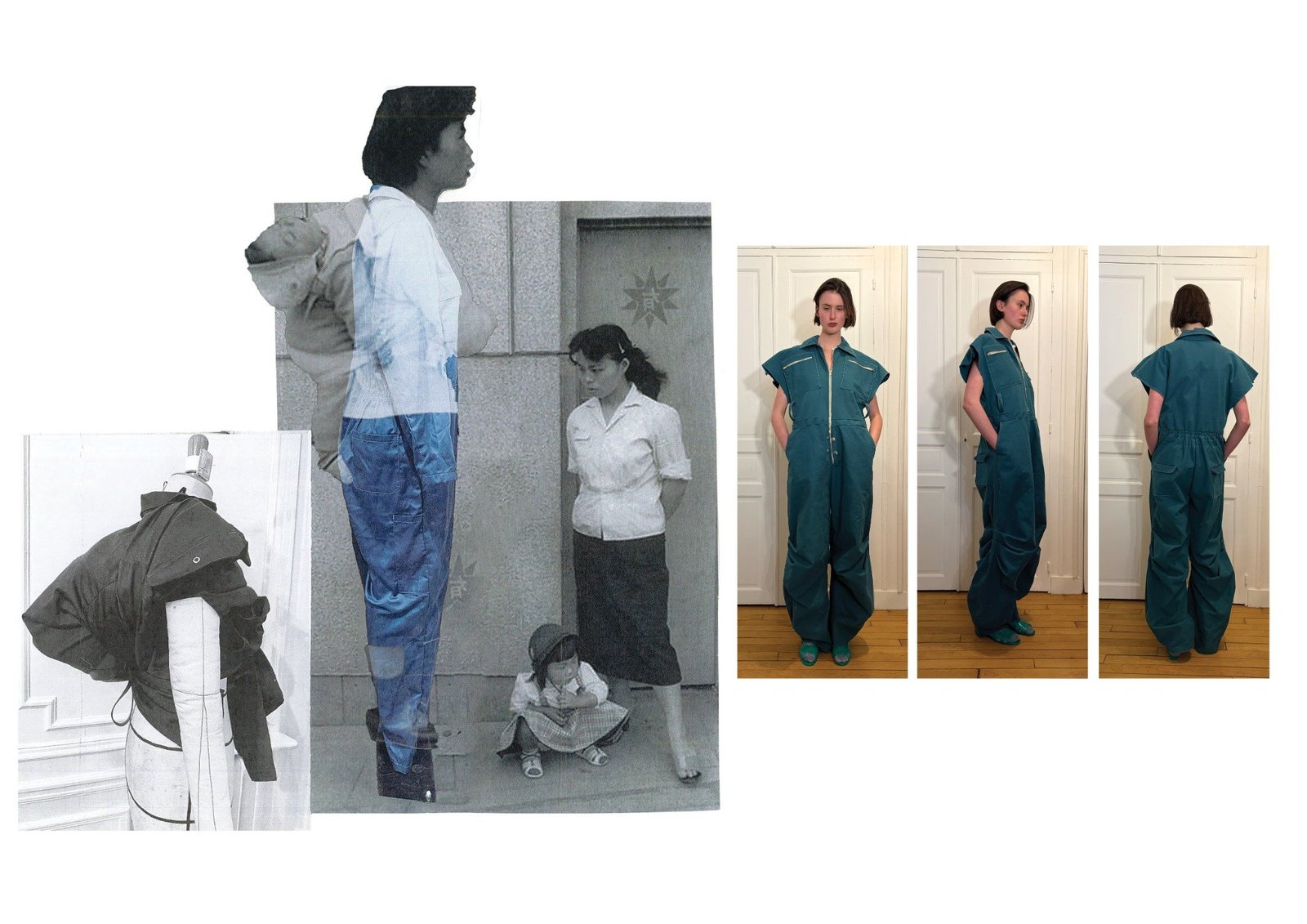
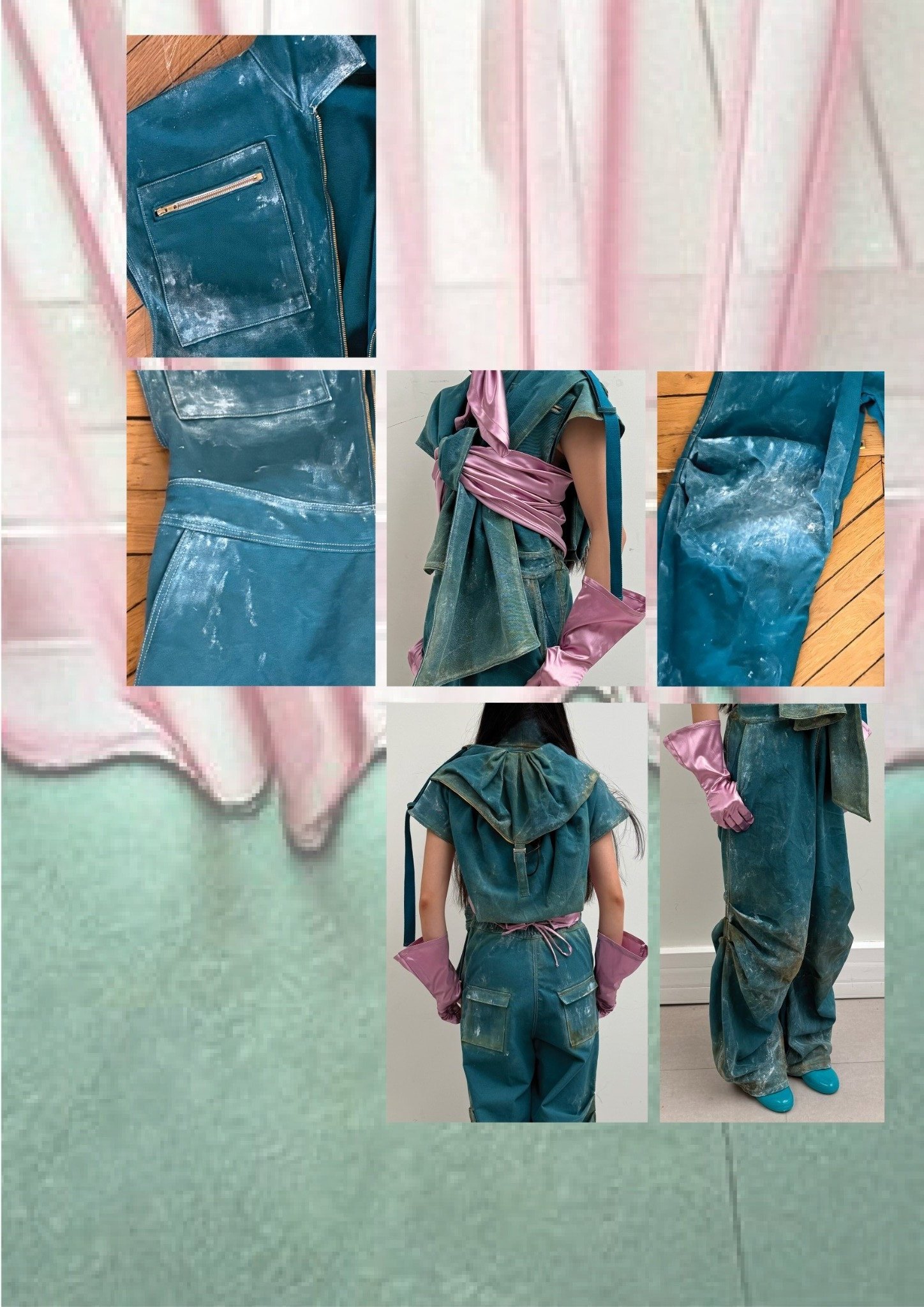
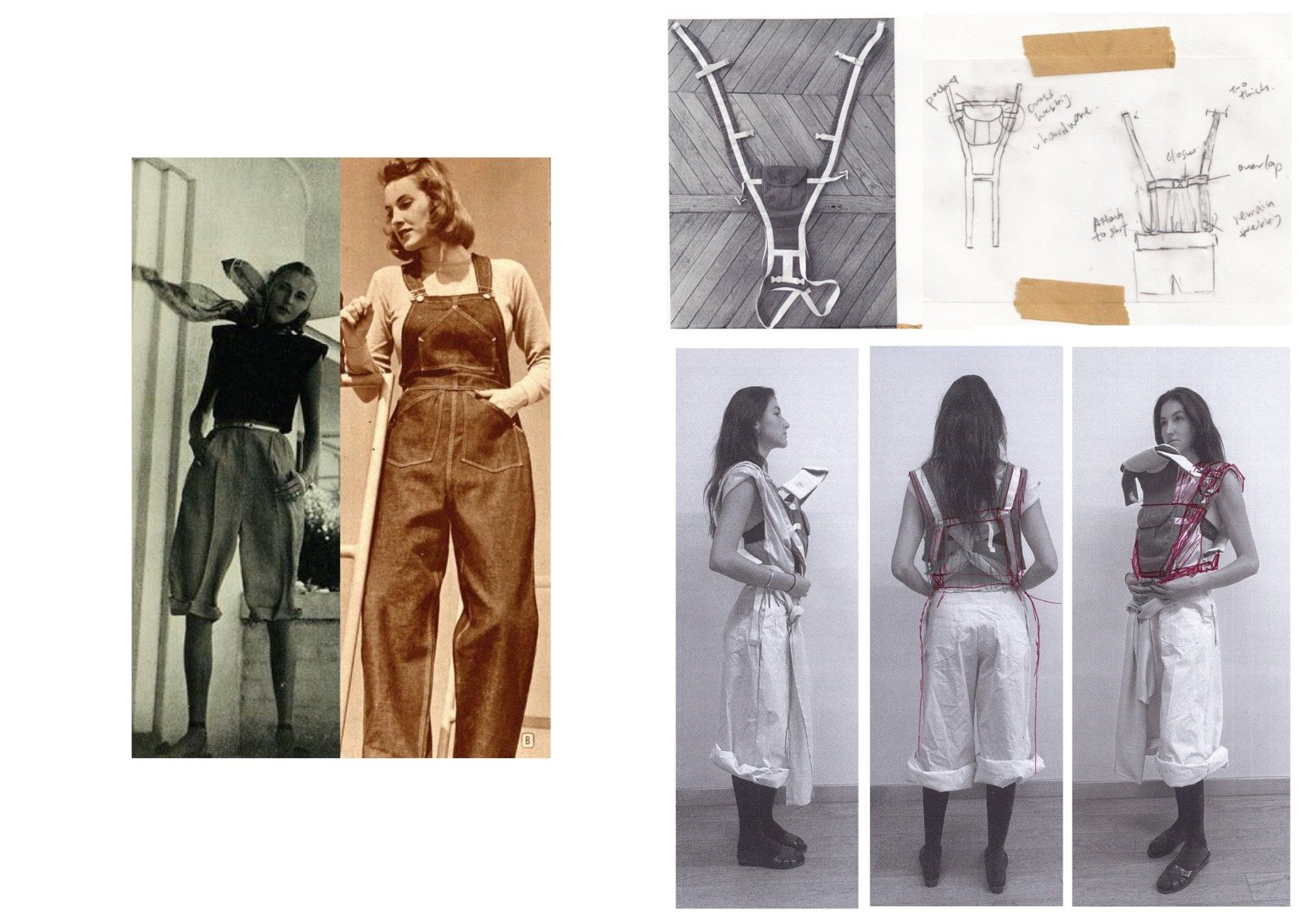
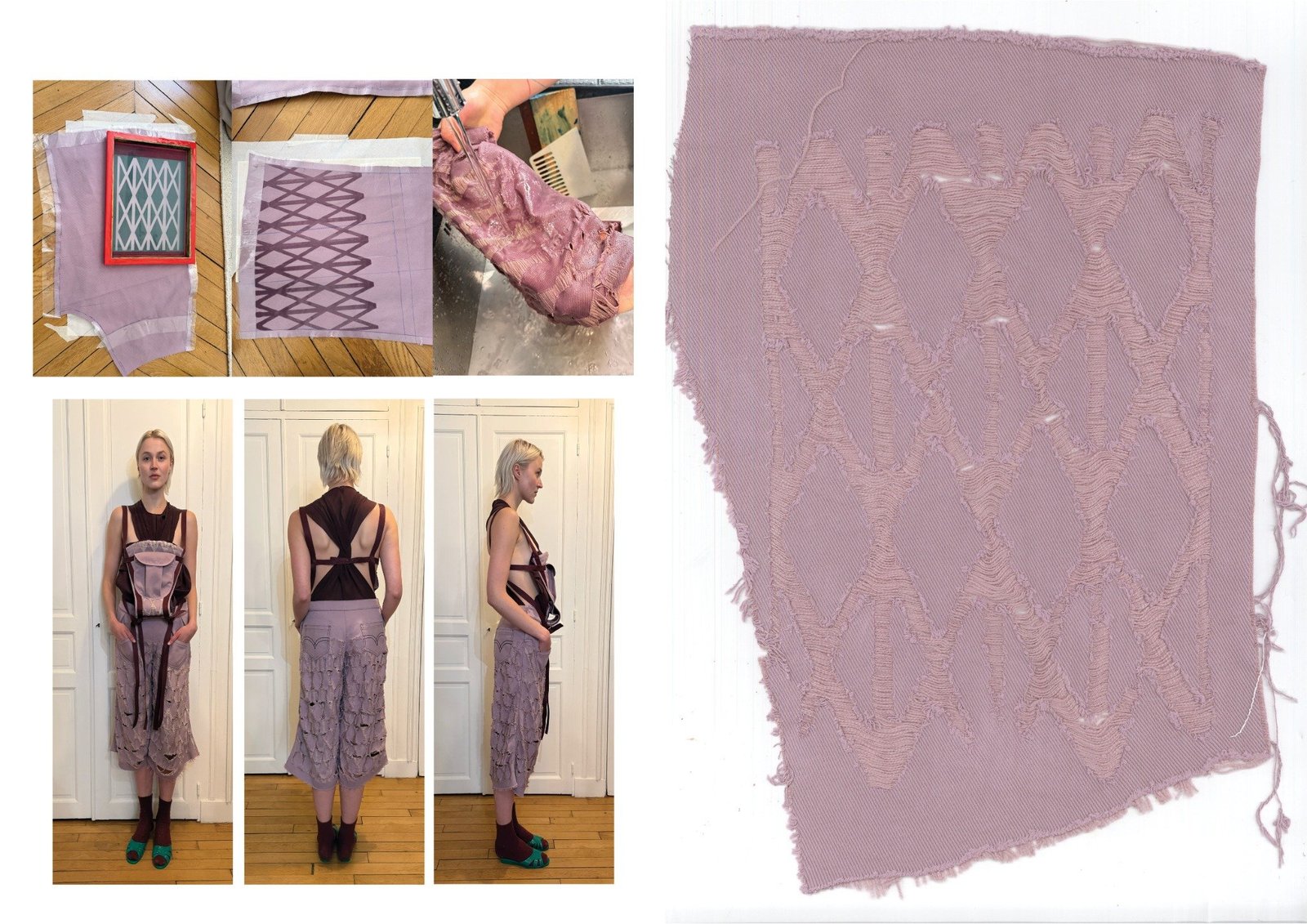
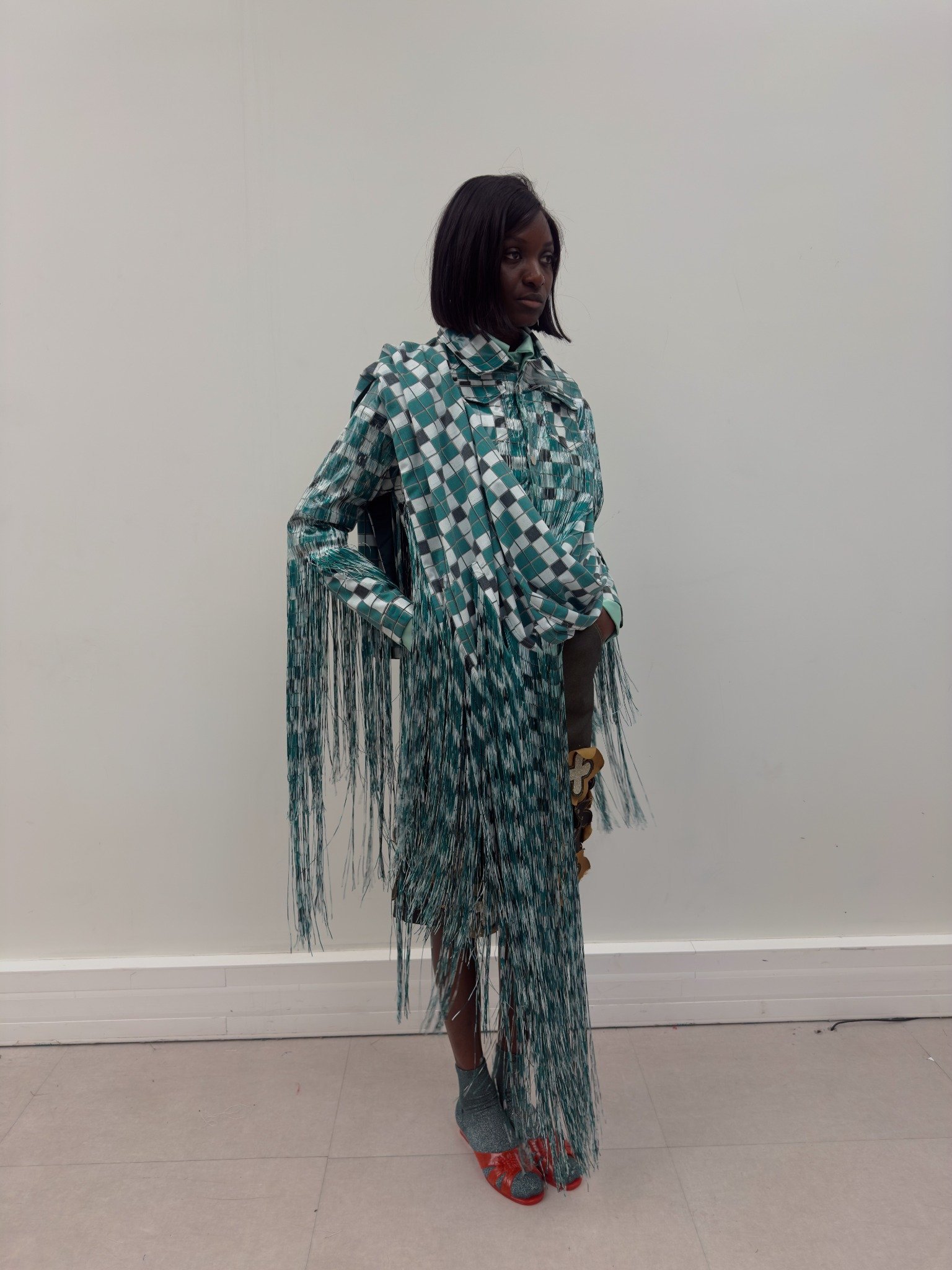
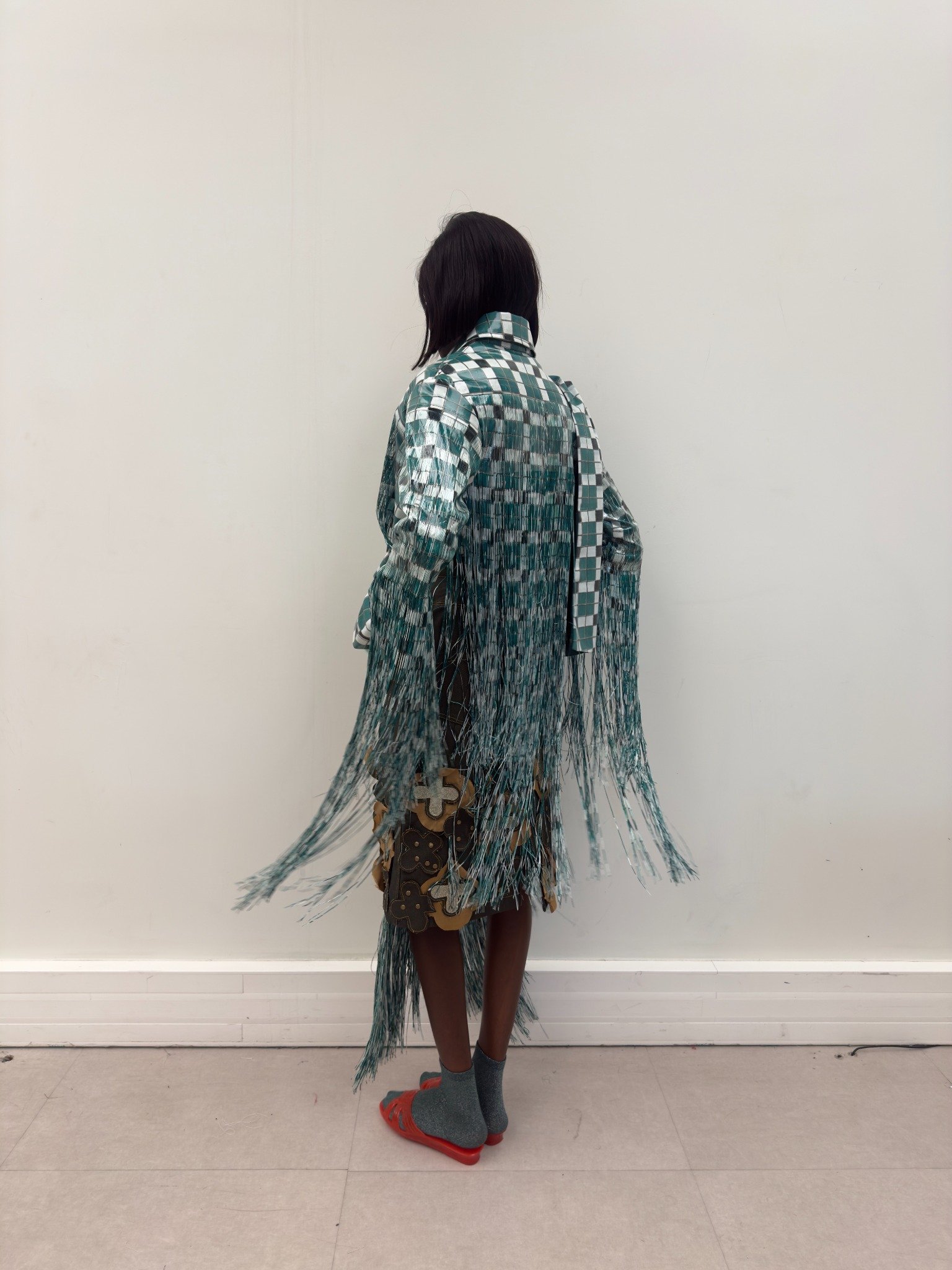
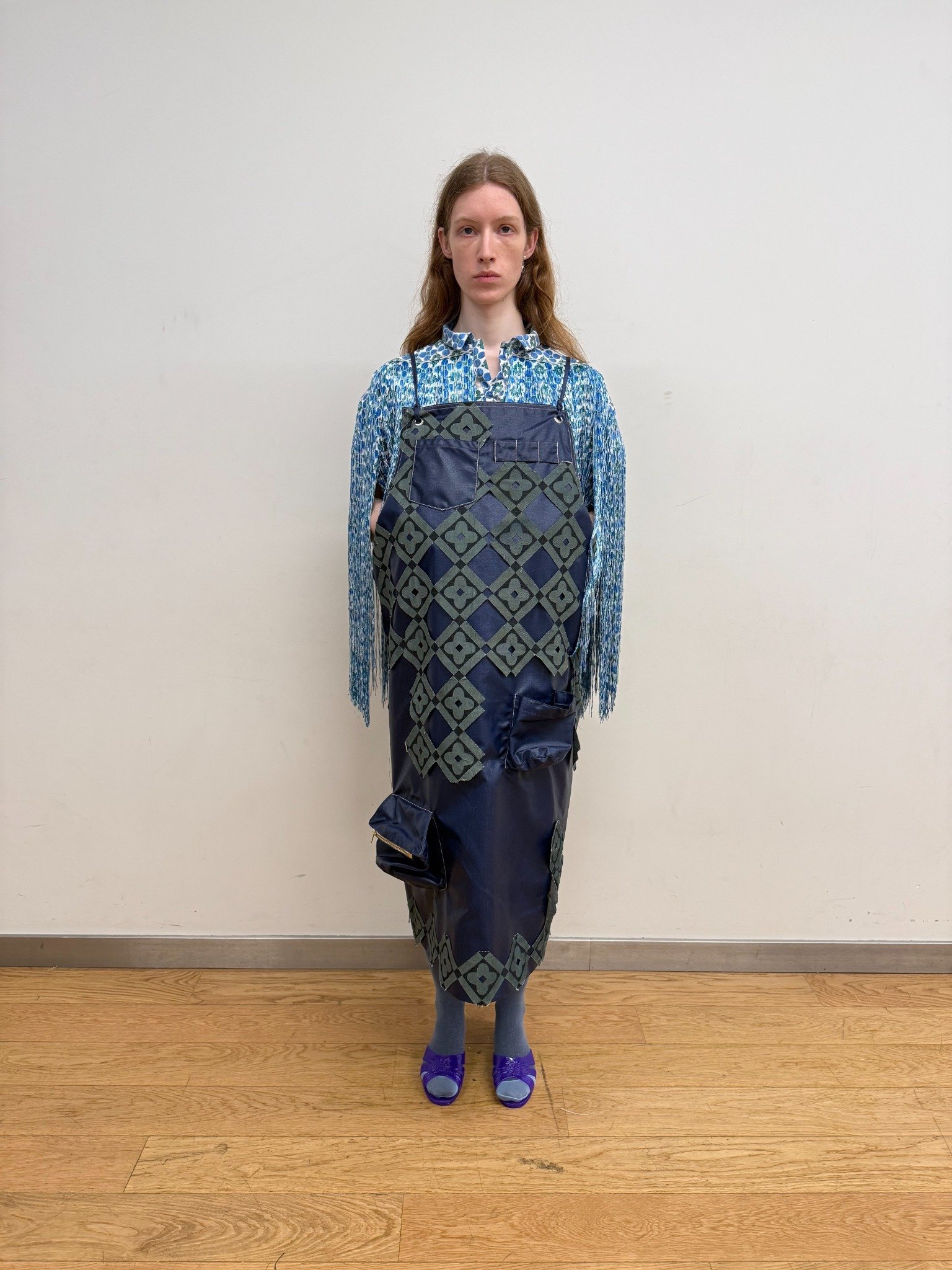
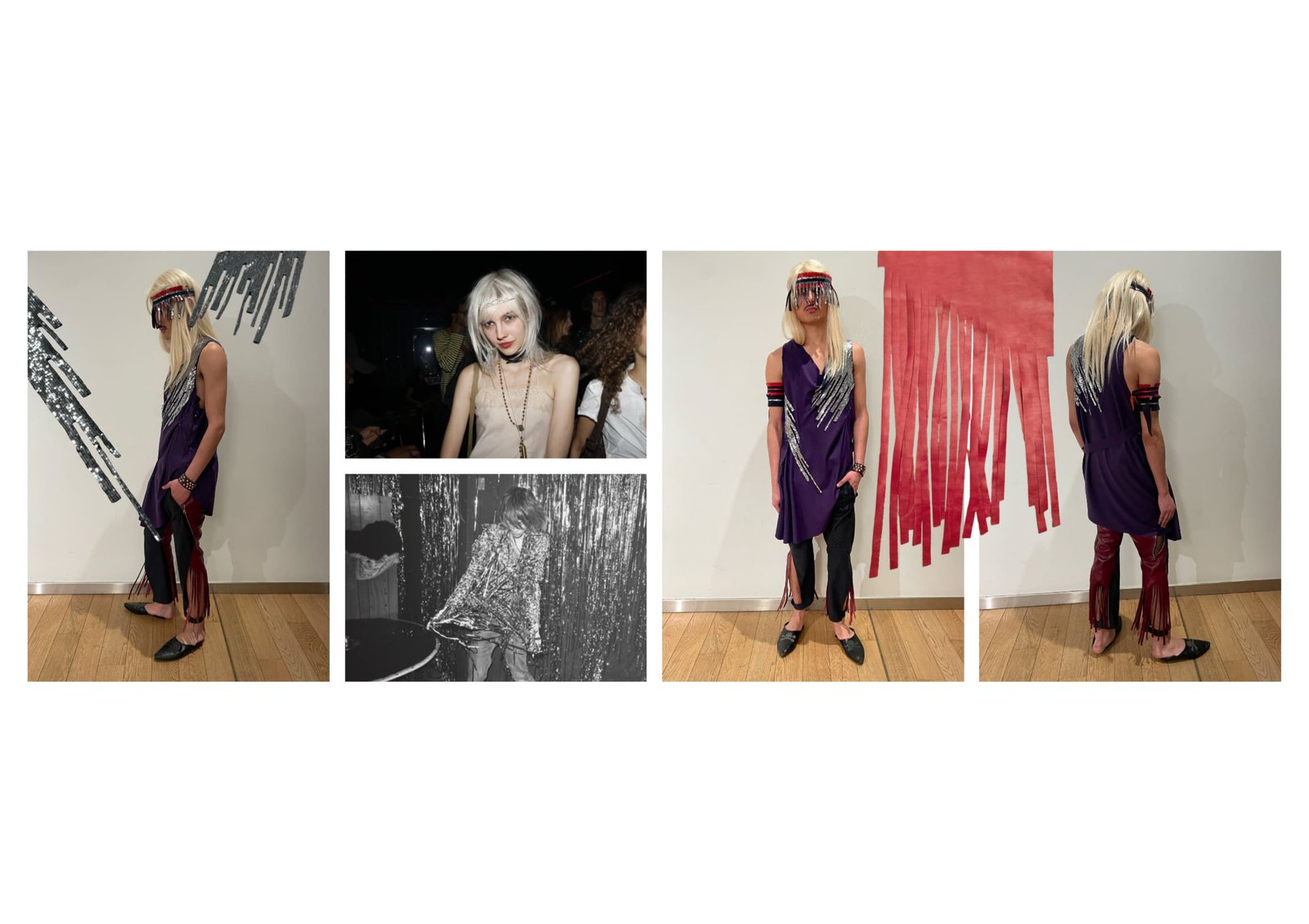
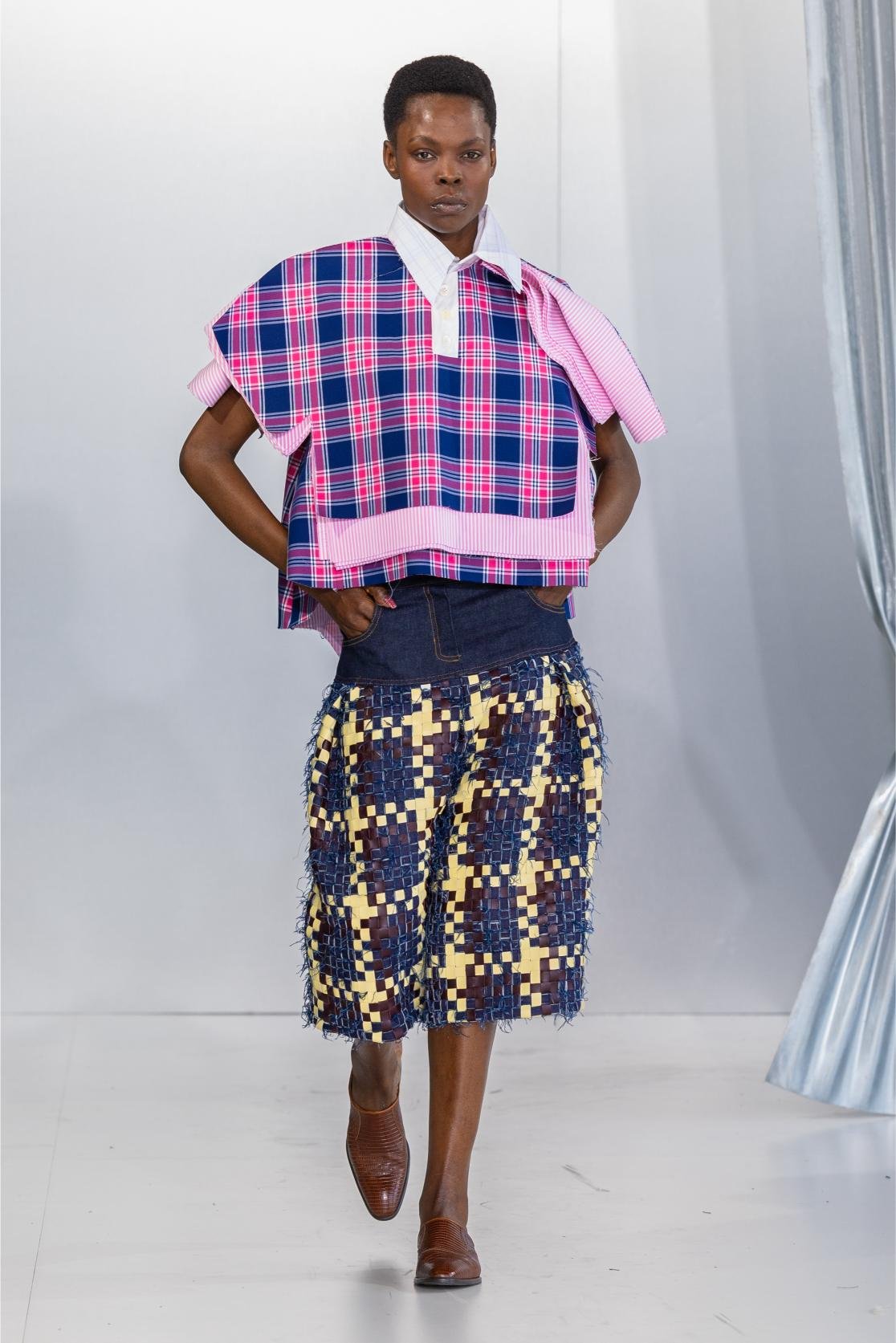
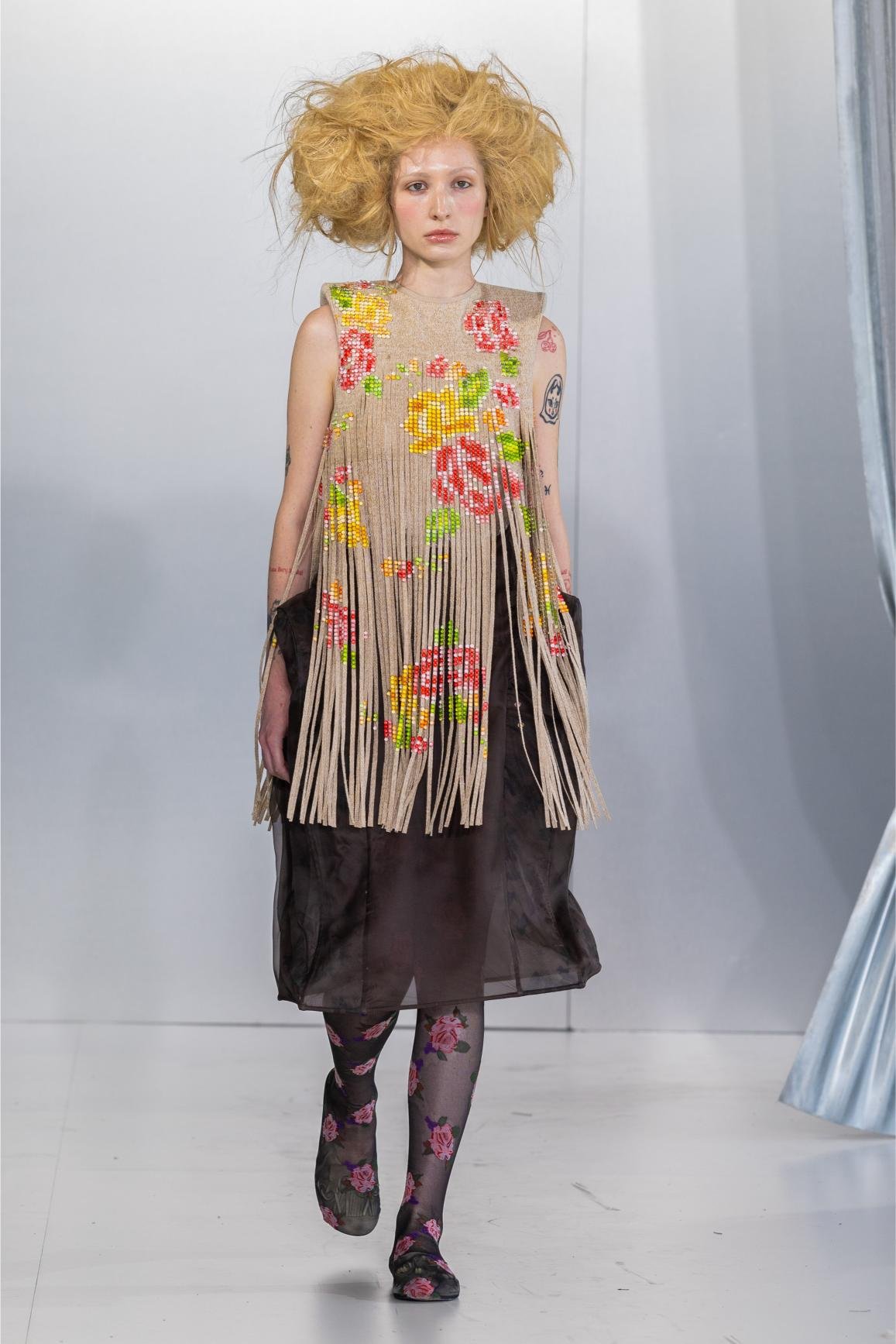
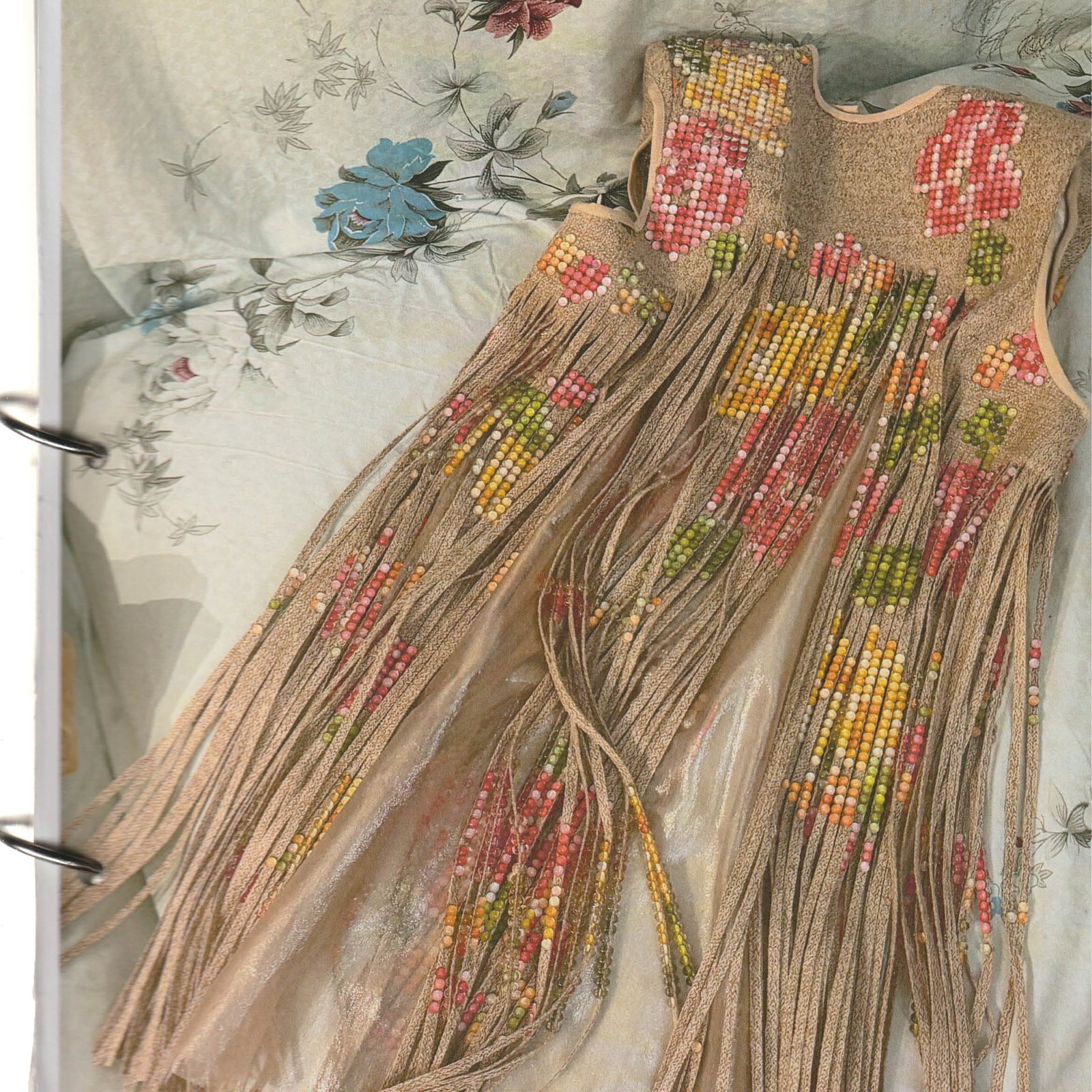
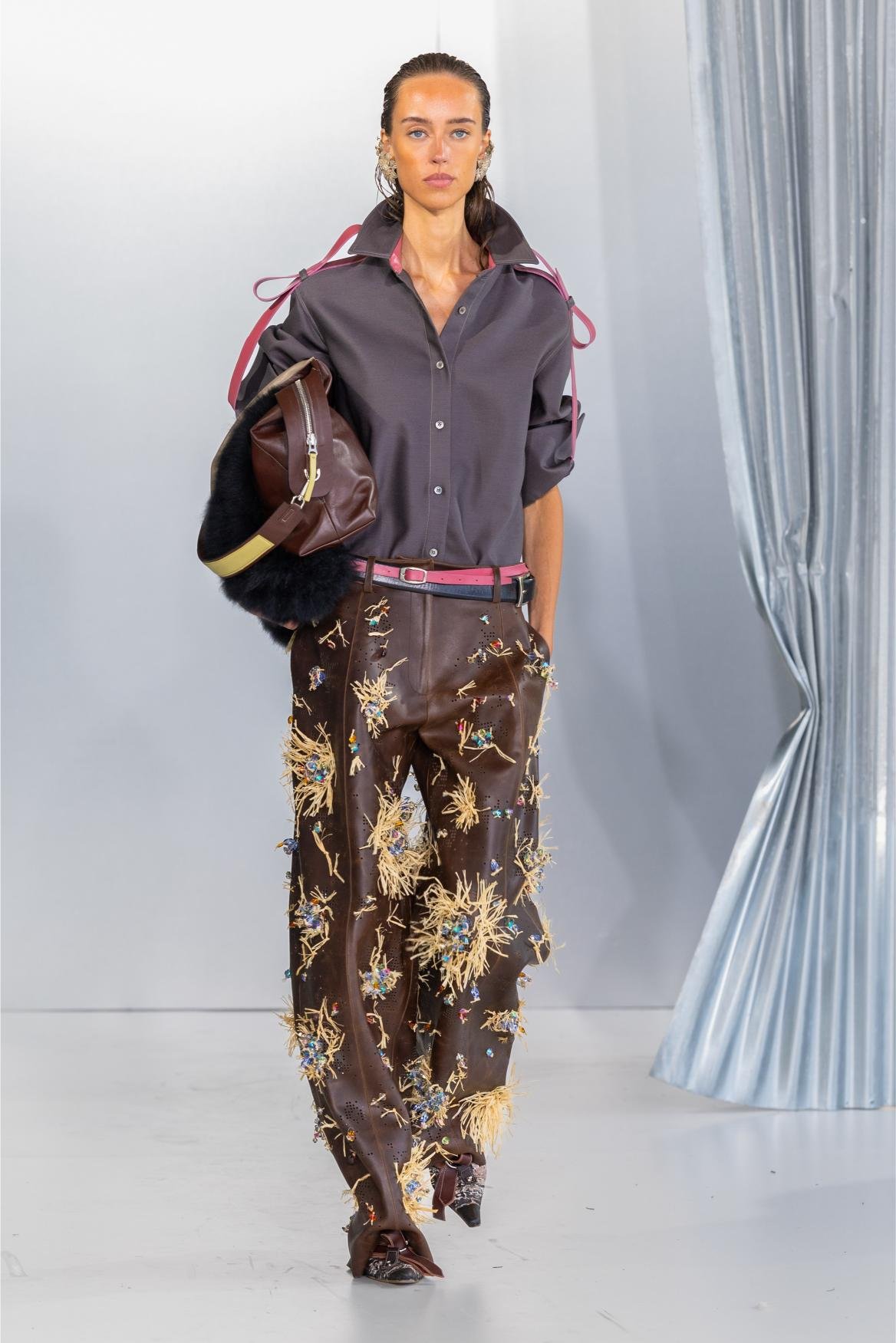
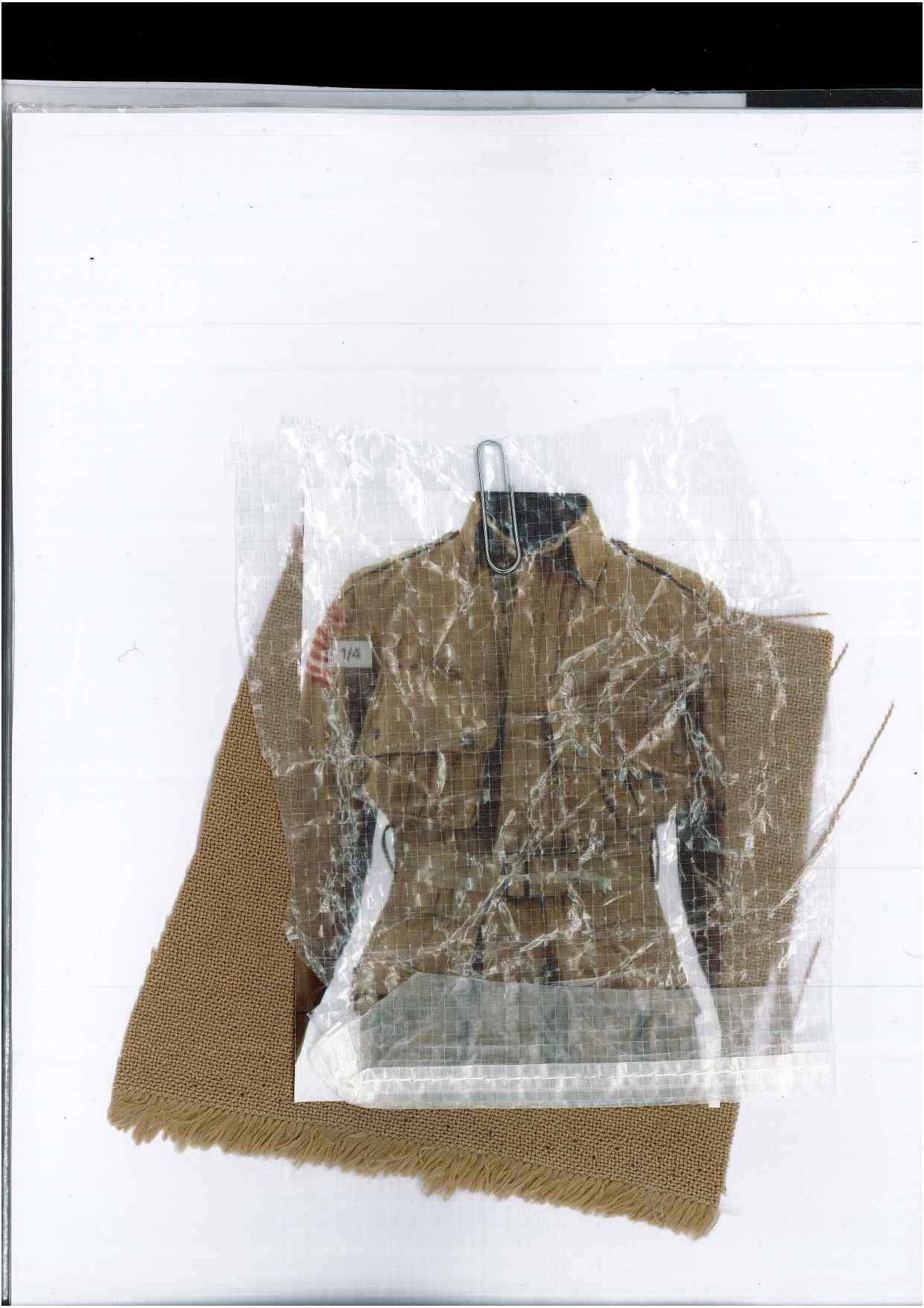
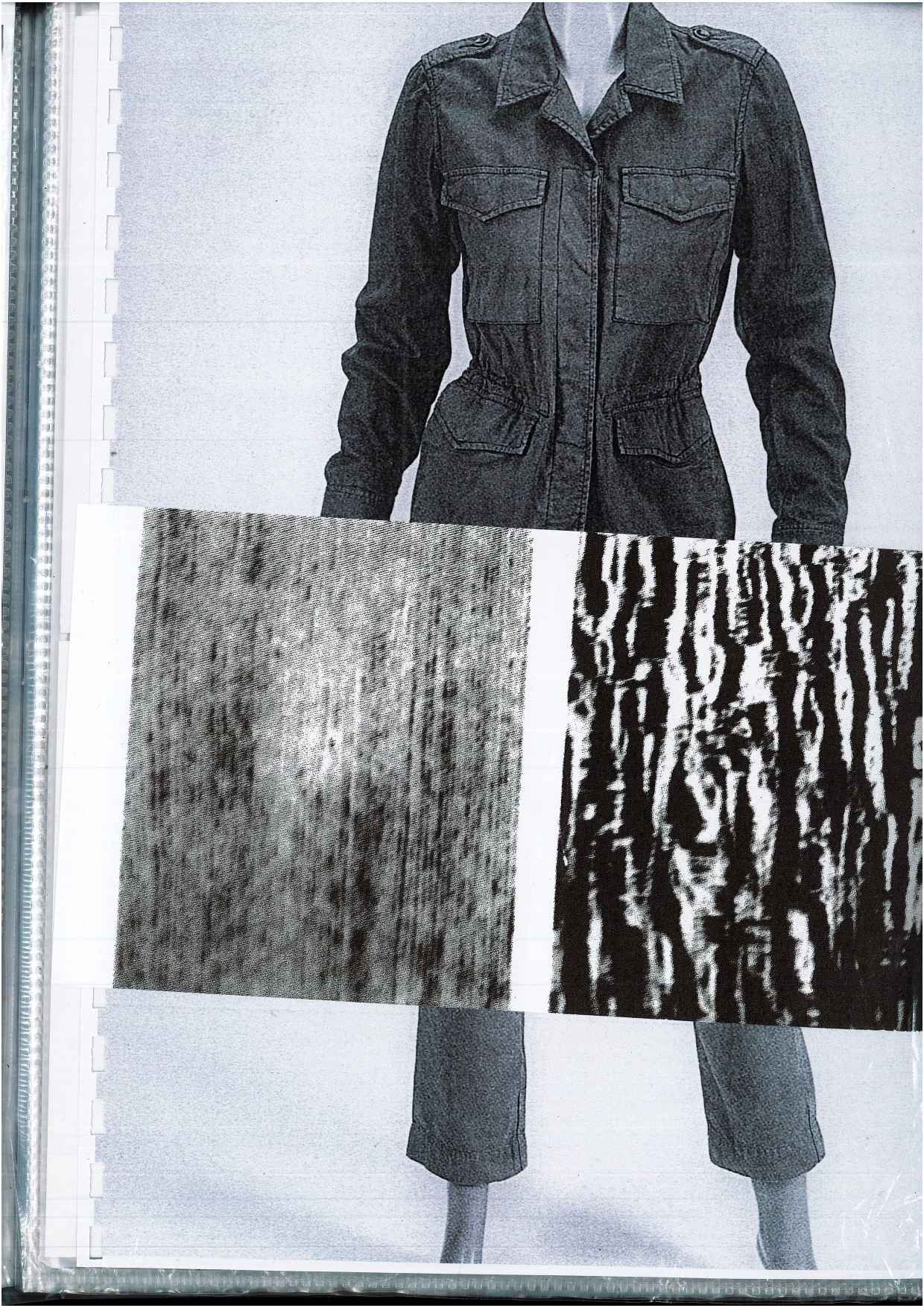
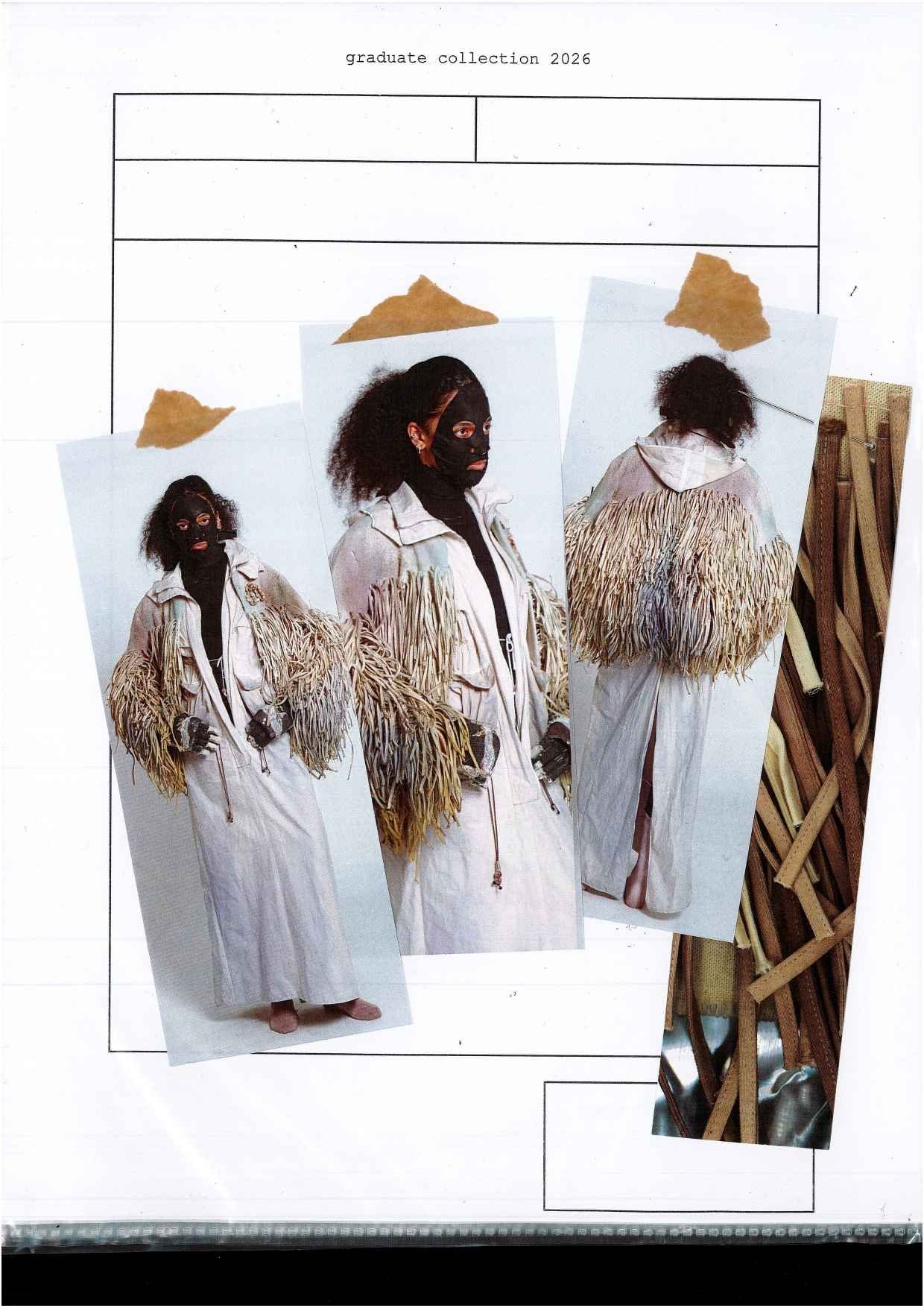
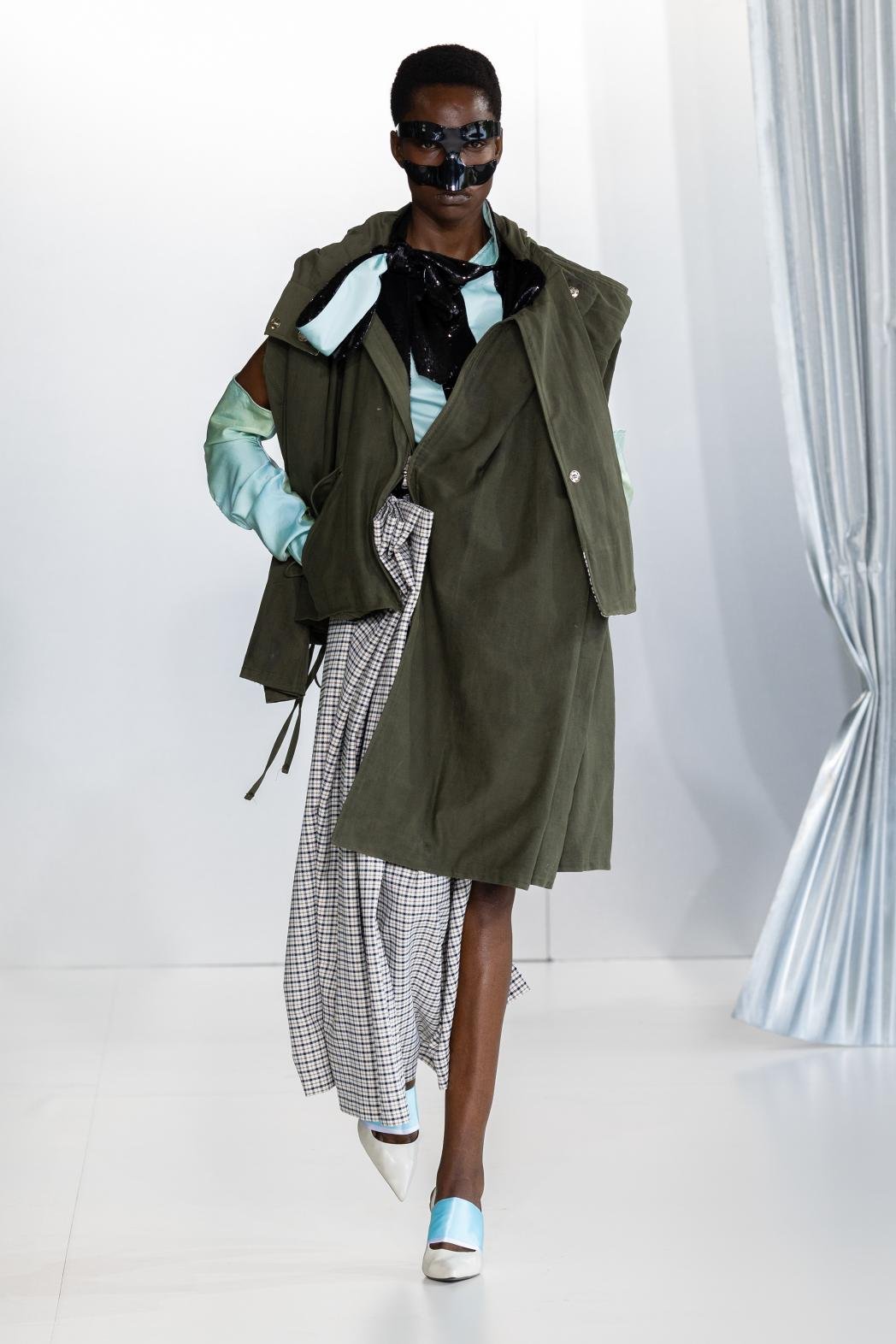
Jessica Lin’s collection draws on her mother’s experiences as a migrant woman in Hong Kong, exploring the intersection of labour, motherhood, and femininity. Traditional male workwear and Hong Kong’s working-class heritage provide the structural foundation, with utilitarian silhouettes reinterpreted through a feminine lens that balances toughness with softness and elegance. Fringed details reference domestic elements (curtains, interiors) adding movement and a subtle tenderness to the garments, while patchwork techniques create three-dimensional surfaces inspired by tiles and brickwork, translating the textures of industrial and domestic environments into fabric form. The collection celebrates women as resilient and multifaceted figures whose labour and care continue to shape family and society. As she leaves education, Lin is eager to bring her own perspective into an industry that can feel increasingly conservative and commercially driven. She is drawn to the possibilities of cultural storytelling through clothing, and hopes to contribute a more diverse range of aesthetics to contemporary fashion.

@jexcal8

Adama Dahou

Hoang Le

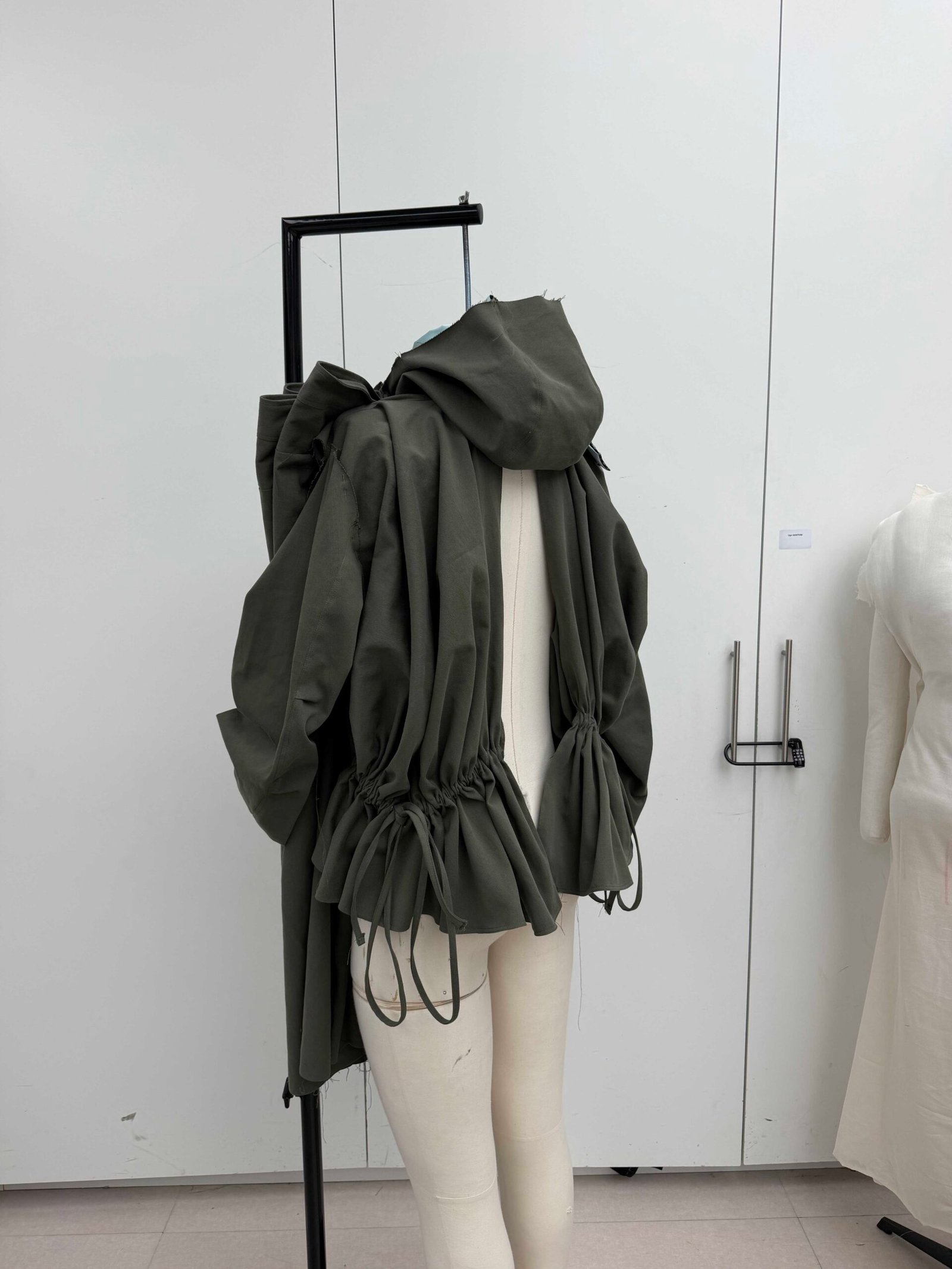
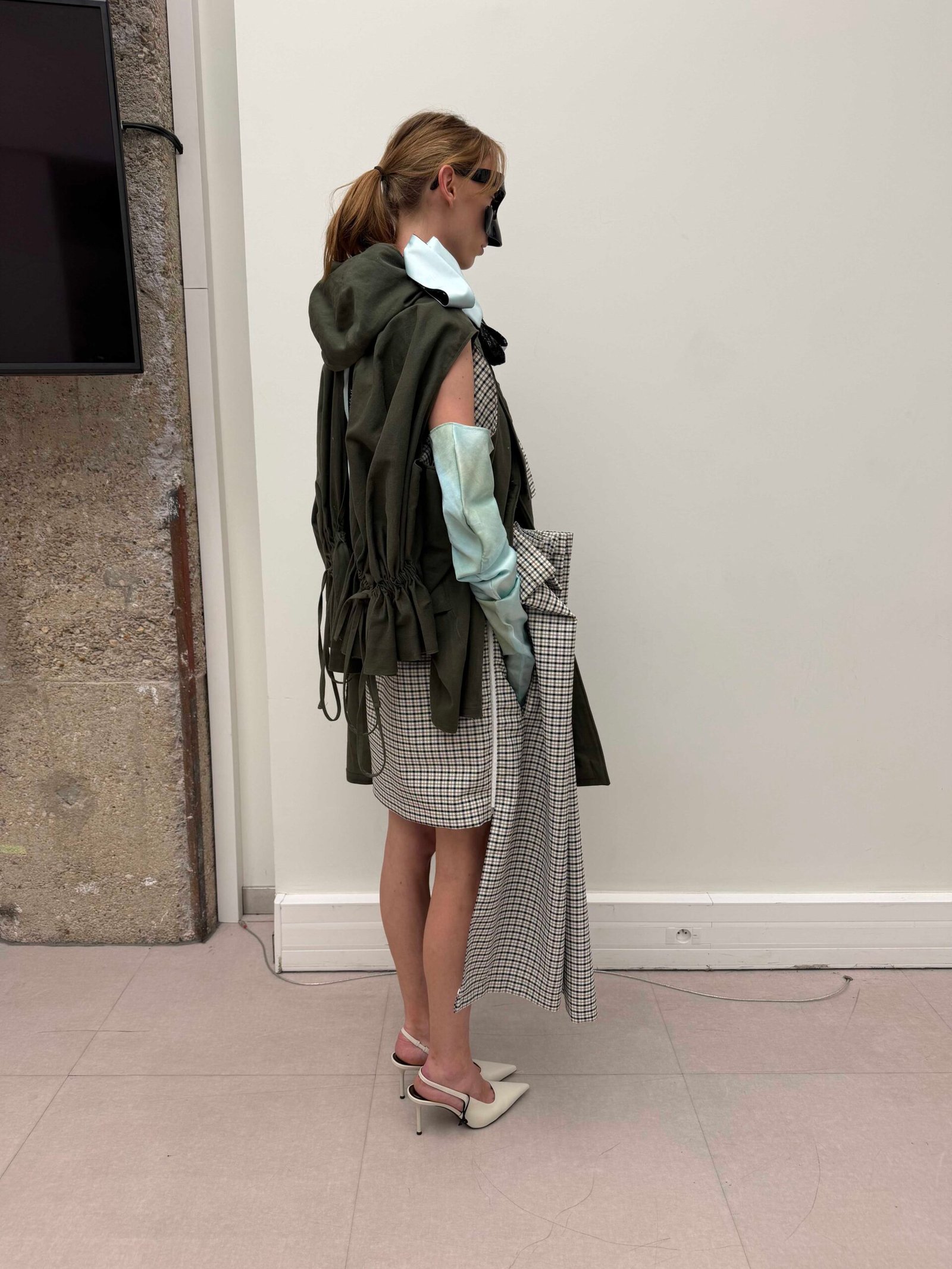
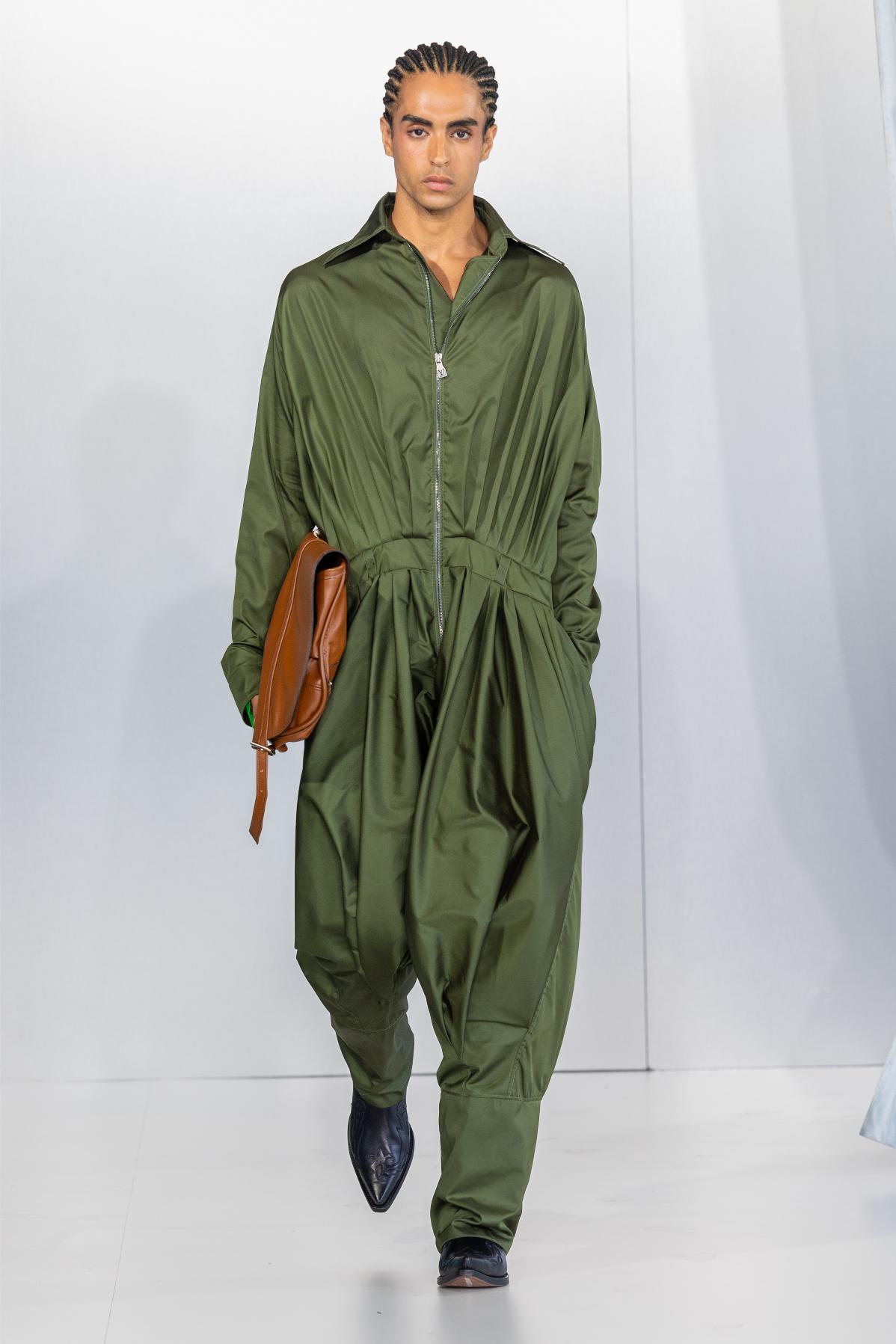
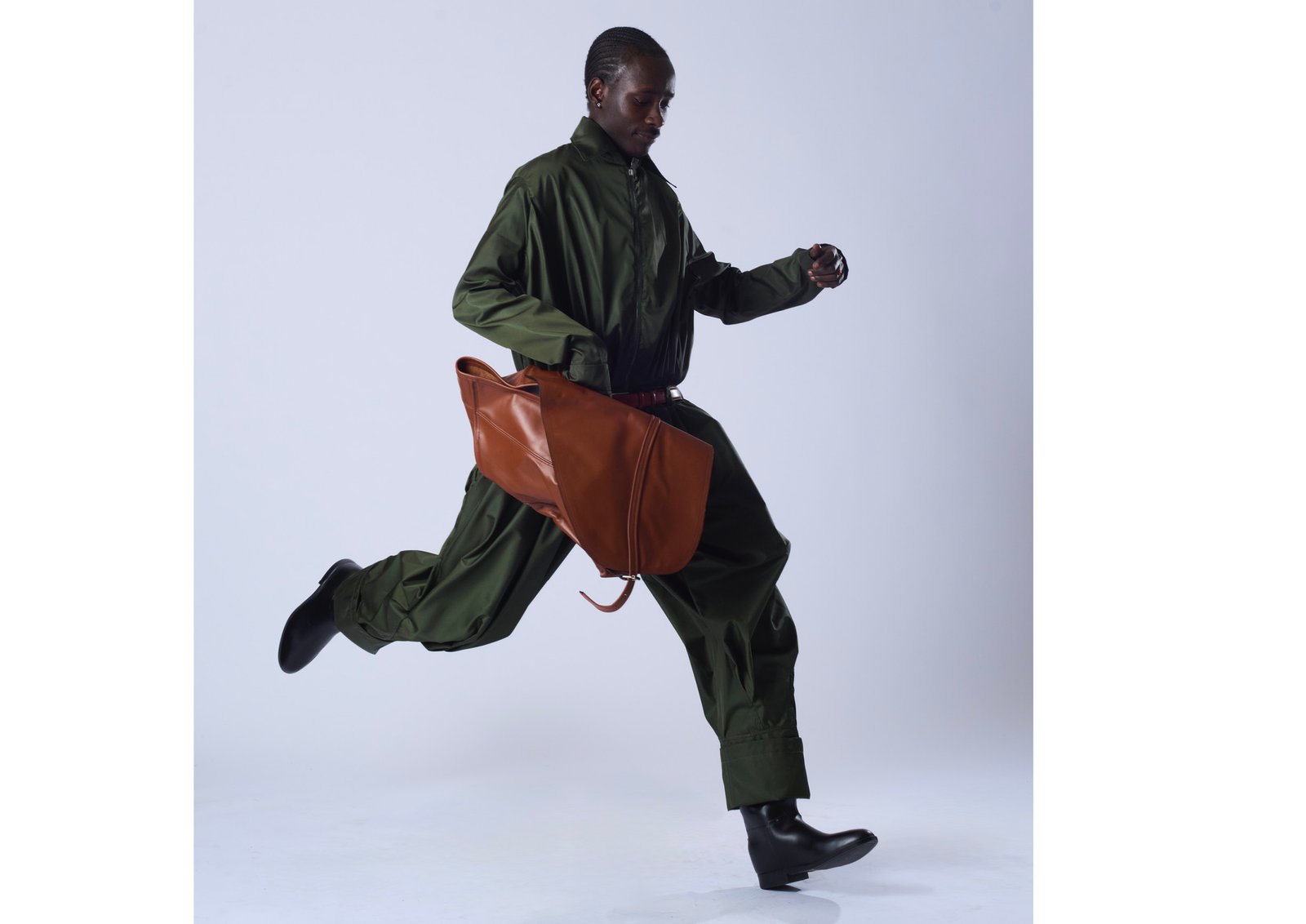
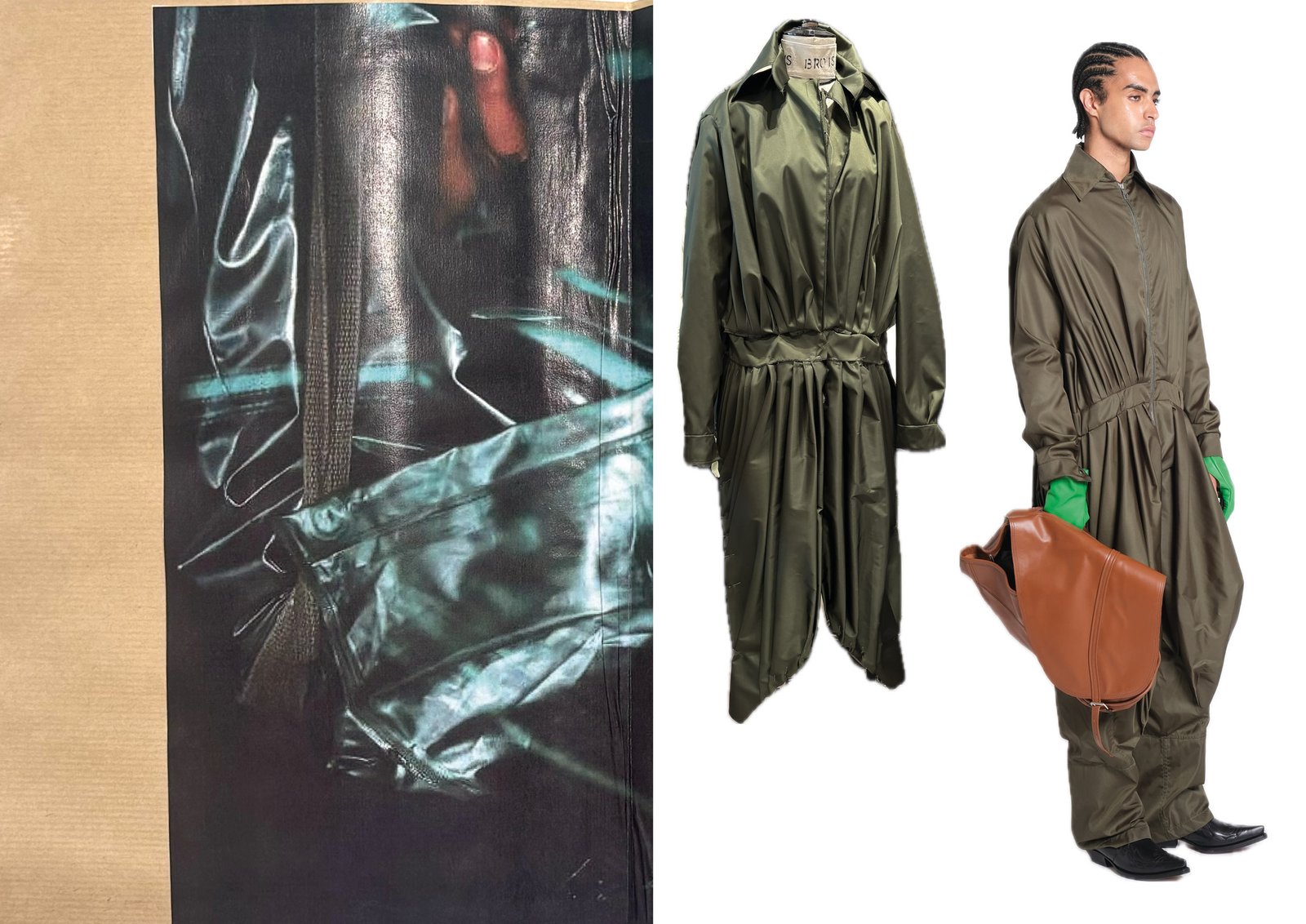
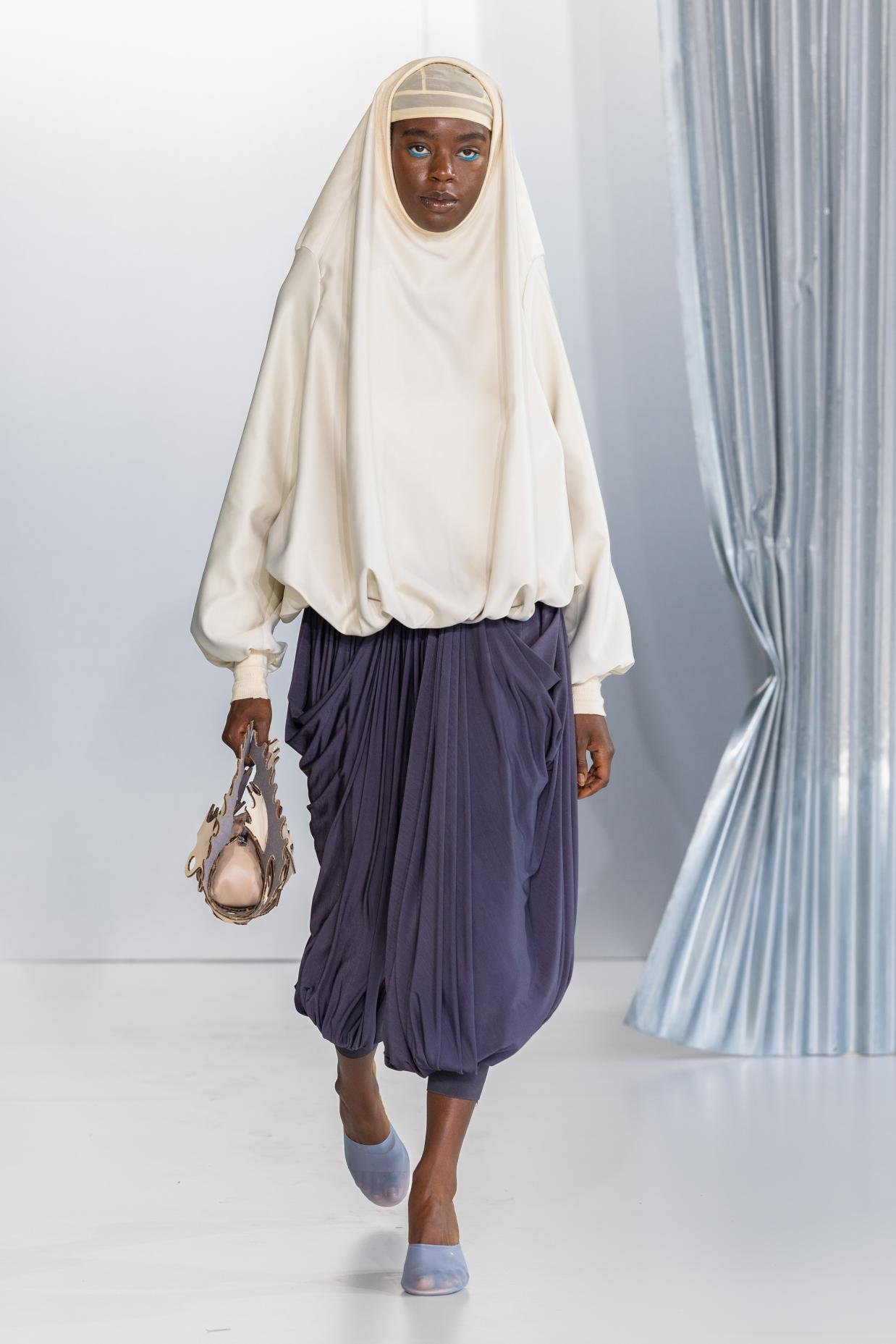
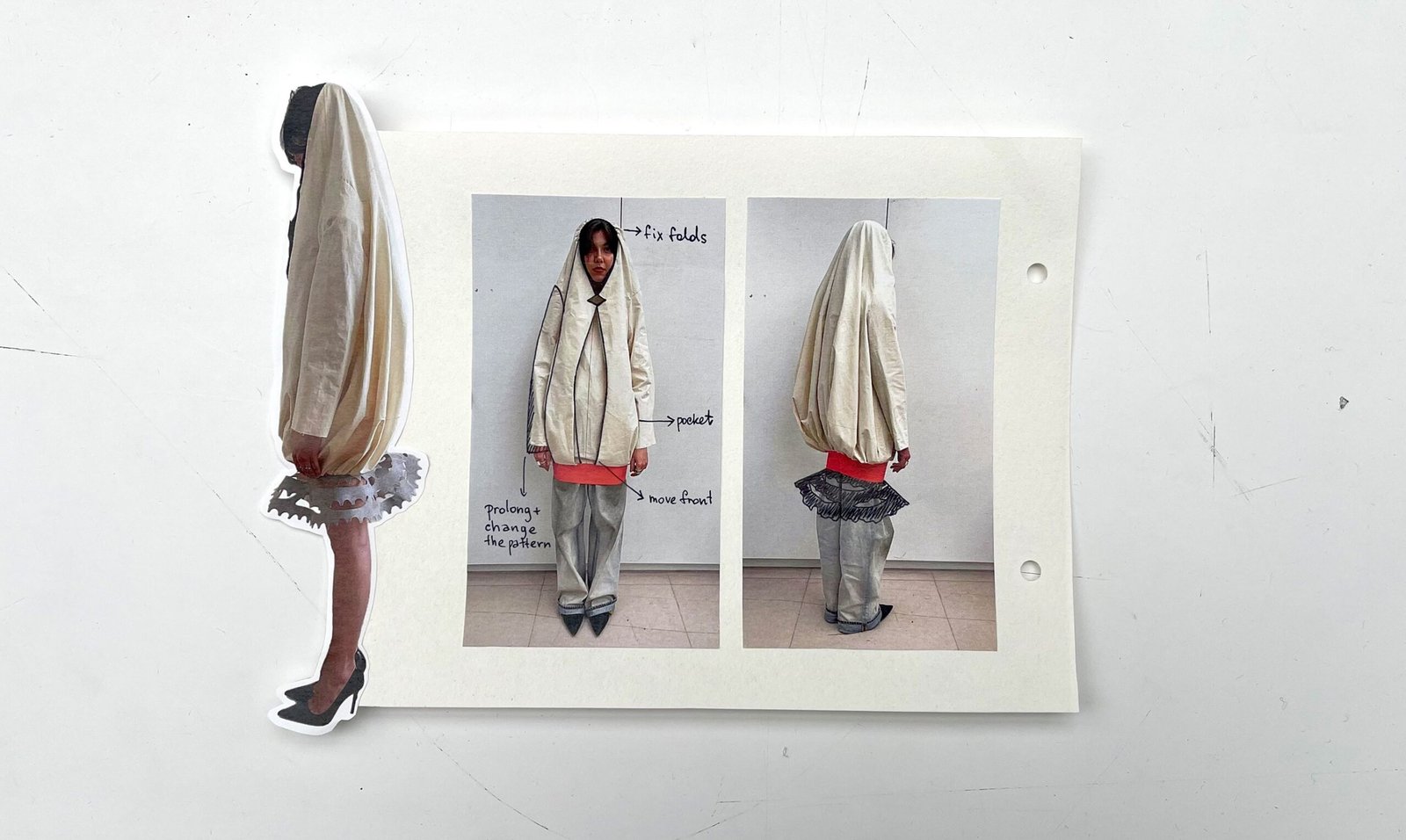
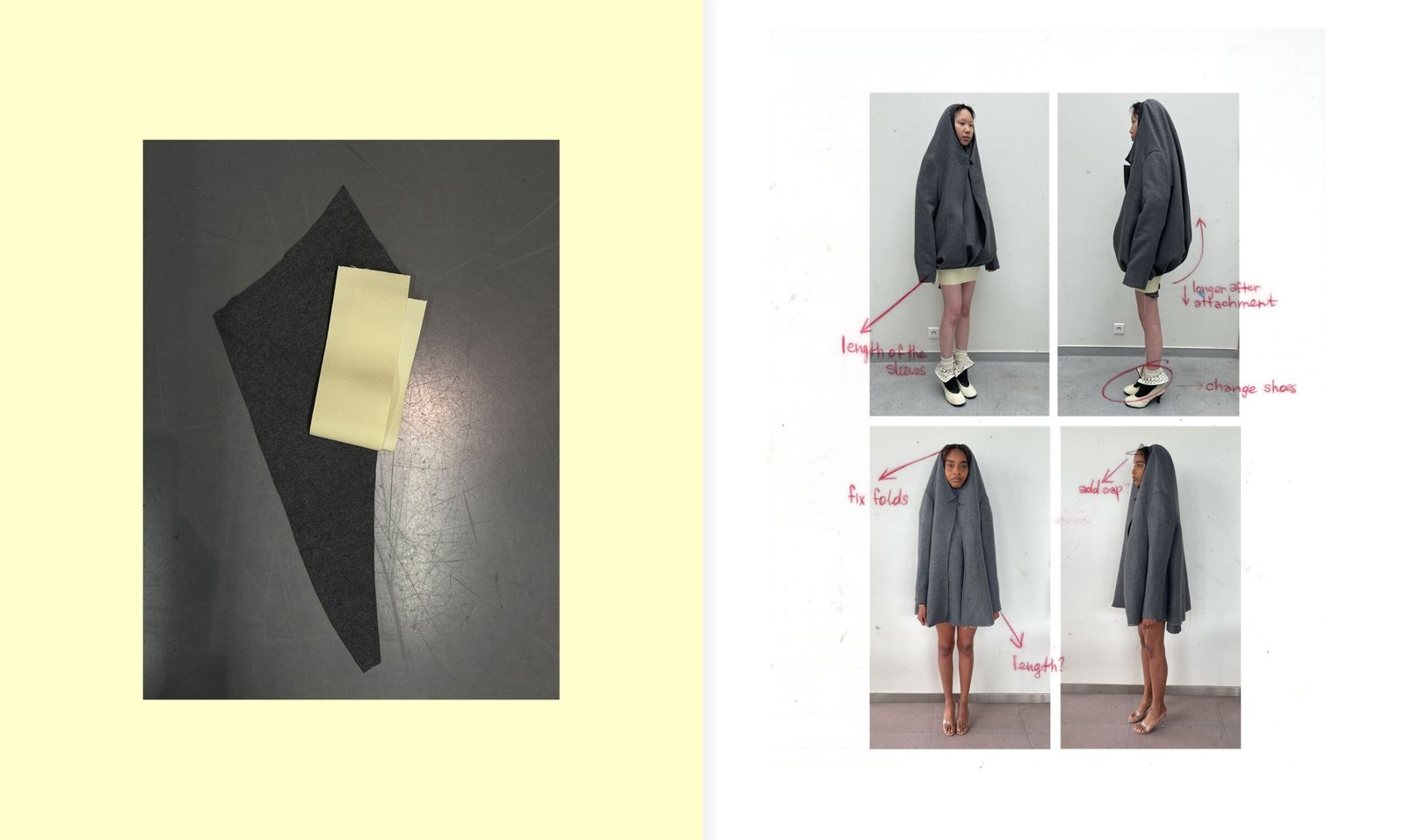
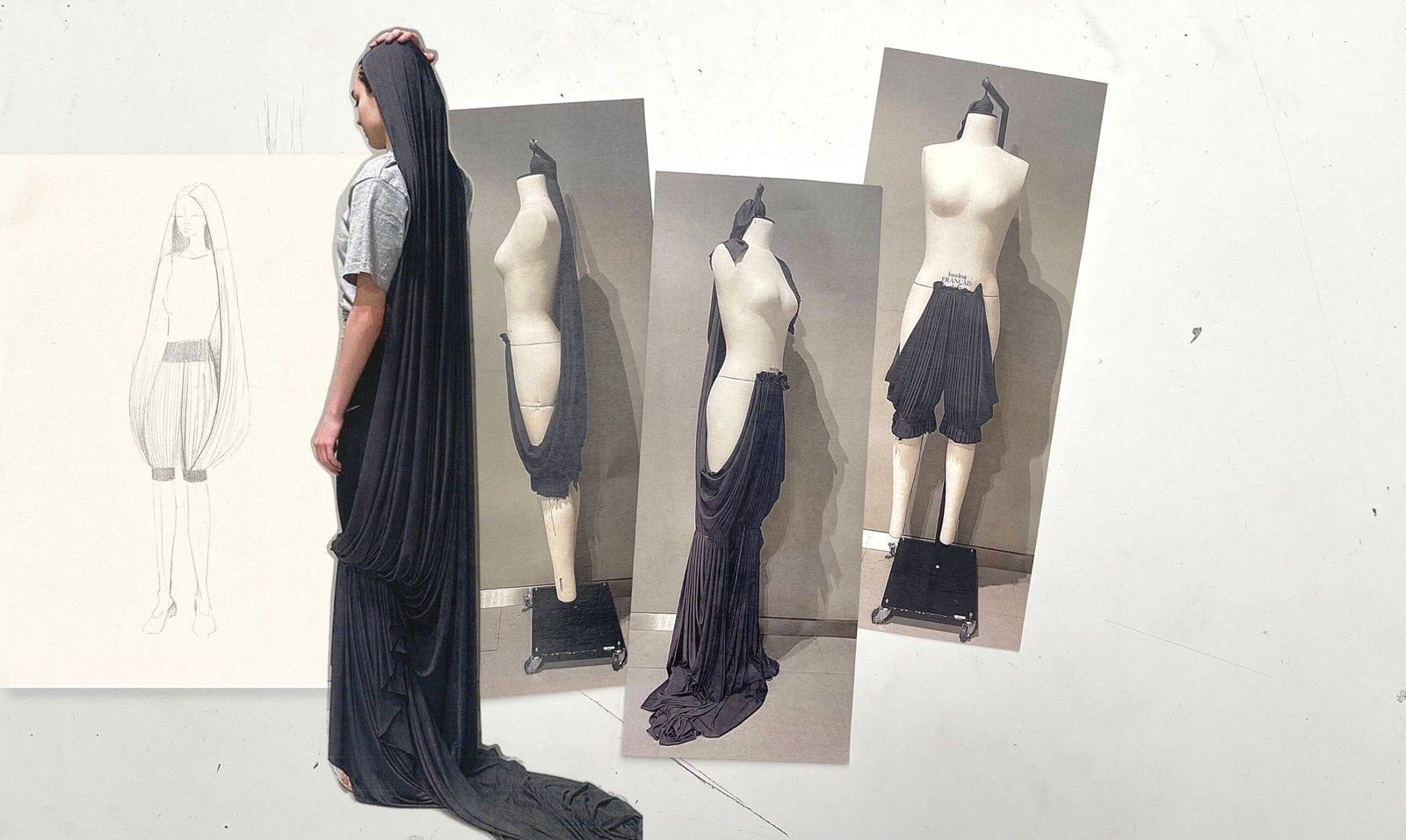
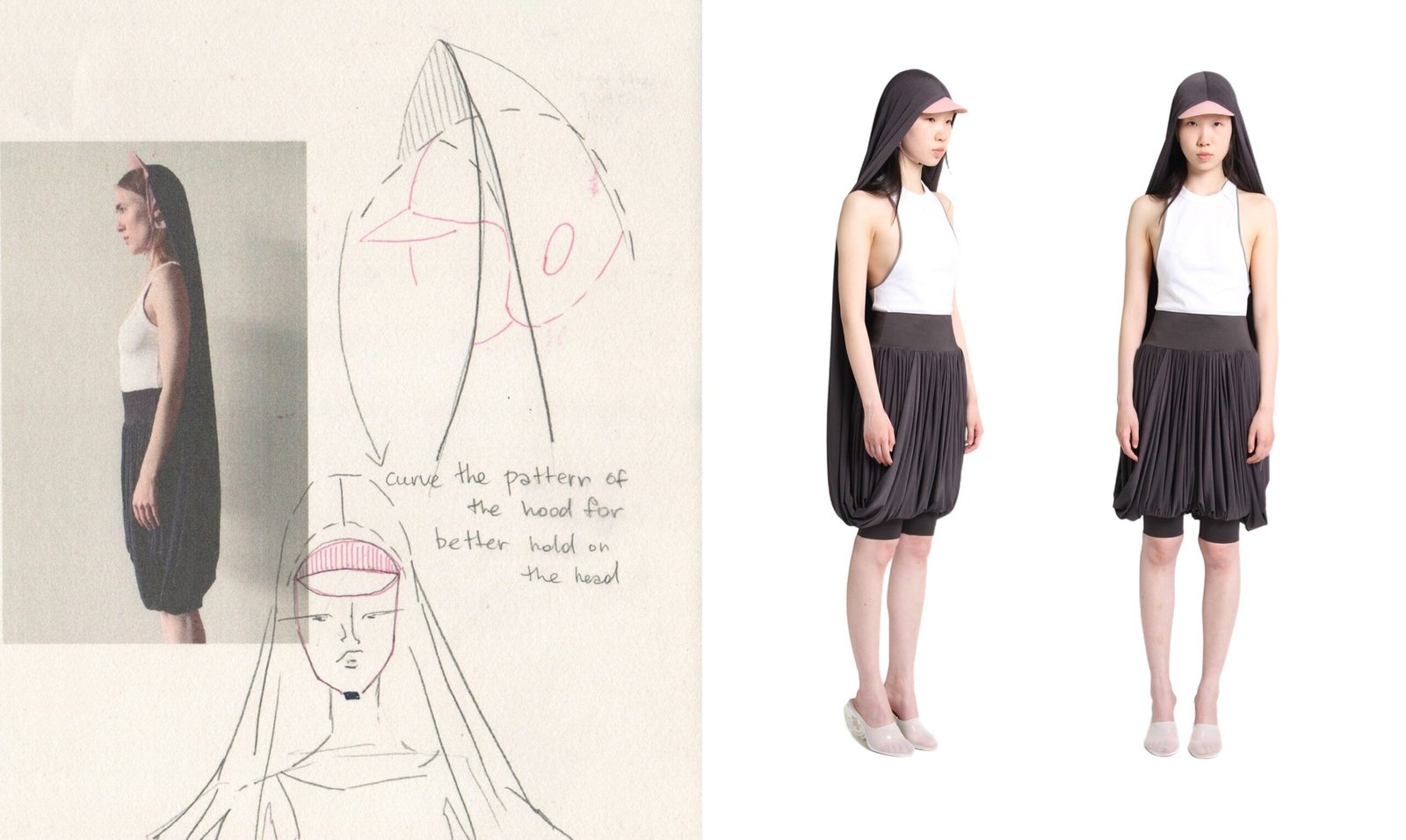
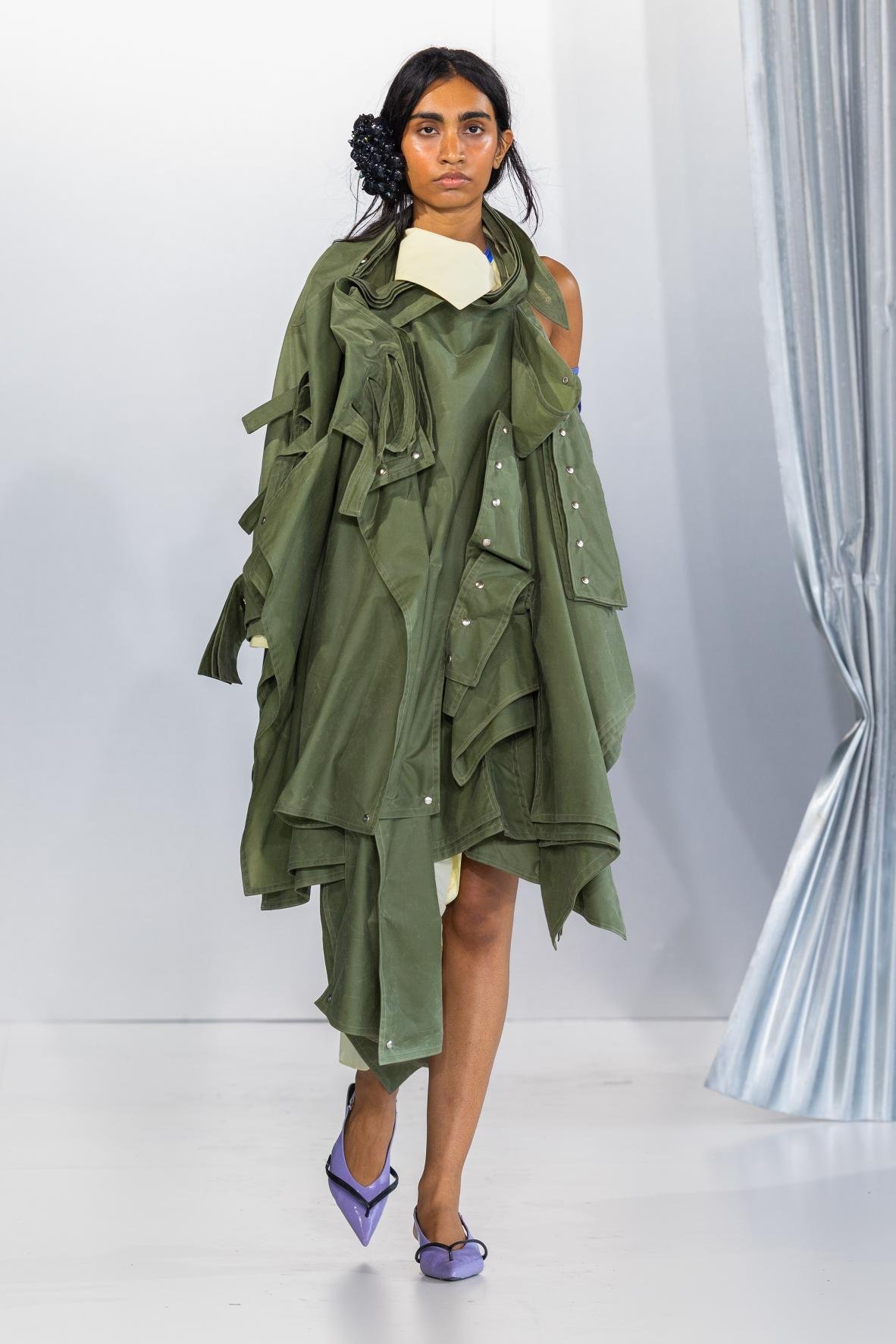
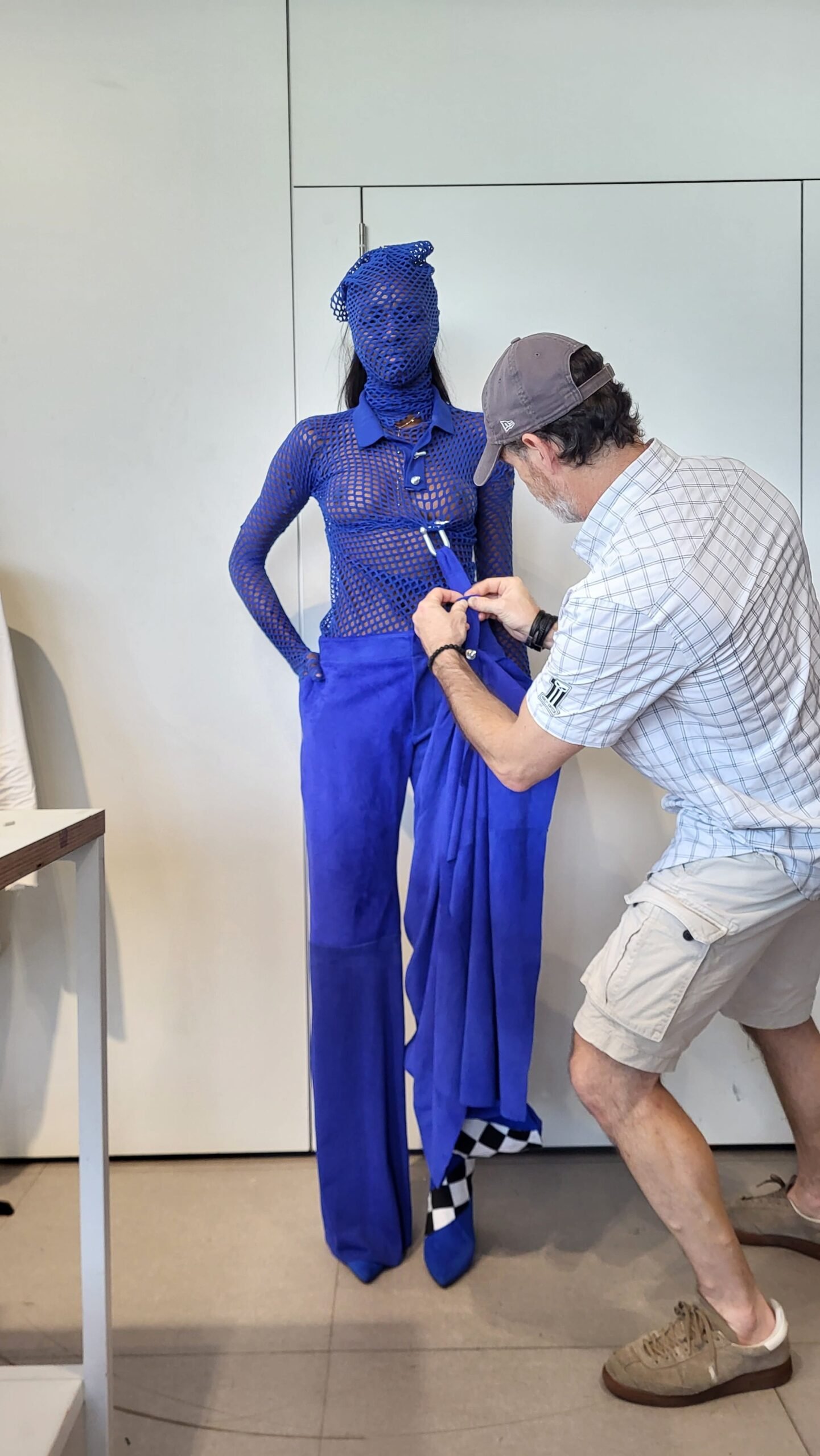
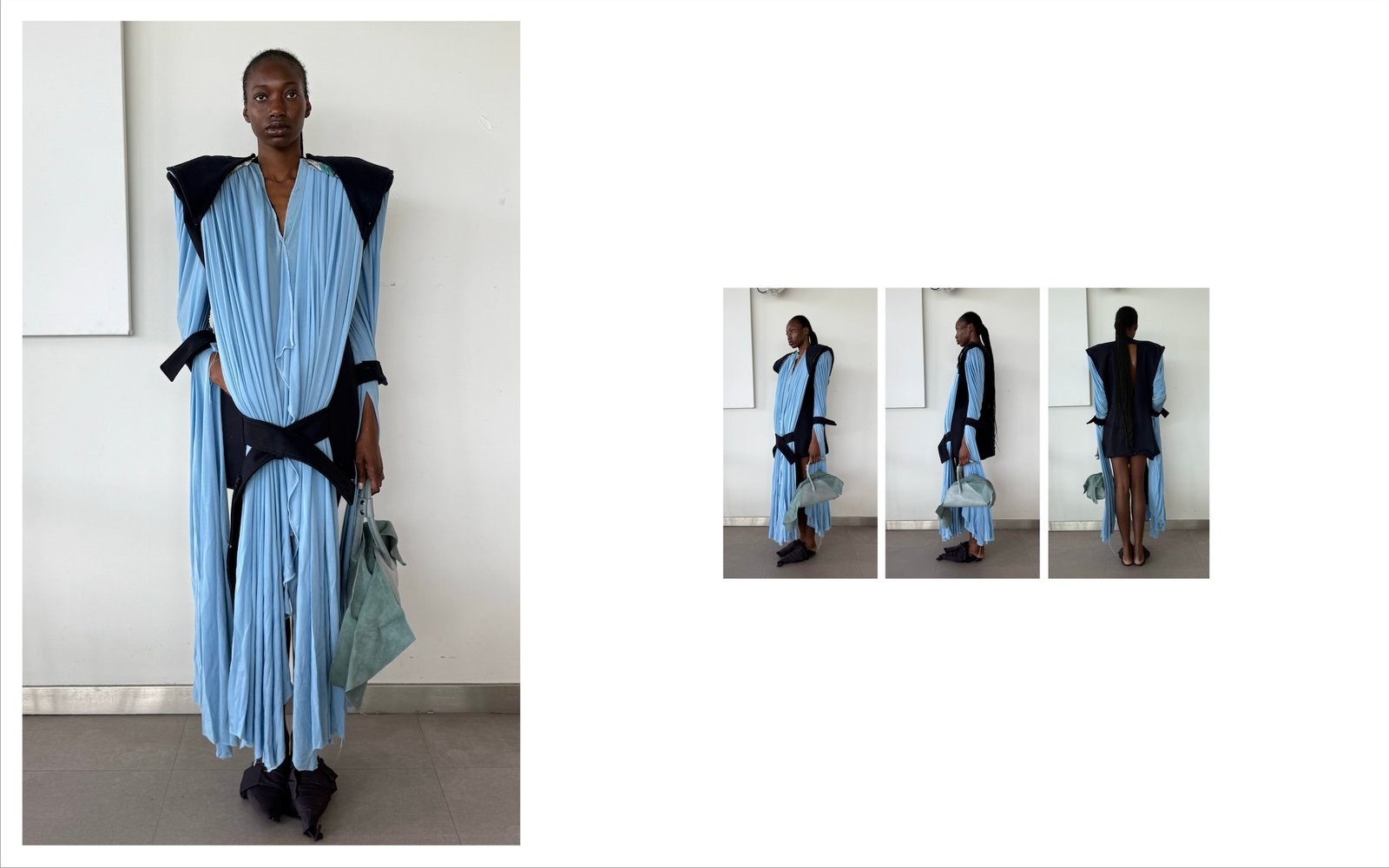
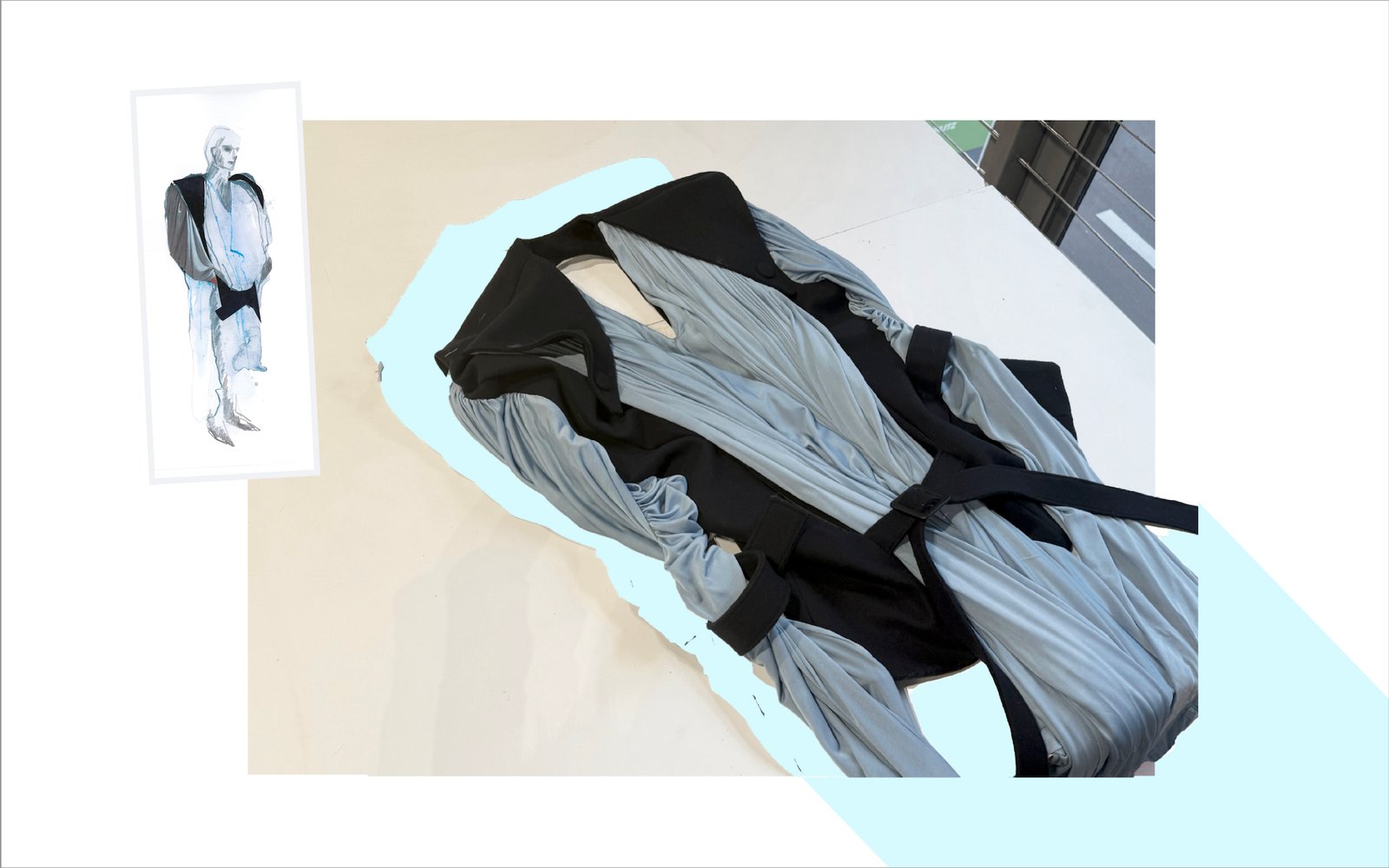
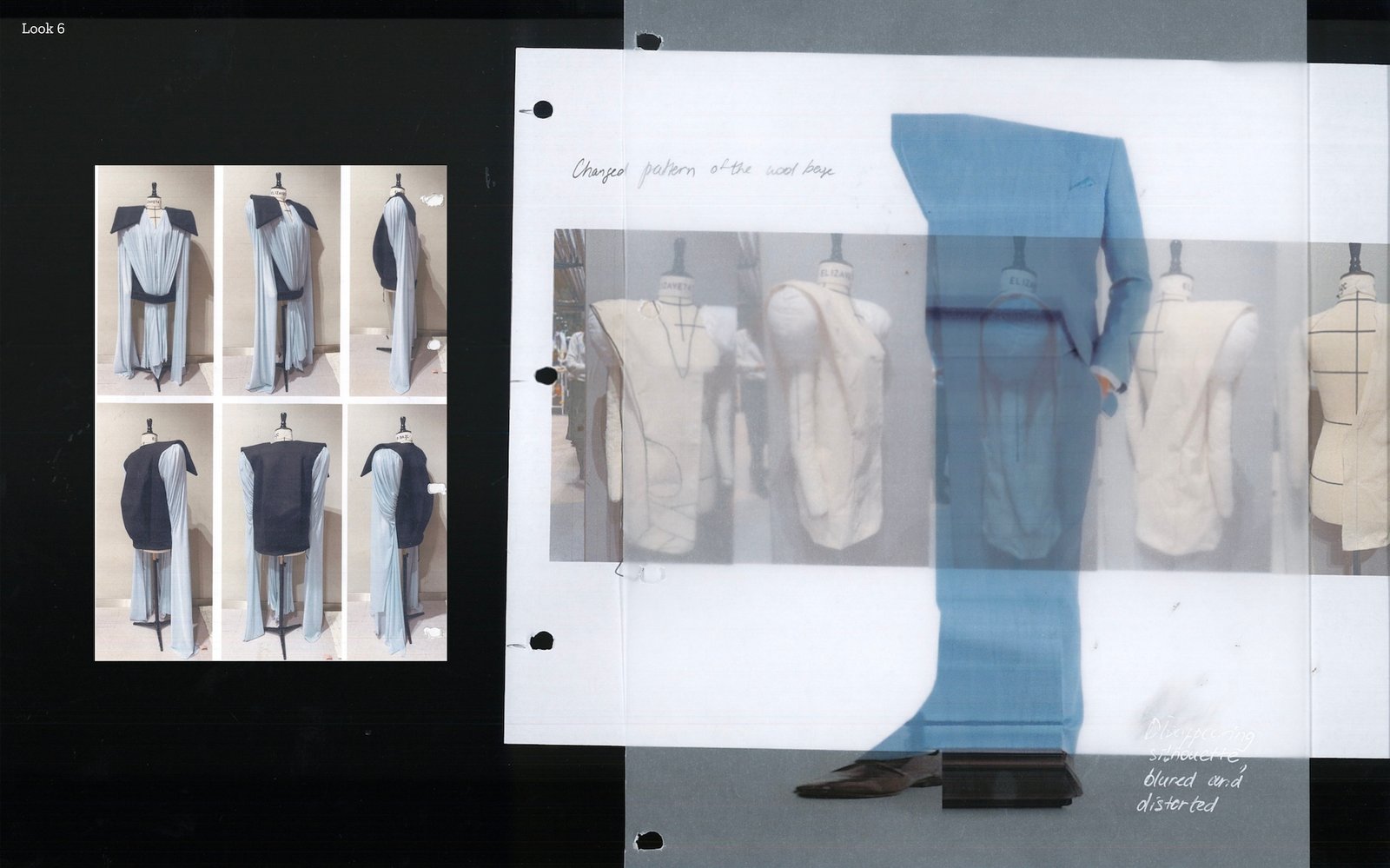
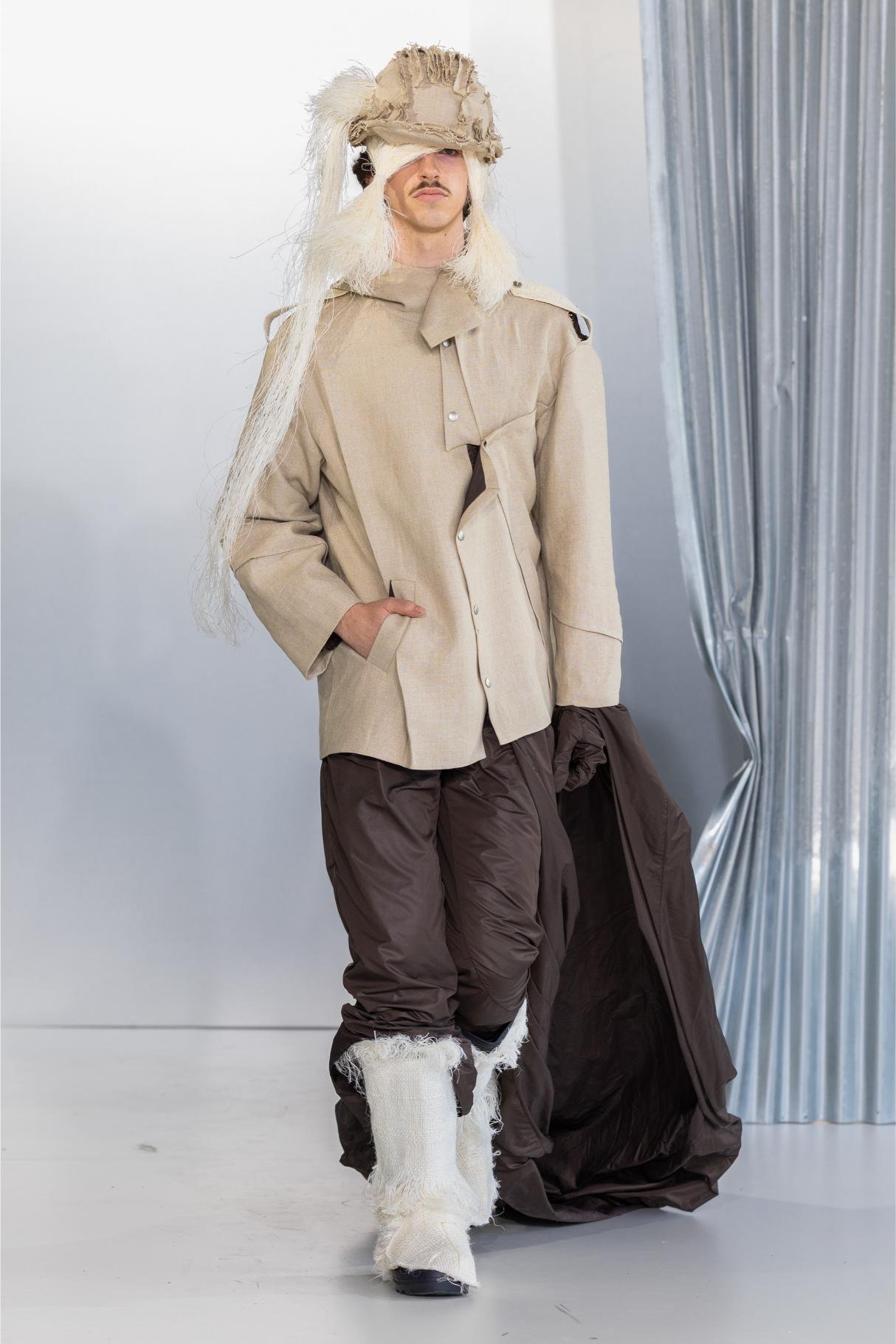
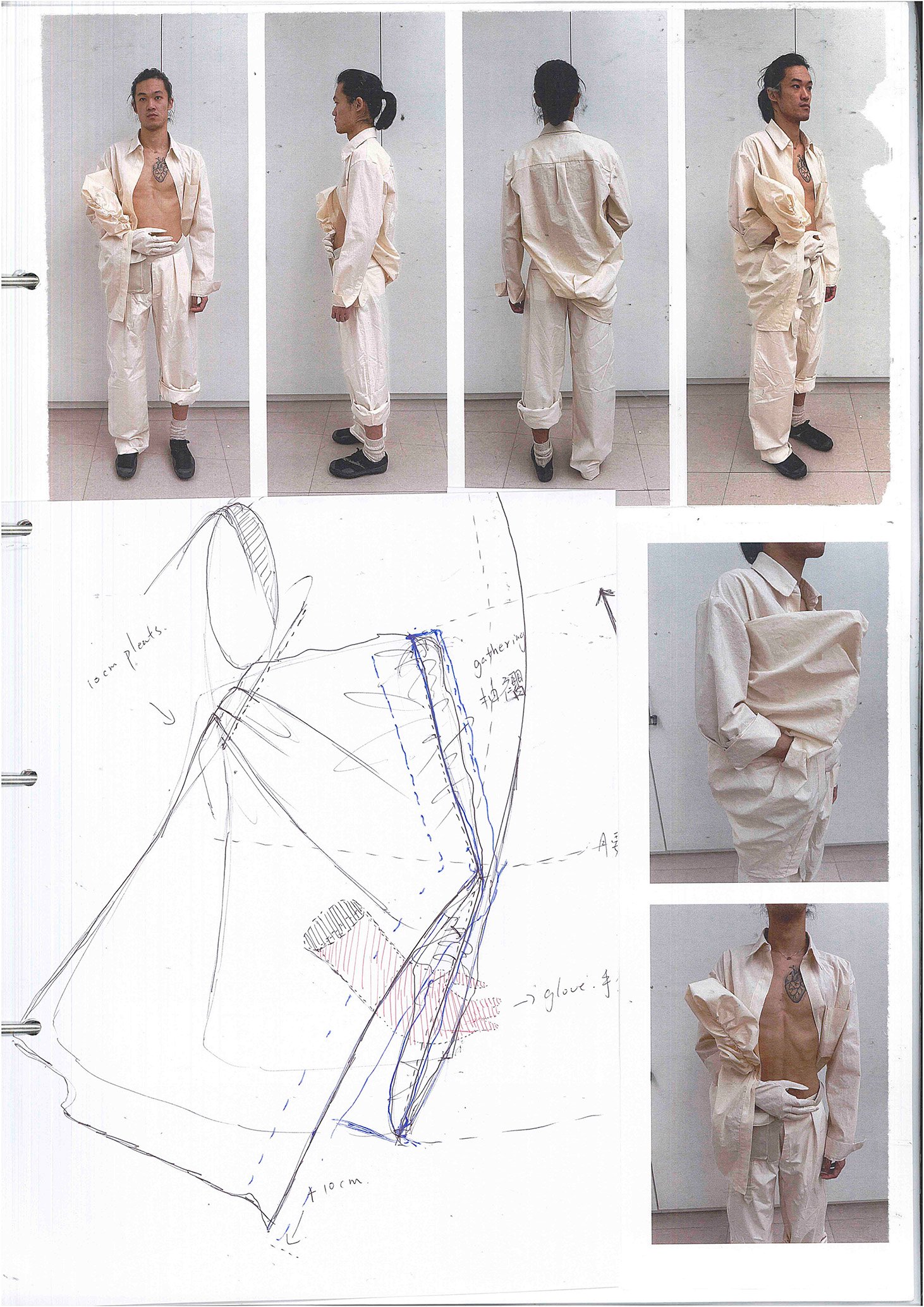
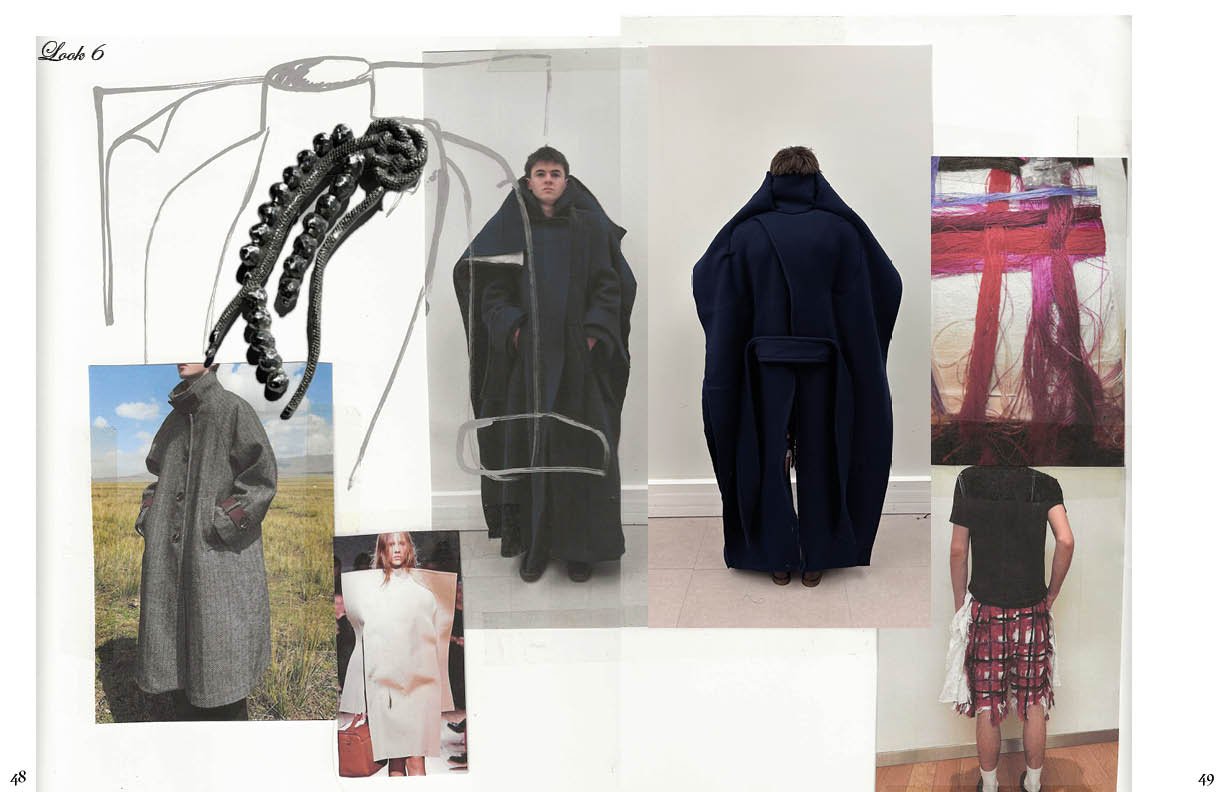
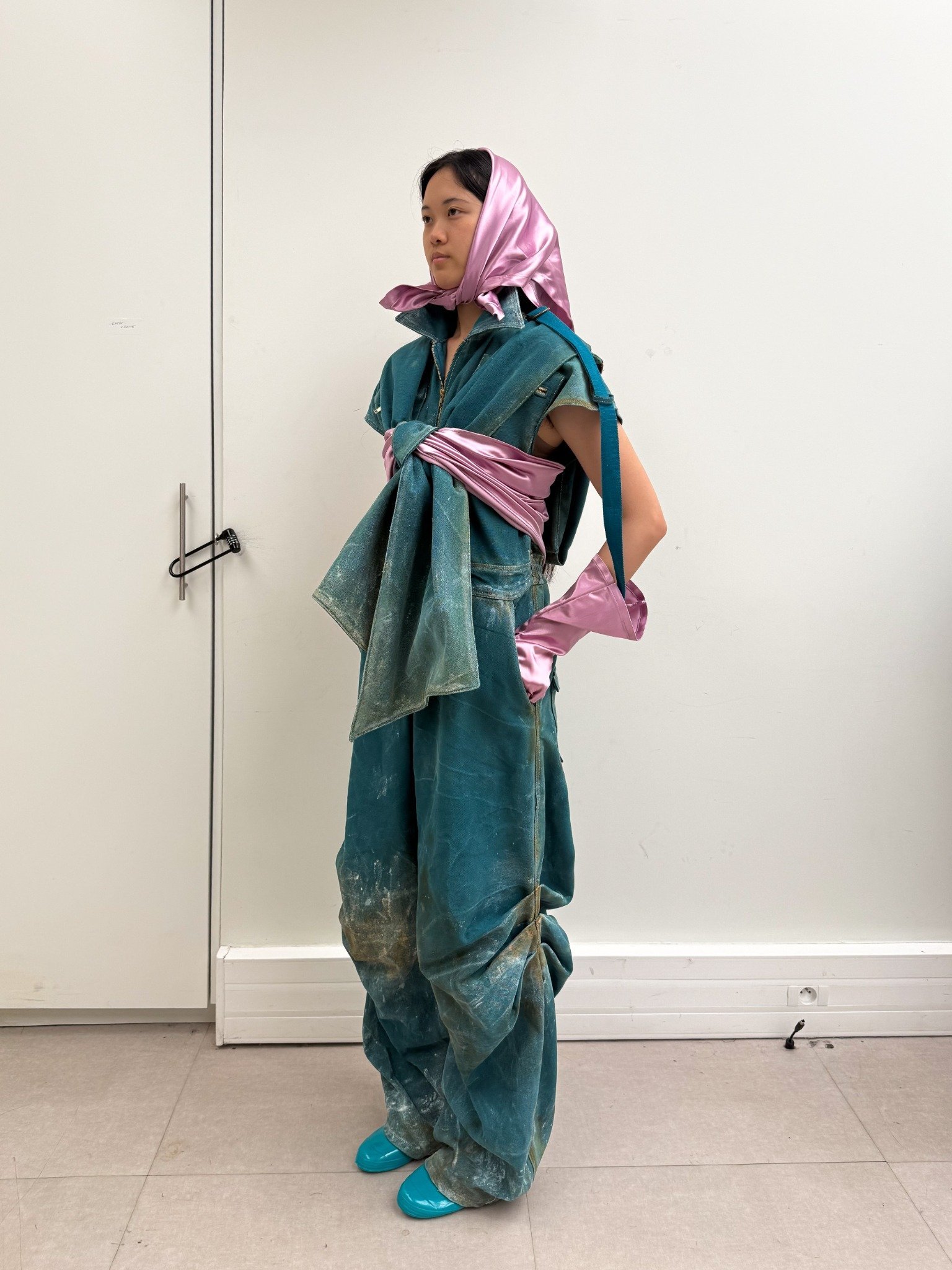
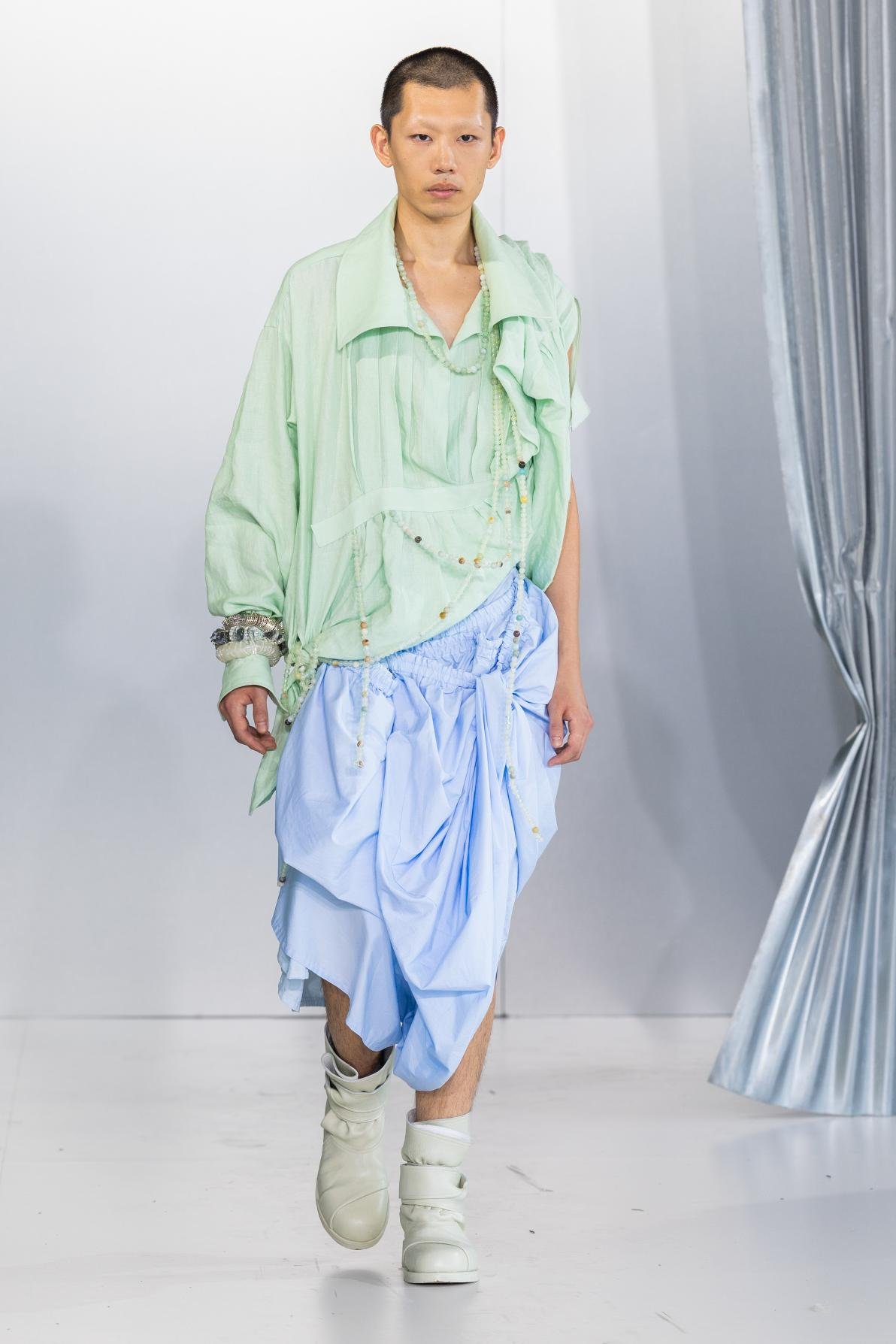
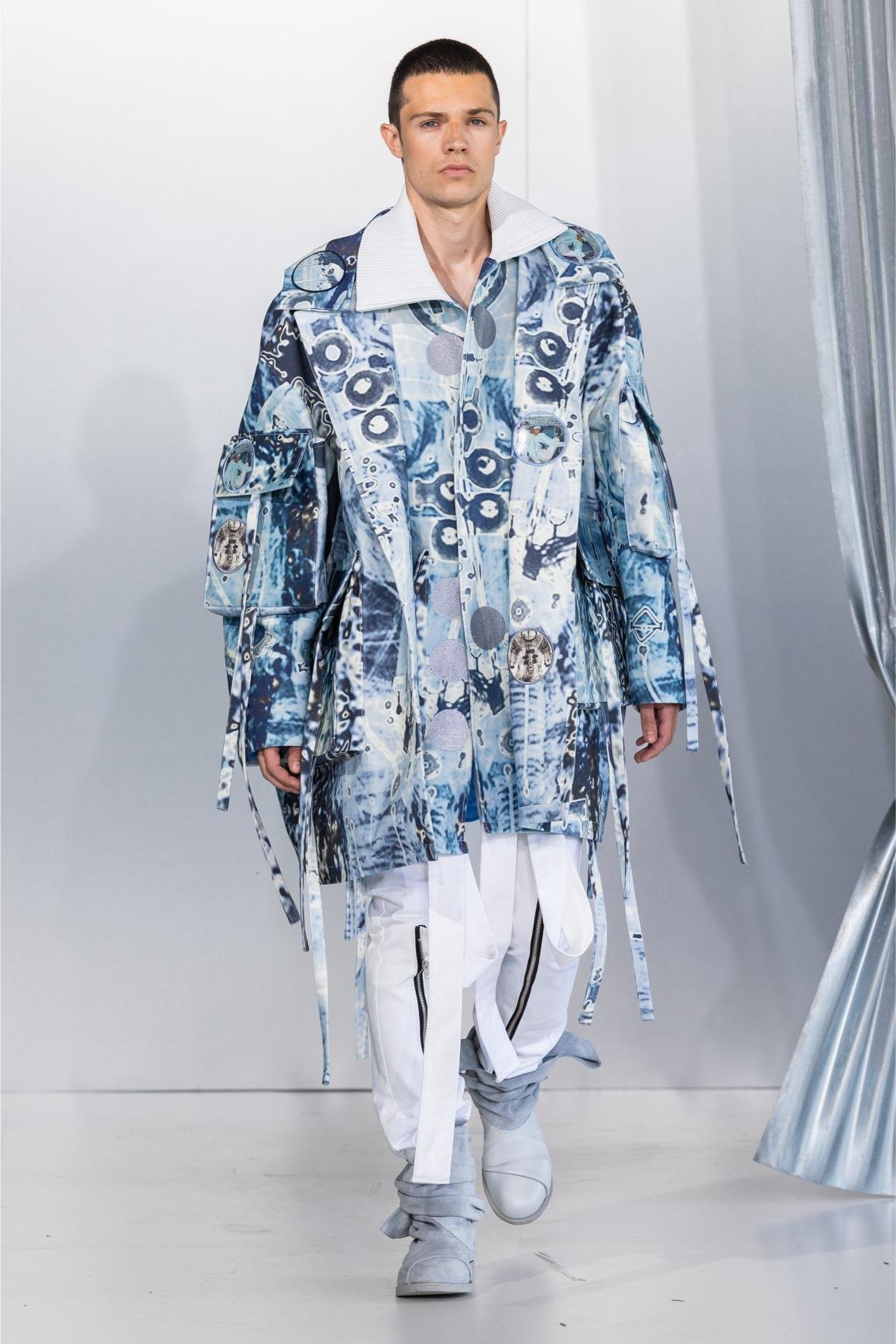
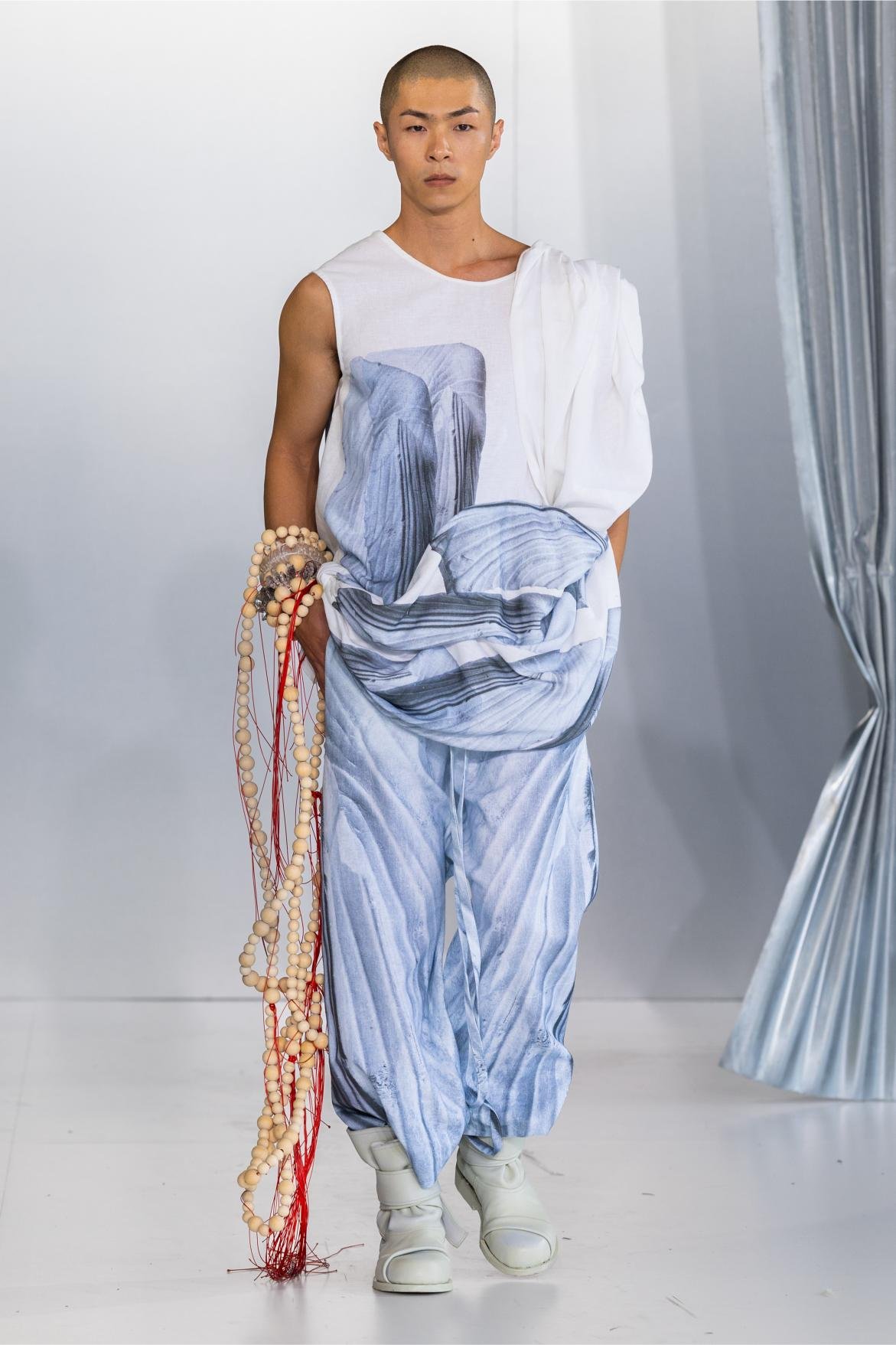
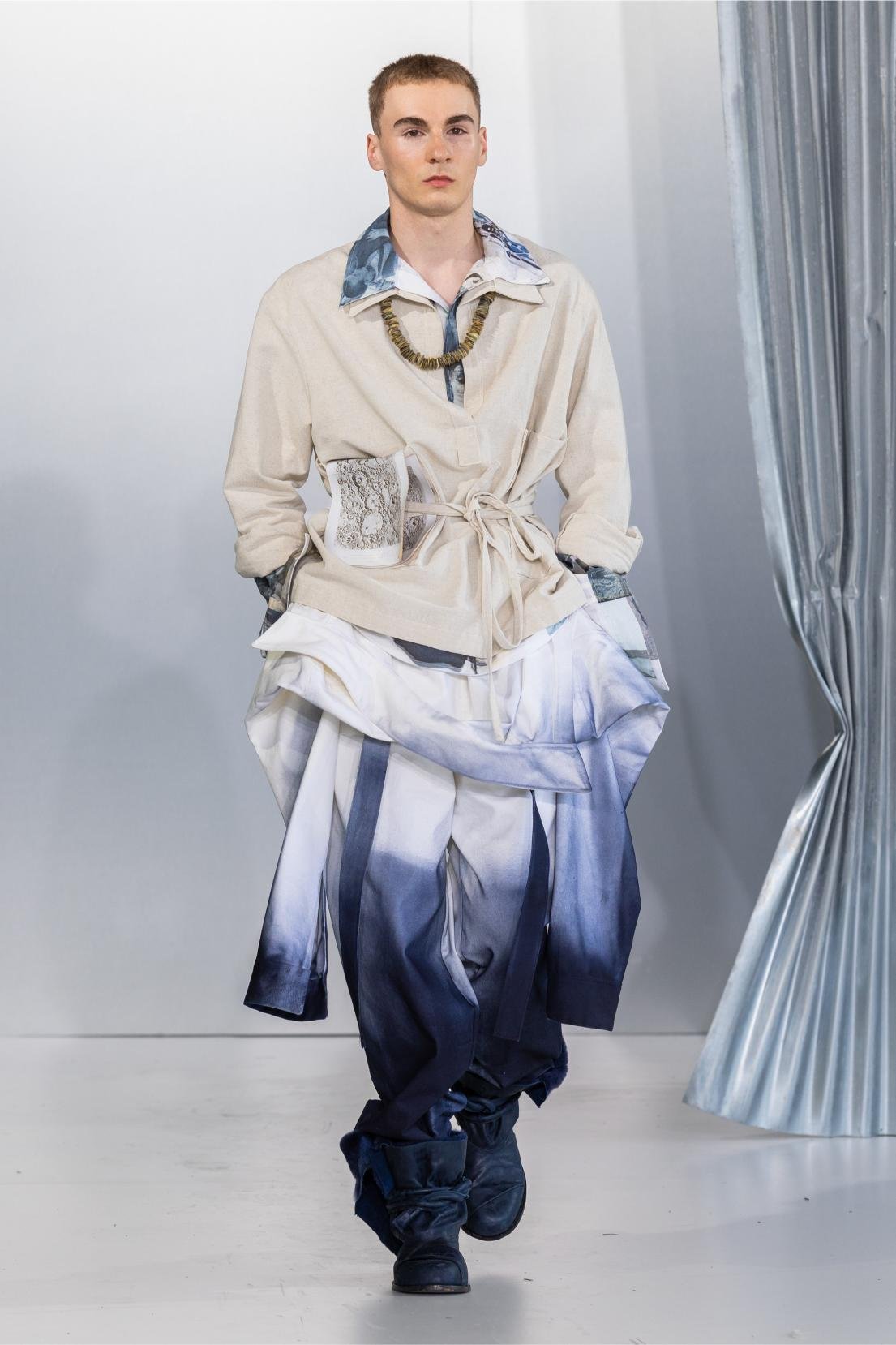
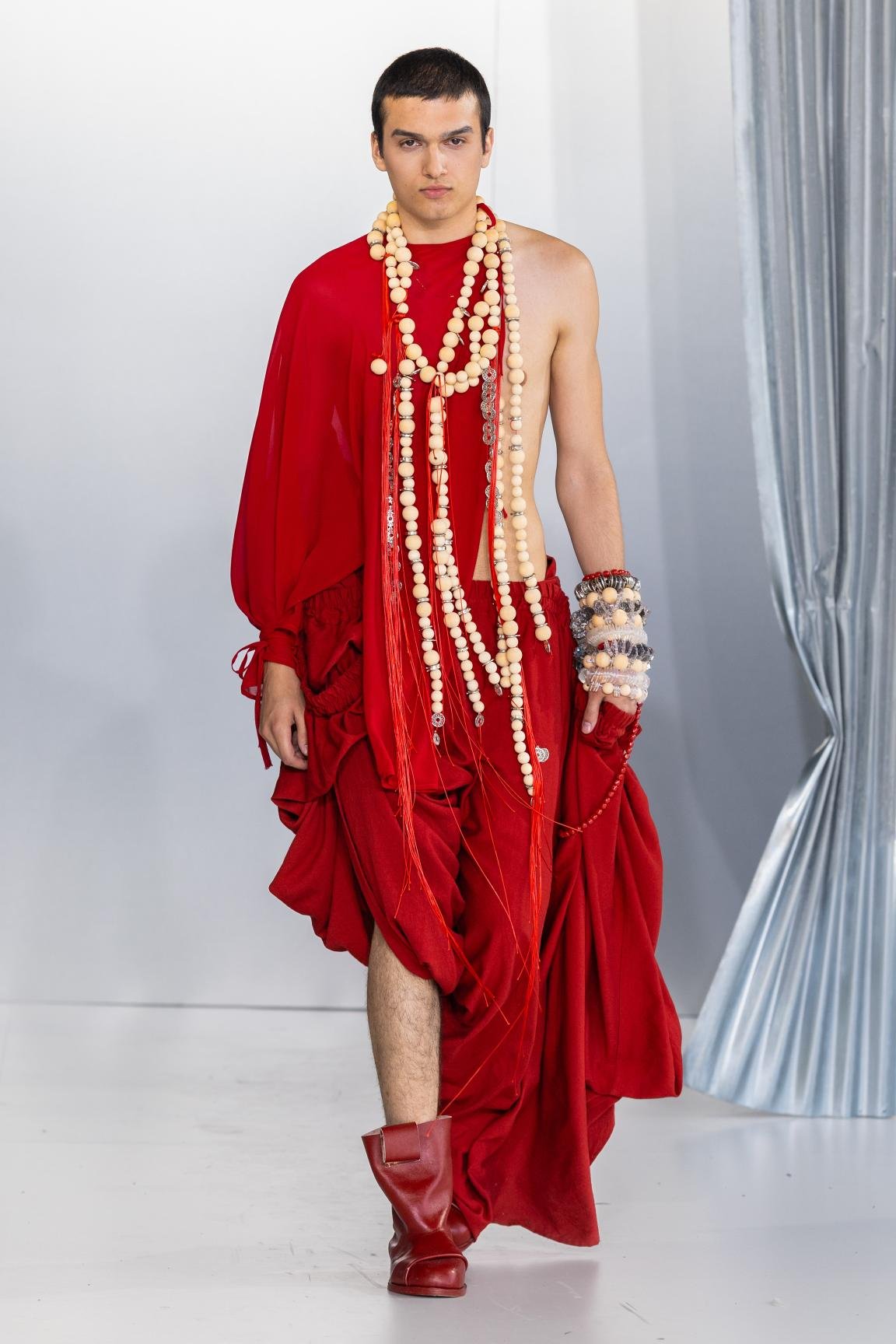
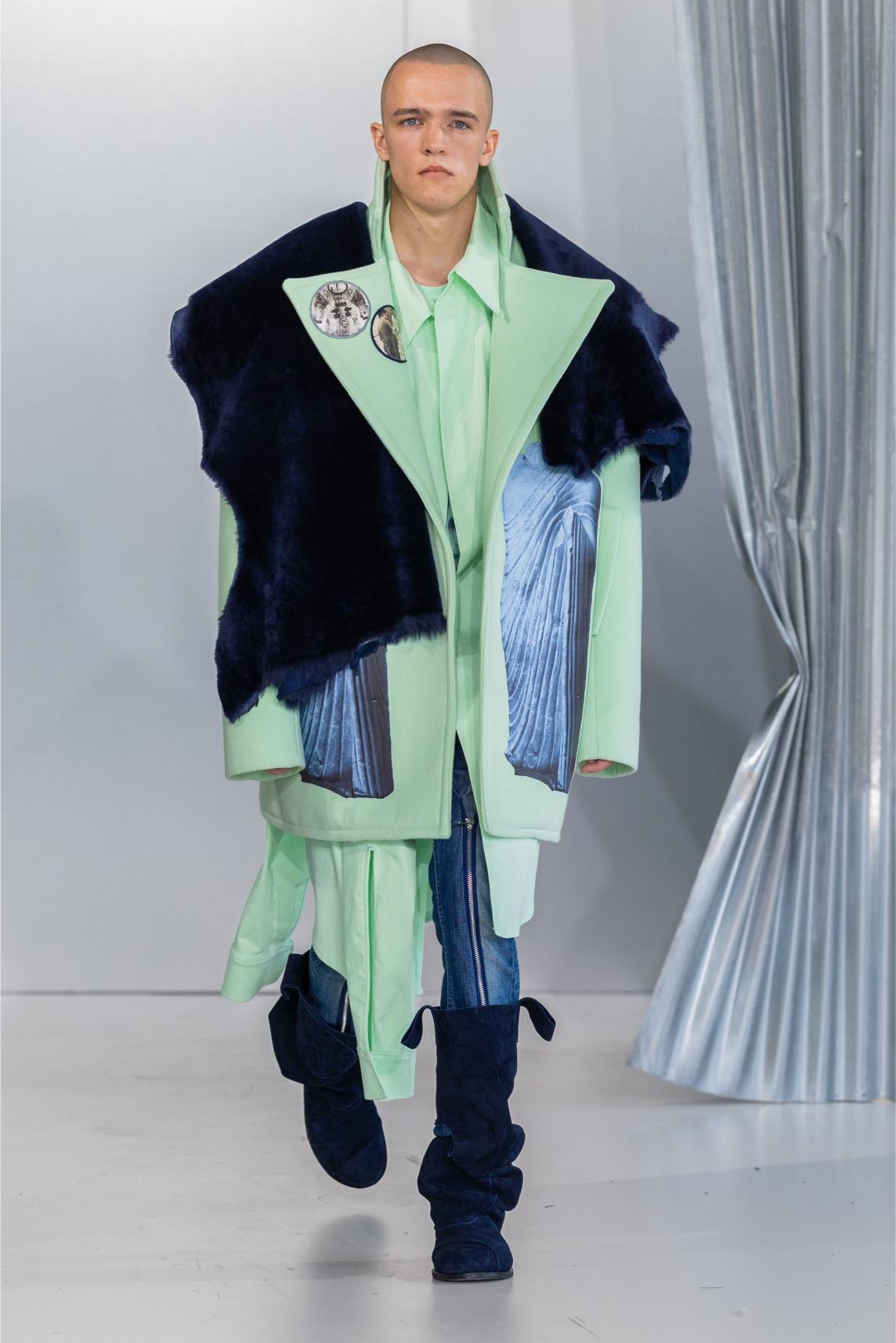
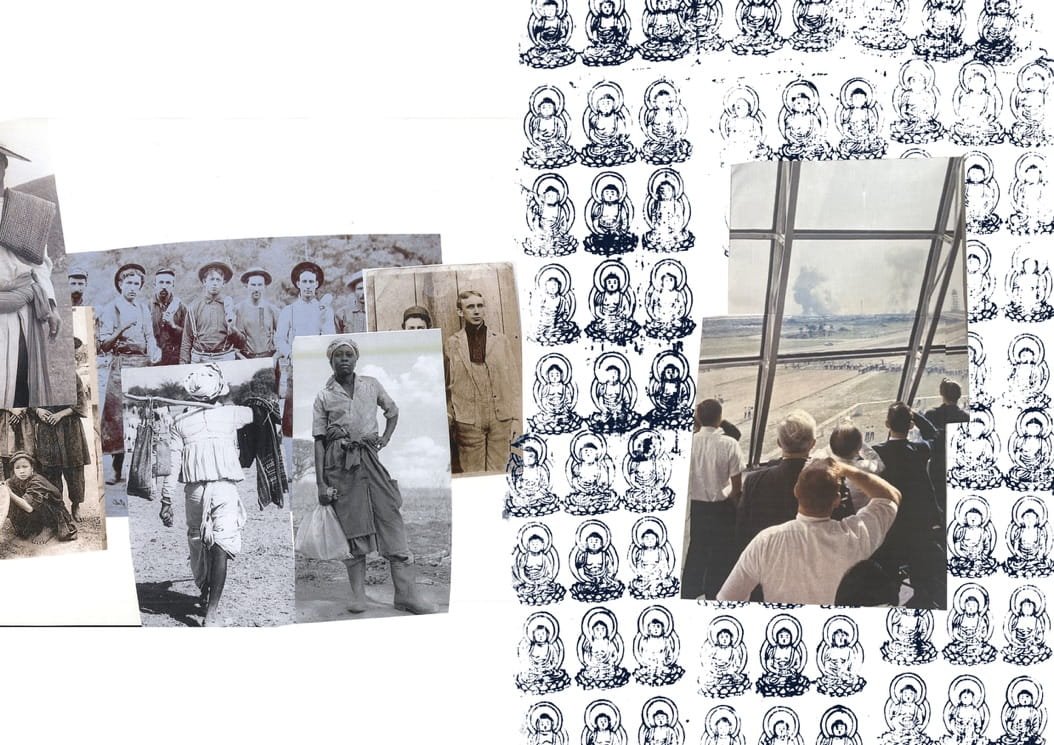
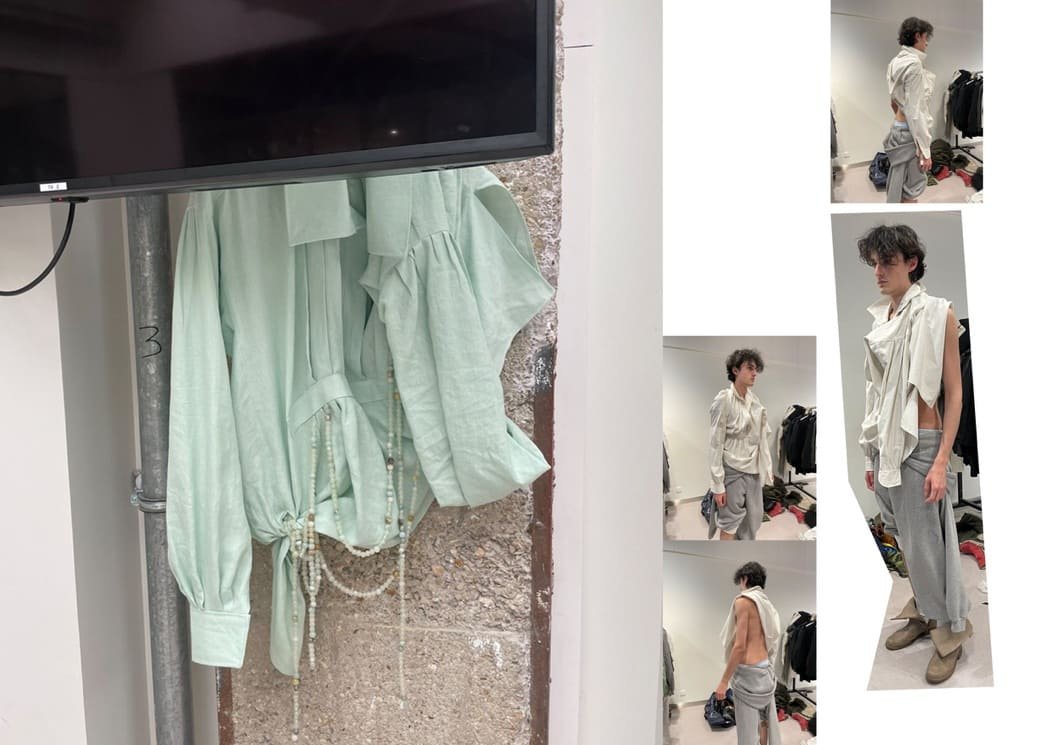
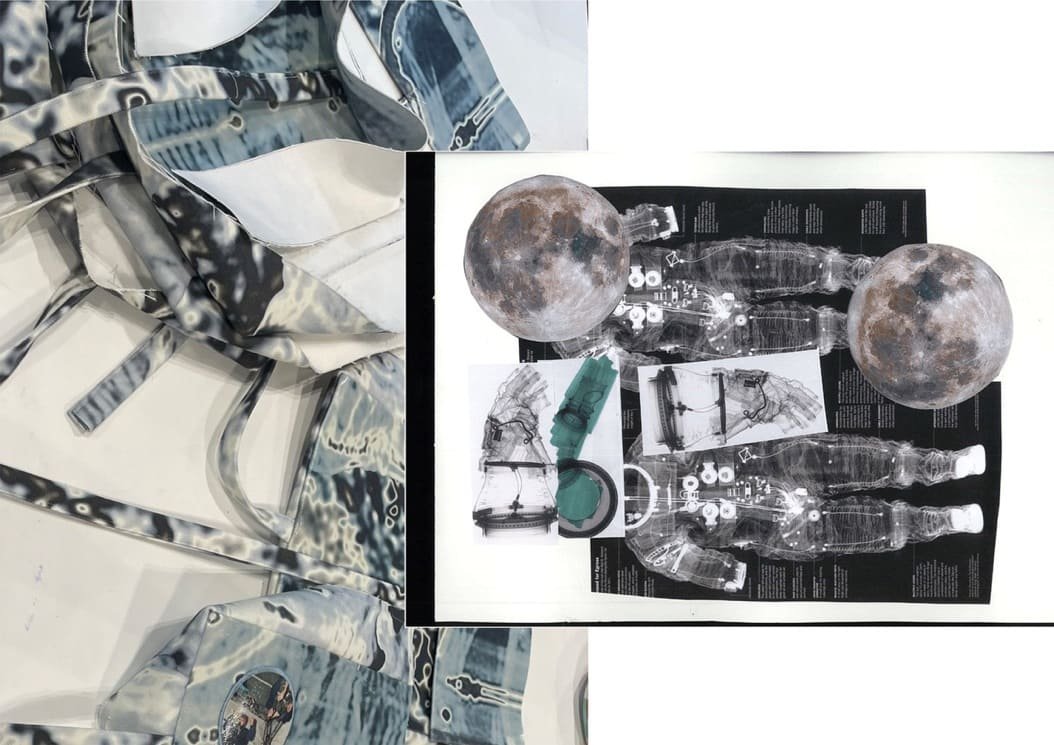
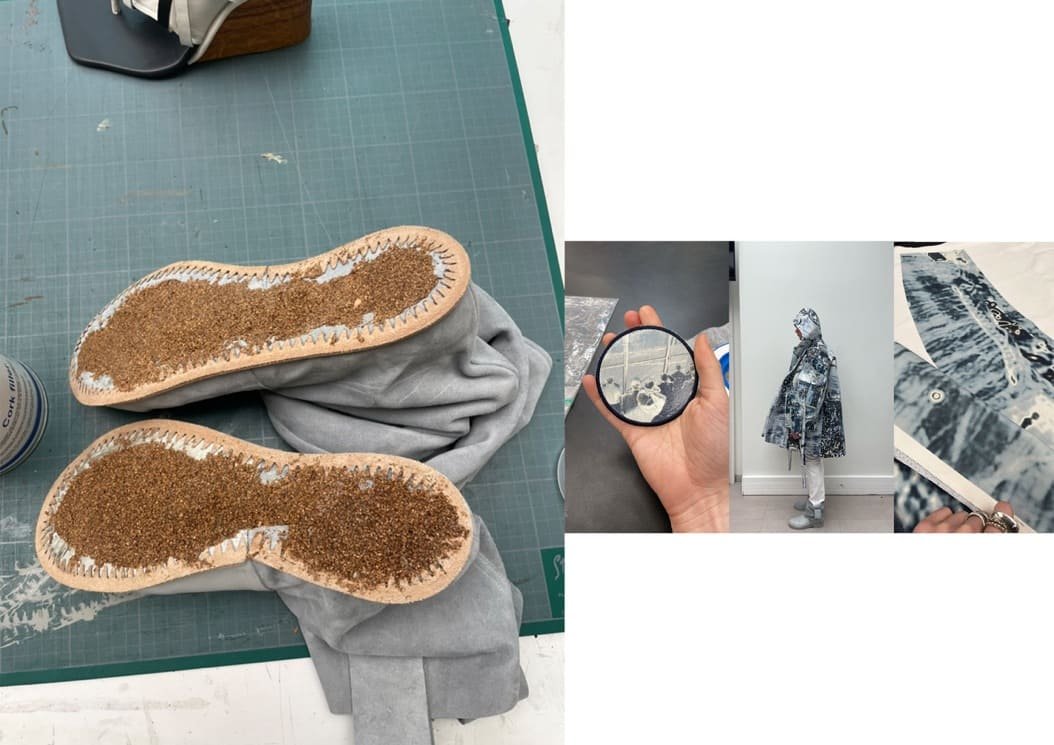
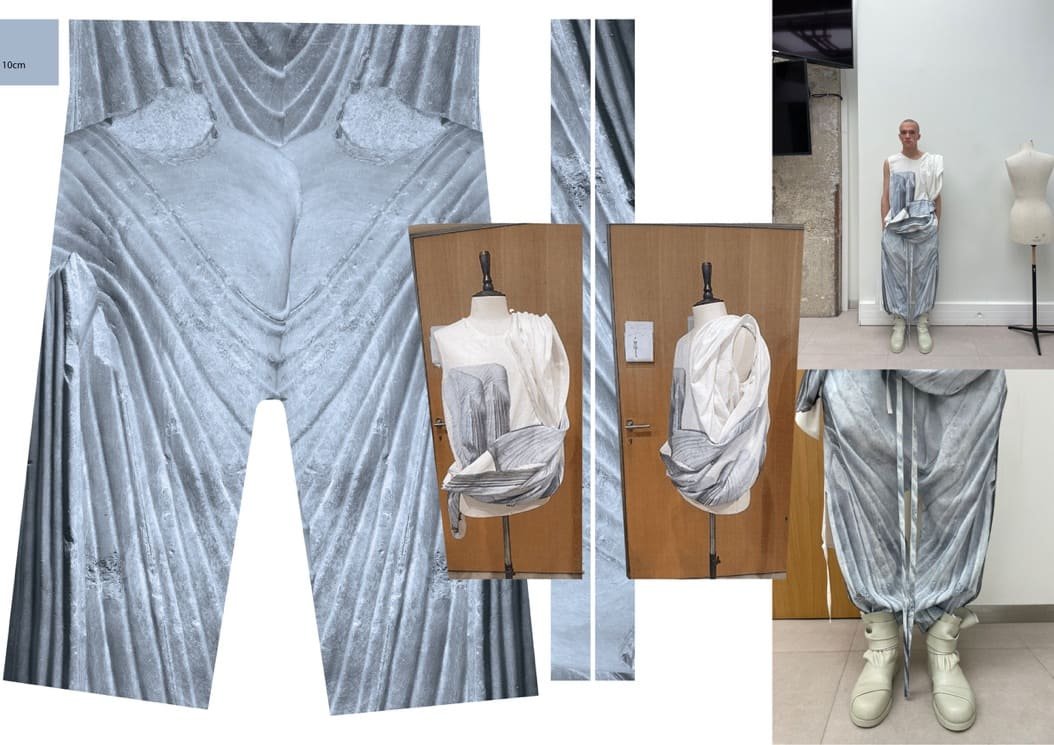
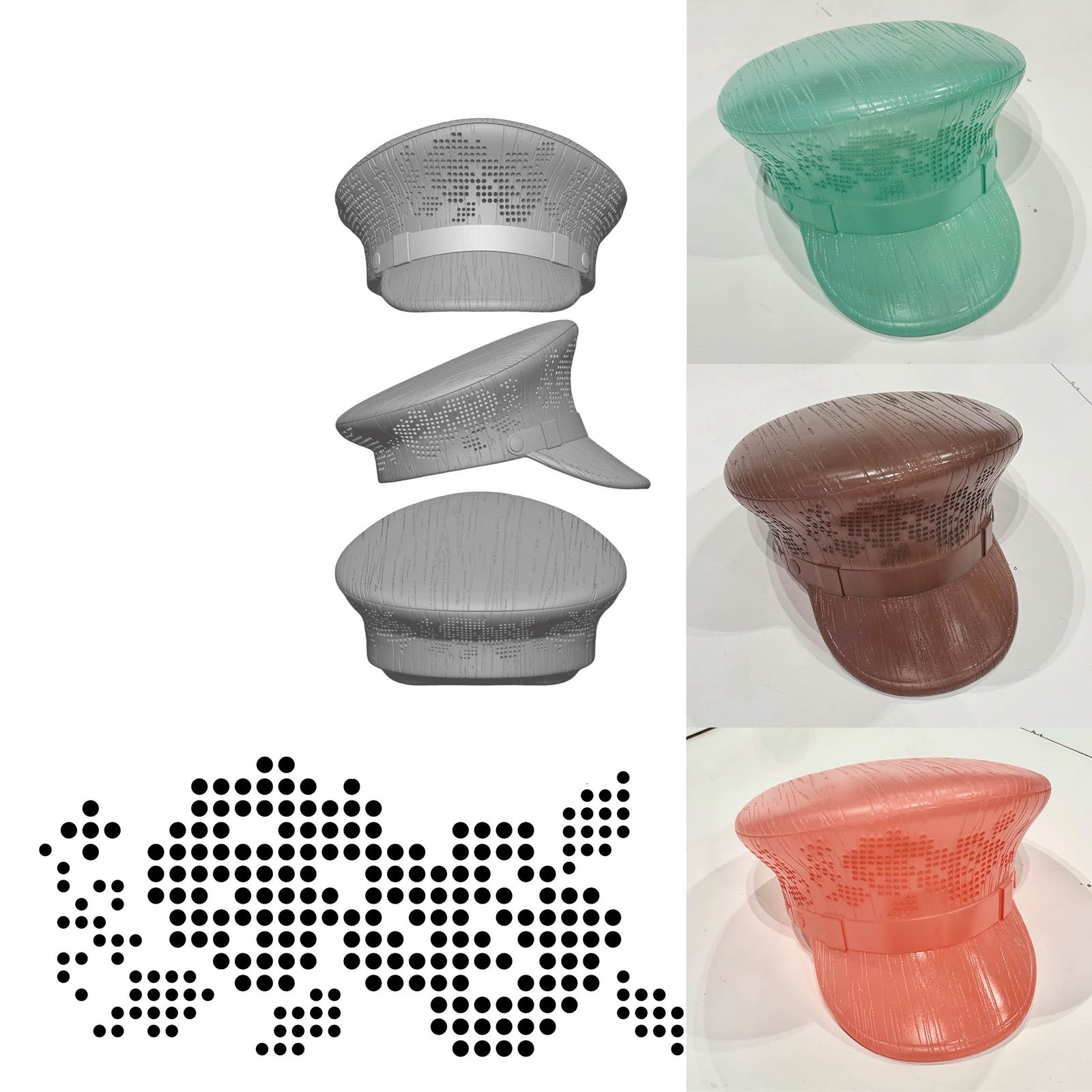
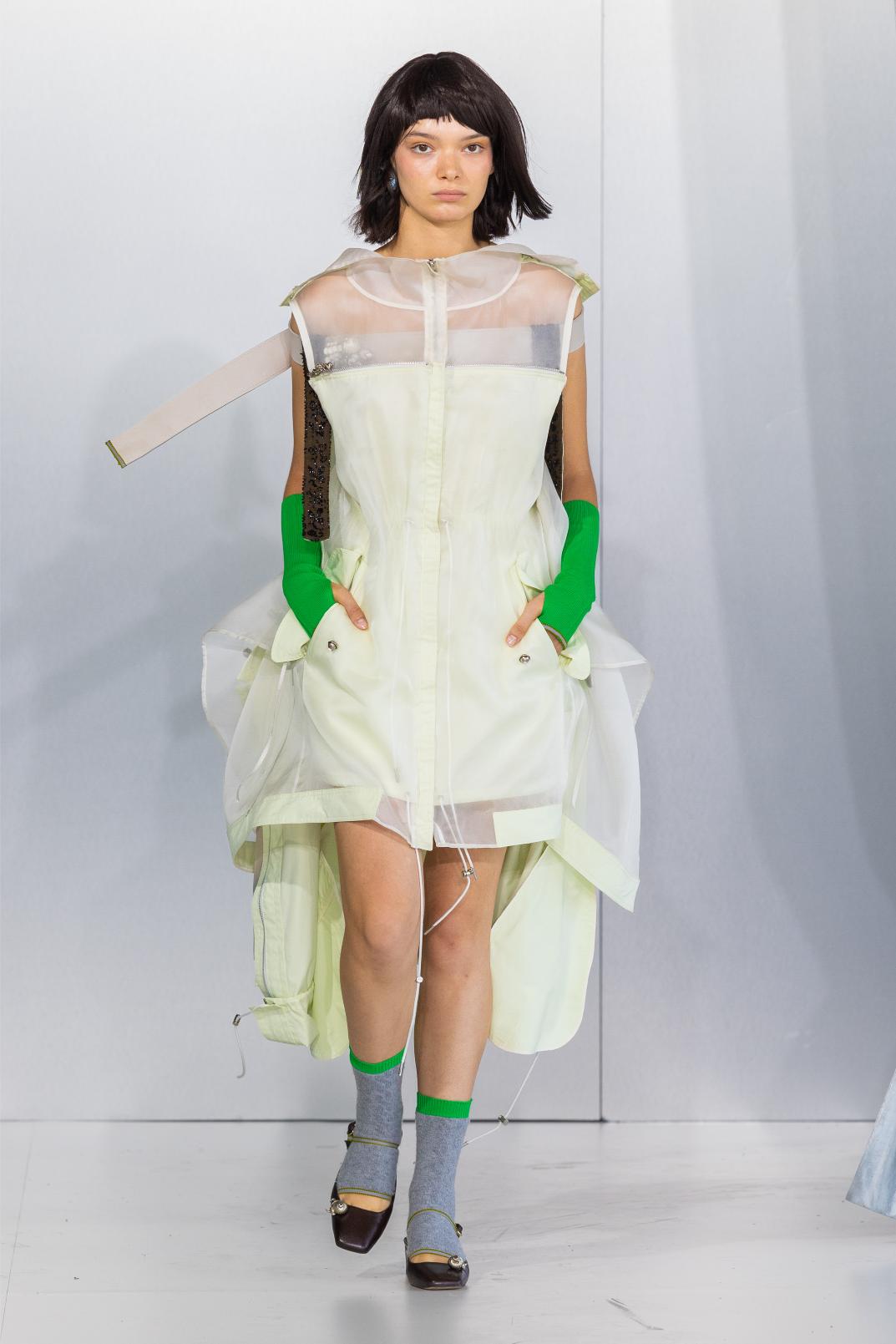
Hoang Le’s collection, SPACE MONKS, ASTEROIDS, combines the radical utilitarianism of space uniforms with the comfort and ritual of religious dress. Drawing inspiration from Buddhist monastic drapery, historical workwear, and astronaut uniforms, the project imagines garments as drifting asteroids carrying traces of labour, adaptation, and spiritual practice through time. Oversized protective outerwear is balanced against fluid draped forms, creating a dialogue between vulnerability and defence. Heritage materials including cotton, linen, and silk are juxtaposed with neoprene and plastic, while digital prints of Buddhist sculptures, wooden beads, and jade details merge historical symbolism with contemporary techniques. Le hopes to learn from established fashion houses and deepen his understanding of craftsmanship, studio culture, and collaboration, while remaining critical of the accelerating pace of production across both luxury and mass-market fashion.

@not_reallylehoang

Lauriane Lothin

Virgile Courbon

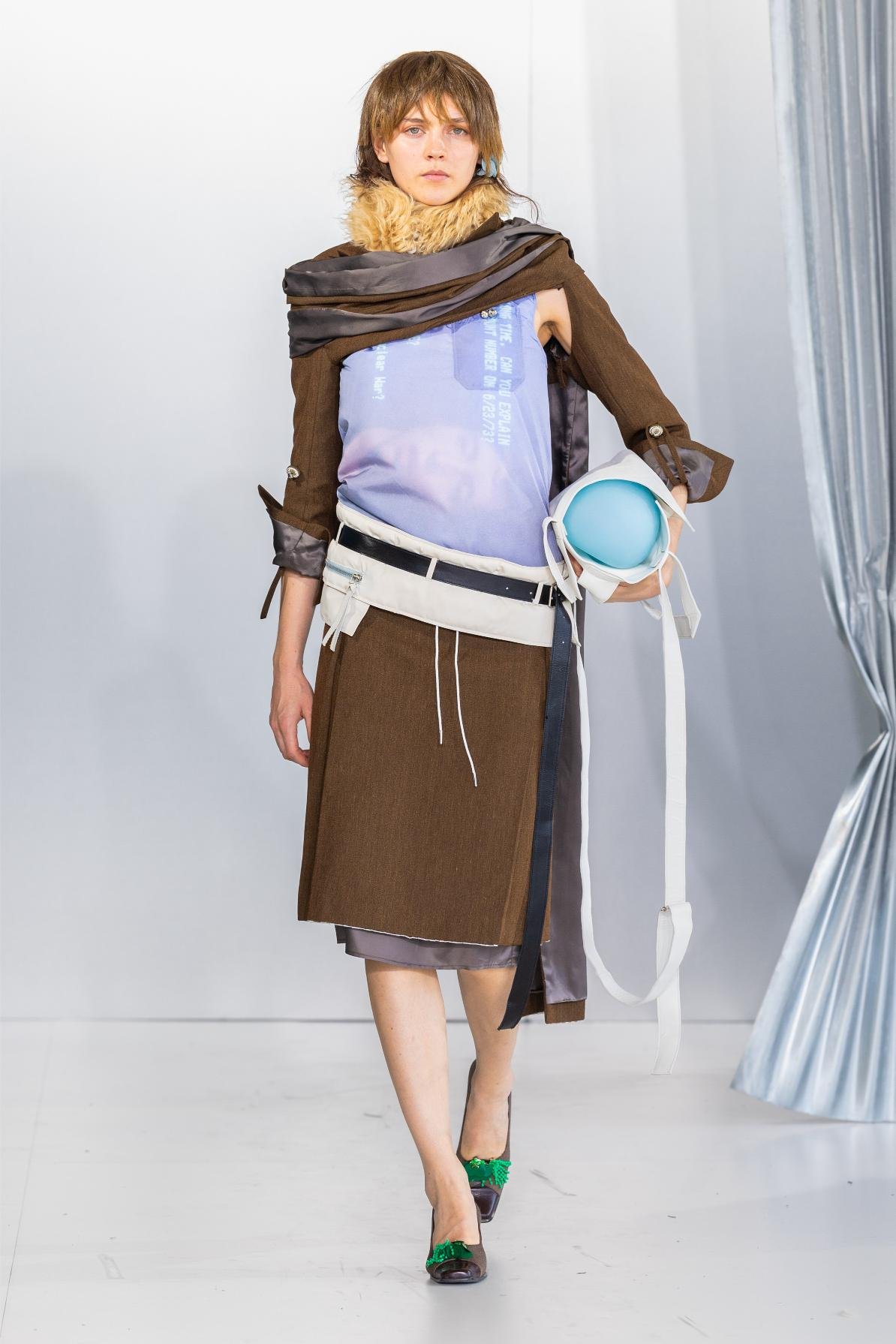
Virgile Courbon’s collection examines the emergence of technology within bourgeois households at the end of the 20th century. The project focuses on the paradox of a culture often associated with tradition and ornamentation becoming one of the first to embrace technologies defined by smooth surfaces, minimalism, and the aesthetics of early computer culture. Through this contrast, Courbon develops silhouettes that place orthodox cultural references alongside postmodern and technological disruptions. The collection reflects a society undergoing profound transformation, where established codes are gradually reshaped by new systems and technologies. As he prepares to begin an internship in a design studio, Courbon is excited to continue developing both his technical skills and creative maturity. At the same time, he is concerned by the industry’s pace and the pressure it places on design teams, hoping to be part of a generation that prioritises stronger creative development over relentless production cycles.

@virgilecourbon

Screenshot
Screenshot
Screenshot

Adony Bigueur

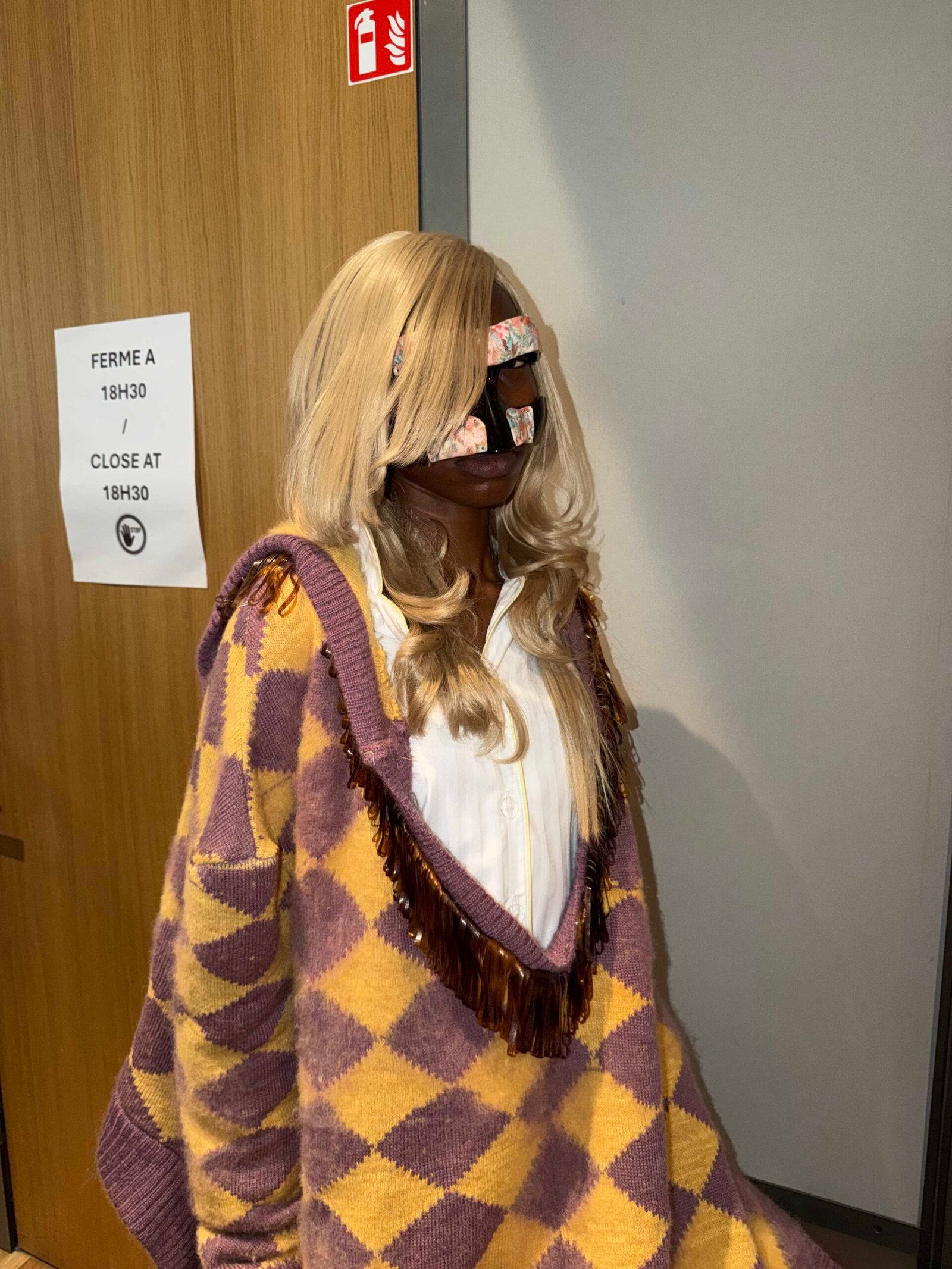
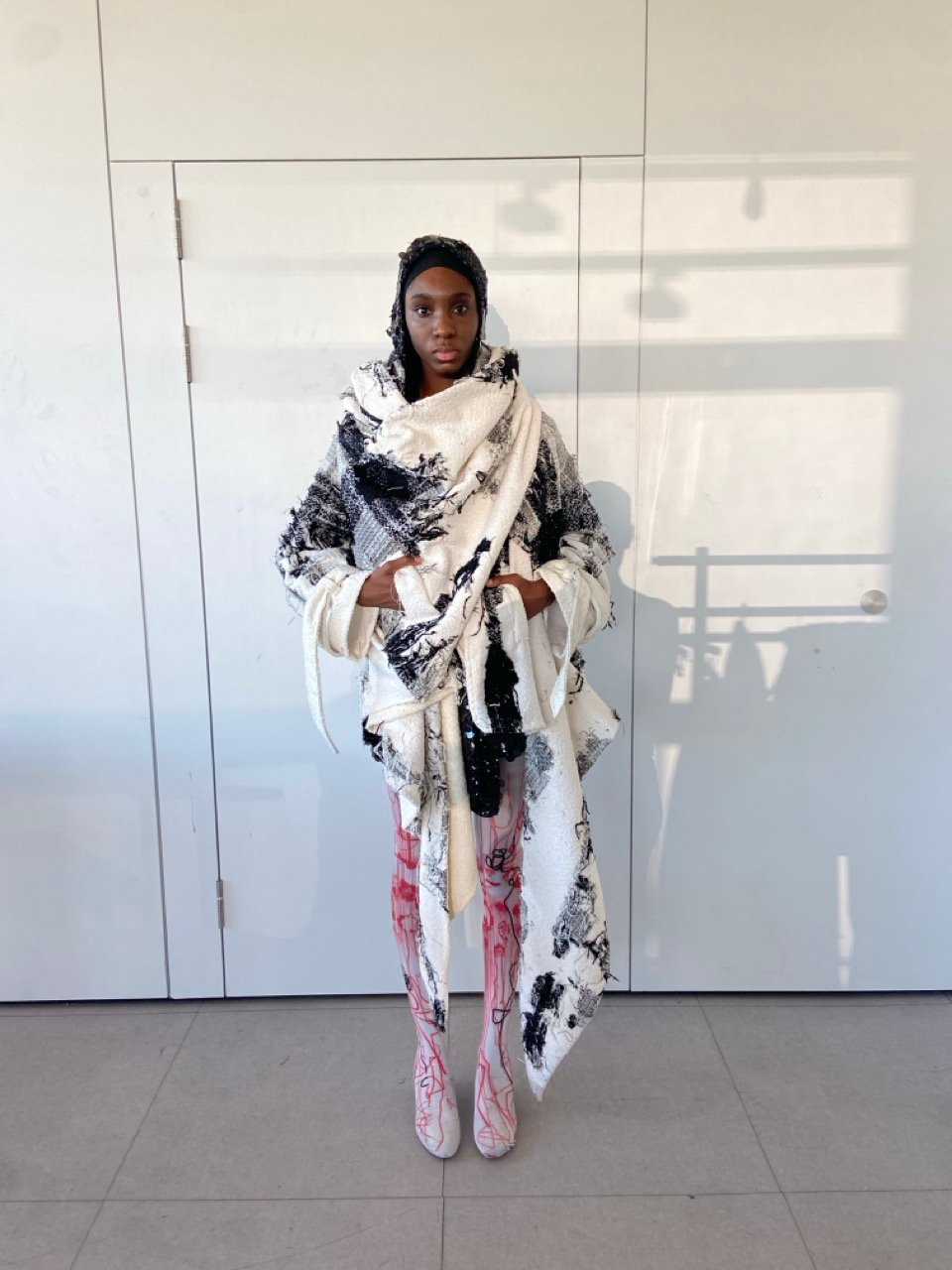
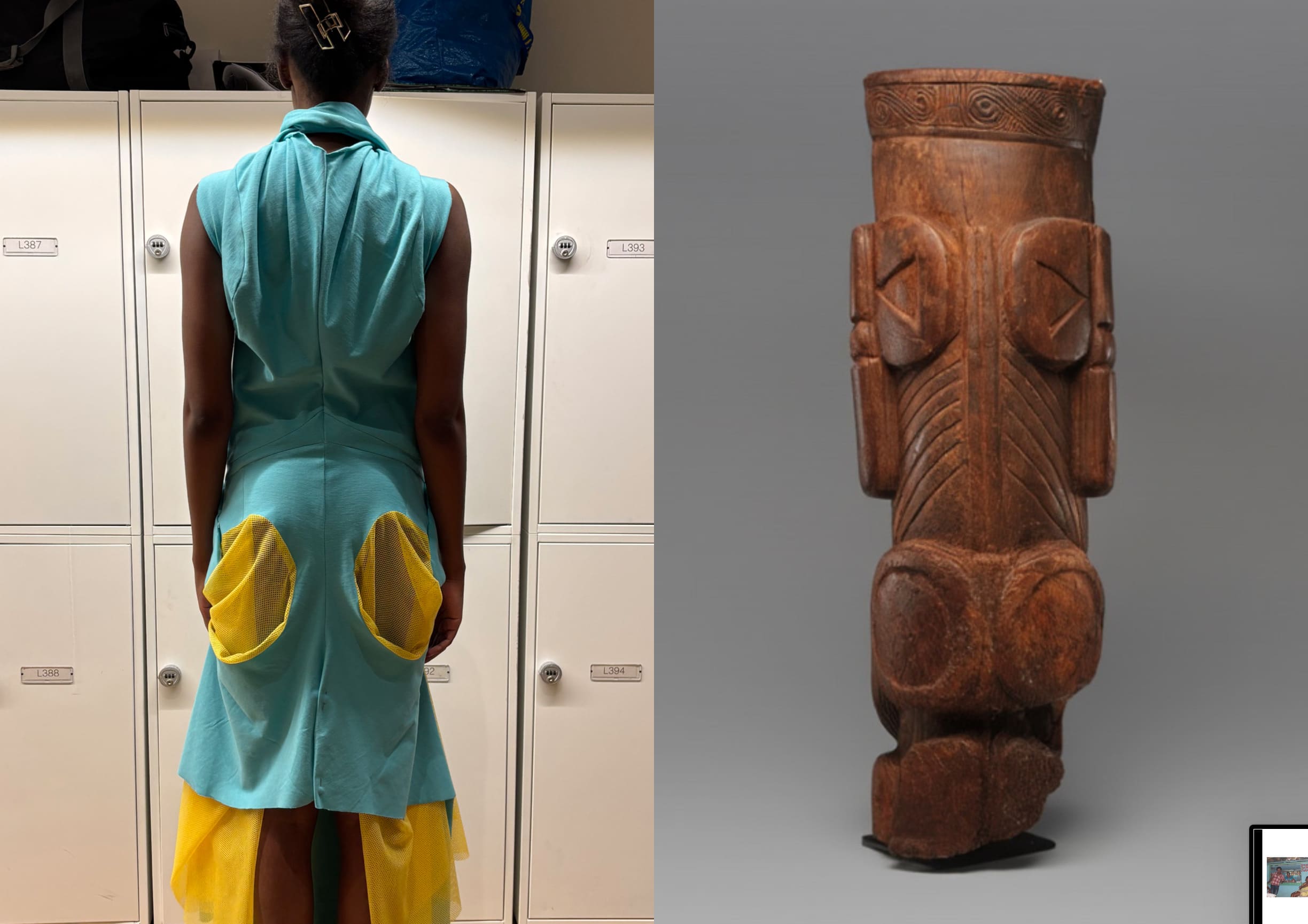
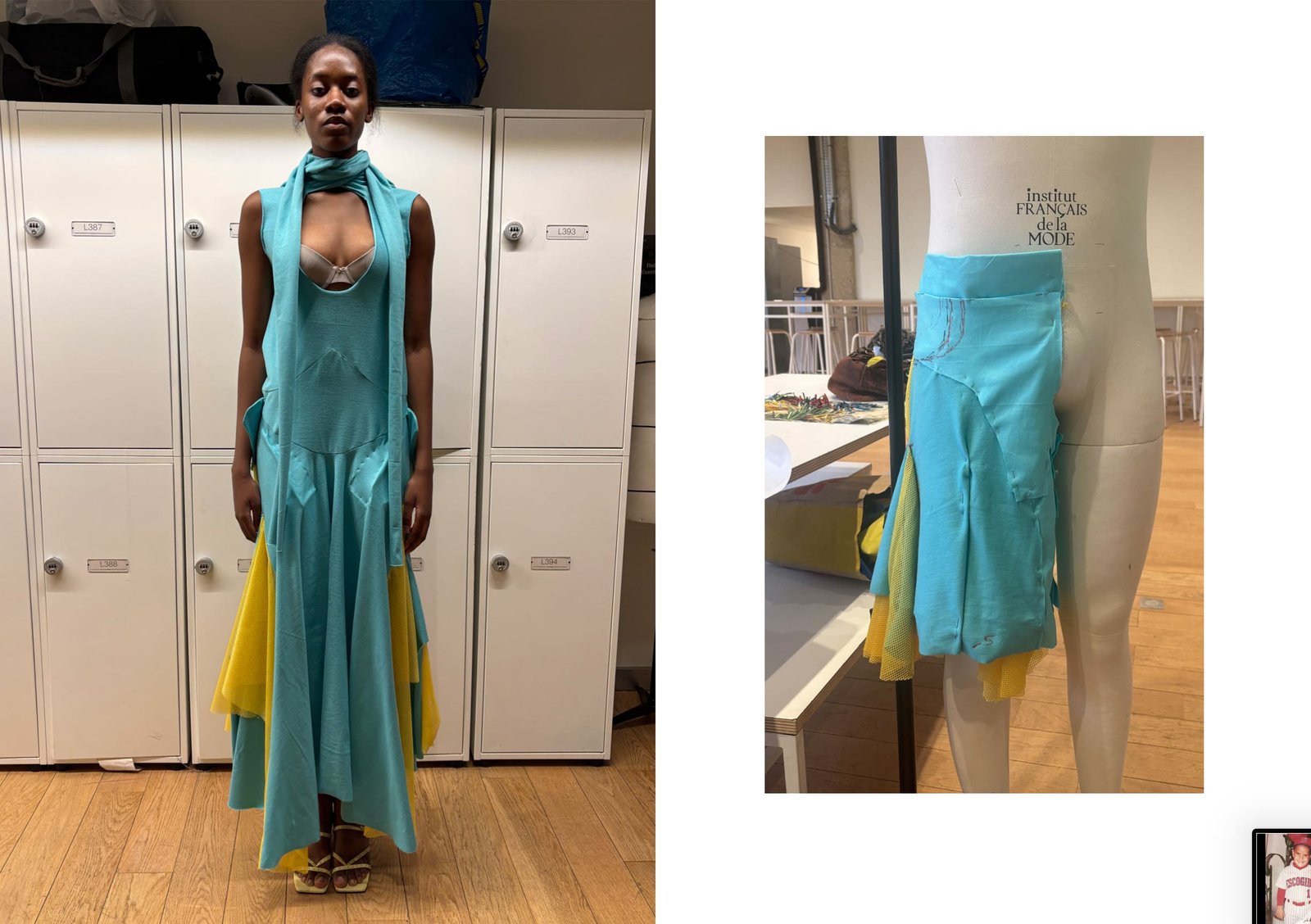
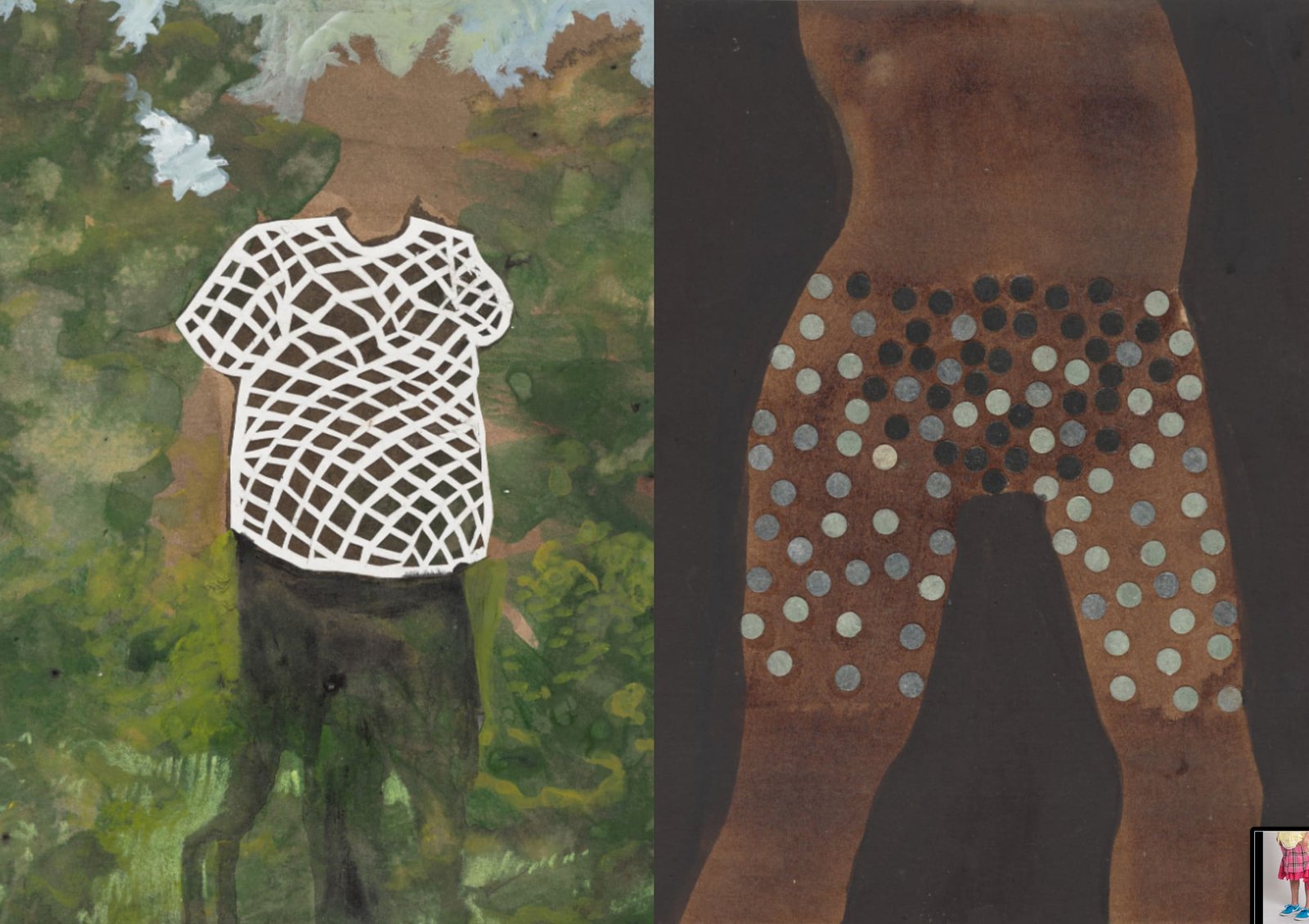
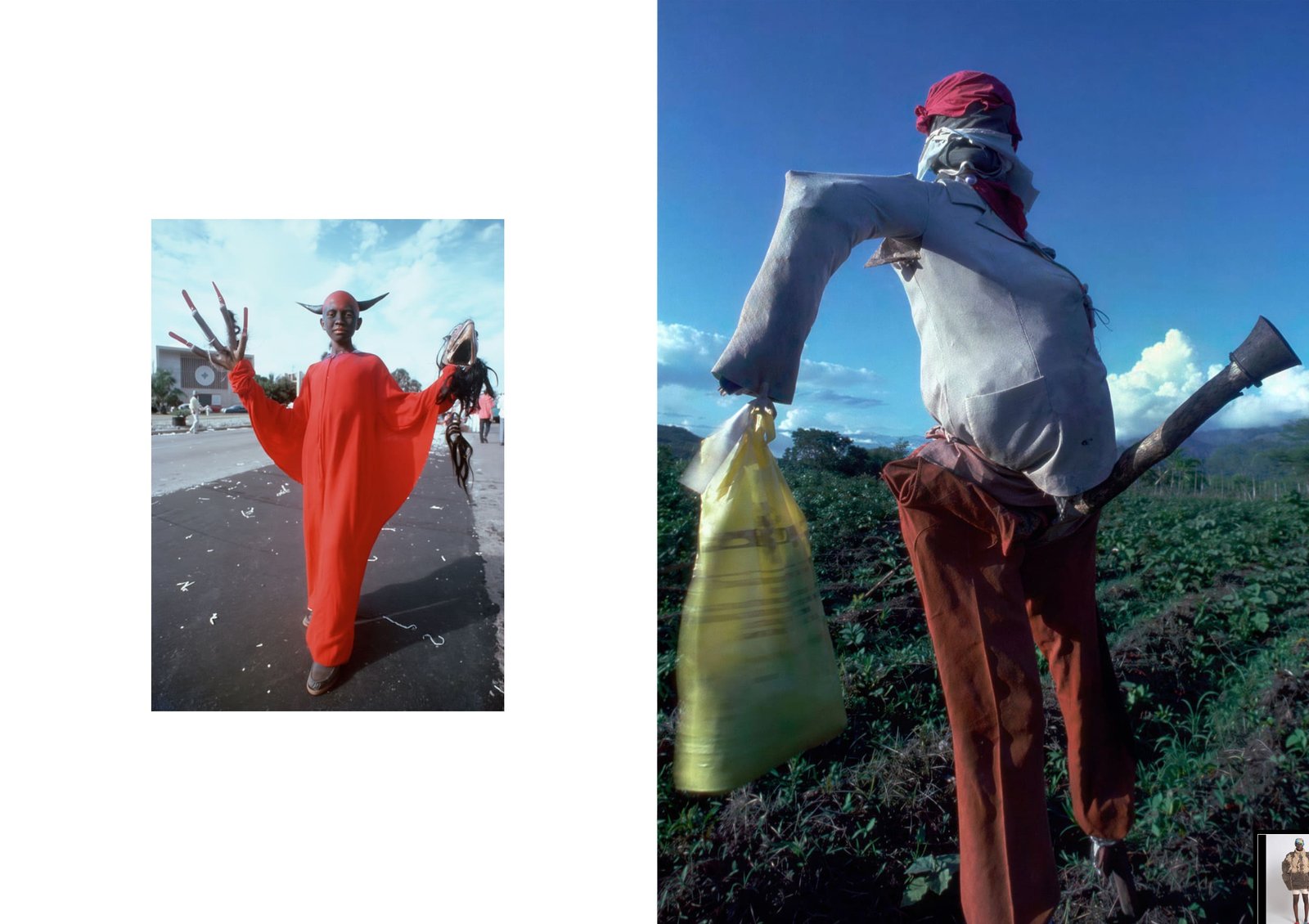
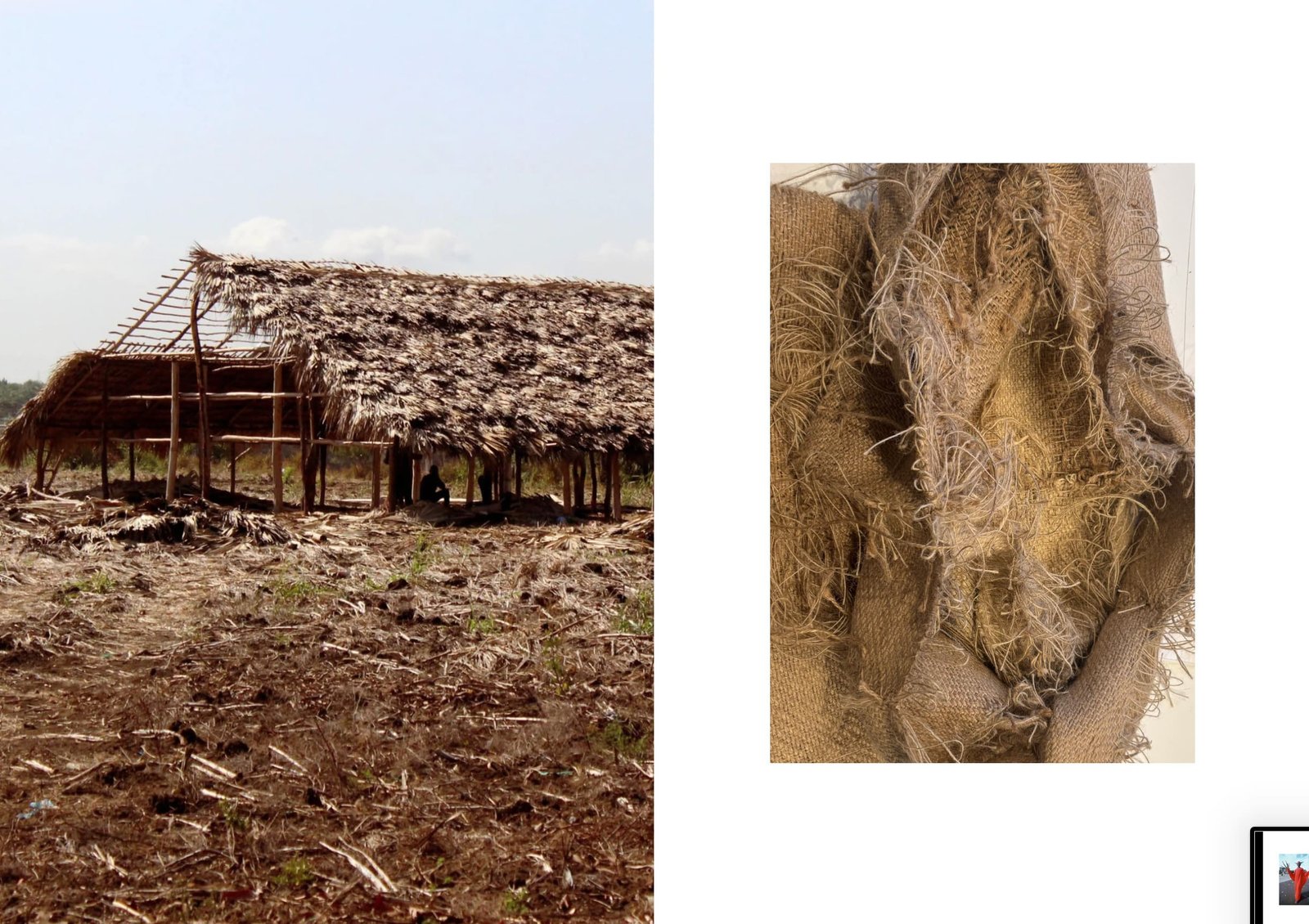
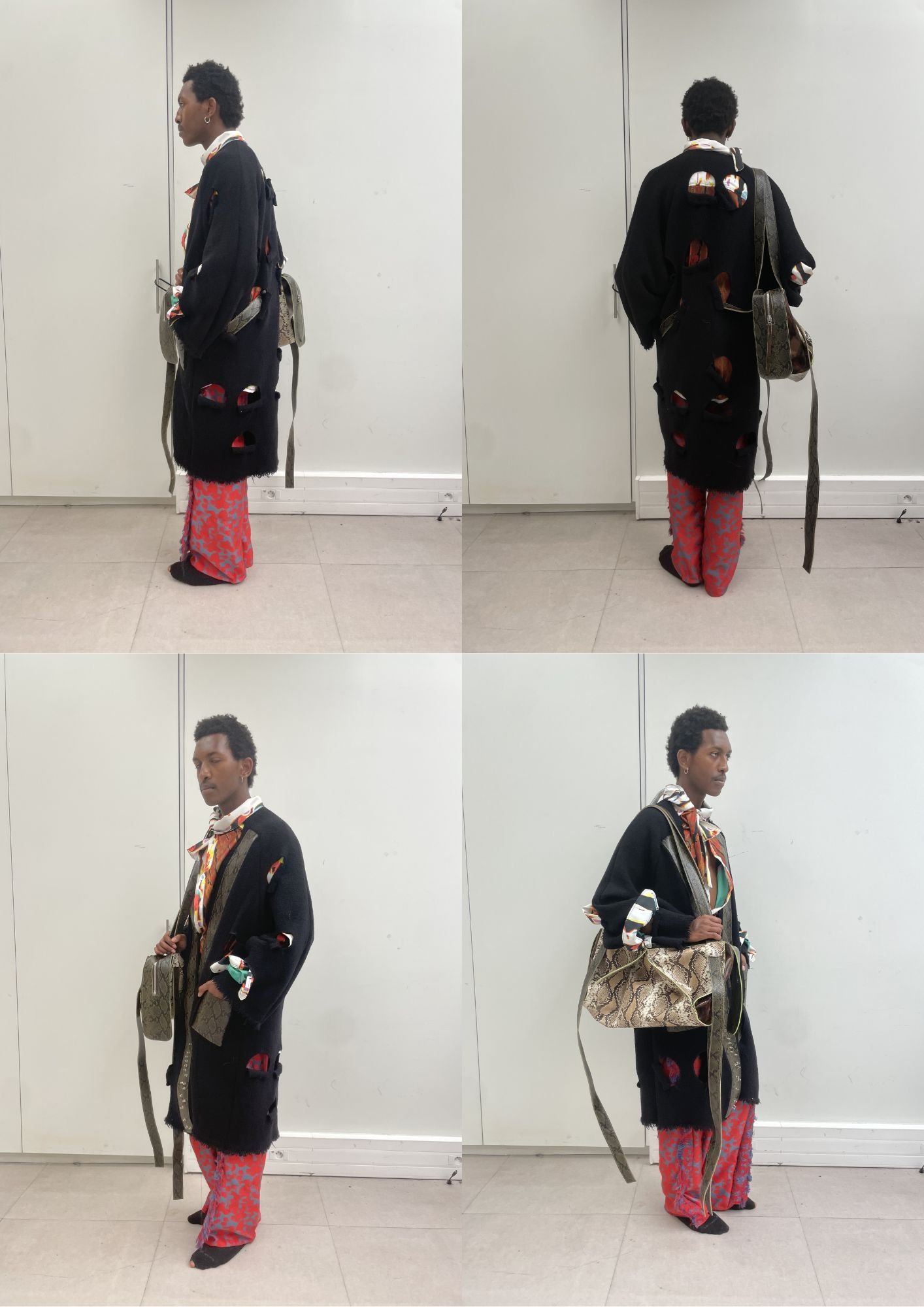
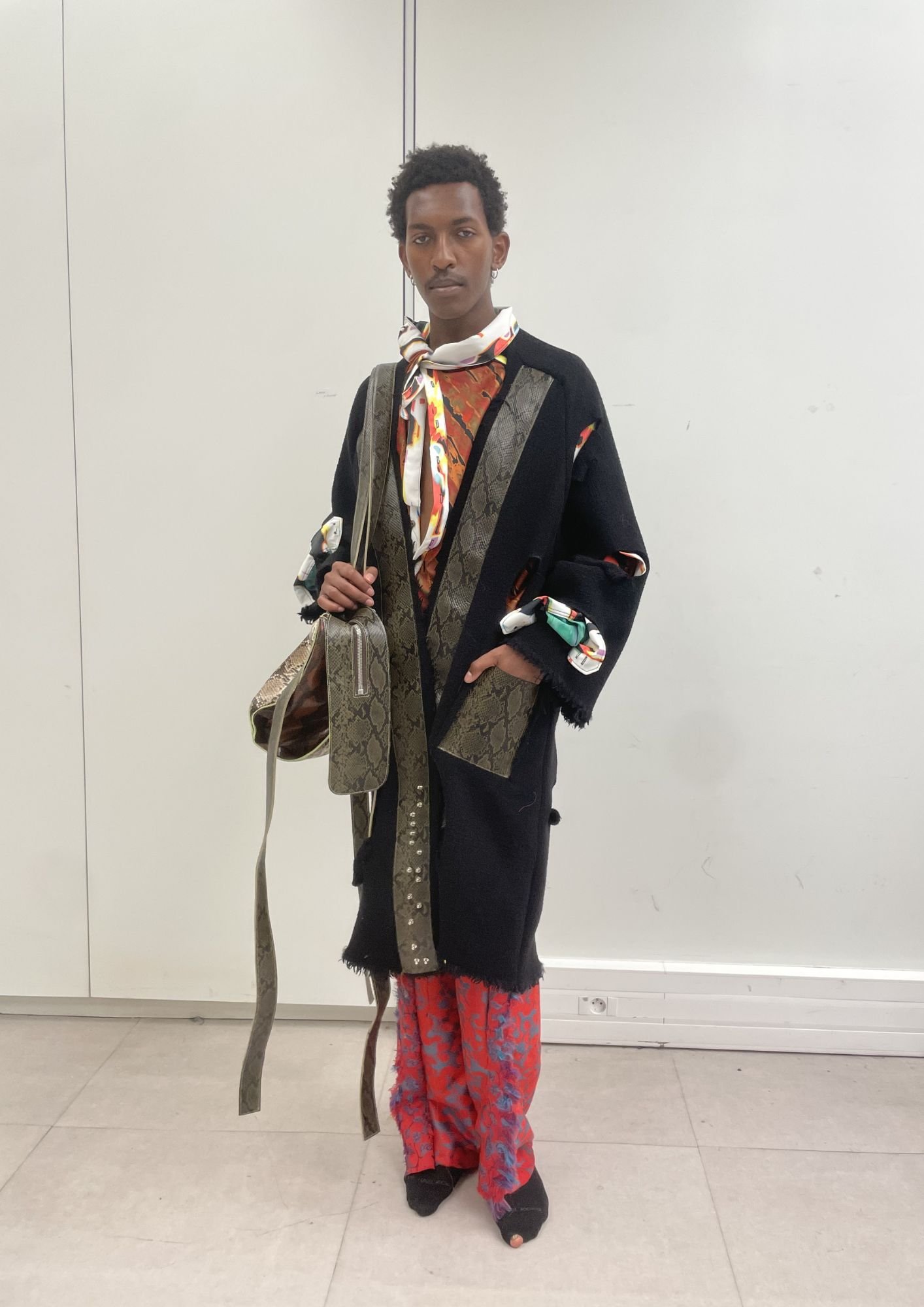
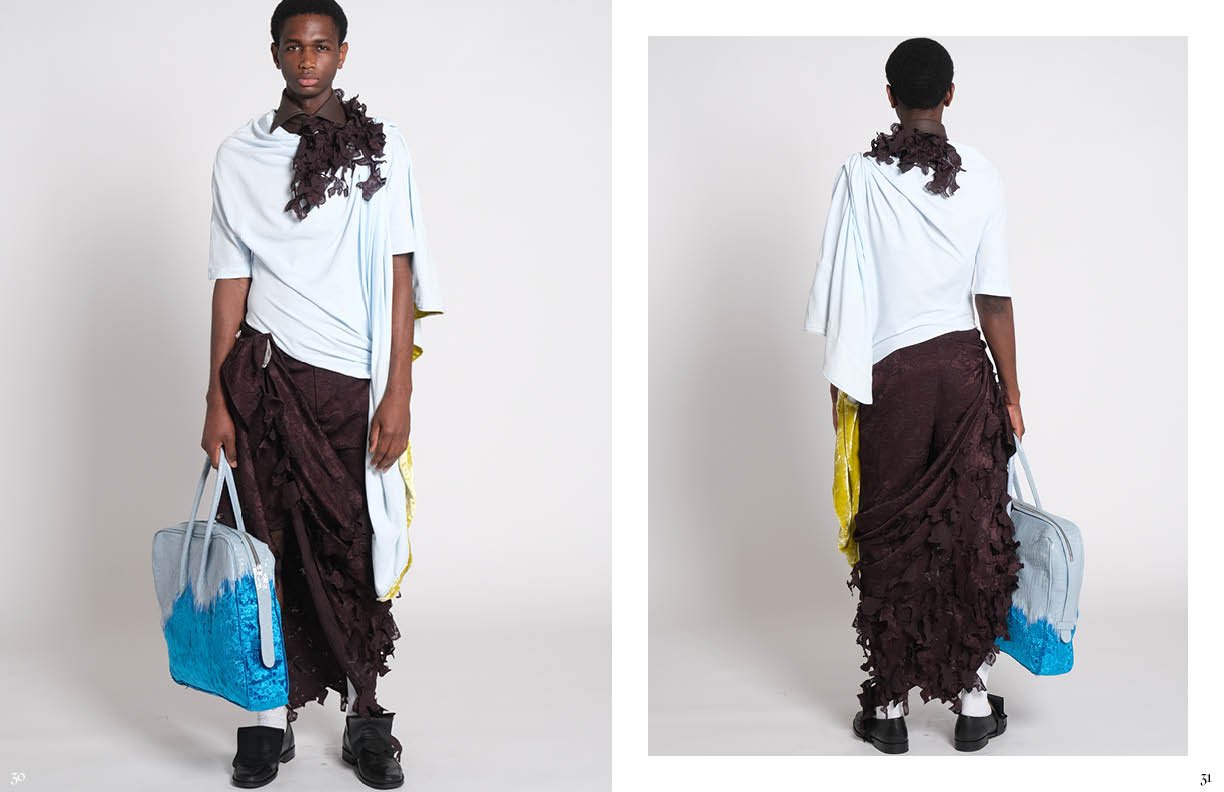
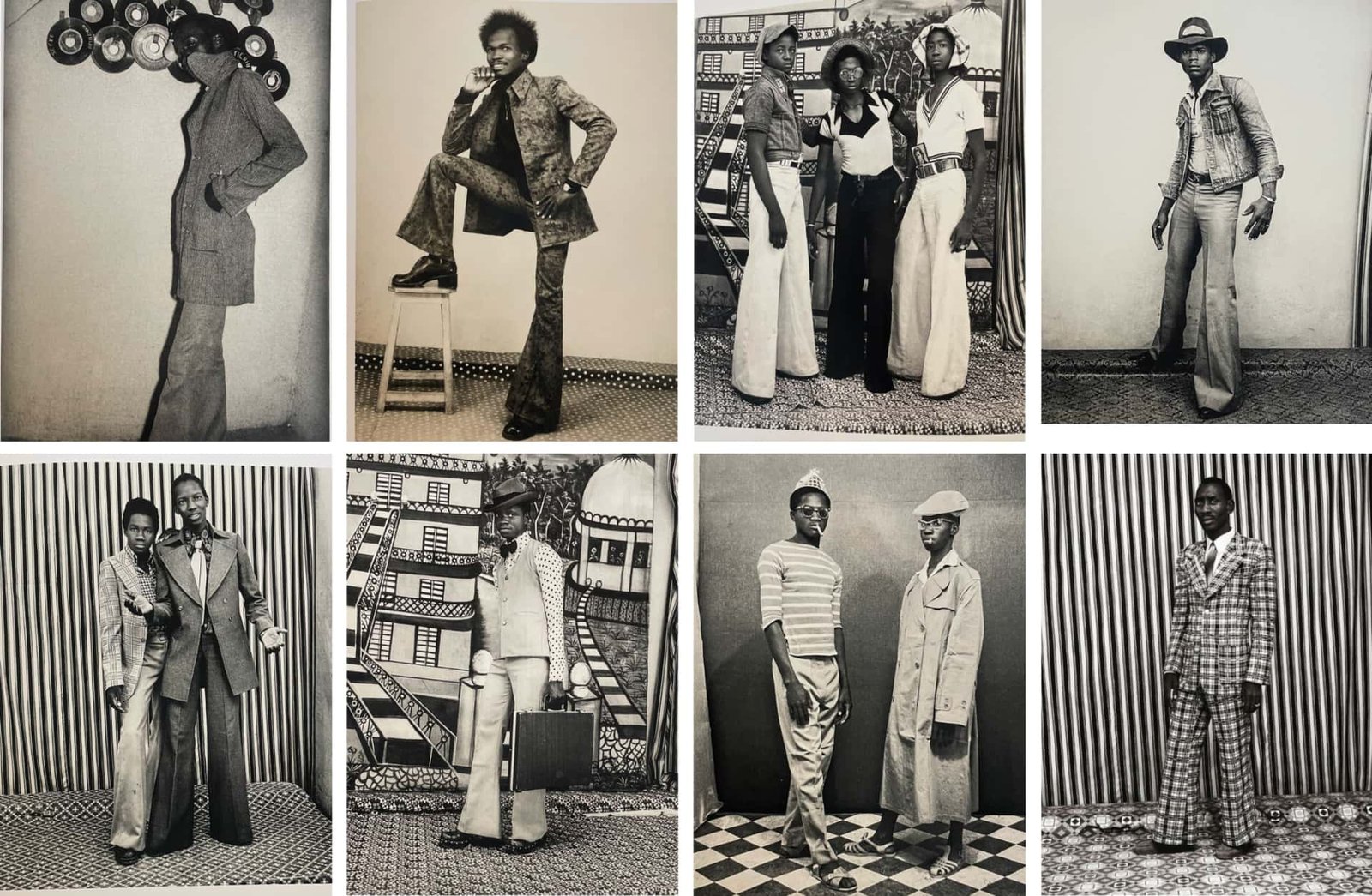
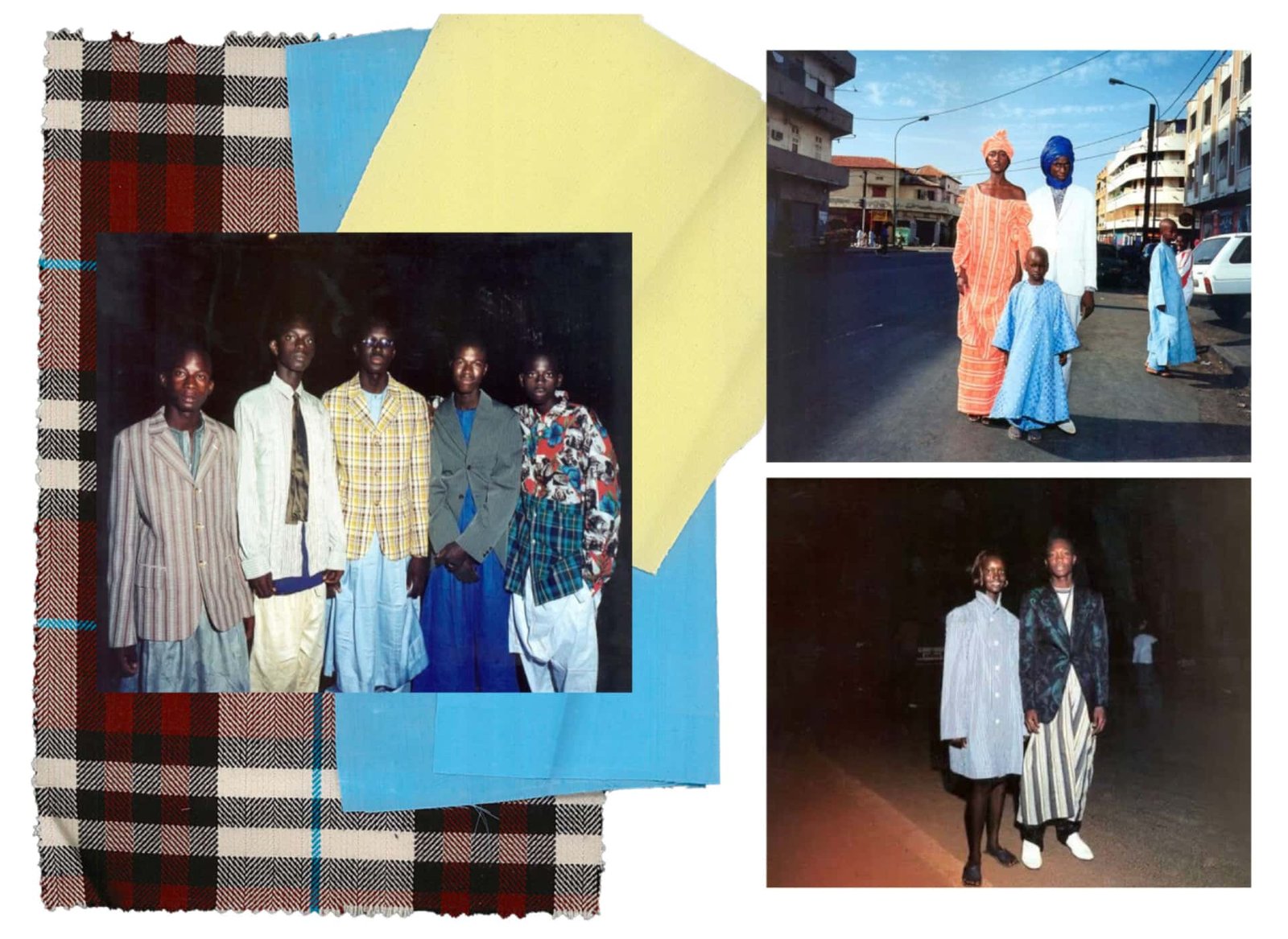
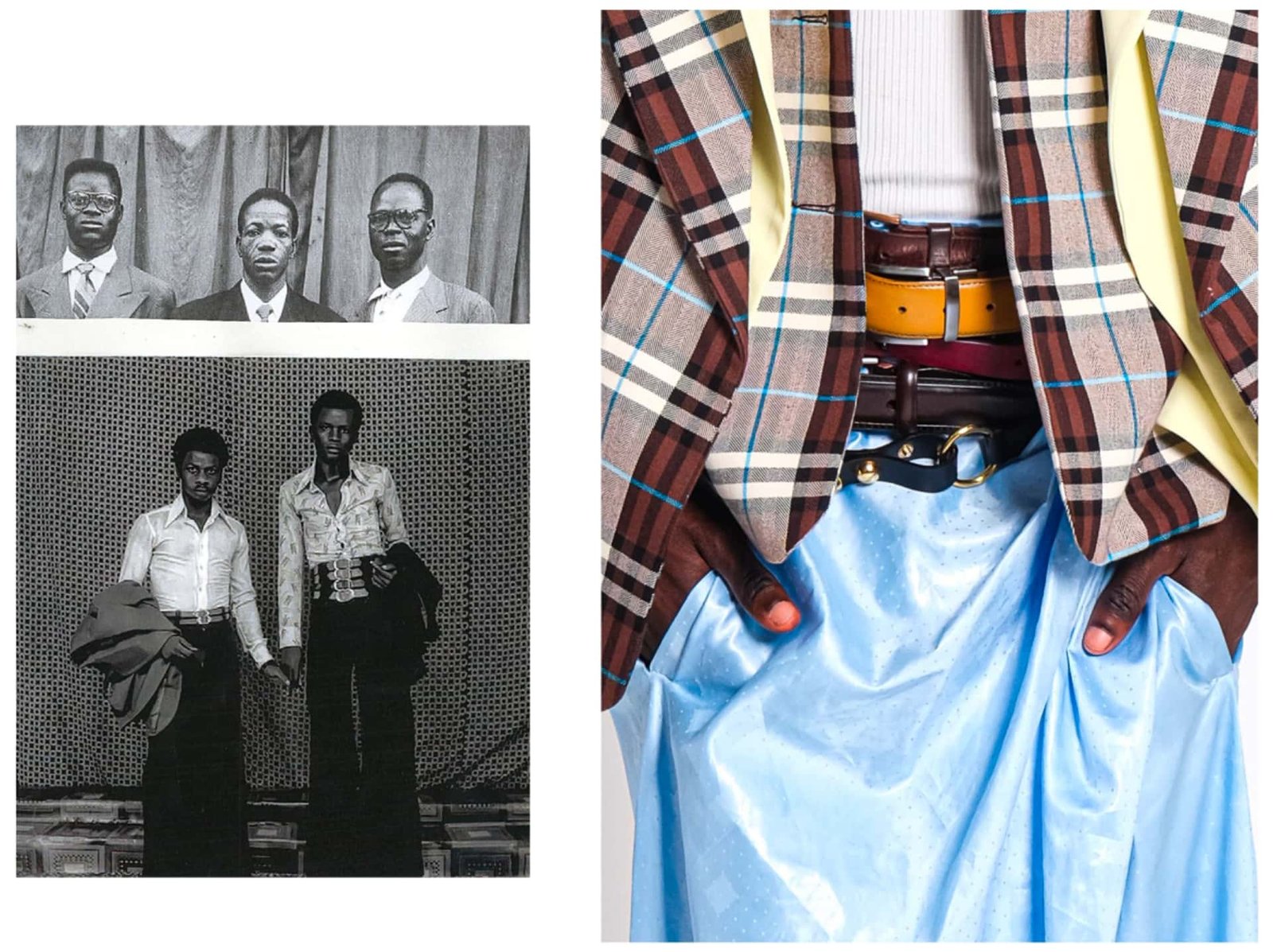
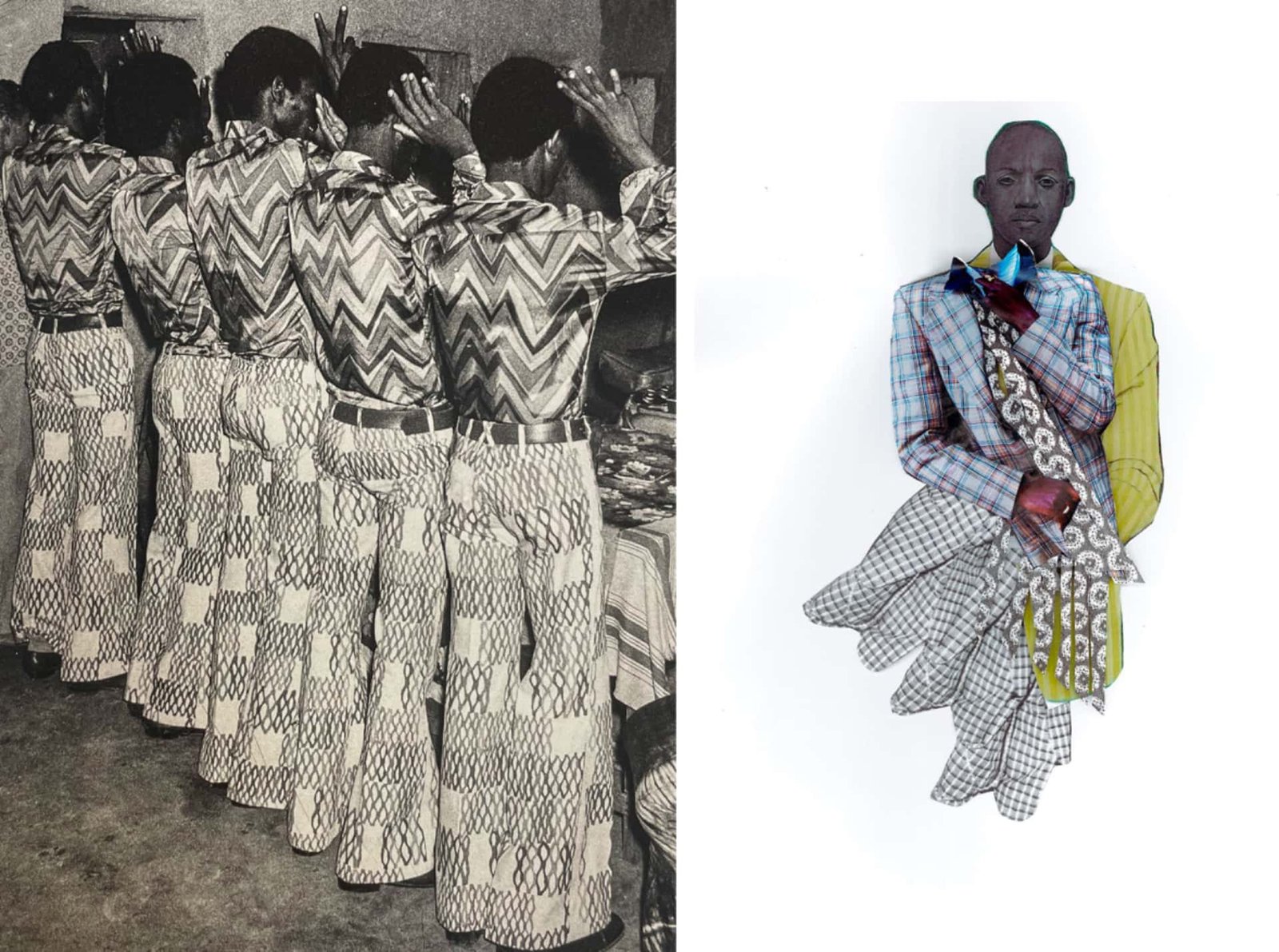
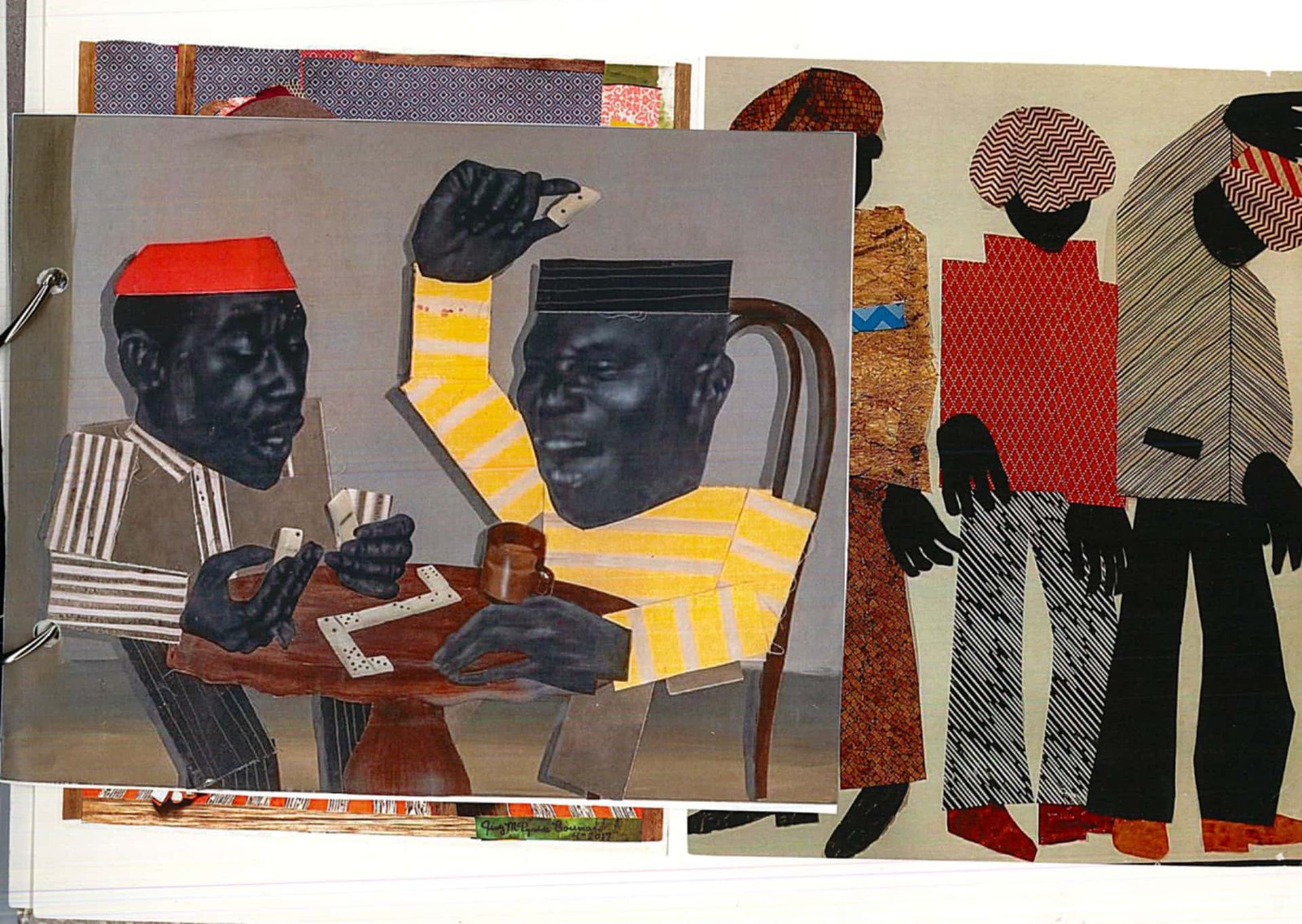
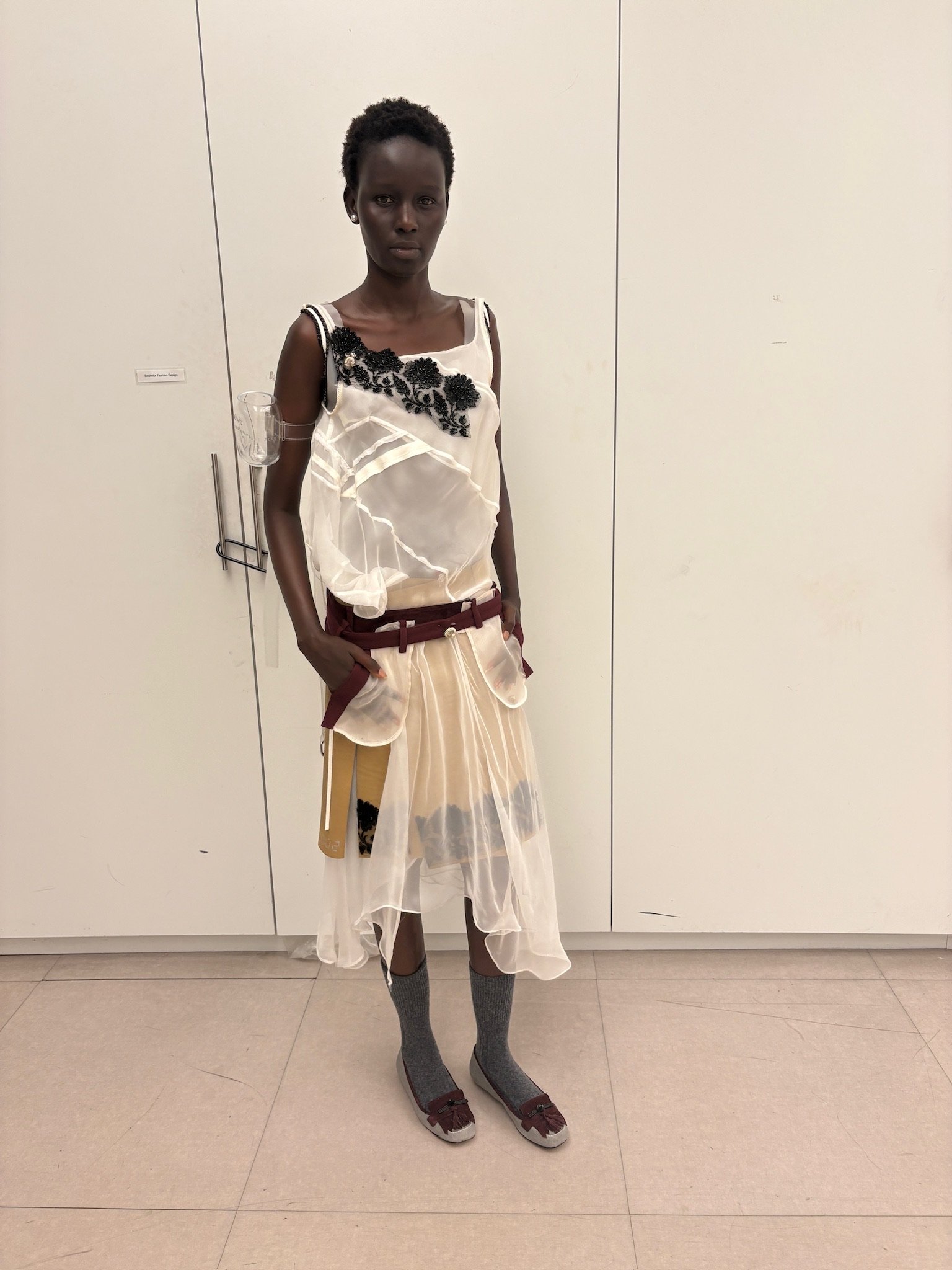
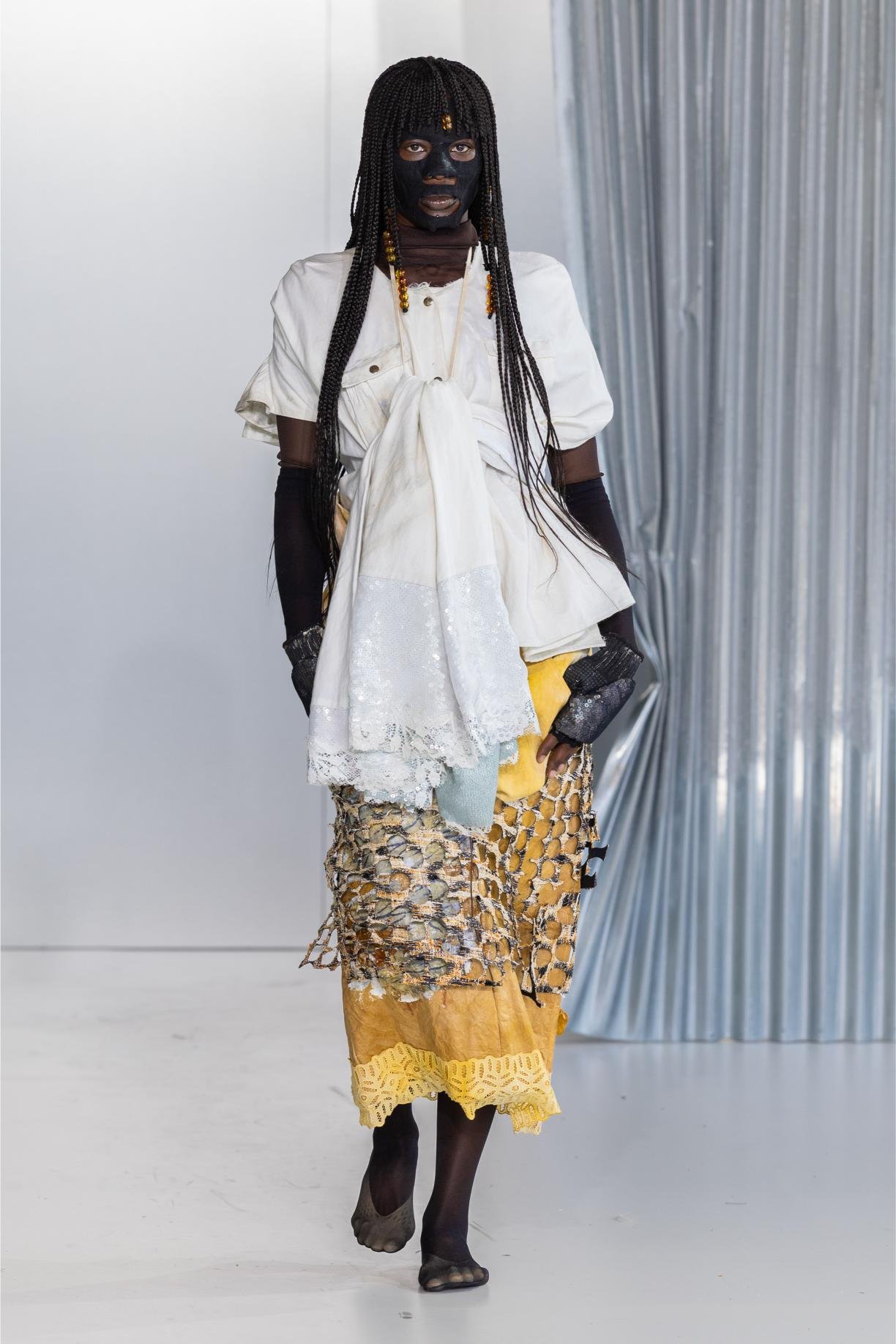
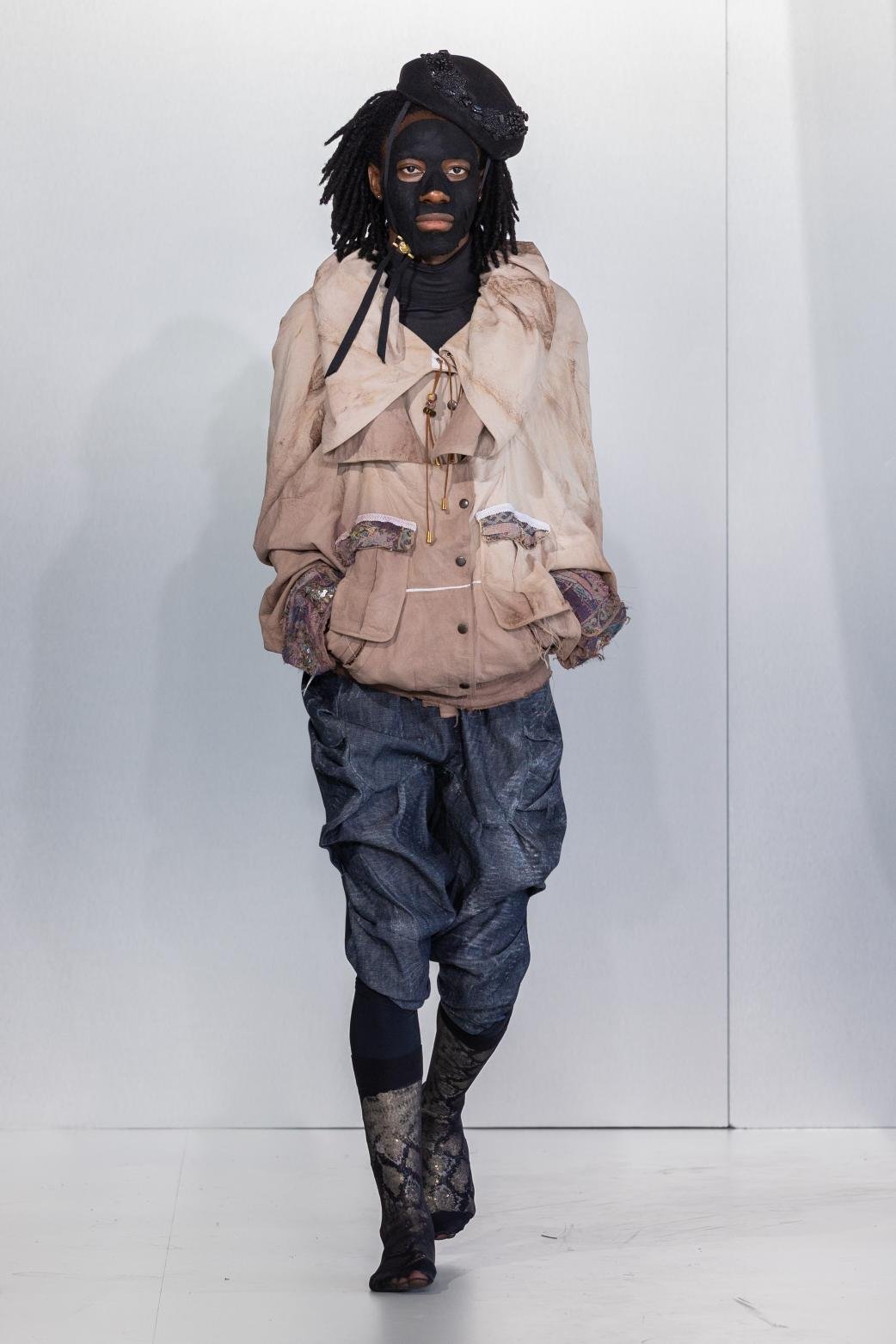
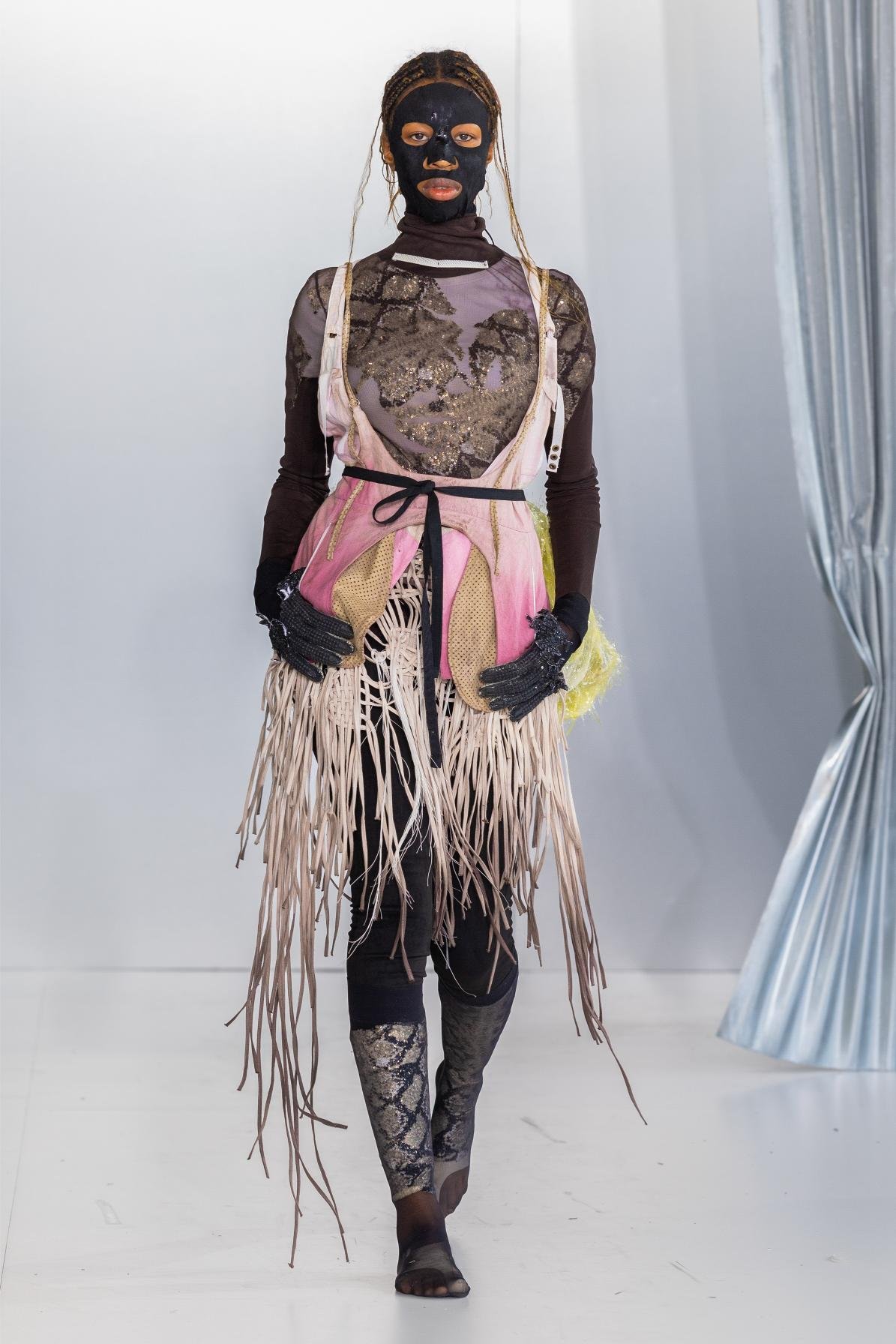
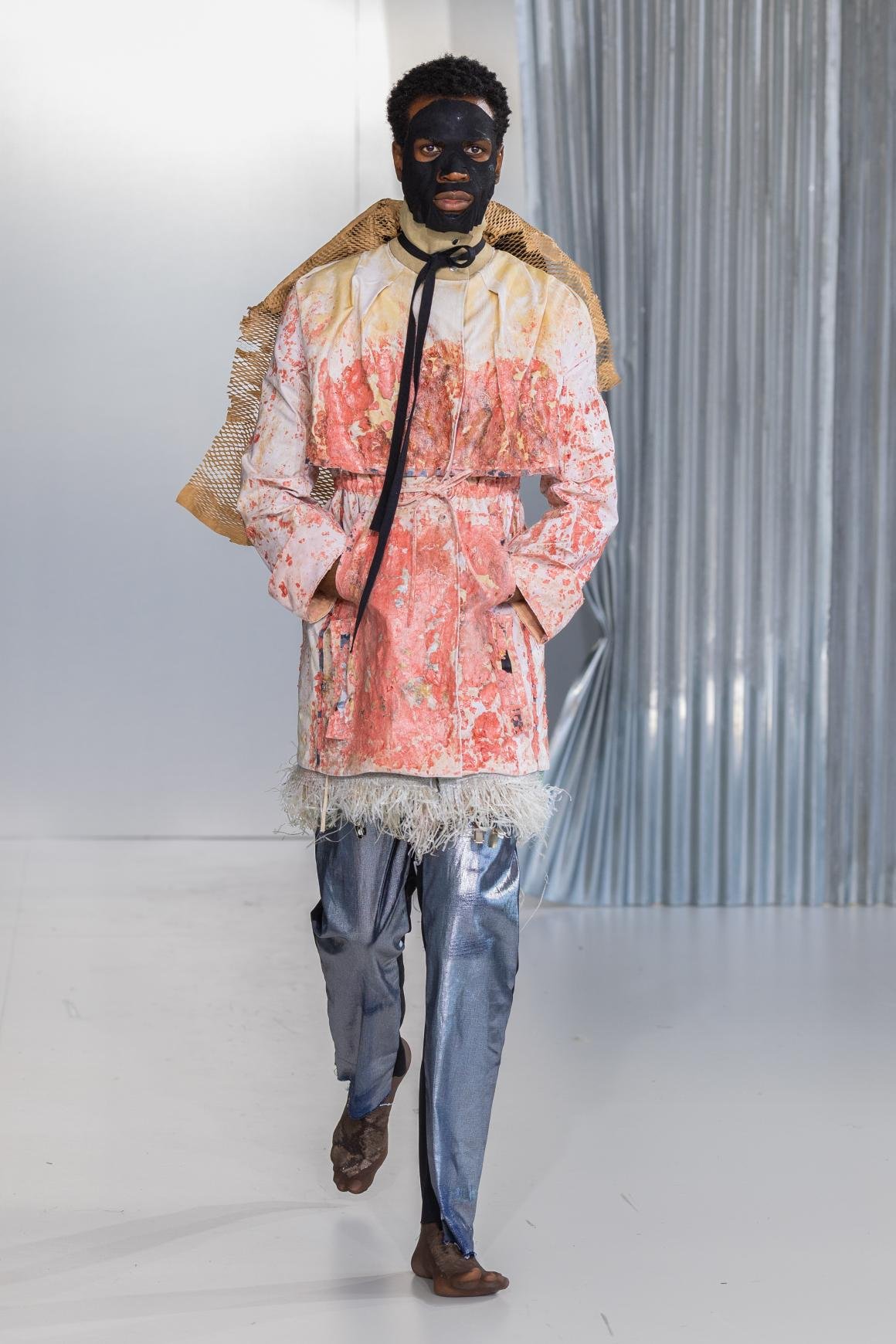
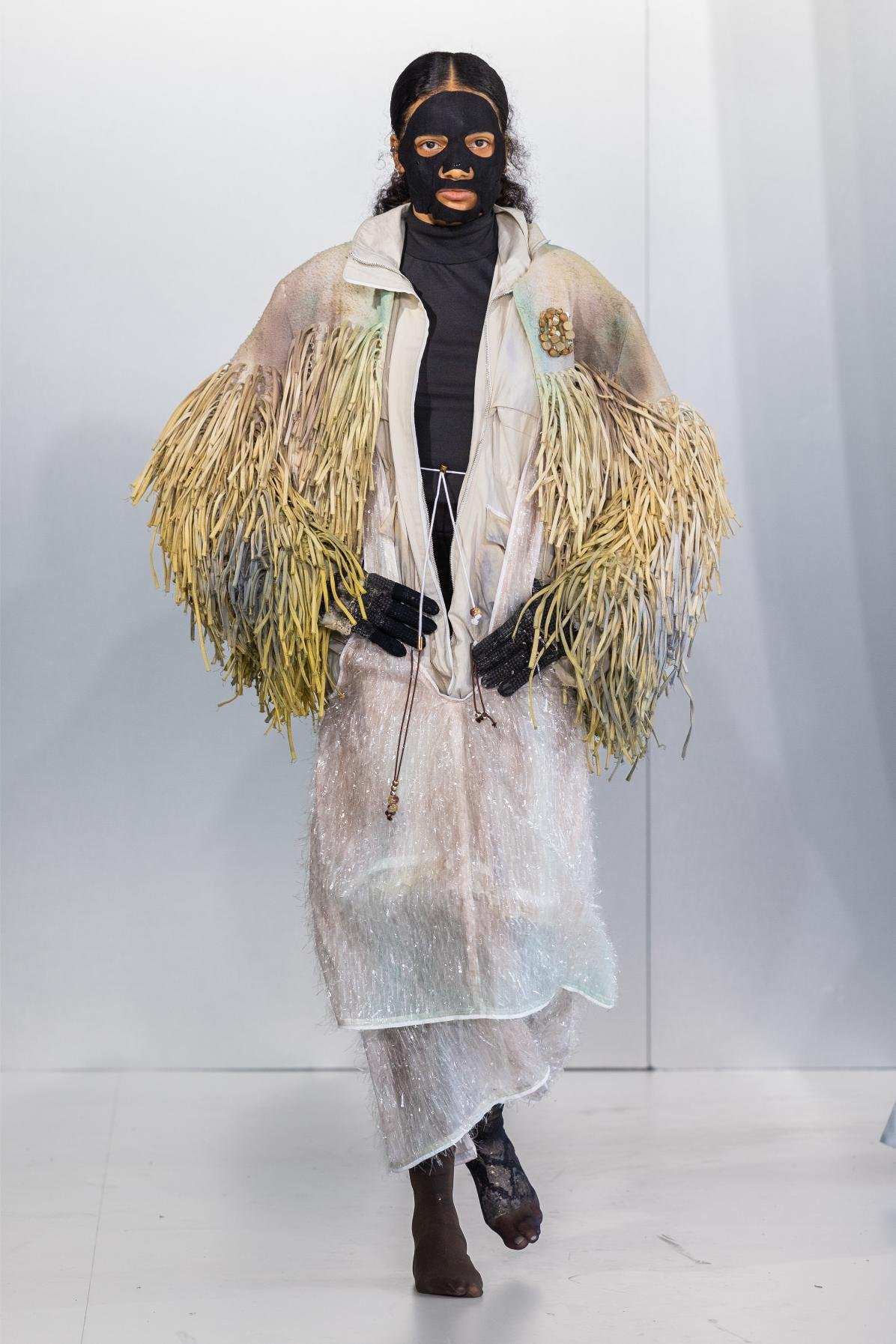
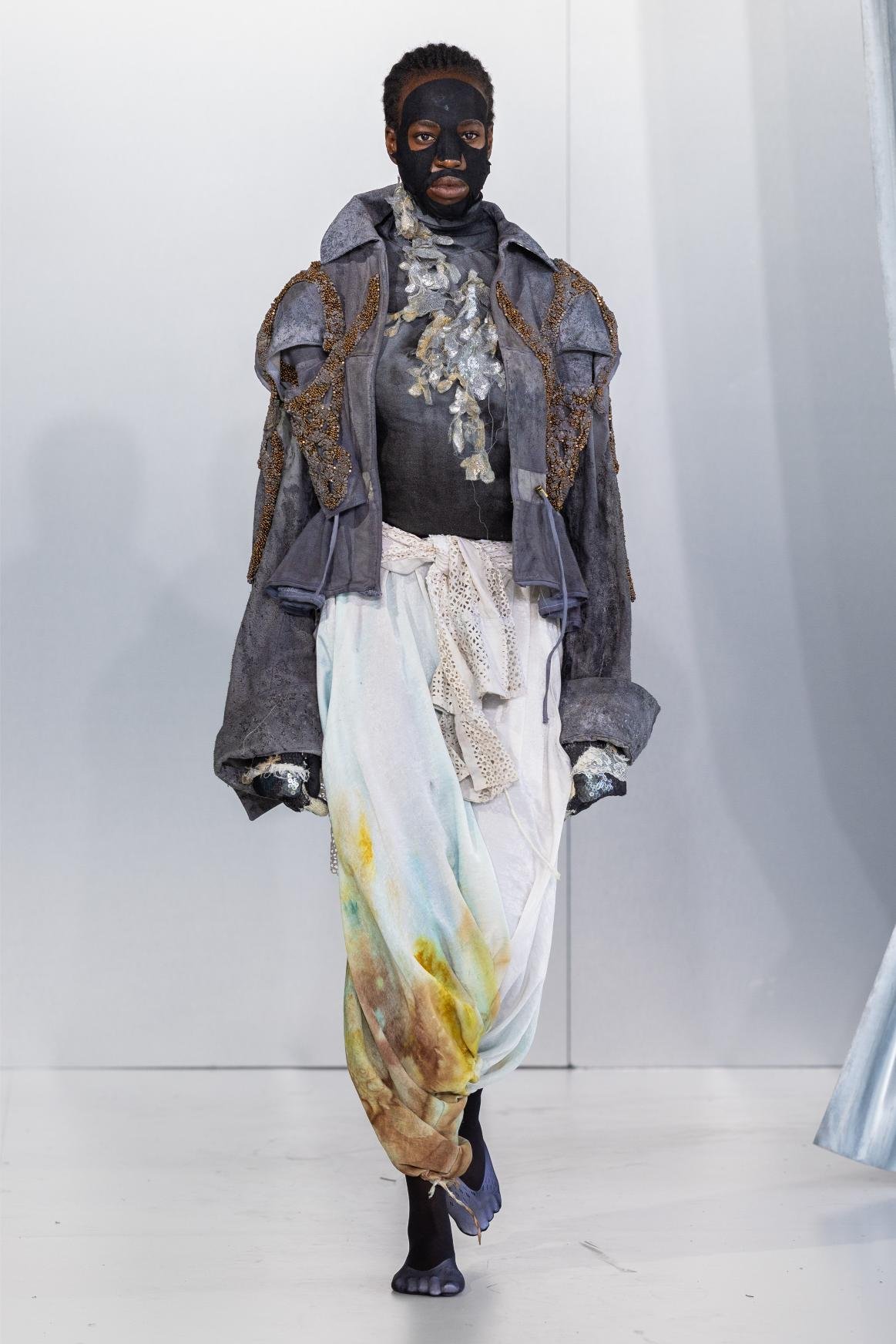
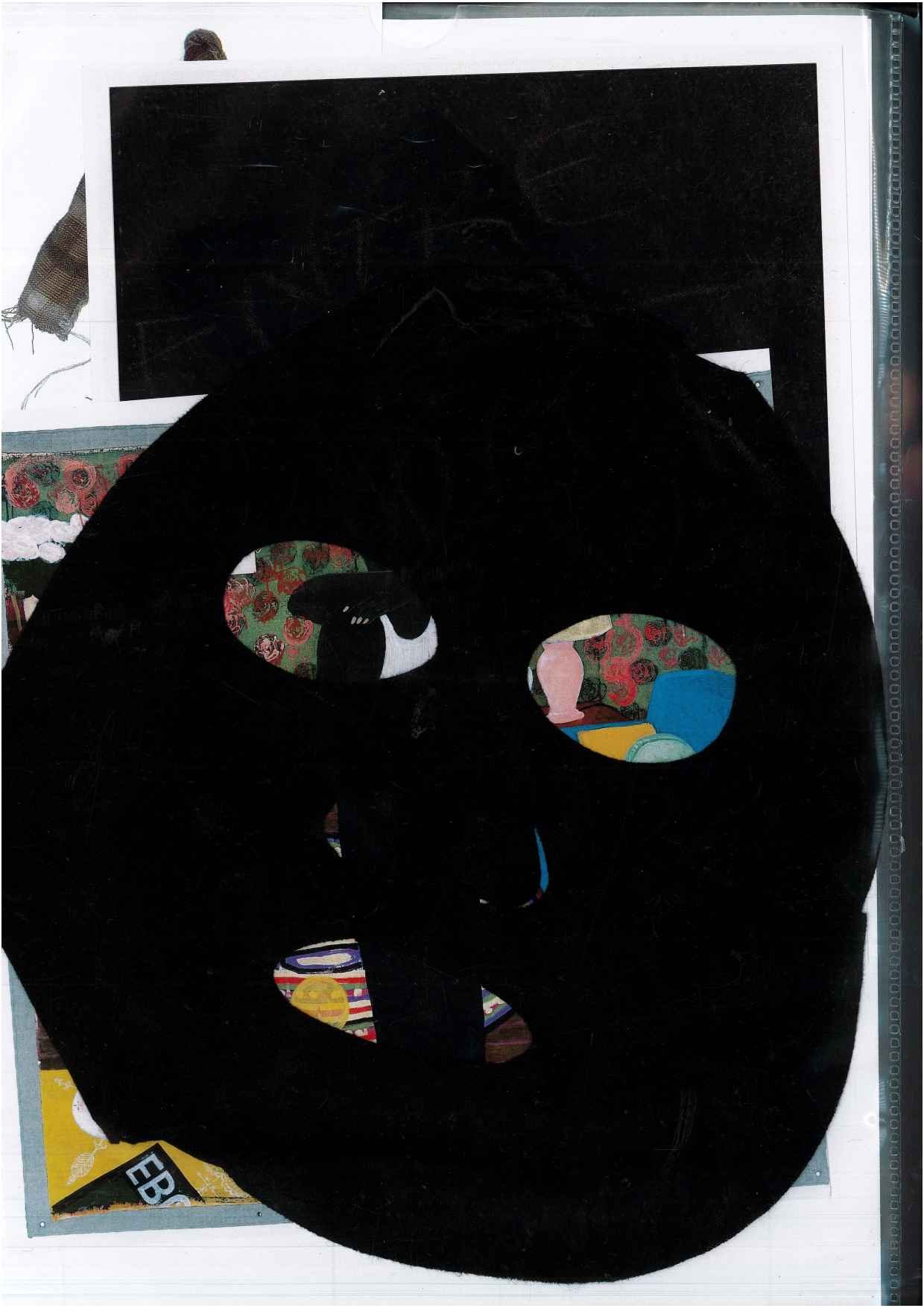
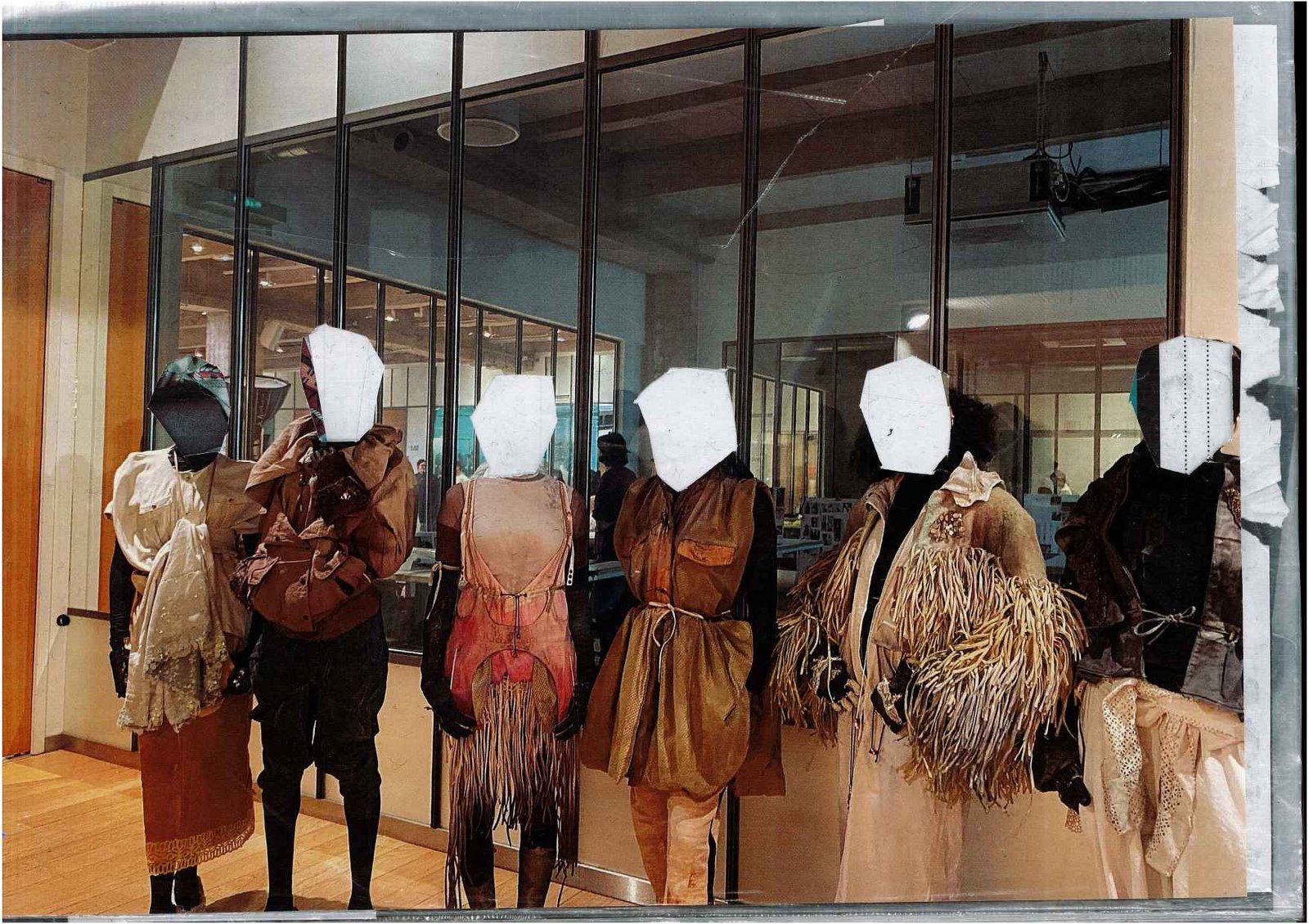
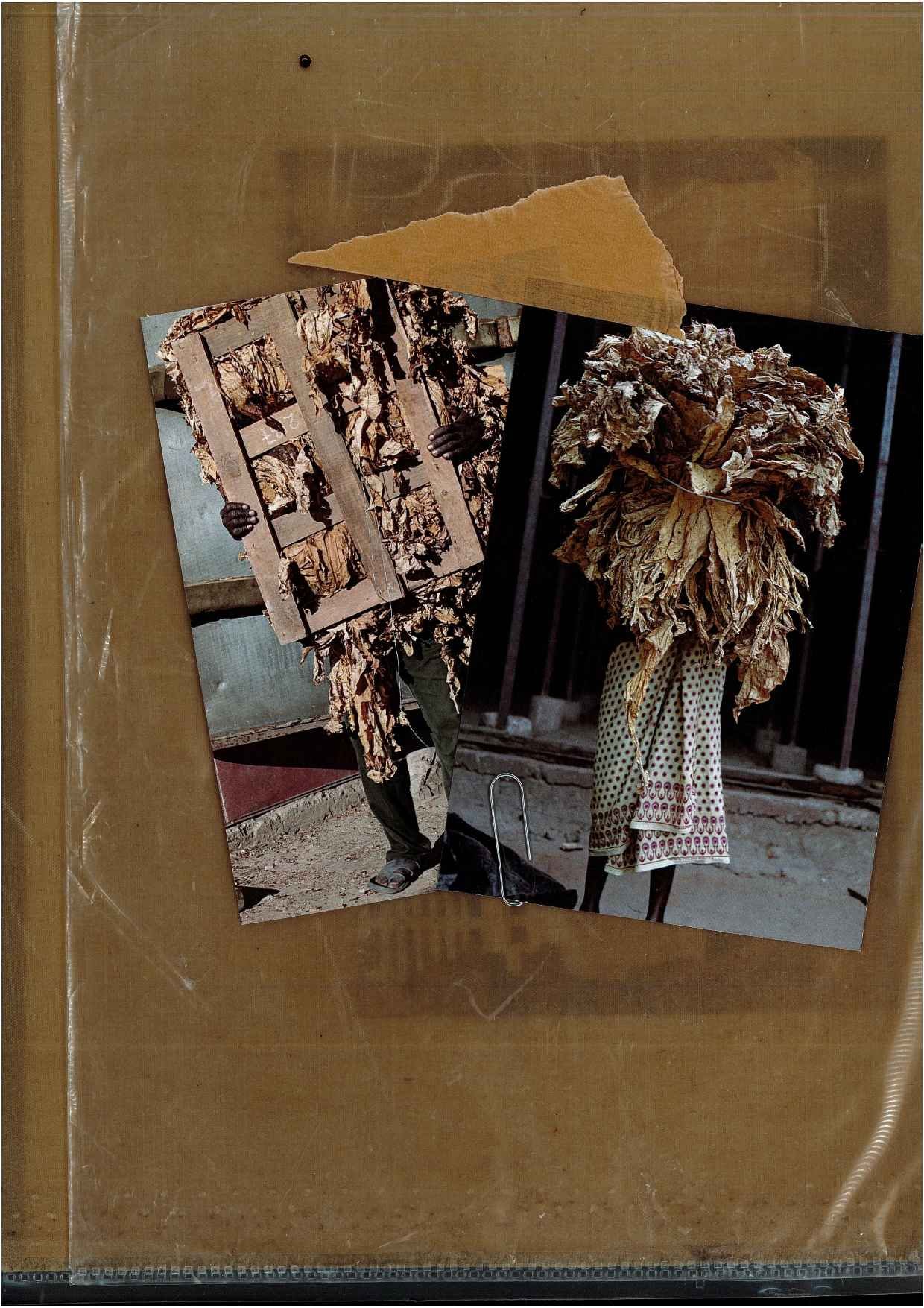
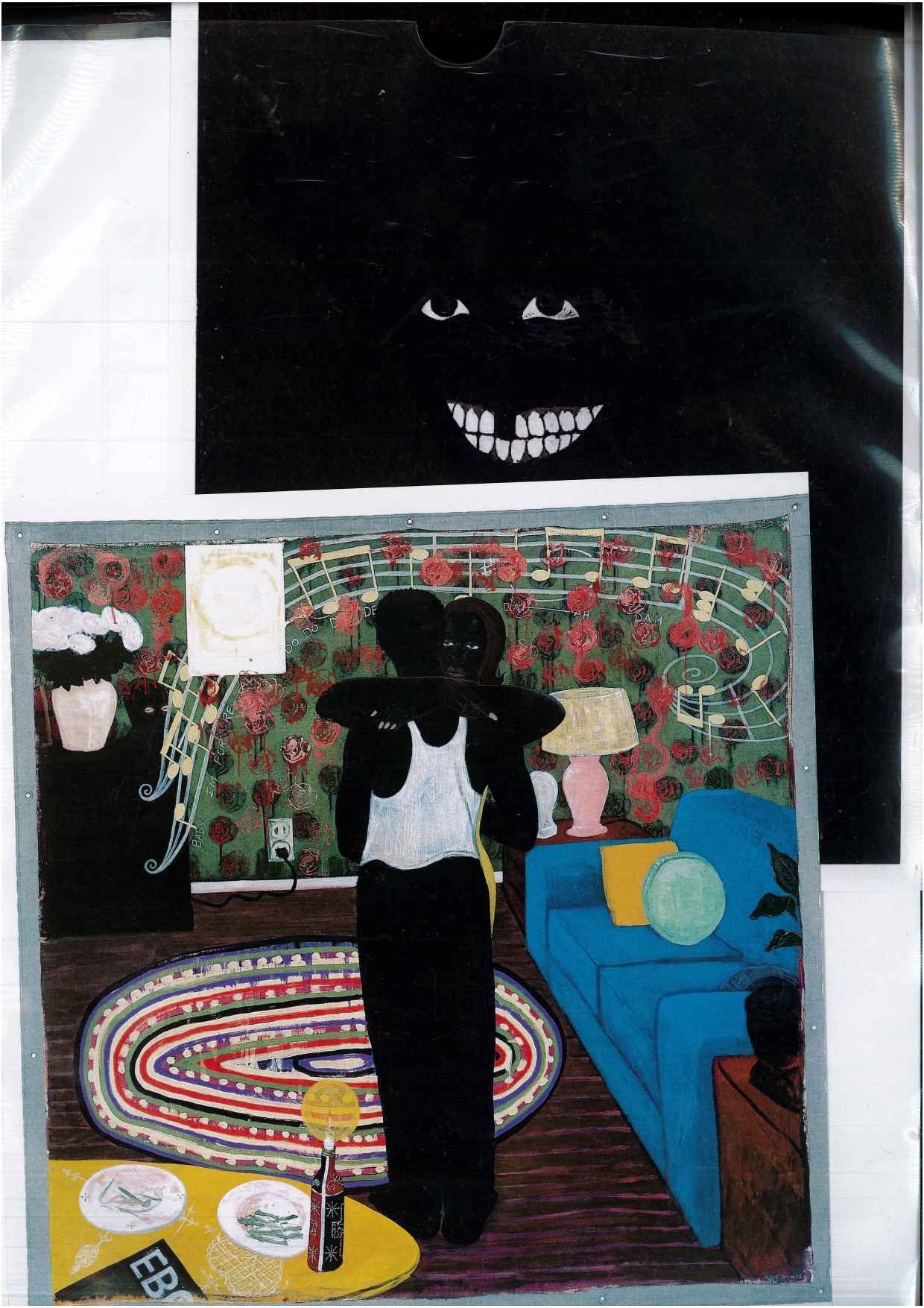
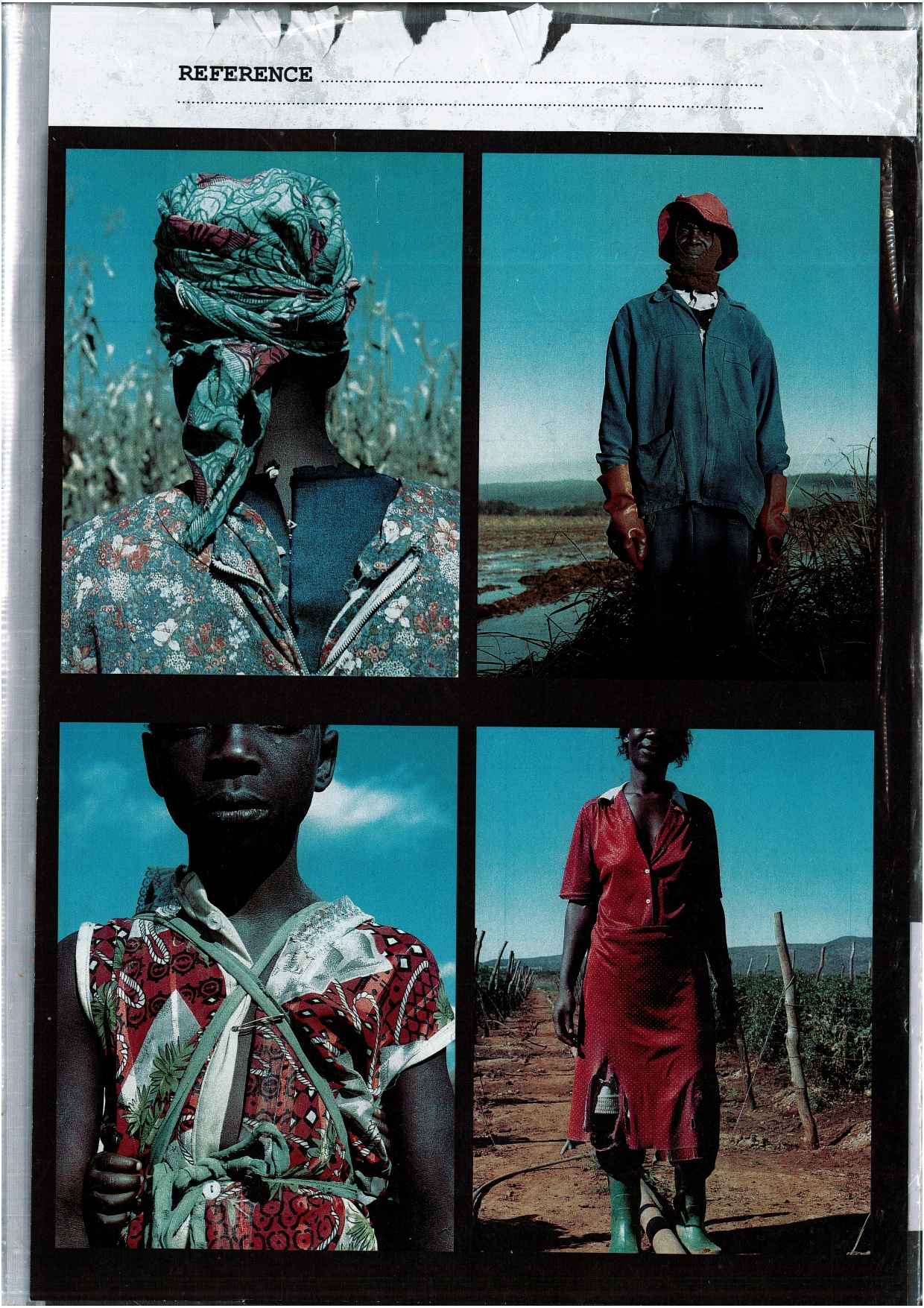
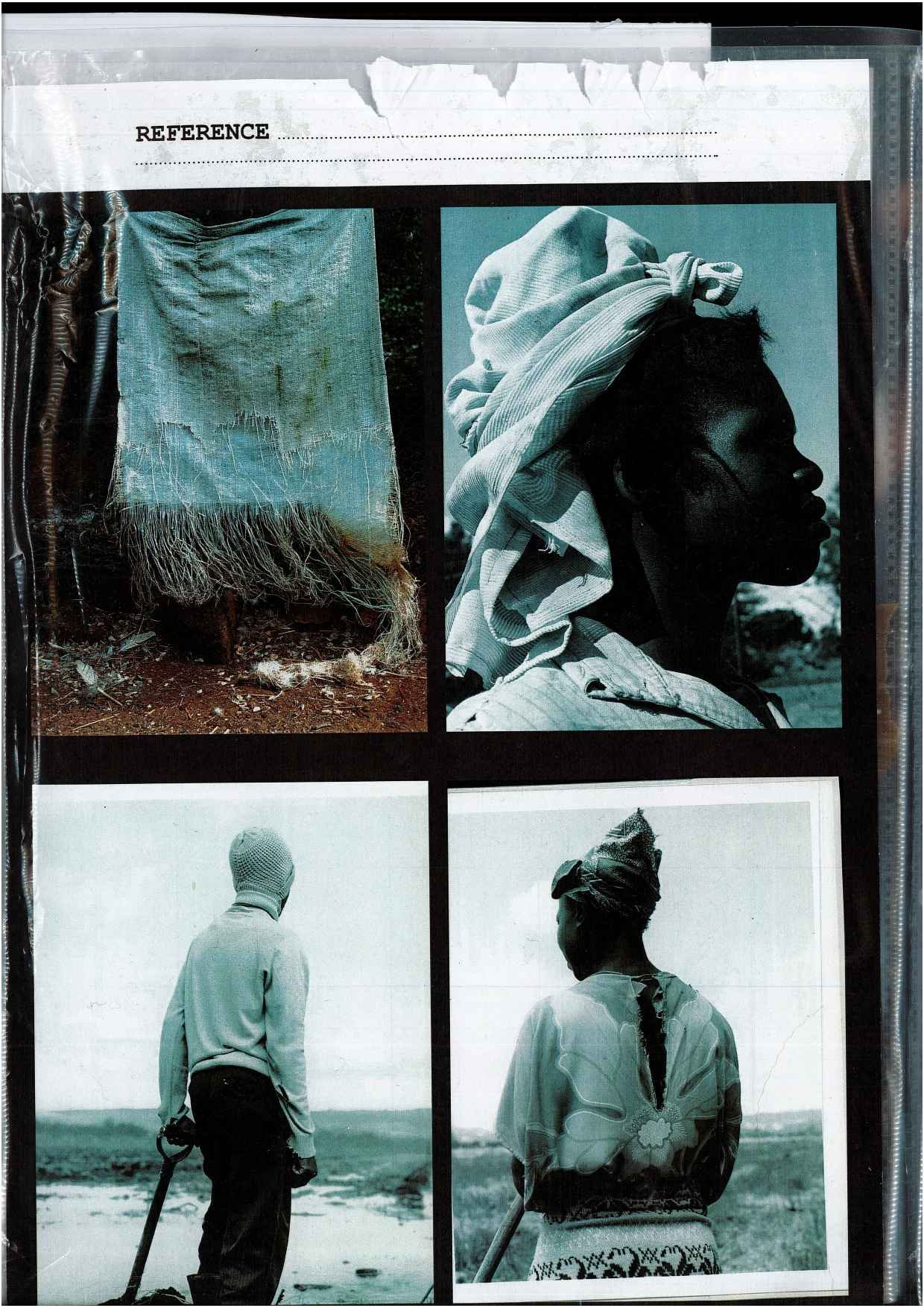
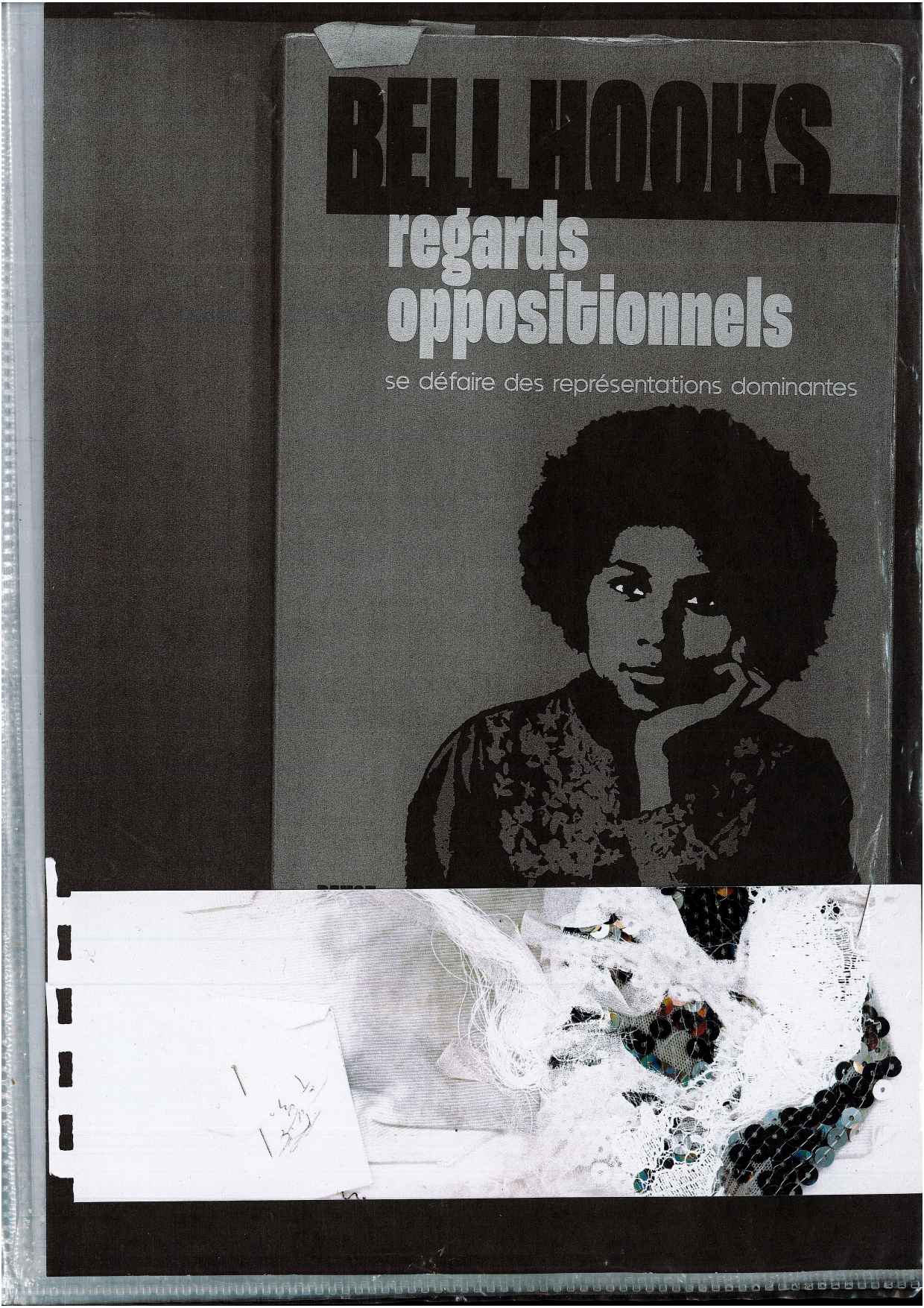
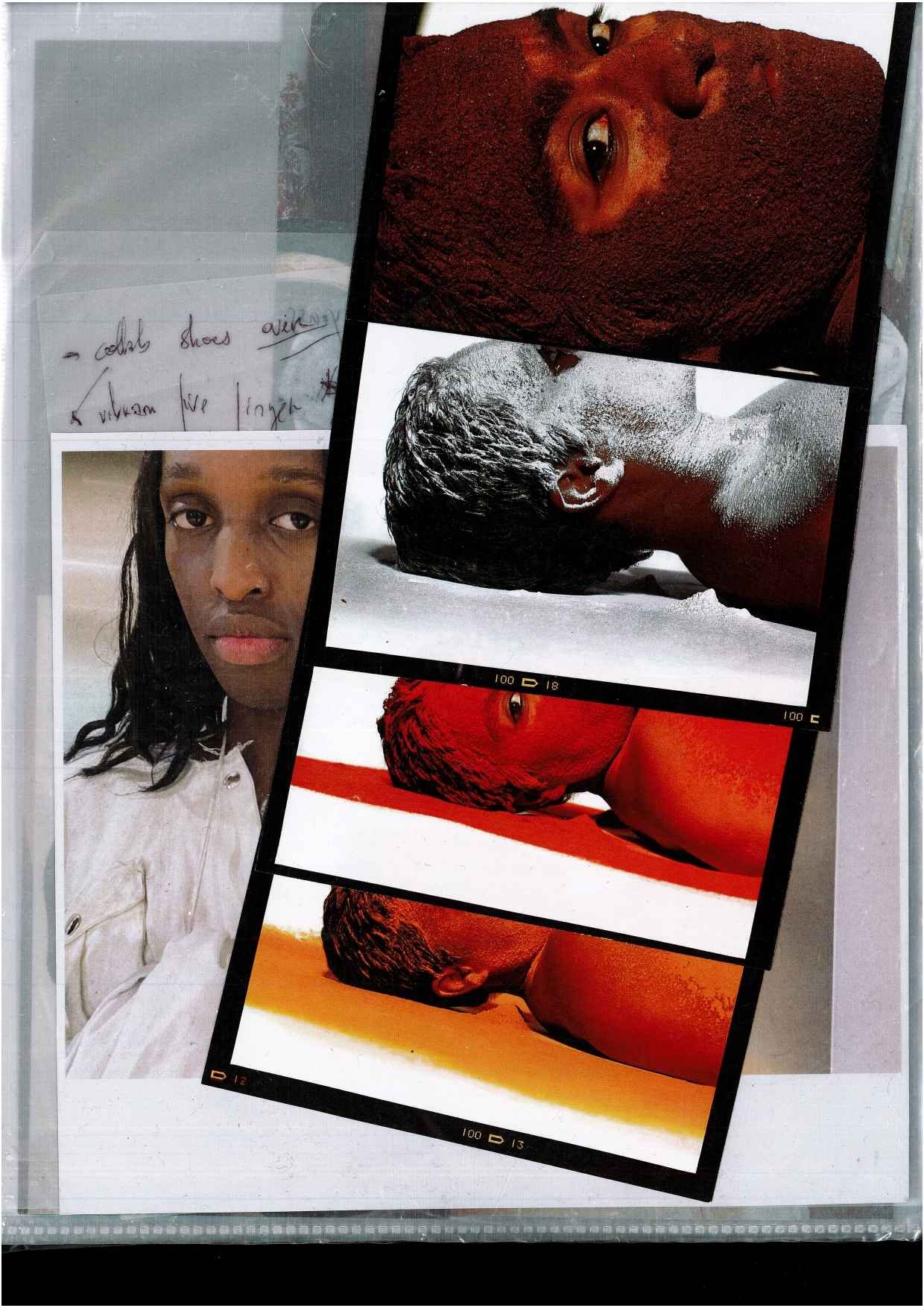
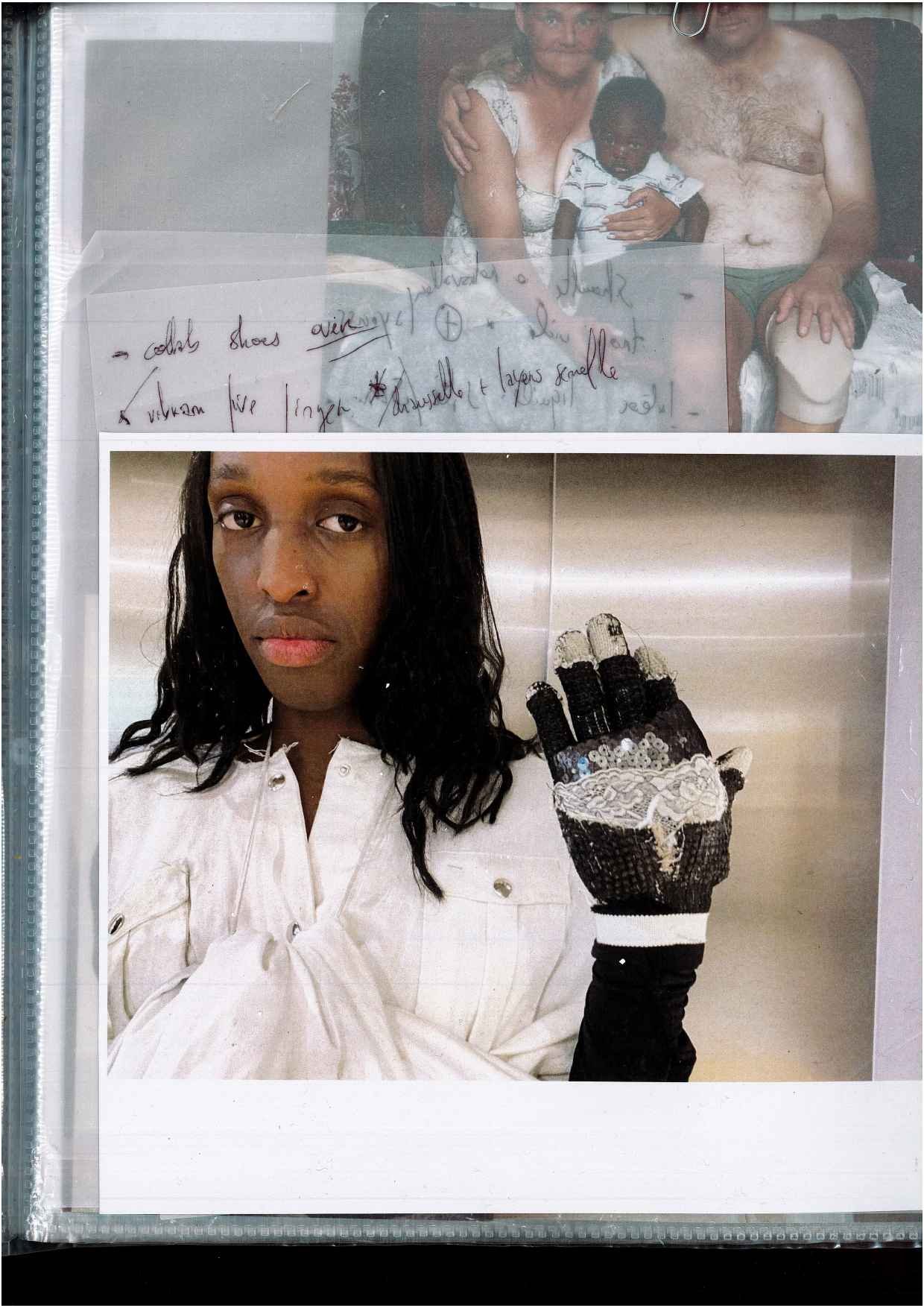
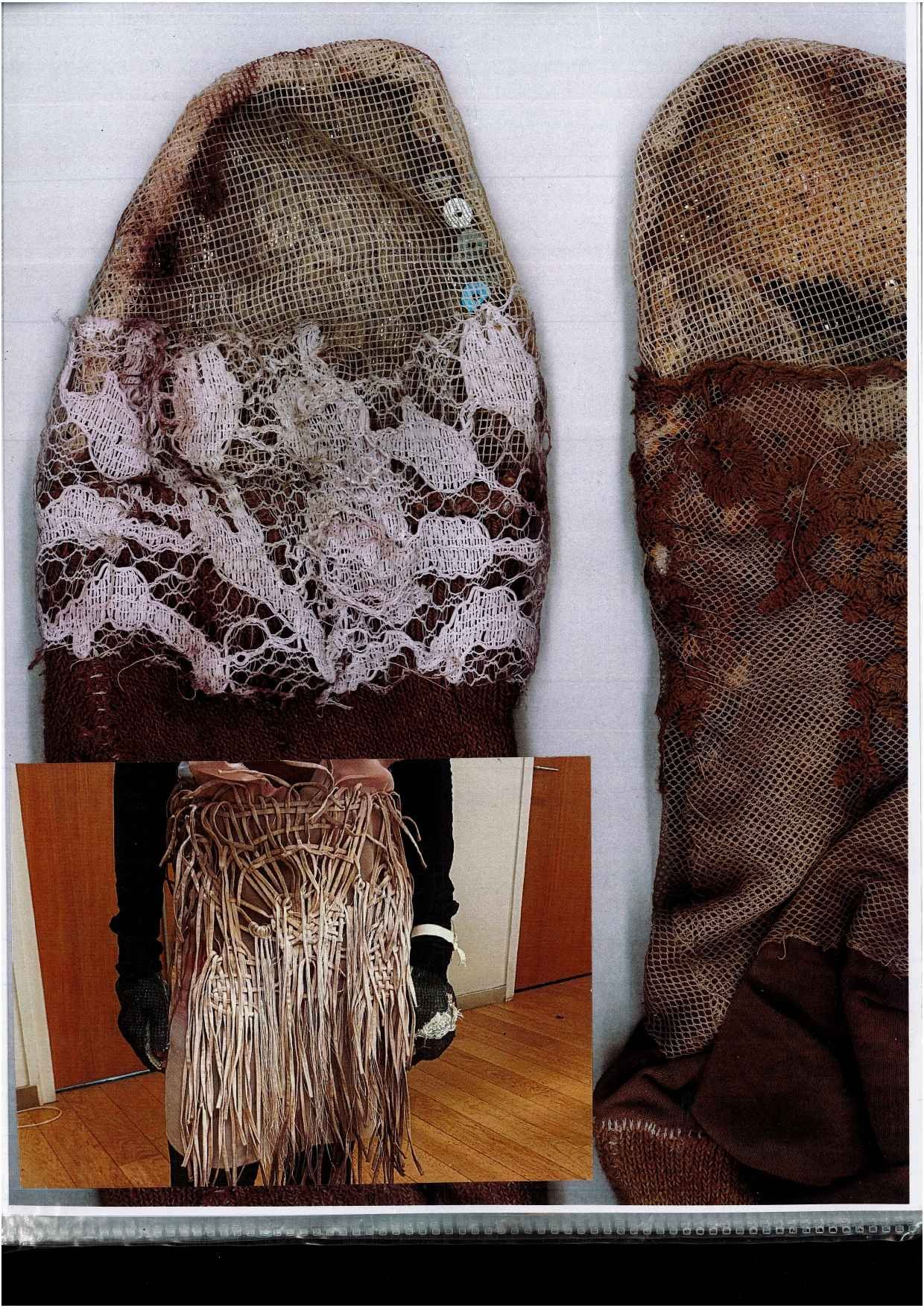
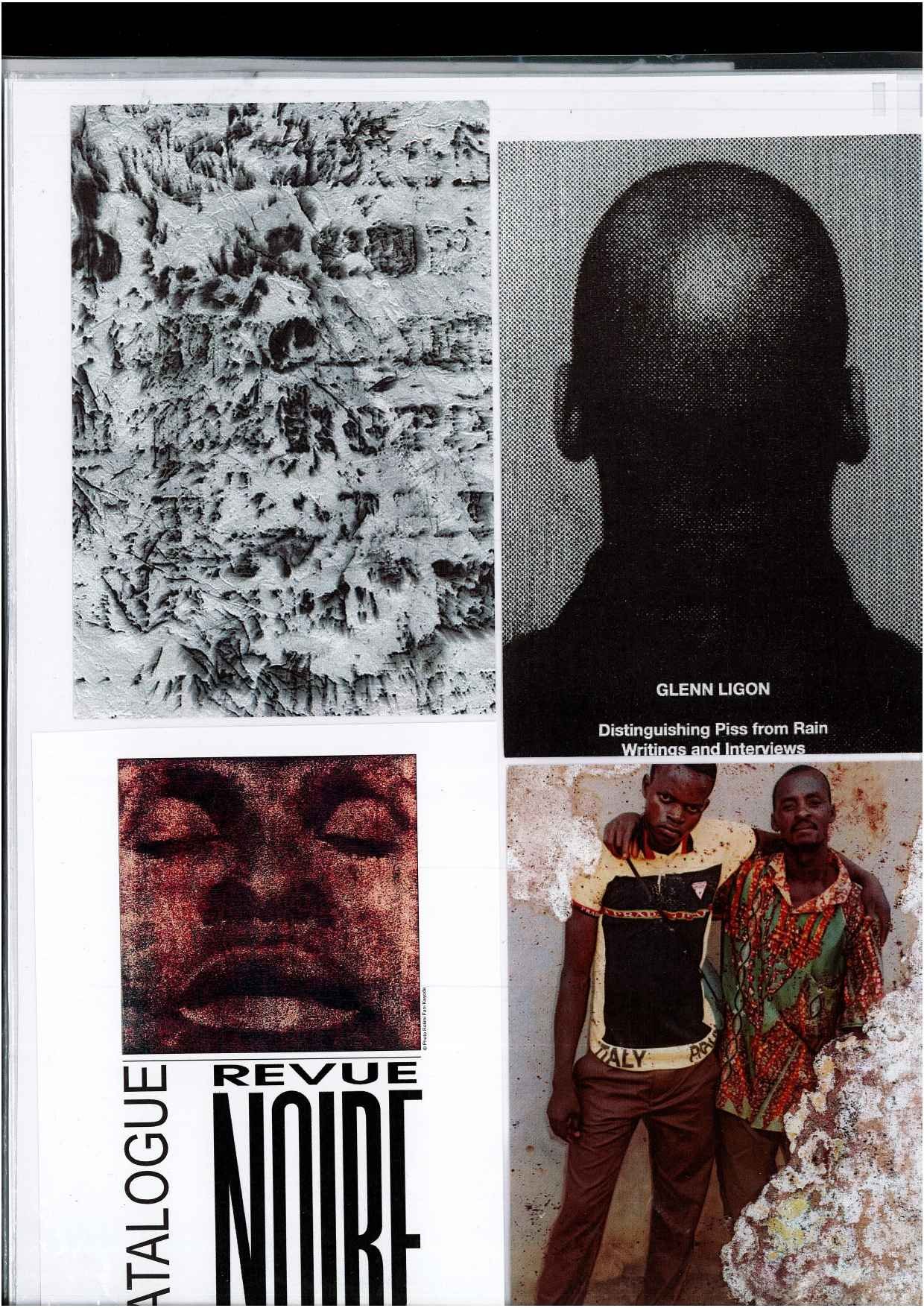
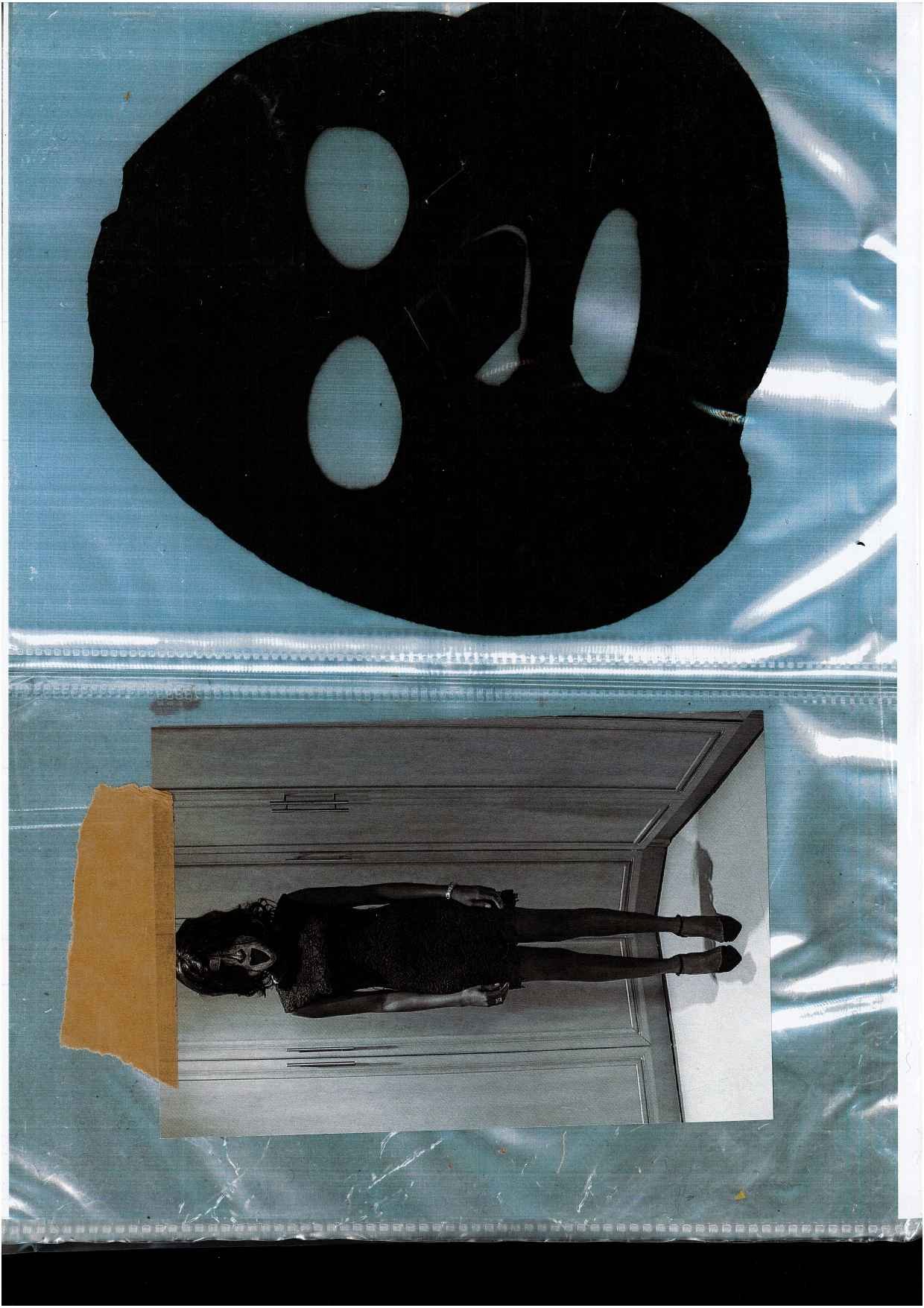
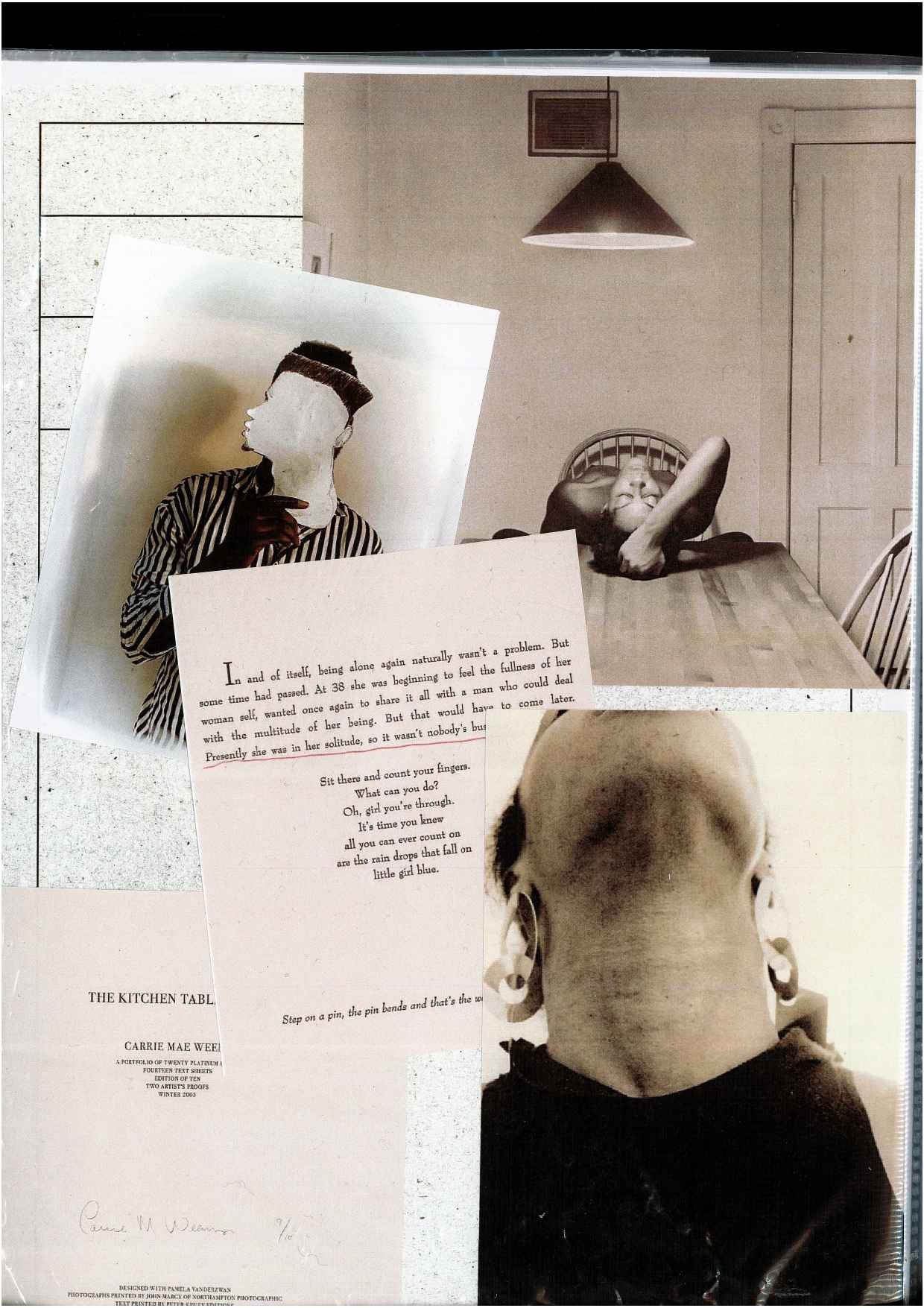
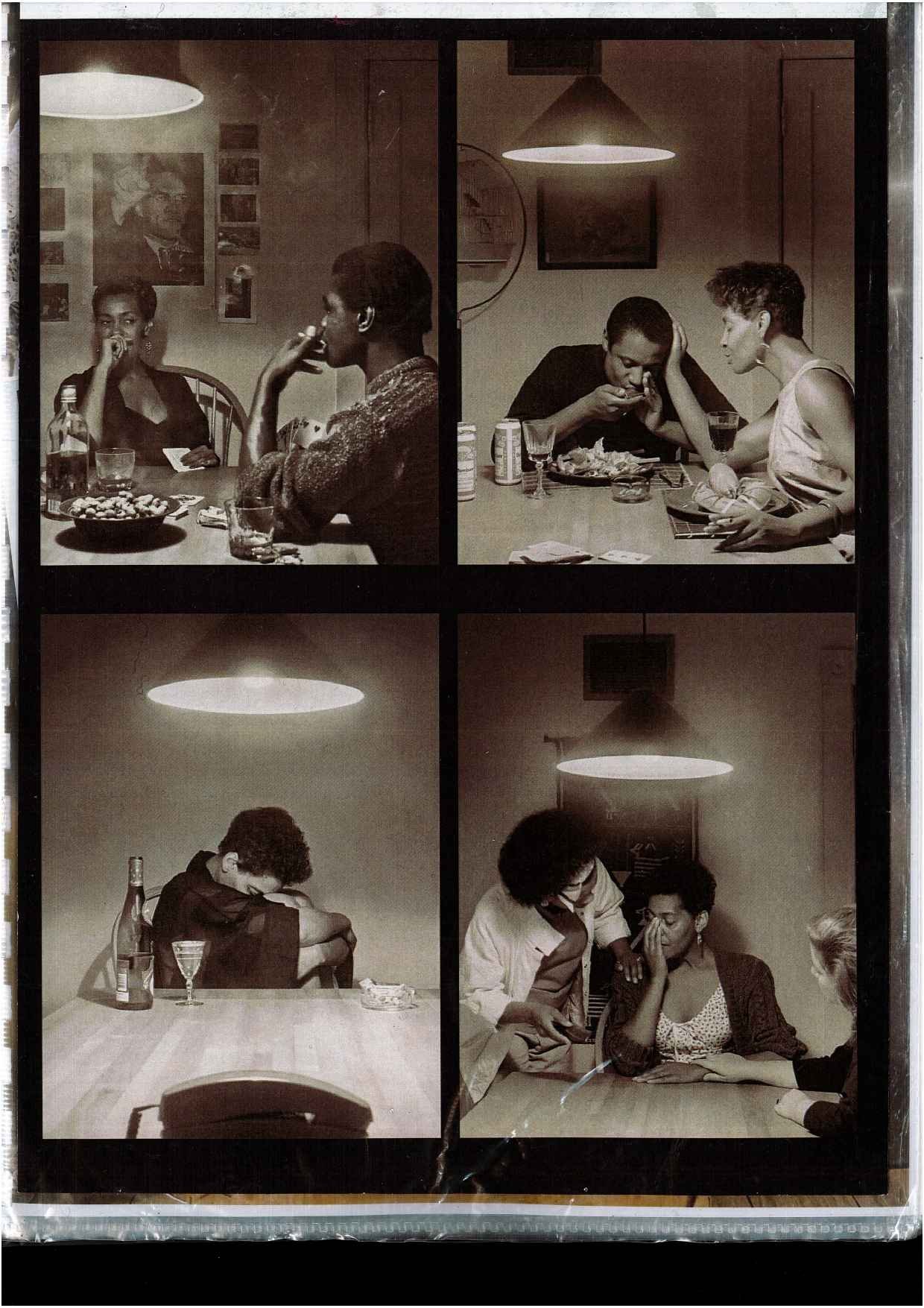
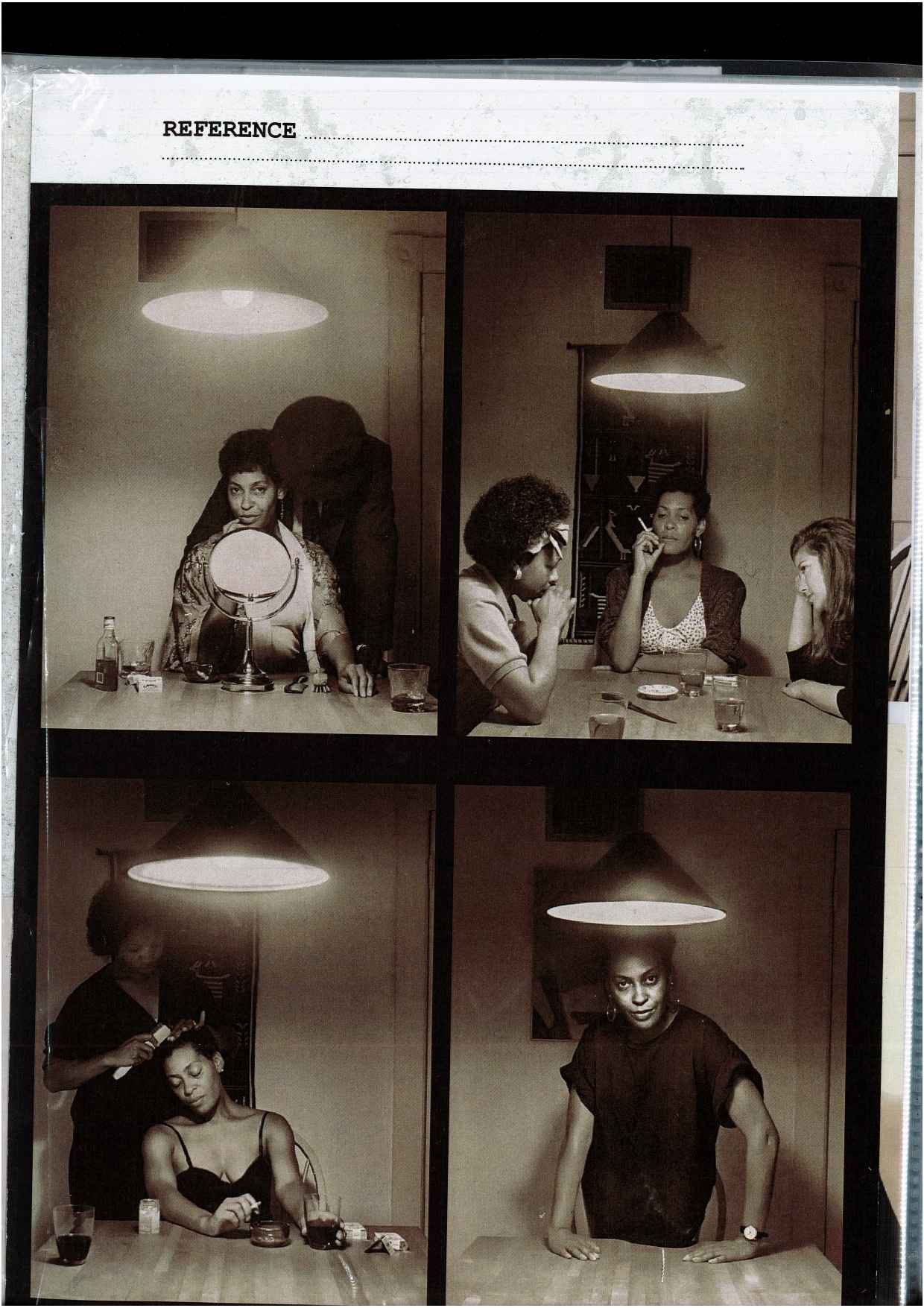
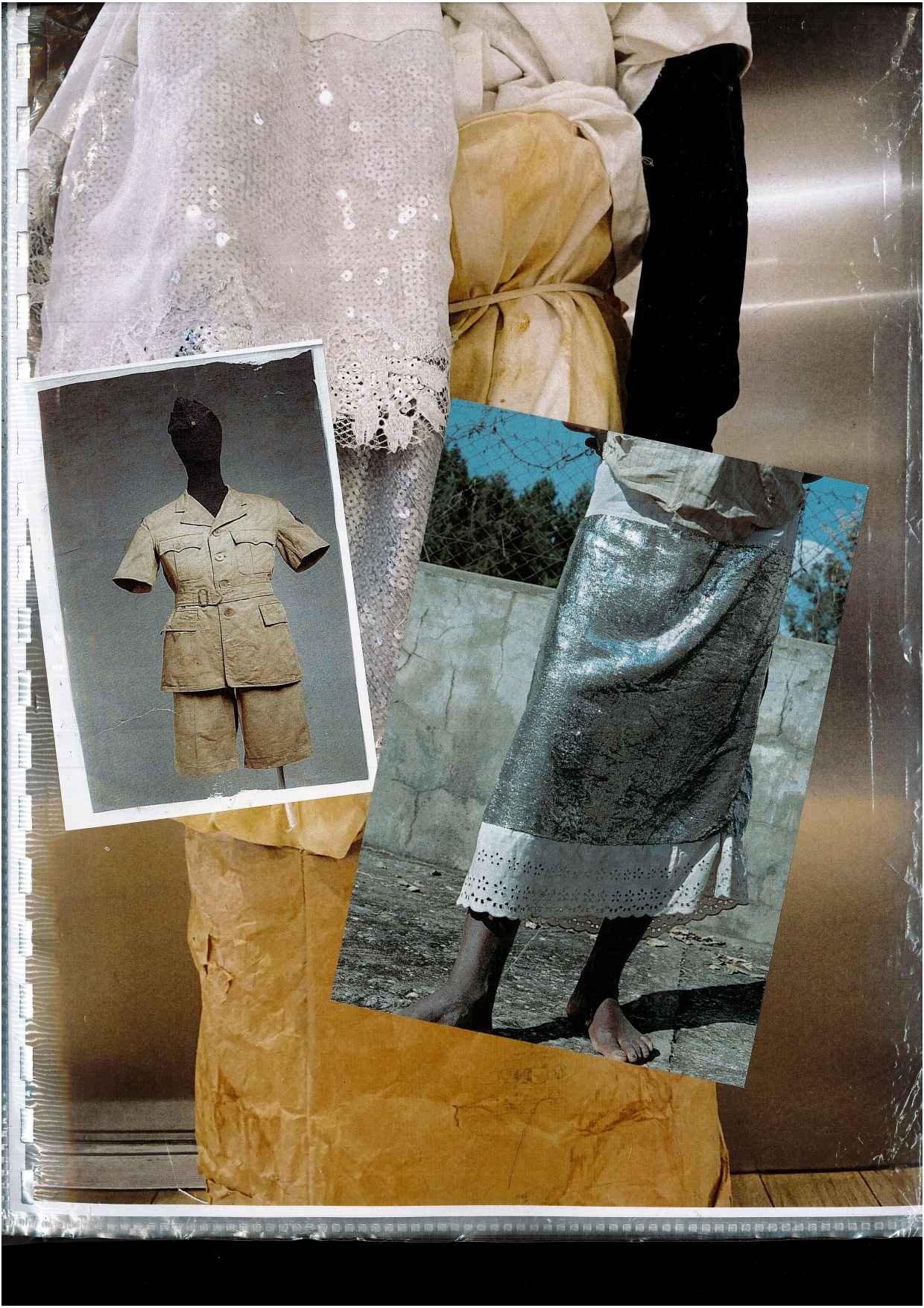
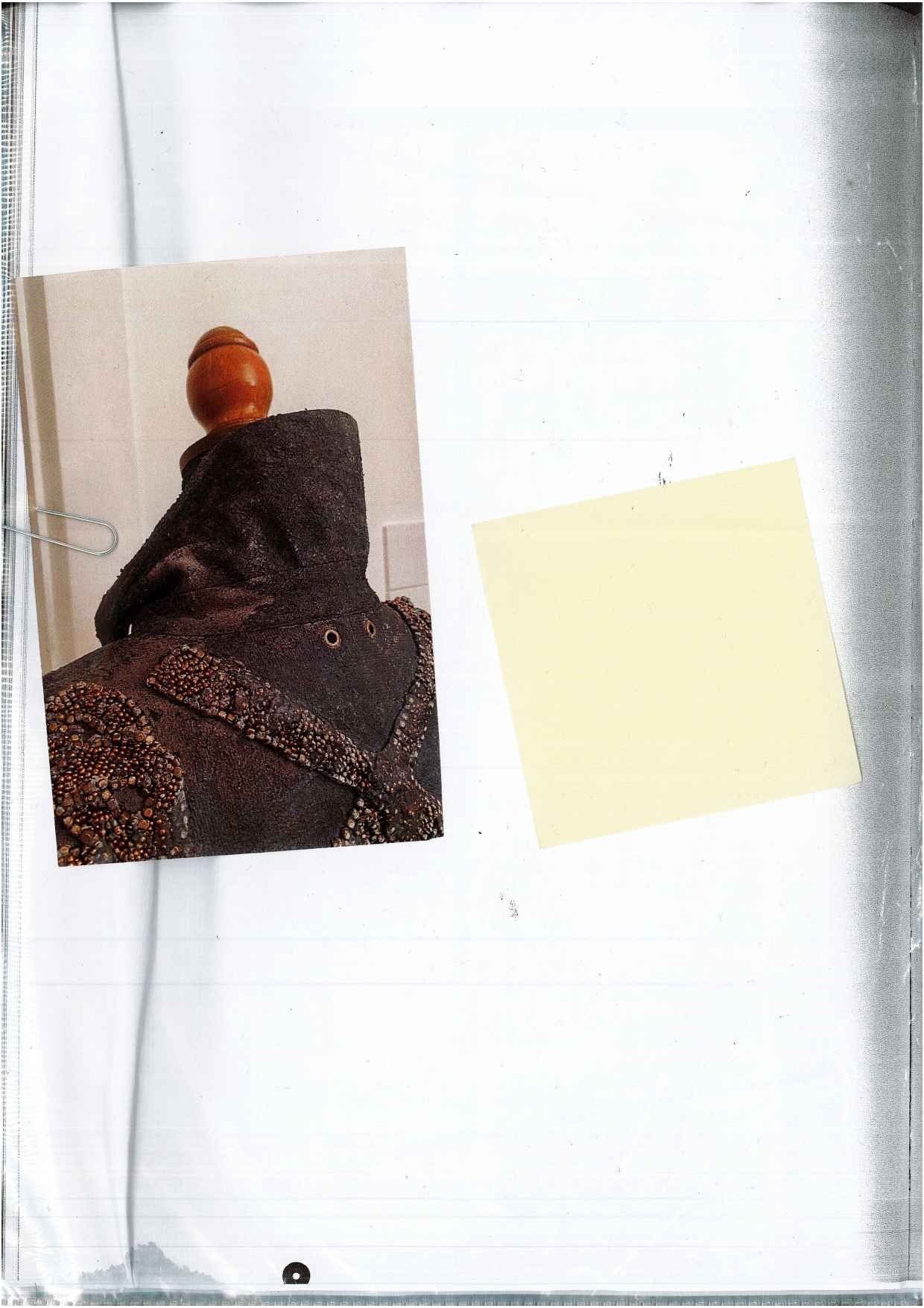
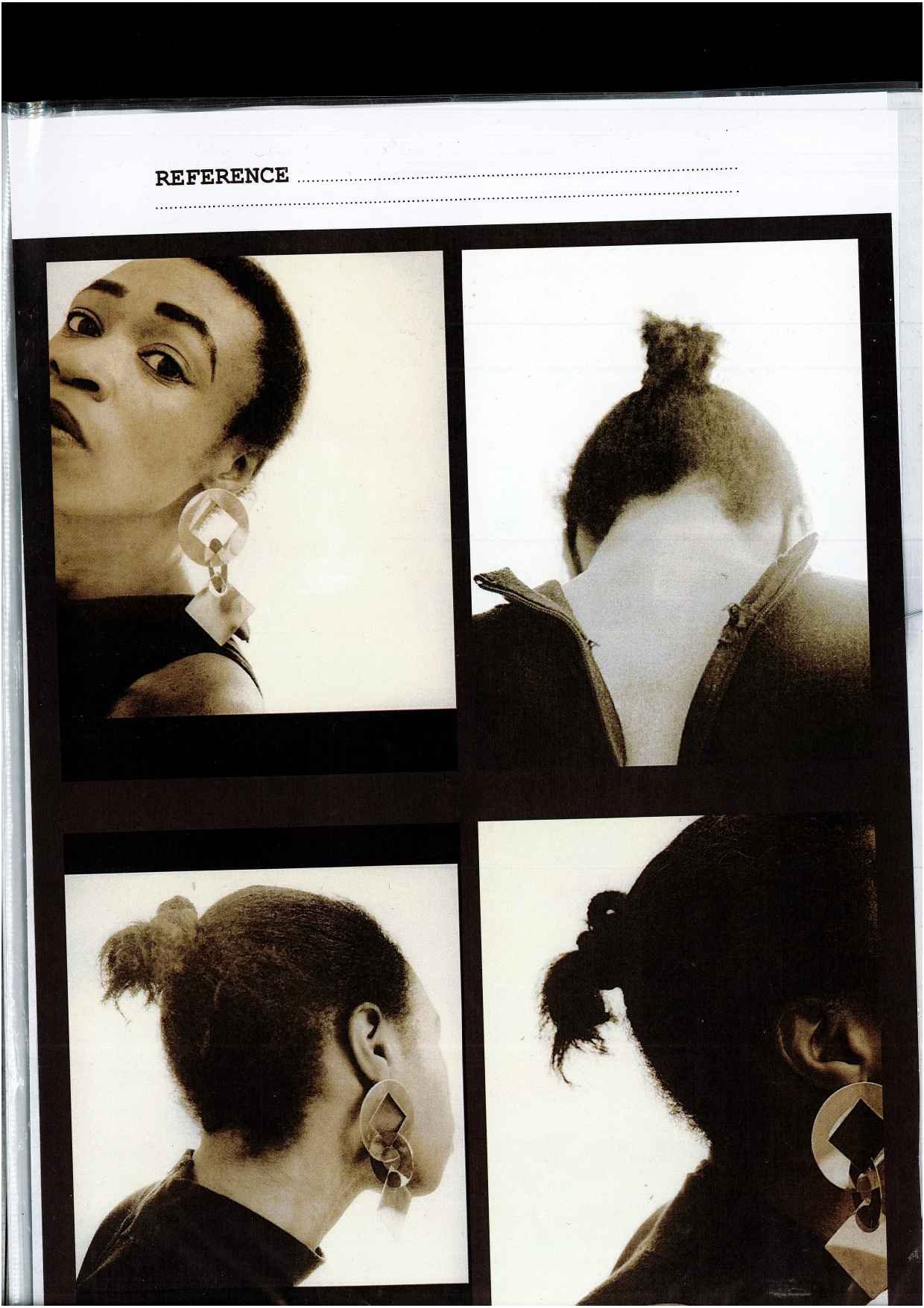
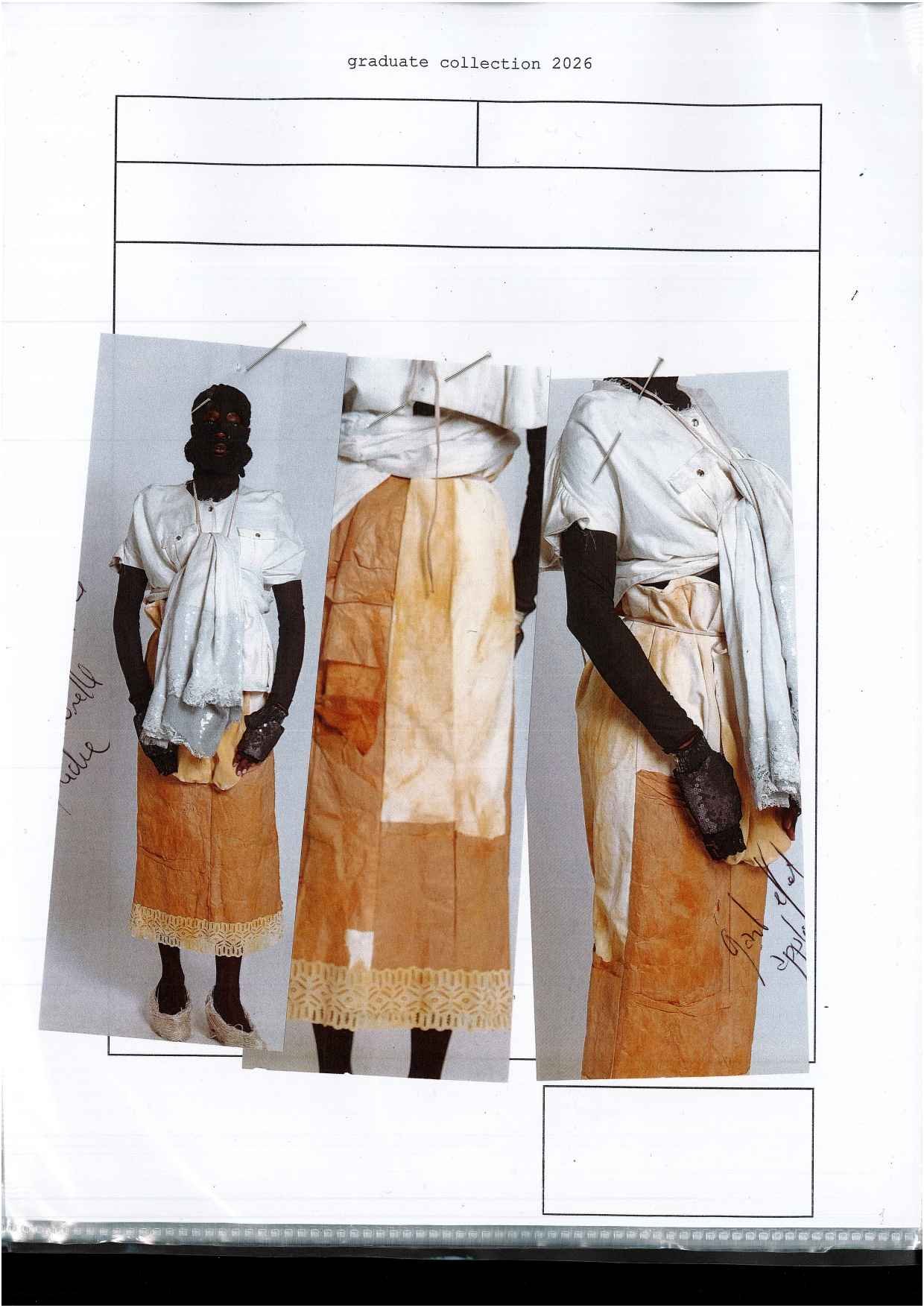
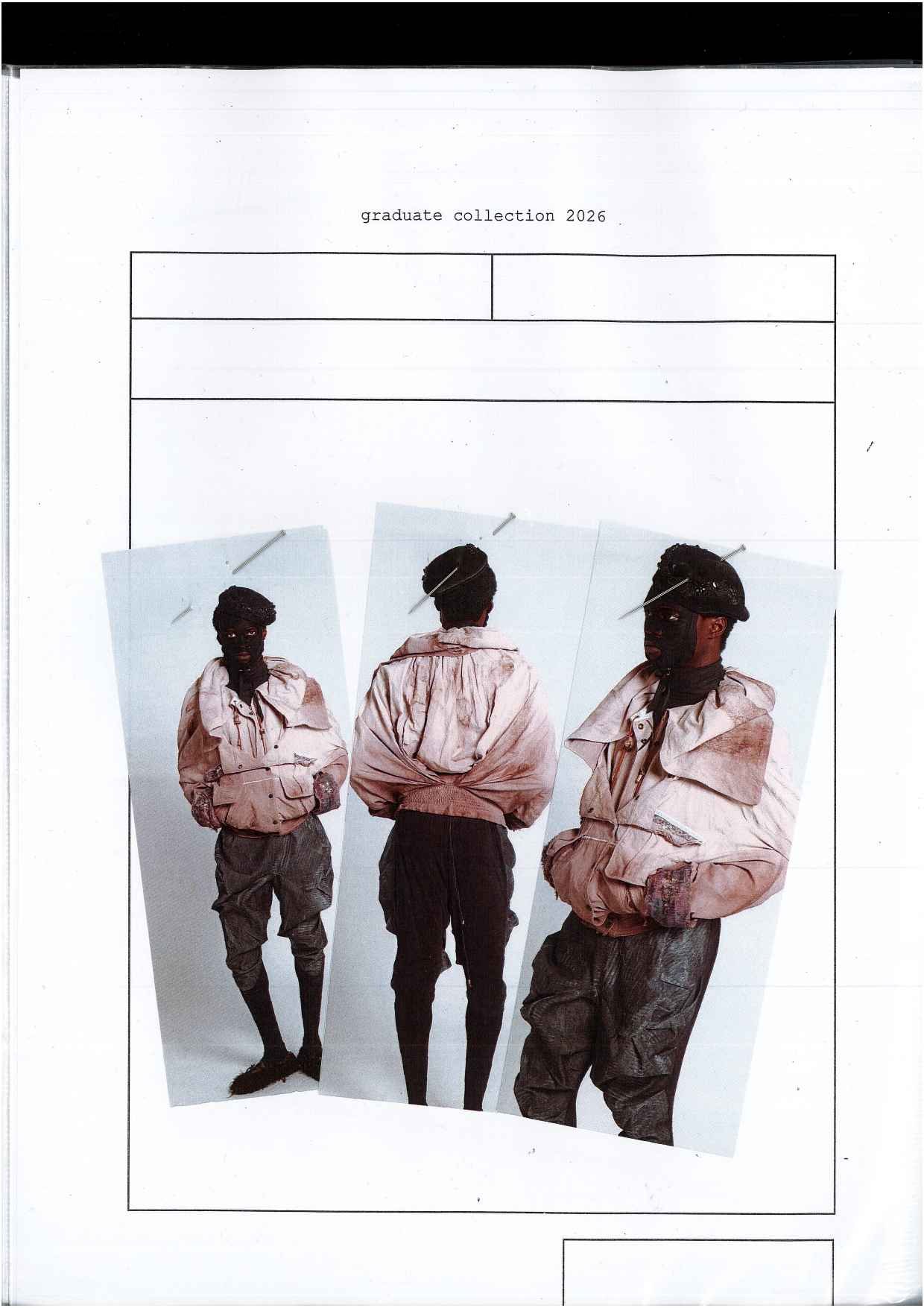
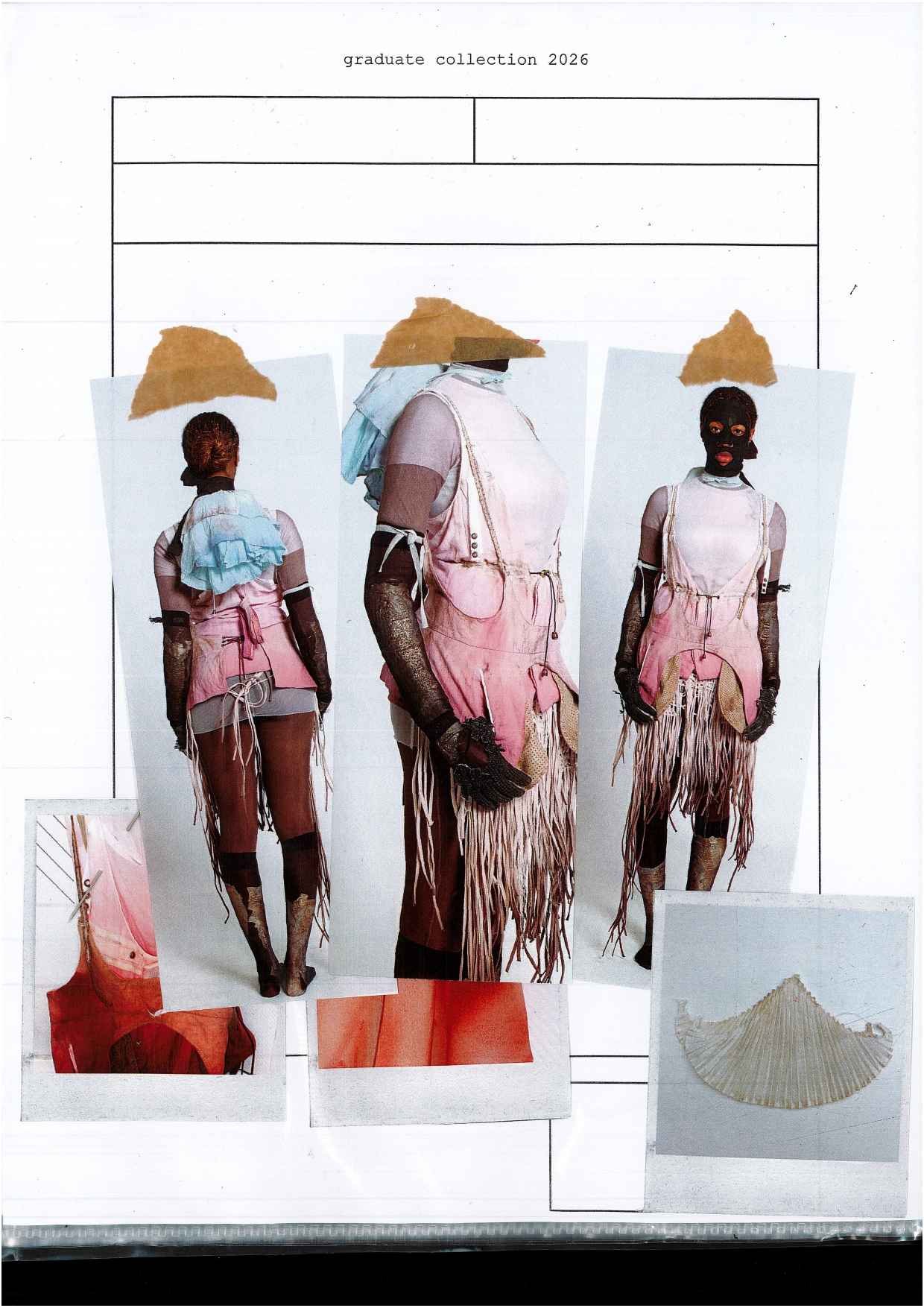
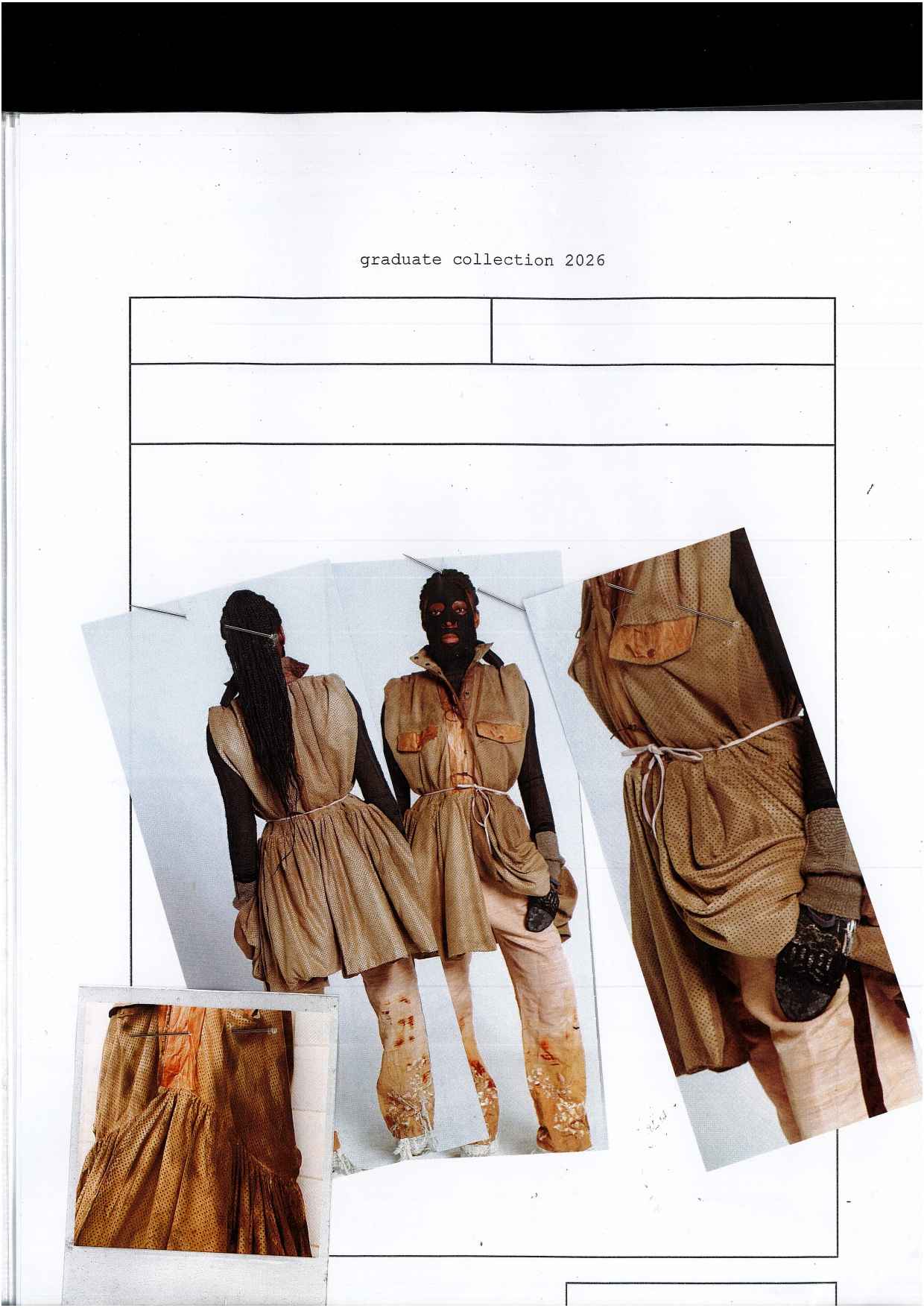
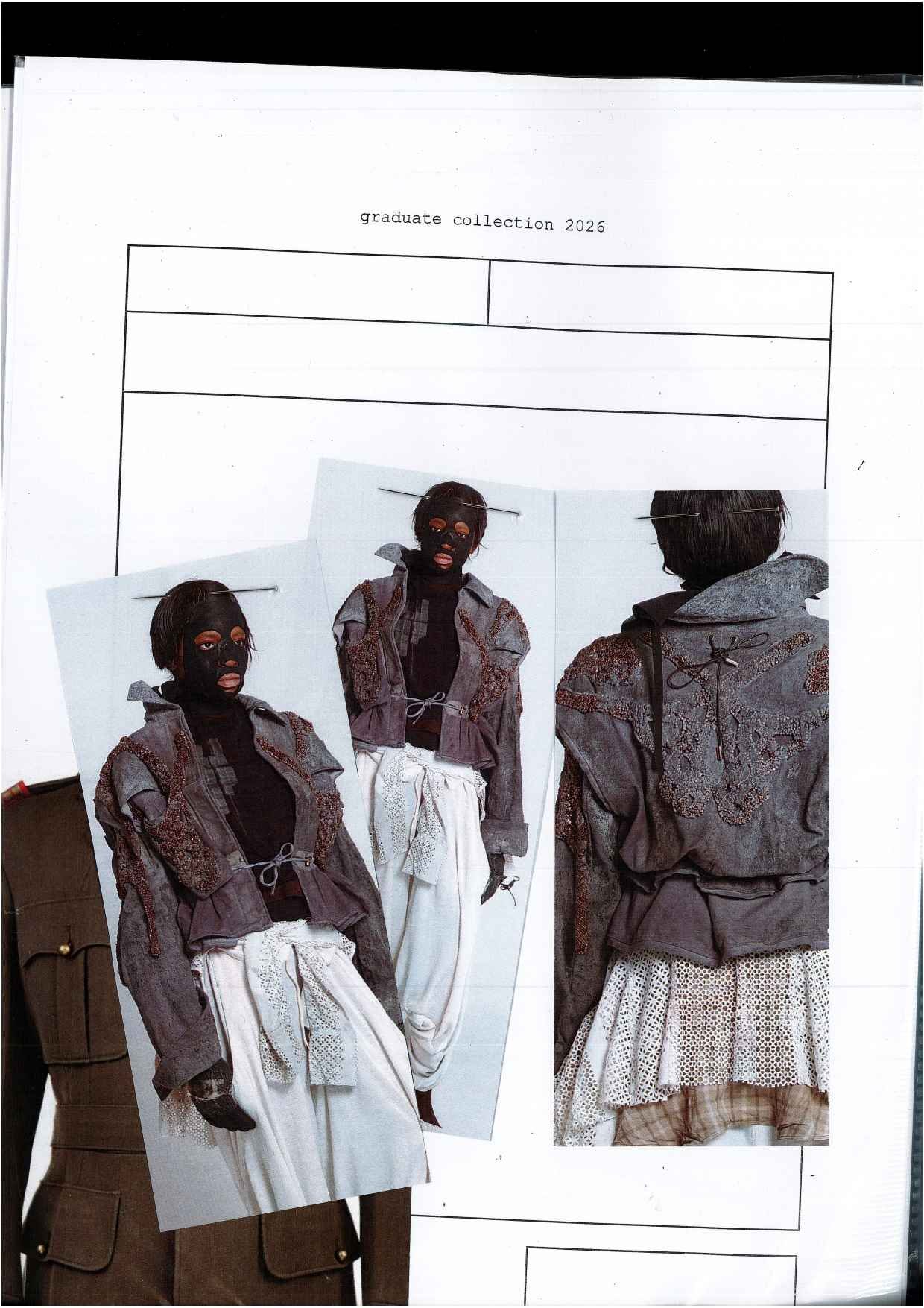
Adony Bigueur’s collection, Entre Deux, explores Black identity through ideas of fragmentation, displacement, and reconstruction. Influenced by the writings of bell hooks and artists including Jackie Nickerson, Pieter Hugo, Carrie Mae Weems, and Ousmane Ndiaye Dago, the project examines the experience of existing between cultures, histories, and identities. Distressed surfaces, layered patinas, and fragile textures become traces of memory, lived experience, and internal tension. Throughout the collection, imperfection is transformed into a space of resilience and rebuilding. As she enters the industry, Bigueur is motivated by the lack of Black representation she continues to observe within fashion. Rather than discouraging her, this reality strengthens her determination to contribute to a more inclusive future.
@litemantra