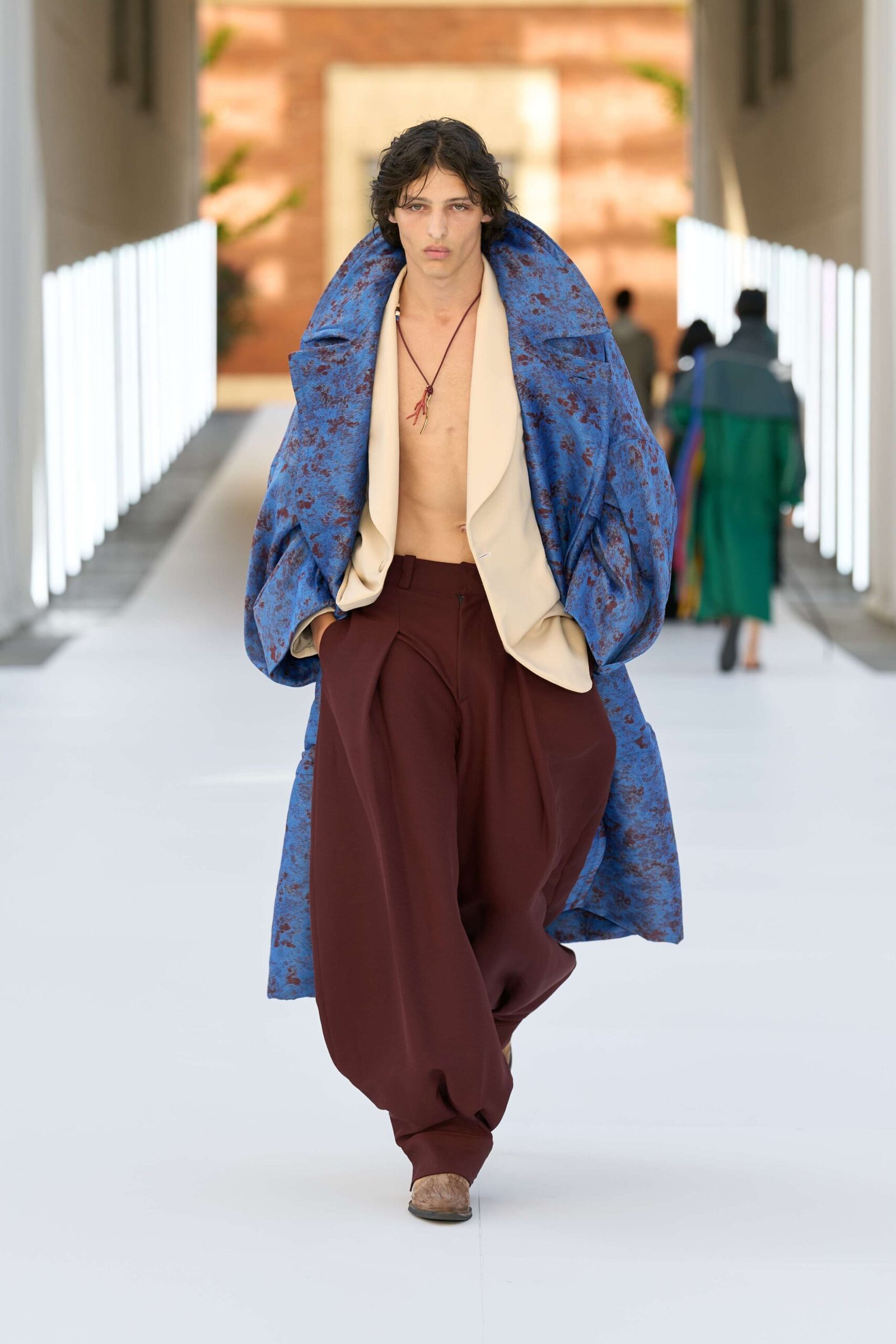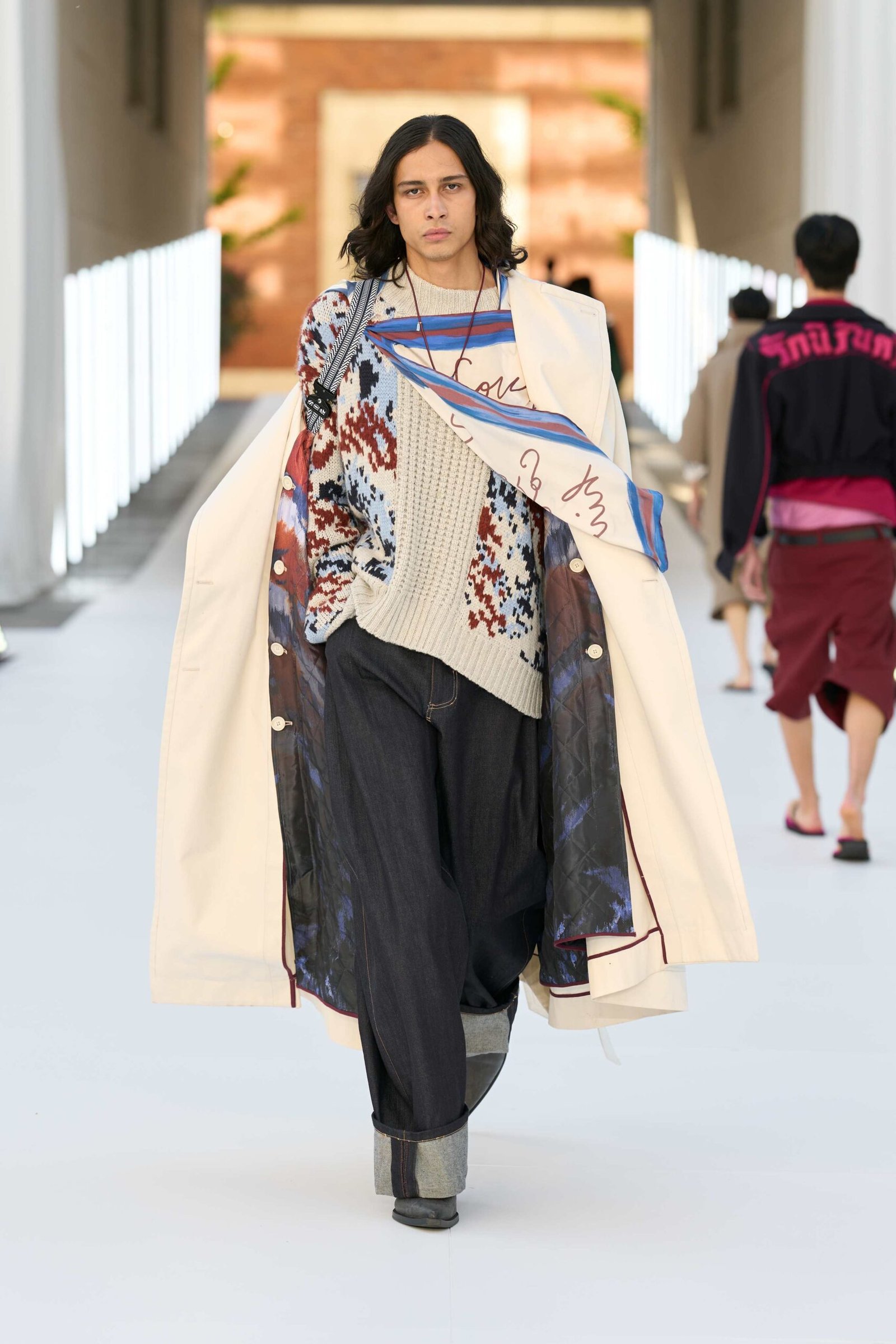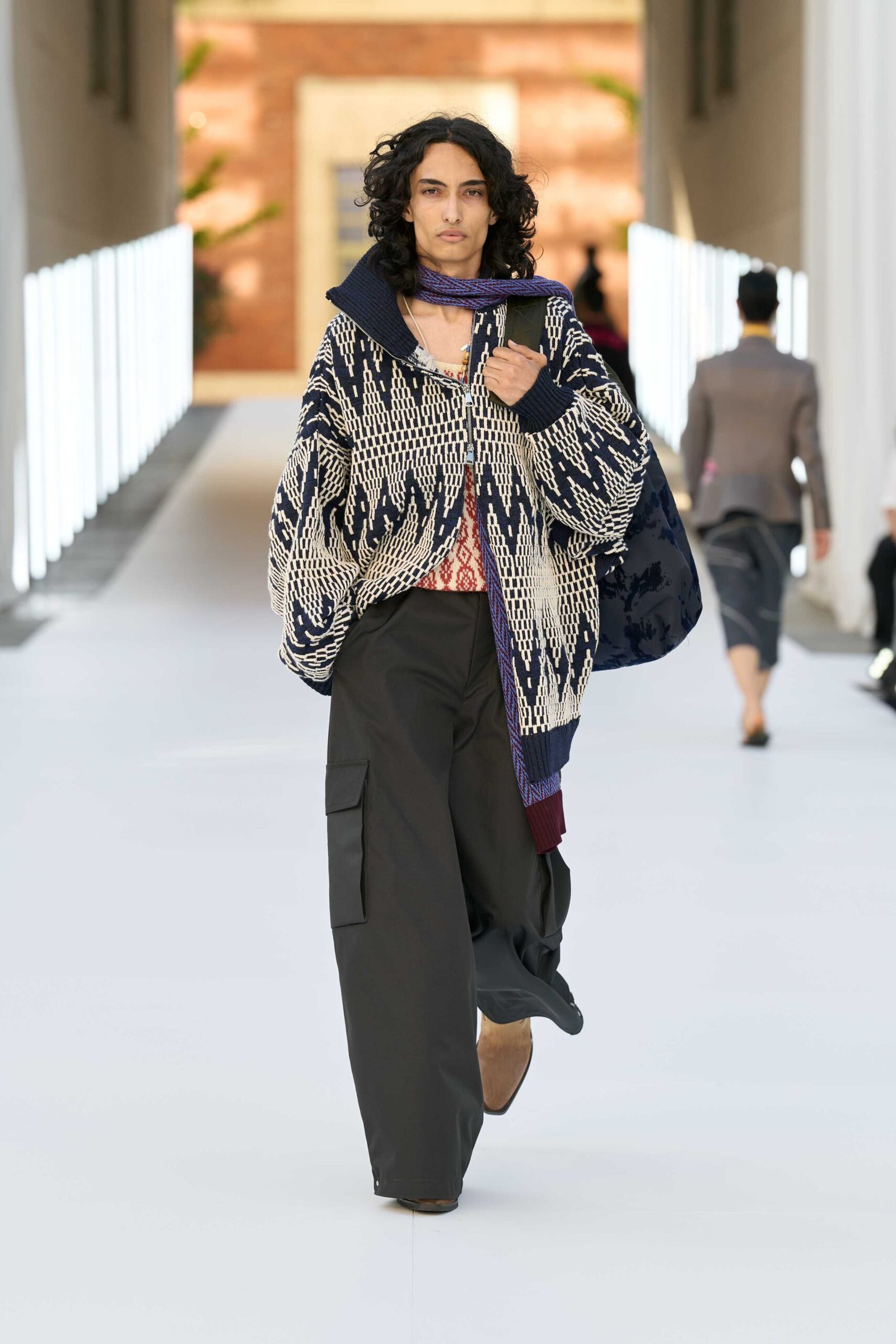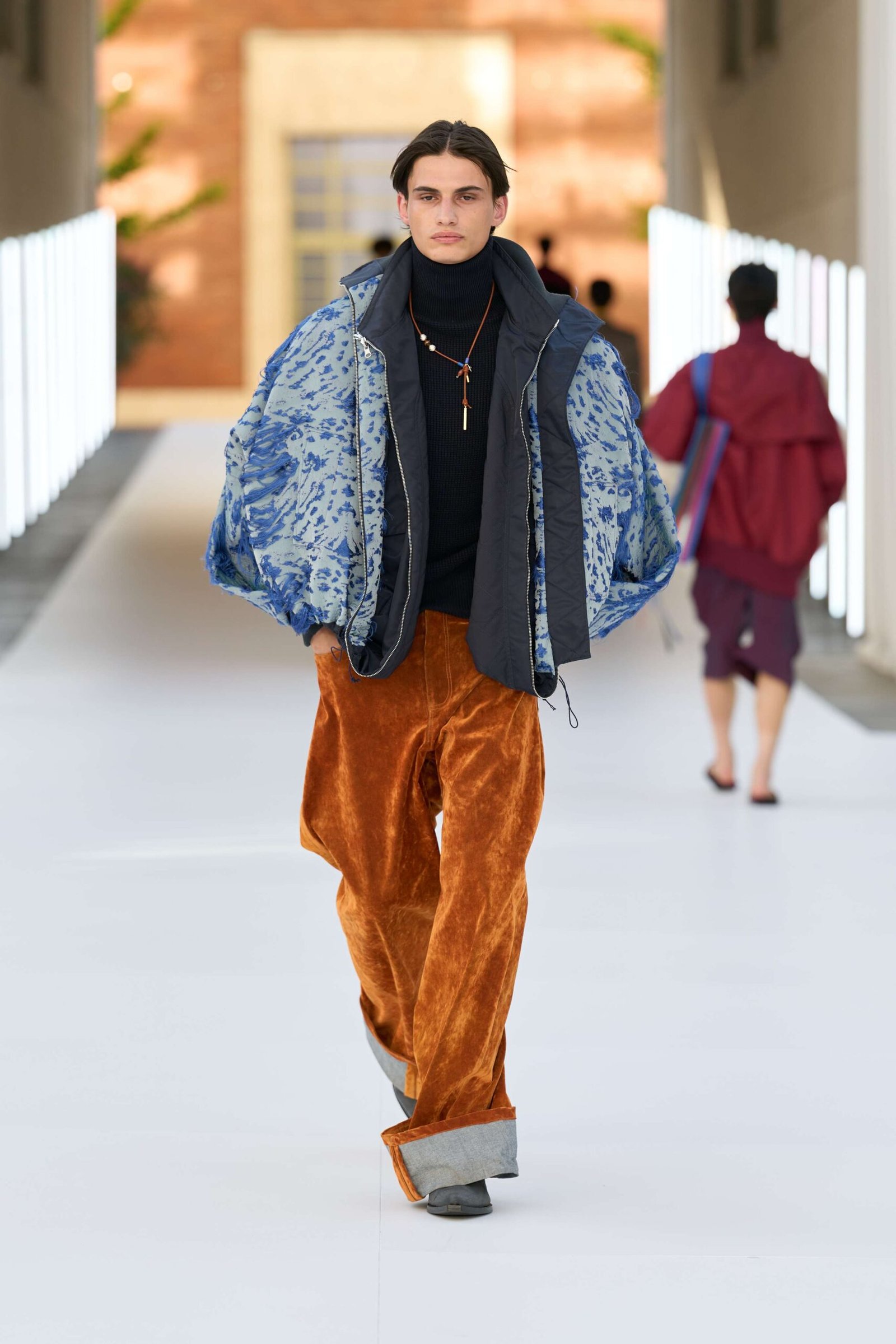
Representing the creative future

Polimoda BA Fashion 2026: The strange work of becoming yourself

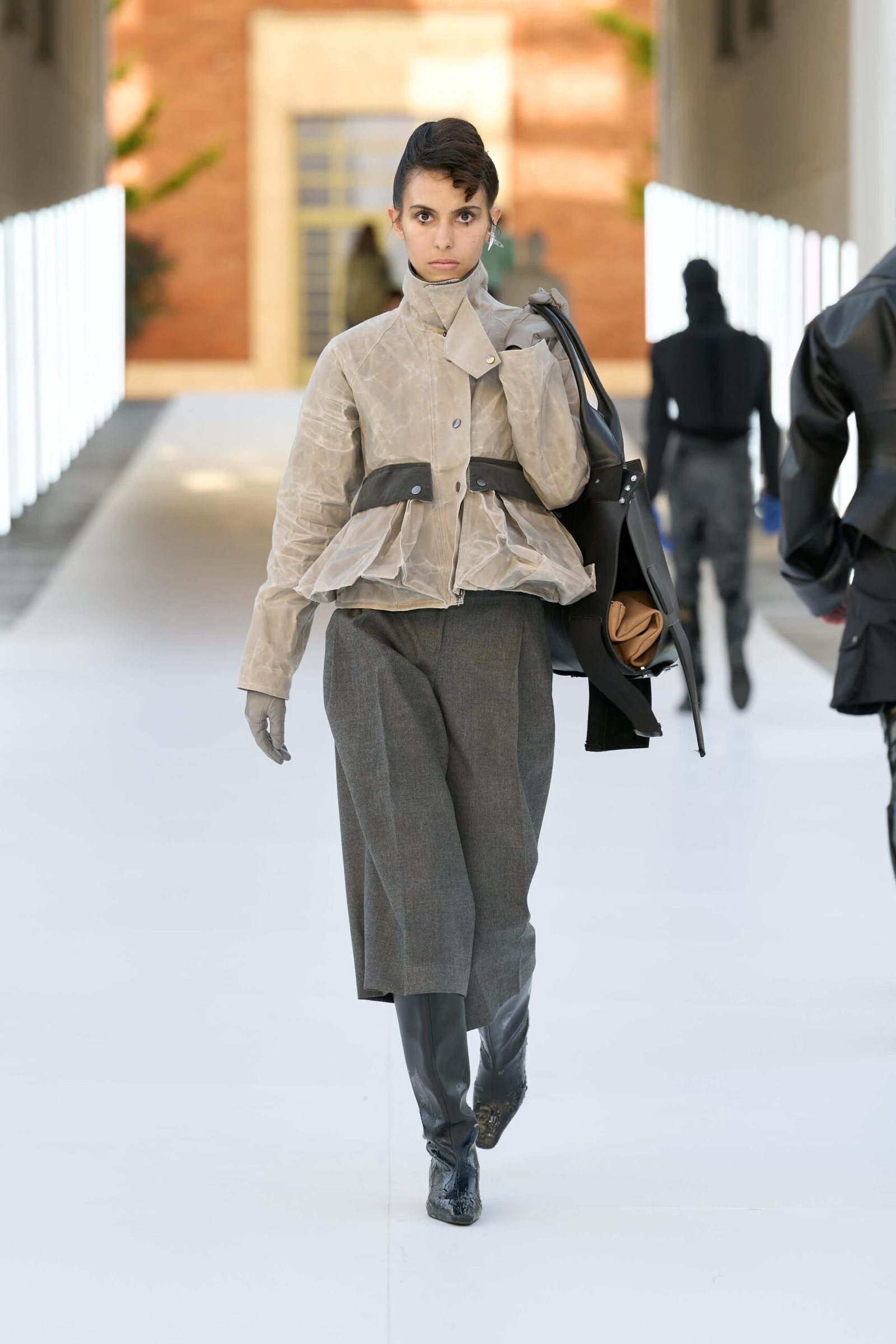
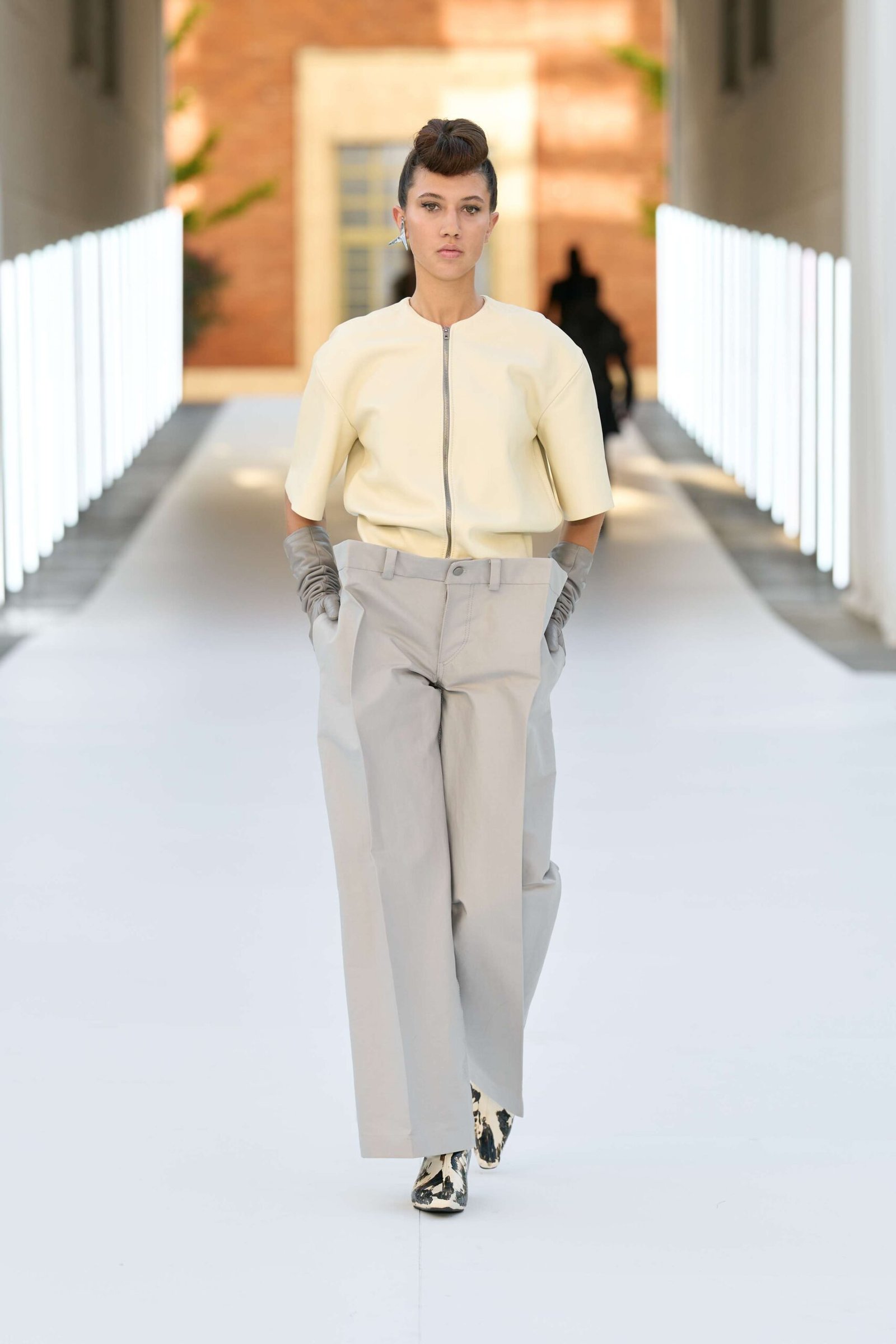
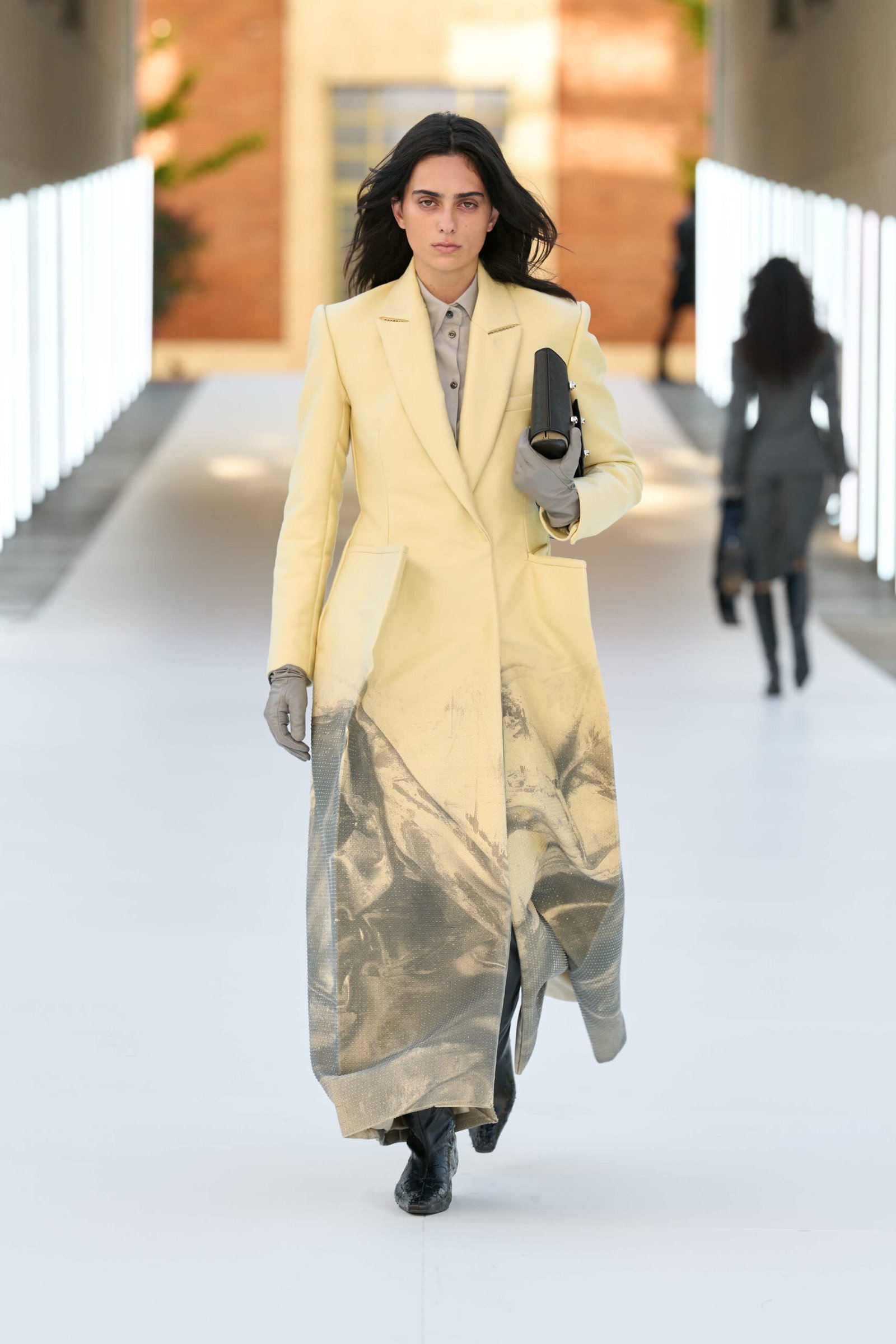
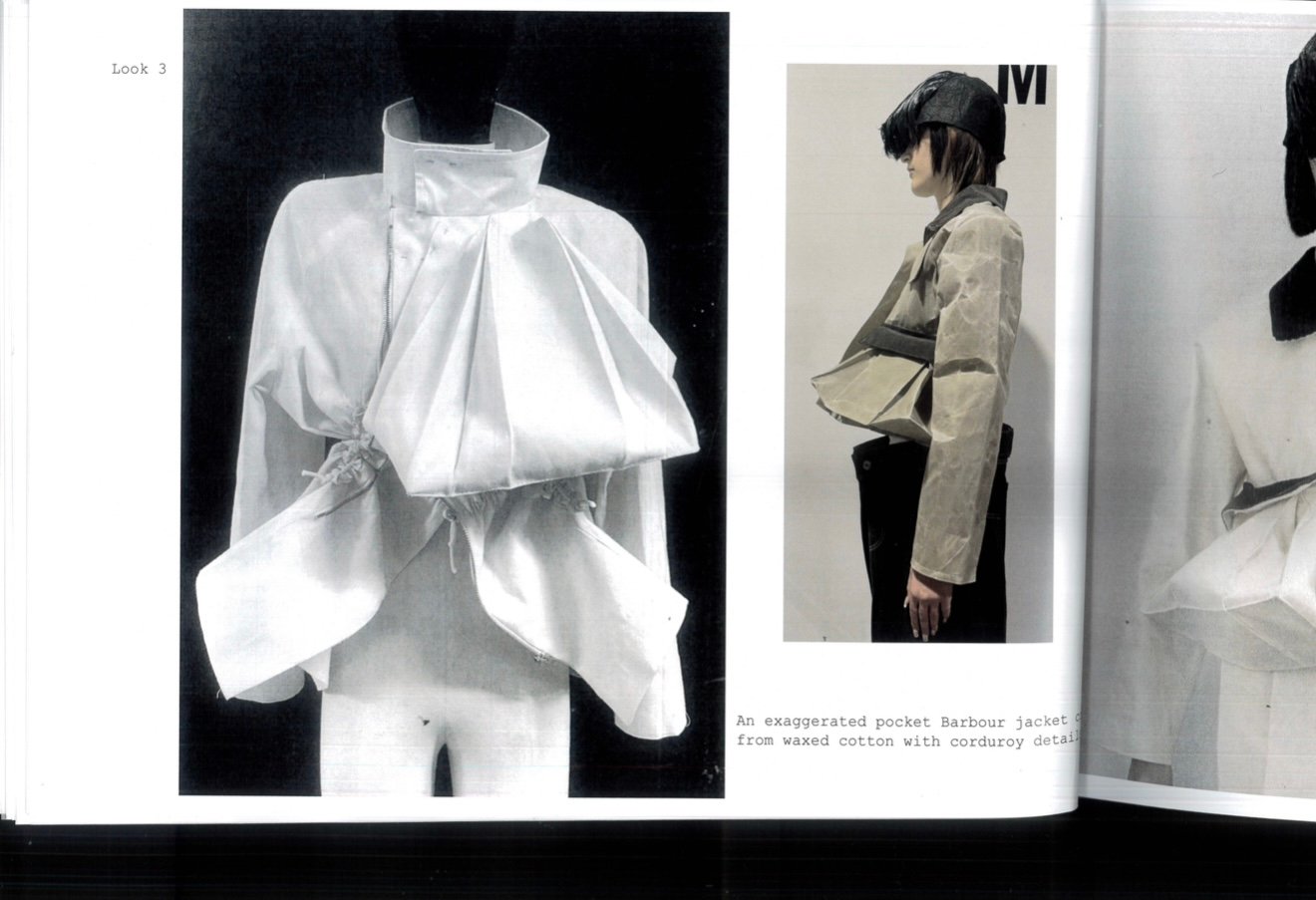
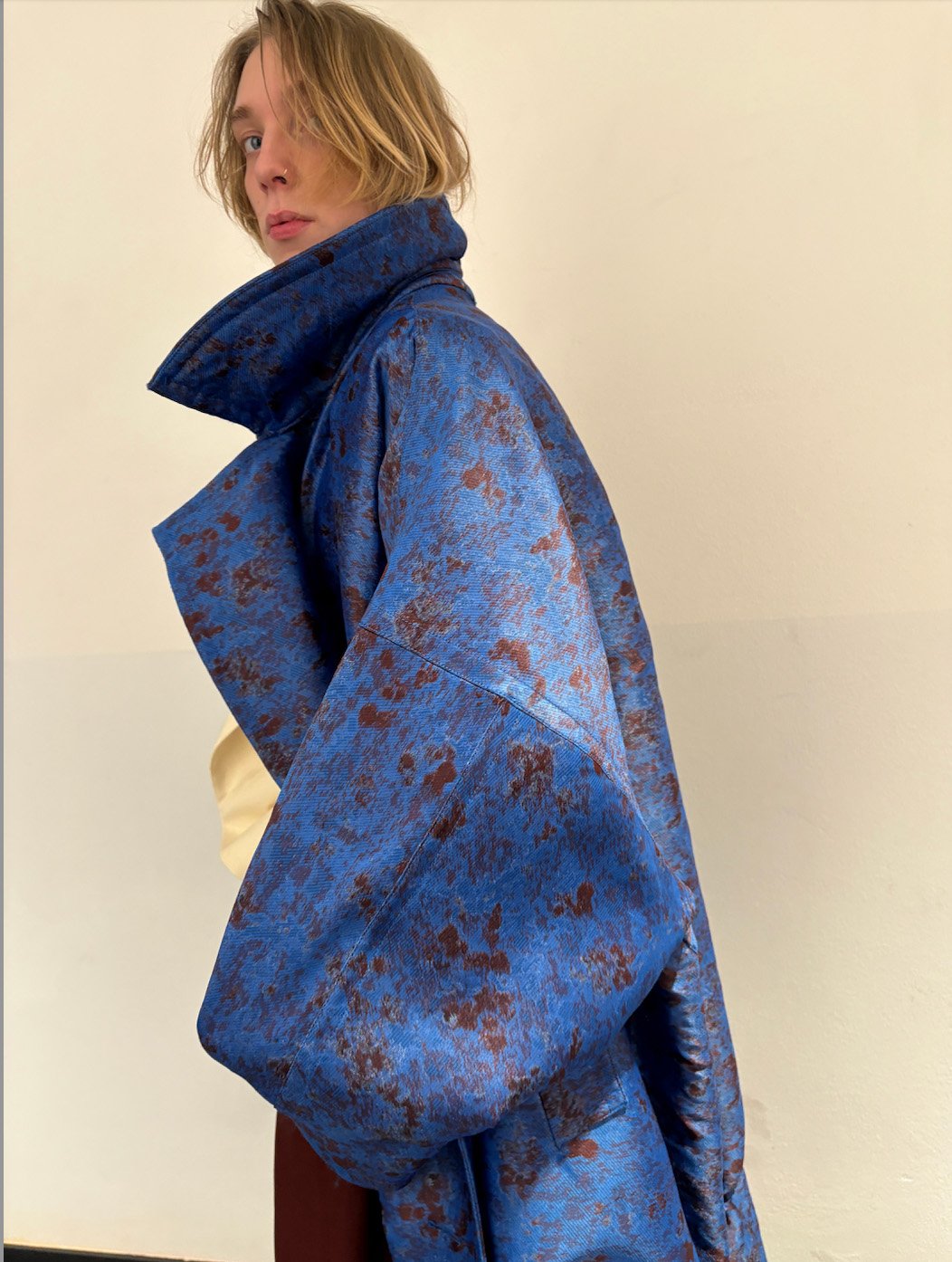
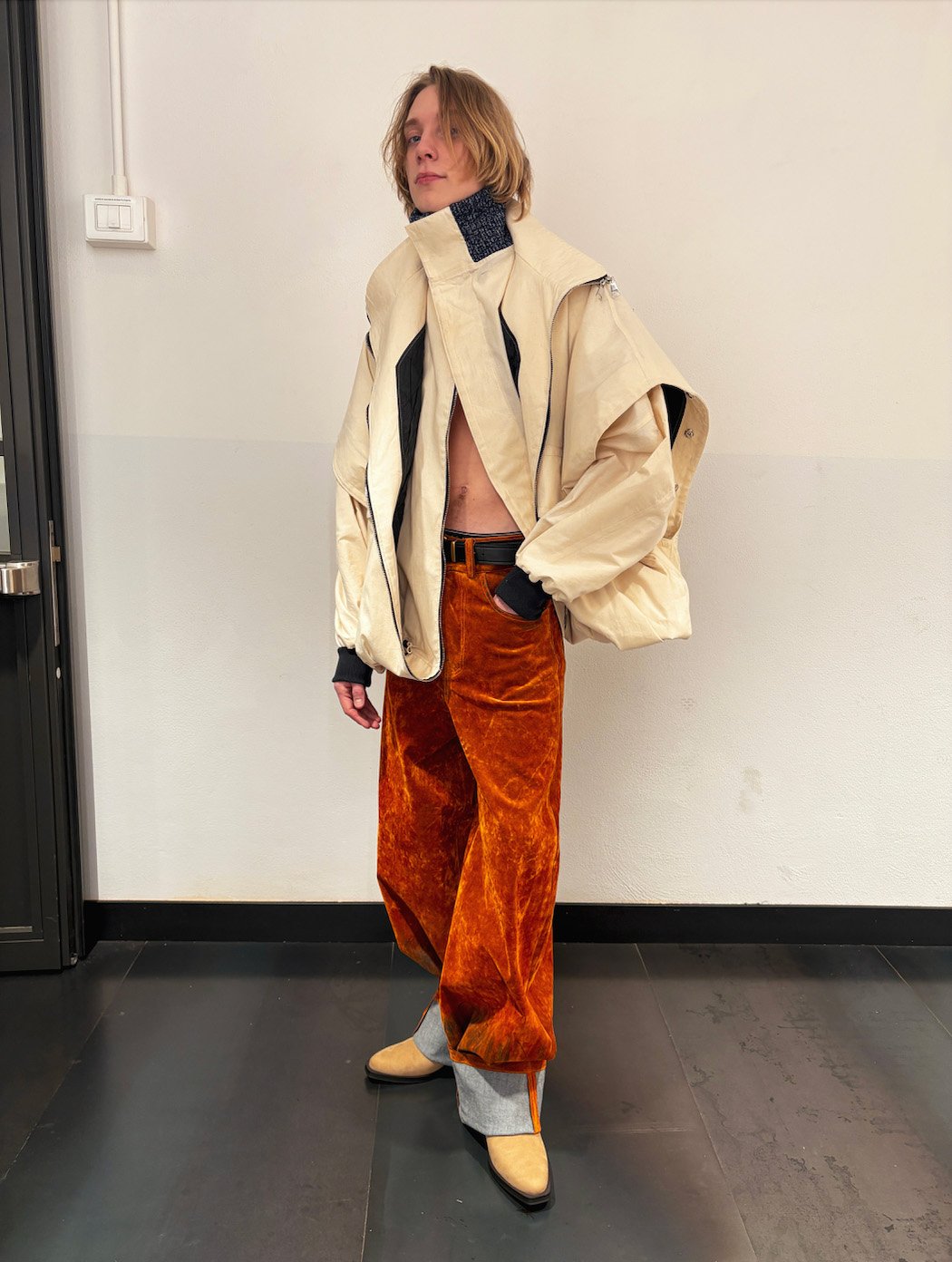
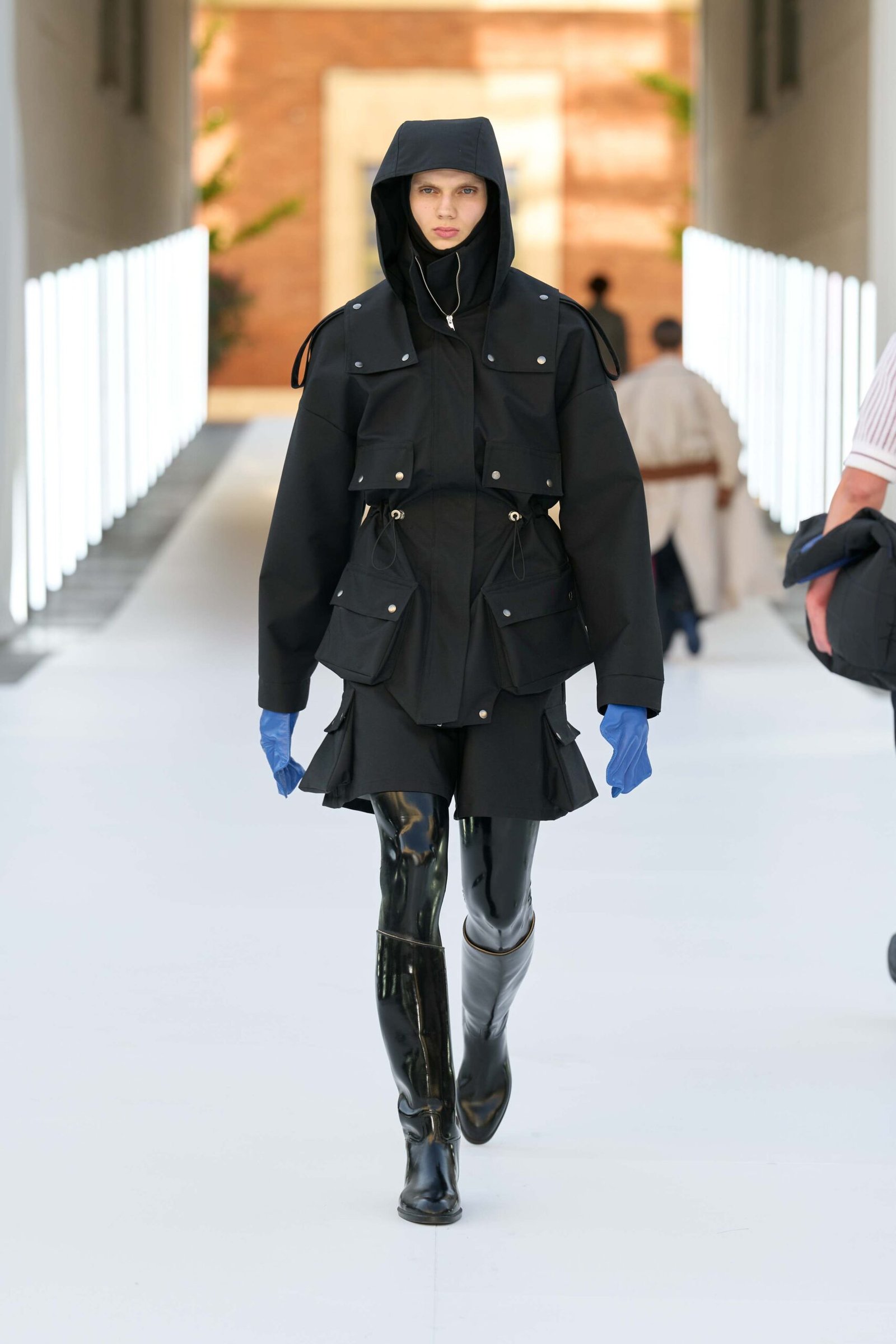
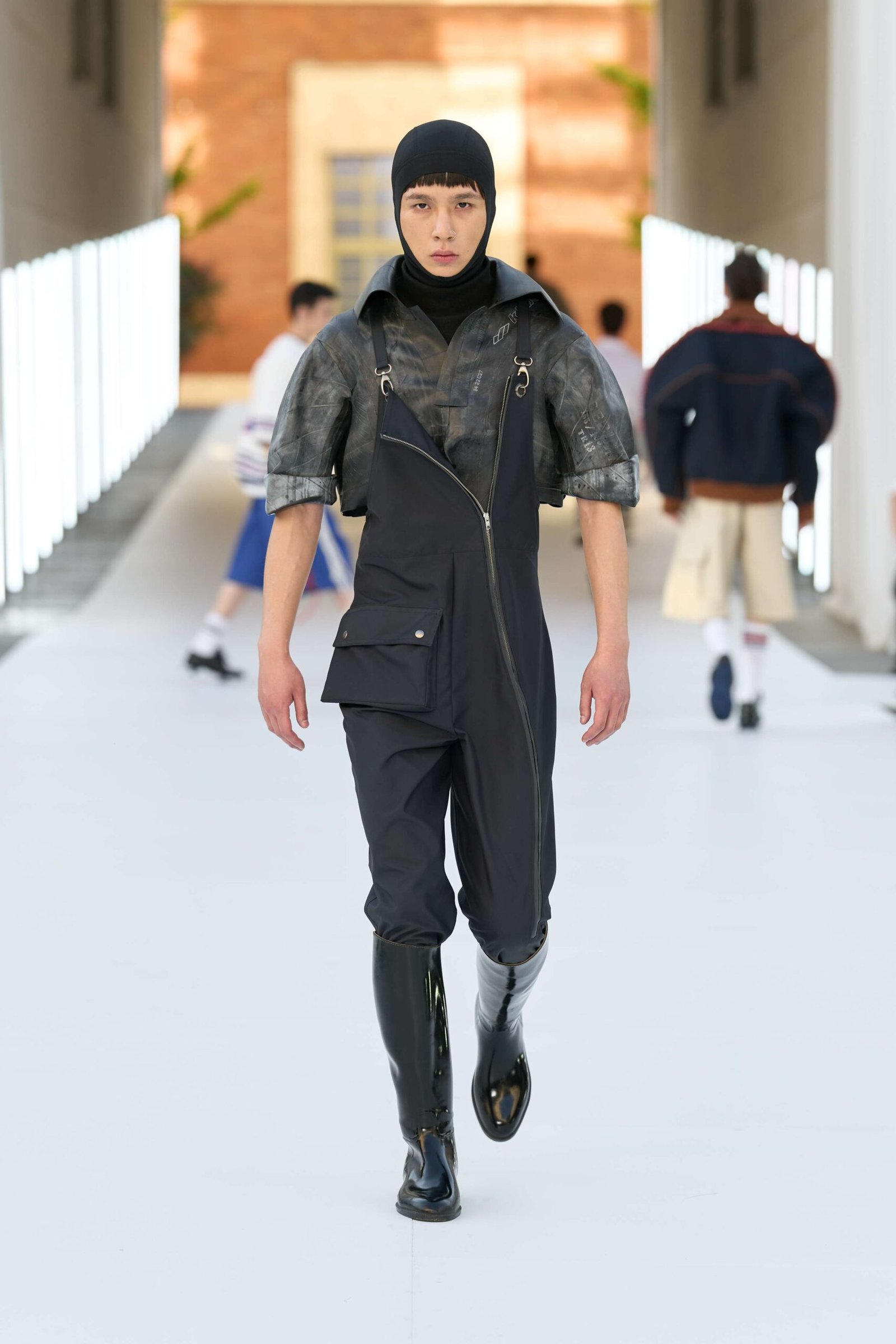
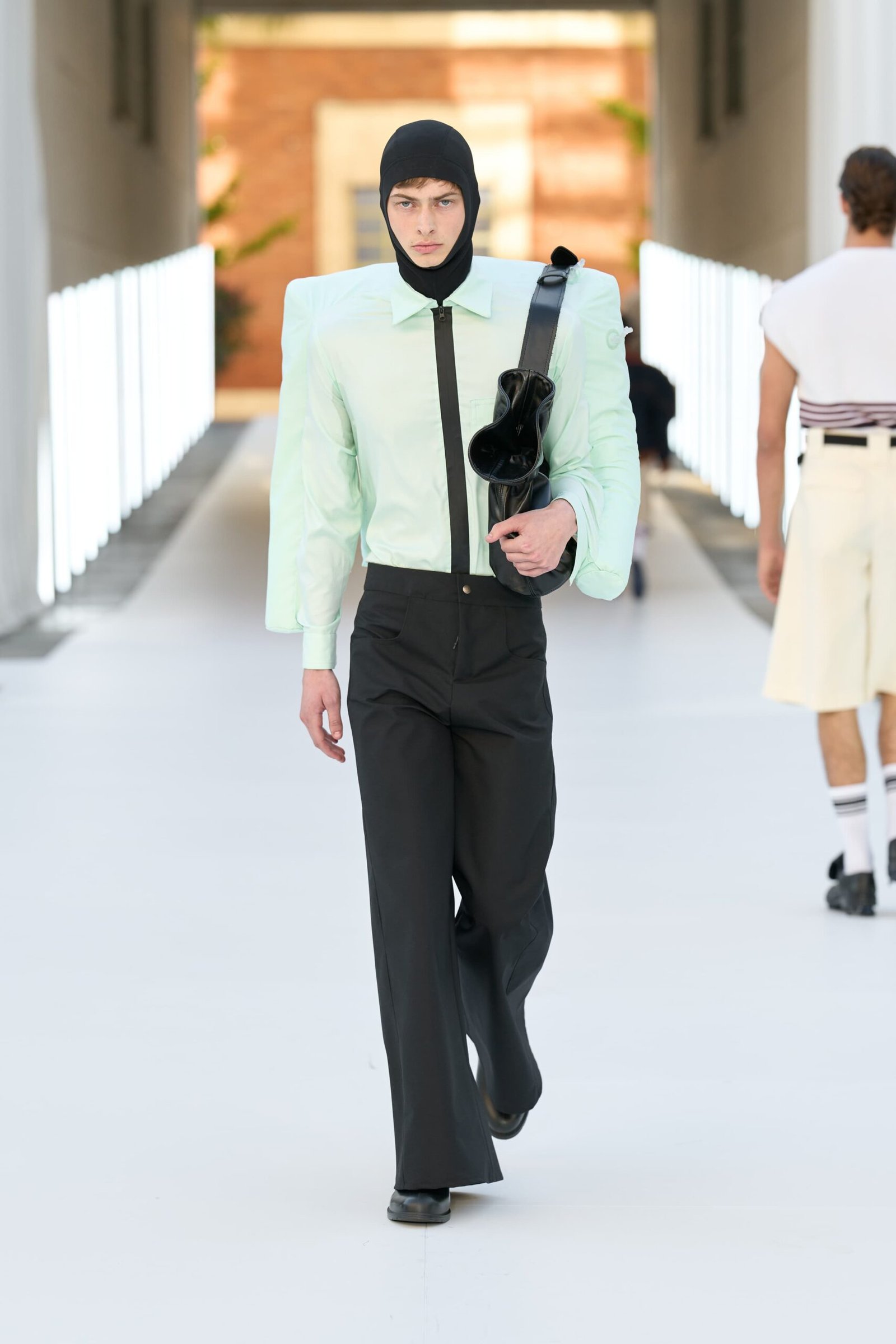
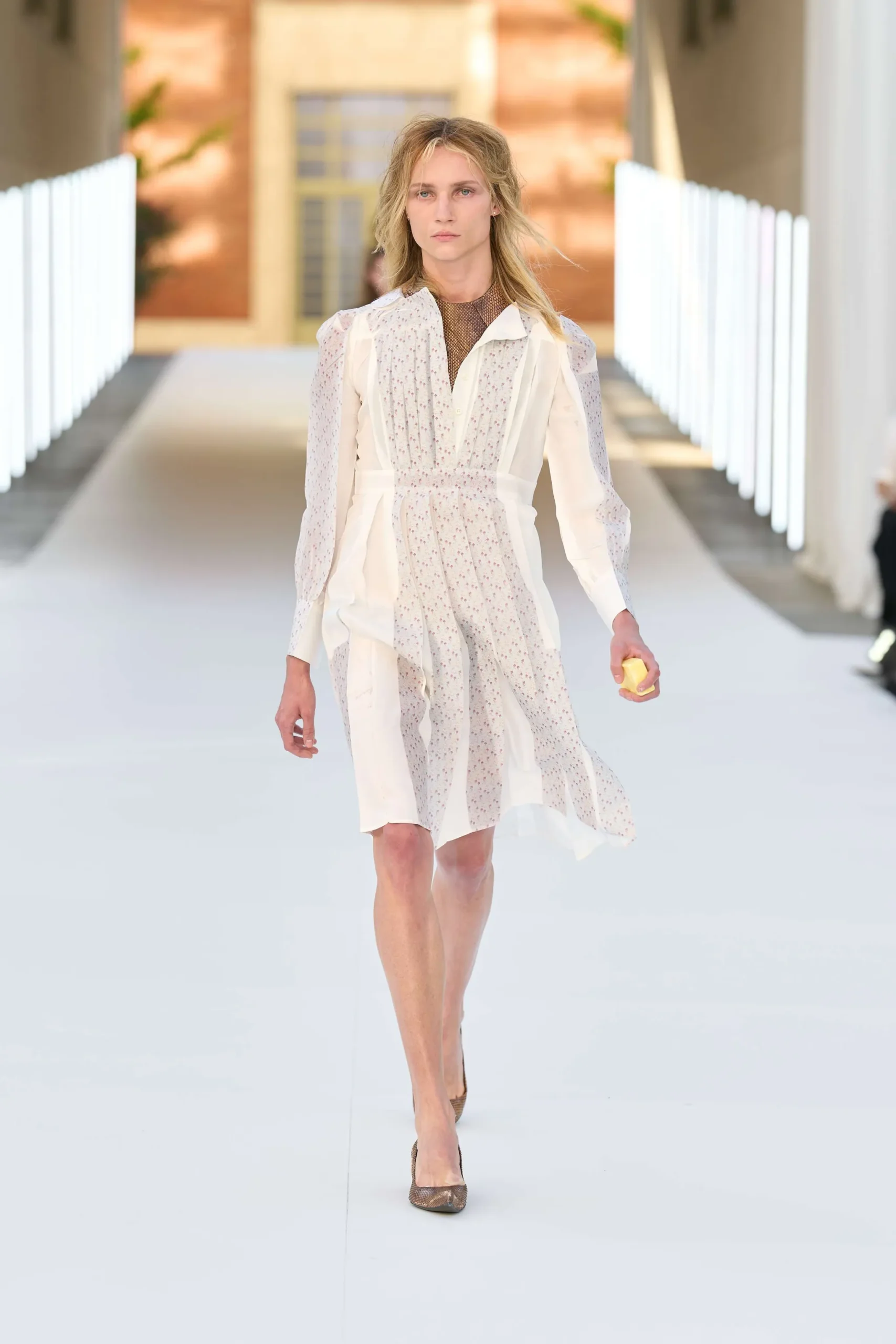
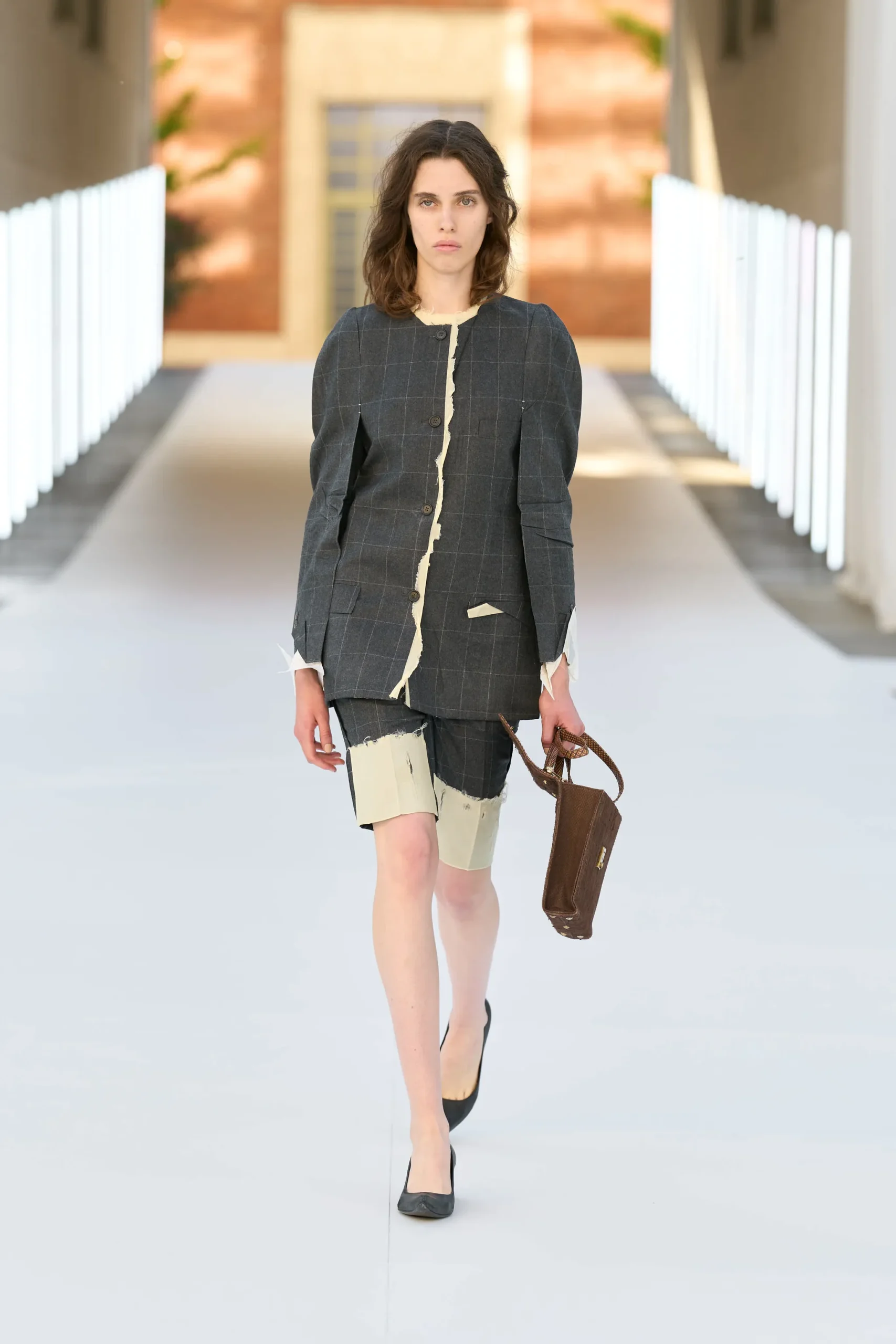
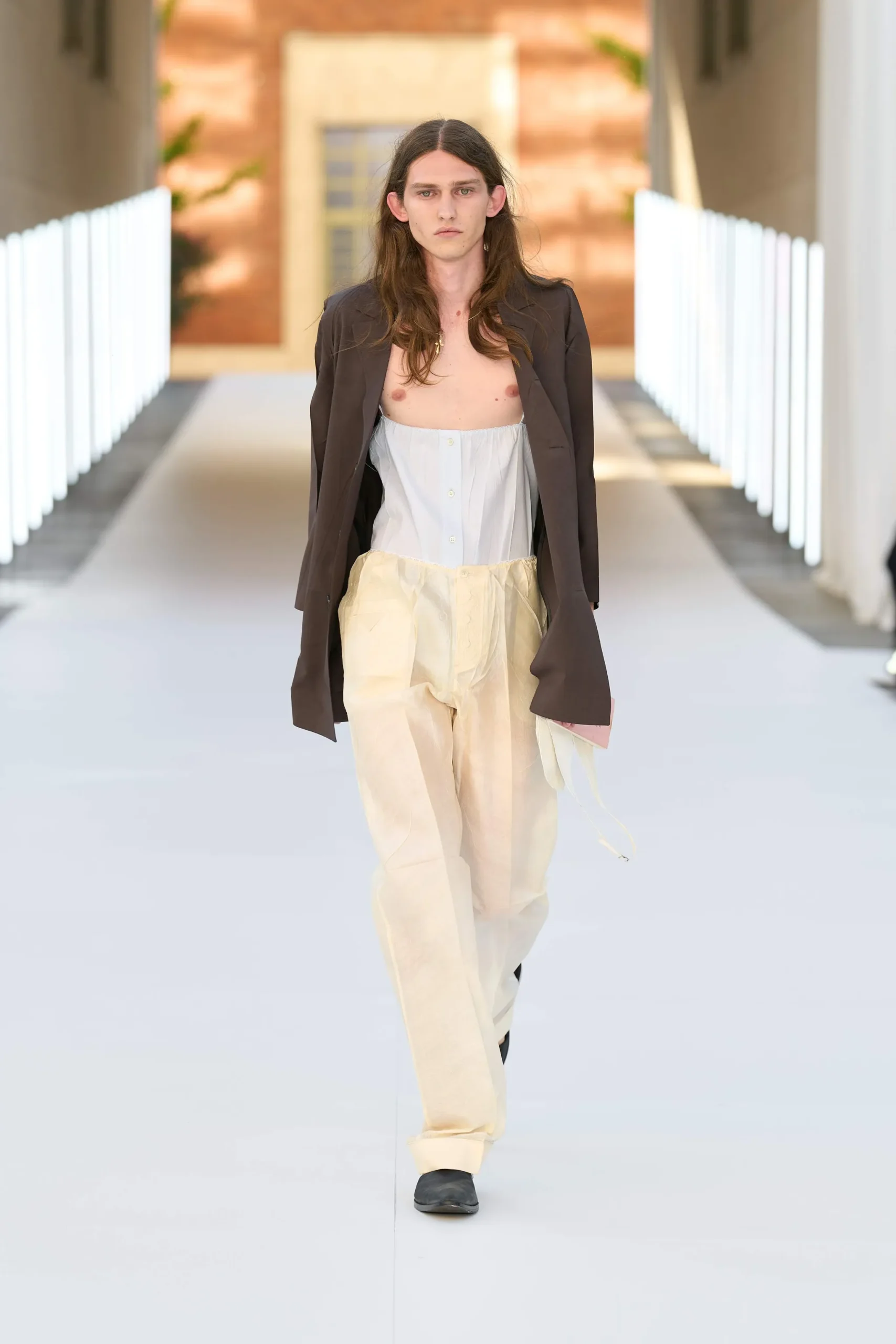
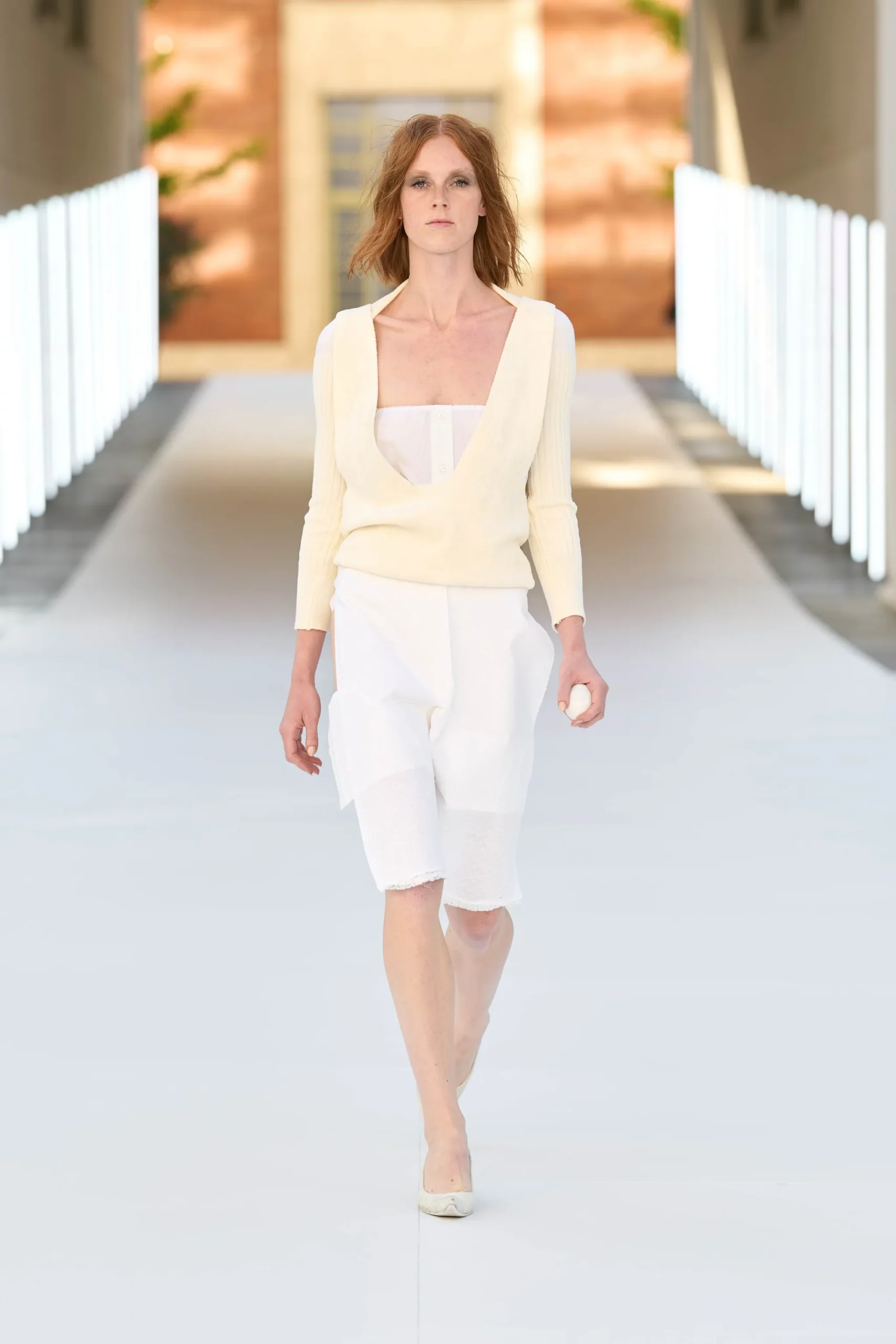
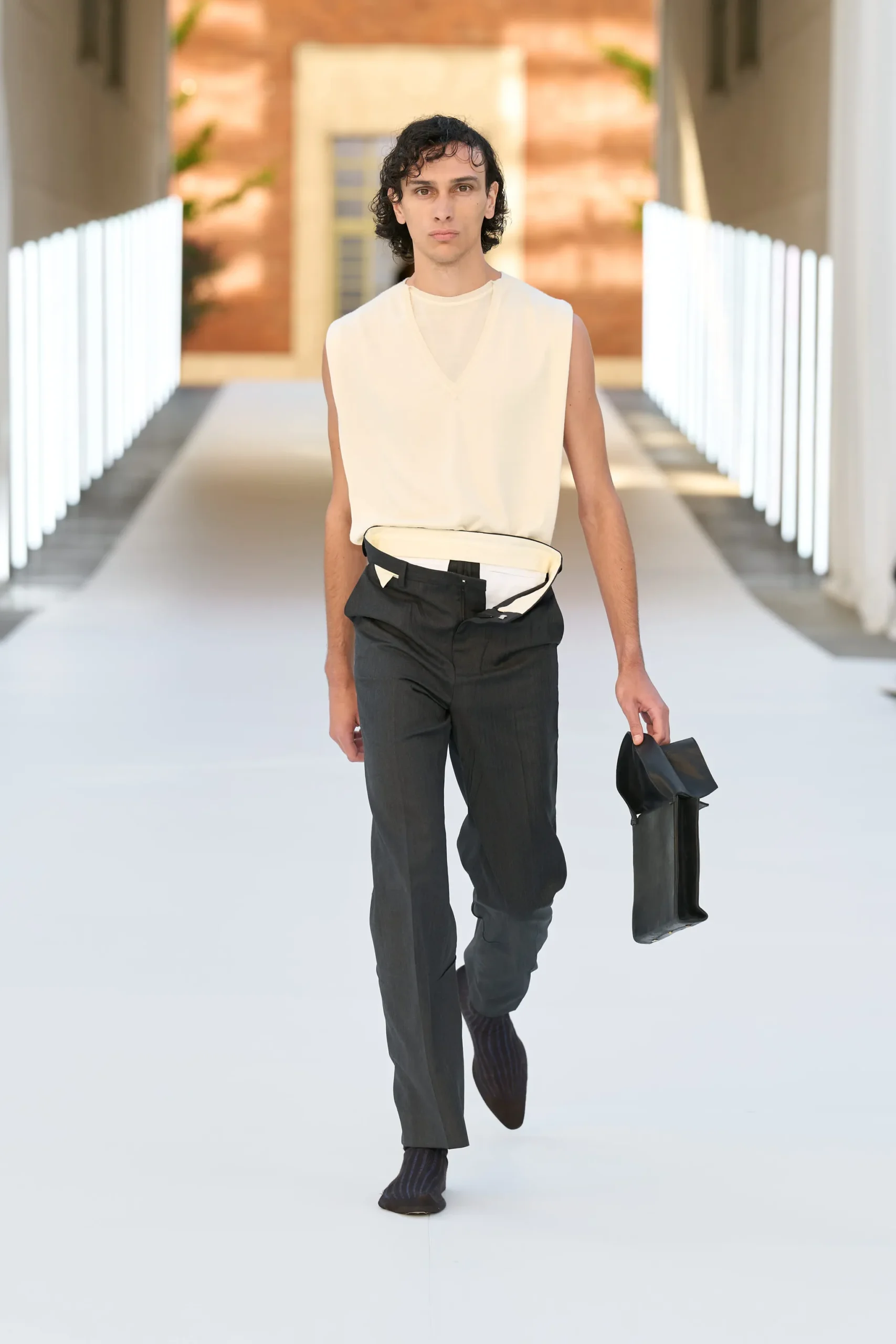
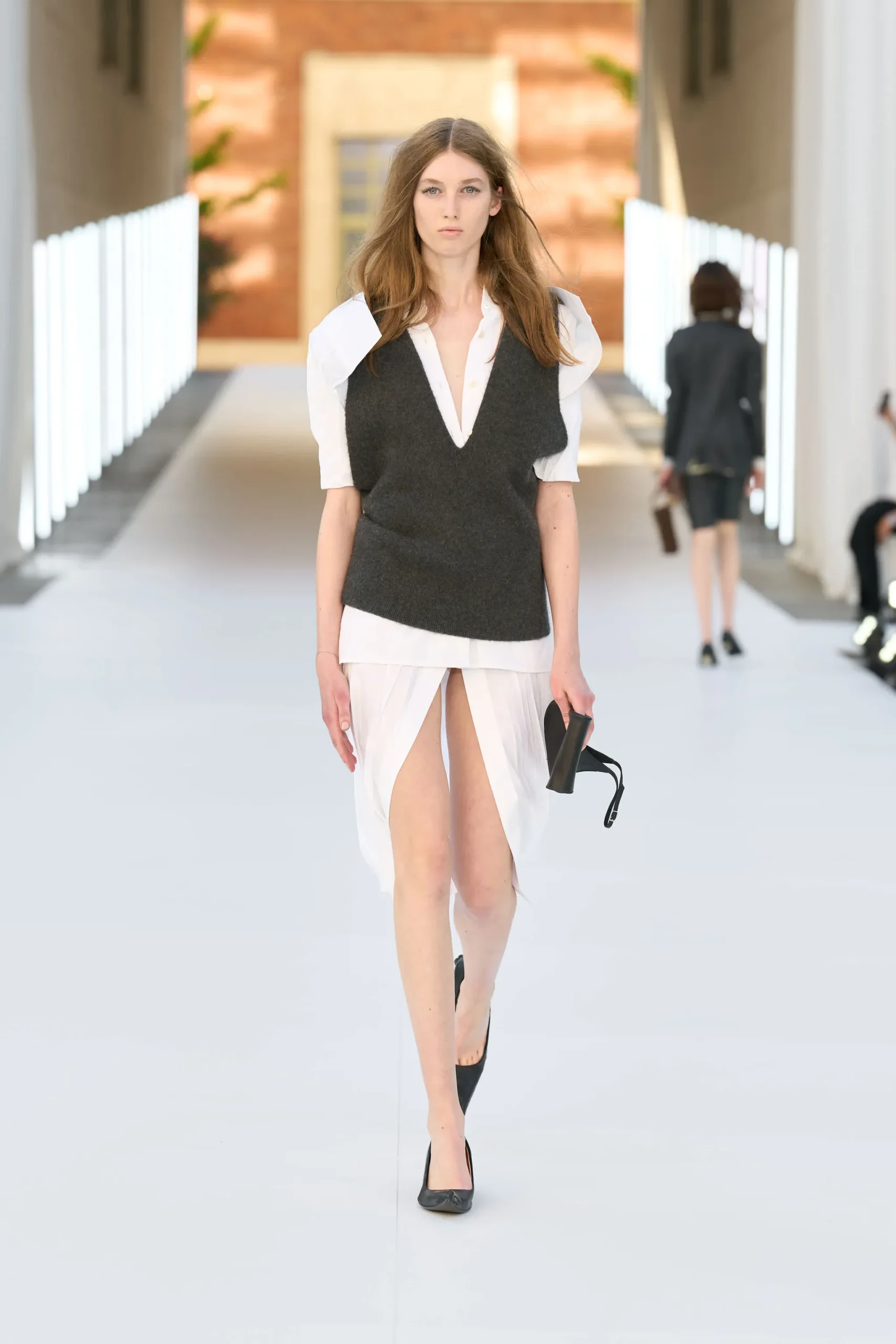
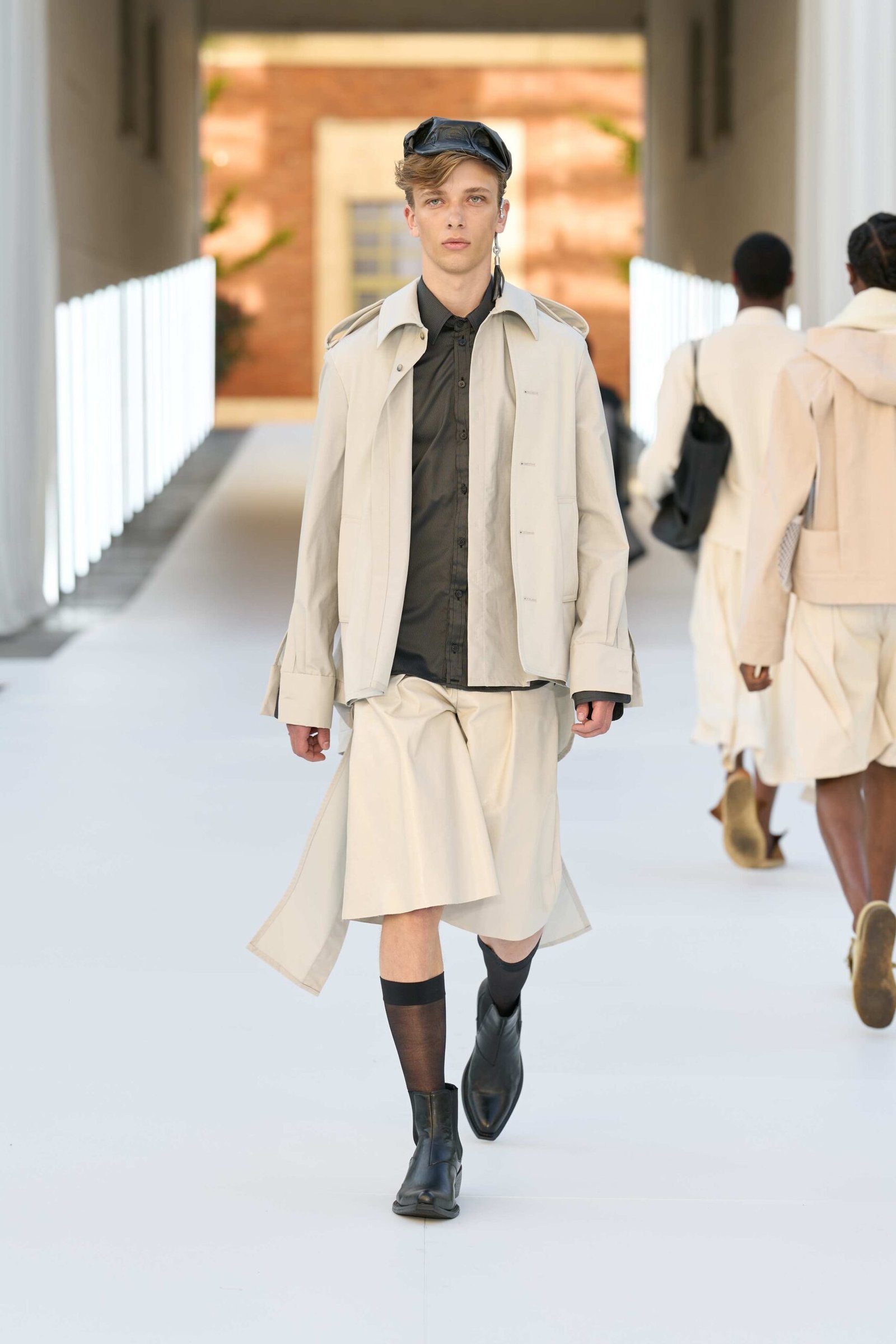
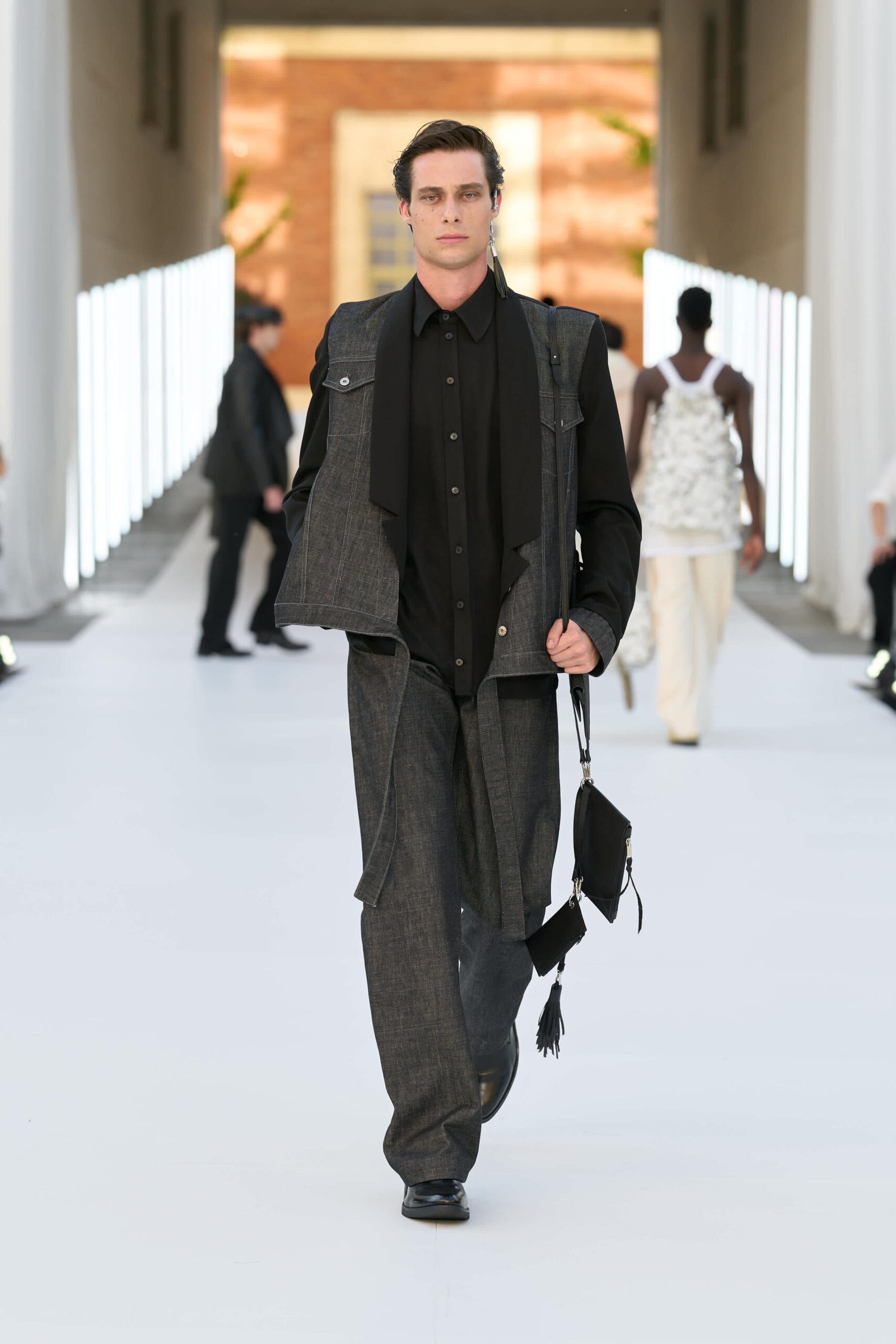
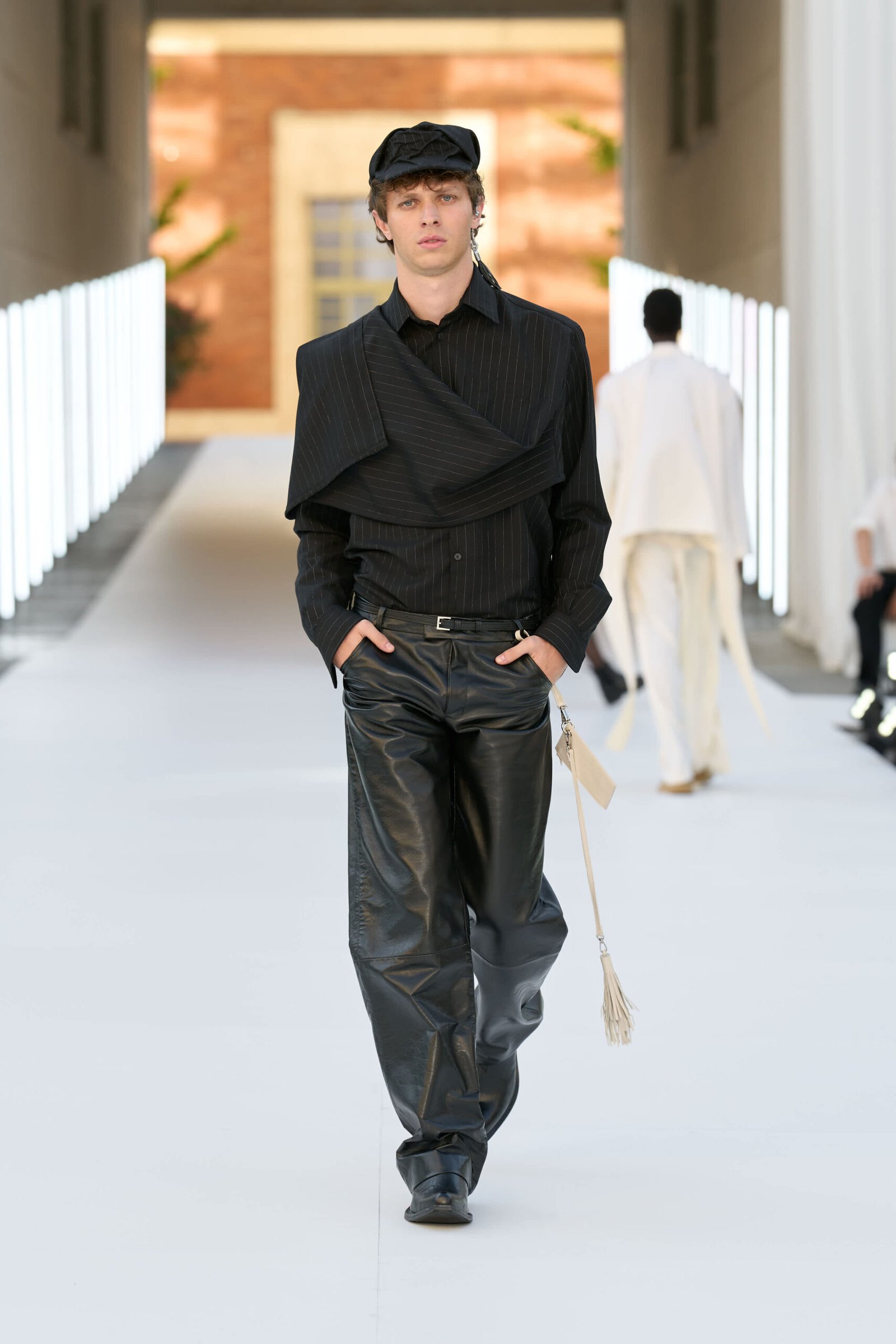
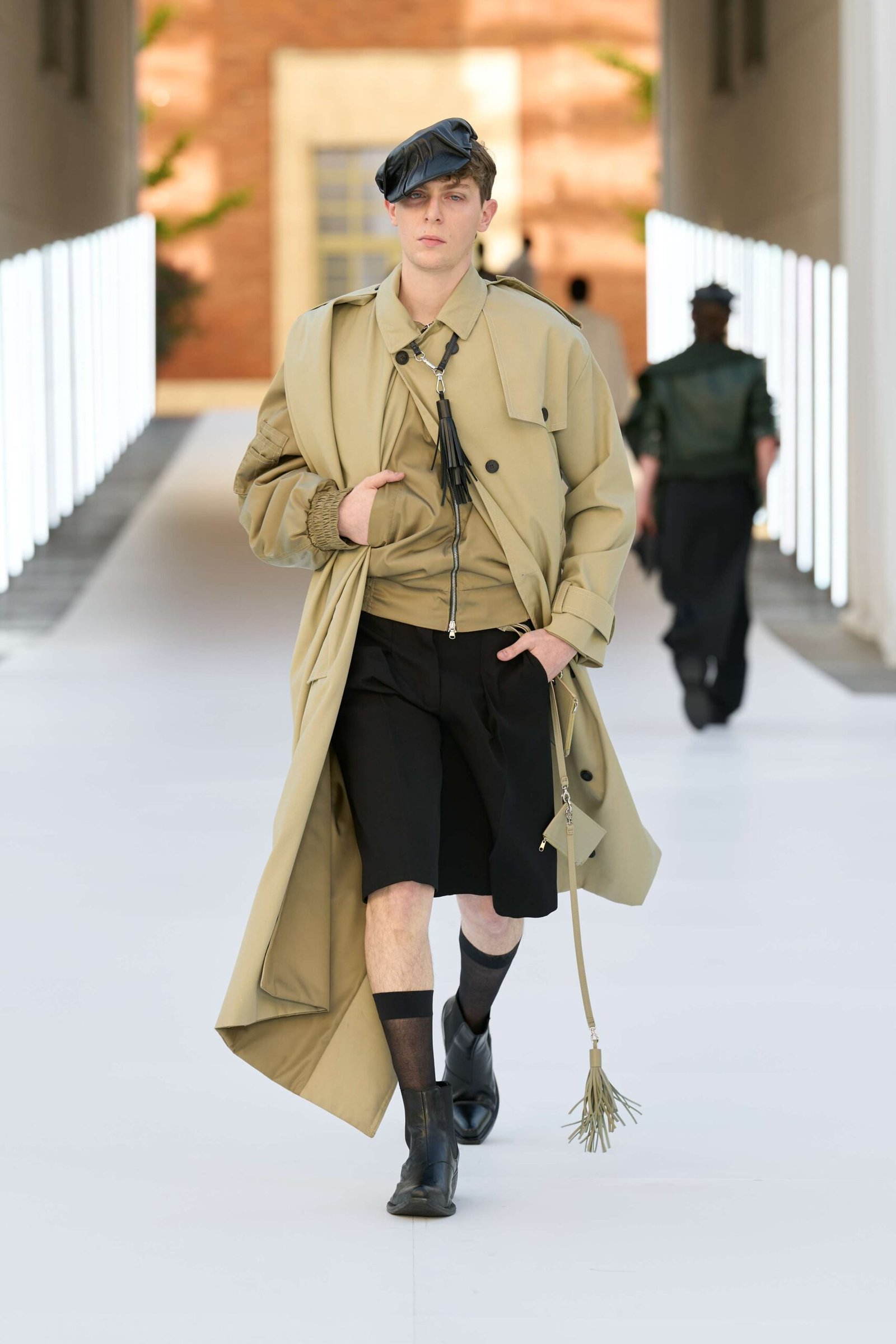
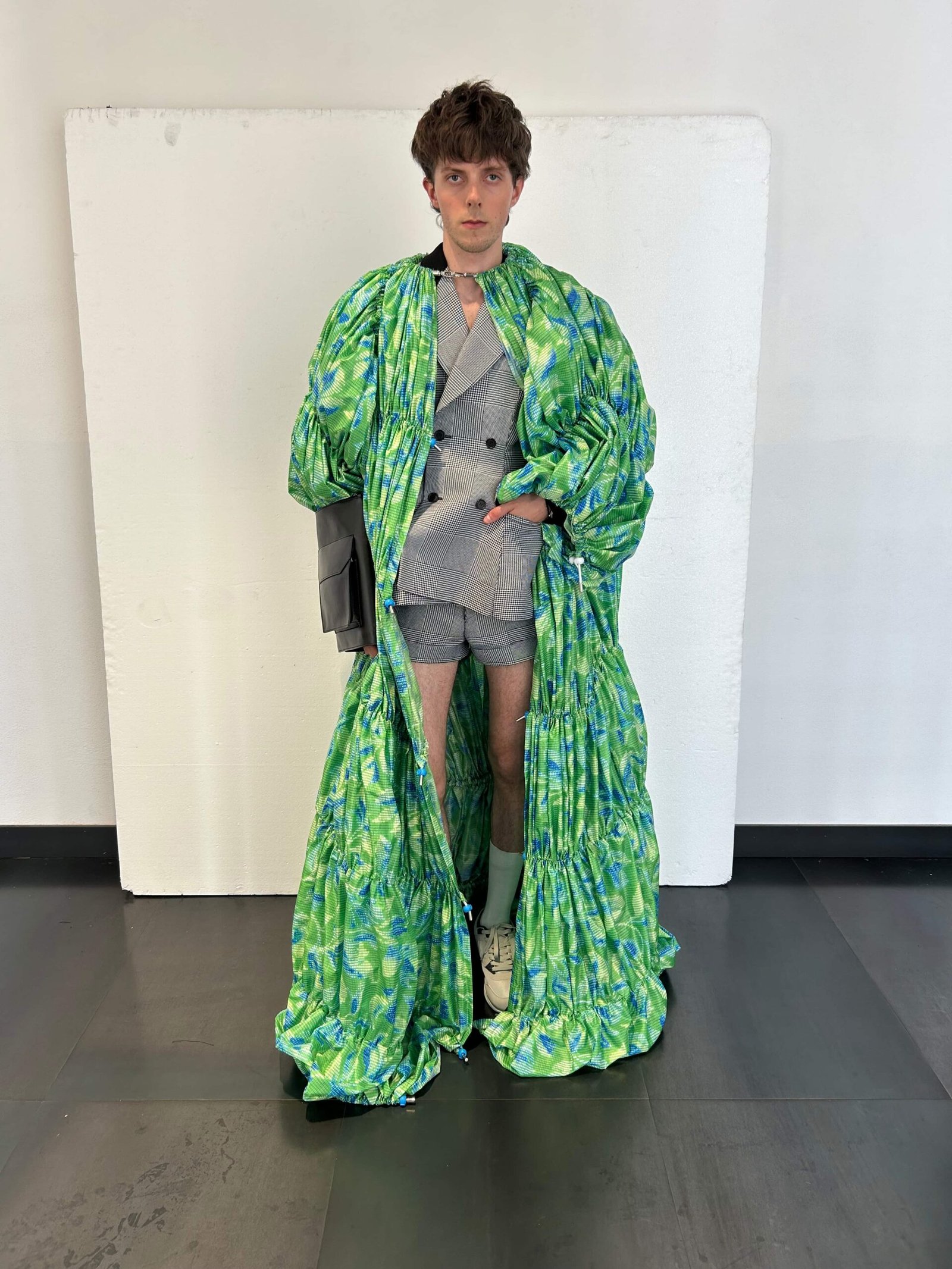
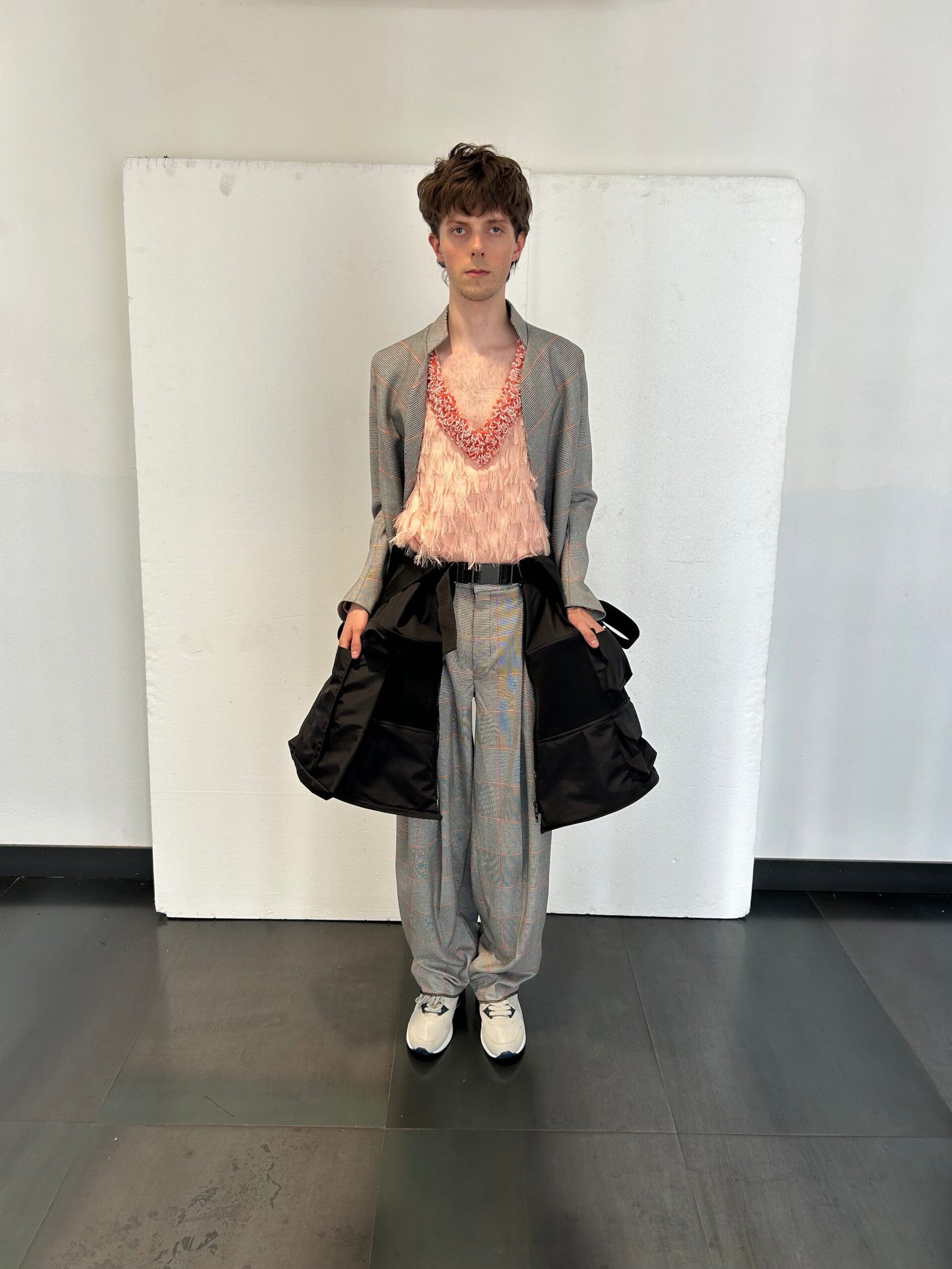
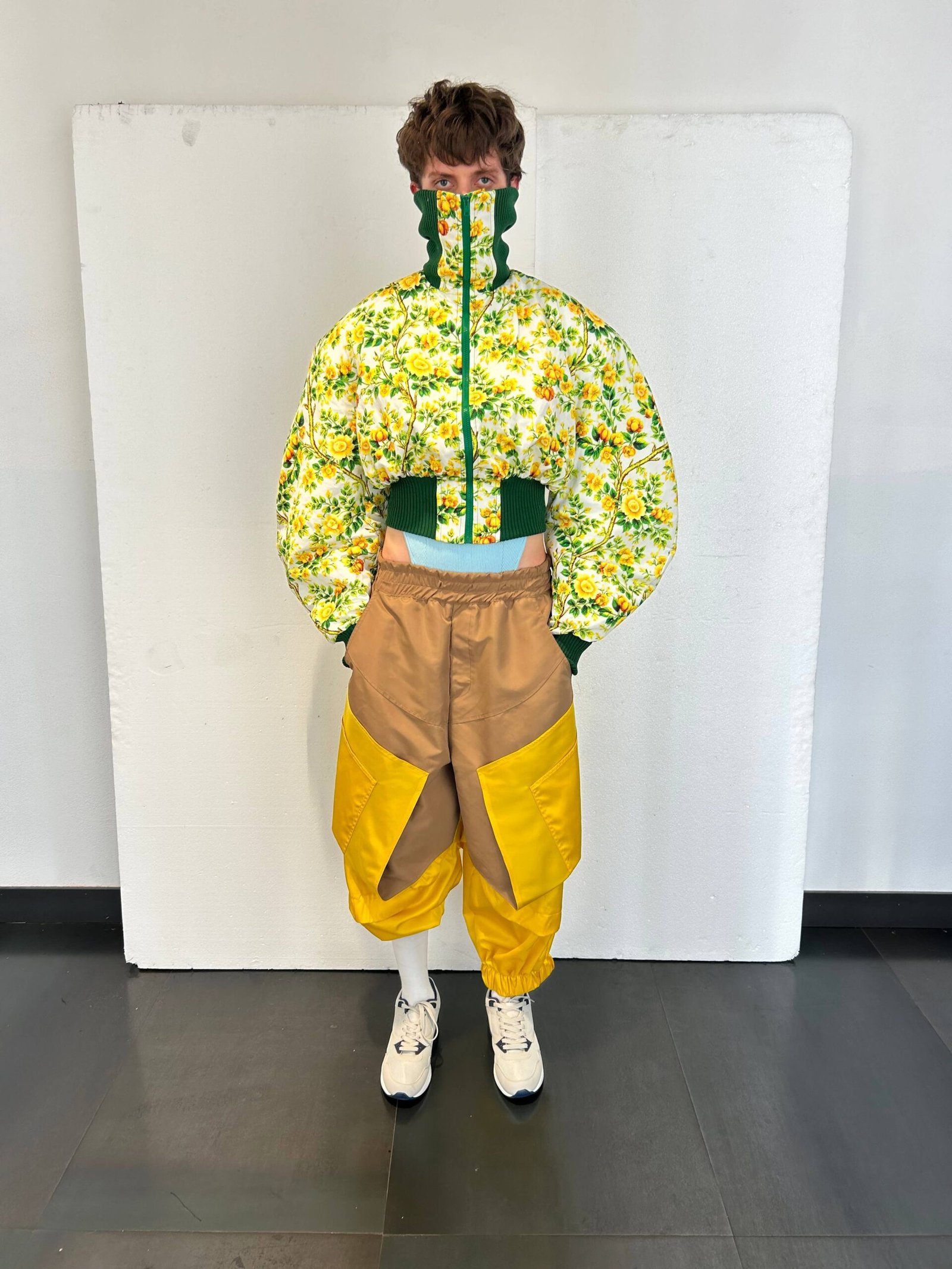
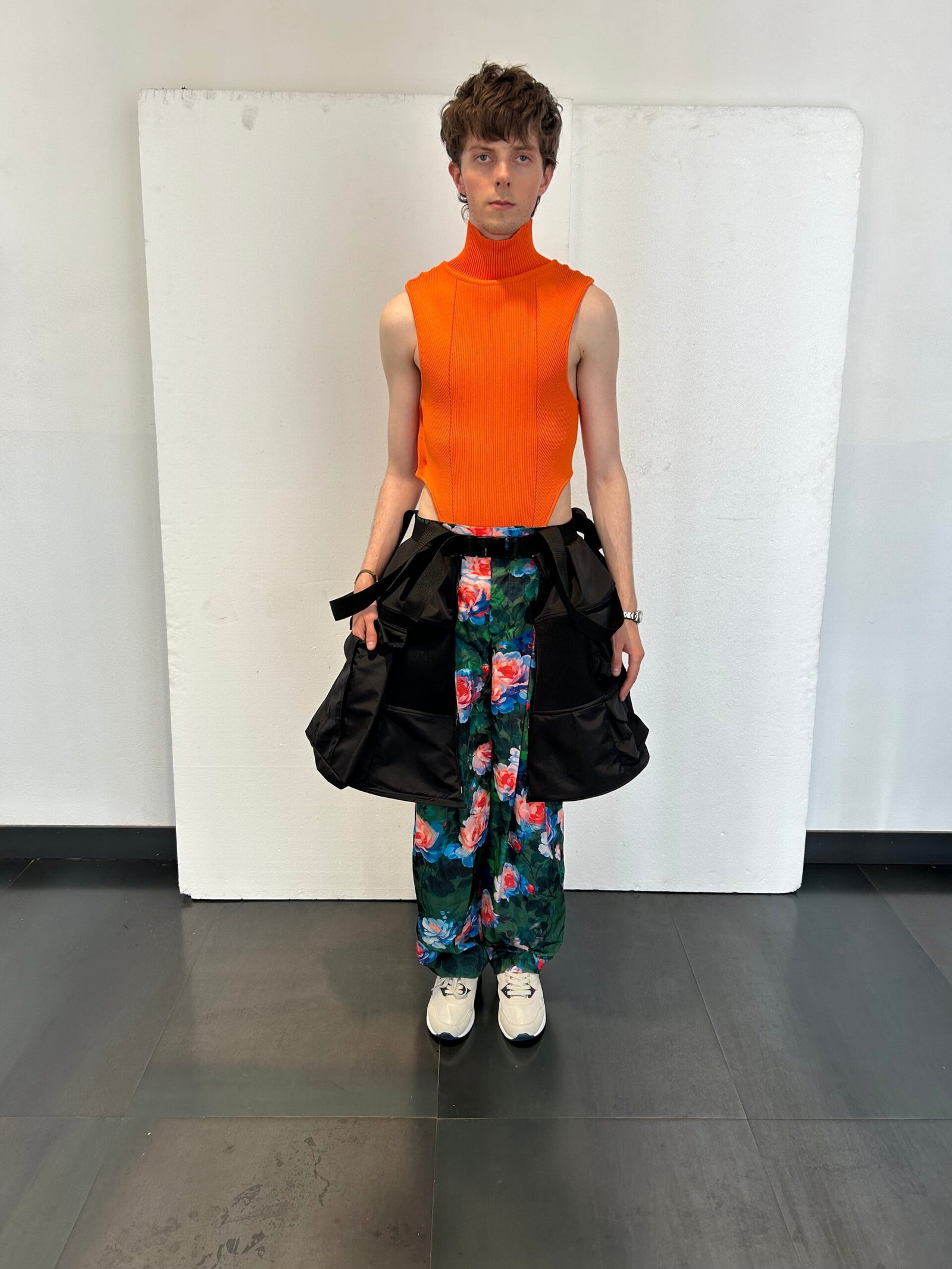
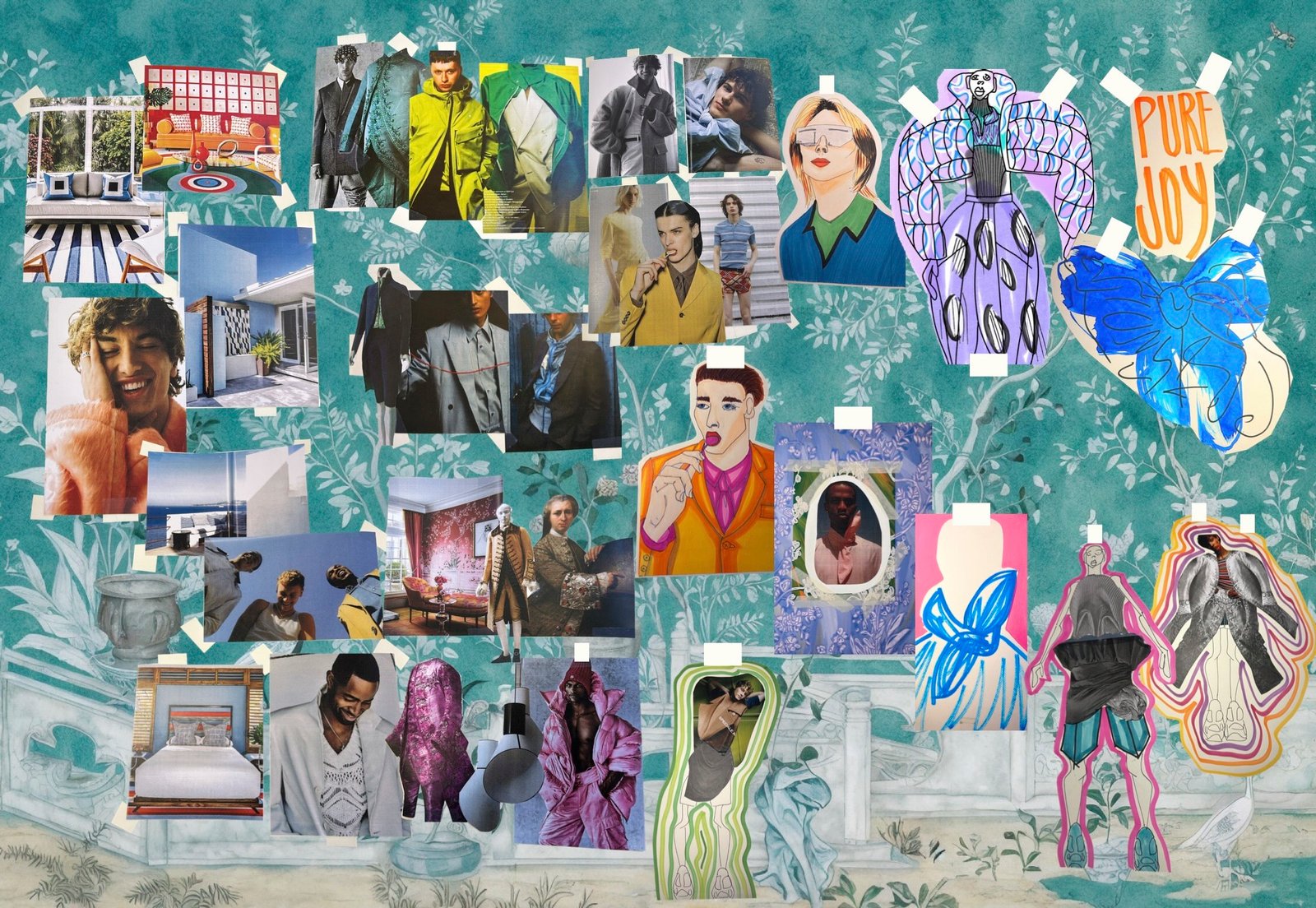
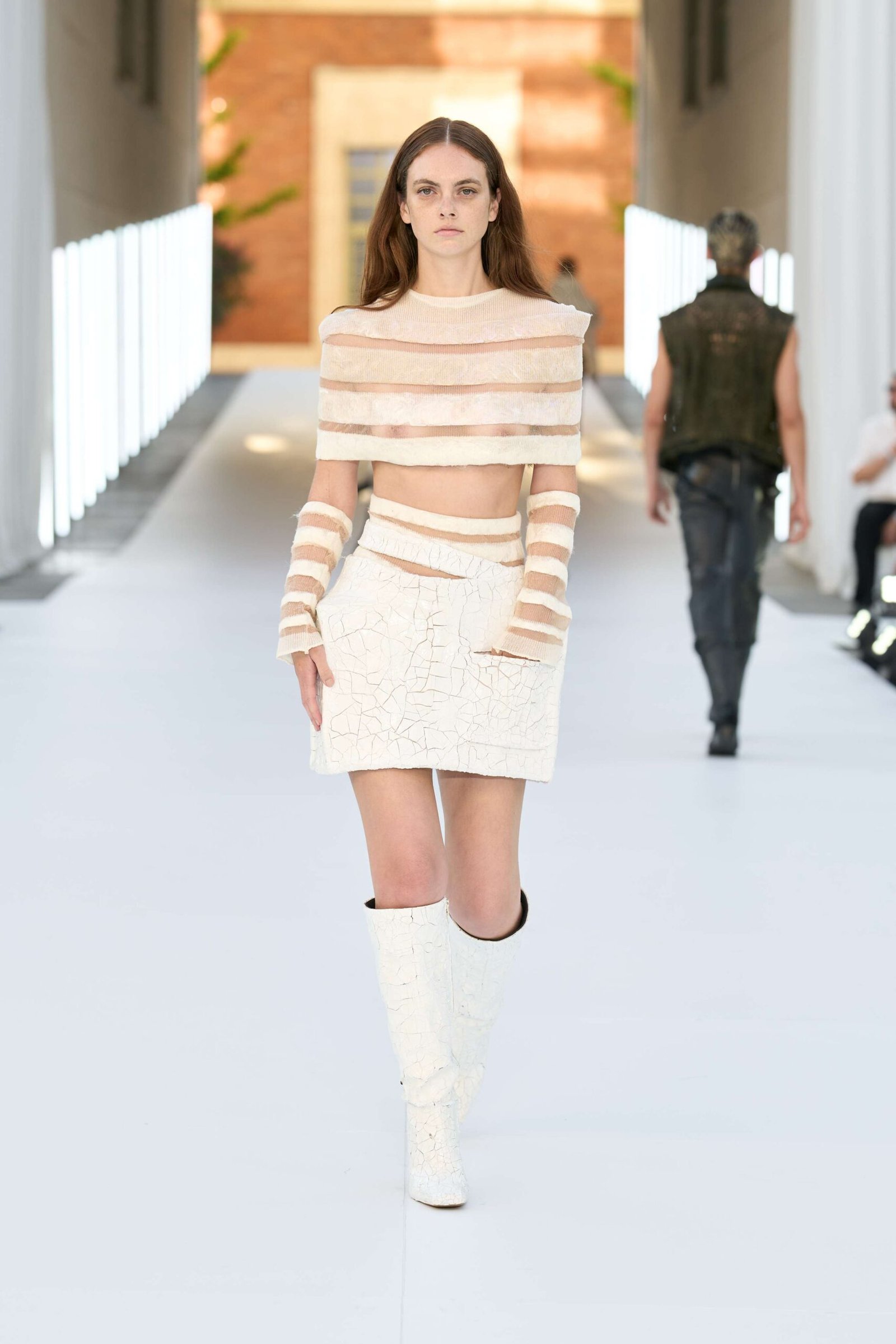
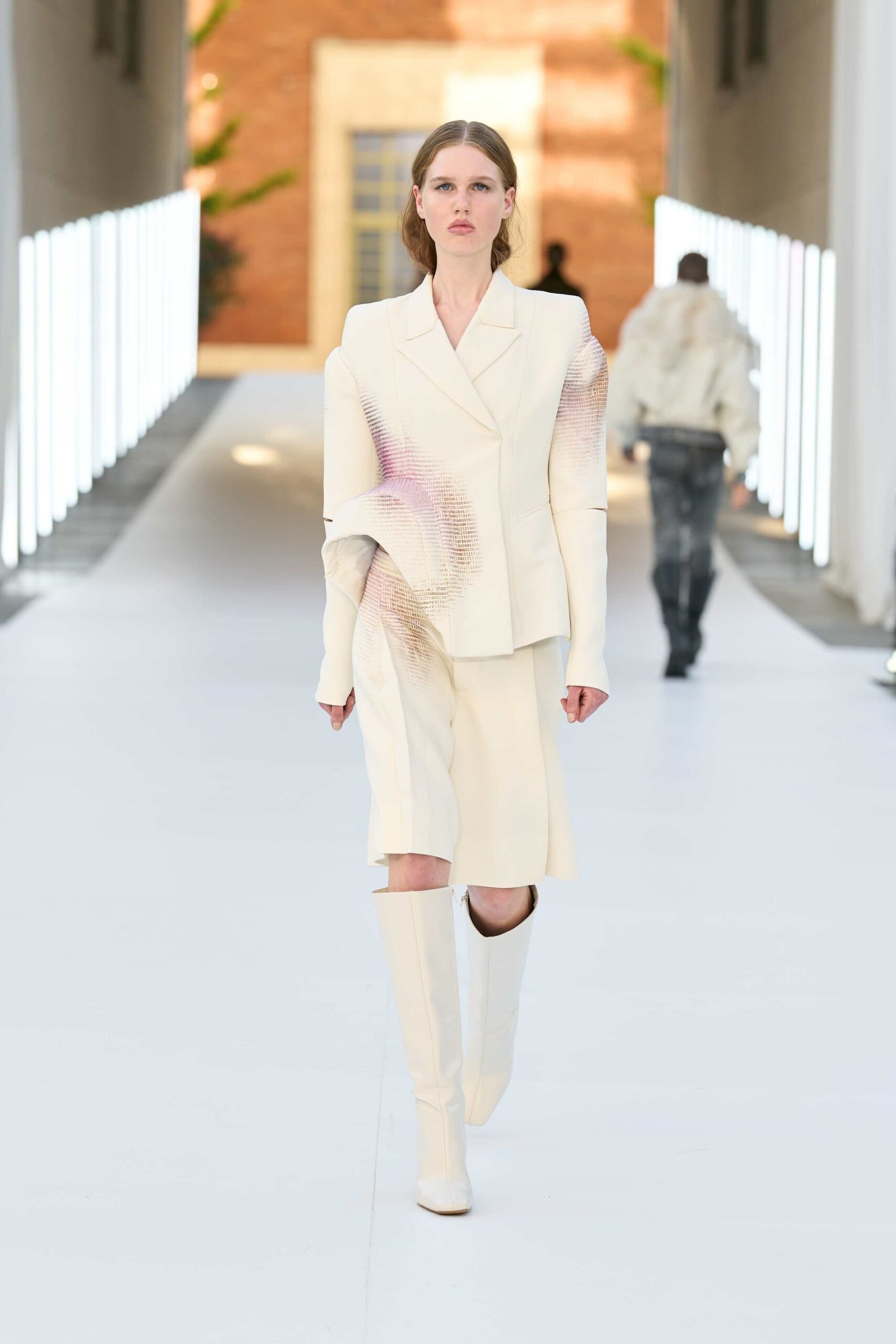
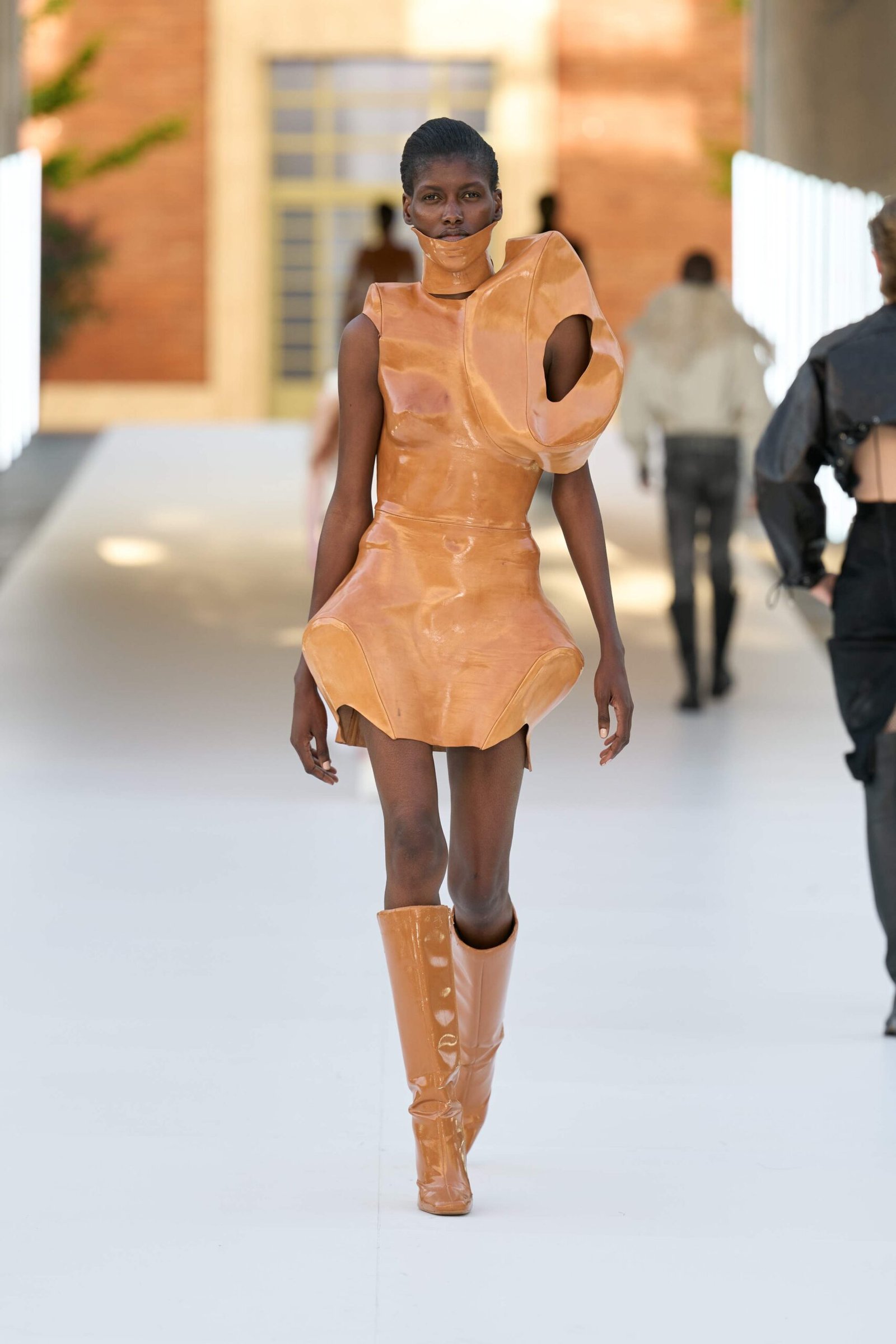
The Polimoda graduate show happened, as it always does, at the opening of Pitti Uomo – this year in the square outside the Manifattura Tabacchi in Florence, the school’s clock tower overhead, a crowd assembled to watch the designers present the work of four years. The mentors for 2026 were Luke and Lucie Meier, who met here as students a quarter century ago, which gave the occasion a particular kind of circularity. What the collections themselves share is harder to pin down than a theme. Several designers are working through personal history – a father who dived, a childhood spent watching Bangkok pop culture from the provinces, a friend who died. Others are more interested in systems: the construction of masculinity, the performance of femininity, the body as something assembled and edited rather than simply inhabited. The sensibility here tends toward the considered and the resolved, and this group is no exception. 

Evelina Kryvopust

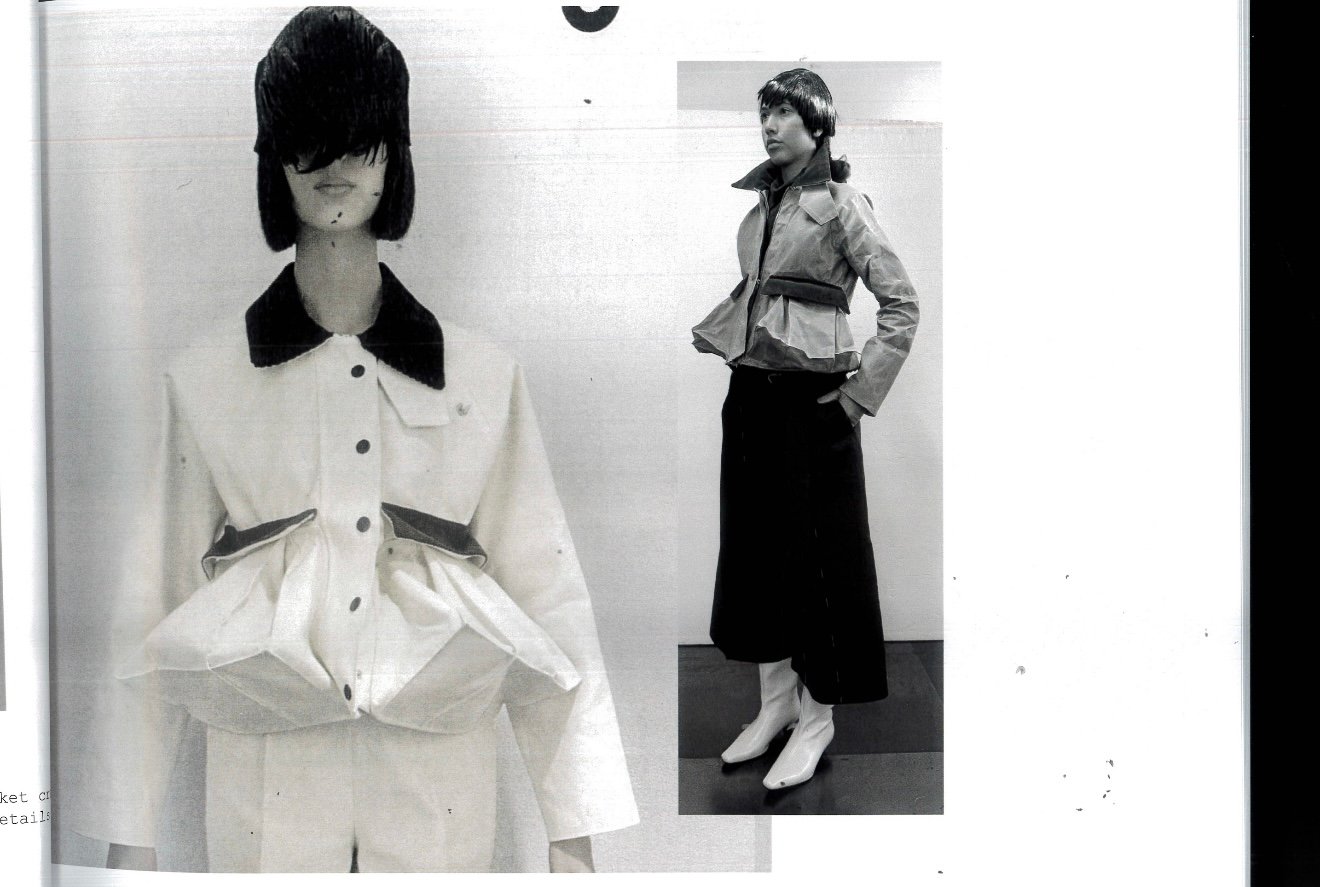
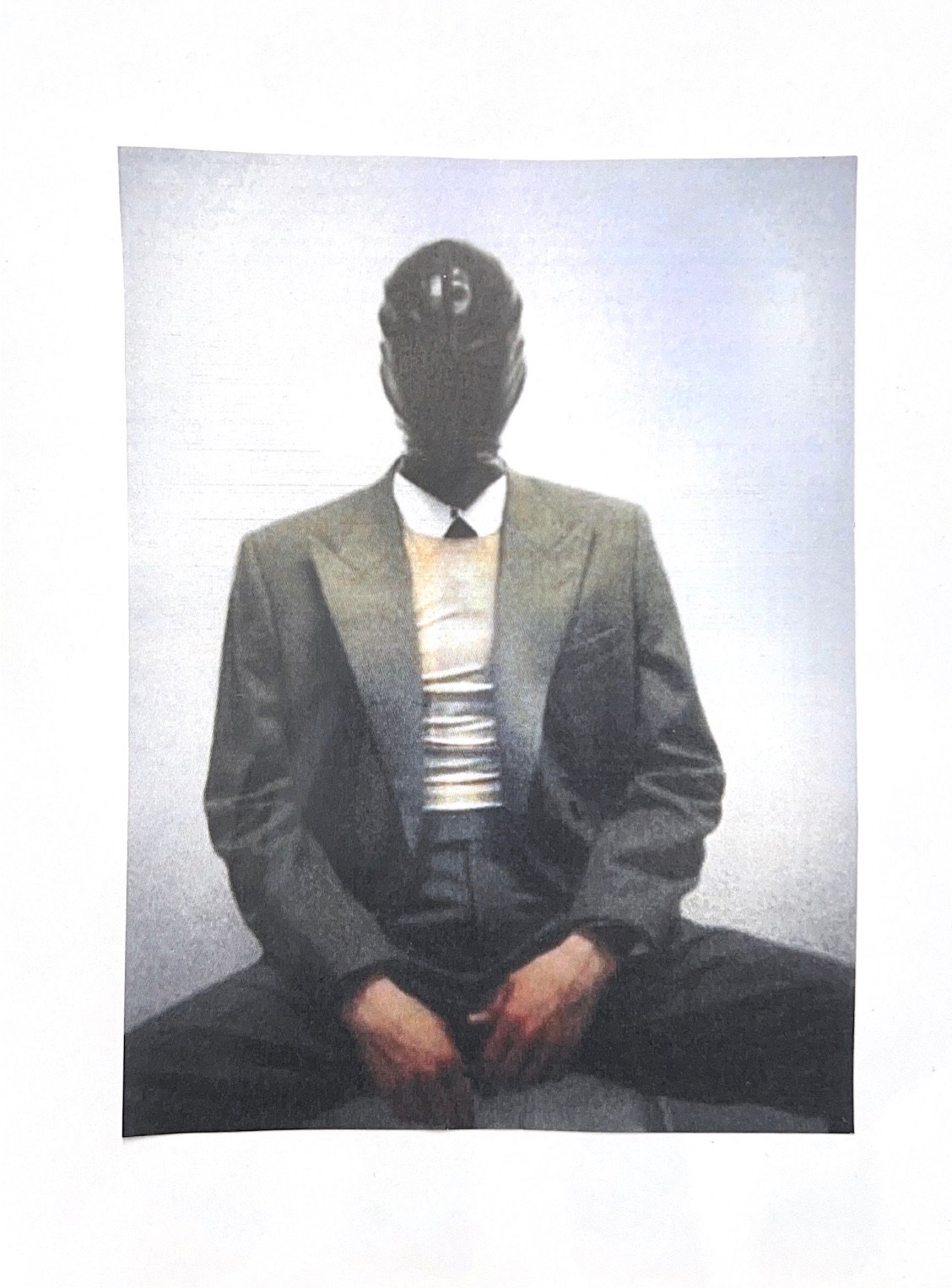
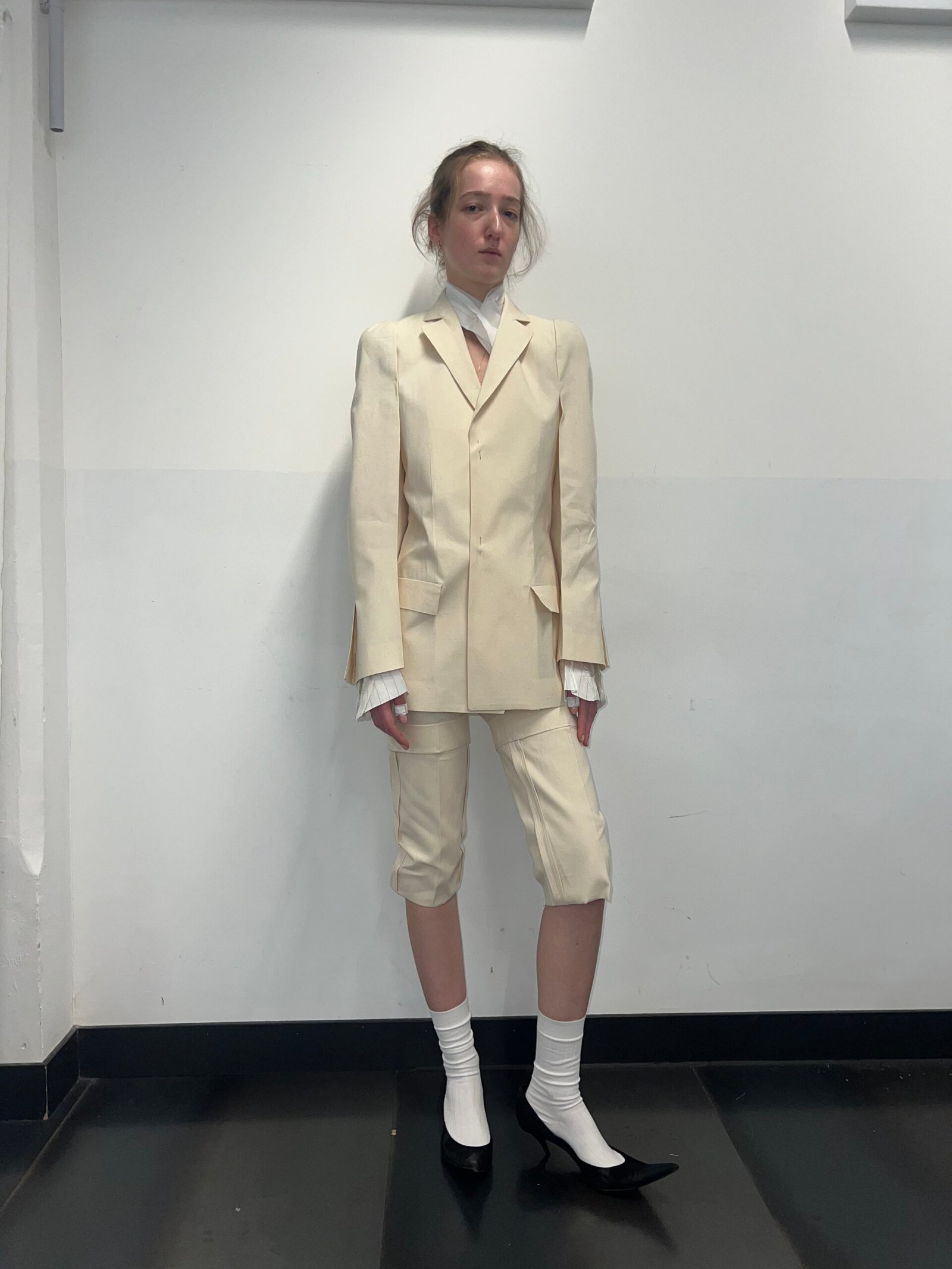
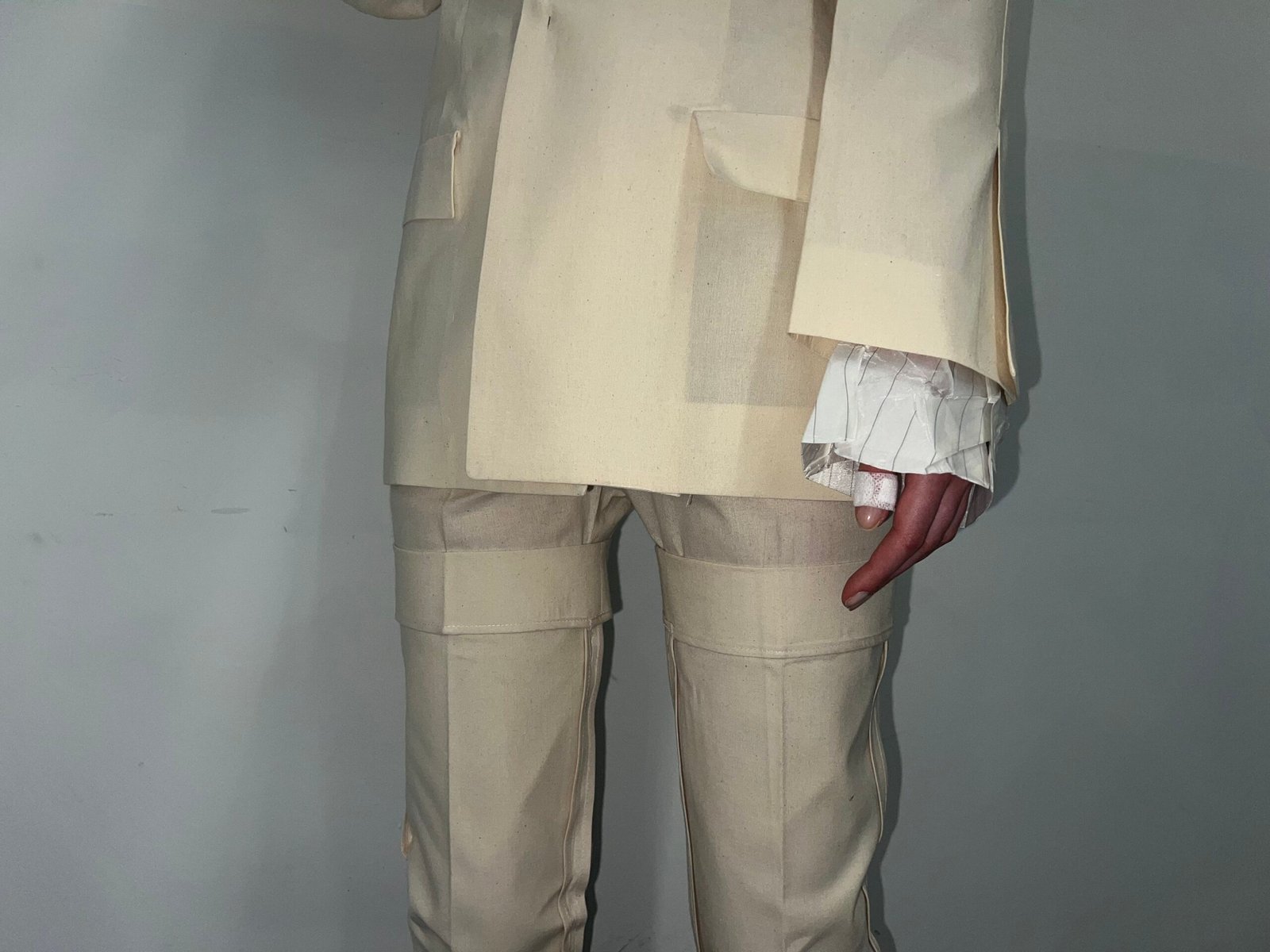
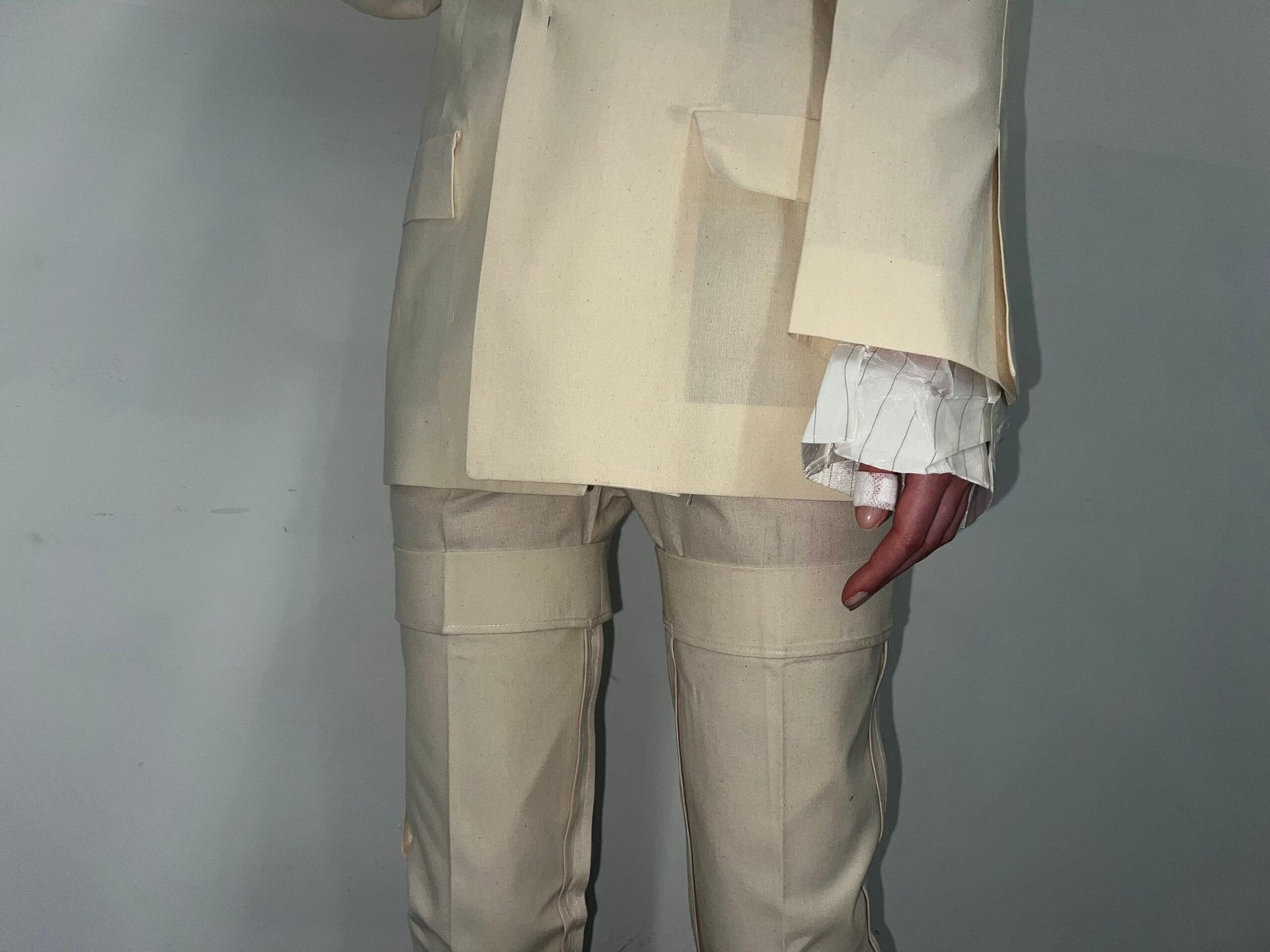
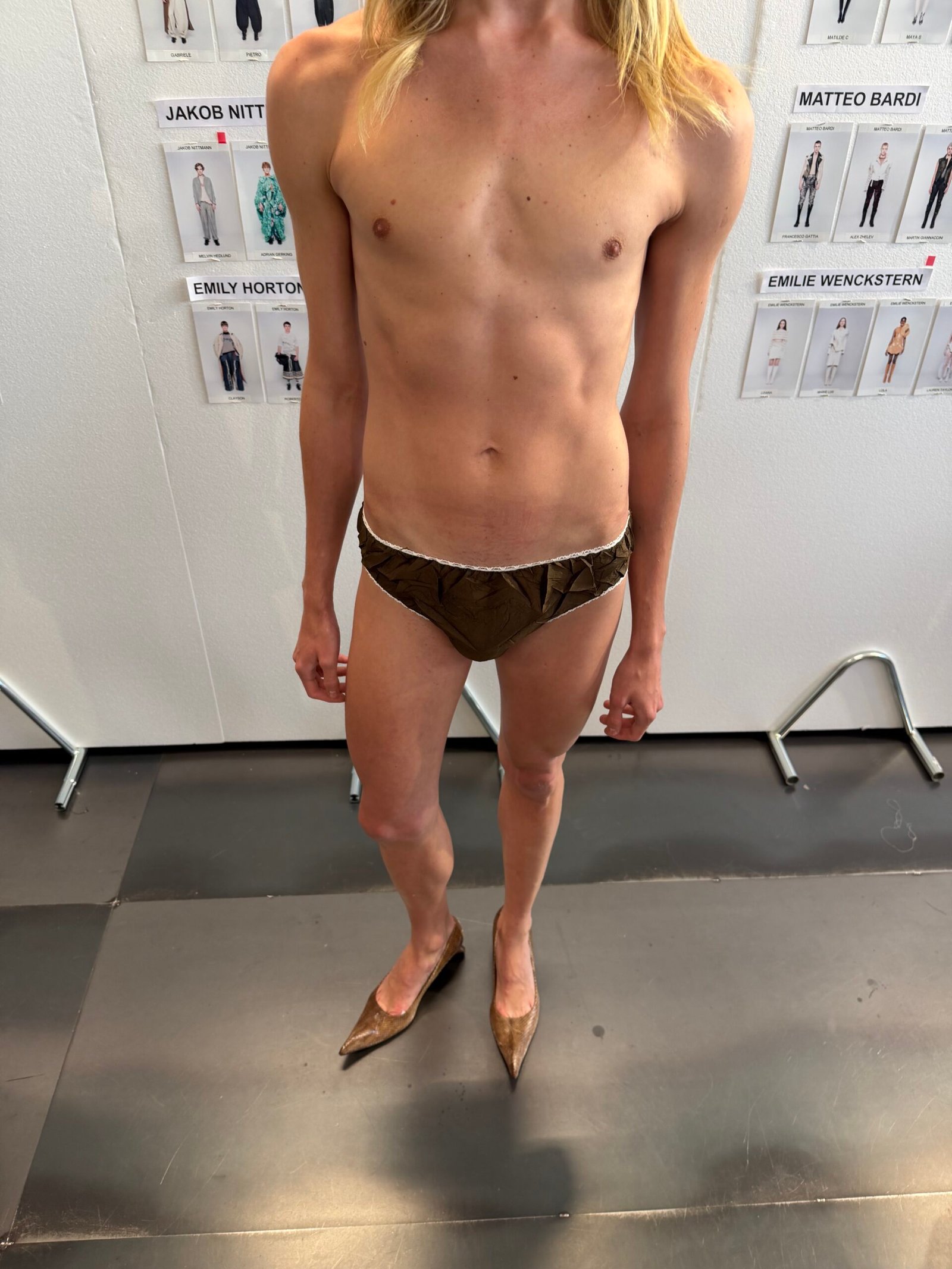
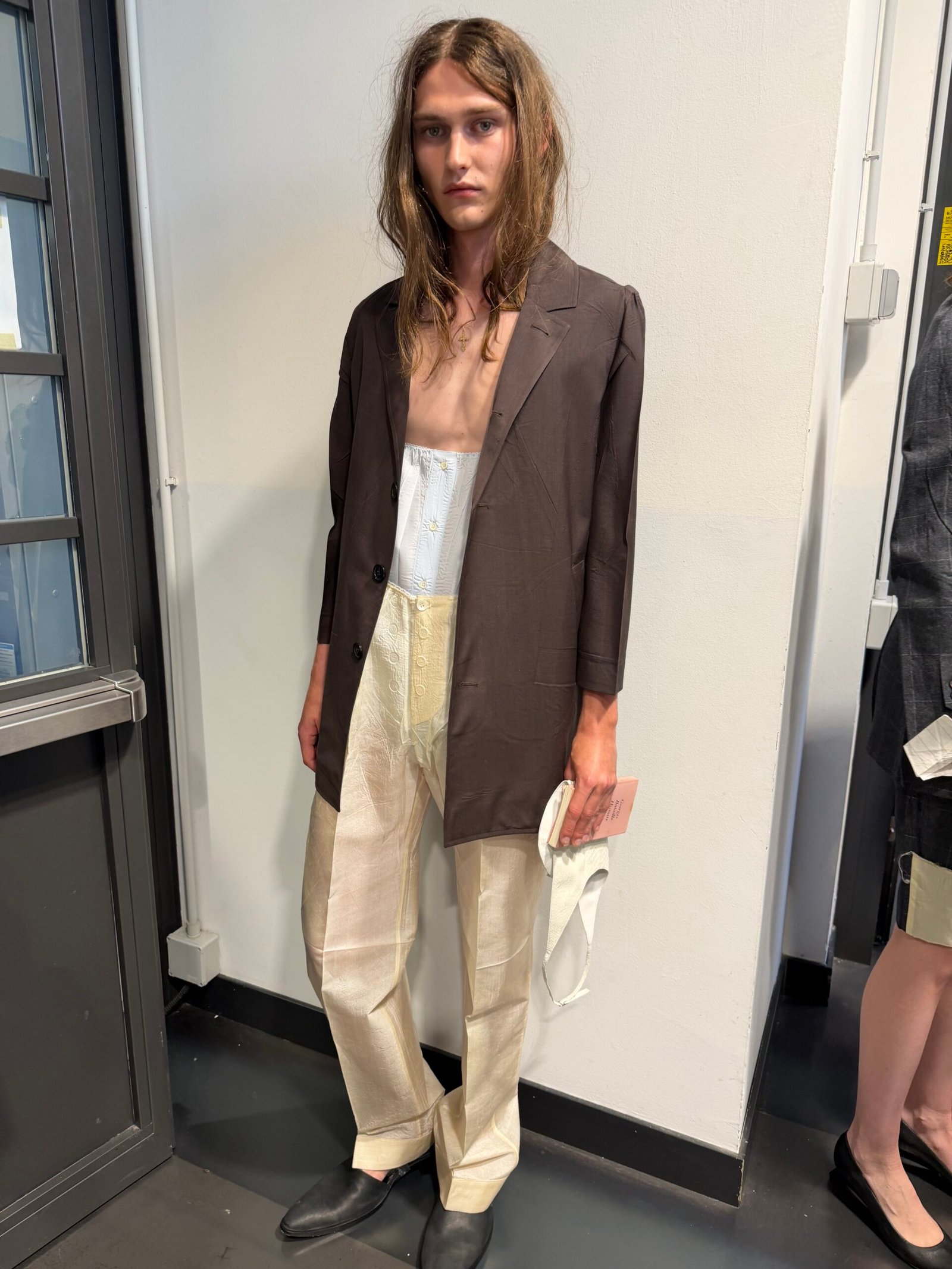
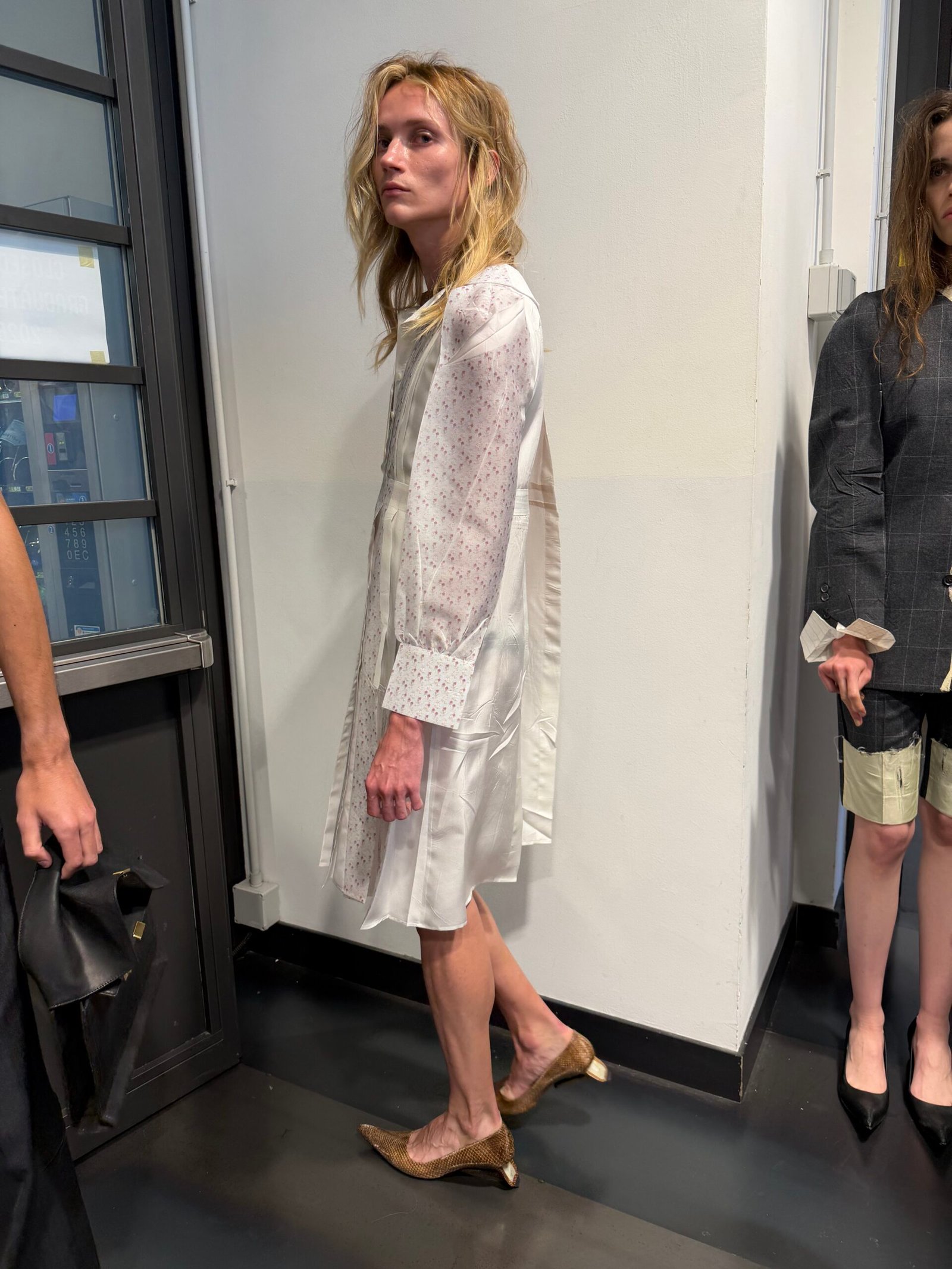
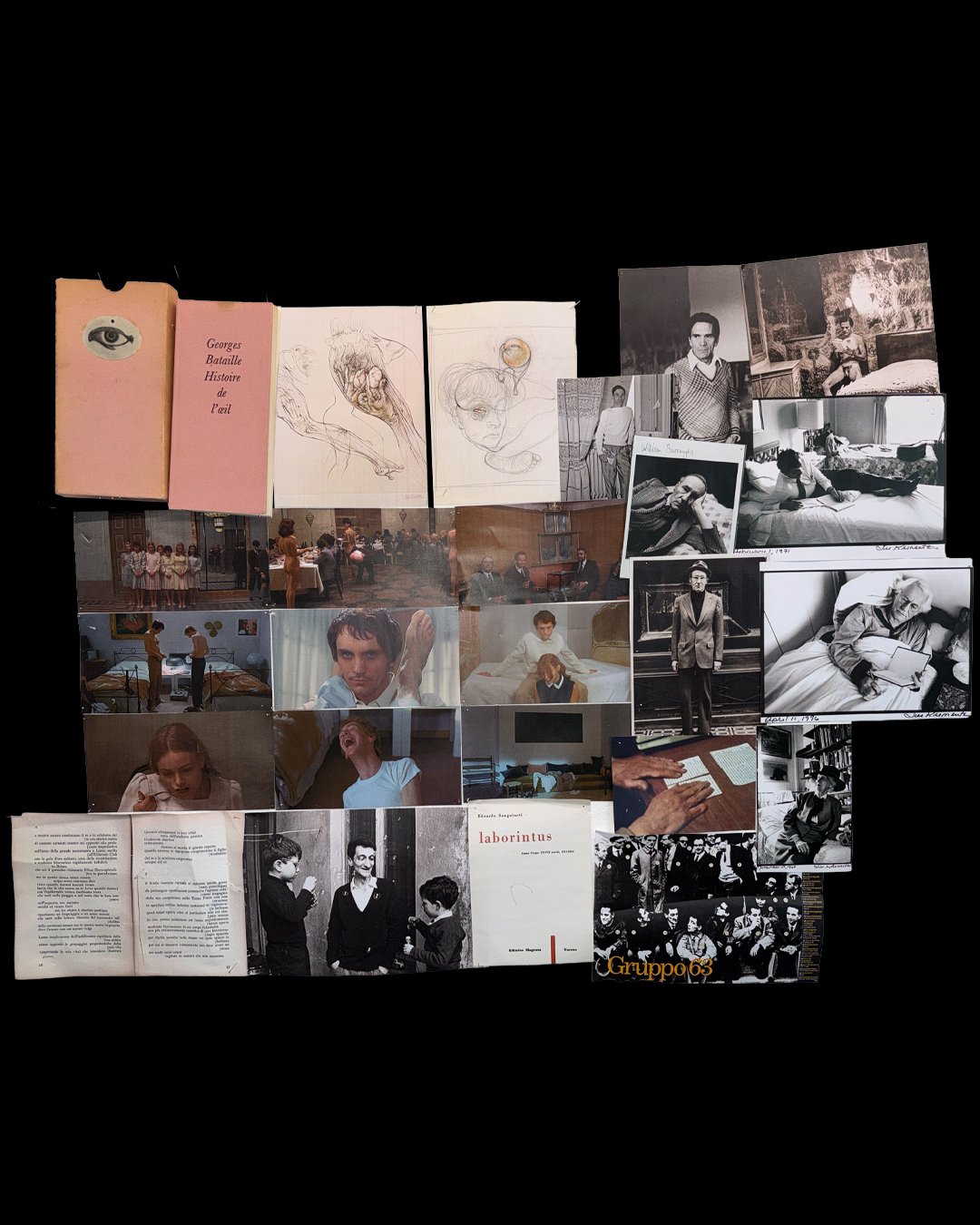
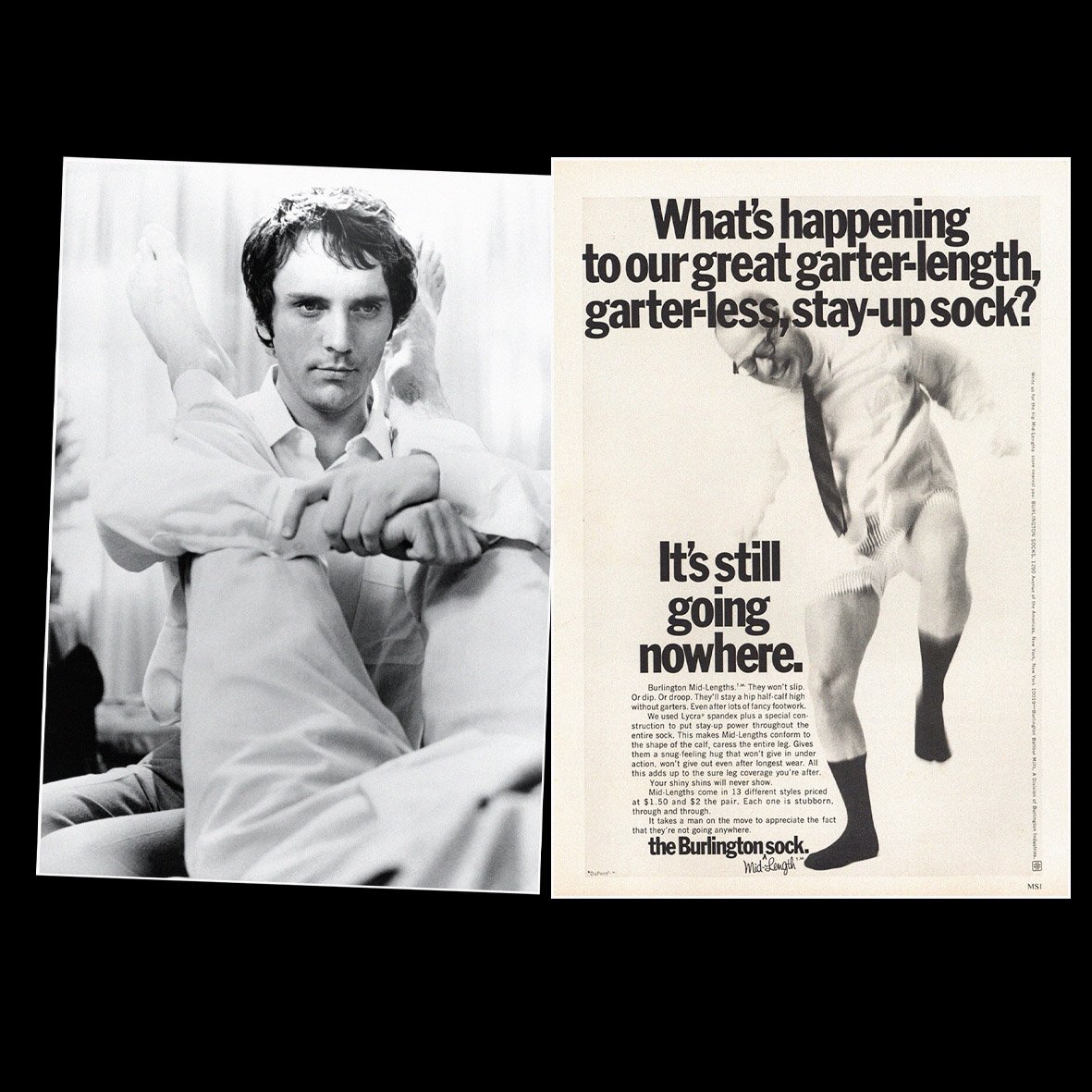
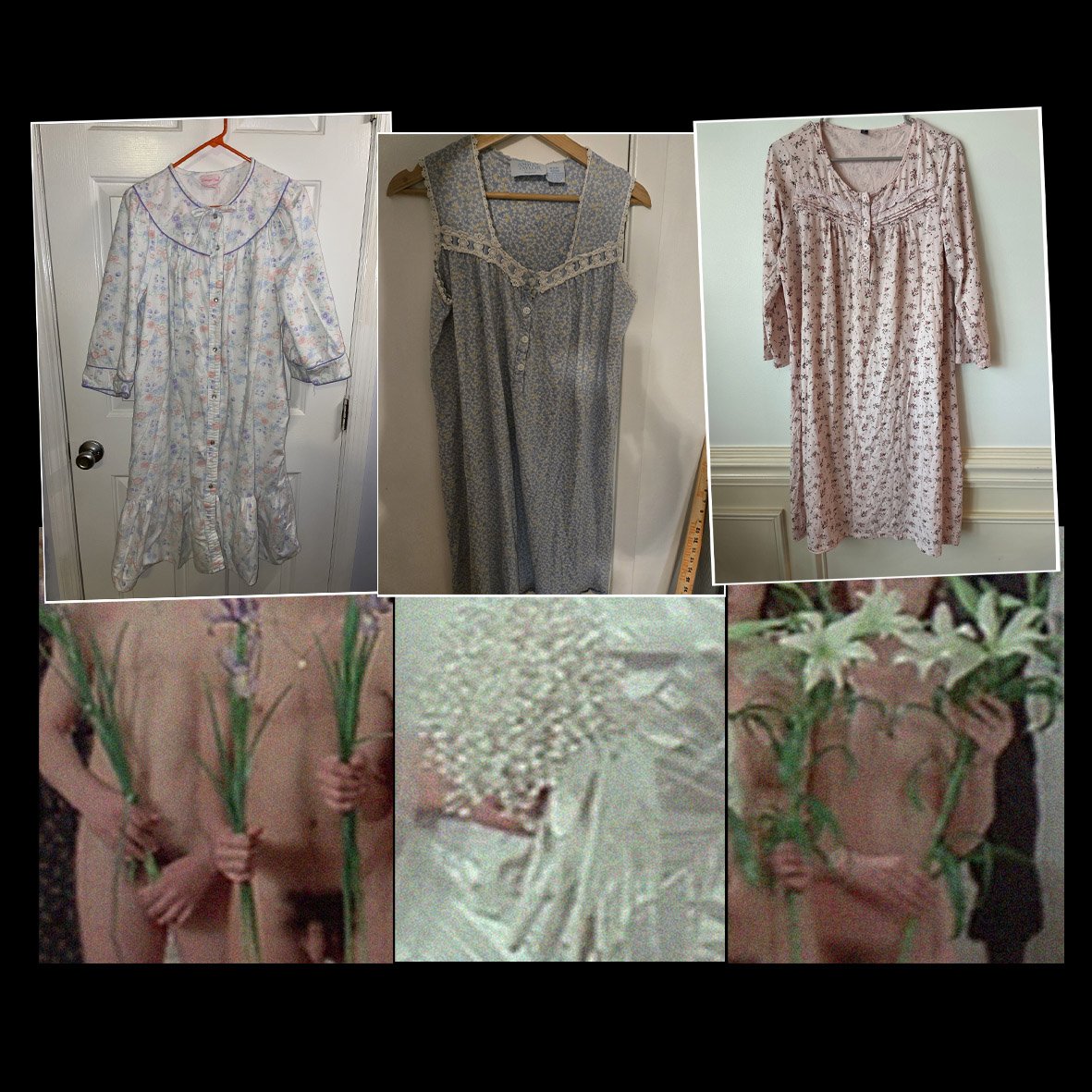
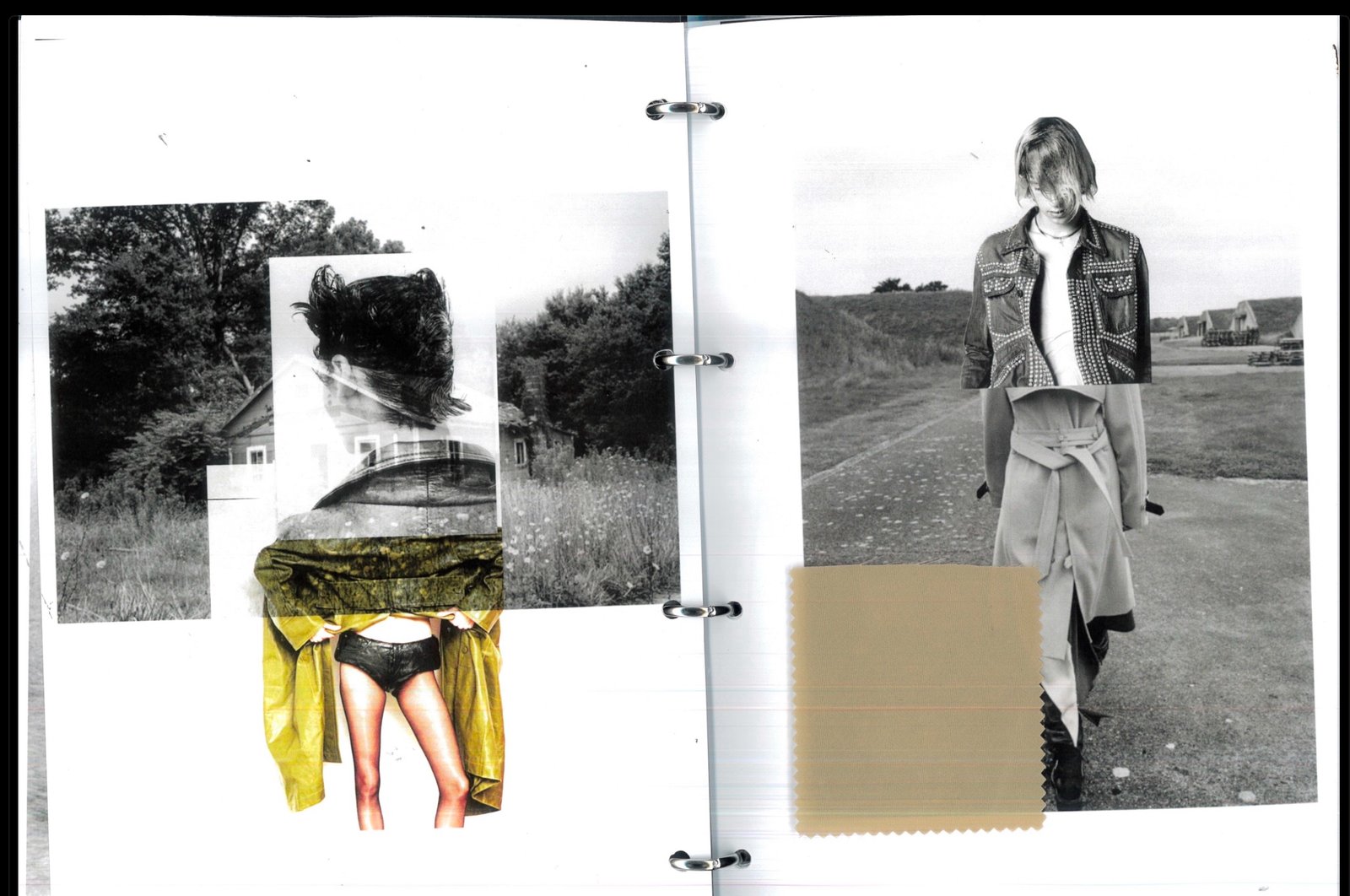
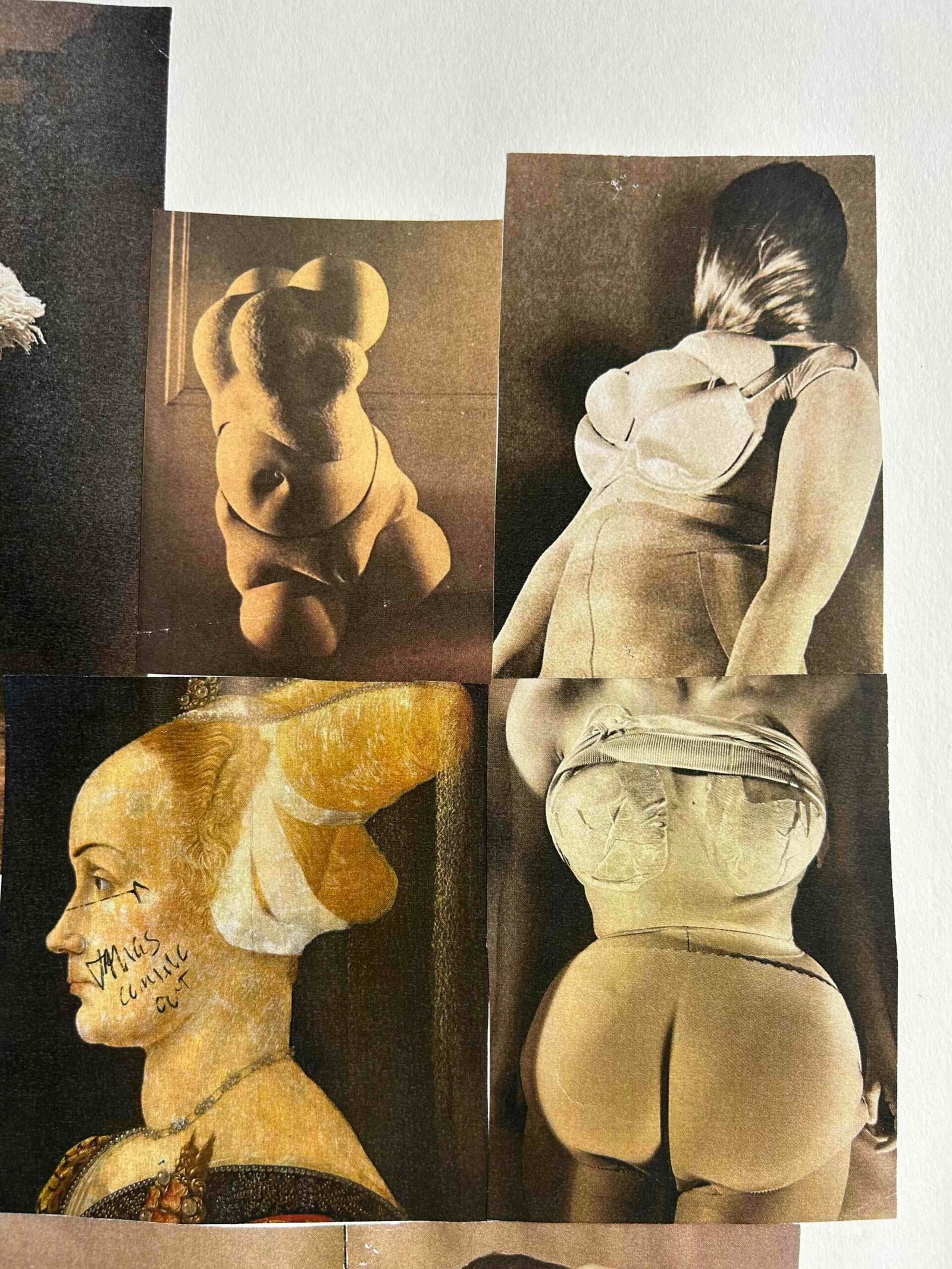
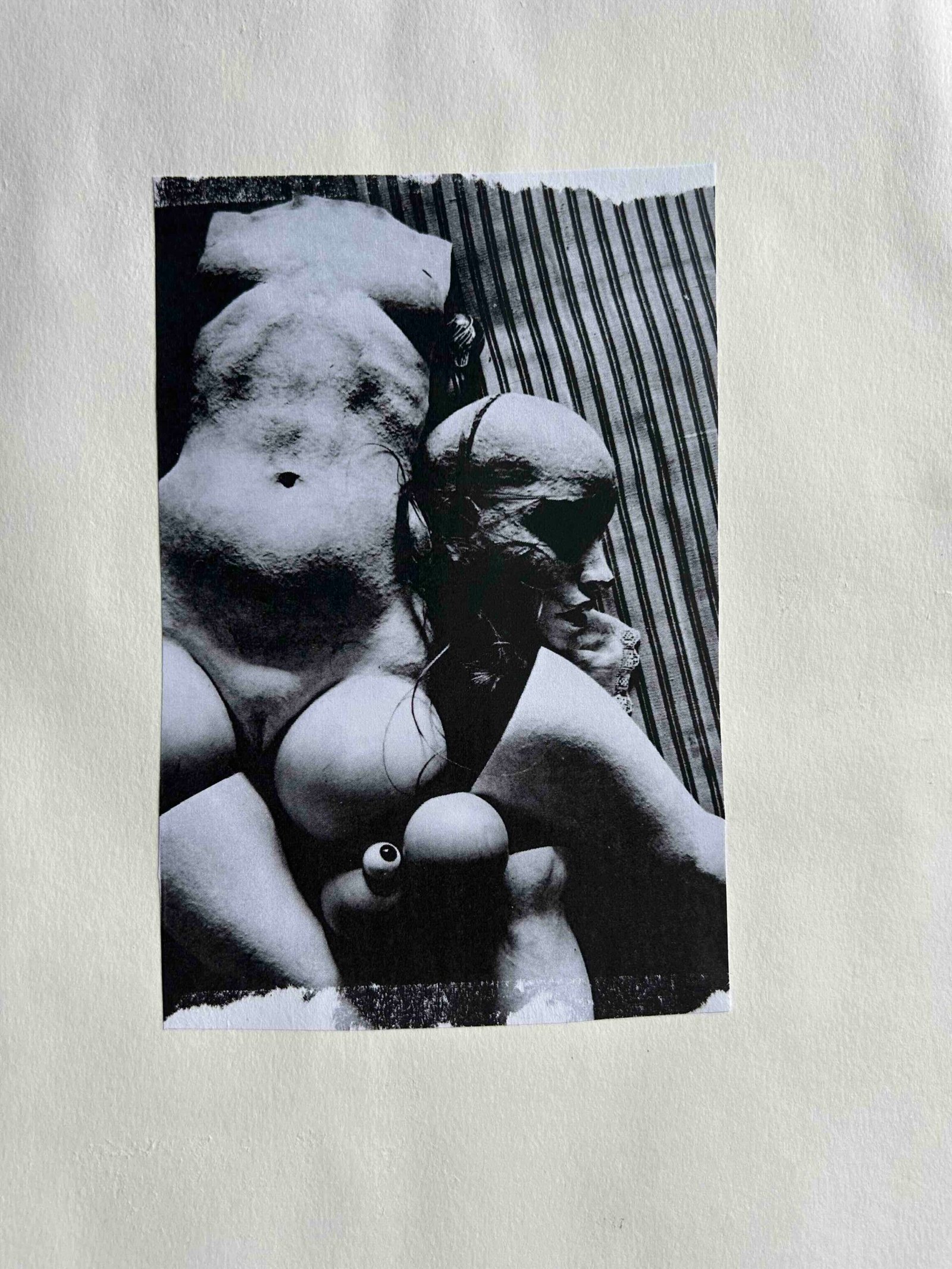
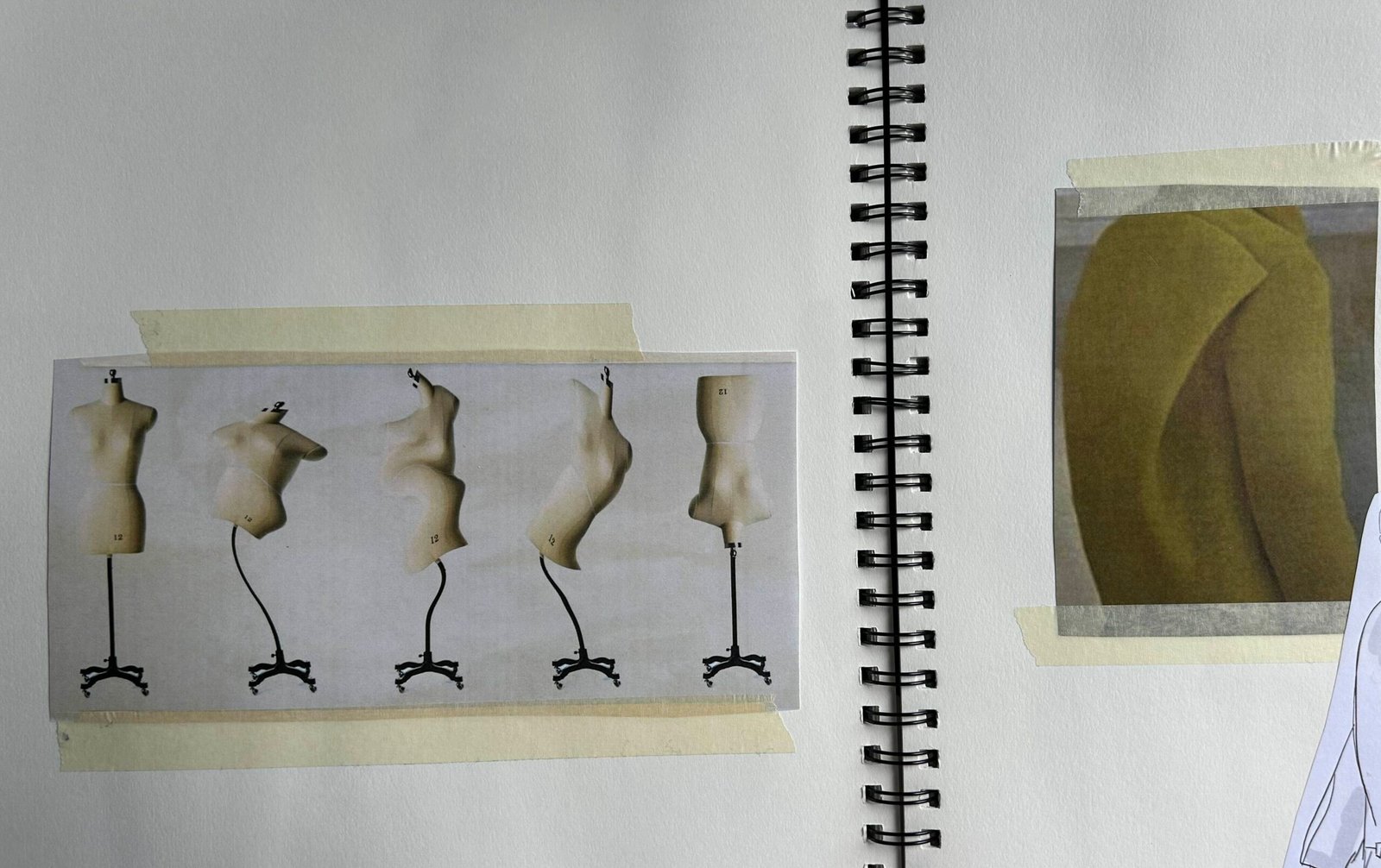
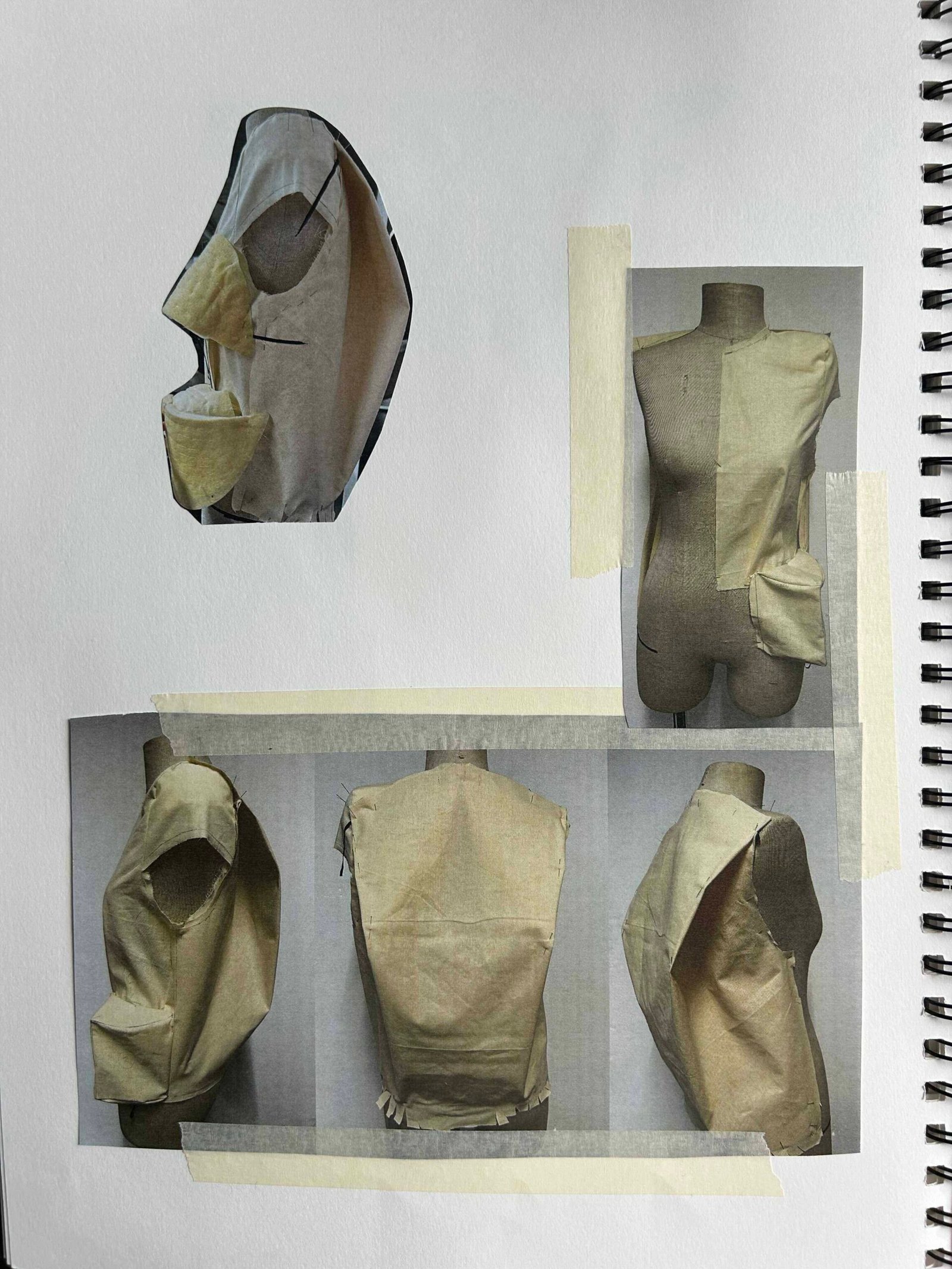
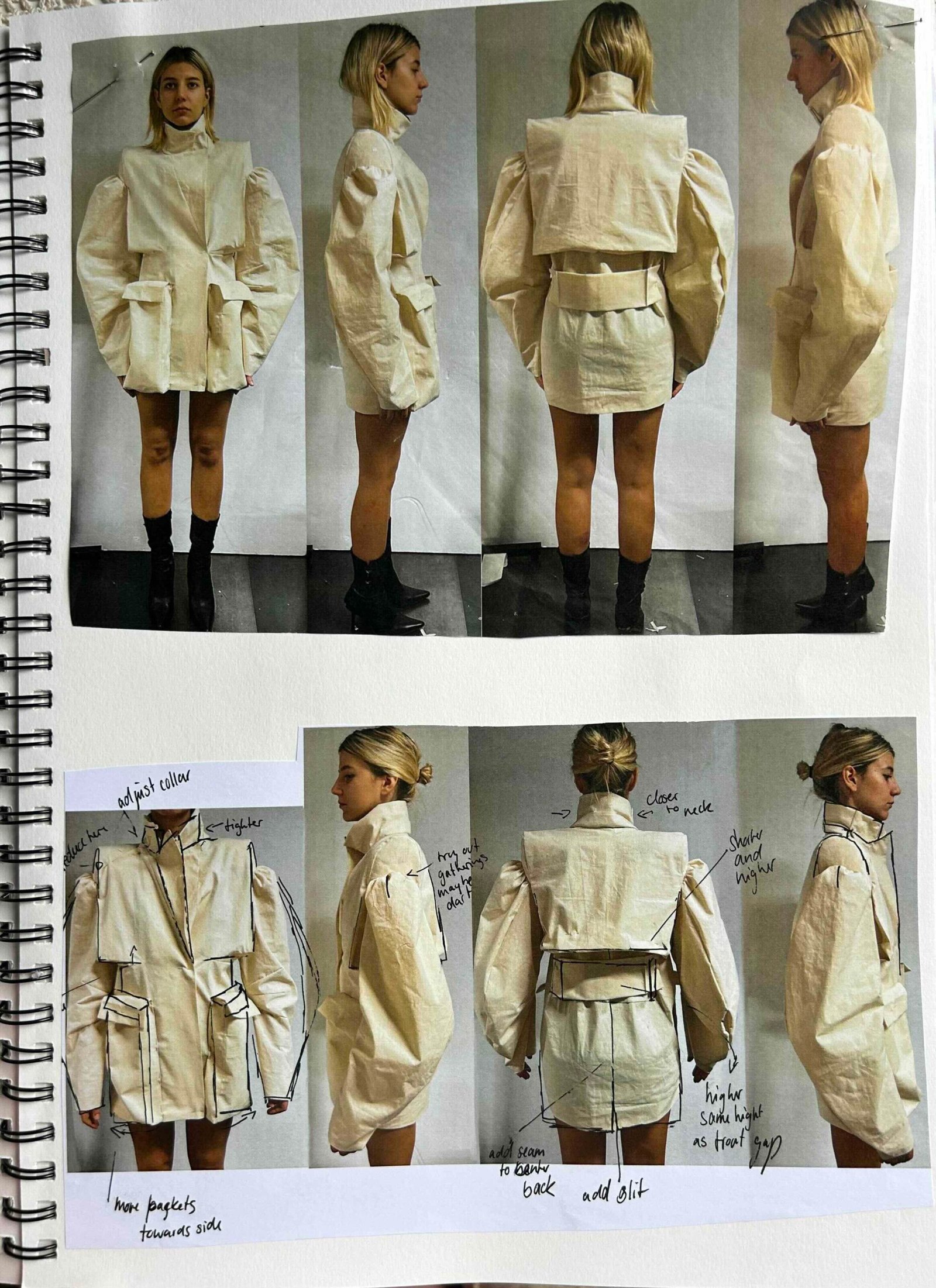
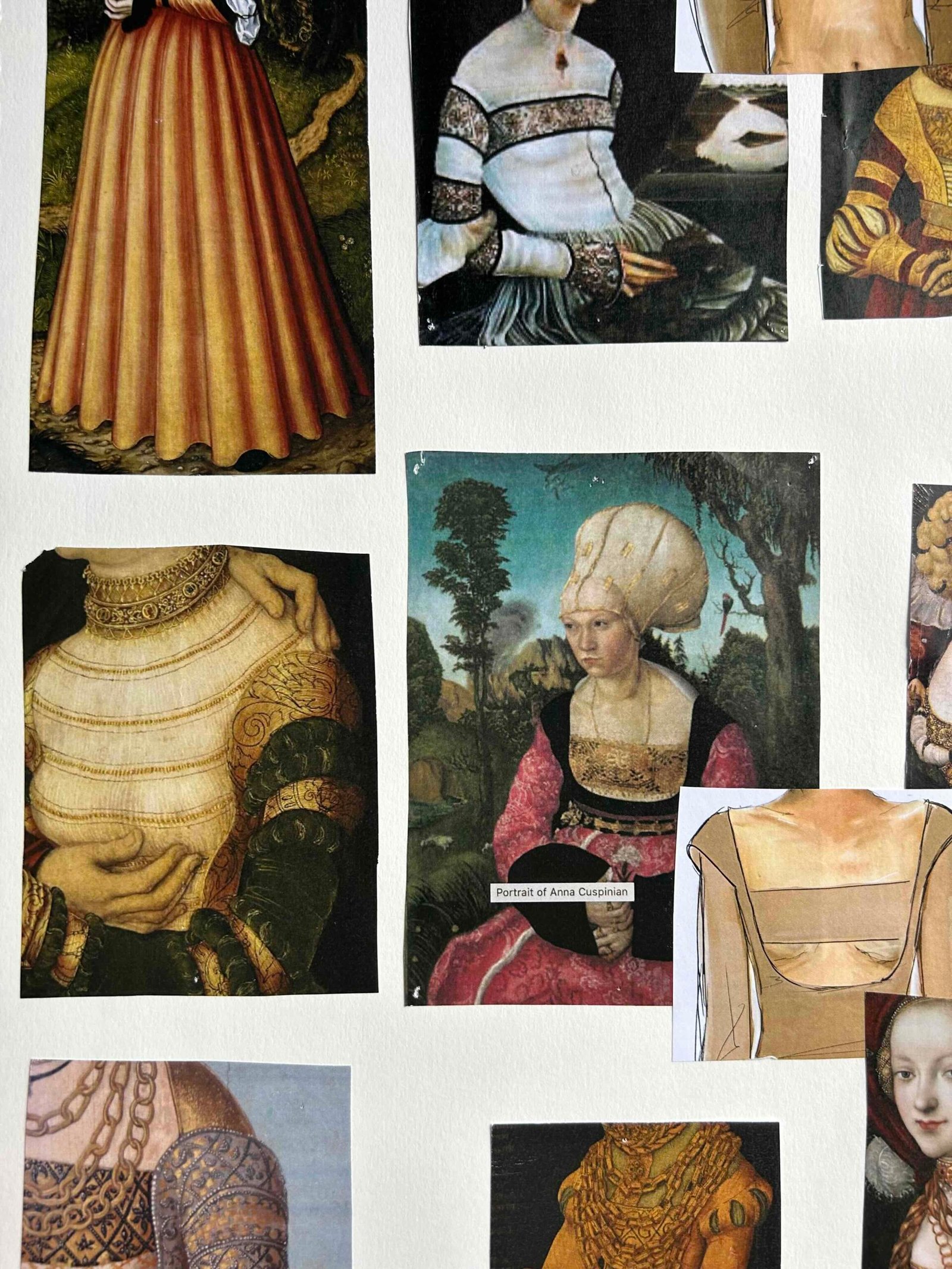
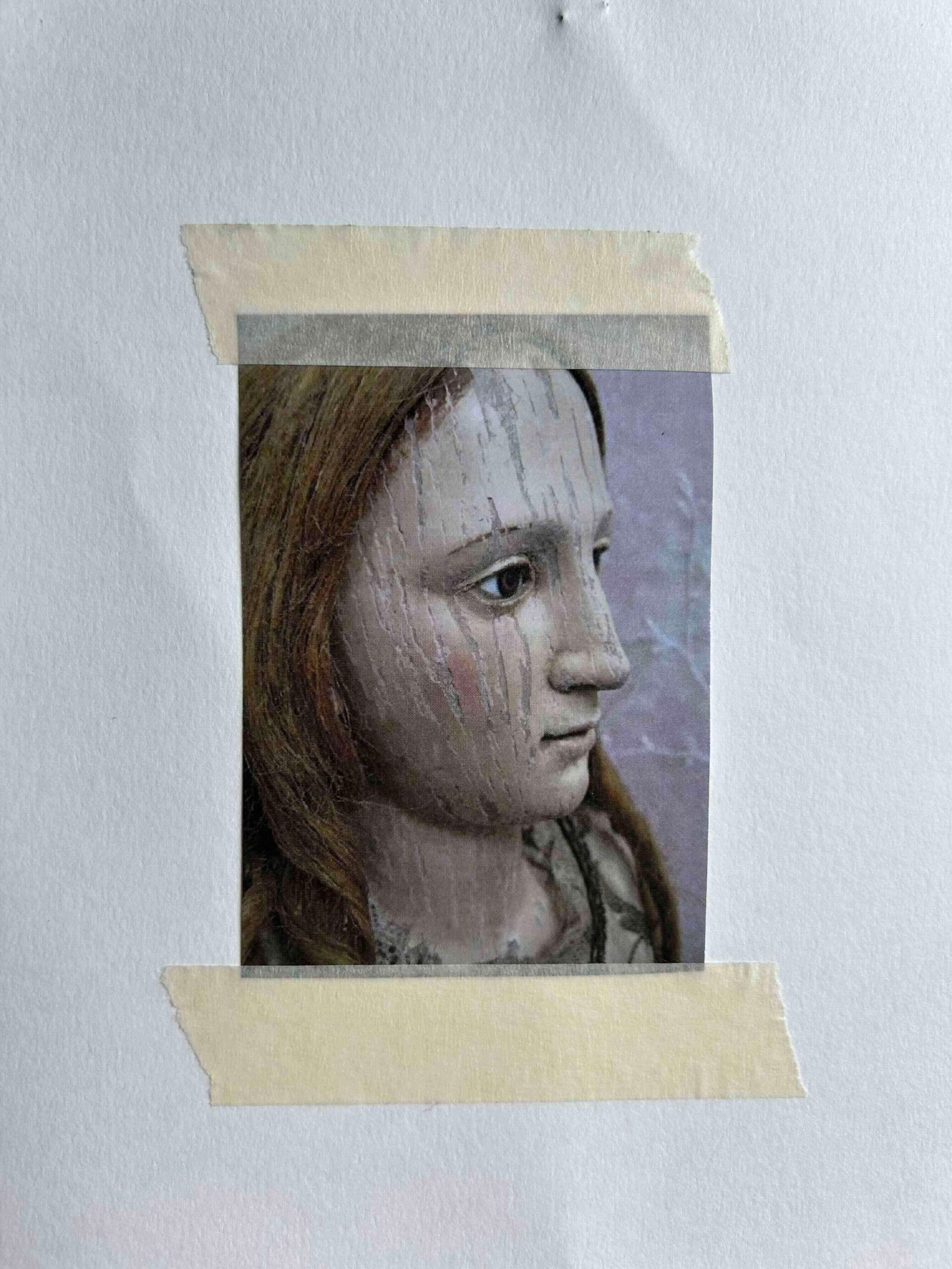
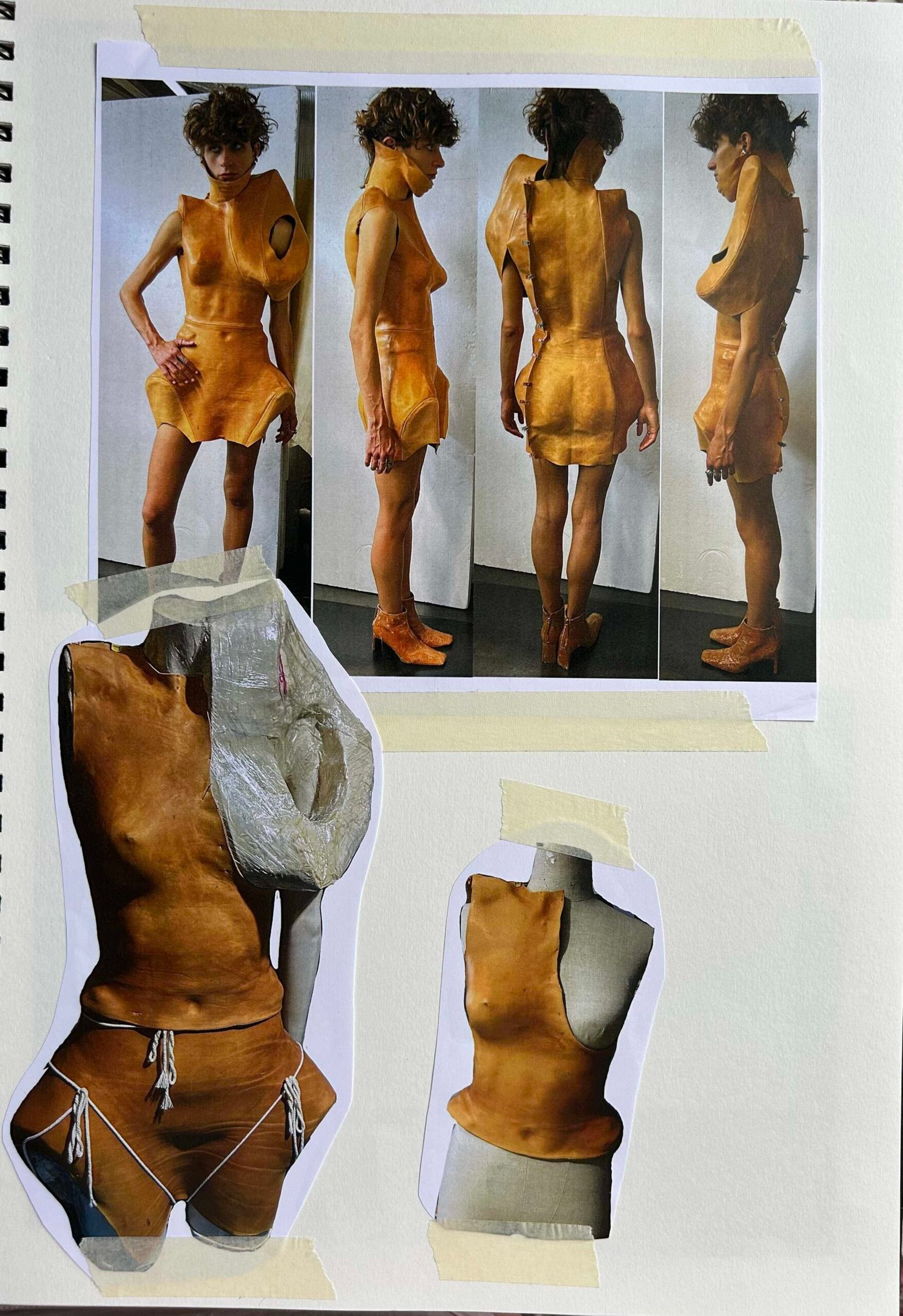
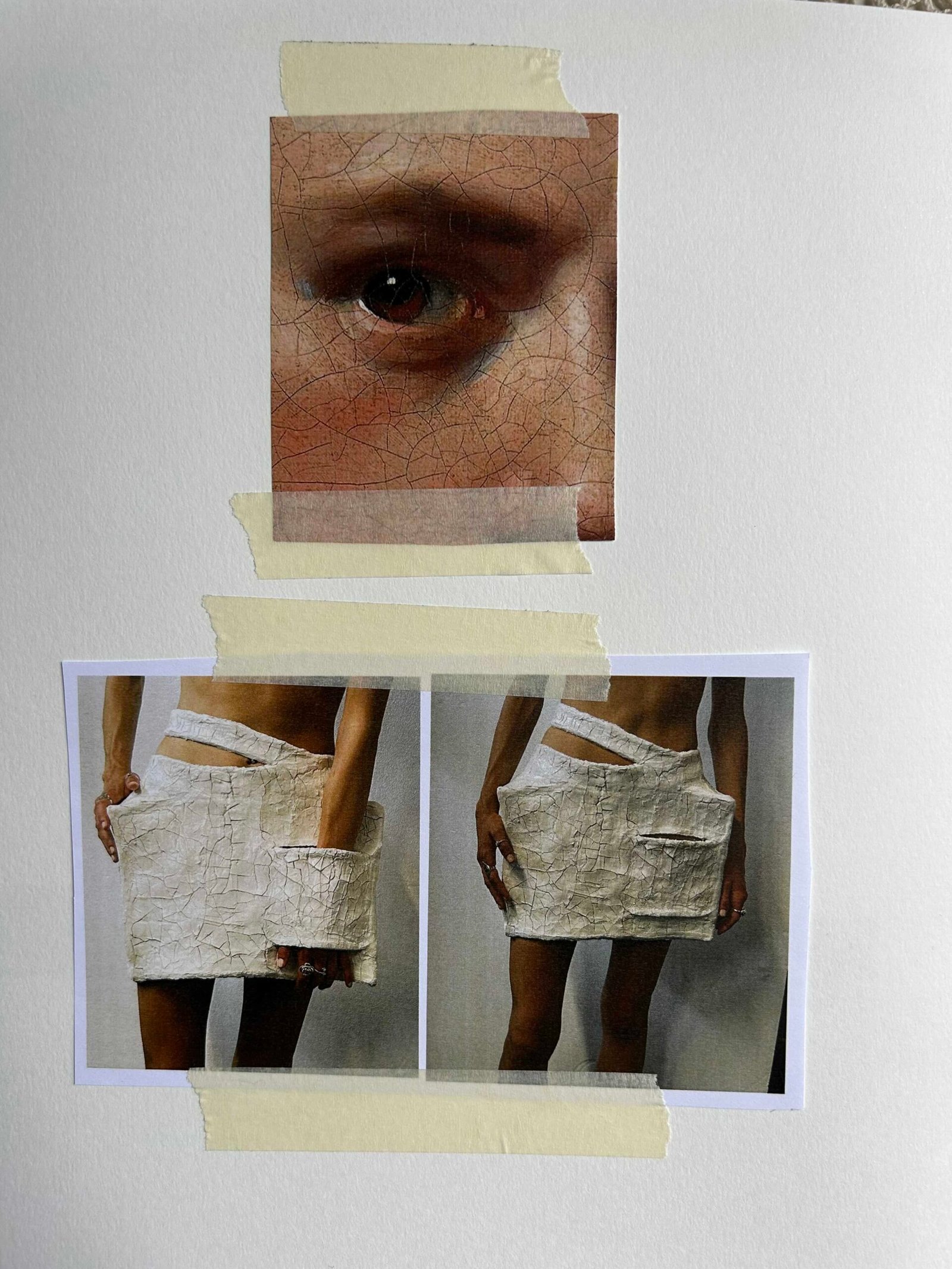
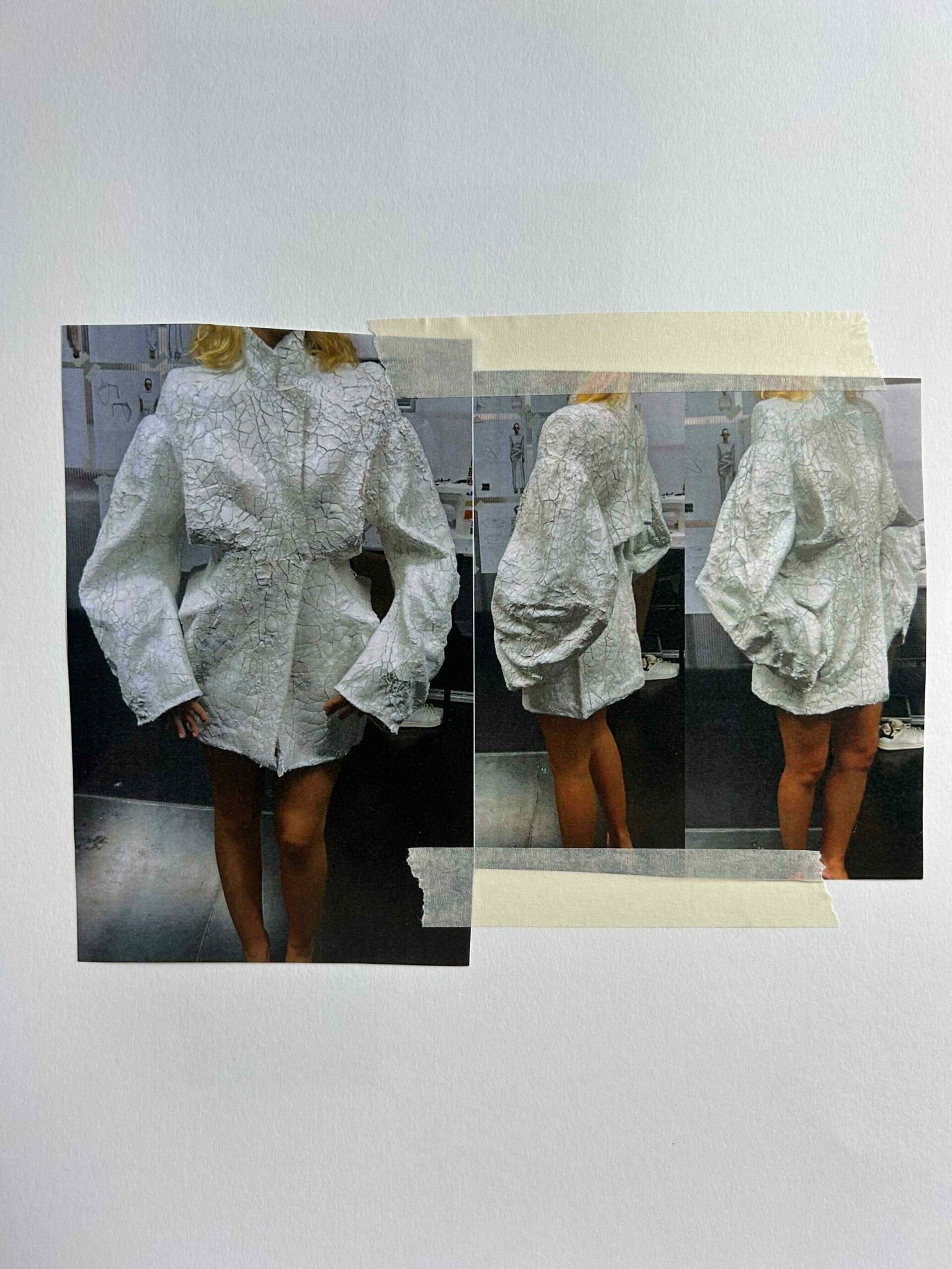
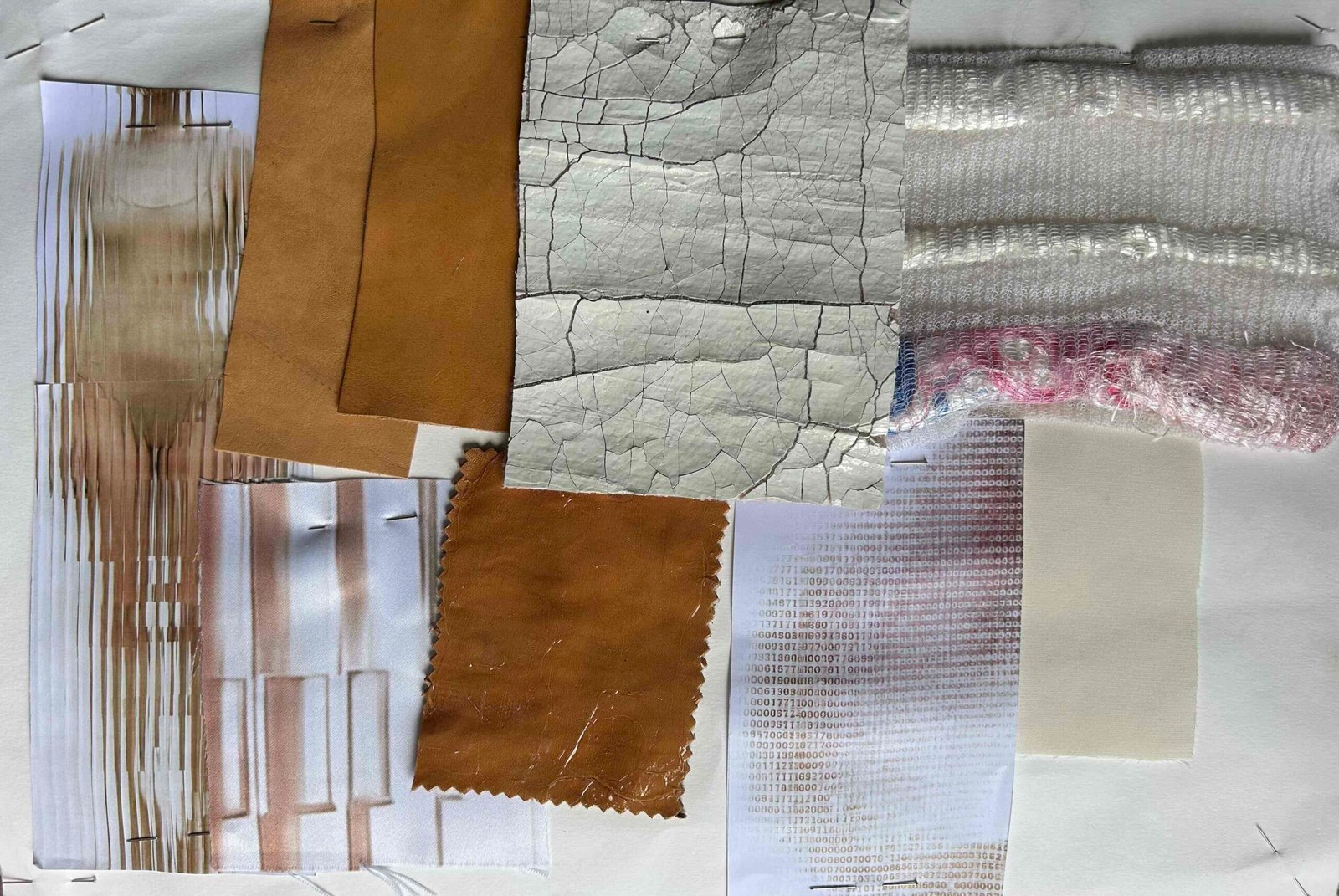
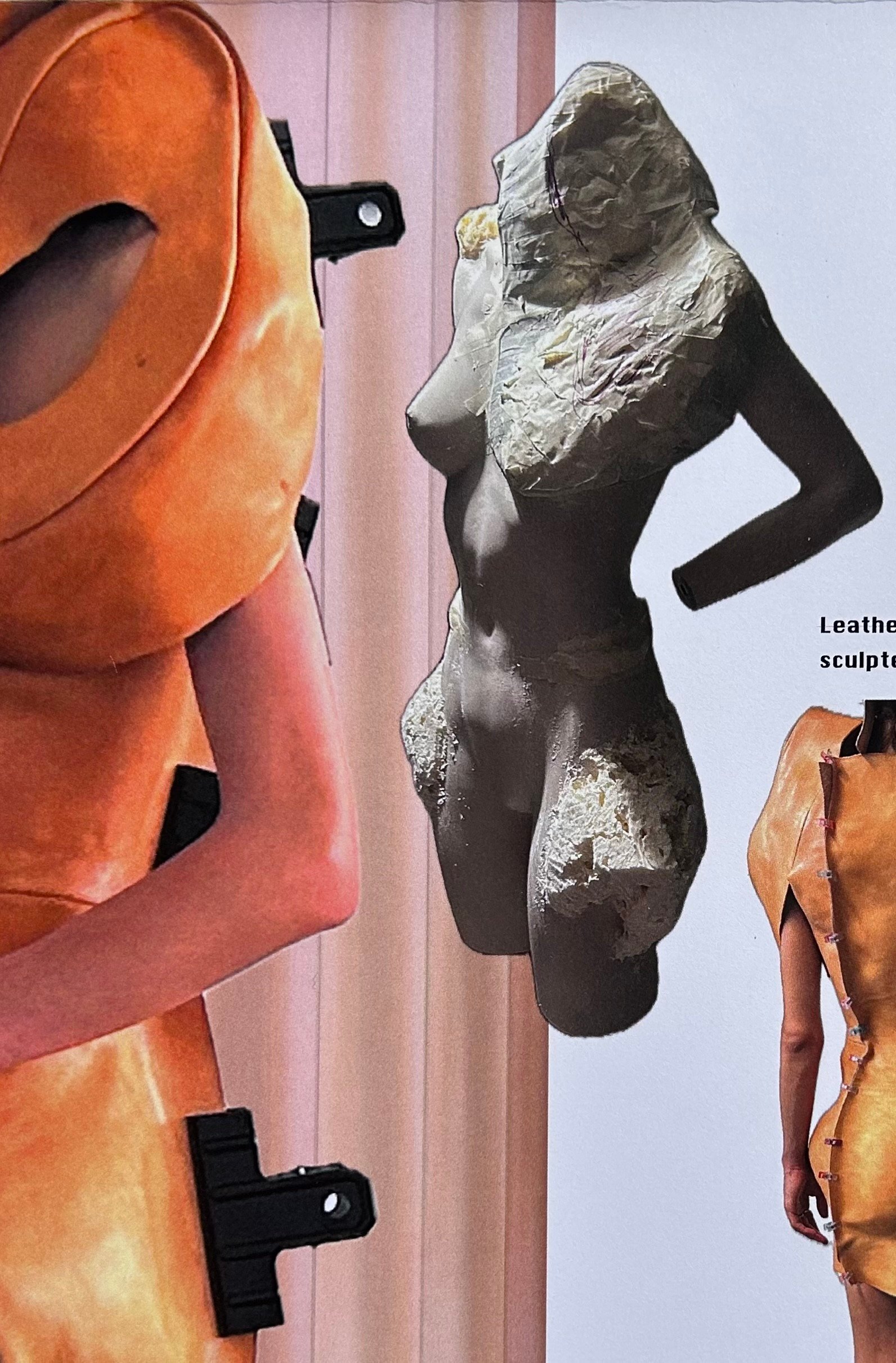
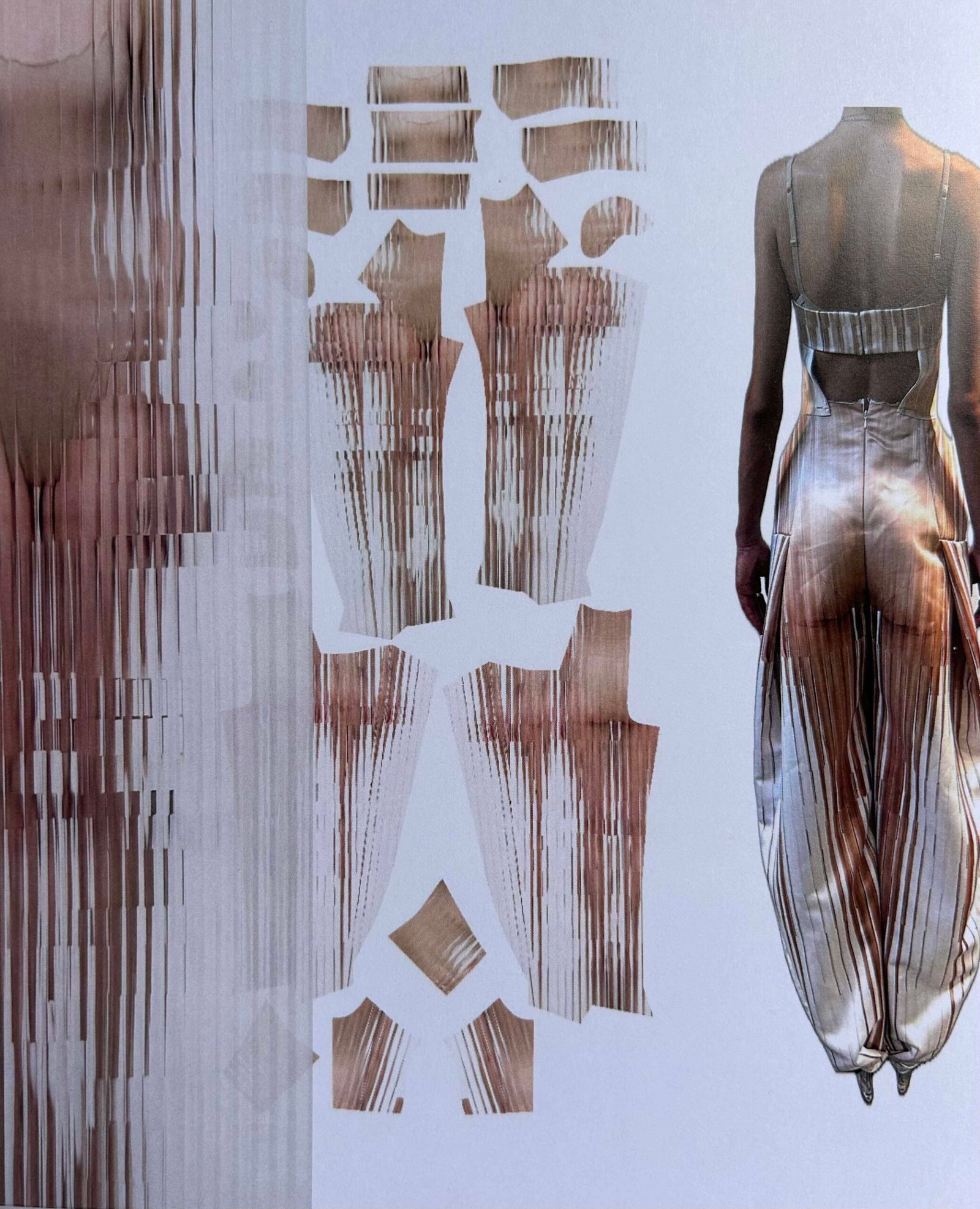
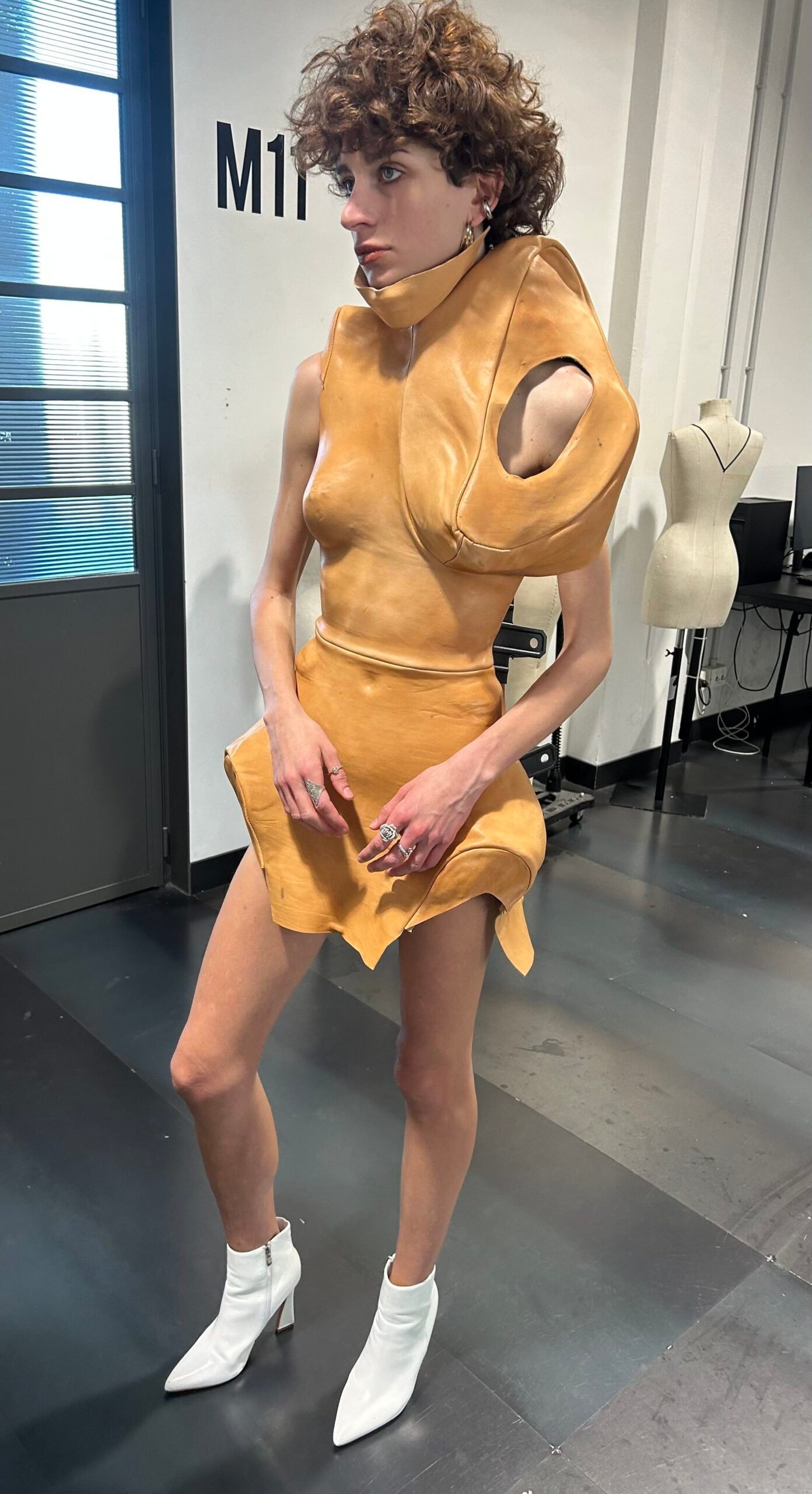
A teacher in The Piano Teacher and the self-portraits of Pierre Molinier sit behind Evelina Kryvopust’s collection. Both references lead into an exploration of bodily transformation, ambiguity, and the uneasy space between attraction and discomfort. The garments play with concealment and exposure, creating silhouettes that feel familiar at first, then begin to shift into something more unsettling. Modesty and restraint give way to moments of vulnerability, distortion, and desire. The collection is driven by the psychological relationship between the clothed body and the gaze.
@evikrv

Isabel Antonia Richter

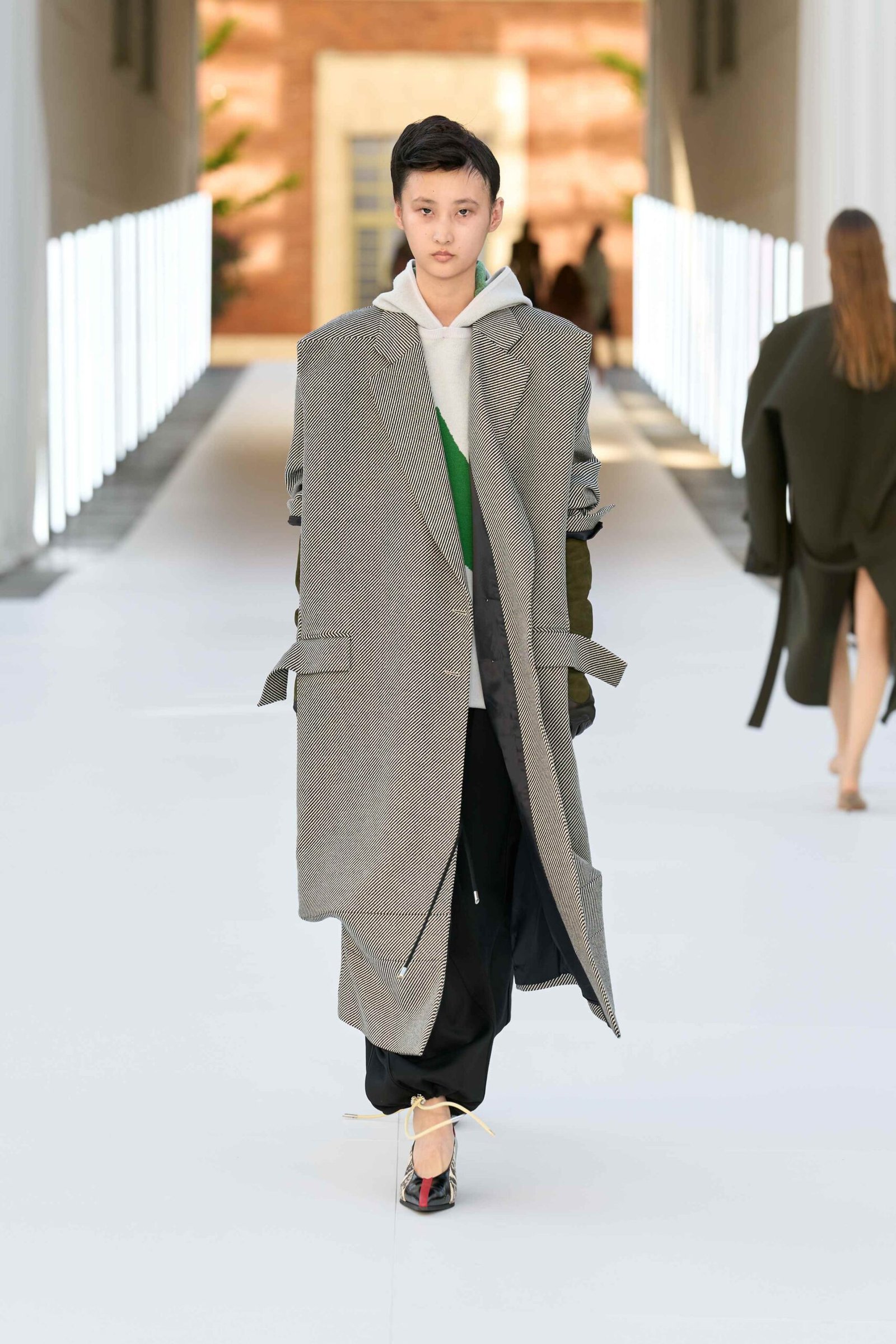
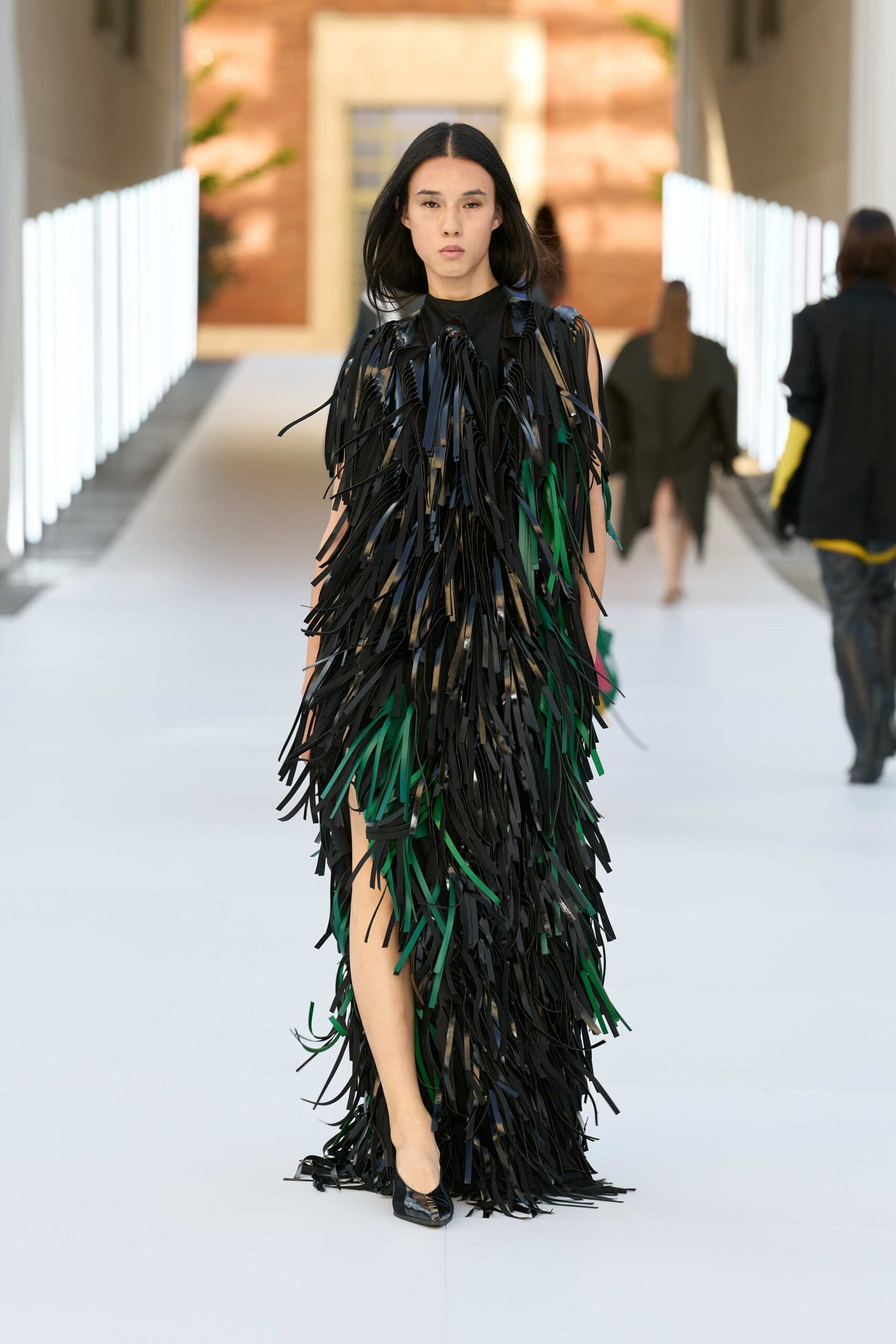
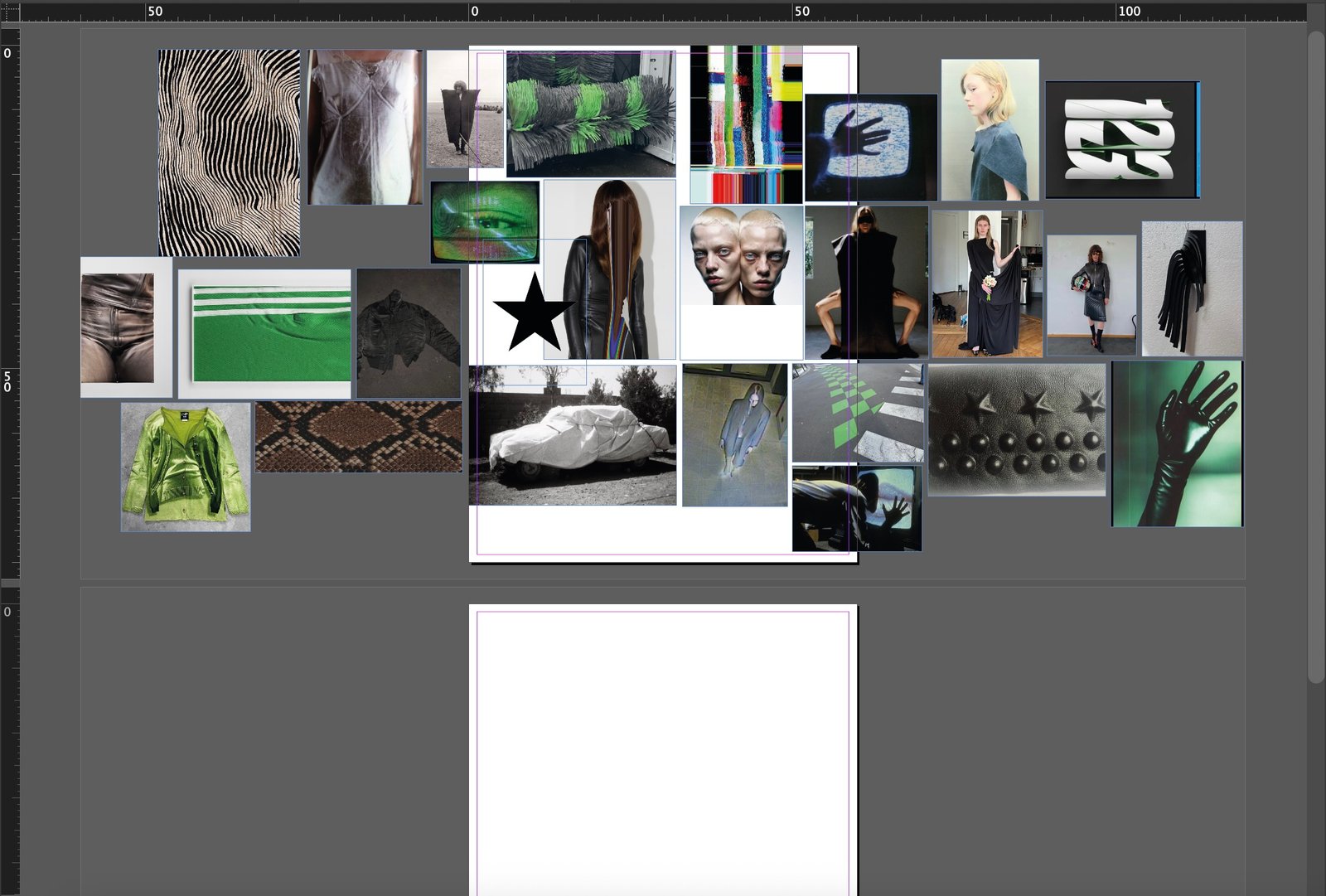
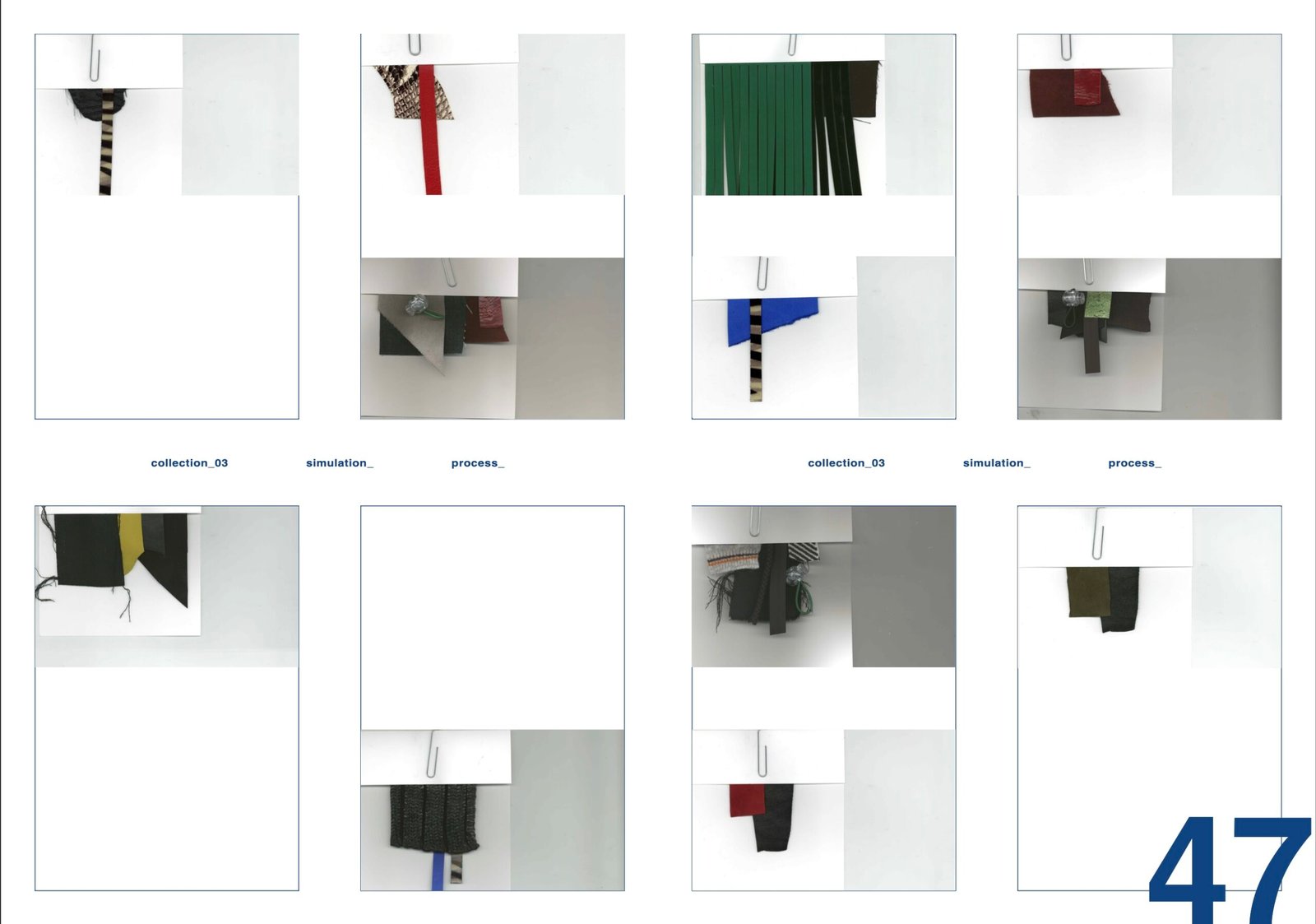
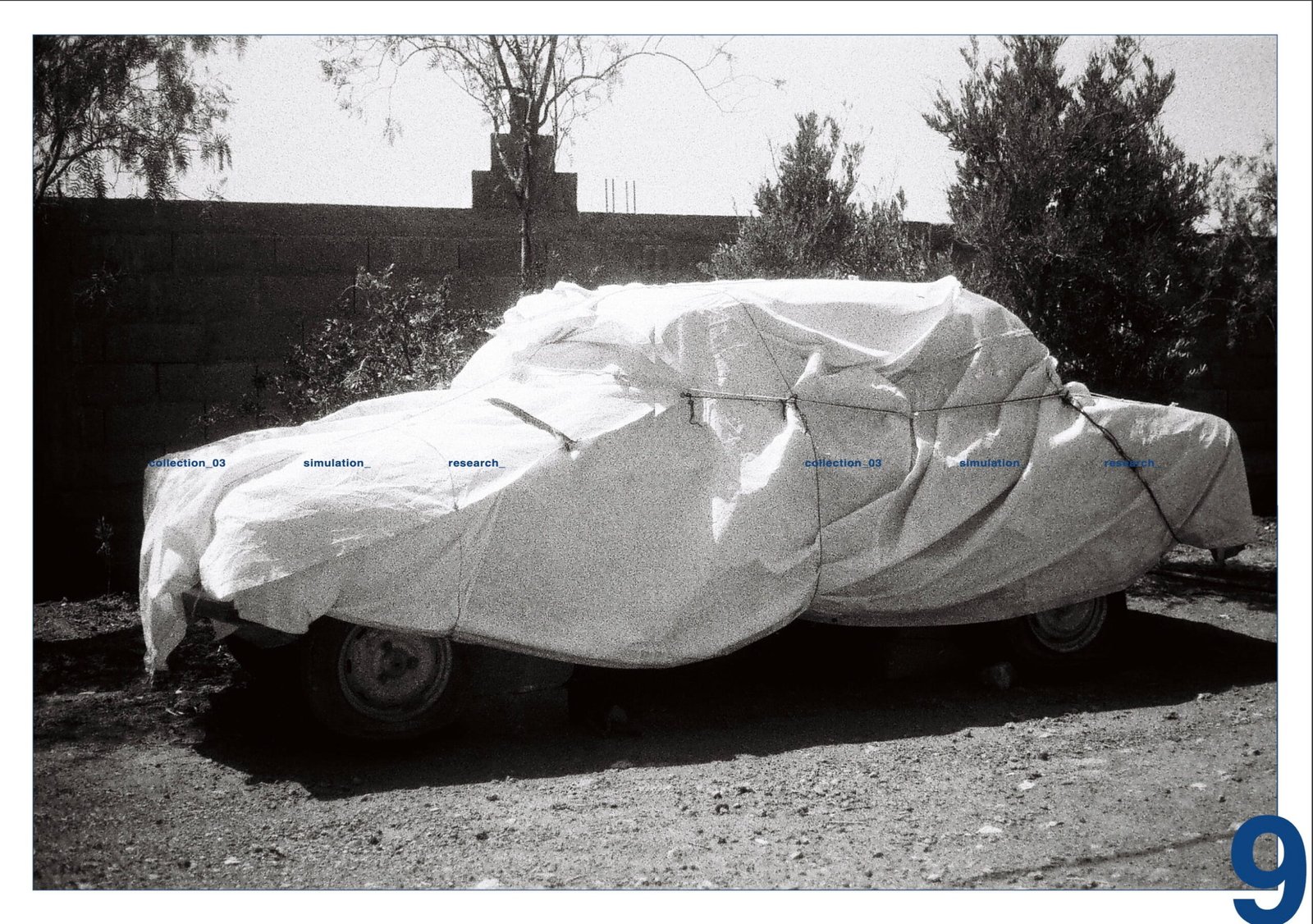
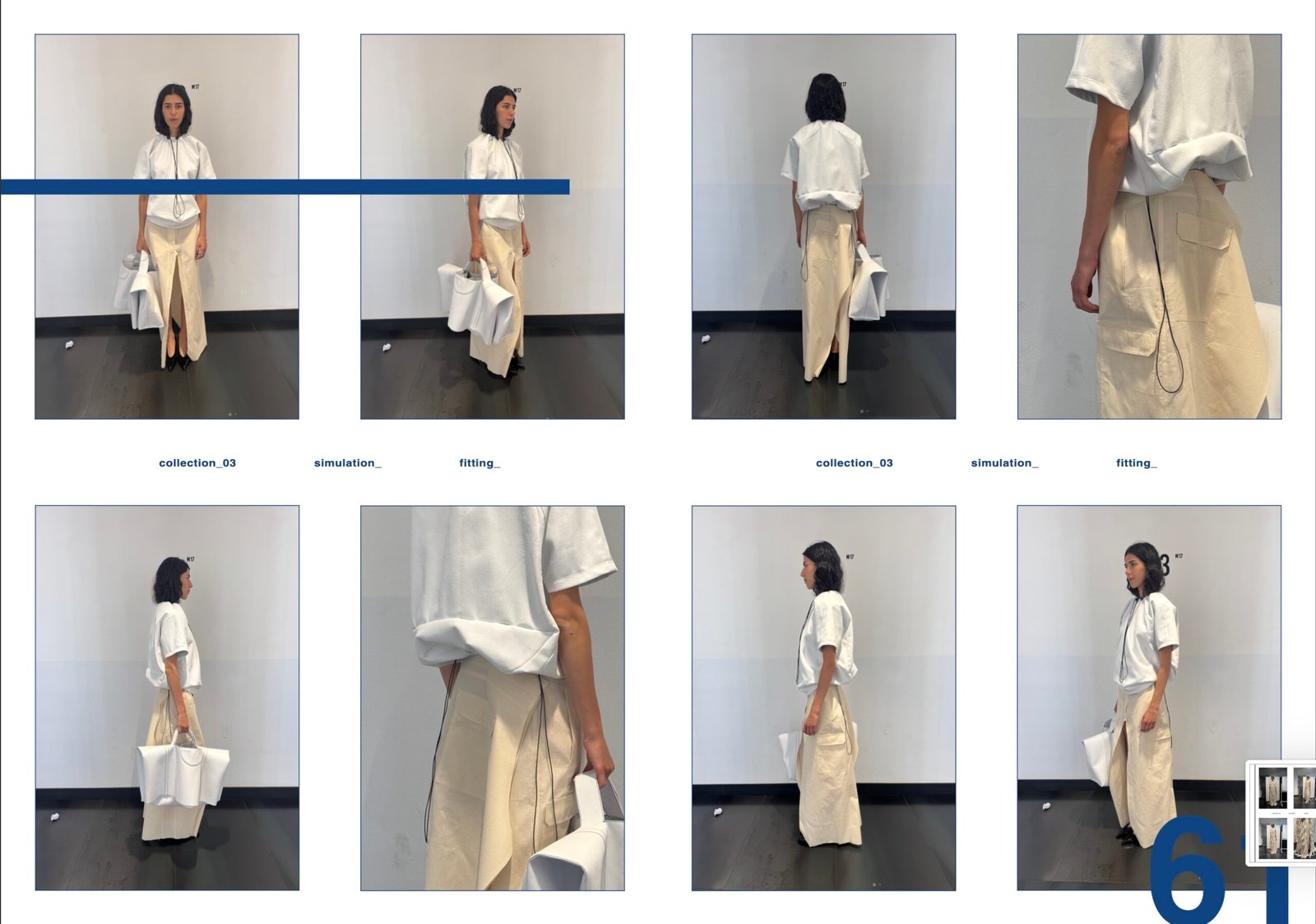
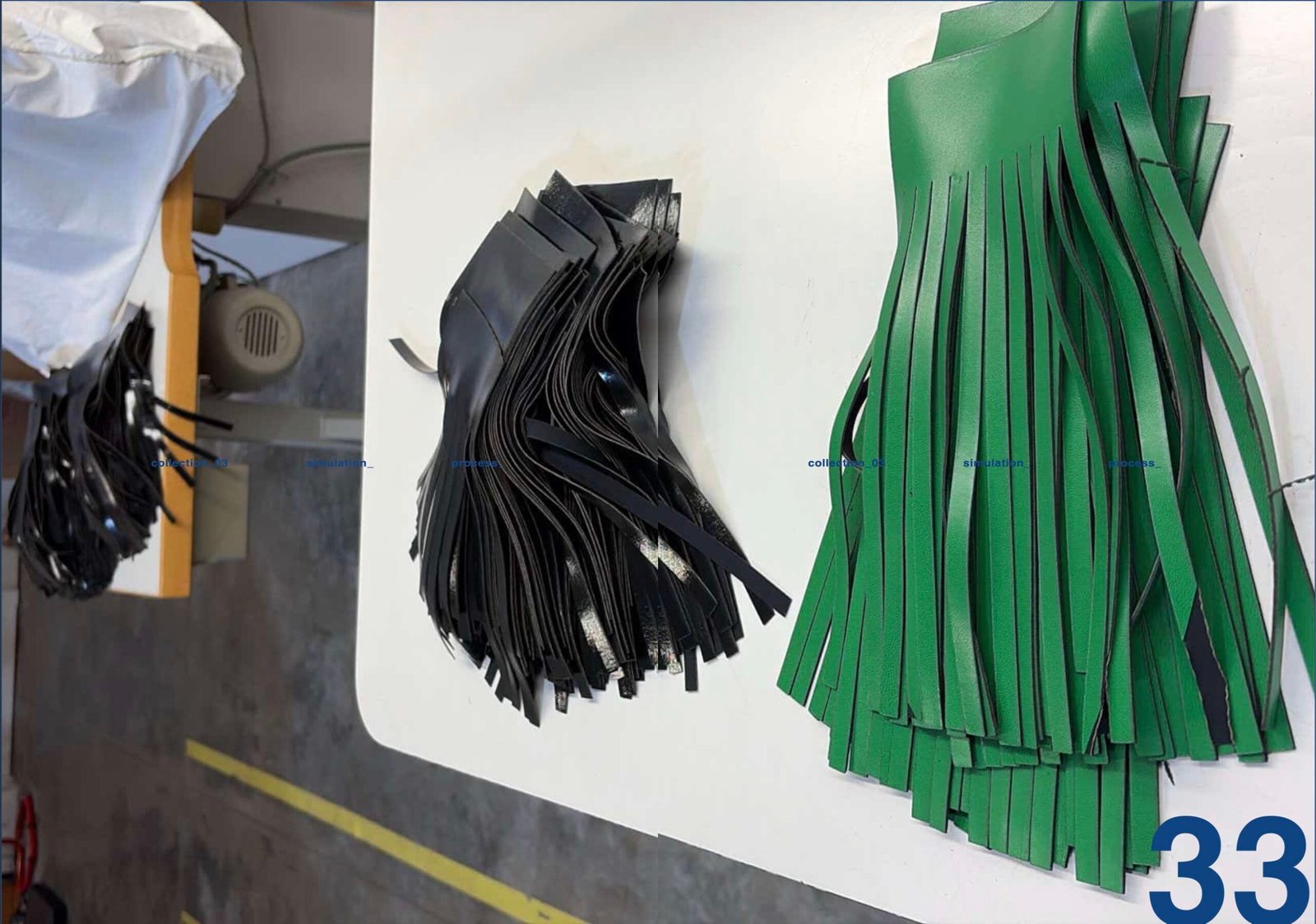
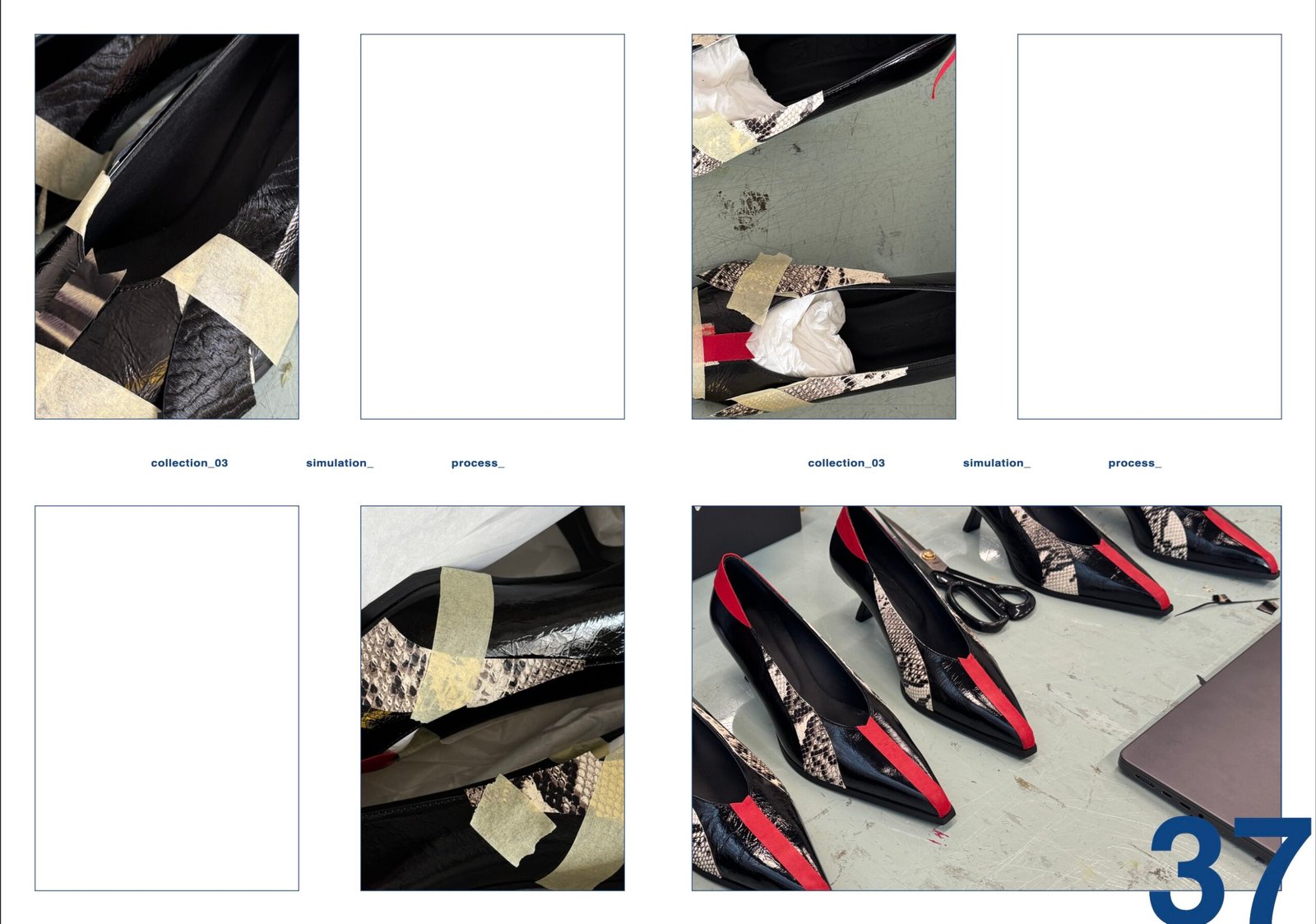
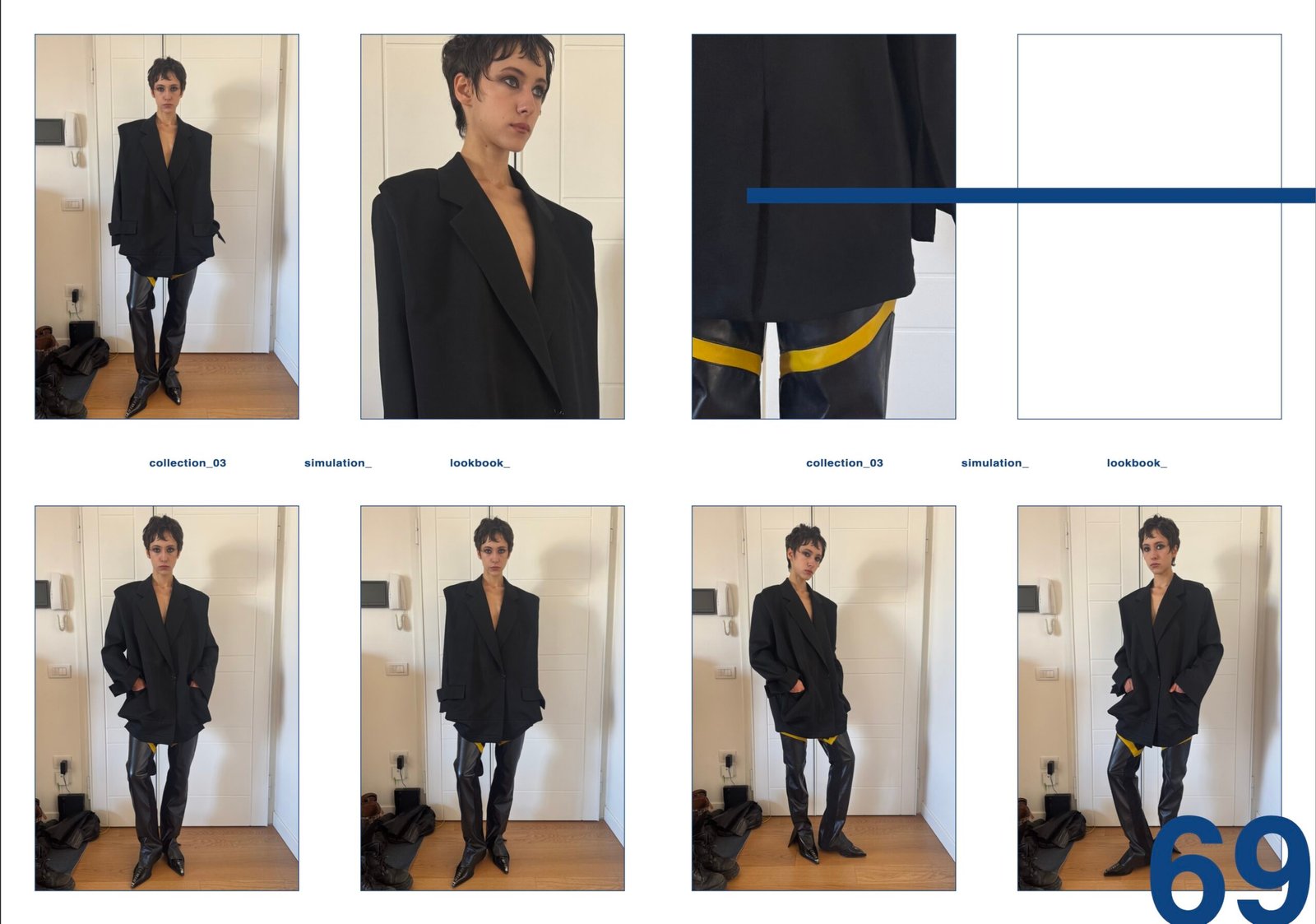
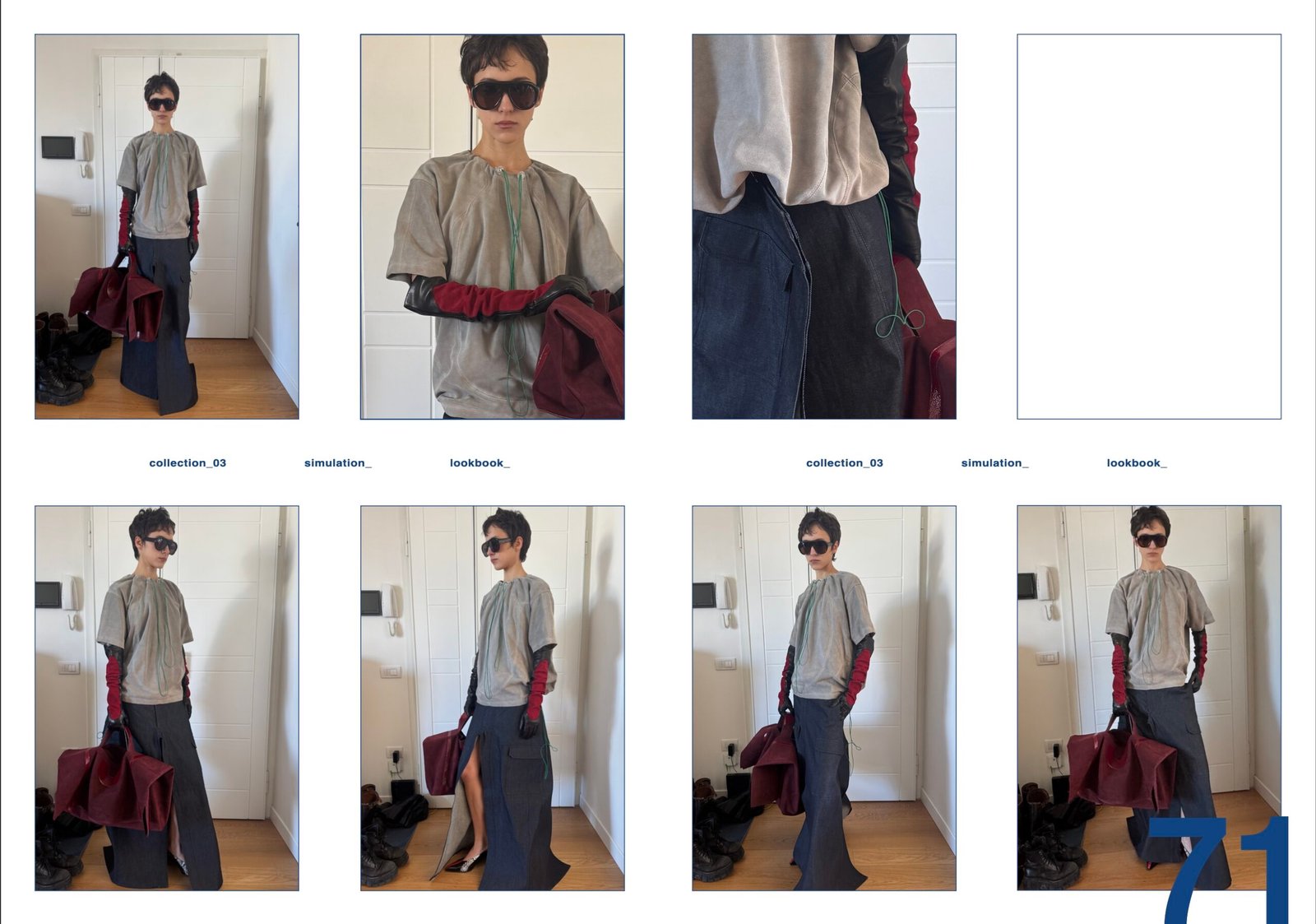
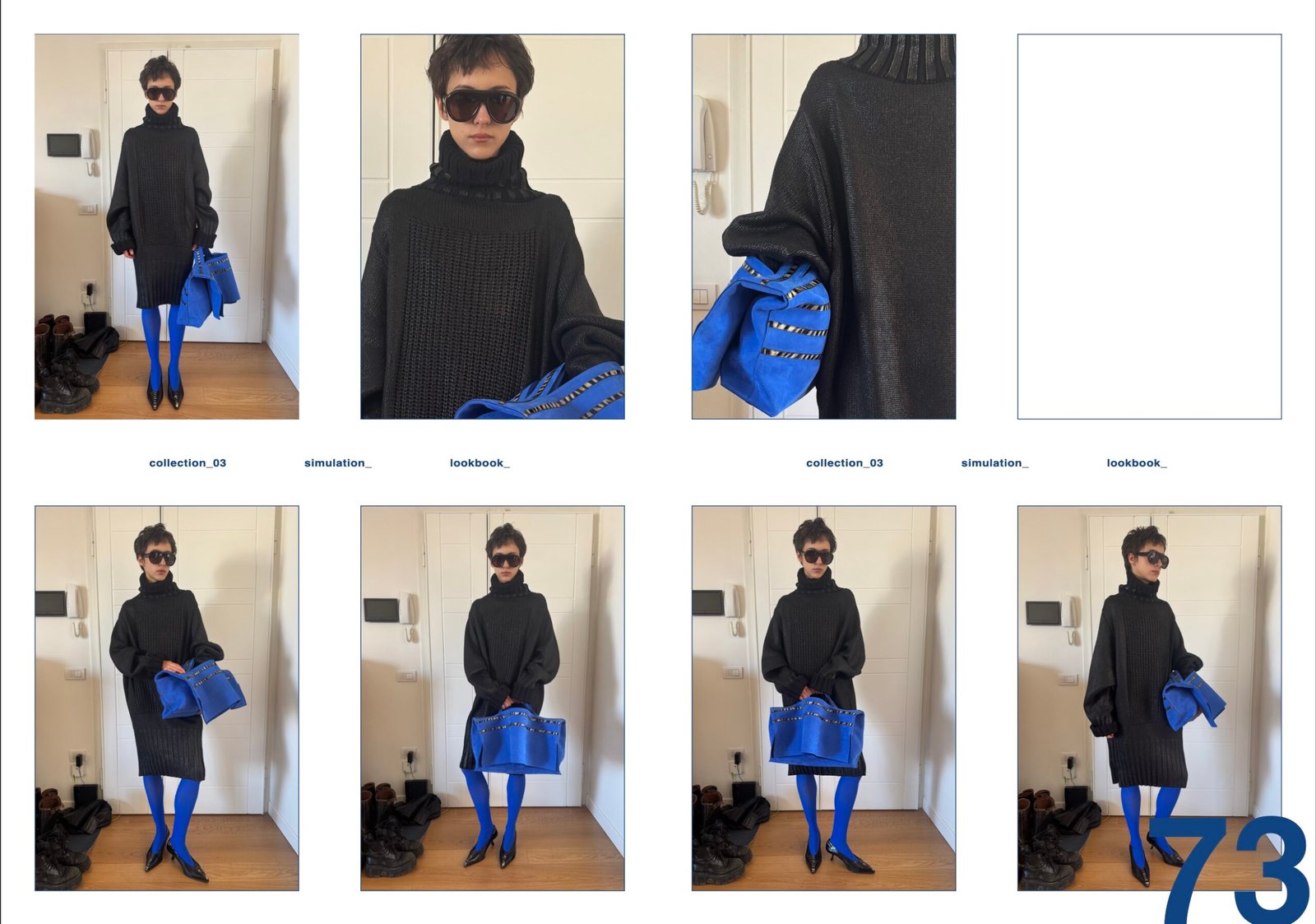
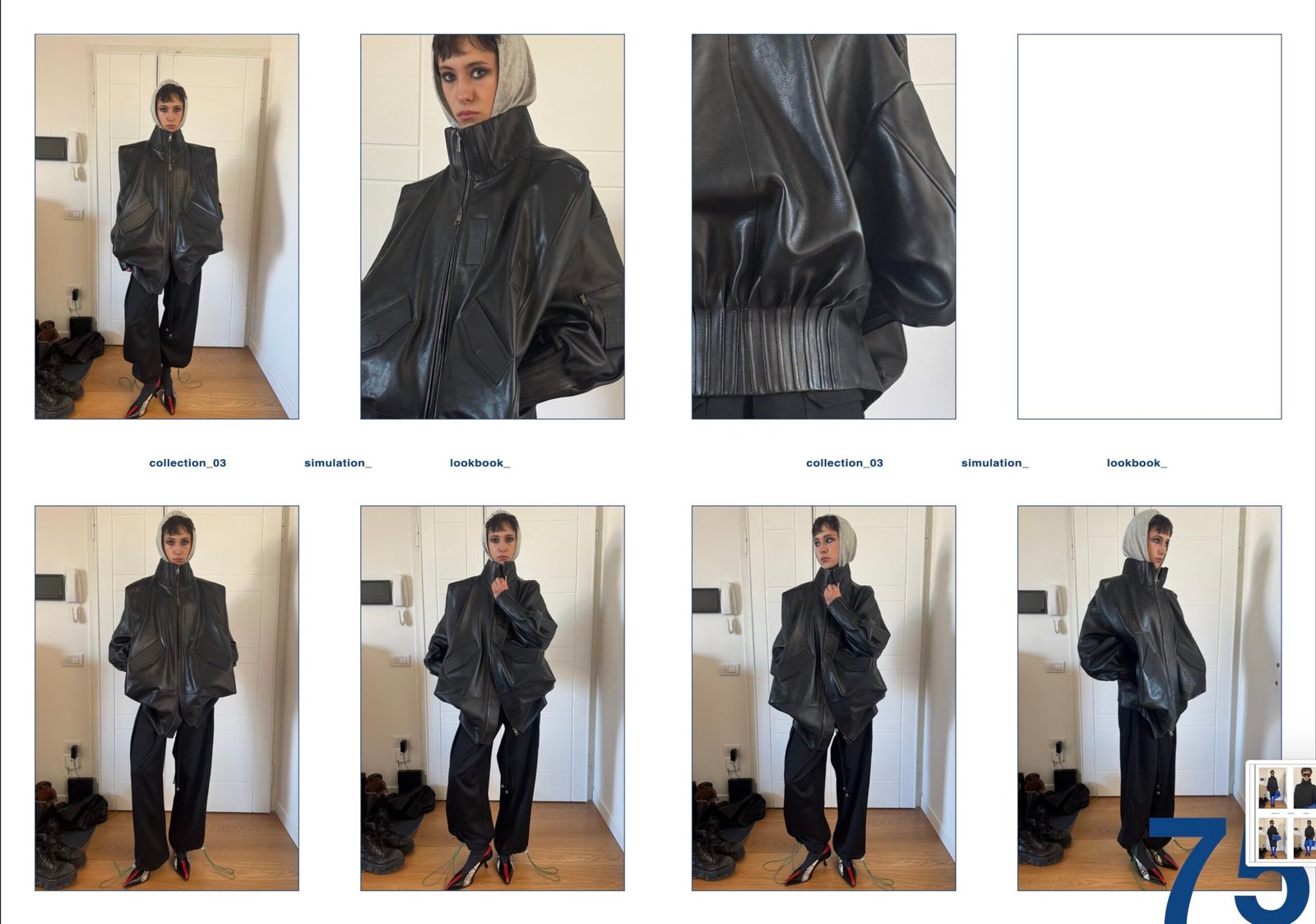
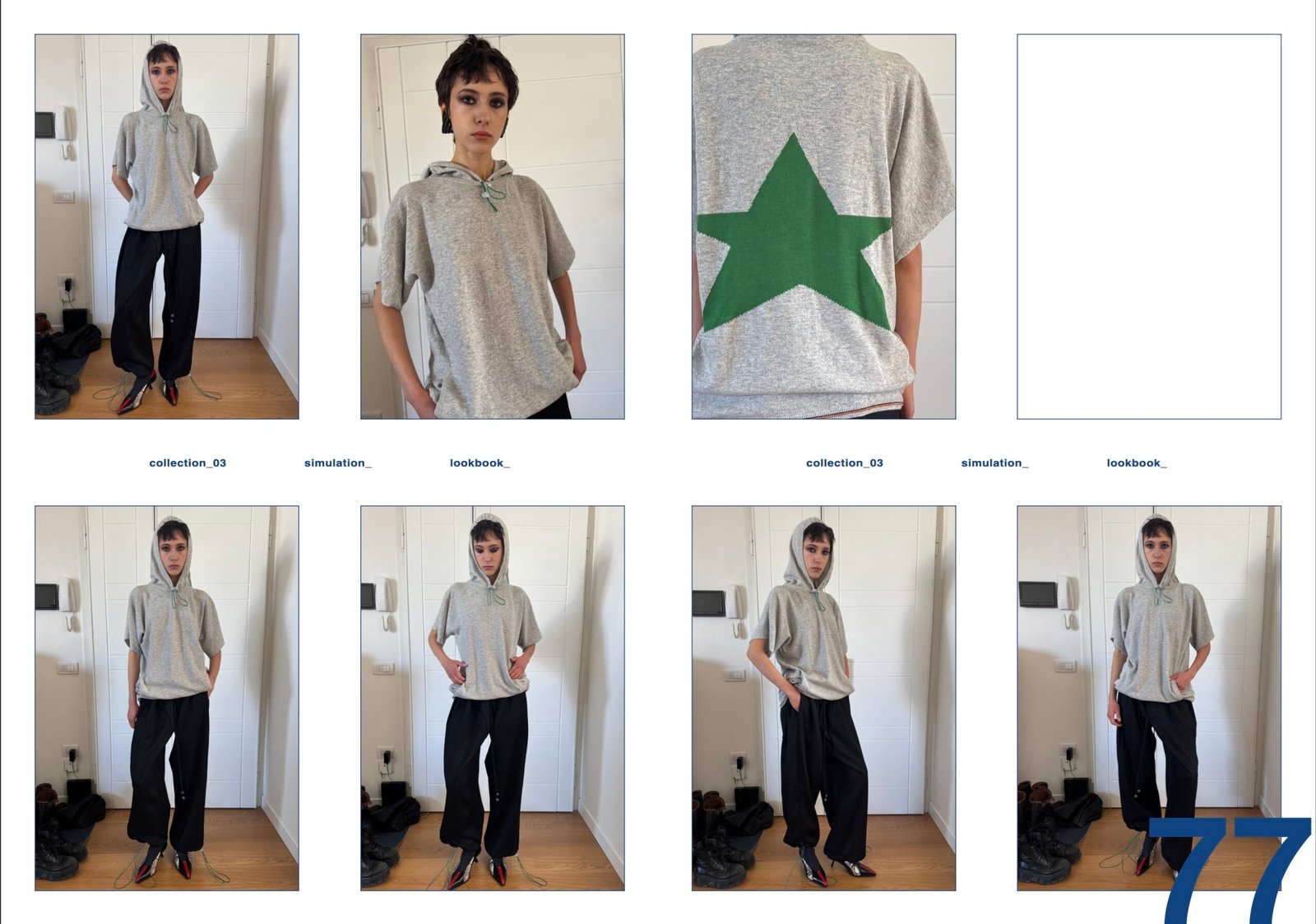
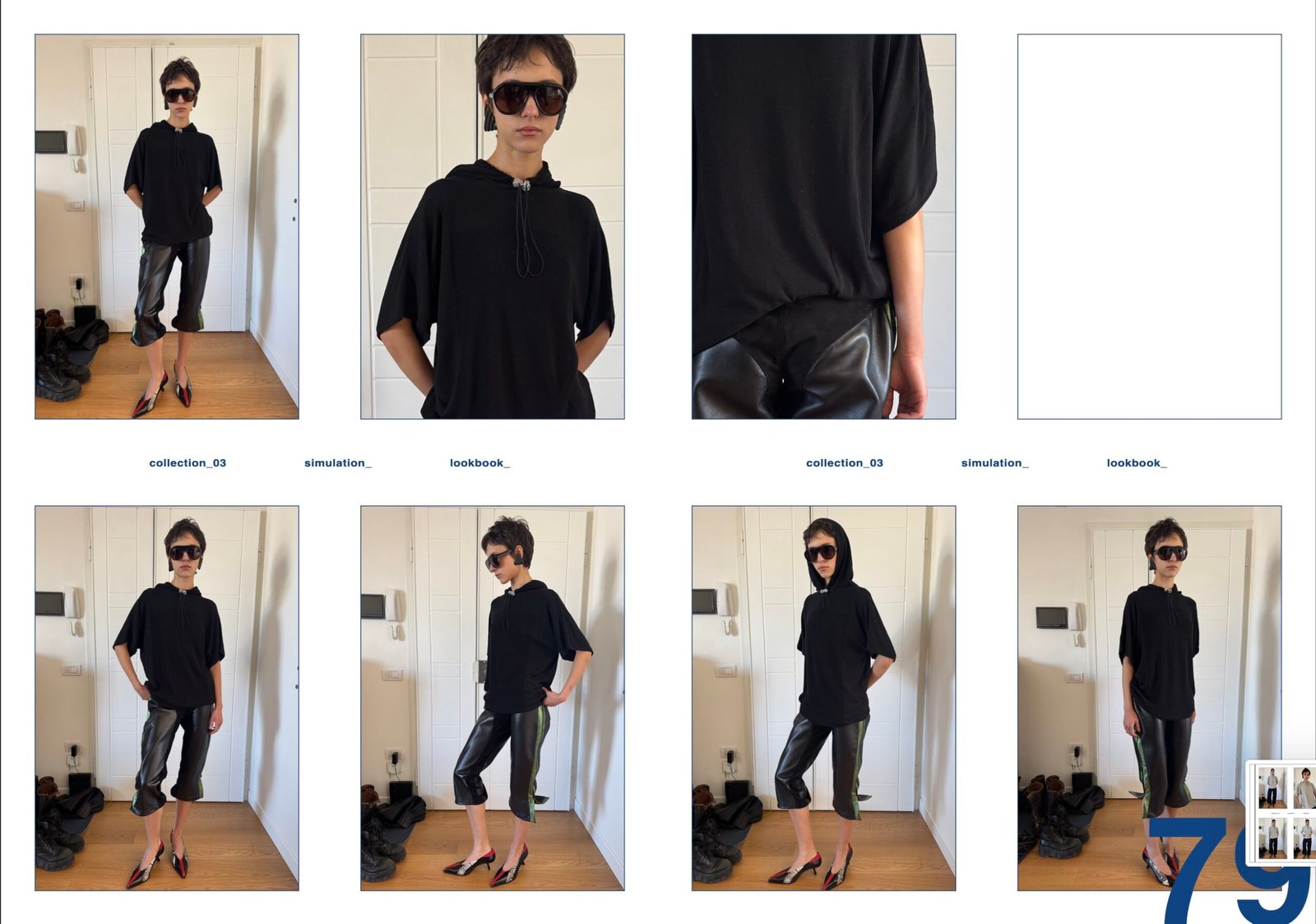
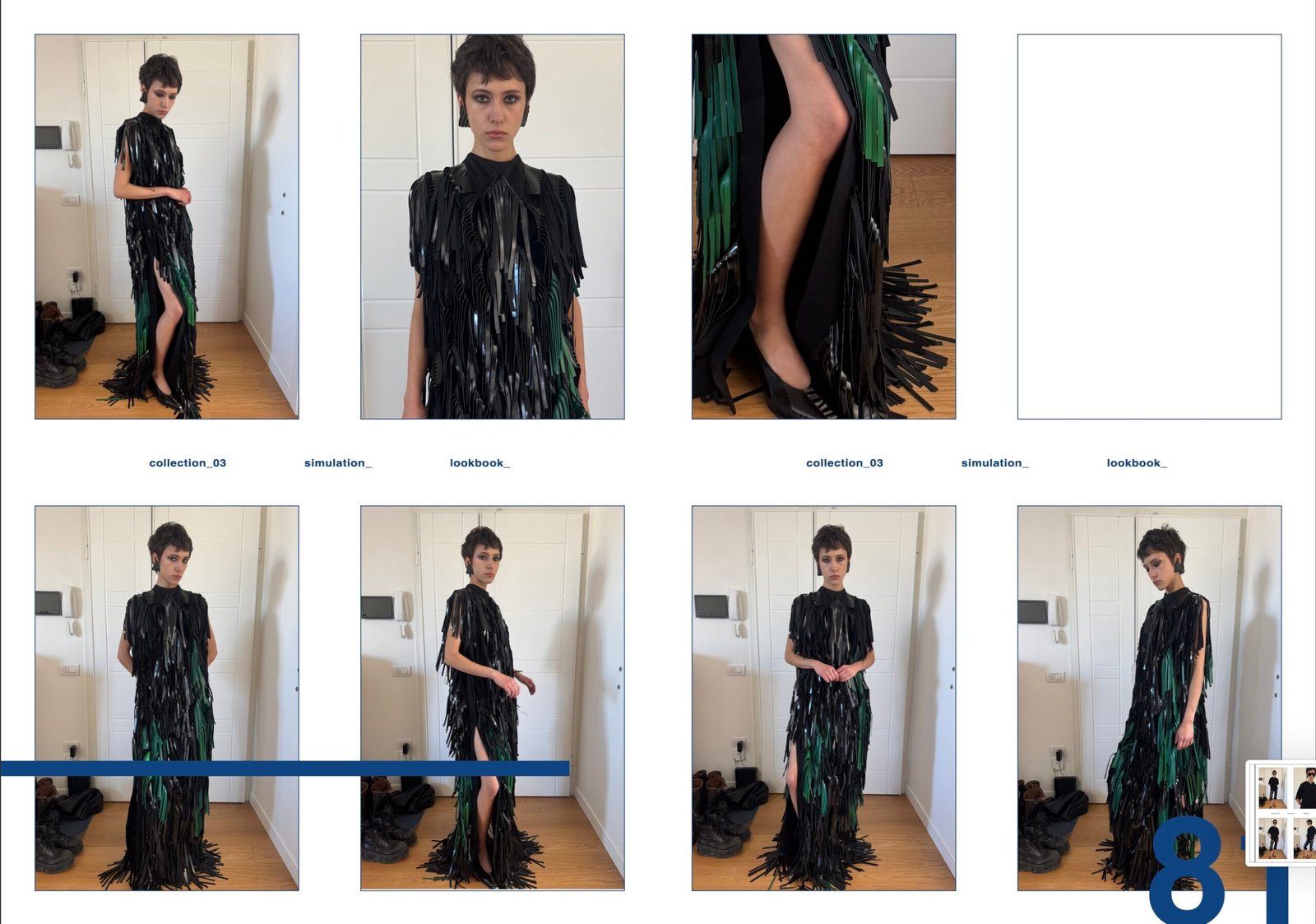
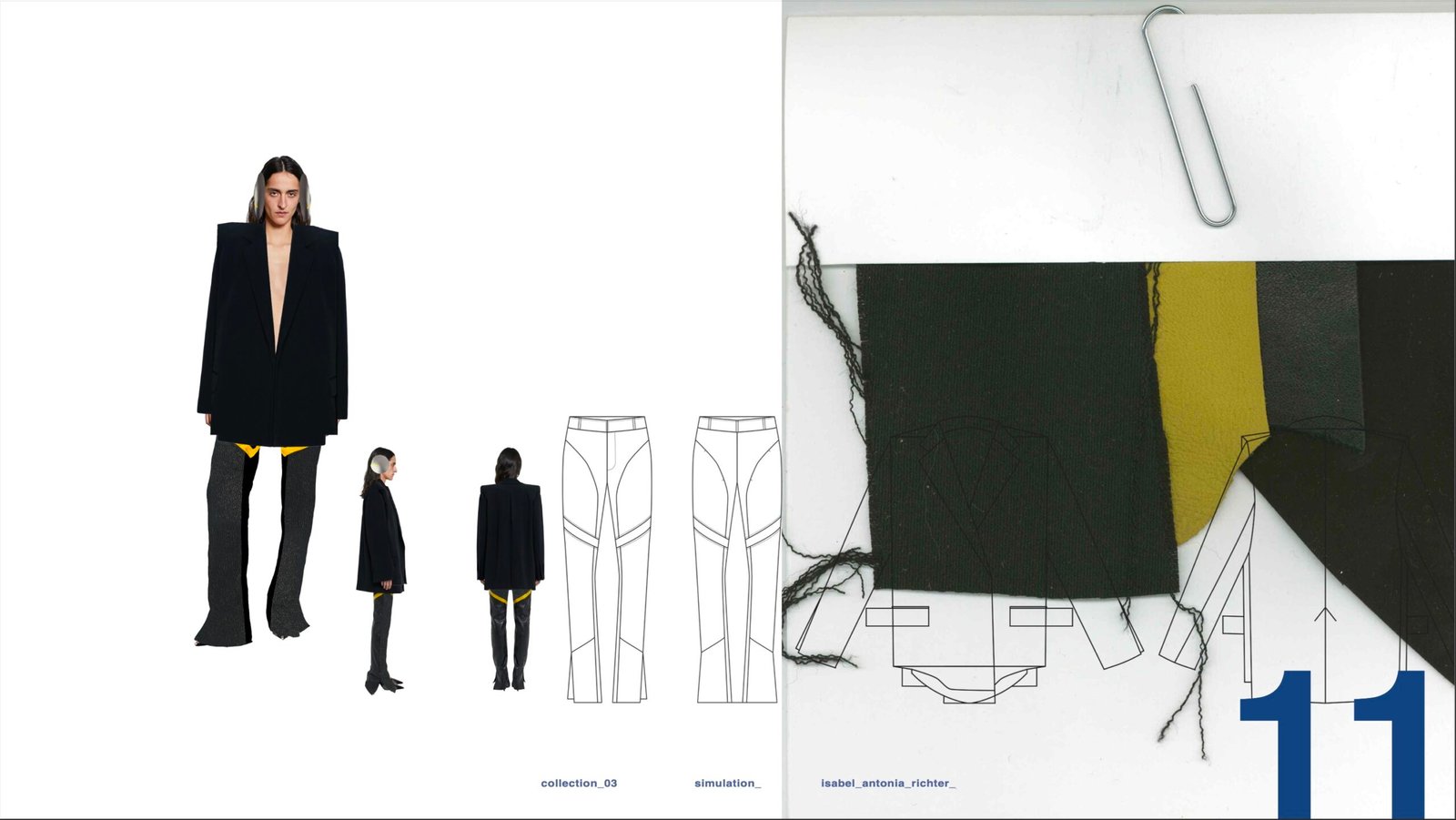
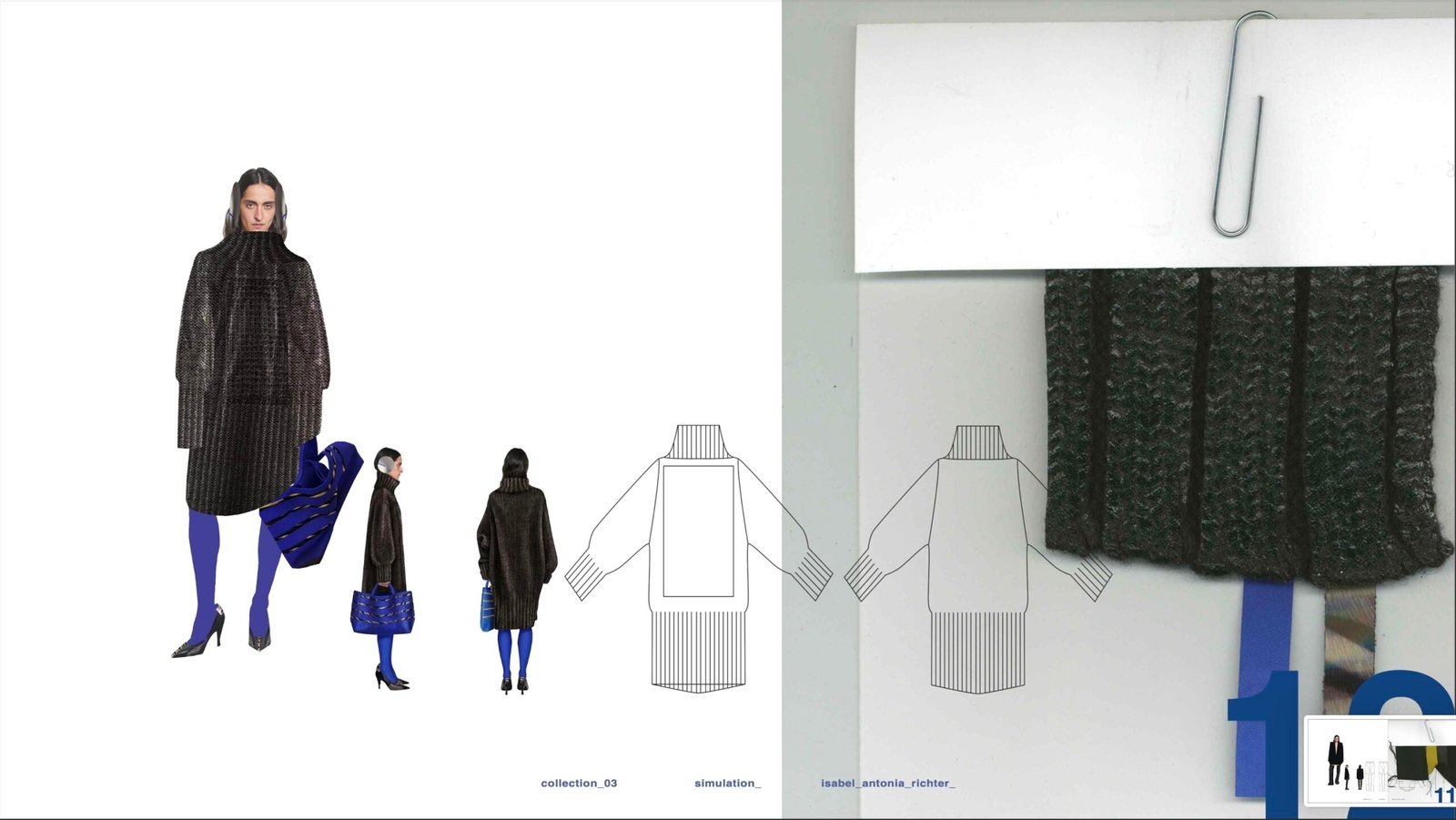
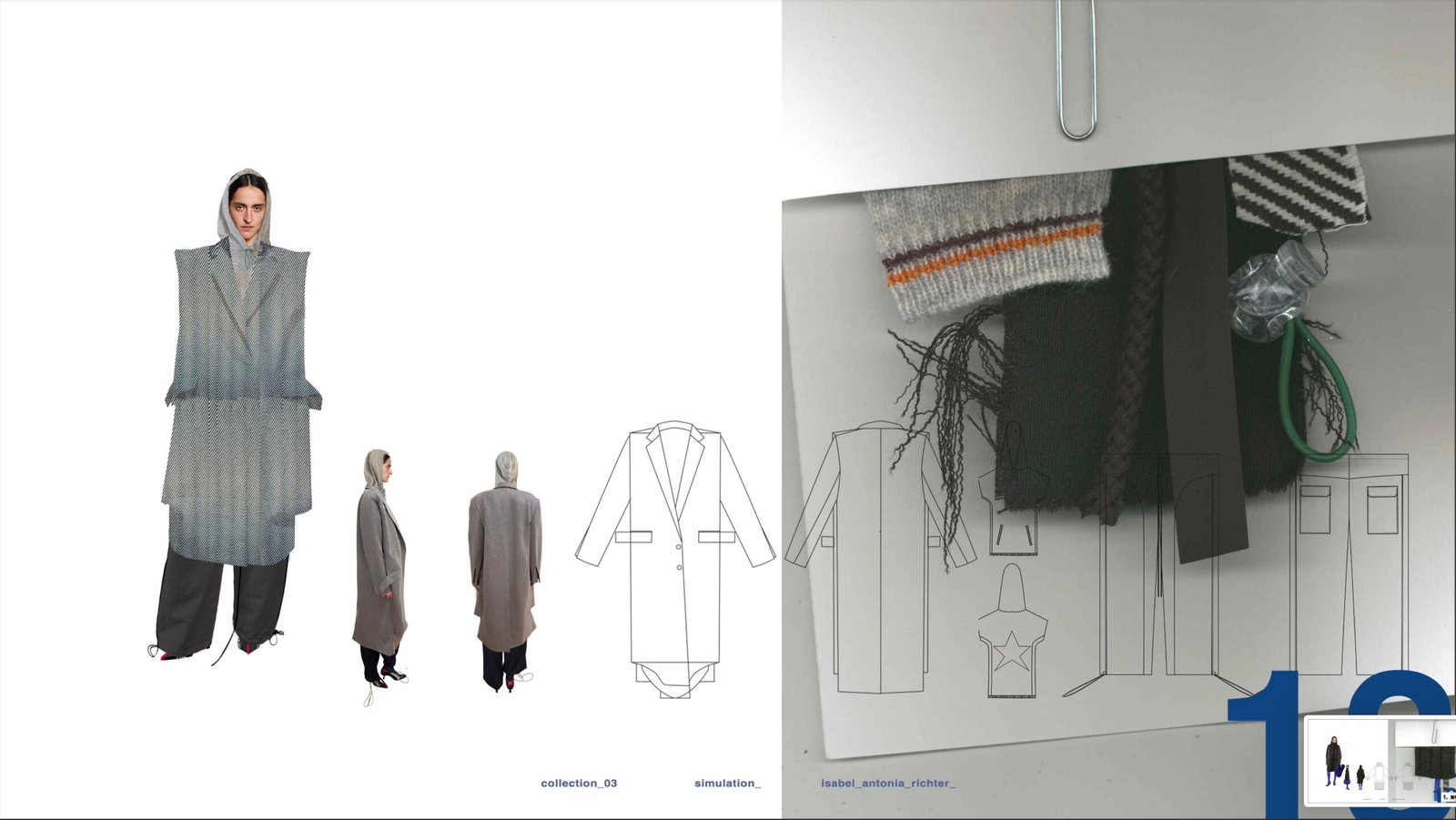
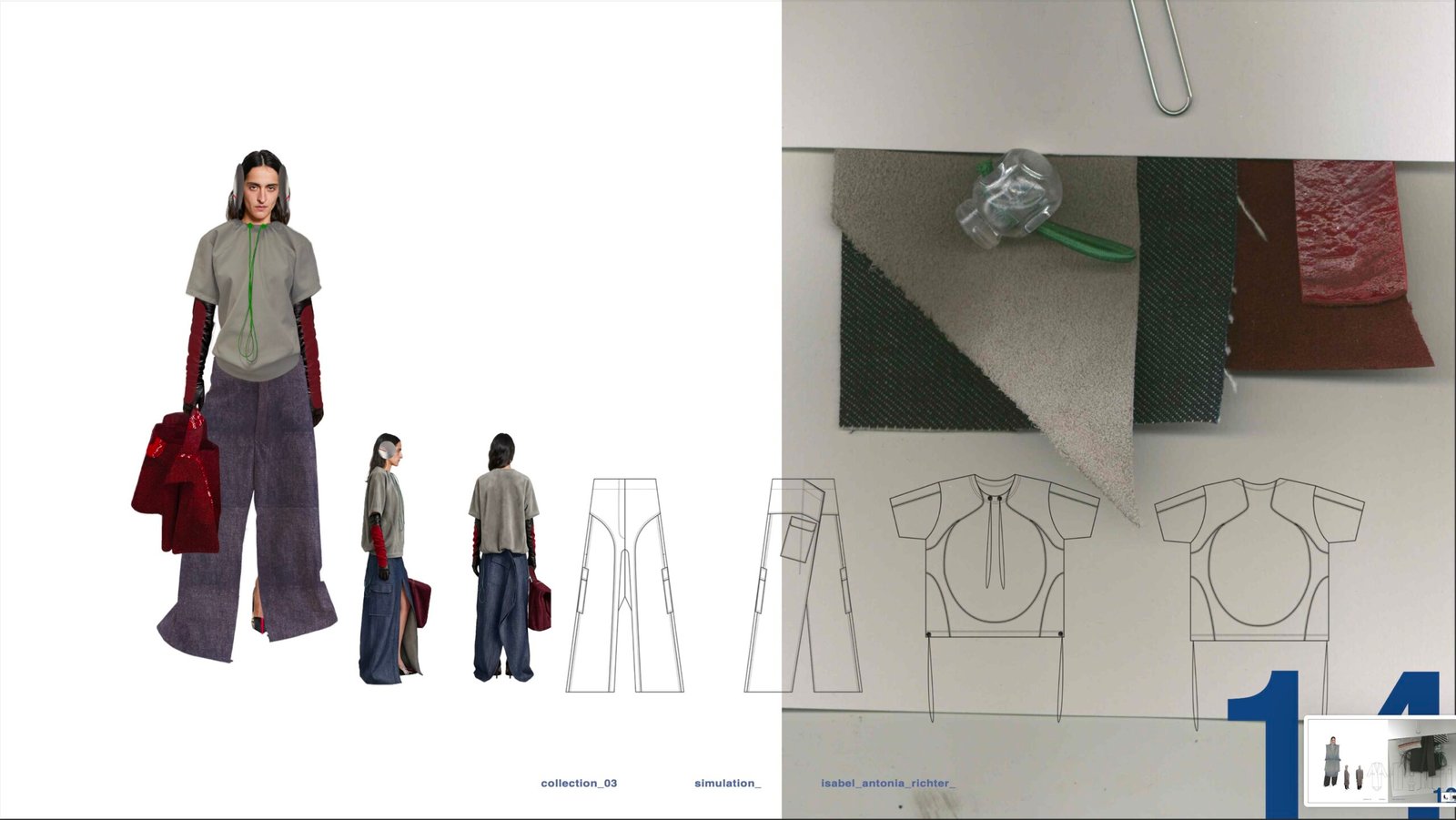
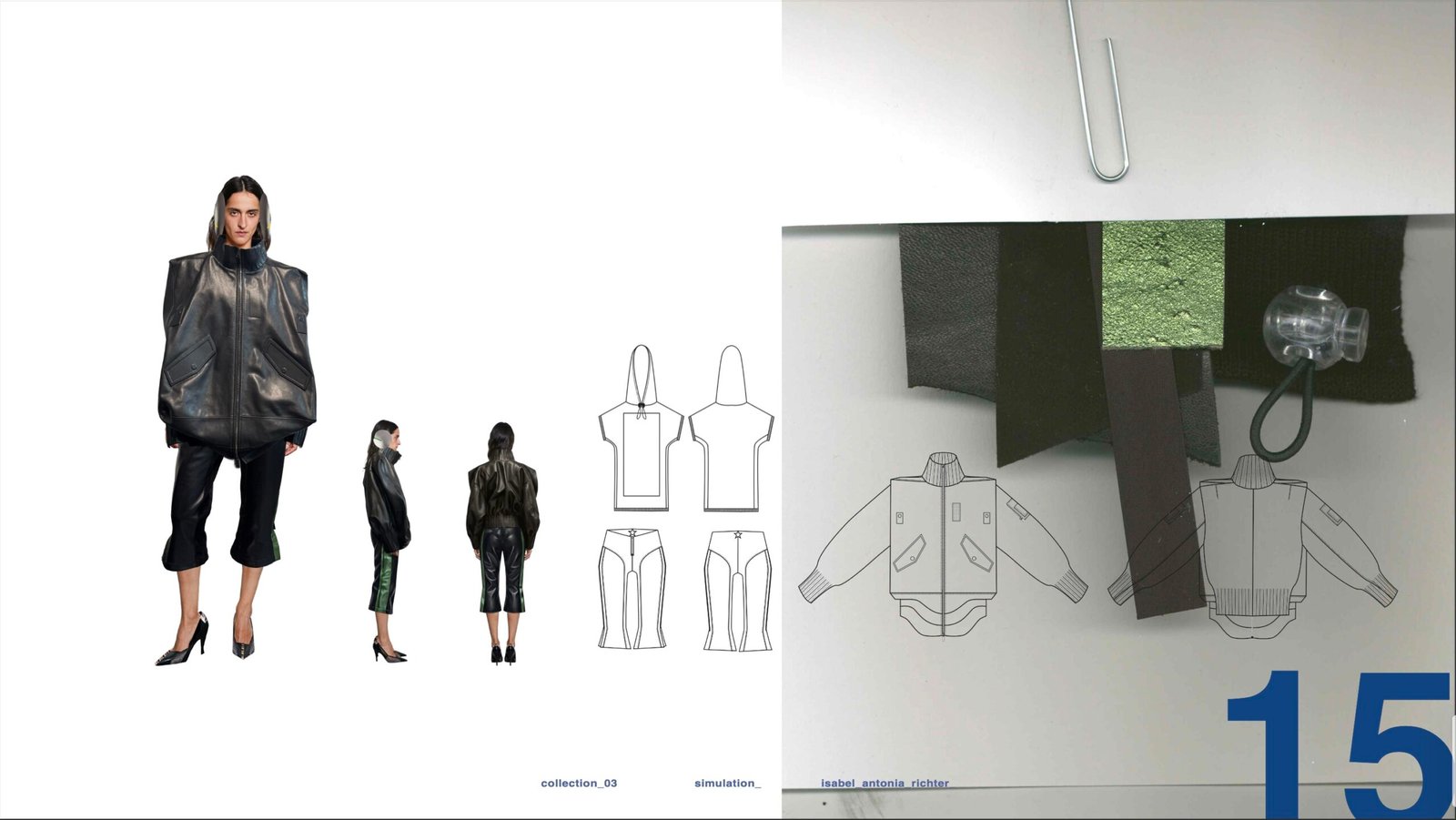
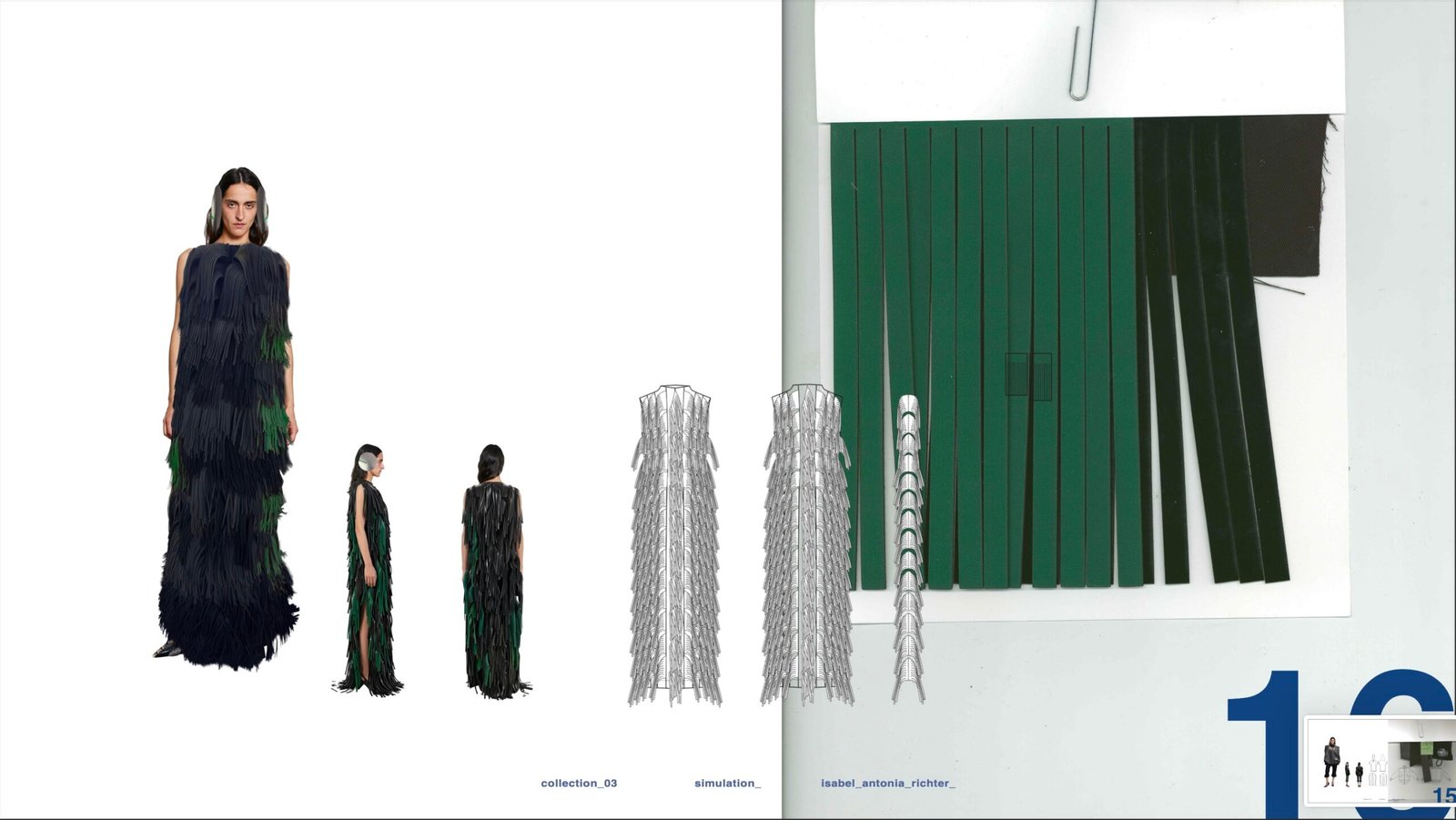
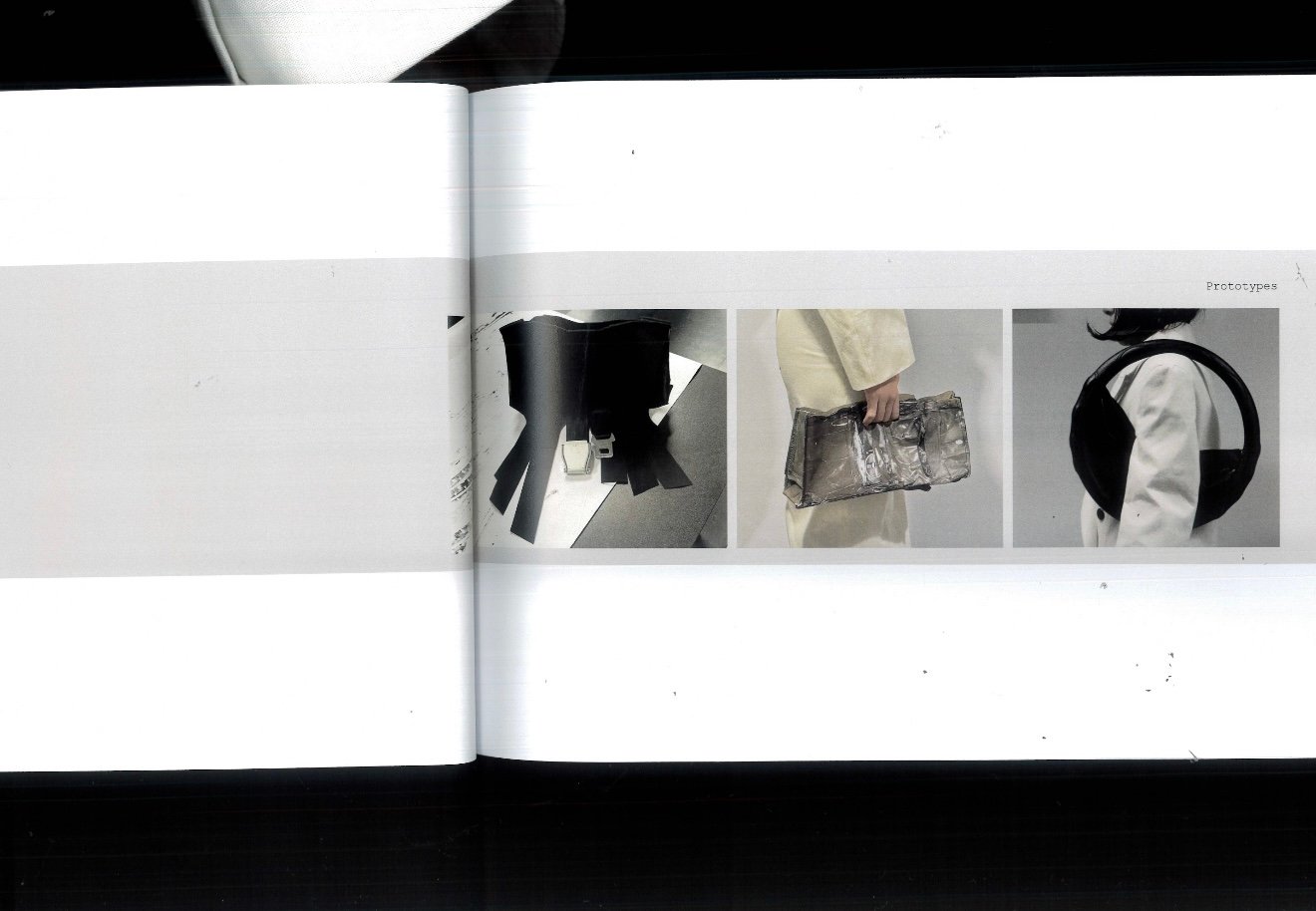
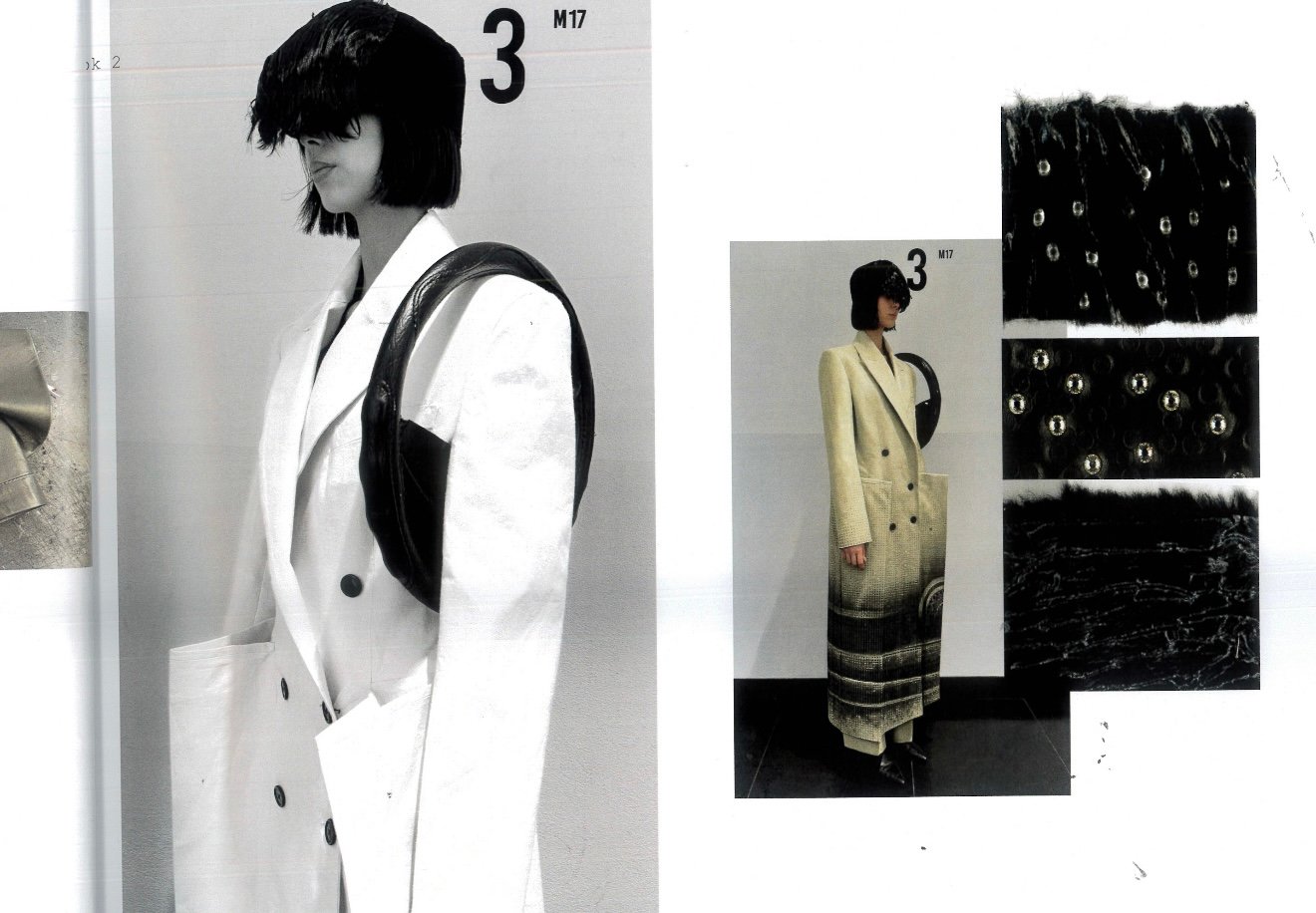
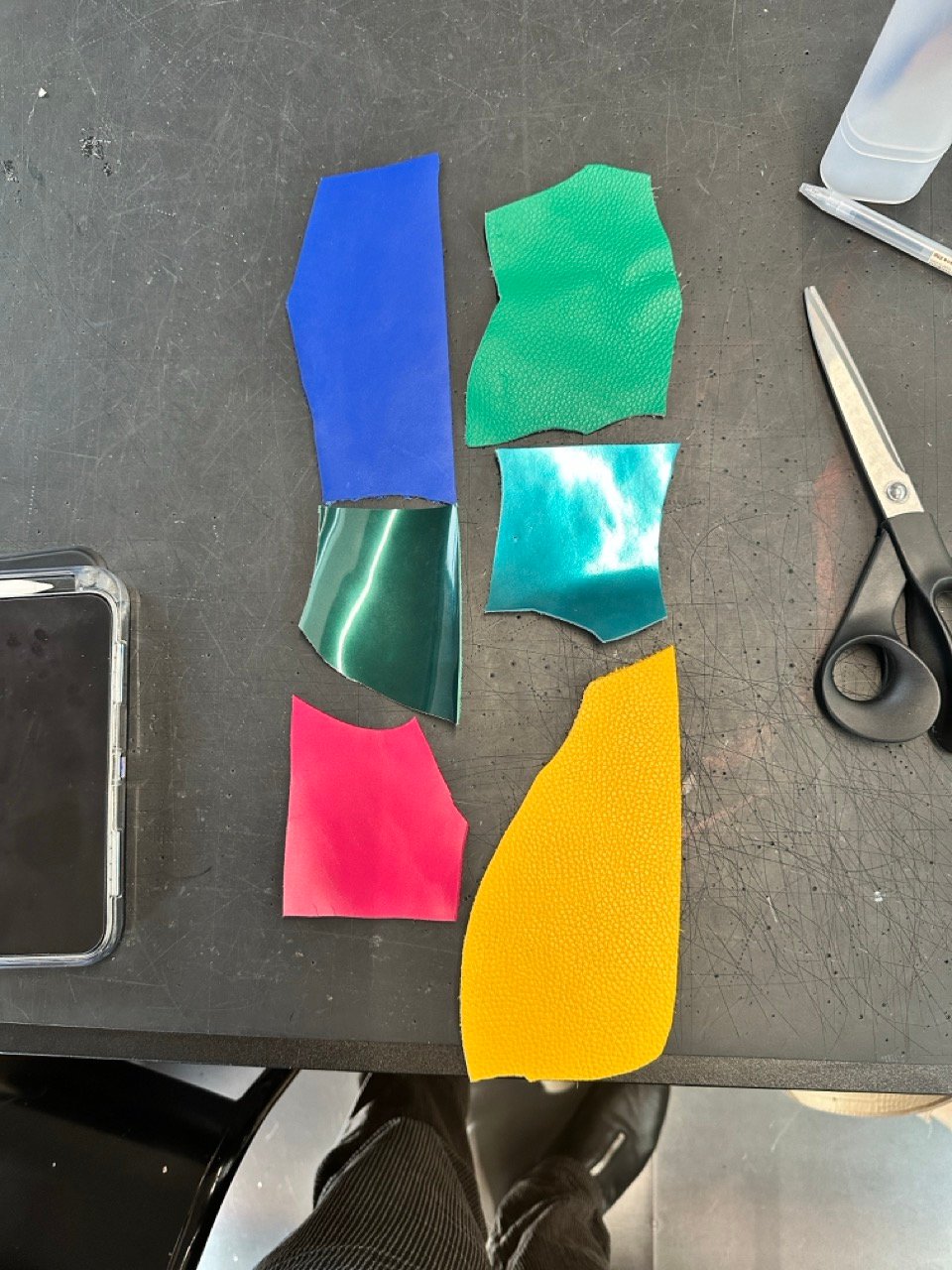
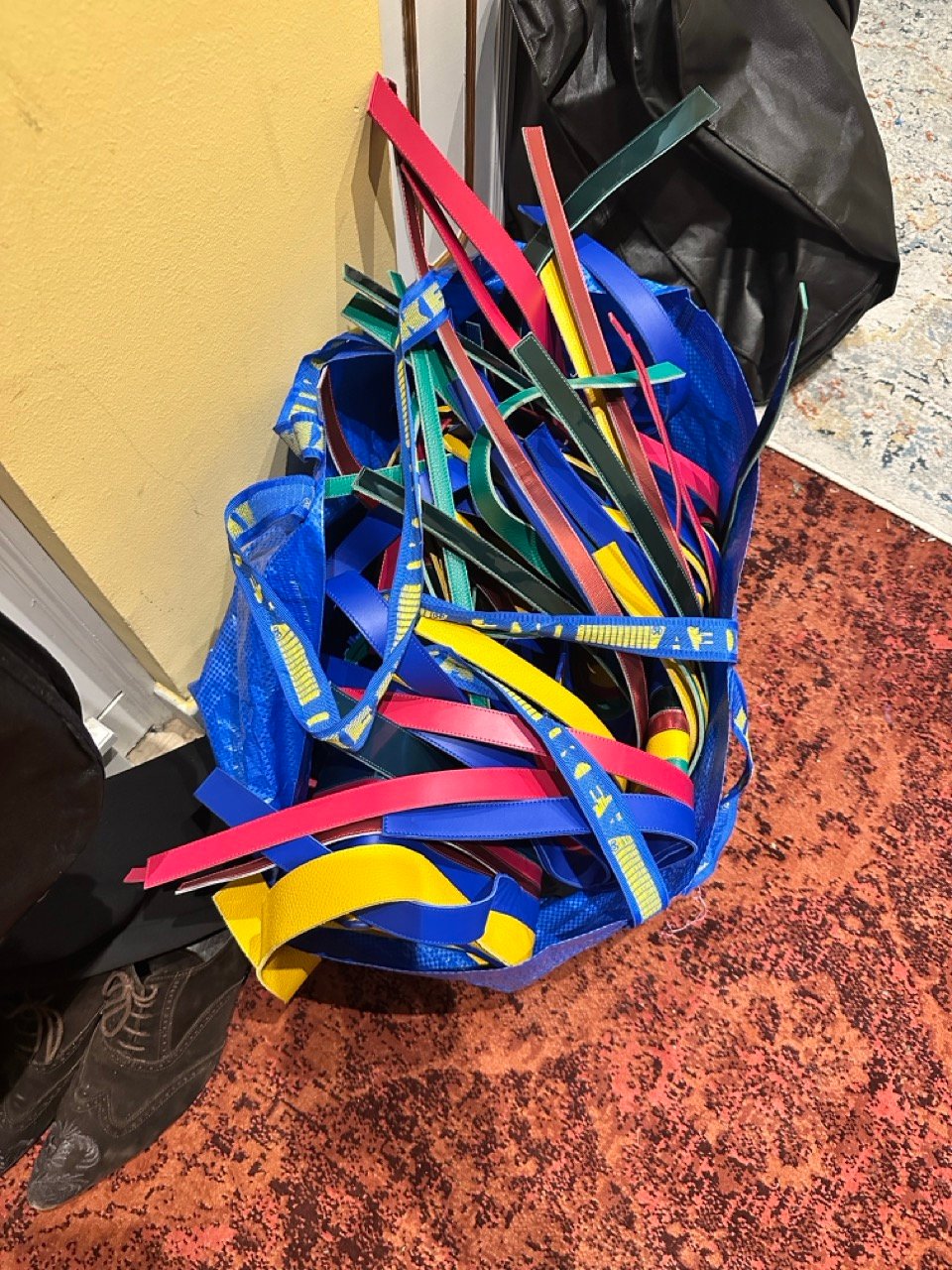
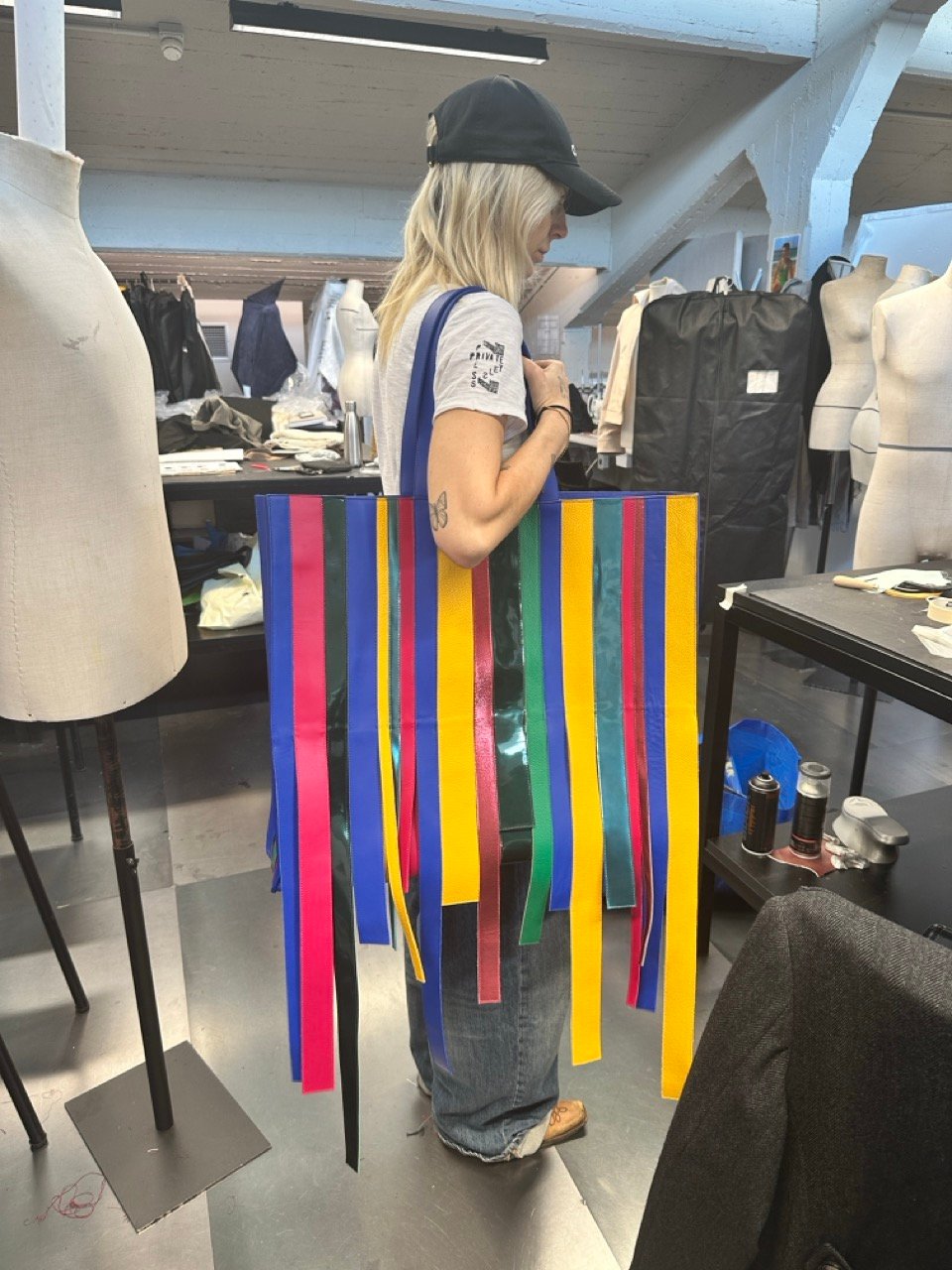
Simulation begins with the feeling that everyday life in 2026 is slipping between the digital and the real. Isabel Antonia Richter looks at how people become projections of what they consume, and how artificial environments can create a desire to escape, move, or disappear somewhere else. Screens inform the shapes and forms of the collection, from the devices people carry to the surfaces they pass while moving through the city. Transport spaces, especially gas stations, heighten the sense of artificiality and restlessness. Leather, embossing, lamination, bonded polyurethane, and primary colours against black backgrounds give the work a sleek, synthetic charge.

@isabelantonia____

Screenshot
Screenshot
Screenshot
Screenshot
Screenshot
Screenshot

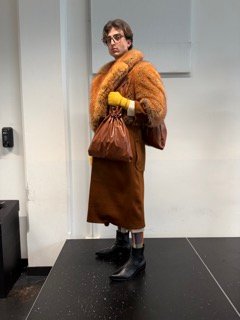
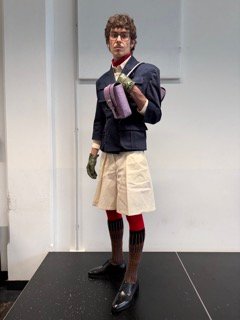
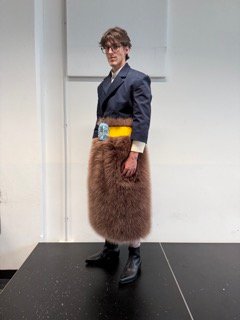
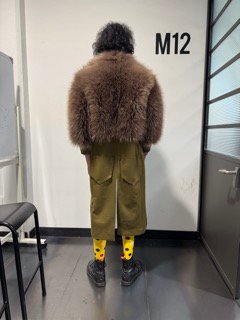
Isabella Alvarino

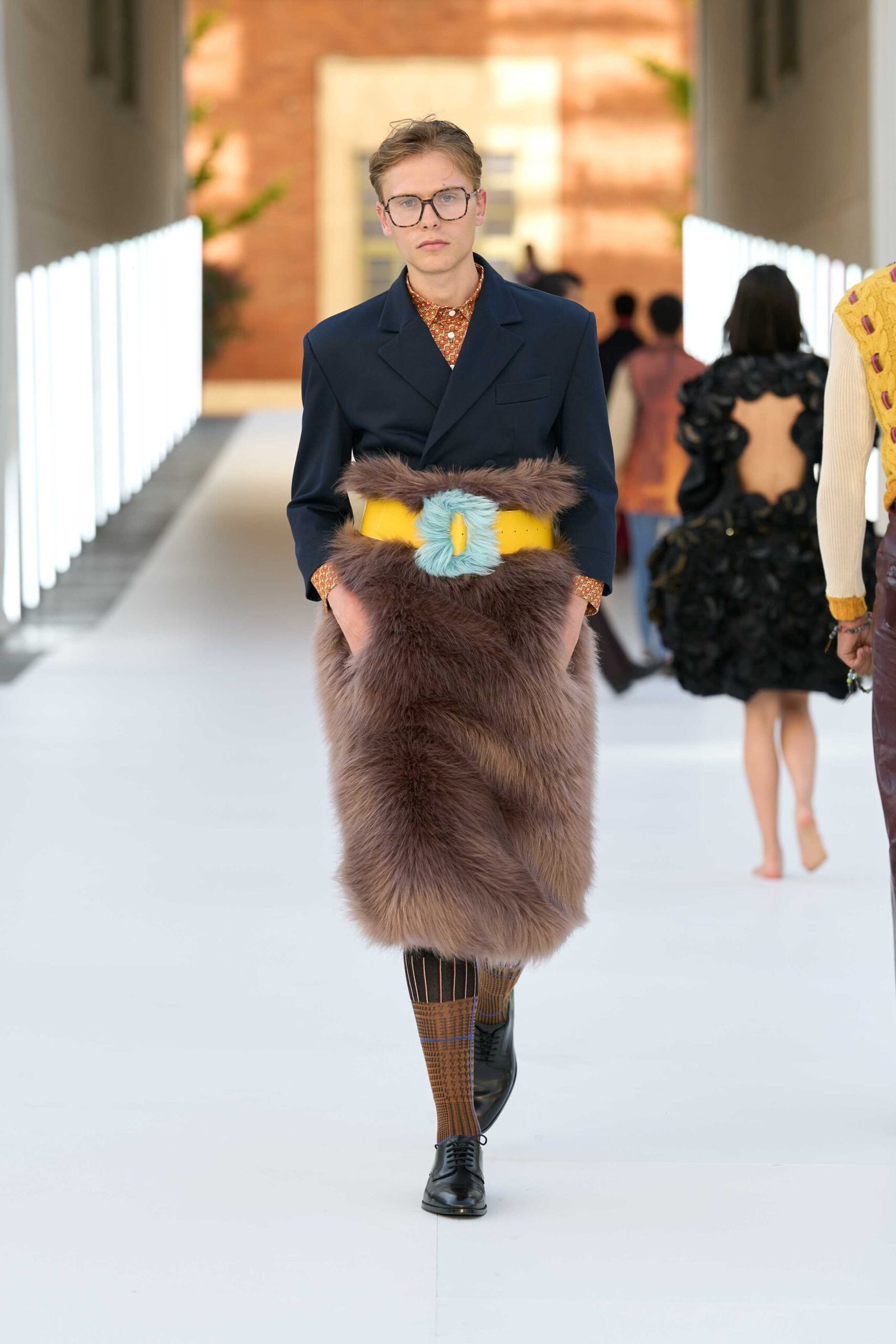
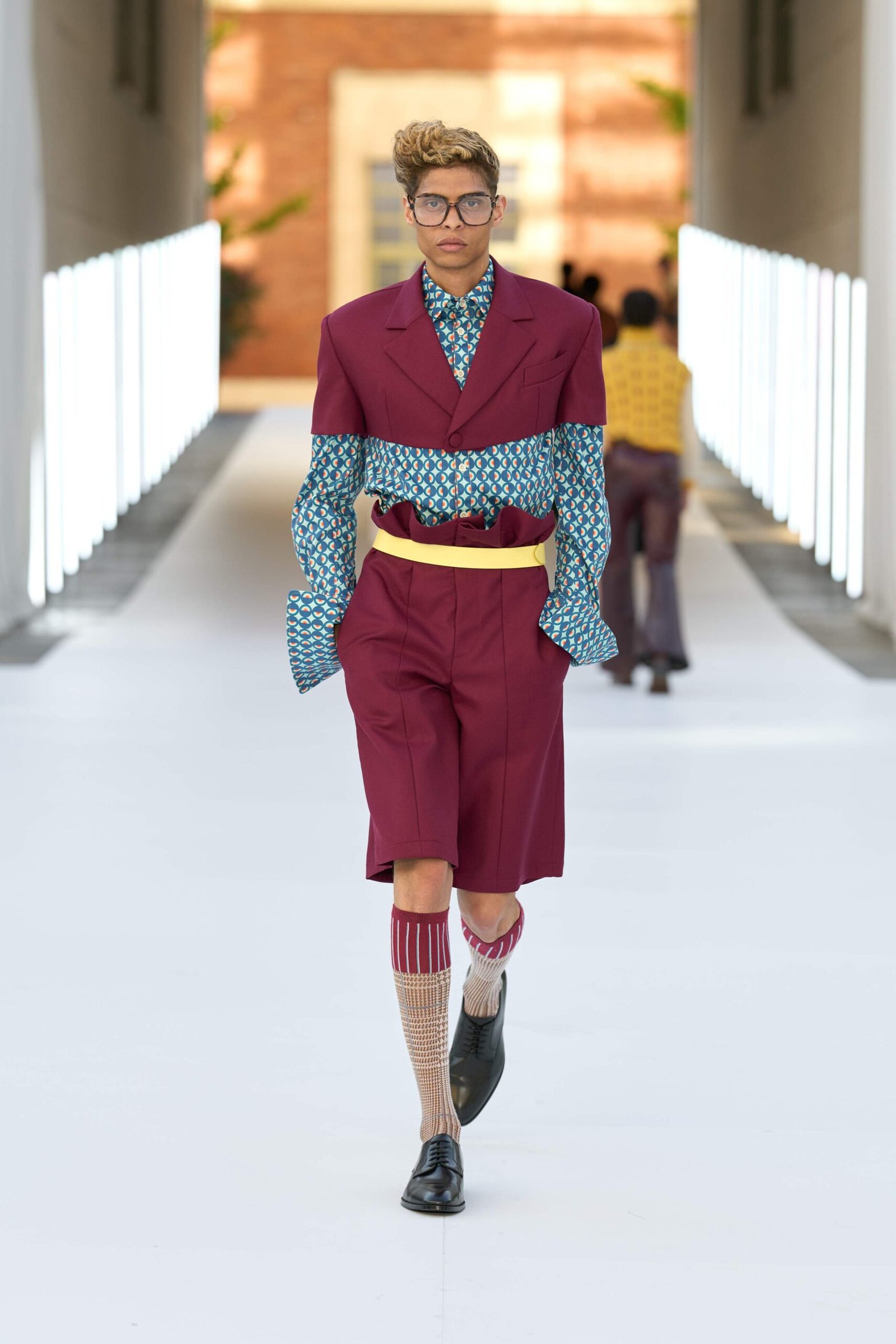
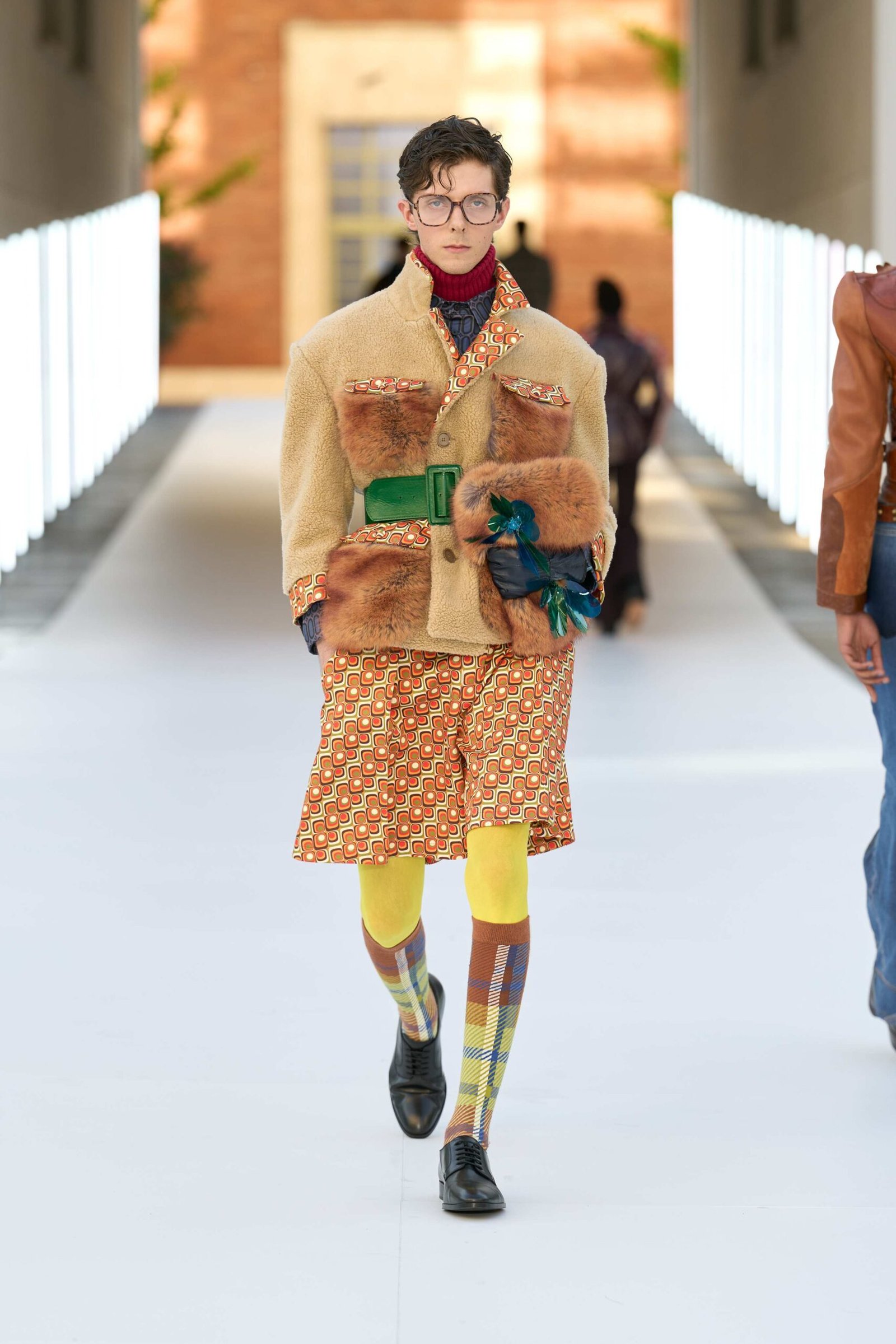
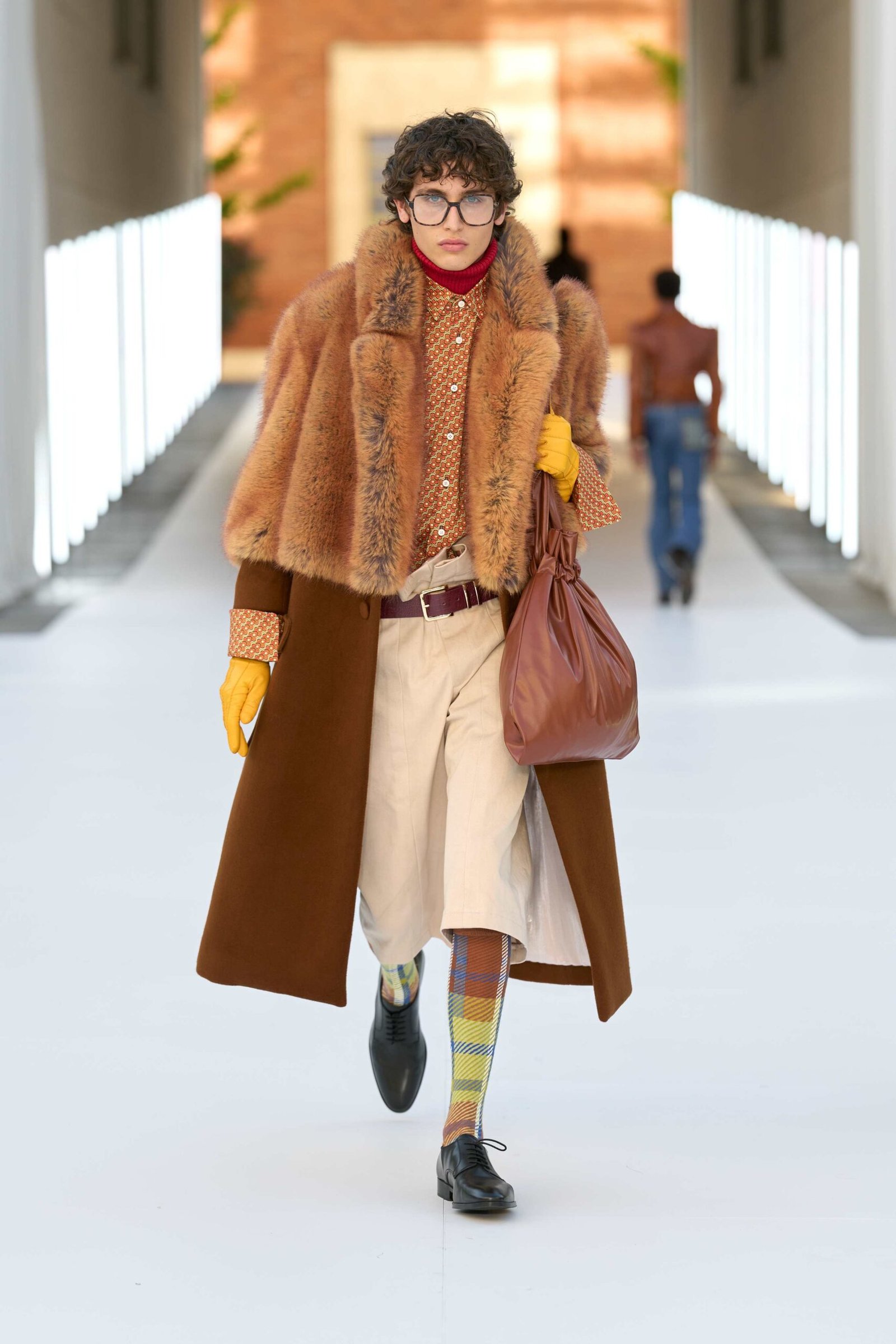
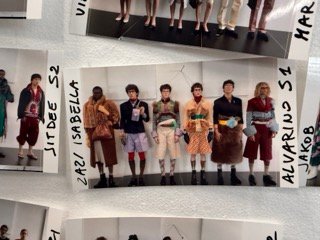
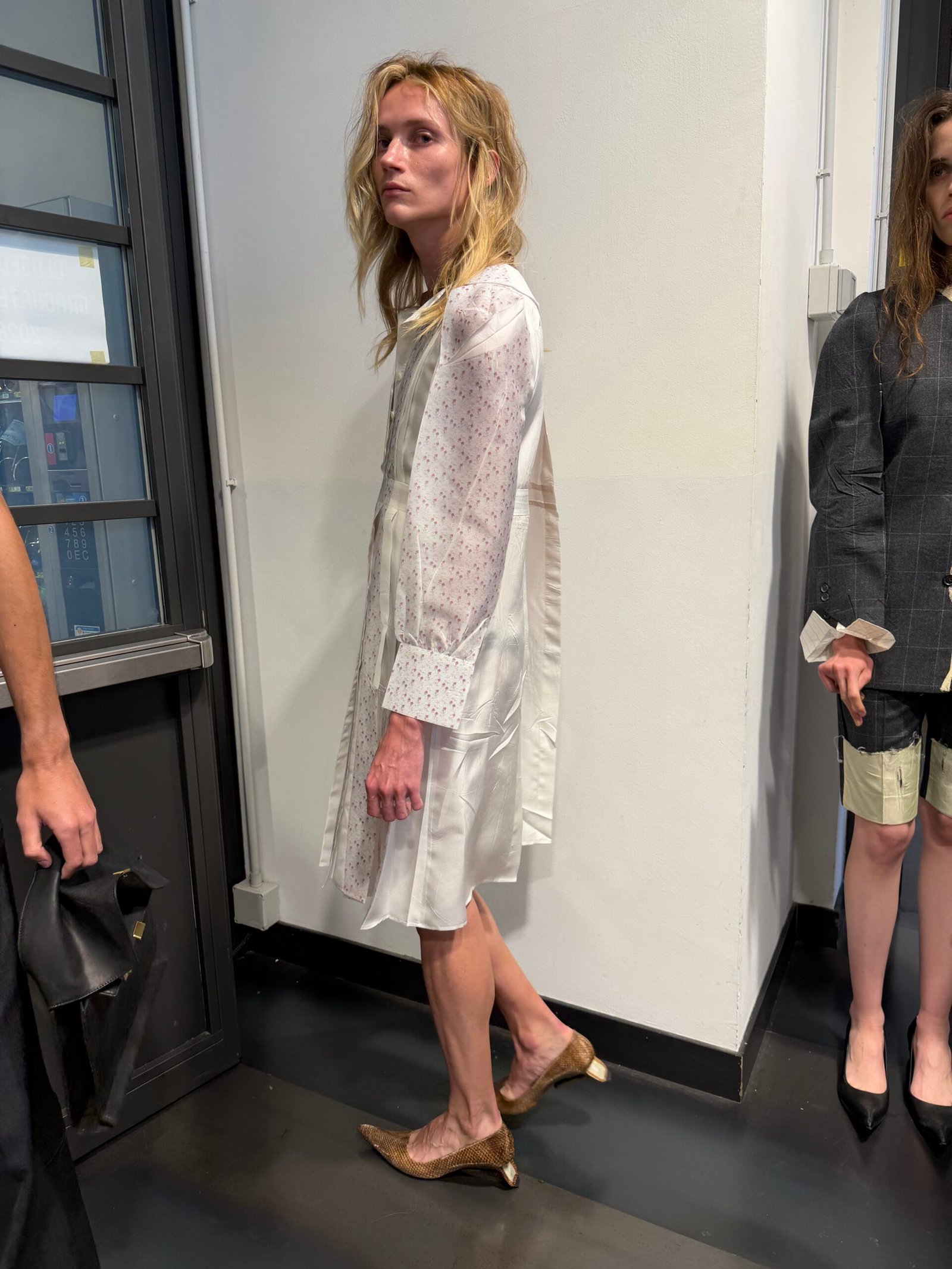
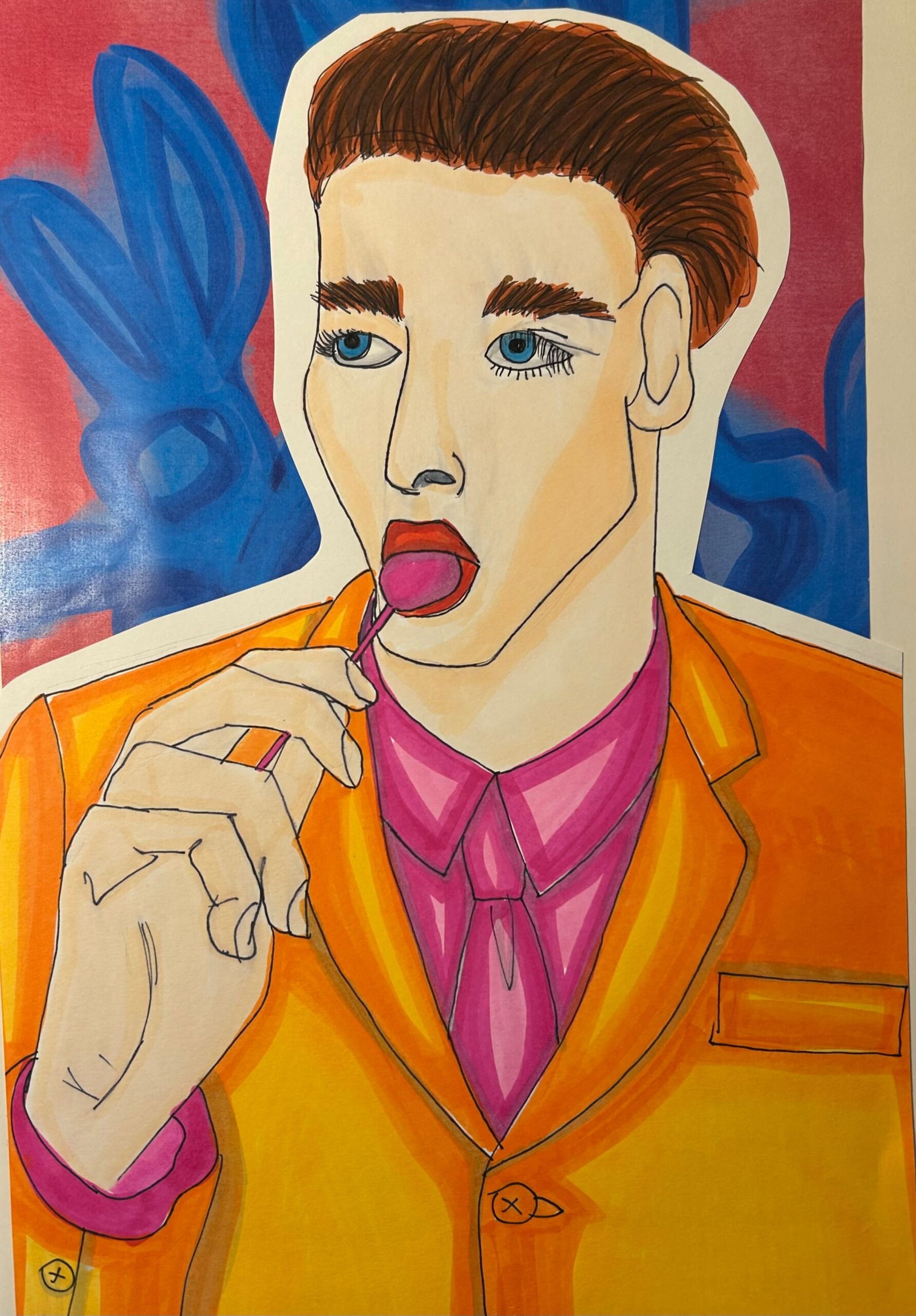
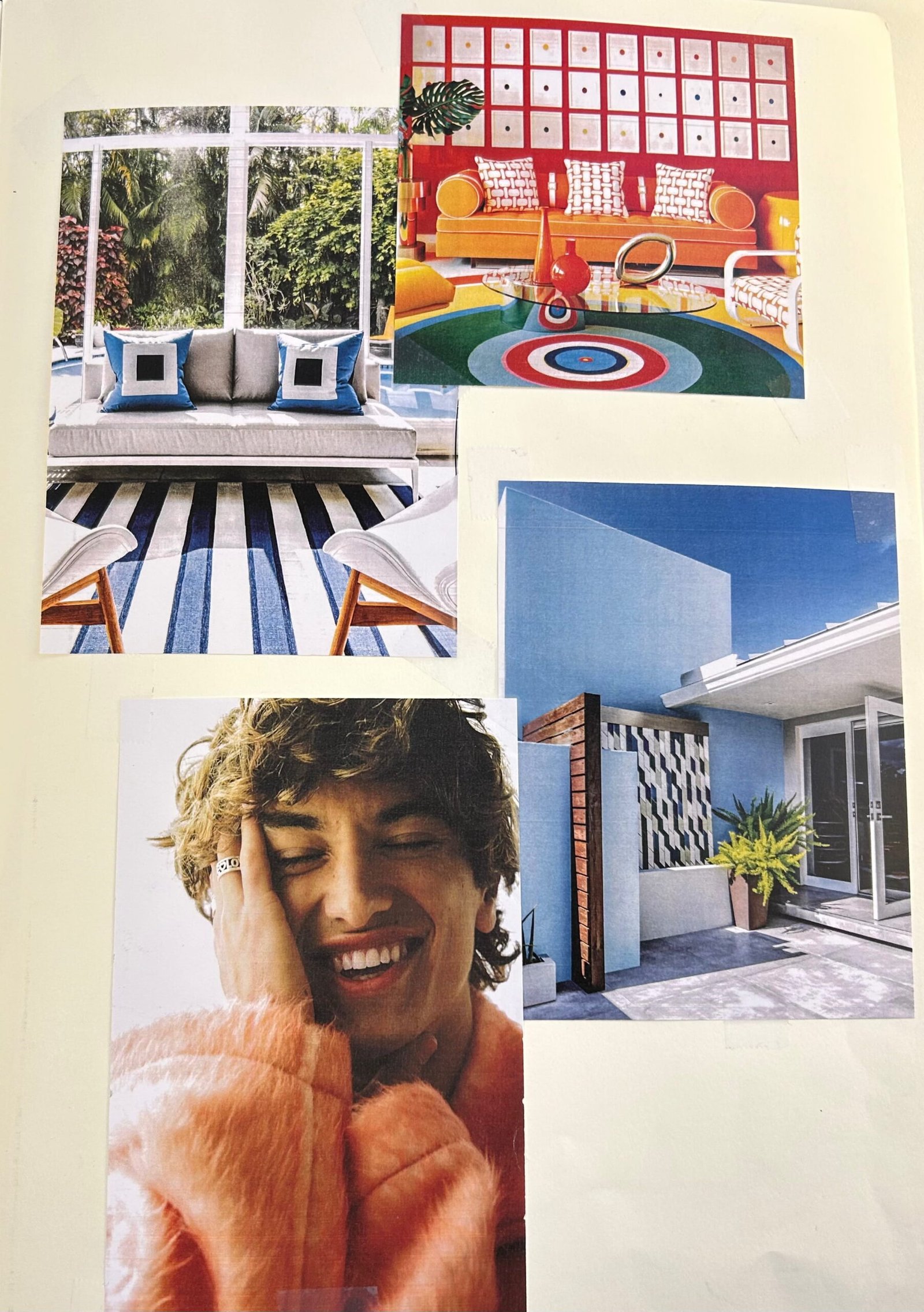
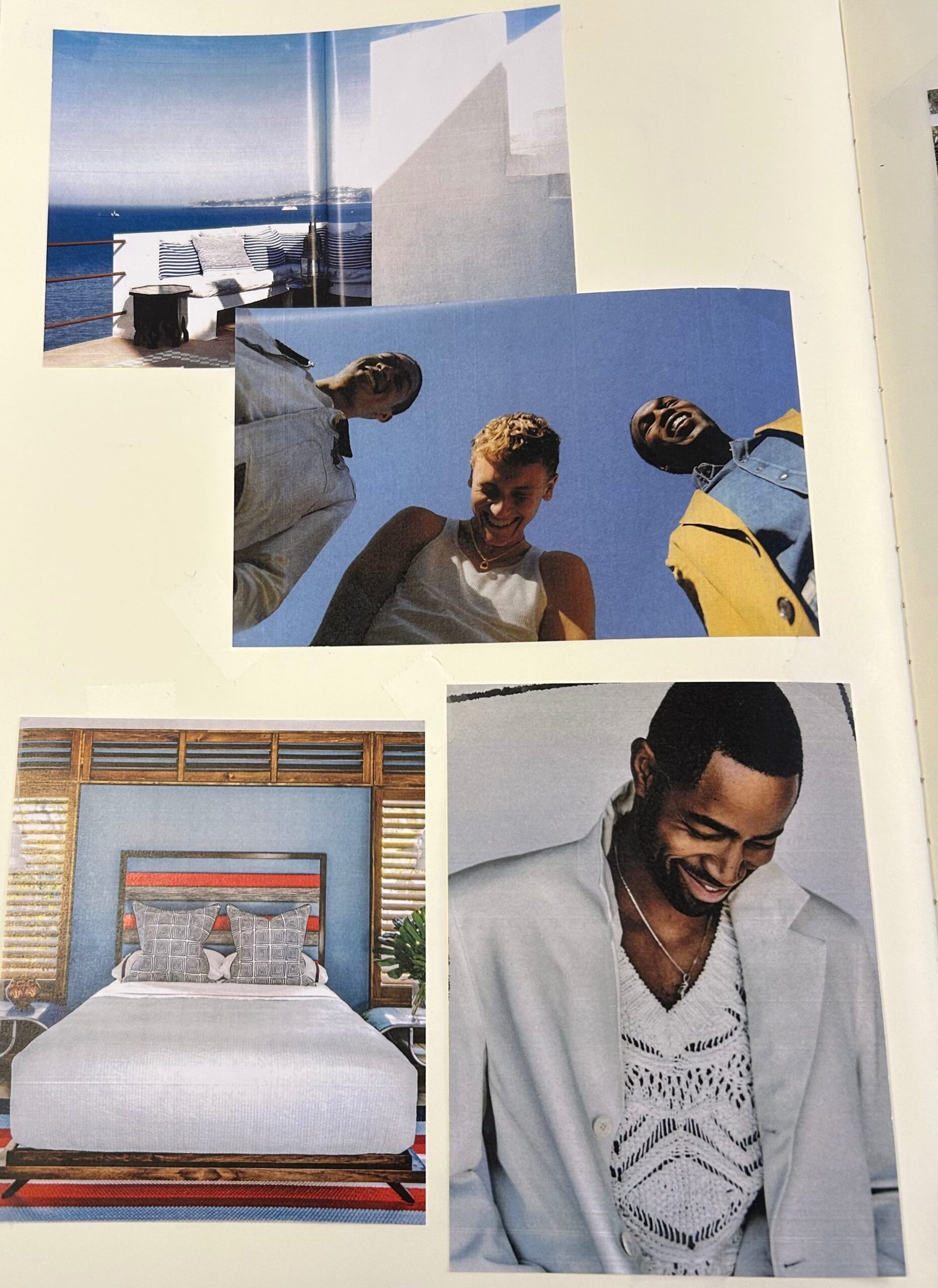
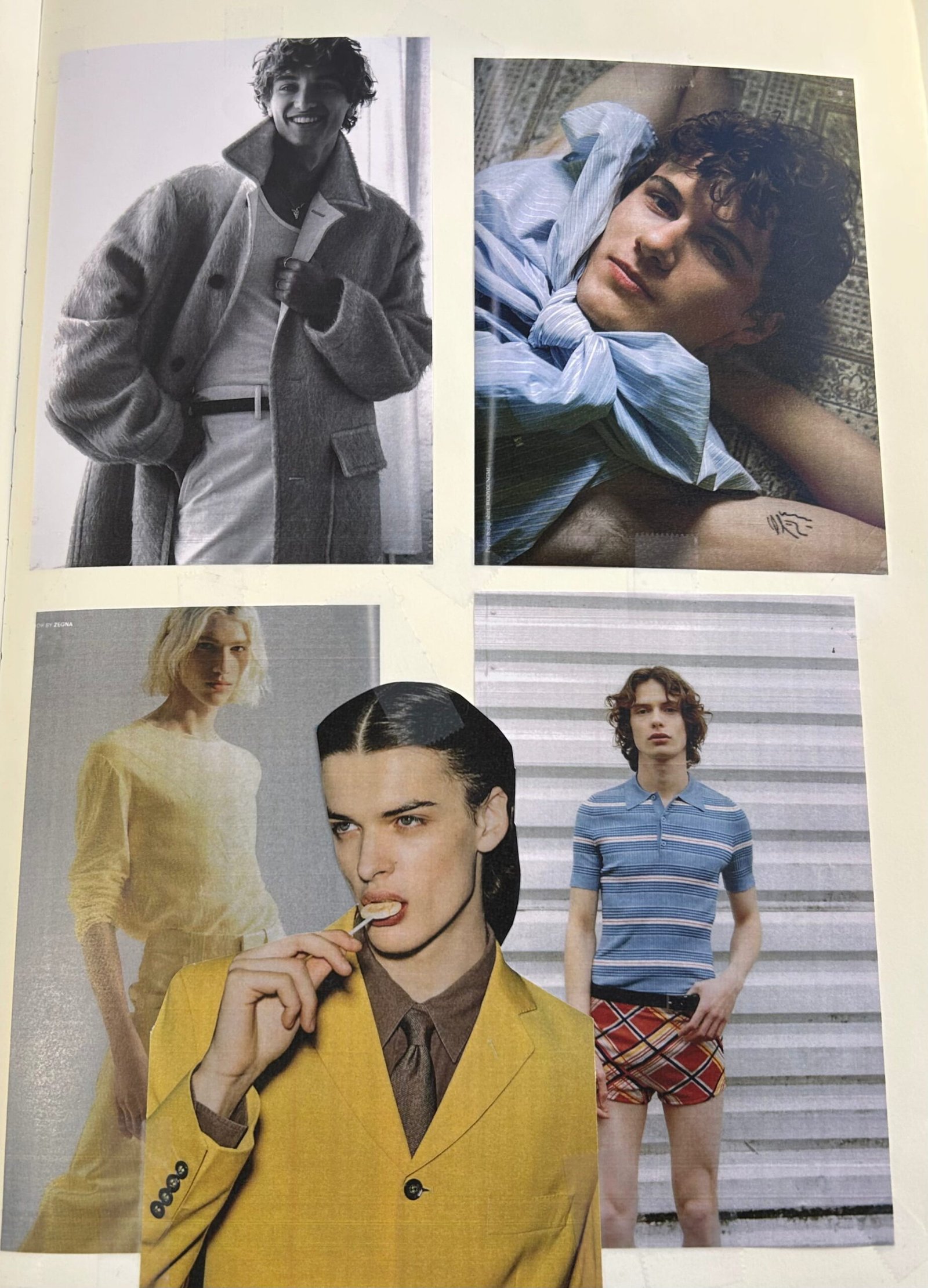
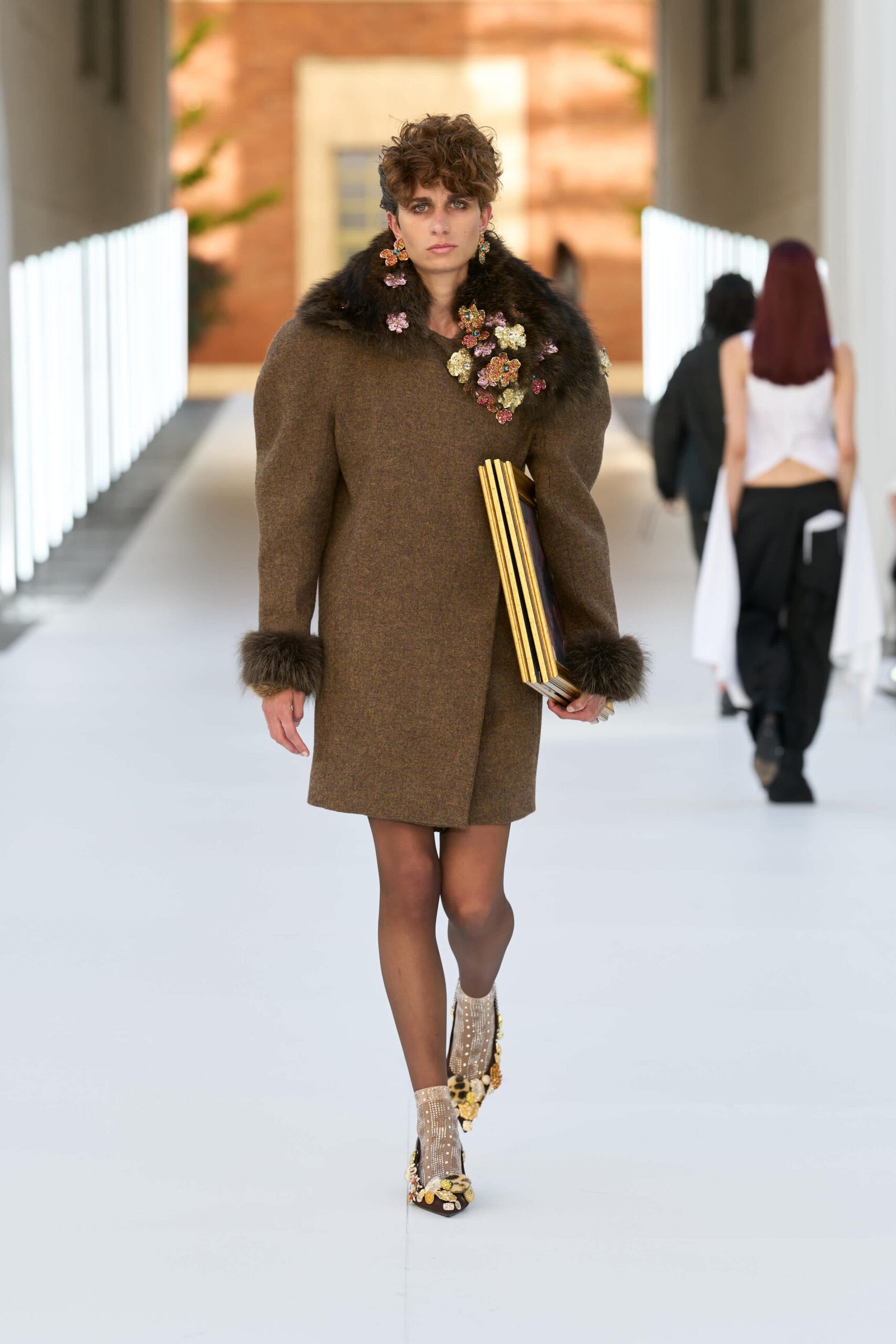
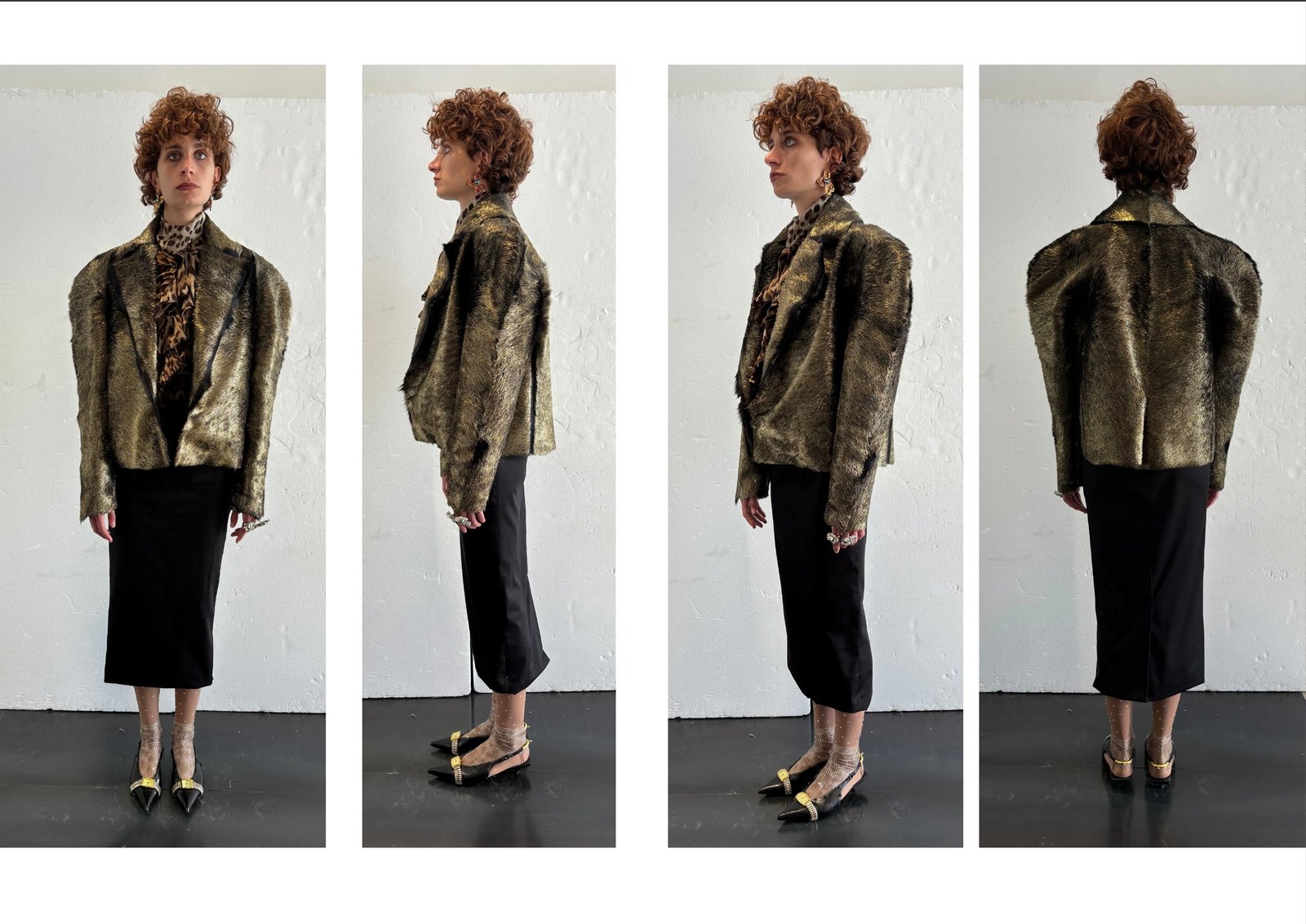
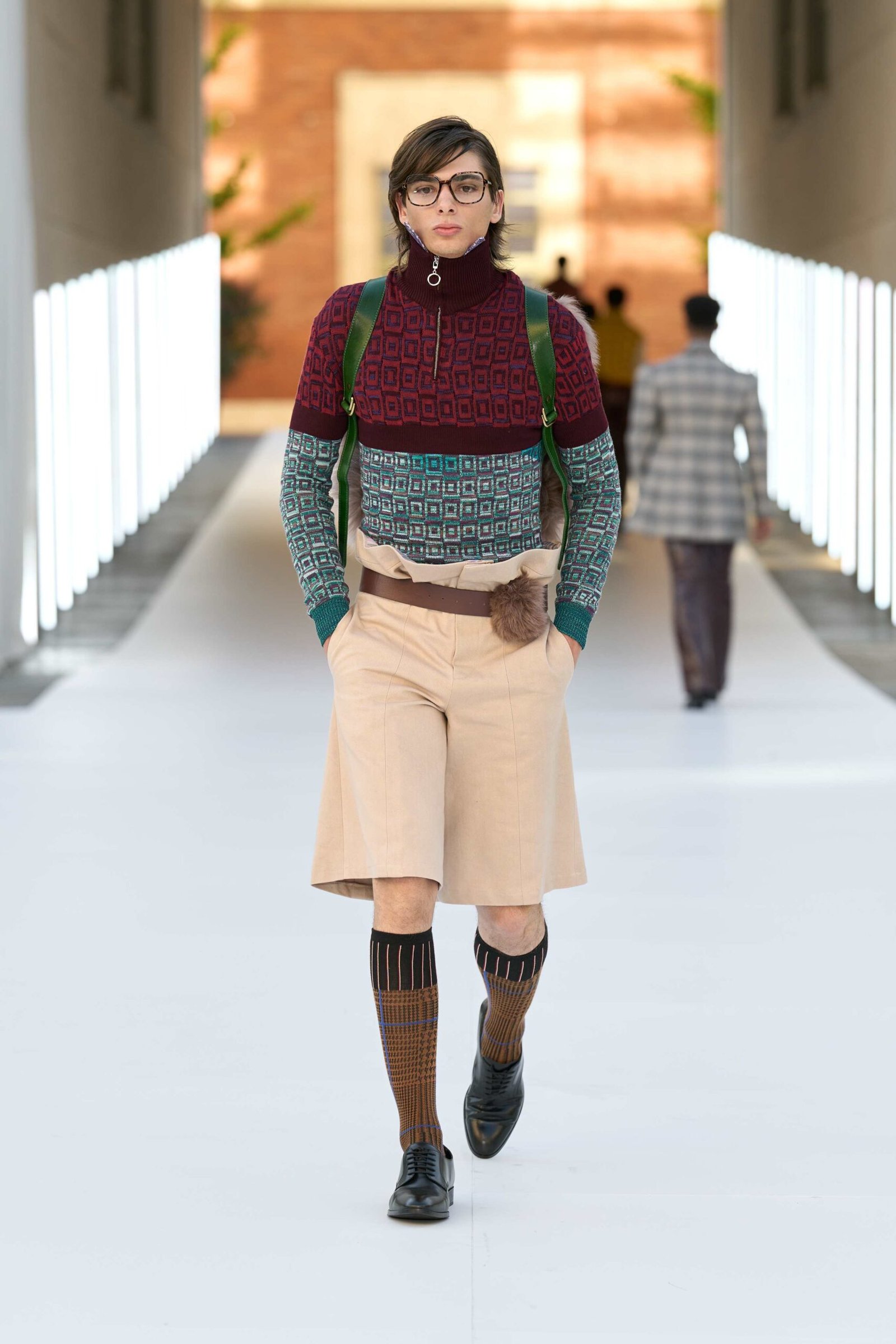
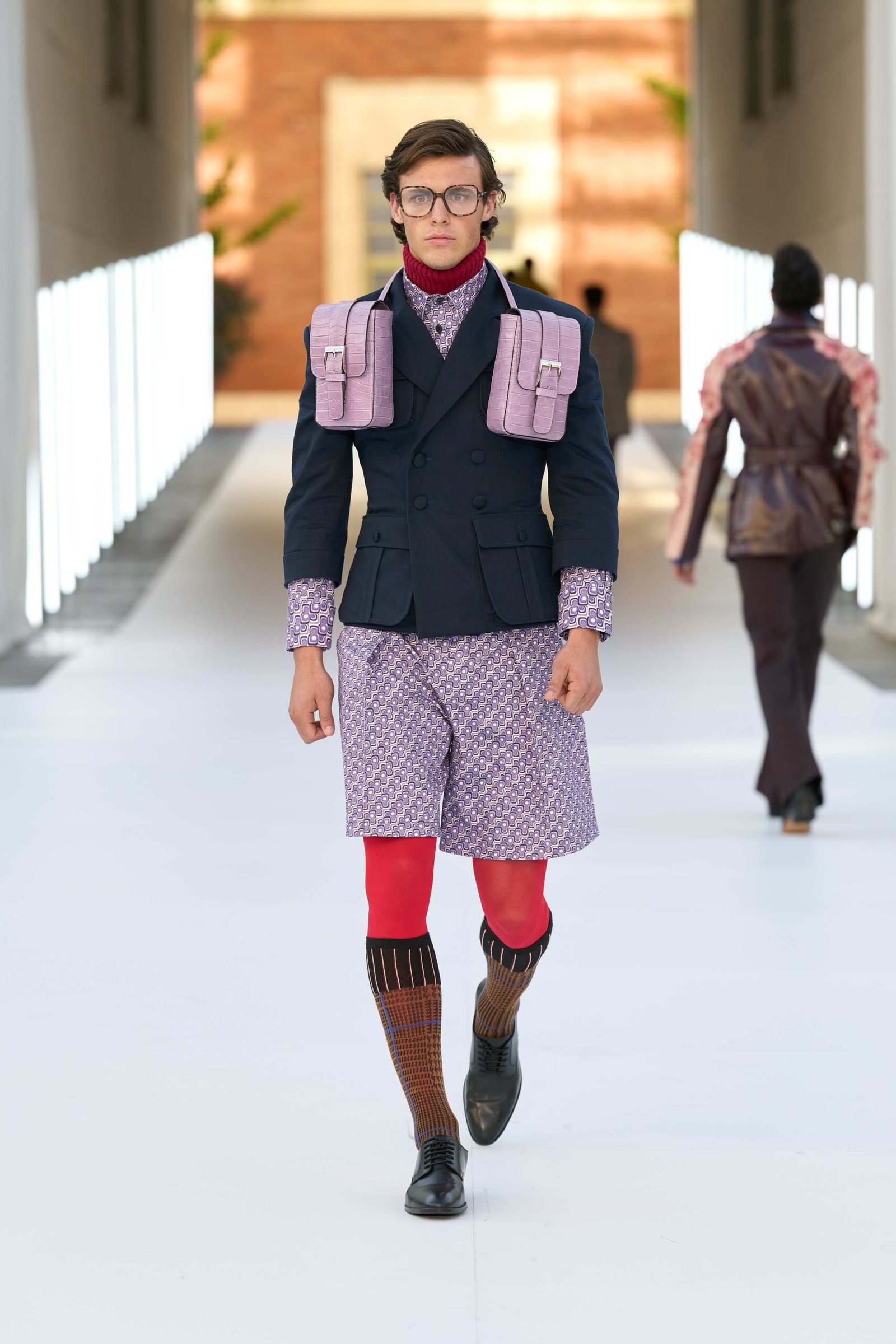
Hot Nerds is inspired by Isabella Alvarino’s late friend Jay and the rebellion of queer adolescence. The collection reimagines the stereotypical nerd as confident, desirable, and unapologetically expressive, using tailoring as a way to think about transformation. Drawing on 1960s and 1970s patterns, Alvarino brings structure into contact with humour, carefreeness, and irony. The phenomenon of moulting also runs through the work, with fur and layered details suggesting the process of shedding expectations in order to become oneself. Friendship, self-discovery, contradiction, and the pleasure of refusing to fit neatly into what others expect.
@zalvarinoalvar

Diana Avetisian

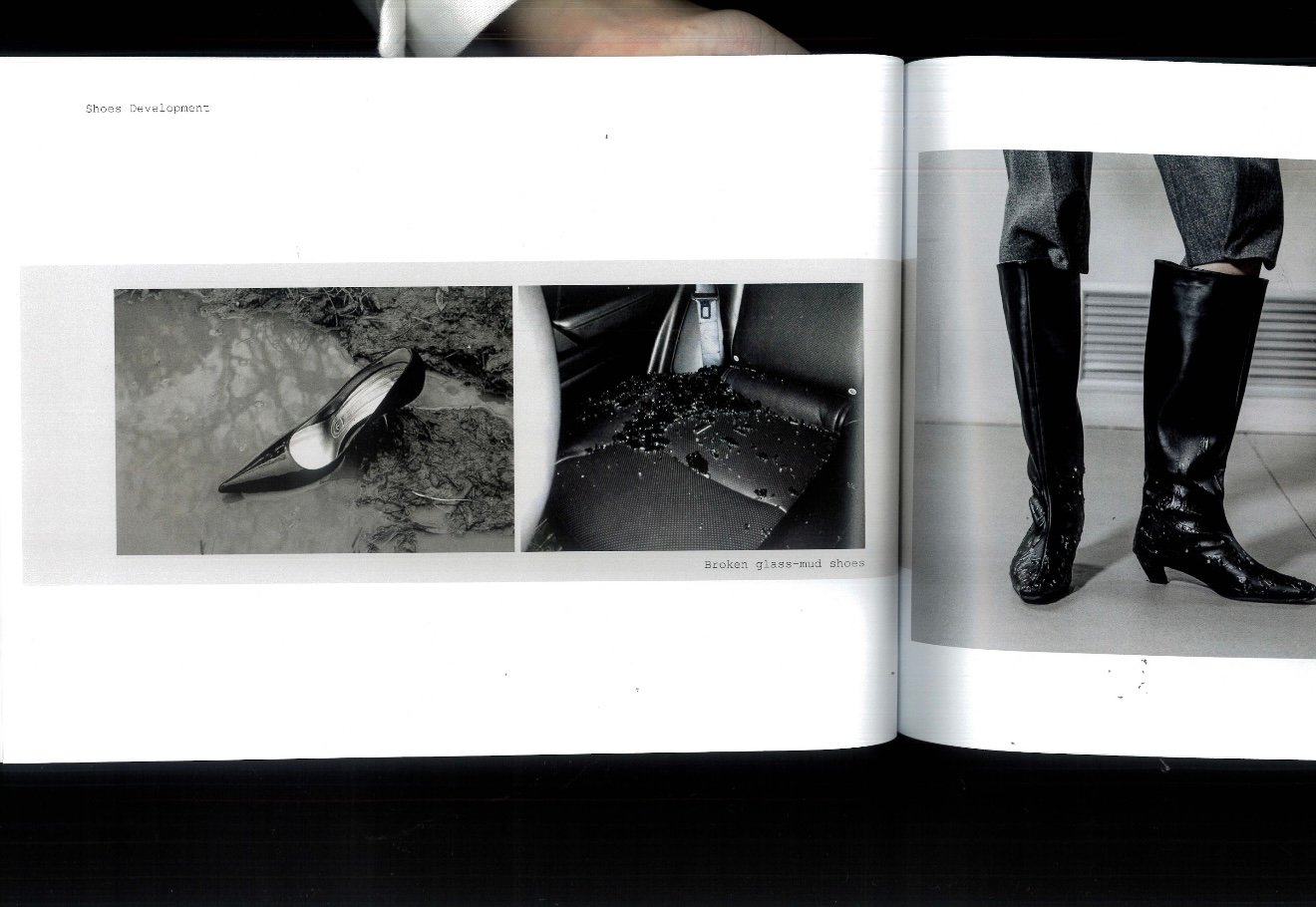
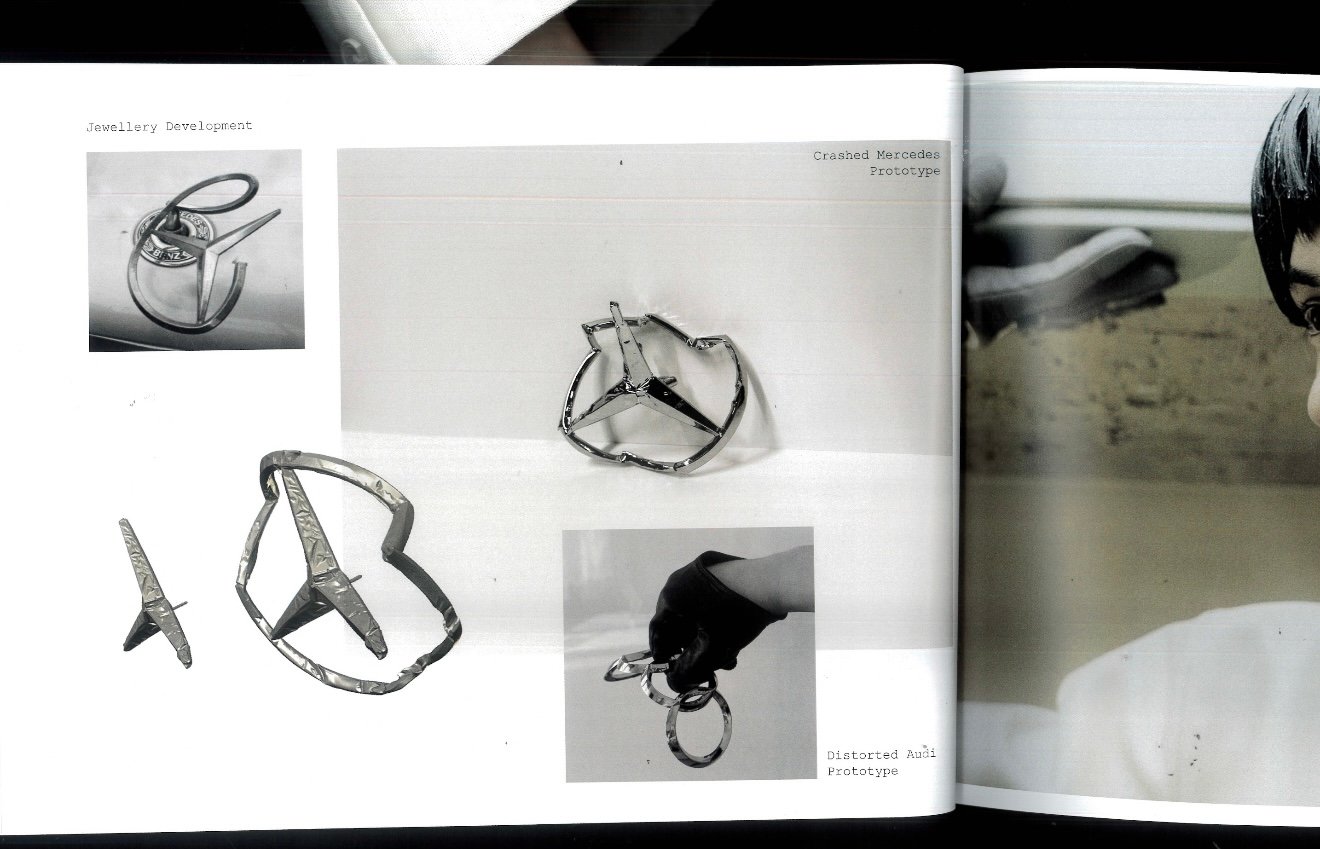
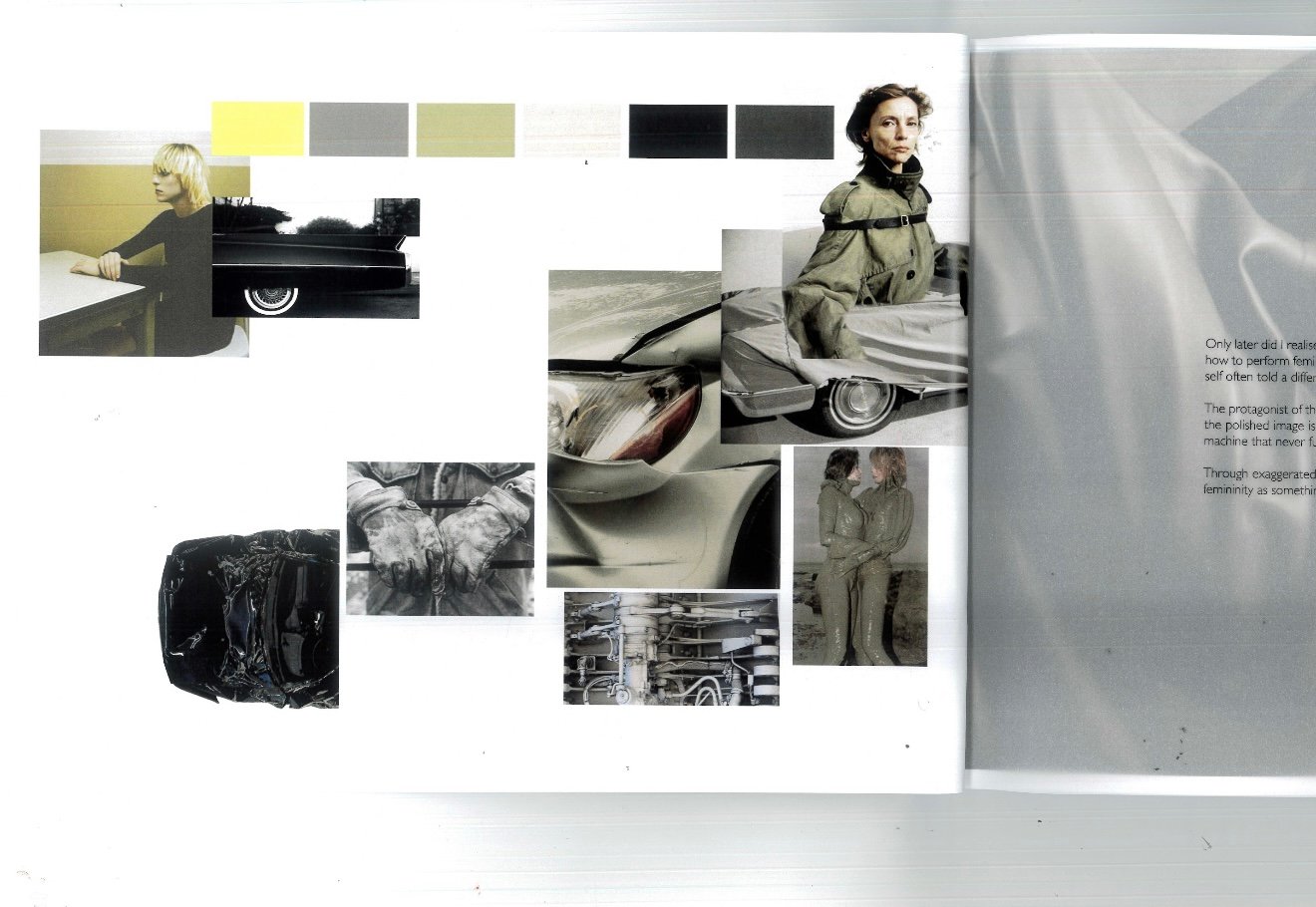
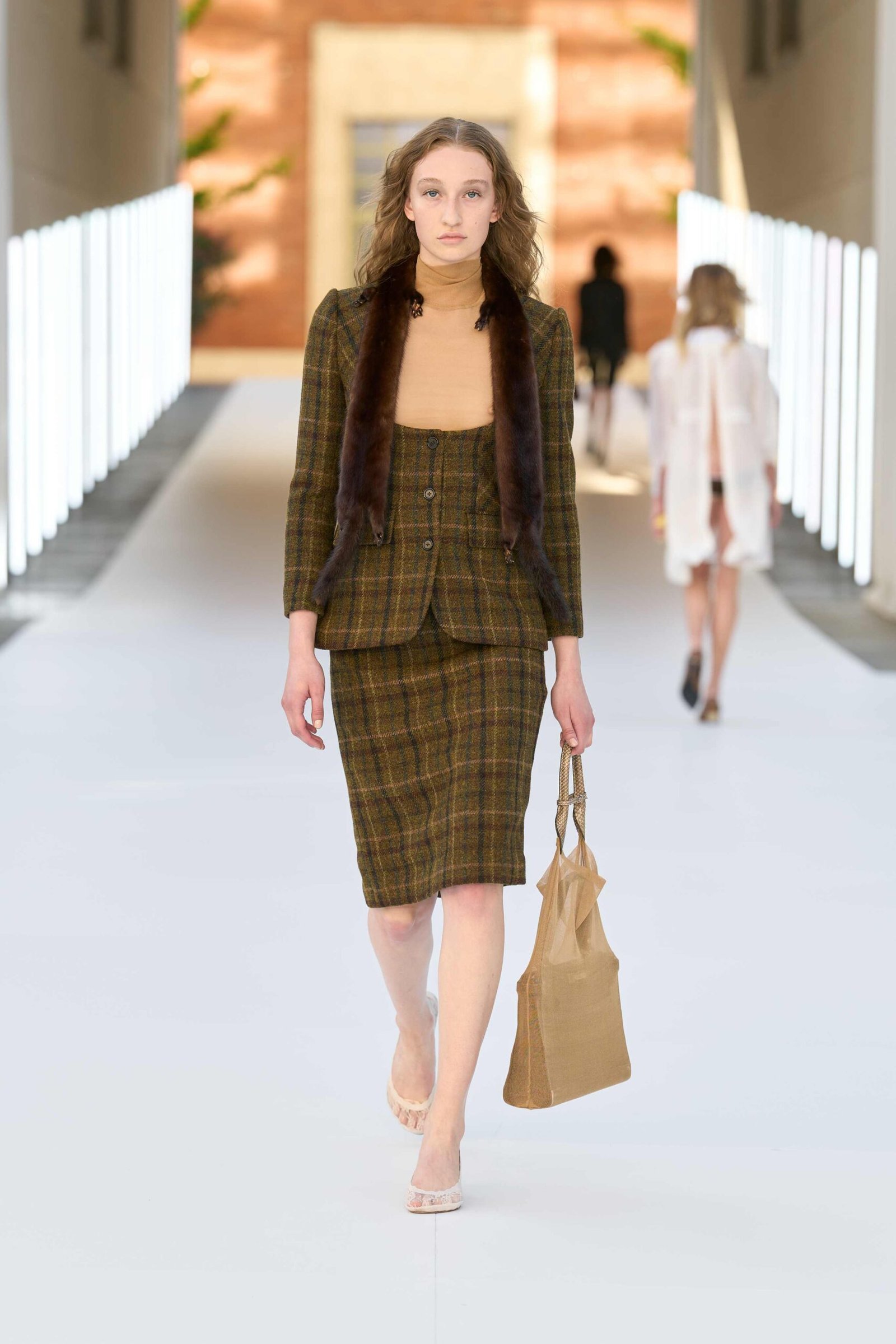
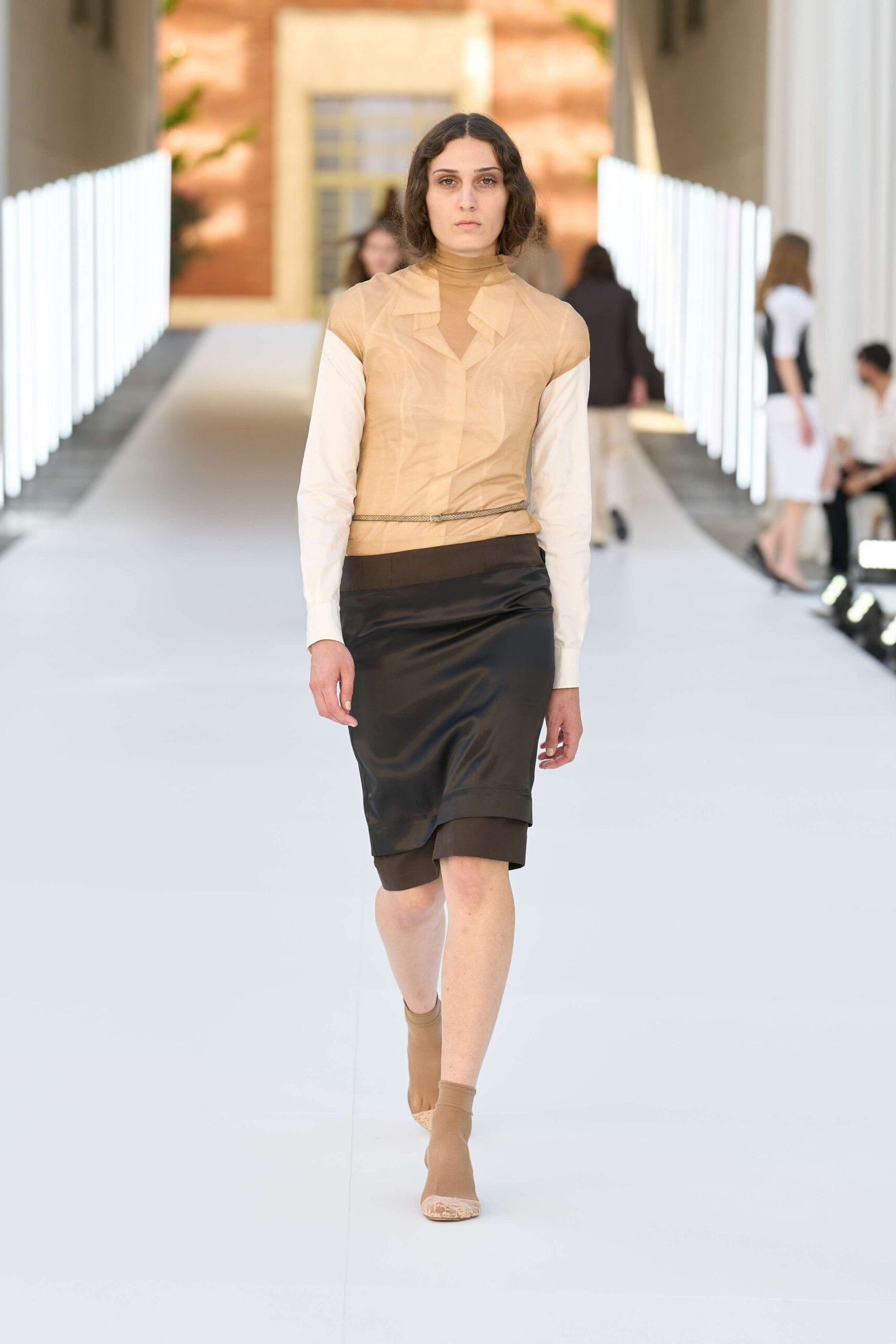
In Another Role, Diana Avetisian takes David Lynch’s Lost Highway as a starting point for thinking about femininity as something constructed, performed, and constantly adjusted. The collection centres on an actress caught between performance and reality, shaped by the roles expected of her but unable to fully inhabit them. Behind the polished image is a figure who keeps repairing herself, like a mechanic working on a machine that never functions exactly as it should. Vintage cars, mechanic uniforms, structured tailoring, and refined feminine silhouettes sit beside one another, balancing glamour with utility.
@dianavetisian

Screenshot
Screenshot
Screenshot
Screenshot
Screenshot
Screenshot
Screenshot
Screenshot
Screenshot
Screenshot
Screenshot
Screenshot
Screenshot

Victor Brial

Victor Brial’s collection follows an imagined young man overwhelmed by social media, who leaves his phone at home and sets off travelling. He eventually arrives in Brial’s hometown of Réunion, where the point is to be fully present without digital distraction. Instead of recording everything through a screen, he preserves memories by collecting objects and souvenirs to bring home. Once back, his way of dressing begins to shift, absorbing textures and silhouettes from the places he has passed through. Embellished textiles and knitwear are layered with more technical fabrics, turning the wardrobe into an eclectic record of travel, memory, and attention.

@vicbrial

Lisa Criaco

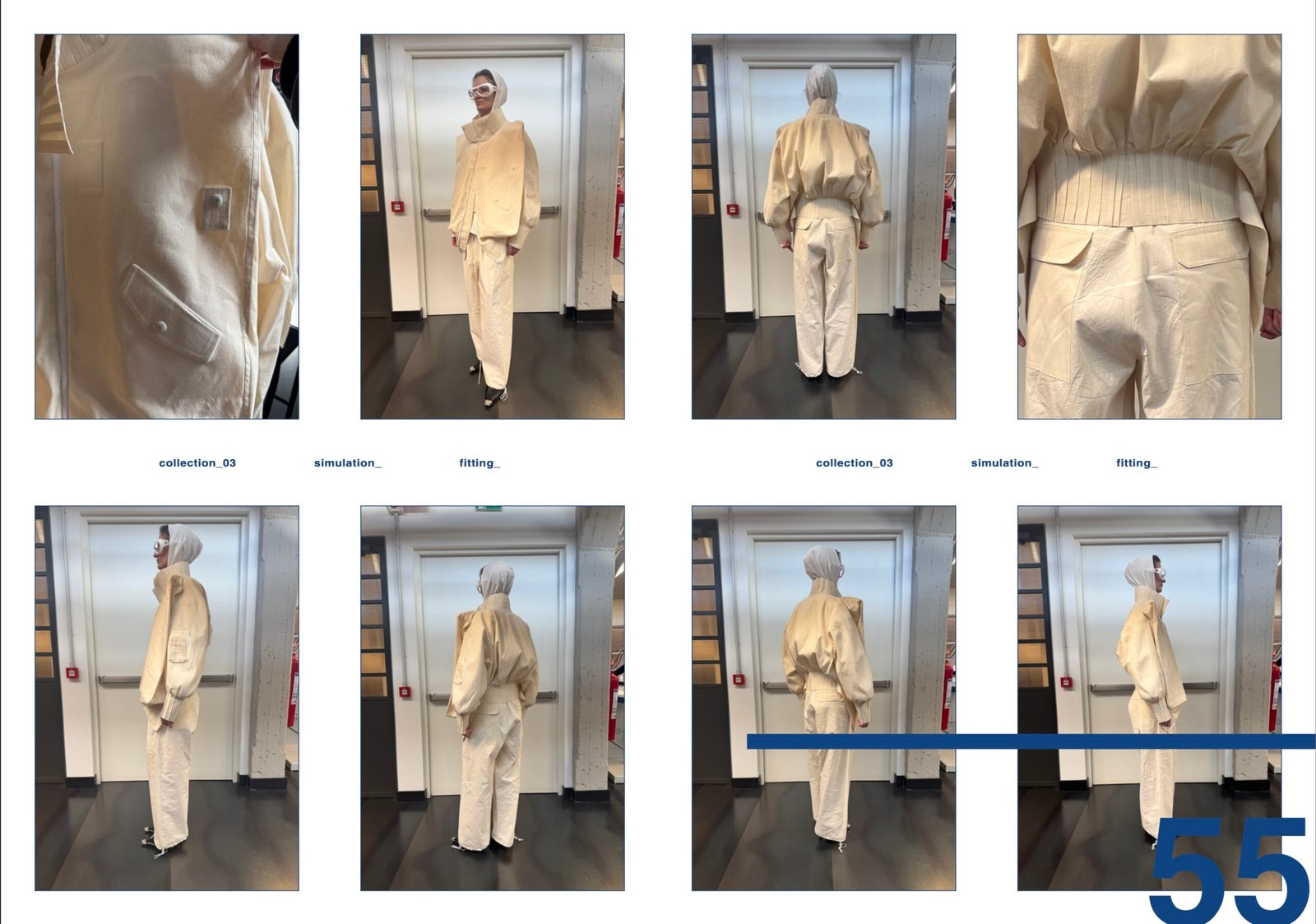
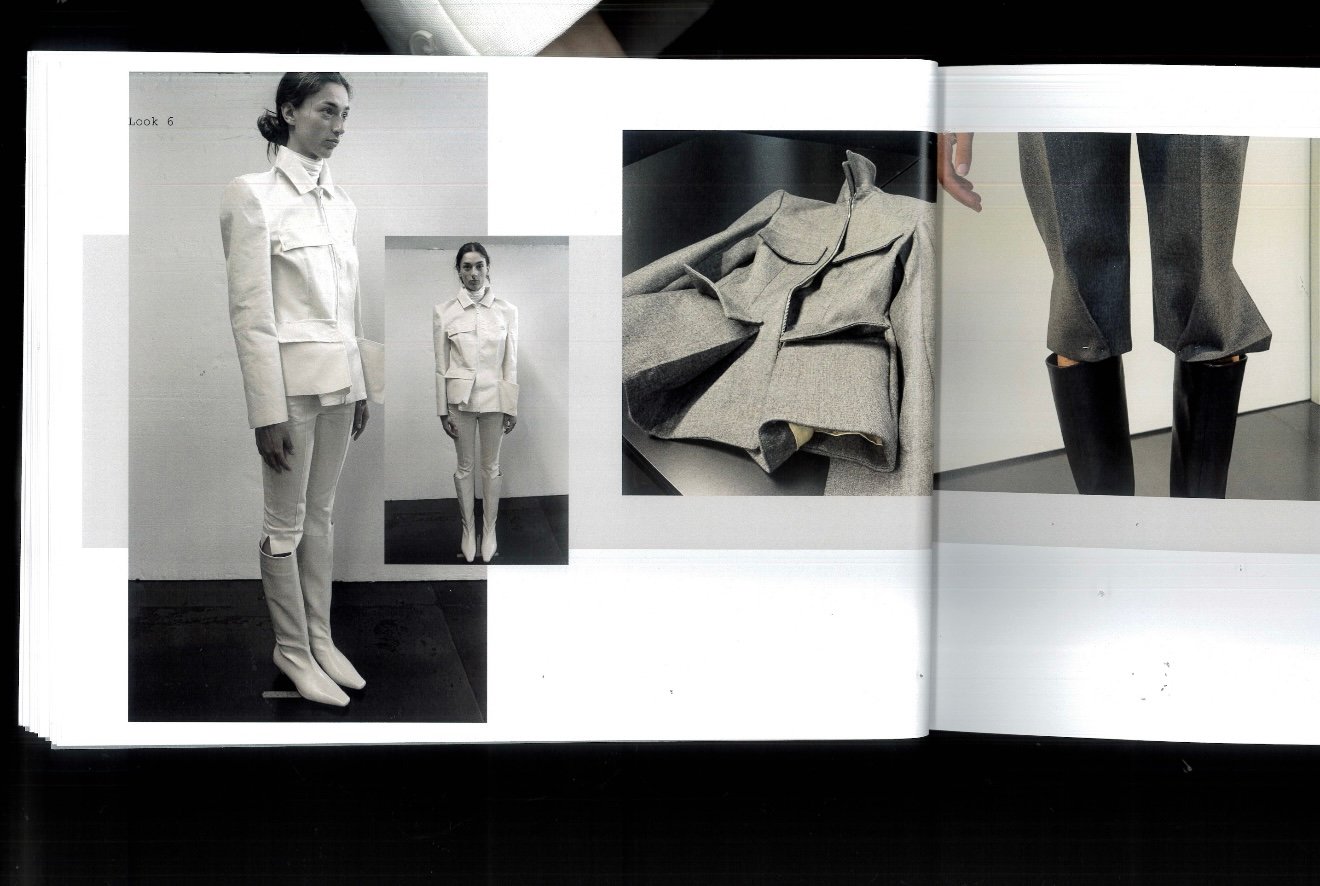
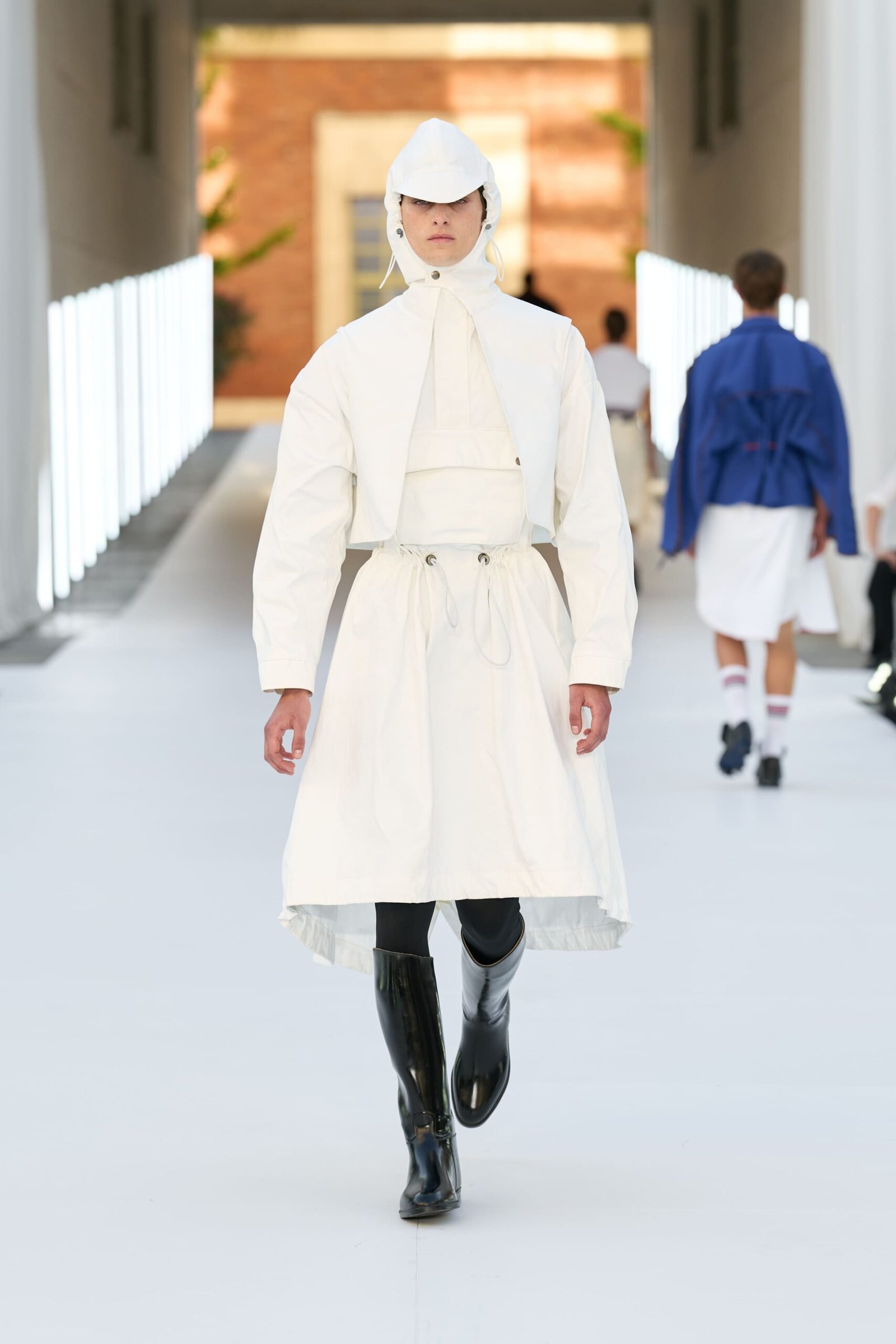
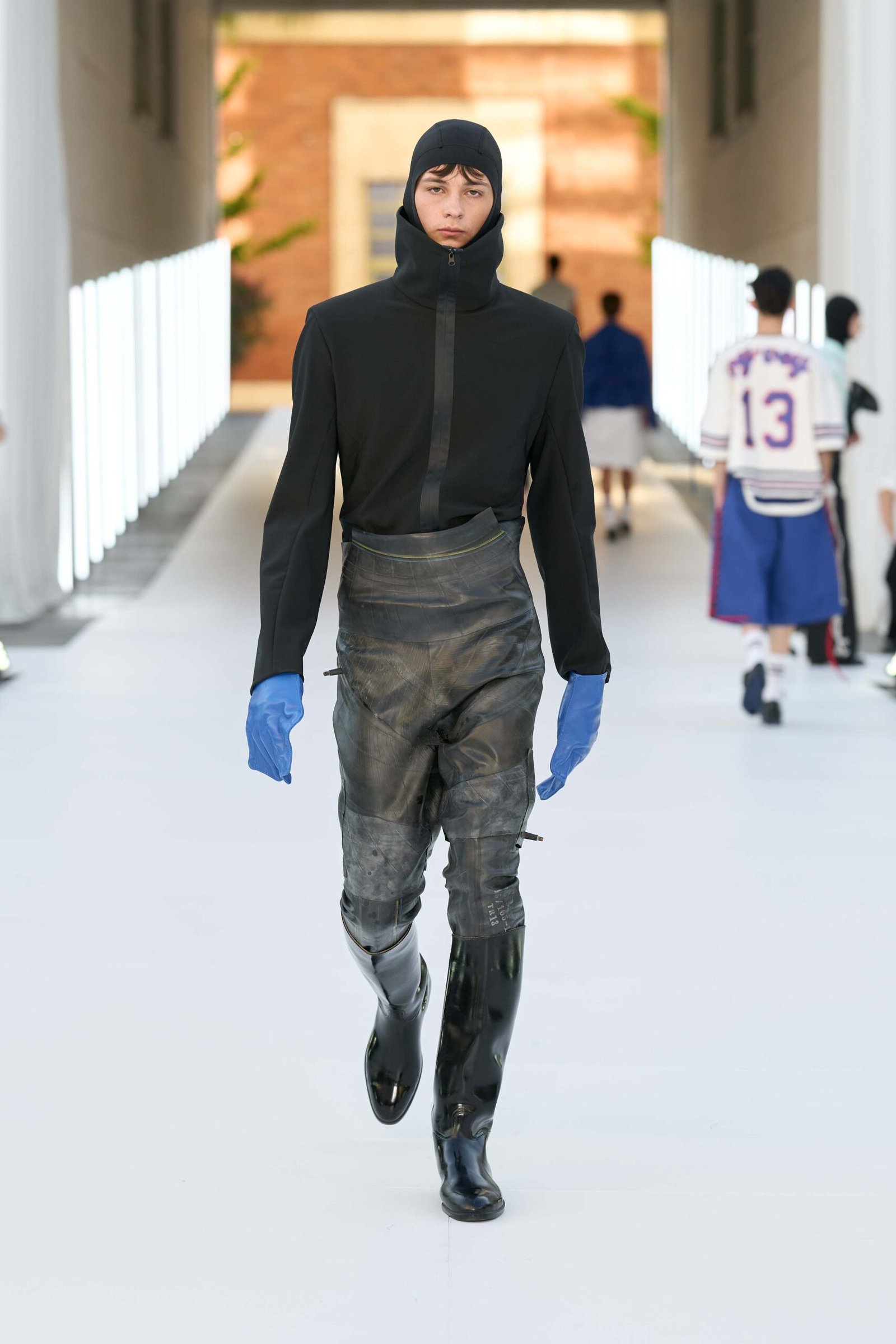
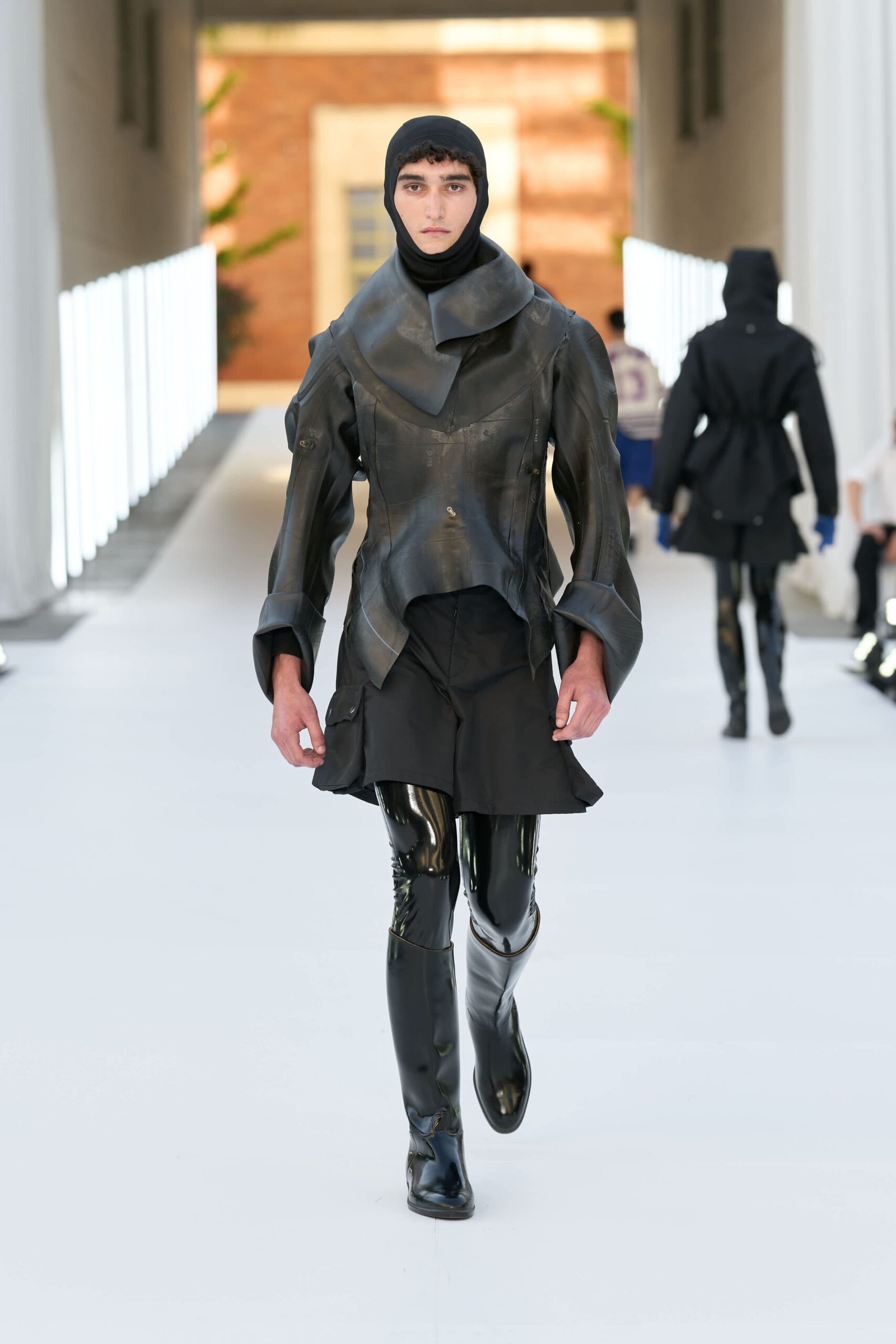
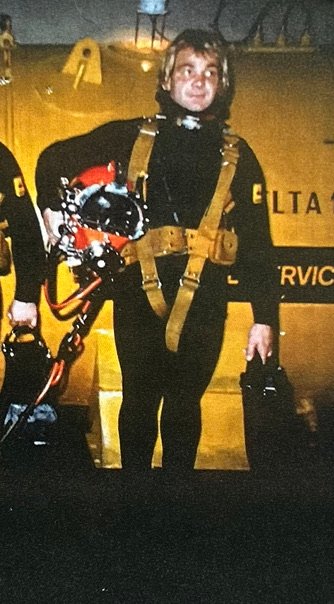
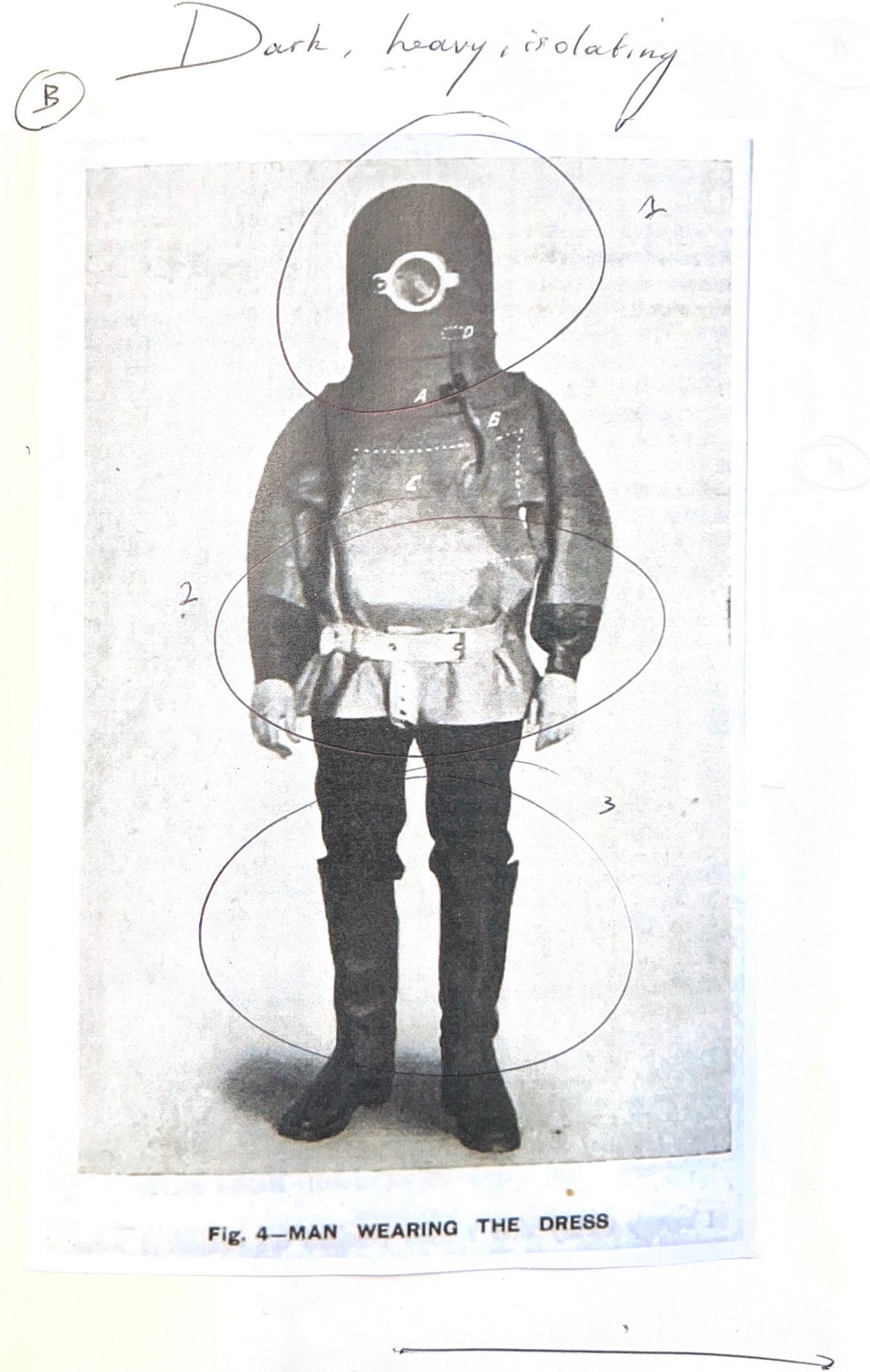
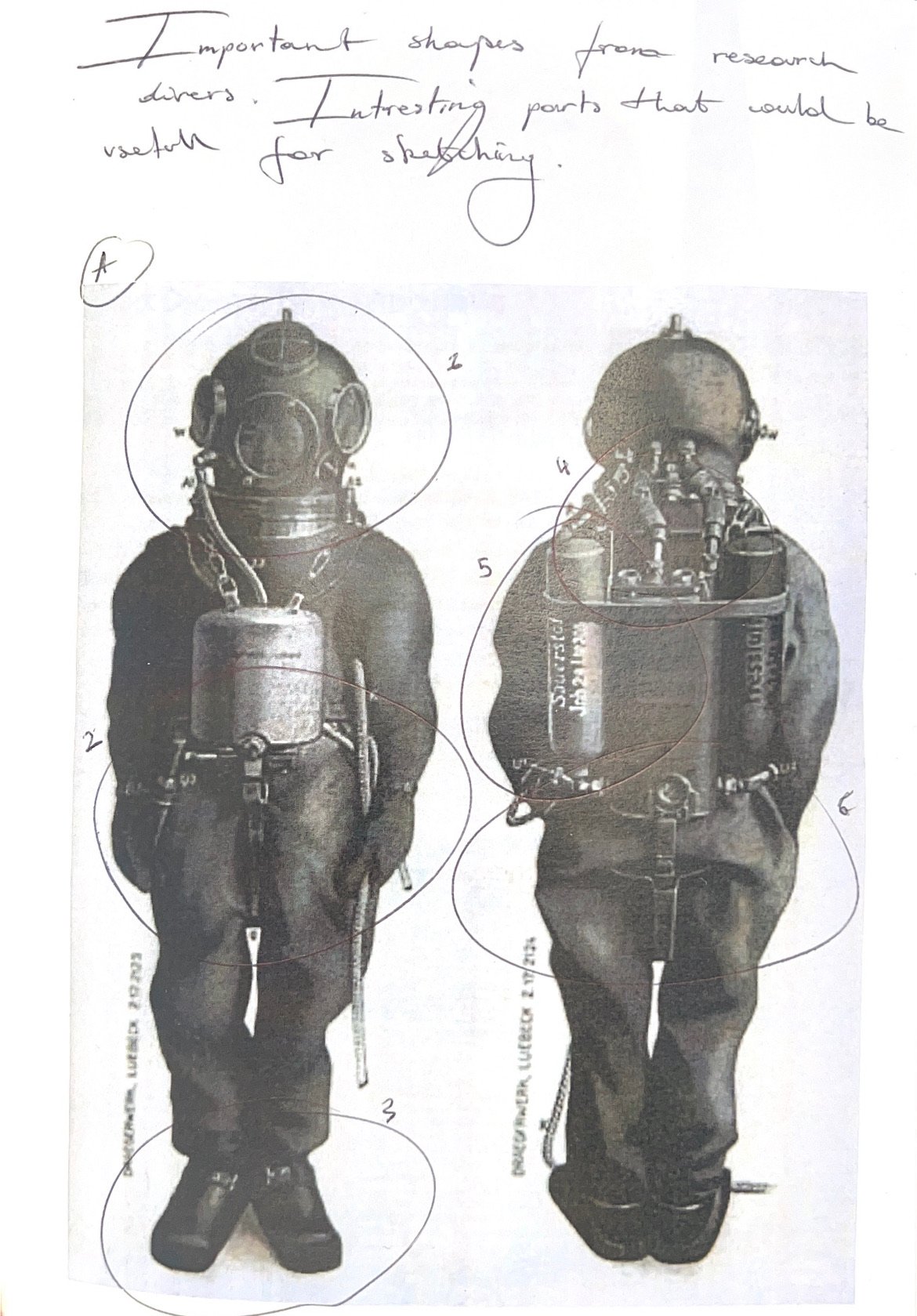
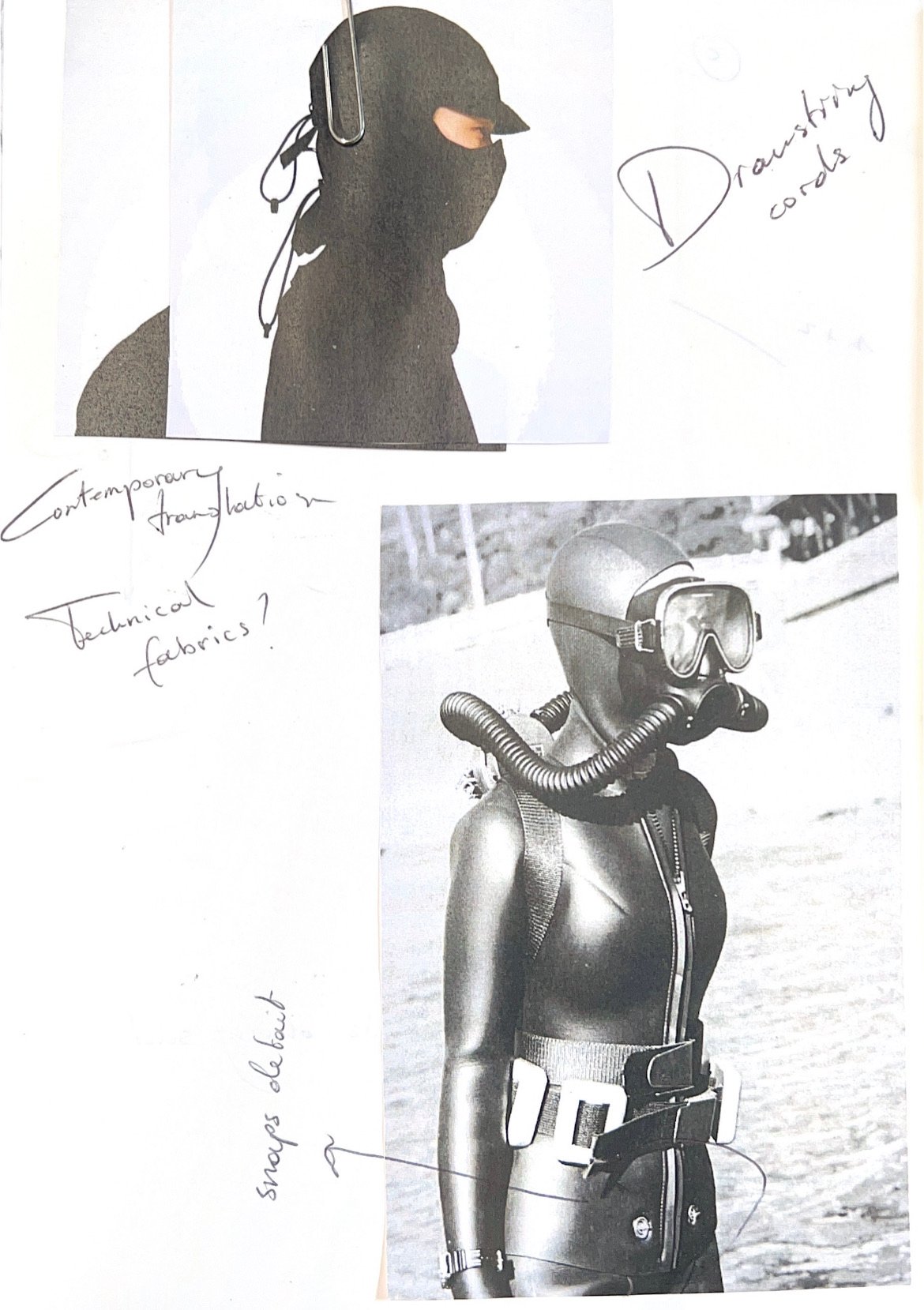
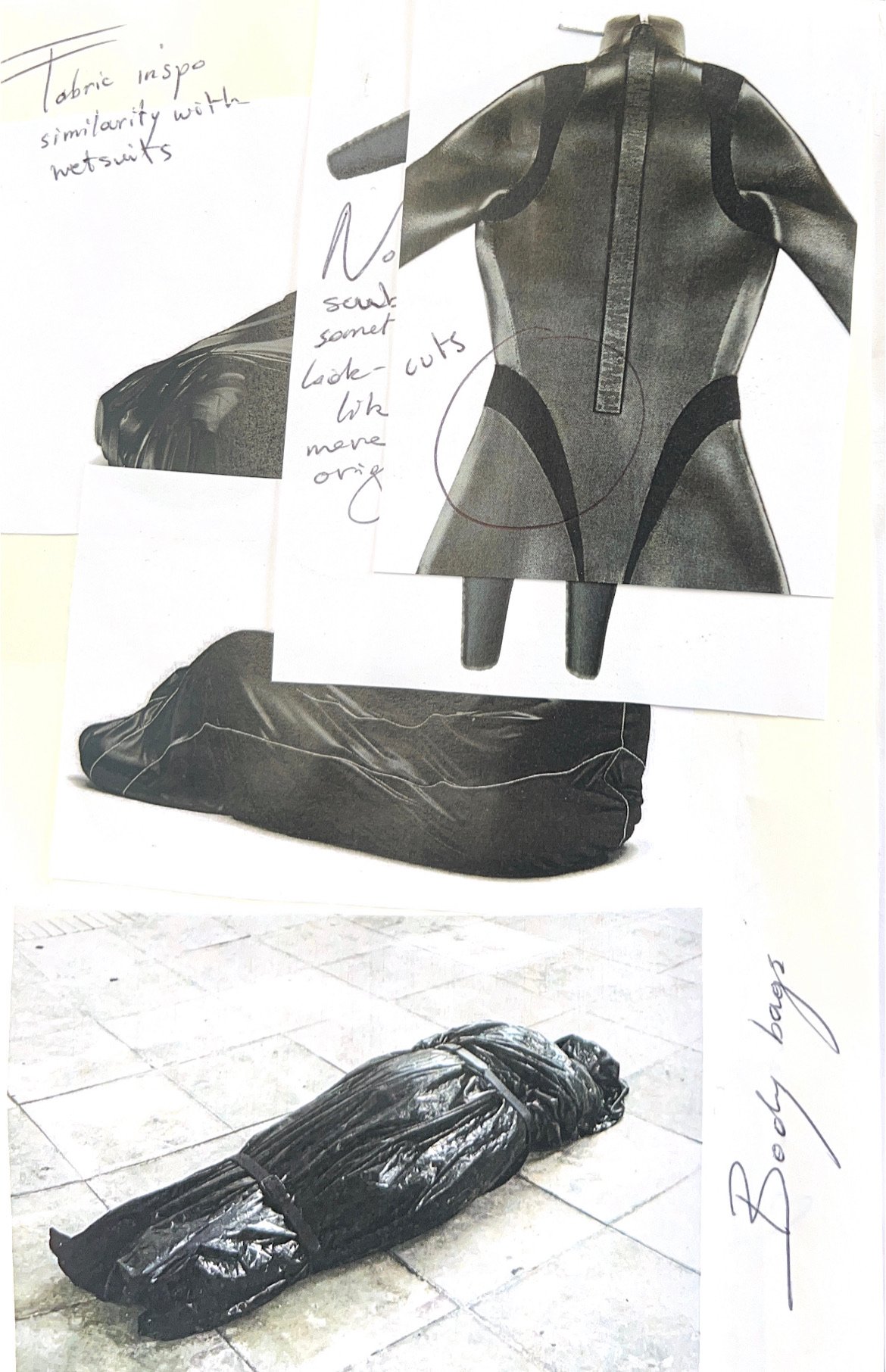
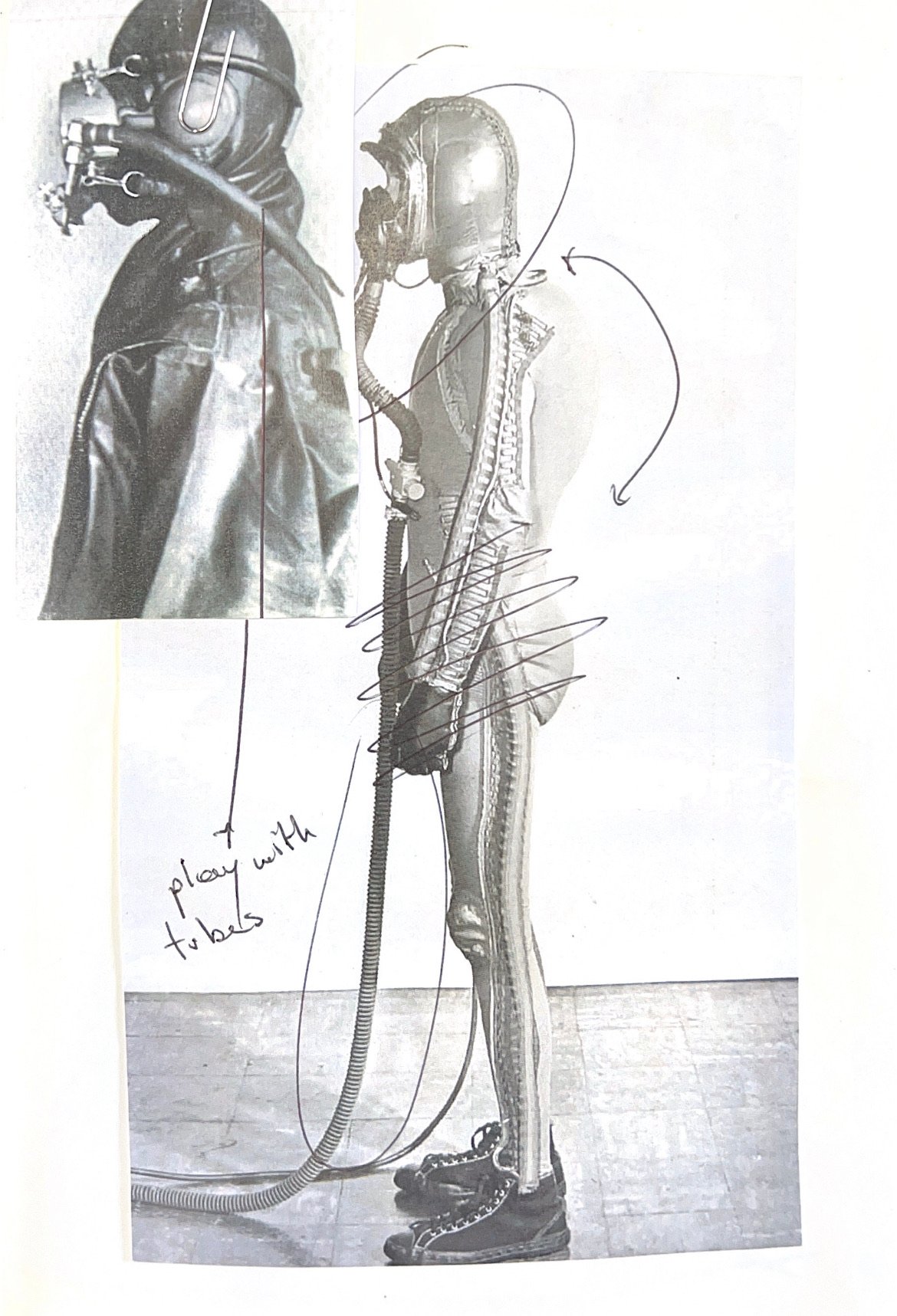
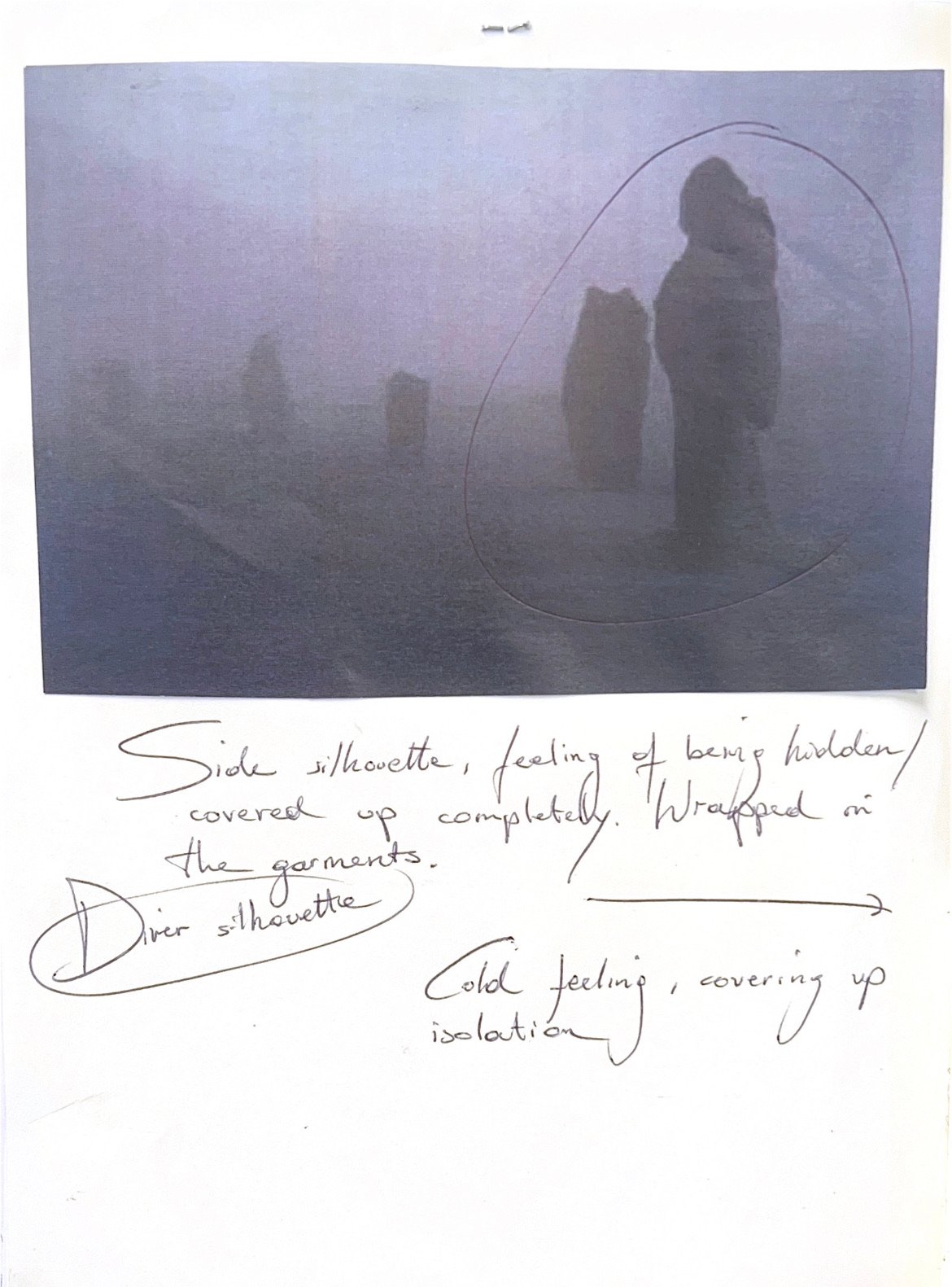
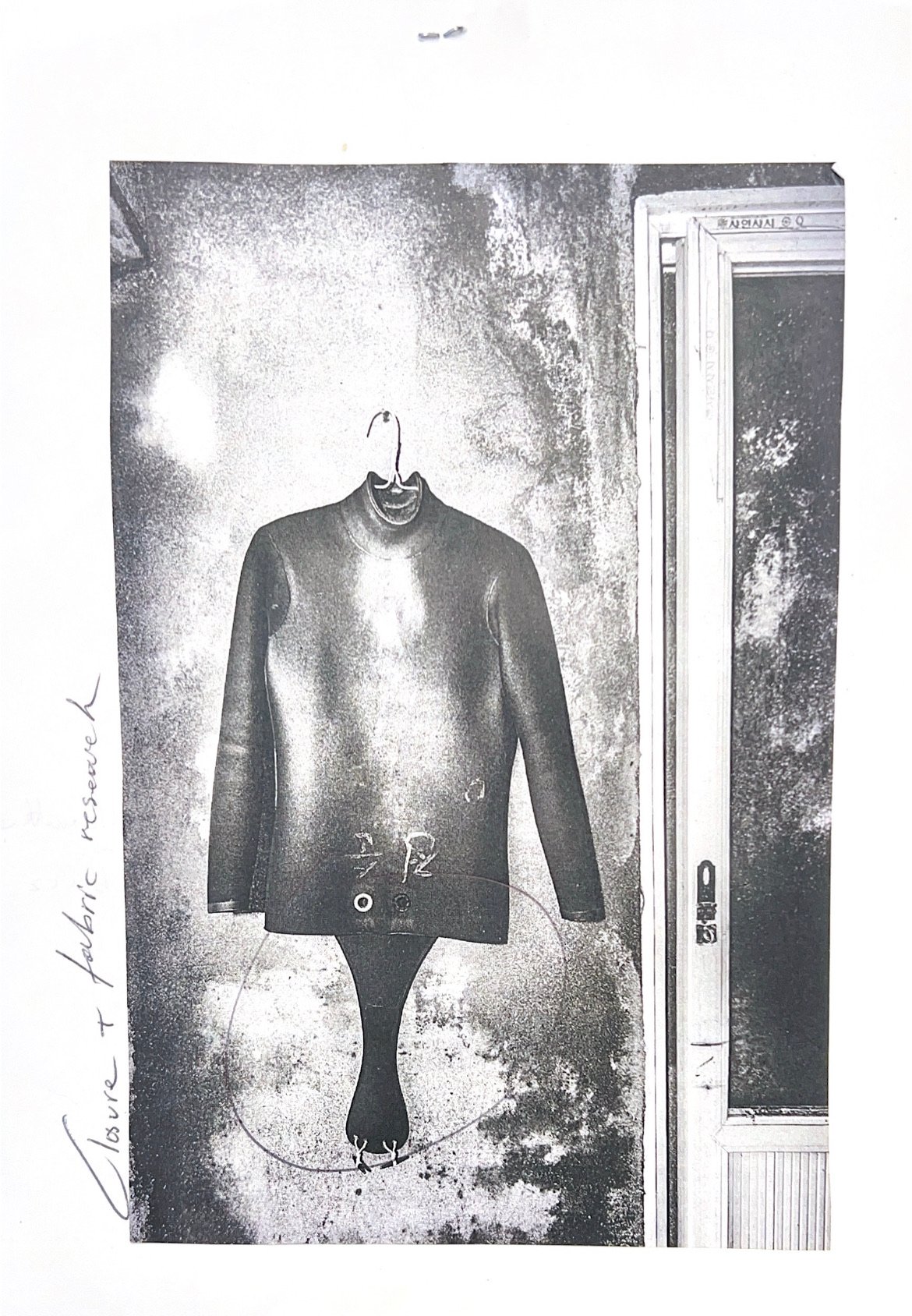
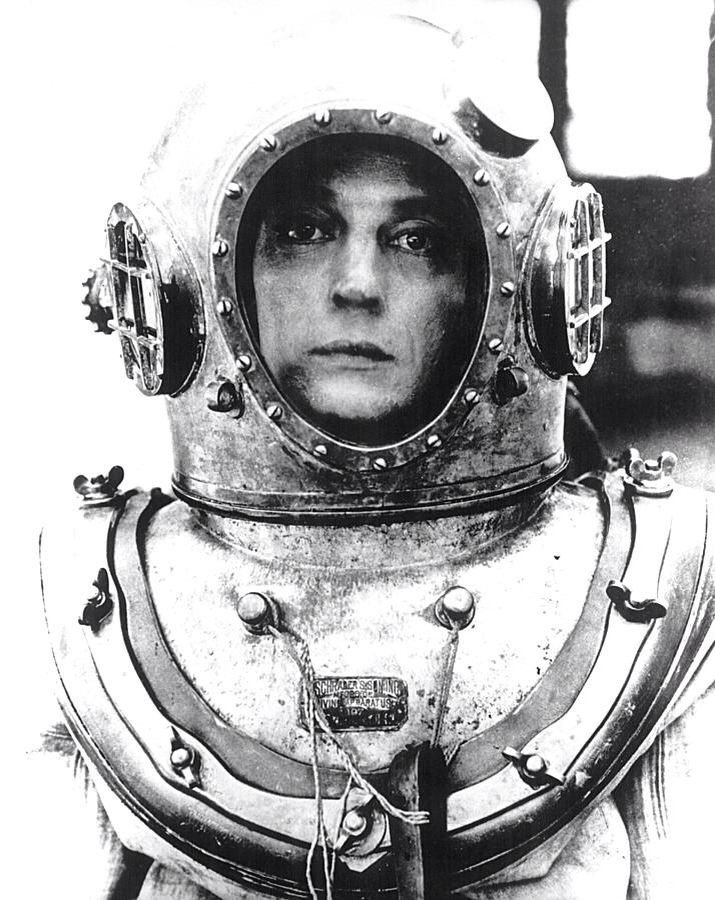
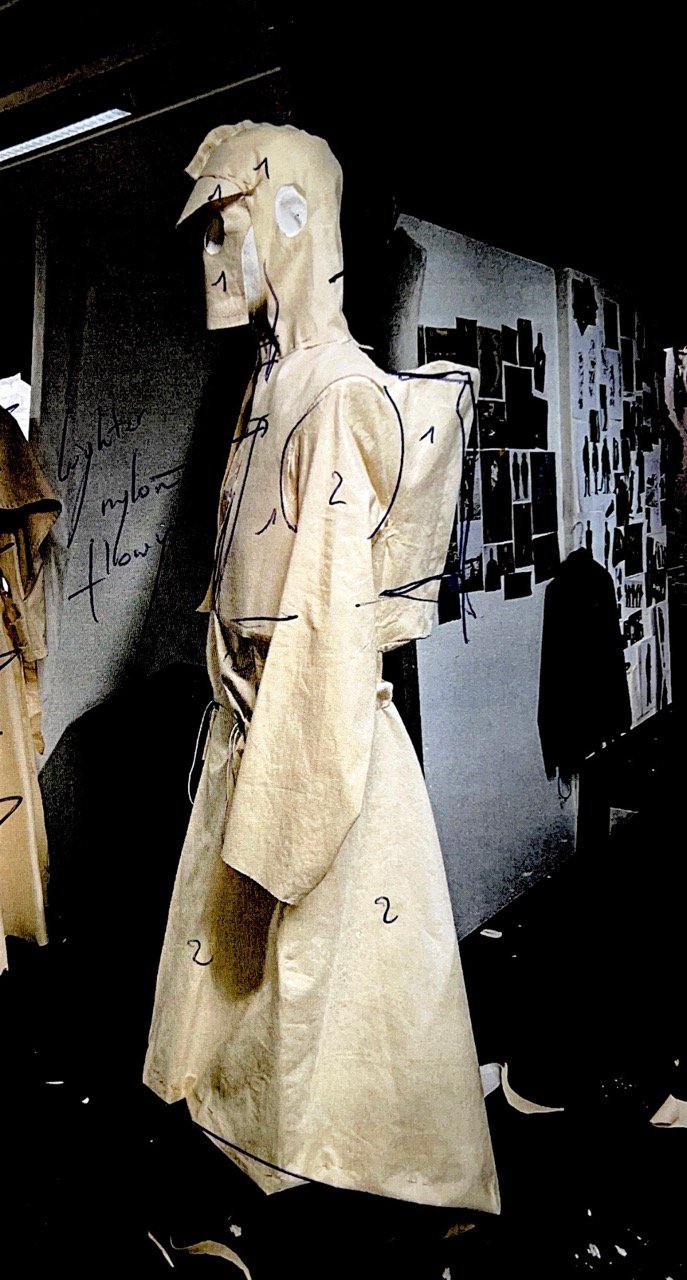
Deep-sea diving becomes a way of thinking through grief in Lisa Criaco’s collection. The reference is personal: her father, who passed away, was a diver. The ocean appears as a space of descent, pressure, and emotional depth, while tailoring offers a counterpoint through structure, discipline, and the search for control. Classic diving suits inform the silhouettes, with metal buttons placed to echo the construction of traditional diving helmets. A predominantly dark palette gives the collection a sense of weight, interrupted by moments of colour and an entirely white look that suggest clarity, renewal, and revival. Natural and technical fibres sit together, holding the collection between the underwater and the constructed.

@lisacriaco

Screenshot

Emily Horton

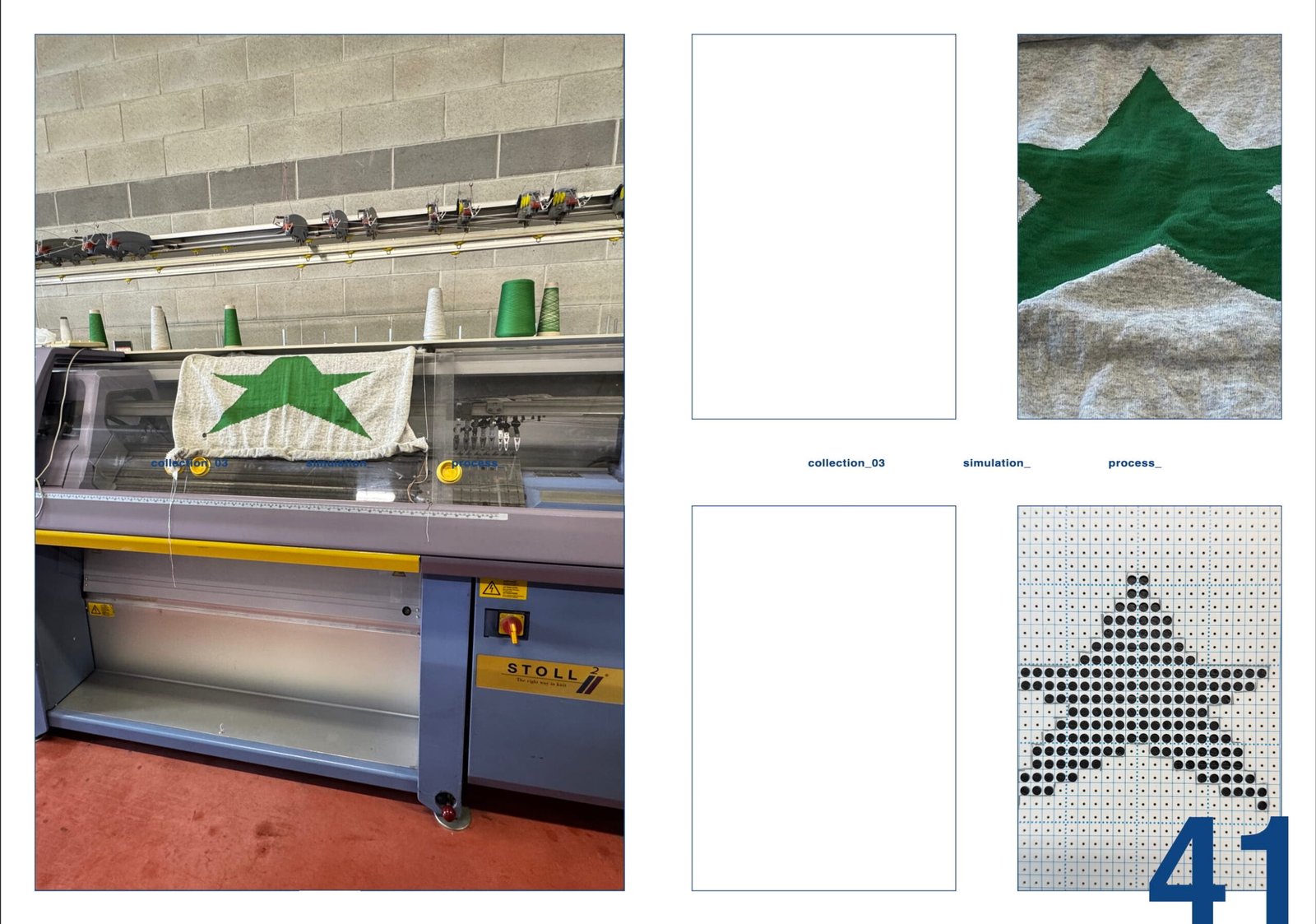
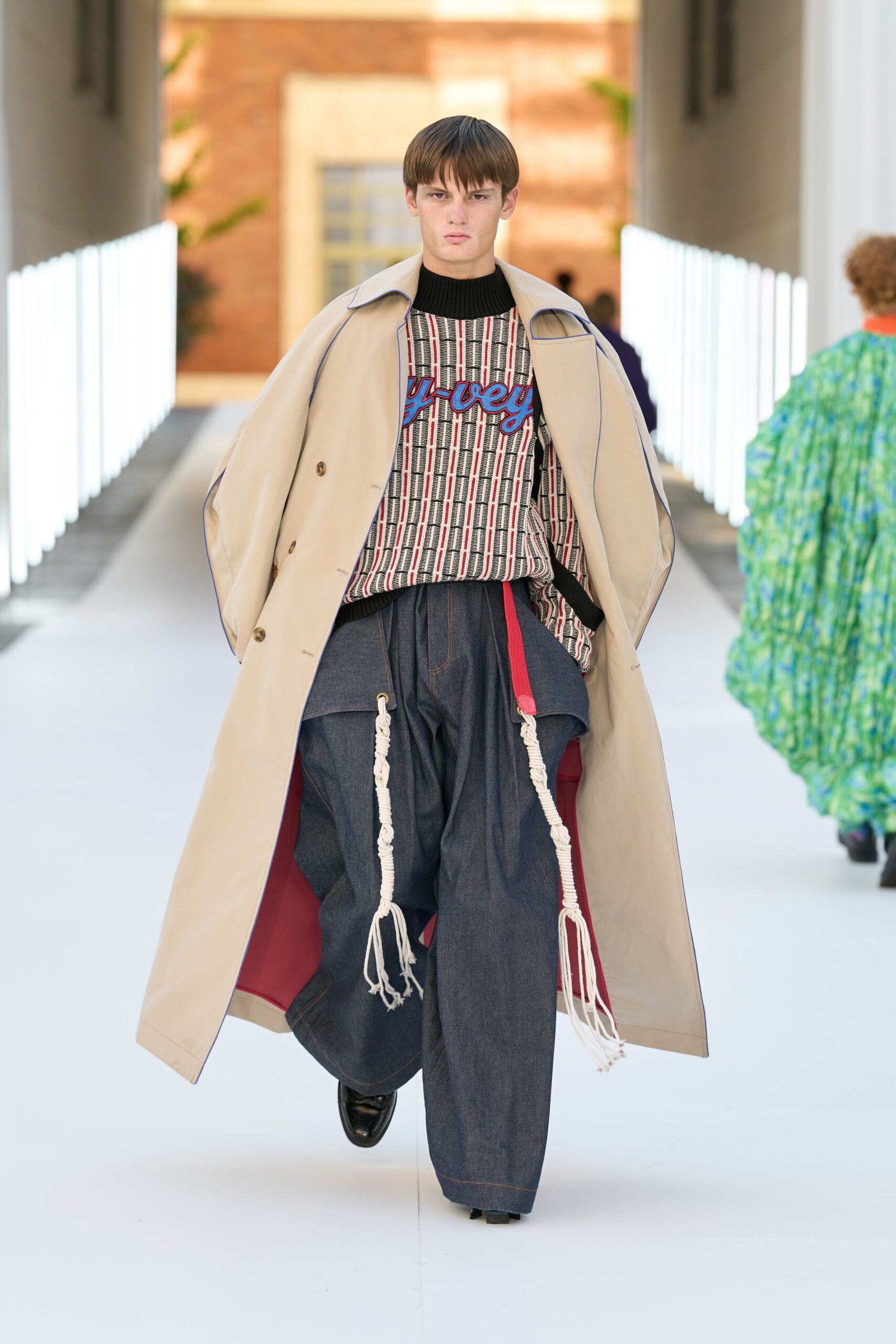
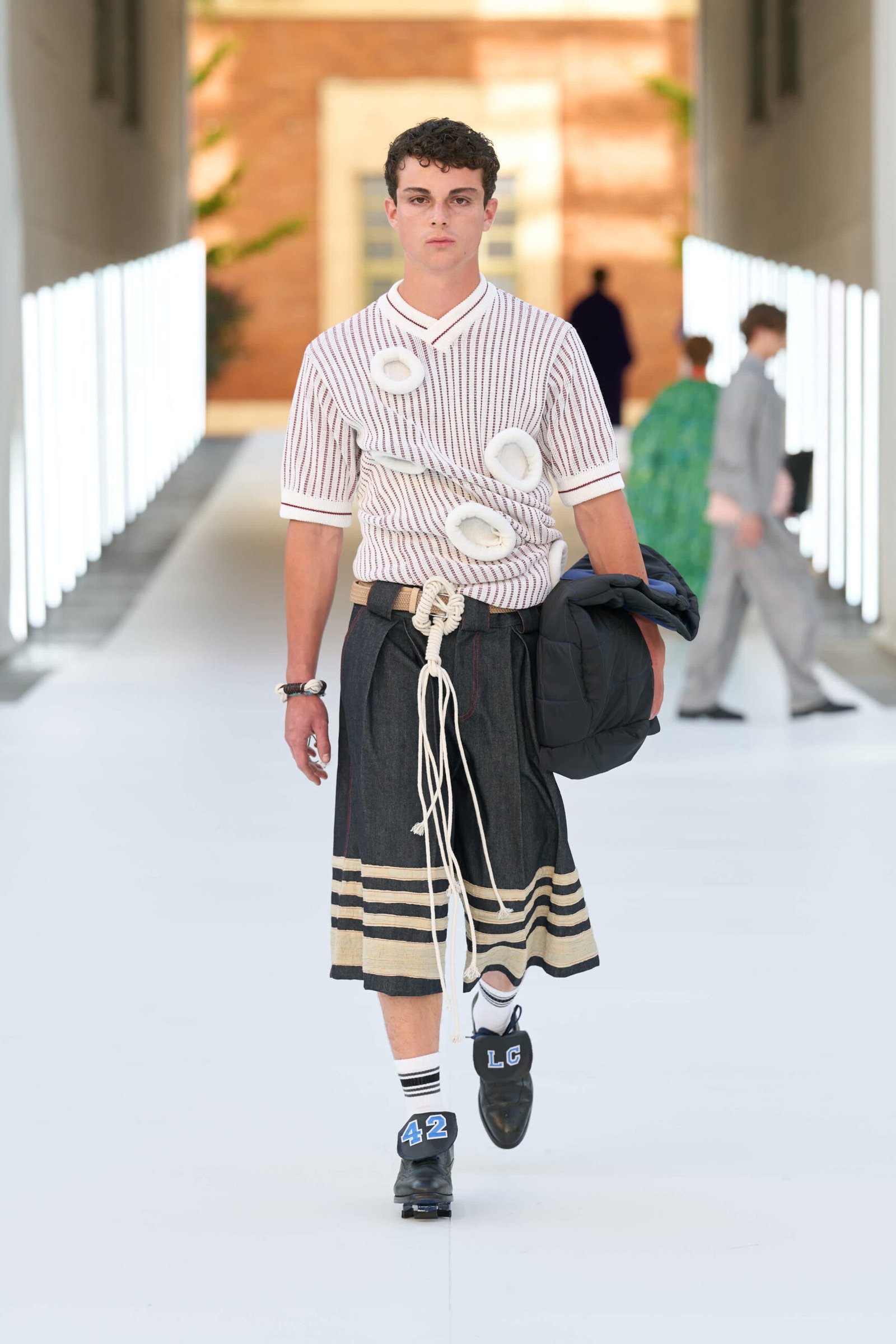
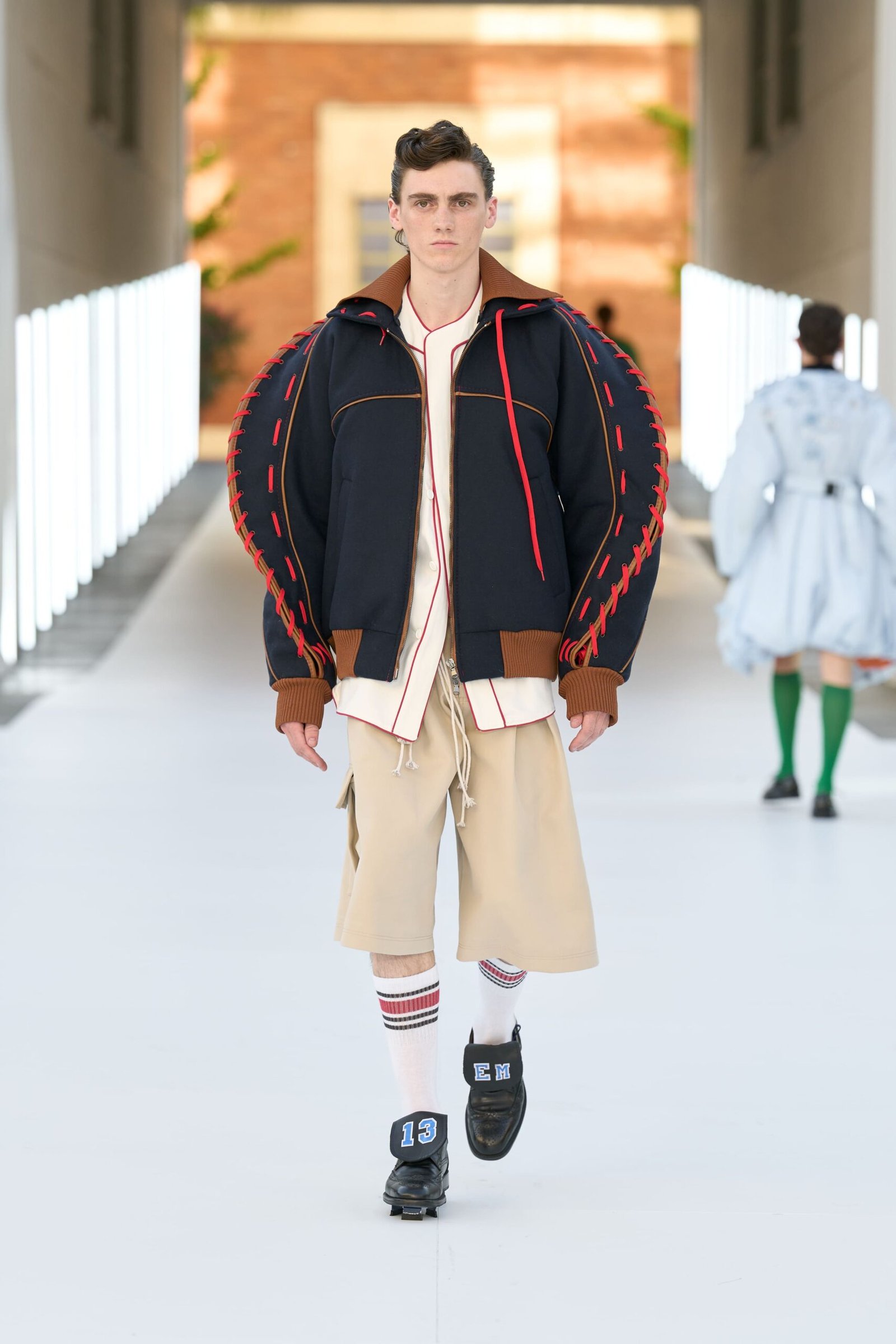
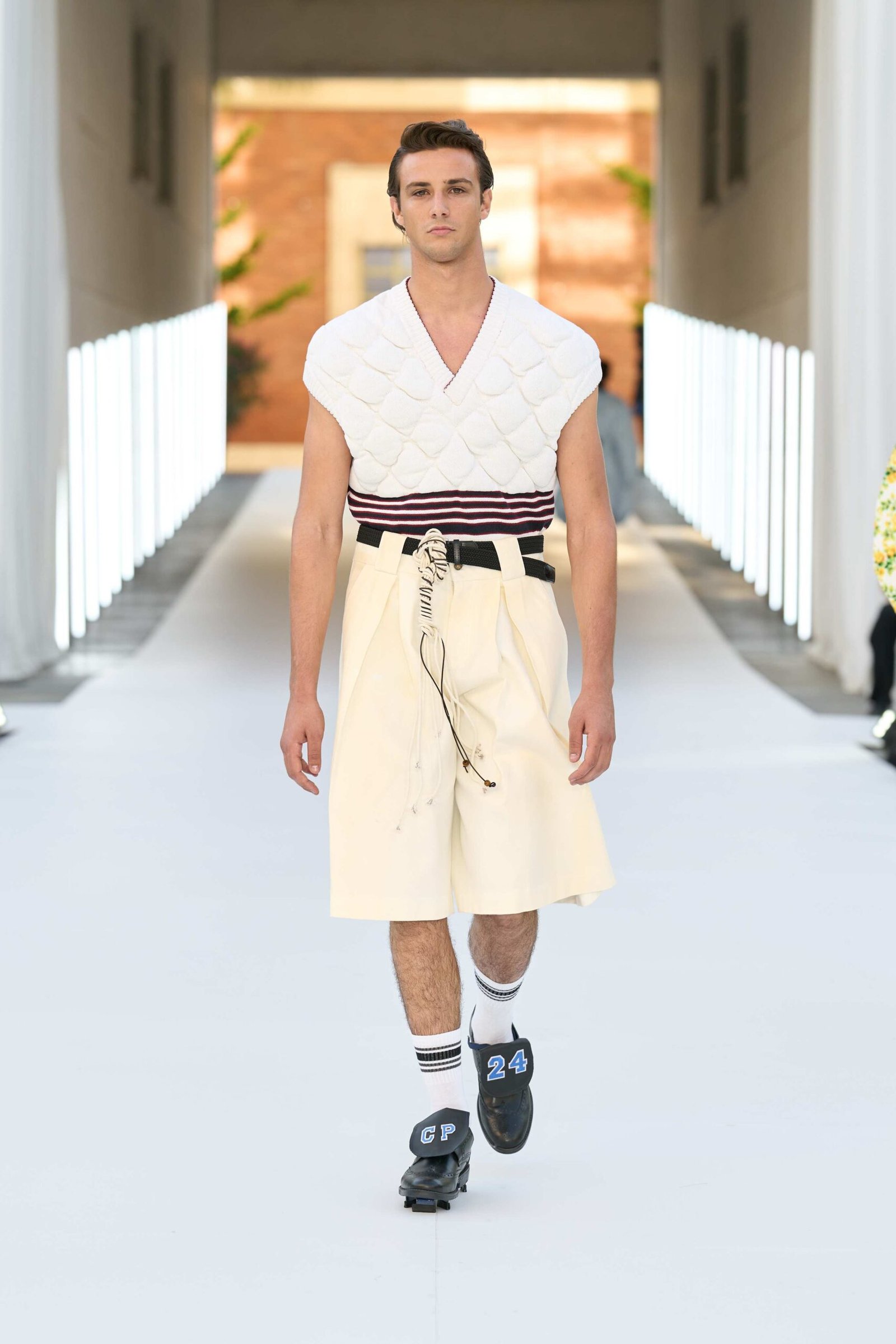
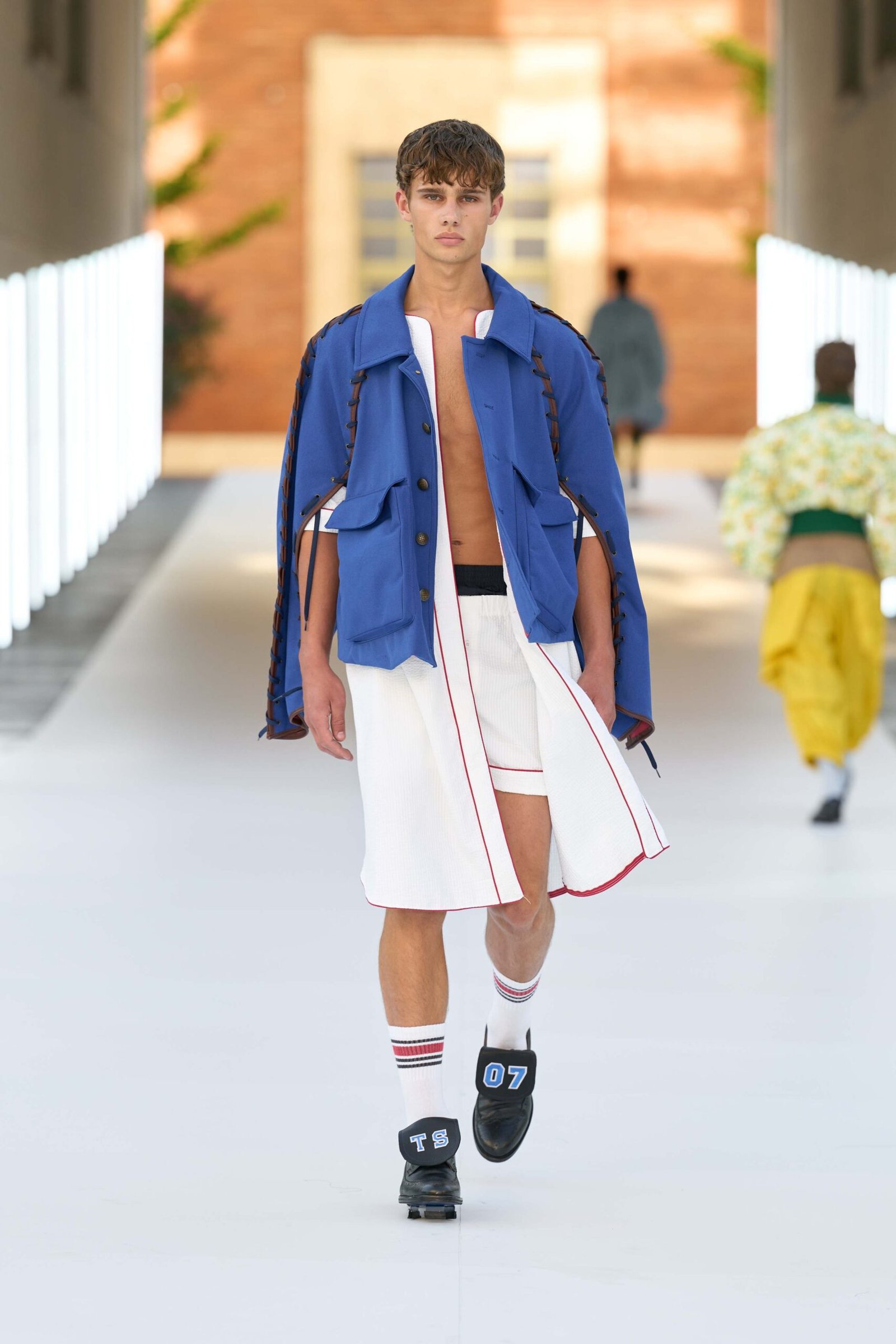
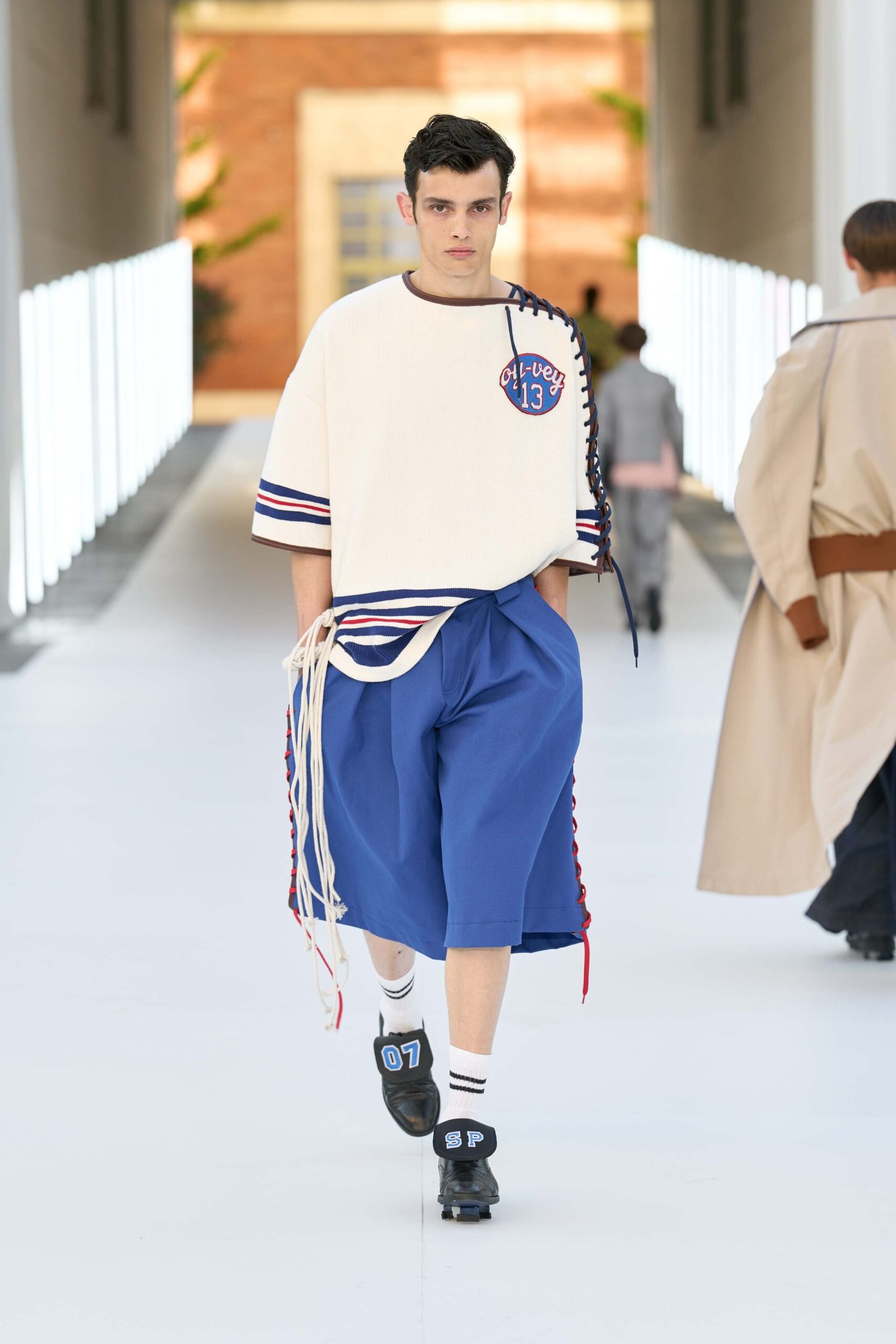
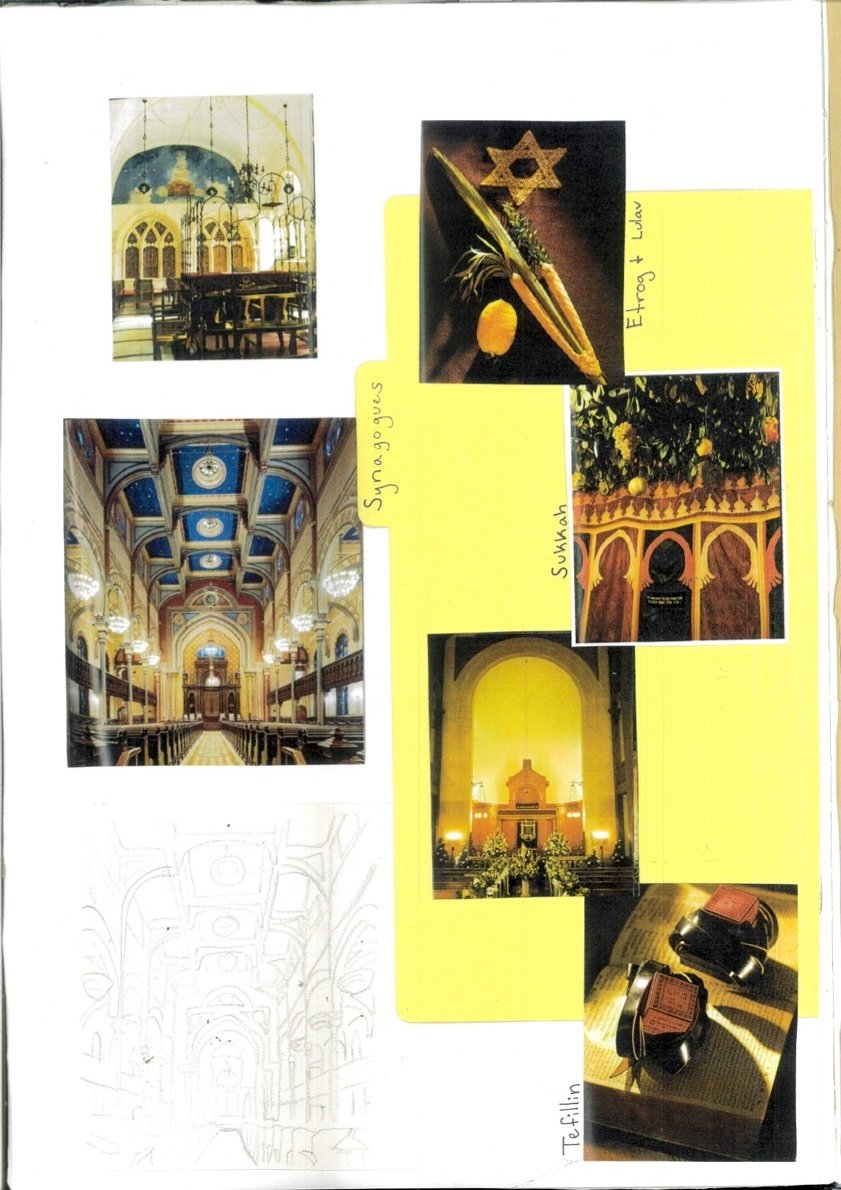
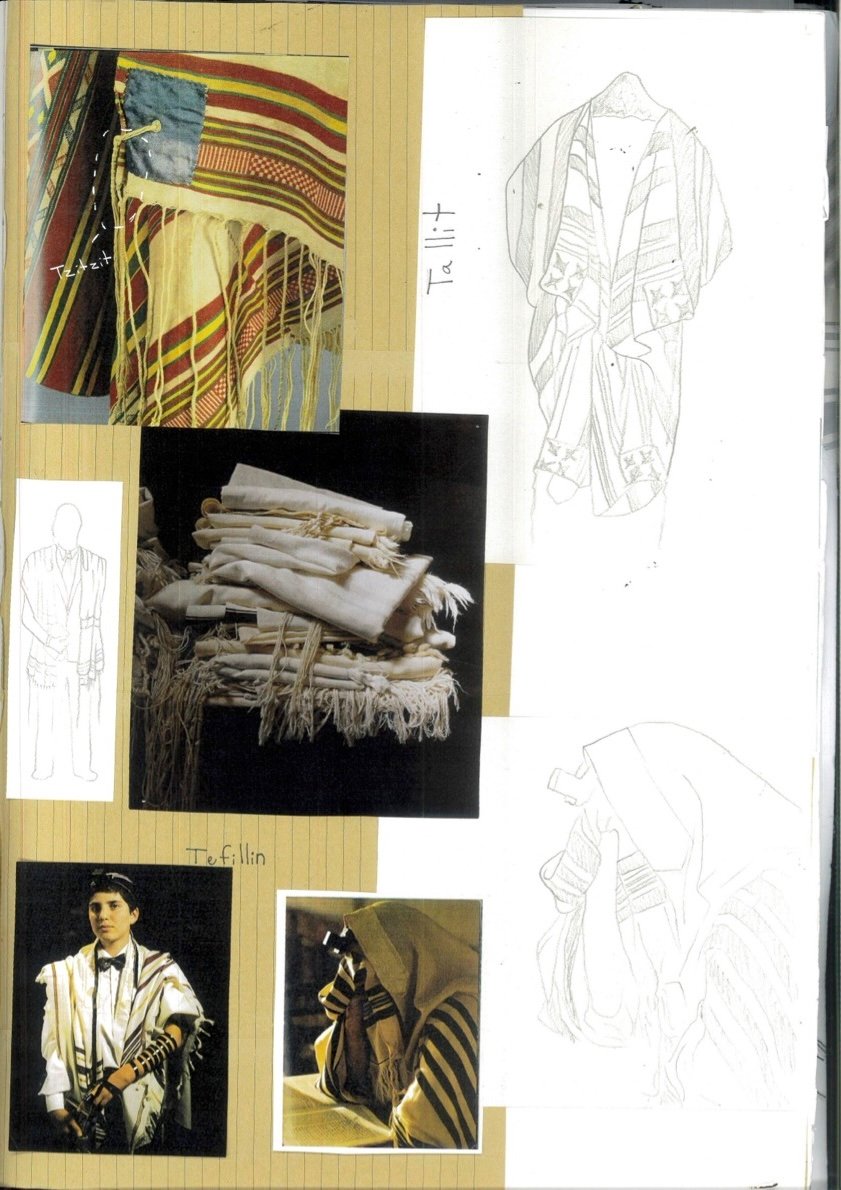
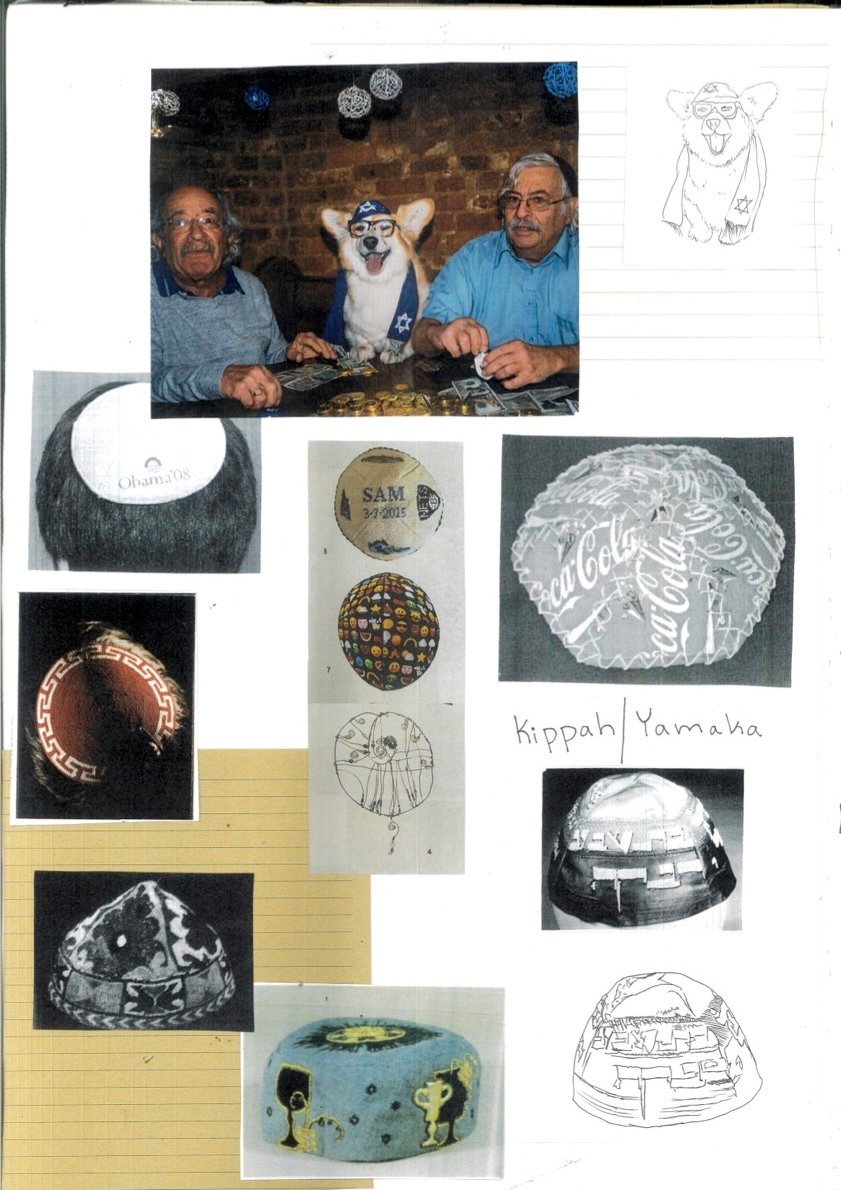
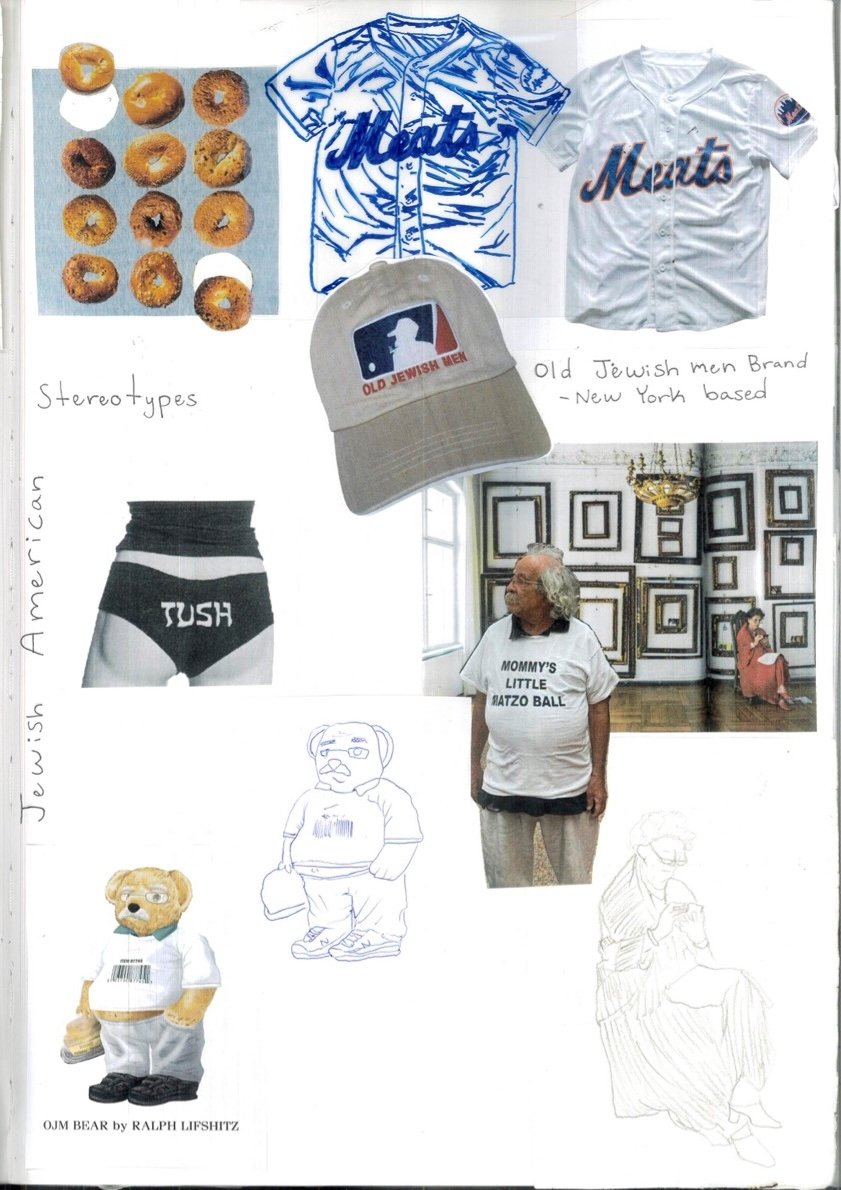
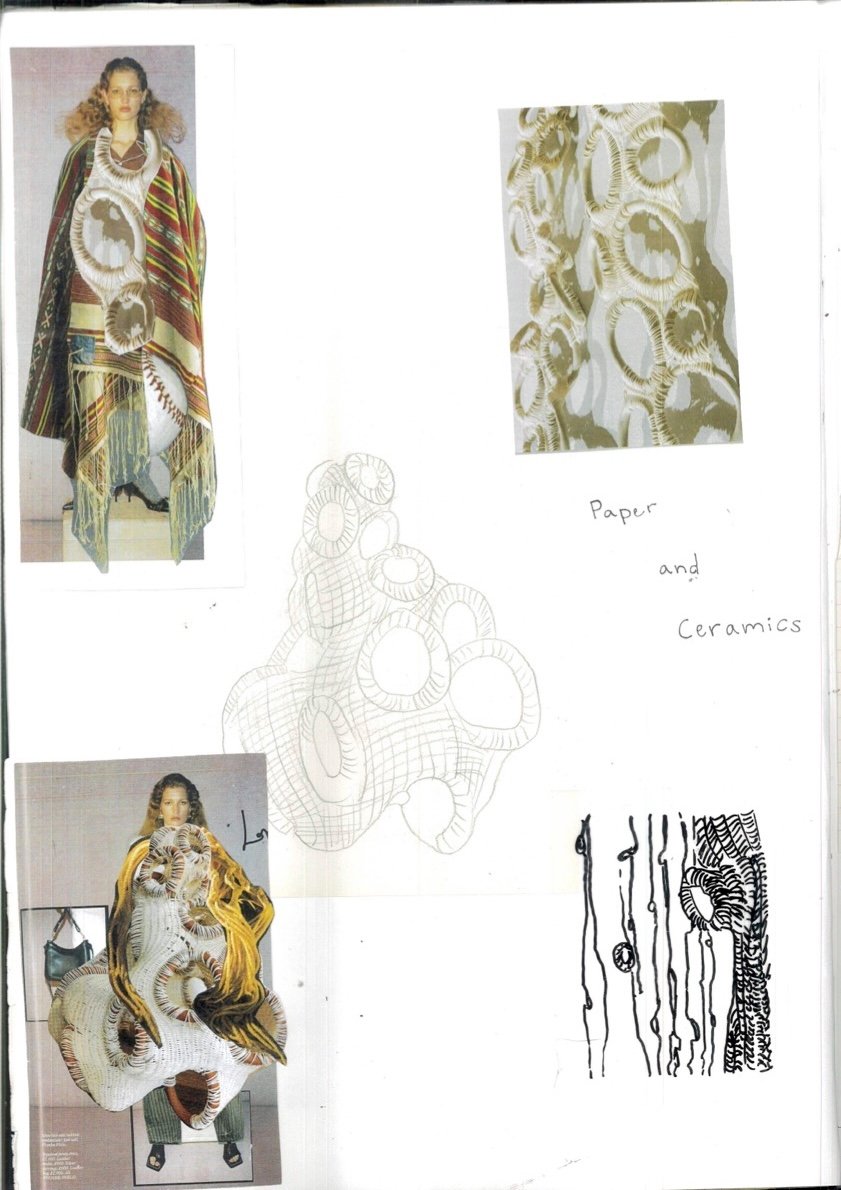
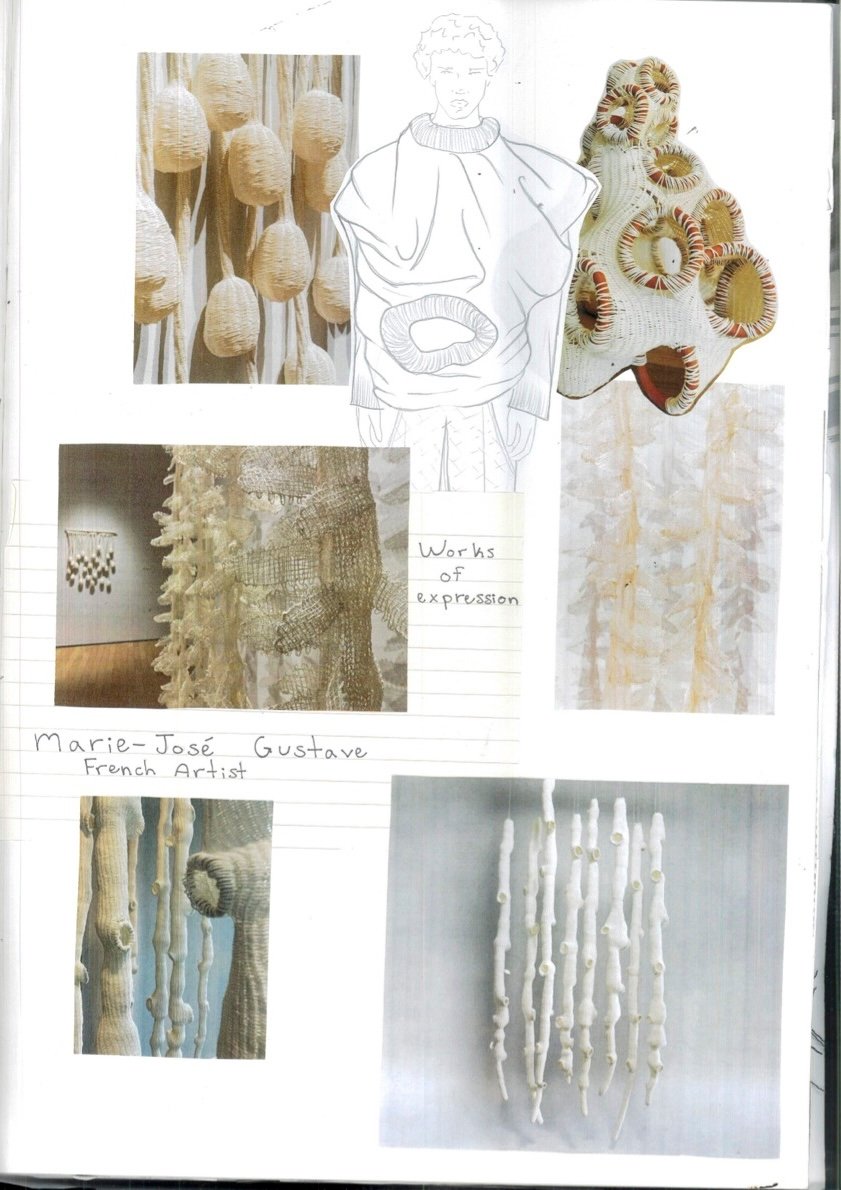
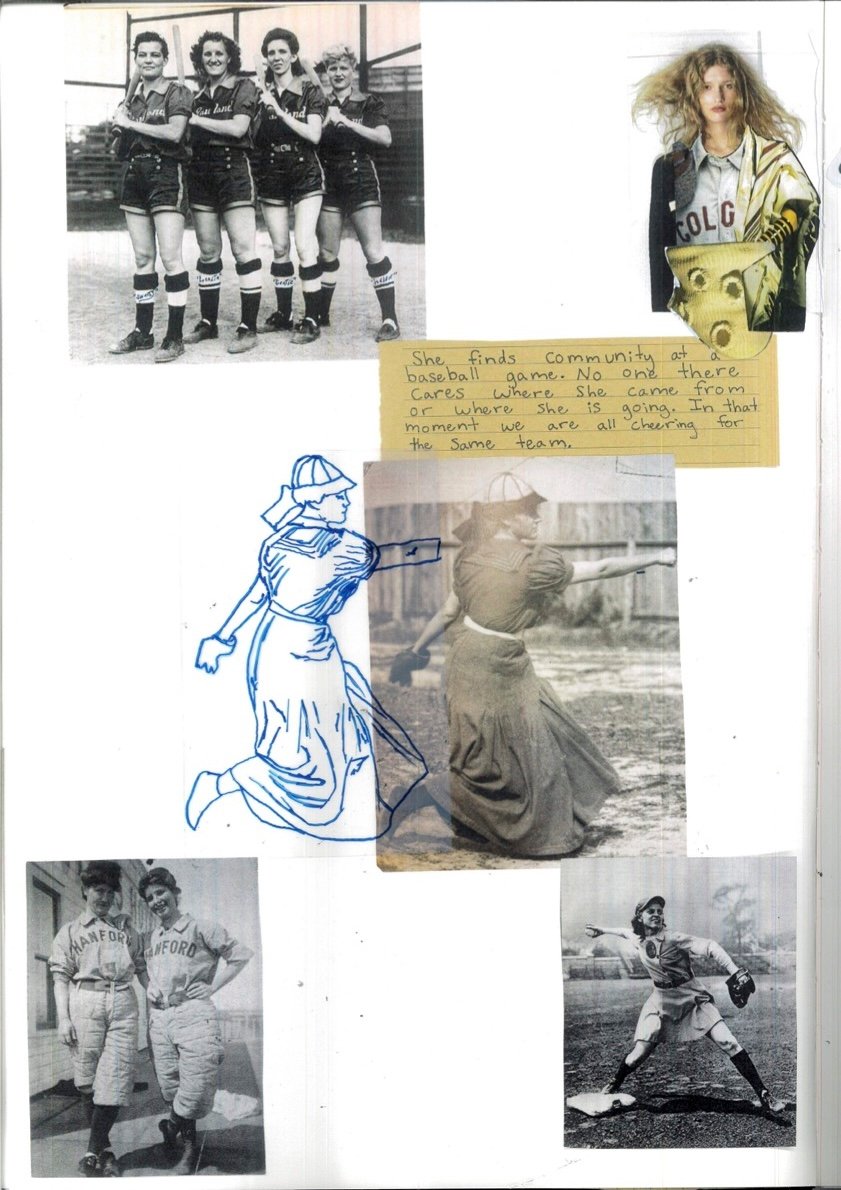
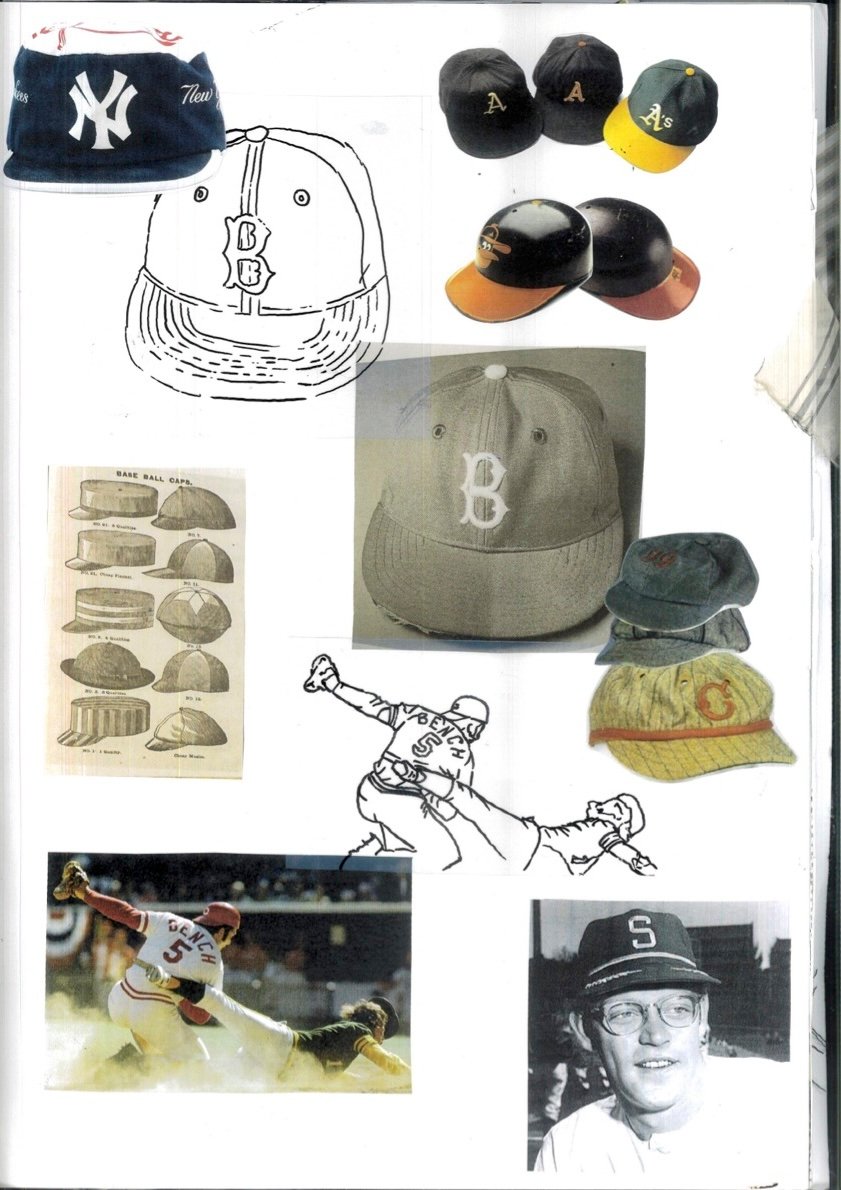
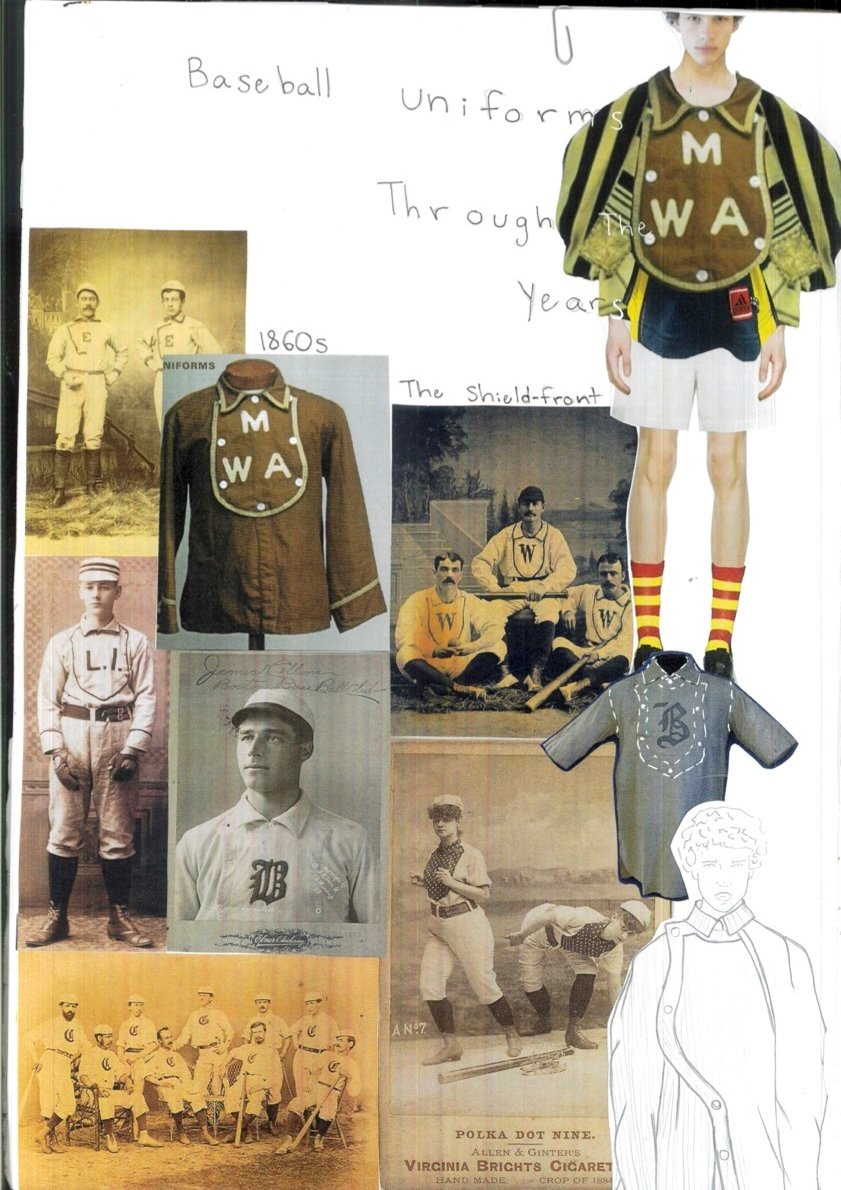
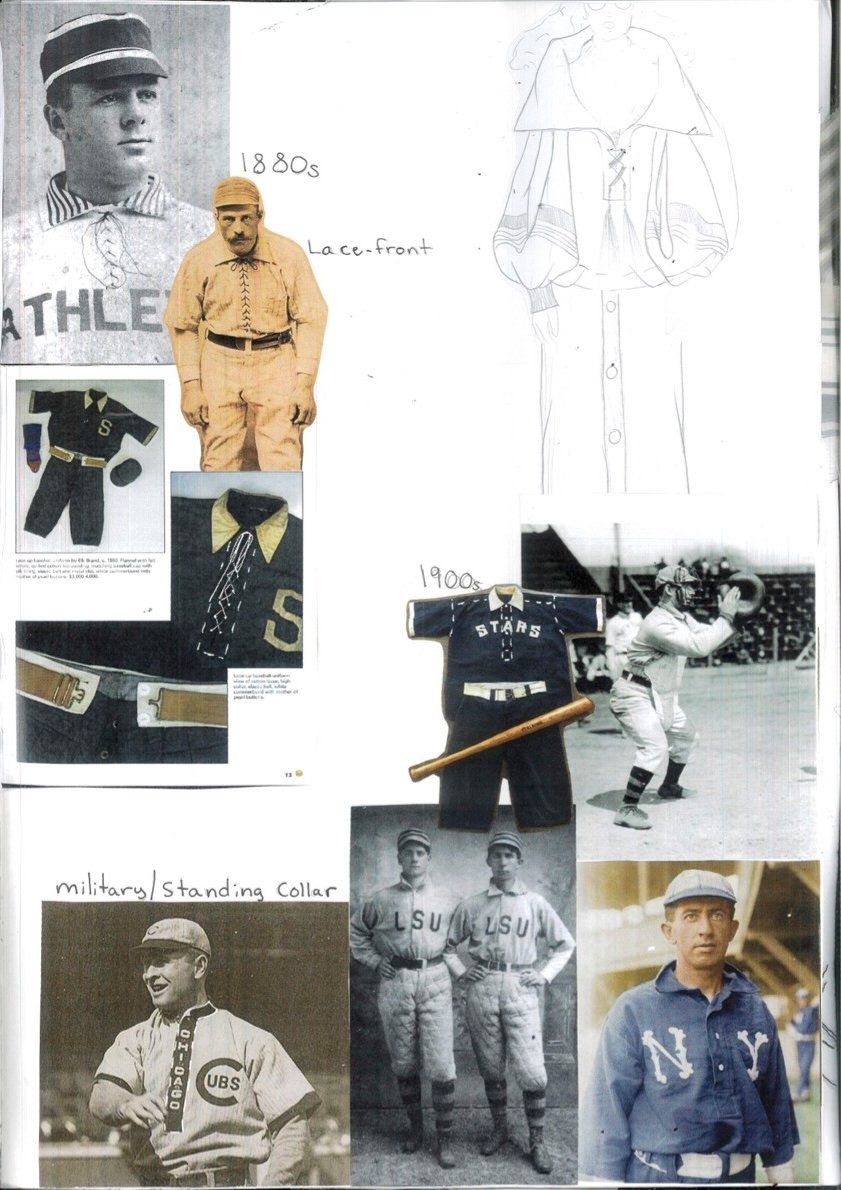
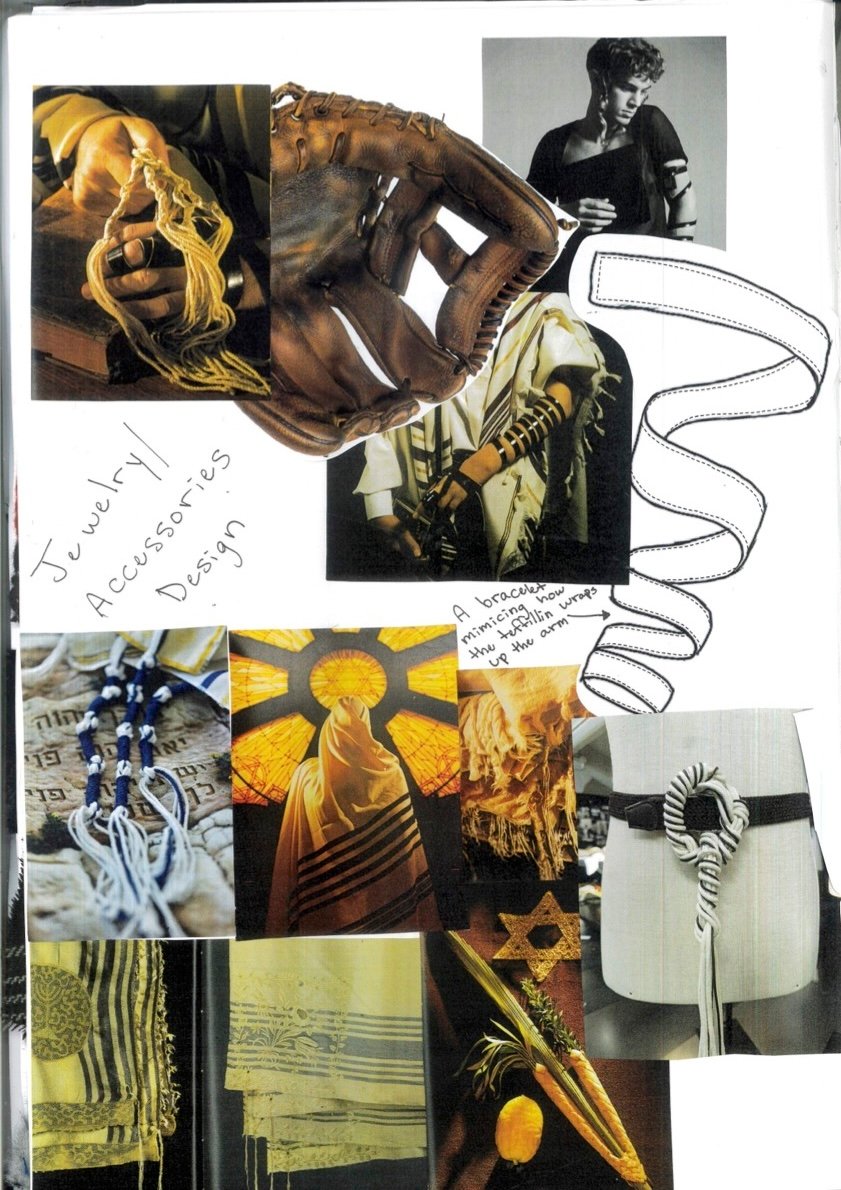
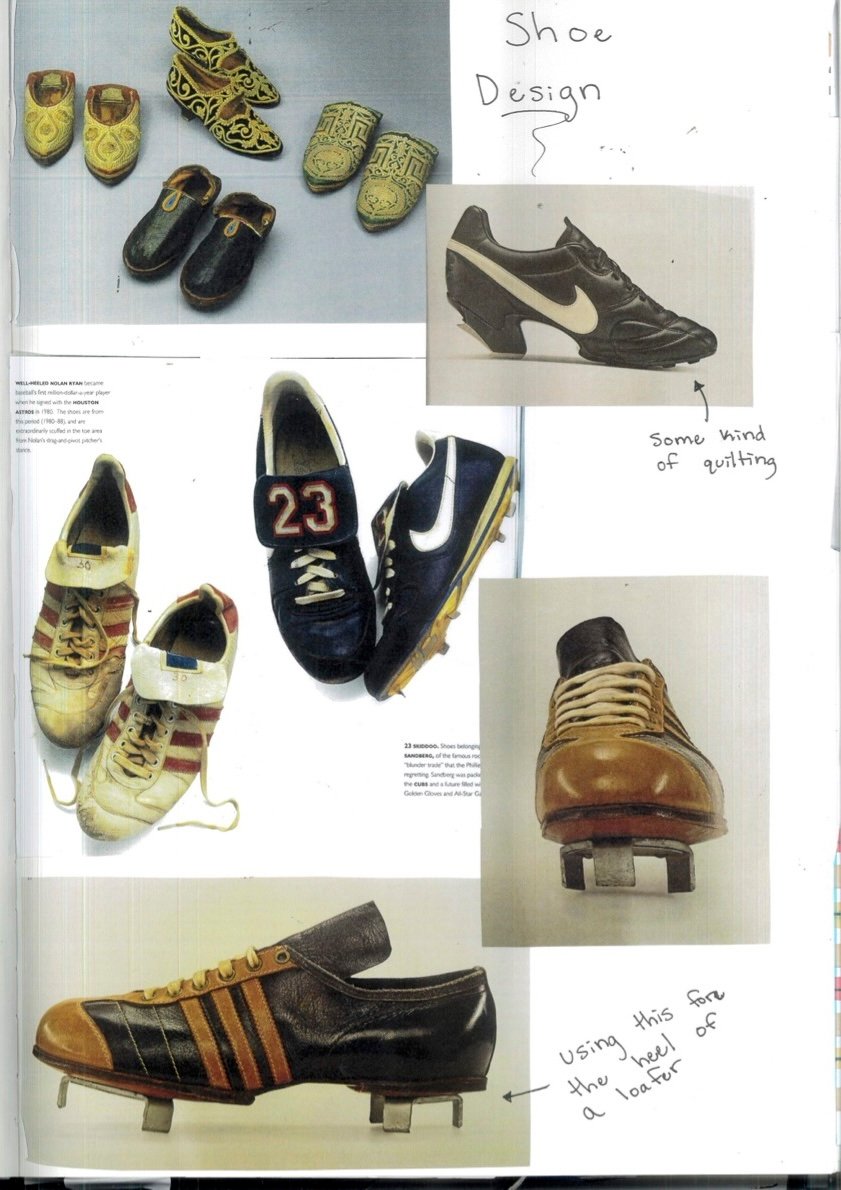
Baseball becomes a way of thinking about belonging in Emily Horton’s collection. Growing up Jewish in the United States with one Jewish parent, Horton often felt caught between identities, unsure whether she was Jewish enough. The sport offered a way to look at community differently: people from different backgrounds brought together by shared passion, ritual, colour, and allegiance. Her collection brings traditional Jewish cultural references into contact with the exaggerated colours, silhouettes, and visual language of baseball. Knitwear sits at the centre of the work, allowing Horton to explore identity through texture, pattern, and the feeling of being part of something larger.

@emilyyalta

Matilde Terranova
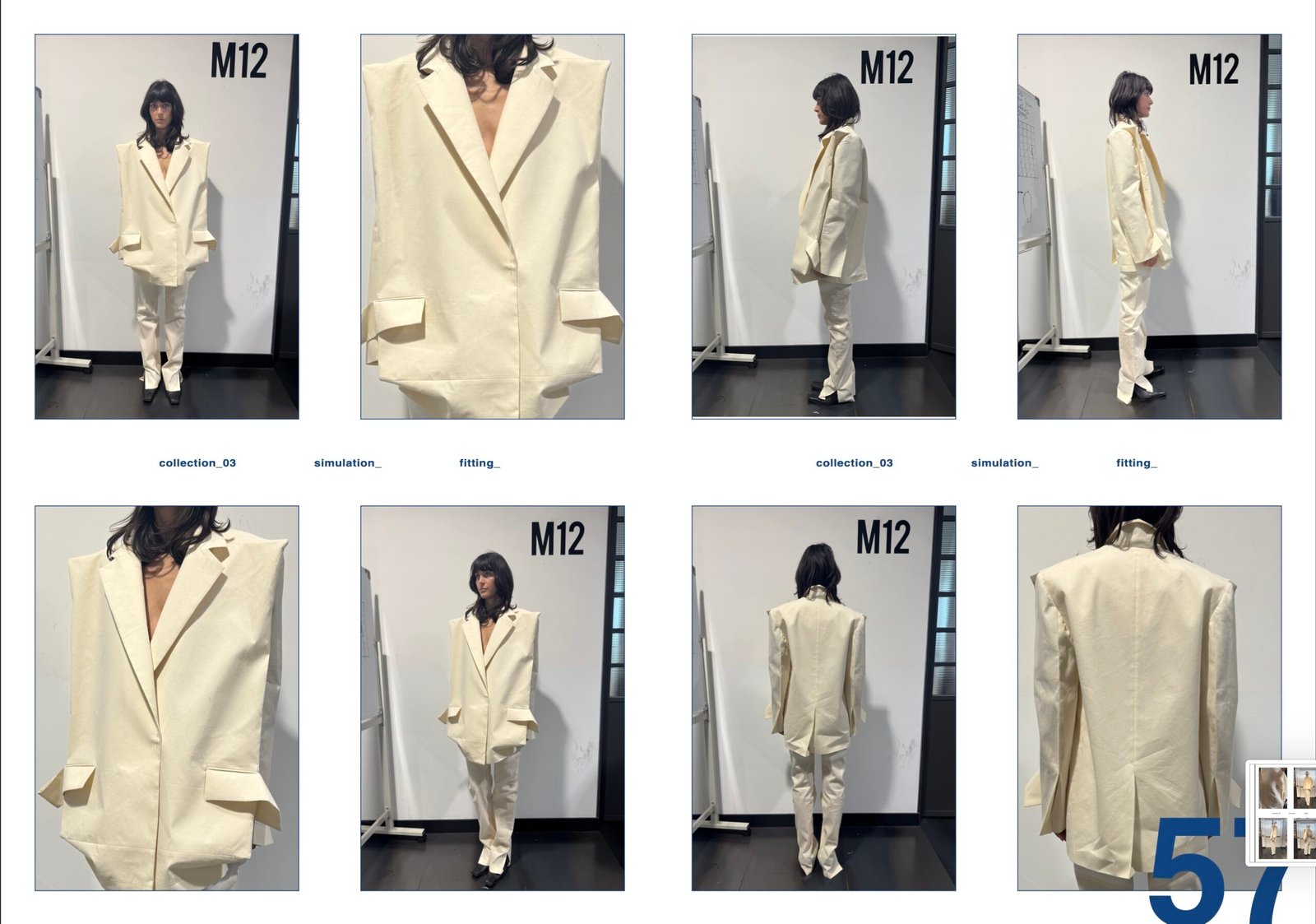
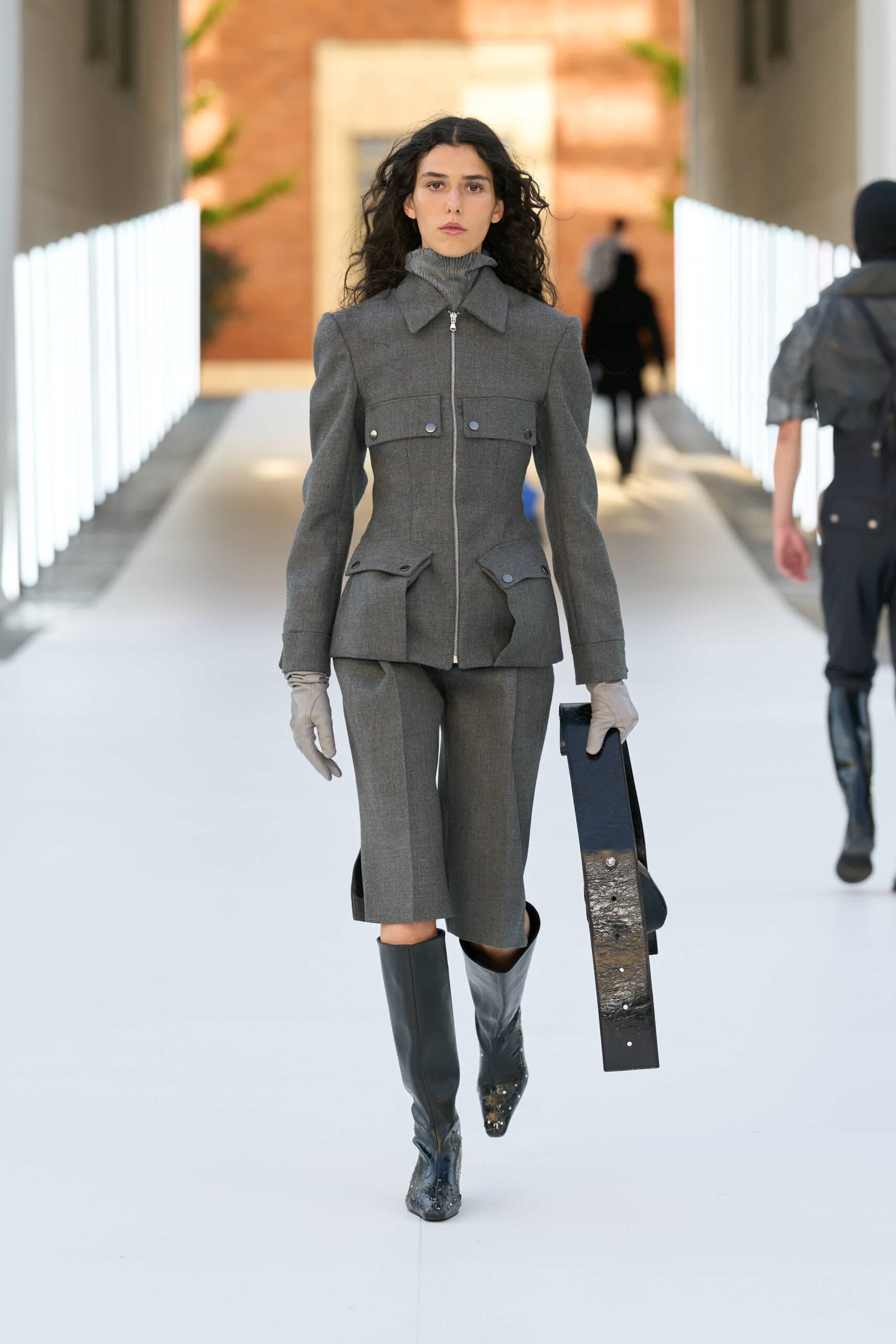
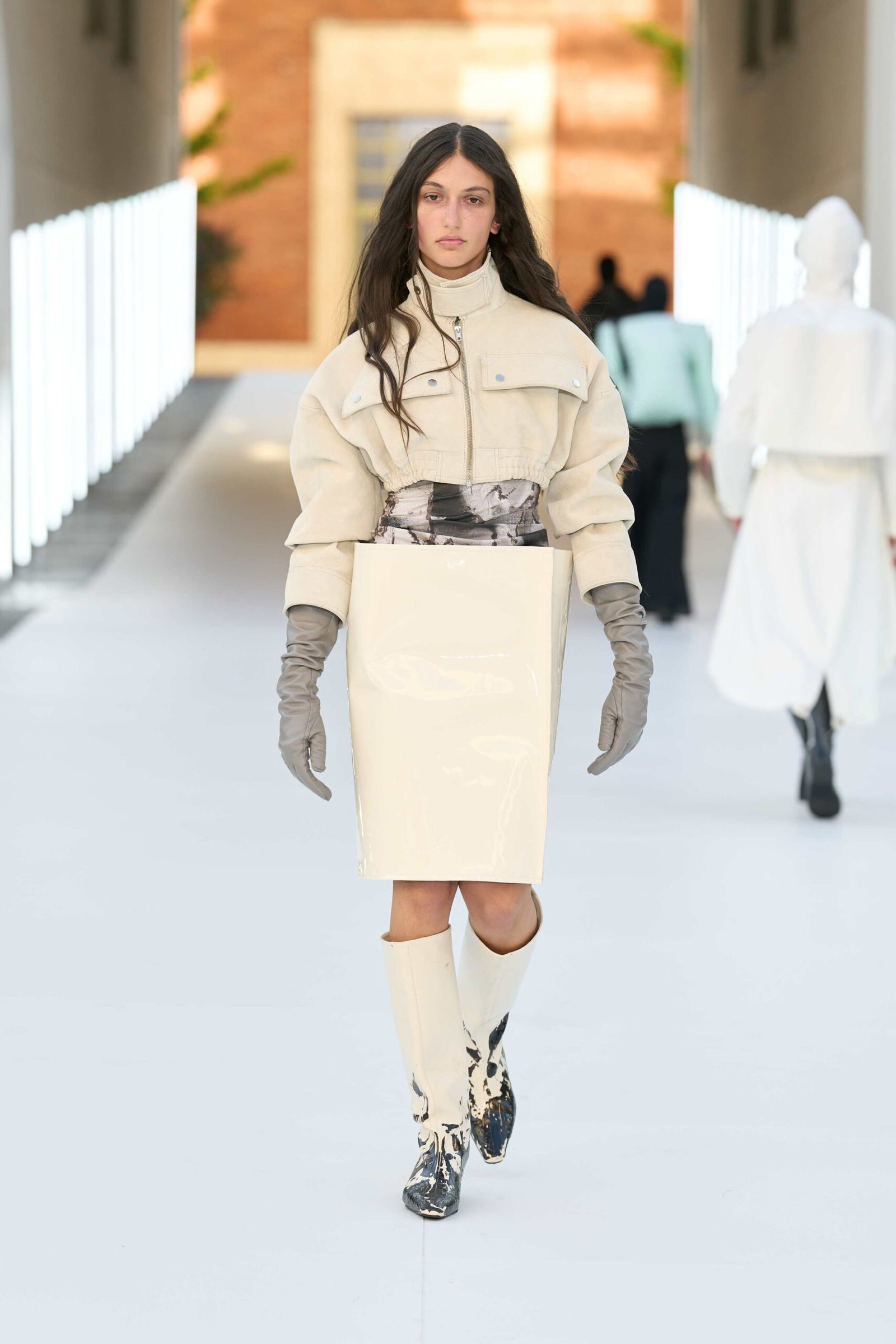
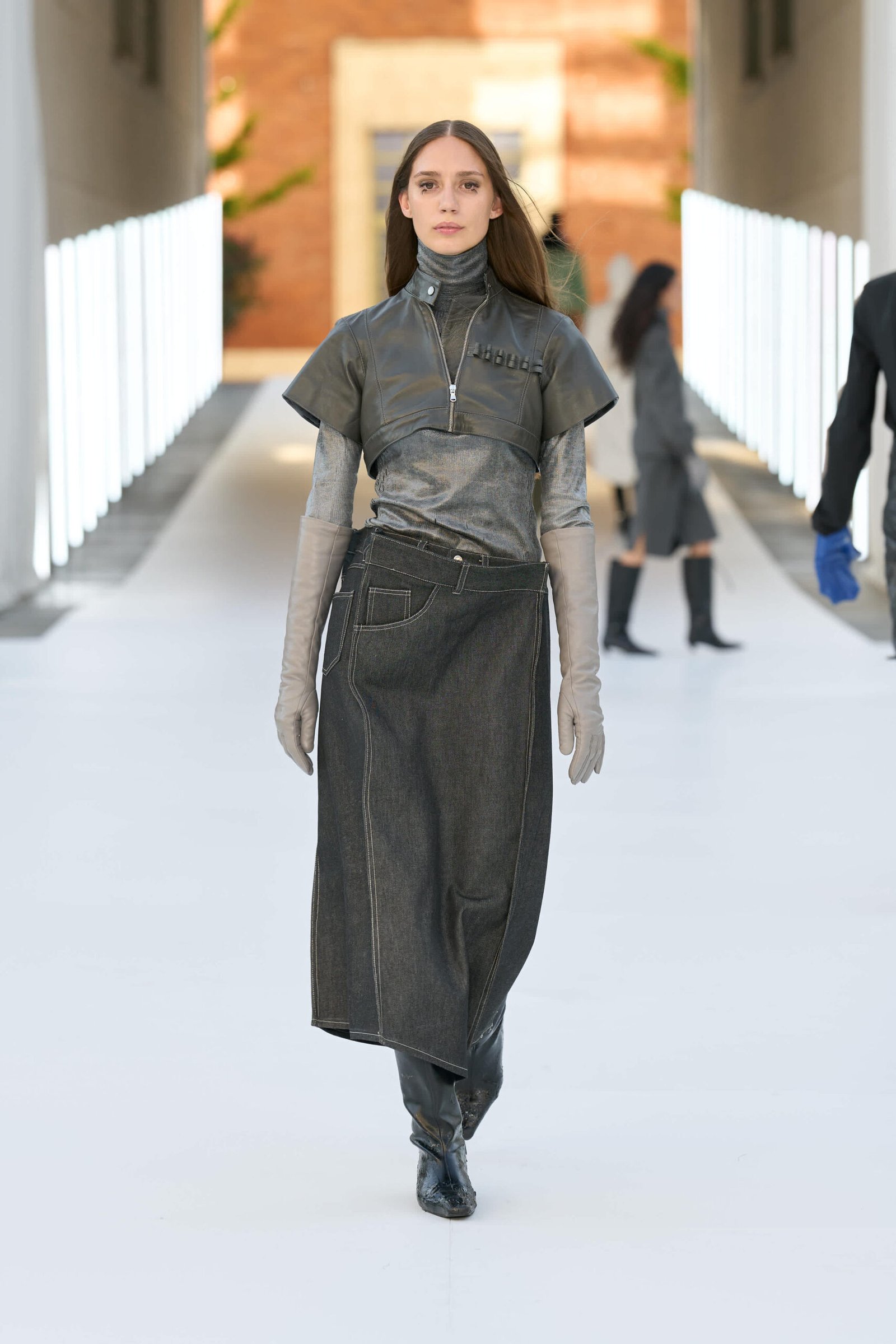
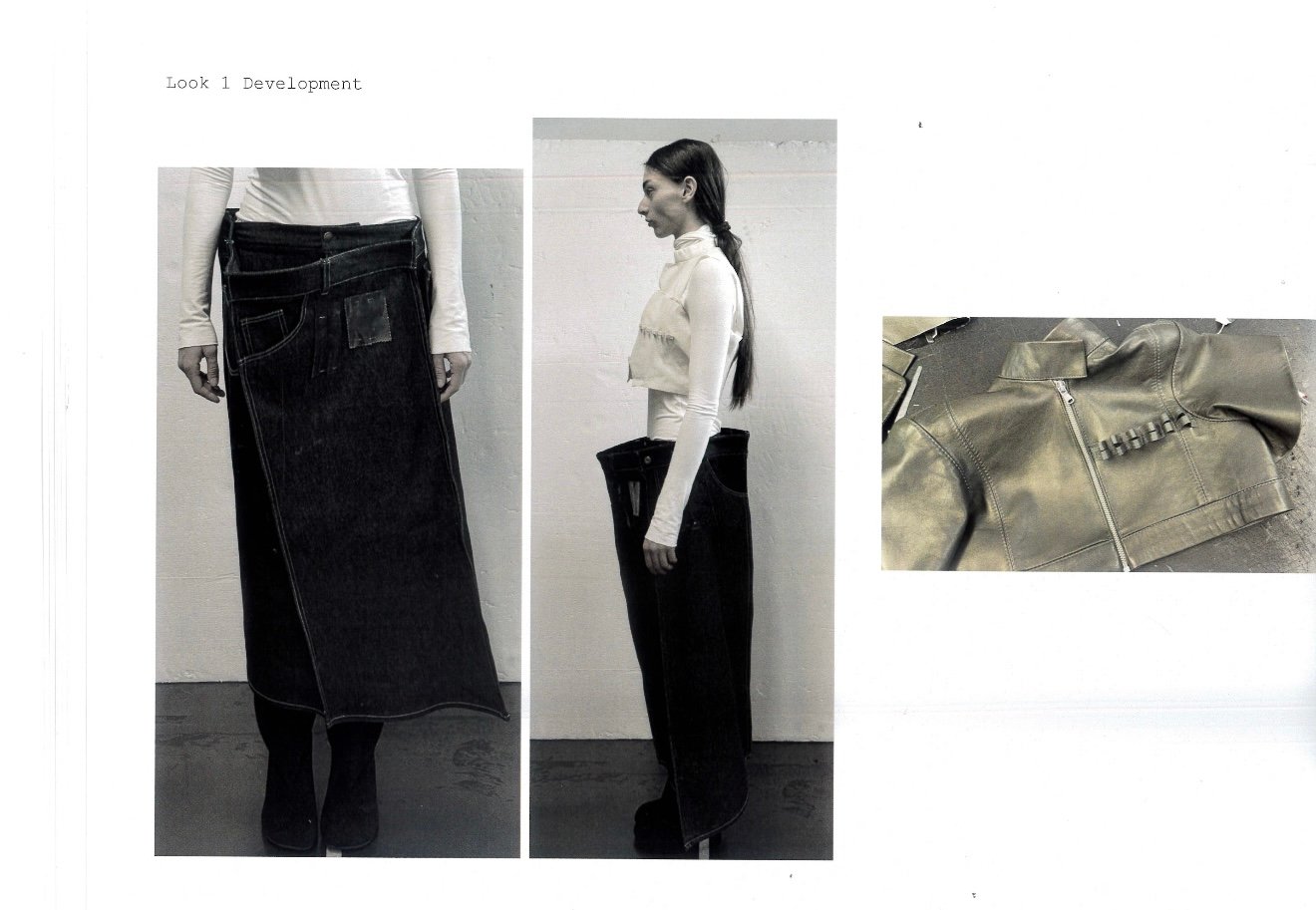
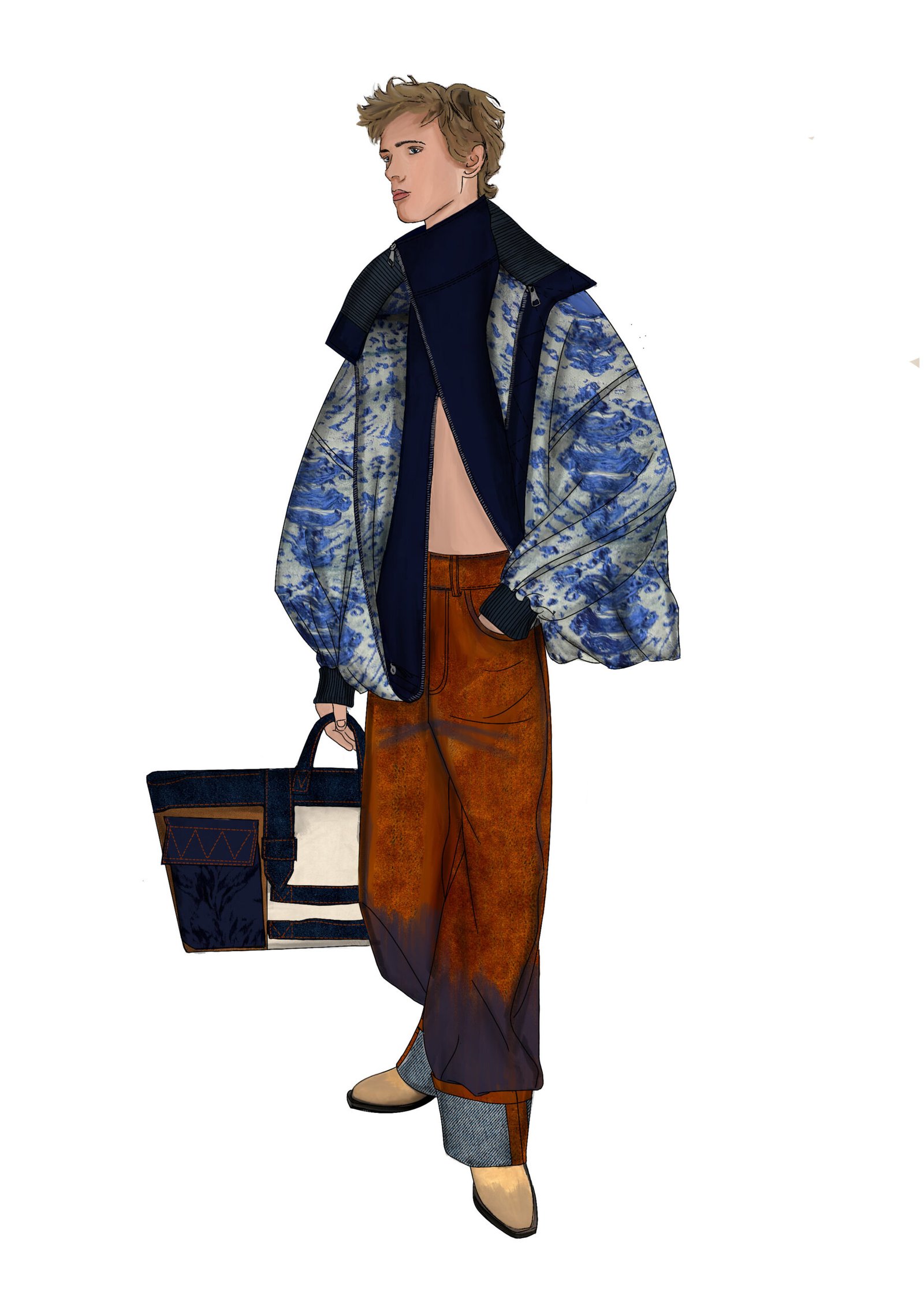
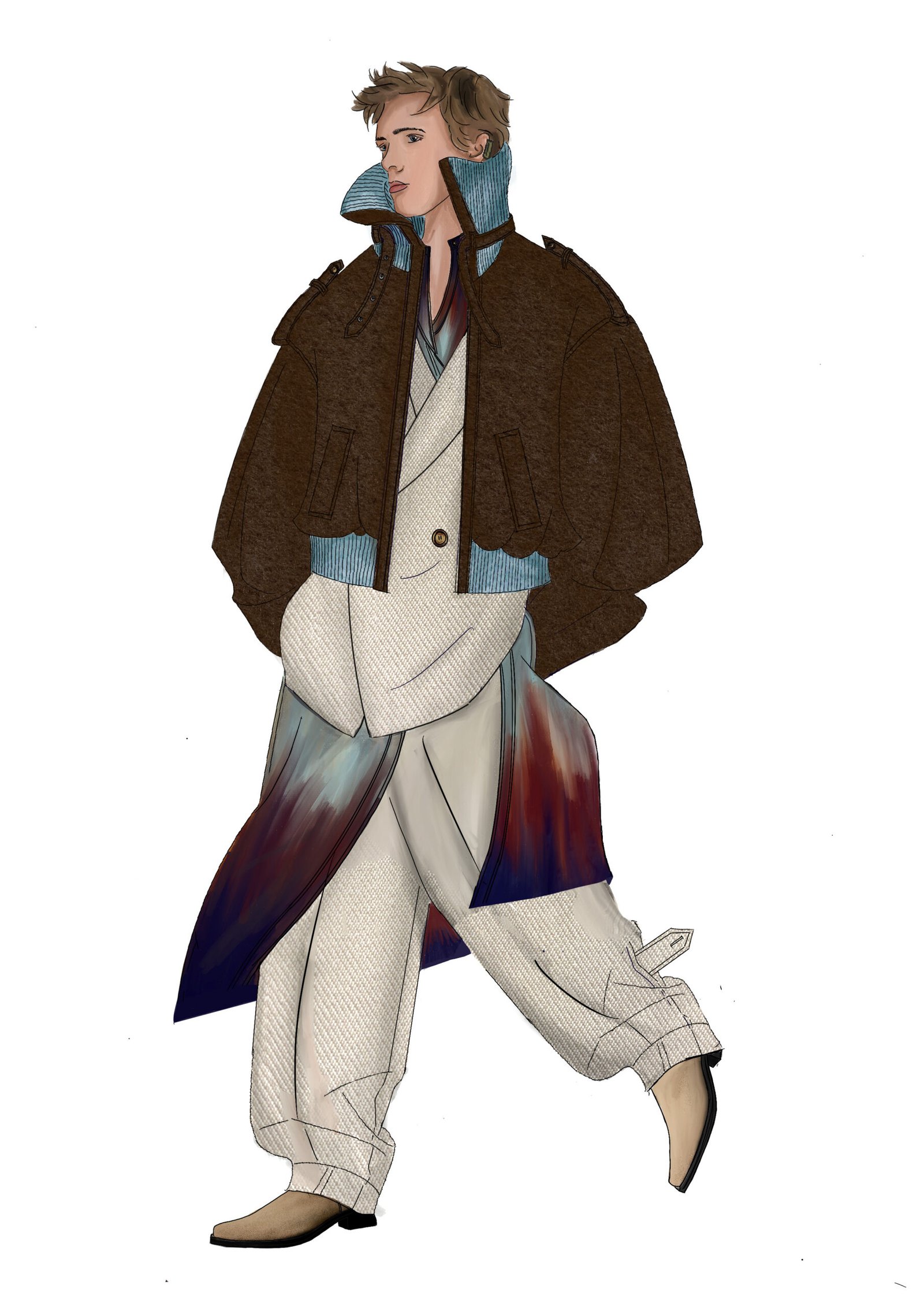
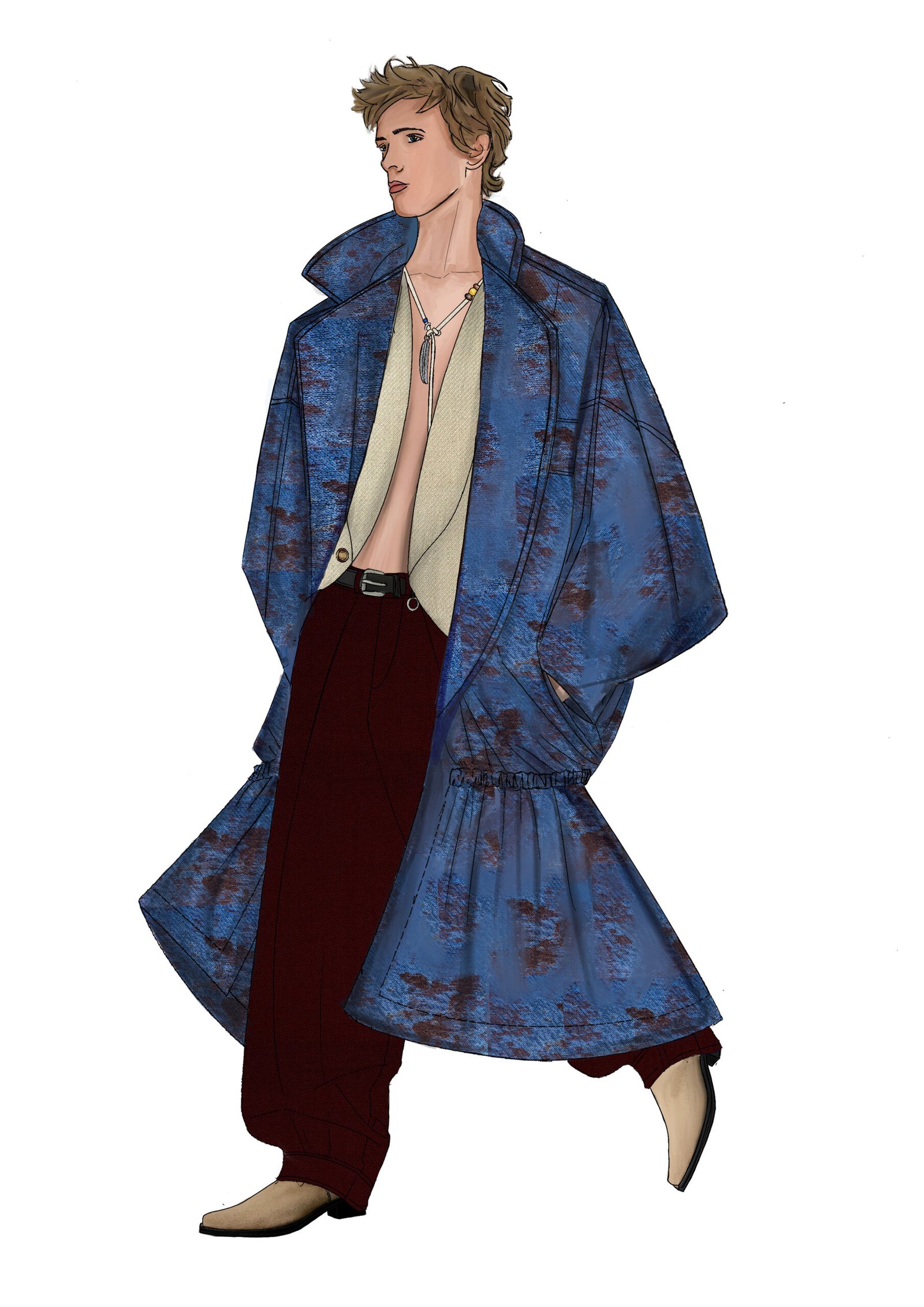
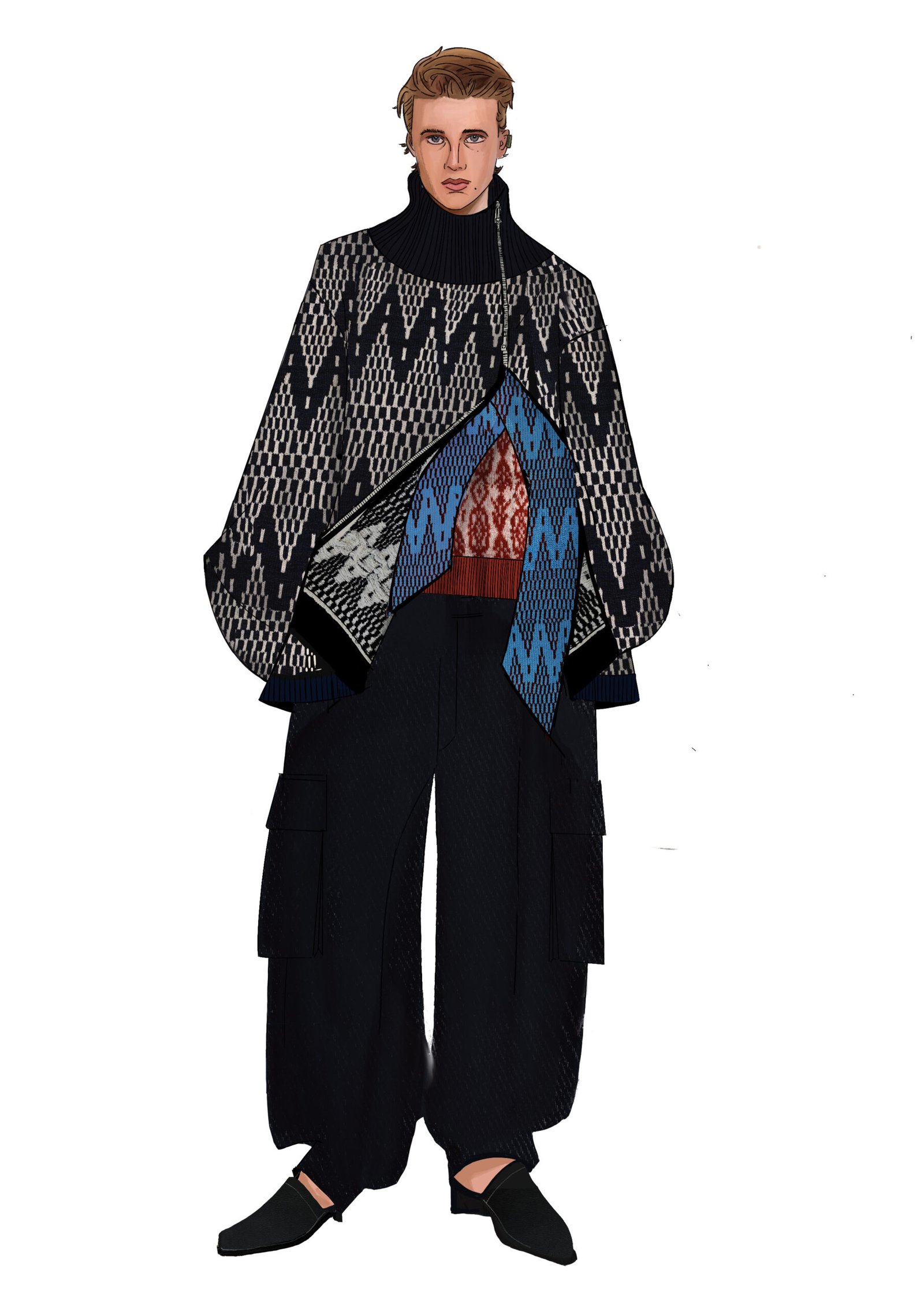
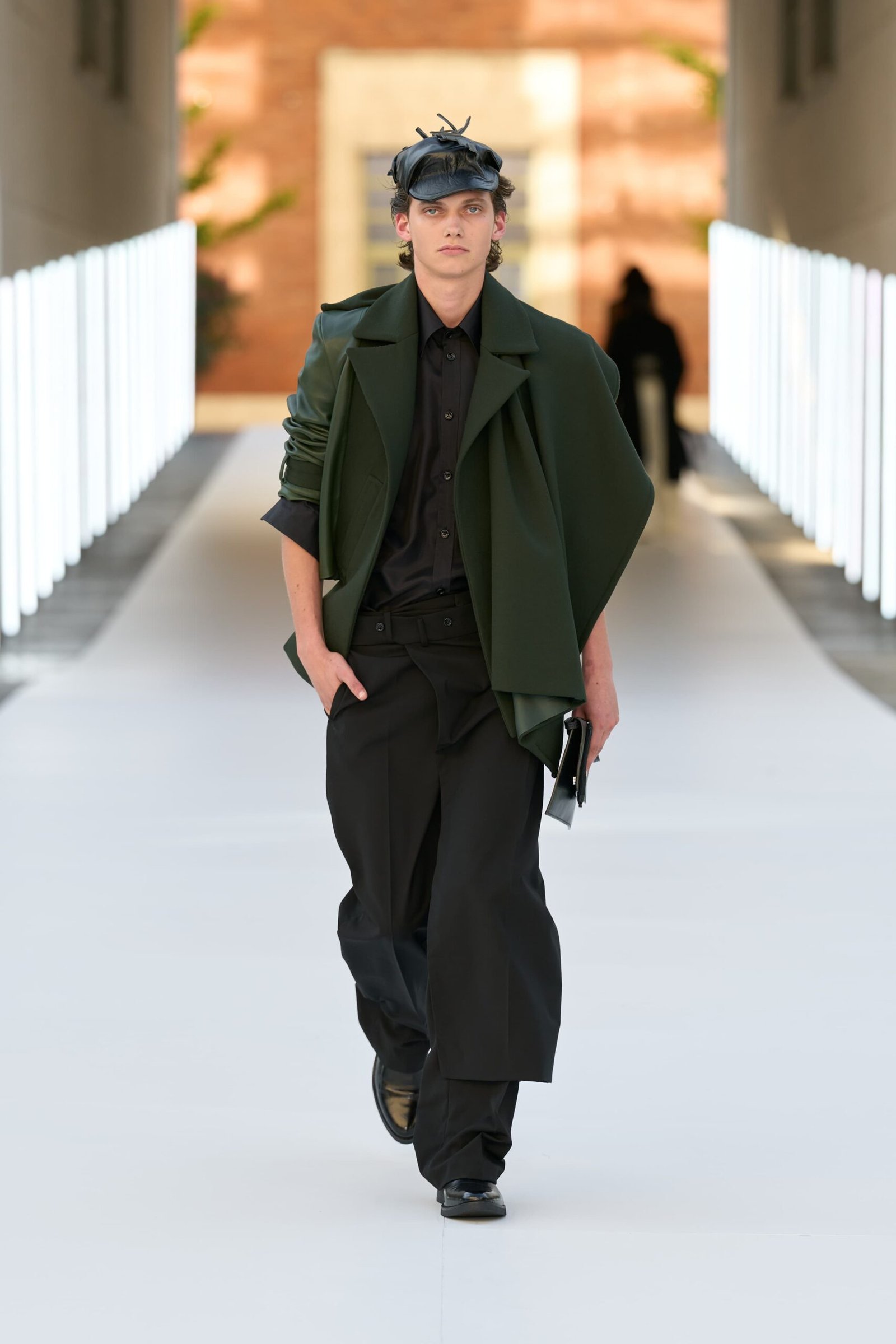
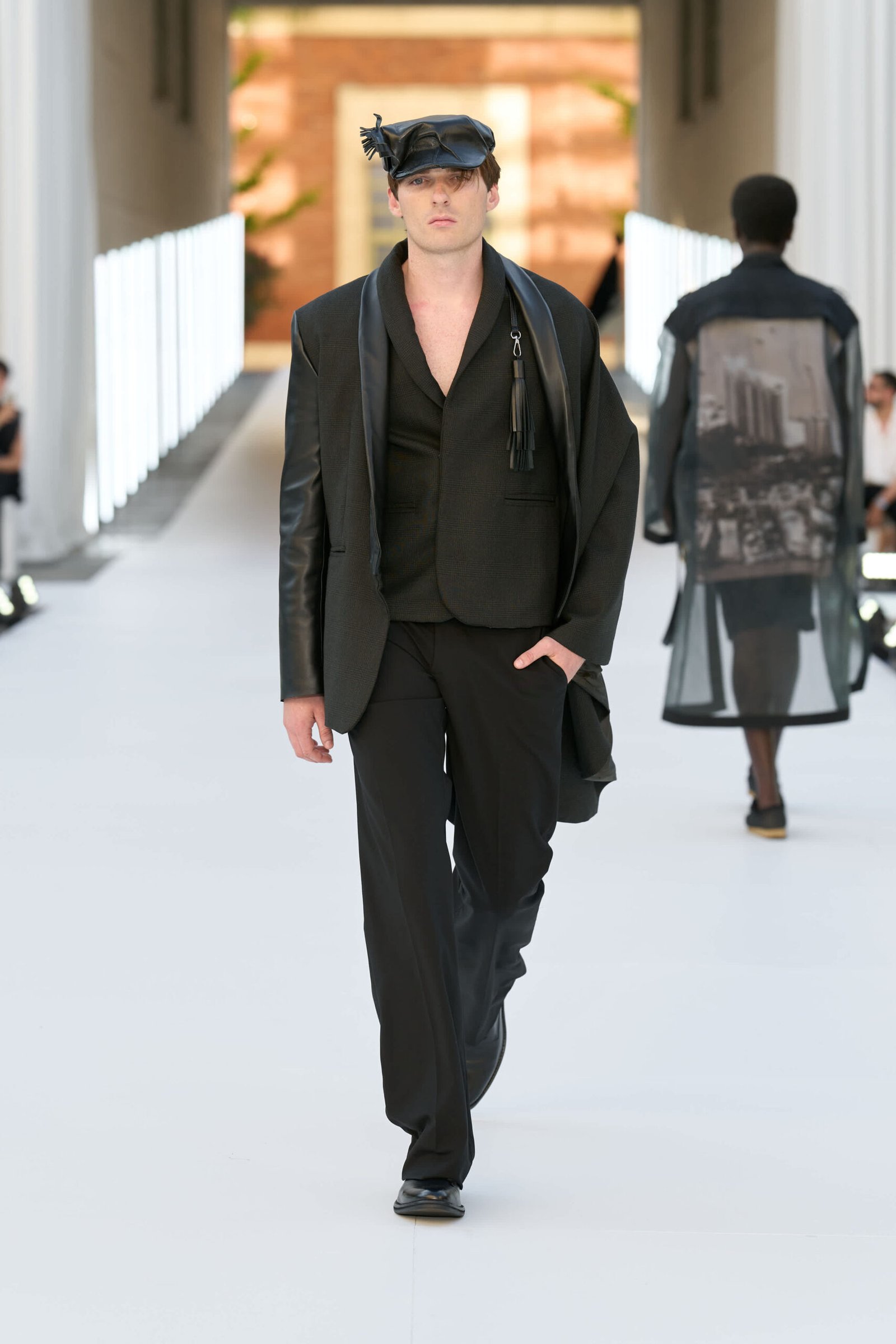
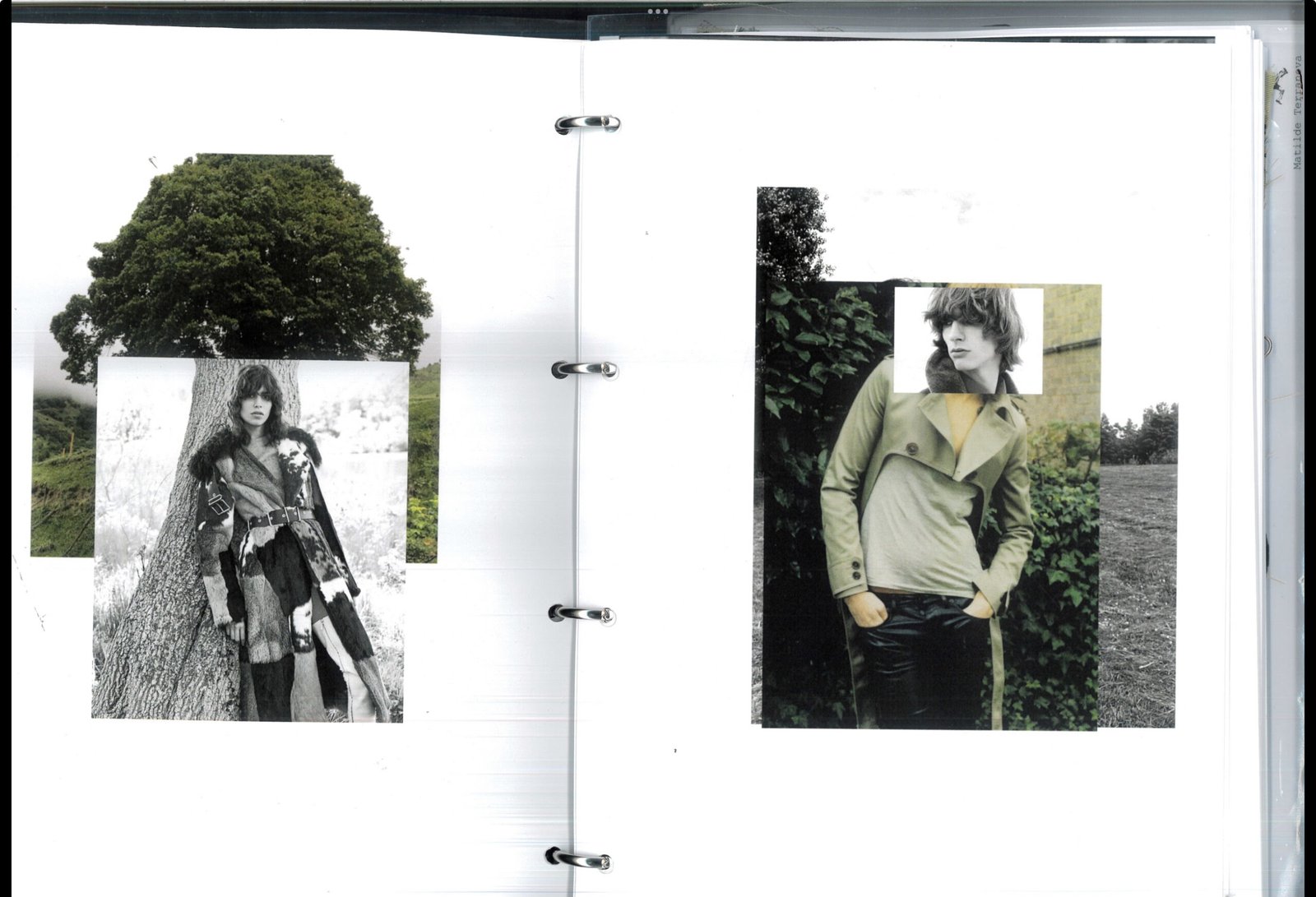
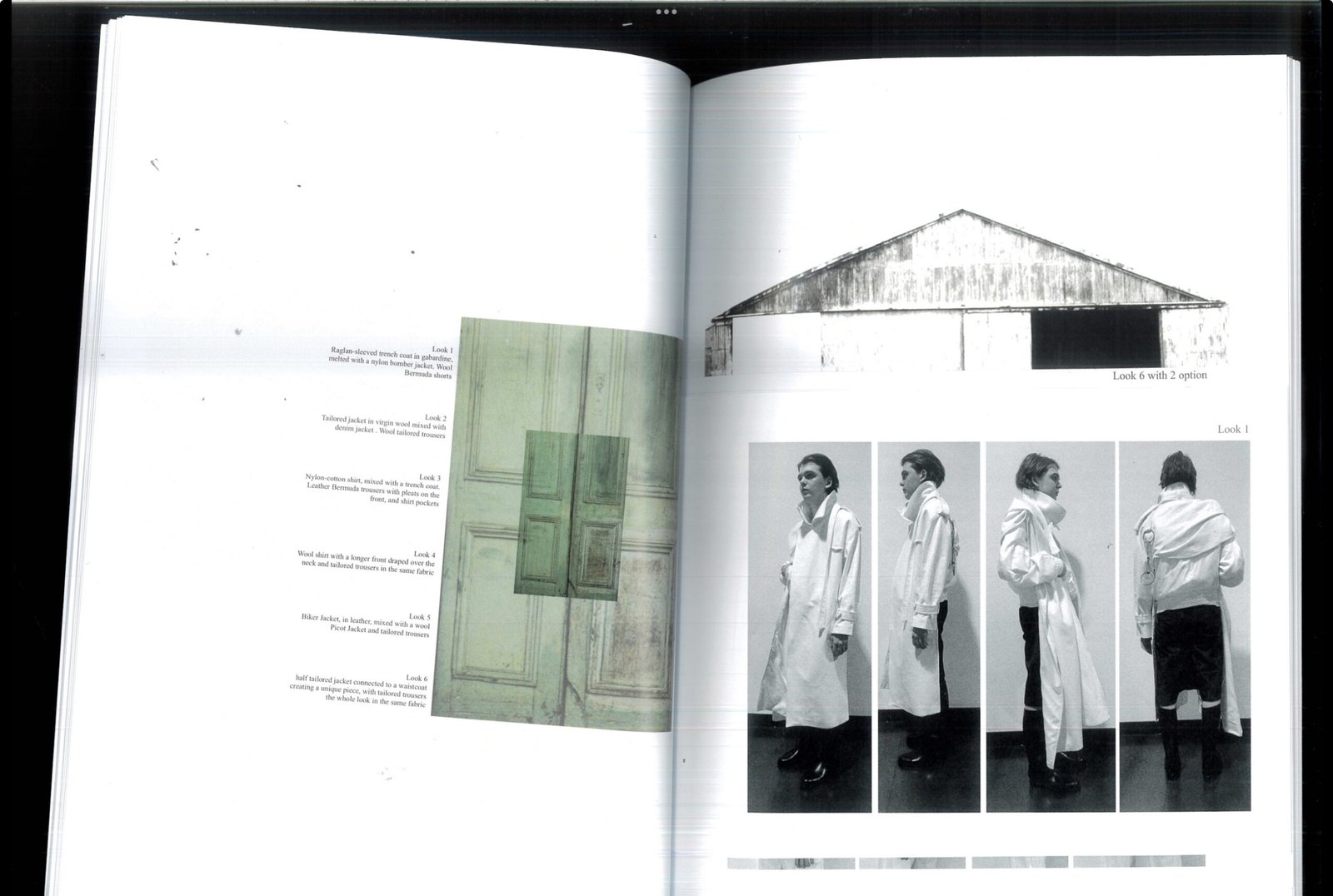
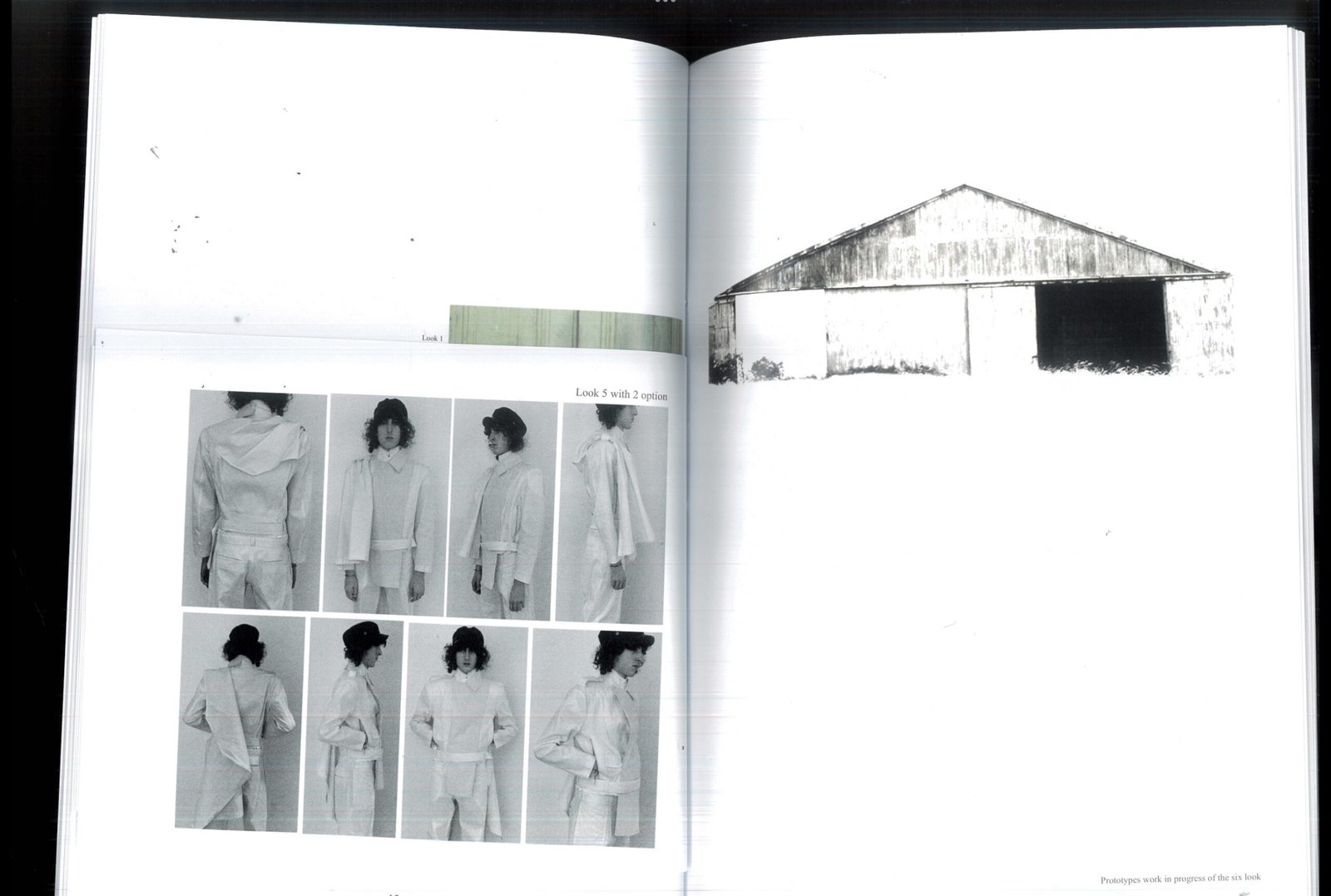
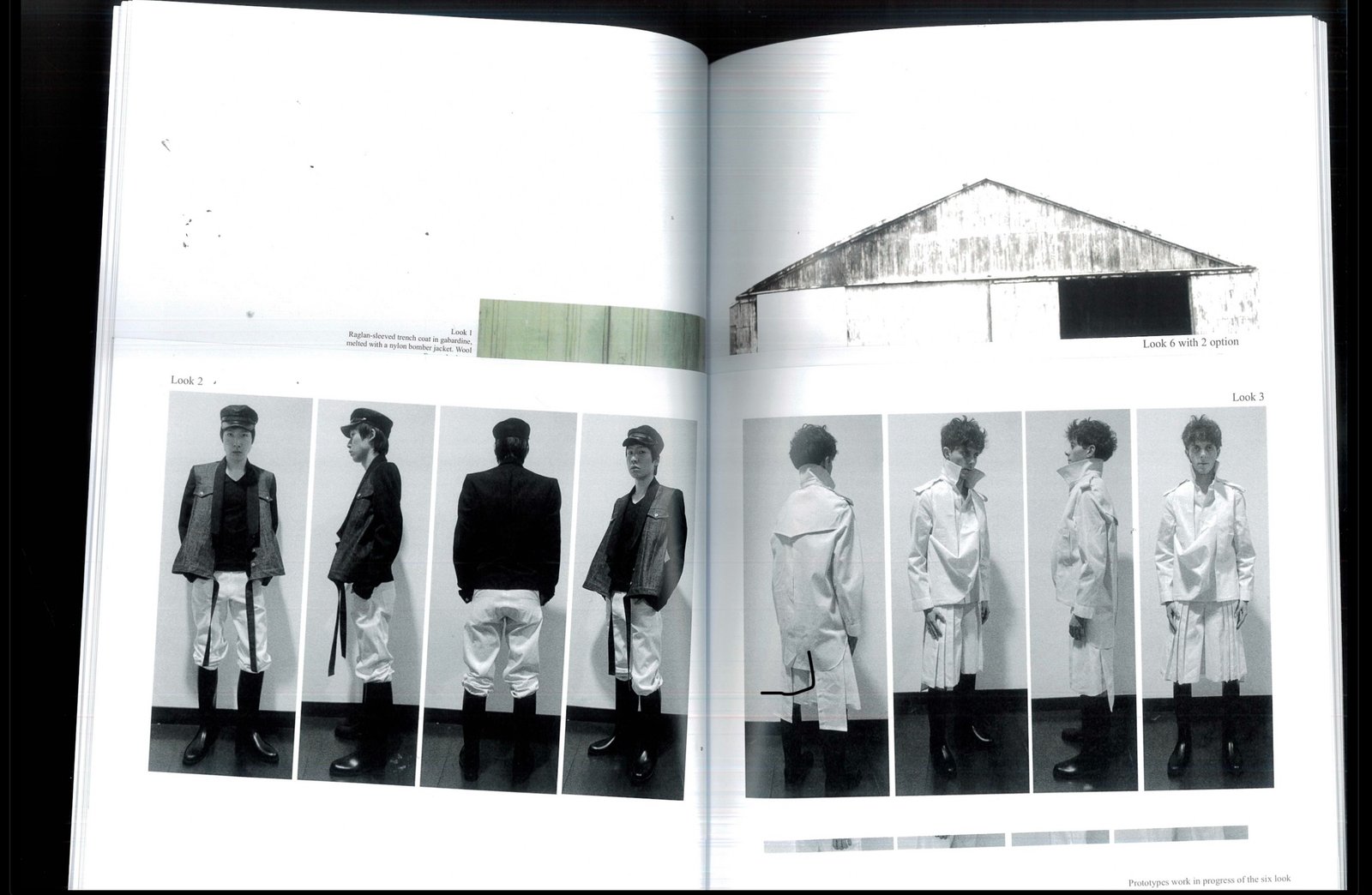
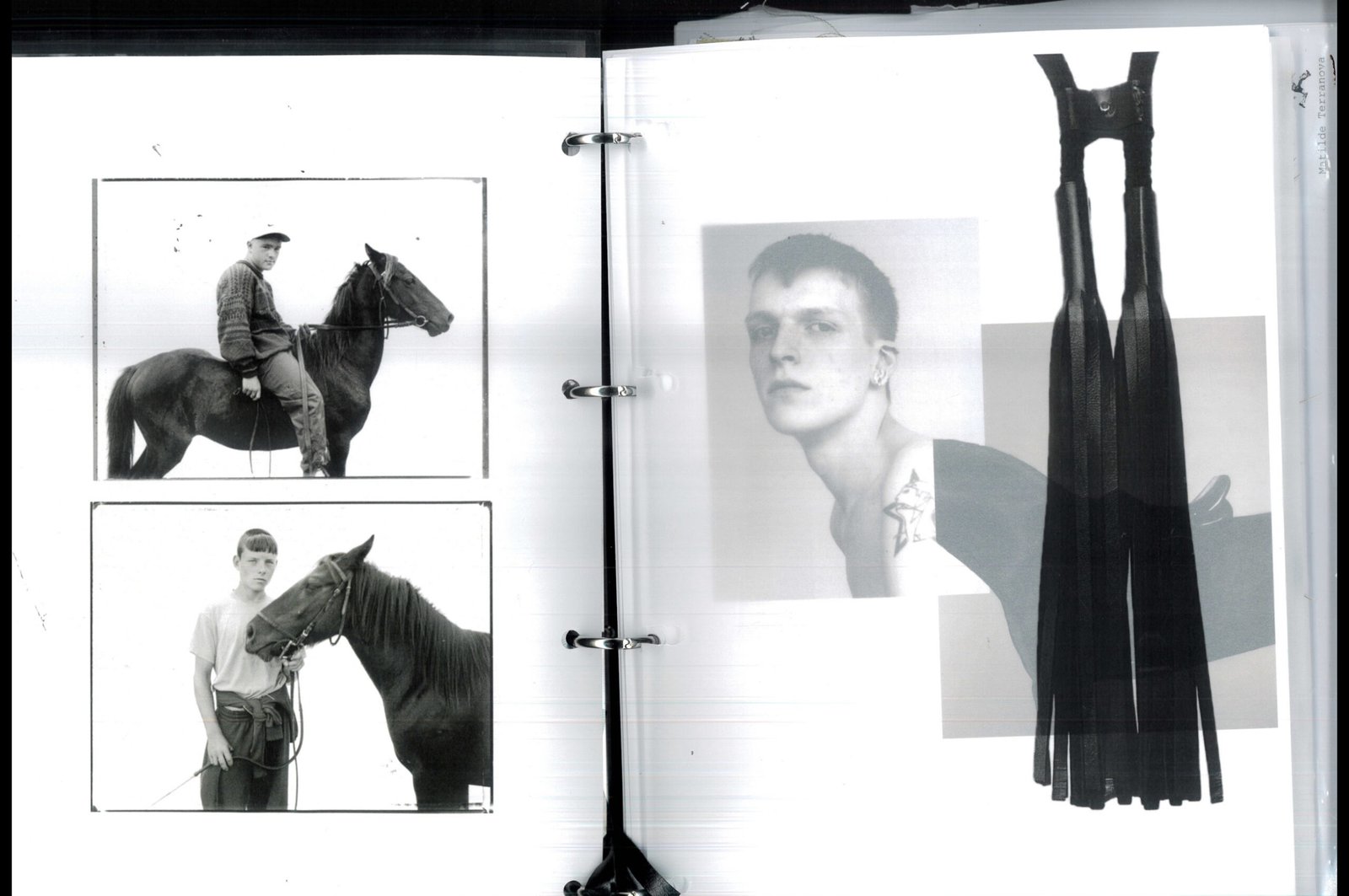
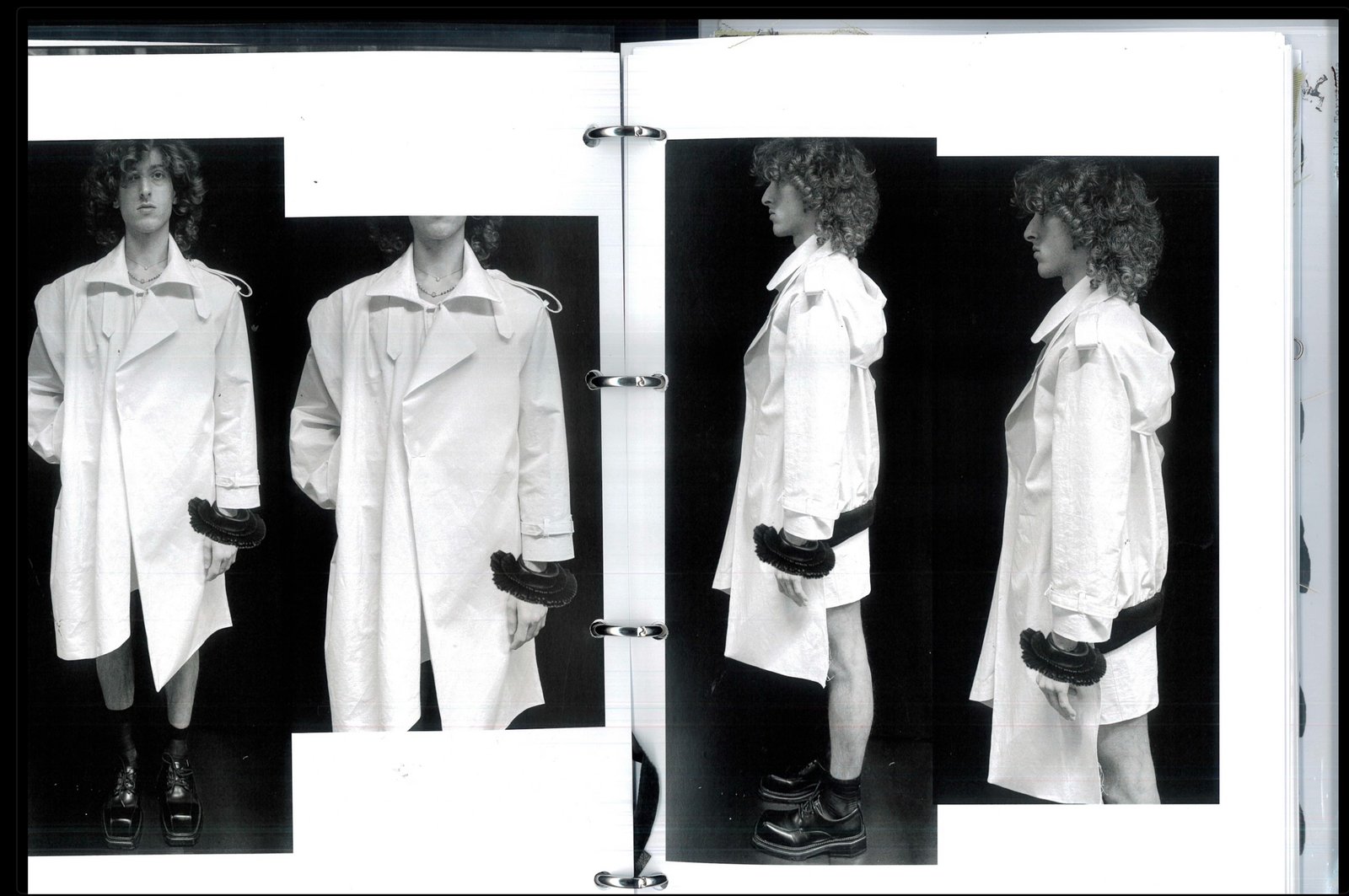
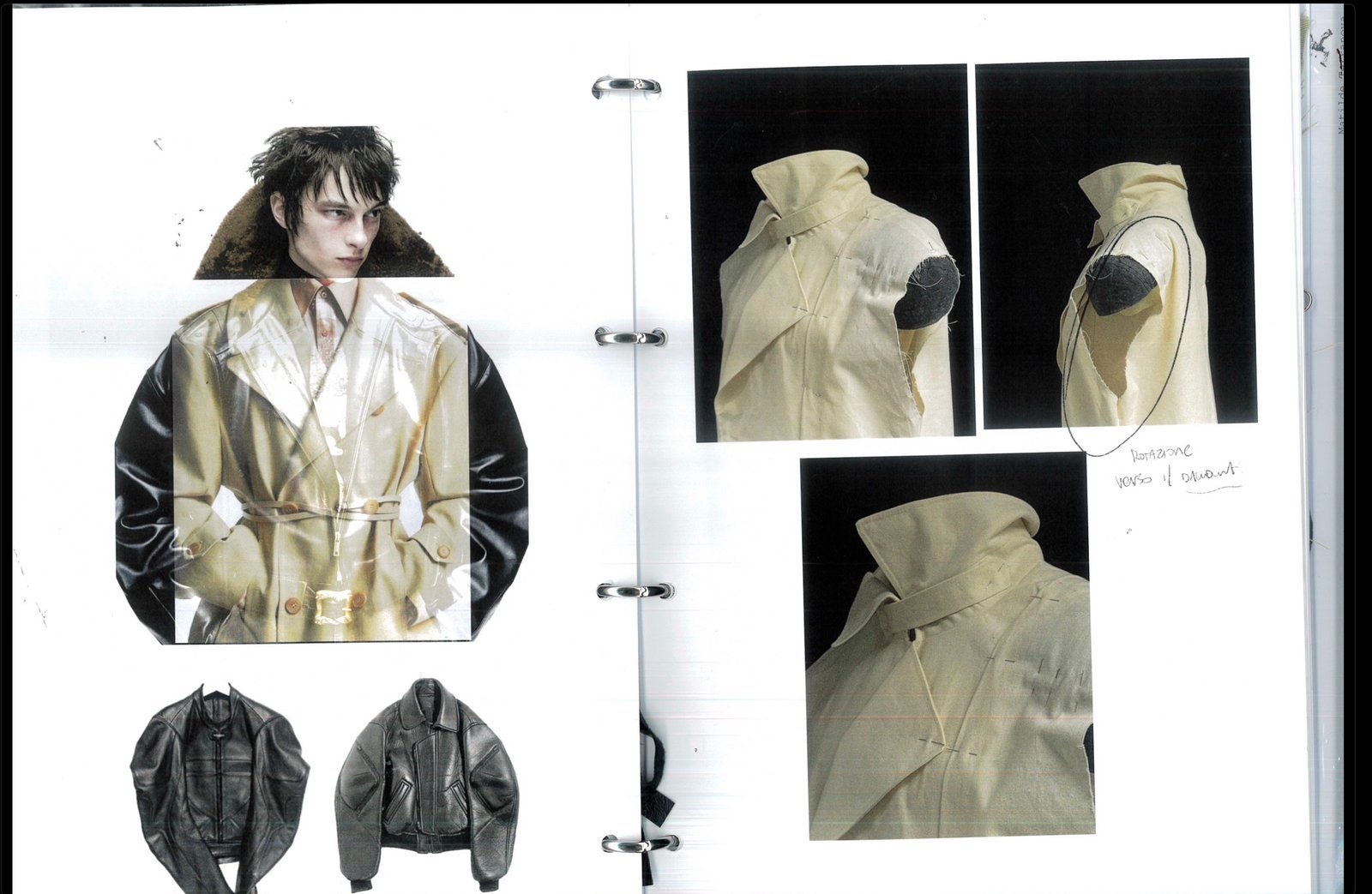
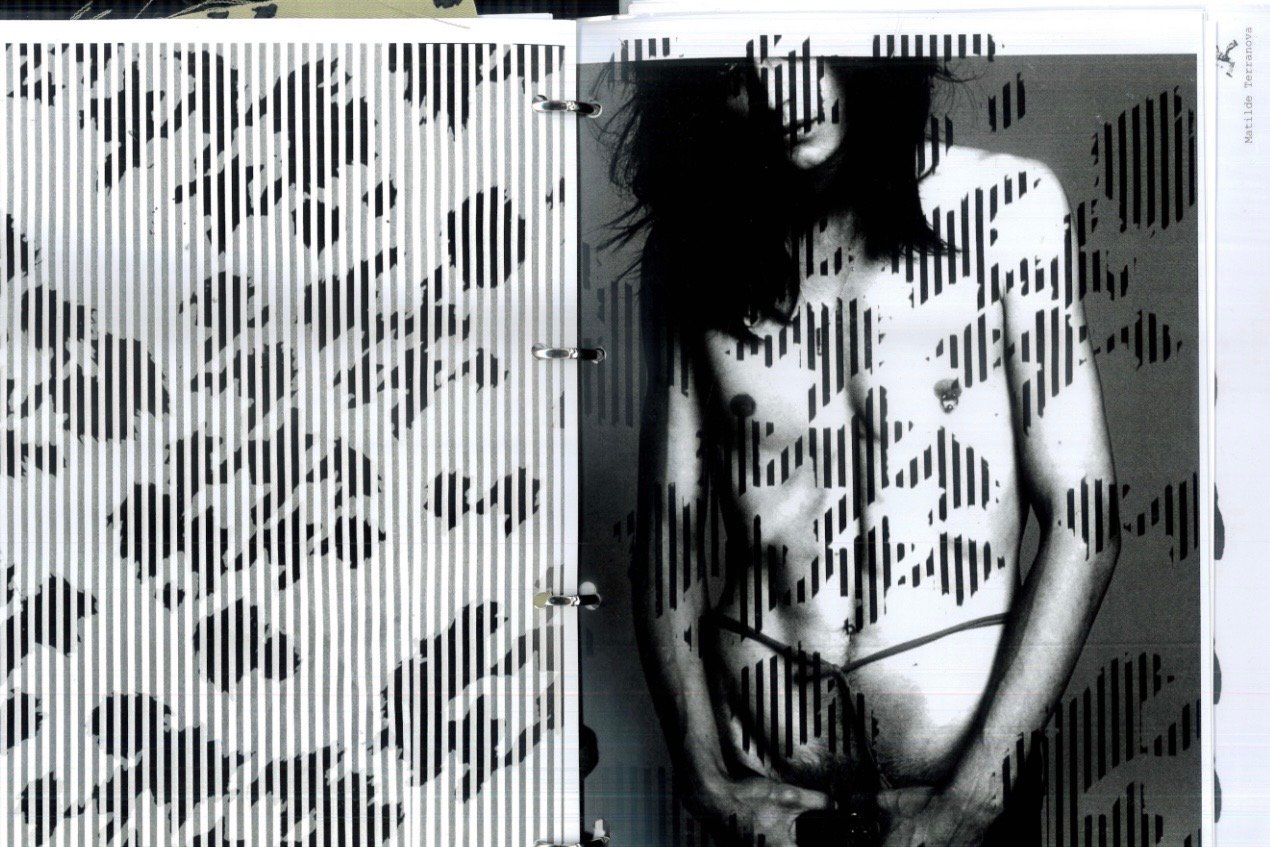
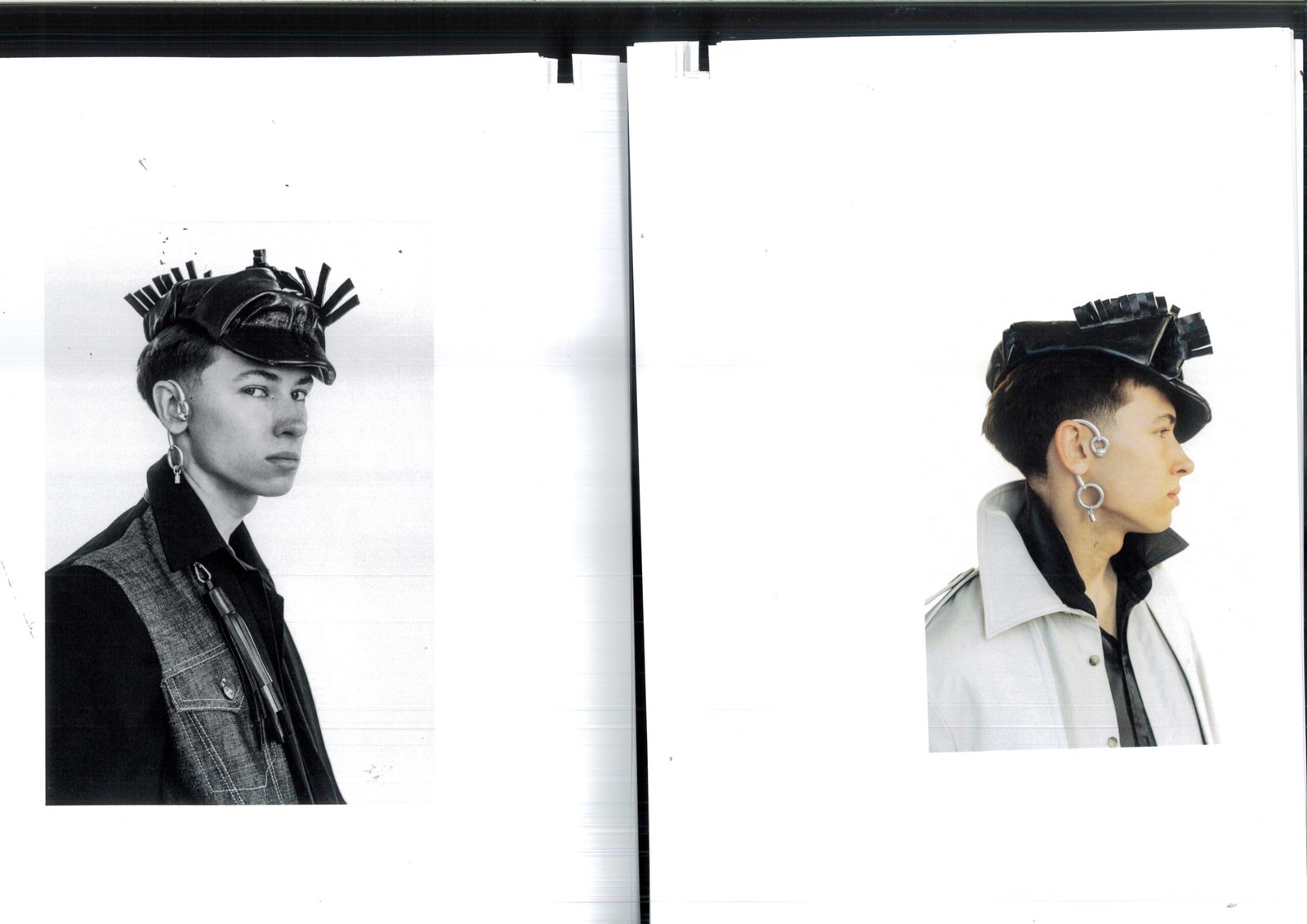
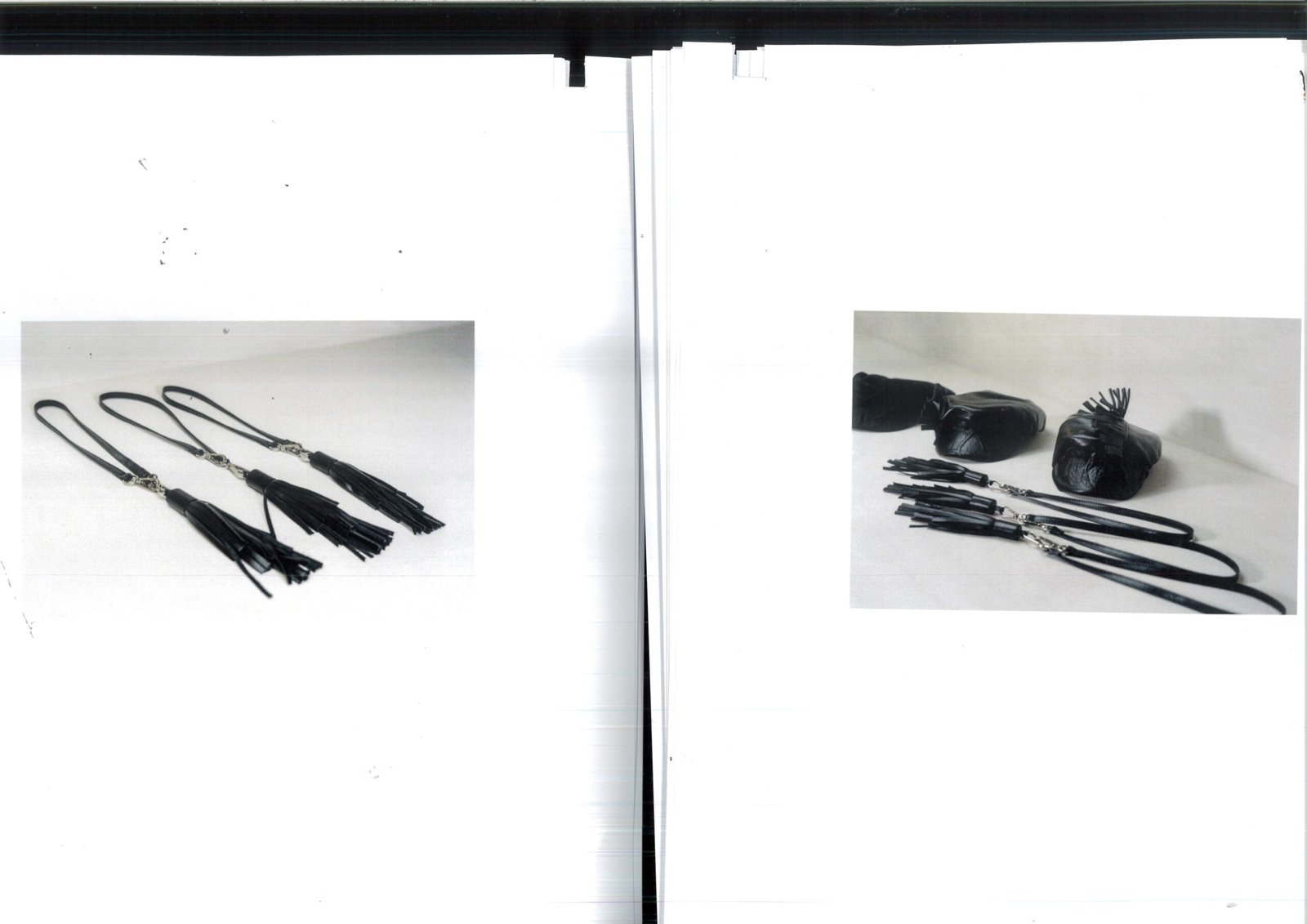
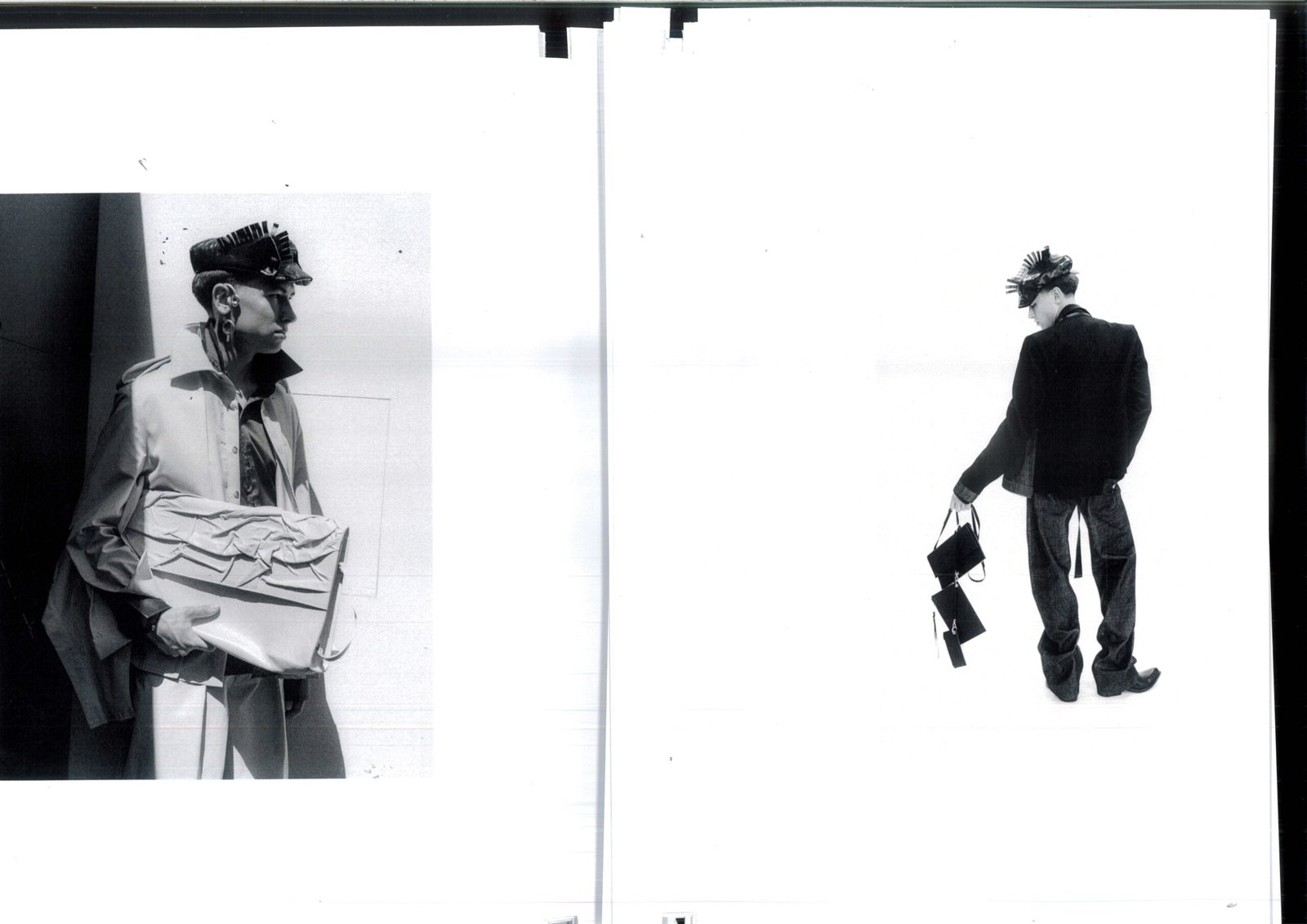
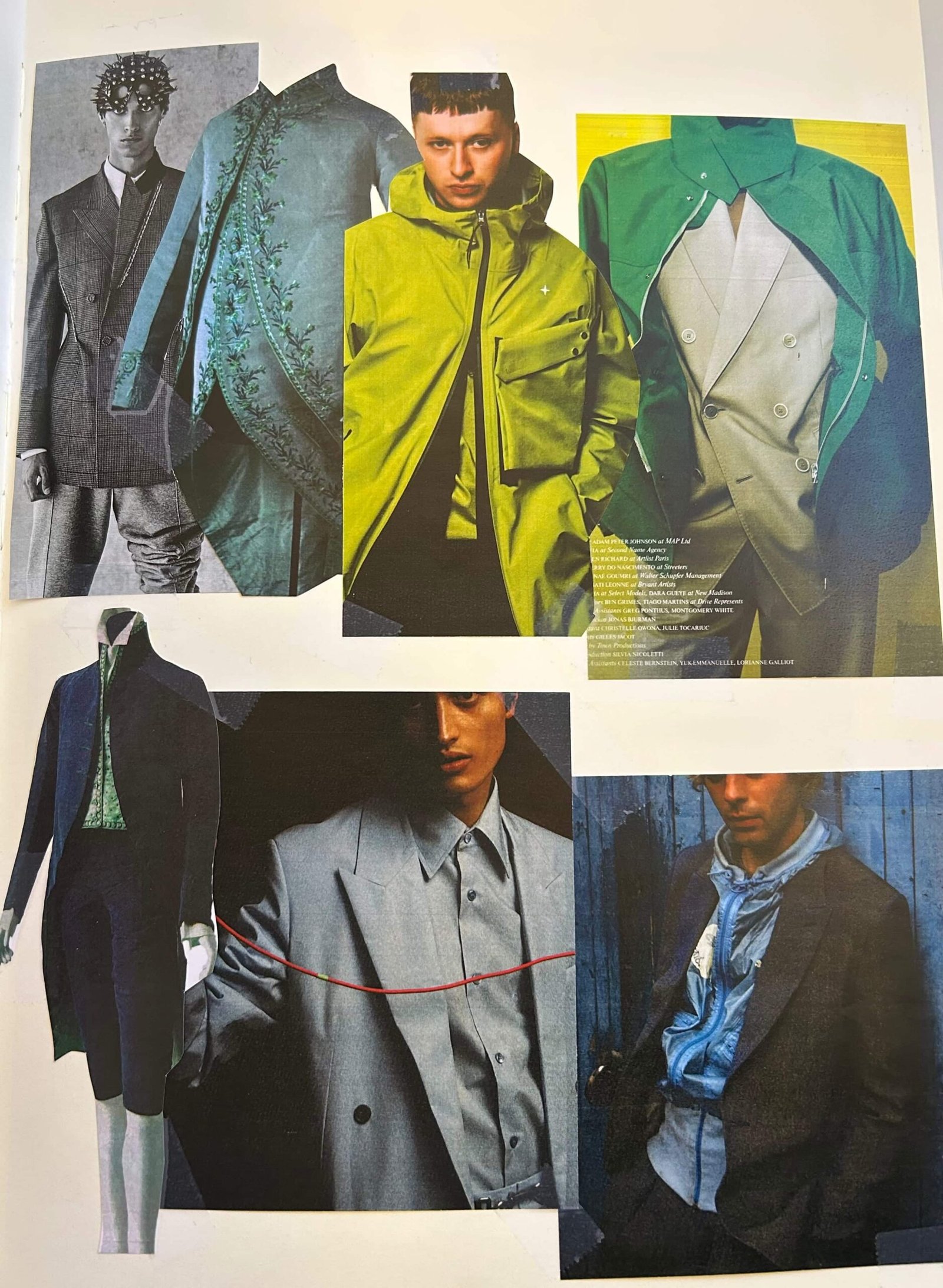
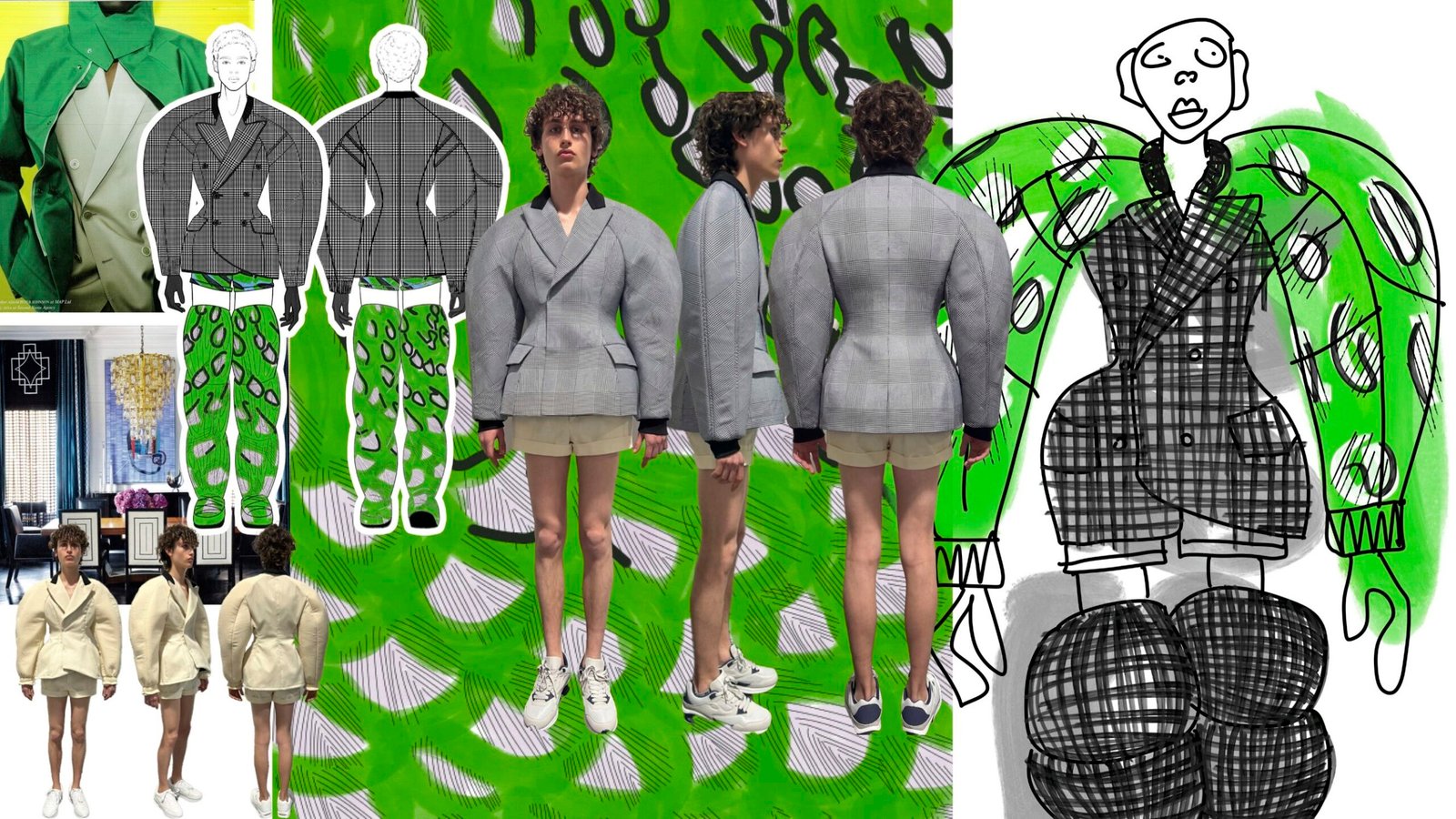
Boys growing up in slow, empty places sit at the centre of Matilde Terranova’s collection. Inspired by The Warriors (1979), the work looks at how identity is built through aesthetics, belonging, and attitude, and how play or imitation can gradually turn into self-awareness. Elements of workwear, streetwear, uniforms, and tailoring are fused together: bombers meet trench coats, shirts are integrated into jackets, and denim is brought into conversation with tailored construction. The silhouettes are slim and elongated, made from washed denim, dry wool, worn leather, and technical nylon. Charcoal black, military green, dirty beige, off-white, and dusty grey give the collection a worn, restrained atmosphere.
@mati_tt

Screenshot
Screenshot

Mari Enomoto

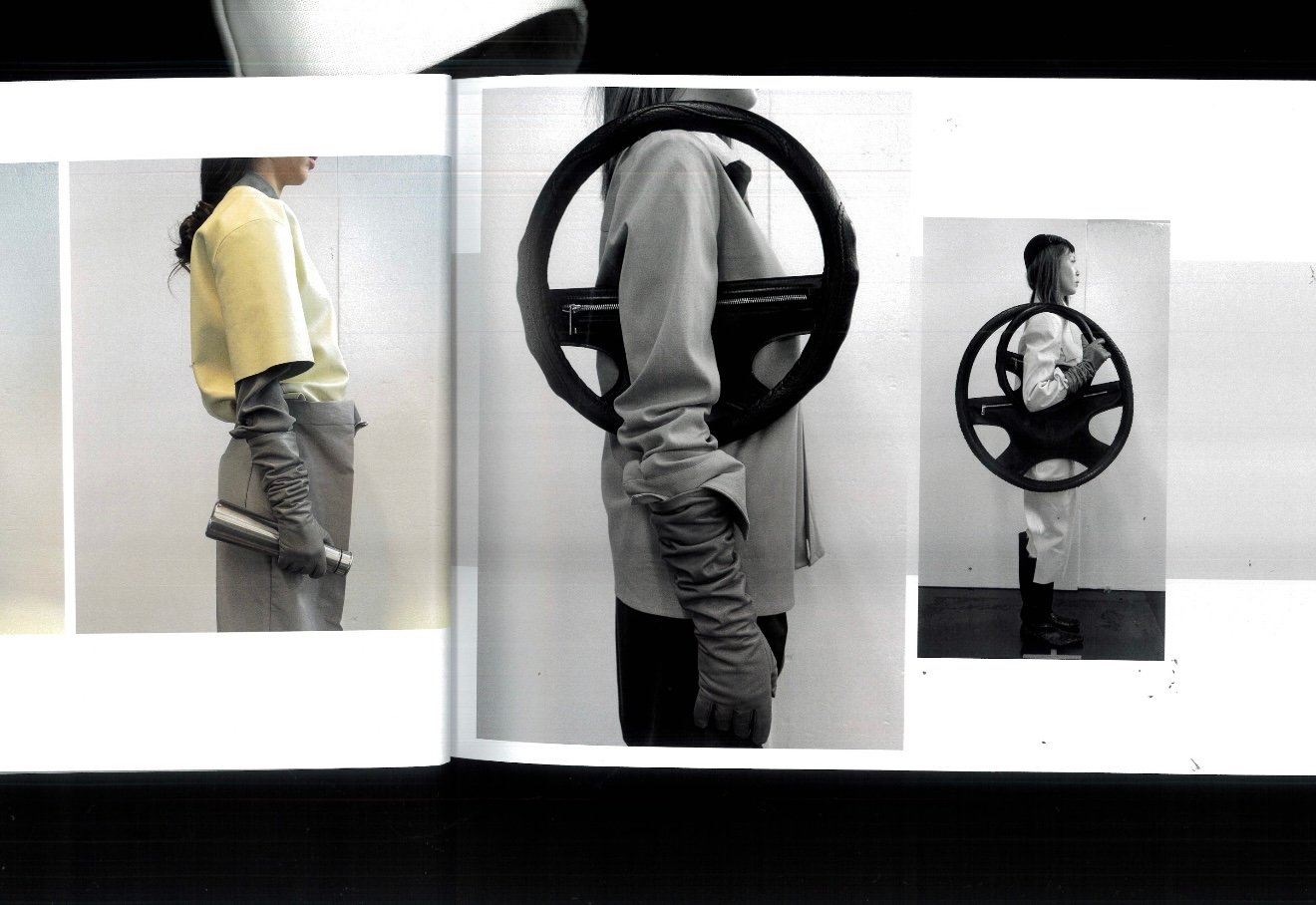
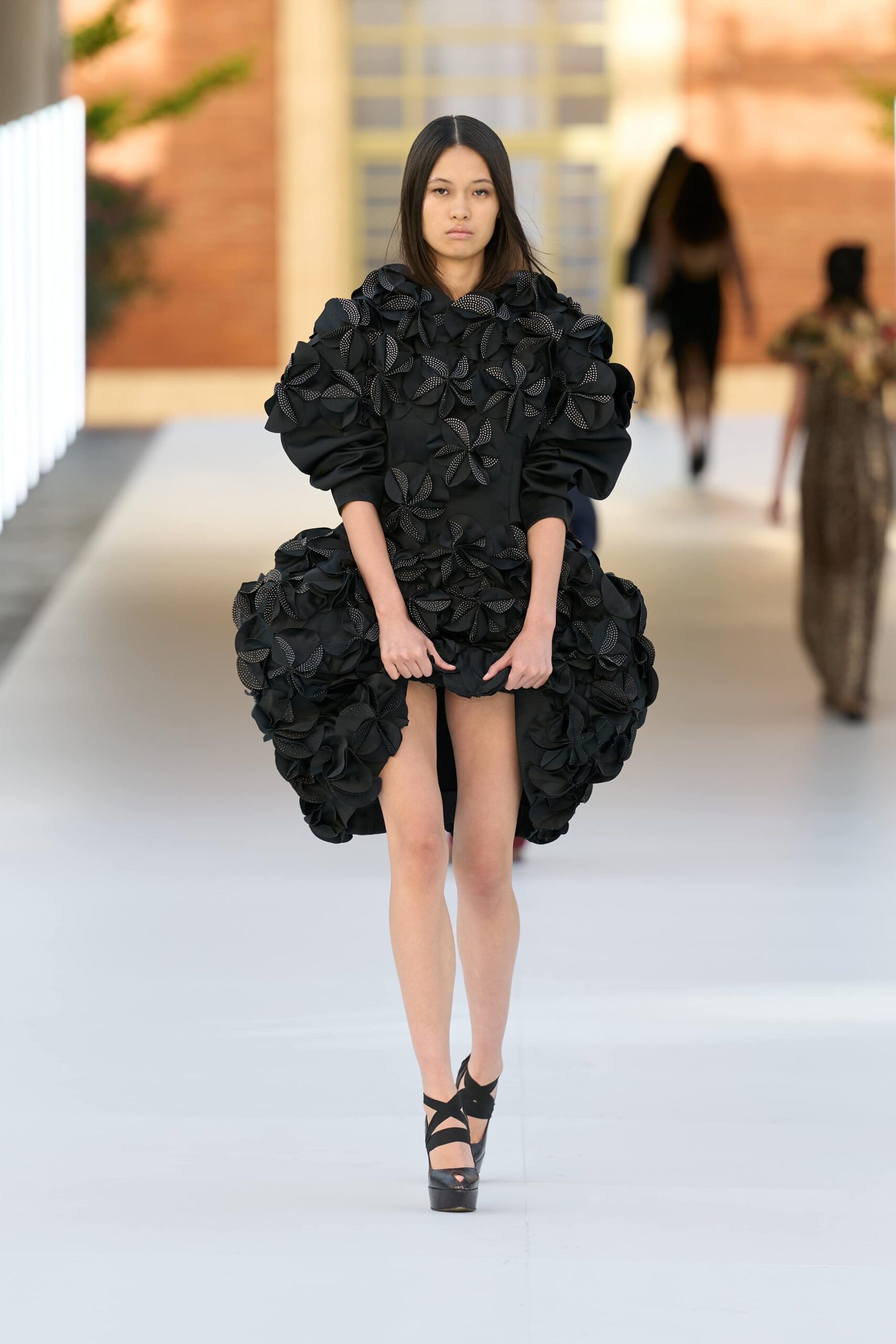
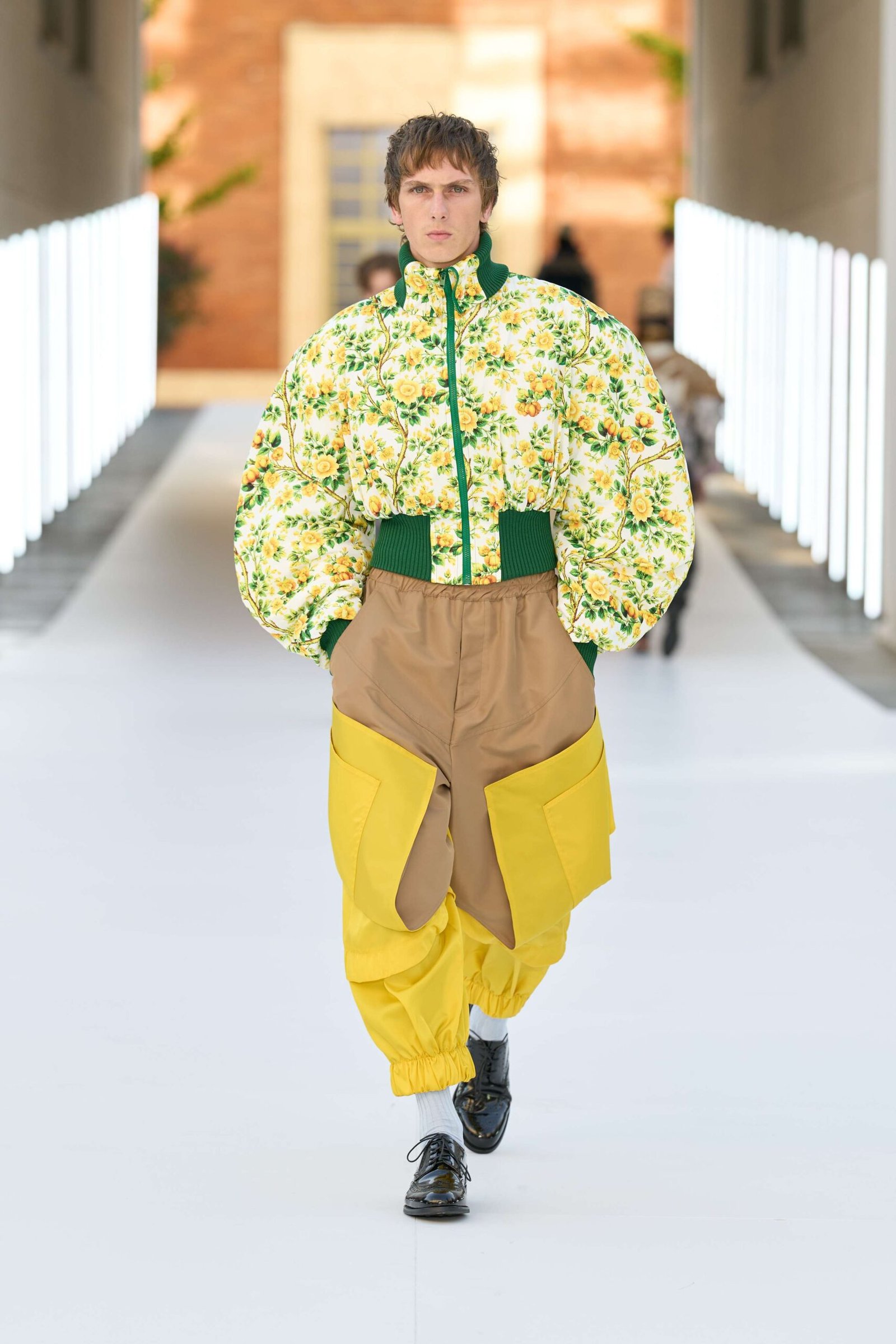
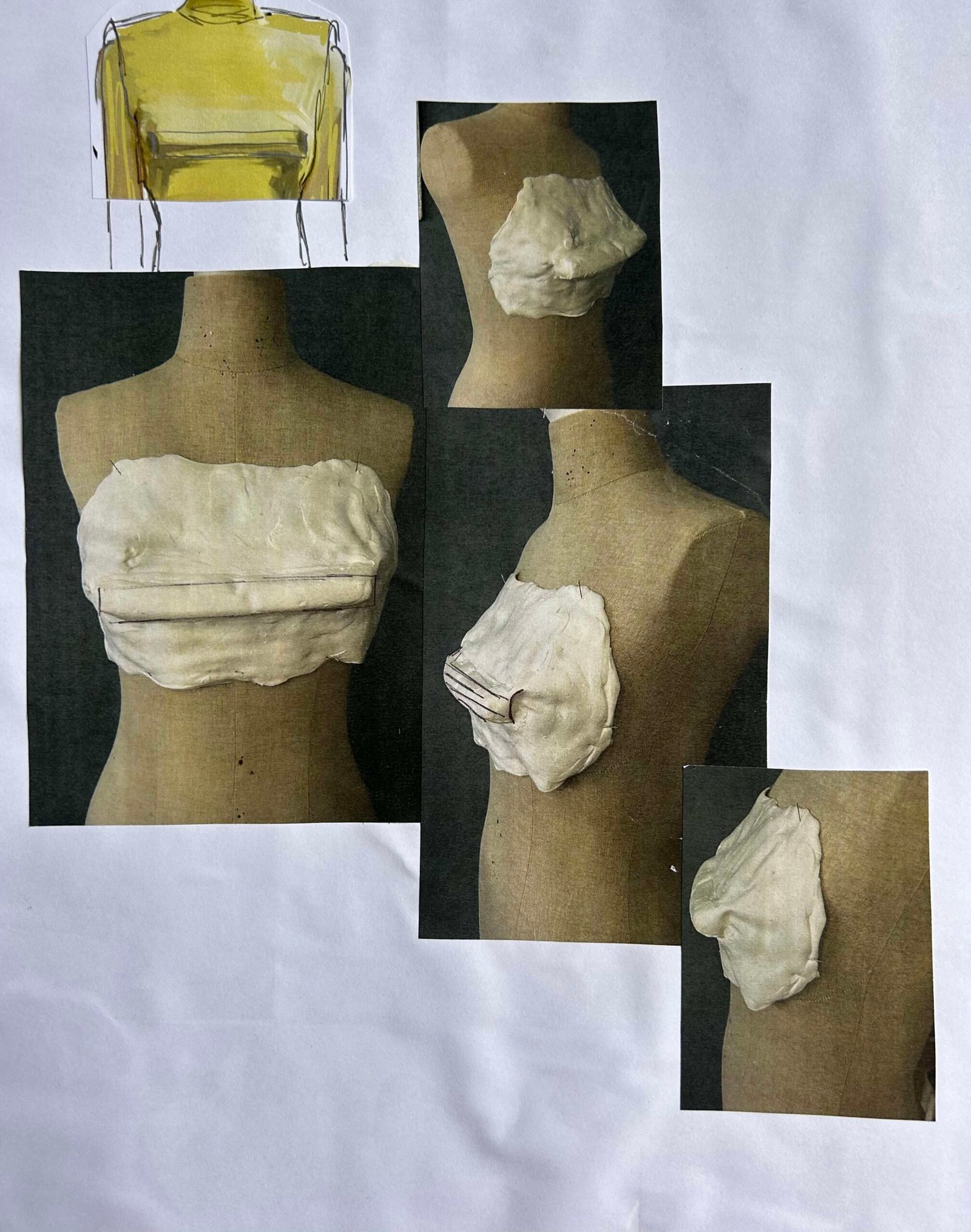
Curved furniture forms sit behind Mari Enomoto’s collection, guiding her interest in softness, strength, femininity, and structure. The work draws on her own experience of being sensitive as a child and often being perceived as weak. Through fashion, Enomoto found a way to express herself and build confidence, using the collection to challenge the idea that femininity should be associated with fragility. Waist constructions, body-conscious silhouettes, and floral details bring the body into focus without treating softness as something to overcome. Femininity appears here as force, confidence, and self-expression.

@ma8rigly

@marienomoto_

Jakob Nittmann

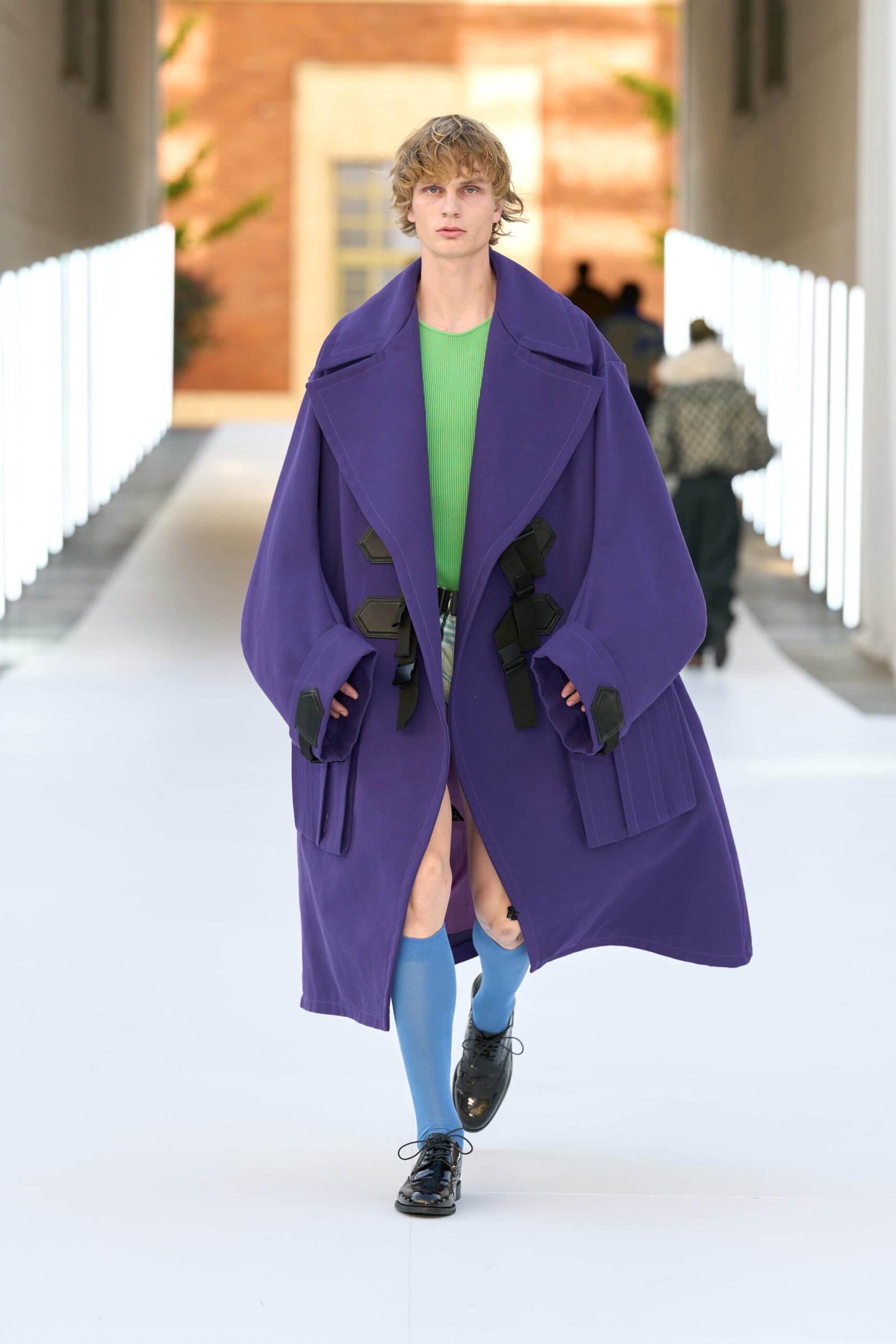
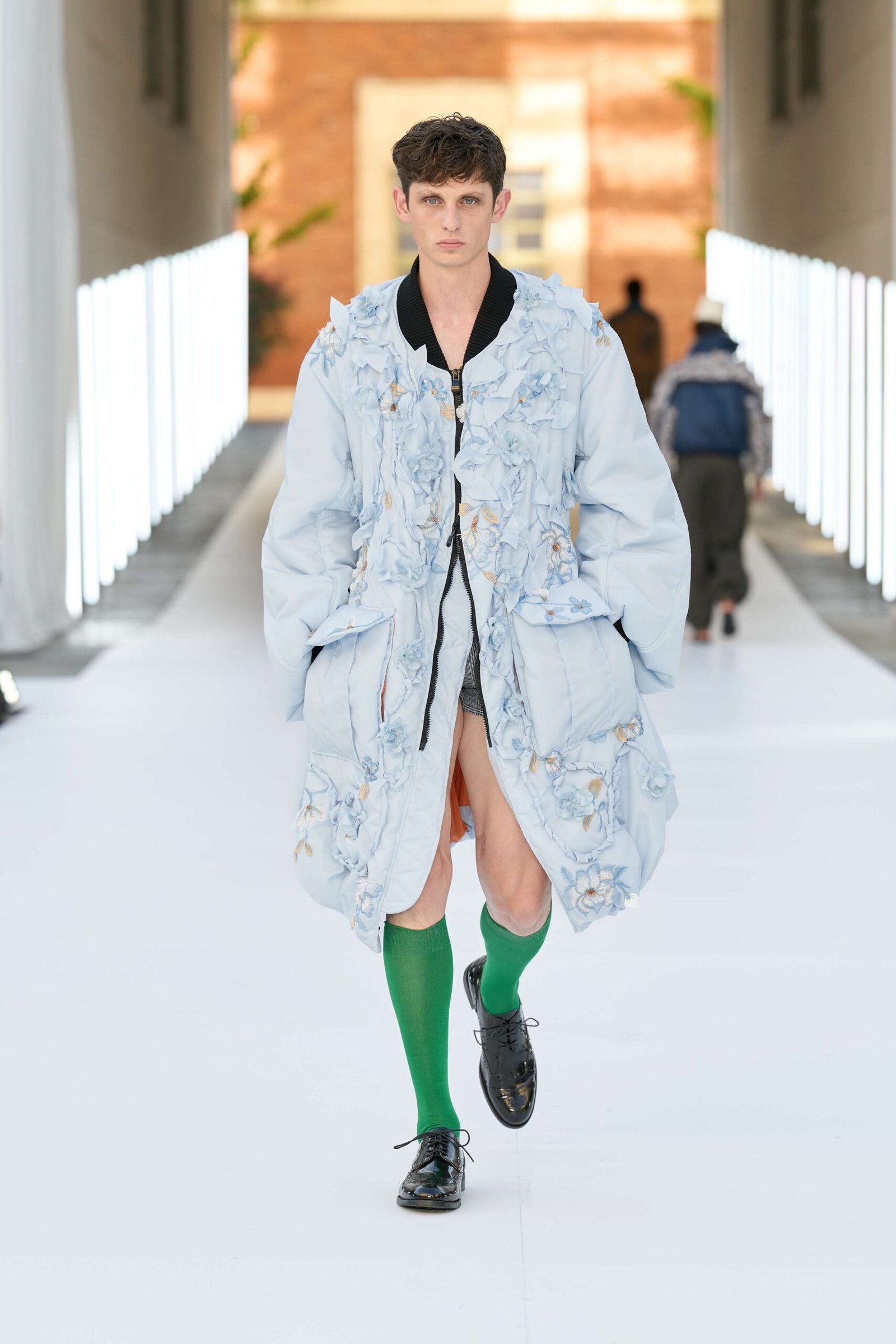
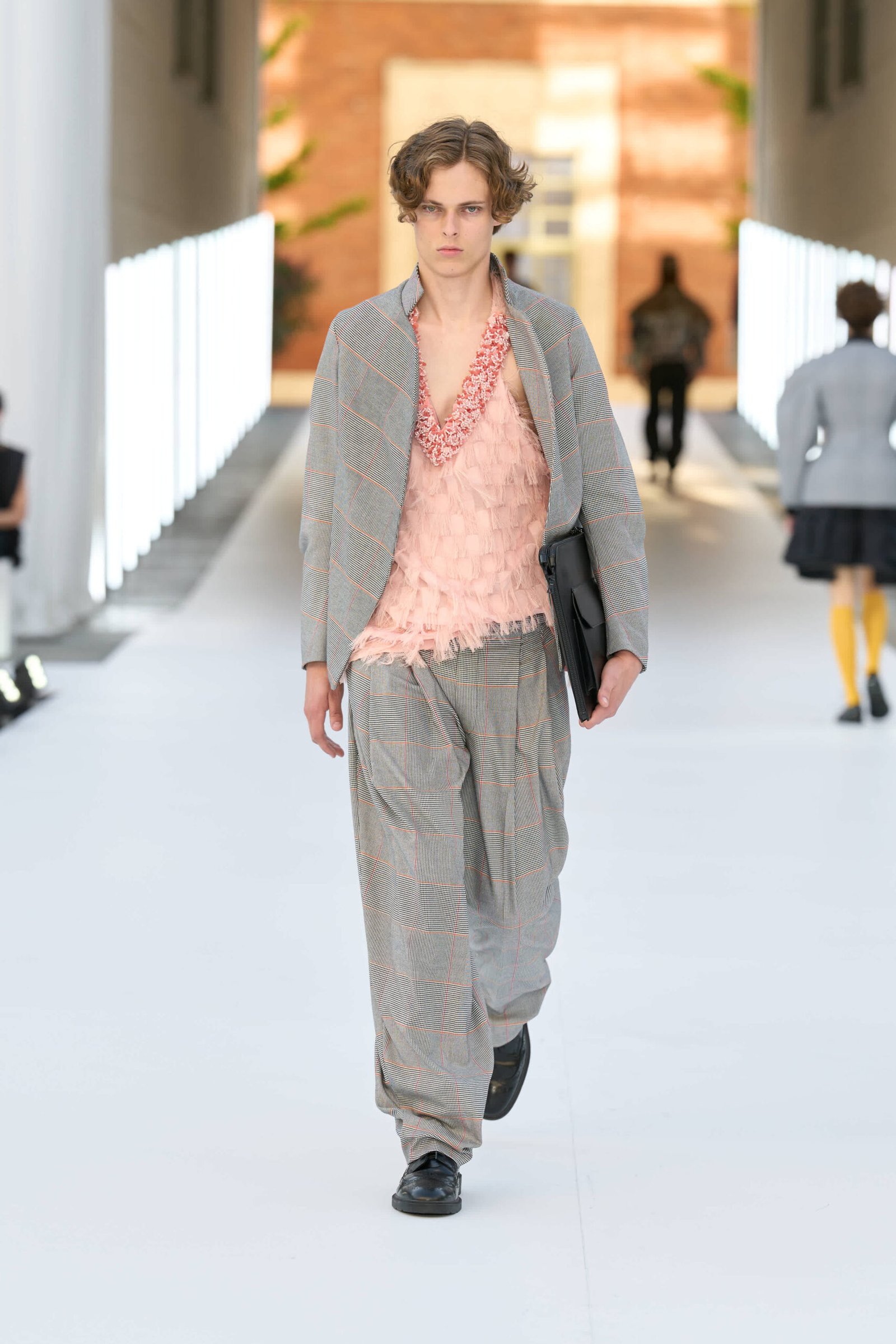
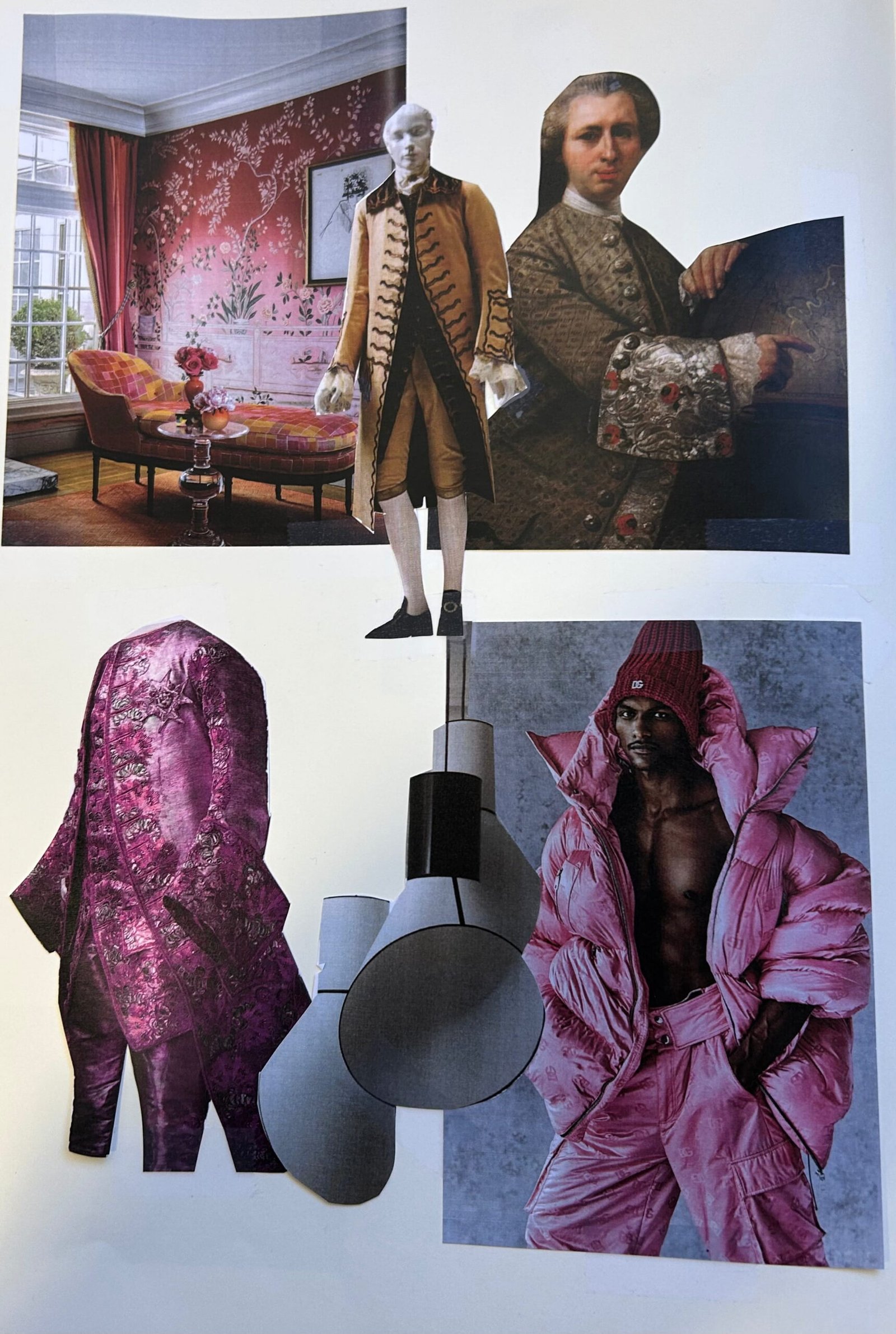
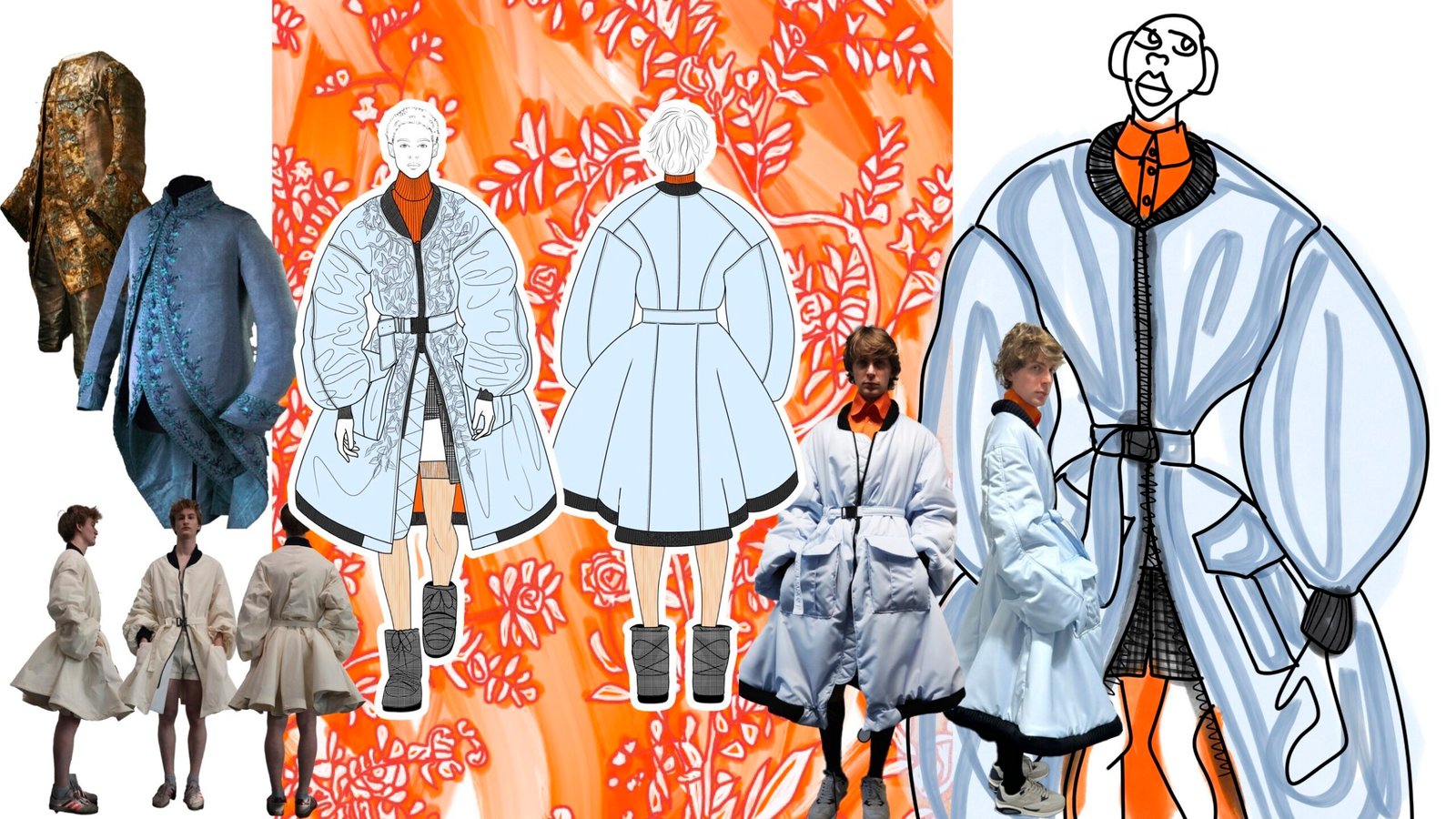
Unlearning Neutral rejects the muted codes of contemporary menswear by looking back to the 18th century, when colour had a significant place in men’s dress. Before bourgeois restraint stripped menswear of much of its chromatic confidence, nobility used colour as something deliberate and expressive. Jakob Nittmann’s collection reclaims that literacy through three silhouettes drawn directly from historical menswear coat patterns. The archival structure is interrupted by modern materials: nylon, mesh, buckles, and backpack strapping. Upcycled vintage garments are reworked through embroidery, bringing craft into the collection without turning the past into nostalgia.

@jakobnittmann

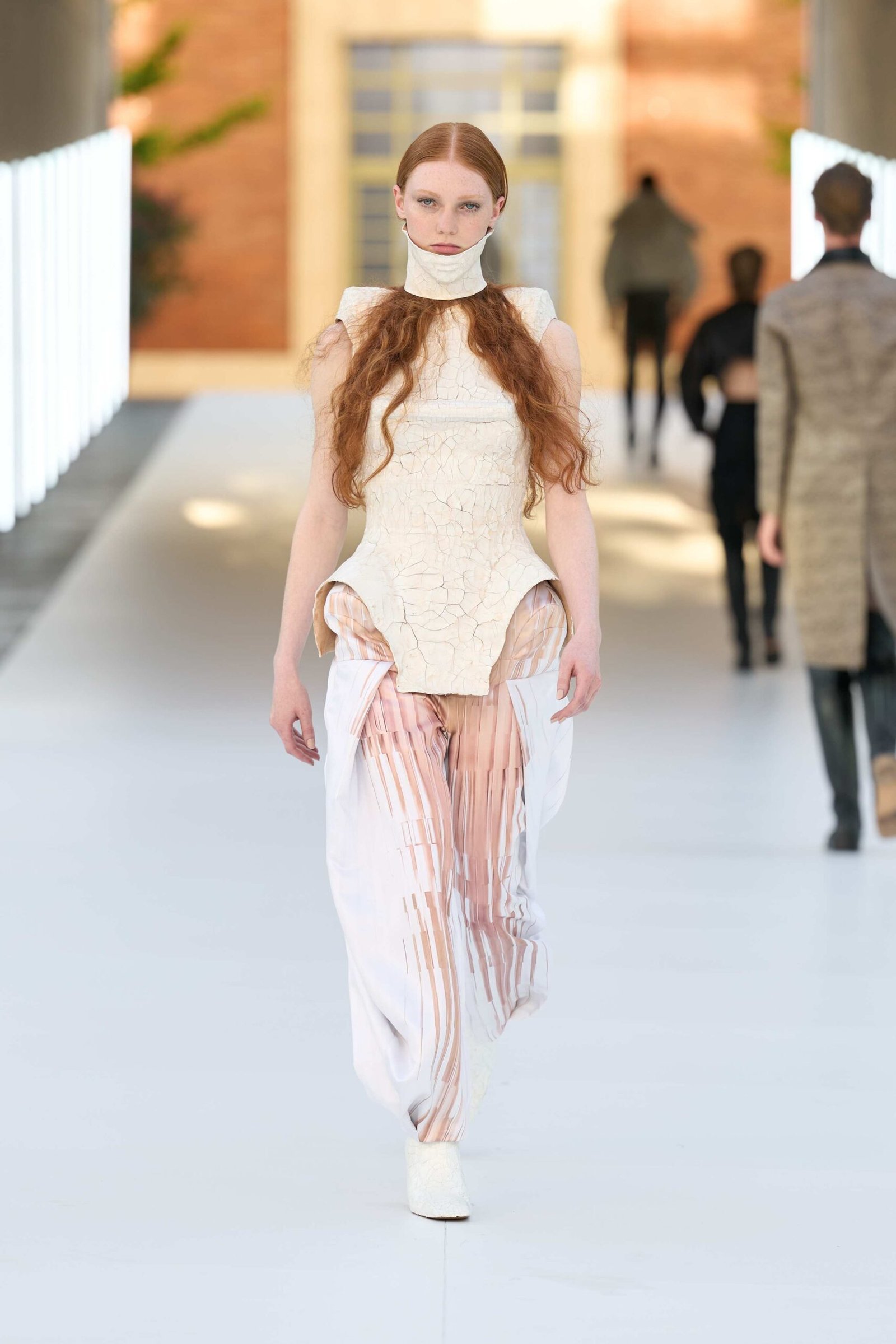
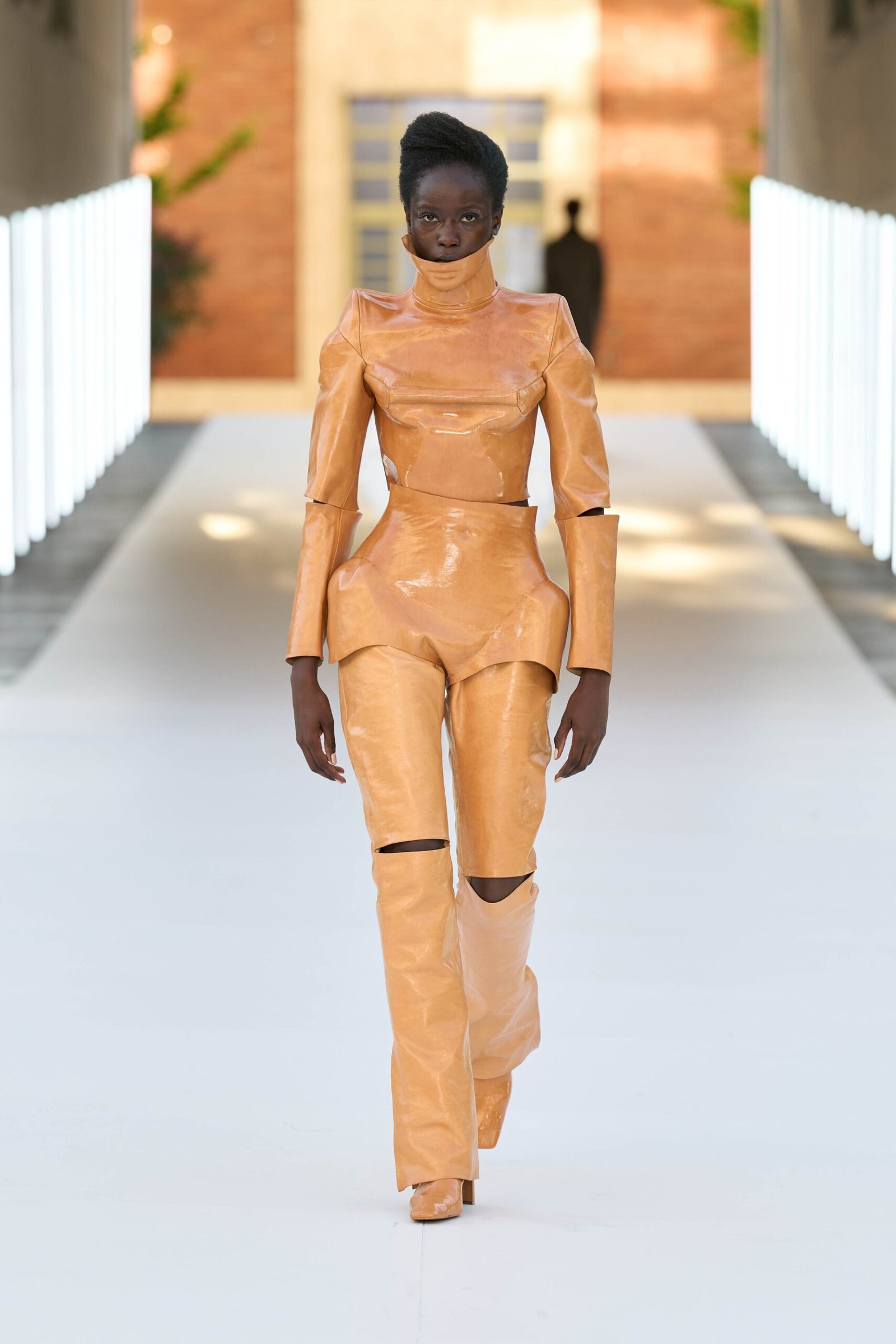
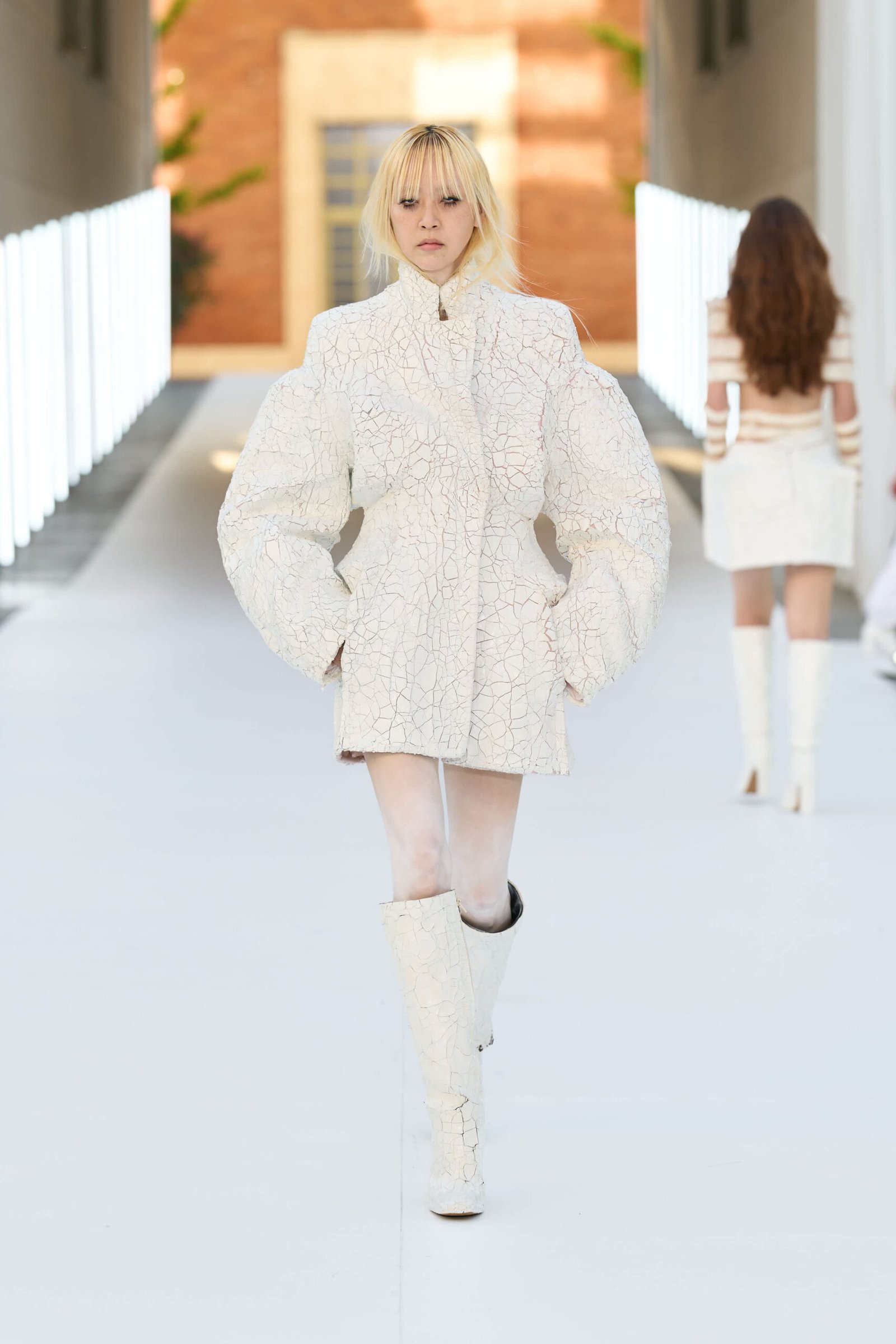
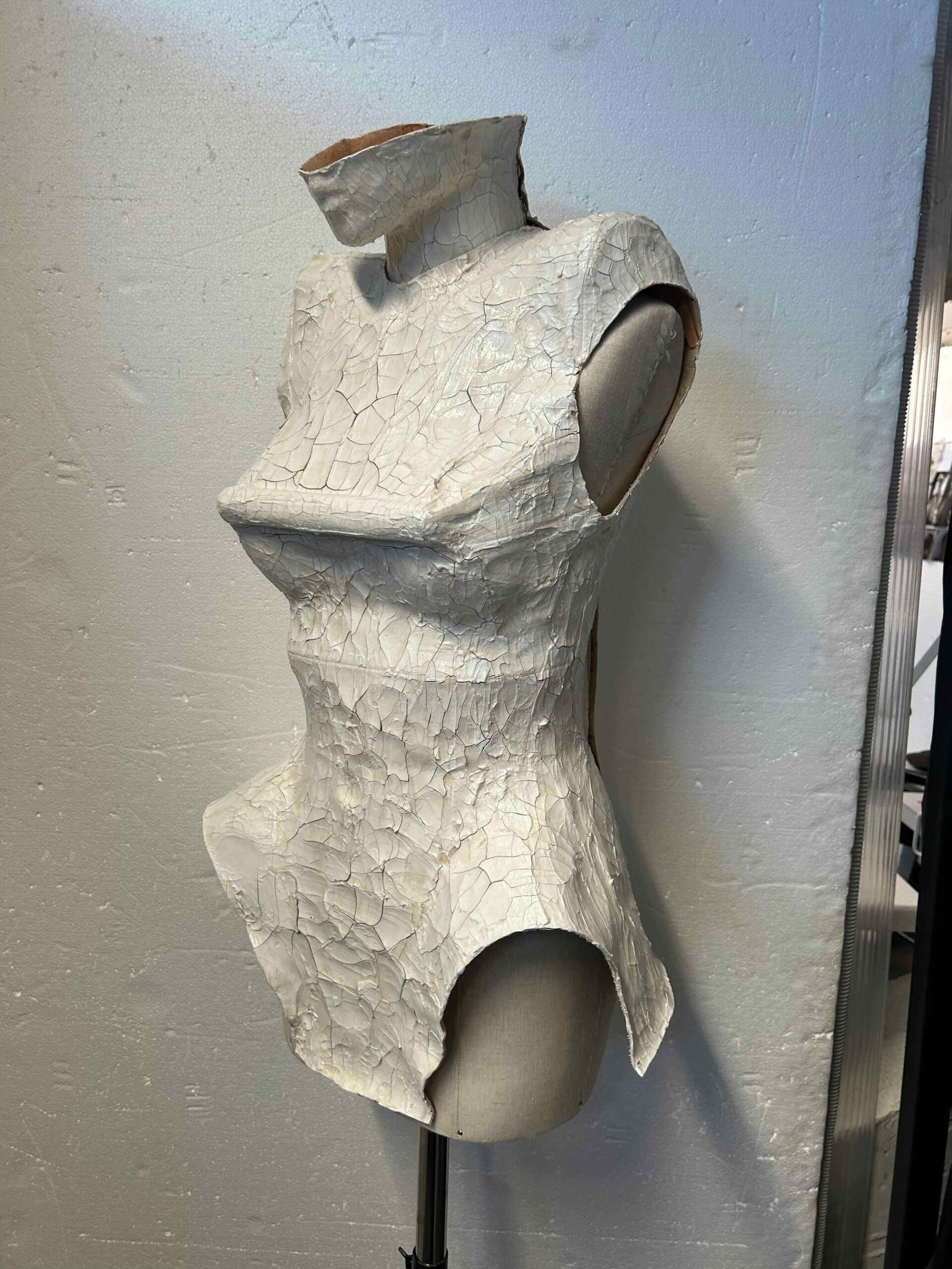
Emilie Wenckstern

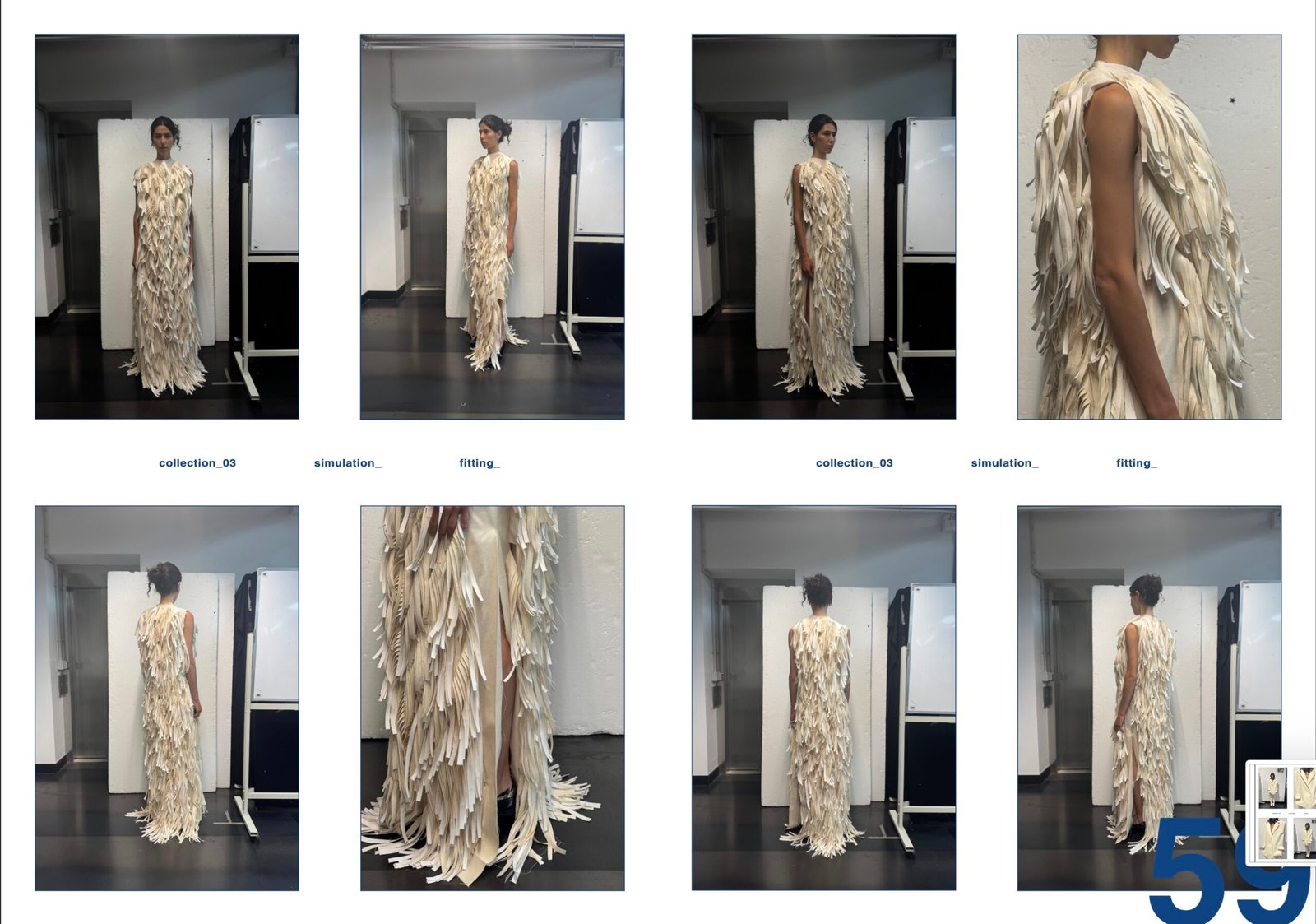
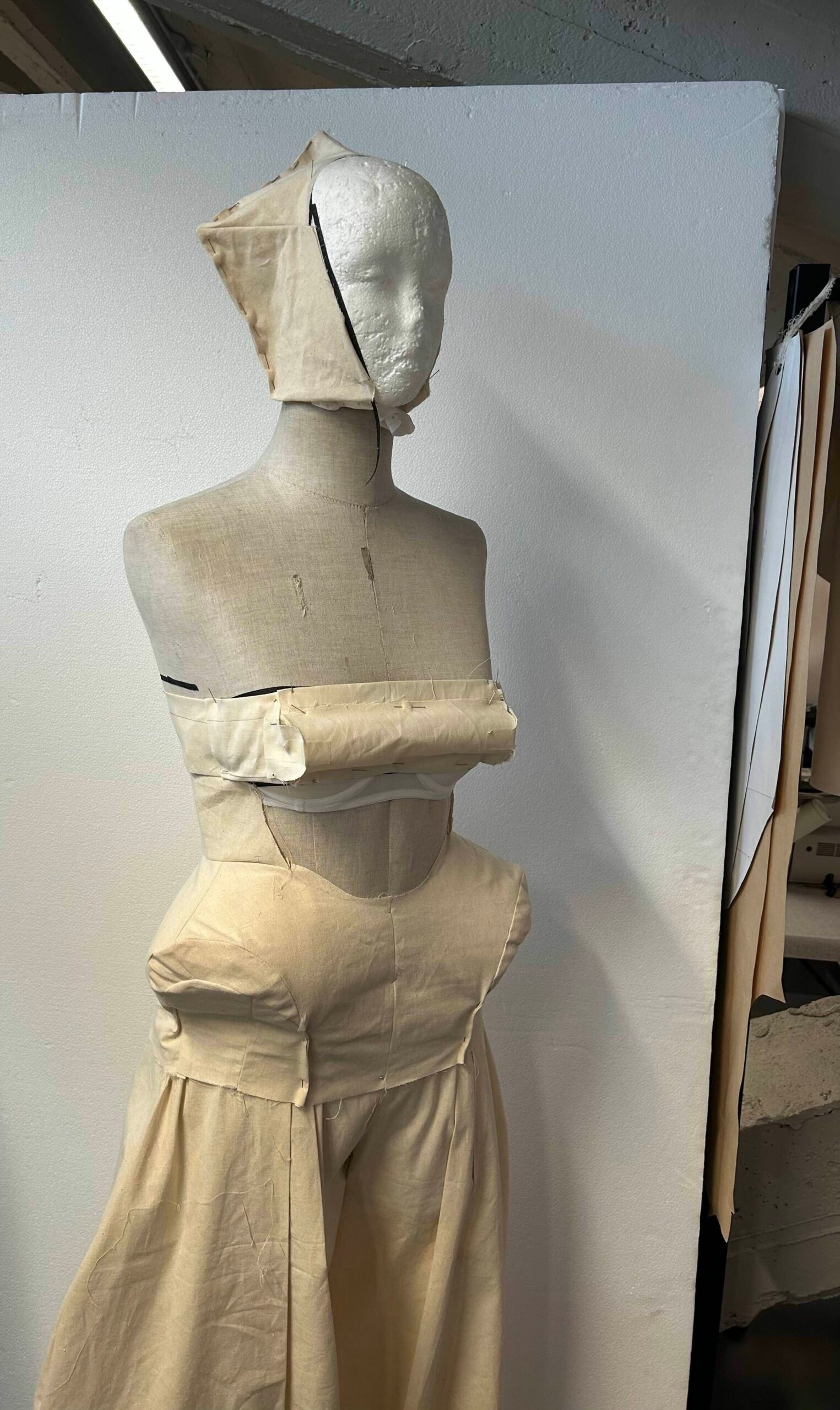
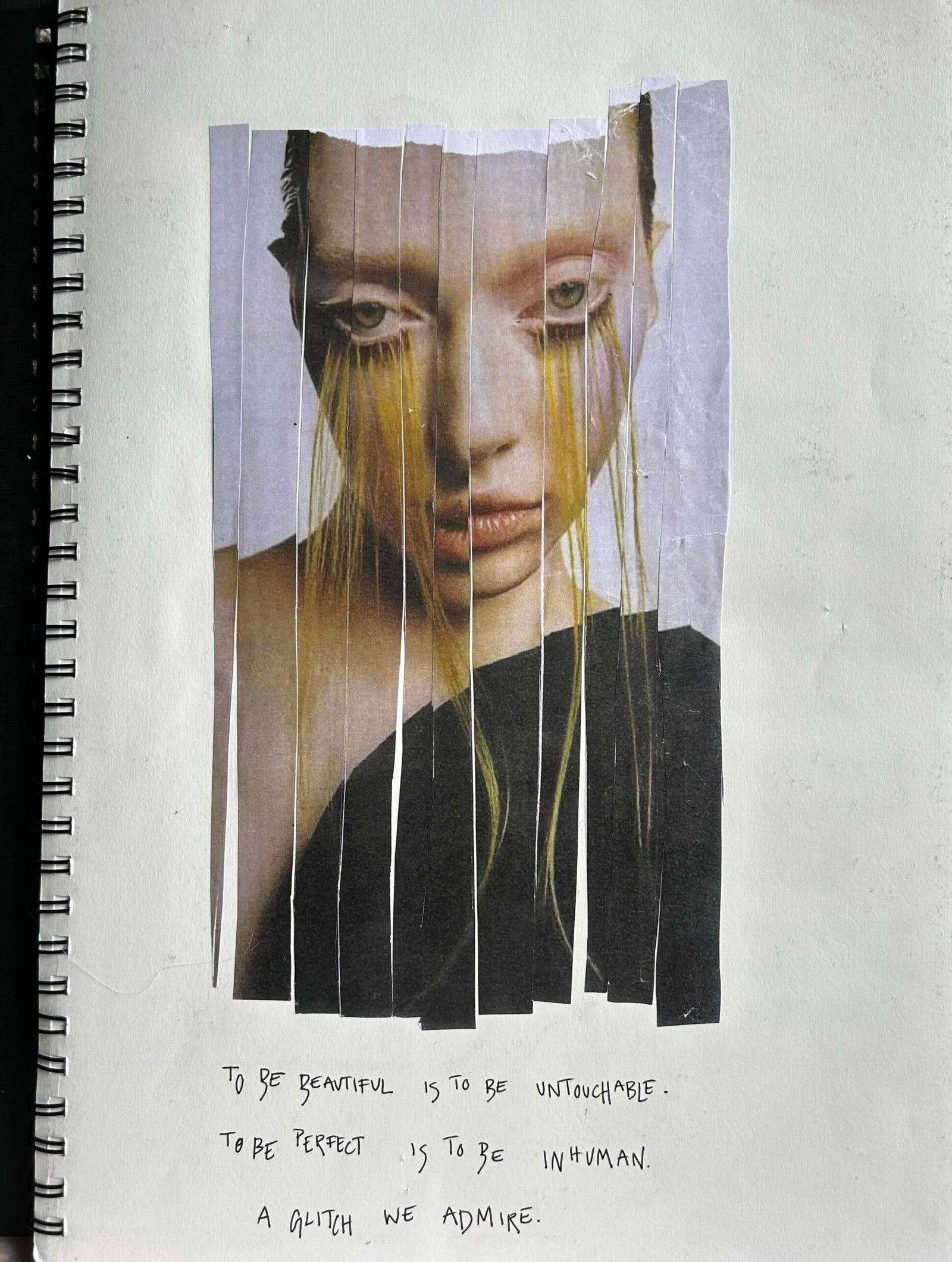
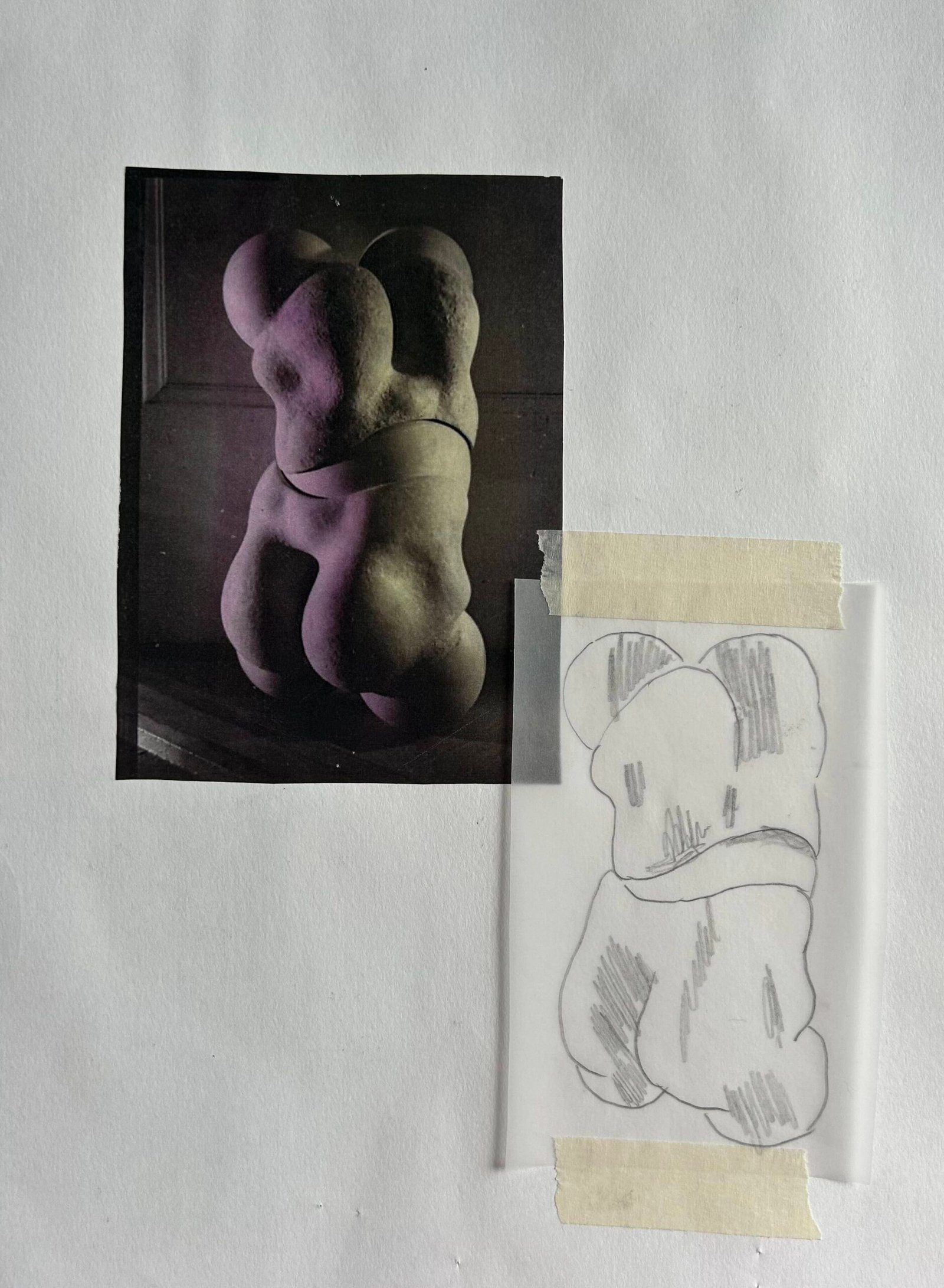
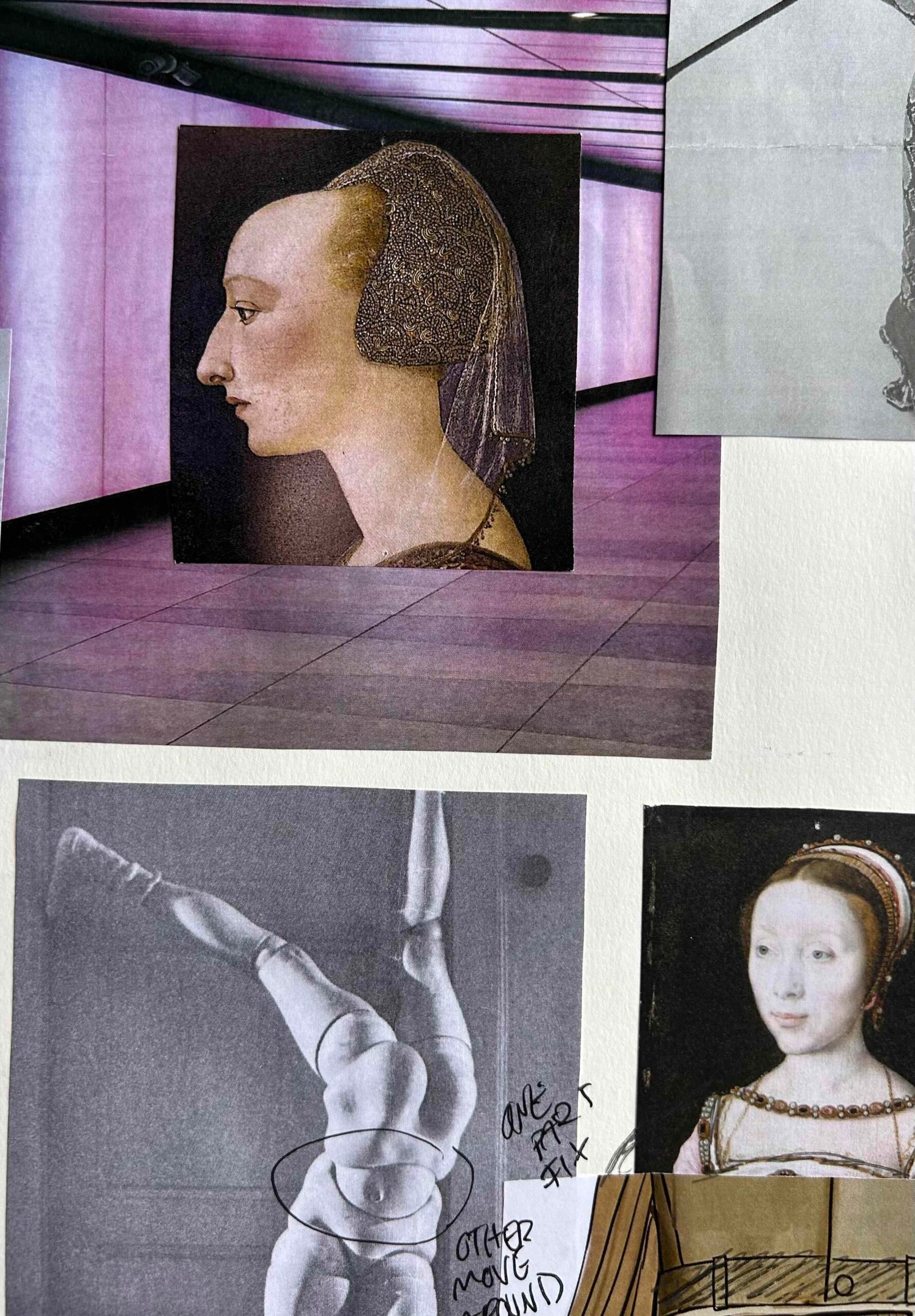
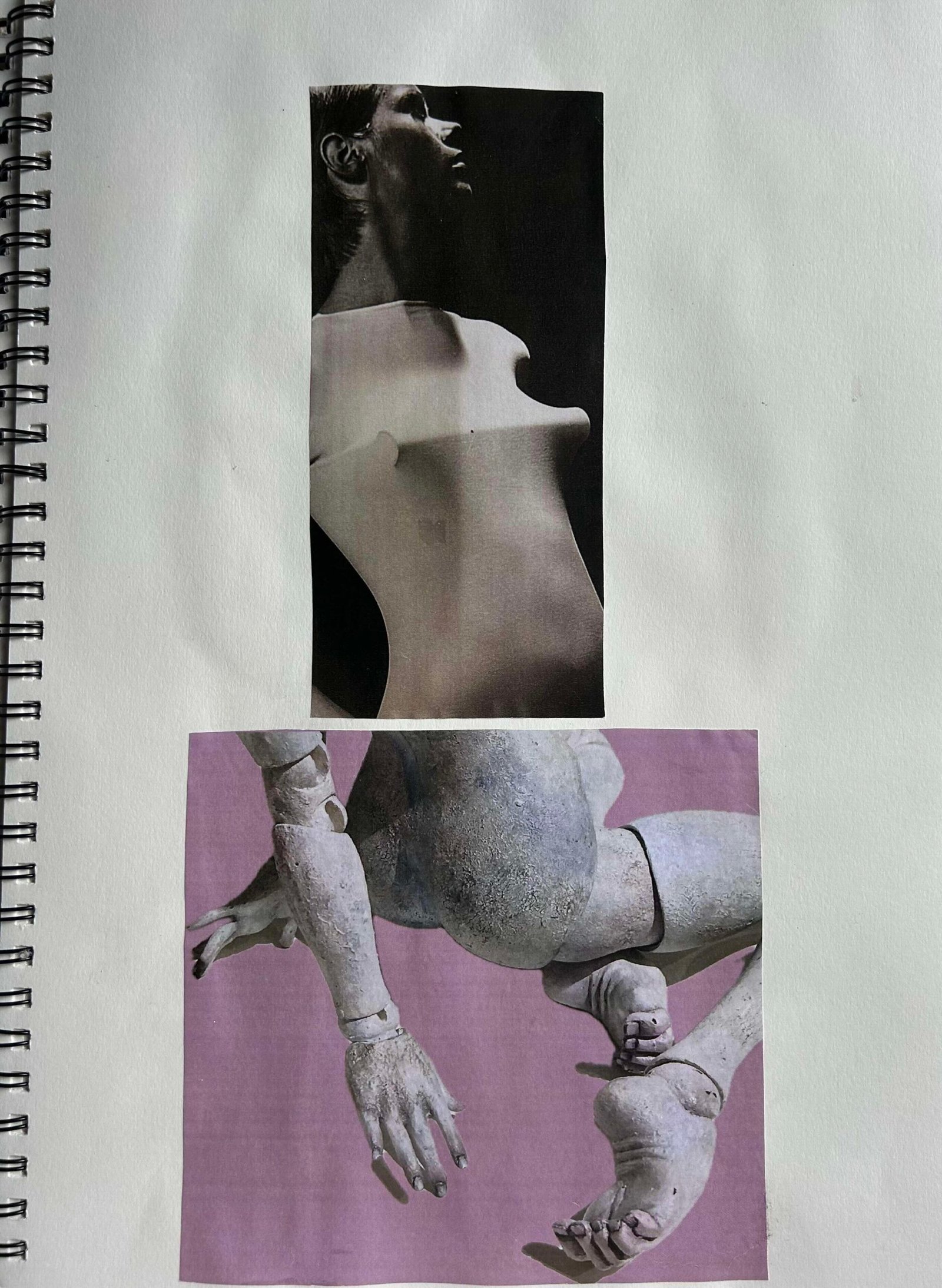
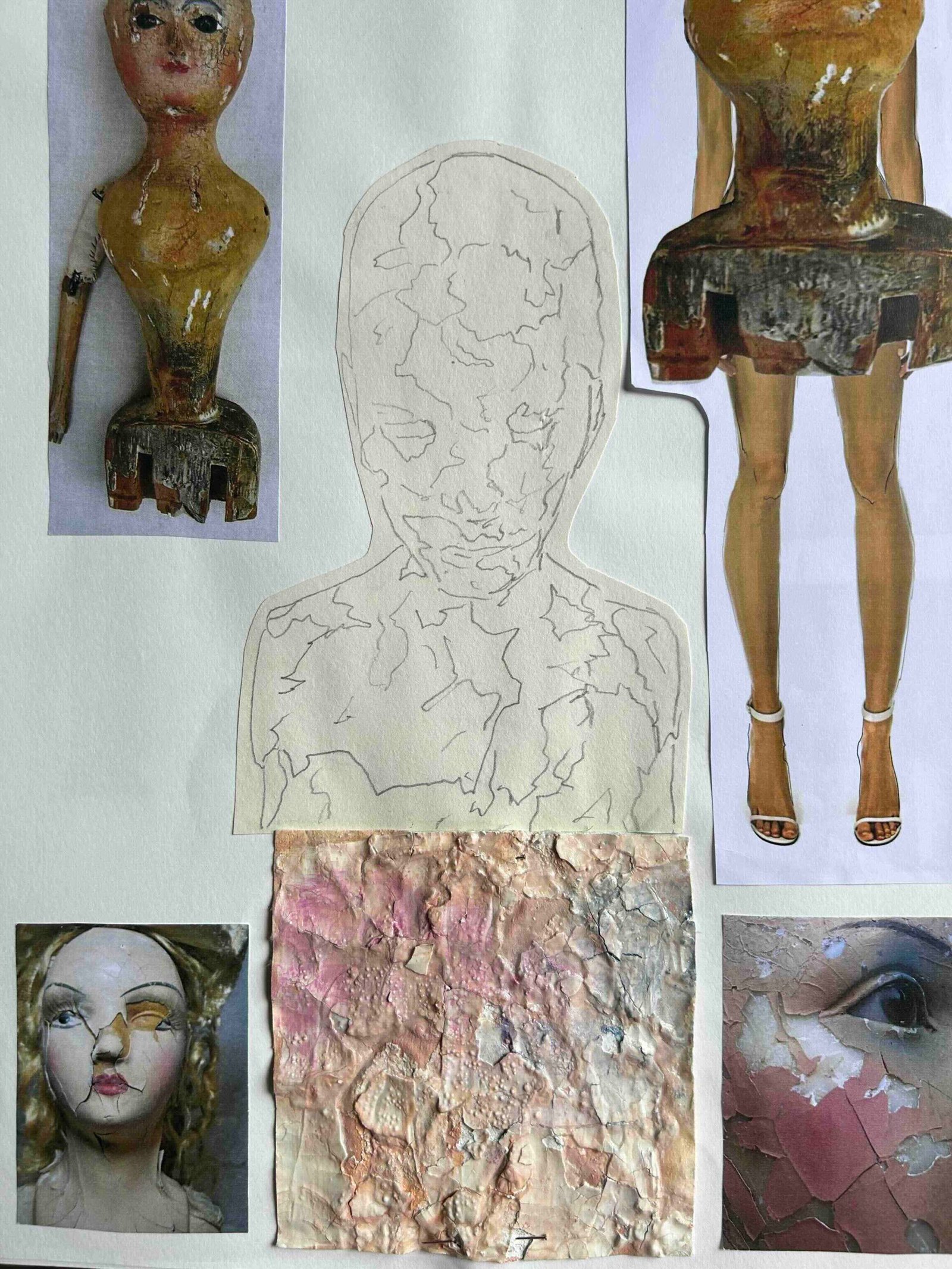
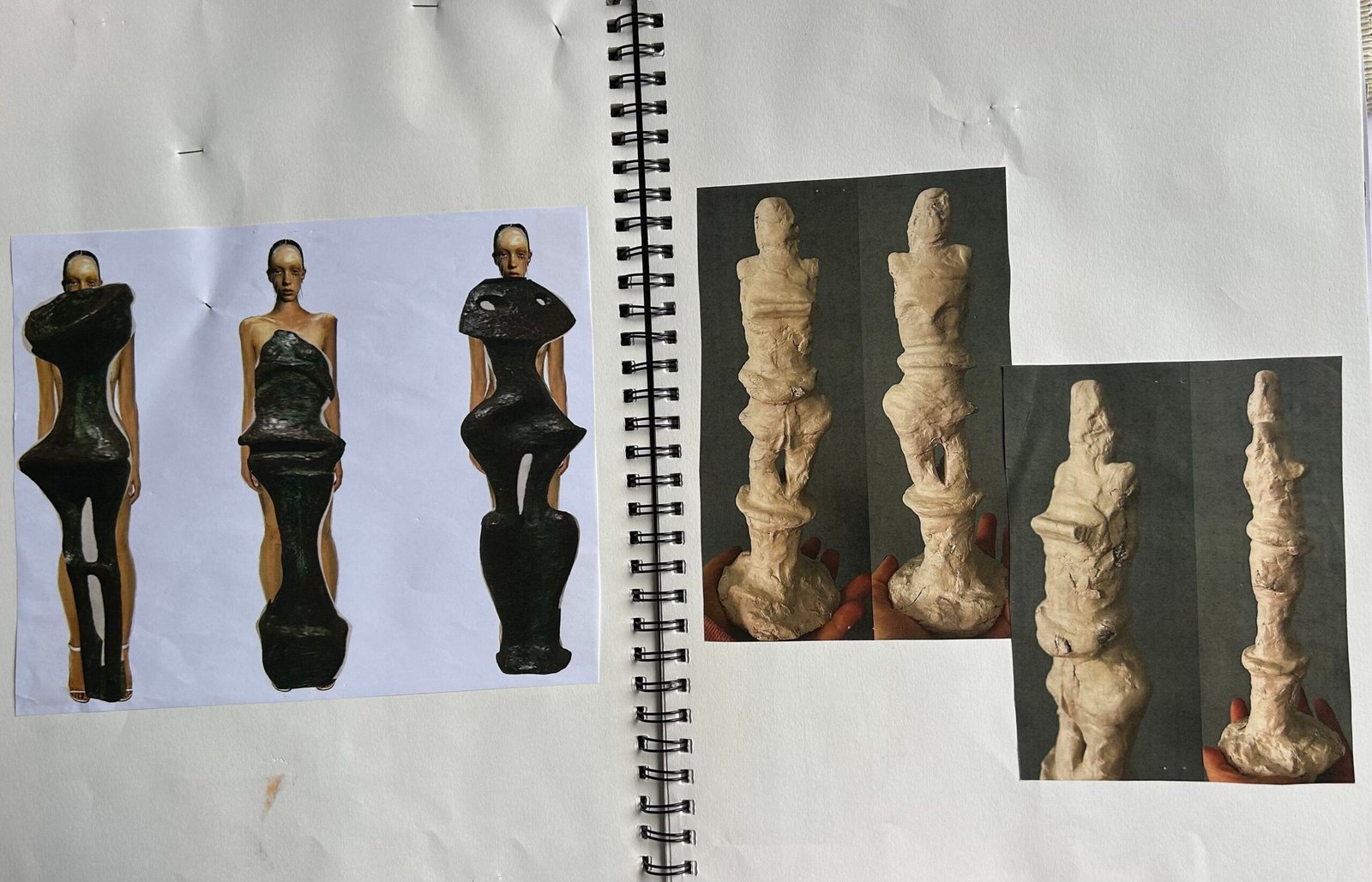
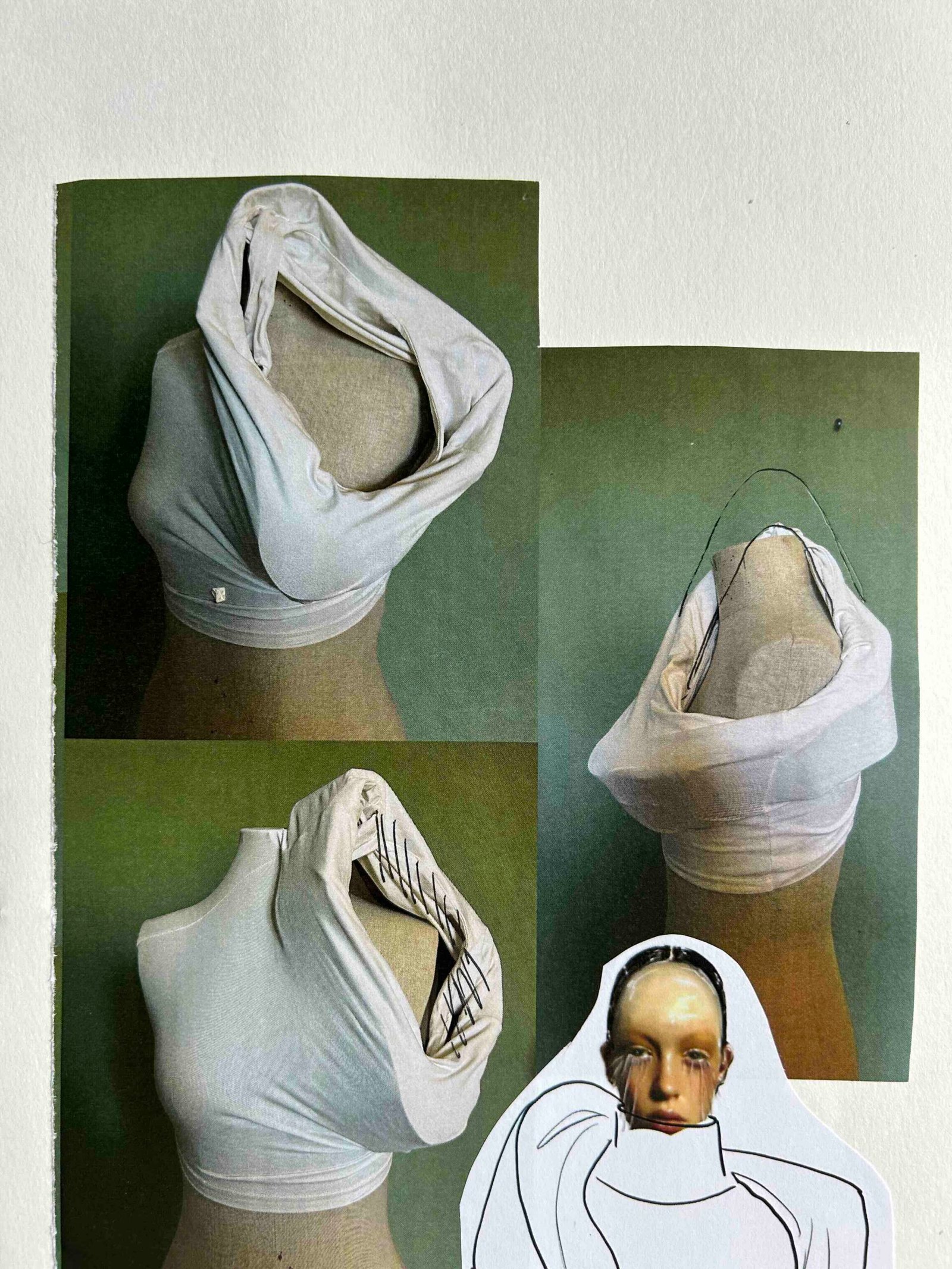
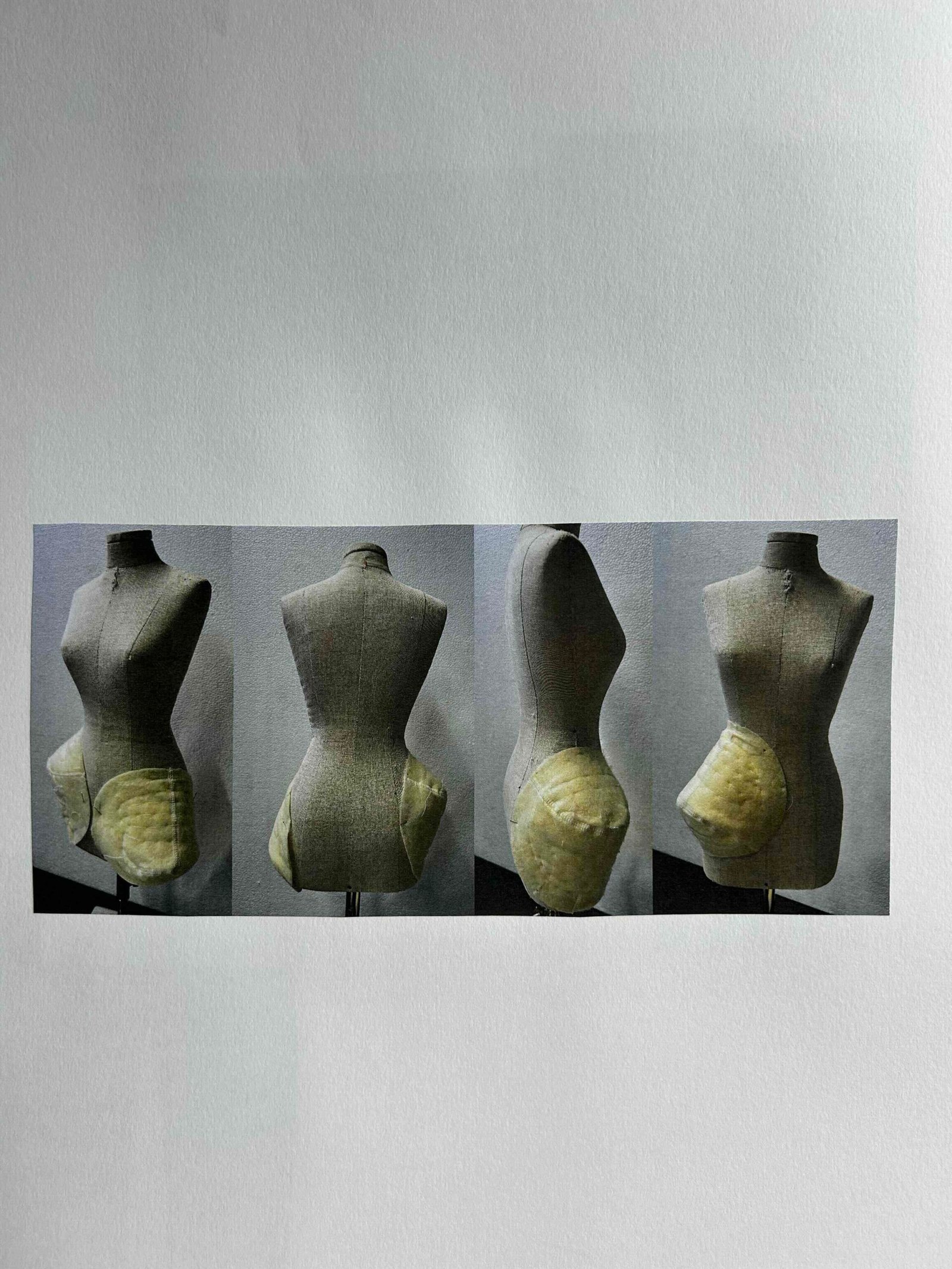
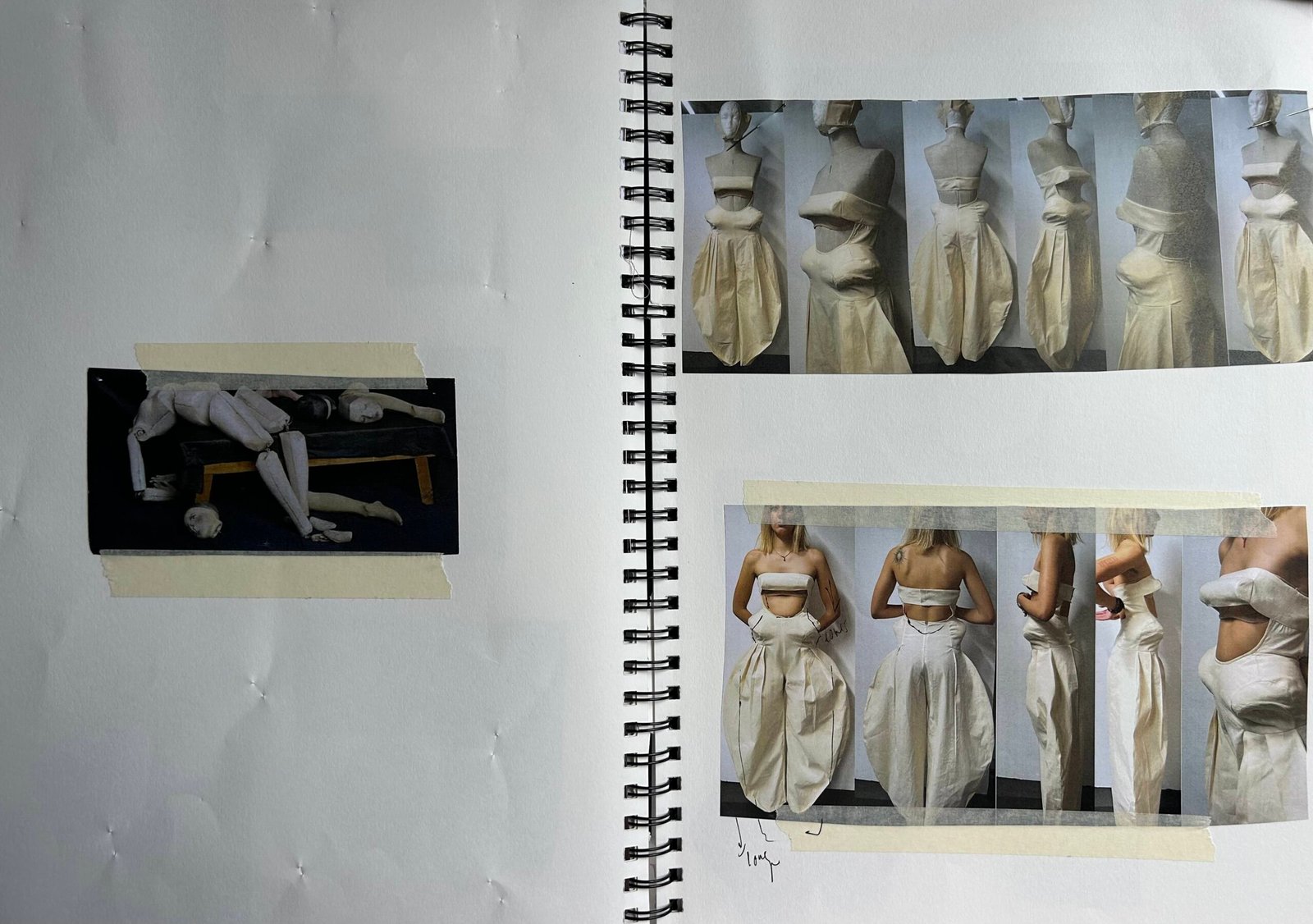
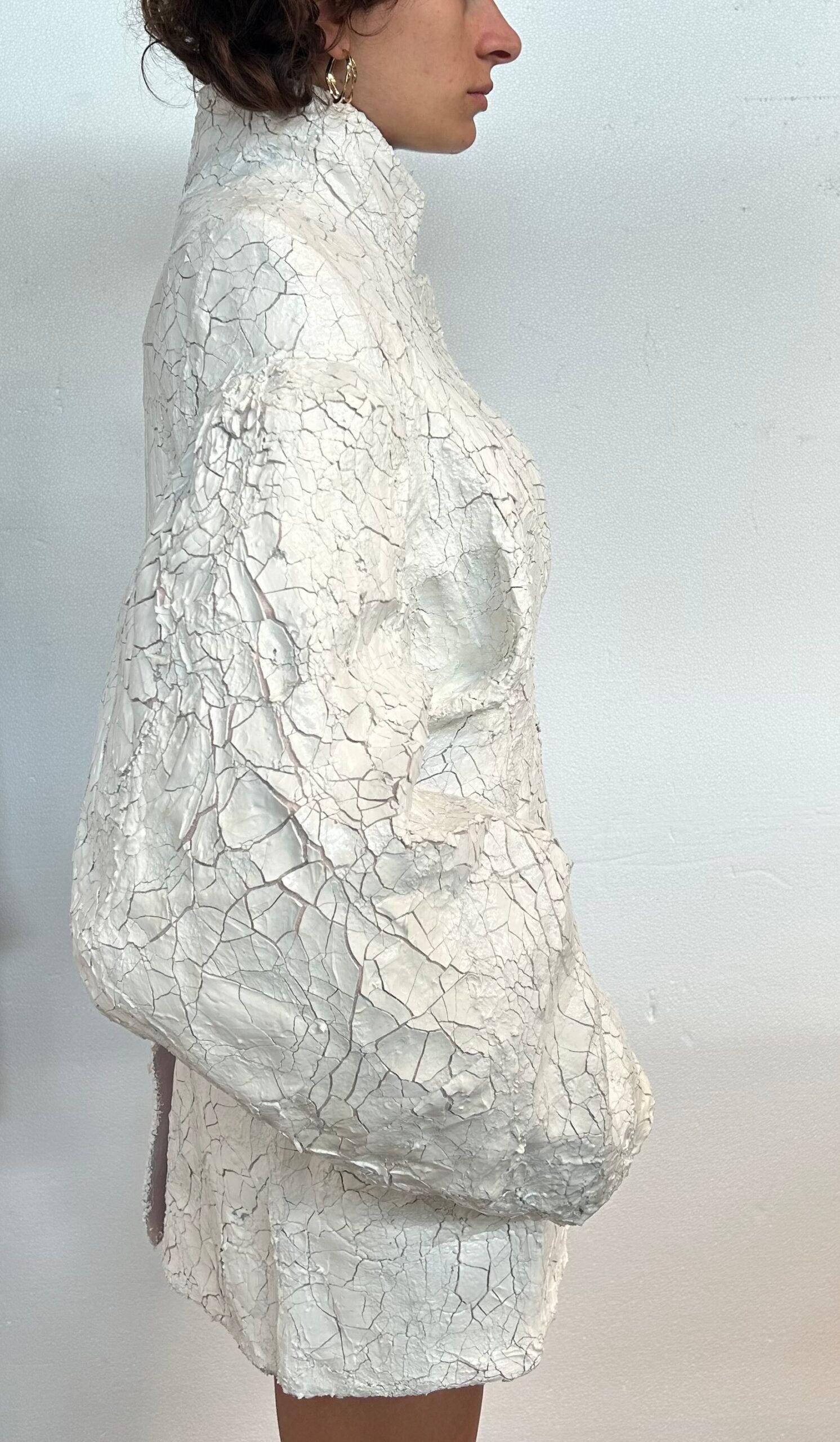
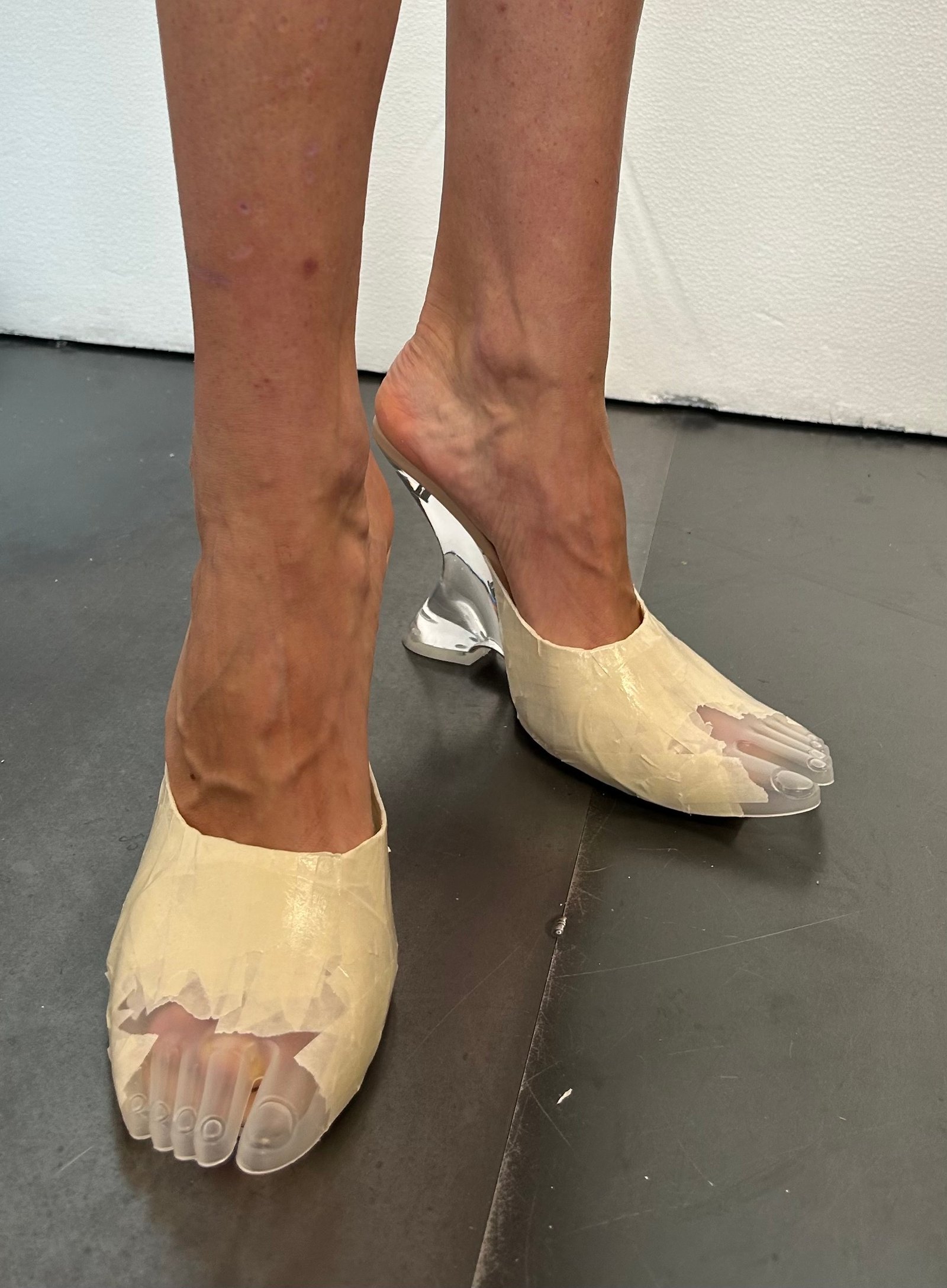
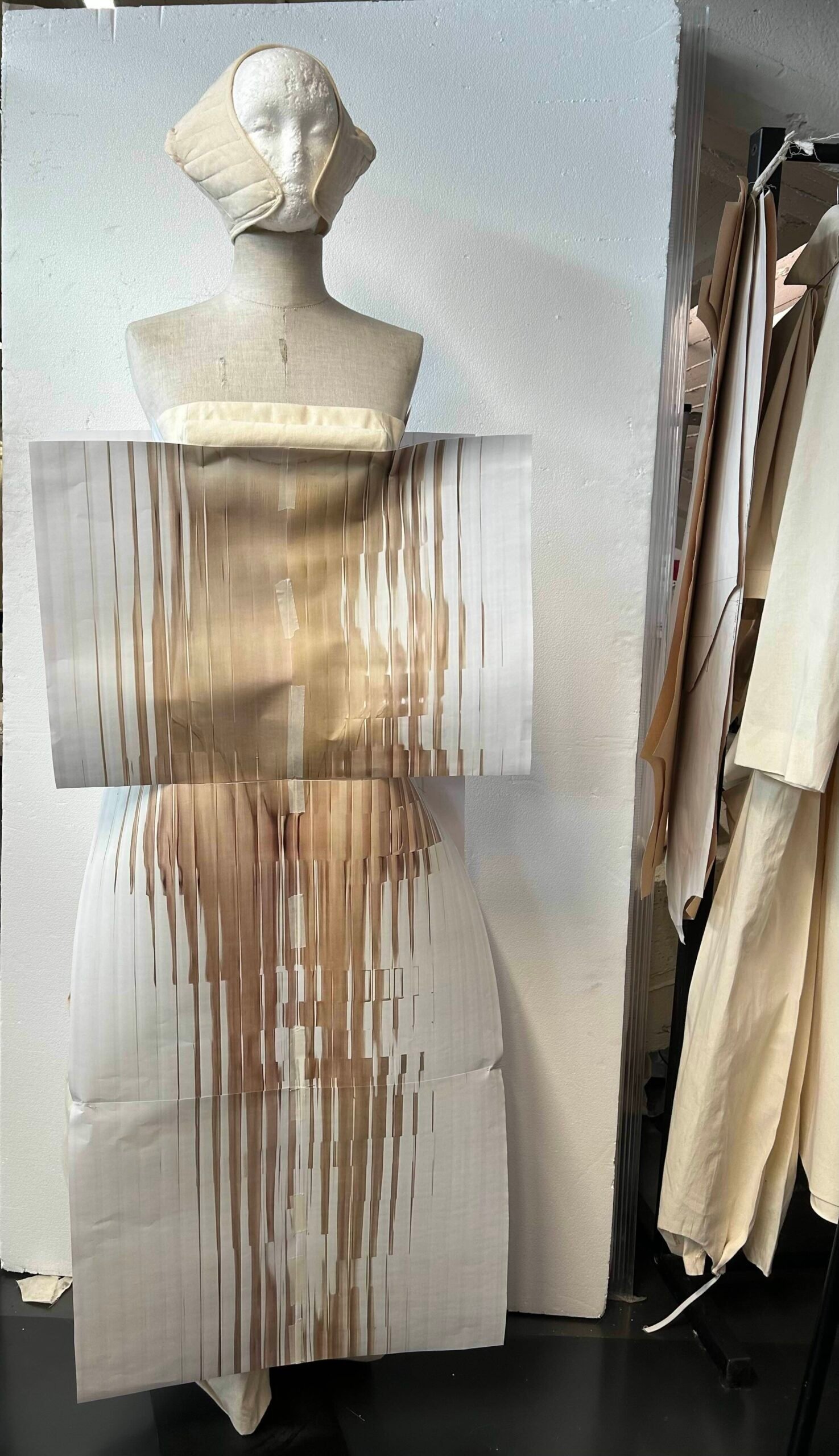
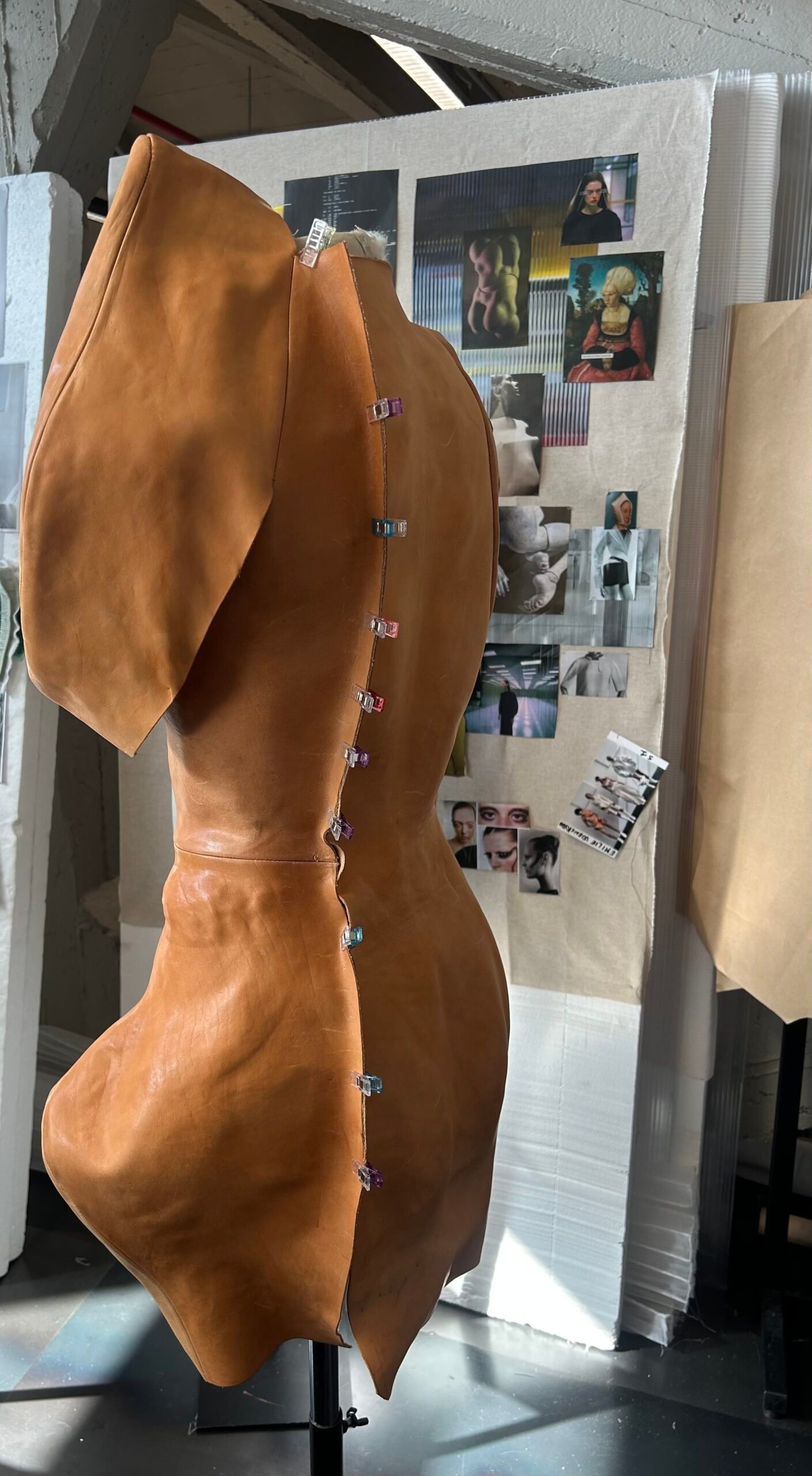
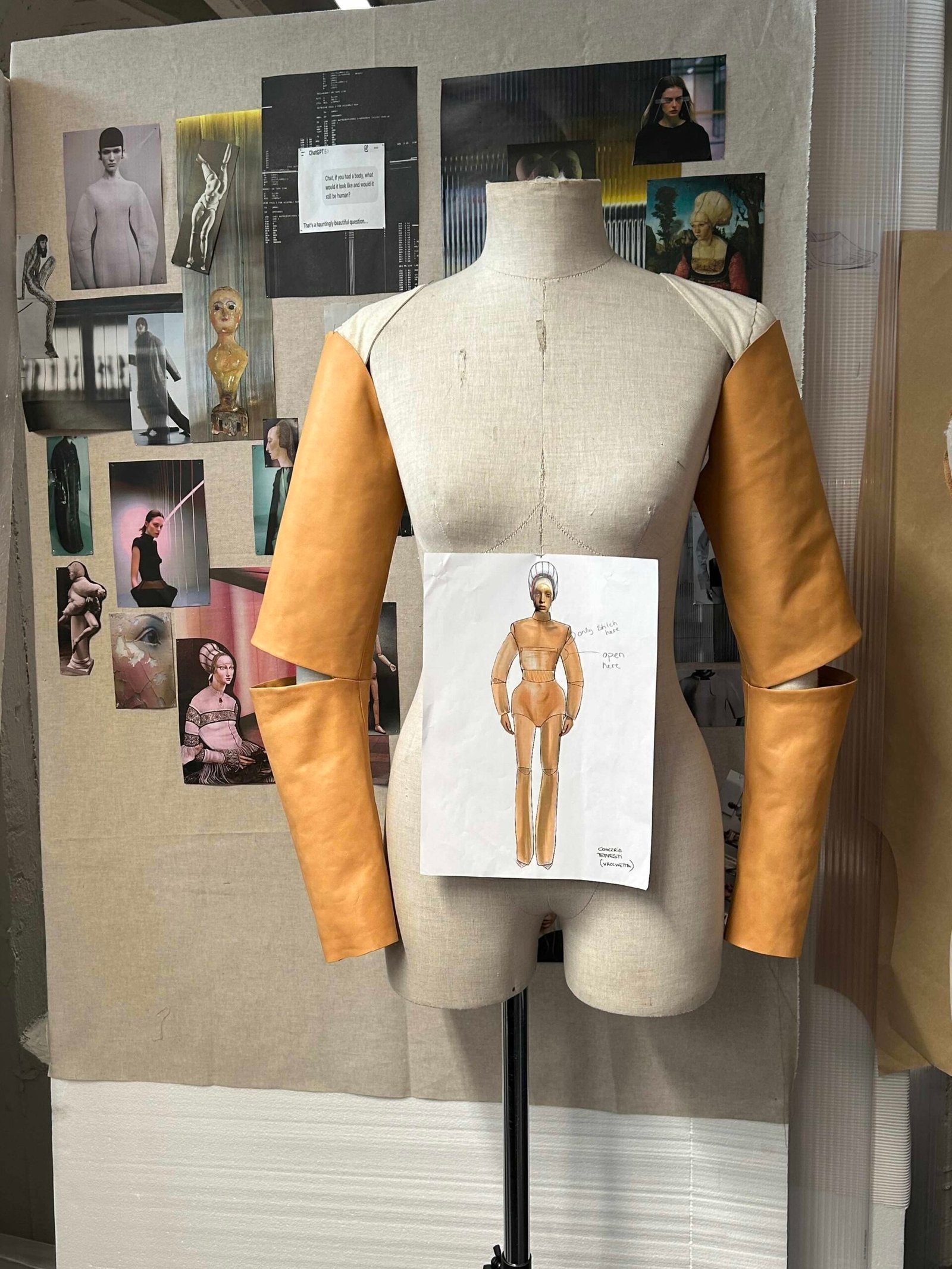
No Longer Human looks at bodies that feel almost real, but never fully believable. Emilie Wenckstern’s collection responds to a moment in which bodies can be generated, edited, and circulated before they exist physically. Inspired by dolls, sculptural figures, historical beauty ideals, and digital avatars, the work is interested in artificial bodies and the flaws that make them recognisably synthetic. Assembled proportion and visual glitches are translated into garments, treating the body as something built and simulated. The collection sits at the point where human presence begins to slip into artificial representation.

@emilie.wenckstern


Idan David Segal

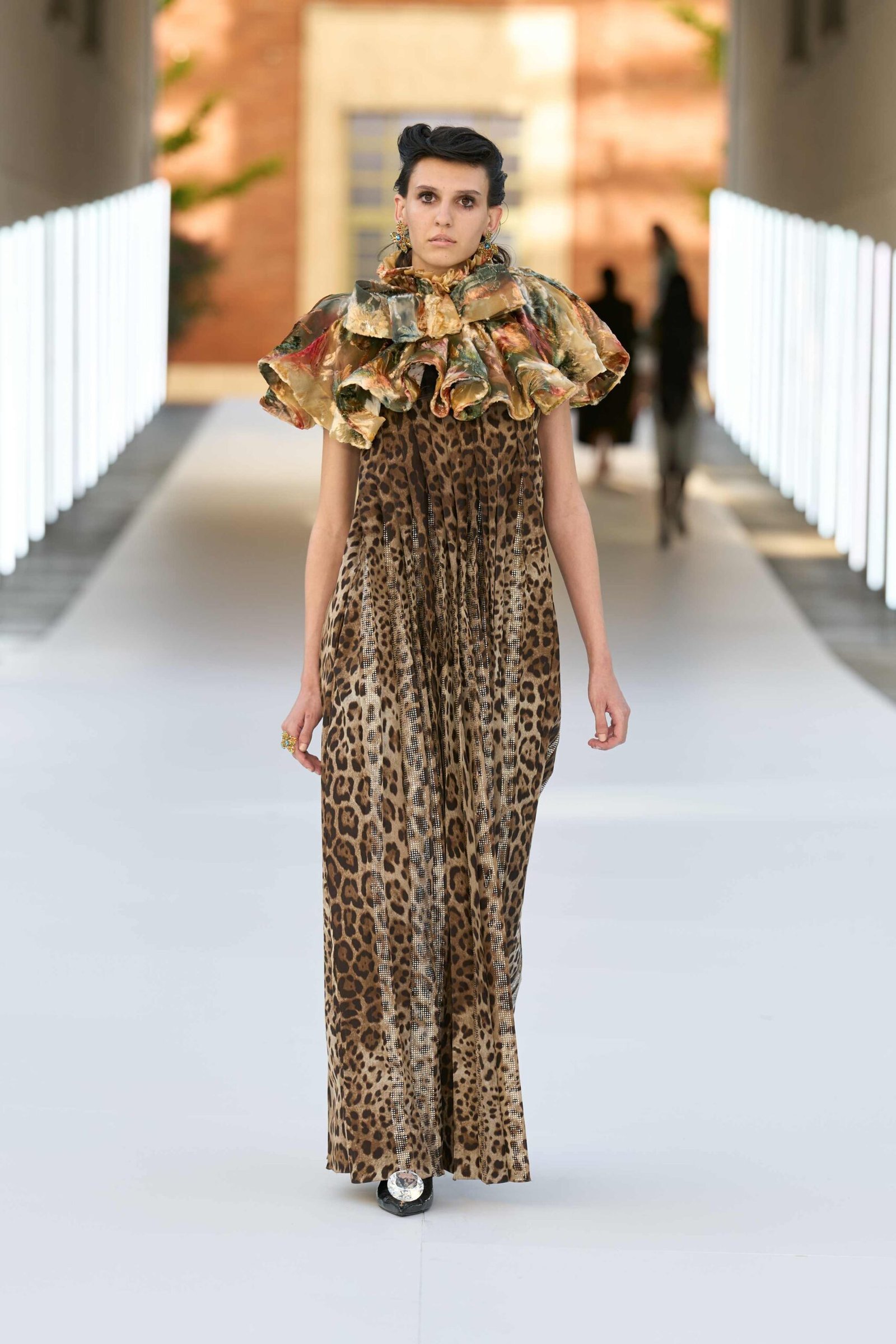
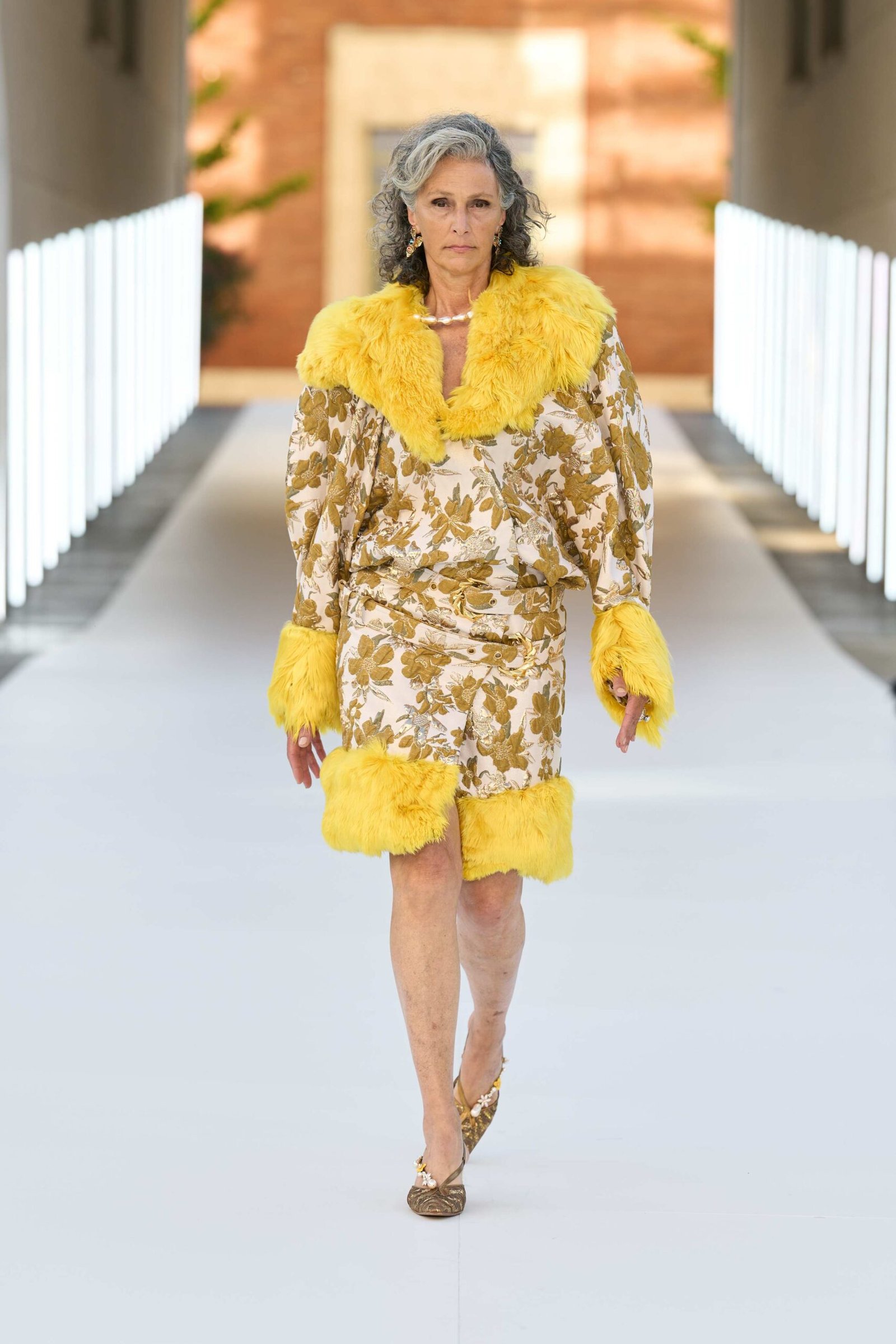
Frame Me If You Can tells the story of a jewellery heist carried out by wealthy older women. In Idan David Segal’s collection, the crime matters less than the thrill of the performance: the show, the spotlight, and the pleasure of refusing to fade into the background. These women dress to be seen, turning excess, glamour, and risk into a shared language. Embroidery, handwork, hand-sewing, and storytelling sit at the centre of the collection, giving the imagined heist the weight of craft and tradition.

@idandavidsegal

Screenshot
Screenshot
Screenshot
Screenshot
Screenshot
Screenshot

Jing Jirat Jitdee

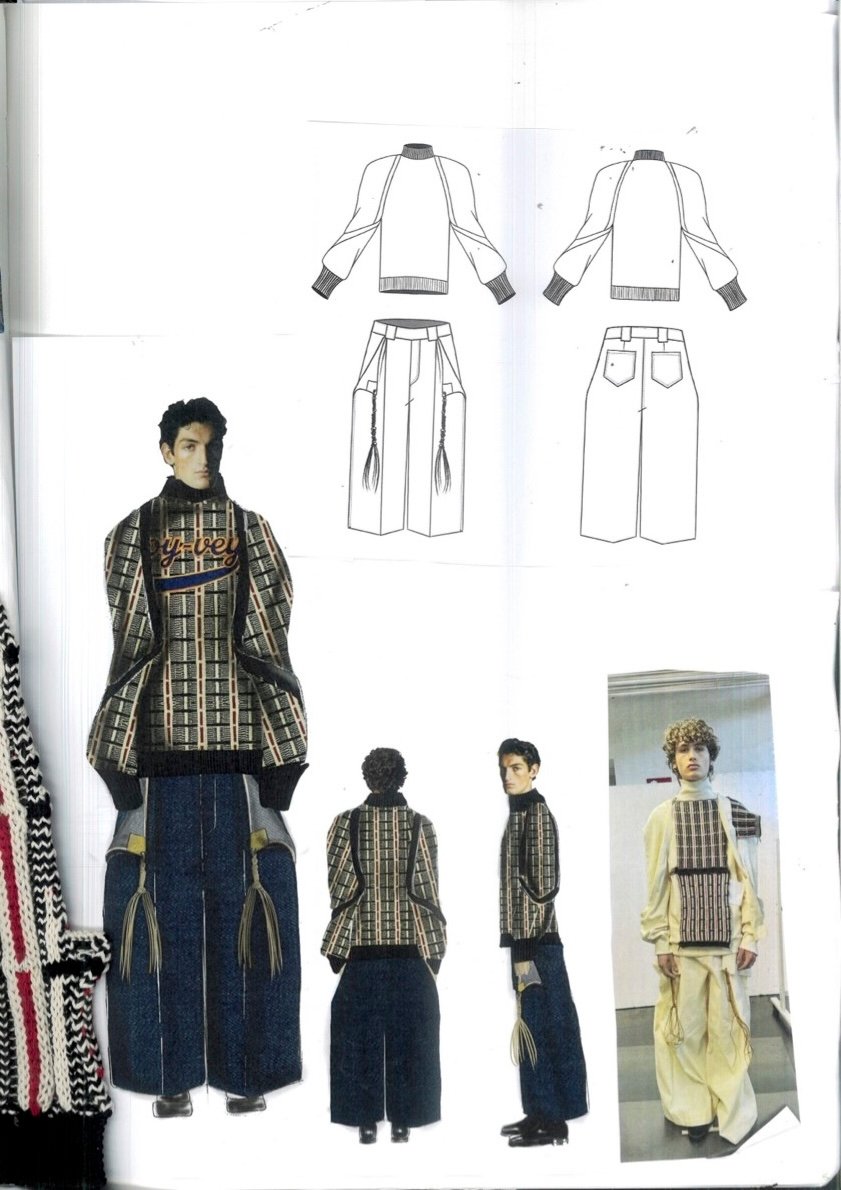
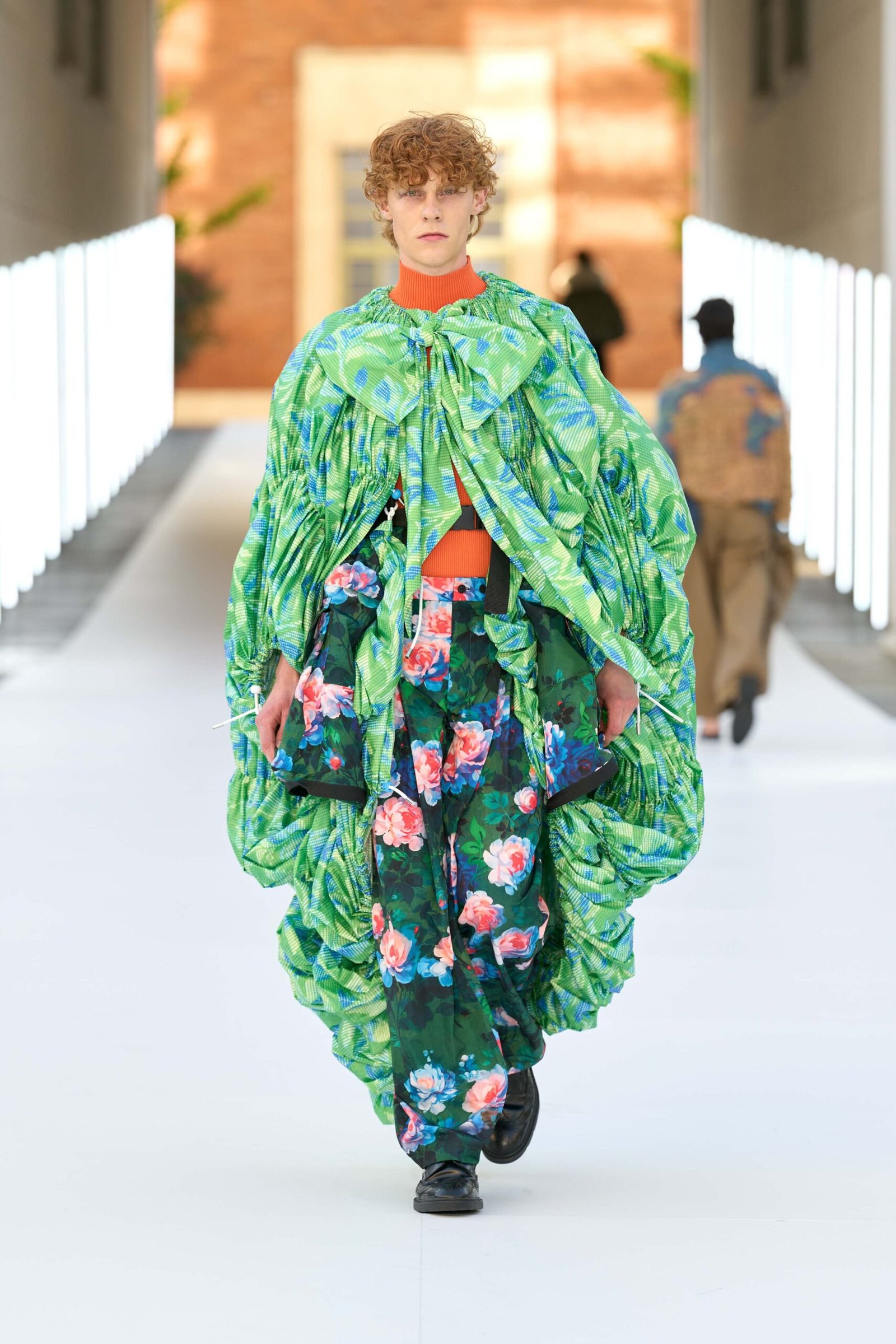
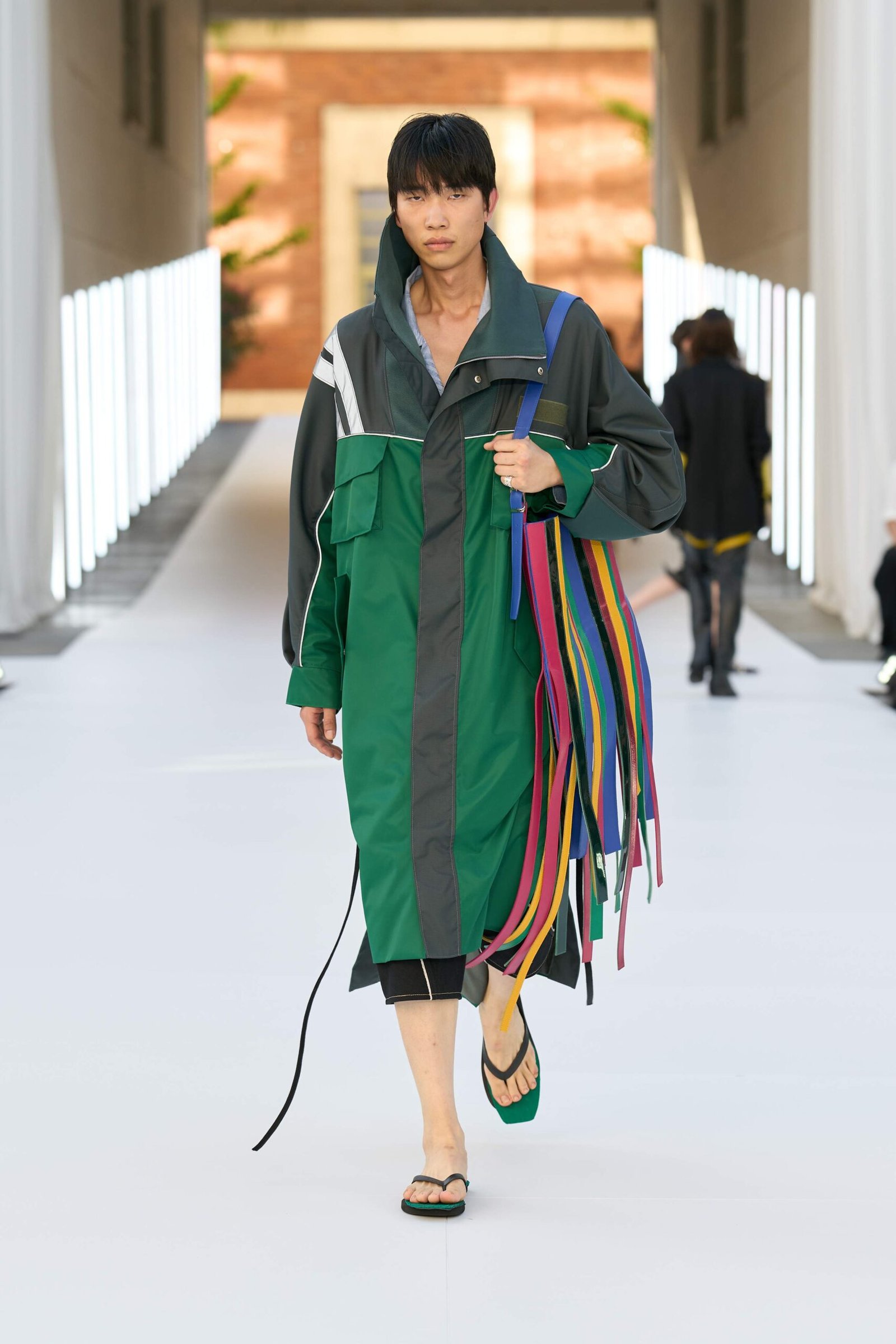
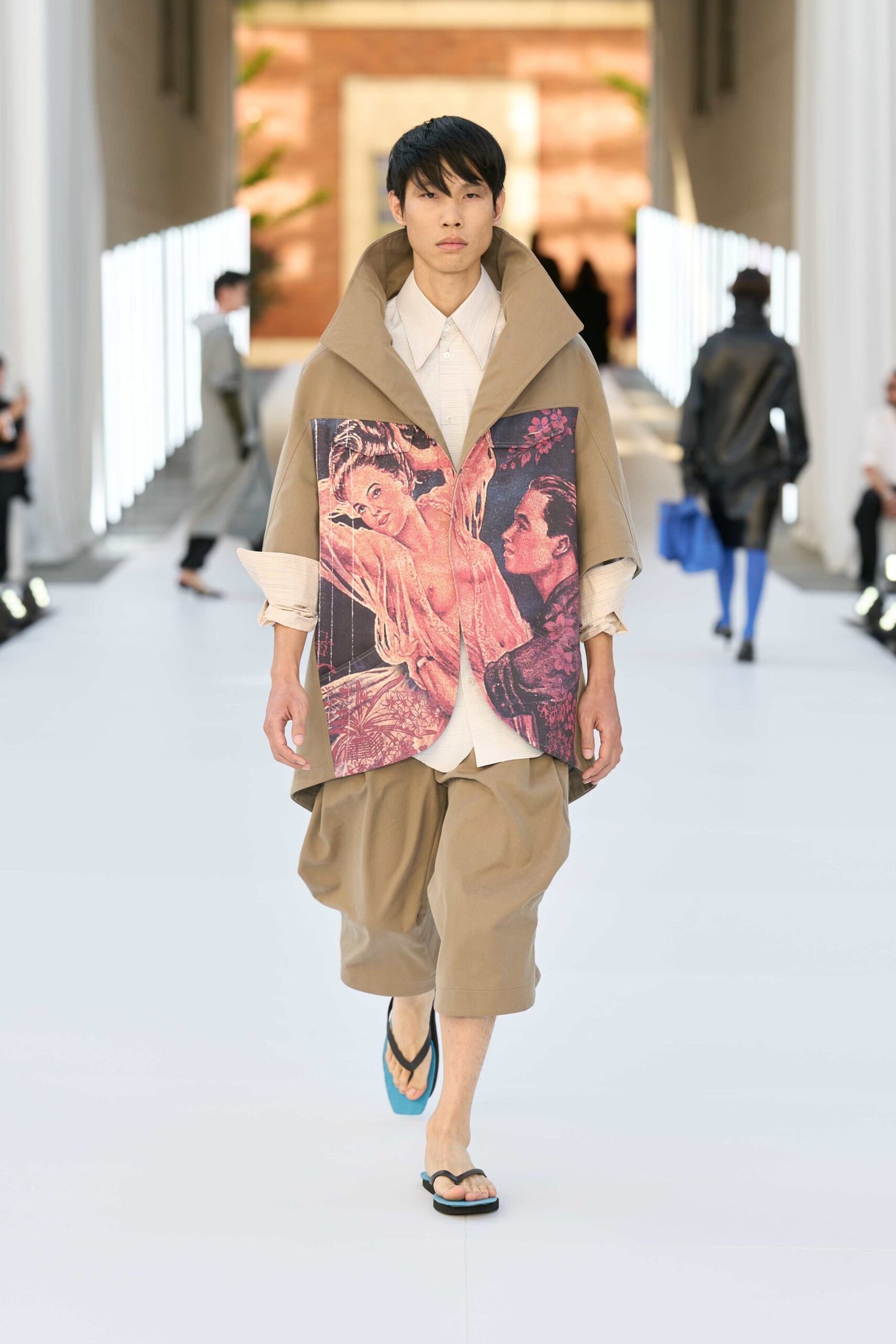
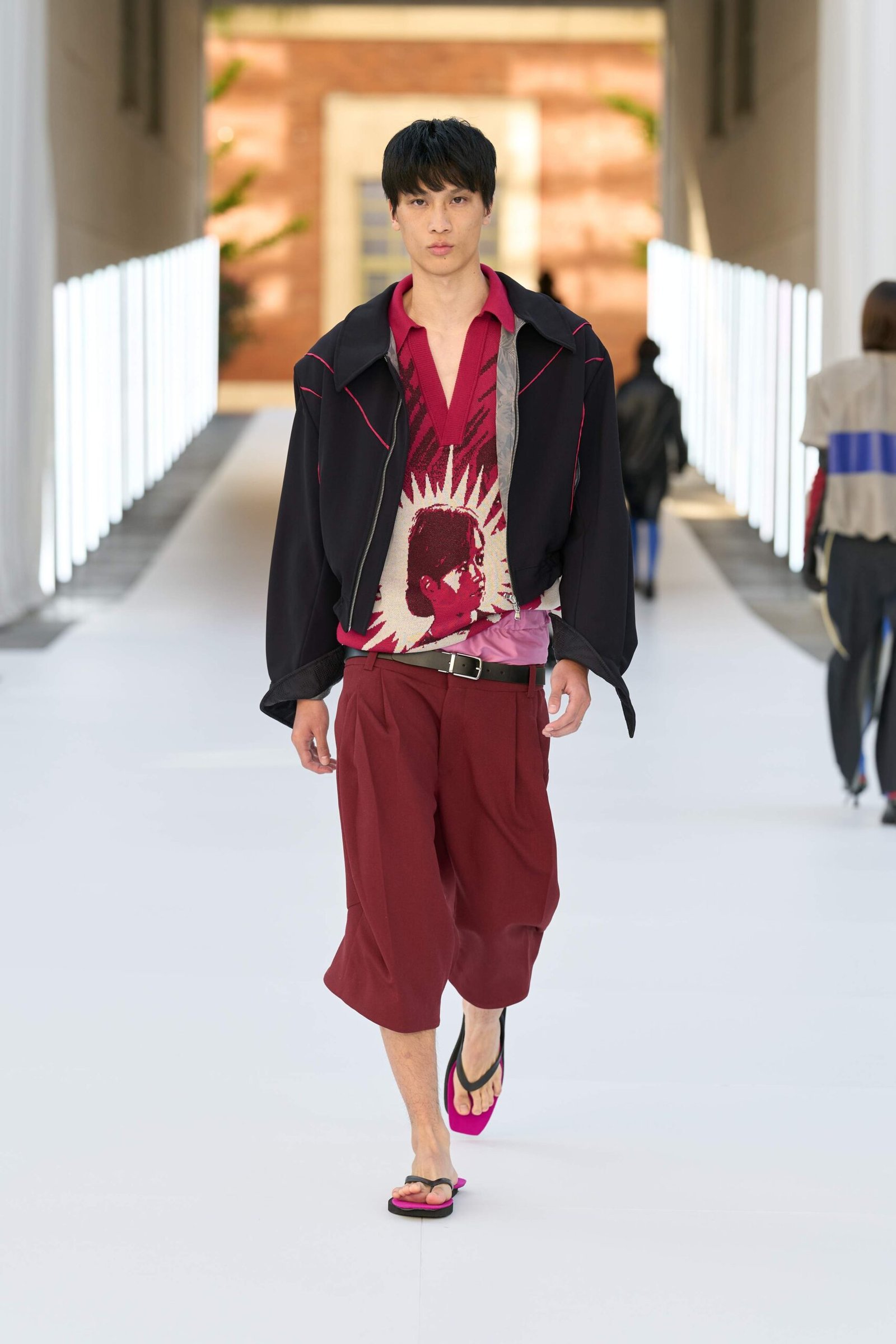
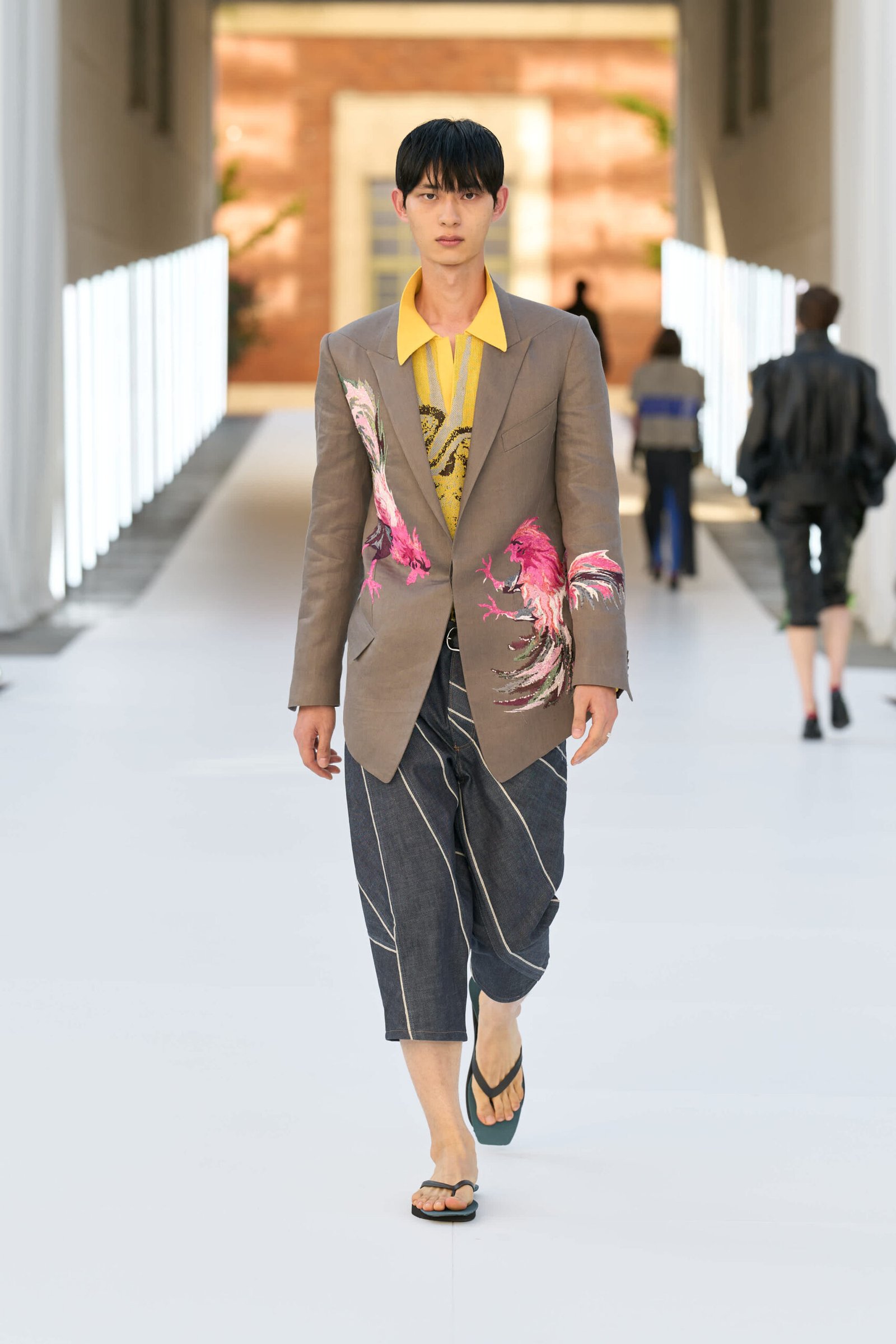
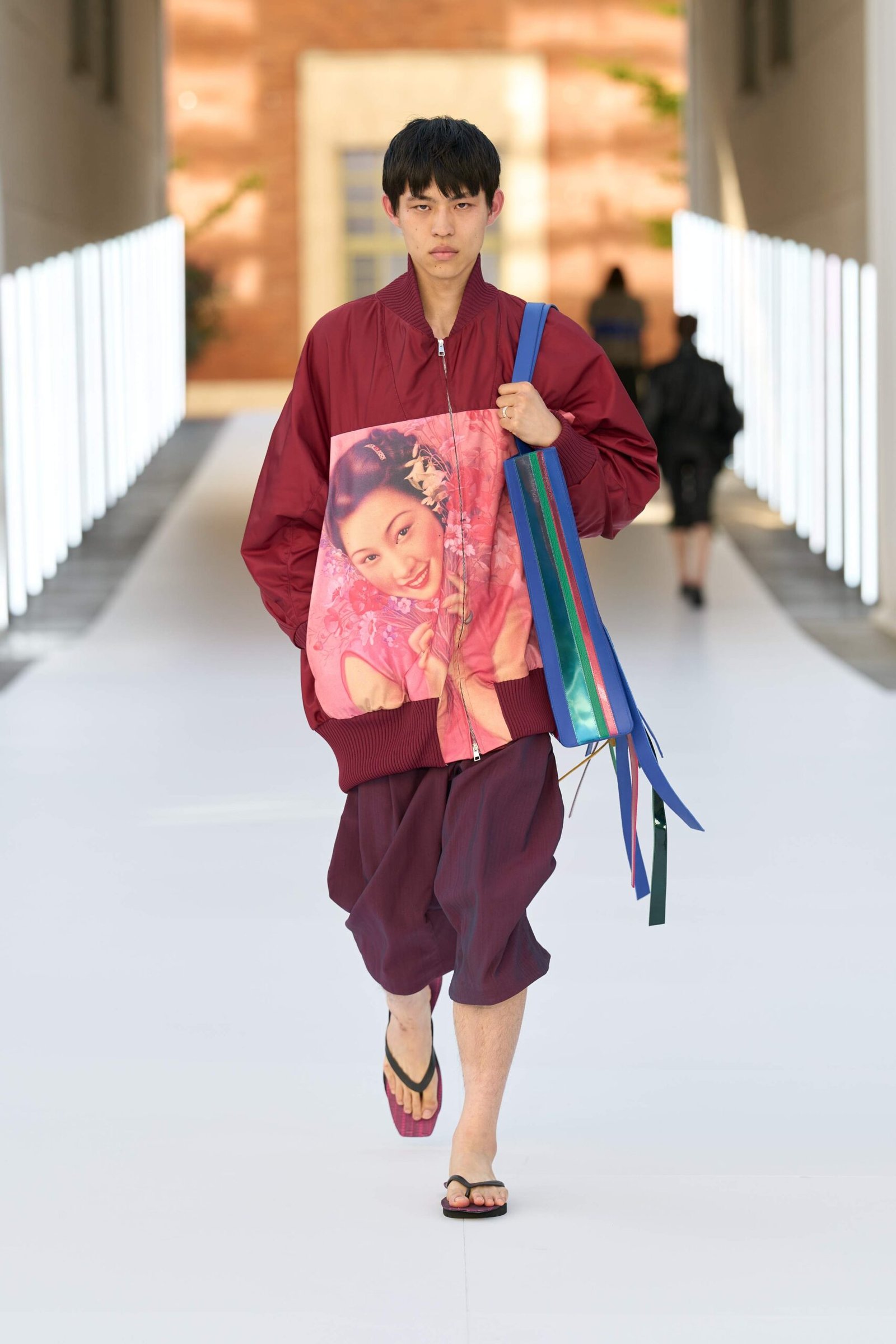
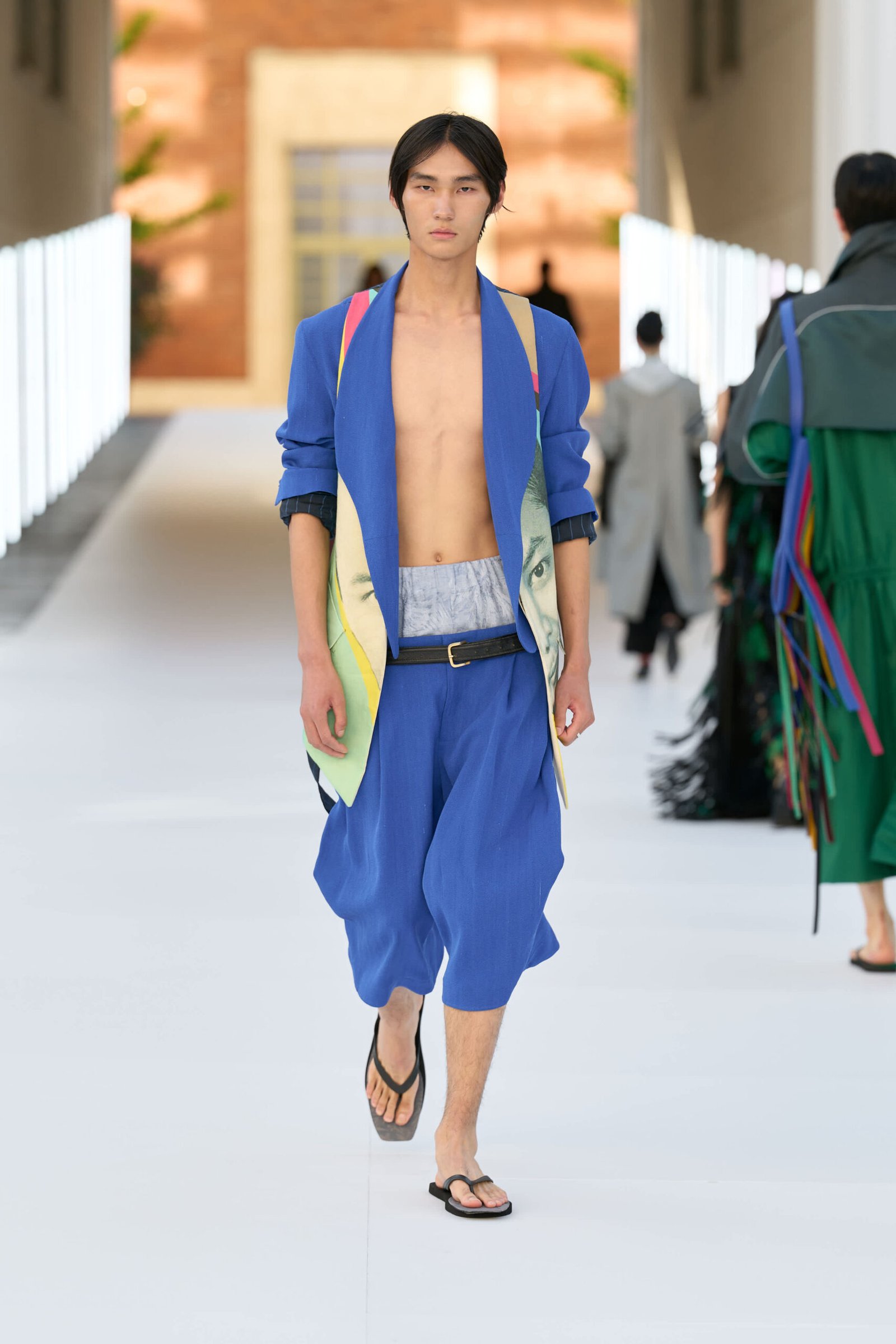
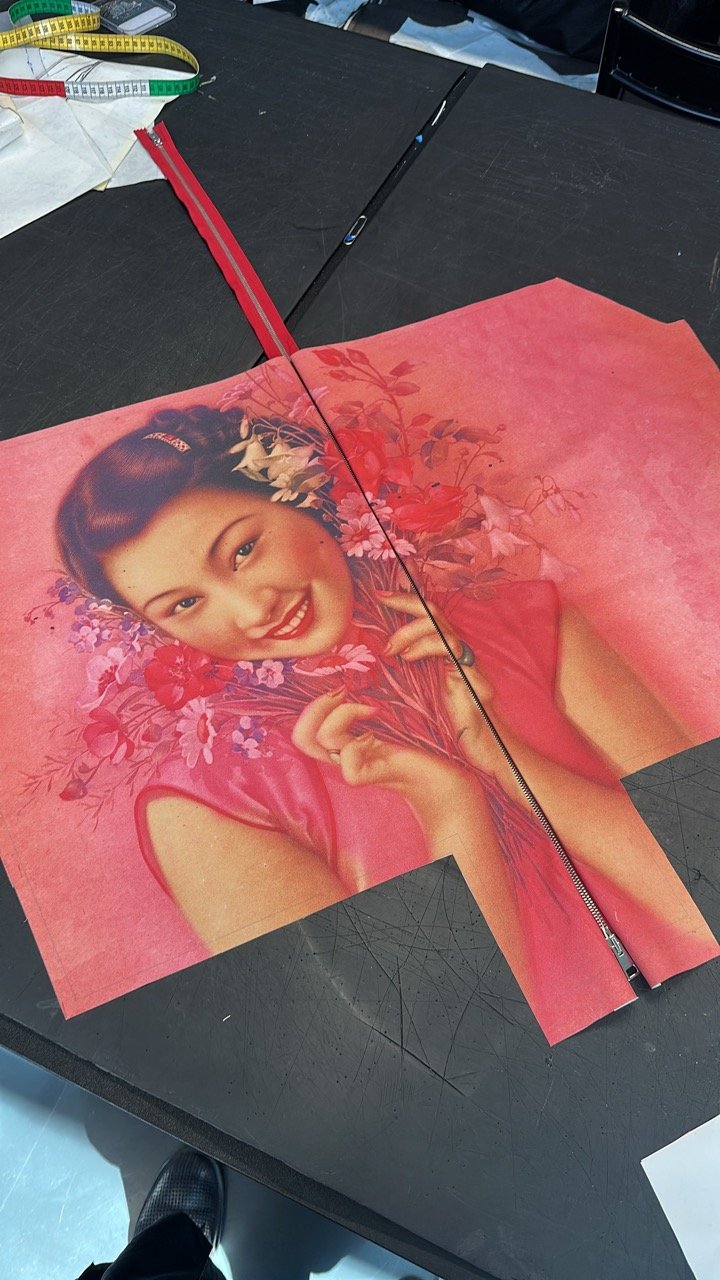
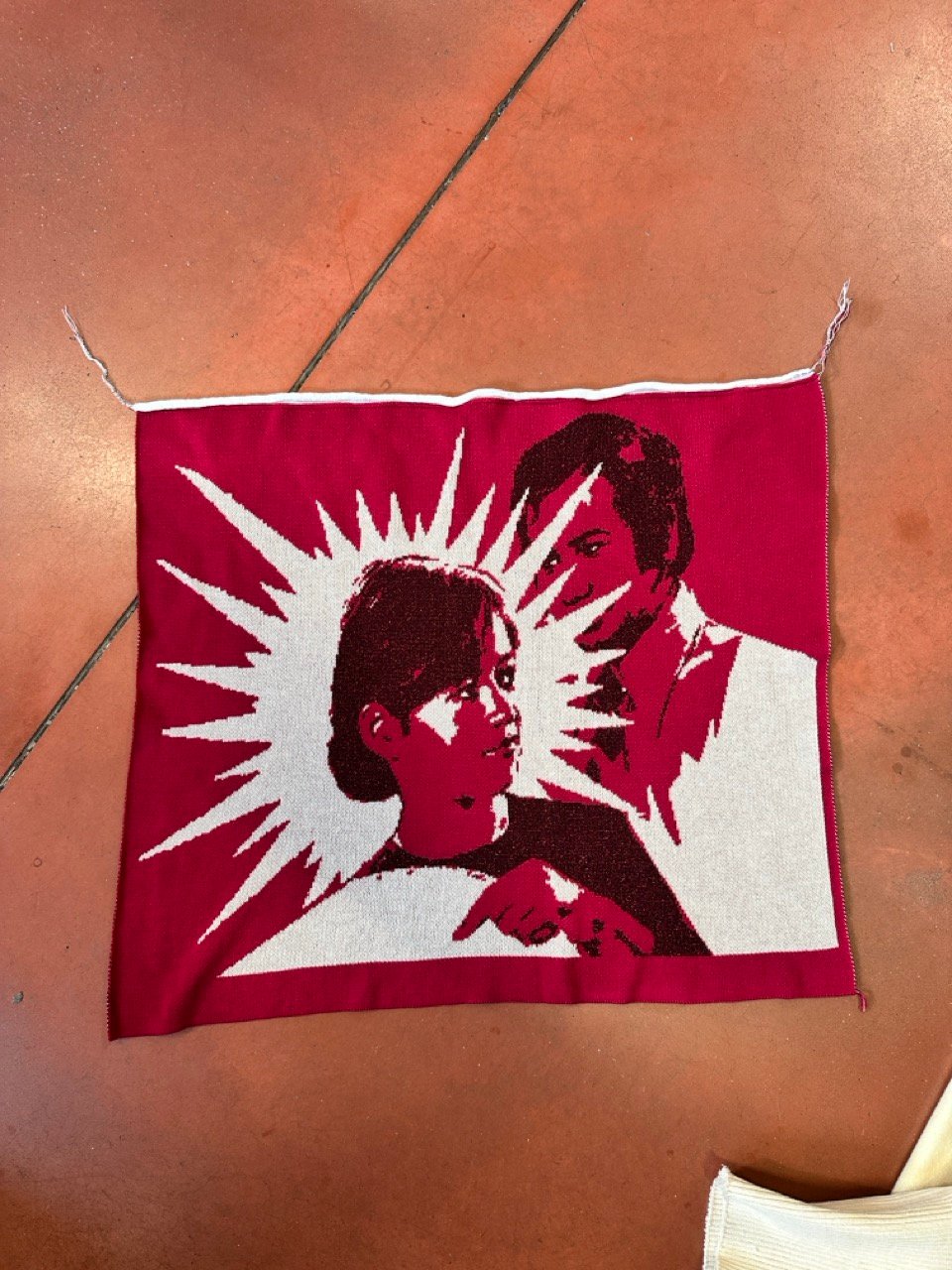
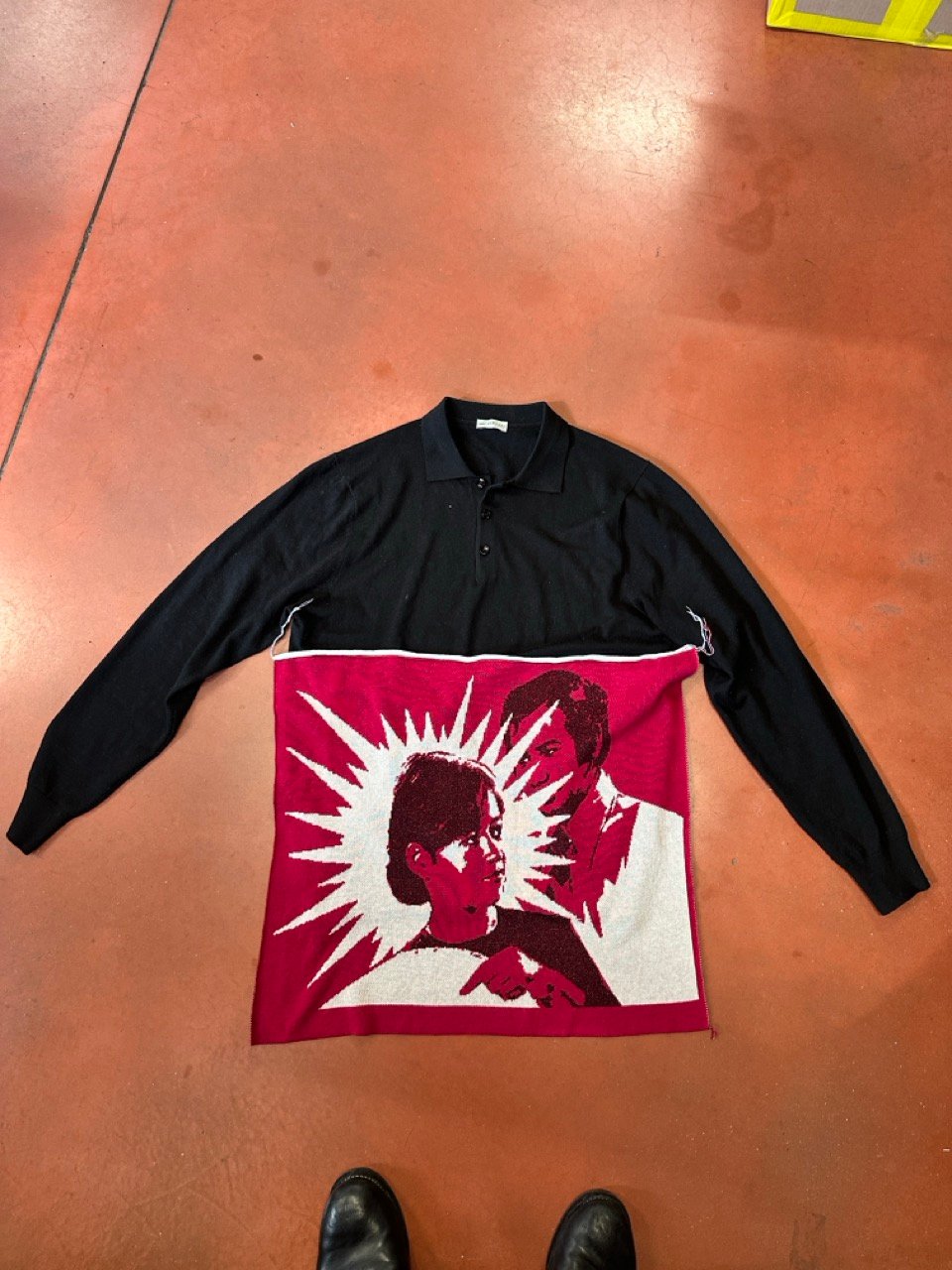
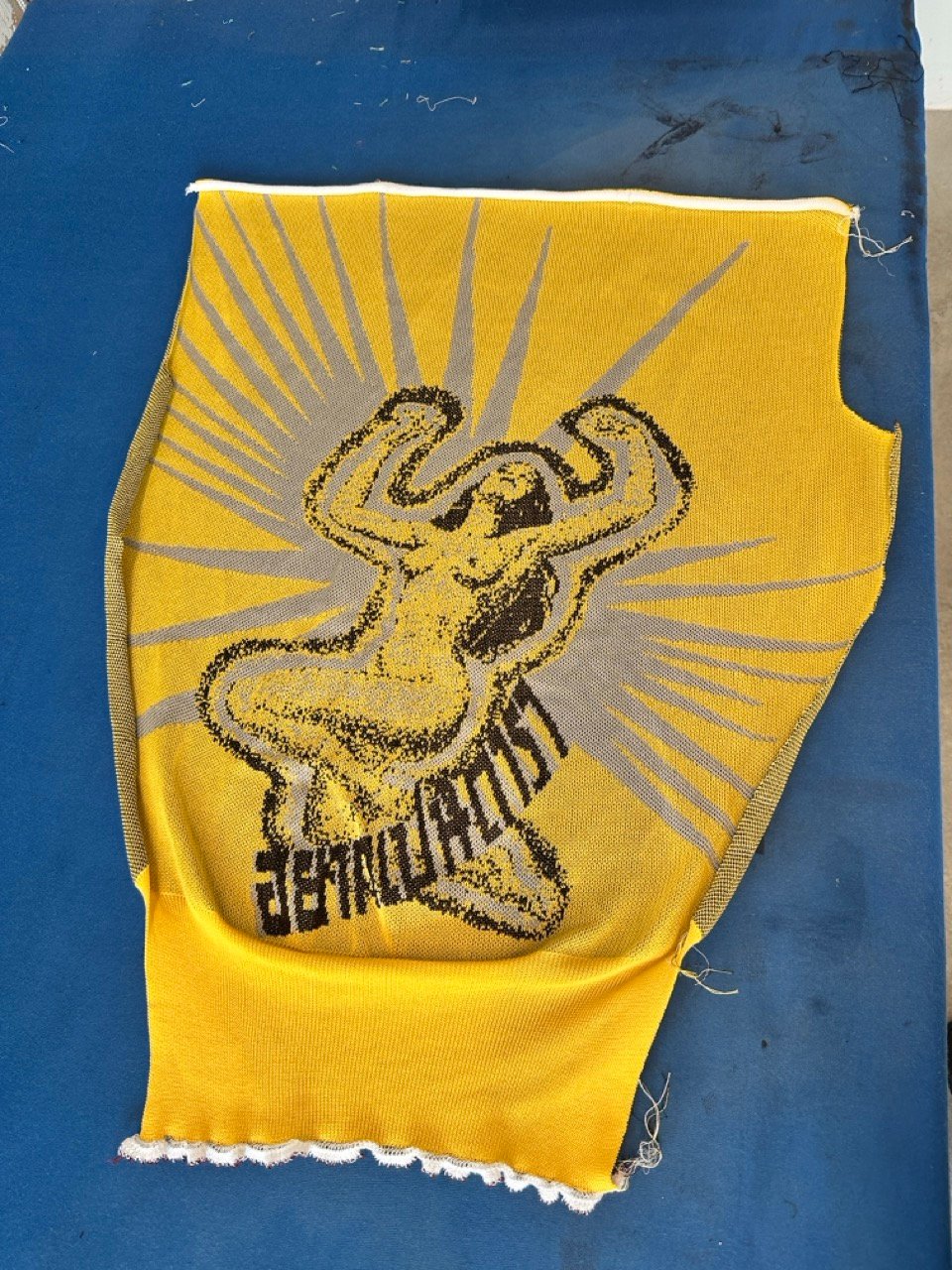
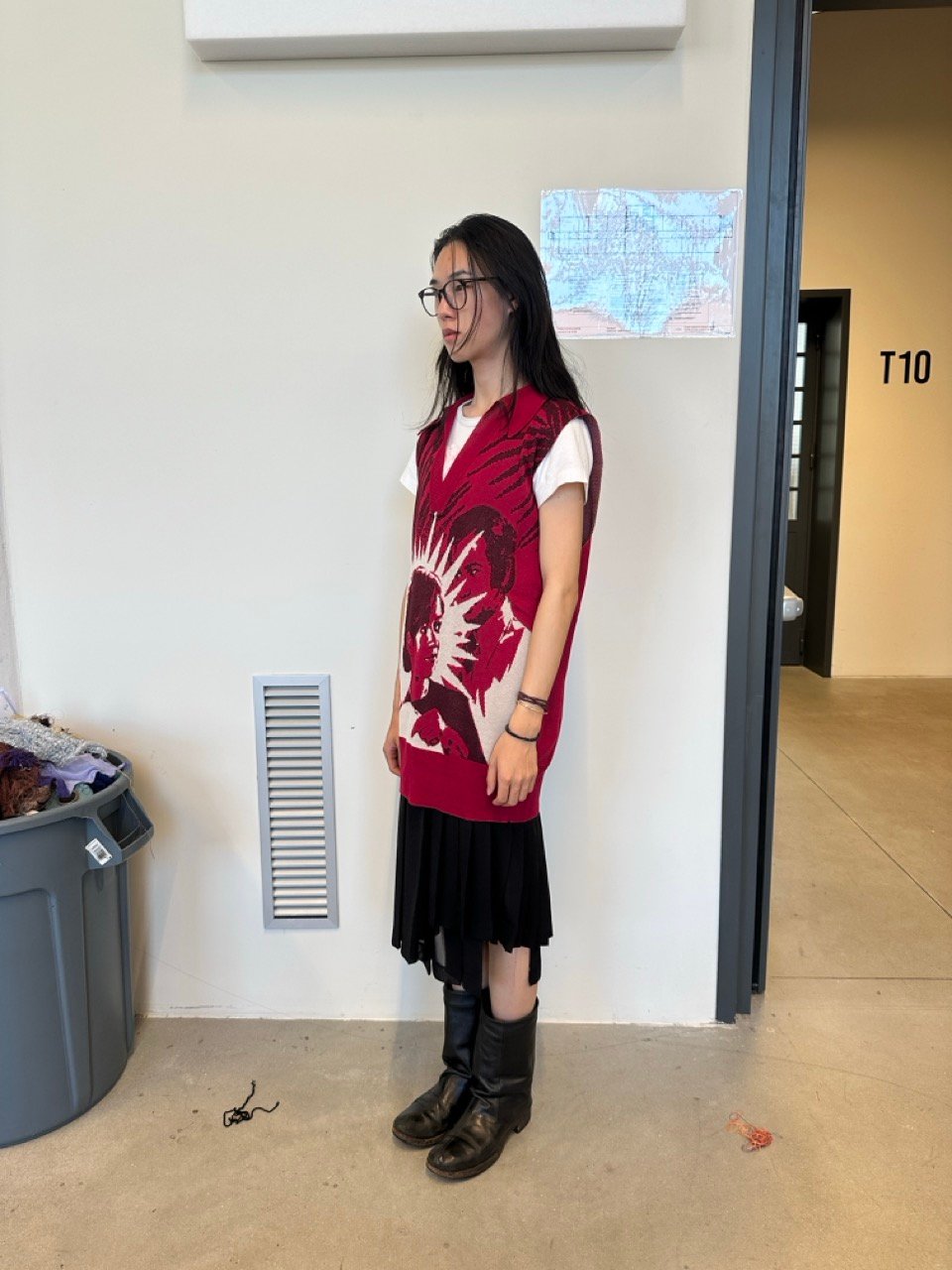
A group of boys leave the countryside for Bangkok in Jing Jirat Jitdee’s collection, chasing their dreams with a sense of style shaped by the pop culture they grew up watching. Their idea of what looks cool is proudly out of sync with the city around them. Bangkok may have moved on, but they arrive dressed for another moment entirely, standing out in their own strange way. Vintage artworks are engineered into prints, vintage posters become jacquard knitwear, and selvedge pattern cutting sits alongside both constructed and unconstructed tailoring.

@jing.jitd

Screenshot