Representing the creative future

Central Saint Martins BA Fashion 2026: Somewhere very specific

The CSM graduates who brought everything with them

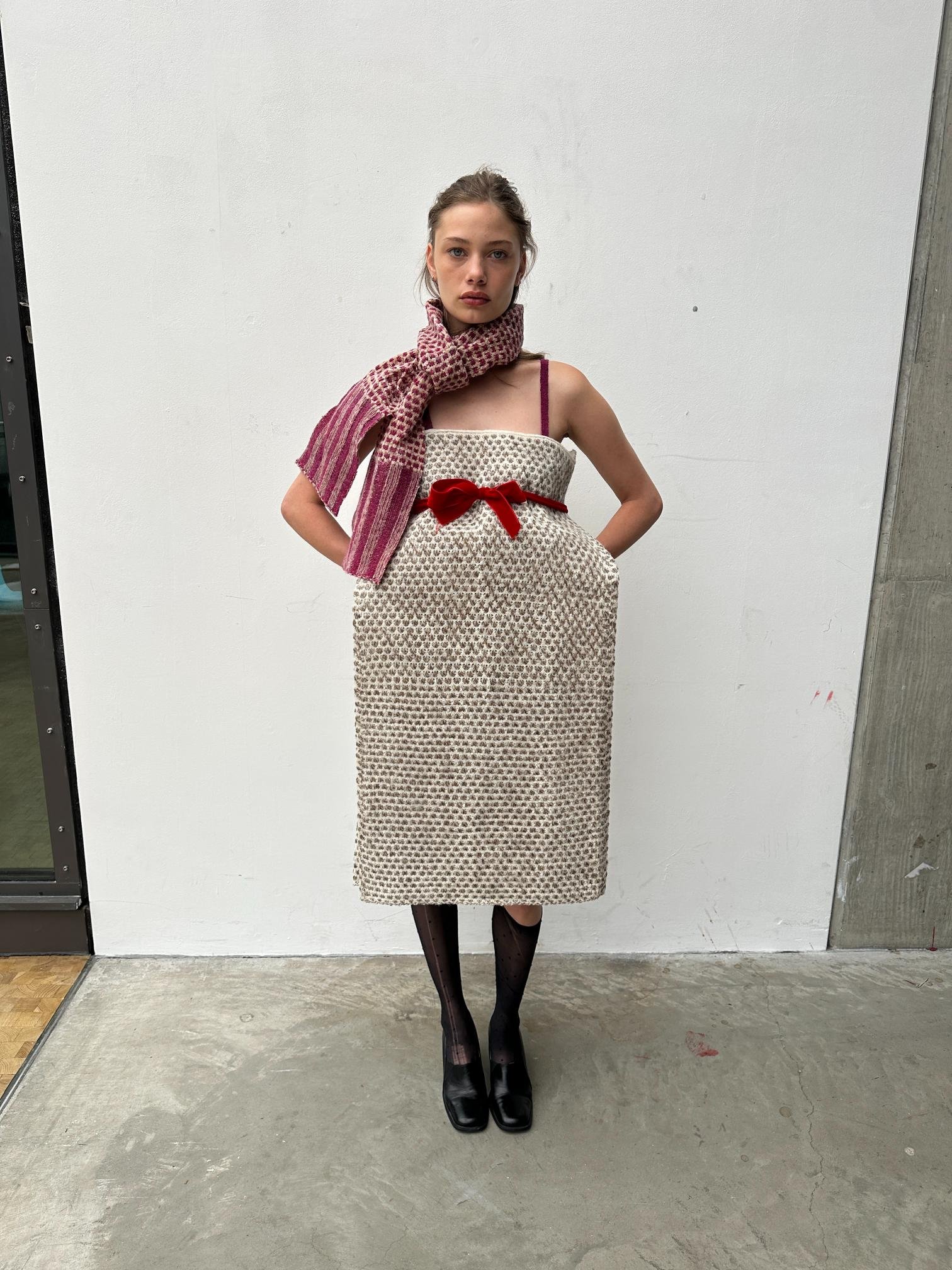
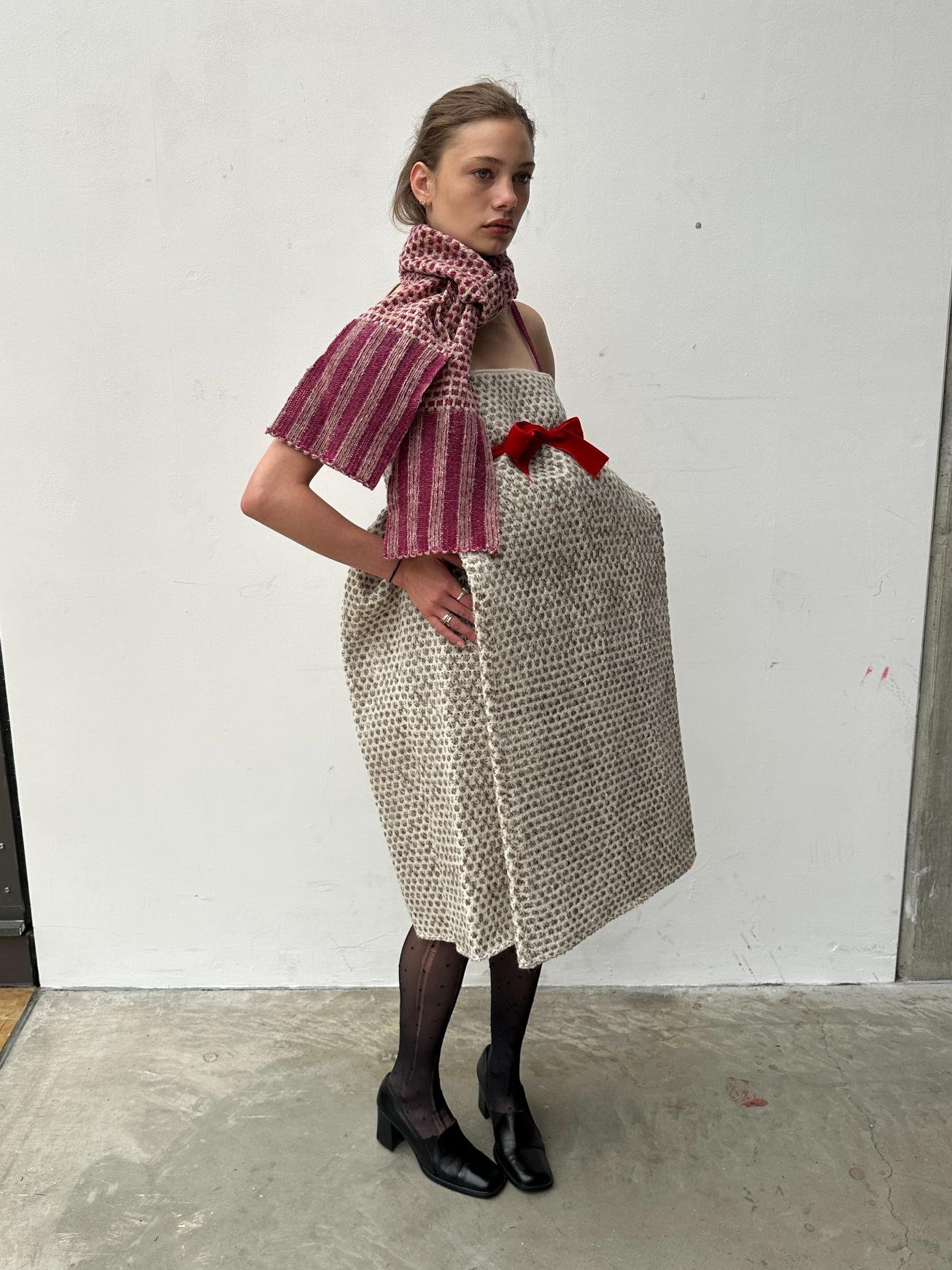
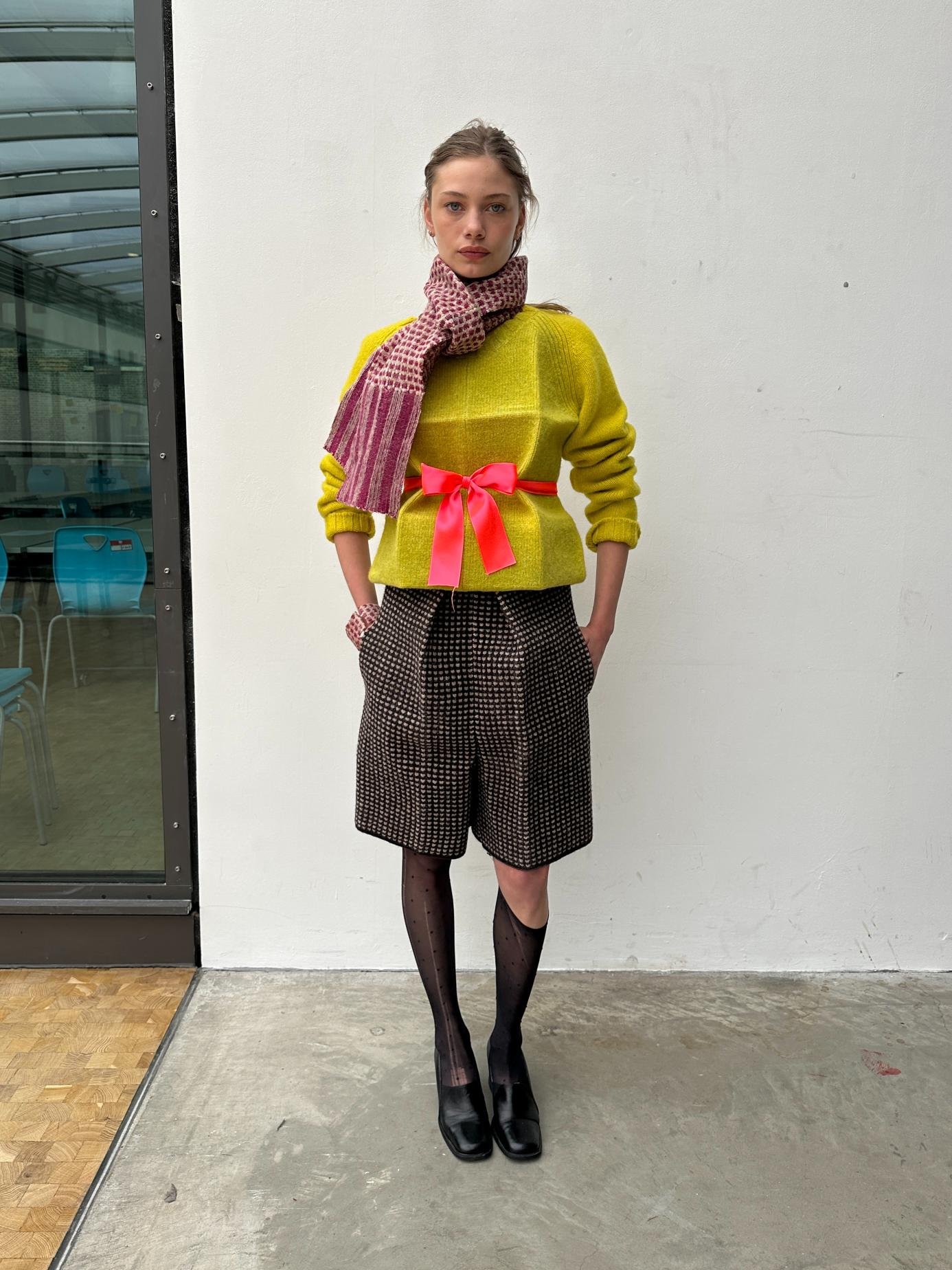
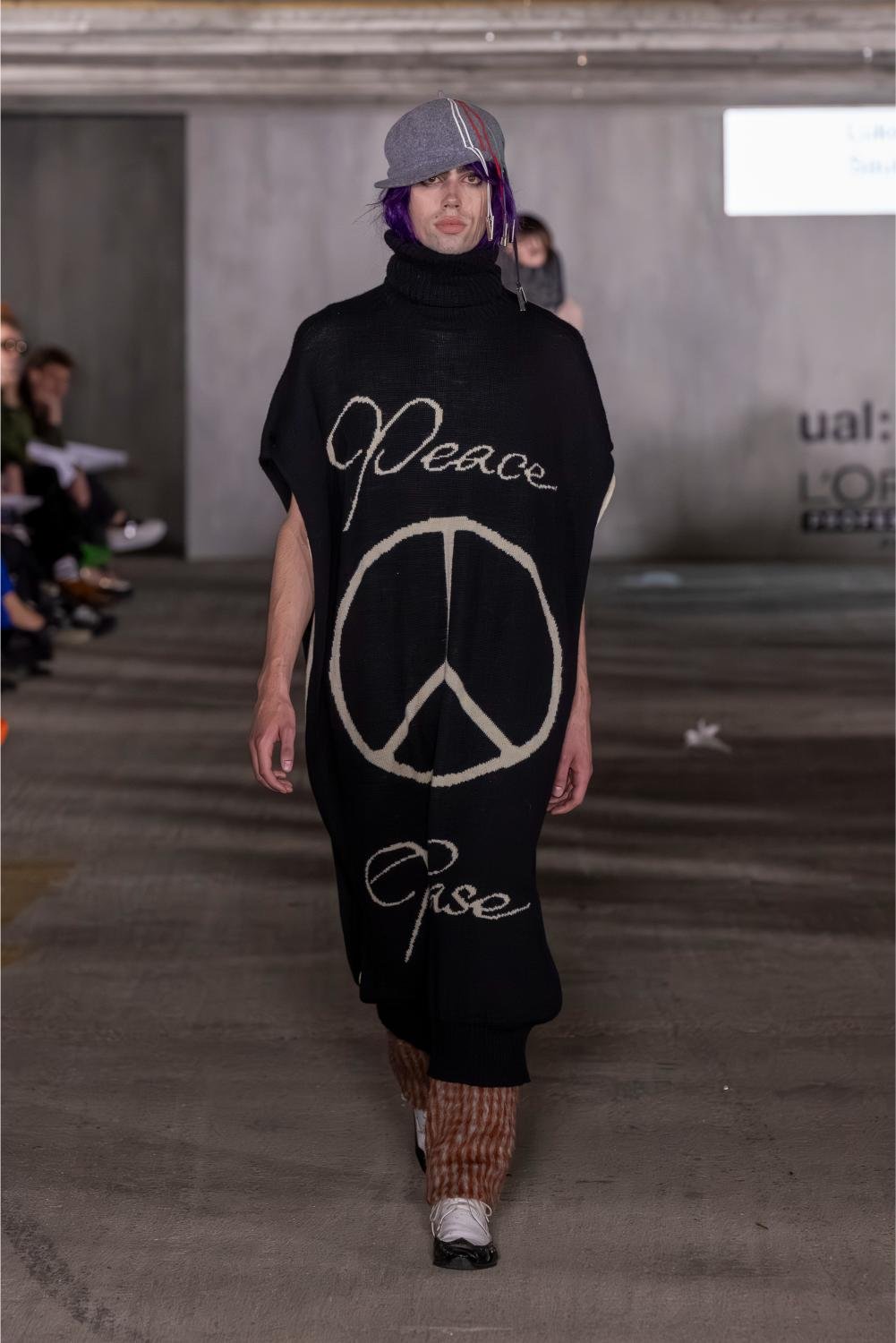
The CSM BA Fashion class of 2025 takes you from a Newcastle street kid building bike ramps out of tin cans to a Savile Row apprentice who never quite felt he belonged there; from a dress-up box that just keeps being opened to a grandmother’s letter that, decades later, still carries her scent. These are graduates who seem to have arrived at fashion from somewhere very specific – a council estate in Dagenham, a textile factory town in Shaoxing, a village where someone’s dad worked in film – and brought all of it with them. There’s grief here, and political fury, and a fair amount of dark humour. There’s also an unusual amount of trust in material process: leather cut into chainmail, soap used because it dissolves, a coat made from bookcloth that starts cracking as it’s being built. More than a few designers are working through something they haven’t quite finished working through. That unresolved quality is, repeatedly, the point.

Zahra Al-Najjar

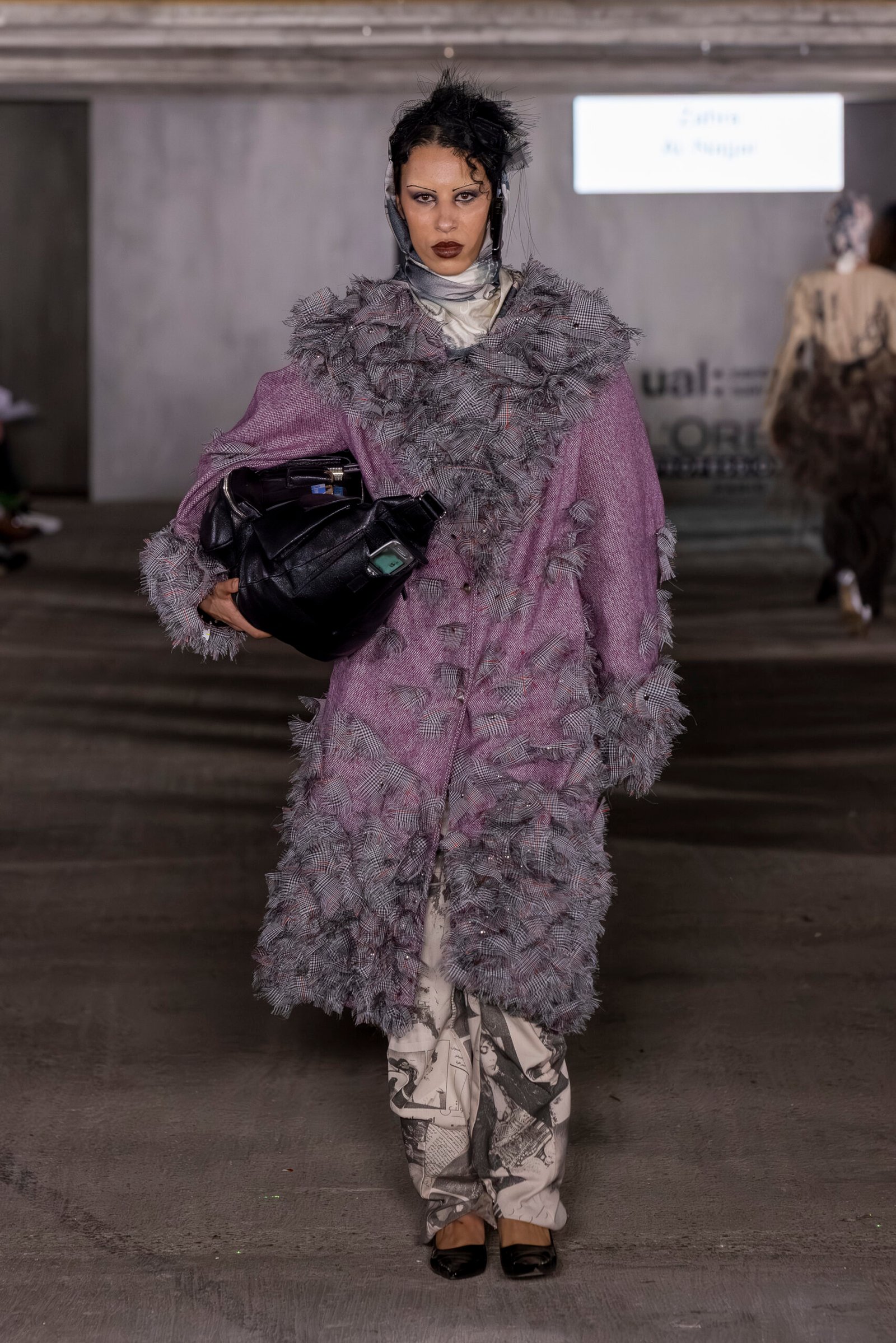
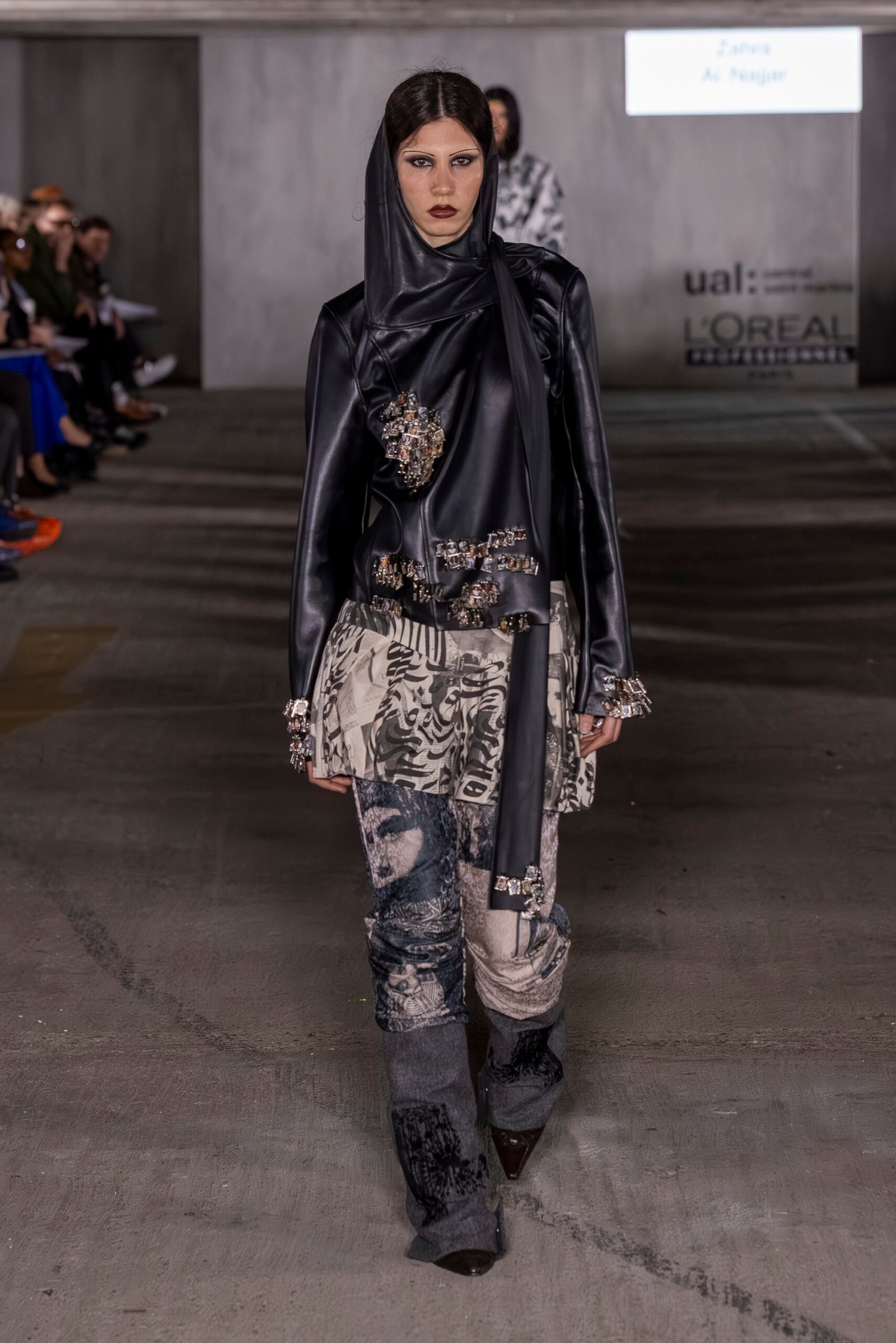
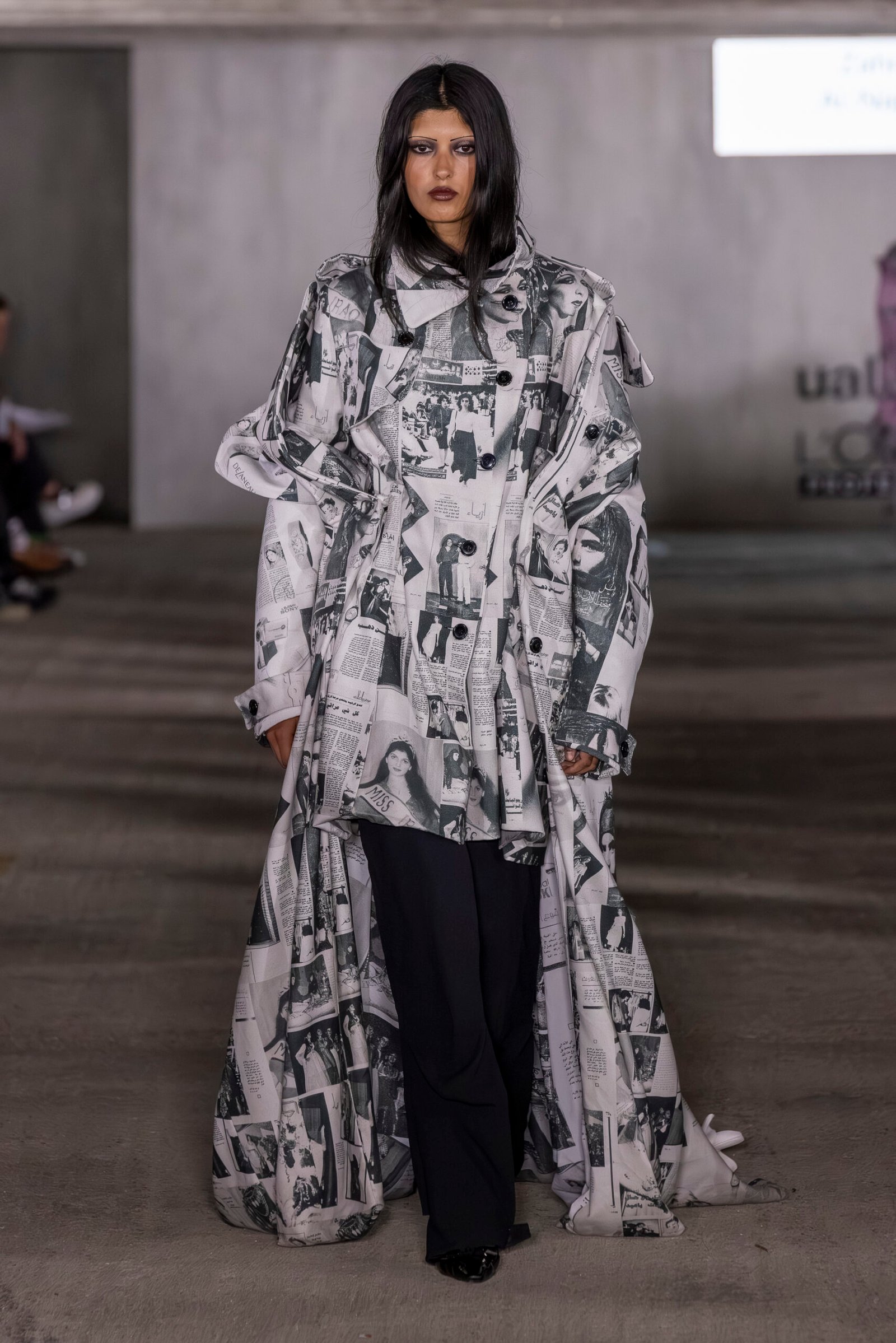
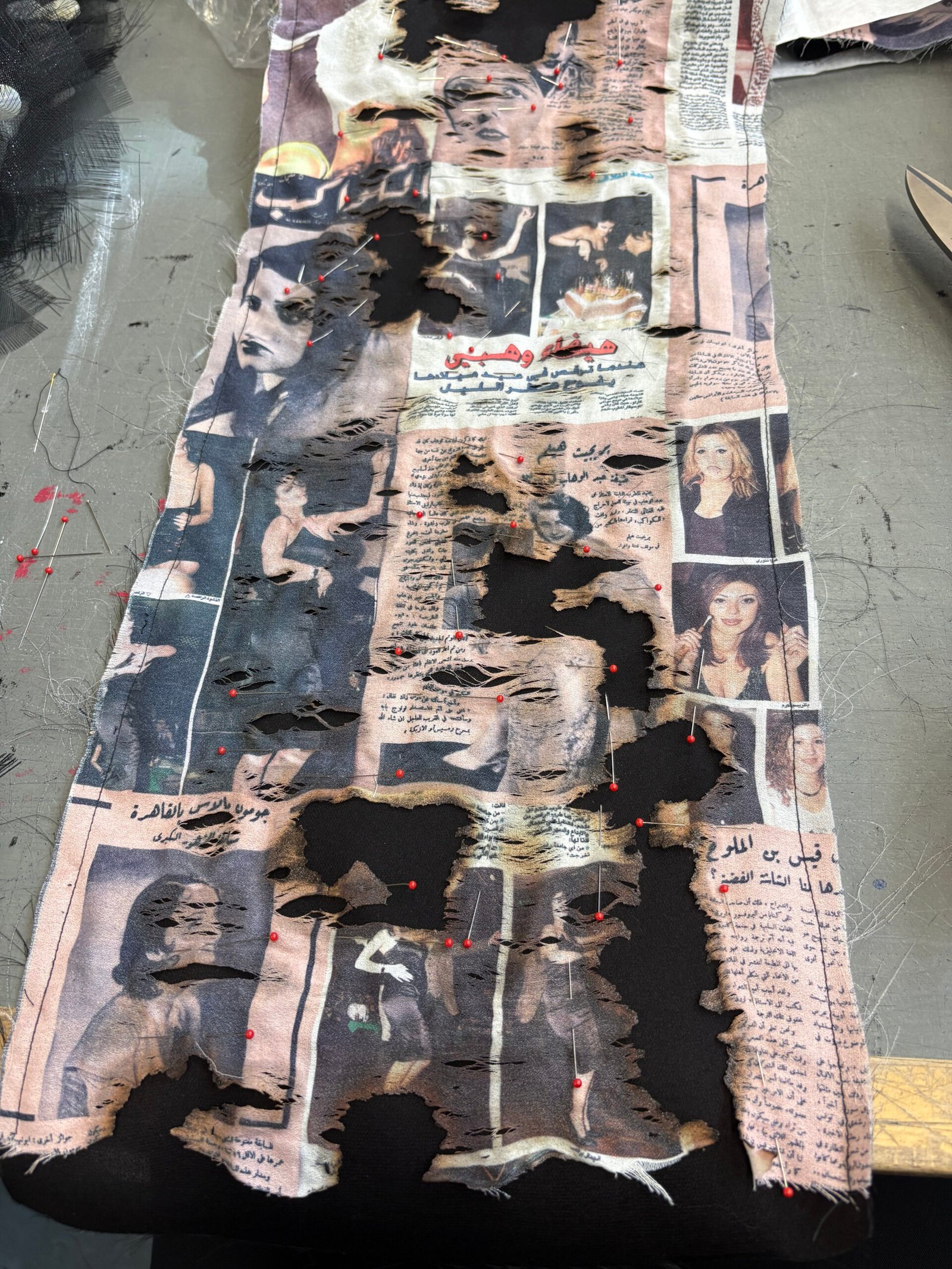
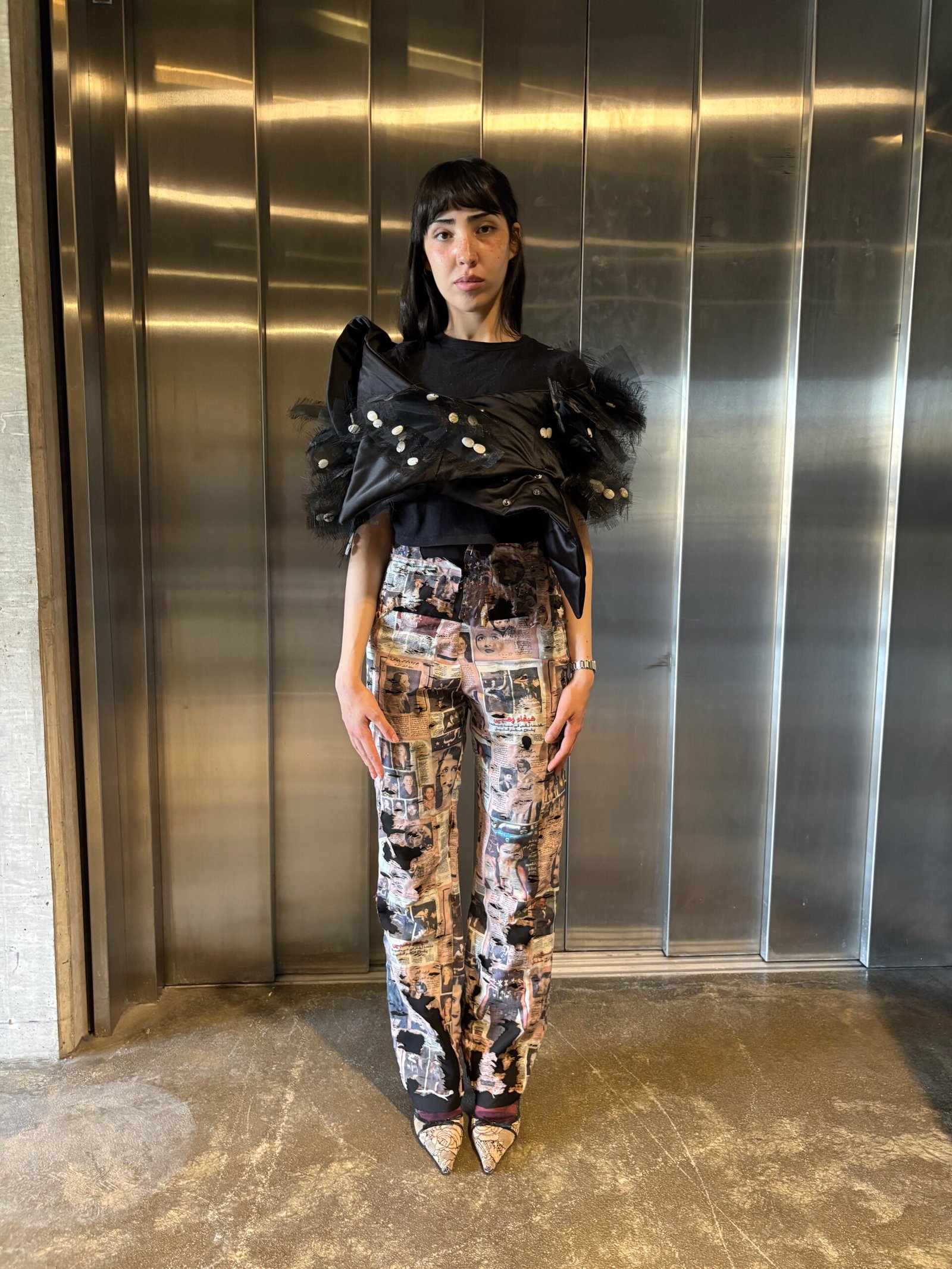
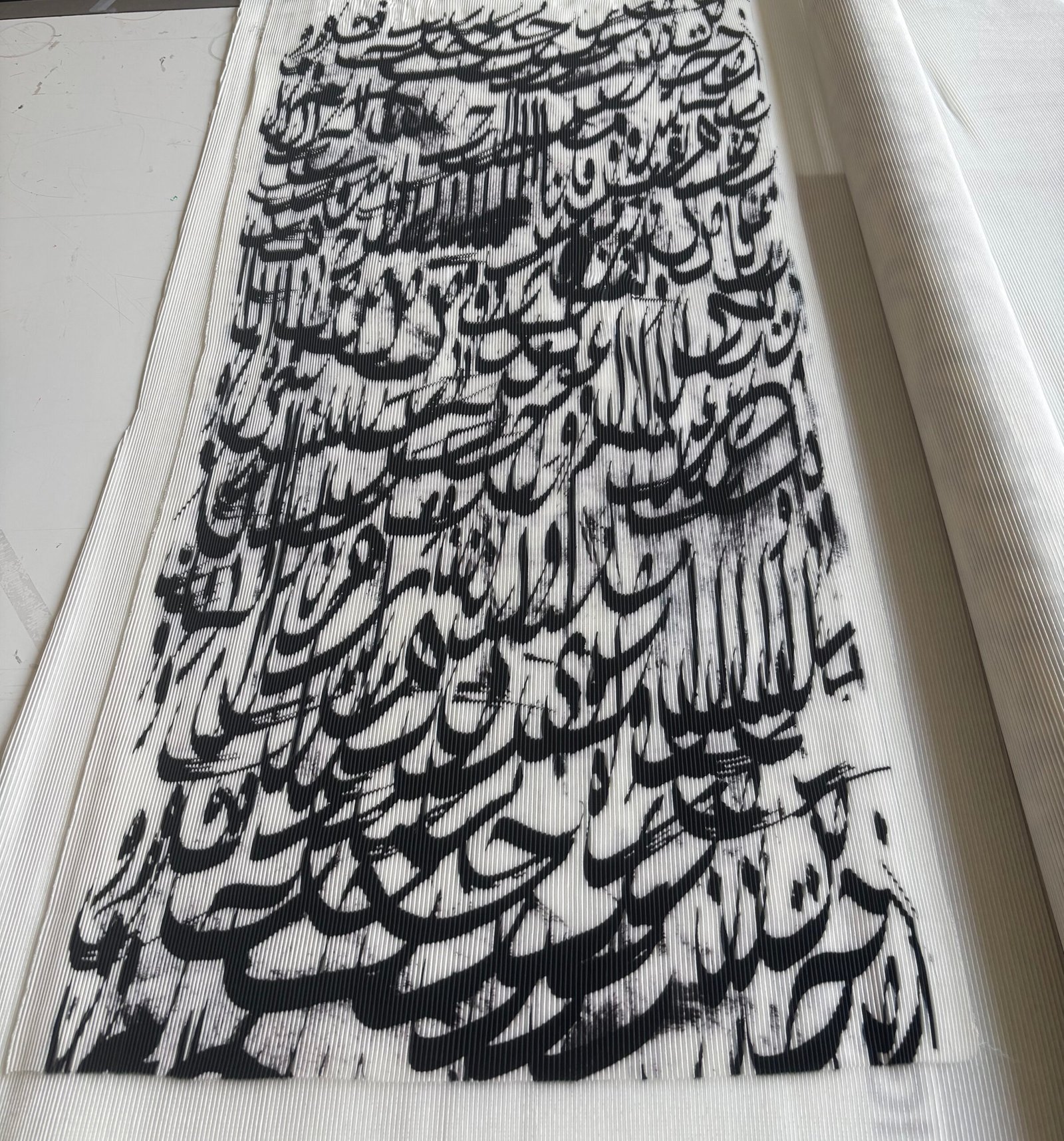
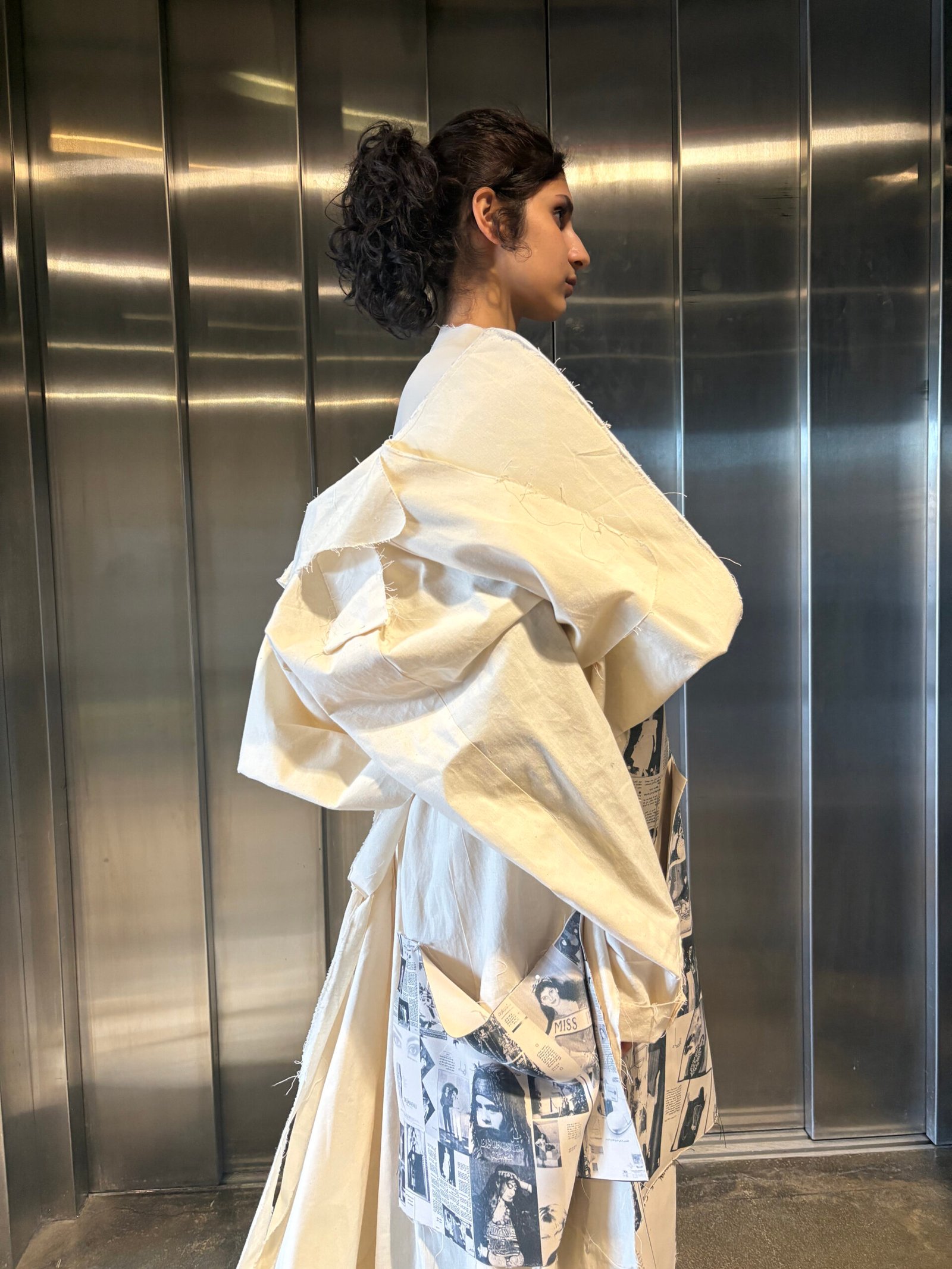
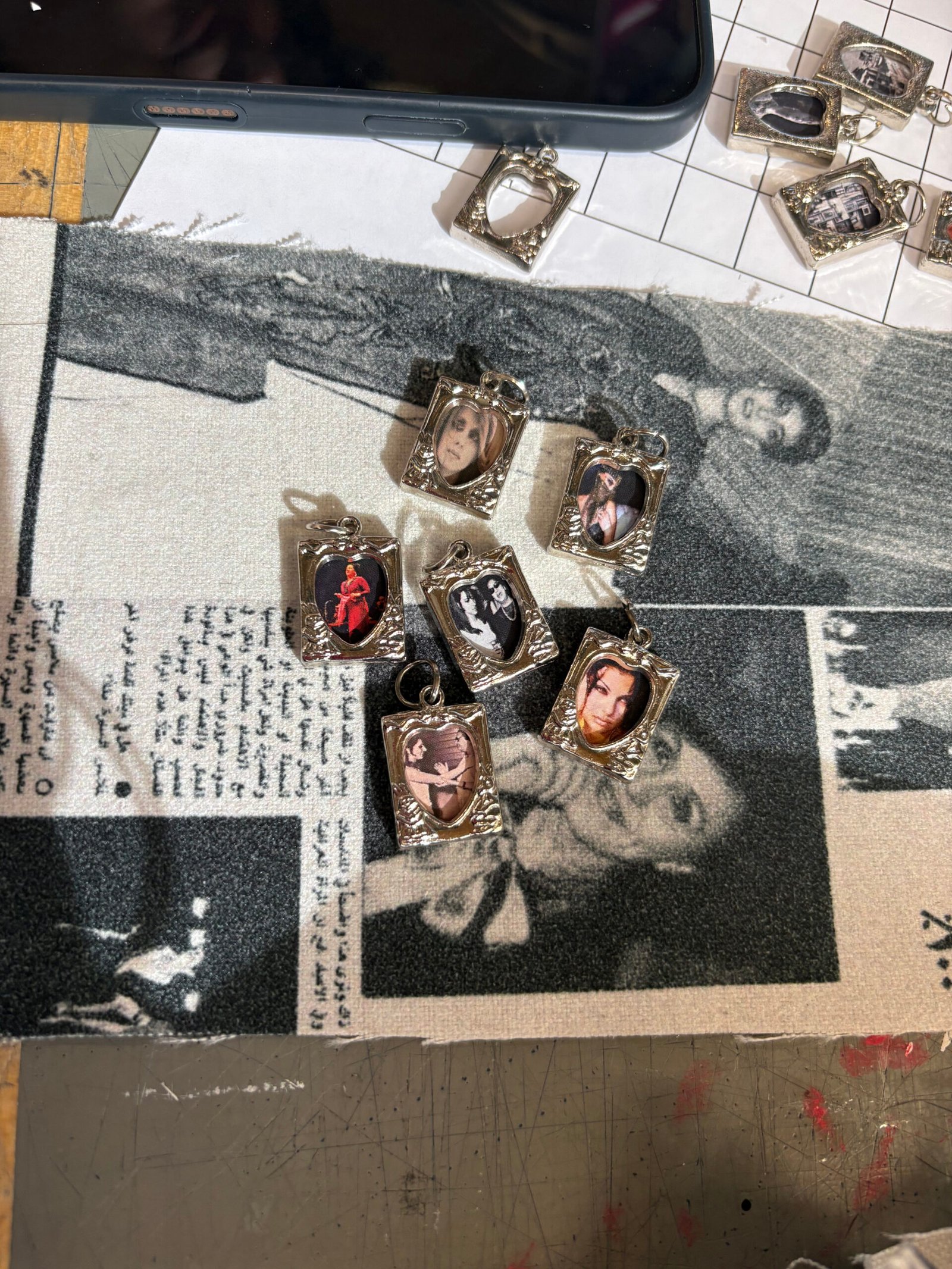
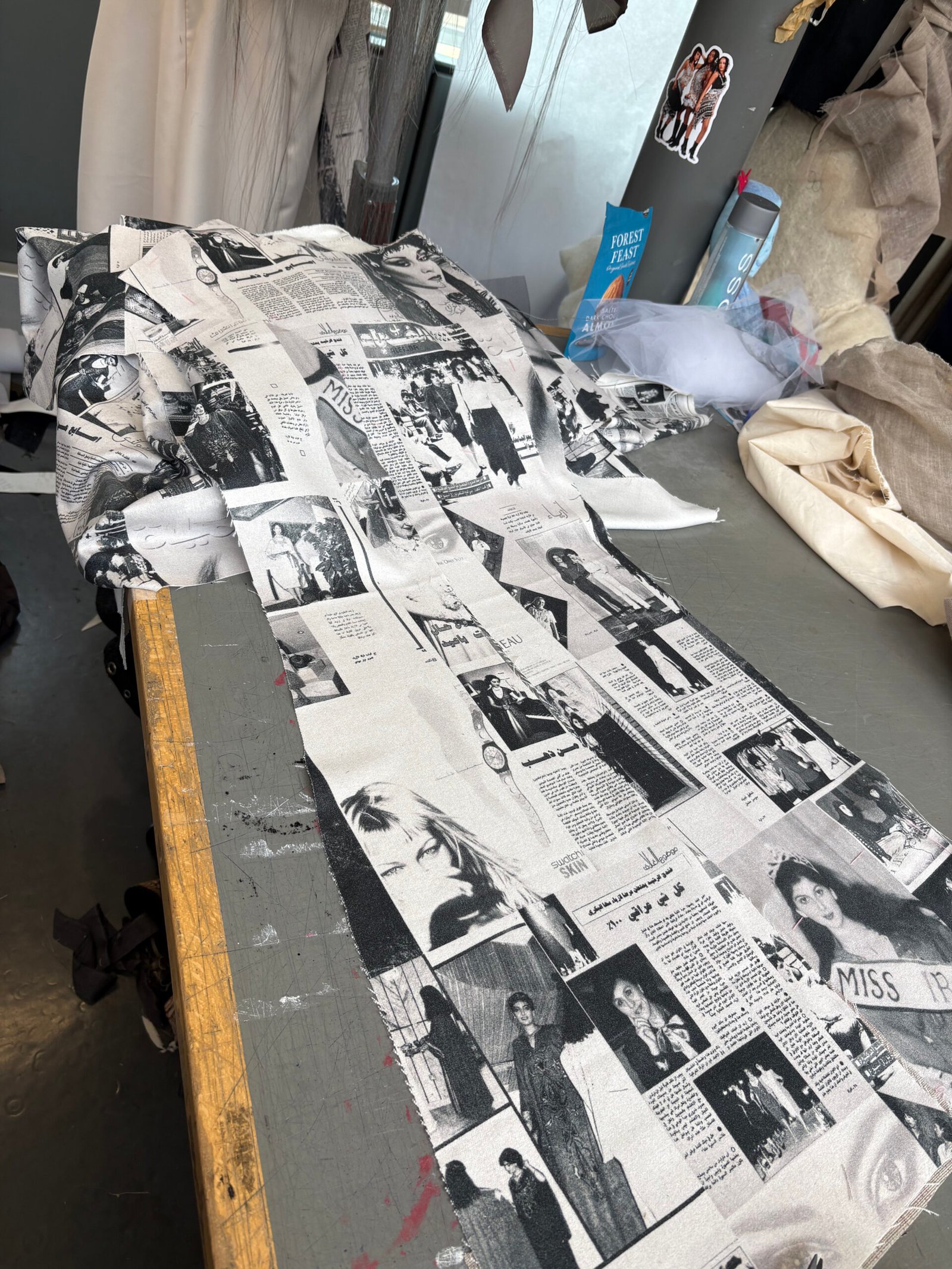
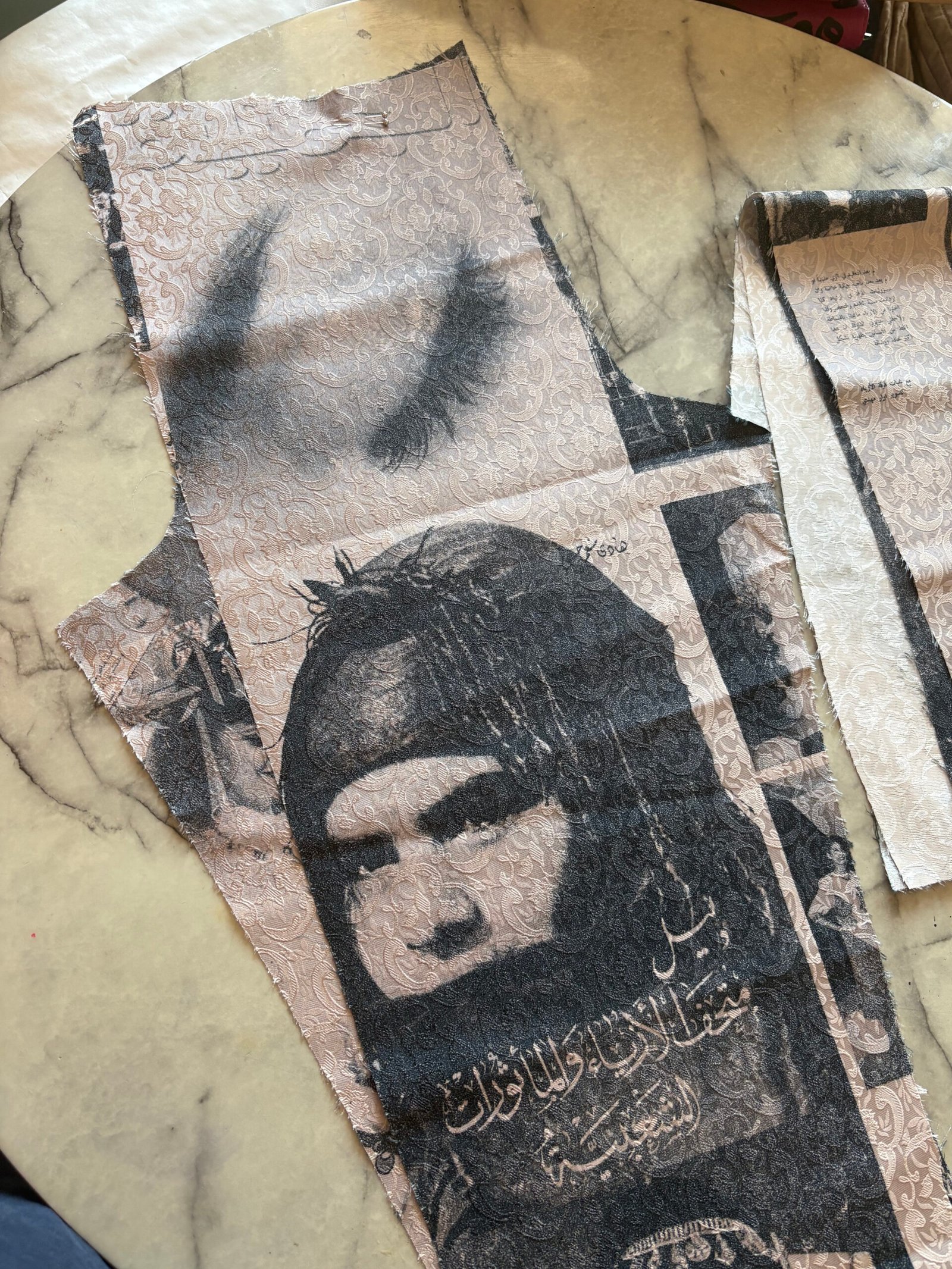
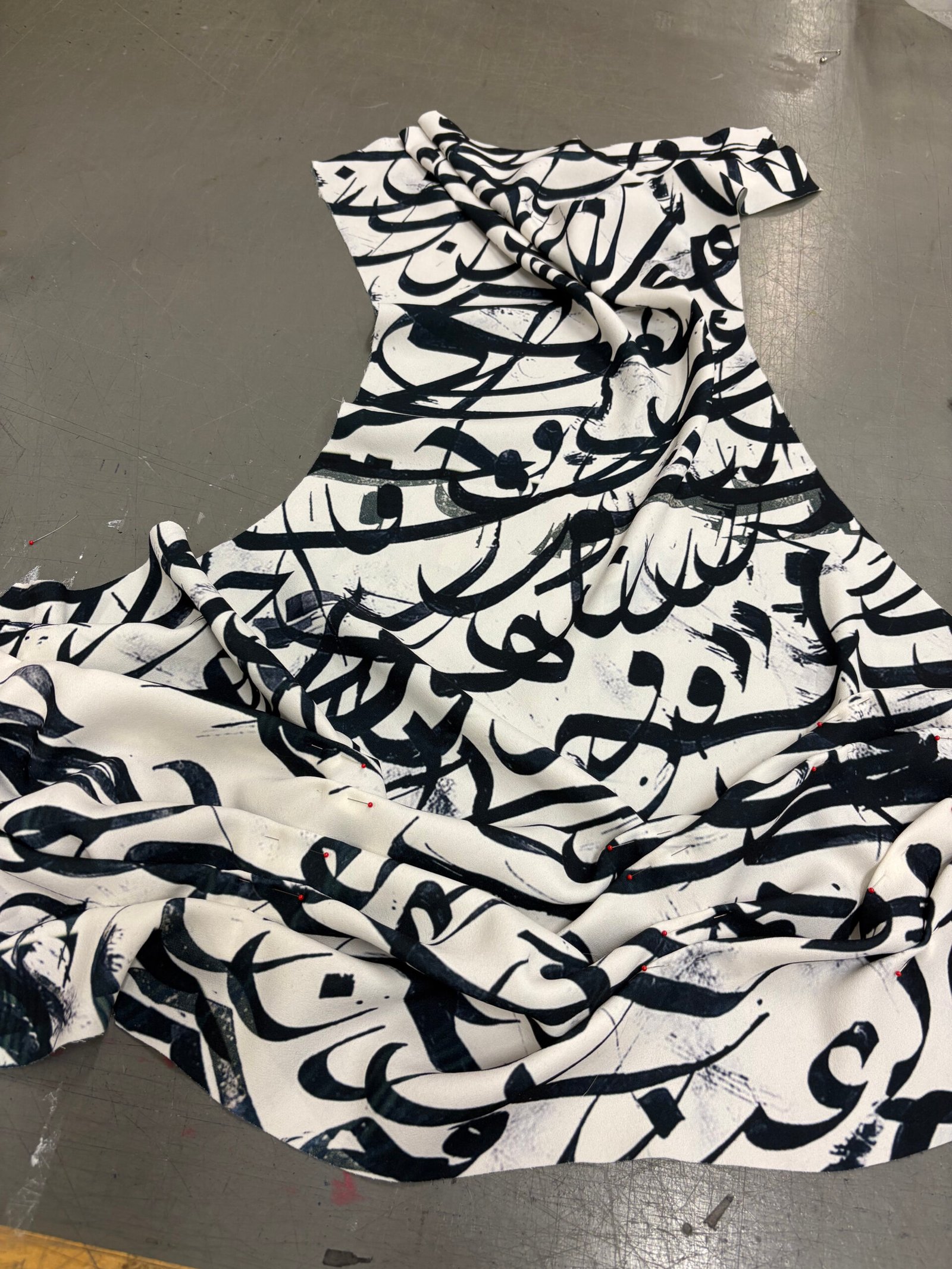
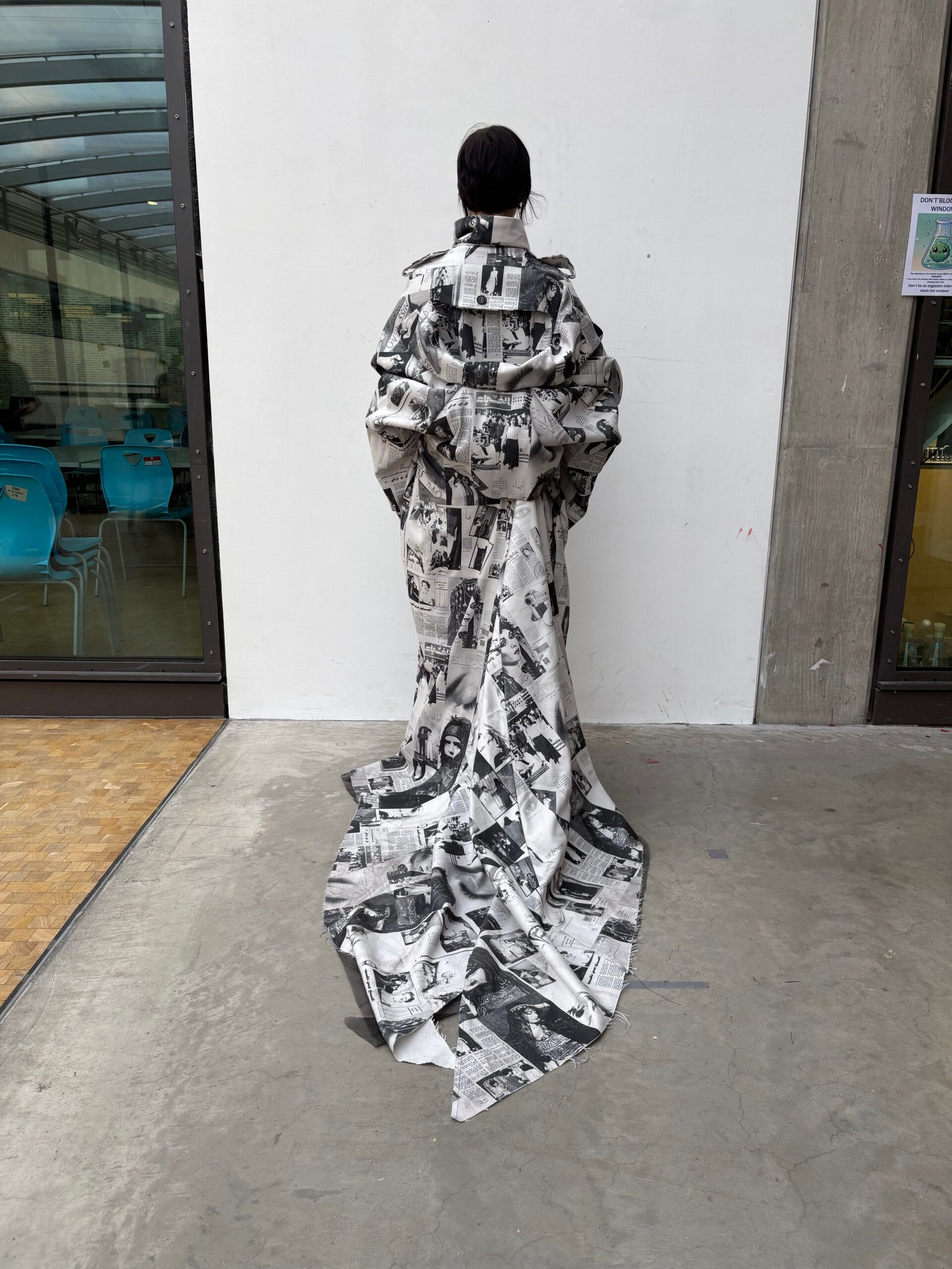
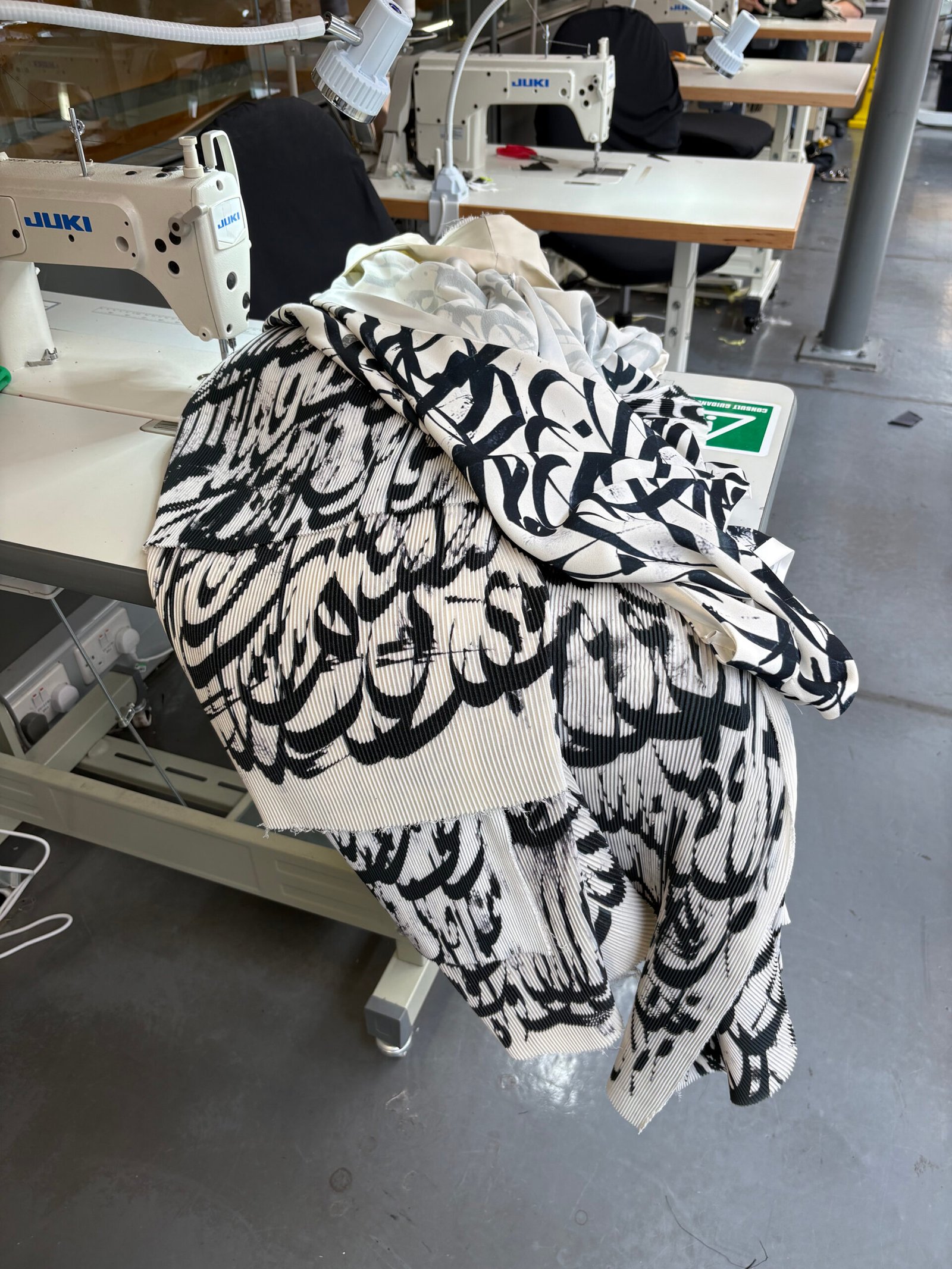
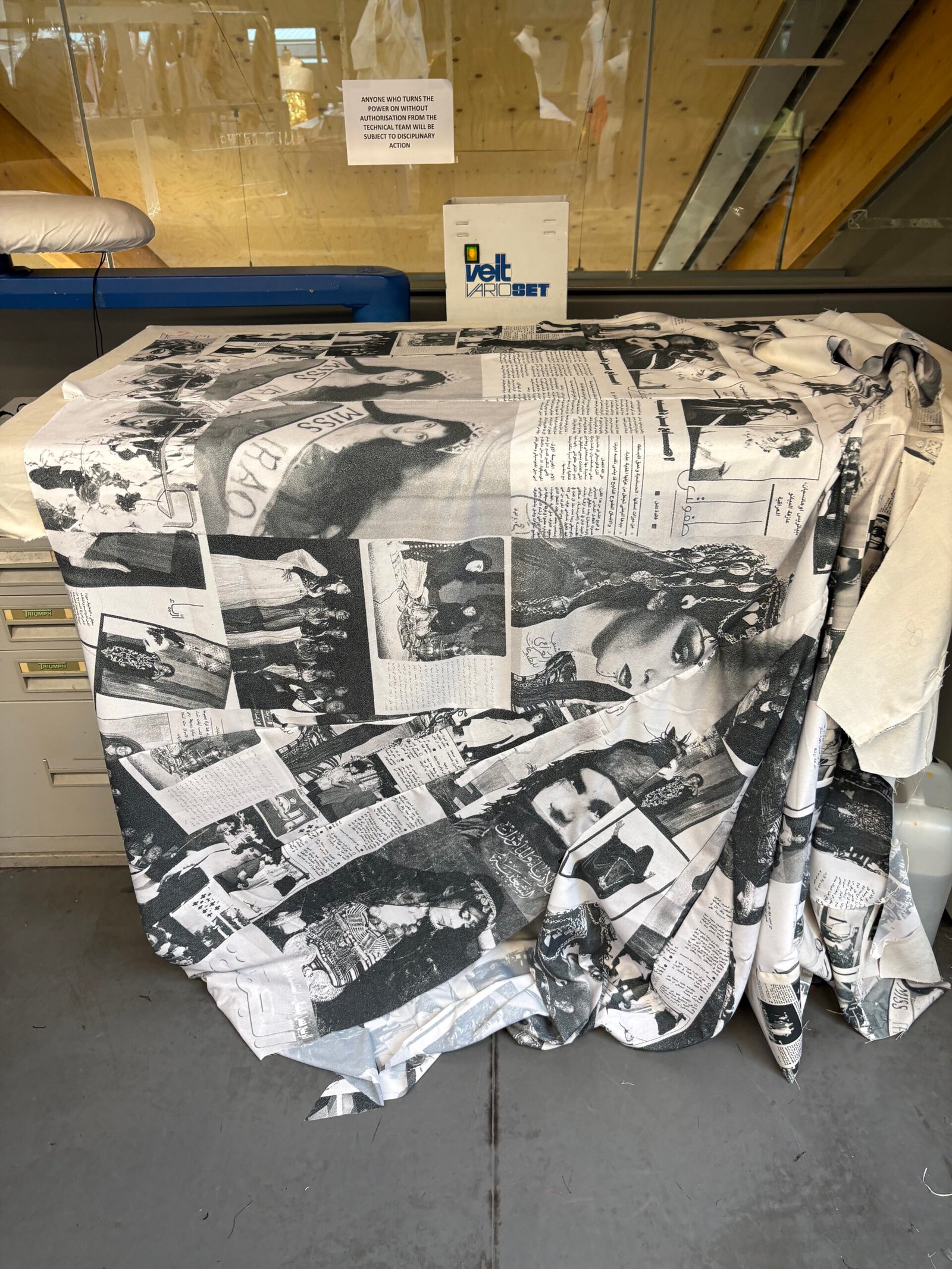
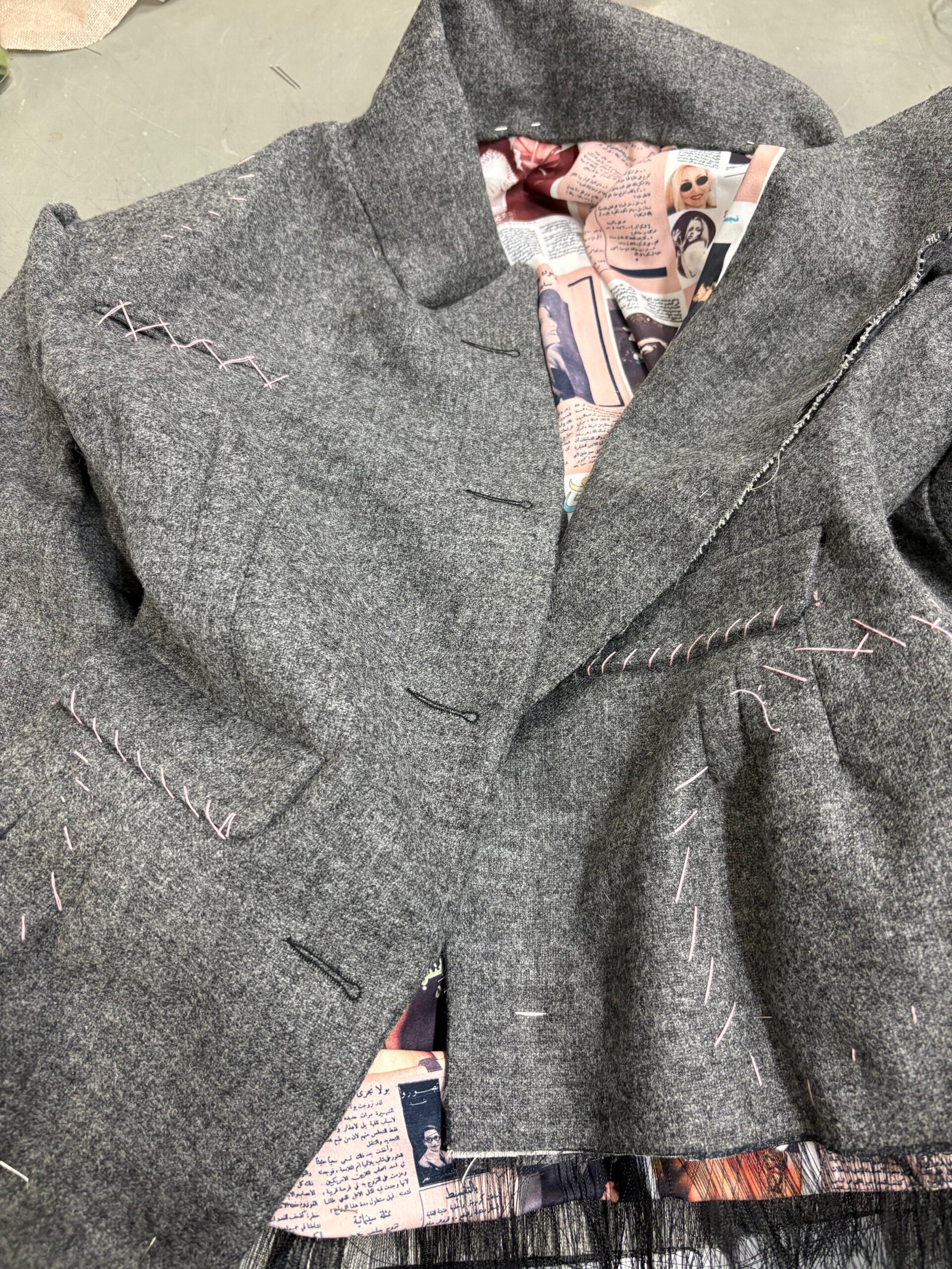
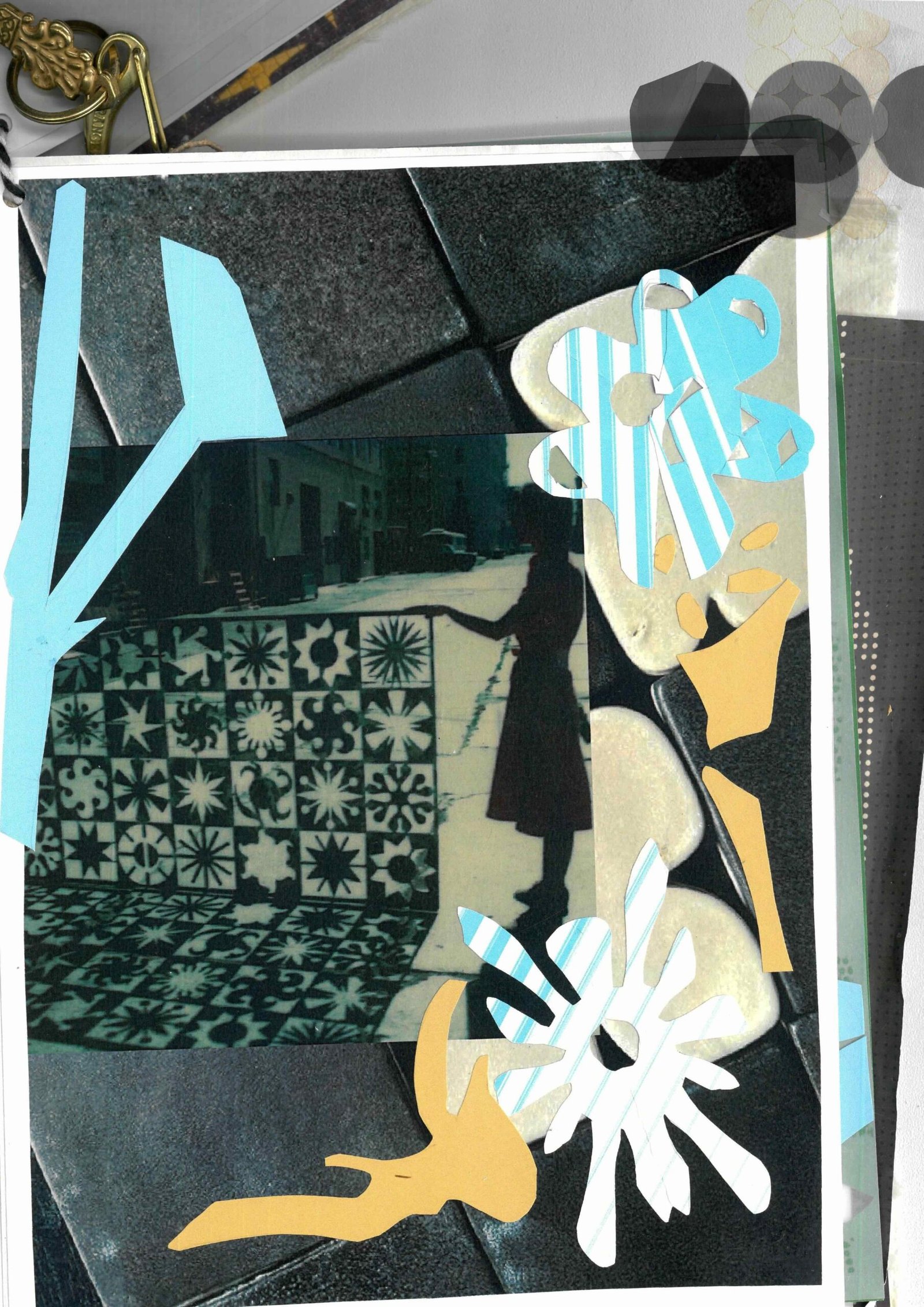
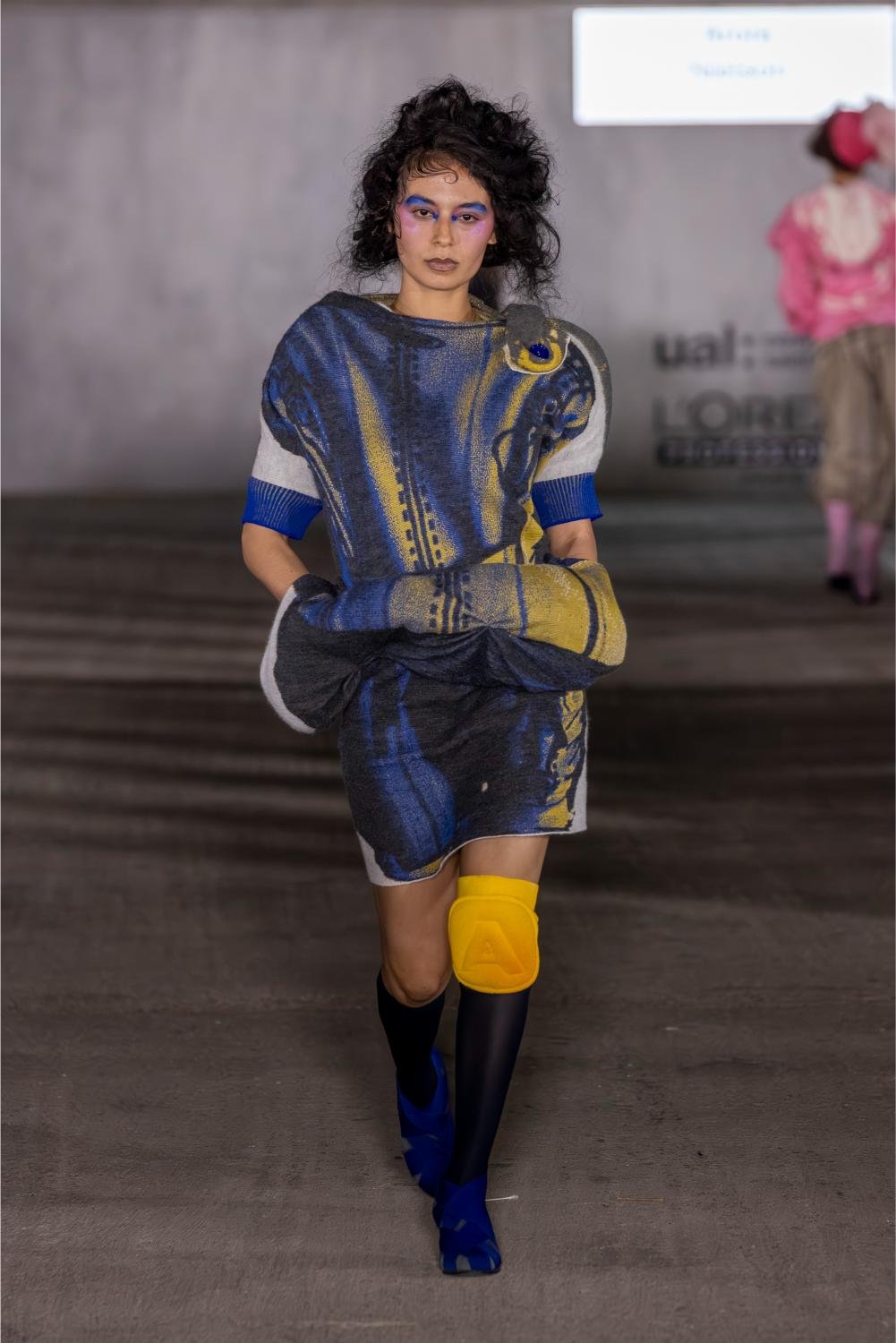
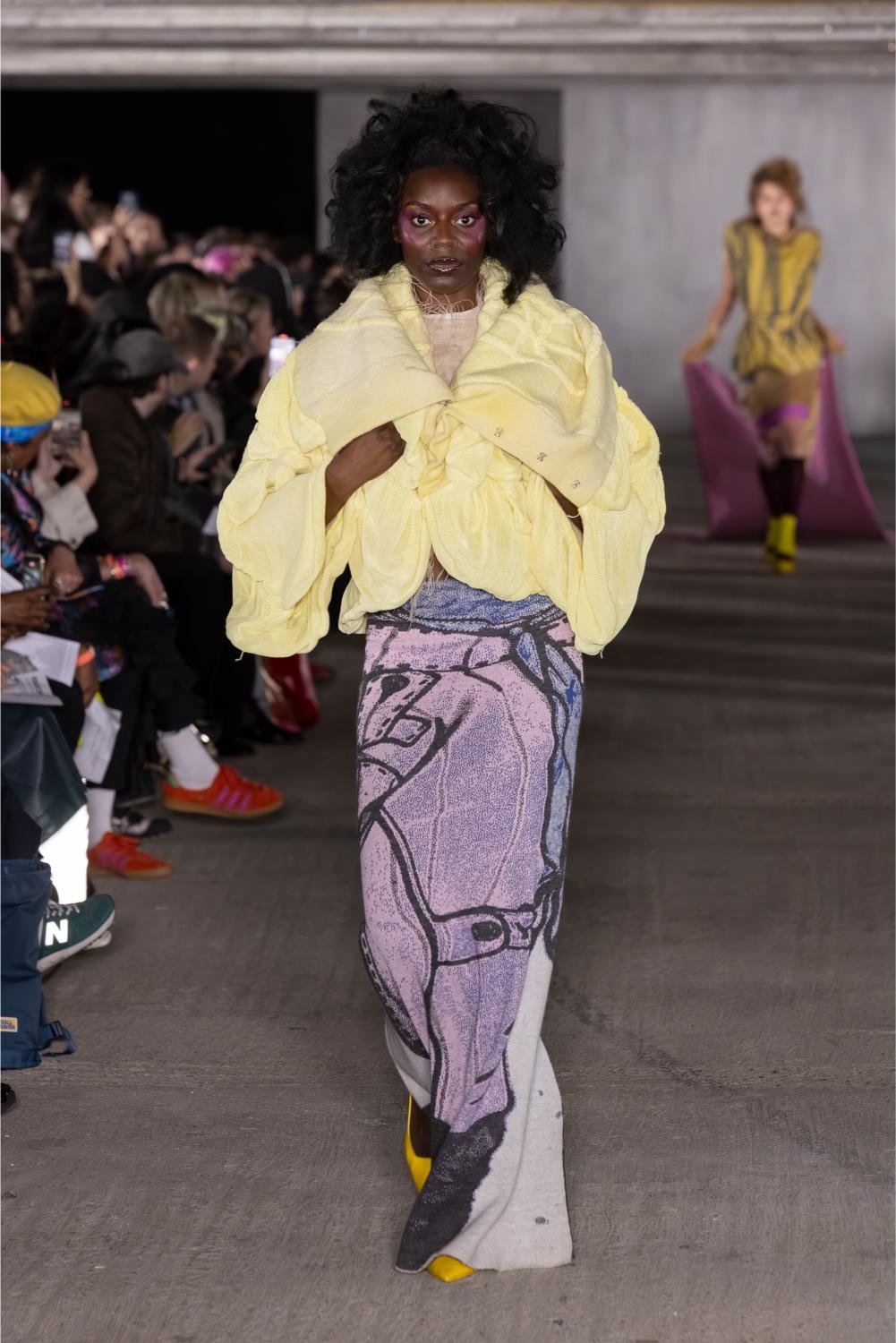
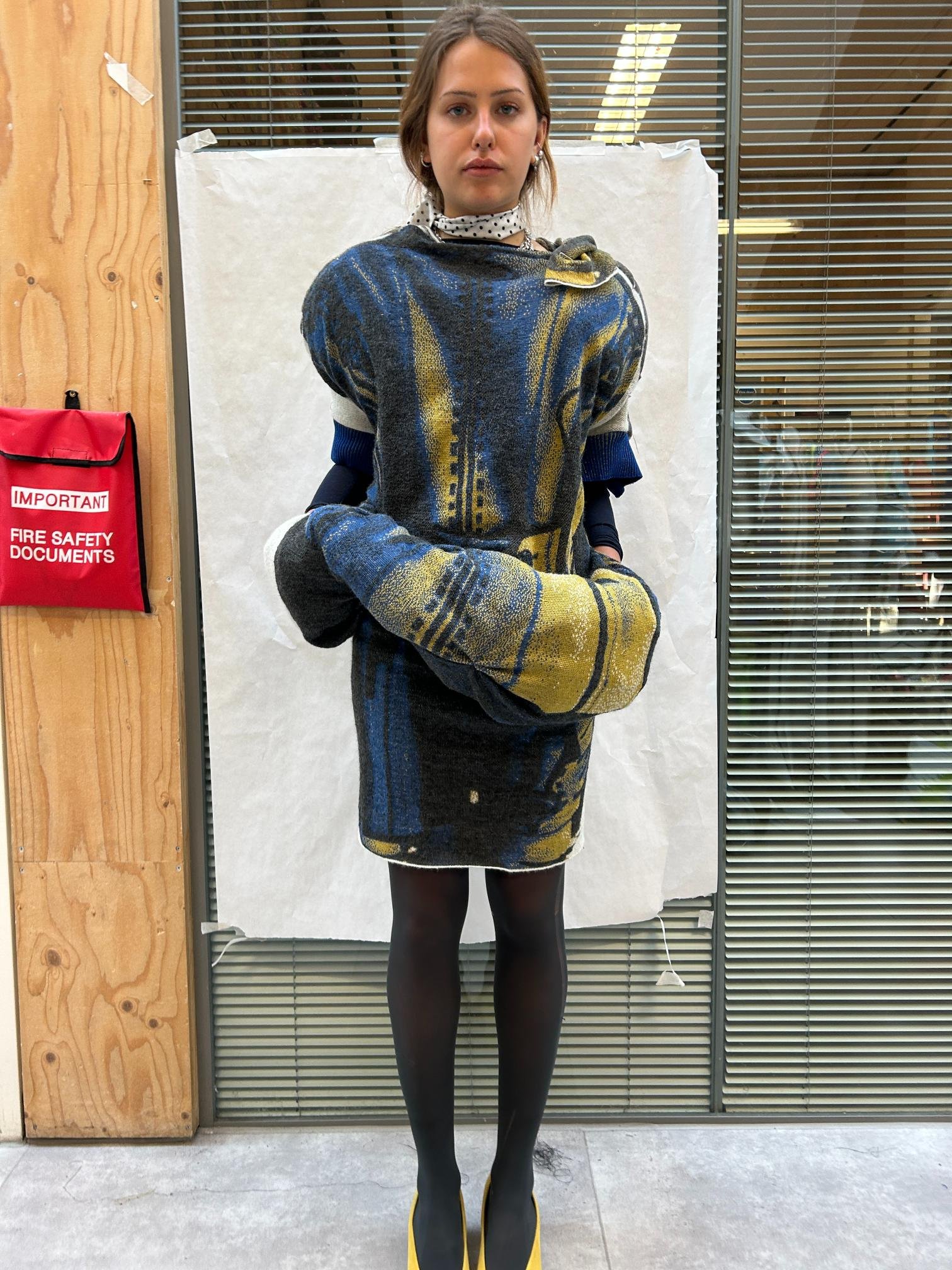
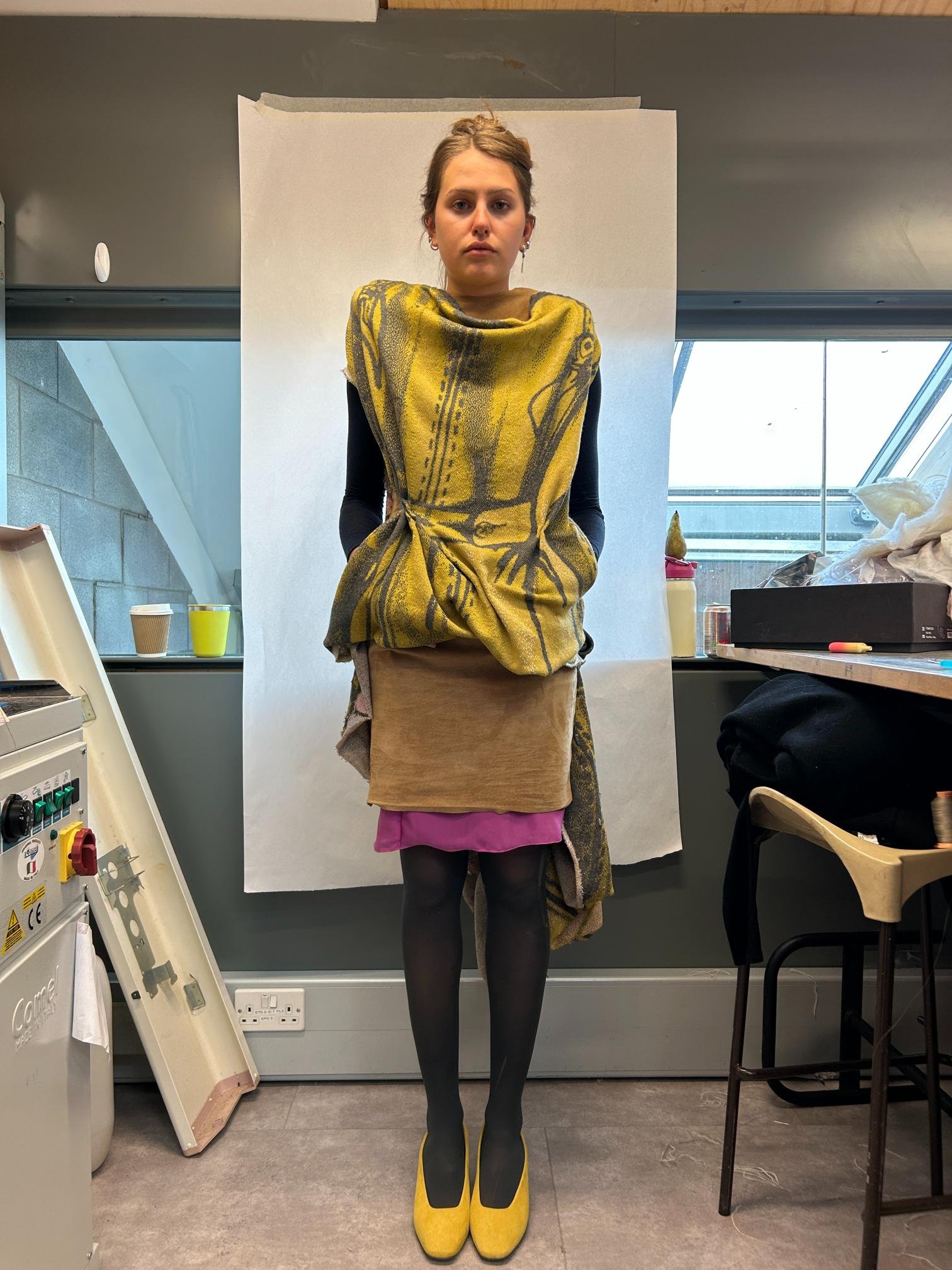
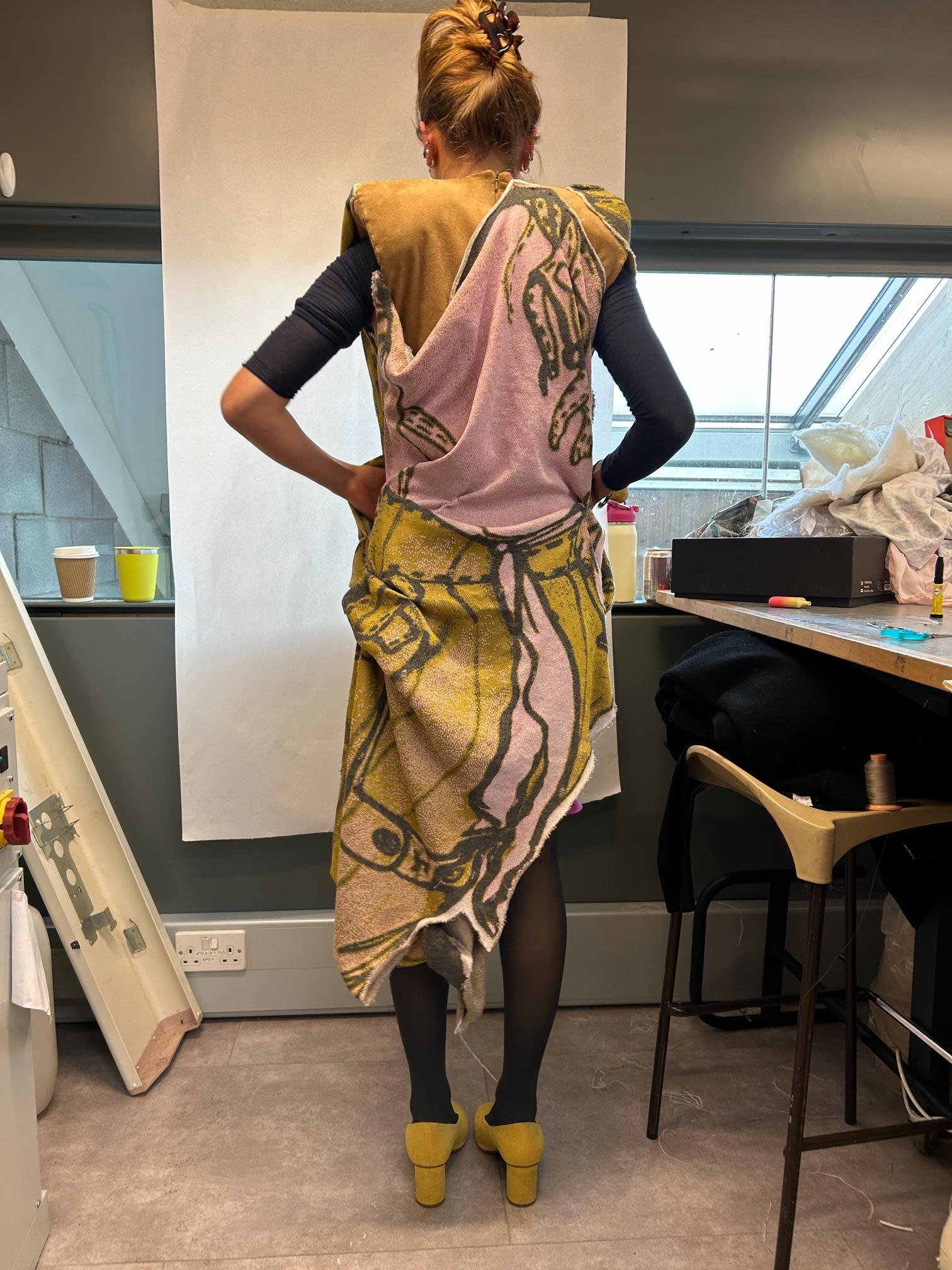
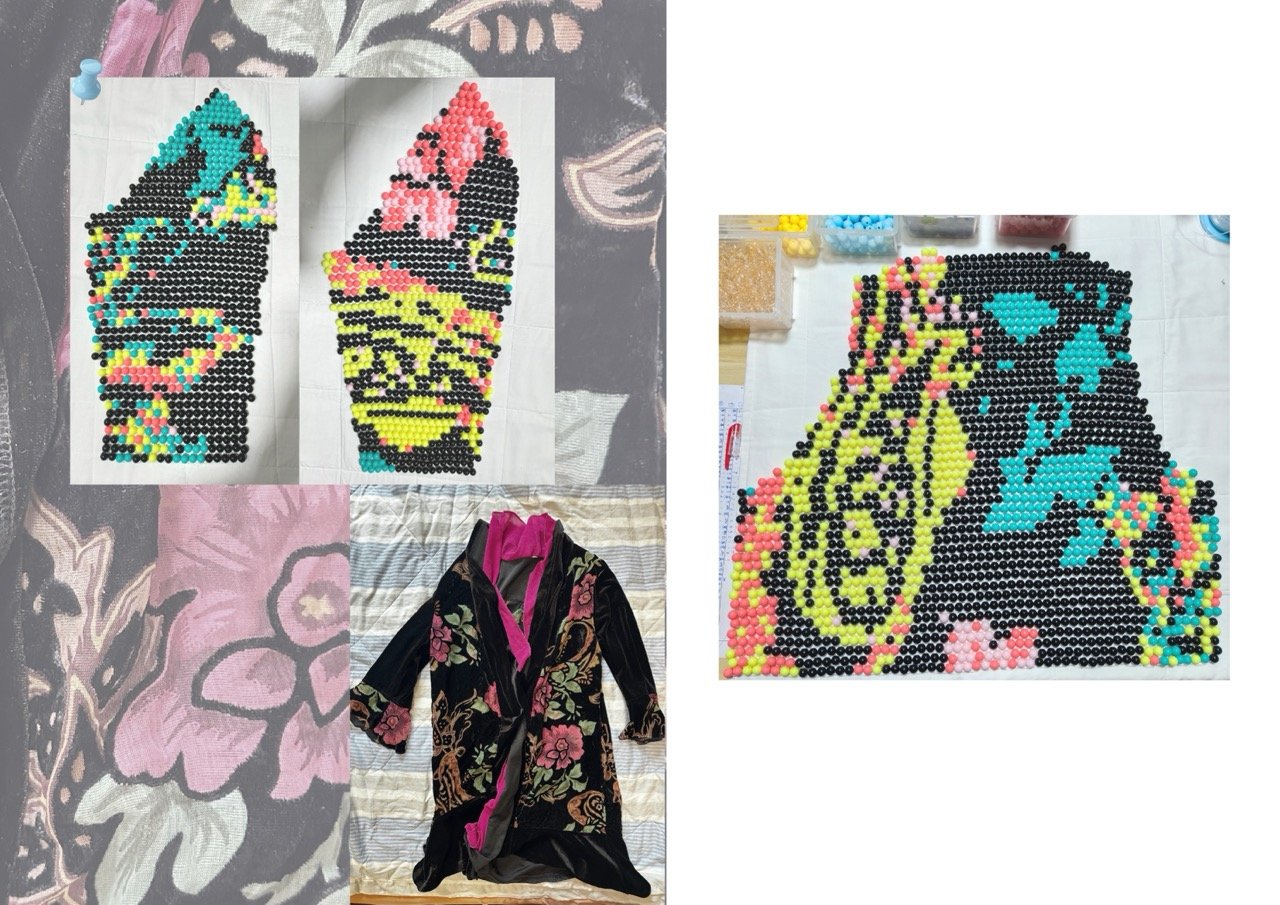
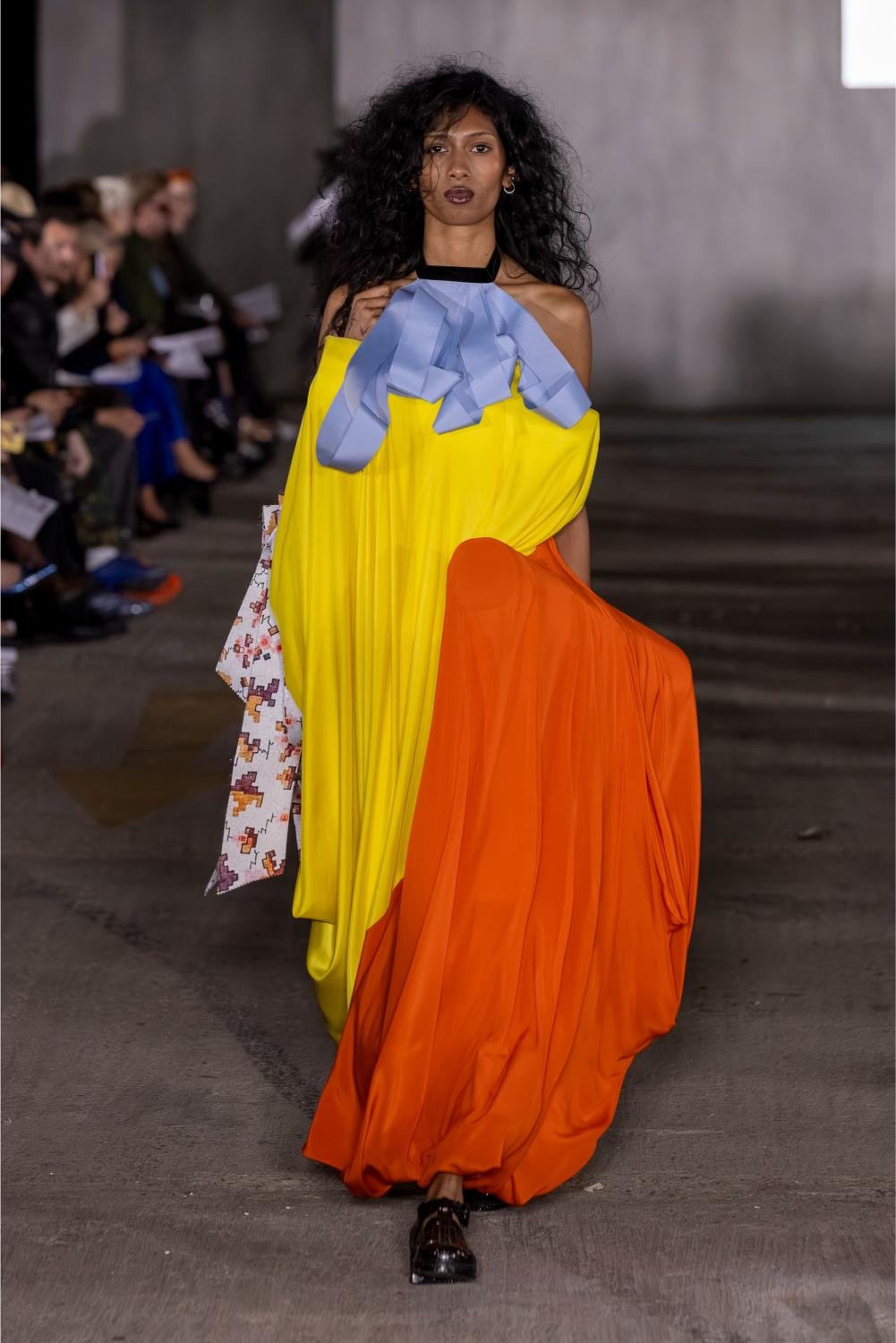
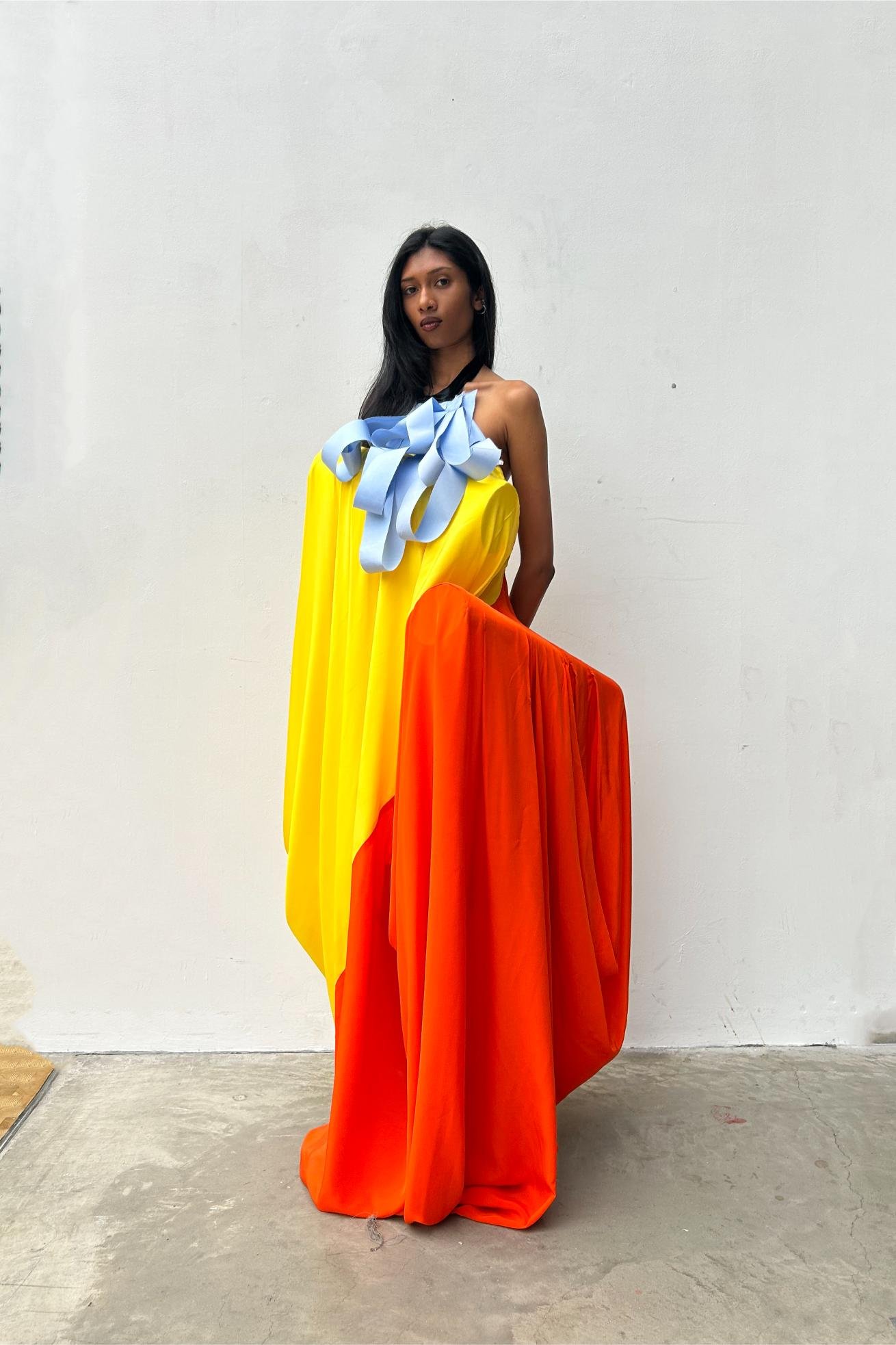
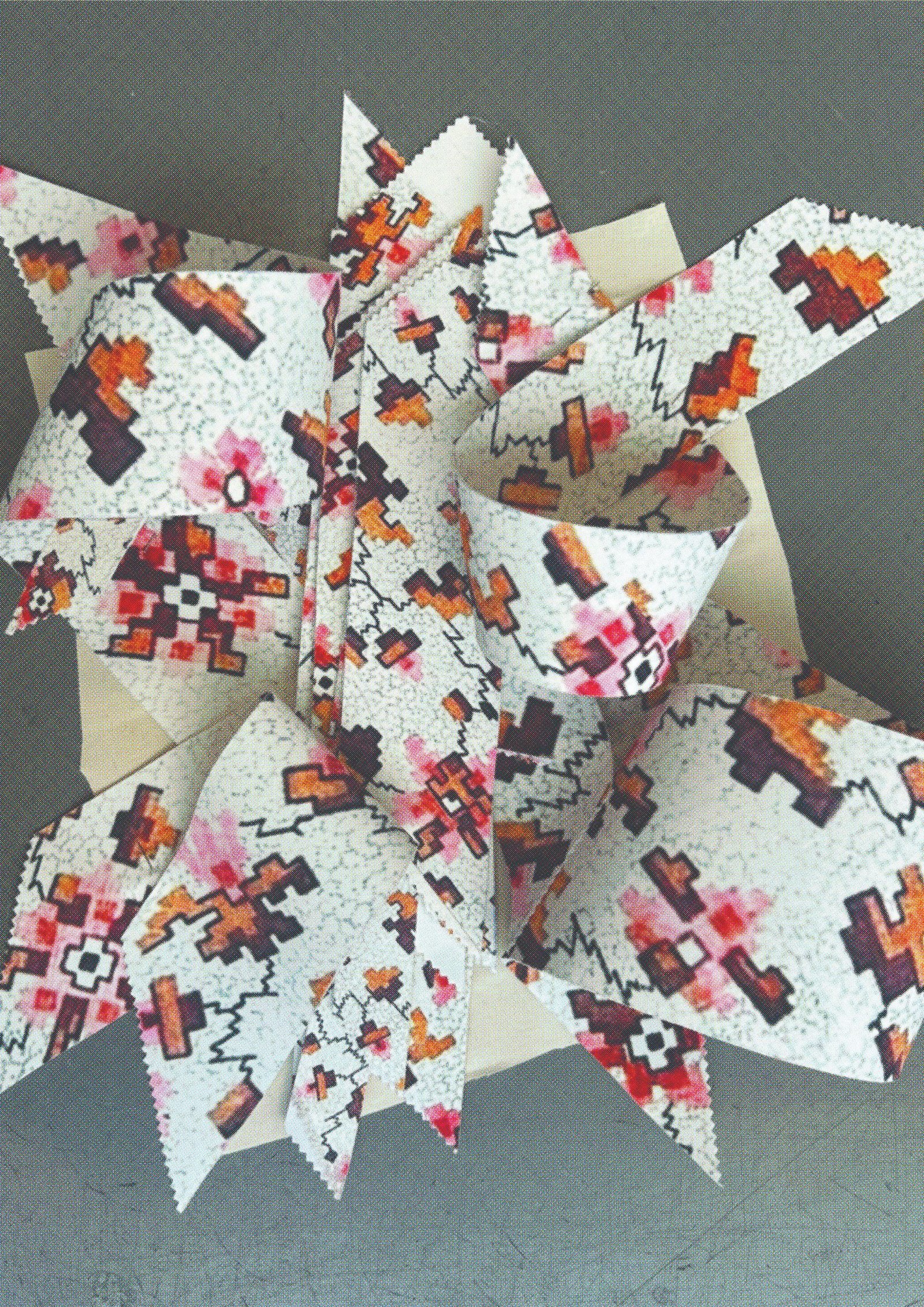
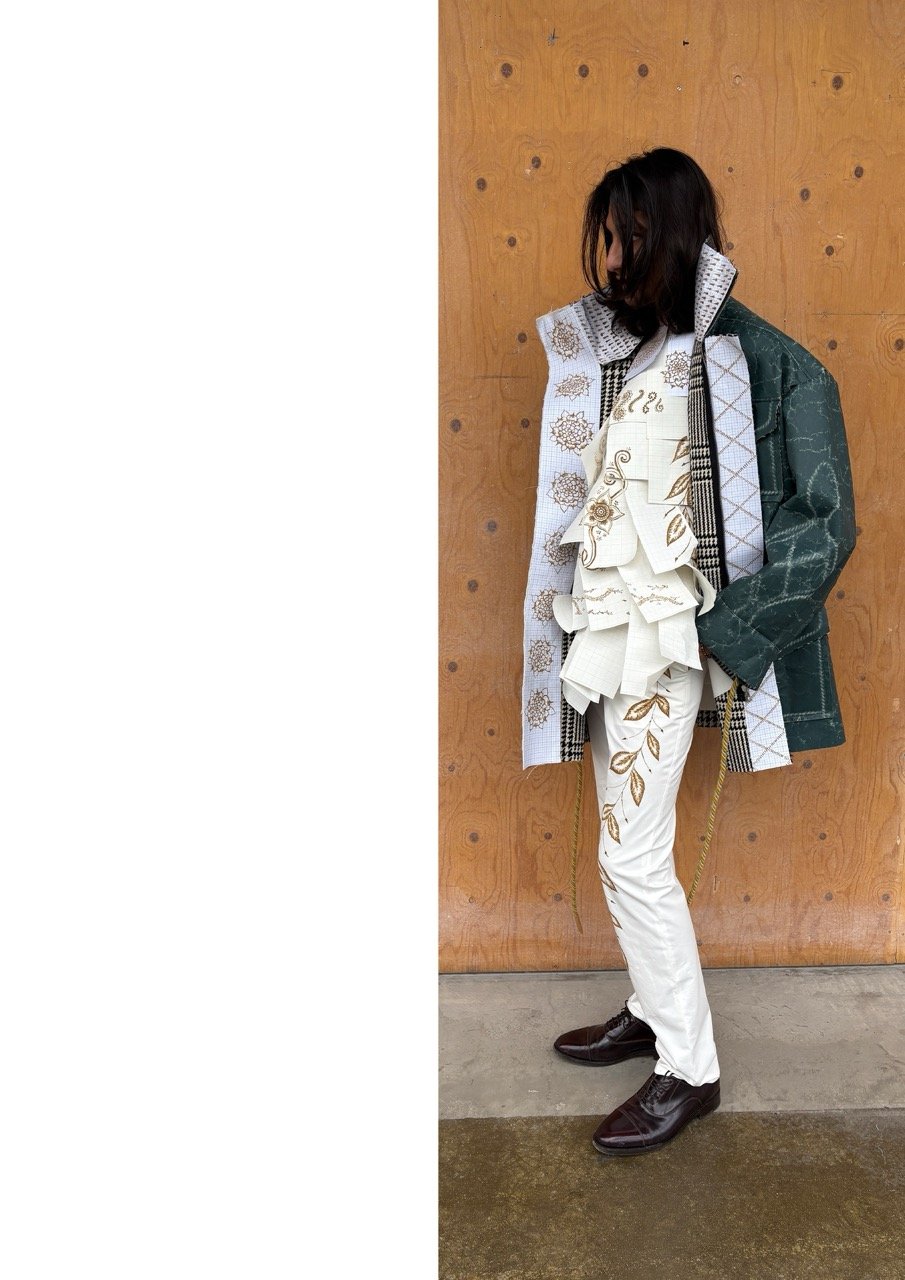
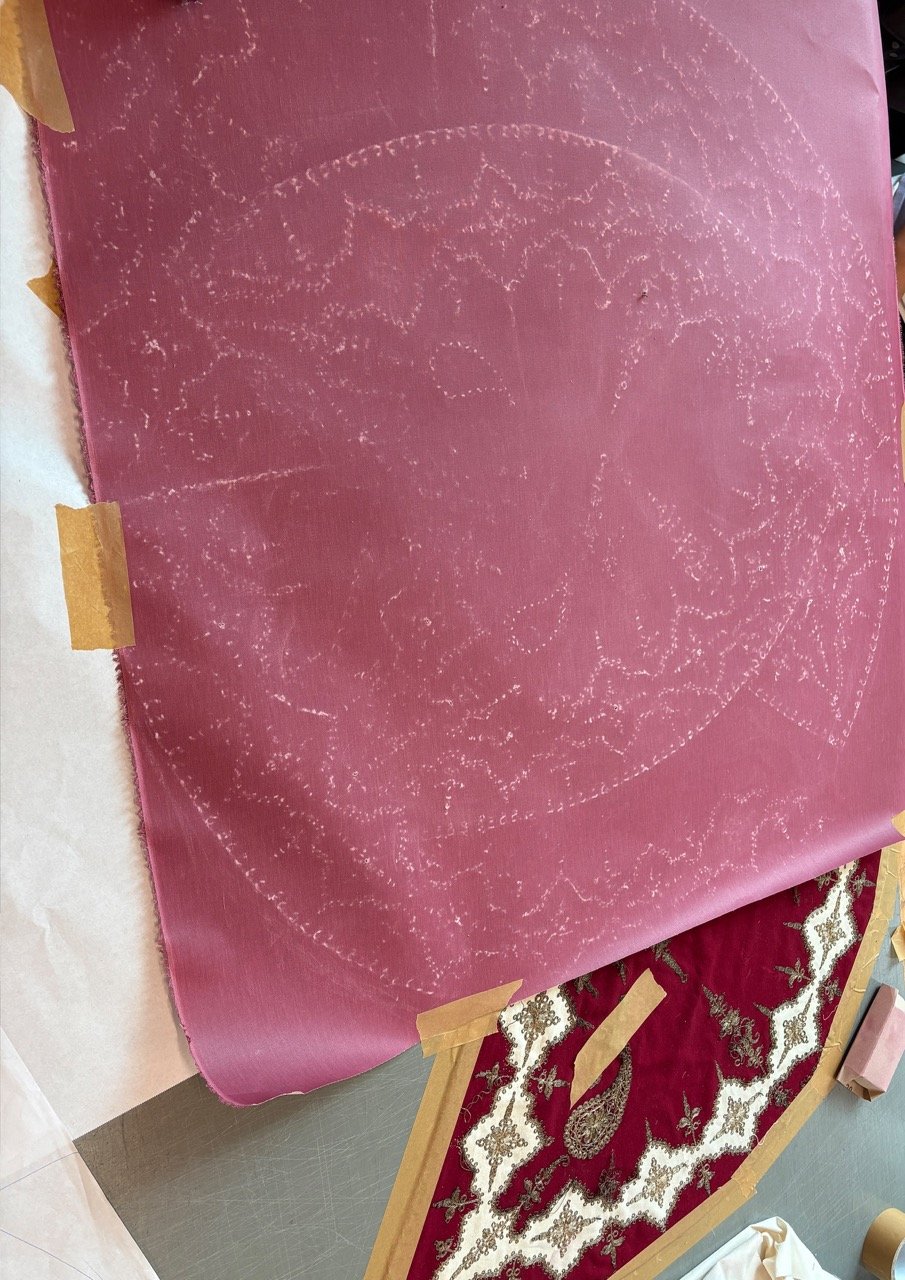
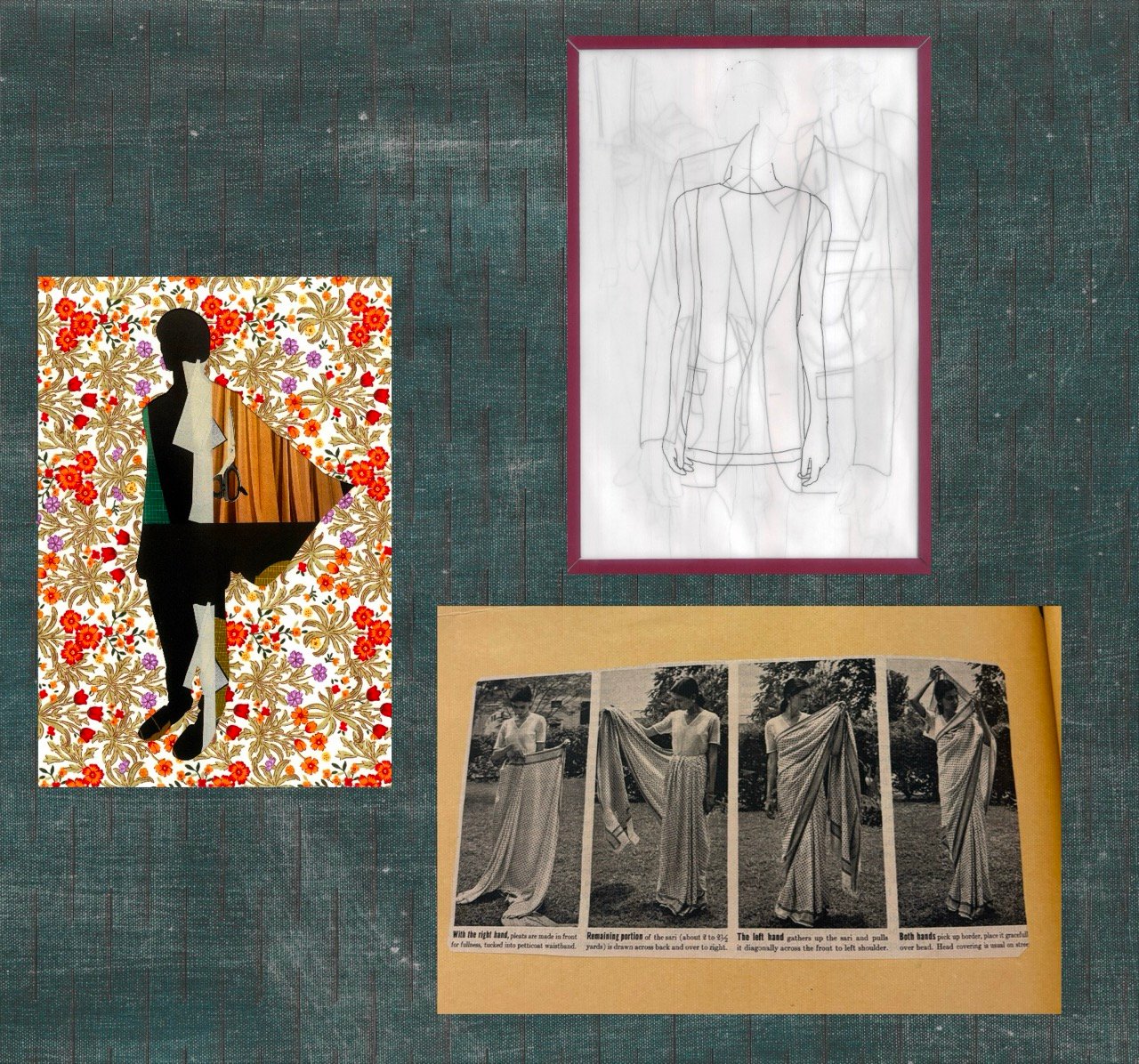
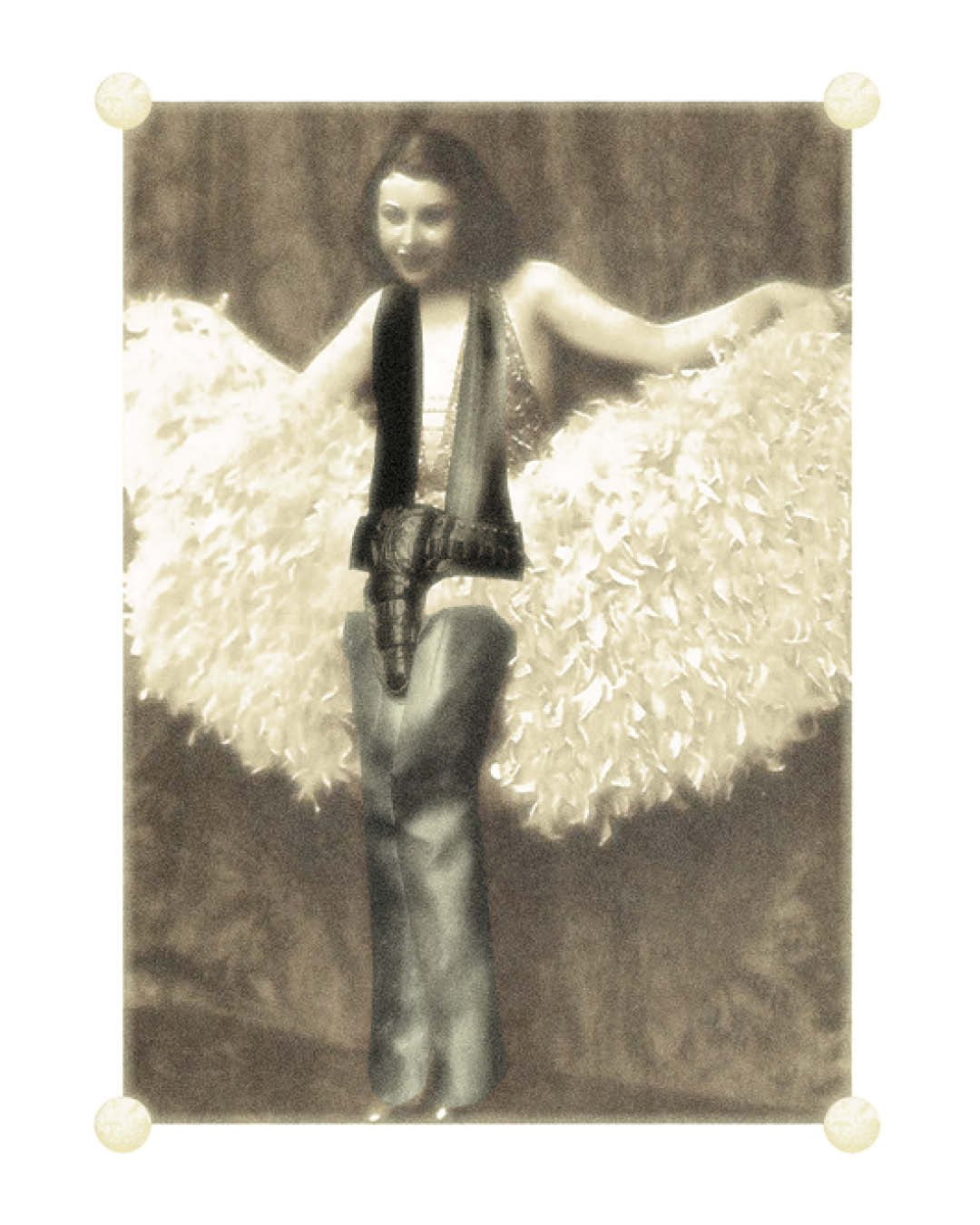
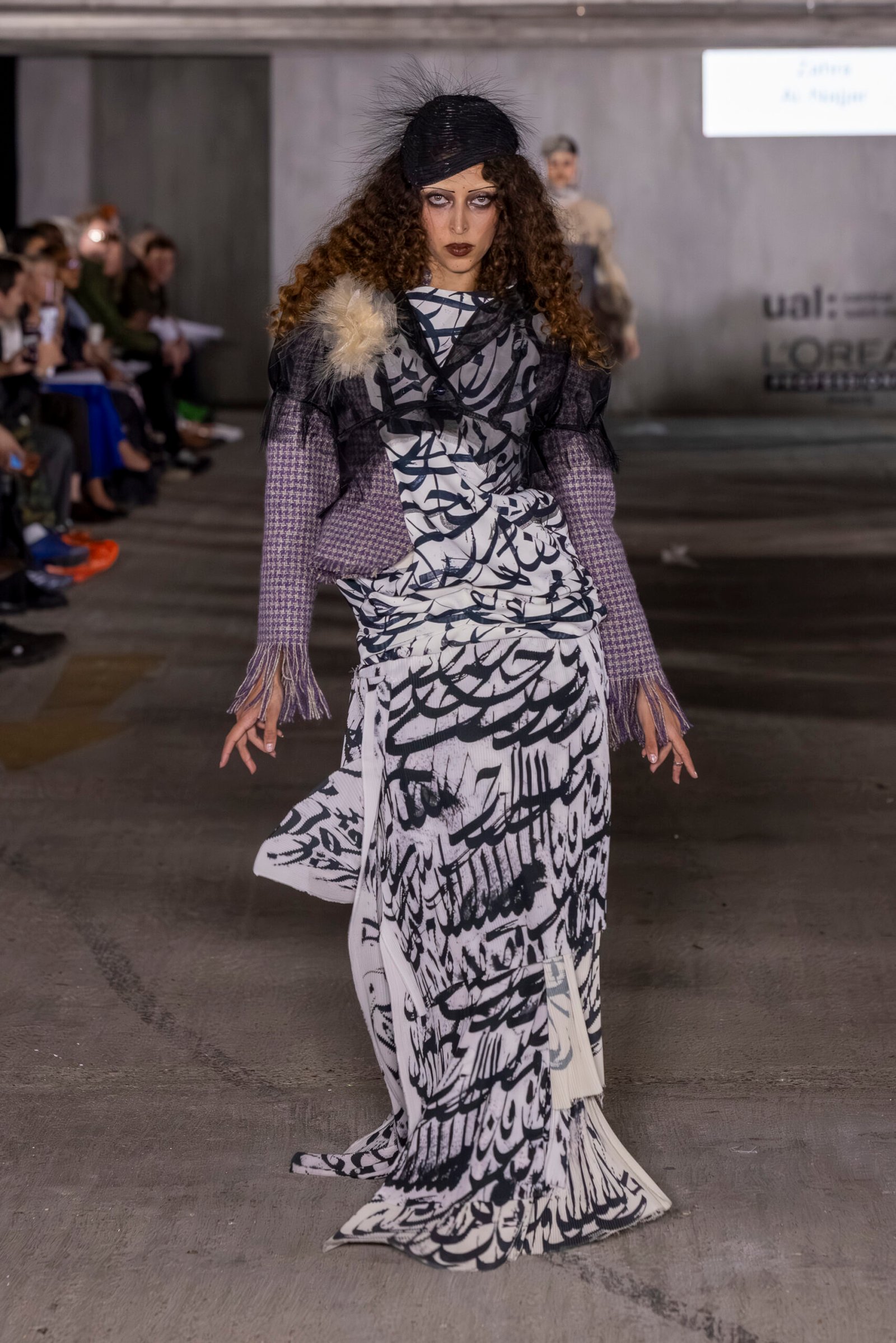
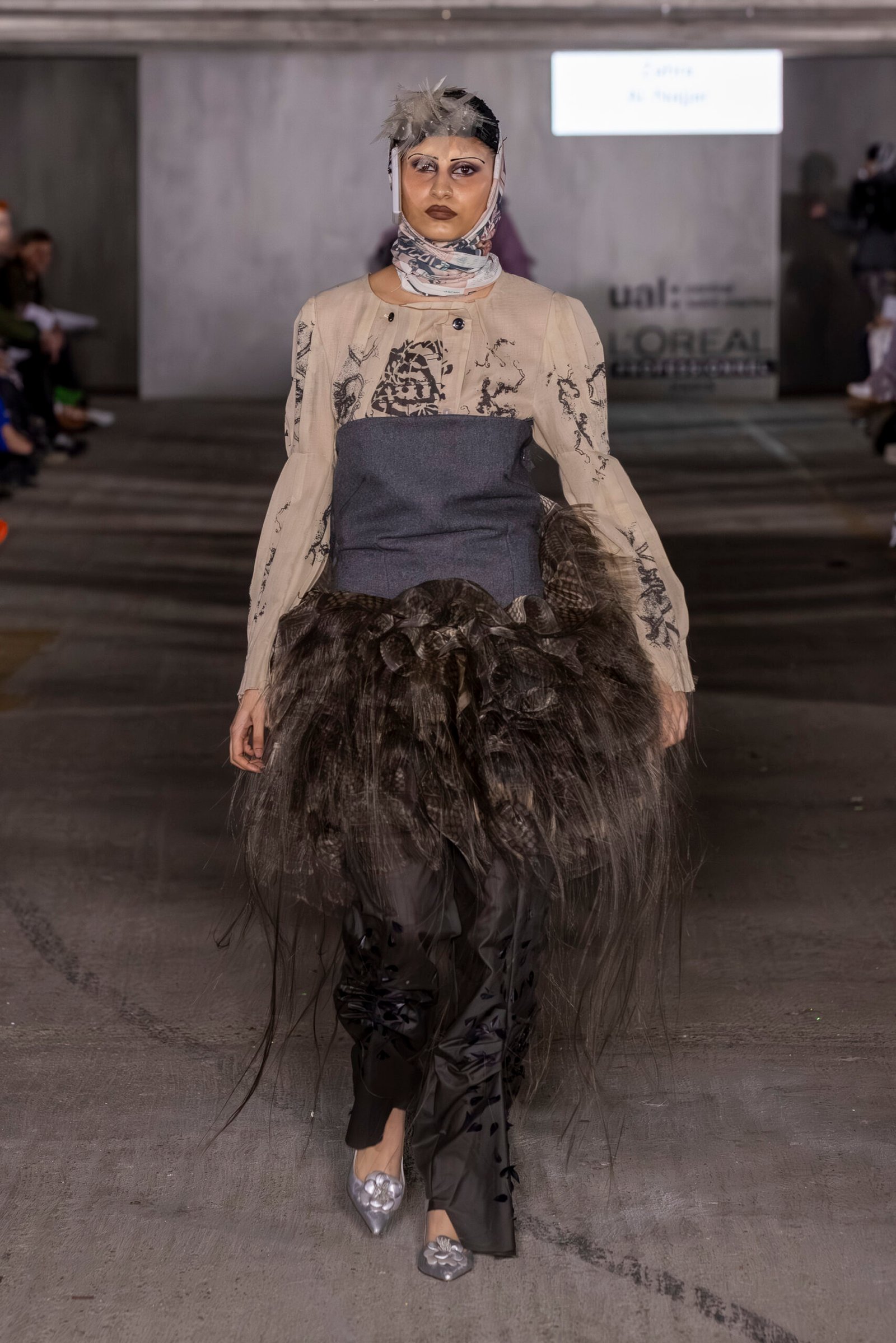
The women who shaped Zahra Al-Najjar’s upbringing sit at the centre of her collection. Growing up in the Iraqi diaspora in the 2000s, she looked to the ways clothing was layered in her own family, as well as to the commanding stage presence of Arab singers from earlier generations. The collection also includes a collaboration with Iraqi Print Archive, an independent project preserving rare and forgotten prints from Iraq. These materials point to a period before the 2003 US invasion, when Iraqi women were making vital contributions to the arts and workforce. Through print, layering, and performance, Al-Najjar’s collection becomes a way of holding onto cultural memory while celebrating the women who carried it forward.
@zahraalnajj

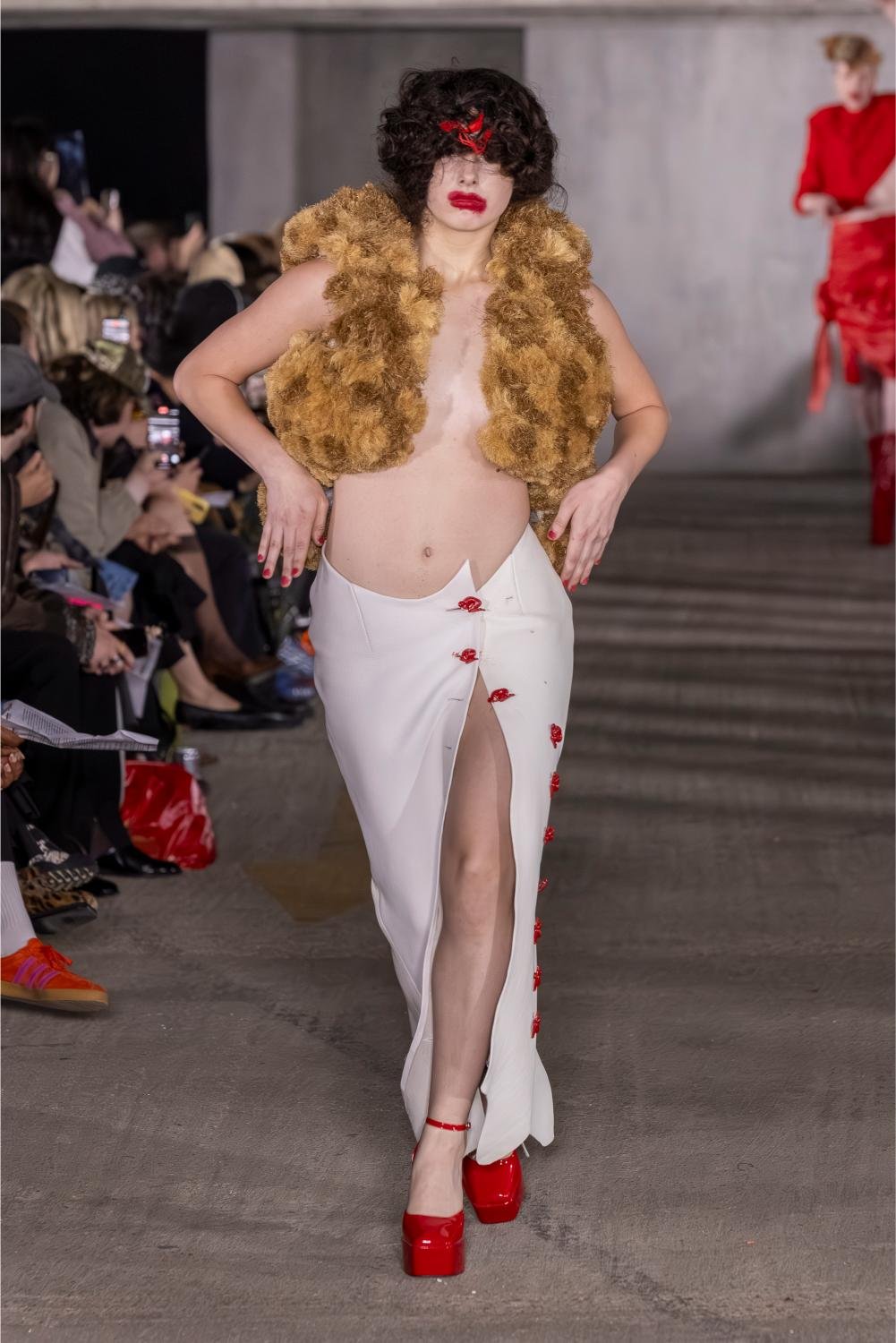
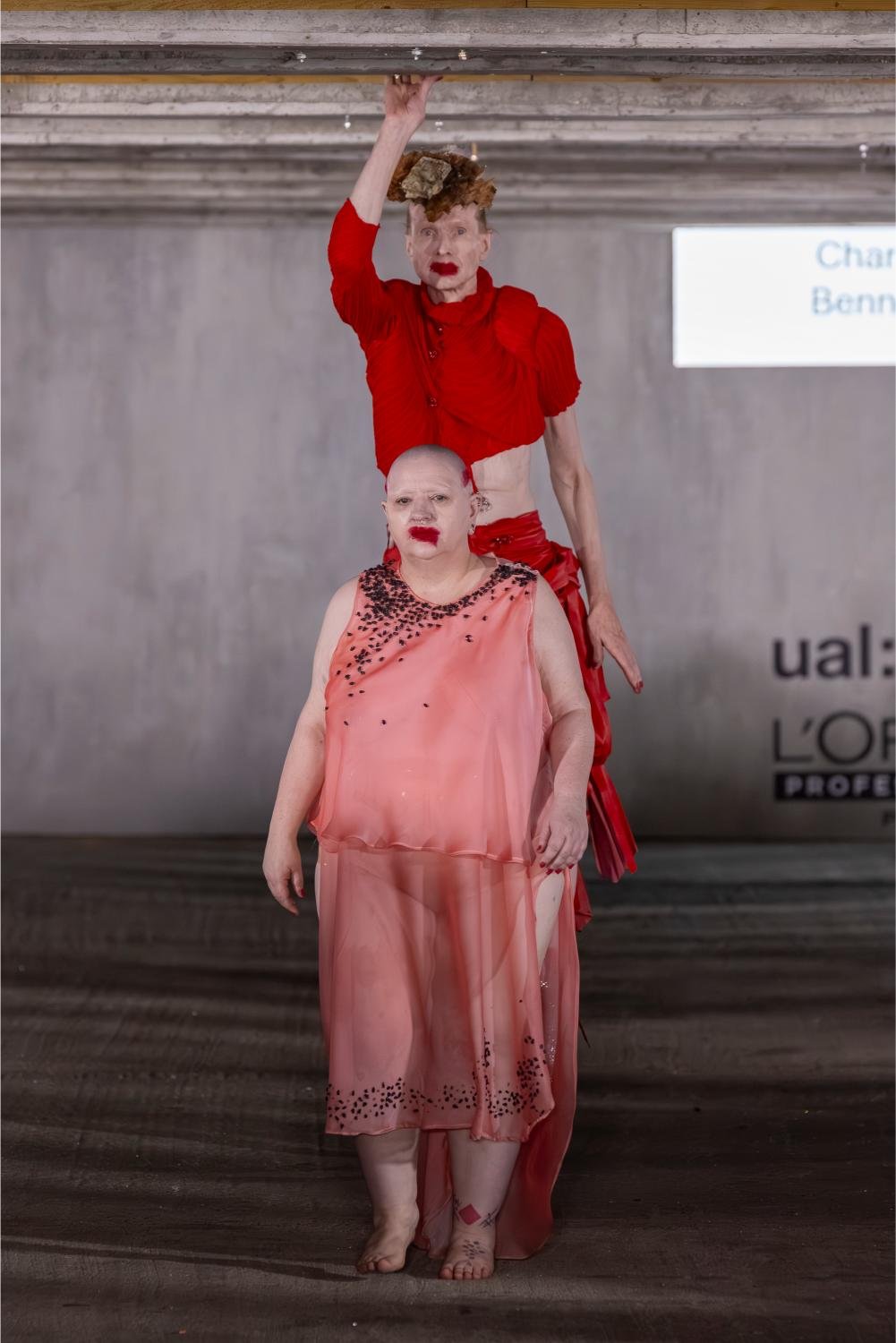
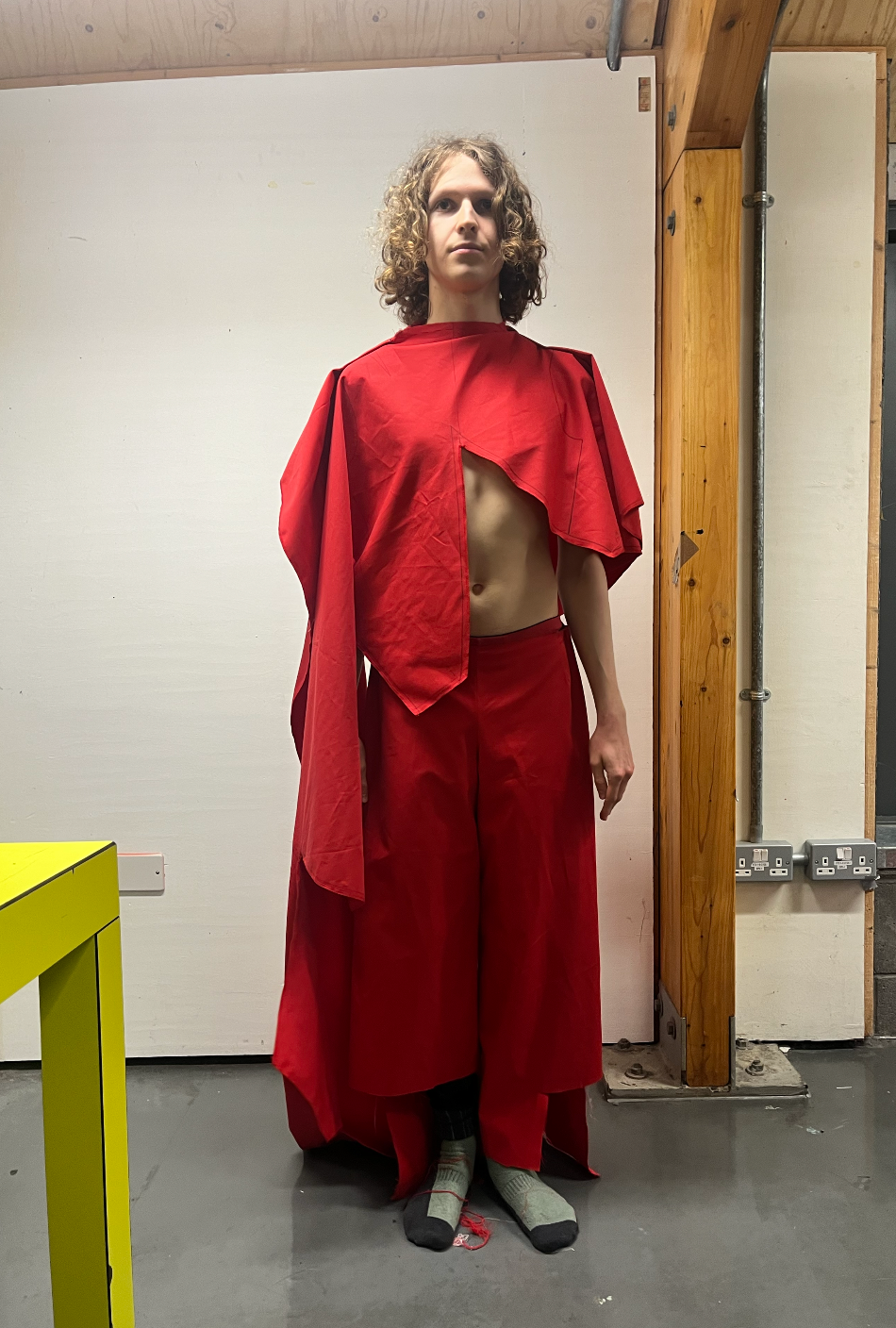
Charlie Bennett

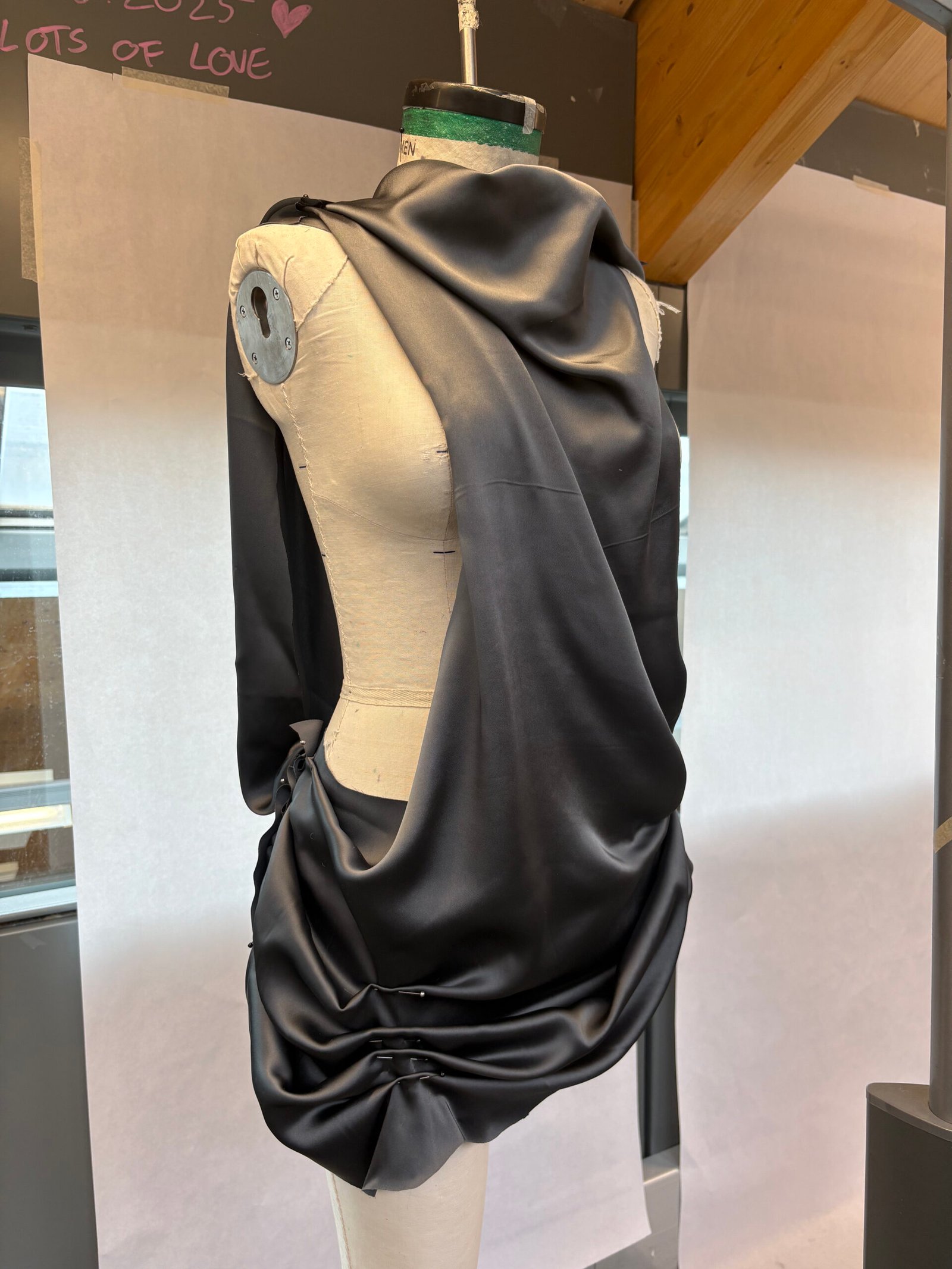
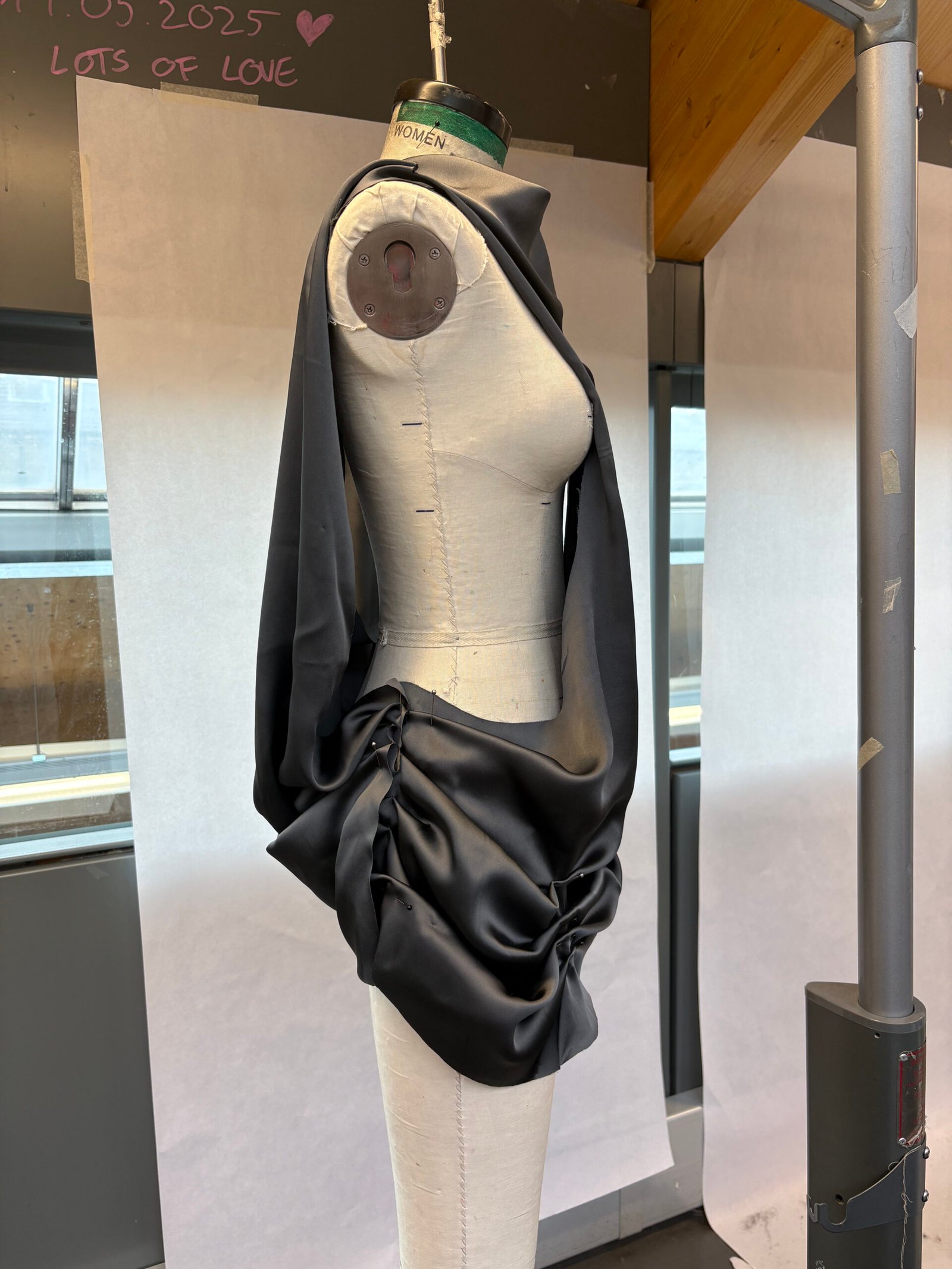
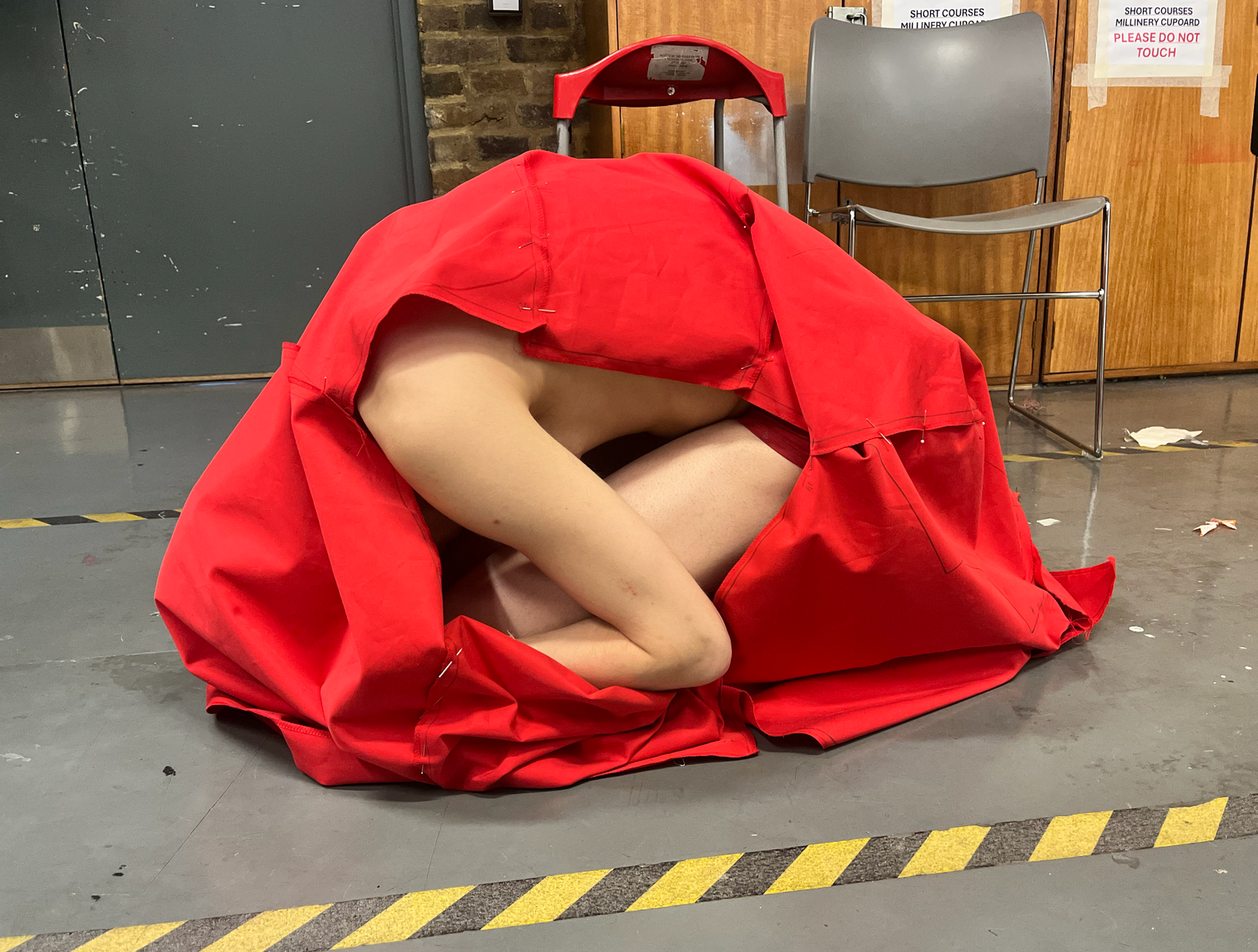
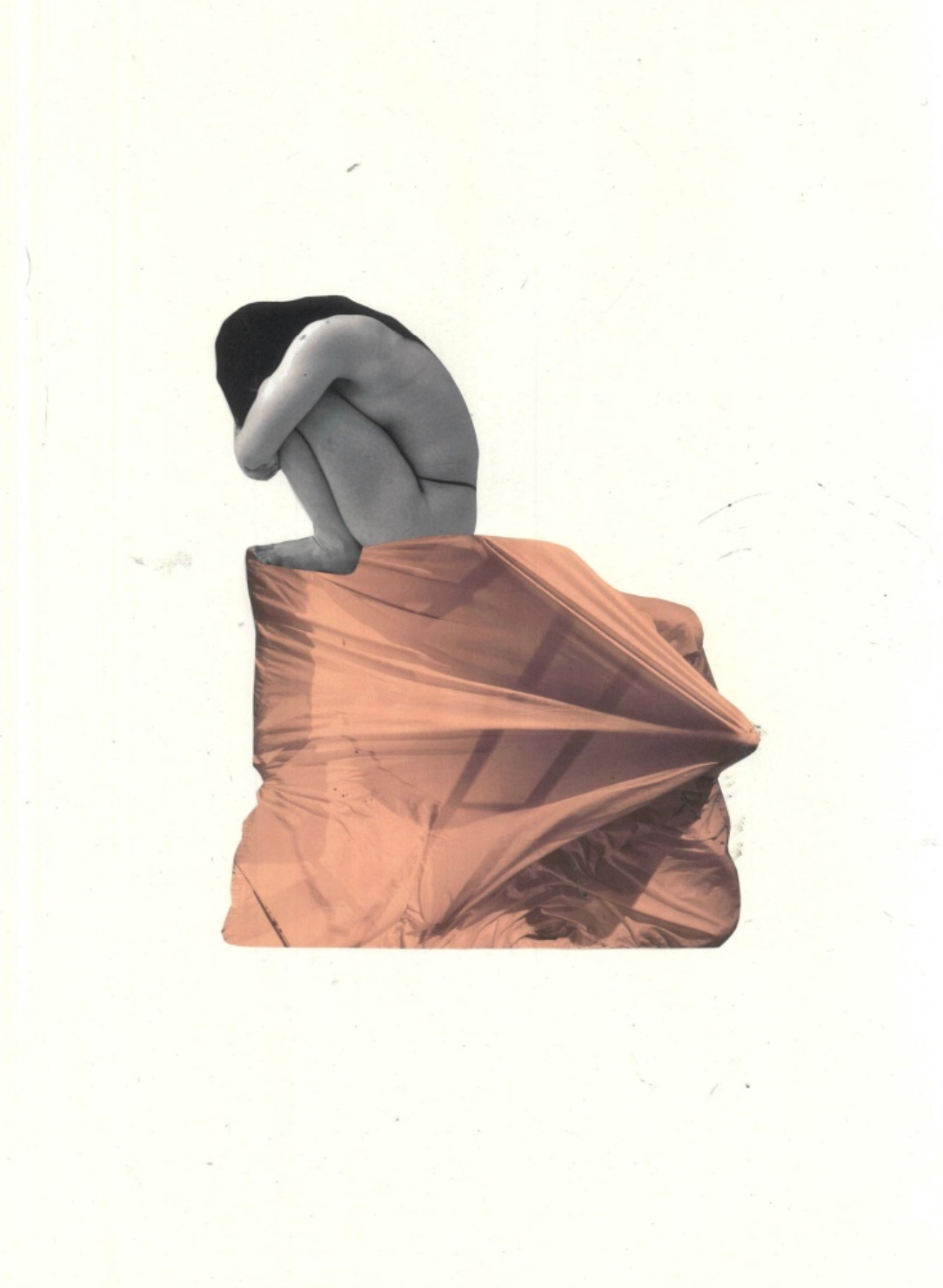
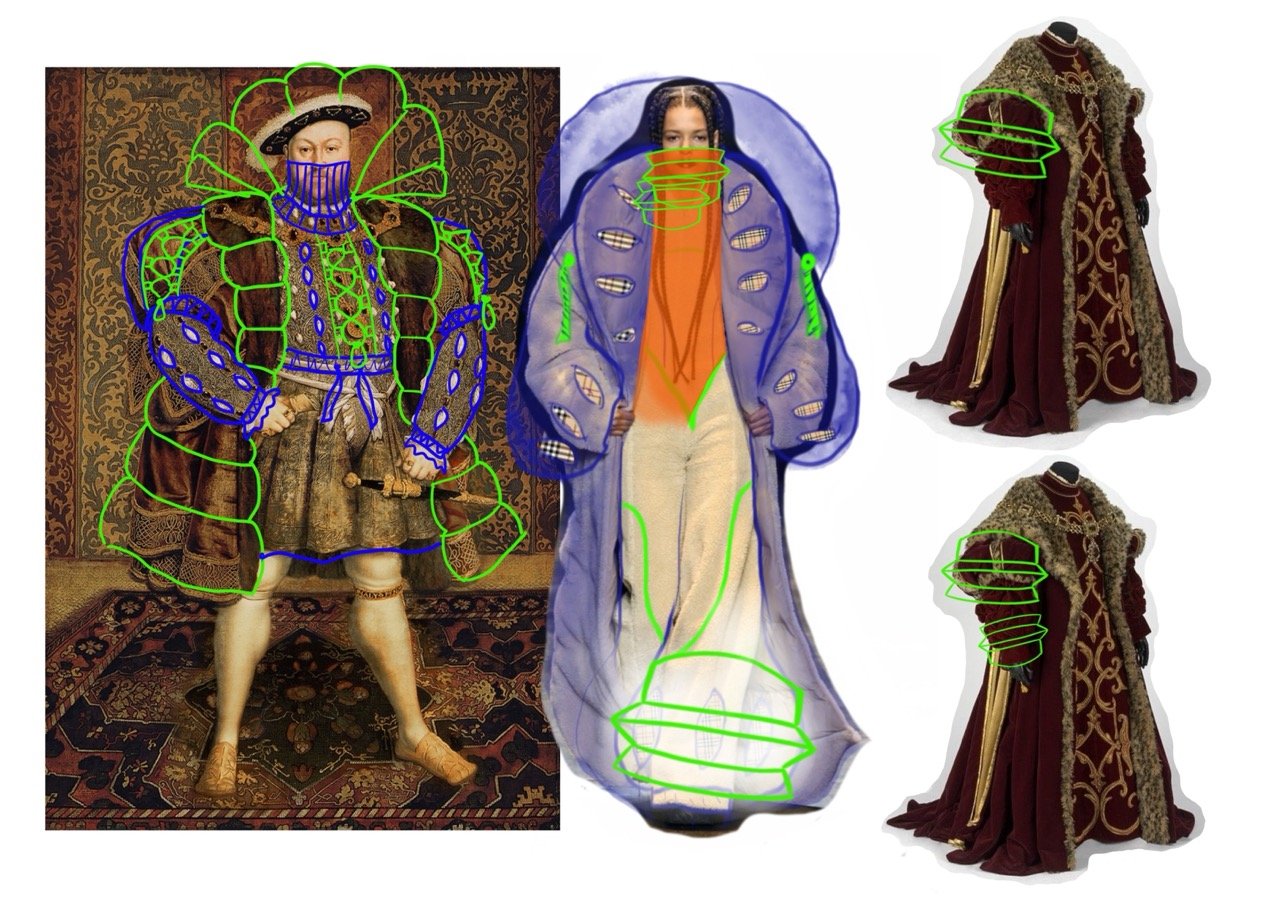
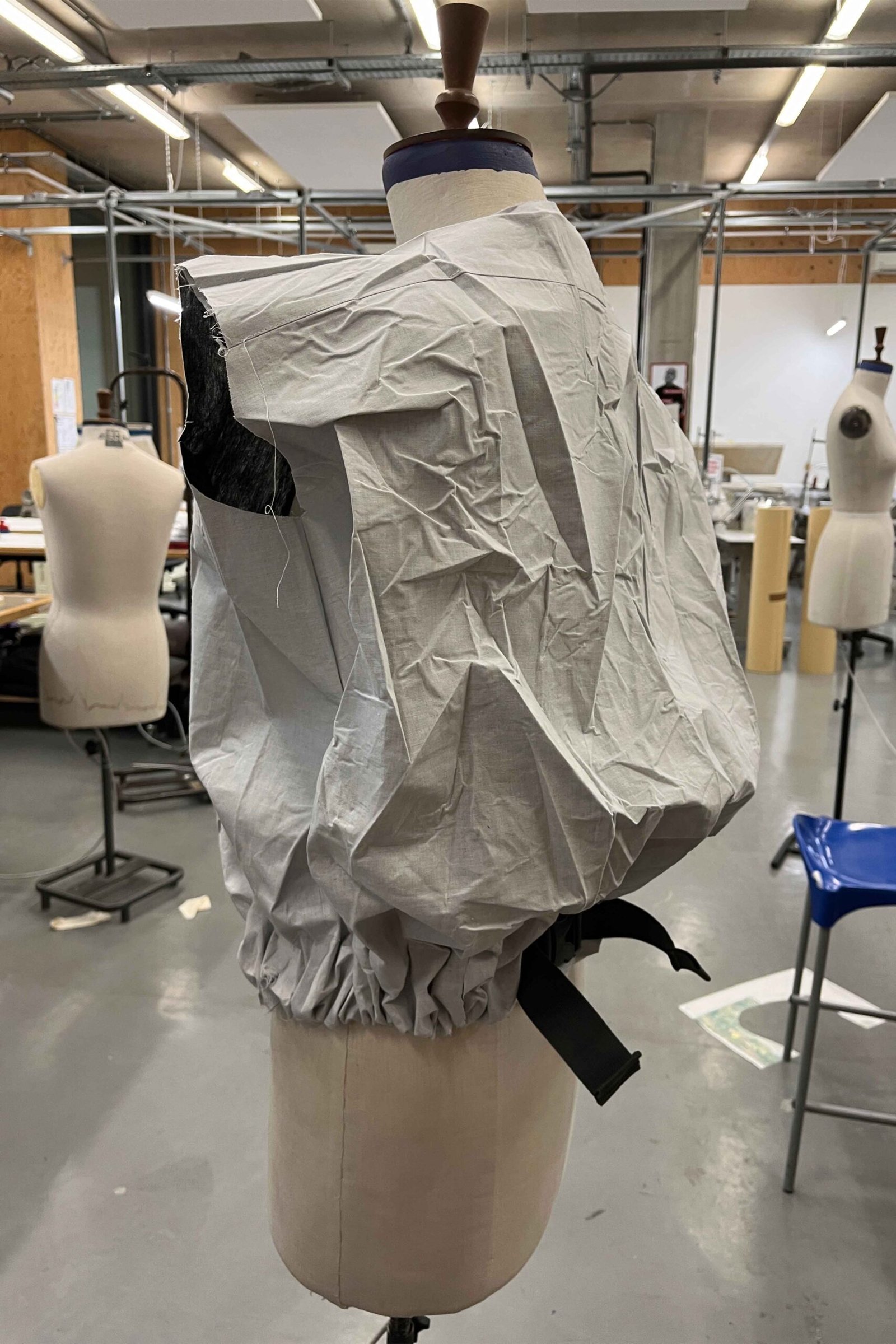
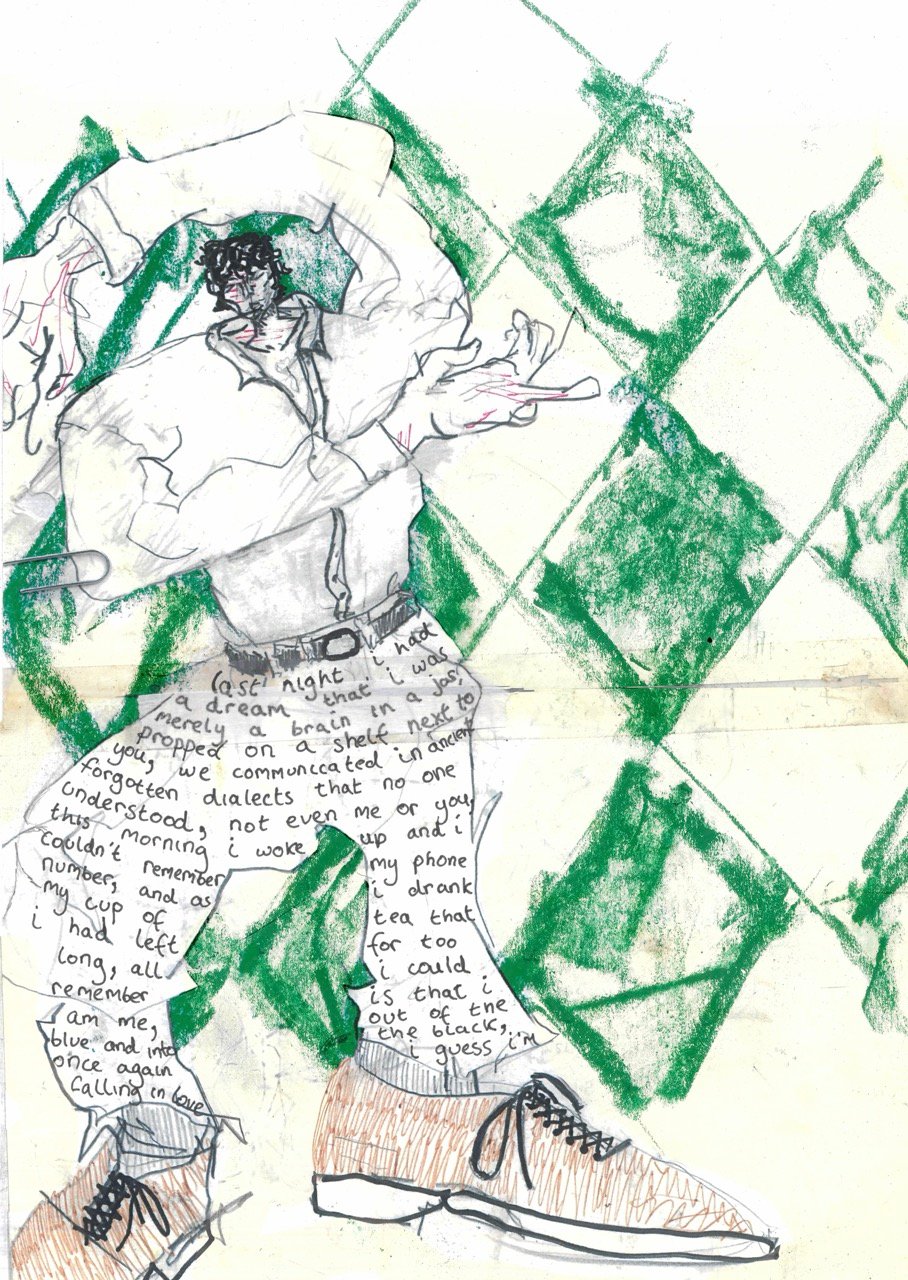
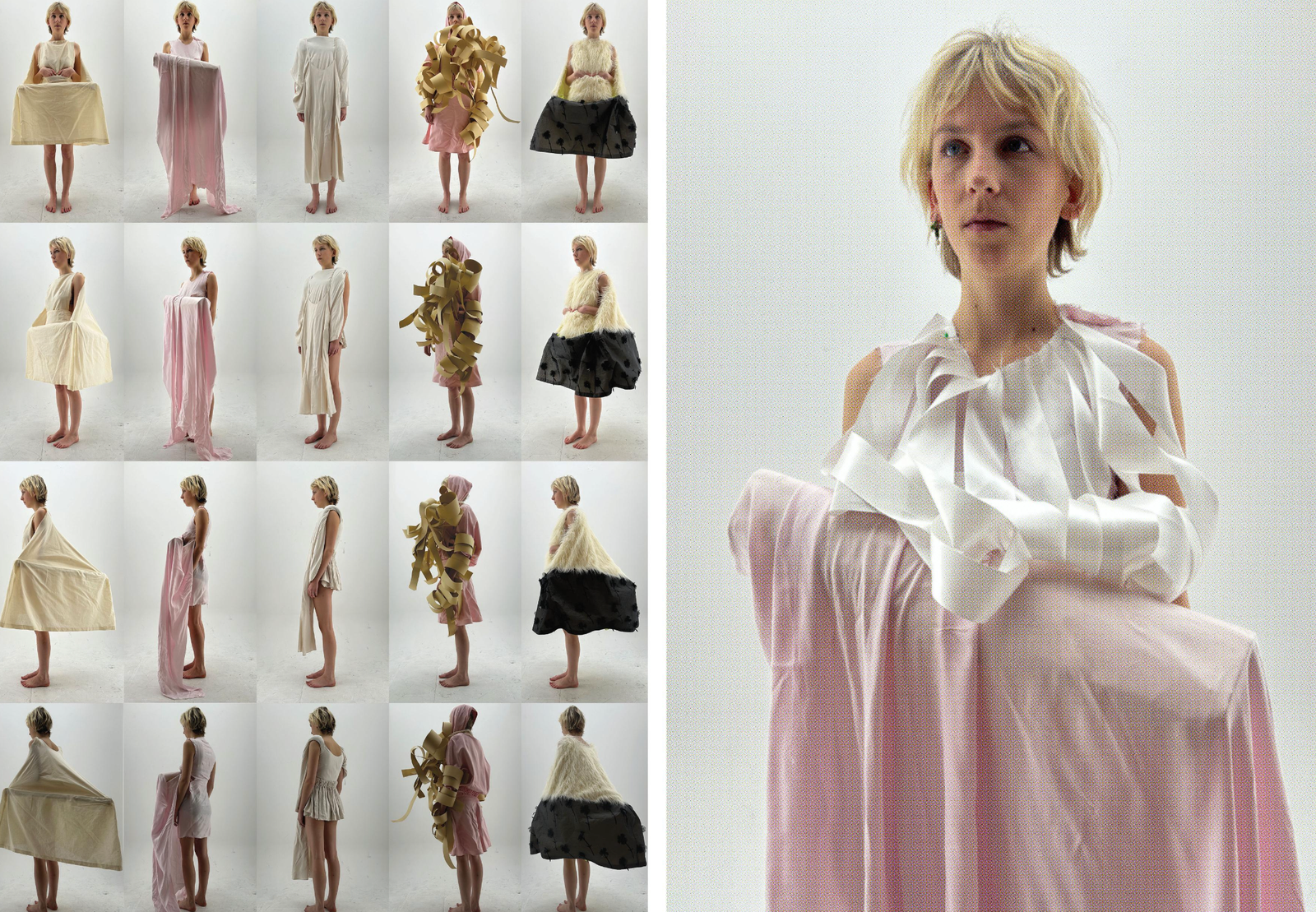
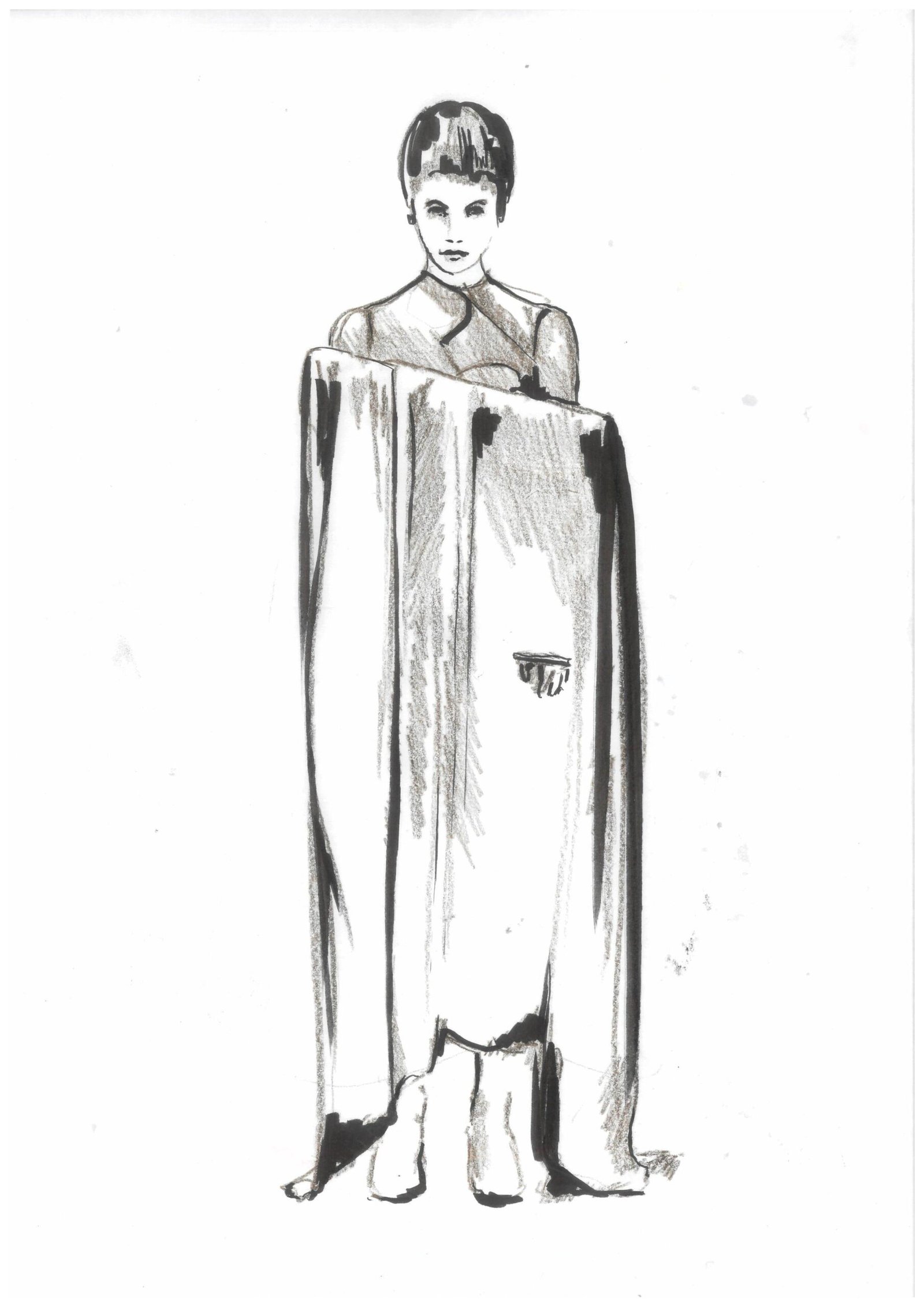
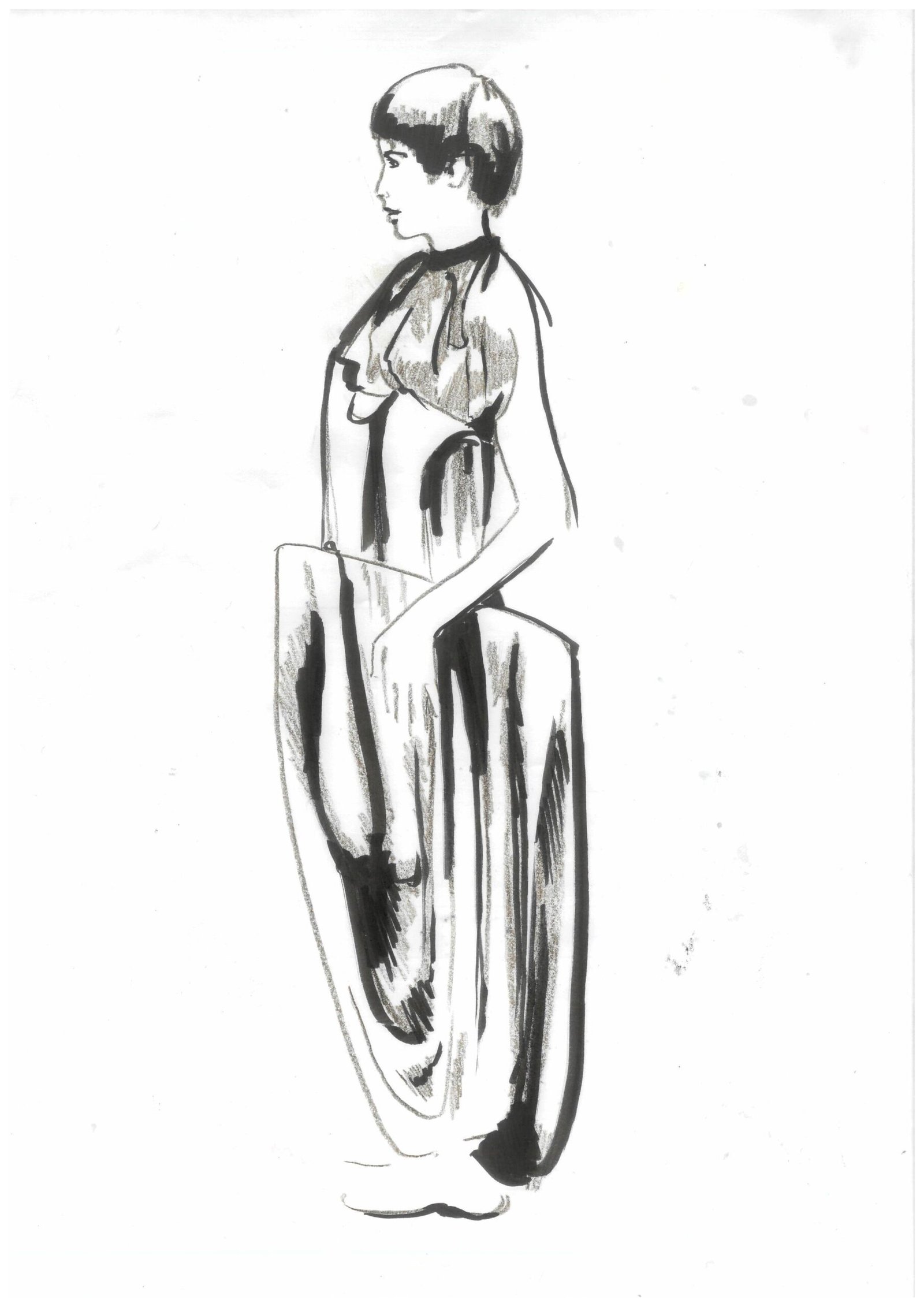
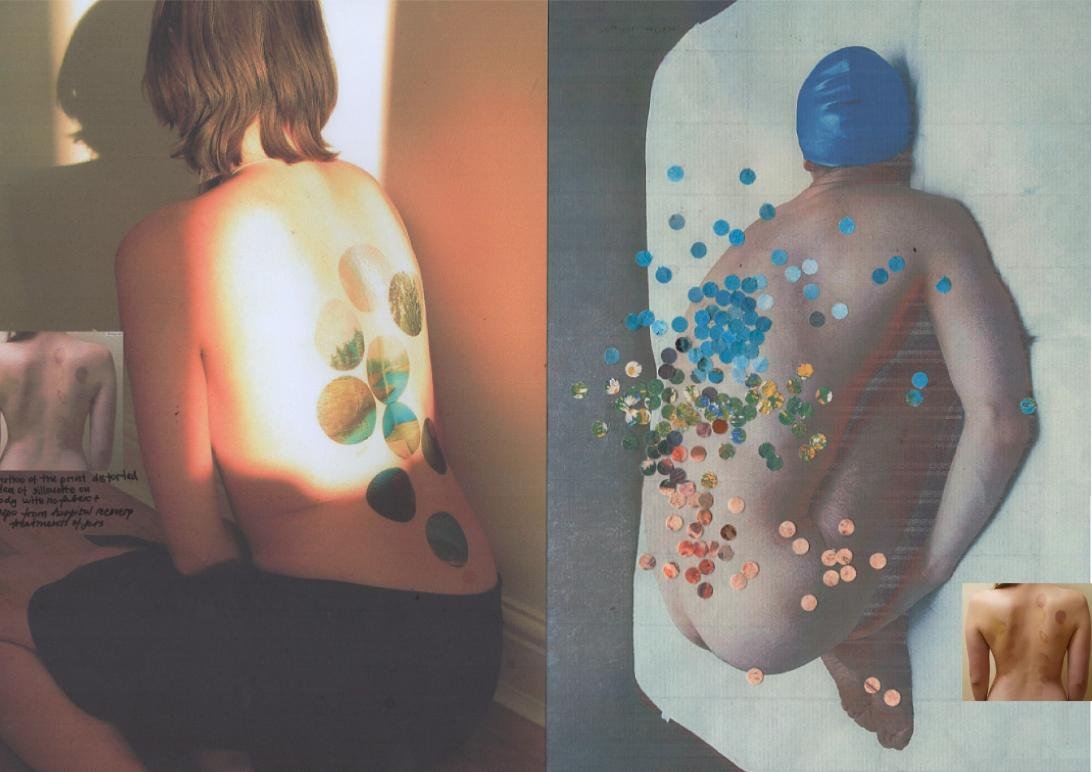
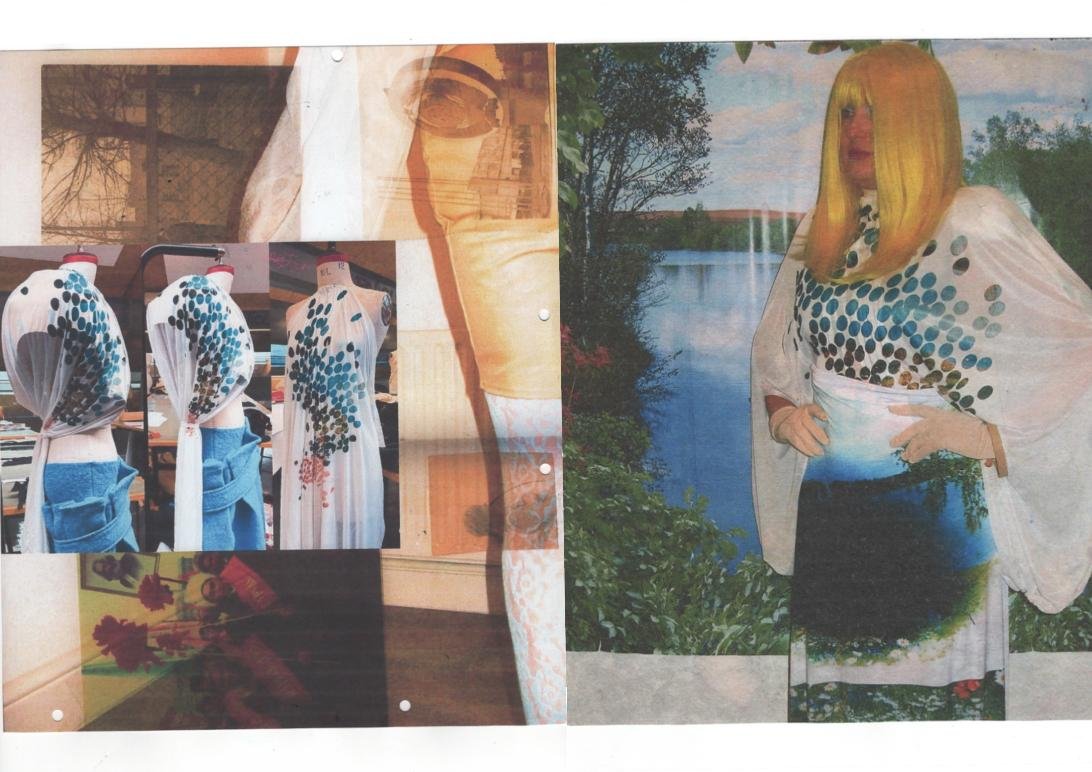
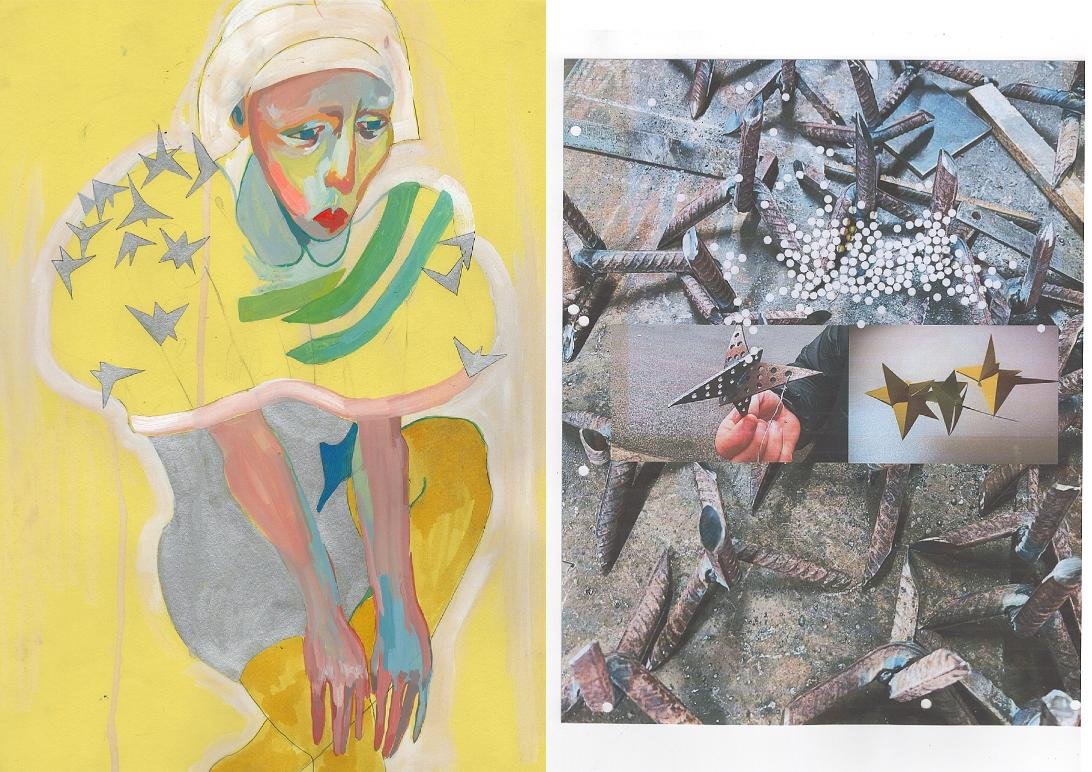
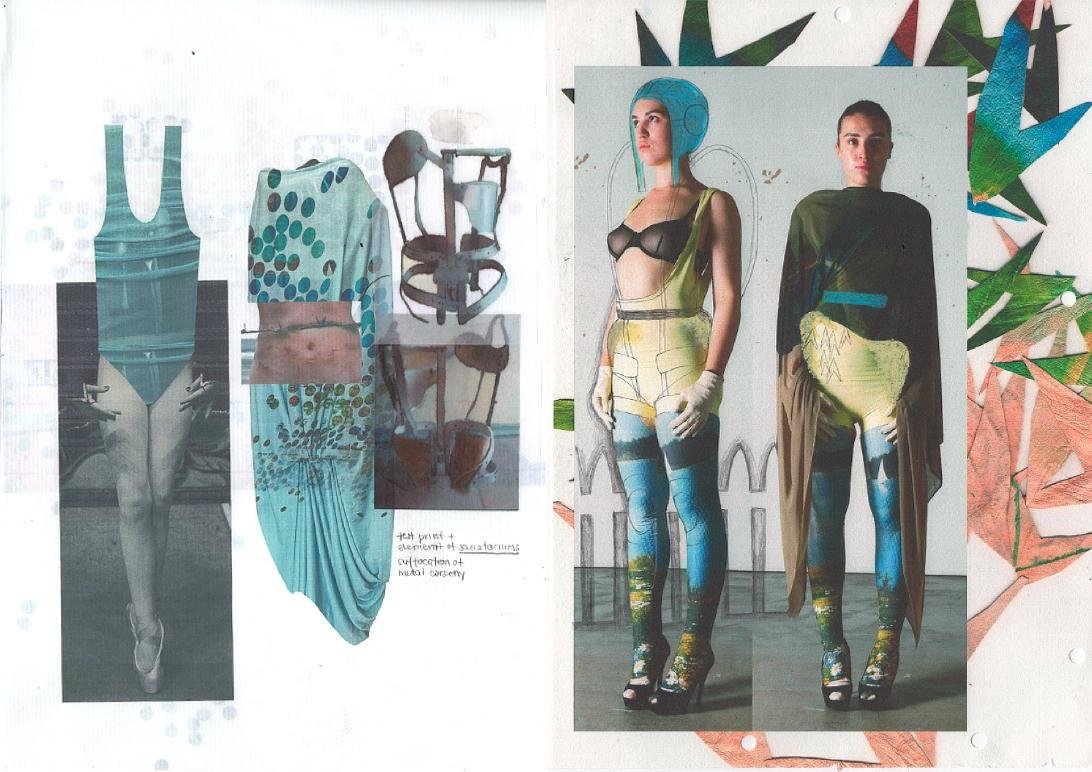
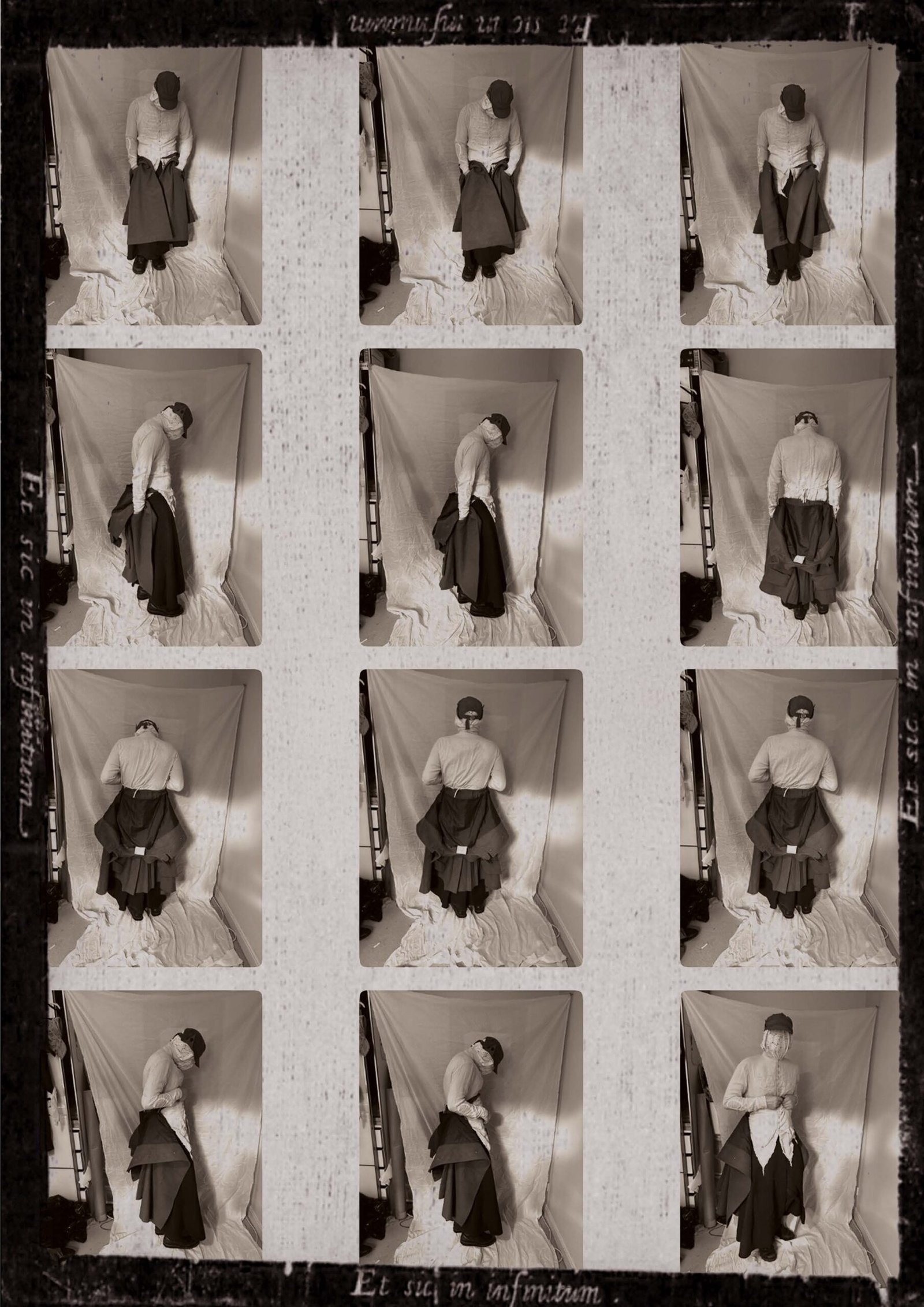
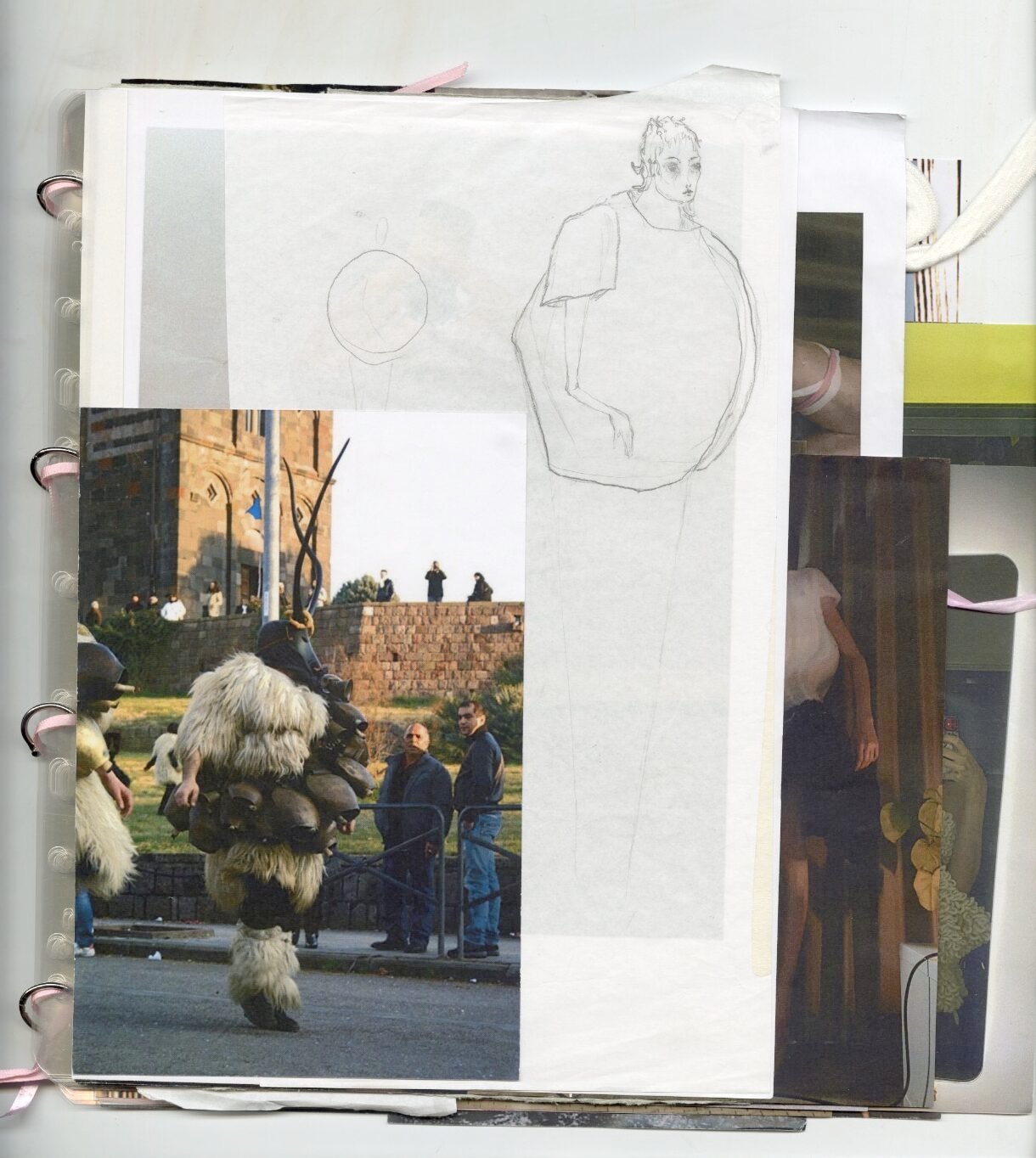
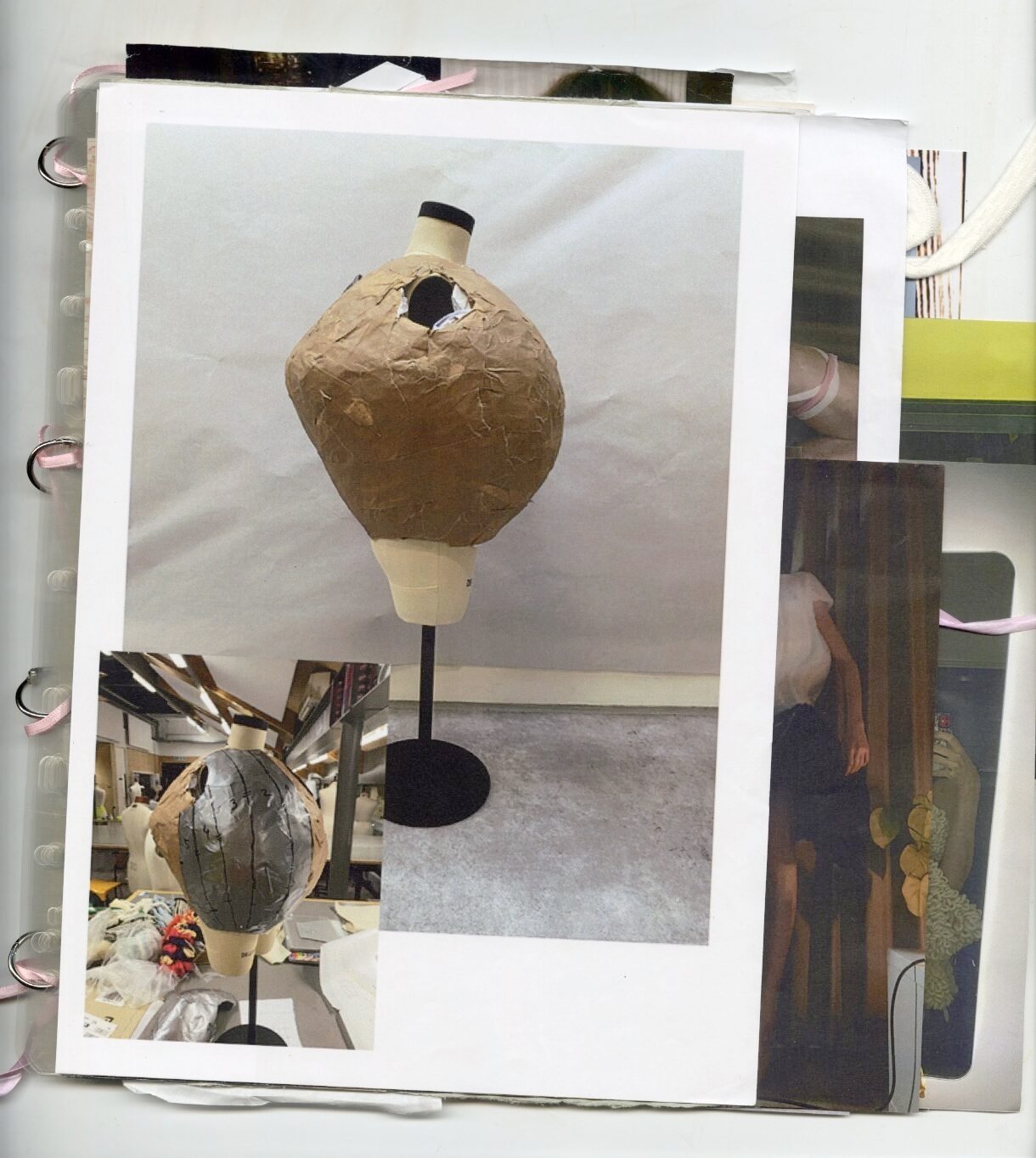
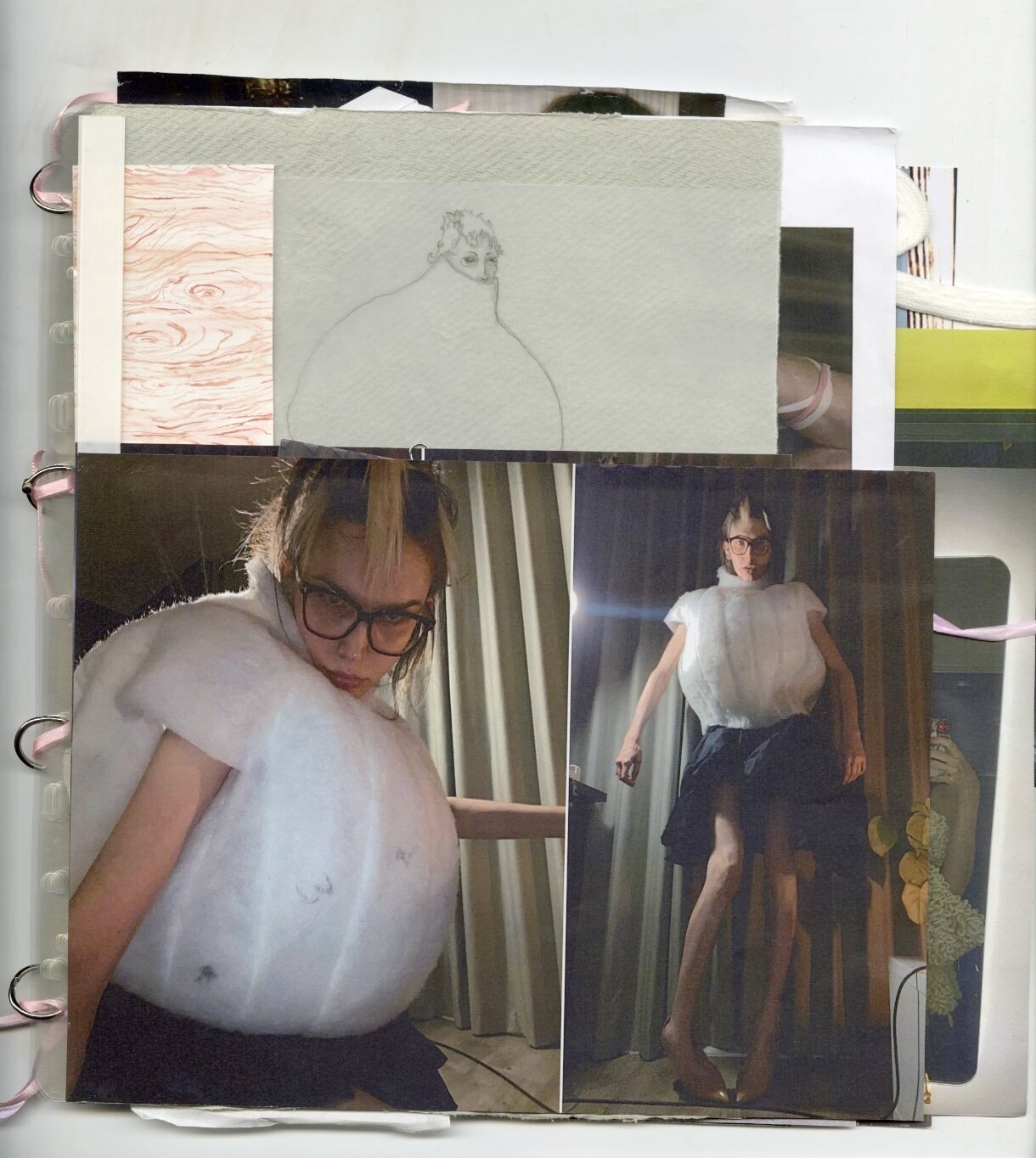
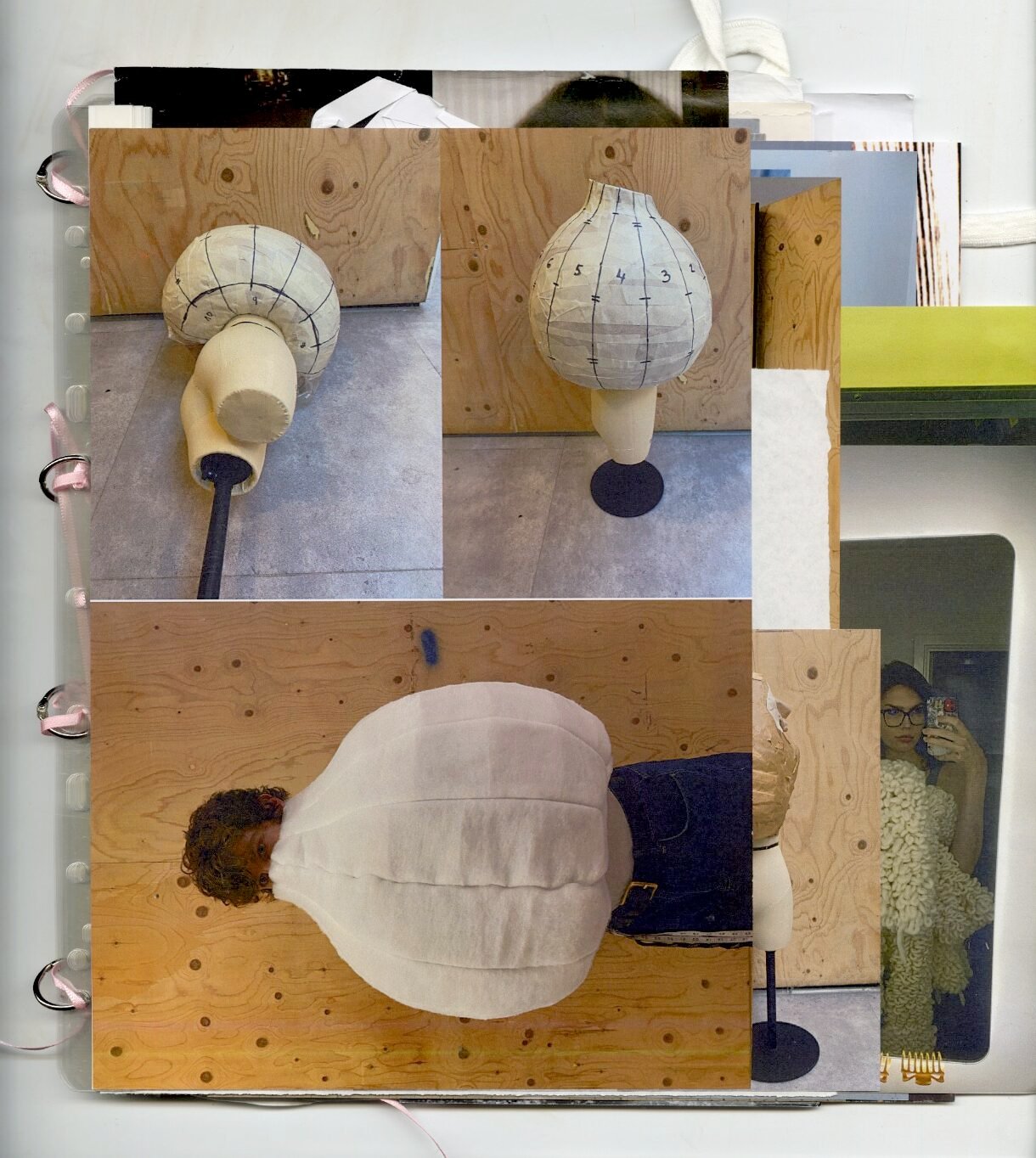
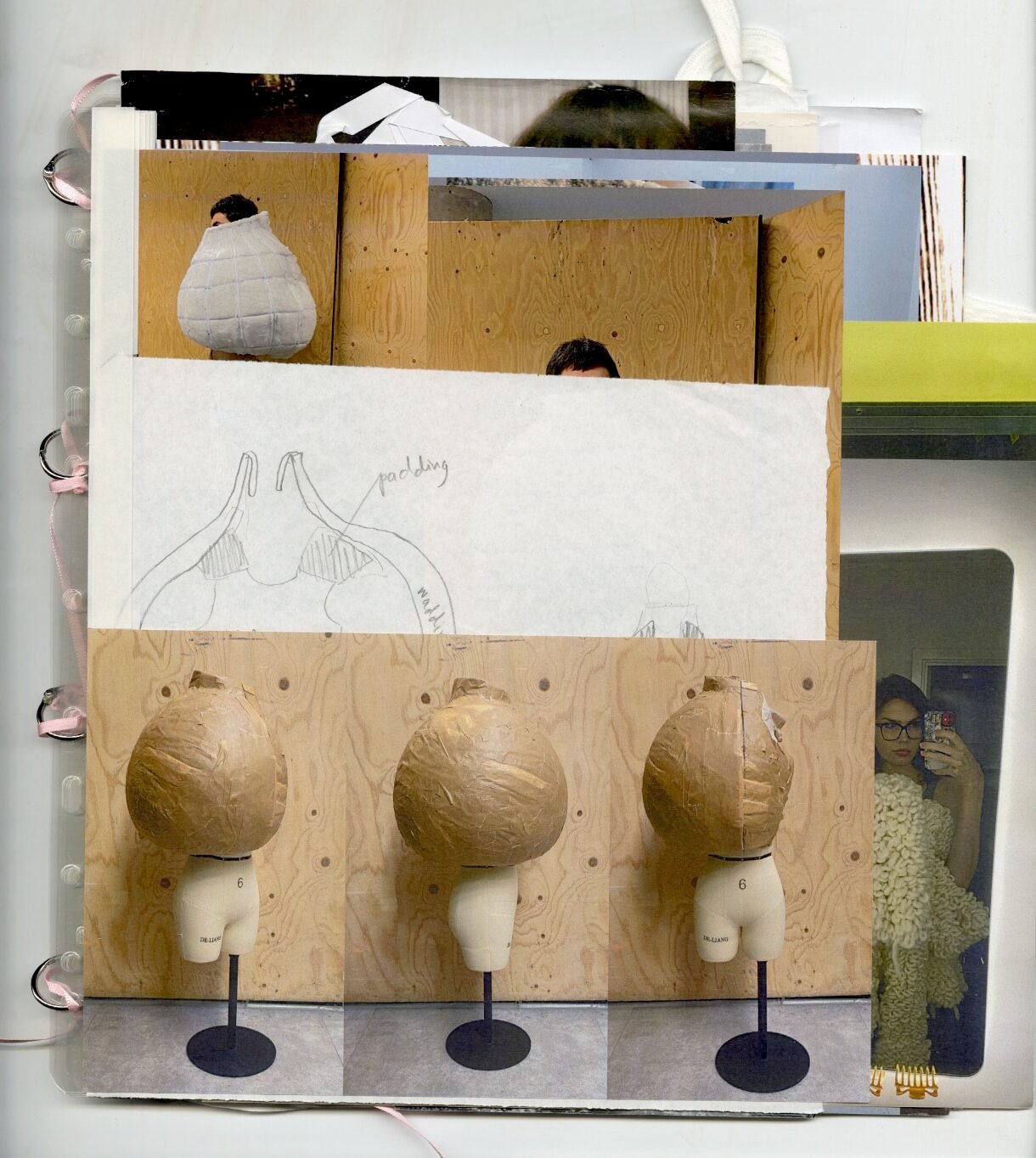
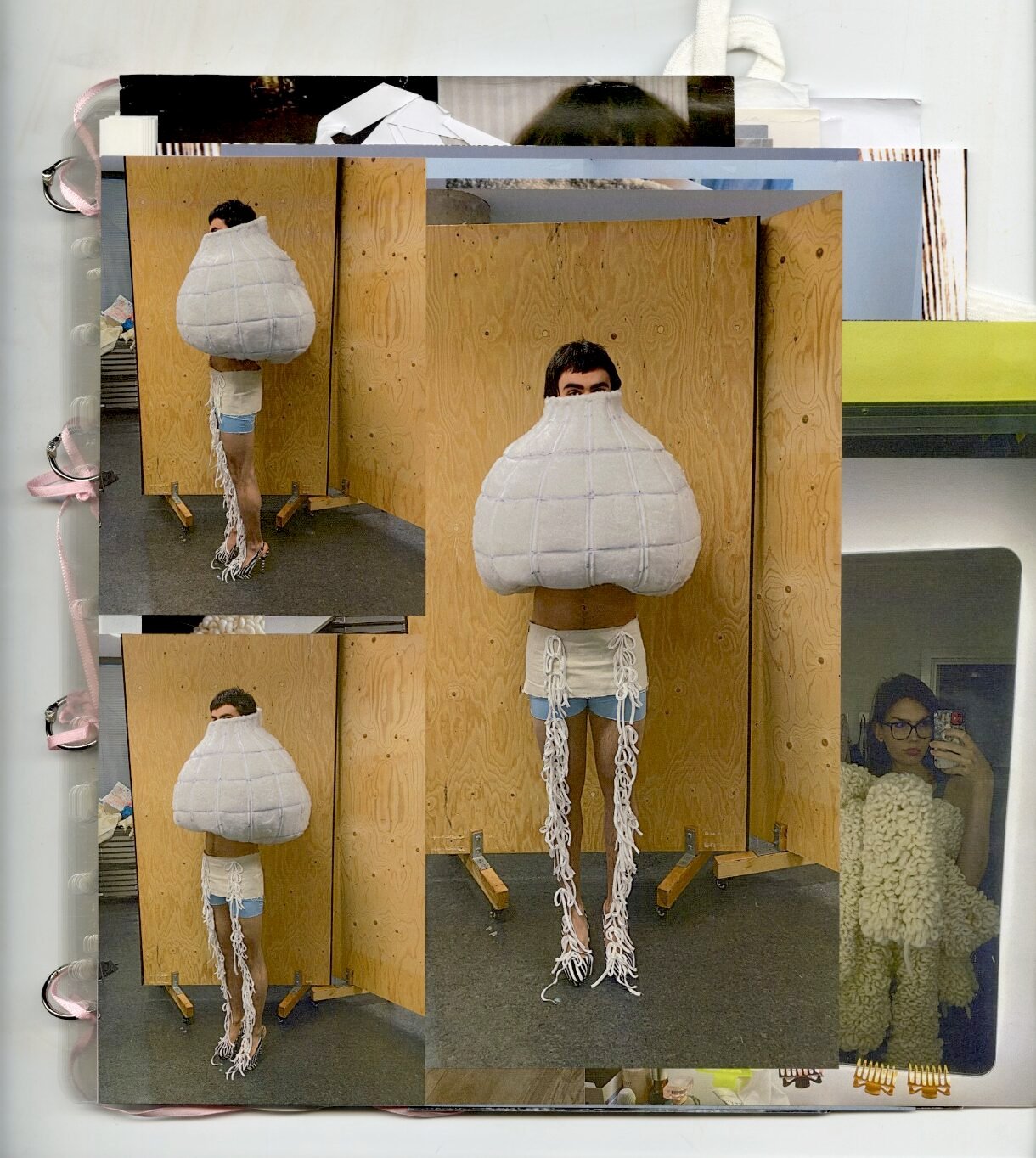
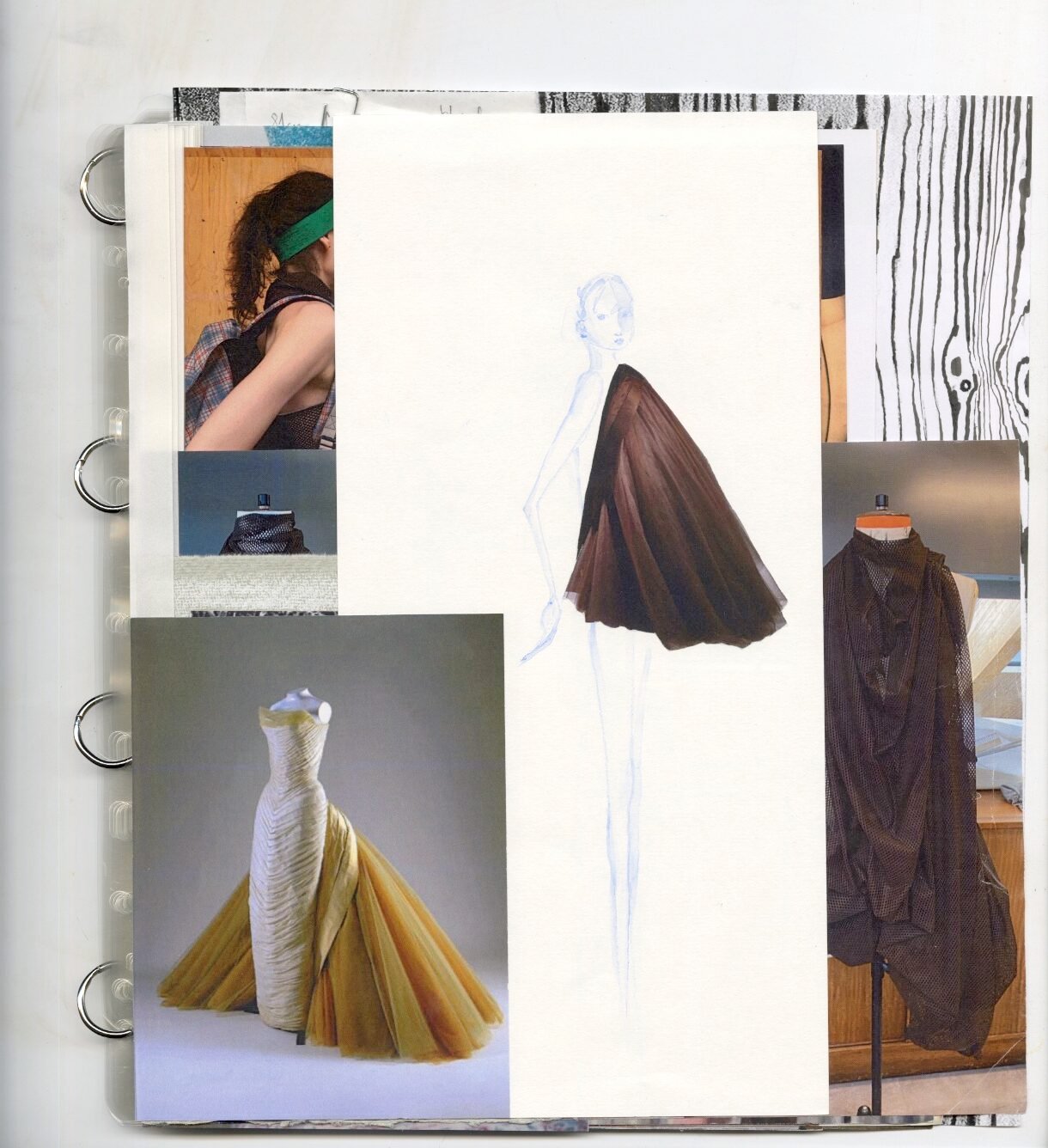
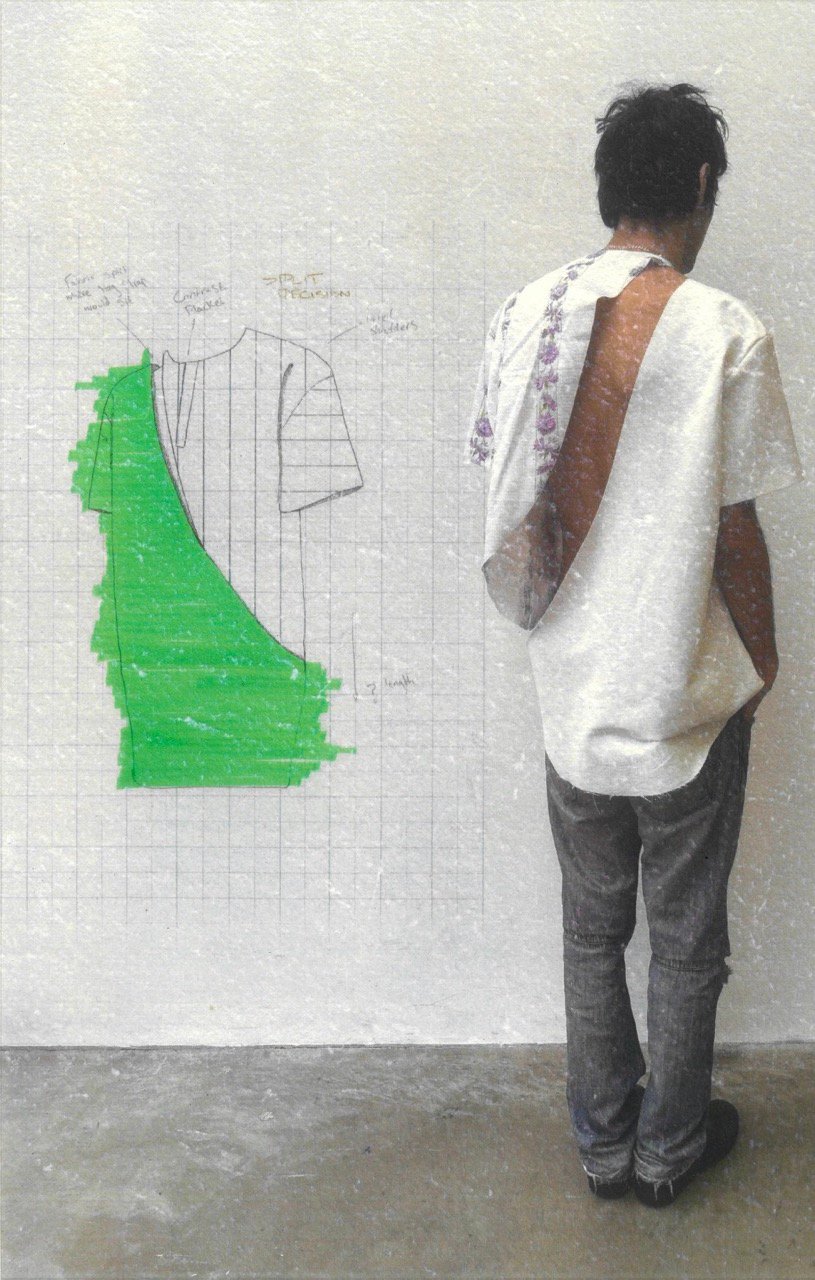
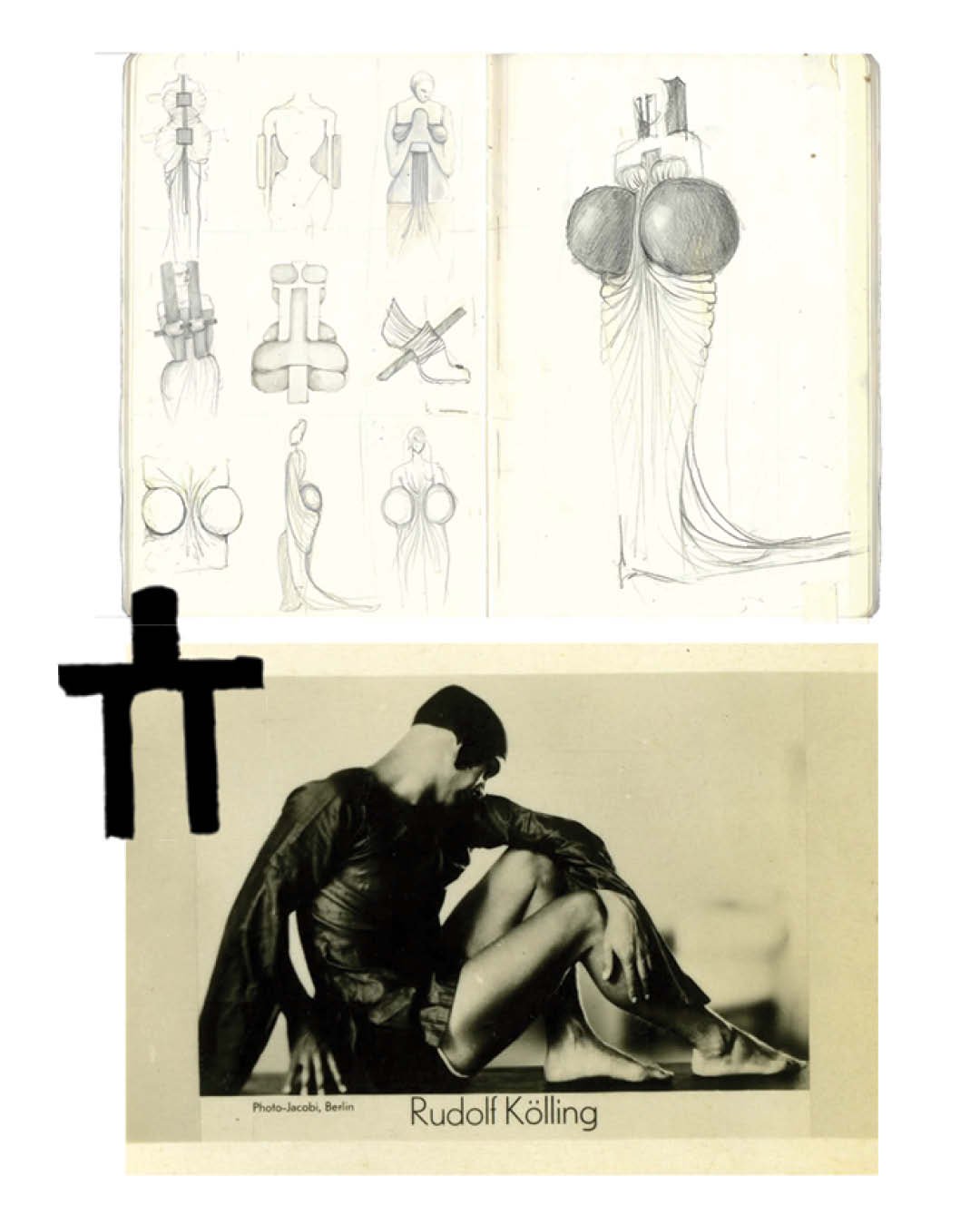
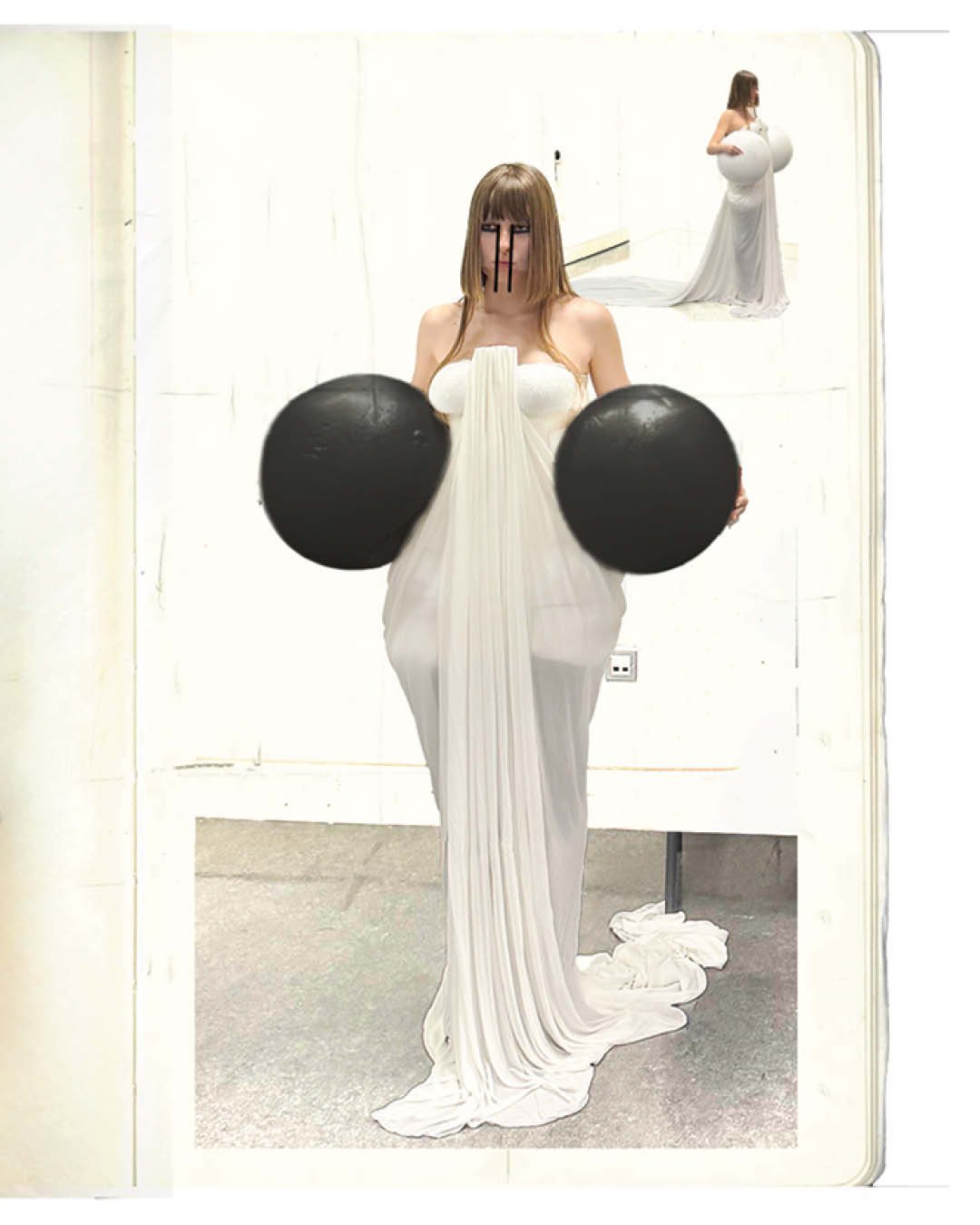
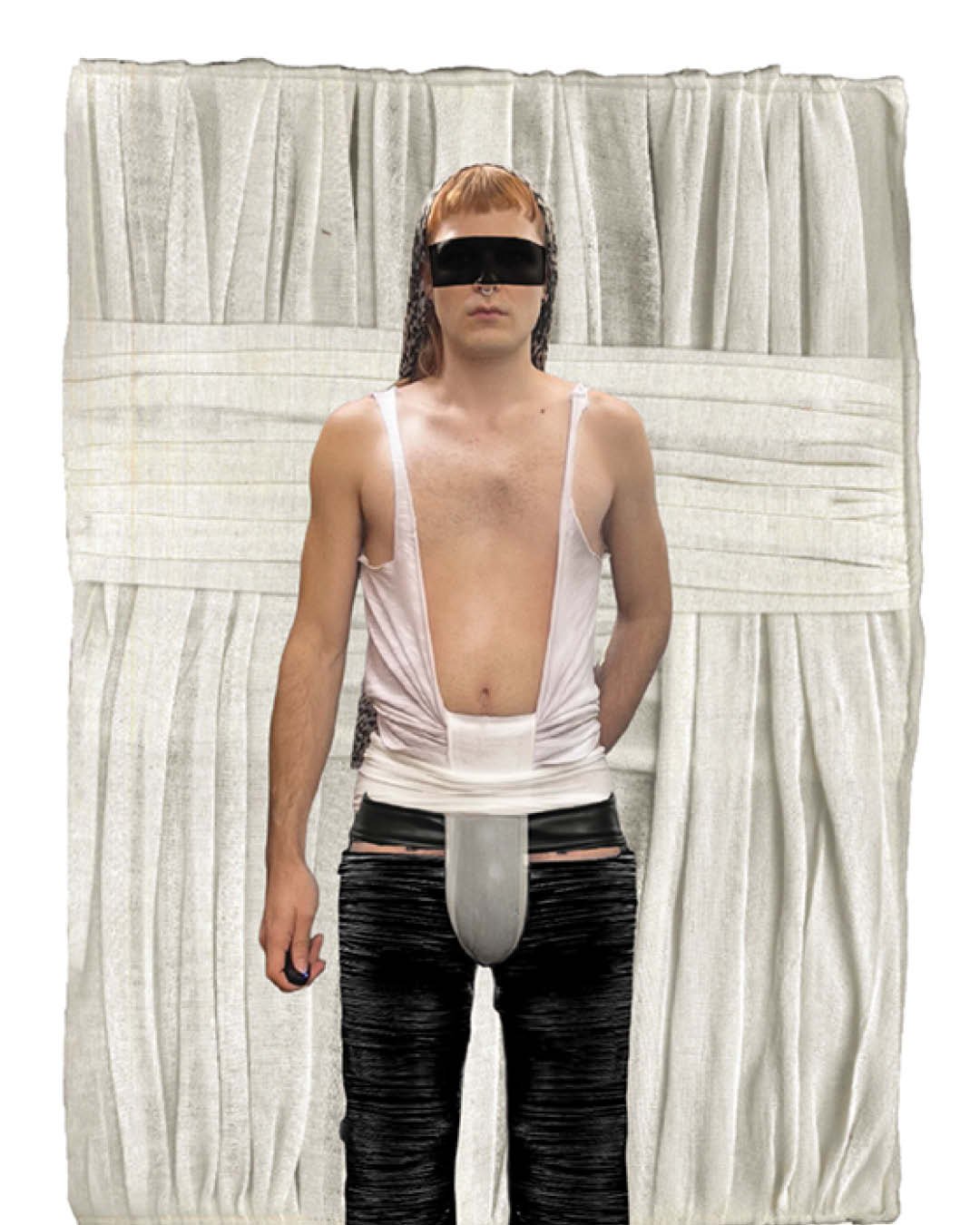
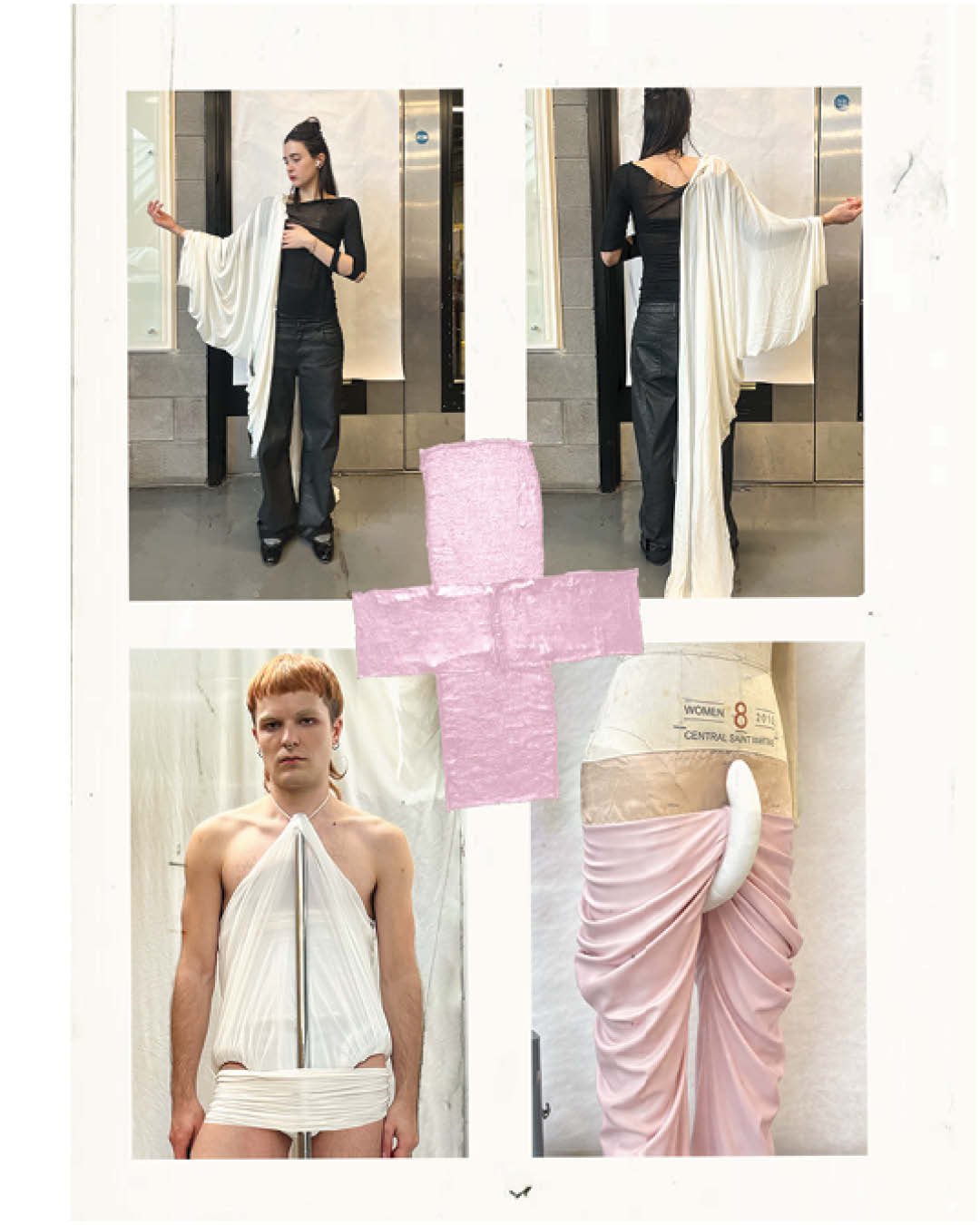
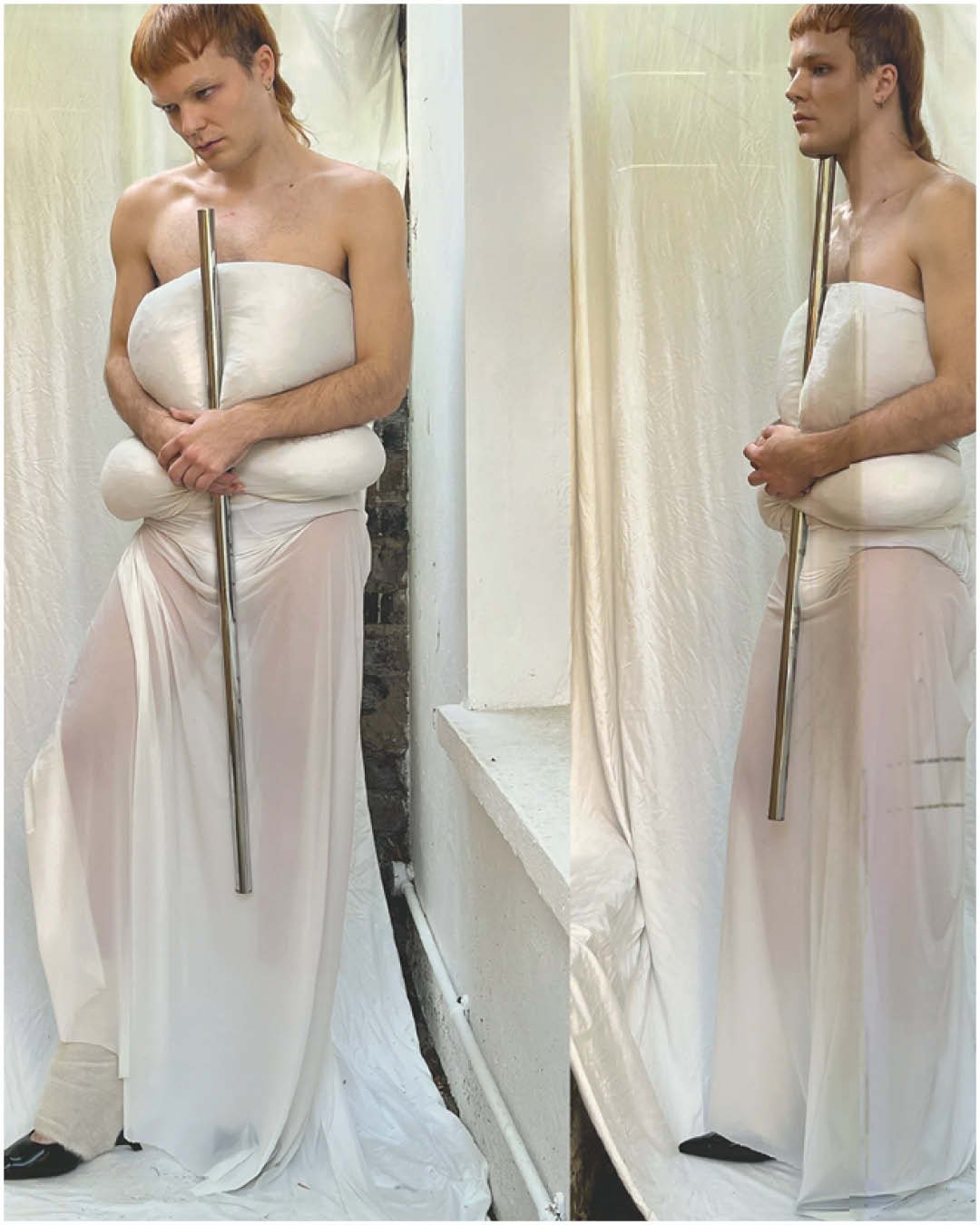
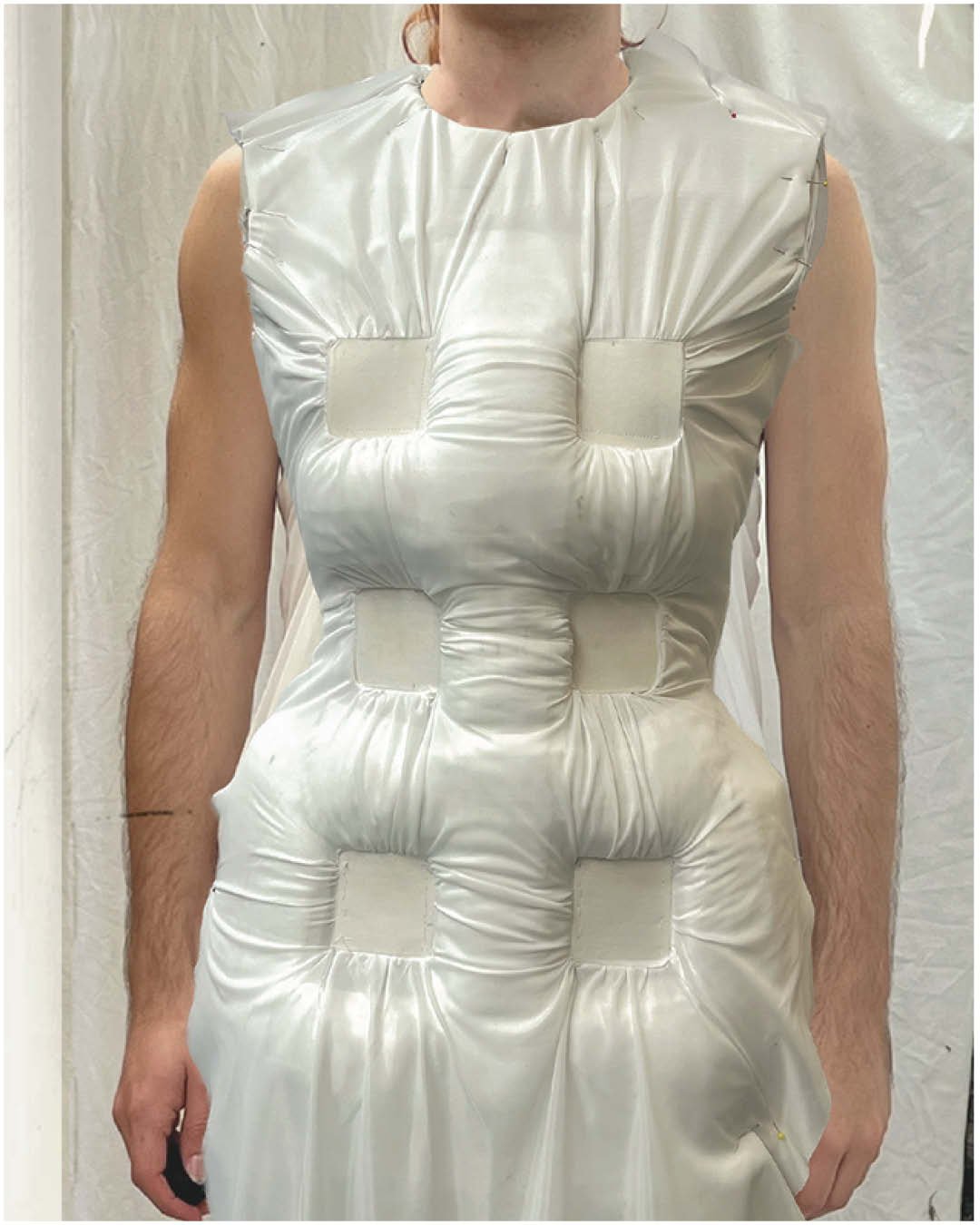
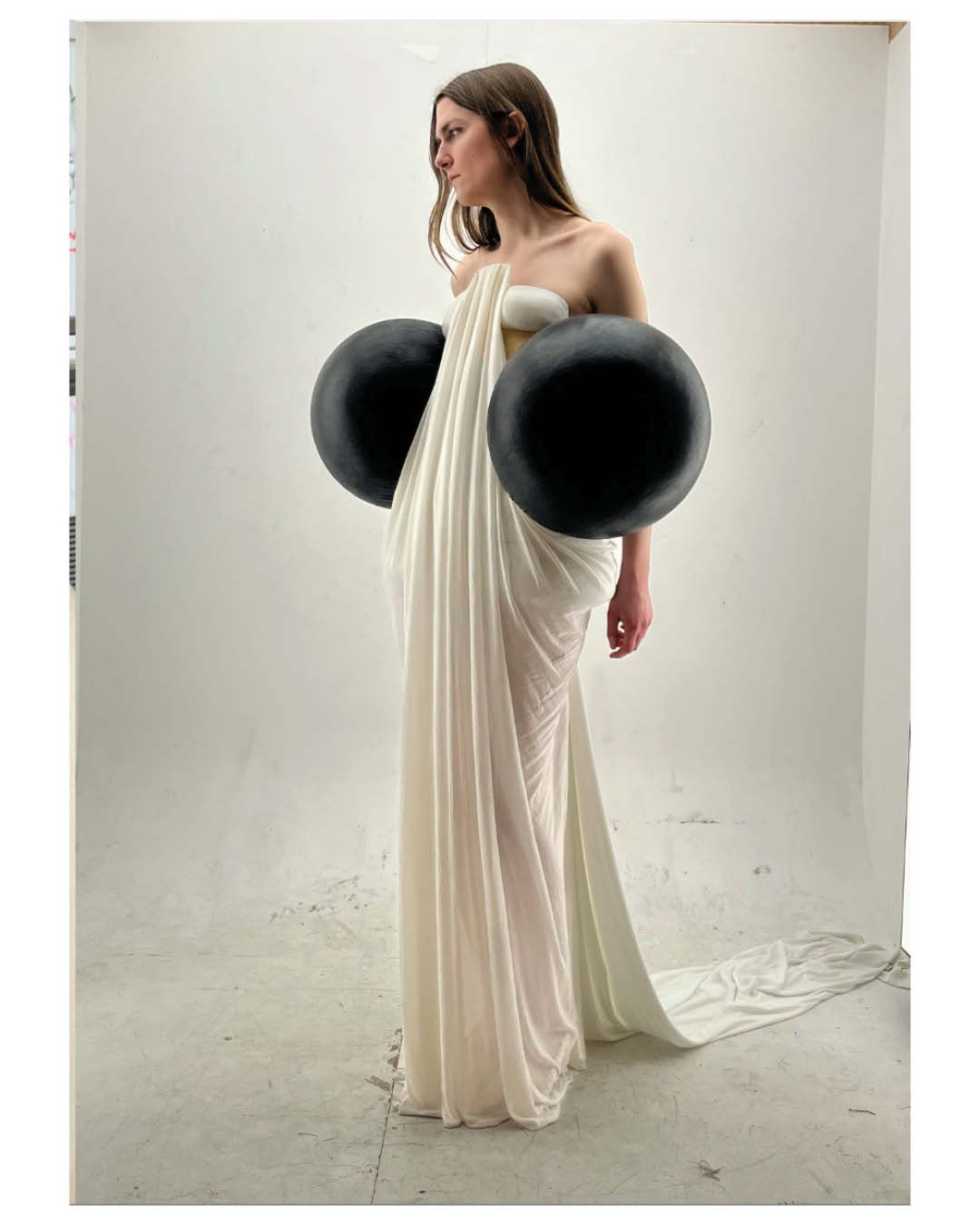
Charlie Bennett’s collection, “Please cut out my cunt,” sits with the physical intensity of sensory overwhelm. The starting point was King George III’s straight waistcoat, one of the earliest garments designed to calm the body through deep pressure across the upper torso. Bennett began thinking about clothing as a kind of shell: something that could enclose, restrict, or hold the wearer in place. Garments can be adapted to button the body into an embryonic position, while the silhouettes come from patterns made by wrapping a figure in a self-hugging crouch. Asymmetrical drapes recur throughout the collection, alongside textile developments drawn from a poem Bennett wrote about her own experiences of sensory overwhelm.

@charlie.c_b

Lan Yang

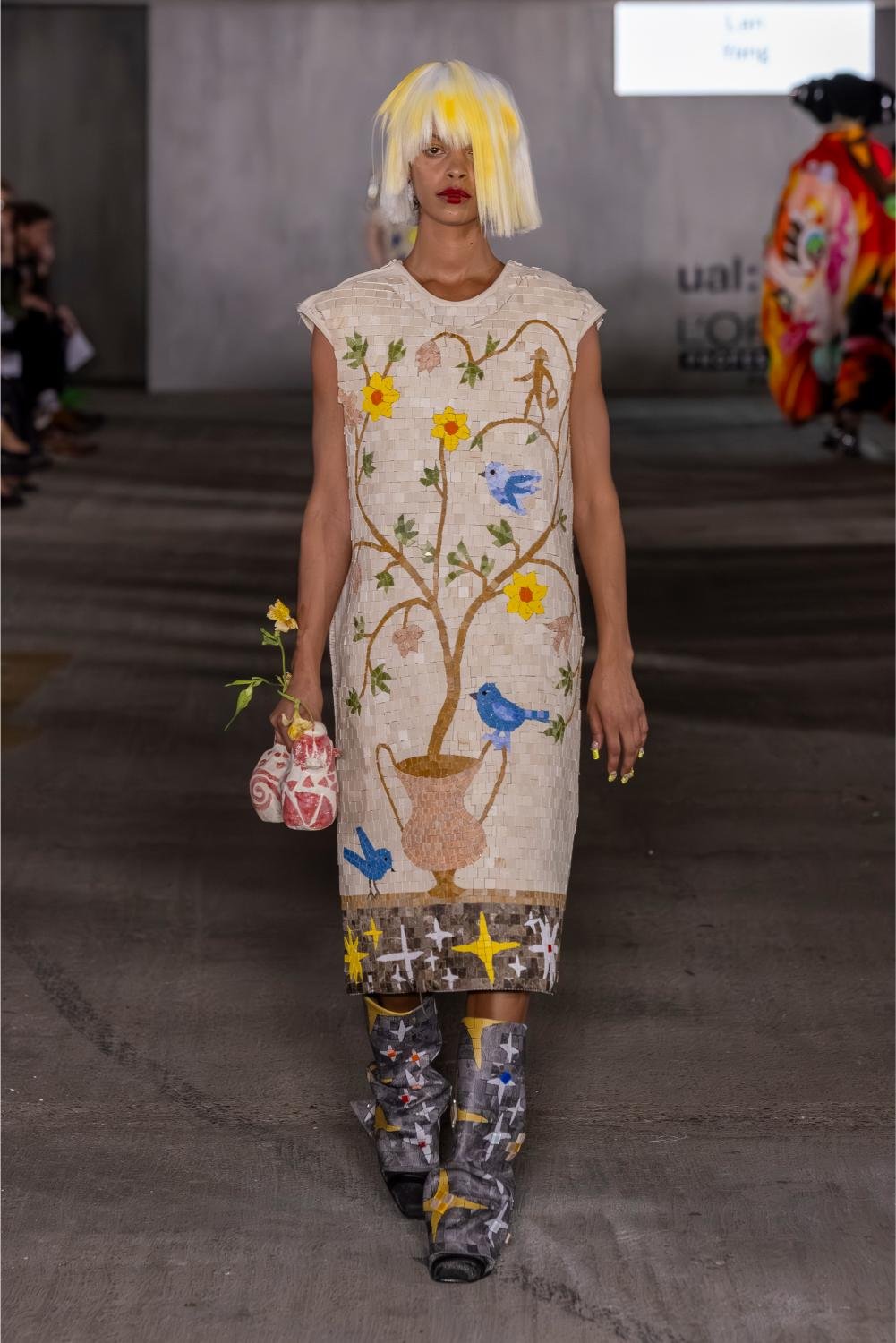
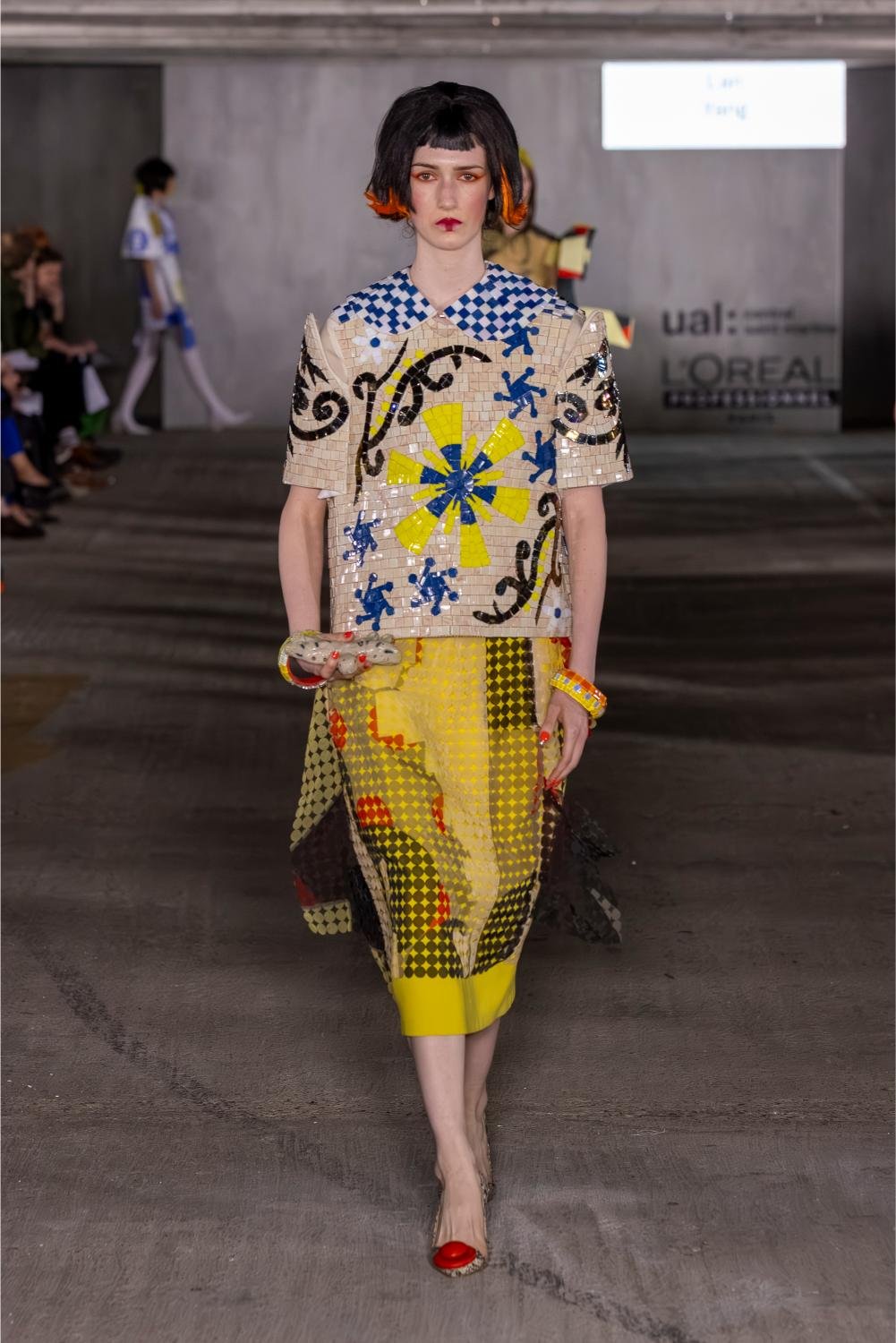
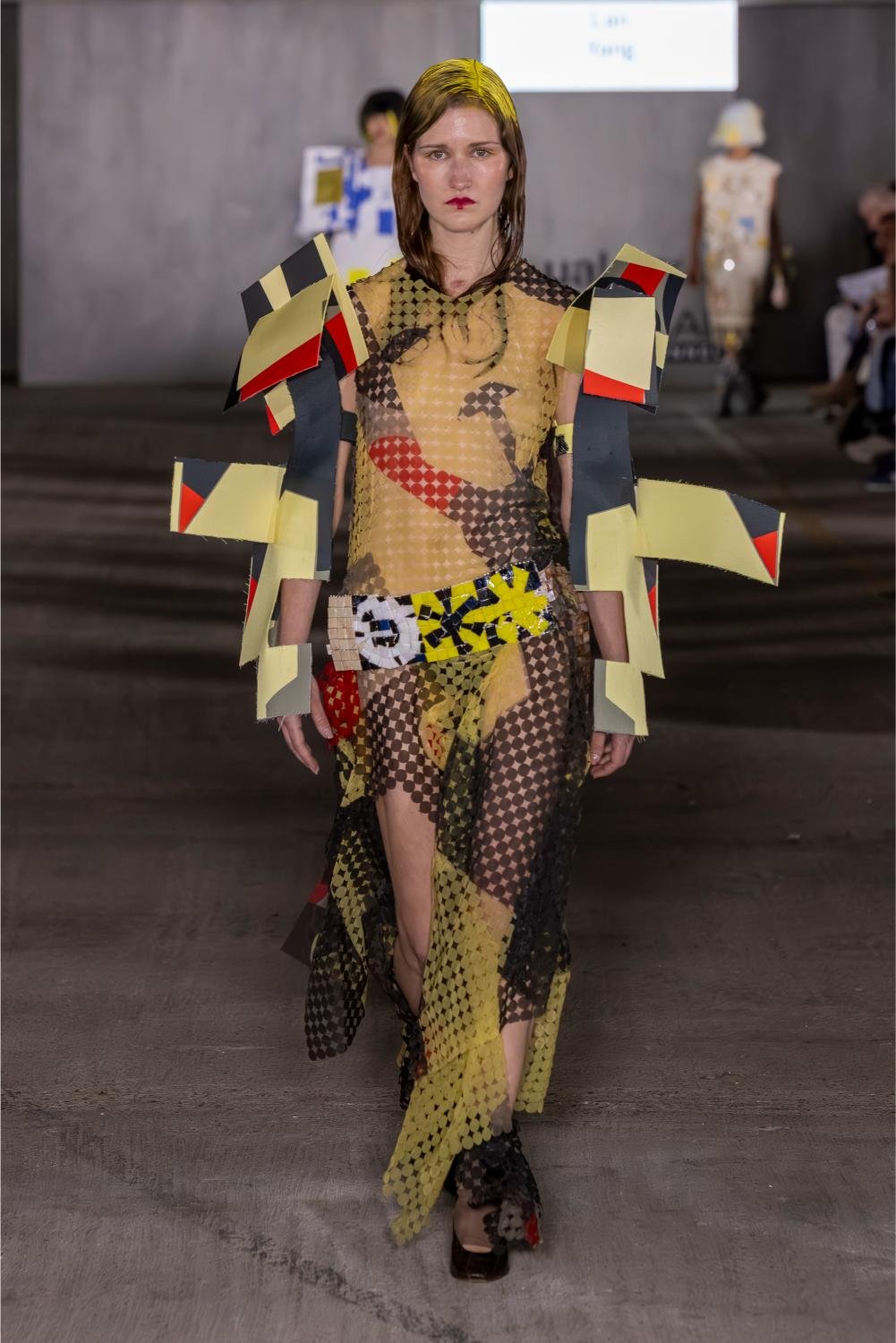
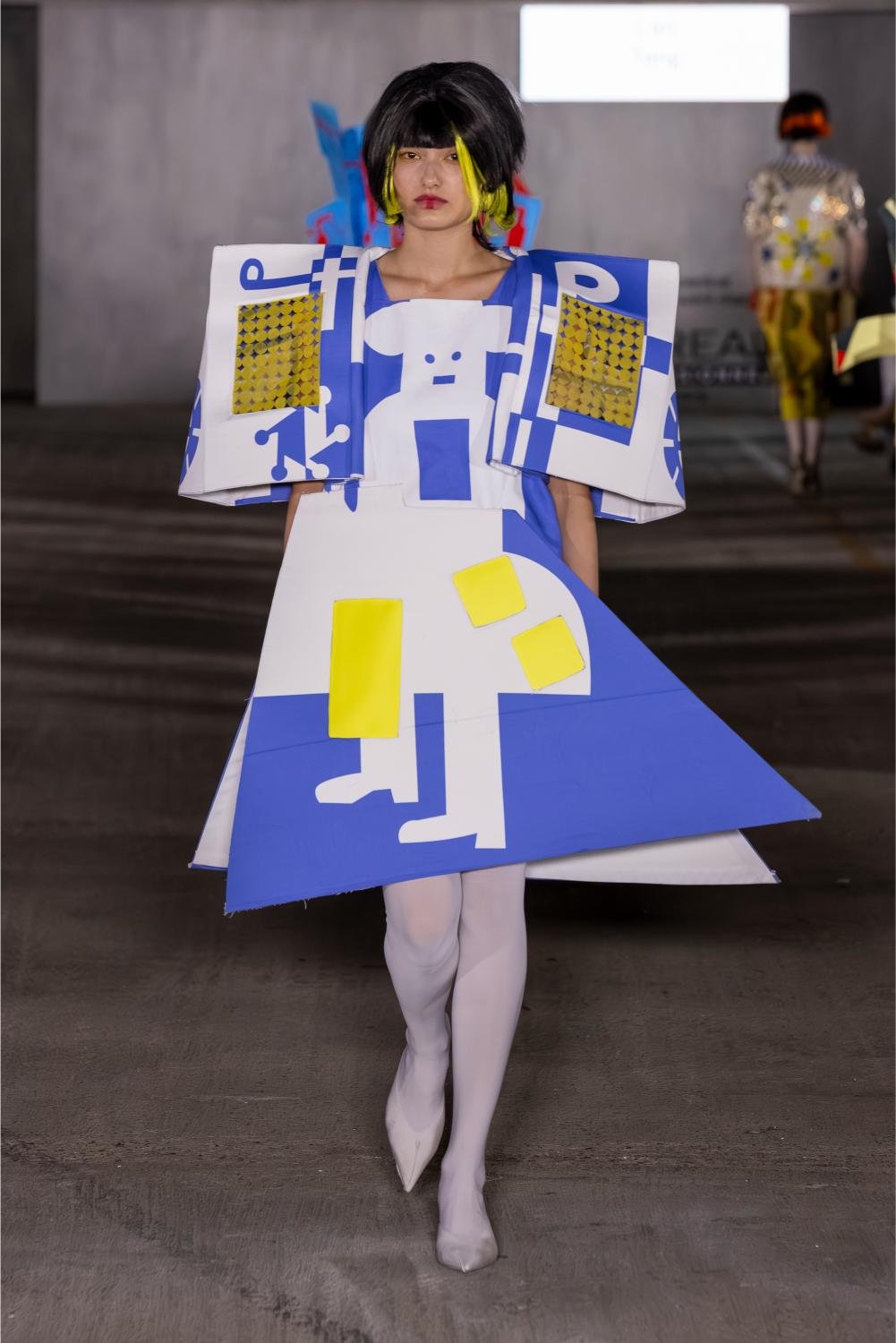
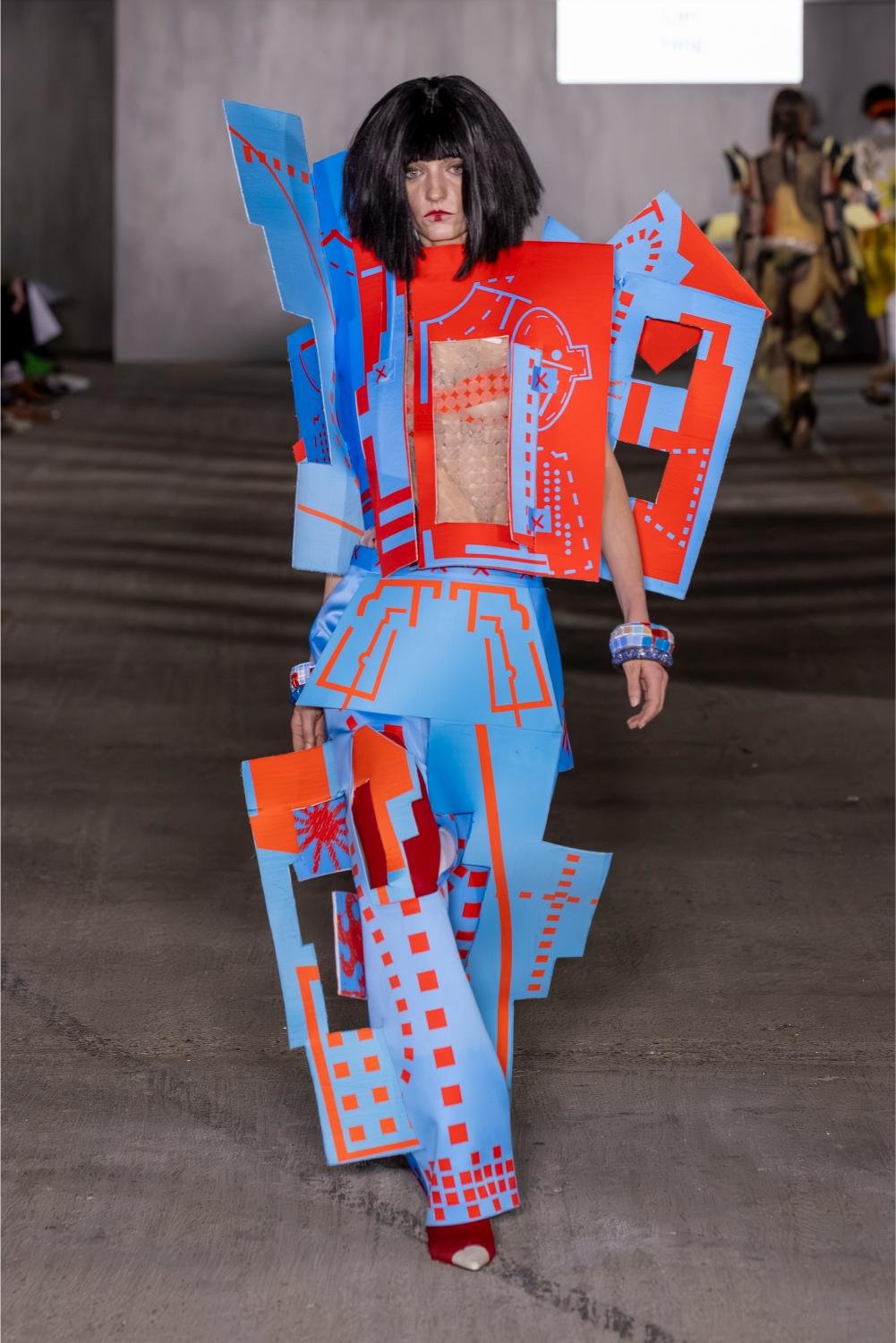
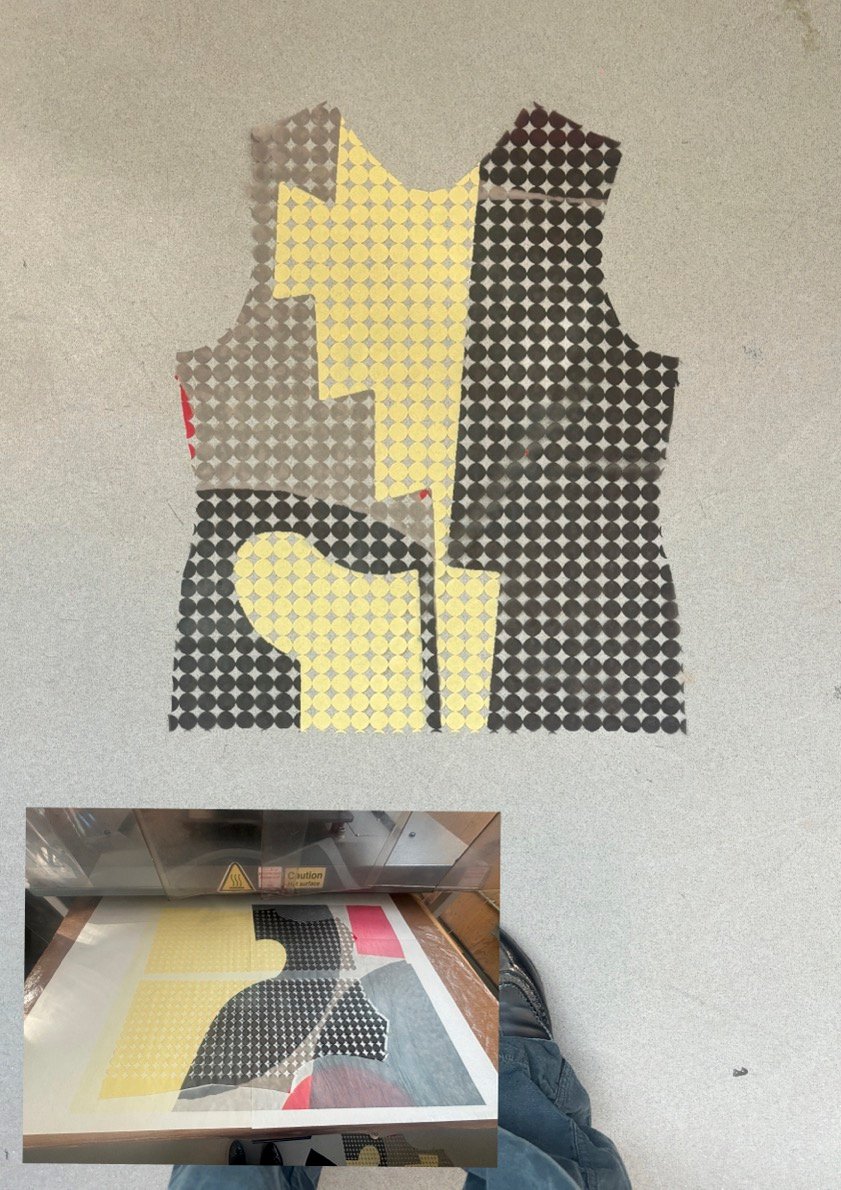
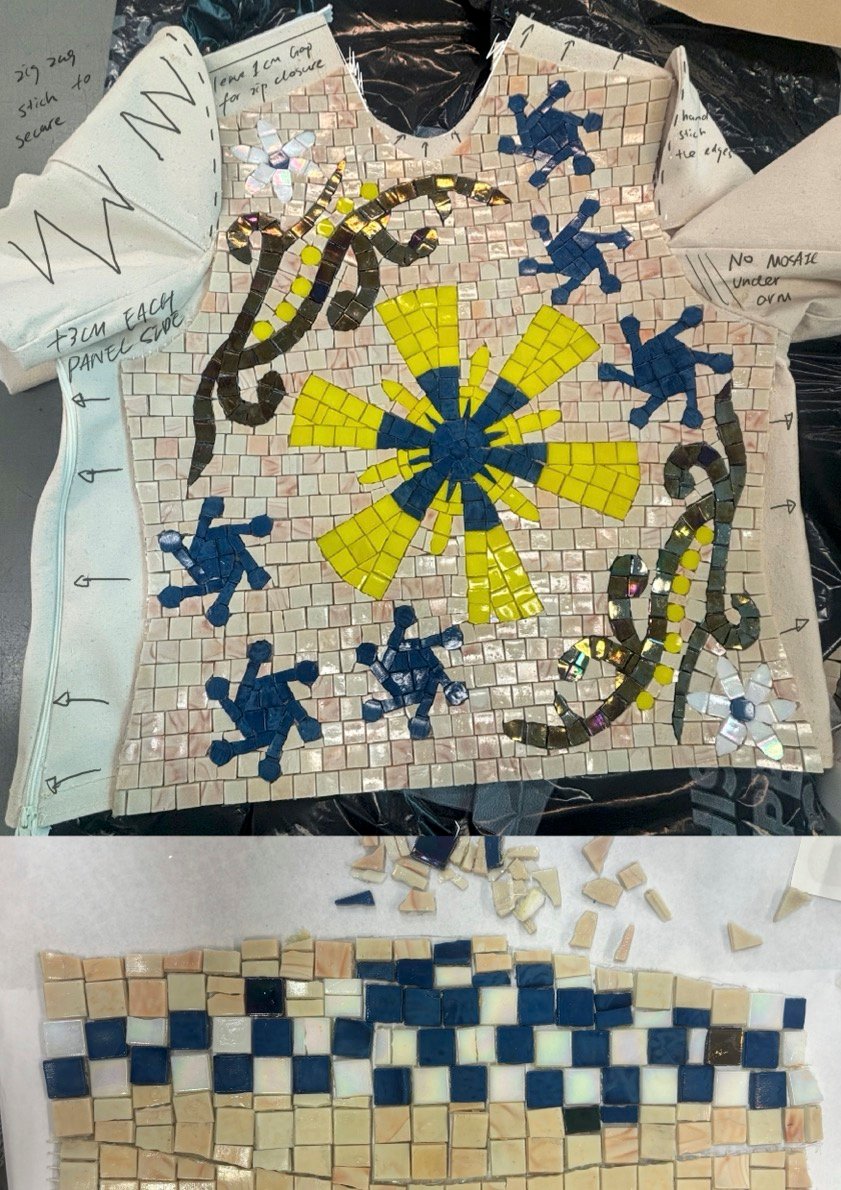
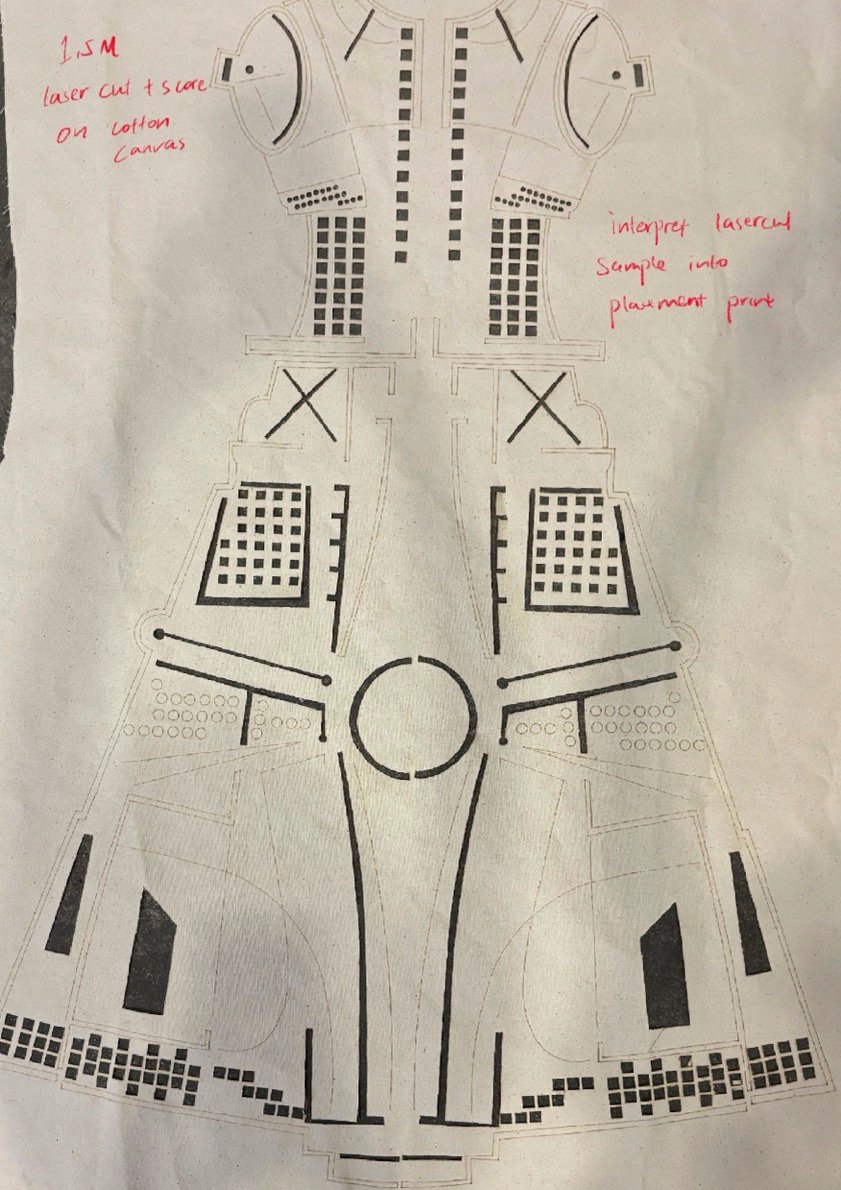
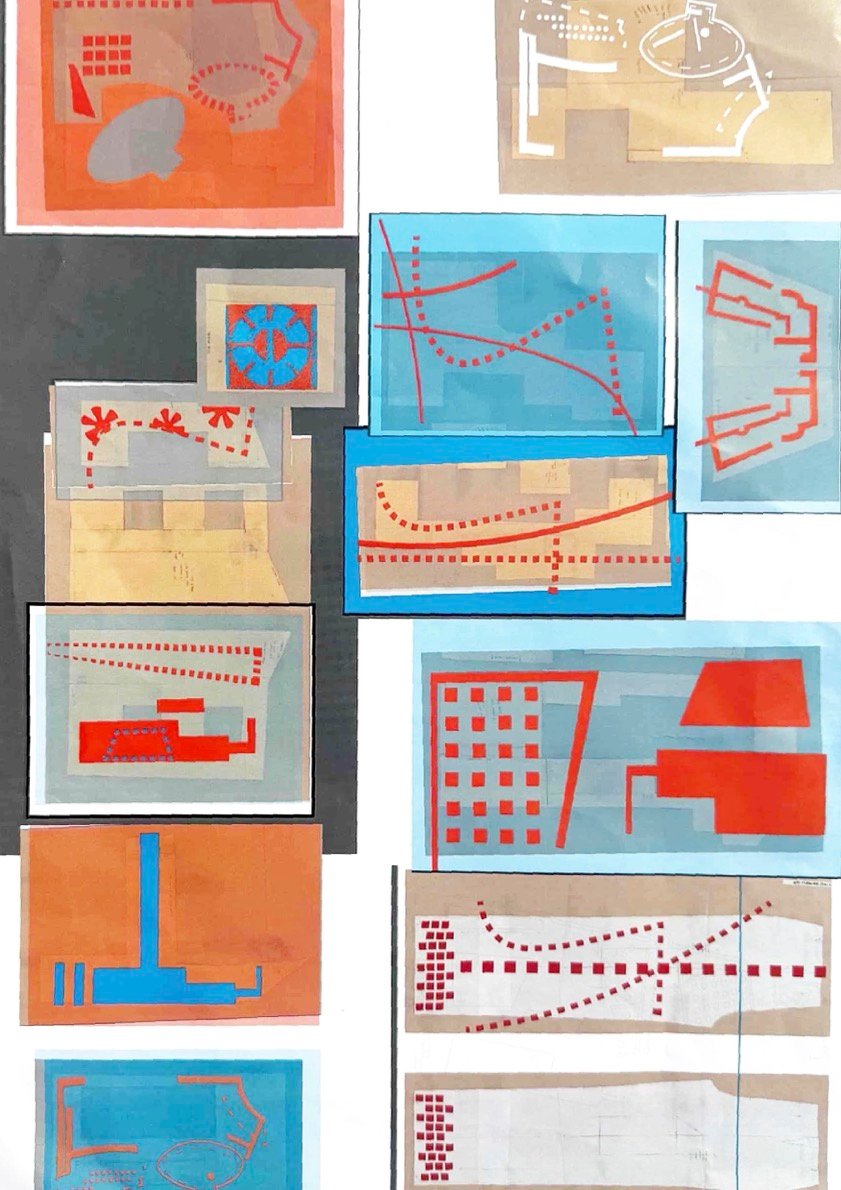
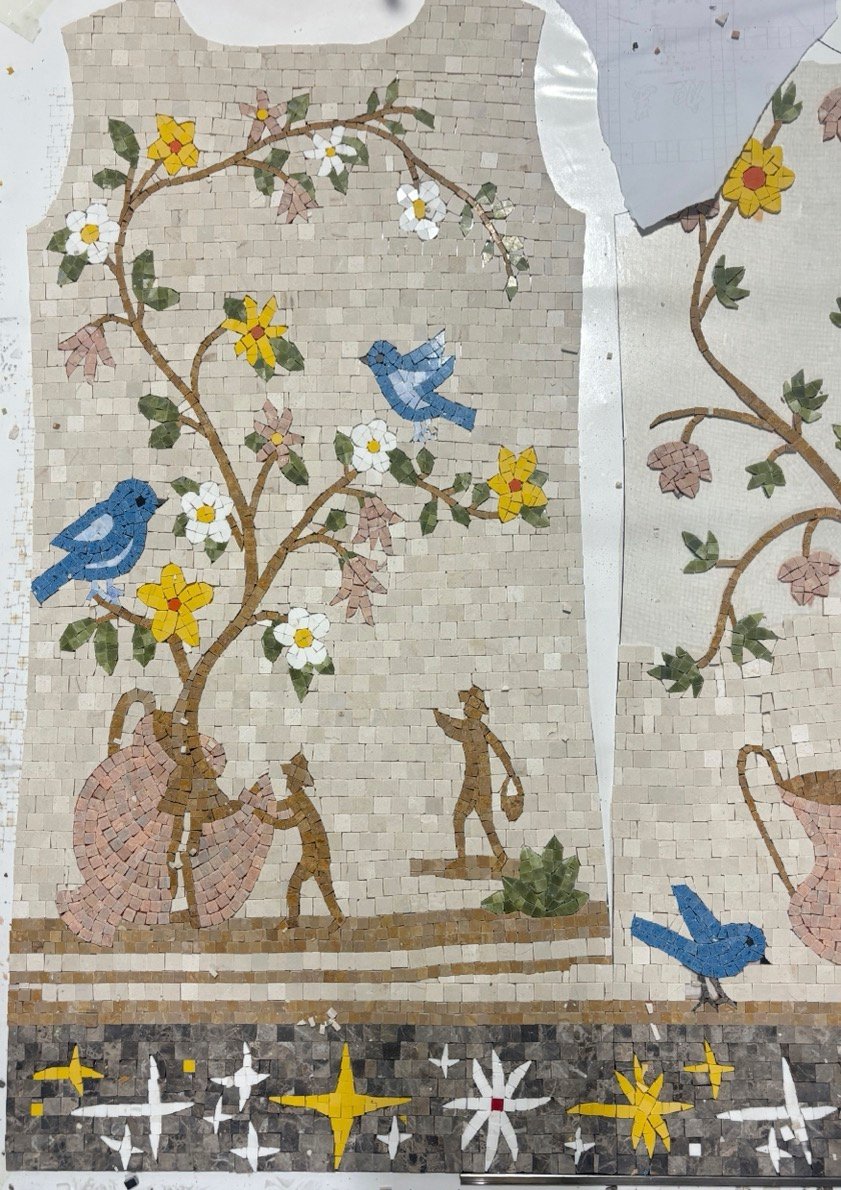
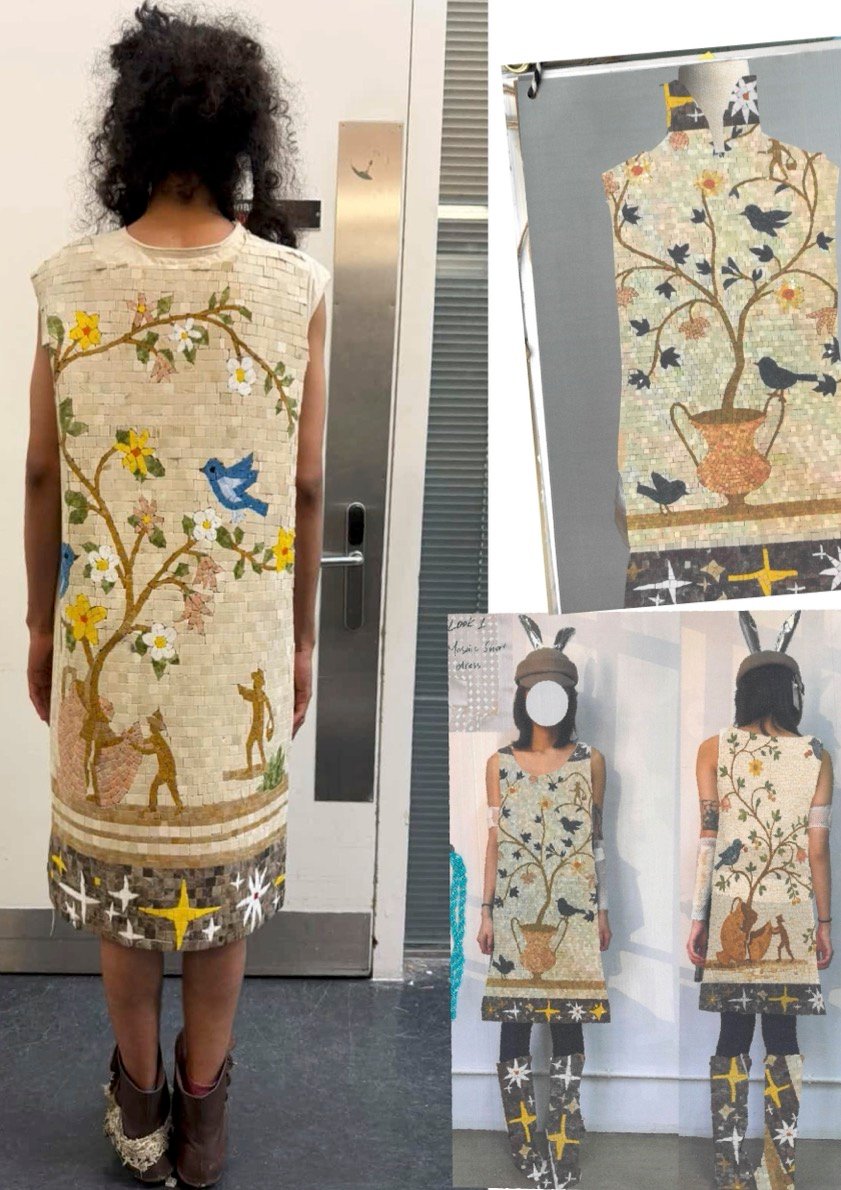
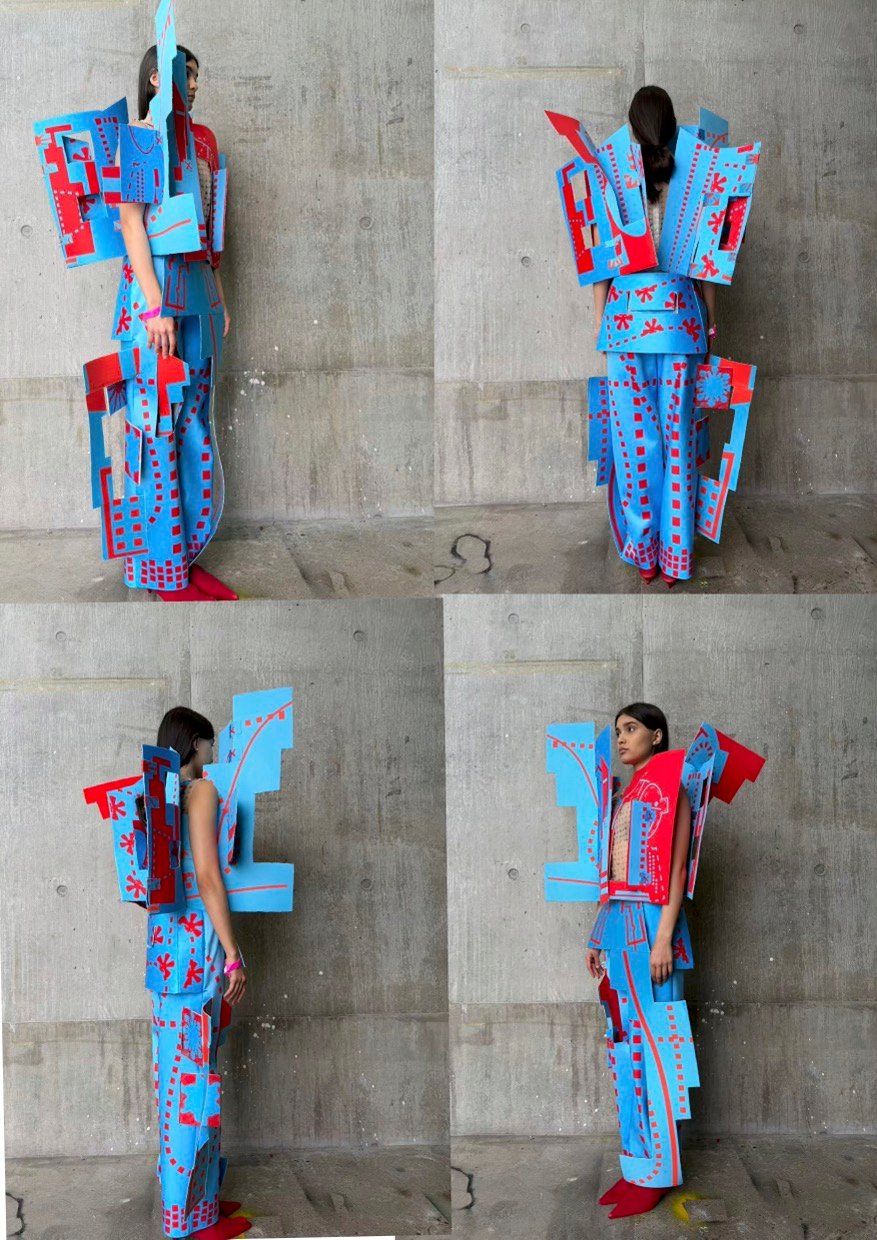
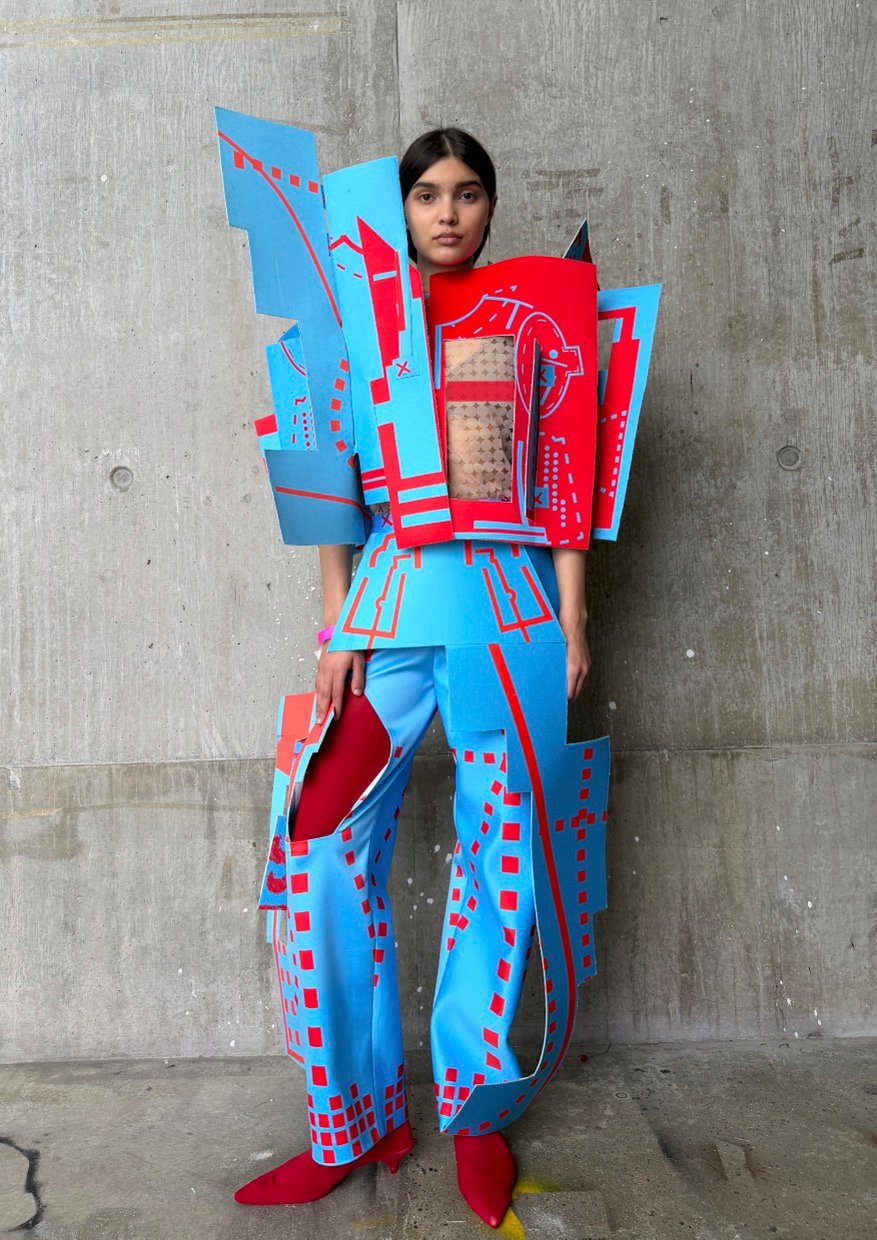
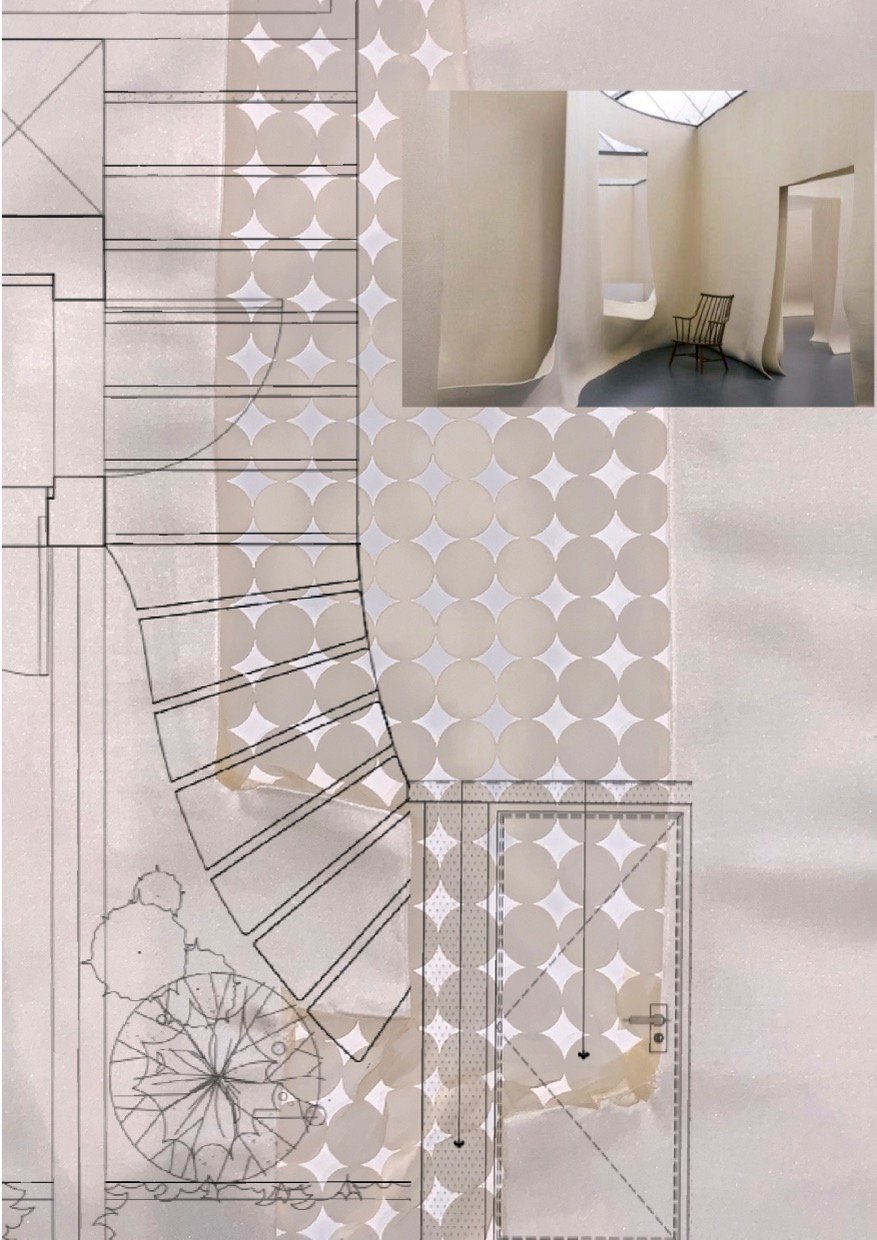
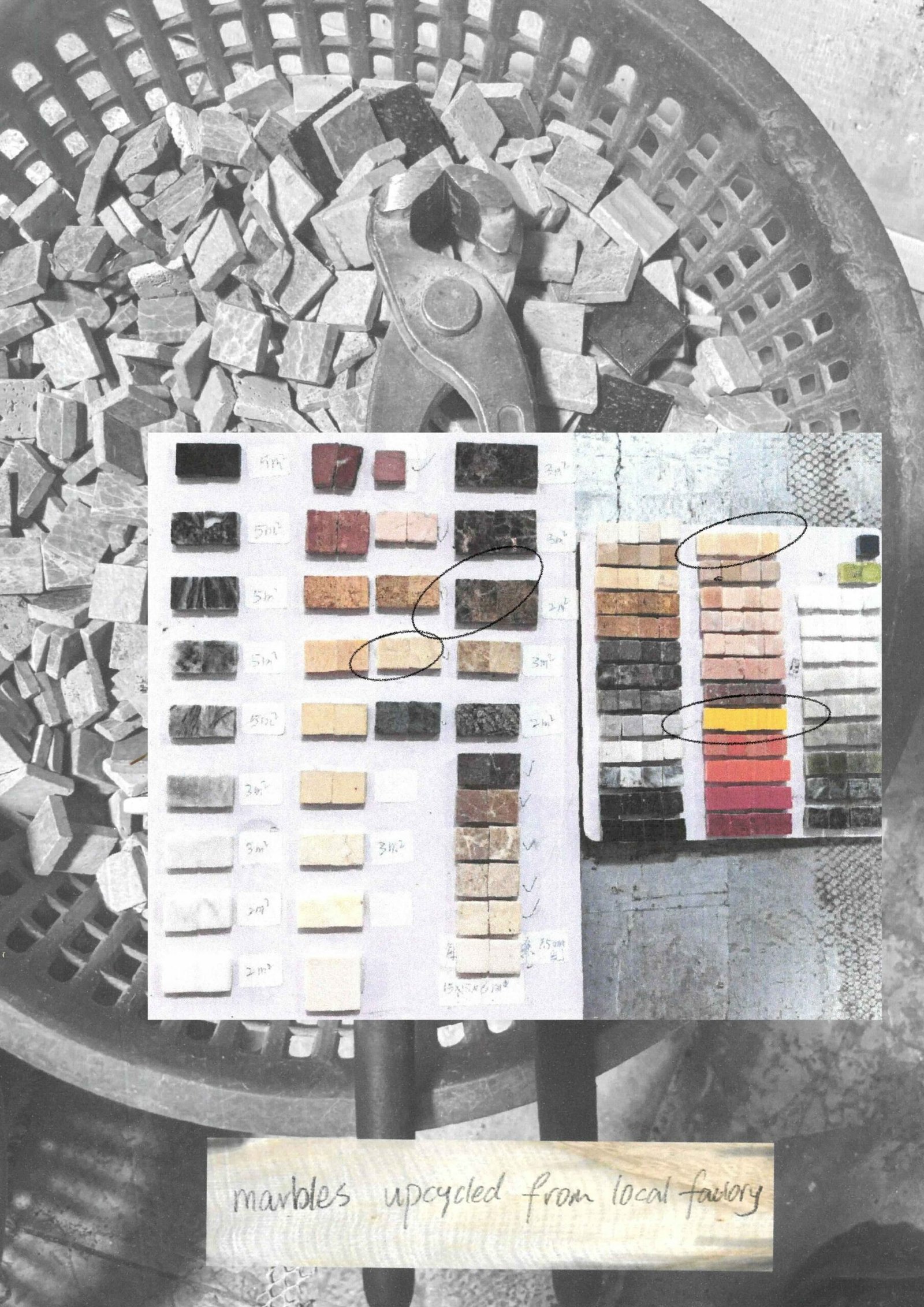
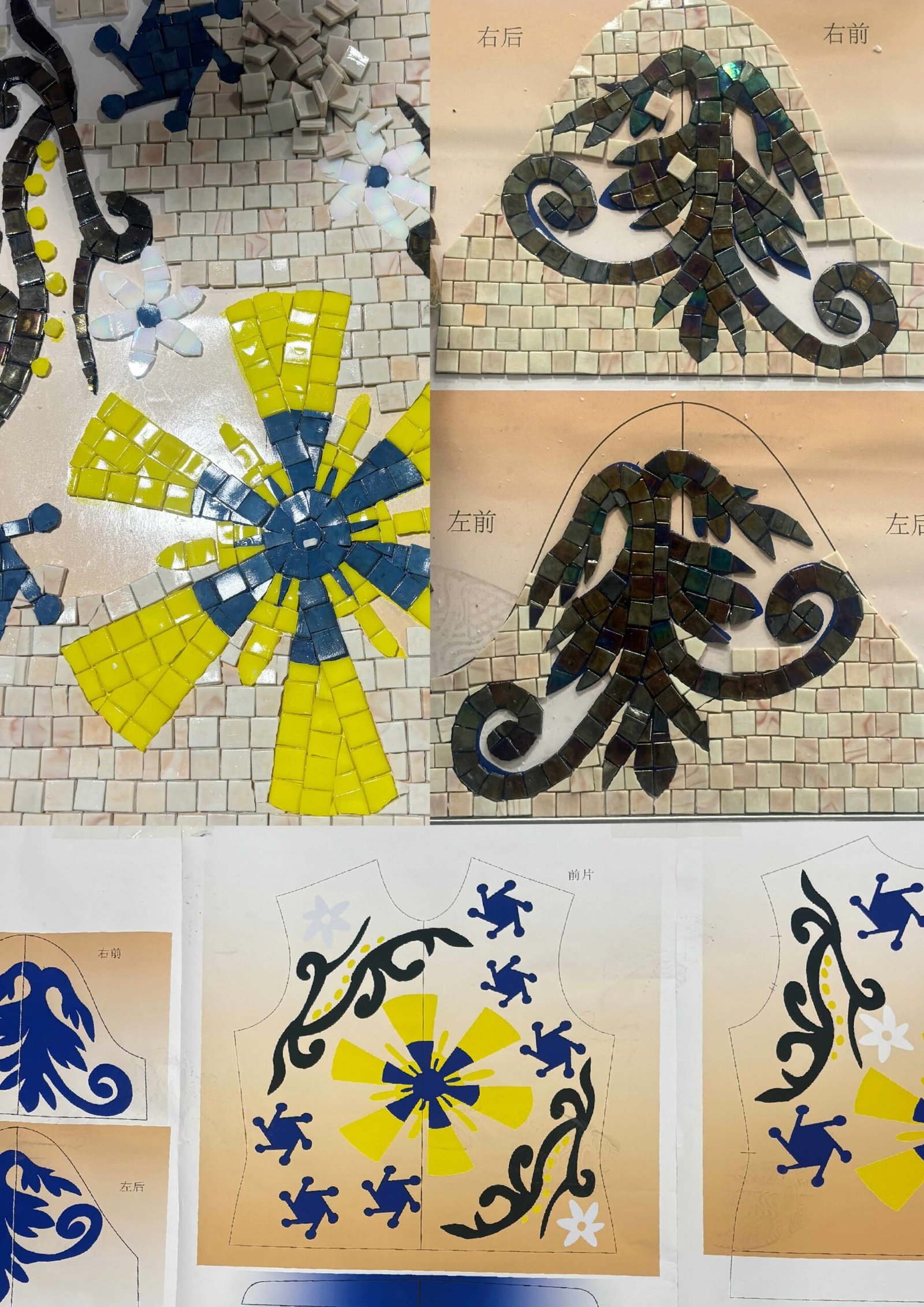
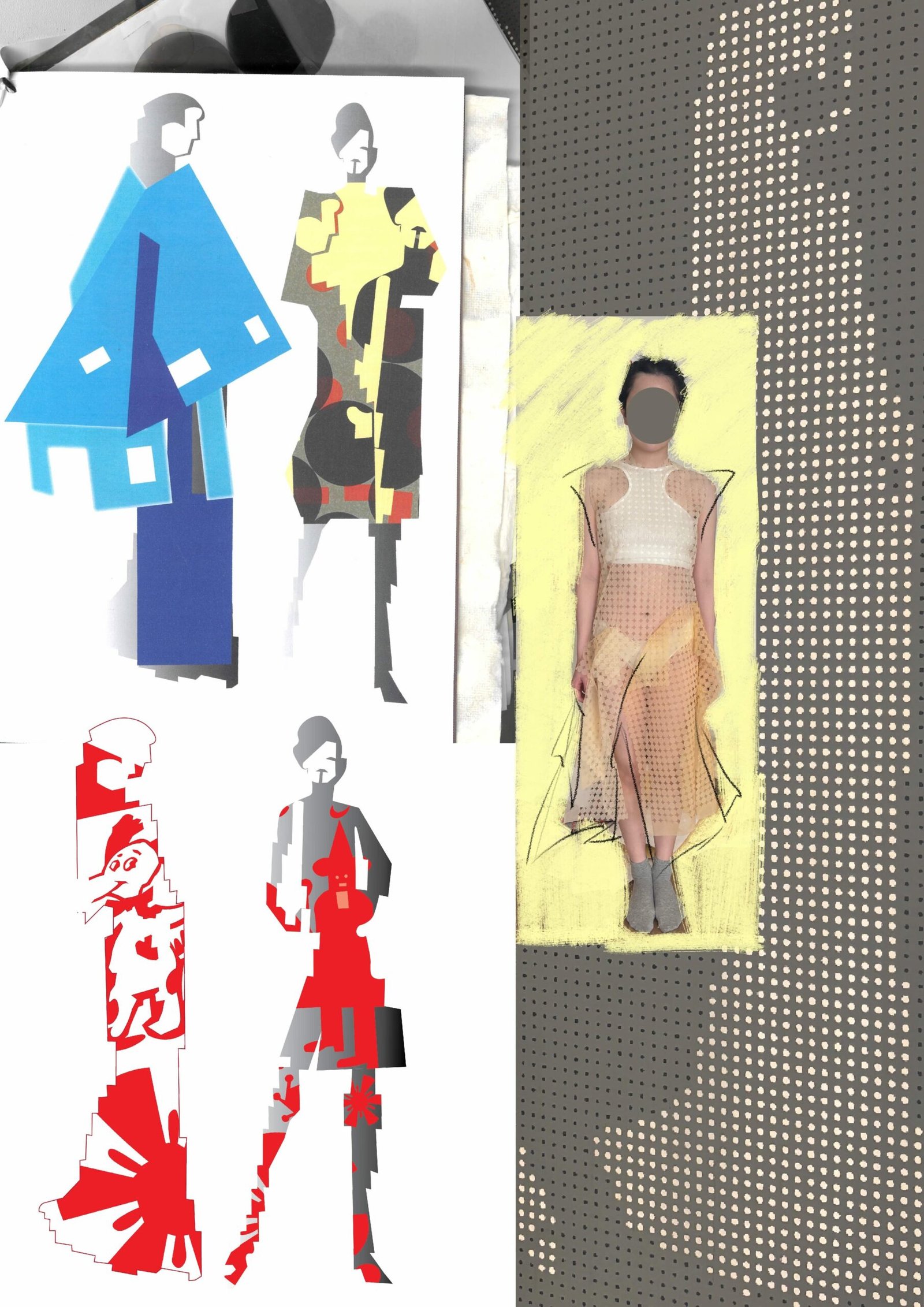
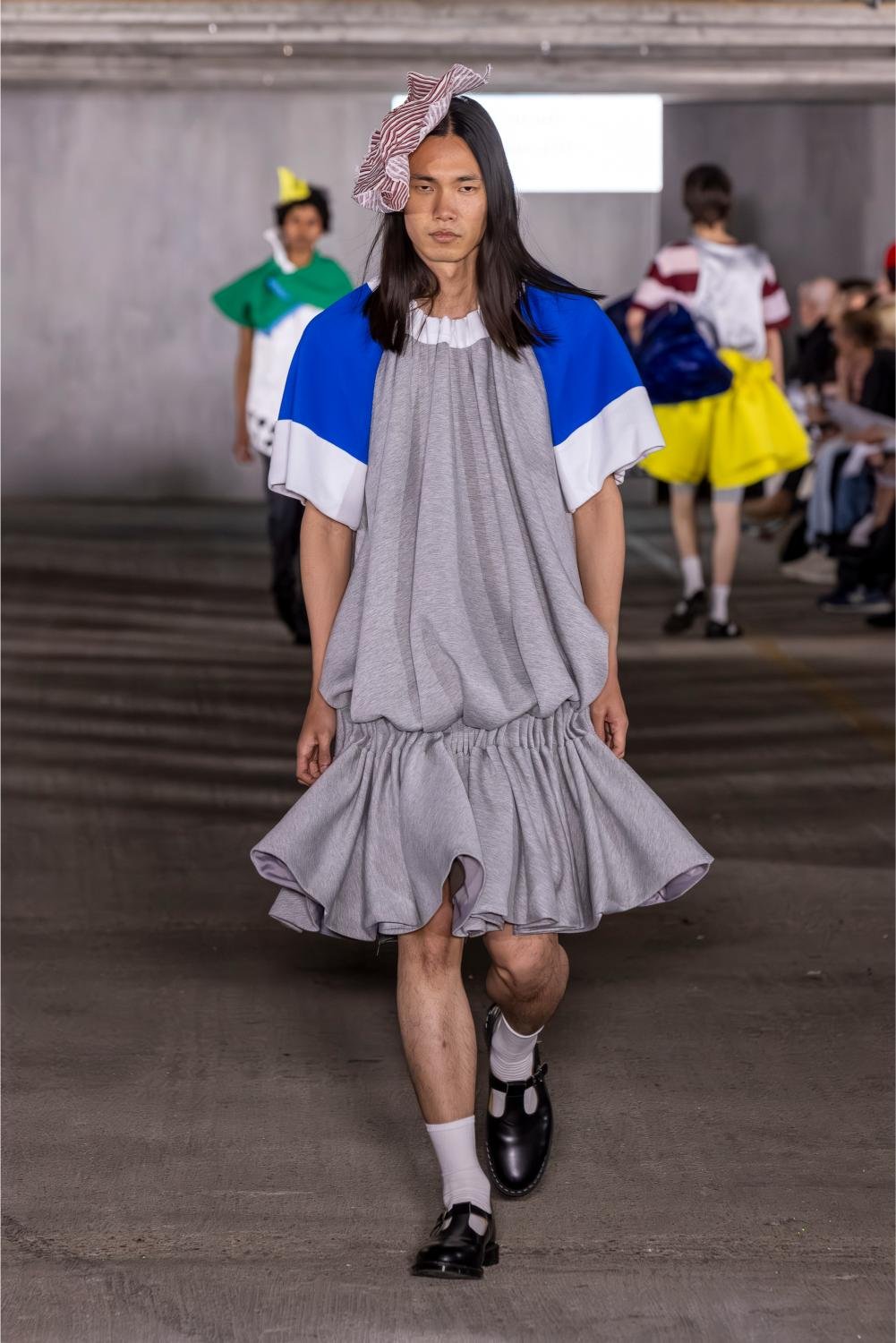
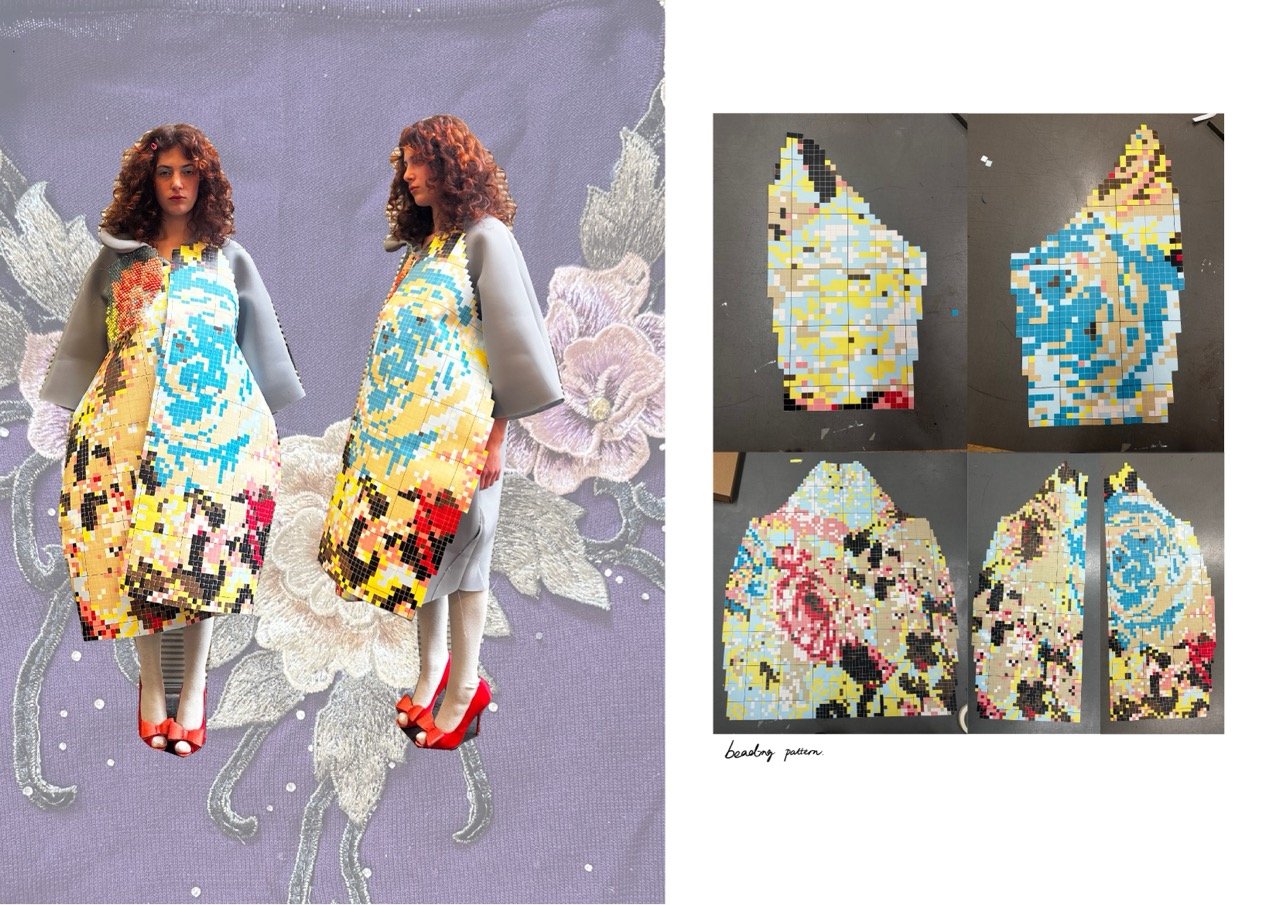
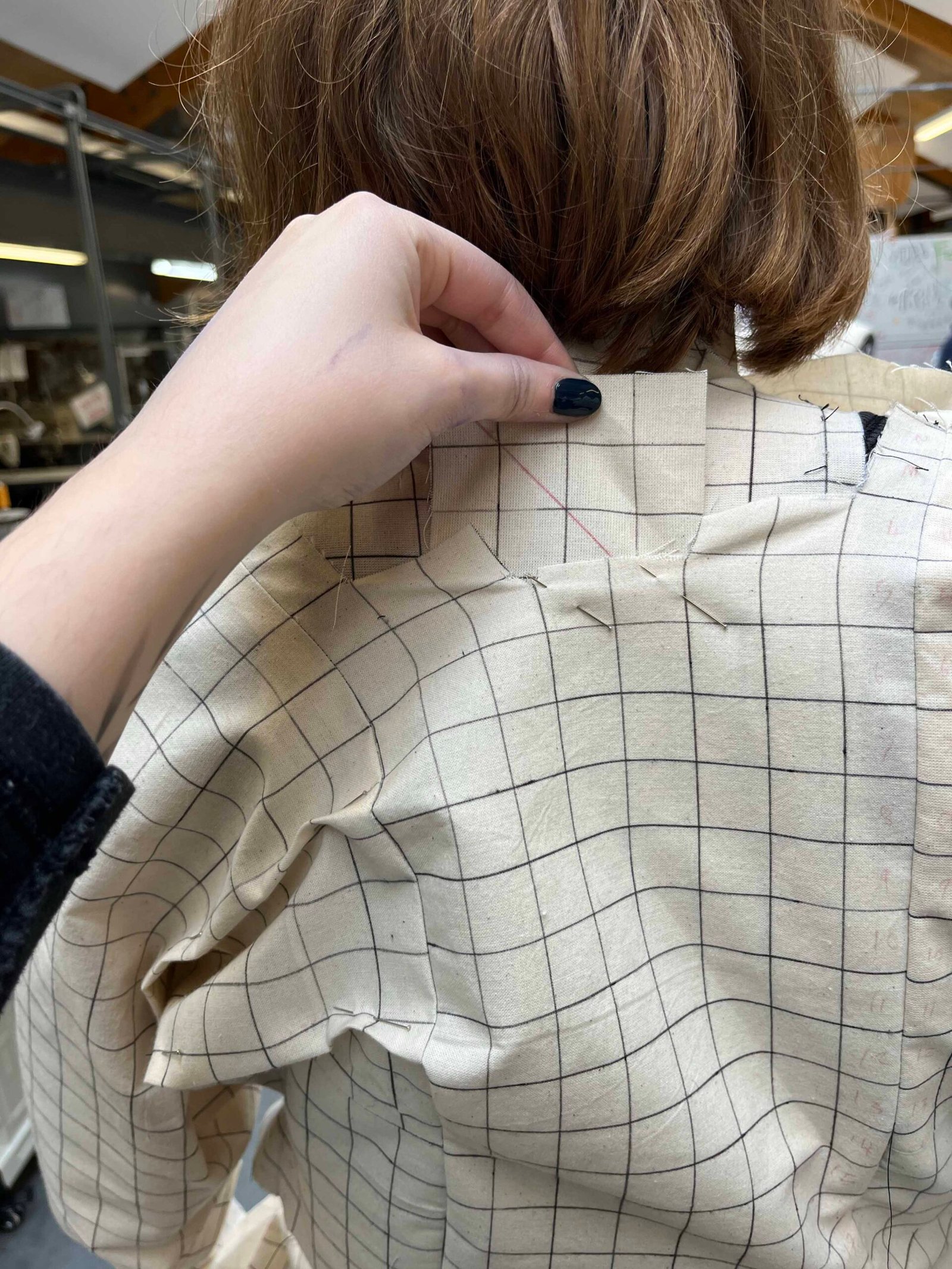
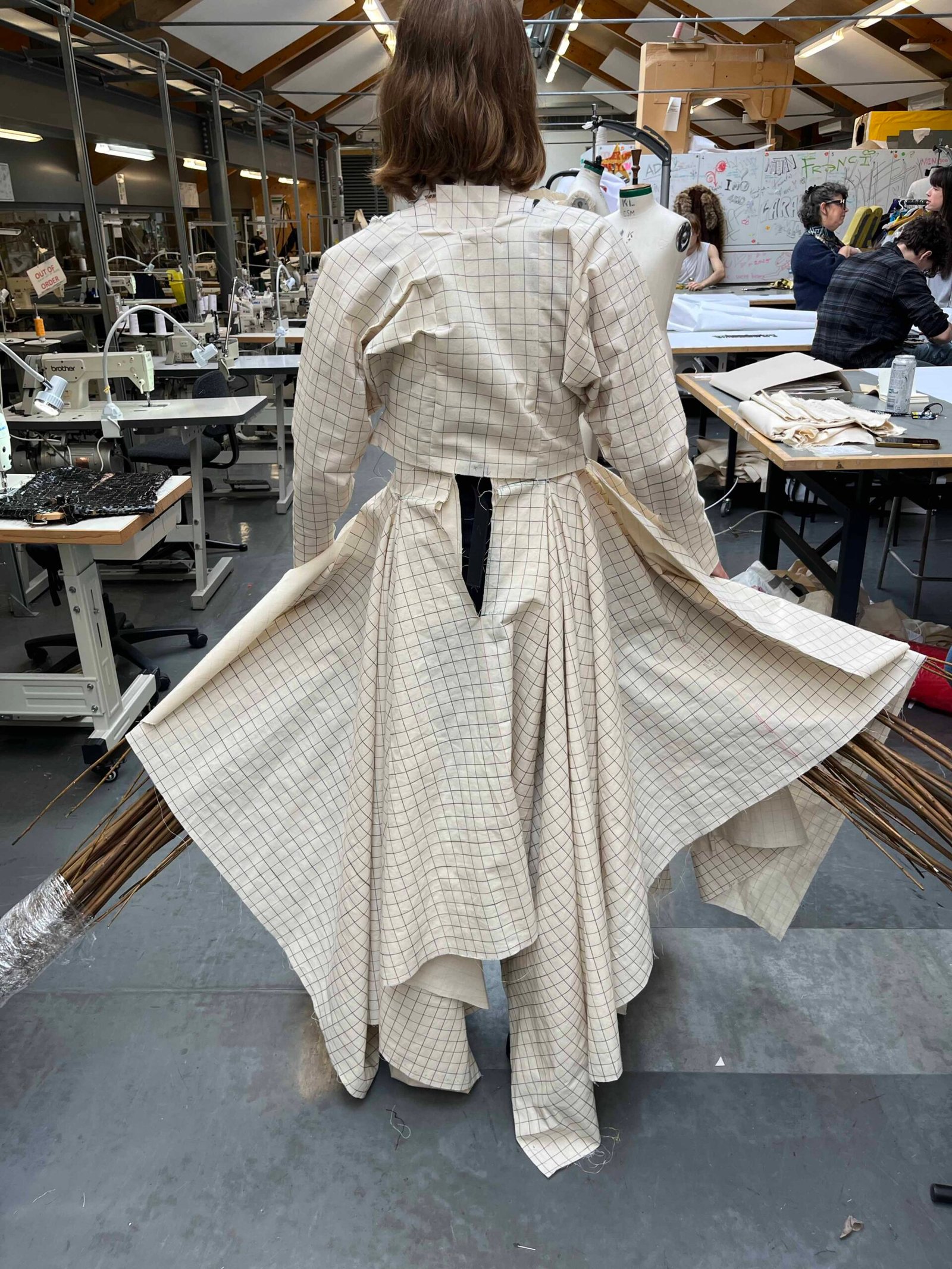
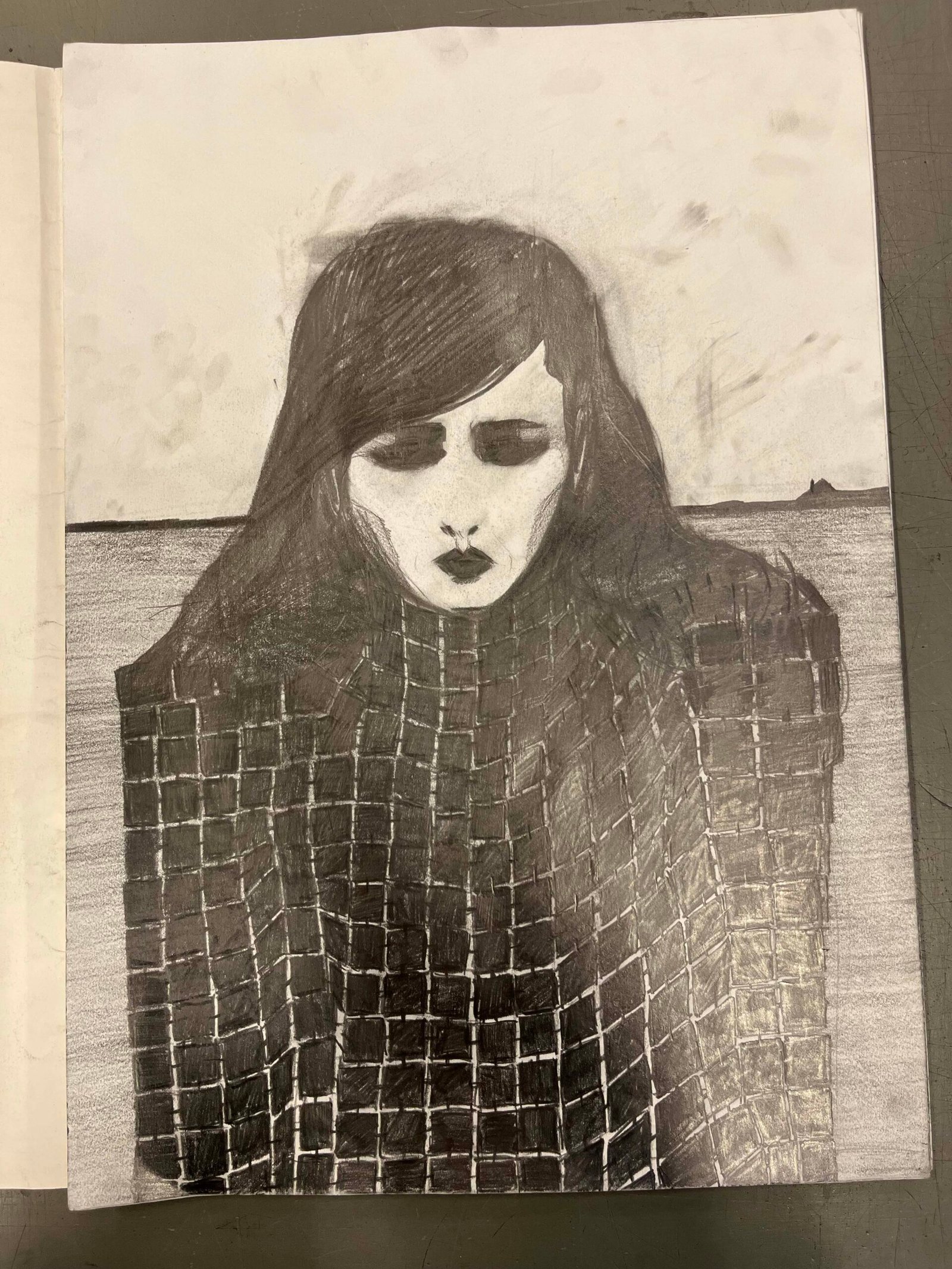
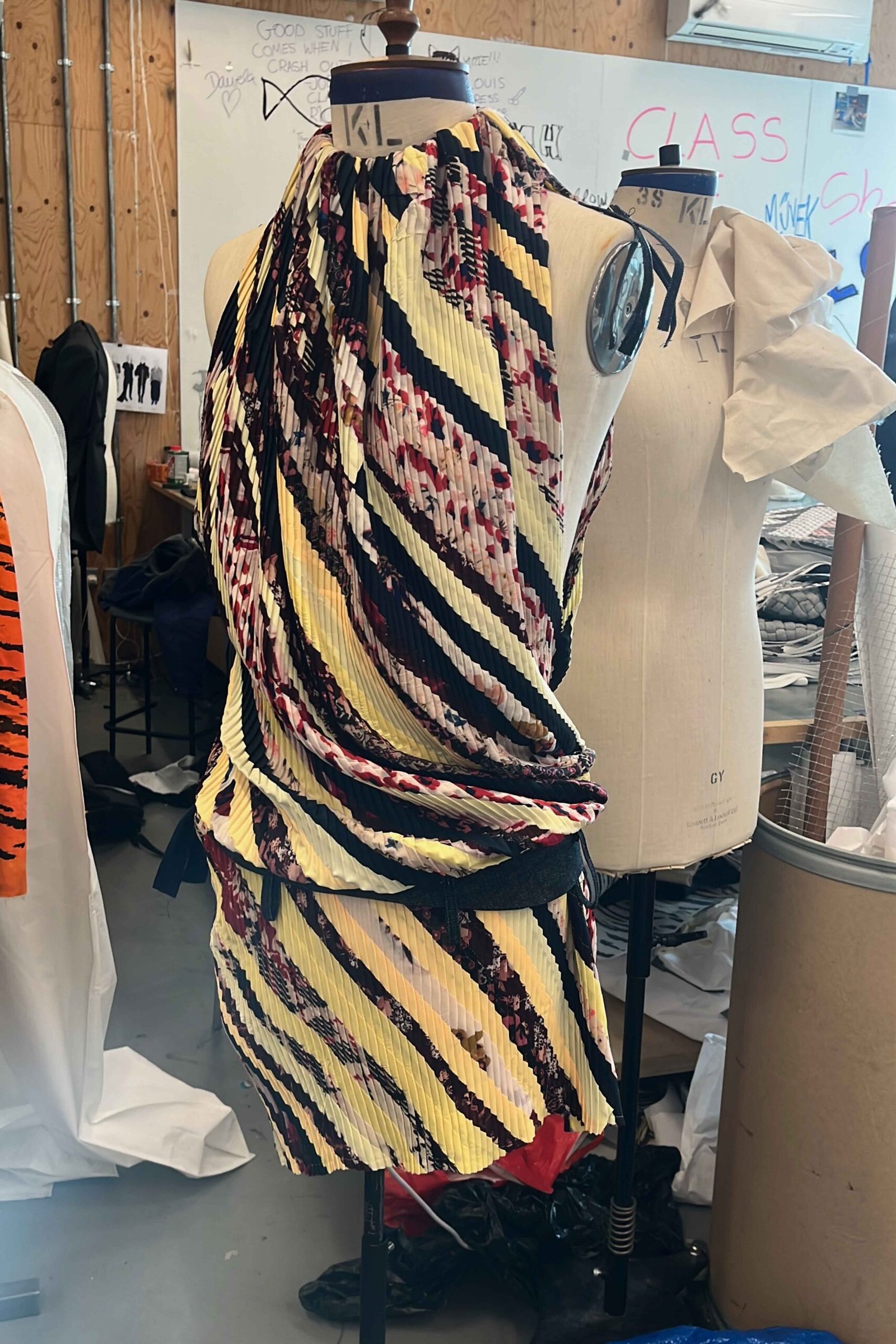
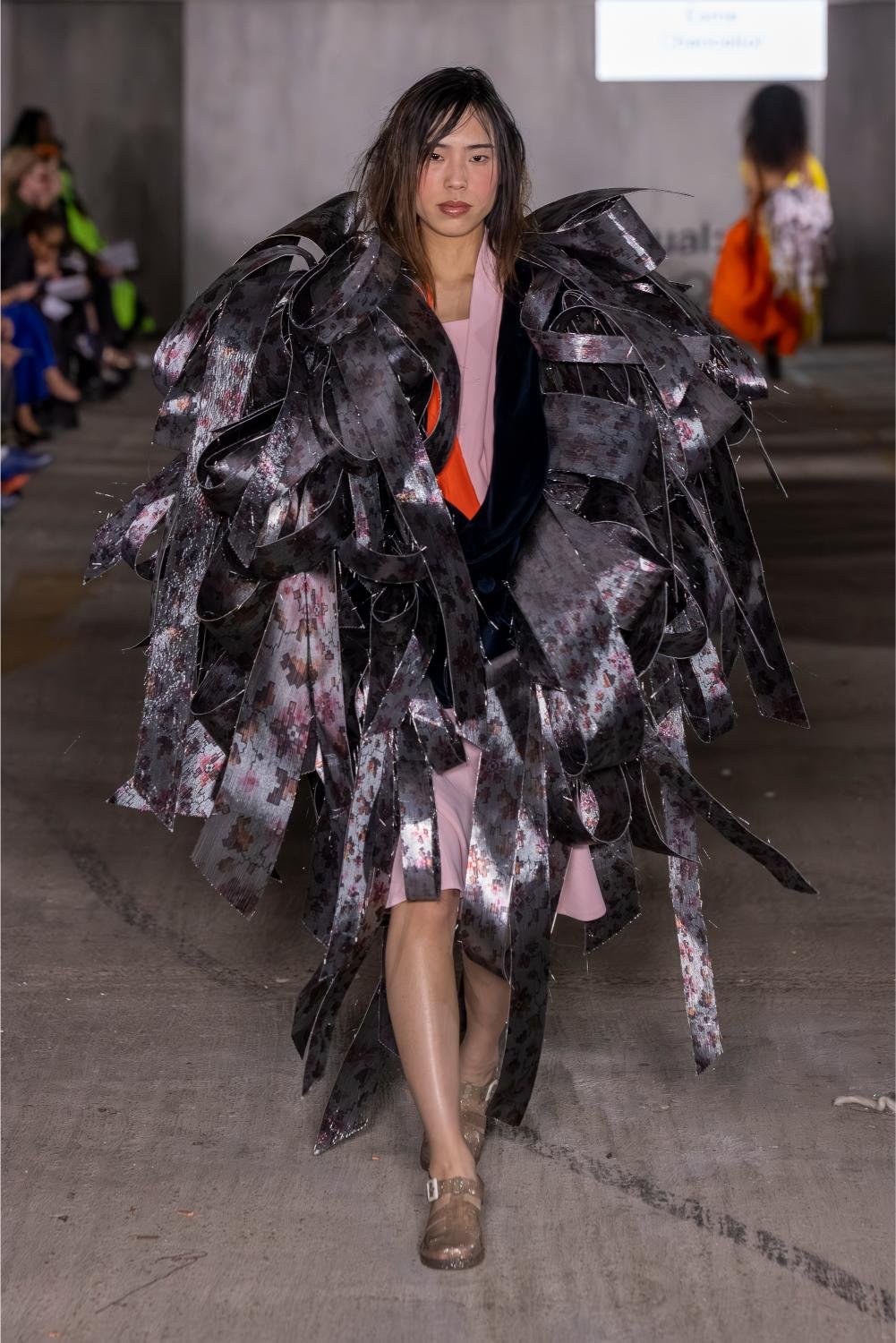
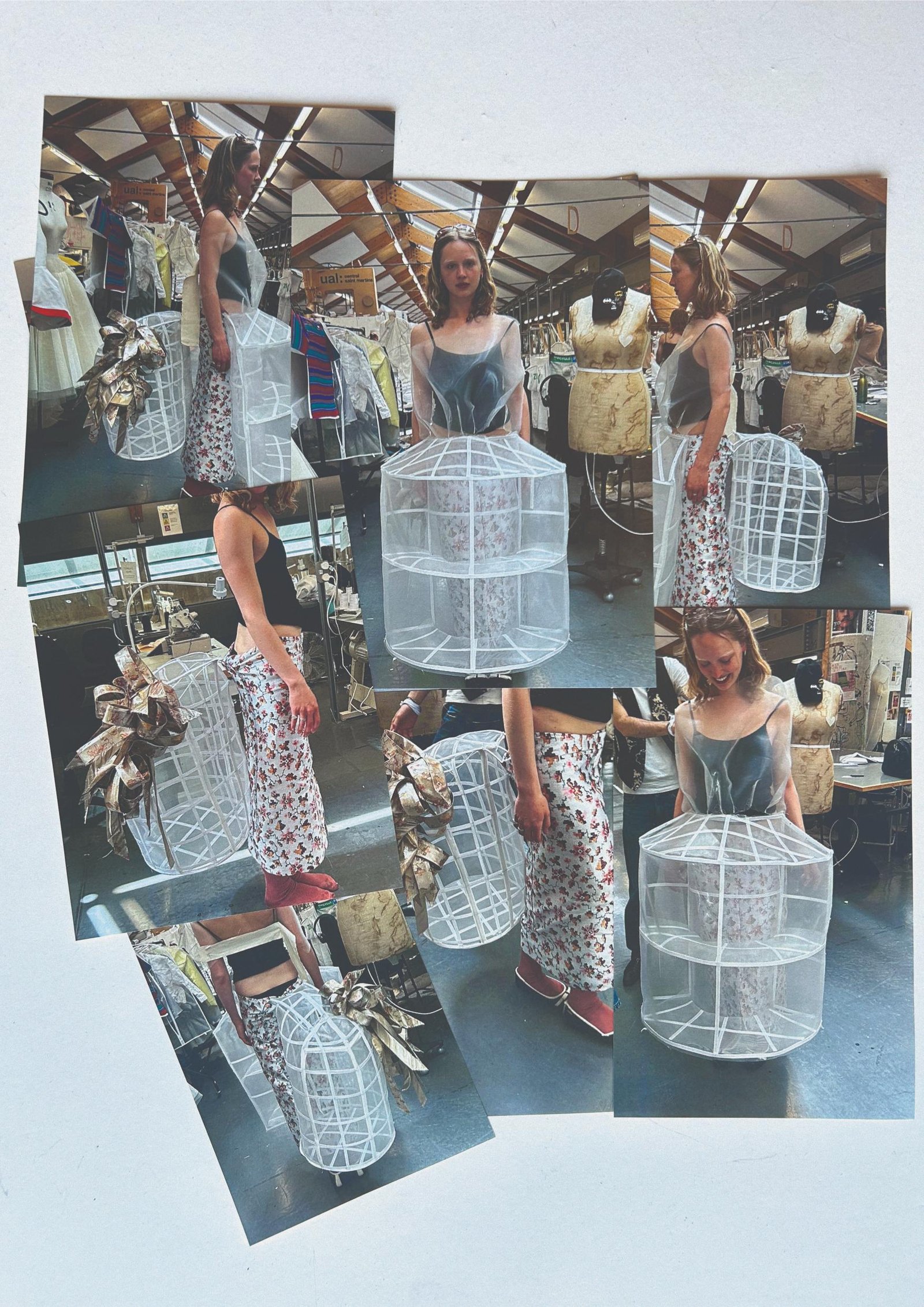
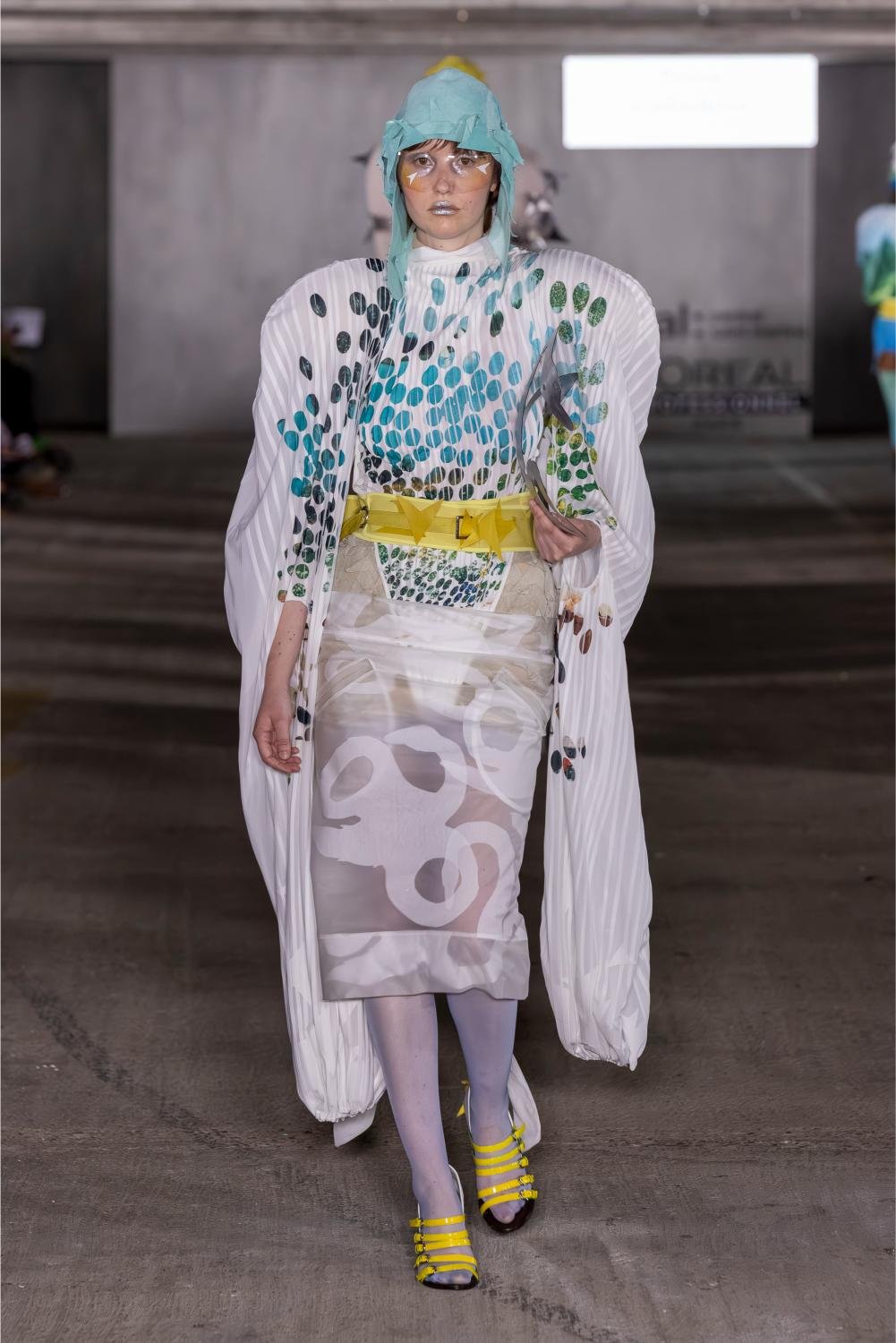
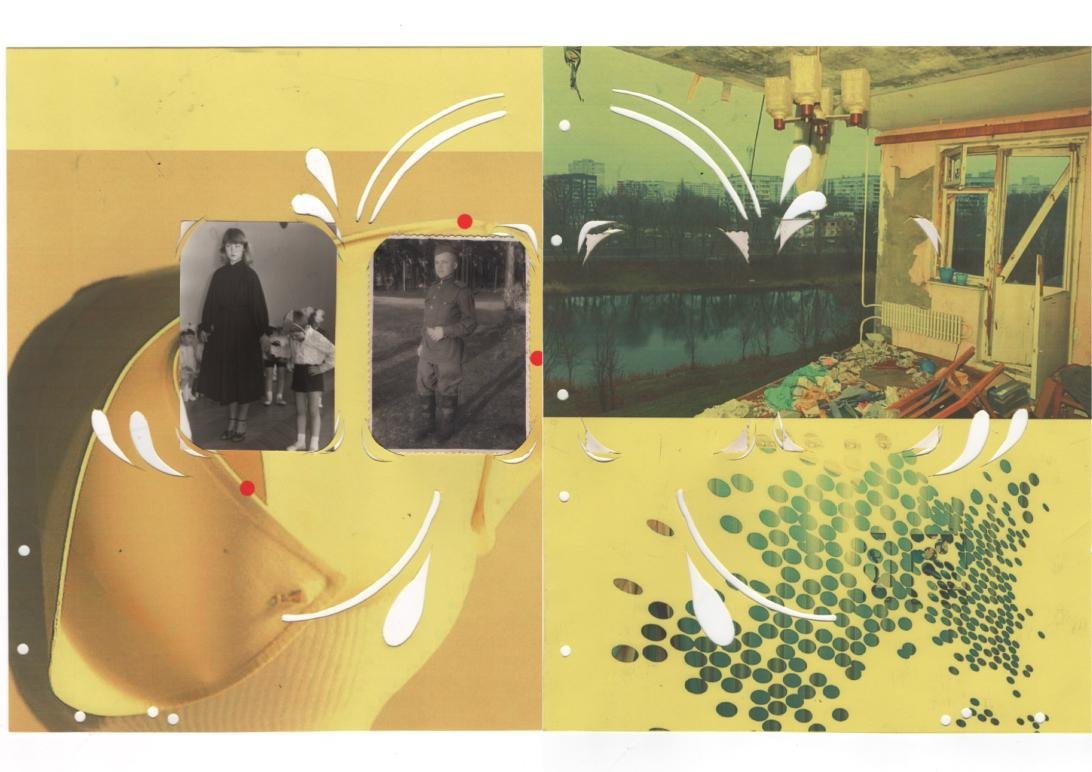
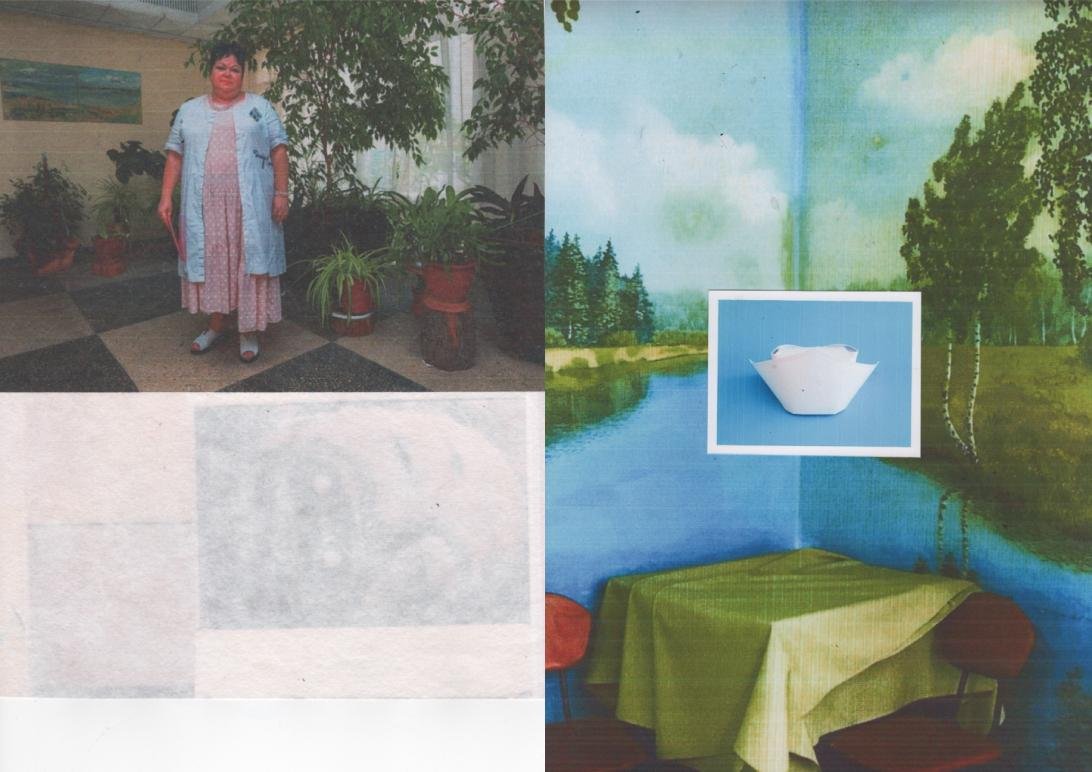
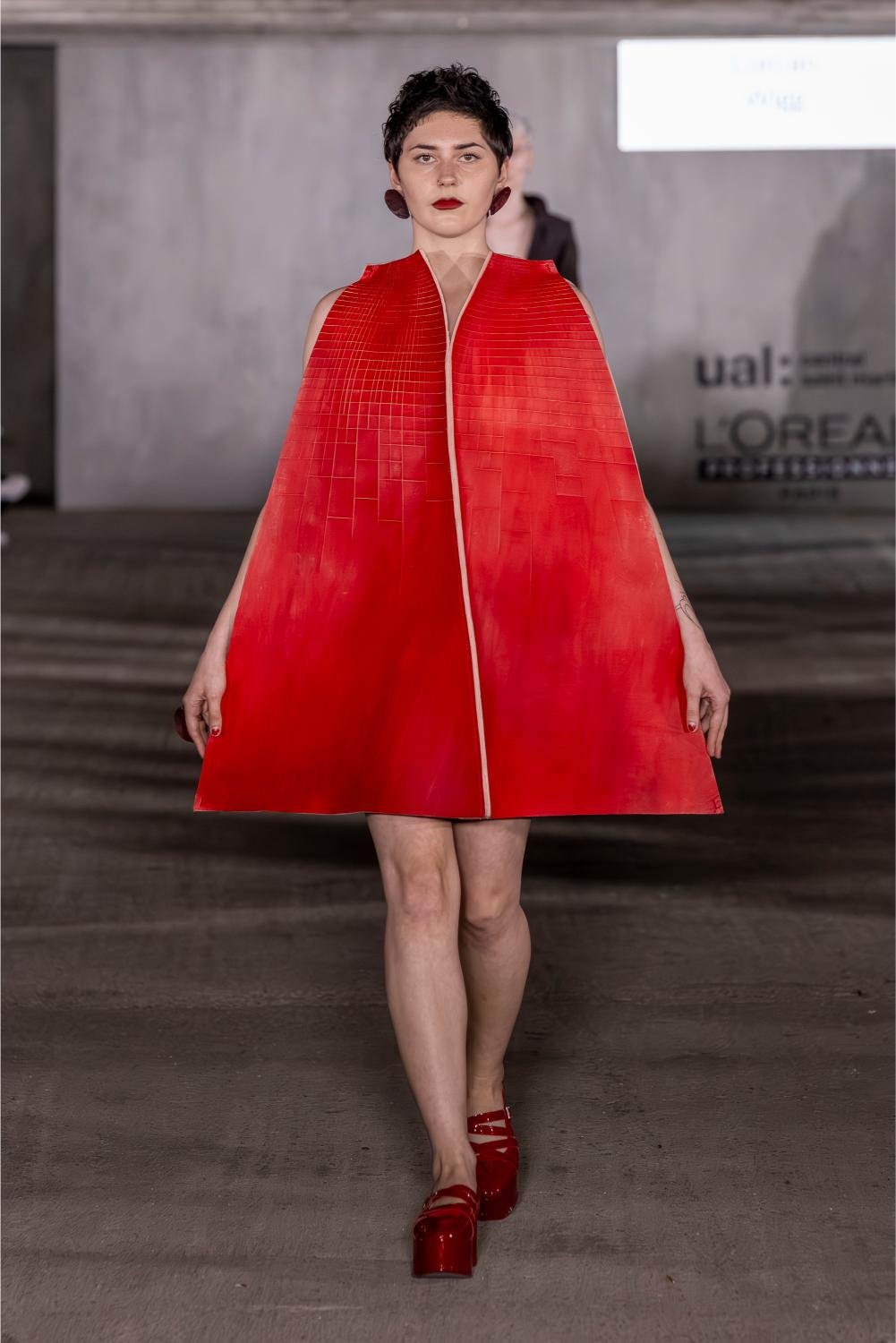
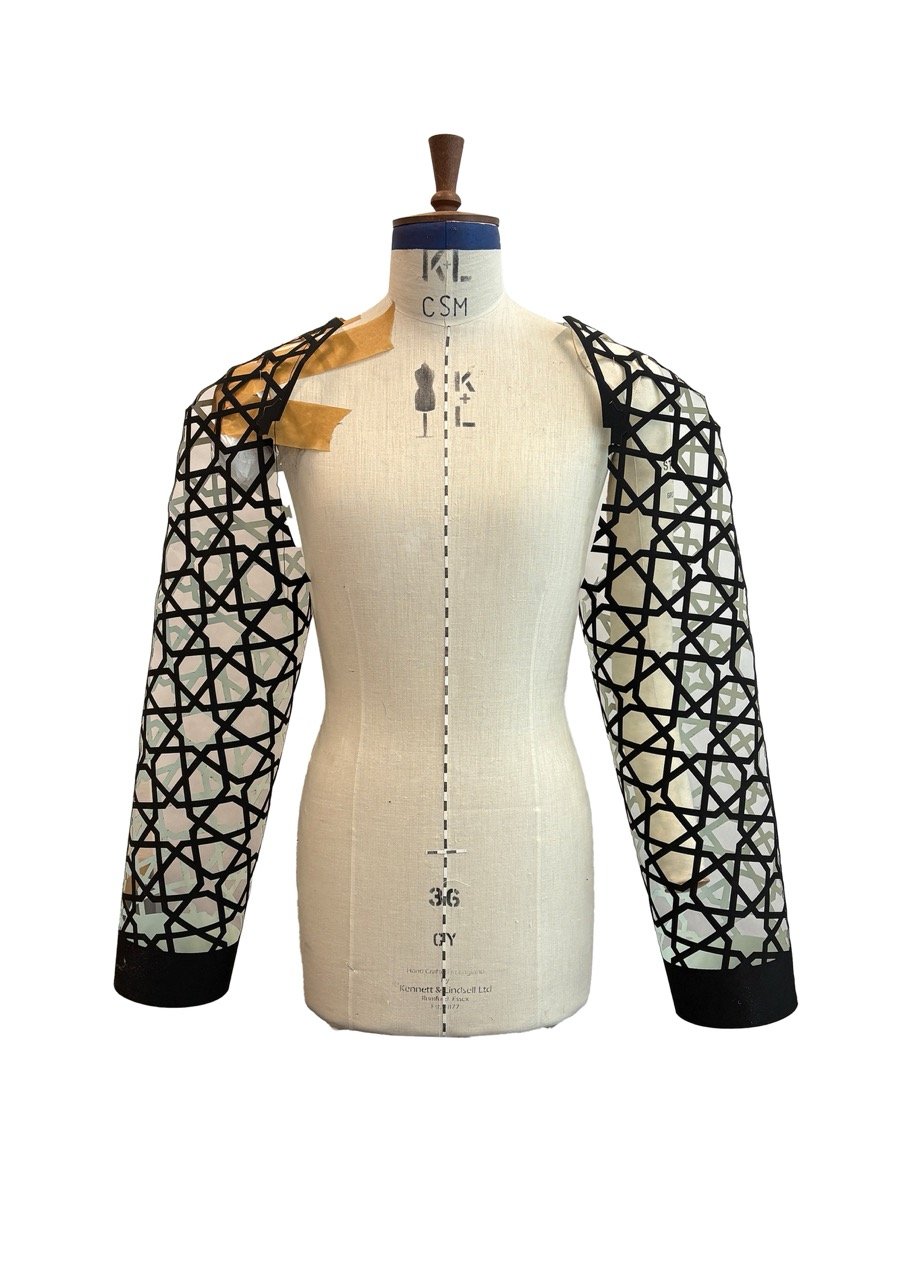
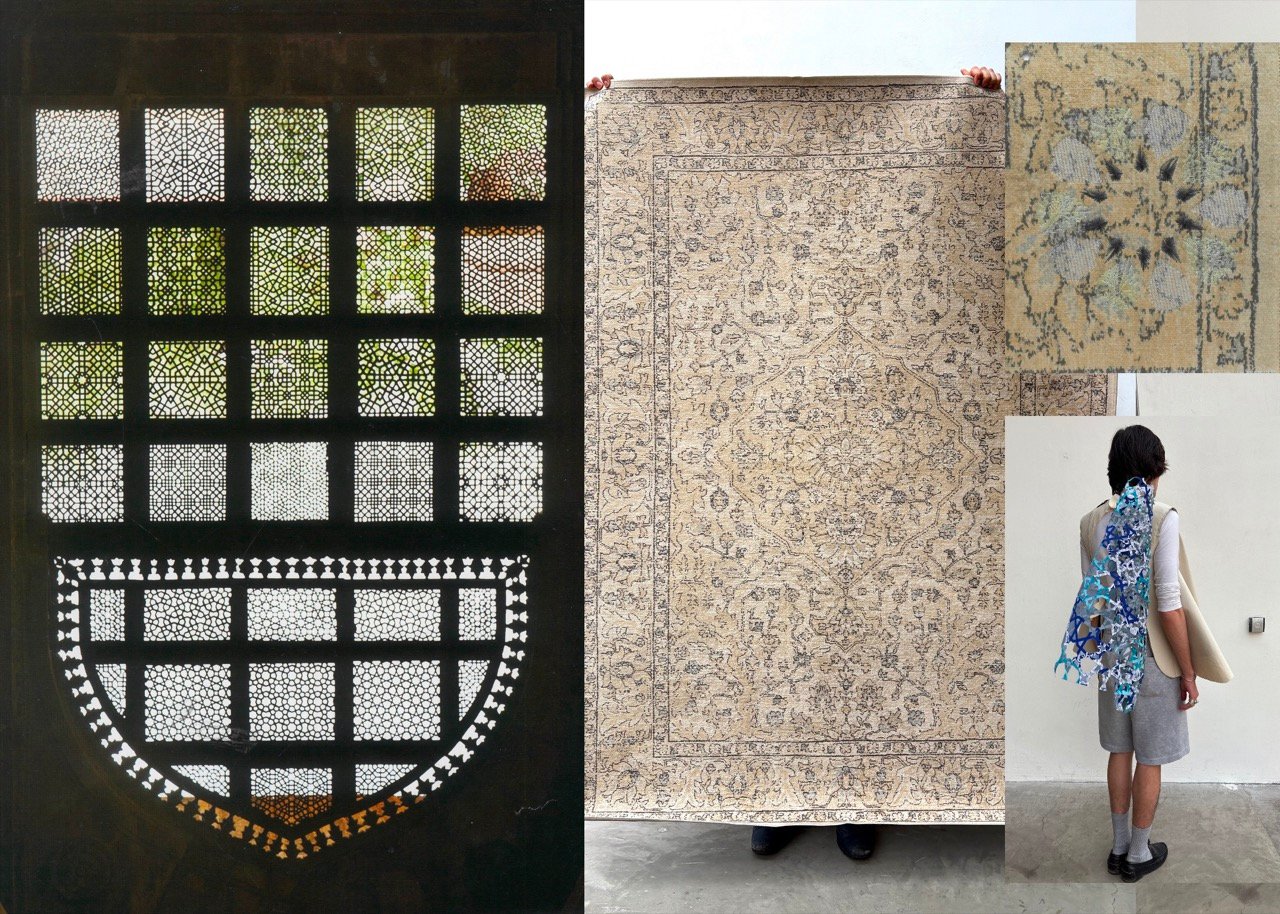
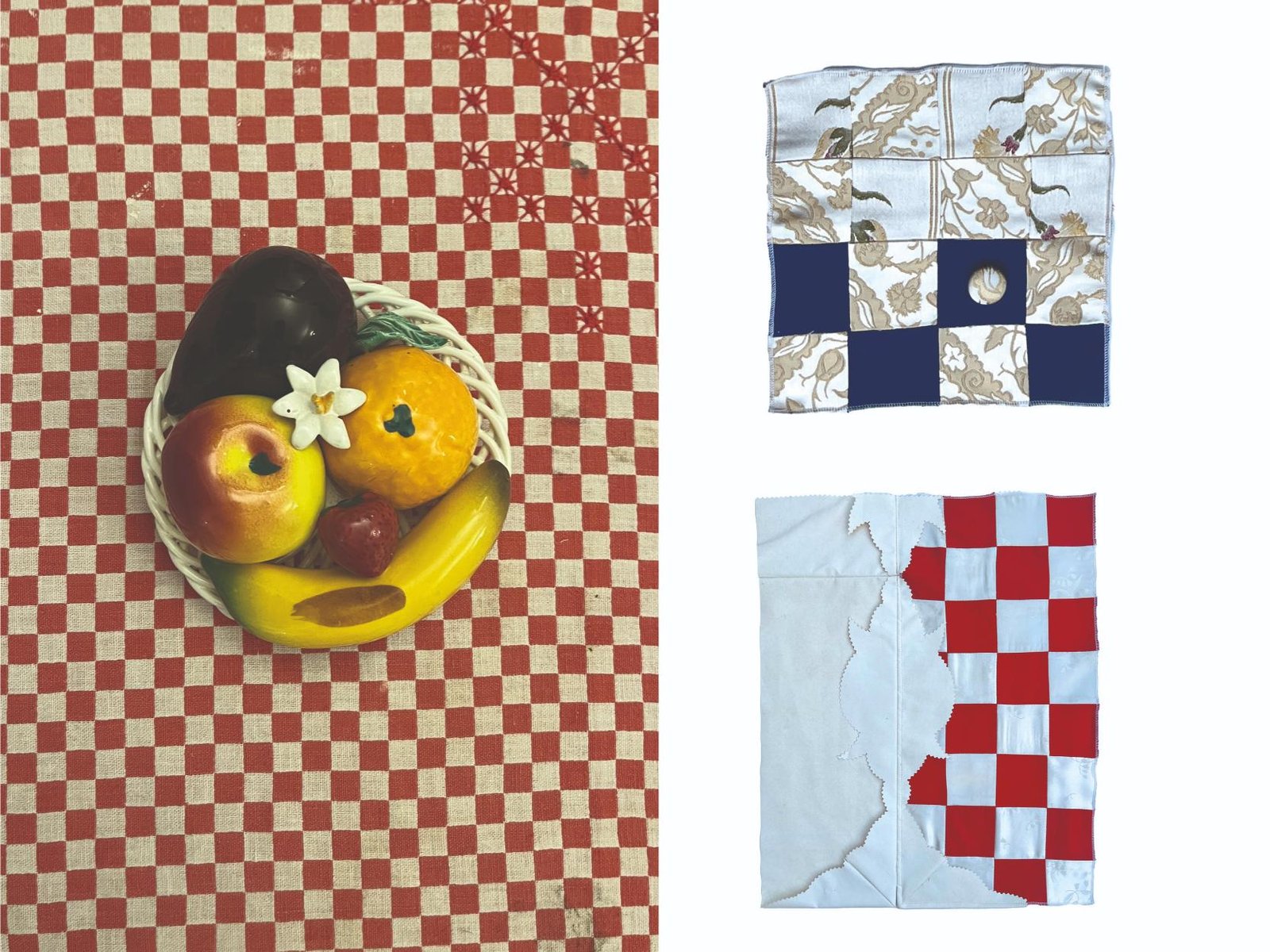
Lan Yang began with the renovation of a family home, and the strange emotional friction that comes with changing a place full of memory. Her collection considers clothing as a portable home: something that can carry familiarity, comfort, and belonging even when the spaces around us shift. Mosaic and tiling techniques appear throughout the work, alongside laser-cut perforations, modular prints, and silhouettes informed by floorplans. The palette comes from architectural drawings, tiled surfaces, and the changing light that moves through windows over the course of a day. 

@lan.yaang

Daniel Haworth

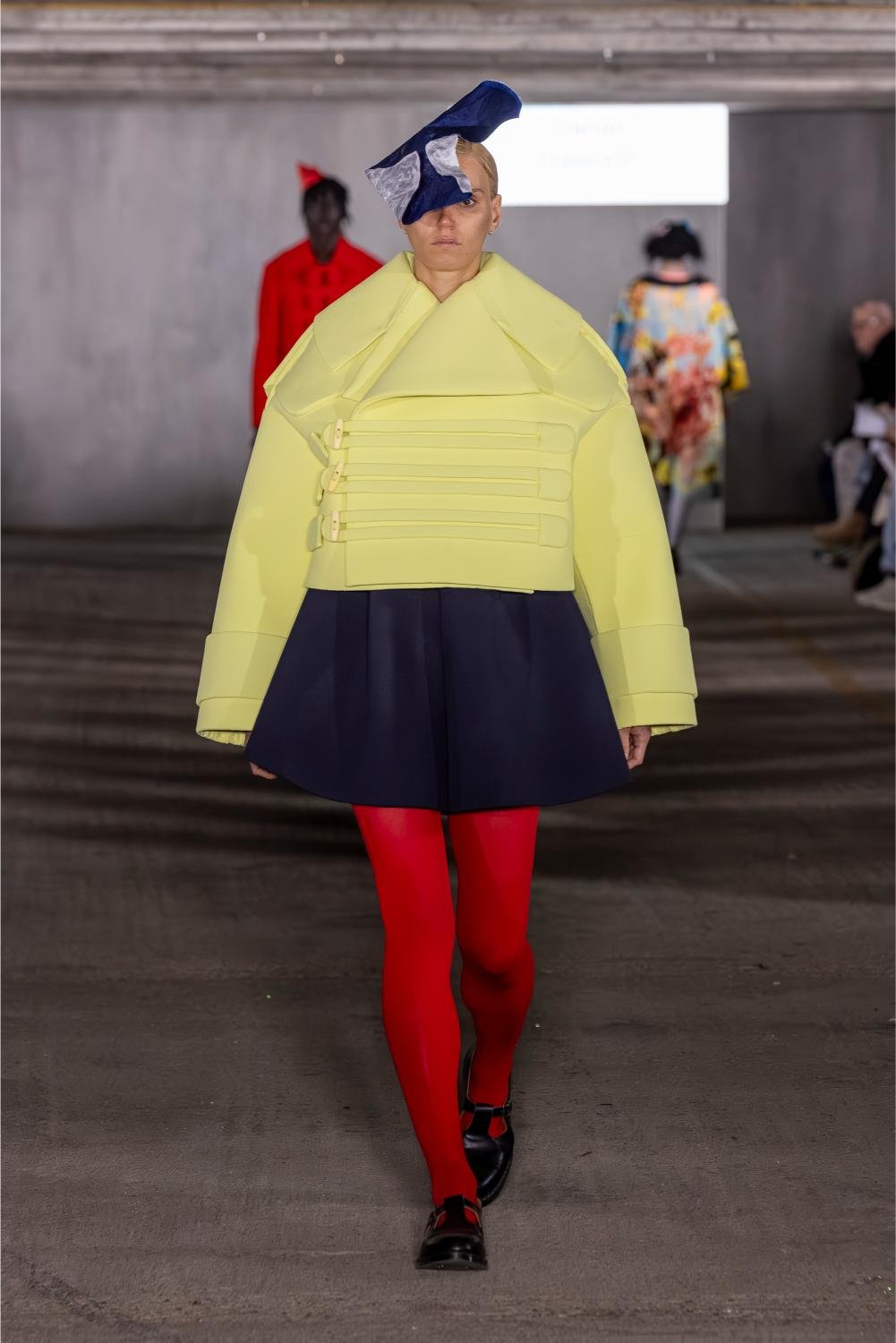
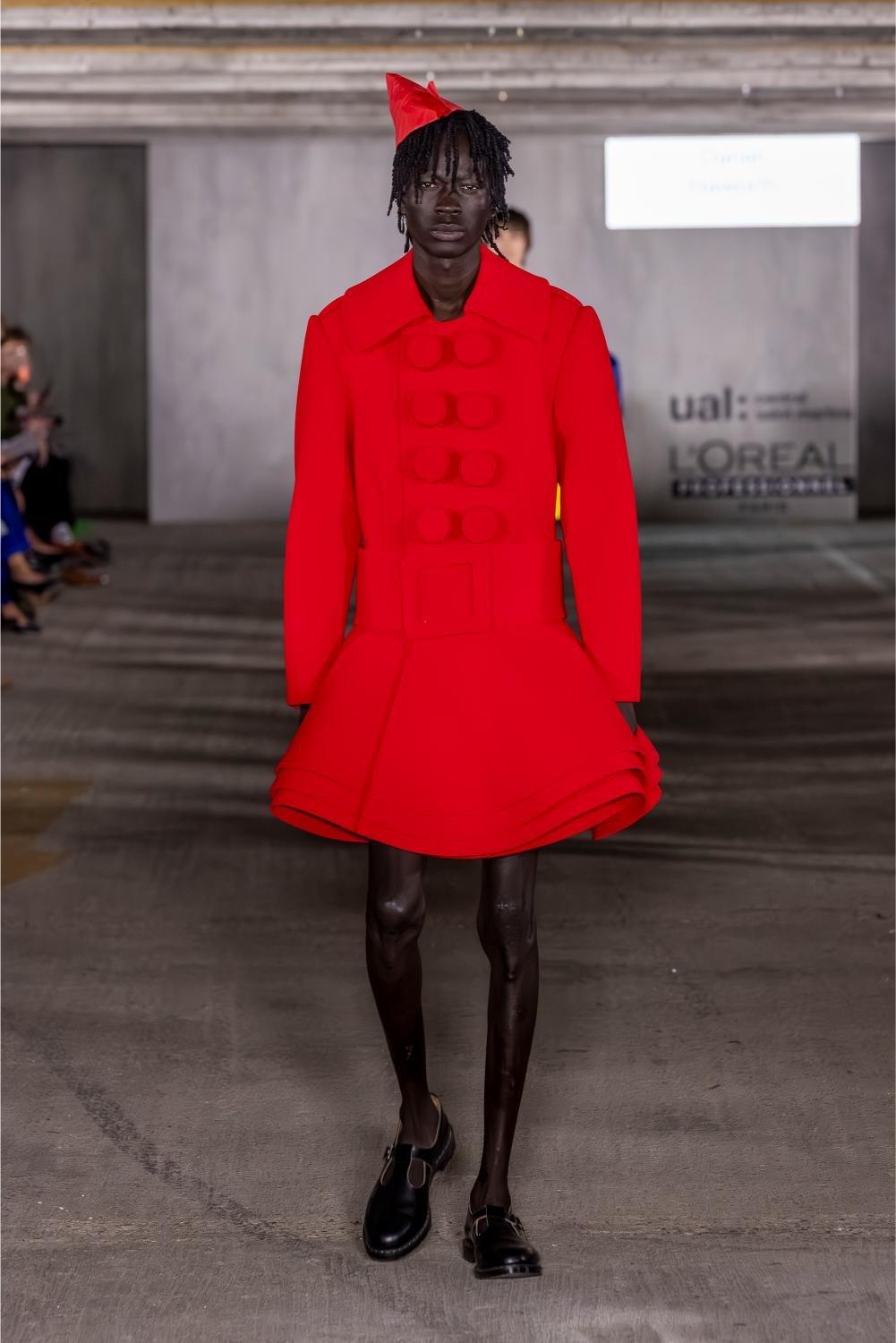
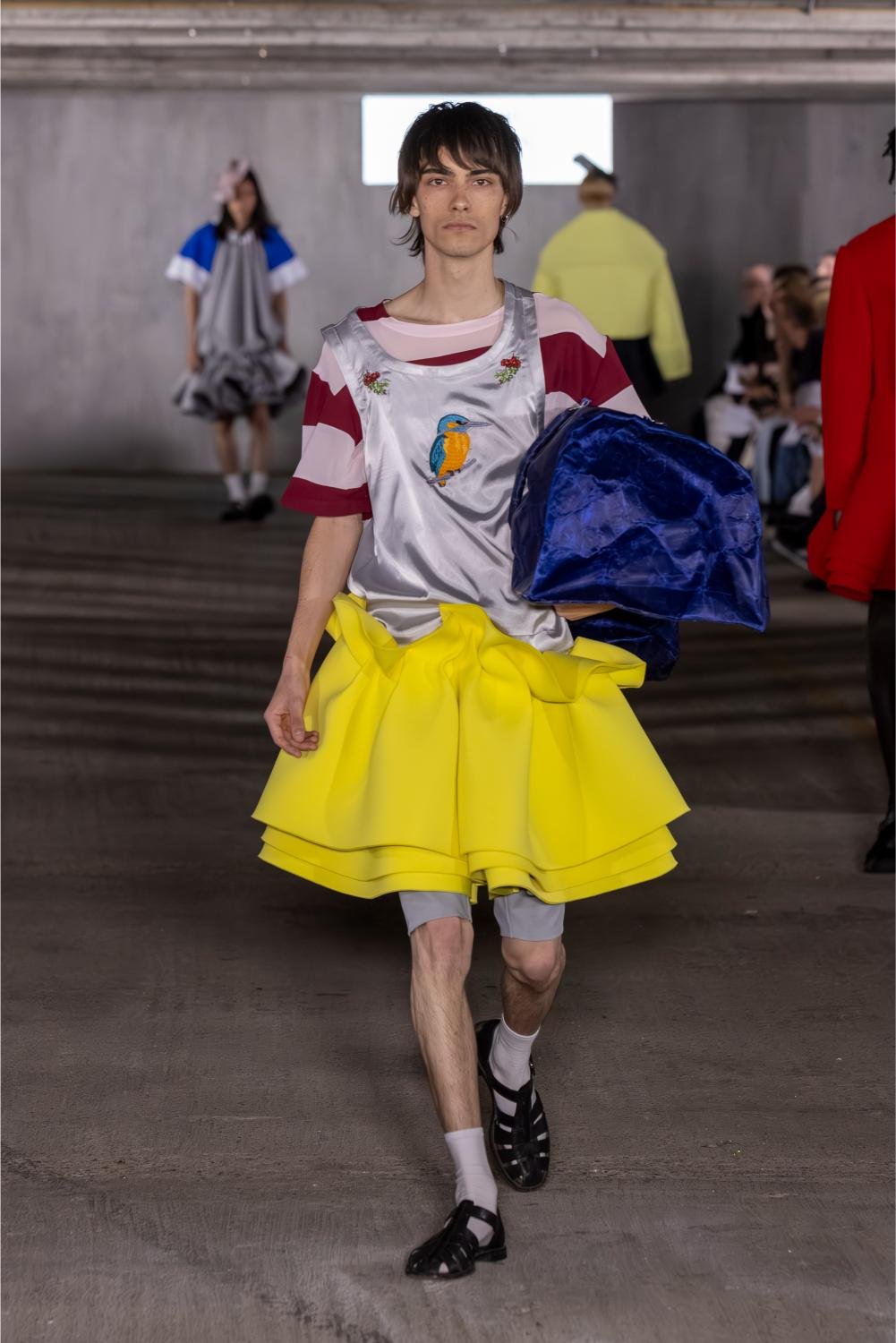
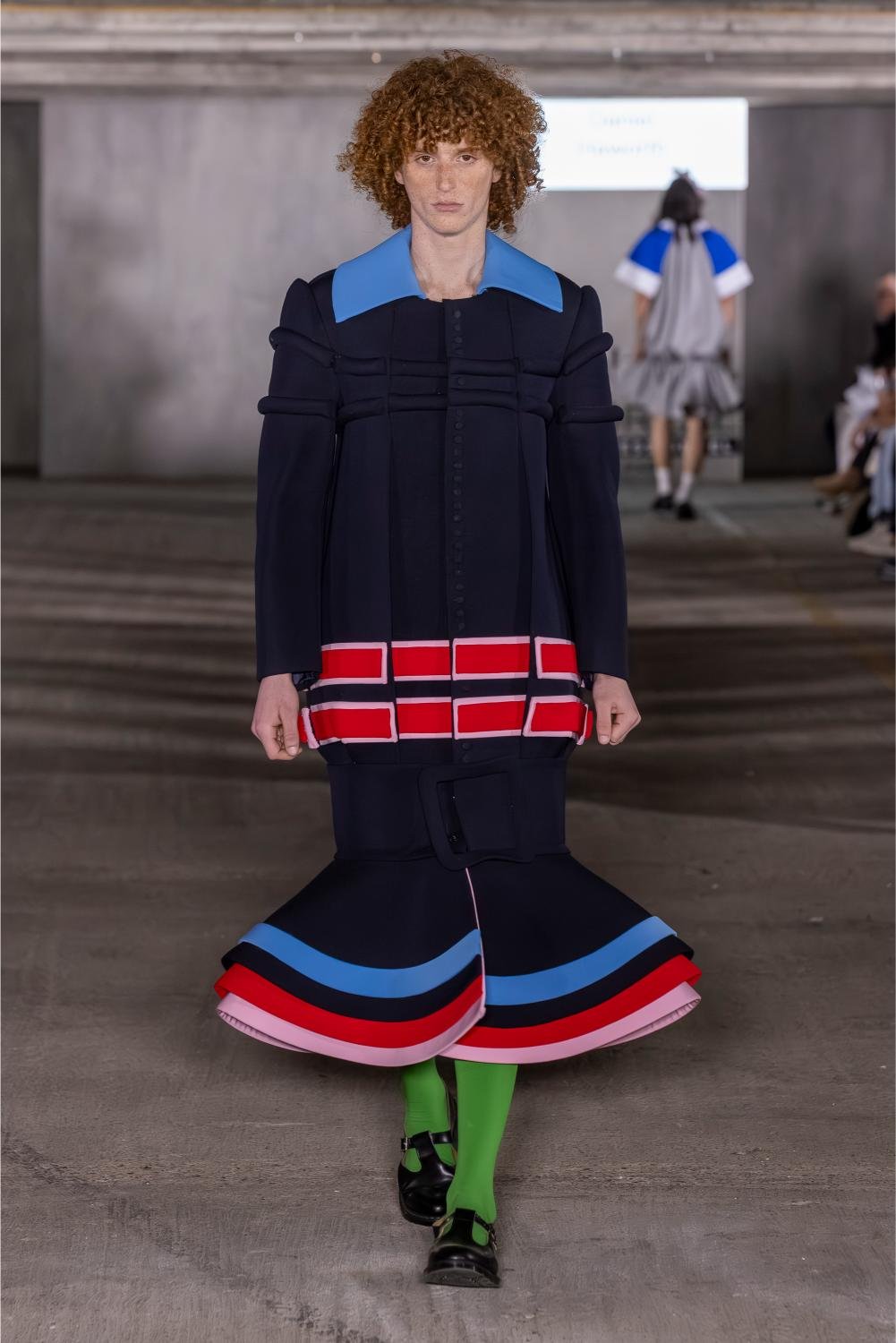
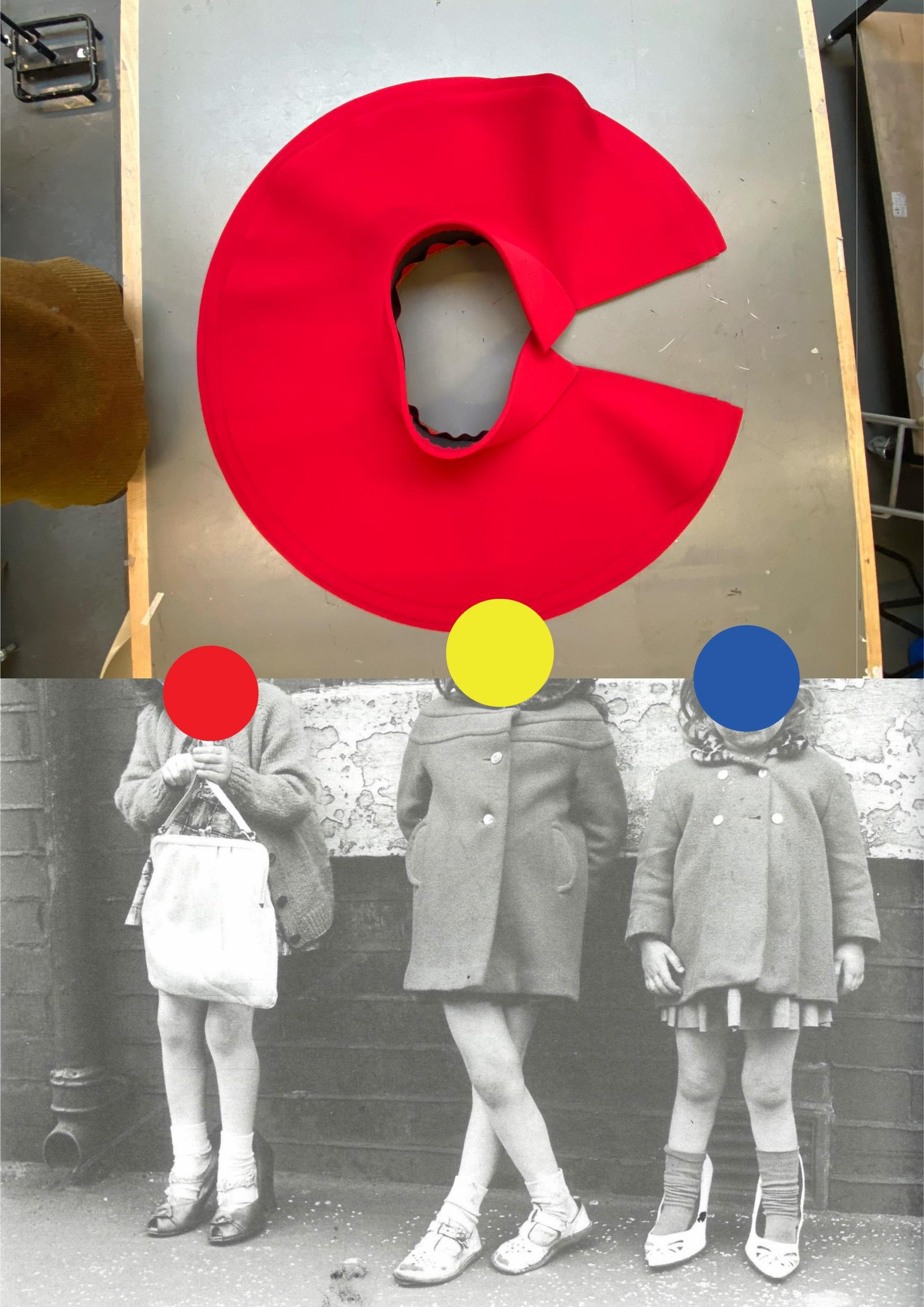
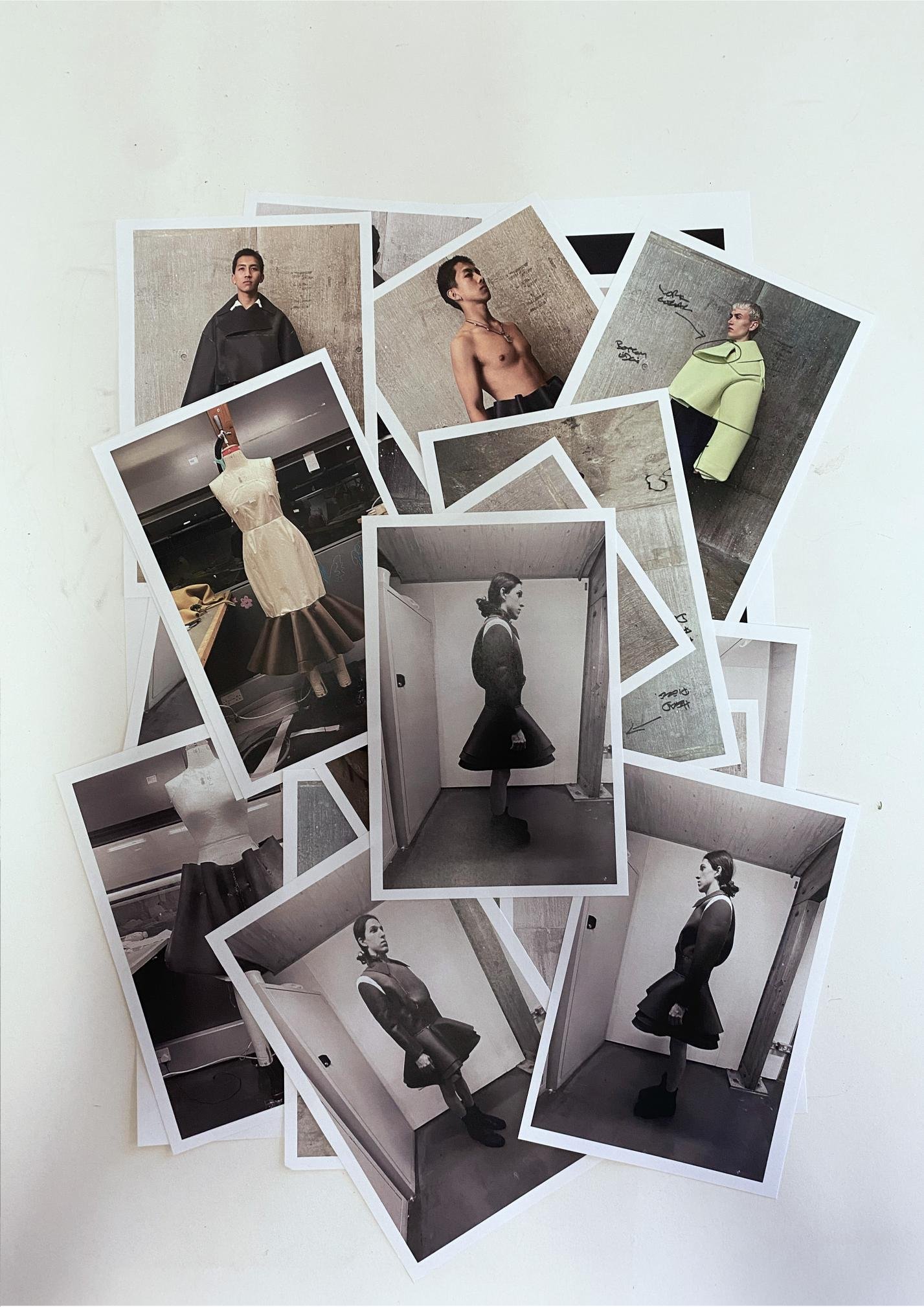
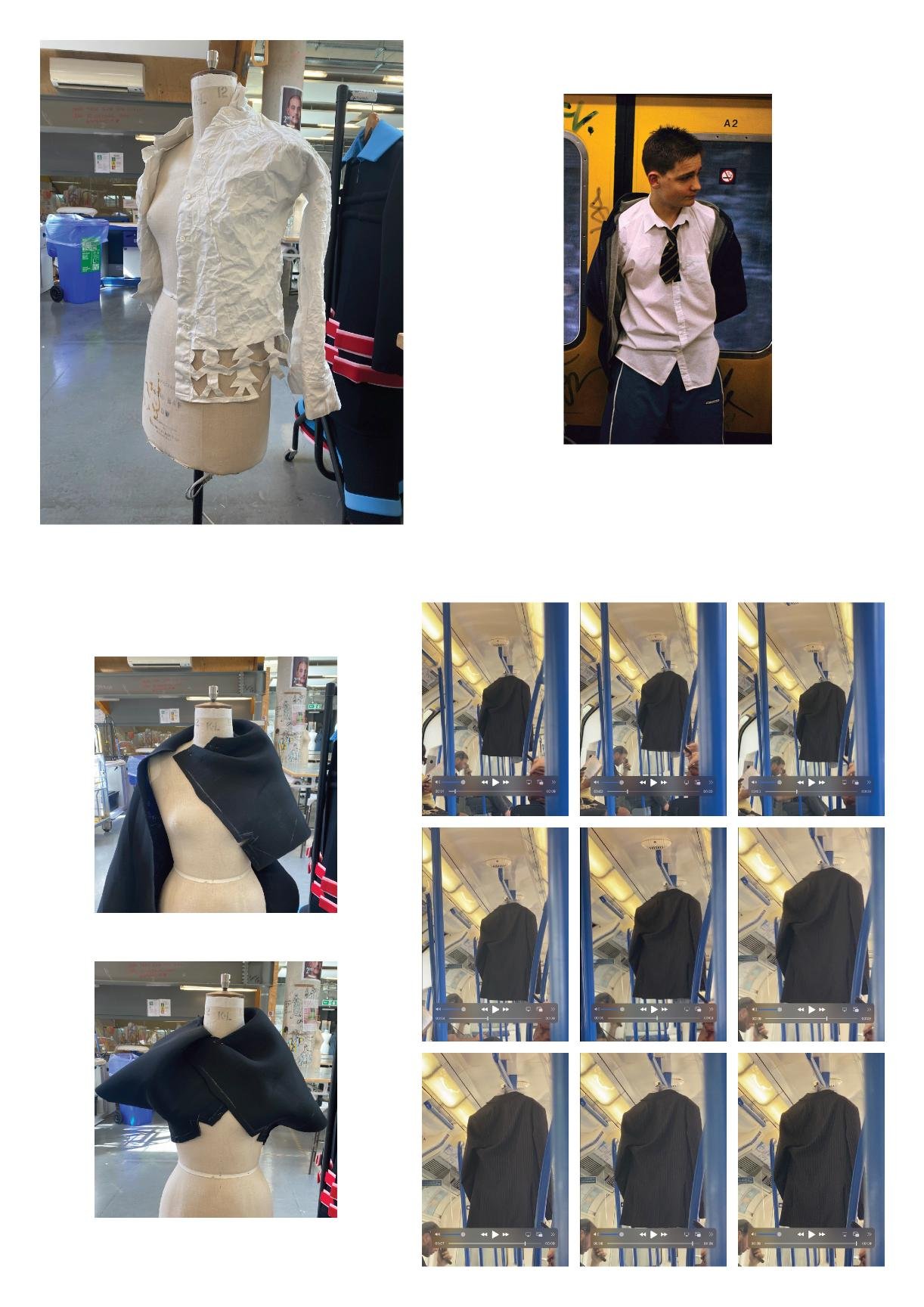
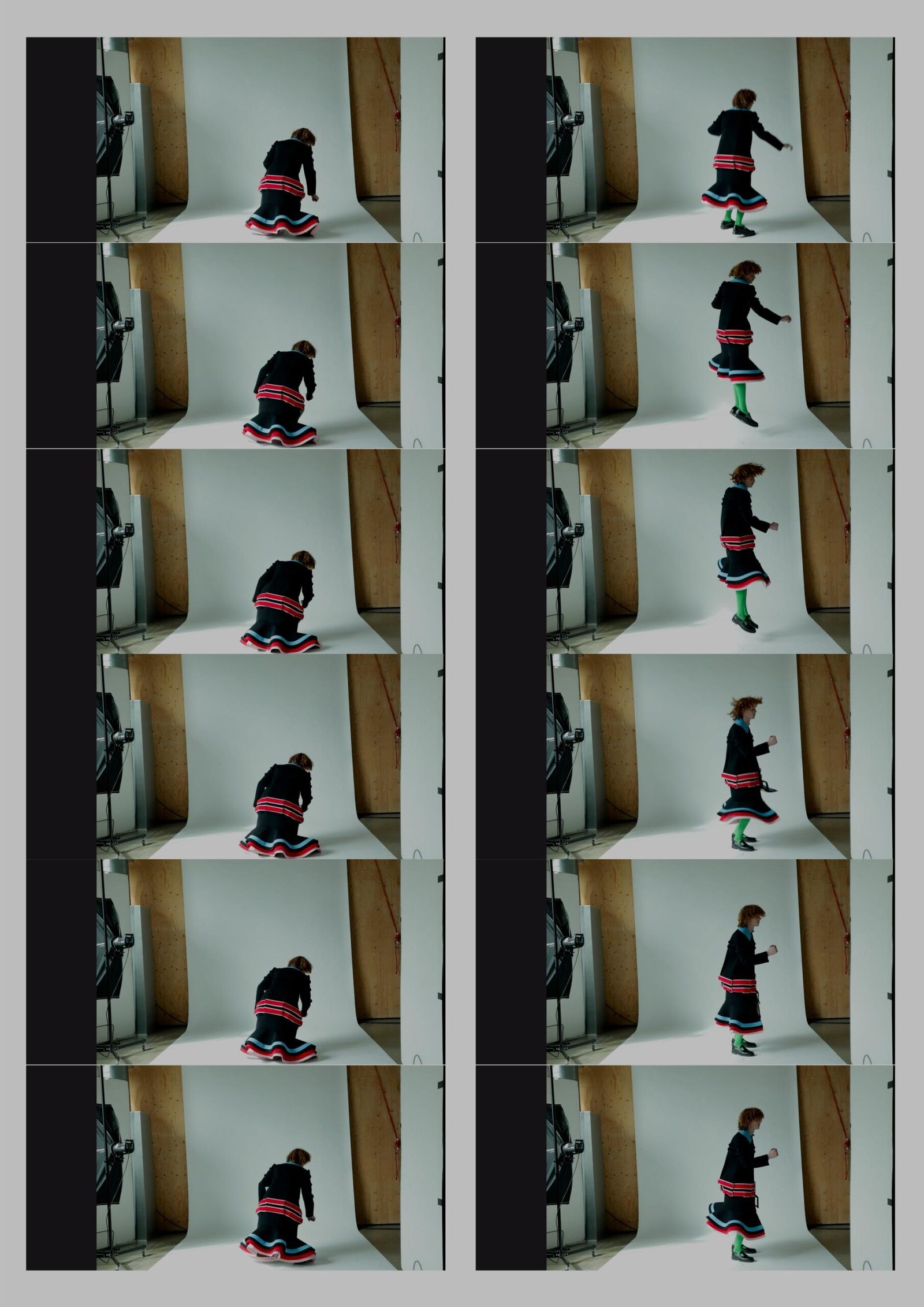
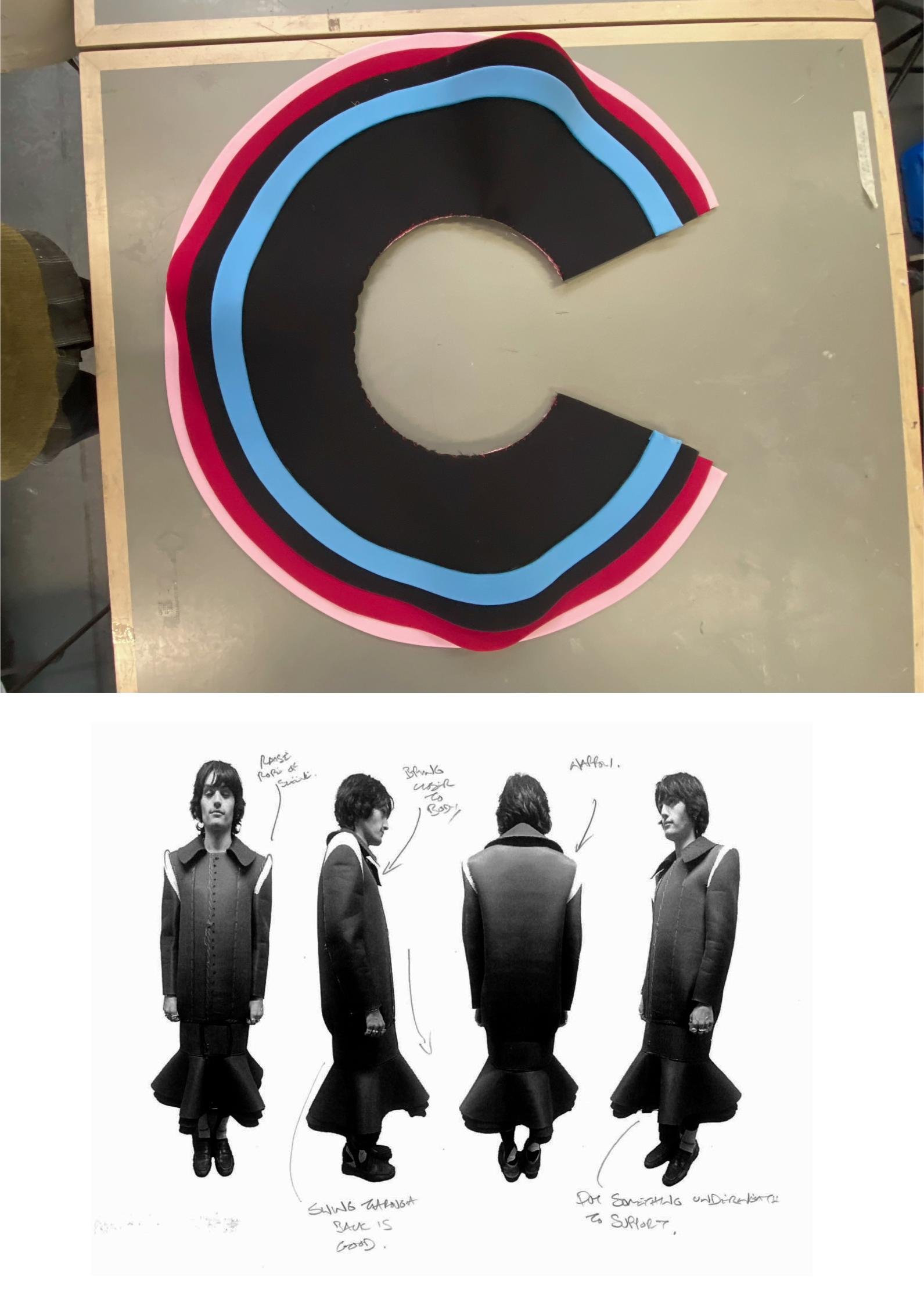
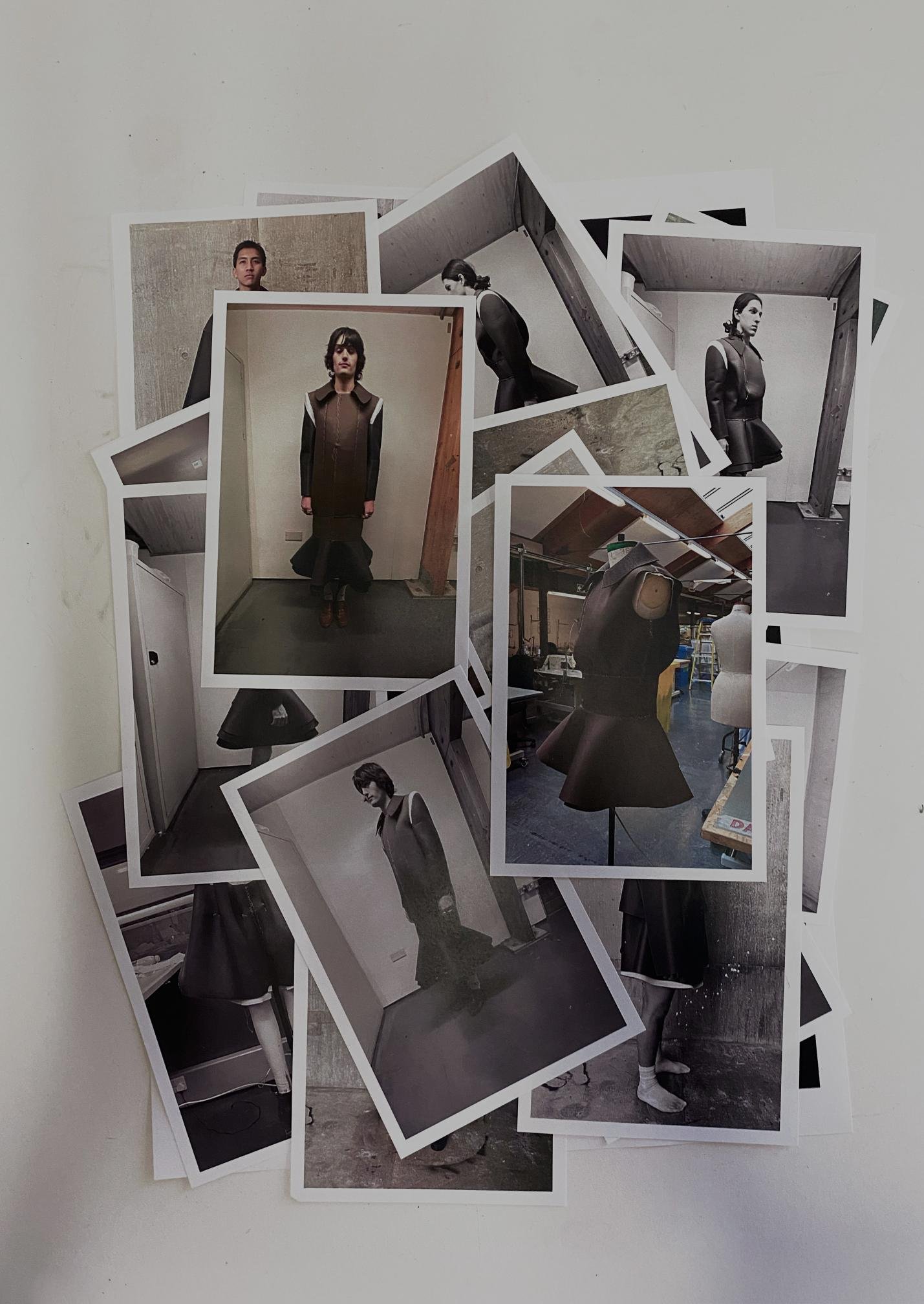
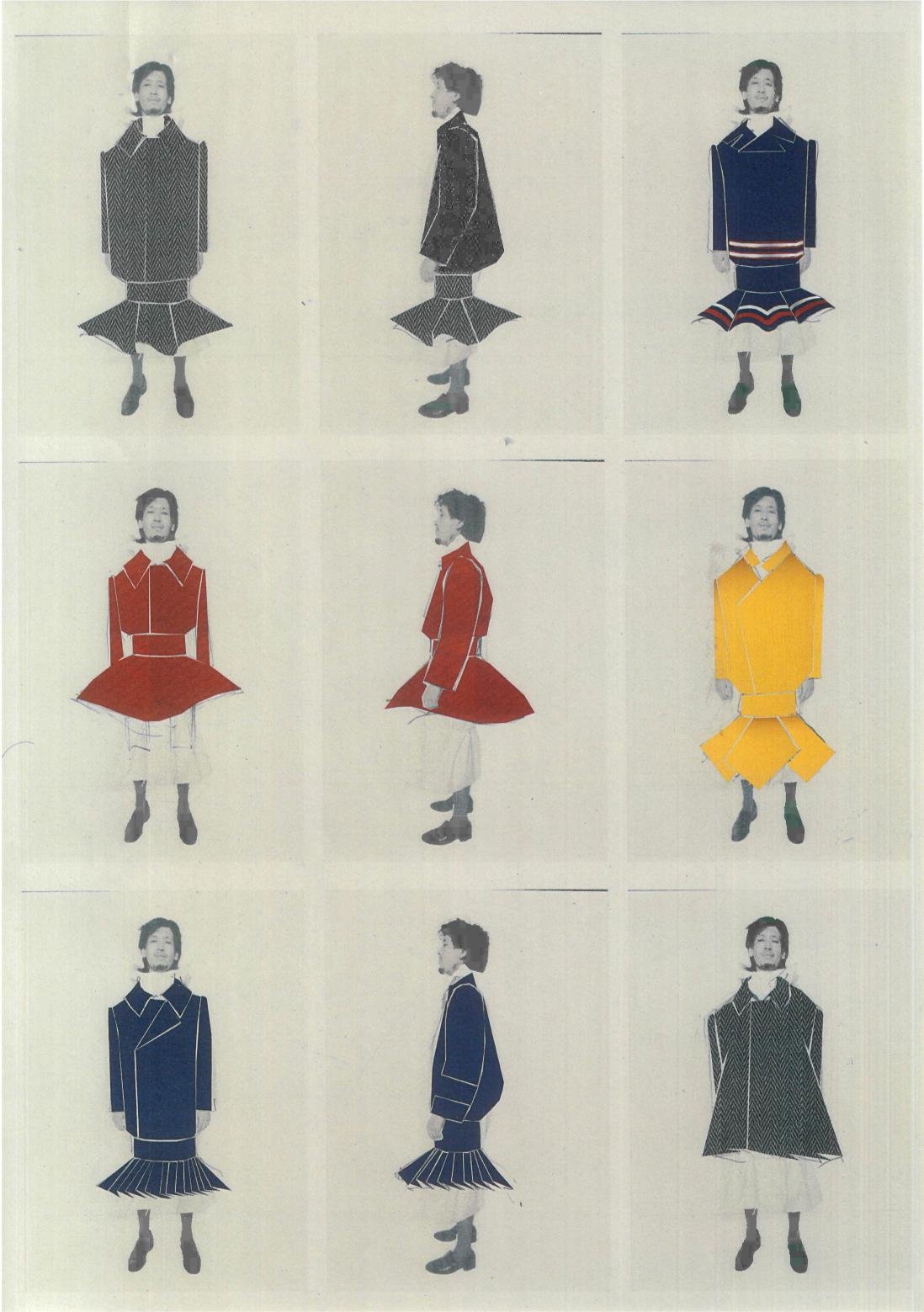
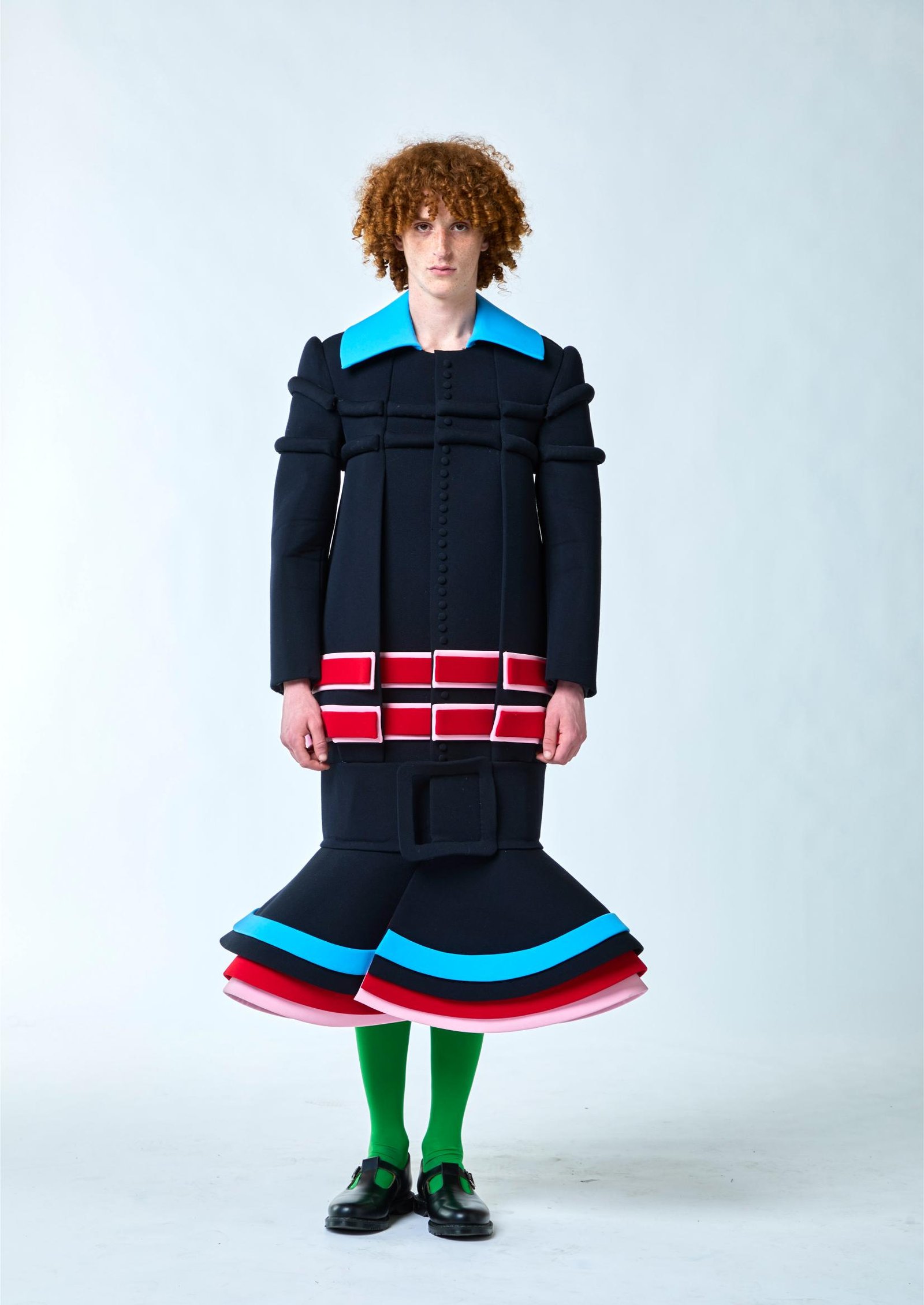
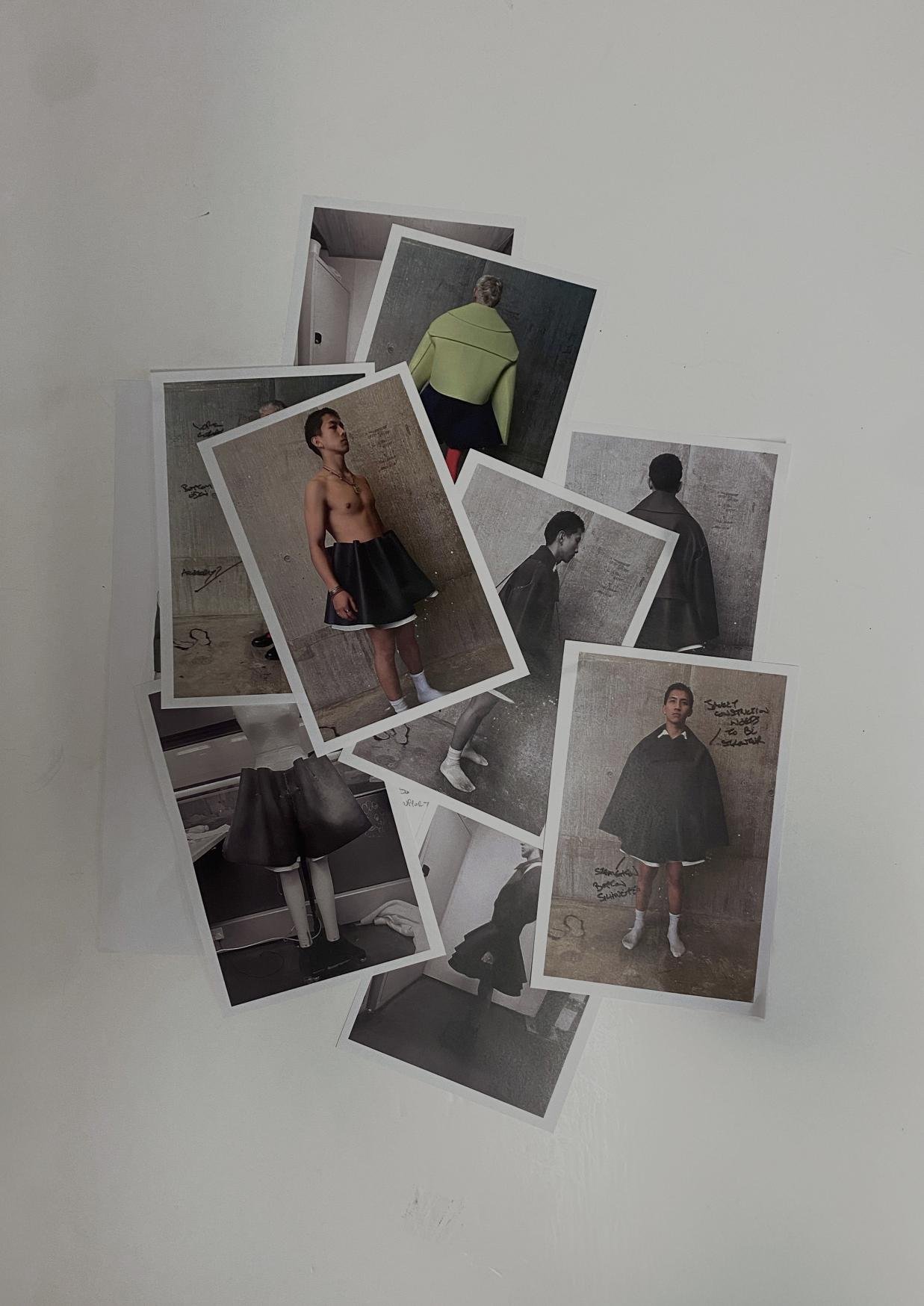
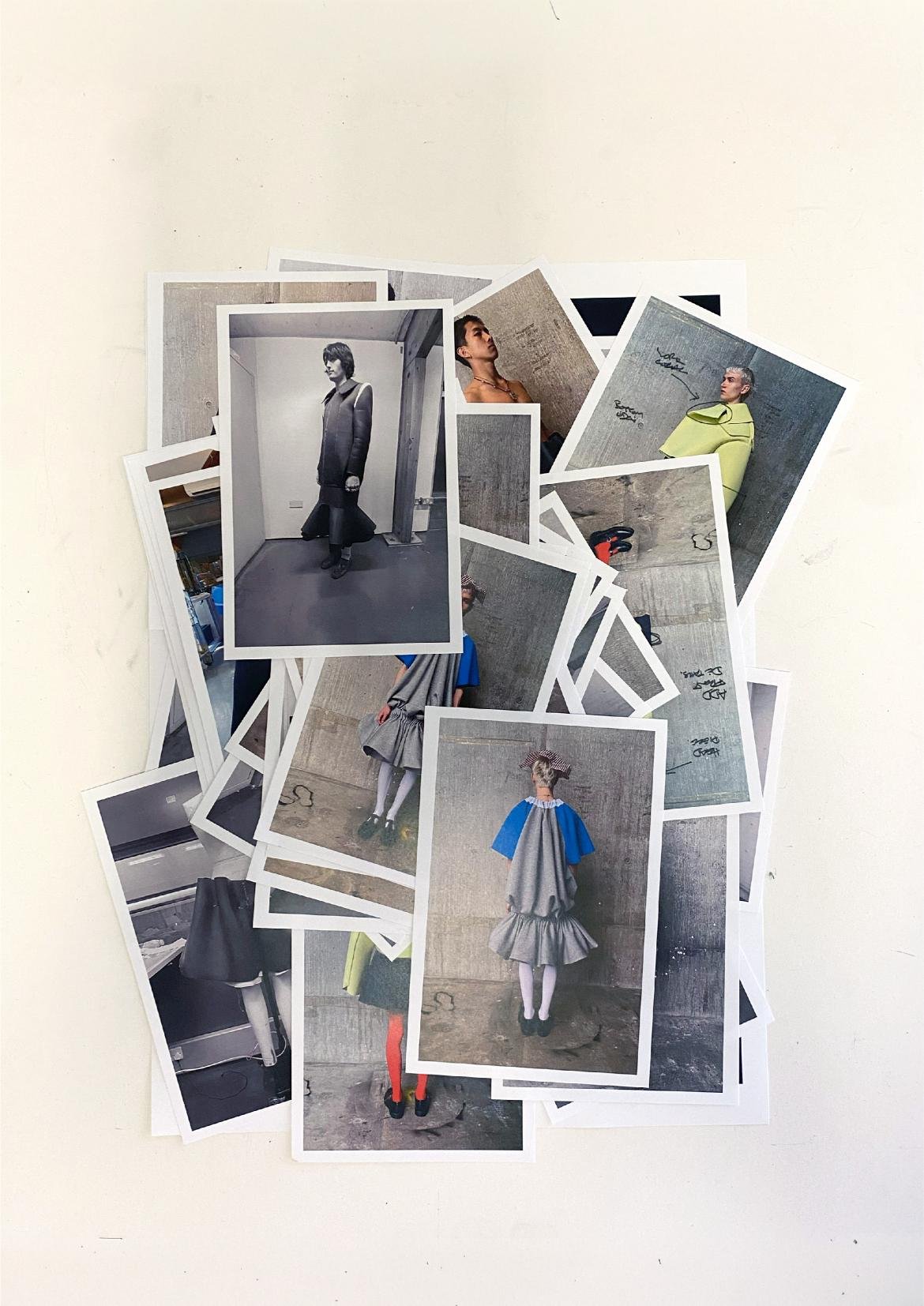
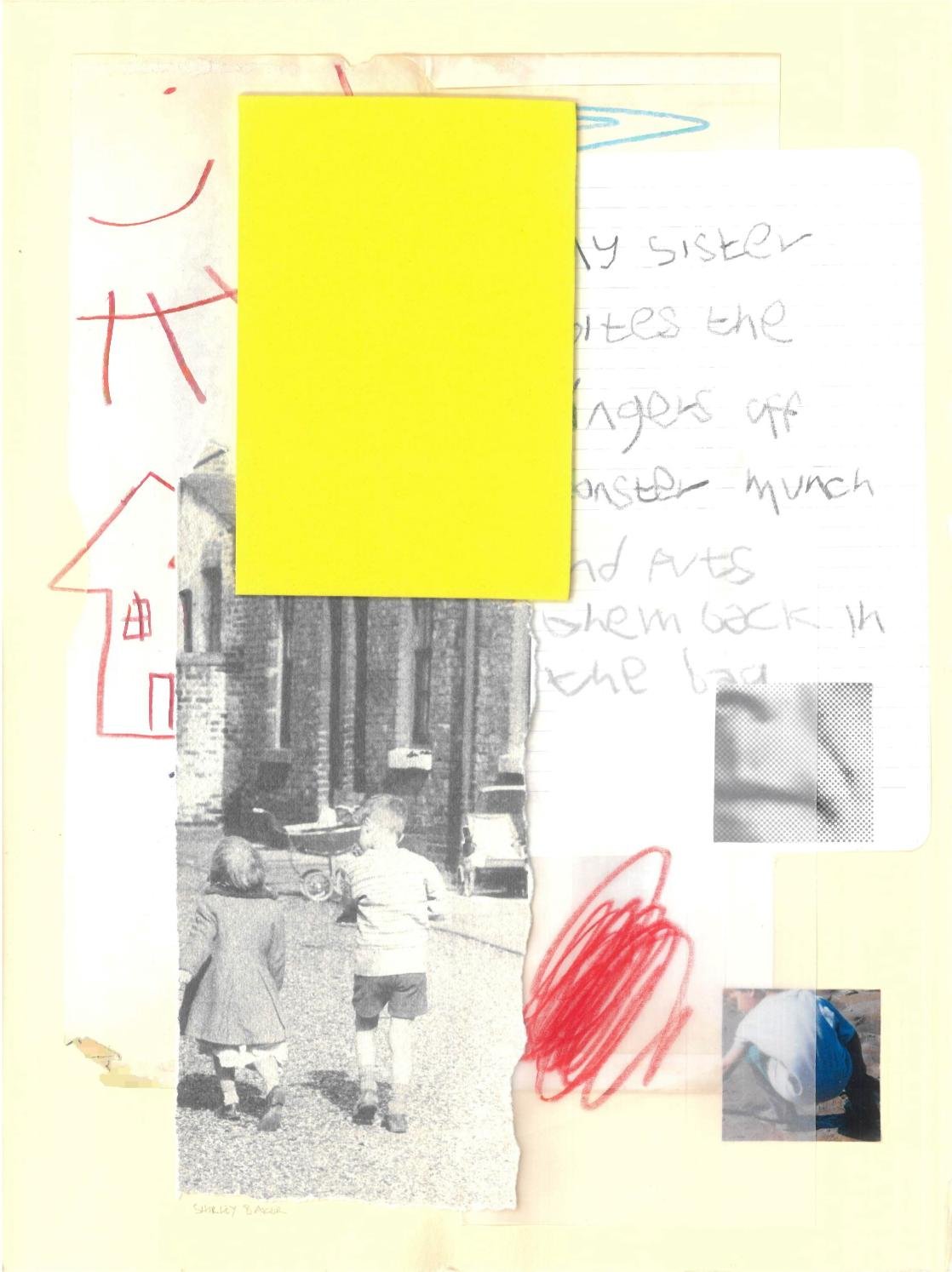
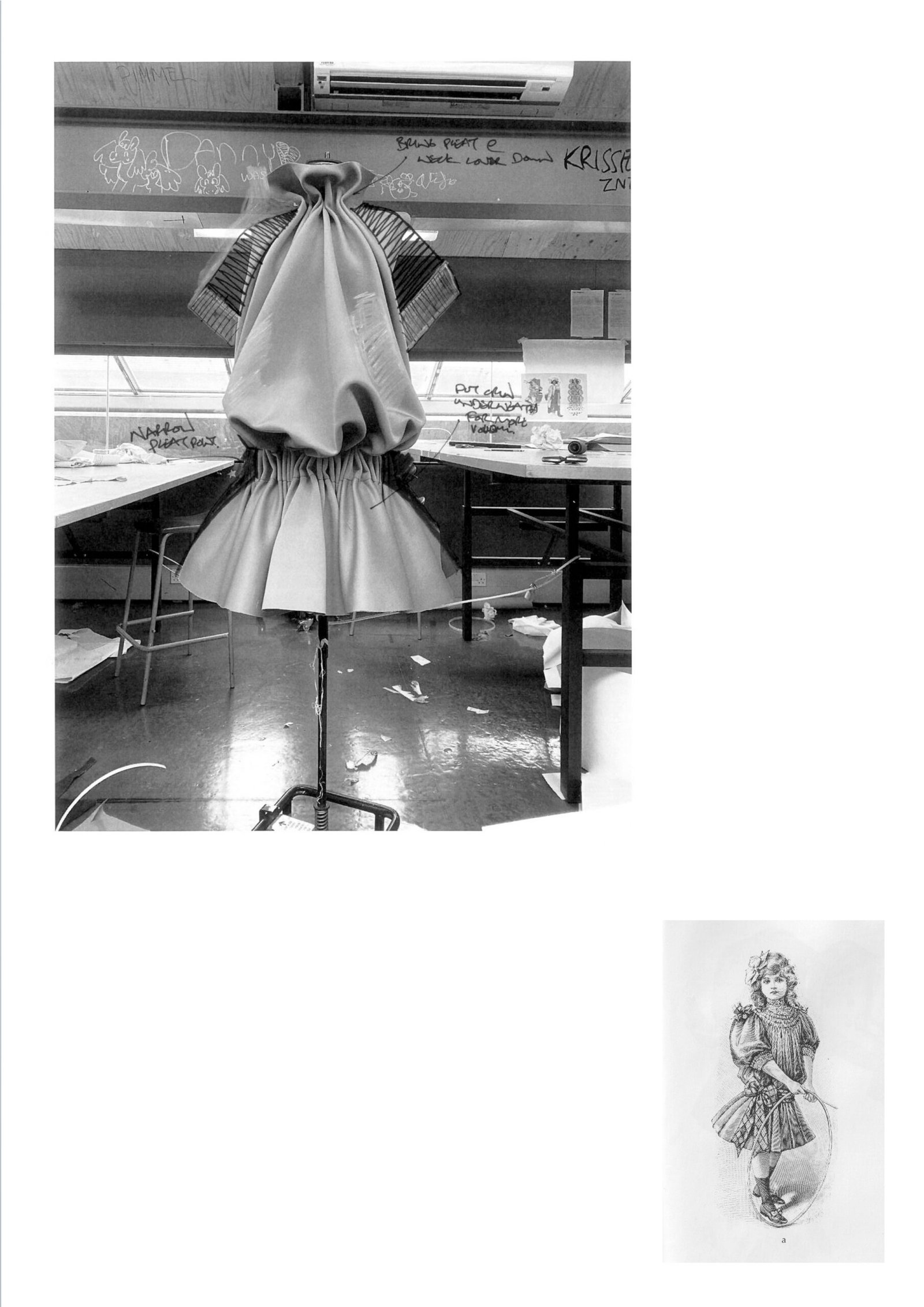
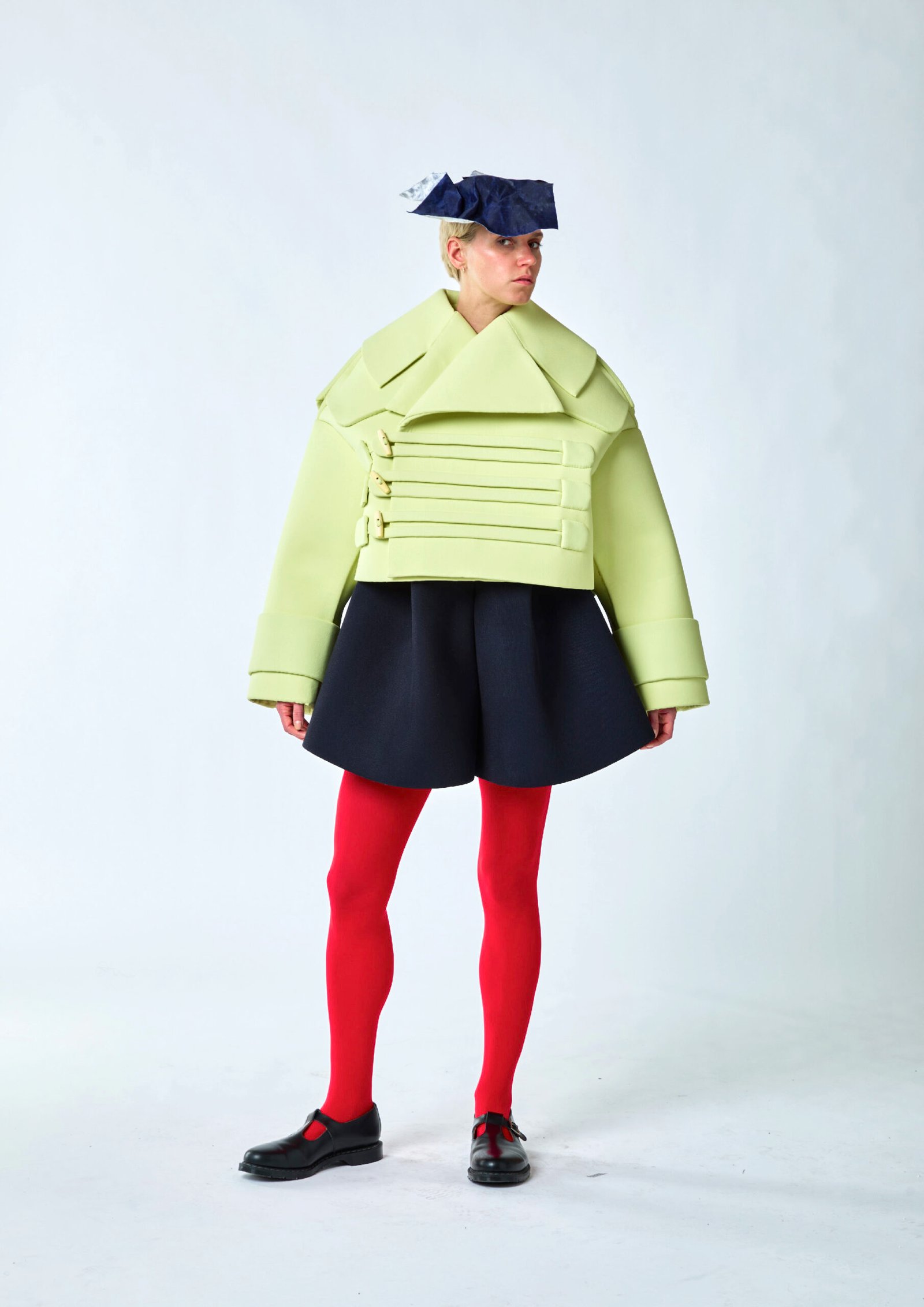
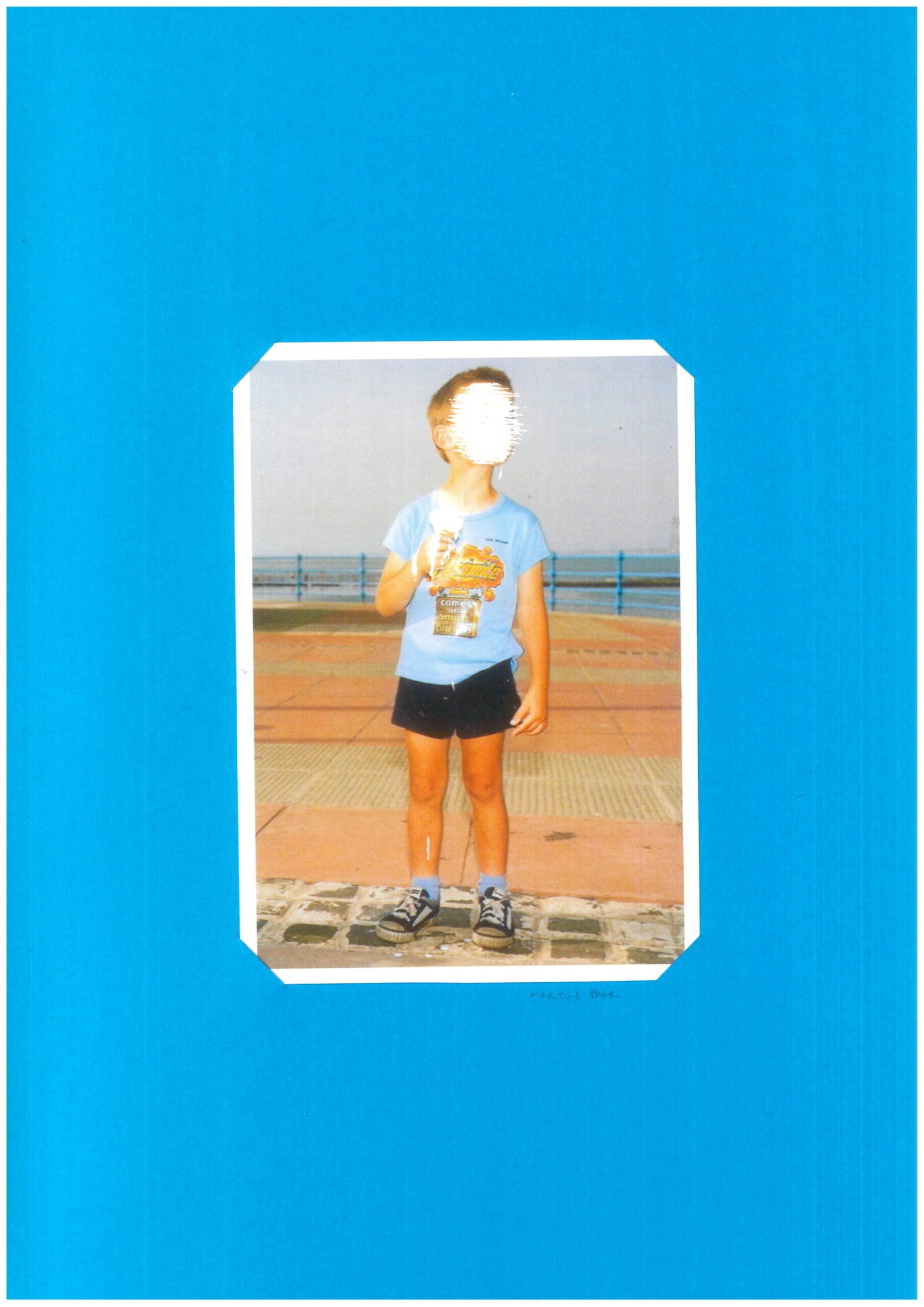
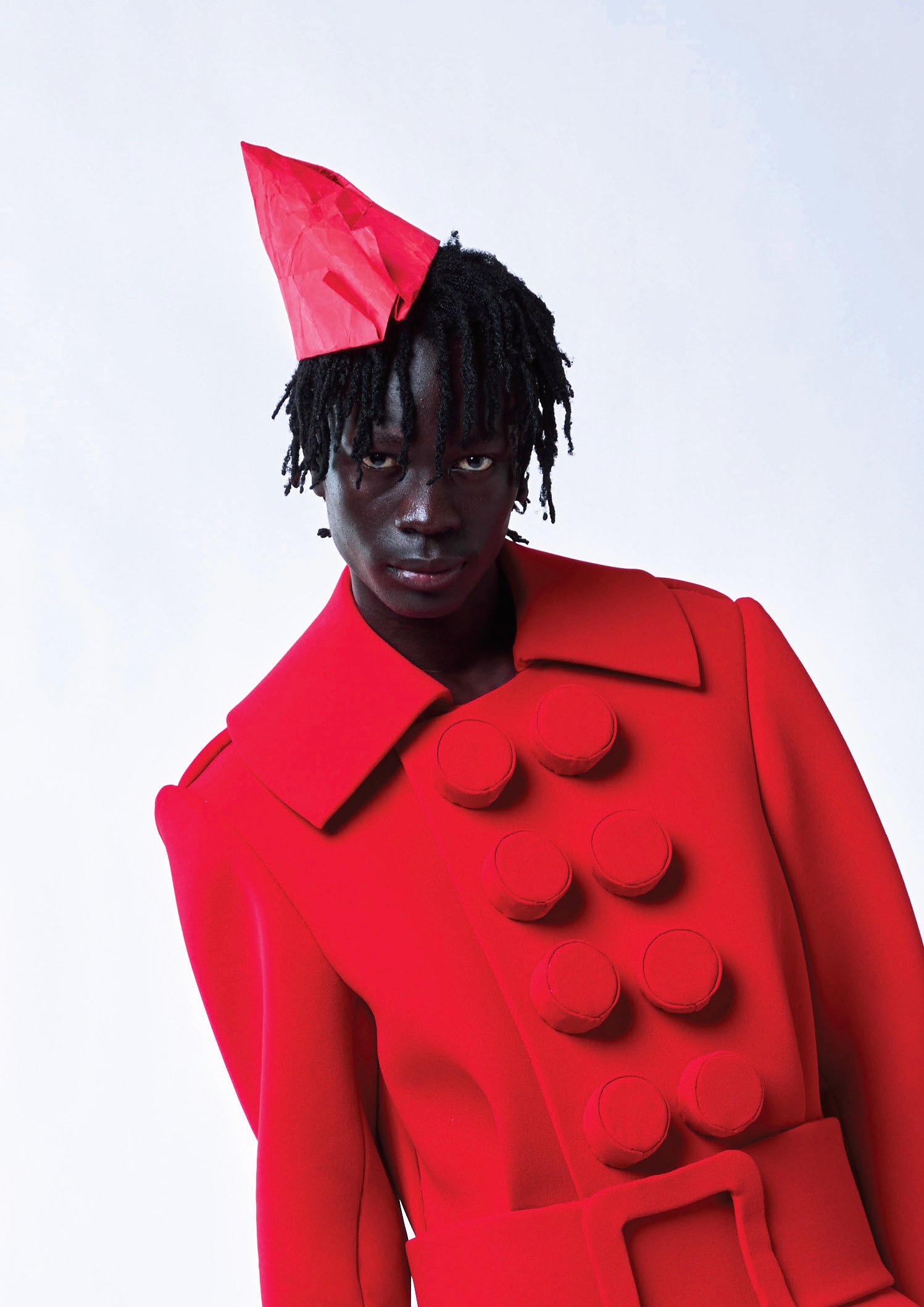
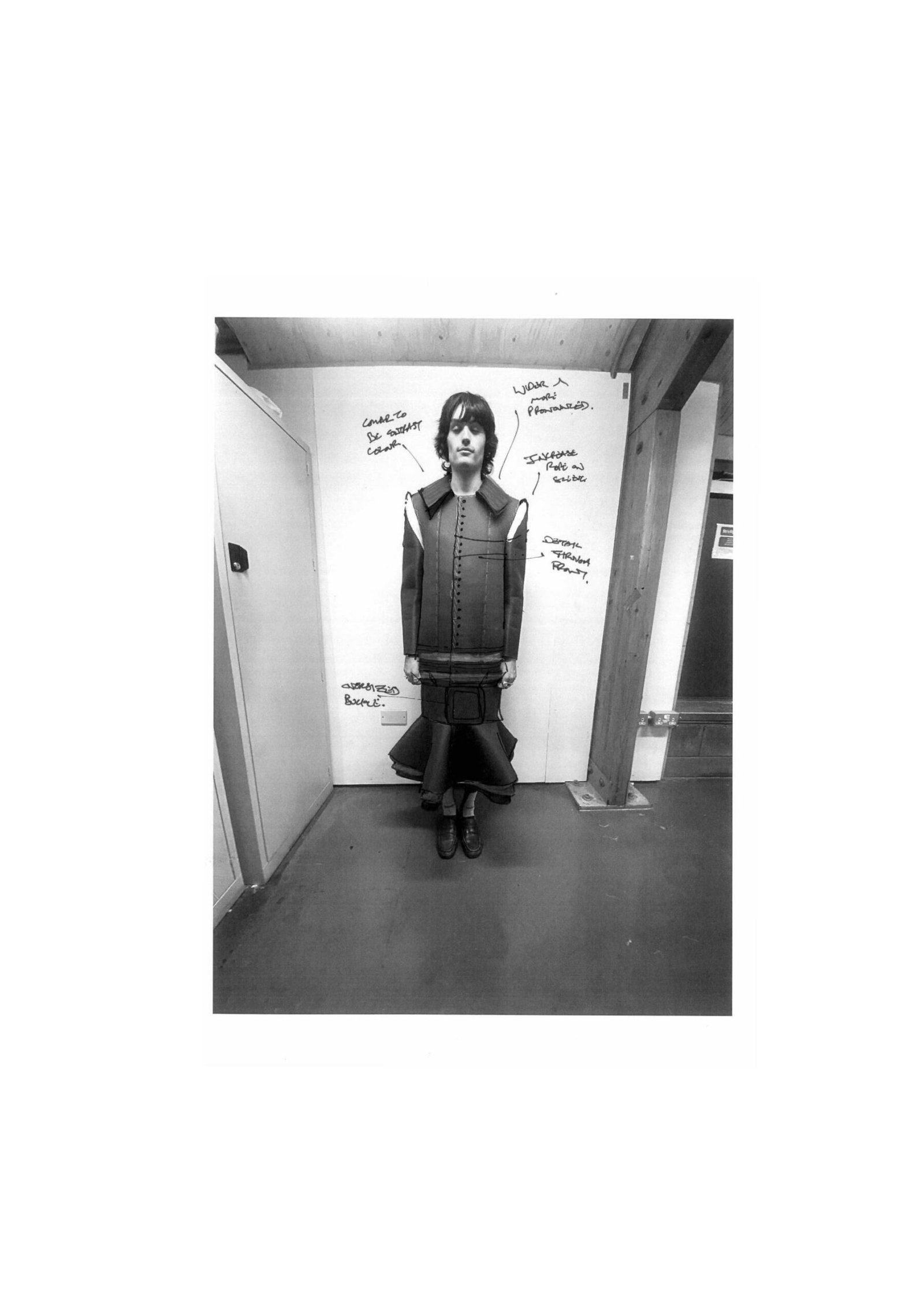
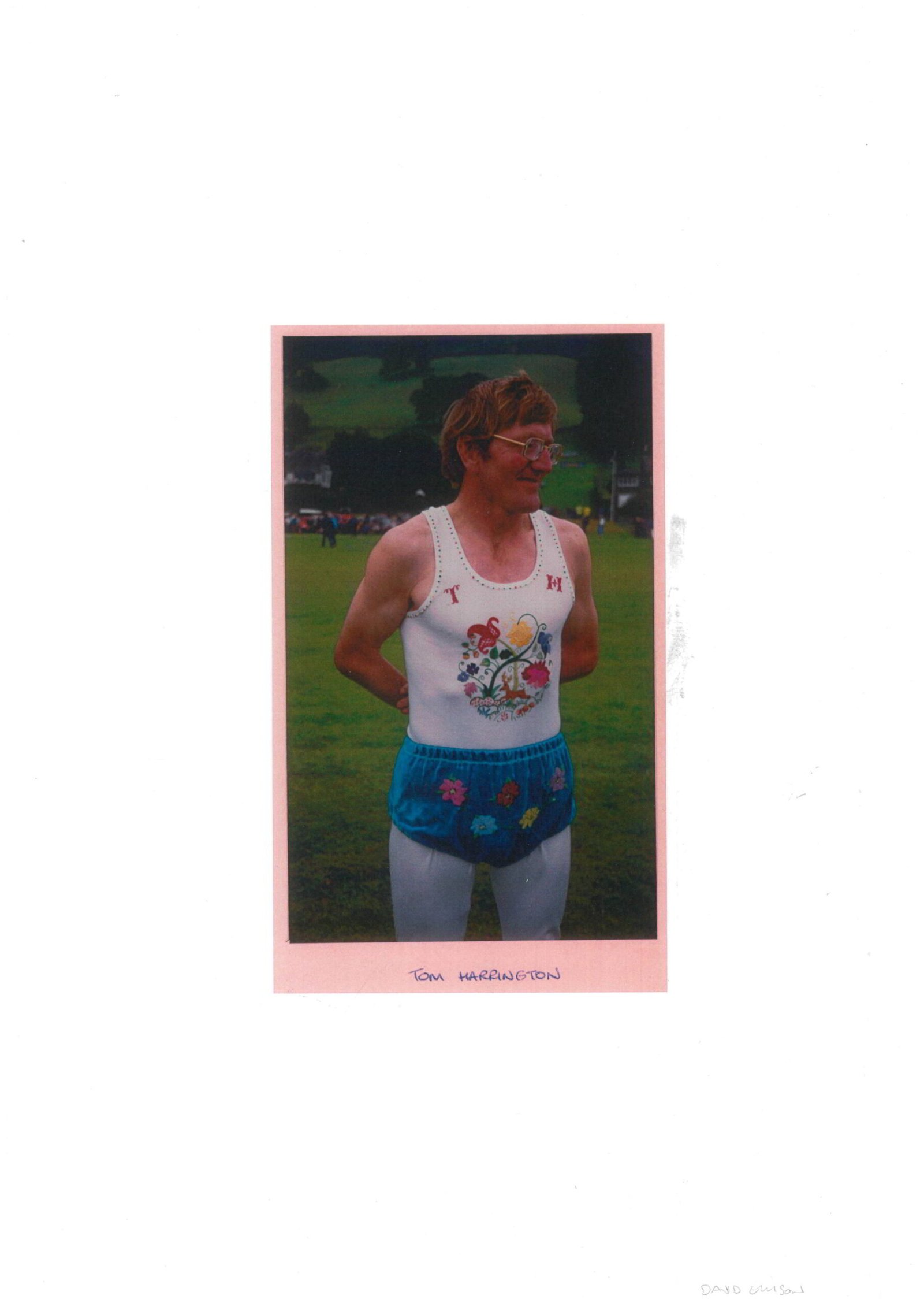
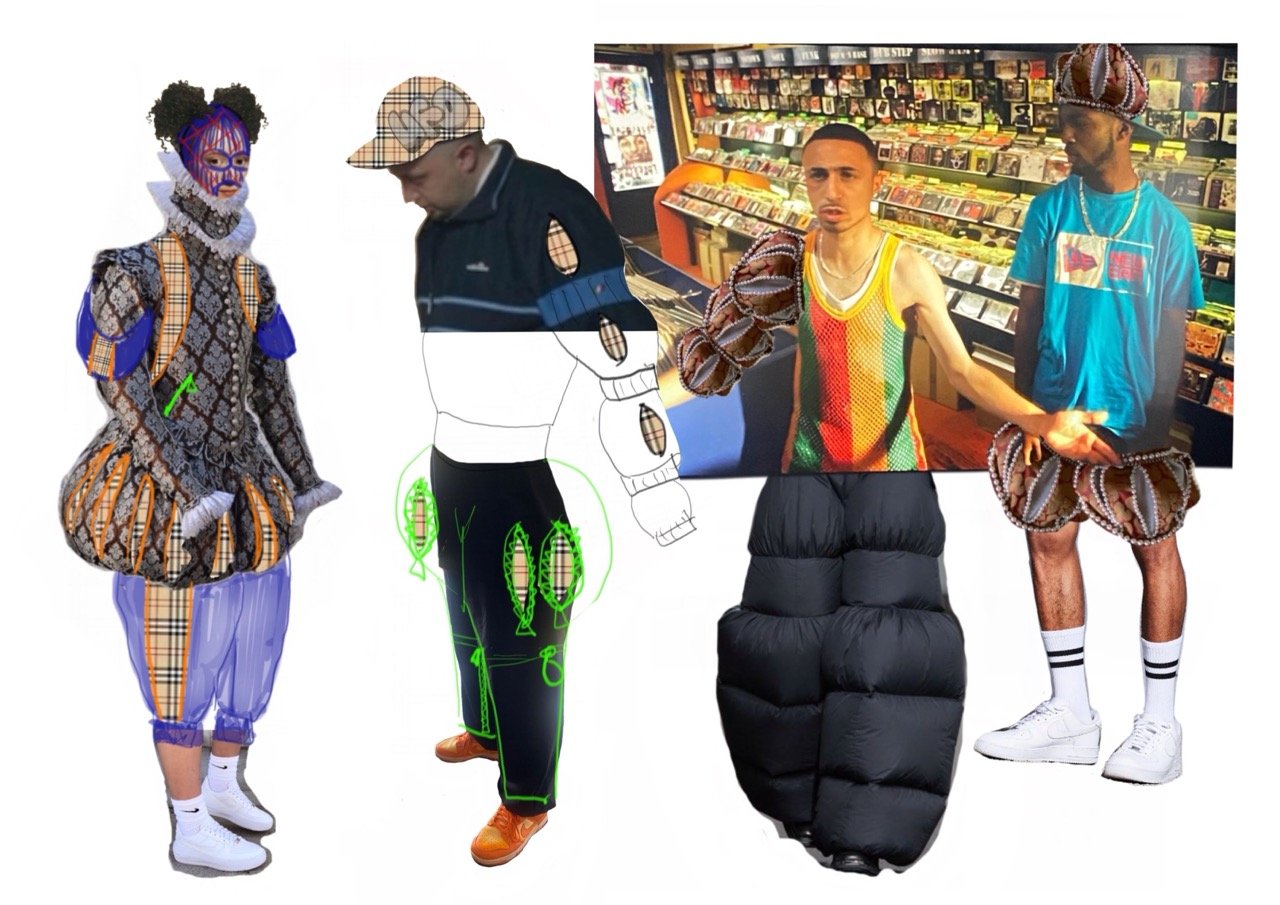
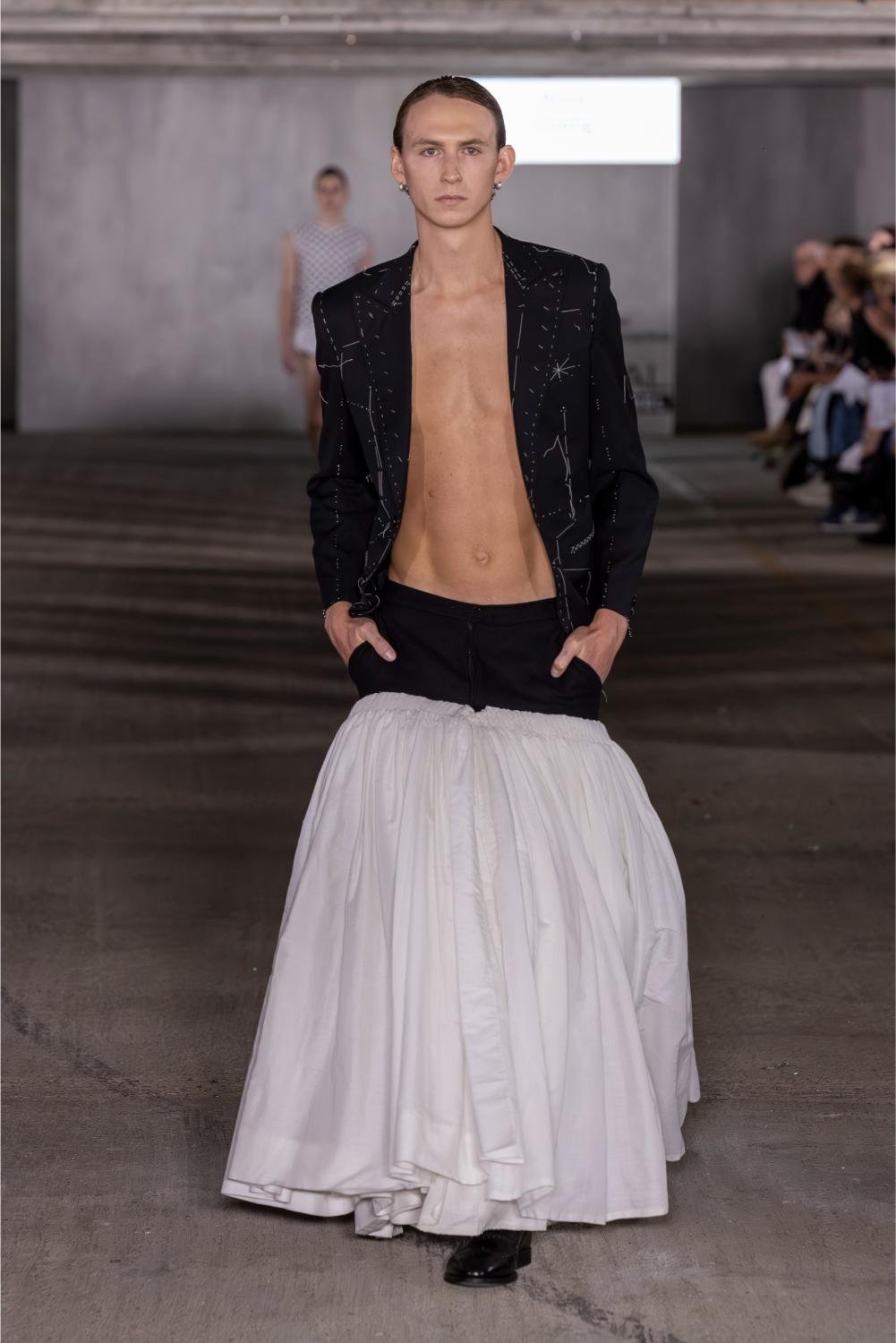
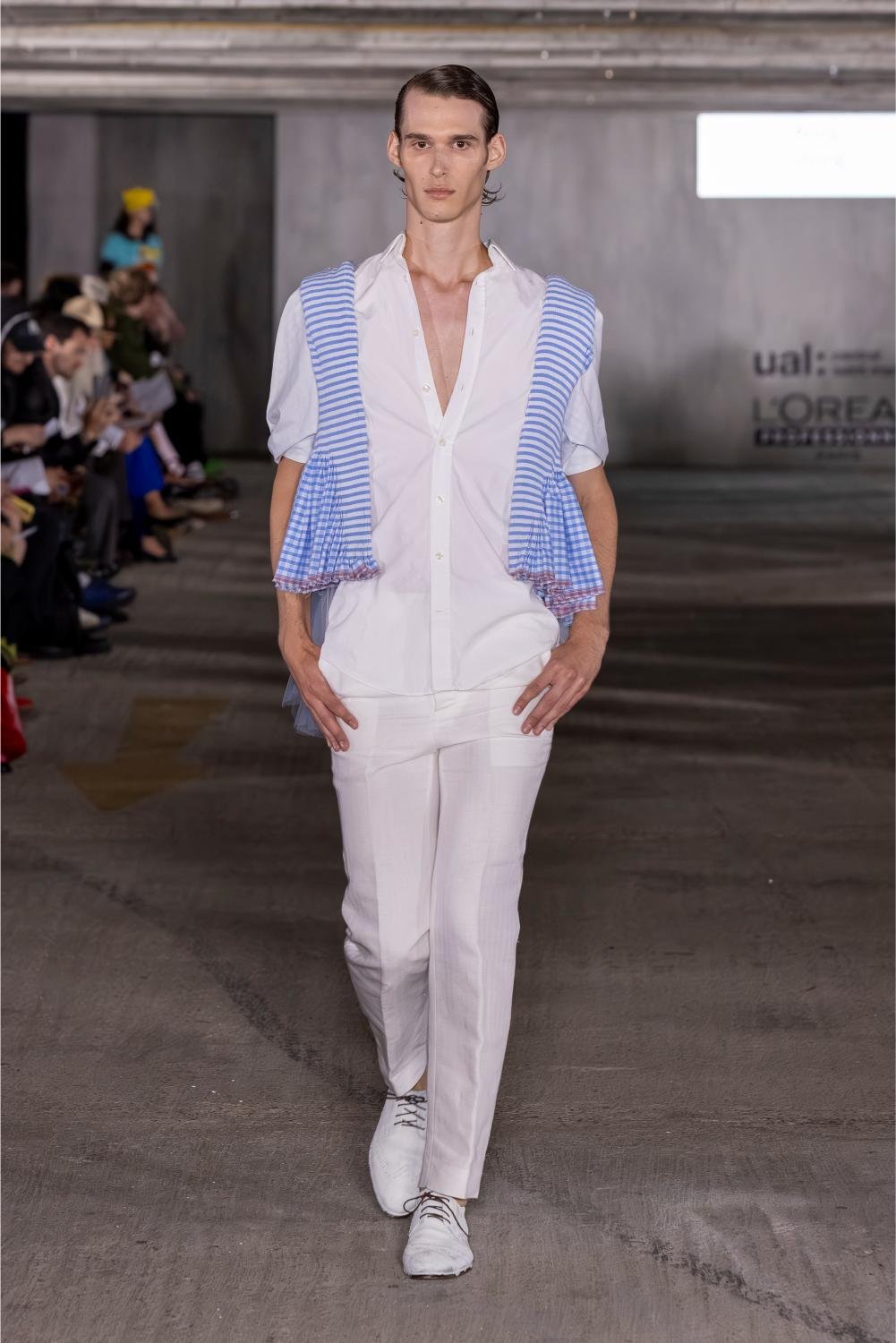
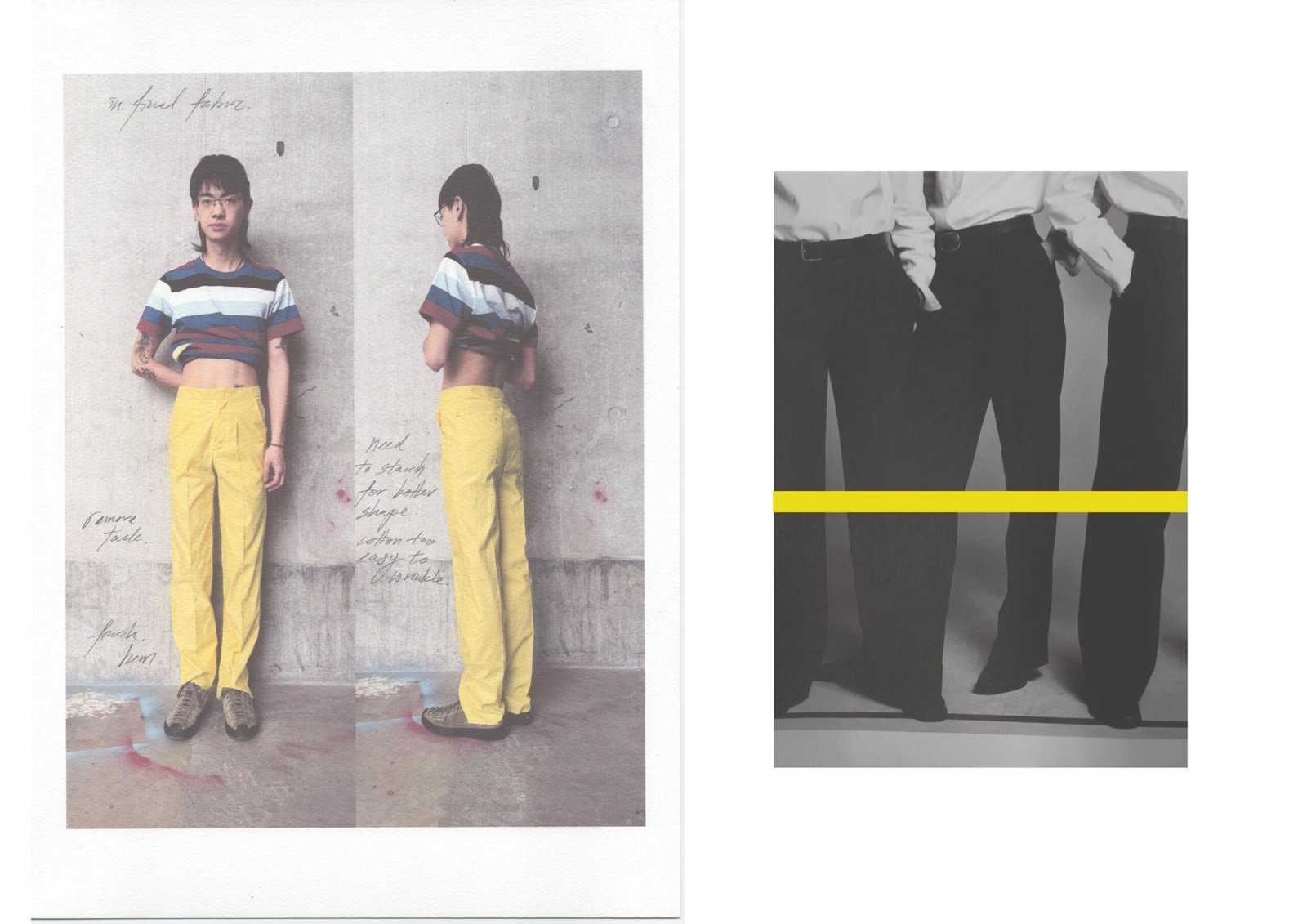
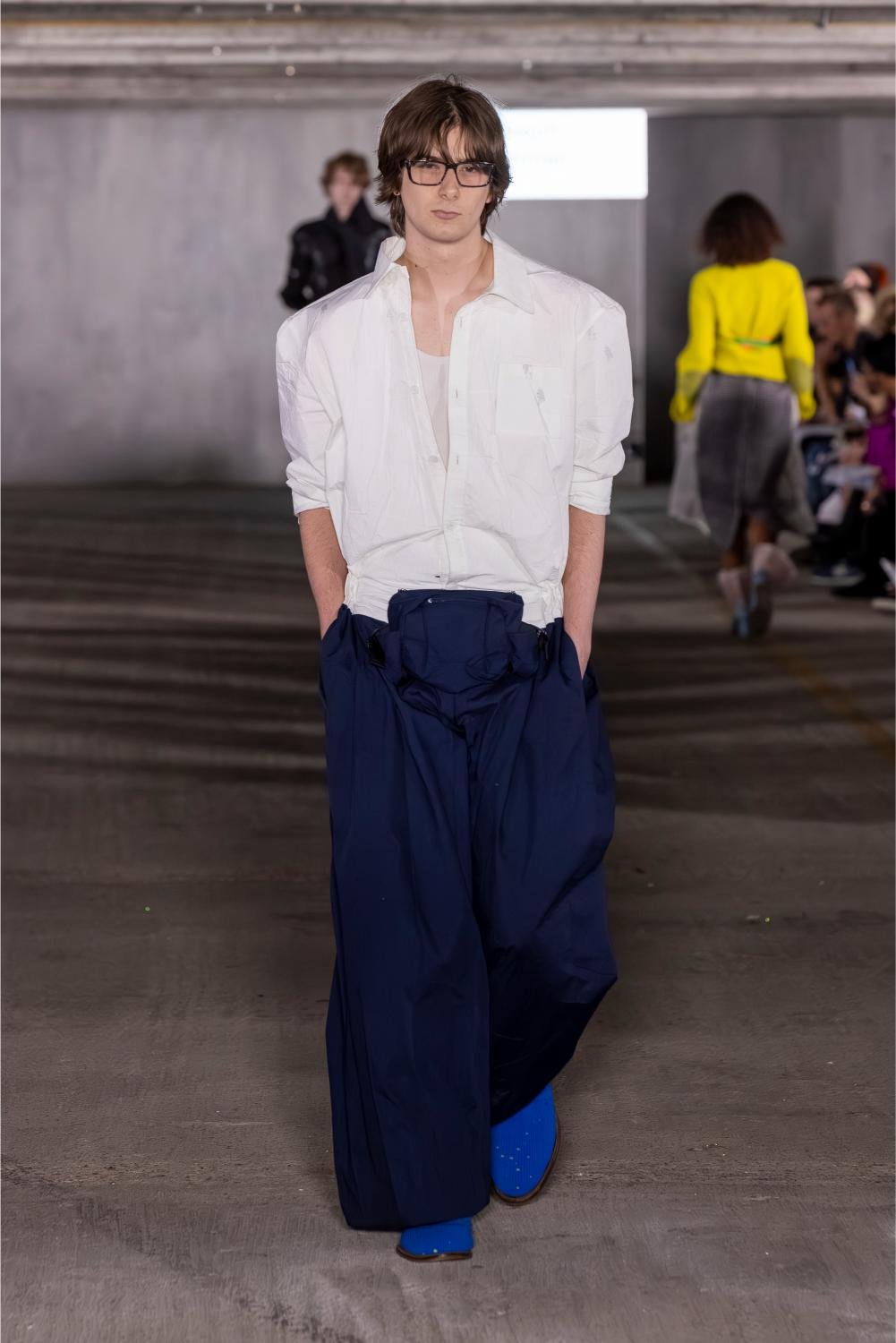
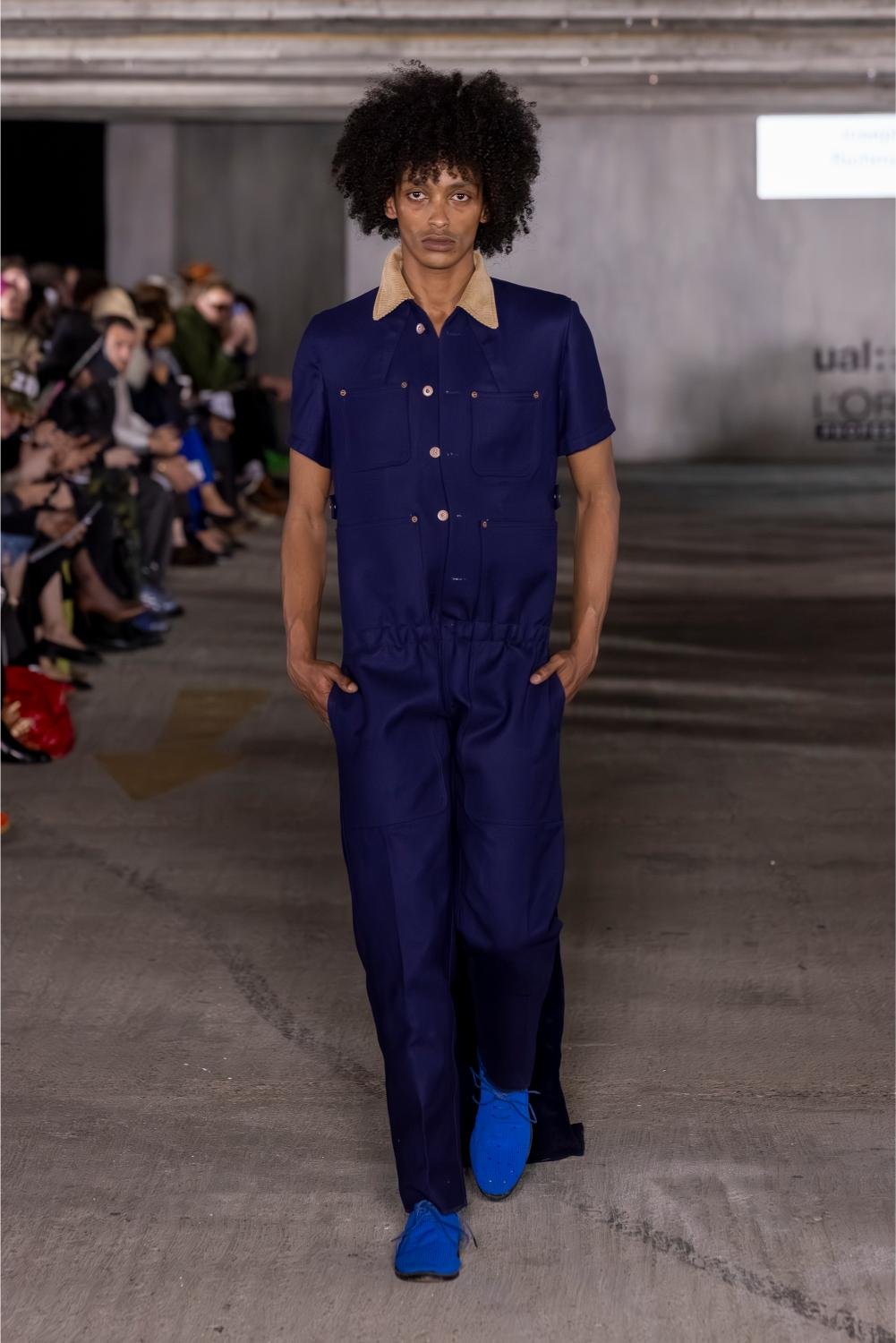
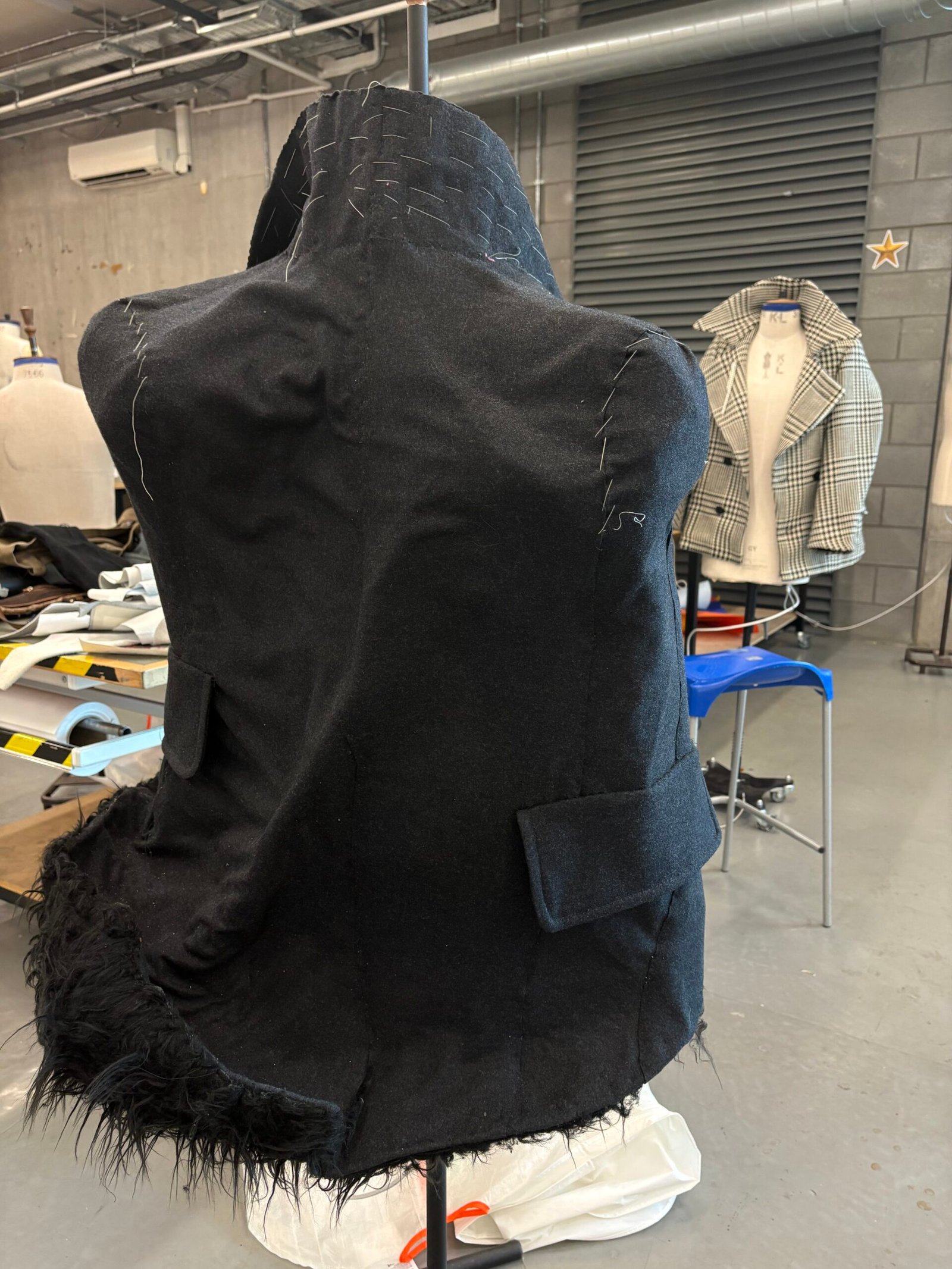
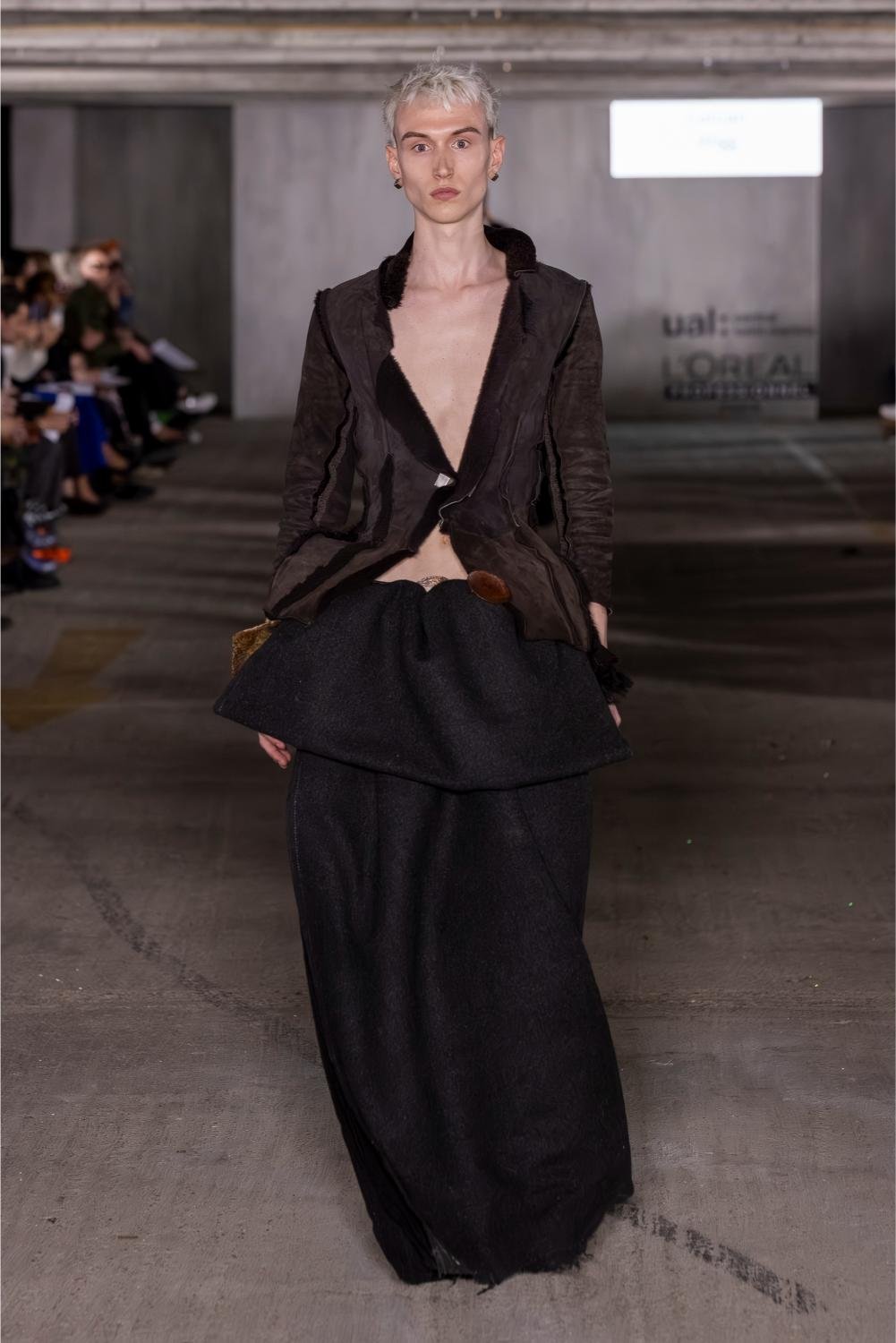
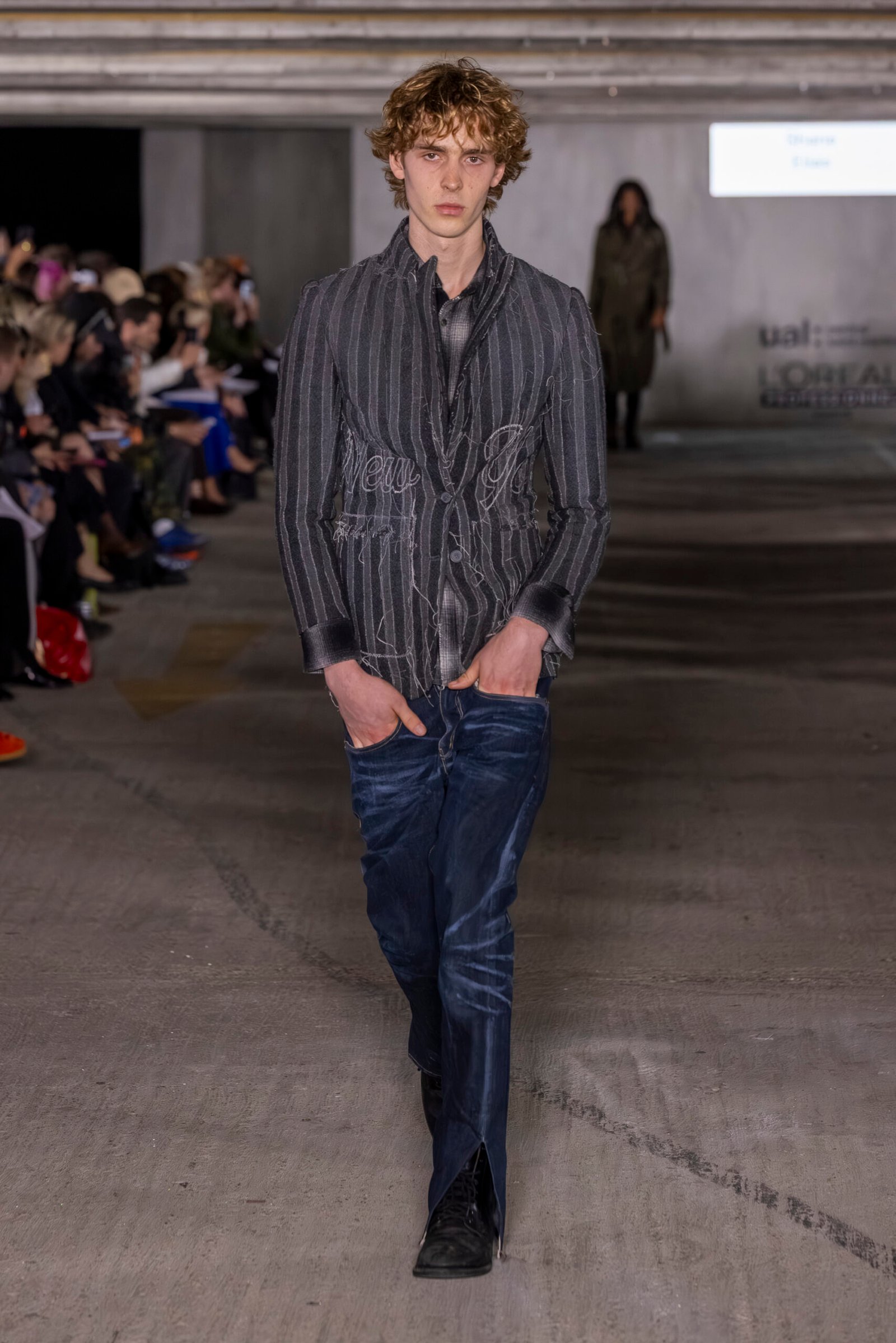
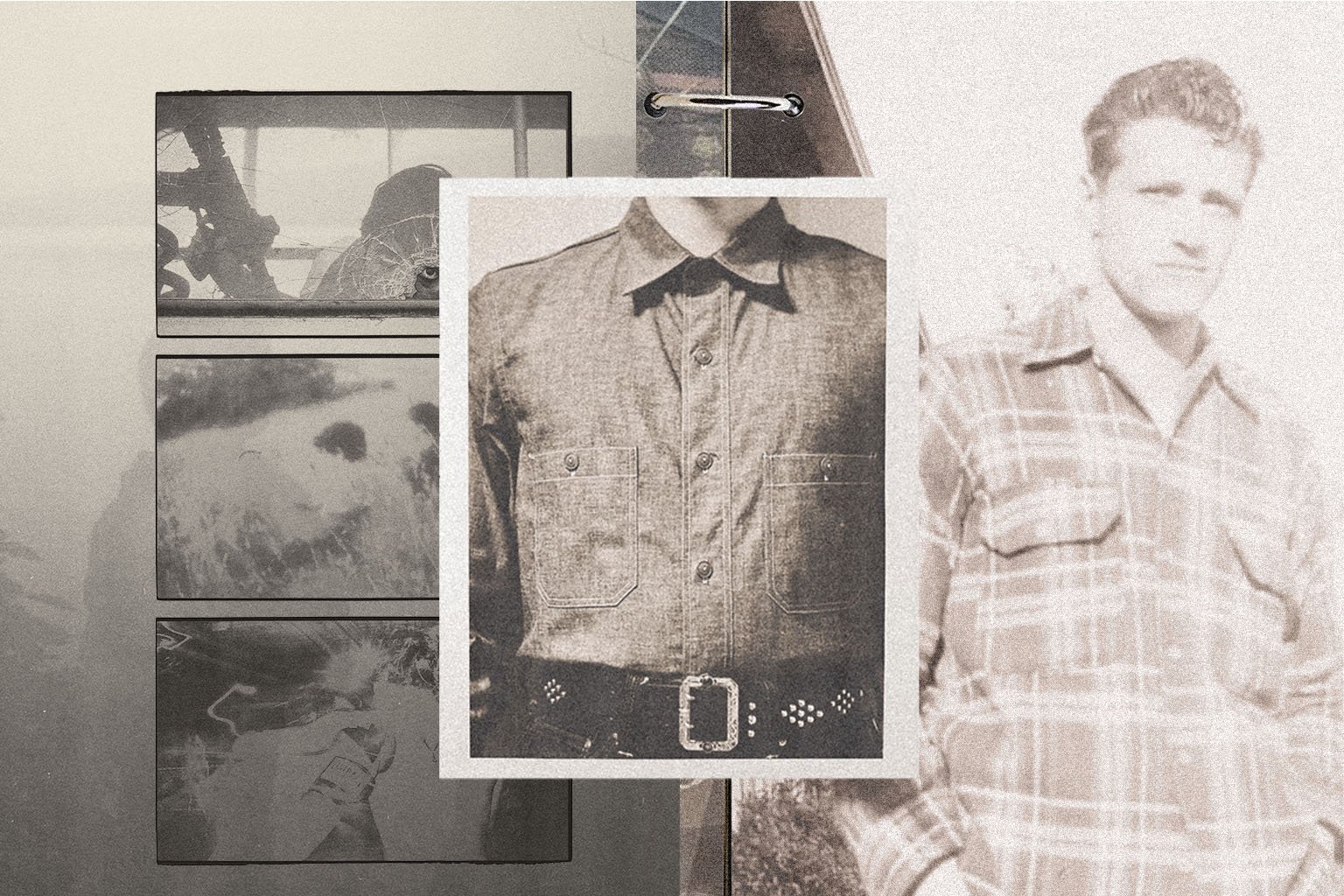
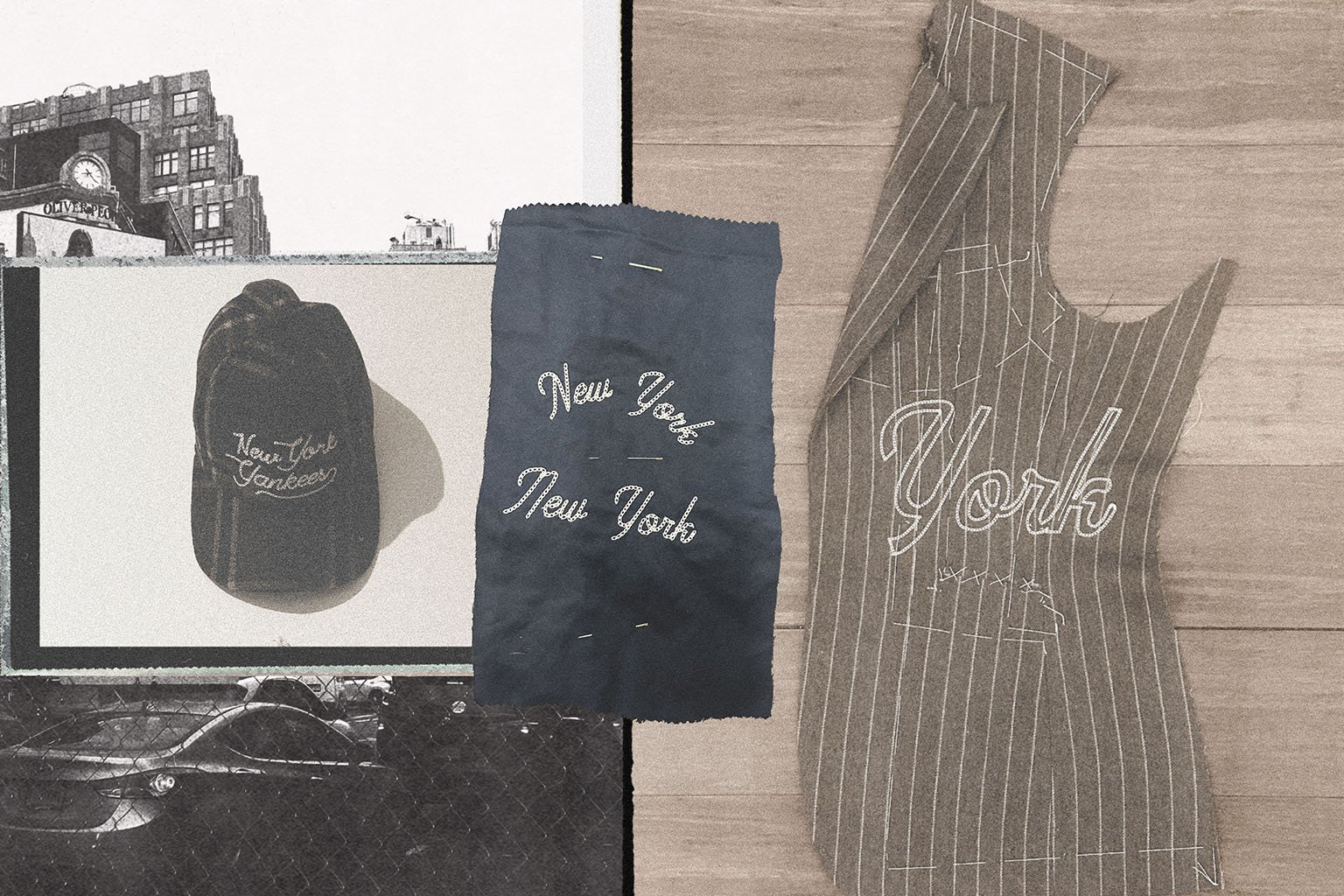
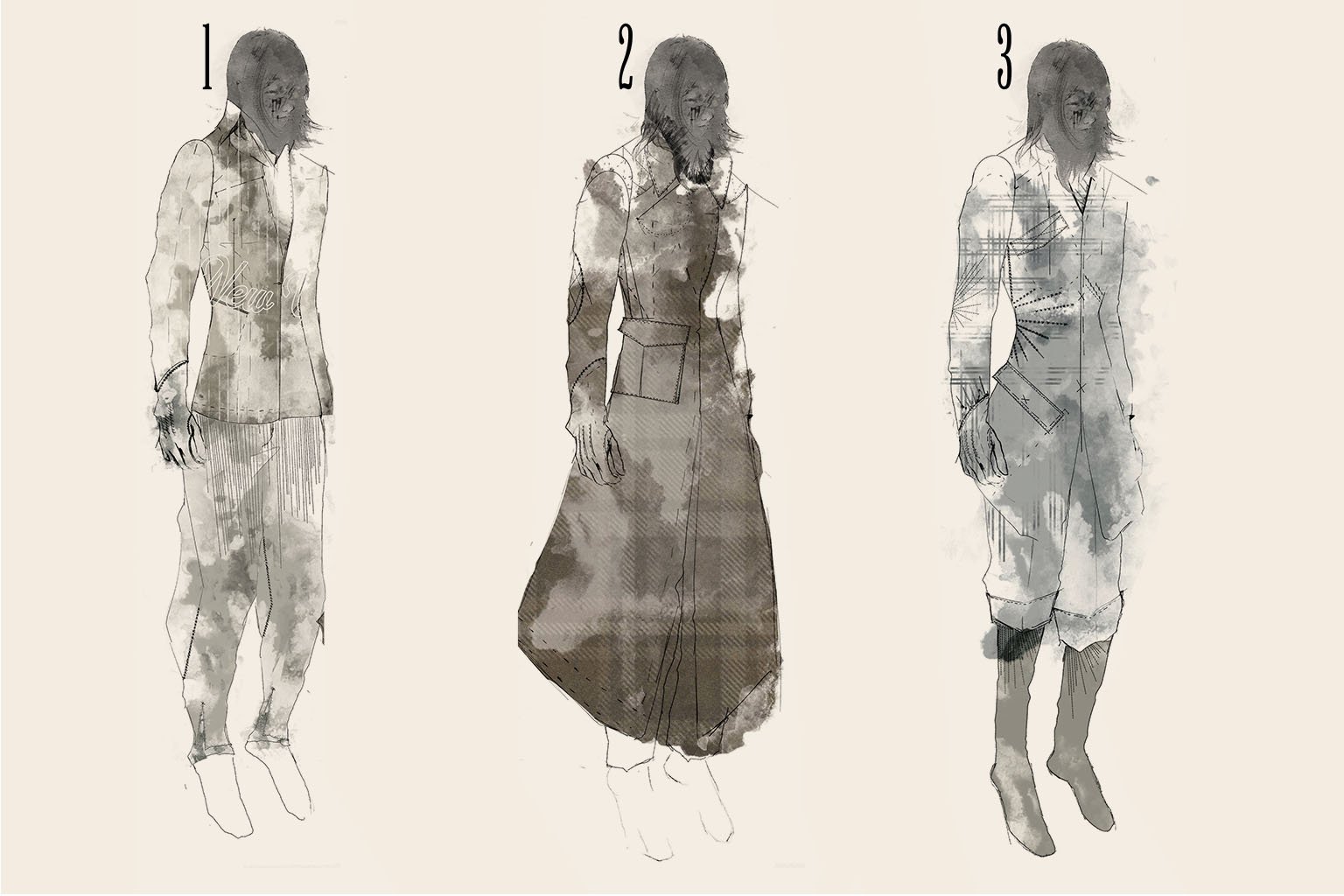
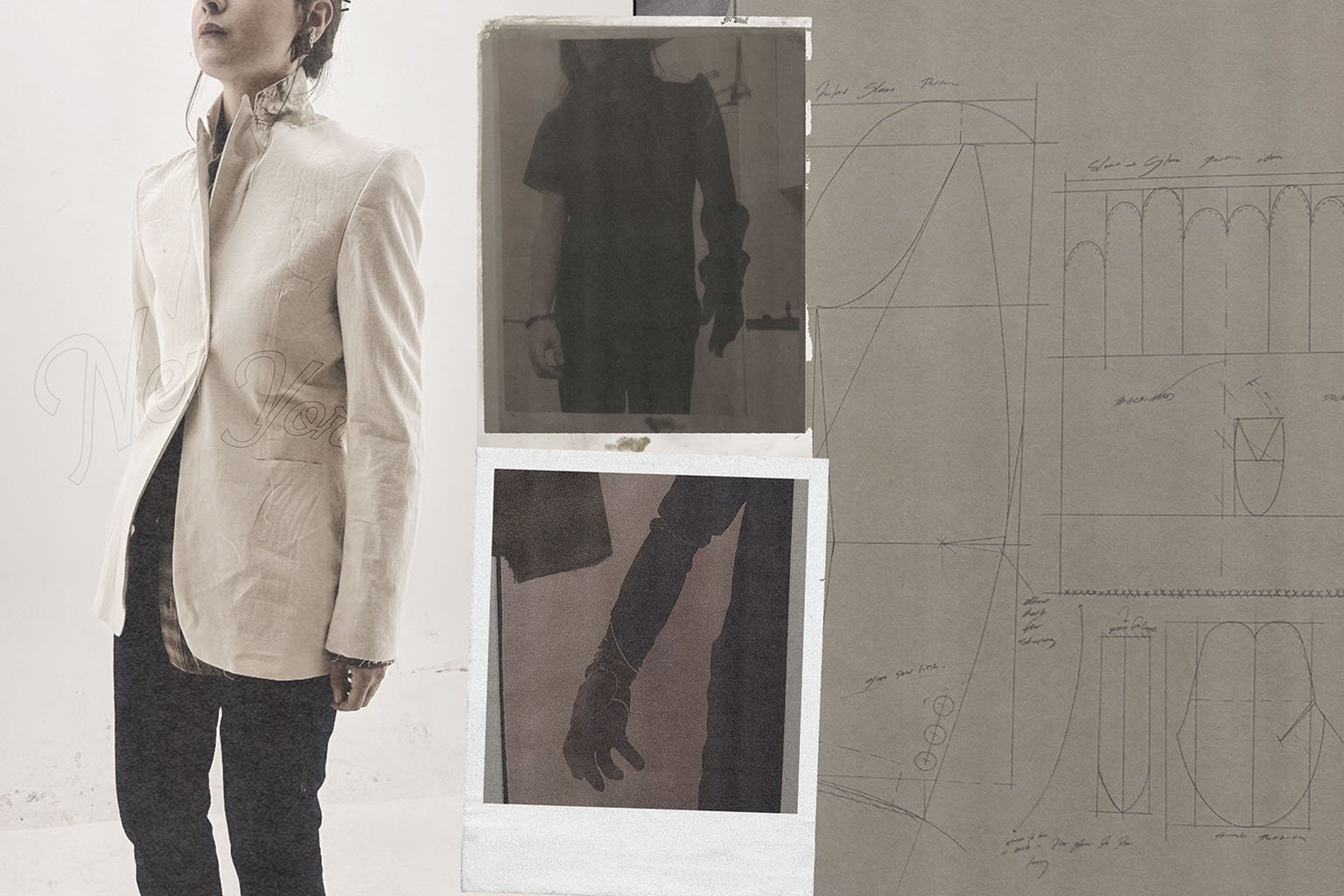
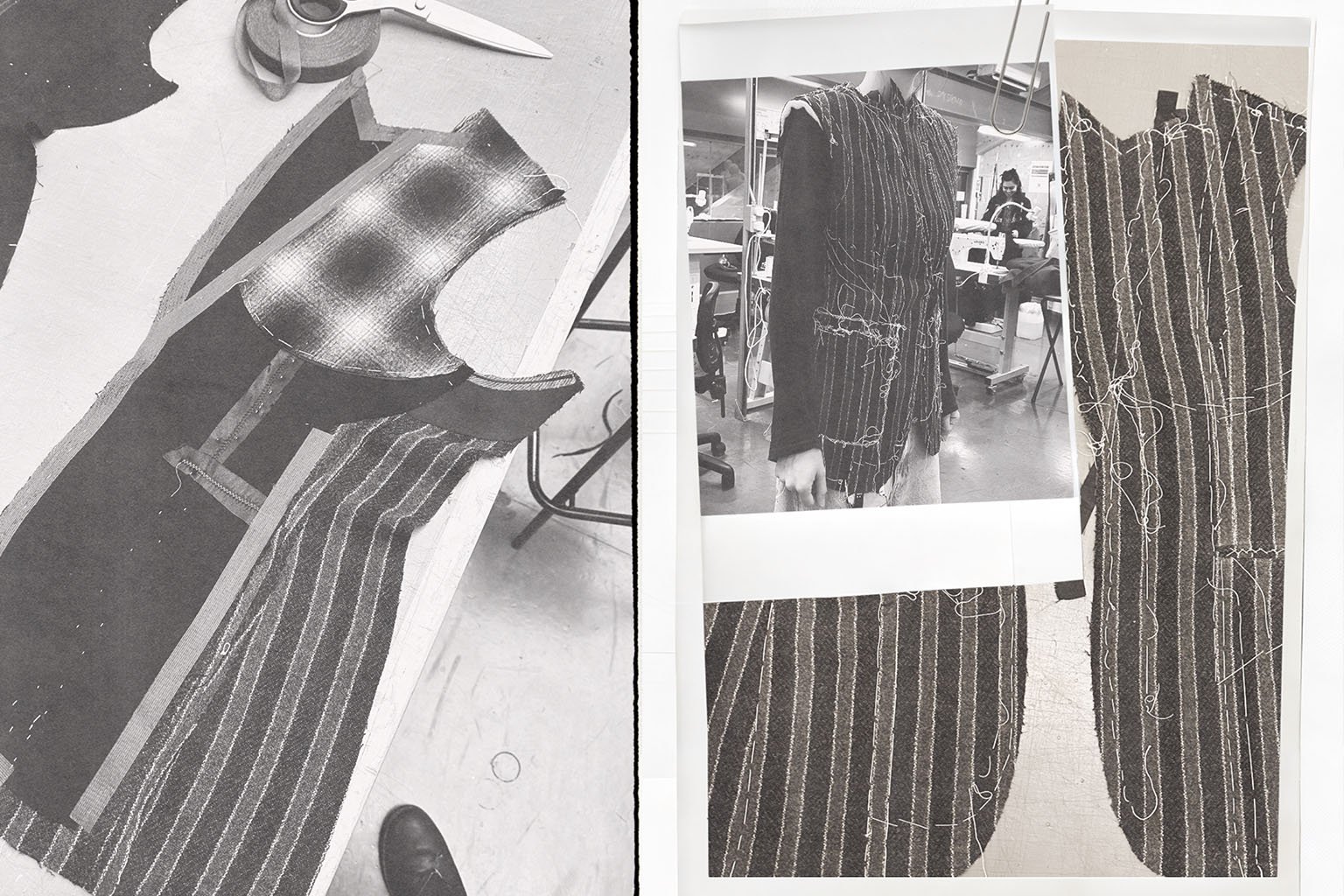
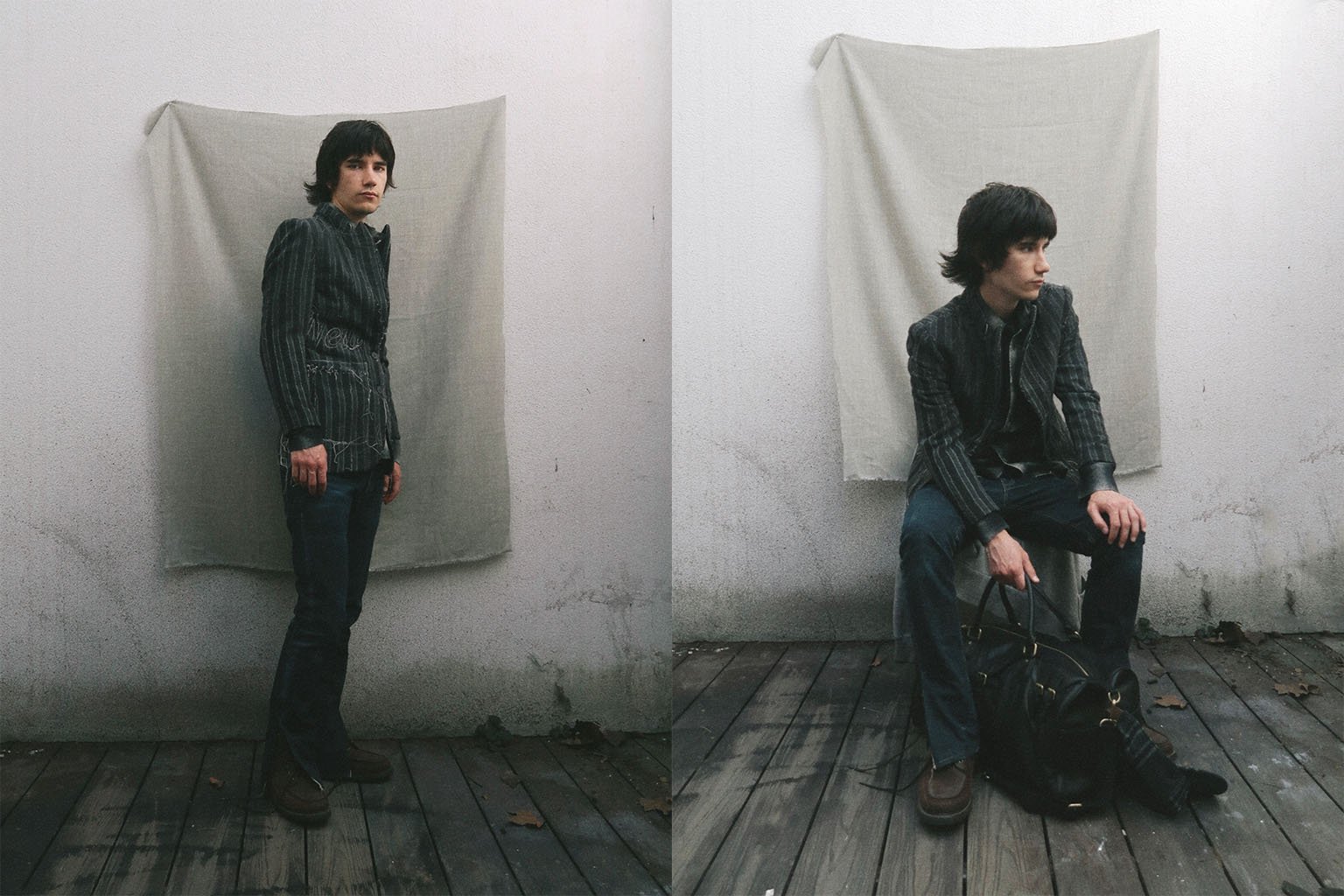
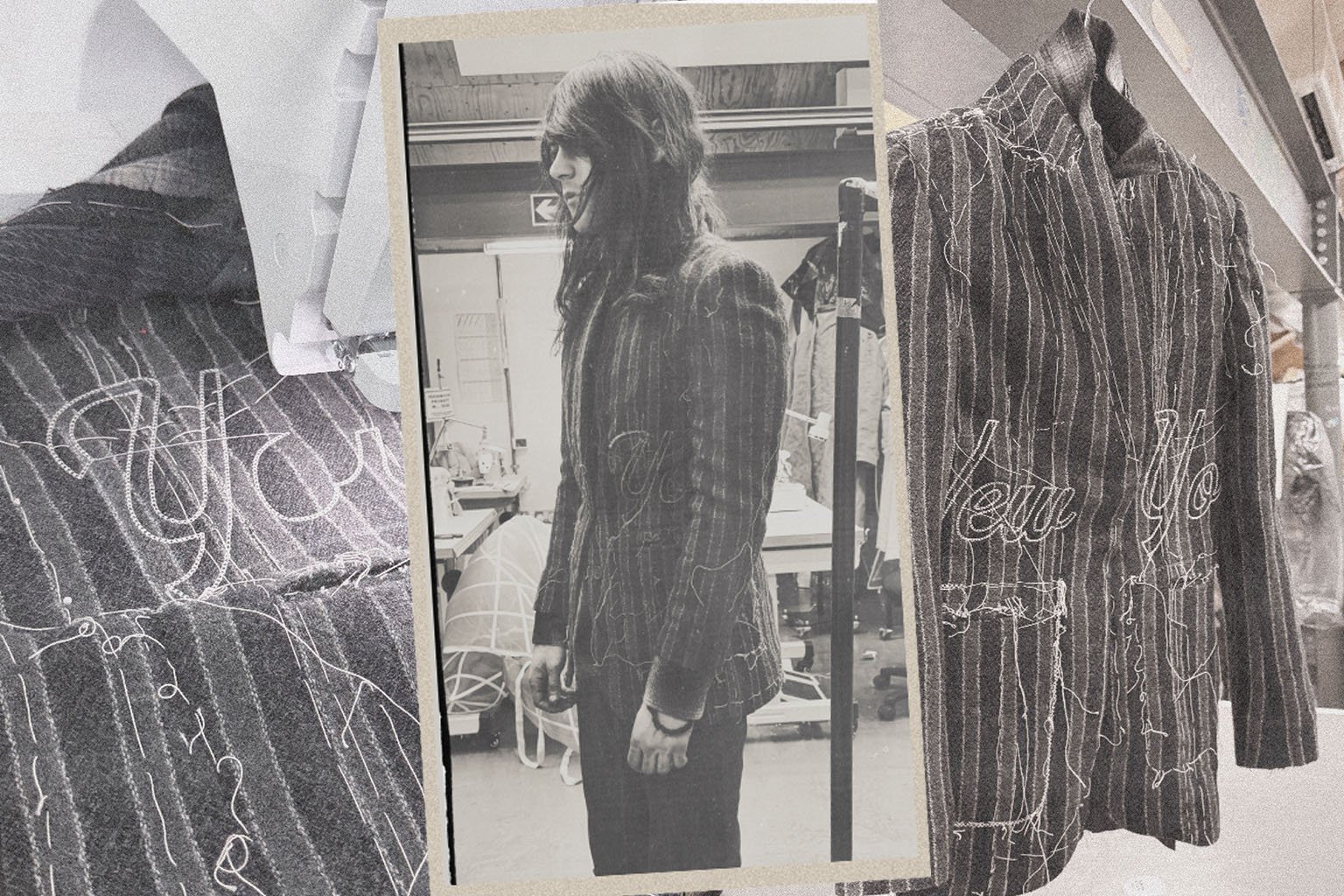
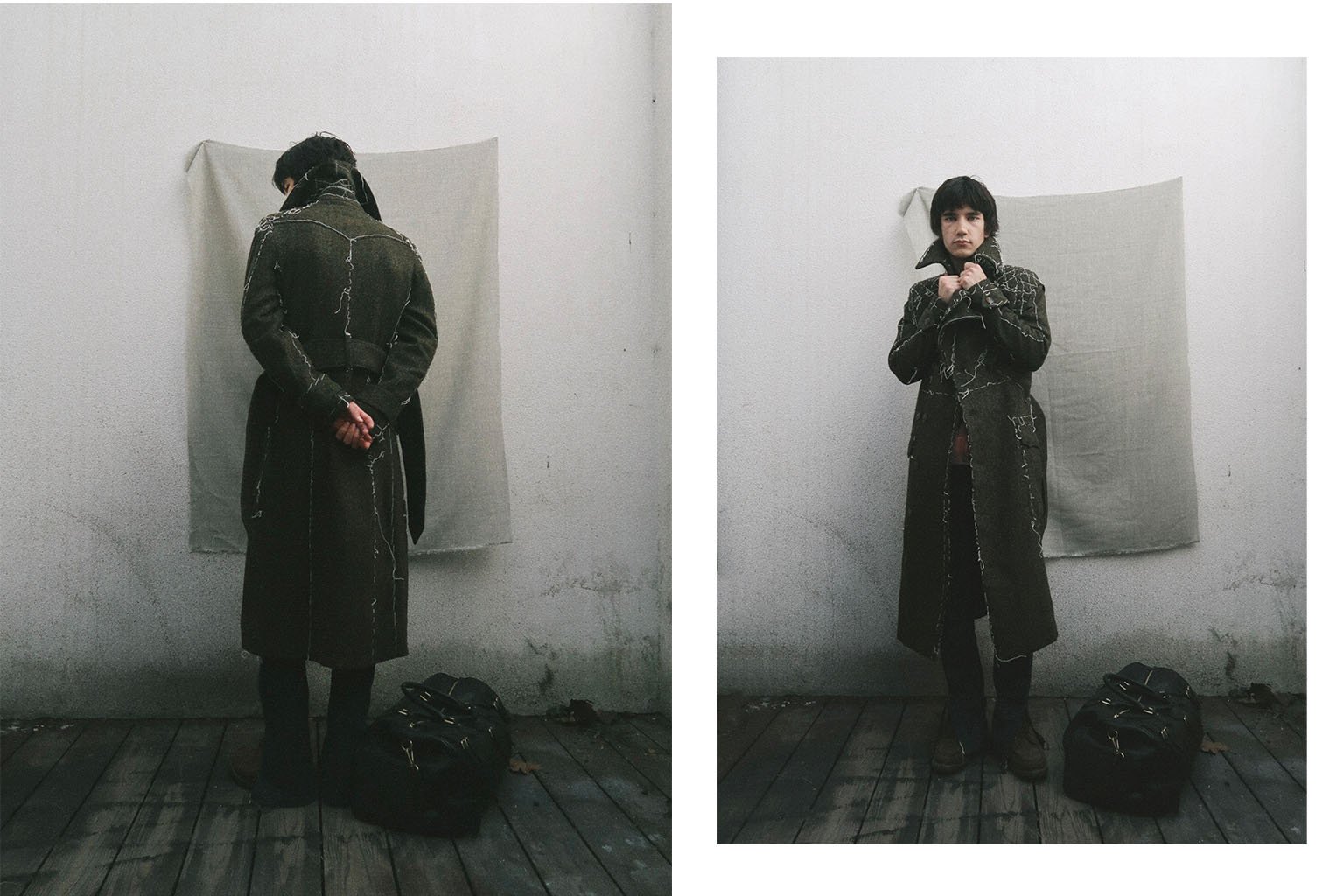
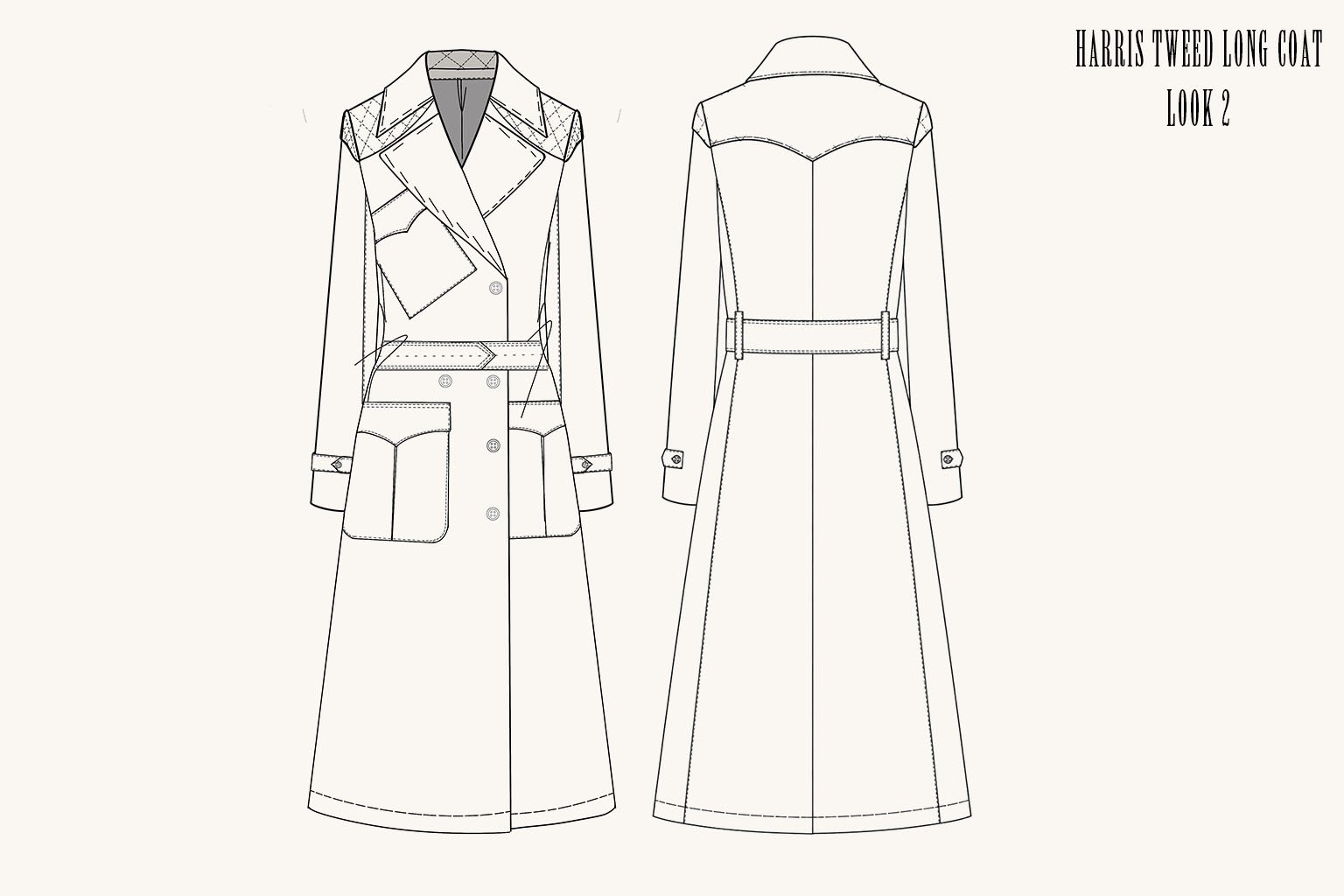
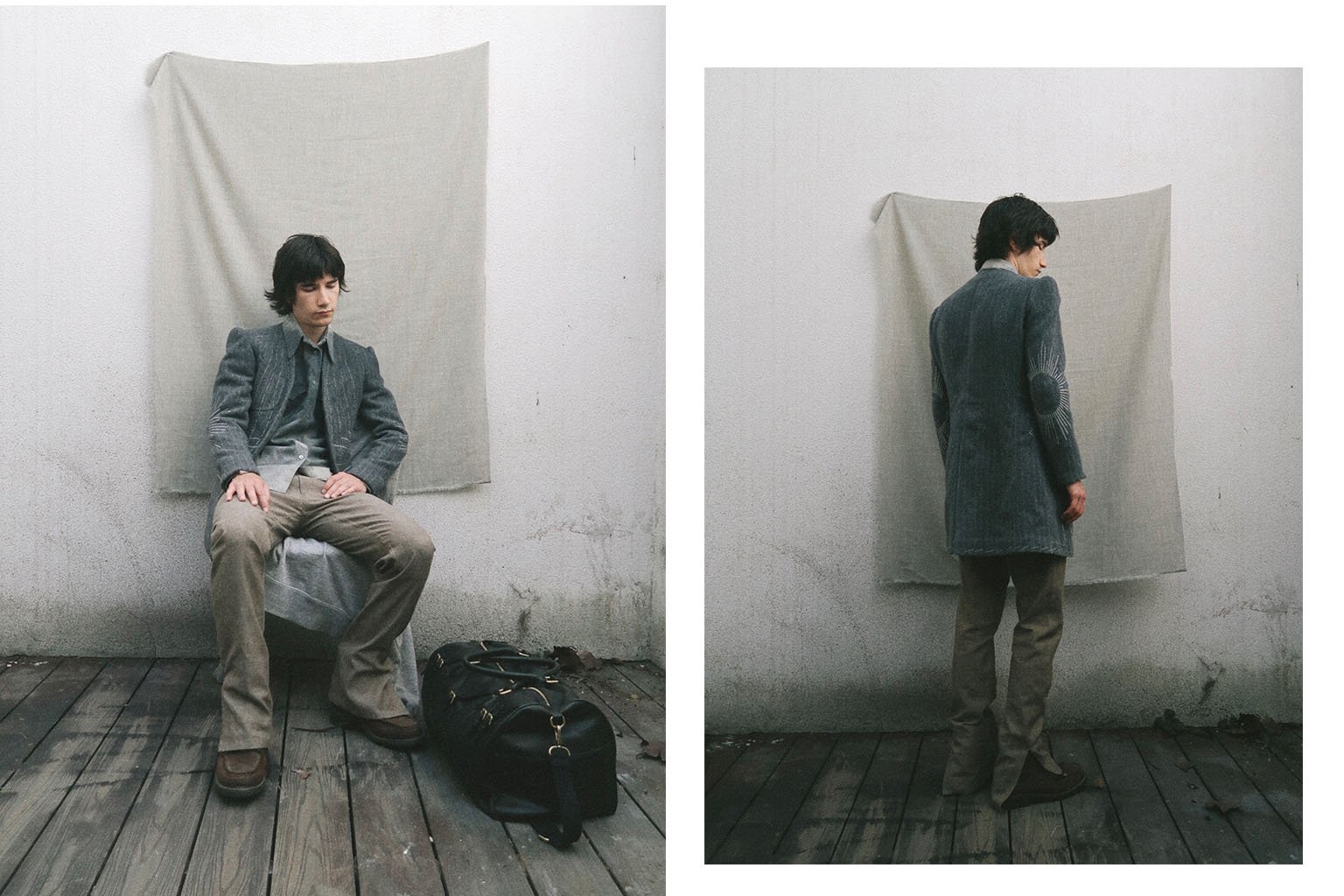
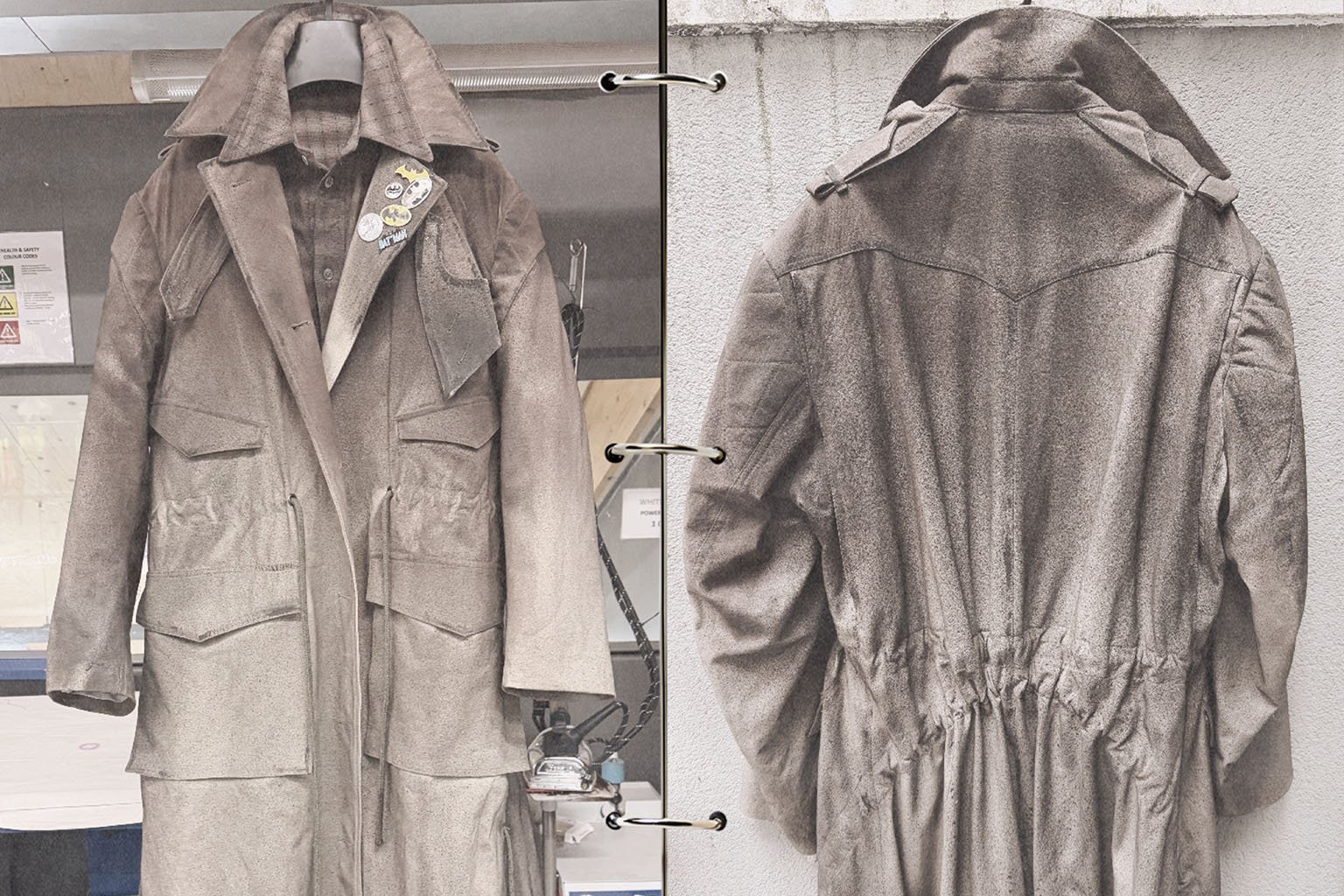
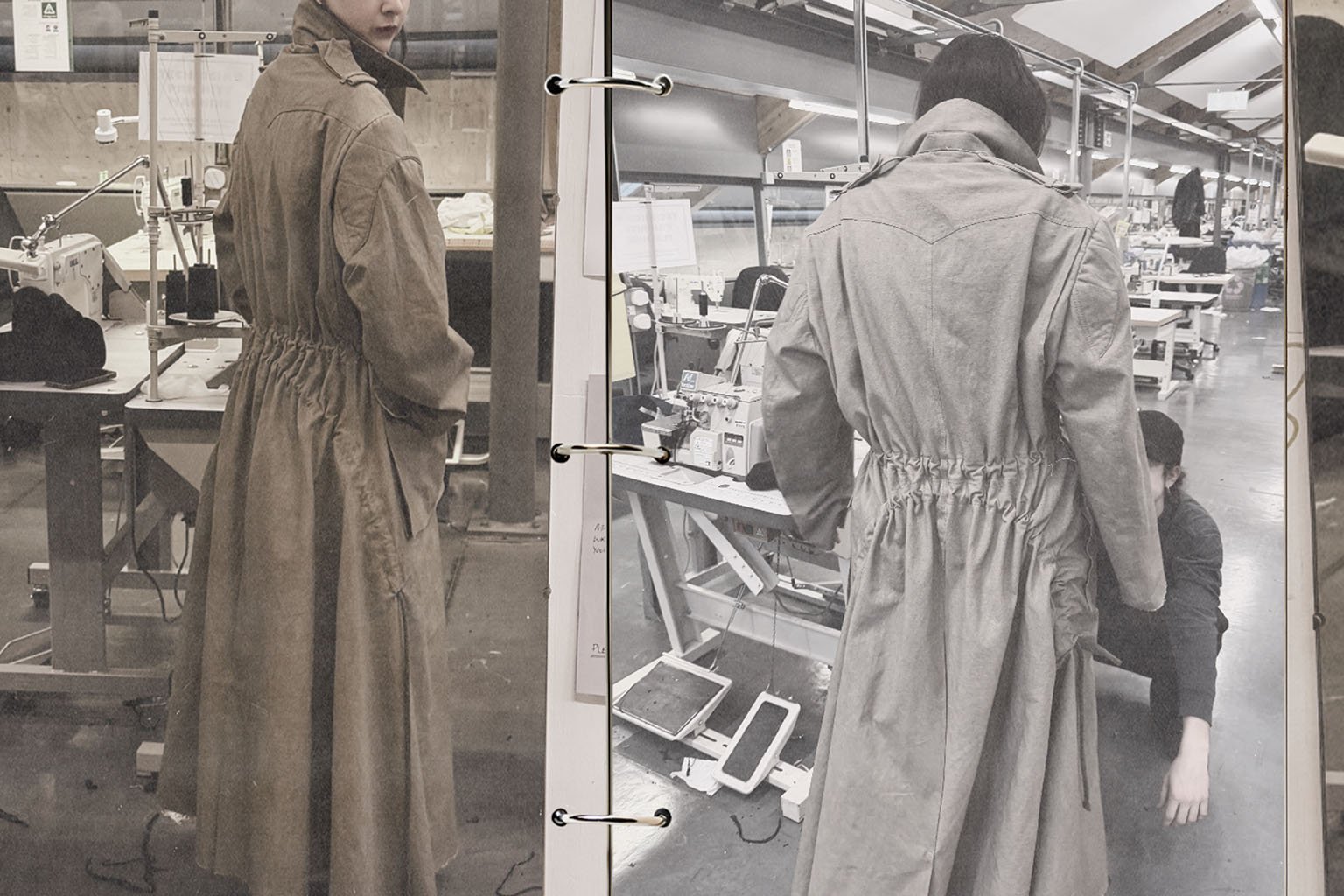
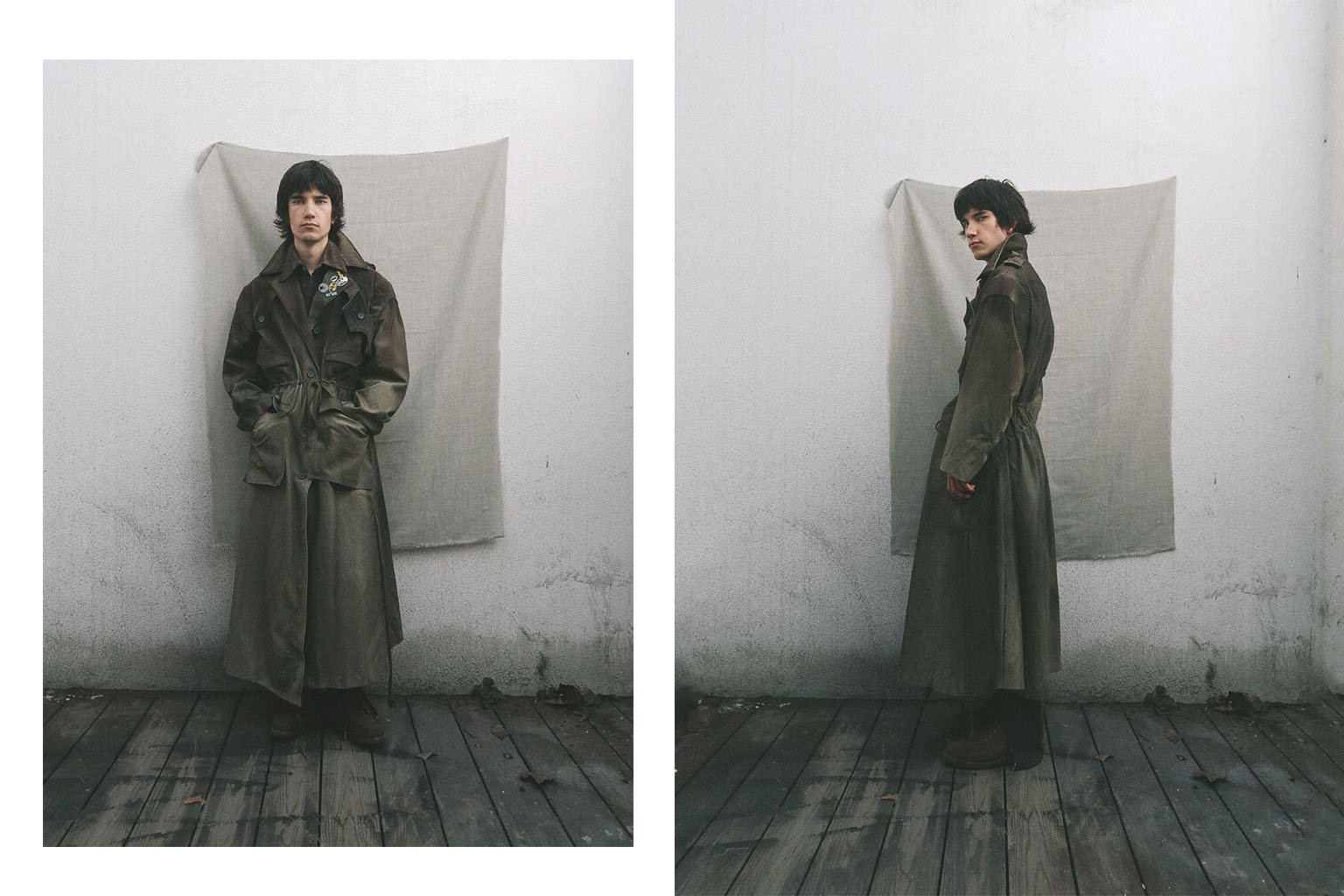
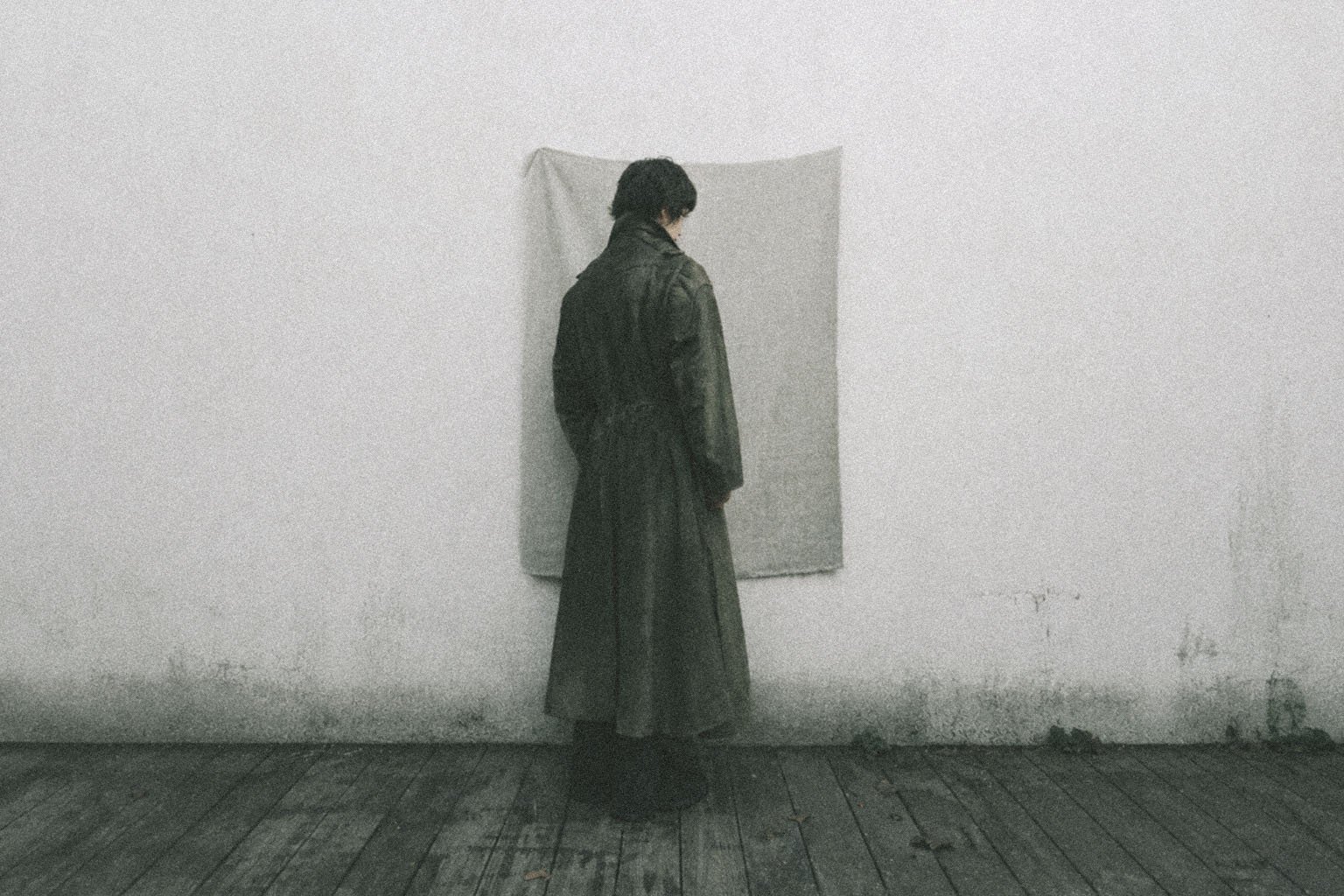
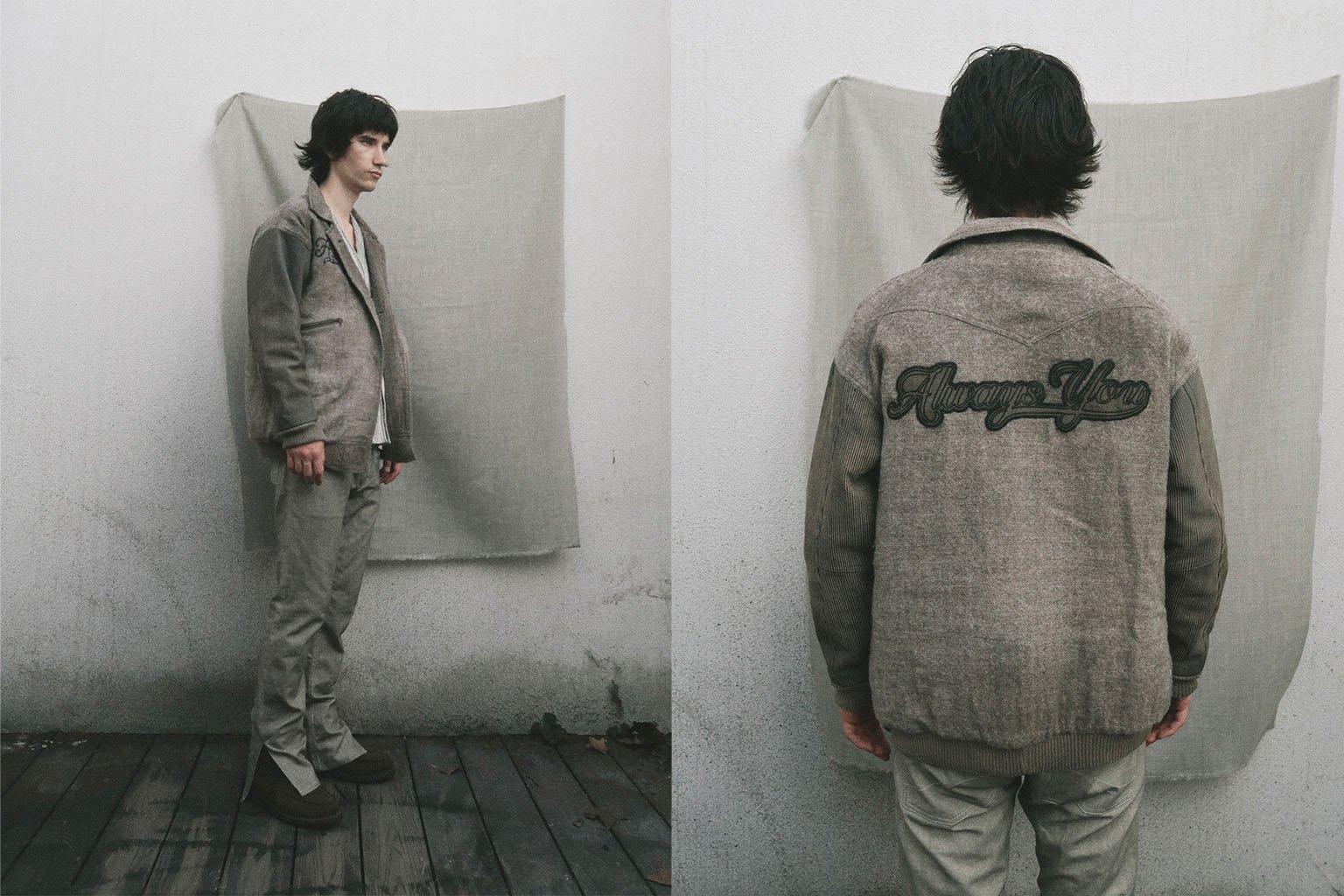
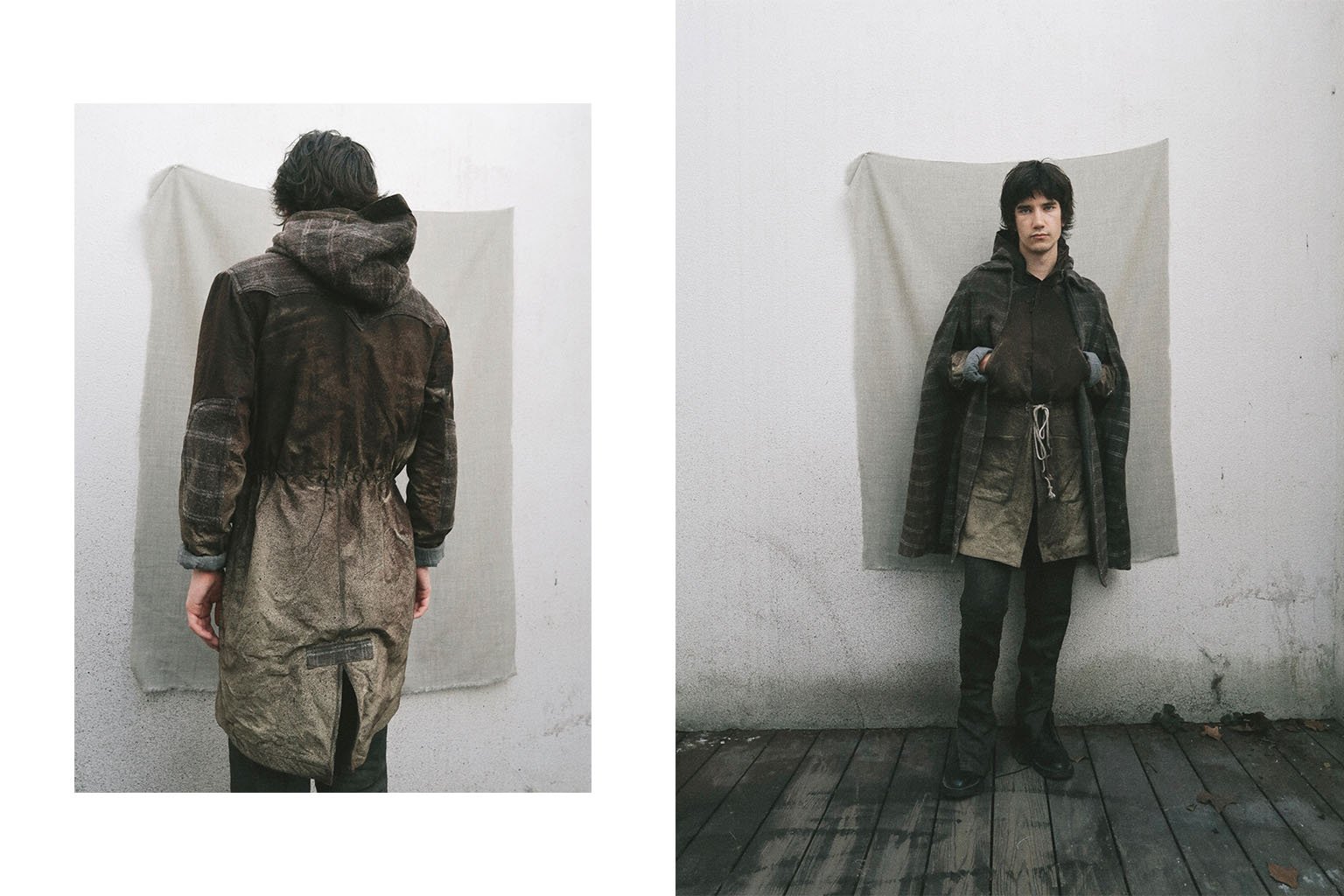
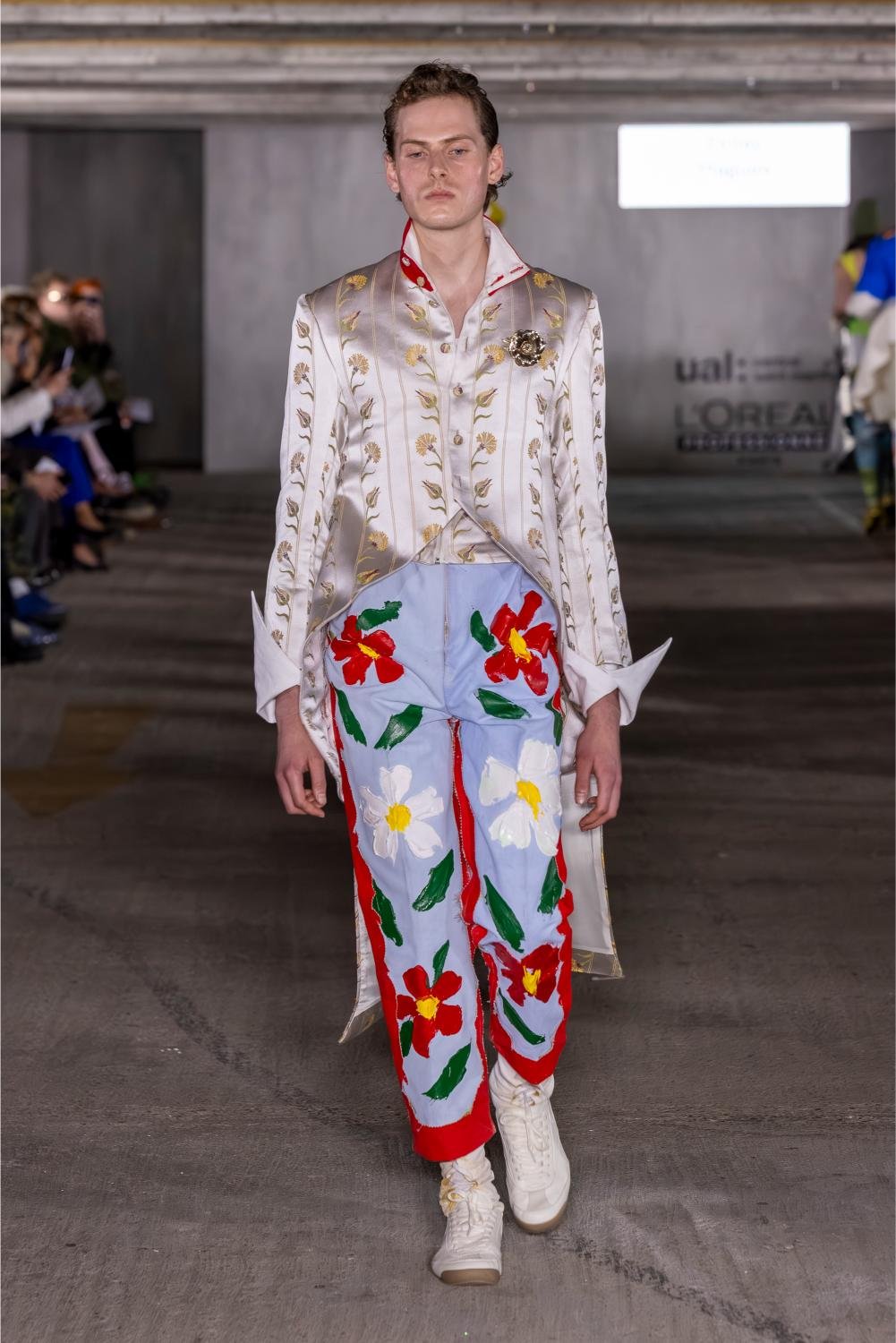
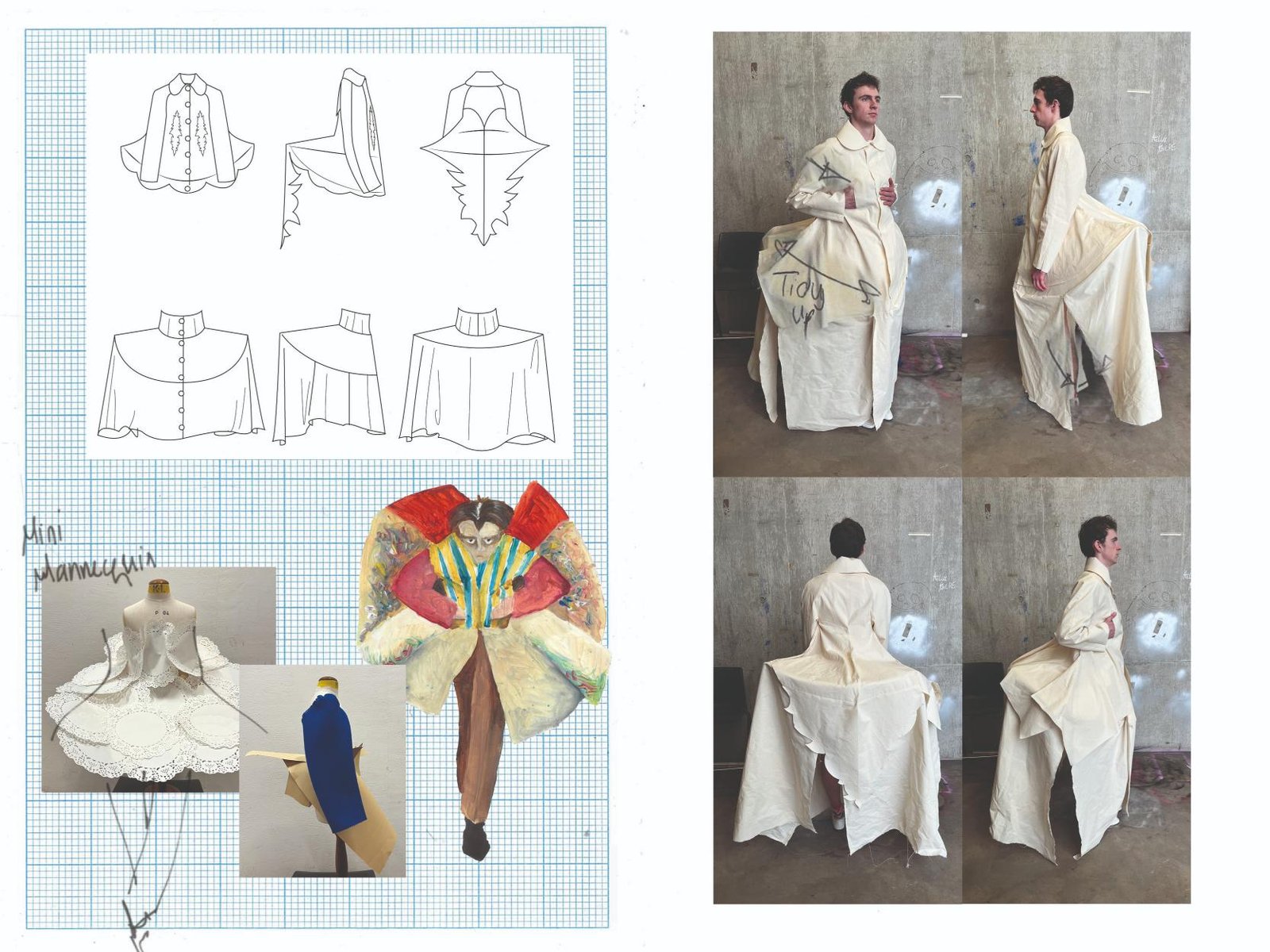
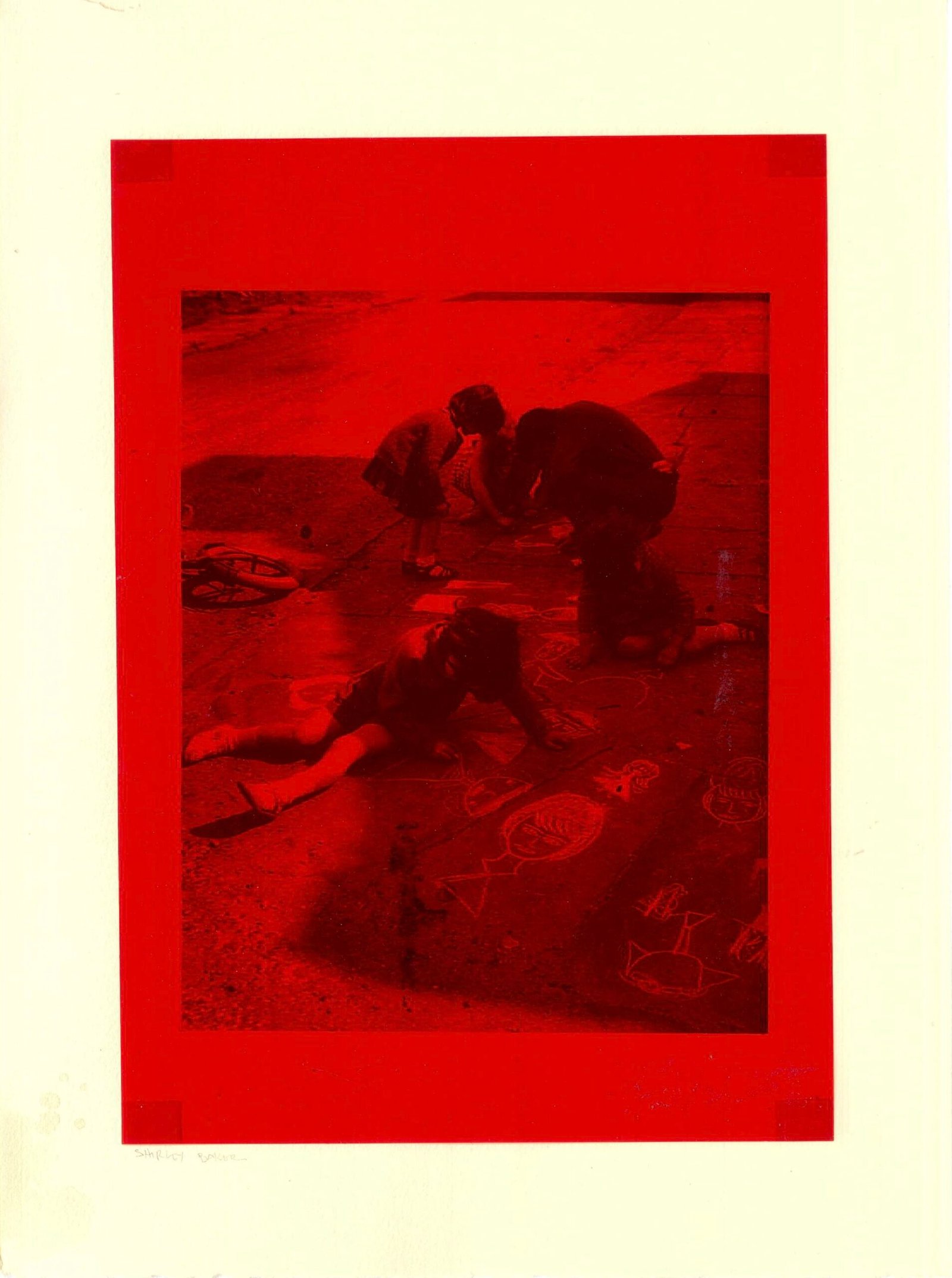
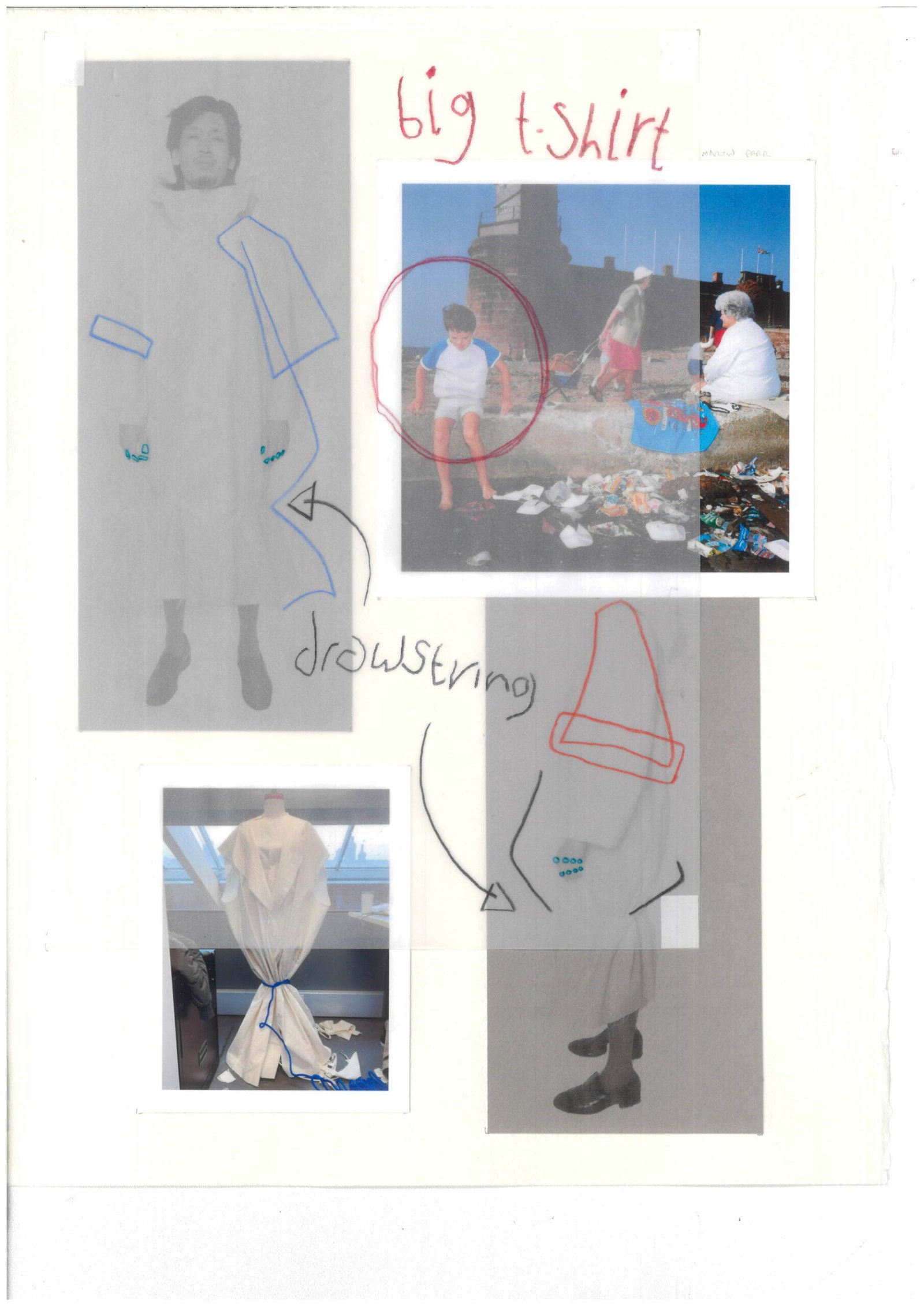
Between the ages of 18 and 25, Daniel Haworth trained and worked as a tailor on Savile Row. His collection looks back at that period, and at the feeling of being young and slightly out of place within such a traditional world. References to Victorian and mid-century childrenswear bring a sense of play into the language of tailoring, while the photography of Shirley Baker, Martin Parr, and David Ellison informs the collection’s humour and awkwardness. Traditional tailoring fabrics are bonded with neoprene, creating exaggerated silhouettes that swell beyond the controlled proportions usually associated with Savile Row.

@jigfor__life

Matteo Dunkley

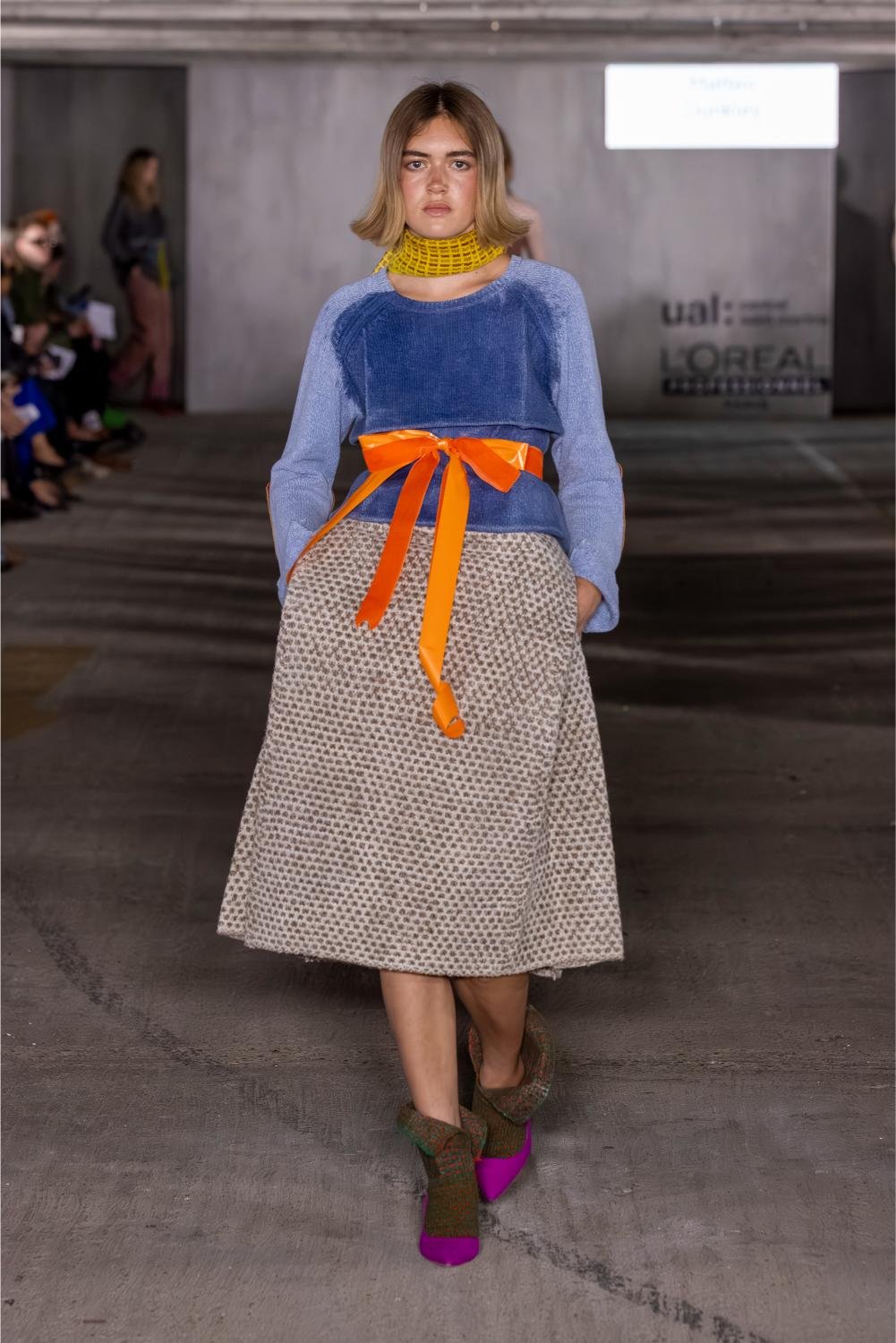
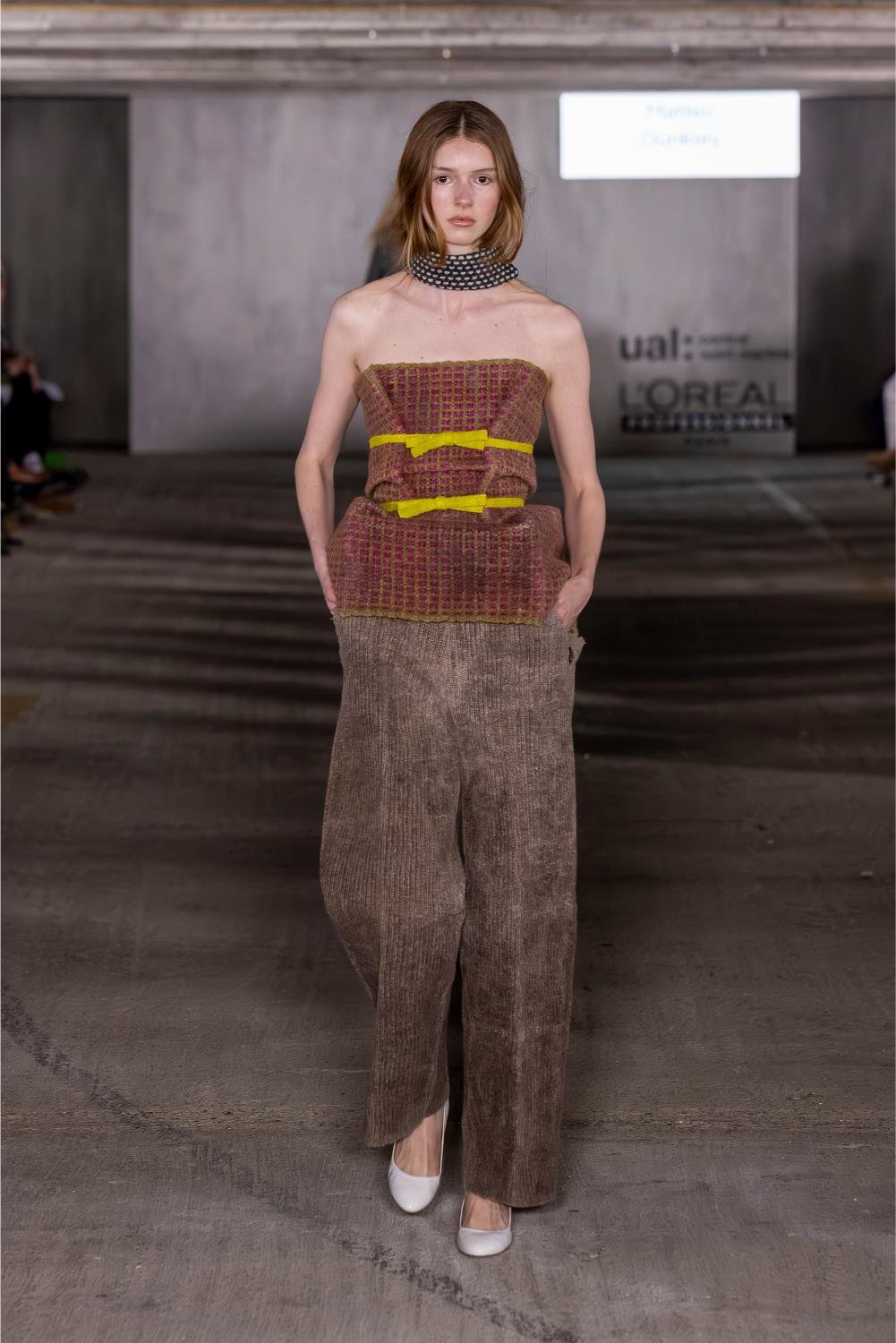
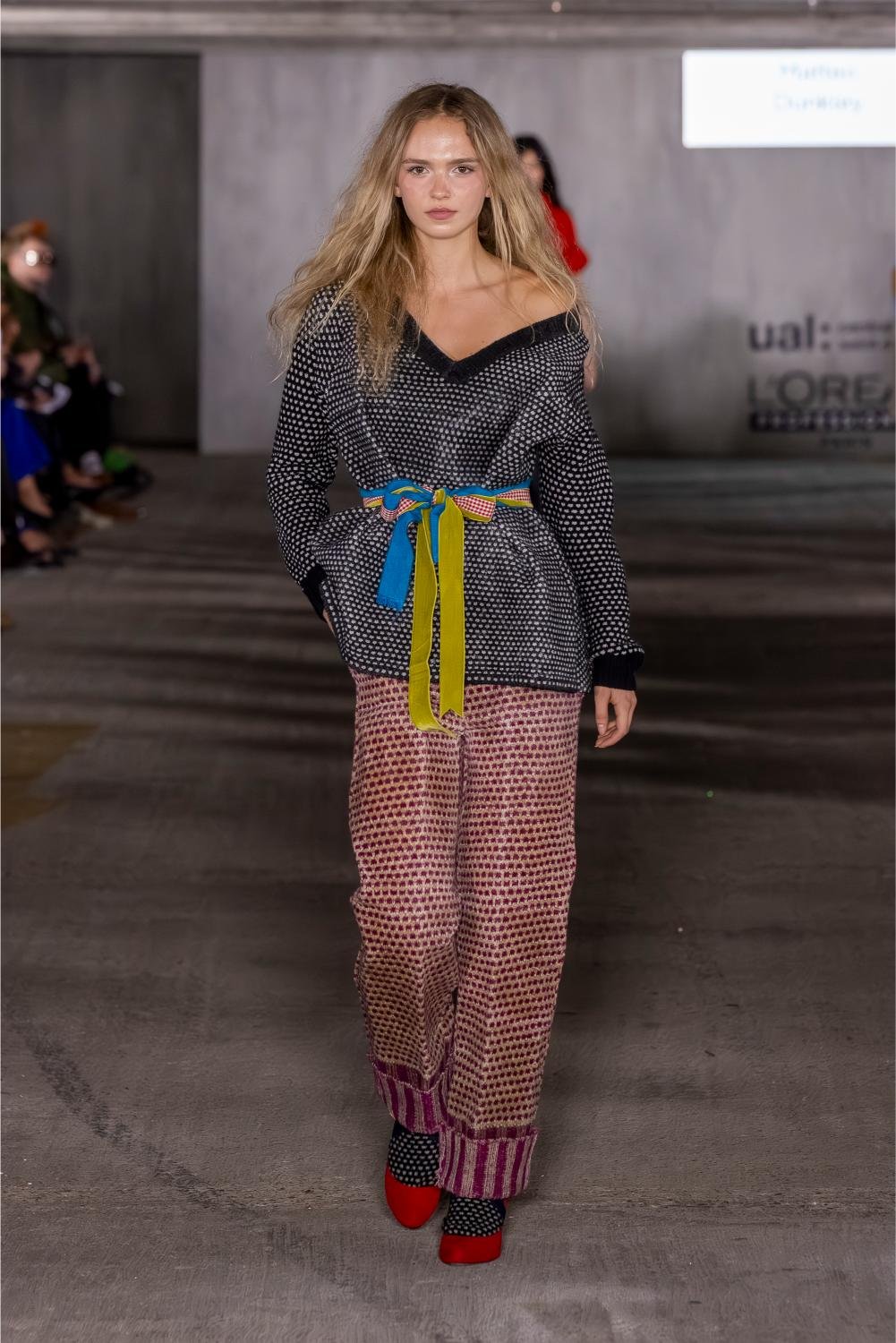
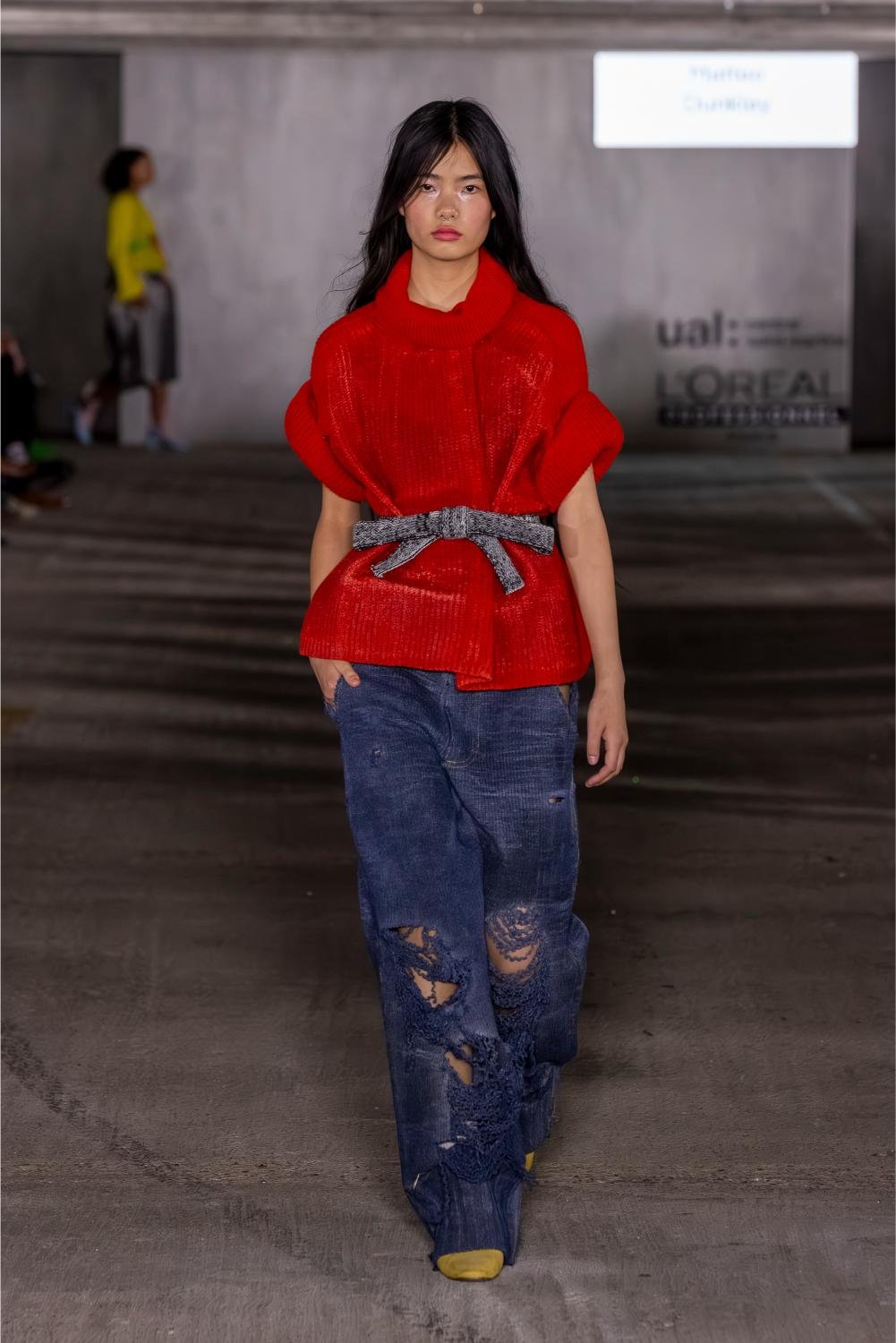
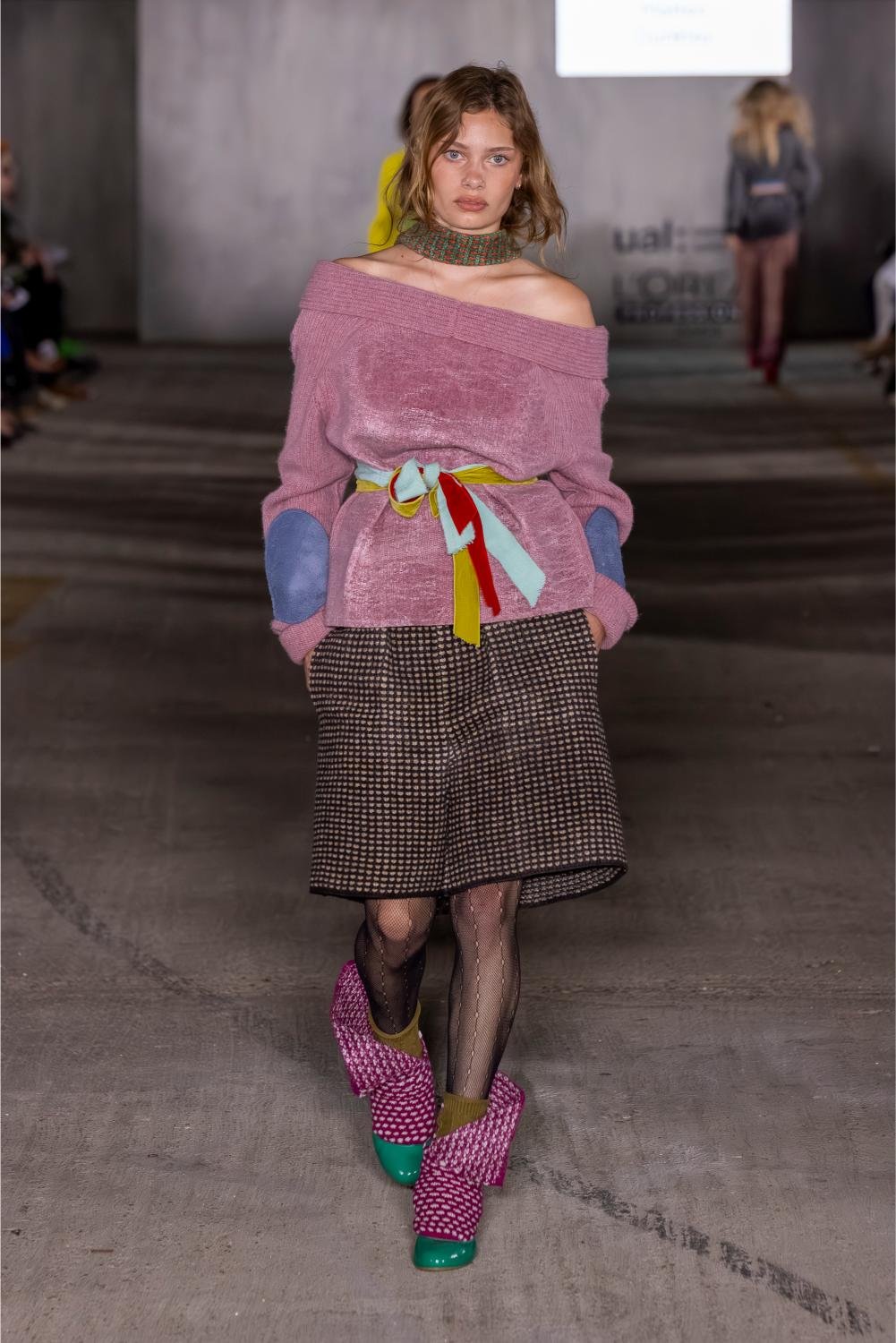
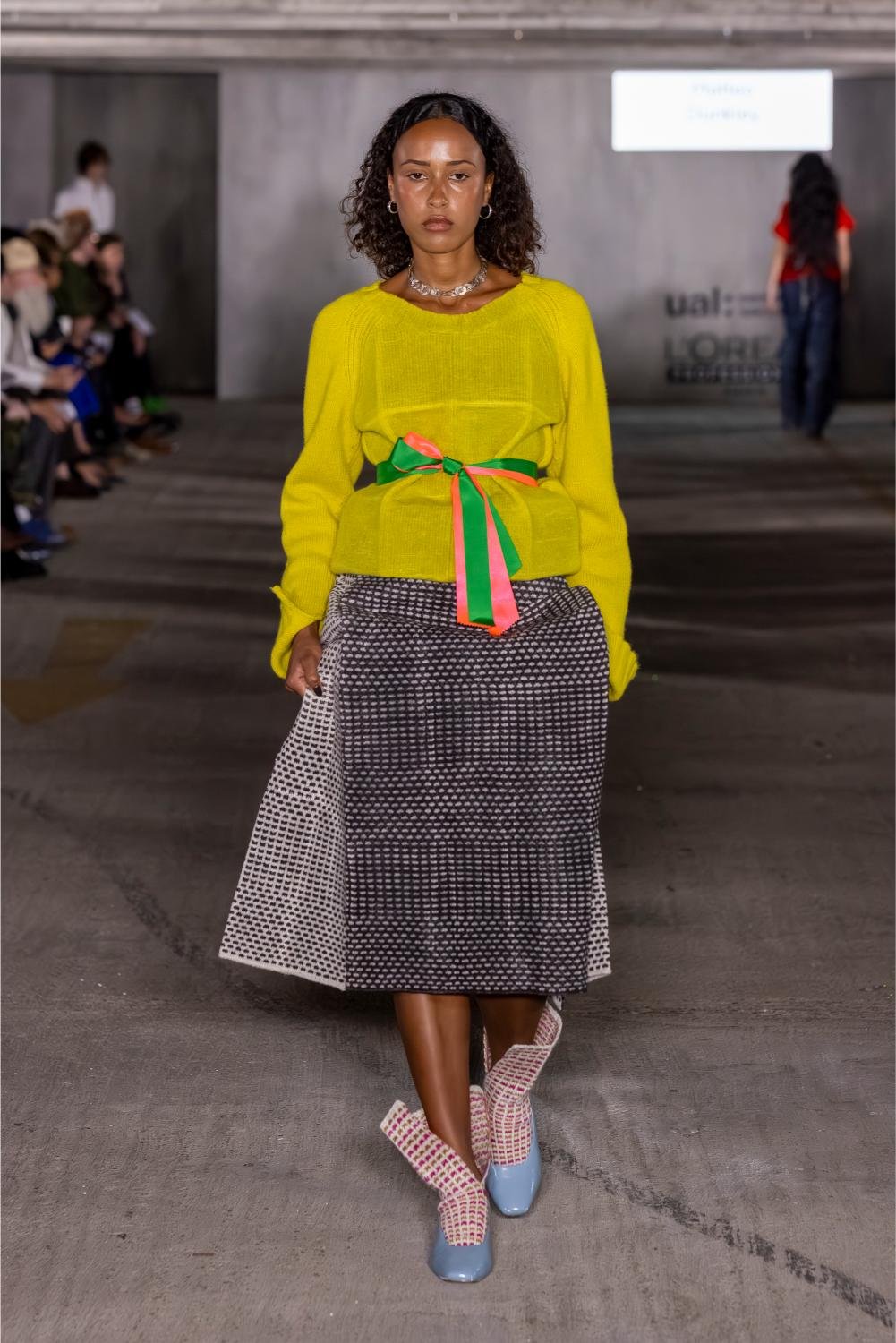
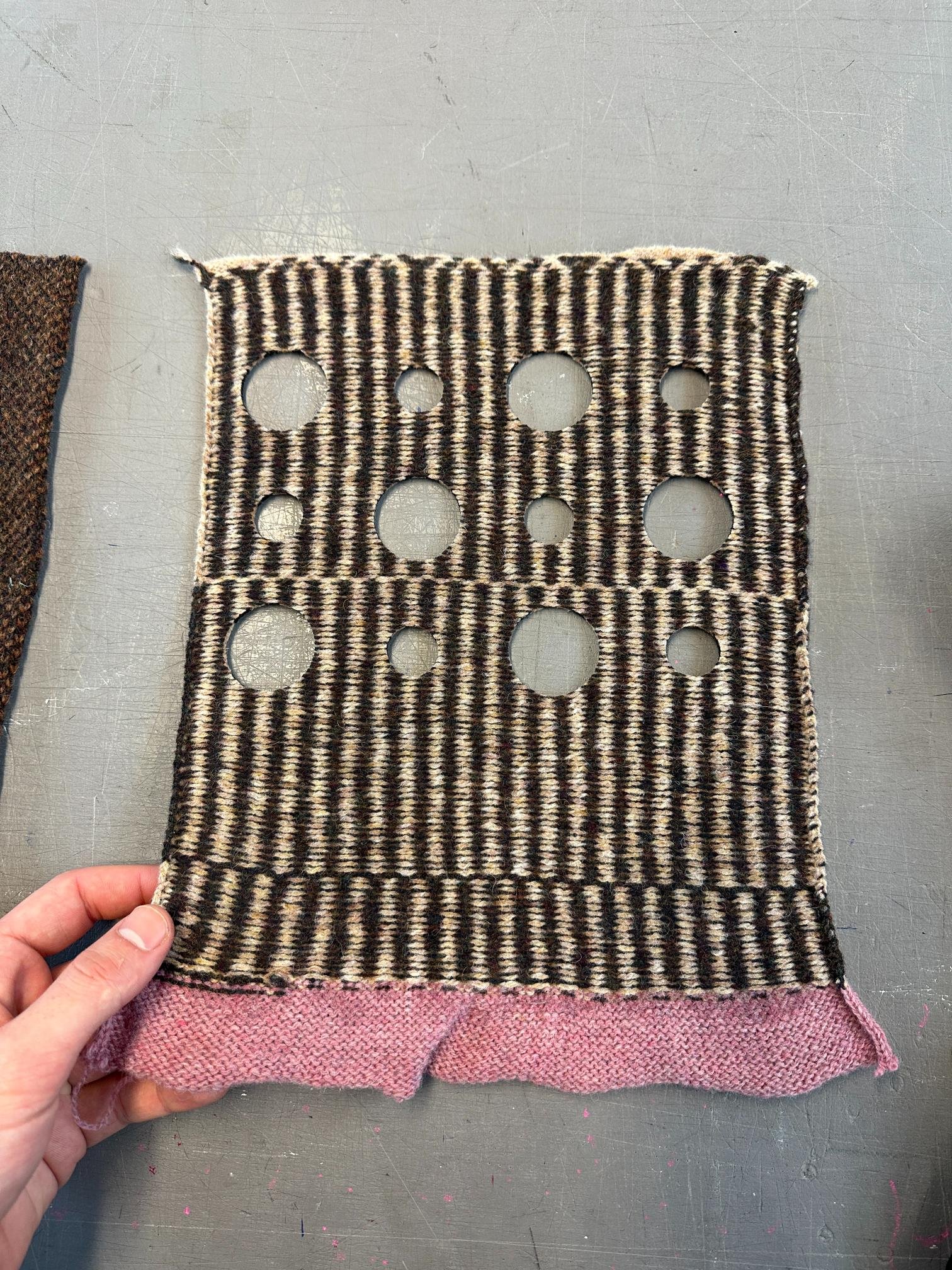
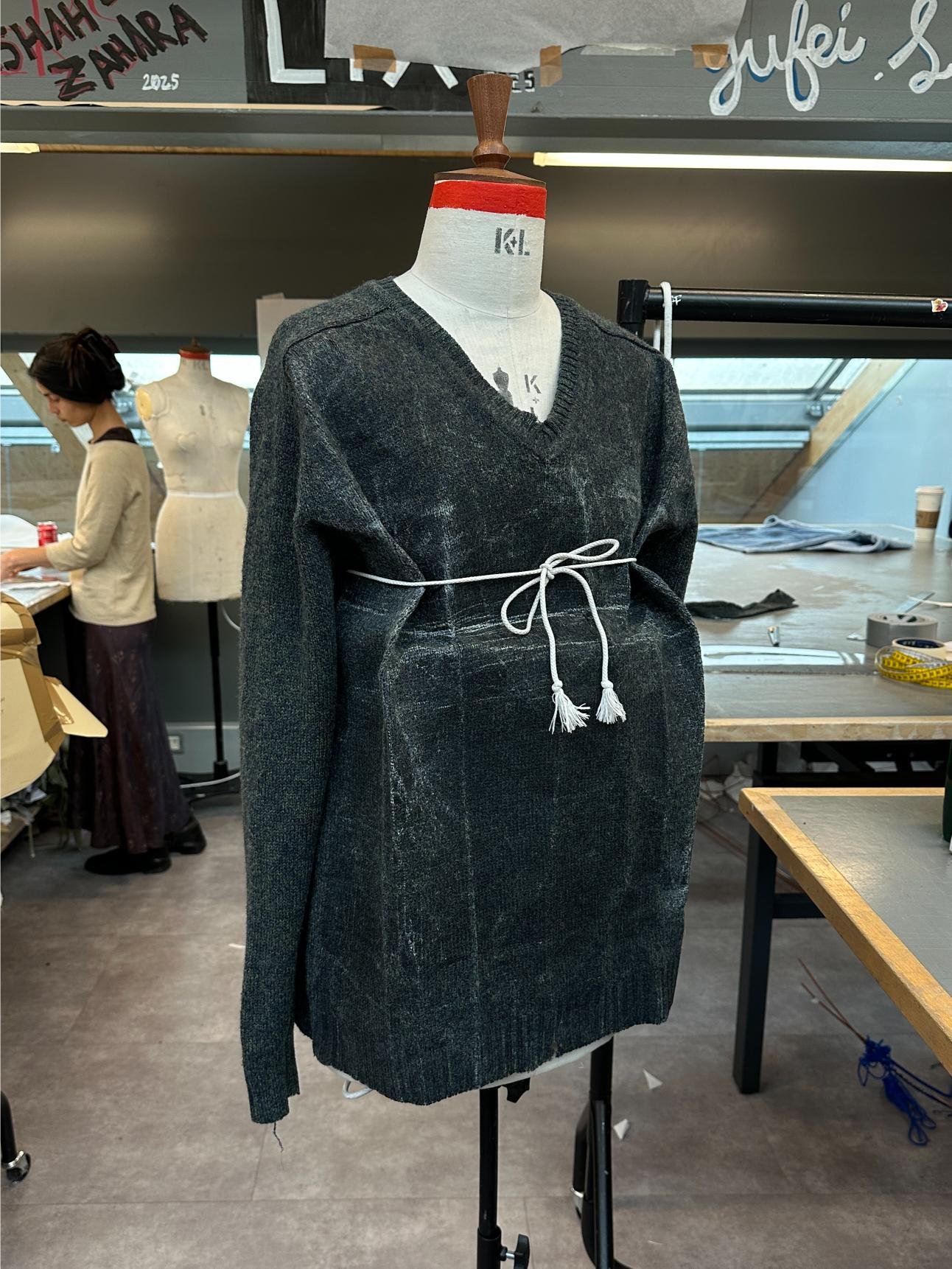
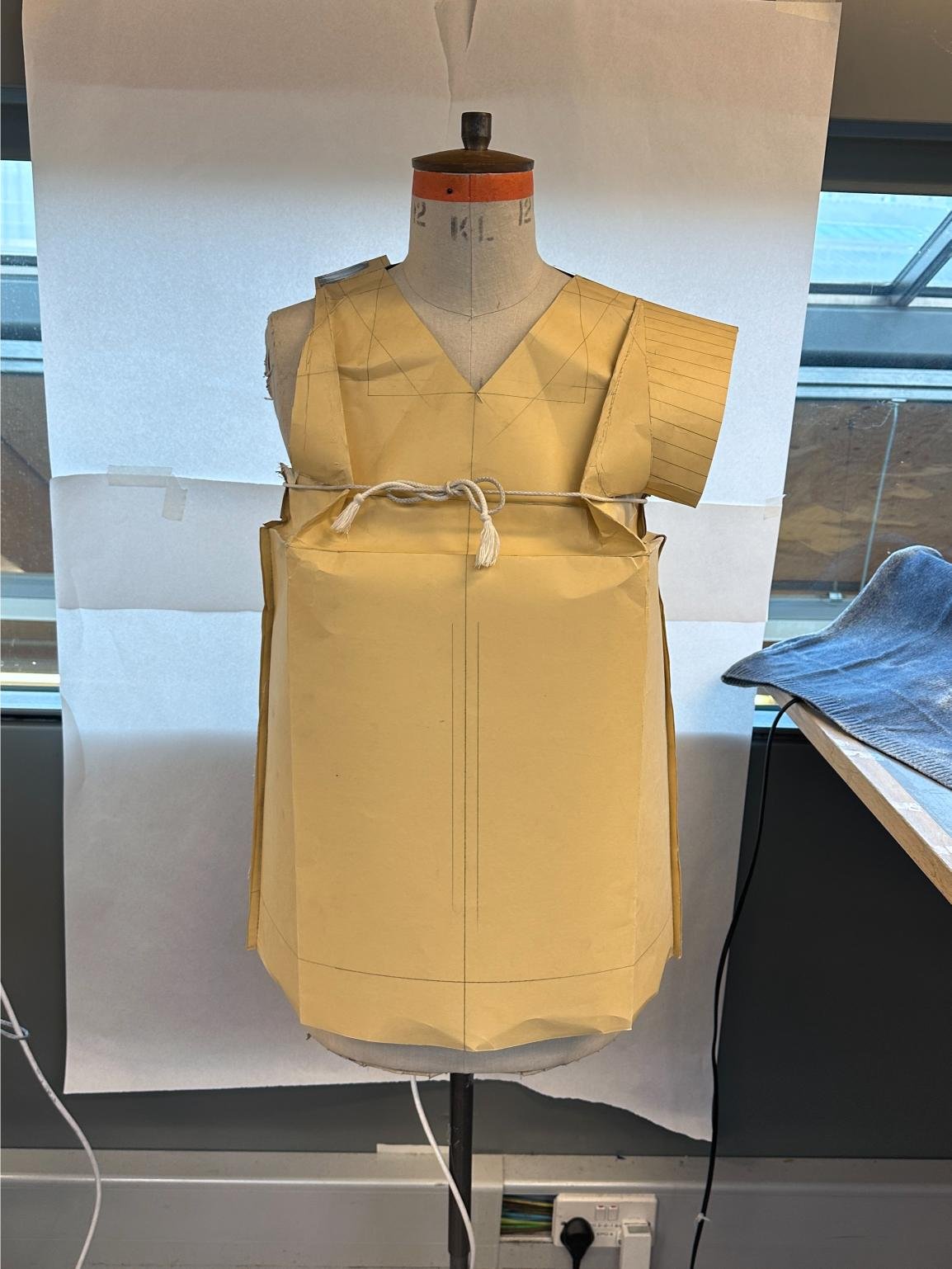
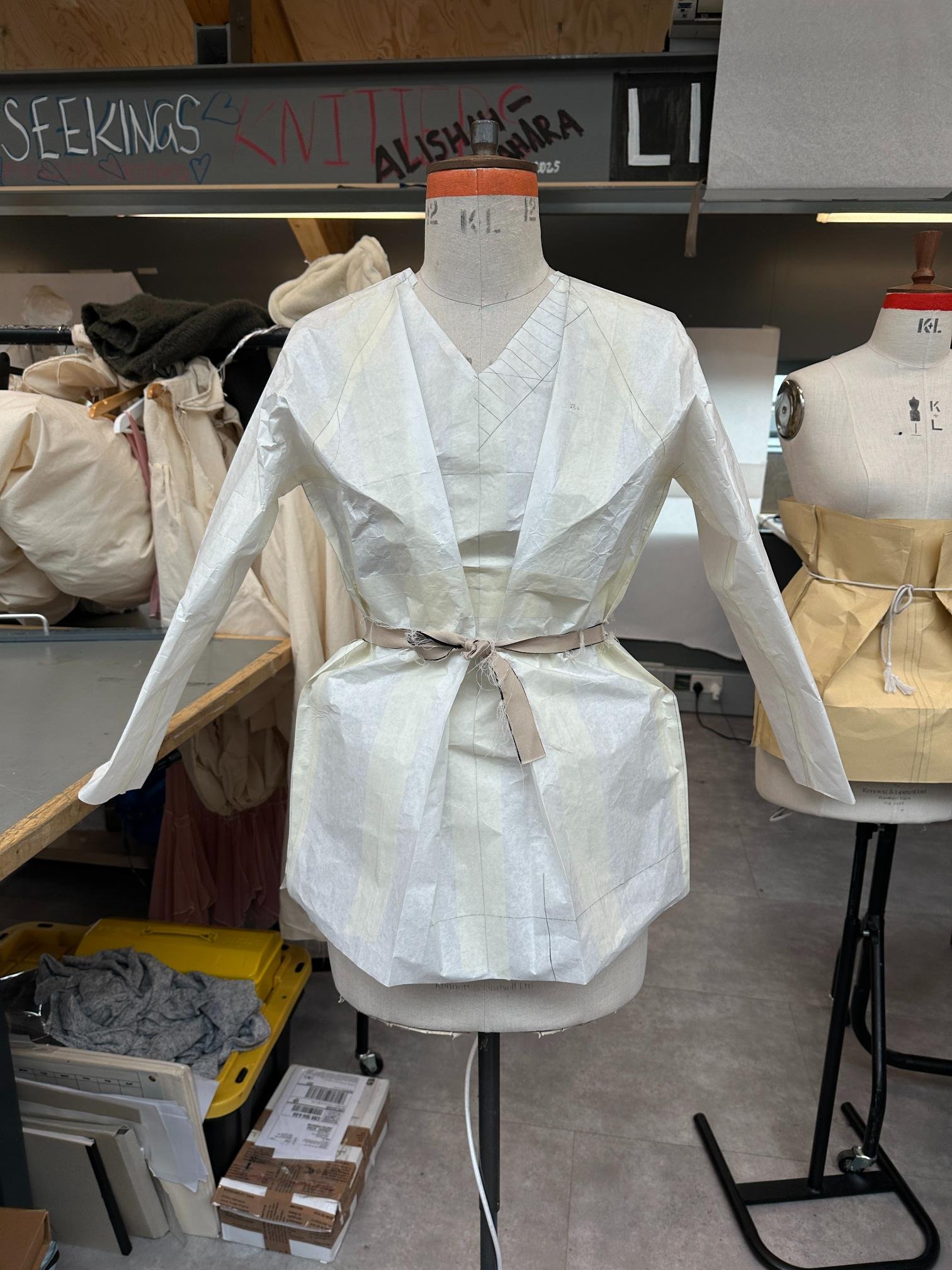
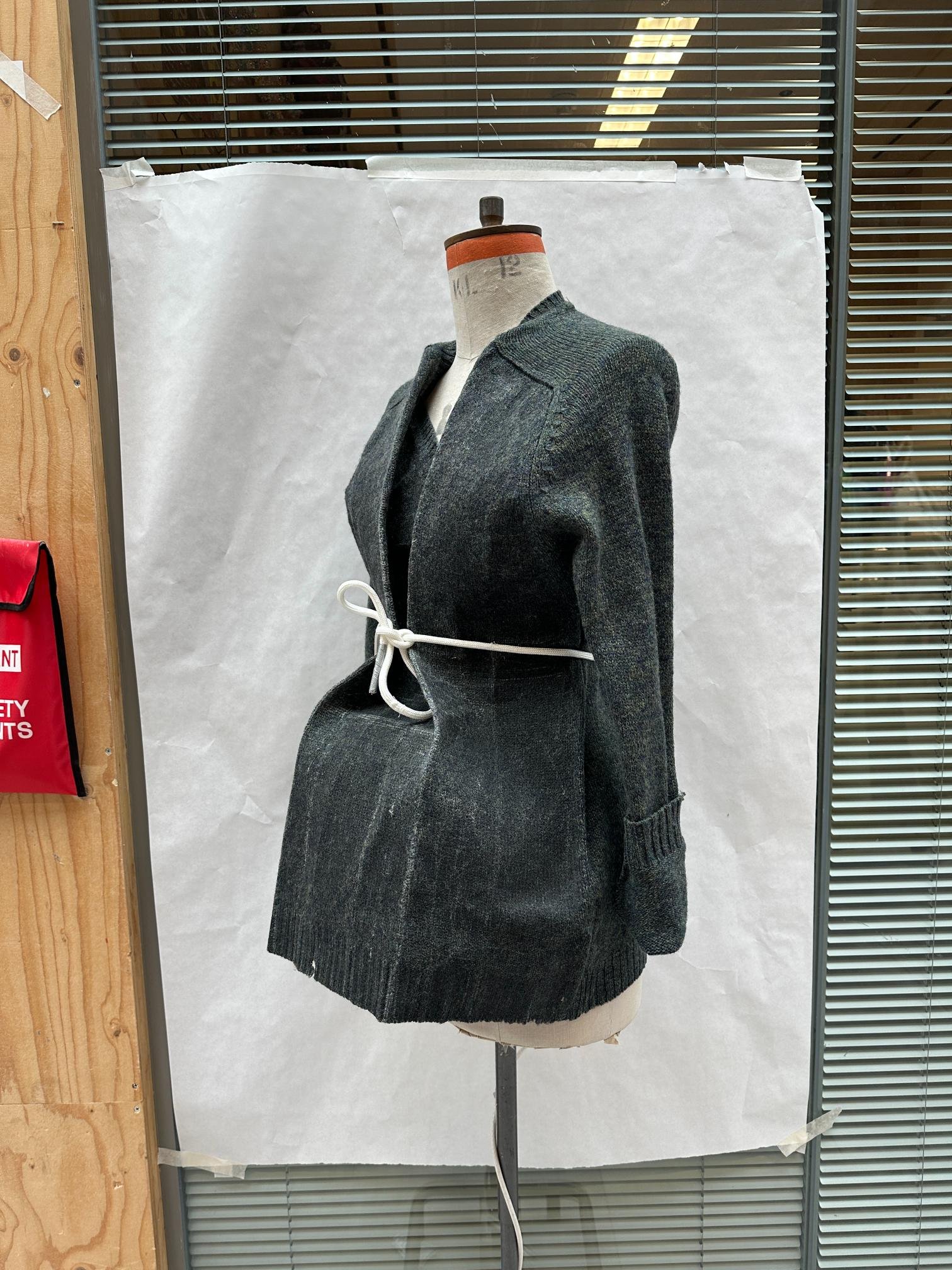
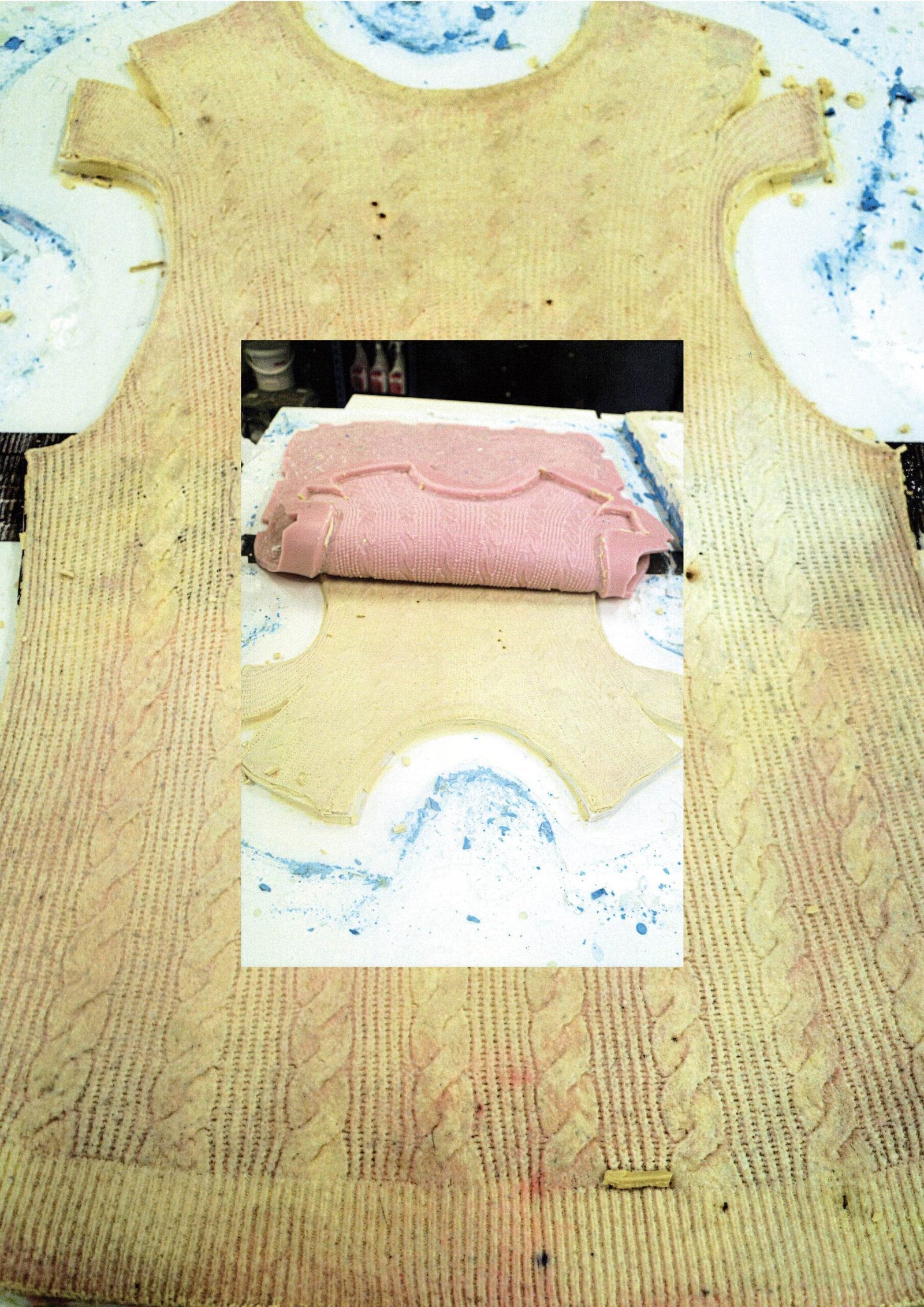
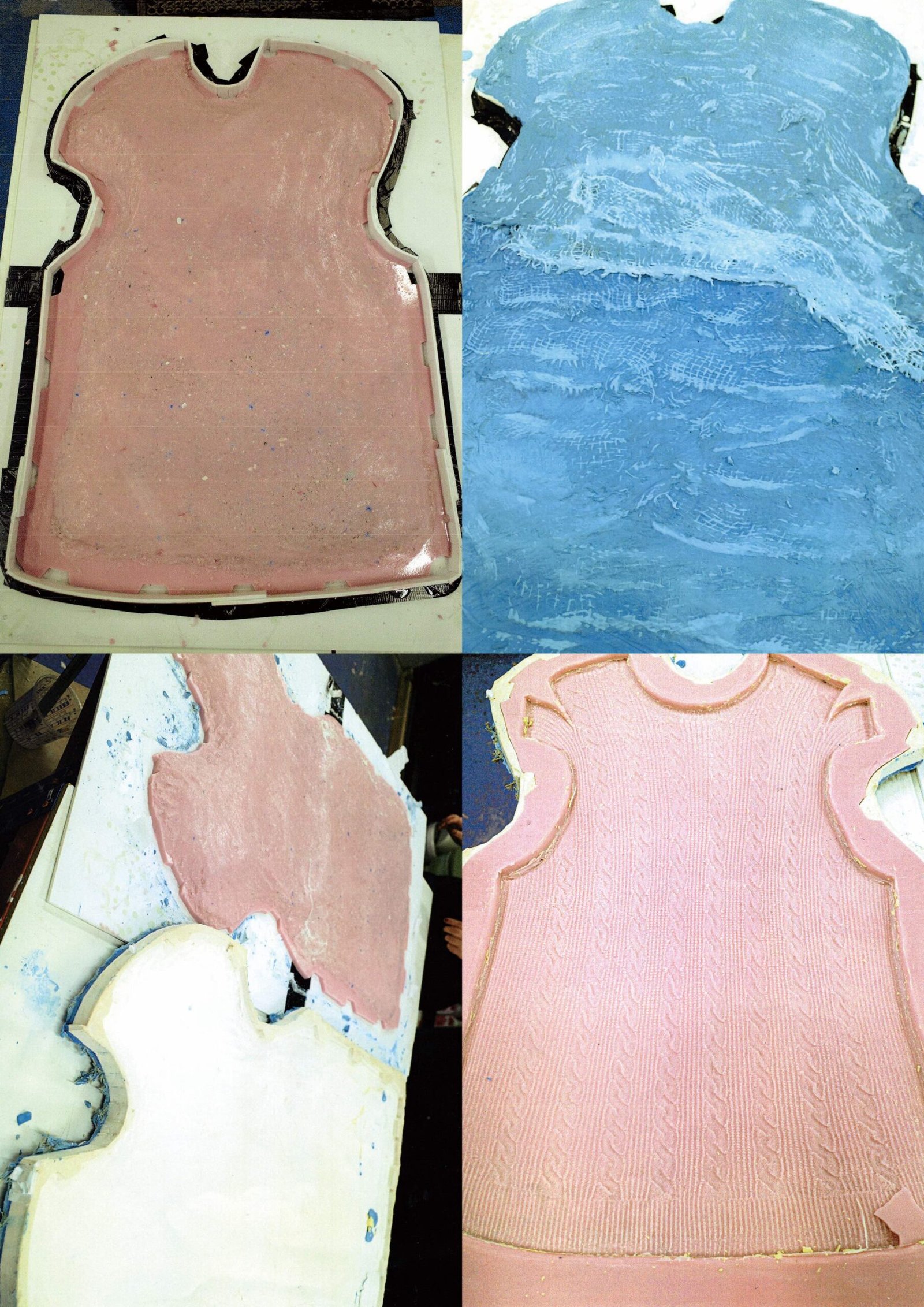
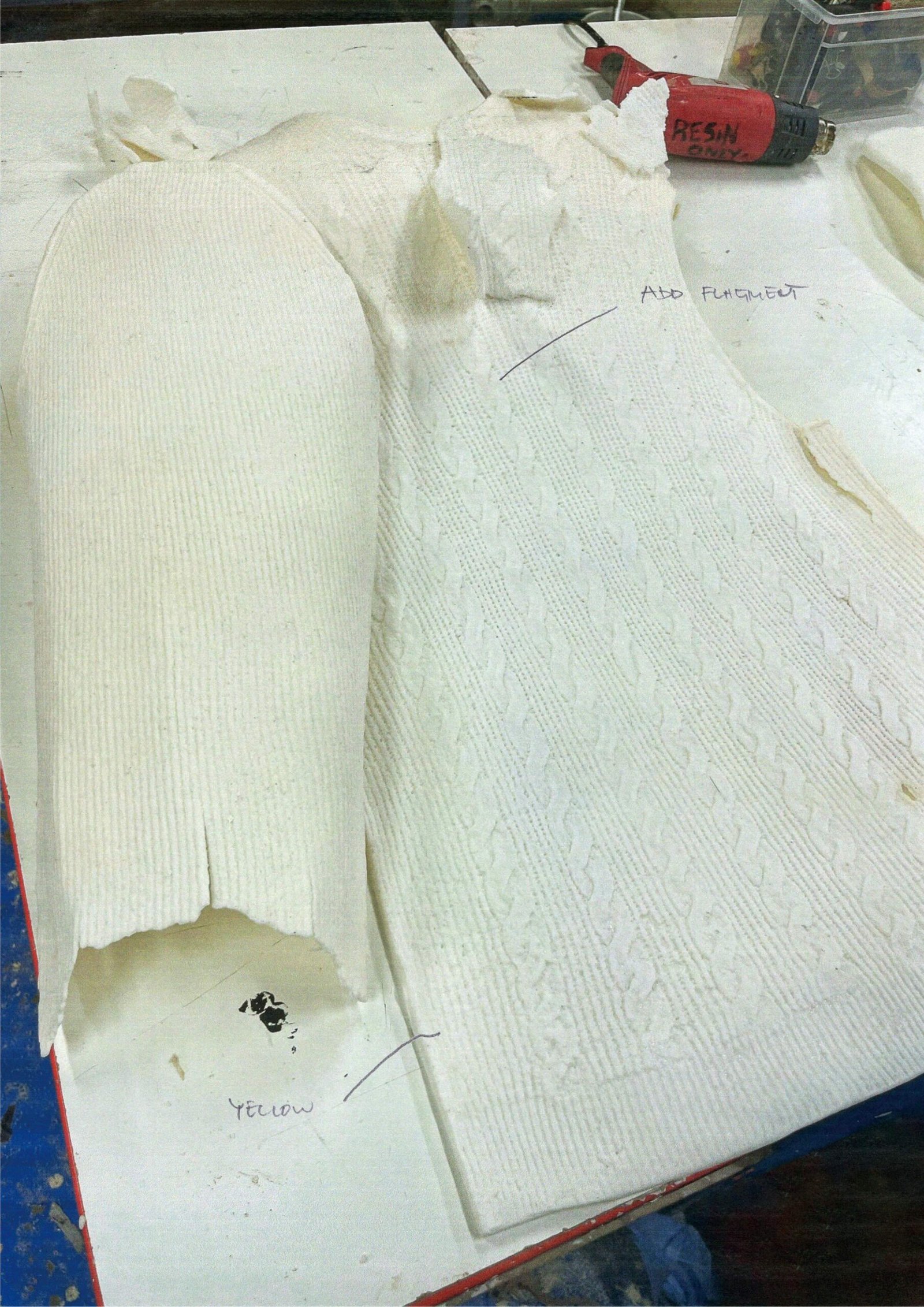
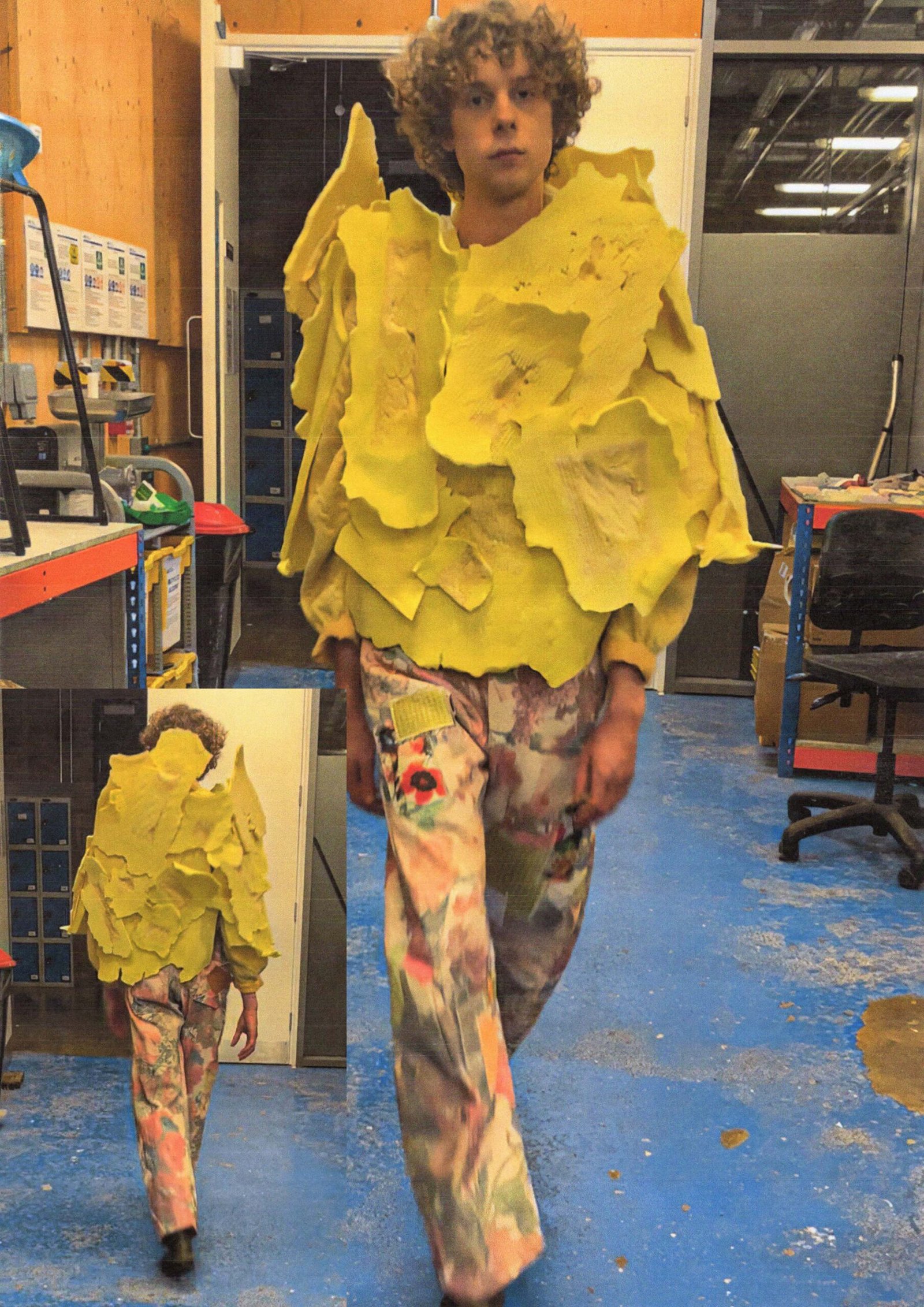
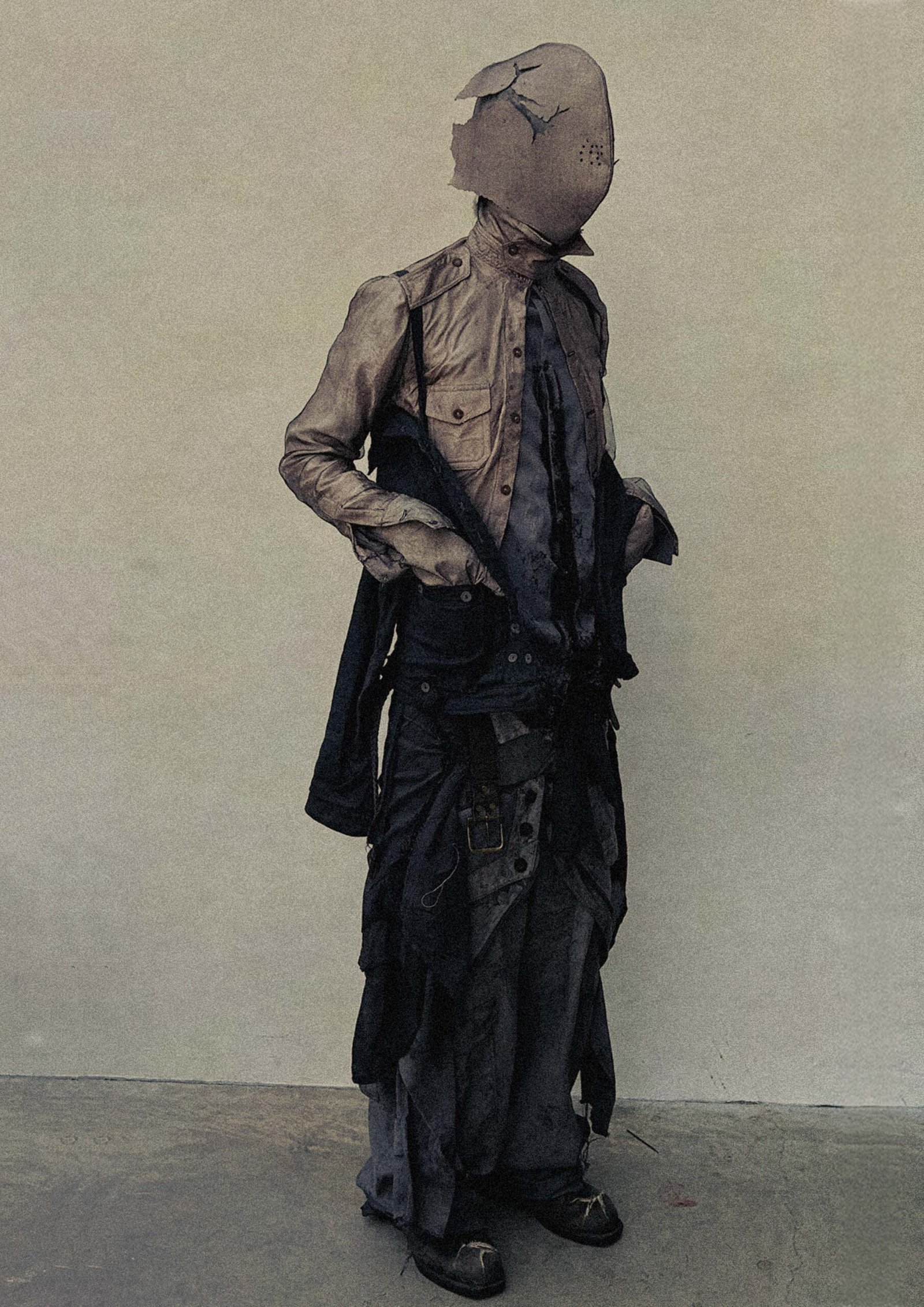
Two months before the deadline, Matteo Dunkley changed direction completely. After spending much of the previous six months developing a collection about forgetting everything he had learned during five years of studying fashion, he was encouraged to build his final project around a waxed knit jumper from his pre-collection. The shift meant abandoning months of research and toiling, but it also opened up another way into the work. Instead of trying to rescue the earlier project, Dunkley used the pressure of the final months to work more instinctively. The collection carries that sense of interruption: one idea dropped, another picked up, the deadline suddenly becoming part of the process.

Arora

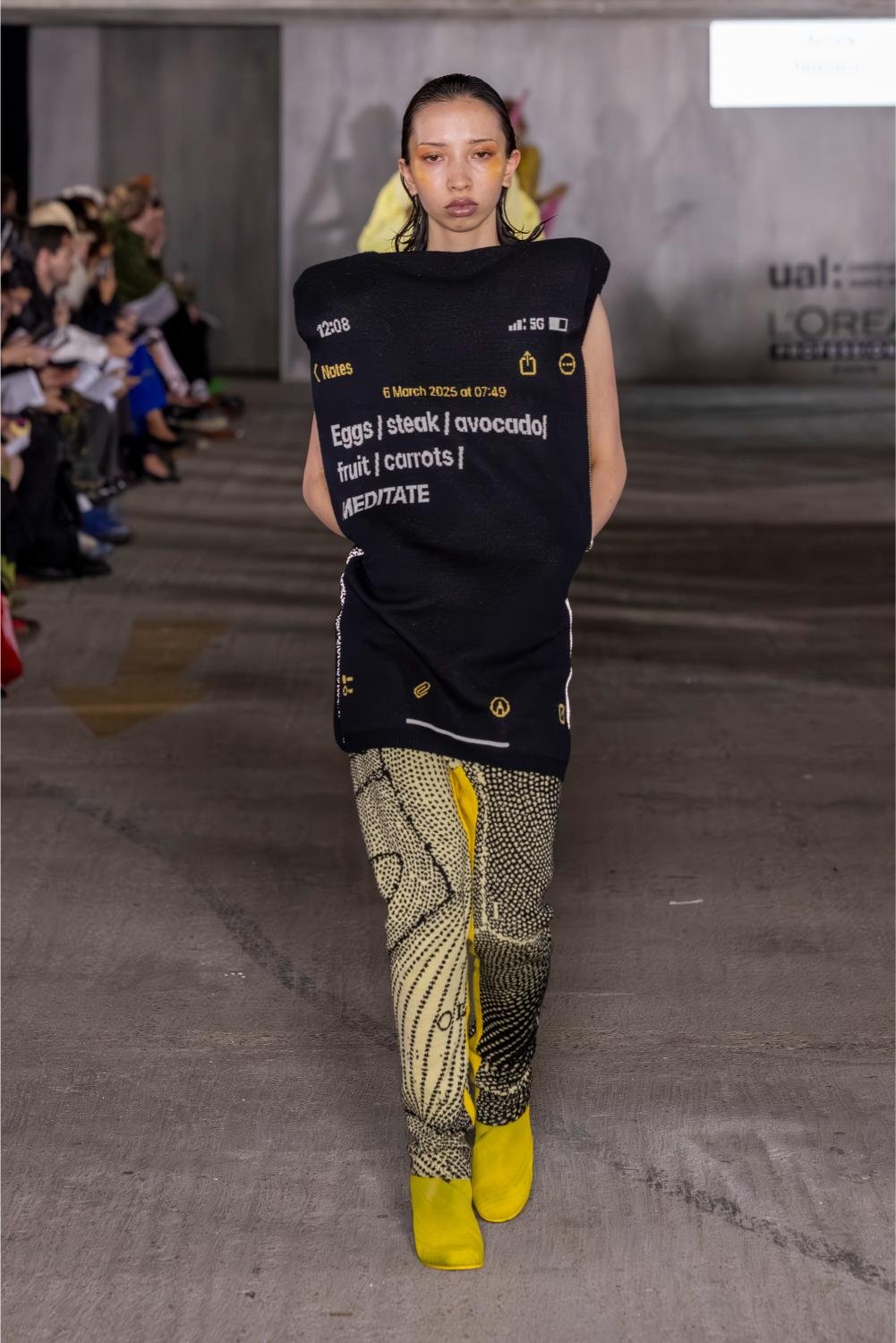
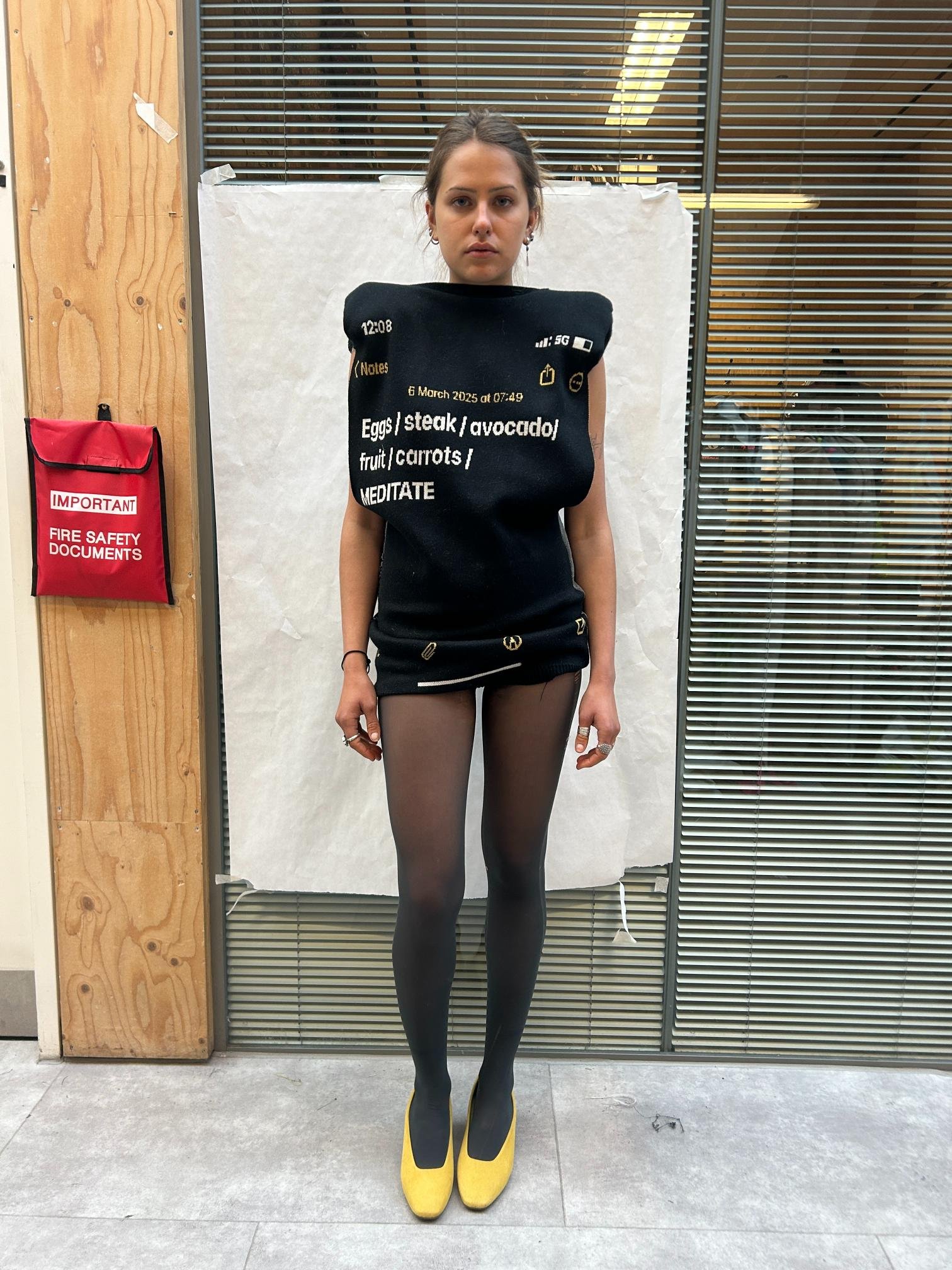
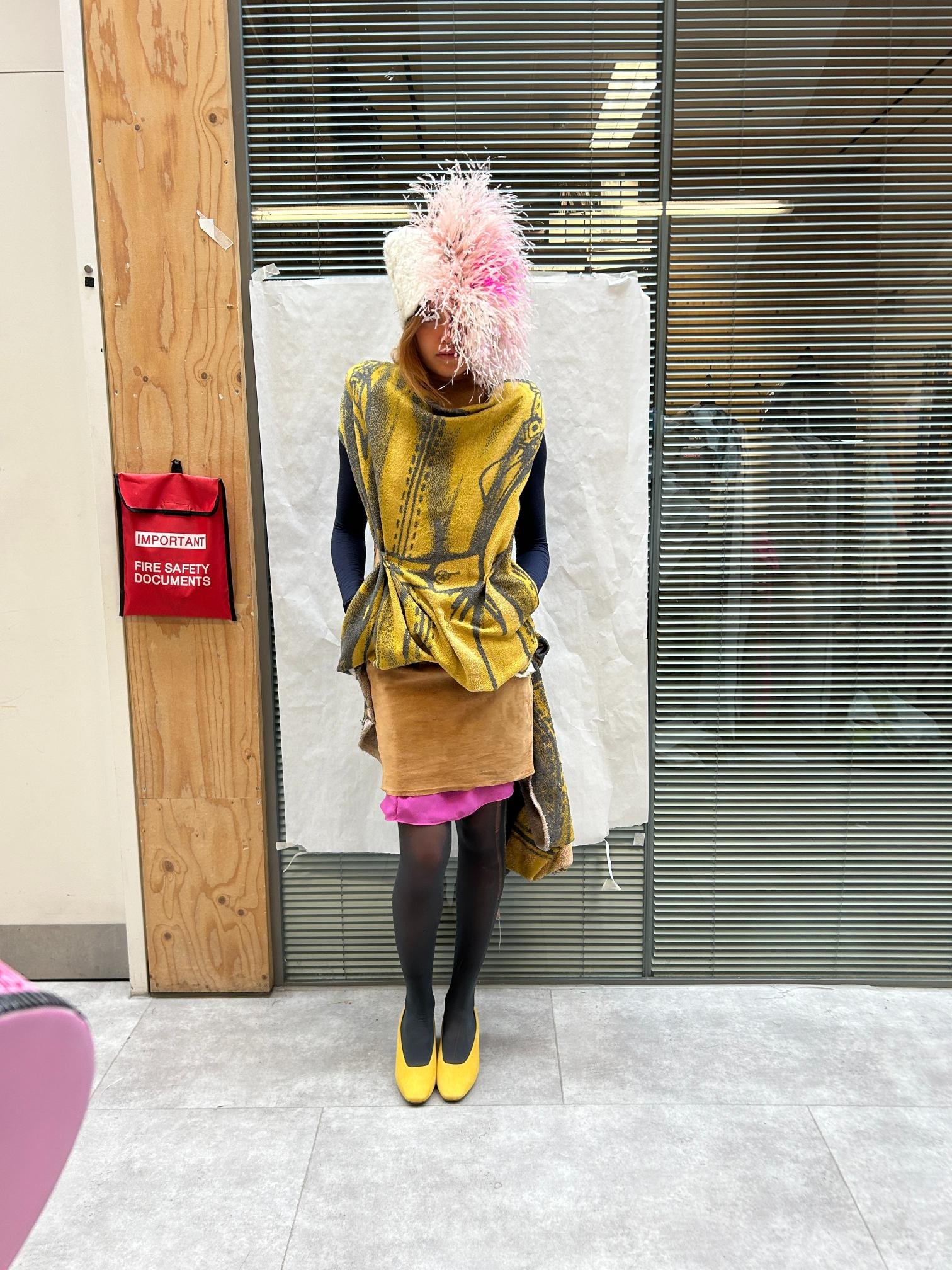
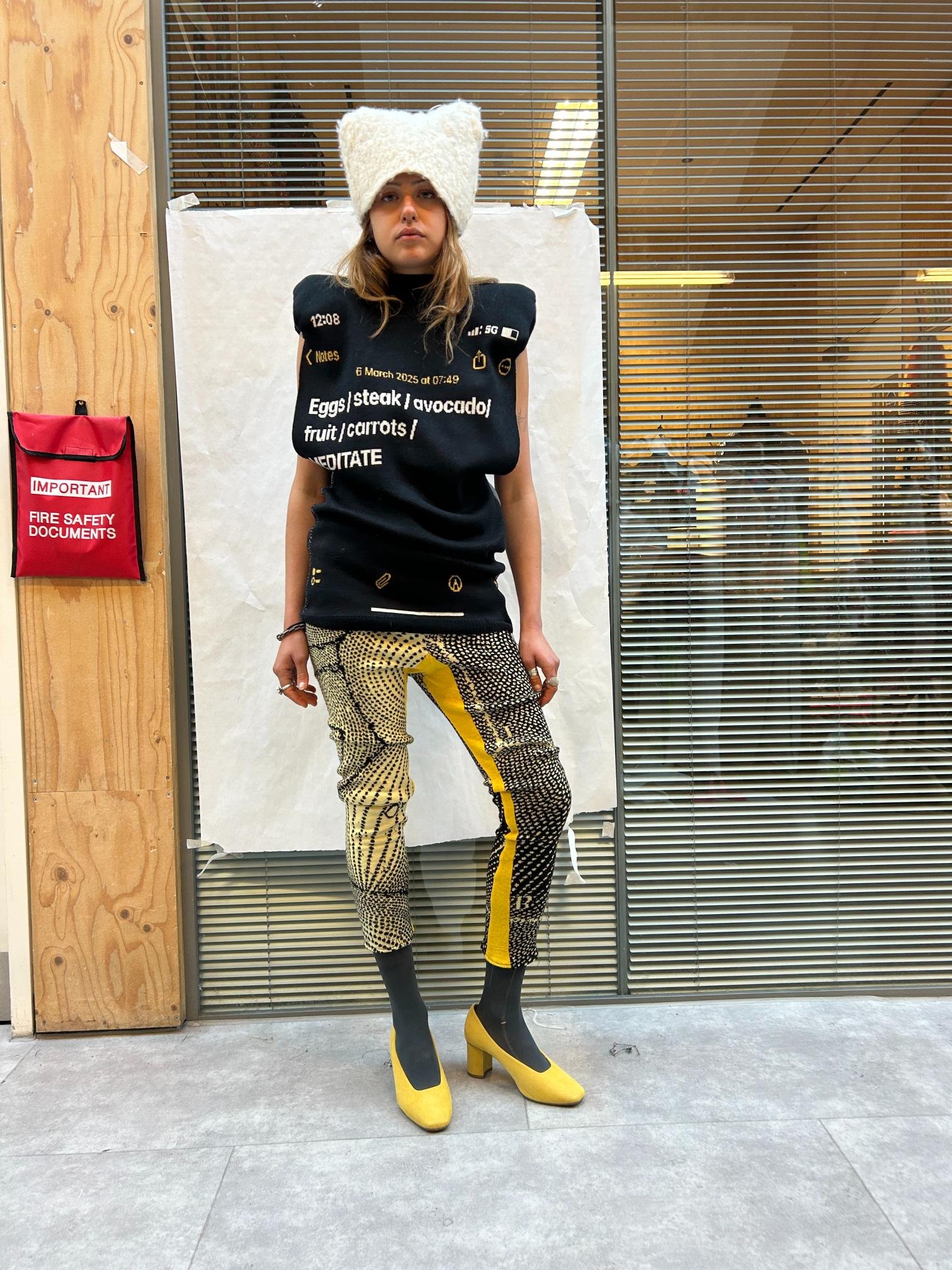
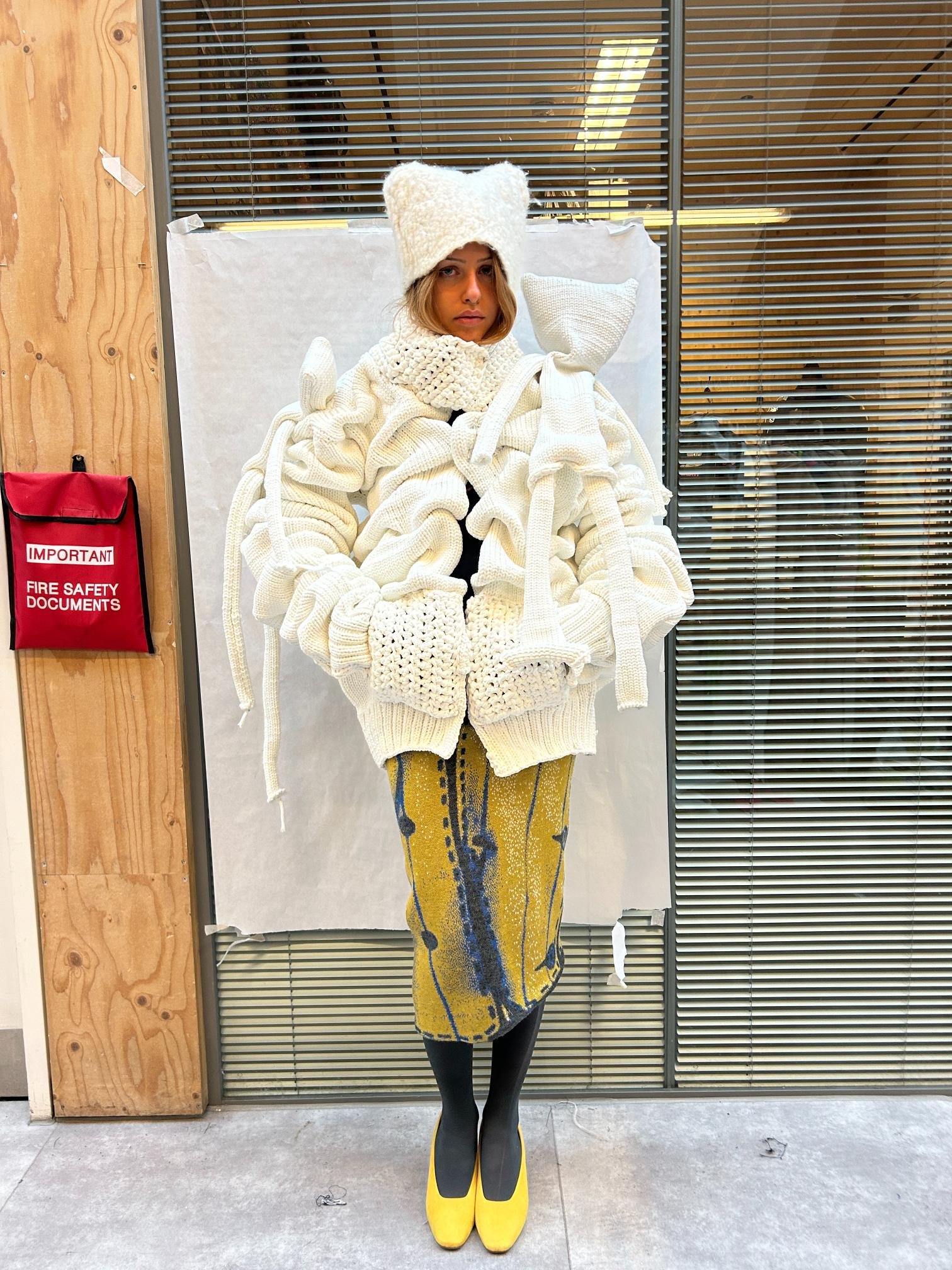
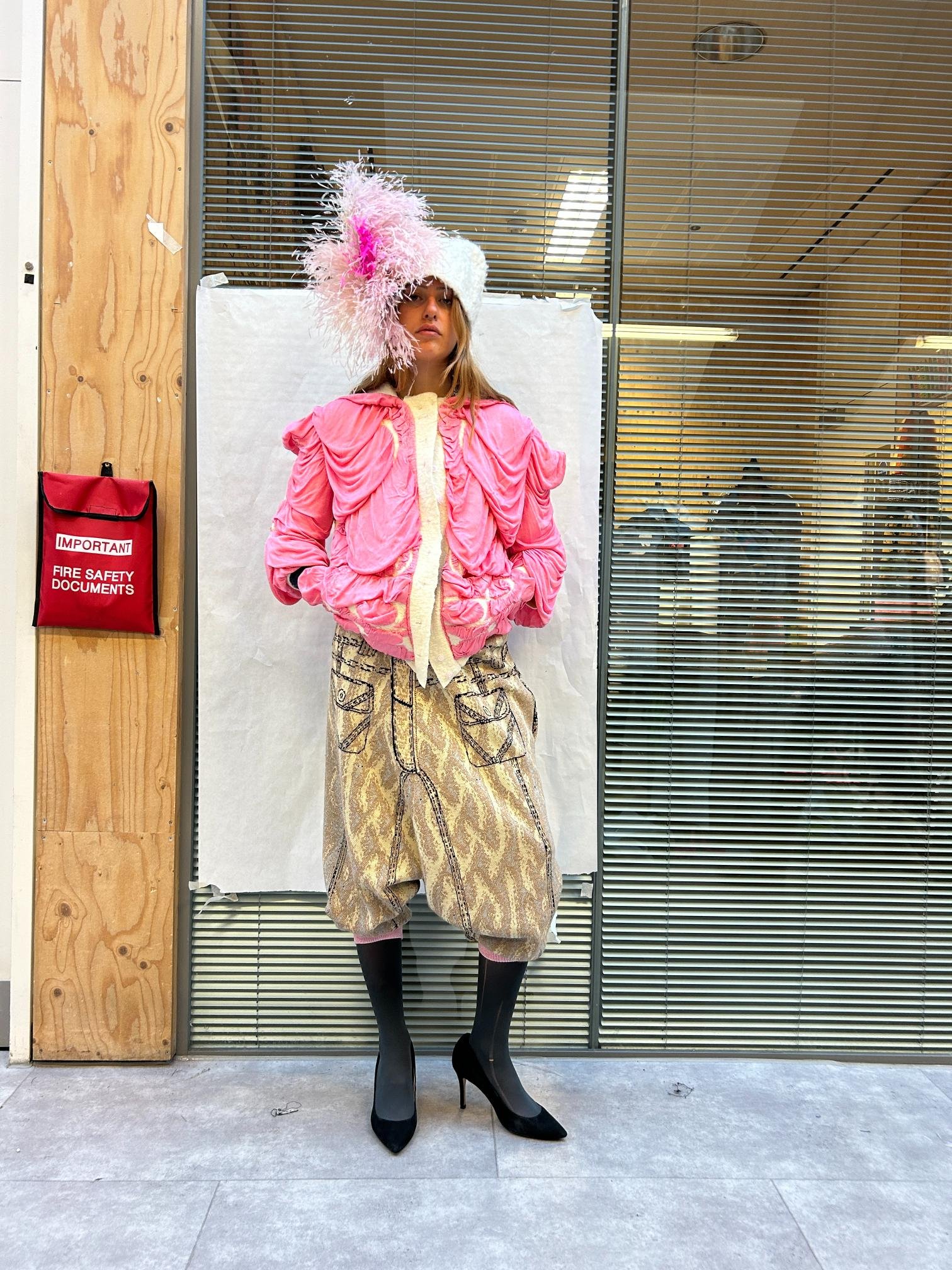
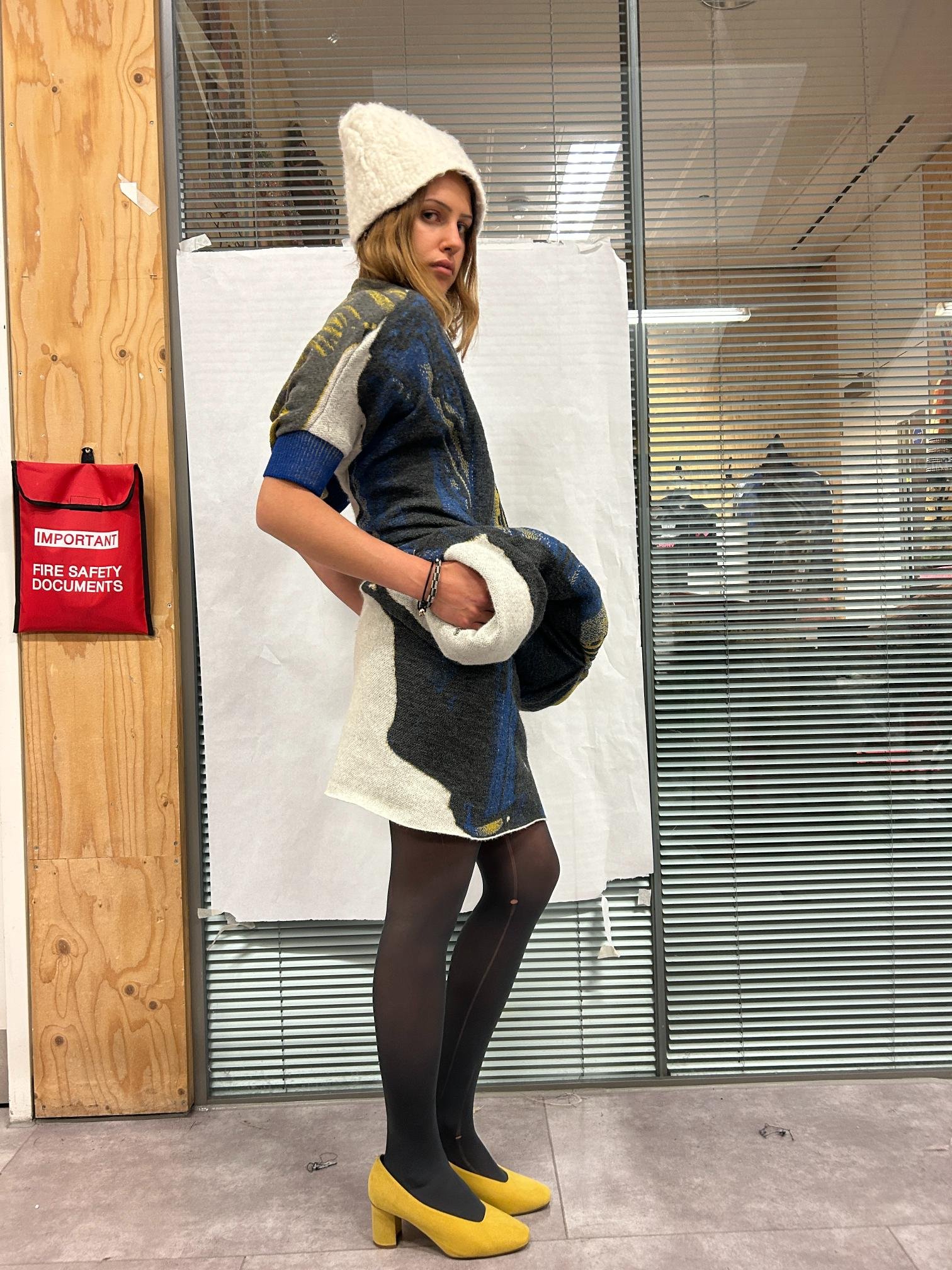
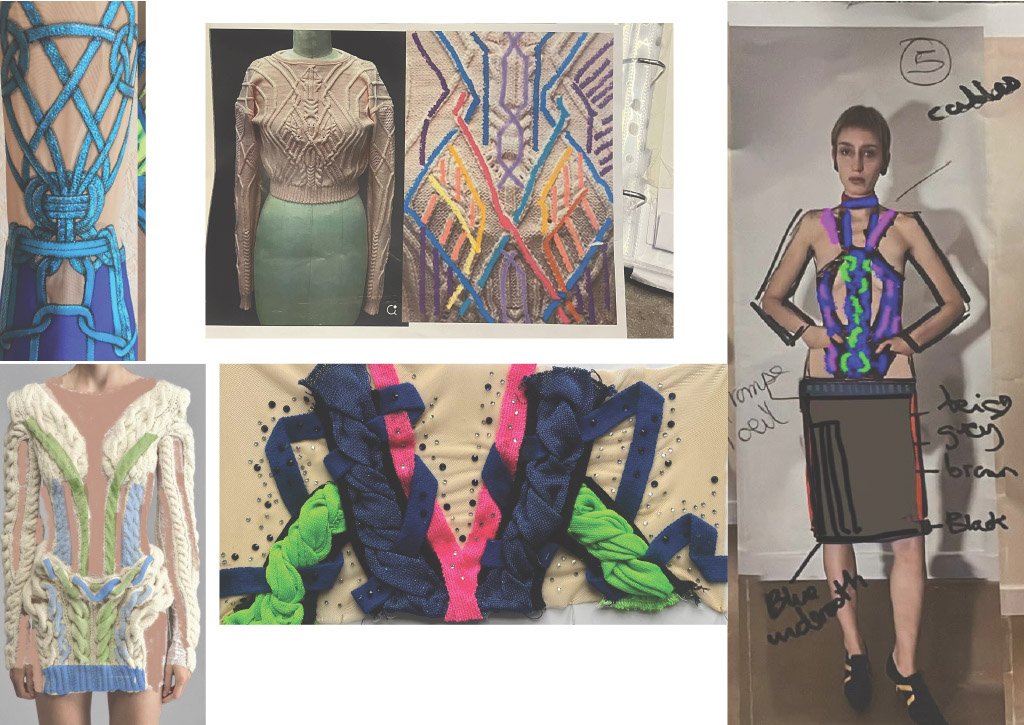
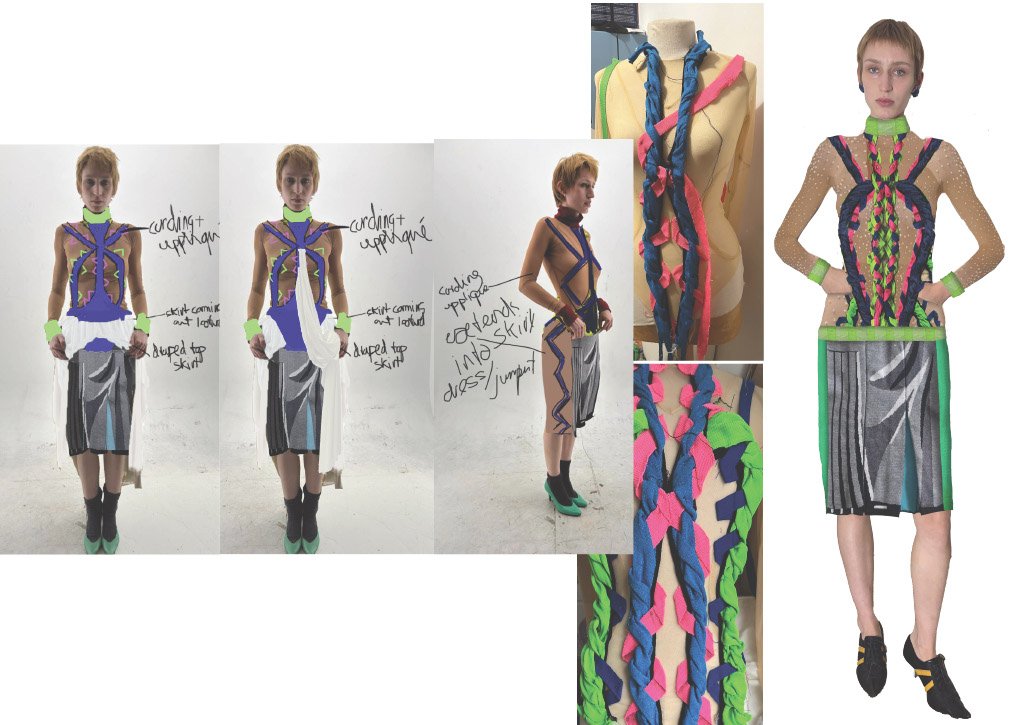
Arora’s collection begins with North London, and with the belief that once people start looking for magic, they begin to find it. Signs, symbols, sacred moments, and small details from everyday life become a way of paying tribute to the people around her and the spiritual outlook they share. Many of these moments were first documented on her iPhone, then digitally altered and transformed into the basis for knitwear designs. Jacquard knit development sits at the centre of the collection, with trompe-l’oeil effects used to move between the physical and digital worlds.

@sl333pingbeauty_

Buzz Shatford

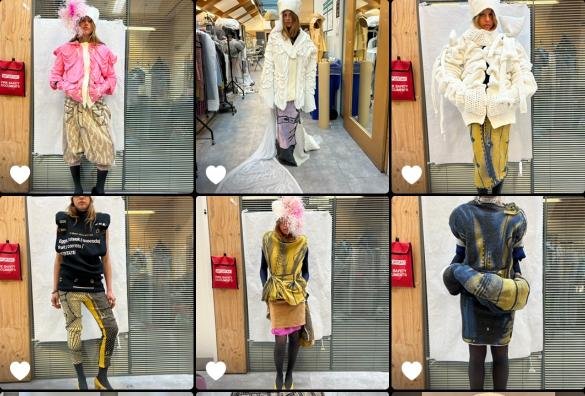
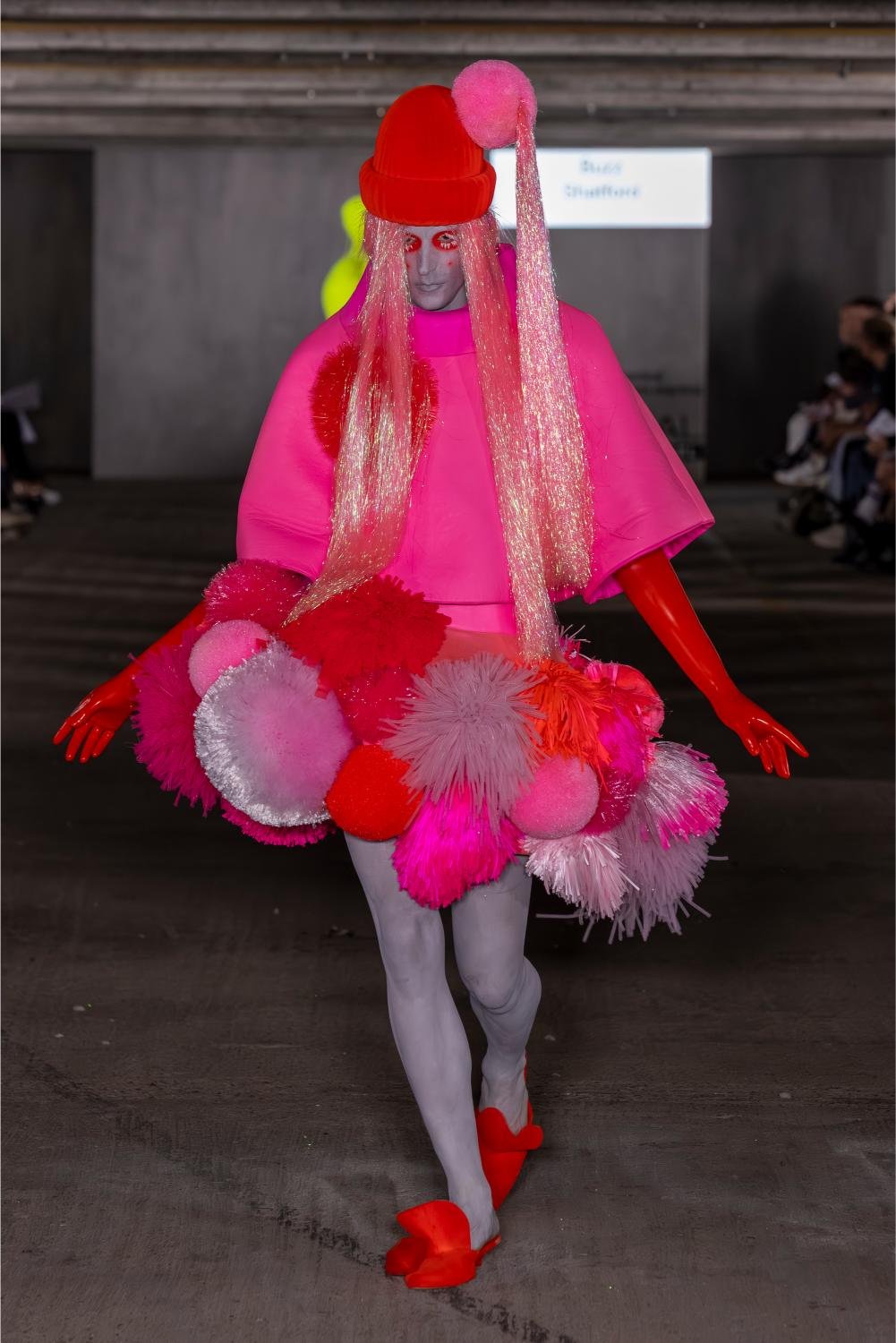
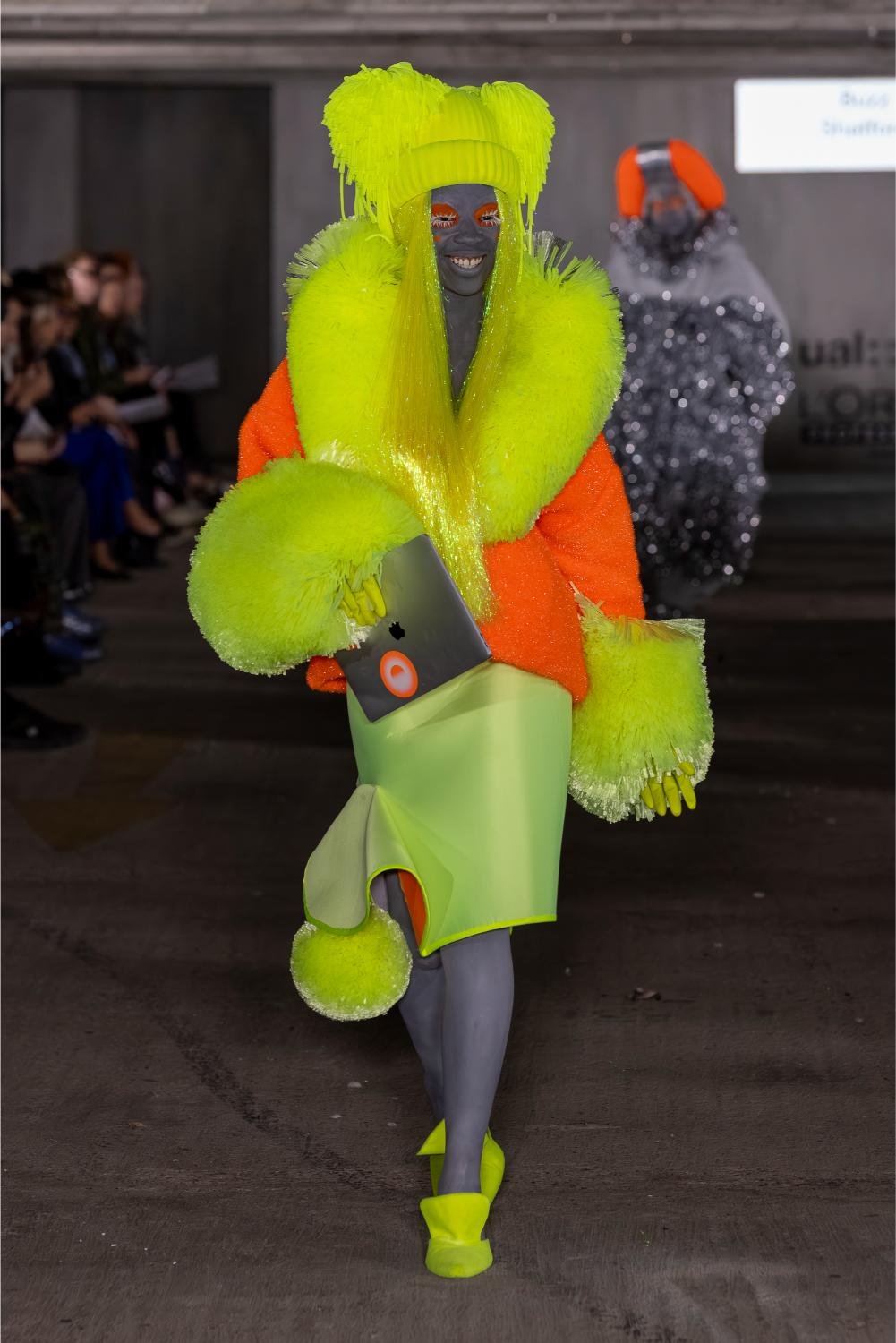
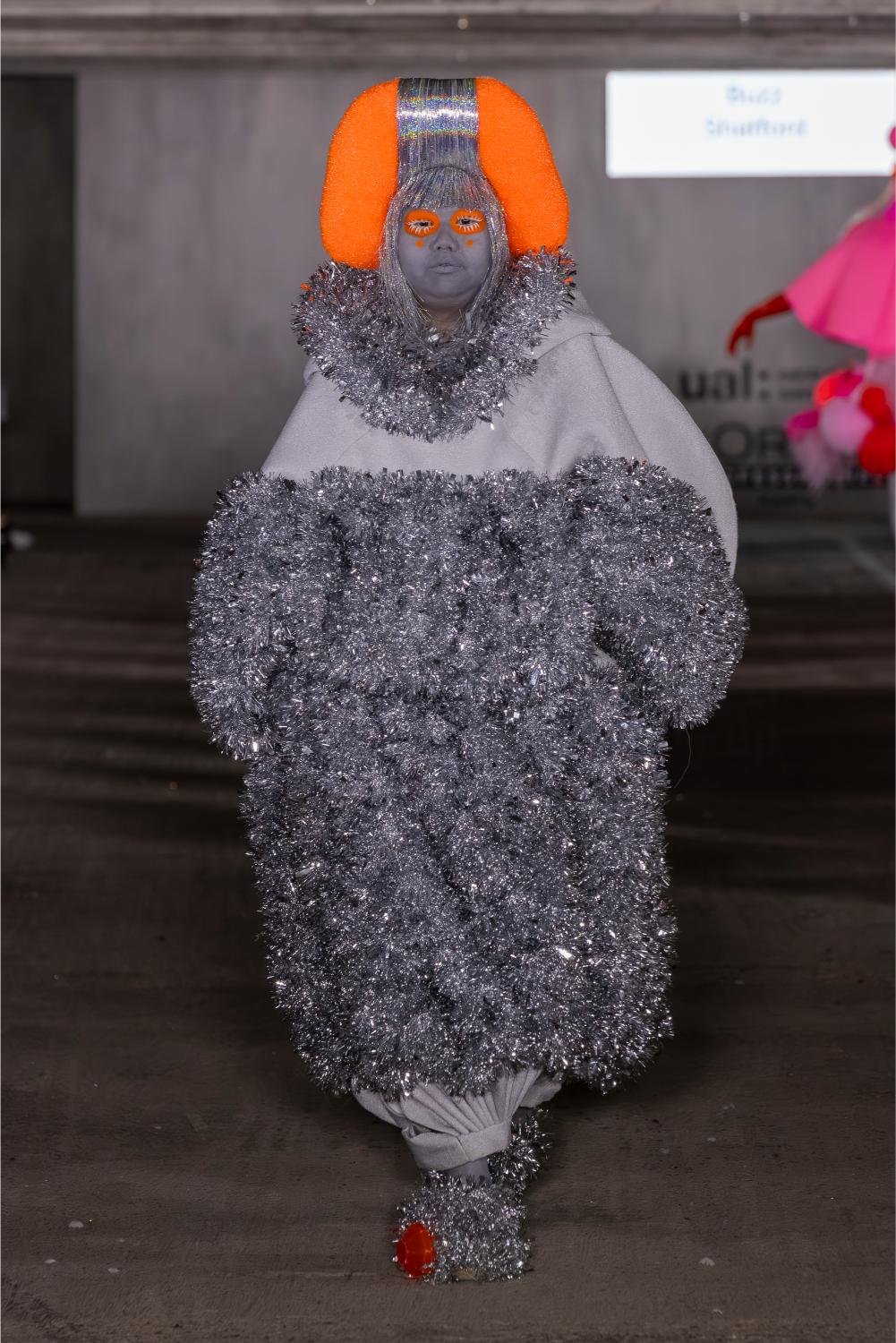
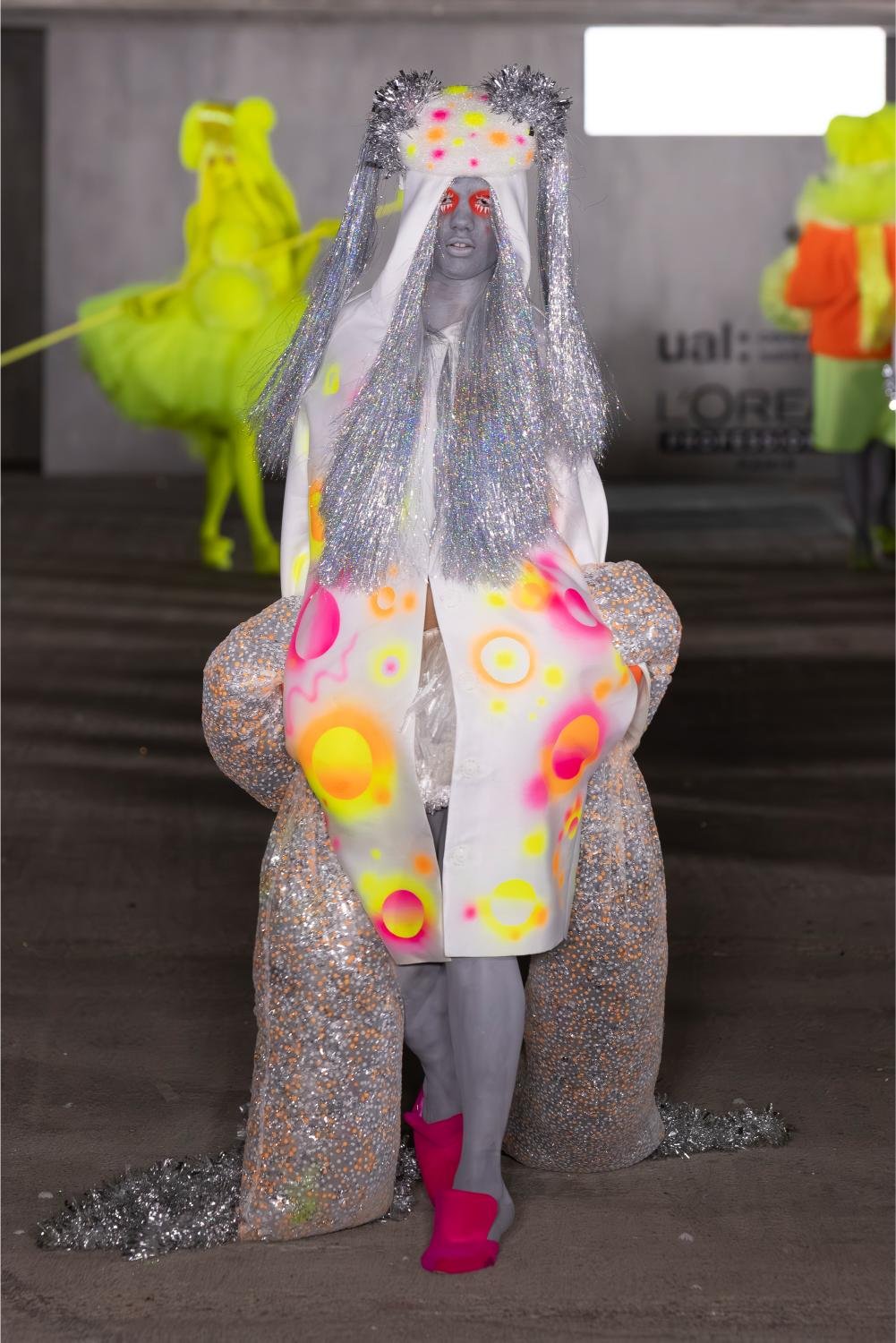
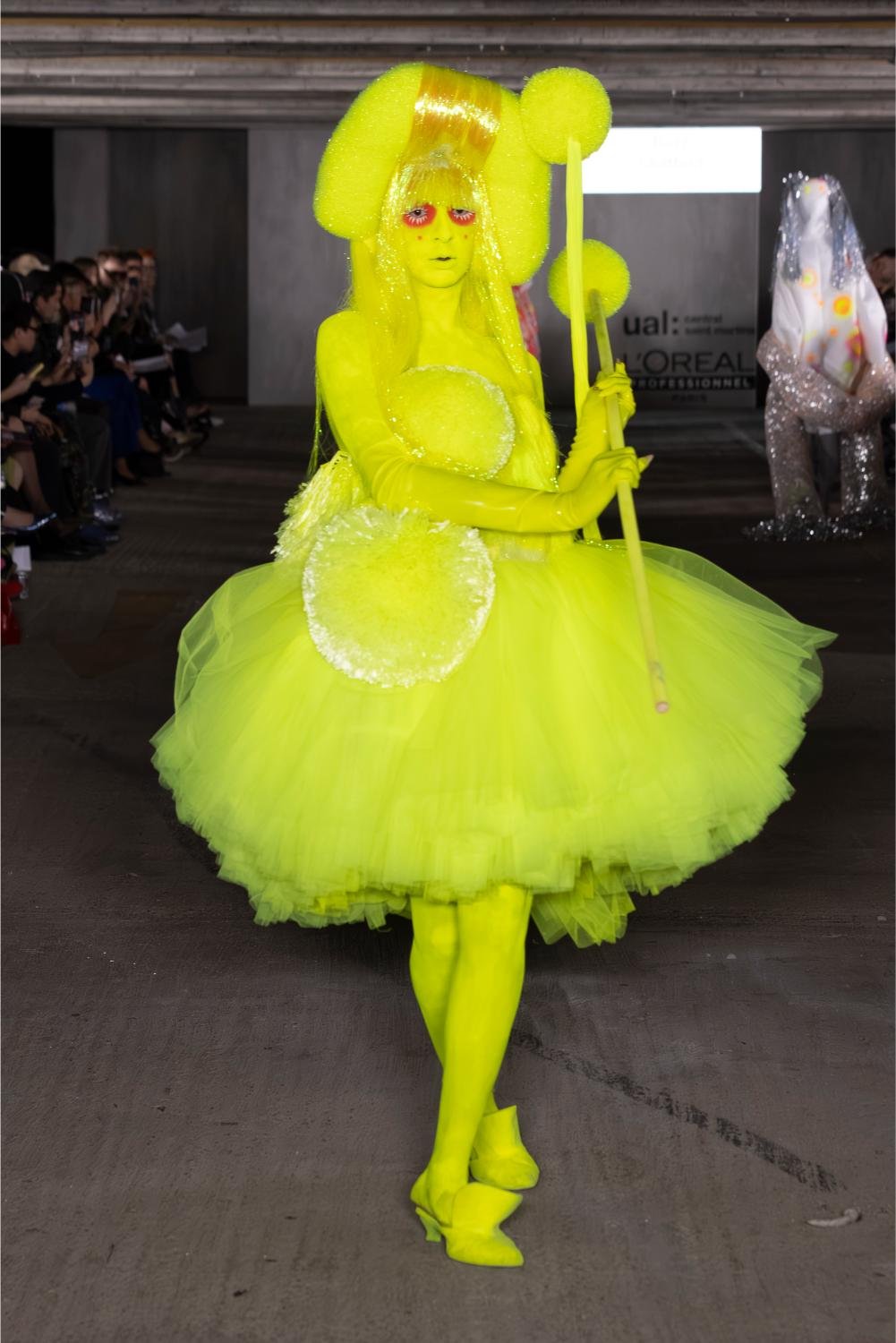
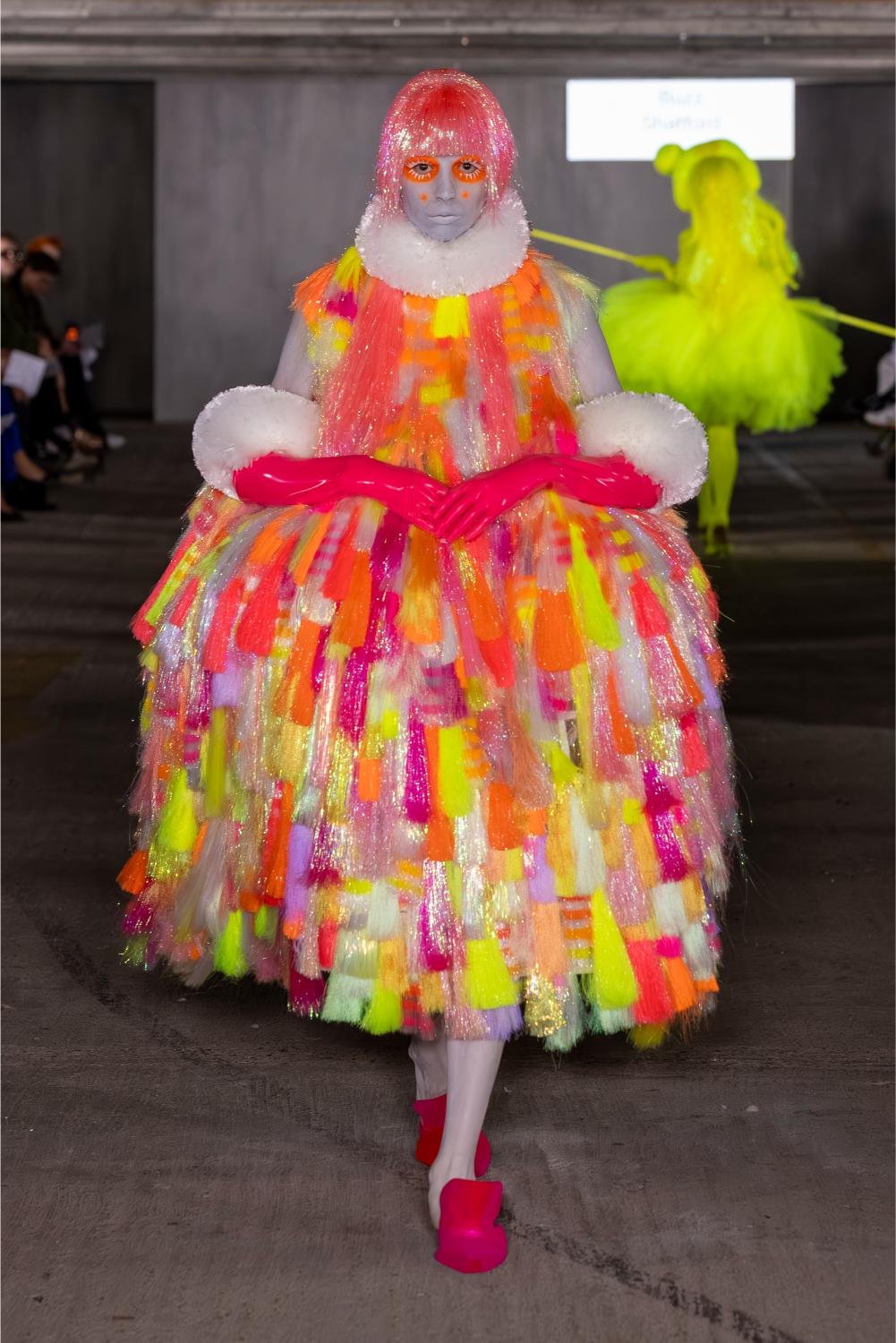
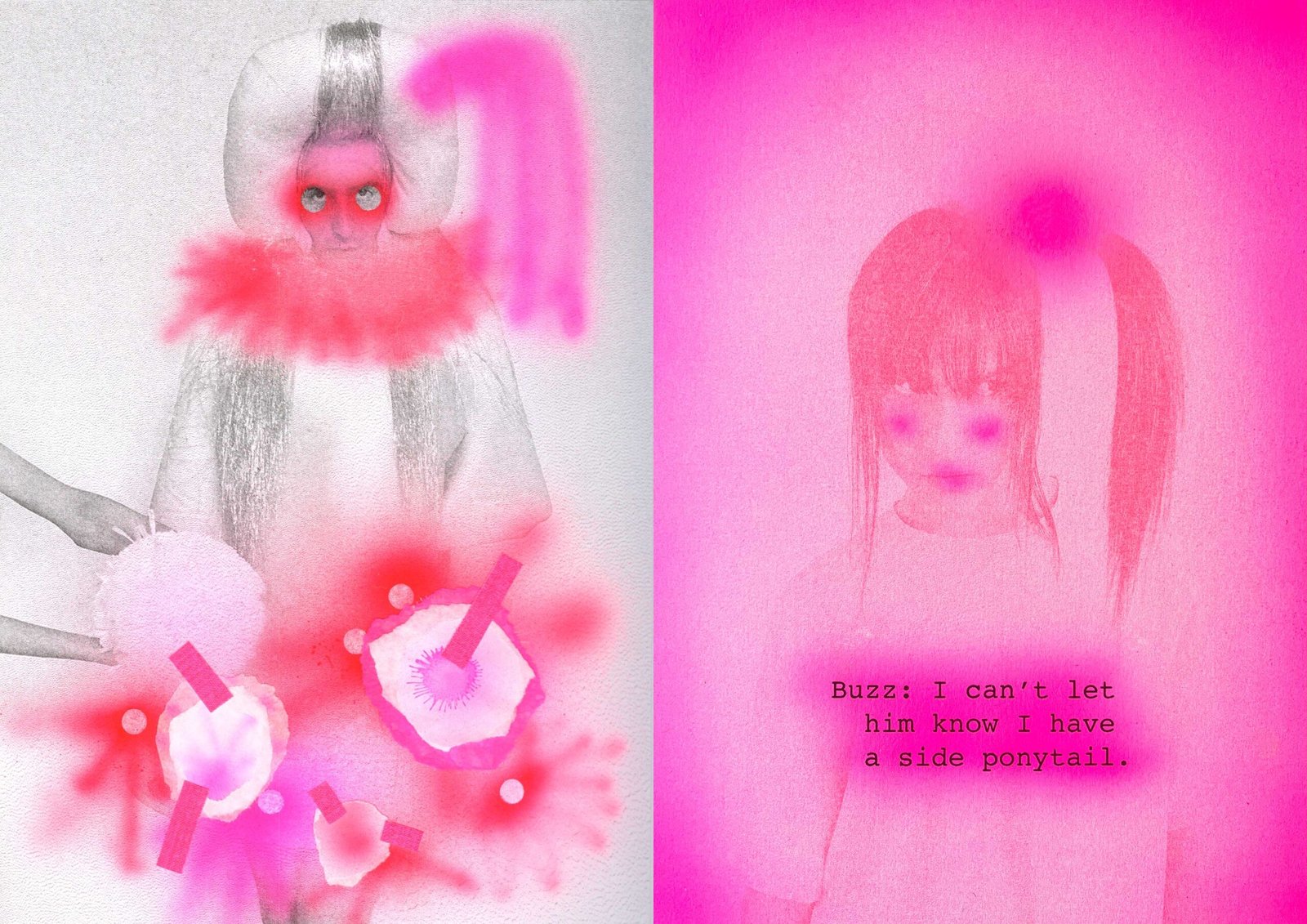
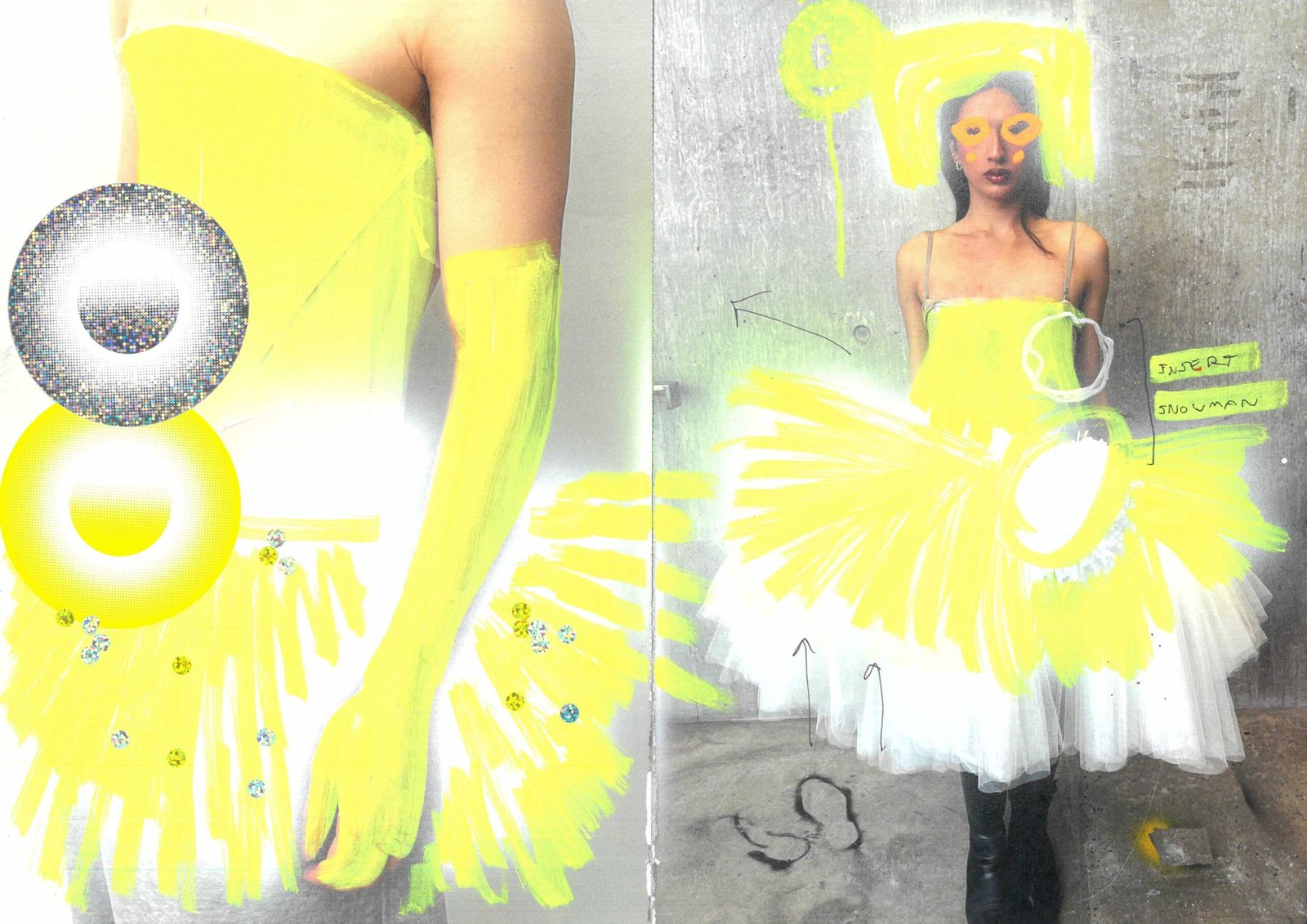
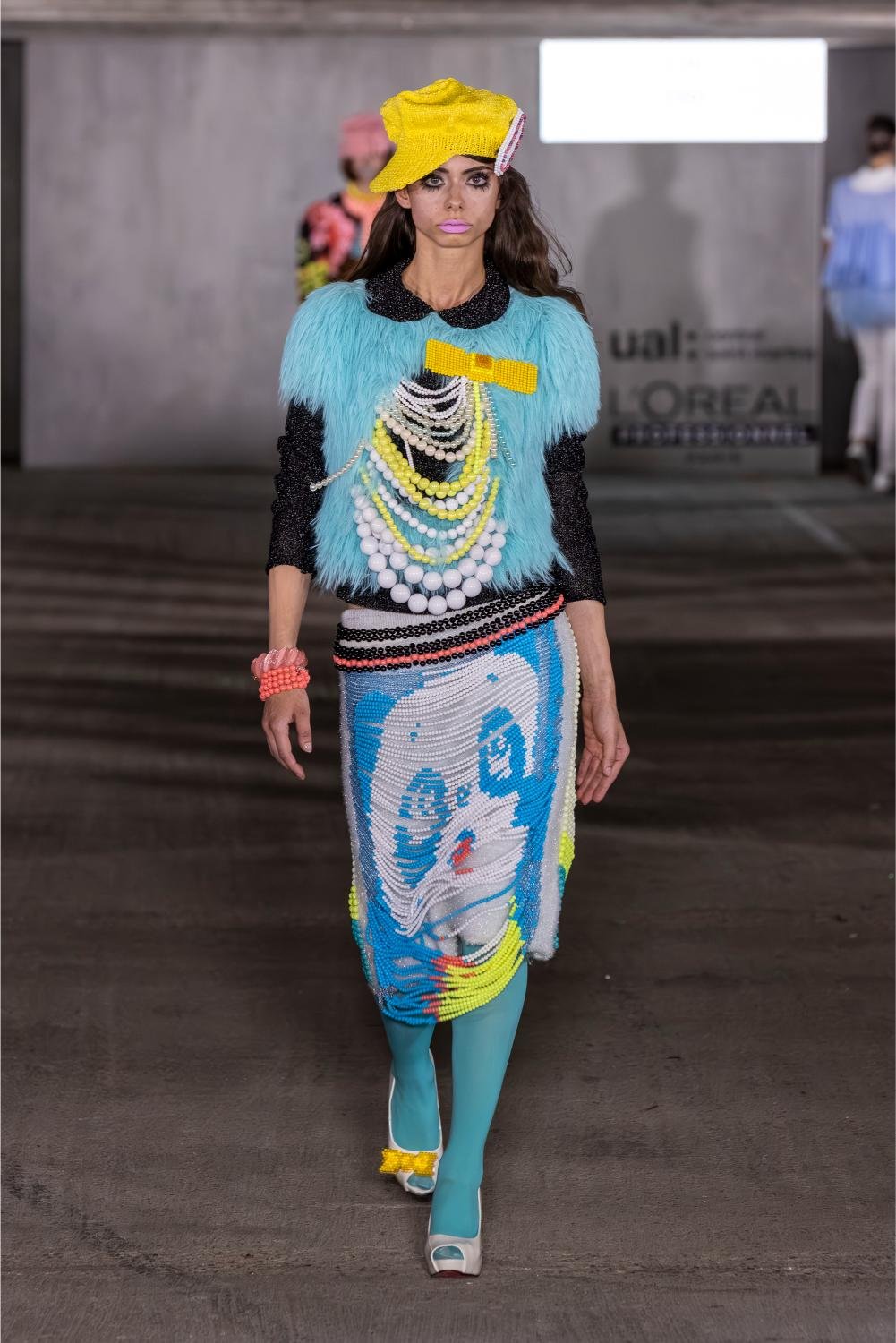
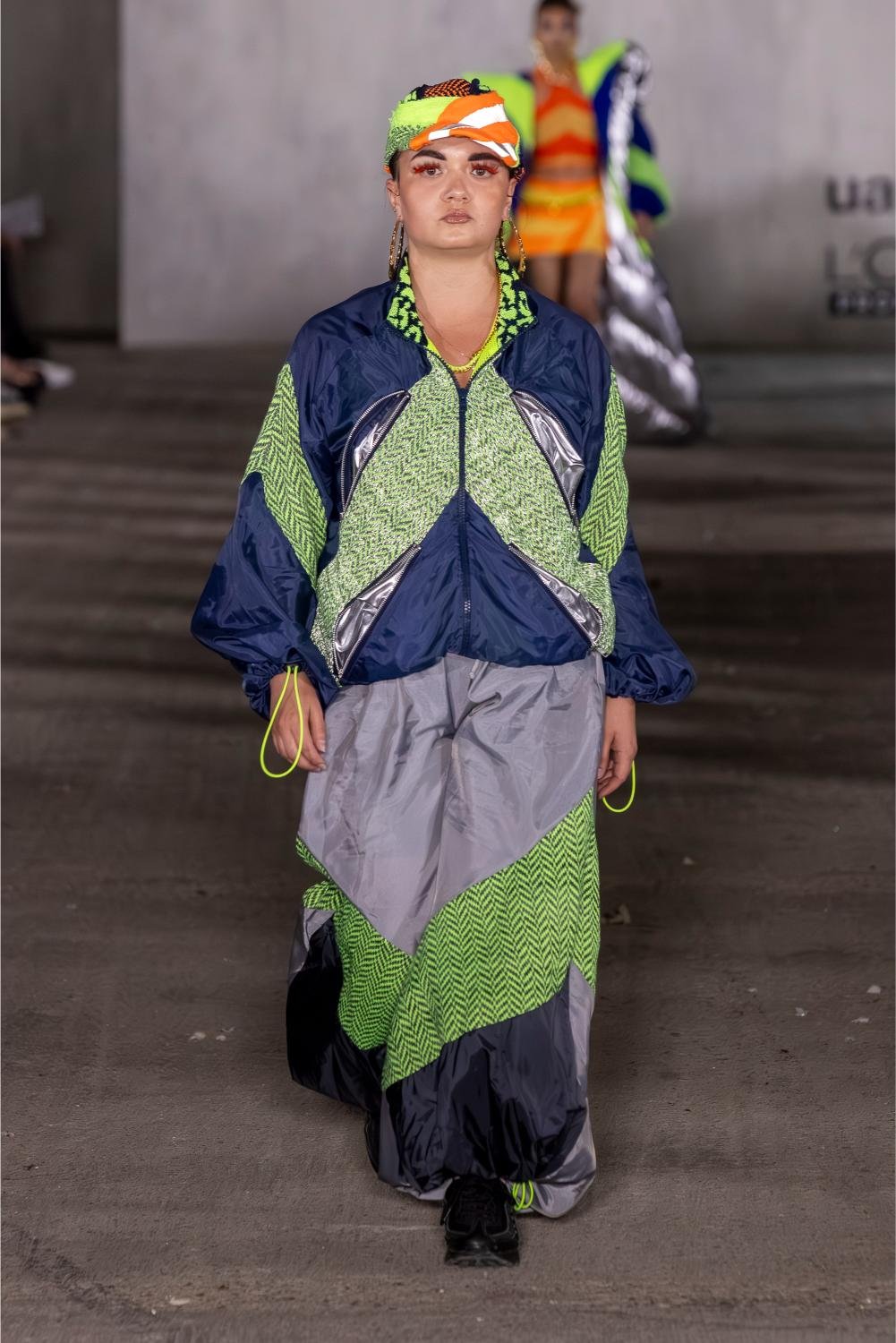
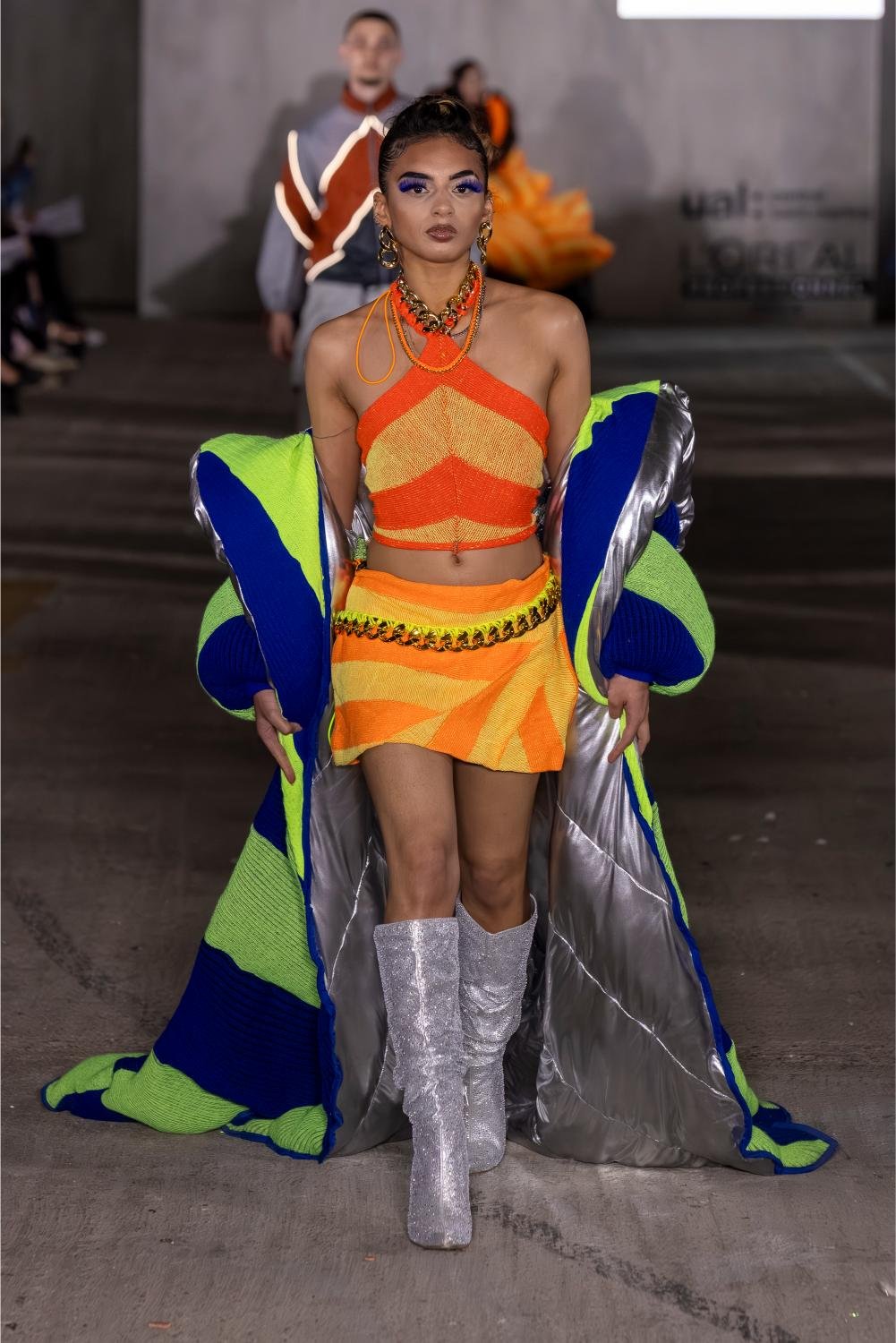
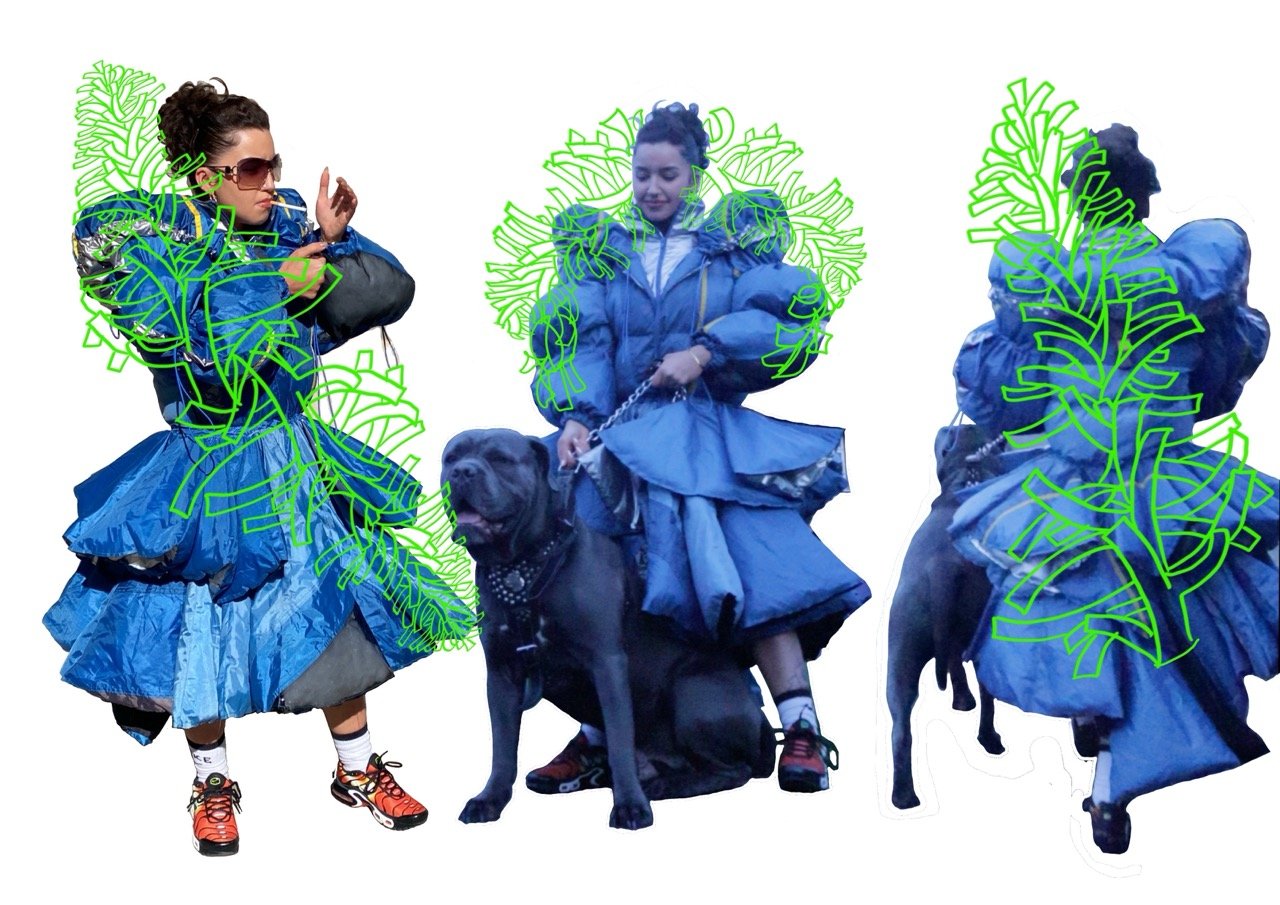
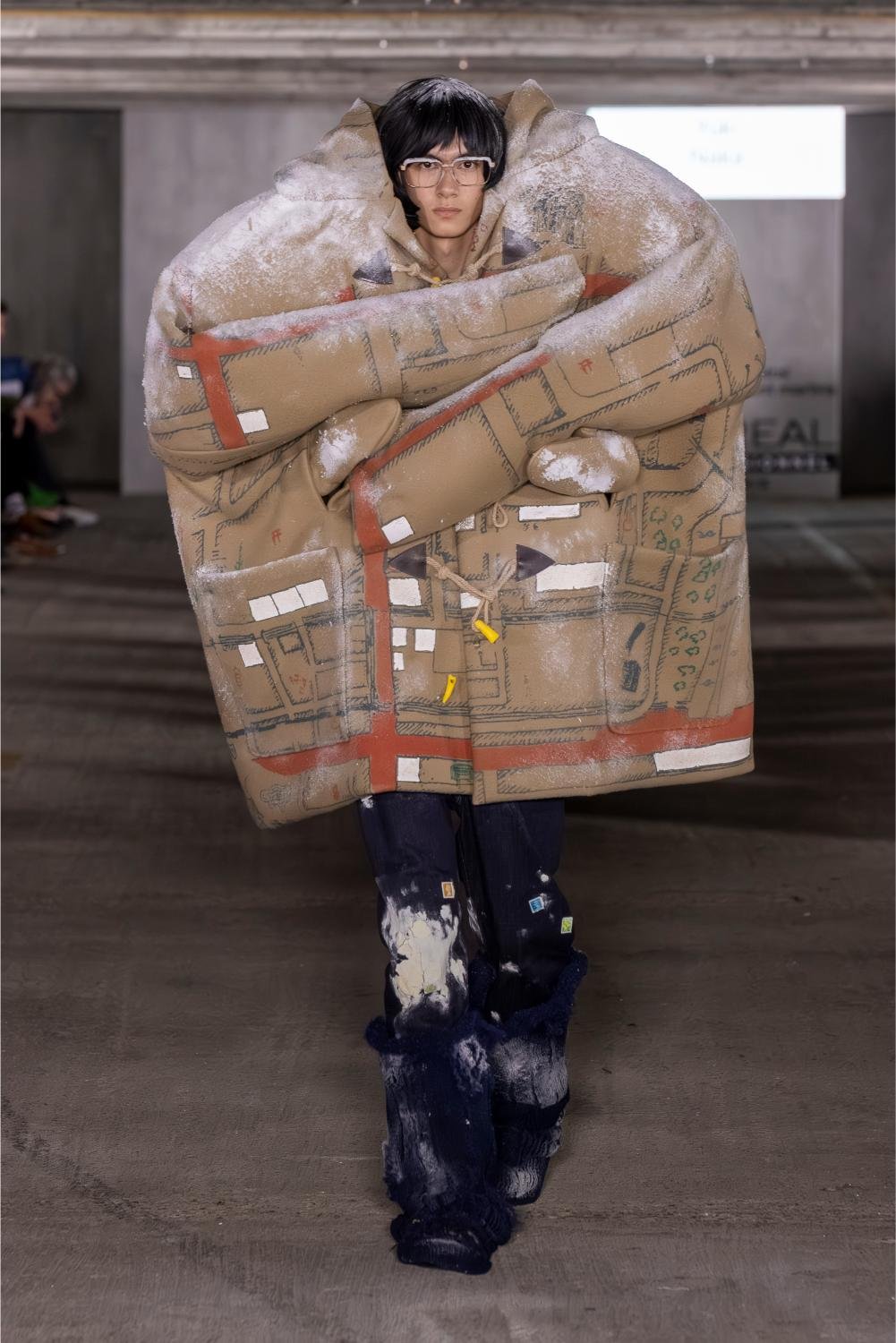
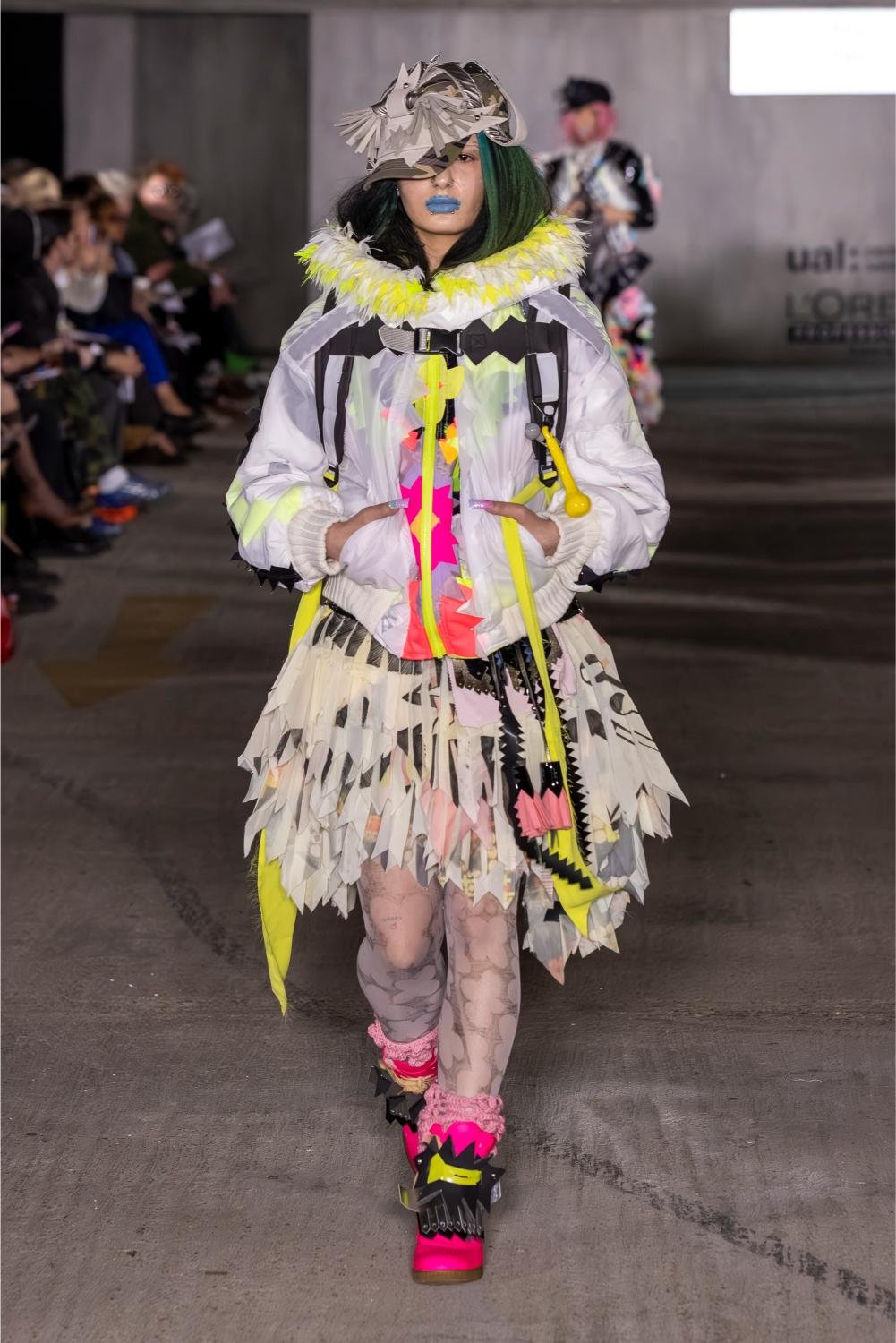
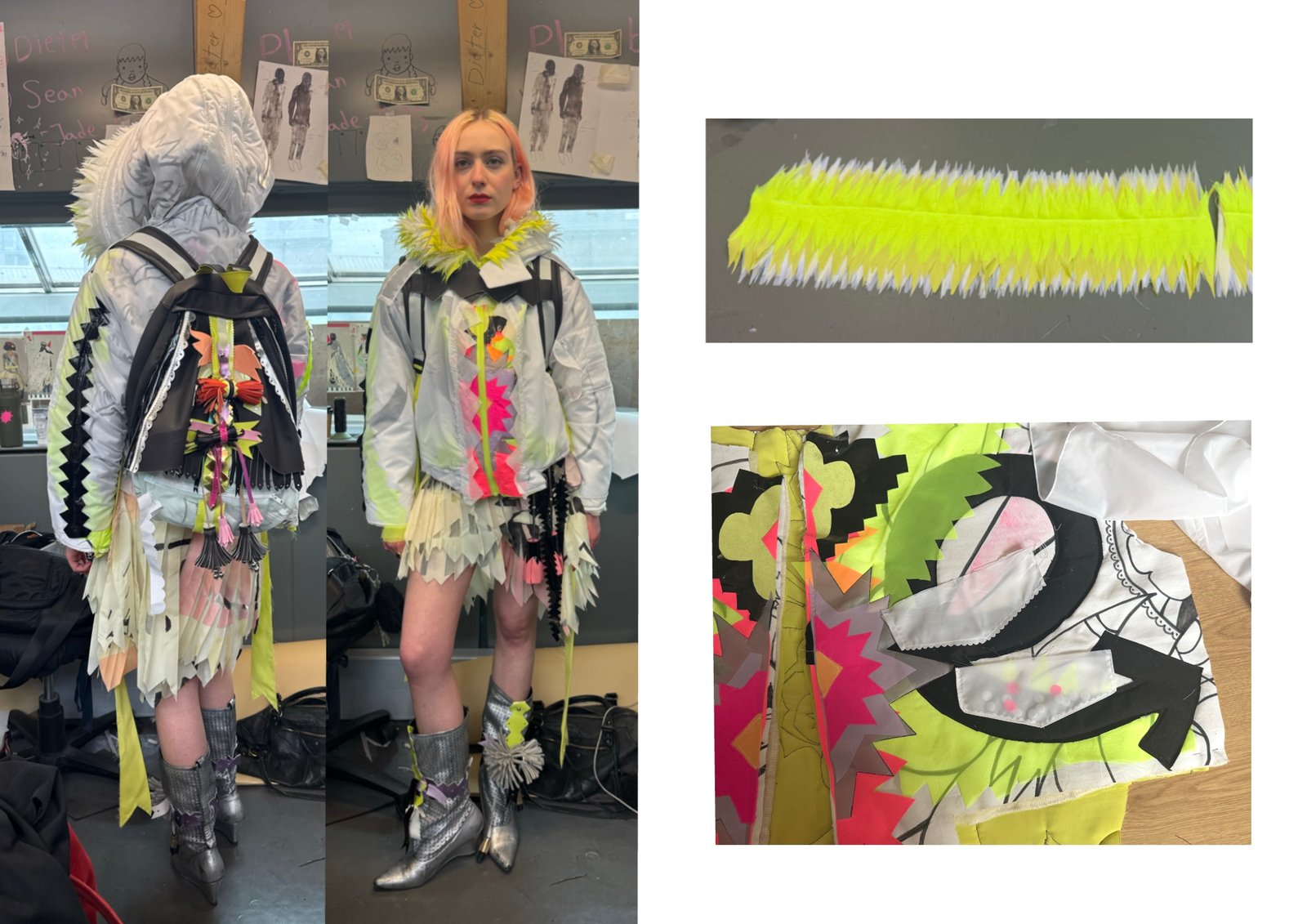
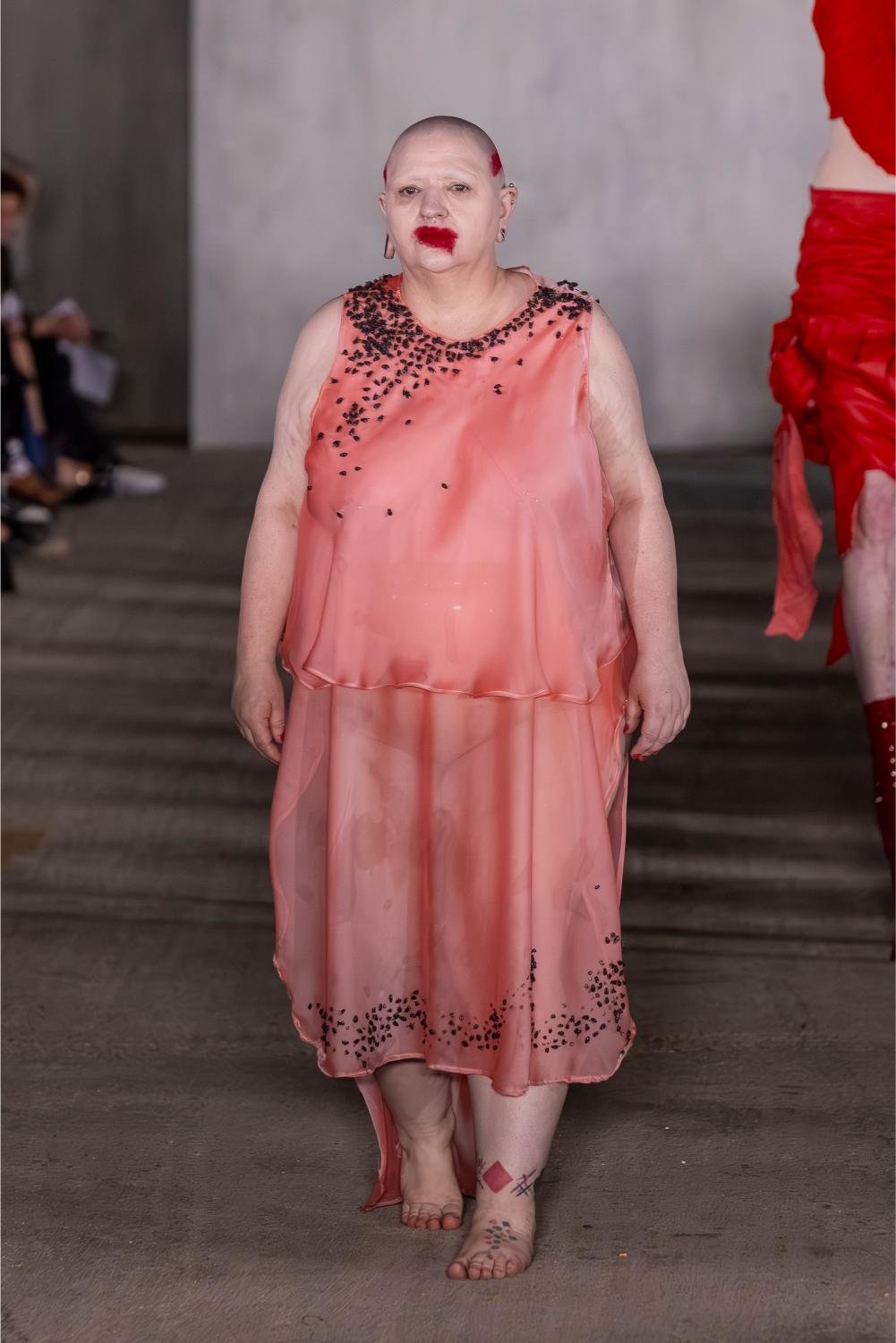
“Snowy Mountain Princess Party,” Buzz Shatford’s collection, is about going out in the Canadian winter and the friendships formed around surviving it. Inspired by nightlife in Toronto, the work captures the humour and commitment involved in dressing up when the weather is working against you. Party dressing is pulled into conversation with cold-weather practicality, creating garments that feel both glamorous and slightly absurd. Textures are developed to resemble frost, while neon colours mimic the sunrise that often marks the end of a long night out. At its heart, the collection is about camaraderie: the people who make difficult environments feel joyful, theatrical, and worth braving.
@buzzshatford

Chi Wei

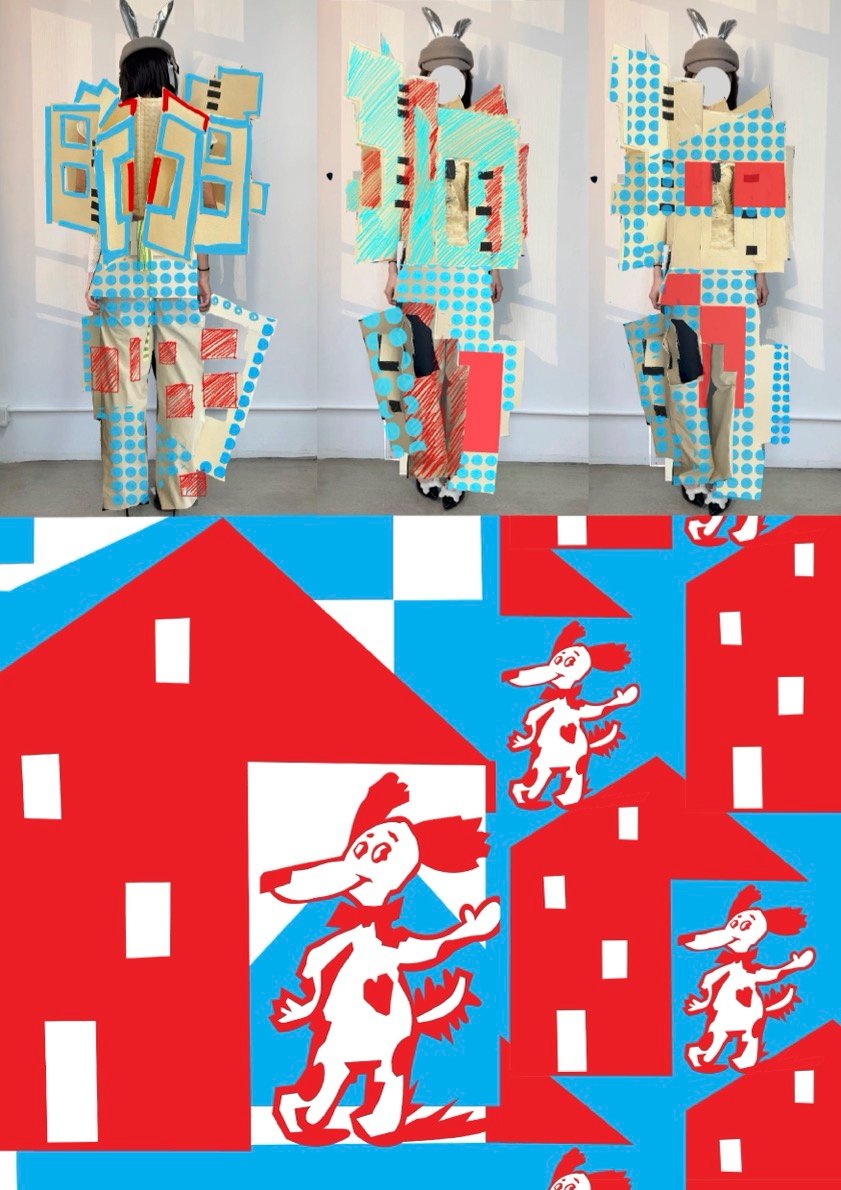
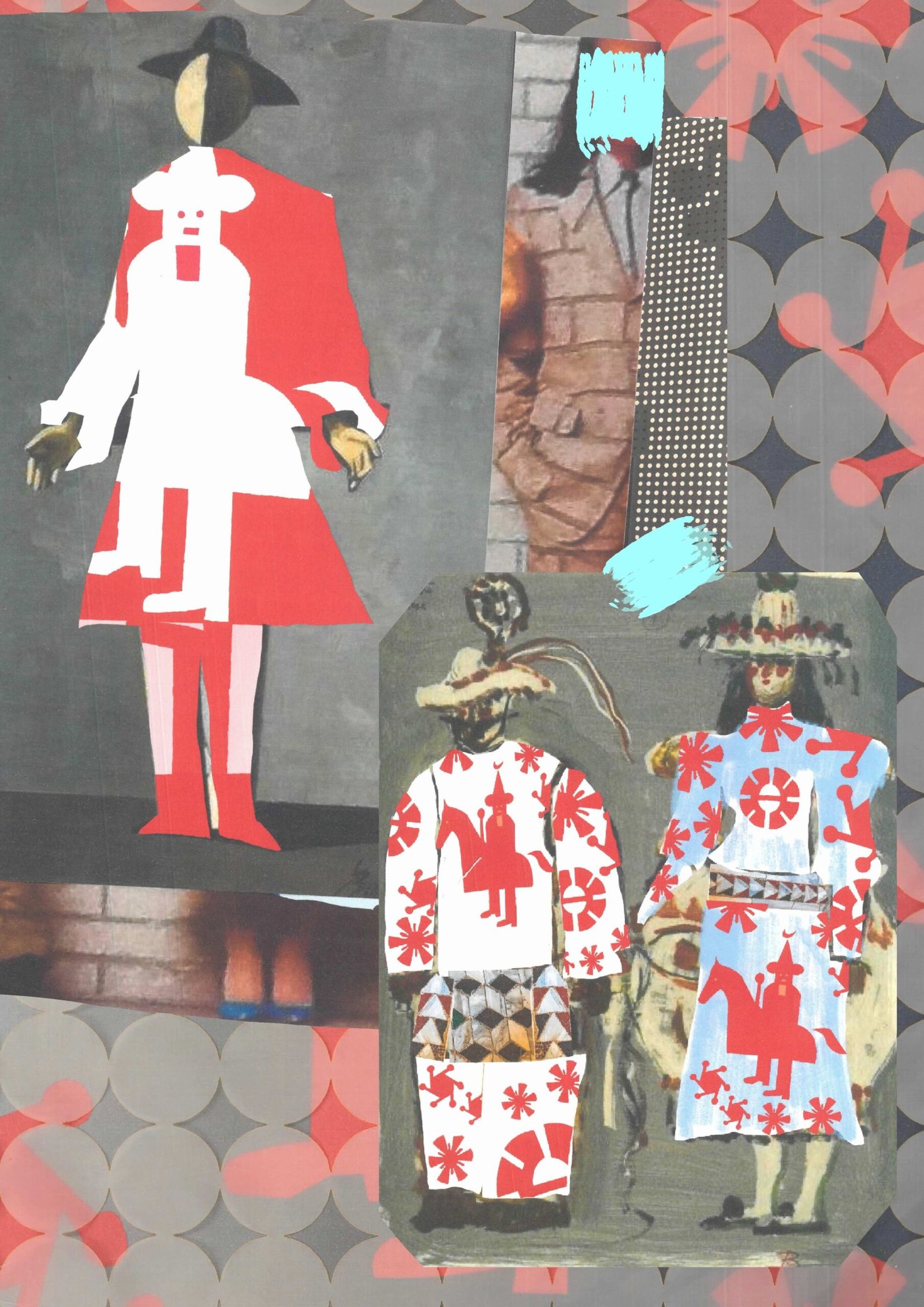
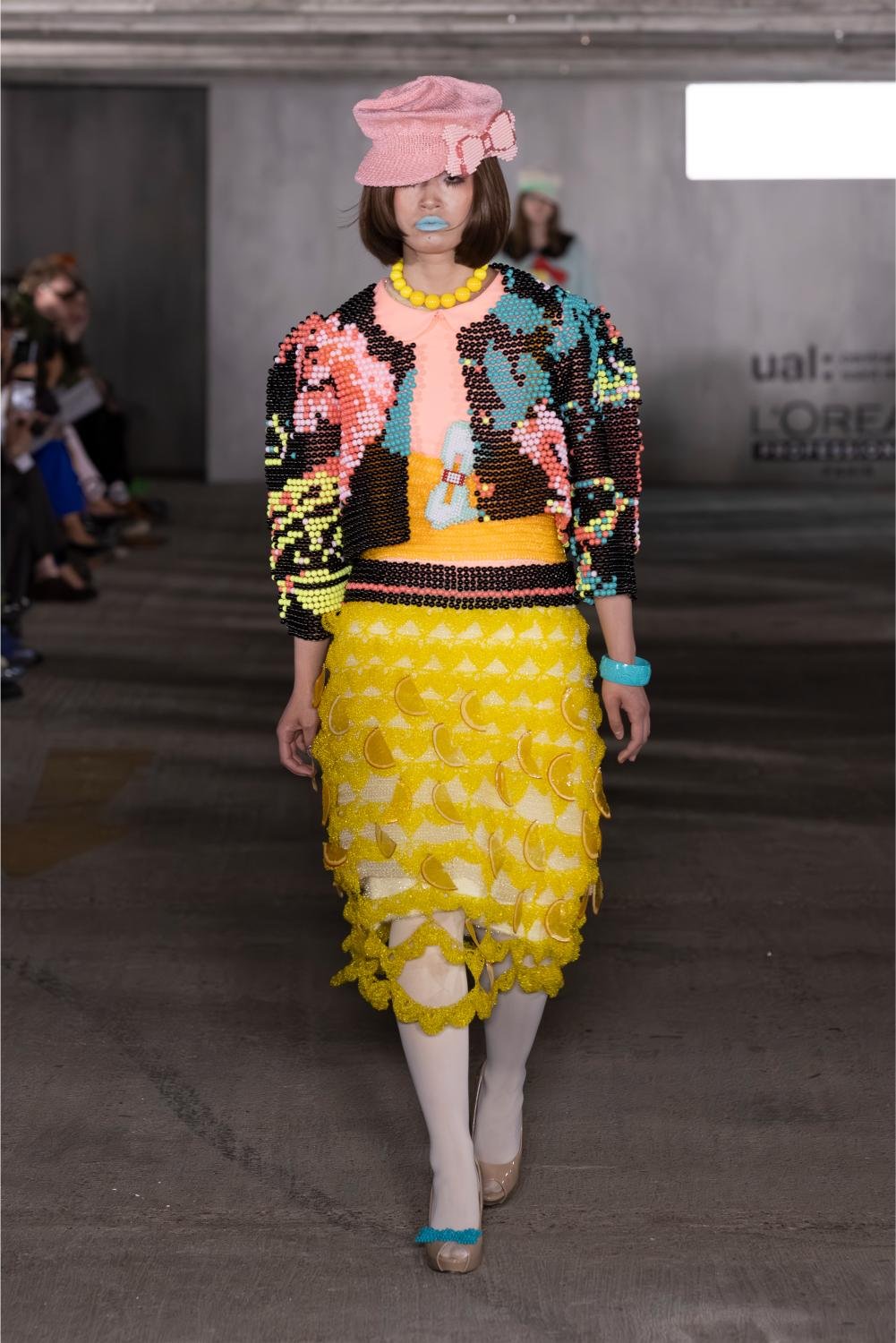
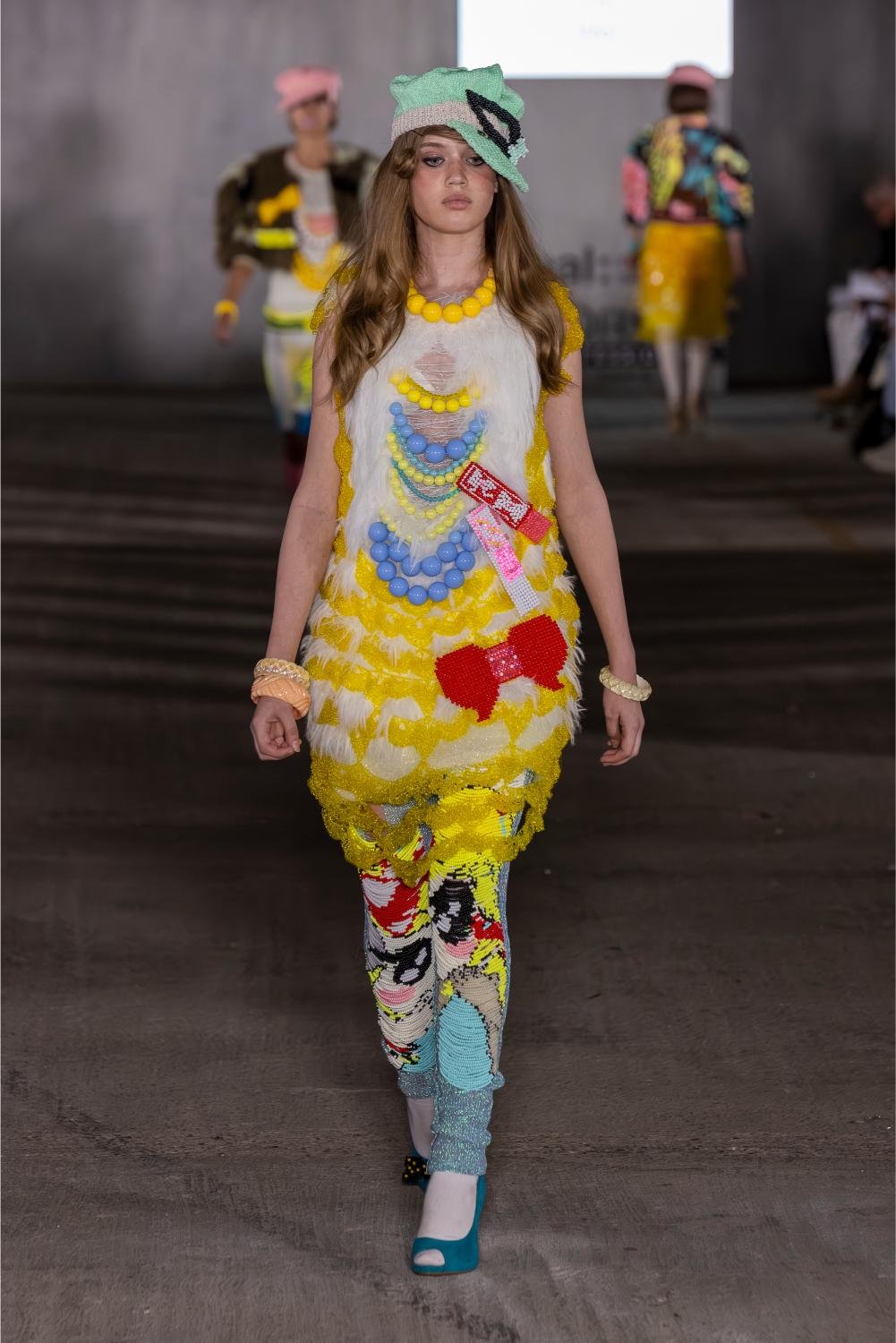
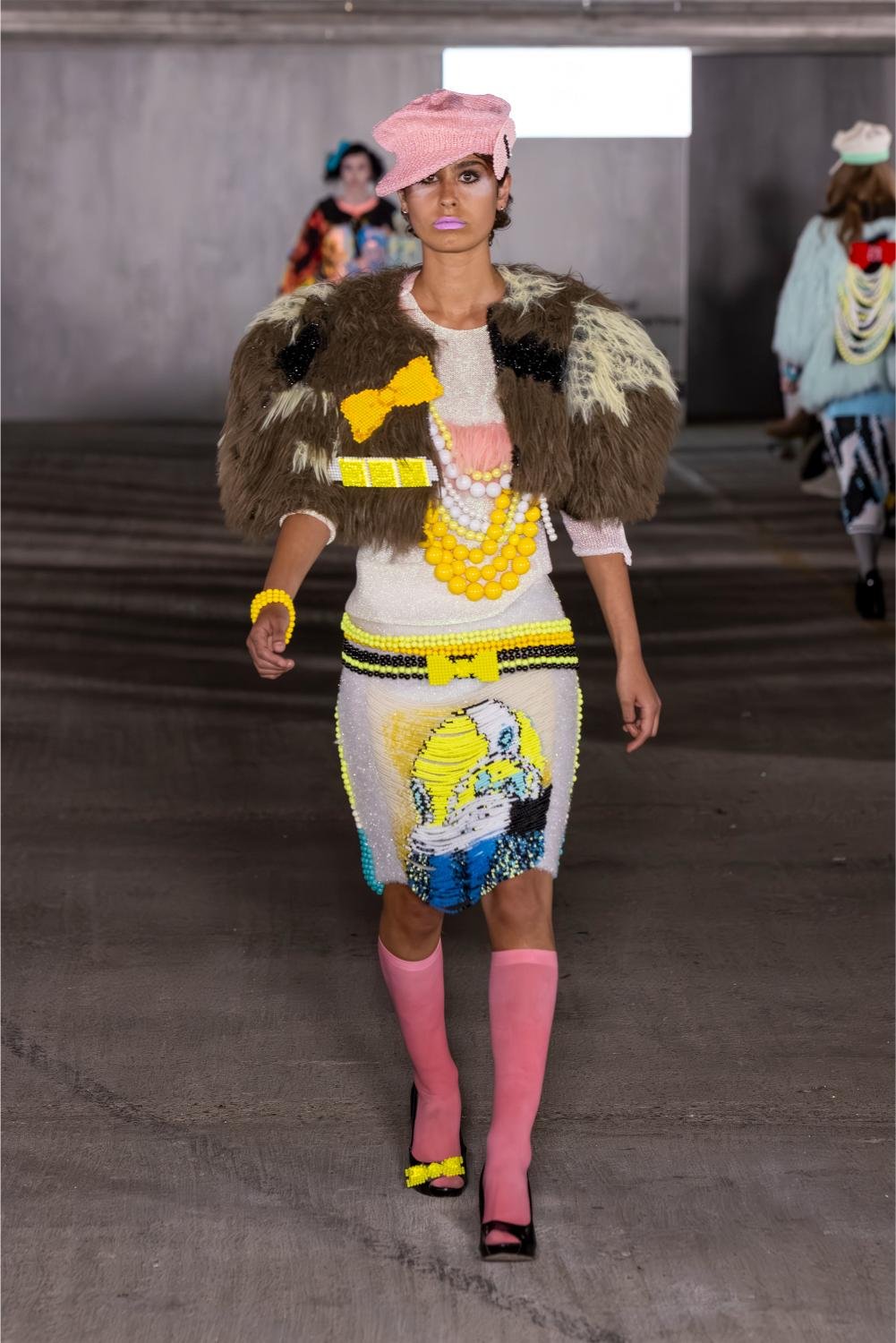
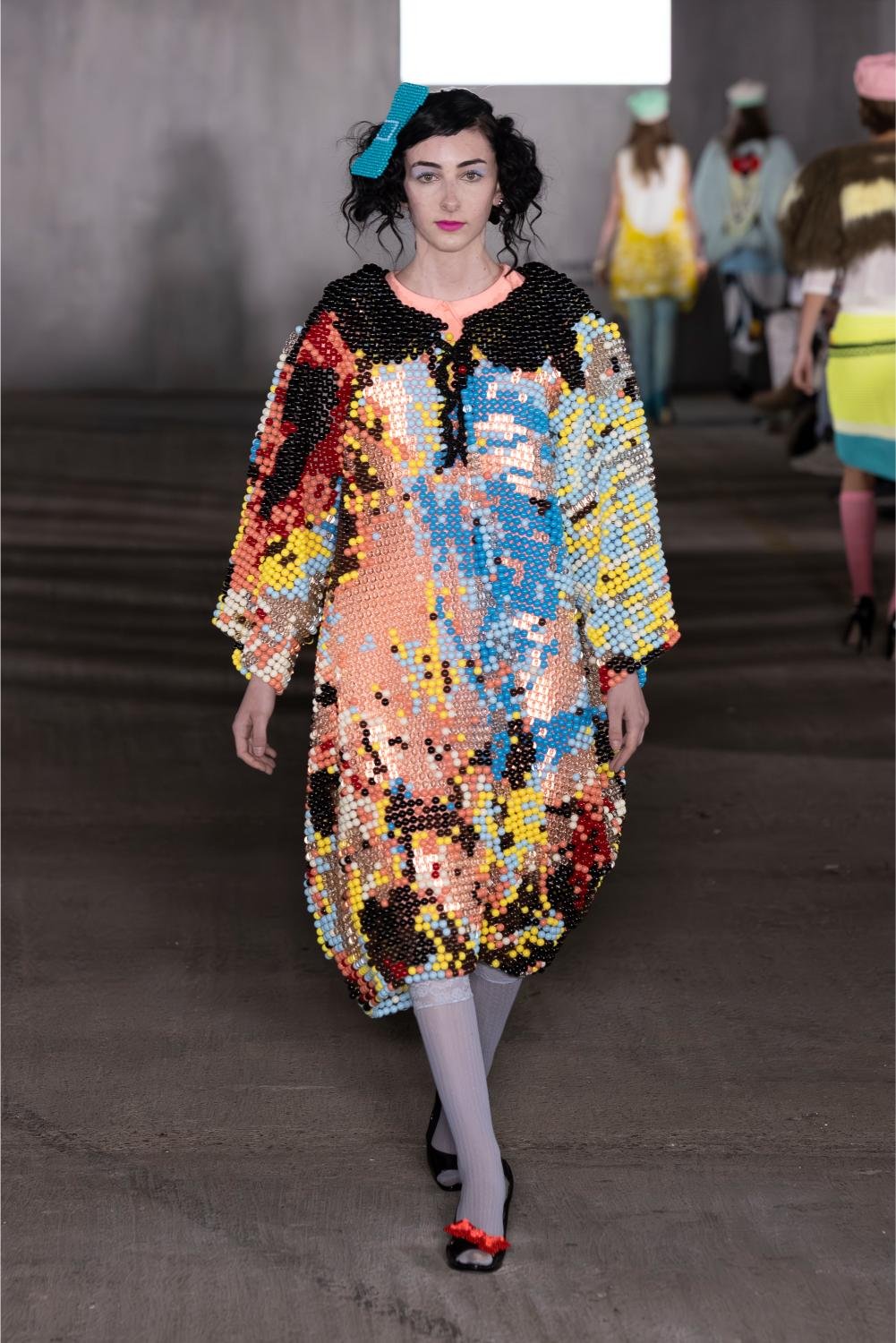
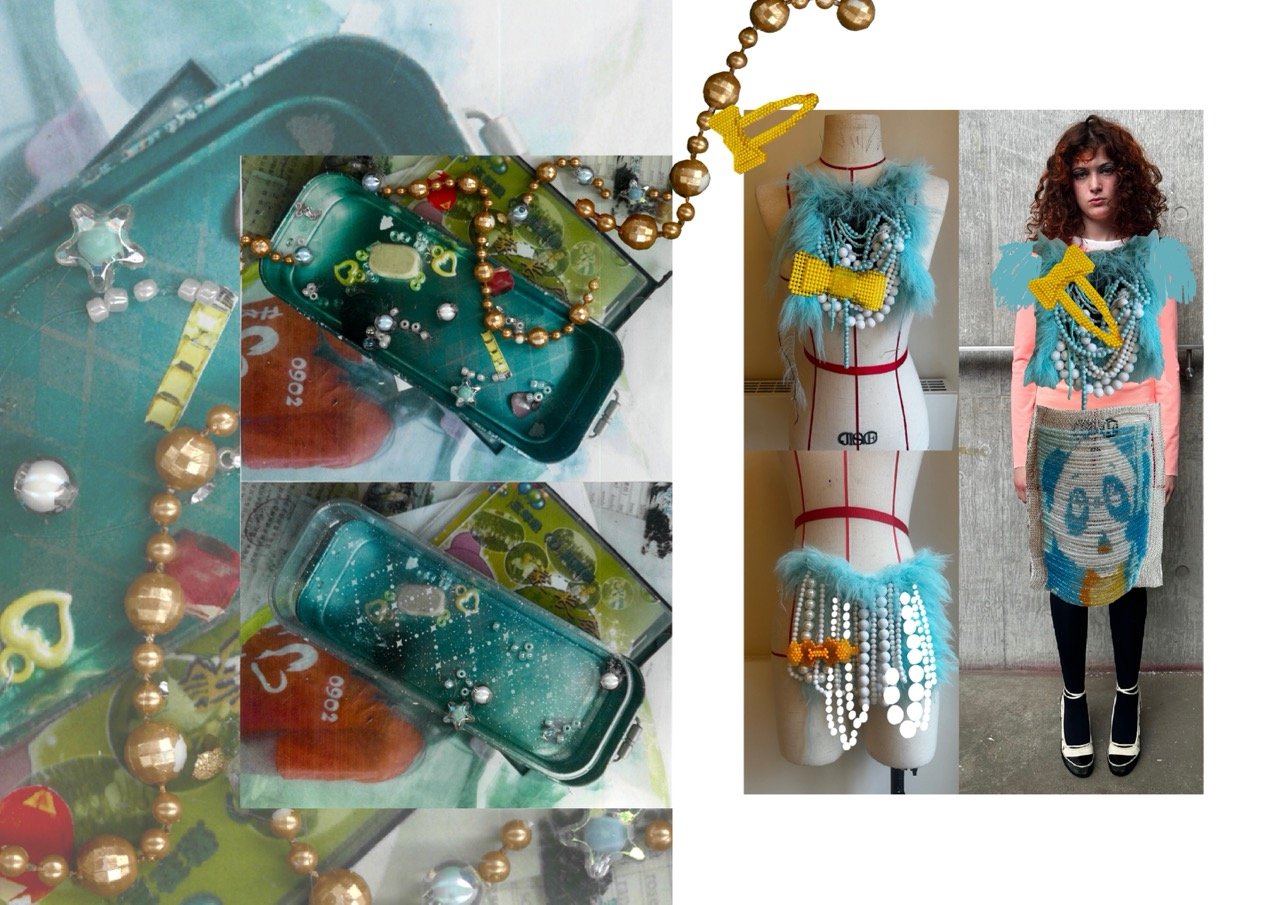
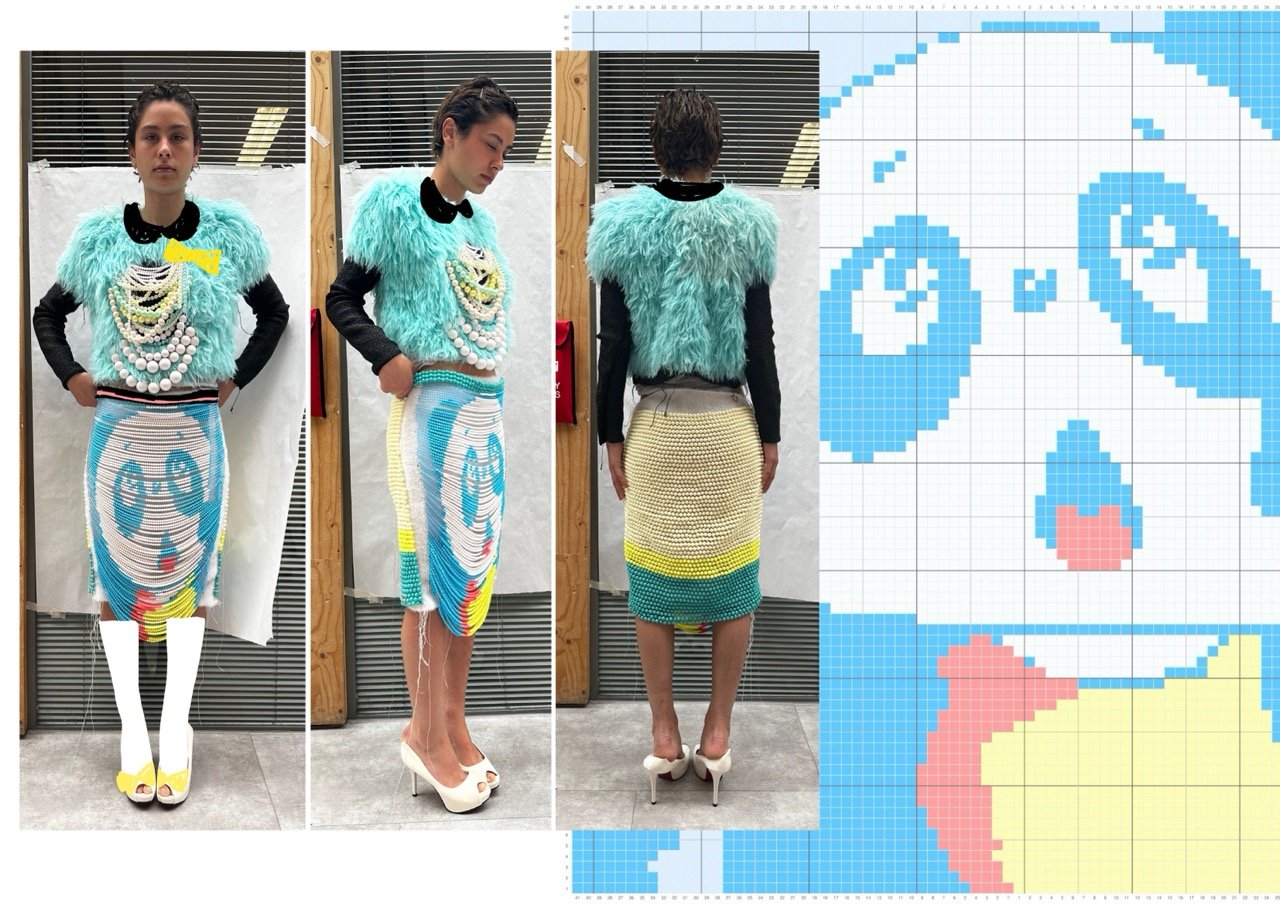
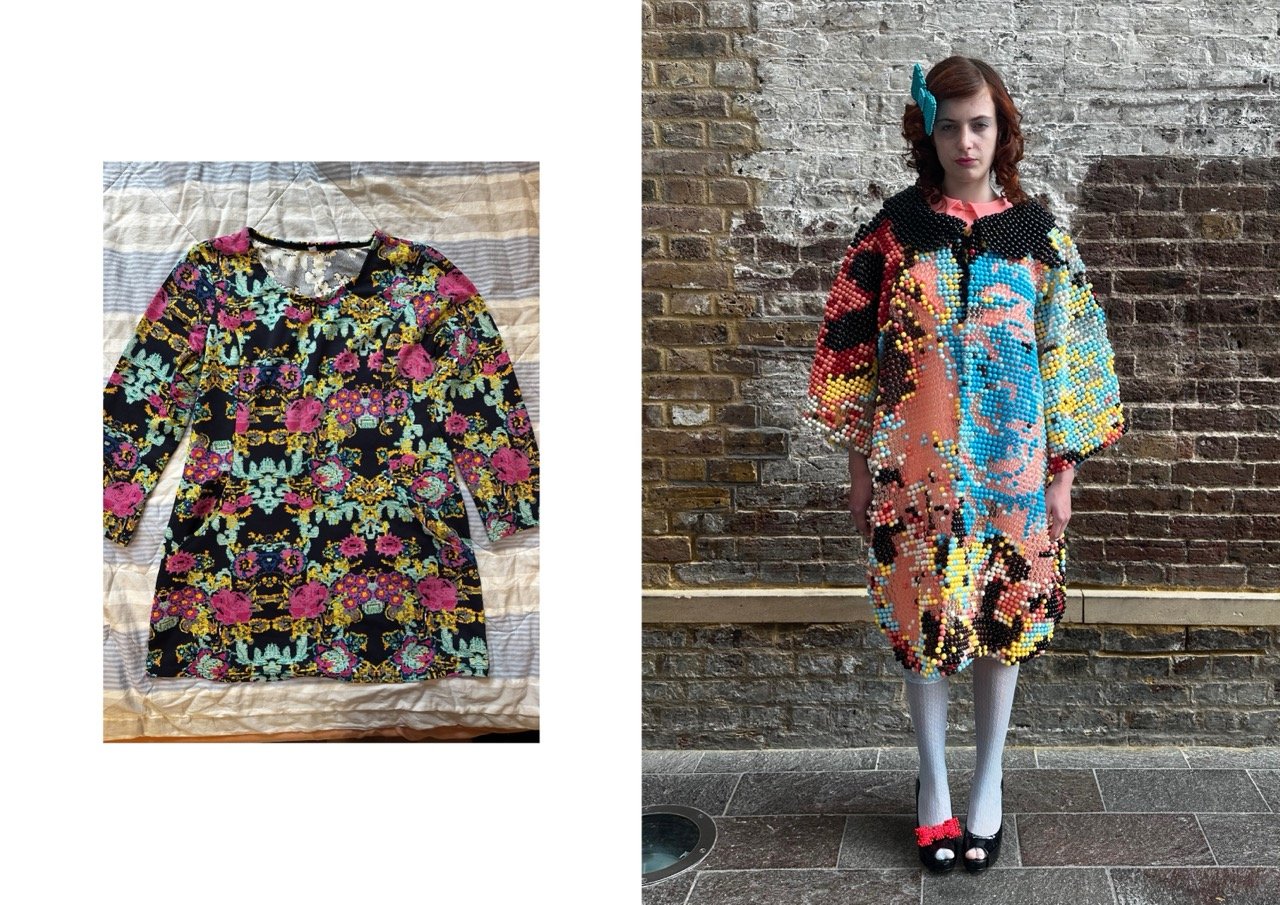
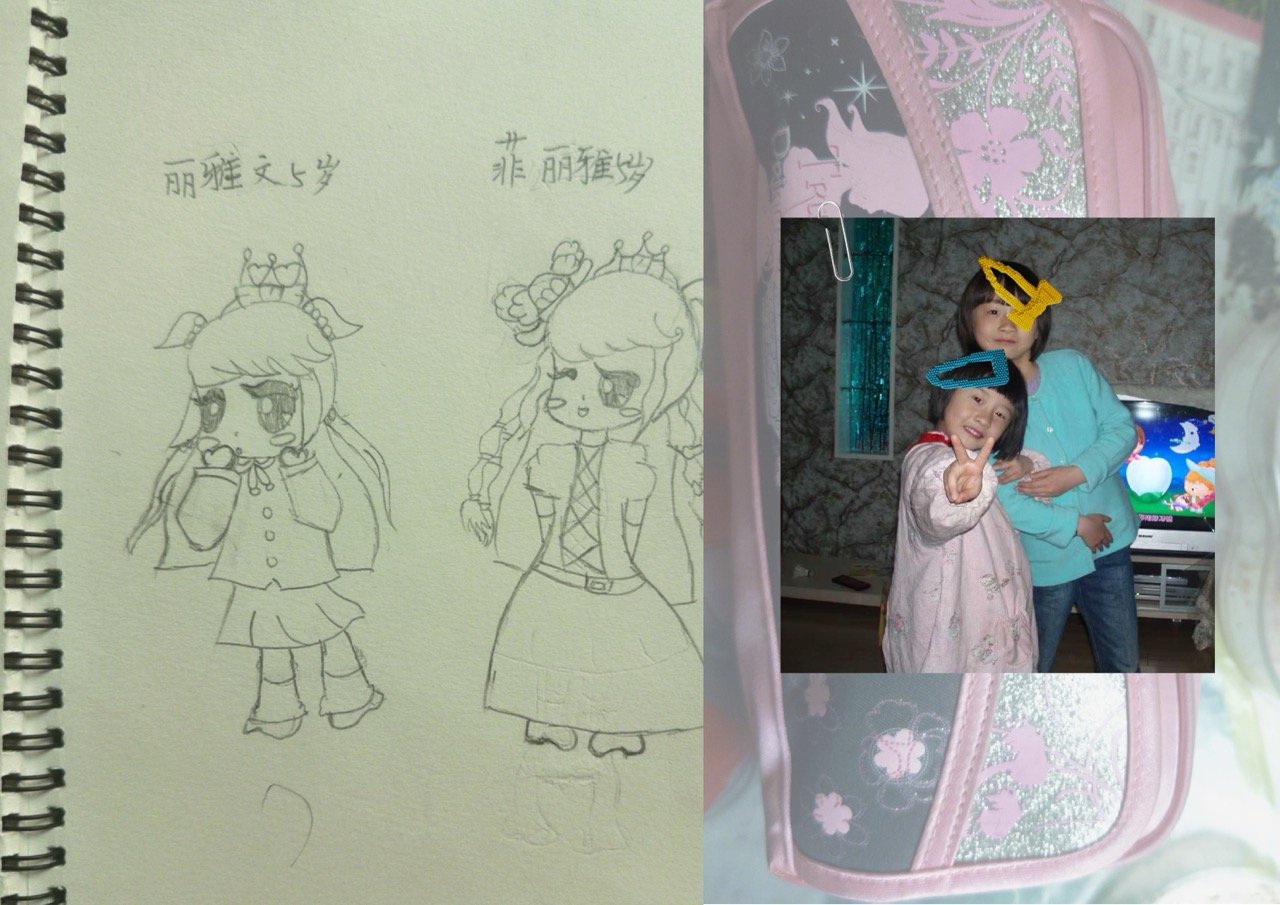
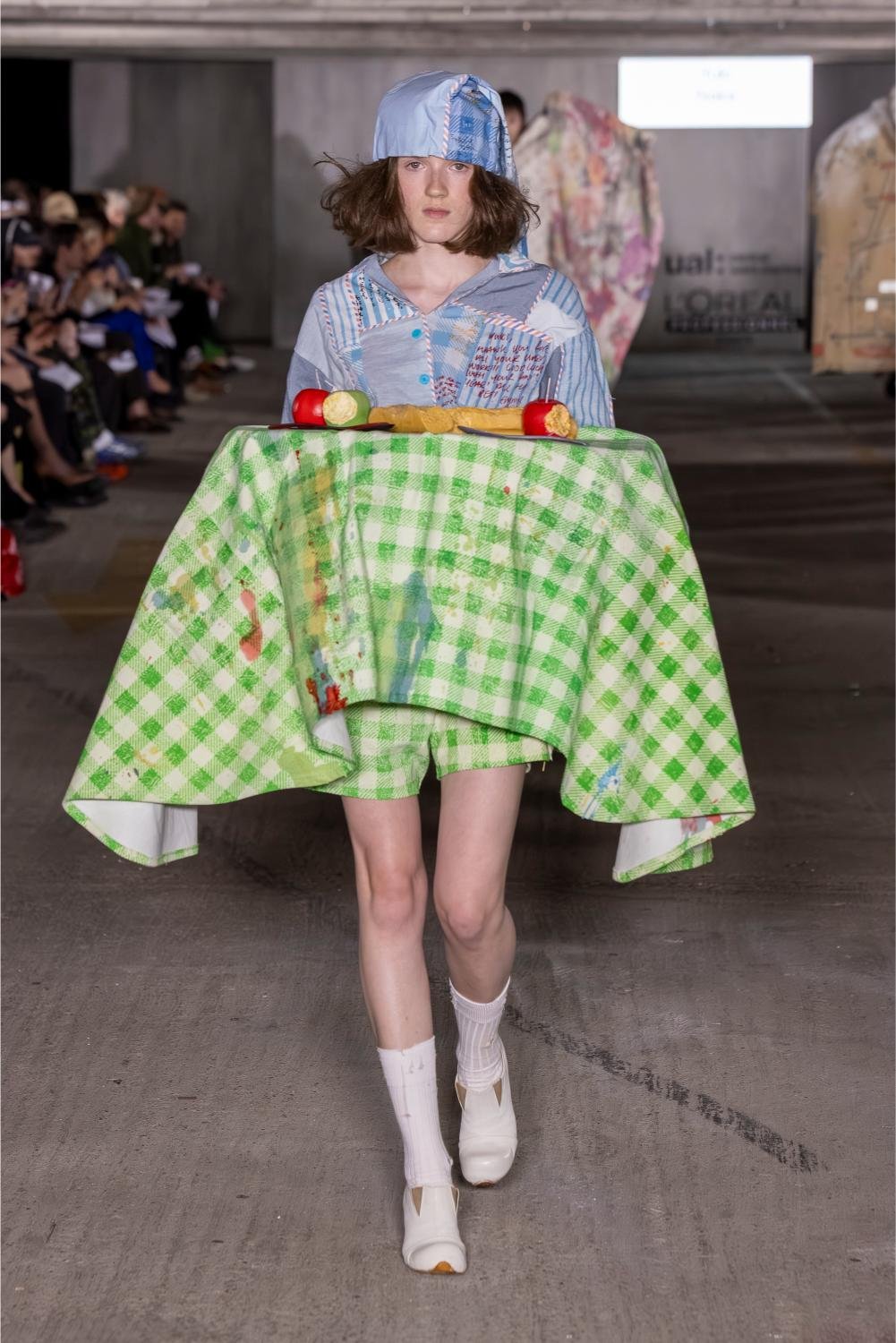
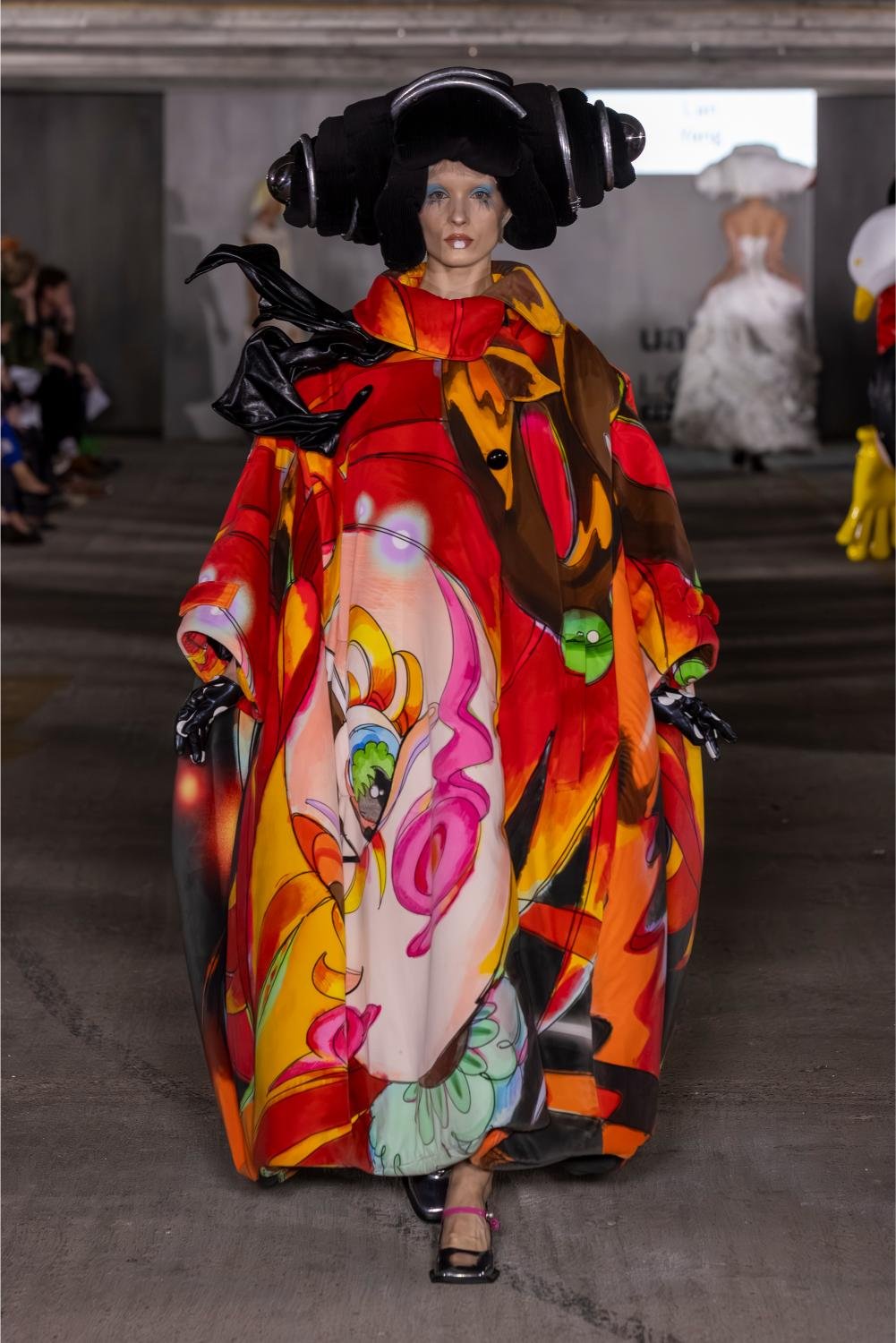
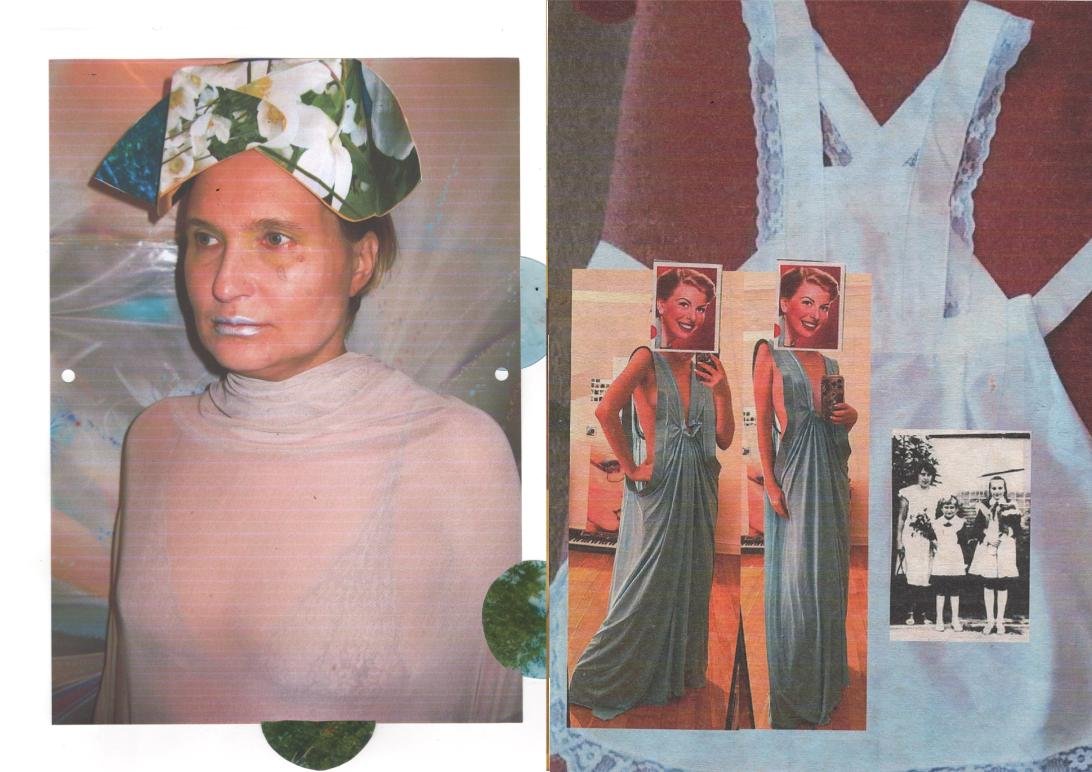
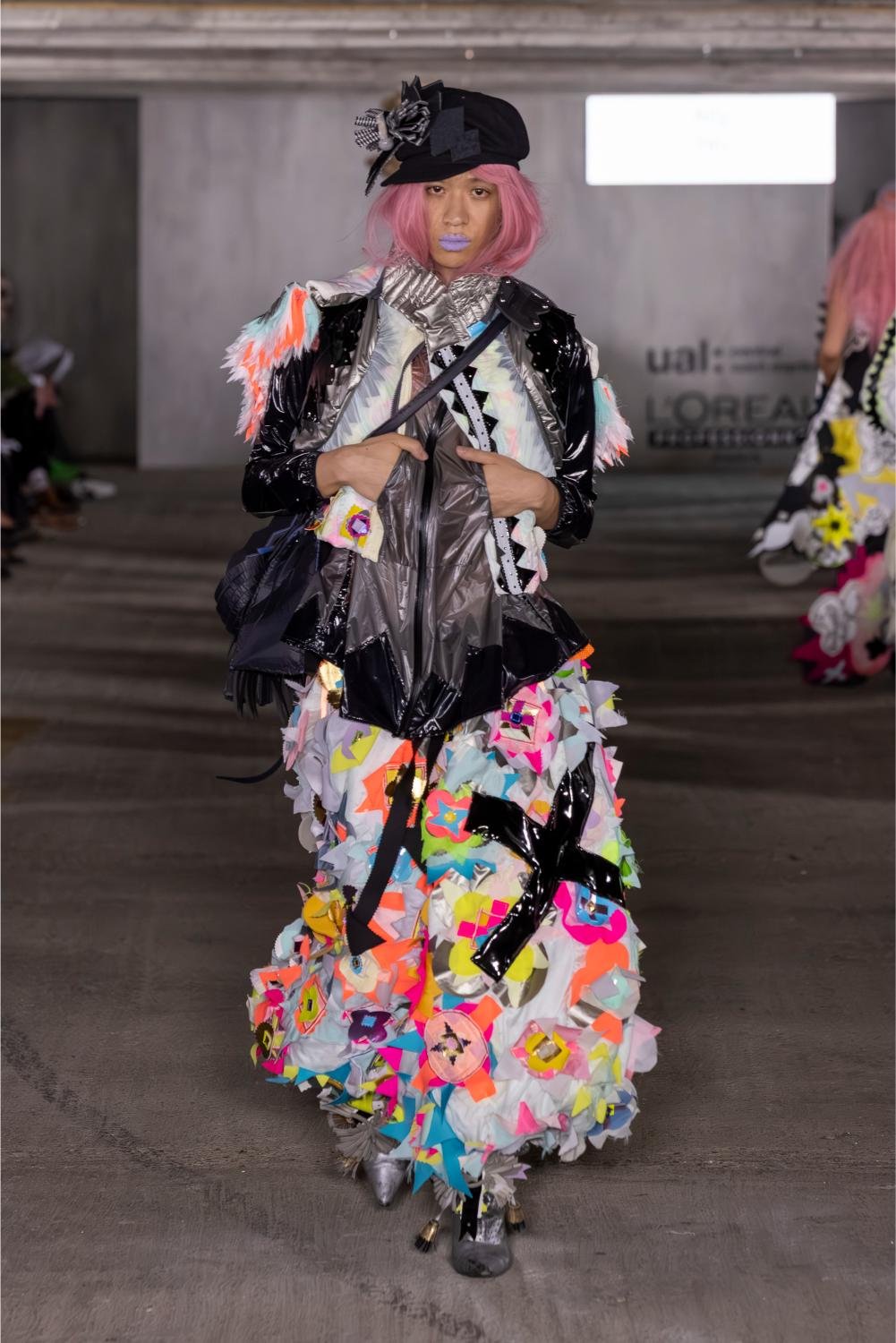
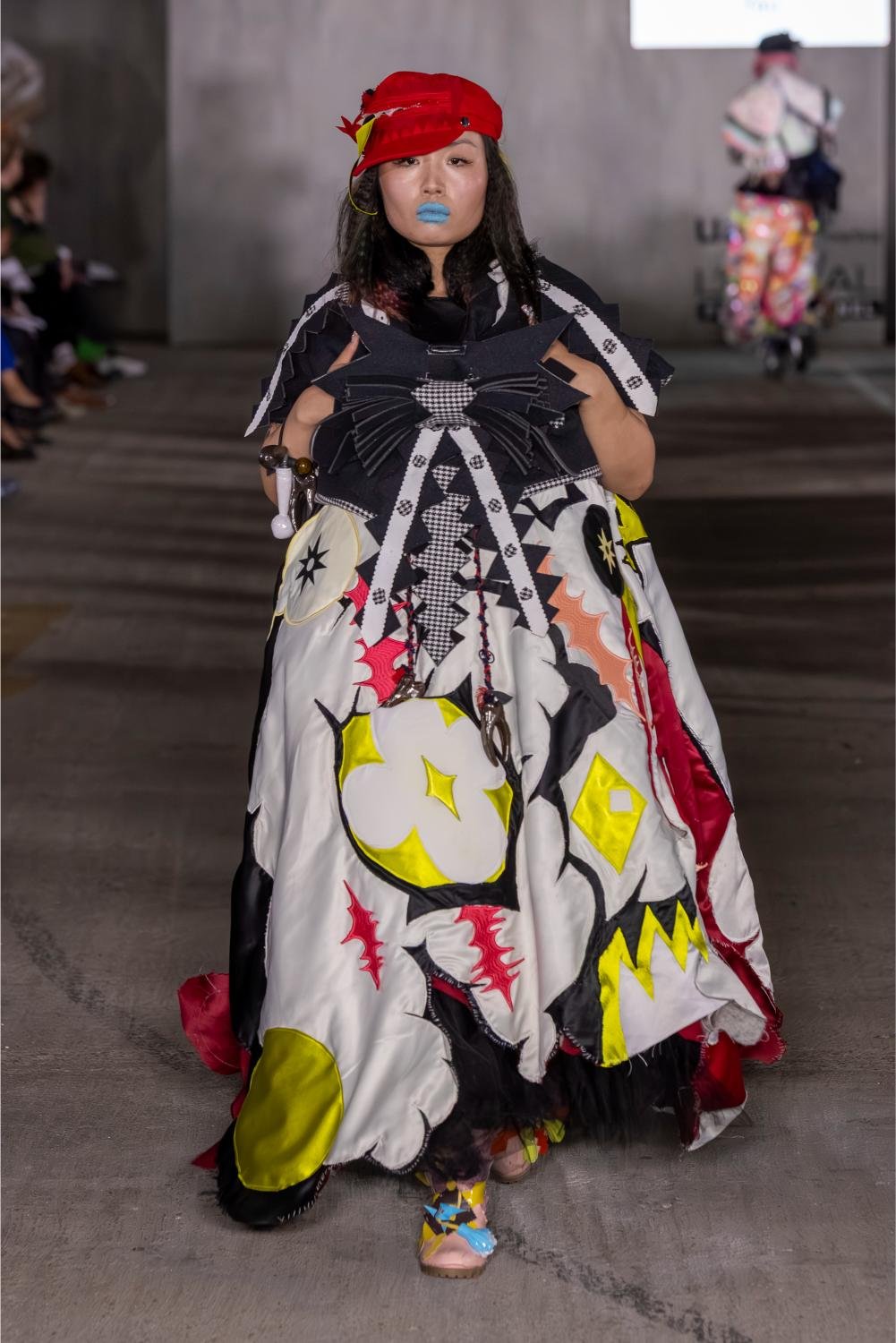
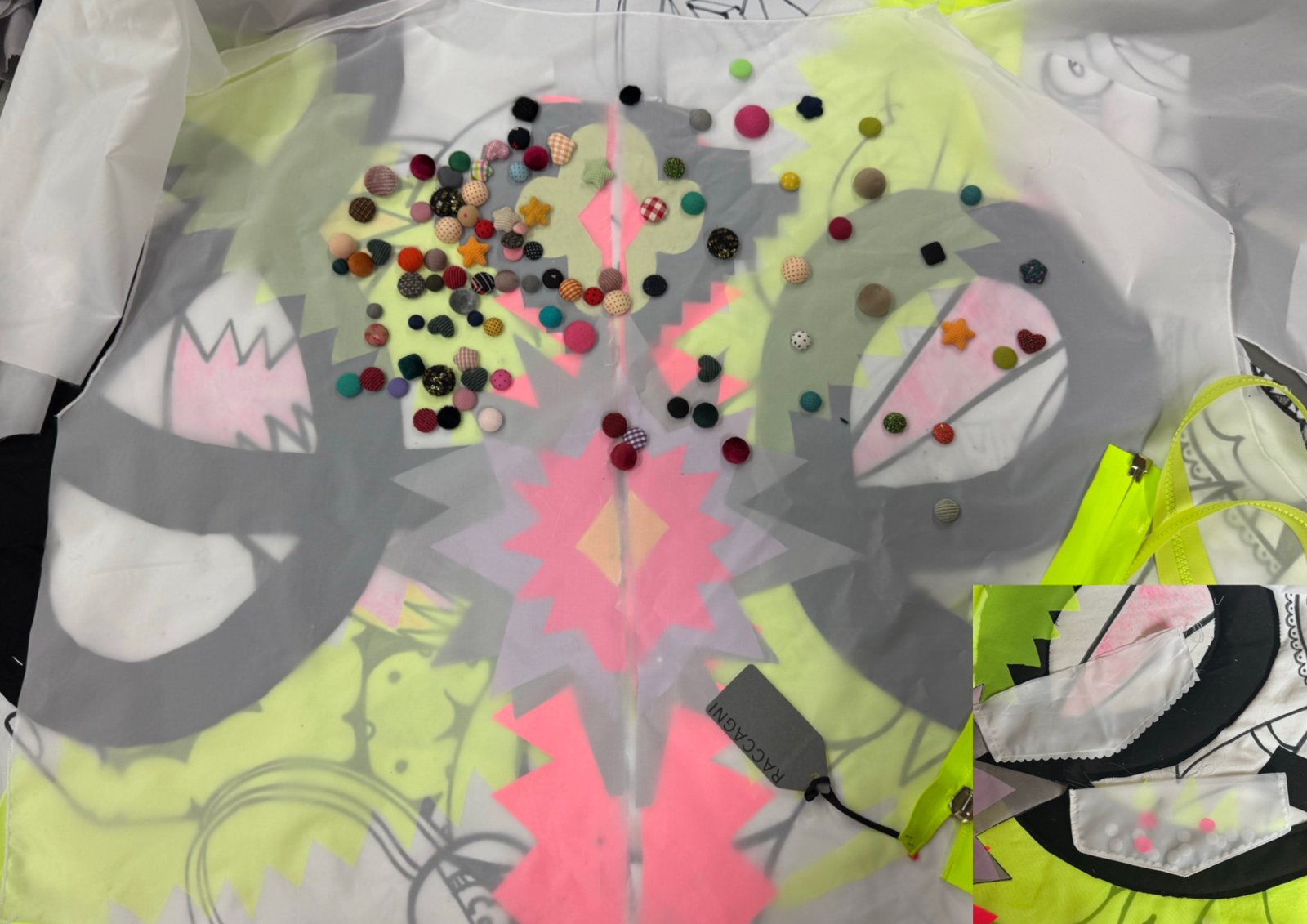
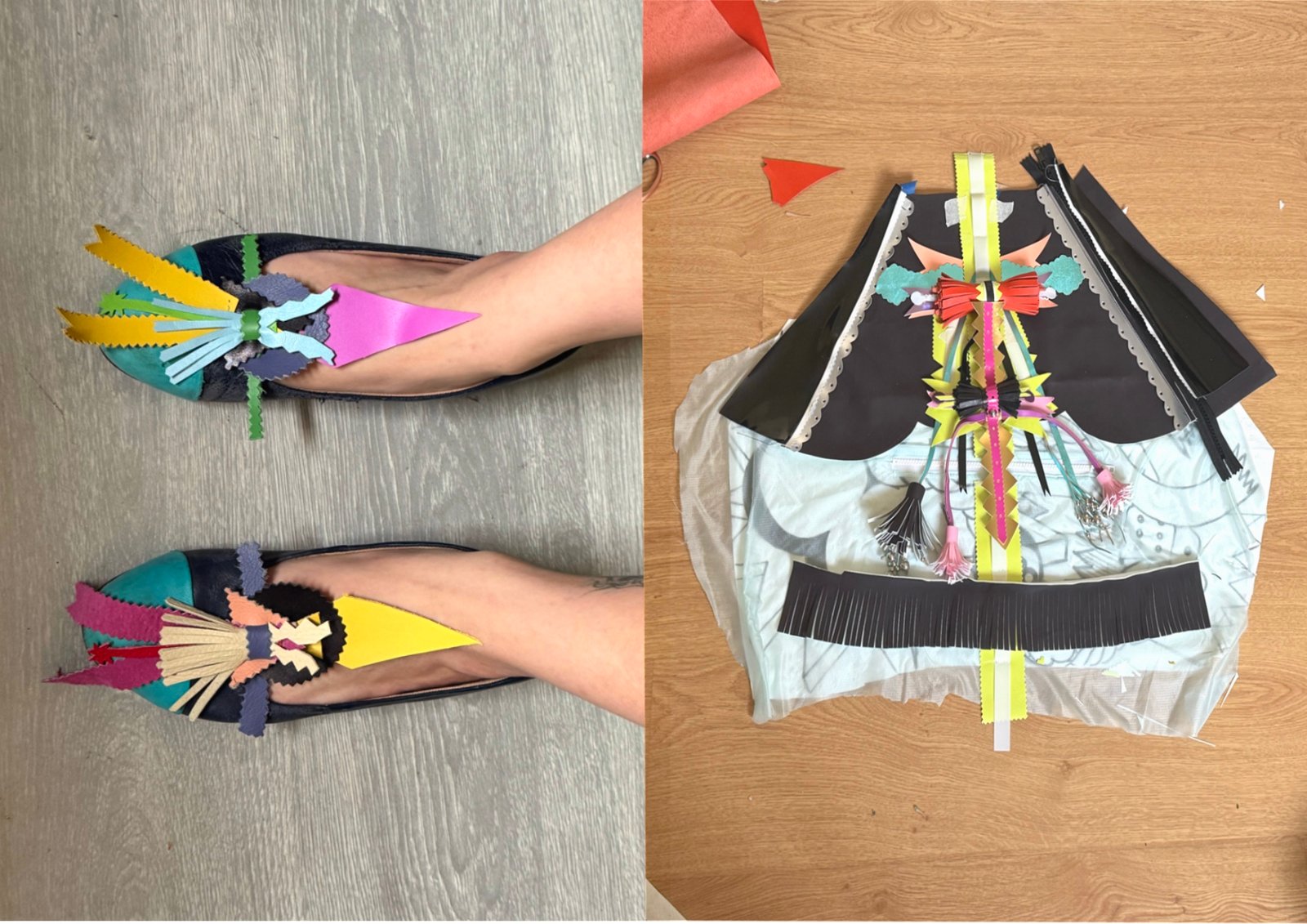
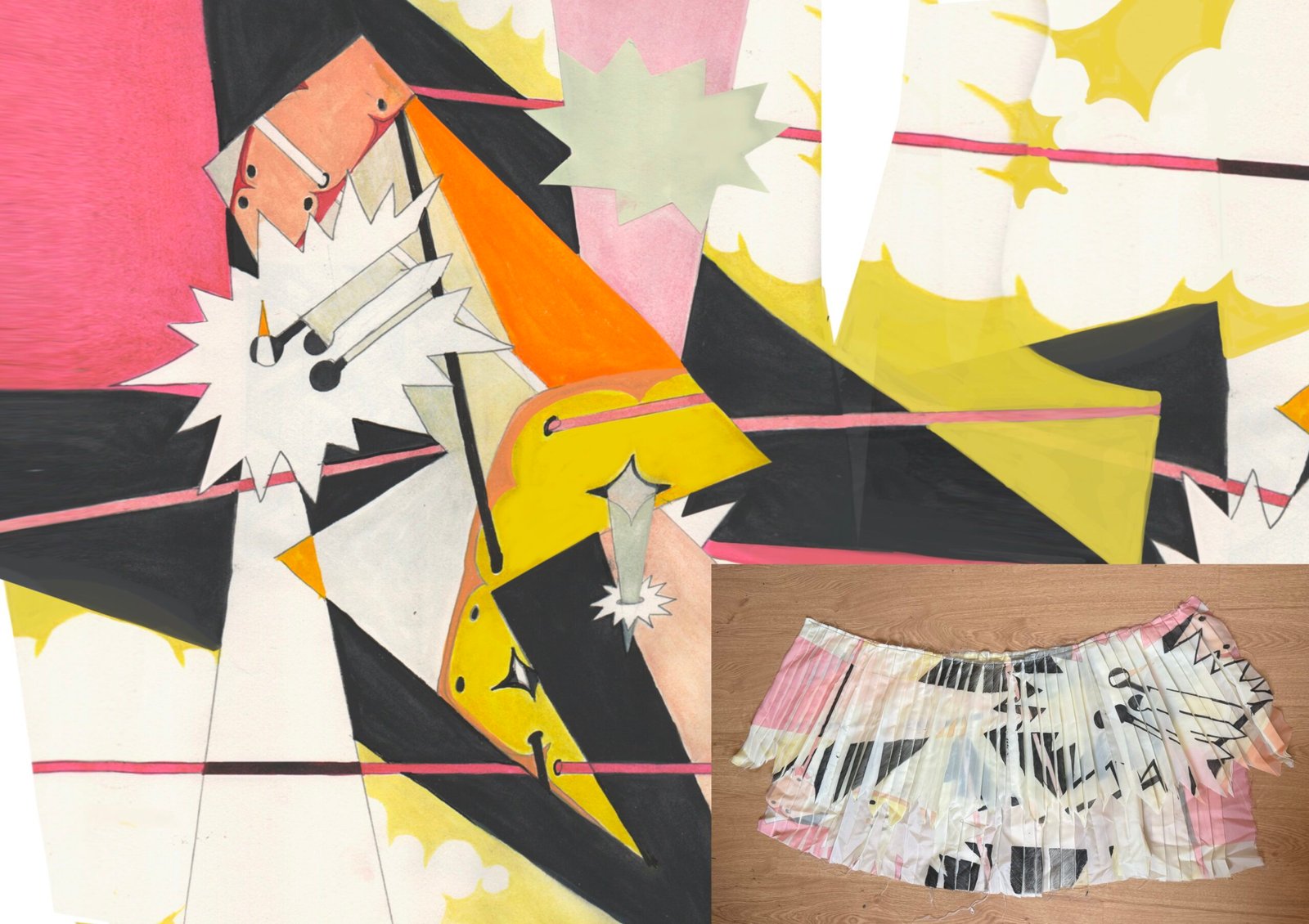
When Chi Wei returned to her childhood home, she found jewellery boxes, stationery tins, old family garments, drawings, and cartoon characters waiting like fragments from another life. These objects, unrelated at first glance, became the starting point for a collection about memory and emotional attachment. Rather than separating childhood nostalgia from family history, Wei brings them together into a world that feels personal, strange, and alive. The collection is built around the idea that everyday objects can hold extraordinary weight, especially when they carry traces of the people, places, and feelings attached to them.

@ichili._

Roni Duval

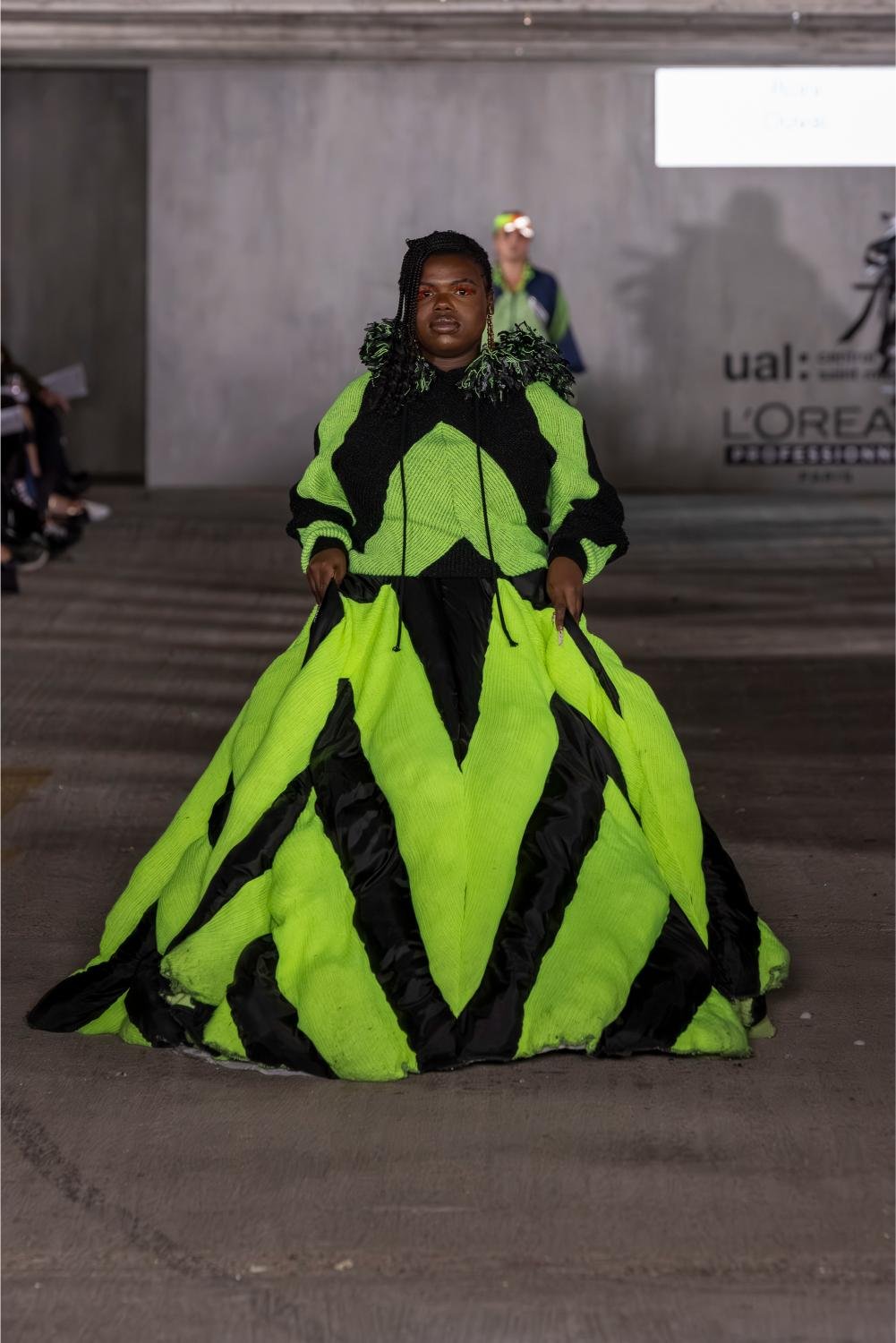
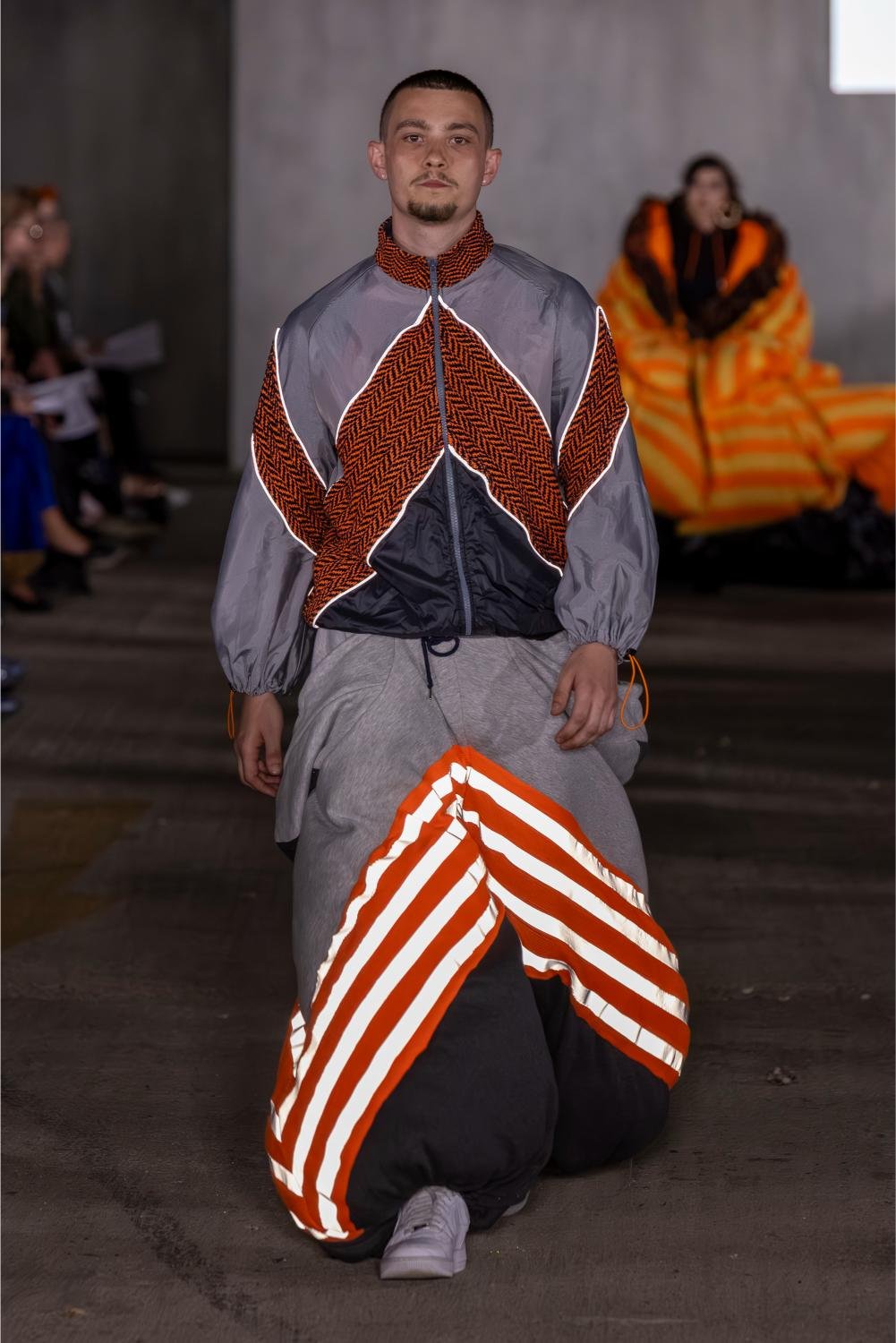
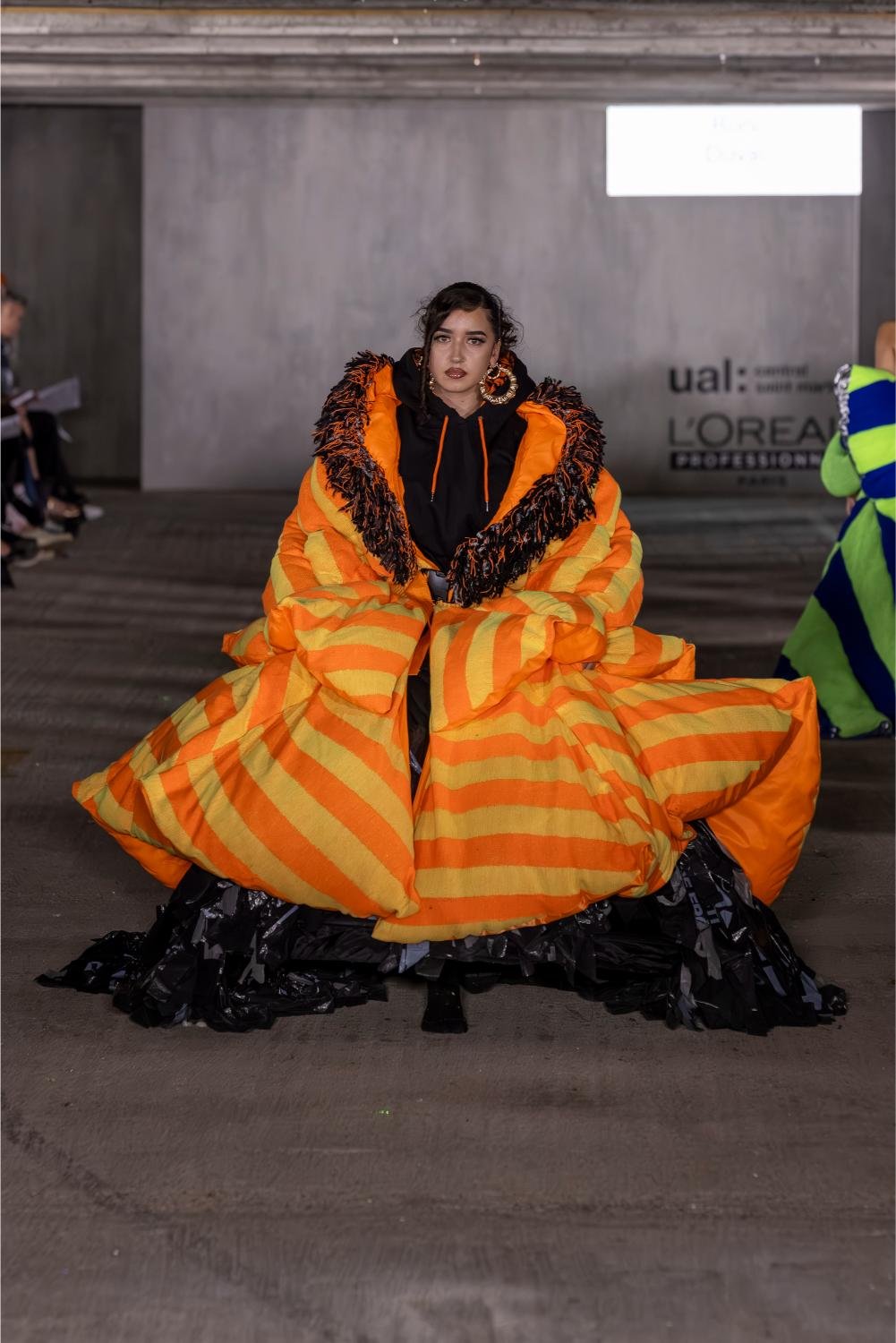
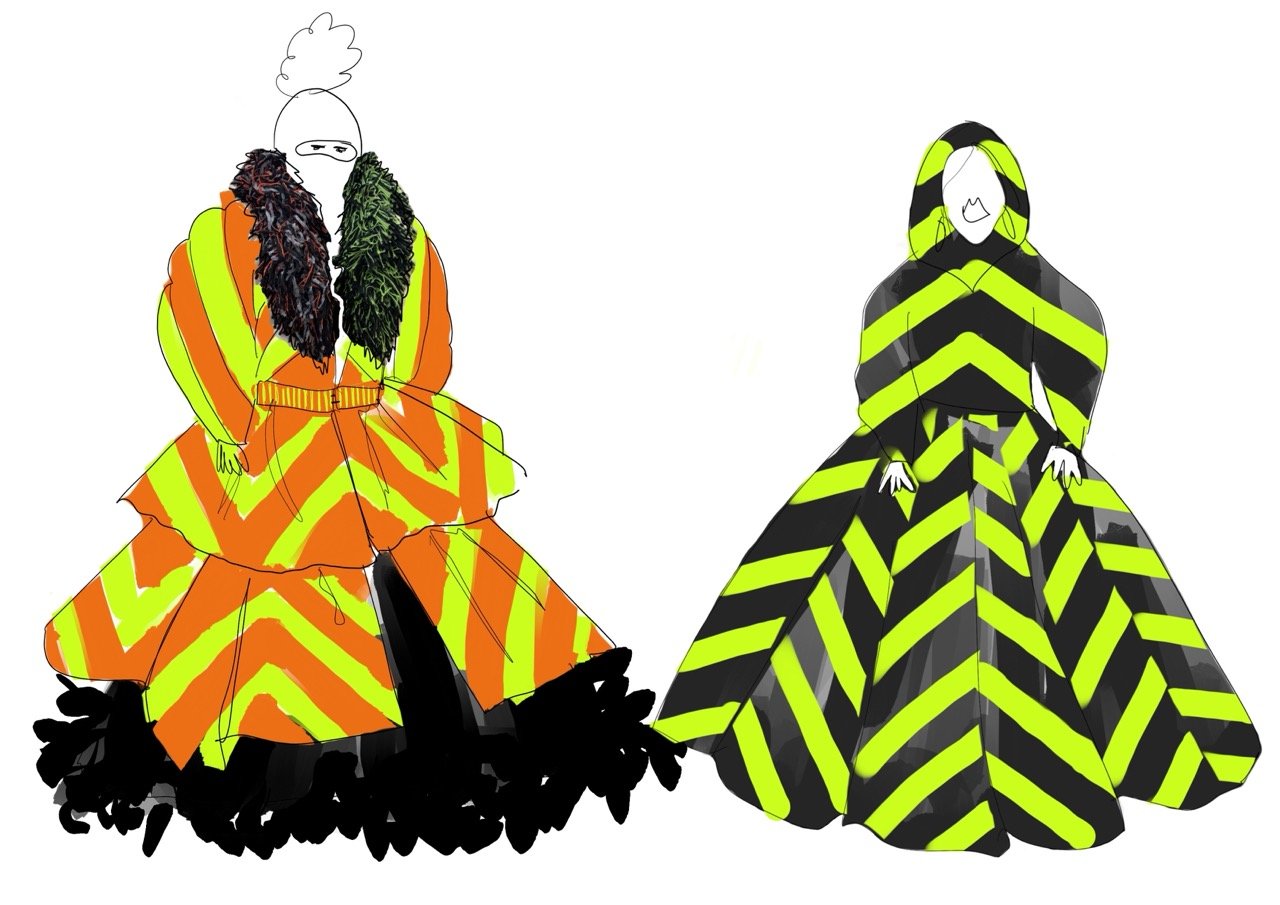
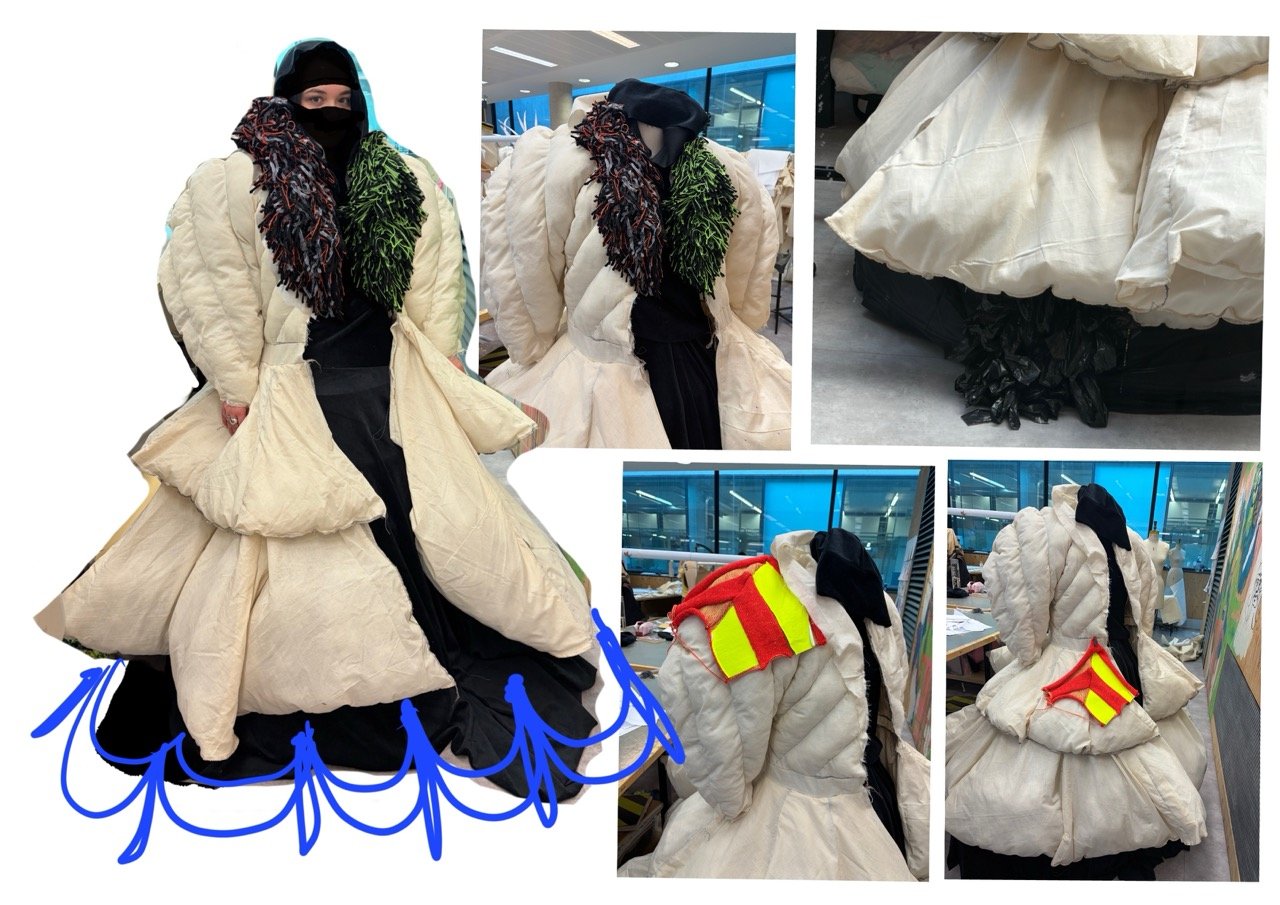
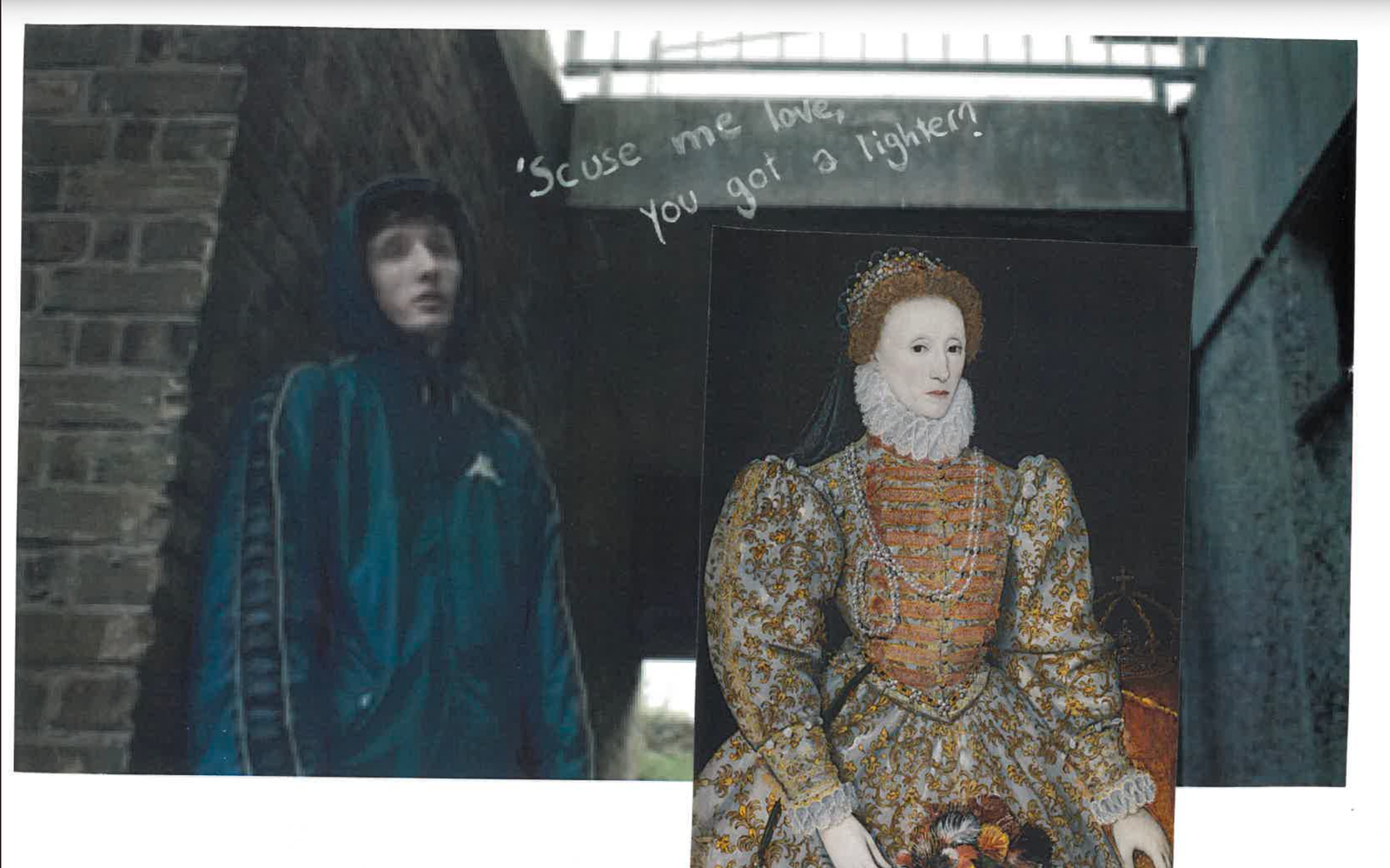
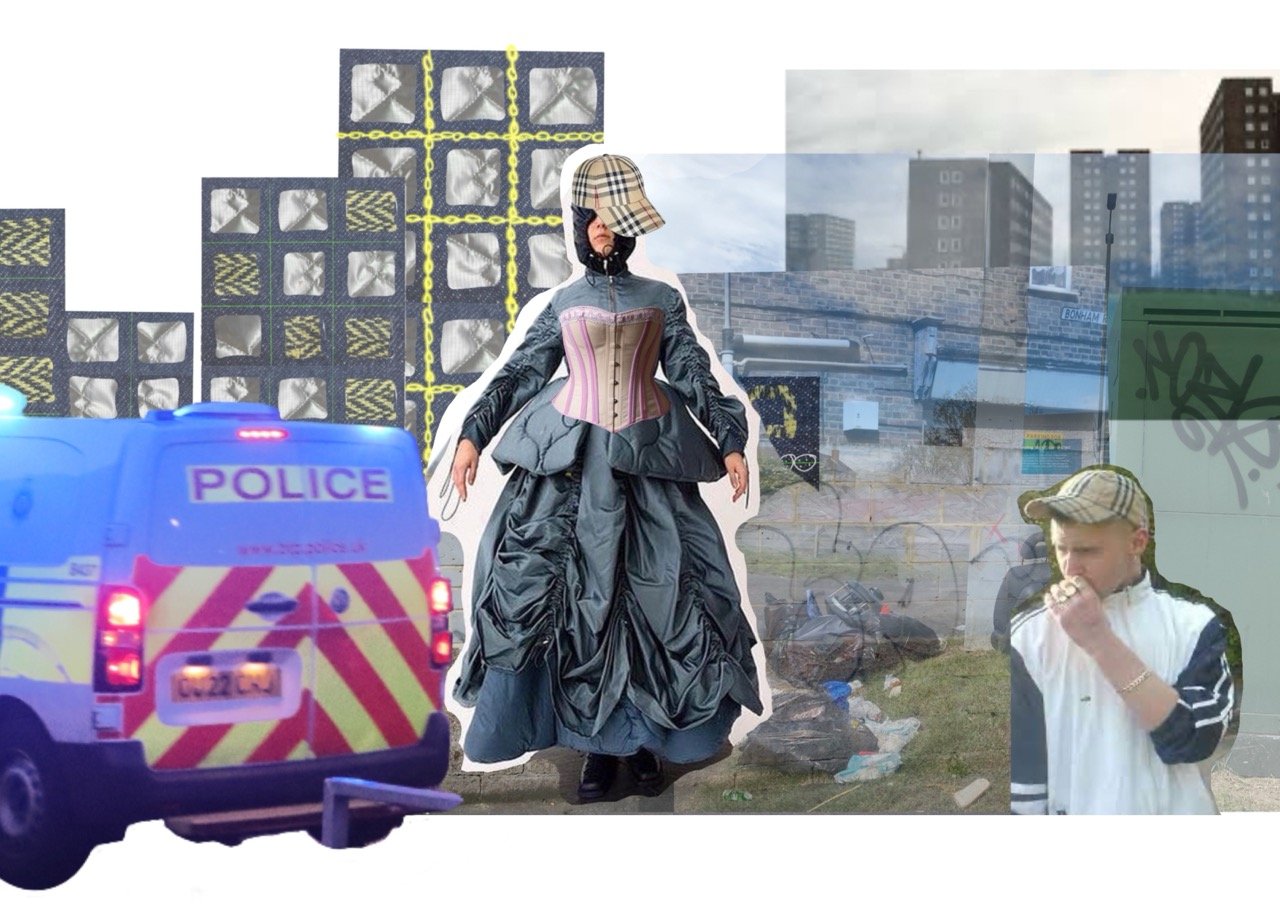
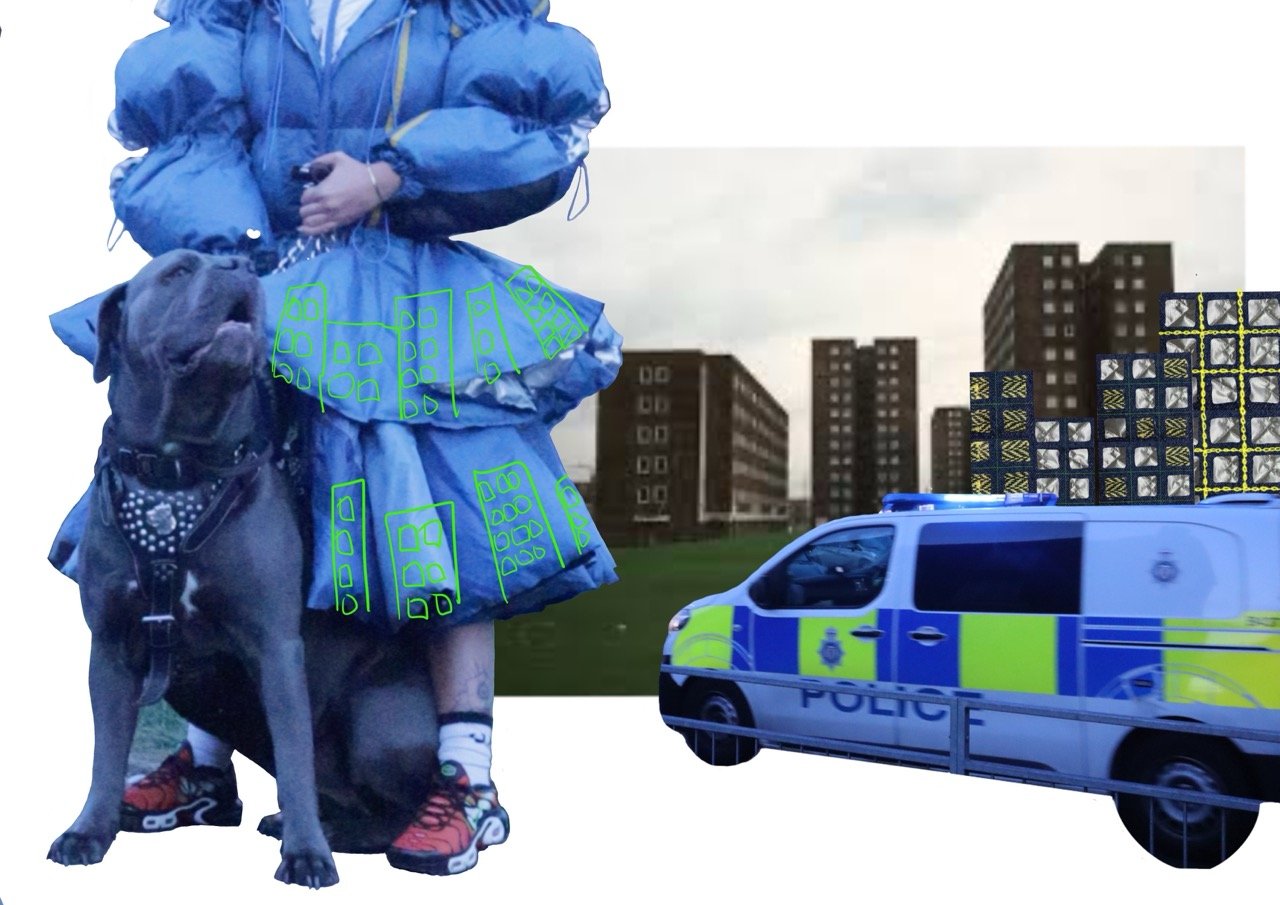
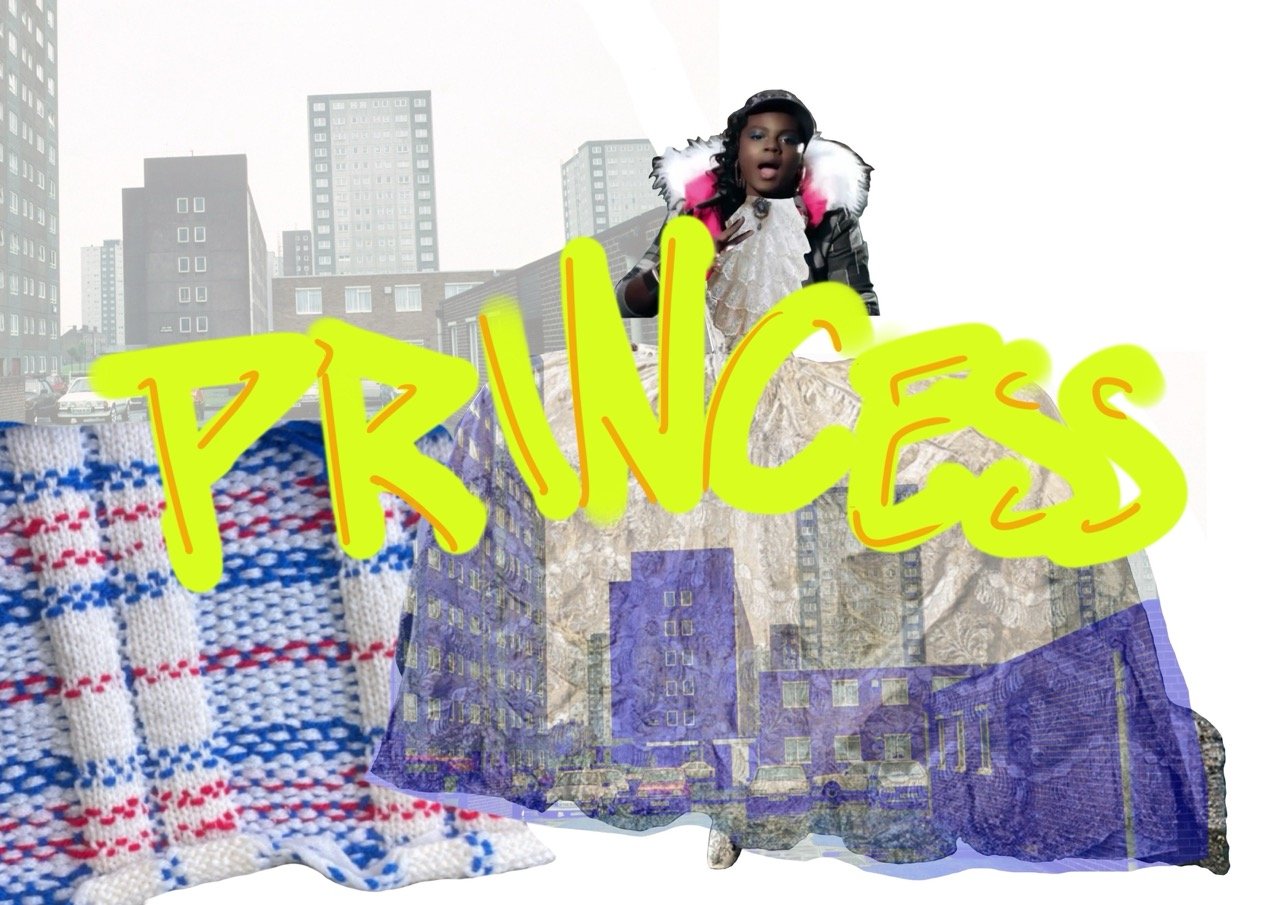
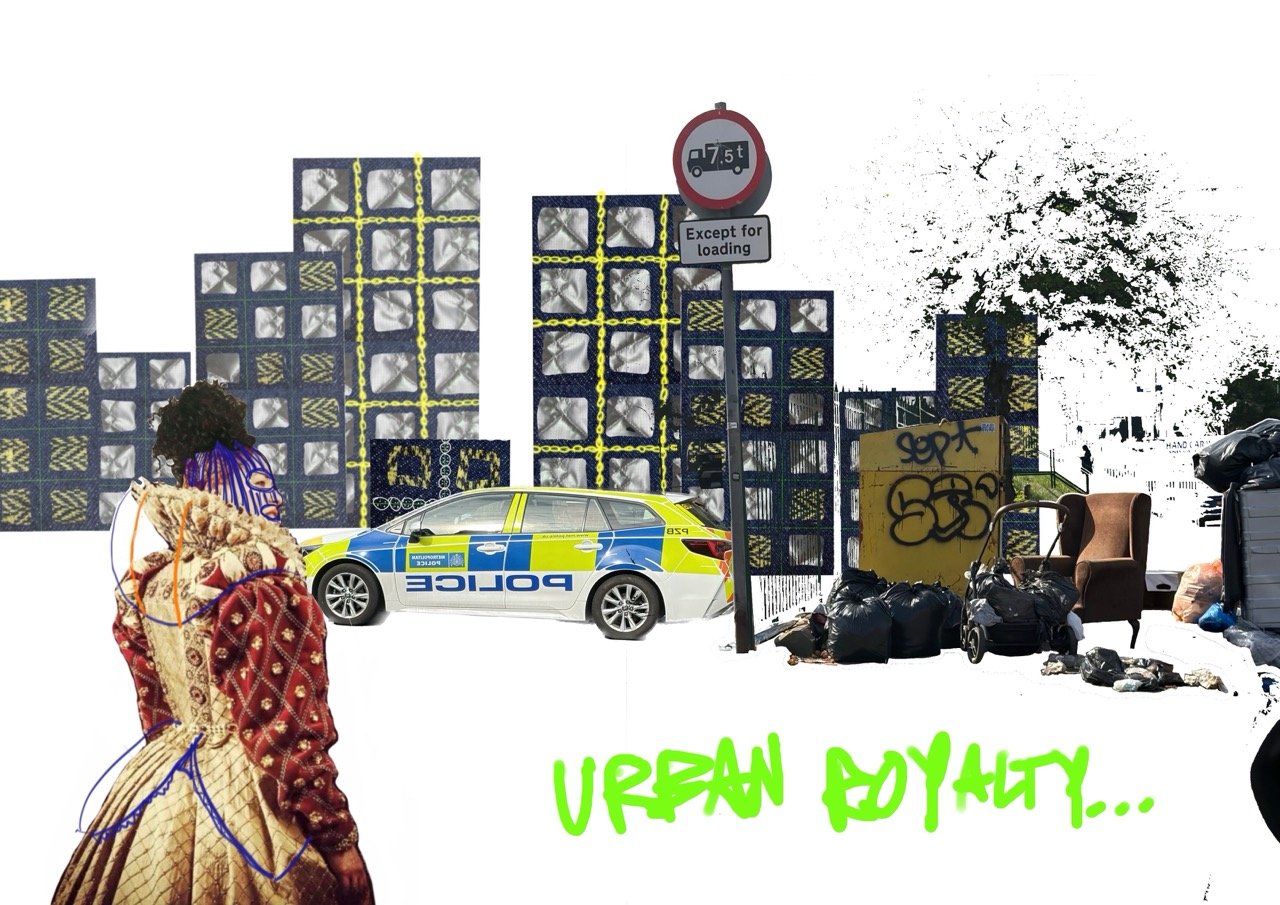
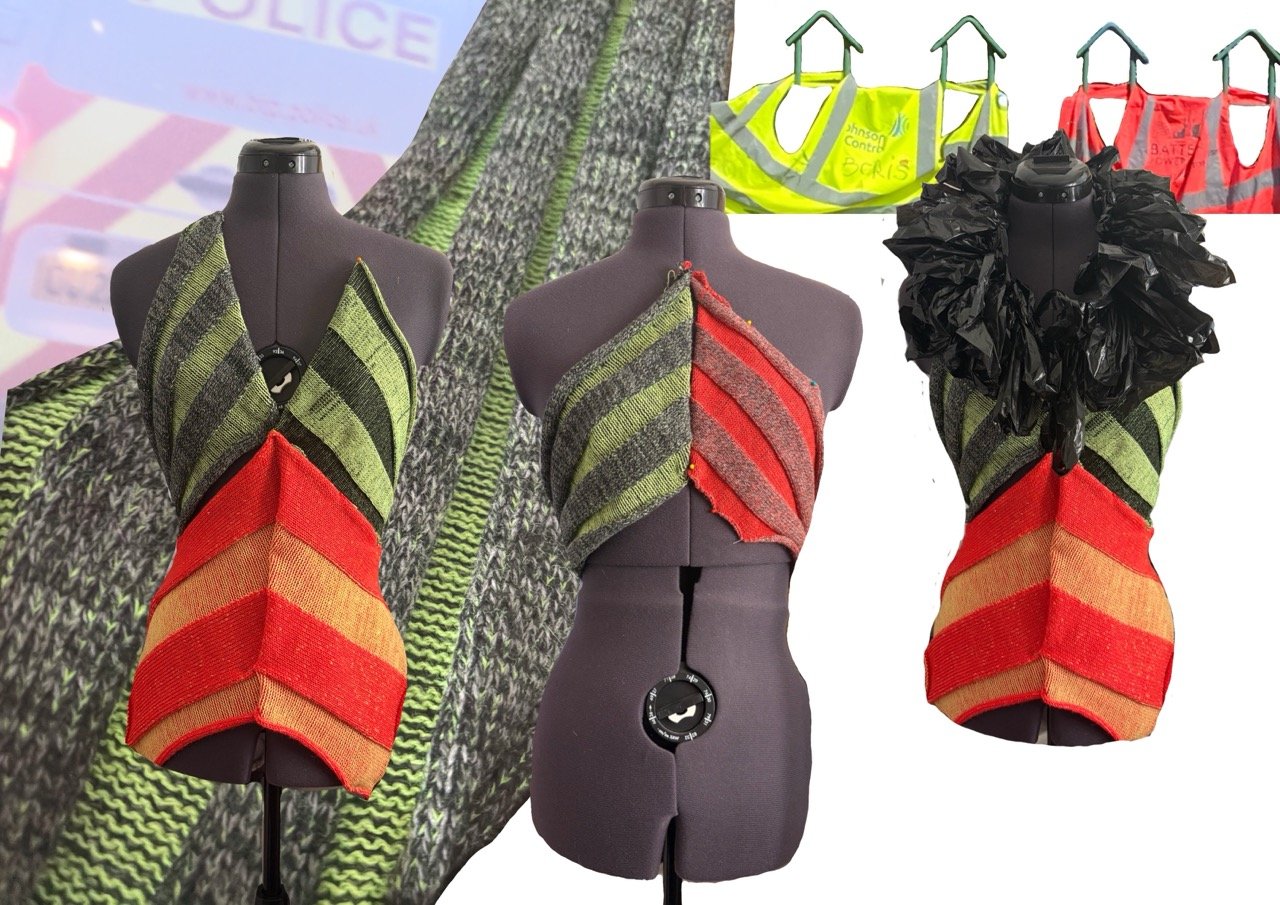
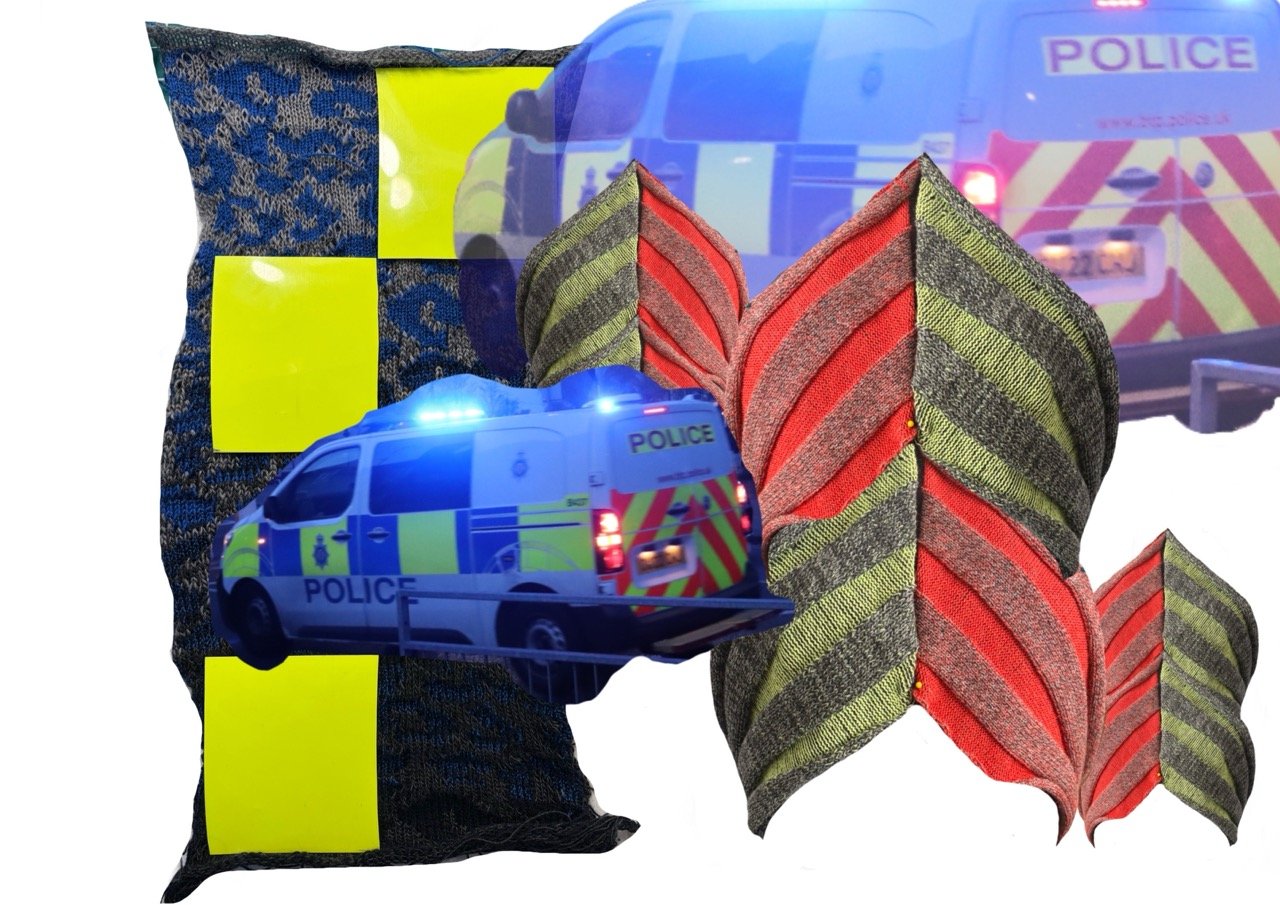
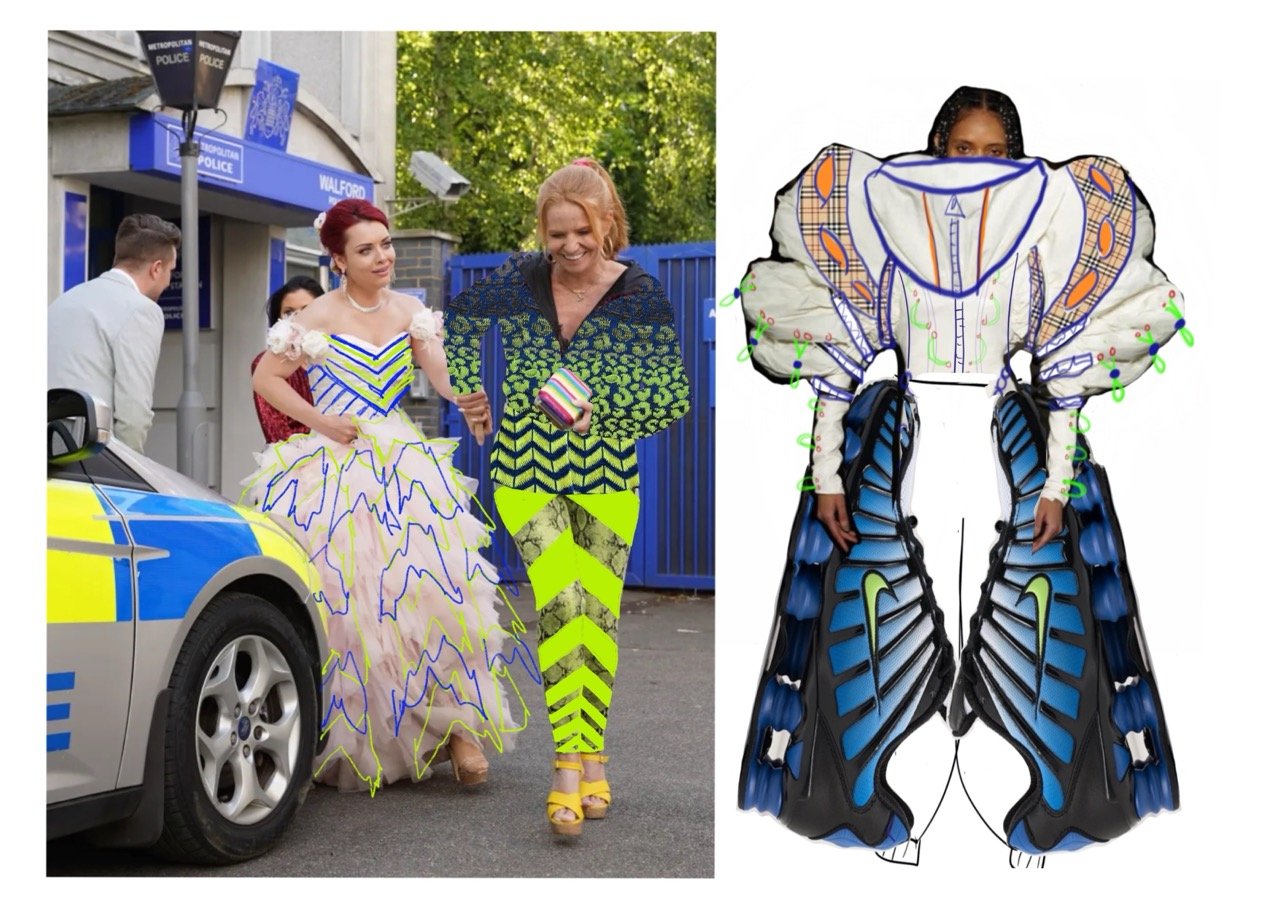
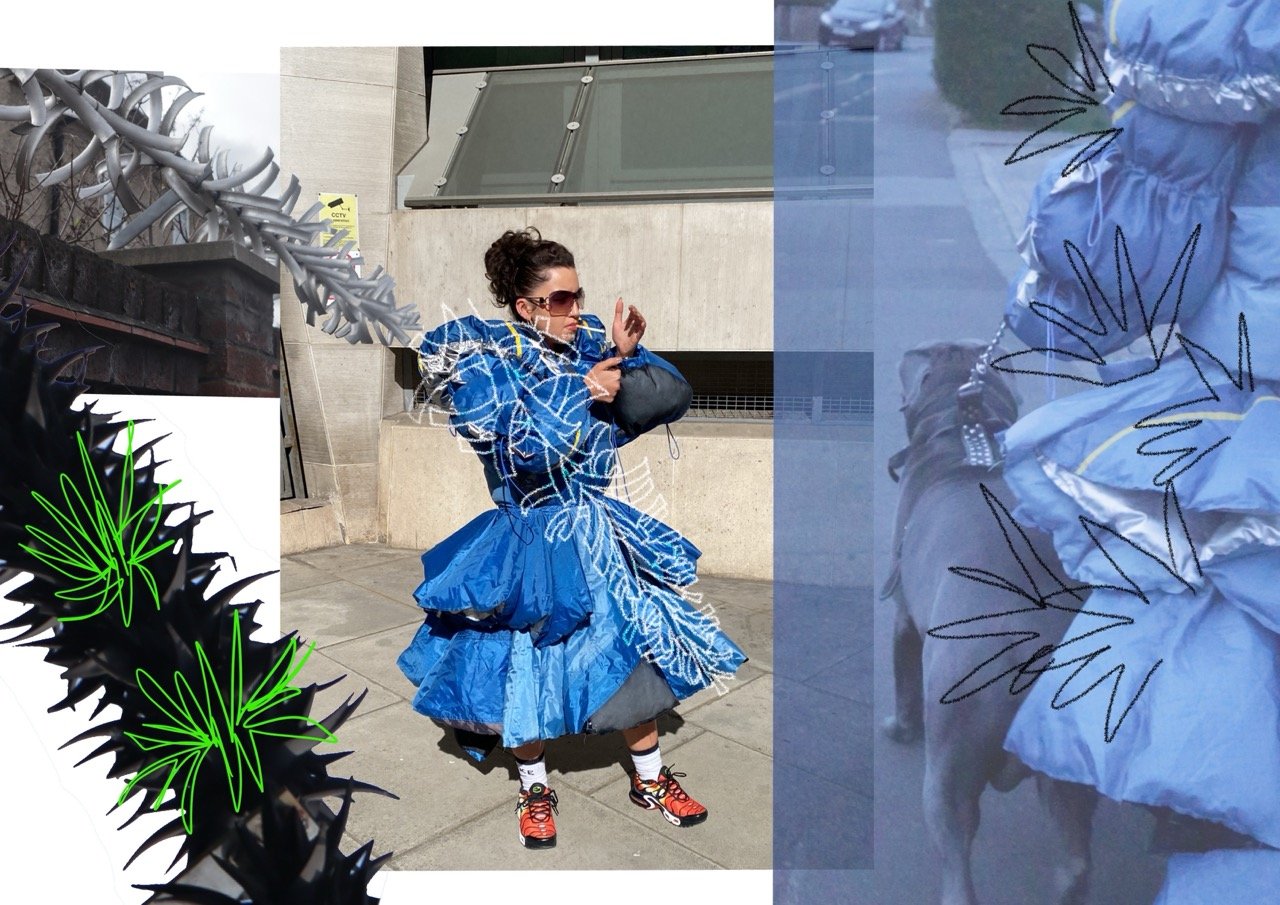
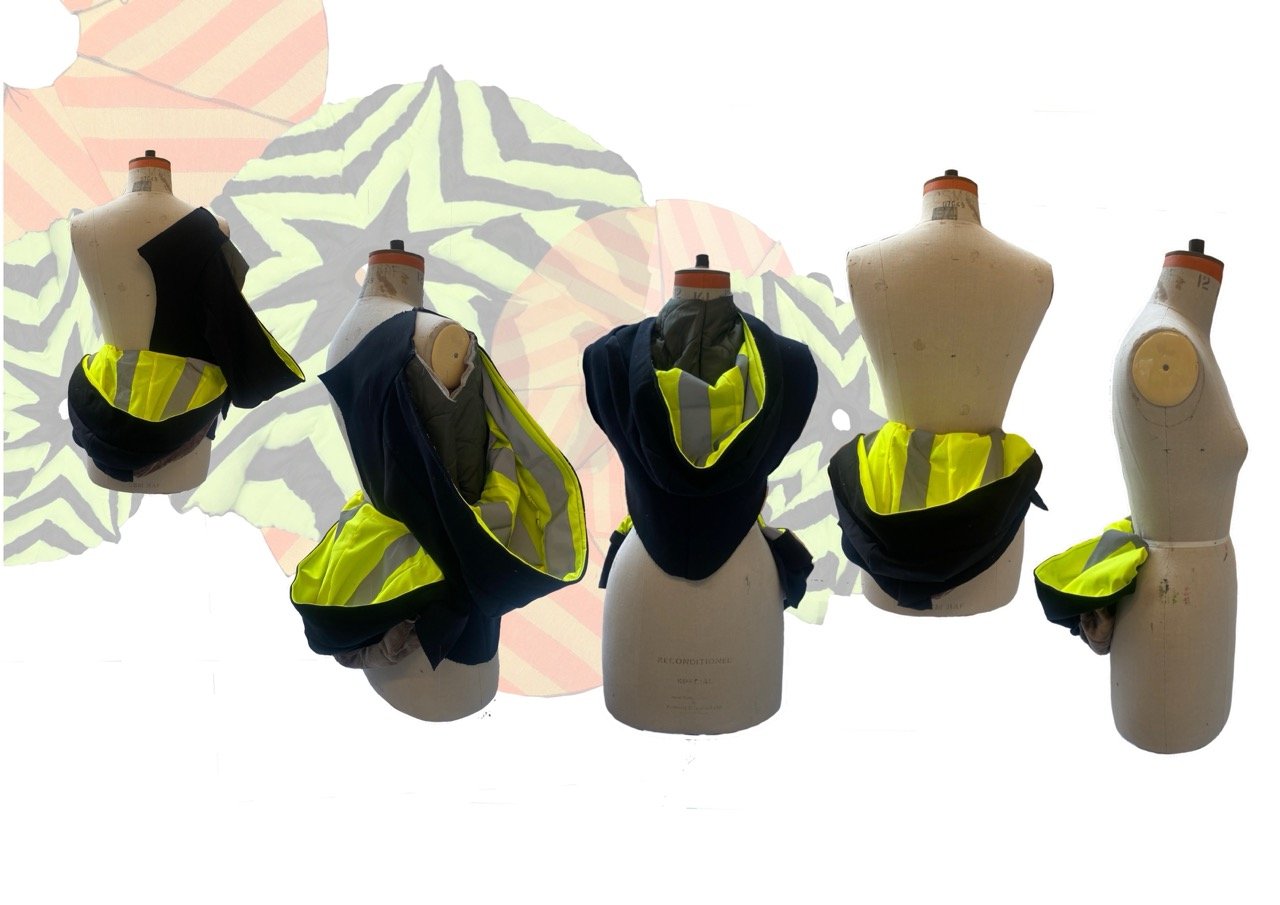
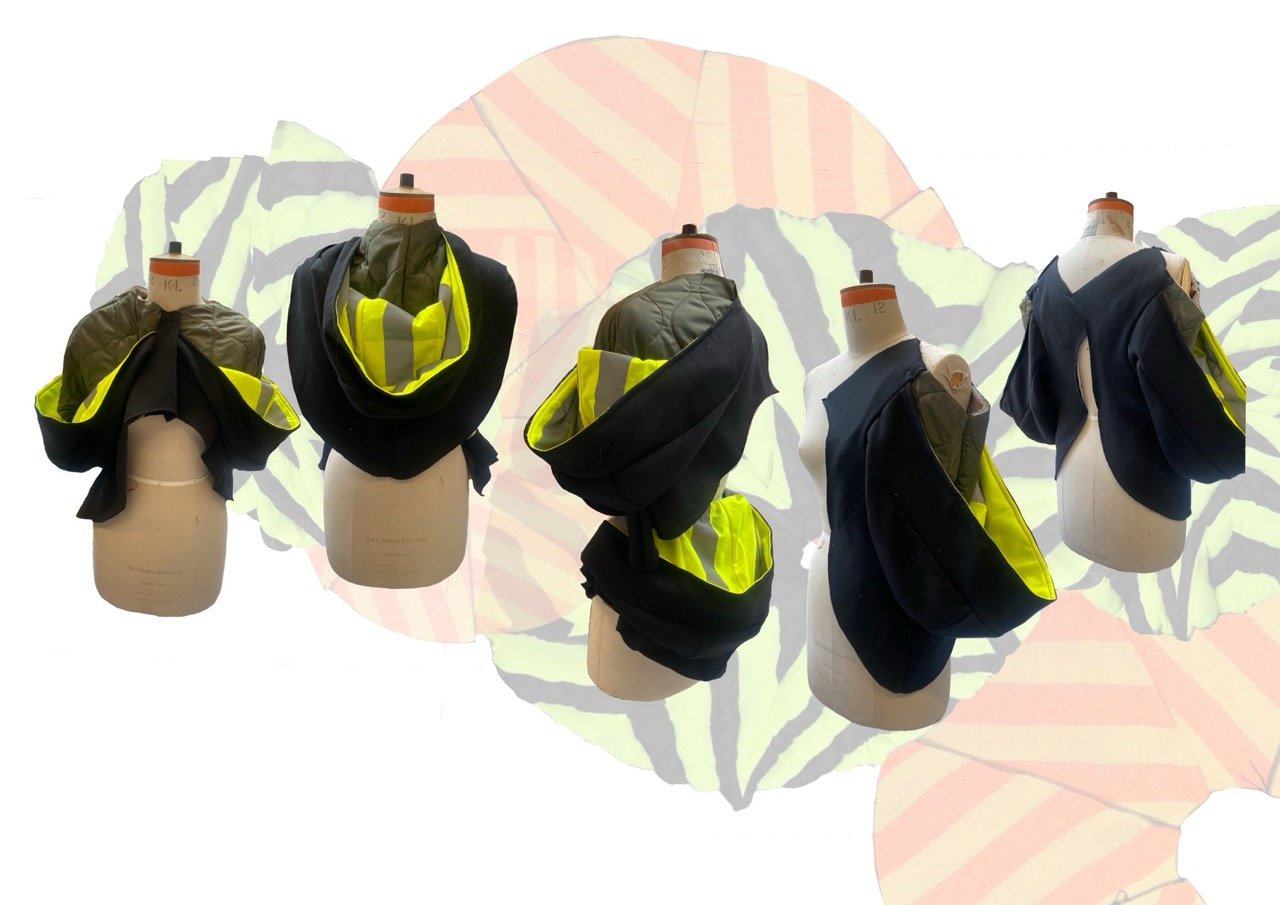
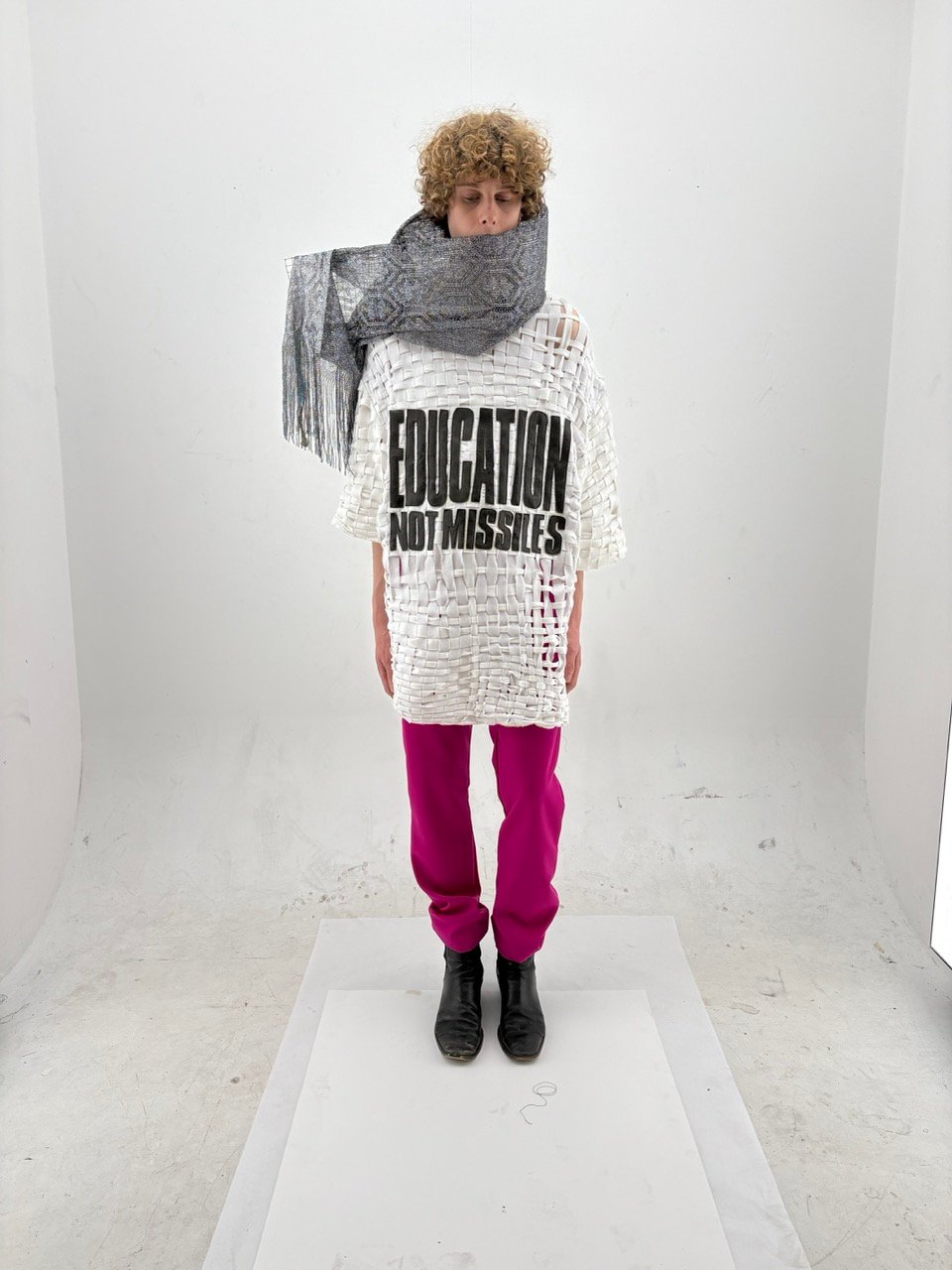
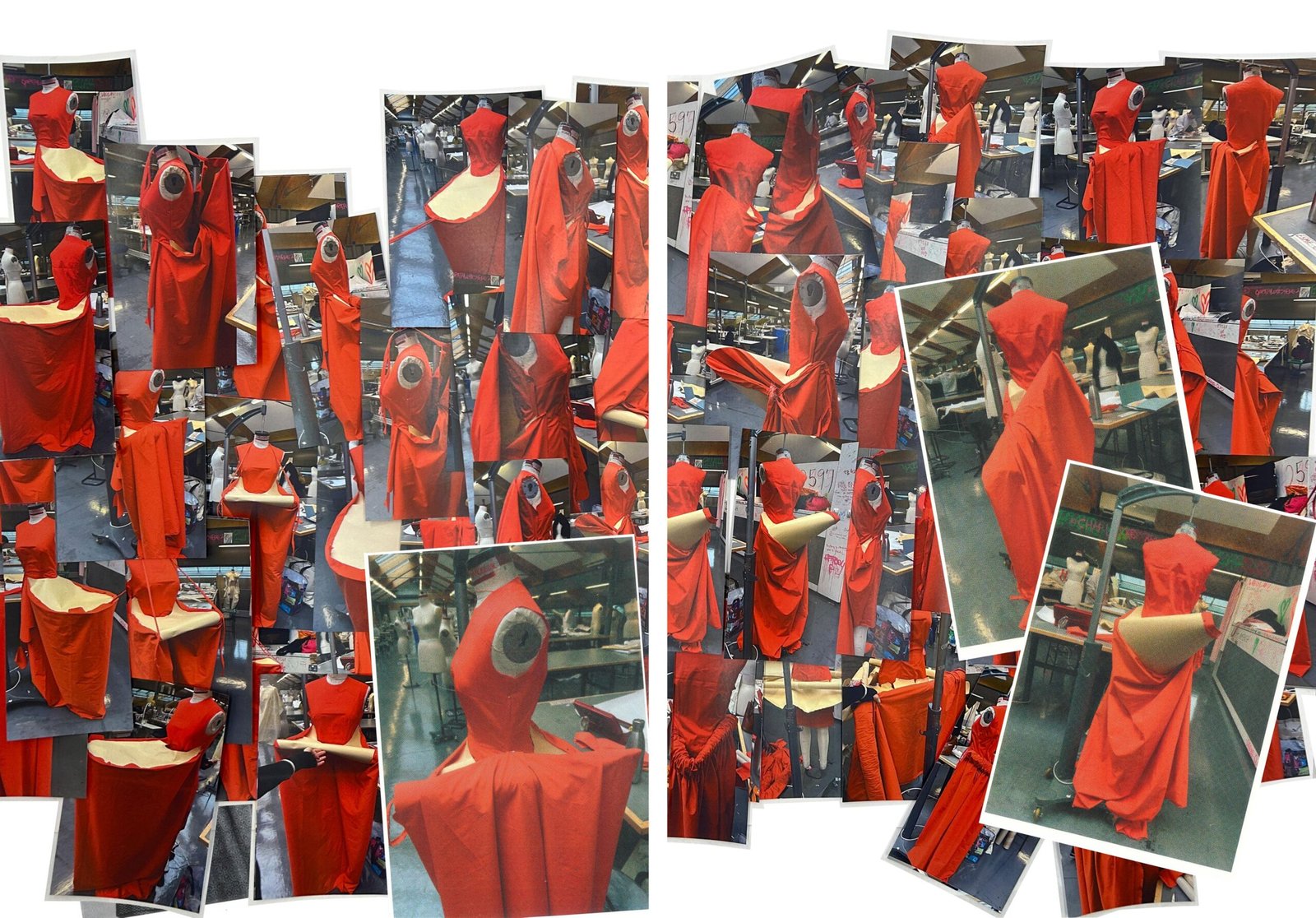
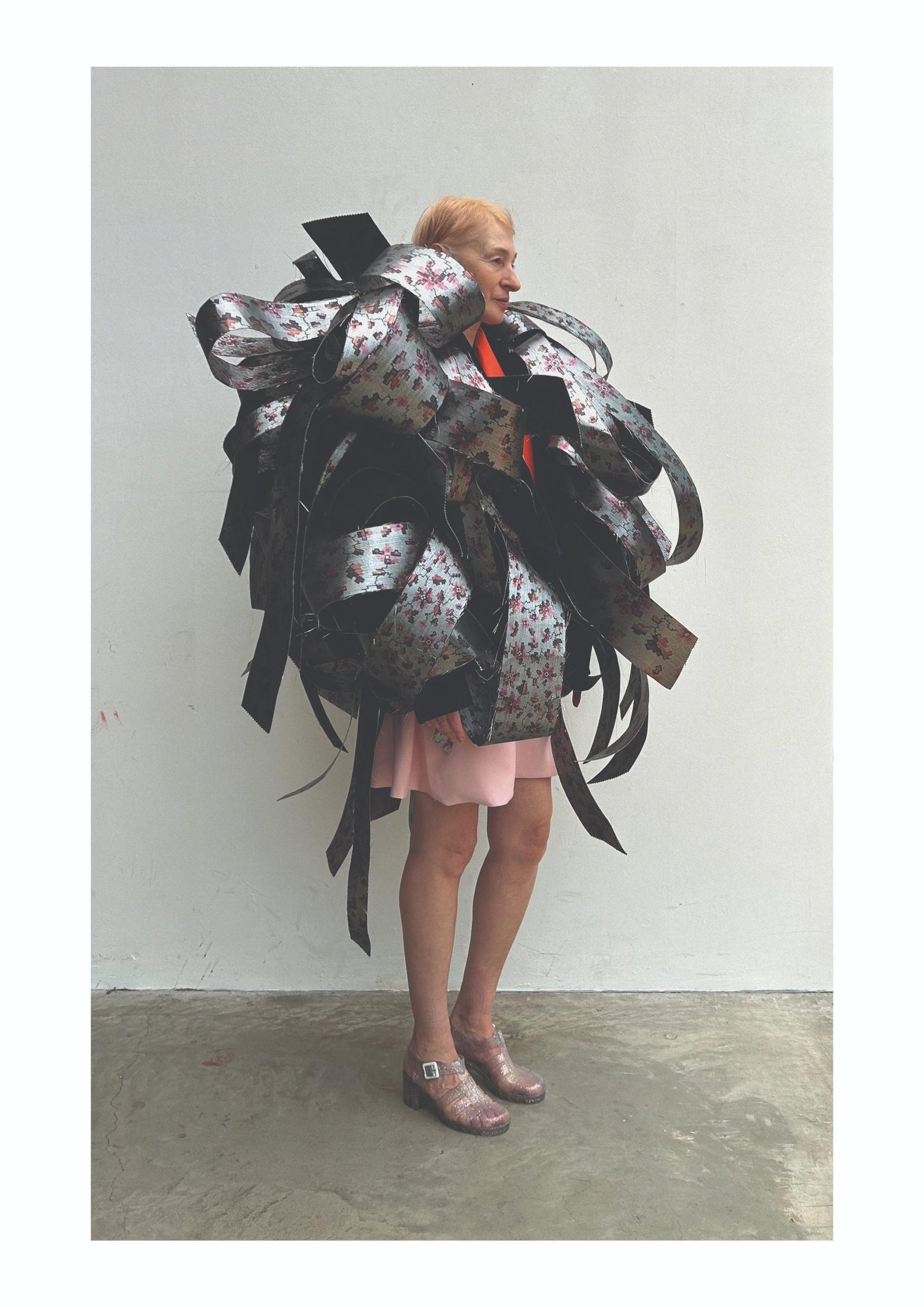
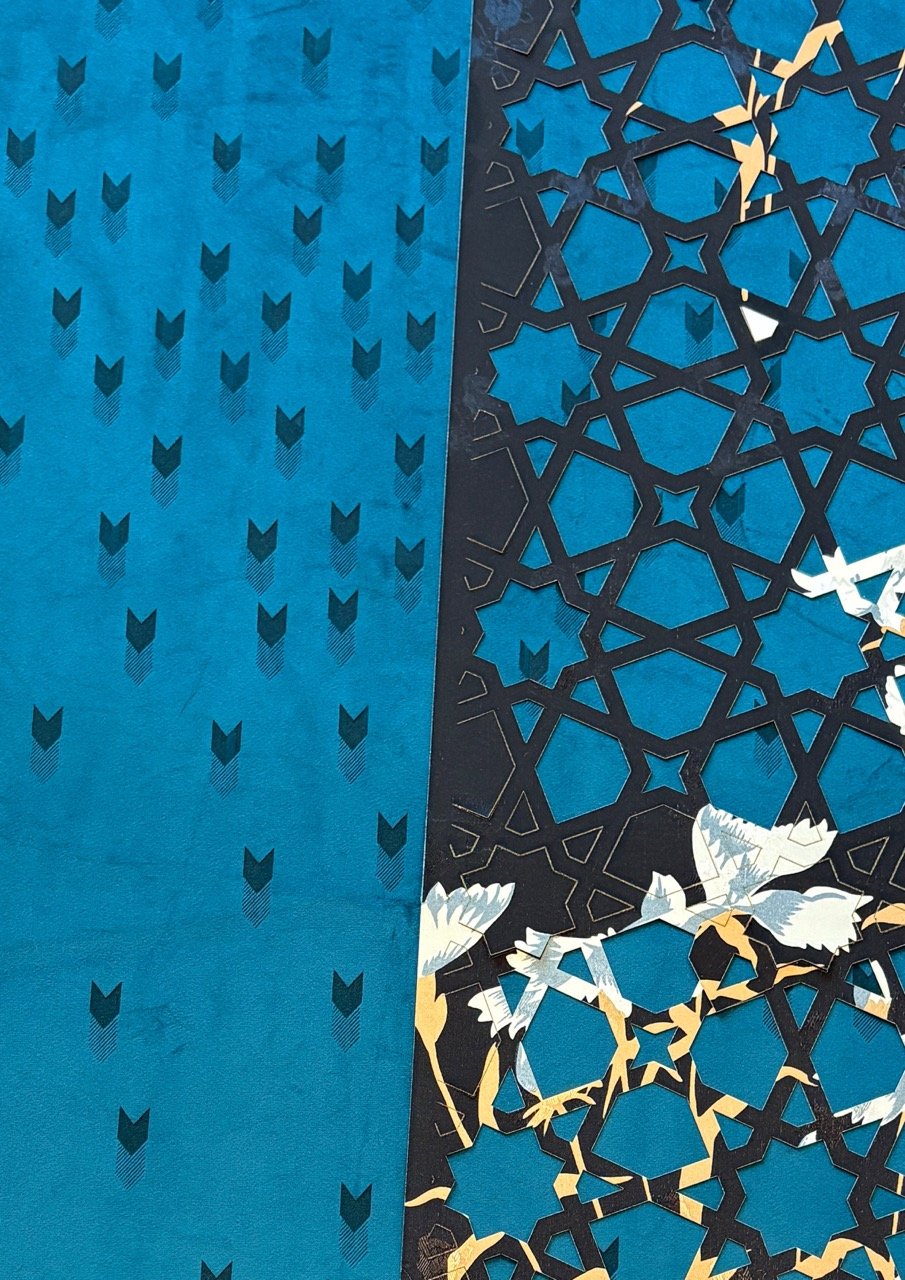
Roni Duval grew up on a council estate in Dagenham, and her collection puts working-class culture where she feels it too rarely appears in fashion: at the centre. The work is built around pride, resilience, status, and strength, refusing the idea that working-class identity should sit at the margins. Duval reclaims the chevron markings often seen on the backs of police vans, symbols she associates with power and control, and places them onto the bodies of the people they are usually used to police. The chevrons remain recognisable, but the power has changed hands.

@roni.duval

Yuki Naka

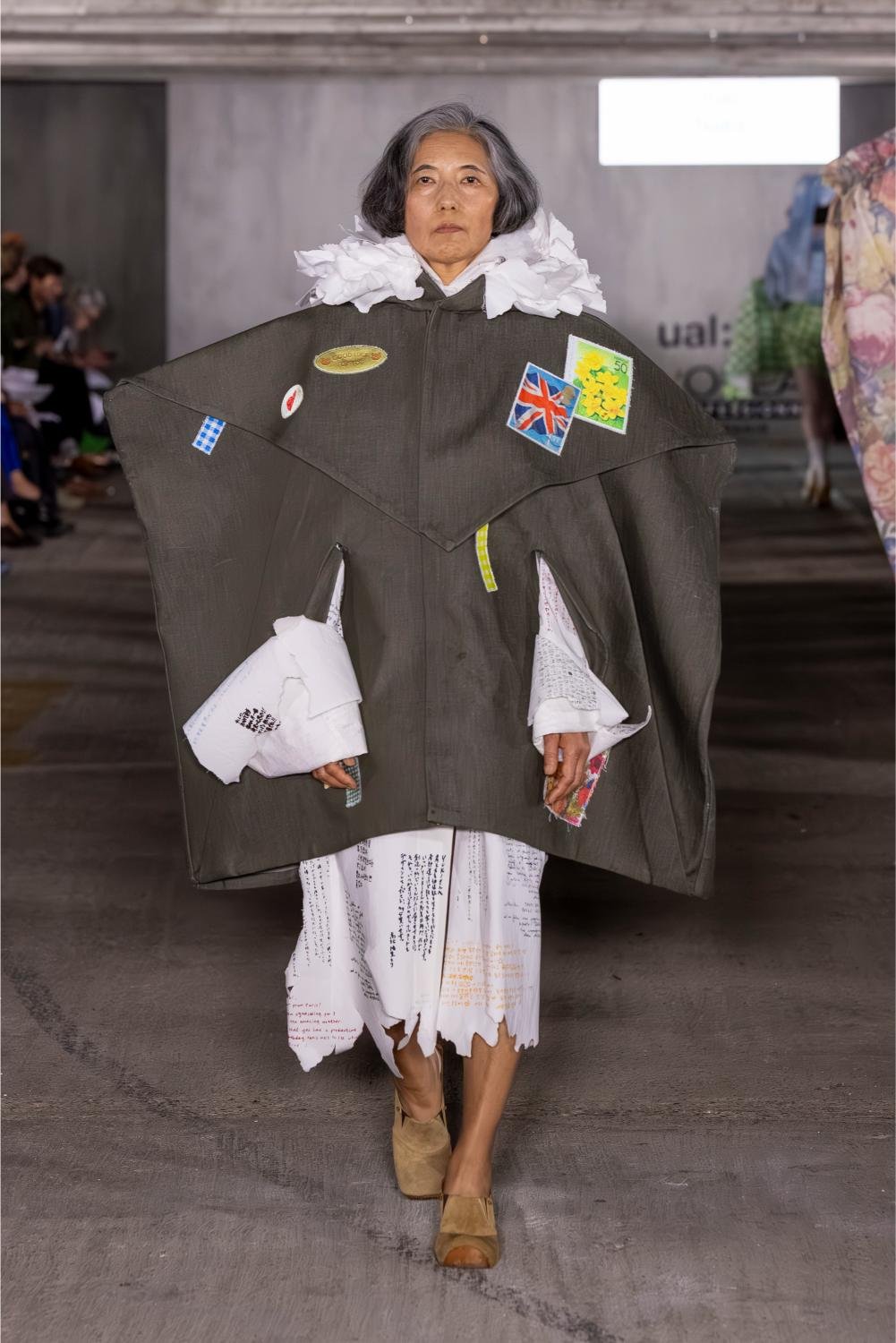
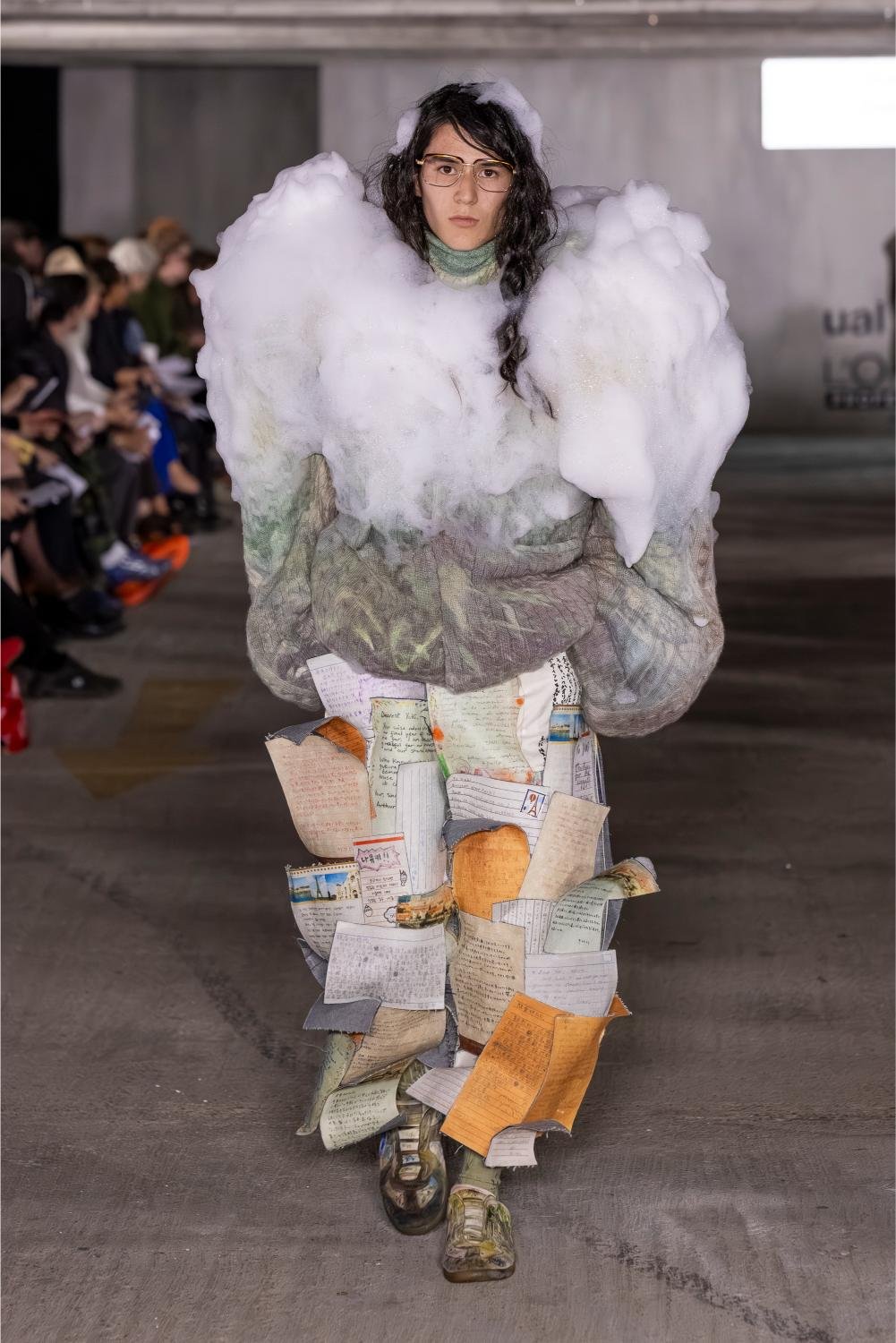
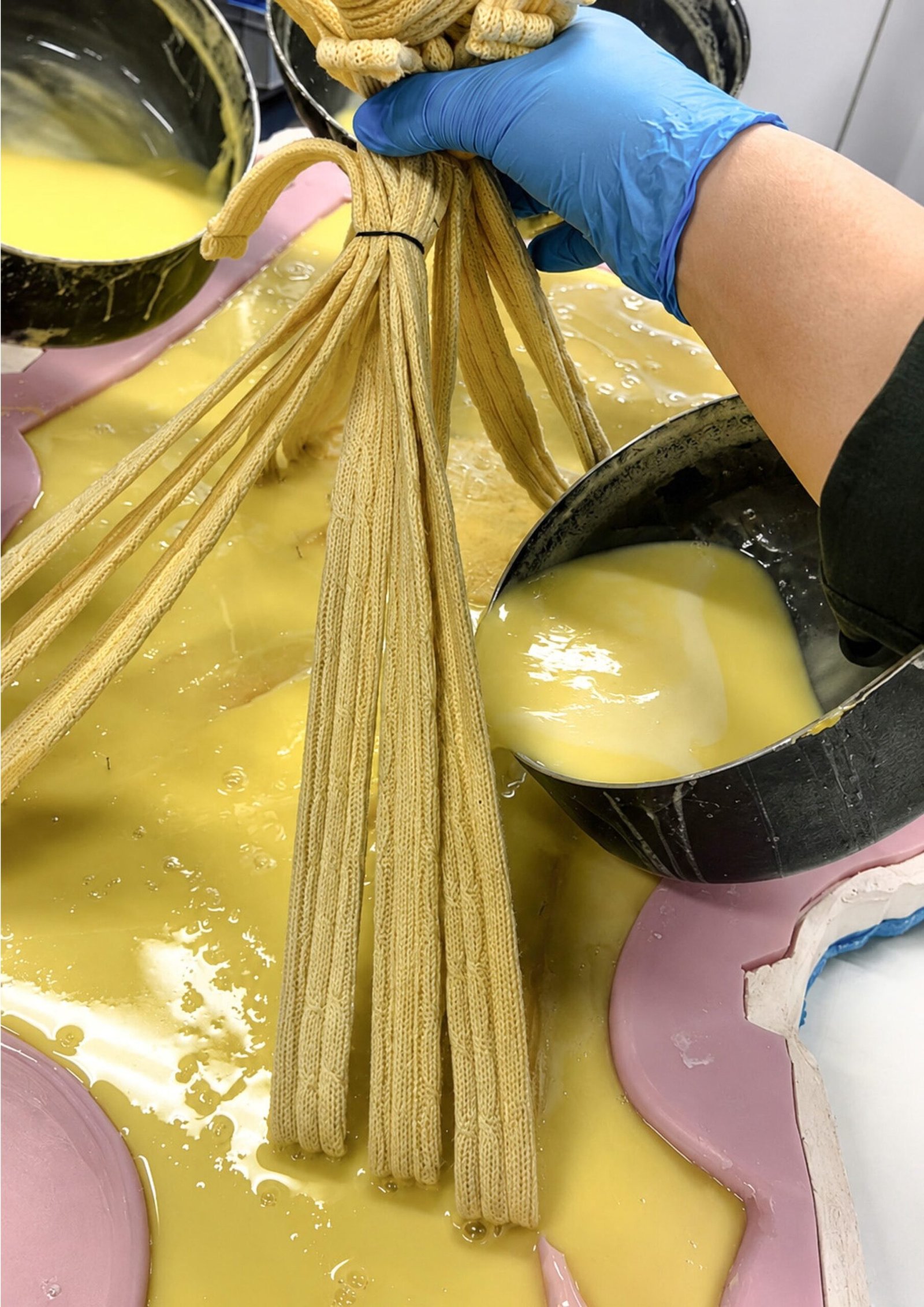
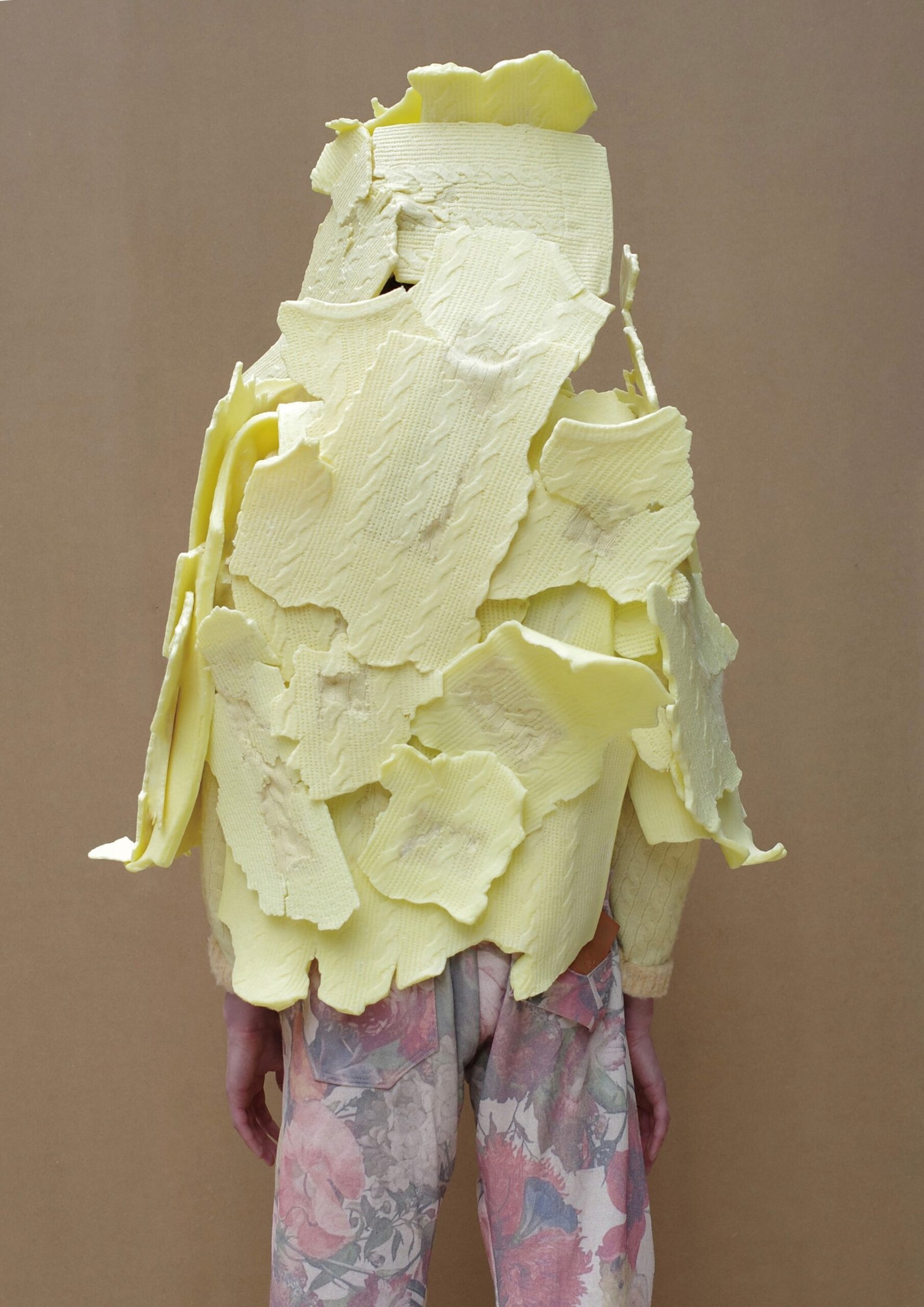
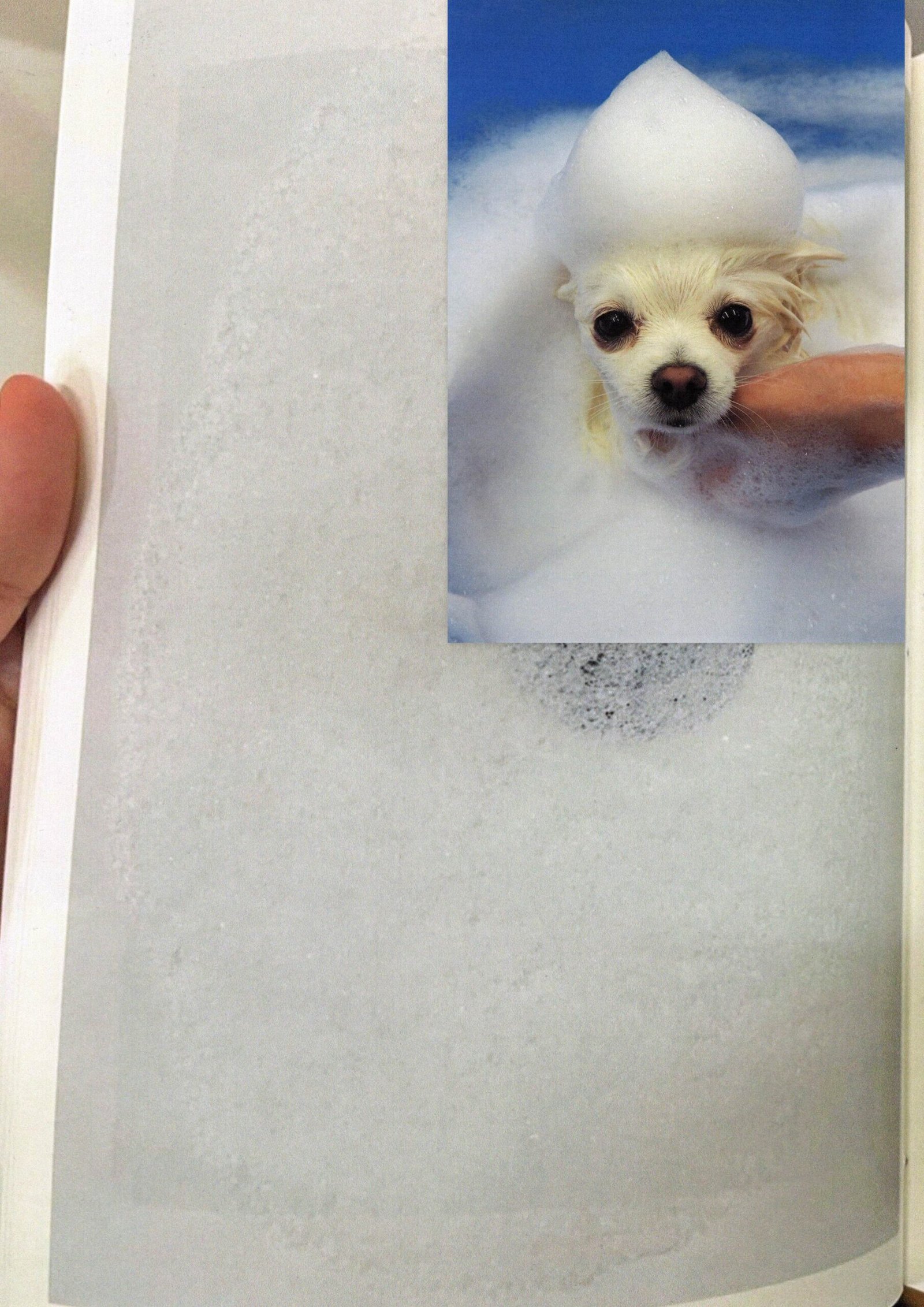
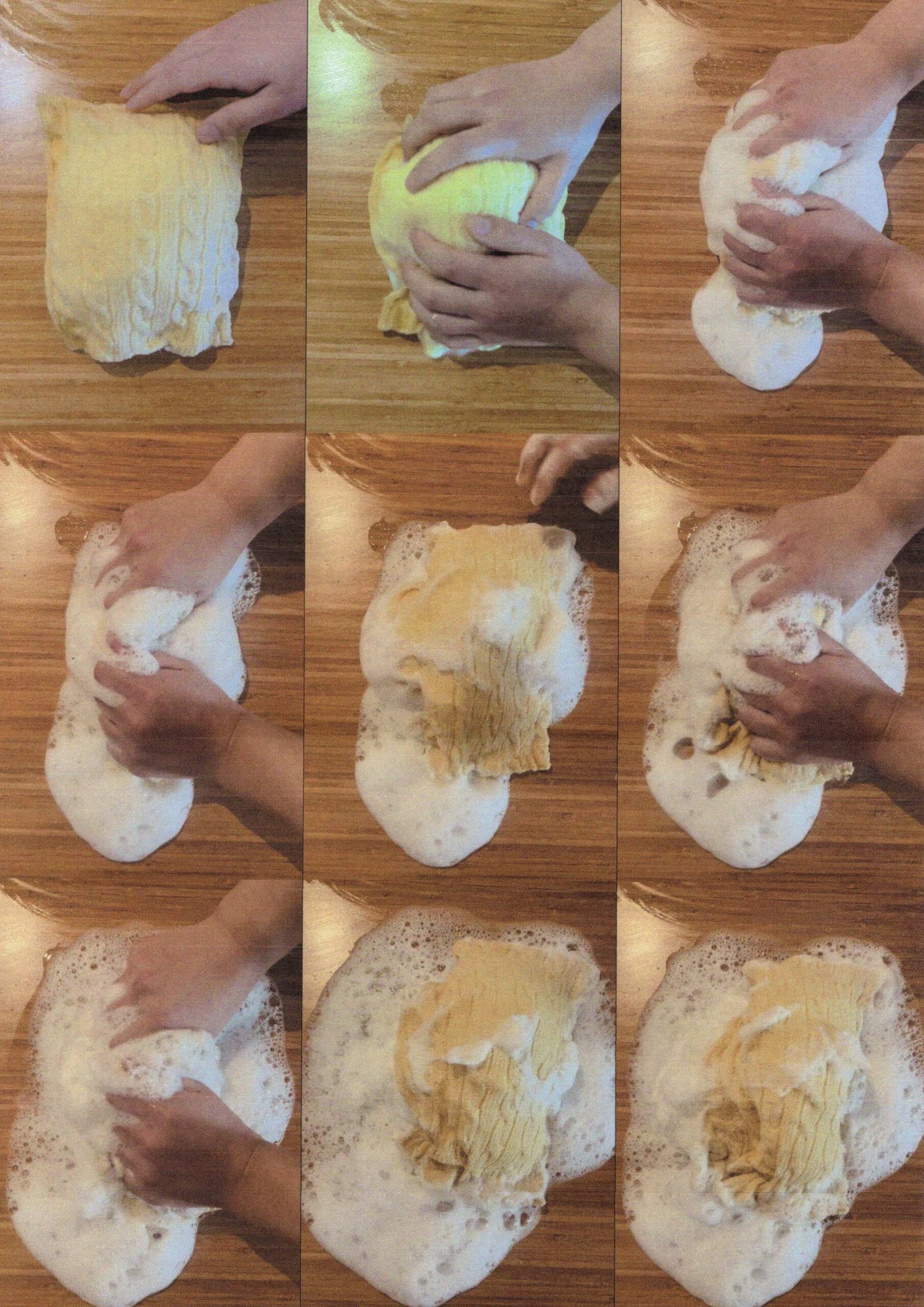
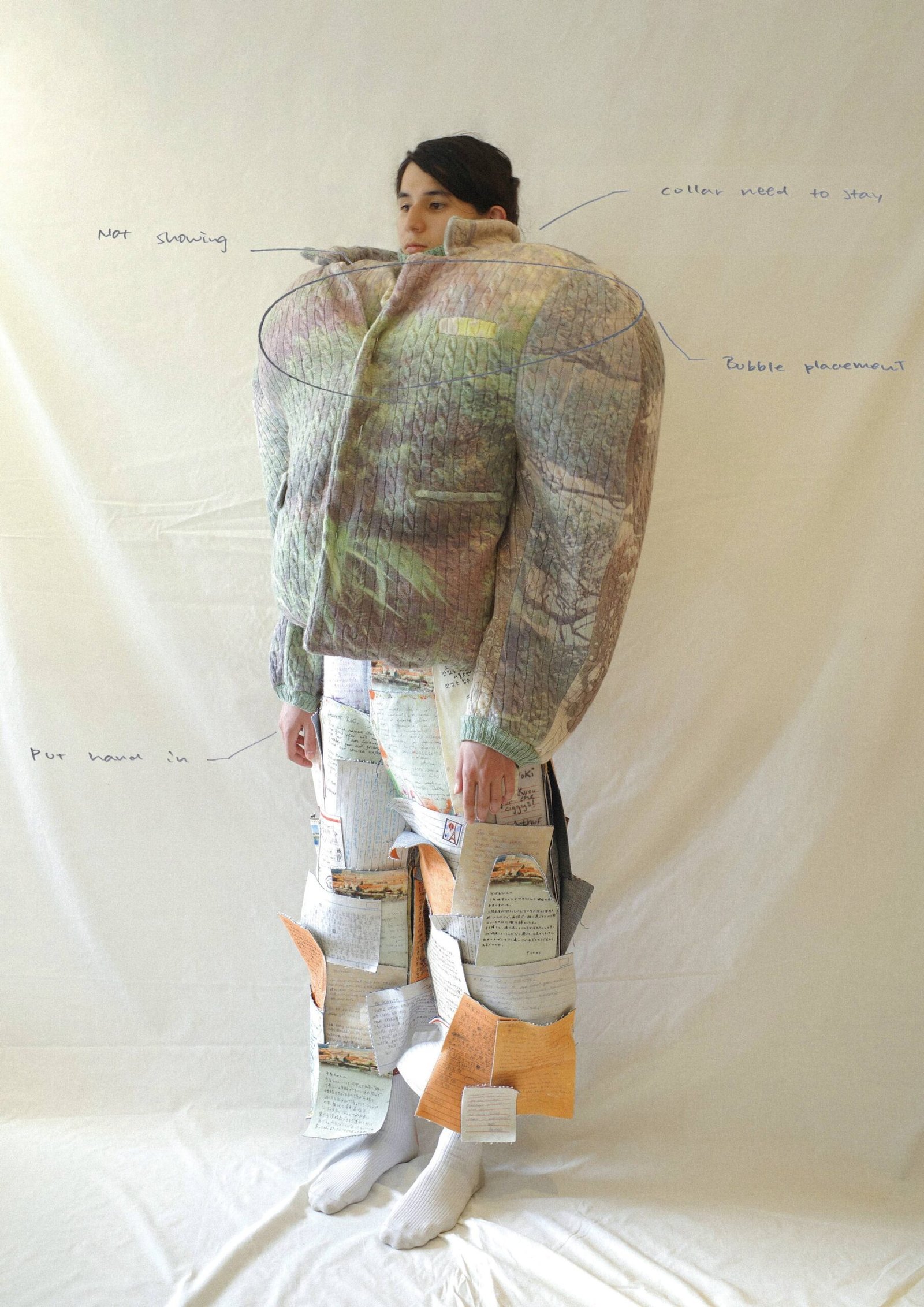
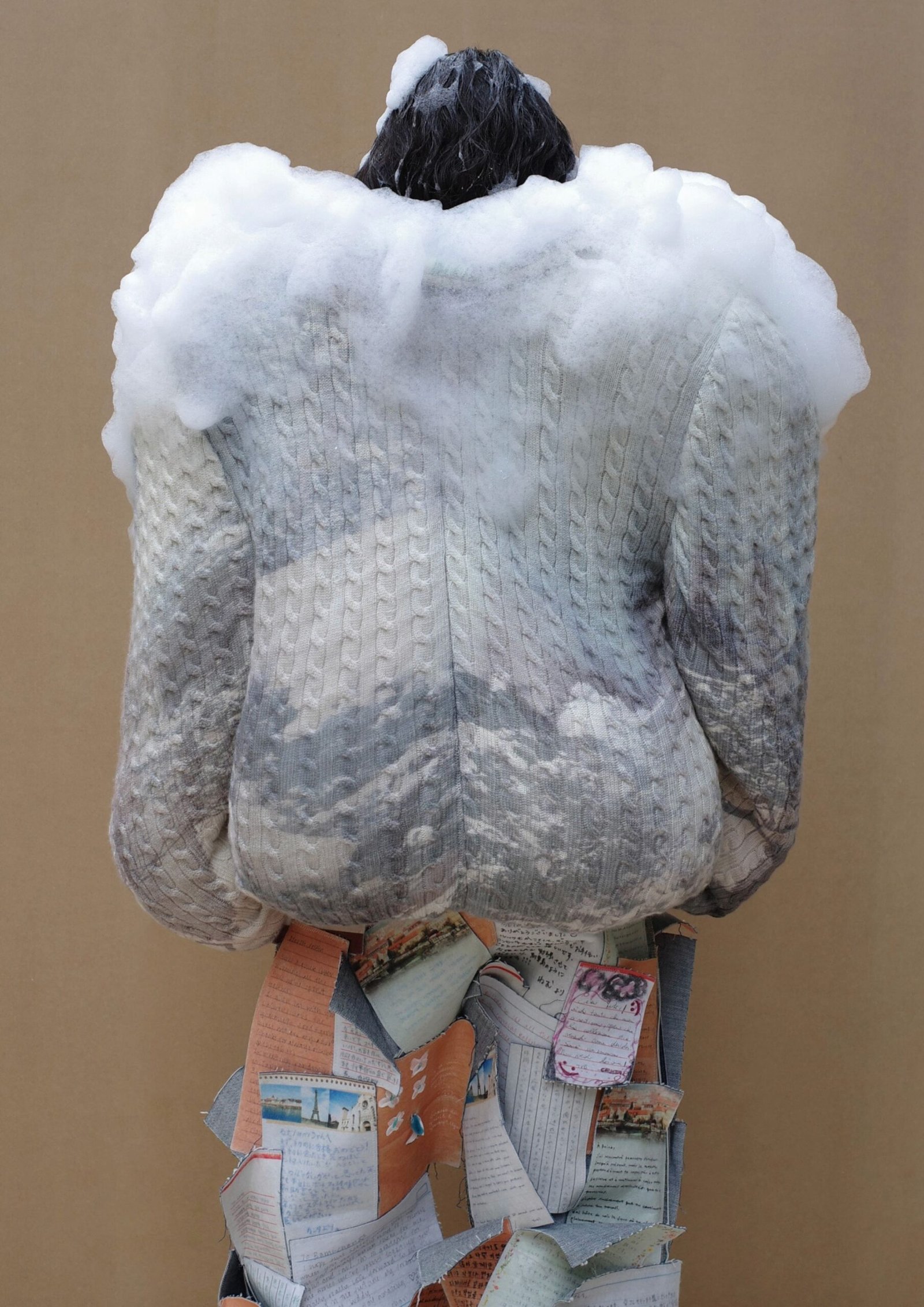
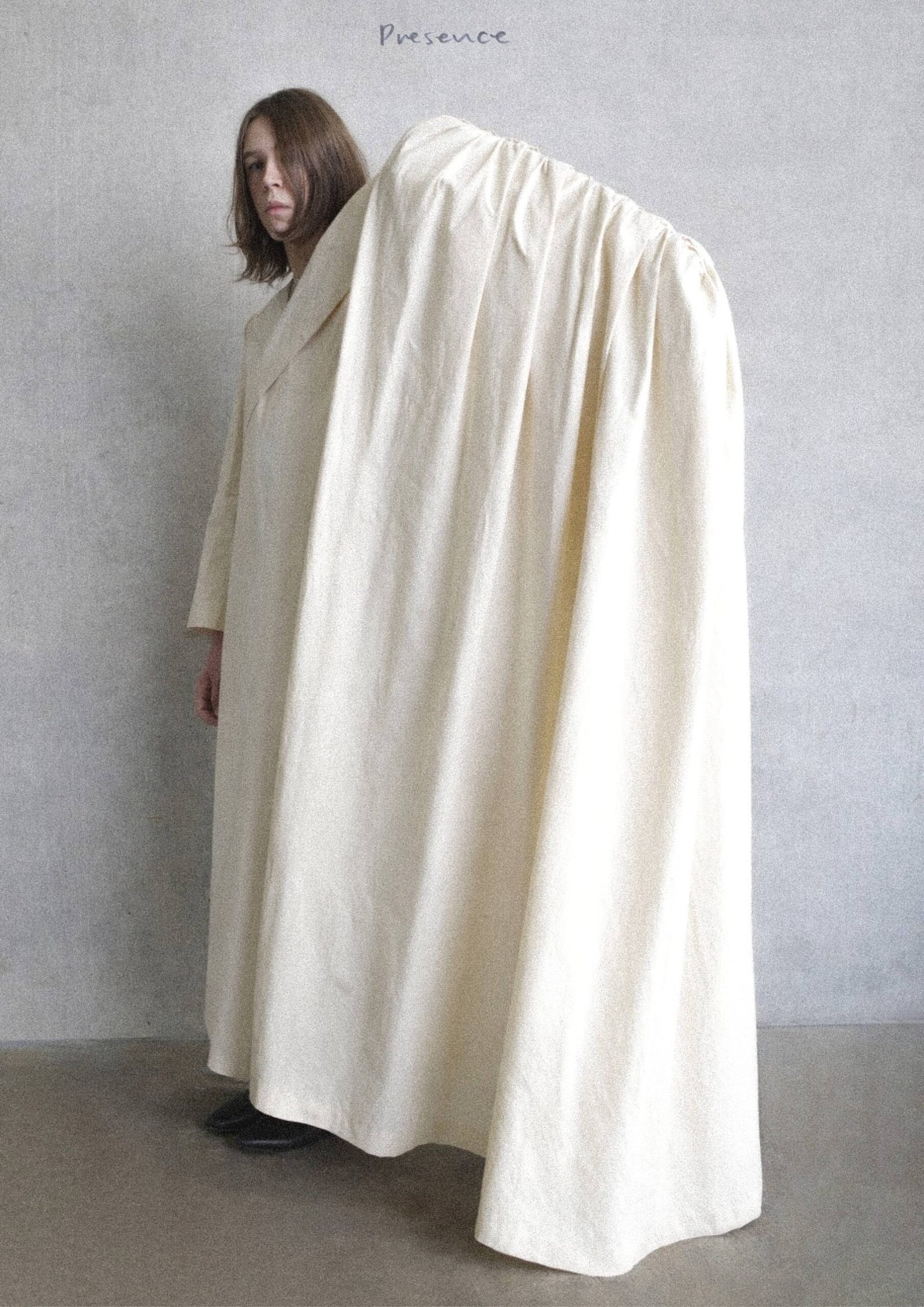
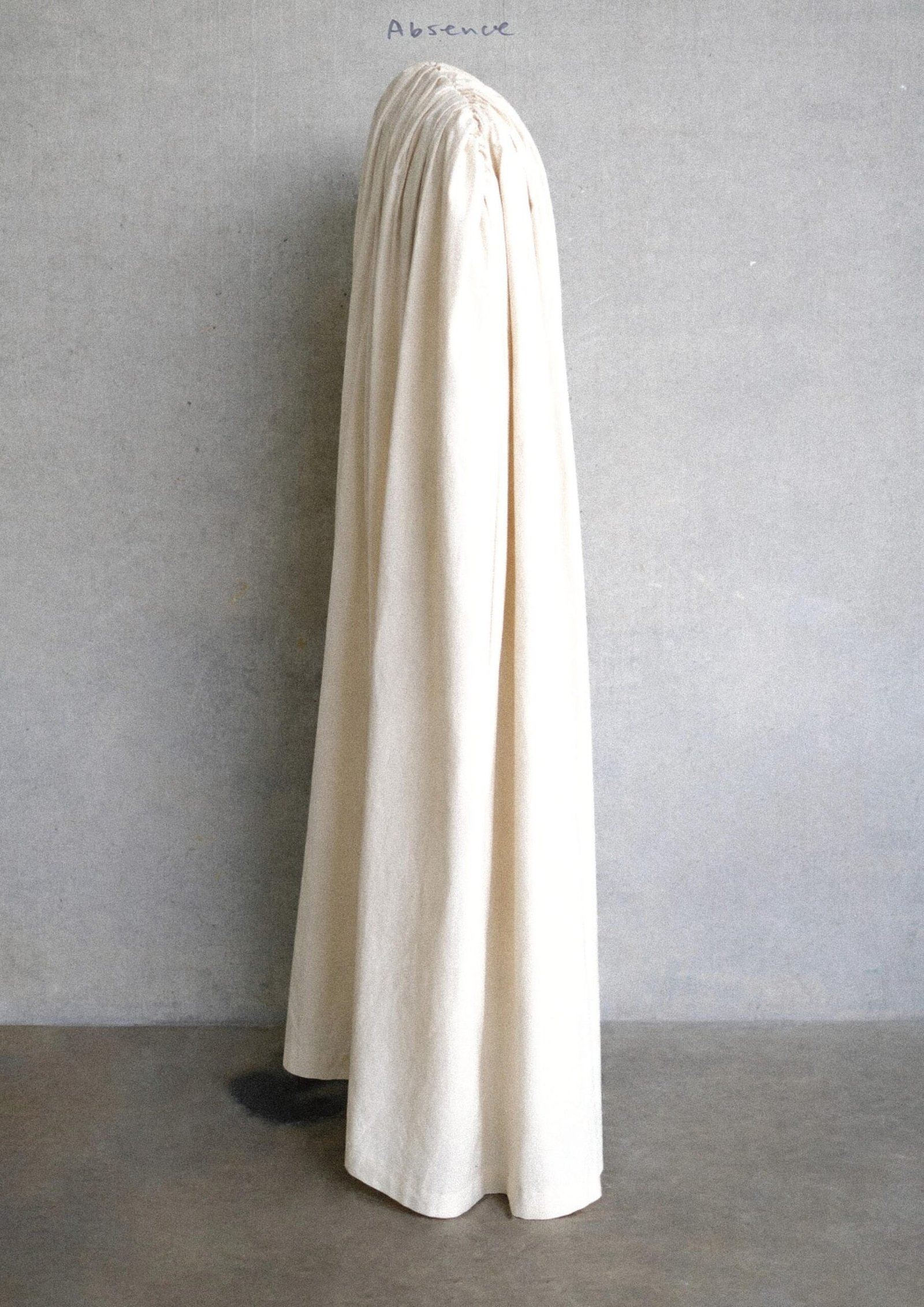
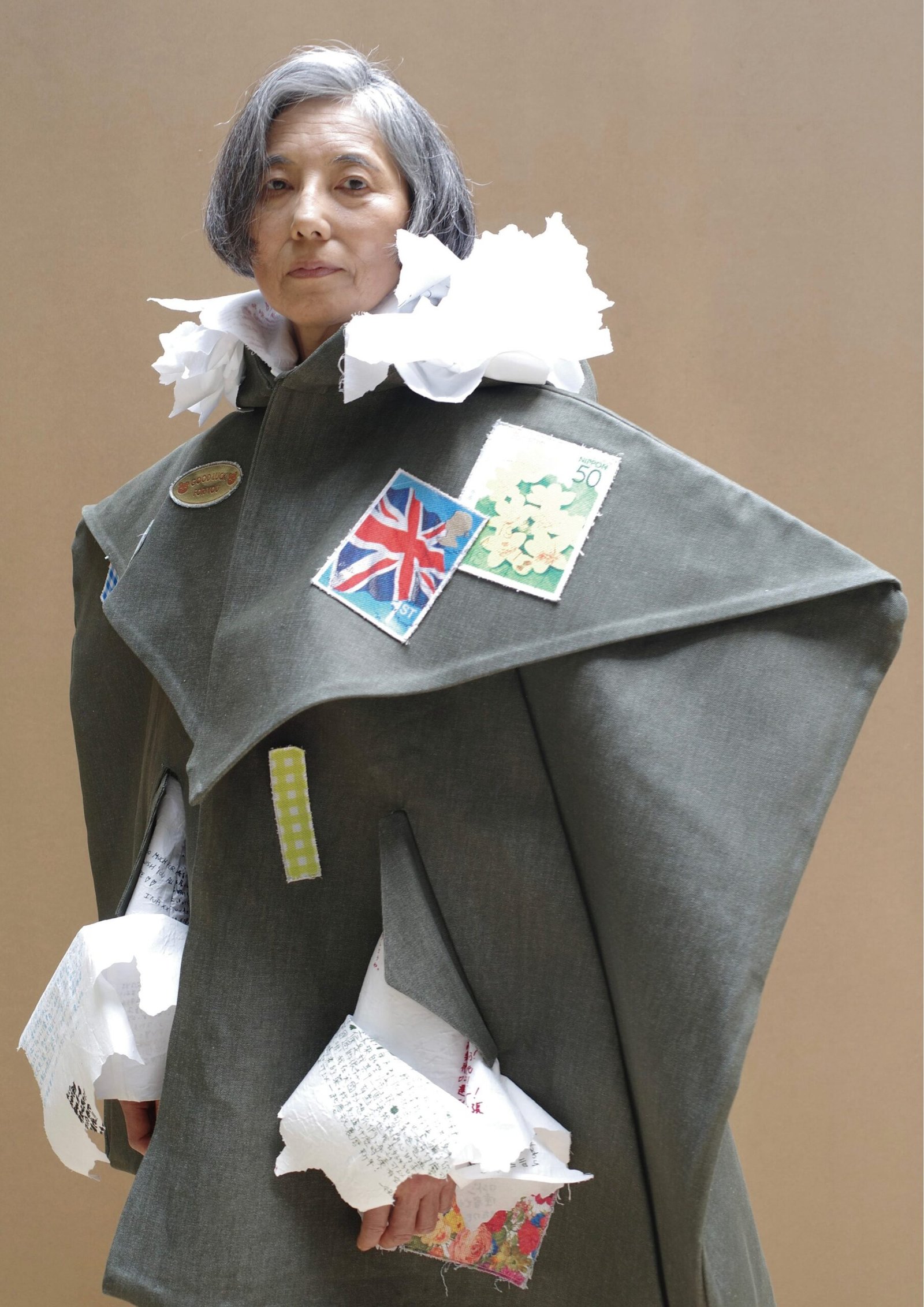
Yuki Naka’s collection, “Quiet Traces,” began with an old letter from his grandmother. When he opened it, the scent left inside the envelope felt more powerful than the words themselves. That moment became the starting point for a collection about memory, presence, absence, and the quiet ways the past remains close. Naka draws on domestic spaces, personal landscapes, letters, and sensory experiences, using materials that can dissolve, fade, or transform through use. Soap, bubbles, and candle wax appear throughout the work, chosen for their instability and their ability to change state. Like memory itself, they leave traces that are difficult to hold onto.

@yk______nk

Zhujing (Deni) Dai

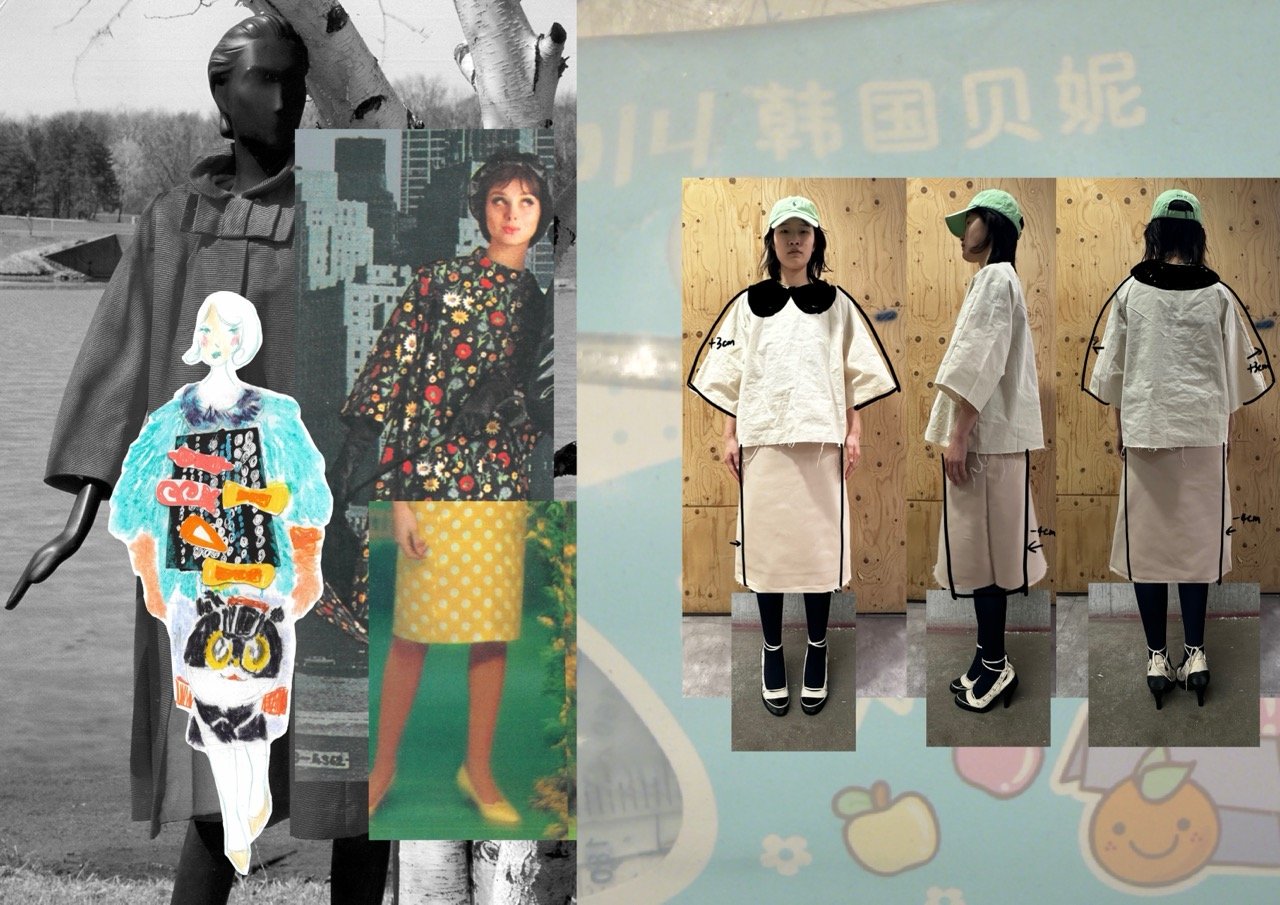
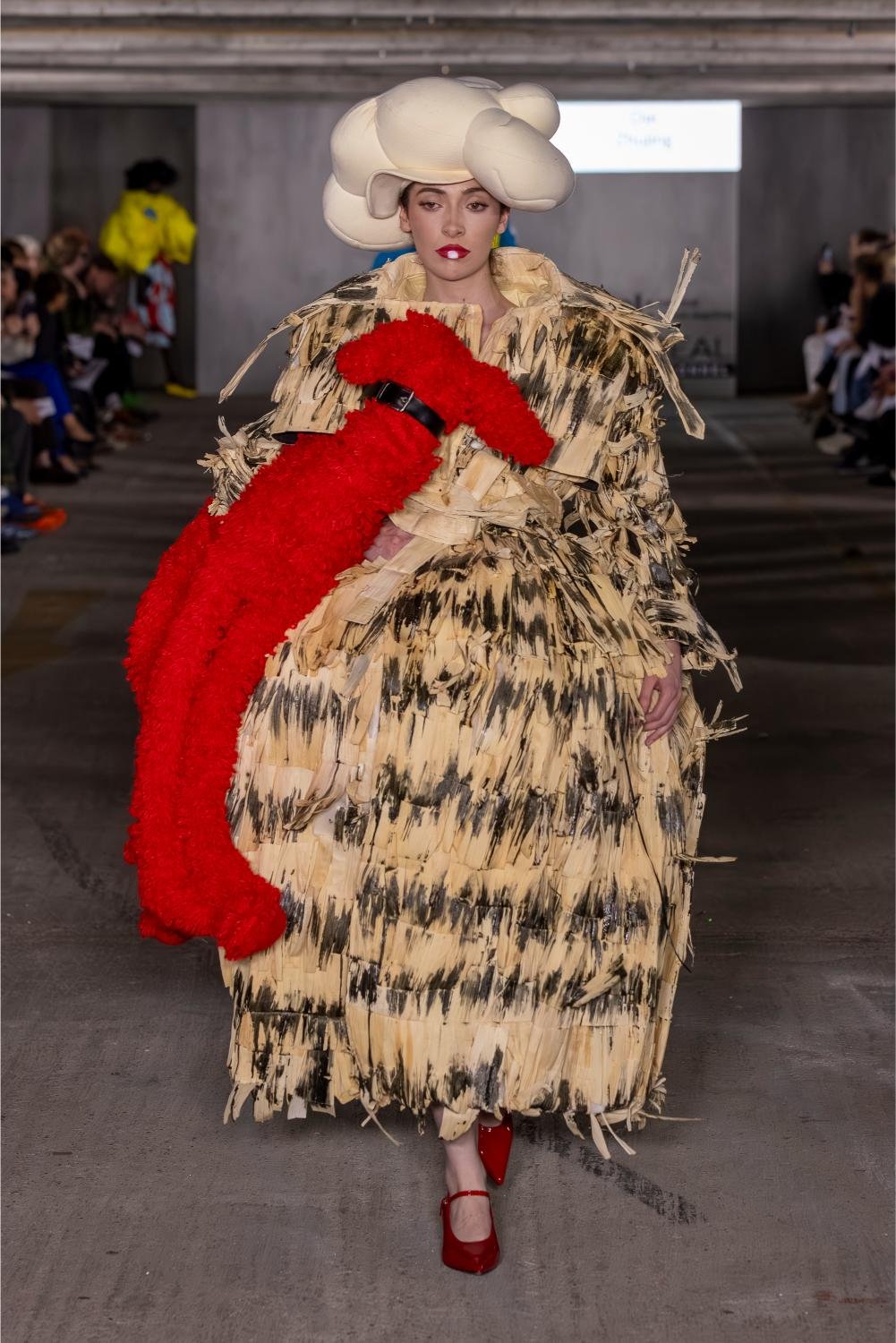
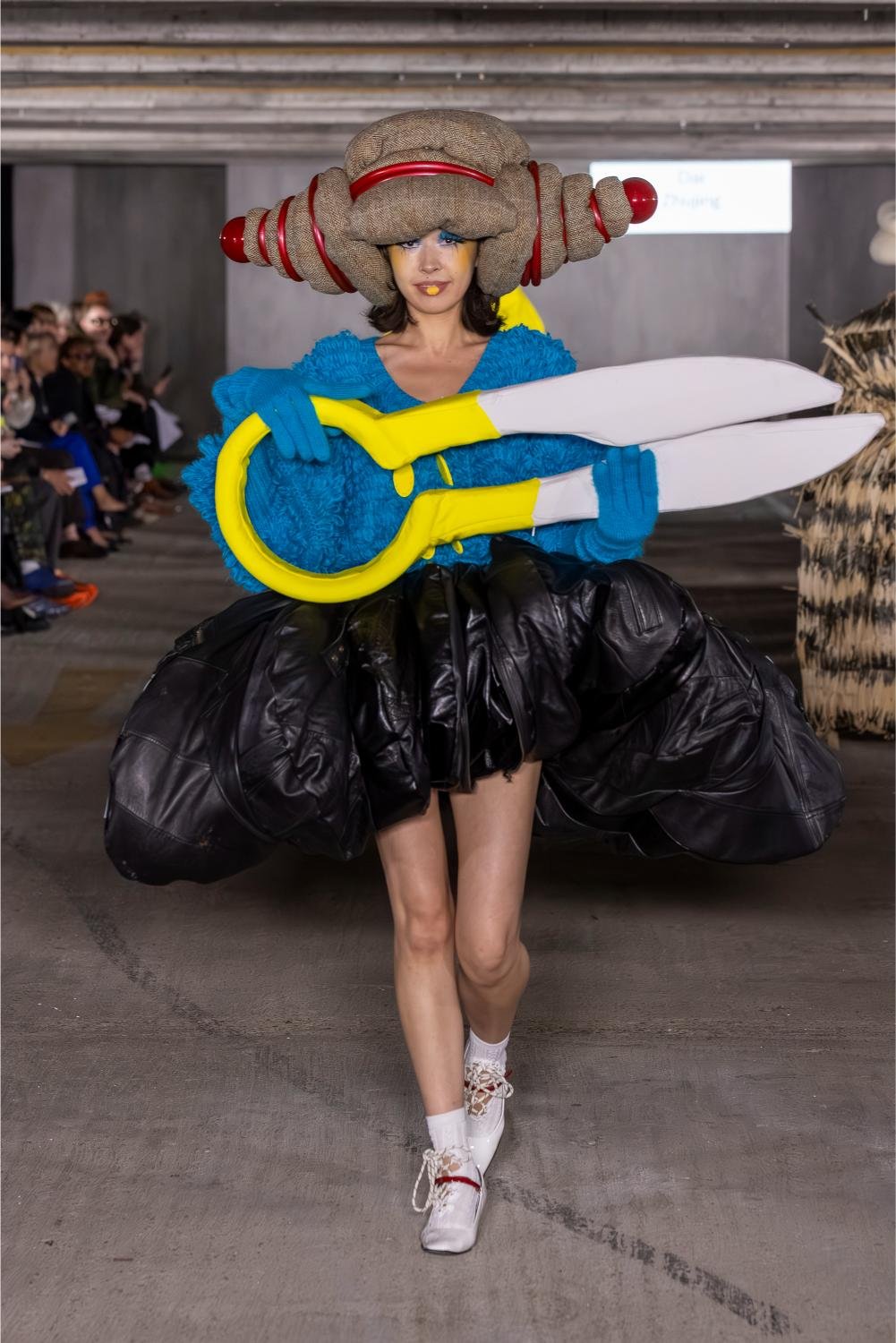
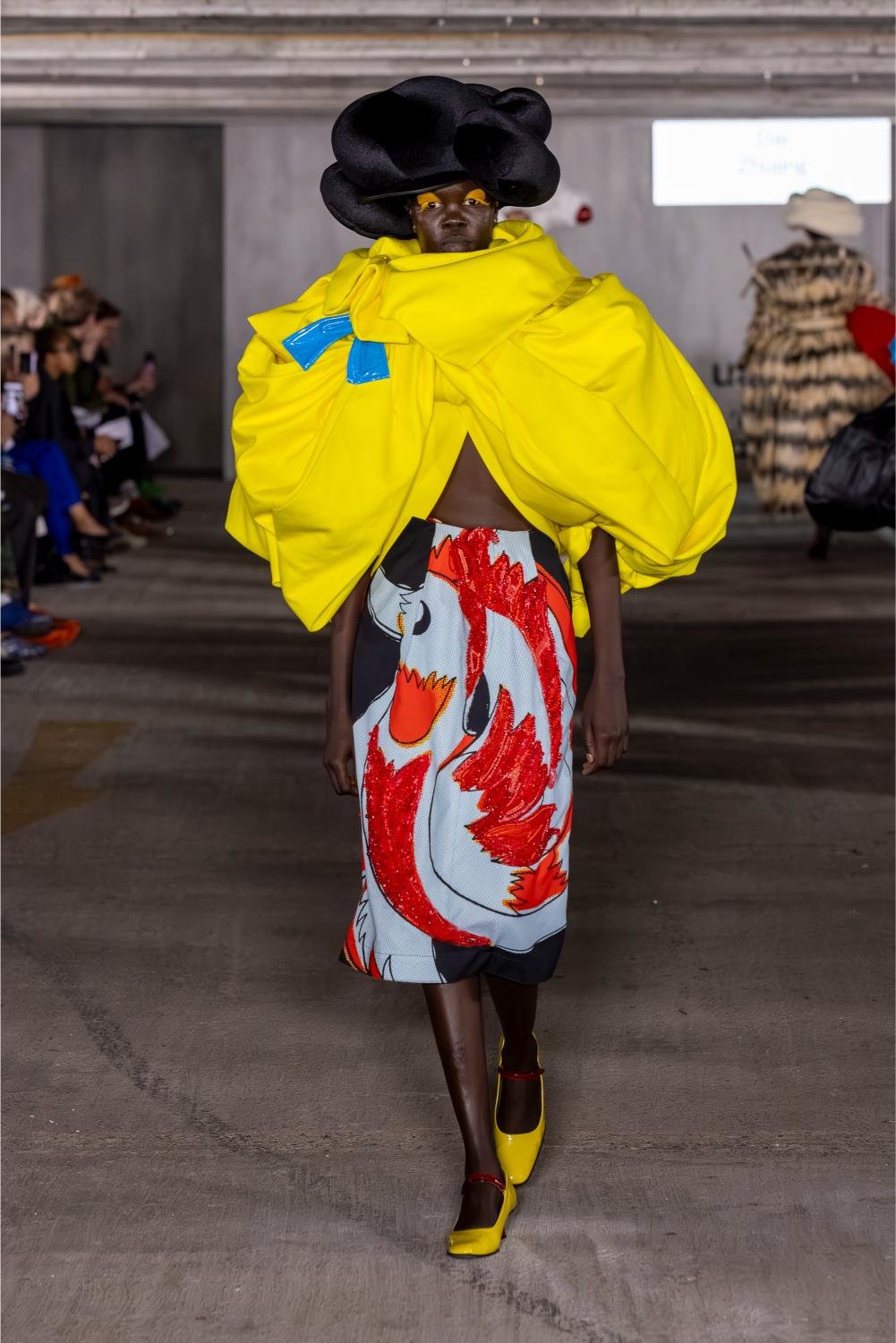
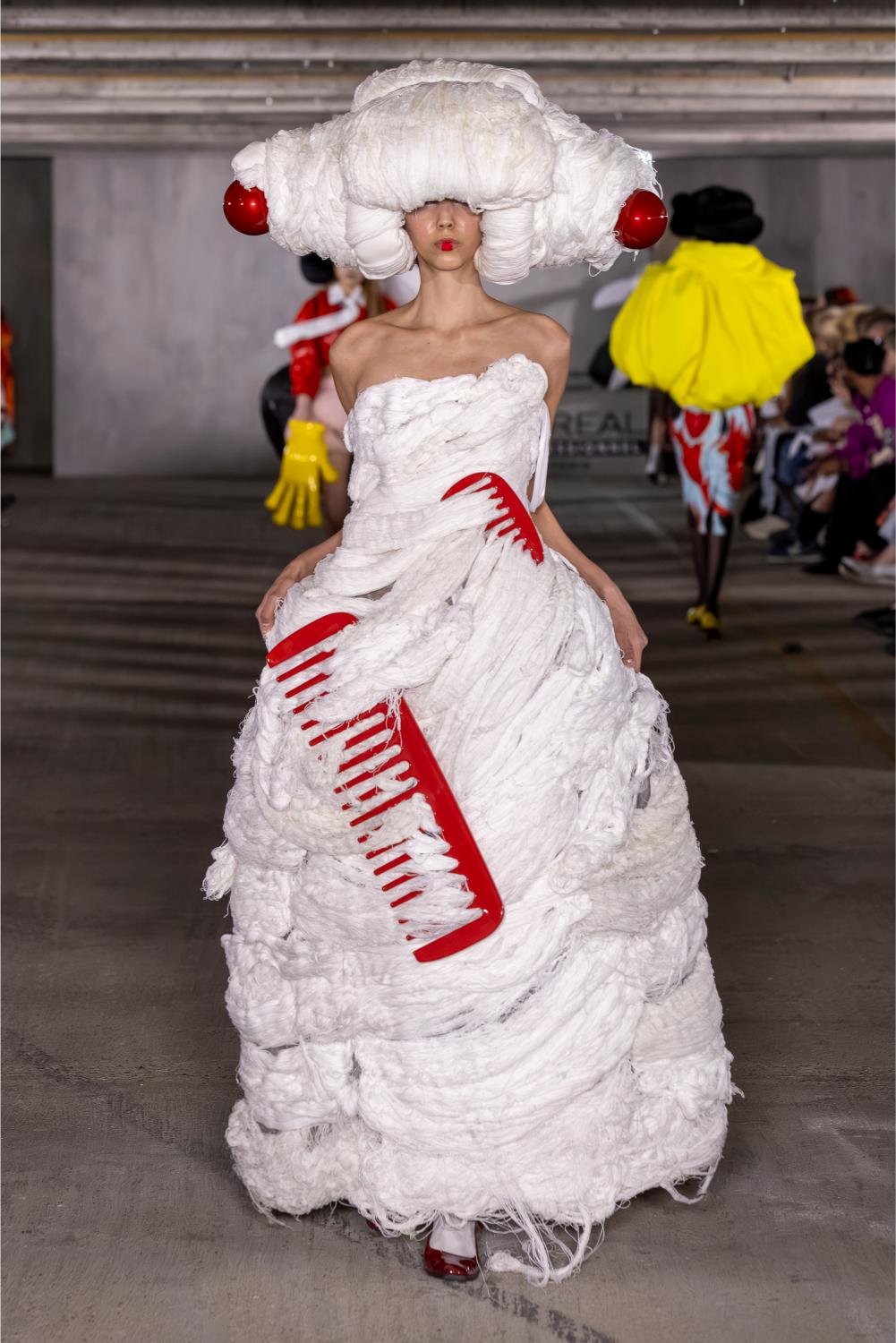
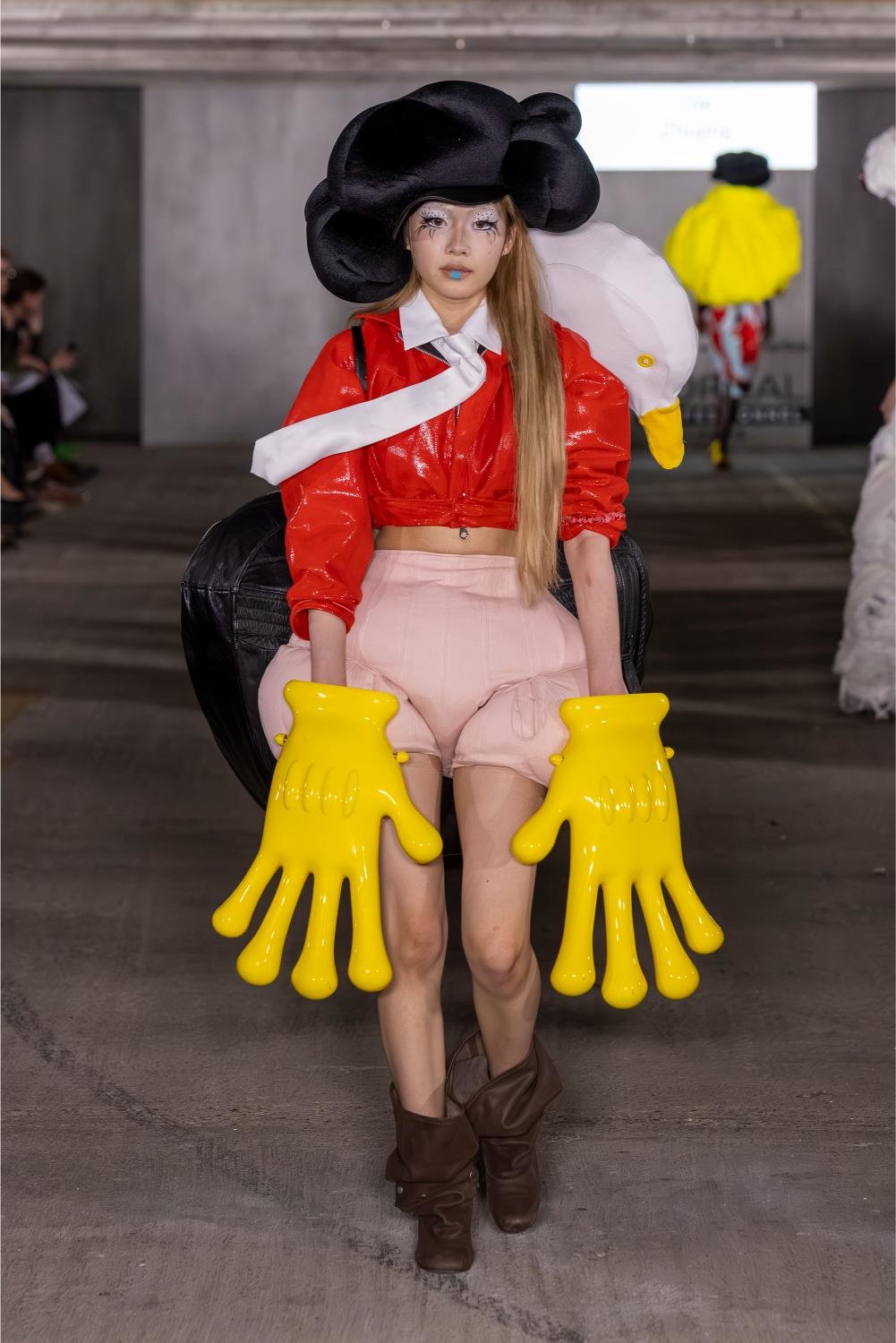
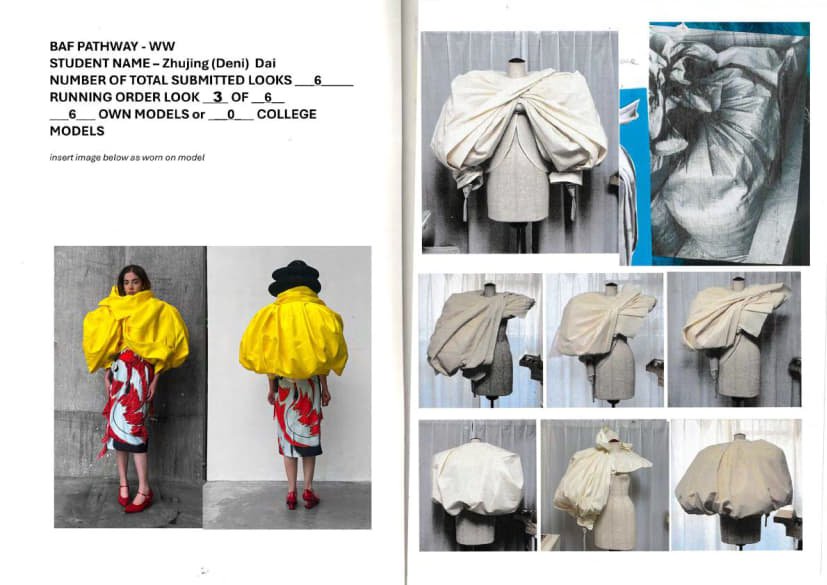
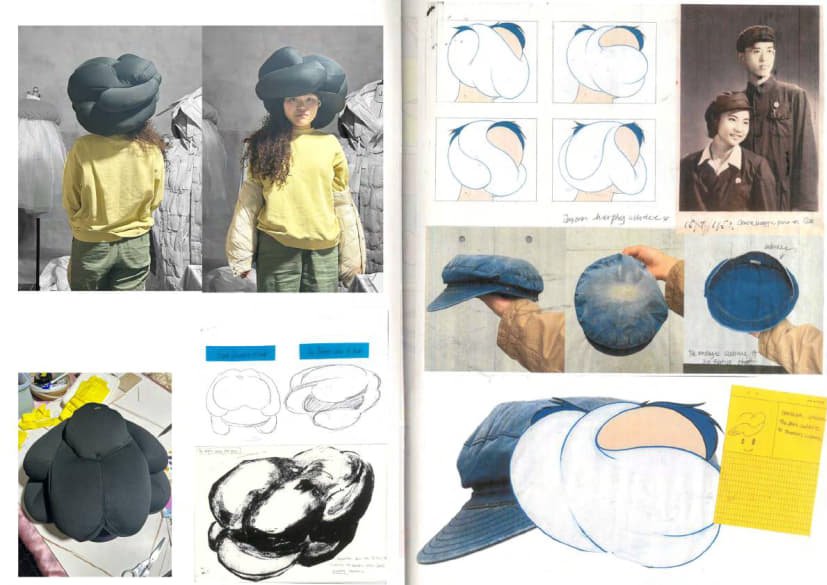
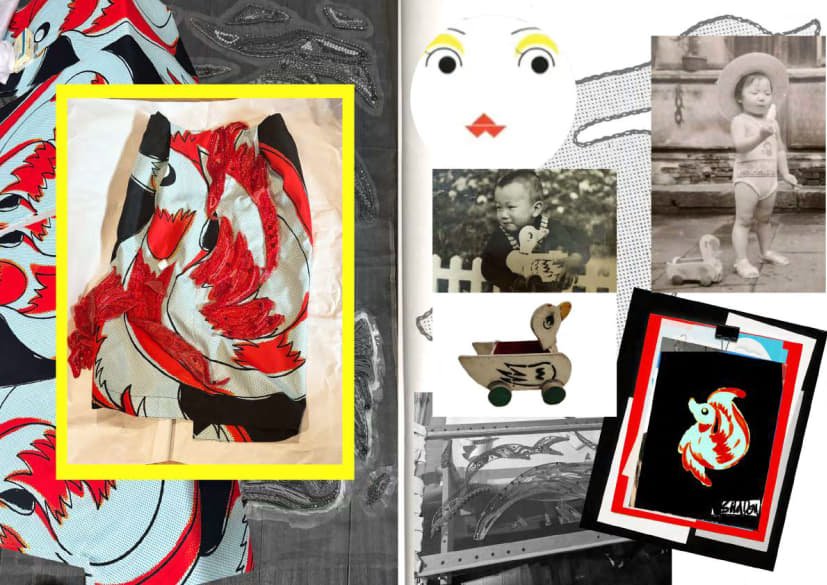
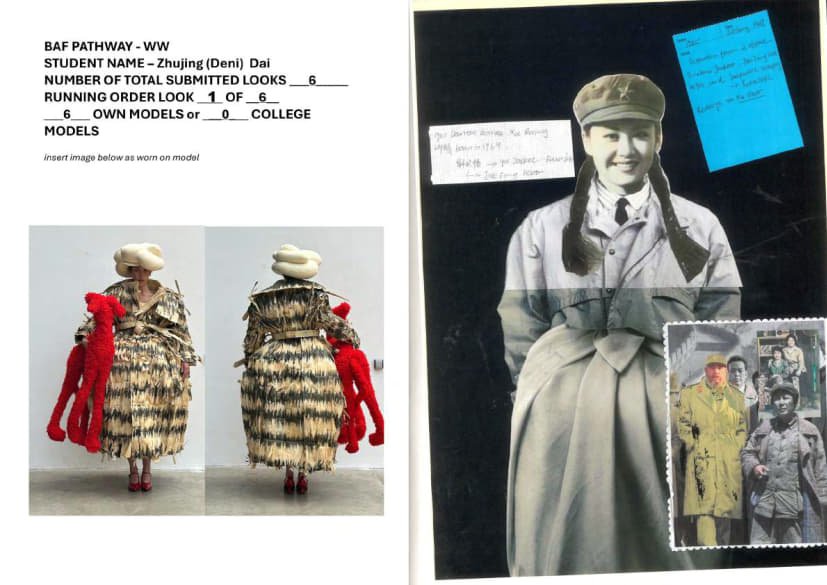
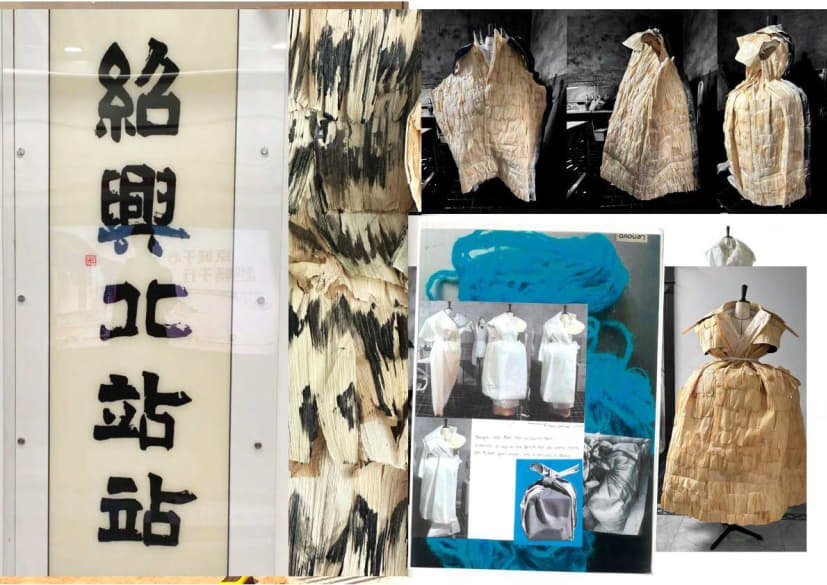
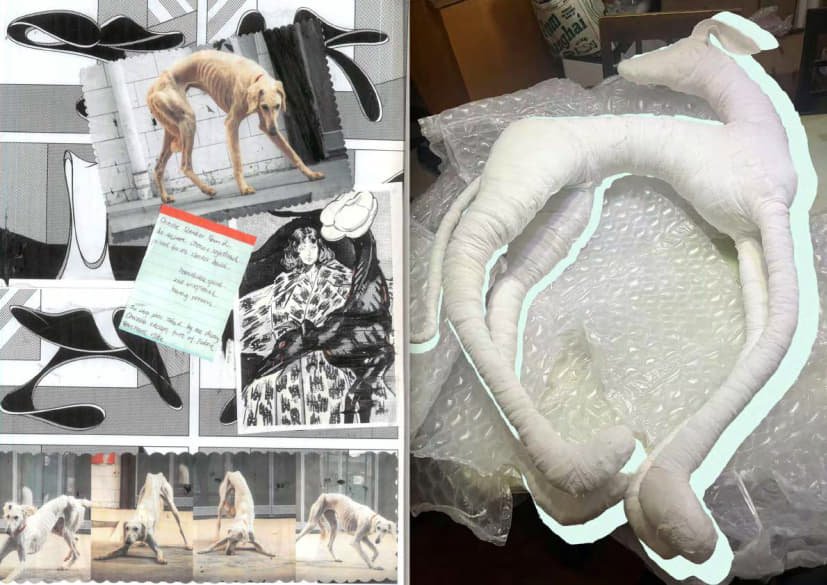
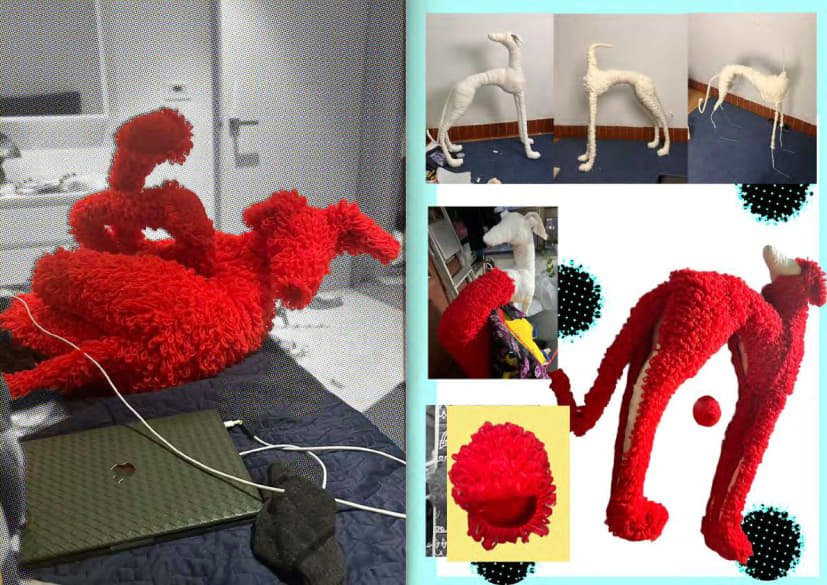
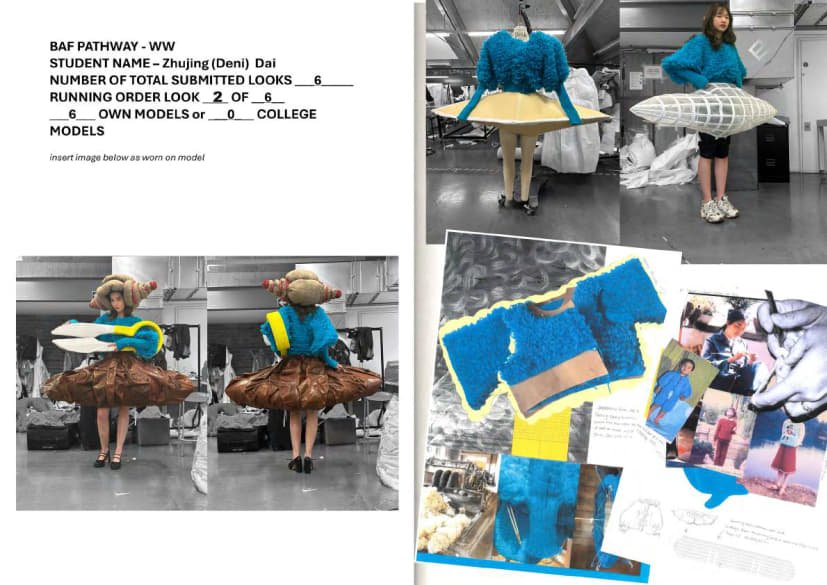
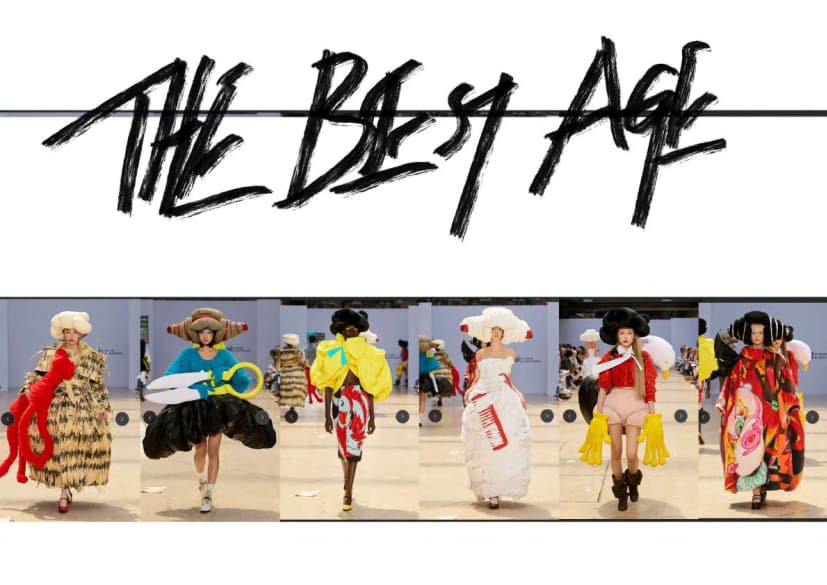
For Zhujing (Deni) Dai, age is not a number but a feeling. Her collection, “The Best Age,” moves between childhood memory, cultural identity, and the process of claiming her own voice. Growing up in Shaoxing, a Chinese textile manufacturing town, and later moving to the United States as a teenager, Dai draws from both Eastern and Western references. Chinese animation, posters, factory culture, and the work of artist Jason Murphy all feed into the collection, while garment structures borrow from factory tools and packaging materials. Childhood appears not as something left behind, but as a source of comfort, imagination, and authority.

@zjingdai_deni

Sophia Layk

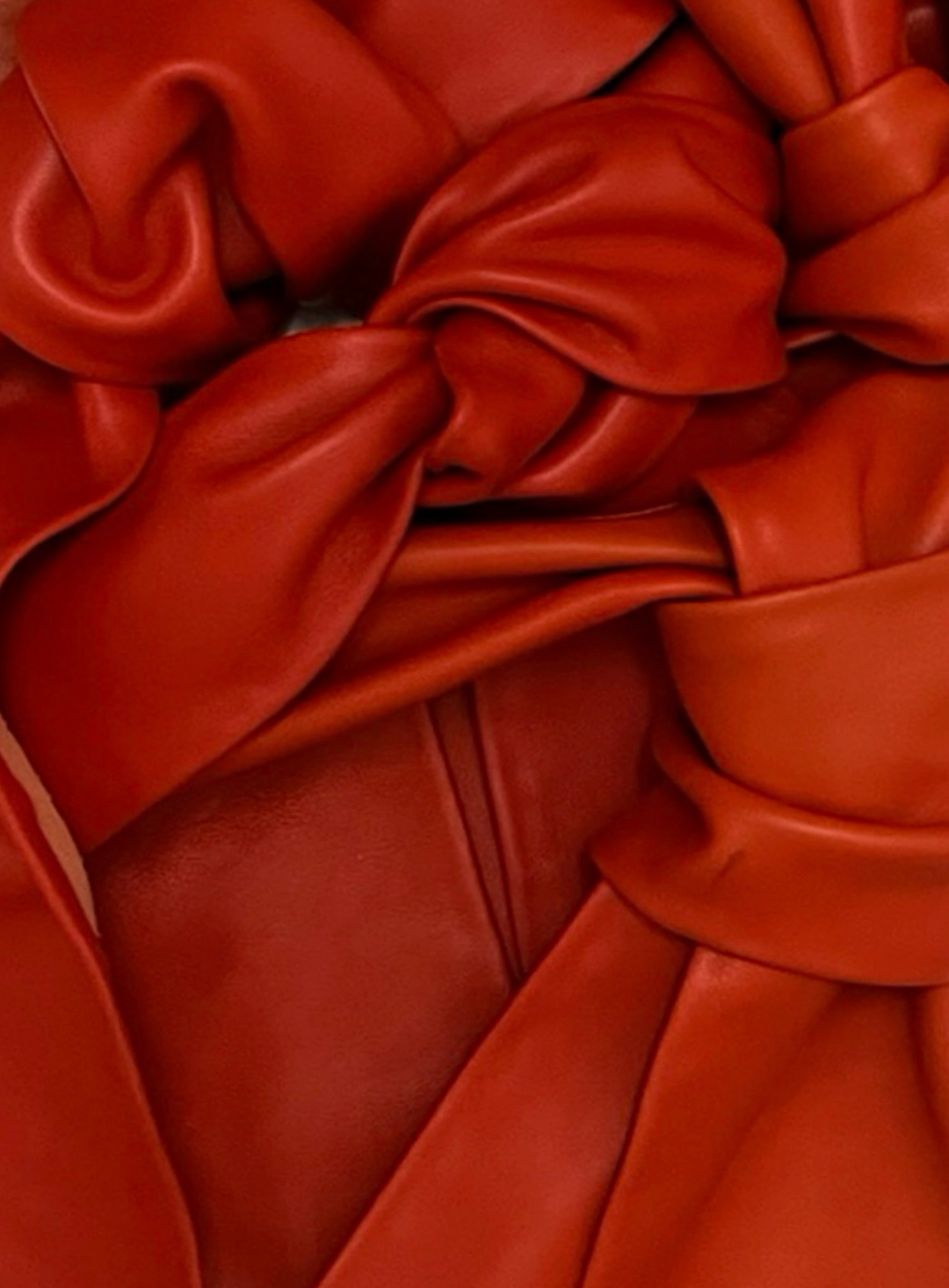
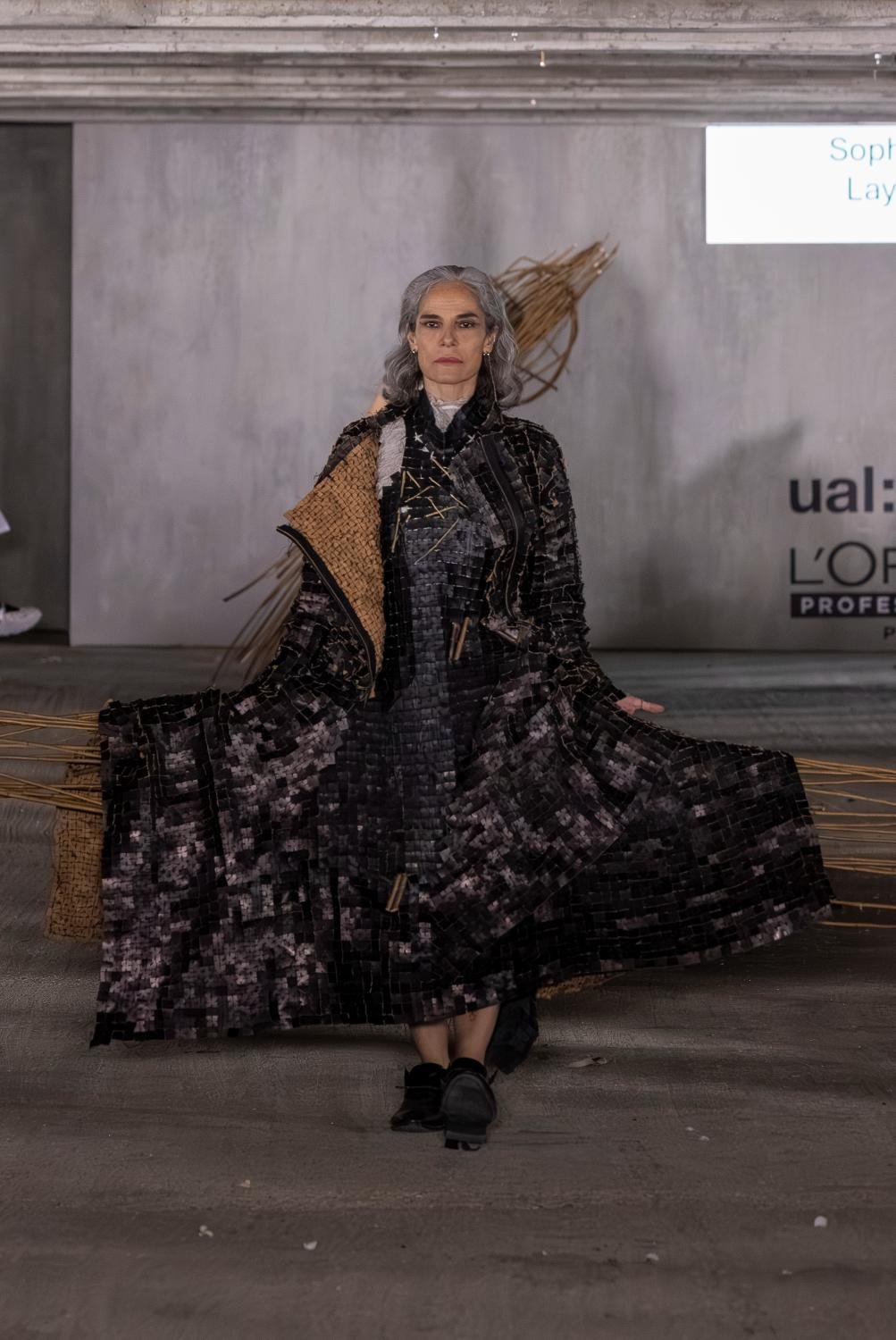
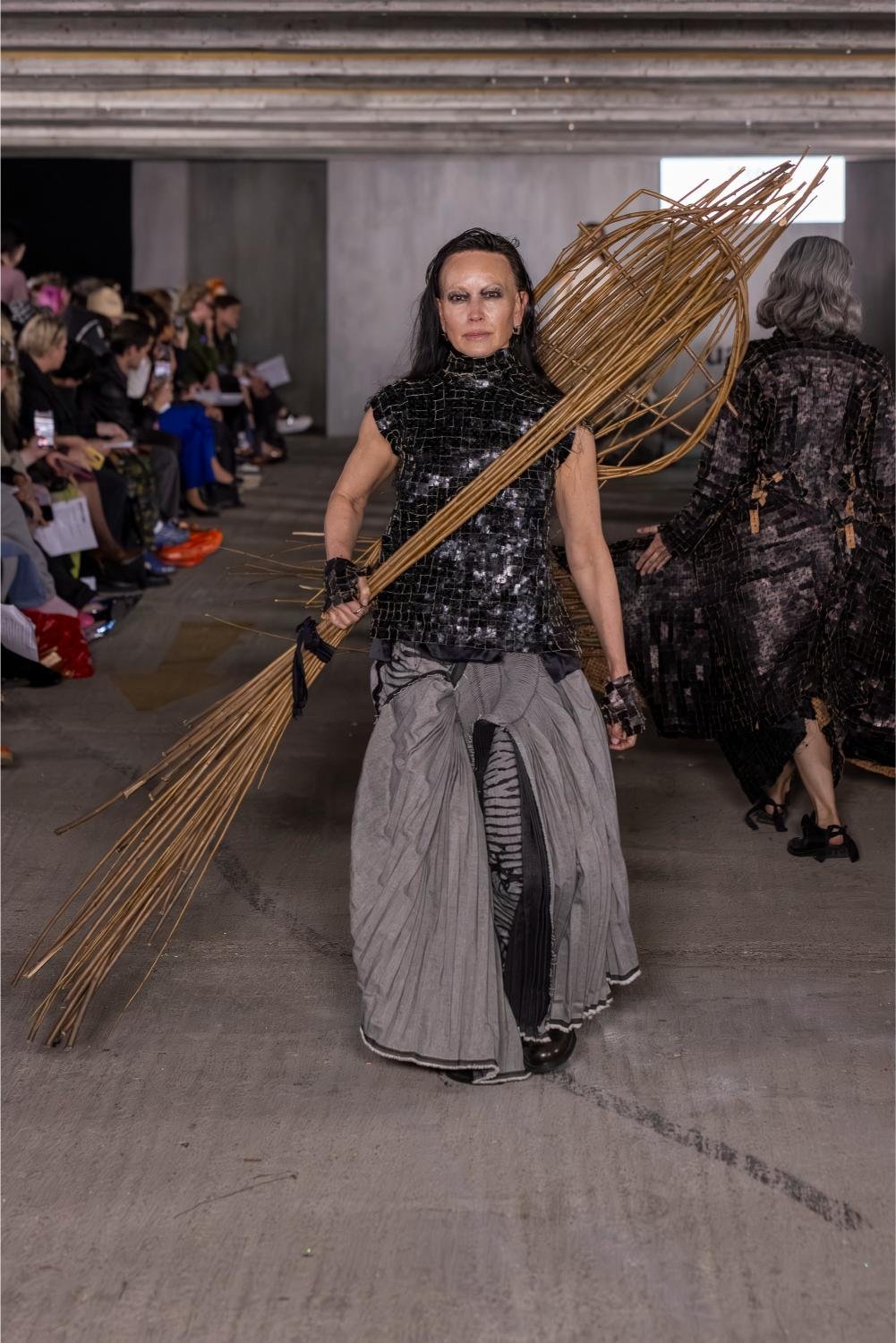
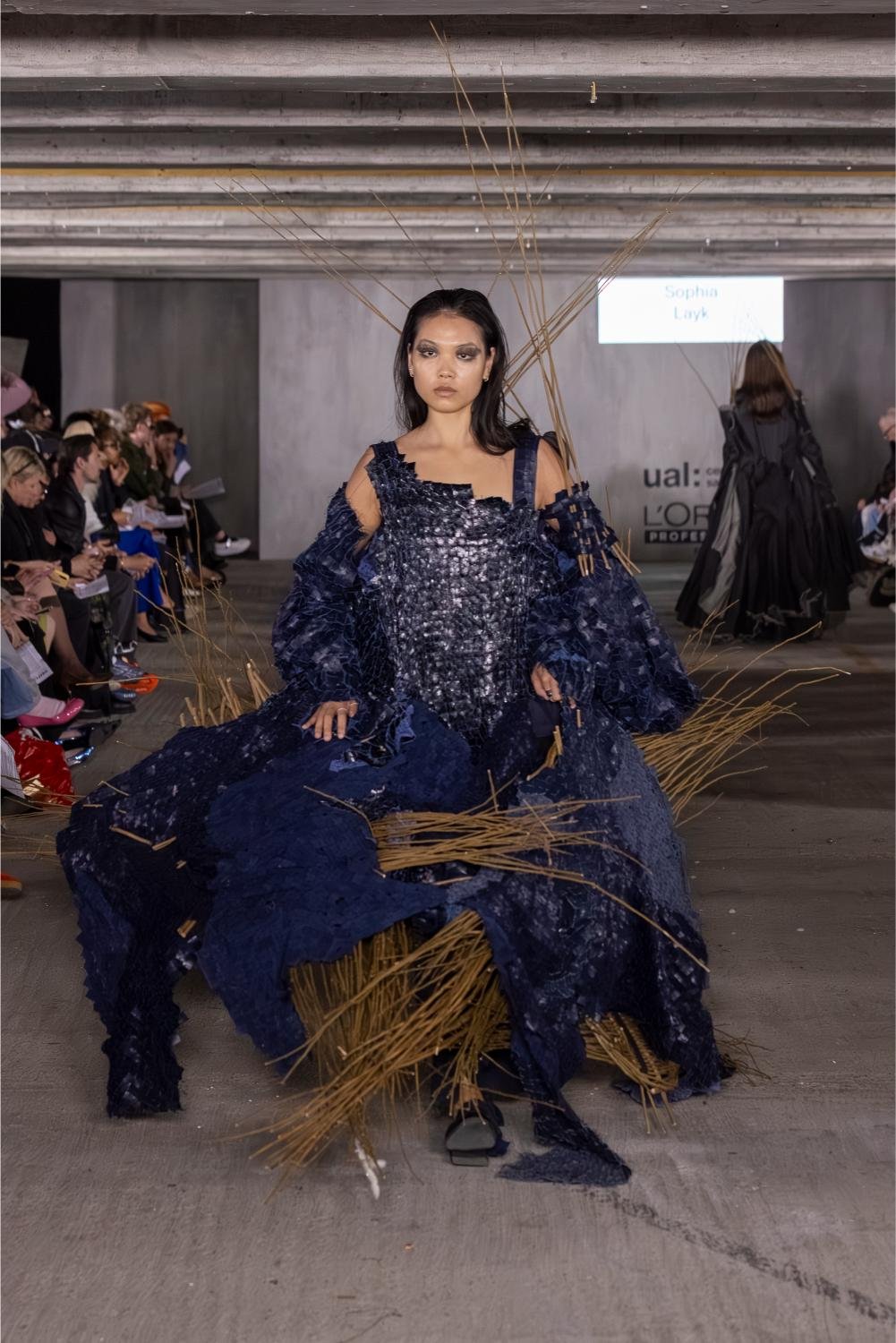
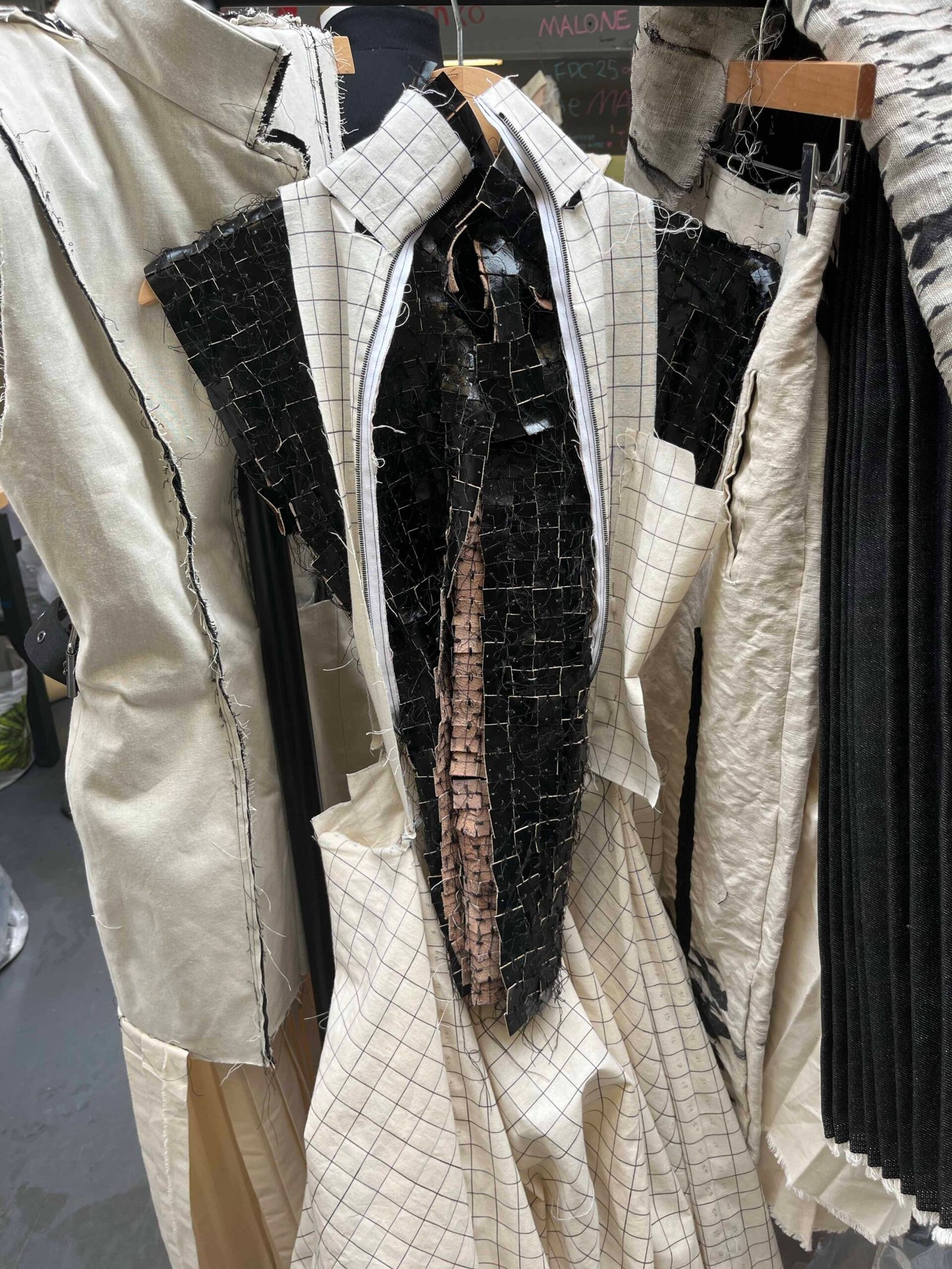
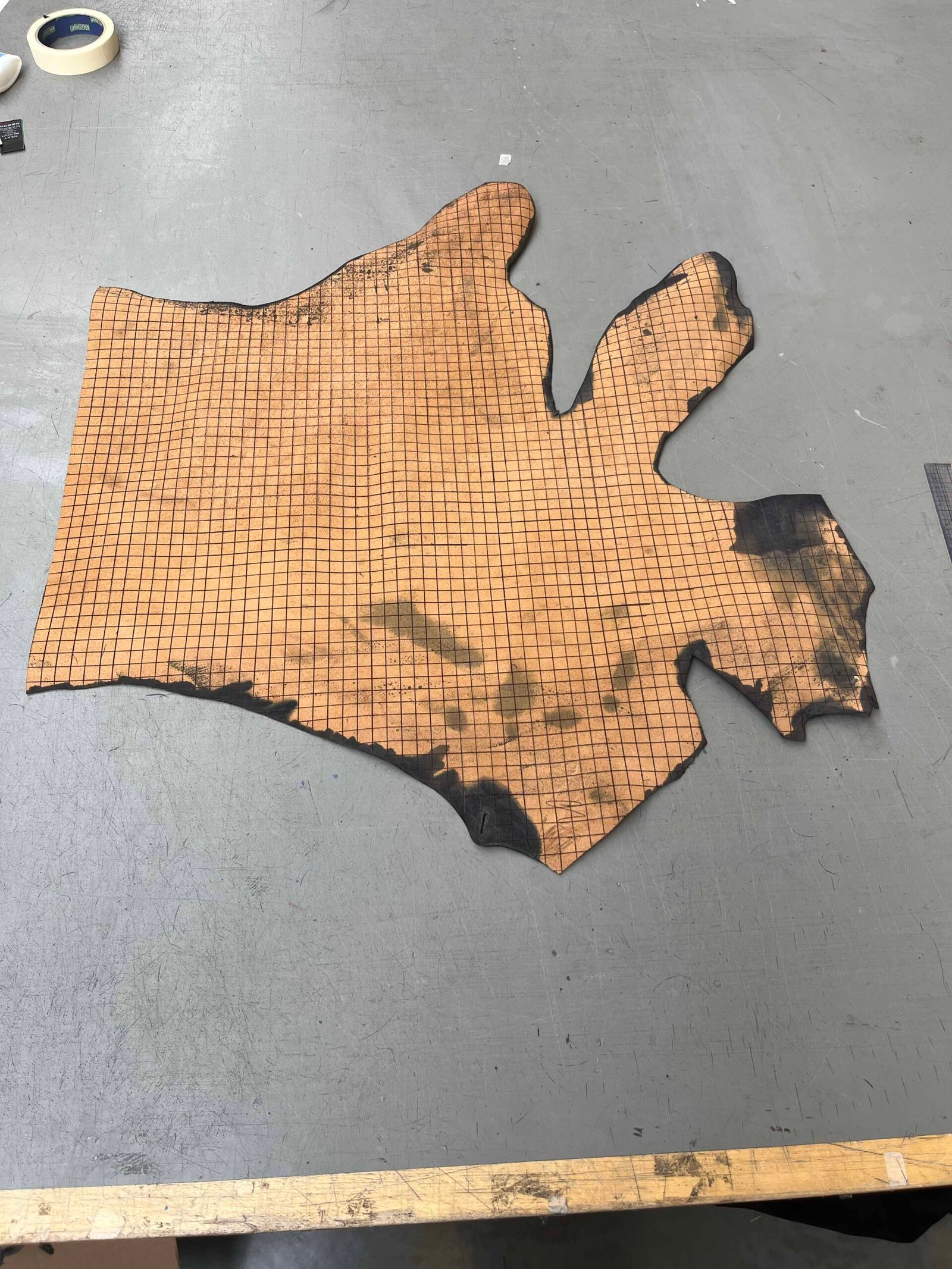
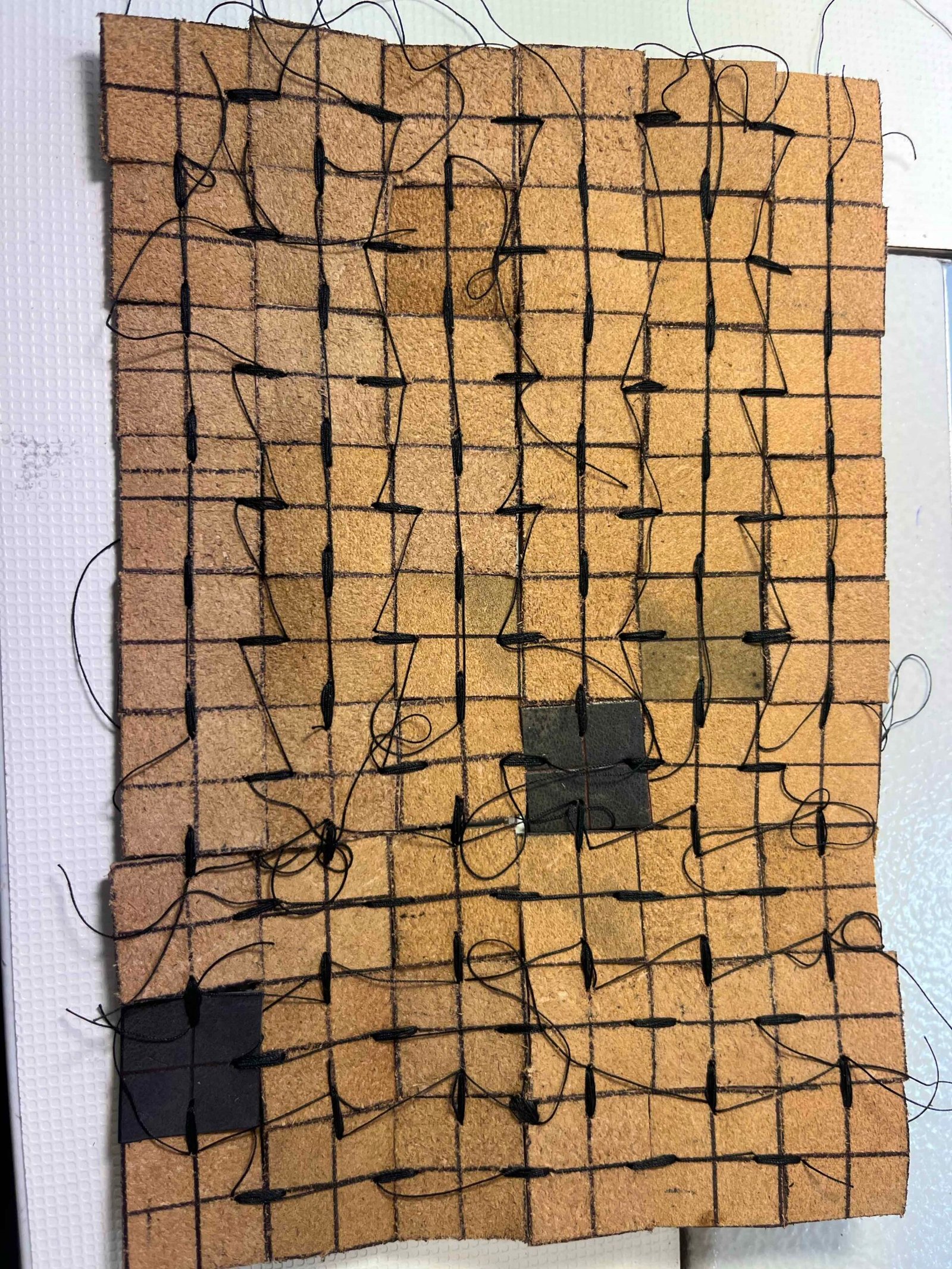
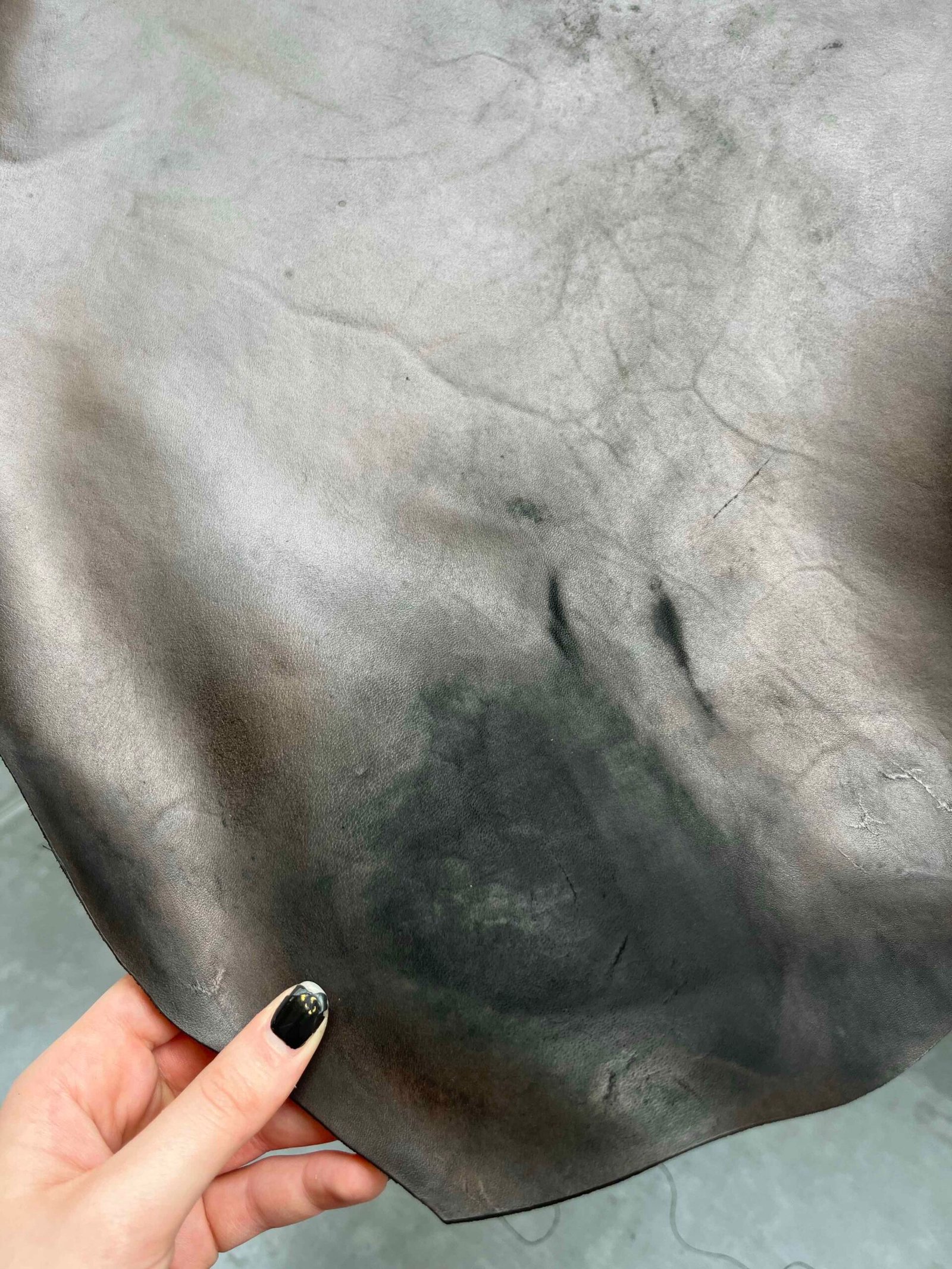
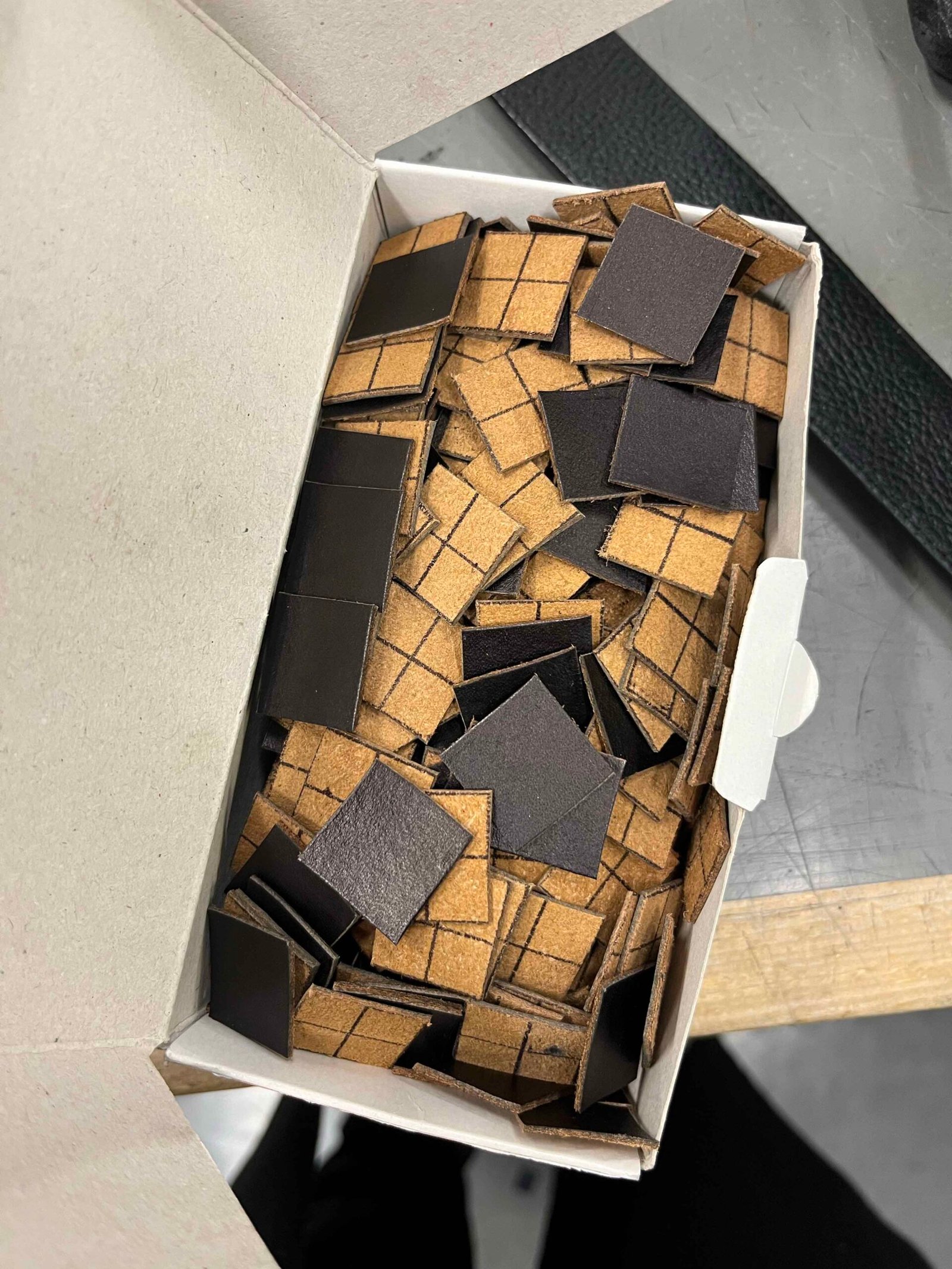
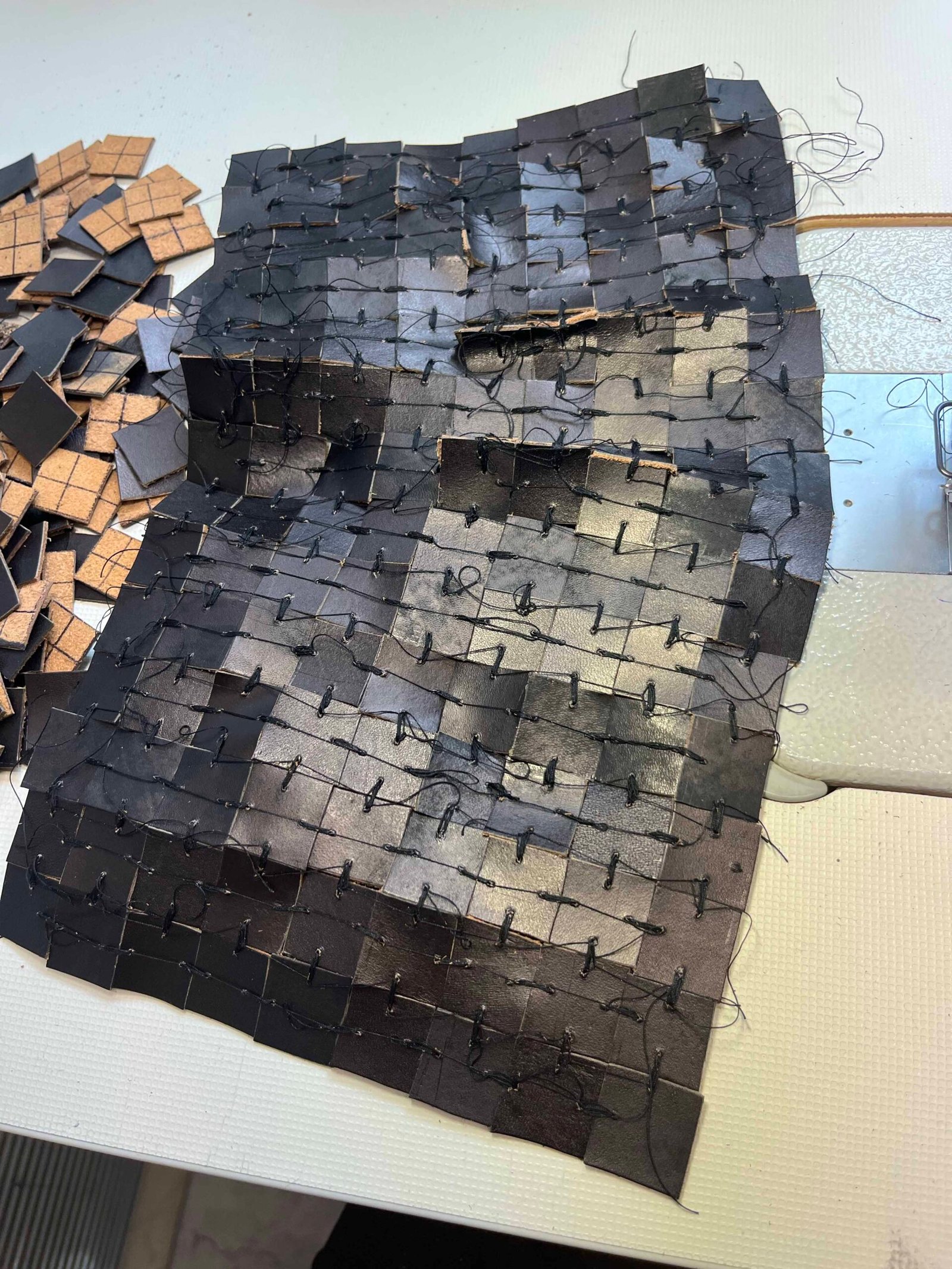
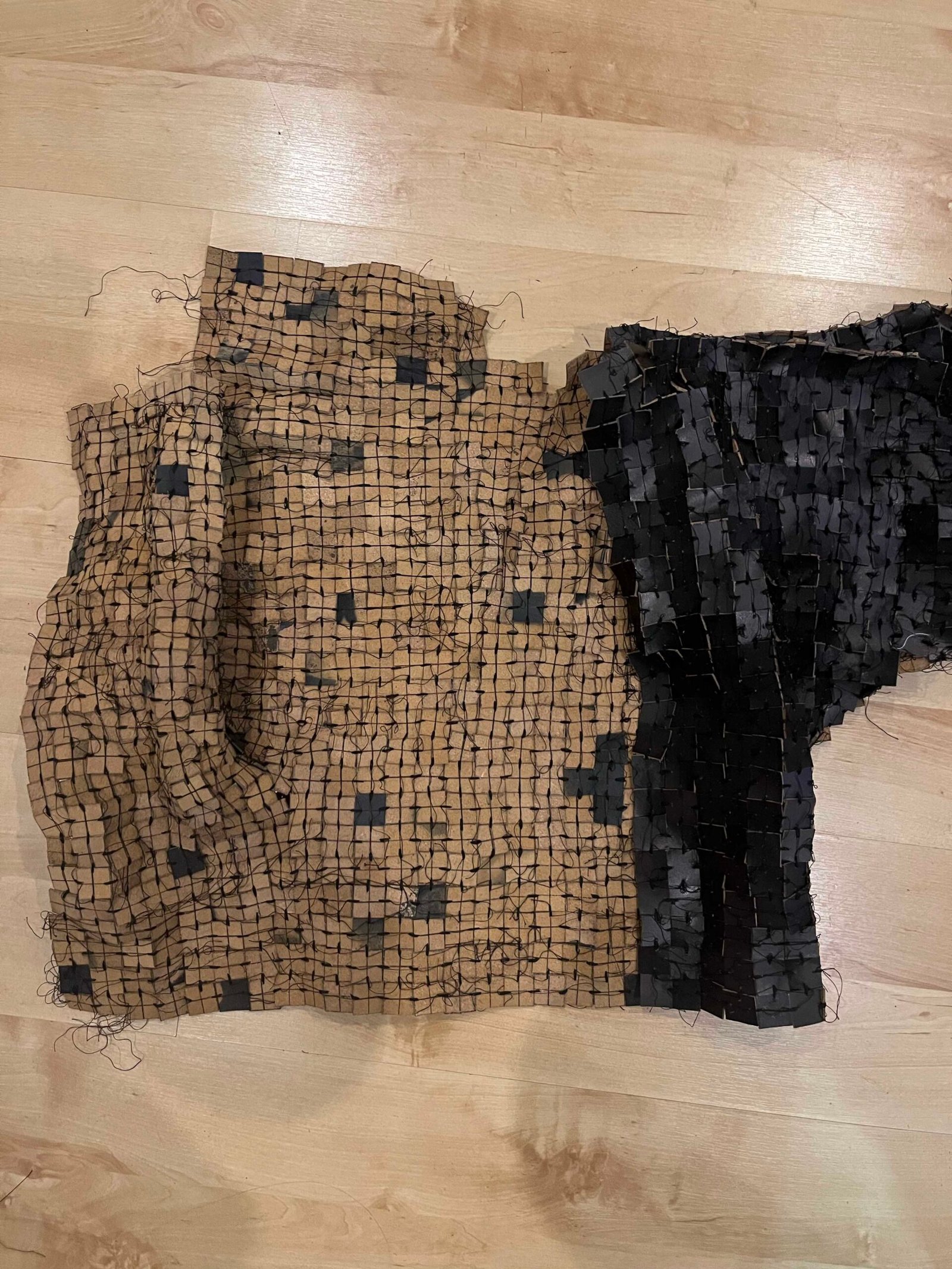
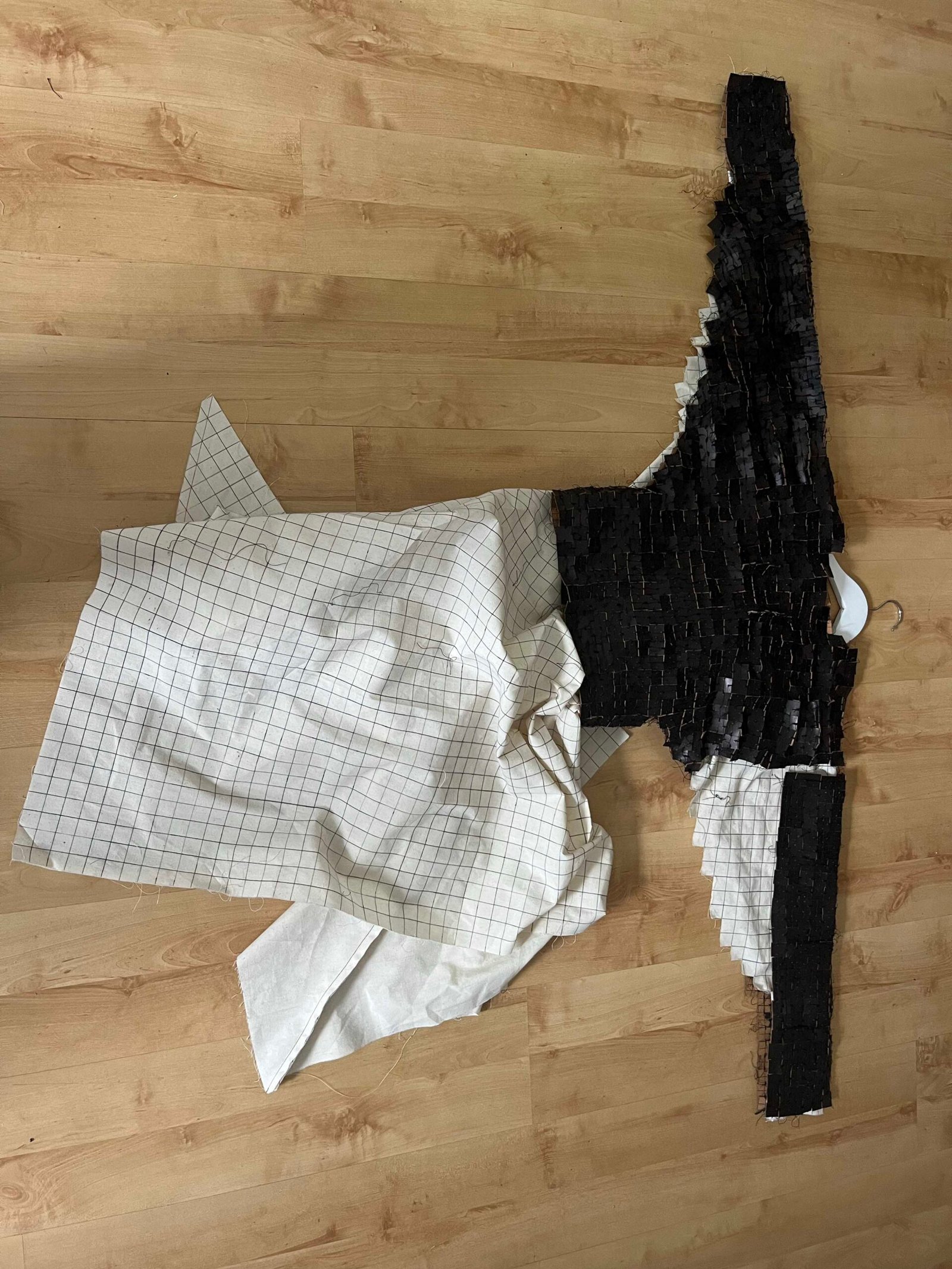
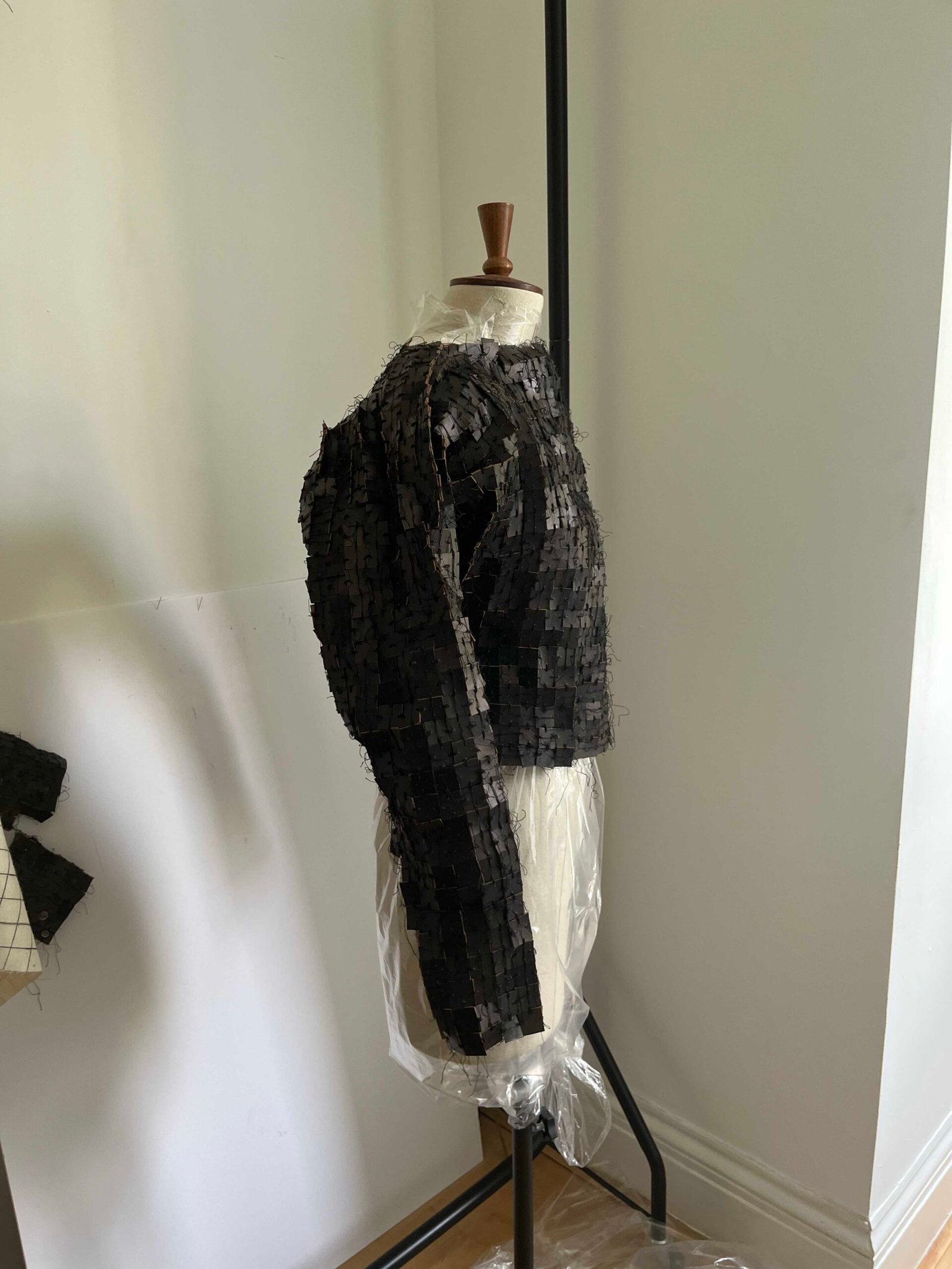
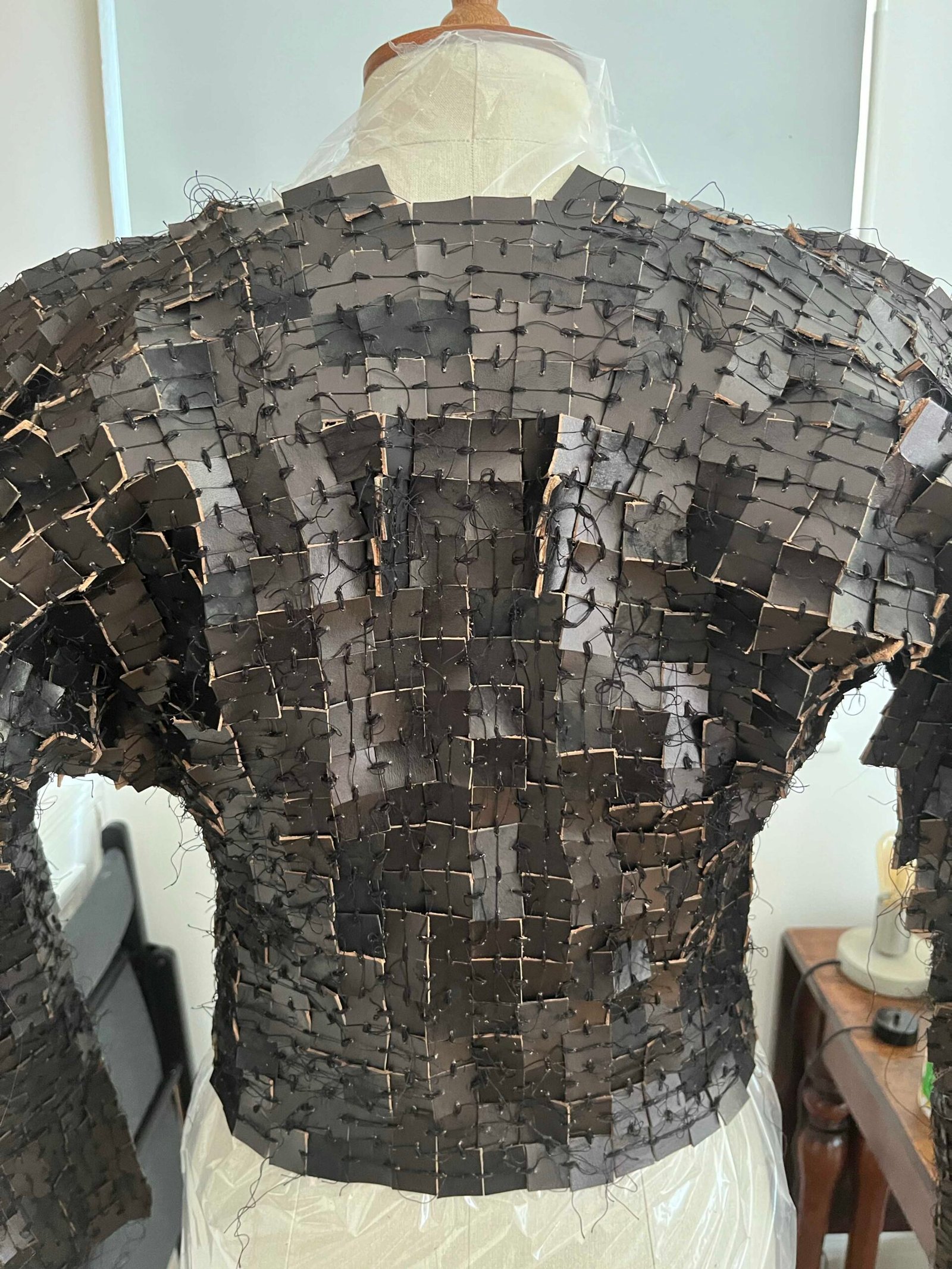
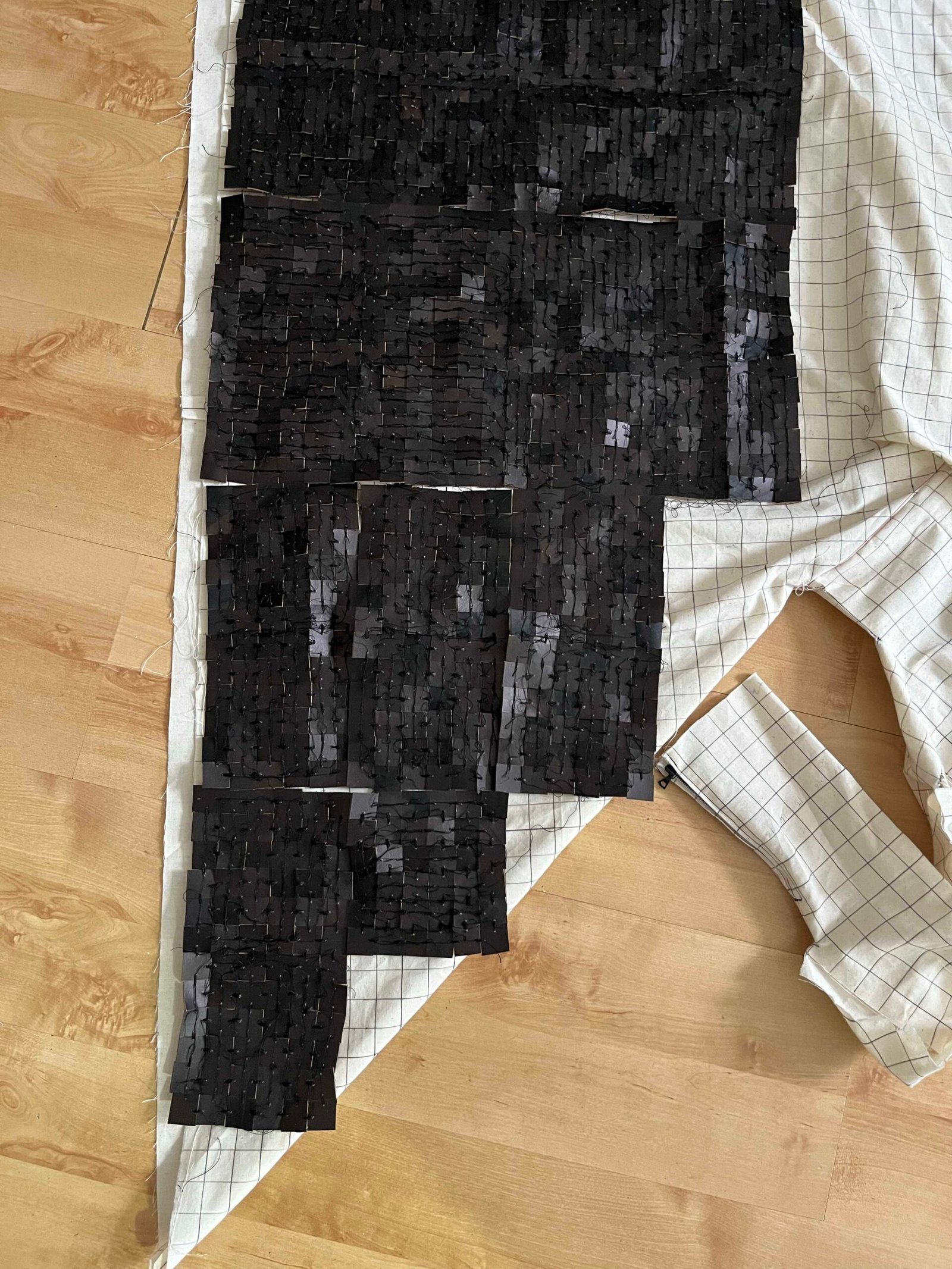
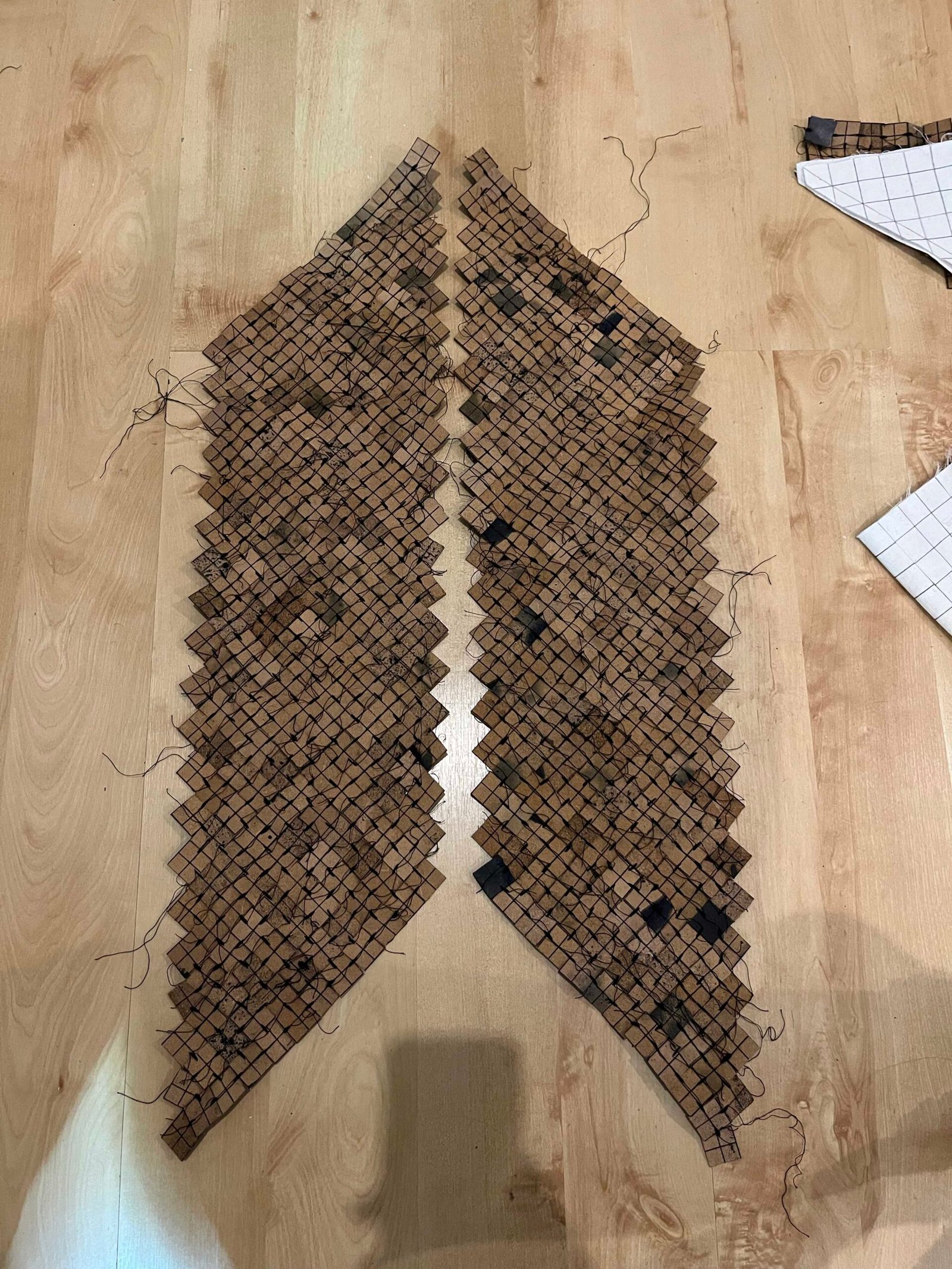
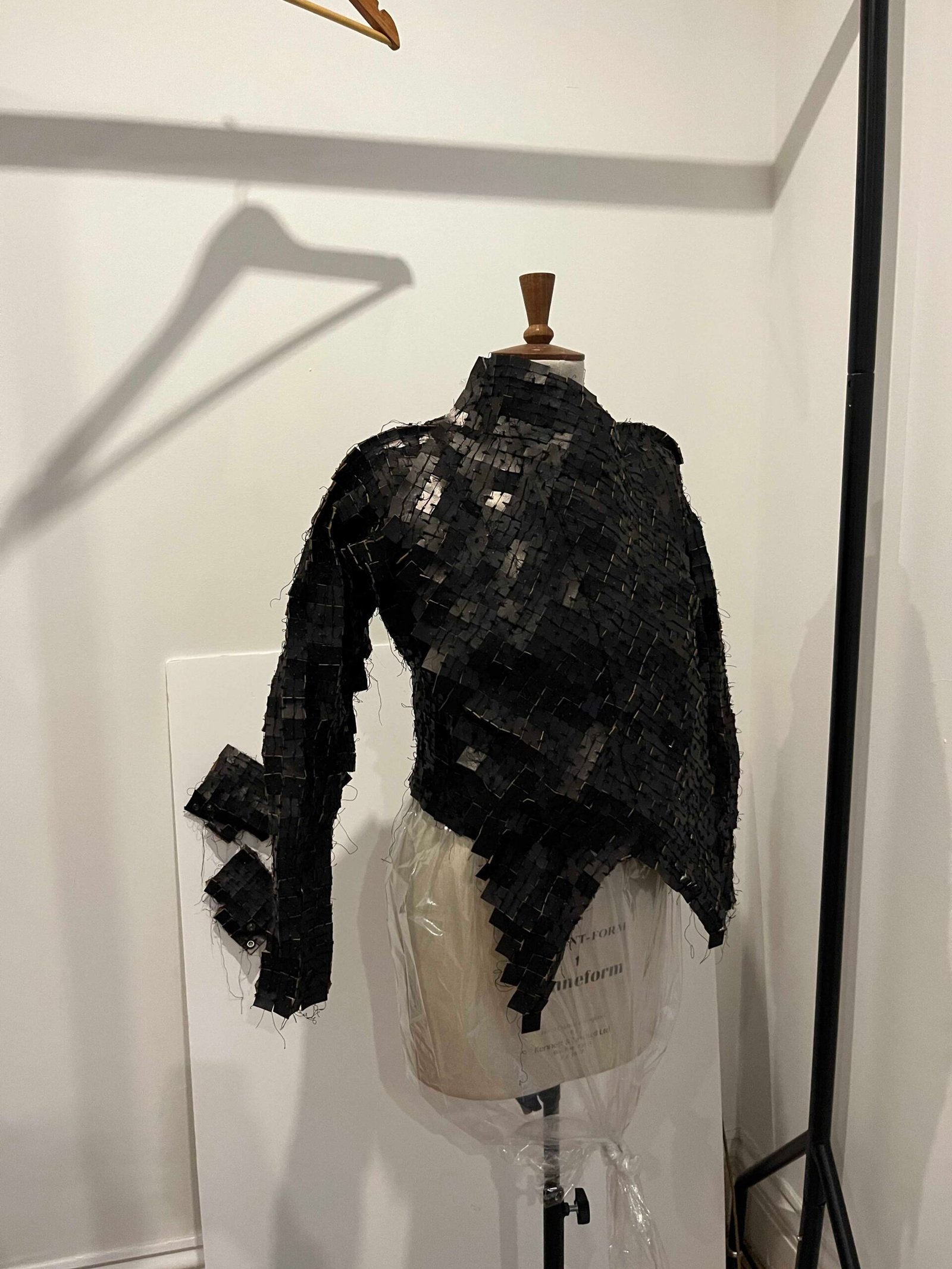
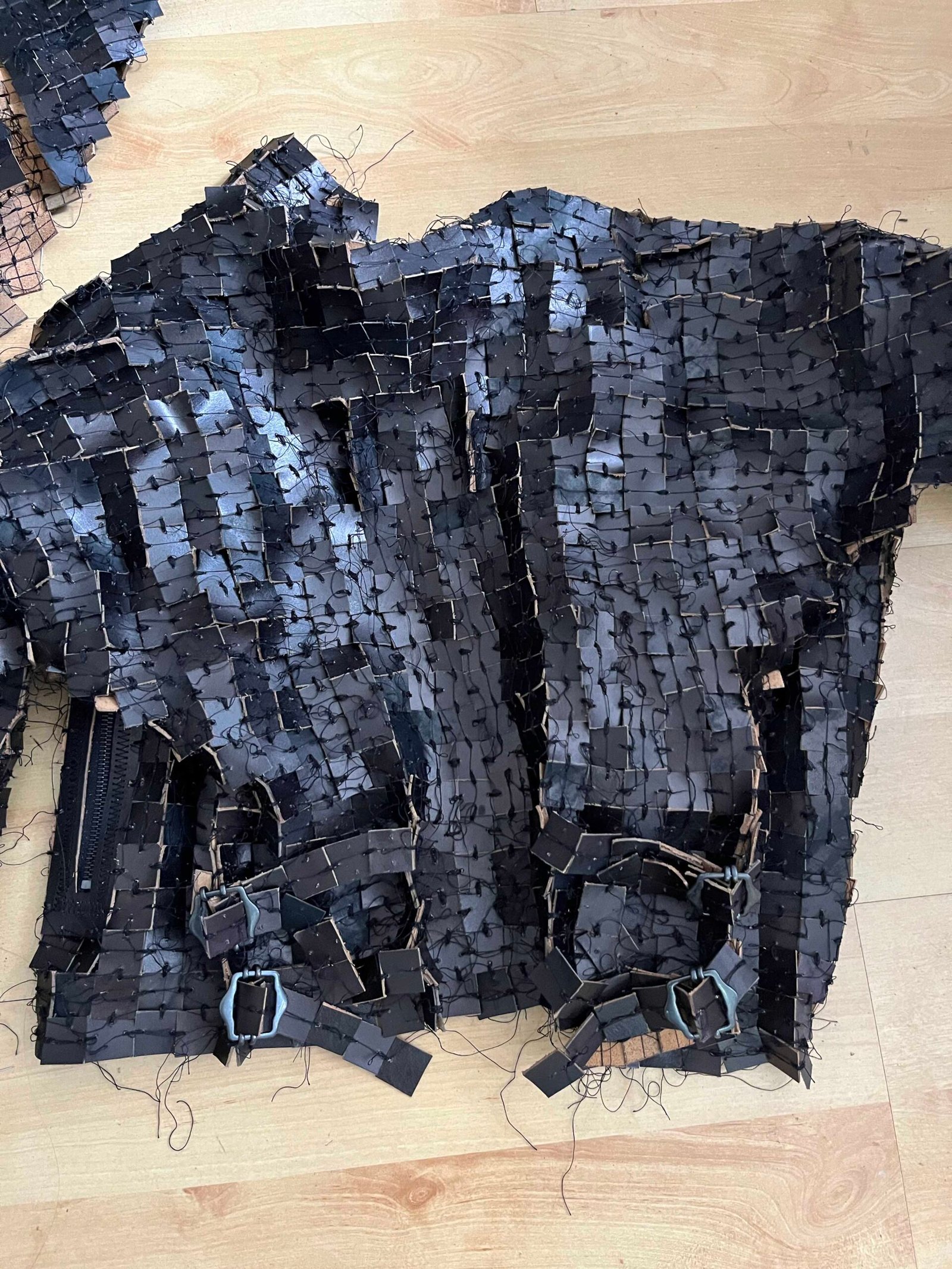
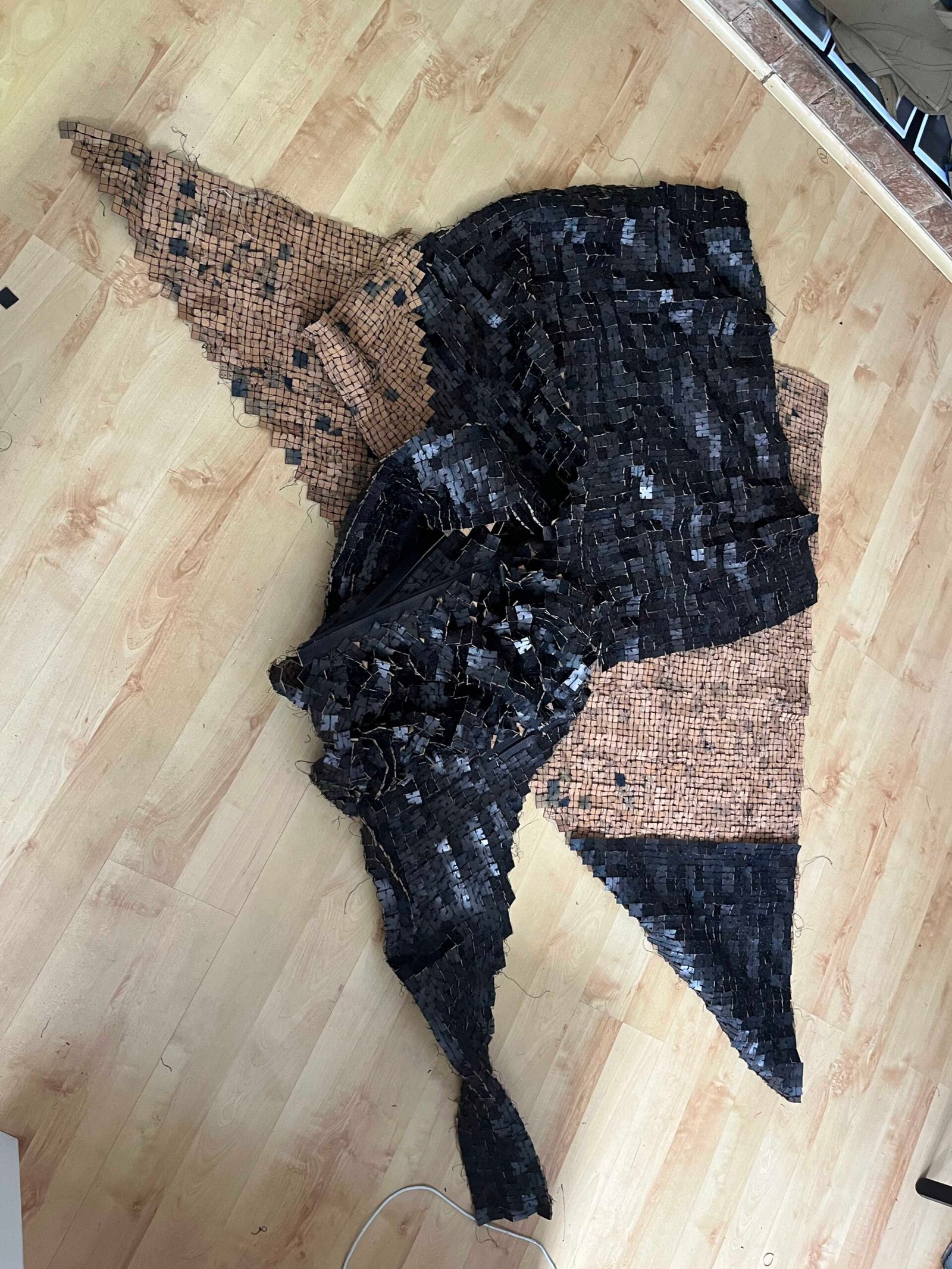
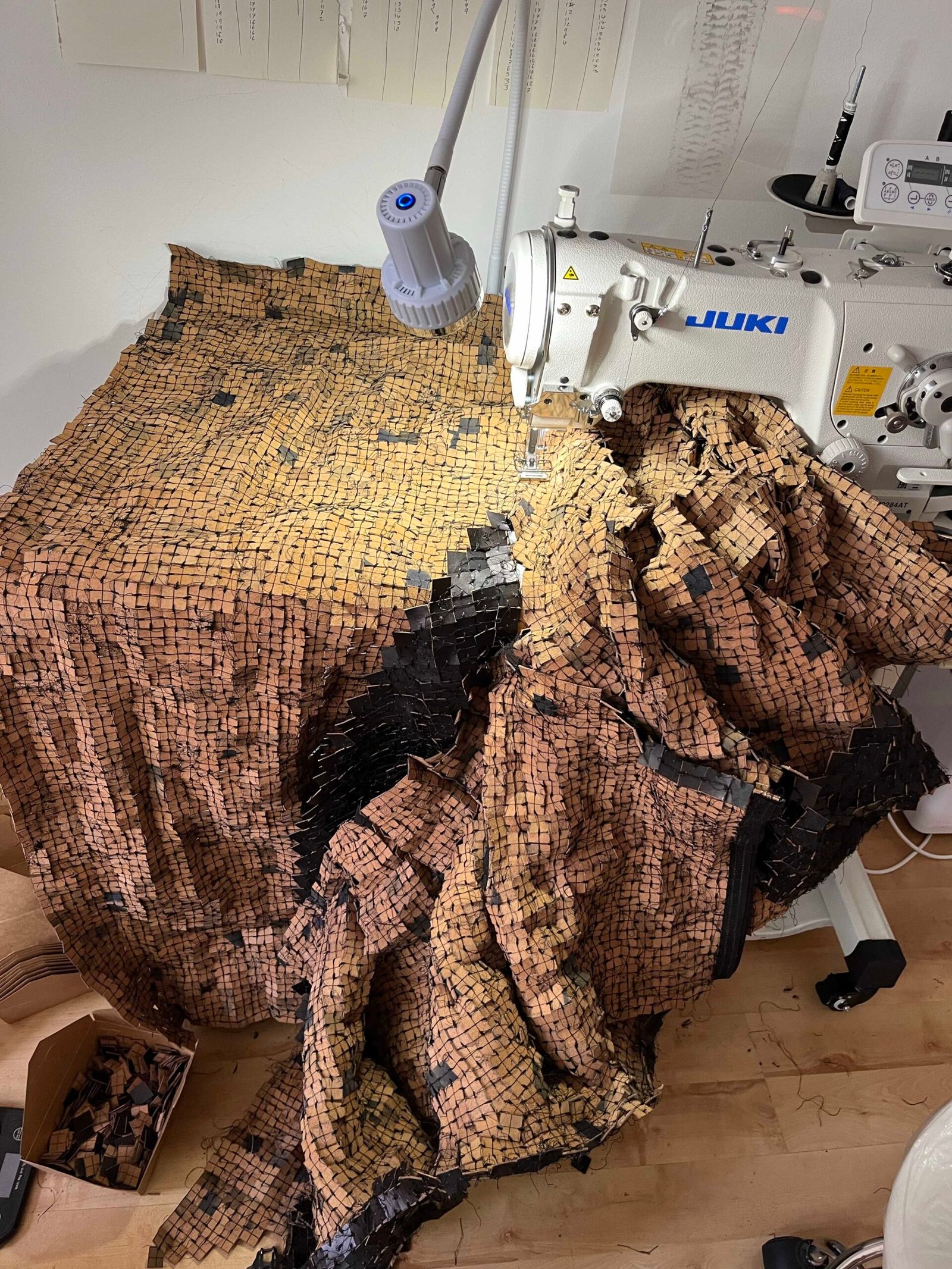
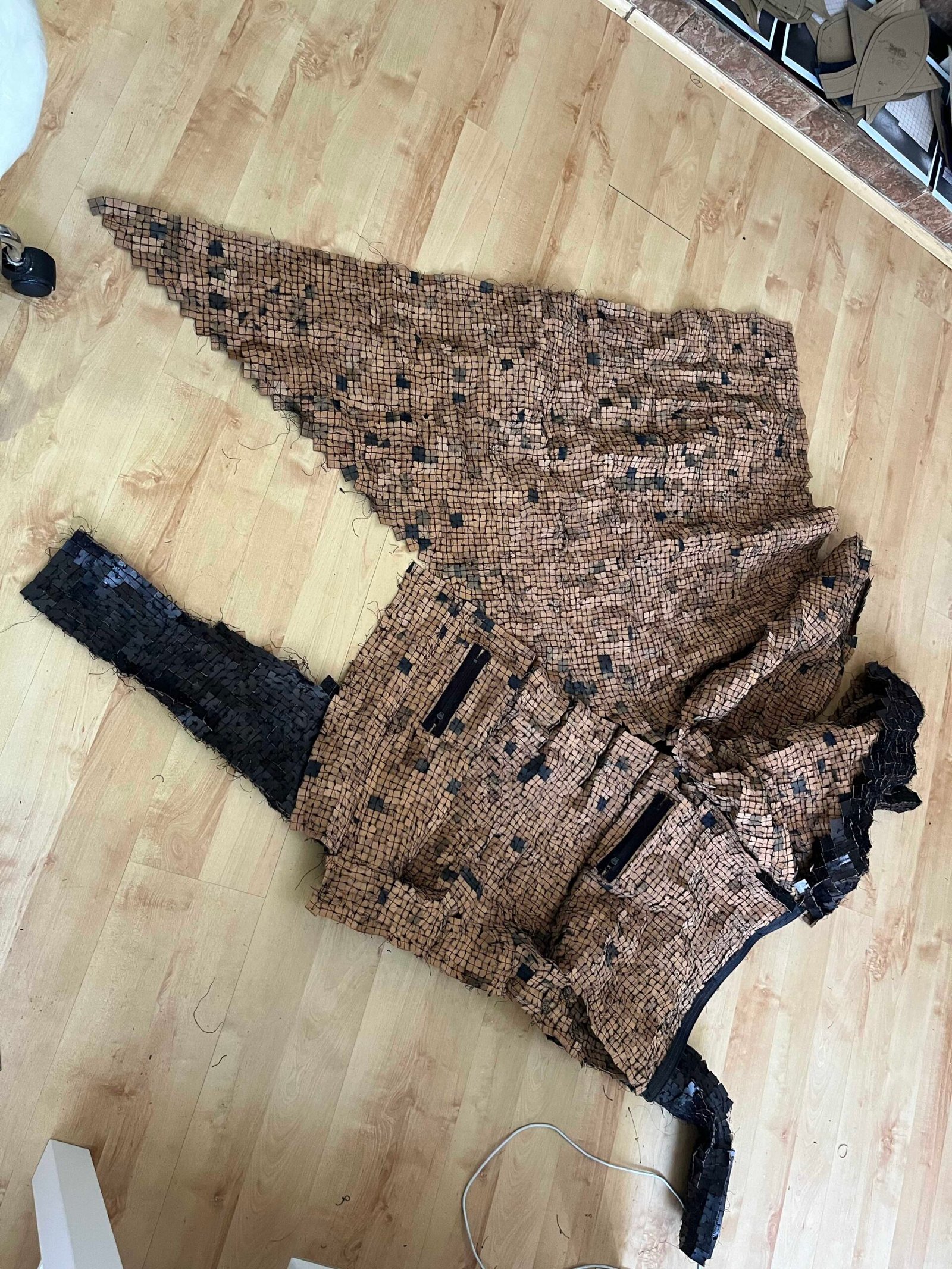
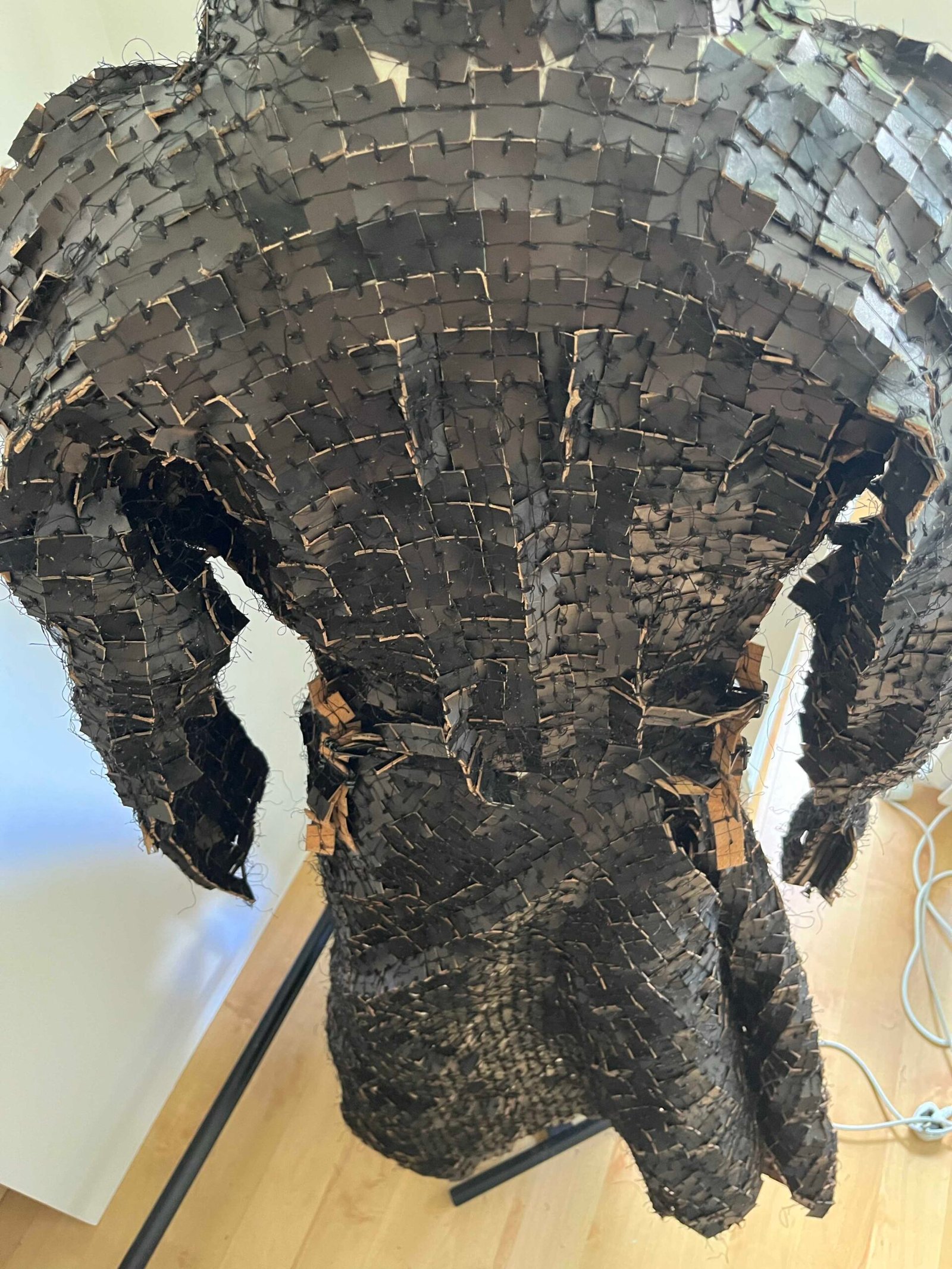
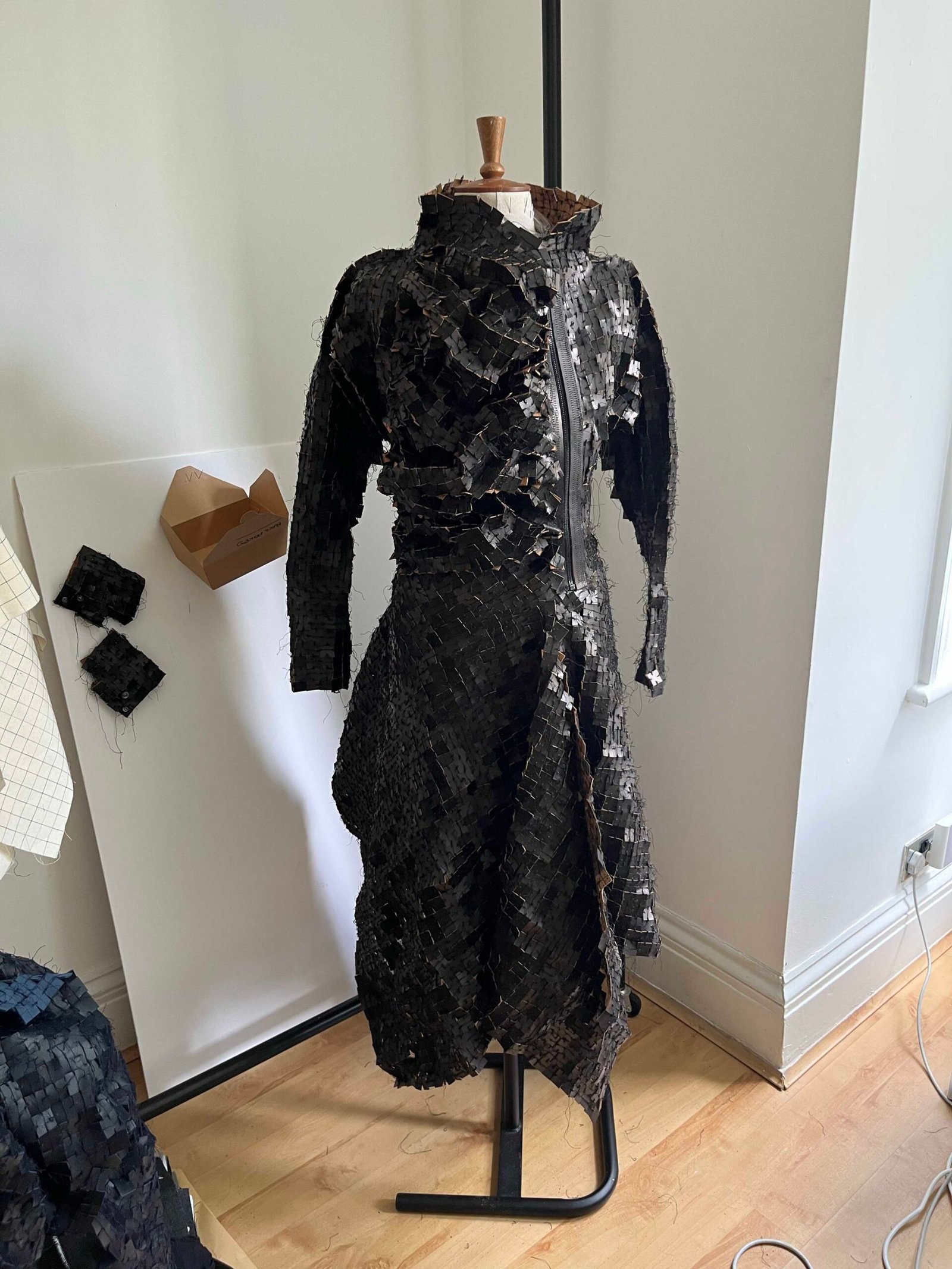
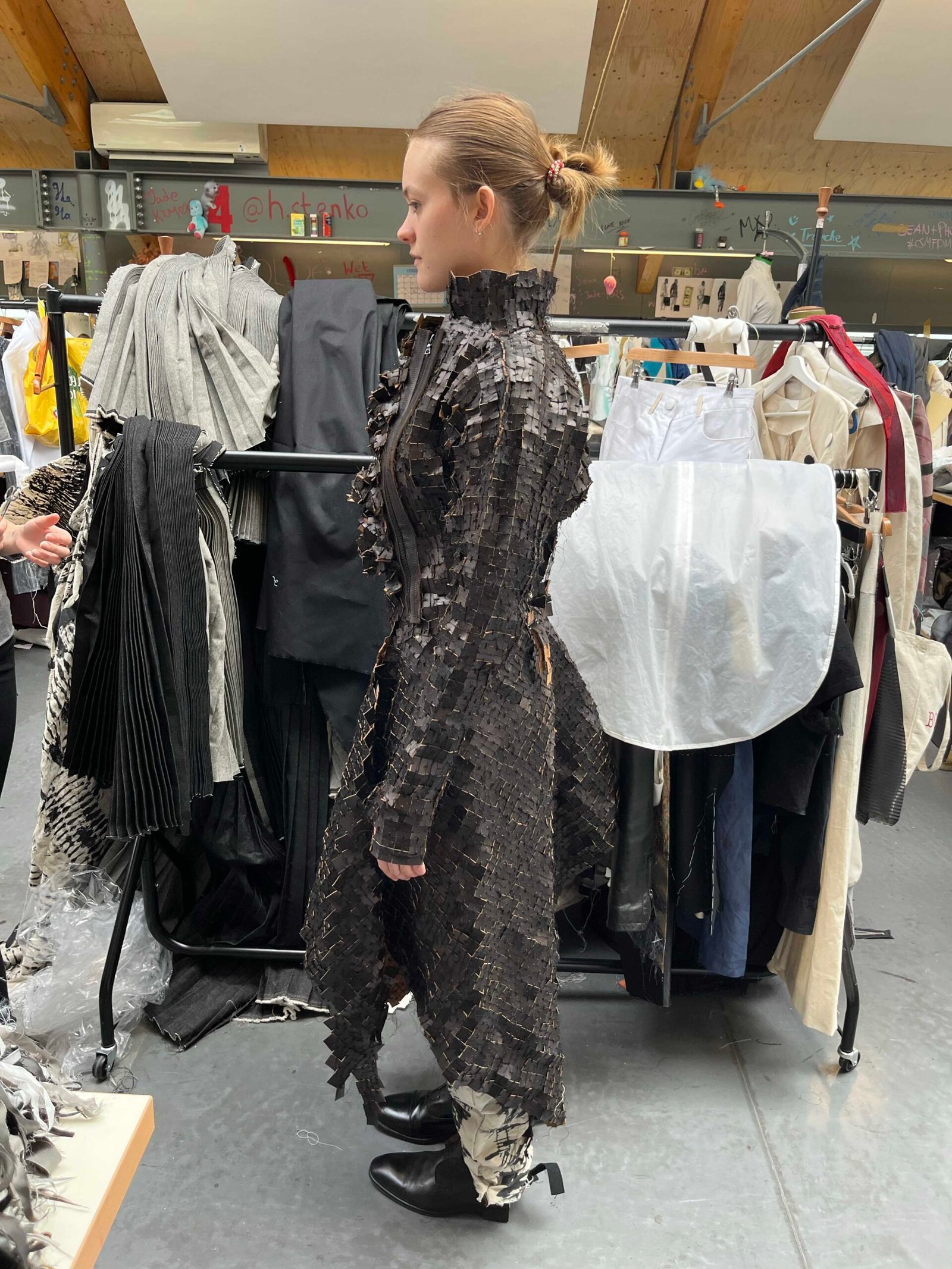
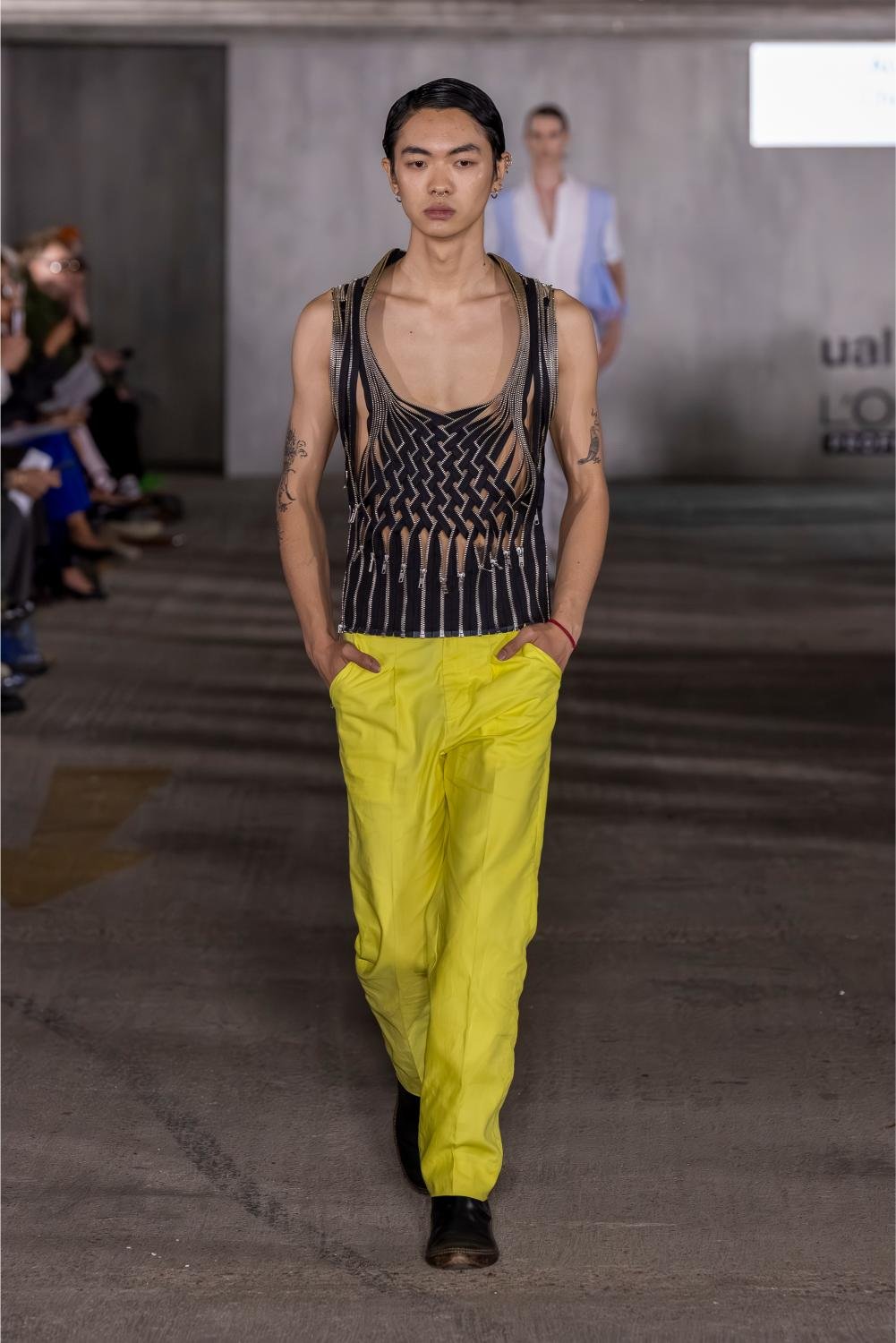
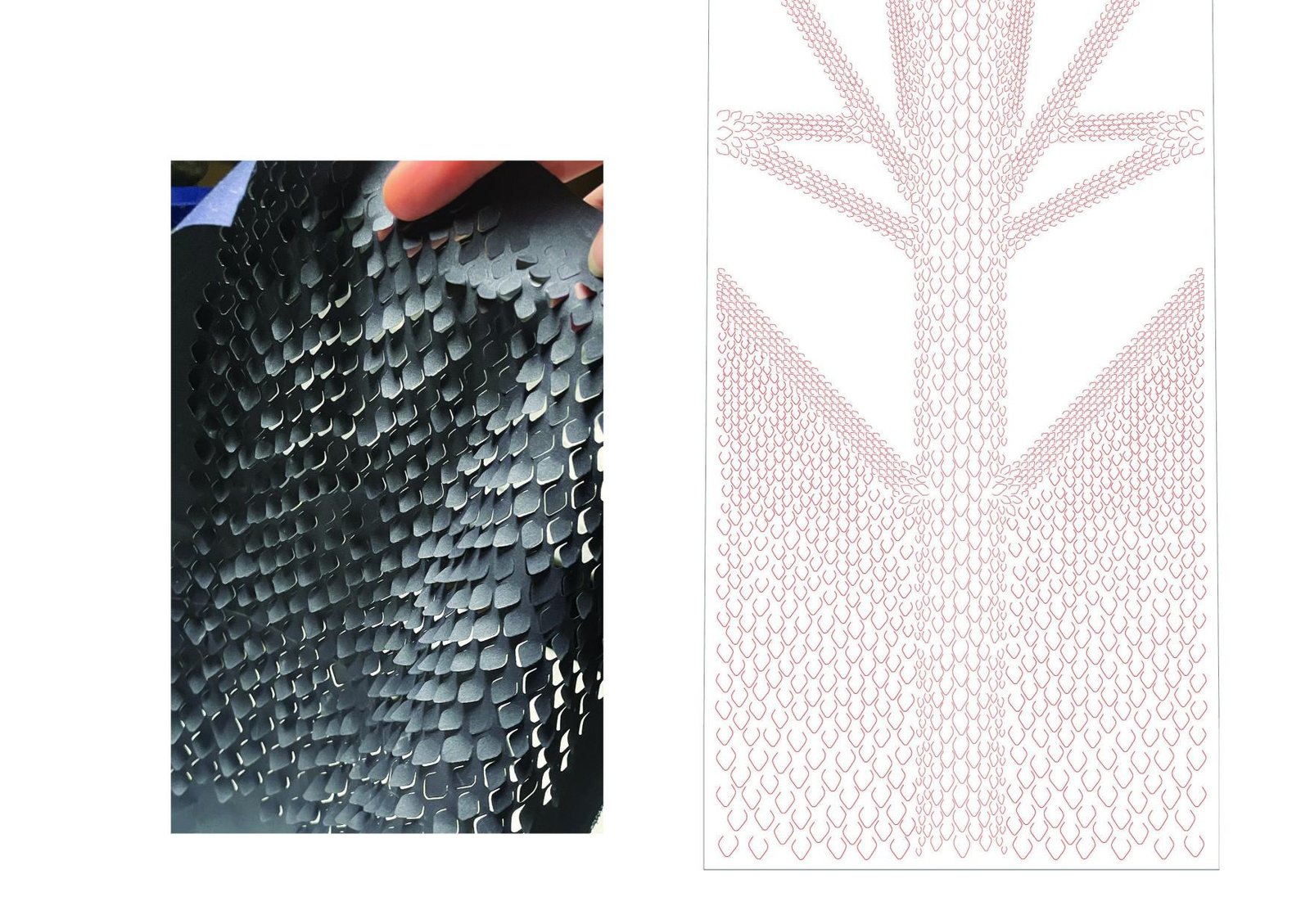
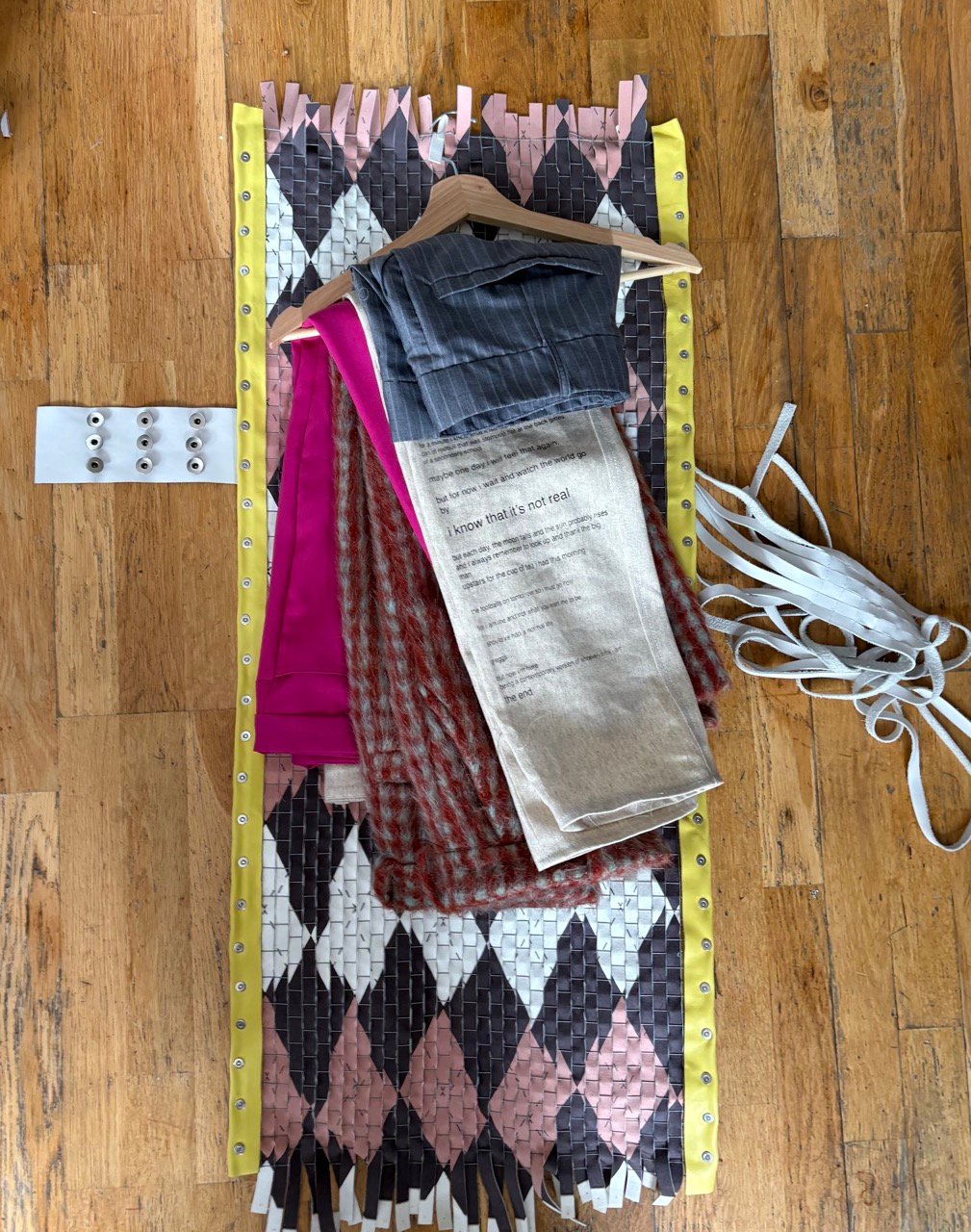
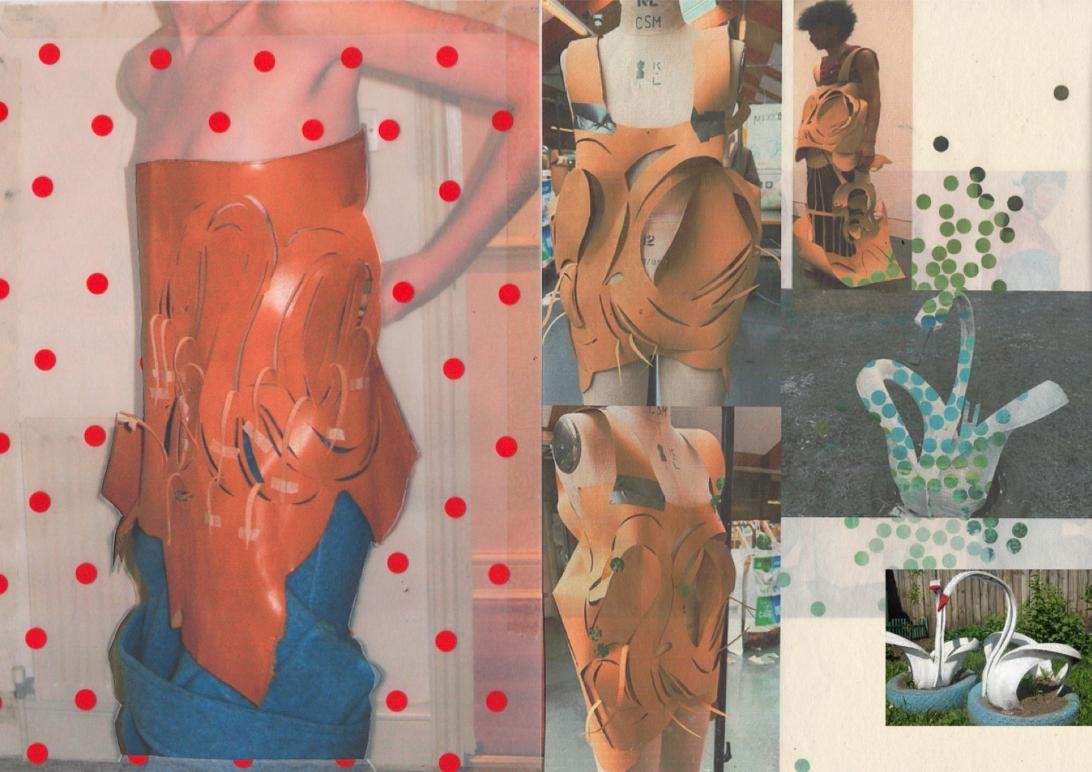
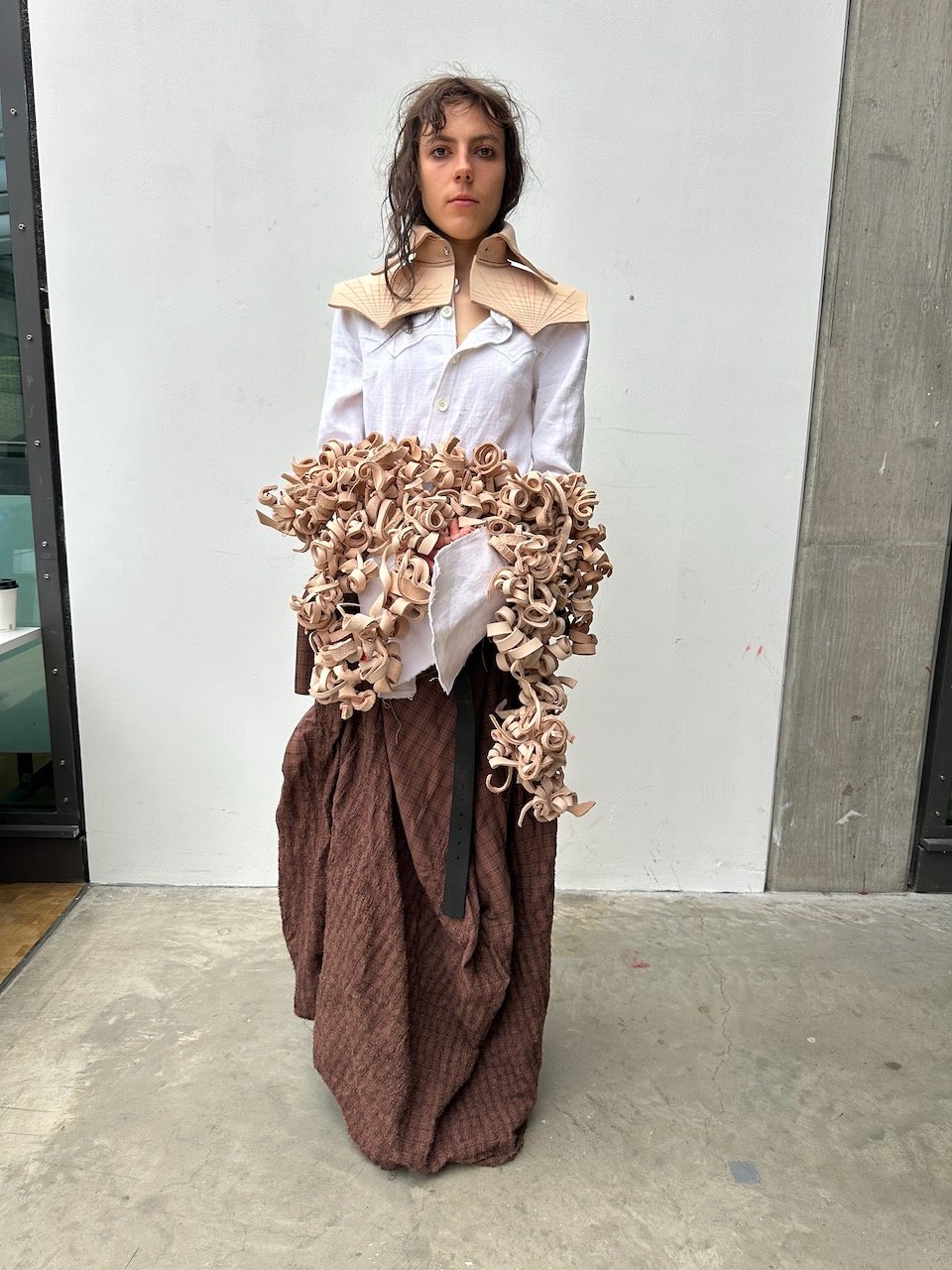
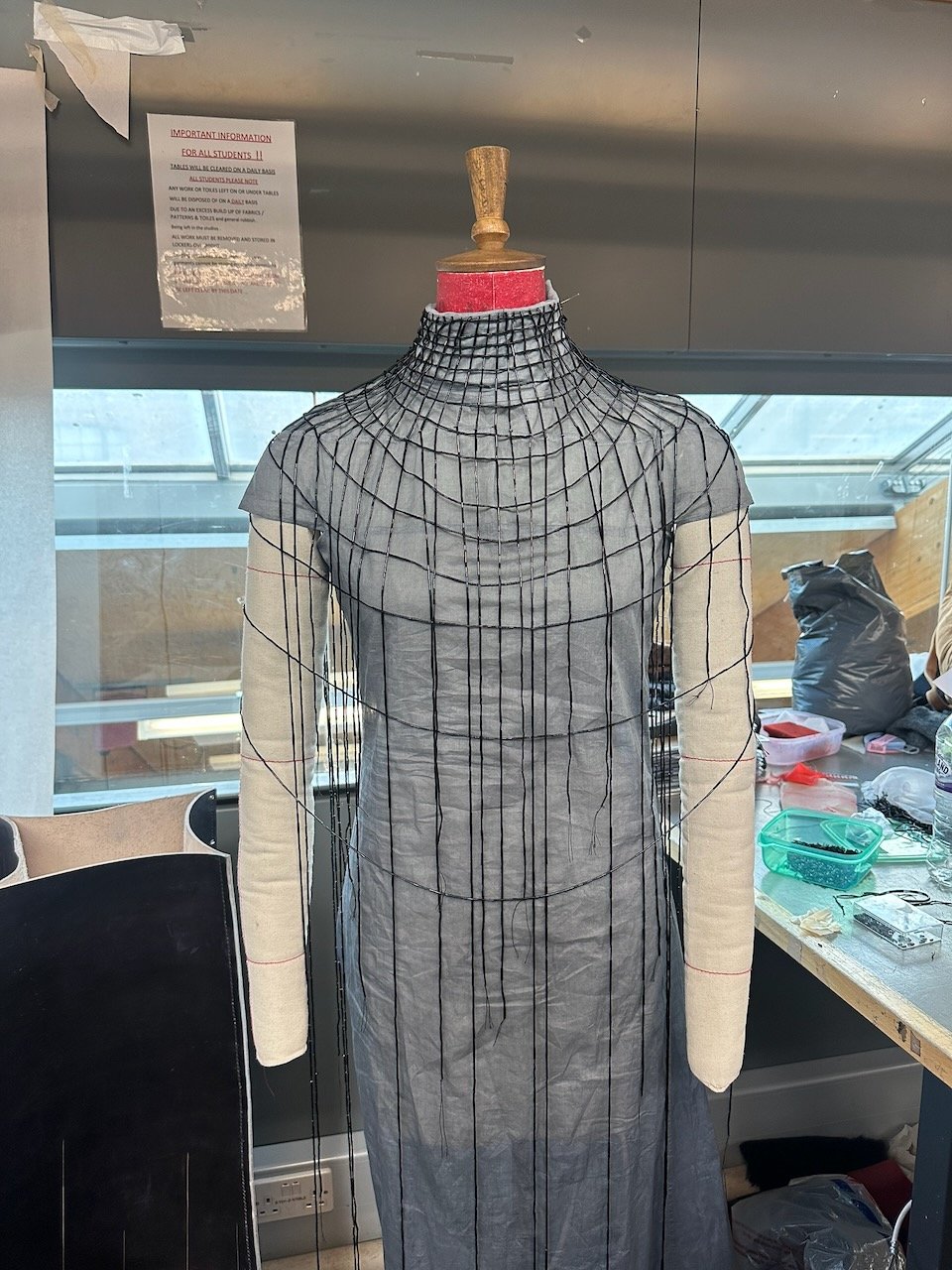
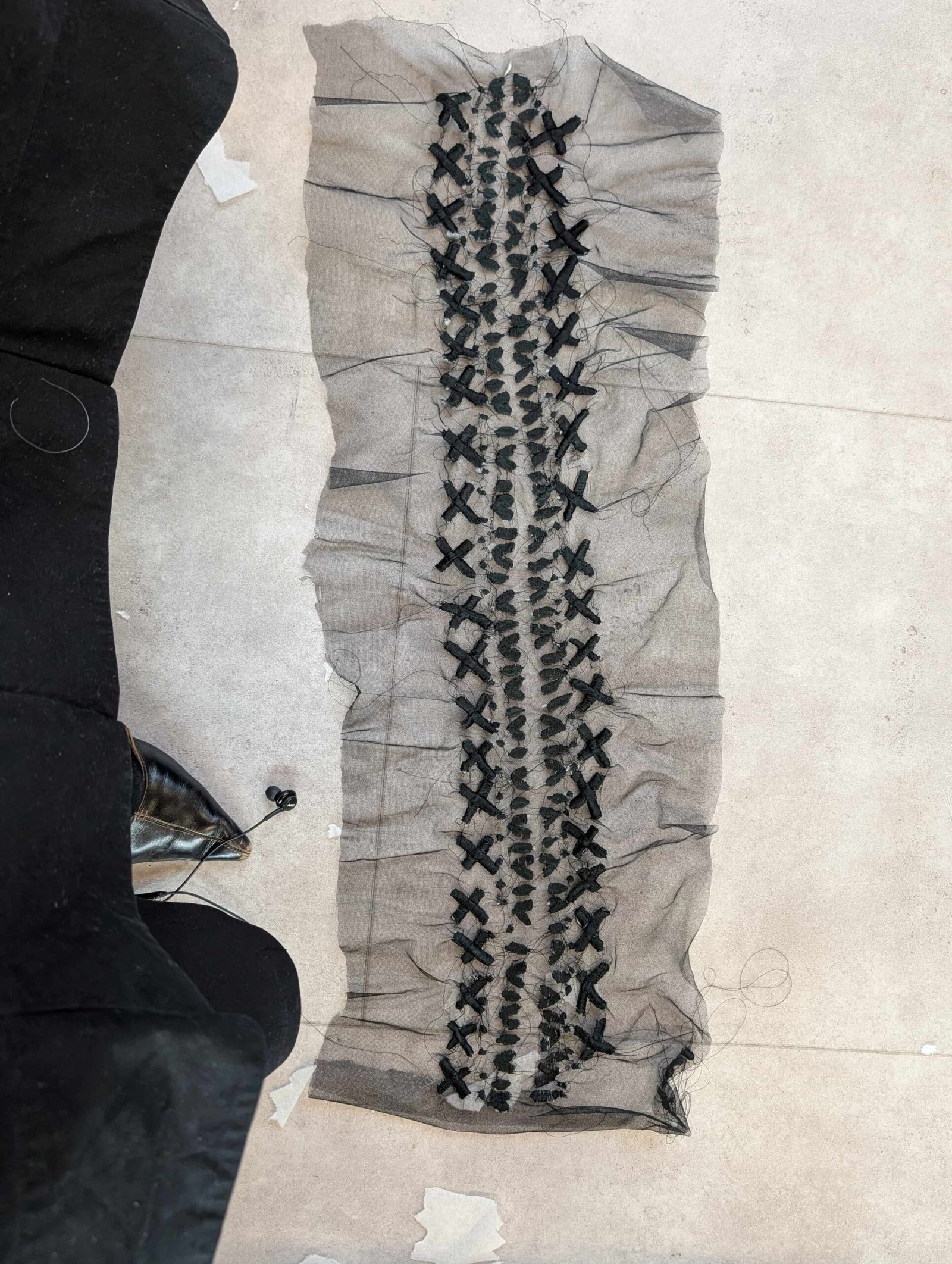
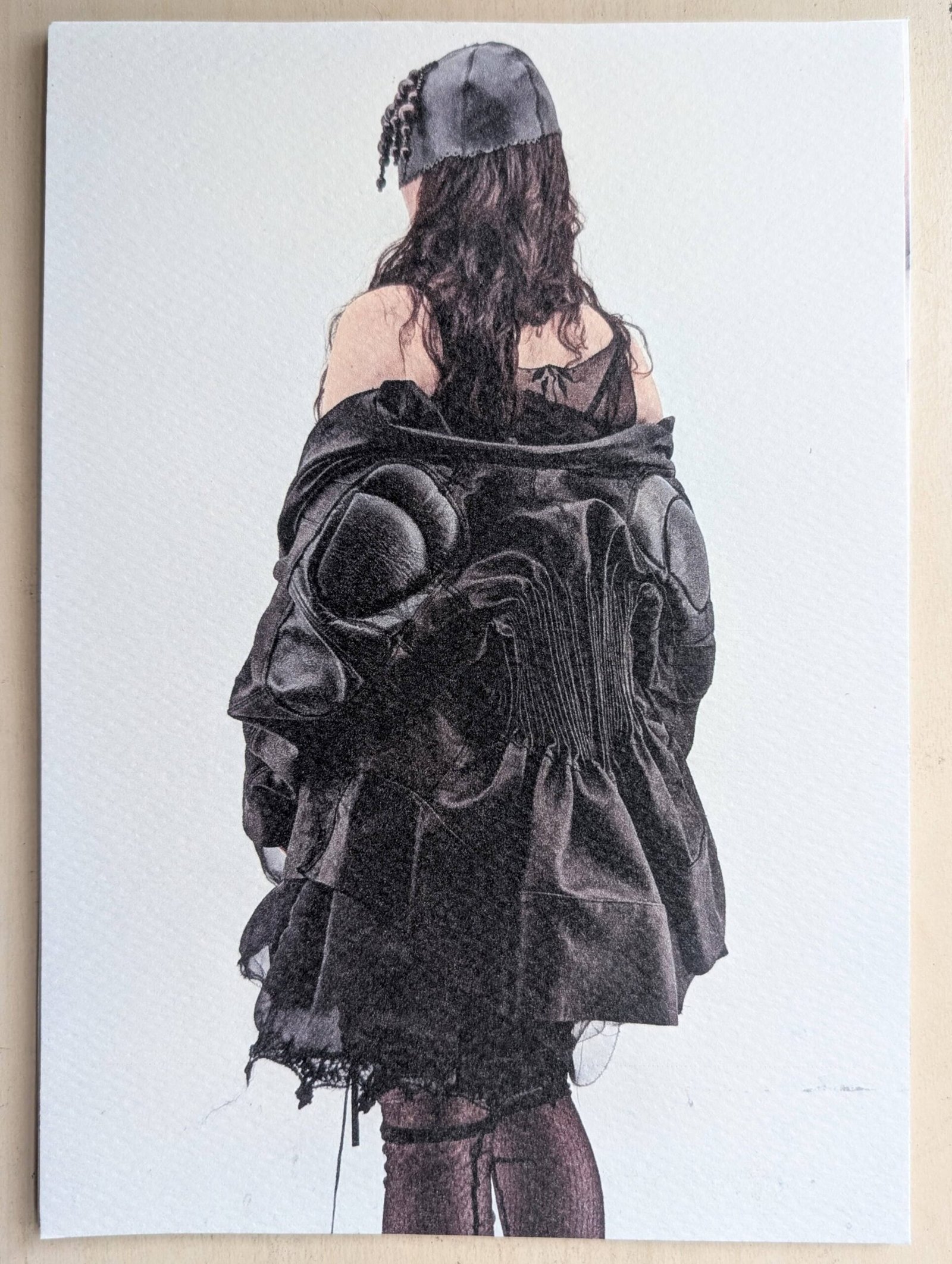
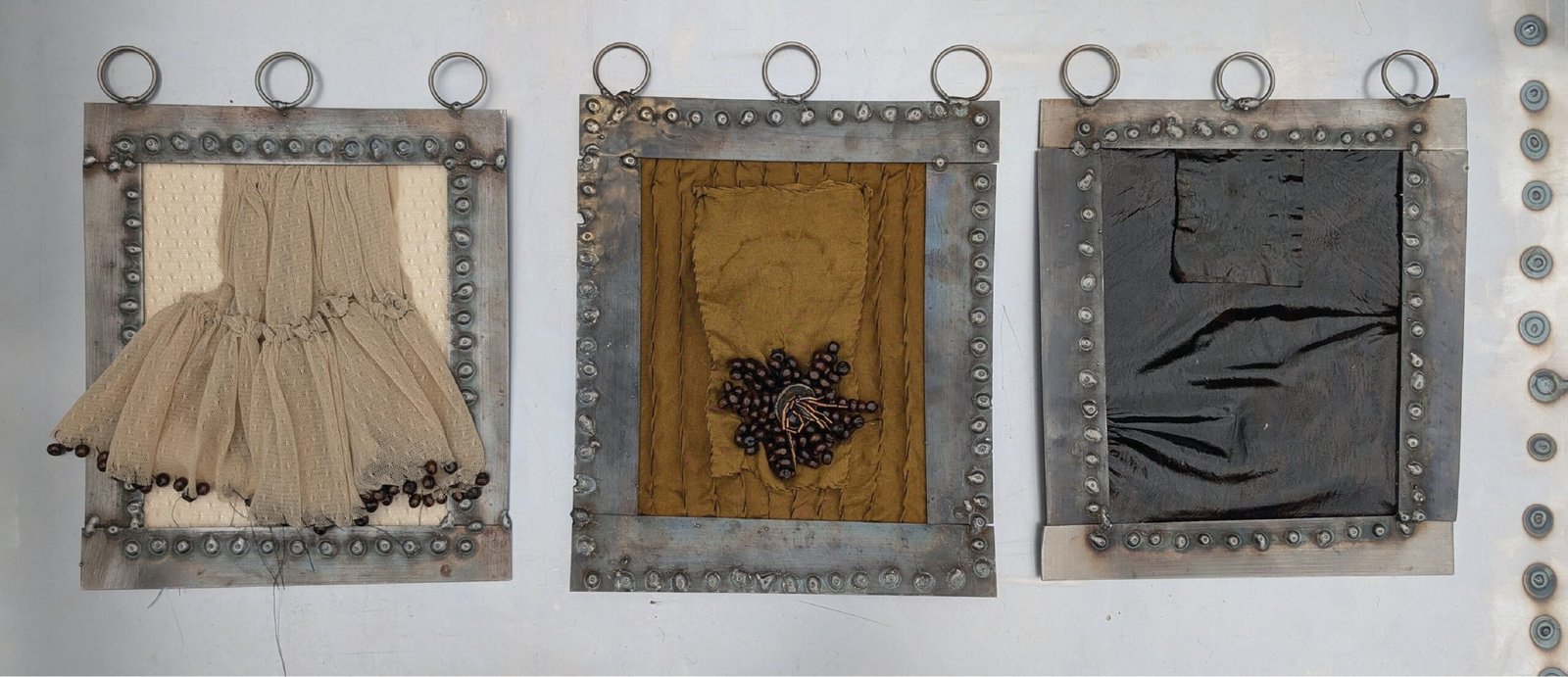
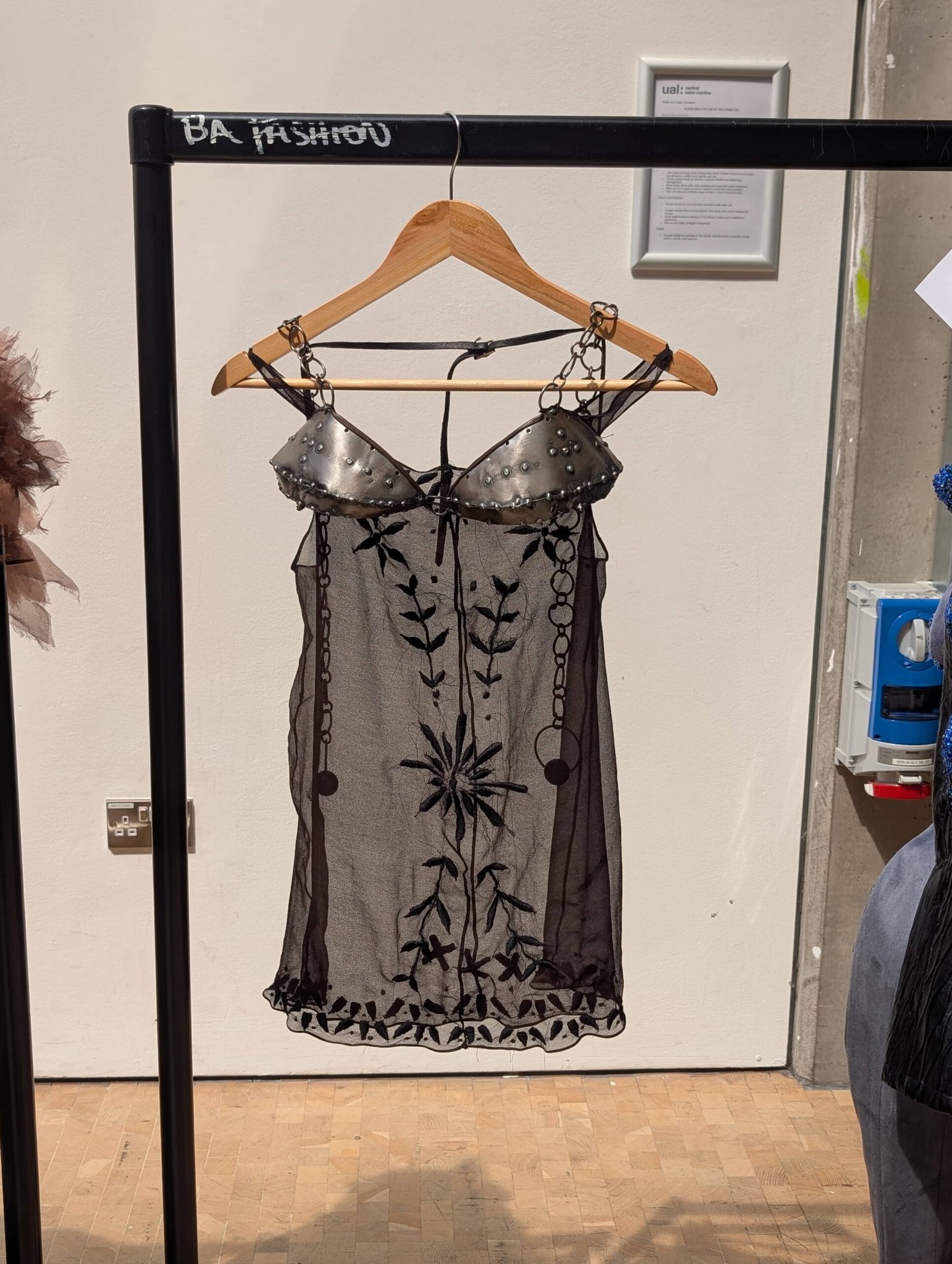
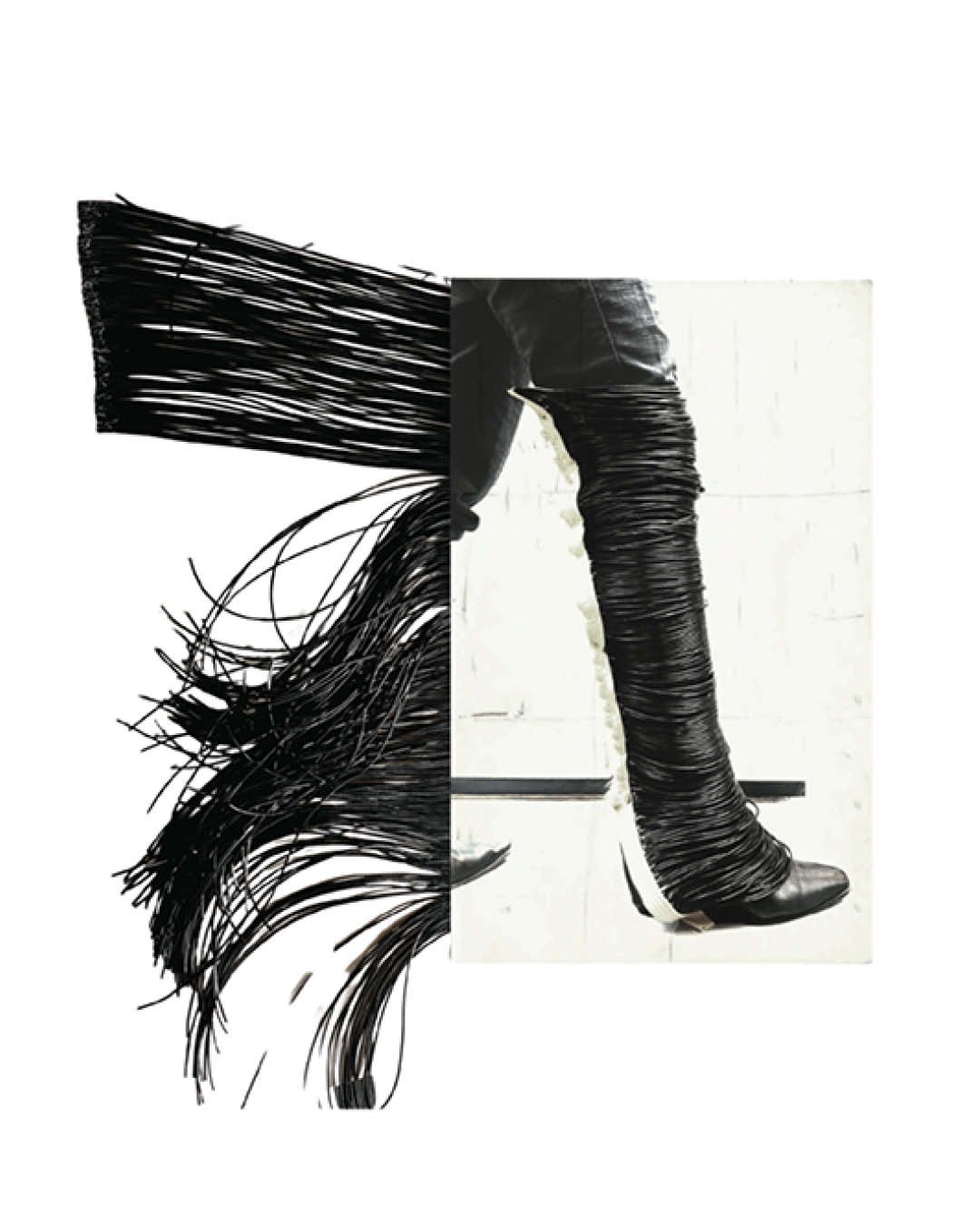
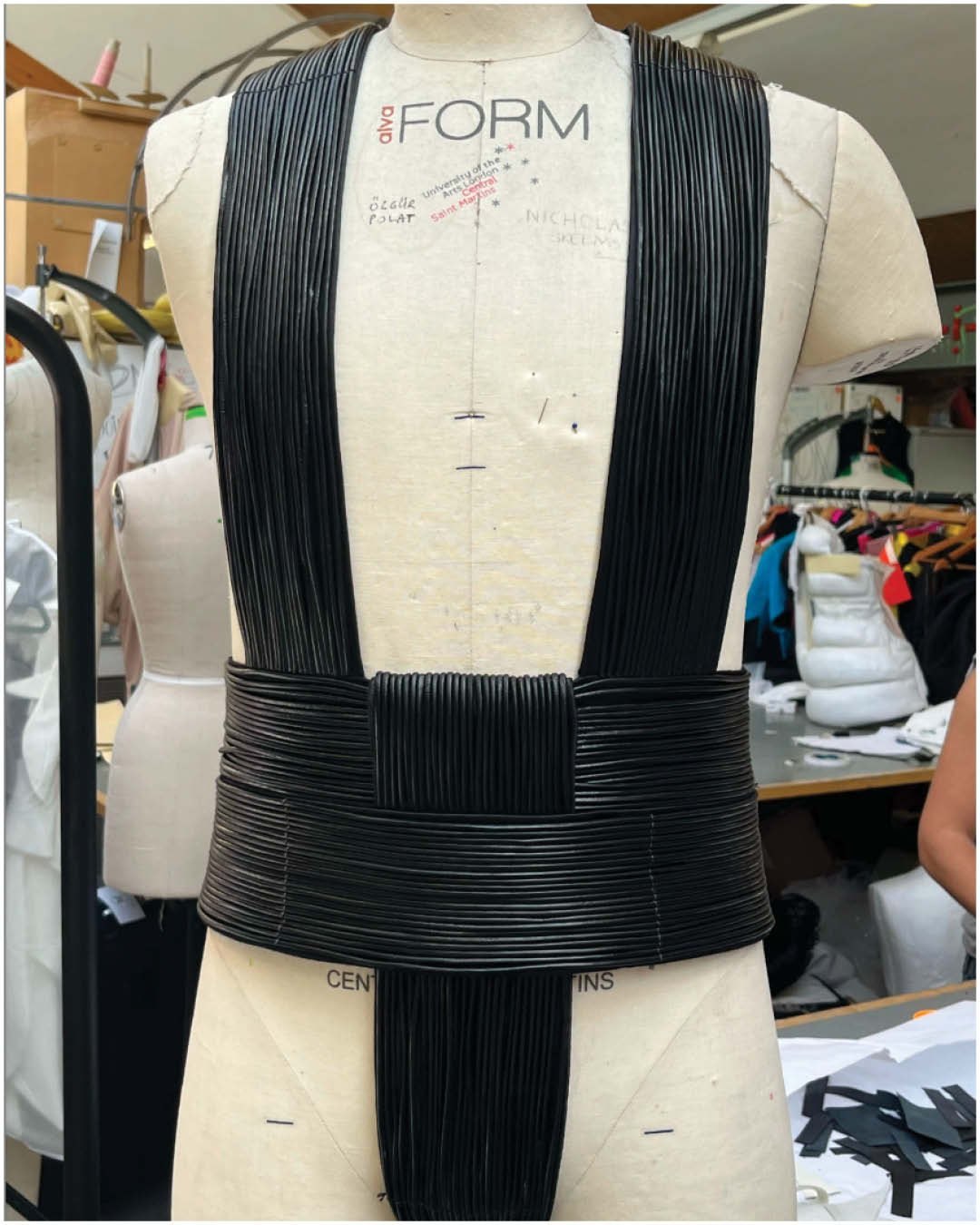
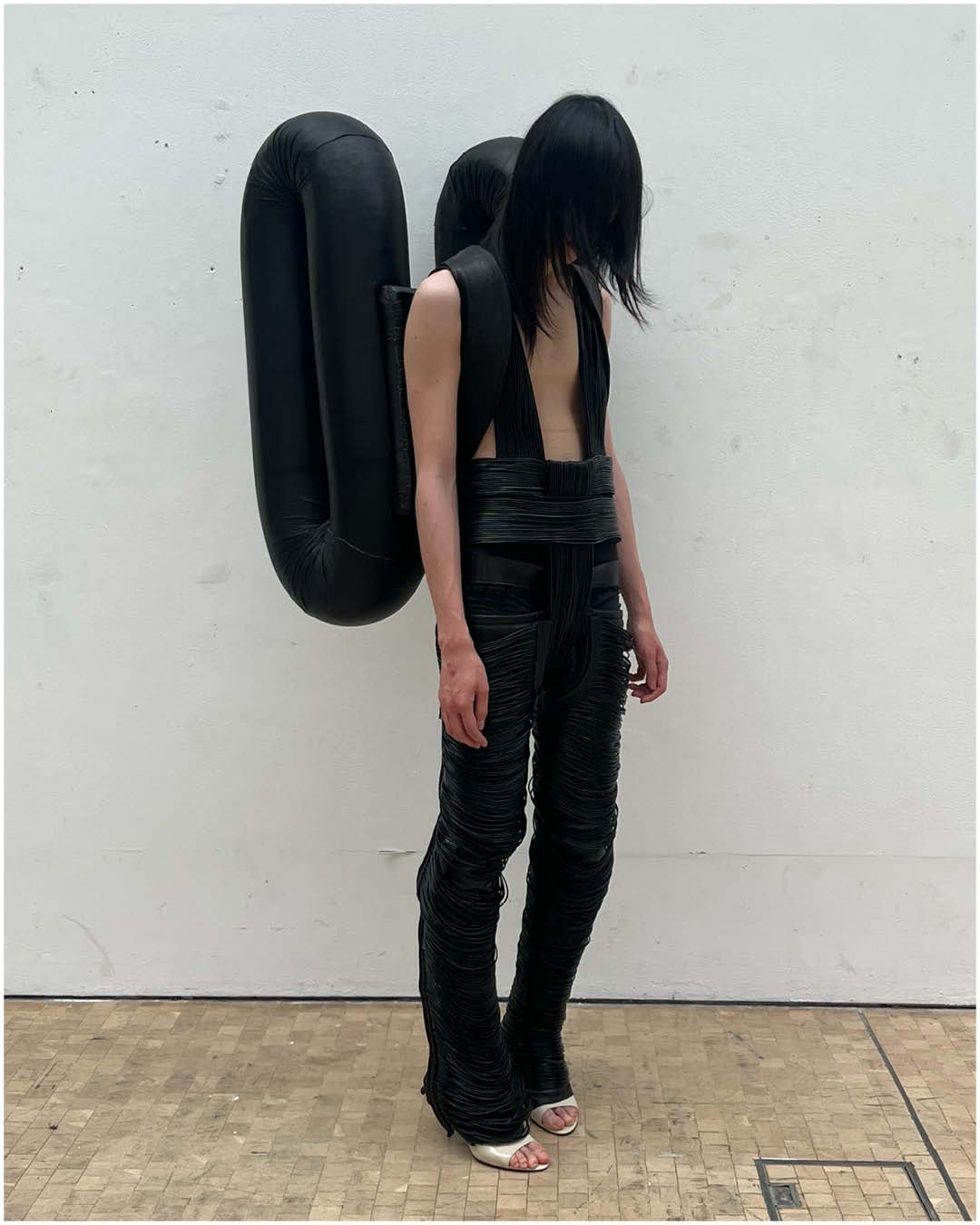
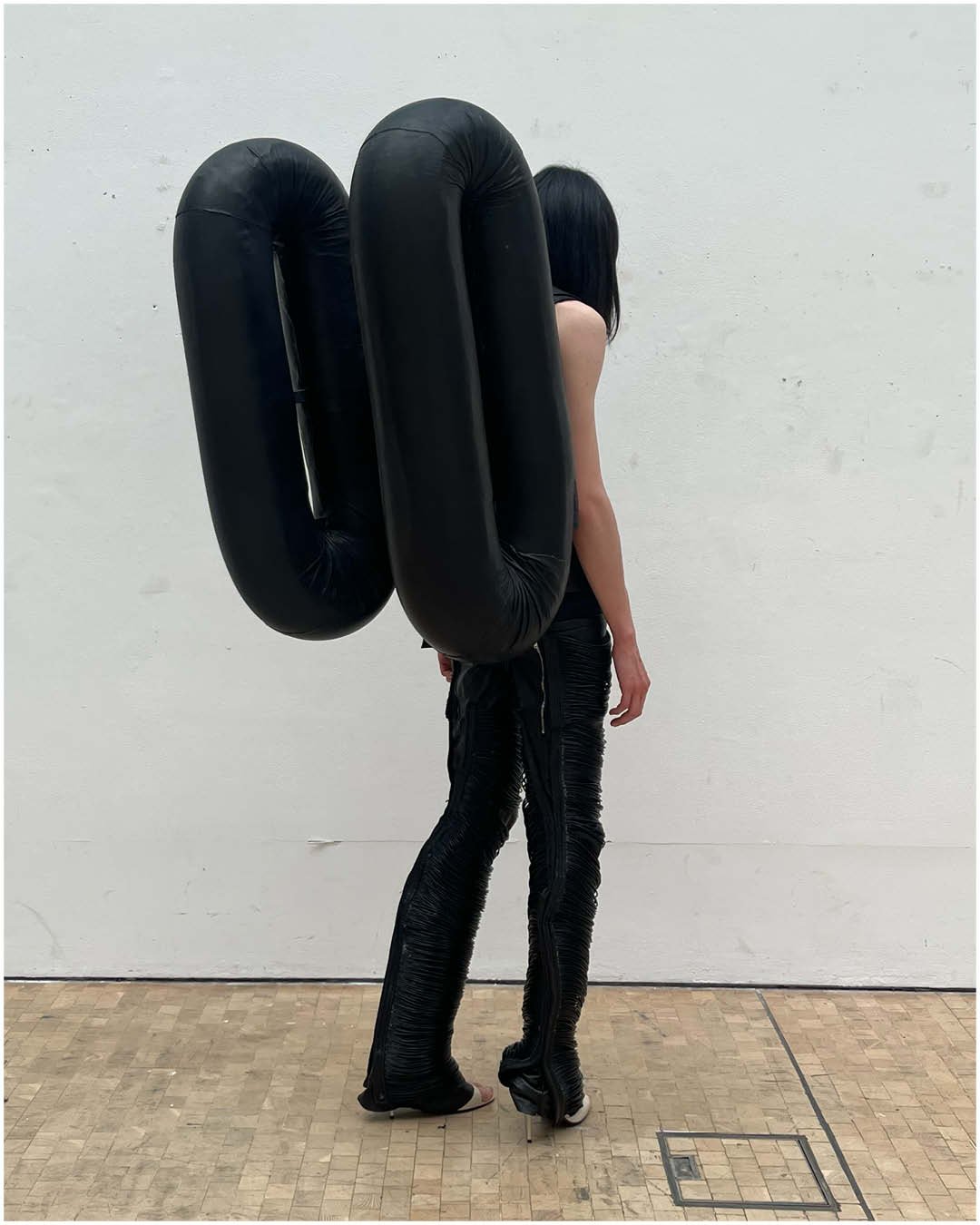
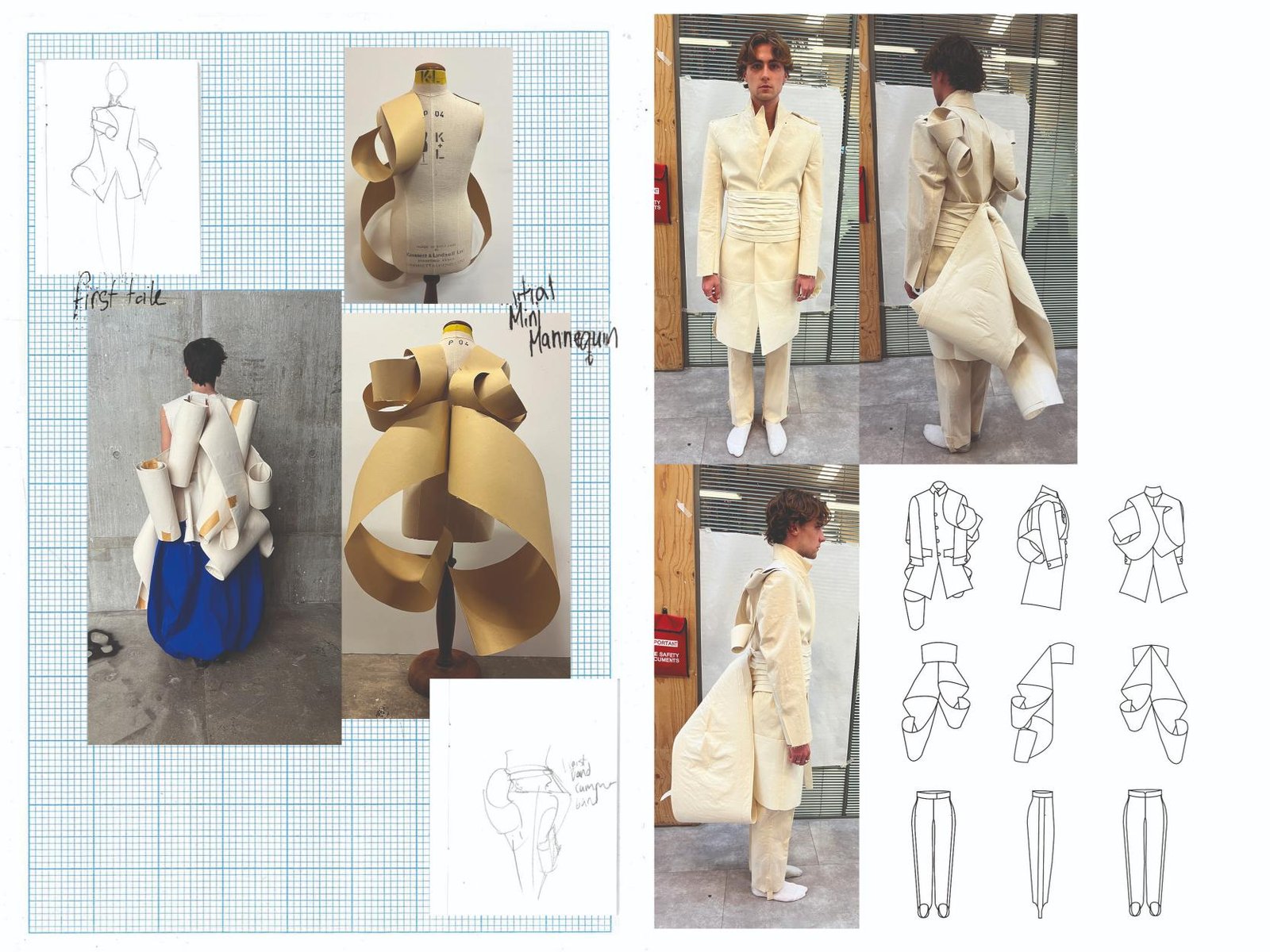
Sophia Layk’s collection, “Postscript,” is dedicated to her mother, who passed away in December 2024 while Layk was completing her final year at Central Saint Martins. After taking a year out and returning home from London, she began making work through grief: picking up the pieces, and finding a form for what had been lost. Thomas Hardy’s “The Woodlanders,” with its rural English landscapes holding the grief of its characters, became an important reference. In the collection, leather sequins take on the quality of ashes. Using a zero-waste process, Layk cuts irregular leather hides into small squares, then bar-tacks them together like chainmail. The pieces hold grief in small, repeated units: cut, joined, reinforced, and carried on the body.

@S.E.LAYK

Alvis Chong

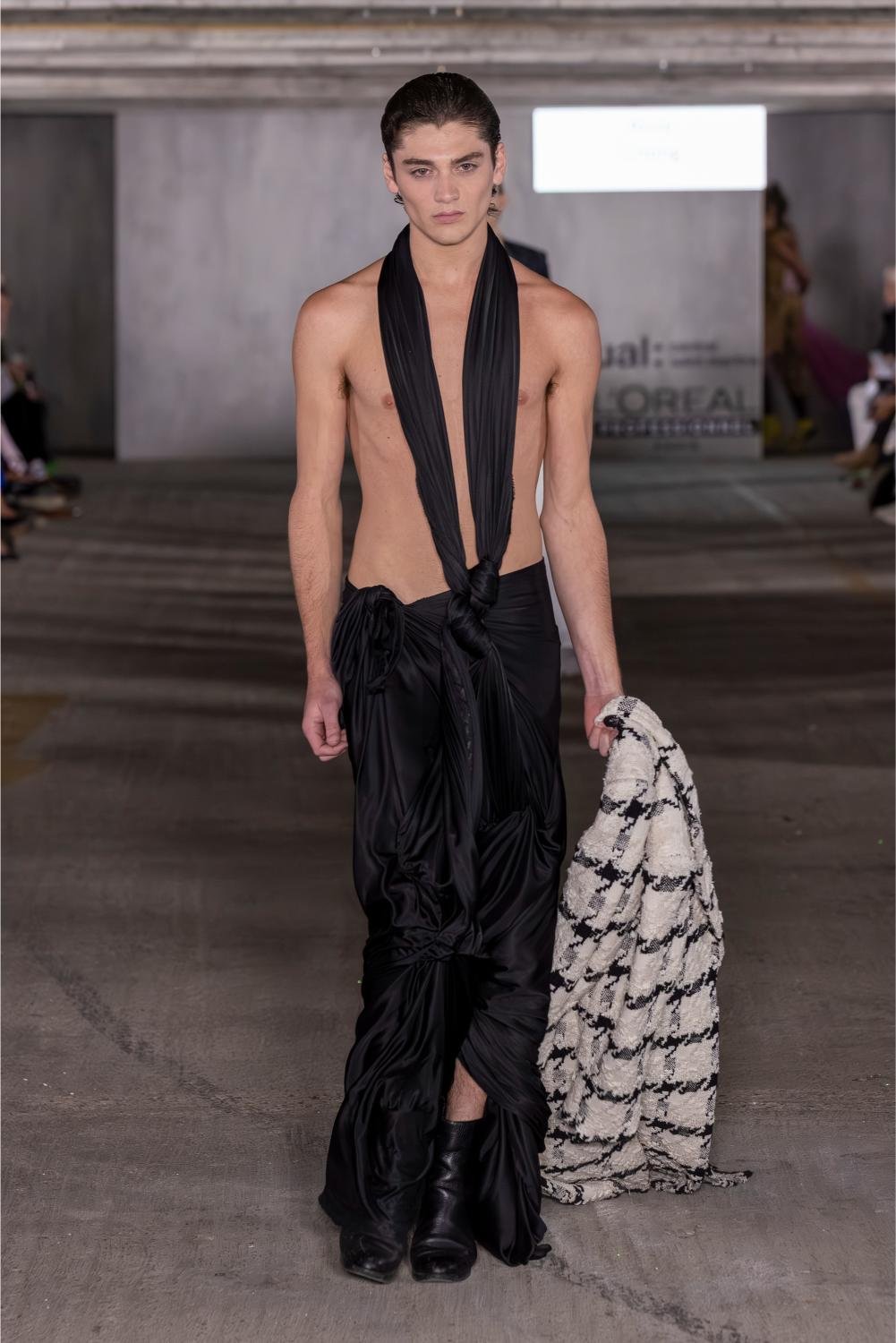
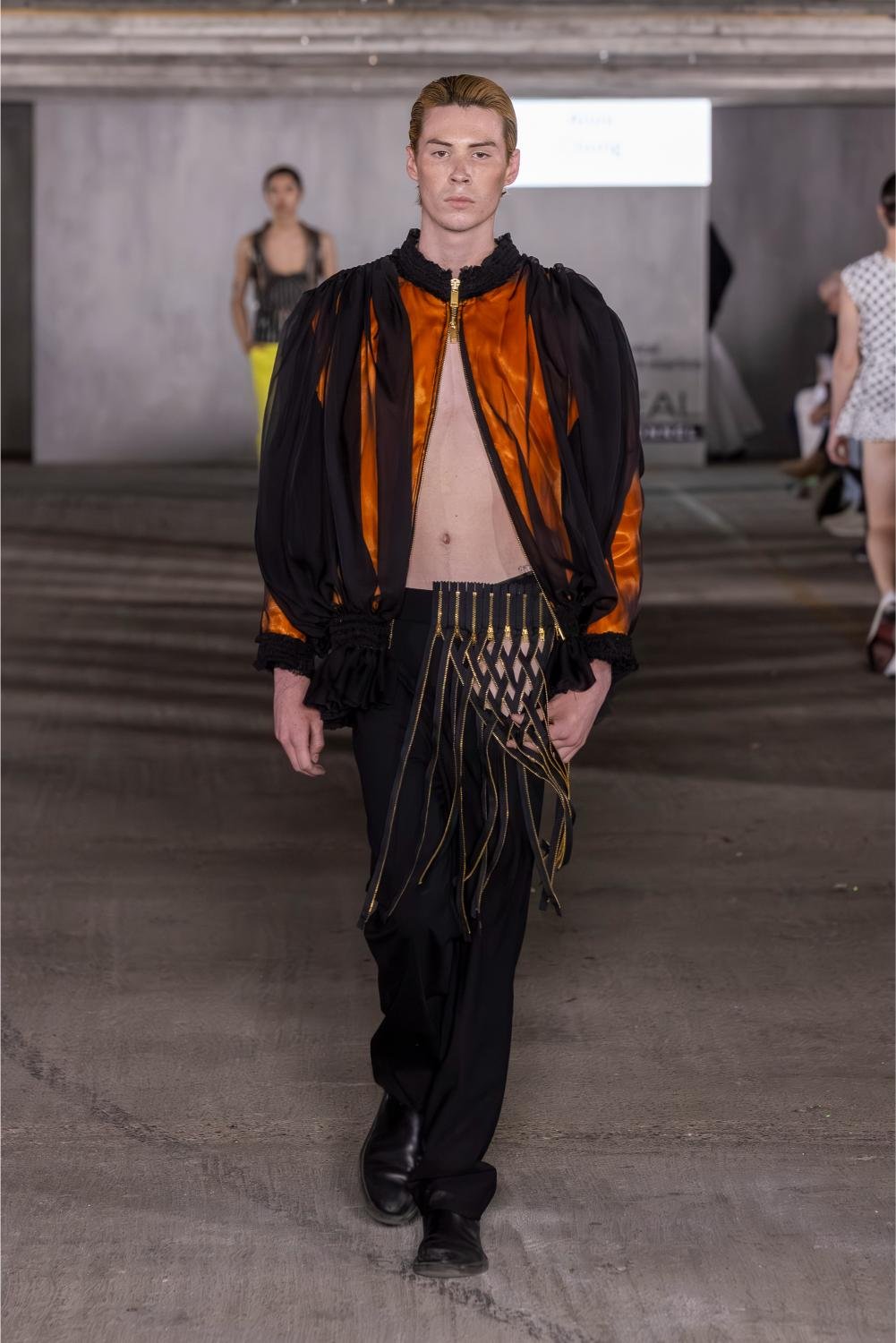
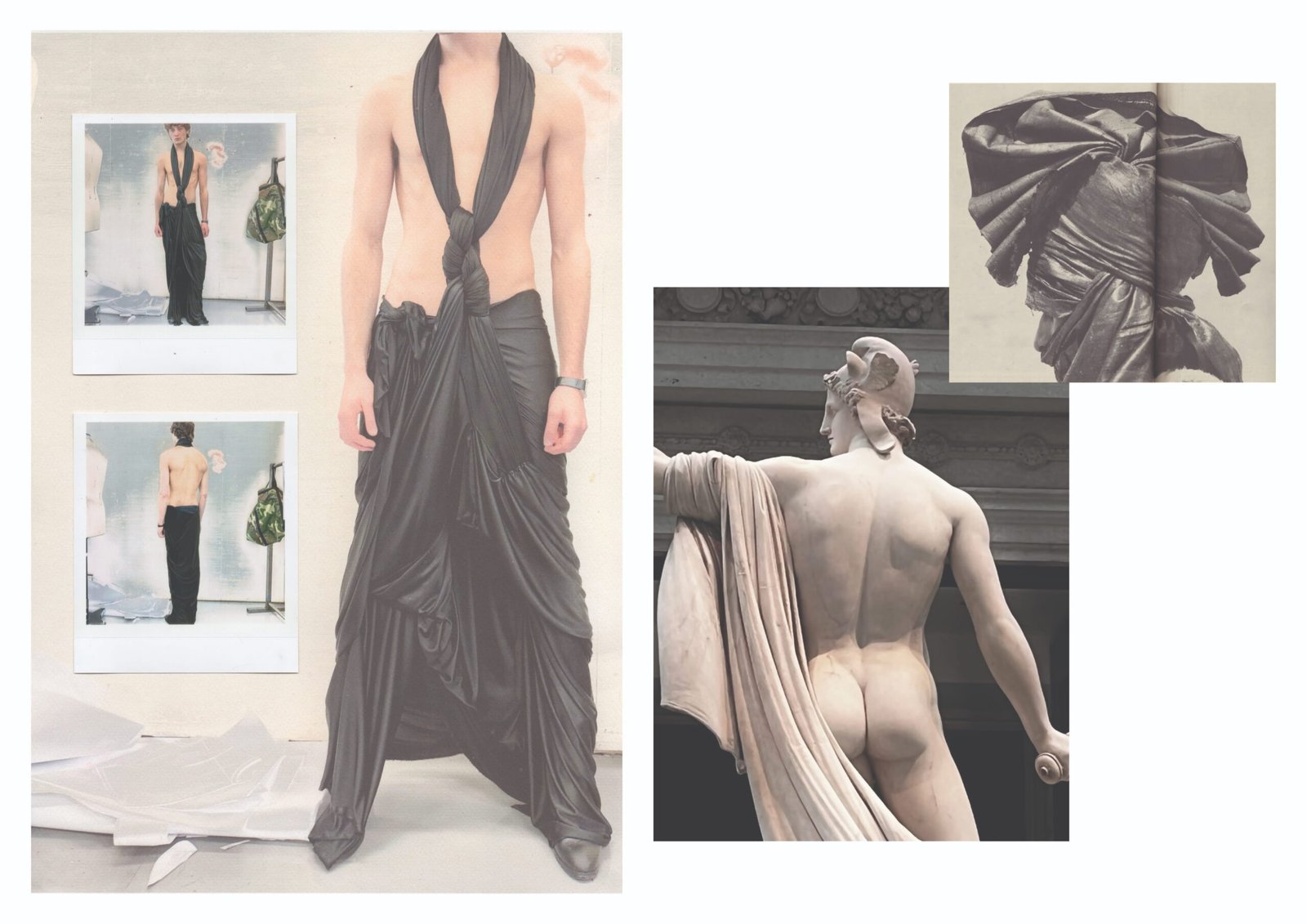
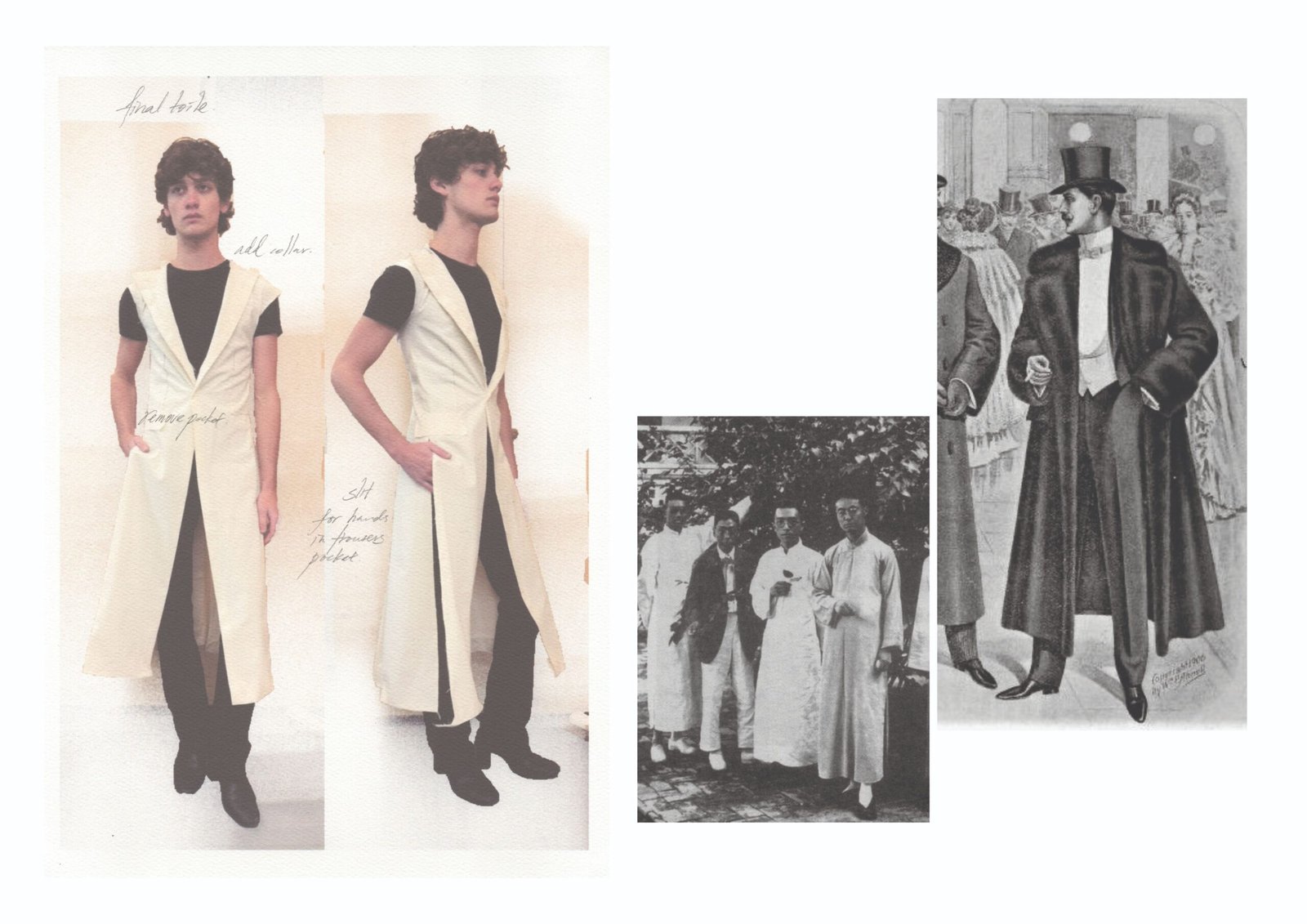
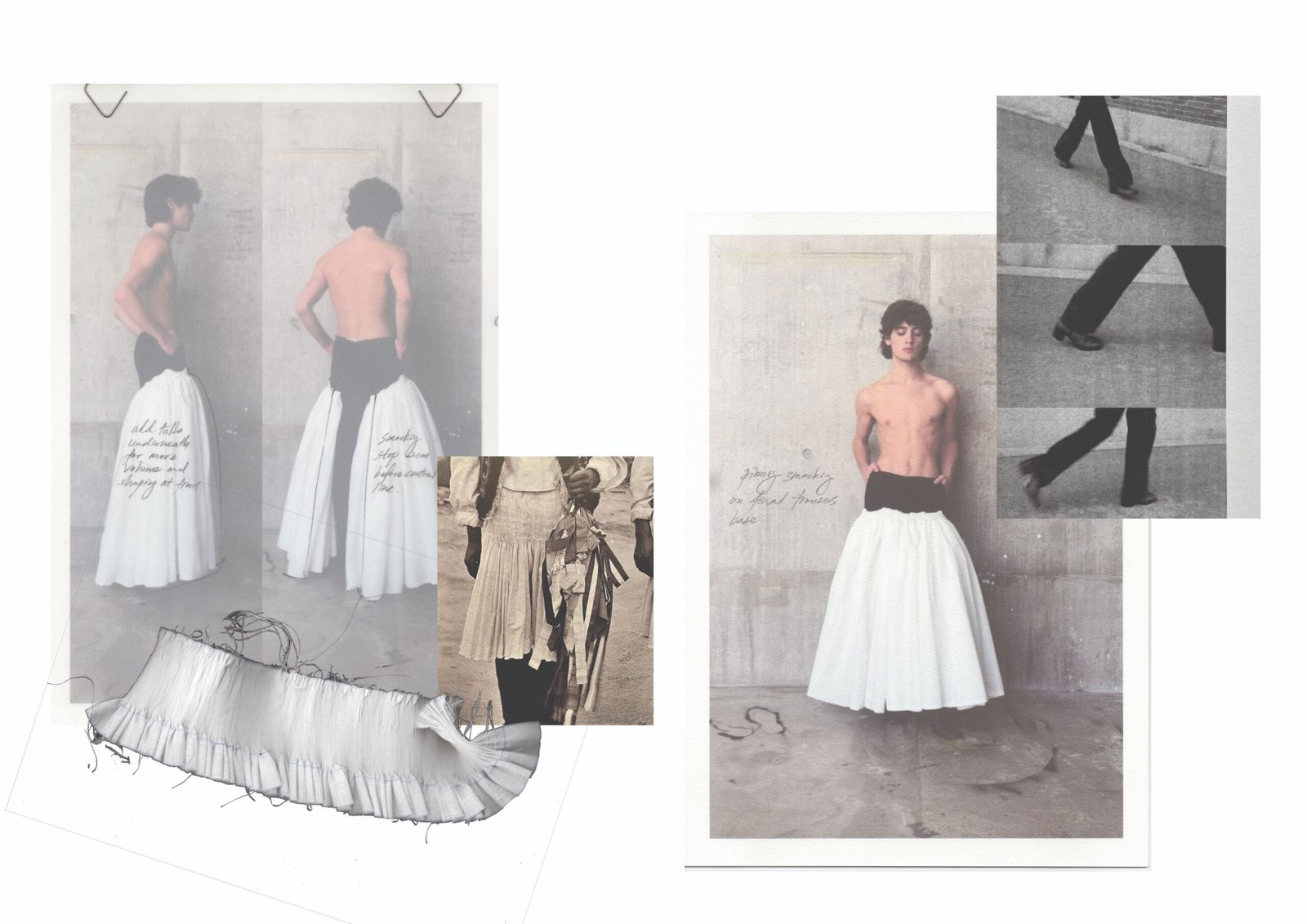
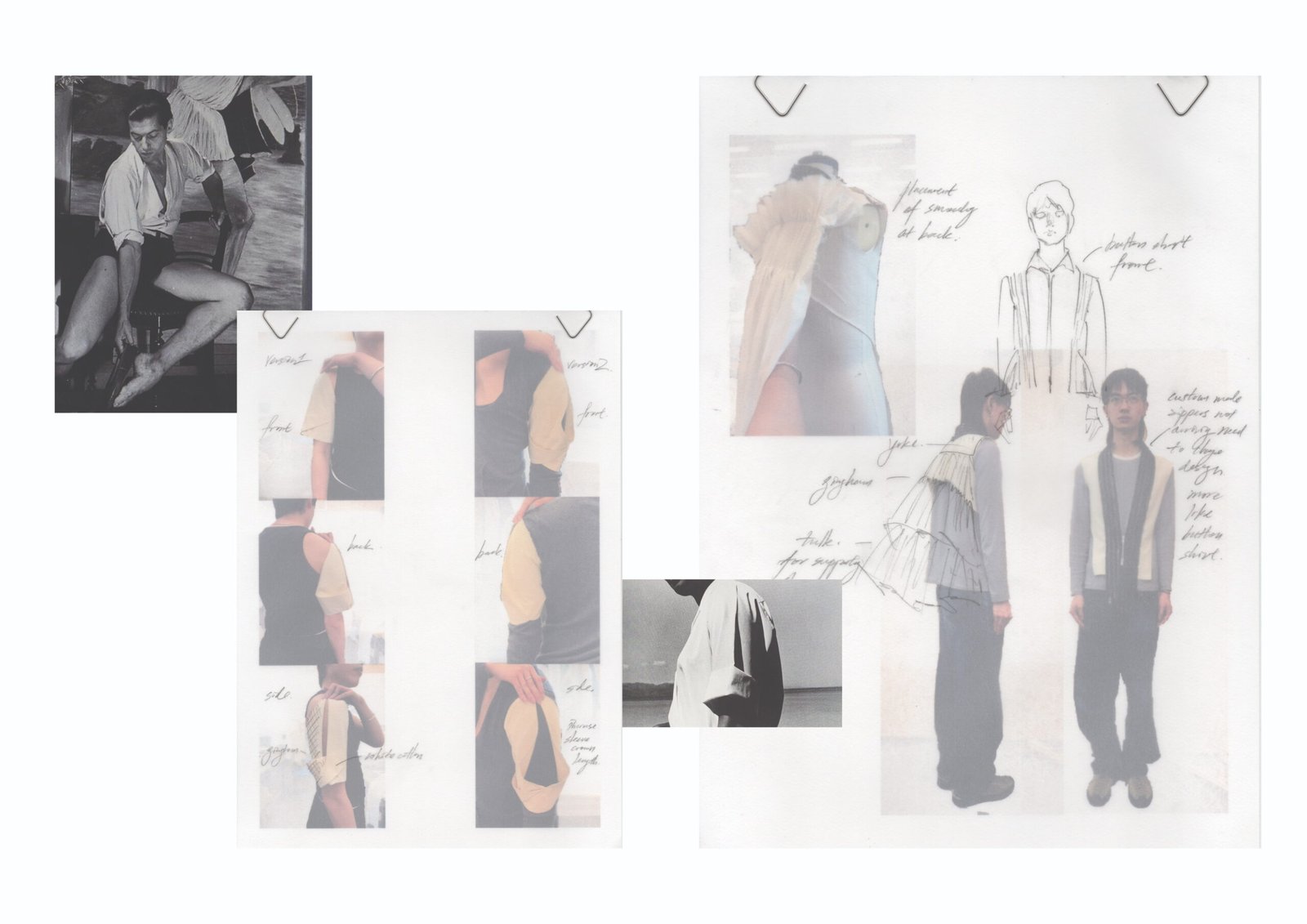
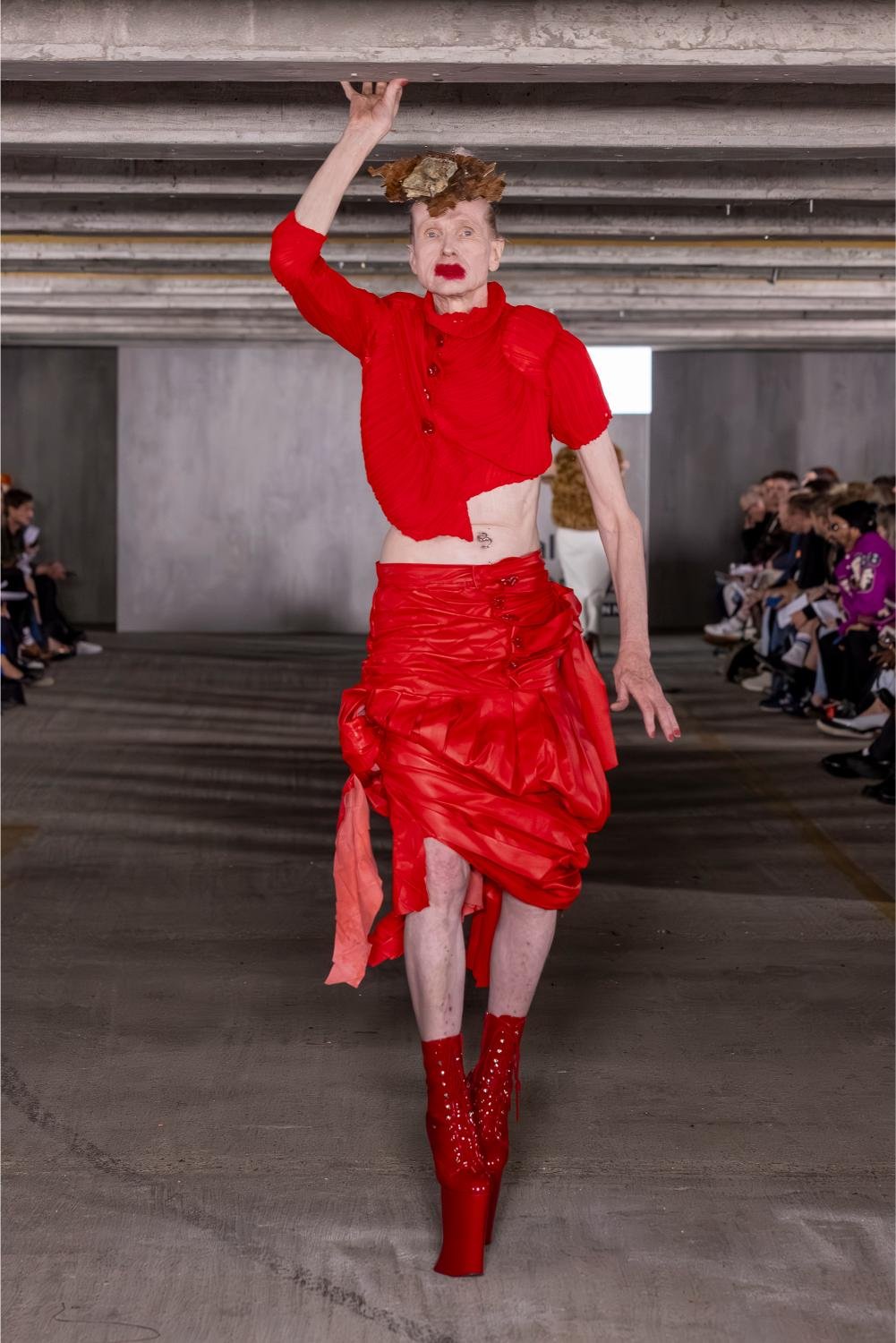
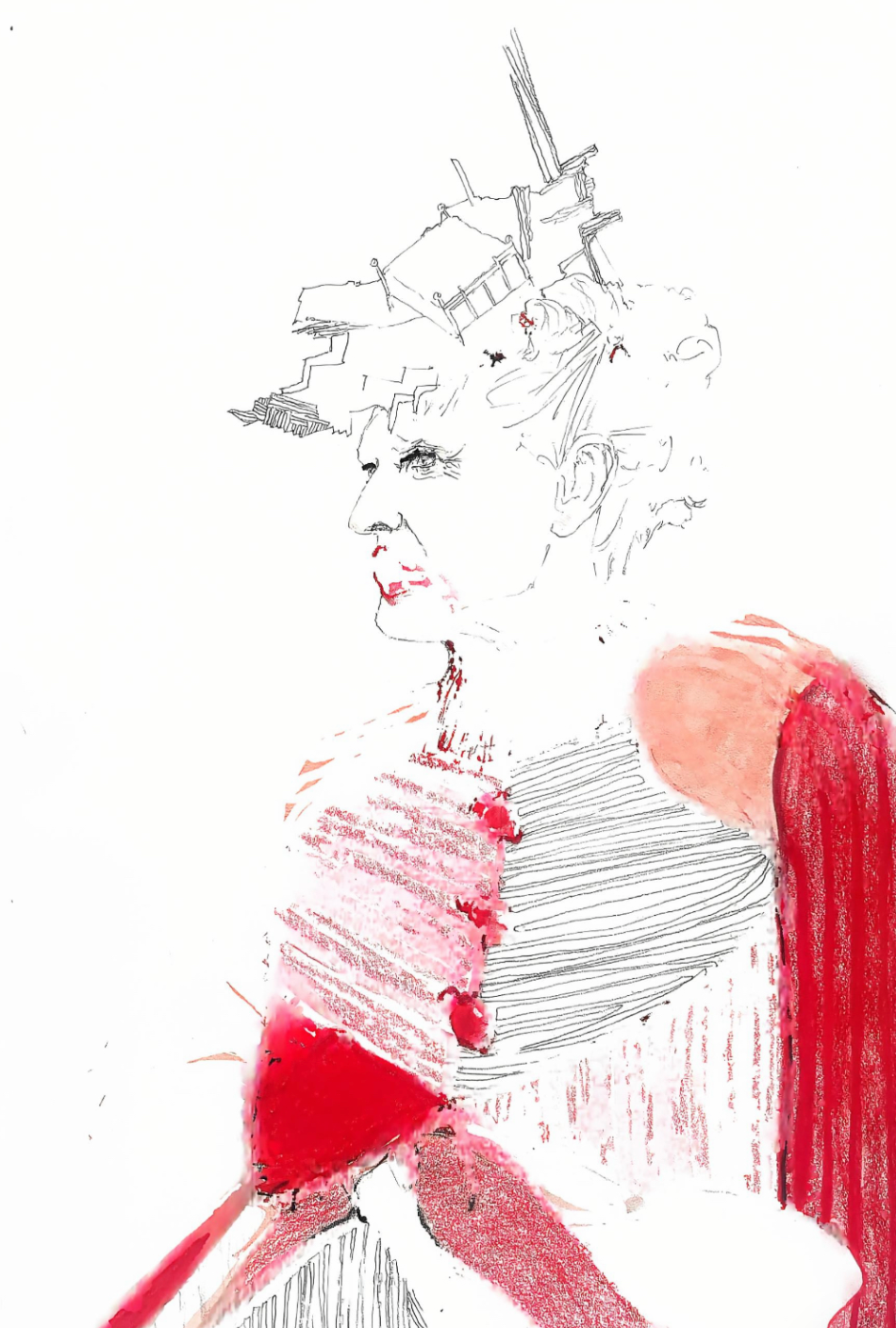
Alvis Chong’s collection, “Due North,” moves between two versions of the self: one compressed by expectation, the other slowly beginning to unfold. Growing up queer in Hong Kong, Chong describes learning to contain parts of his identity in response to family, society, and the codes of masculinity around him. Moving to London marked a shift, with clothing becoming a way to test, reveal, and shape a more authentic sense of self. Working from within the conventions of menswear, Chong unsettles its rules rather than rejecting them outright. The collection explores vulnerability, masculinity, and the male form without relying on traditionally feminine codes. Softness appears inside a language built around restraint.
@alvis._.c

Joseph Richman

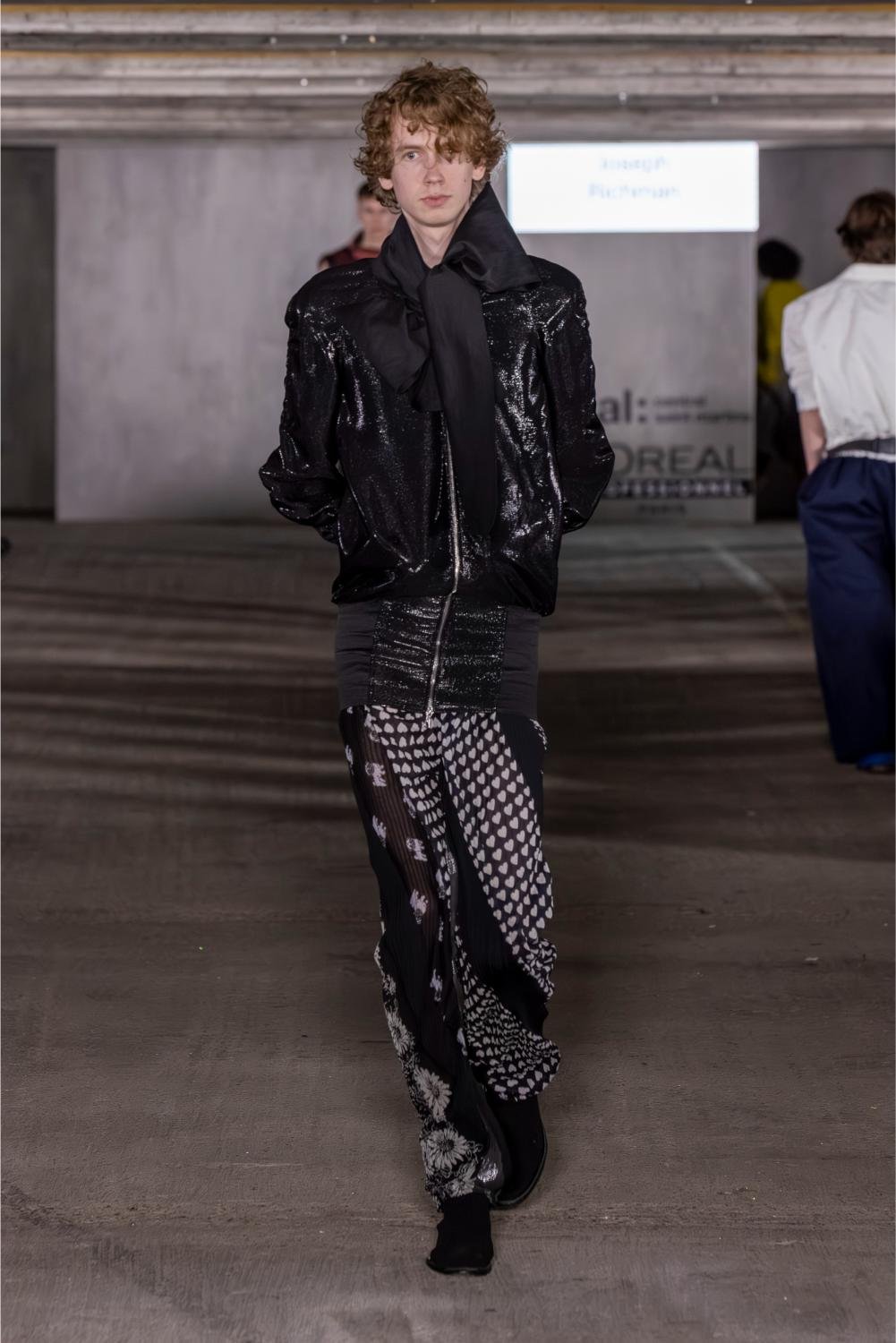
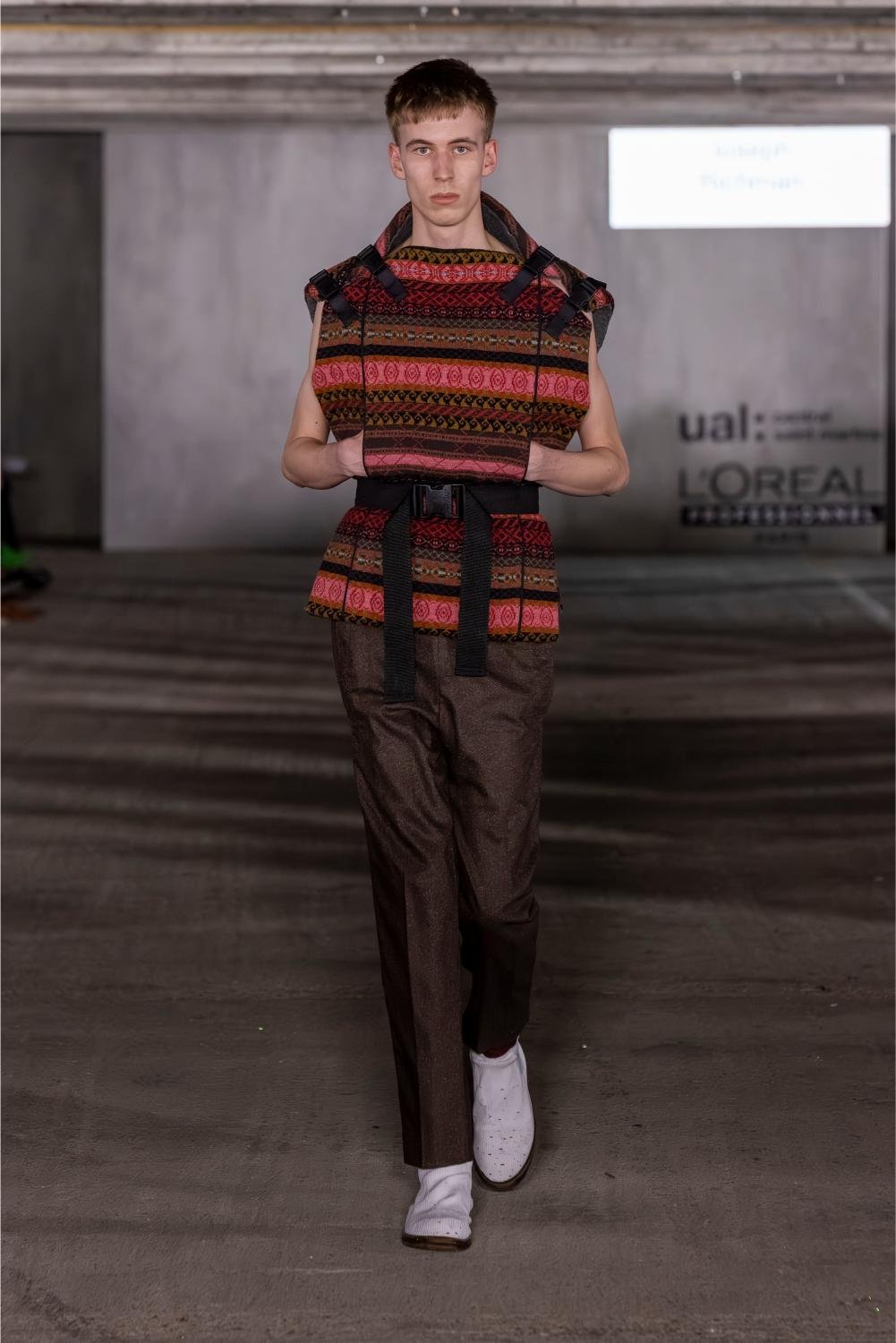
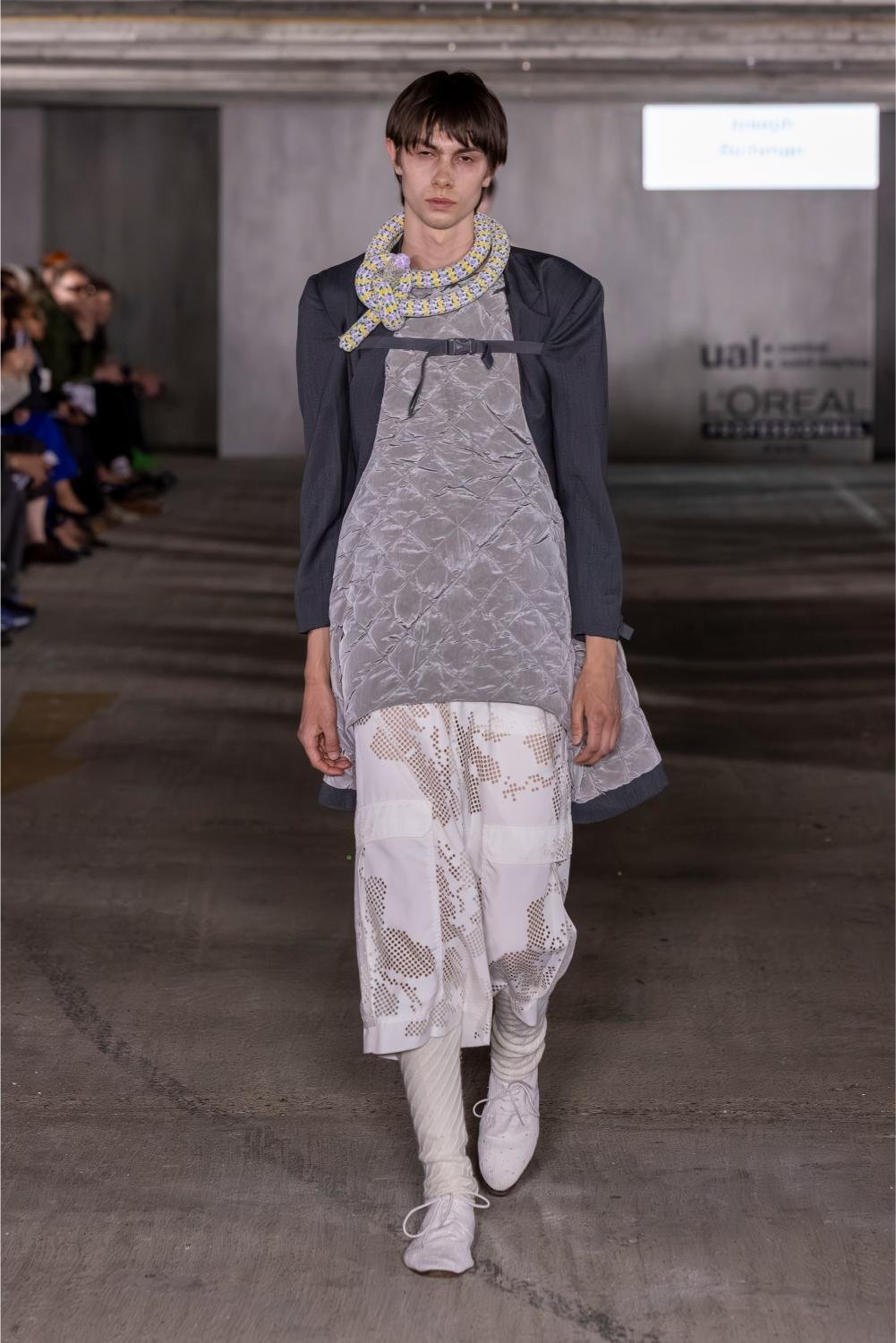
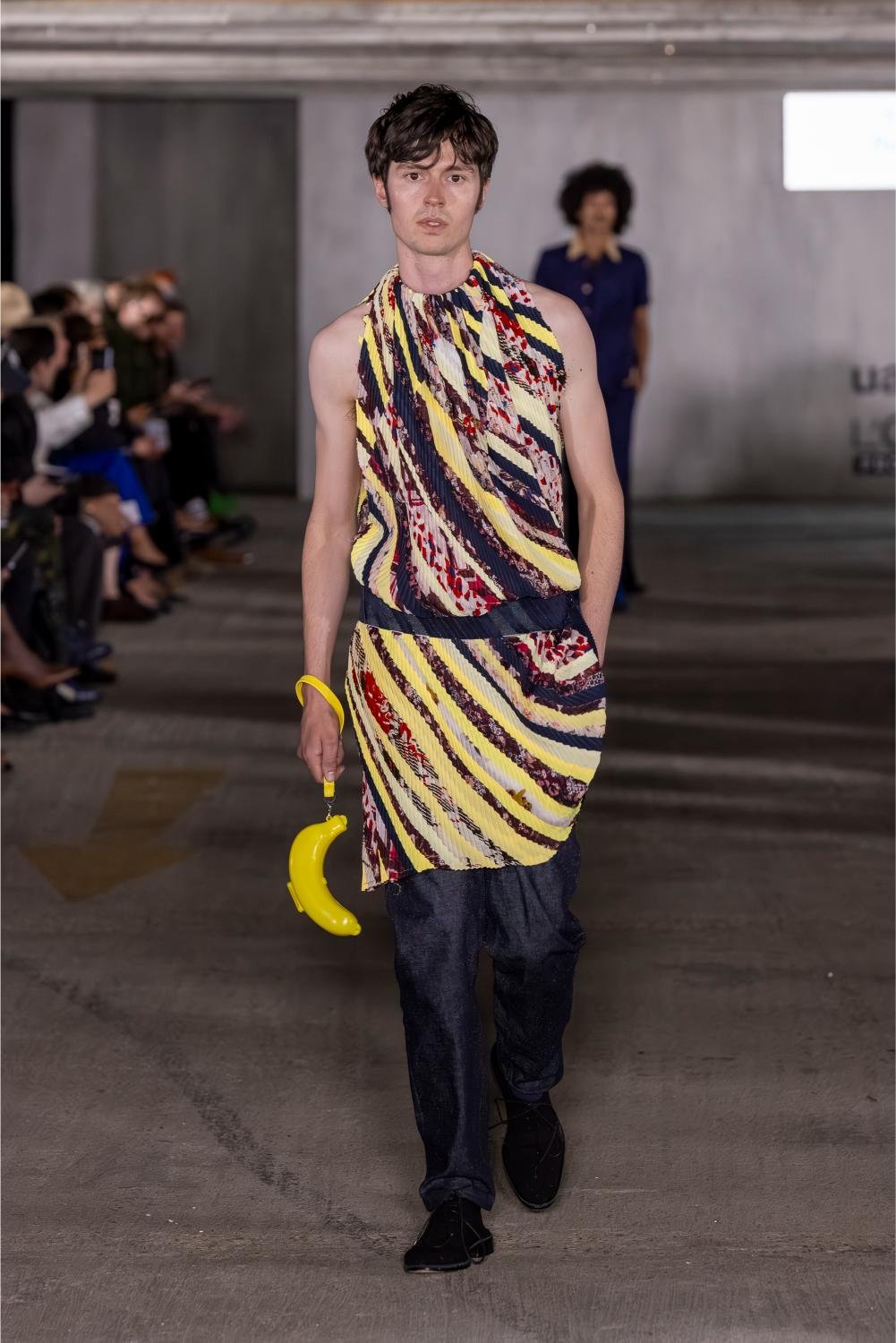
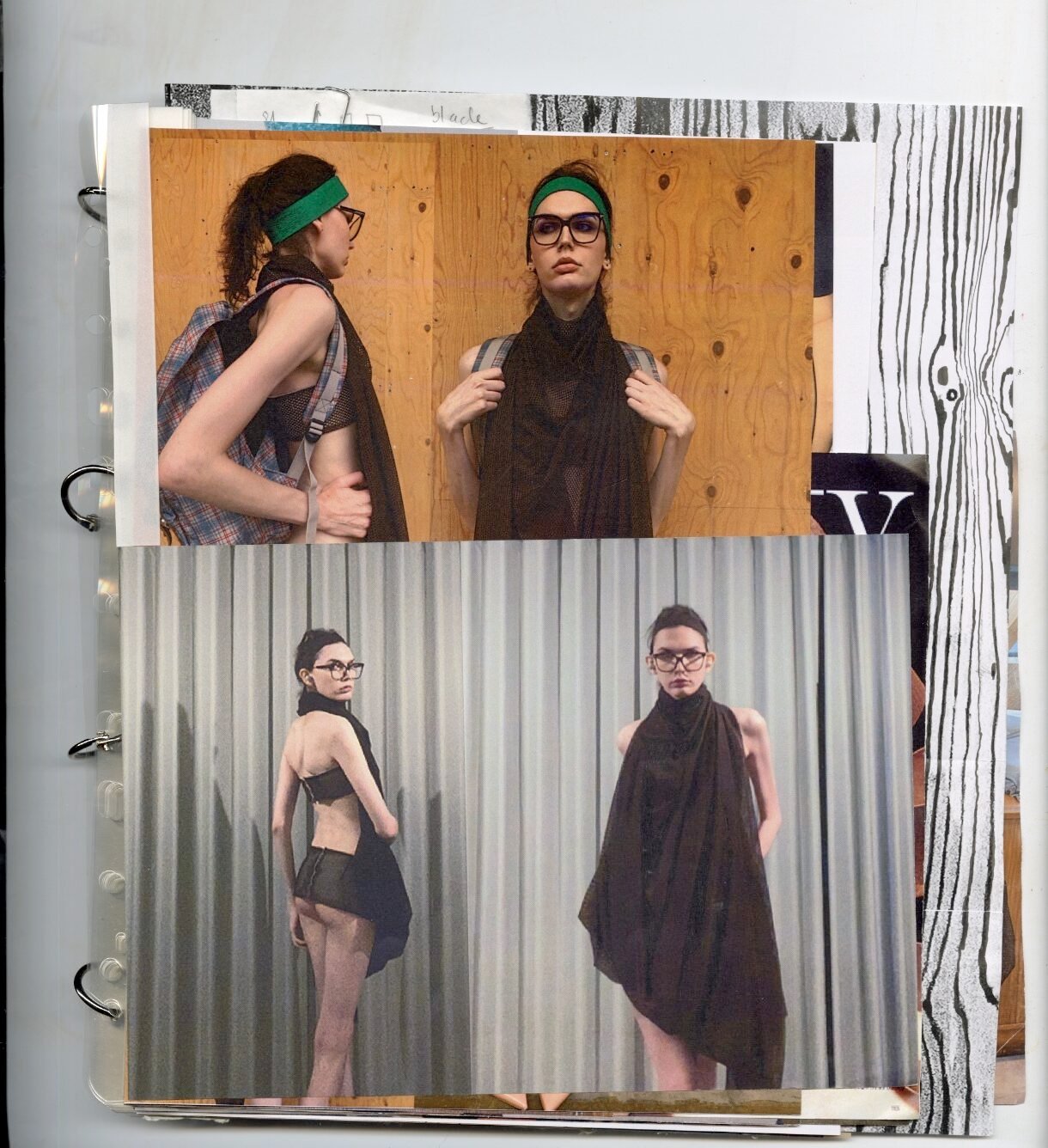
For 18 months, Joseph Richman photographed the residents of Teddington, especially during his commute. His collection, “Location Location Location,” grew out of this close study of middle-class suburban life and what he describes as middle-class angst. What interested him were the moments when everything looked almost right, but not quite: expensive coats worn awkwardly, crumpled tailoring, practical backpacks, cargo shorts for every occasion, and carefully maintained appearances disrupted by small imperfections. The garments are intentionally awkward, humorous, and familiar. Suburbia appears not as bland, but as full of tiny failures in taste, posture, and self-presentation.

@josephmrichman

Lili Seroussi

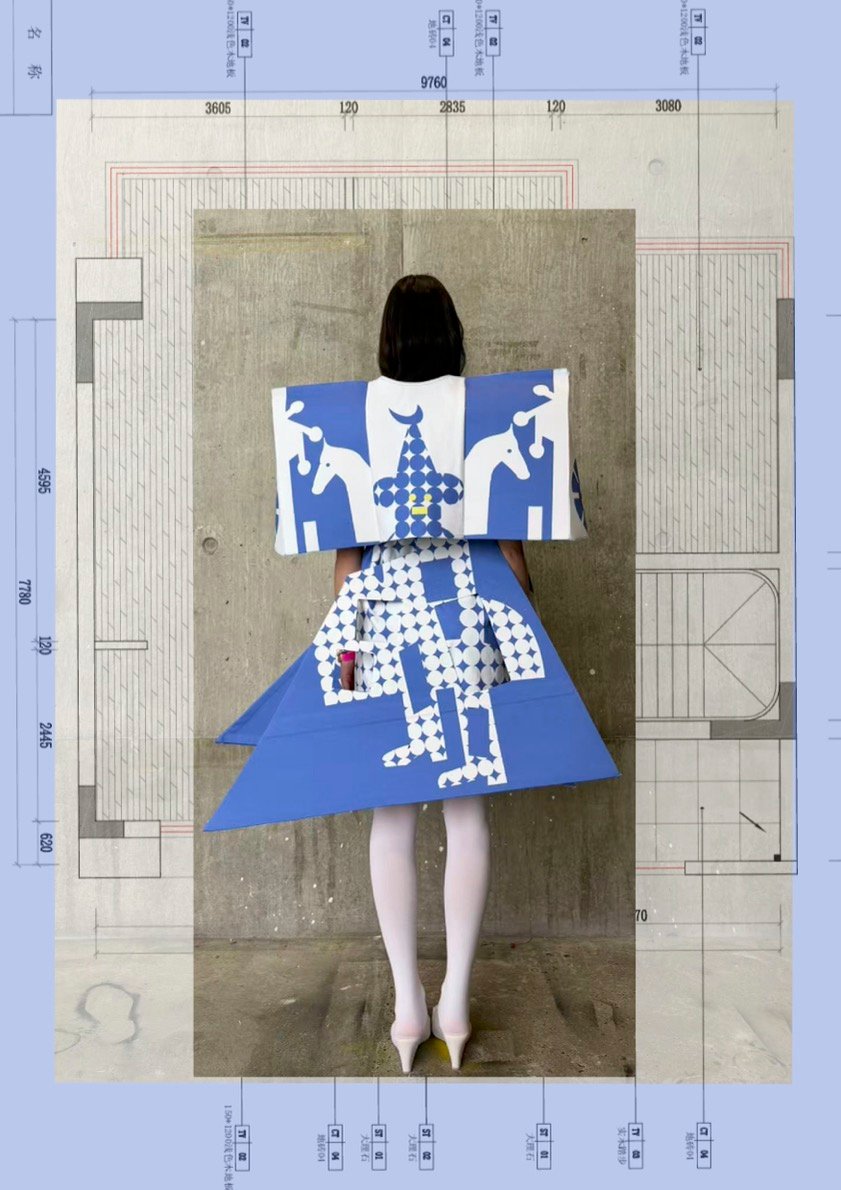
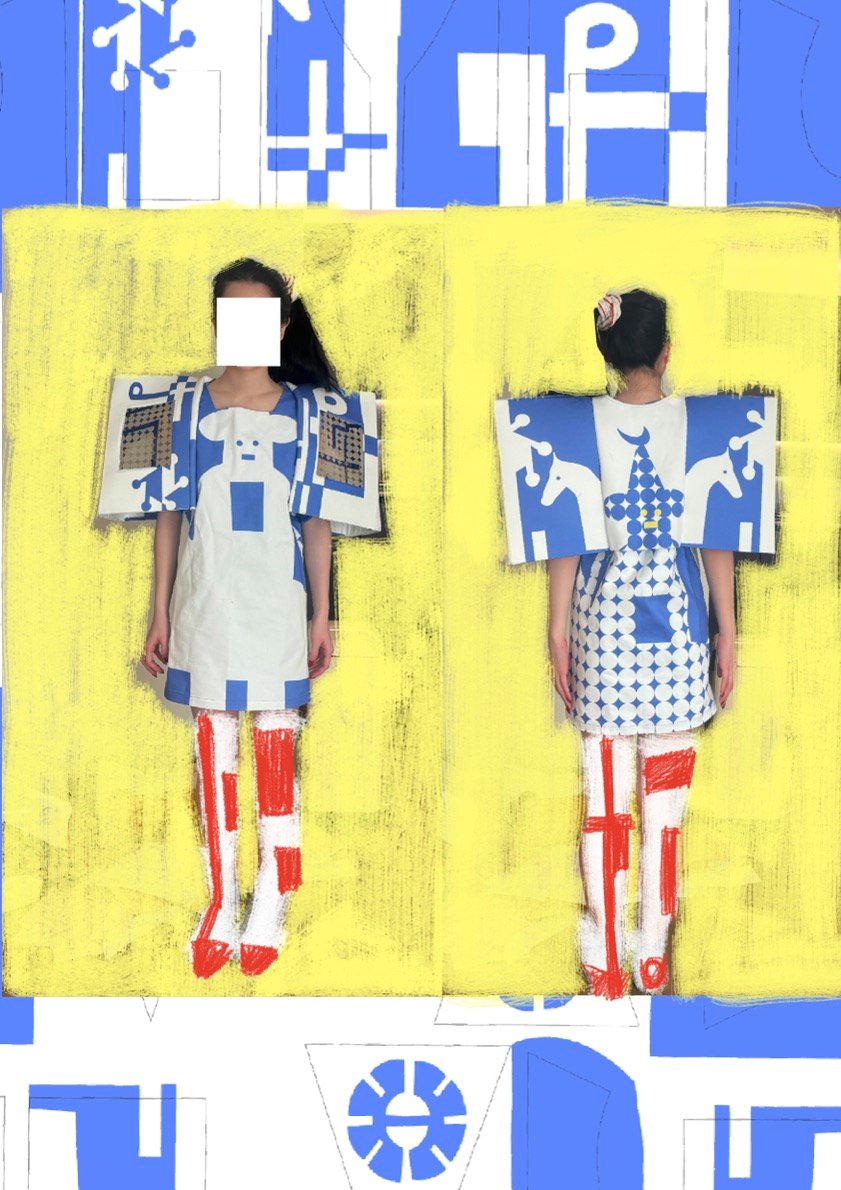
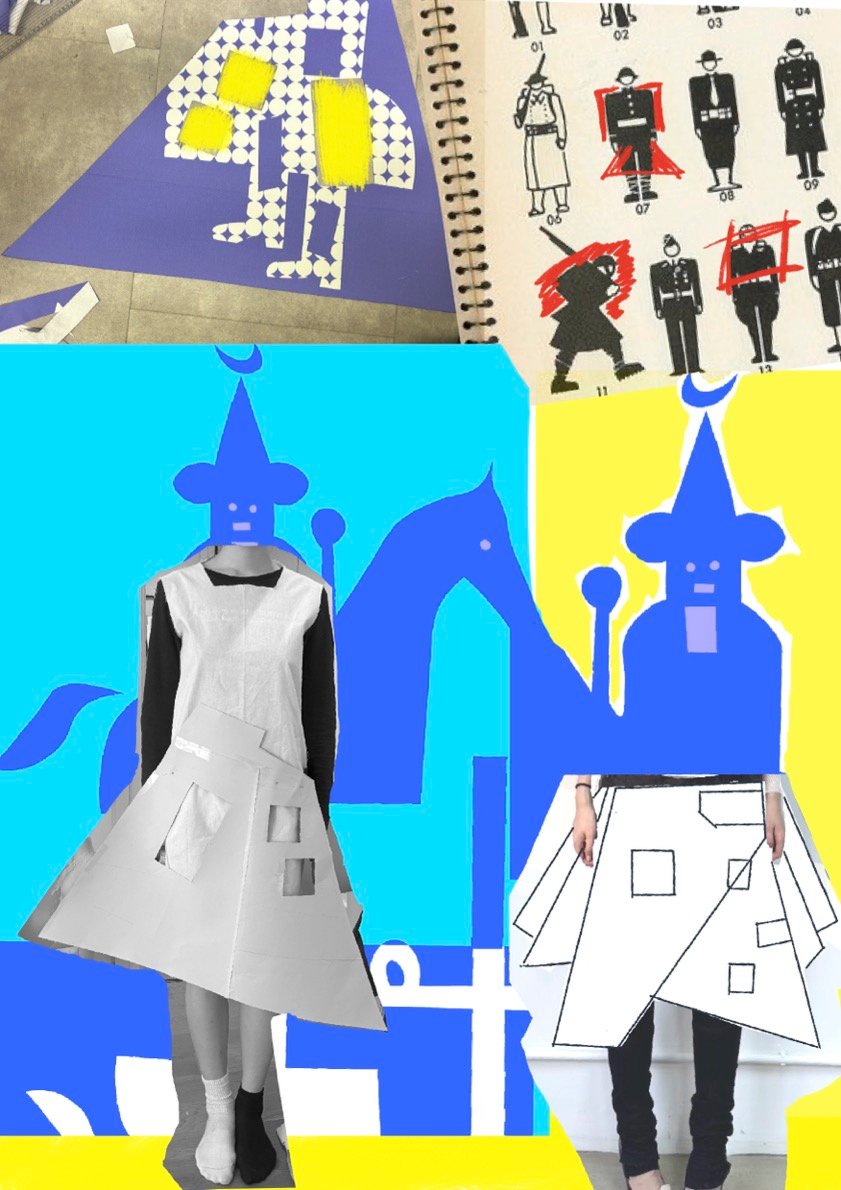
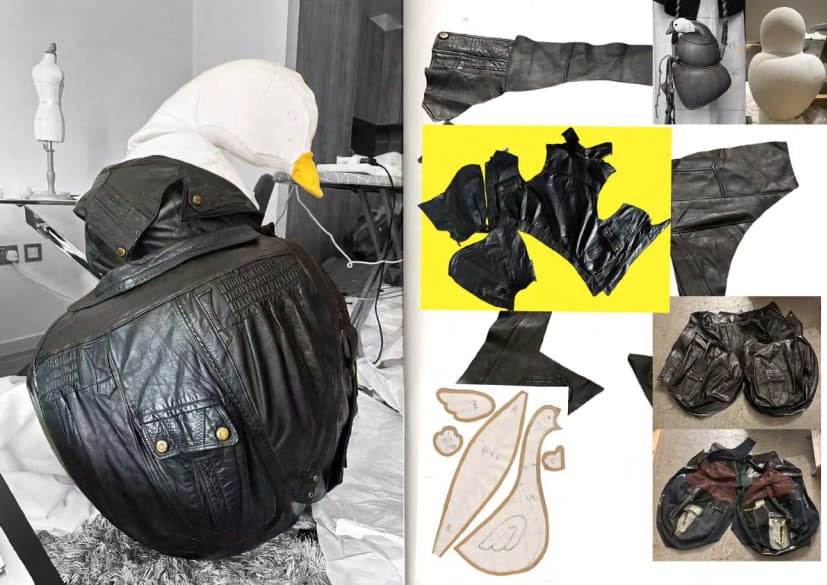
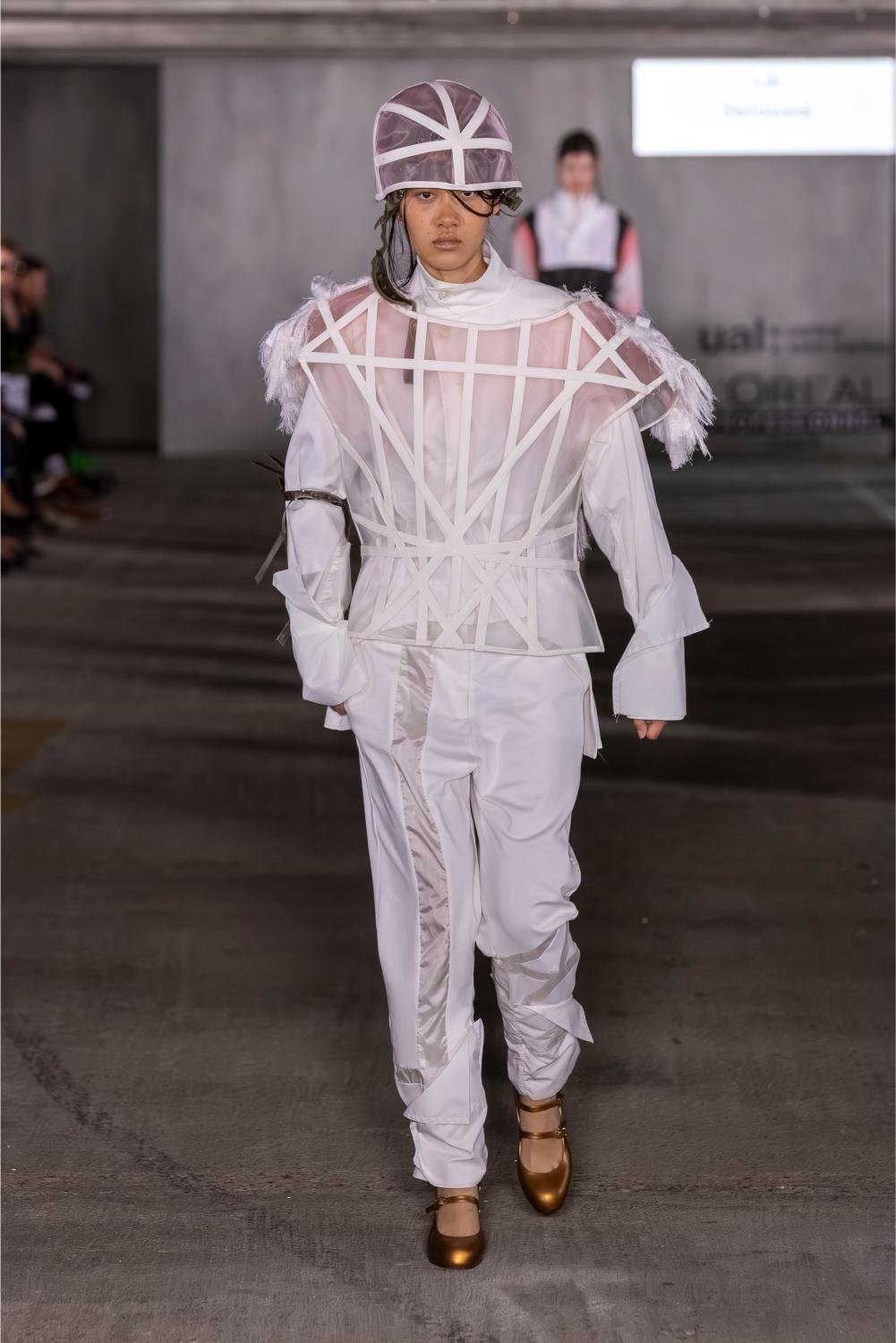
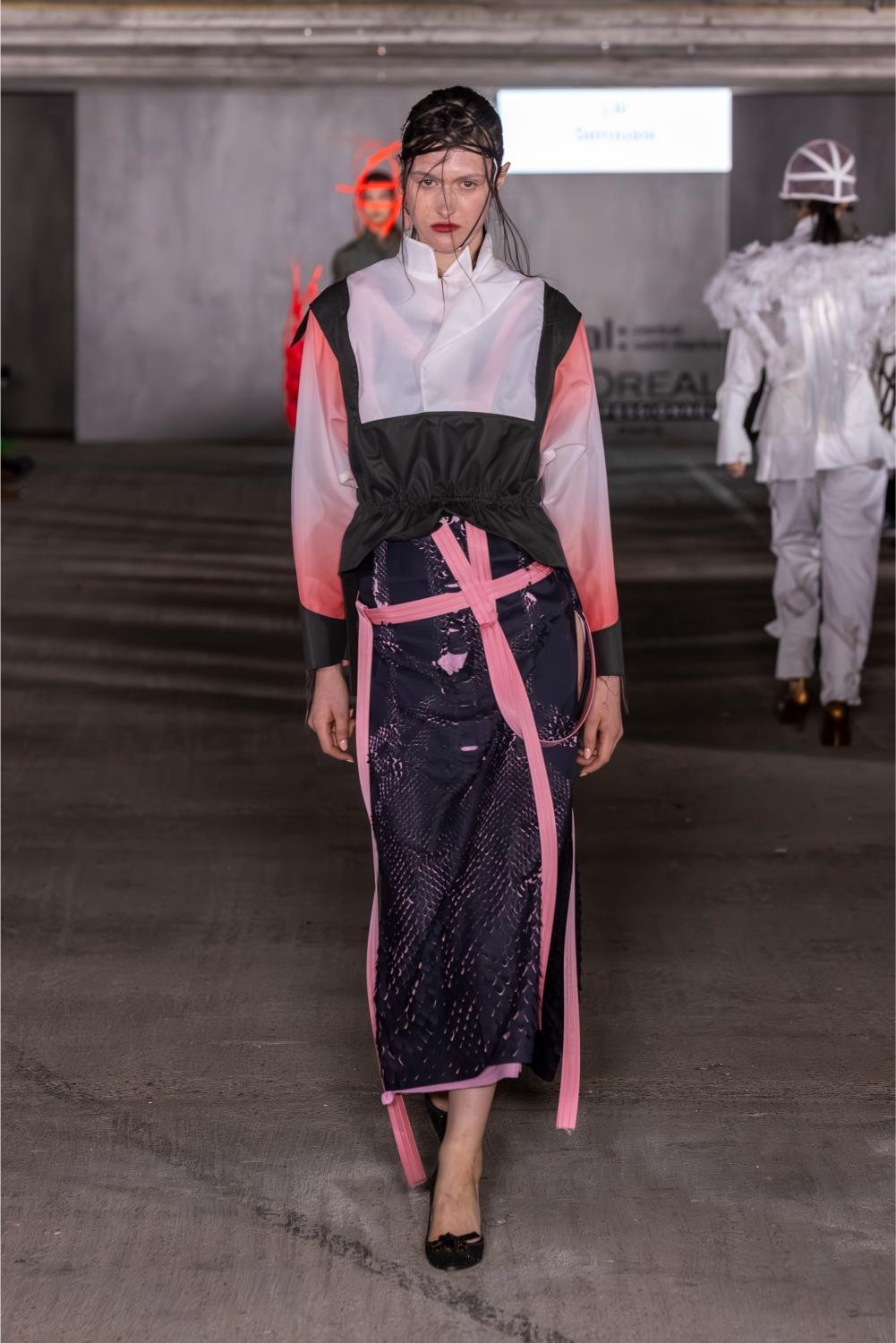
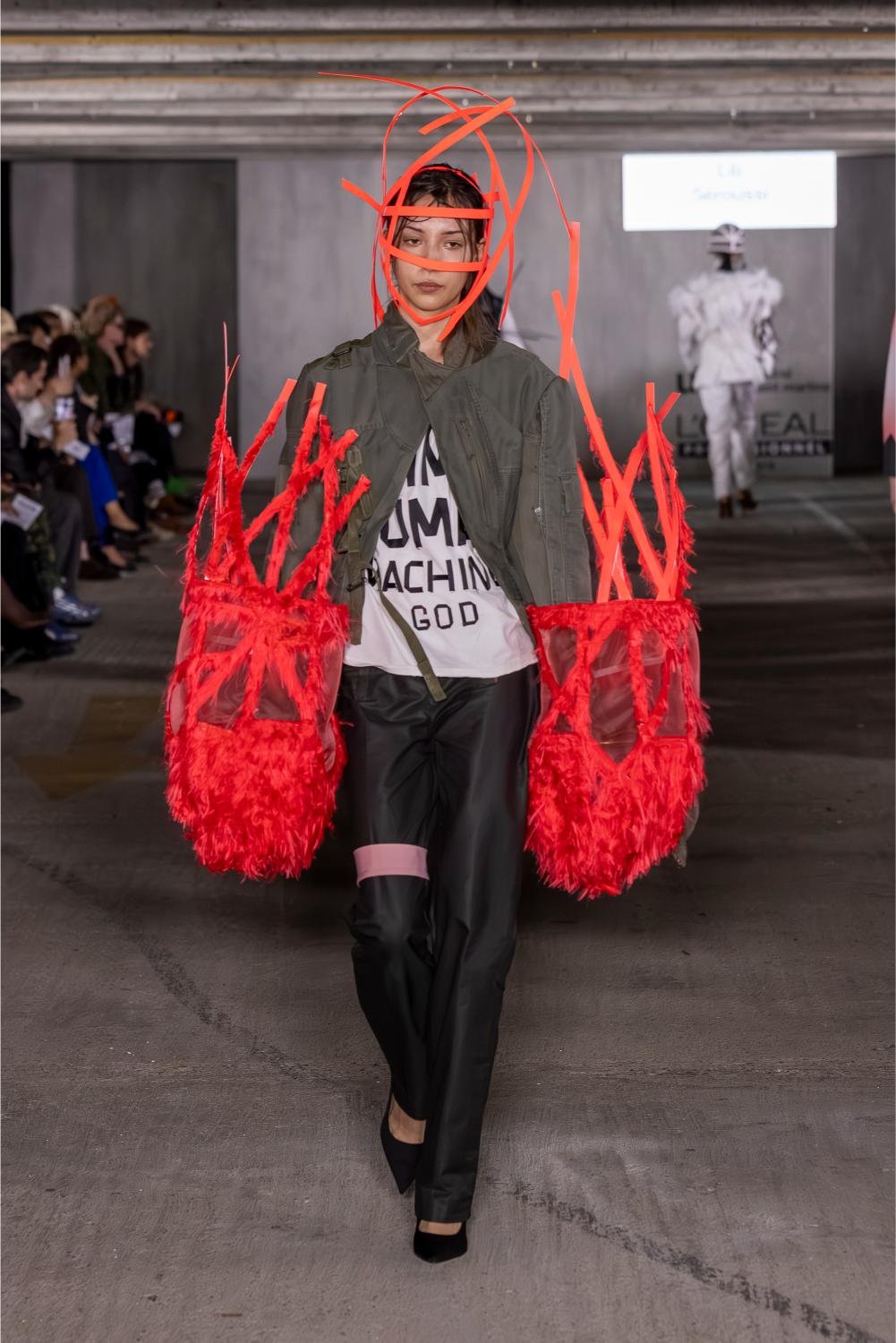
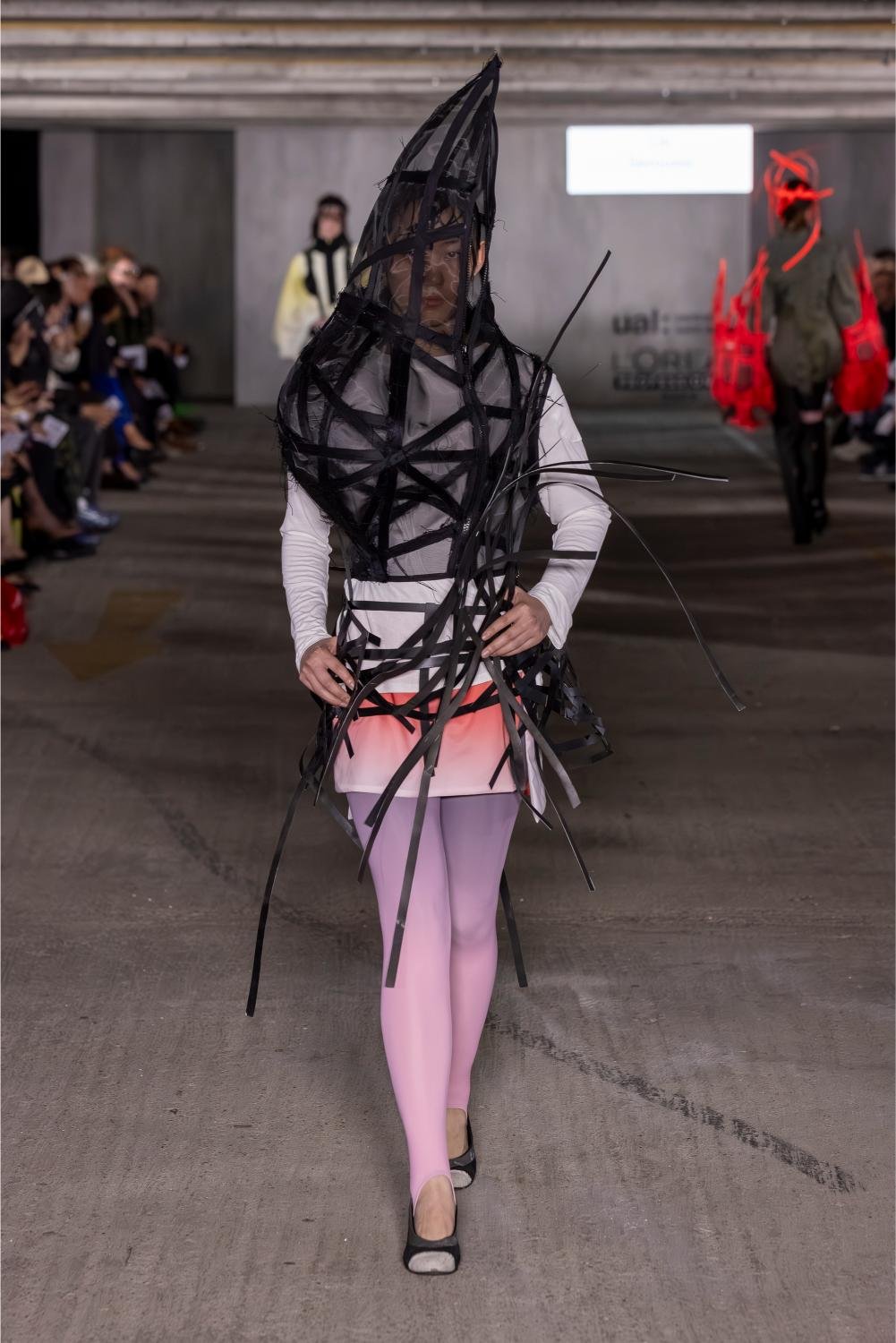
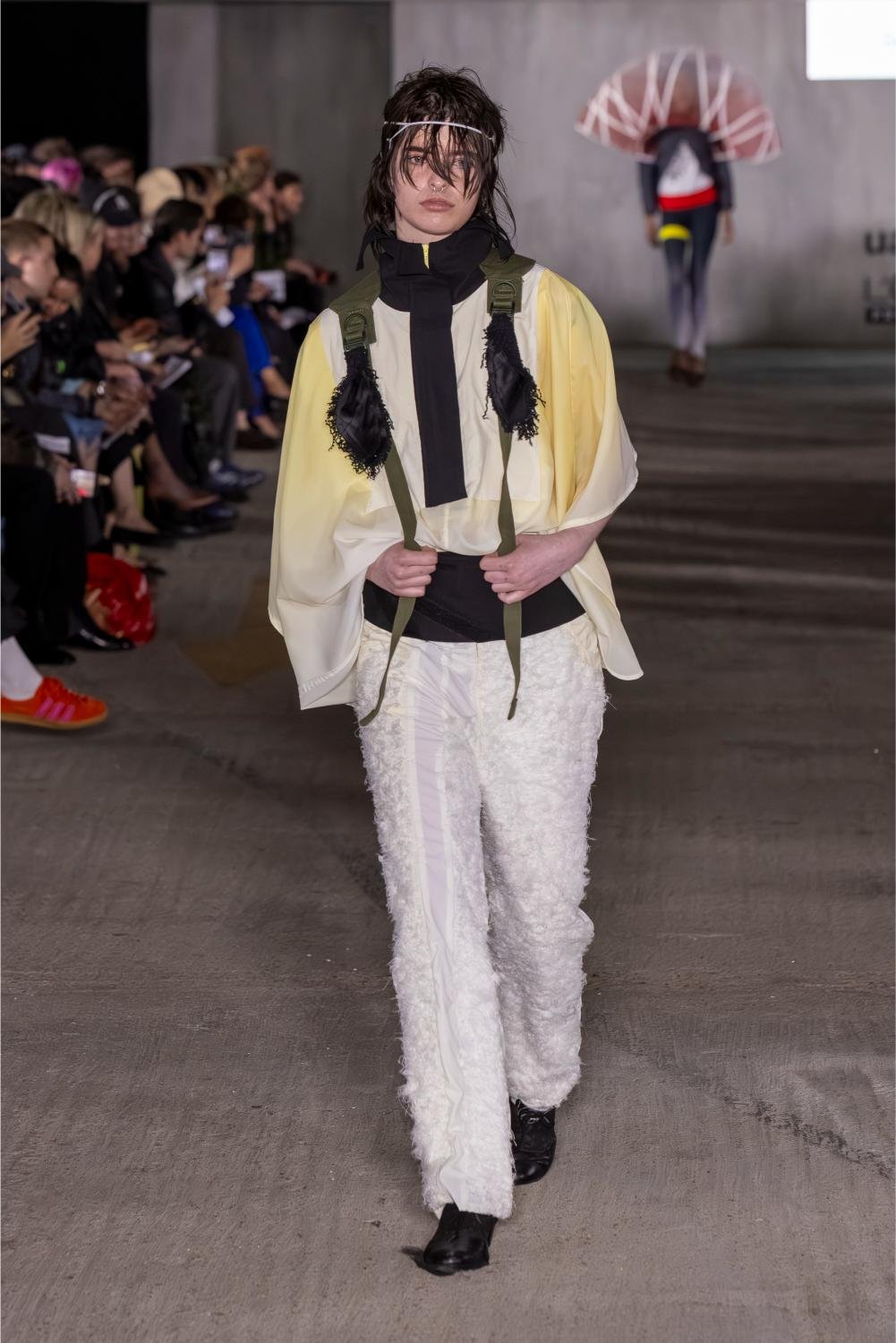
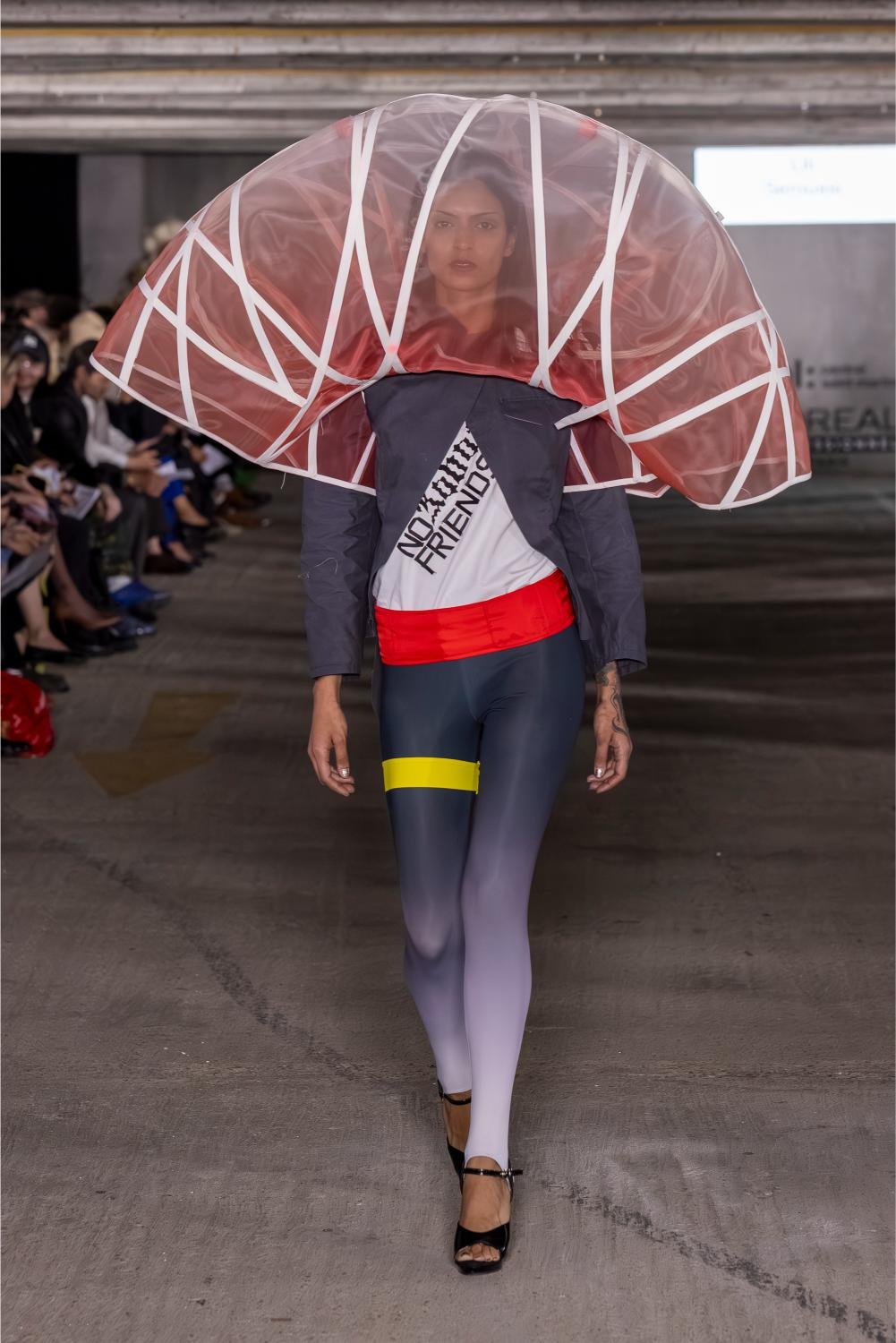
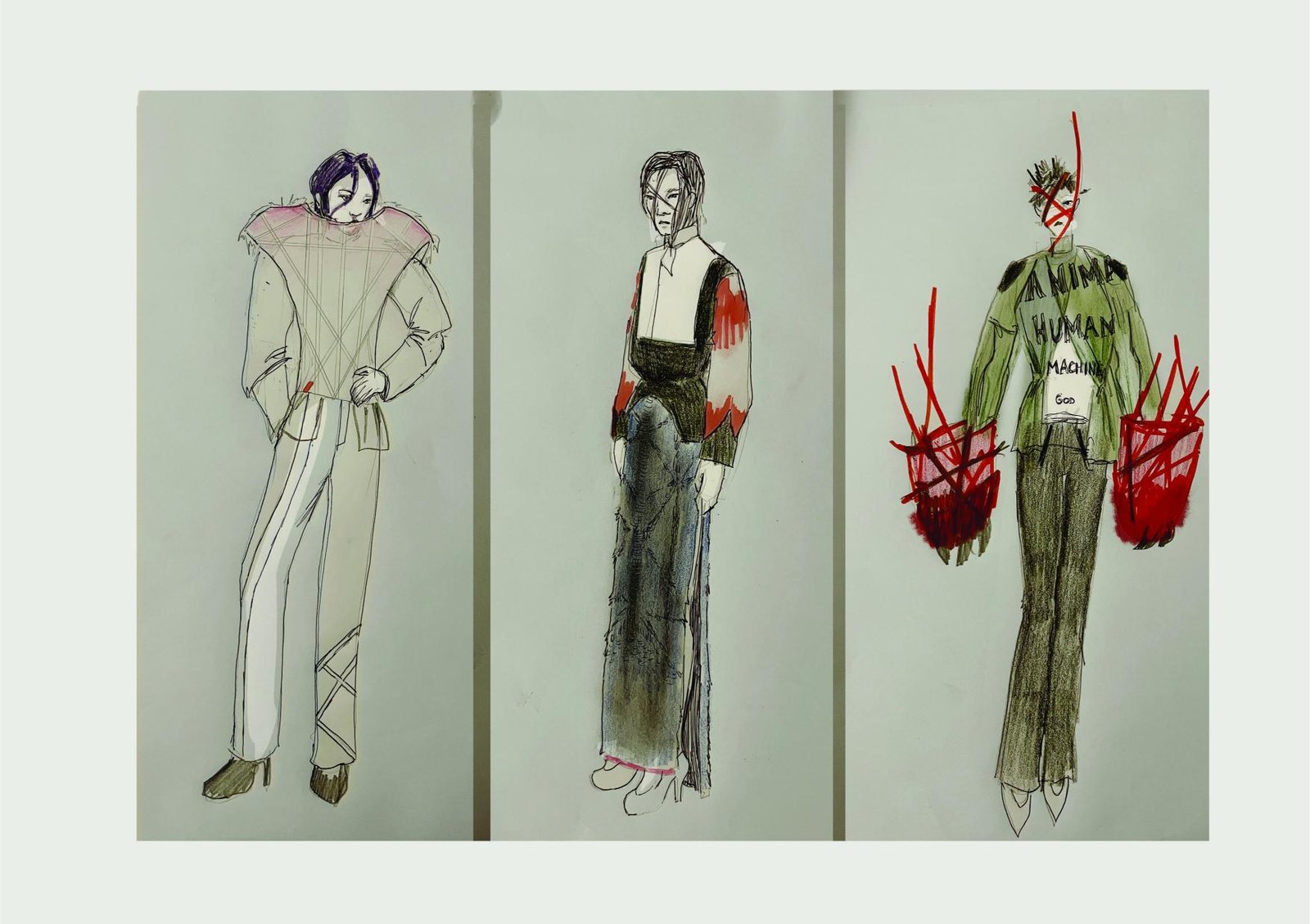
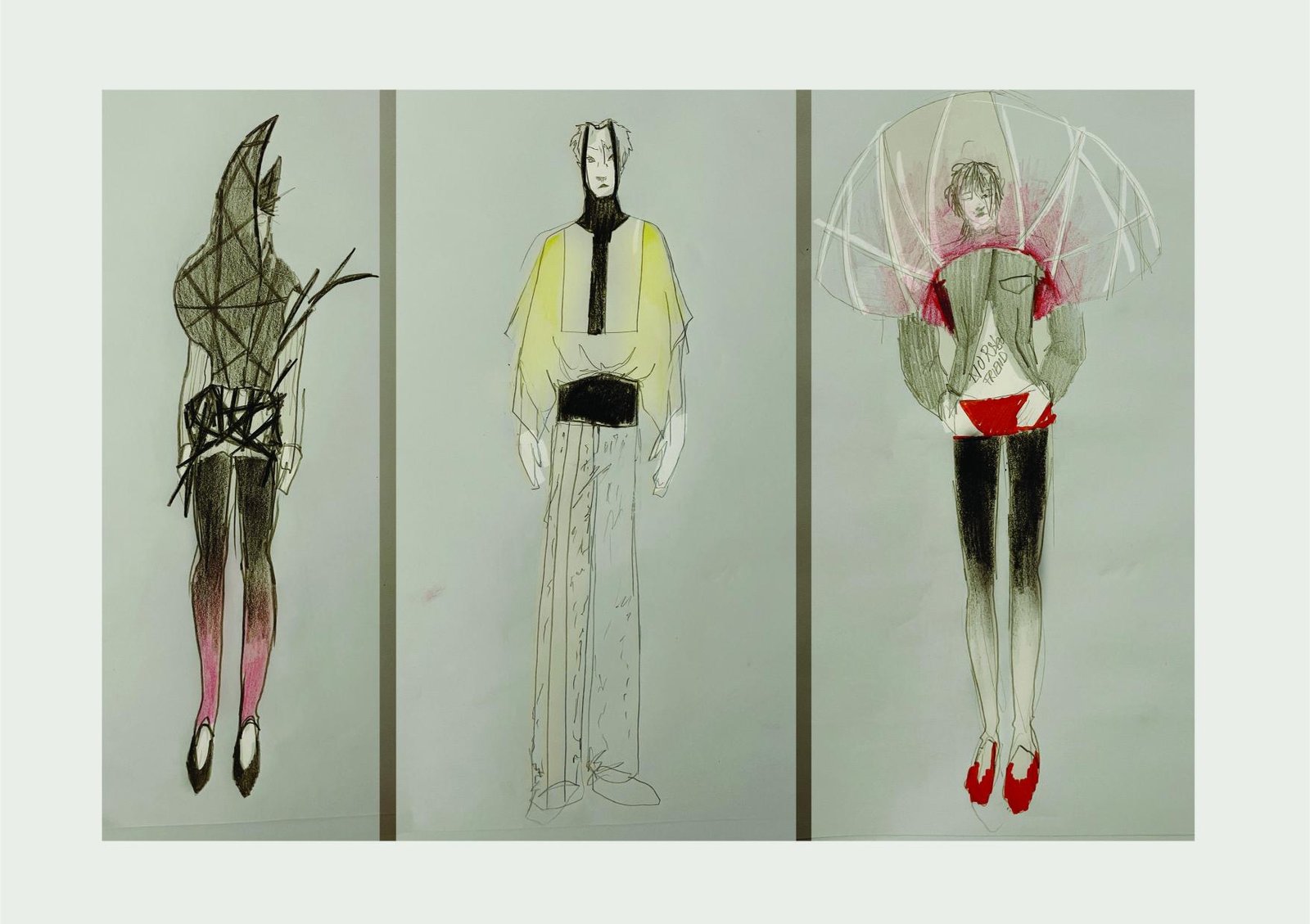
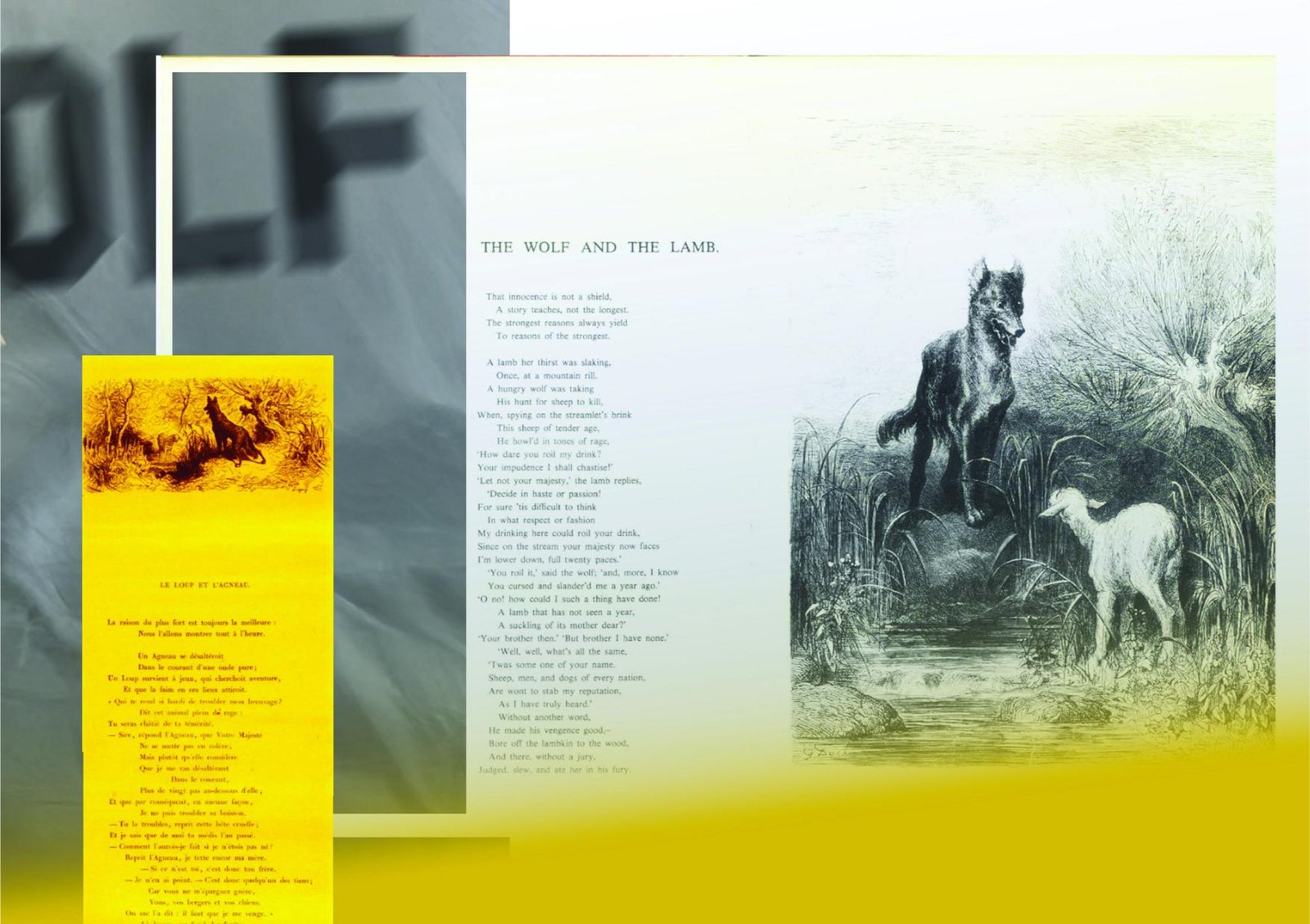
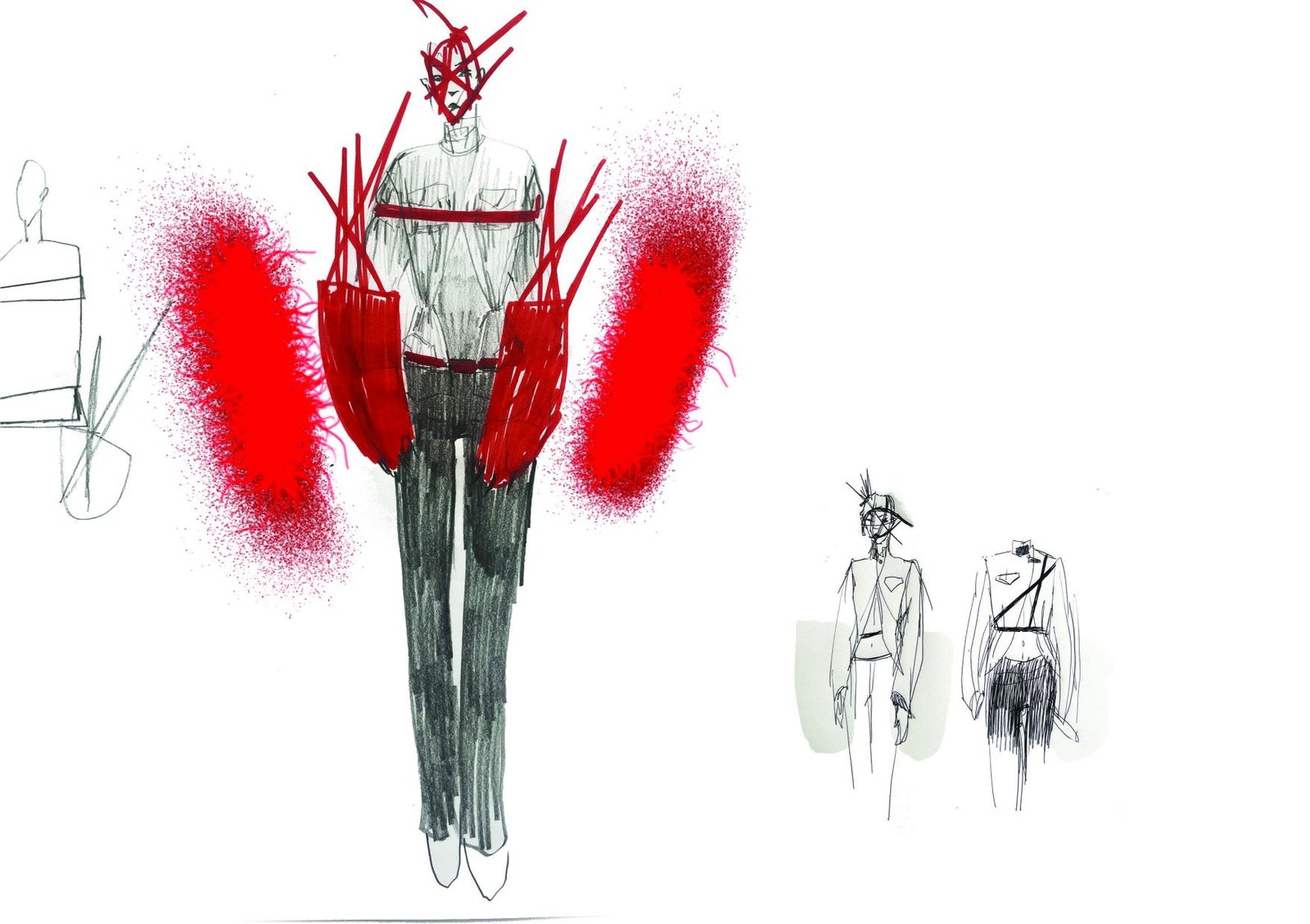
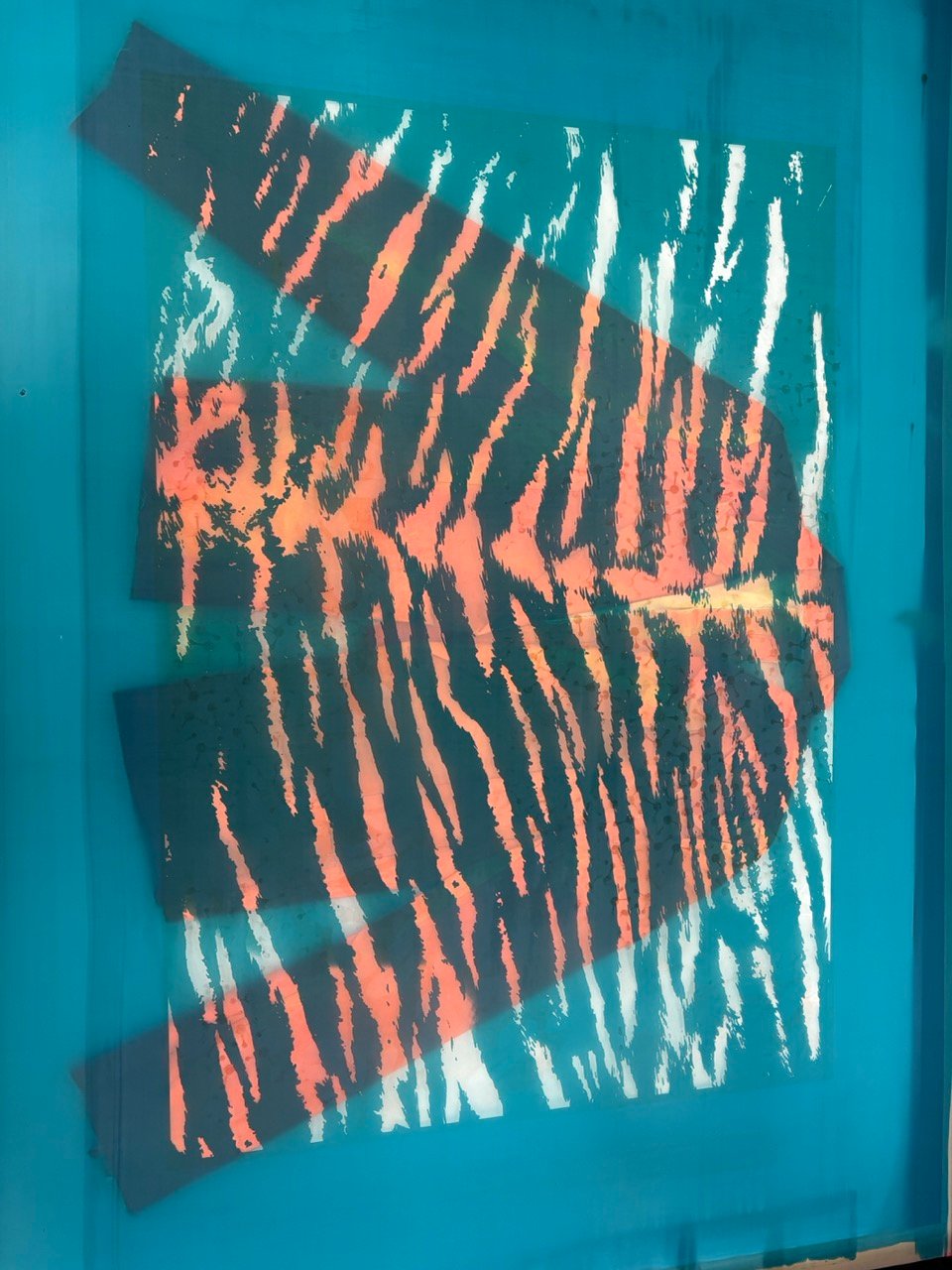
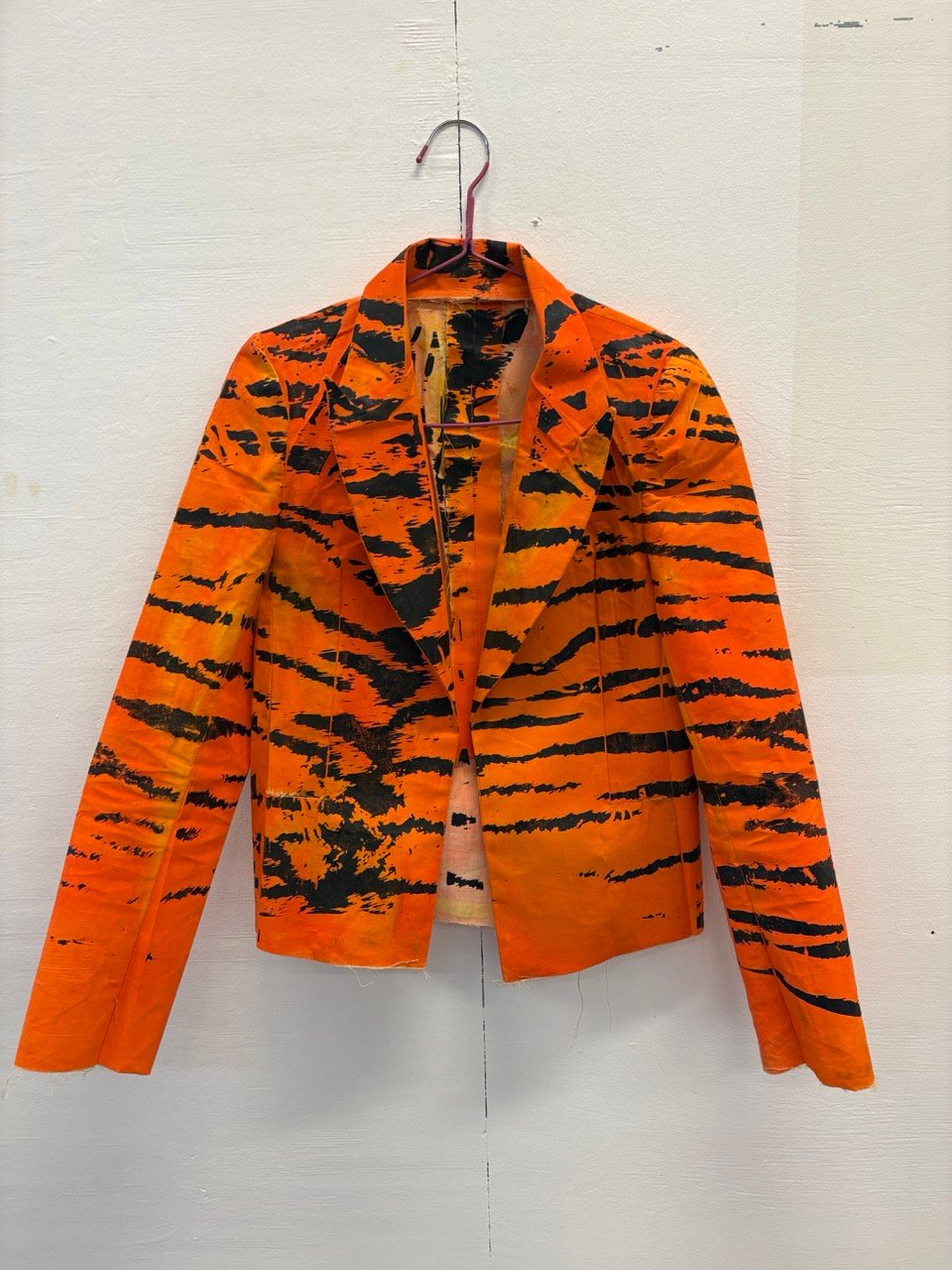
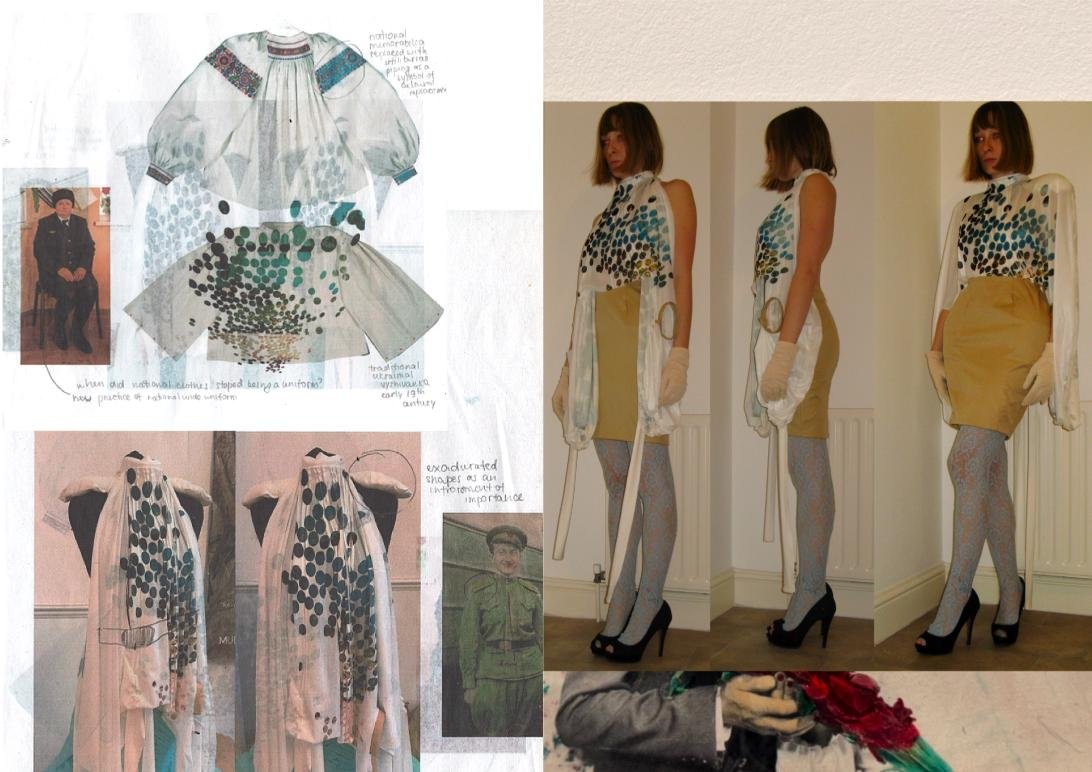
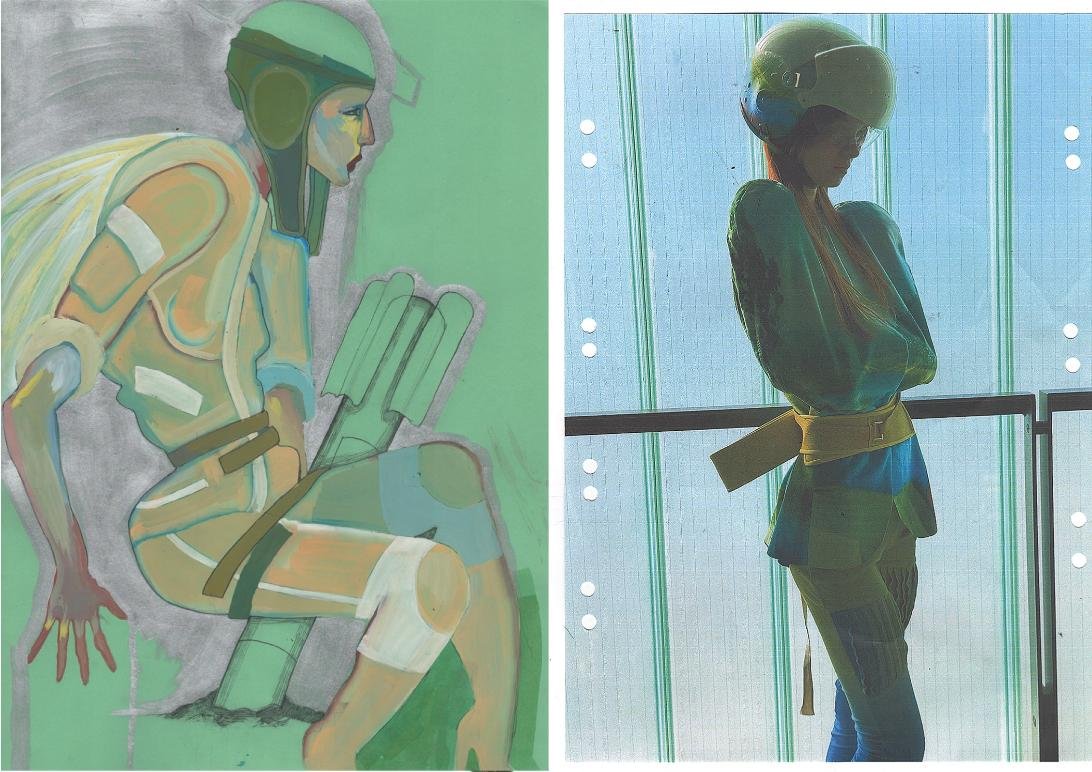
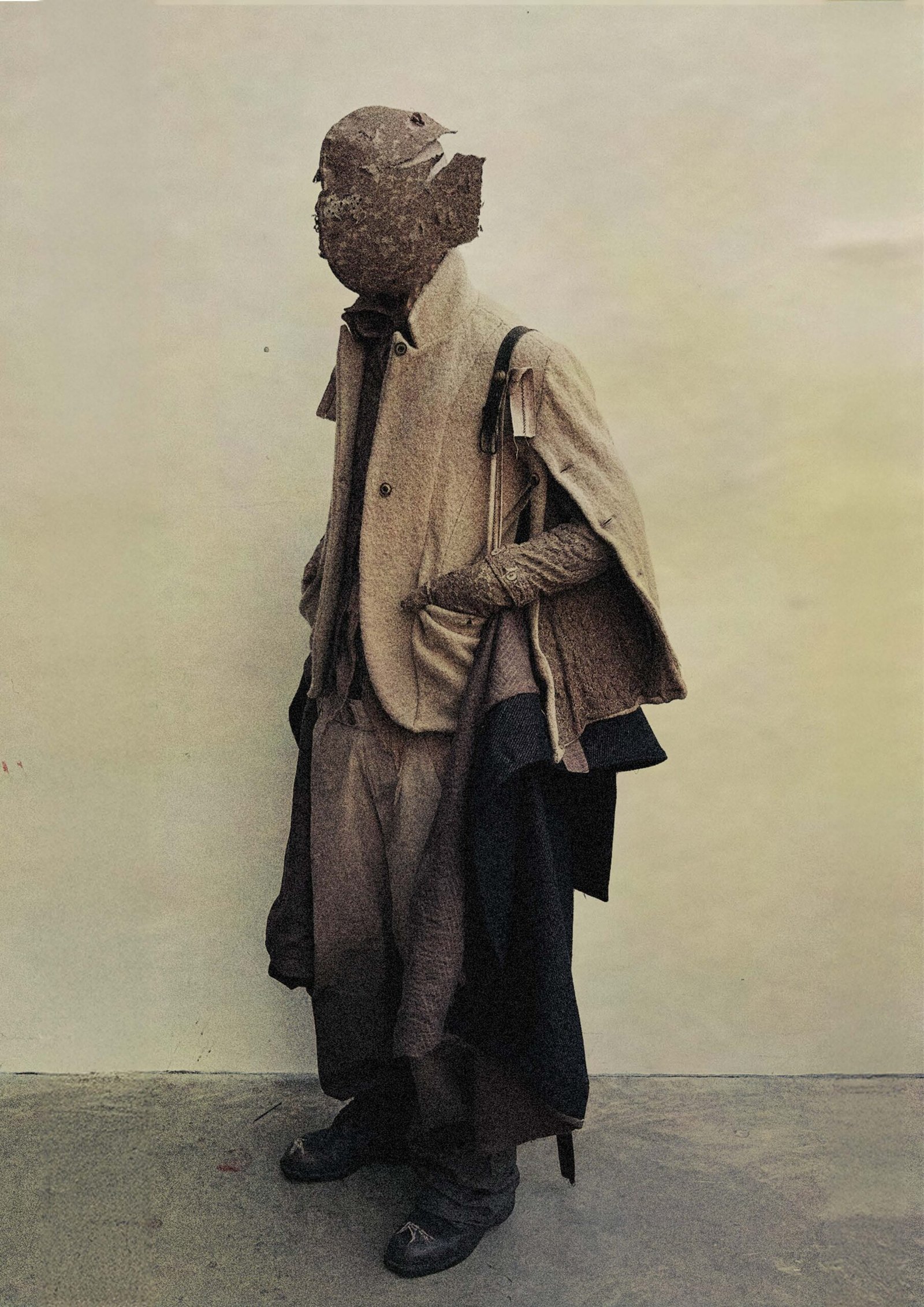
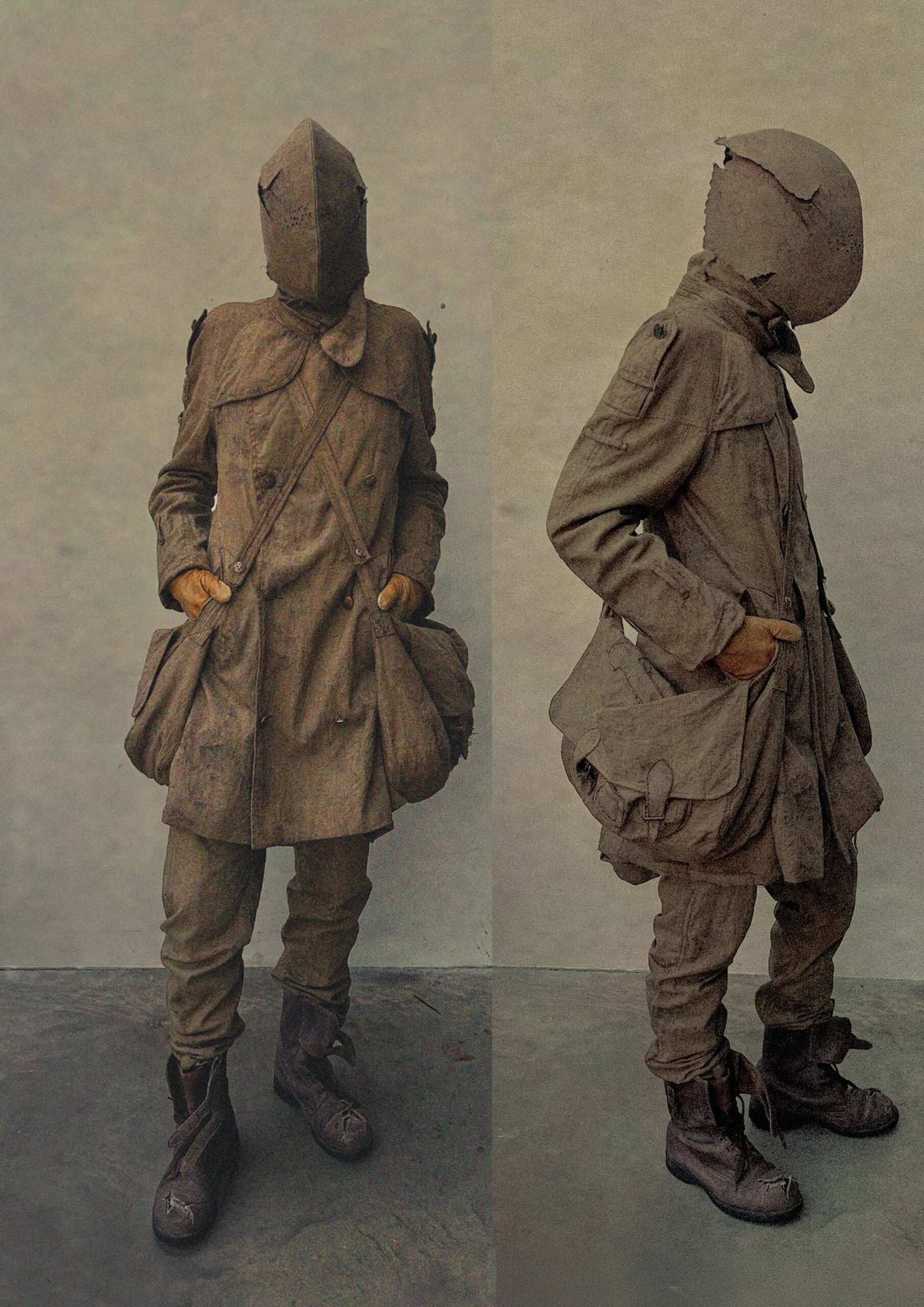
Lili Seroussi uses the fable as a way to think about violence, hierarchy, and abuse of power in the present. Her collection takes the anthropomorphic tradition of fables and reverses it: instead of humanising the animal, she asks what it means to animalise the soldier. This reversal opens up a broader reflection on authority, control, and the unstable boundary between the natural and the artificial. Army surplus garments and technical fabrics are transformed to imitate natural textures, creating what Seroussi describes as artificial animals. References move between the light gradients of Robert Wilson, the typographic paintings of Ed Ruscha, and contemporary military clothing: theatre, language, and systems of force.

@lilimargueriteheidi

Luke Saul

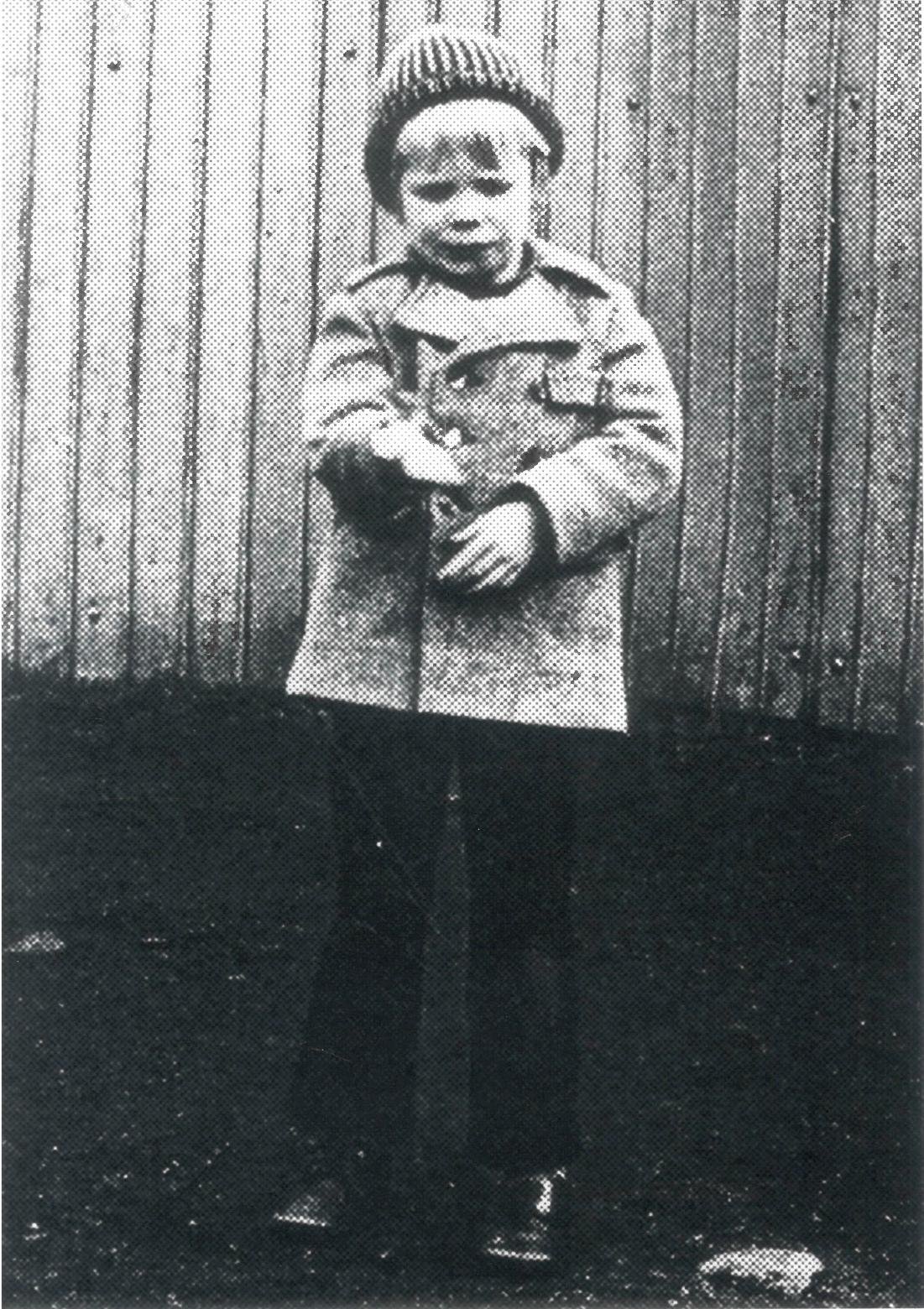
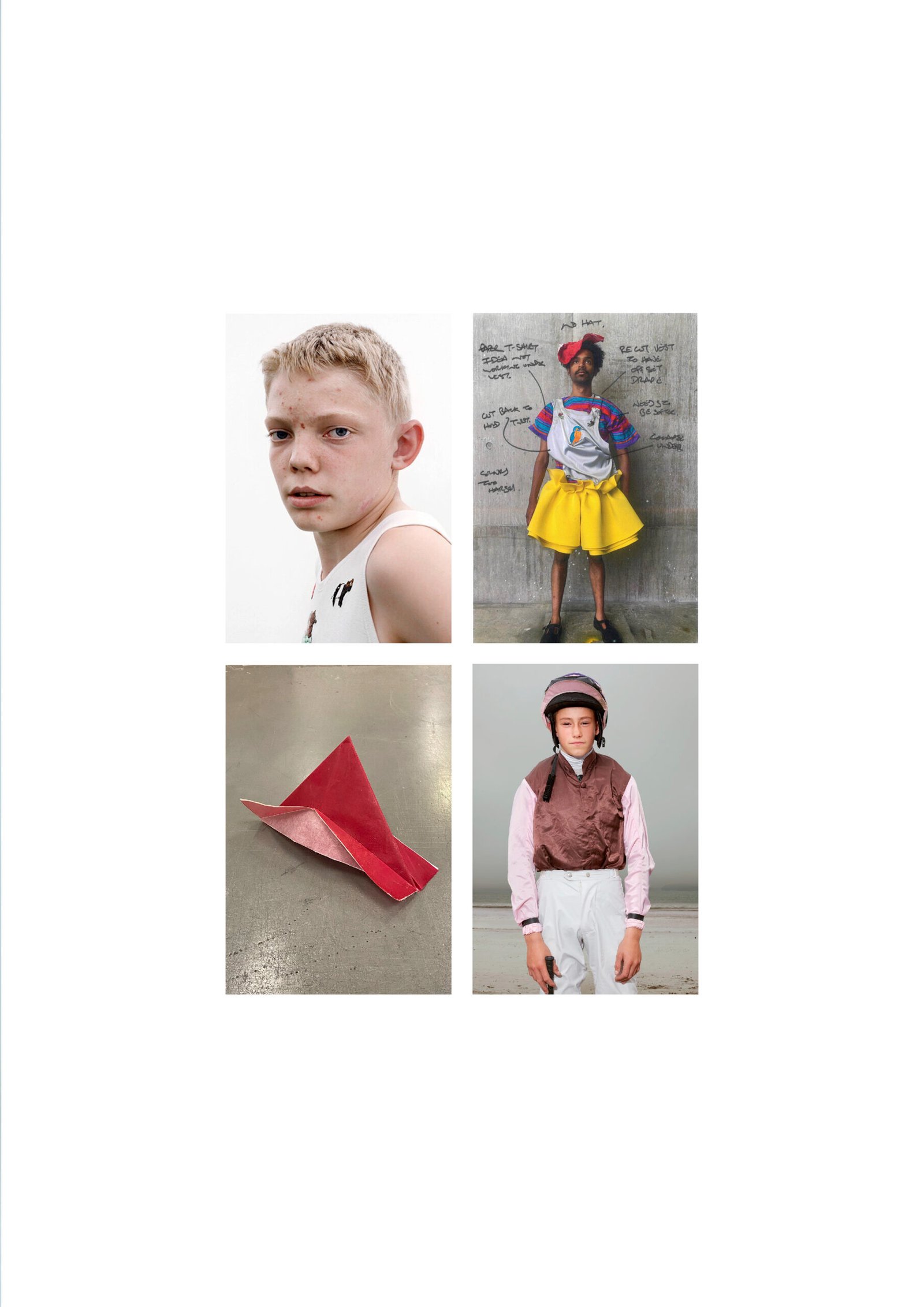
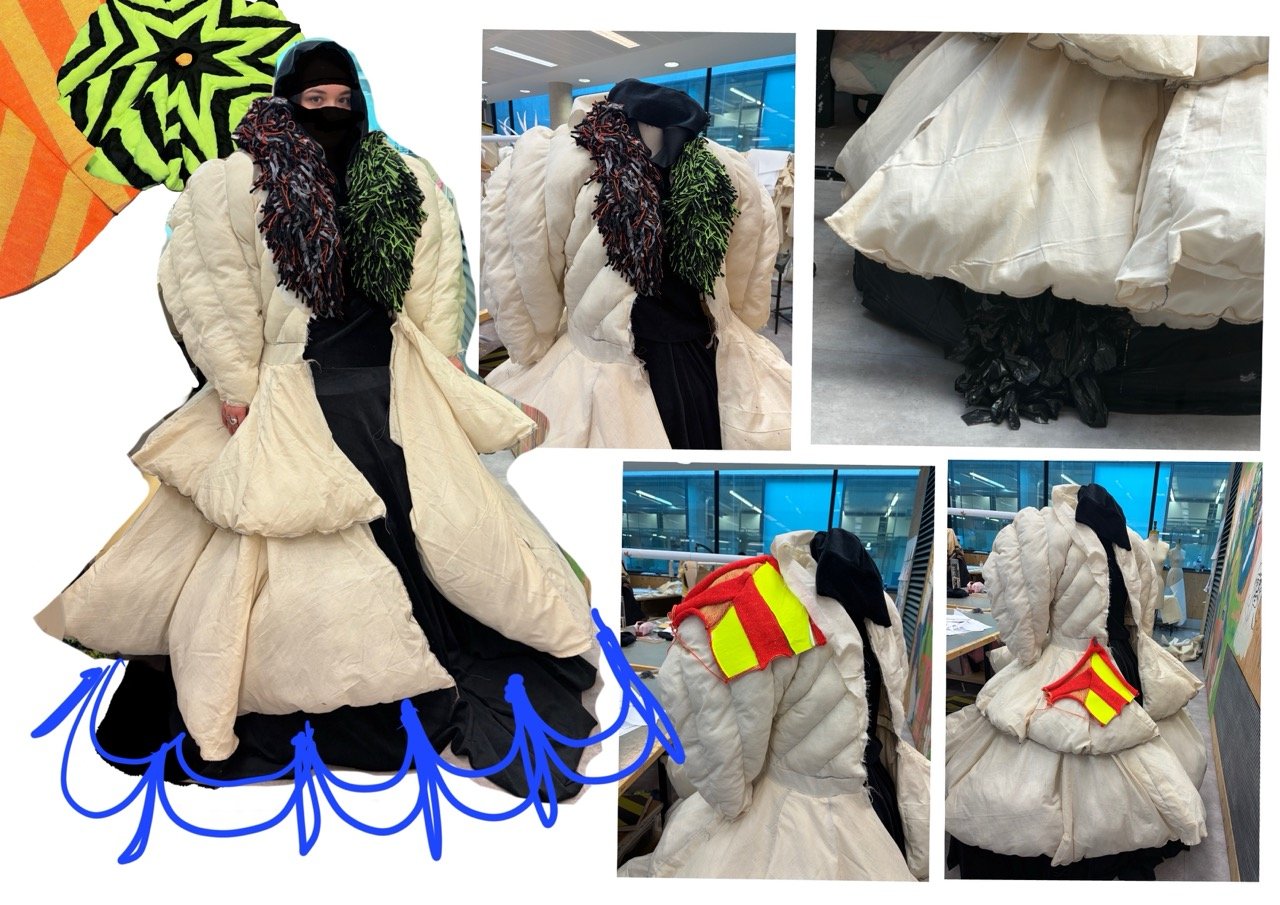
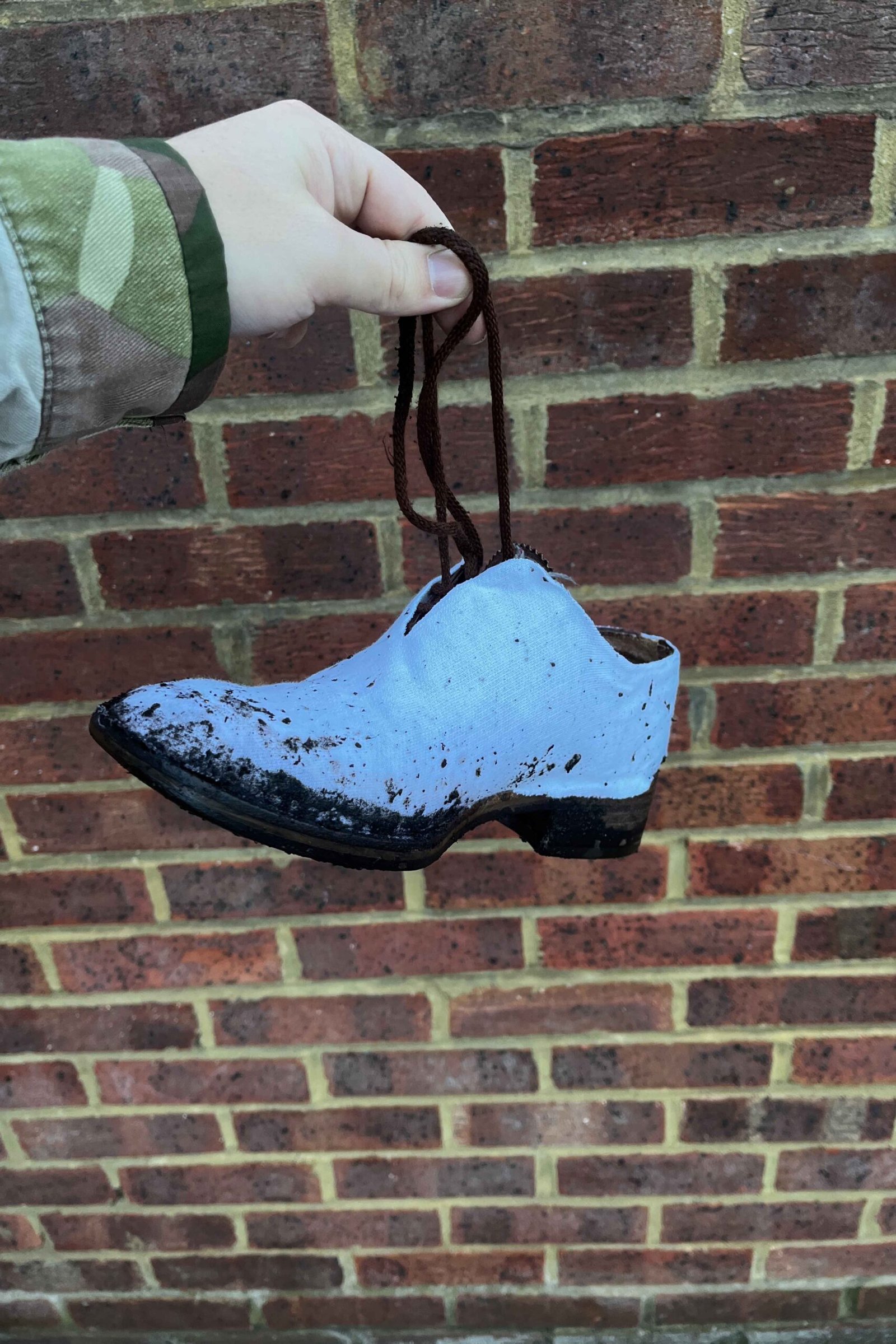
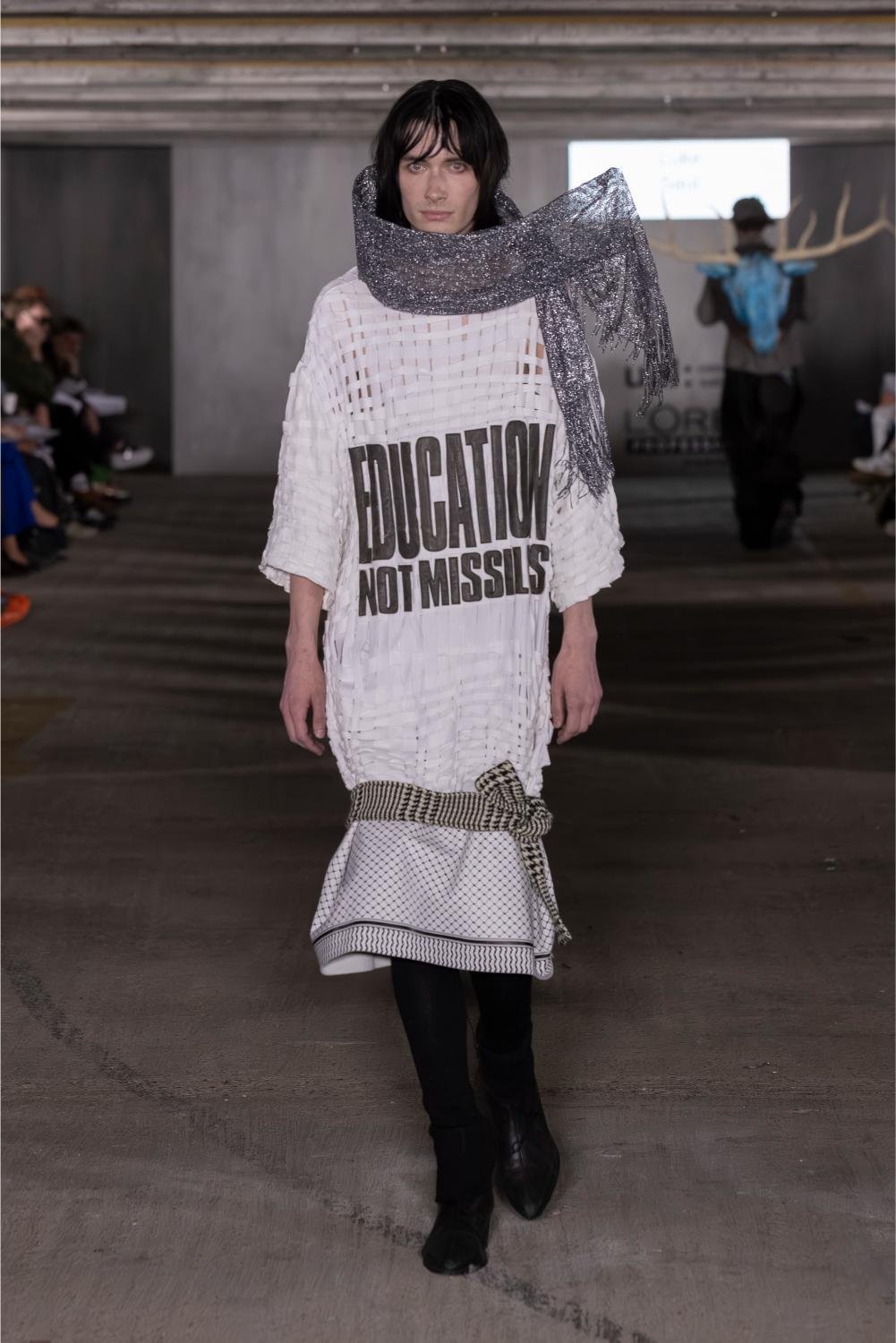
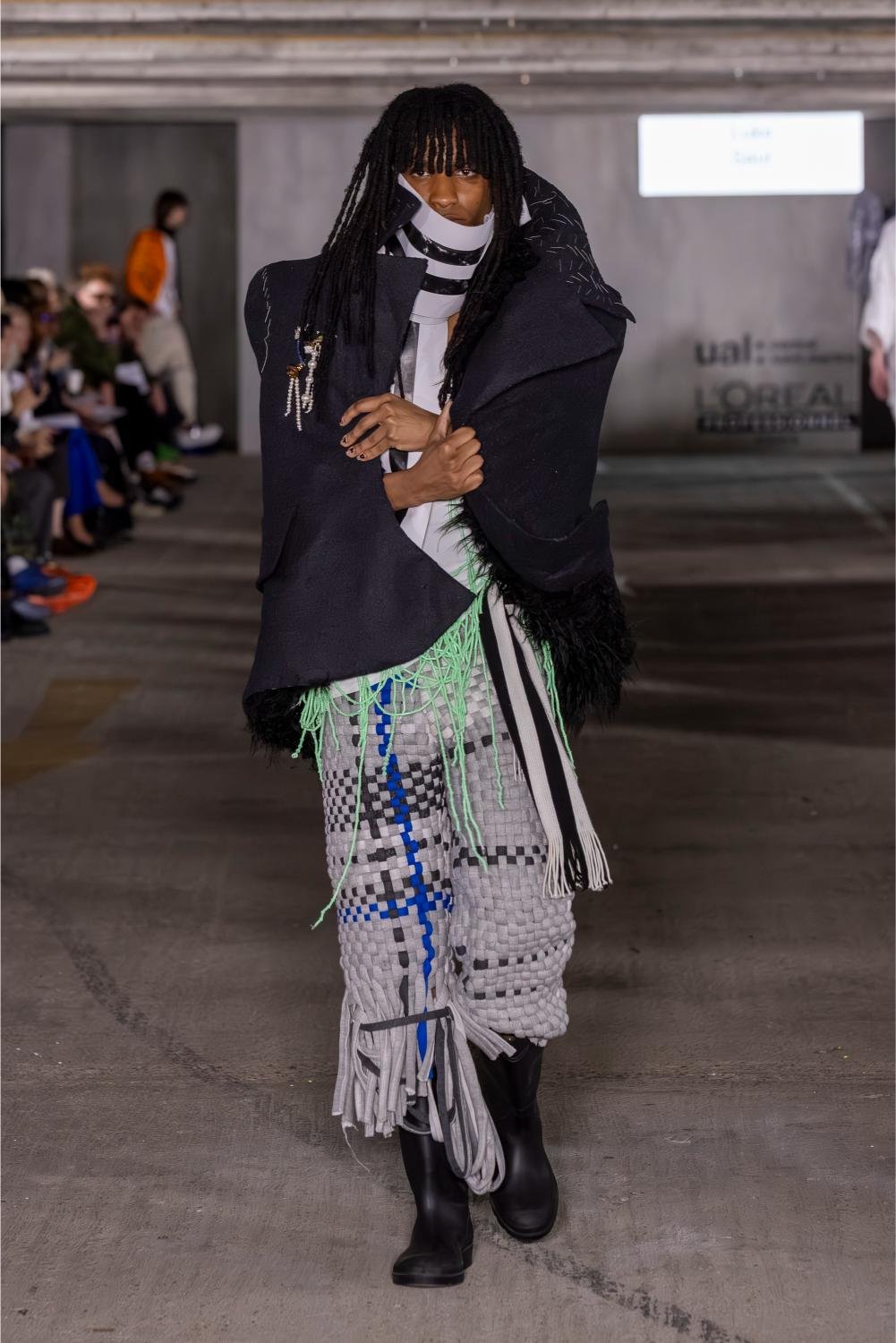
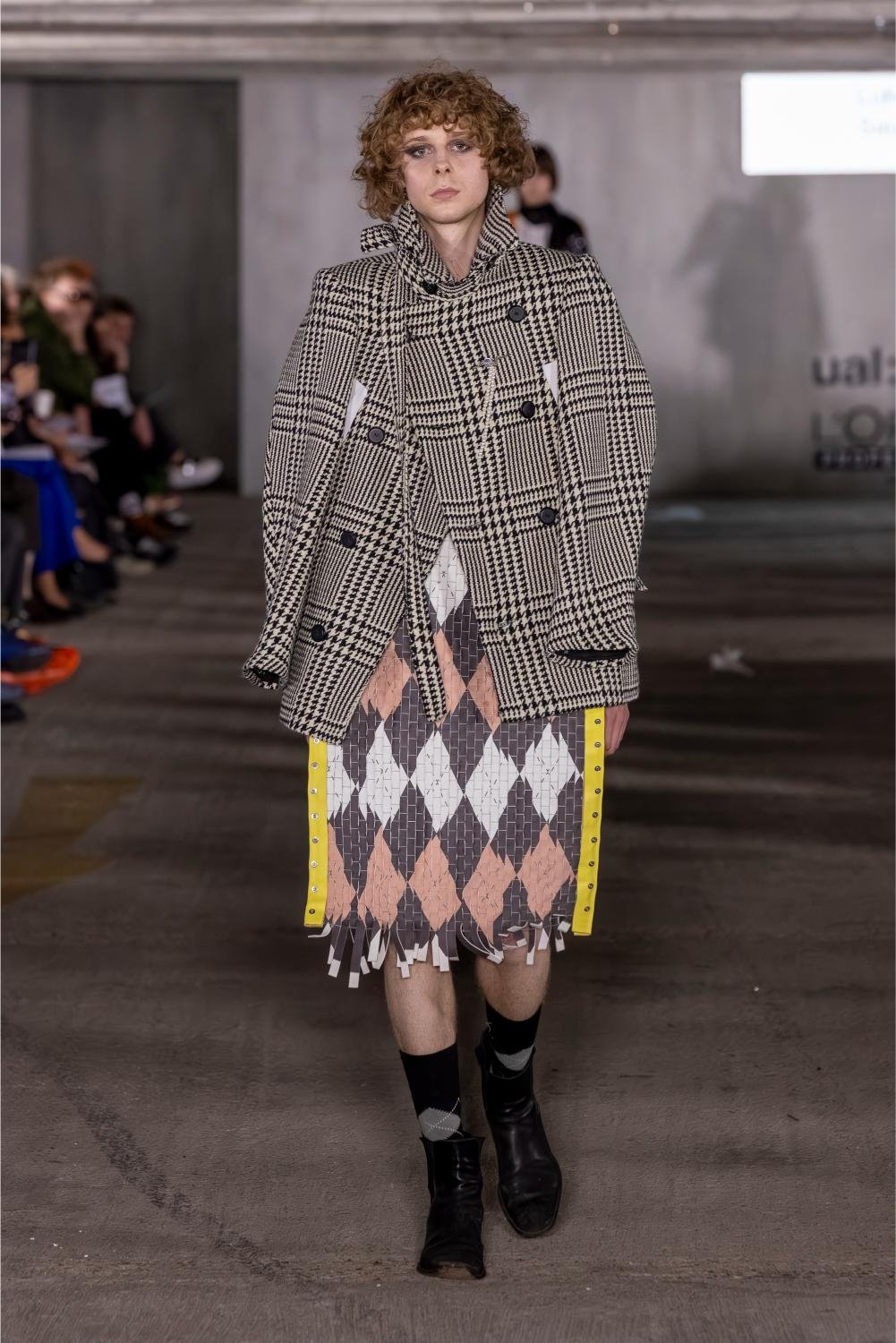
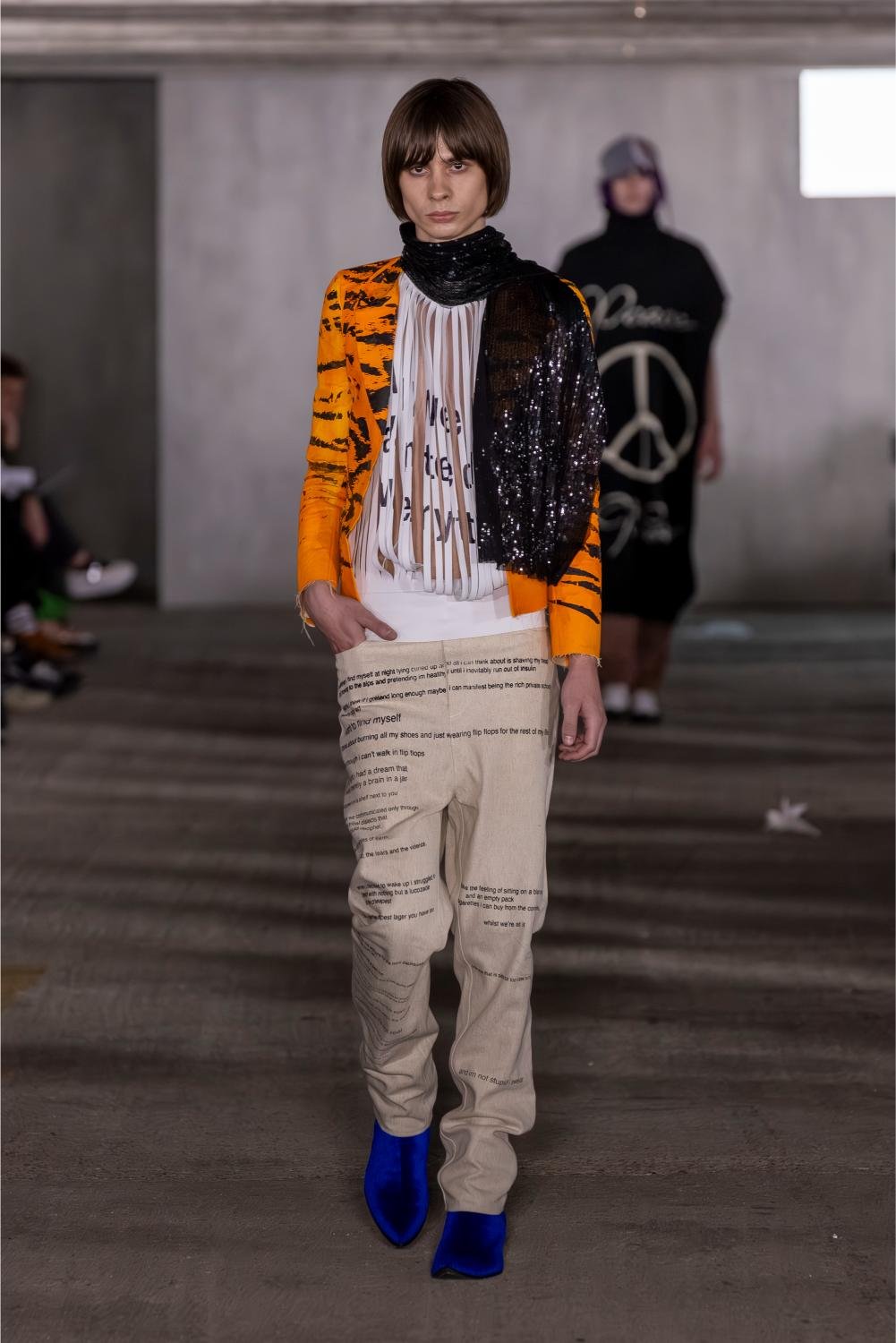
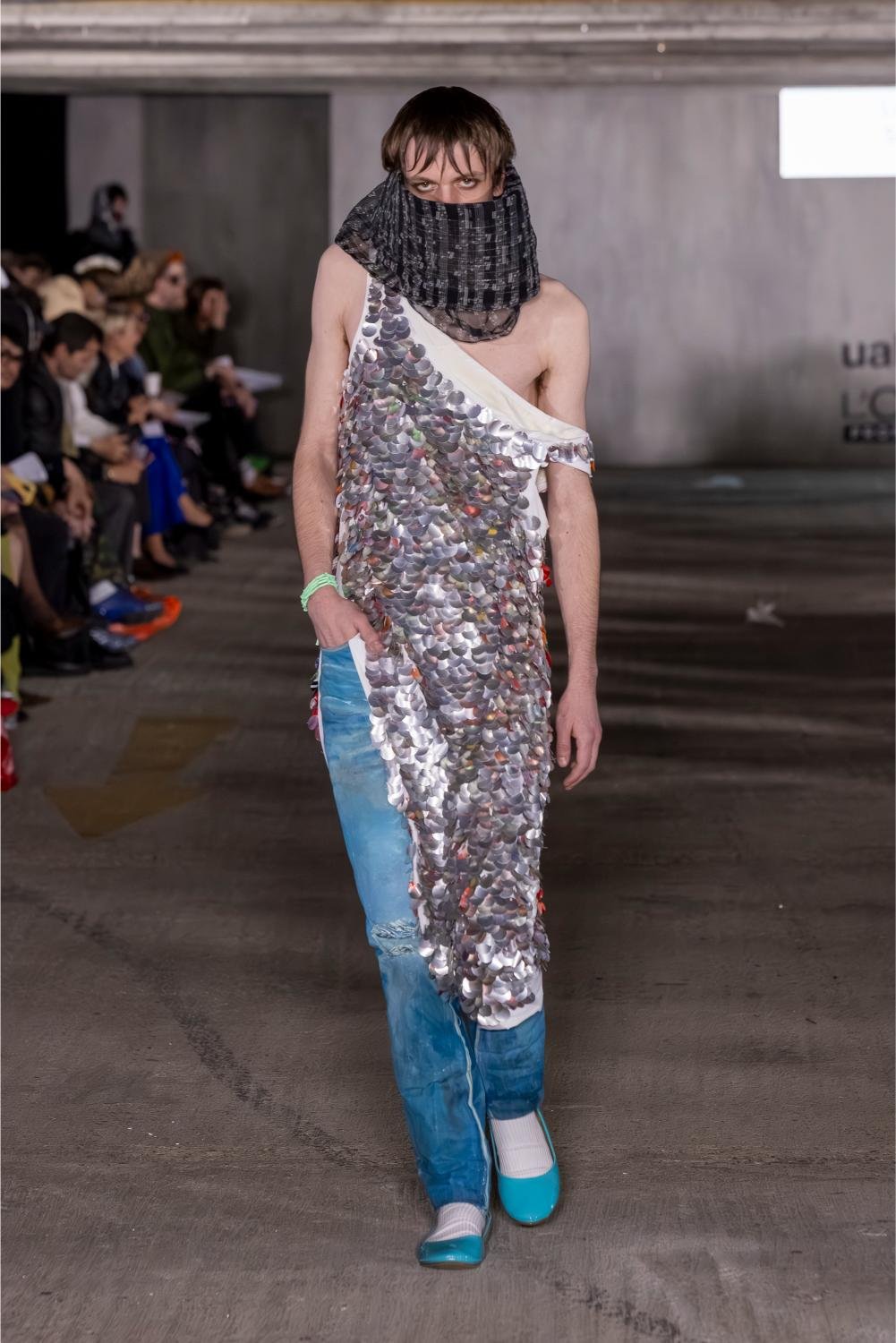
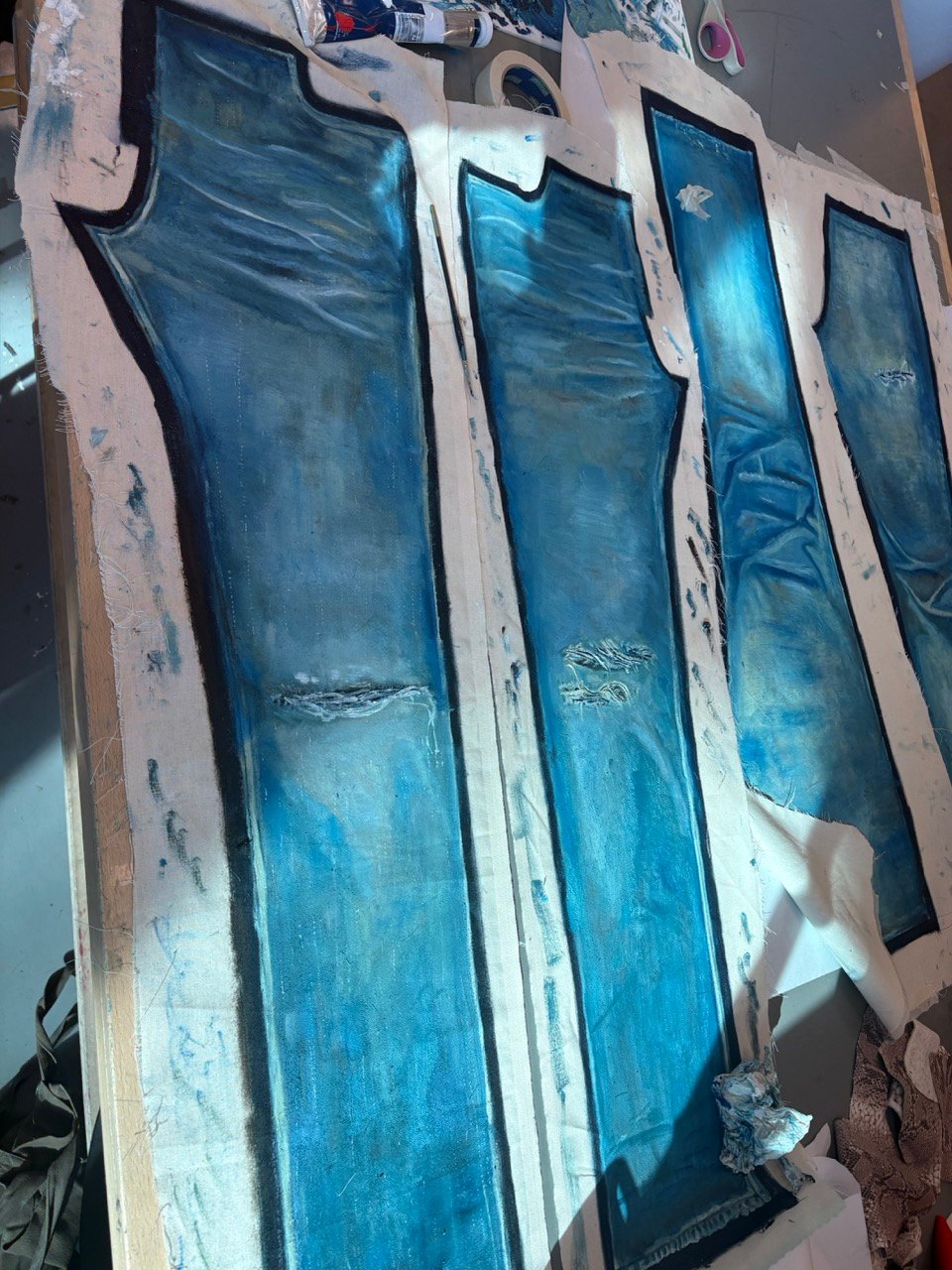
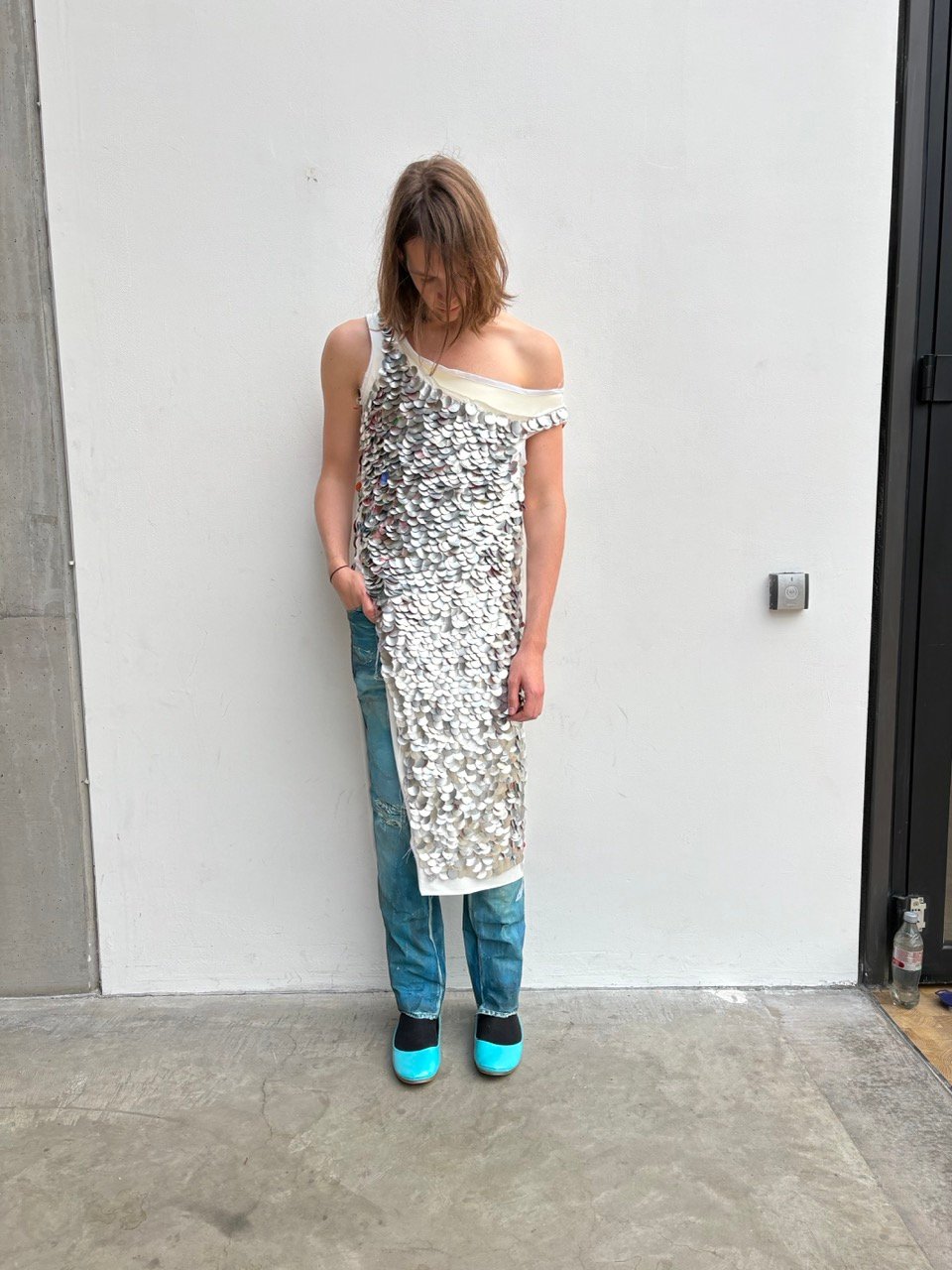
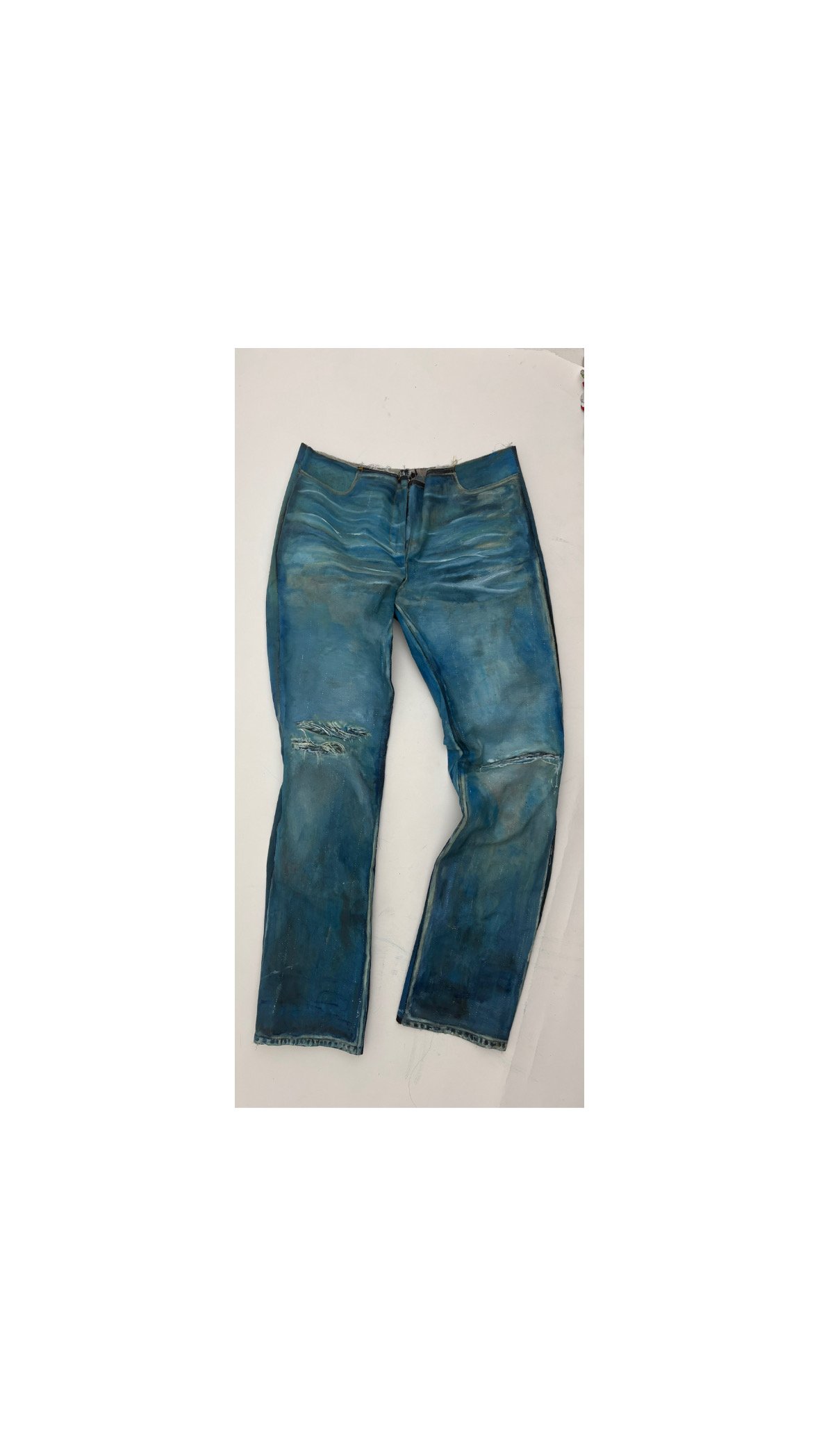
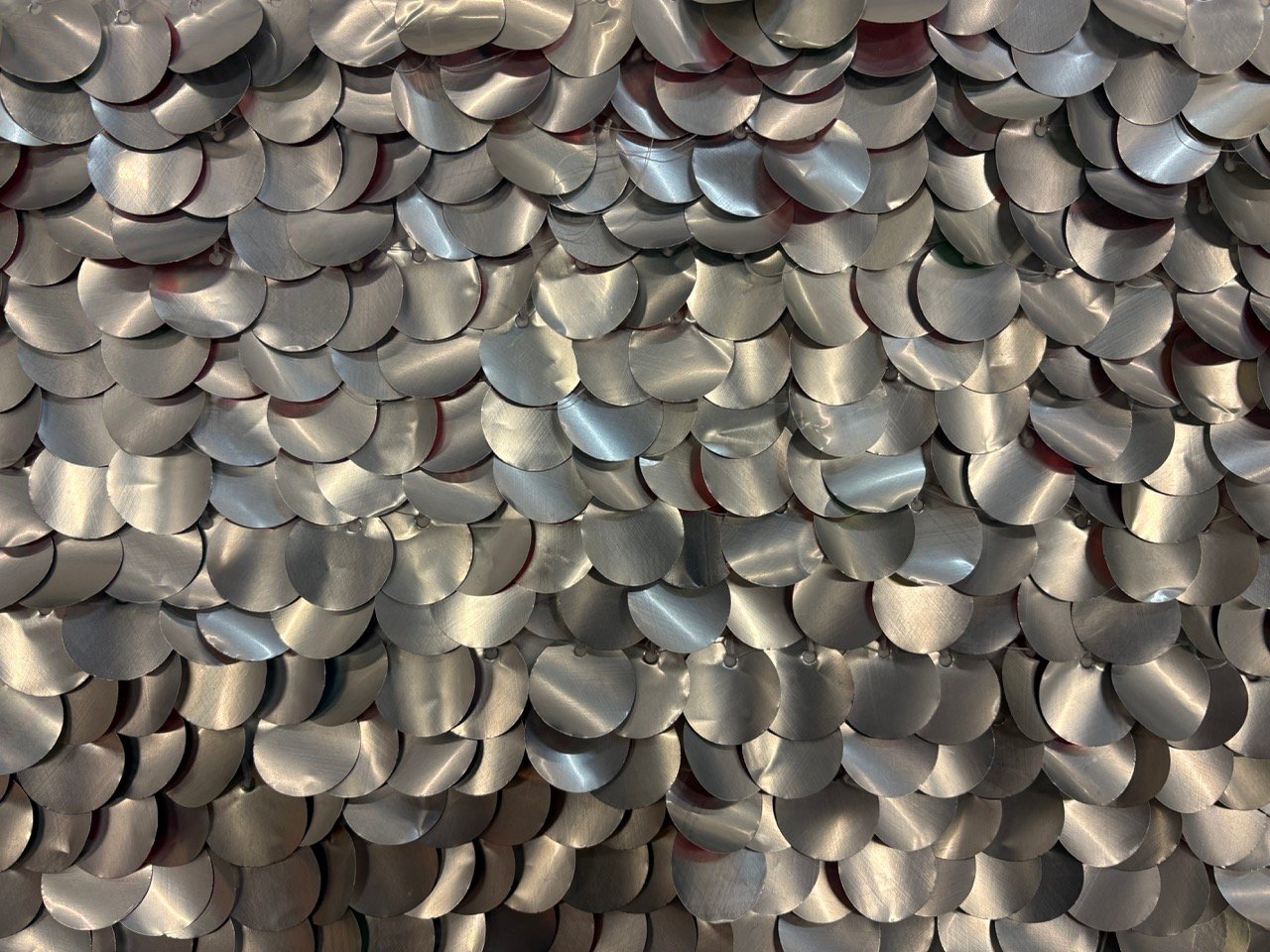
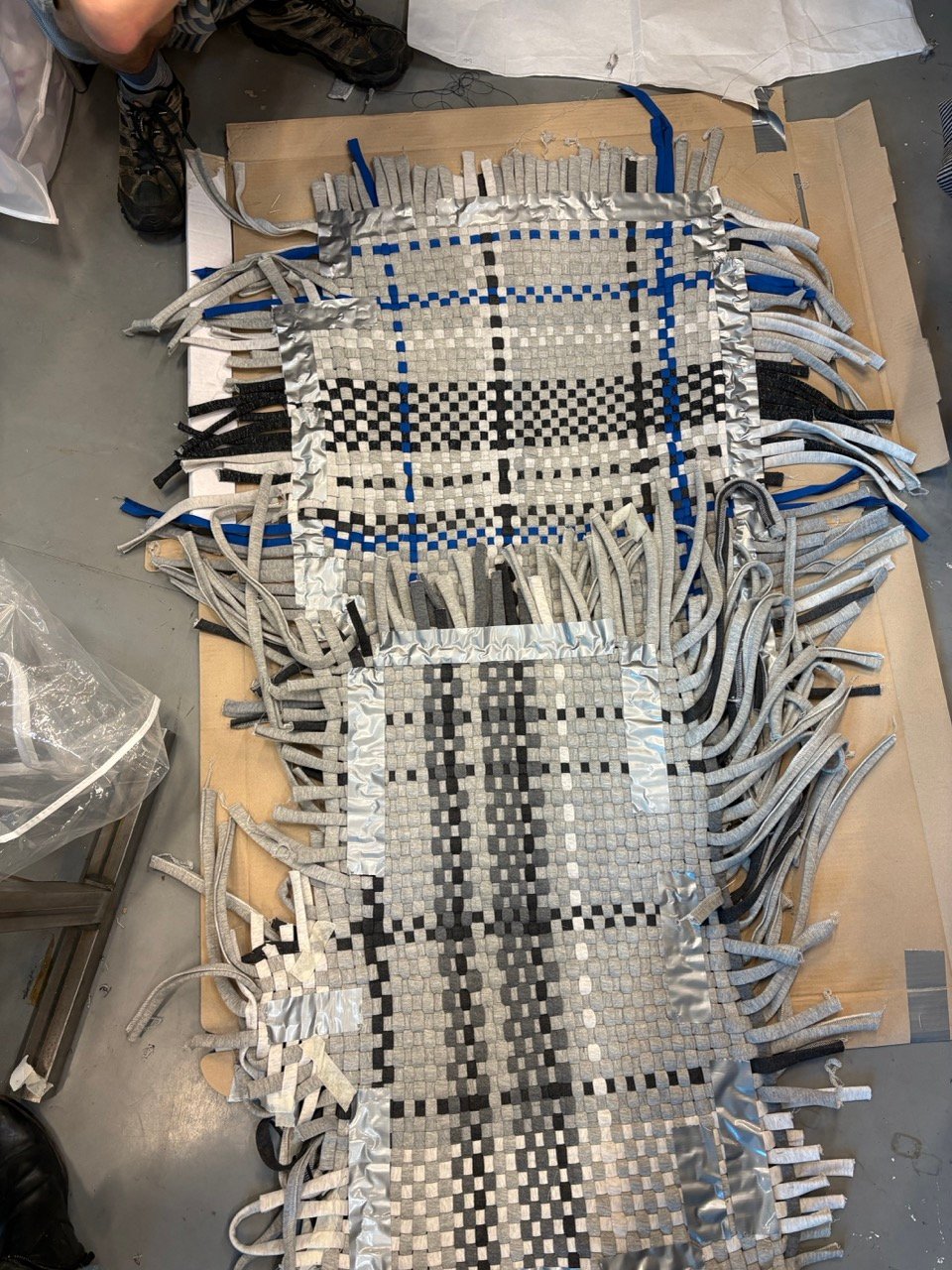
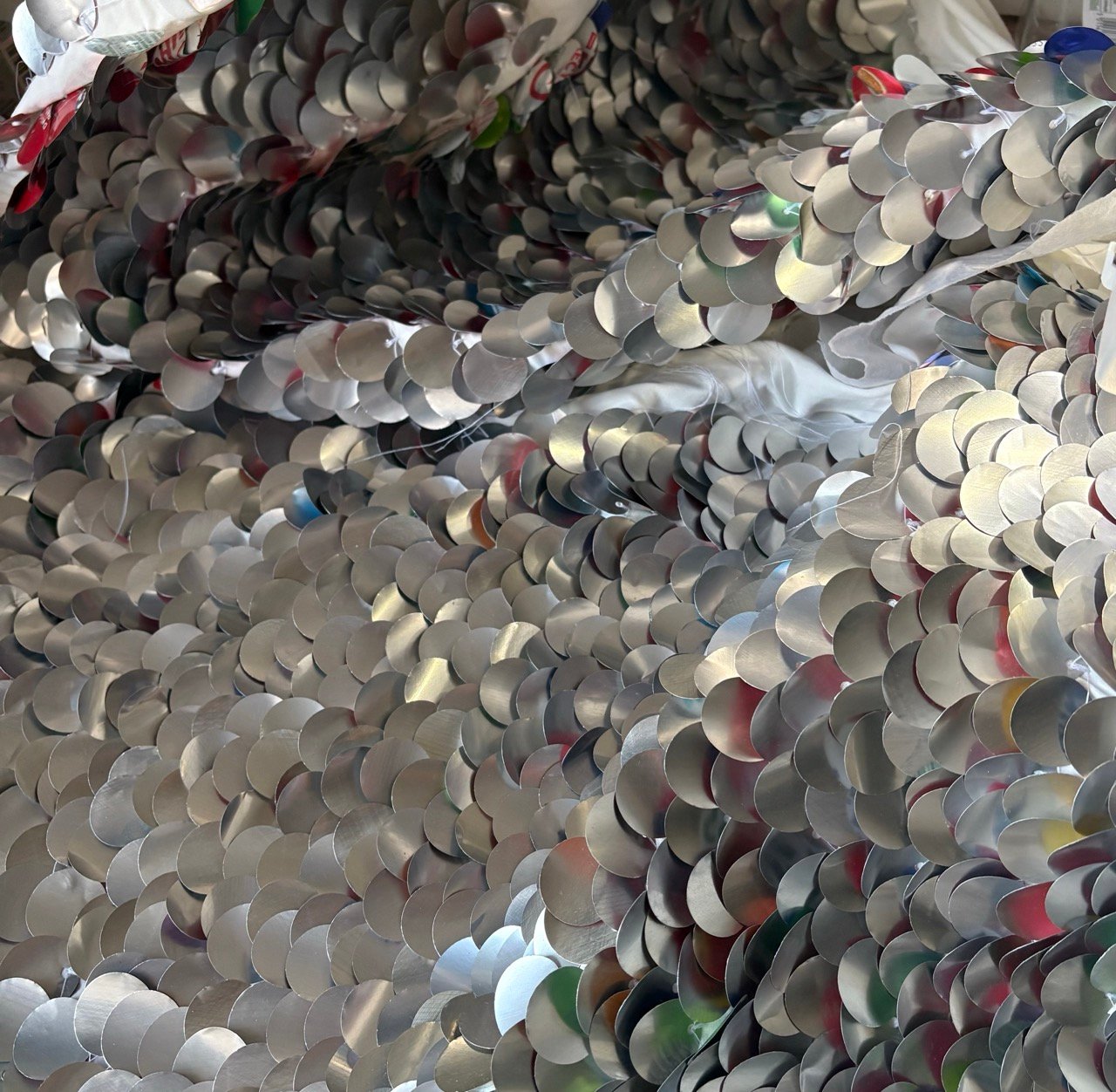
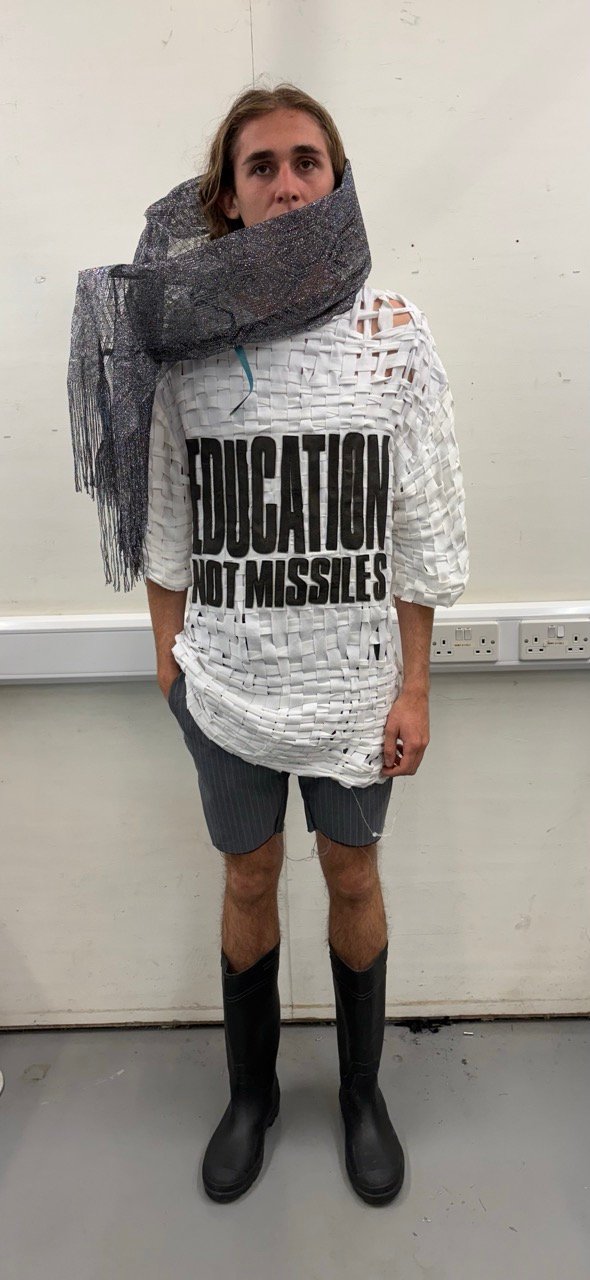
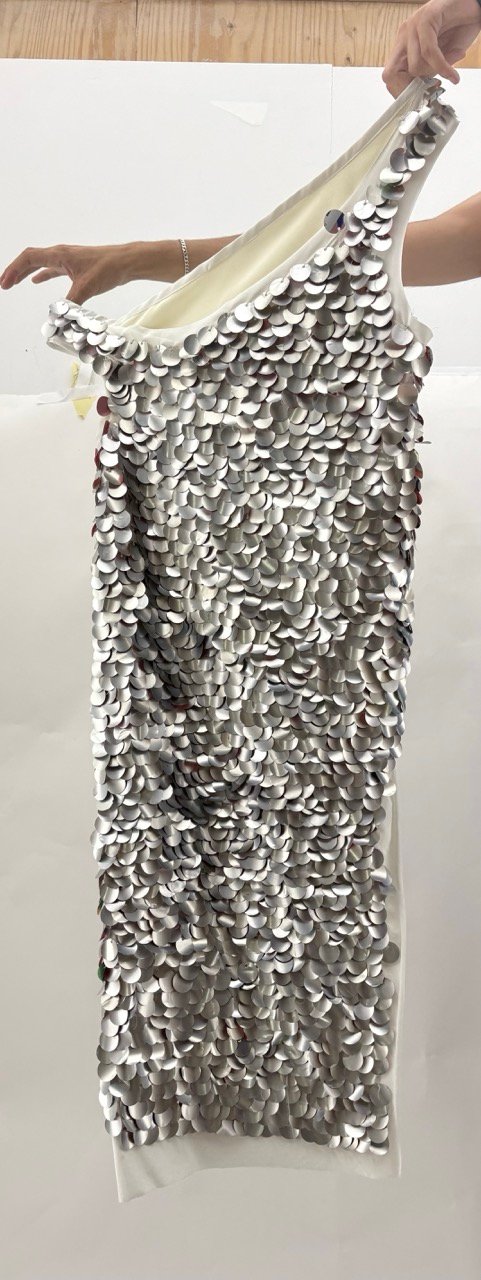
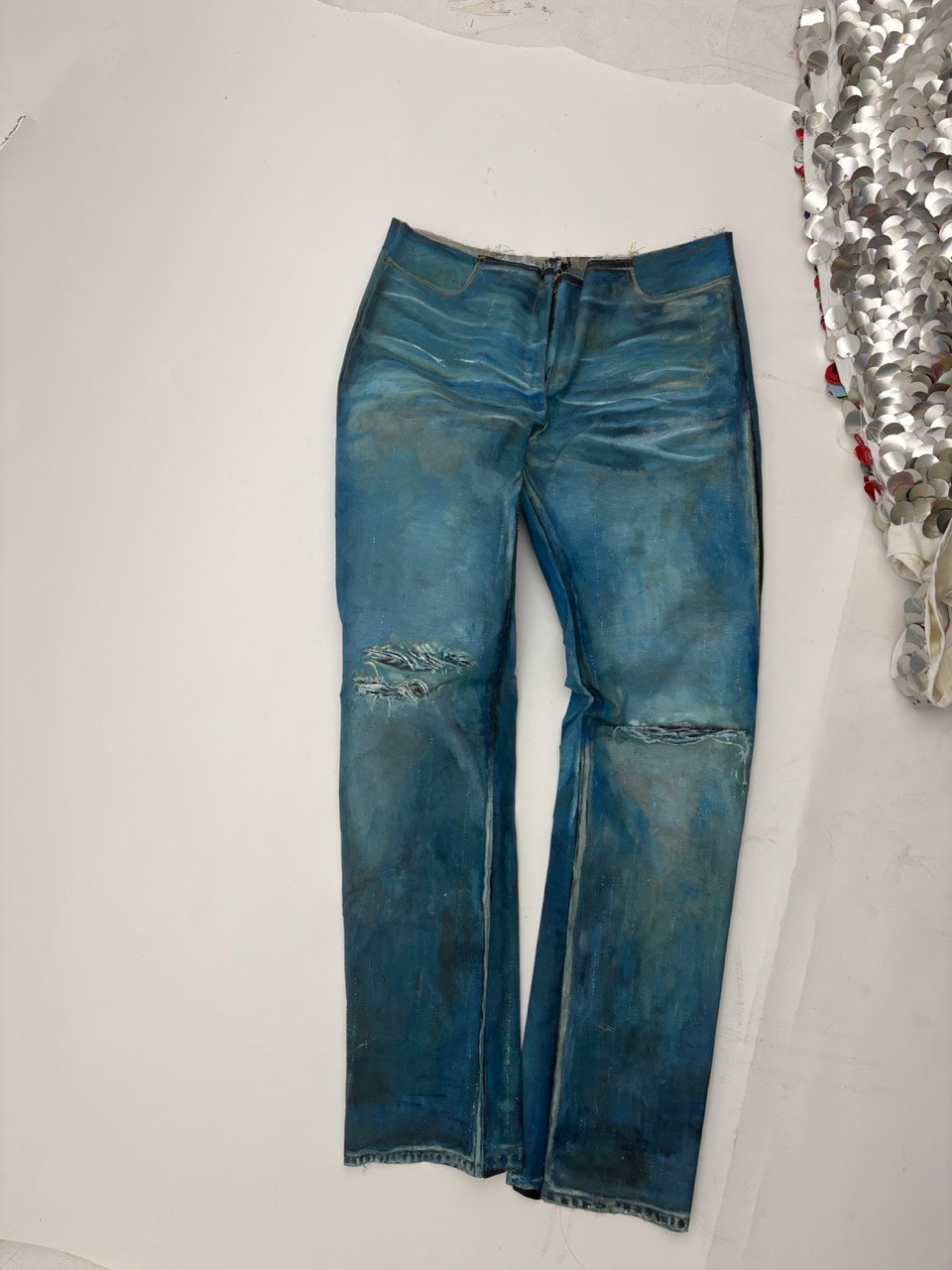
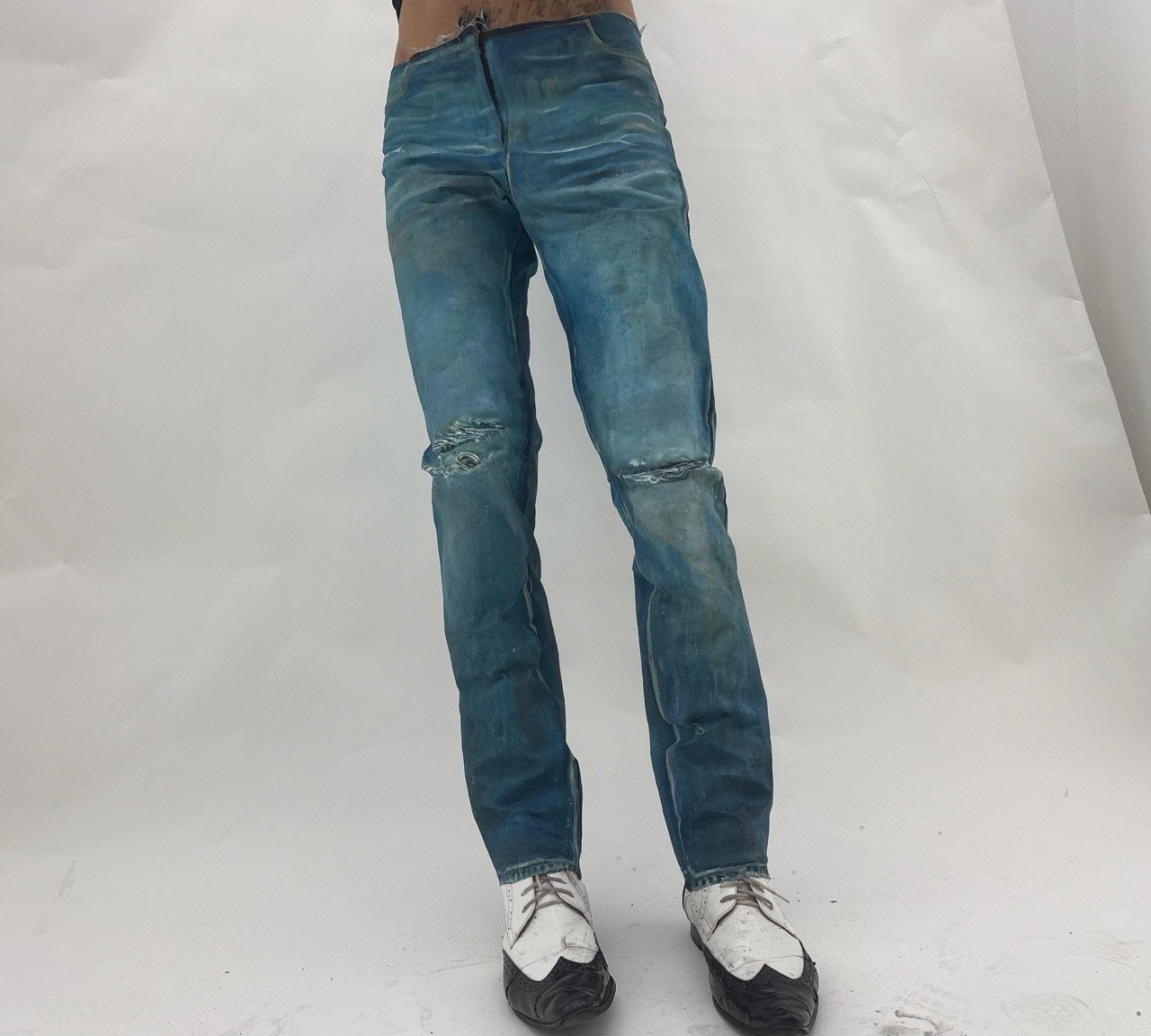
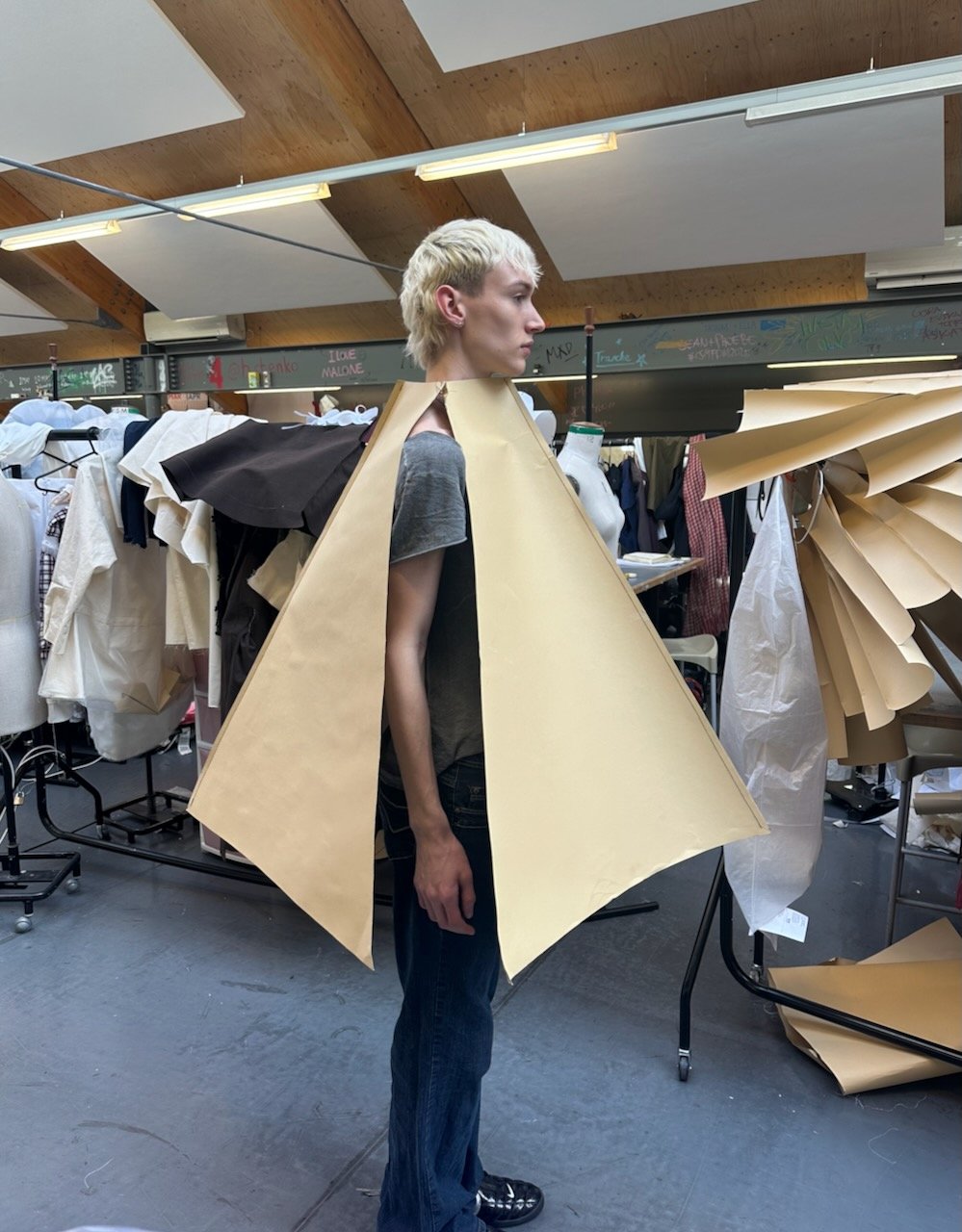
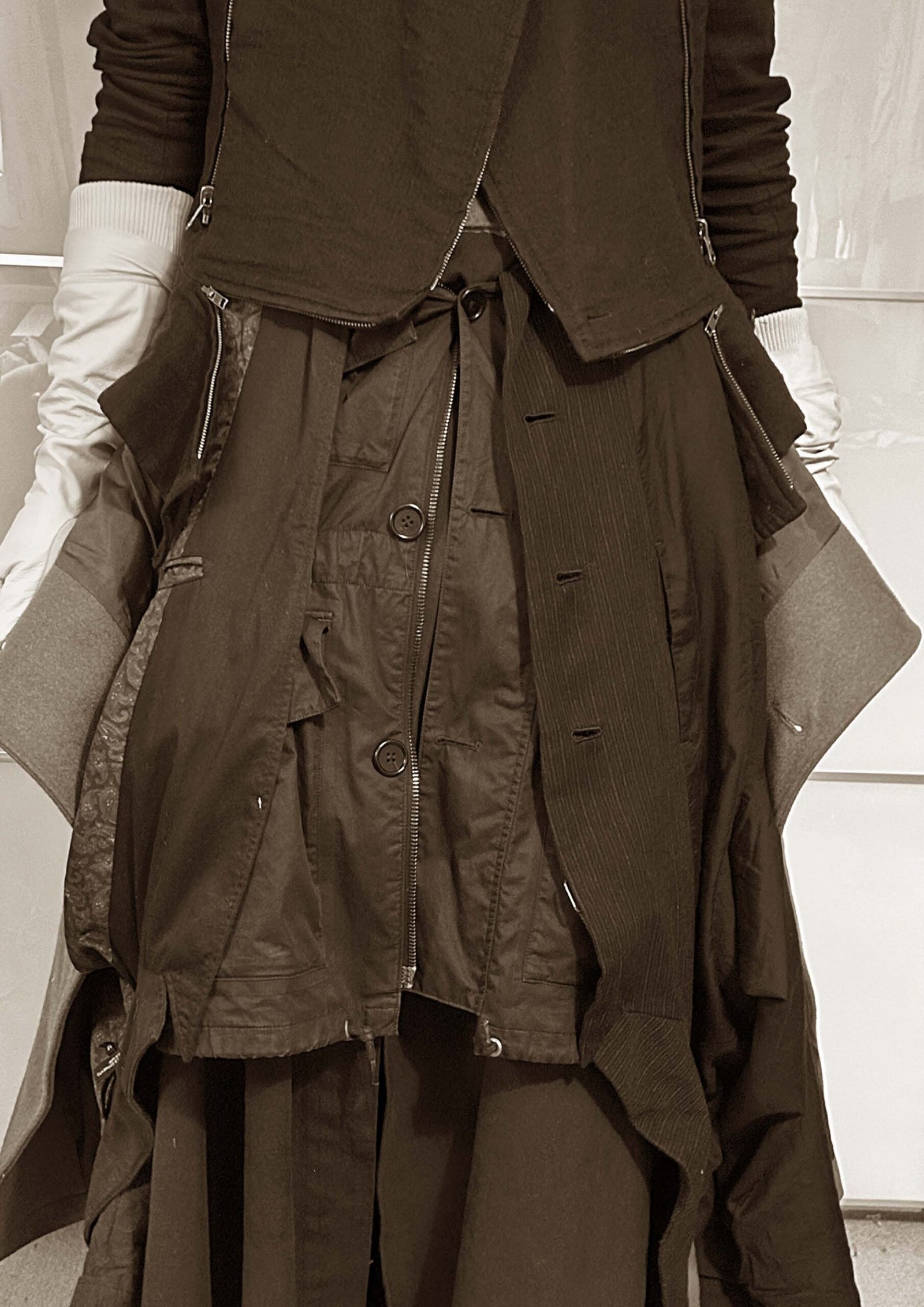
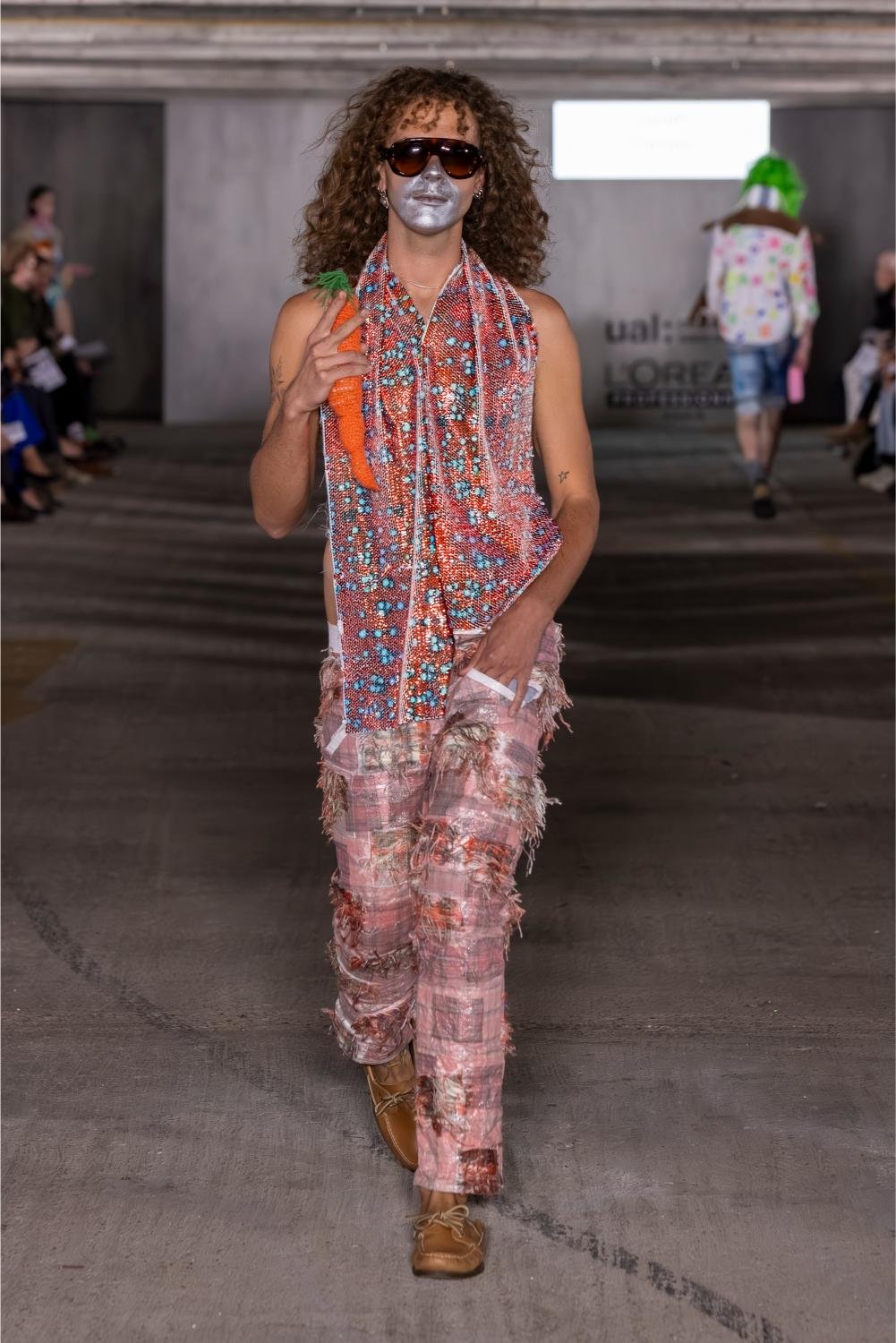
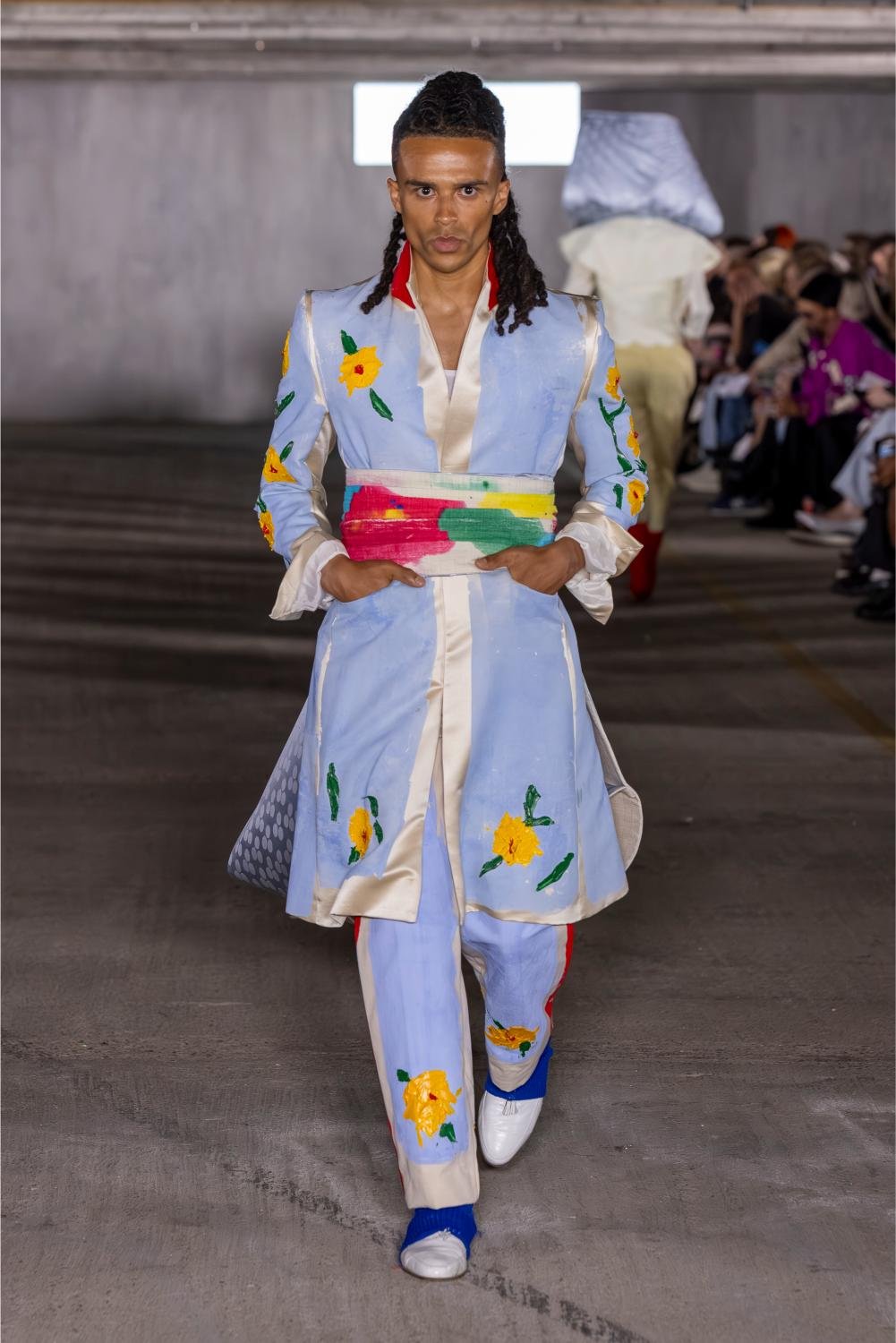
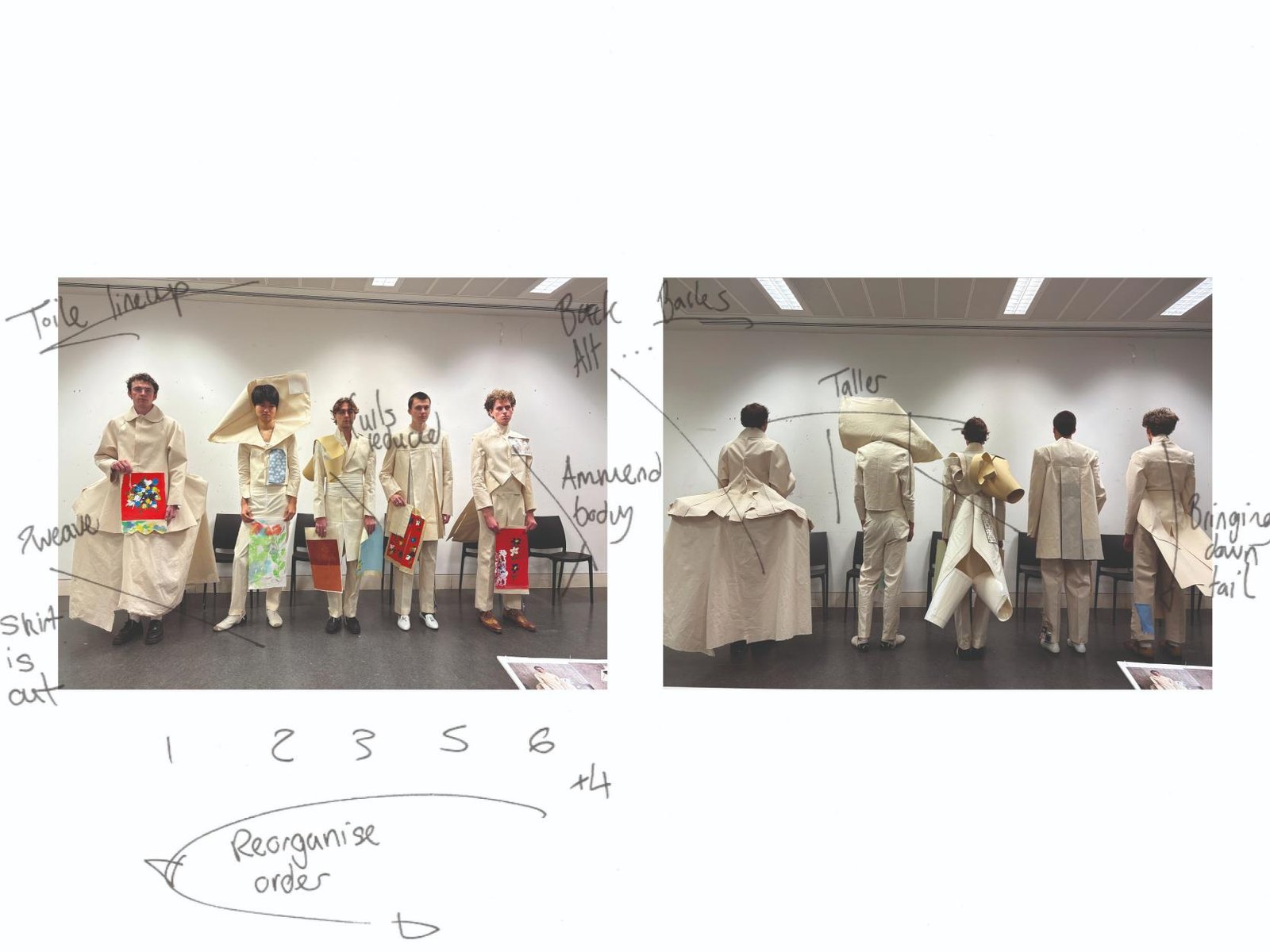
Luke Saul’s collection began with children in his Newcastle neighbourhood building bicycle ramps from discarded wood, street waste, sticks, and whatever else they could find. Their resourcefulness became a model for what Saul describes as true, untampered creativity. Working only with found and discarded materials, he developed garments through processes that mimic the inventiveness of those makeshift constructions. Calico scraps are painted to resemble more luxurious fabrics, jackets are moulded from chicken wire and tape, and recycled garments are woven together into new textiles. One dress is covered in more than 4,000 hand-cut sequins, all made from aluminium cans collected around Central Saint Martins over six months.
@_lukesaul

Screenshot
Screenshot

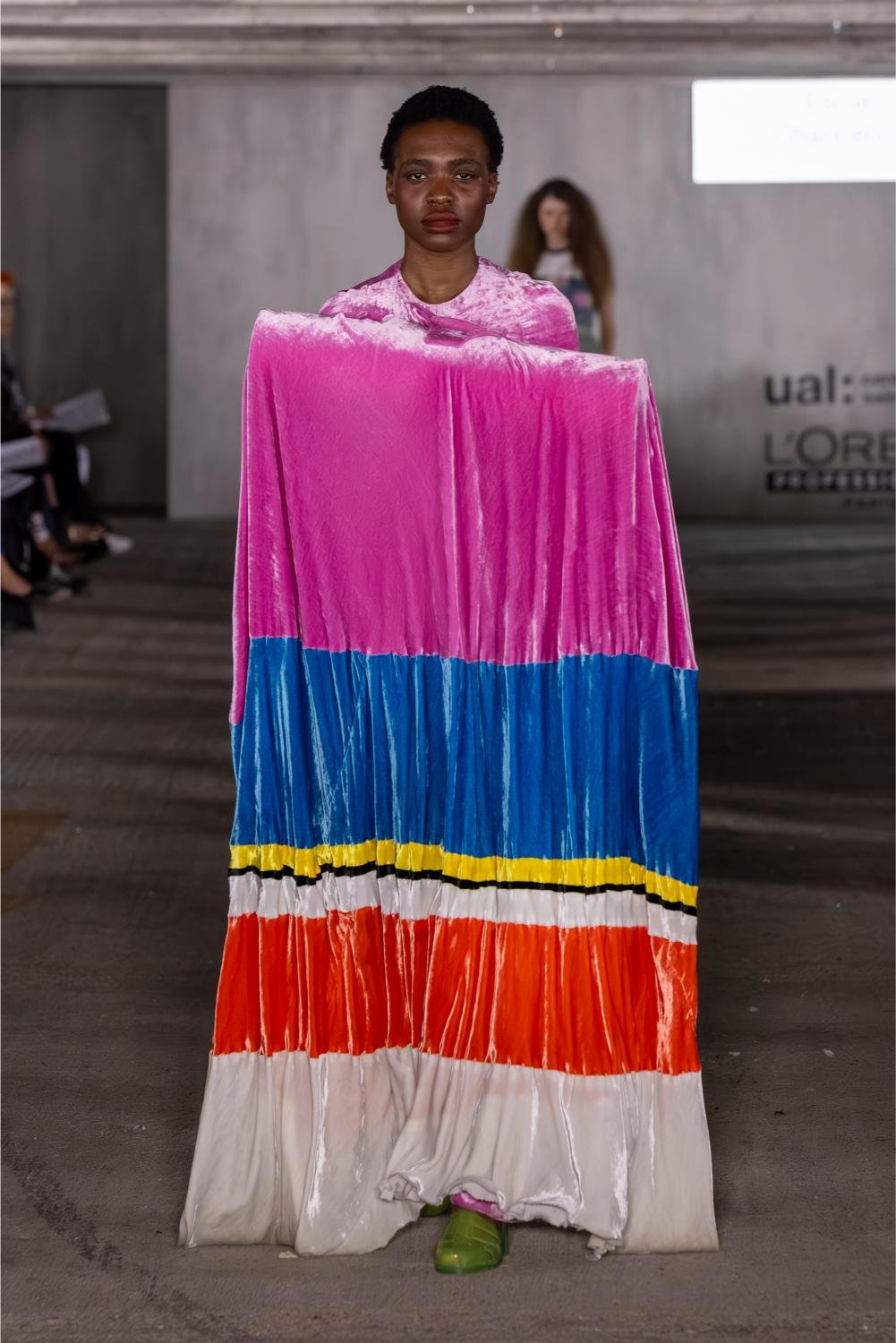
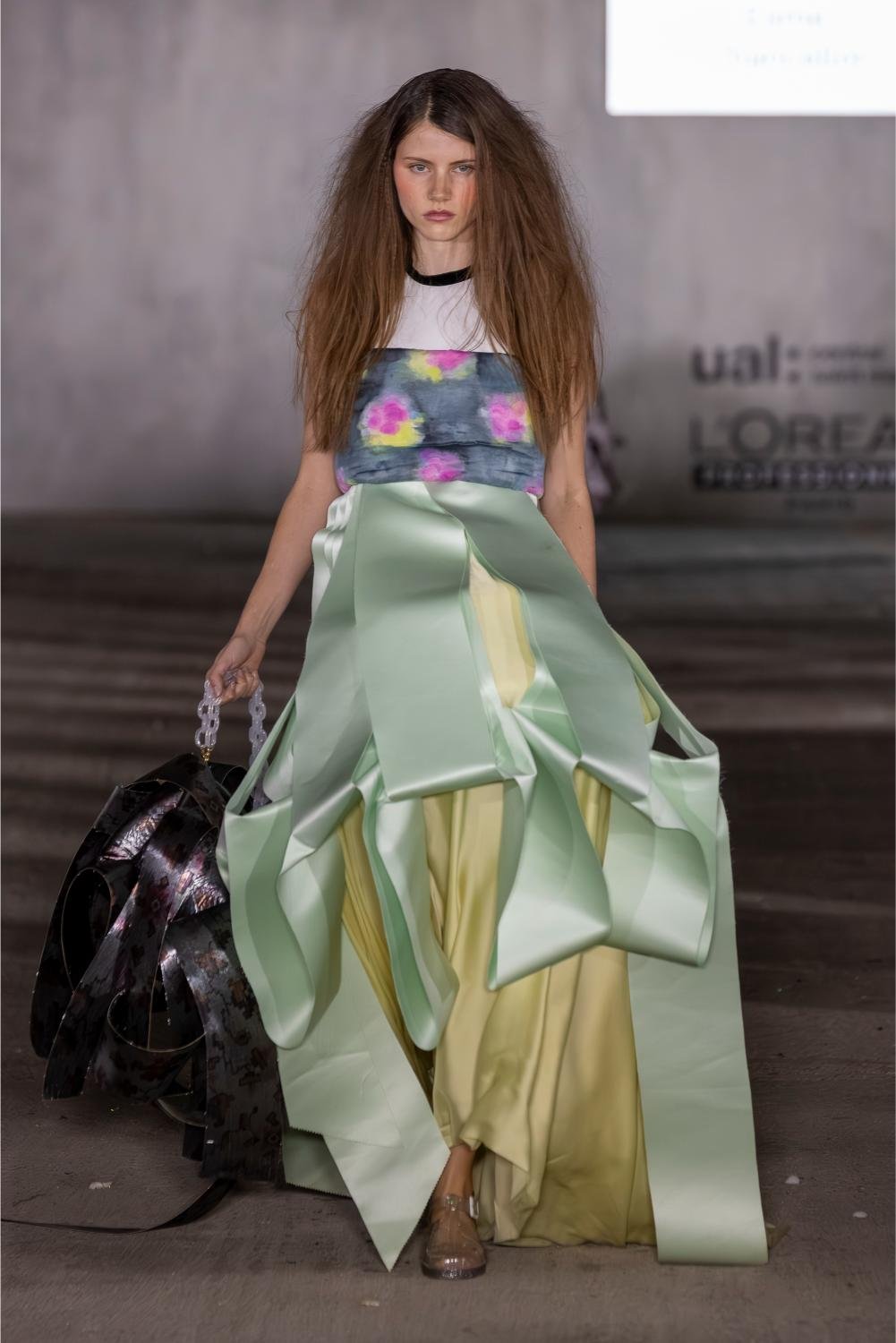
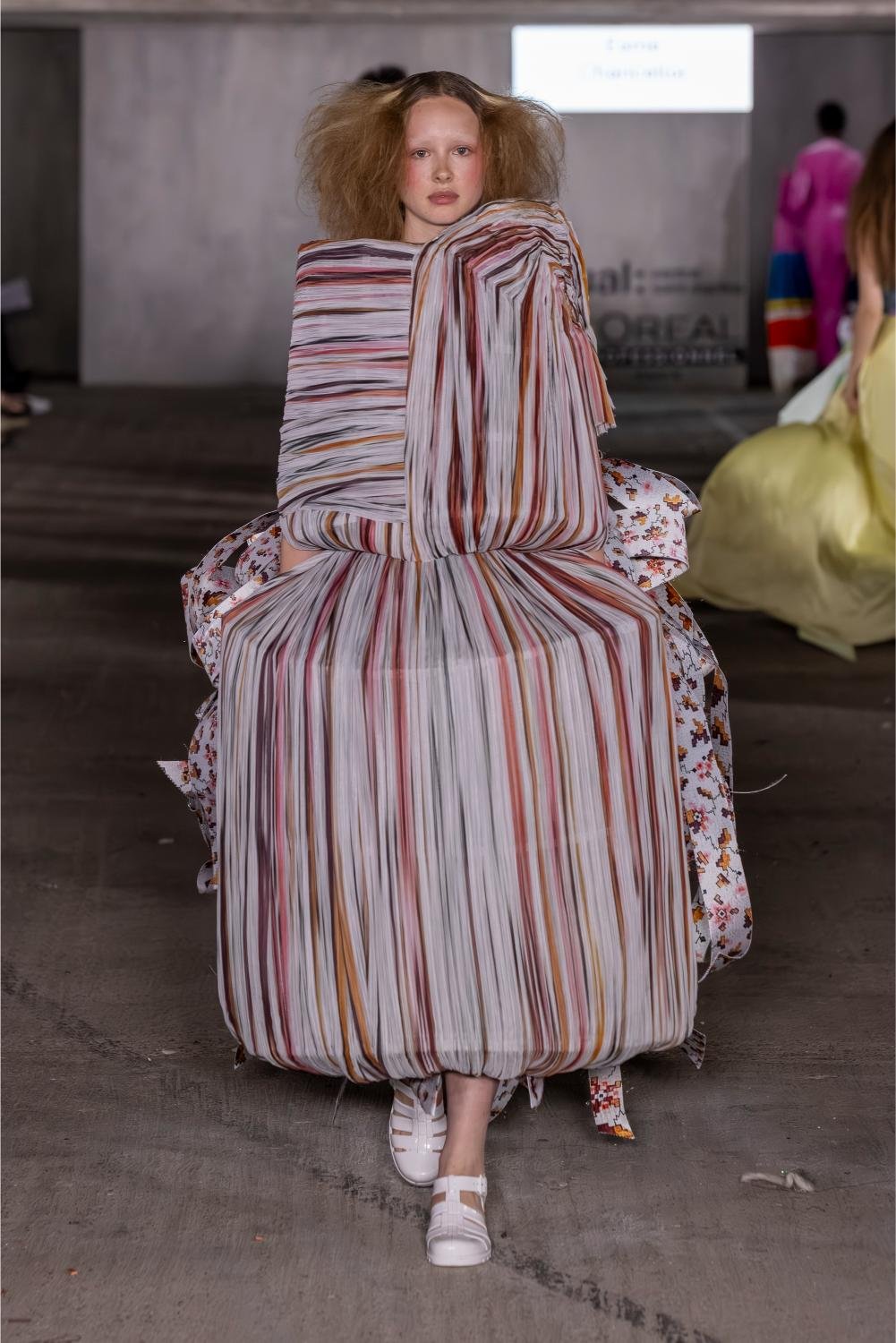
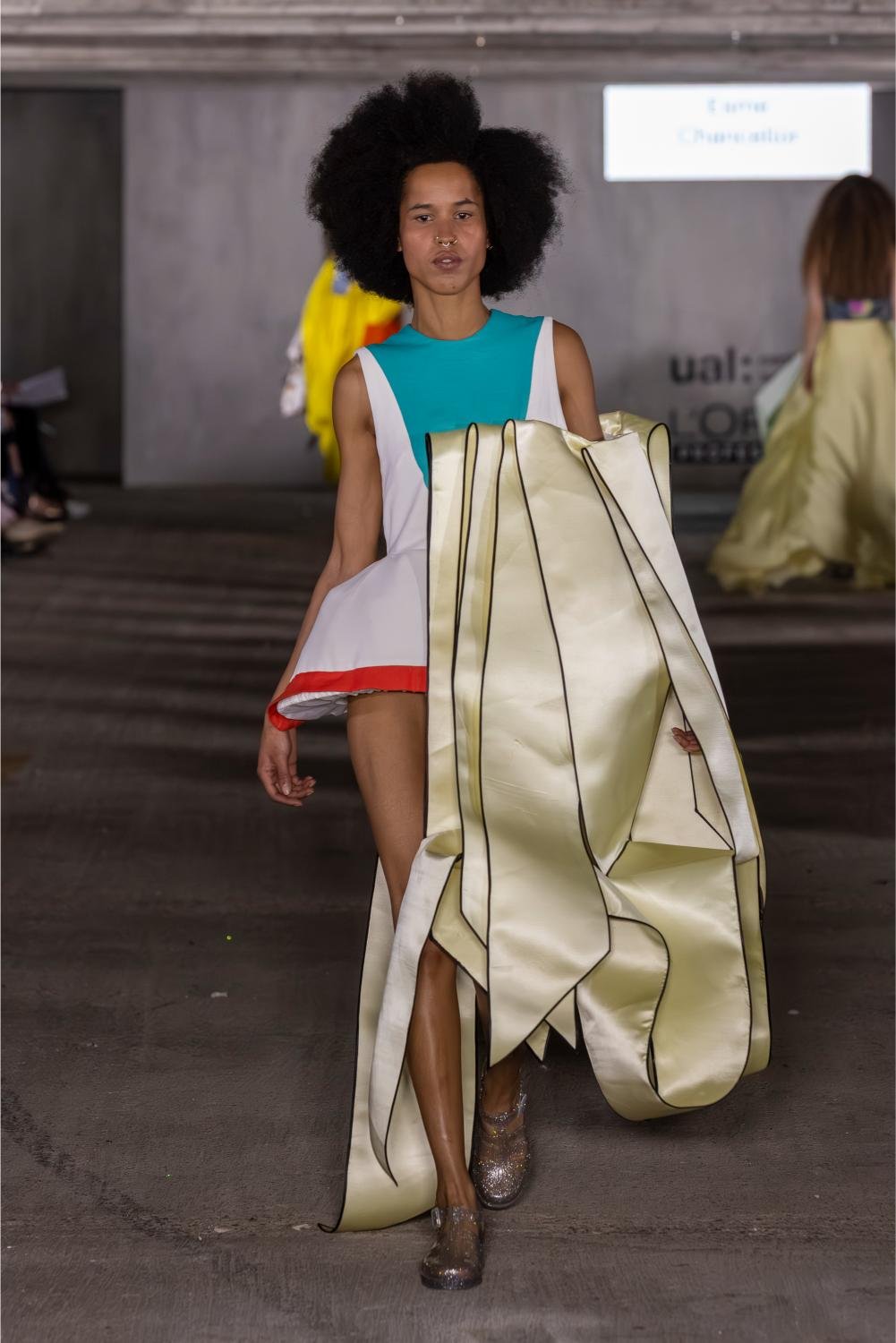
Esme Chancellor

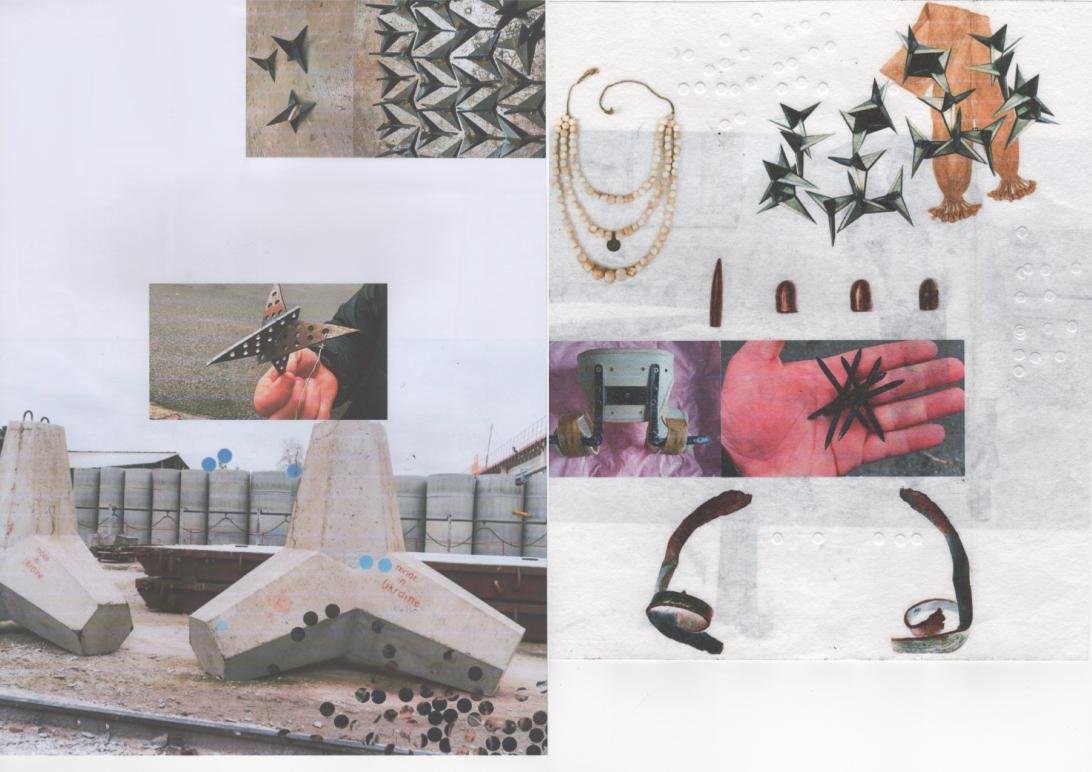
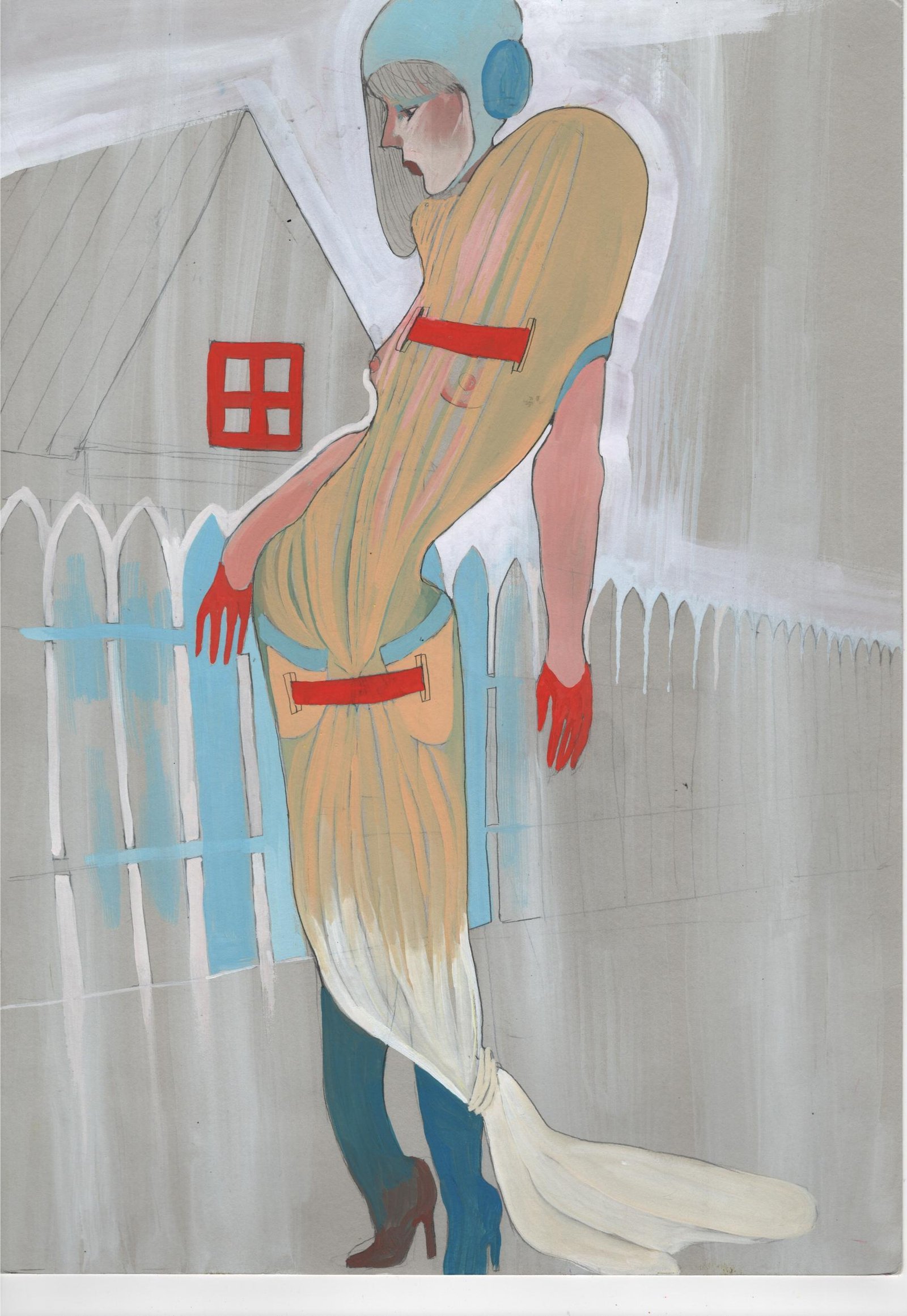
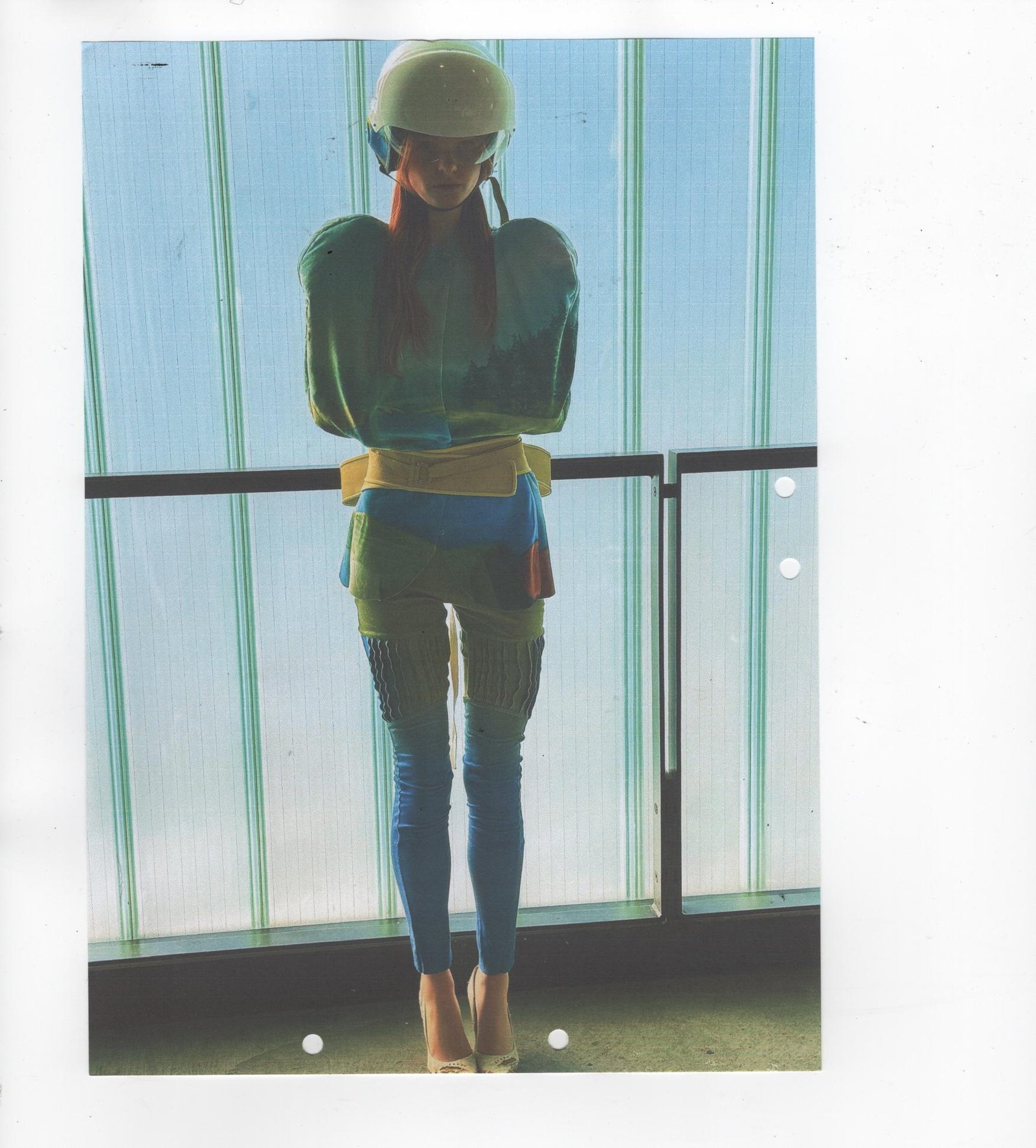
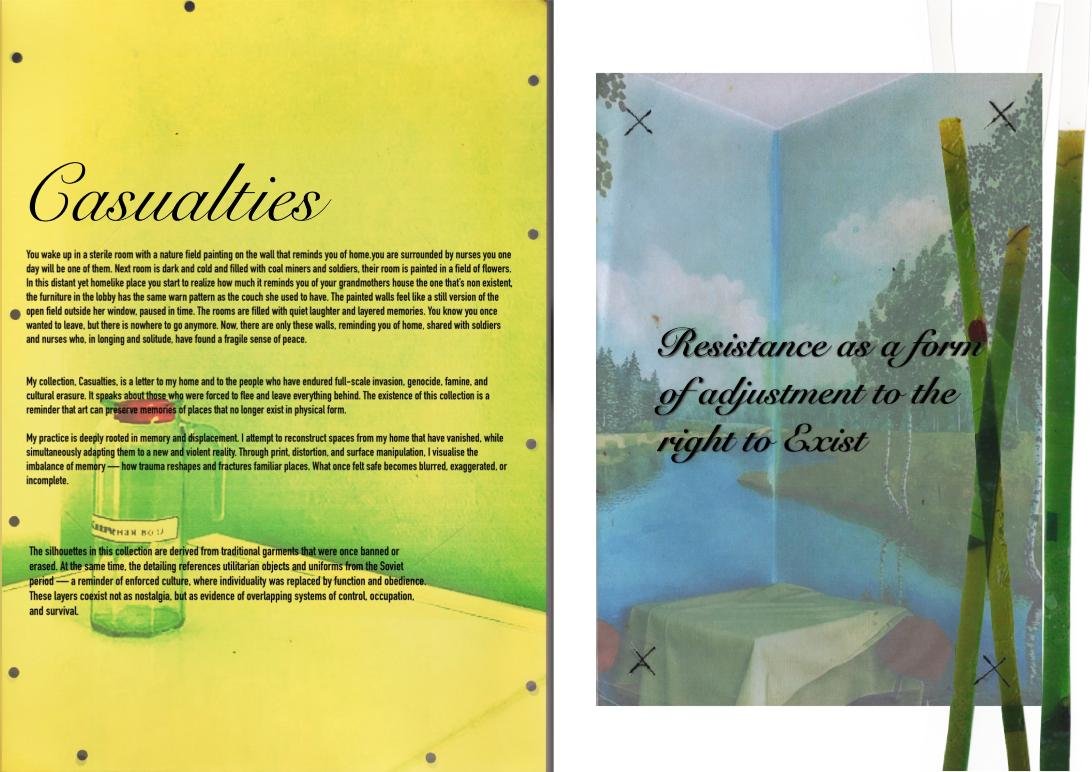
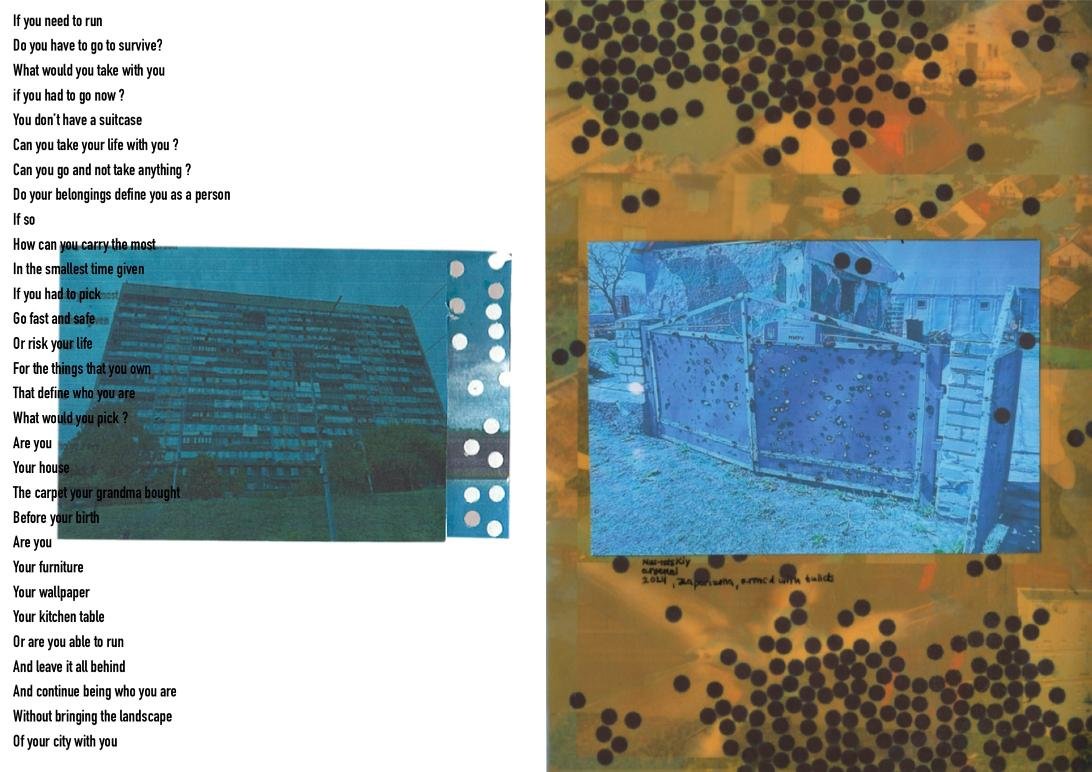
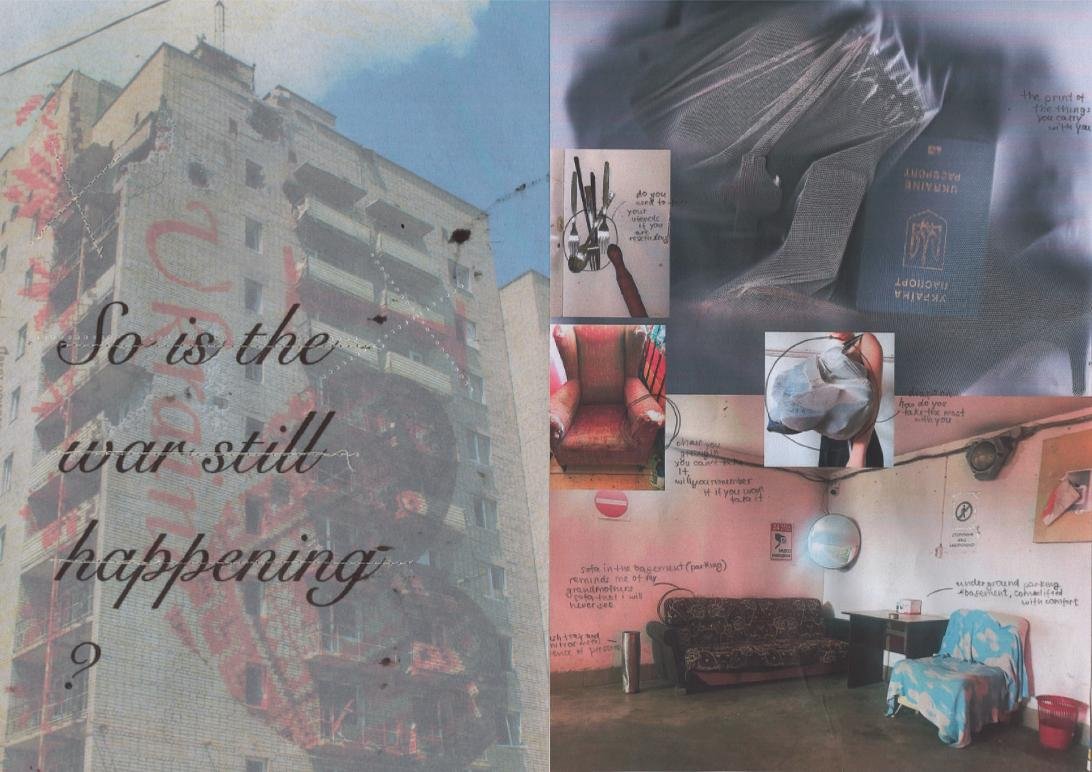
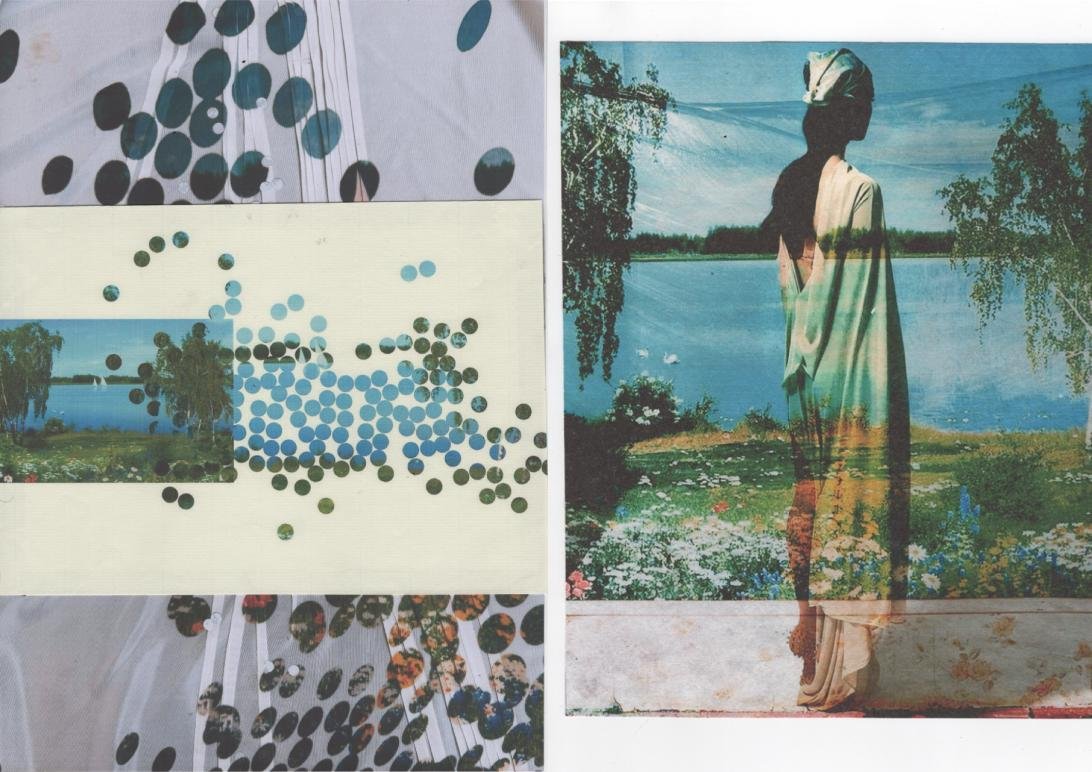
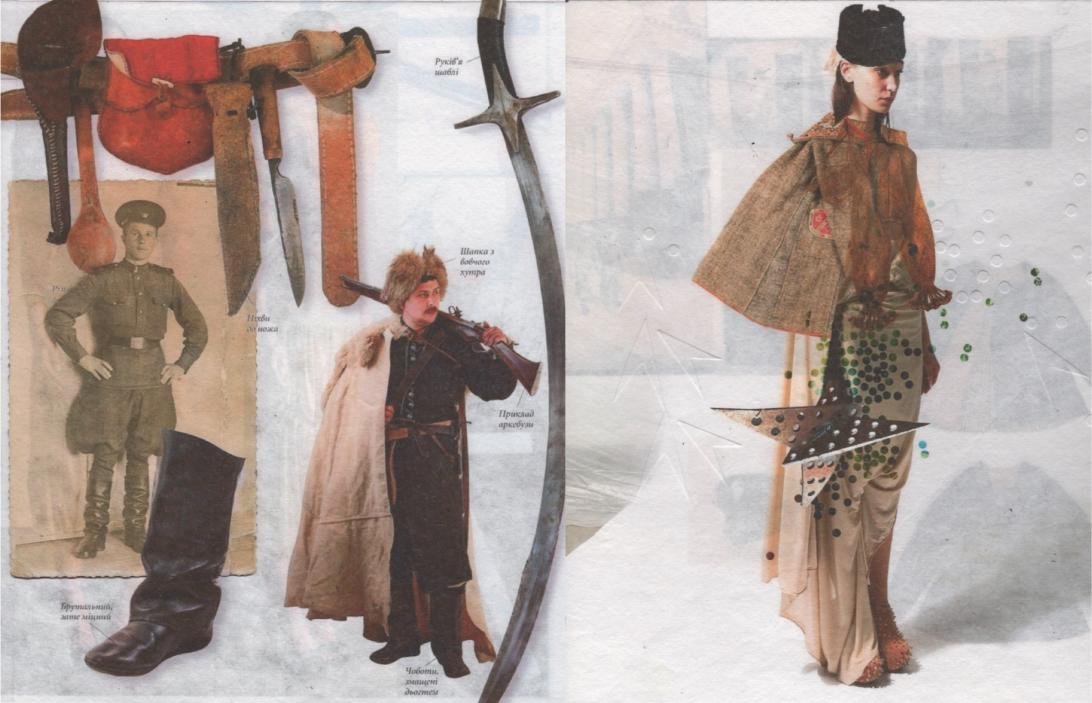
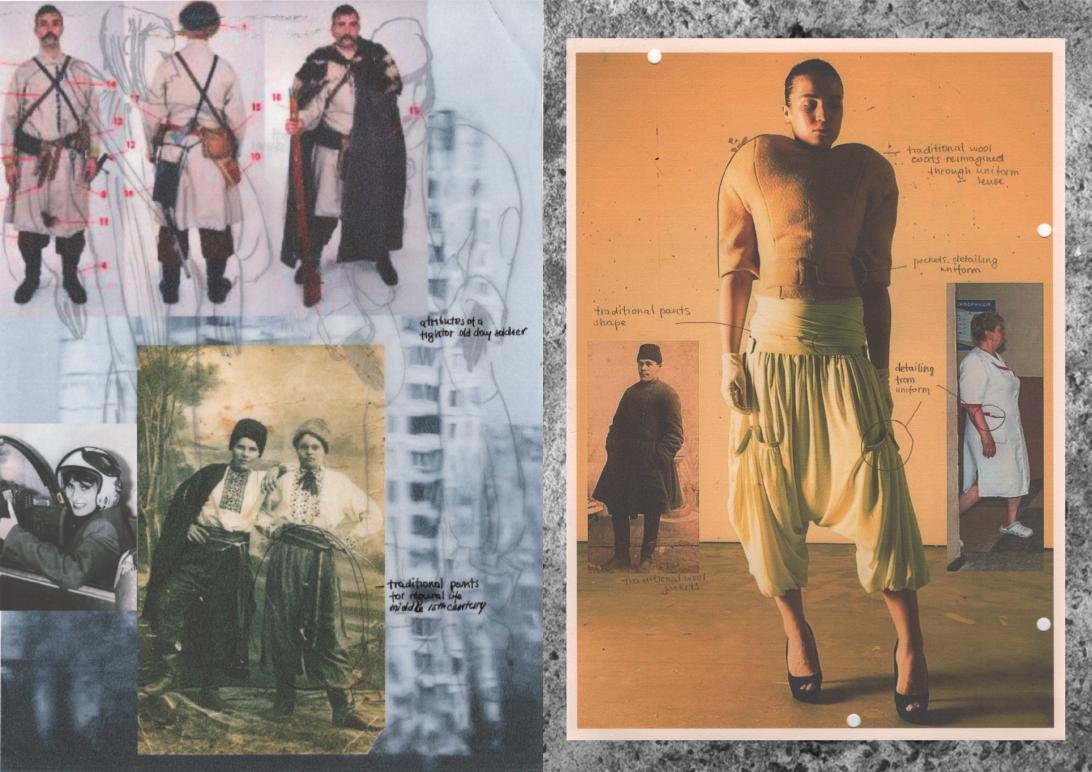
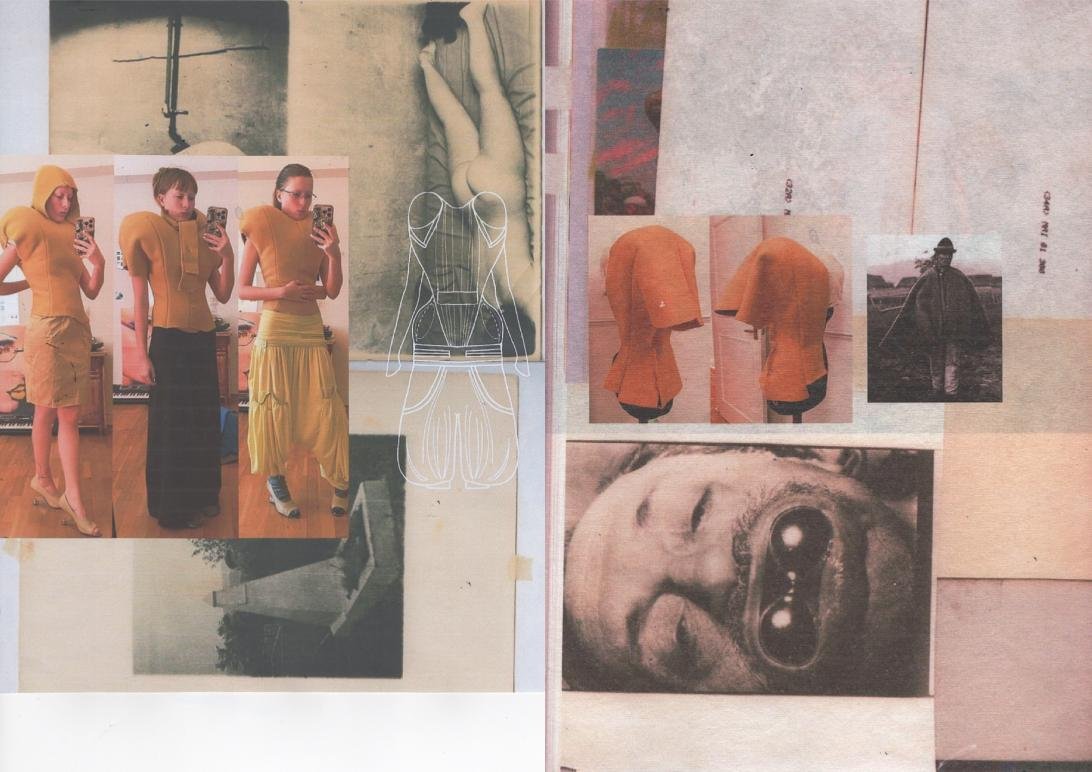
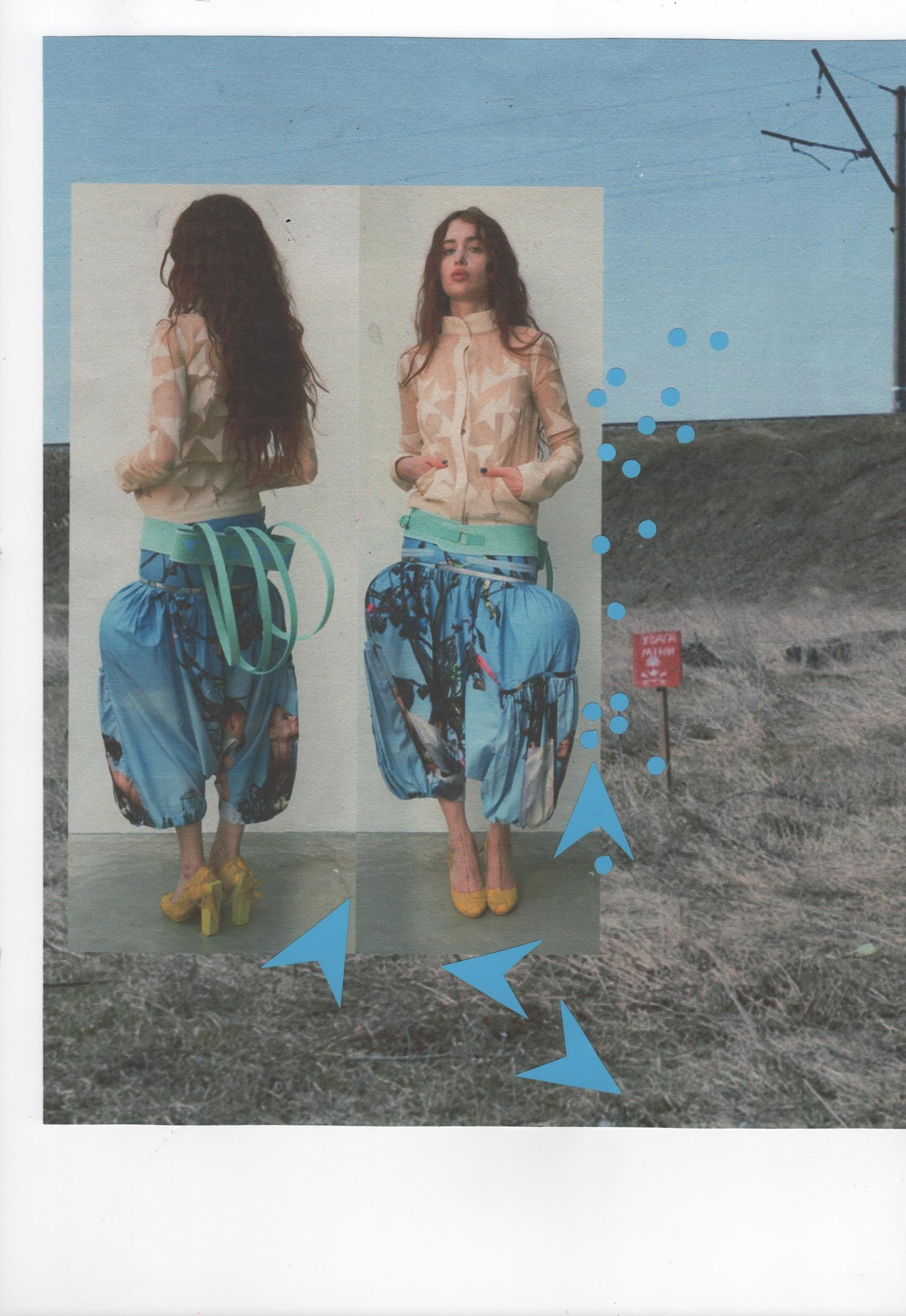
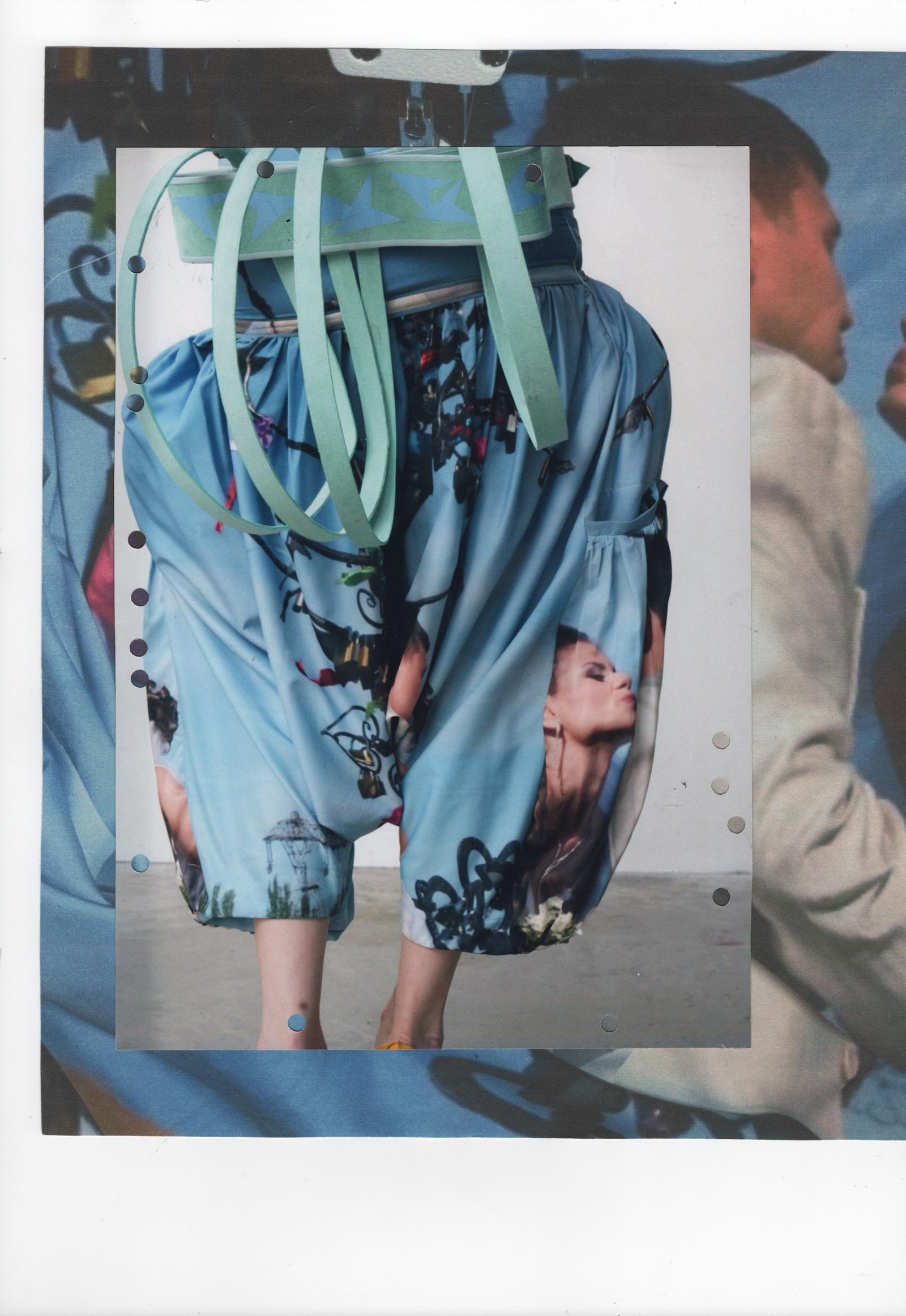
What can someone take from a city they have been forced to leave? In “Casualties,” Polina Kadilnikova responds to the ongoing war in Ukraine and the experience of displacement under prolonged conflict. Her research focused on the objects people choose to carry with them when leaving home, while recognising that no belongings can replace the landscape, atmosphere, and physical memory of a city left behind. The collection holds onto fragments of places that now exist only as fading recollections. Kadilnikova describes the work as a reminder that the war is still happening, and that it is only possible because others continue to sacrifice their lives every day.

@sunkissseeed

Polina Kadilnikova

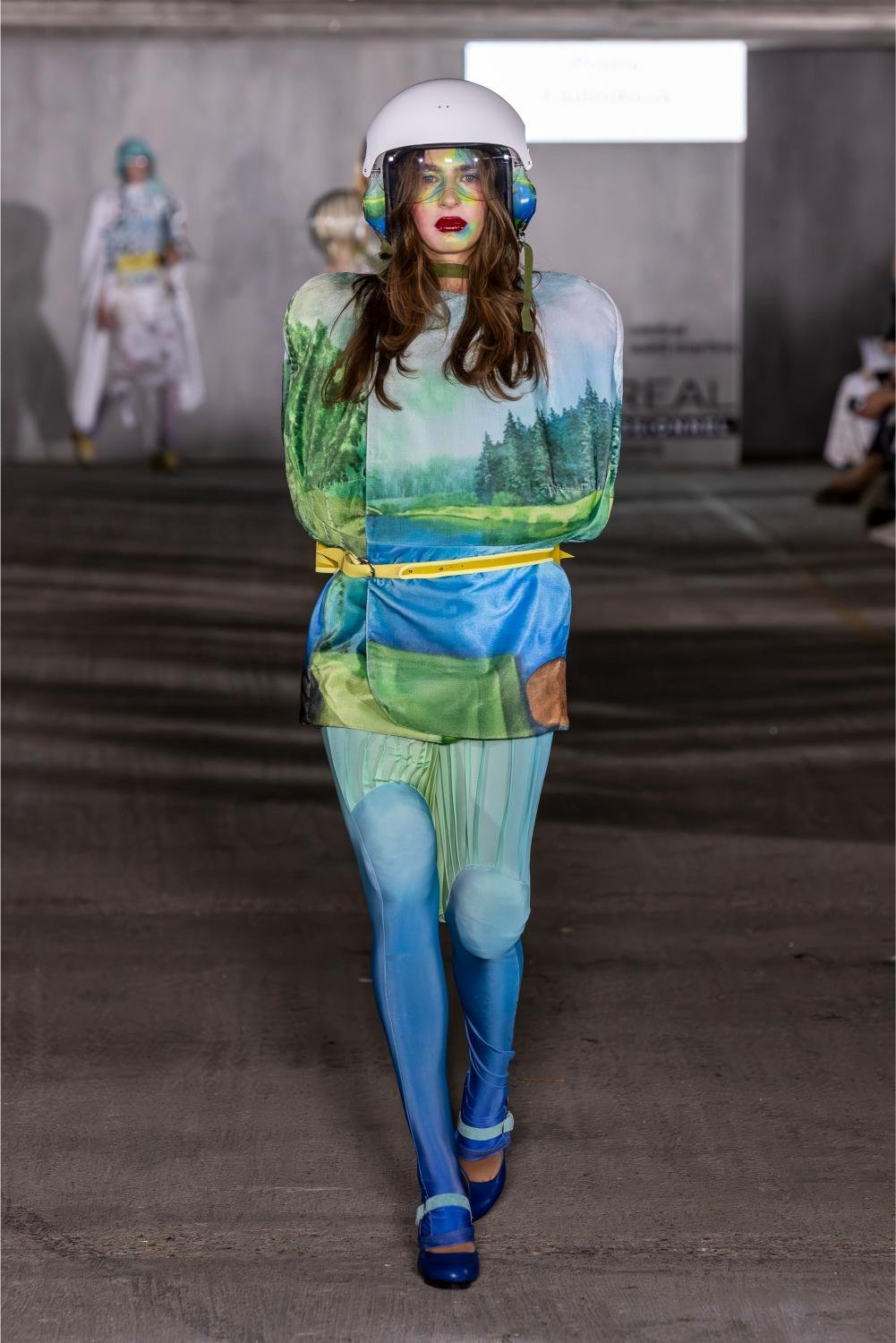
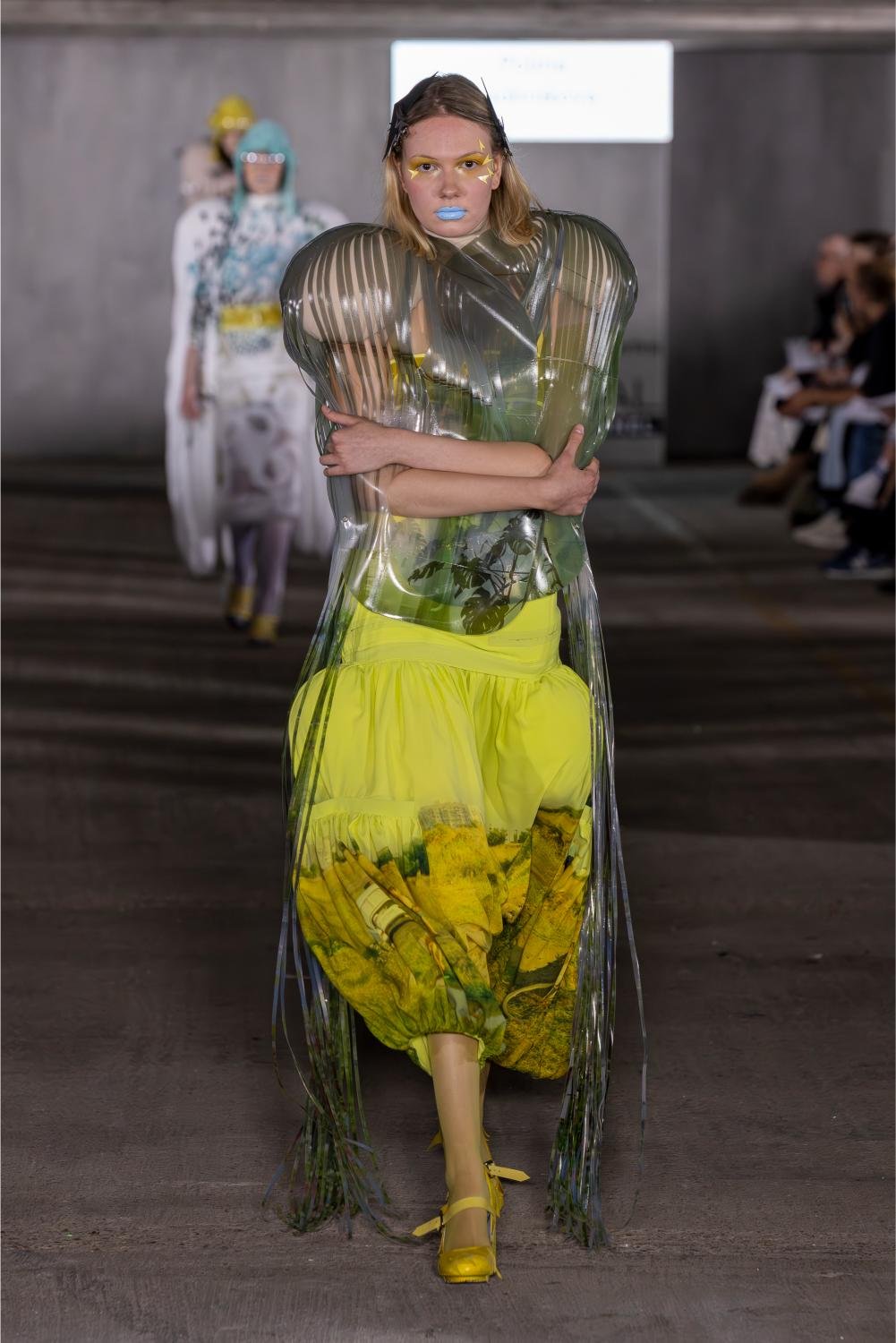
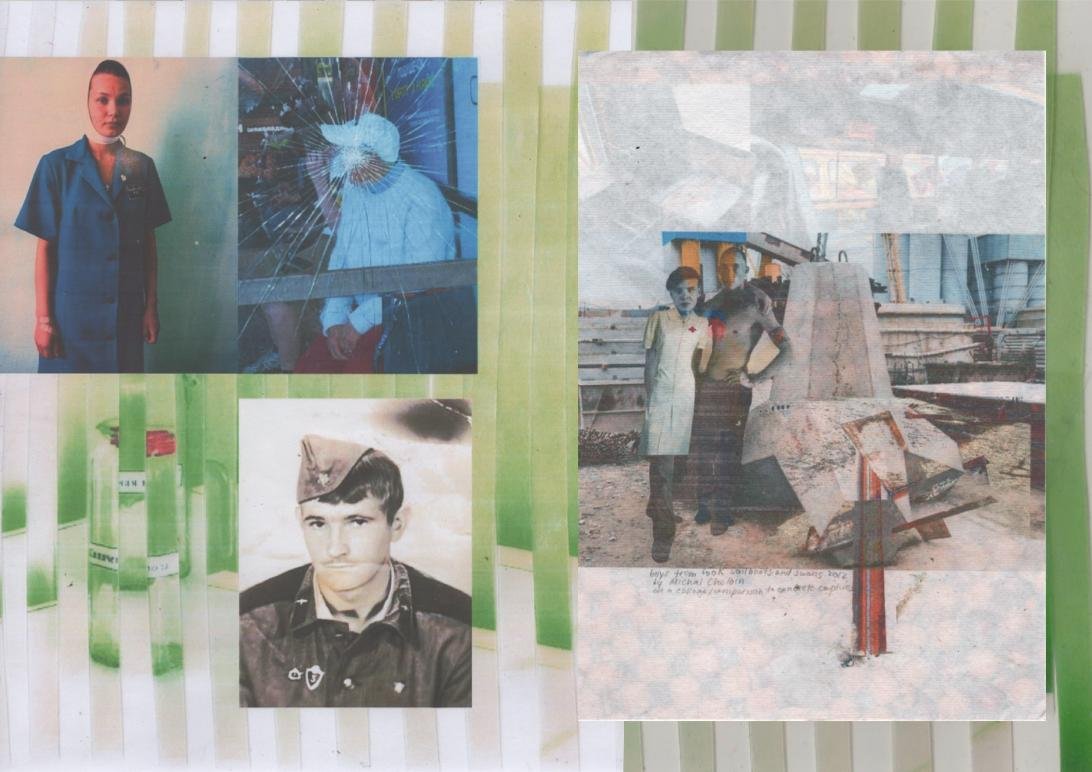
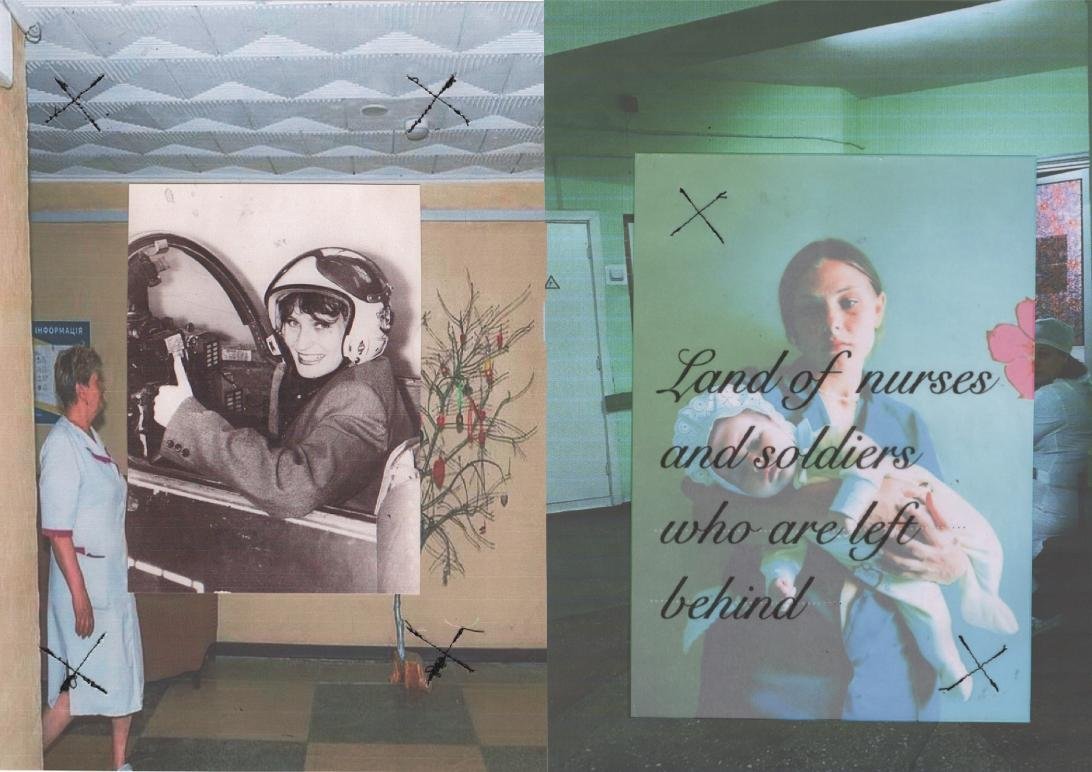
Polina Kadilnikova’s collection, Casualties, responds to the ongoing war in Ukraine and the experience of displacement under prolonged conflict. The project asks what happens to memories of life before war when people are forced to relocate, and how fragments of place survive after cities themselves have been destroyed. Her research focused on the objects people choose to take with them when leaving home, while recognising that no belongings can replace the landscape, atmosphere, and physical memory of a city left behind. The collection seeks to visualise fragmented memories of places that no longer exist except as fading recollections. Kadilnikova describes the work as a reminder that the war is still happening, and stresses that the collection is only possible because of those who continue to sacrifice their lives every day.

@sunkissseeed

Lorcan Wigg

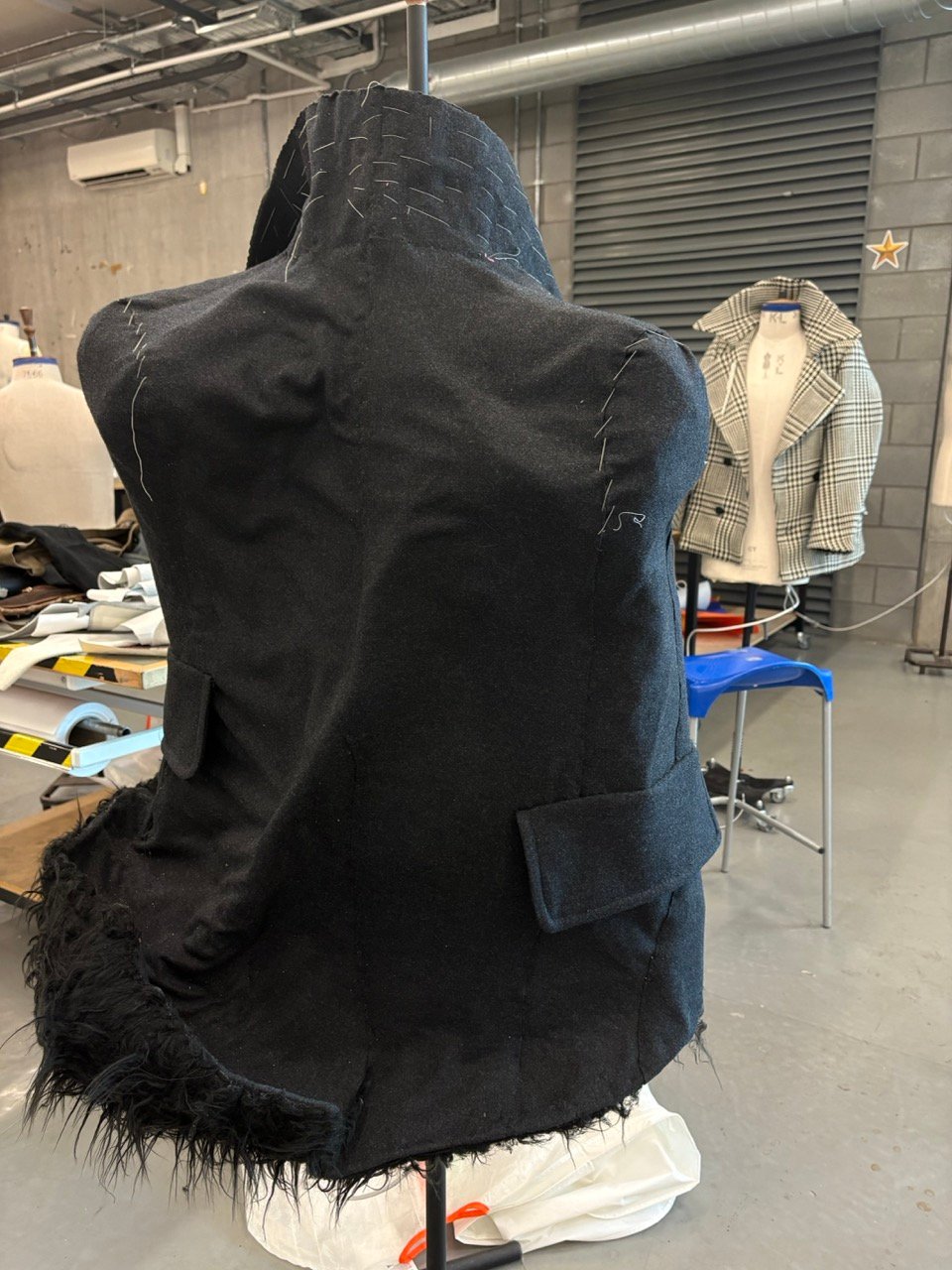
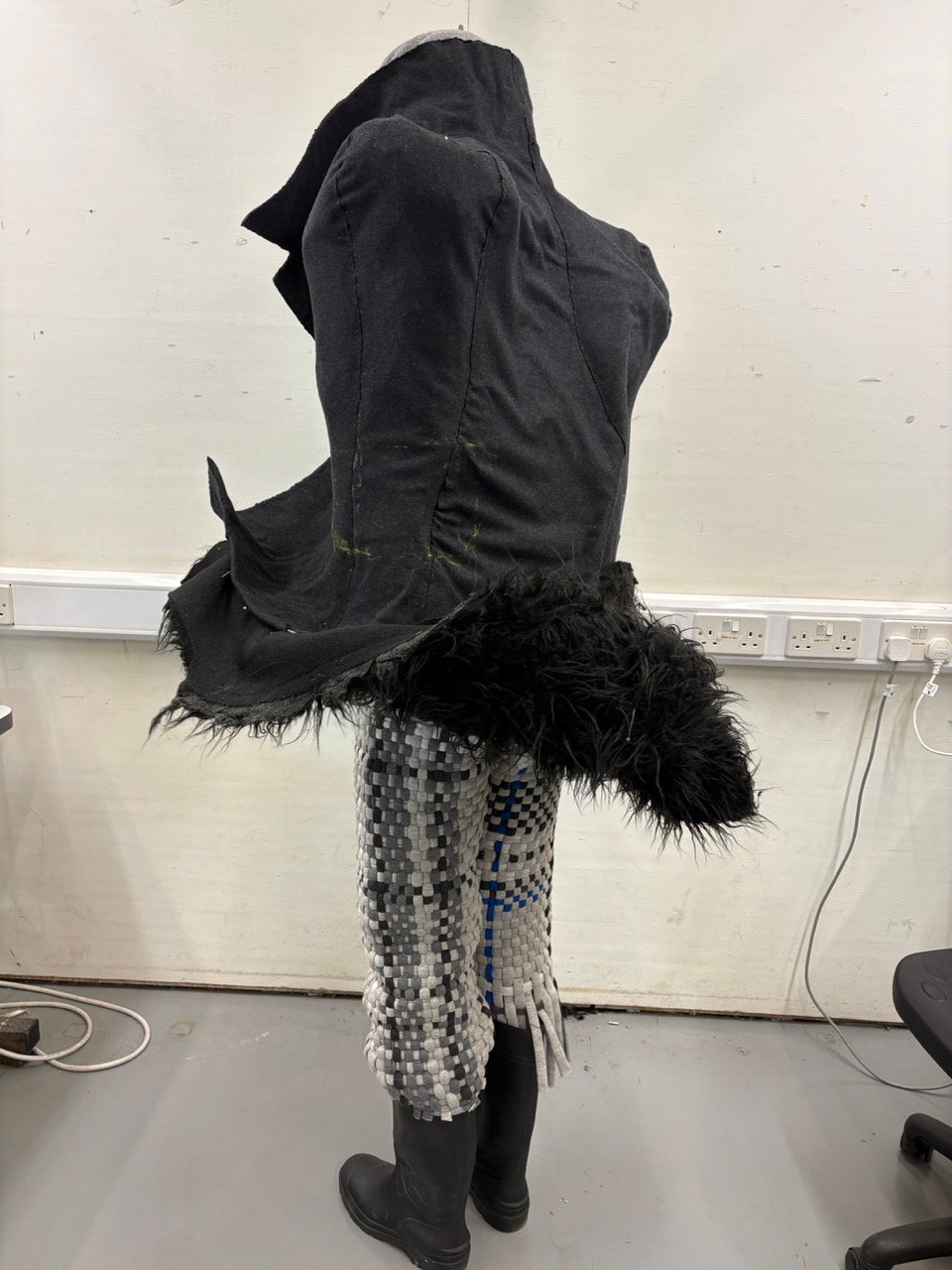
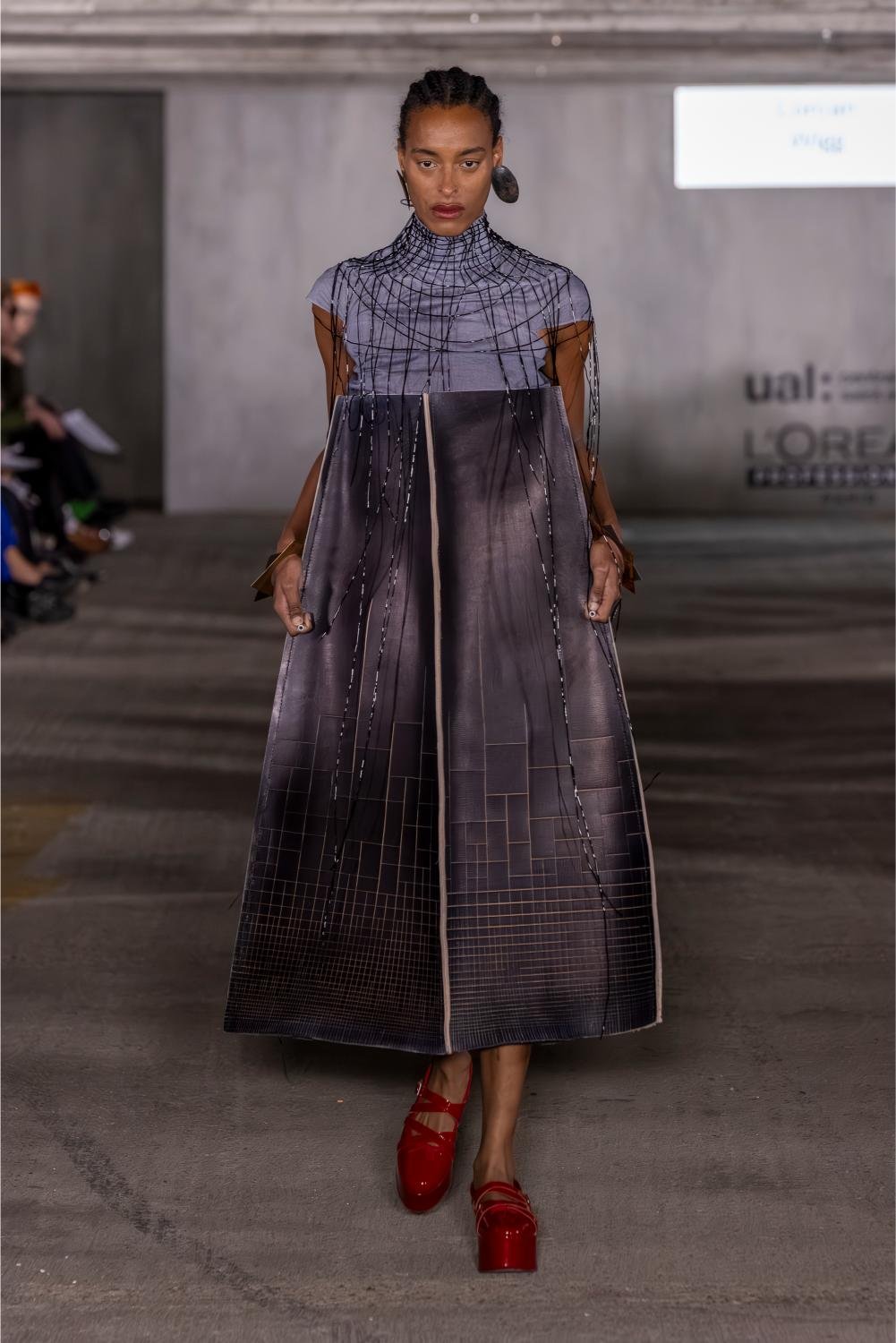
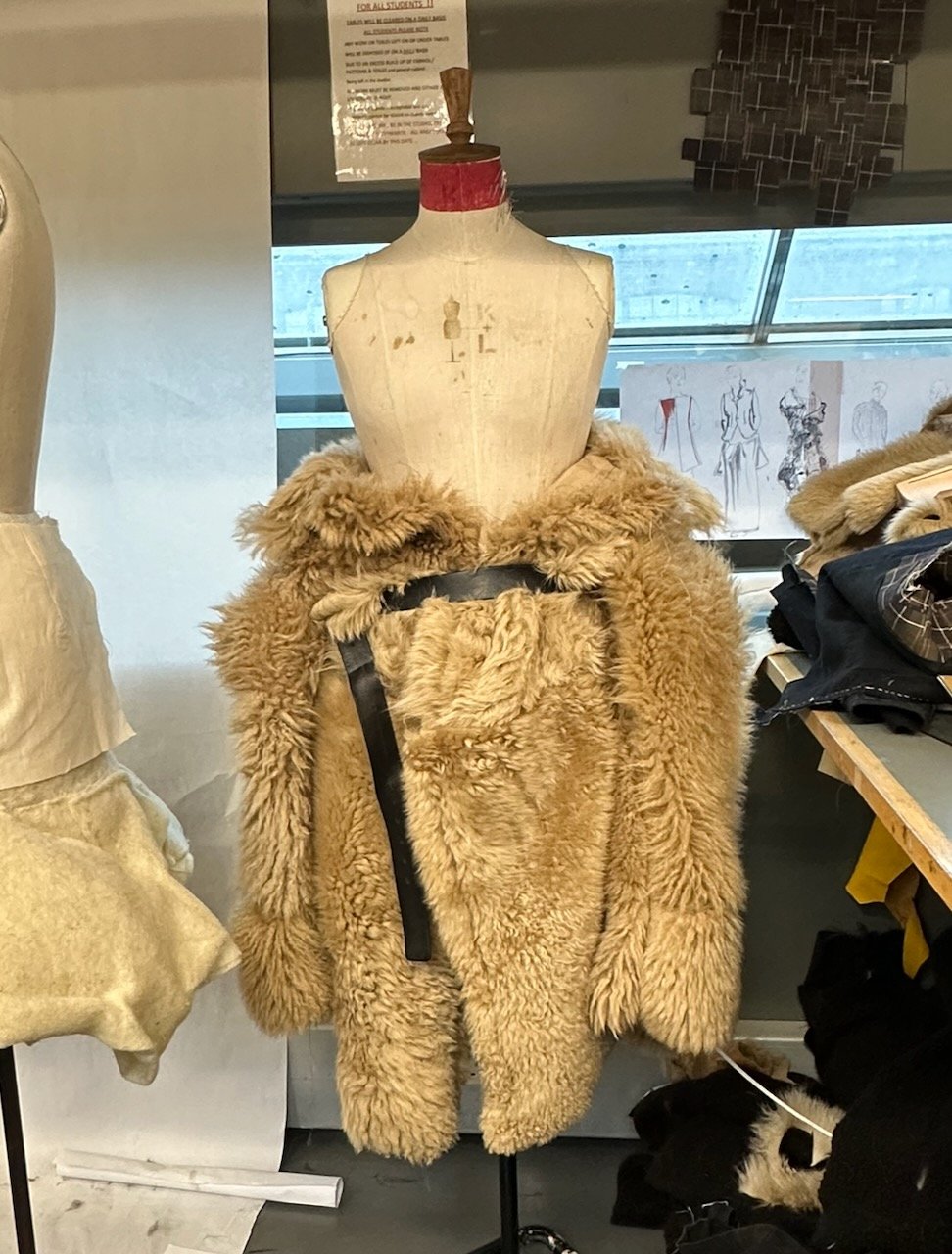
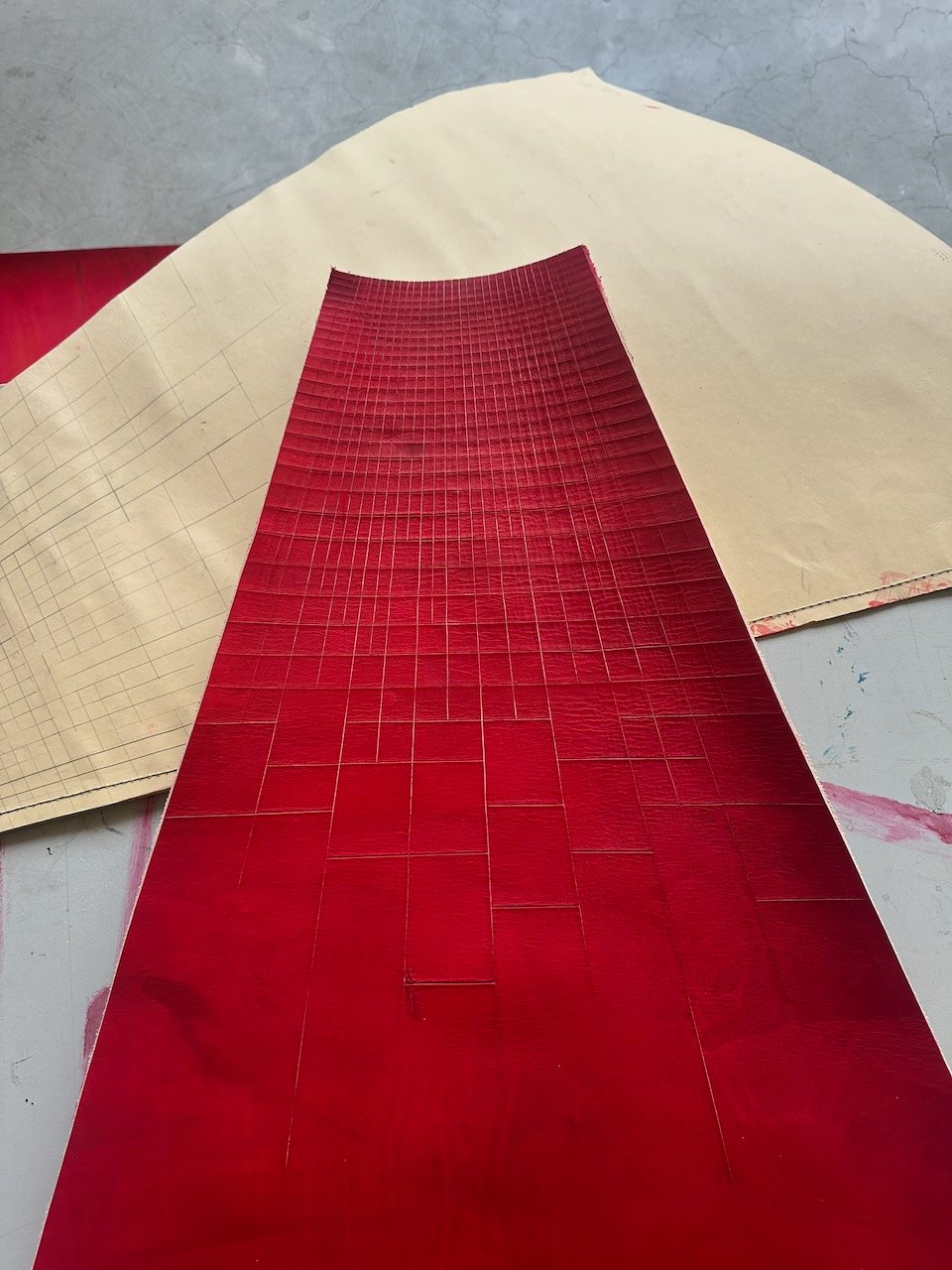
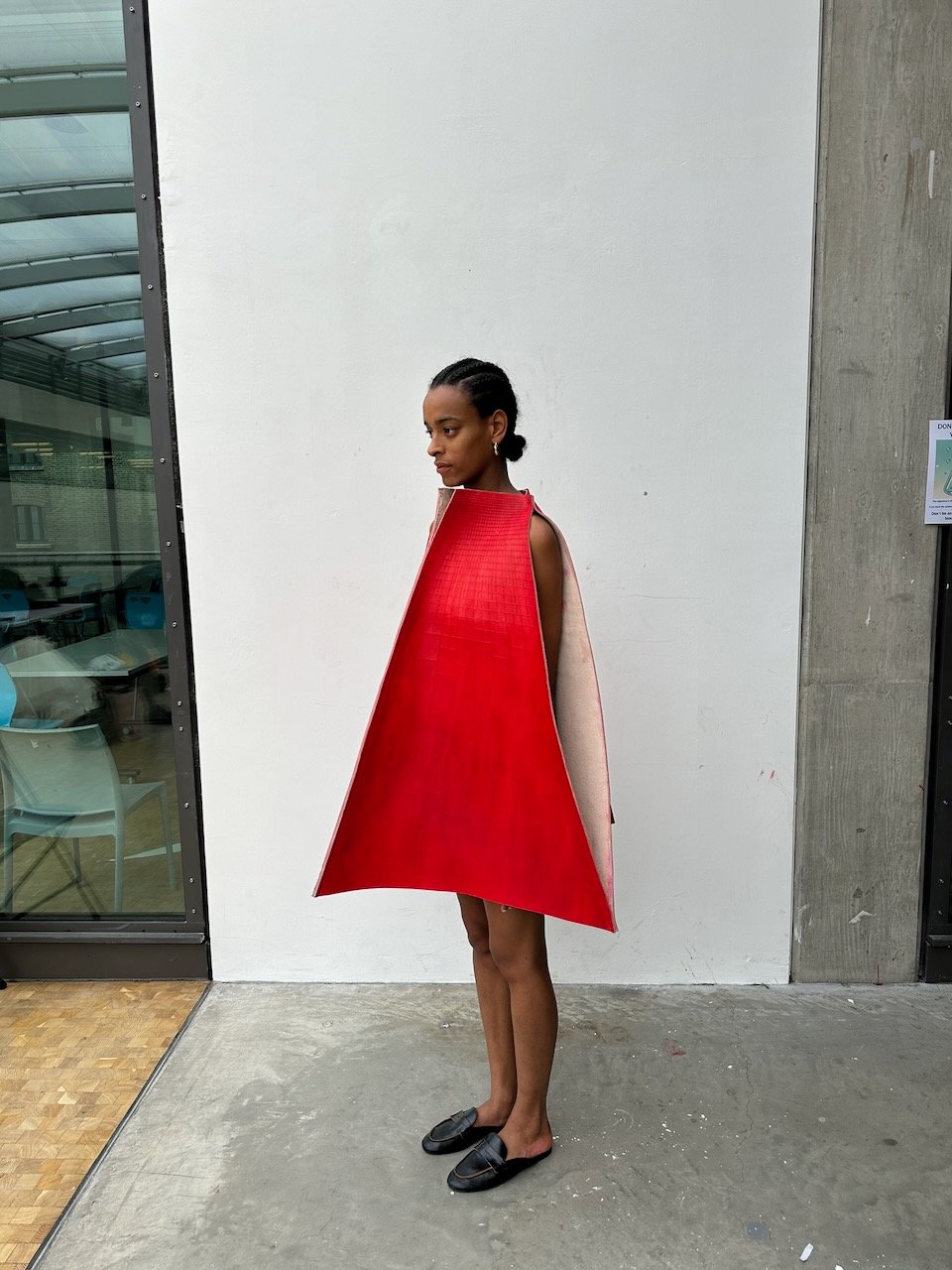
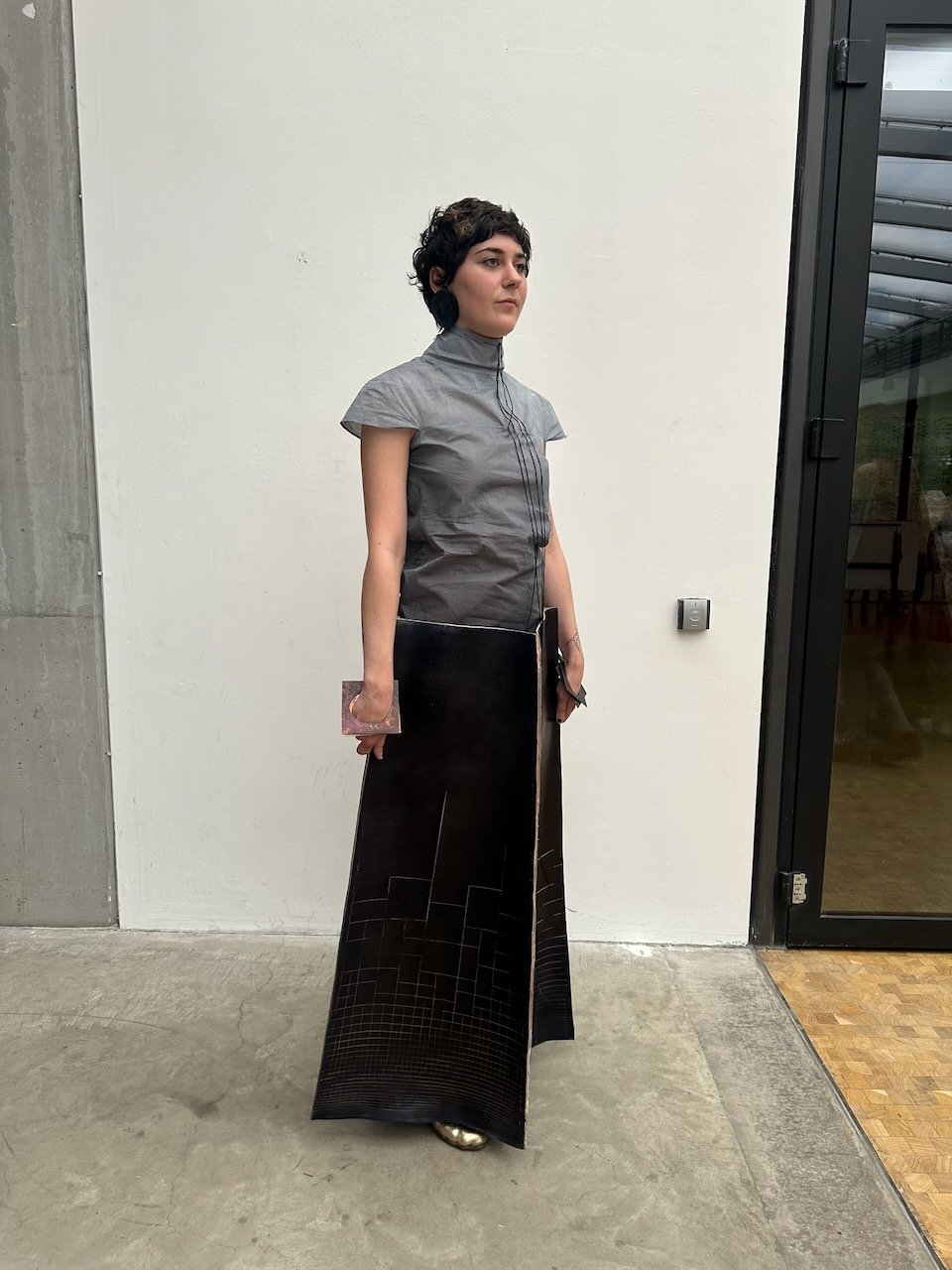
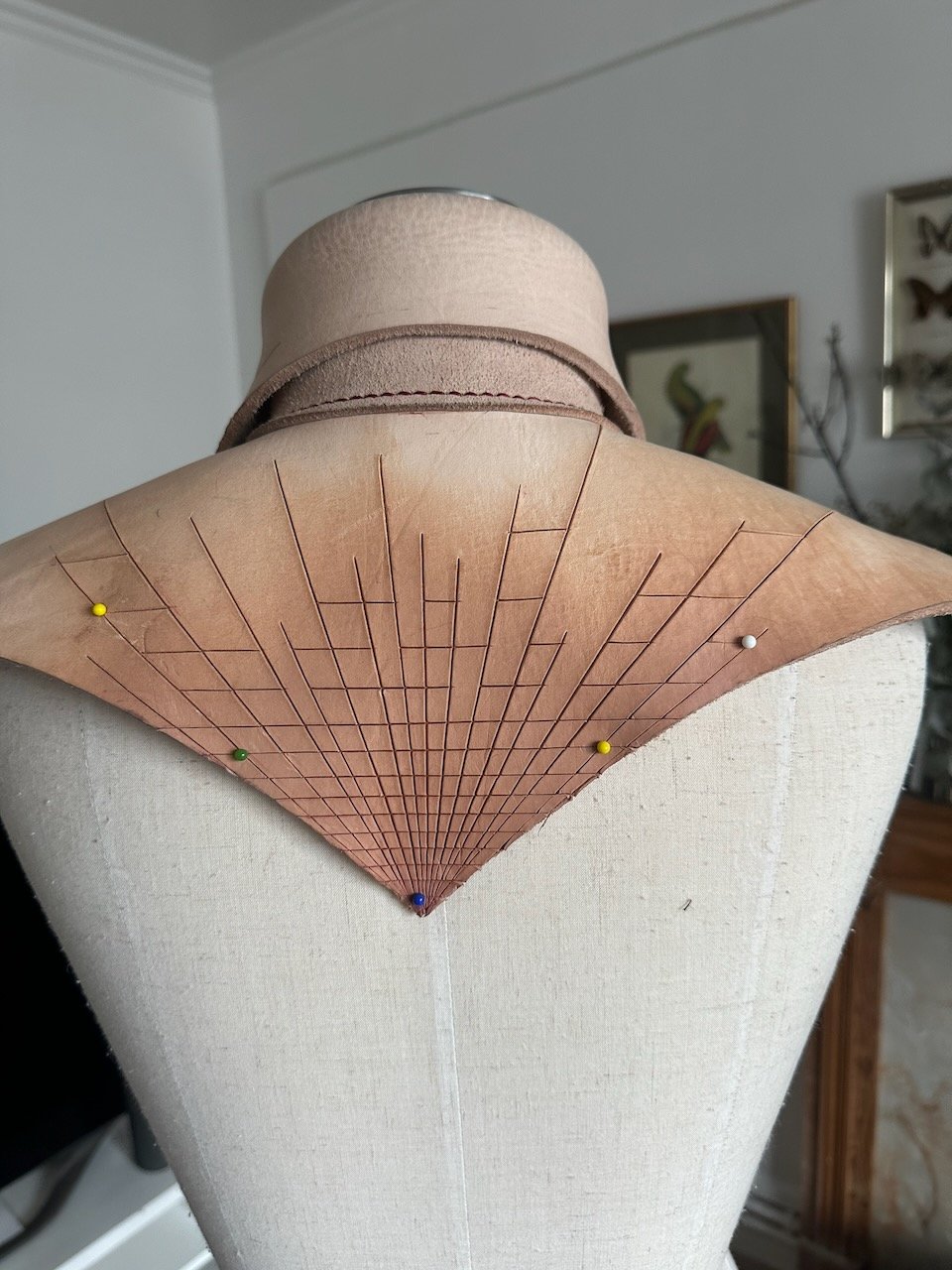
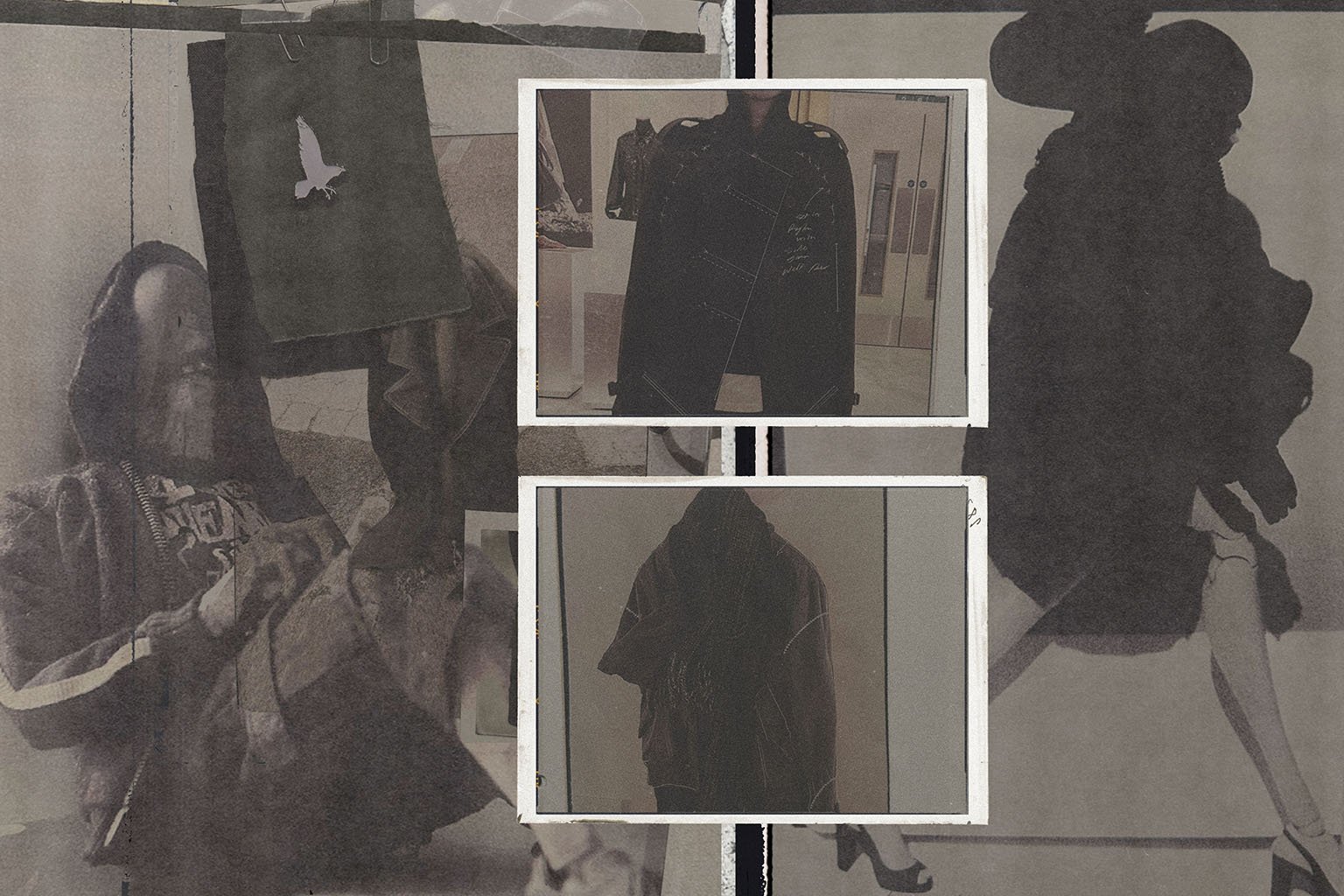
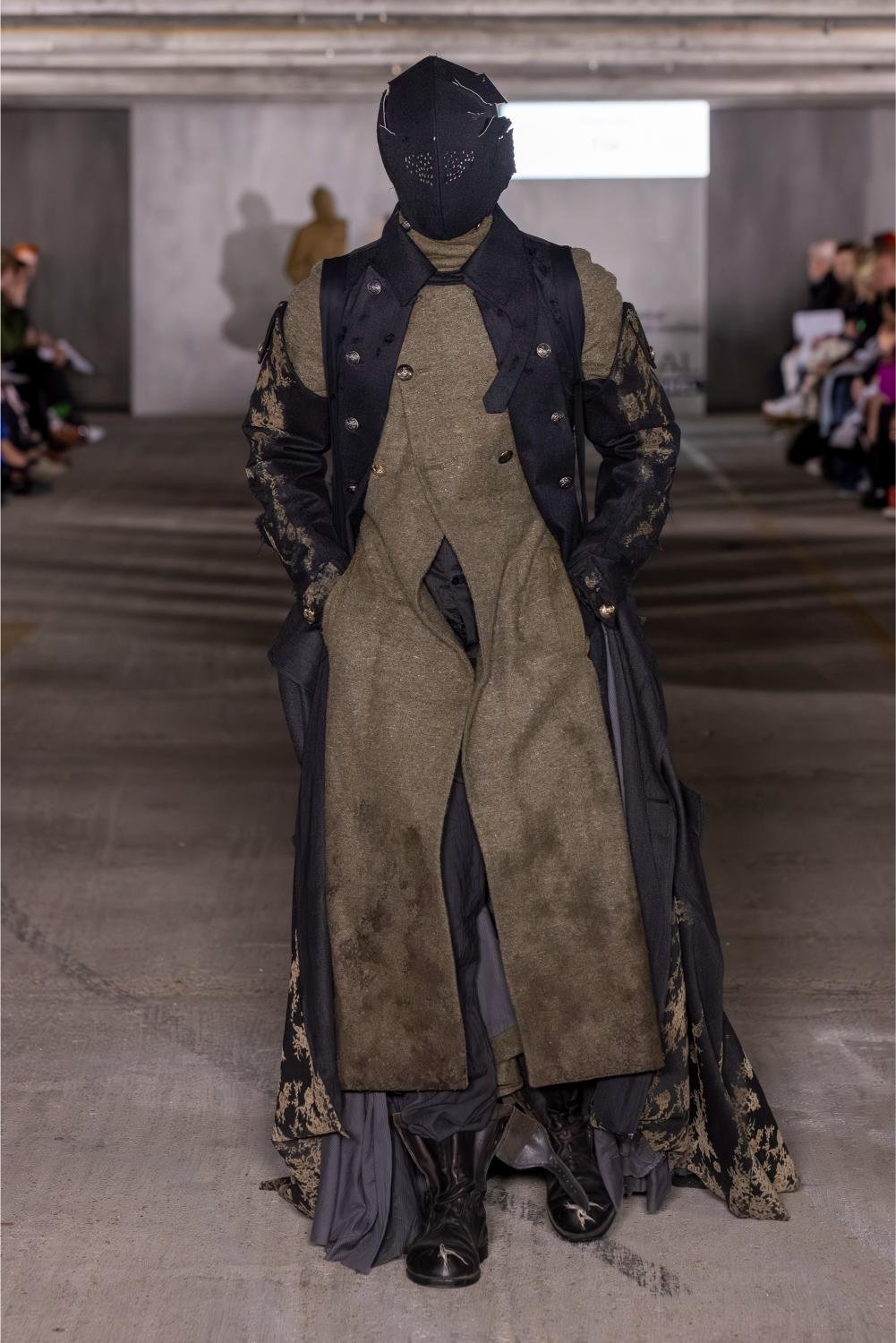
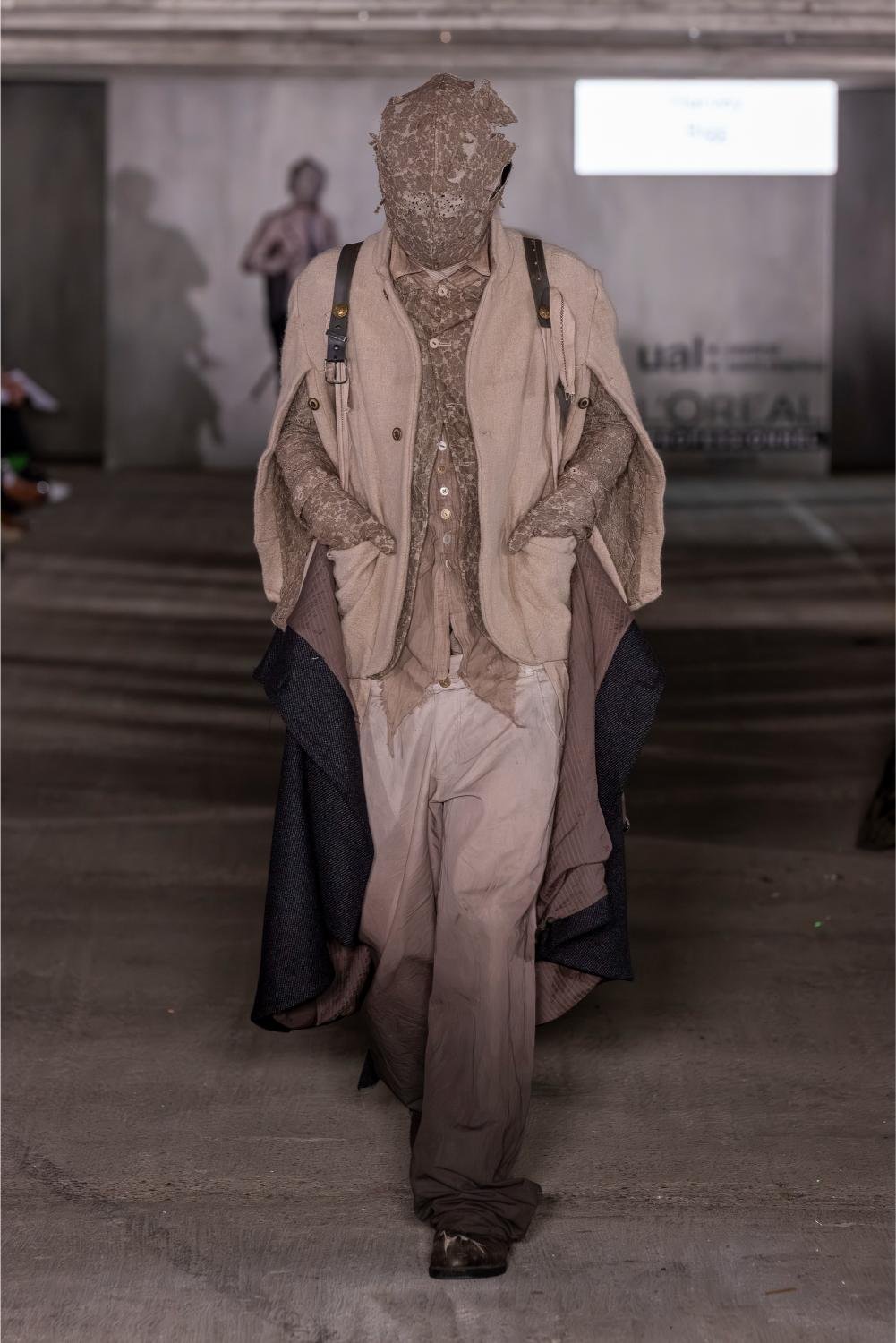
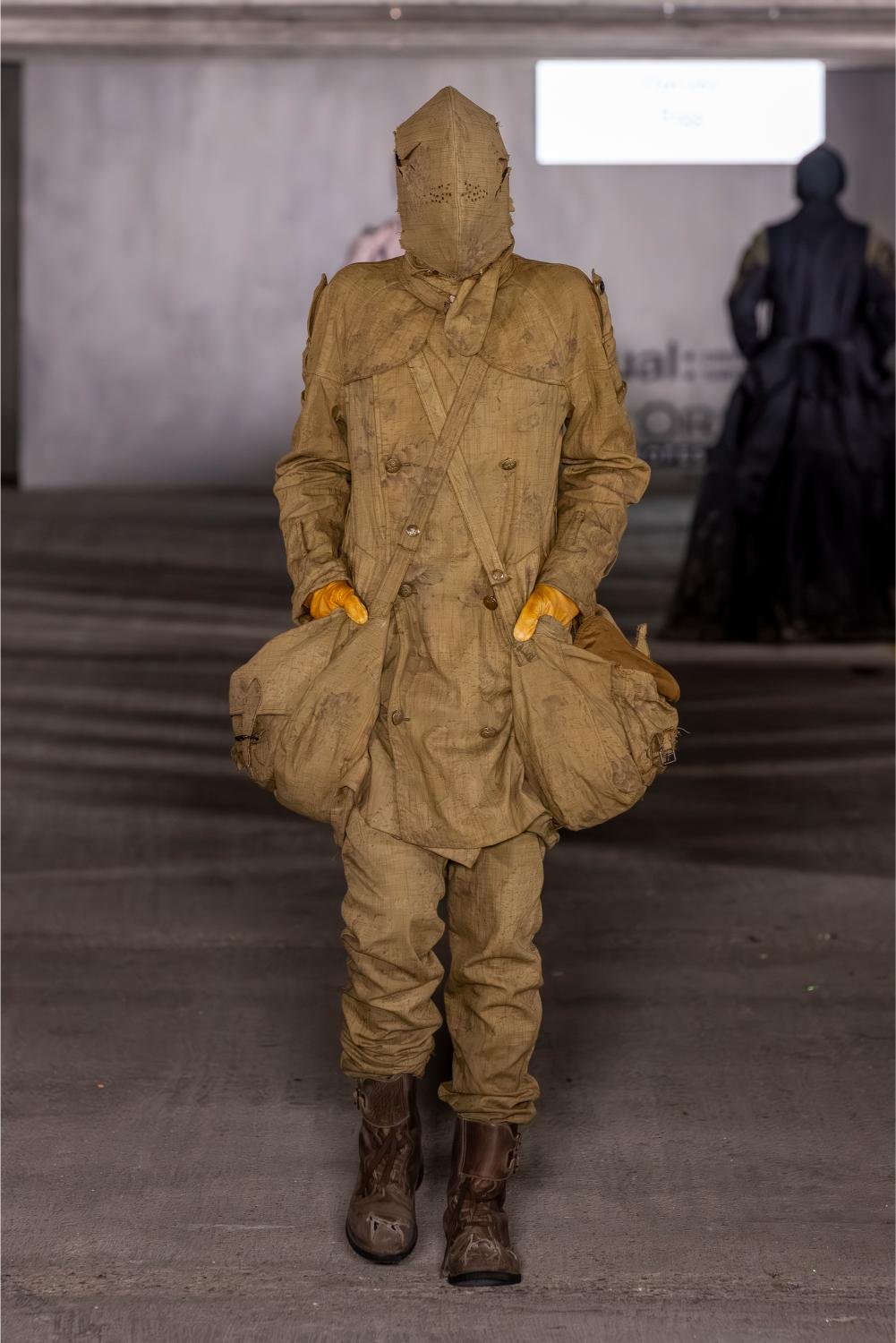
Three Kurt Vonnegut characters sit behind Lorcan Wigg’s collection: one wants desperately to become younger, another is pulled involuntarily through different moments of their life, and a third becomes unstuck in time and space altogether. Wigg takes these unstable timelines and works them into distorted grids and checks, drawing on Charles Howard Hinton’s four-dimensional illustrations. The grids are scored into leather and layered across garments made from shearling, wool, organza, and recycled materials. Time appears warped, folded, and difficult to locate.

Shane Elias

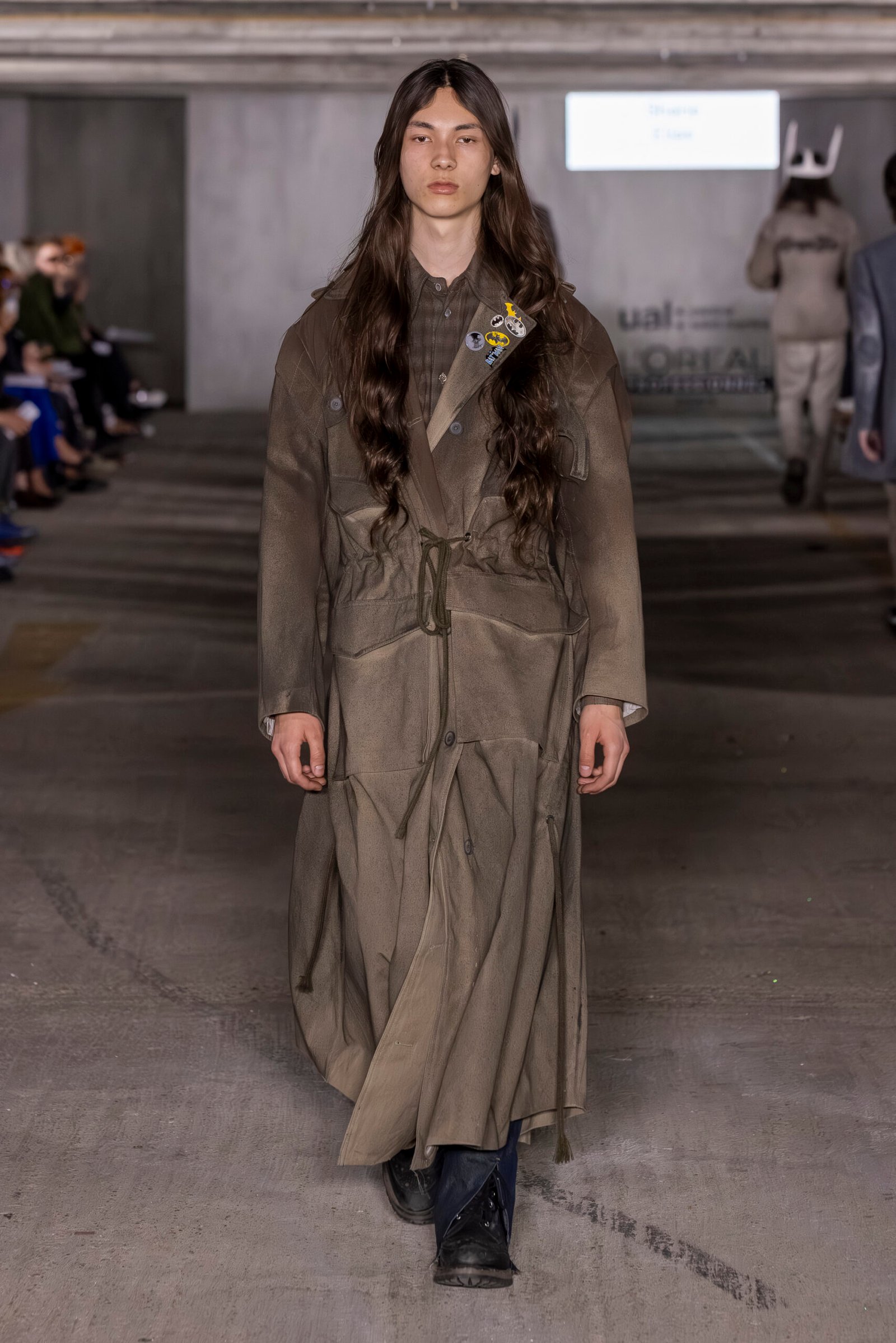
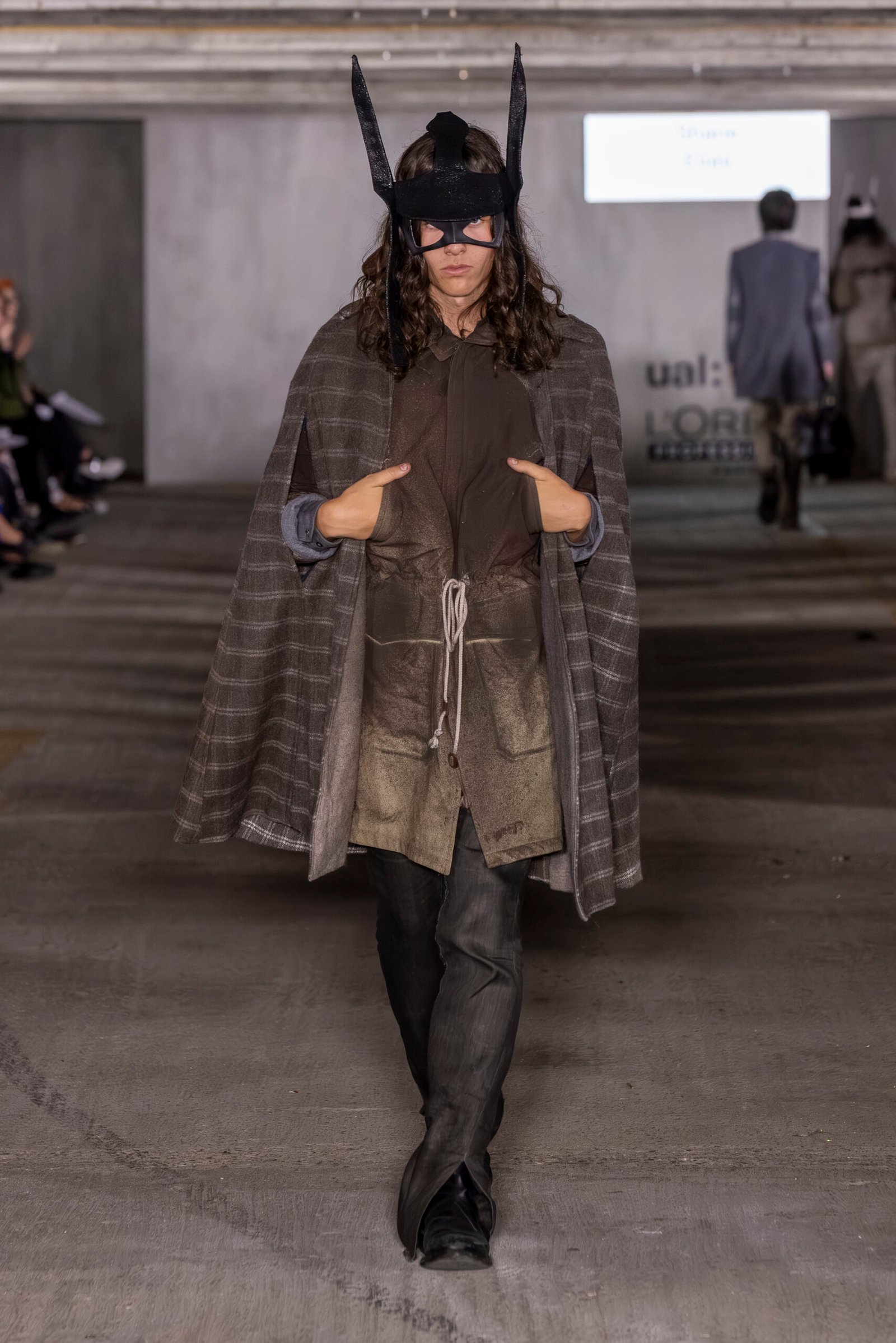
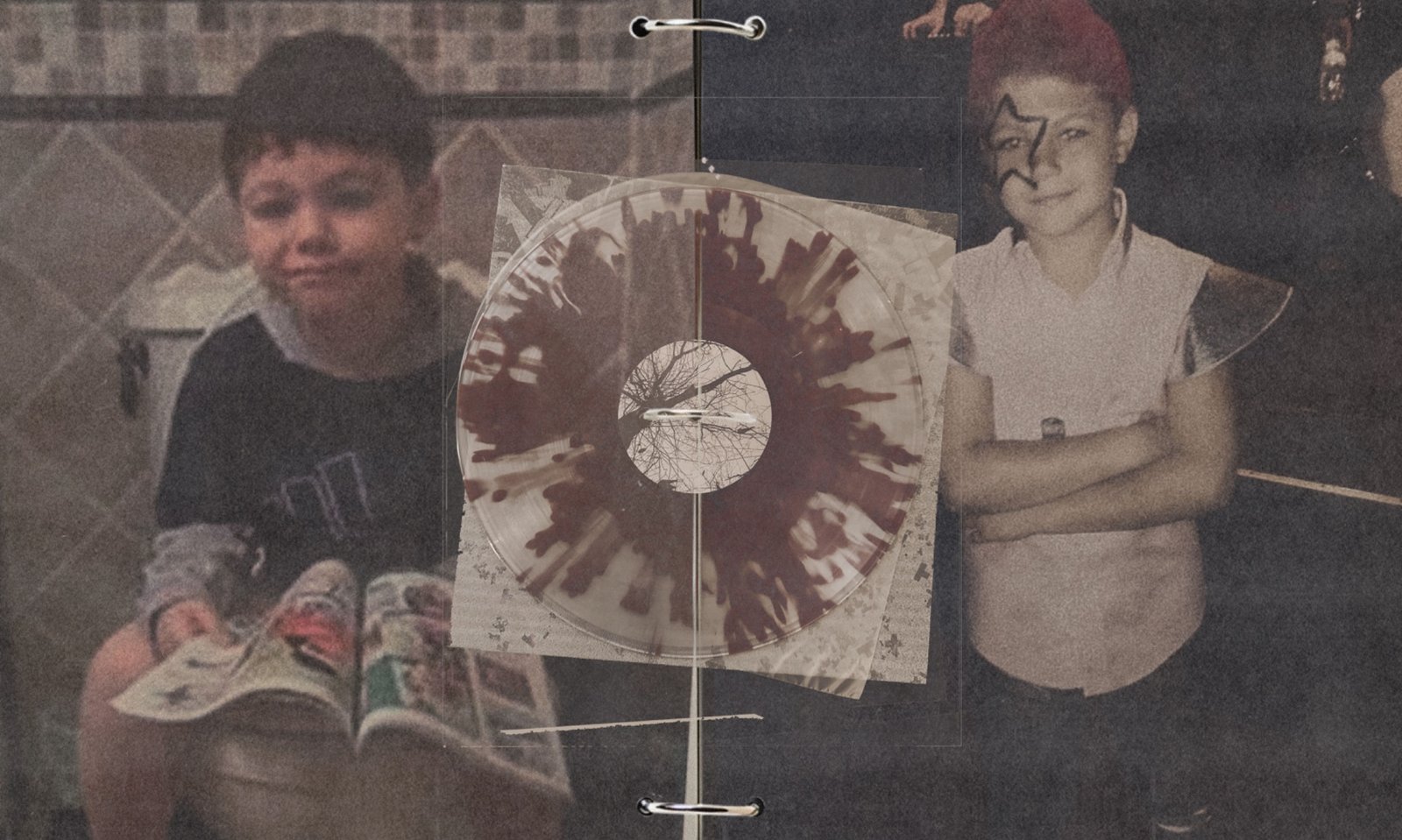
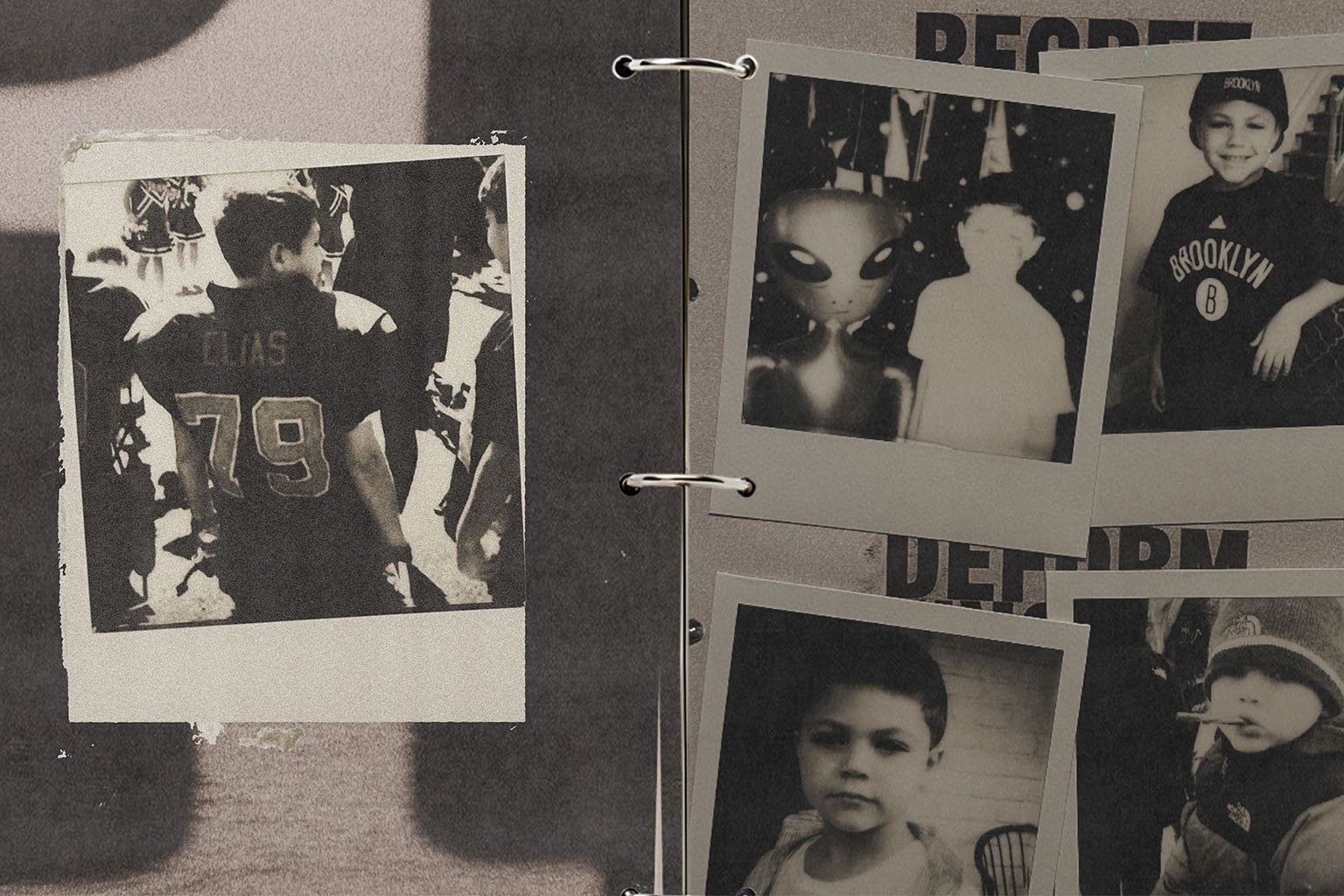
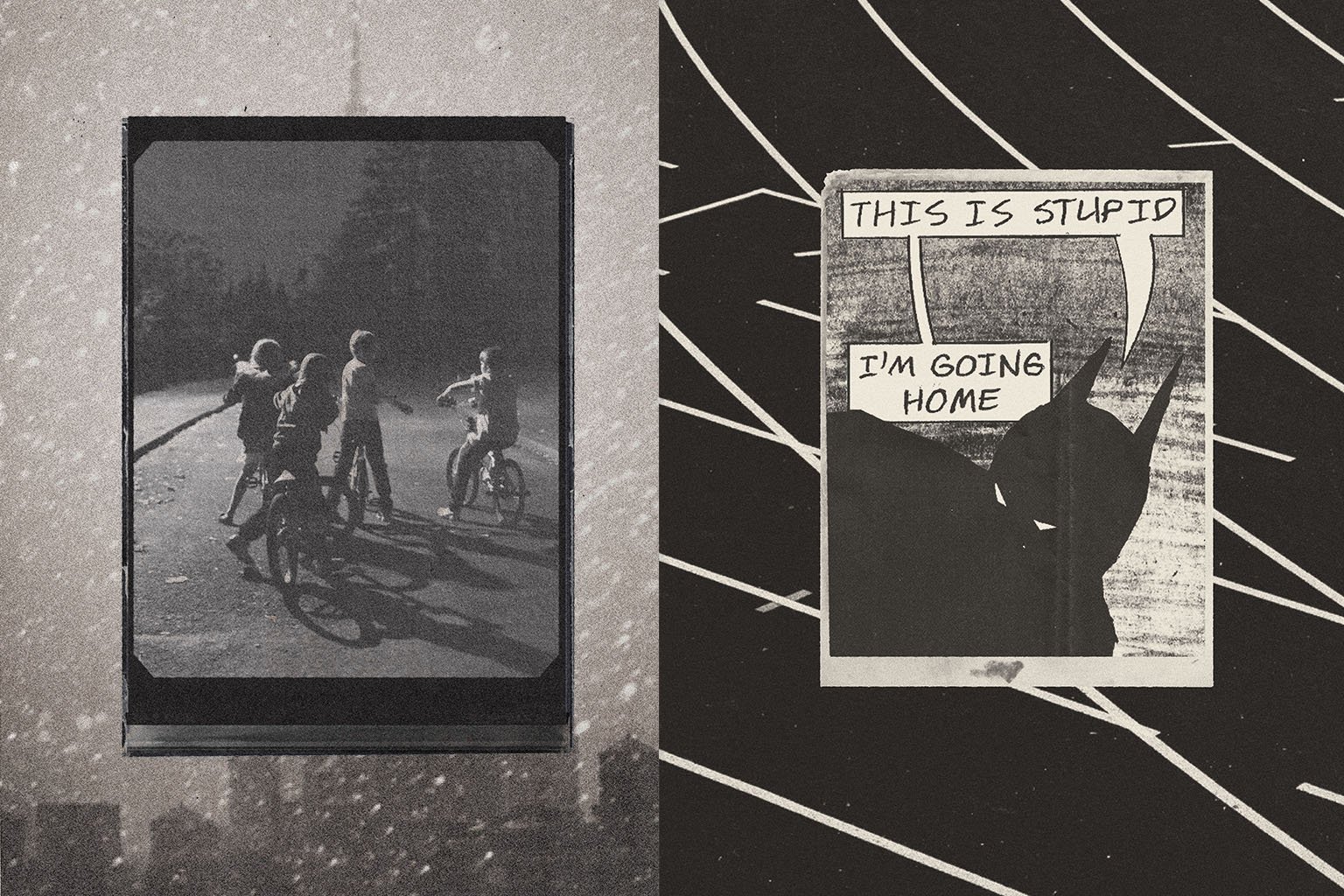
Childhood, family history, and the feeling of home run through Shane Elias’ collection. His family has been connected to the garment industry since immigrating to New York, and Elias returns to that history through familiar outerwear silhouettes, comic books, sports teams, and the music that shaped his youth. The collection stays close to the idea that personal history remains present, even as people grow older and try to reinvent themselves. Elias carries the same questions into his debut album, “De Profundis,” where memory, reflection, and change take another form.

@shaneelias

BAFCSM by Rebecca Maynes 7PM show

Julia O’Callaghan

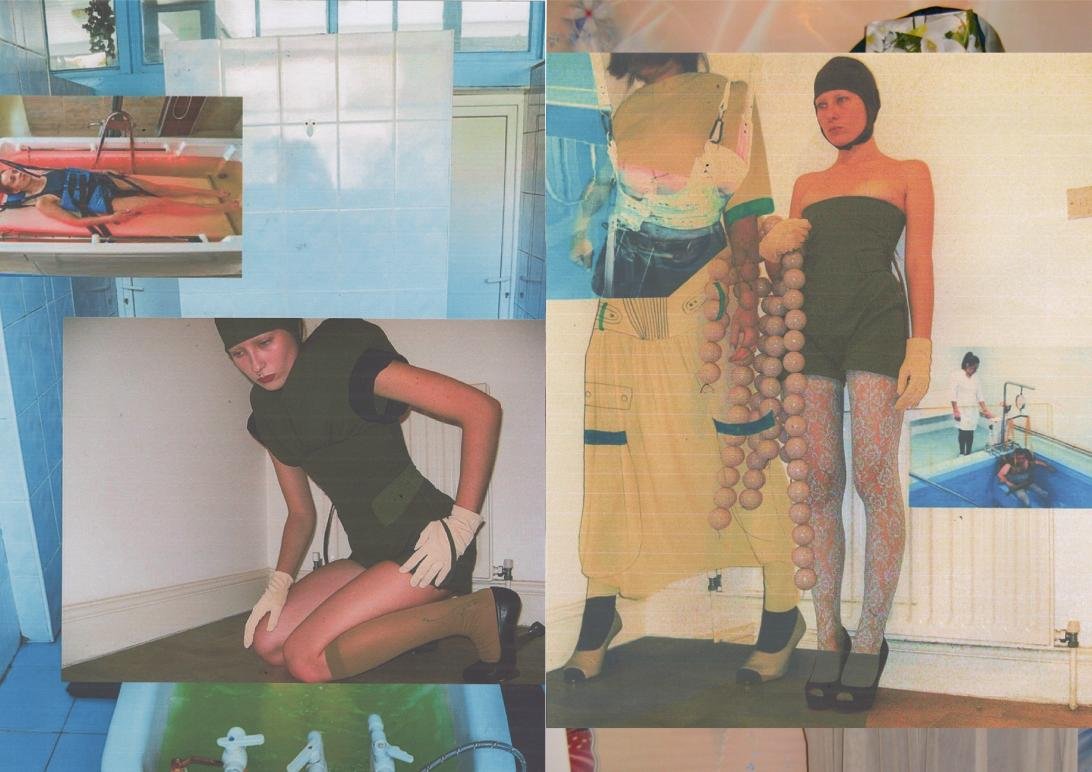
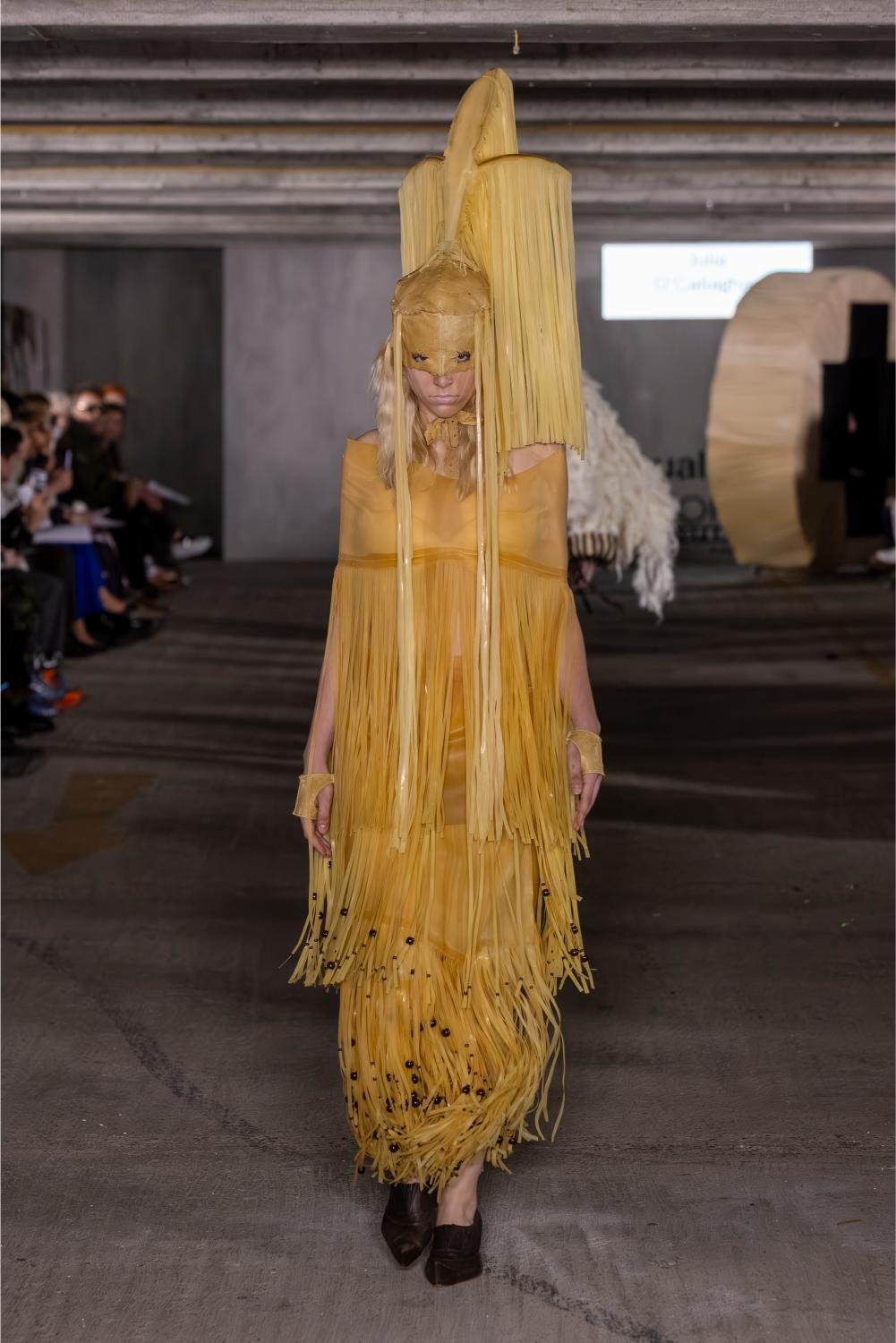
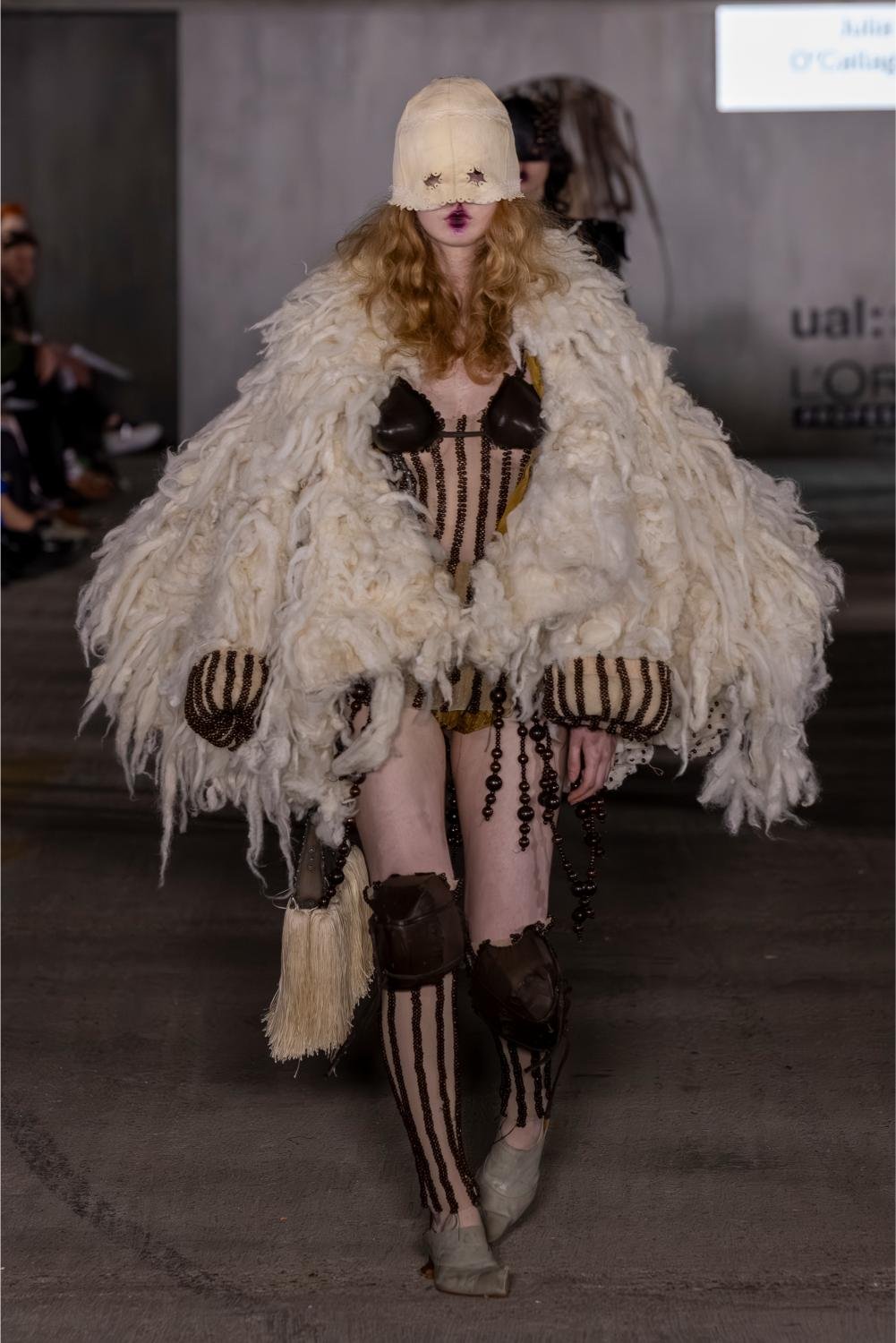
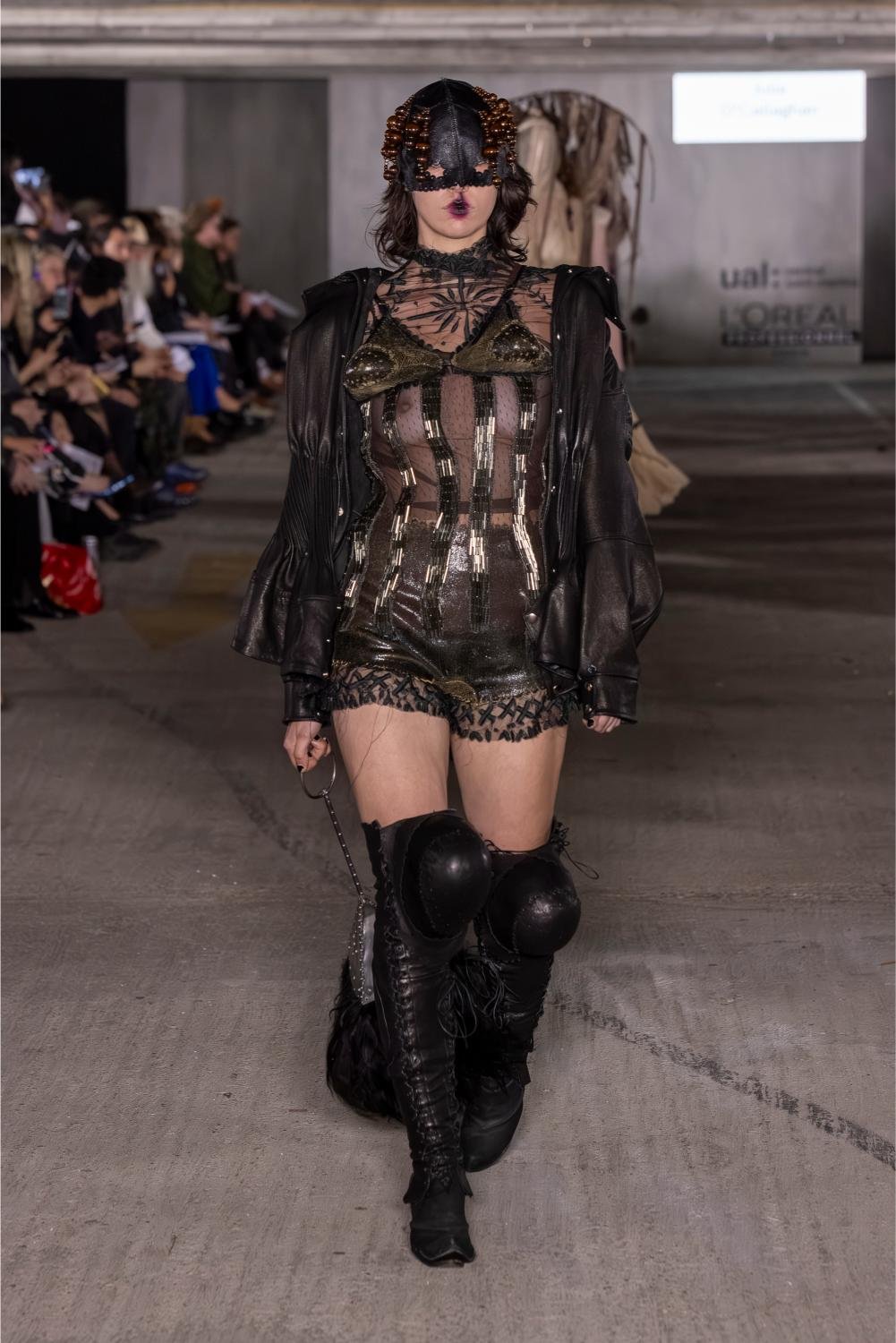
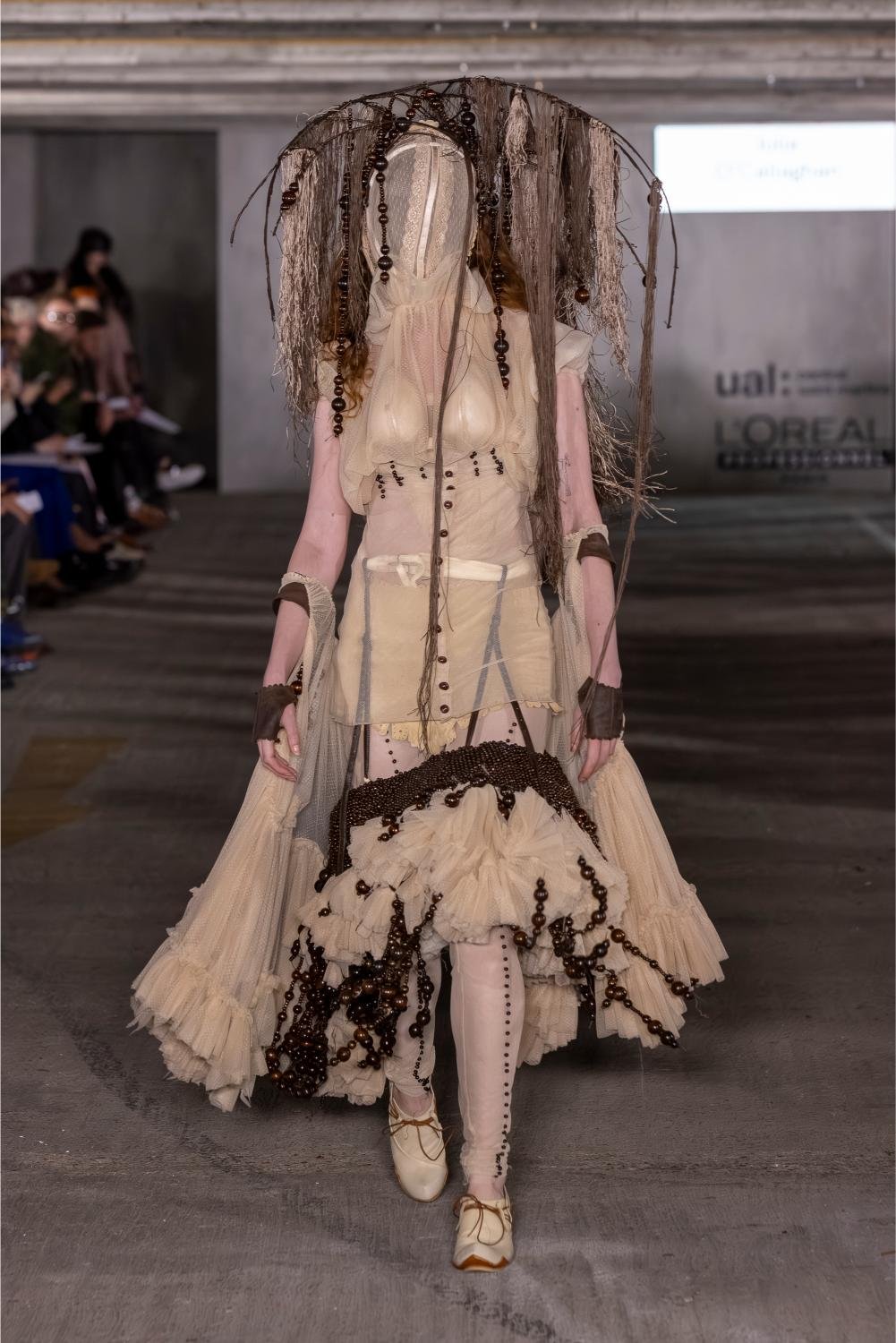
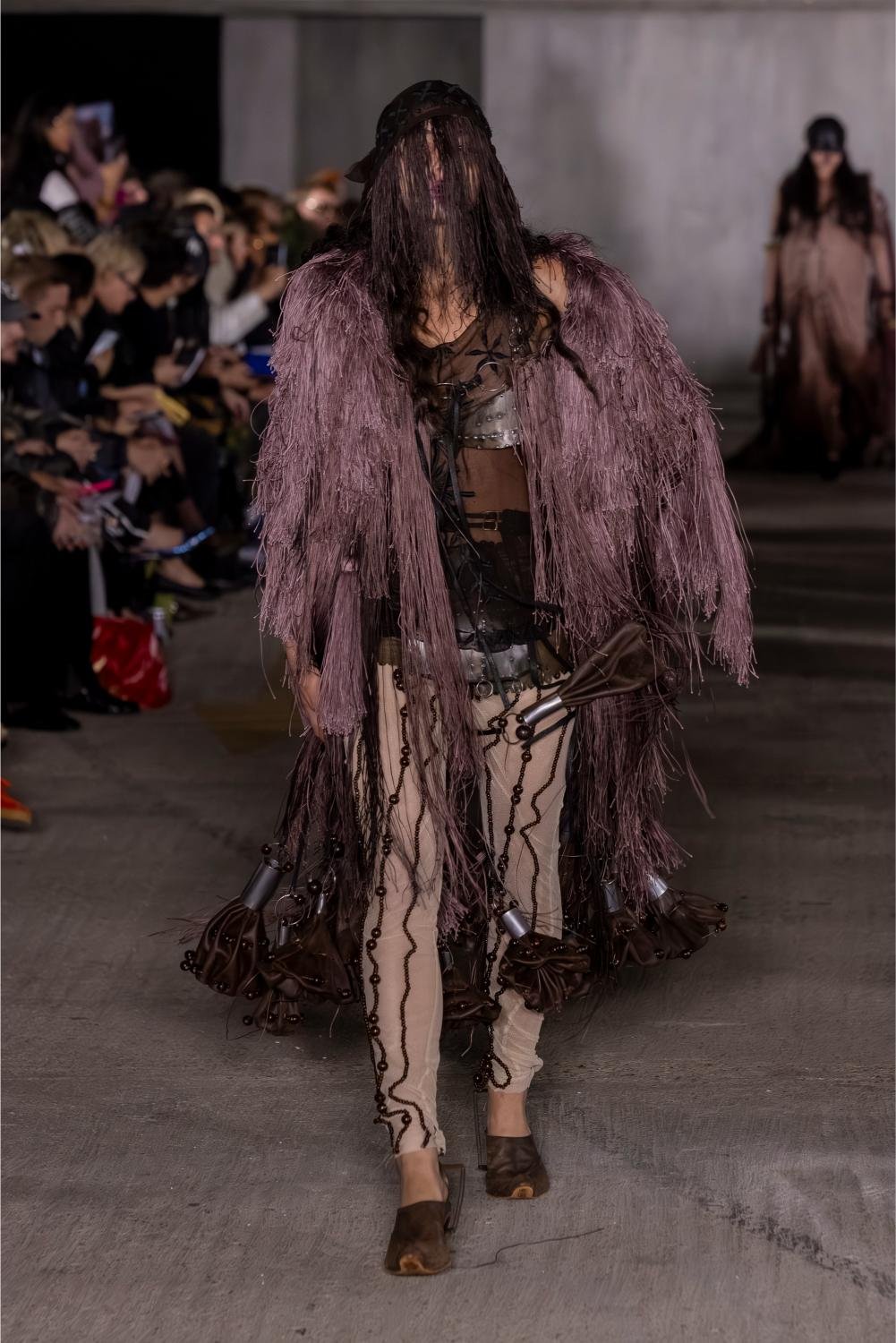
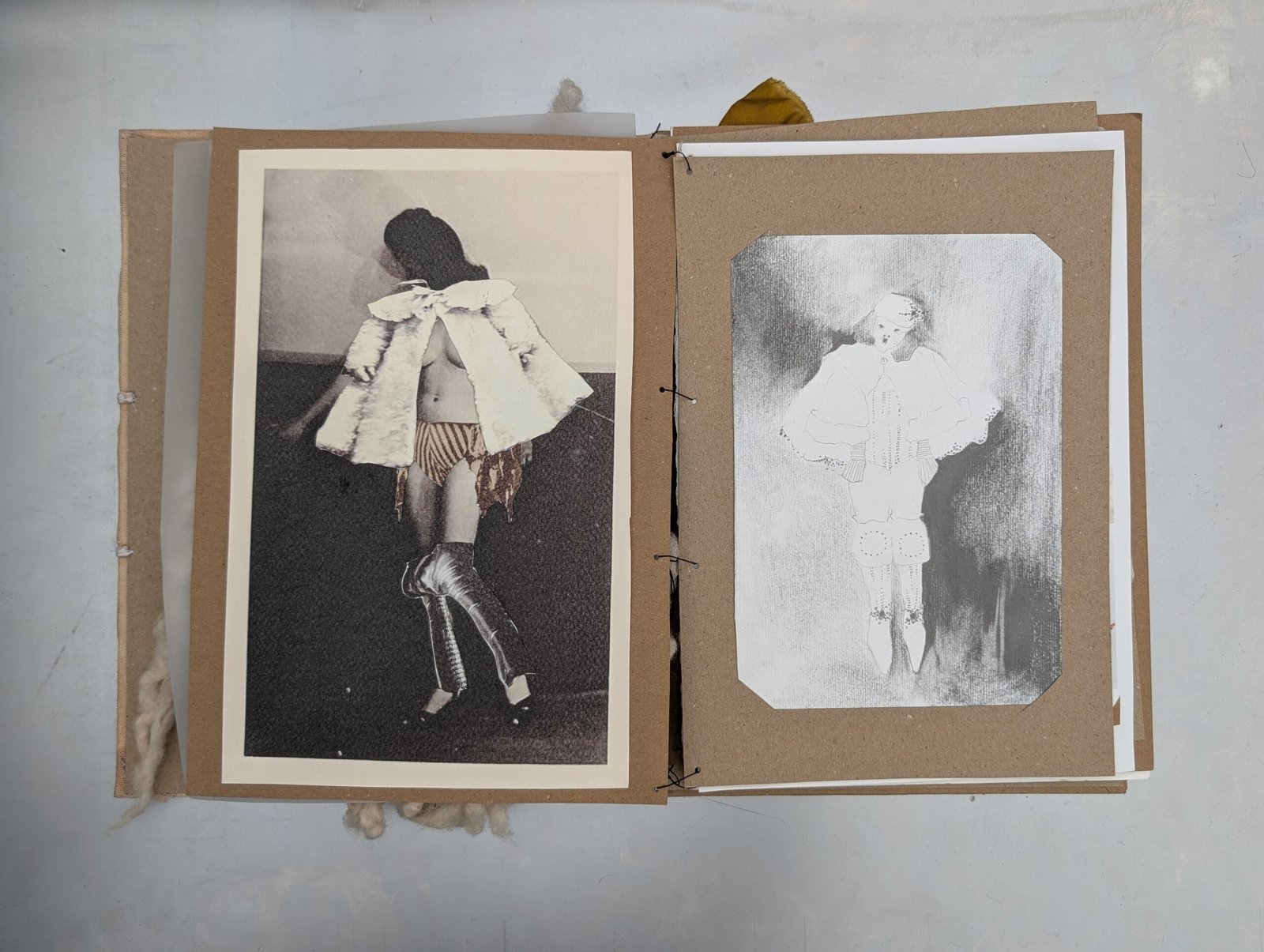
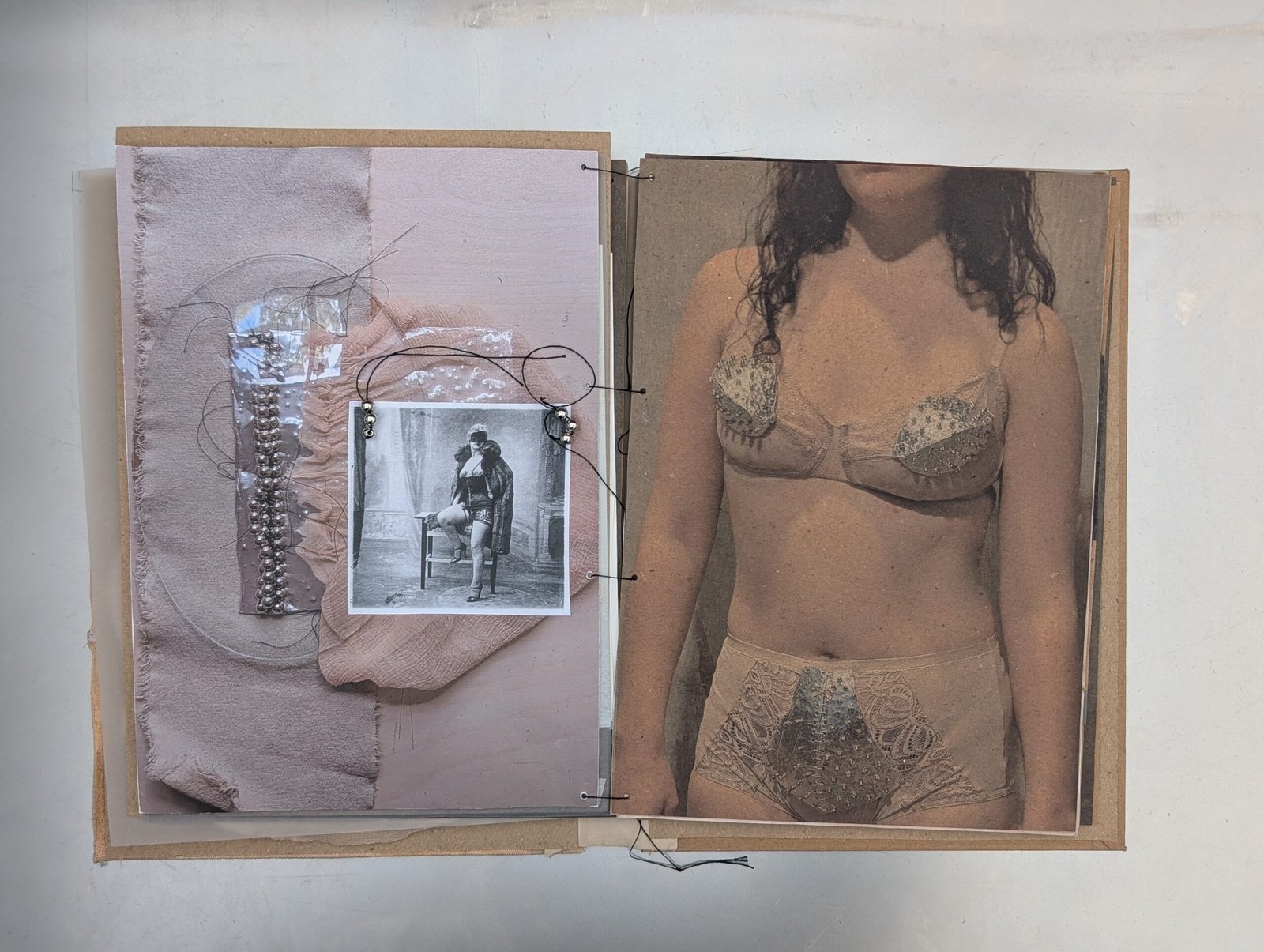
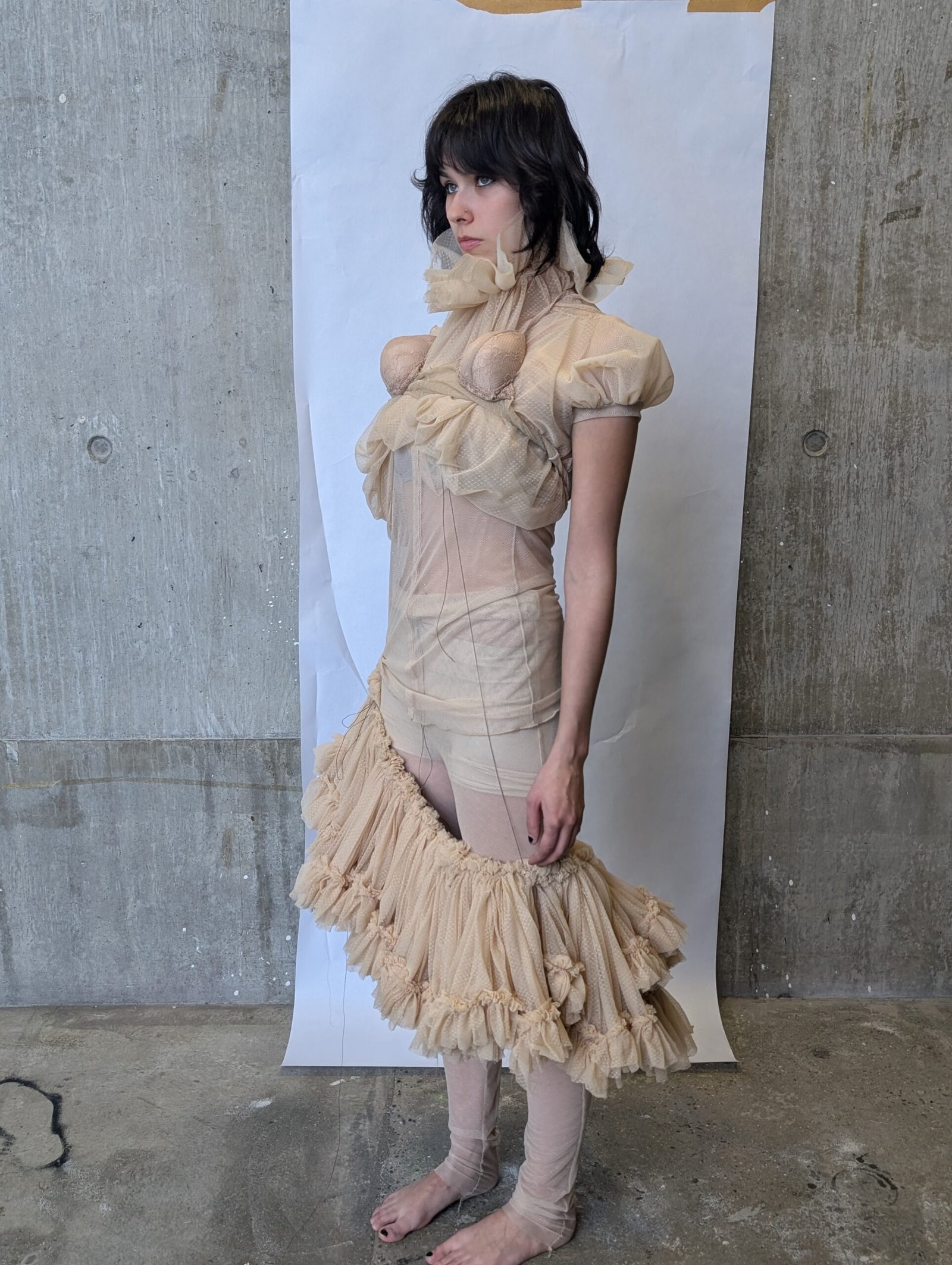
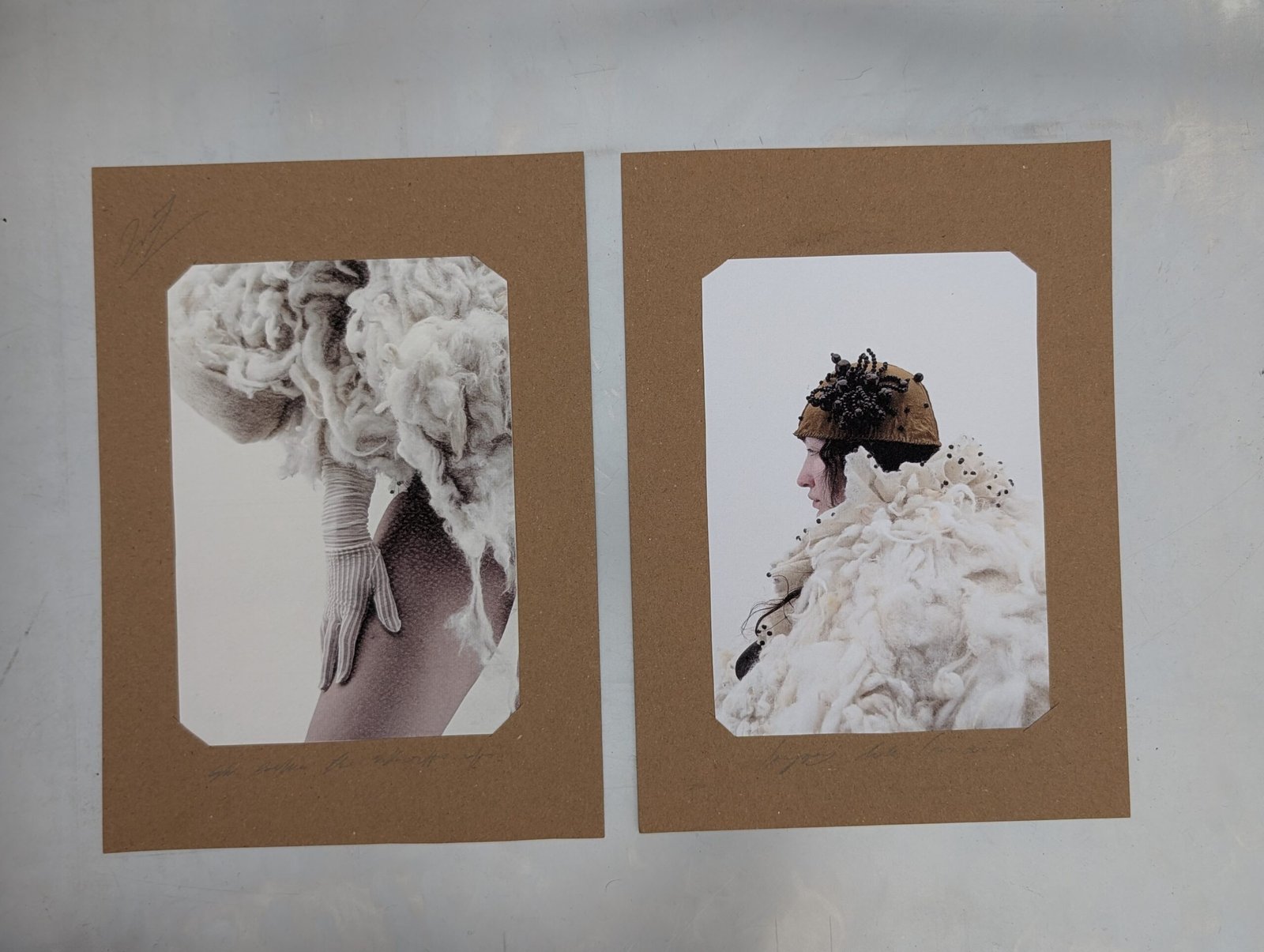
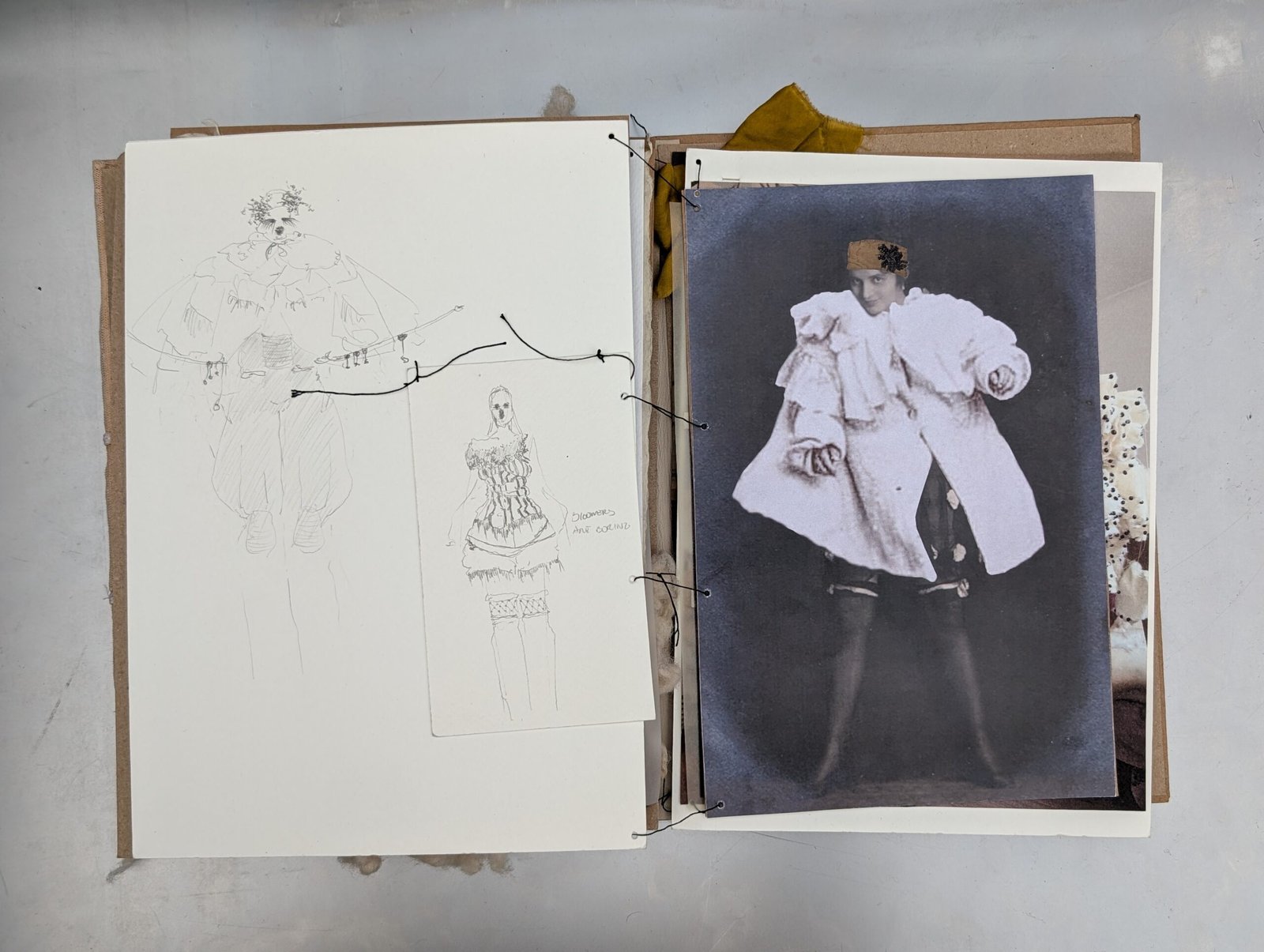
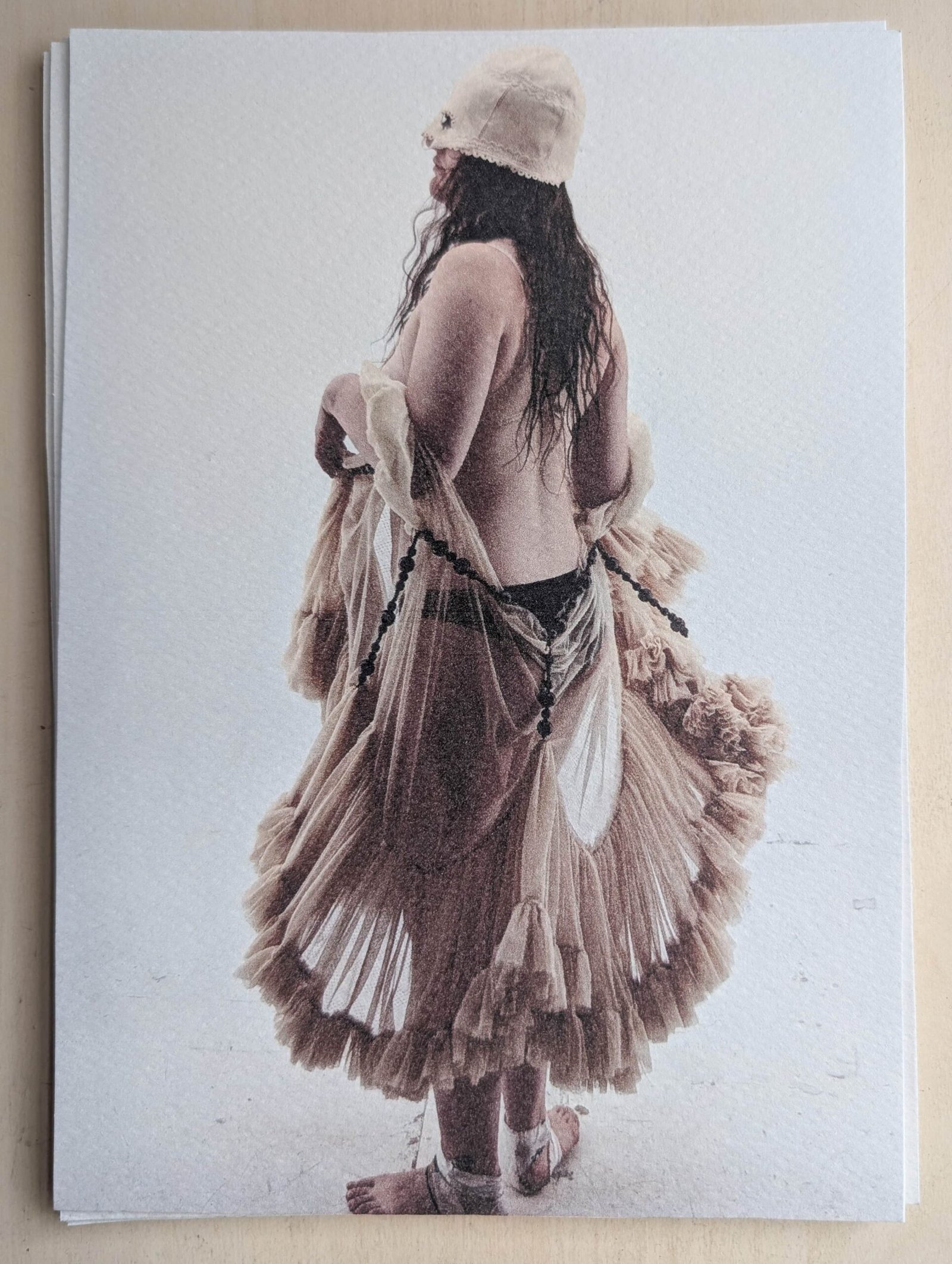
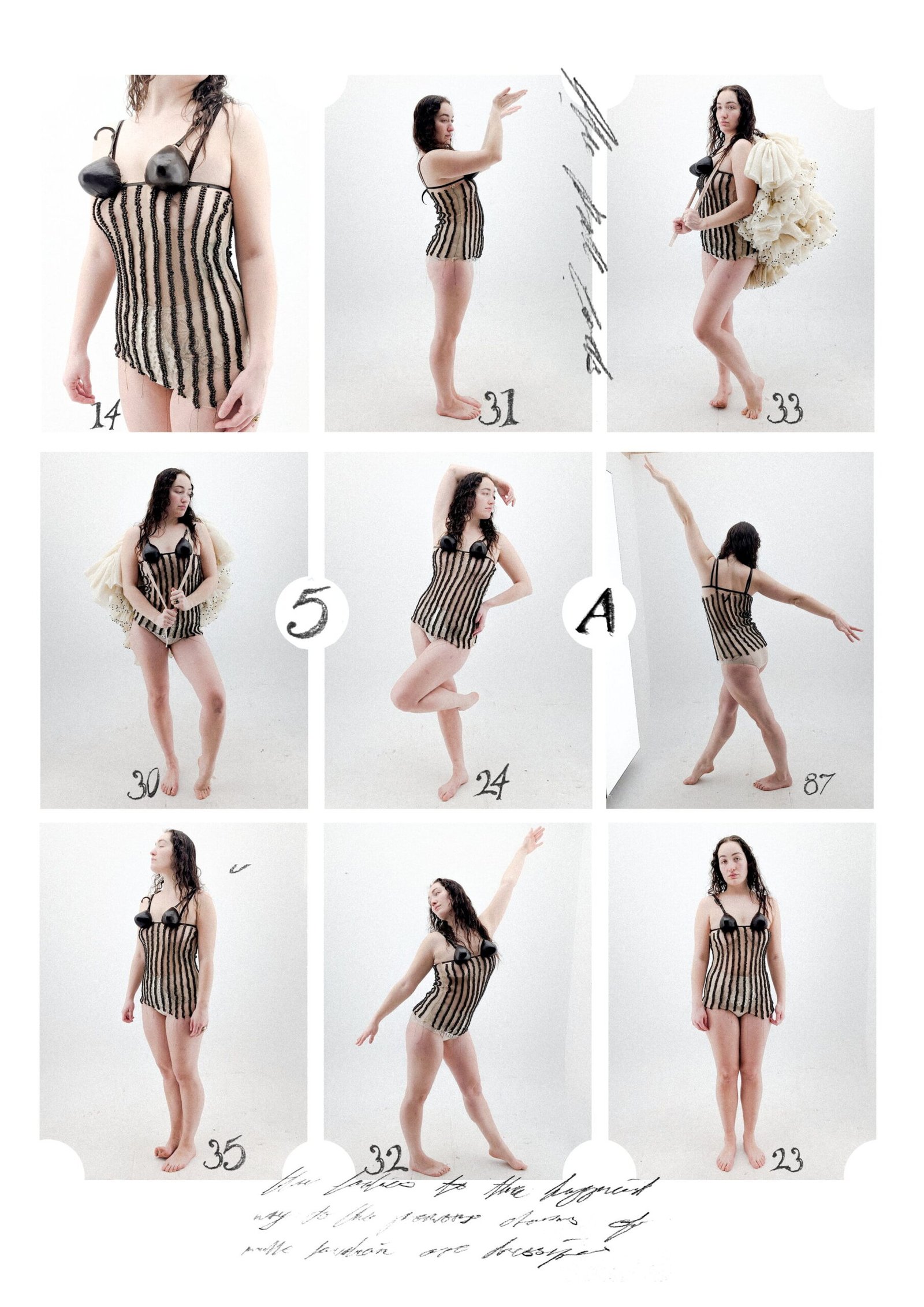
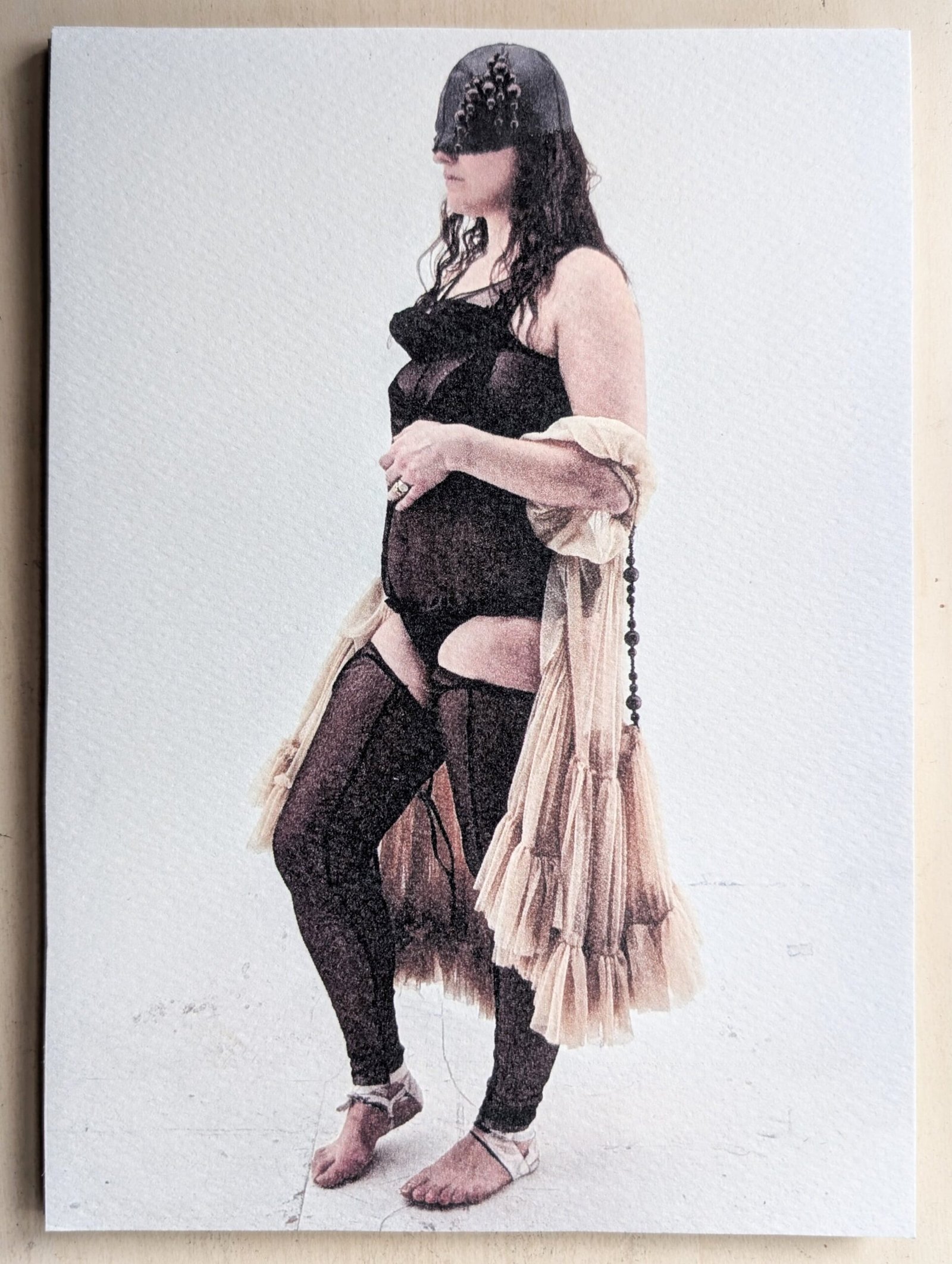
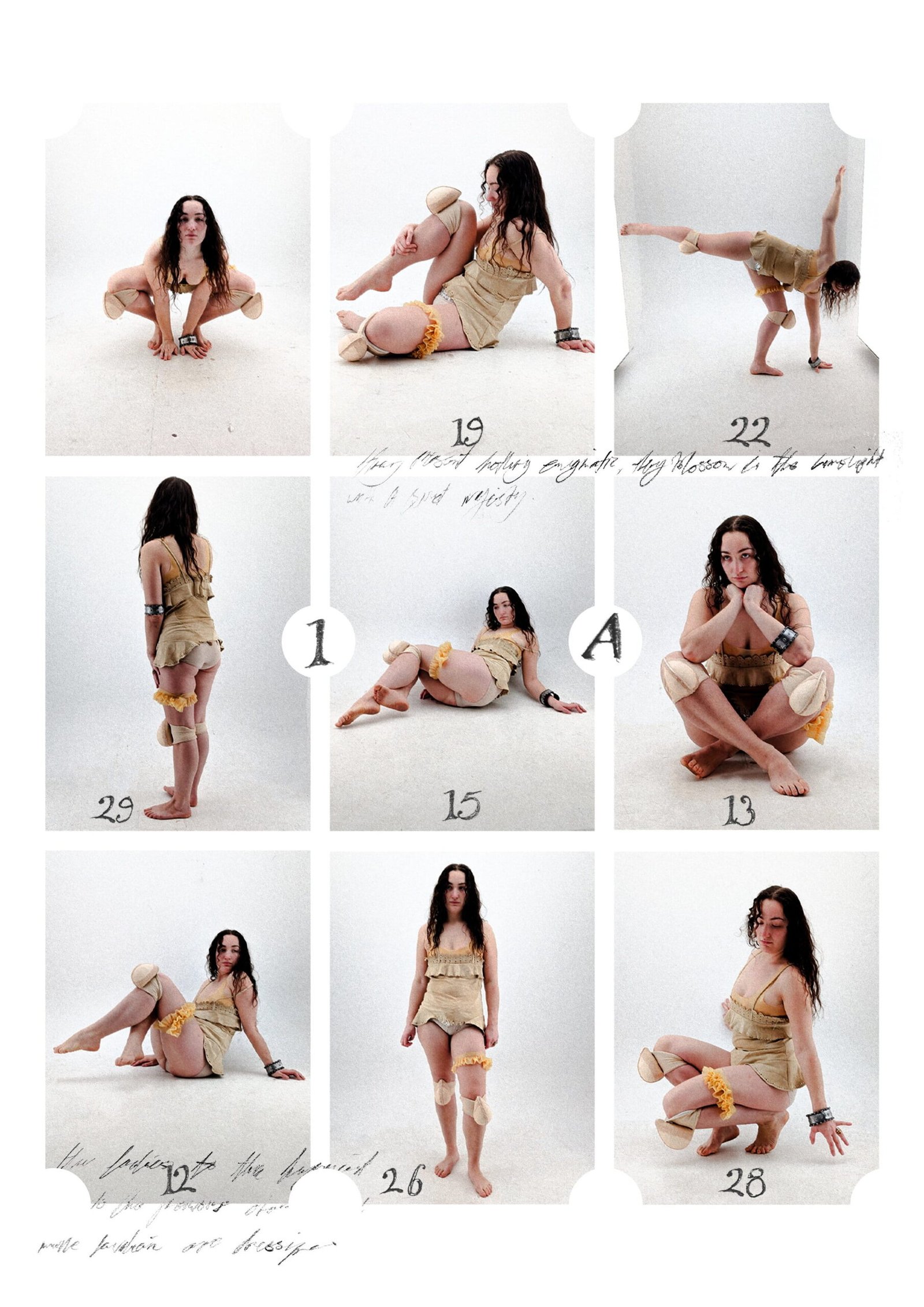
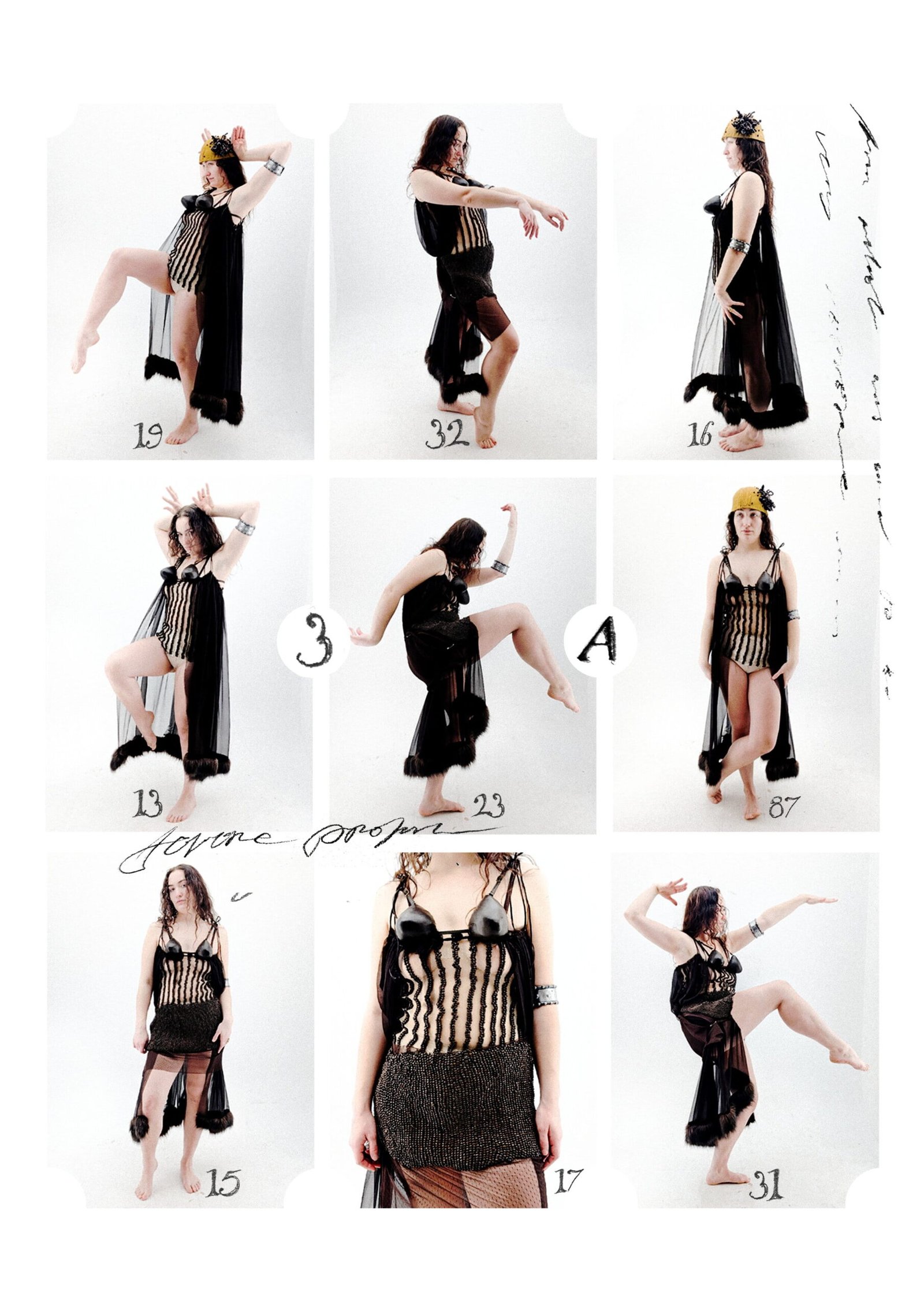
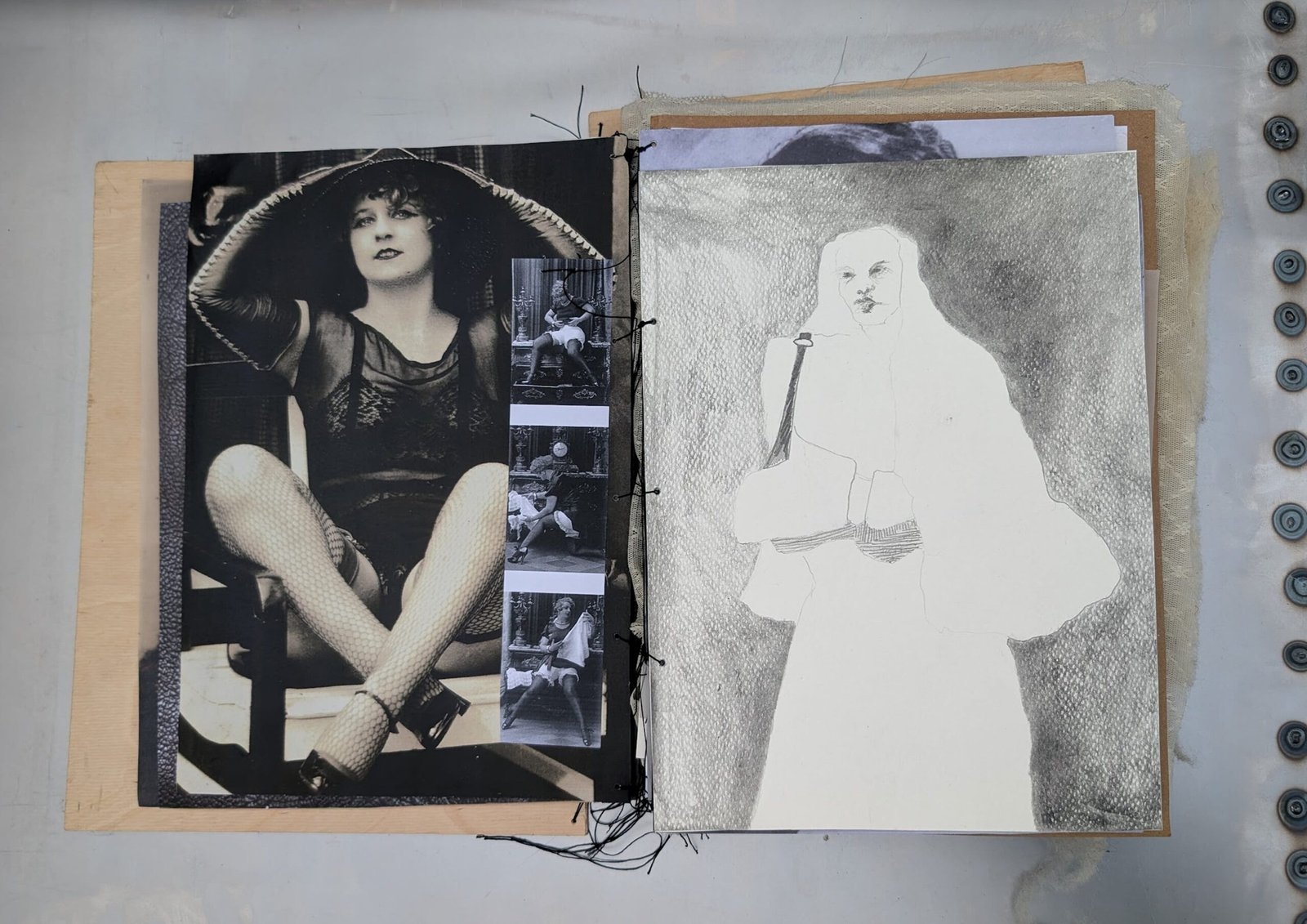
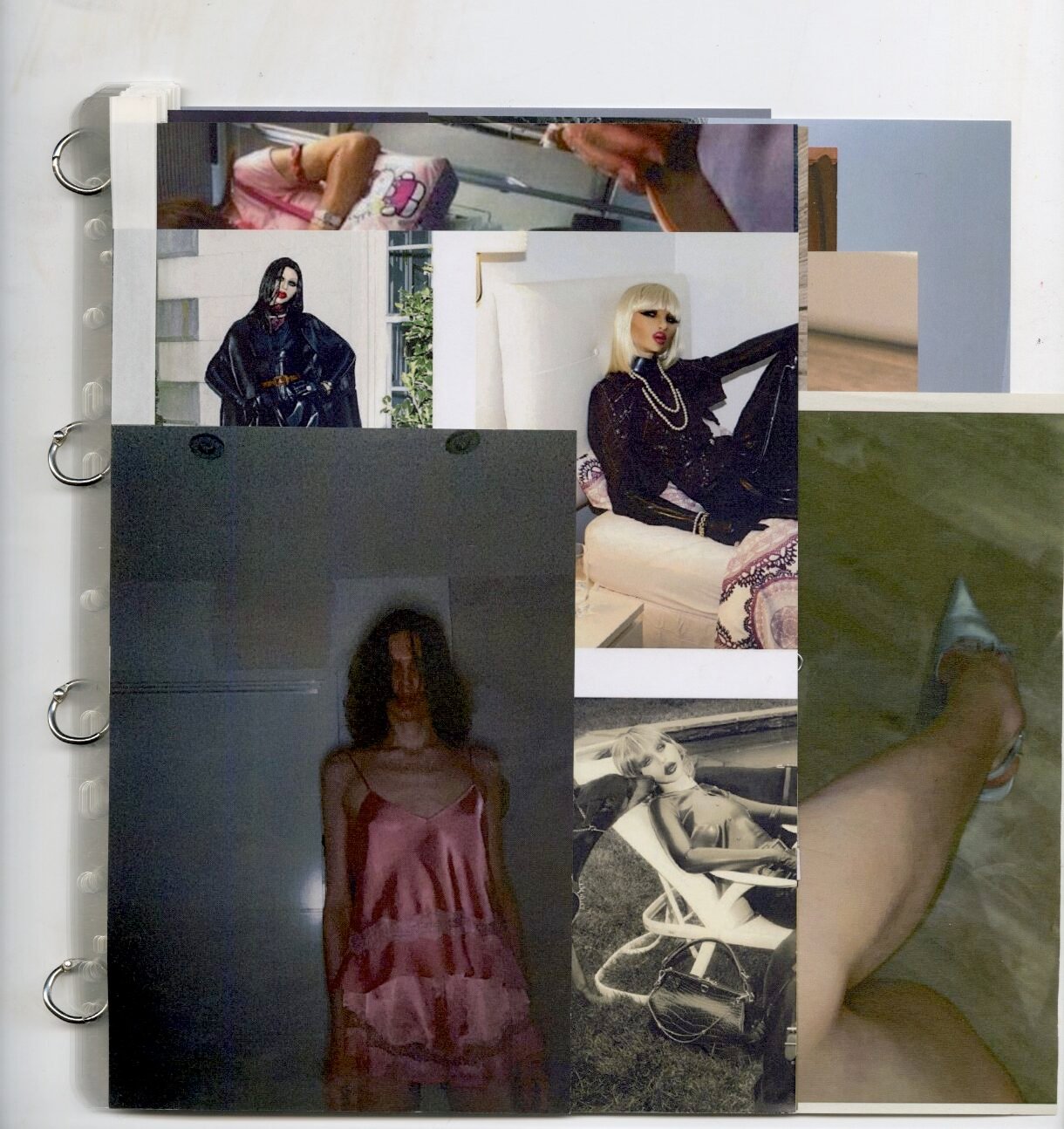
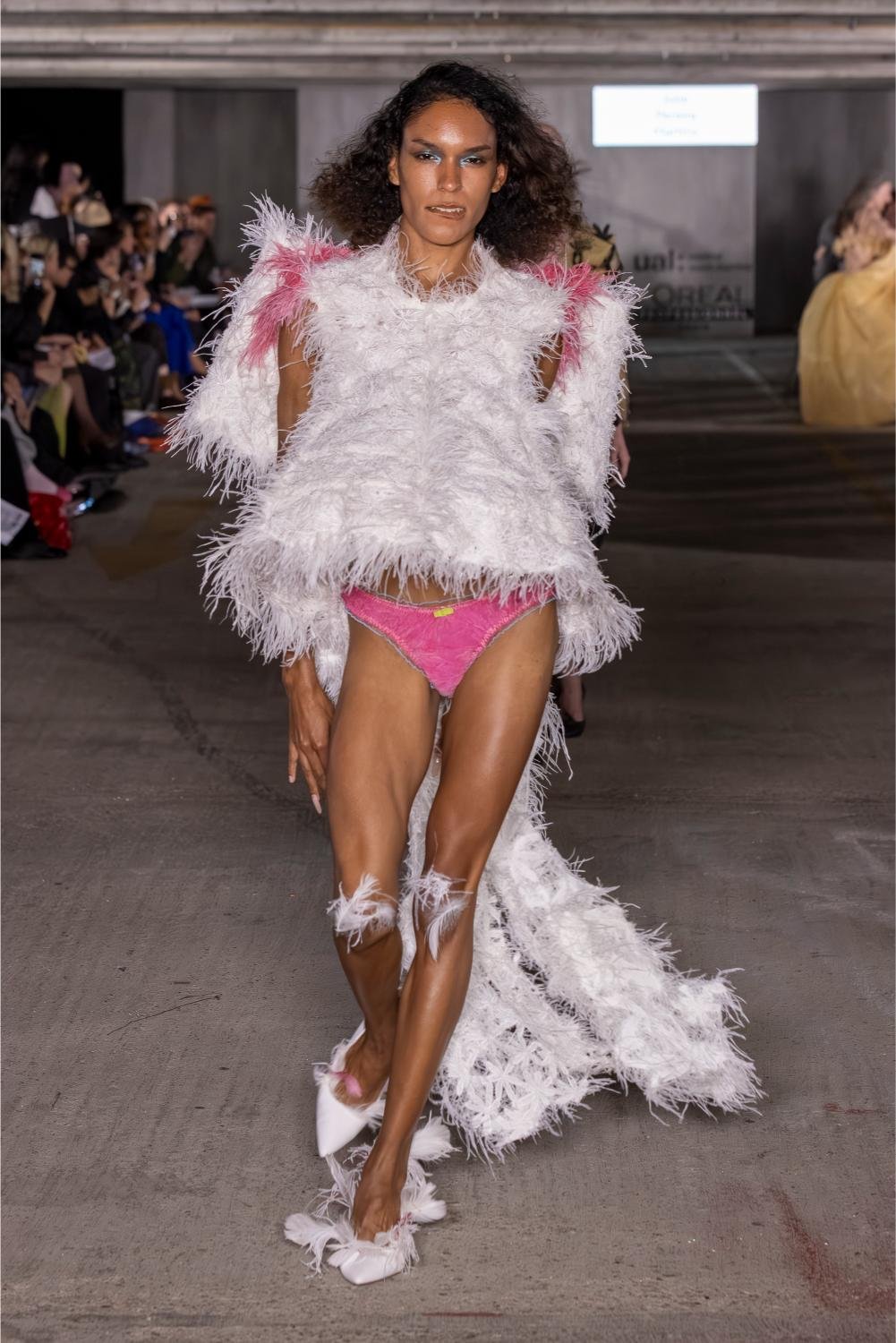
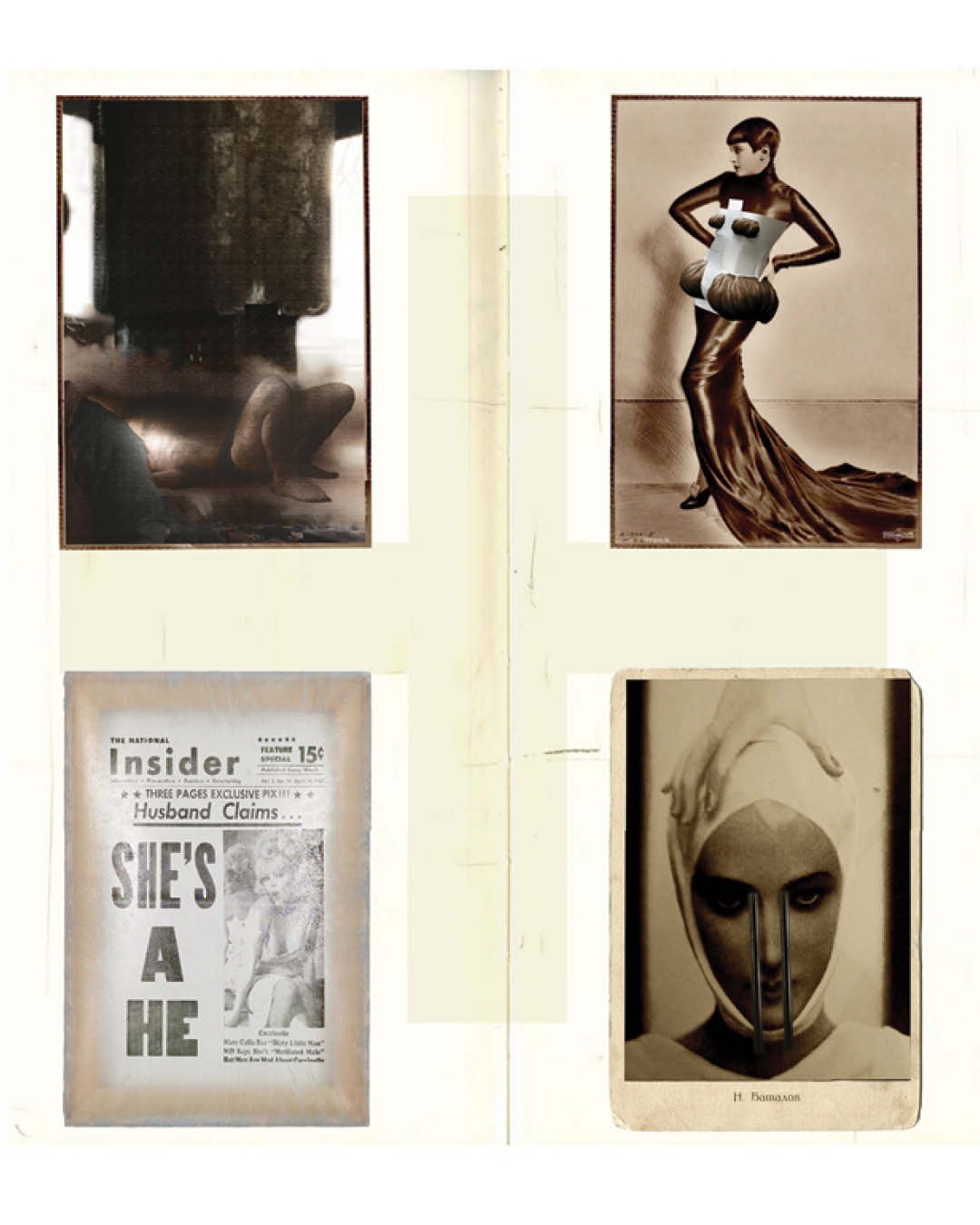
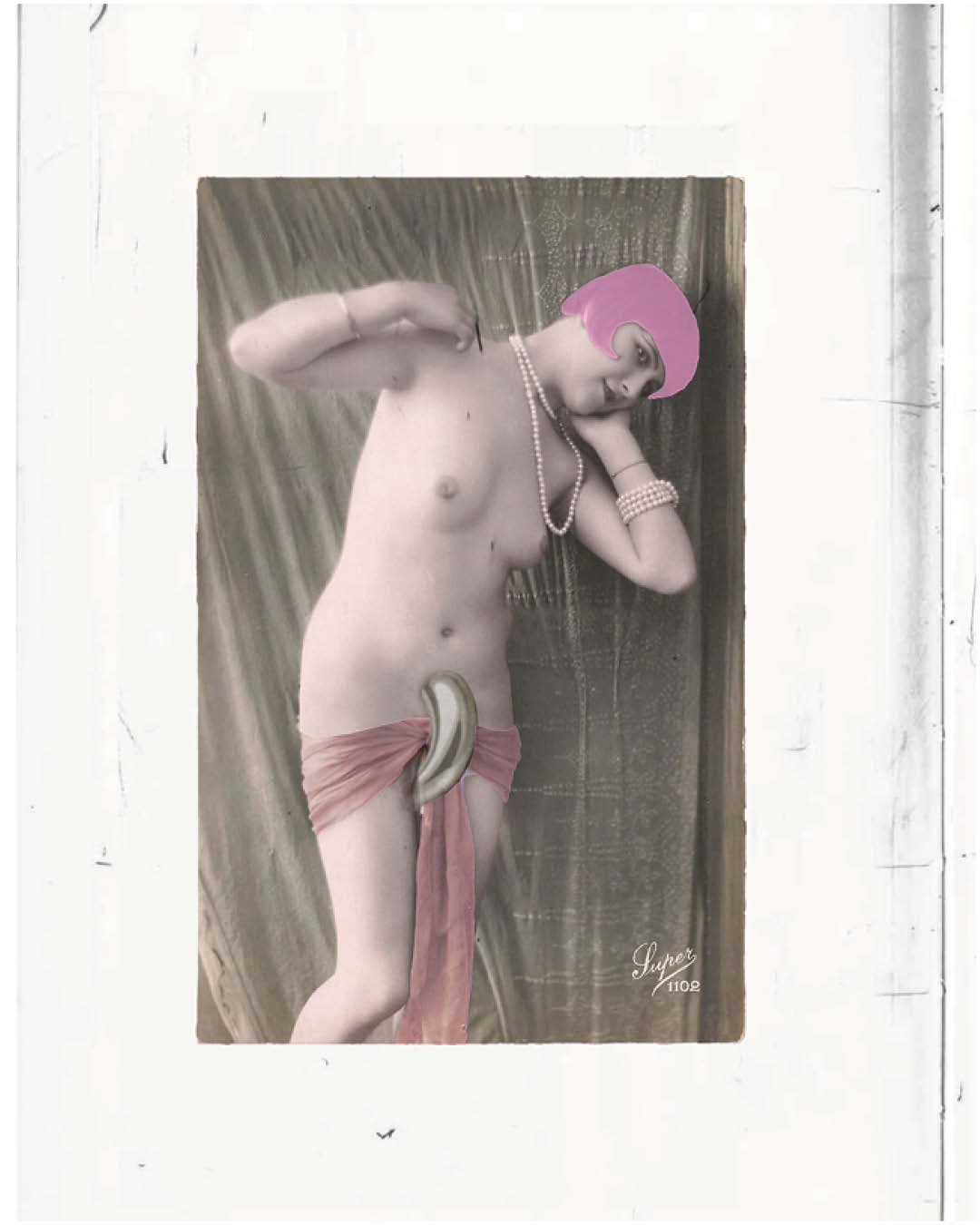
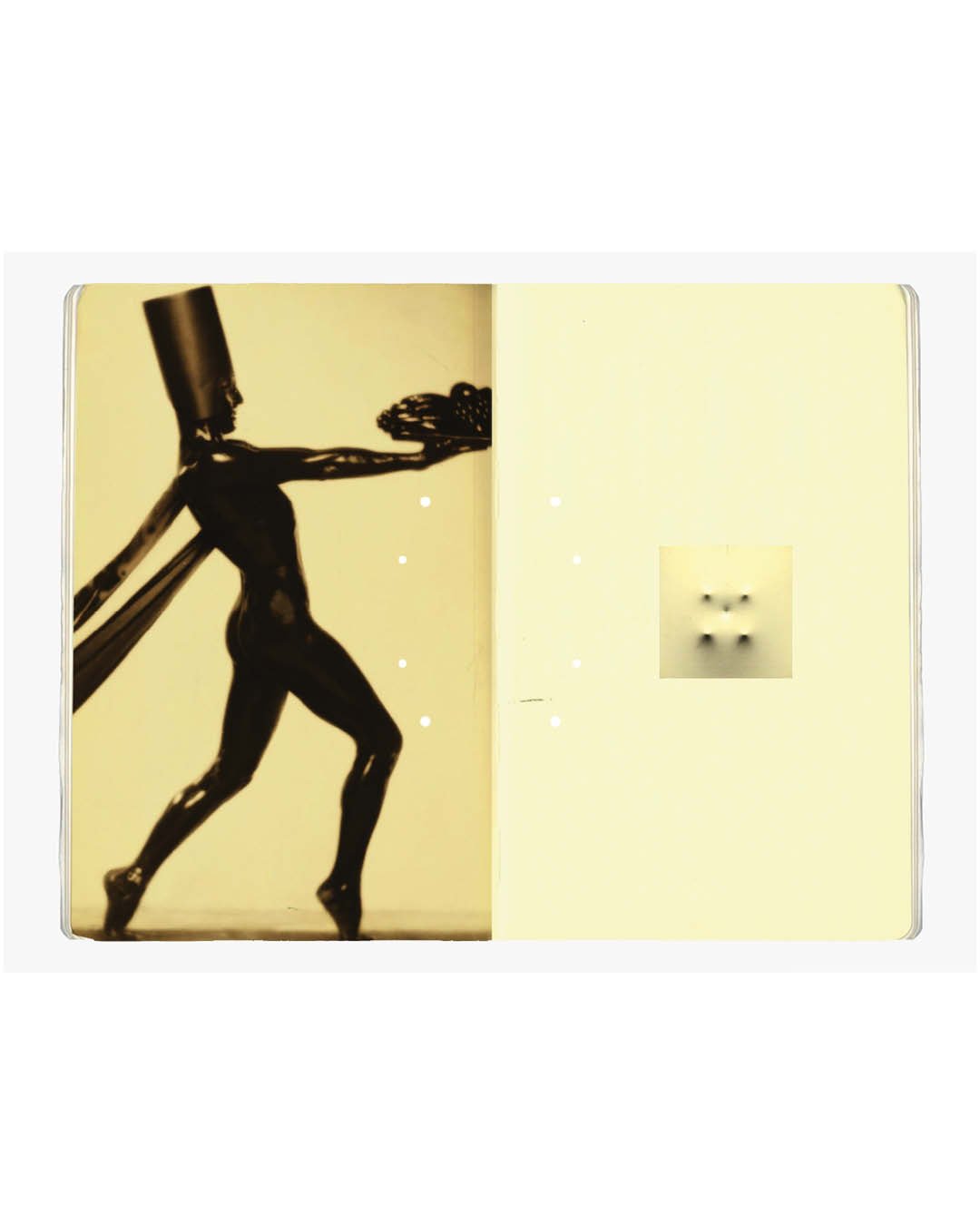
A voyeuristic male narrator sits at the centre of Julia O’Callaghan’s collection. Taken from a 1910s variety theatre review, he takes pleasure in describing and belittling the women on stage. Rather than simply reversing the gaze, O’Callaghan places herself in his position, using that discomfort to examine power, performance, spectatorship, and her own complicated relationship with reclamation. Her research also looks at Yva Richard, one of the first companies to commercially market fetishwear in the early 20th century. O’Callaghan was drawn to the advertising imagery for its awkwardness as much as its erotic charge: poses that now appear strange, theatrical, funny, and slightly wrong.

@juliaocallaghan

Harvey Bigg

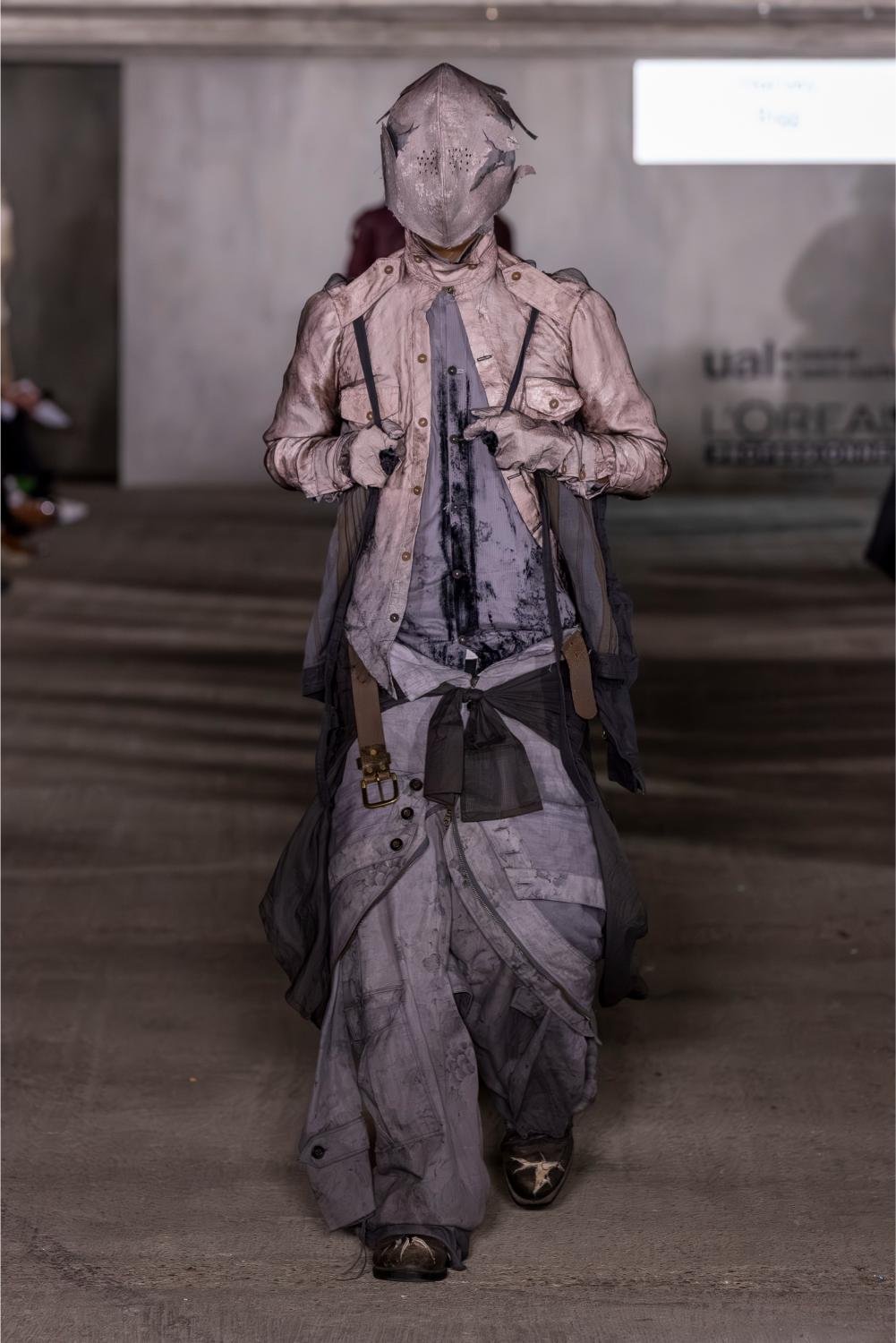
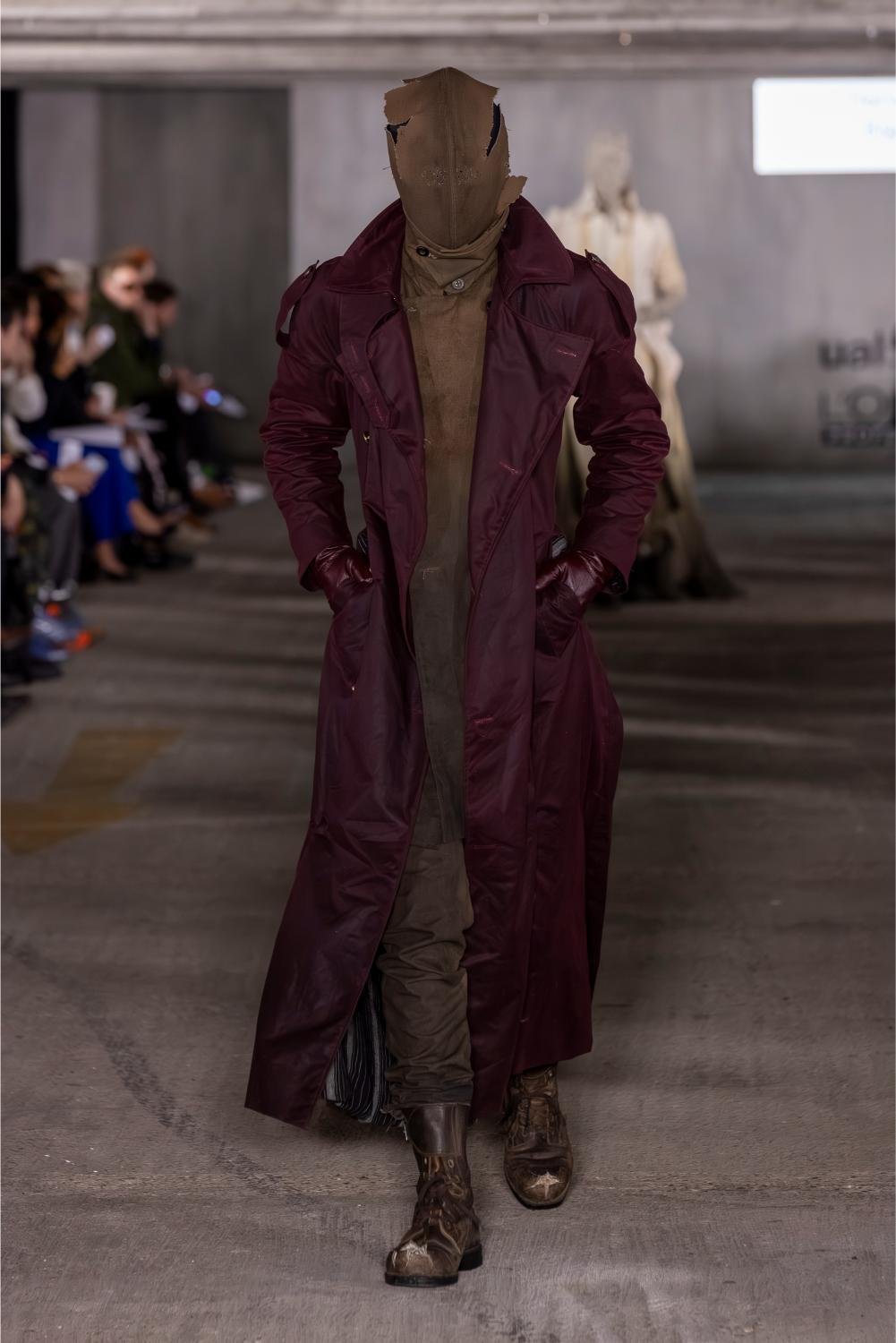
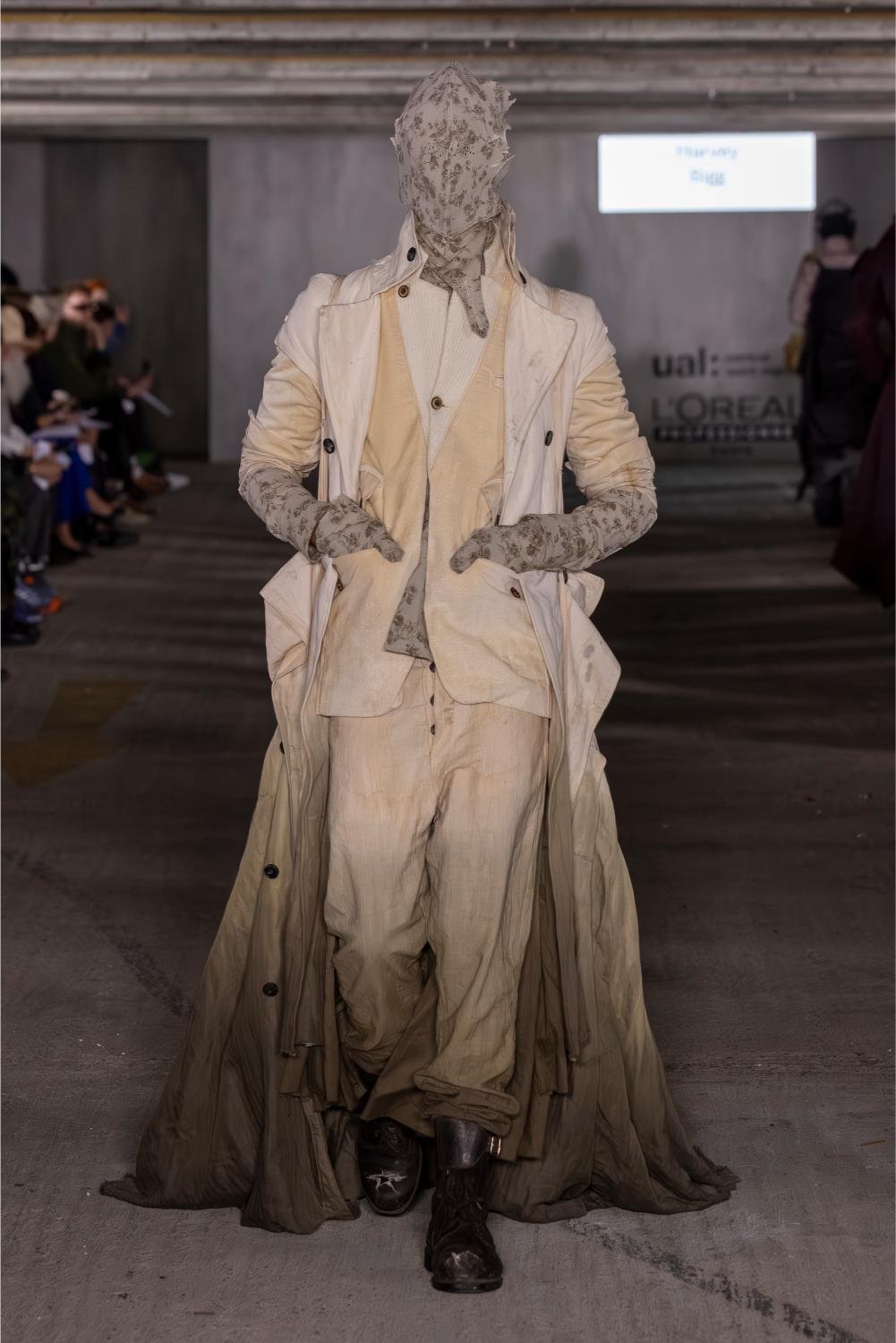
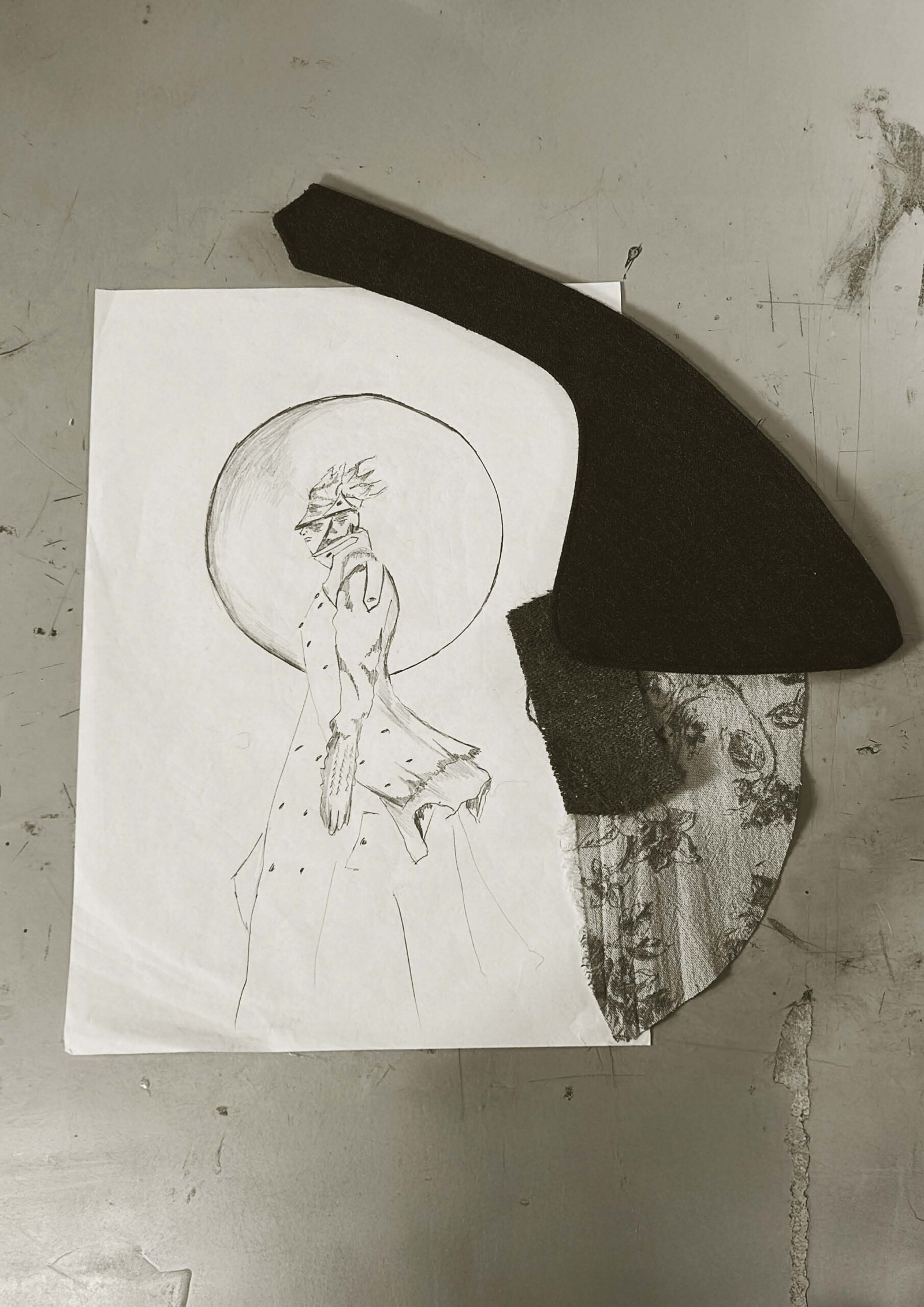
In the village where Harvey Bigg grew up, ordinary events became the basis for a science-fiction world. Surrounded by film props, fantasy, and speculative imagery through his family’s work in the film industry, Bigg began treating local memories as material for a larger narrative. He compares the process to world-building, using an imagined setting as the framework for the collection. Fantasy is not an escape from the familiar here; it changes the scale of it. The village remains recognisable, only slightly rearranged by fiction.

@140.bigg

Cassie Ambroz

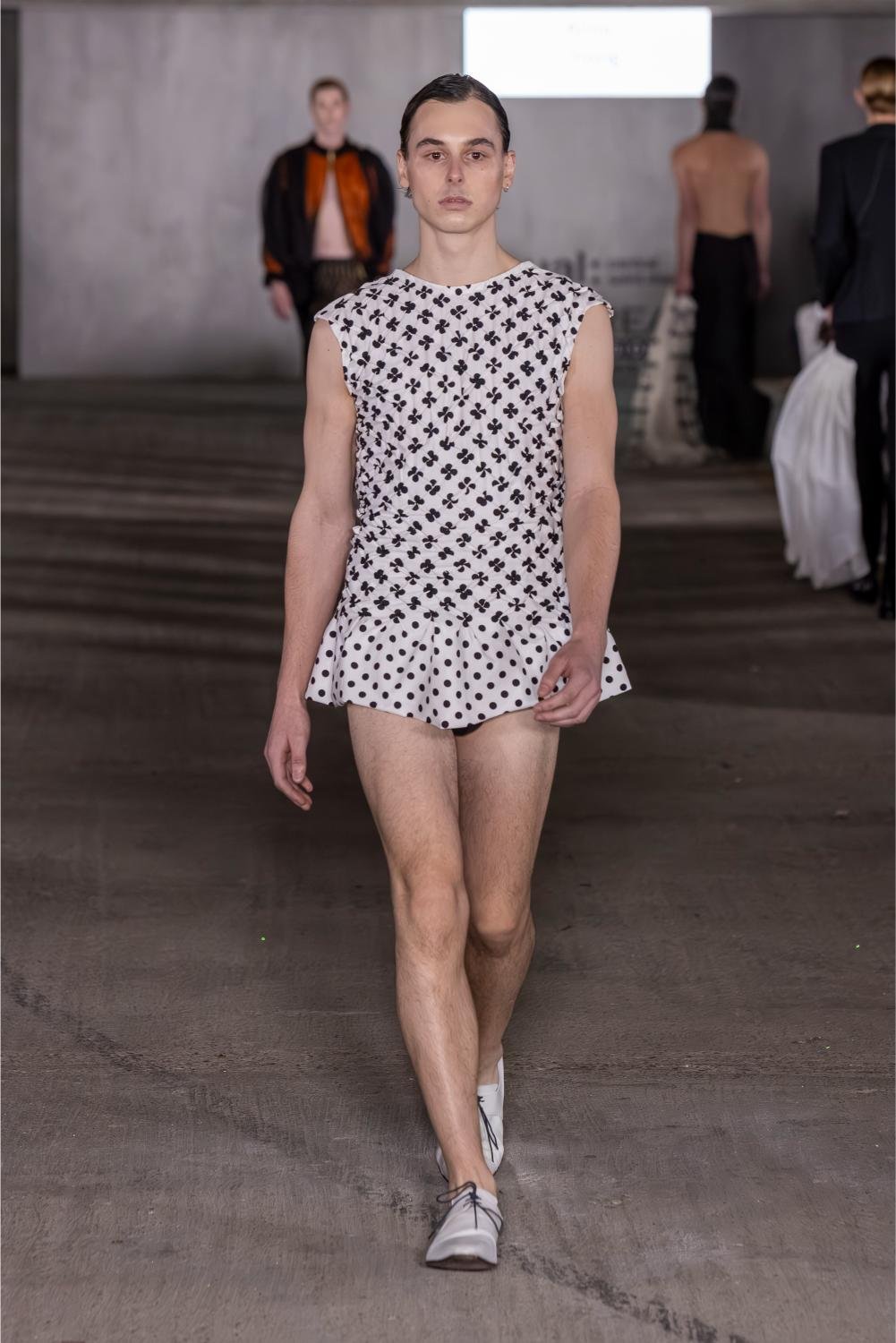
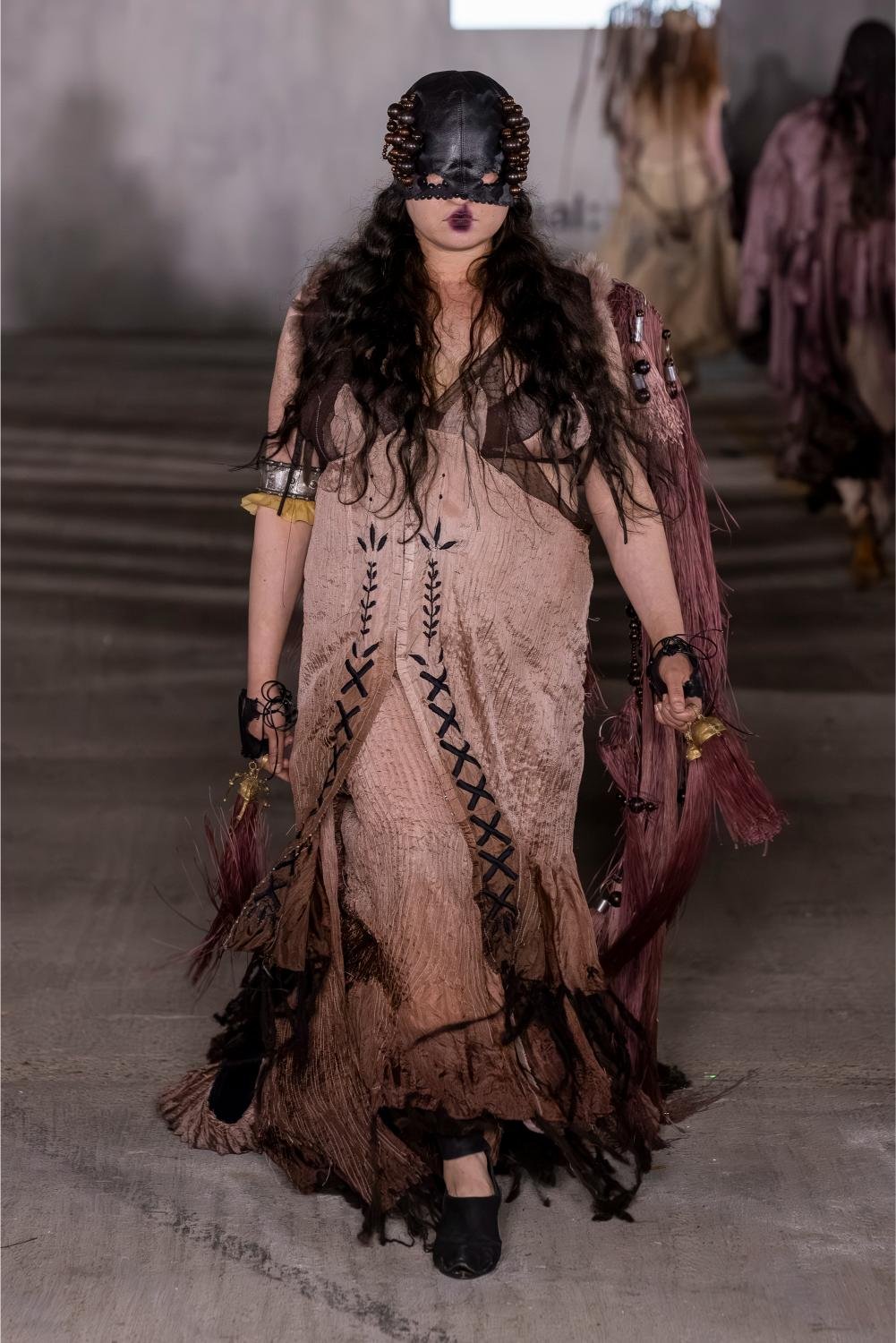
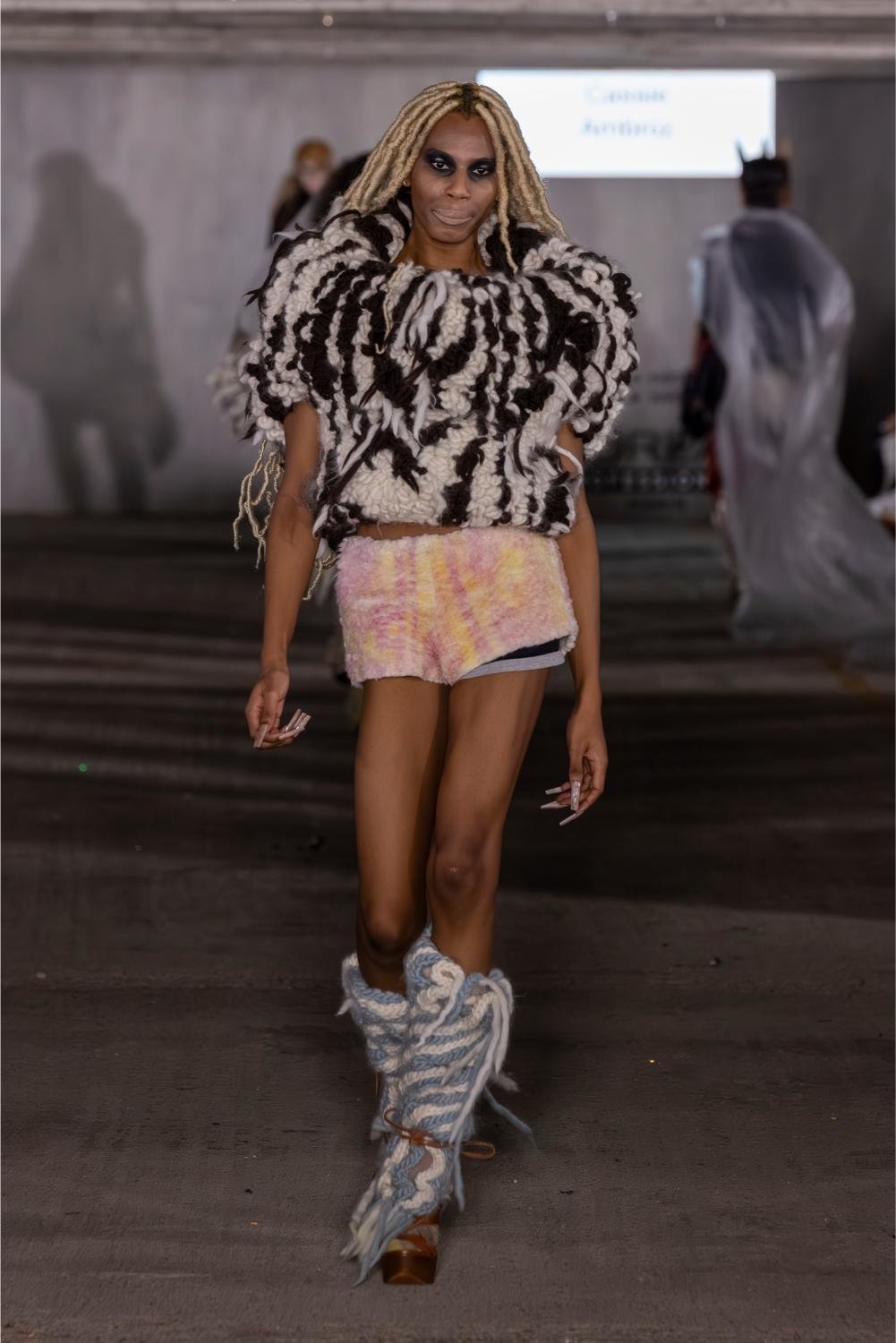
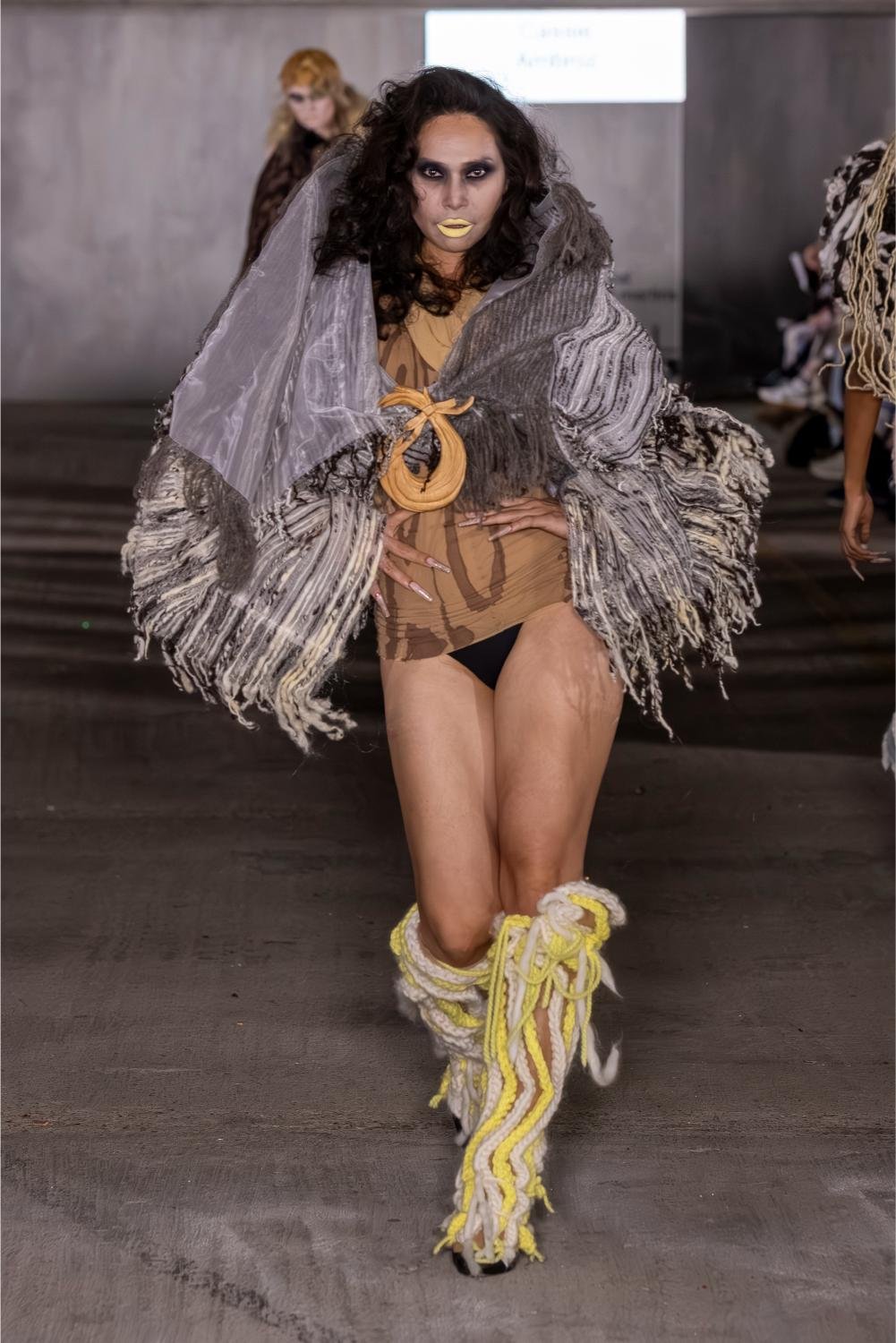
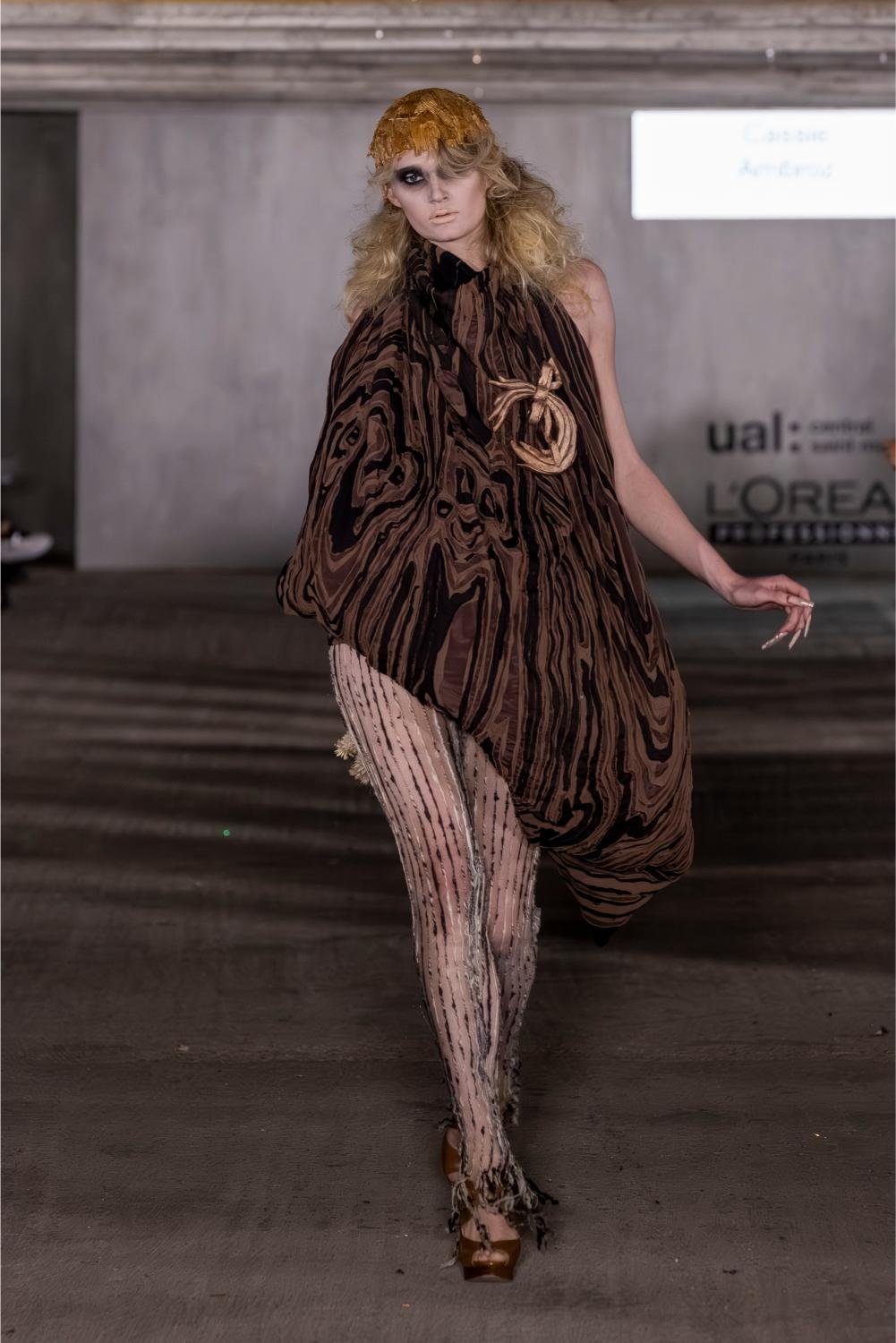
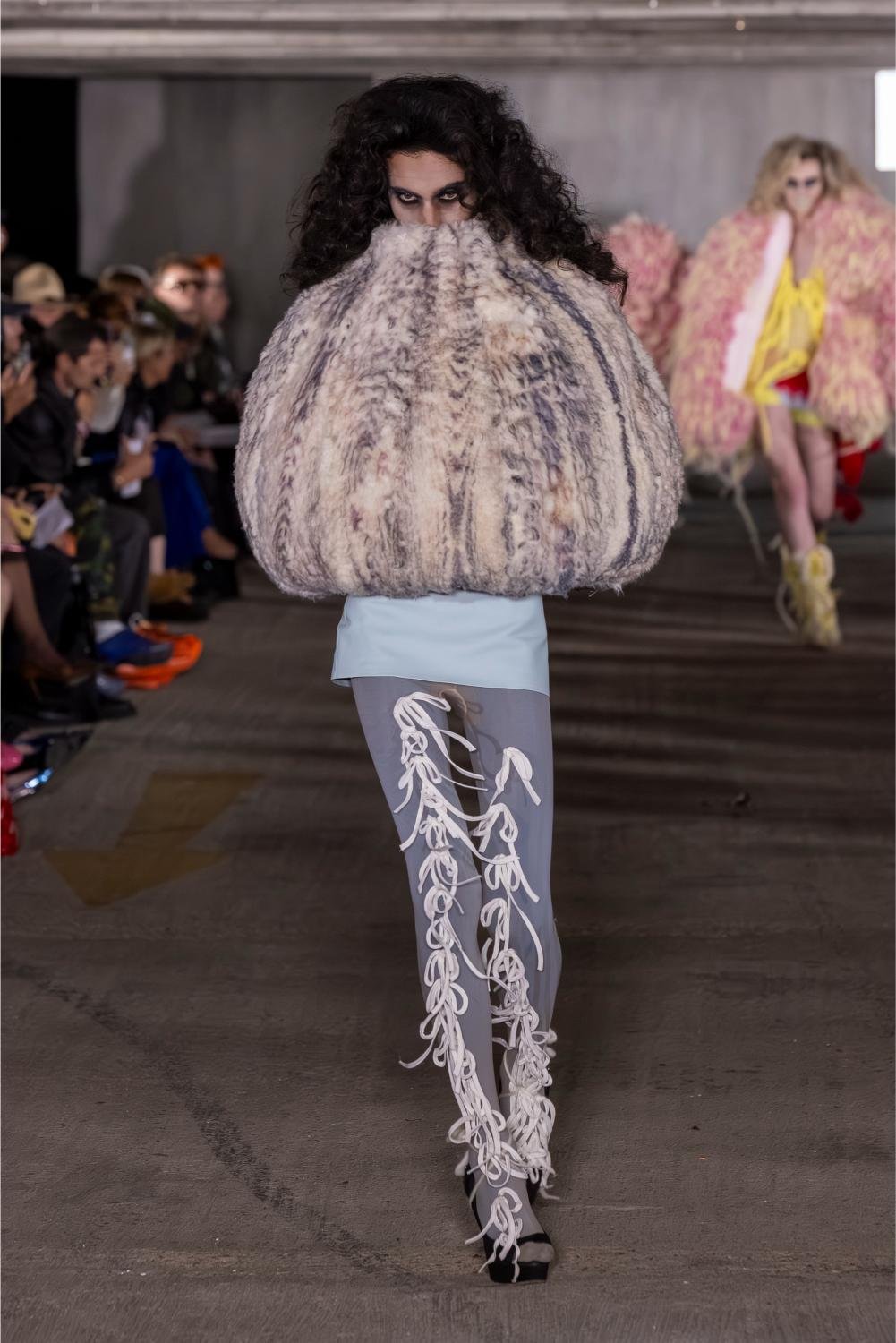
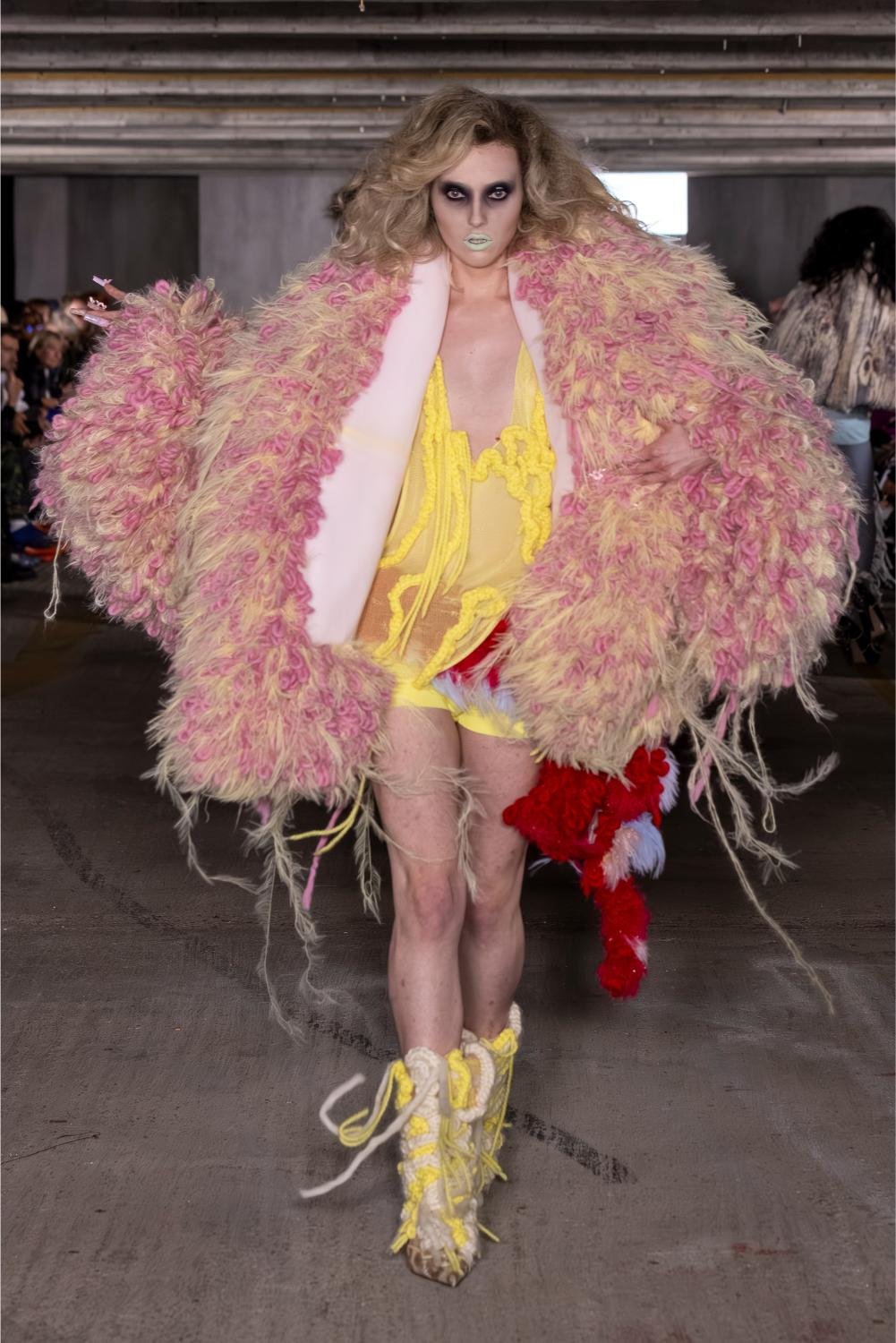
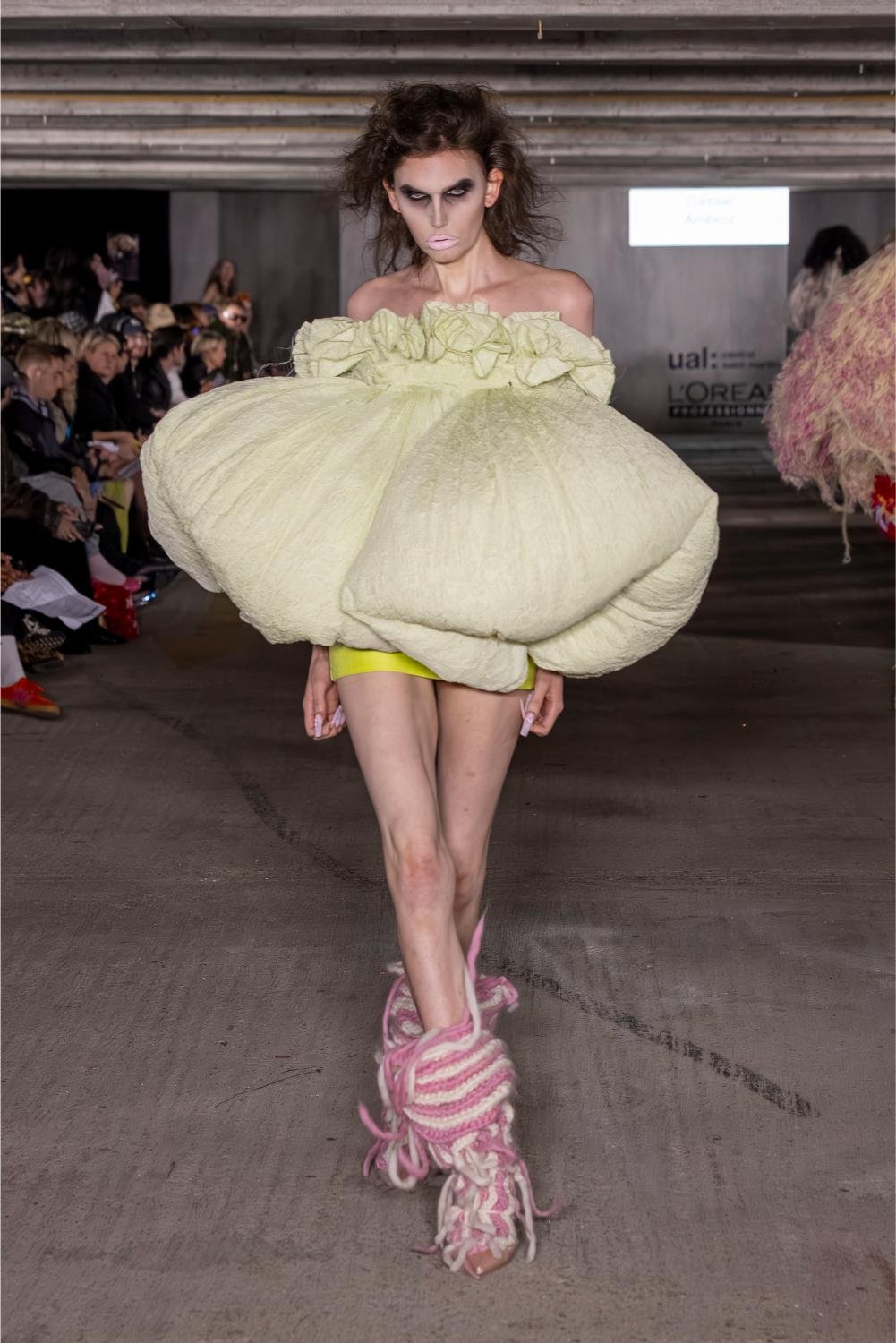
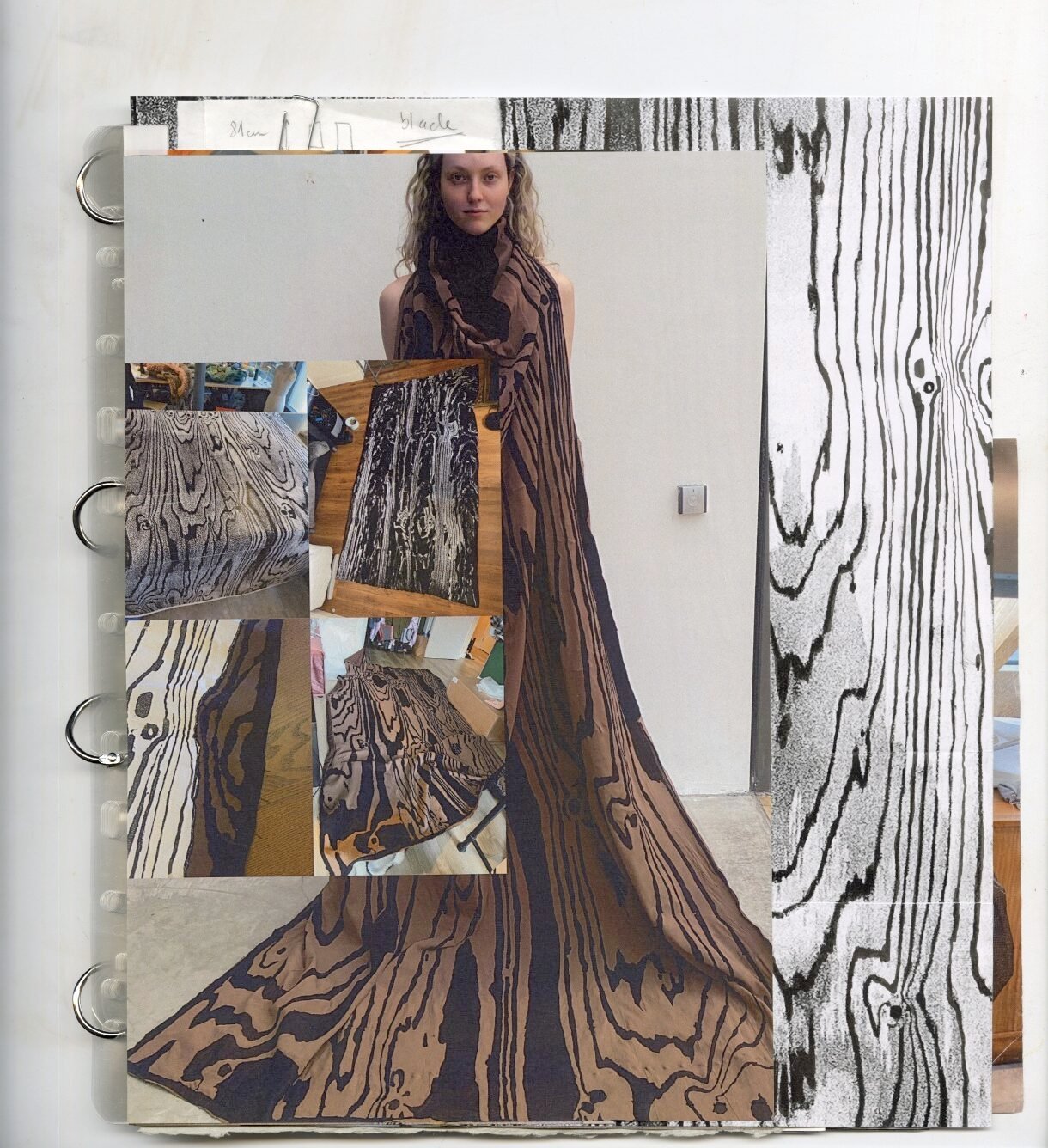
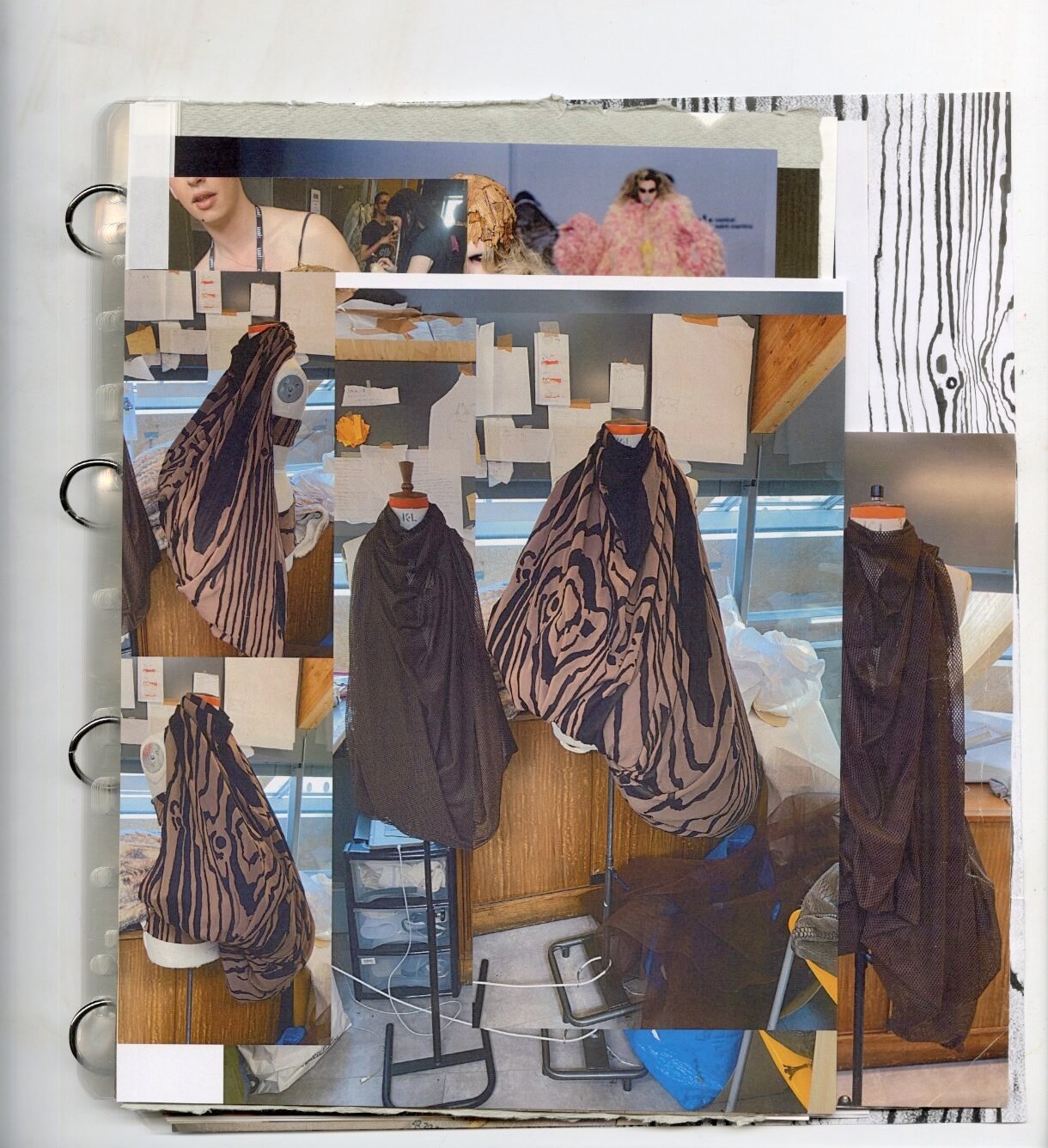
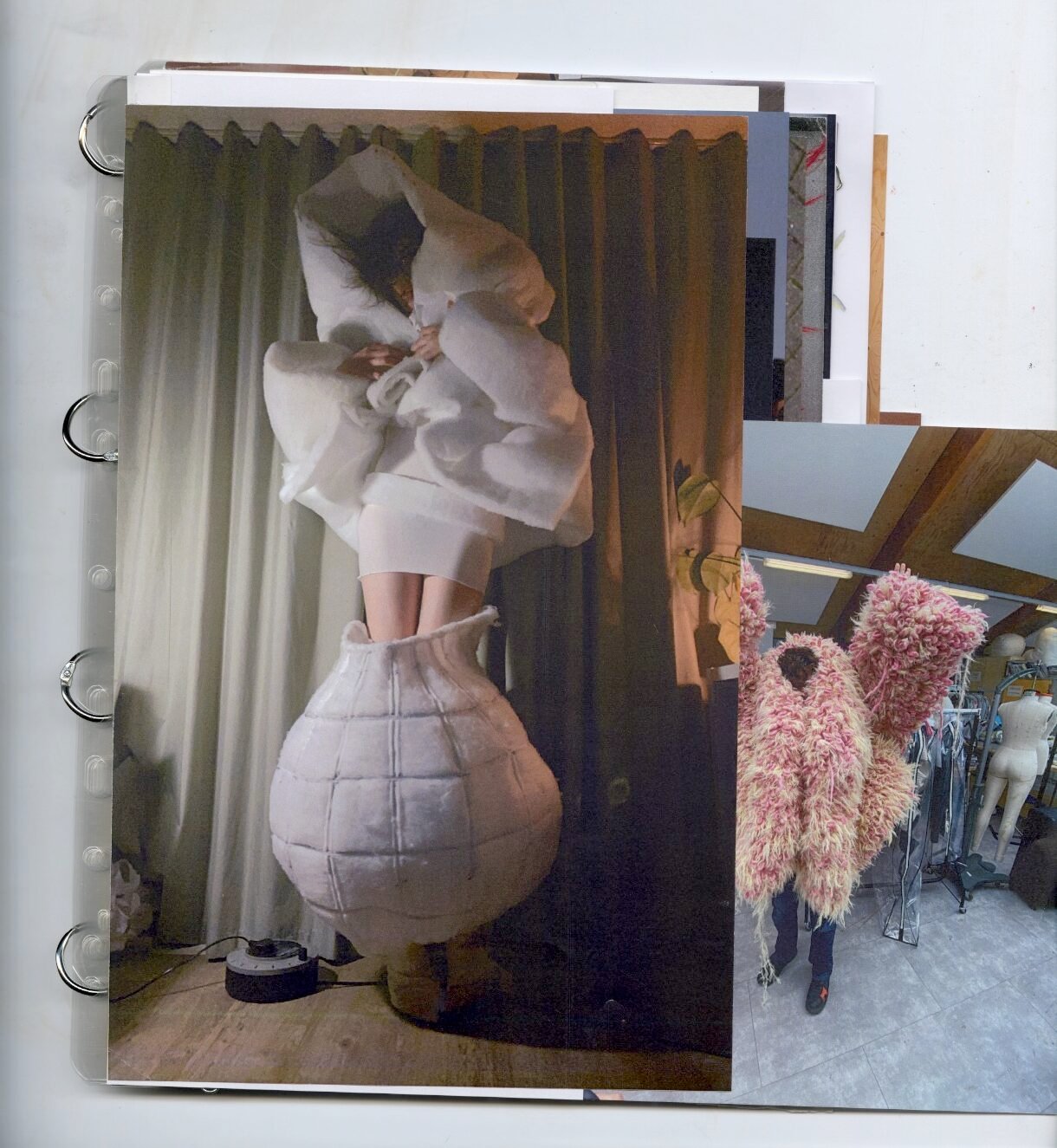
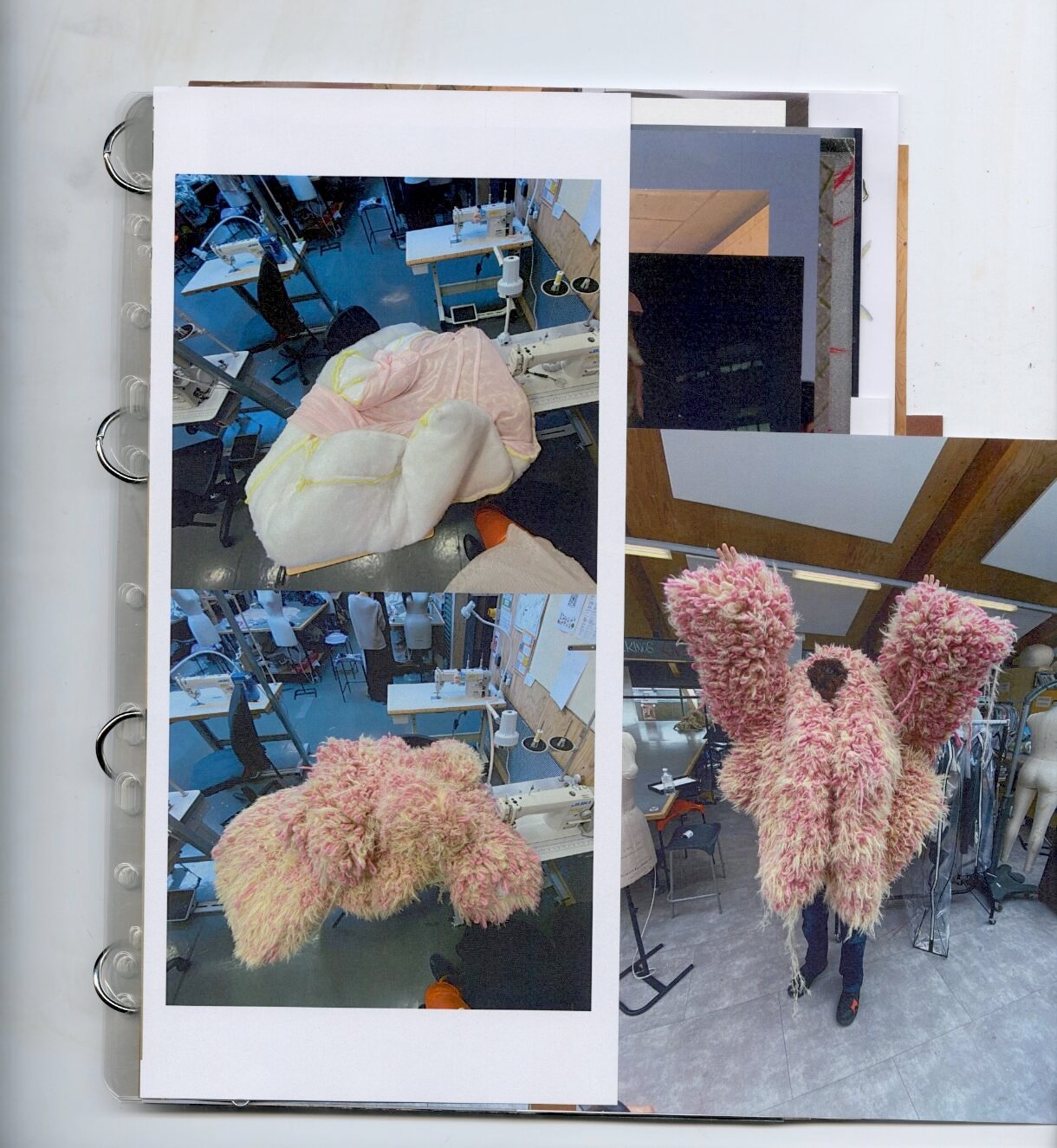
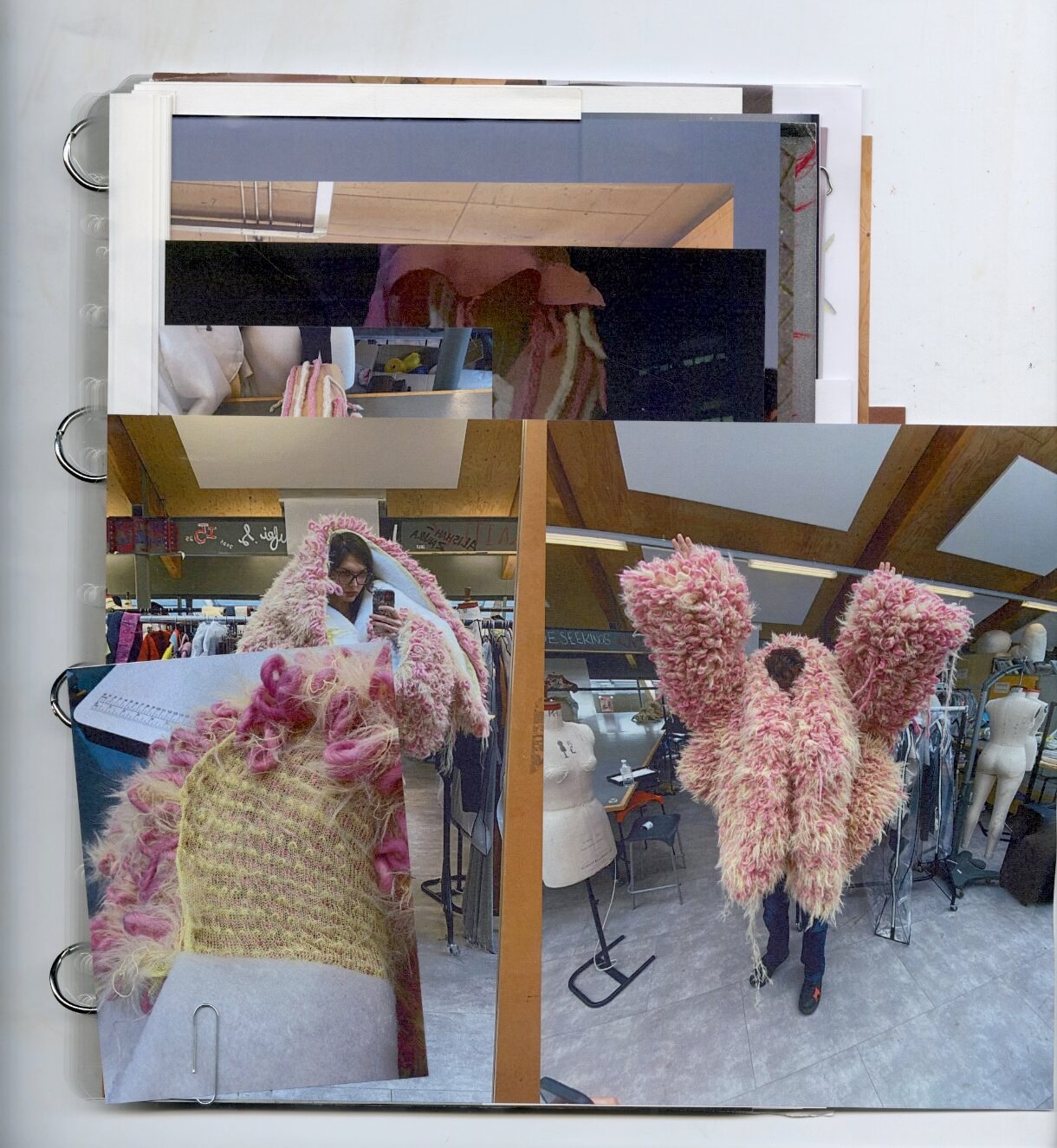
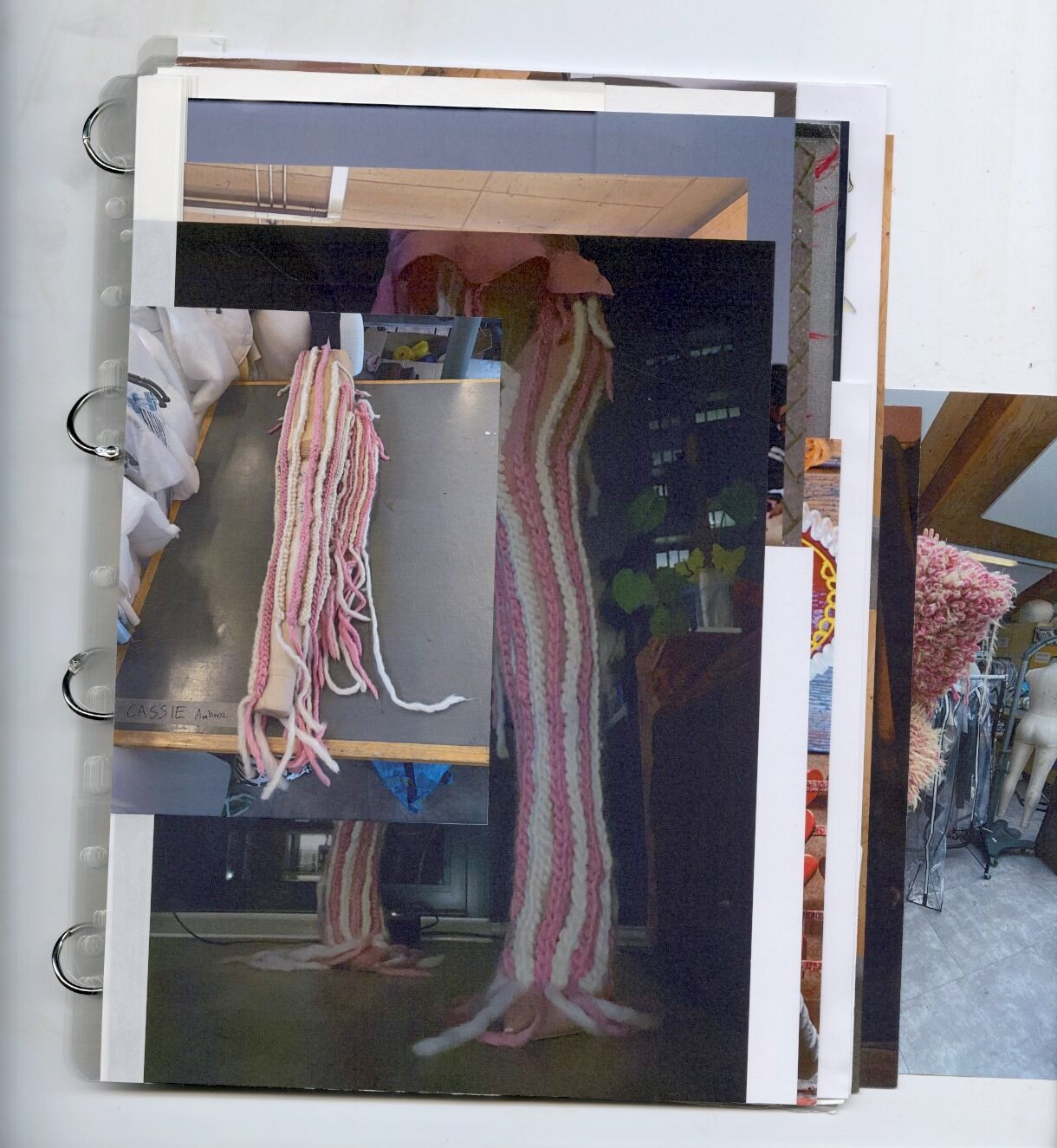
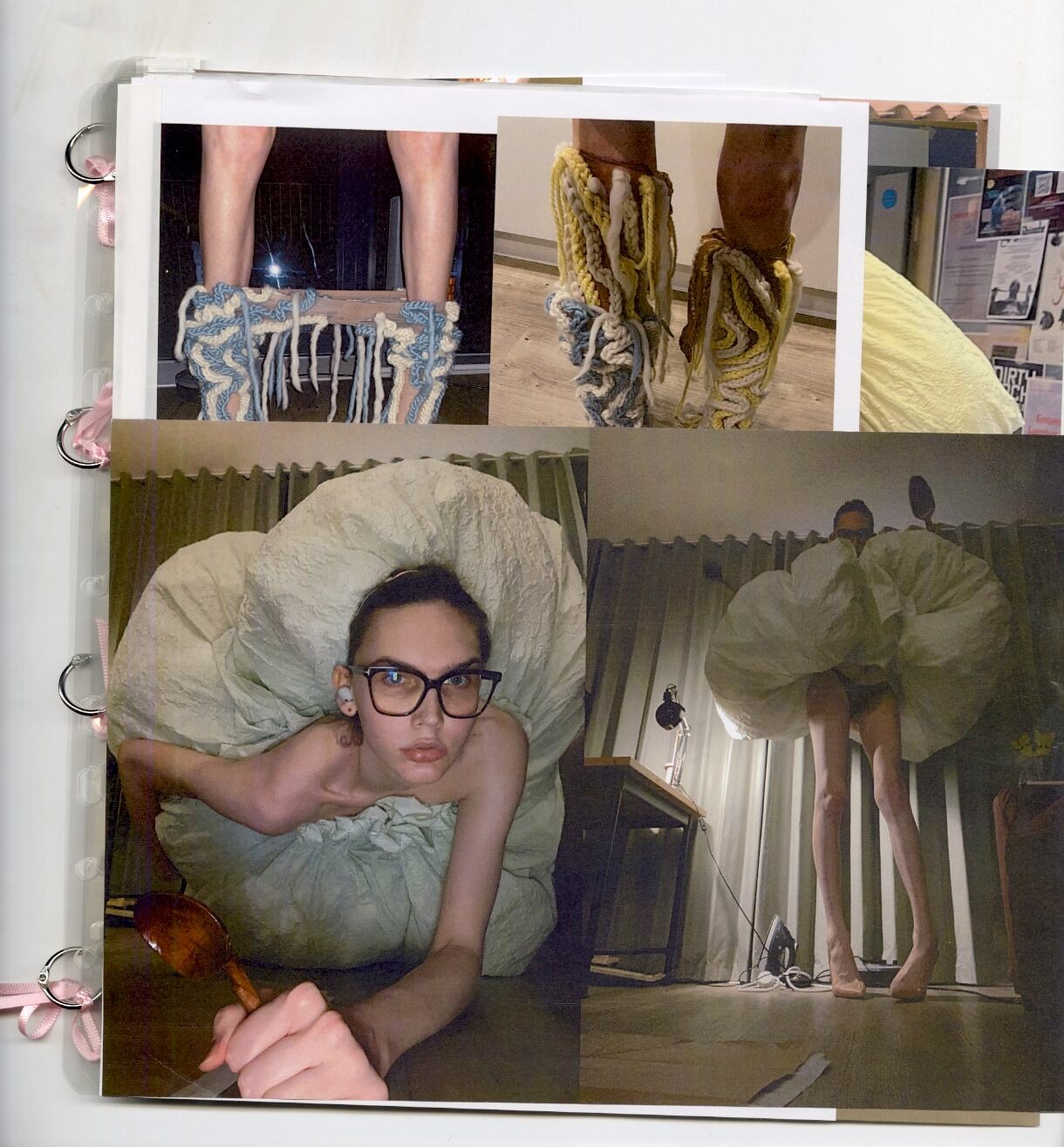
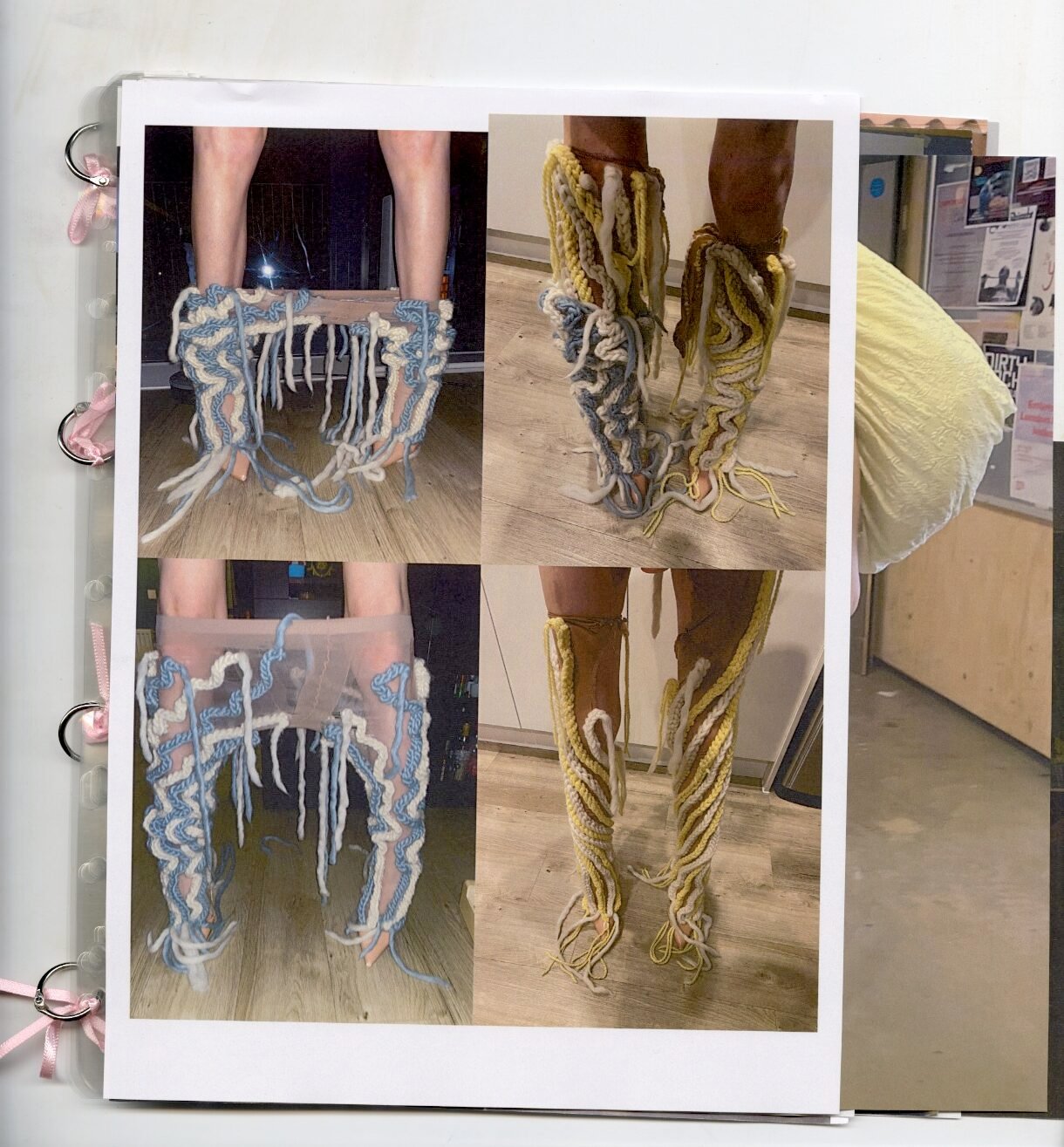
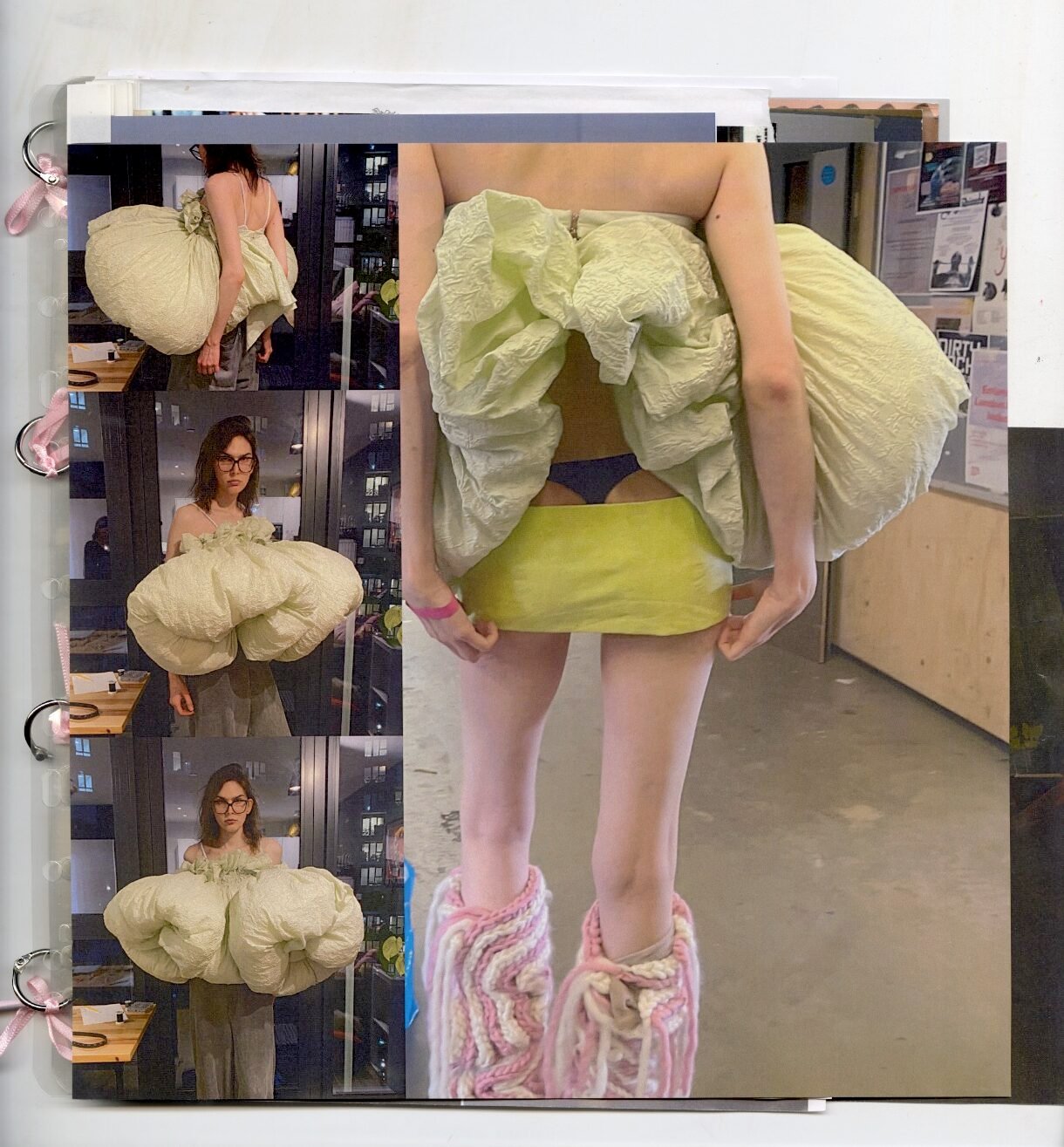
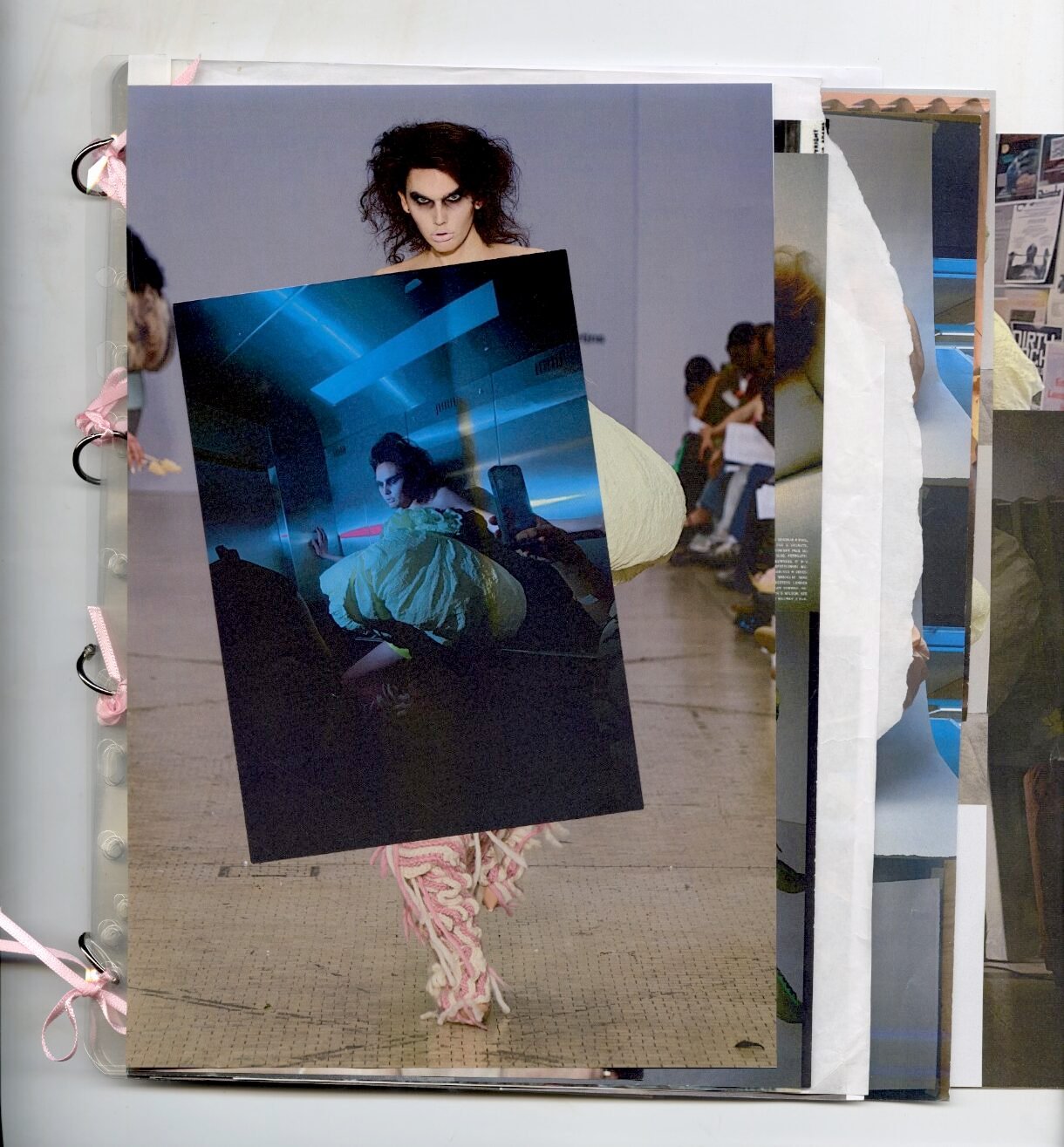
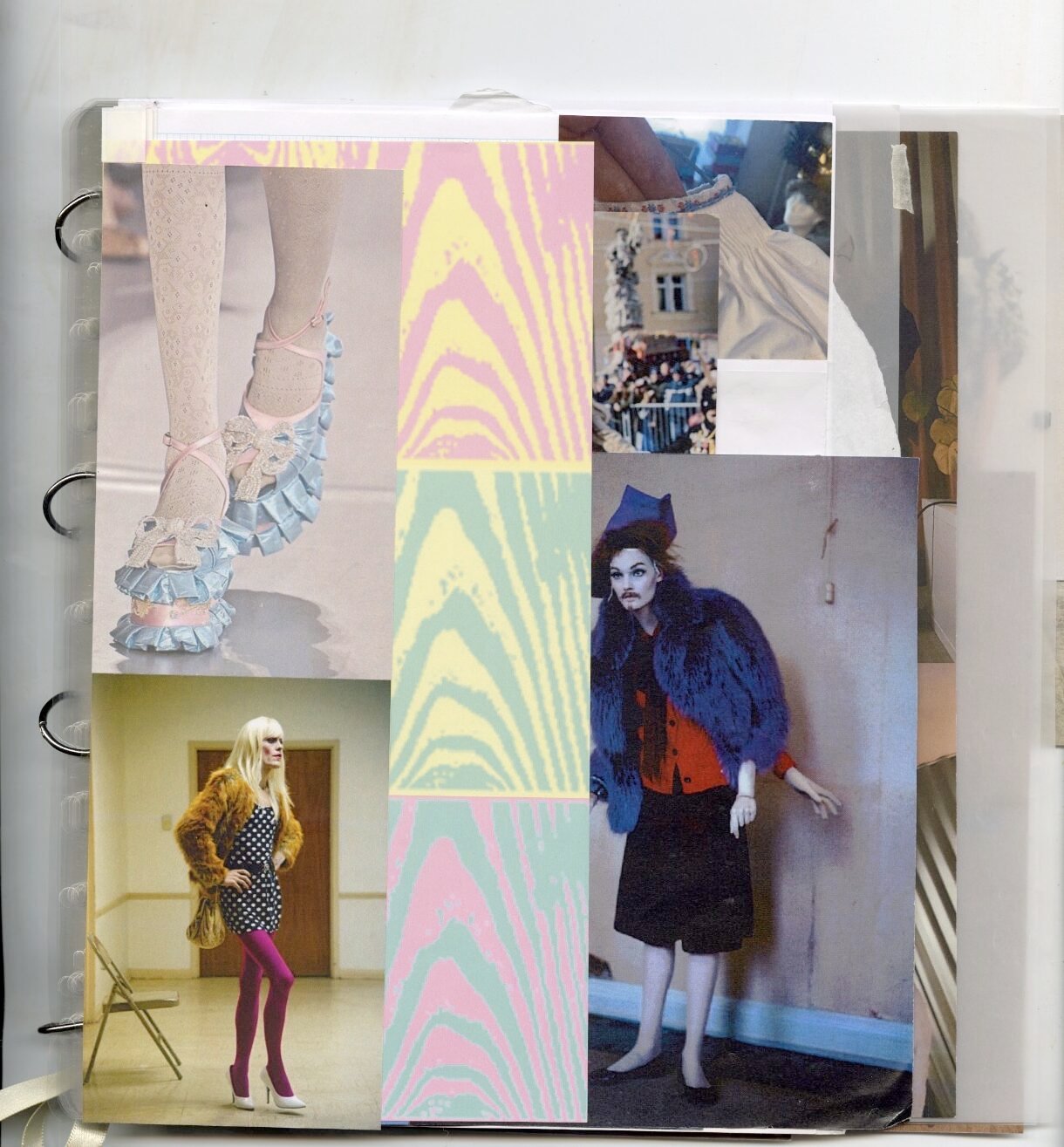
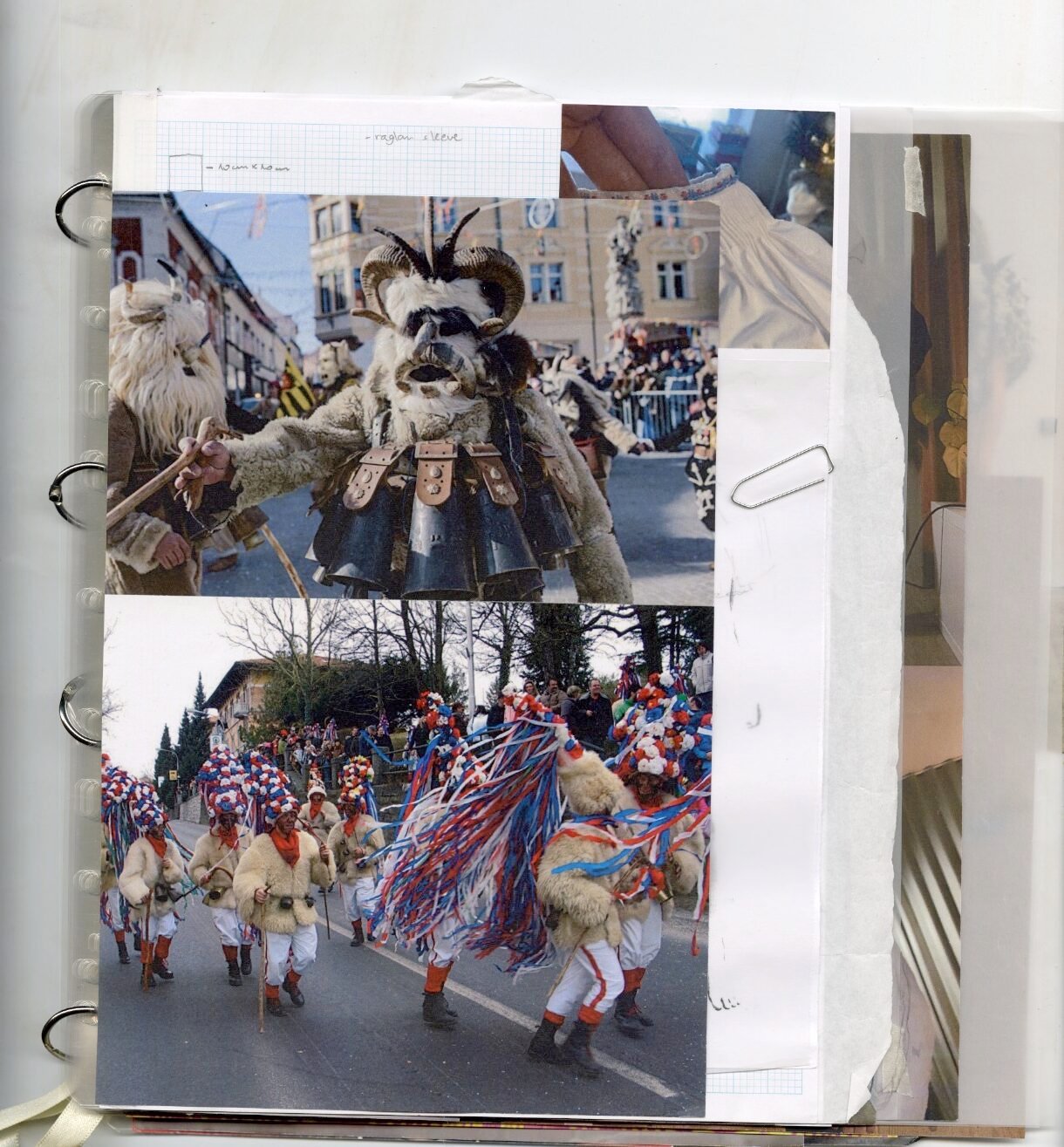
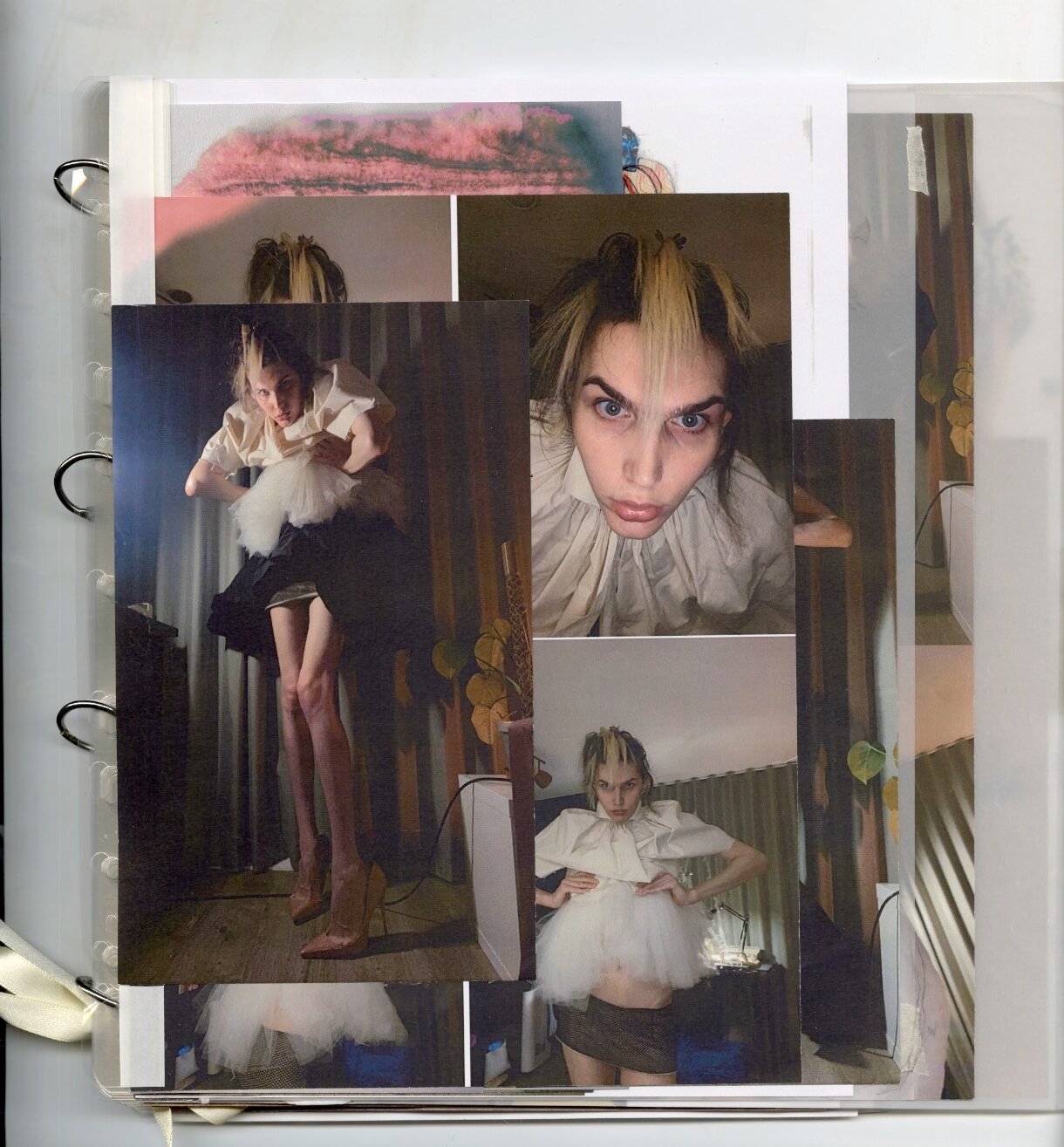
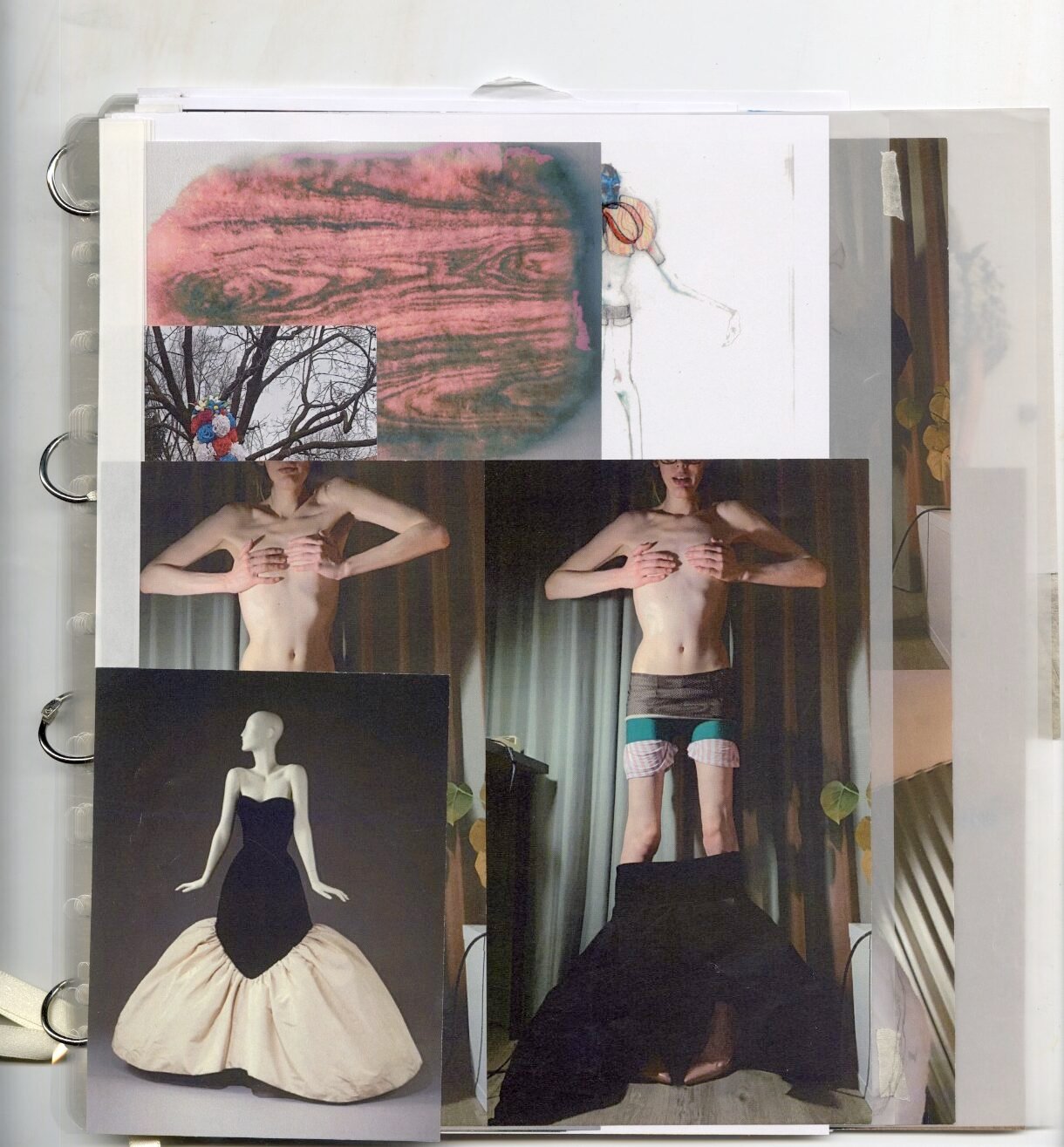
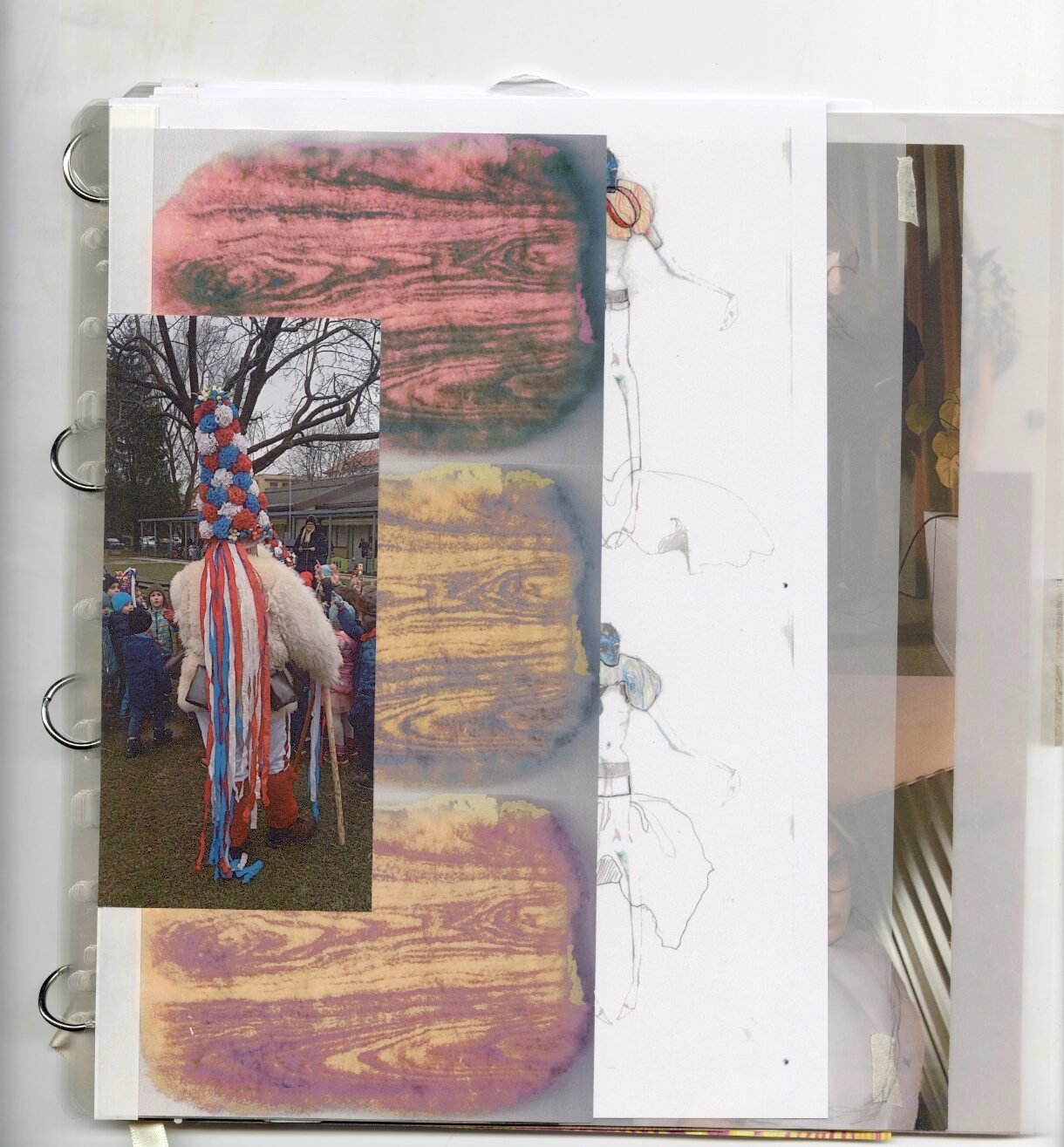
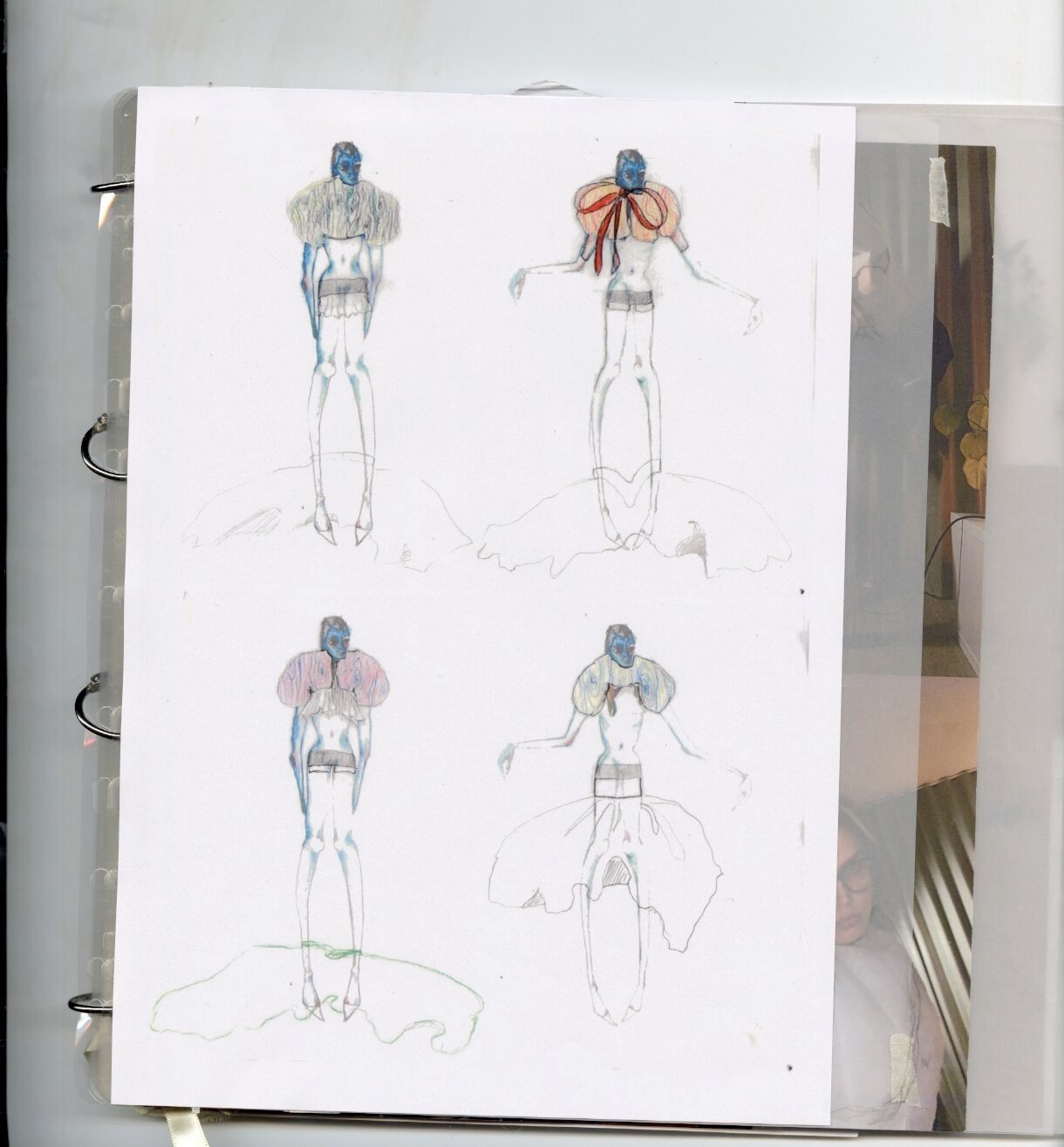
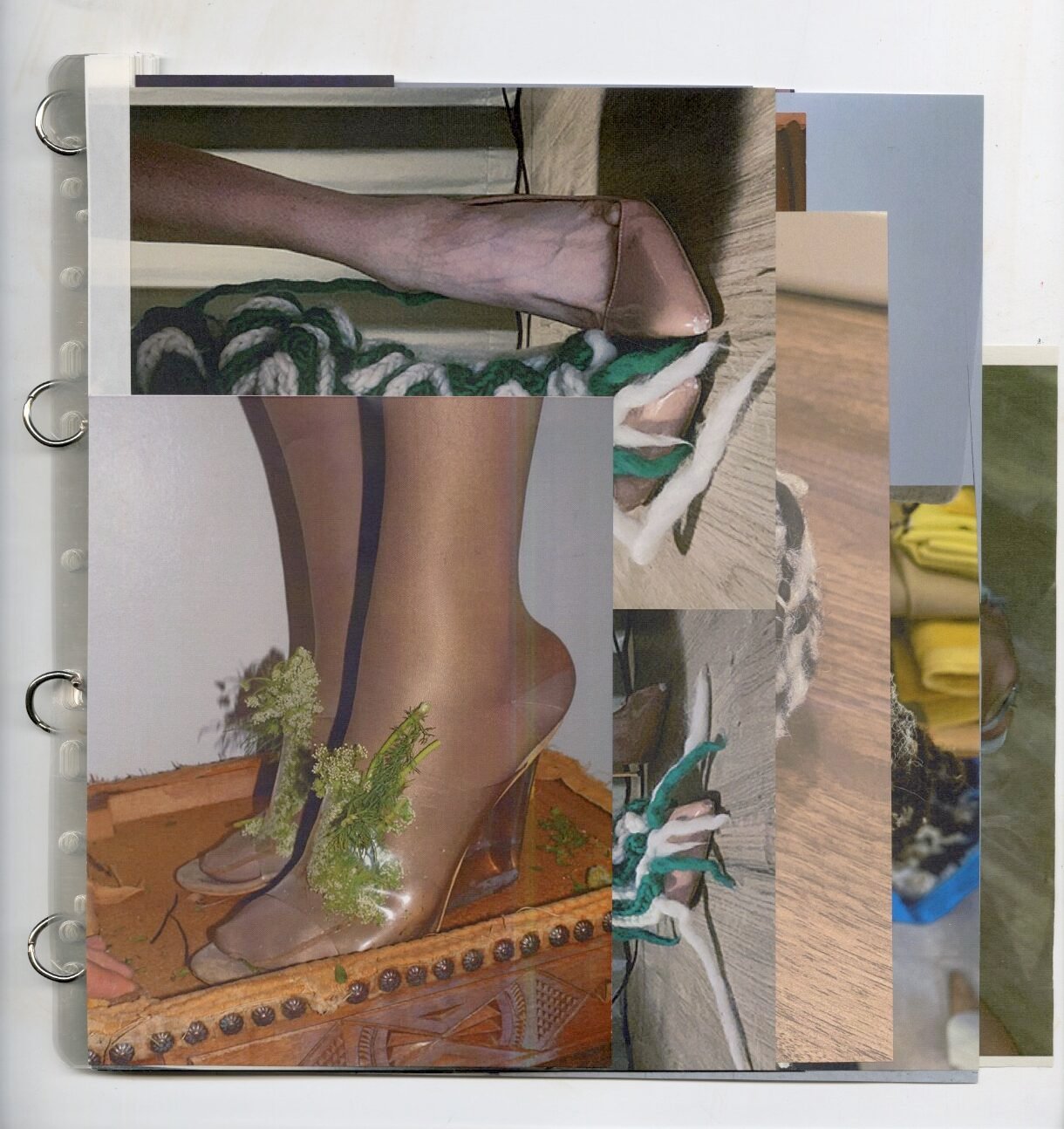
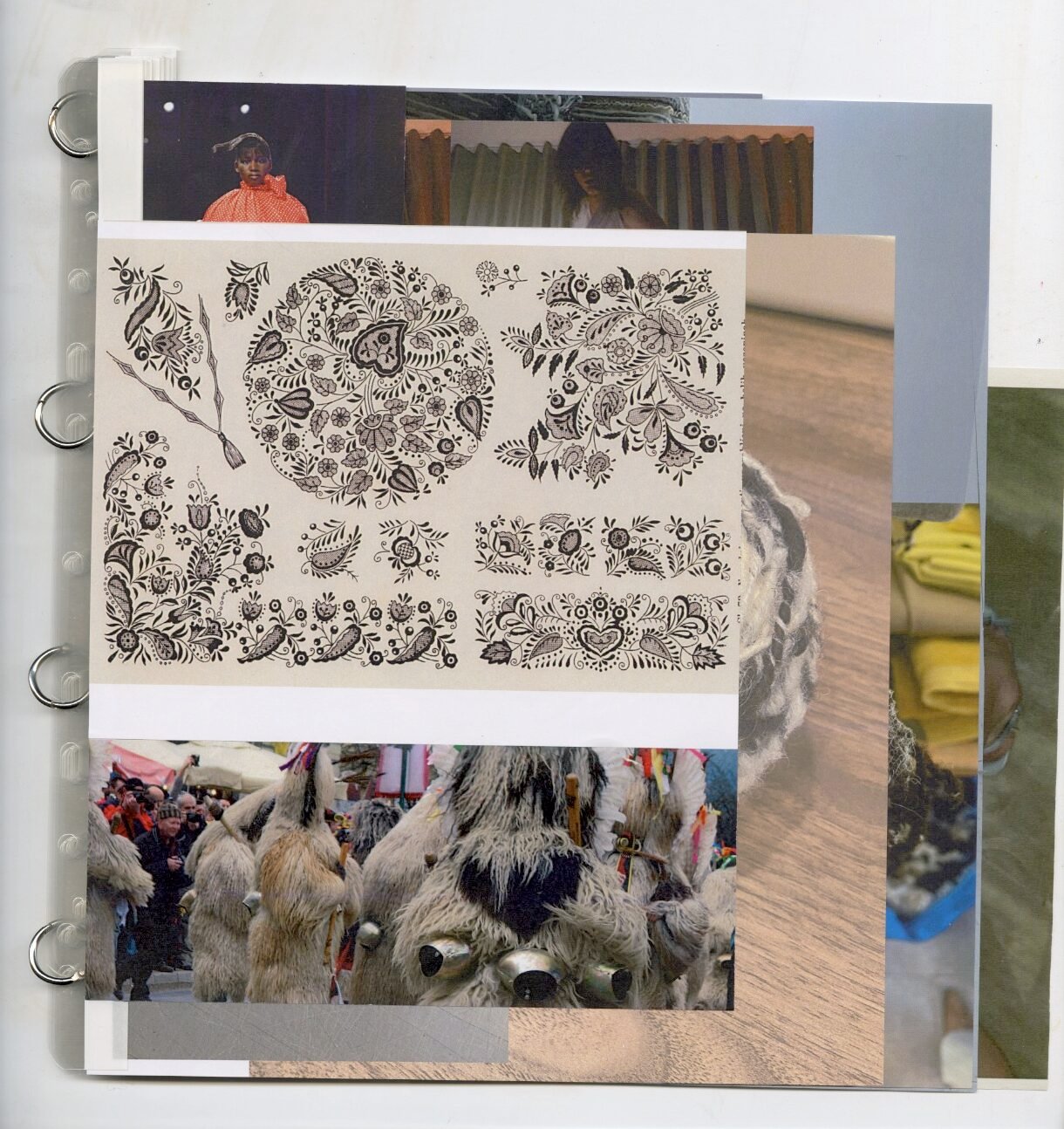
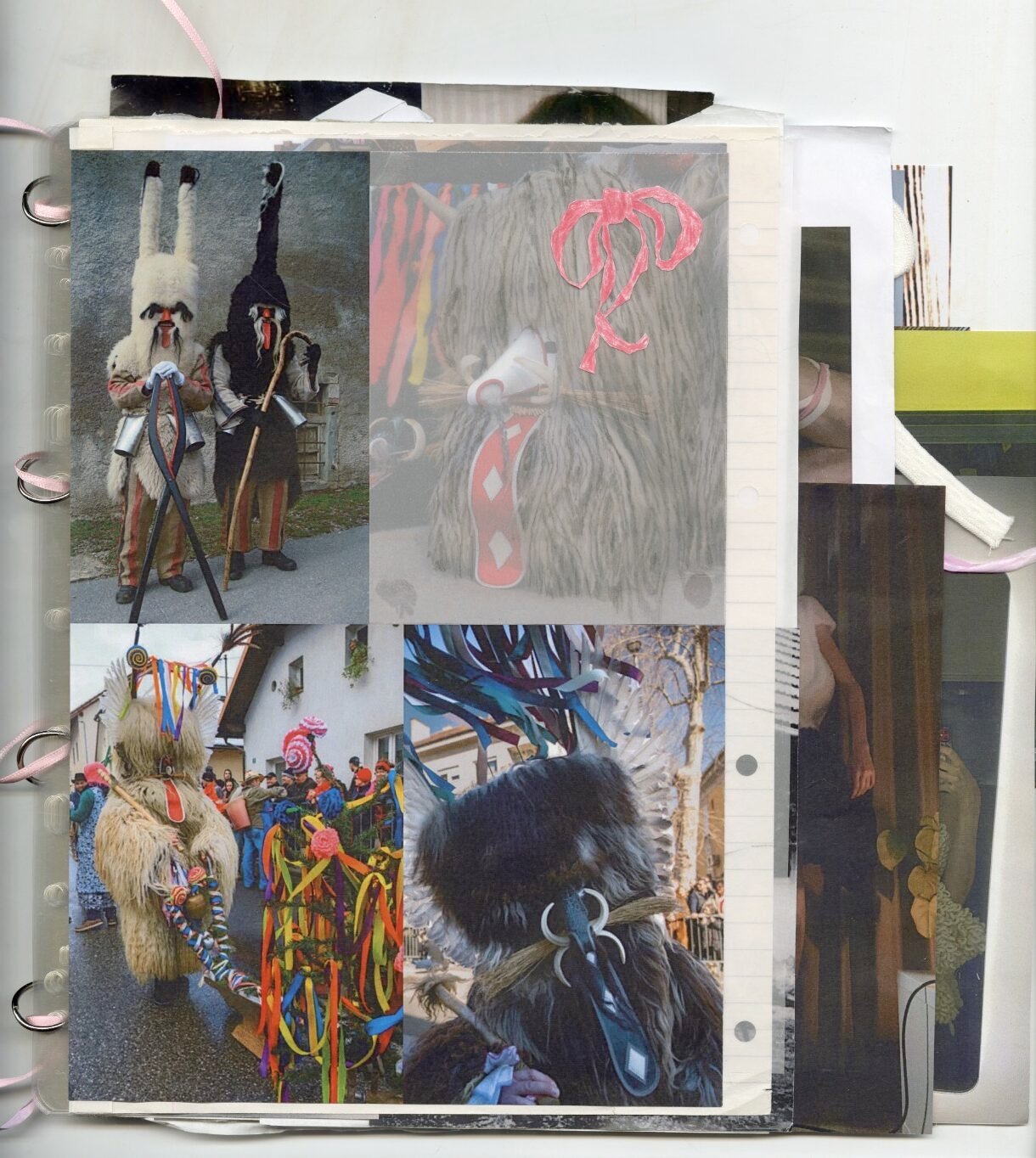
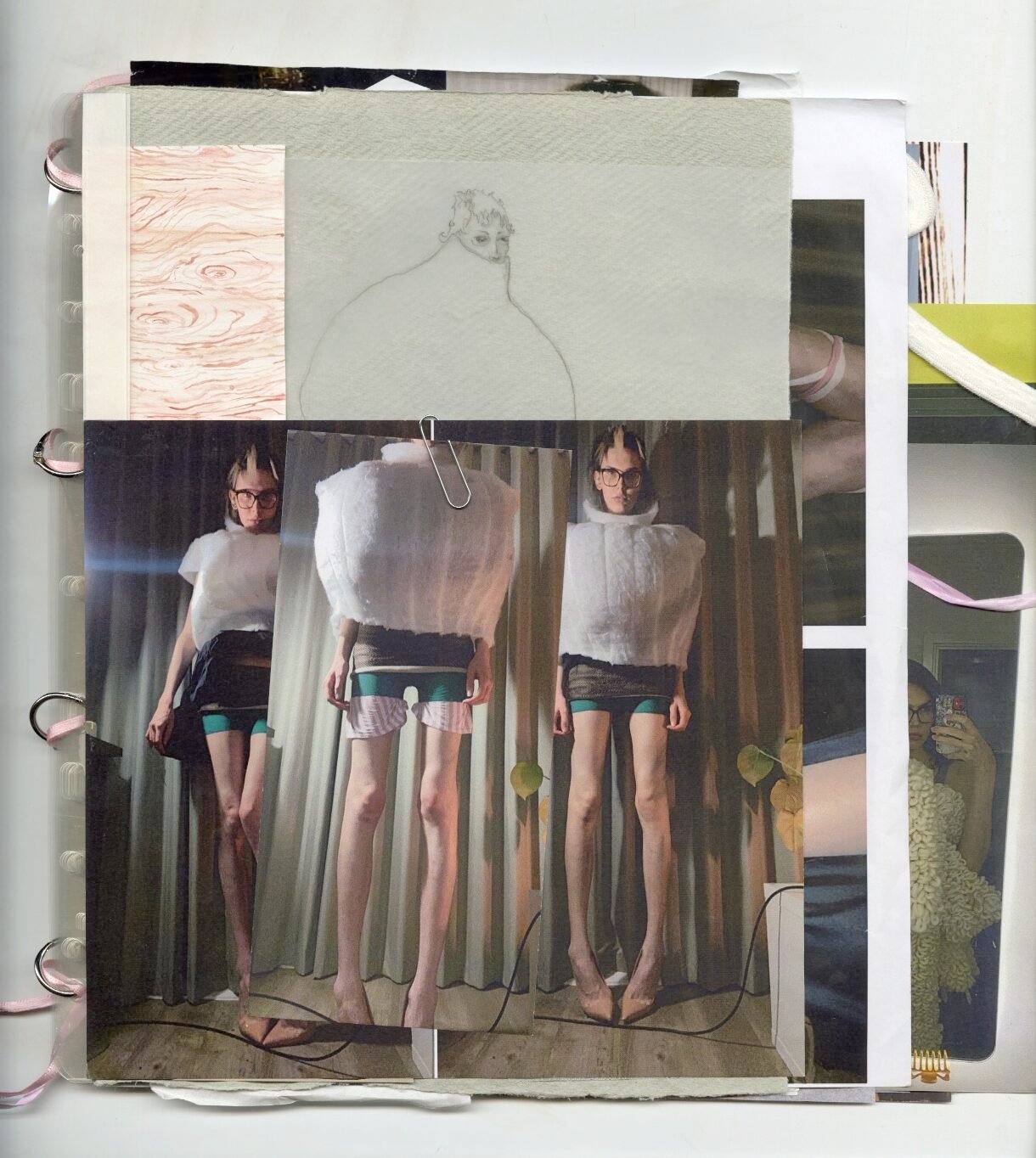
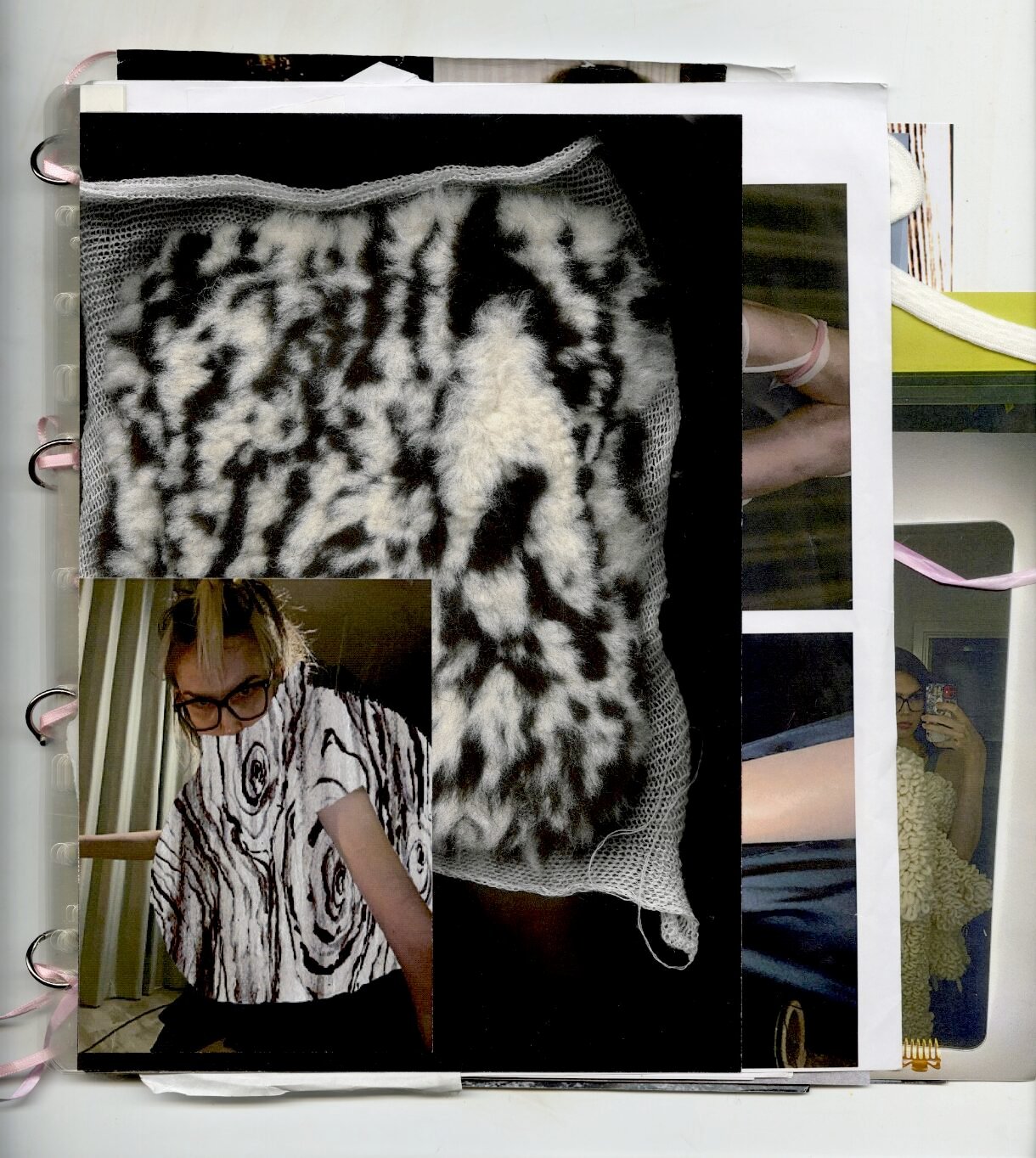
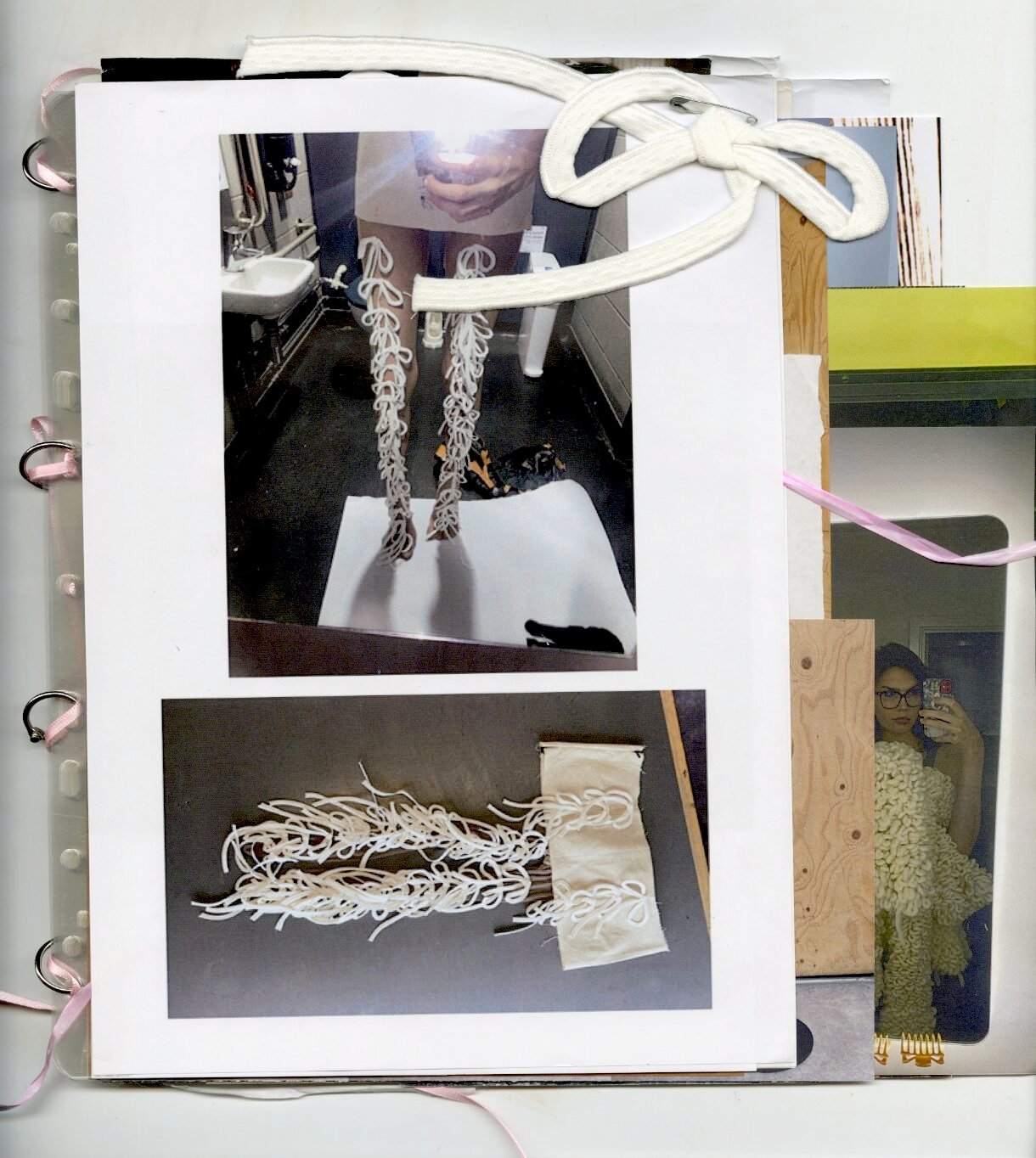
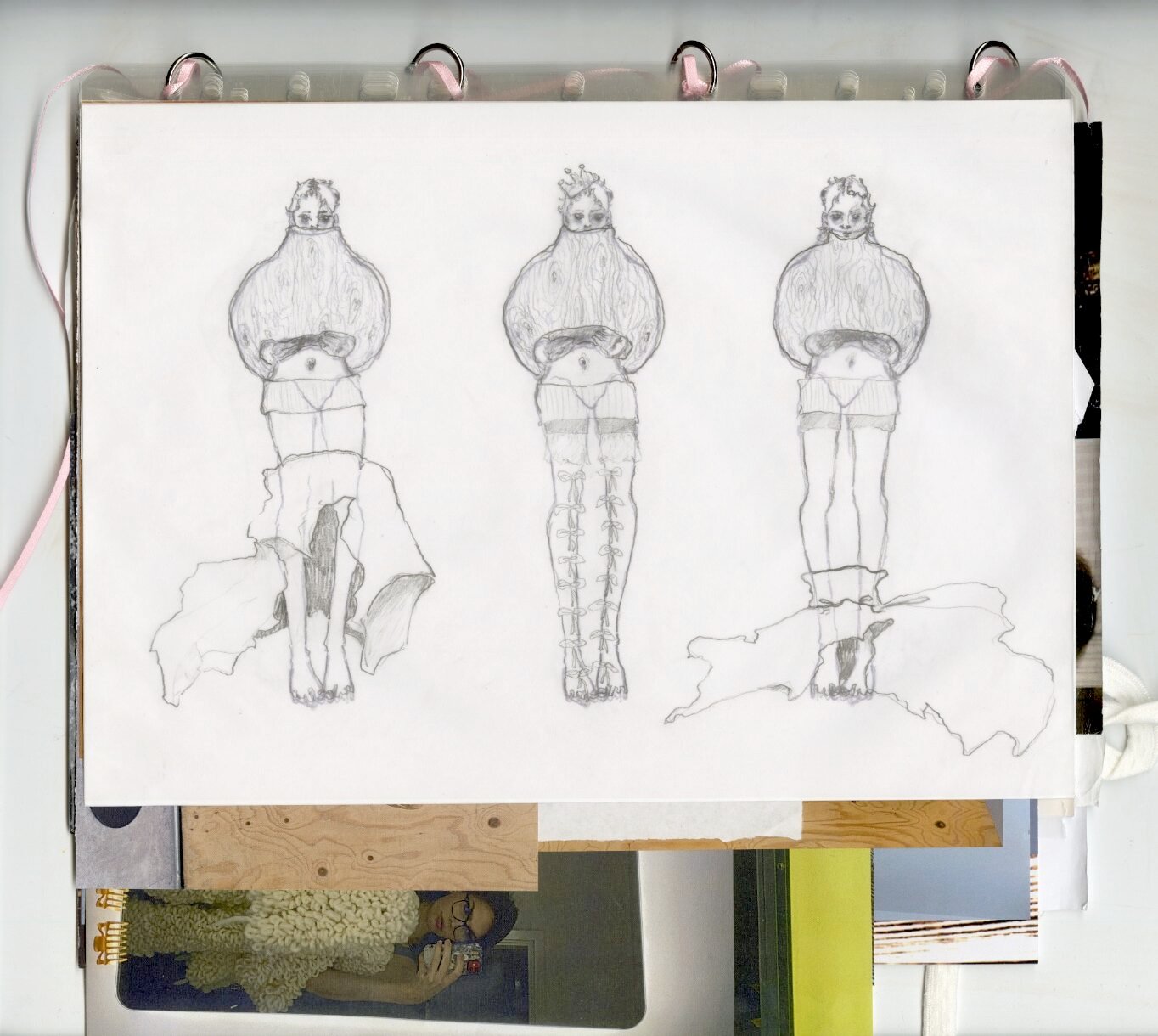
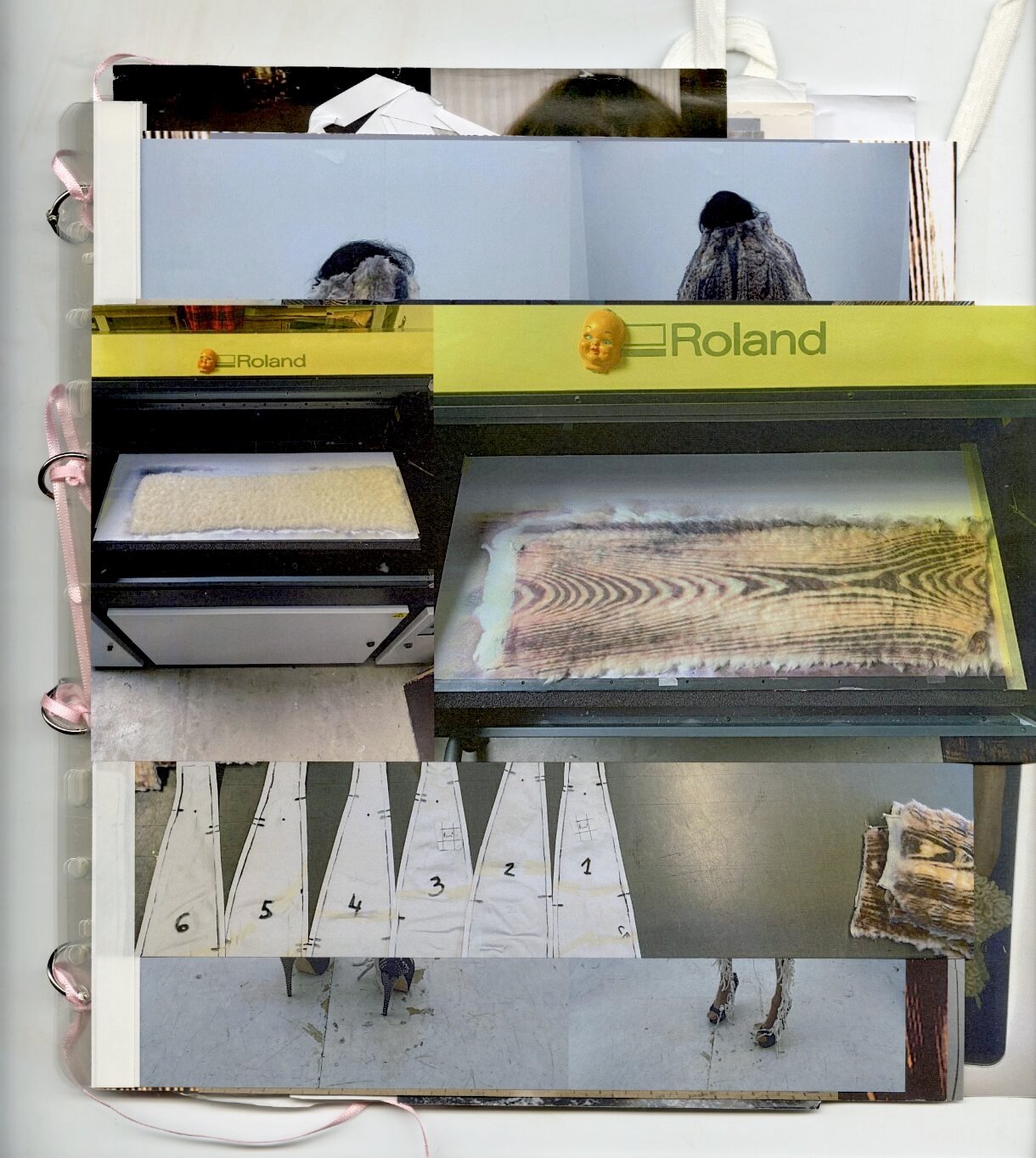
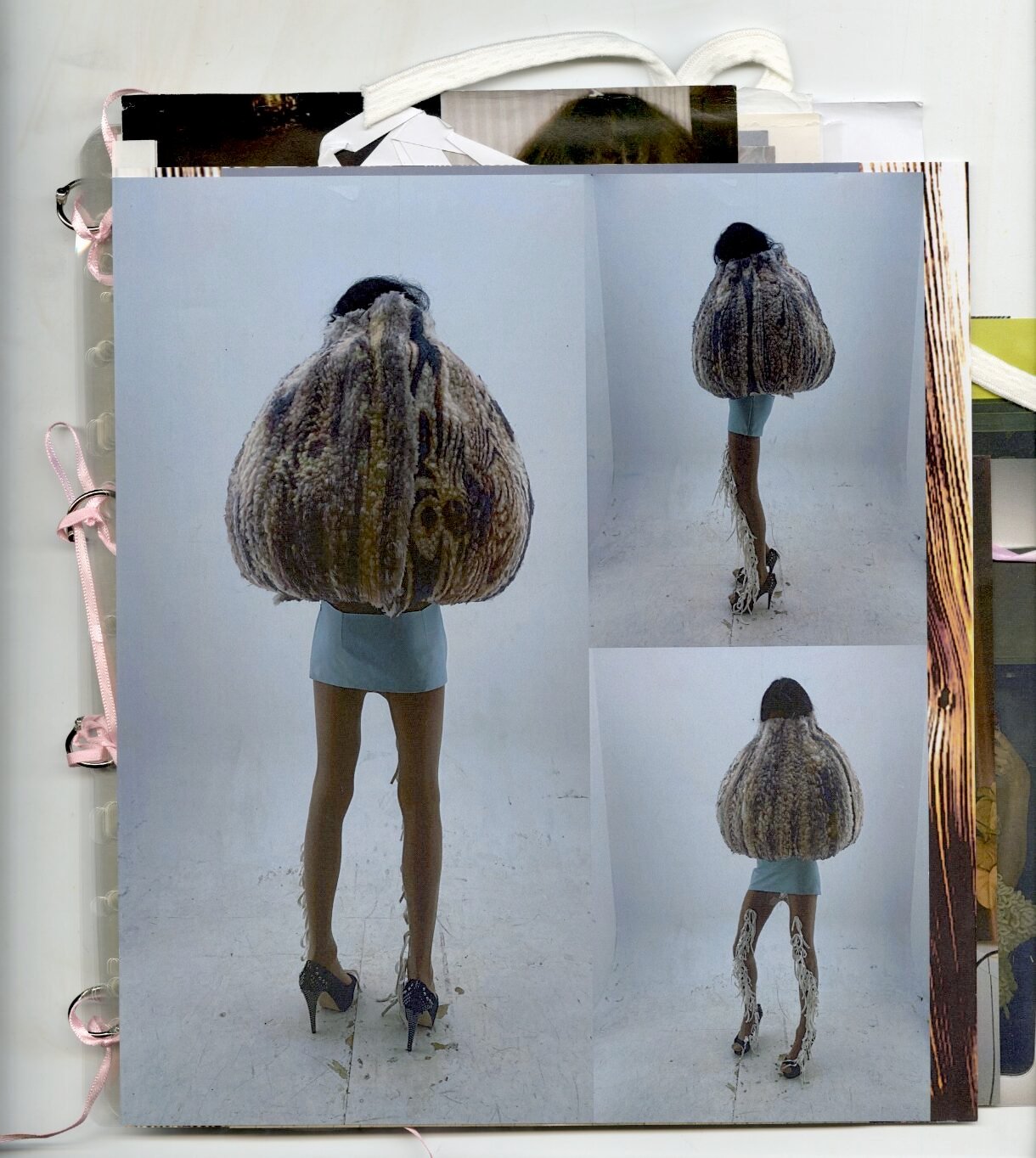
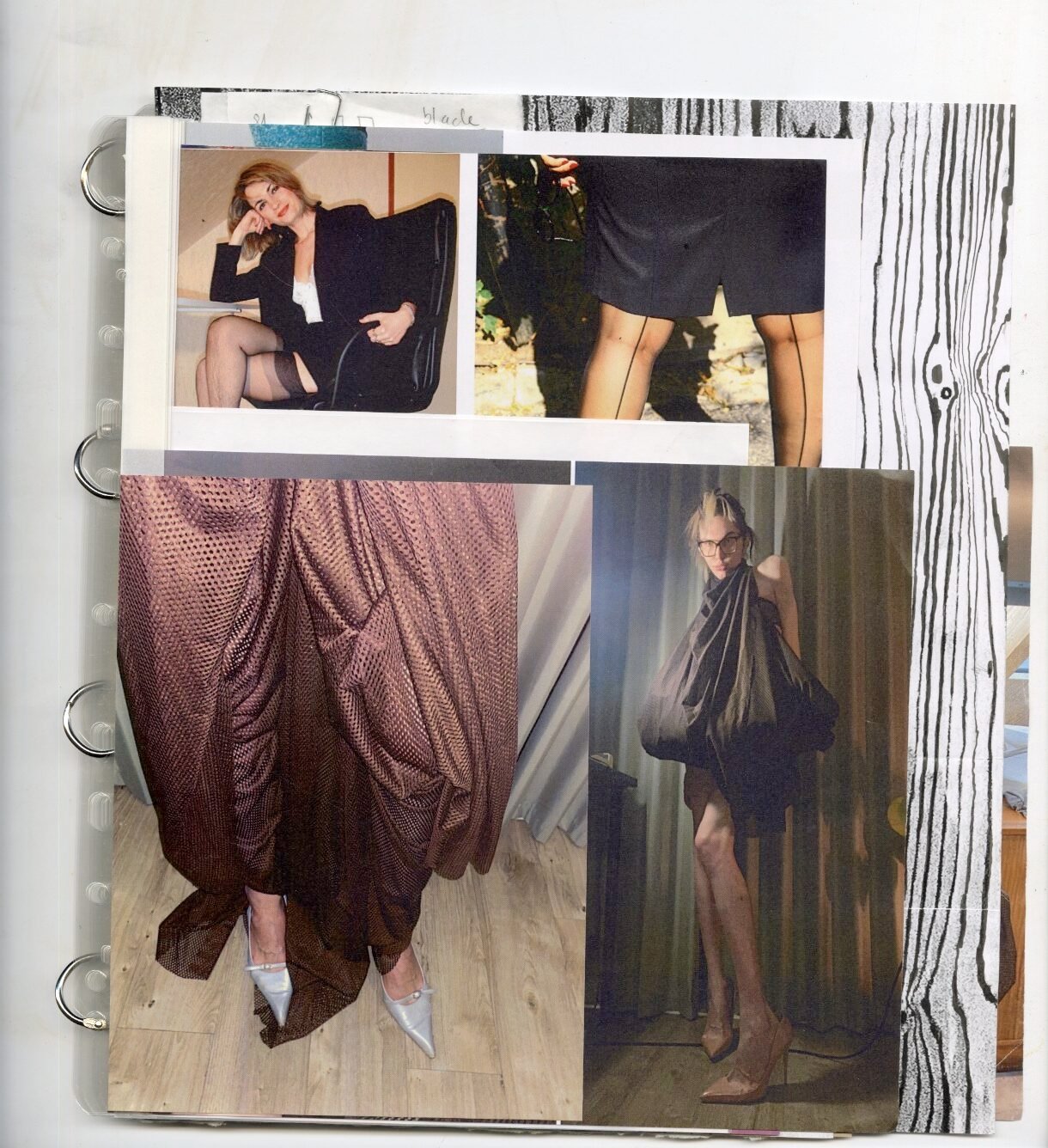
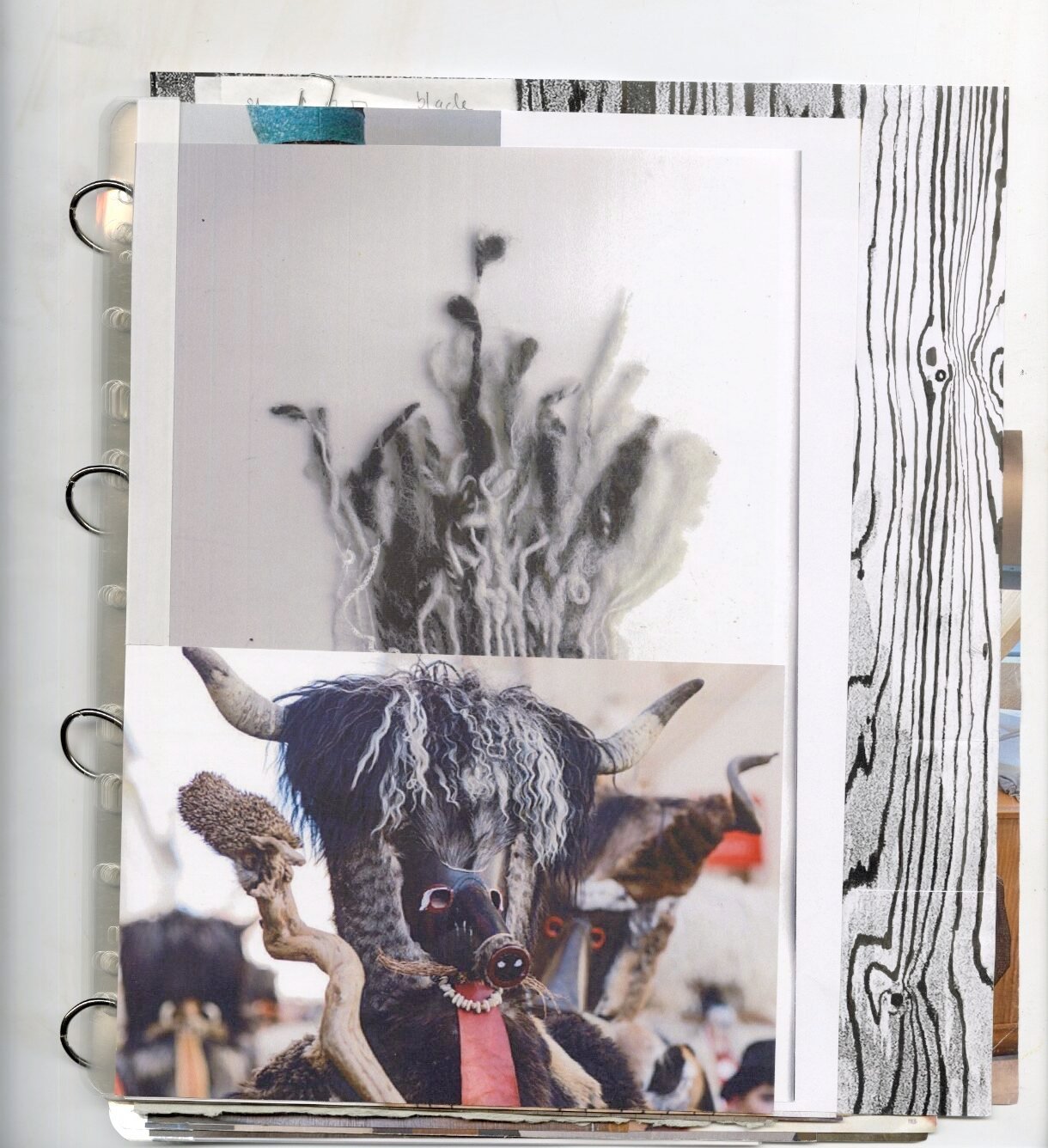
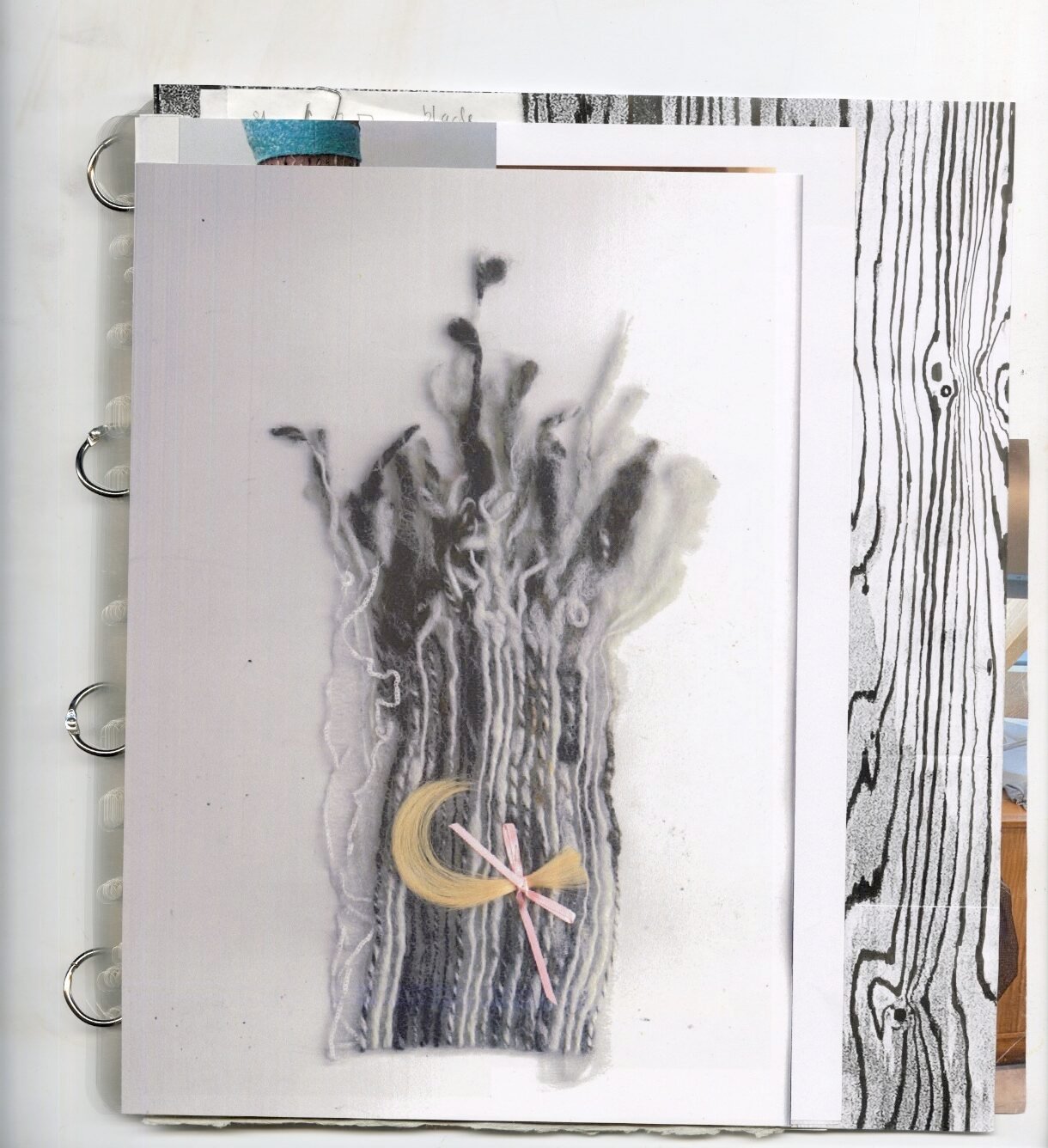
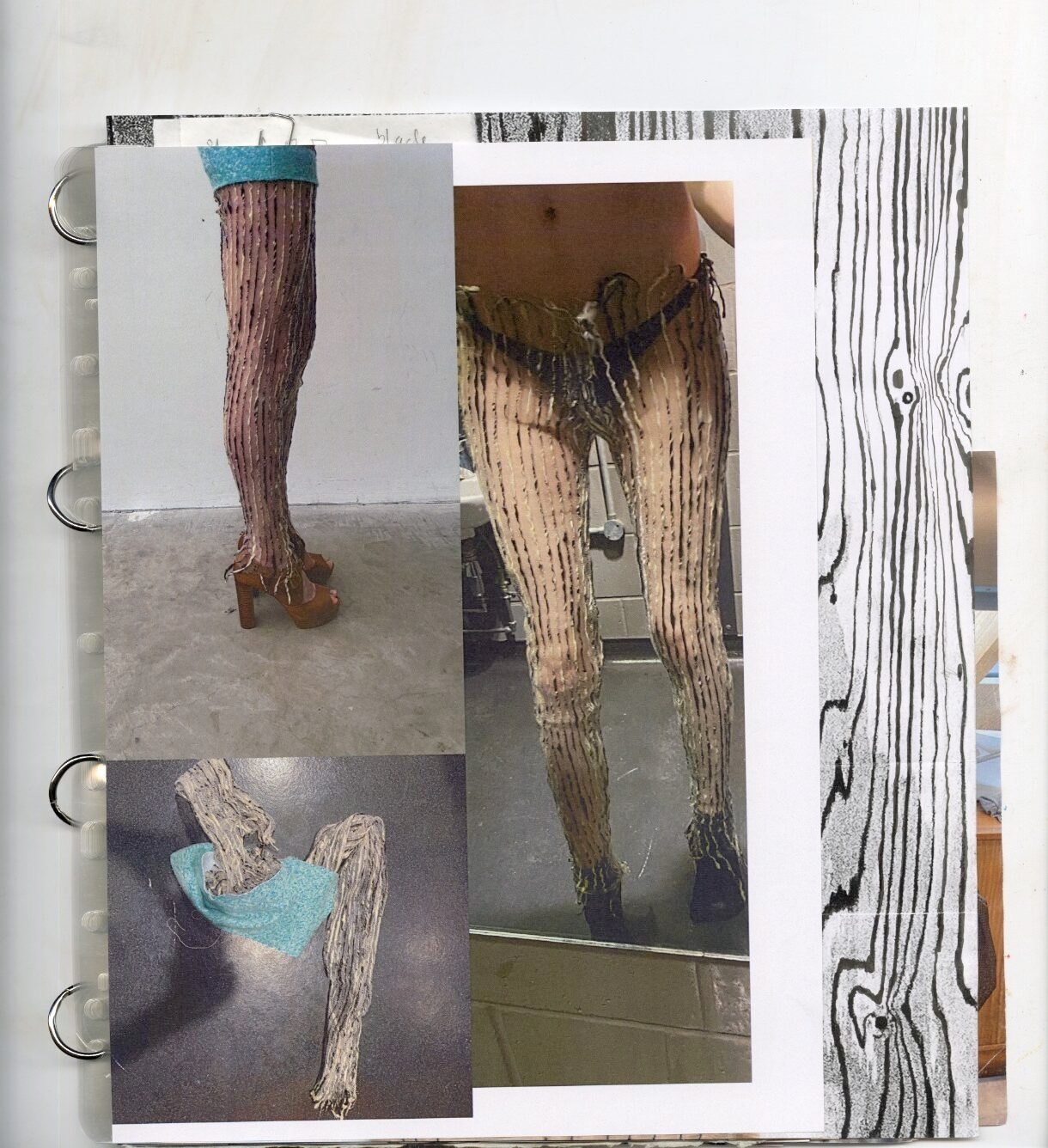
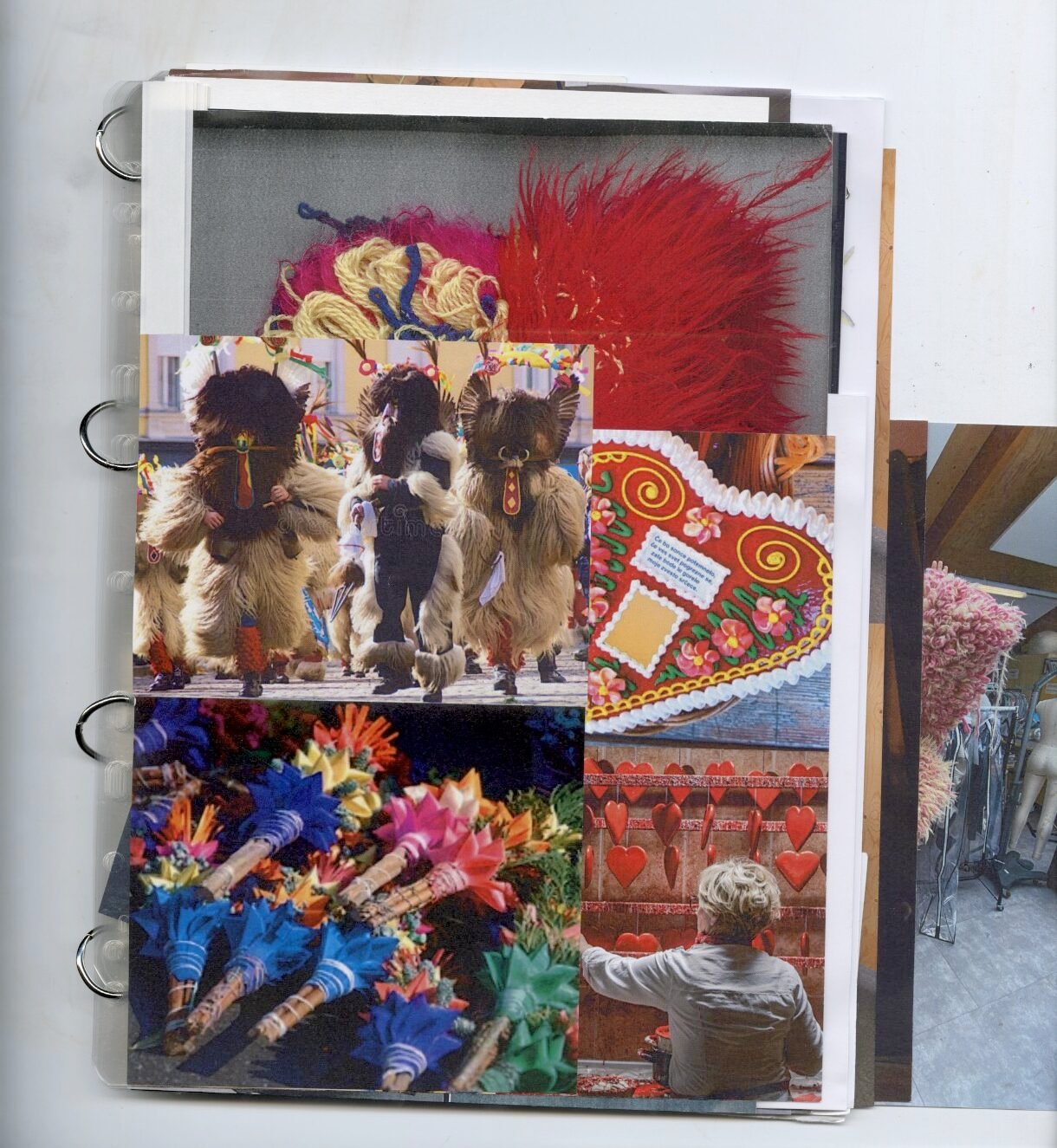
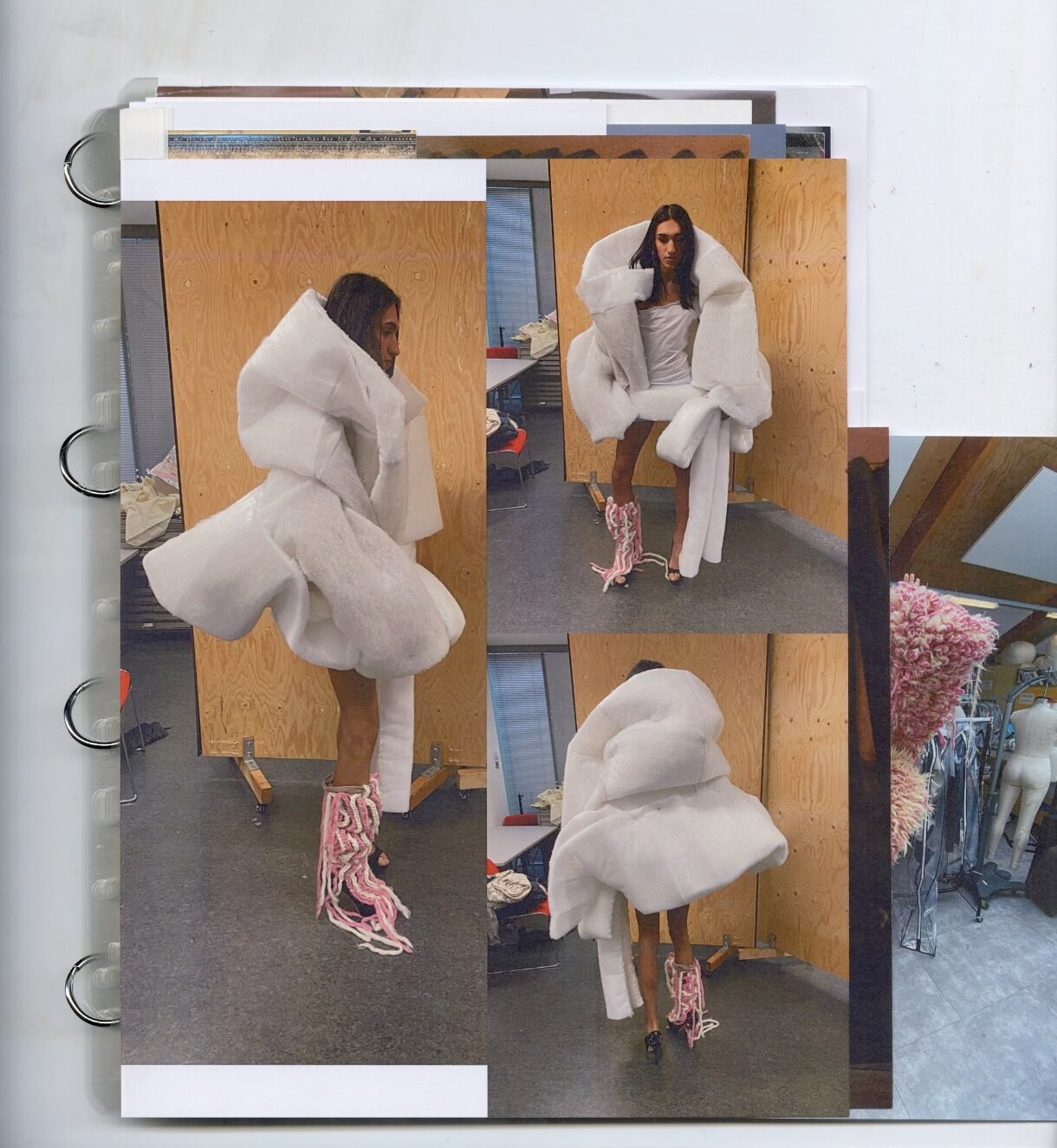
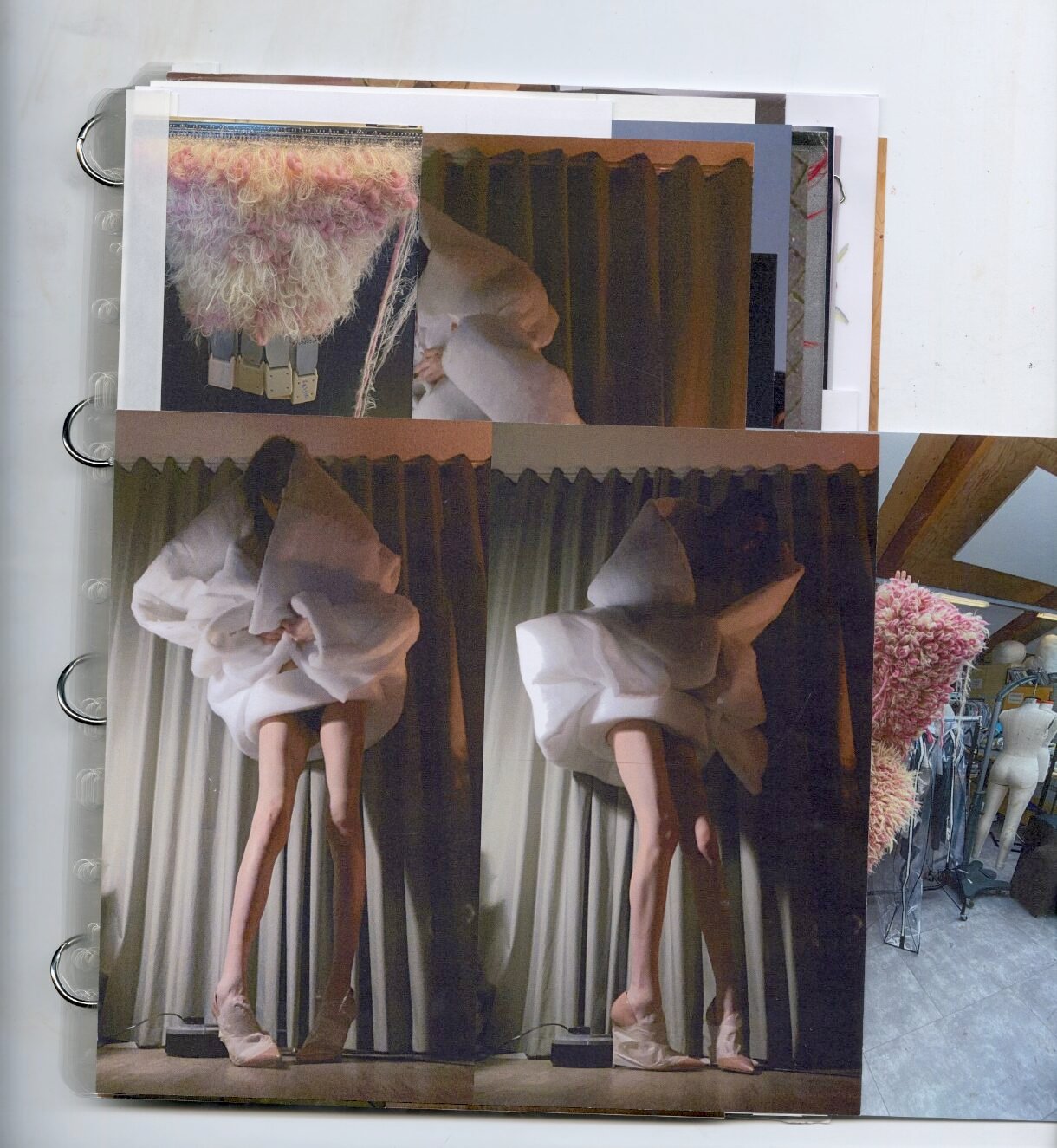
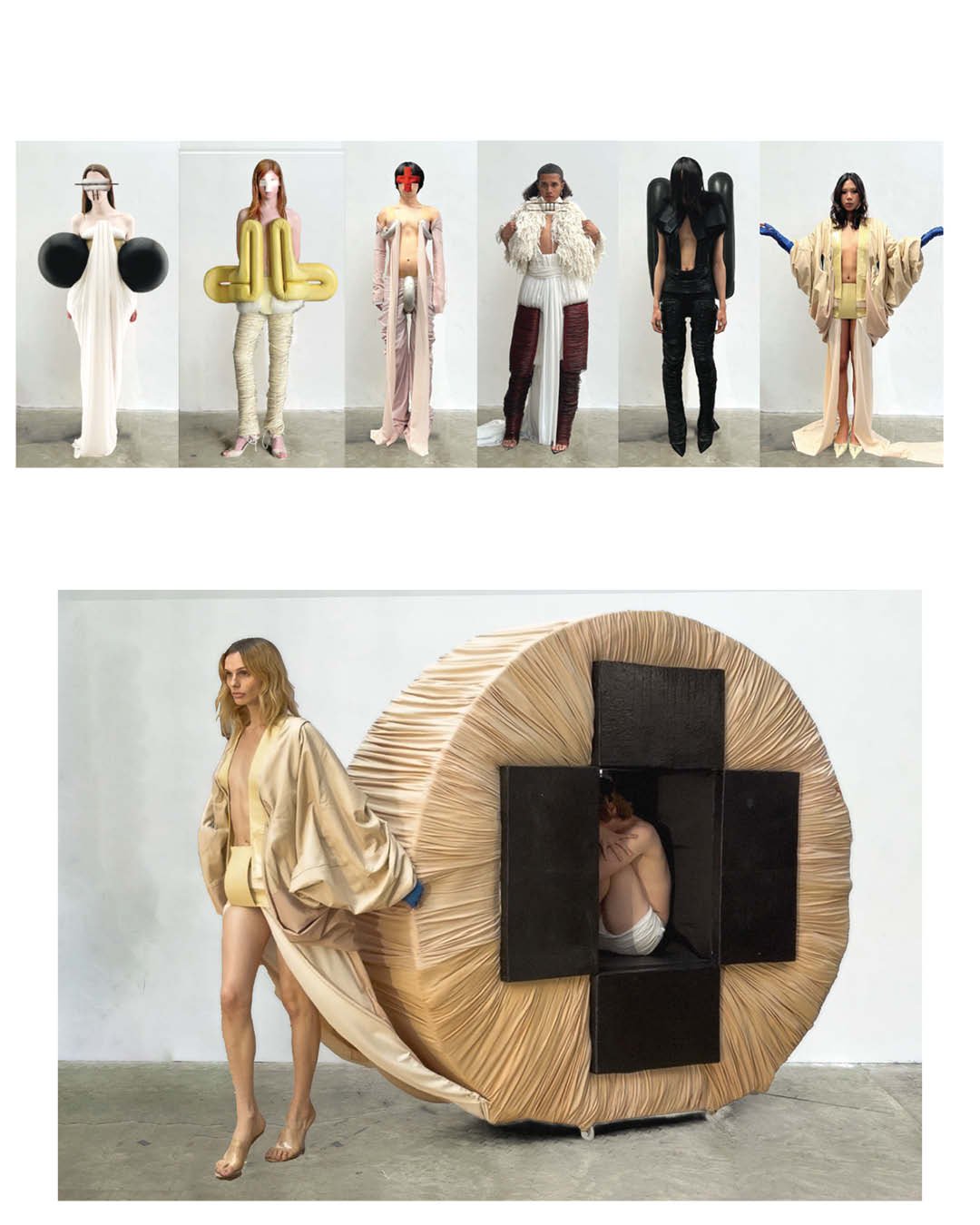
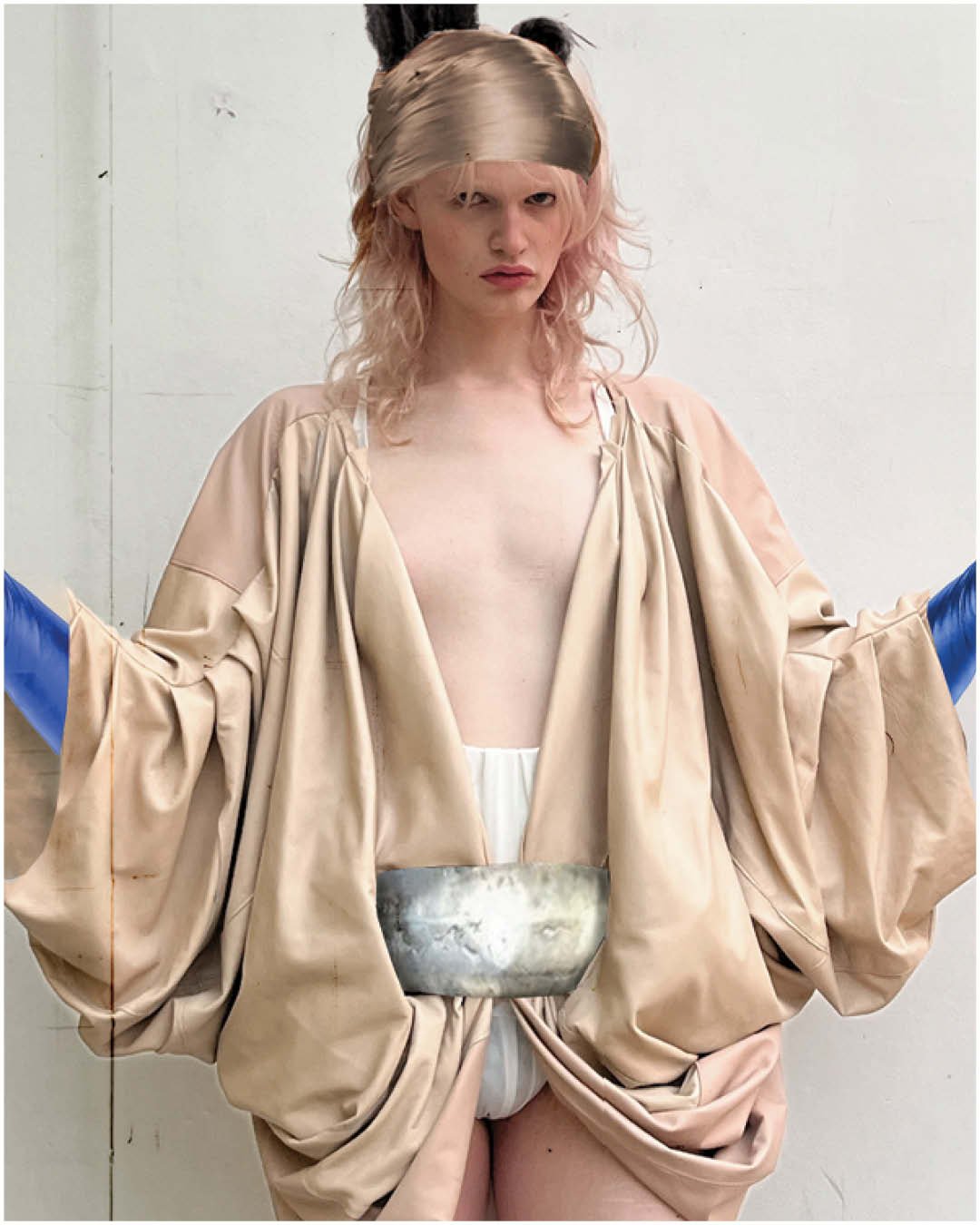
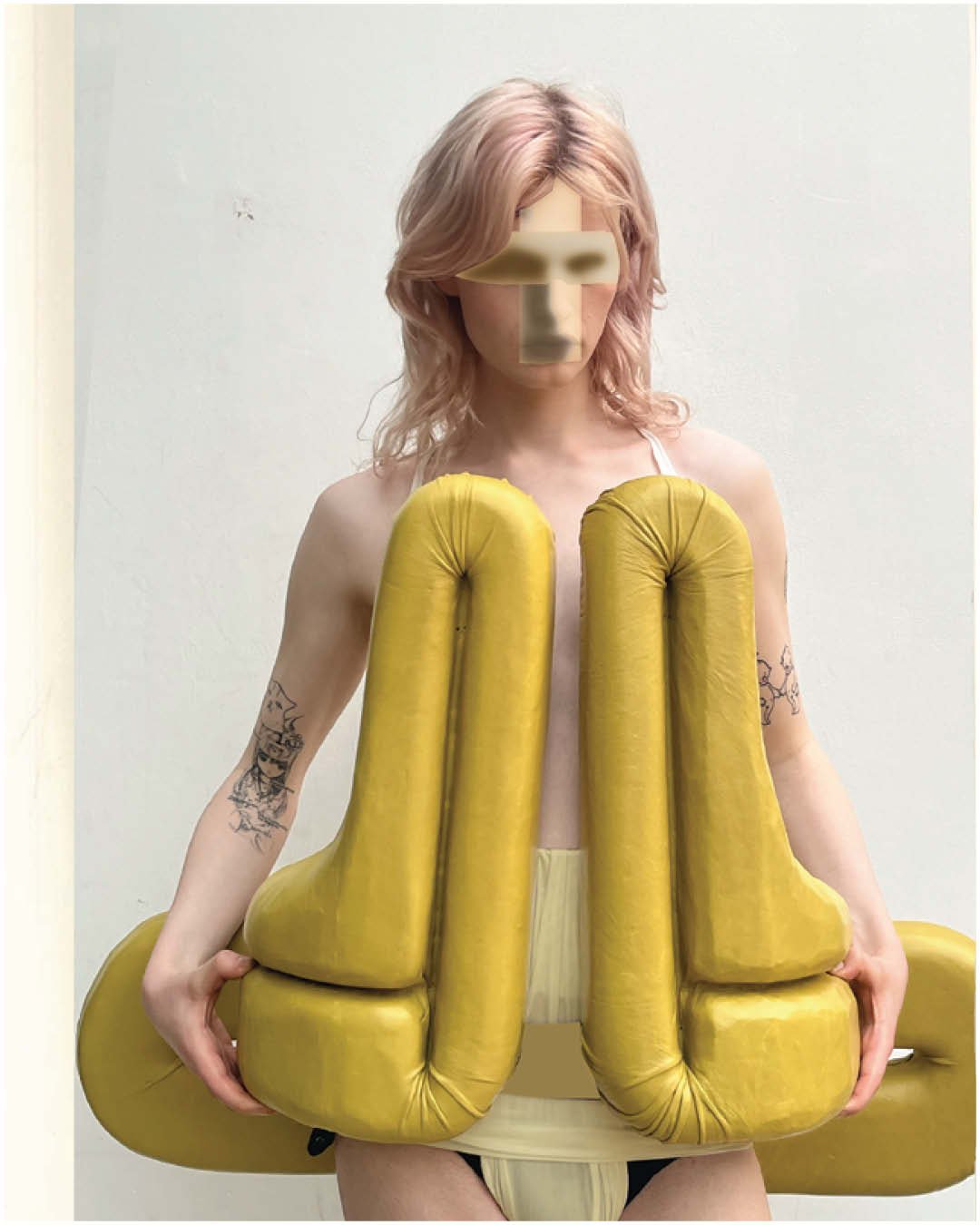
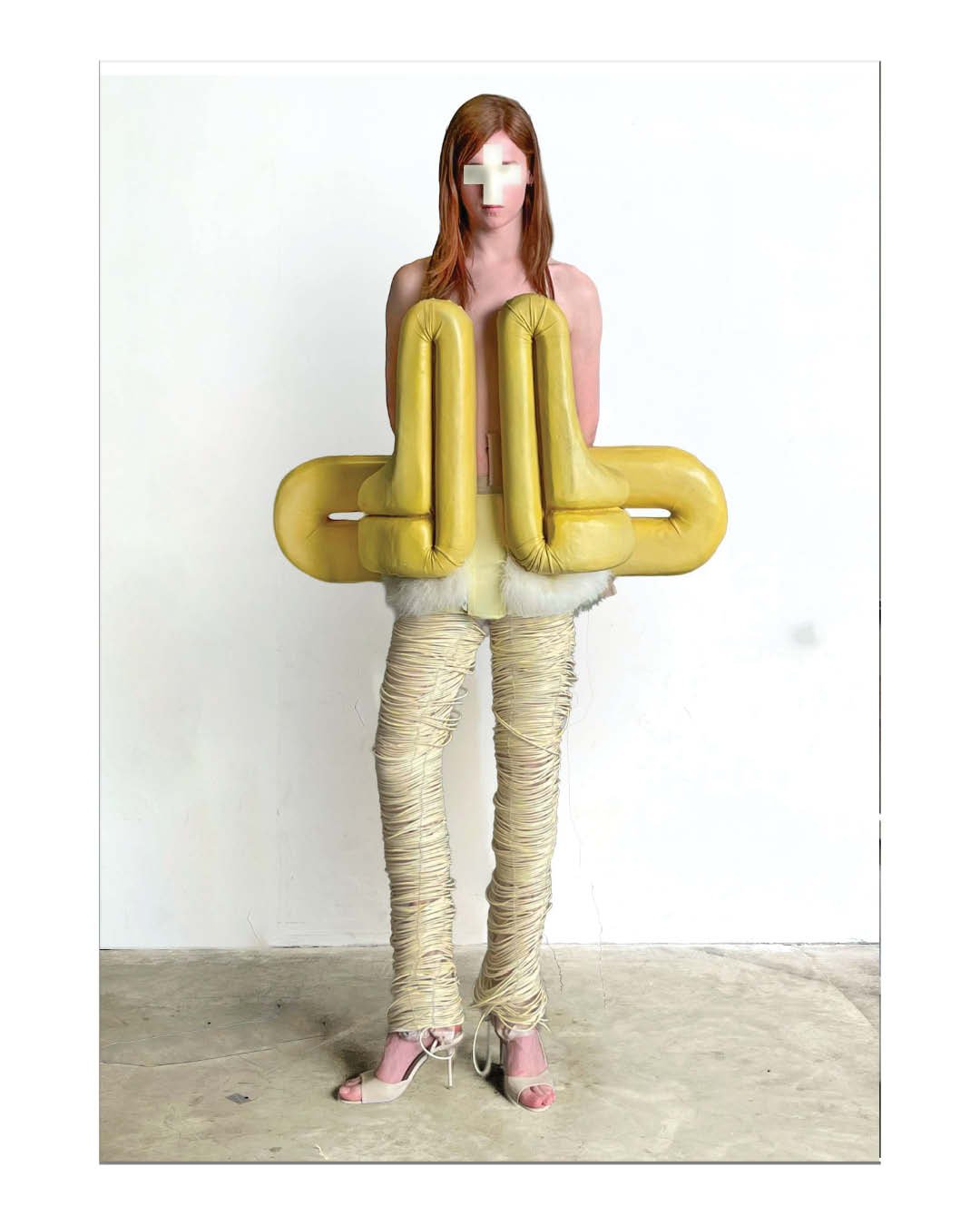
“Jugoslovanska lutka s podstrešja” (“Yugoslav Doll from the Attic”) builds a fantasy space around fragility, awkwardness, and what Cassie Ambroz describes as trans failure. Inspired by Allison Harvard’s “Creepy Chan” photographs, the collection imagines a place where trans women can experiment with identity without having to perform perfection. Oversized silhouettes and exposed legs give the figures a vulnerable, strange, deliberately unresolved quality. Its material language draws heavily on Slovenian folklore and ceremonial traditions, from Kurent processions and butarica constructions to wood, wool, and handcrafted textures. Contrasting colours and materials push the figures further into an uncanny, doll-like state.

@cassieambroz

Julie Pereira Martins

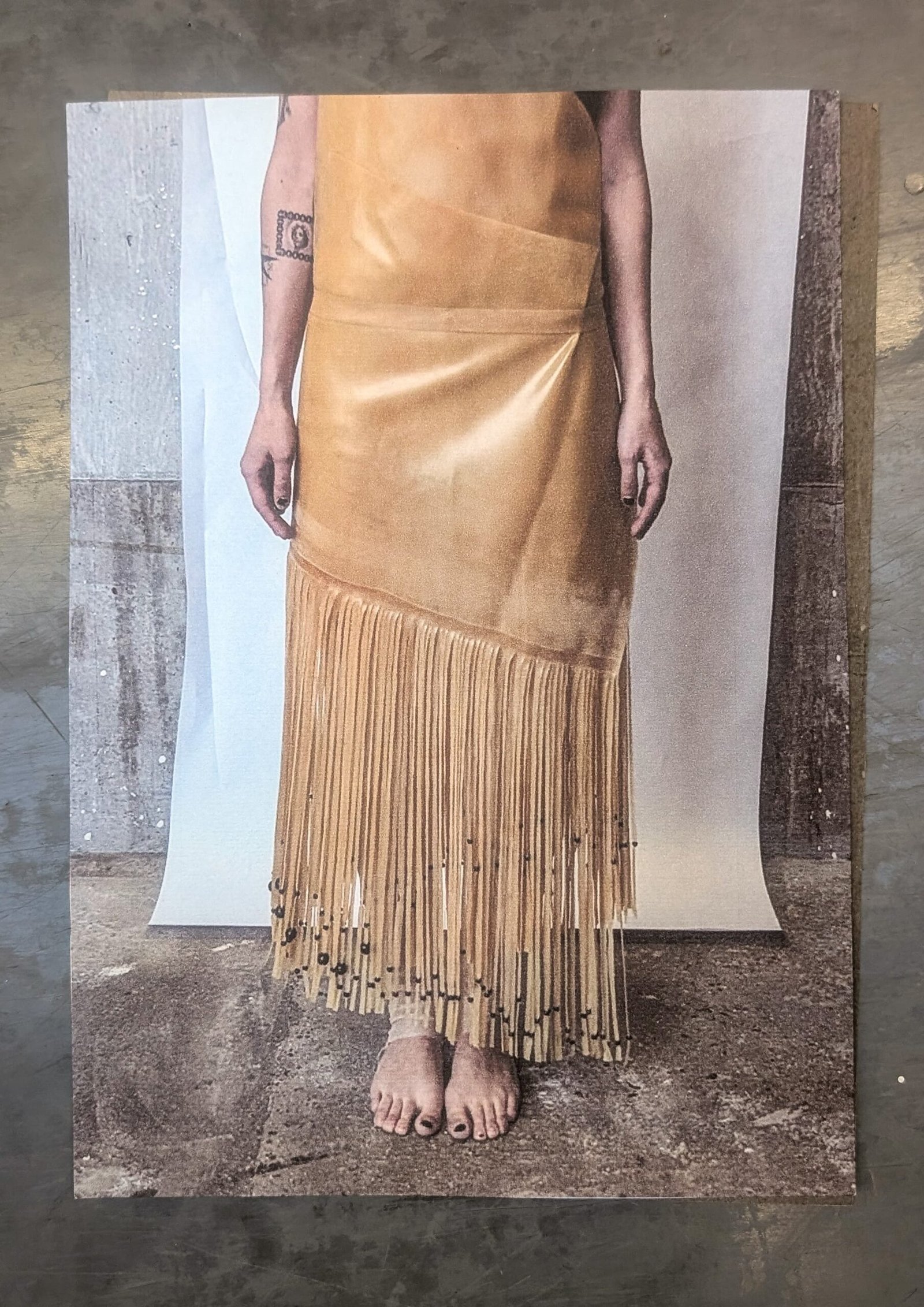
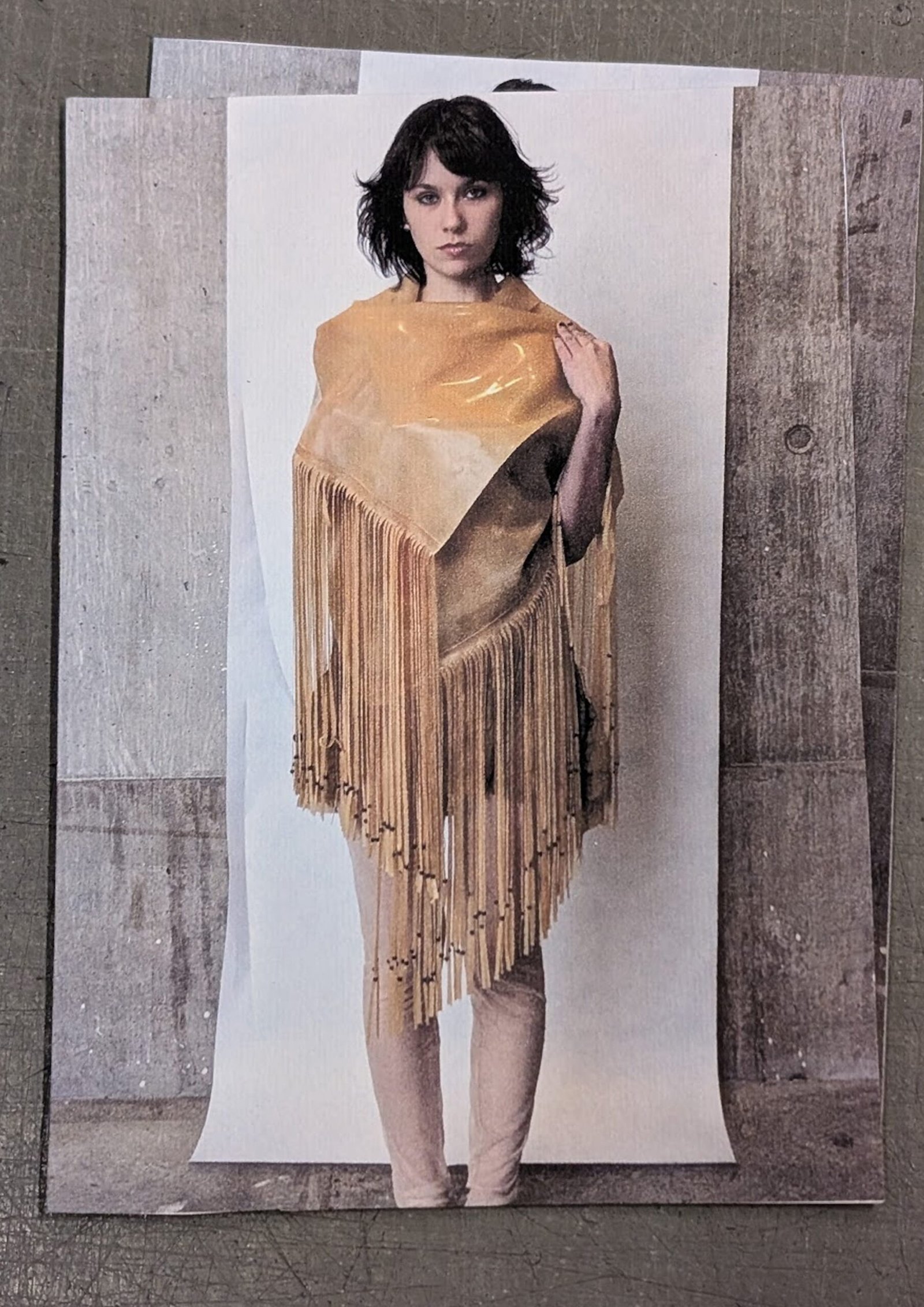
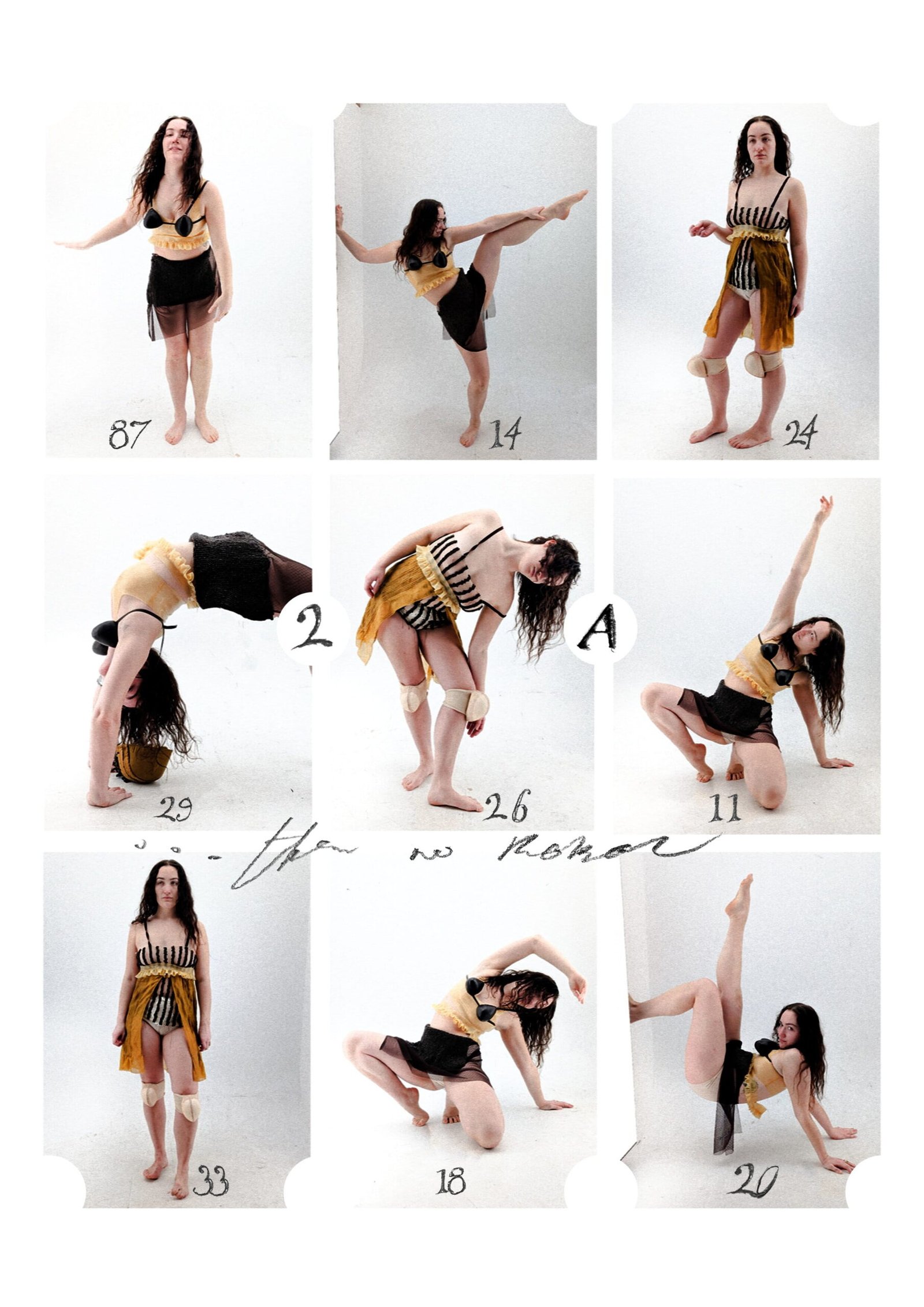
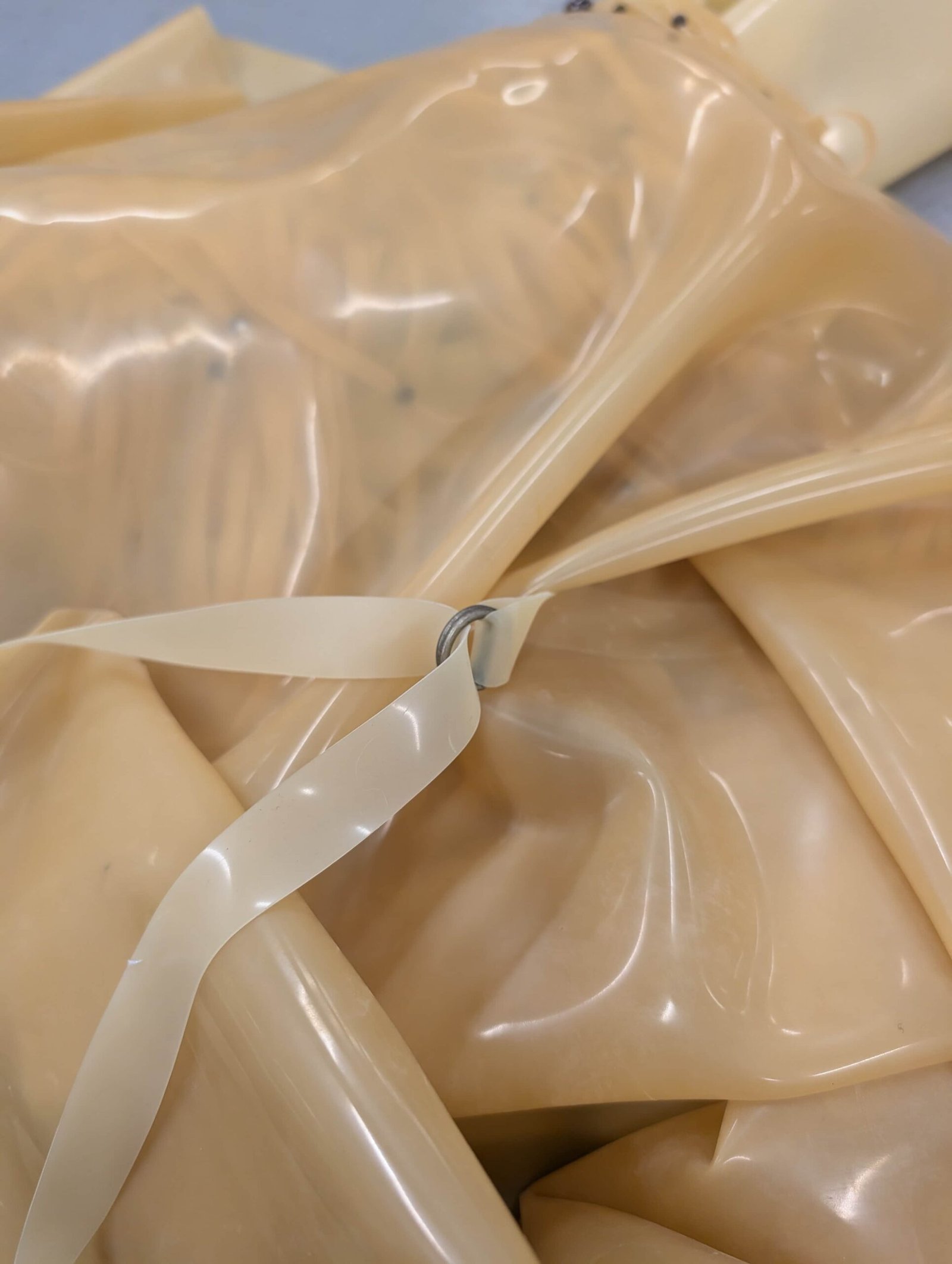
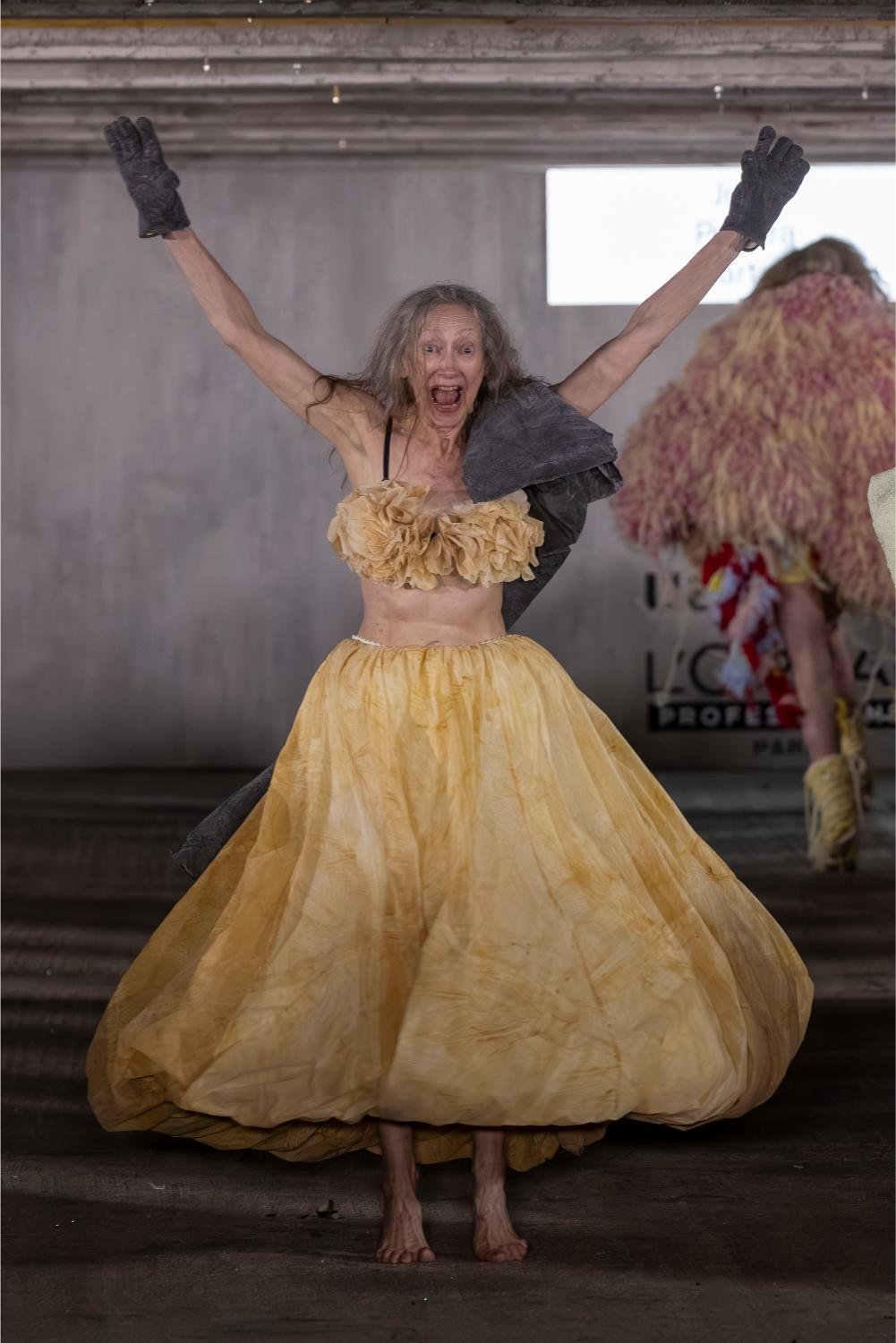
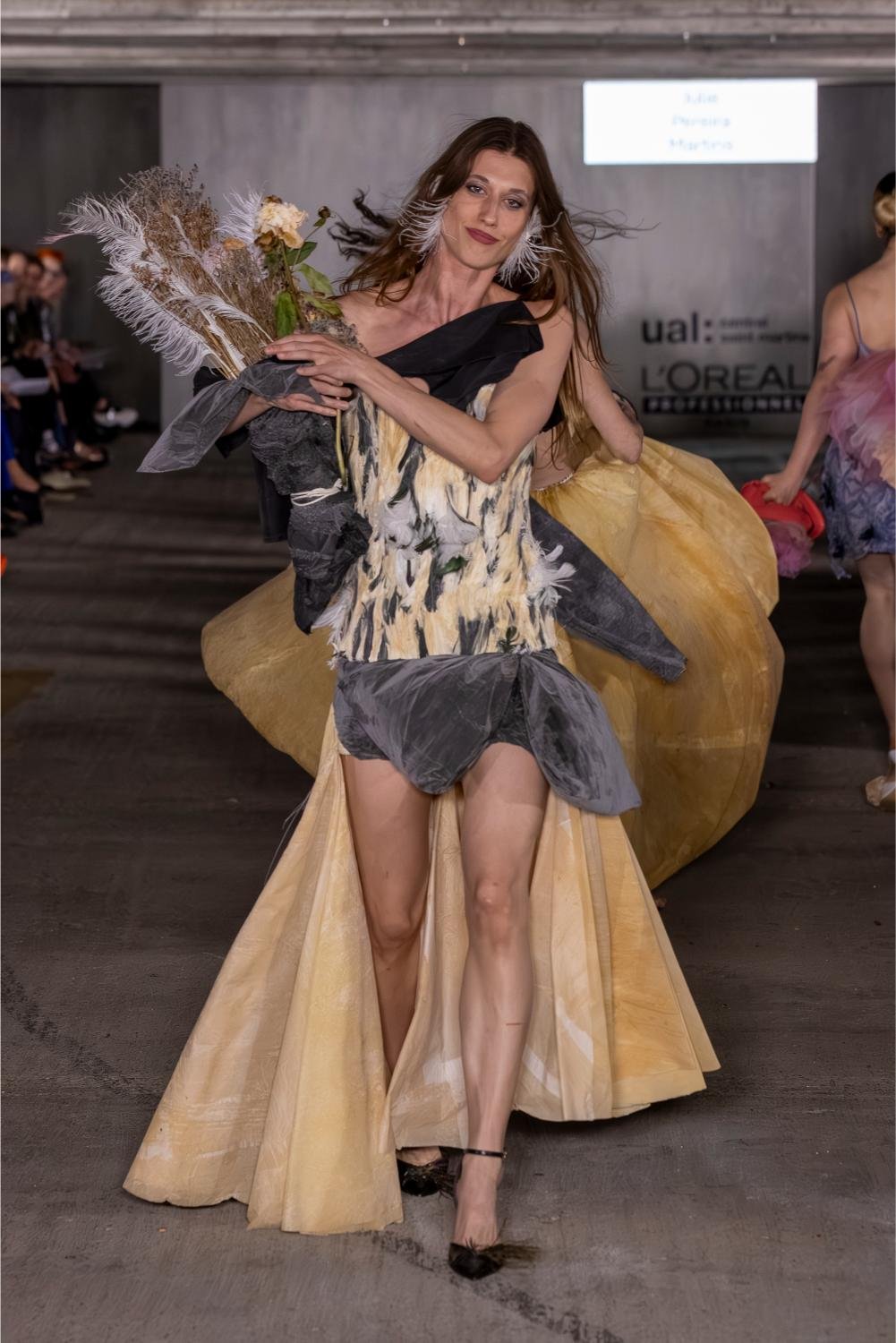
In “All the Things You Want Me to Be,” six characters stage six different refusals. Julie Pereira Martins uses each figure to resist a stereotype or expectation attached to womanhood, moving between ordinary moments, vulnerabilities, sensitivities, and sensualities. The collection questions representations of femininity still shaped by a predominantly male gaze, while drawing on Pina Bausch’s portrayal of womanhood and Eva Hesse’s use of latex, fragility, and ephemerality. Performance and authenticity sit uneasily together. Each character is caught between what she is asked to become and what she refuses to be.

@jucie_martins

Haruka Takamatsu

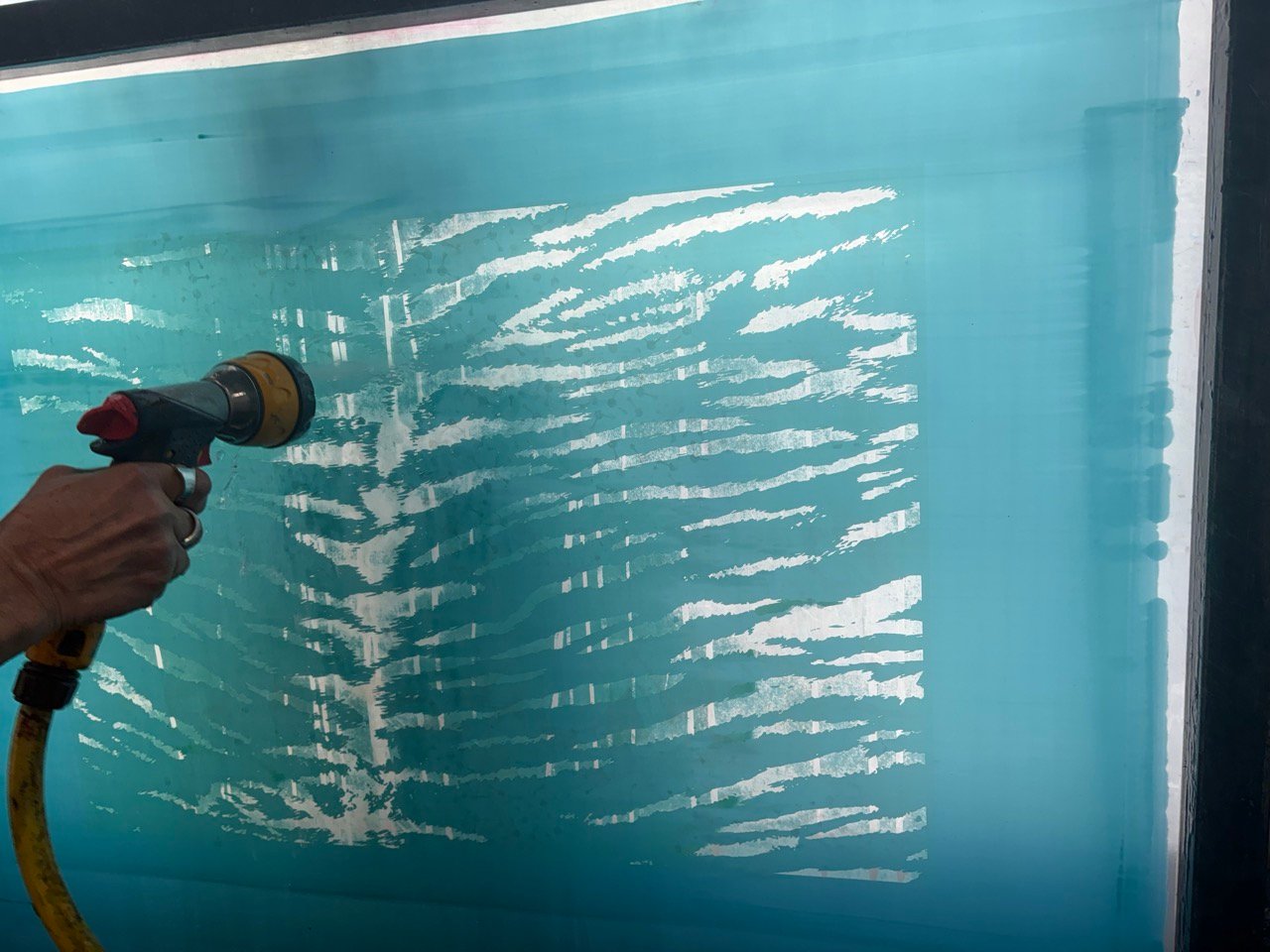
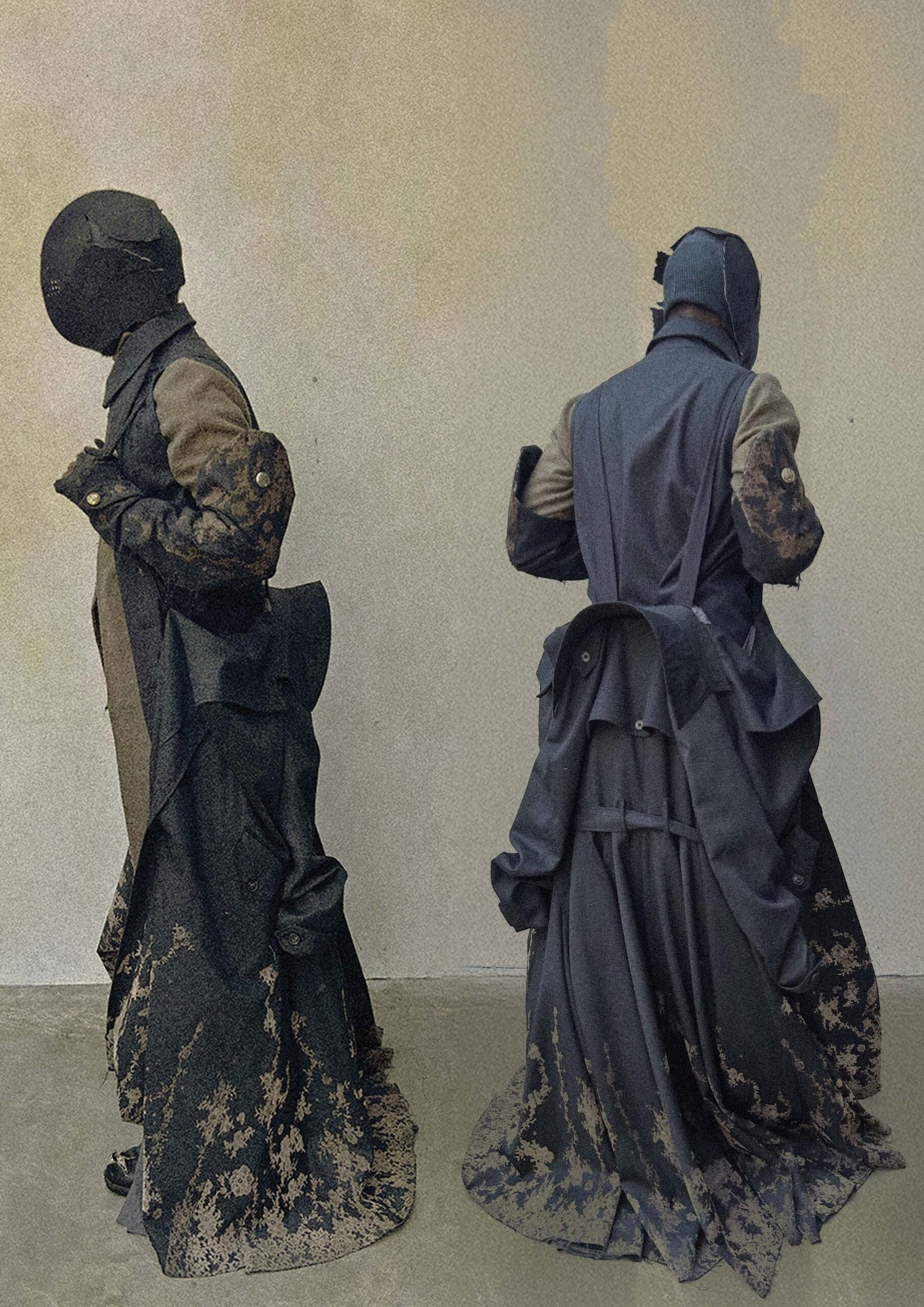
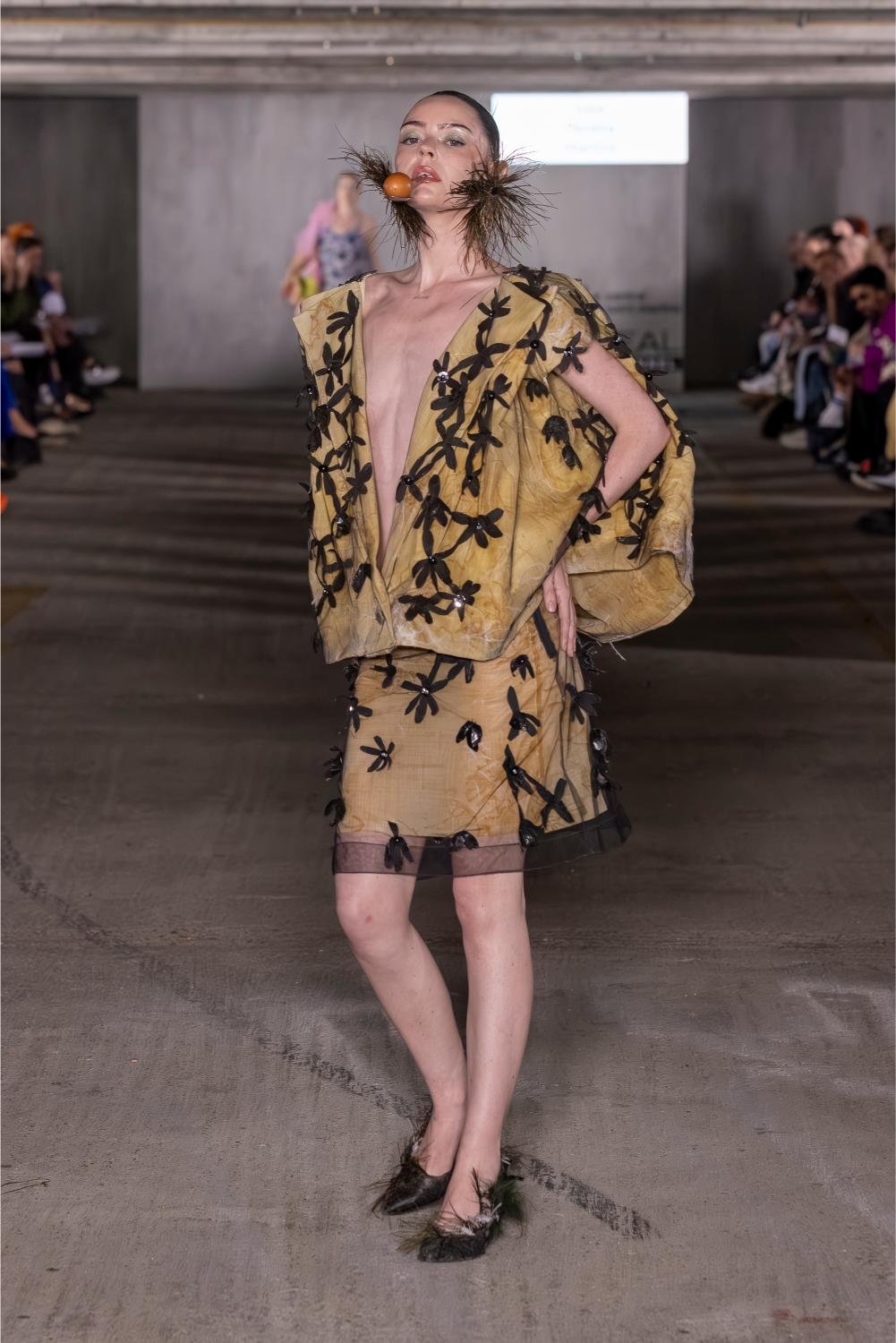
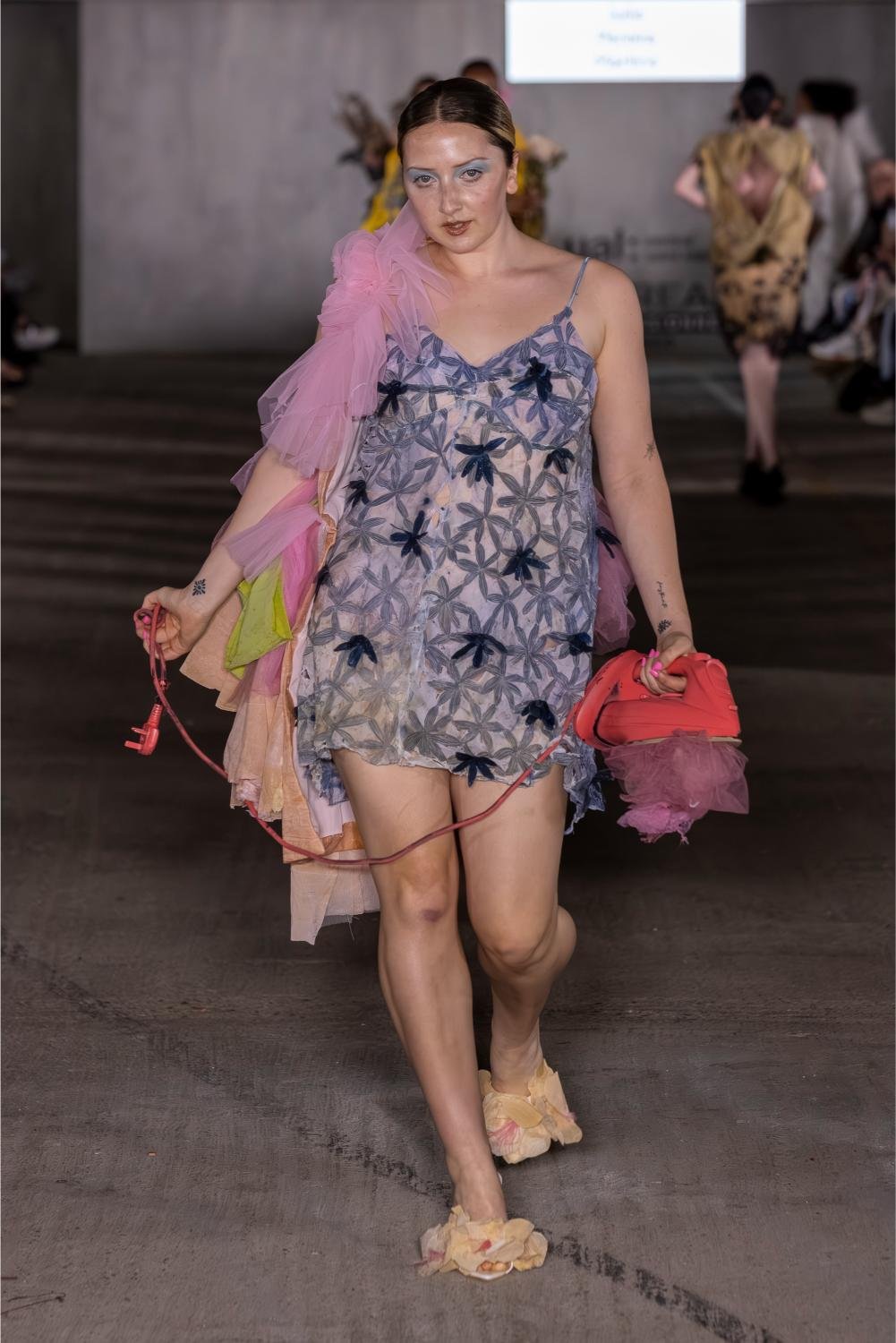
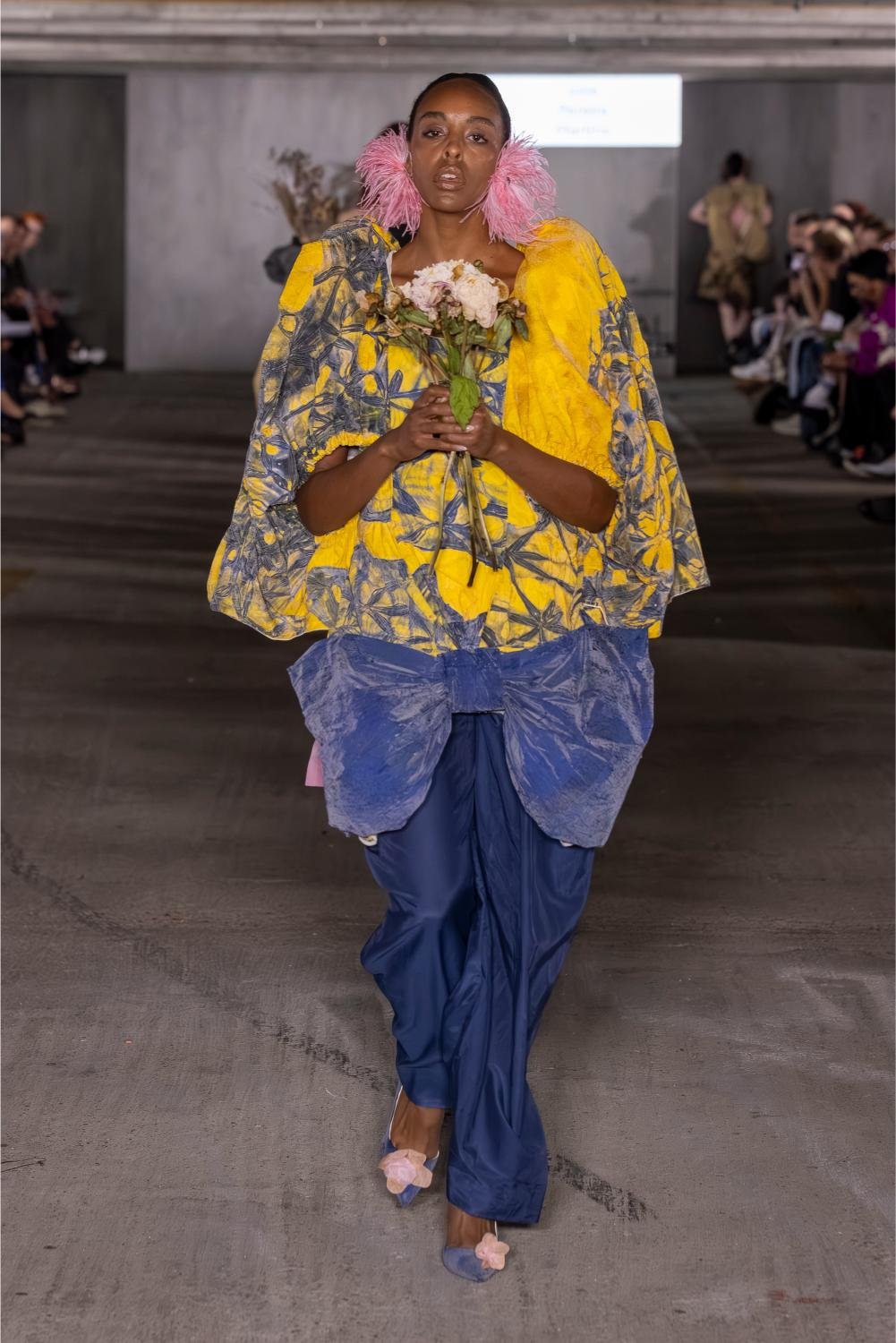
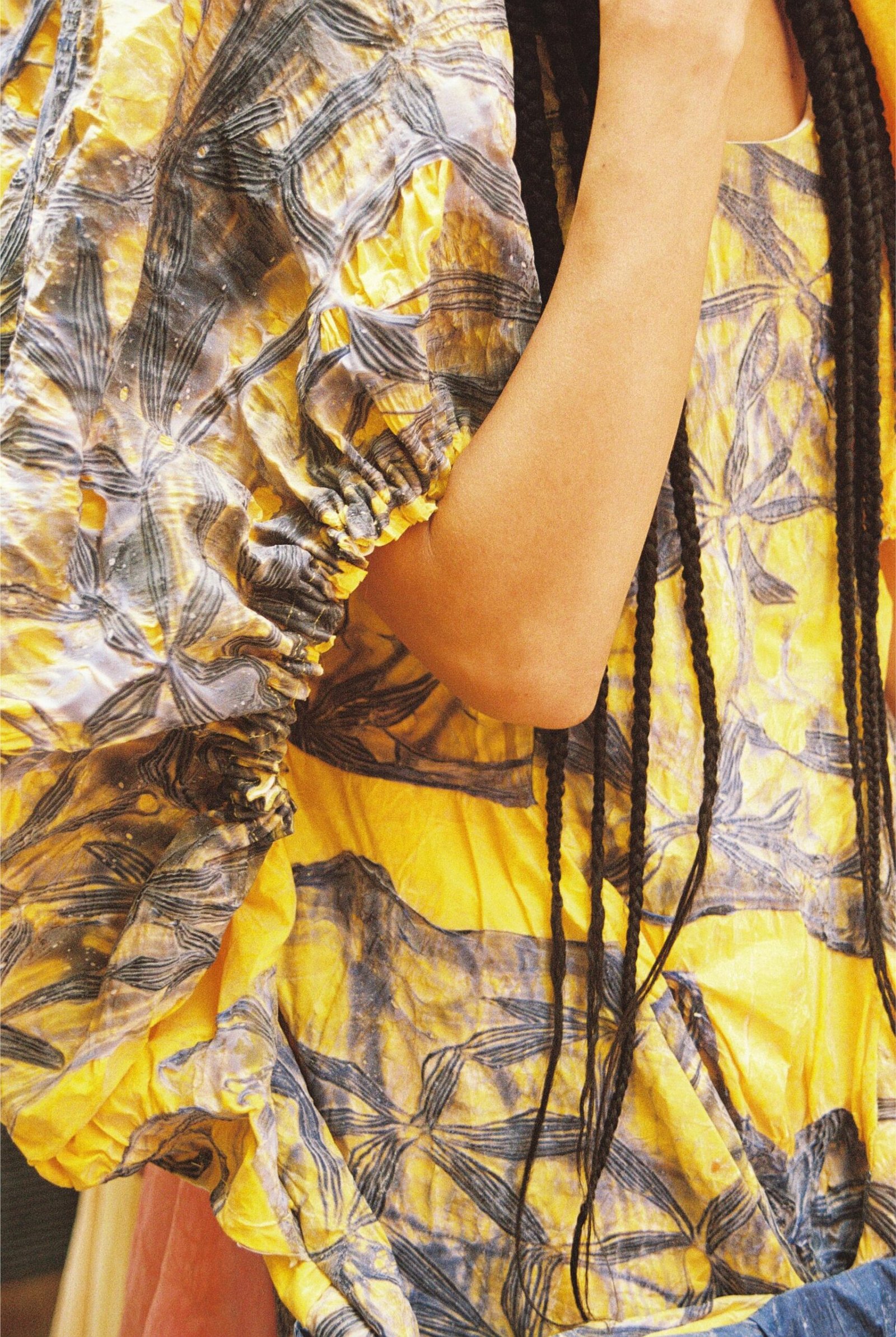
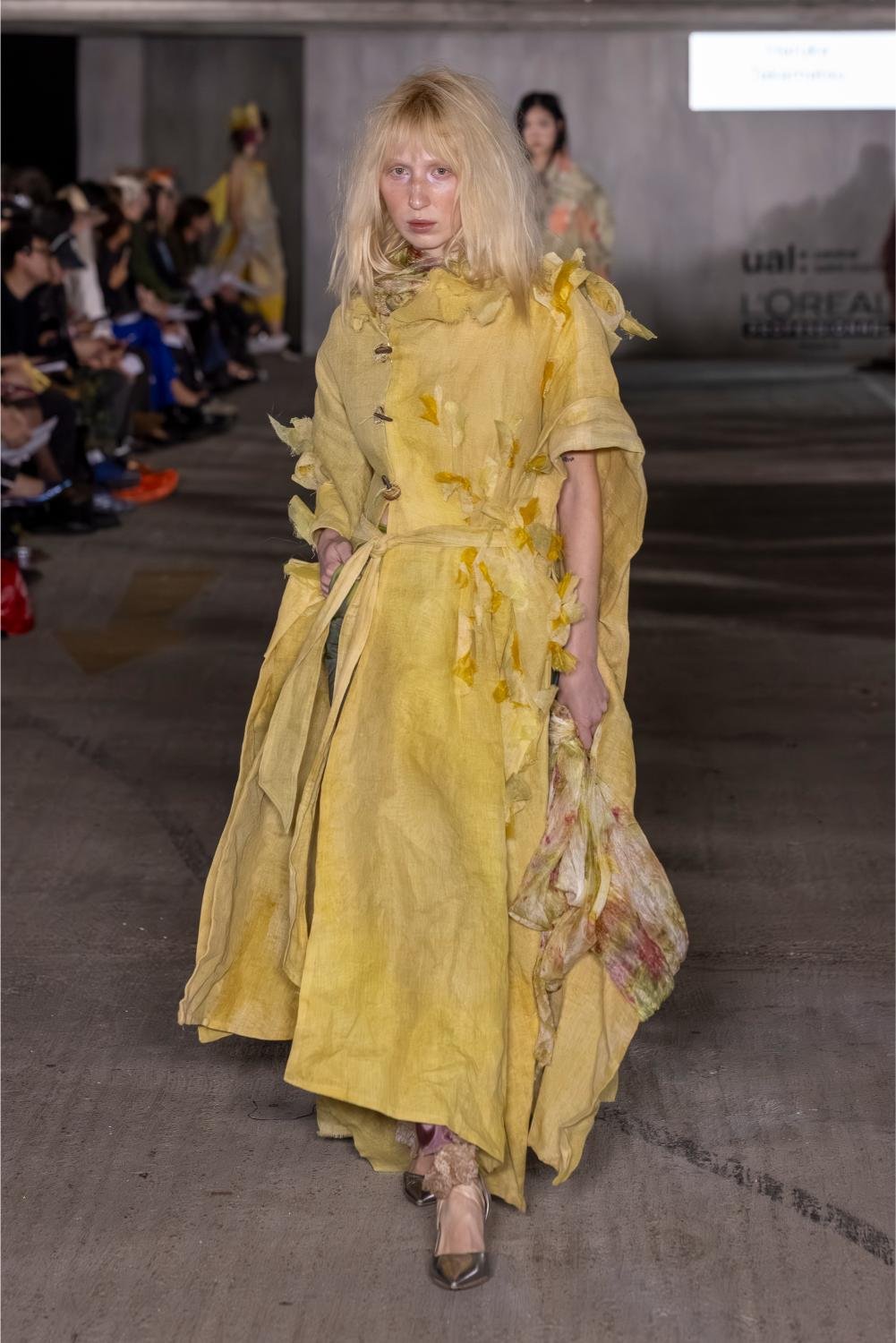
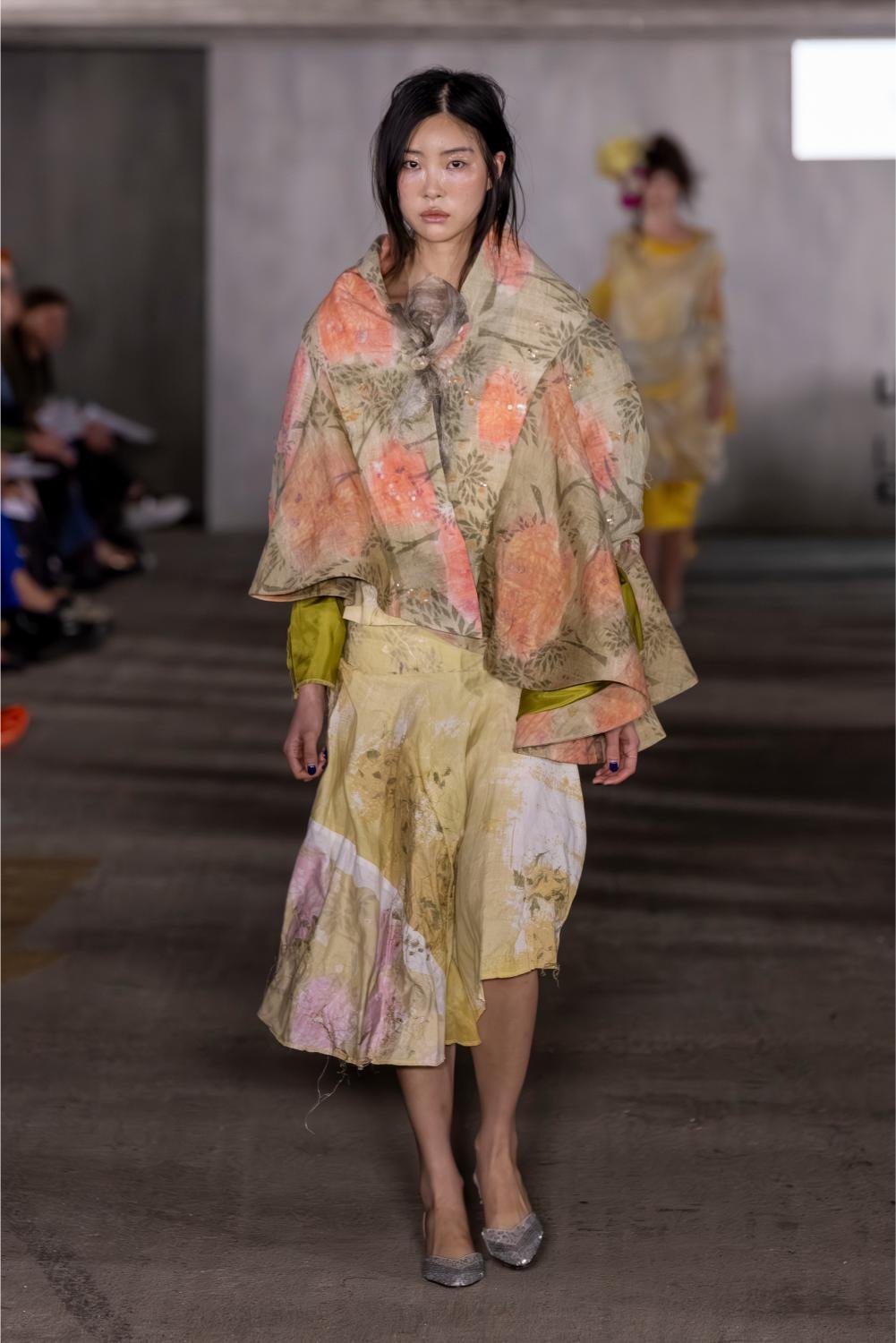
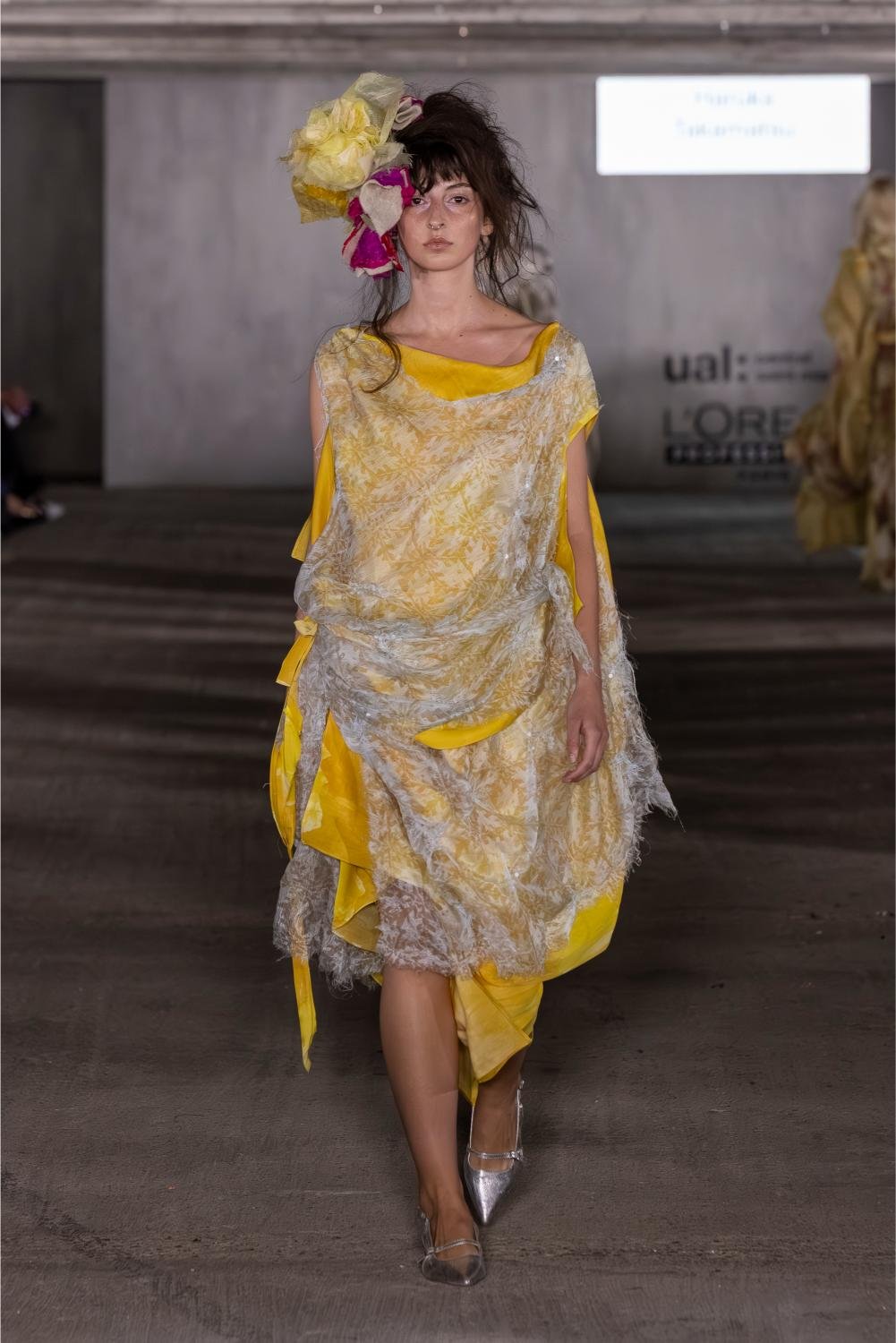
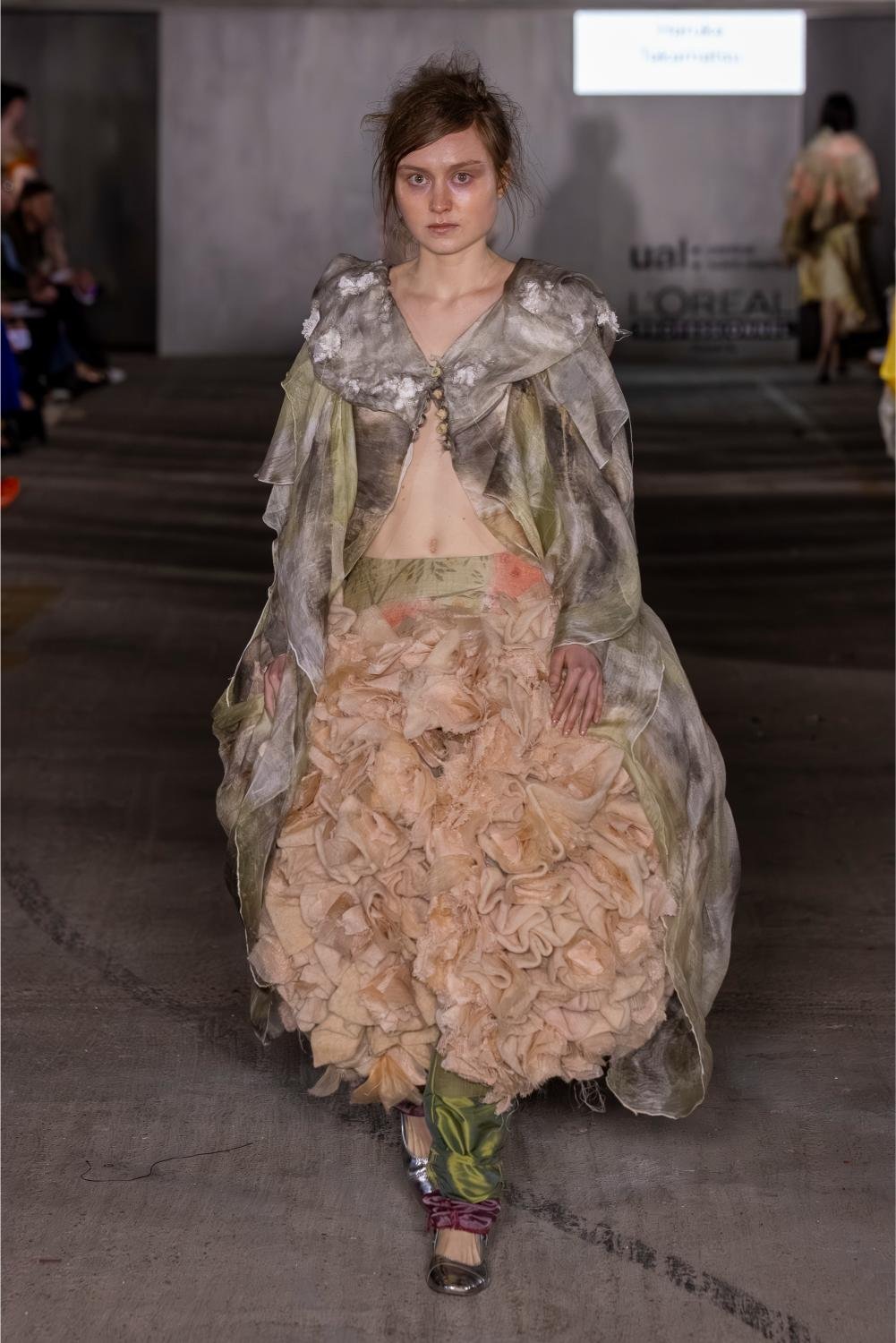
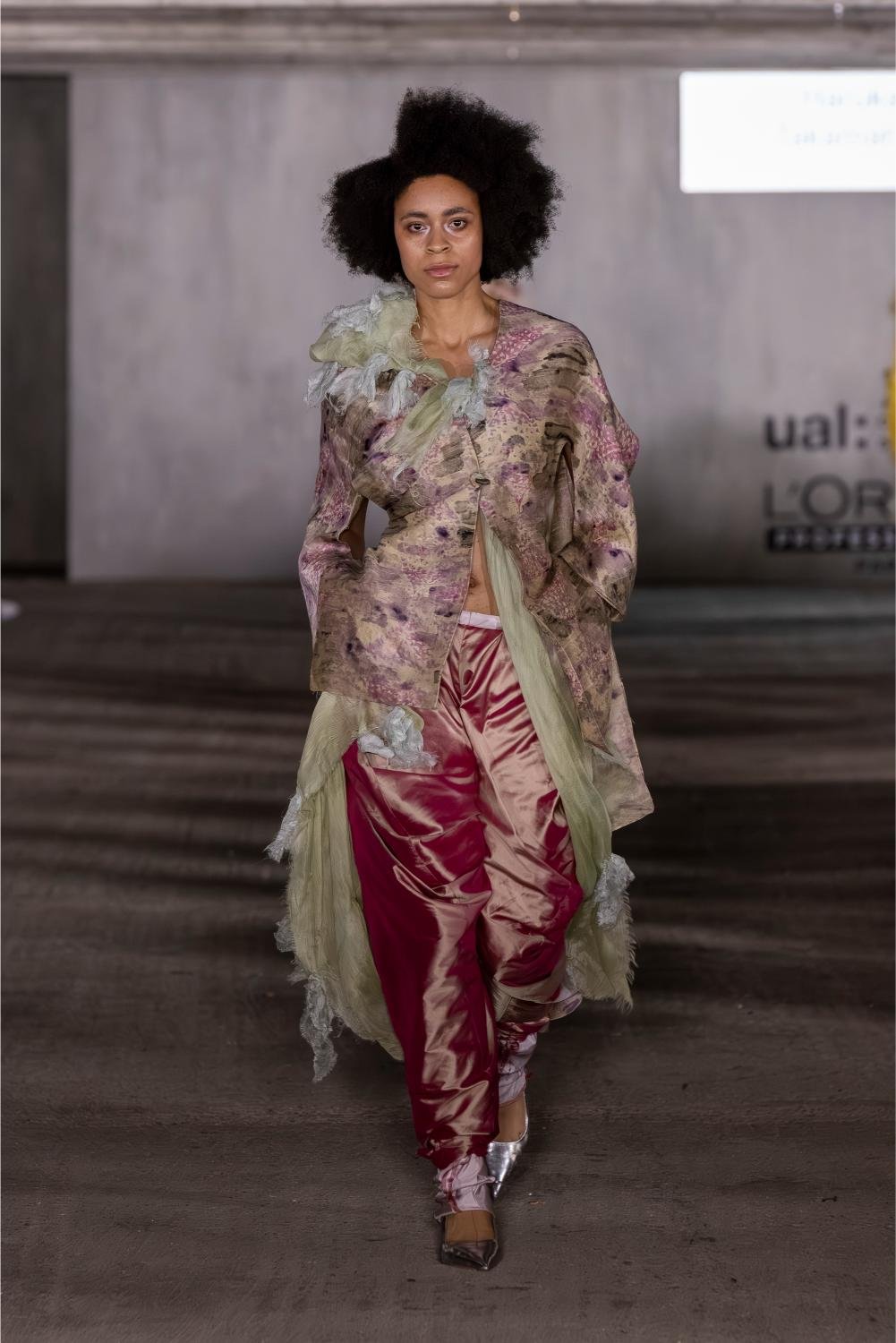
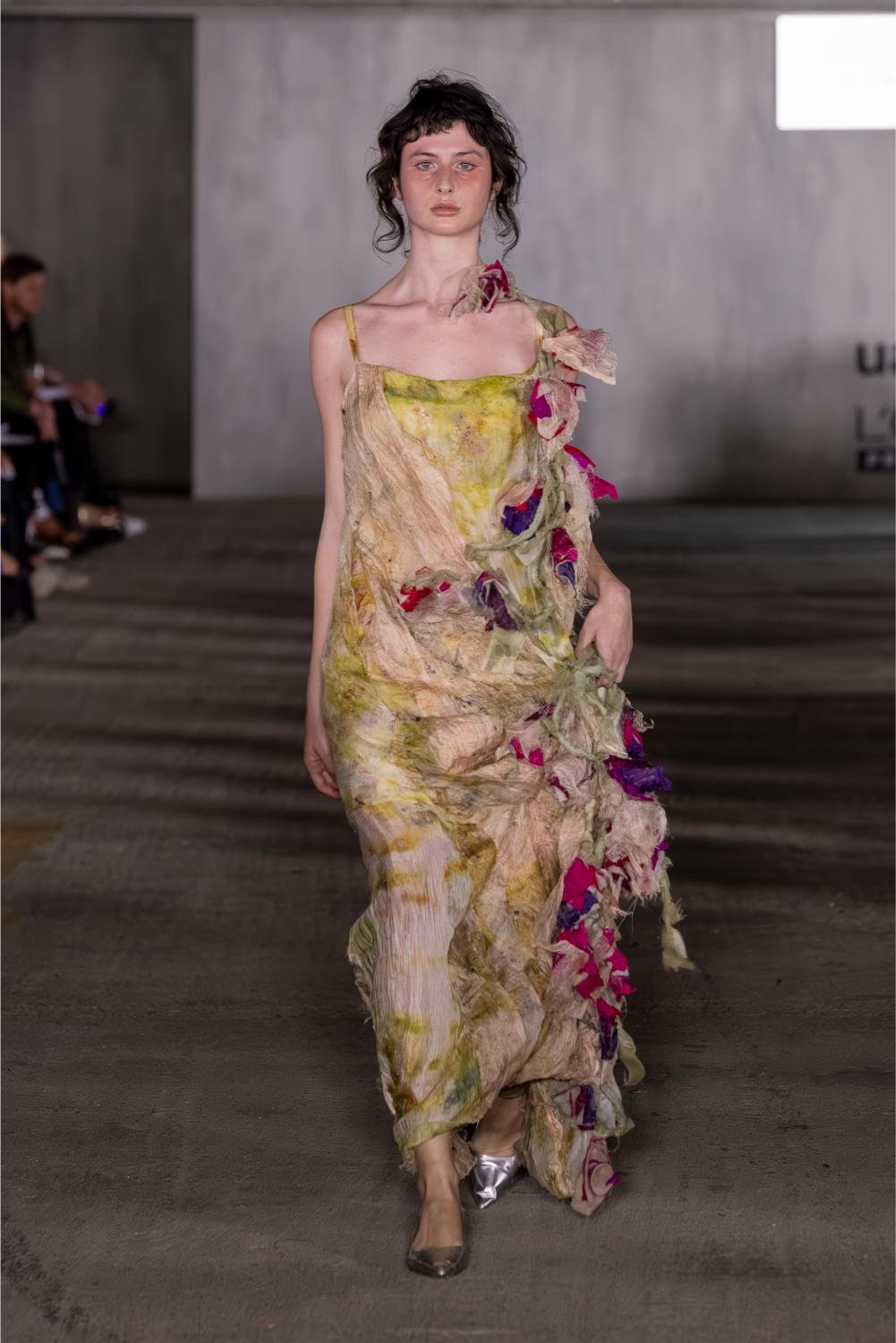
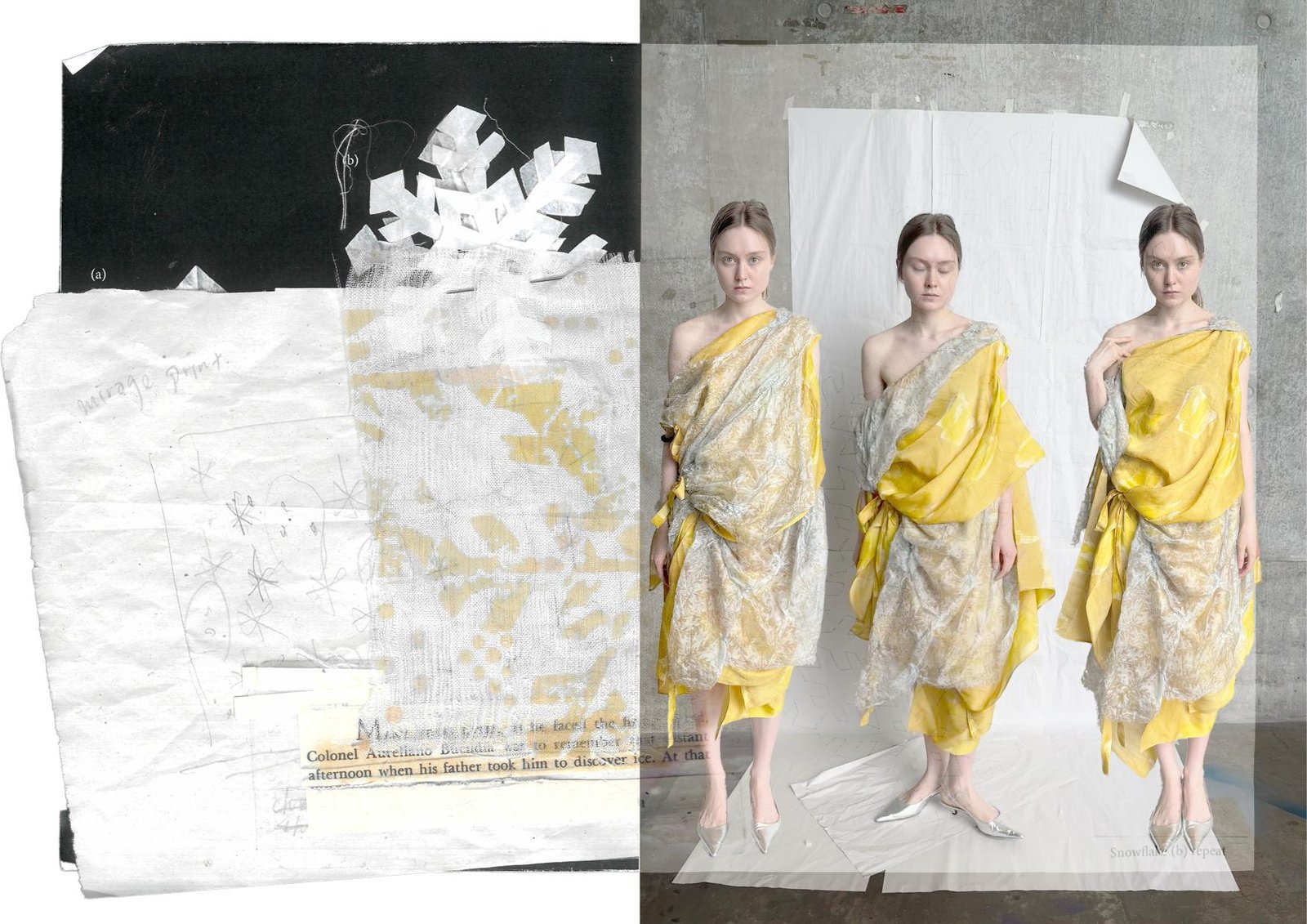
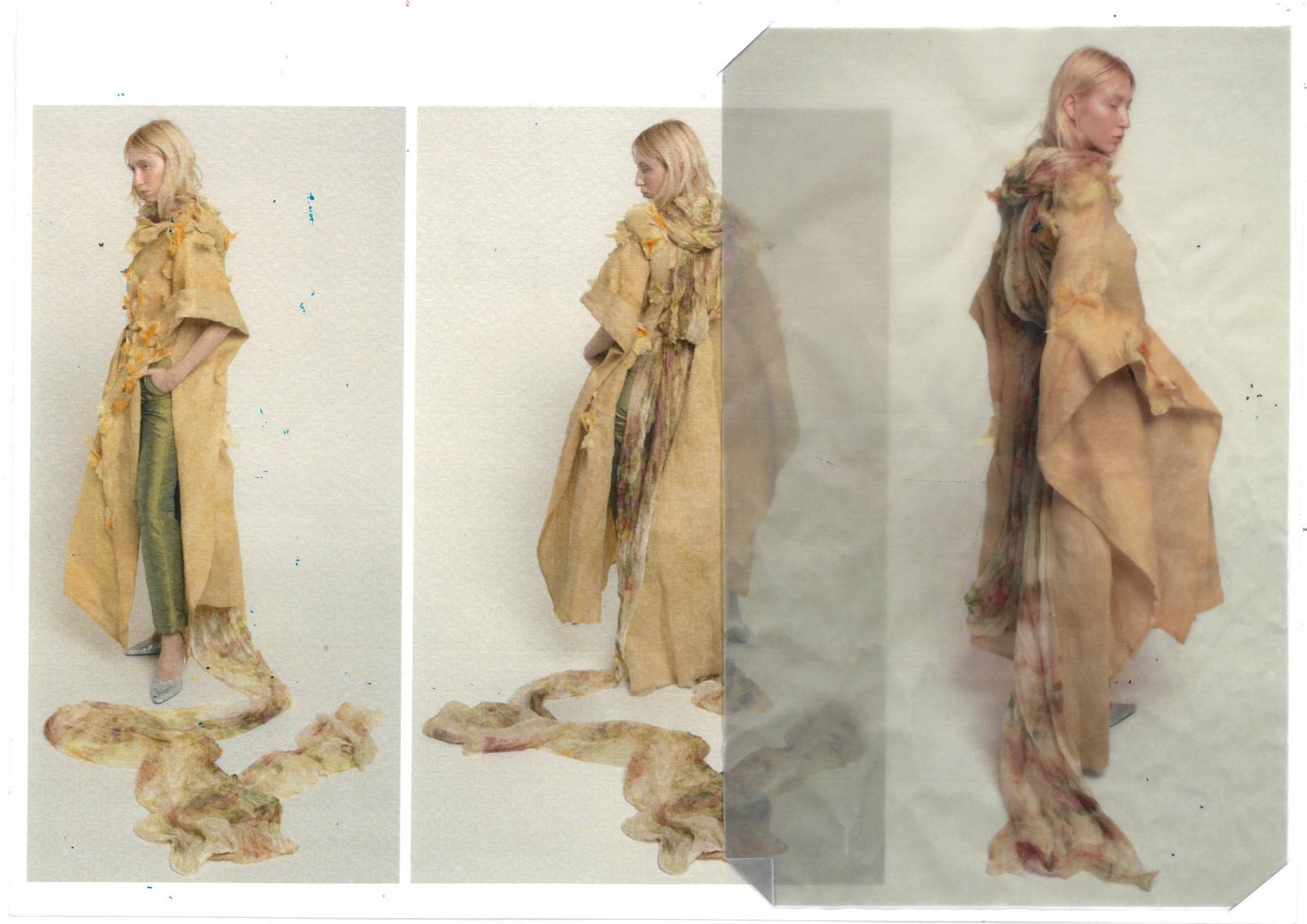
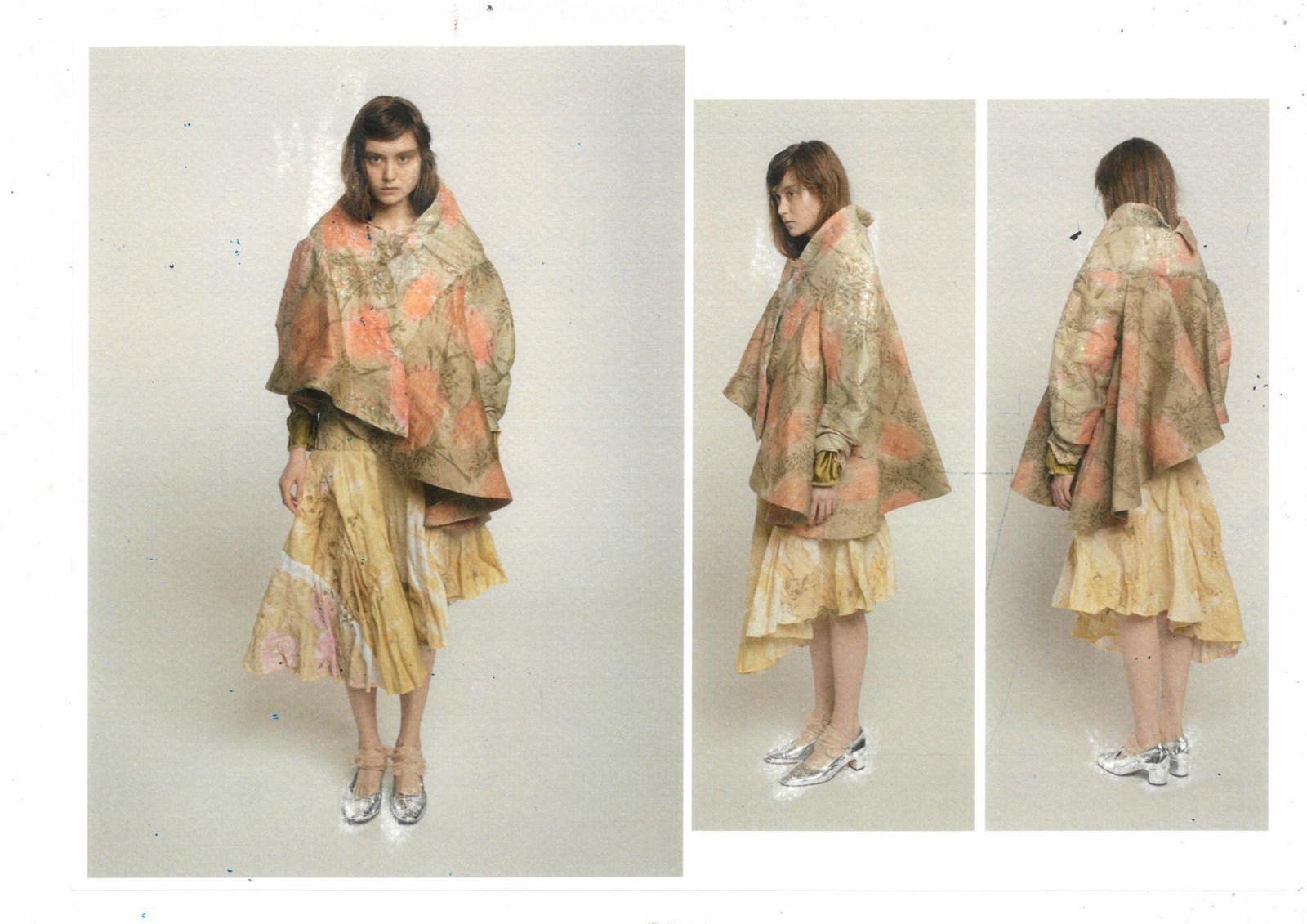
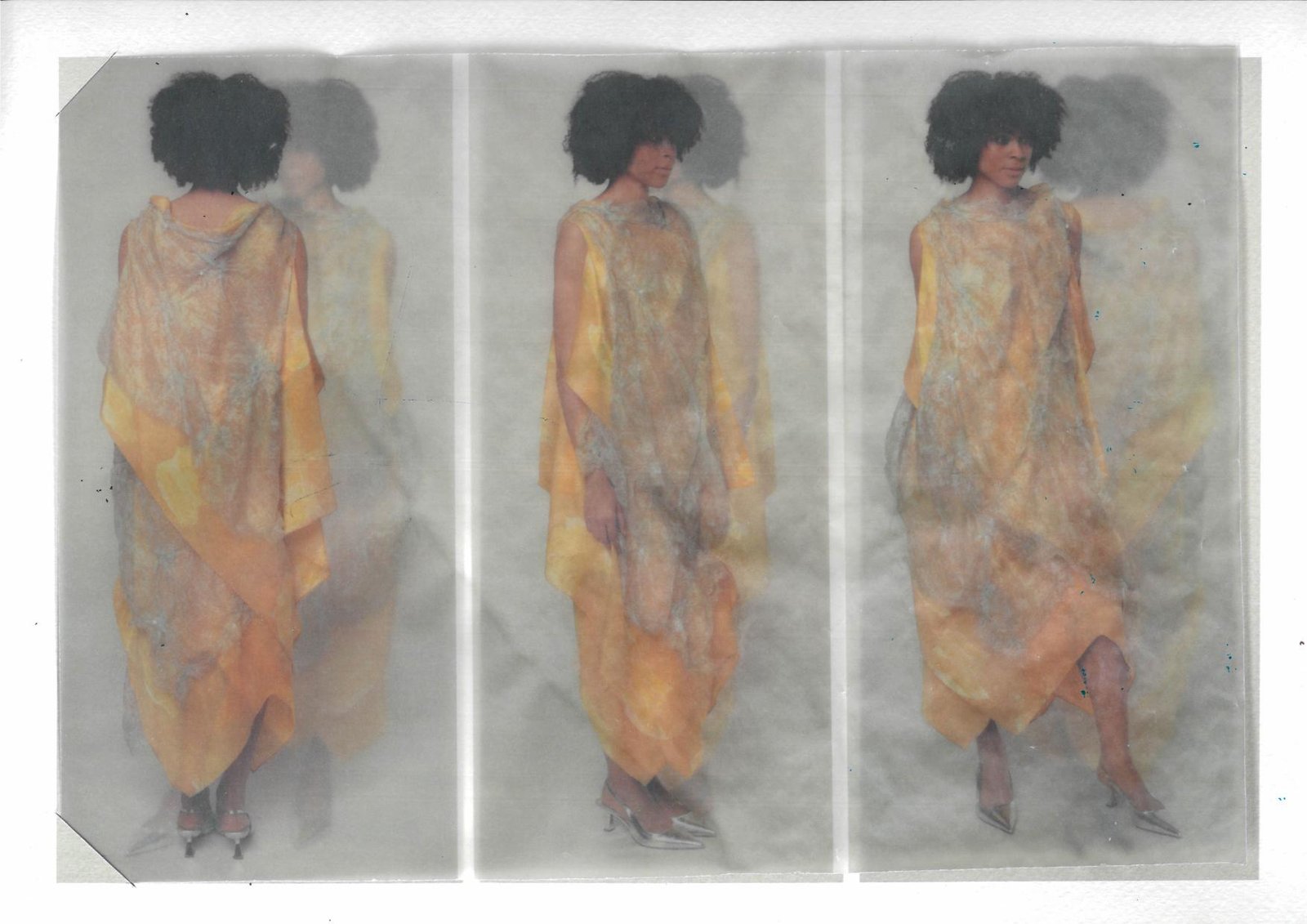
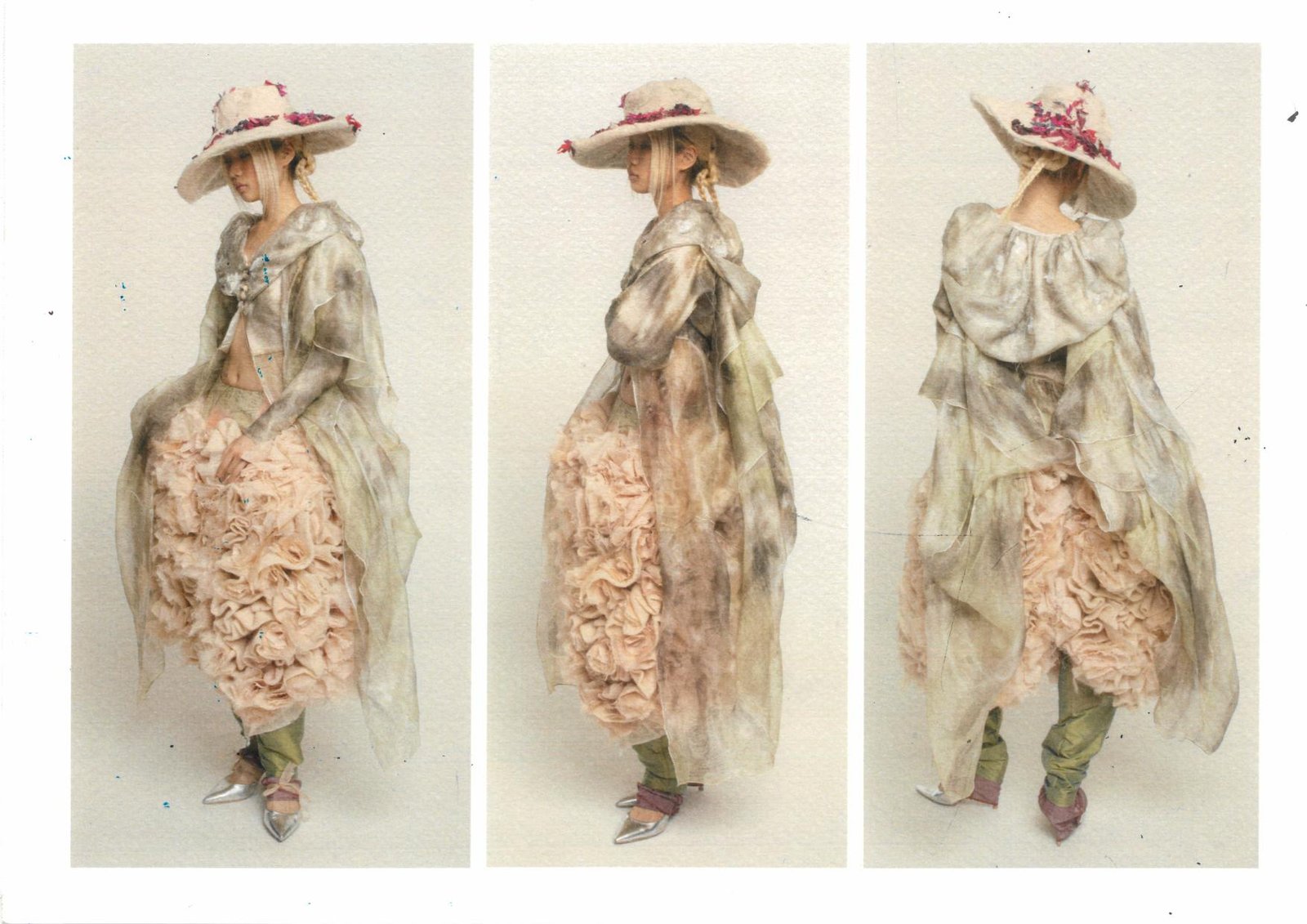
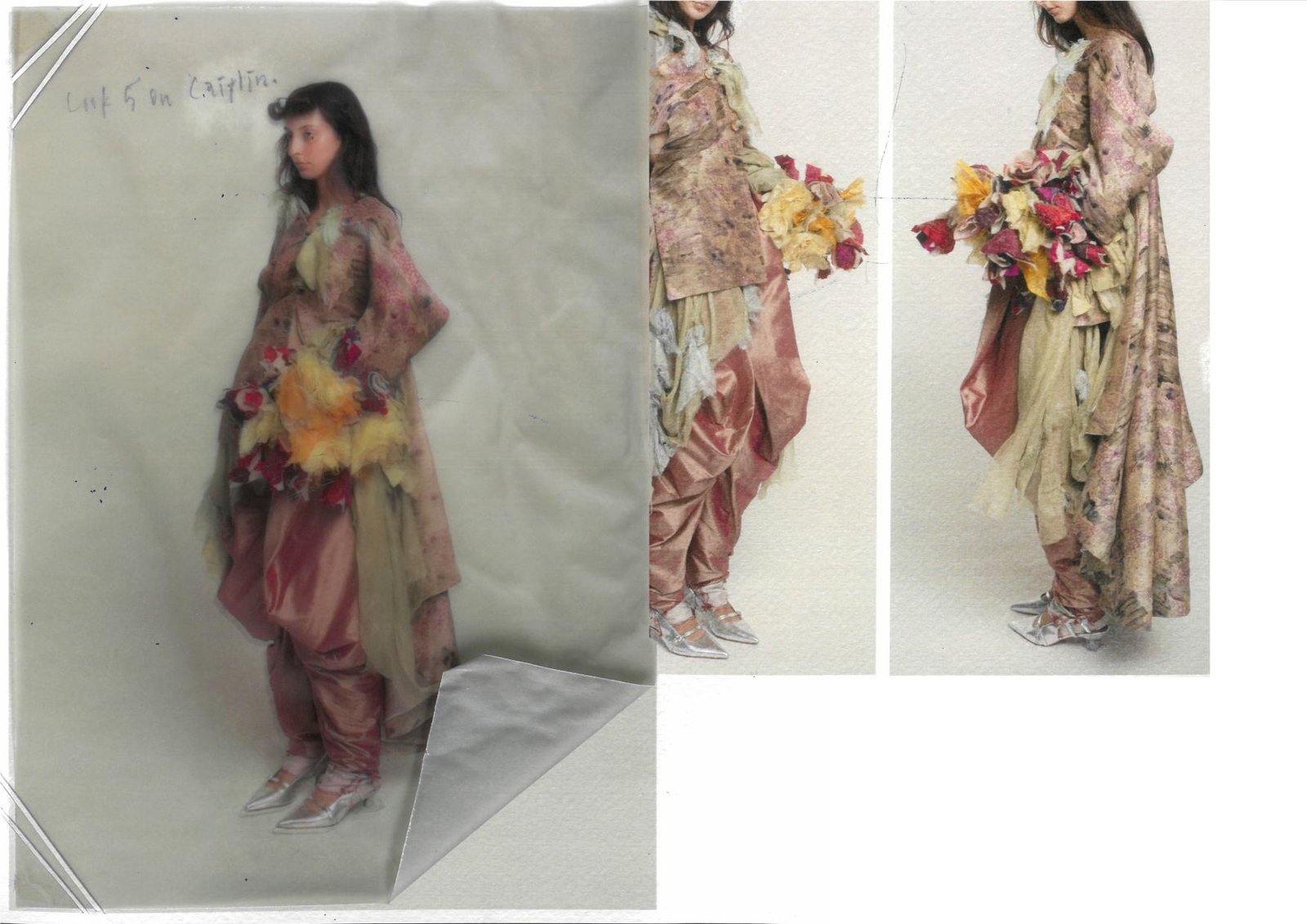
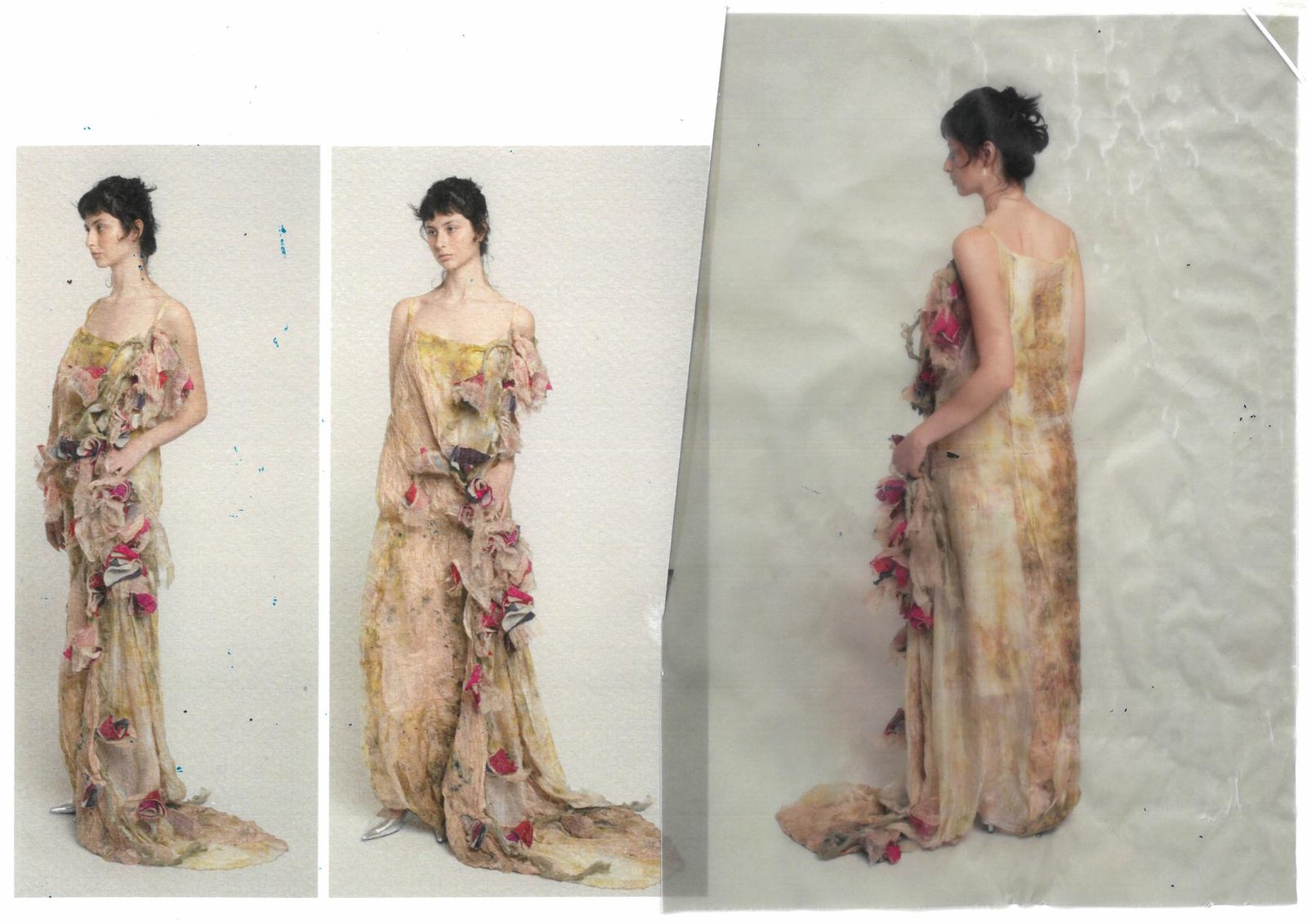
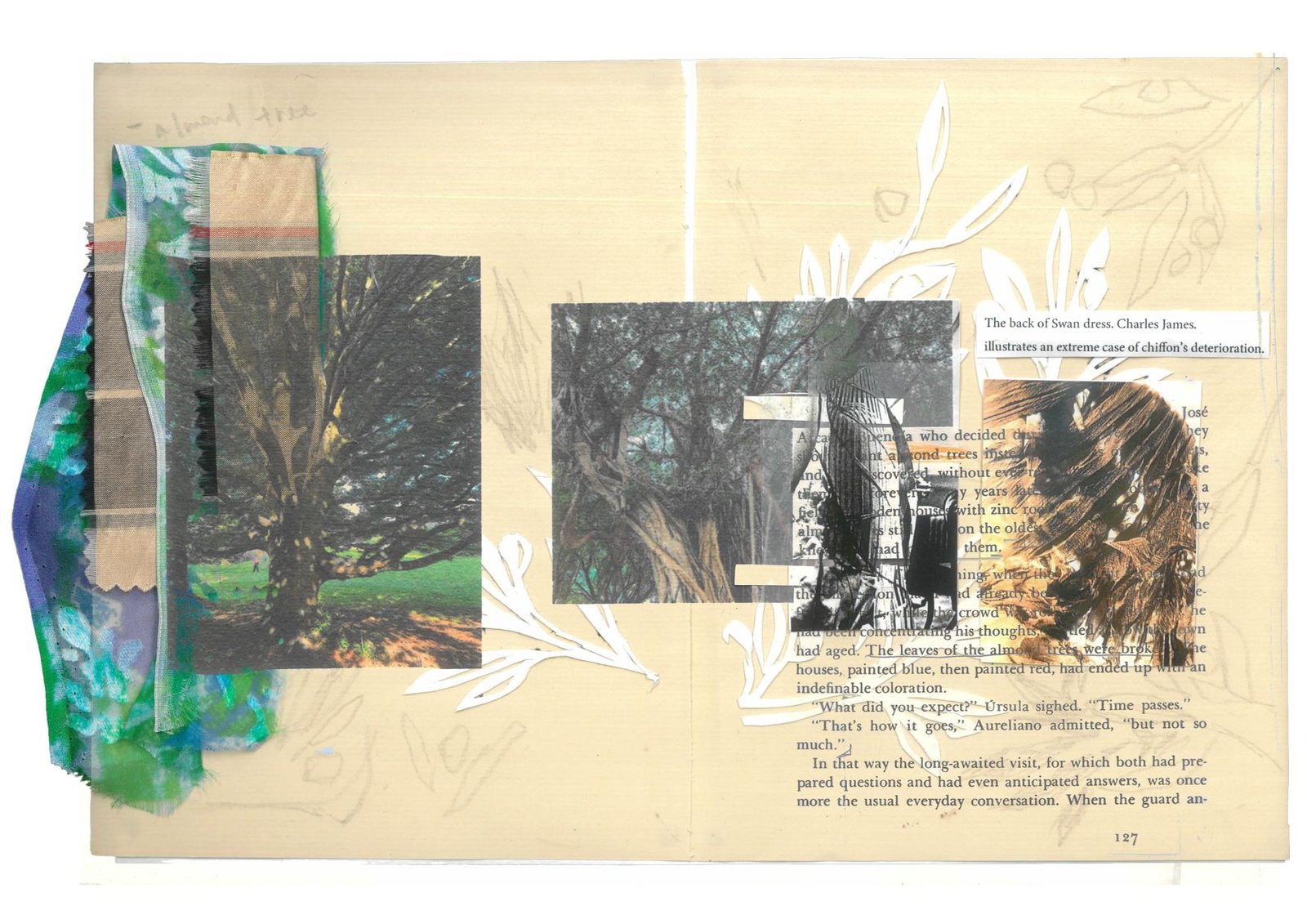
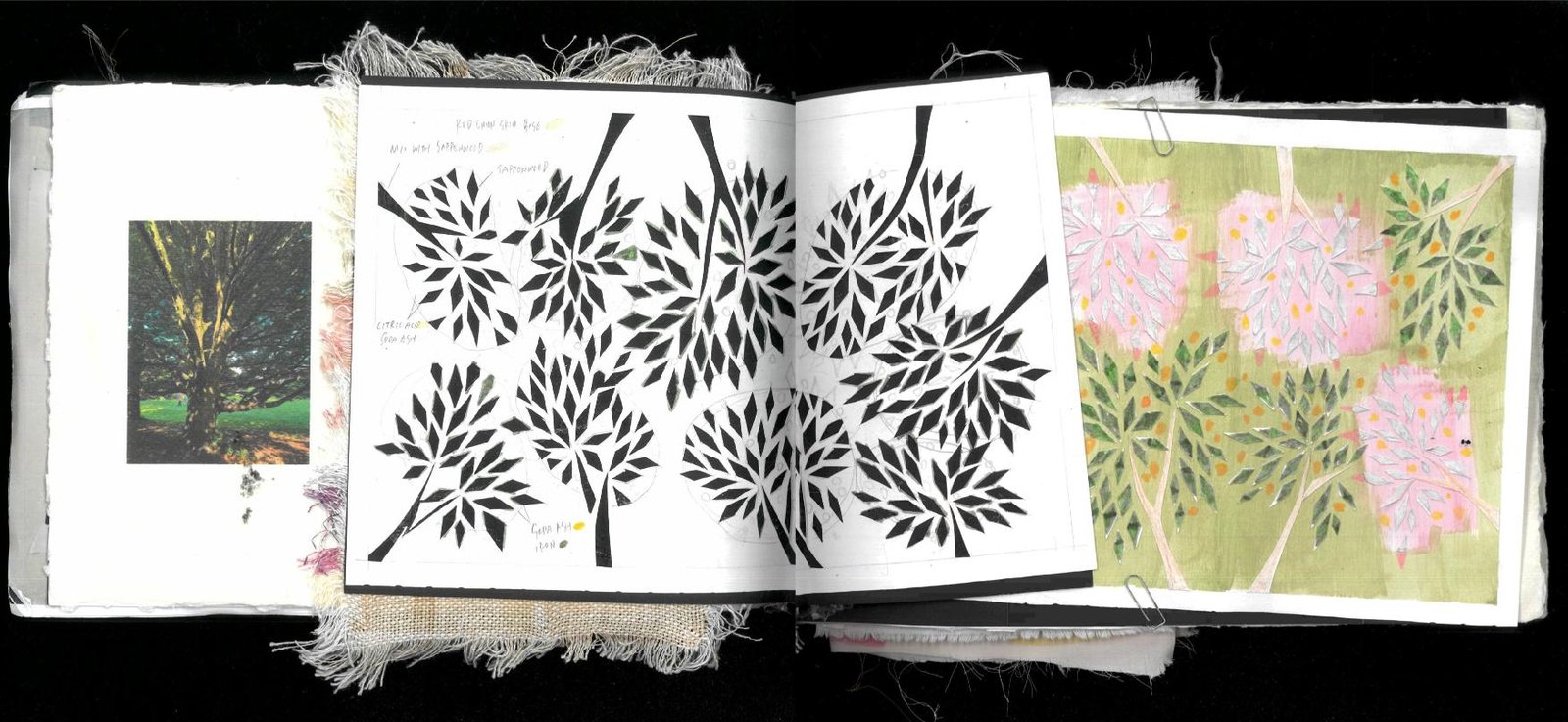
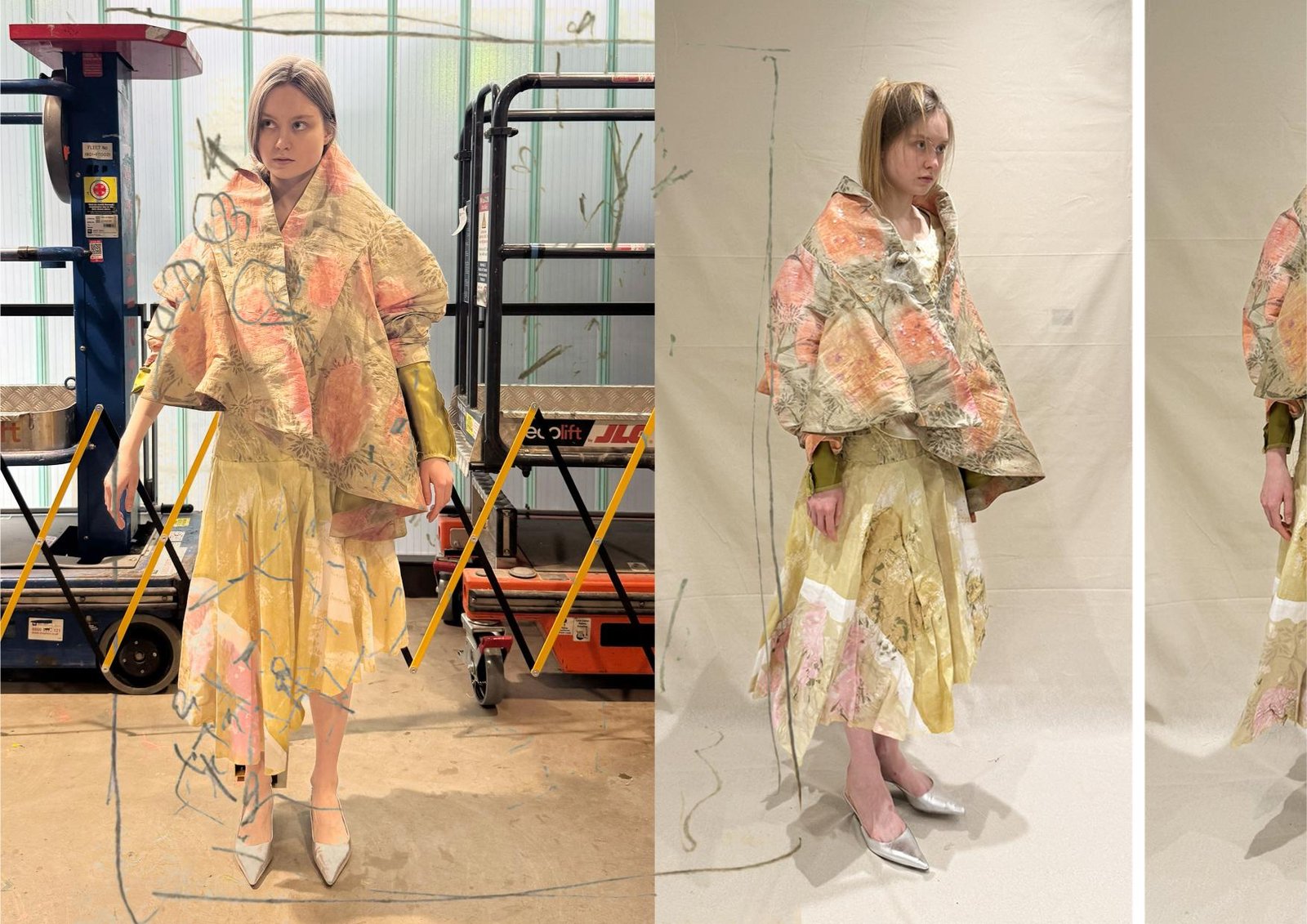
Time changes the meaning of what is remembered in Haruka Takamatsu’s collection, which takes its sense of nostalgia from “One Hundred Years of Solitude.” Working exclusively with second-hand fabrics and natural dyes, Takamatsu allows imperfection and unpredictability to shape the garments. Variations in colour become layered, three-dimensional textiles, while bundle dyeing with spent dye plants and fabric remnants preserves traces of the making process within the cloth. Natural dyeing, hand brushing, and screen printing appear throughout the work. The materials carry marks of time, touch, and uncertainty.

@1119_ursula

Kyal Heanly

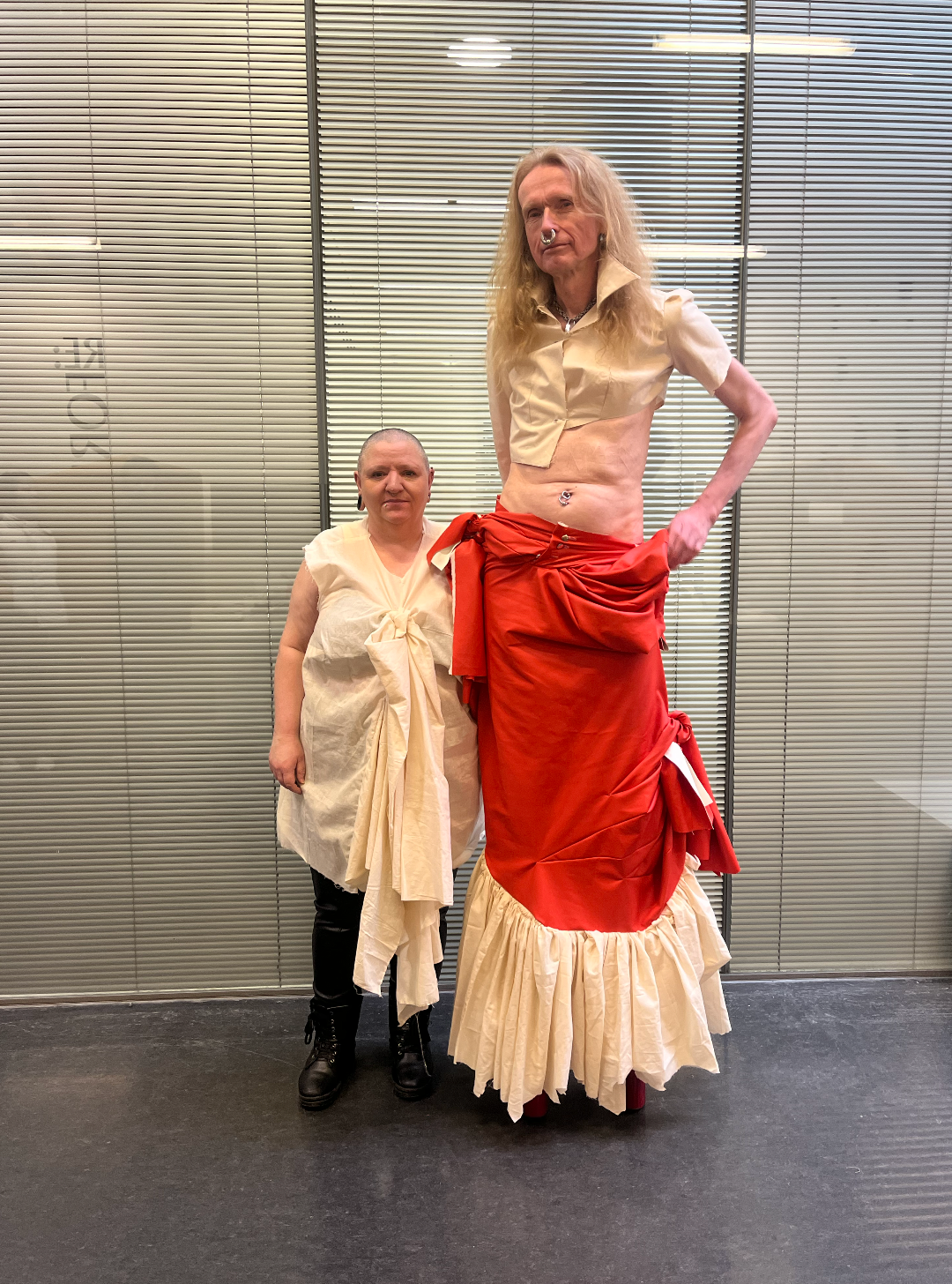
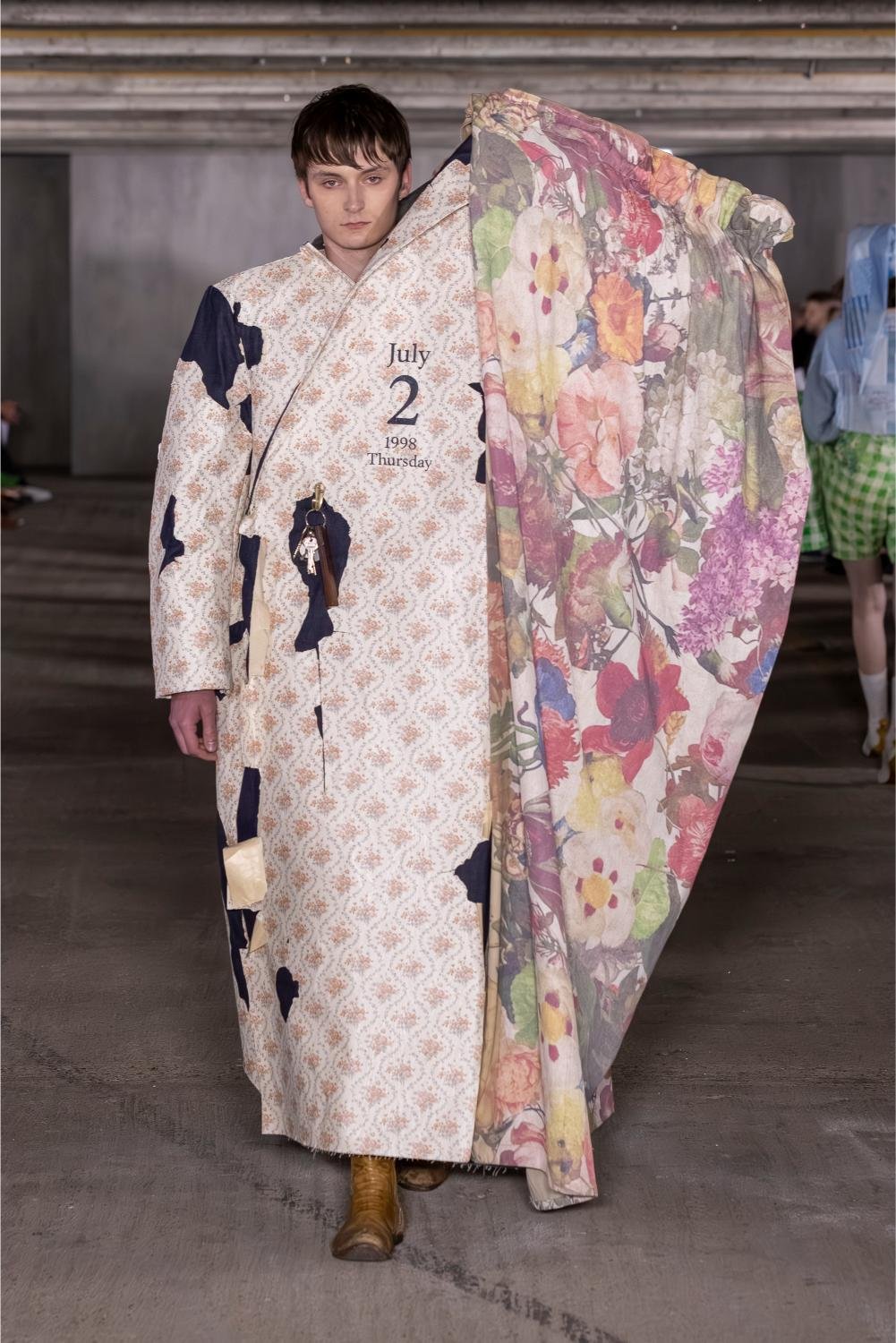
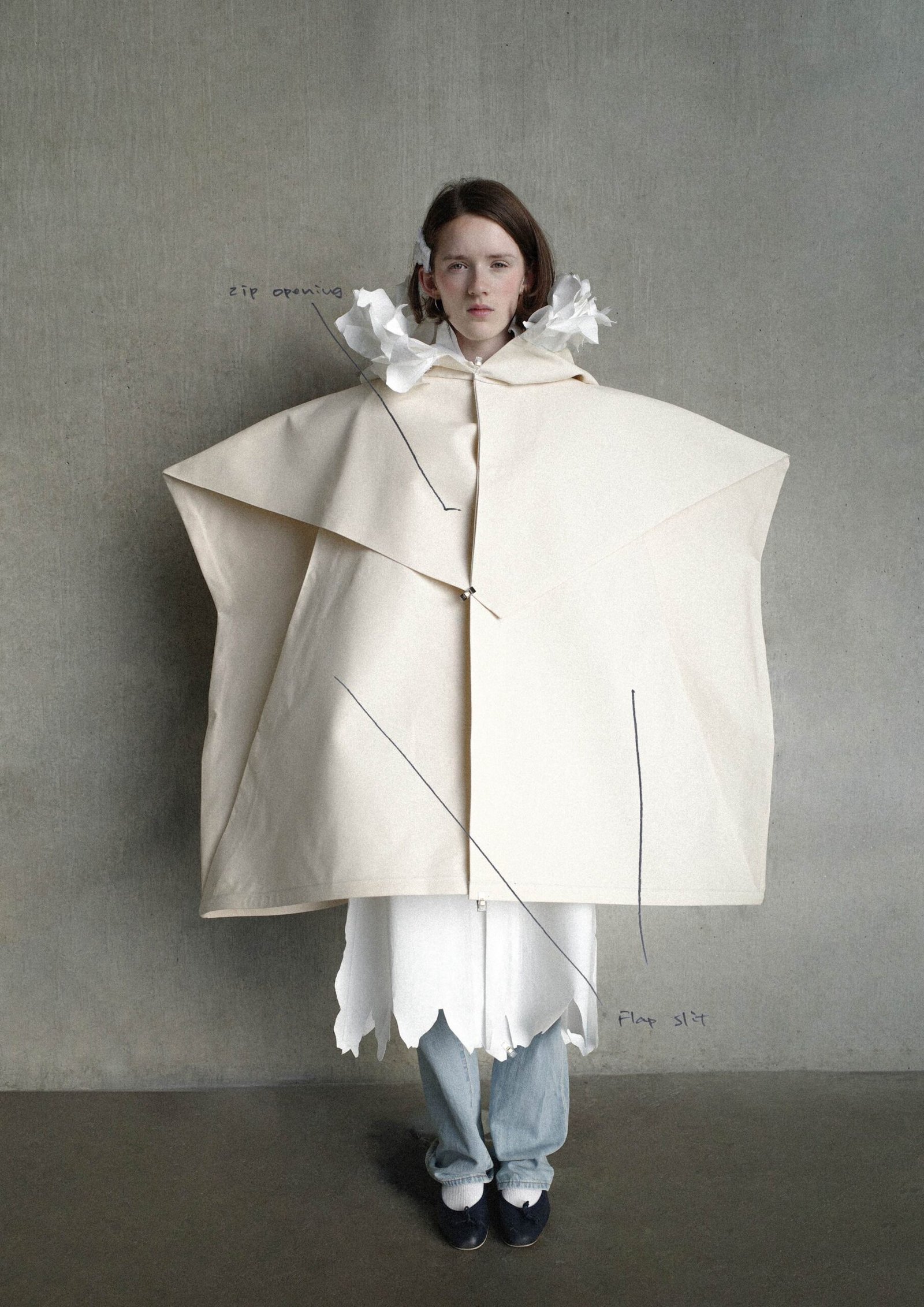
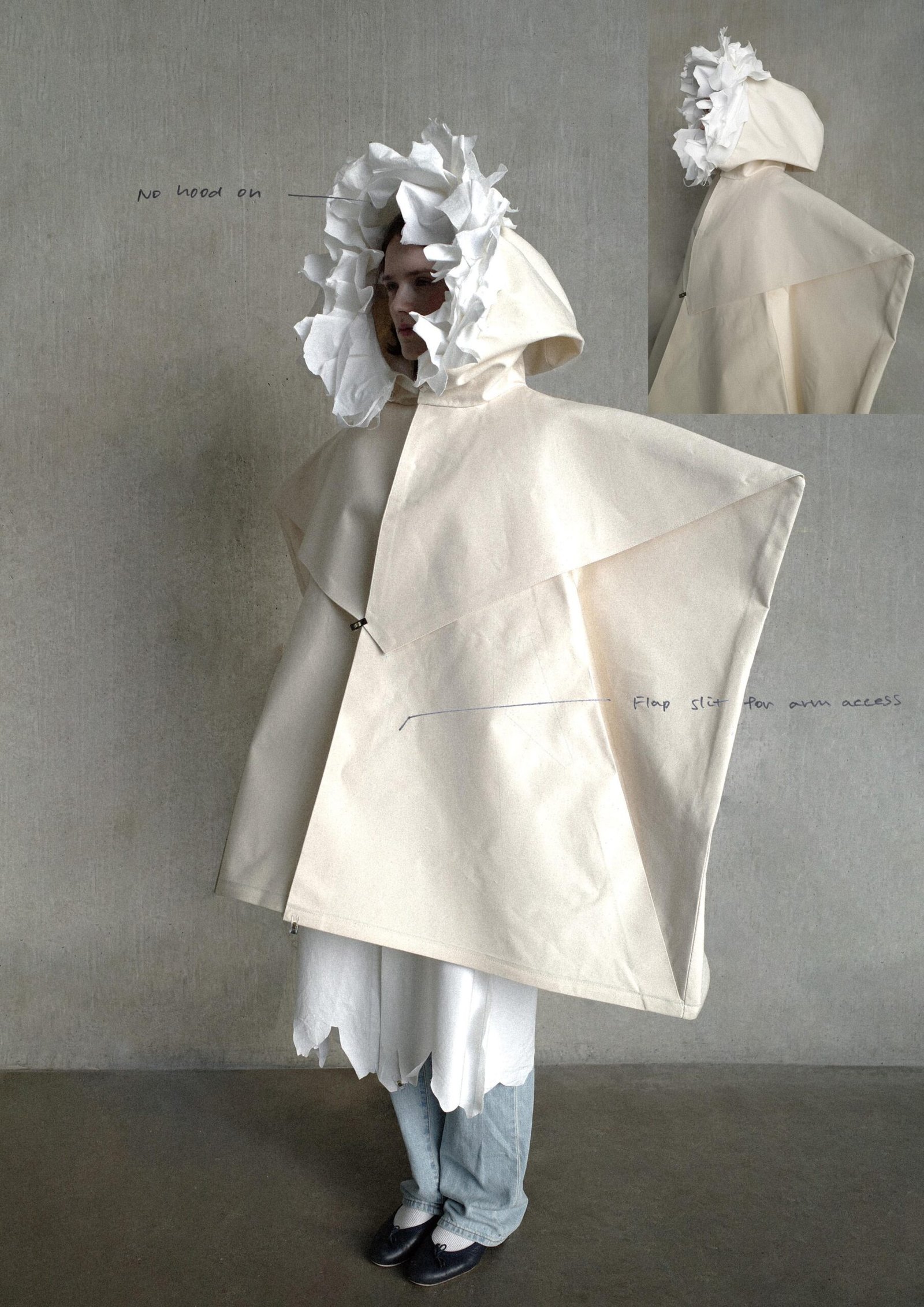
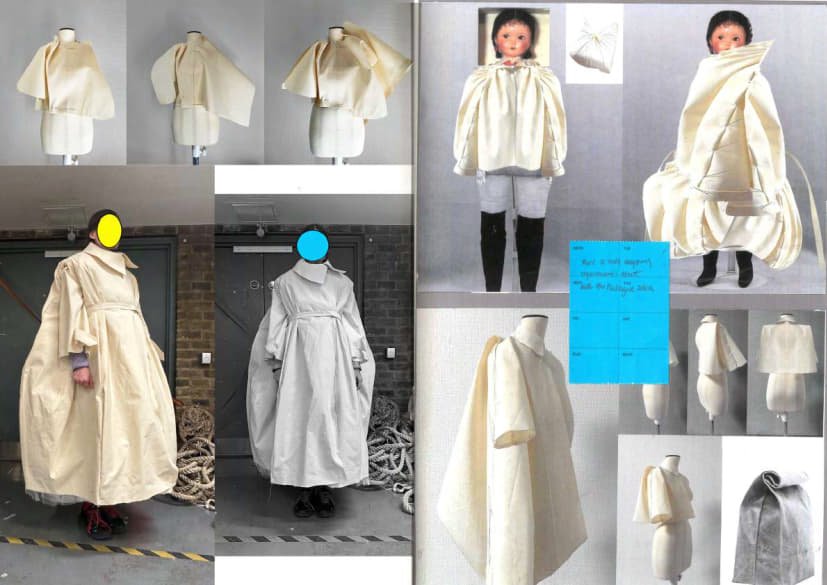
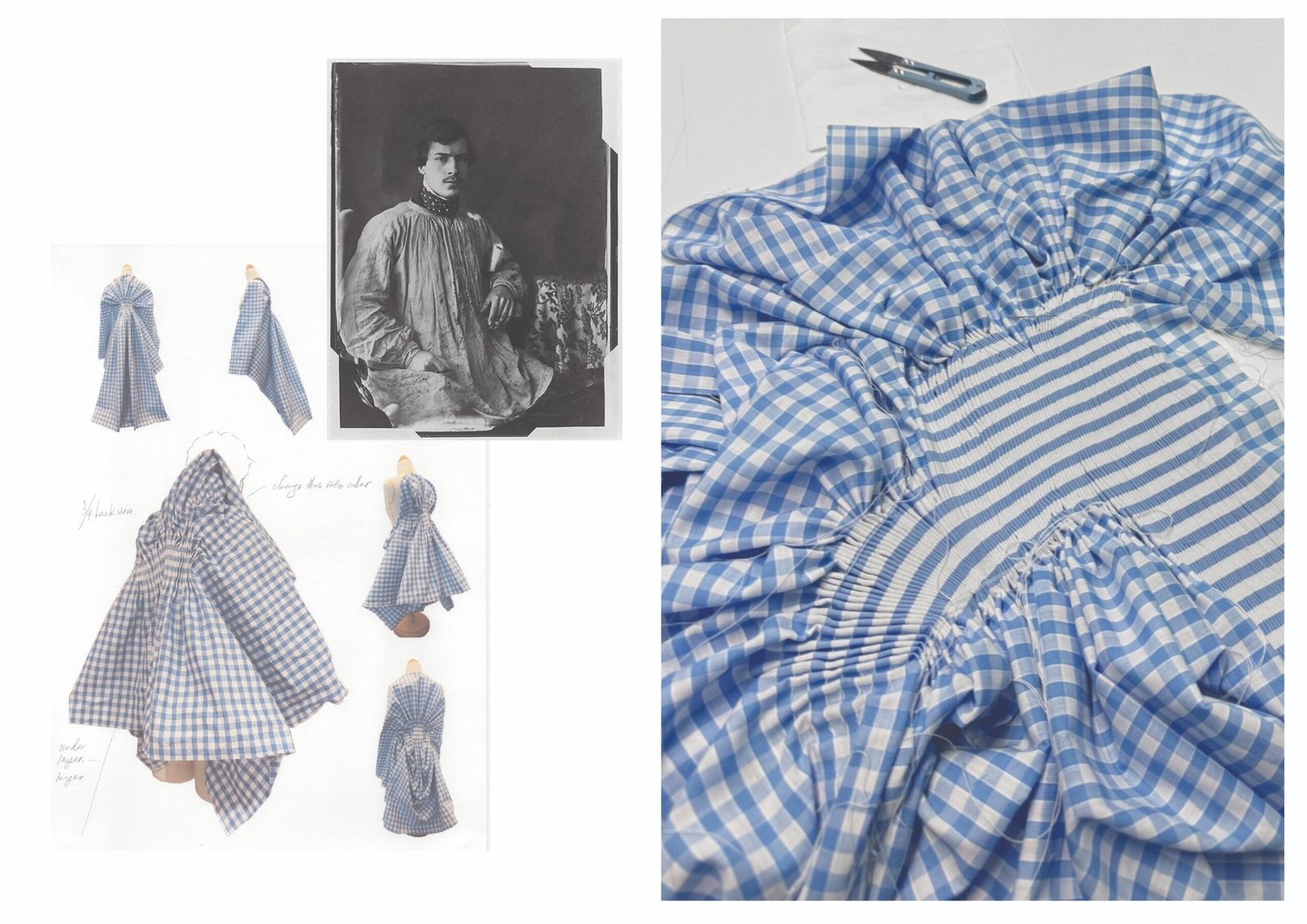
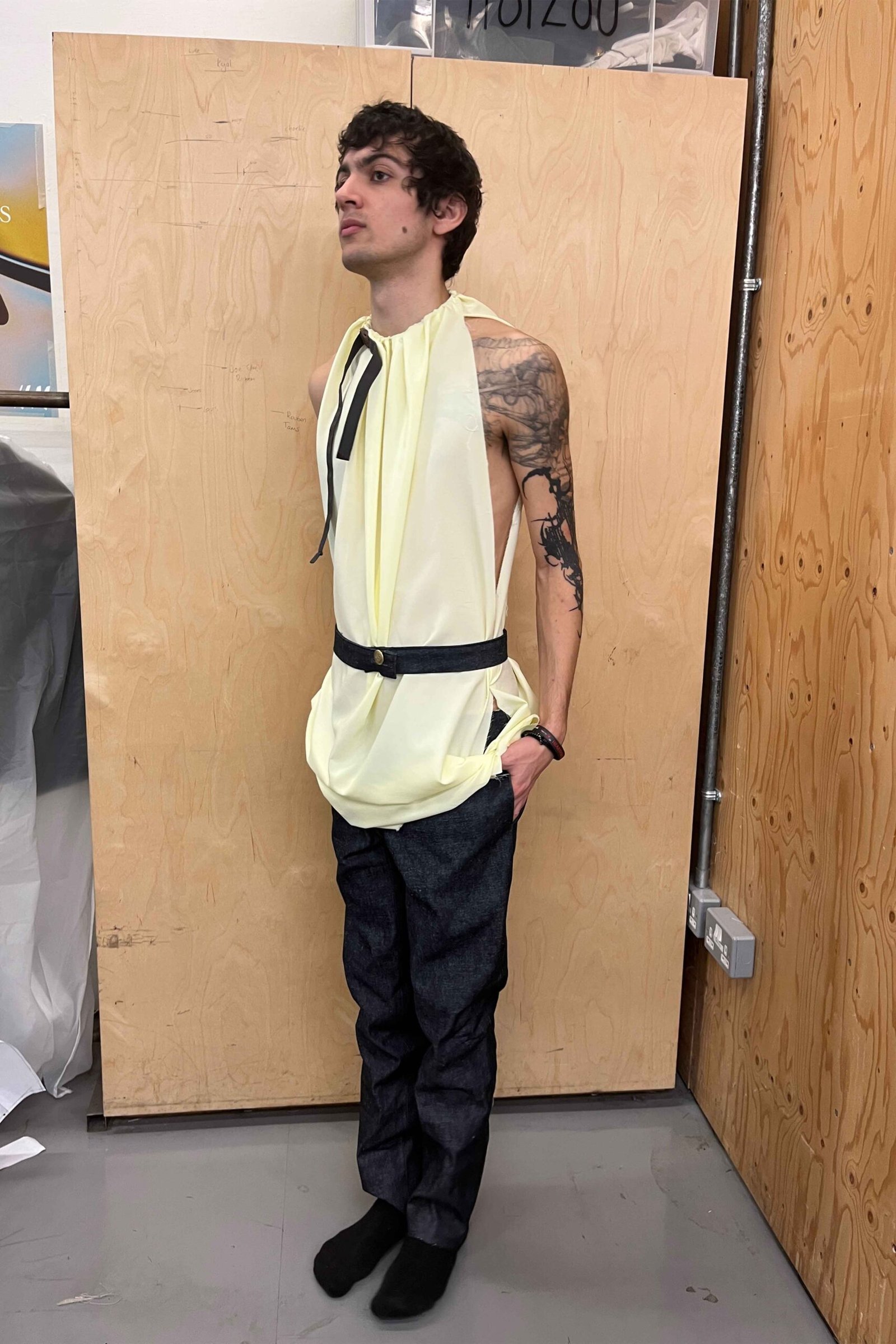
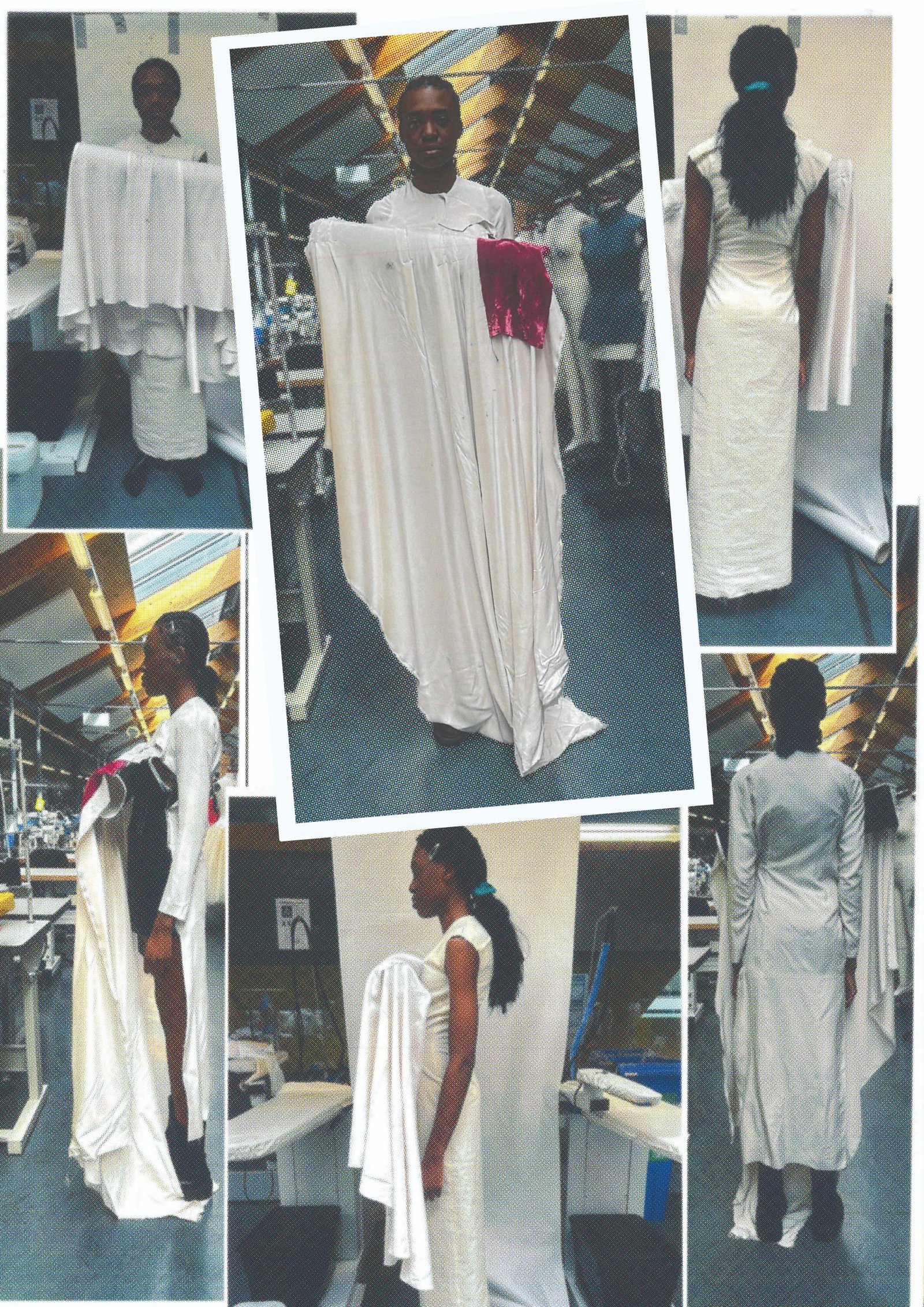
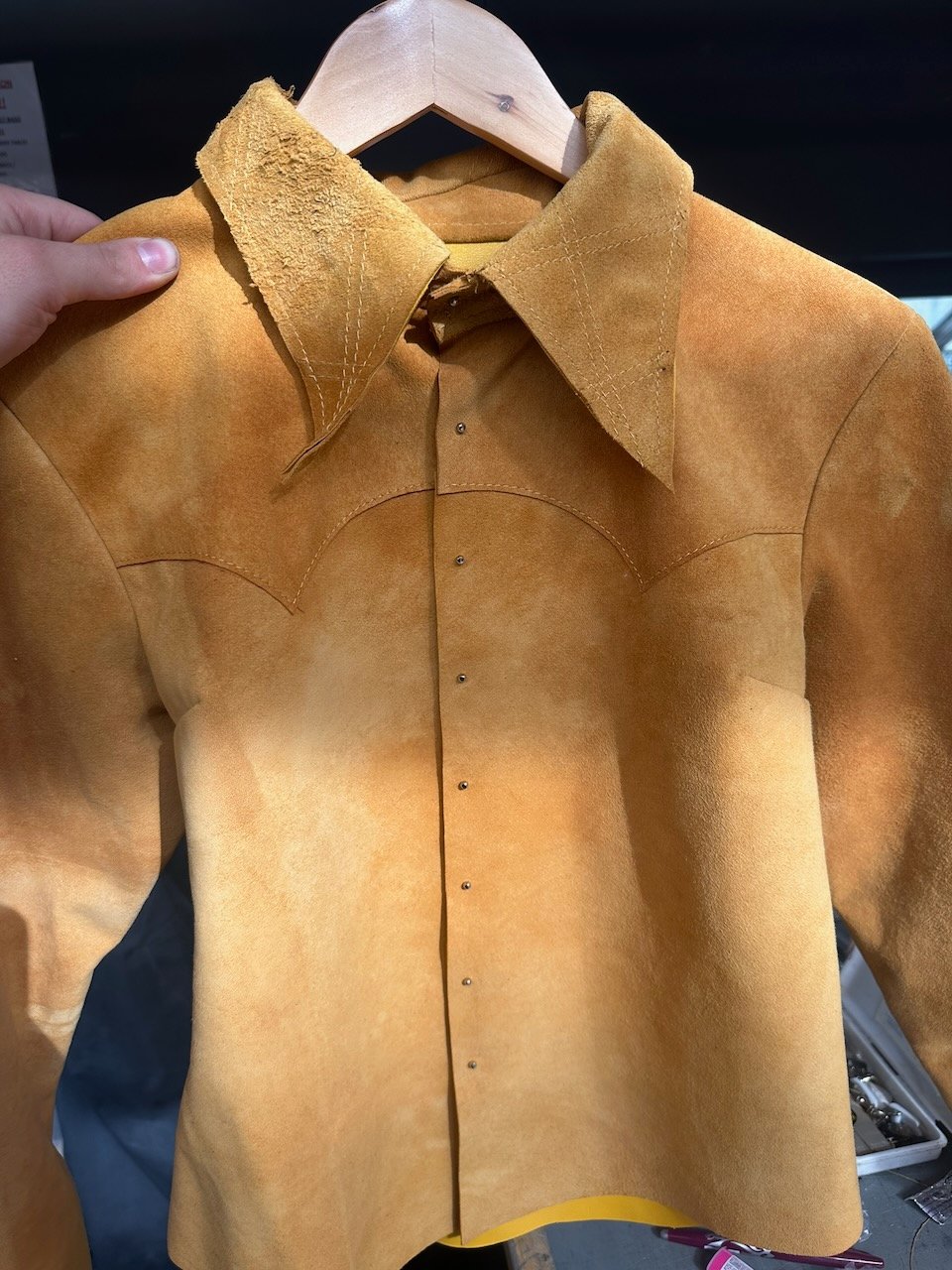
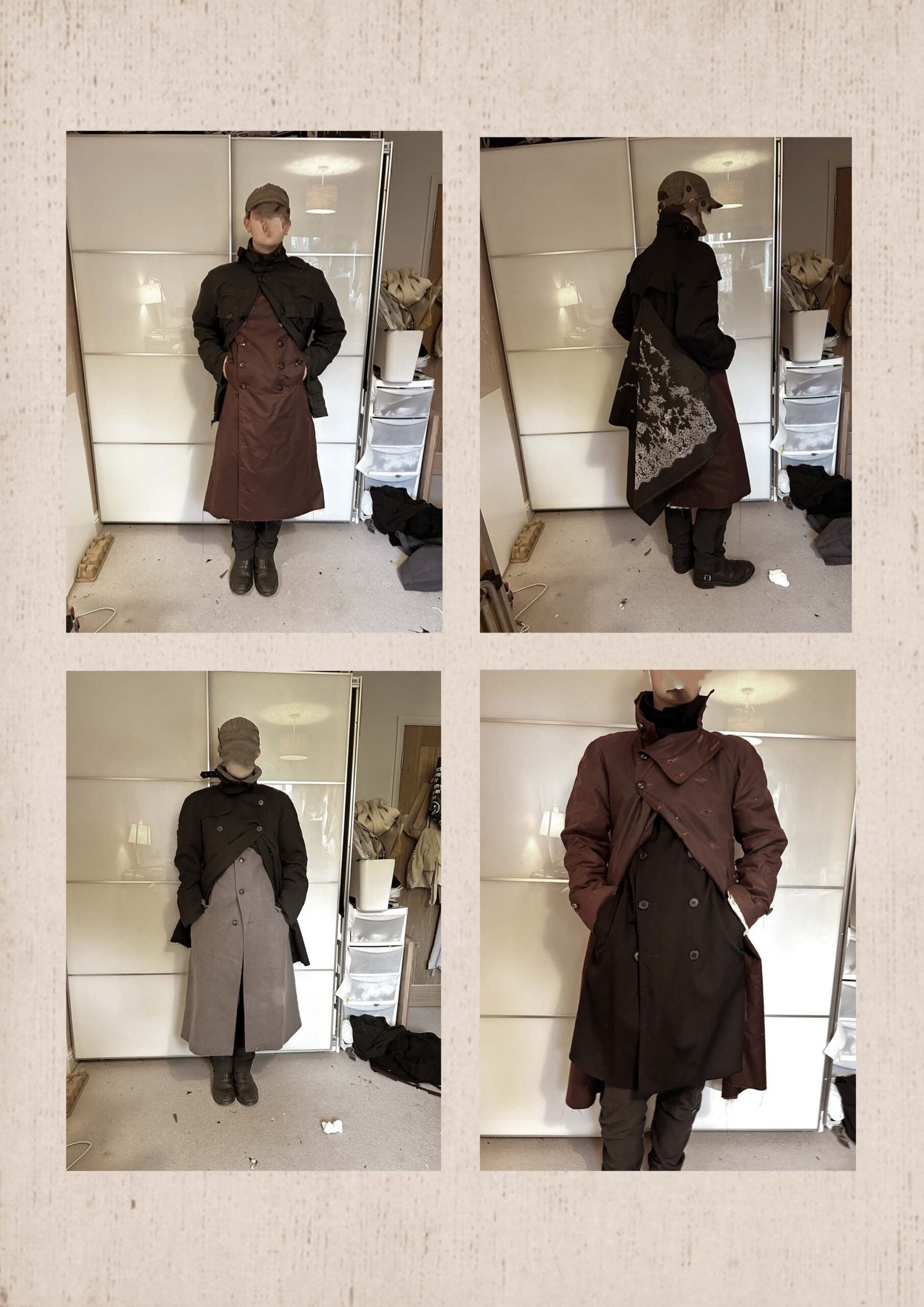
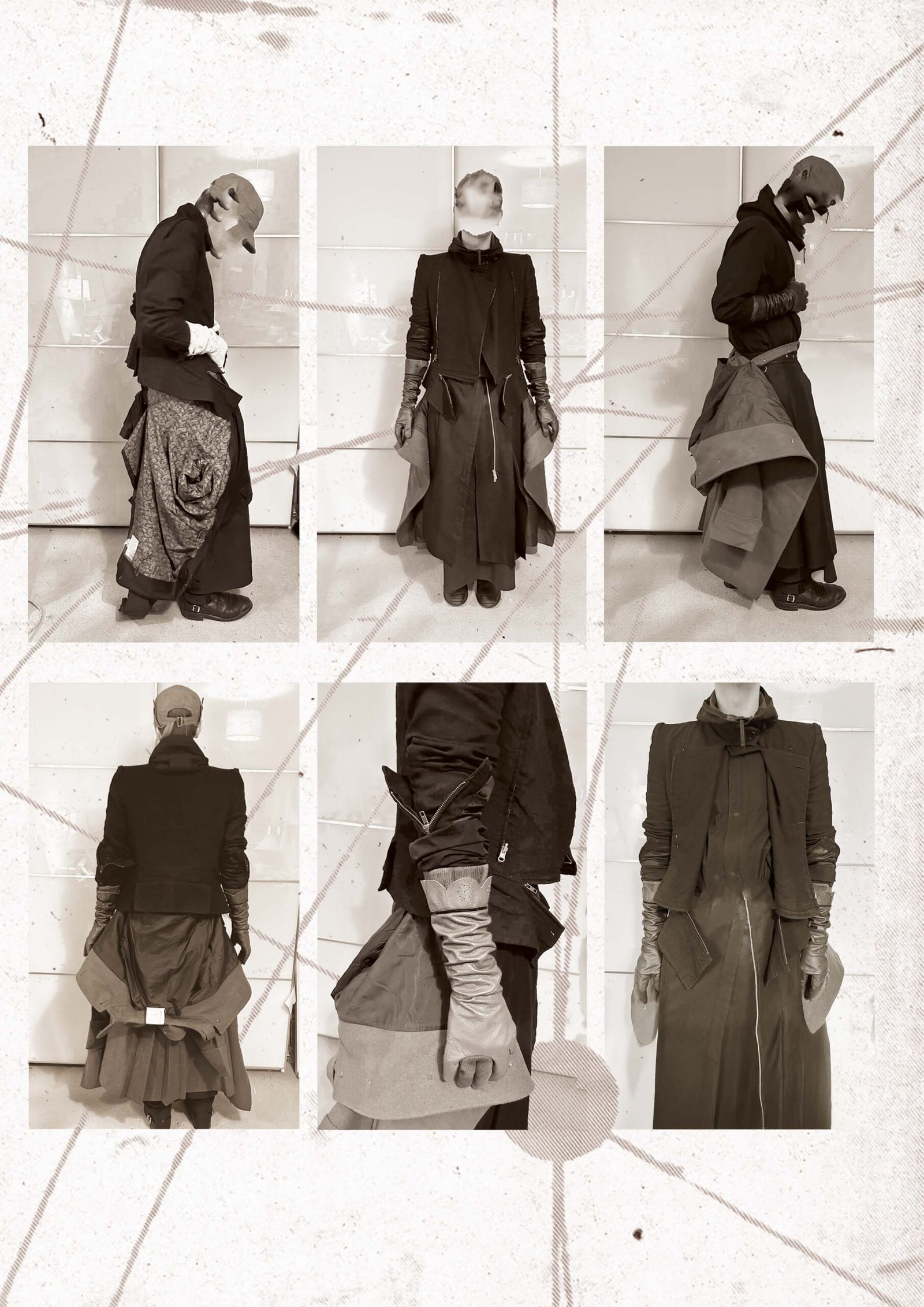
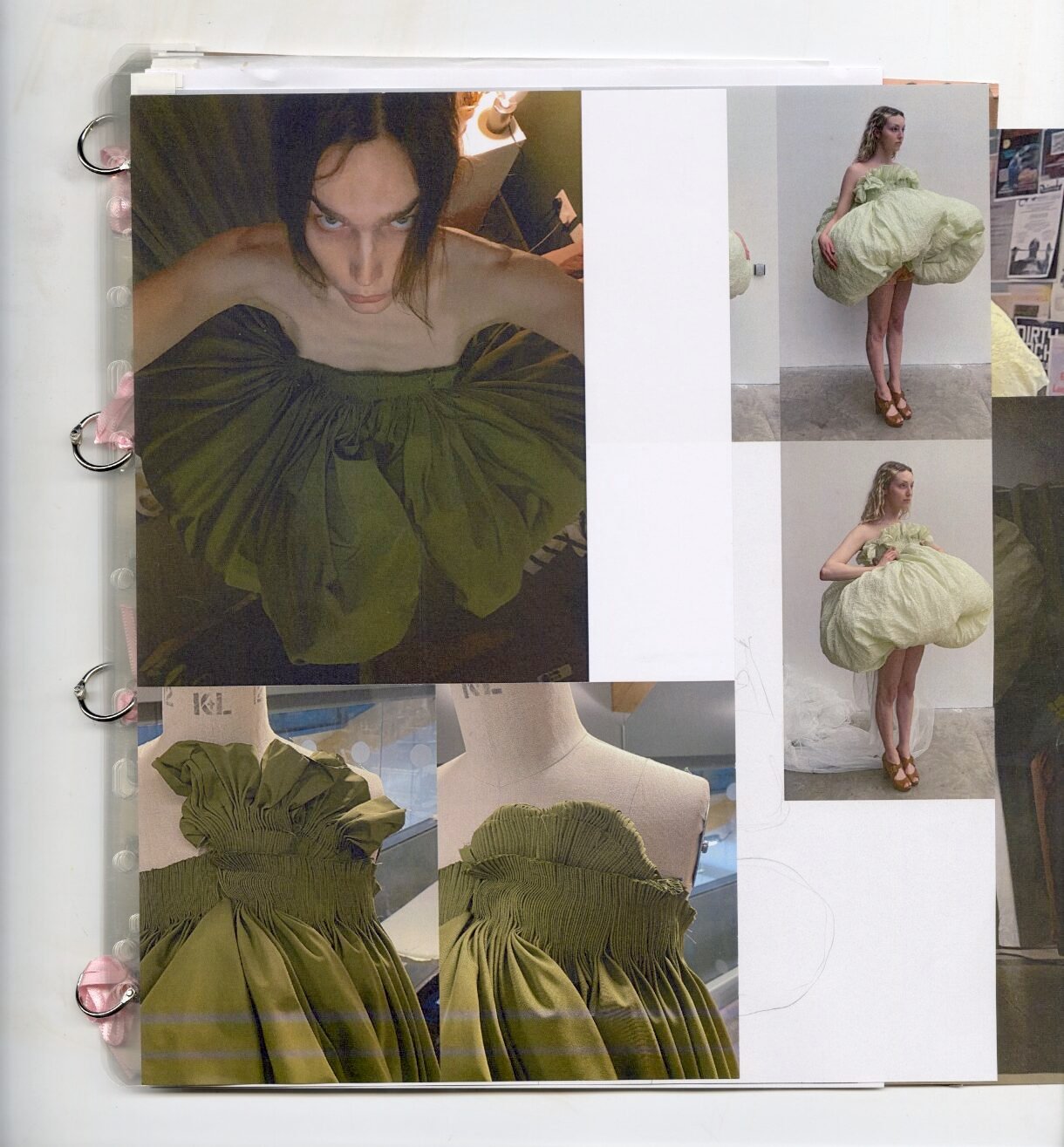
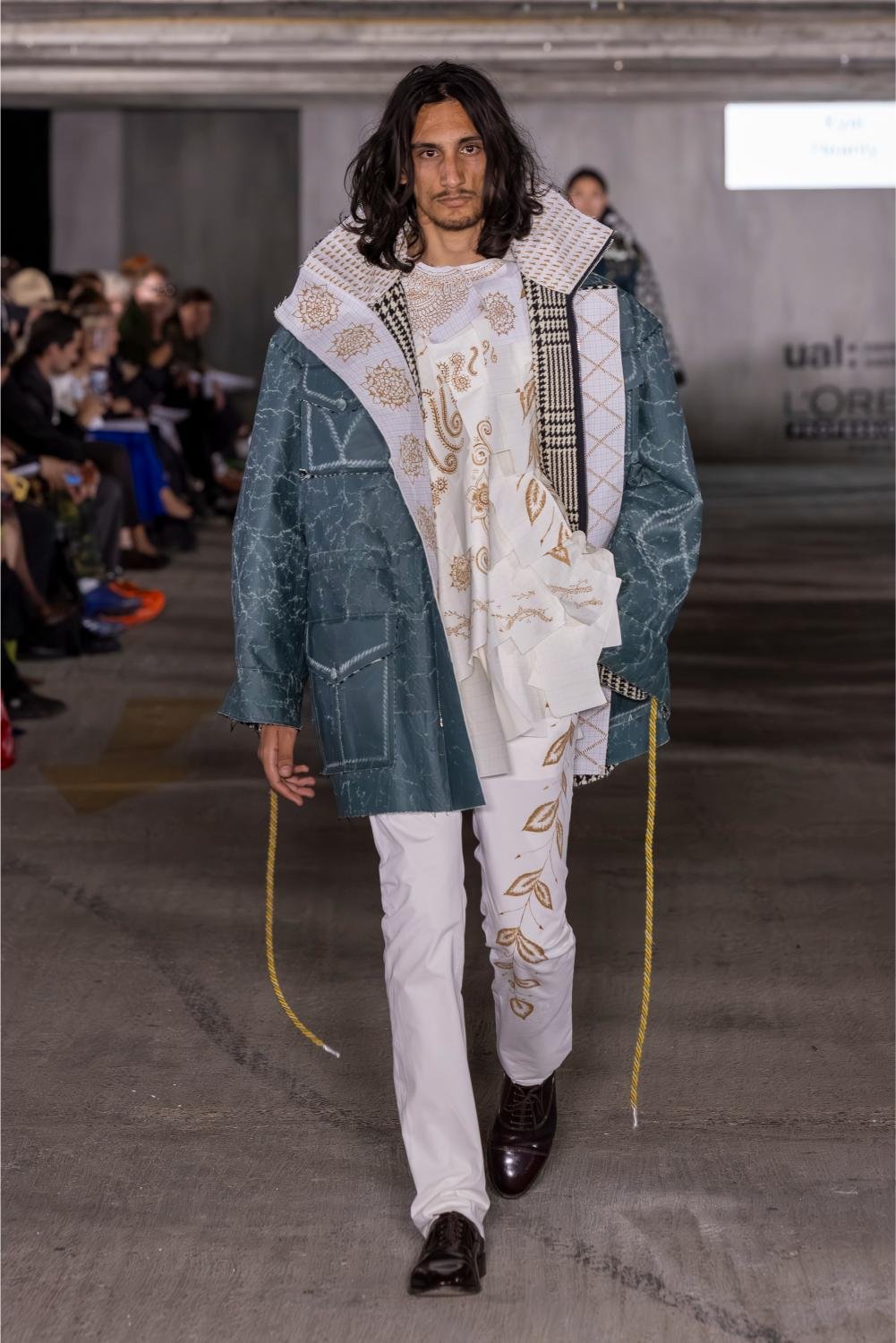
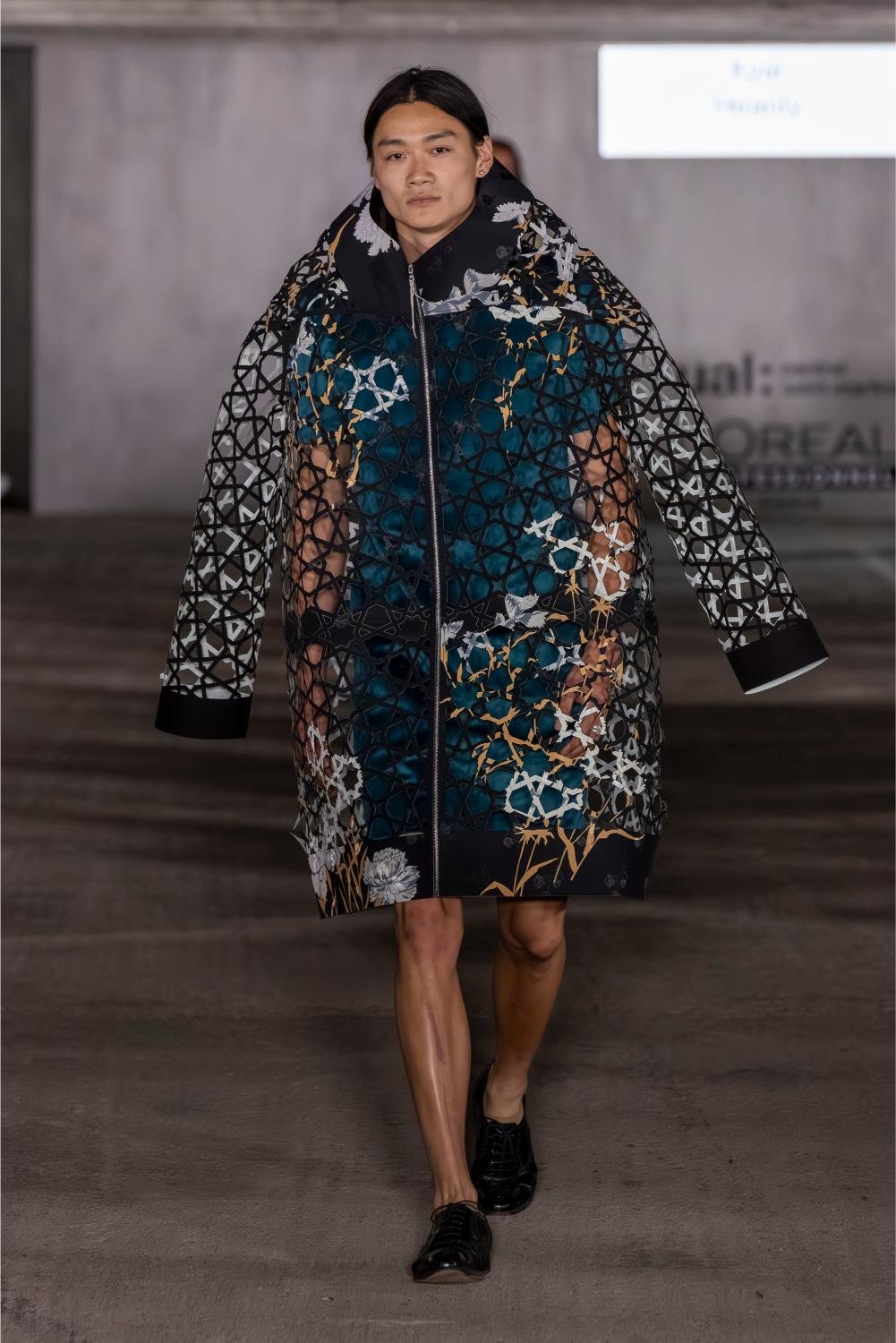
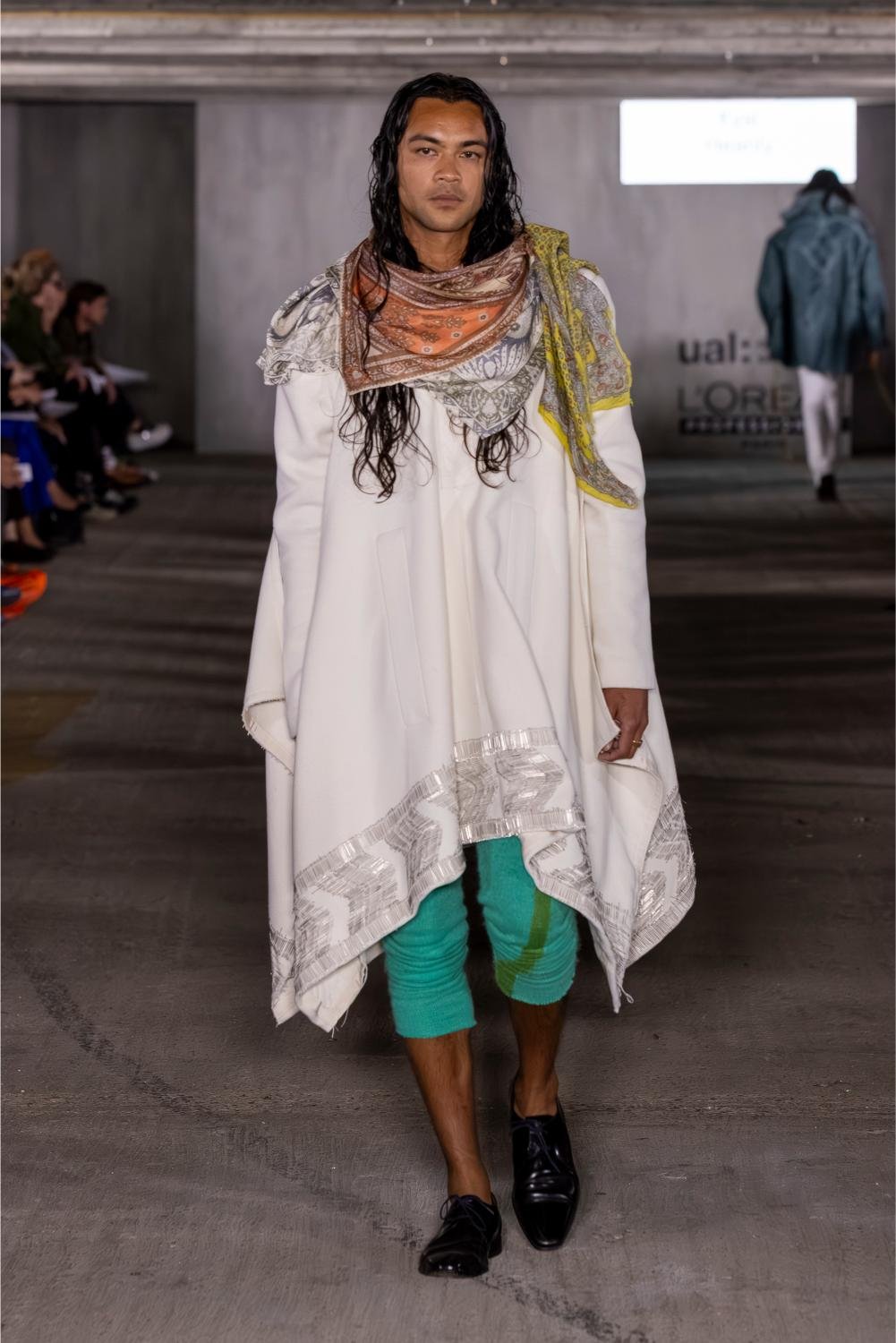
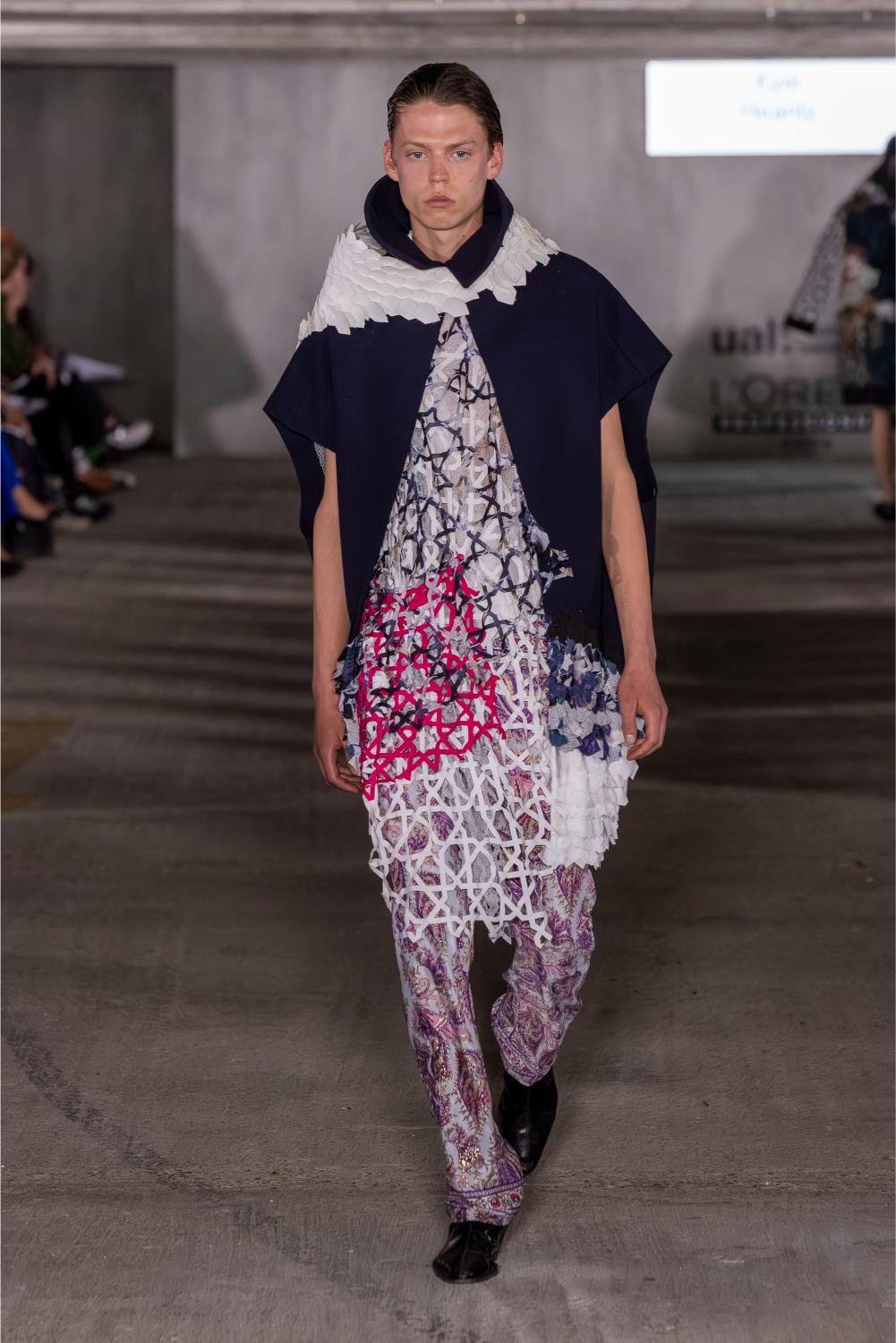
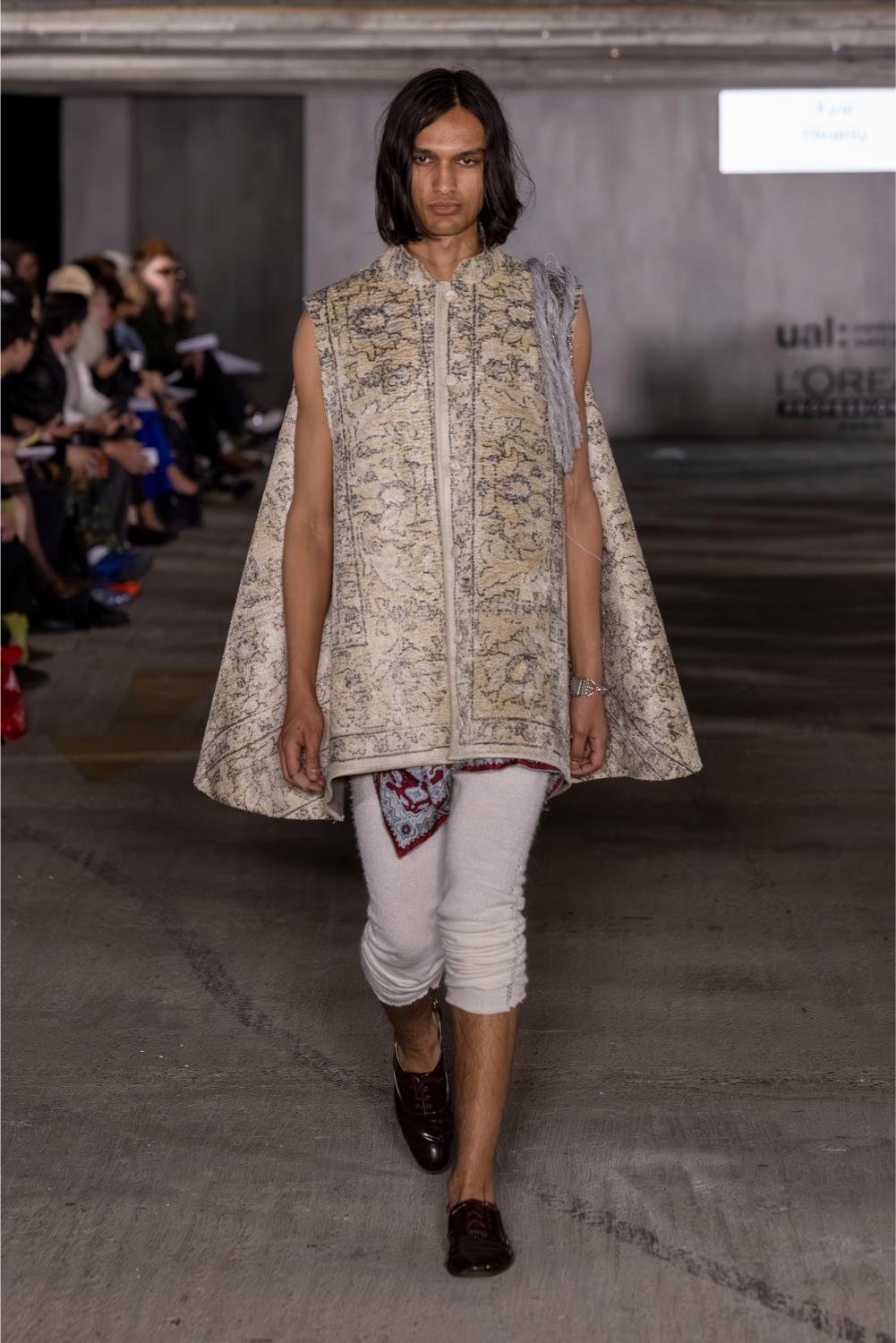
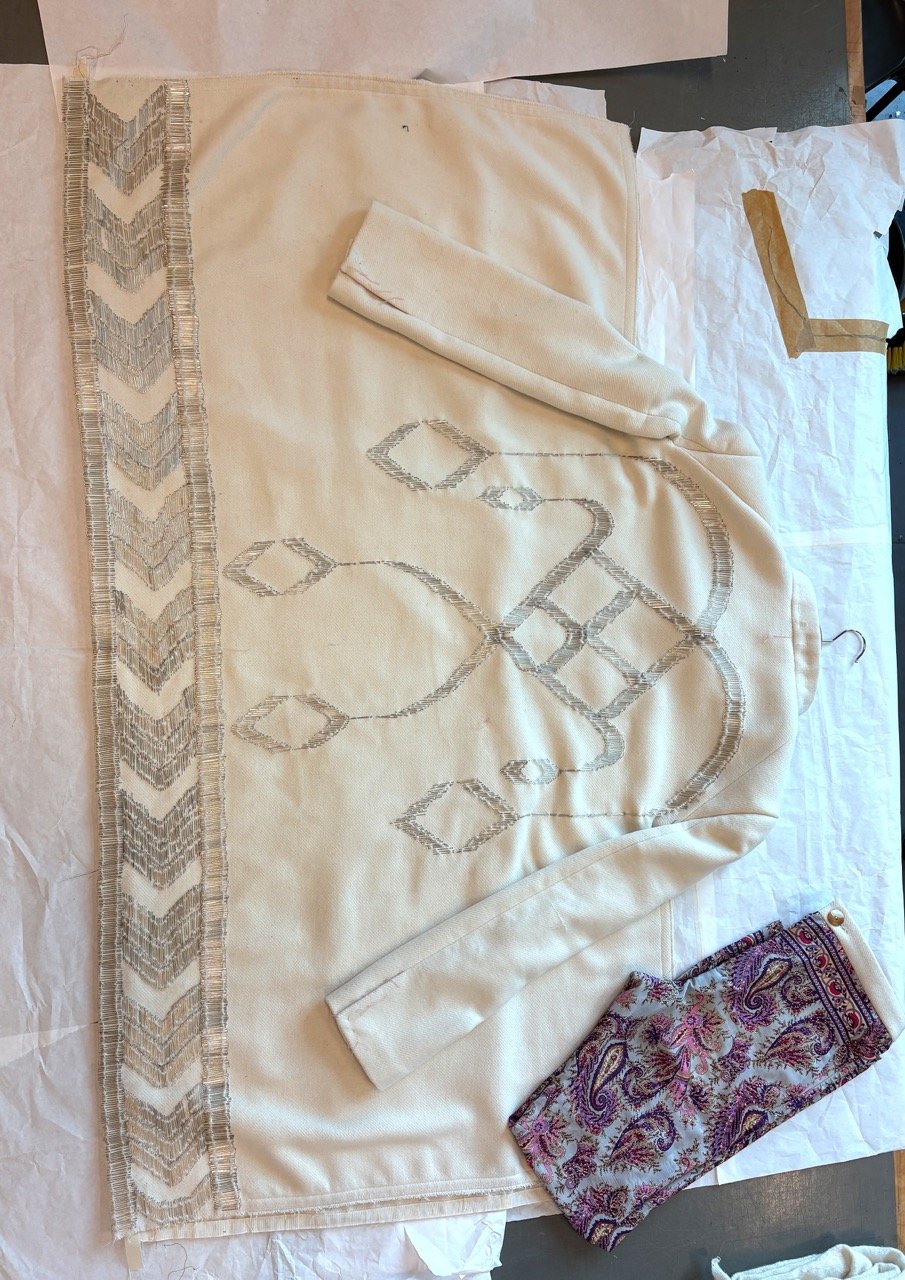
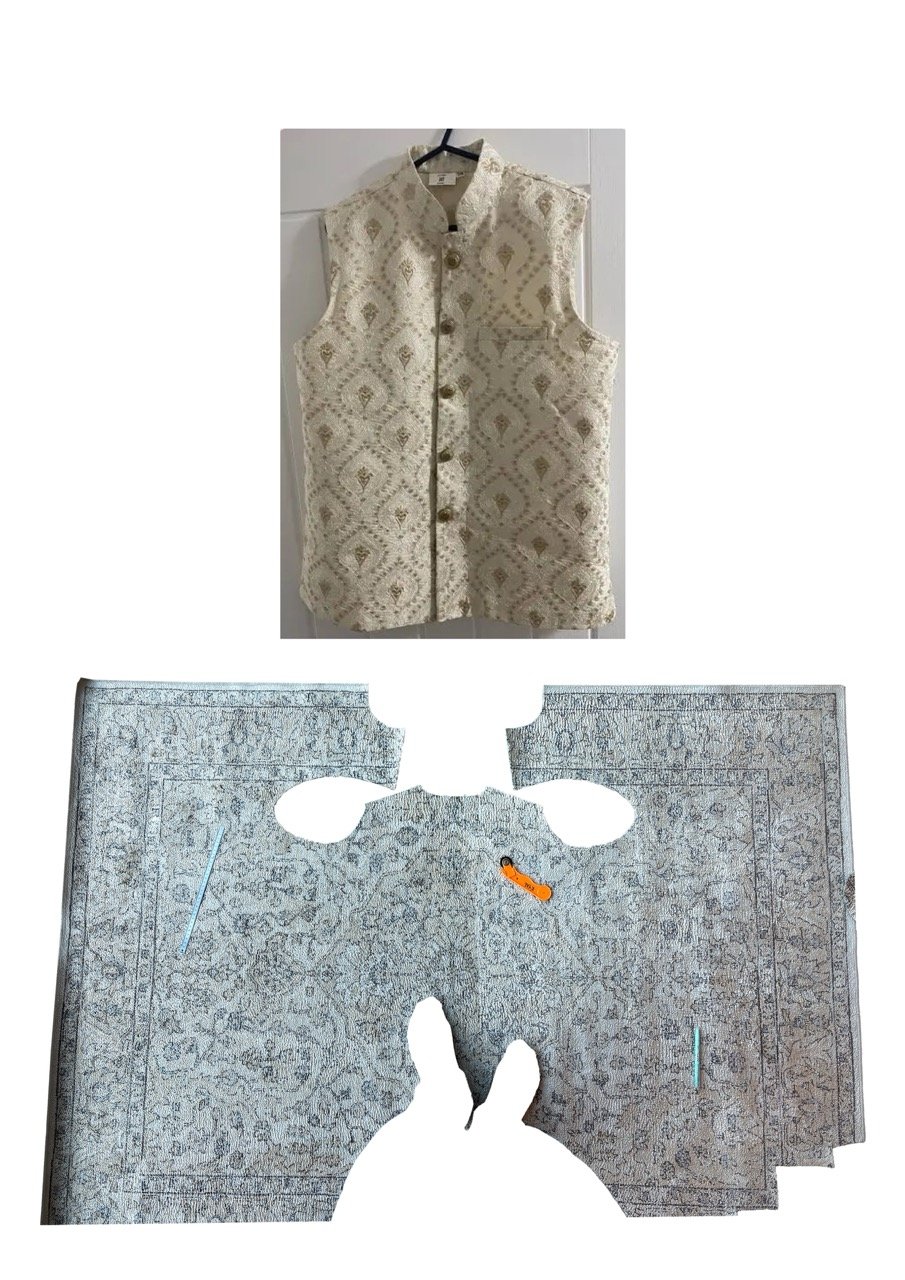
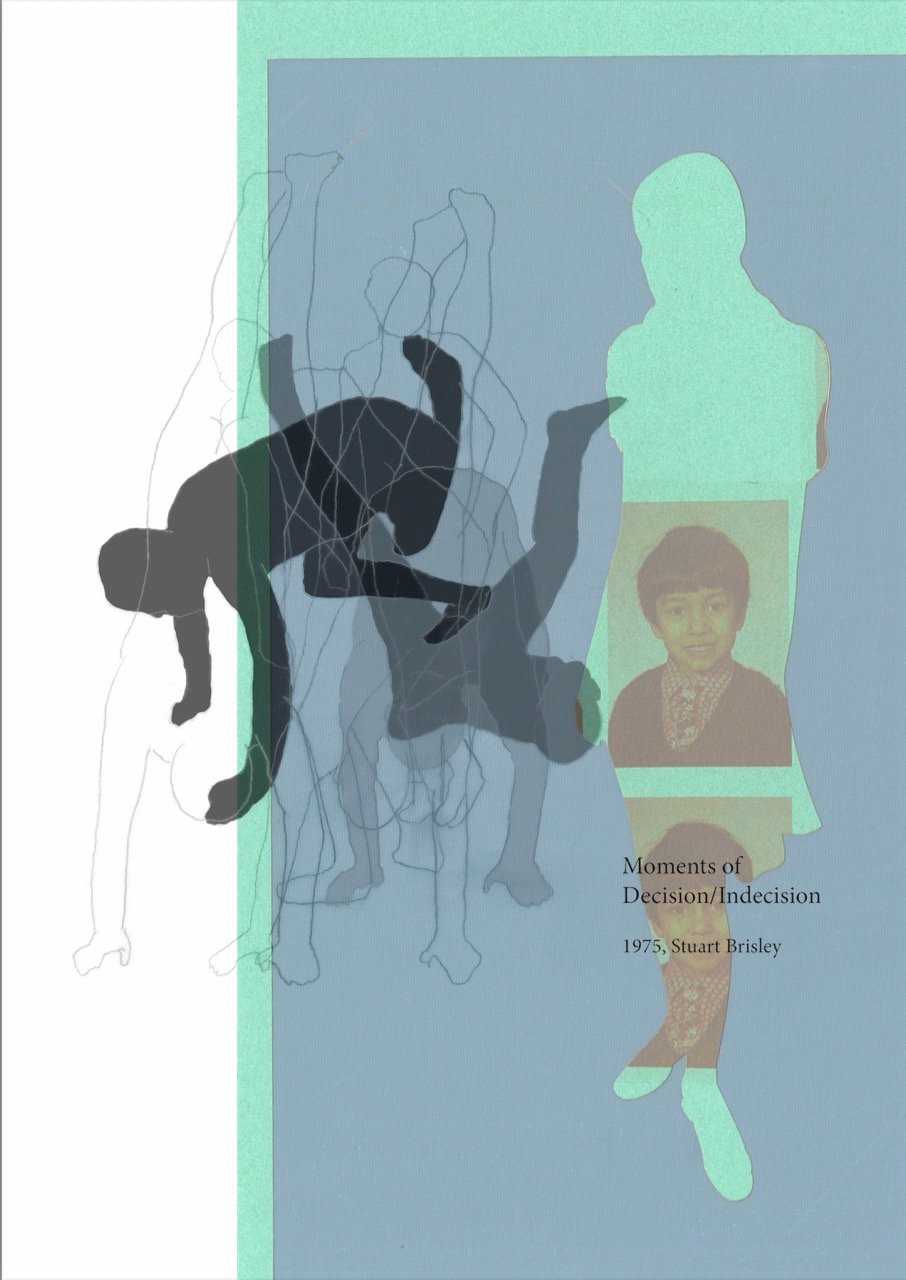
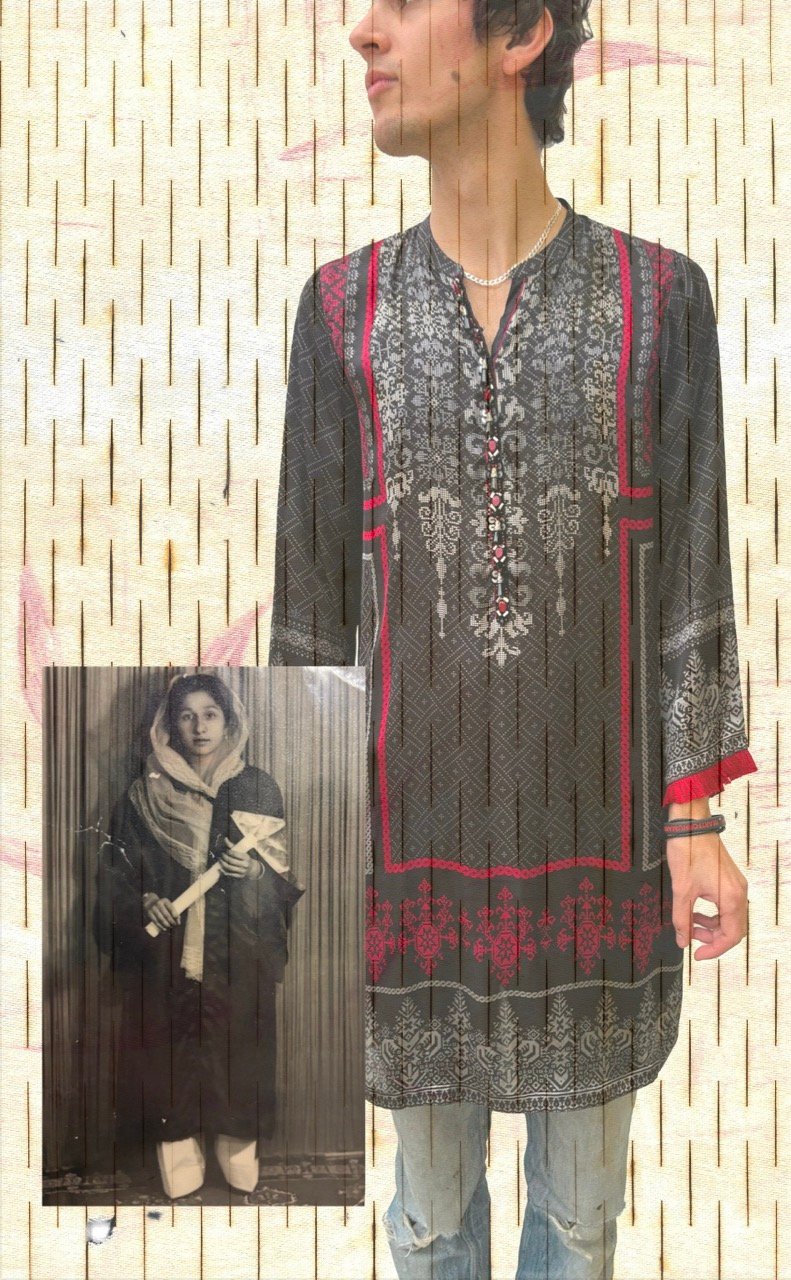
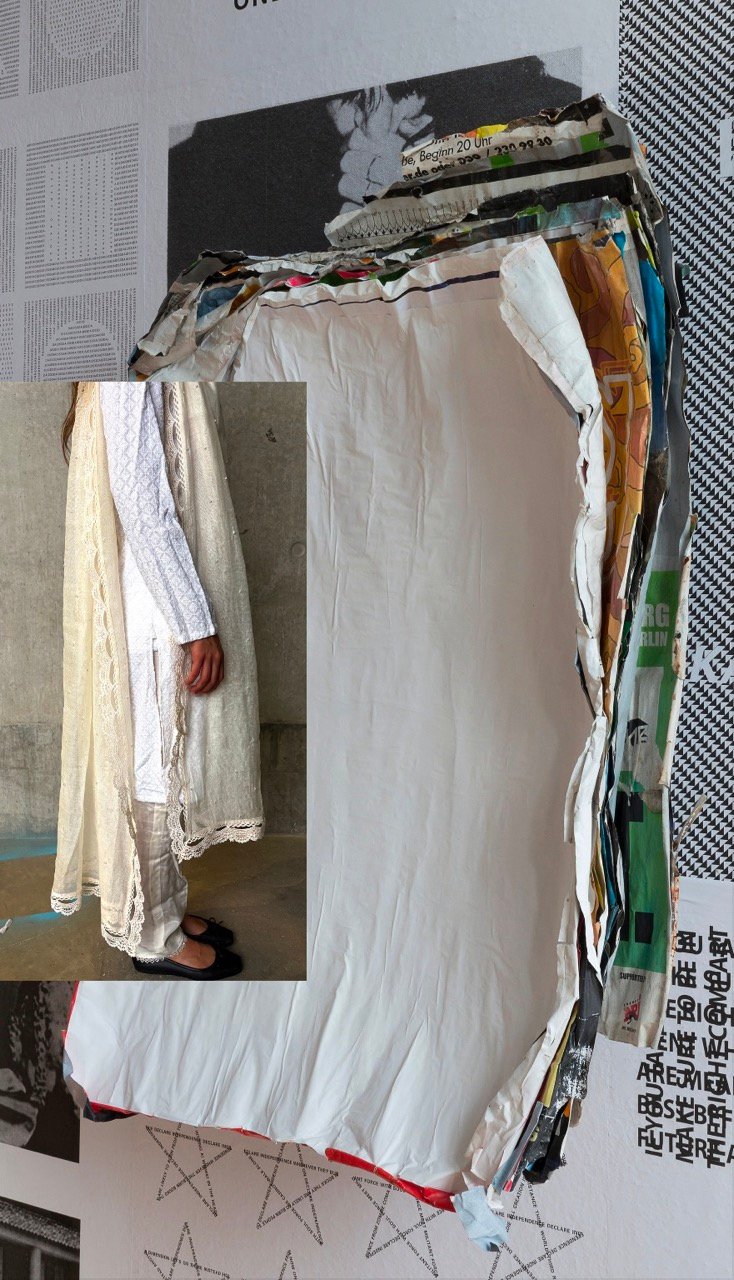
For Kyal Heanly, indecisiveness is not an absence of ideas but an accumulation of them. His collection uses that feeling as a structure, bringing together different techniques and materials to document a personality trait through clothing. Drawing on his Pakistani heritage, Heanly treats each garment as a record of choices made and not quite resolved. One coat is made entirely from bookcloth, with cracks appearing in the material through the process of construction. It looks almost archival, as though the garment has been storing its own decisions.

@kyalheanly

Screenshot
Screenshot
Screenshot
Screenshot
Screenshot
Screenshot
Screenshot

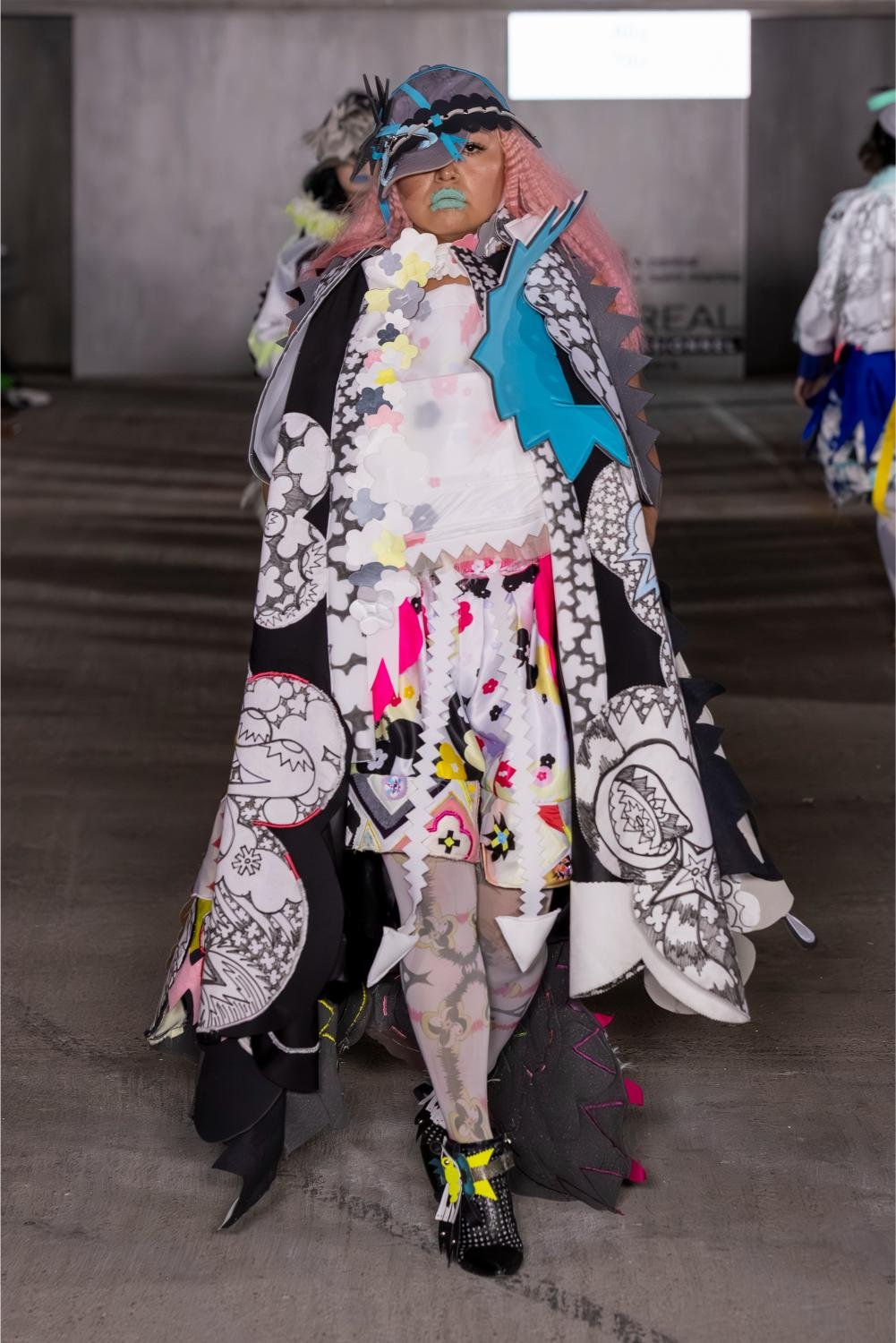
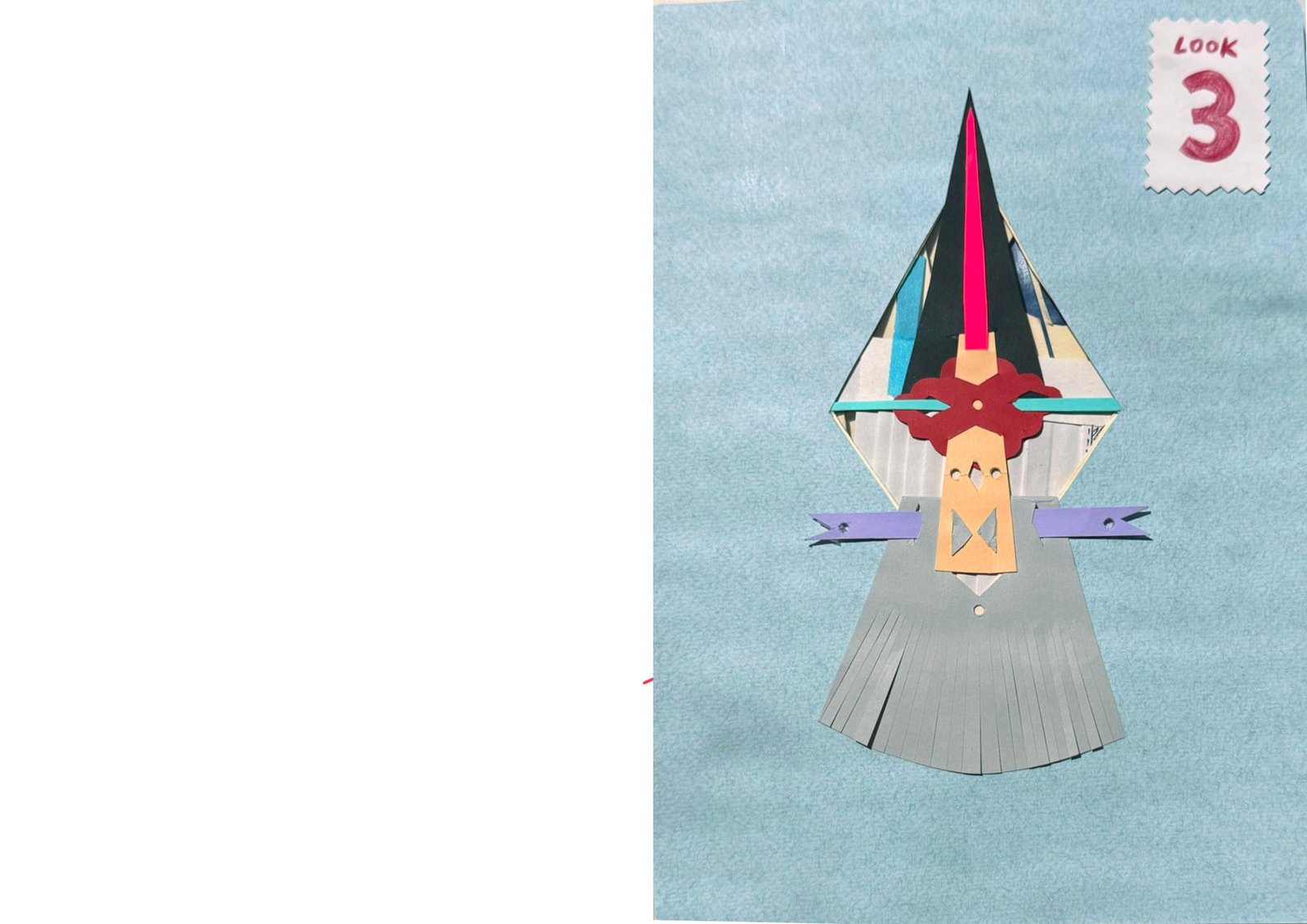
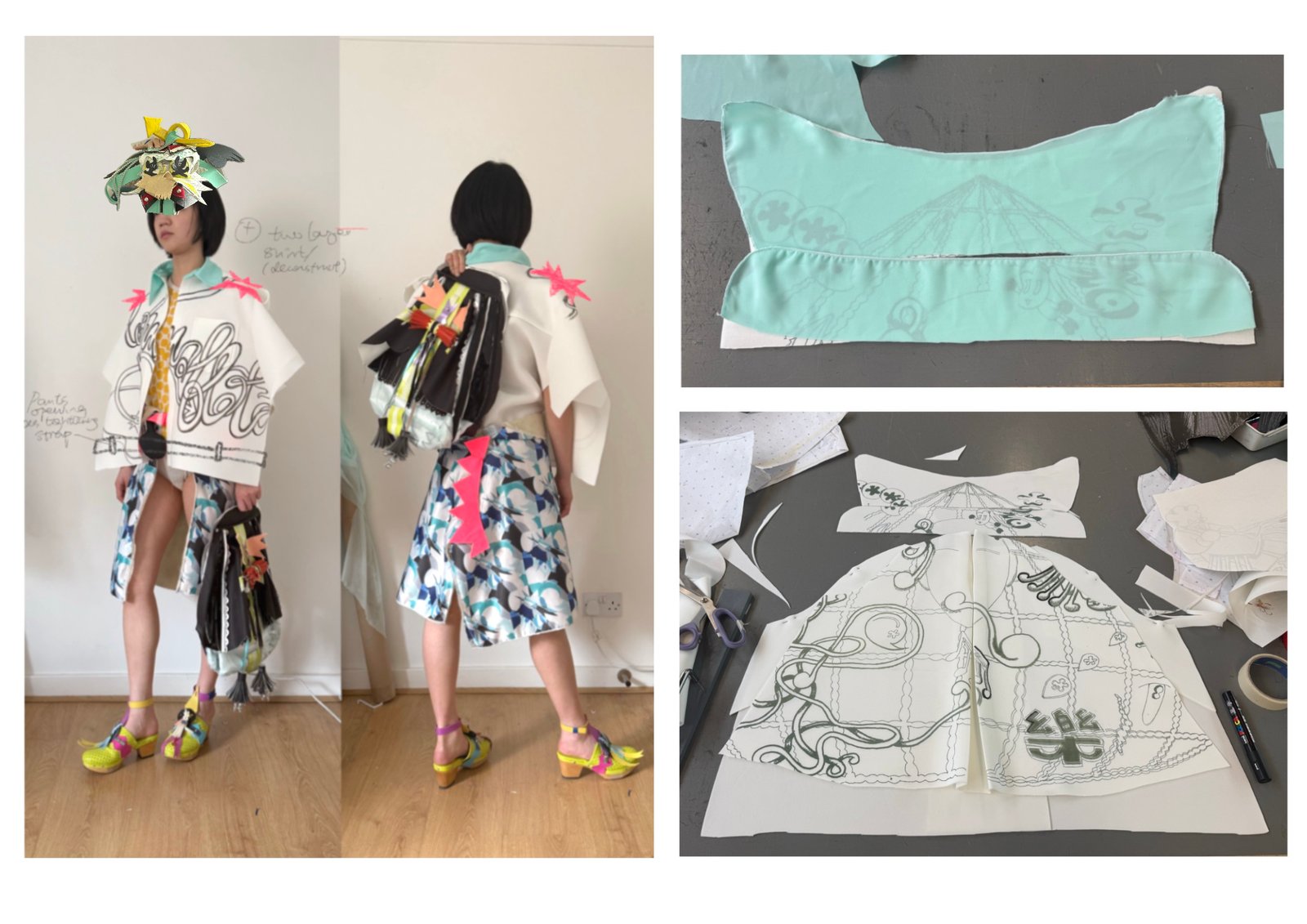
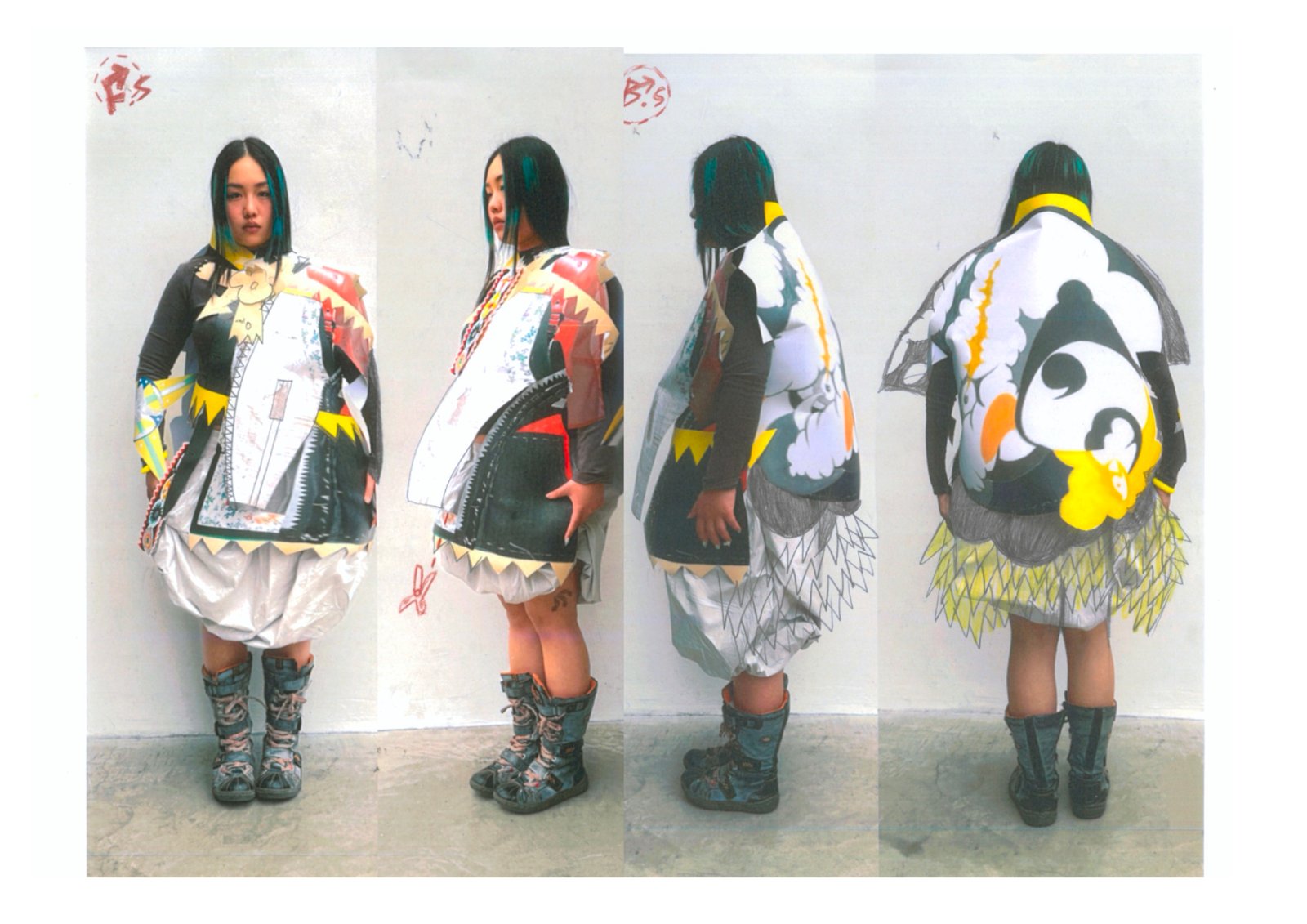
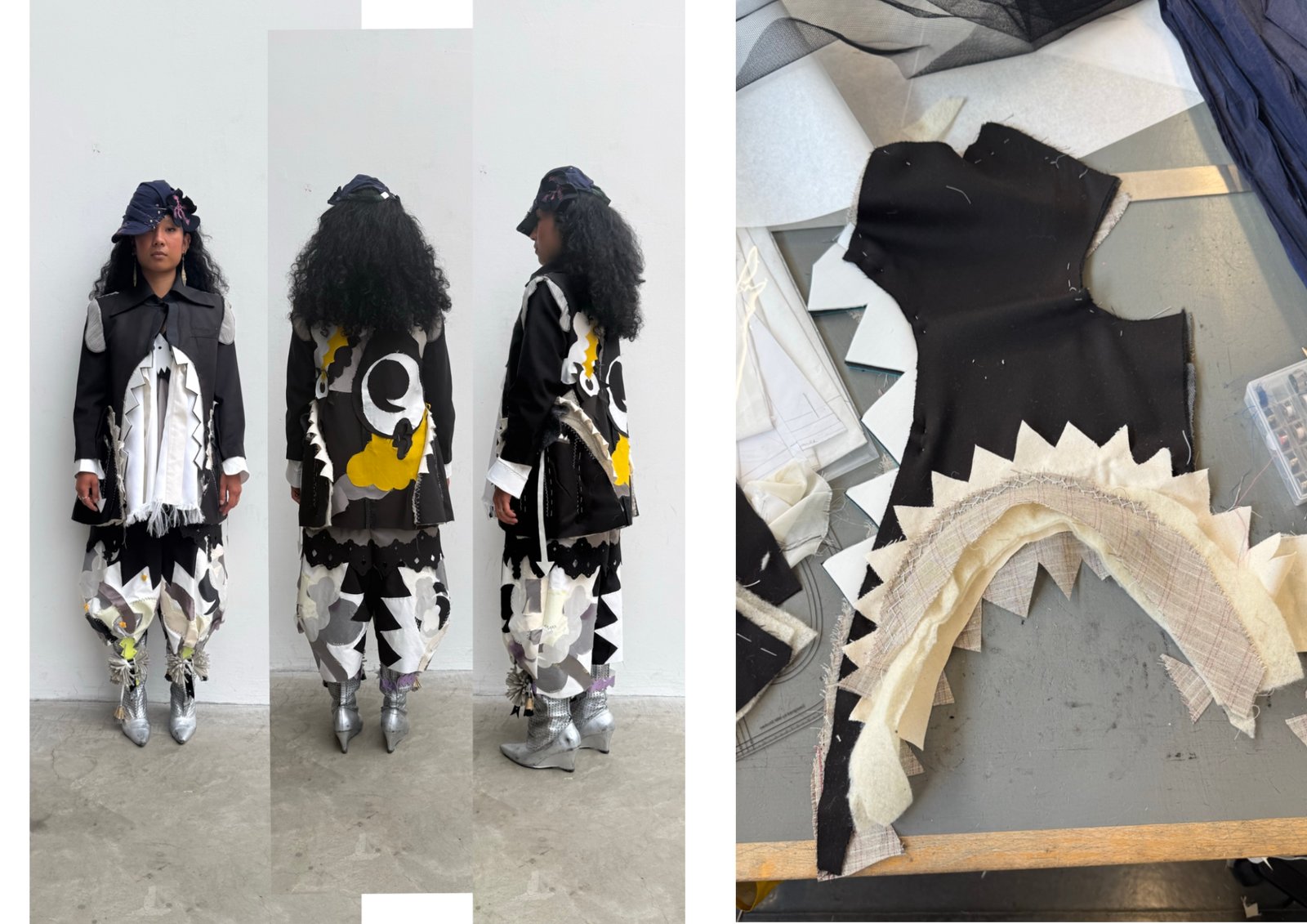
Ally Yau

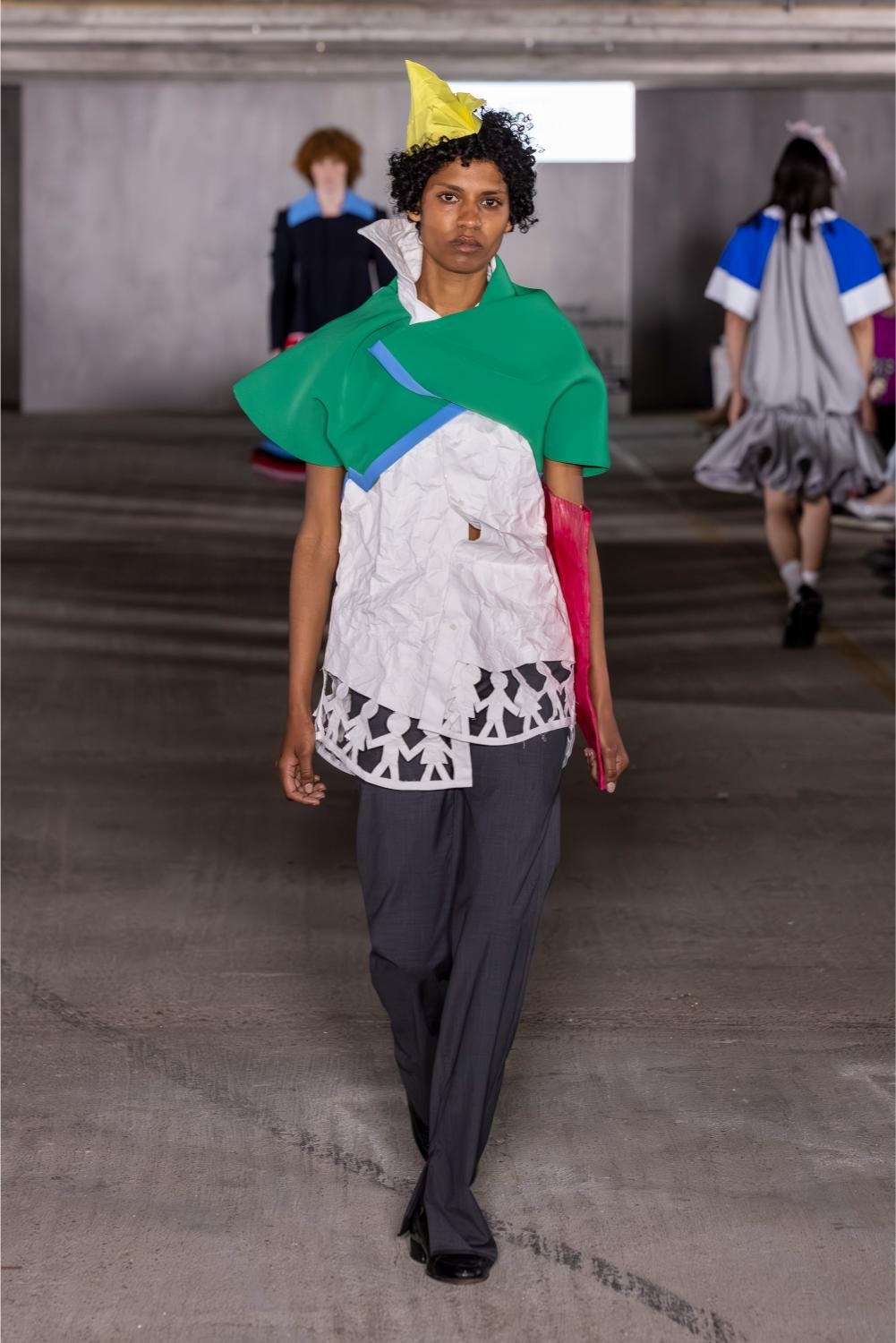
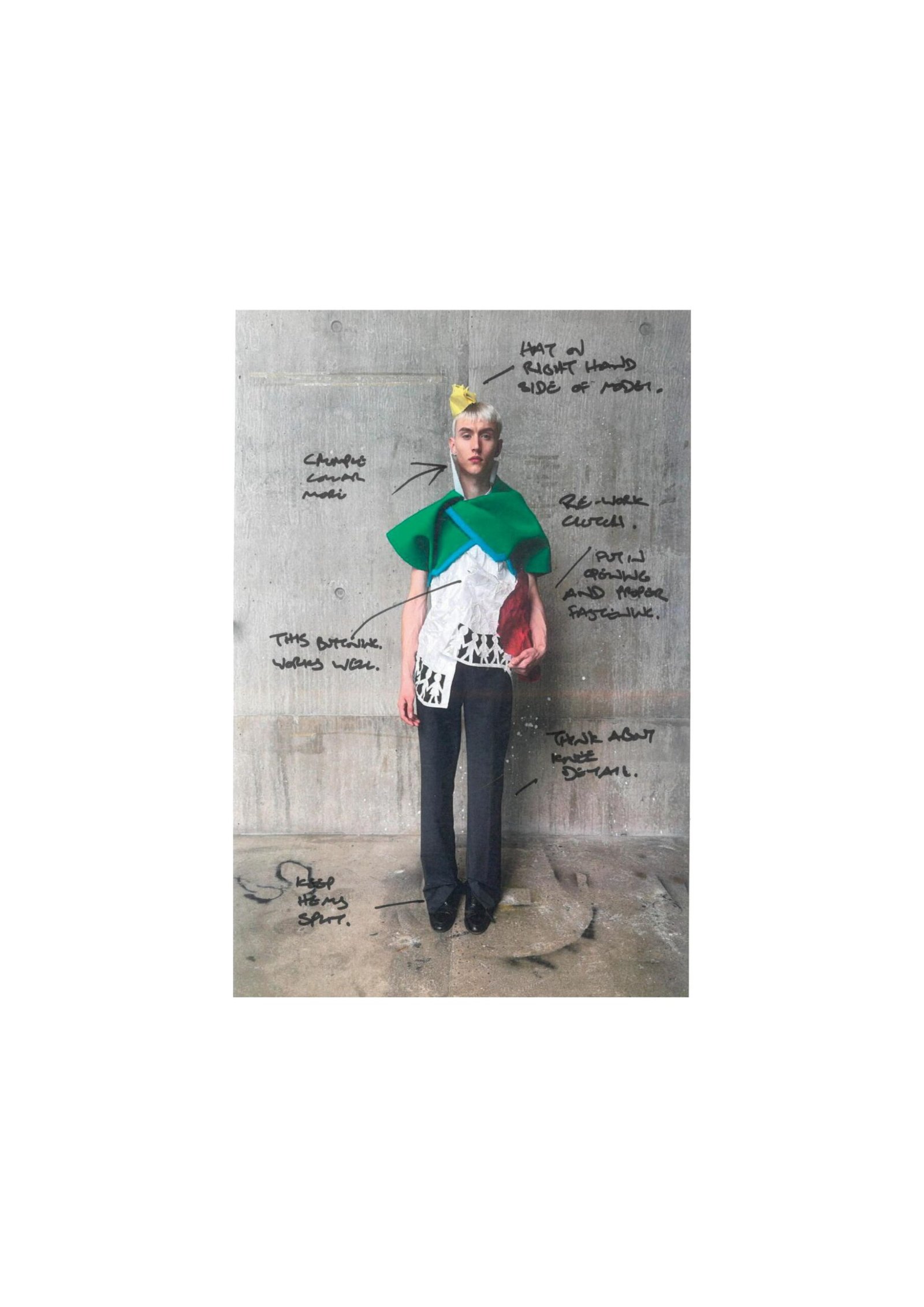
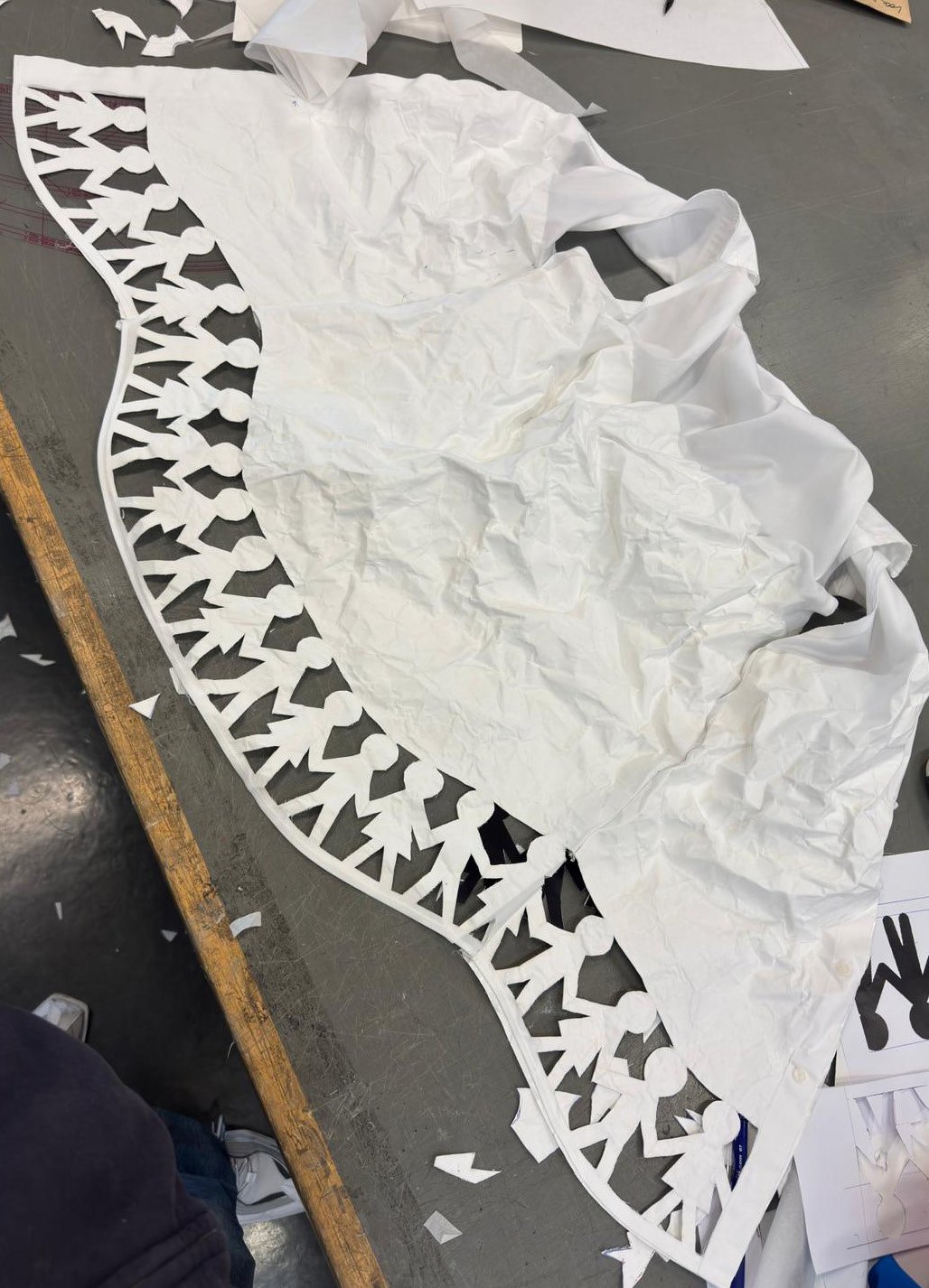
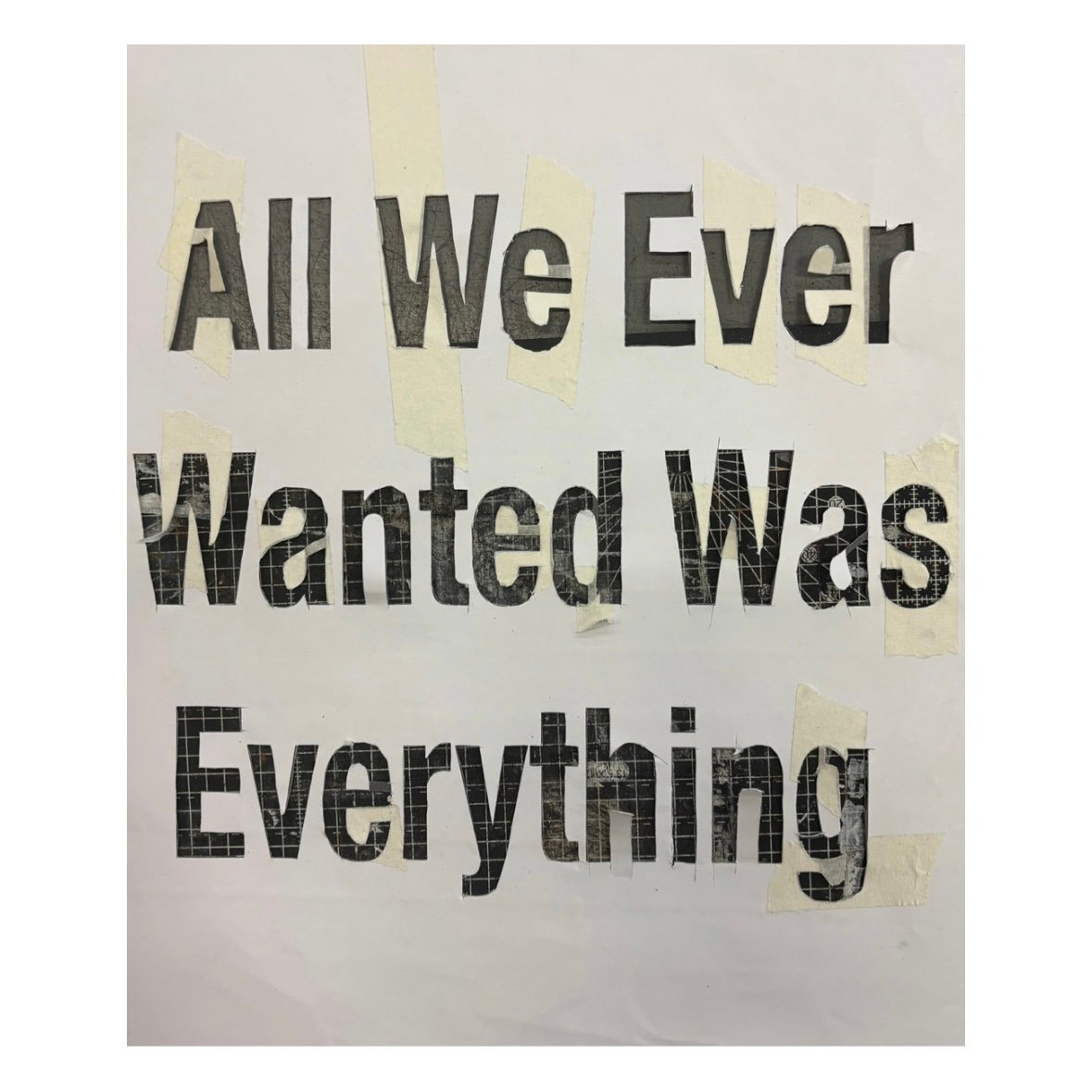
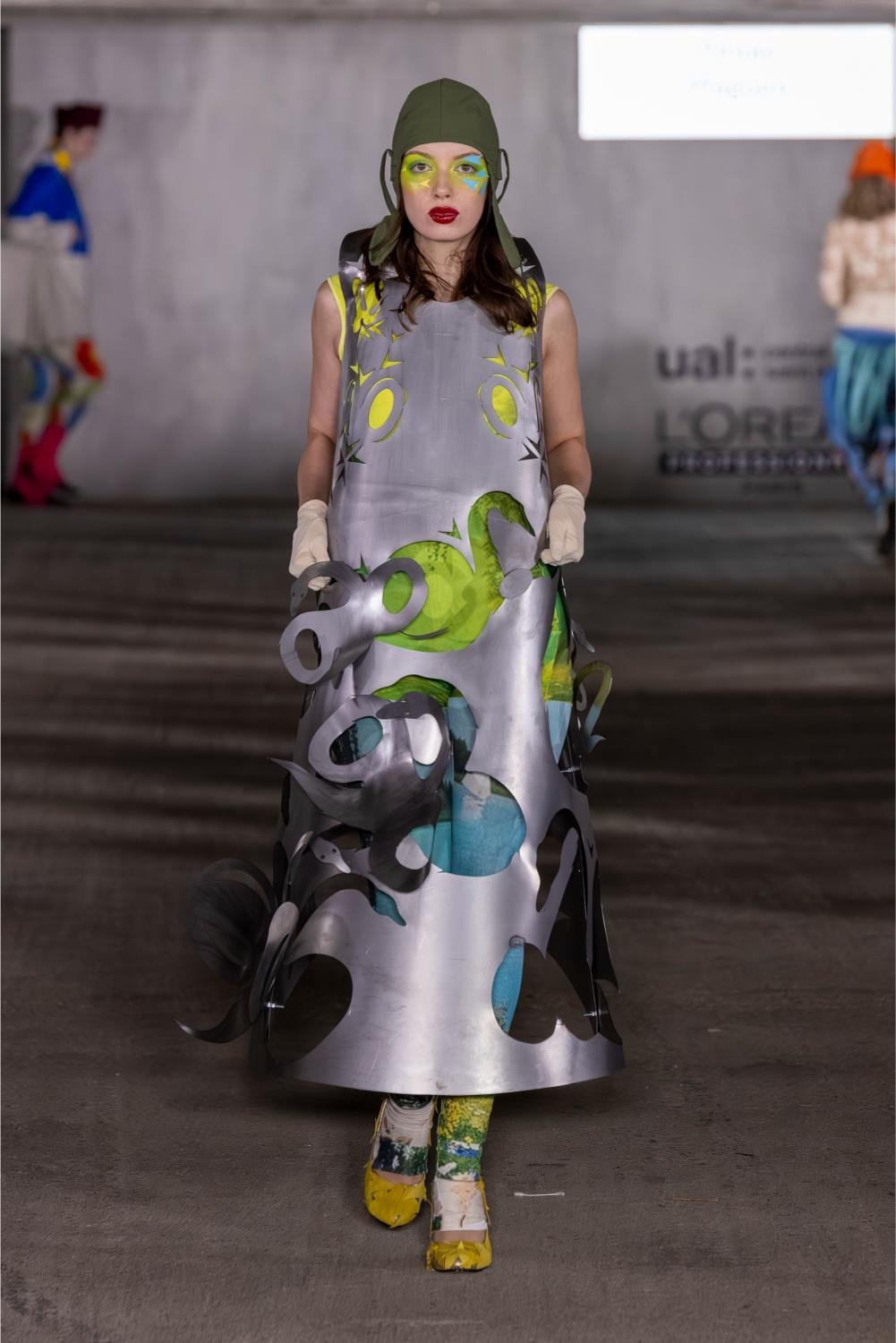
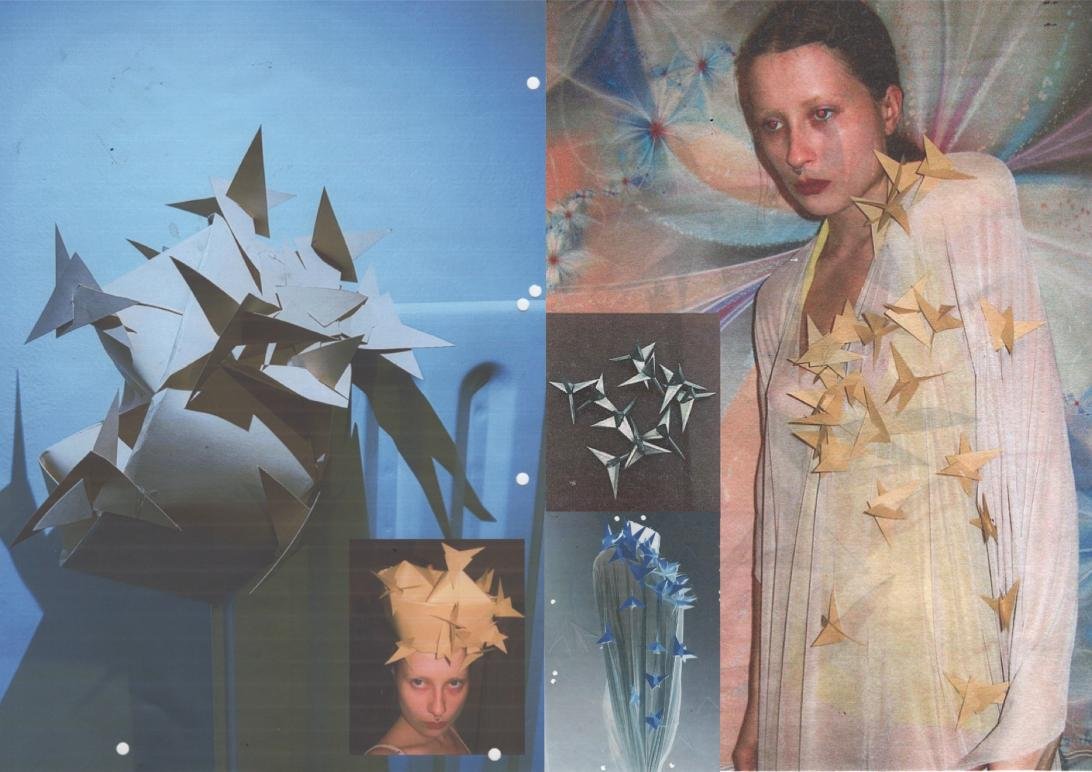
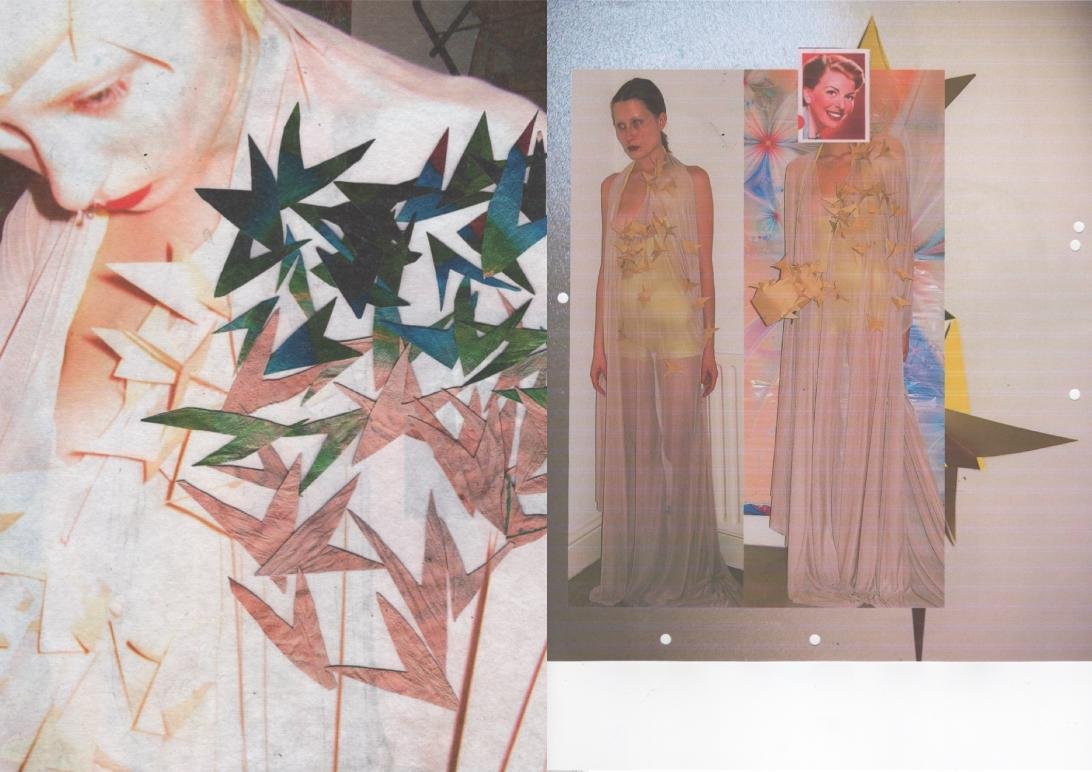
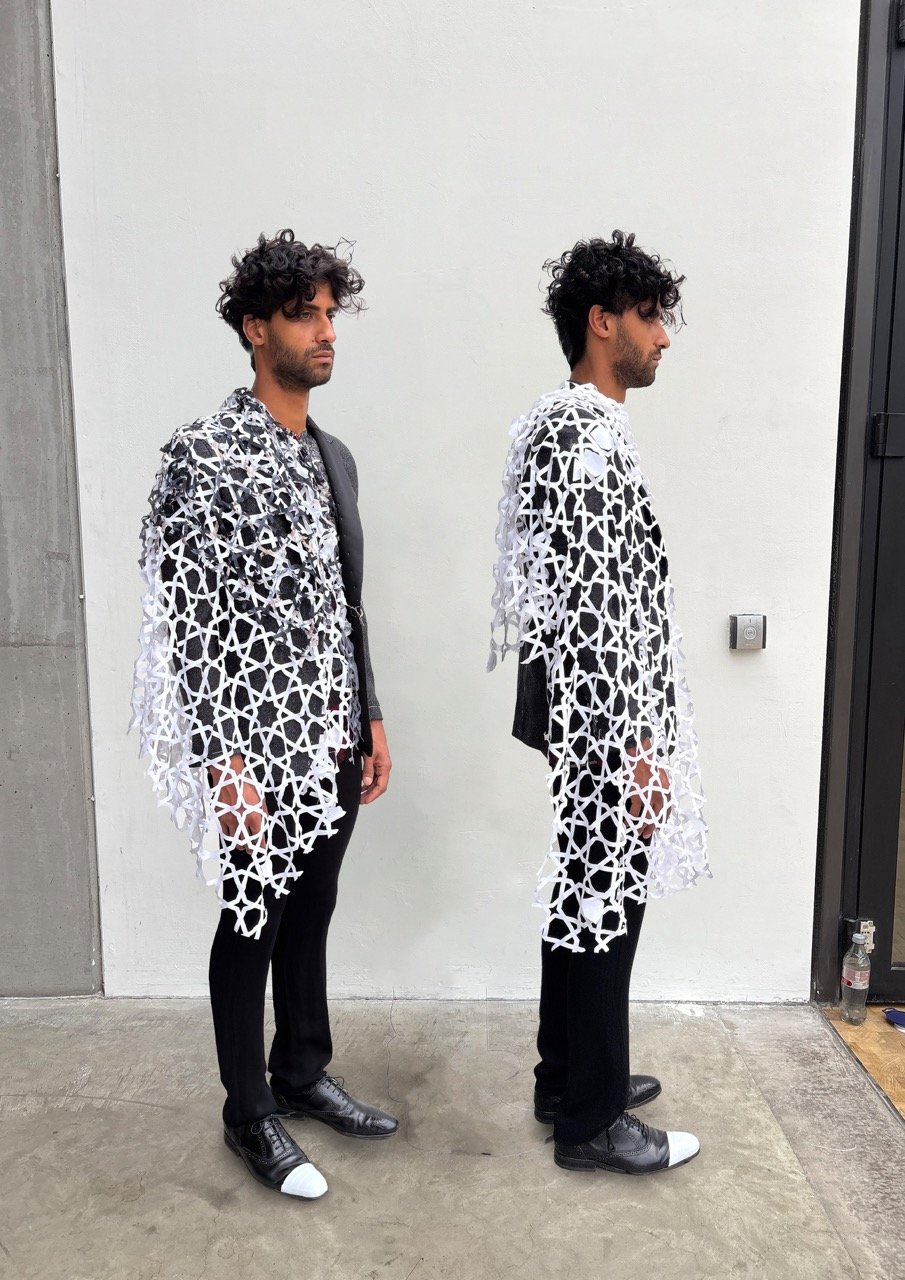
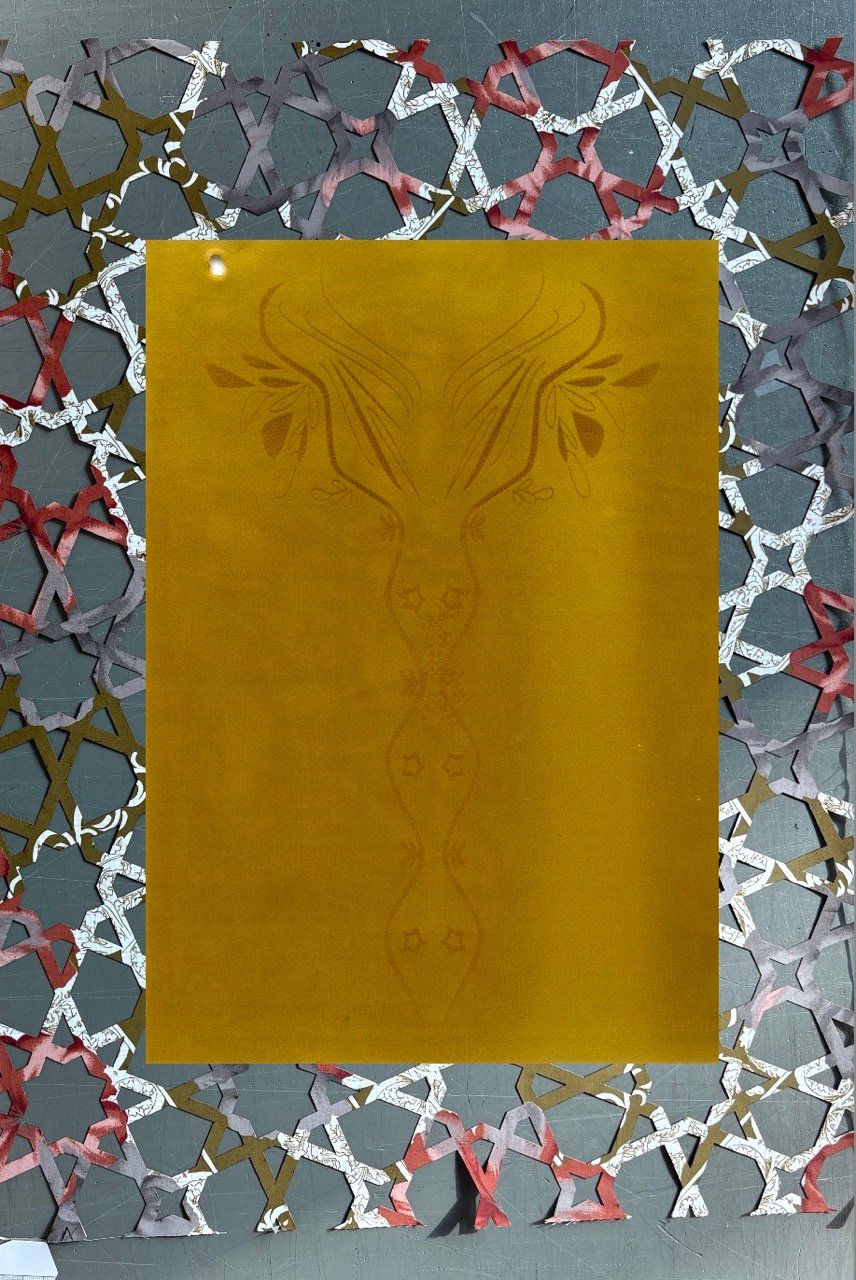
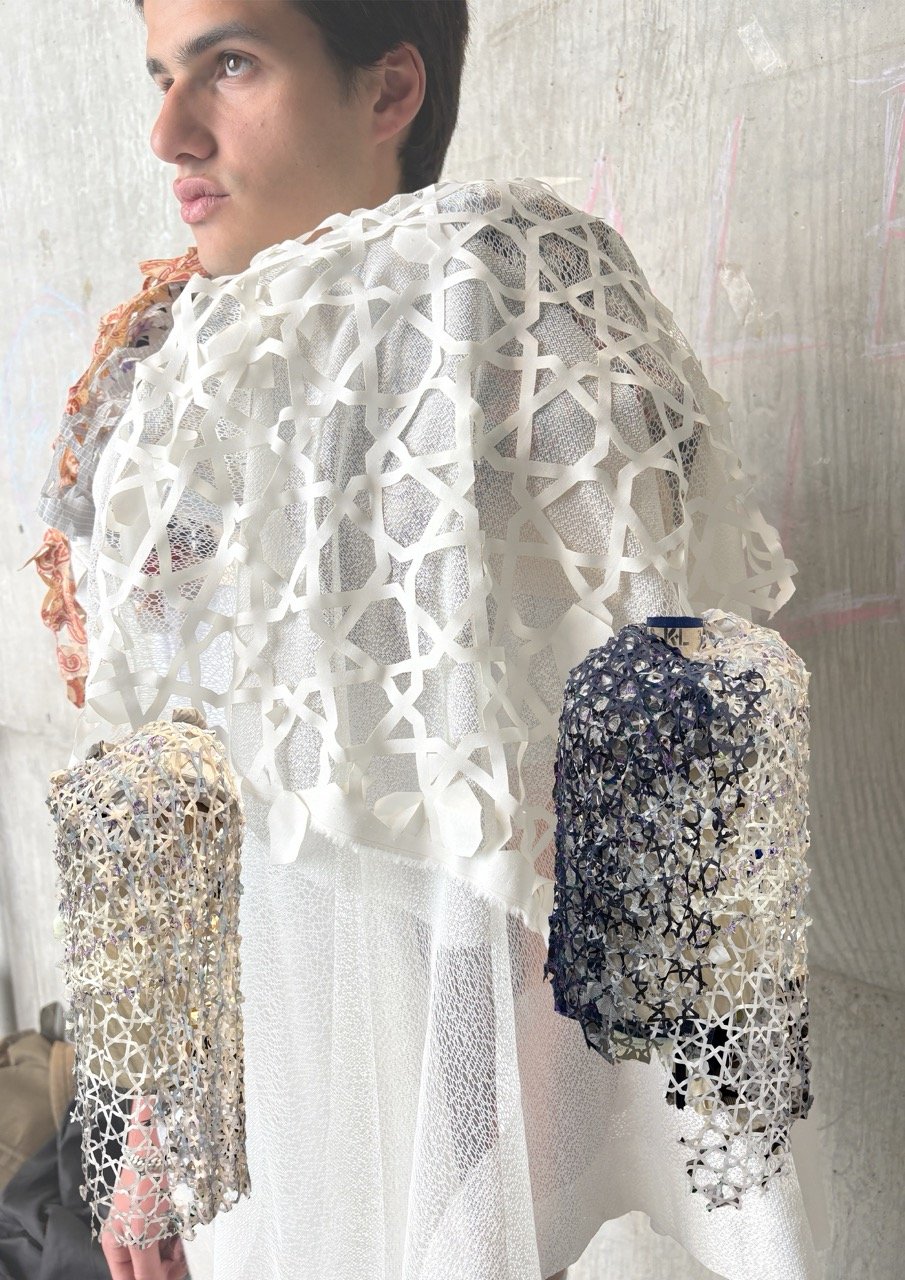
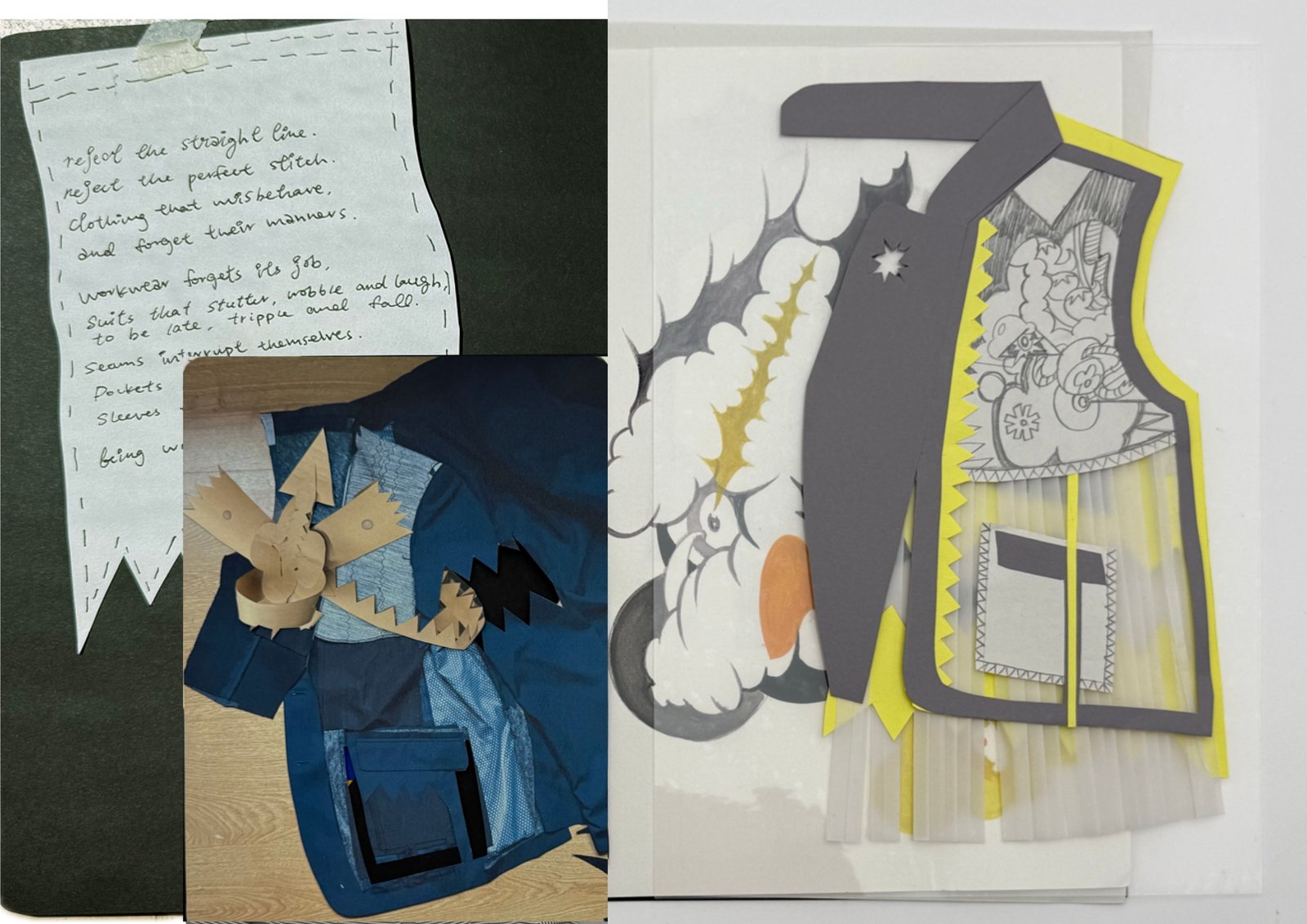
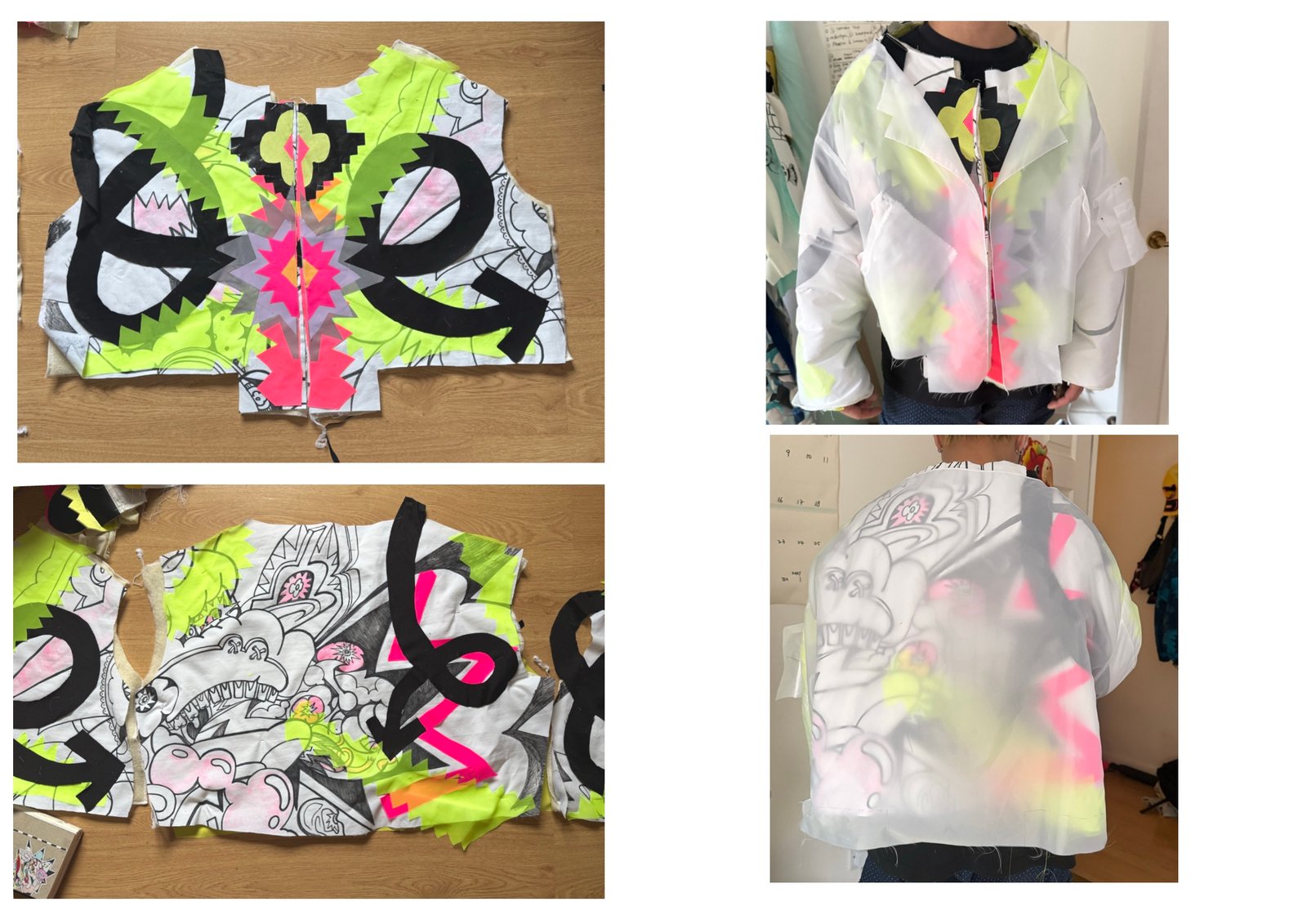
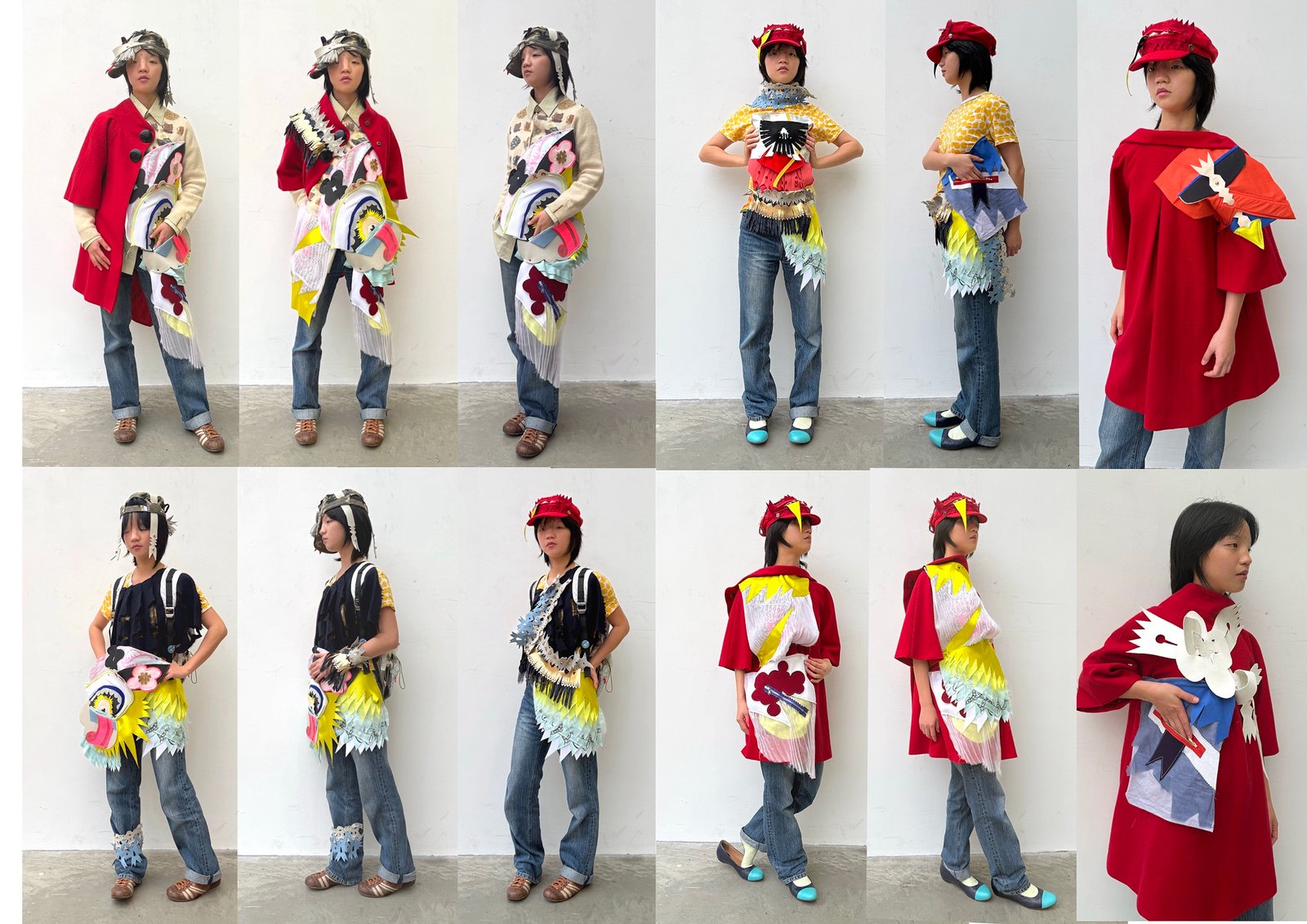
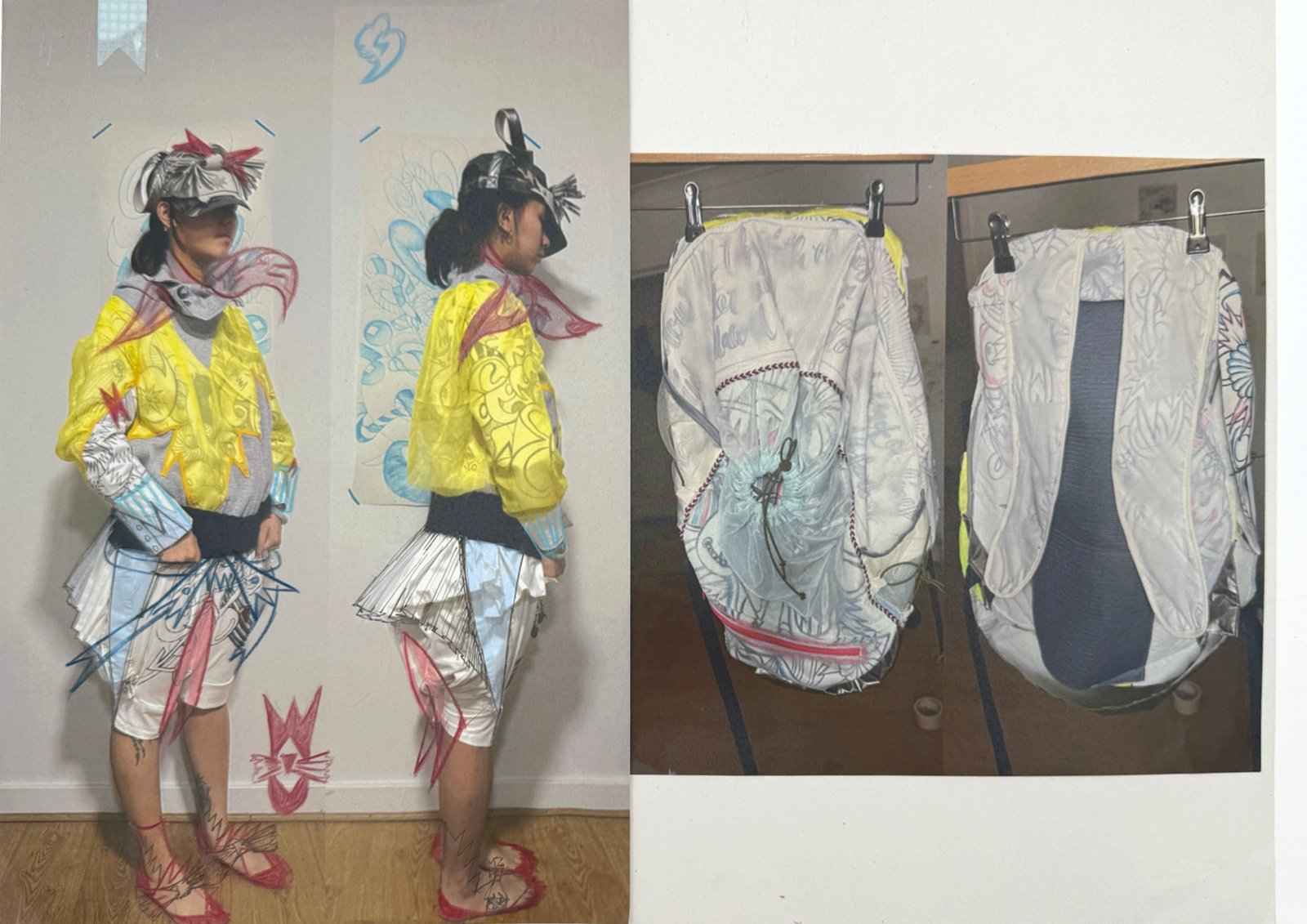
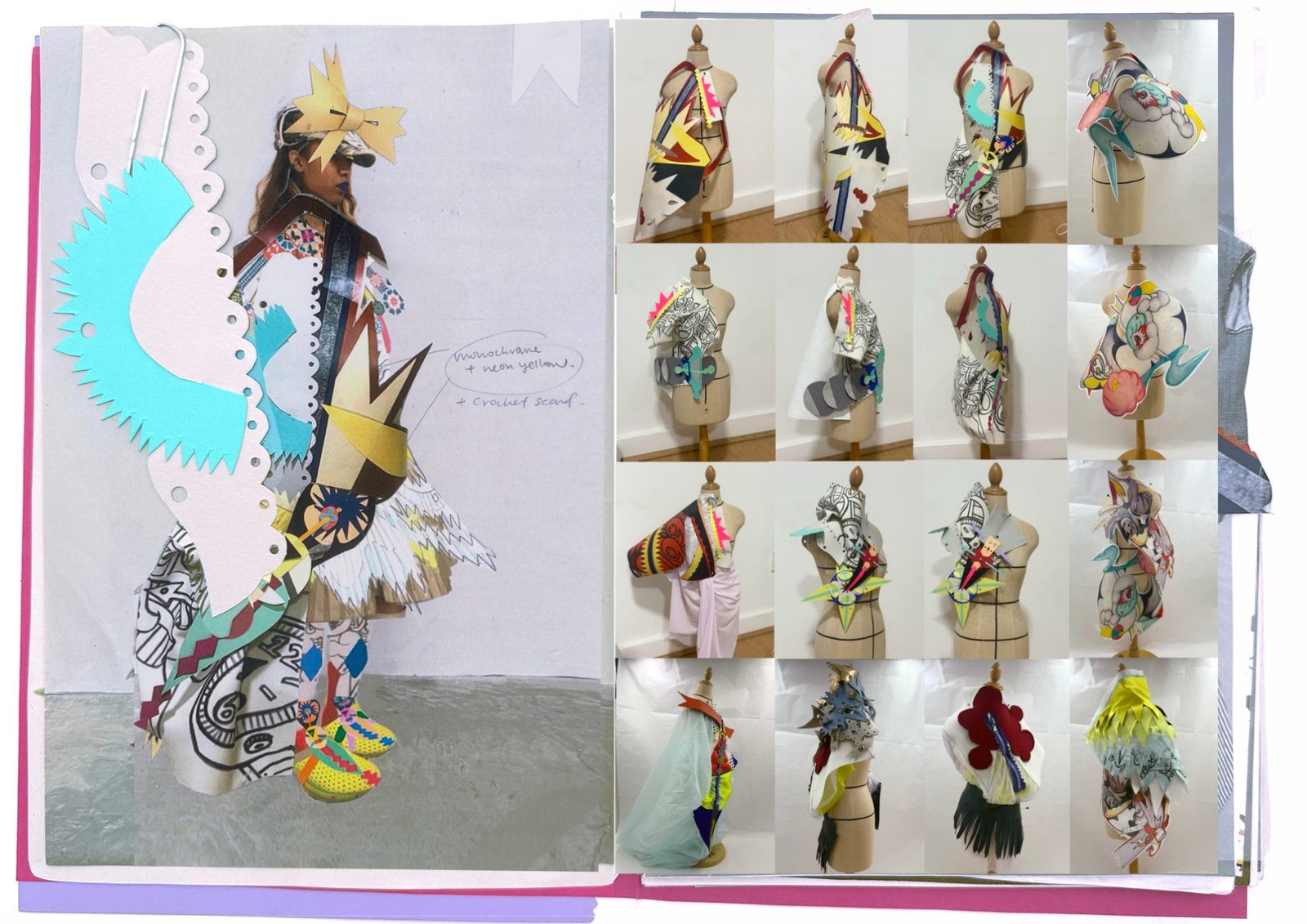
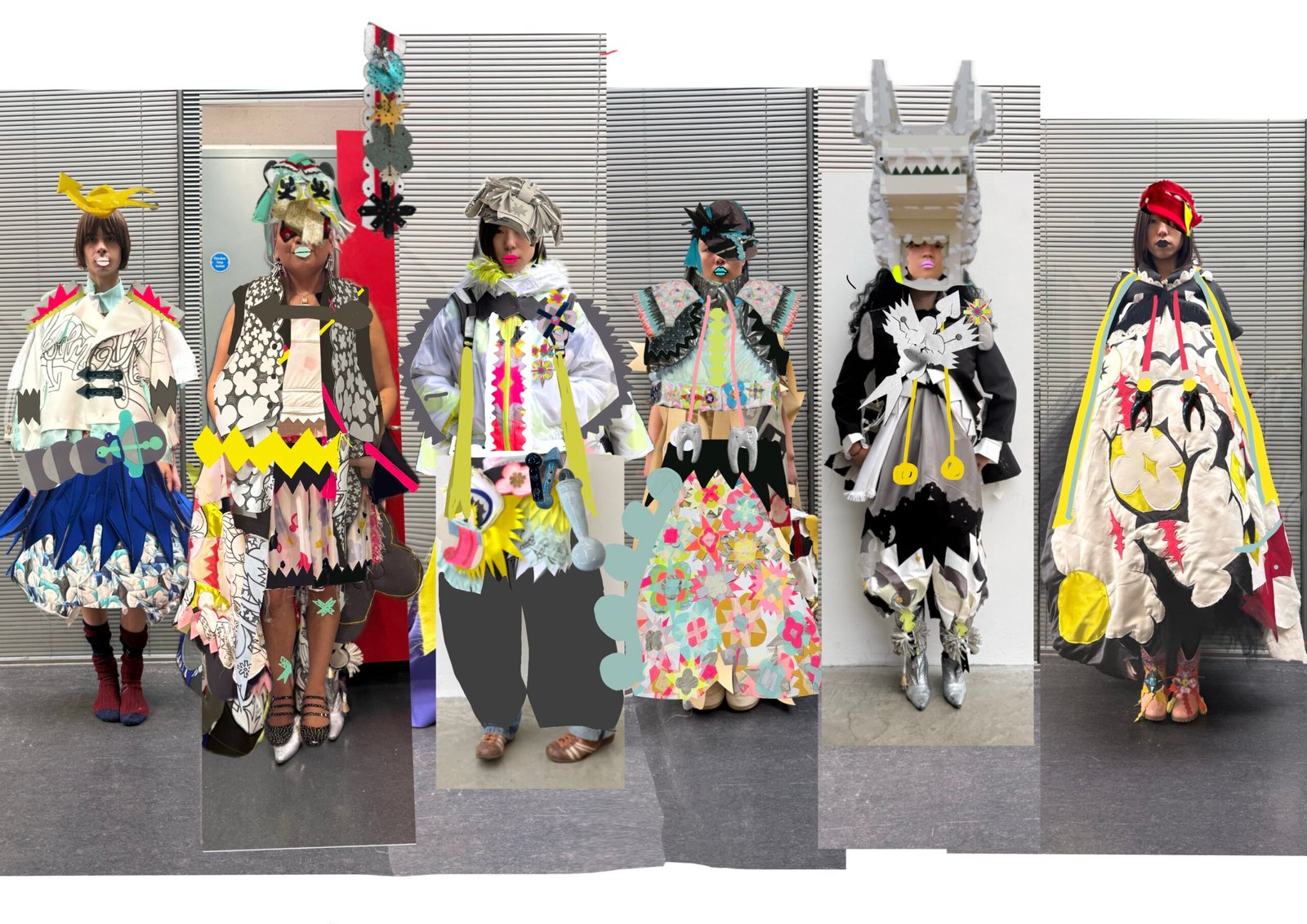
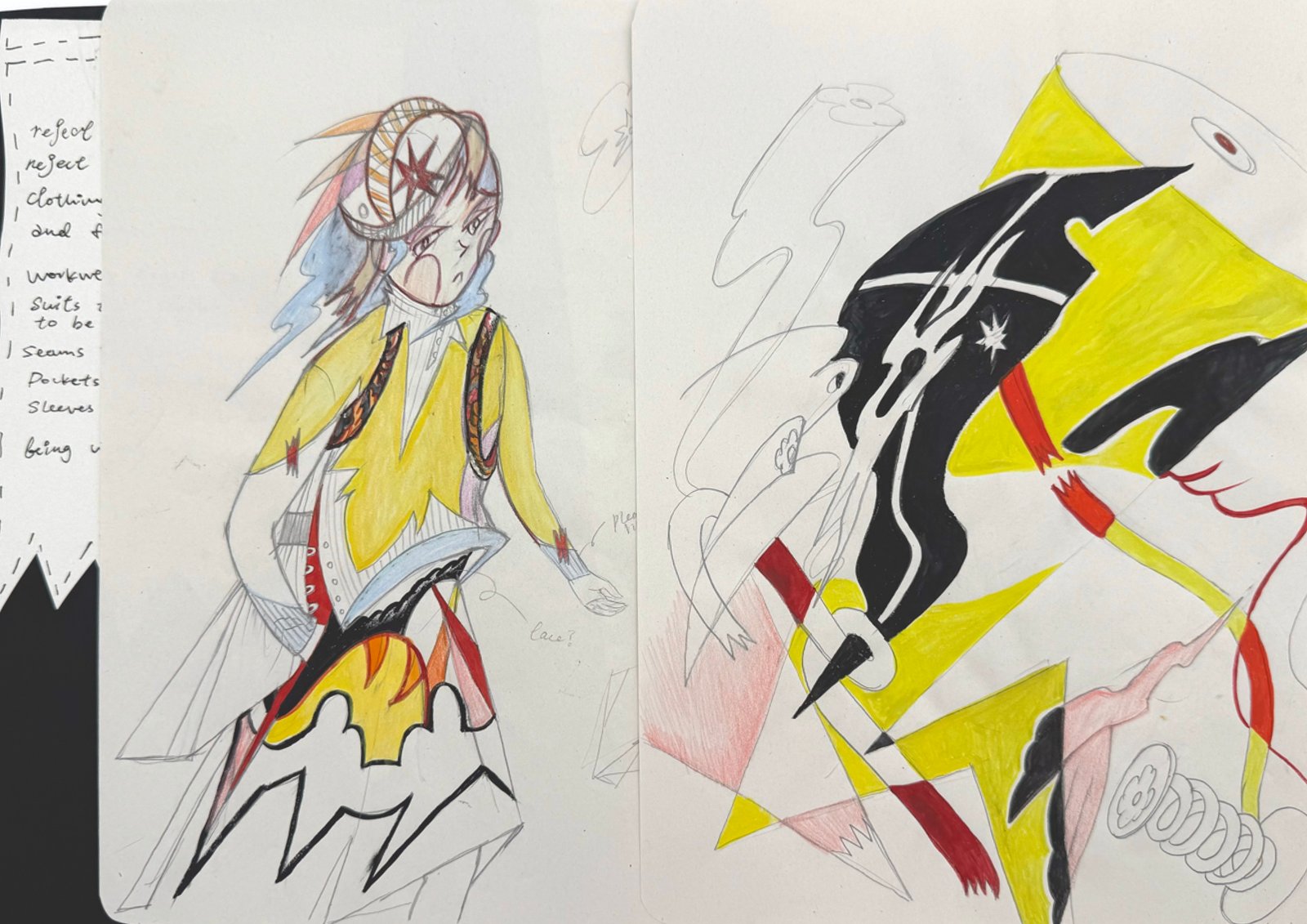
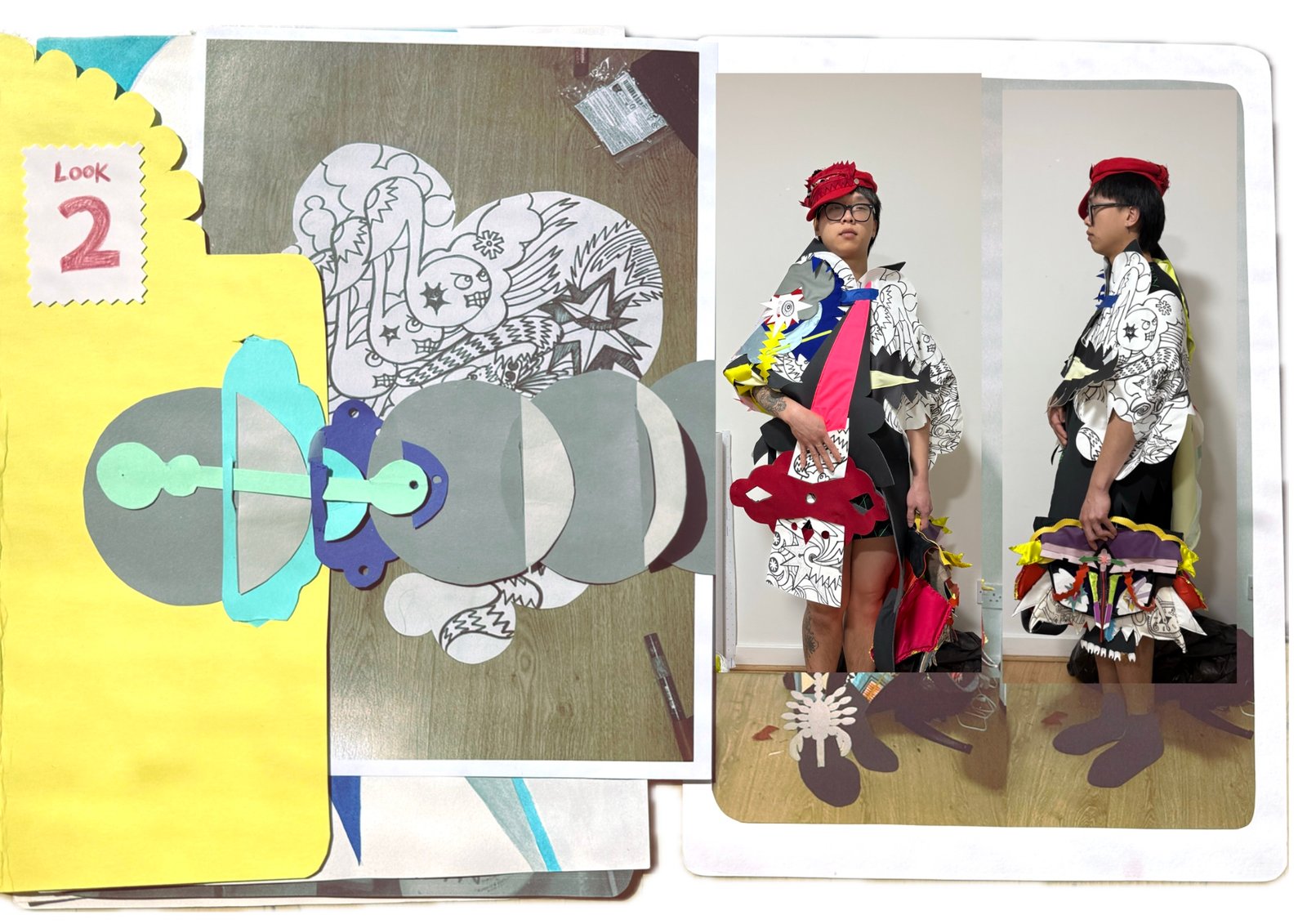
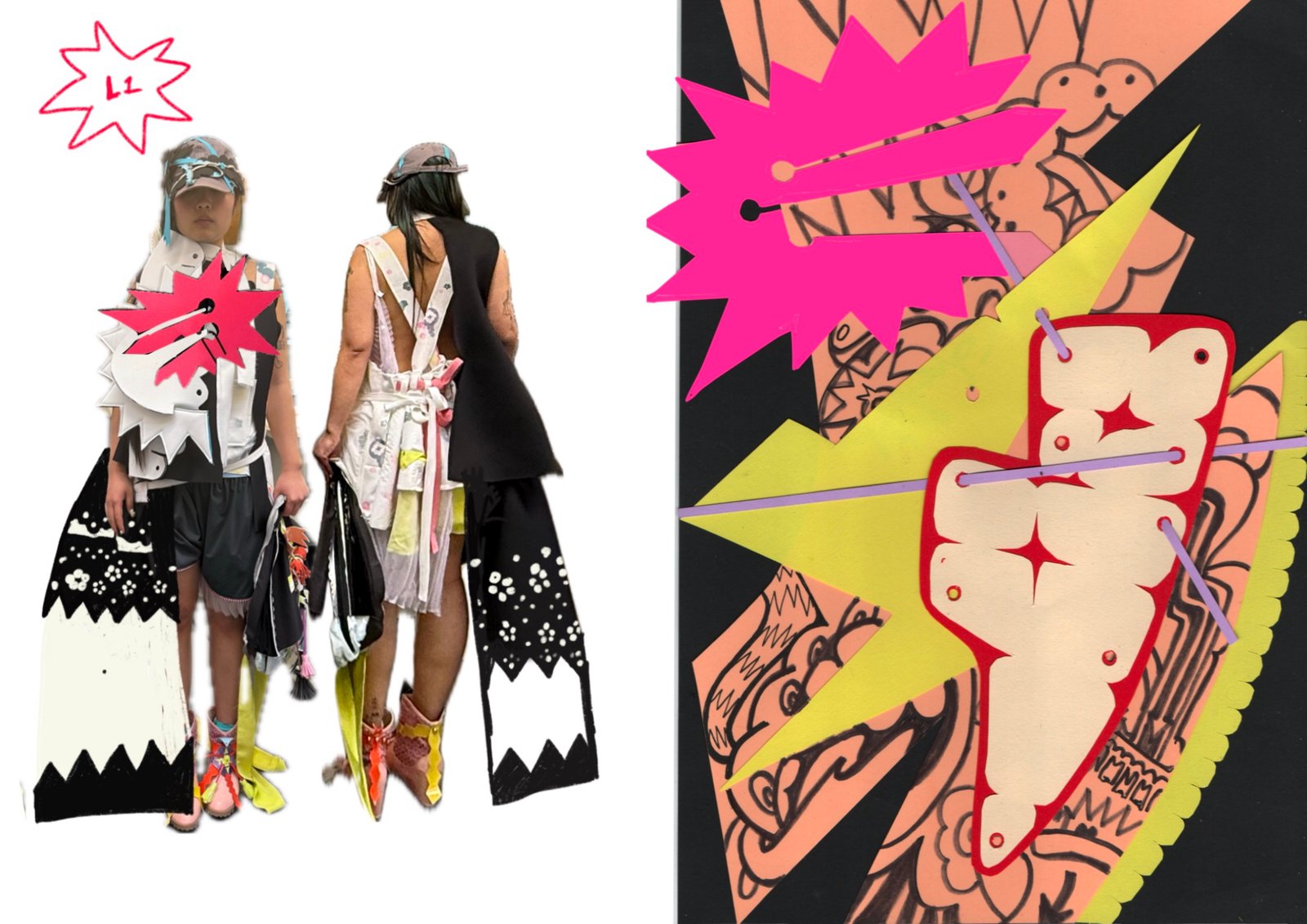
Nonsense becomes a form of resistance in Ally Yau’s collection, “Are You Kidding Me?” Responding to the growing influence of the internet and artificial intelligence, Yau turns towards scribbling, doodling, paper cutting, and making for the joy of it. The collection questions systems that prioritise efficiency, productivity, and algorithmic logic, using play as a way to stay unpredictable. Collaborative paper-cutting workshops informed the garment patterns, silhouettes, and construction methods, with Fluxus appearing as a reference for experimental, participatory art-making. Deadstock fabrics, leftover materials, and textile scraps are recoded into bold garments shaped by curiosity, community, and creative misuse.

@YALLIESS

Giacomo Goattin

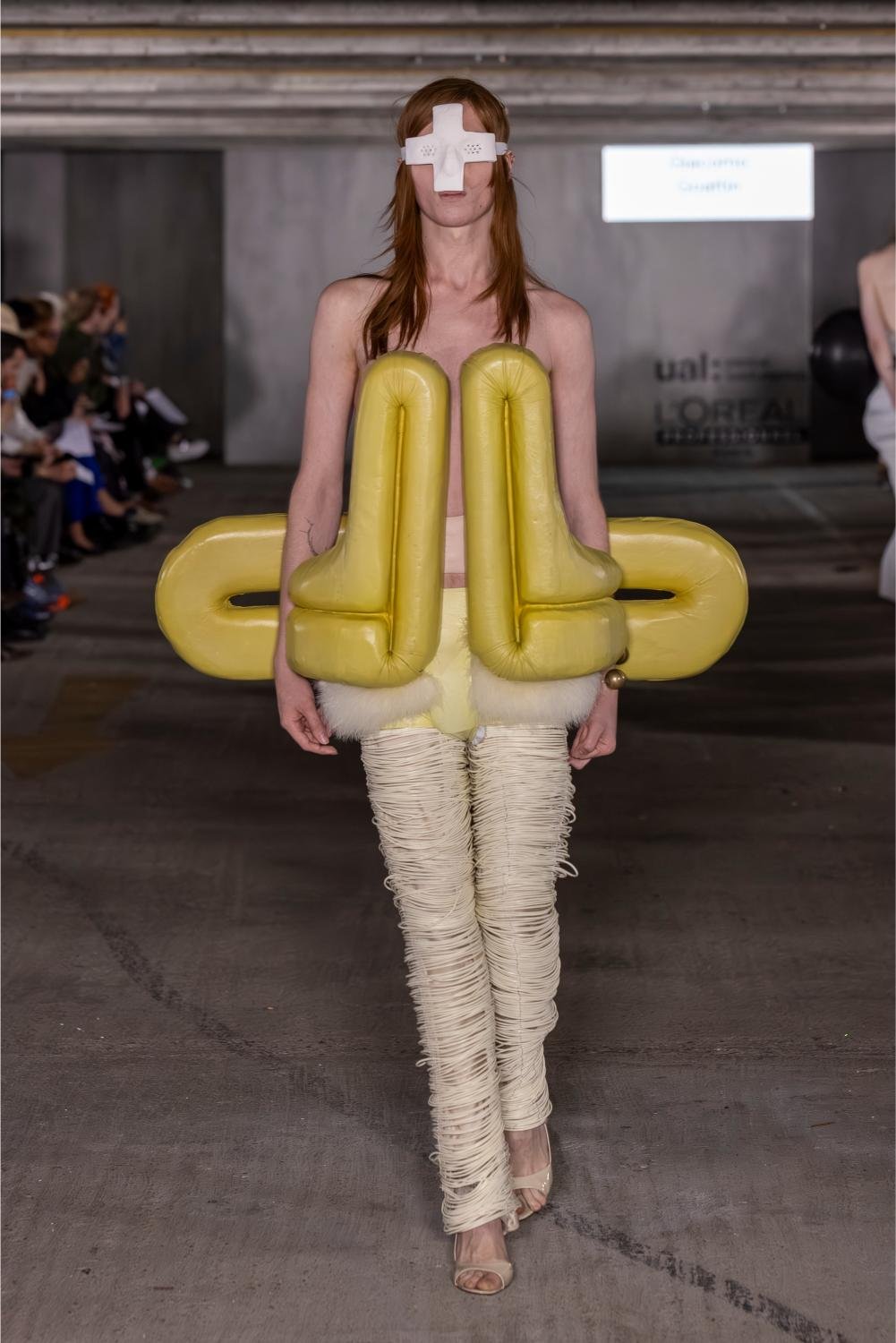
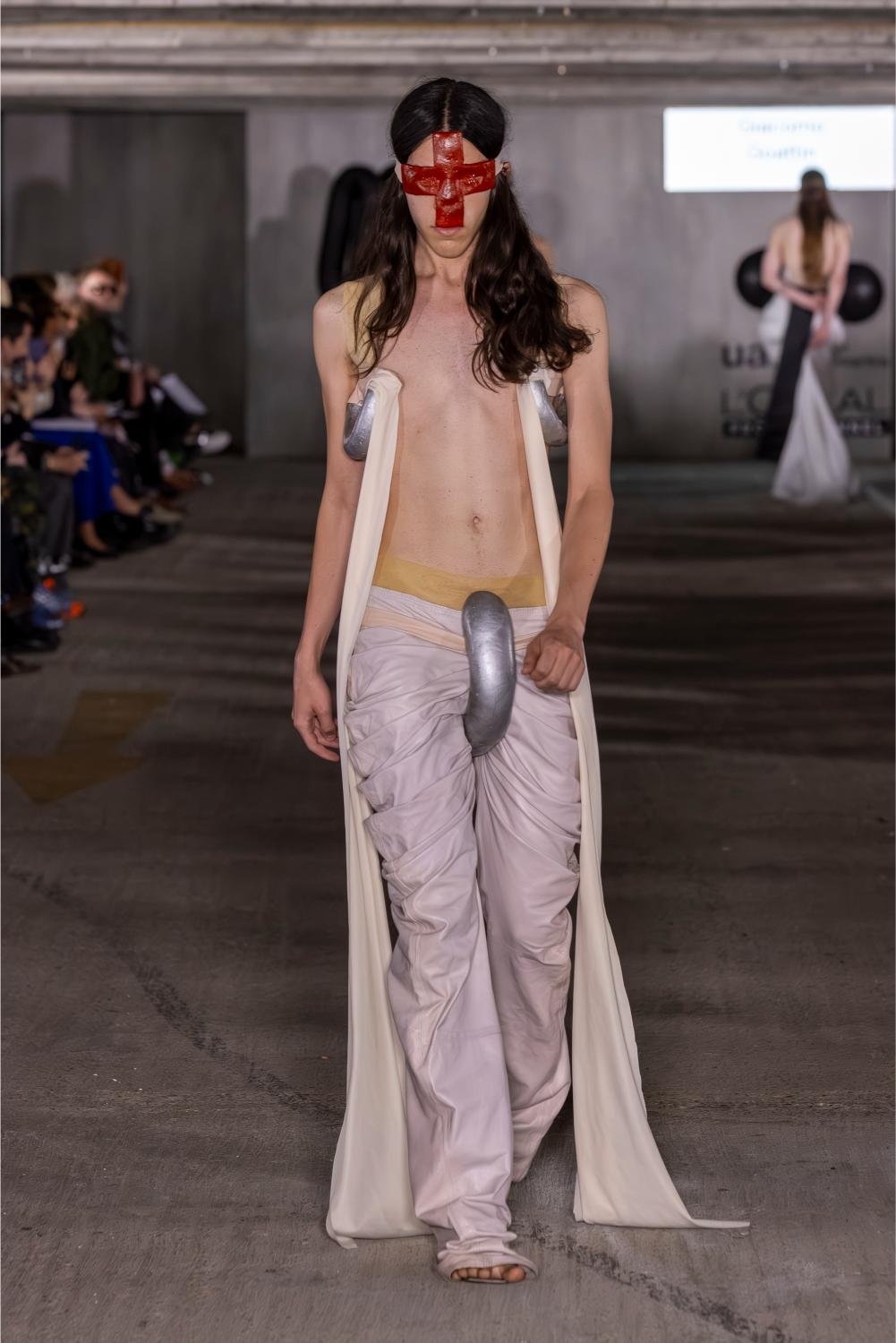
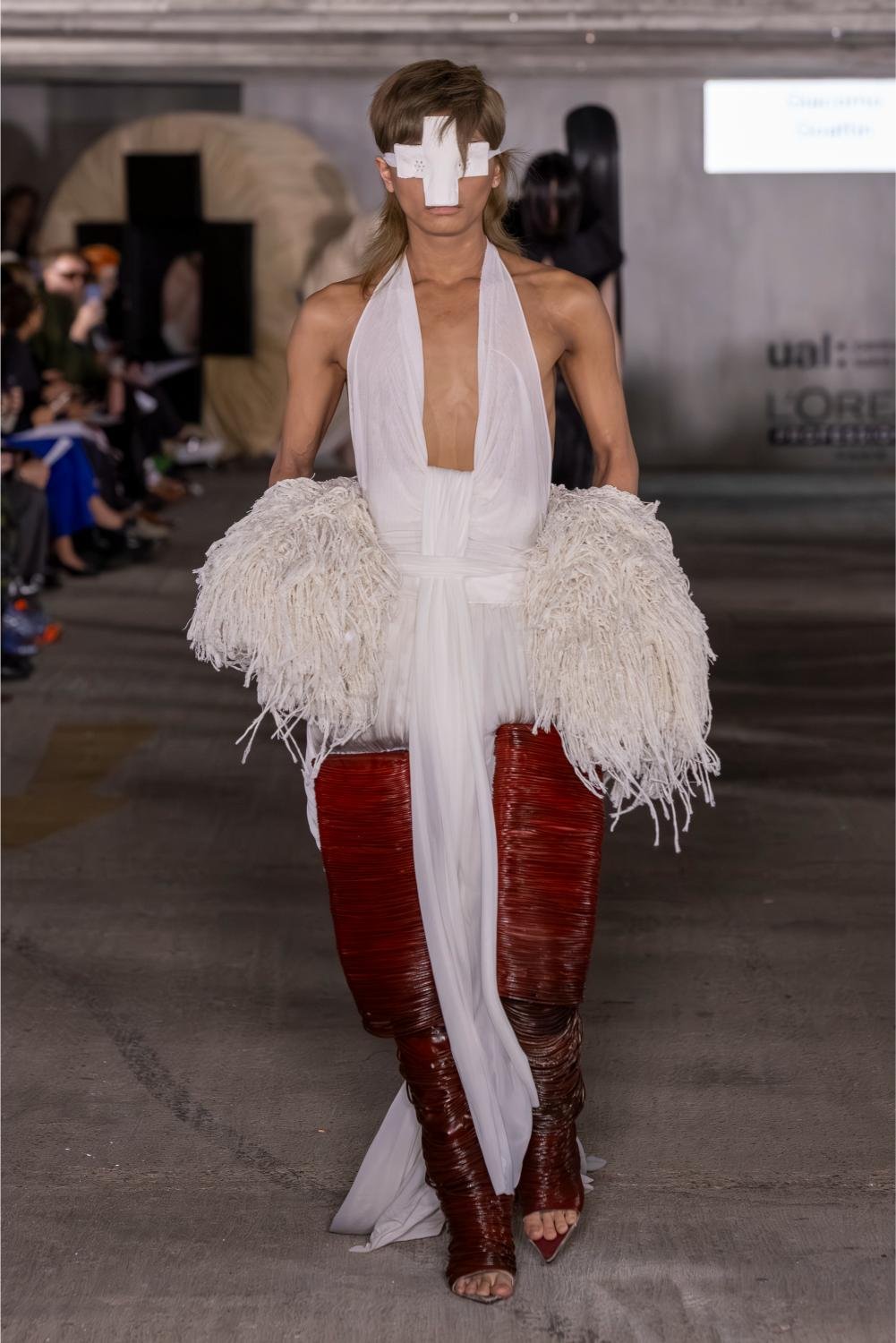
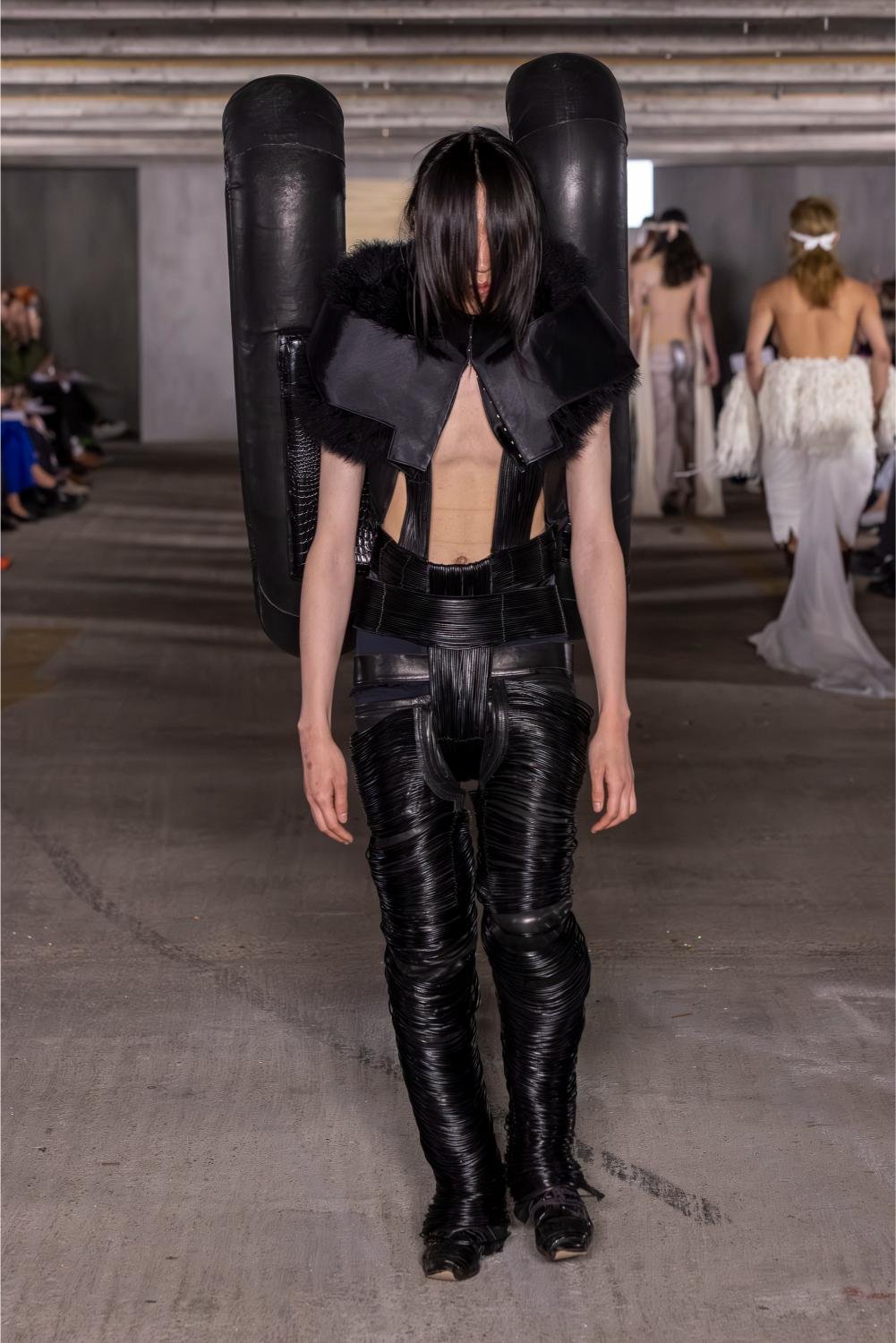
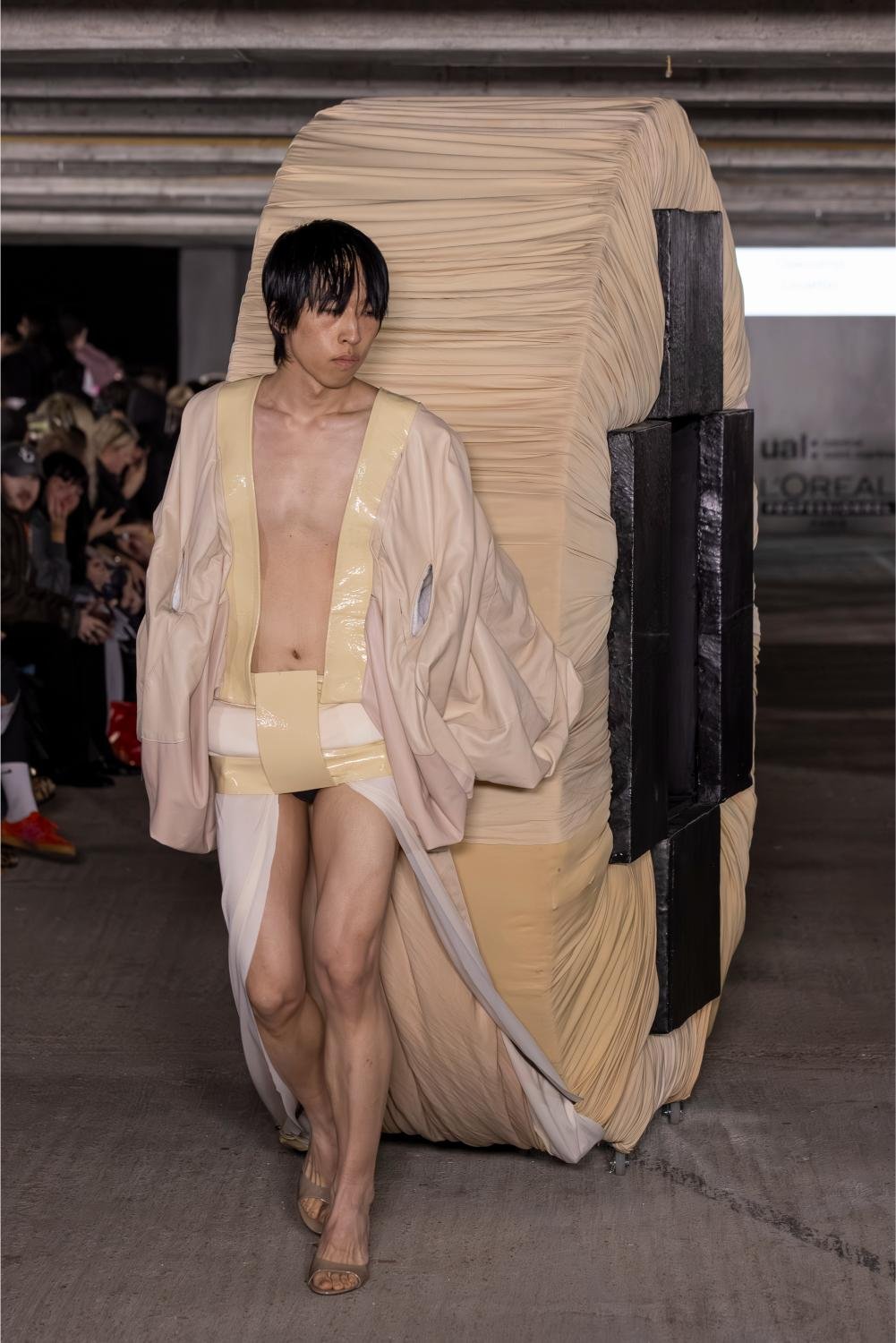
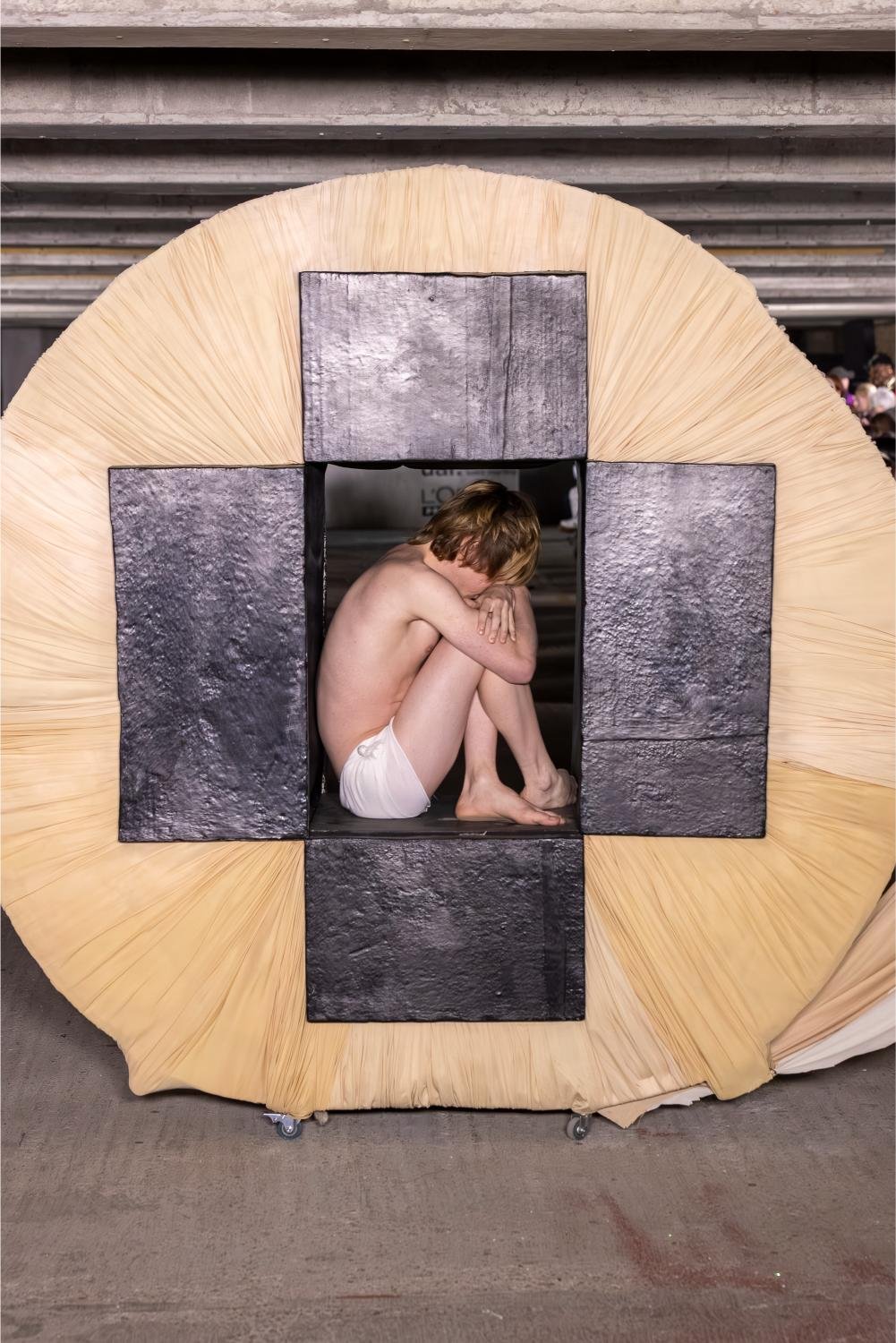
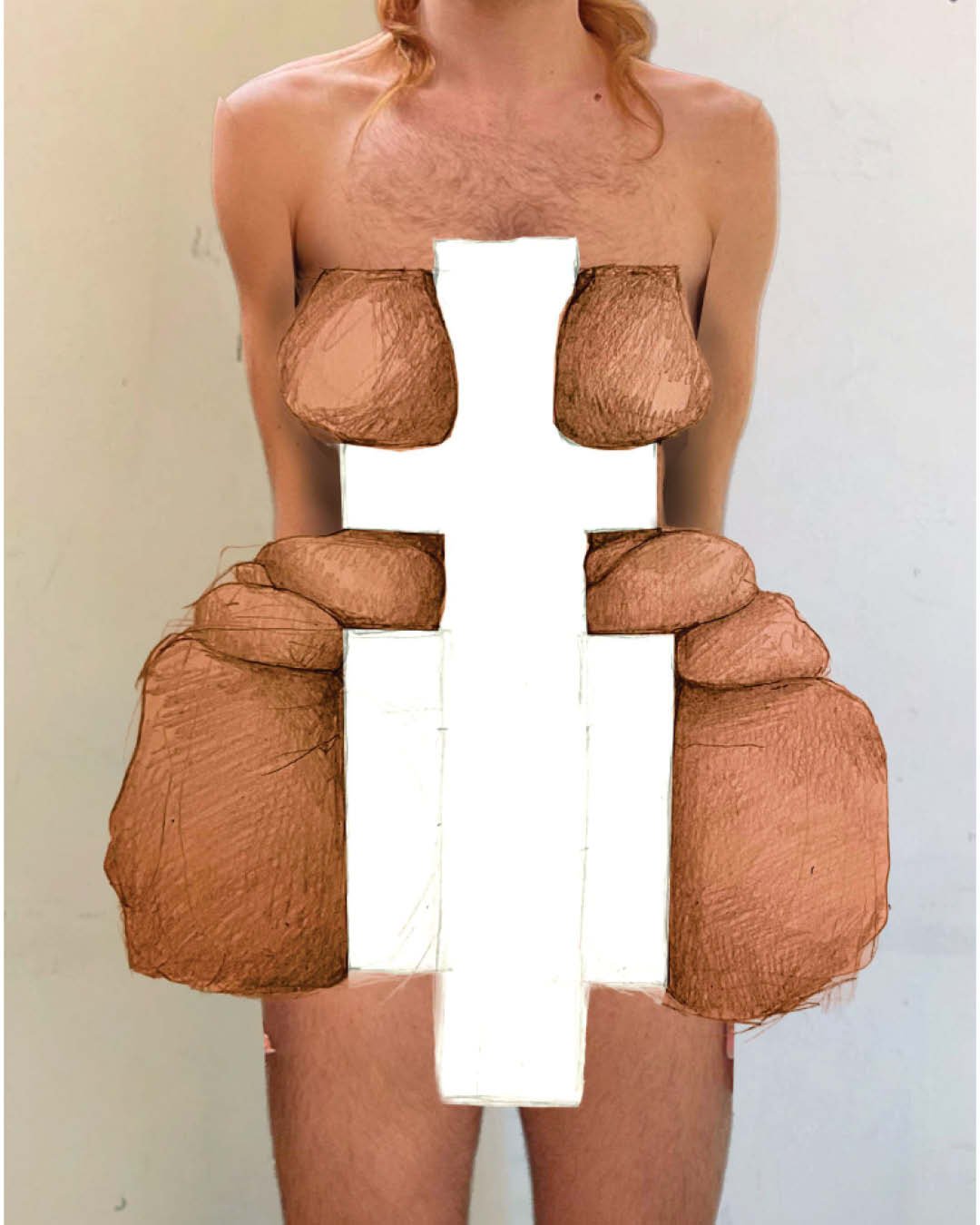
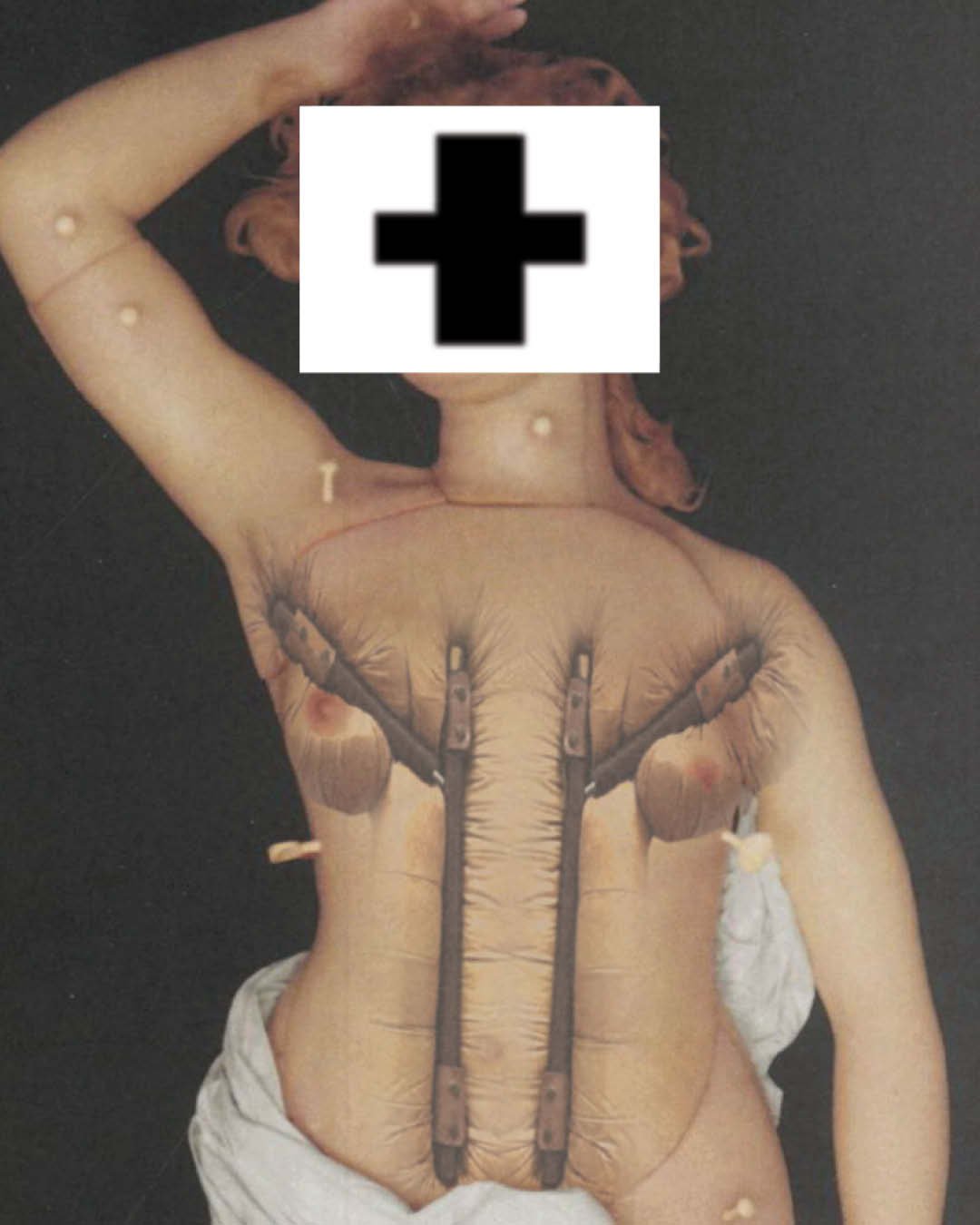
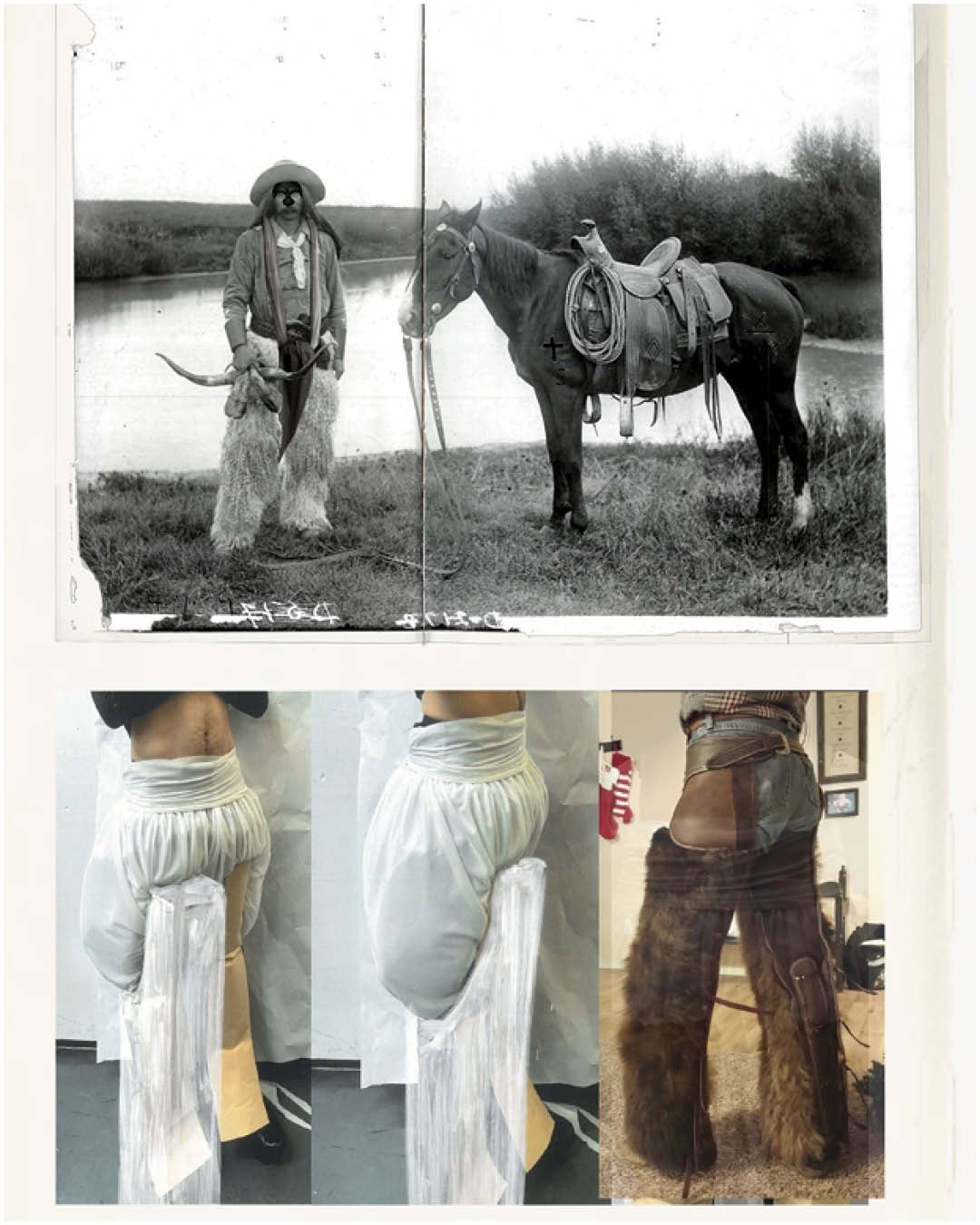
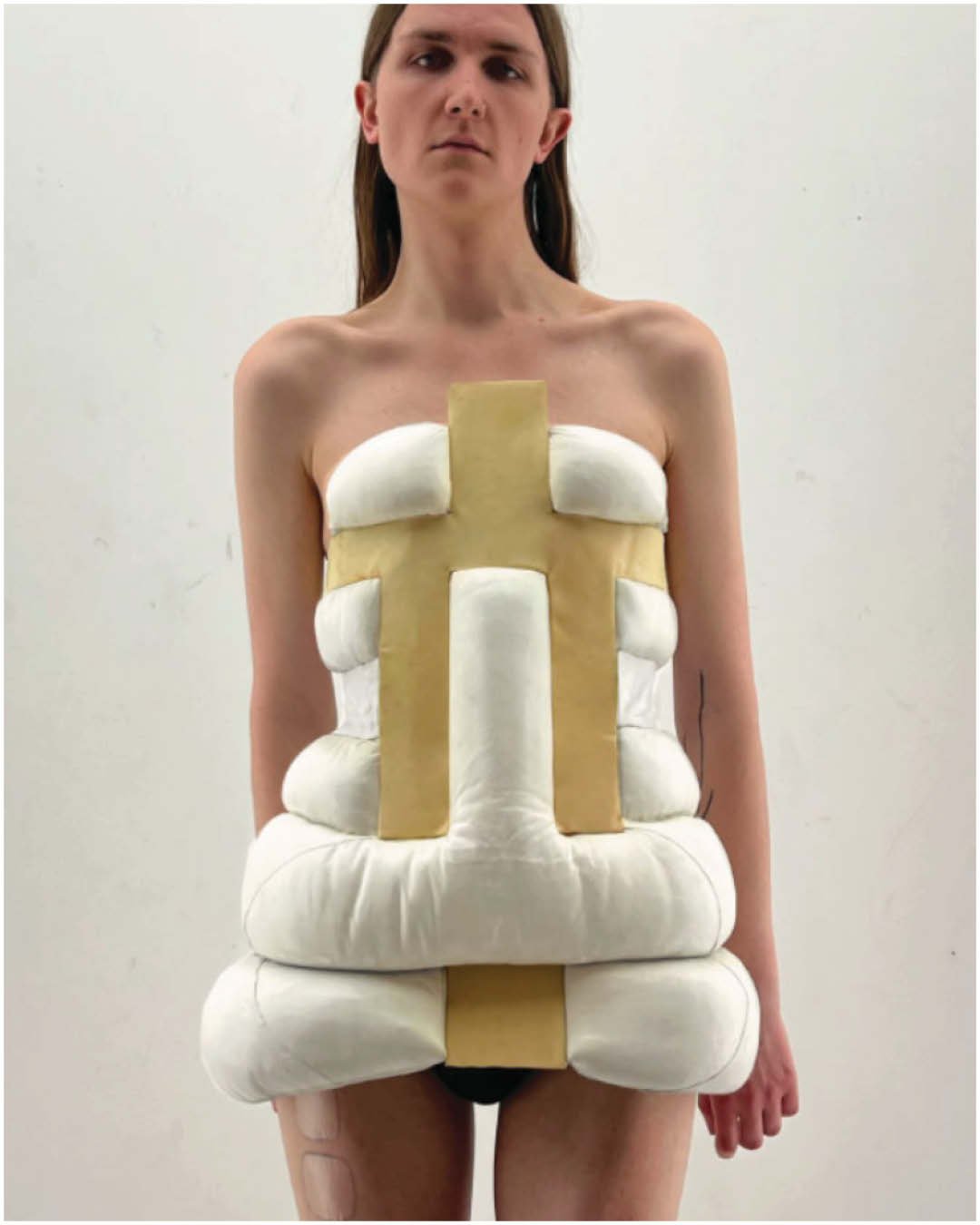
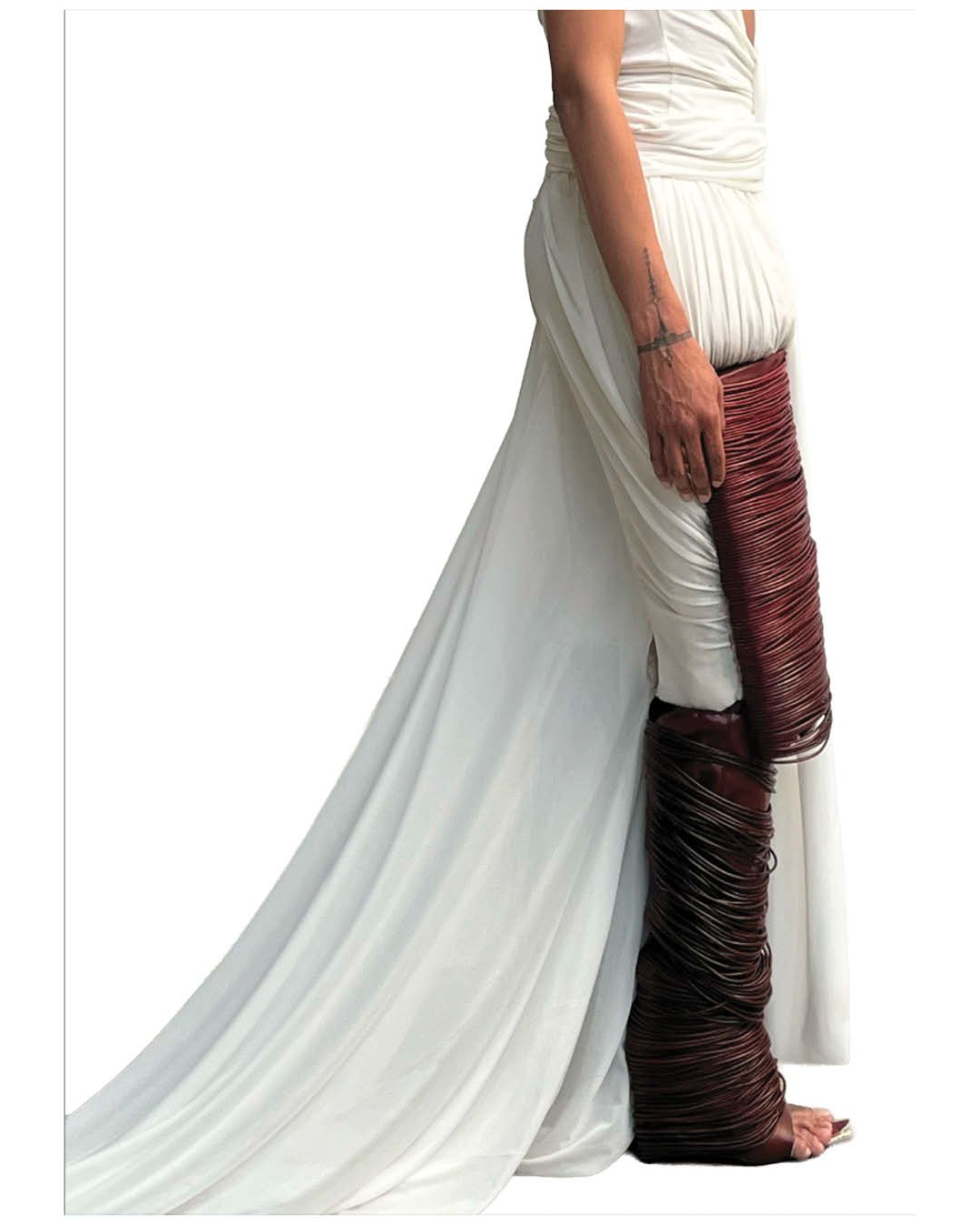
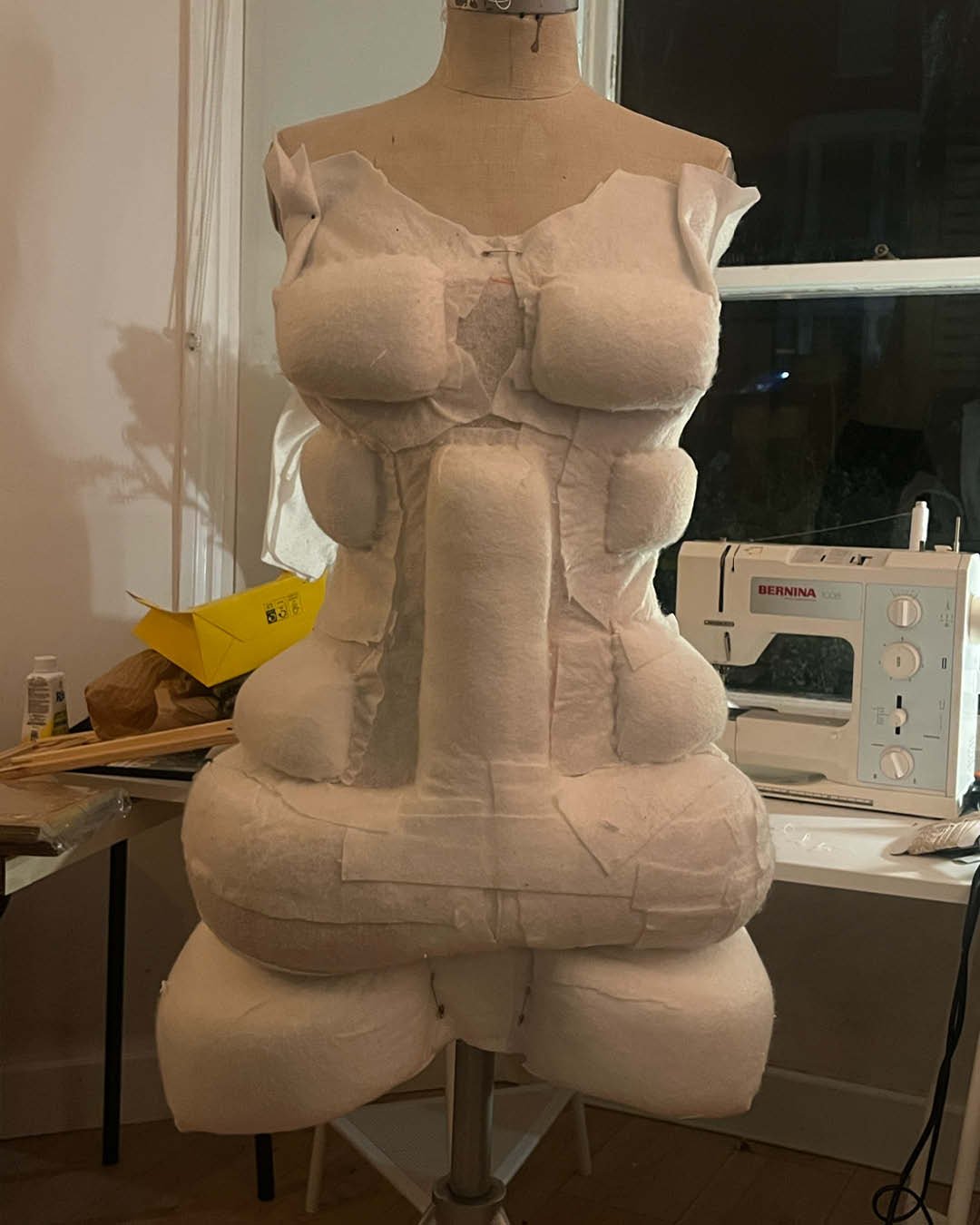
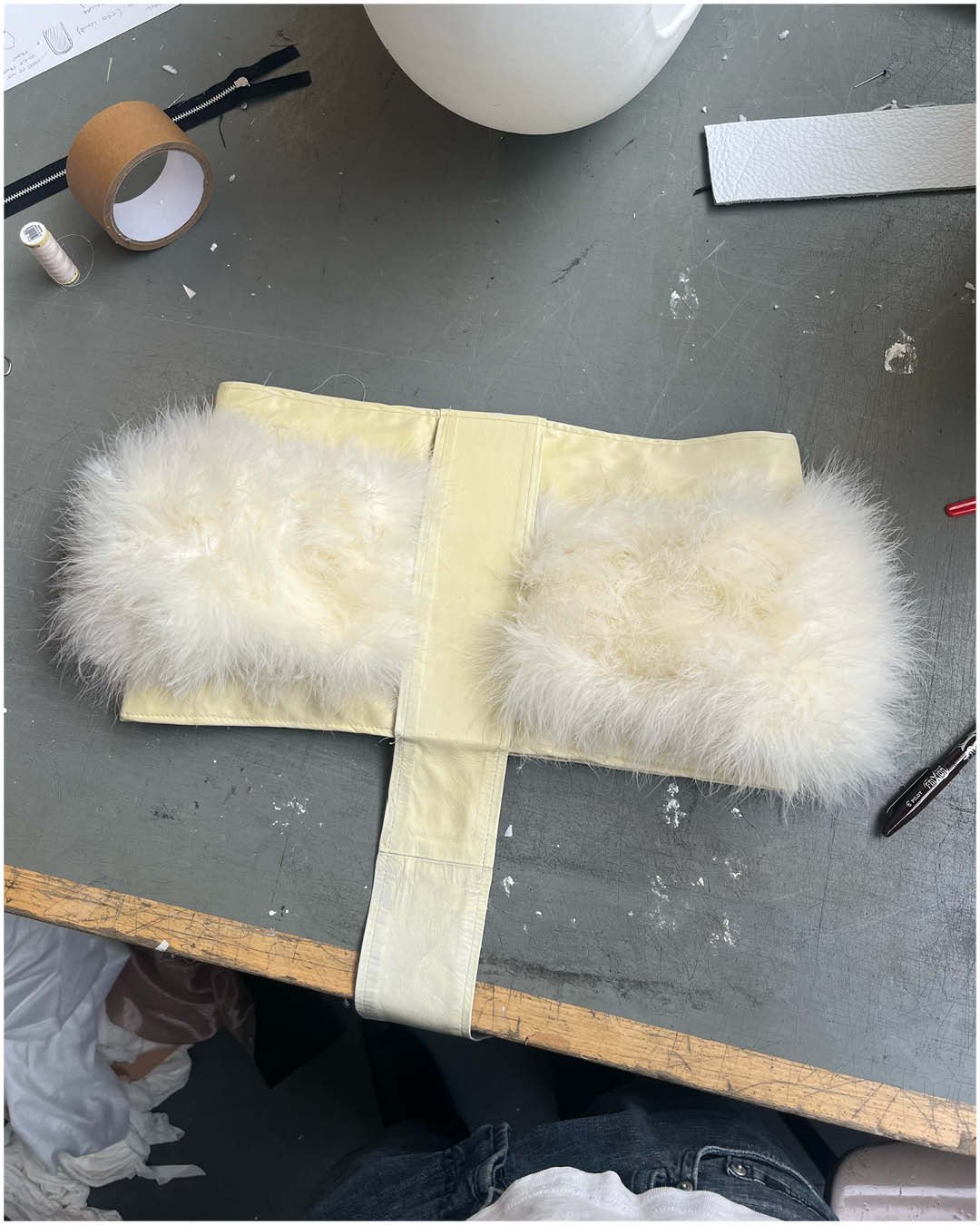
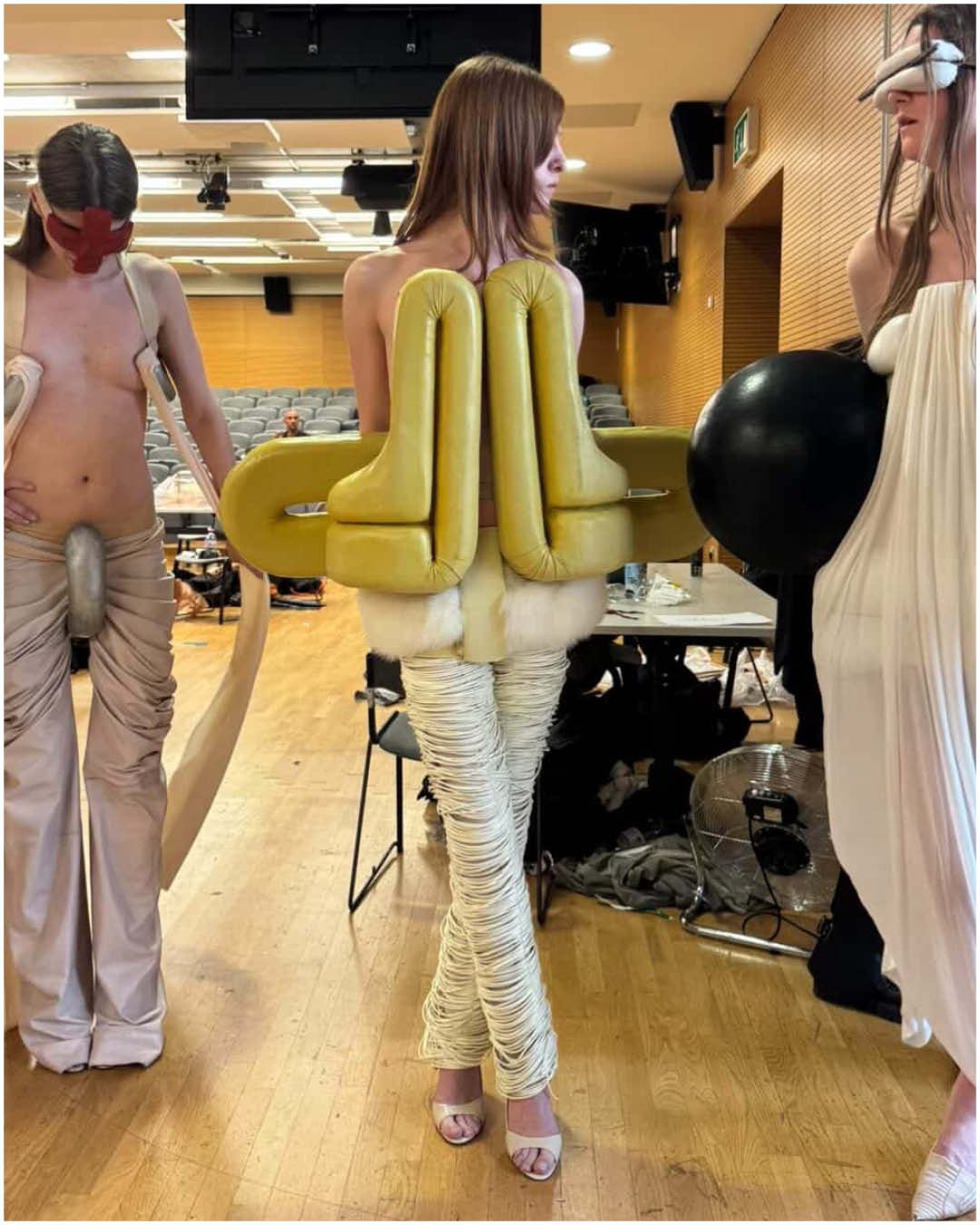
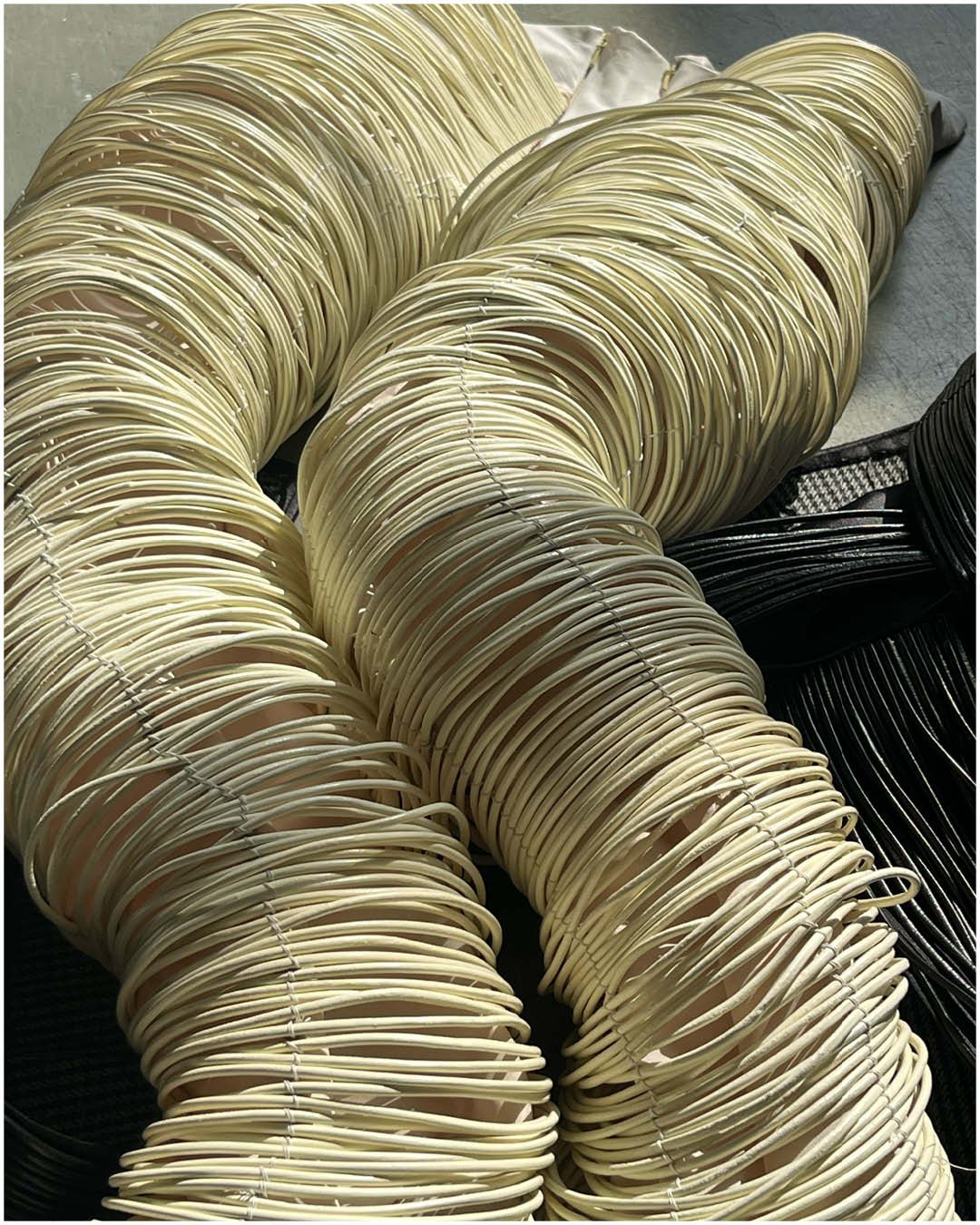
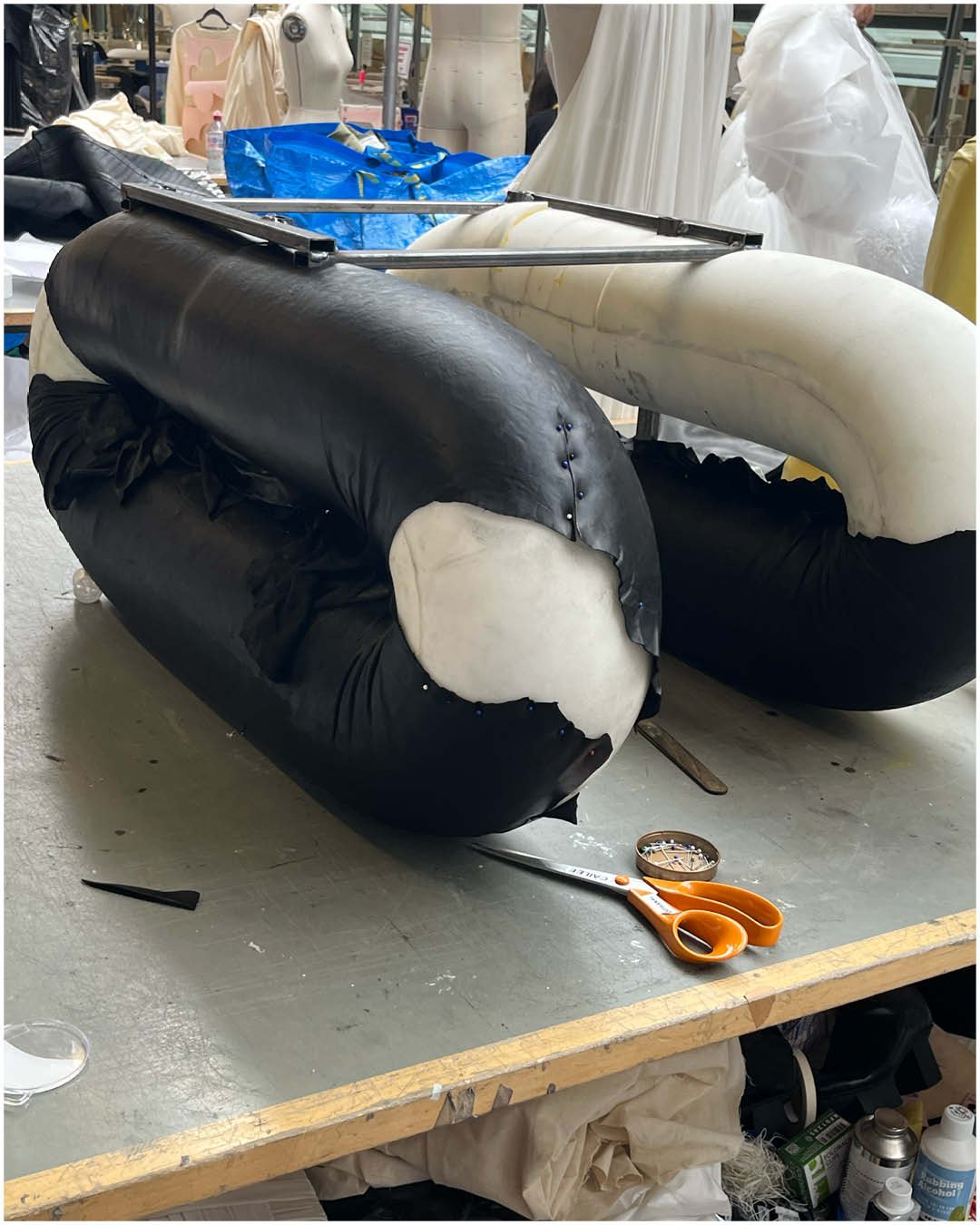
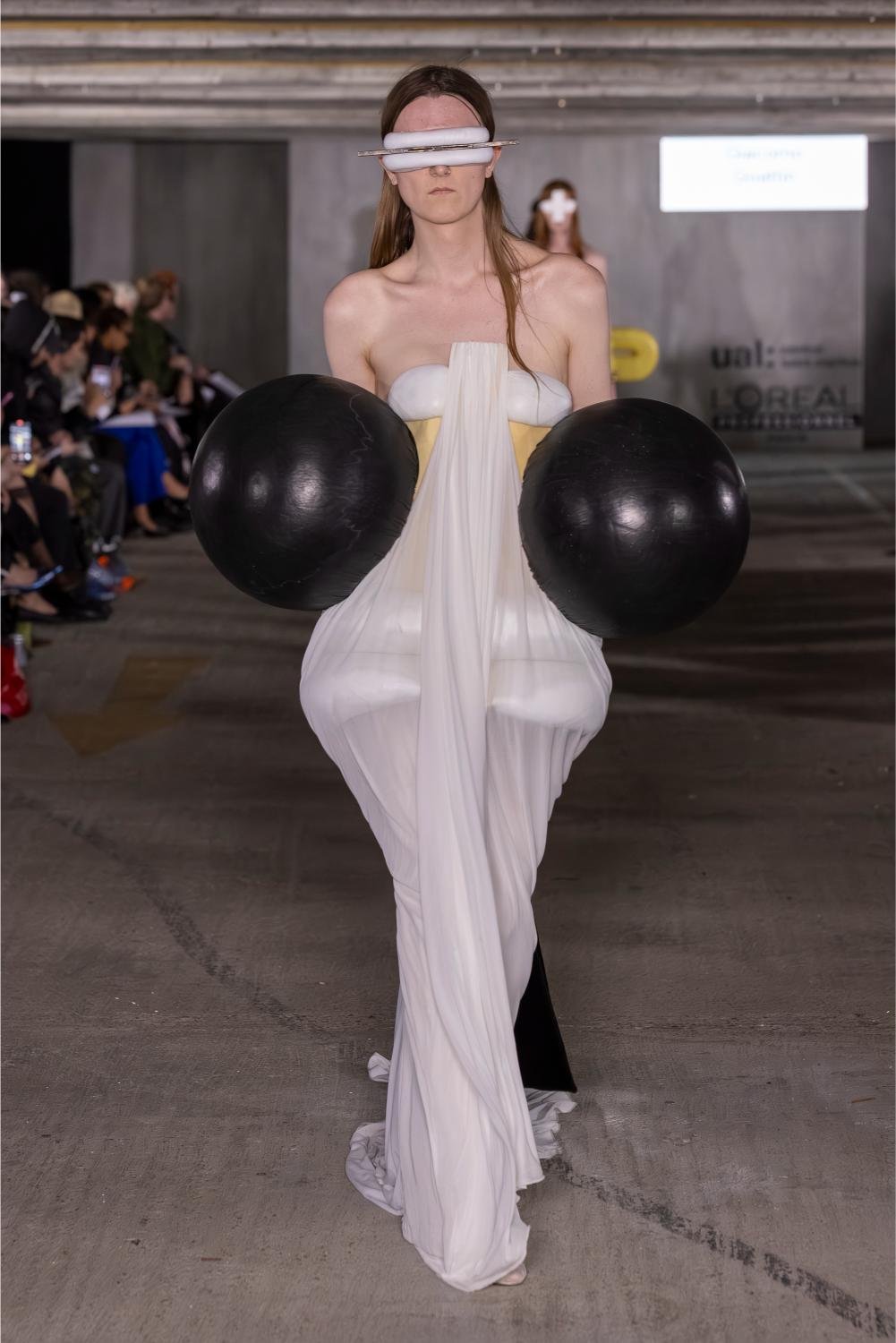
Rigid bodices, pristine surfaces, and moulded forms become metaphors for social pressure in Giacomo Goattin’s collection. Drawing on their lived experience as a trans person in rural Italy, Goattin uses garment construction as a site of radical honesty rather than escapist fantasy. The work examines the violence of being pushed towards more cisgendered shapes, with structures that alter, contain, or discipline the body. Their Italian and American roots appear through references to Italian modernist furniture, Giorgio de Chirico, cowboy garments, and American Art Deco. Sculpted bodices made from chest felt, foam carving, wet moulding, leather cord wrapping, and rigid latex panelling give the collection its hard, controlled physicality.

@goatttin

Eleonore Foskett

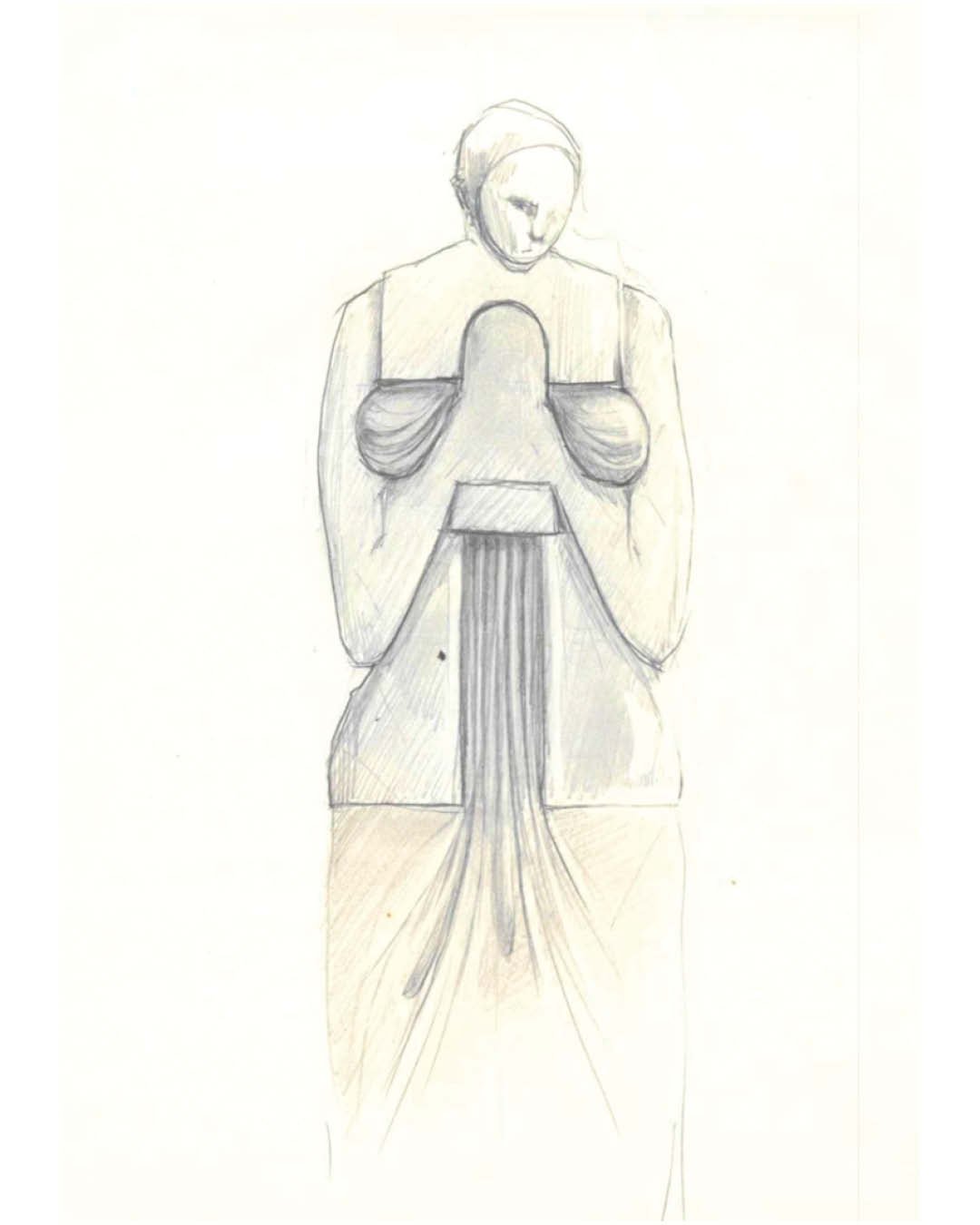
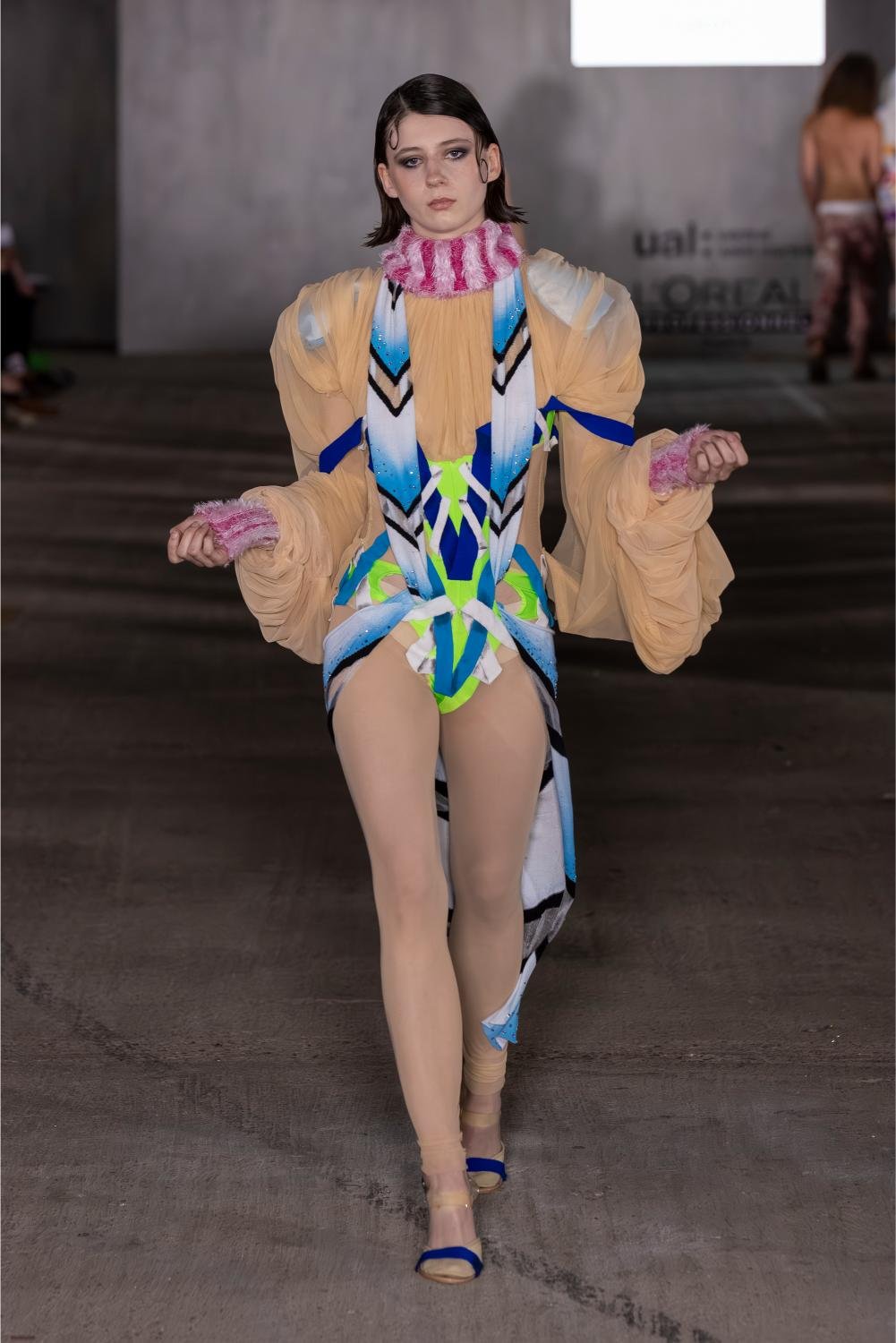
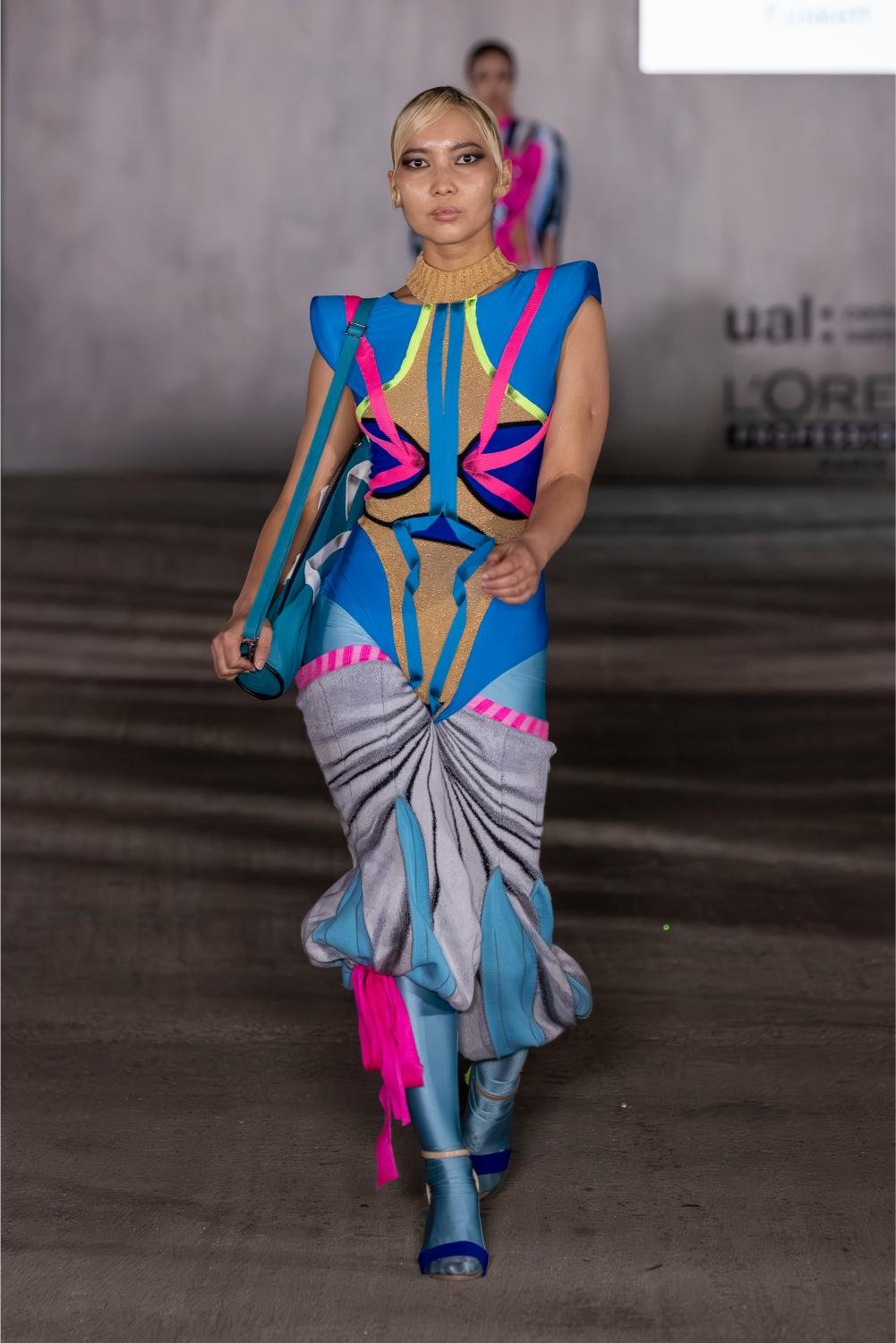
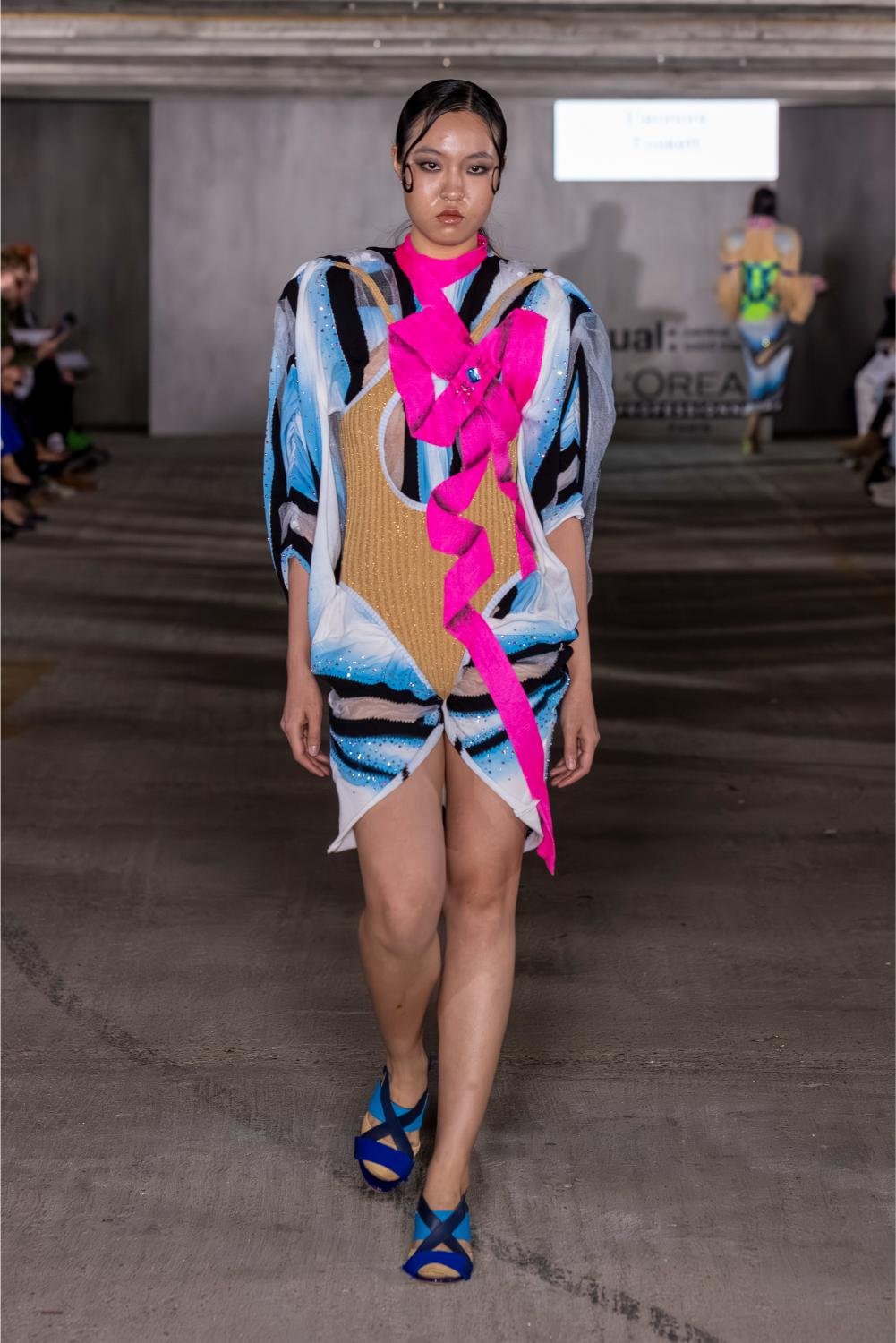
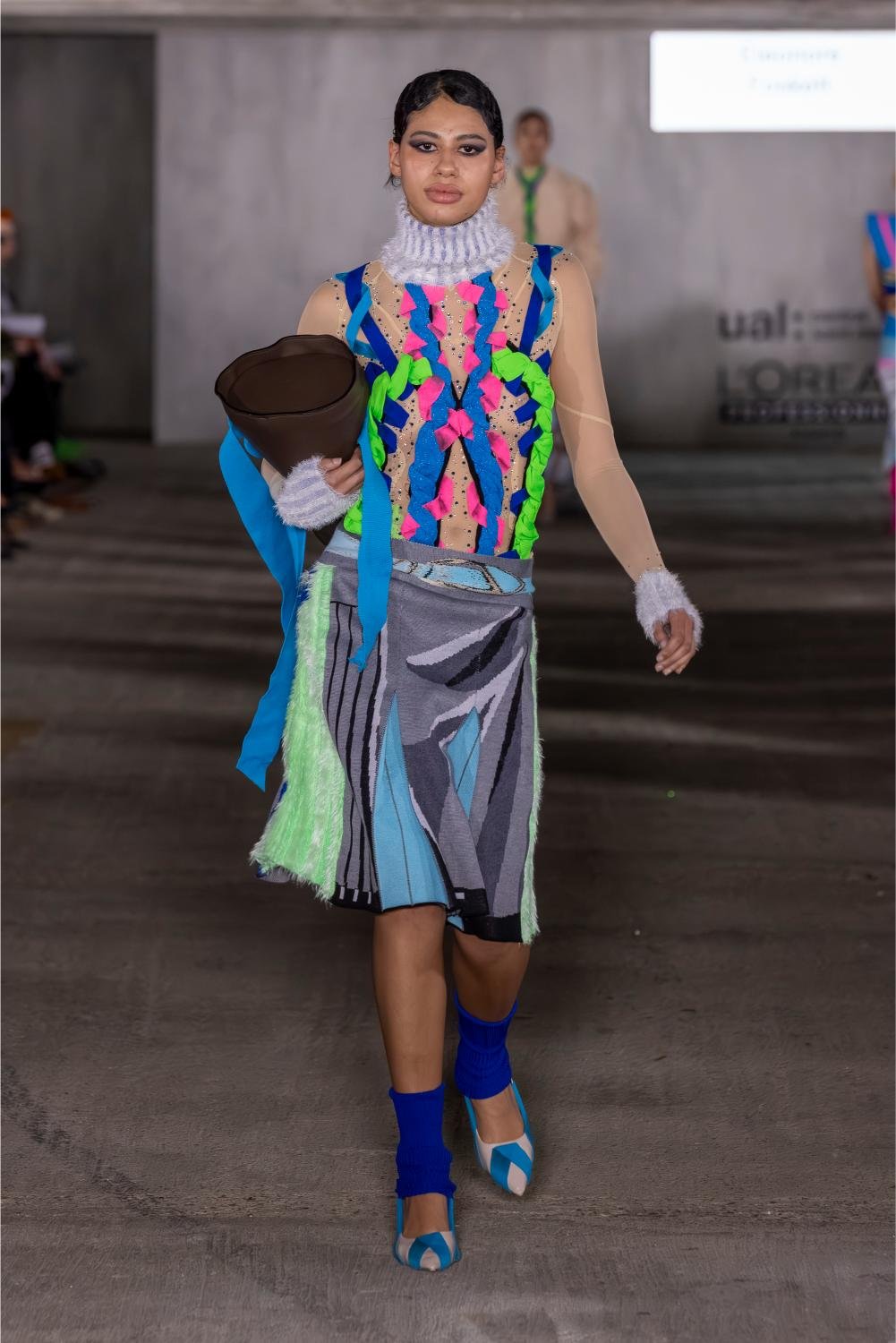
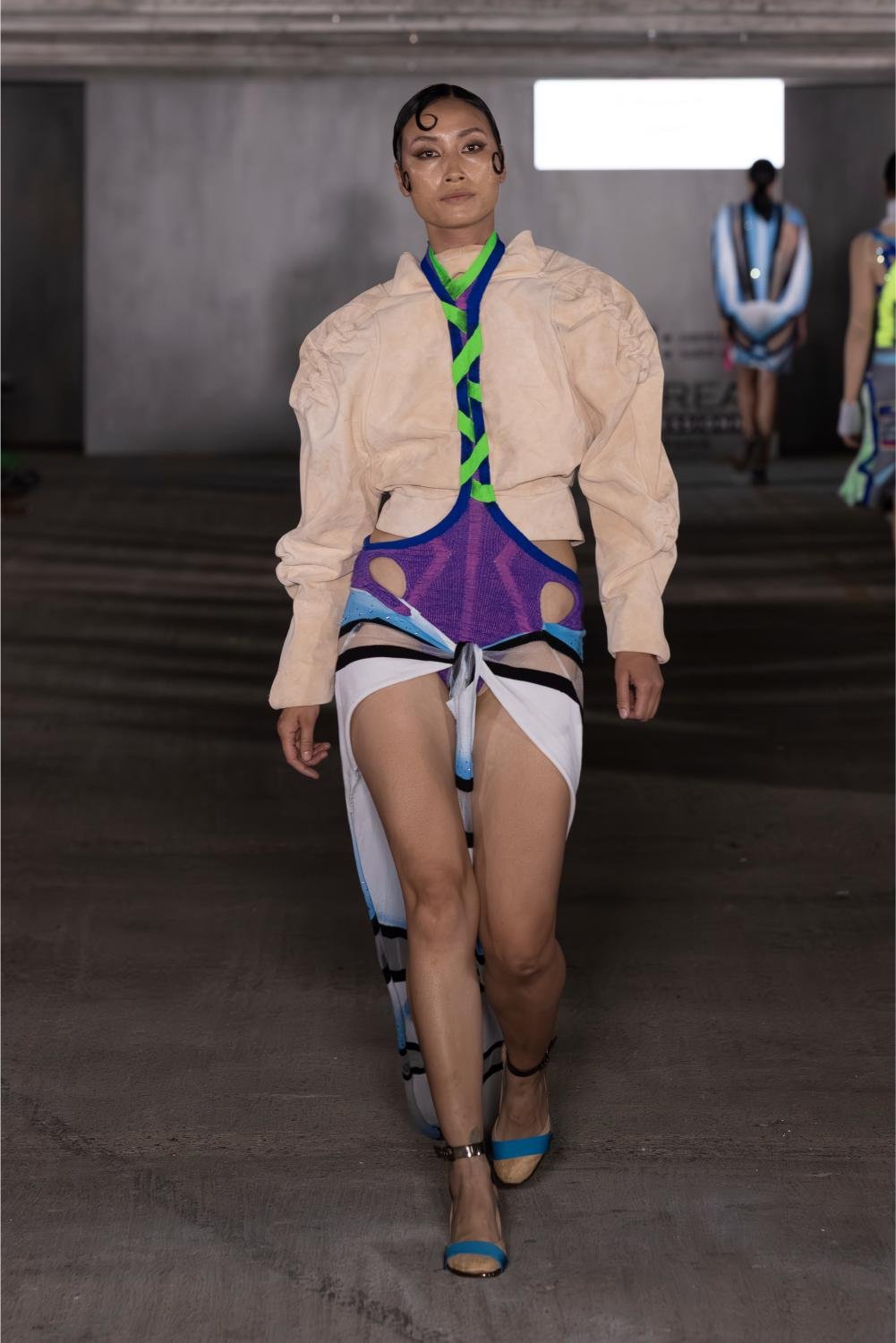
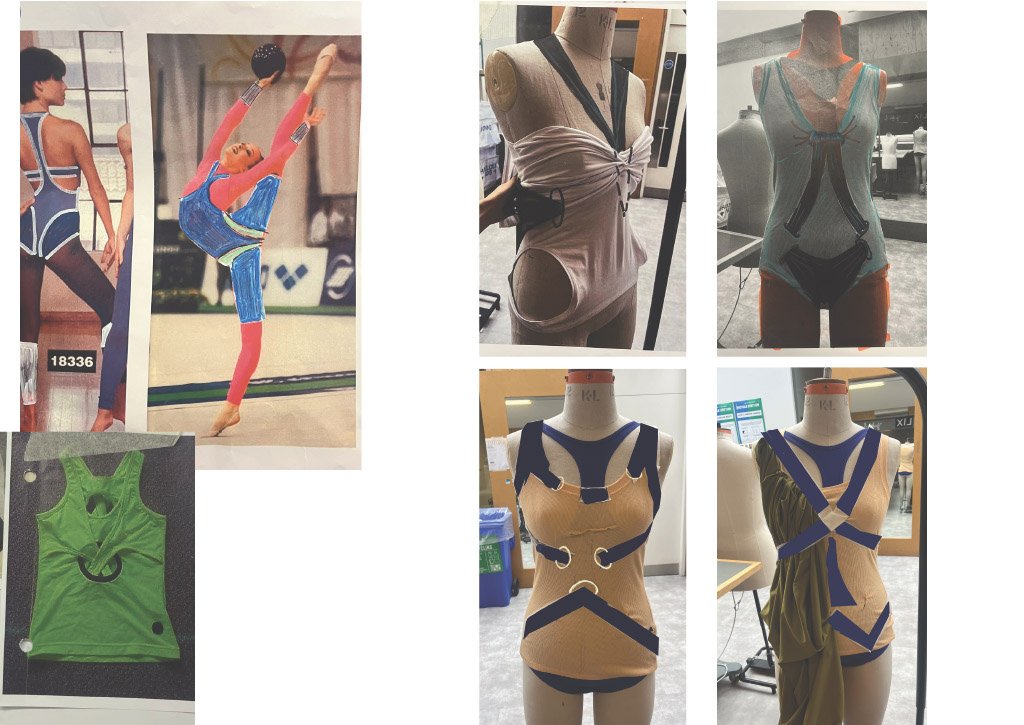
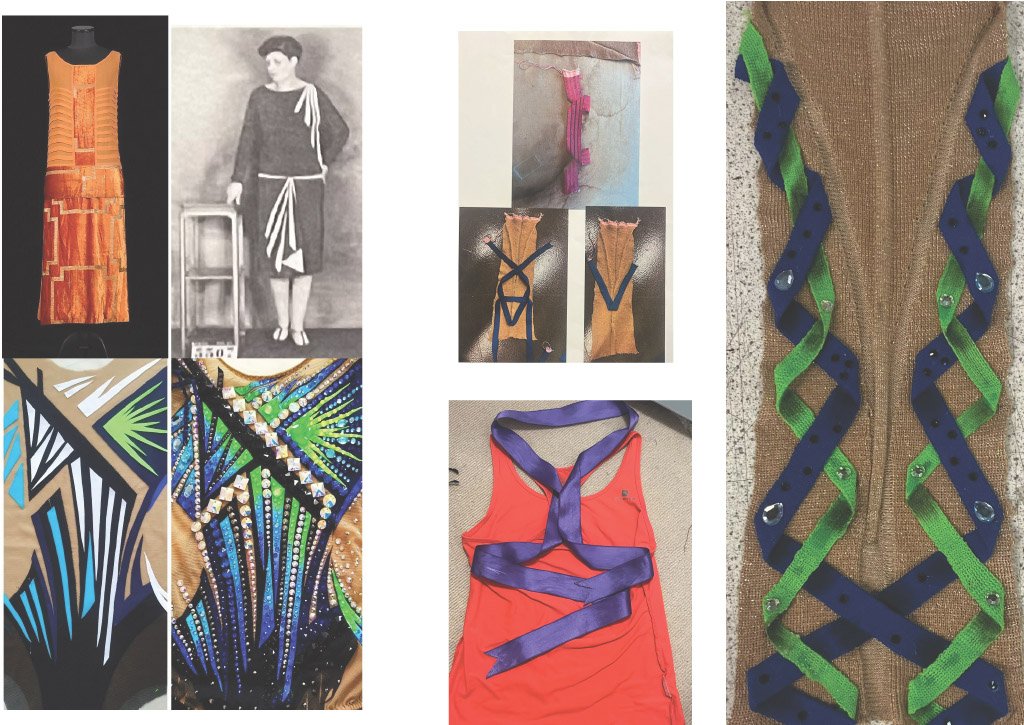
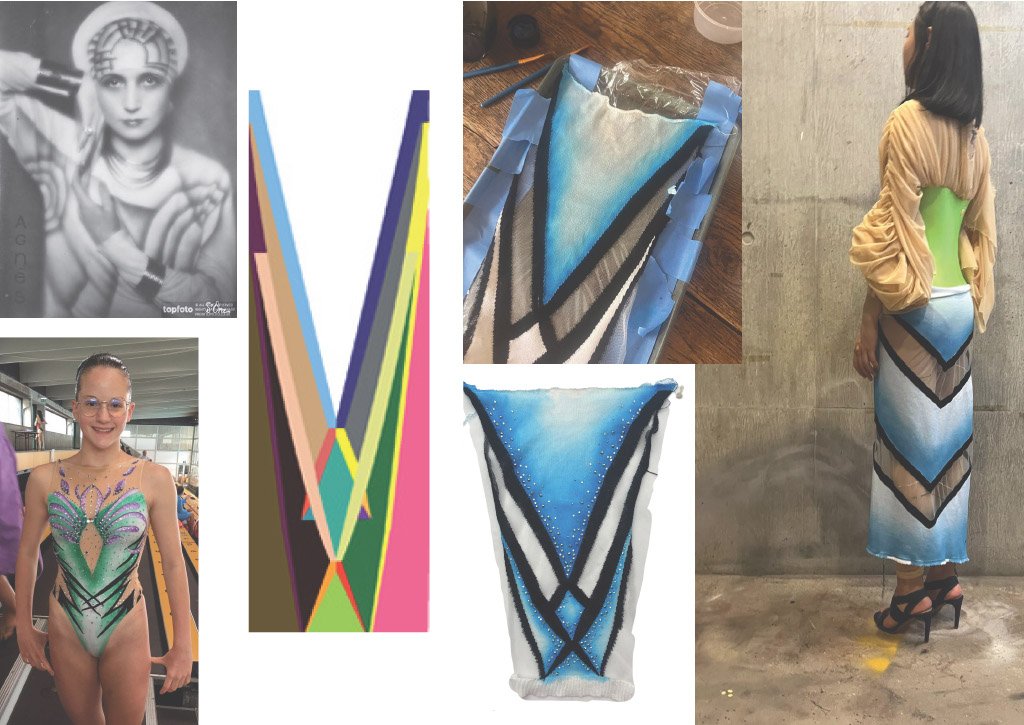
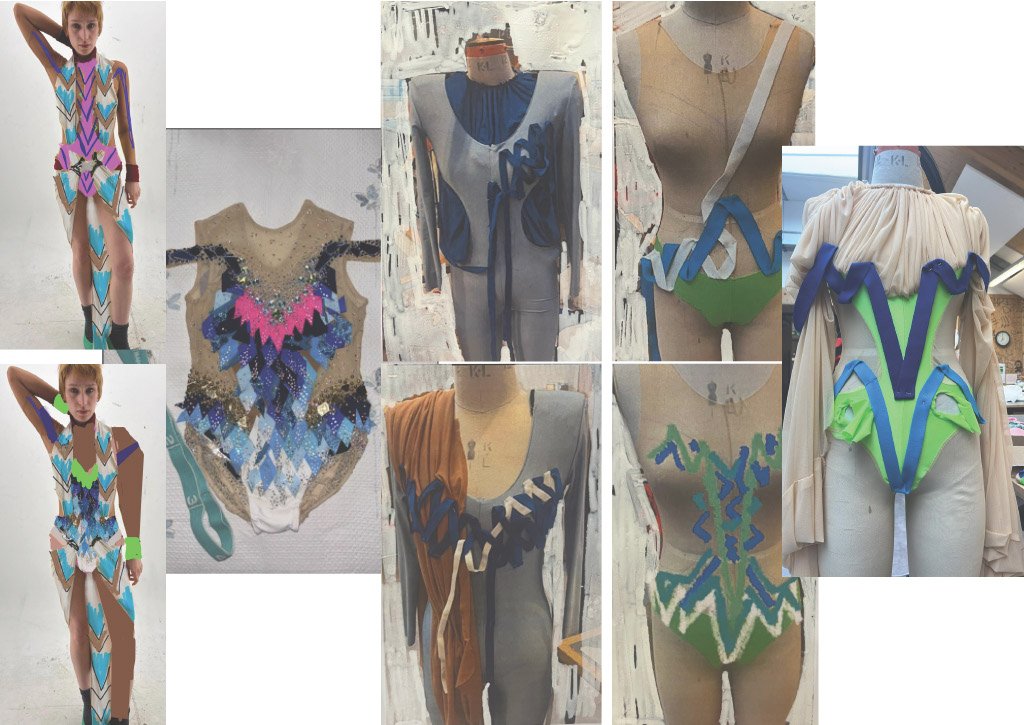
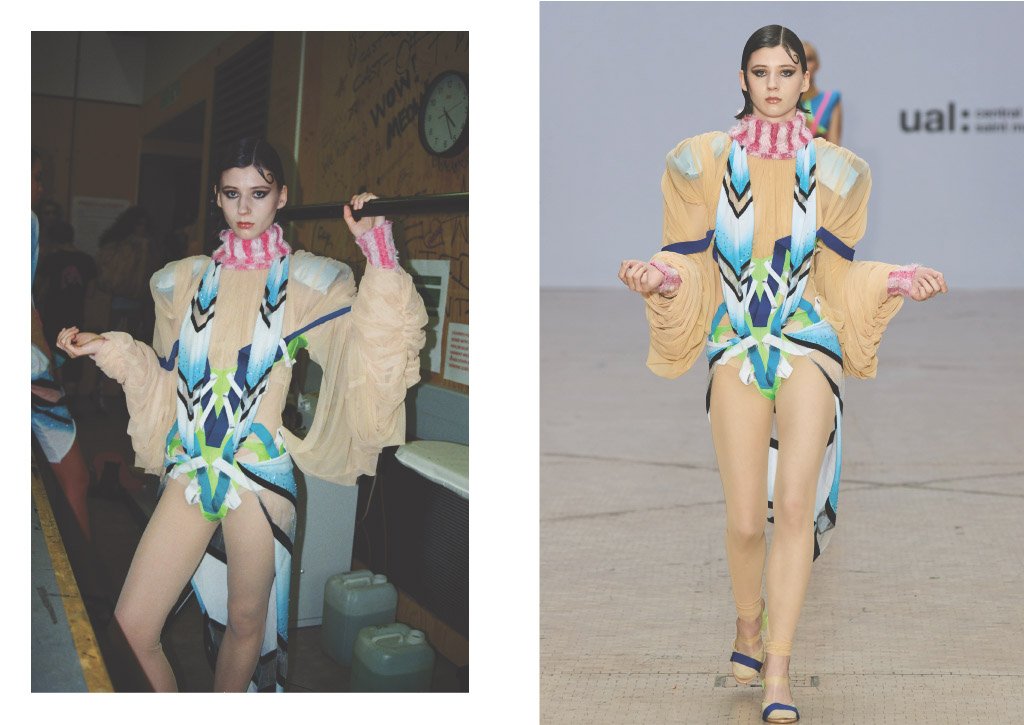
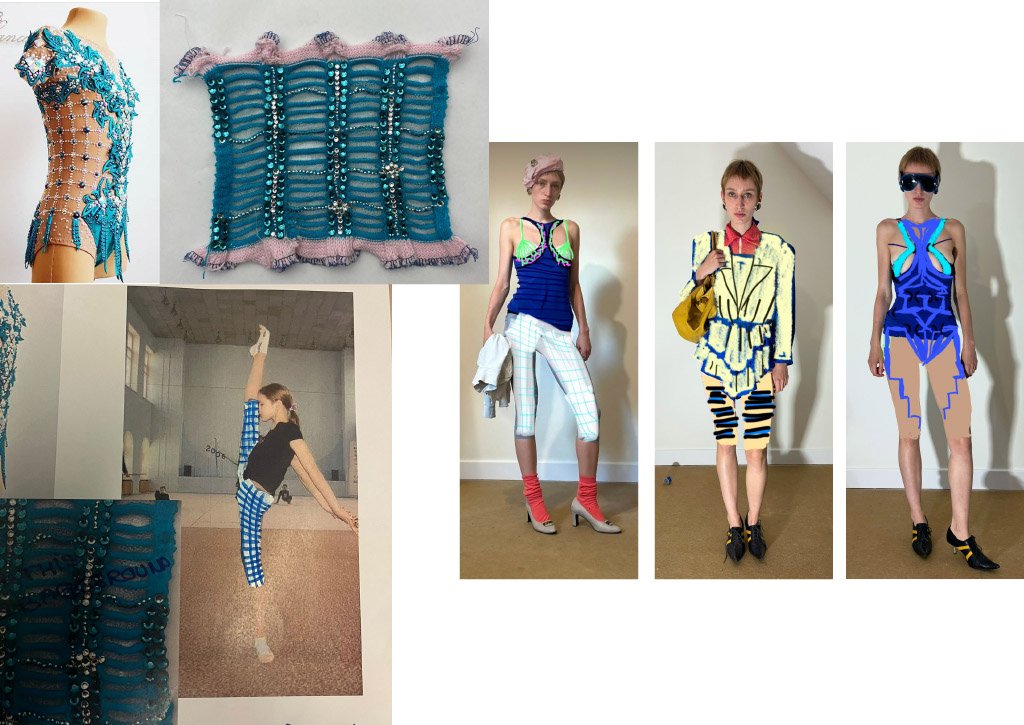
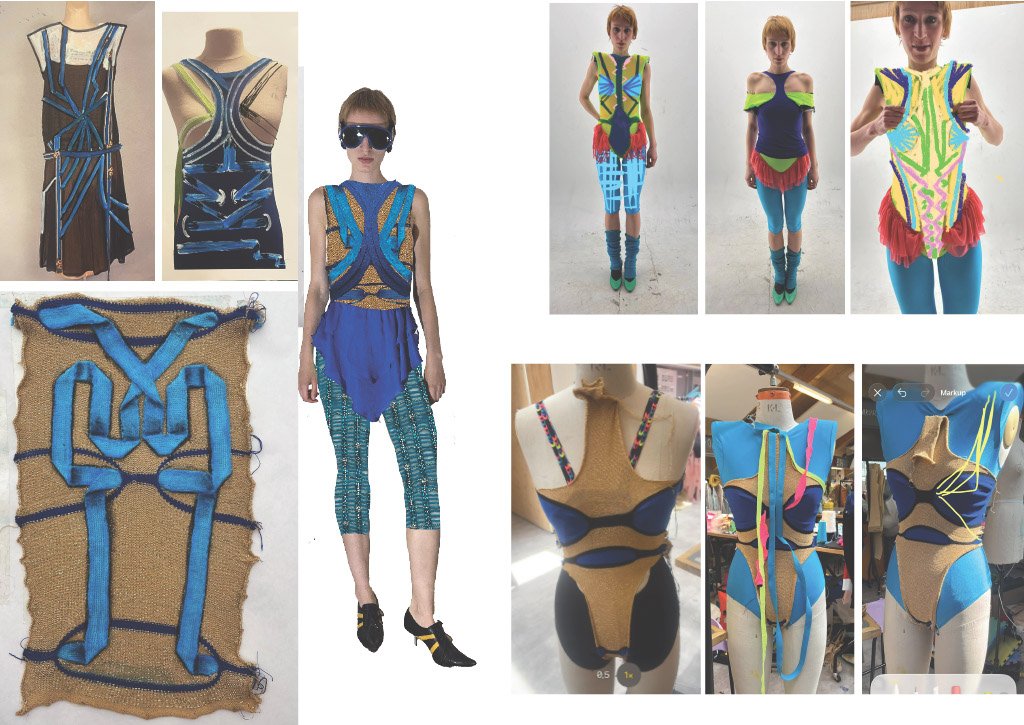
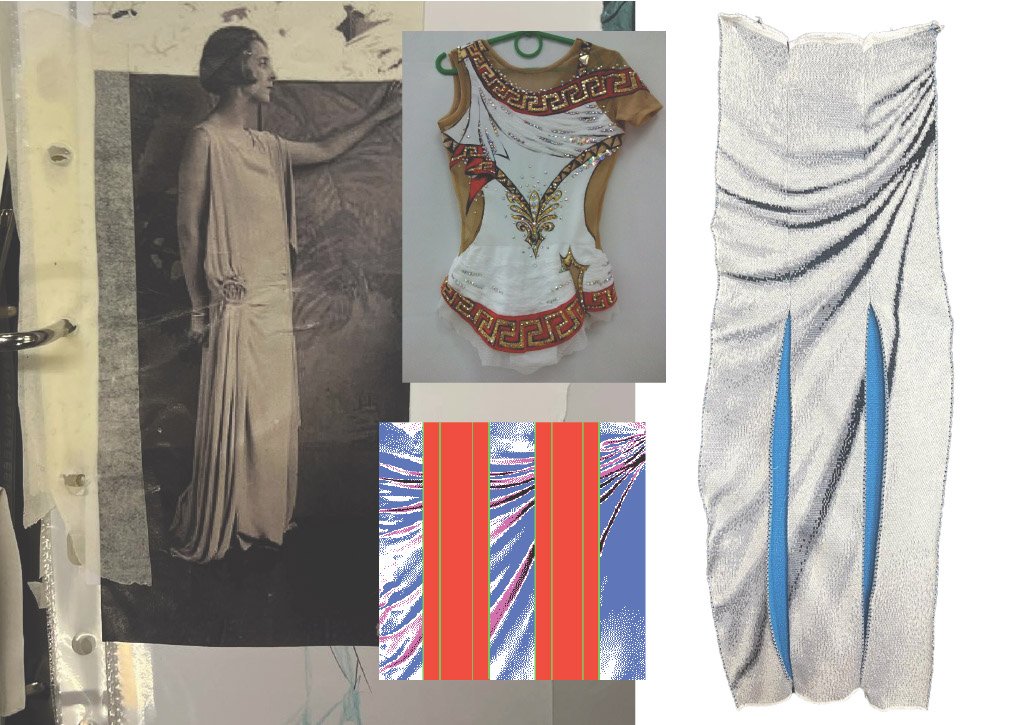
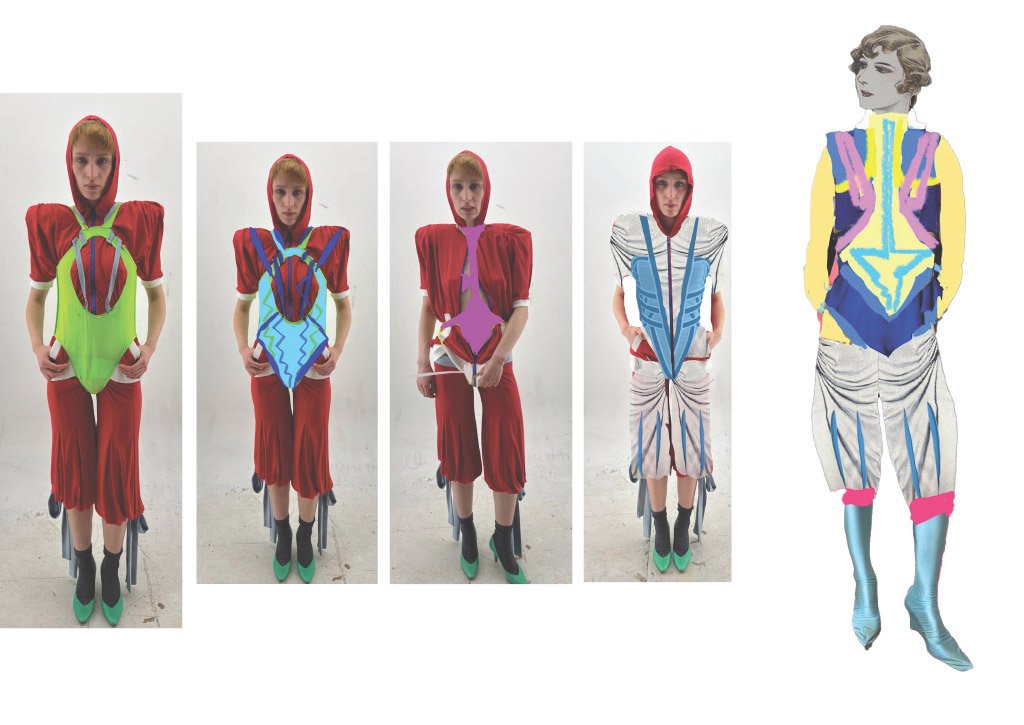
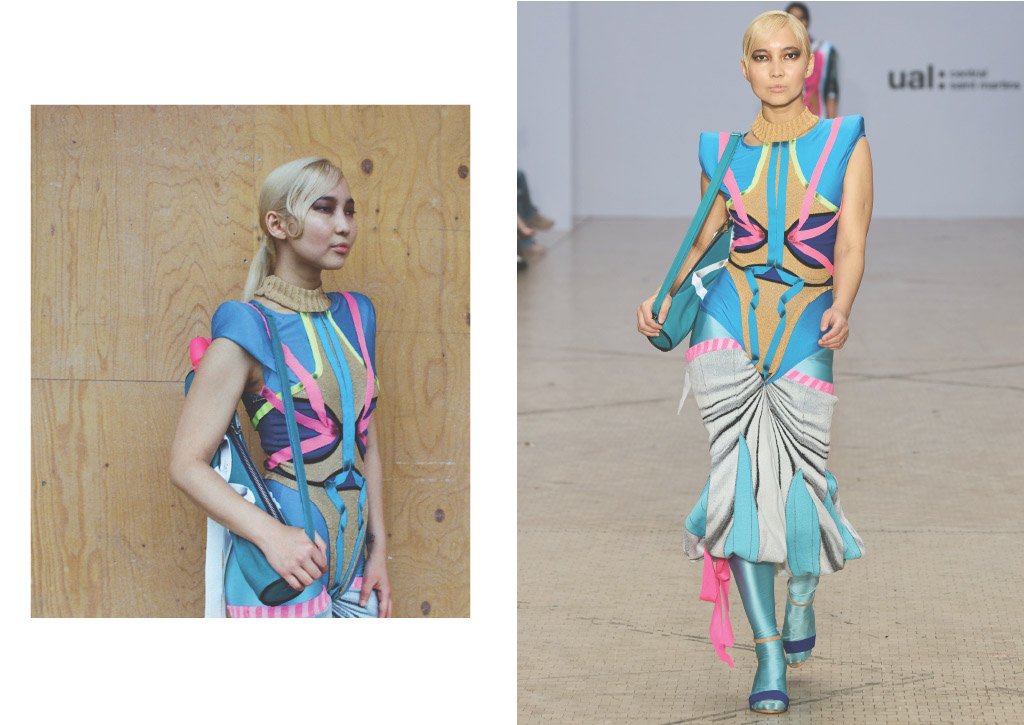
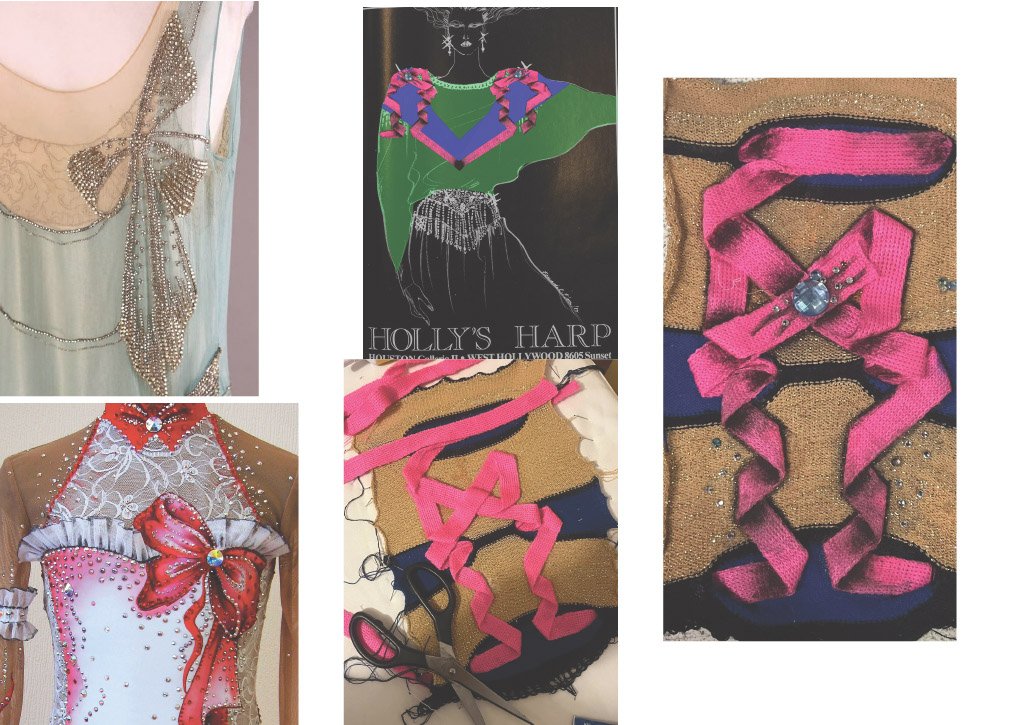
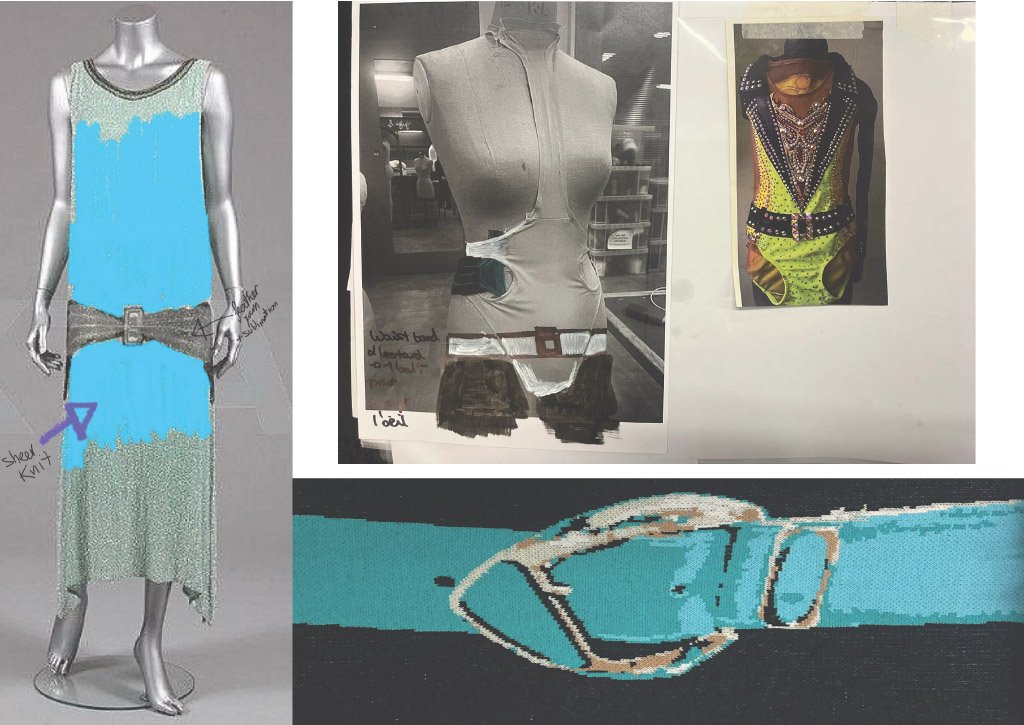
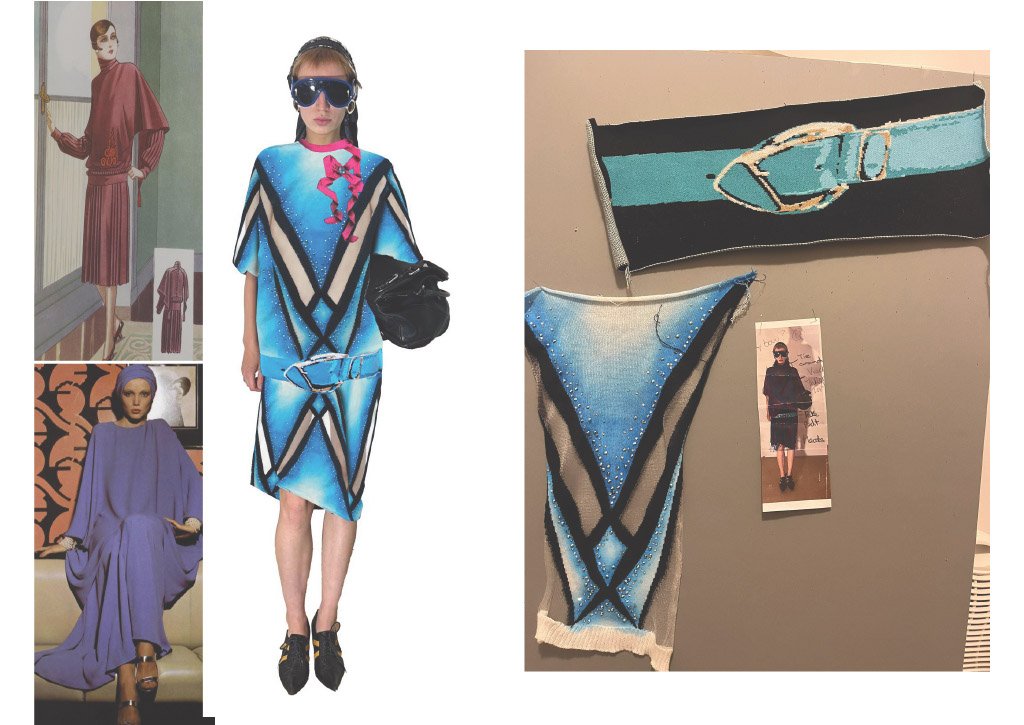
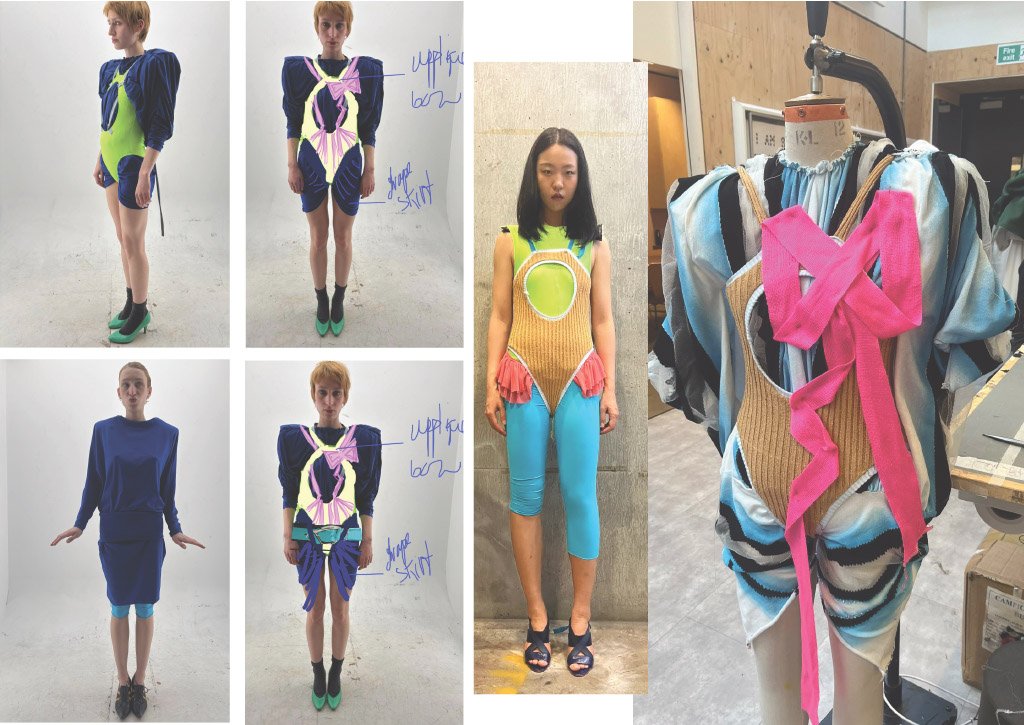
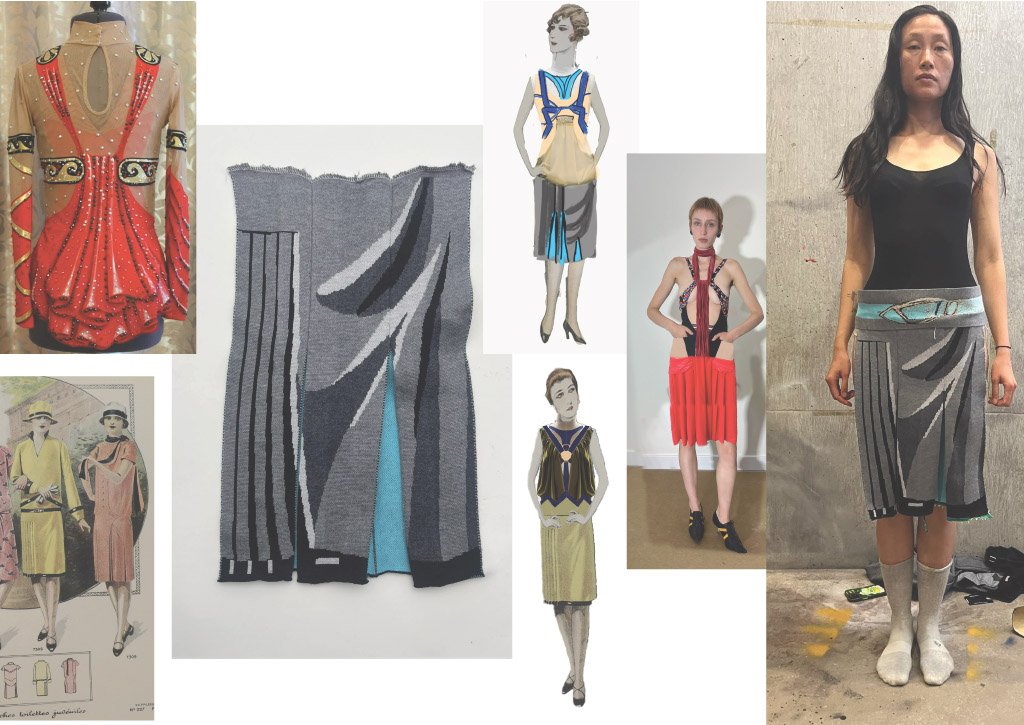
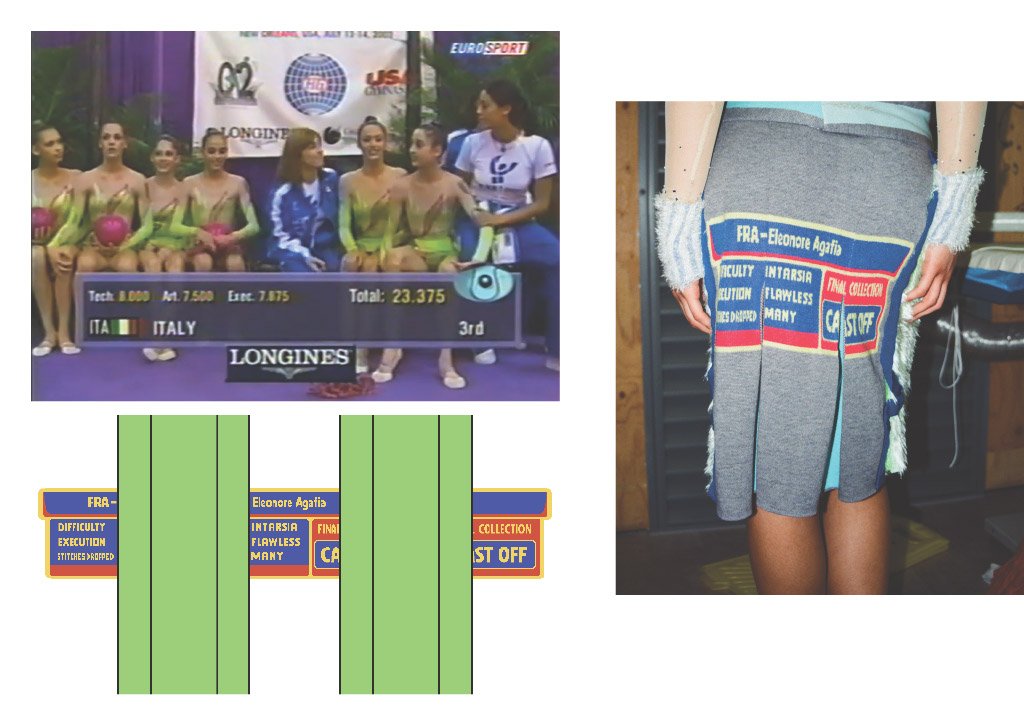
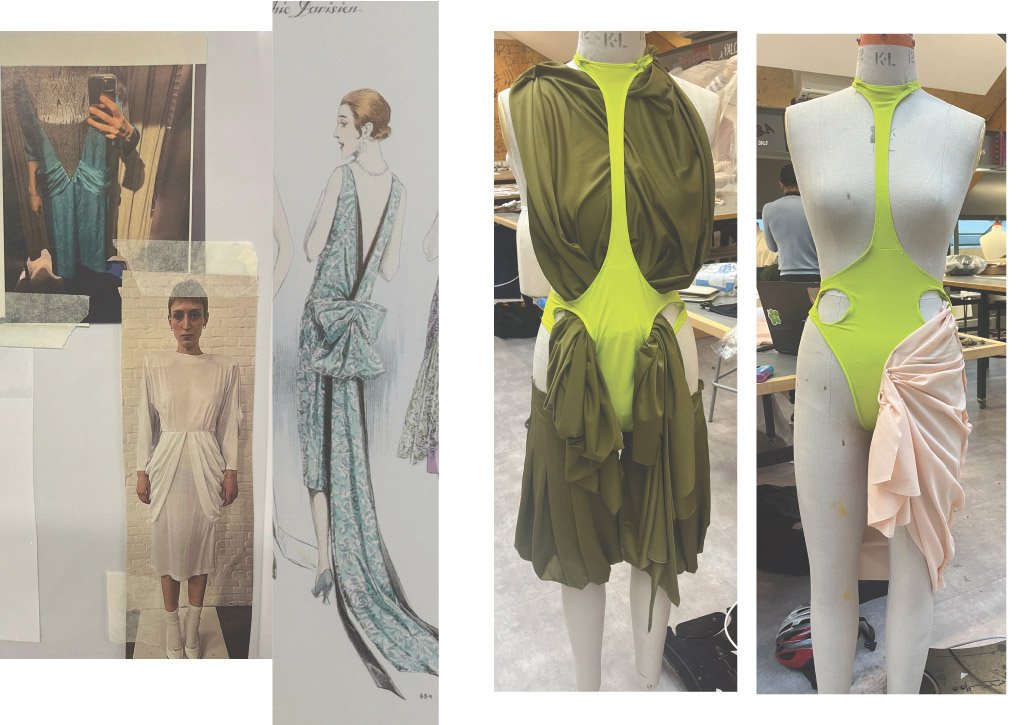
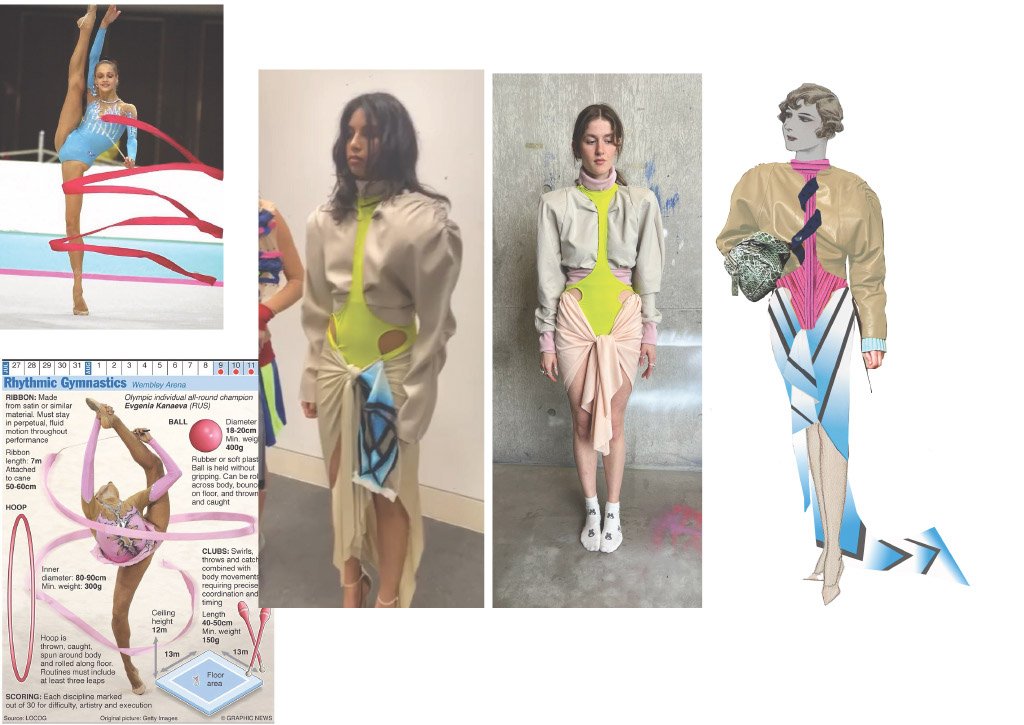
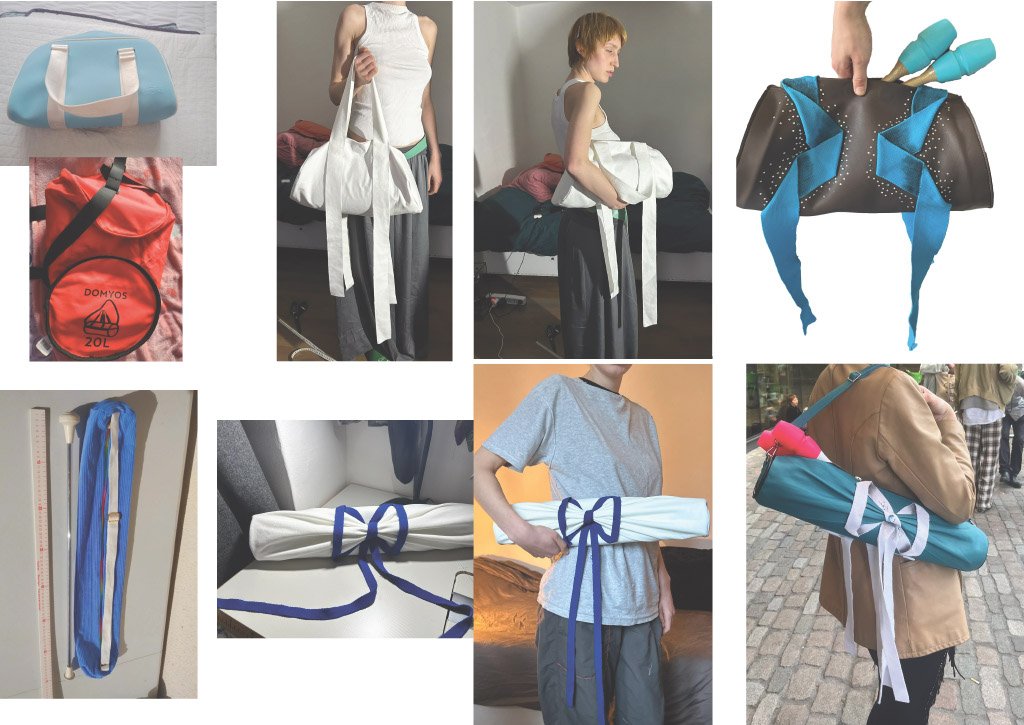
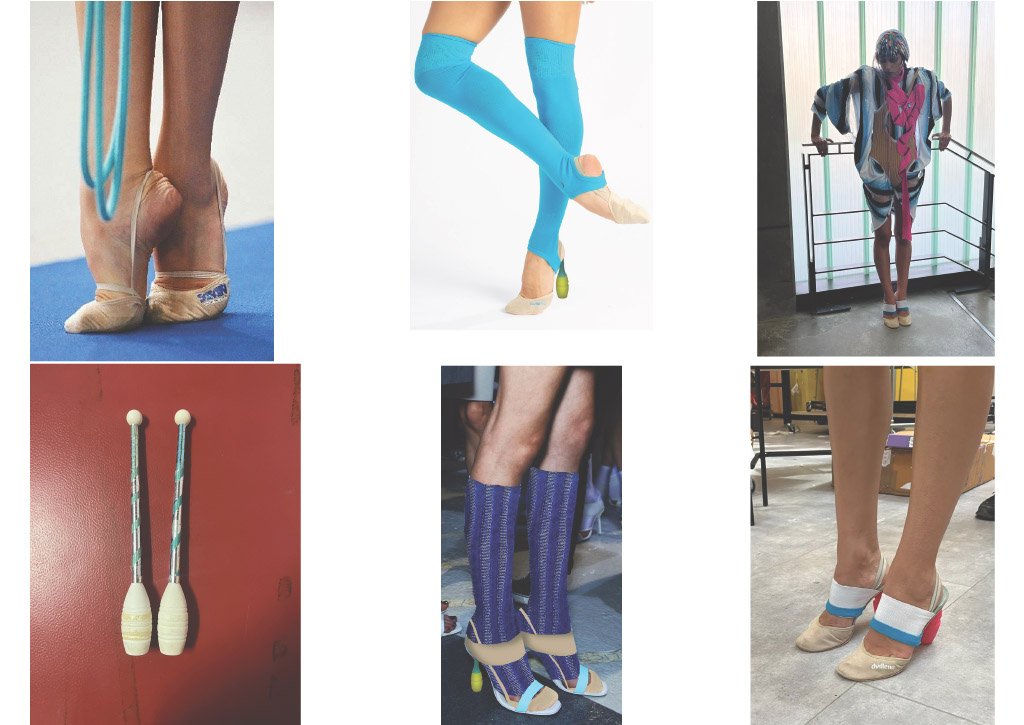
Rhythmic gymnastics was Eleonore Foskett’s first experience of performance, ornament, and movement. She entered that world at the age of five, then eventually left because of its training methods. Her collection returns to it on her own terms, reframing rhythmic gymnastics as something joyful, imaginative, and expressive. Geometric decoration and trompe-l’oeil effects from gymnastics costumes meet the pleats and drapery of the 1920s, along with the bold graphic language of 1980s athleticwear. Translated into knitwear, these references hold discipline and play in the same frame.

@eleonoreagafia

Jonah Davies

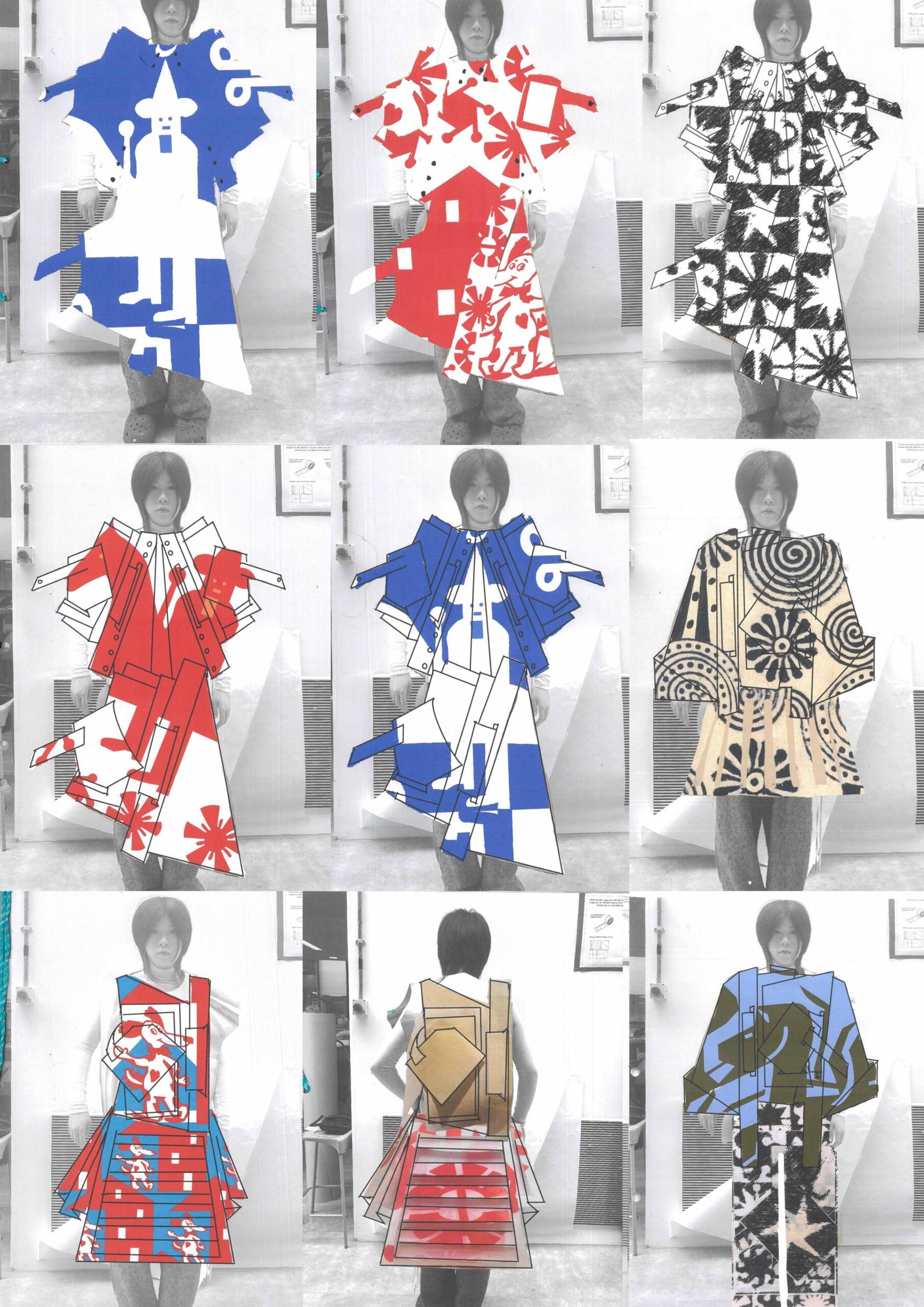
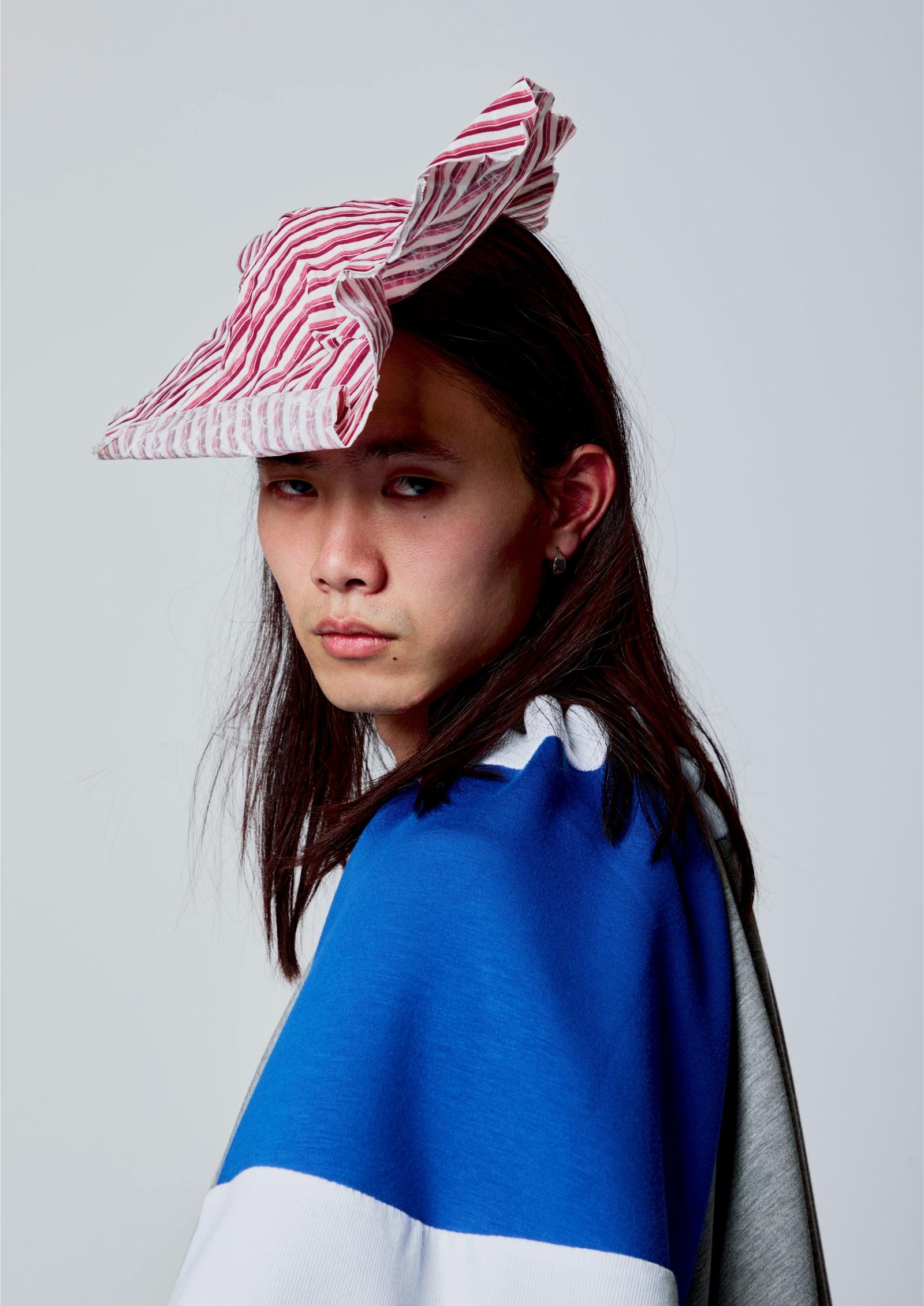
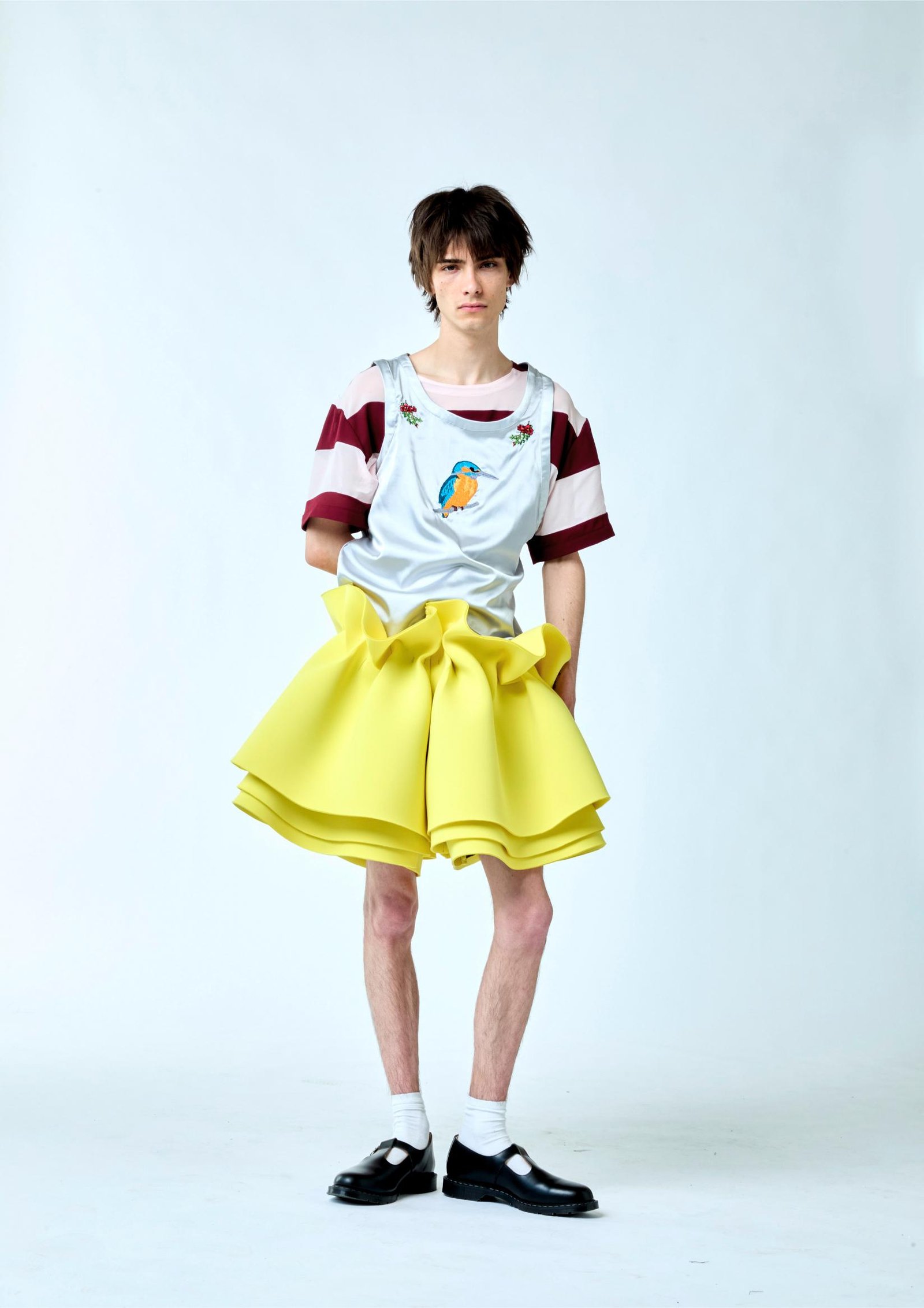
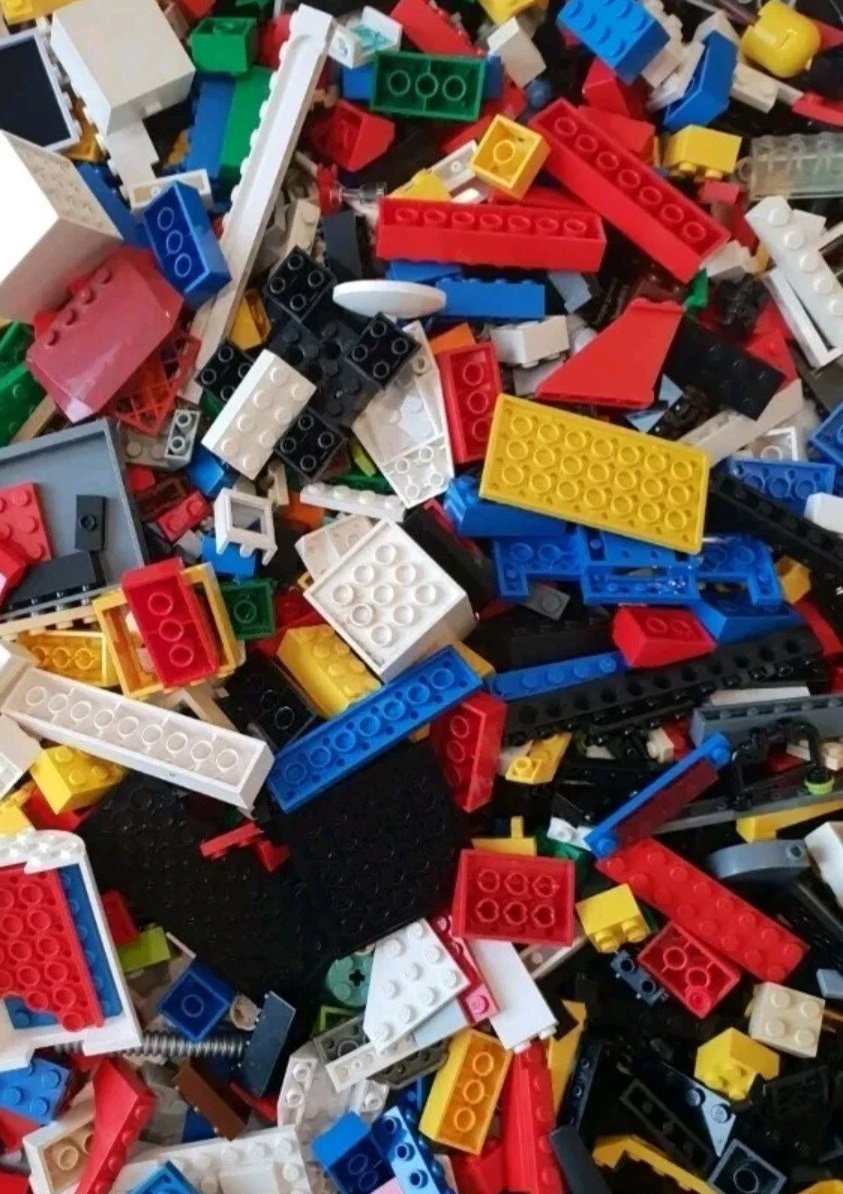
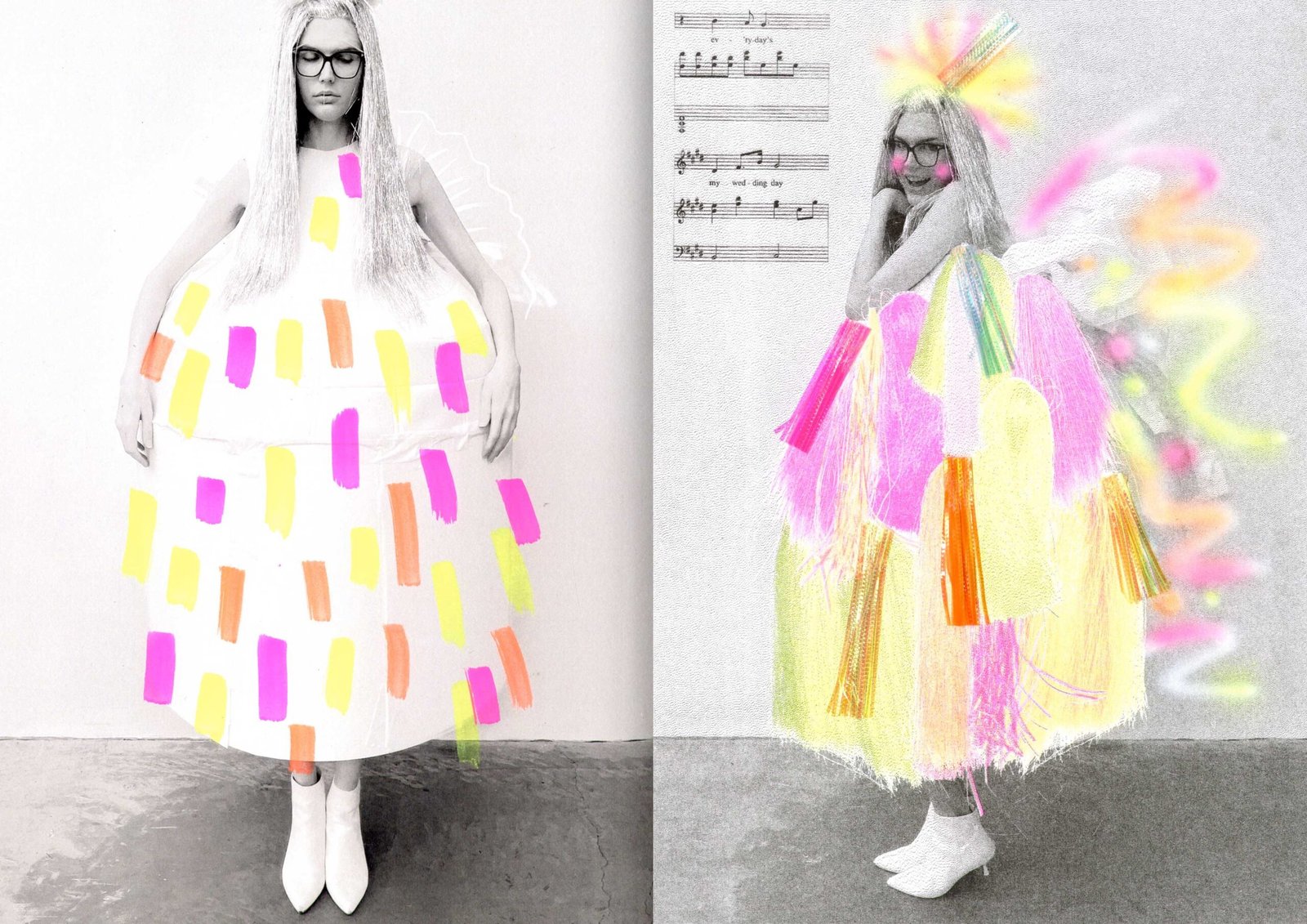
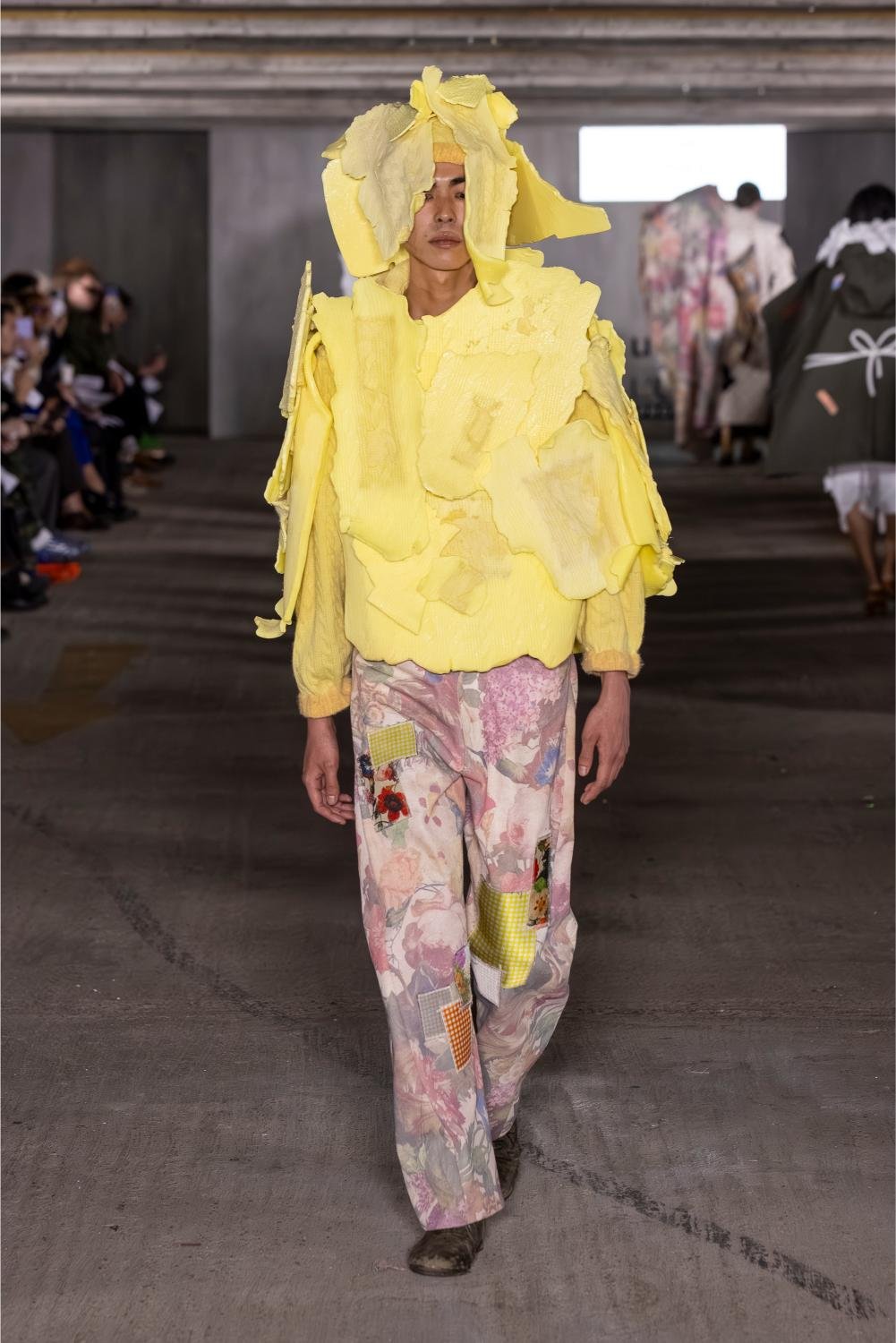
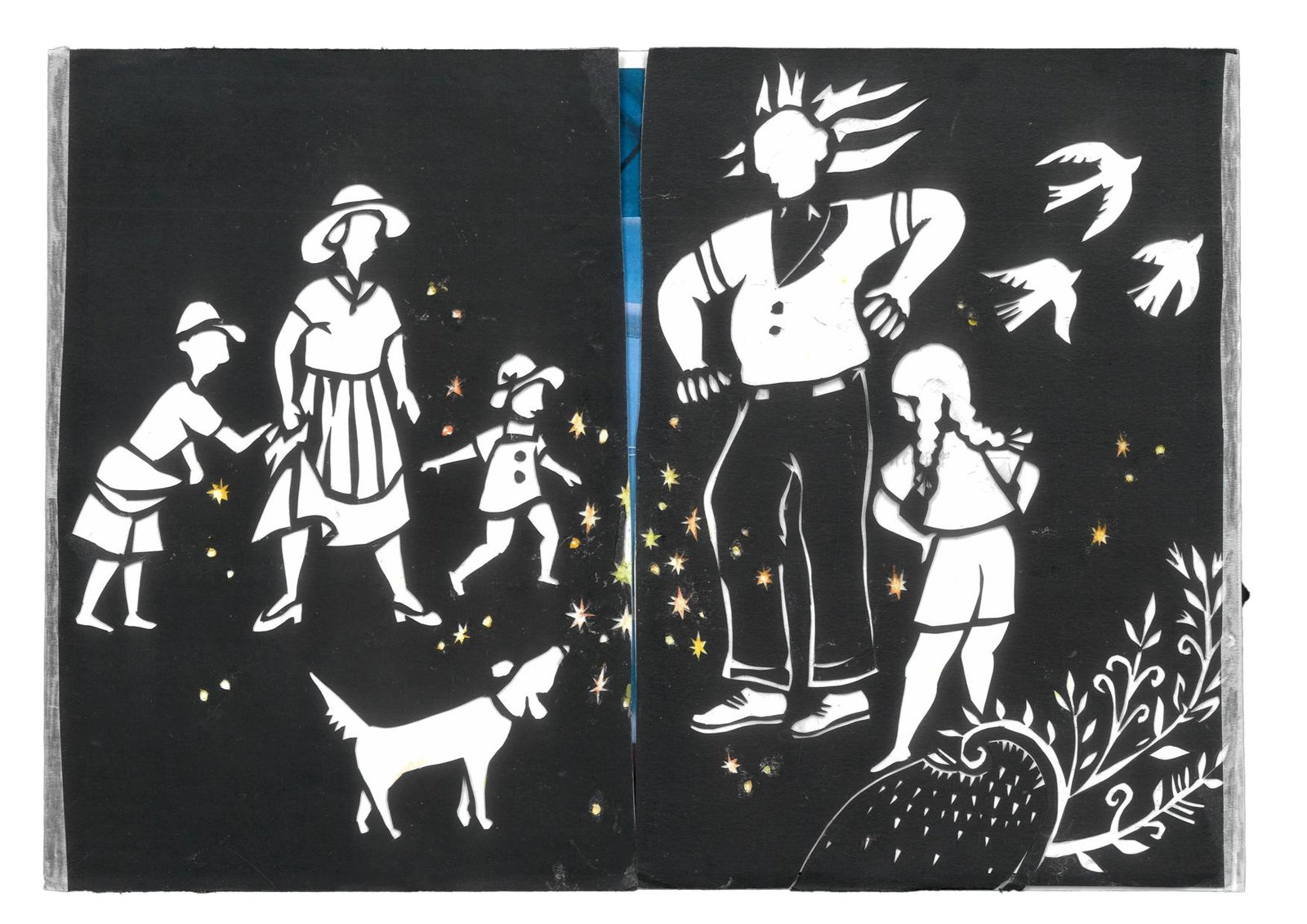
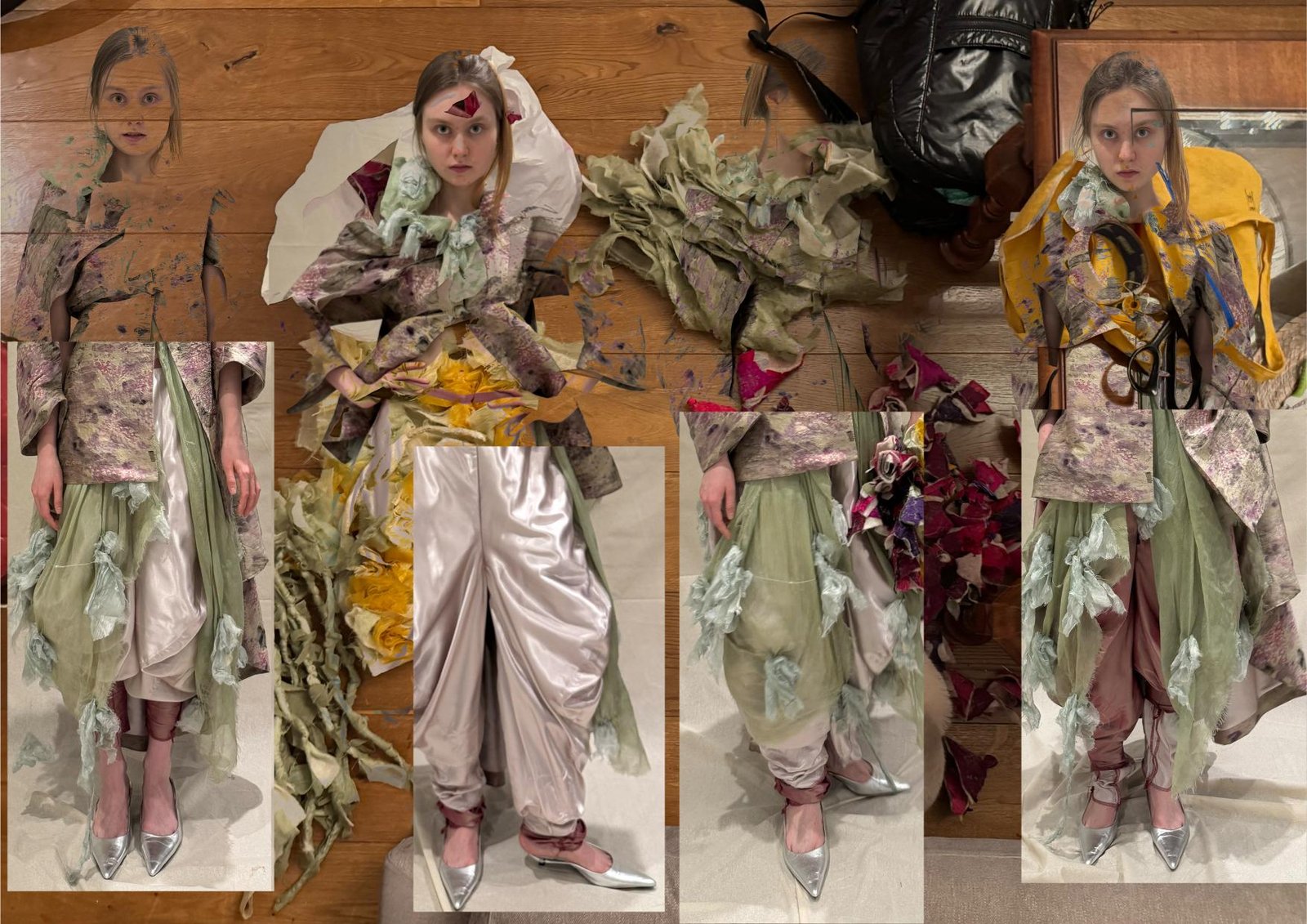
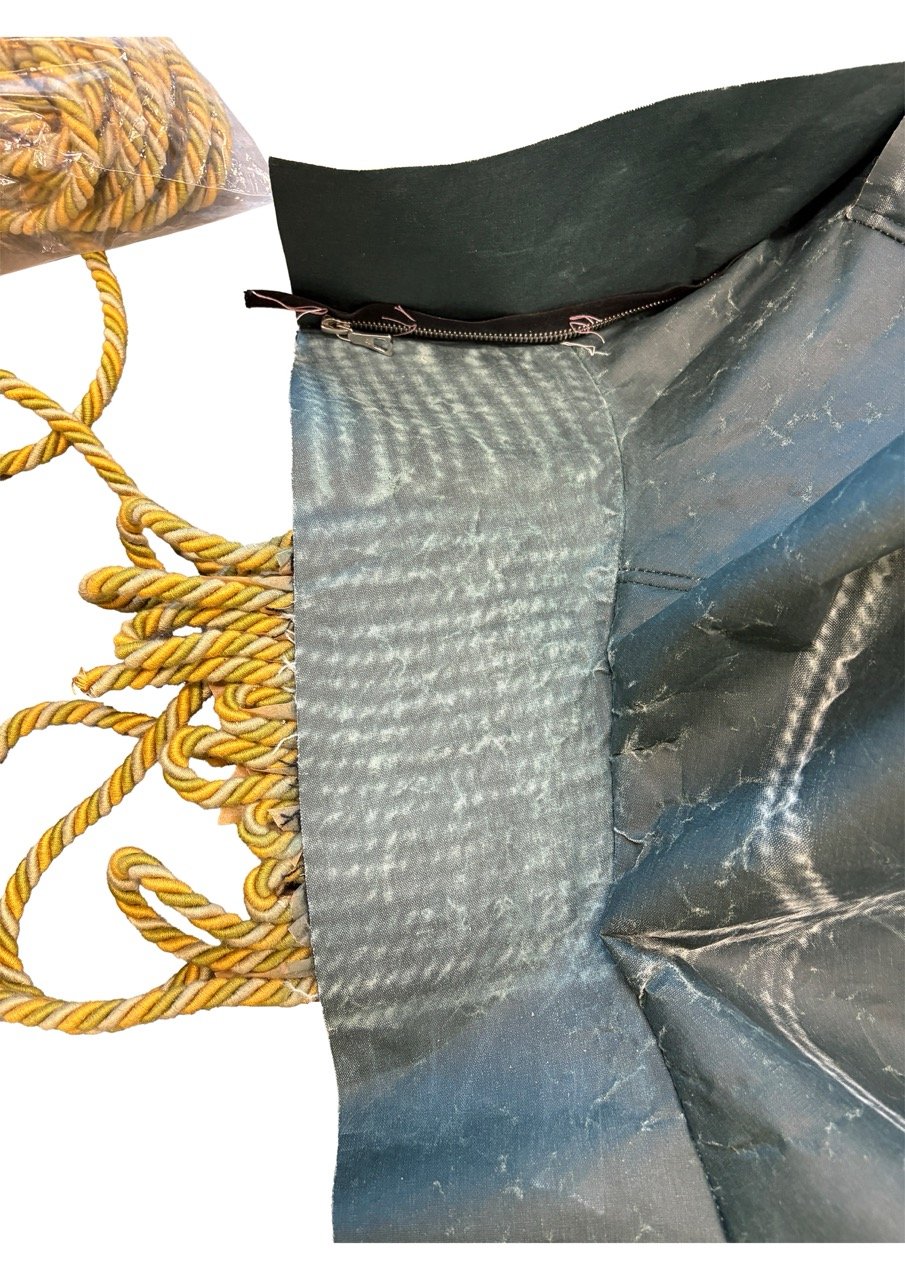
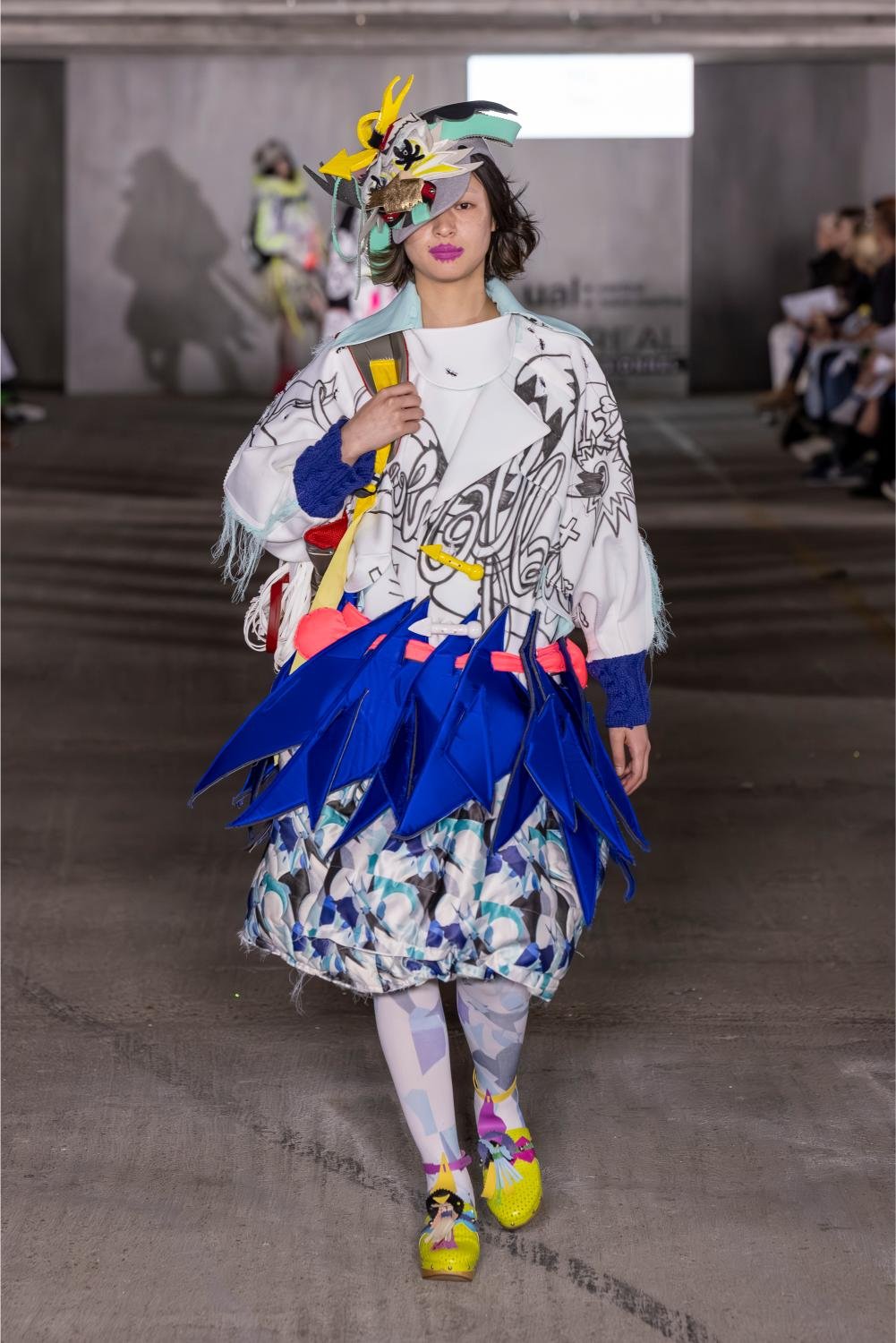
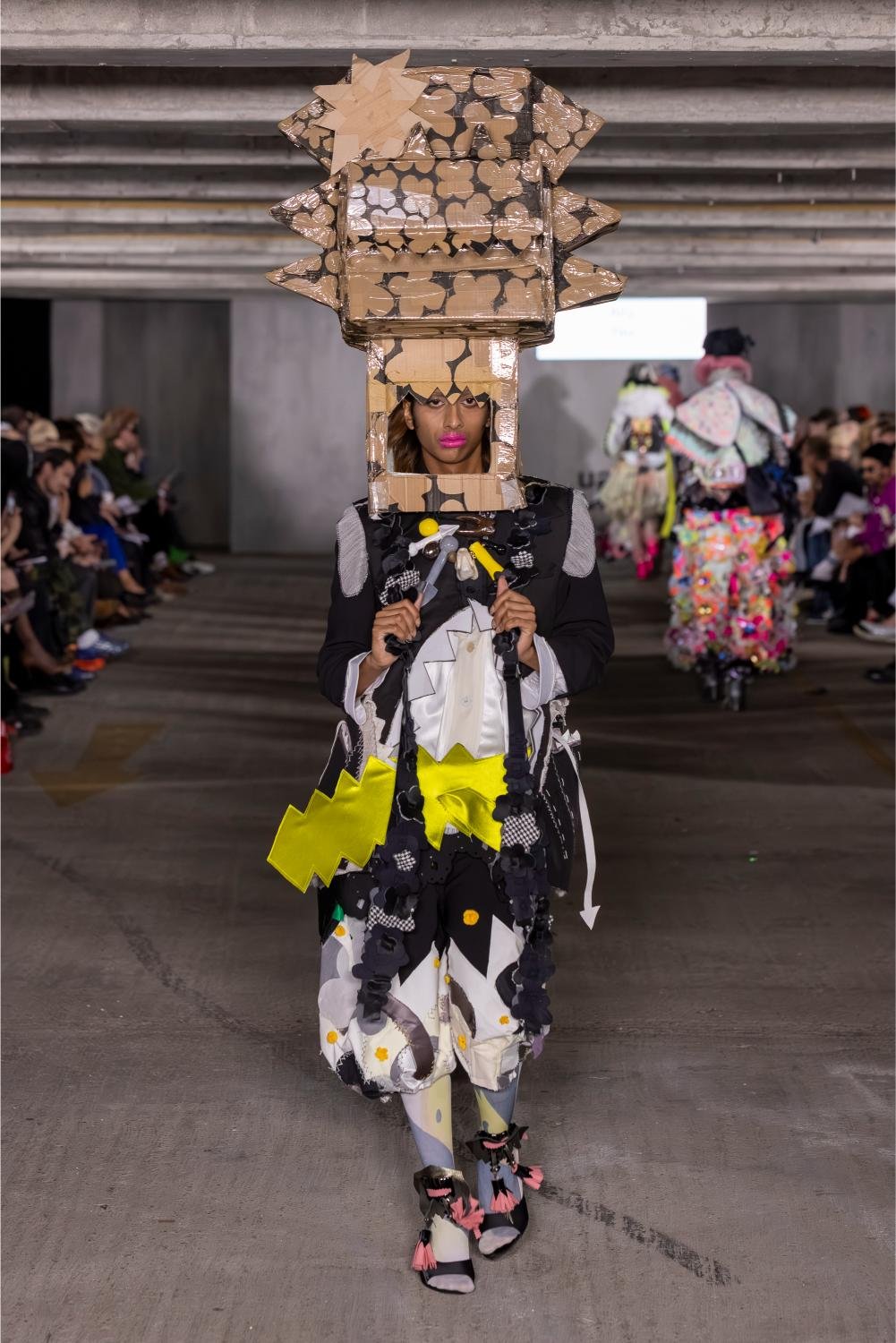
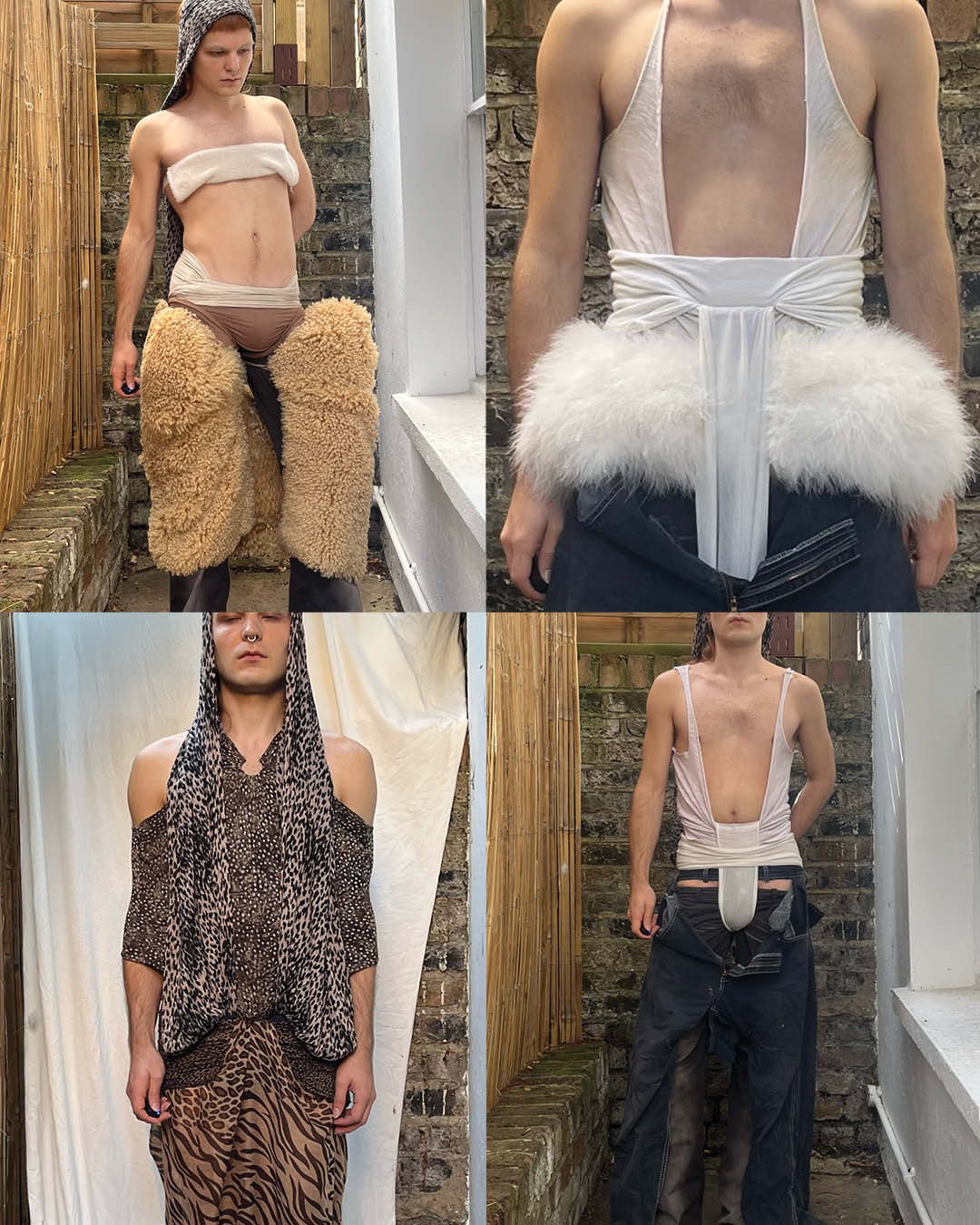
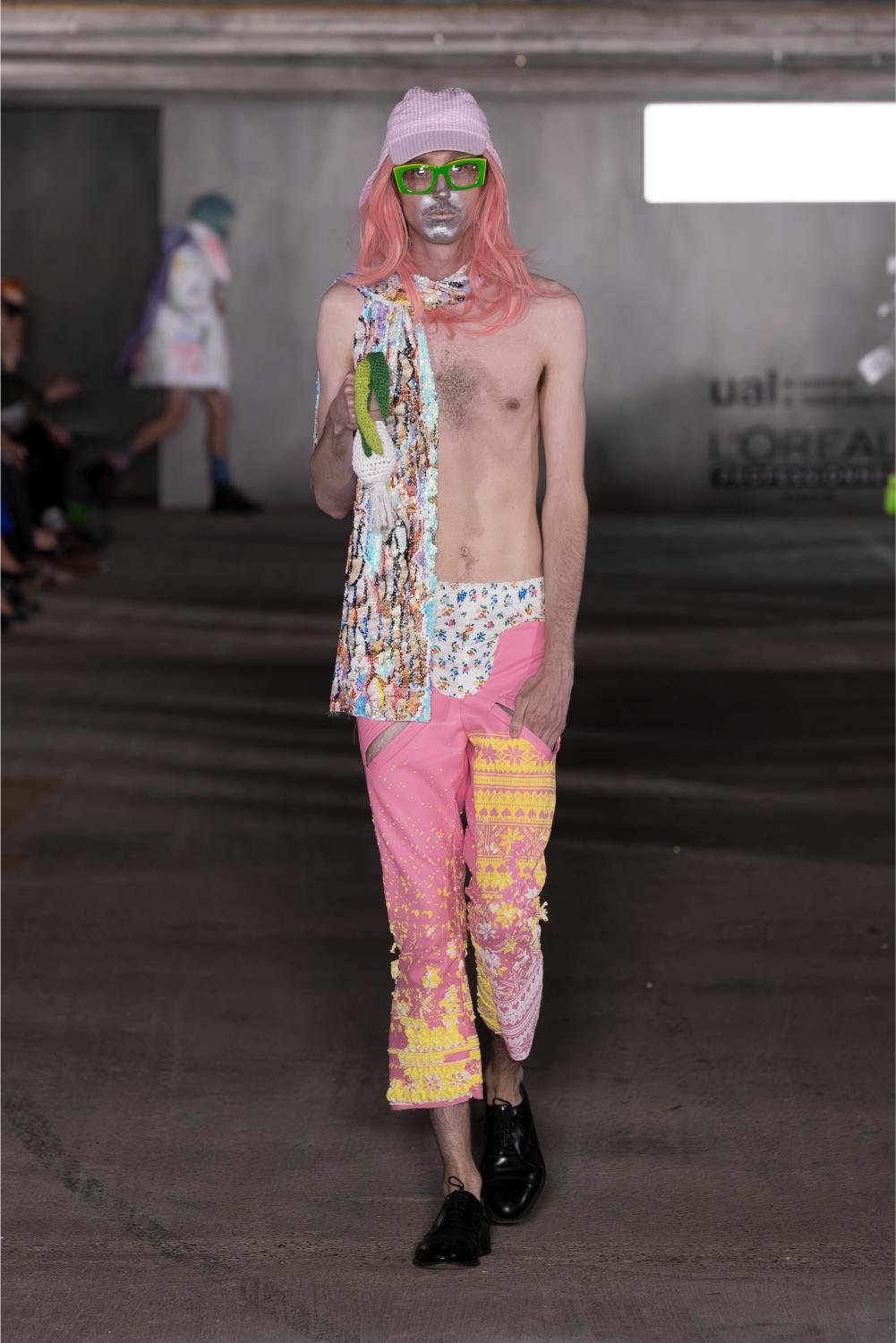
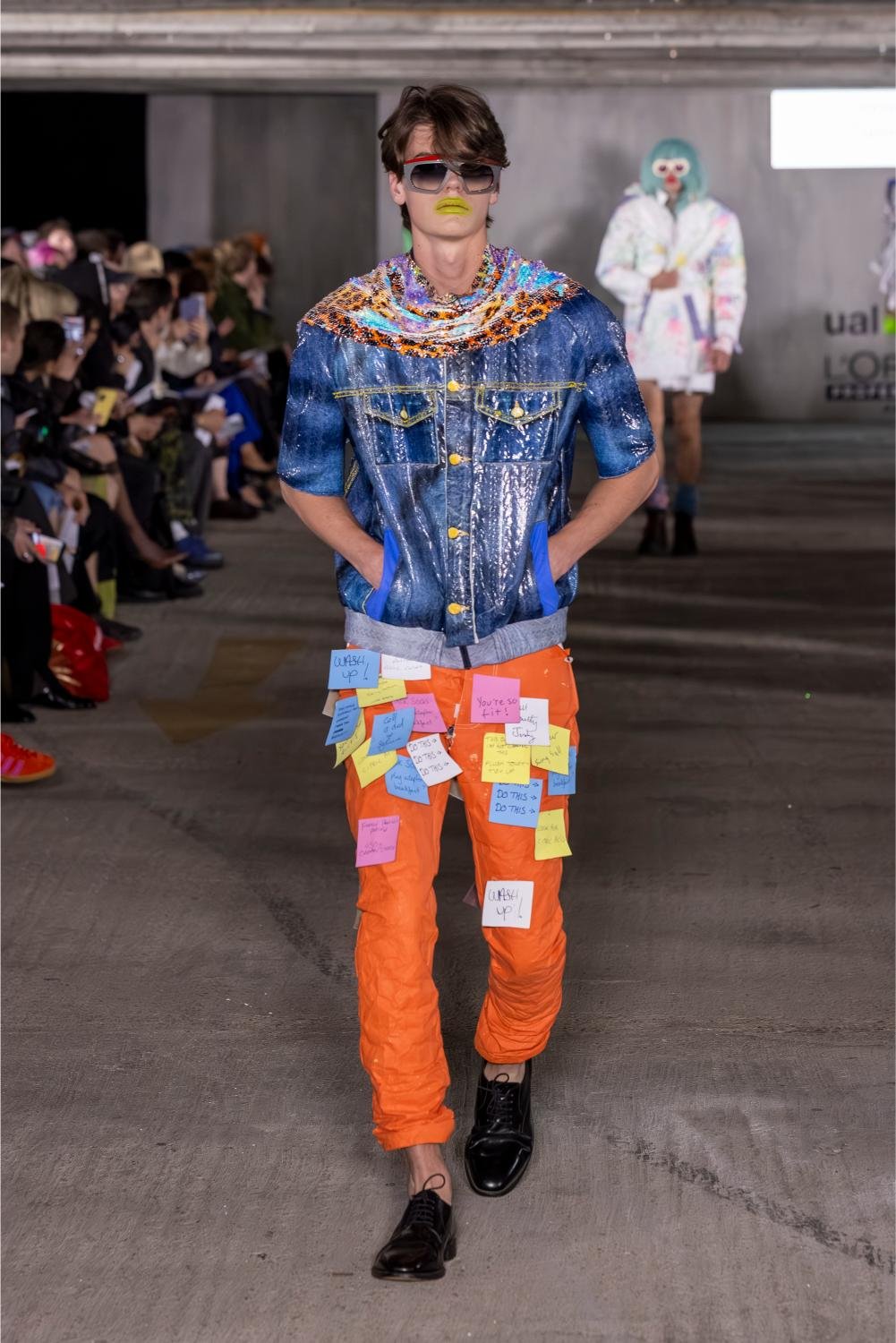
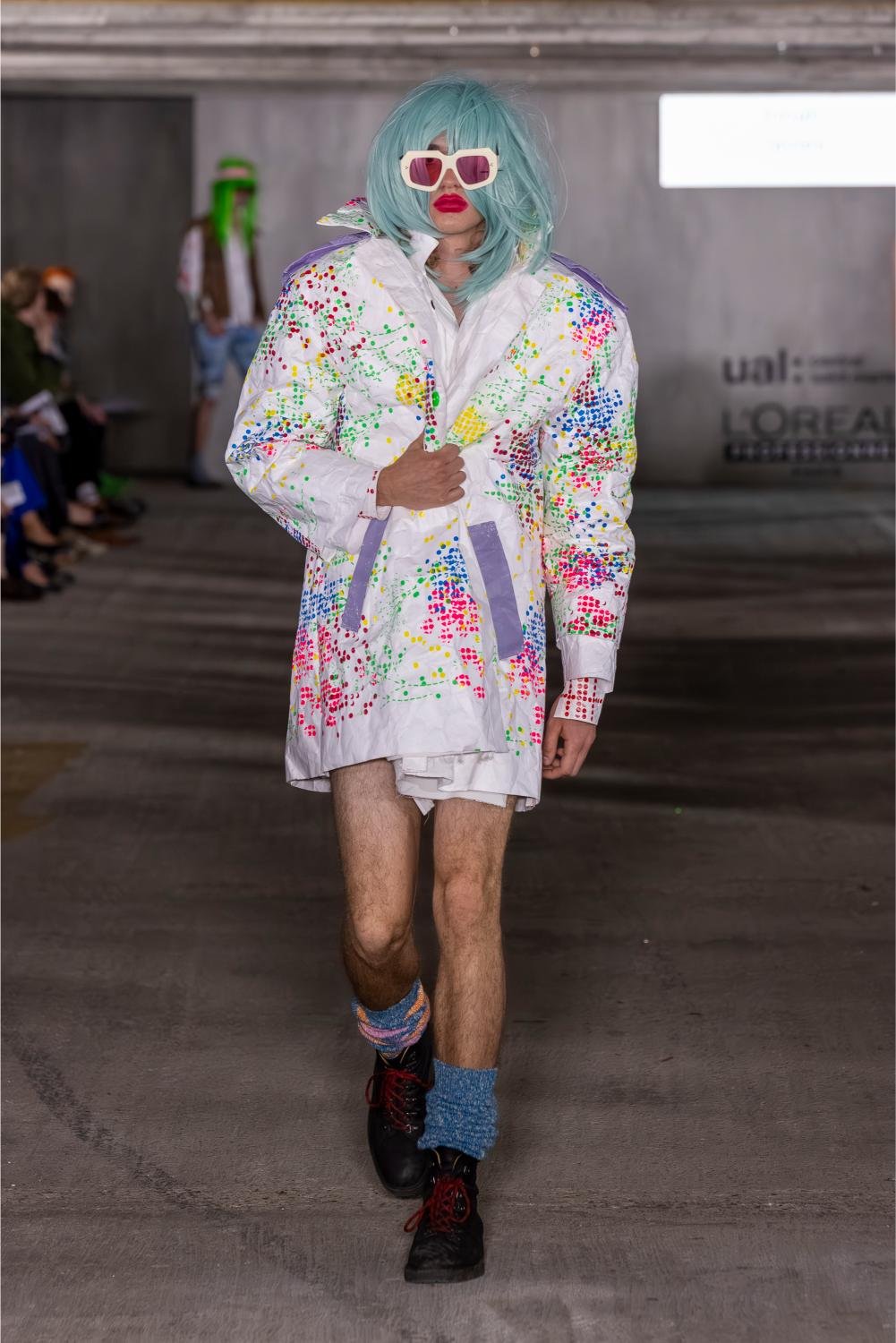
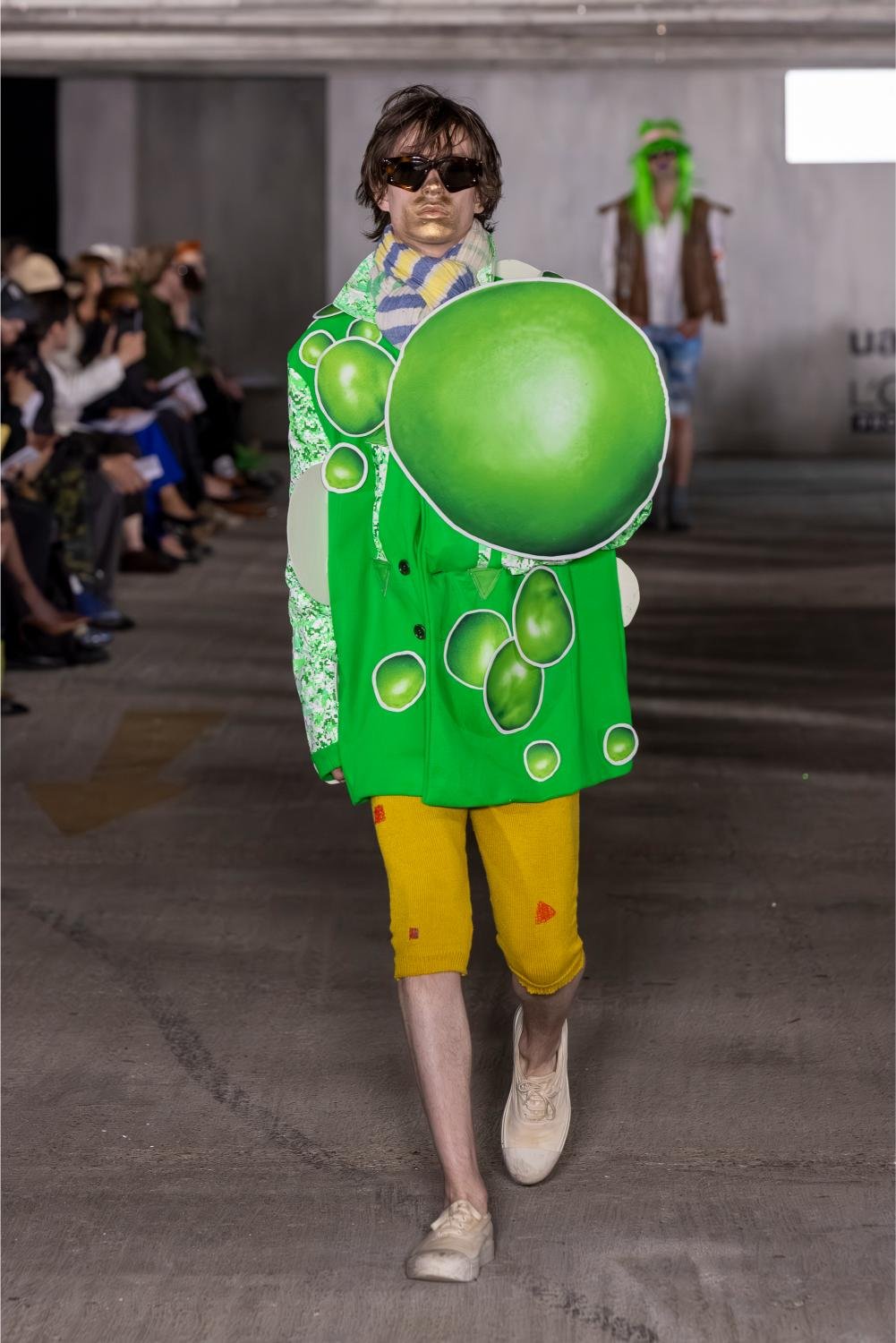
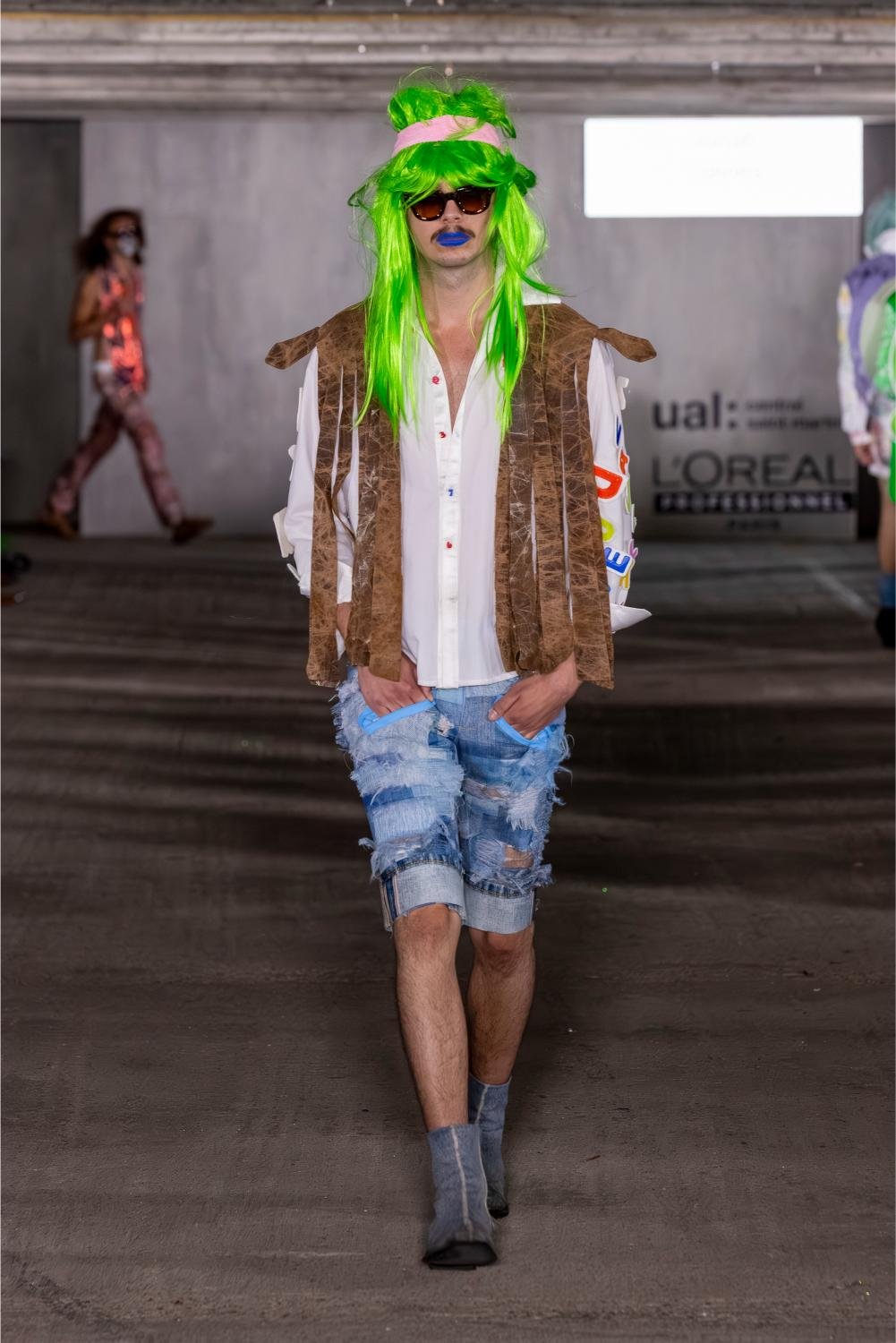
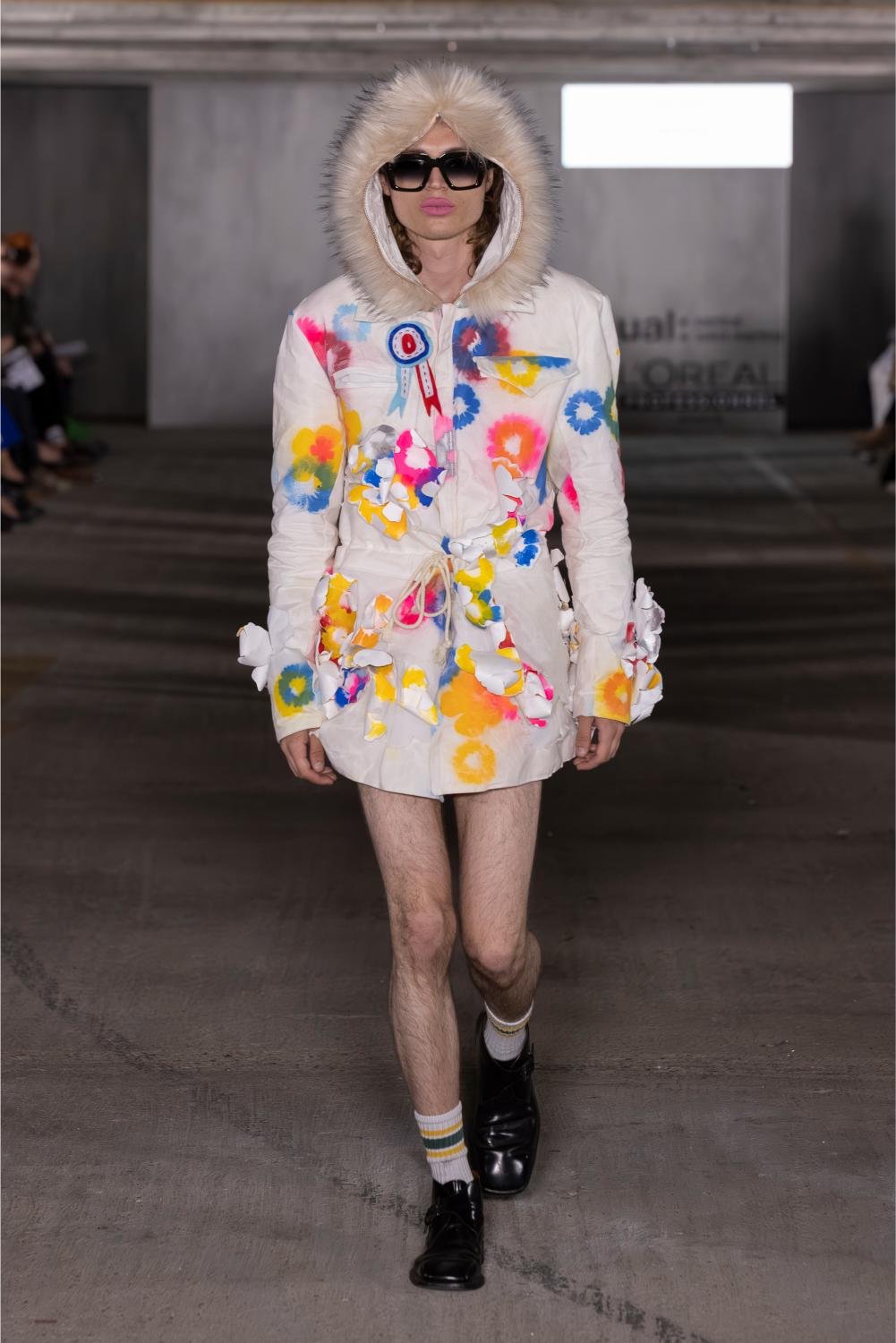
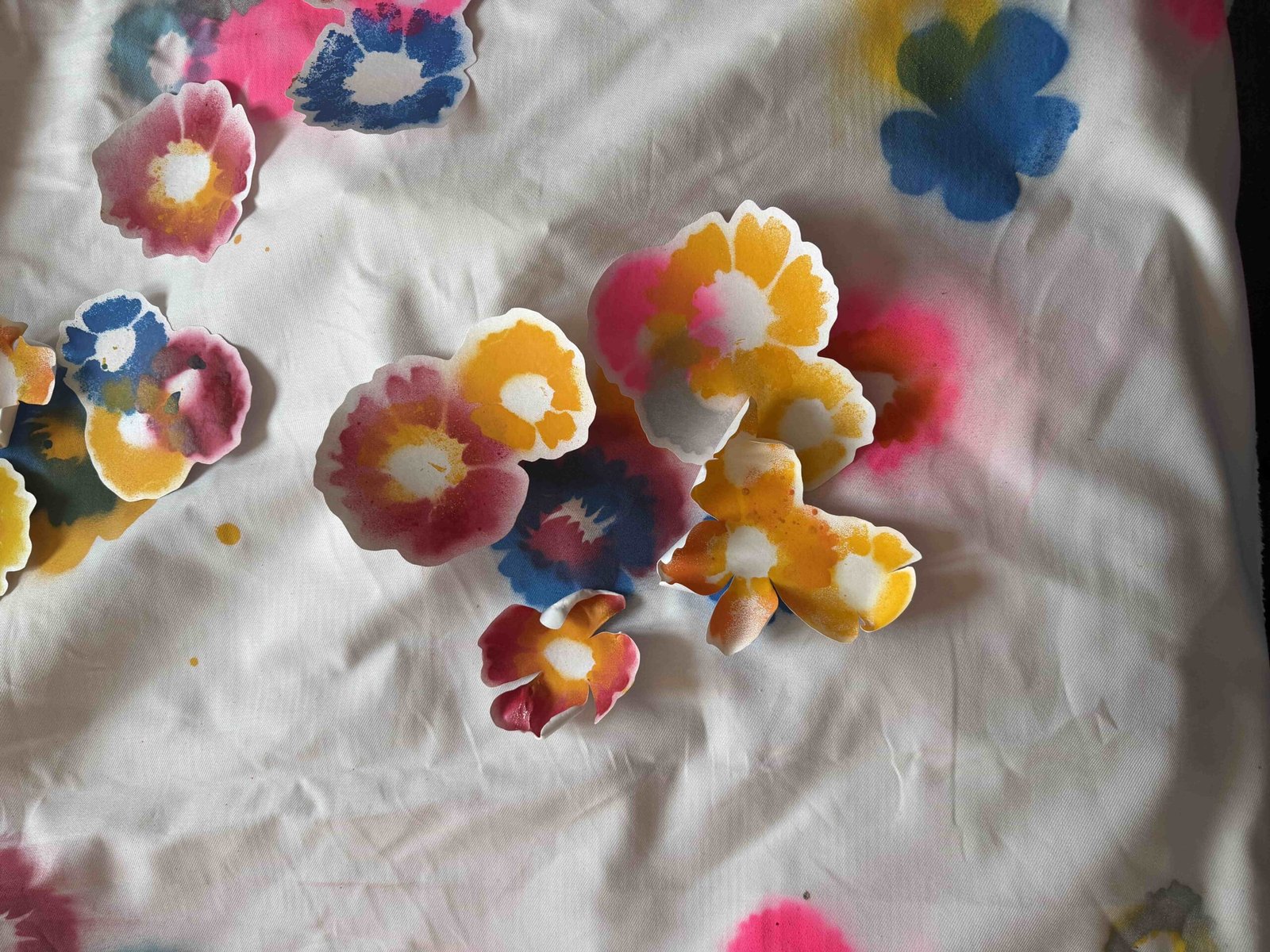
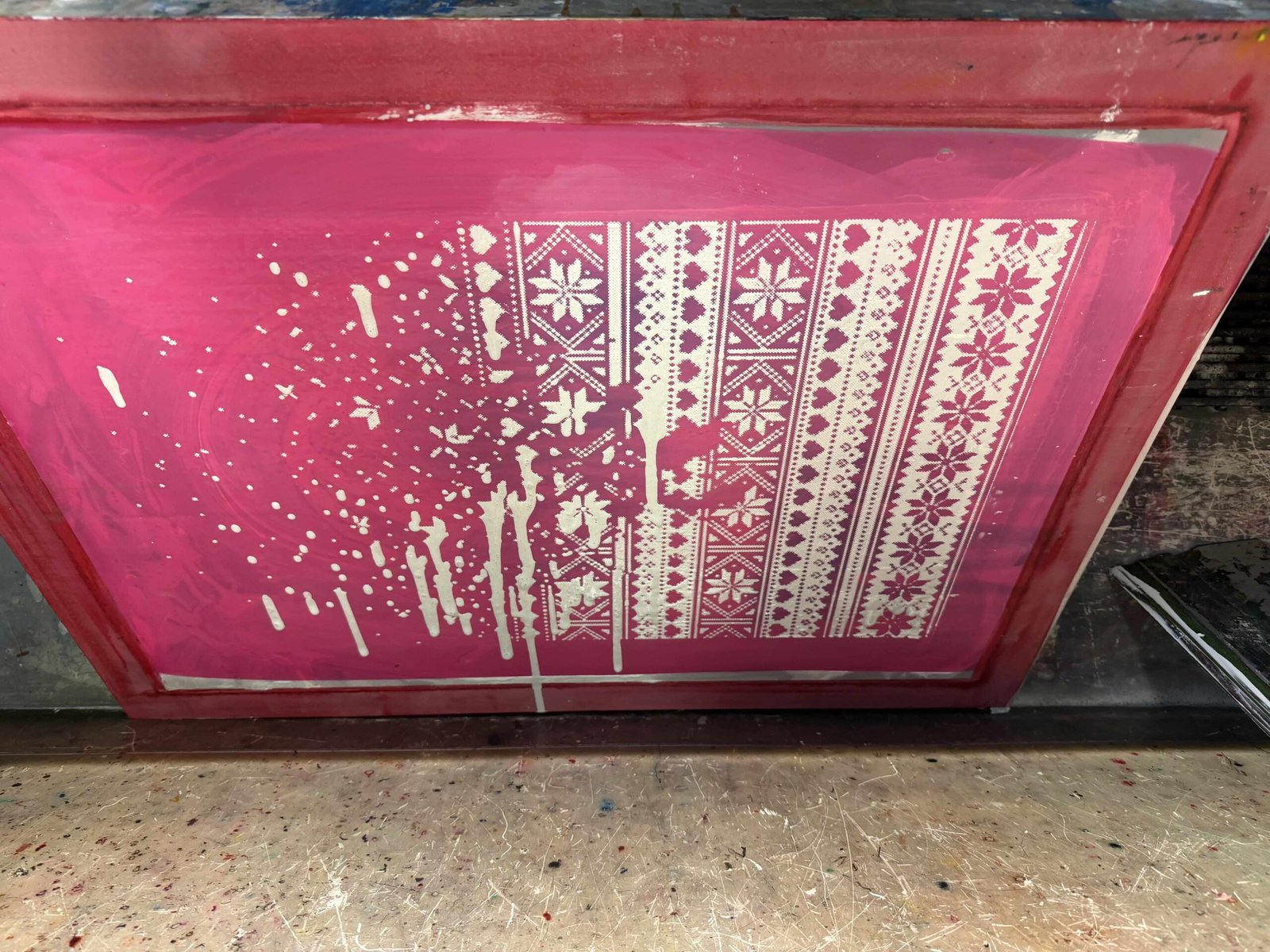
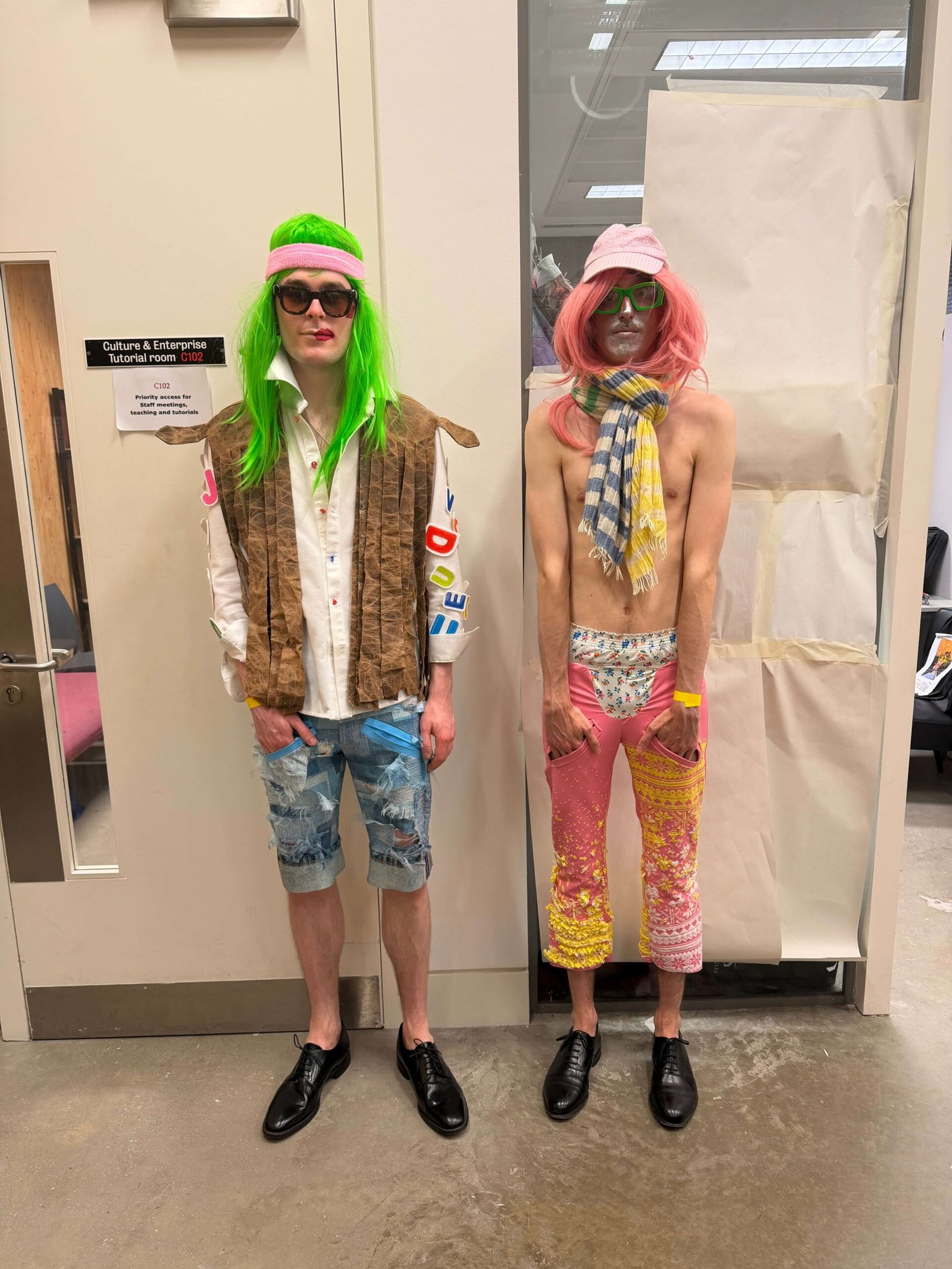
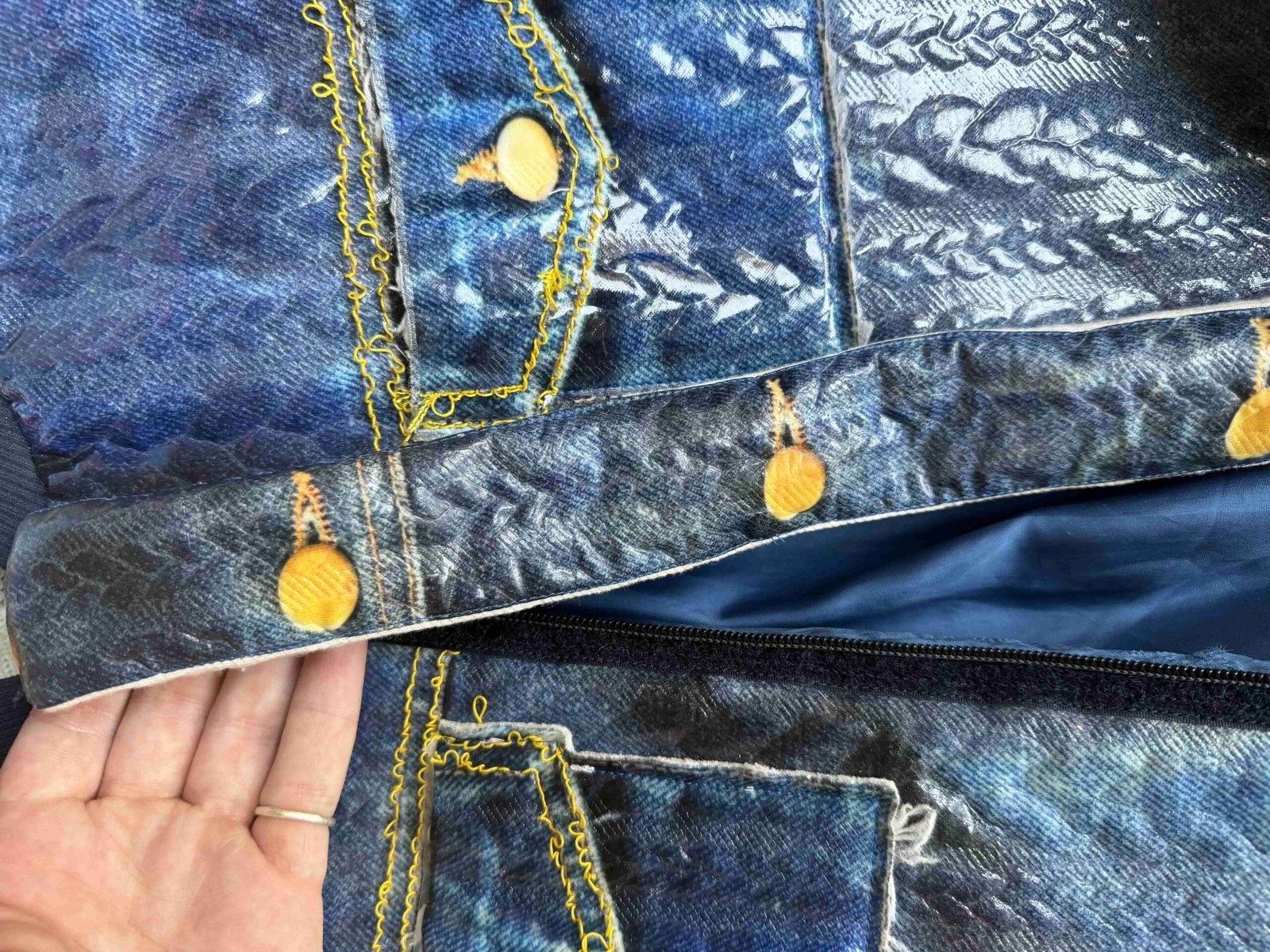
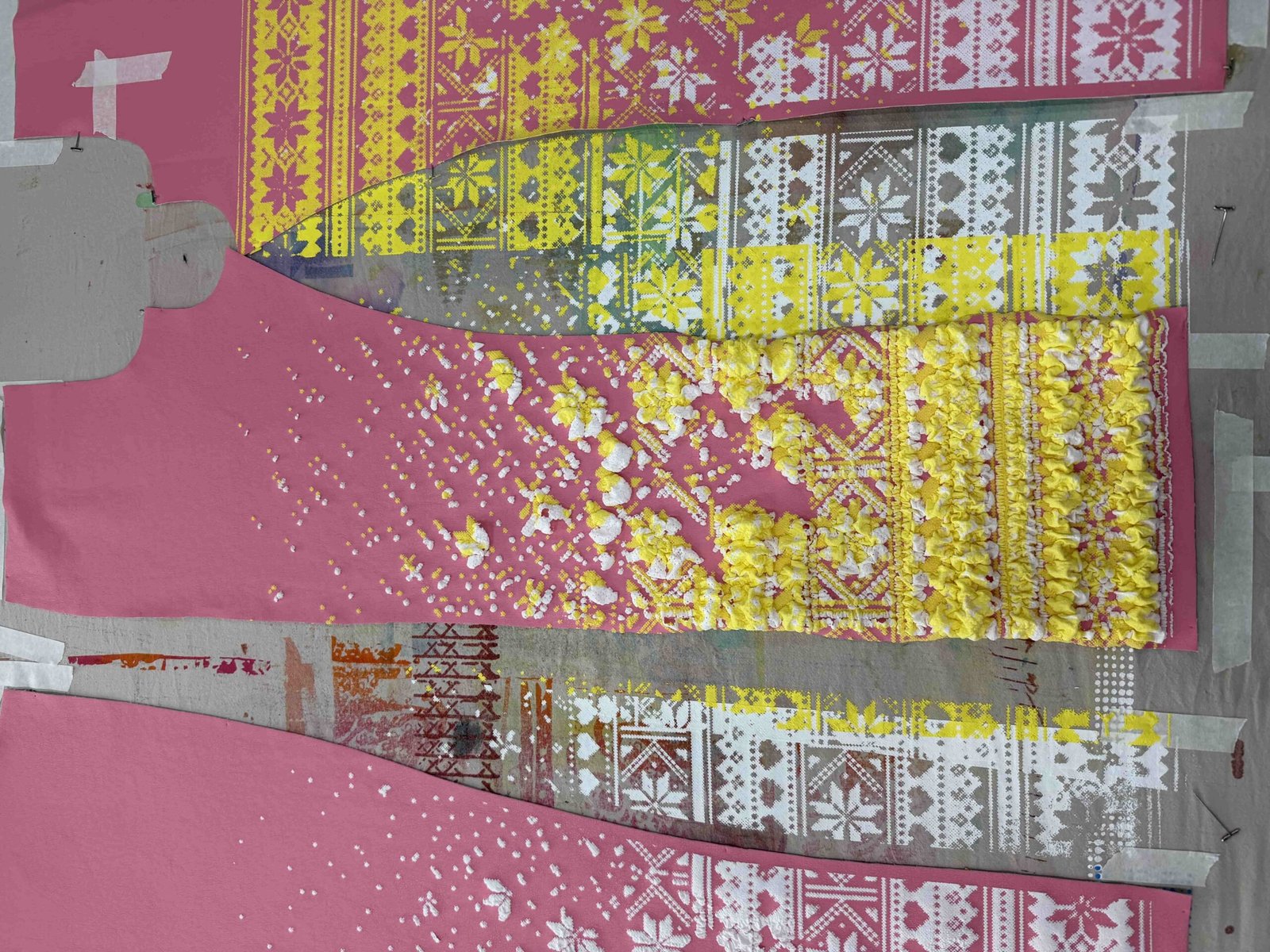
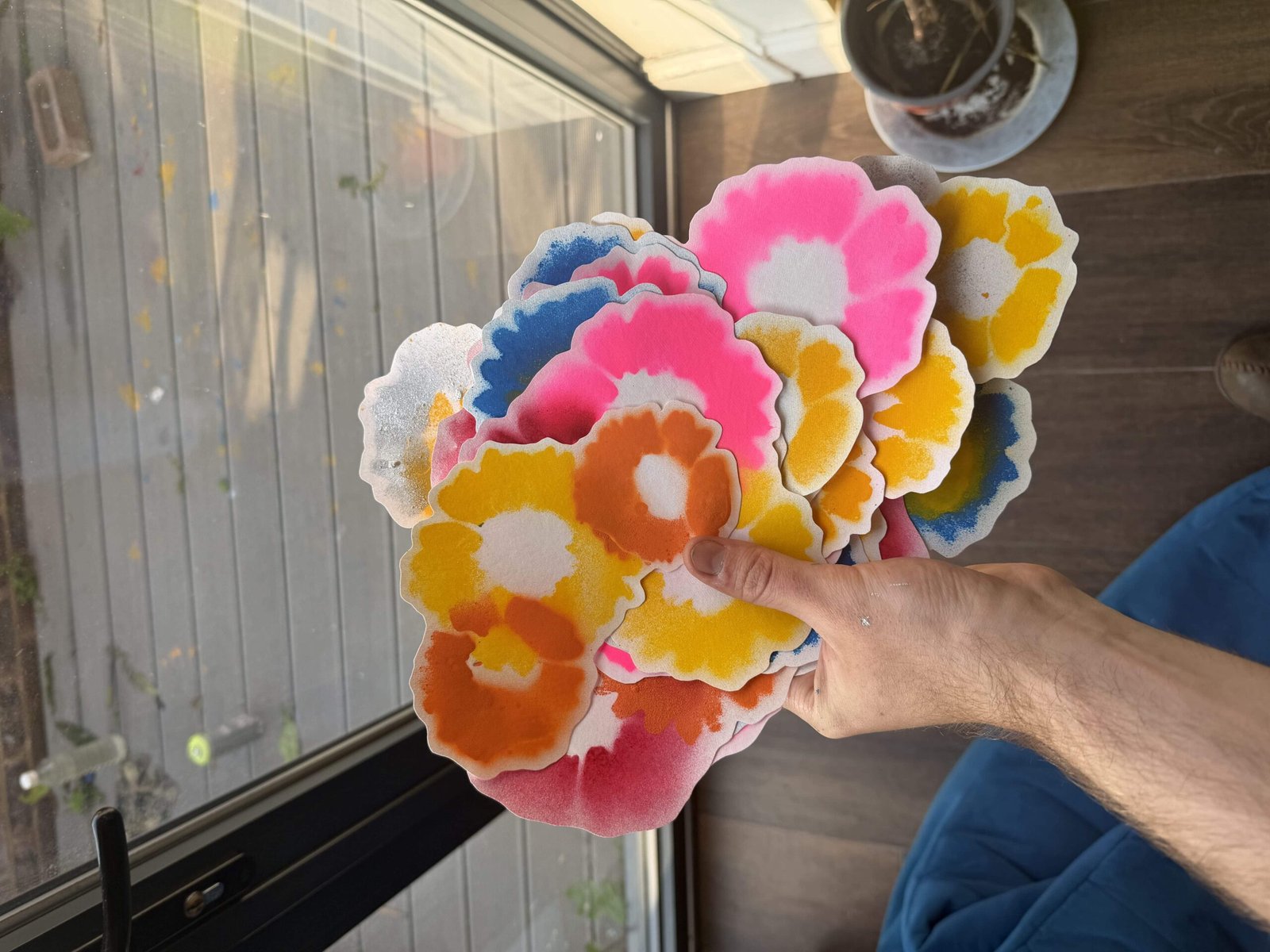
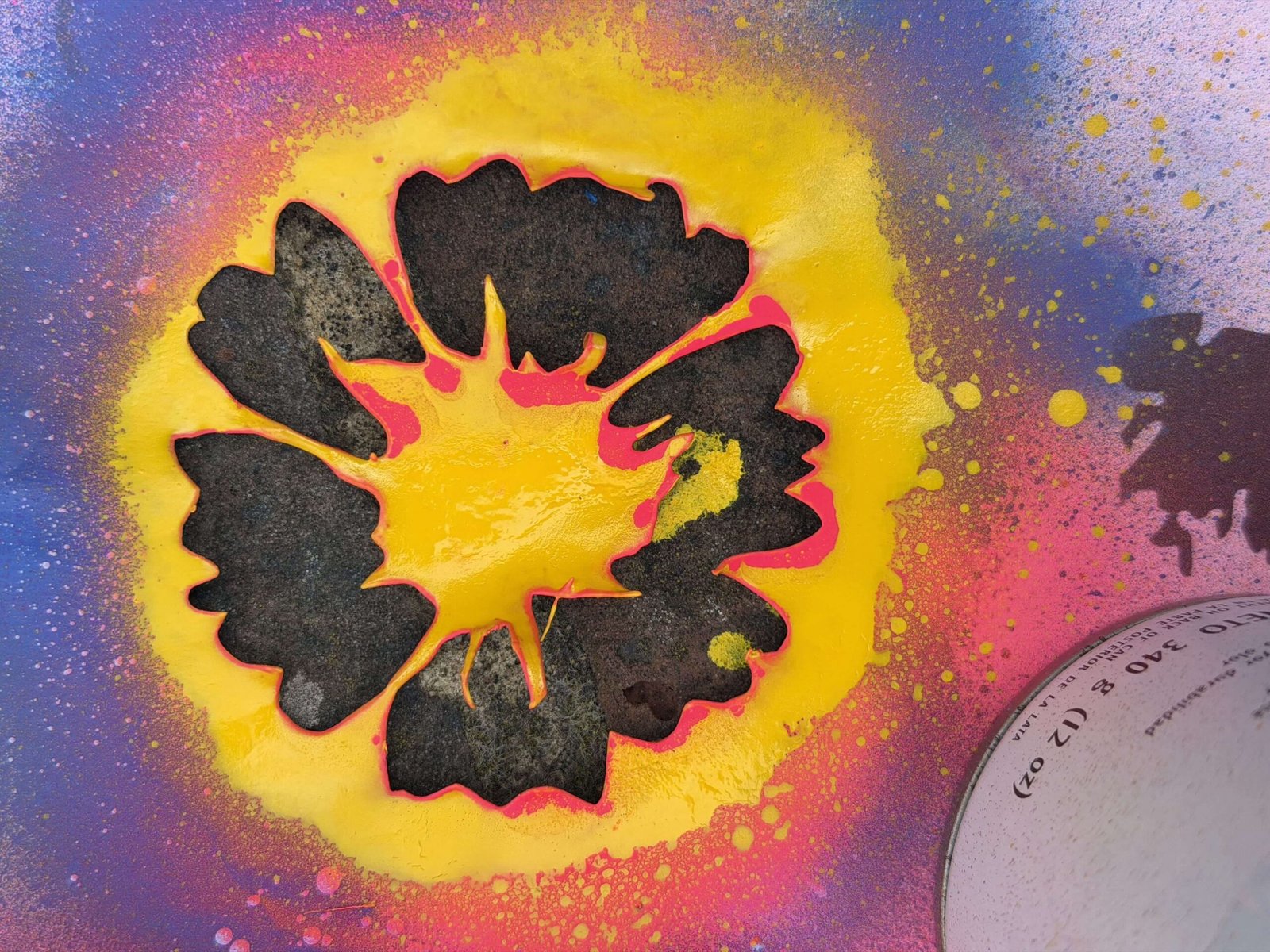
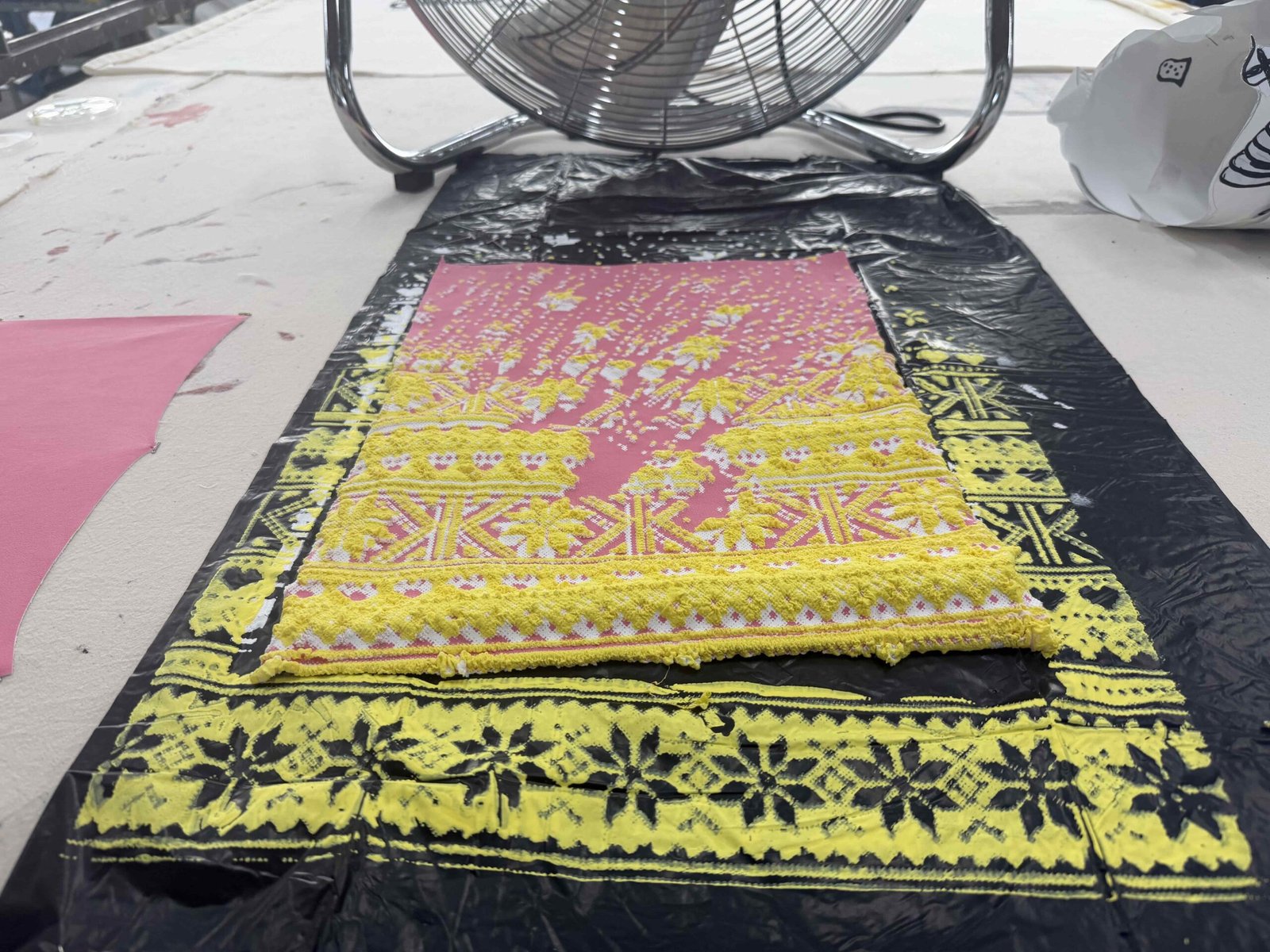
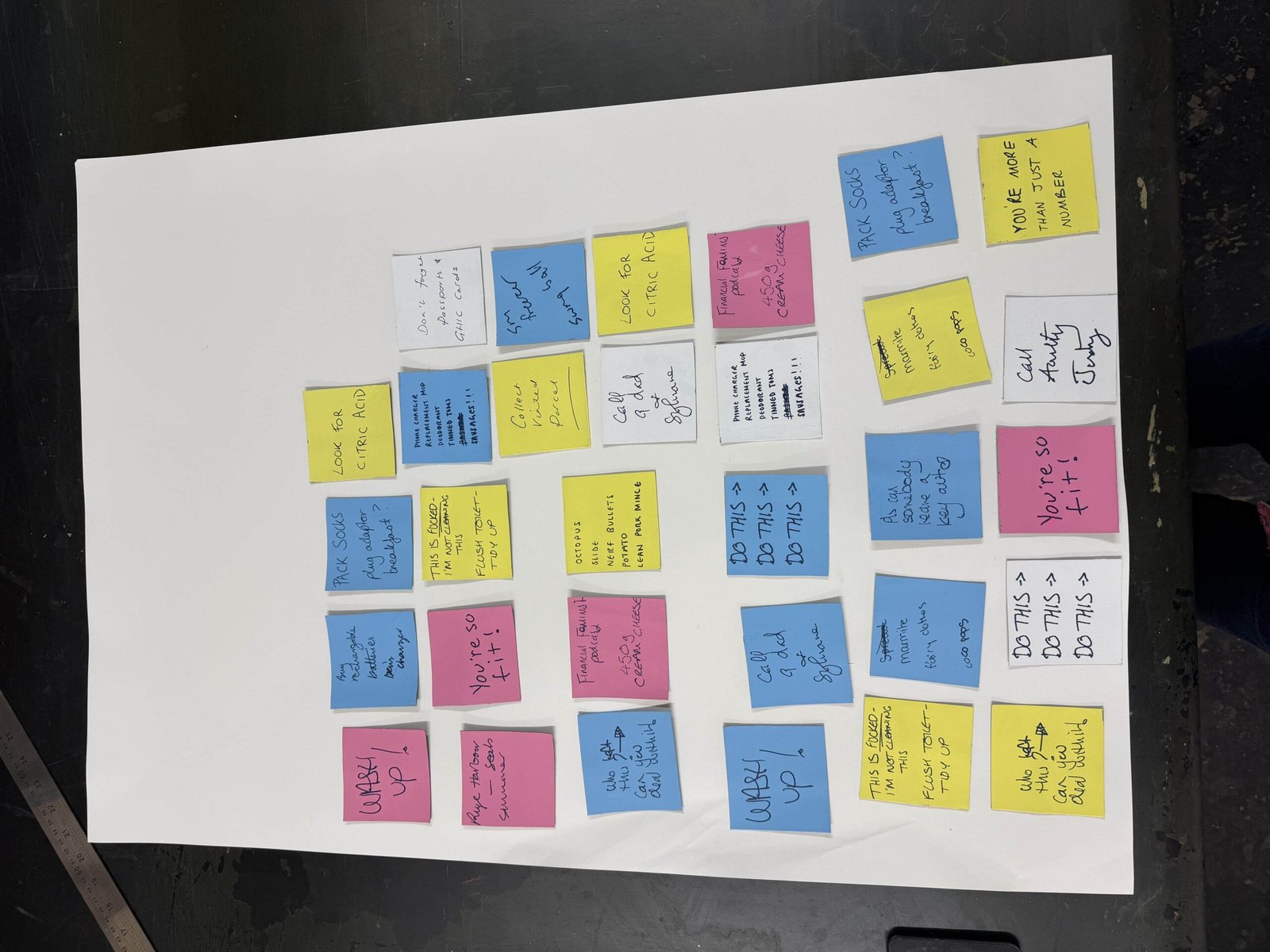
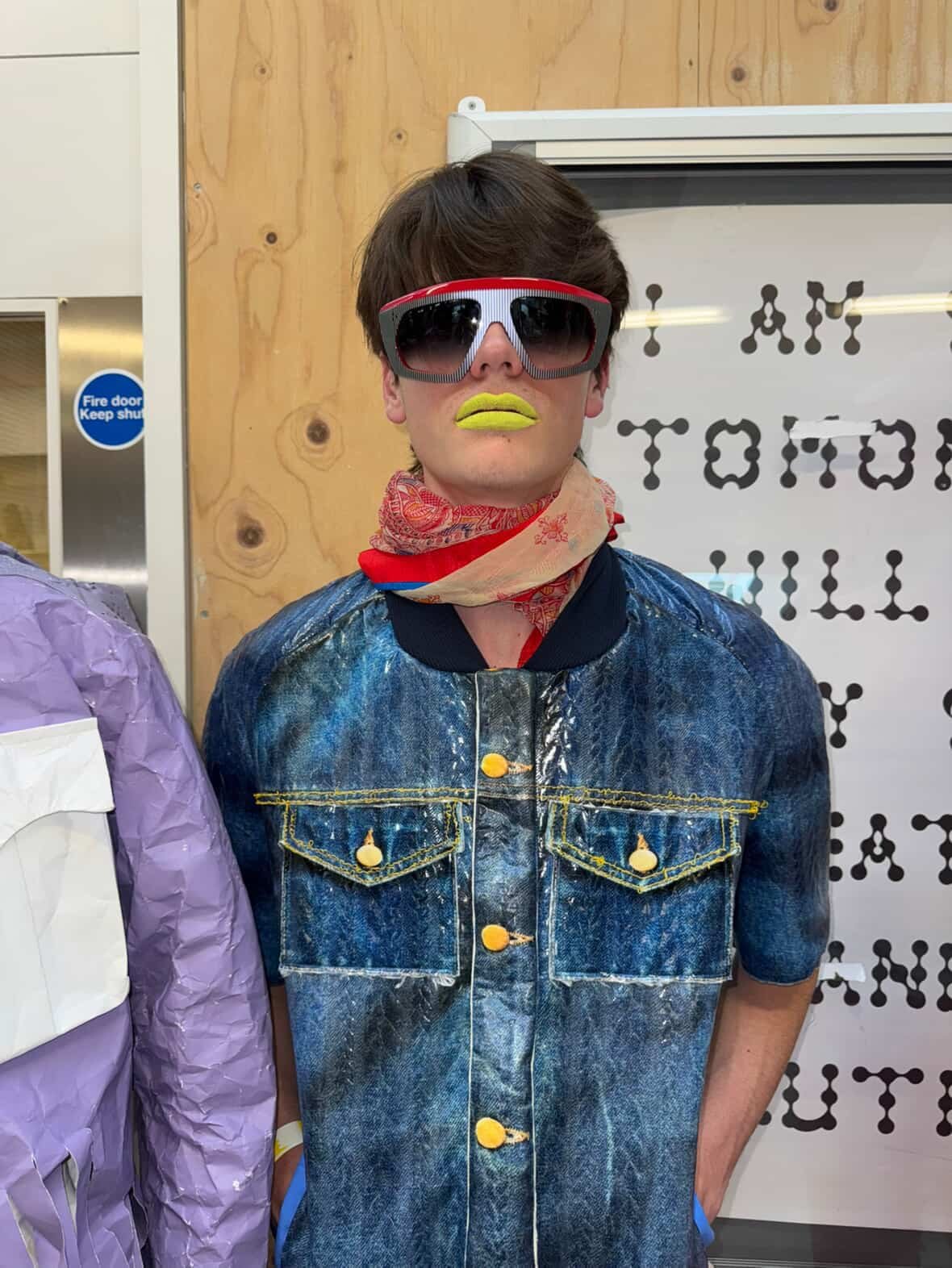
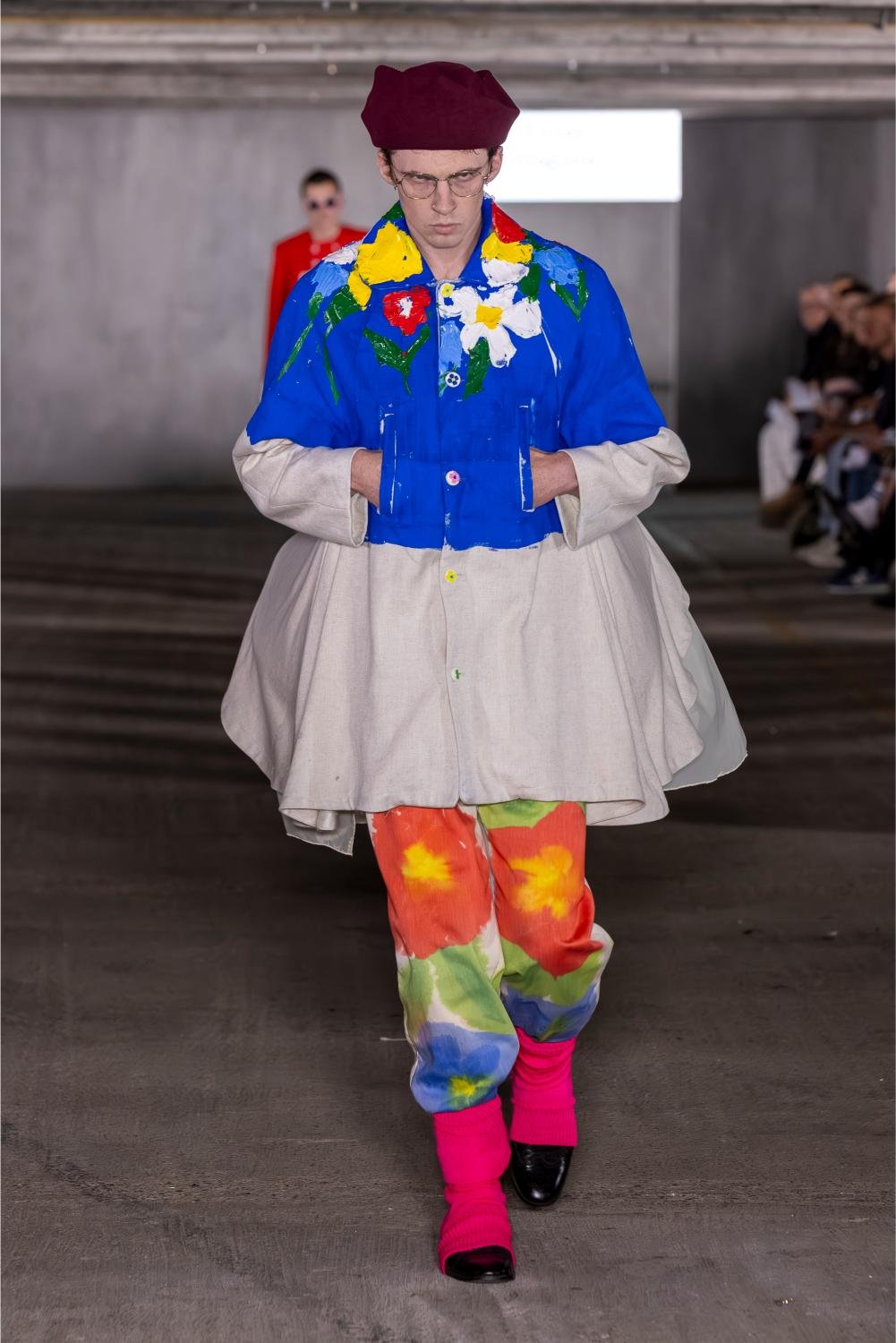
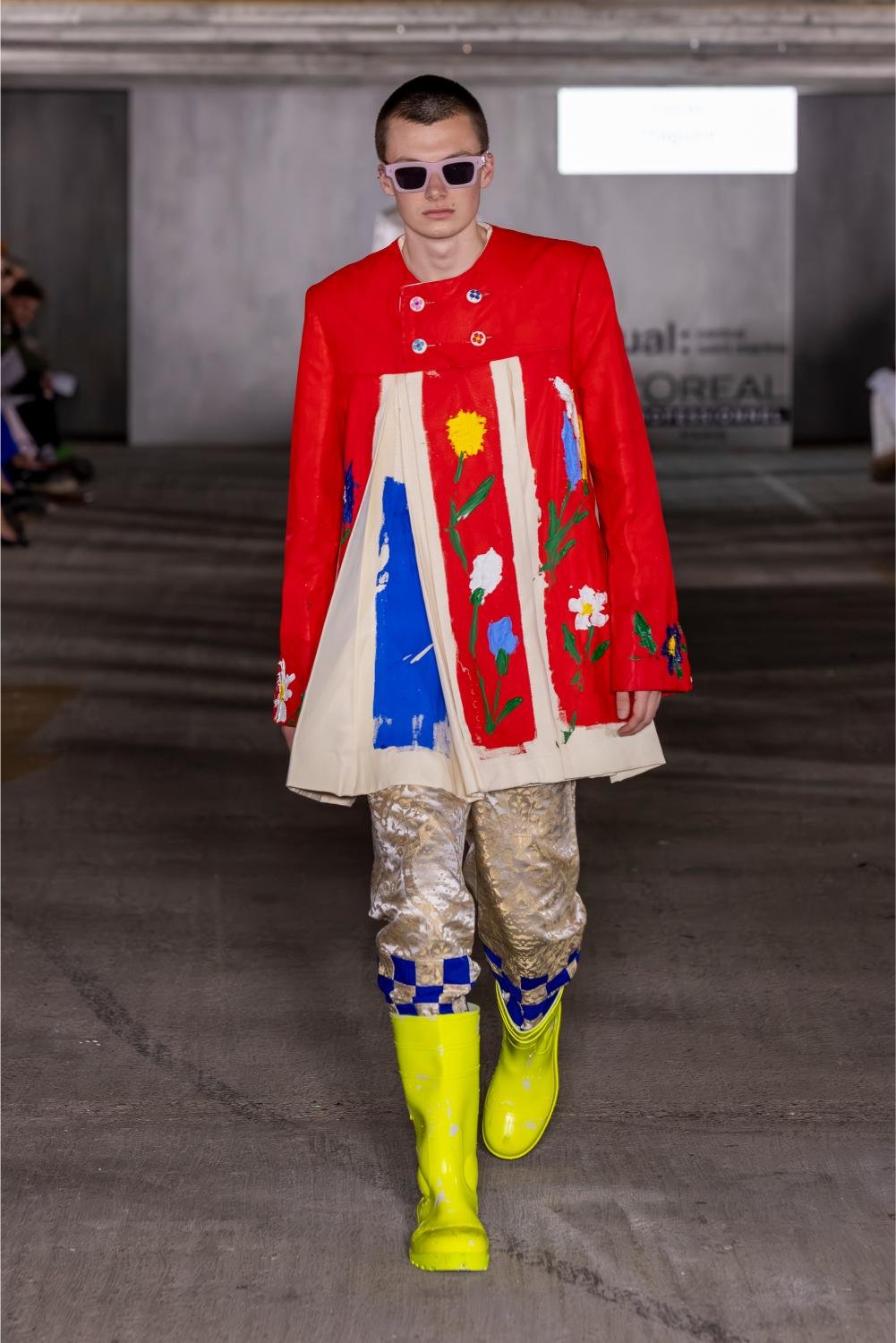
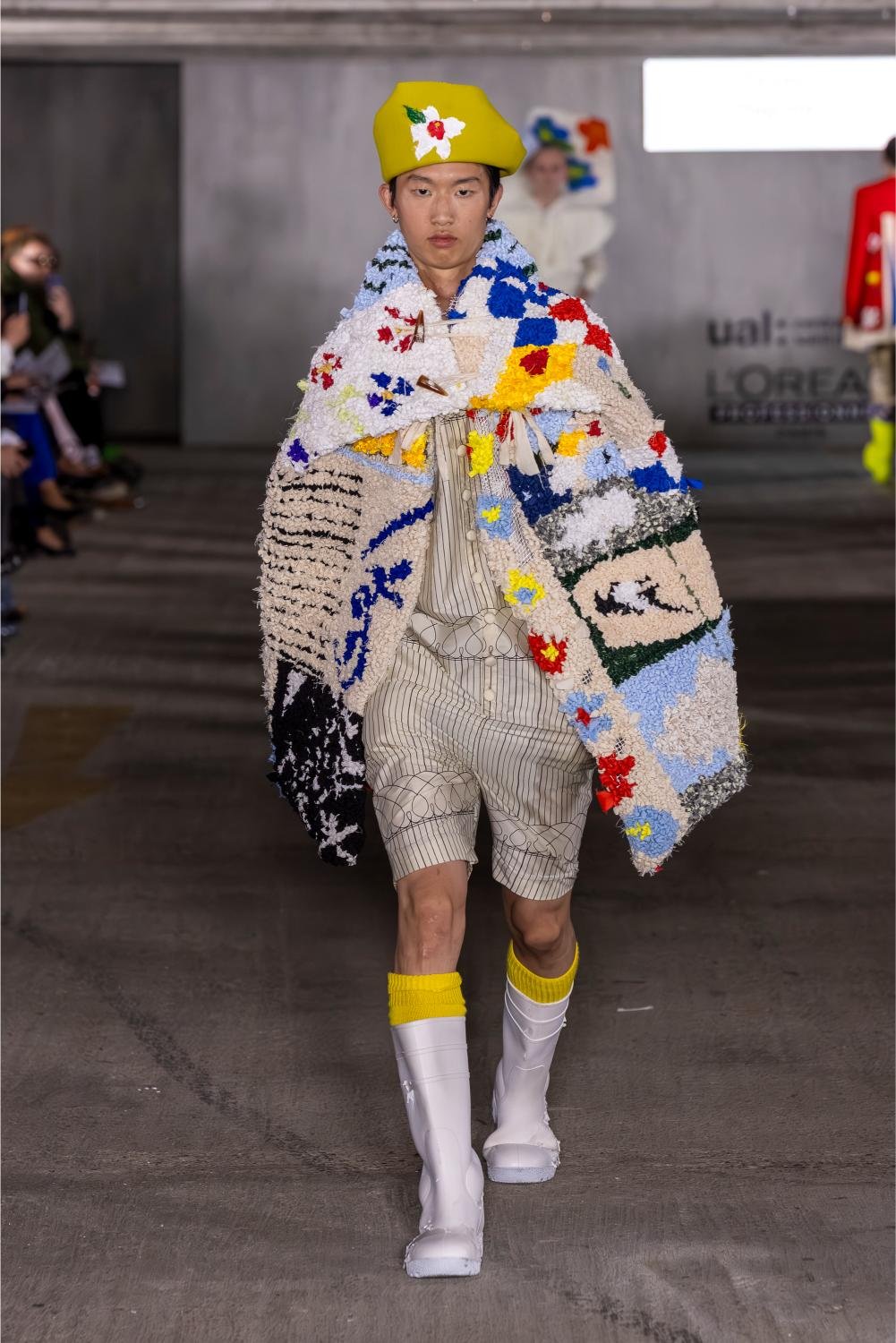
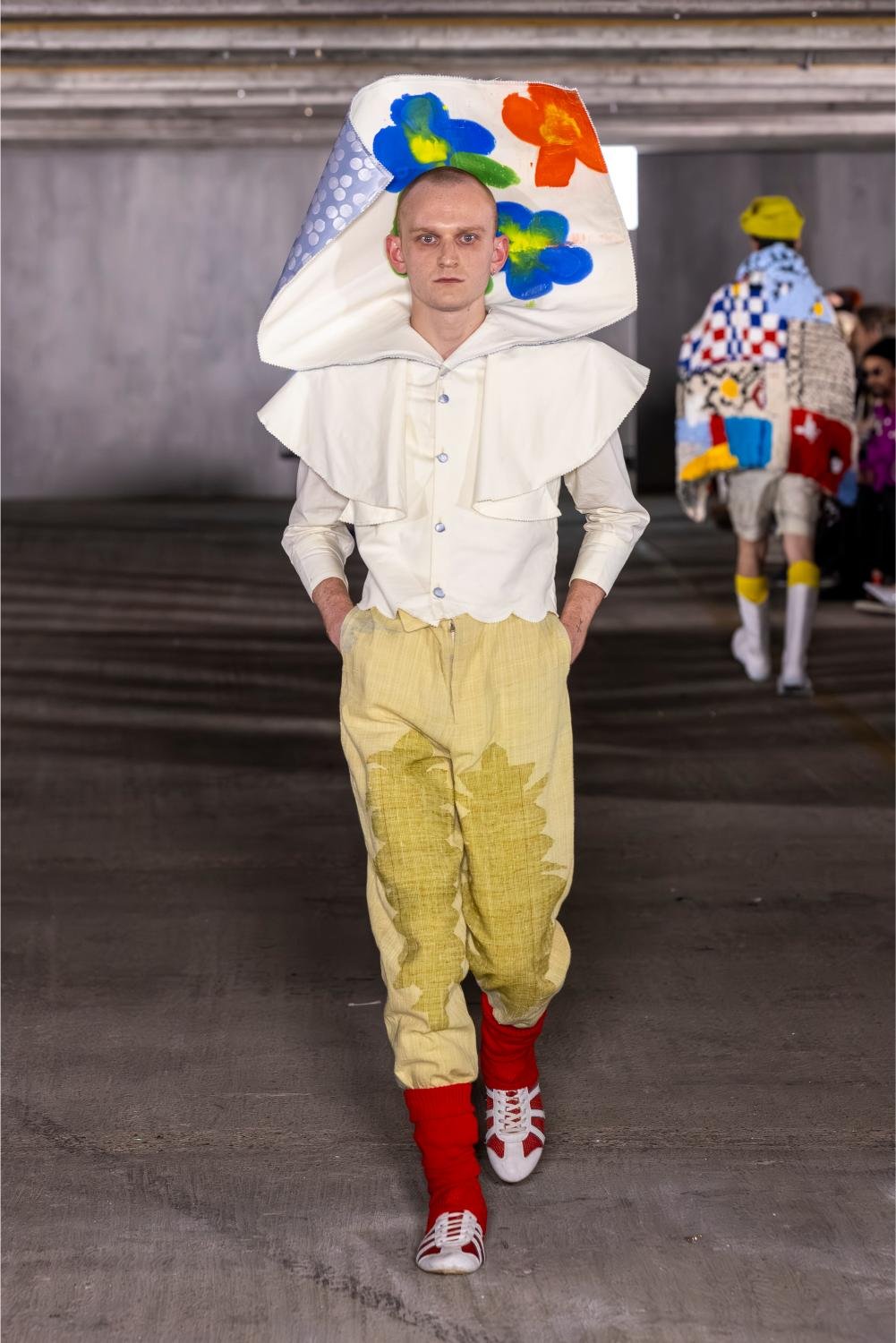
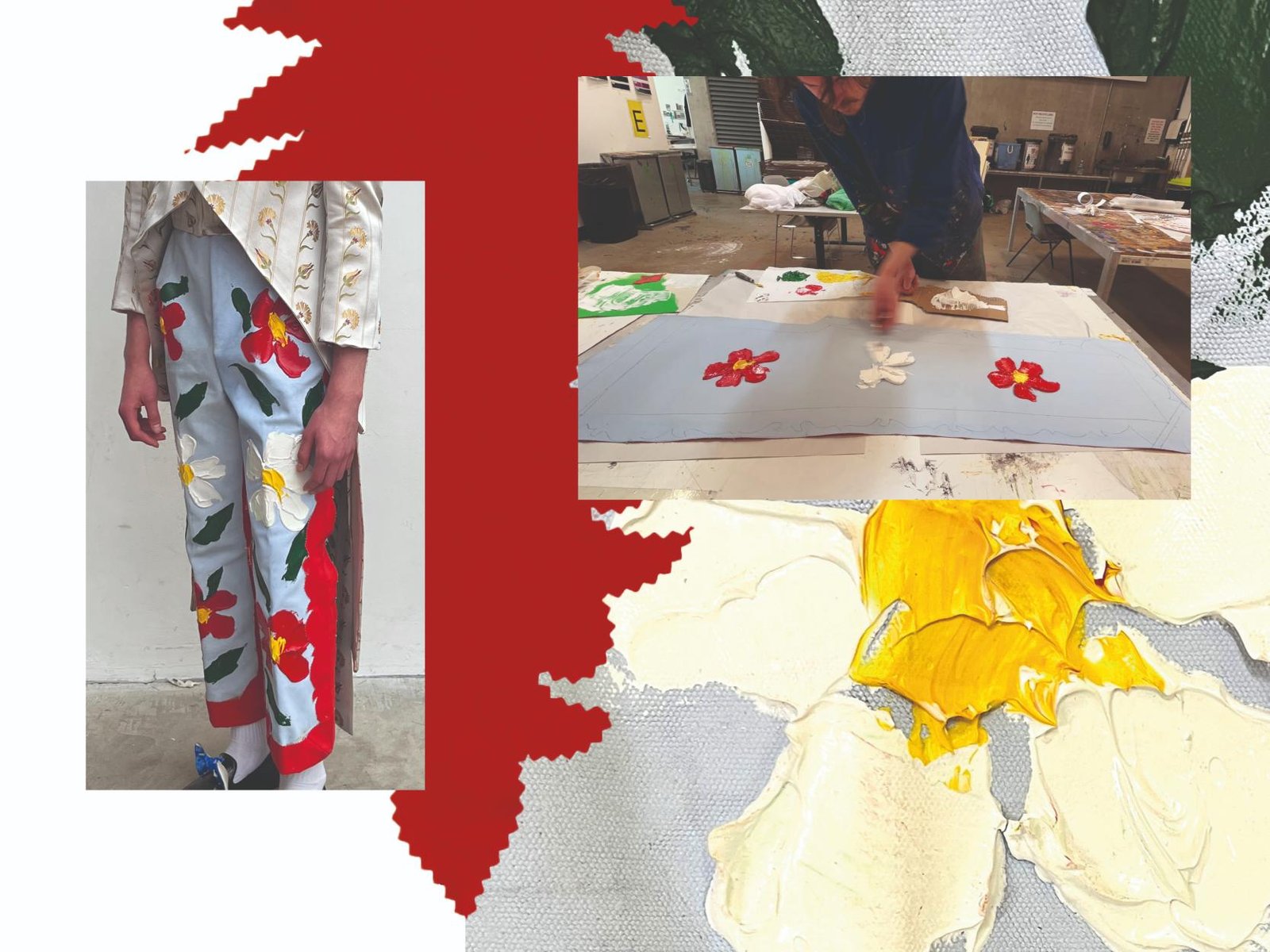
A dress-up box, a toy box, a craft box: Jonah Davies’ collection borrows the logic of things collected, misused, recombined, and turned into something new. Built around interchangeability, the work repurposes print techniques into unexpected applications and forms. Davies was interested in the instinct of picking up random materials and making something from them. Puff-print fair isle trousers, a hot-melt foam denim jacket, post-it-note Tyvek trousers, sublimated Velcro peas, and coiled screen-printed Tyvek flowers all appear throughout the collection. The garments keep that sense of being assembled, swapped, stuck, peeled, and remade.

@jonahdavies__