Representing the creative future

Parsons MFA: SOFTNESS AND STRUCTURE

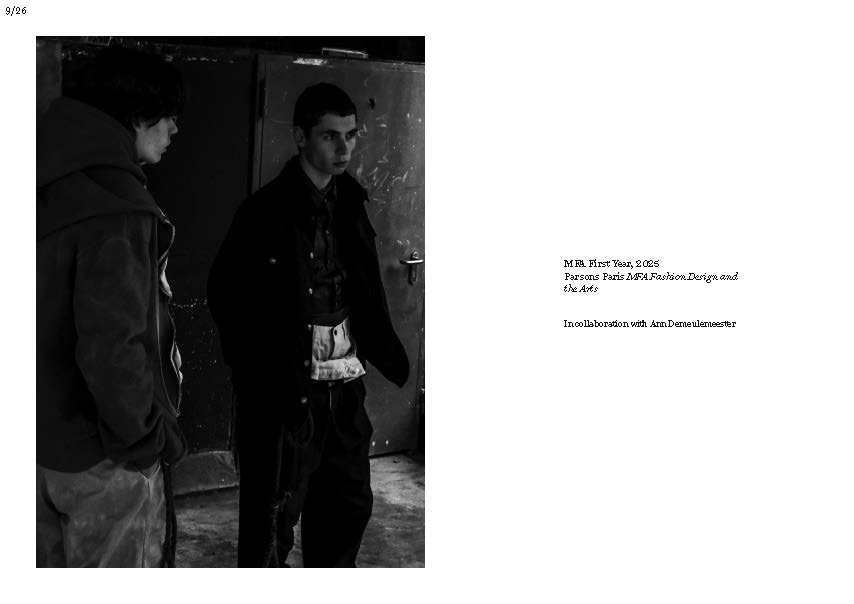
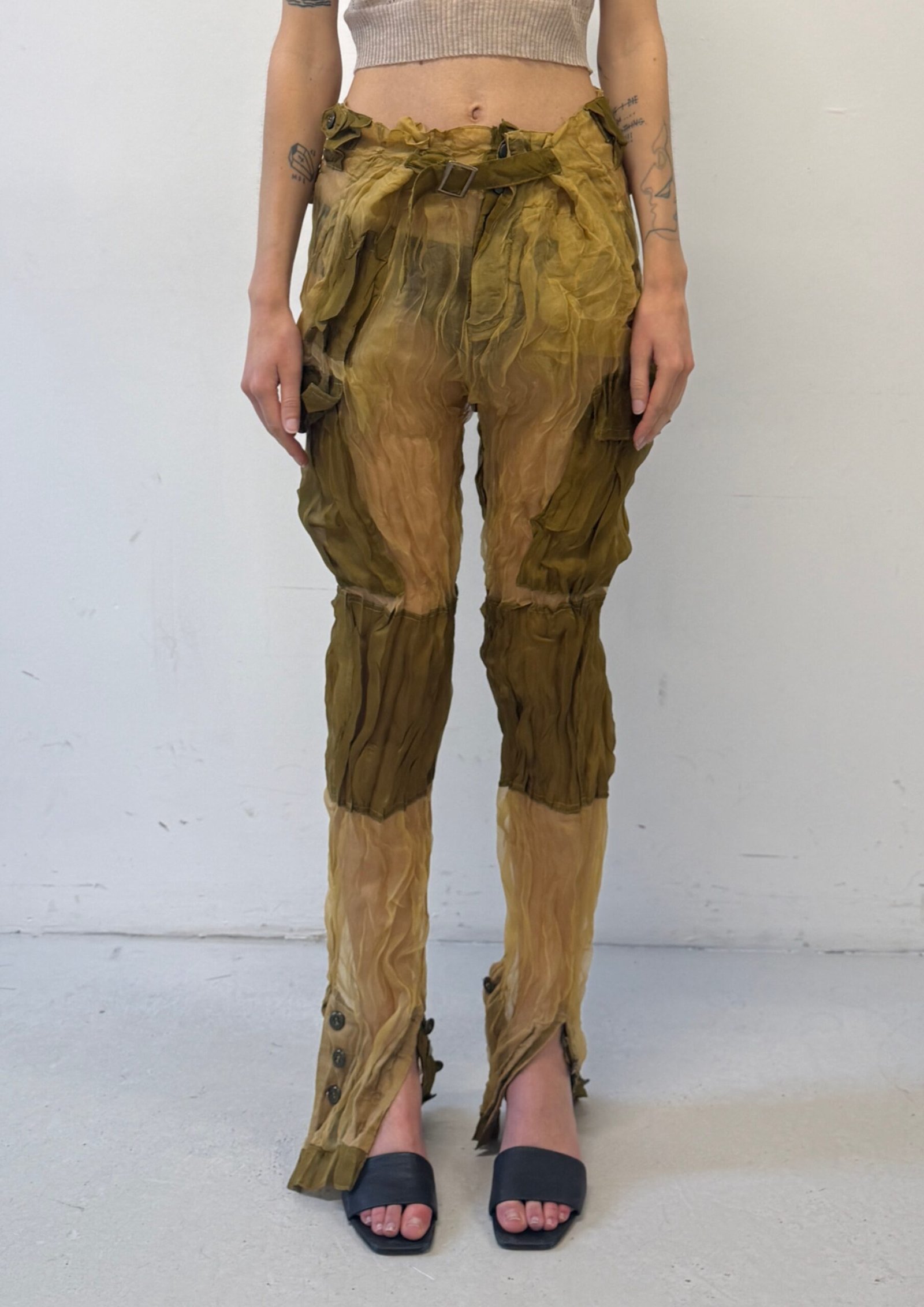
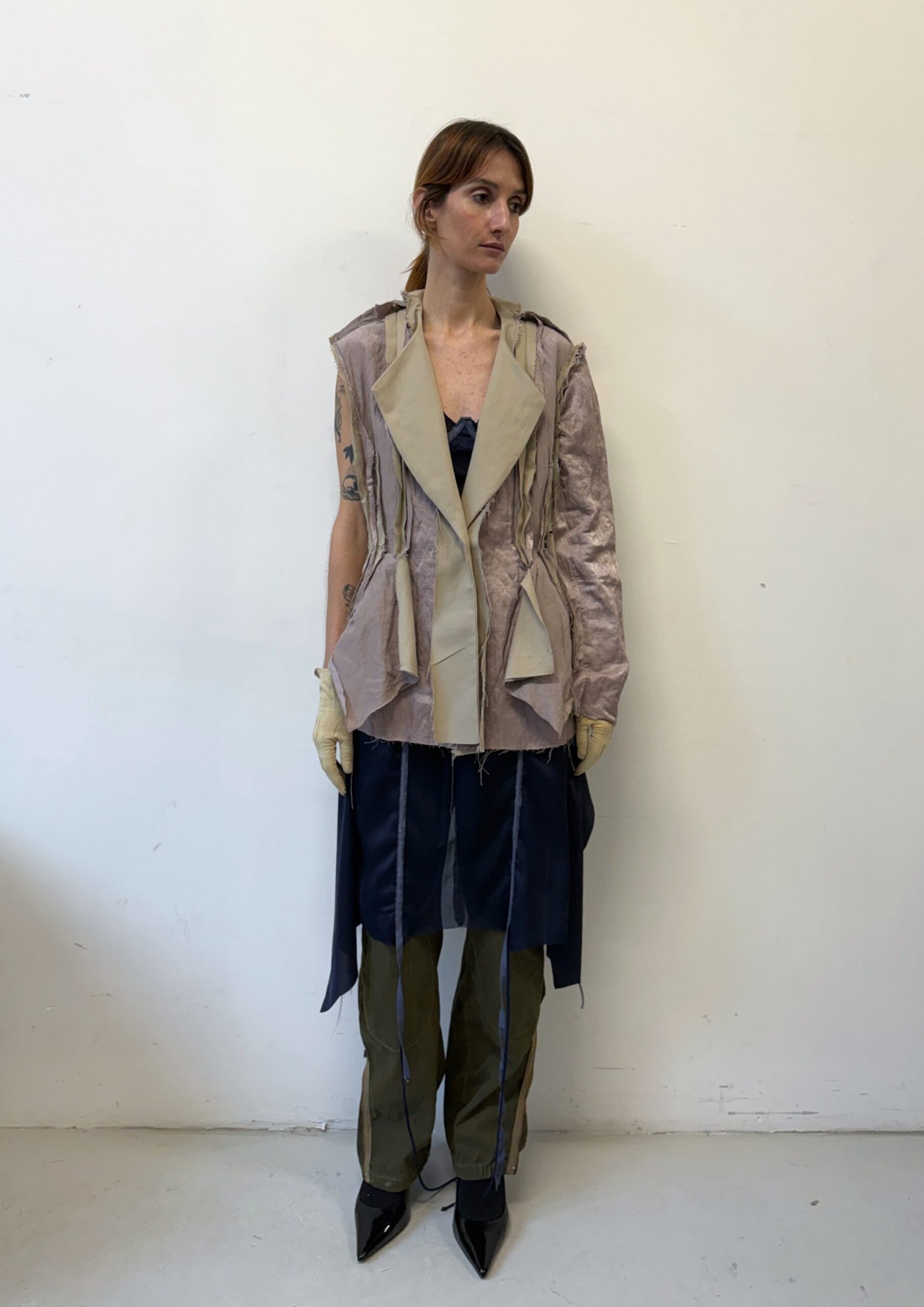
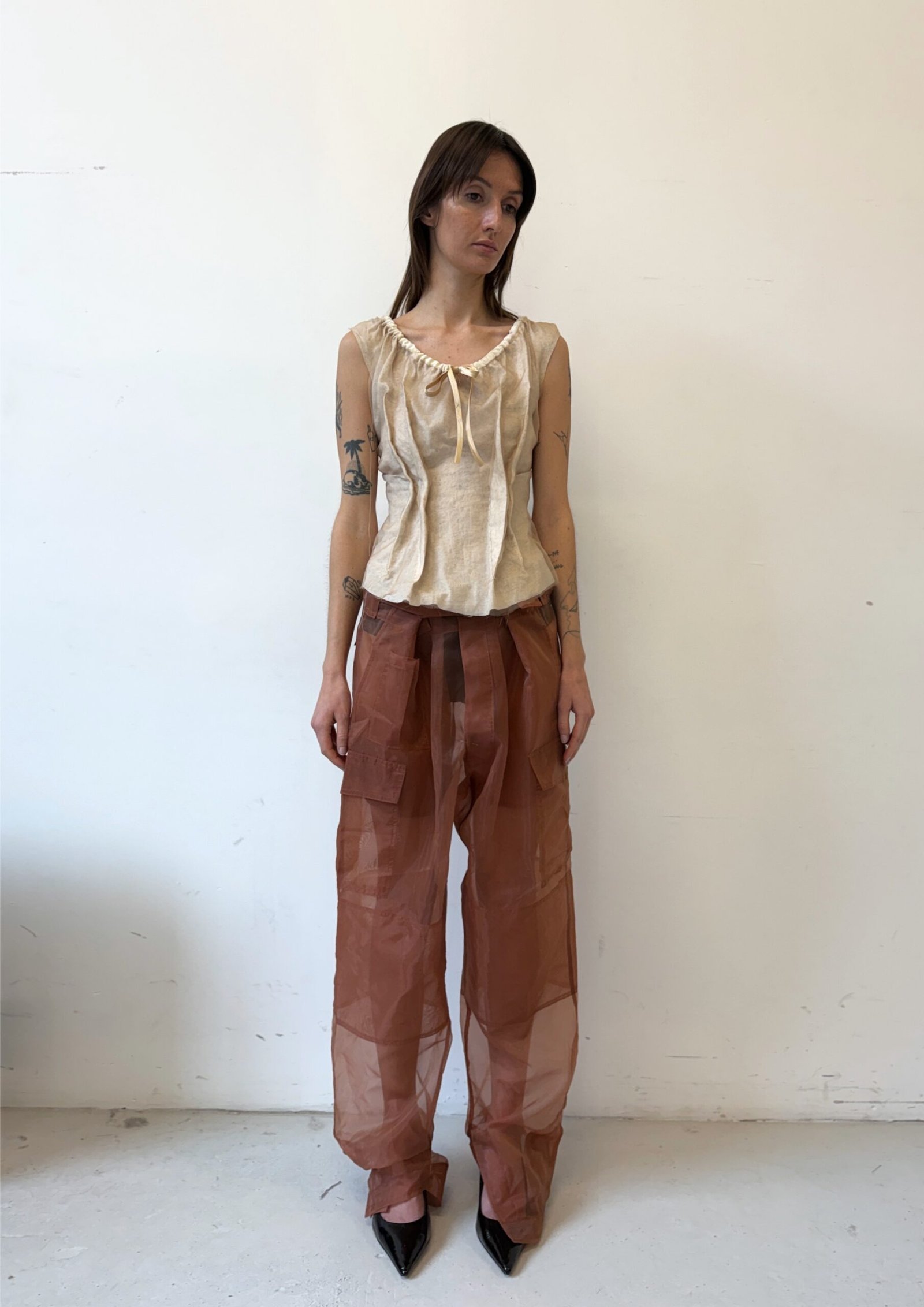
For this year’s graduates of the Parsons MFA, references move between cinema, labour, queer romance, Bauhaus design, post-war femininity, Ivy League mythology, and classic Hollywood glamour. Chantal Akerman’s Saute ma ville, The Secret History, Marlene Dietrich, Art Deco interiors, and Bauhaus women become points of departure alongside personal histories of factory work, relationships, migration, and creative labour. Many of the designers explore tension directly within the garments themselves – between softness and structure, masculinity and femininity, visibility and absence, utility and emotion.

Ruosi Ni

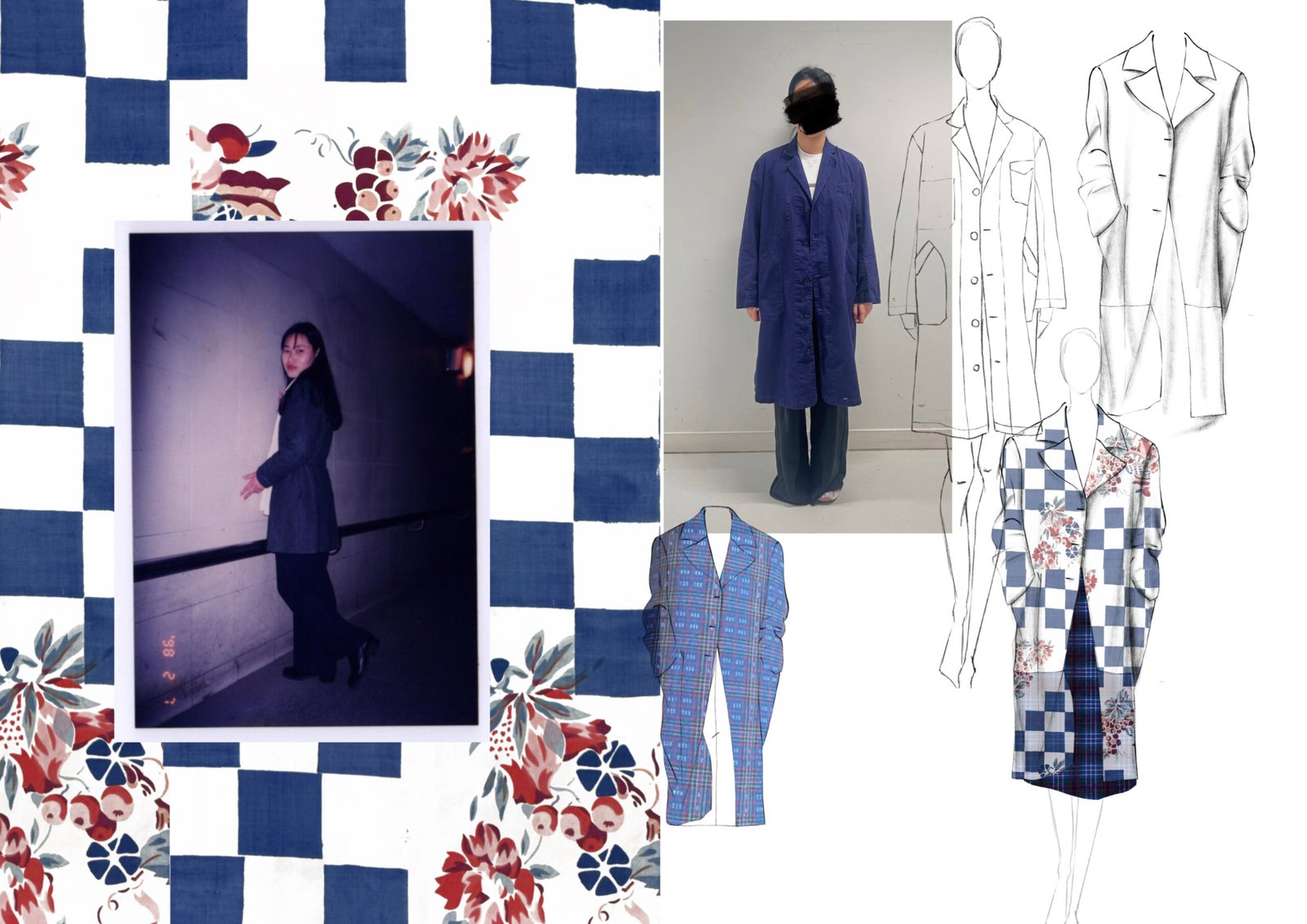
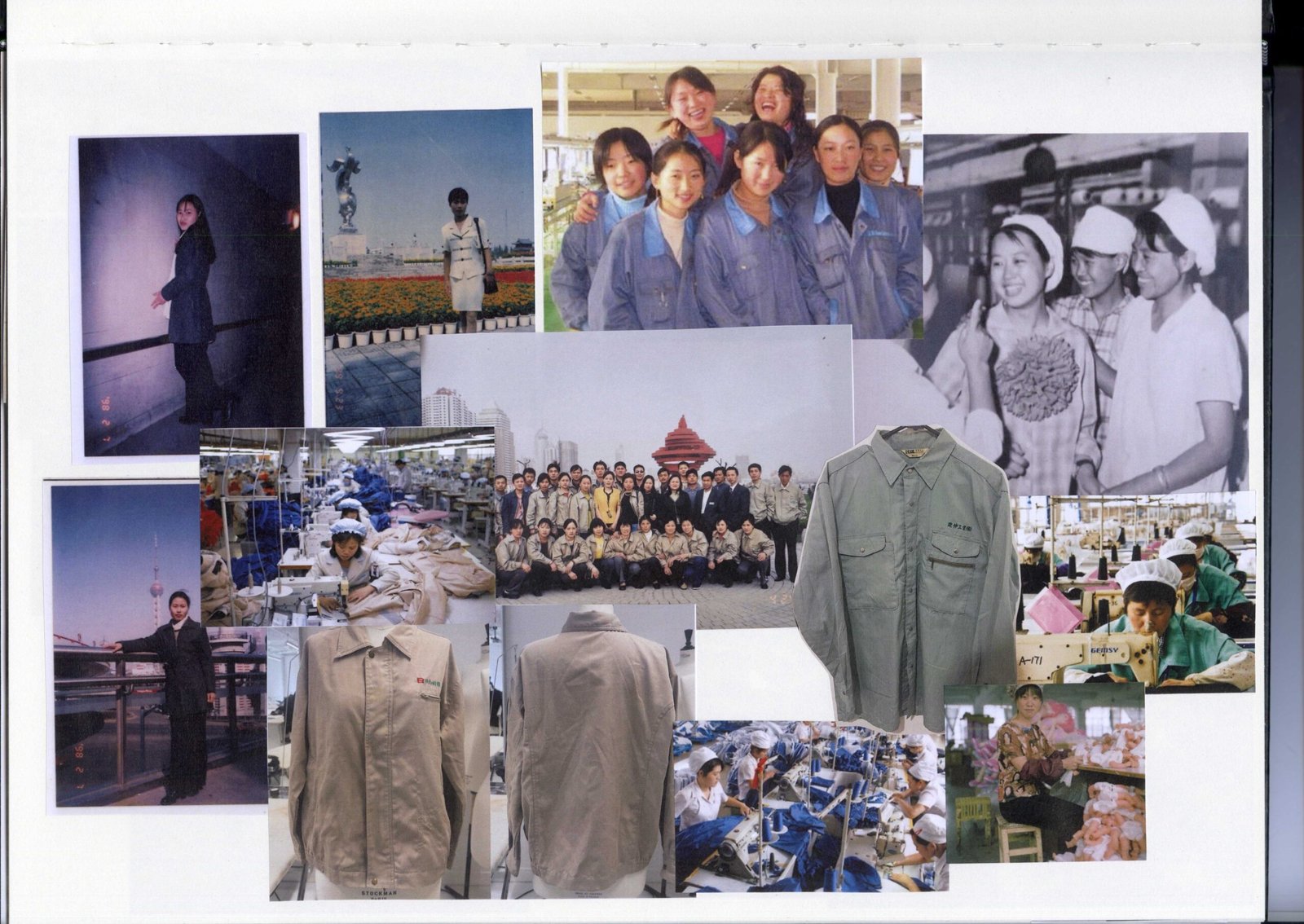
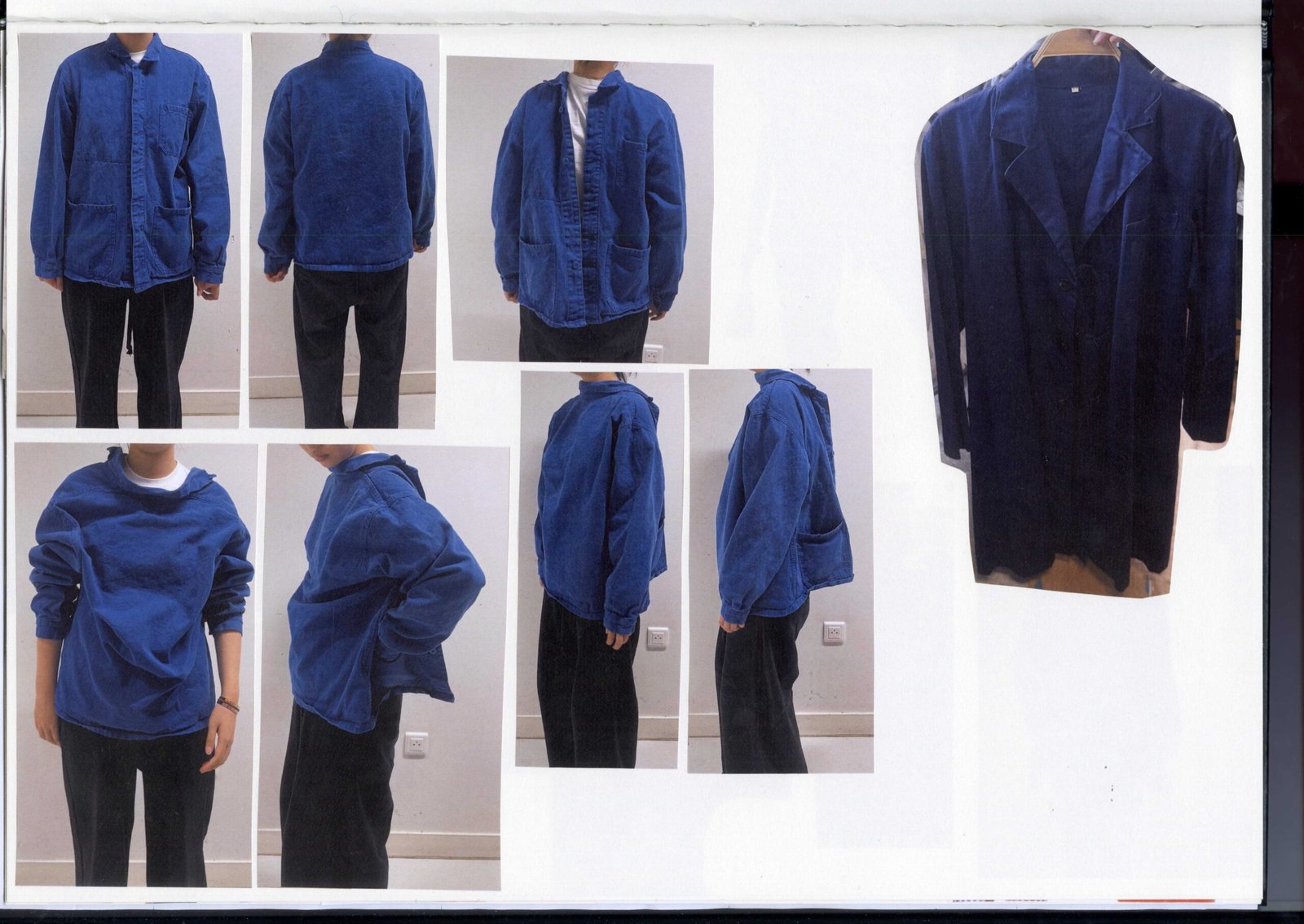
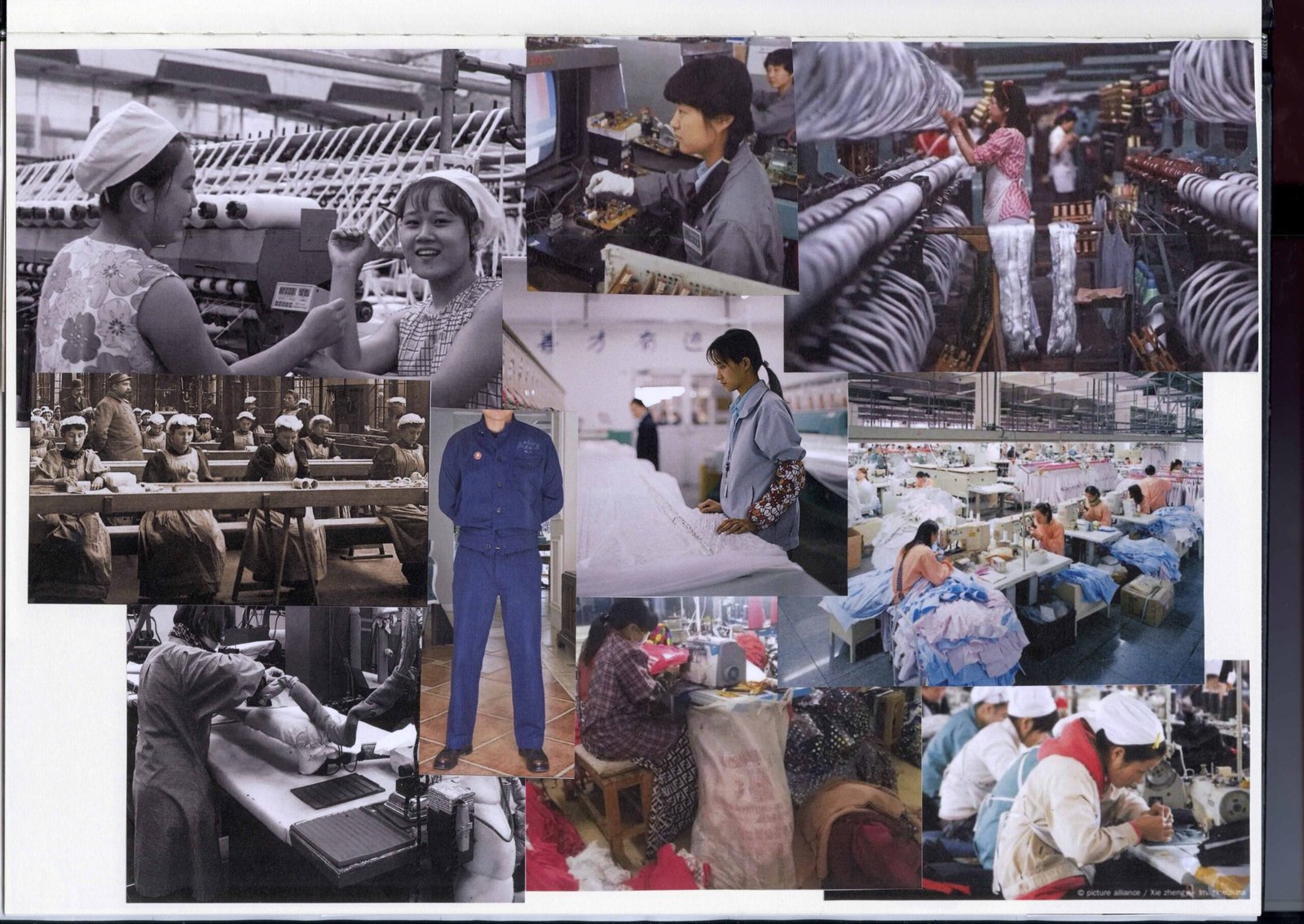
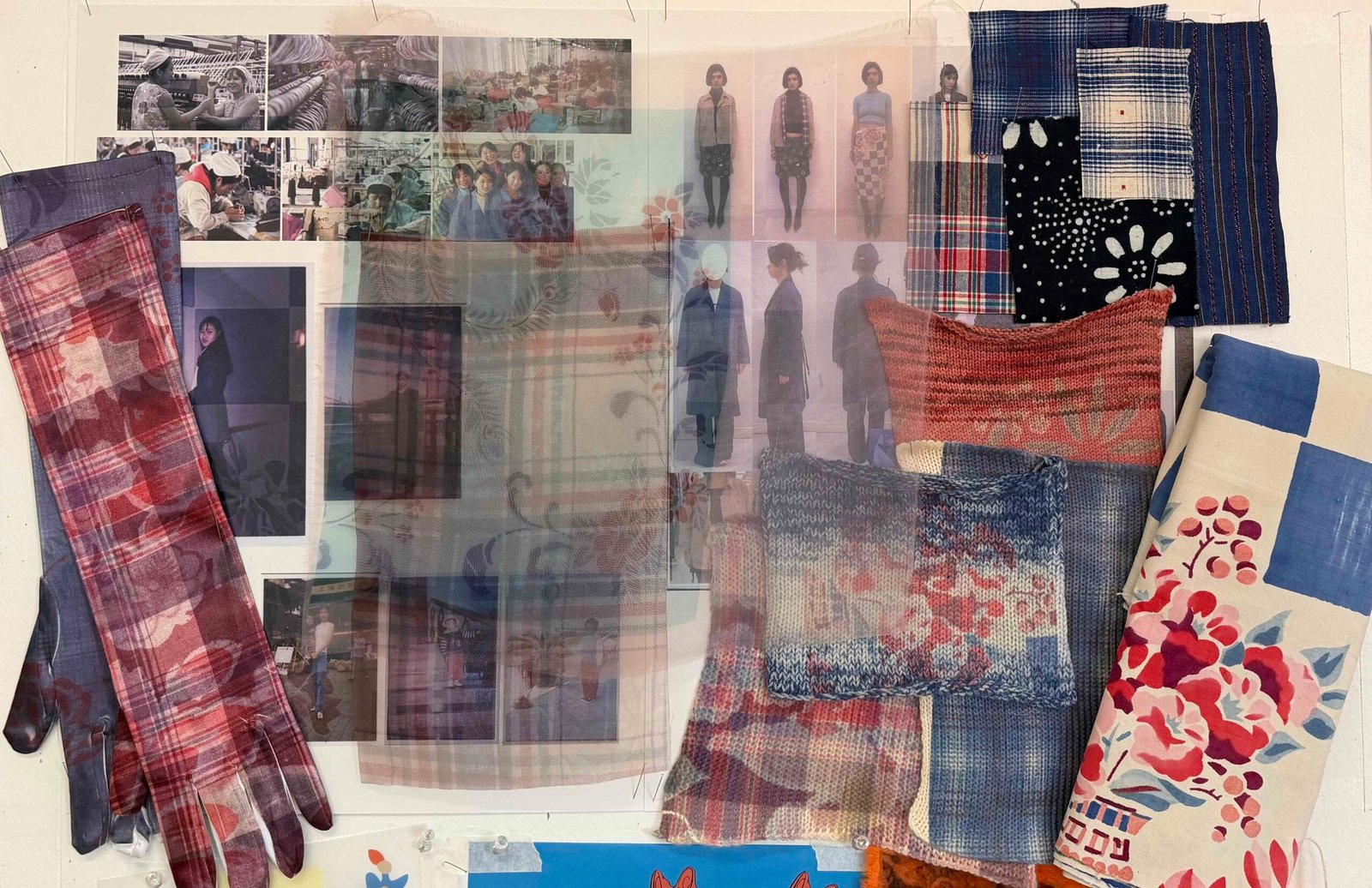
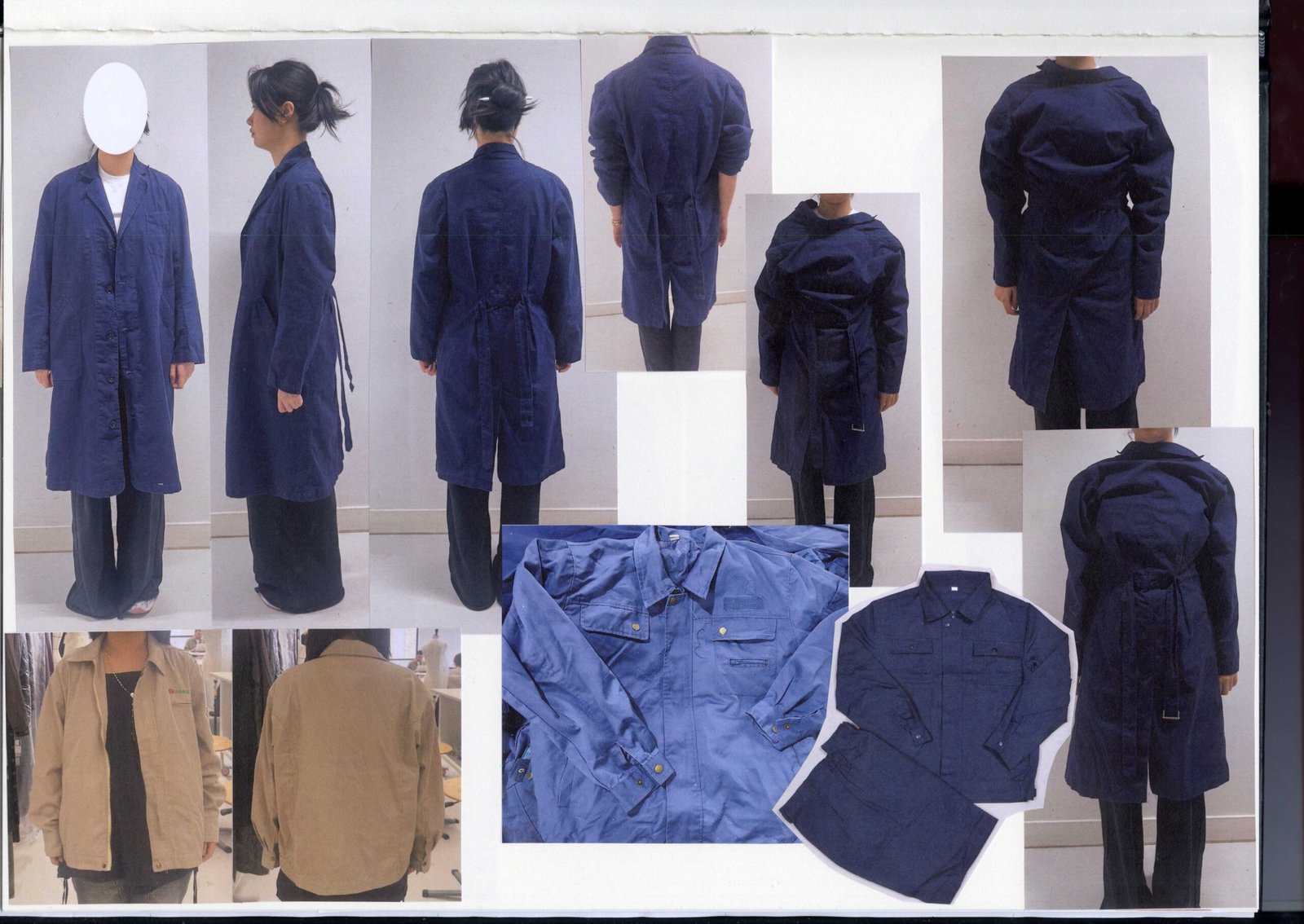
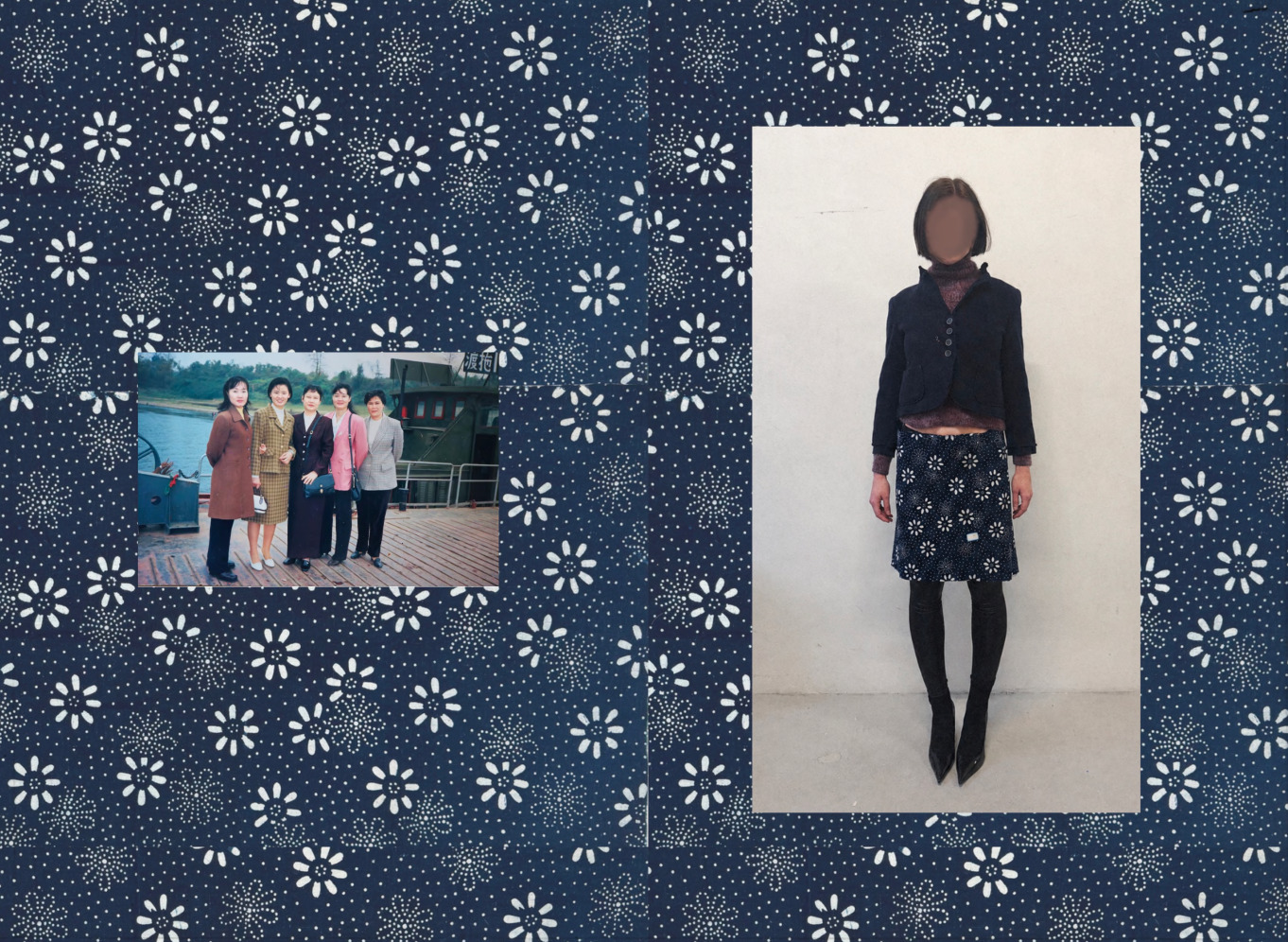
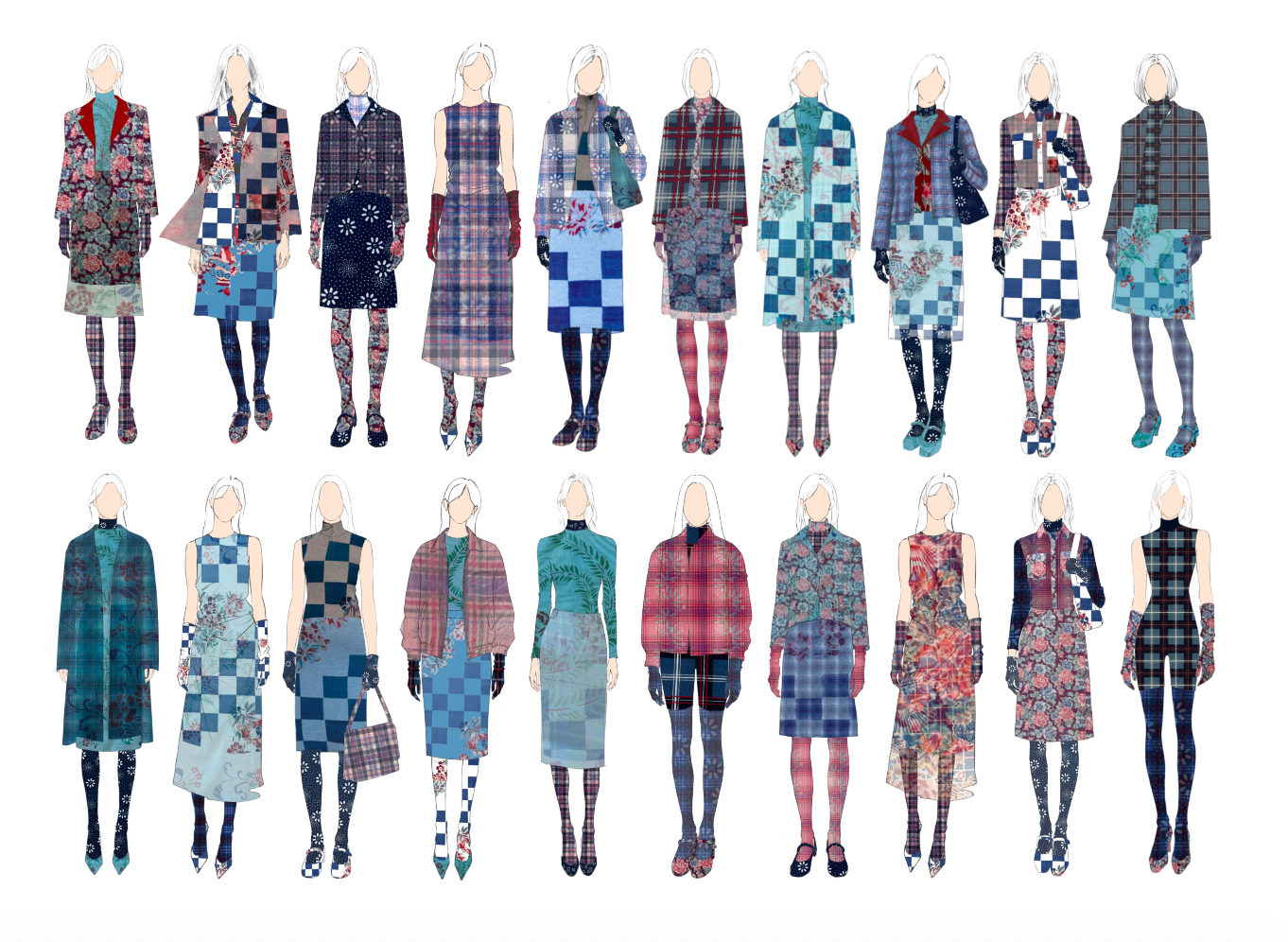
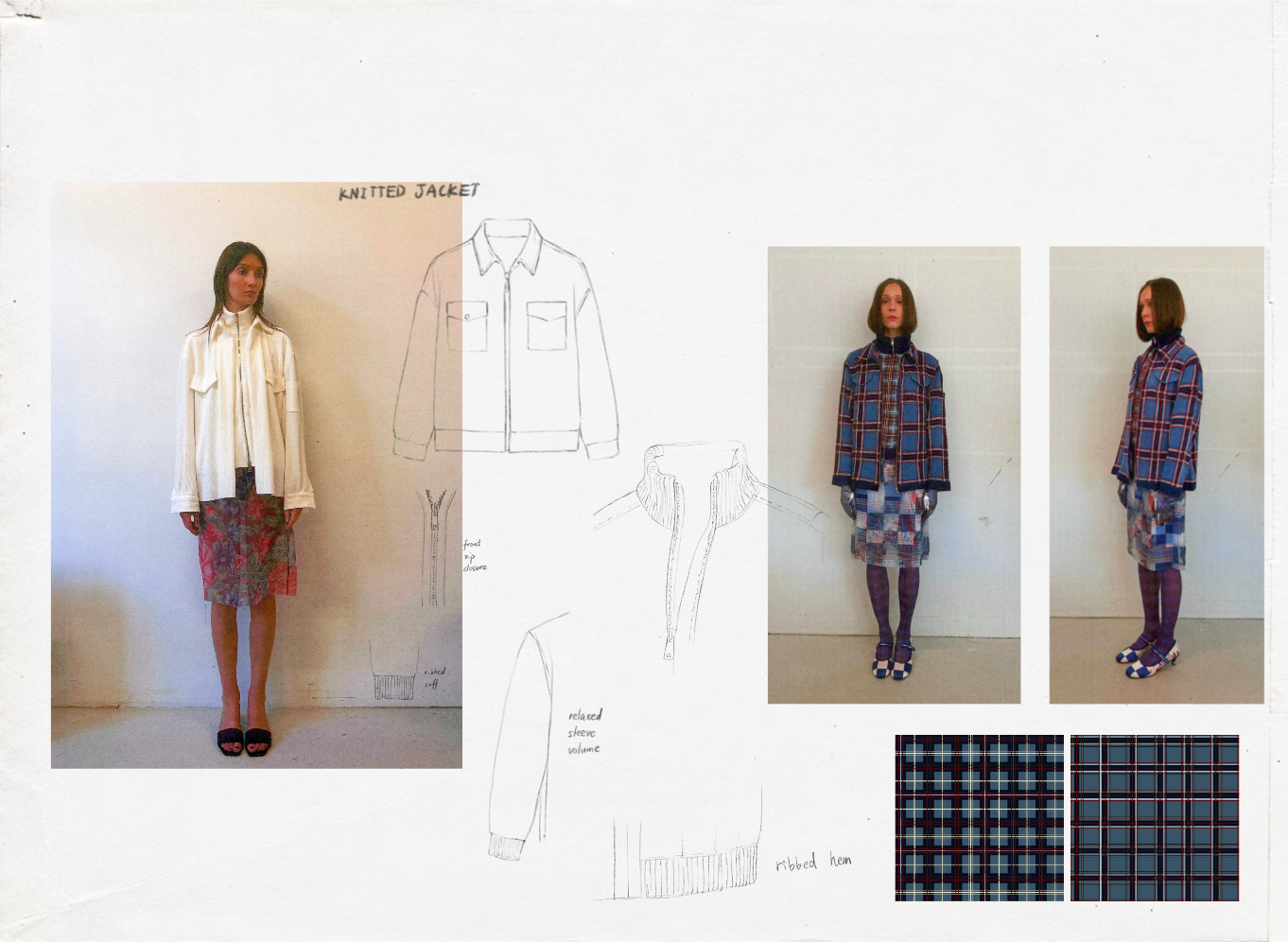
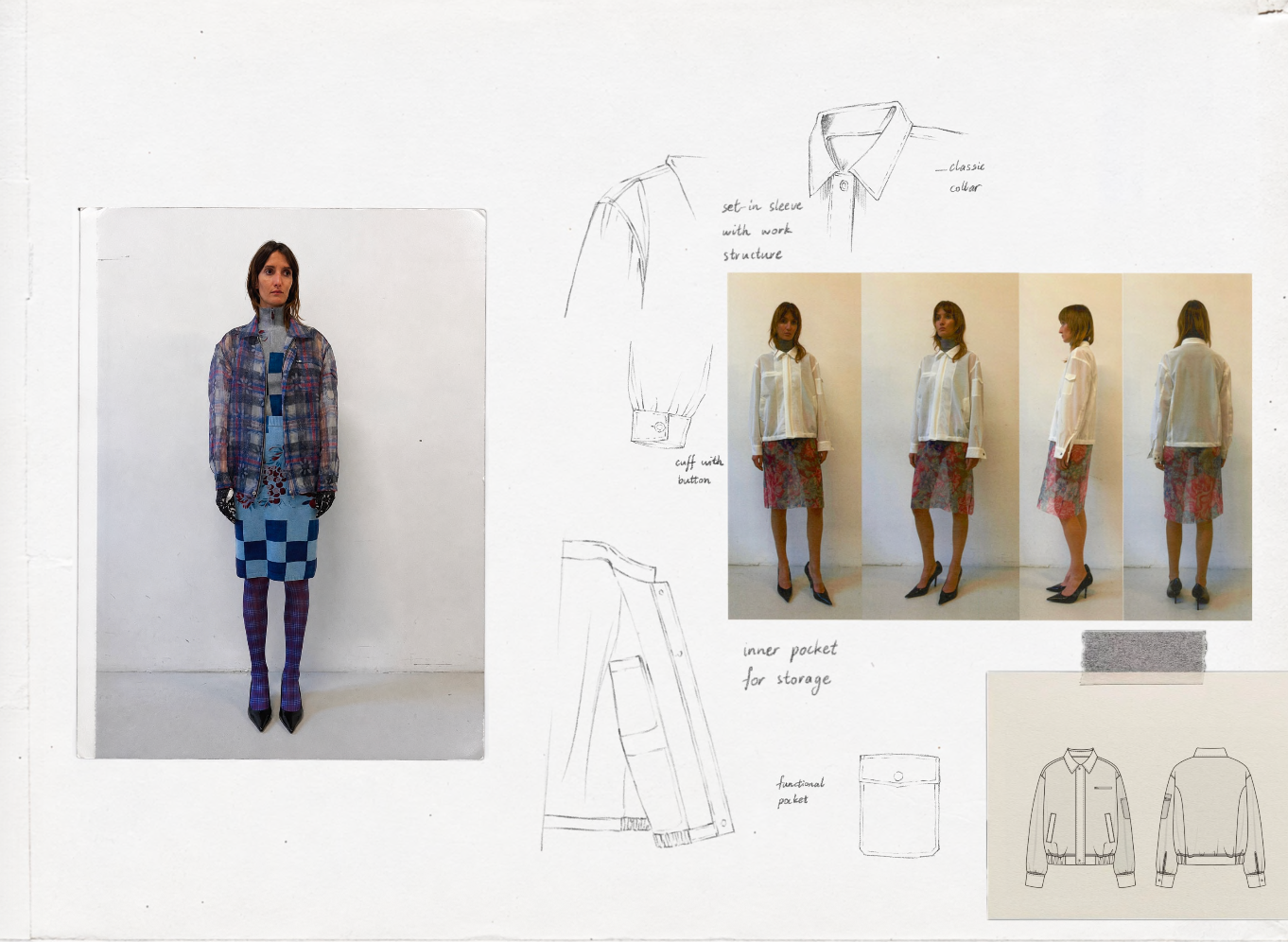
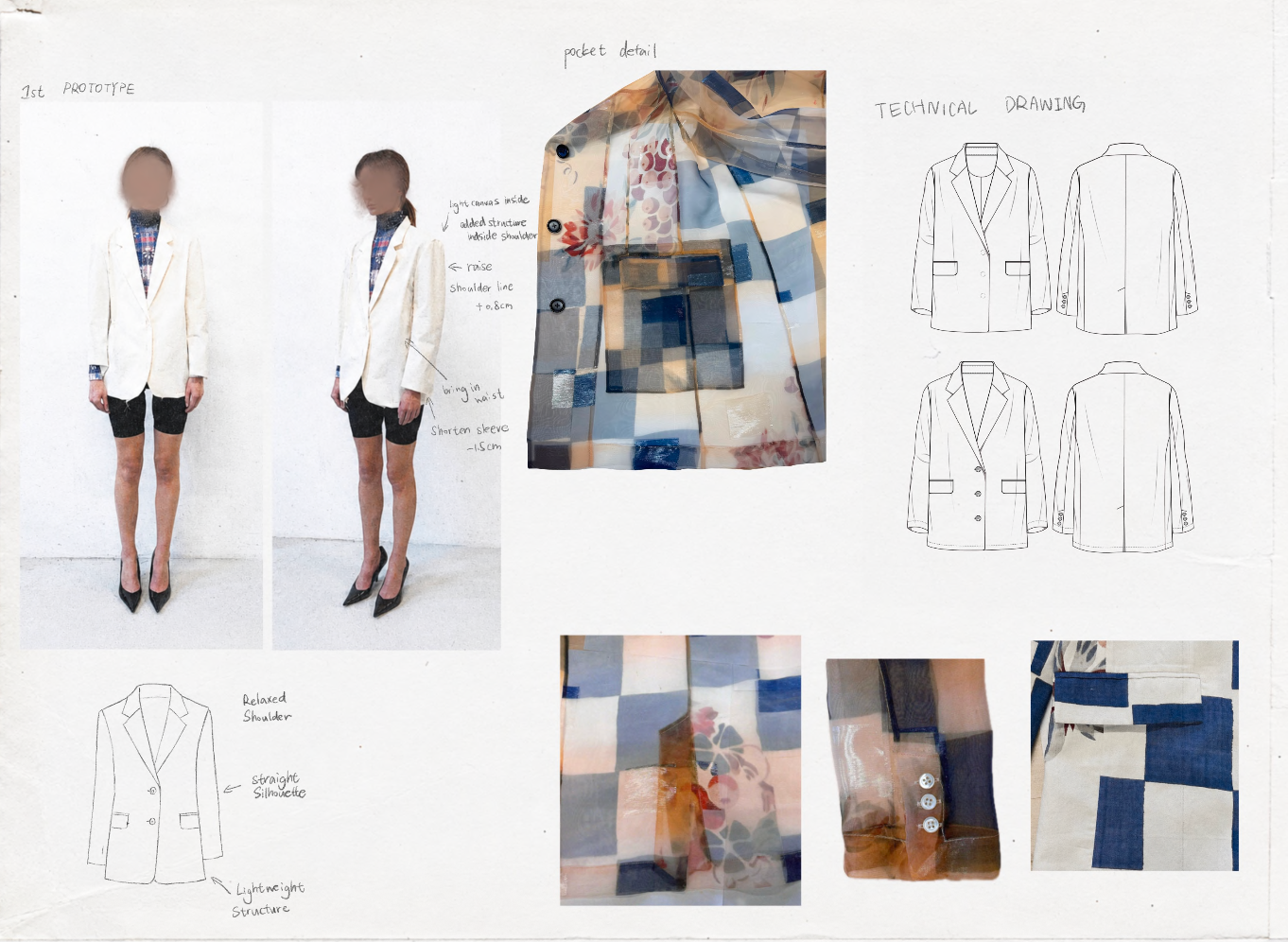
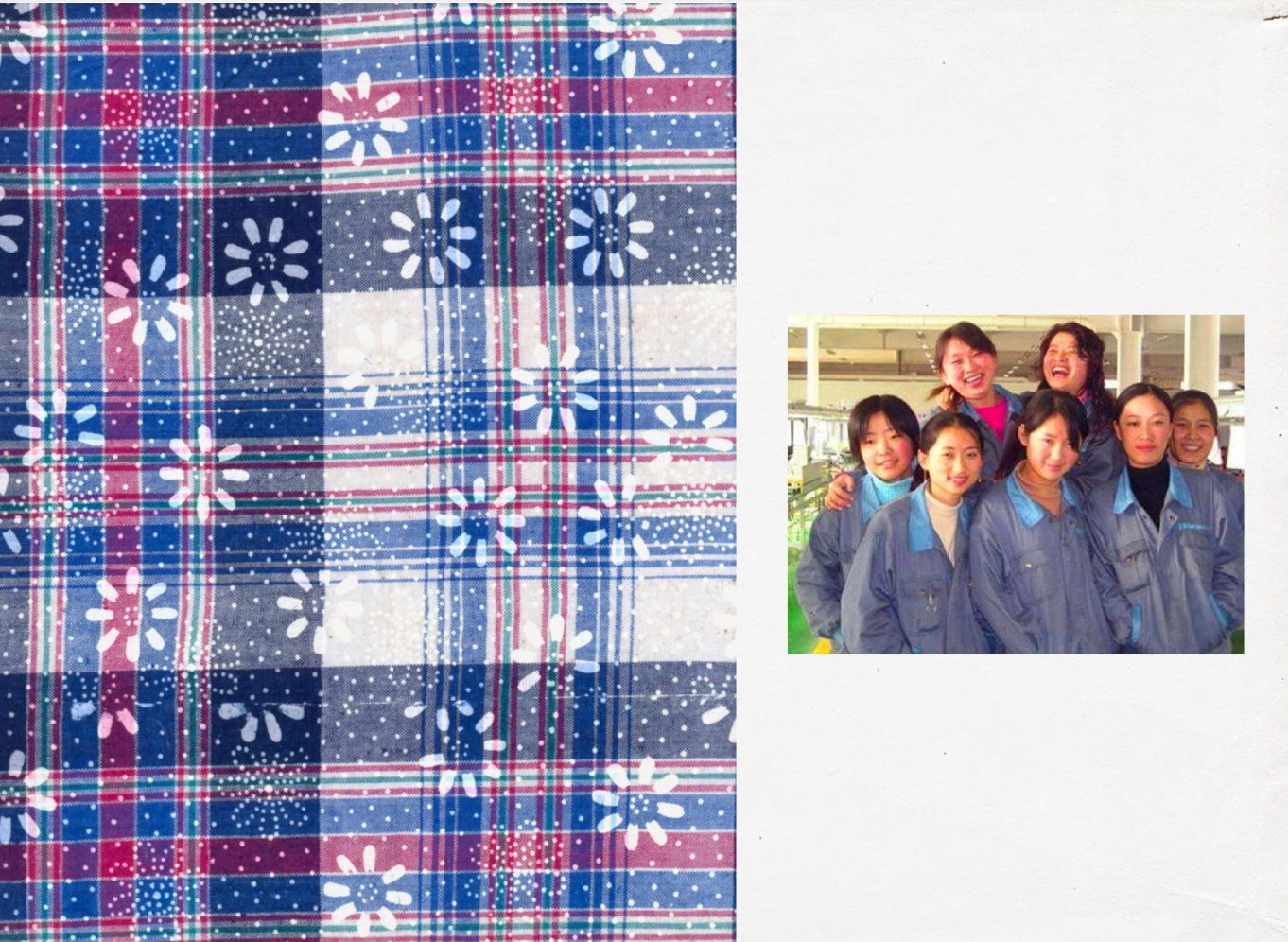
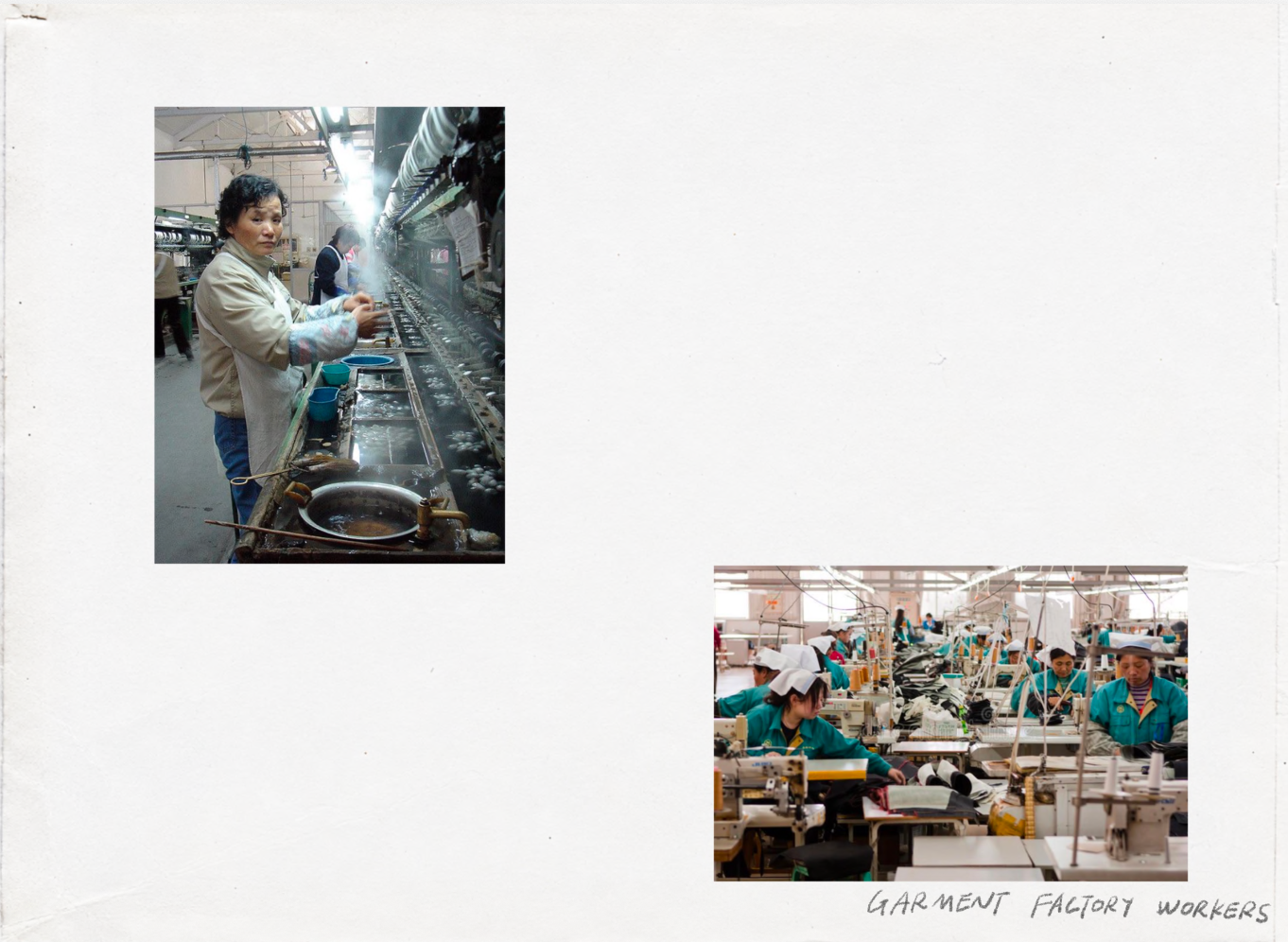
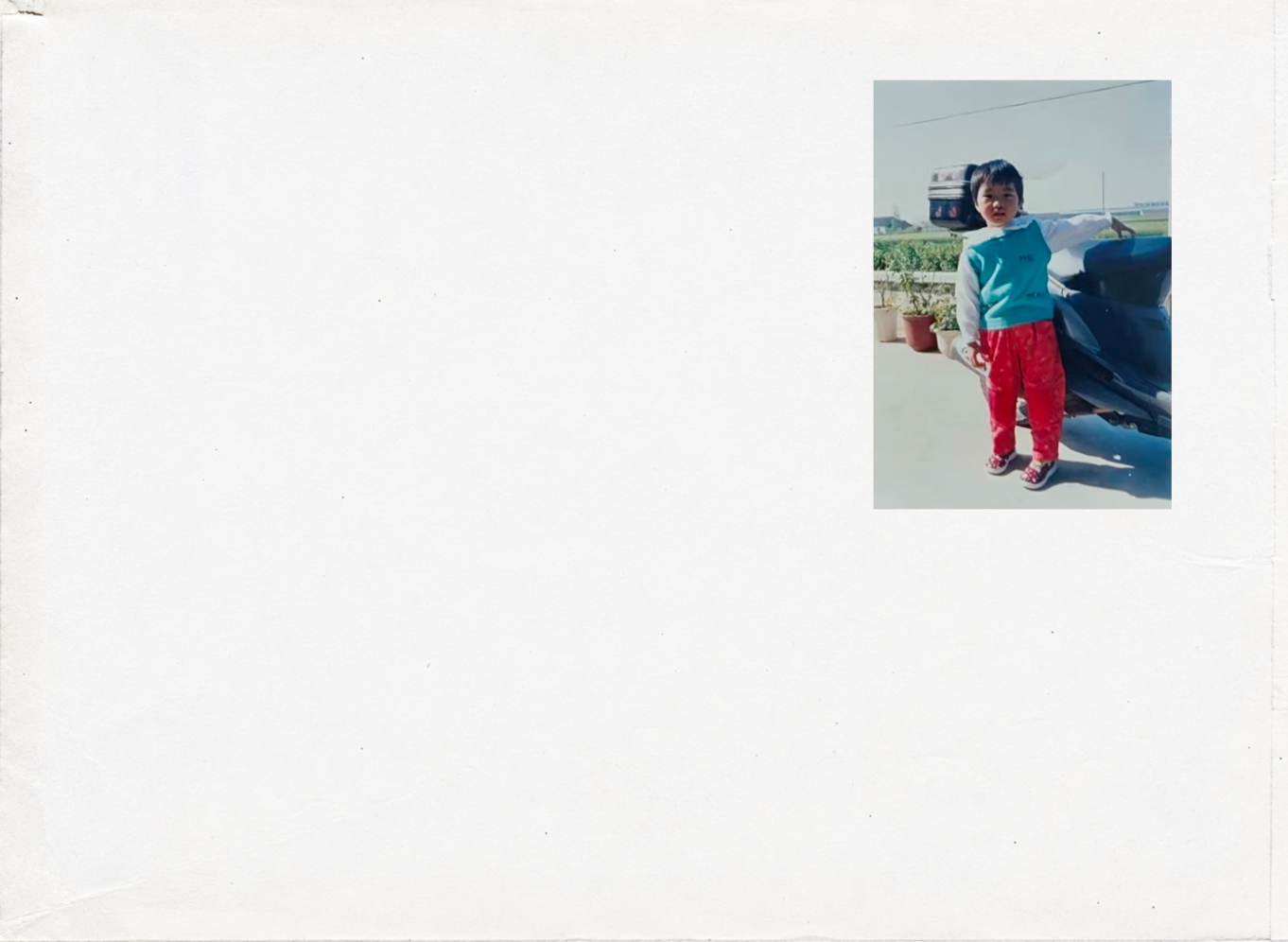
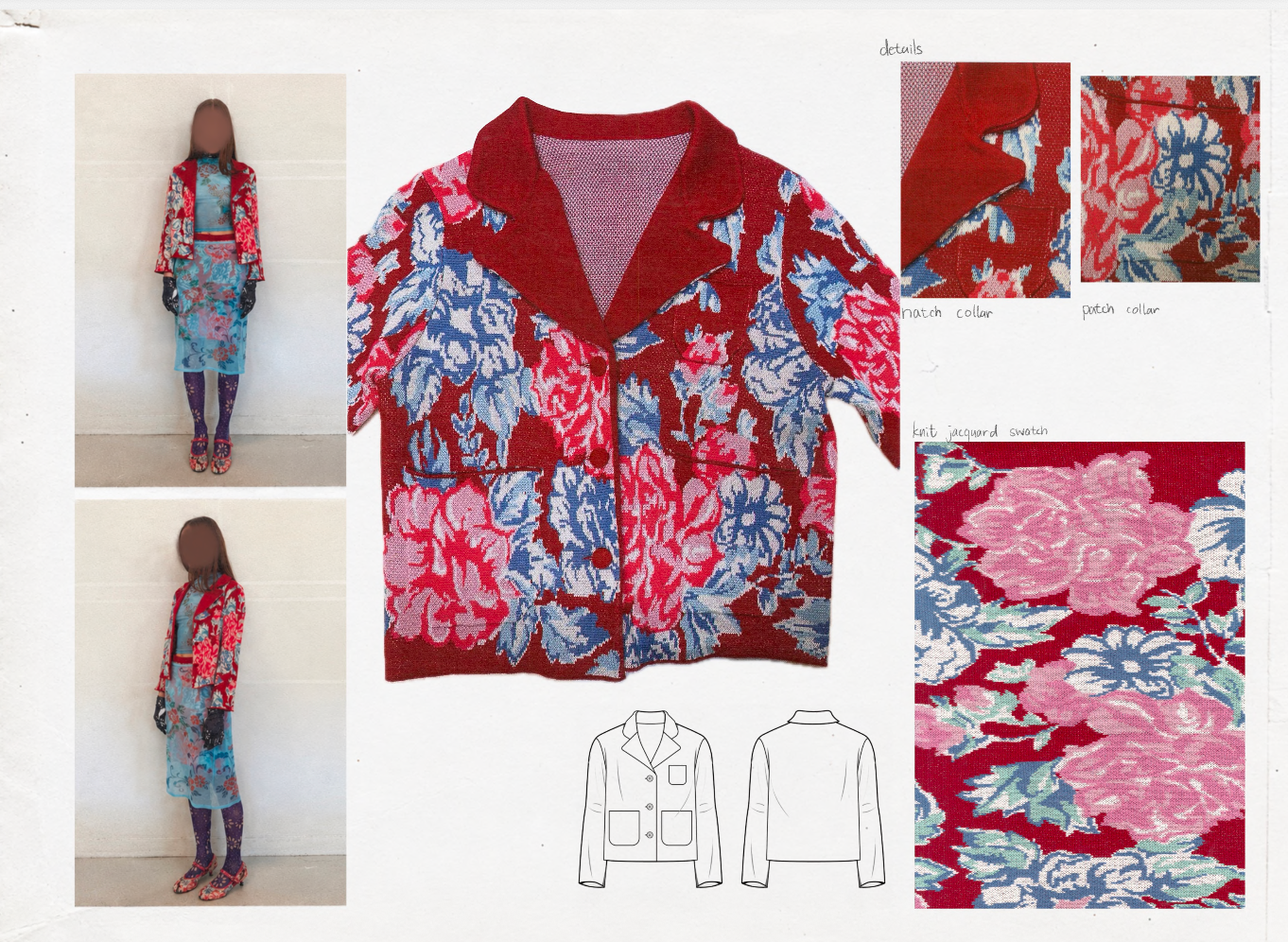
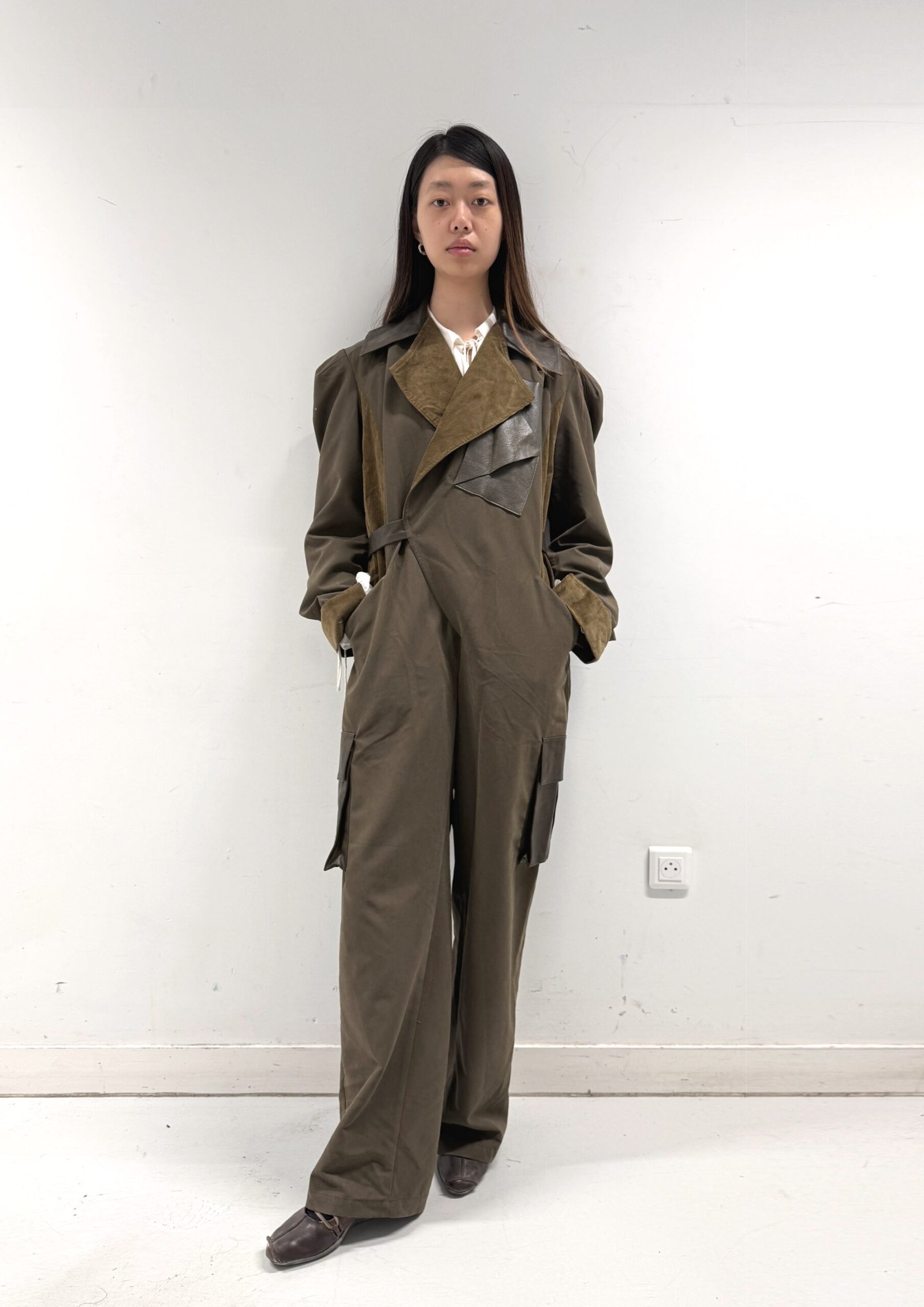
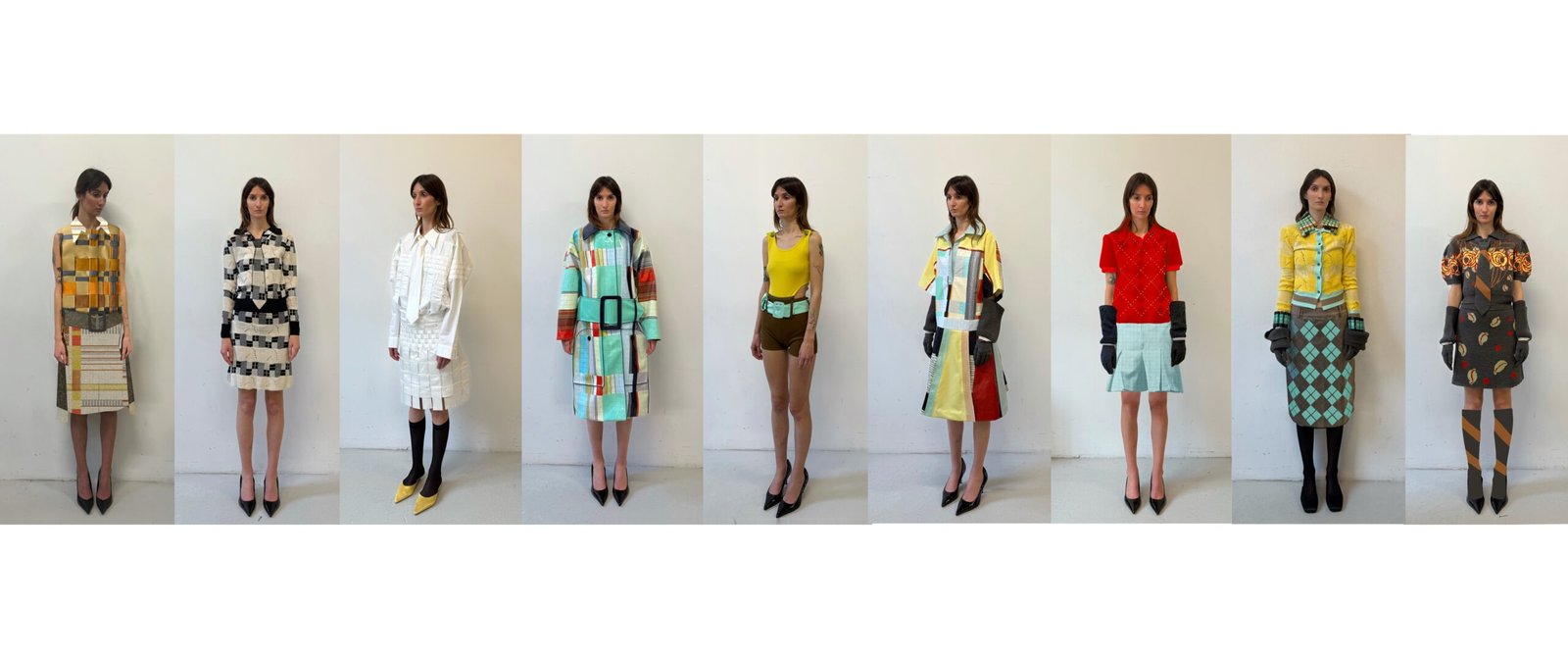
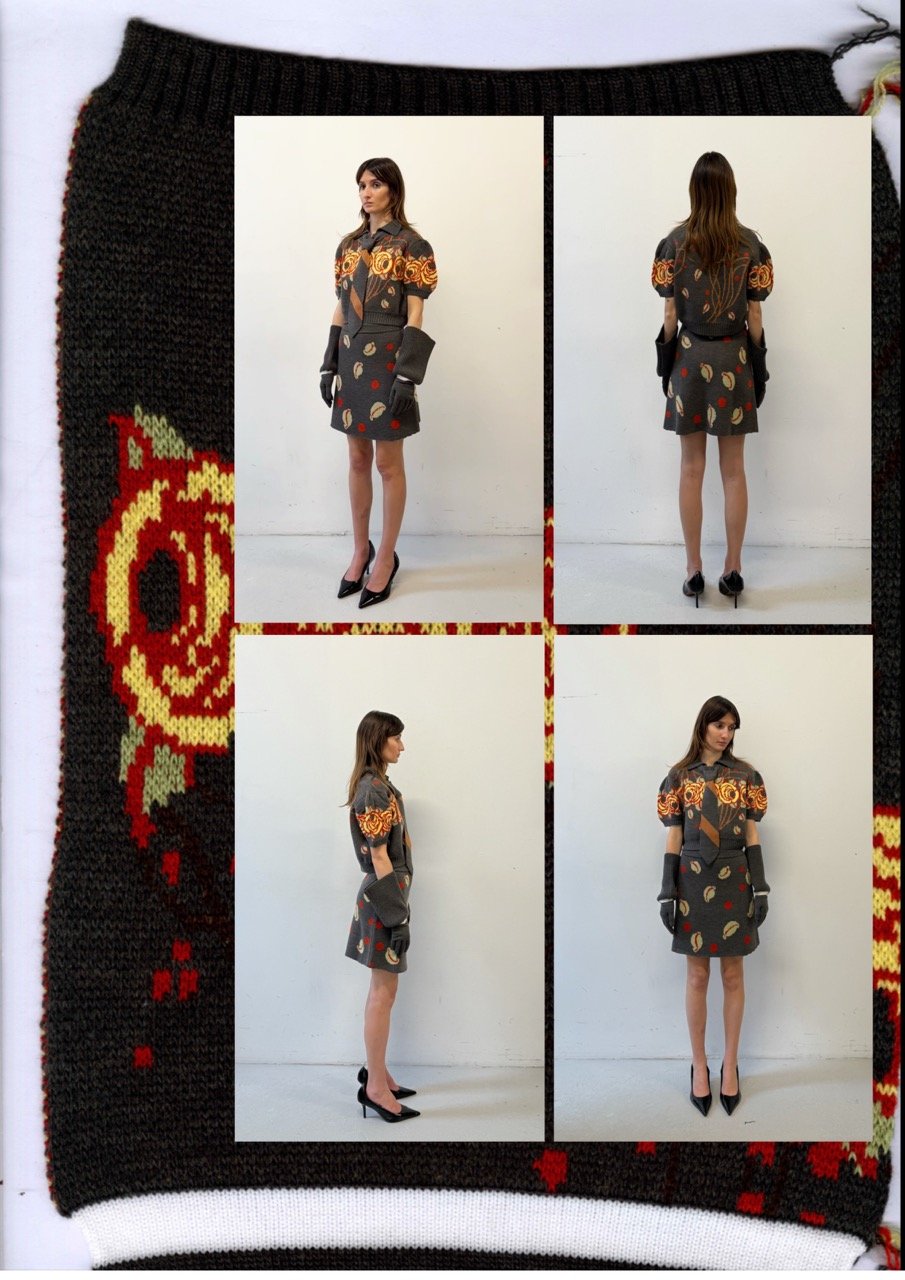
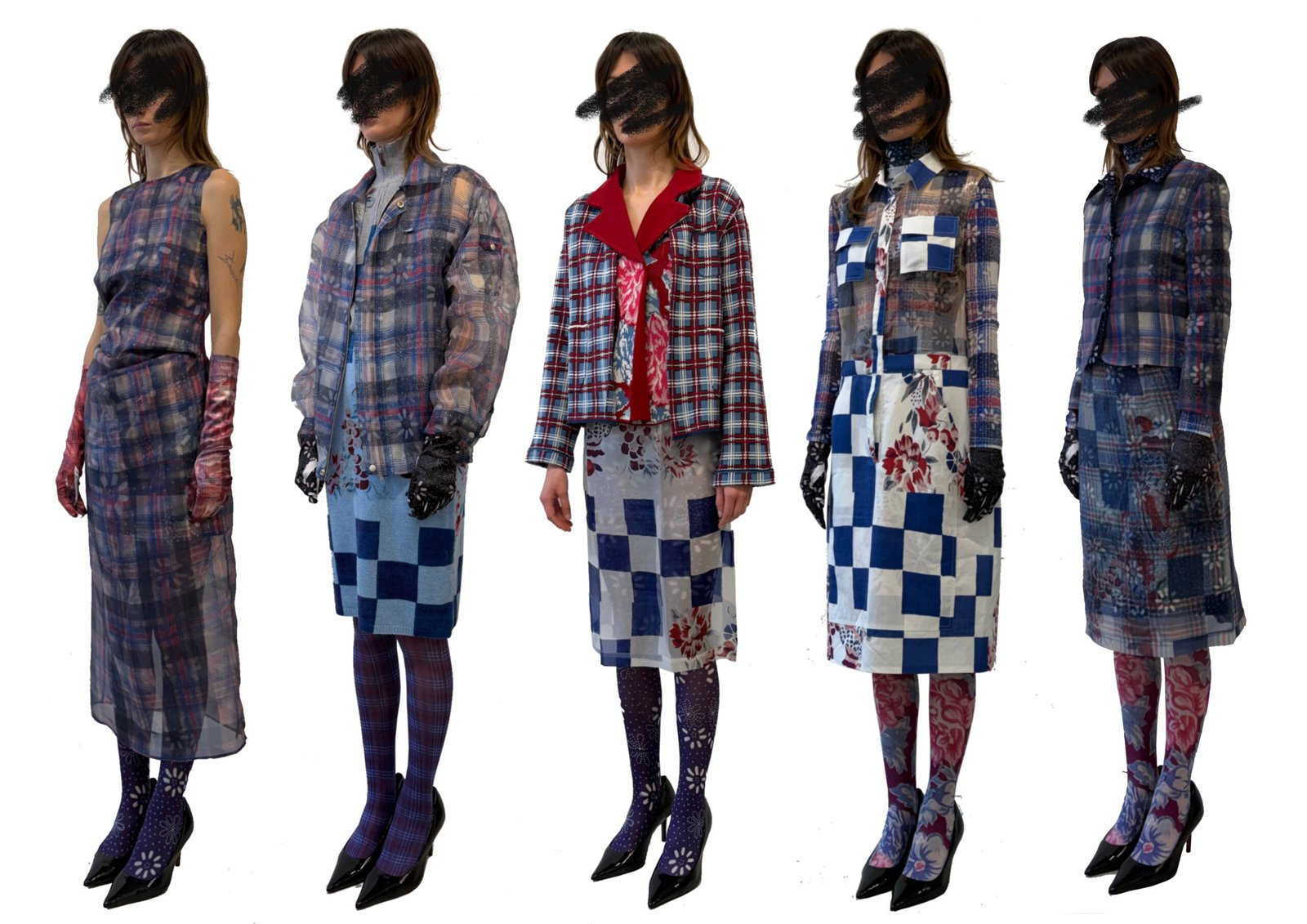
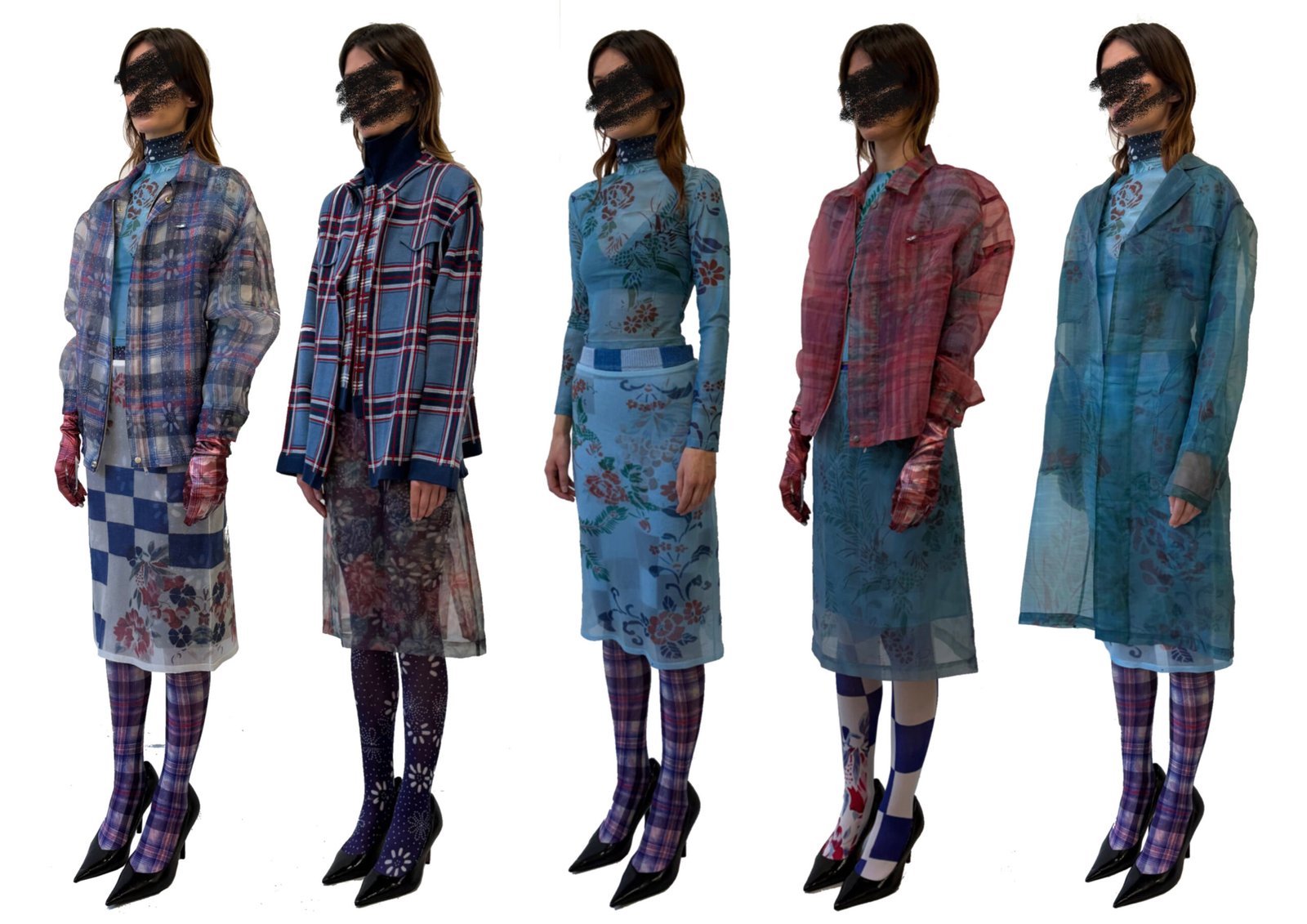
Ruosi Ni’s graduate collection begins with the idea that a first perception of womanhood often comes through one’s mother. Drawing from her own mother’s experience working in a garment factory in China, the collection explores the contrast between uniforms shaped by efficiency and repetition and the fitted knitwear and tailored coats she chose in private life. Knitwear is used to stay close to the body and evoke softness and emotional memory, while workwear elements introduce structure and control into the silhouettes. Traditional cotton fabrics from Ni’s hometown are reworked through floral and plaid patterns integrated directly into the garments’ construction. As she enters the industry, Ni is interested in the distance between how garments are made and how they are experienced. Through her own background, she has become increasingly aware of the invisible systems of labour and production behind clothing, while also recognising how garments are often reduced to image and trend.
@ruosi_ni

Ranze Zhang

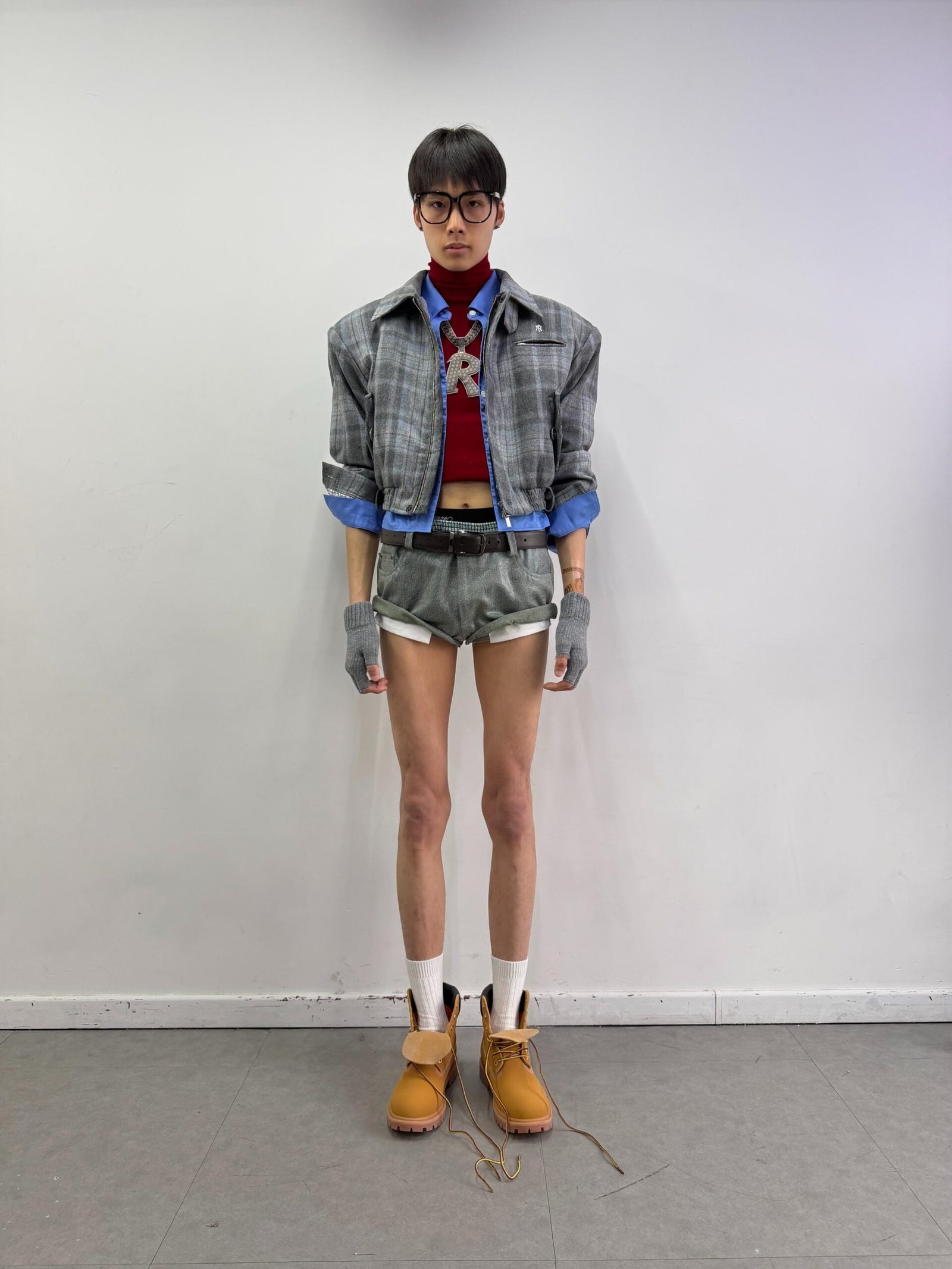
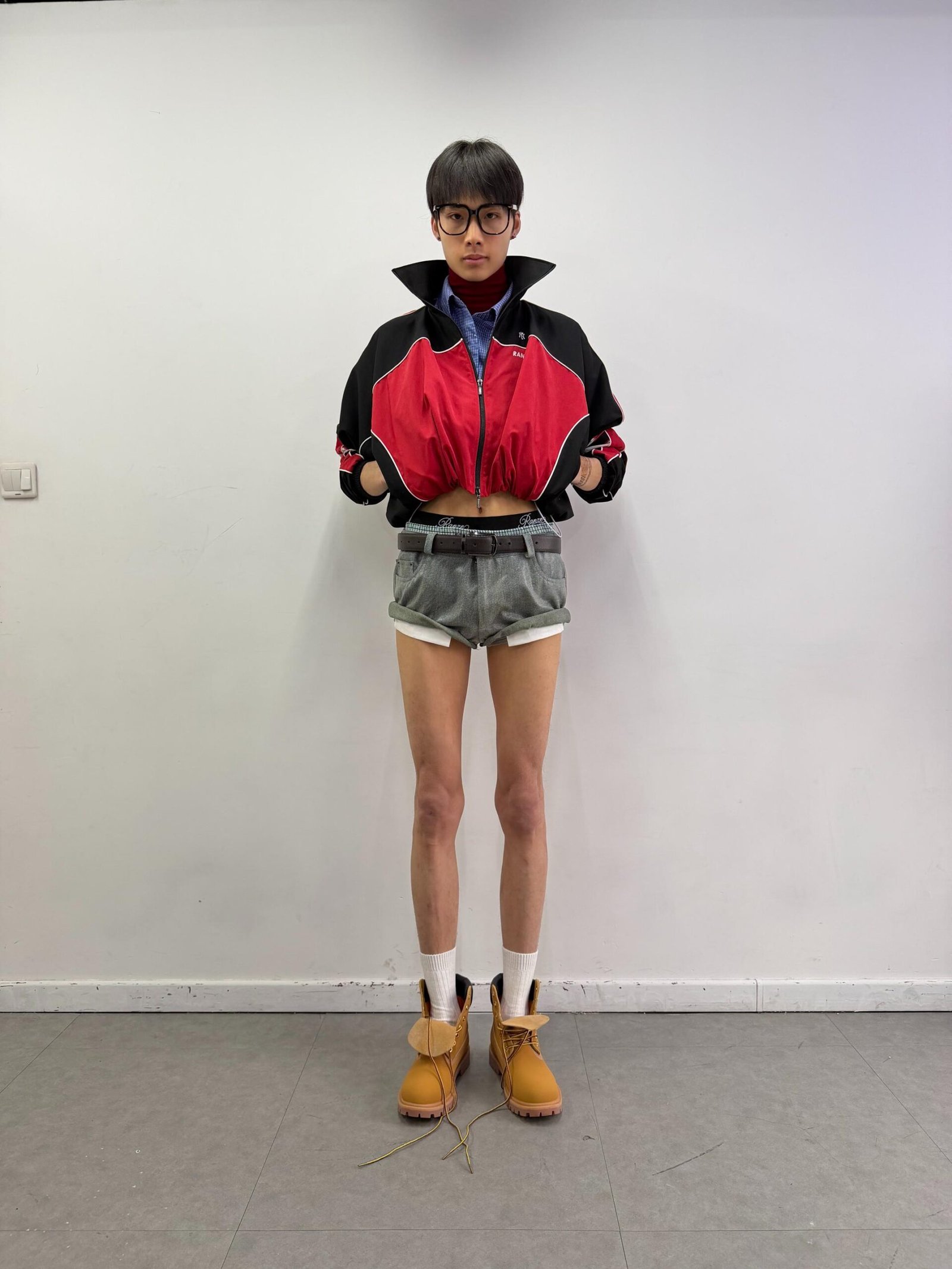
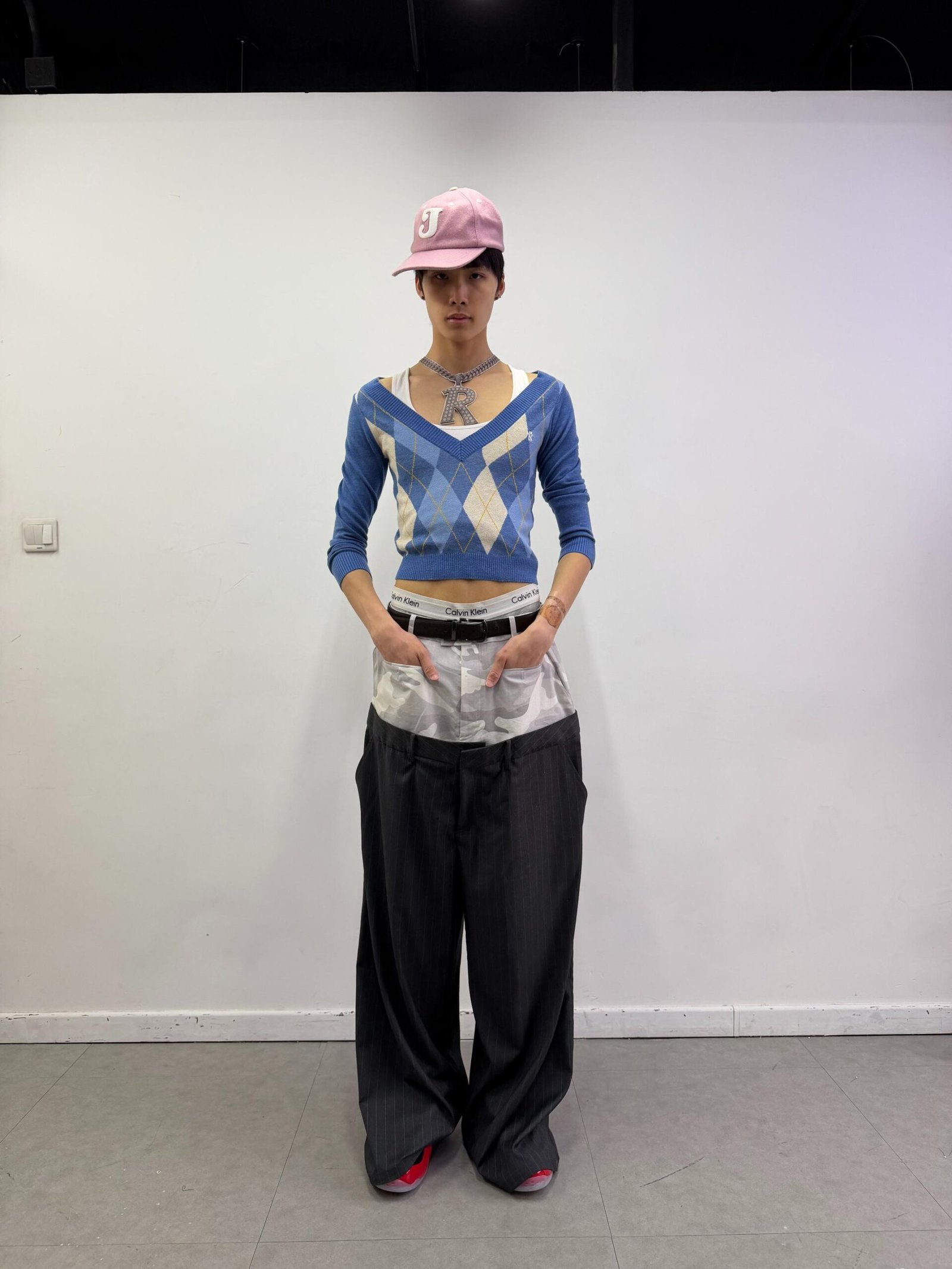
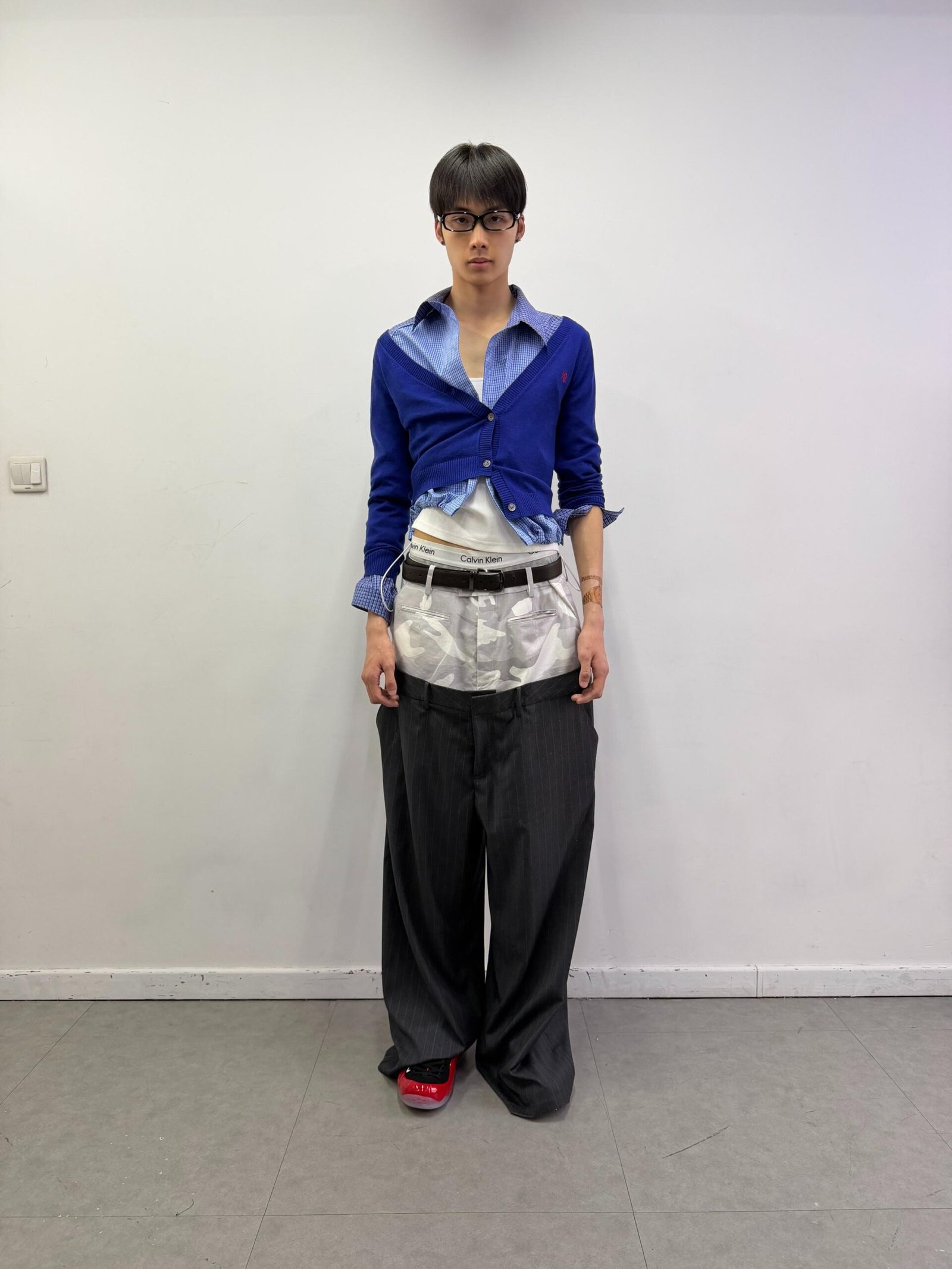
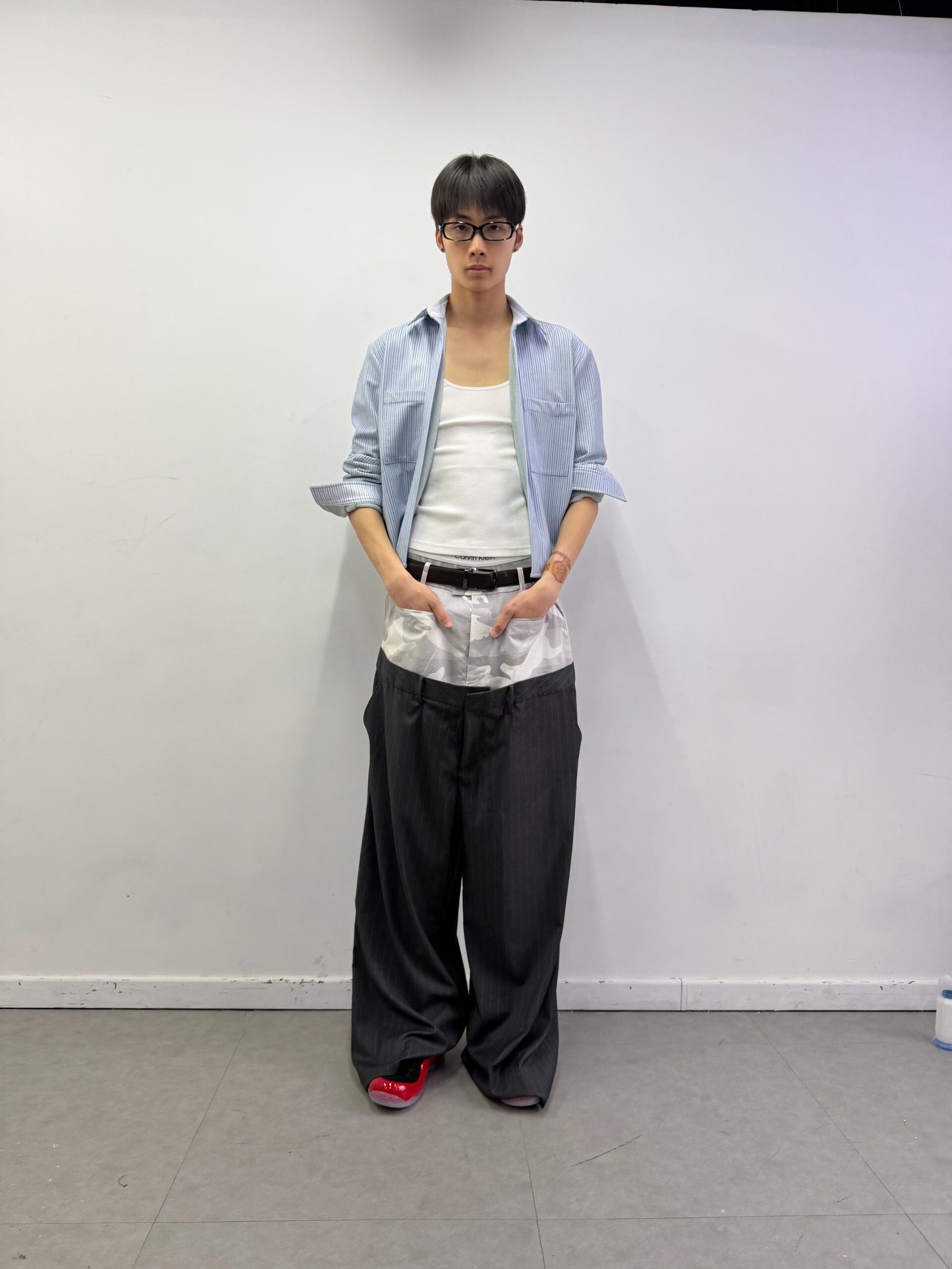
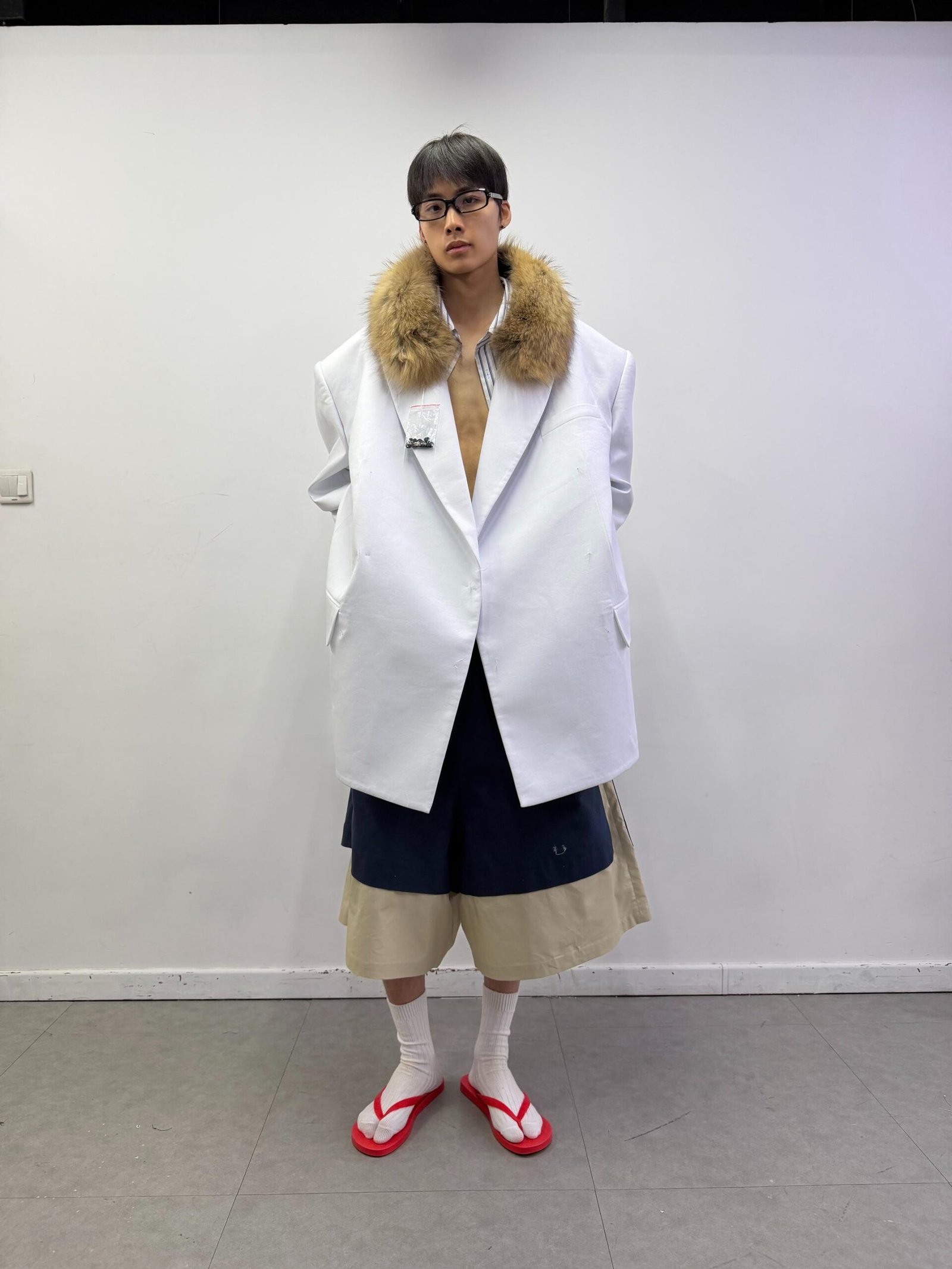
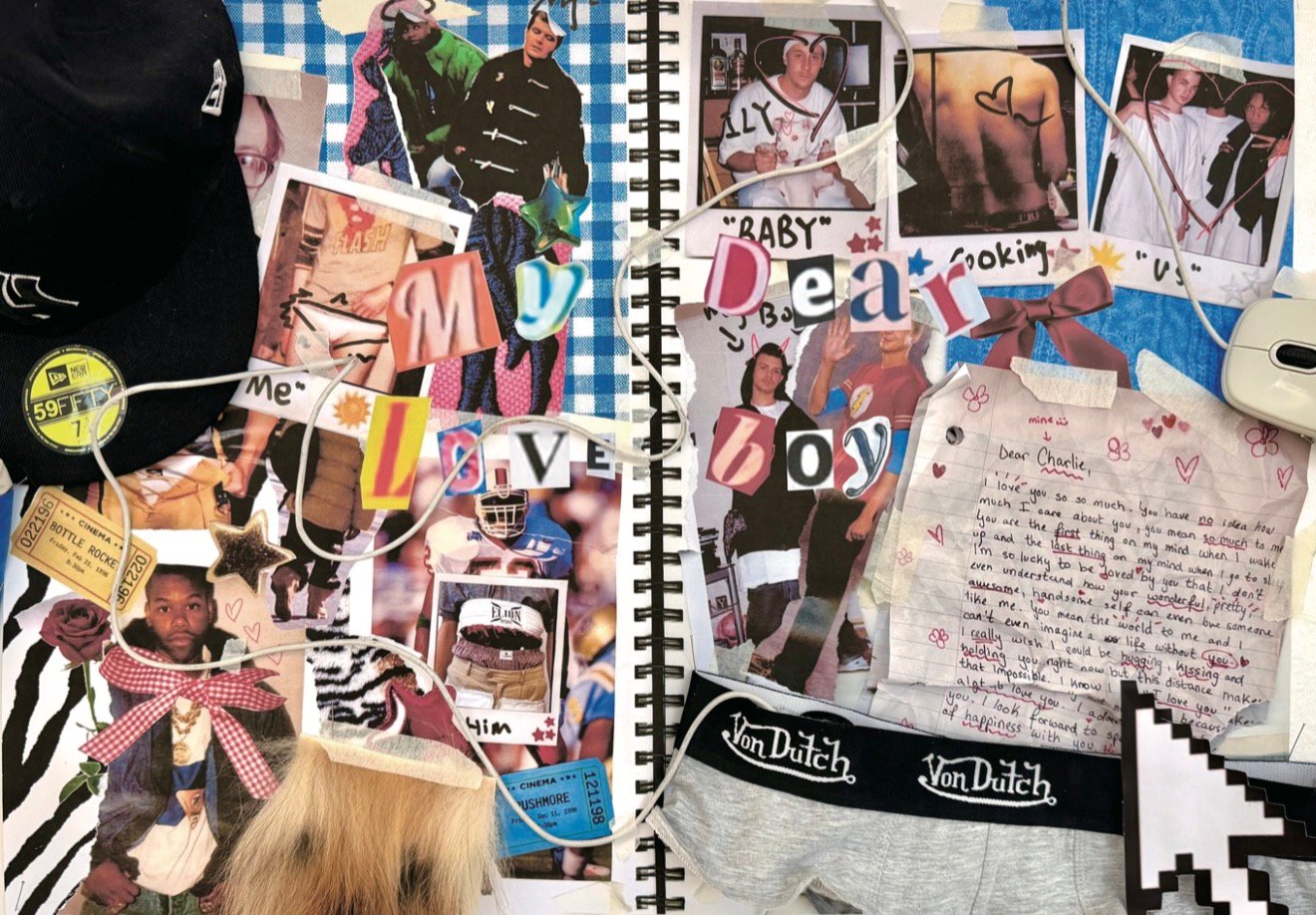
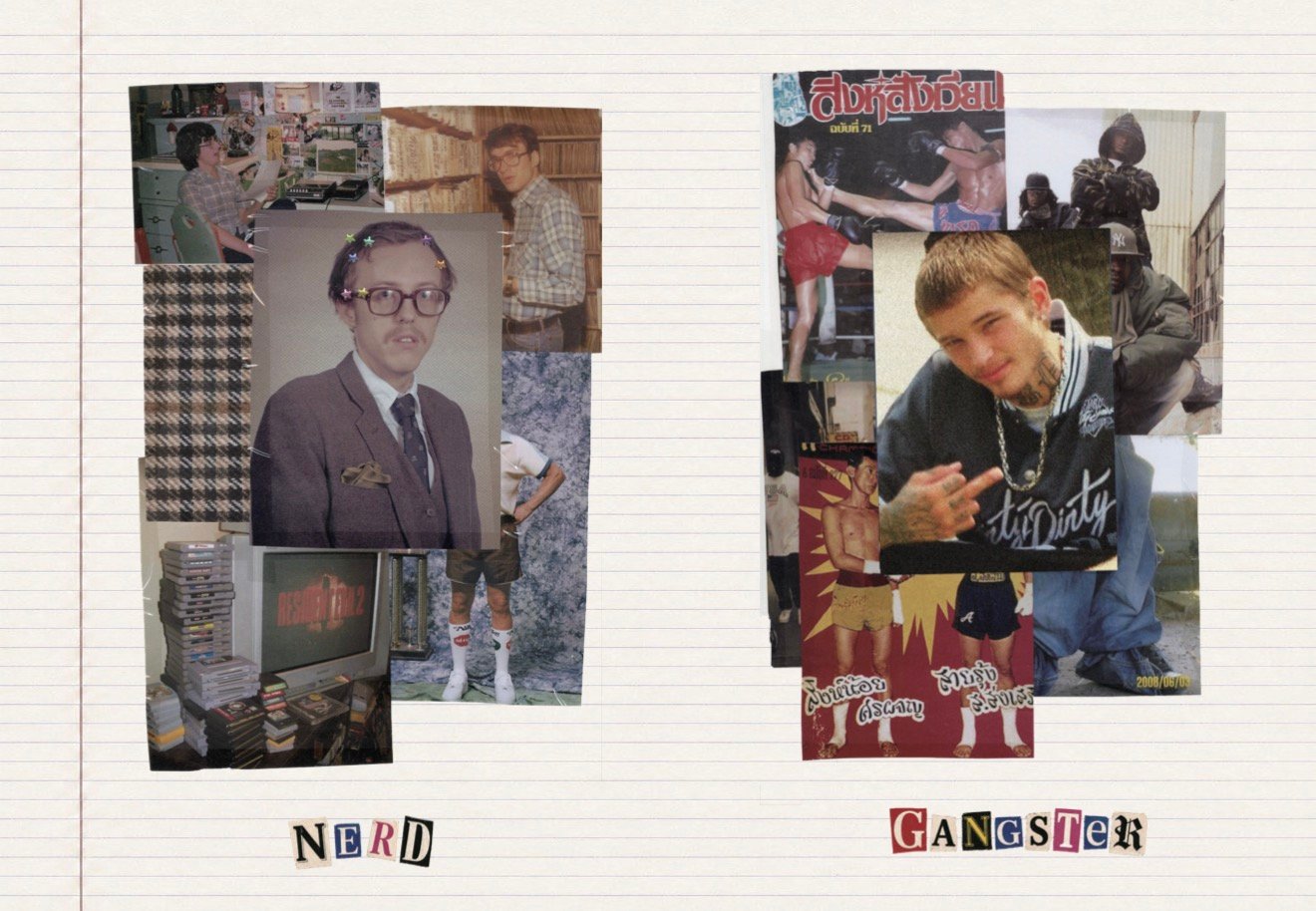
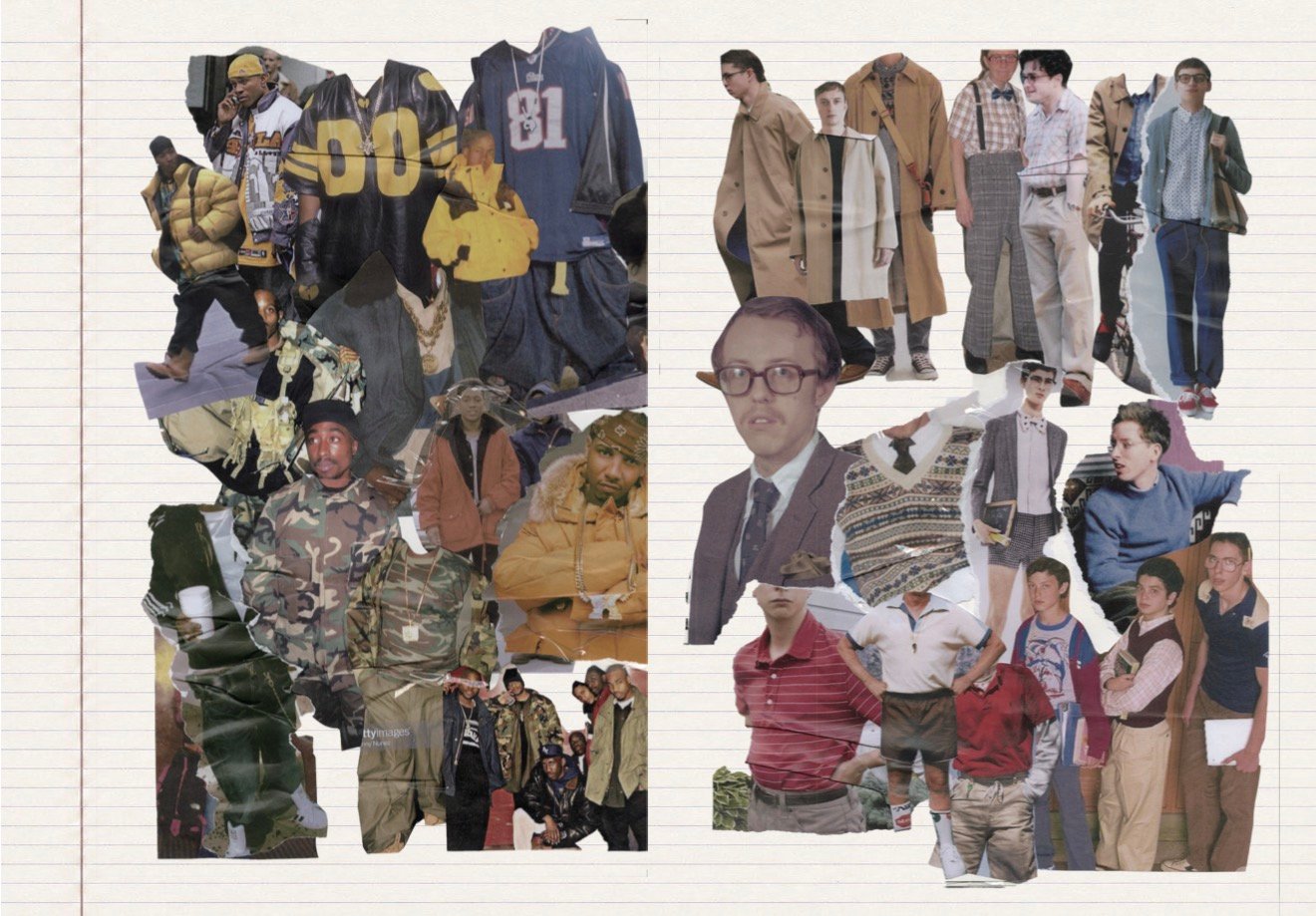
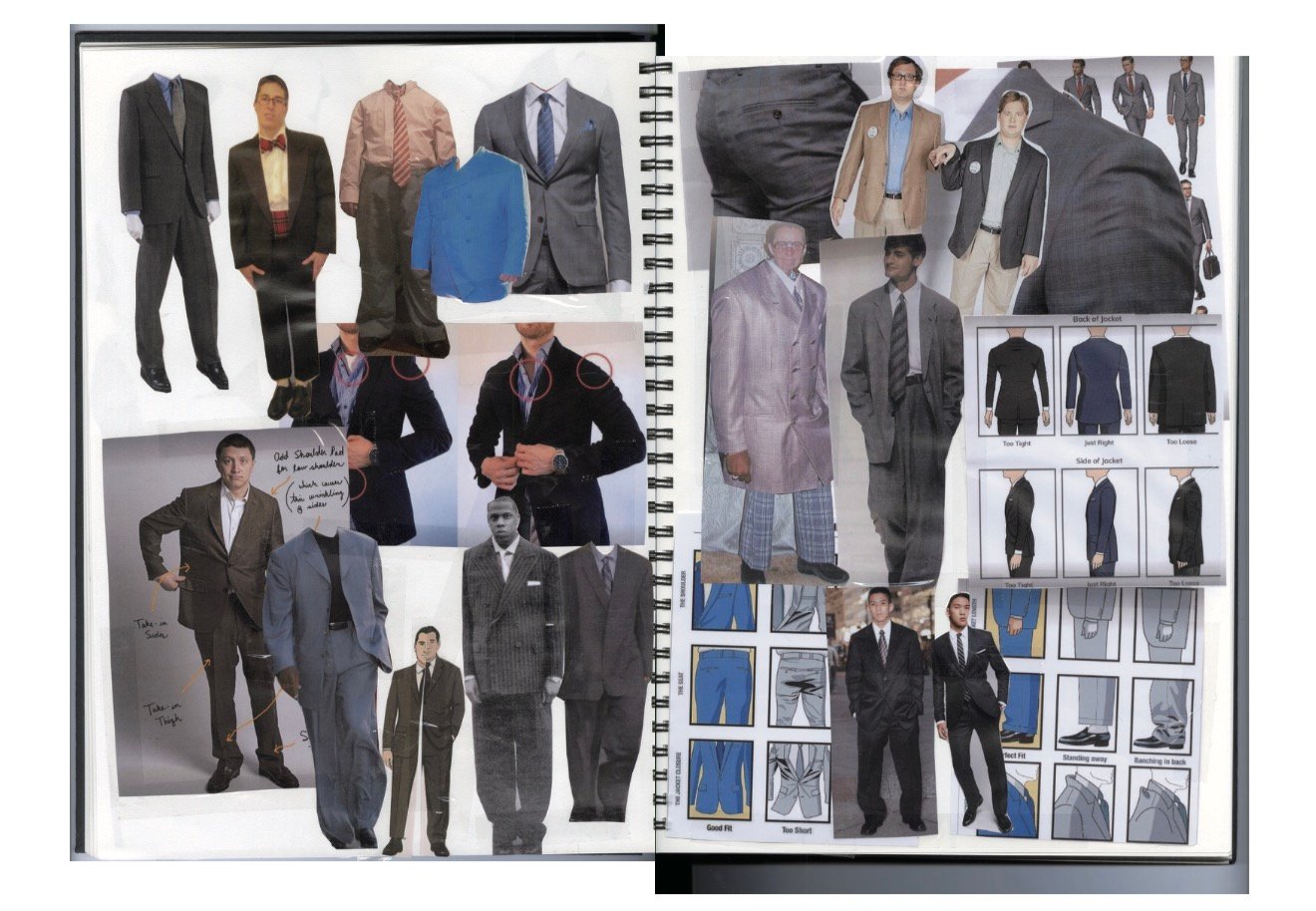
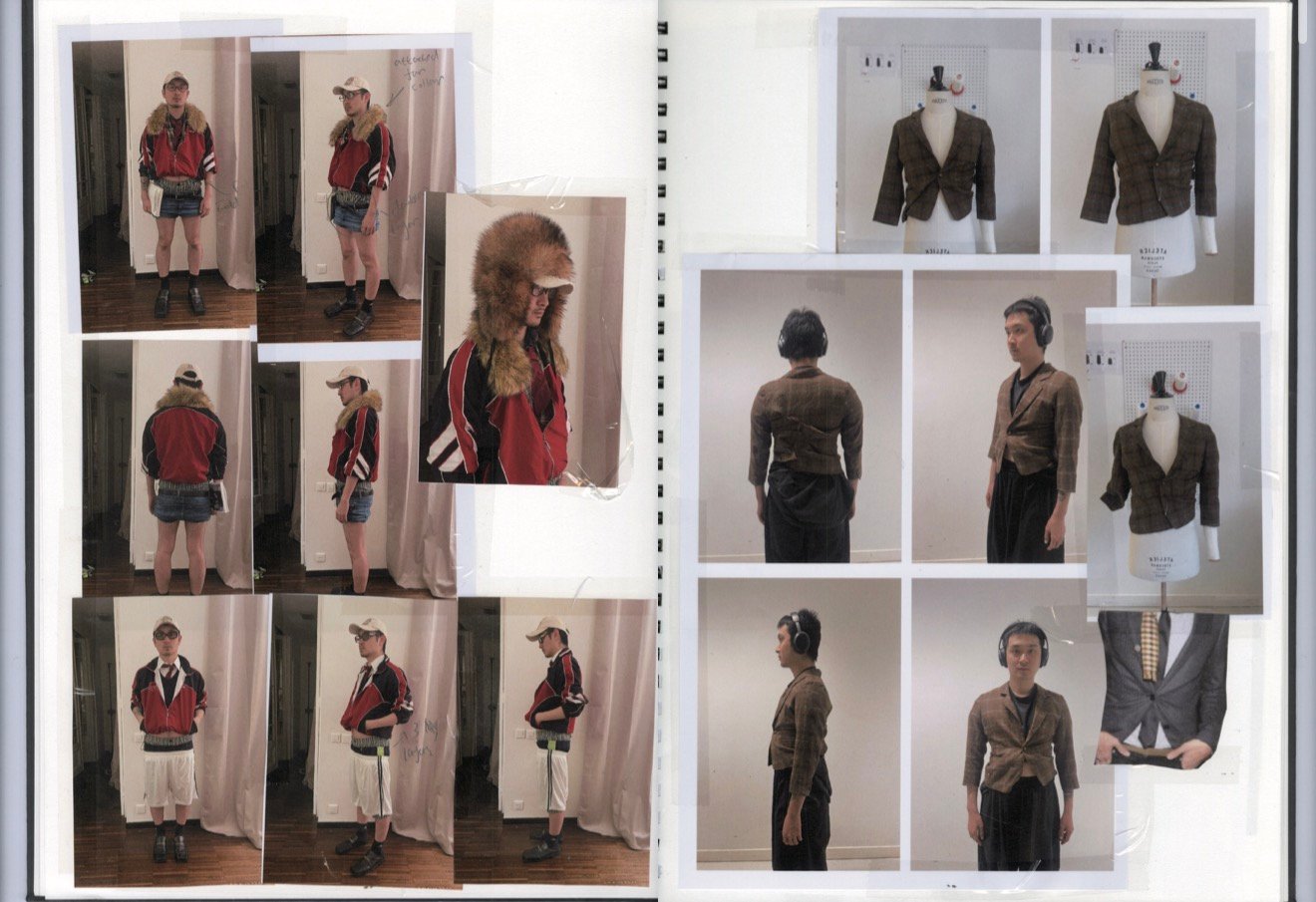
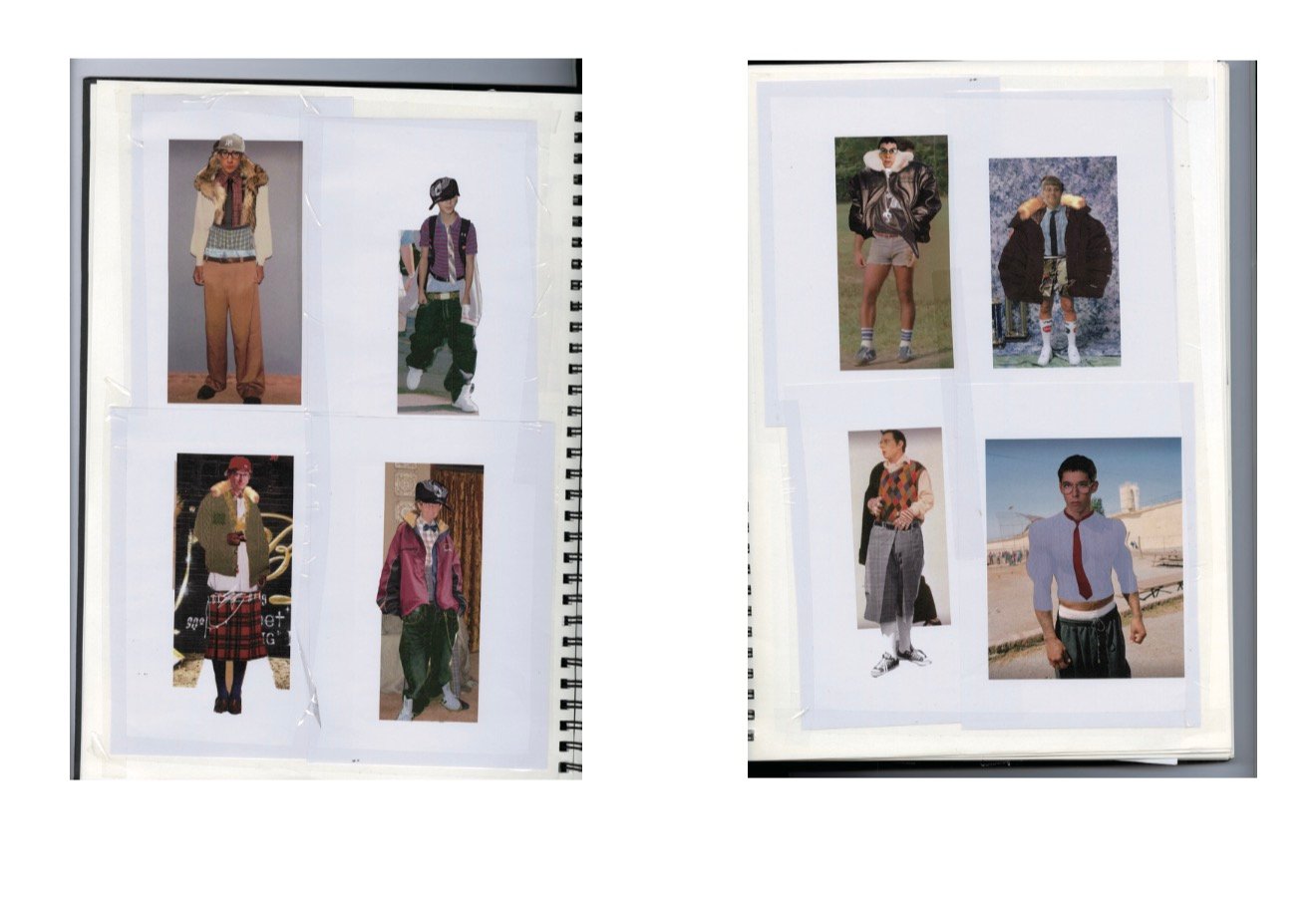
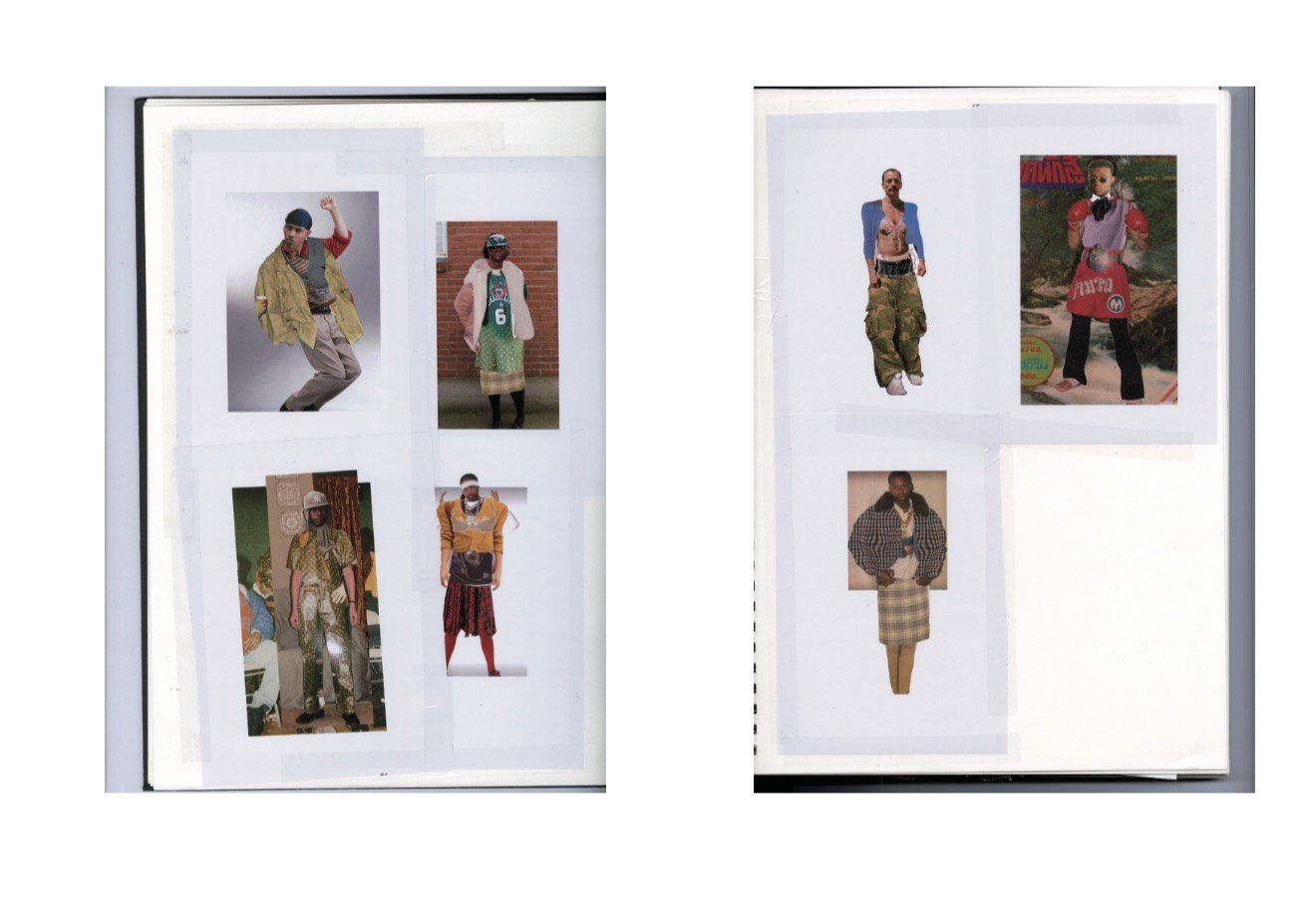
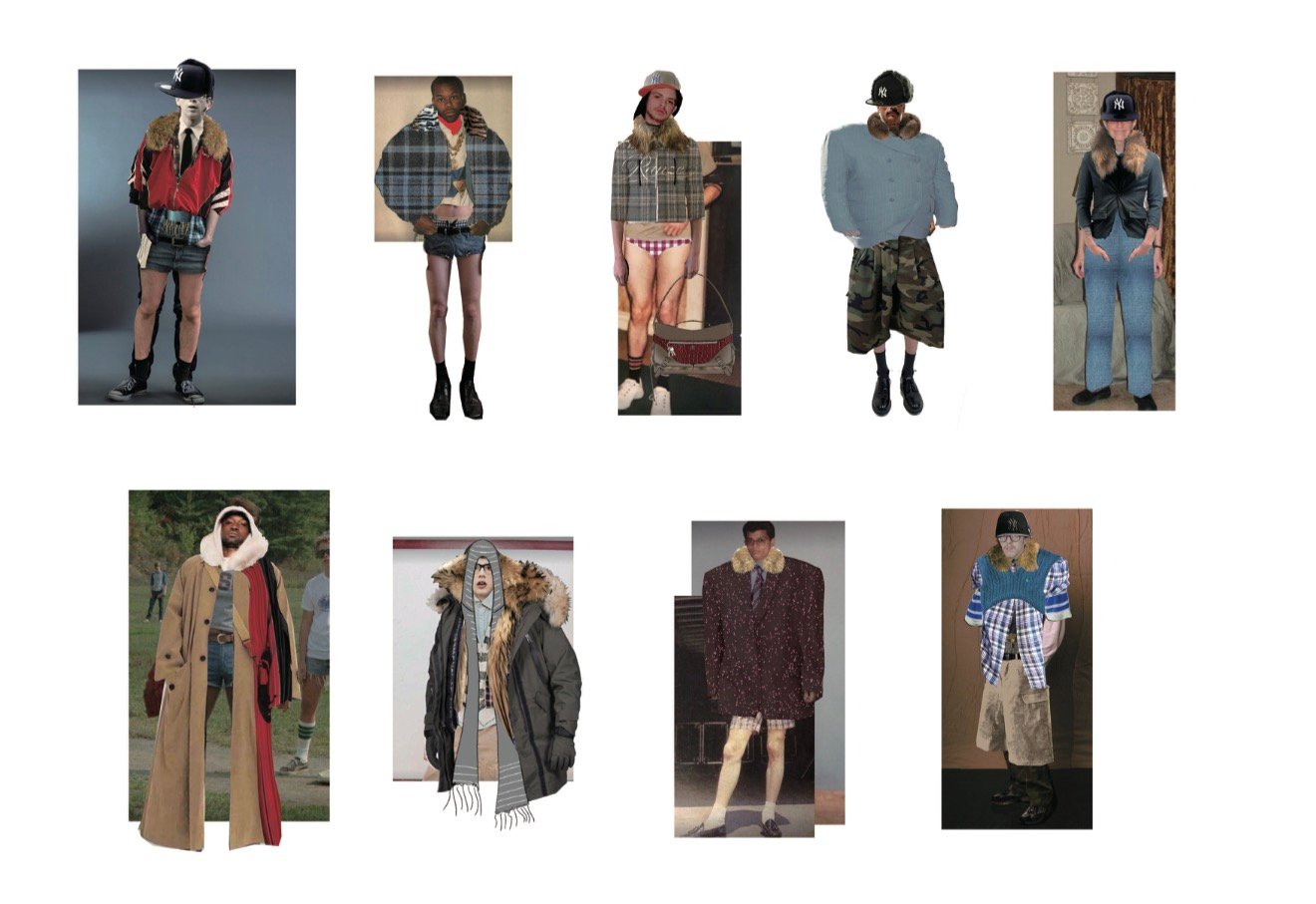
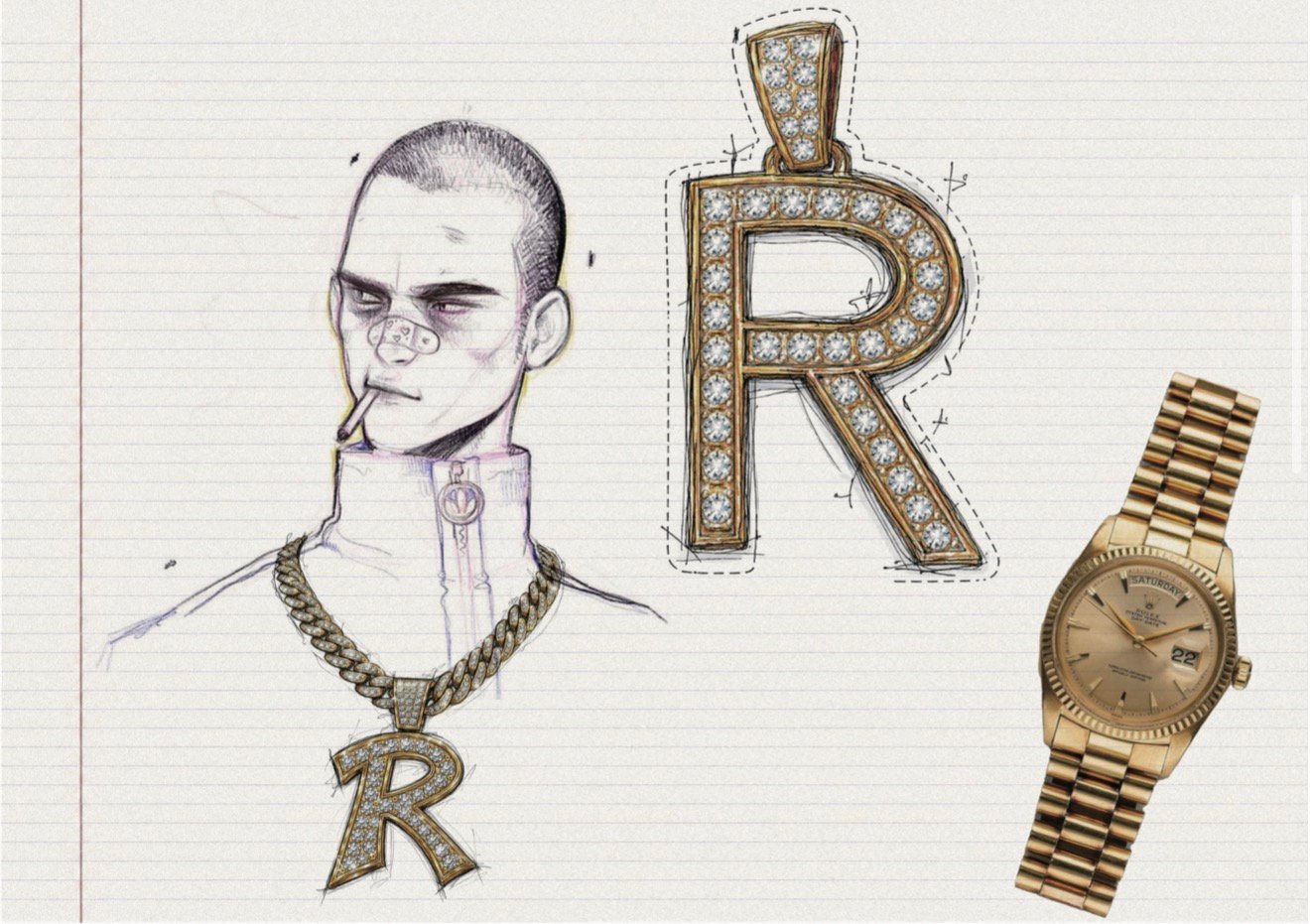
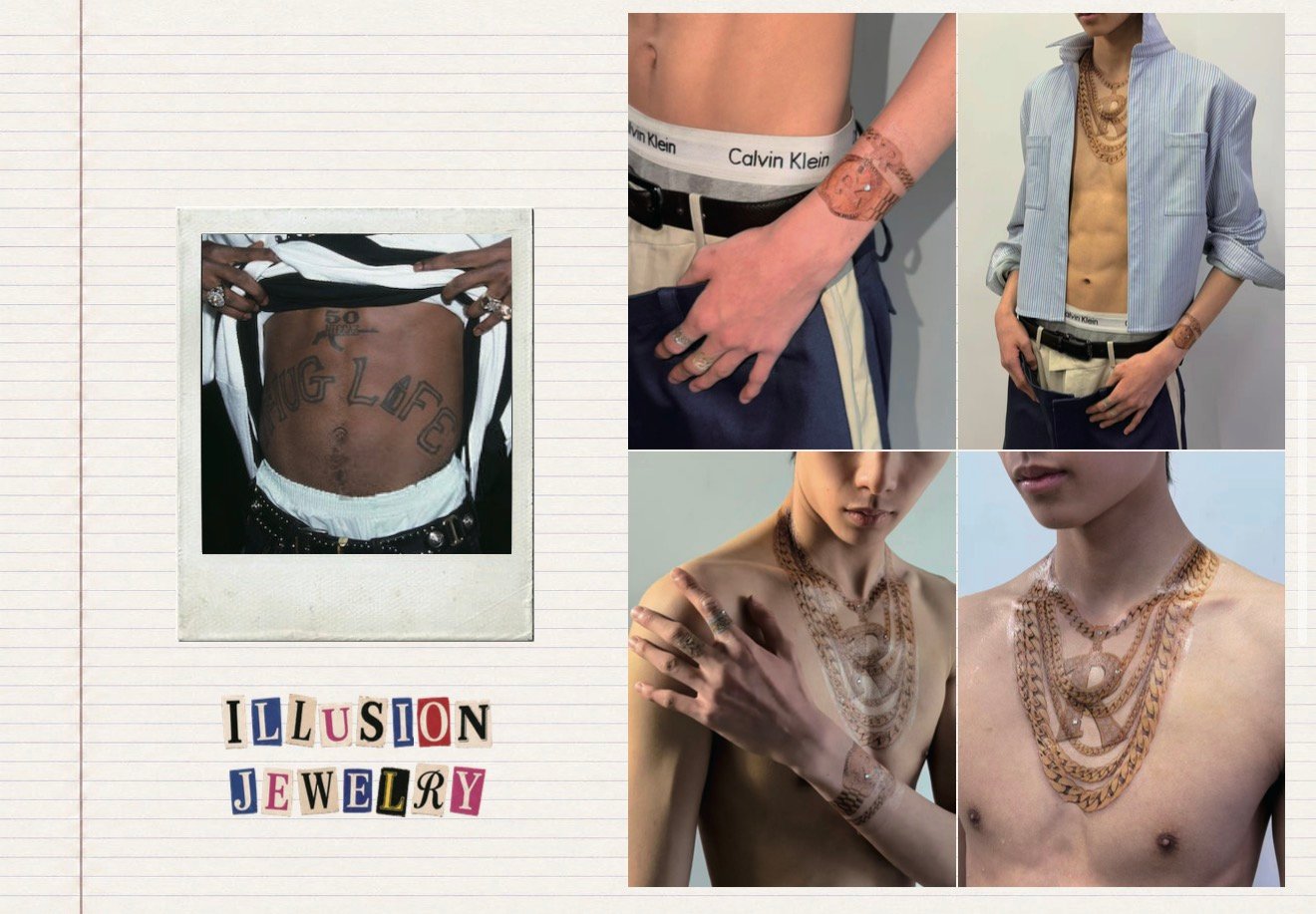
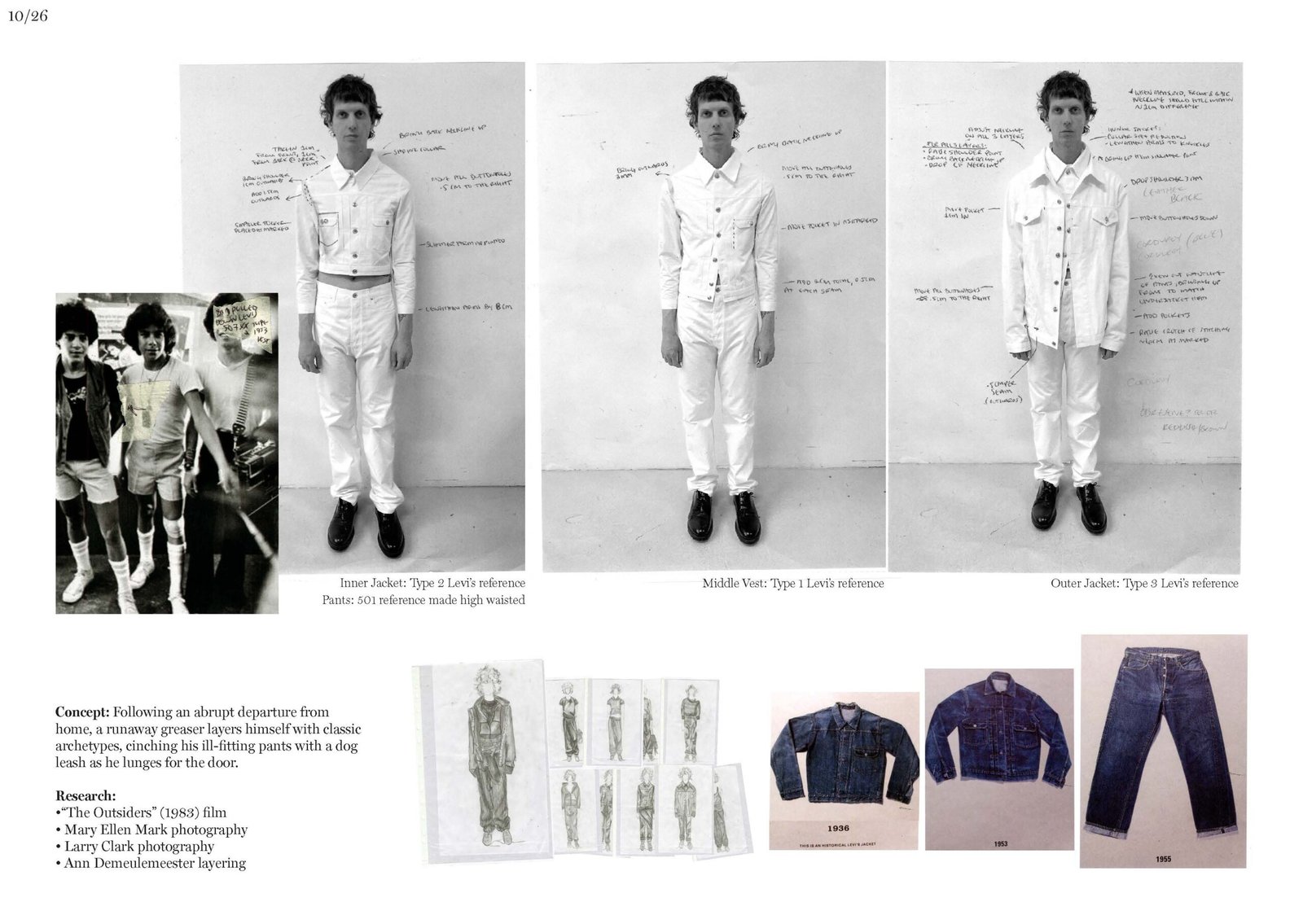
Ranze Zhang’s collection, Old School Romance, tells a queer love story between a 90s “nerd” and the “gangster” at his school, following their relationship from admiration to hidden romance. Inspired by Zhang’s own long-term relationship, the collection explores transformation through love, combining the softness of one wardrobe with the boldness of the other. American sportswear archetypes merge with traditional tailoring, while exaggerated and ill-fitting proportions become part of the collection’s visual language. Materials include wool laminated with TPU film, alongside trompe-l’oeil accessories reflecting performance, secrecy, identity, and desire. As he prepares to leave education, Zhang describes excitement and anxiety existing simultaneously. He remains committed to building his own design vocabulary and creating work rooted in joy and humour.

@zhangranze

Screenshot

Chandler Burke

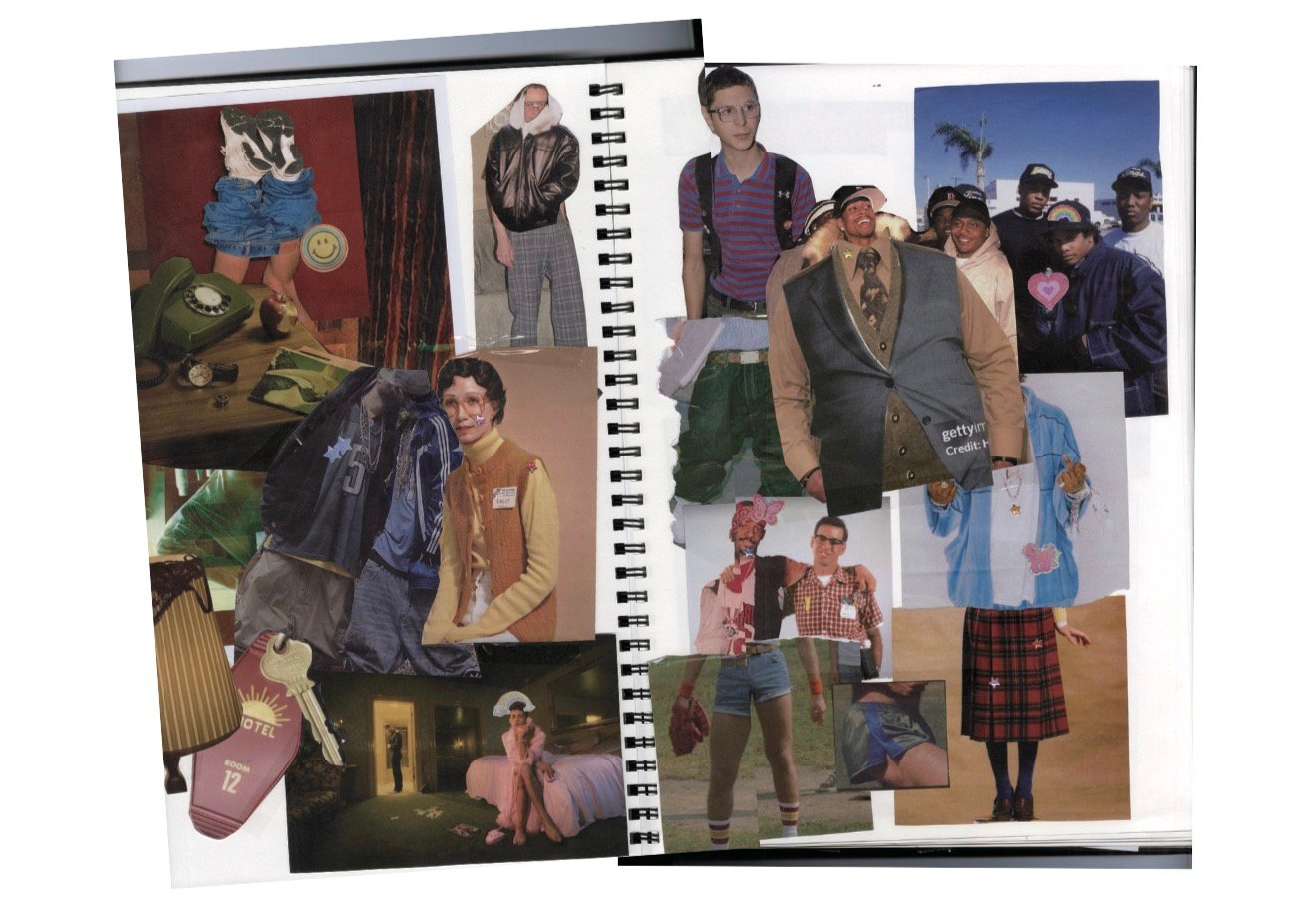
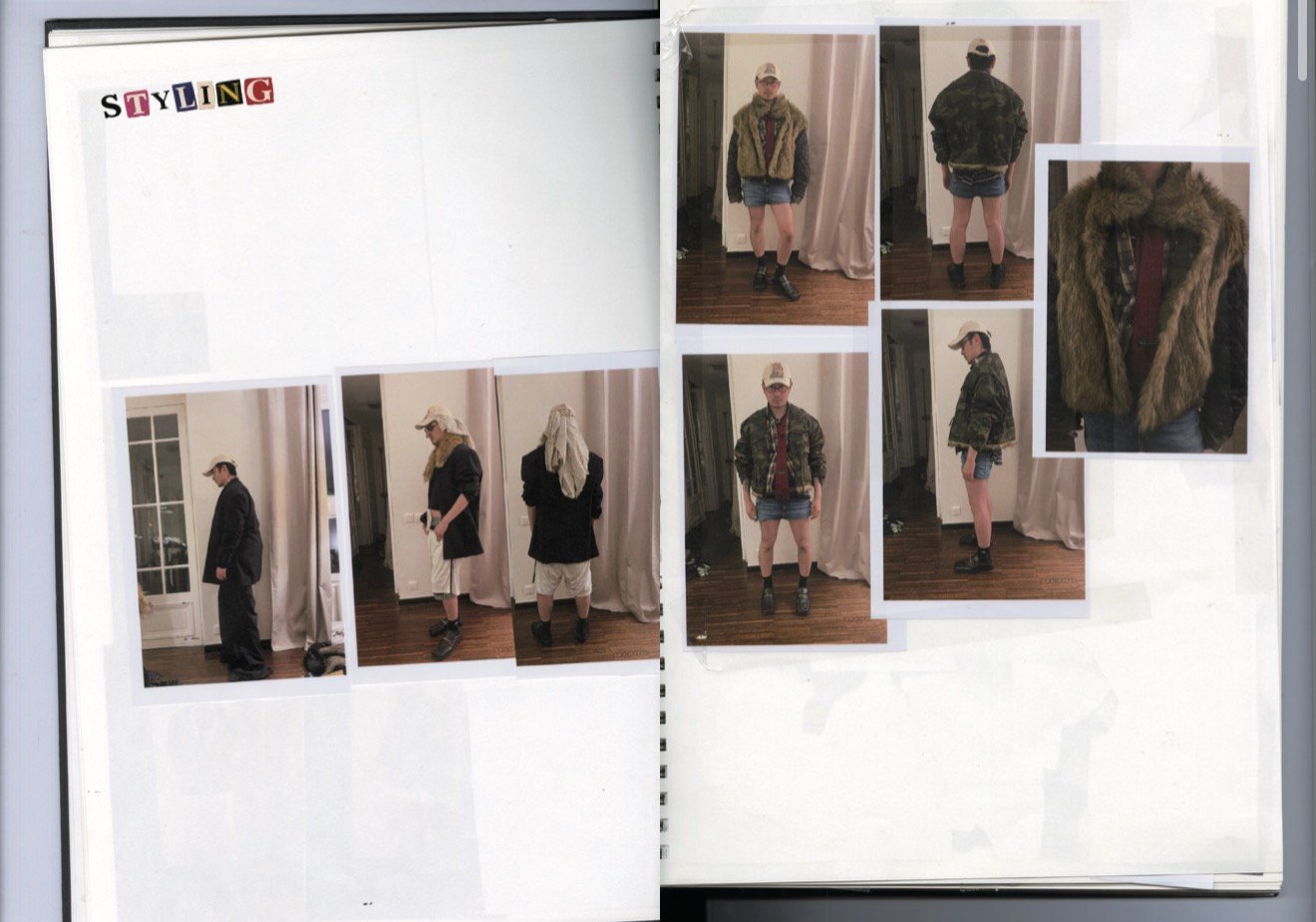
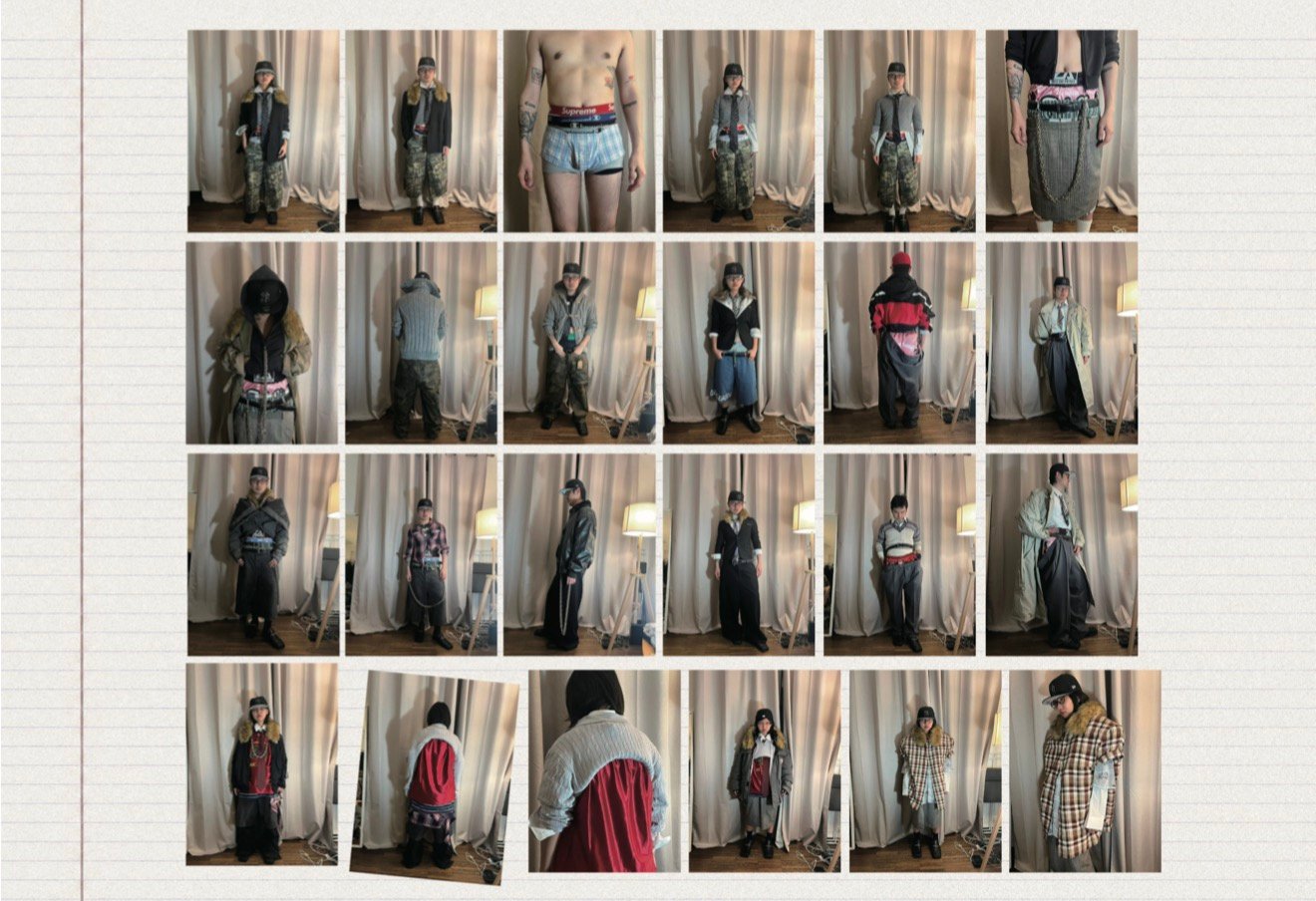
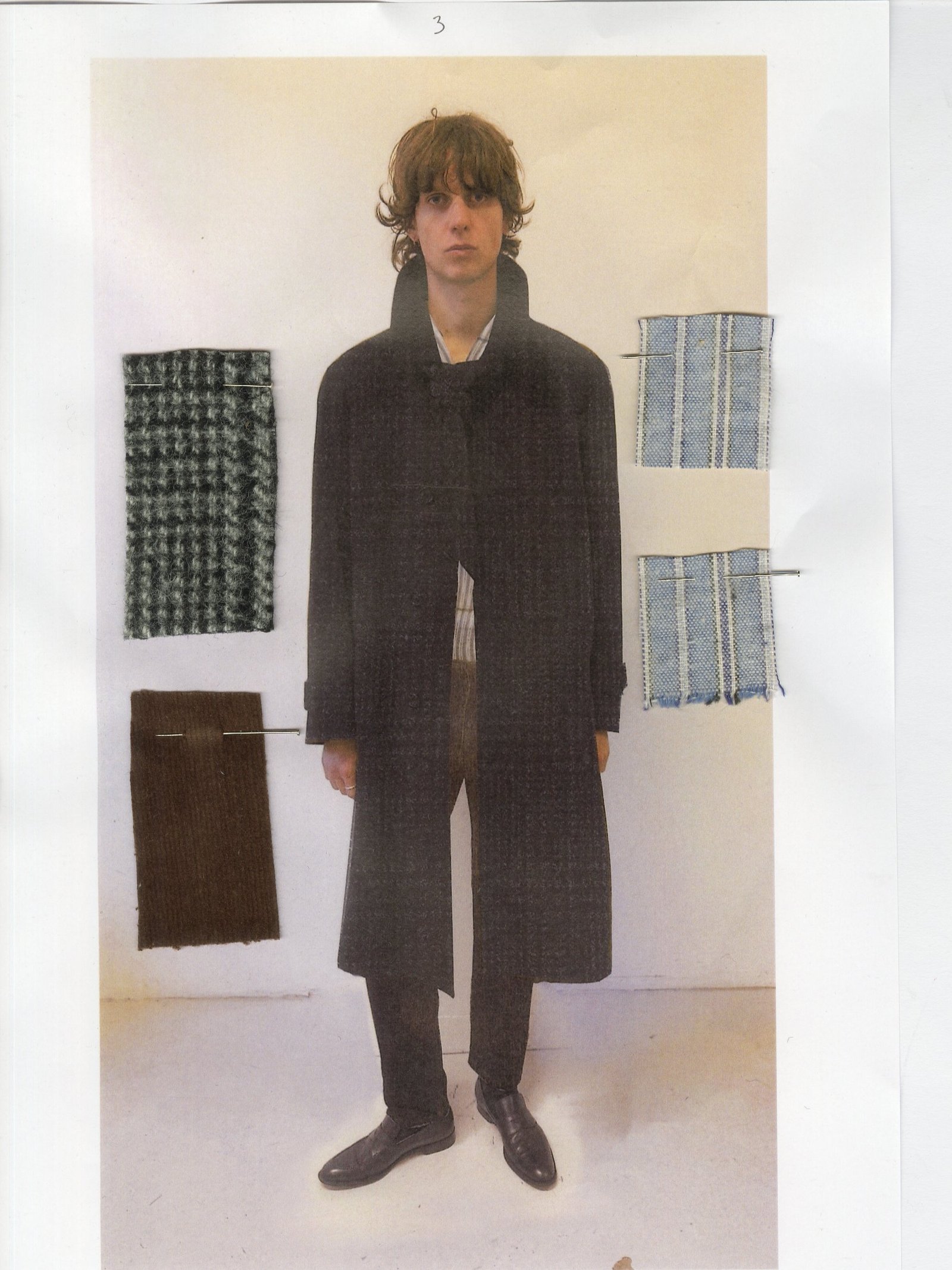
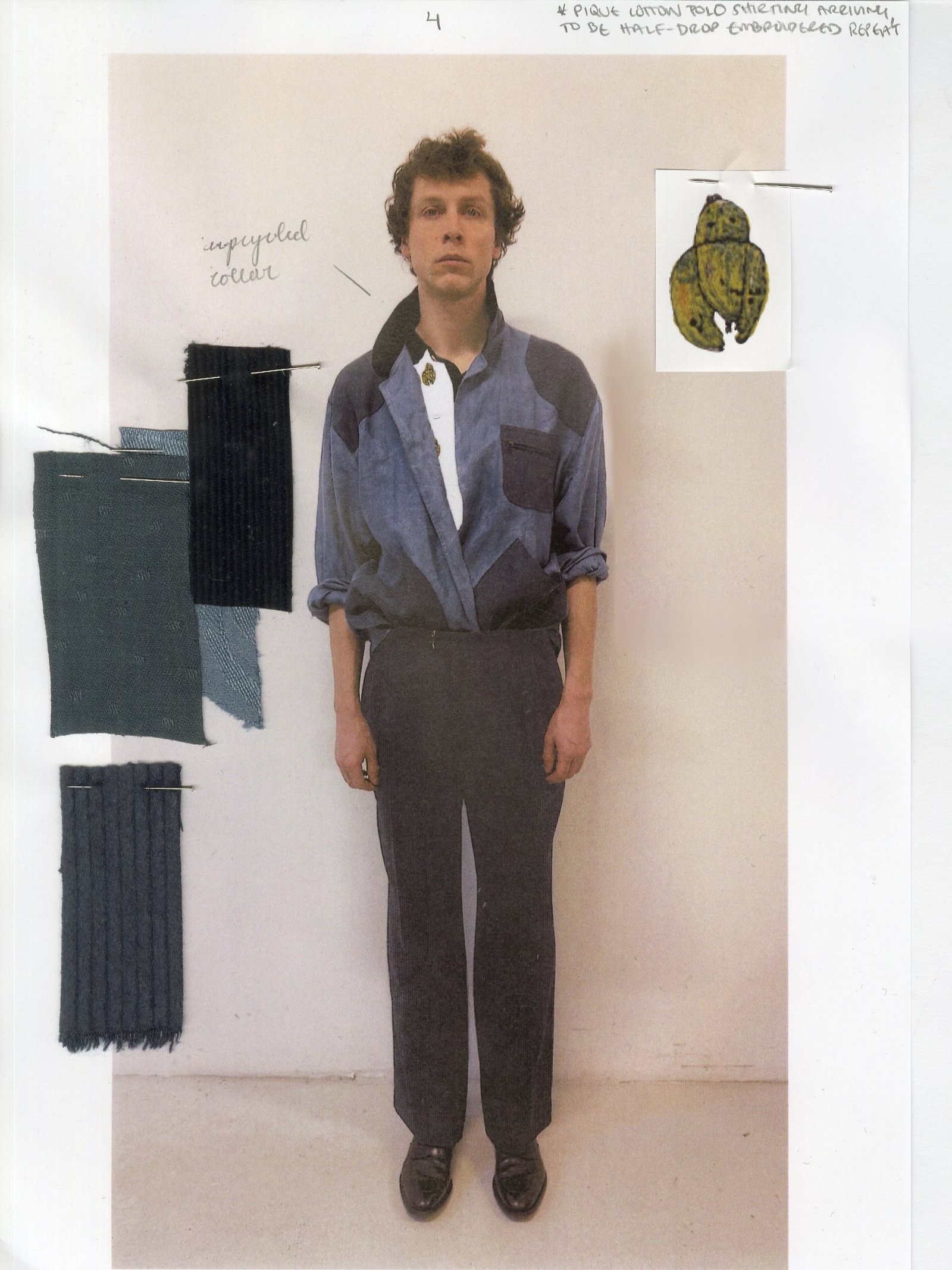
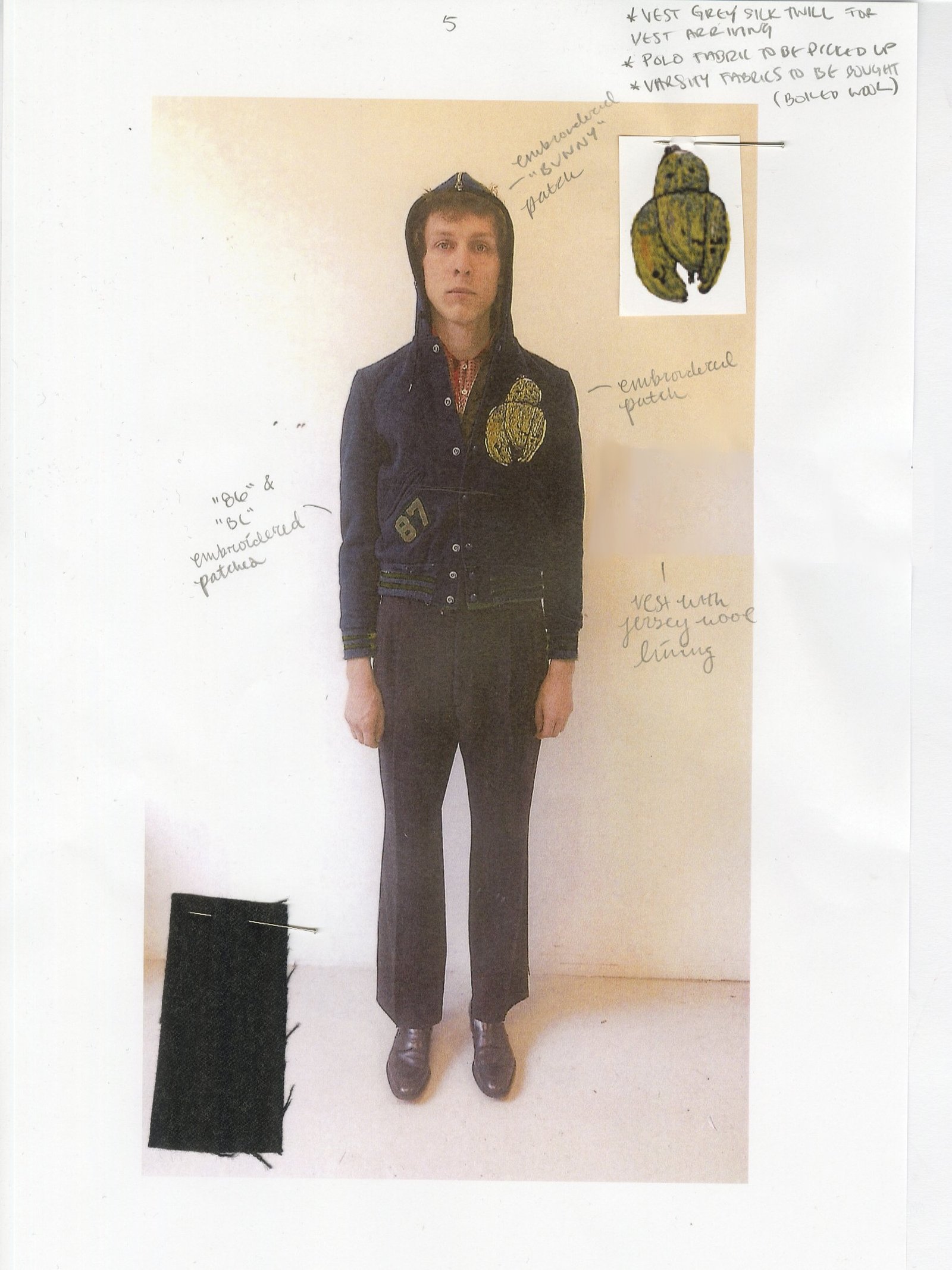
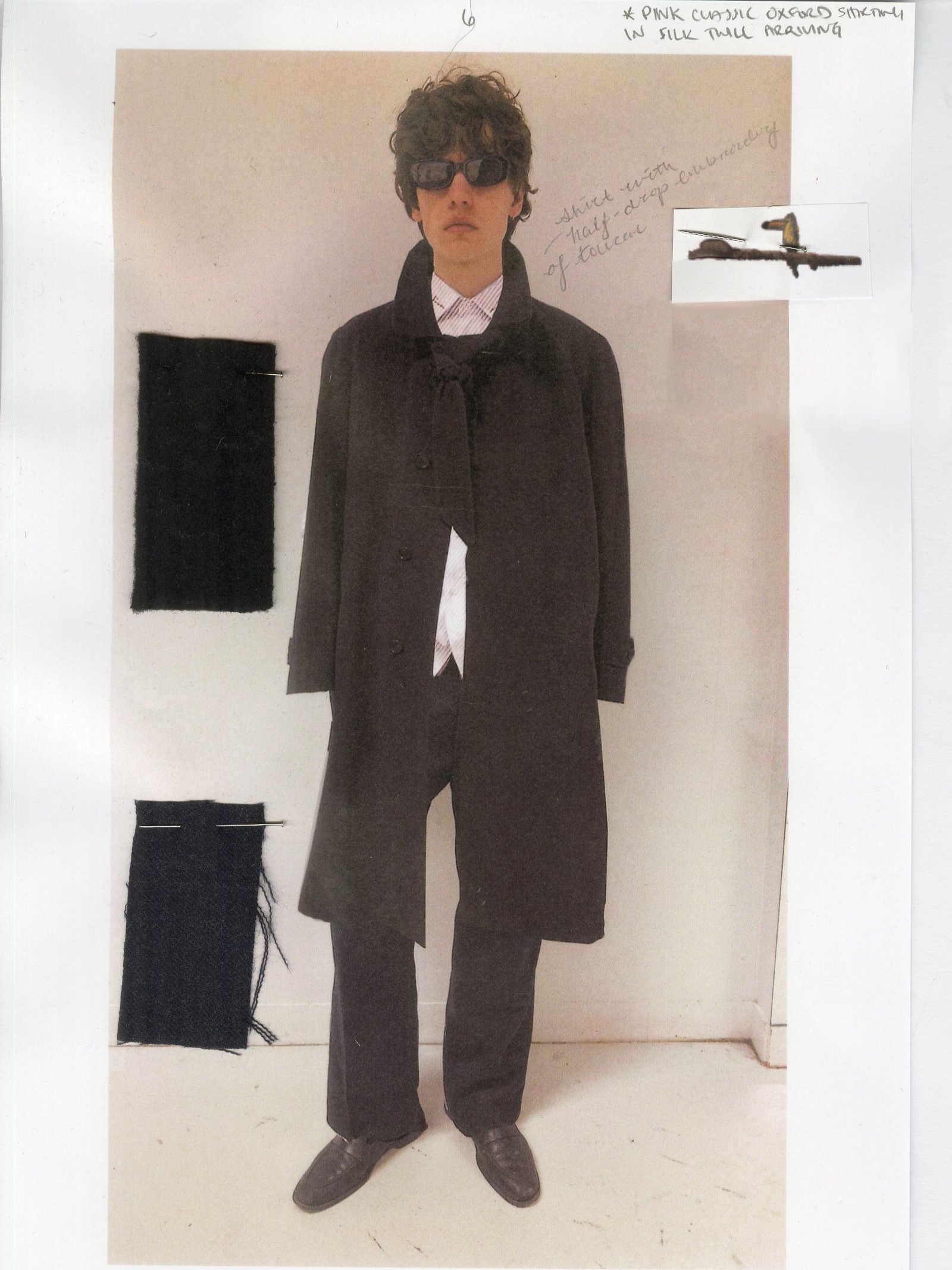
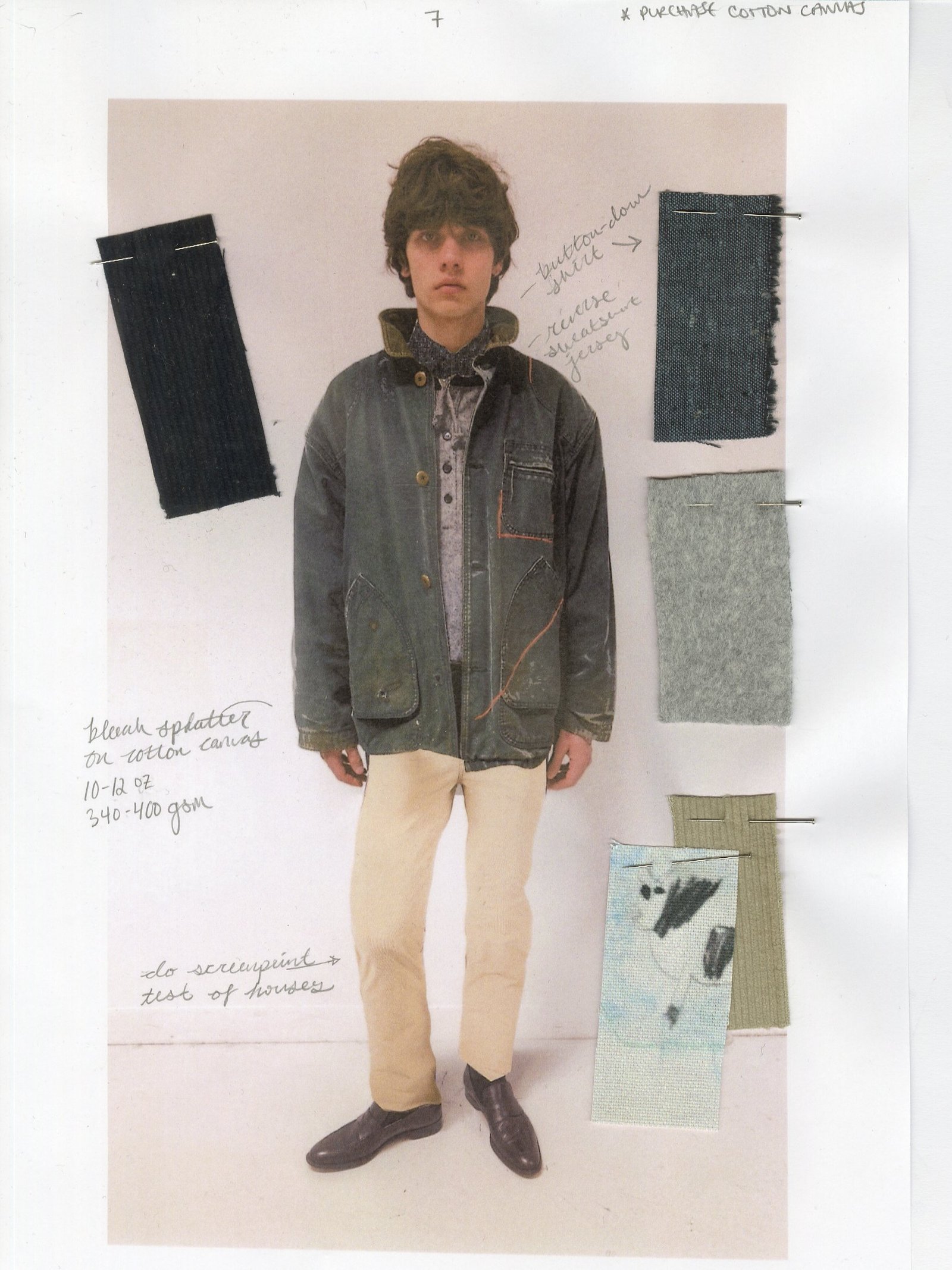
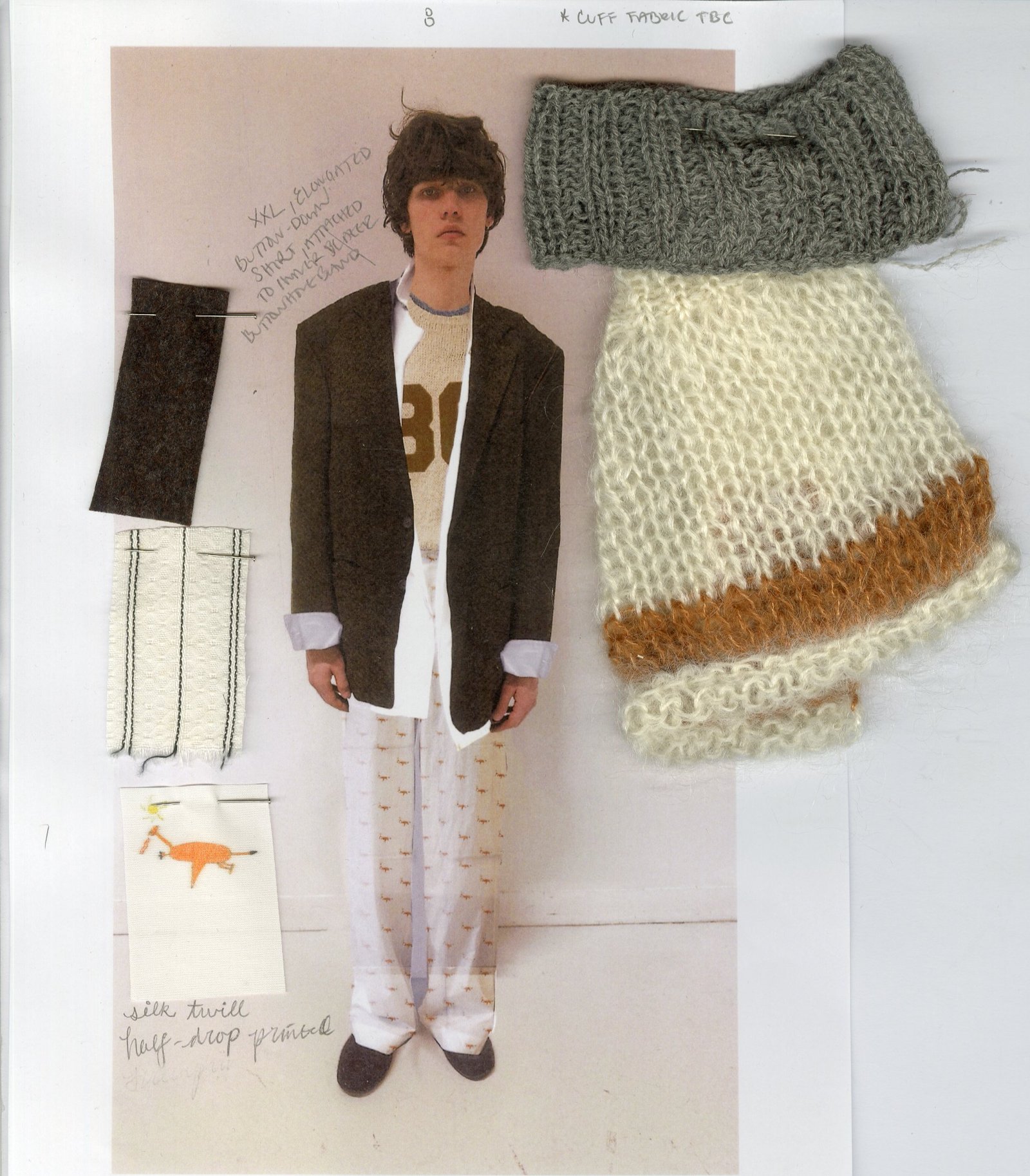
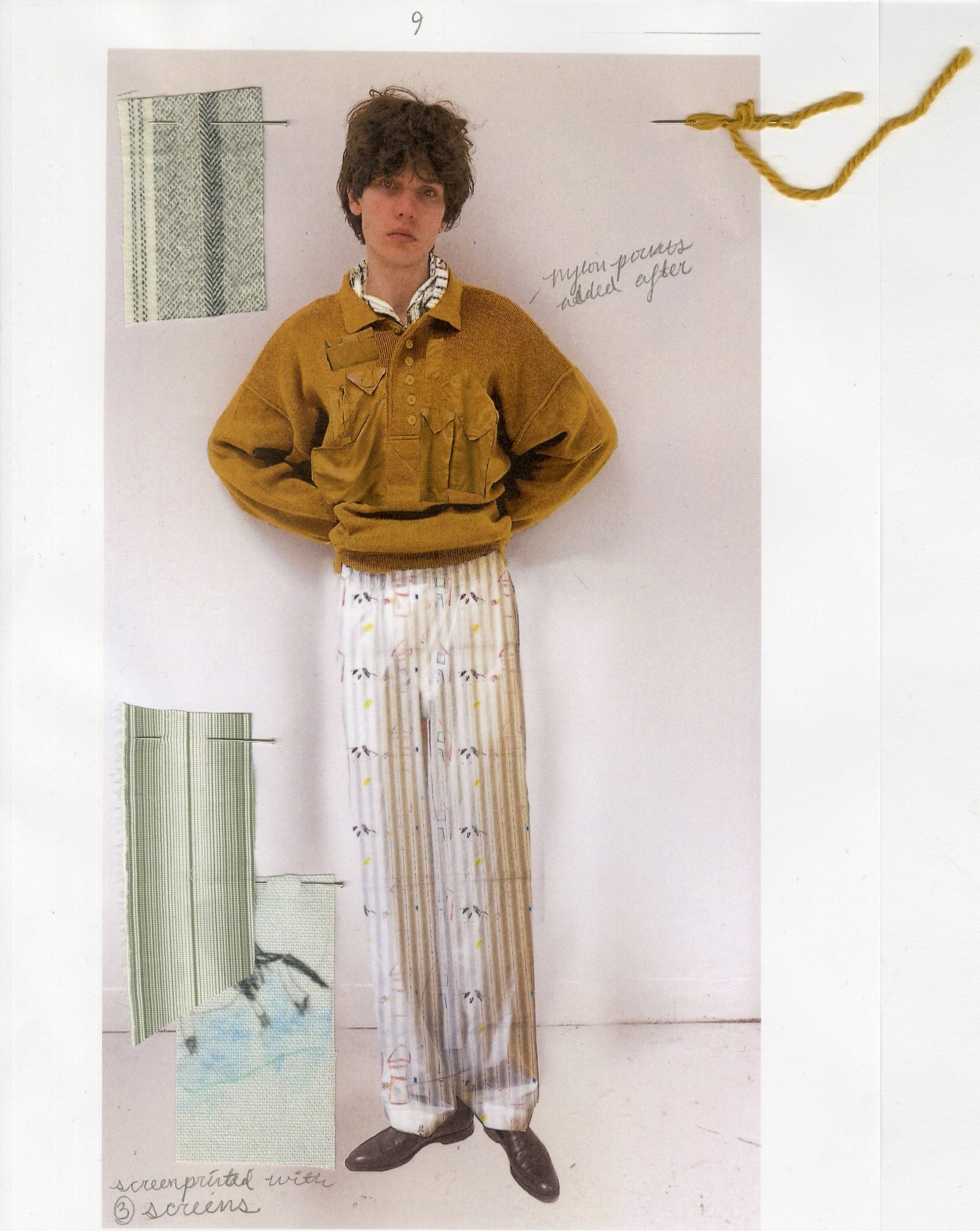
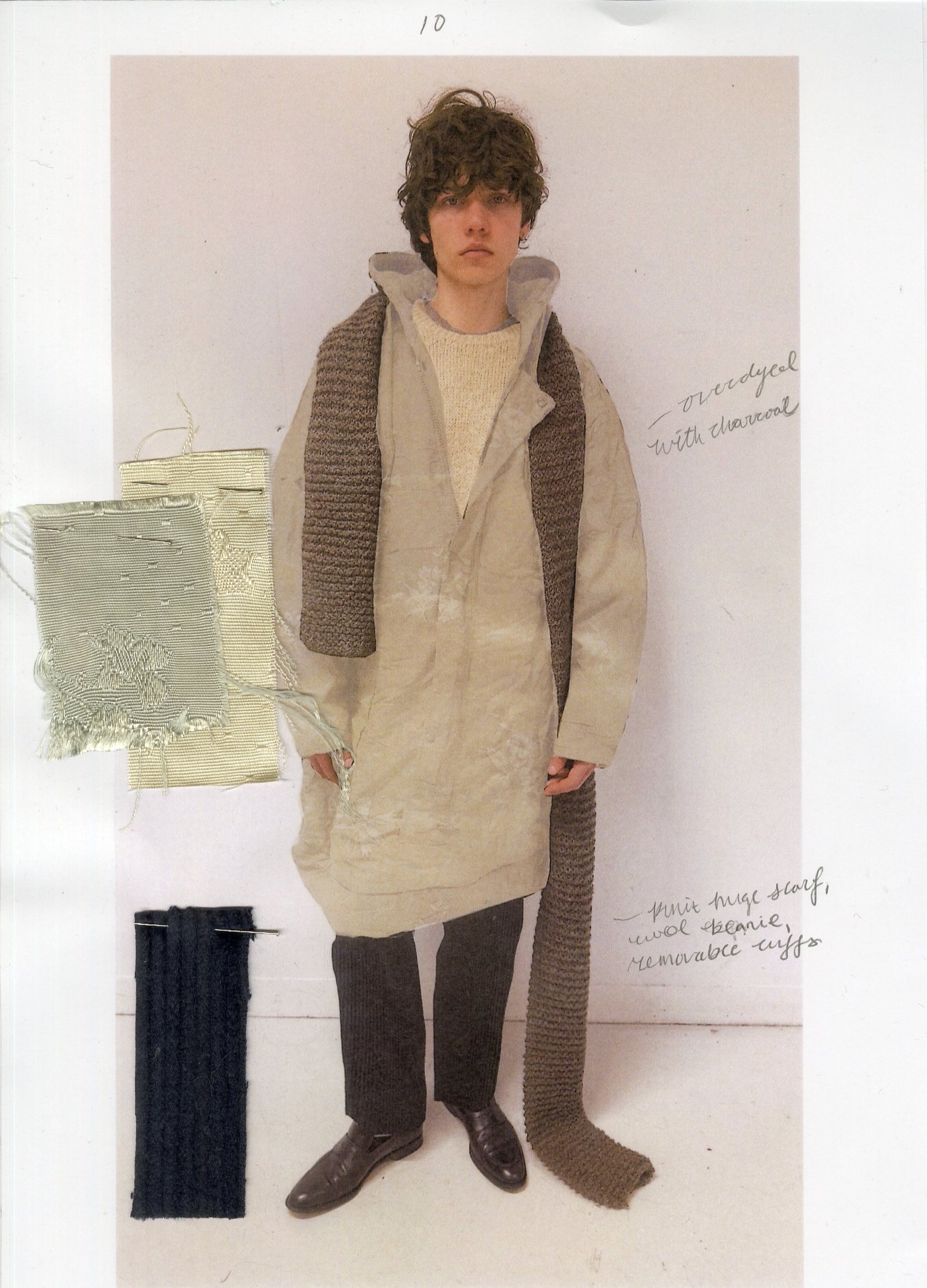
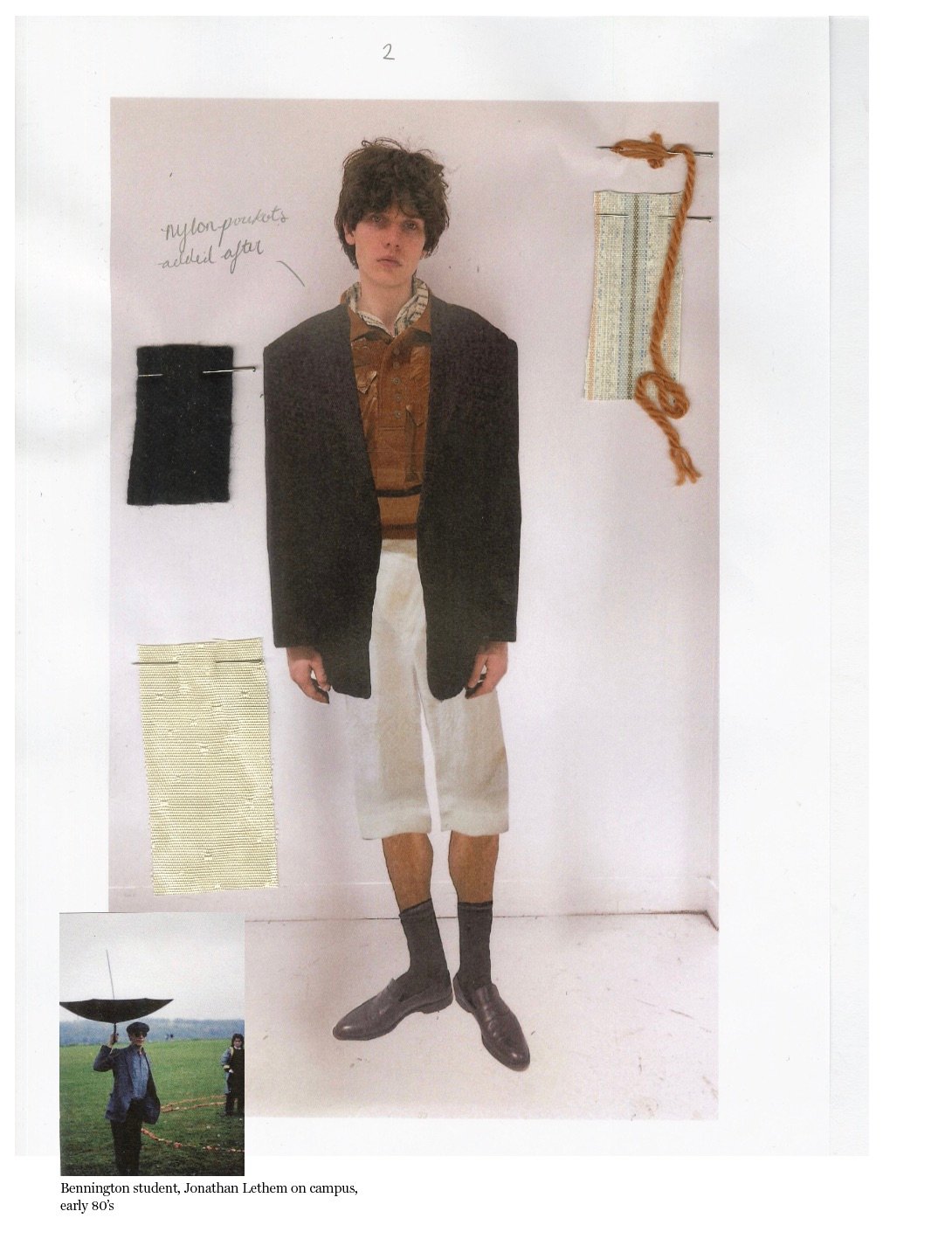
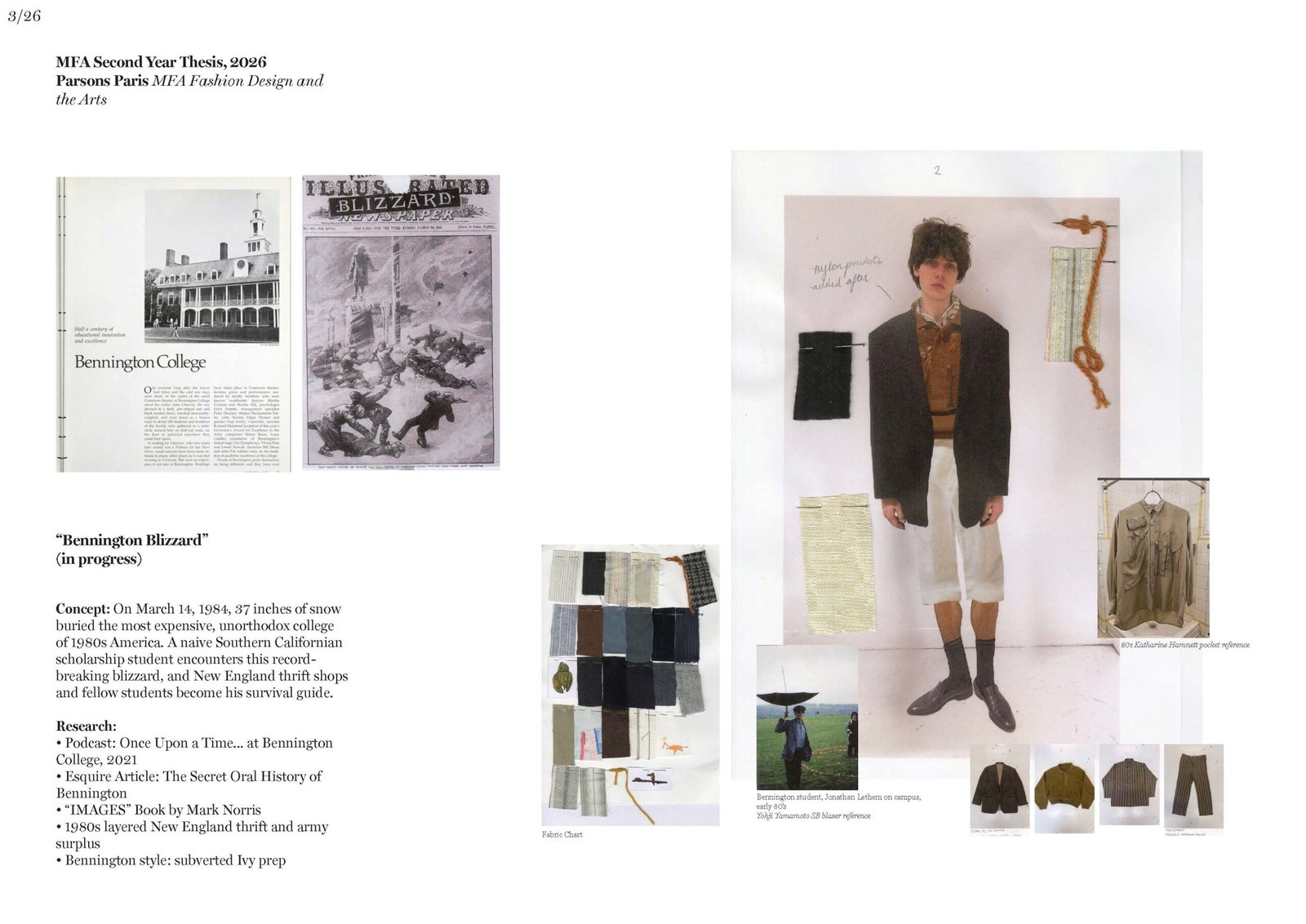
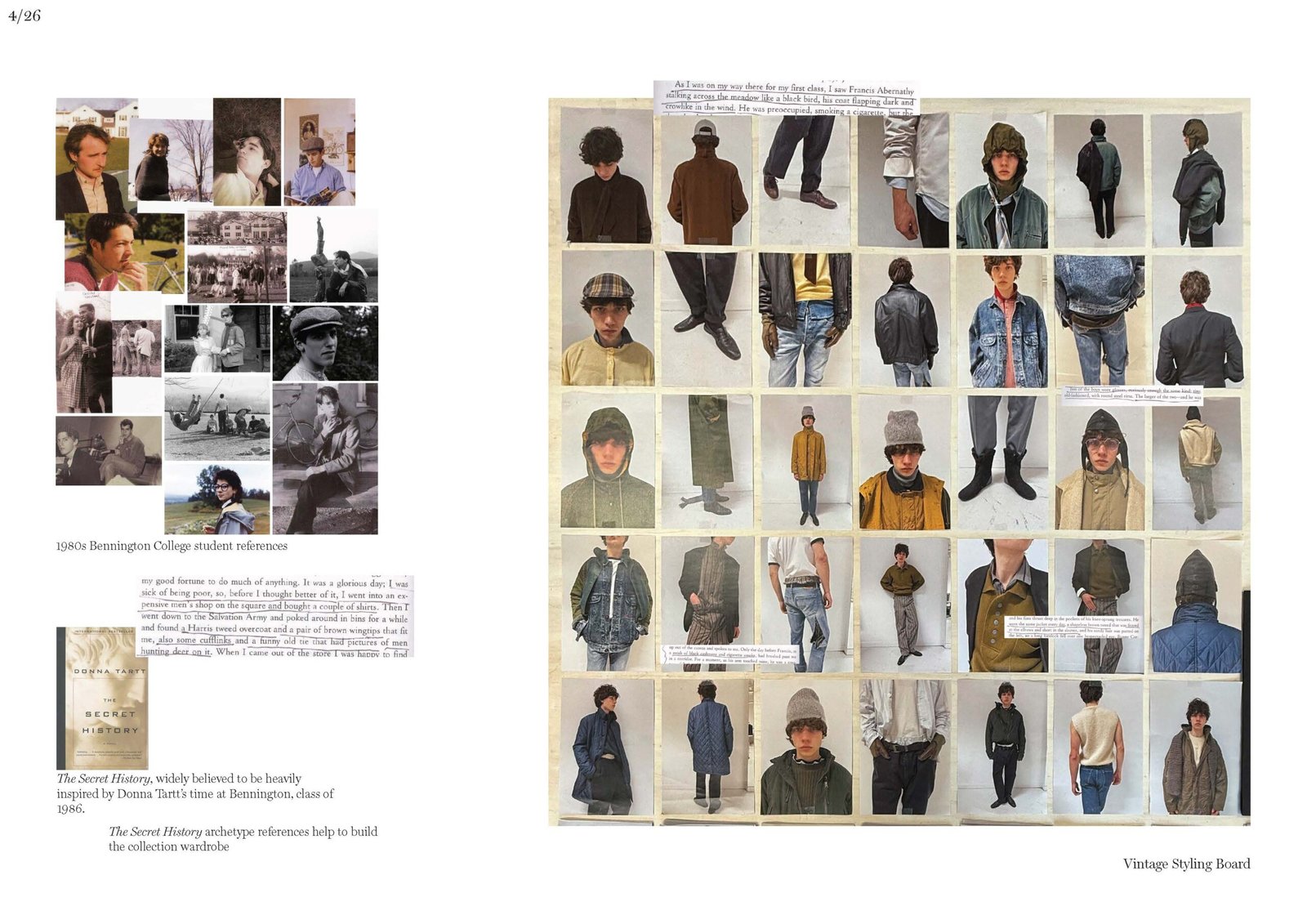
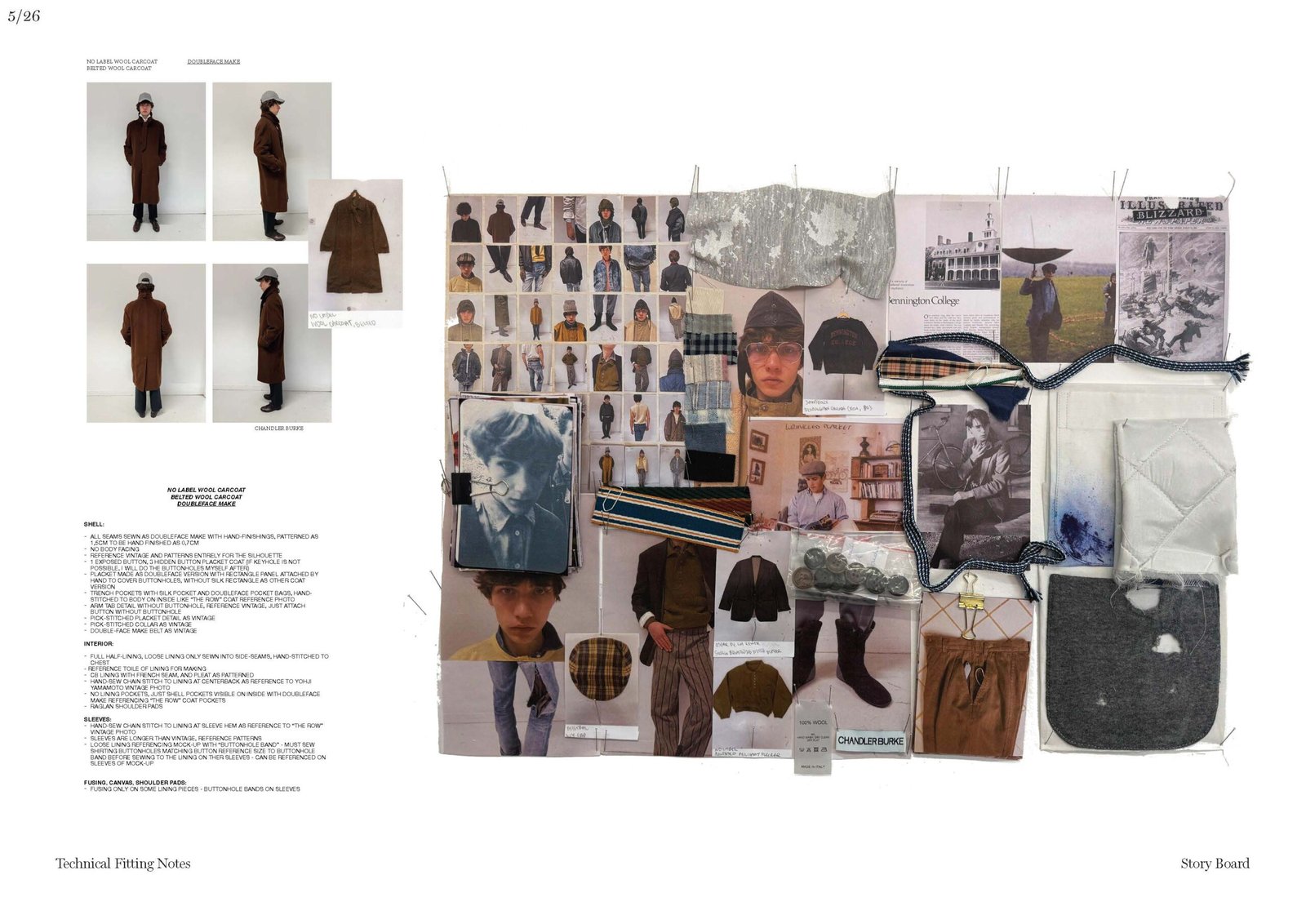
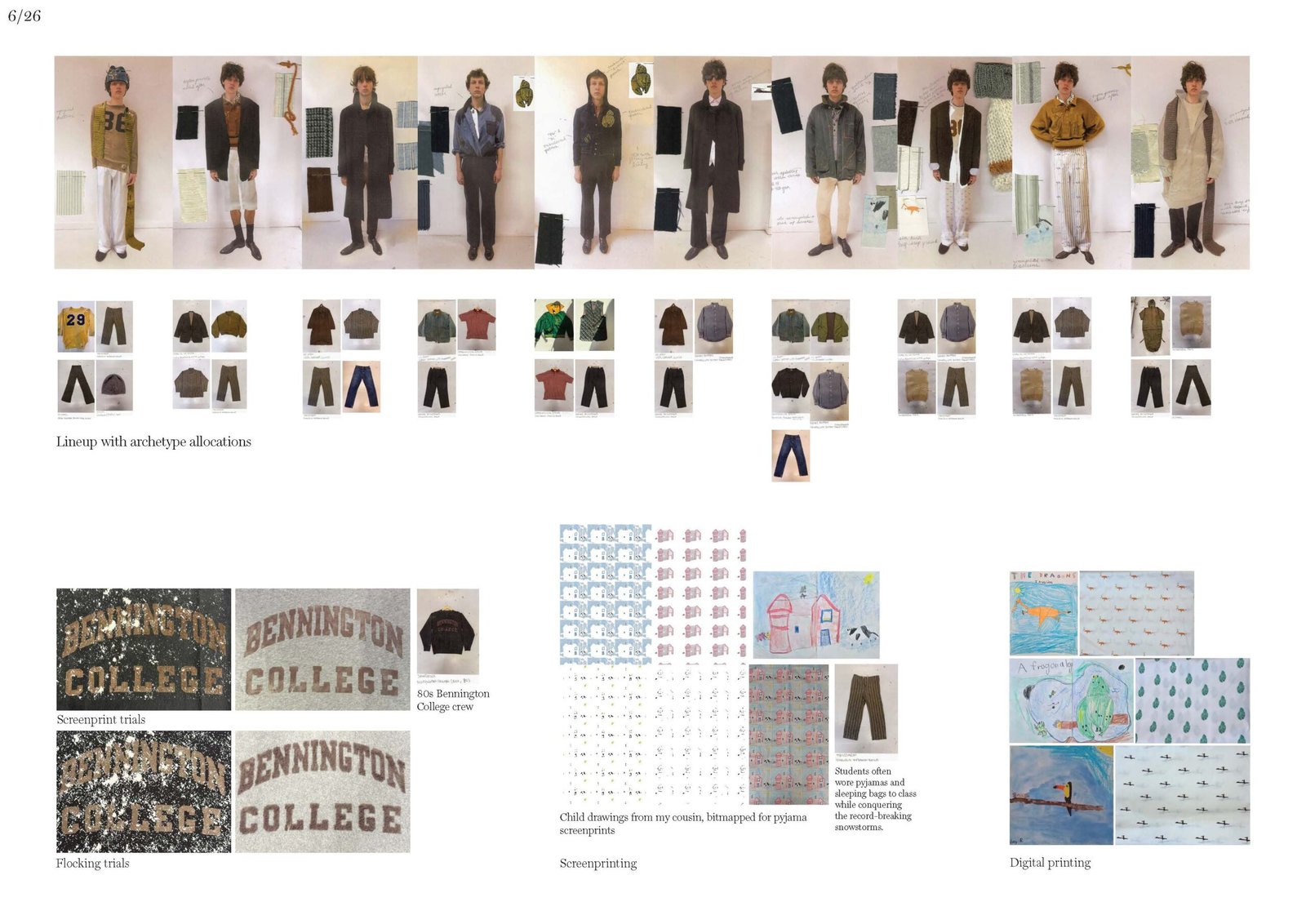
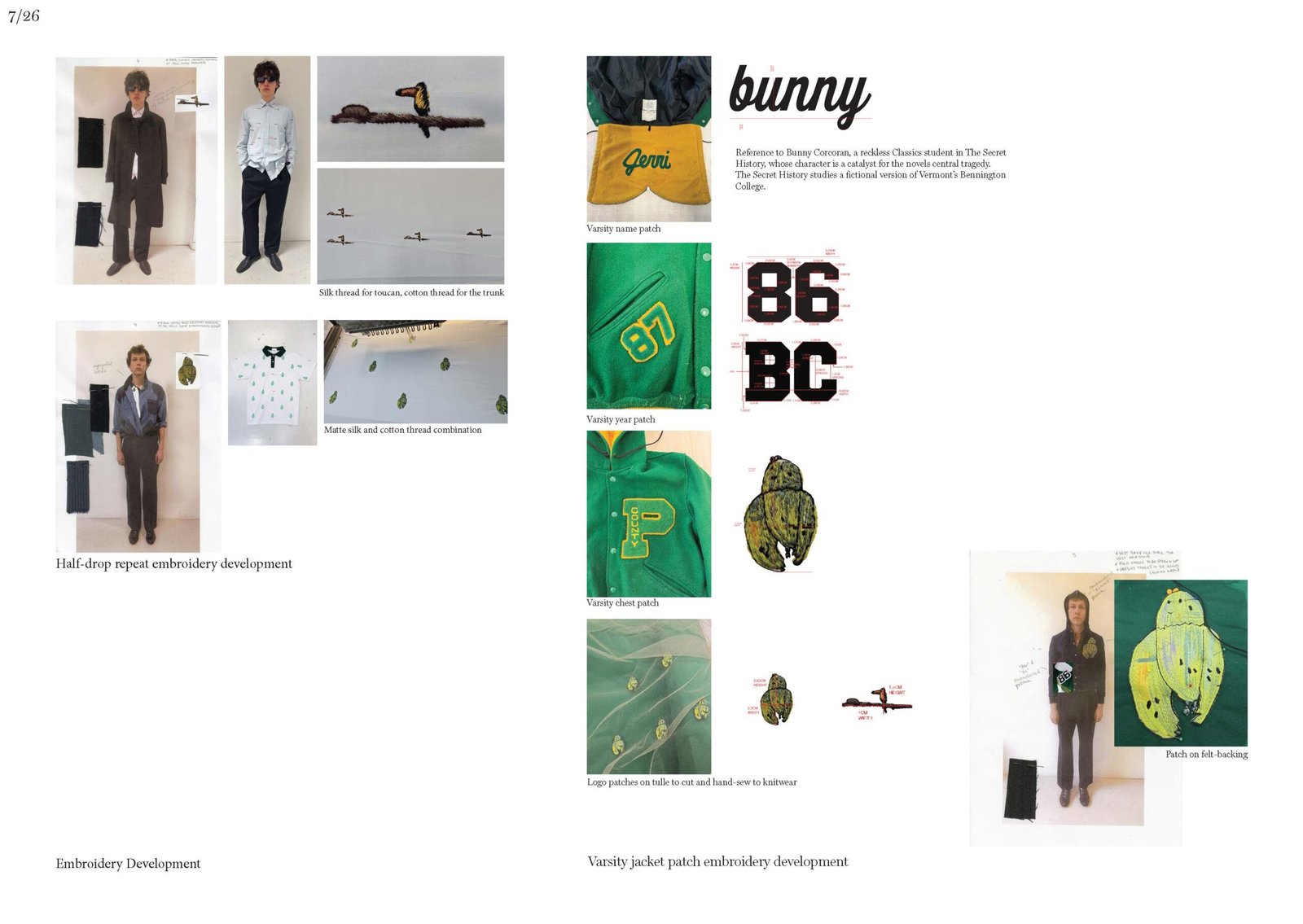
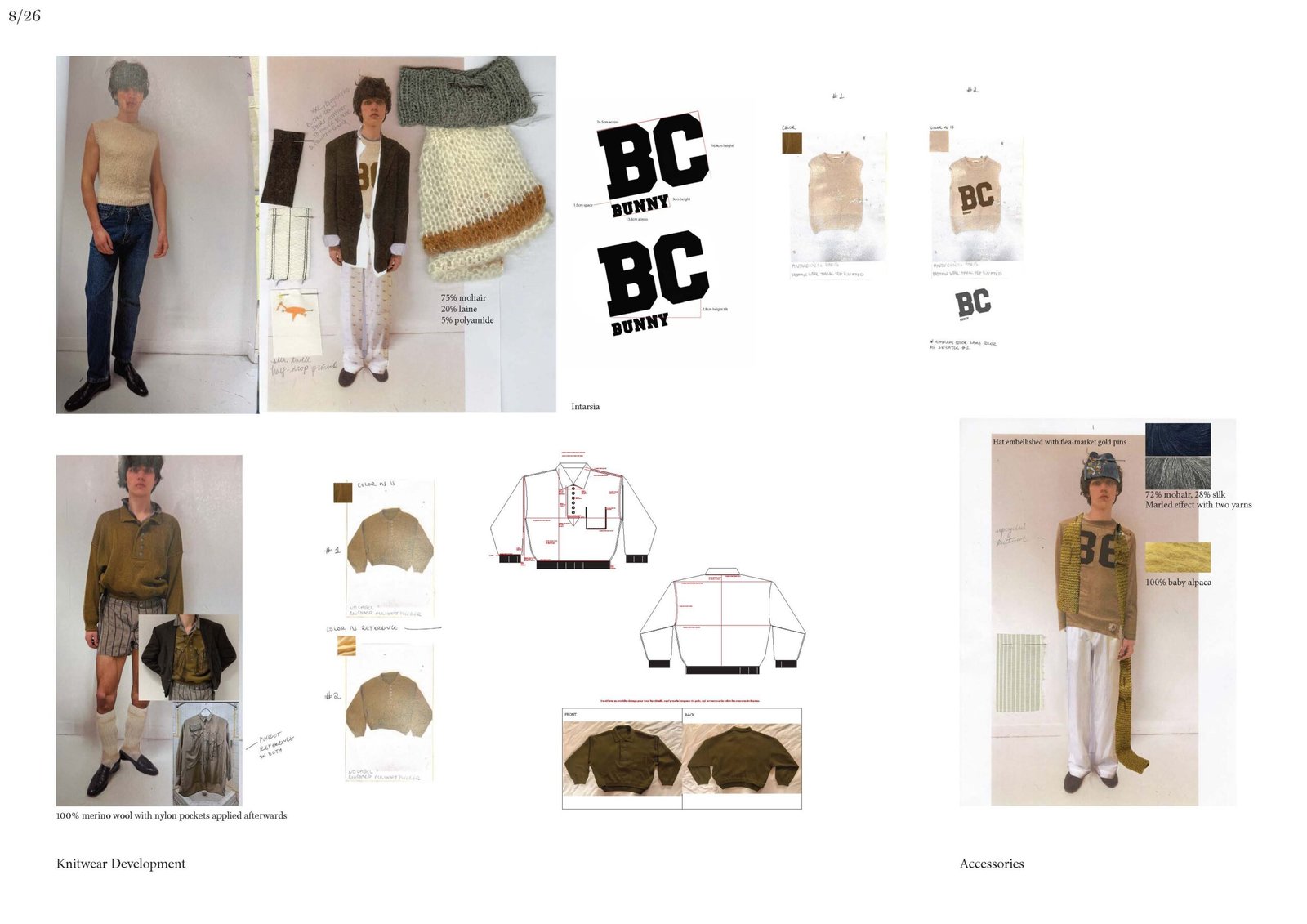
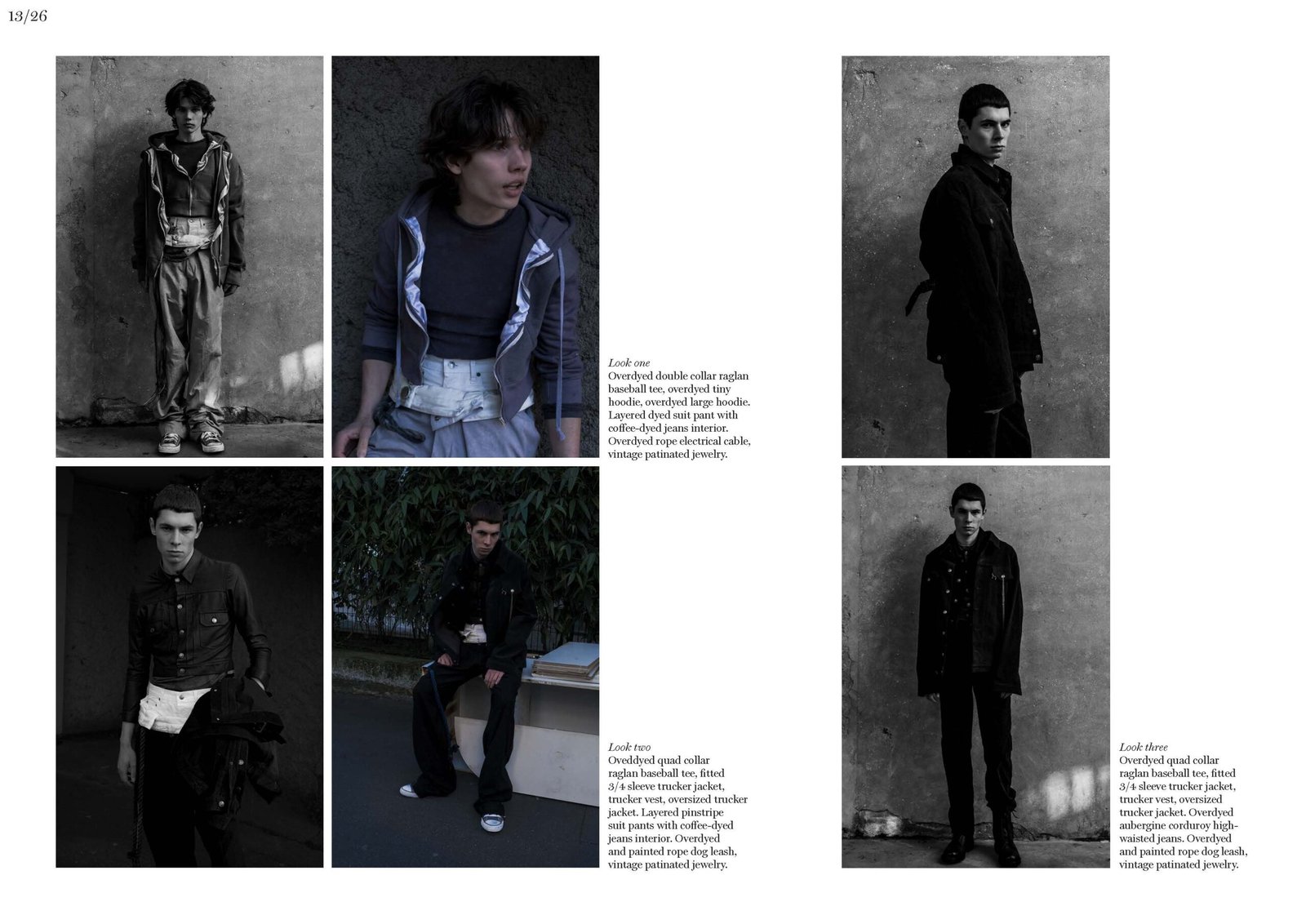
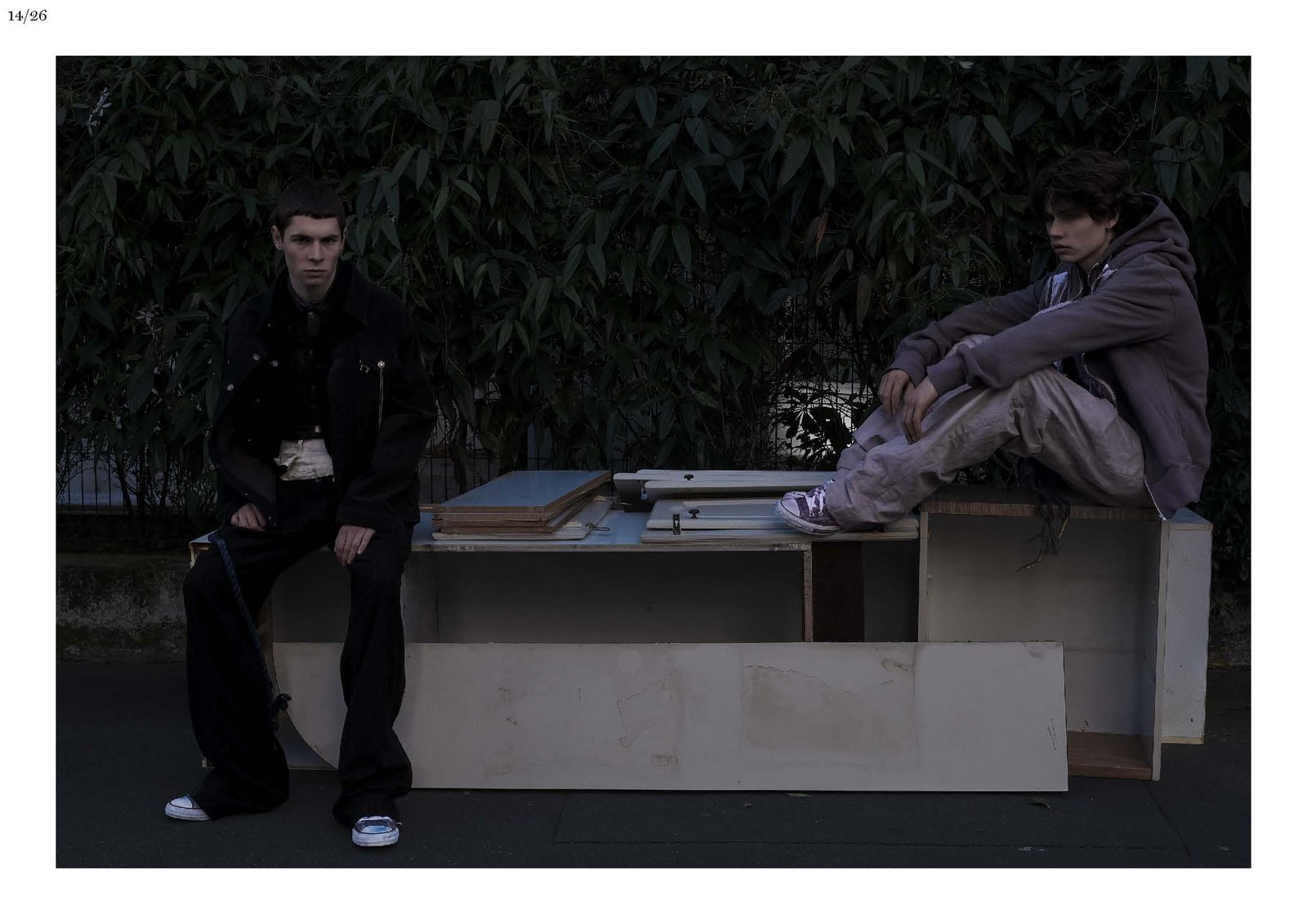
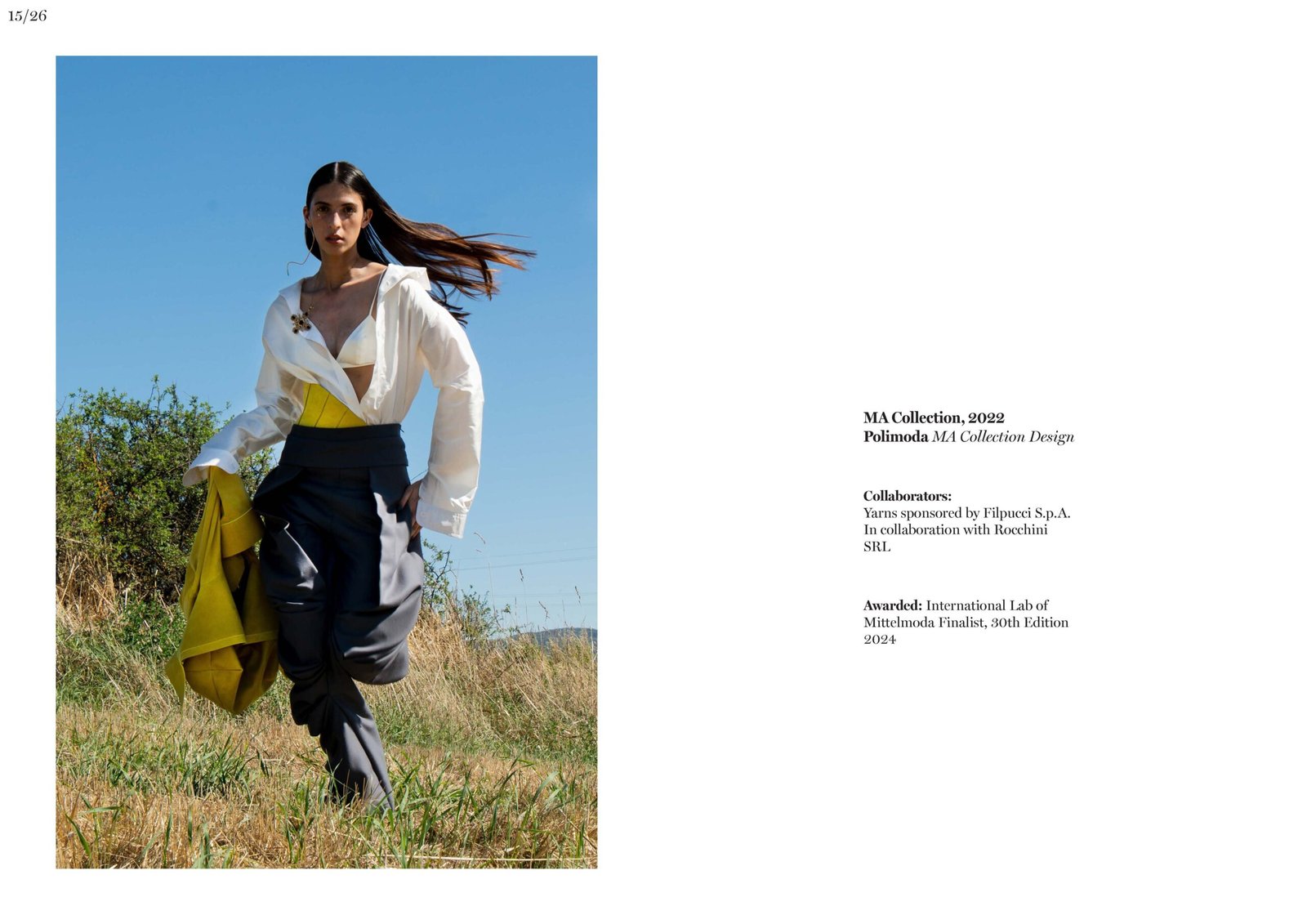
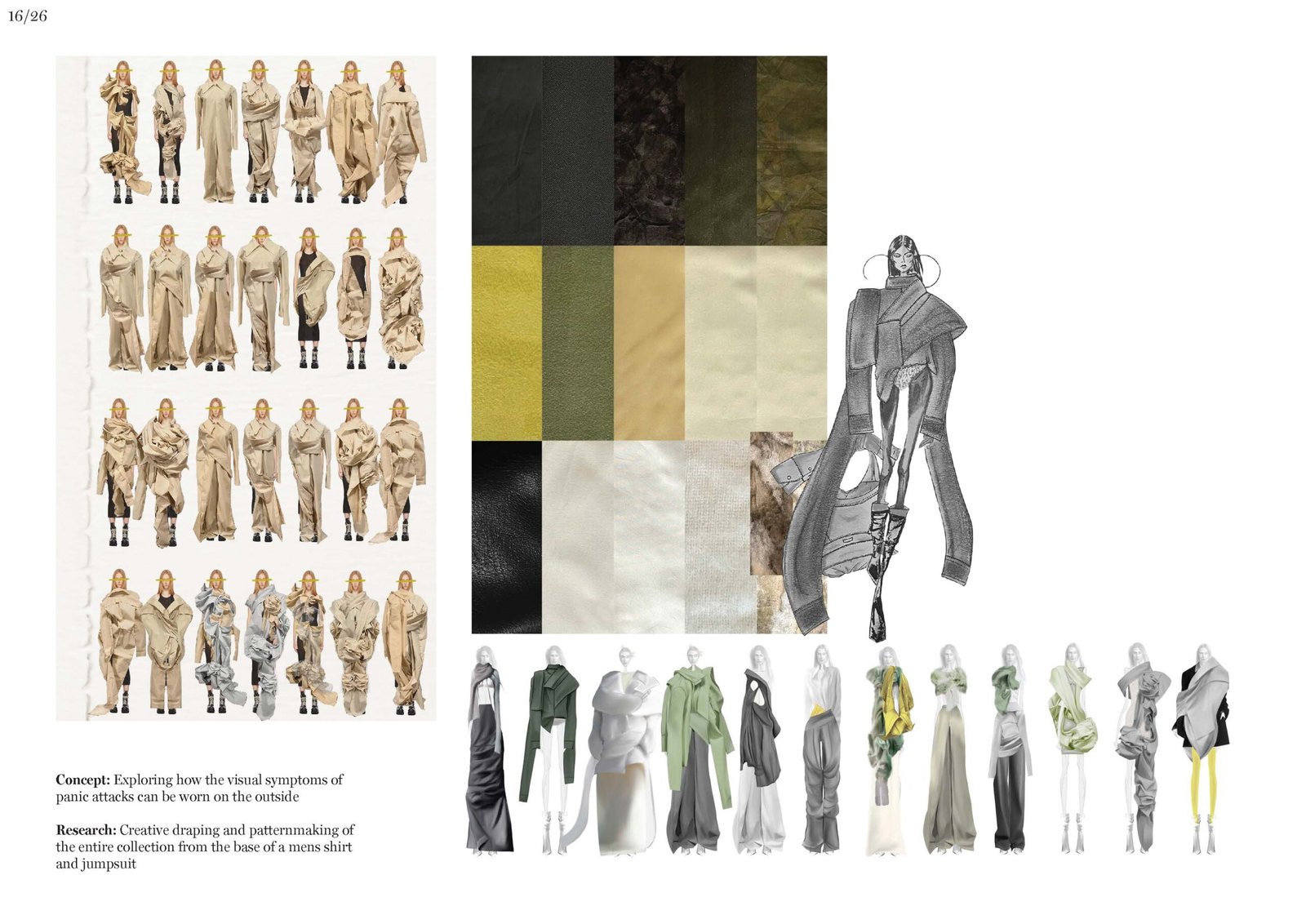
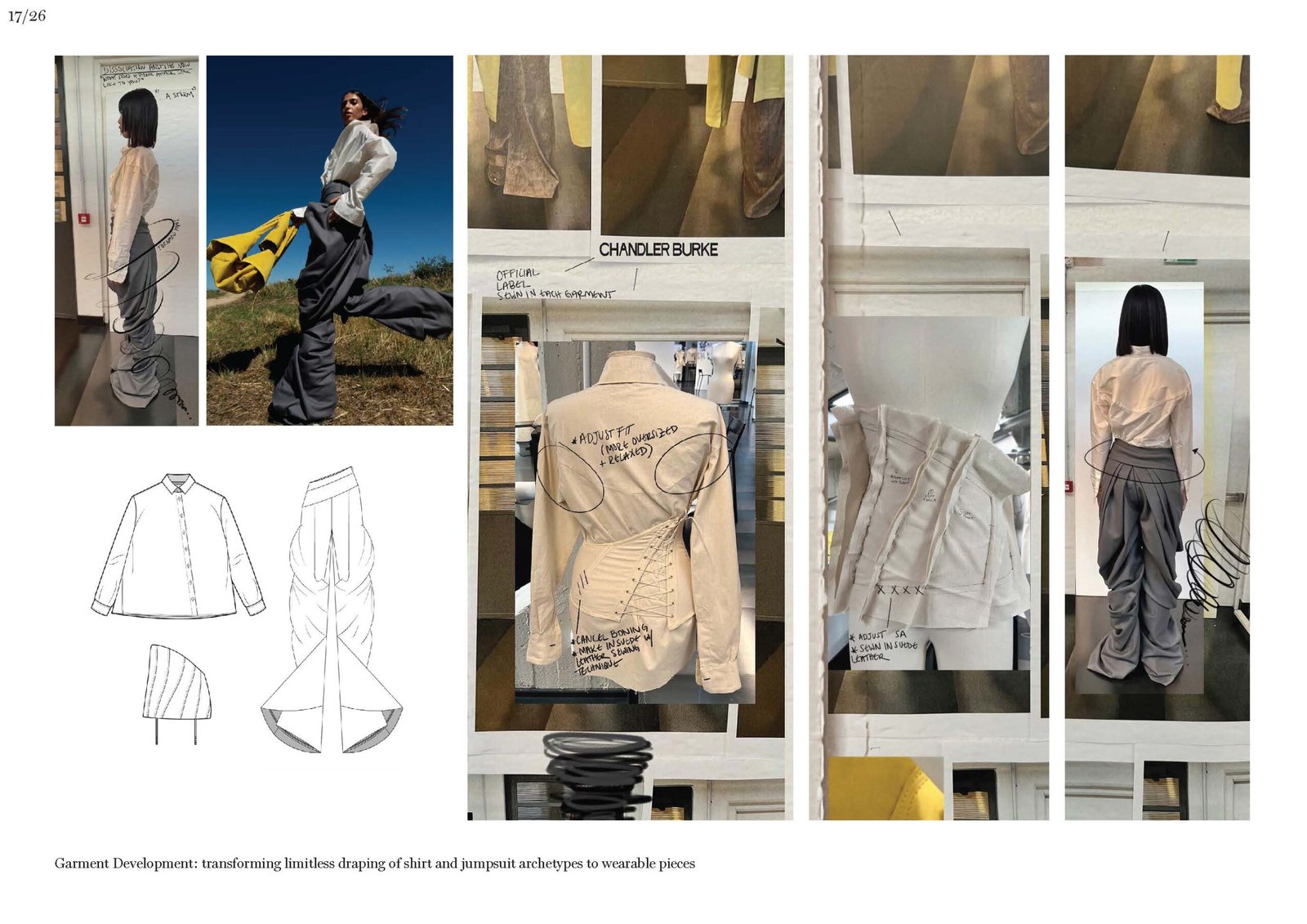
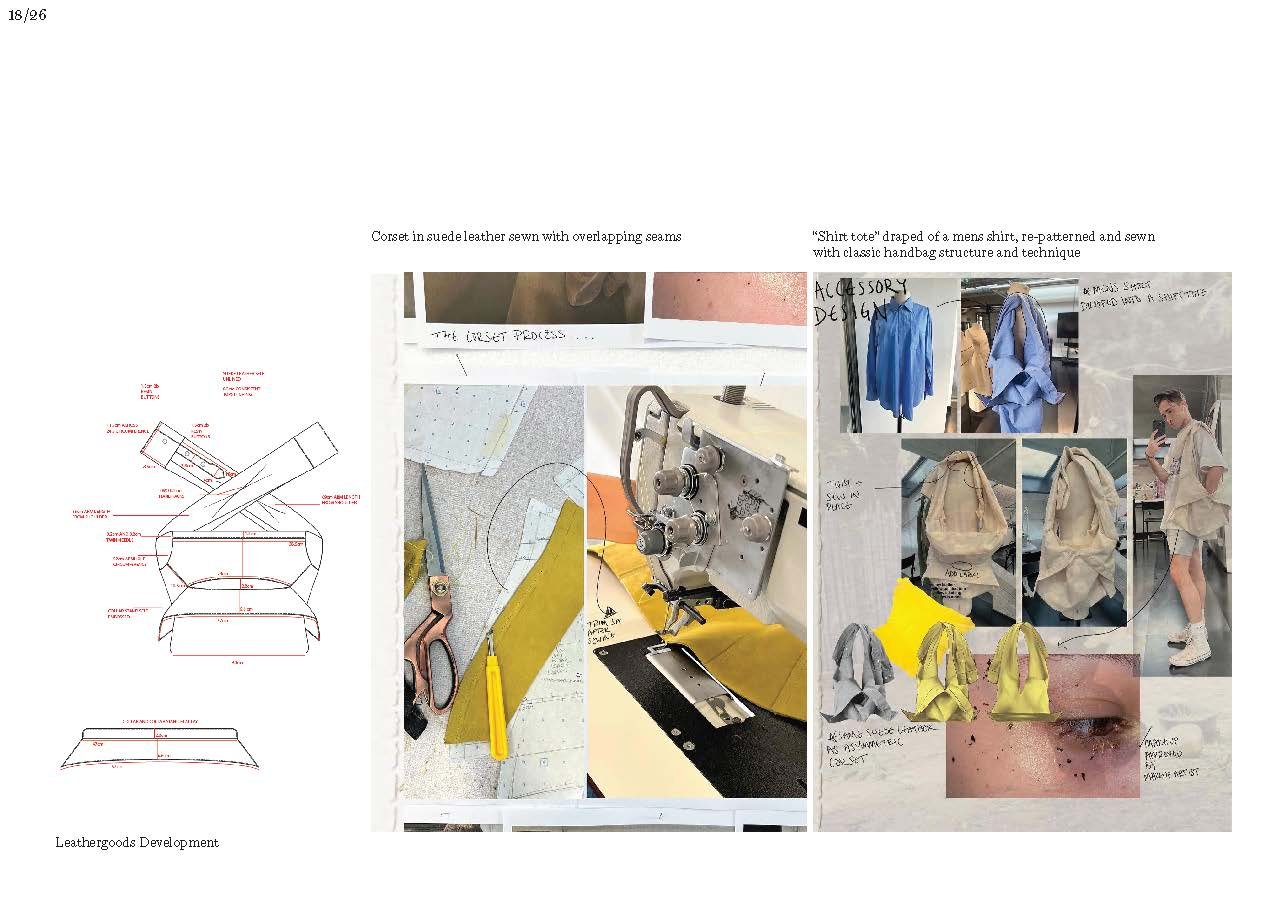
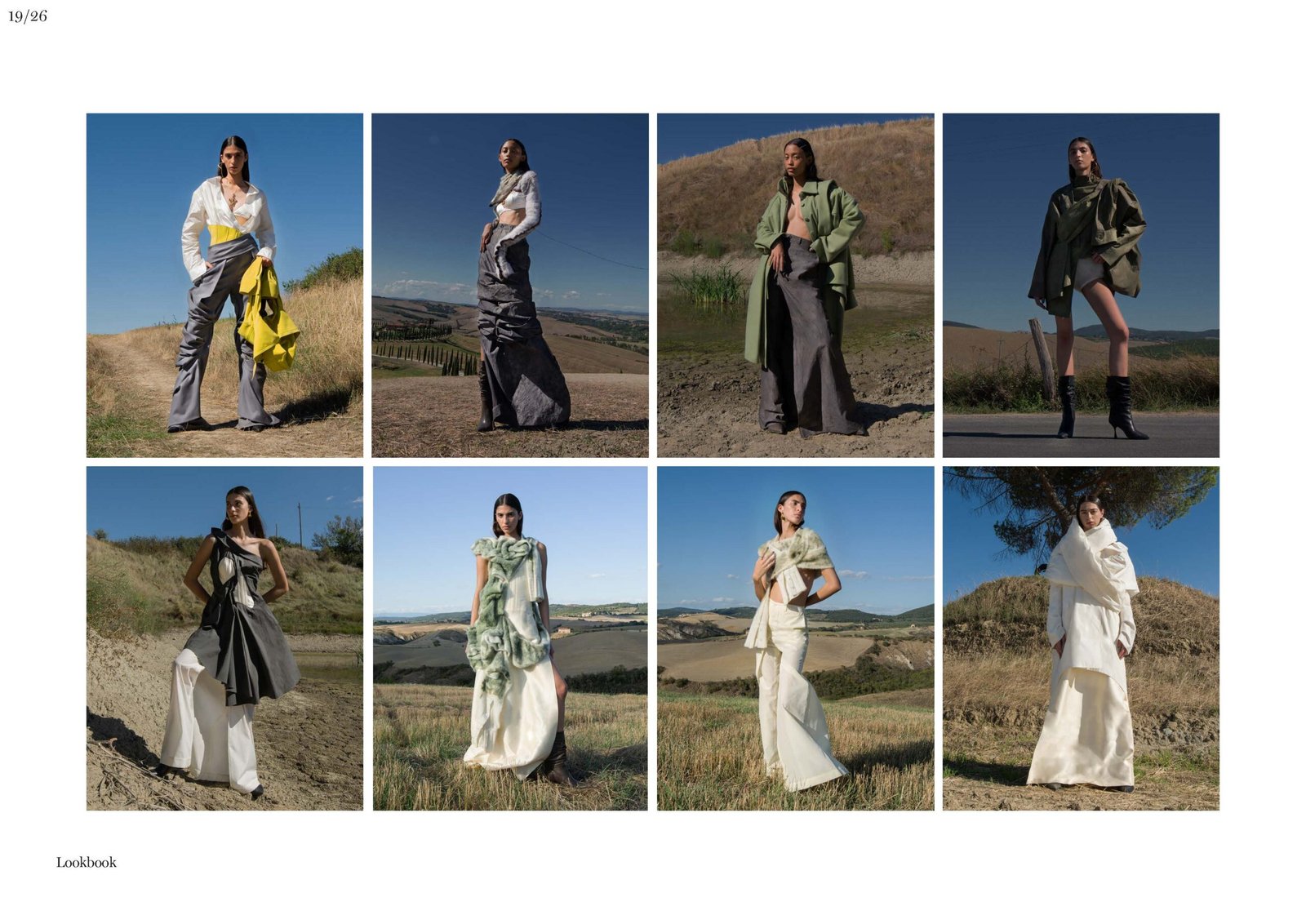
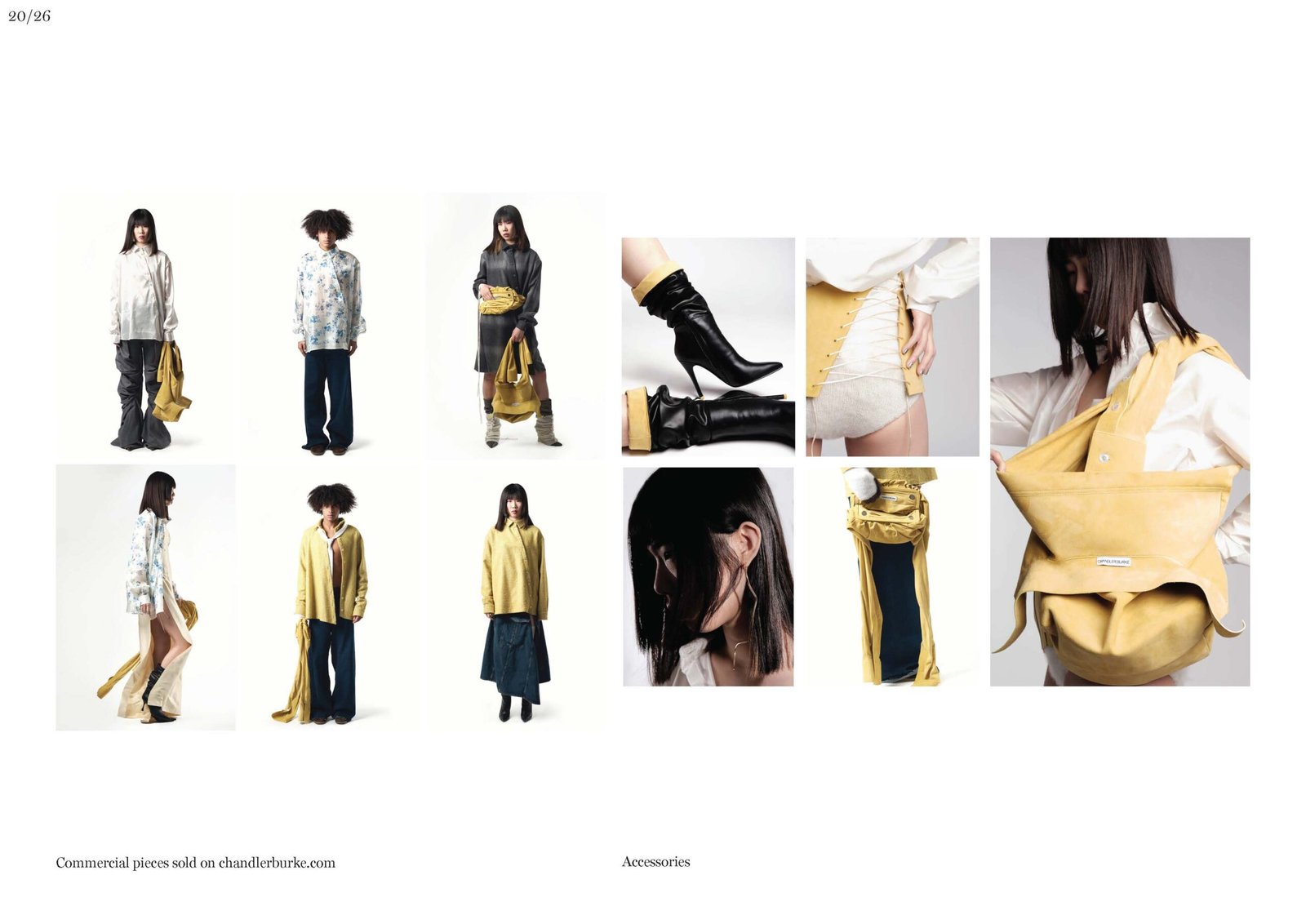
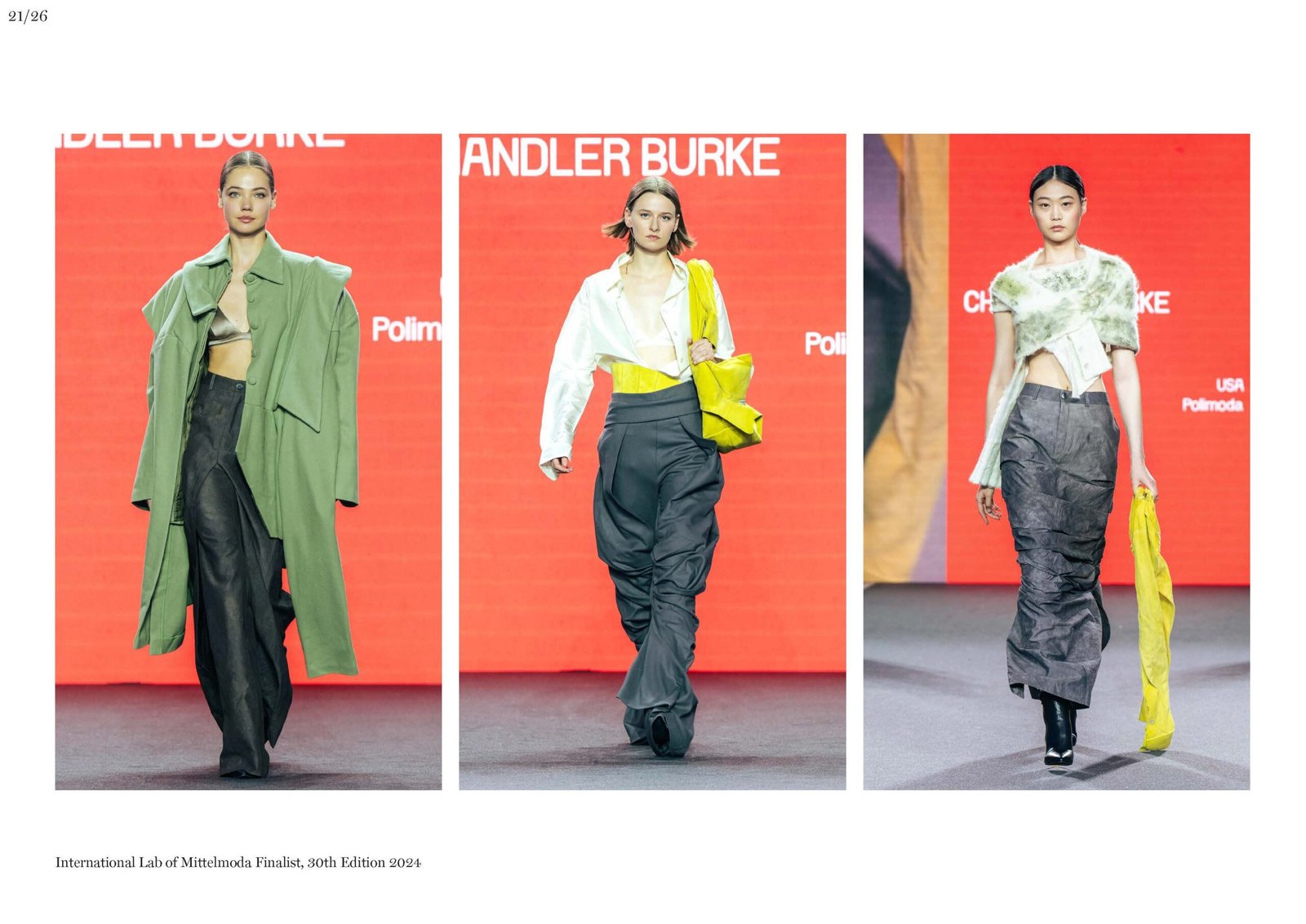
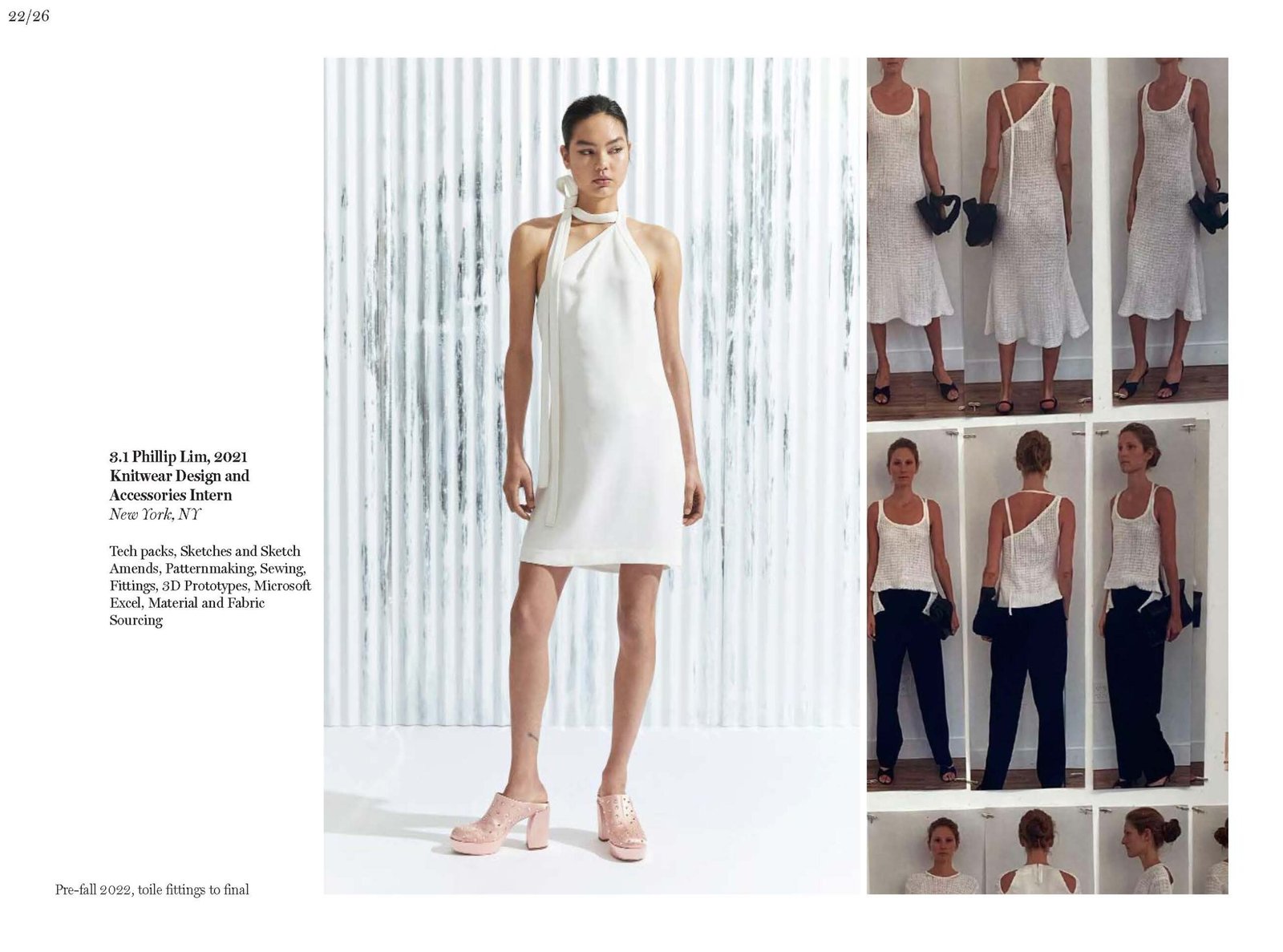
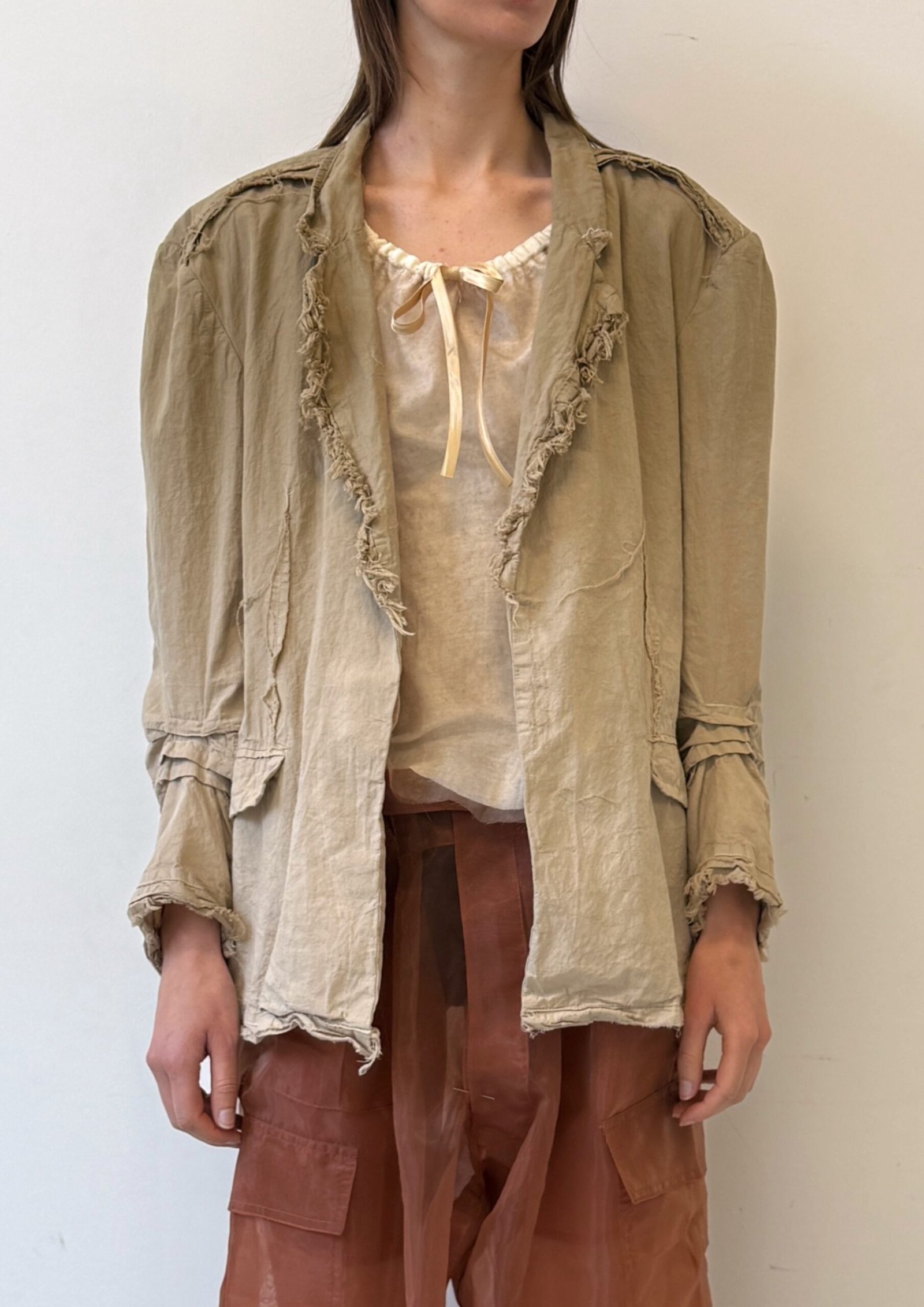
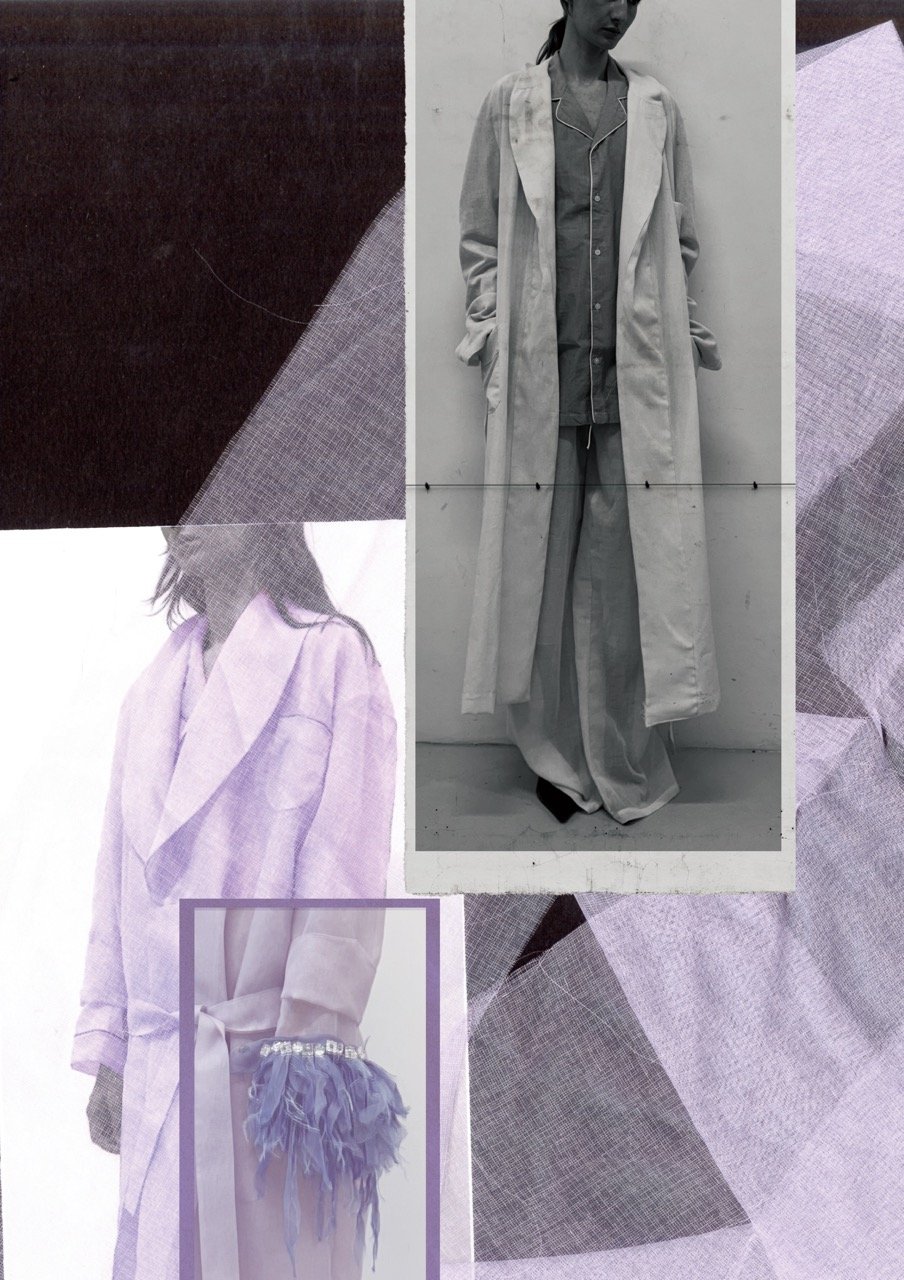
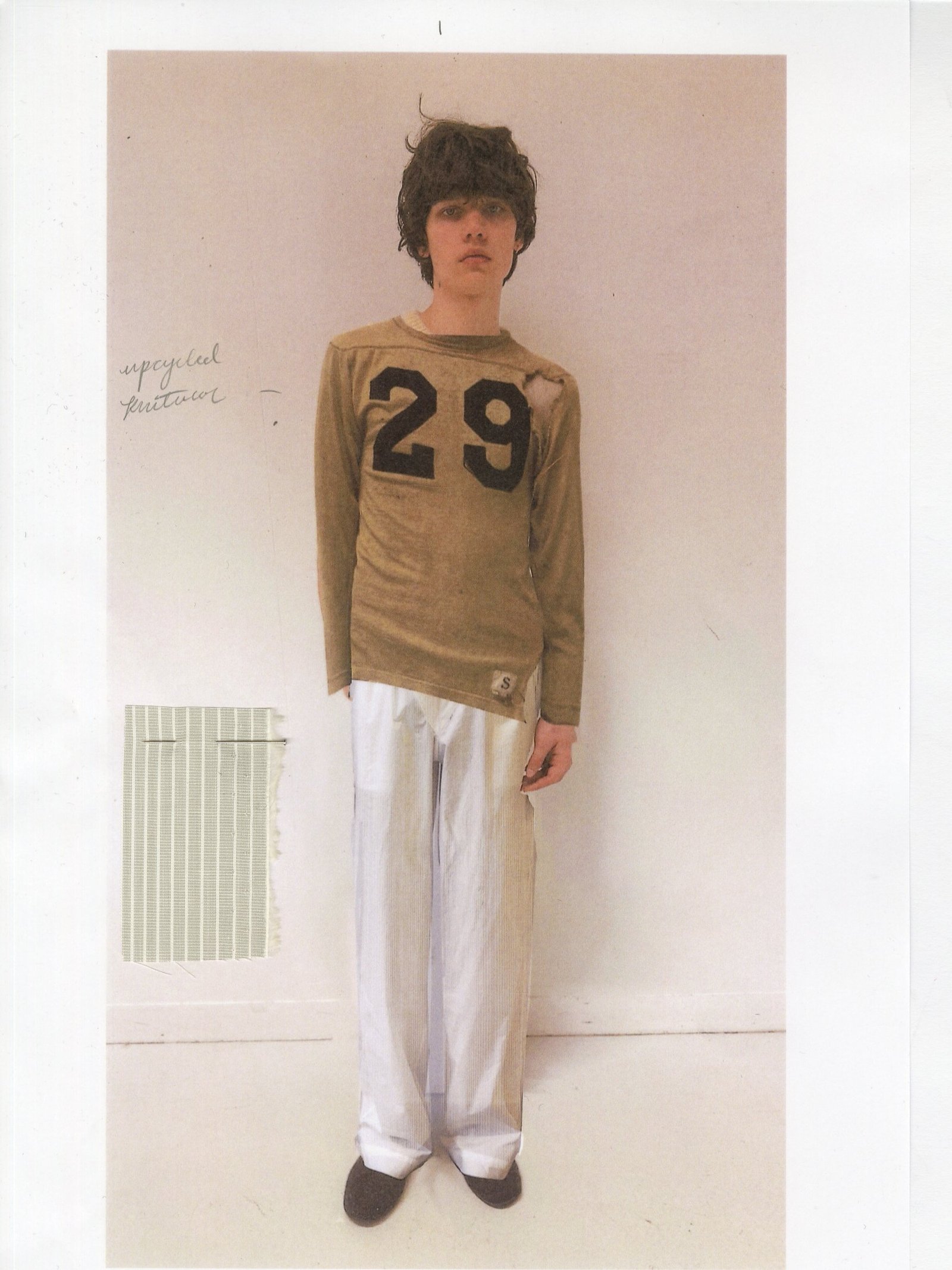
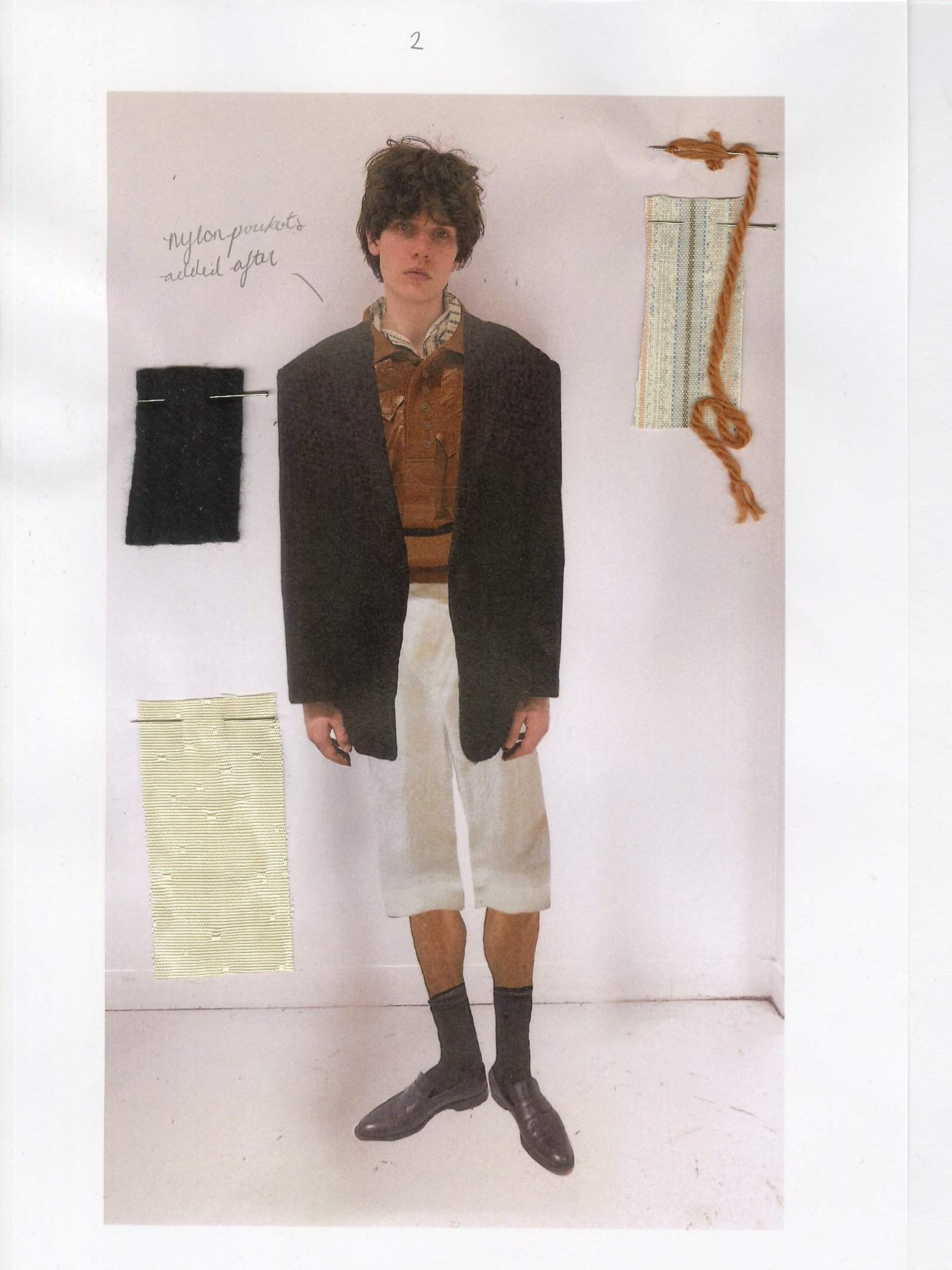
Chandler Burke’s collection draws inspiration from Bennington College during the winter of 1984, imagining a scholarship student navigating both social hierarchy and isolation within the campus environment associated with writers such as Donna Tartt, Bret Easton Ellis, and Jonathan Lethem. Particularly influenced by The Secret History and developed alongside his menswear internship at The Row, the collection combines thrifted garments, military surplus, and borrowed luxury into a subverted interpretation of Ivy League dressing. Pyjamas, stained silks, worn wools, layered outerwear, intarsia knits, repeat prints, and embroidered drawings from Burke’s cousin contribute to a sense of refined naivety throughout the work. As he leaves education, Burke reflects on having completed a second master’s – menswear at Parsons Paris after womenswear at Polimoda – and on the traditional student experiences often sacrificed by designers to studio work, internships, freelancing, fashion weeks, and all-nighters. While those missed experiences can be difficult, he also sees the unorthodox rhythm of design as part of what makes it exhilarating, and is now focused on building a better balance and routine.

@chandlerdavidburke

Screenshot

Esme Yu

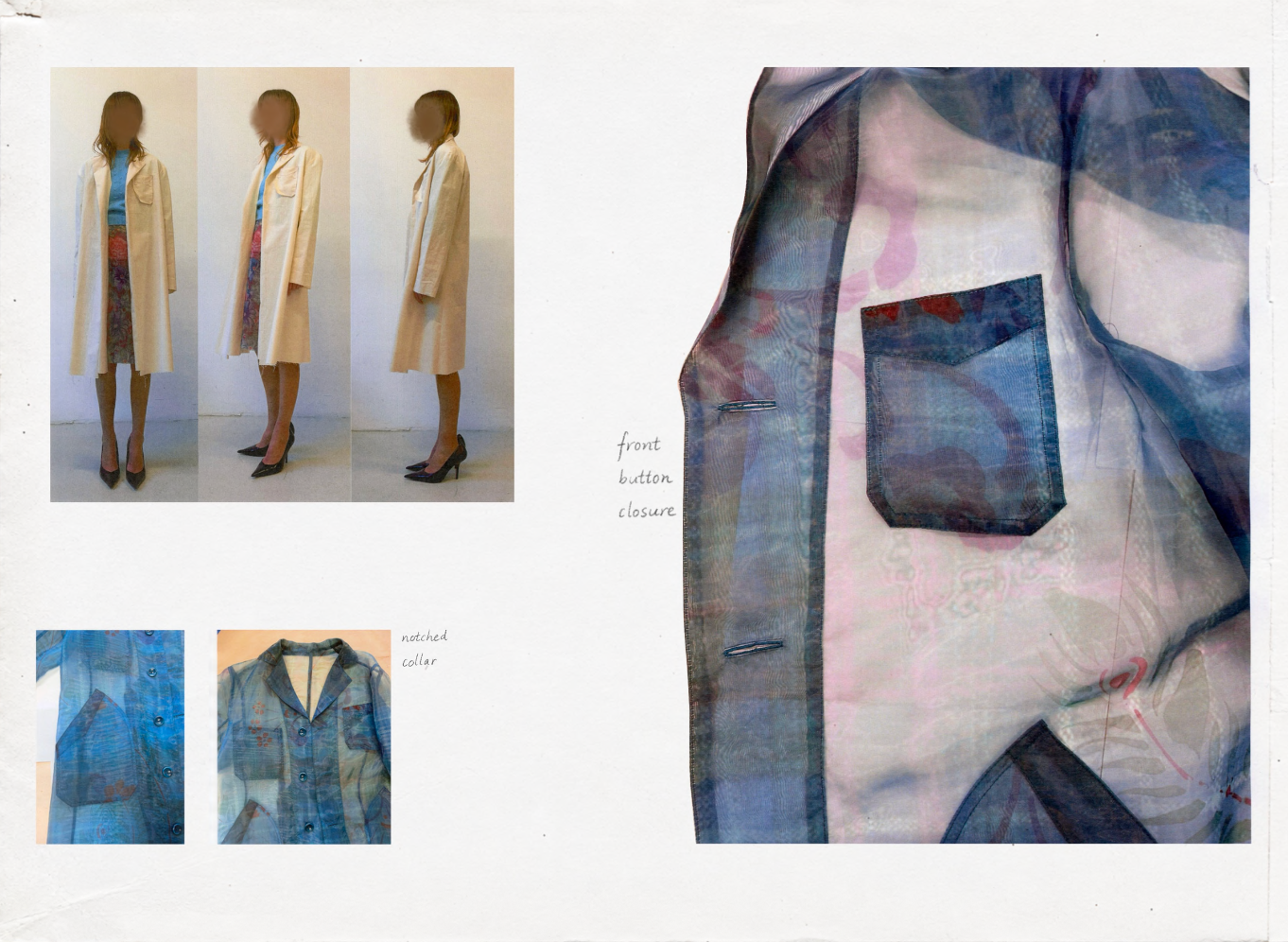
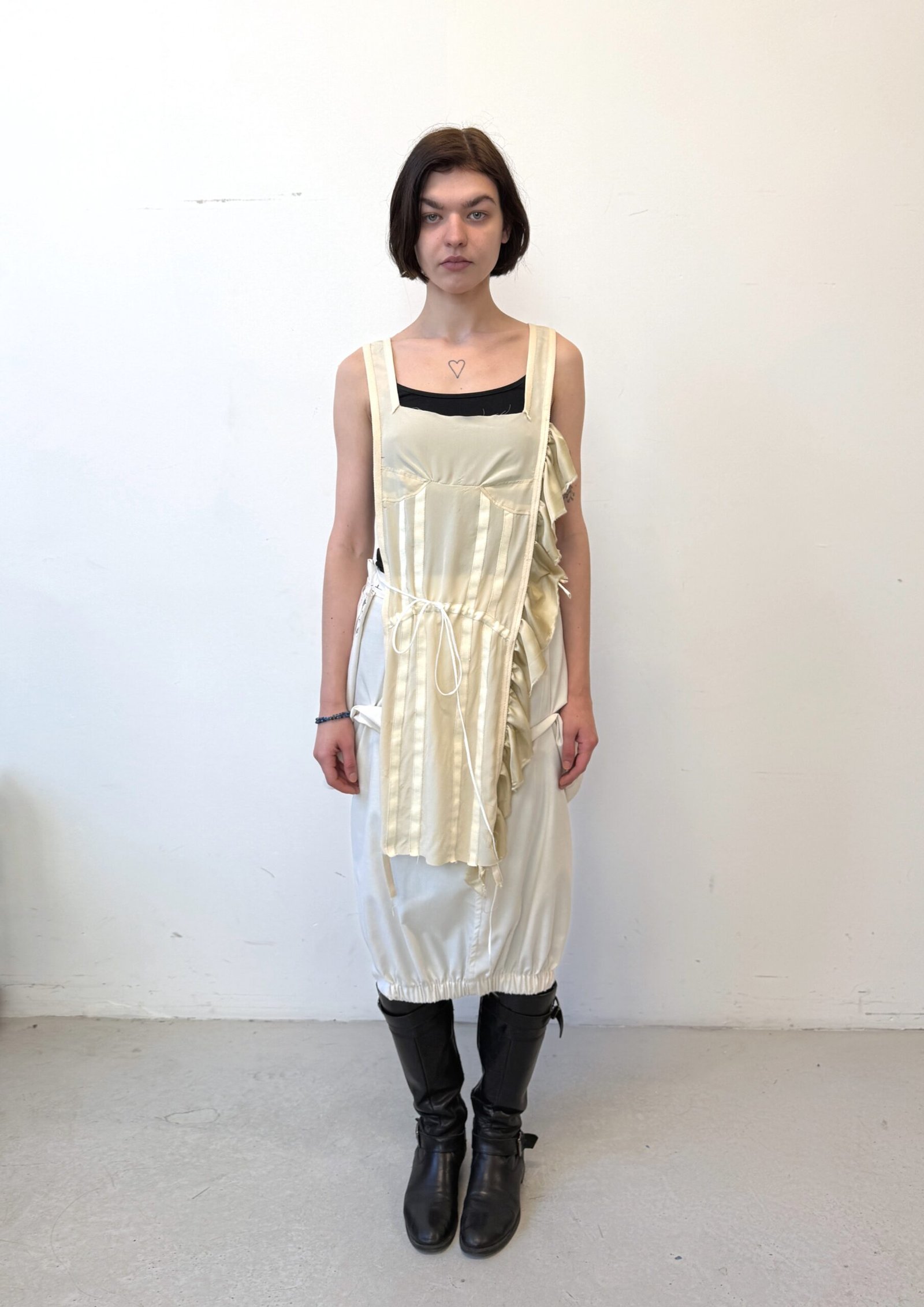
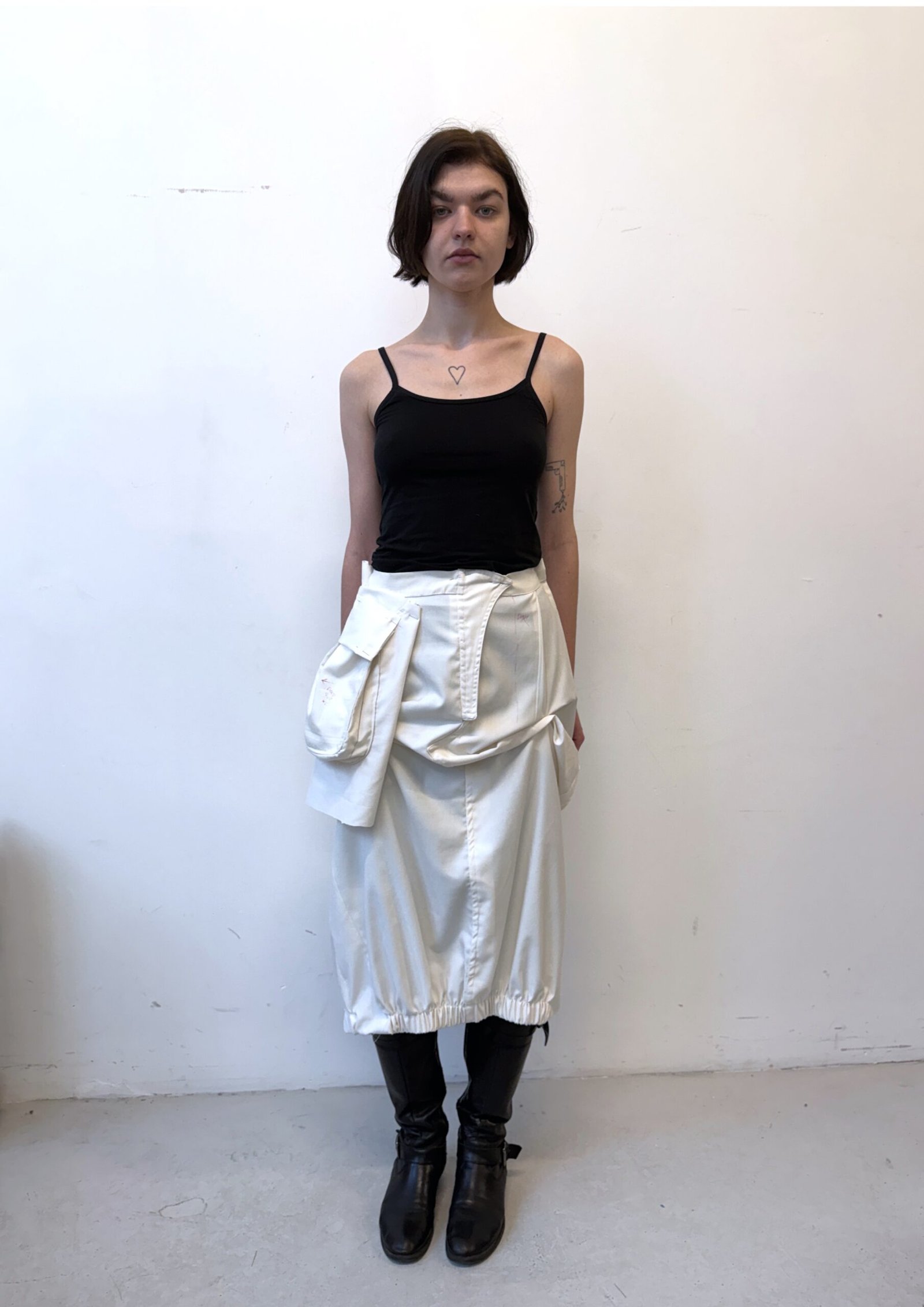
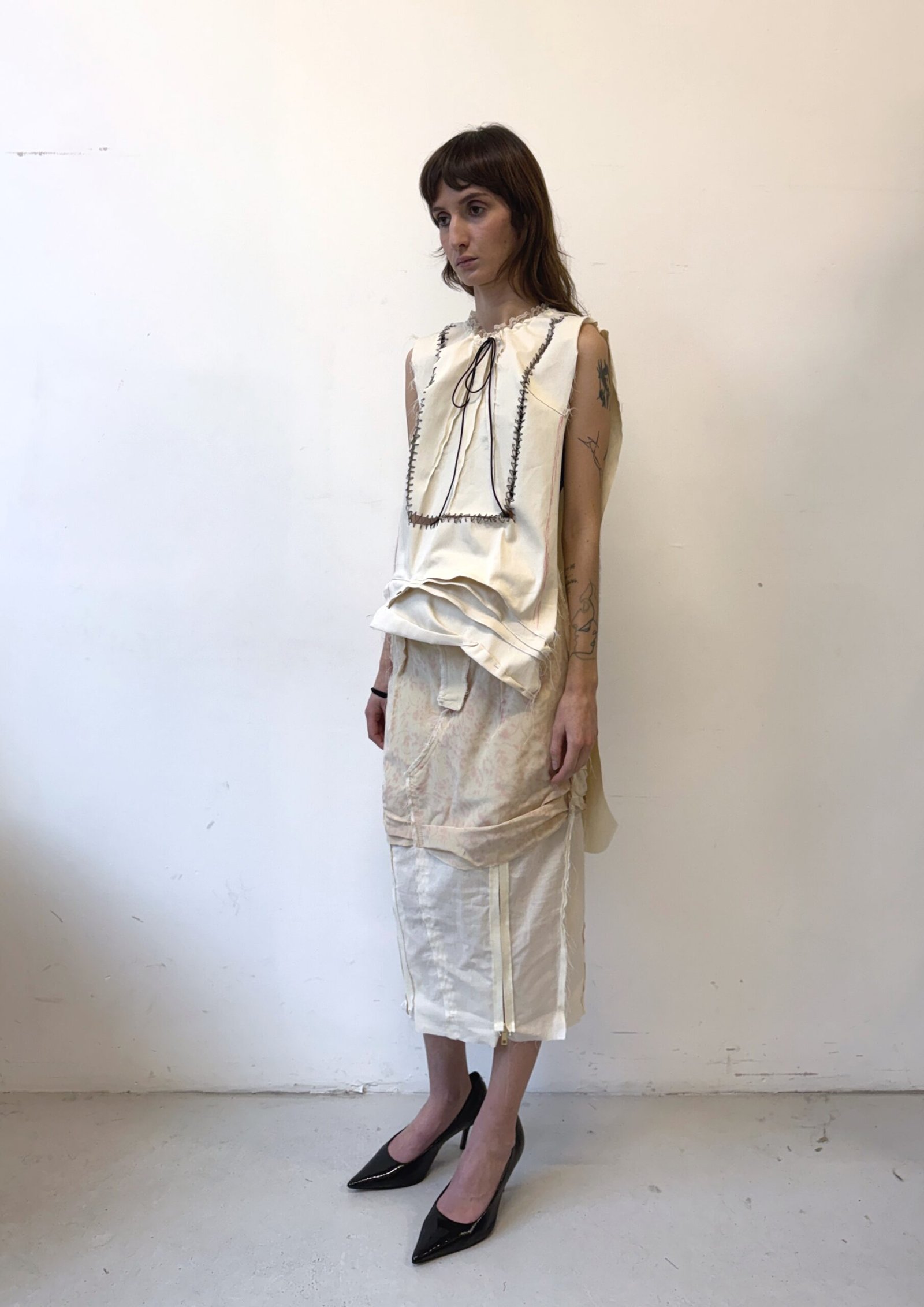
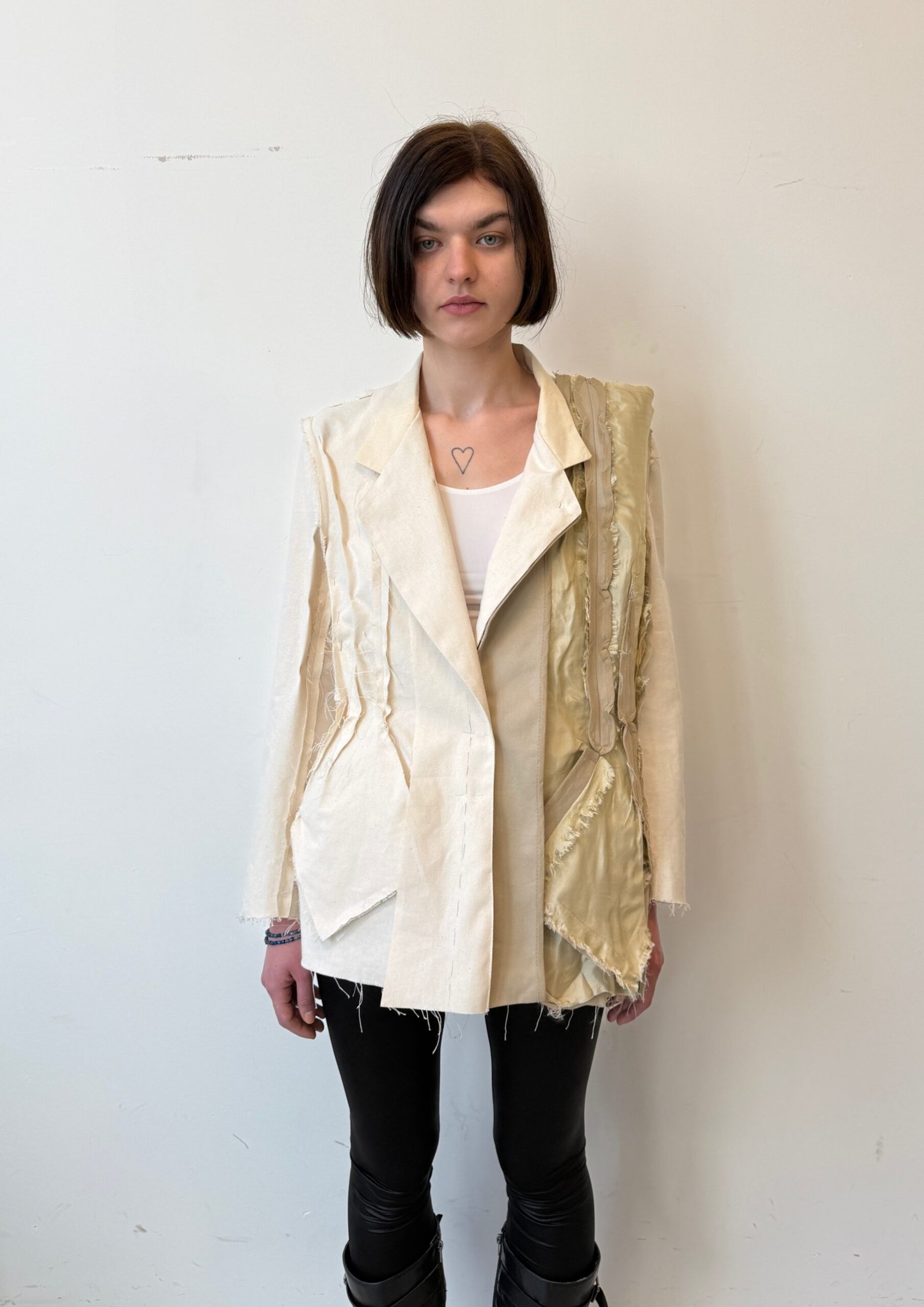
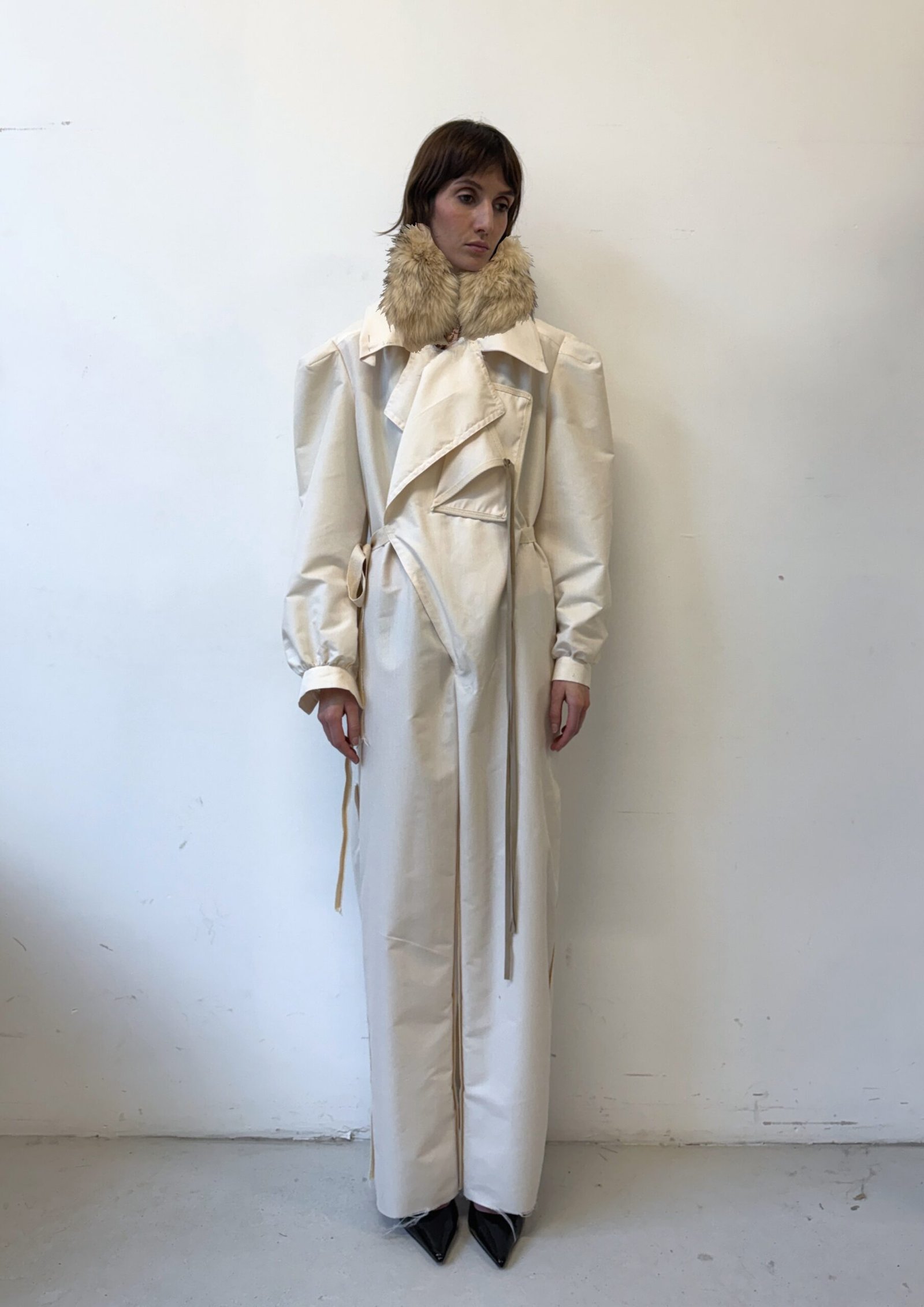
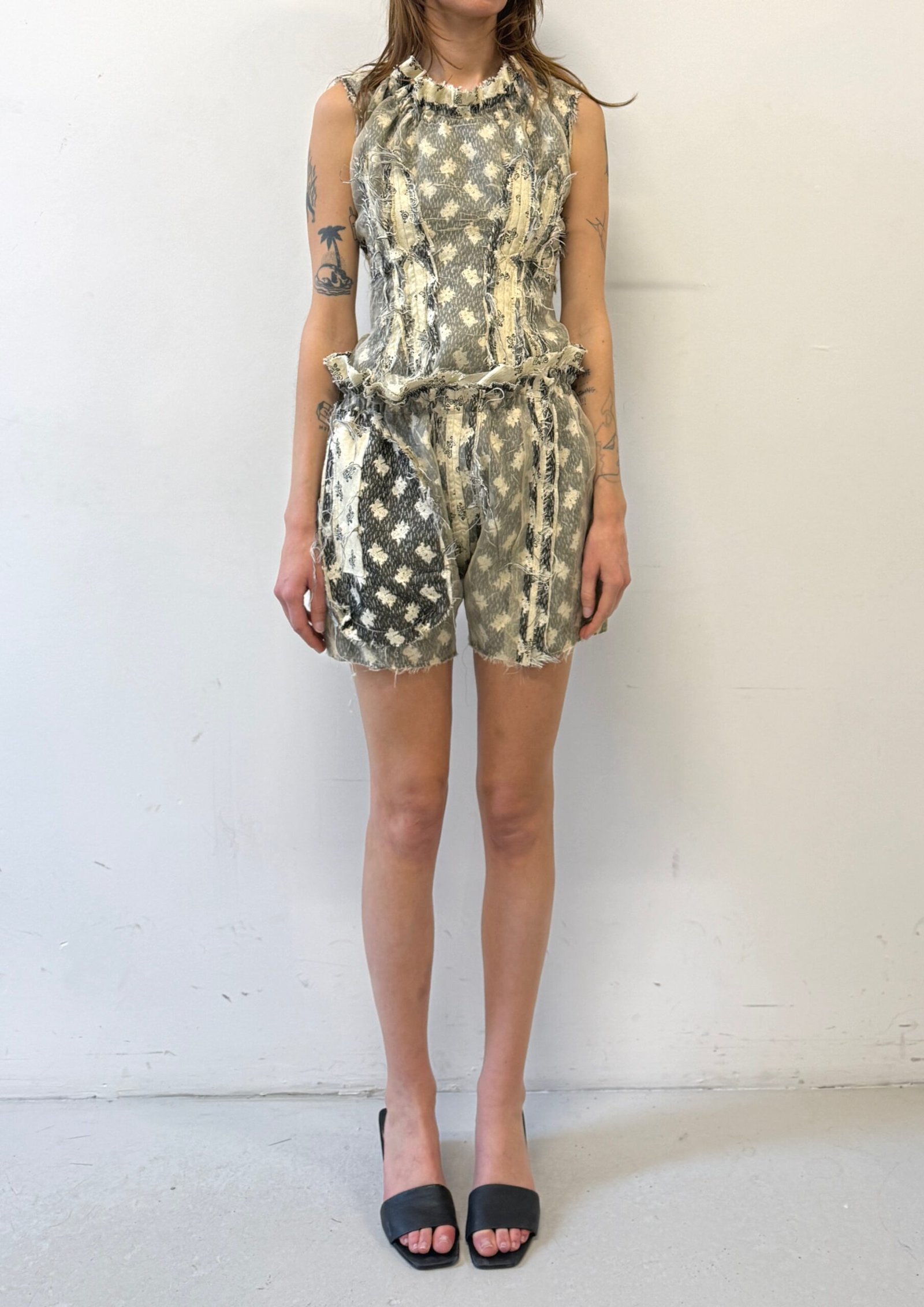
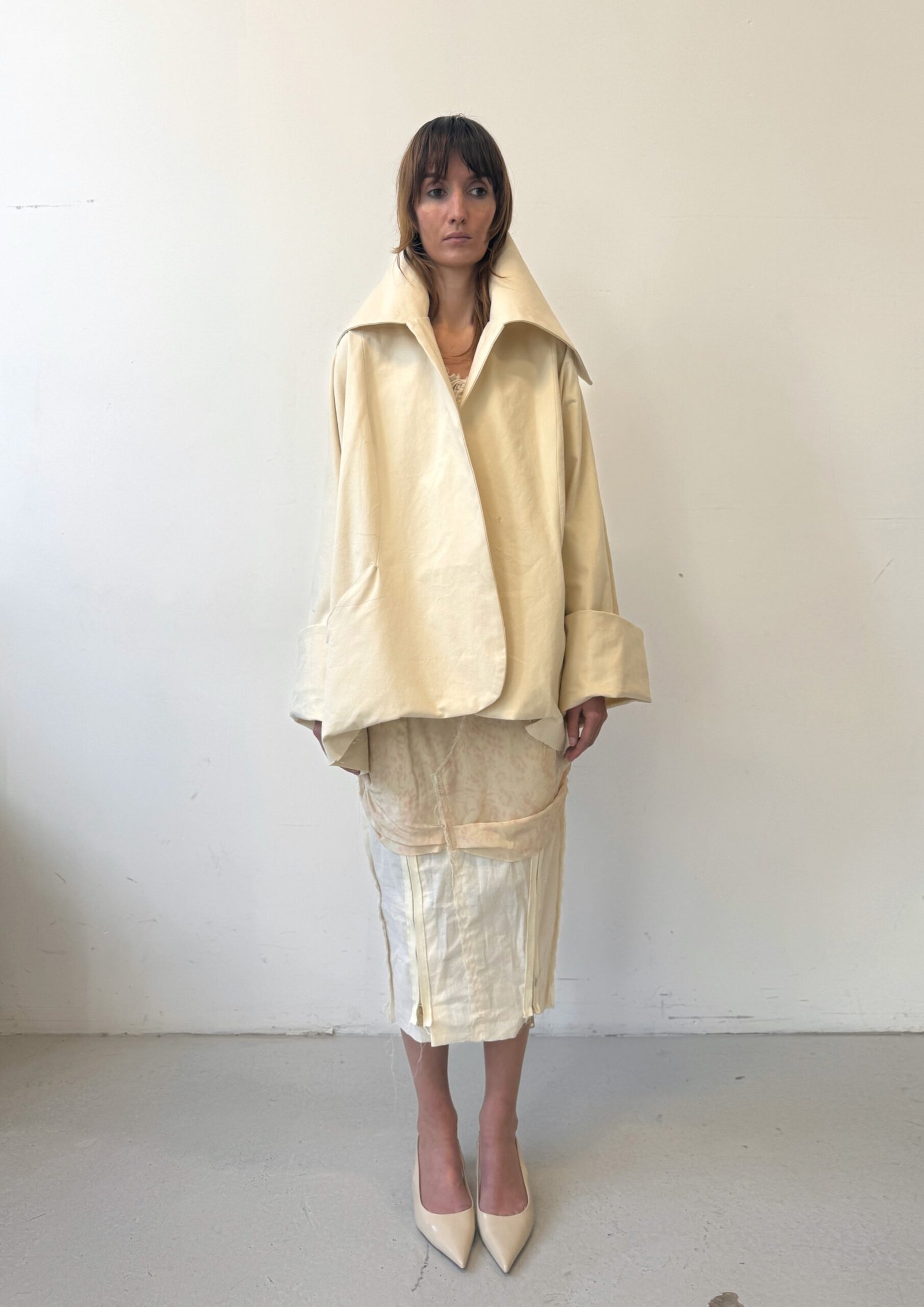
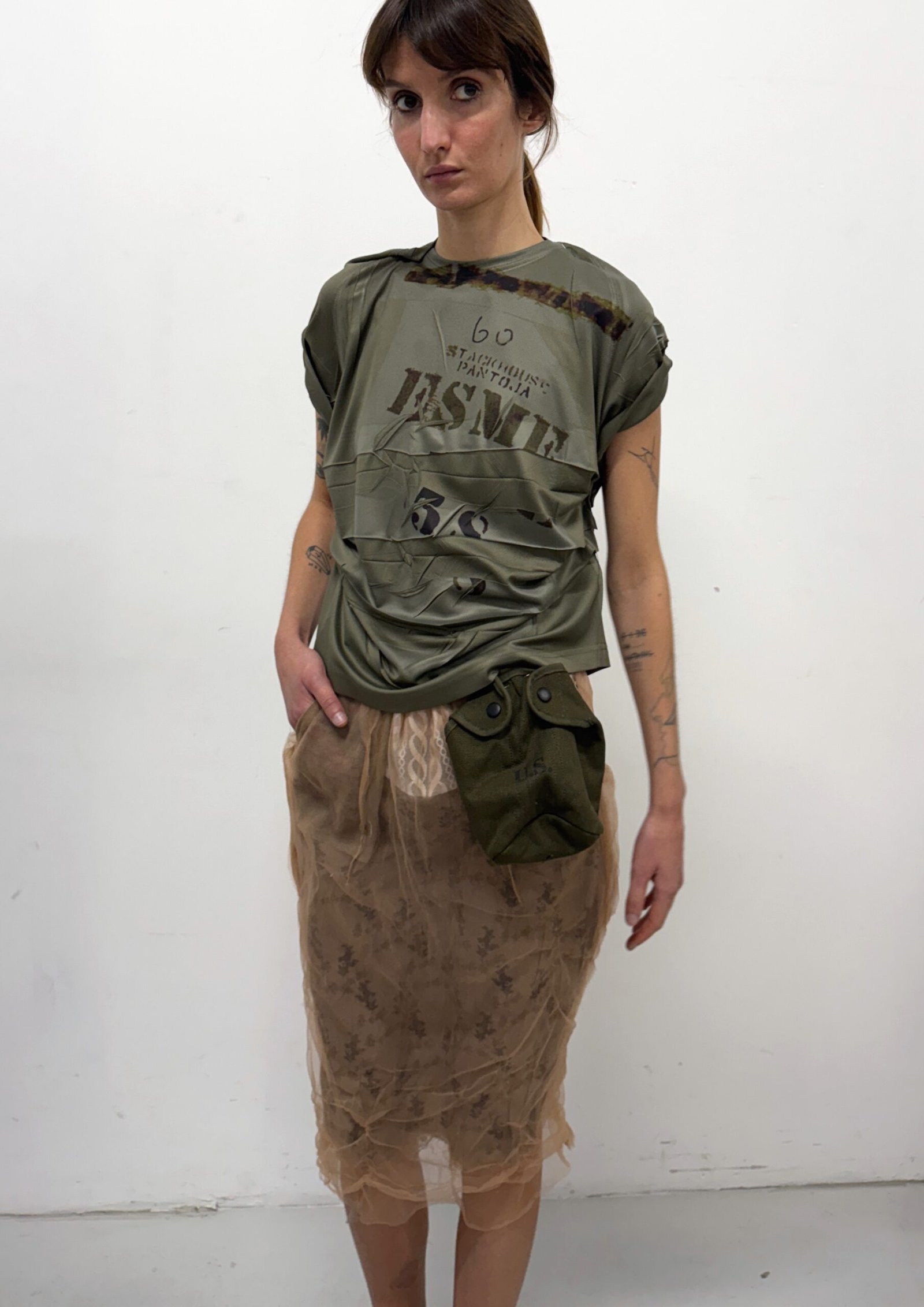
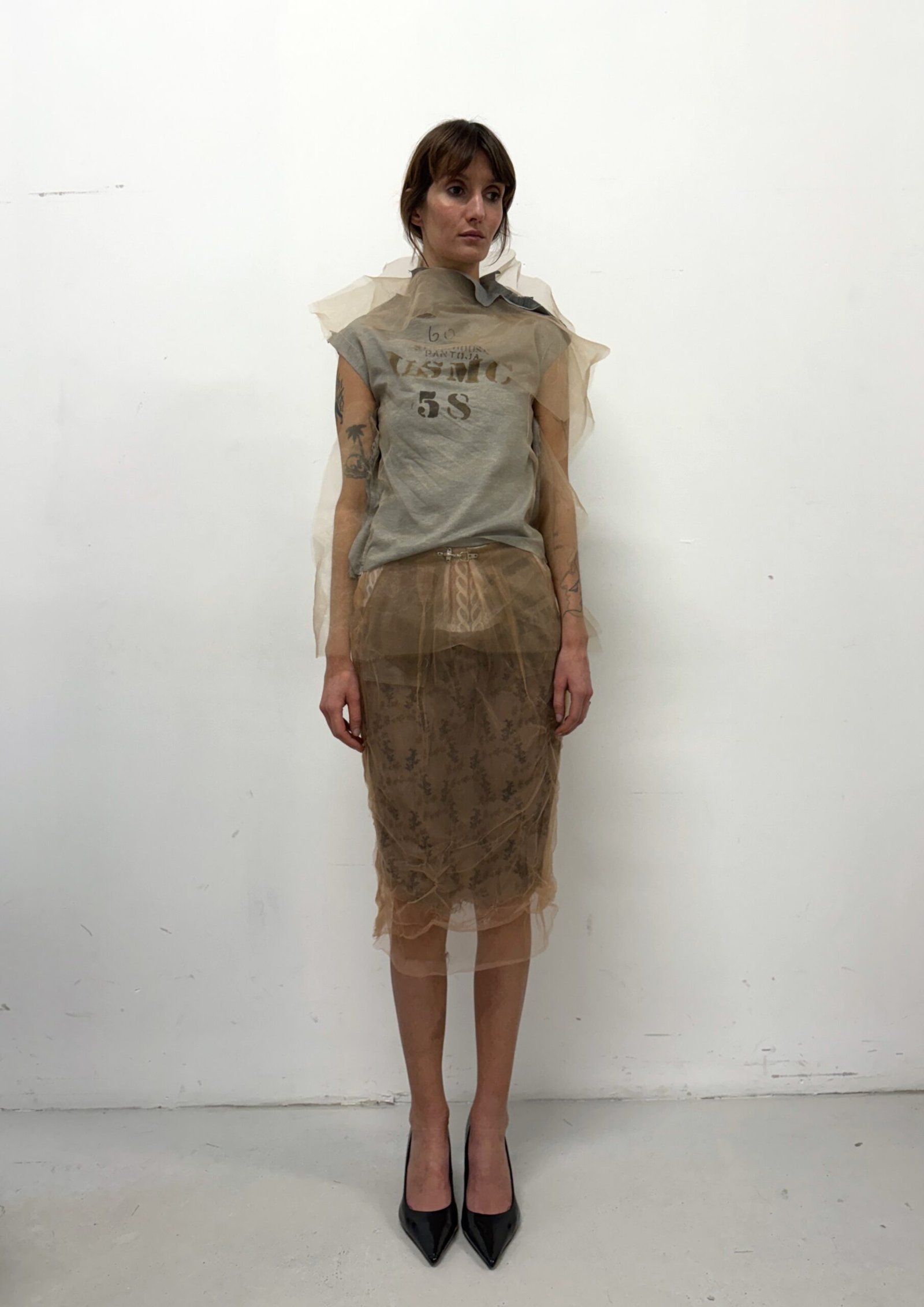
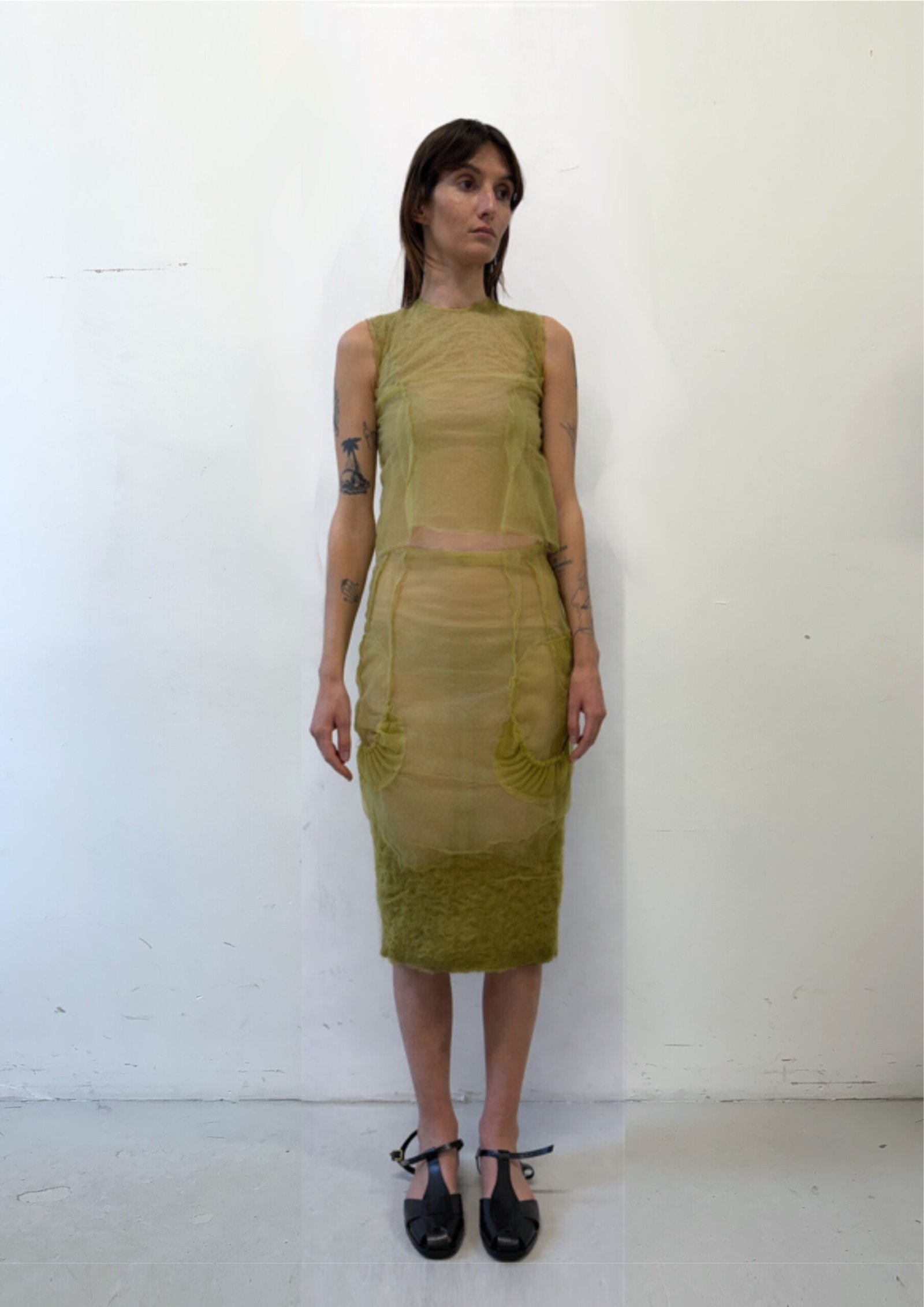
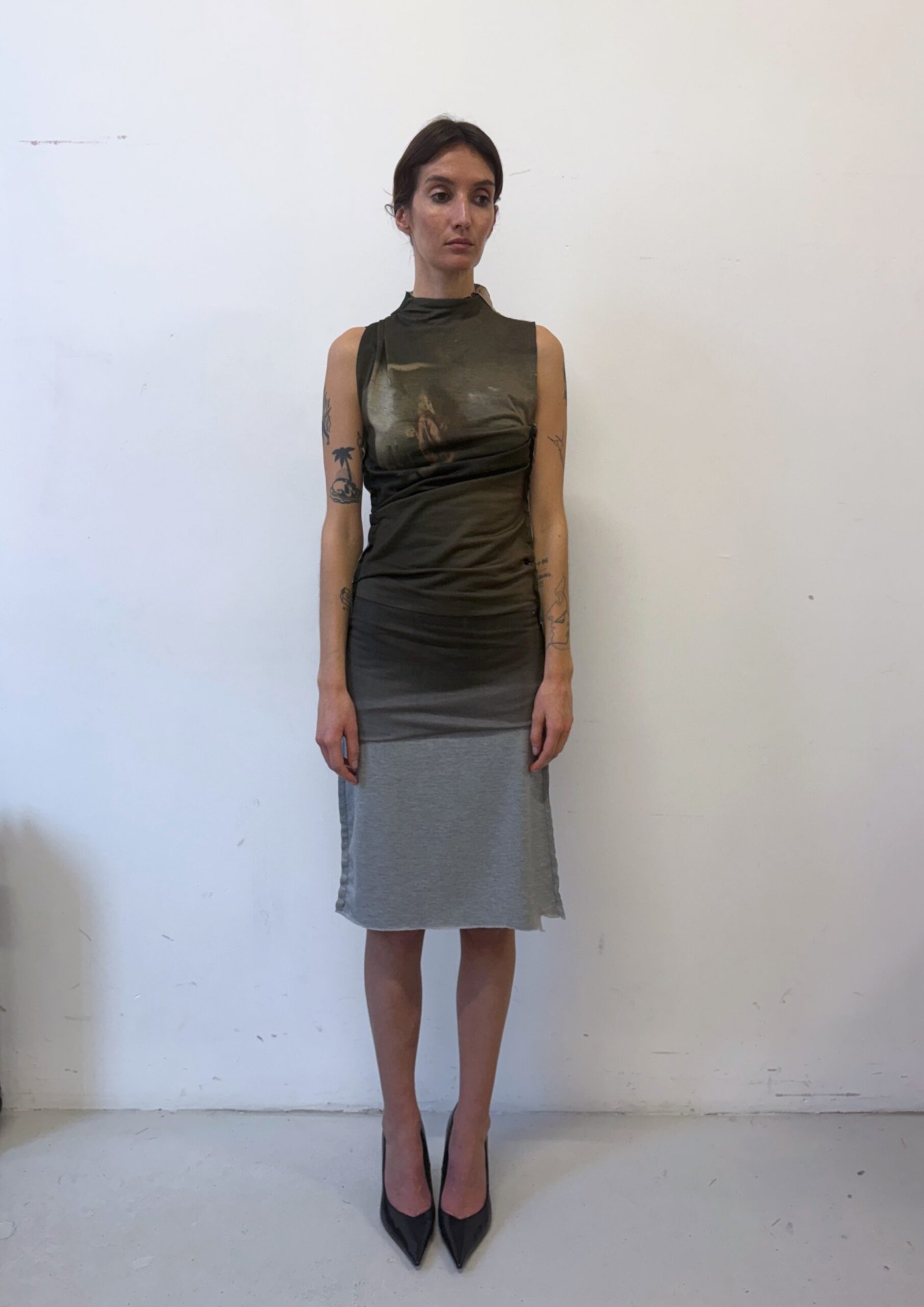
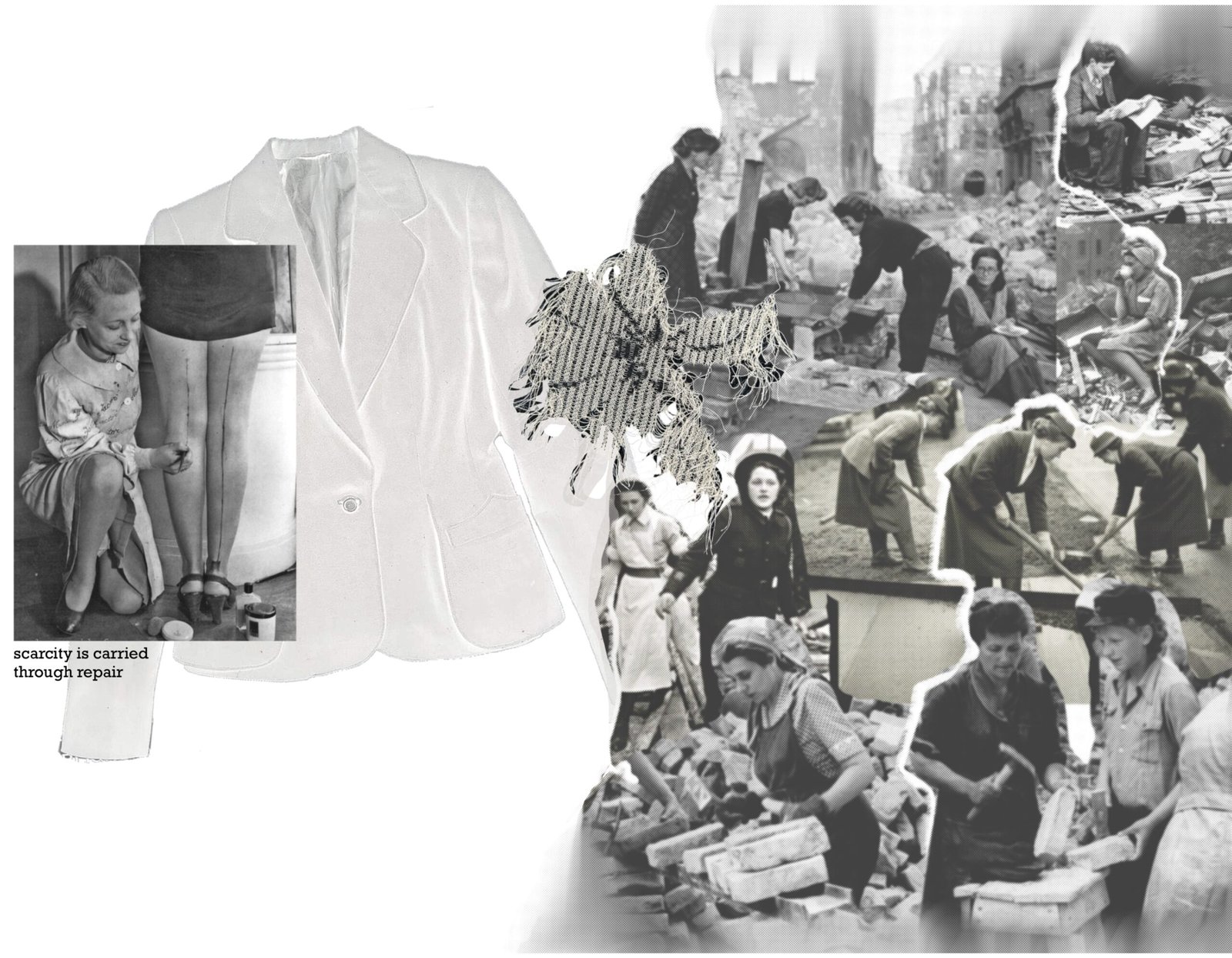
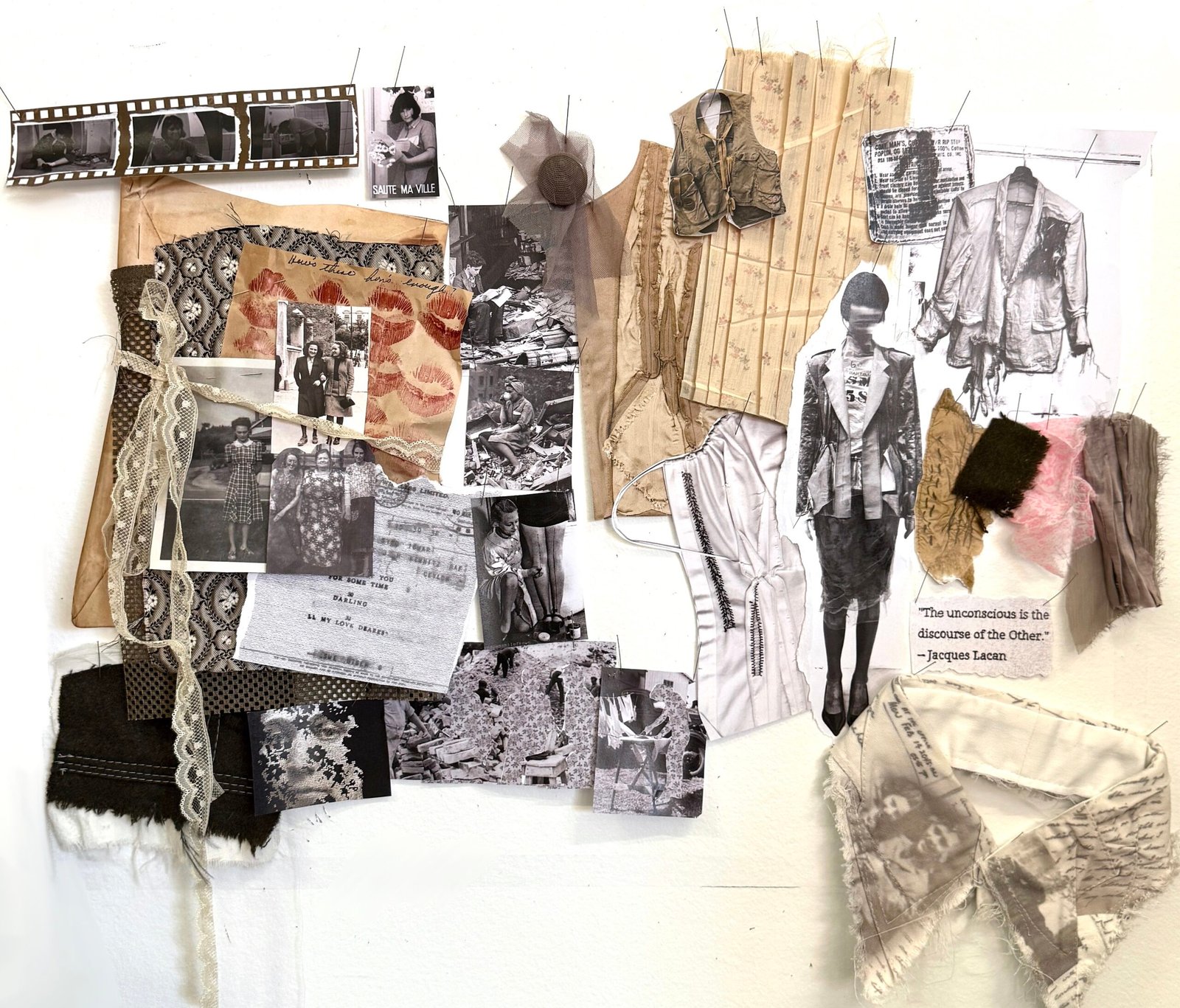
Esme Yu’s collection begins with the tension present in Chantal Akerman’s Saute ma ville, exploring the condition of women remaining visible yet never fully seen. The work reflects post-war shifts between domestic labour and professional life, focusing on emotional burdens and responsibilities passed invisibly across generations. Yu describes this as a form of structural absence embedded within social systems. Inside-out construction, exposed seams, folded-then-printed textiles, and dissolving florals create unstable surfaces throughout the collection. Muted materials and subdued tones reinforce the sense of disappearance and persistence that runs through the work. Rather than seeking novelty, Yu is interested in working with familiar archetypes, archival references, and historical traces, transforming them gradually into her own design language.

@yu.10.99

Siling Chen

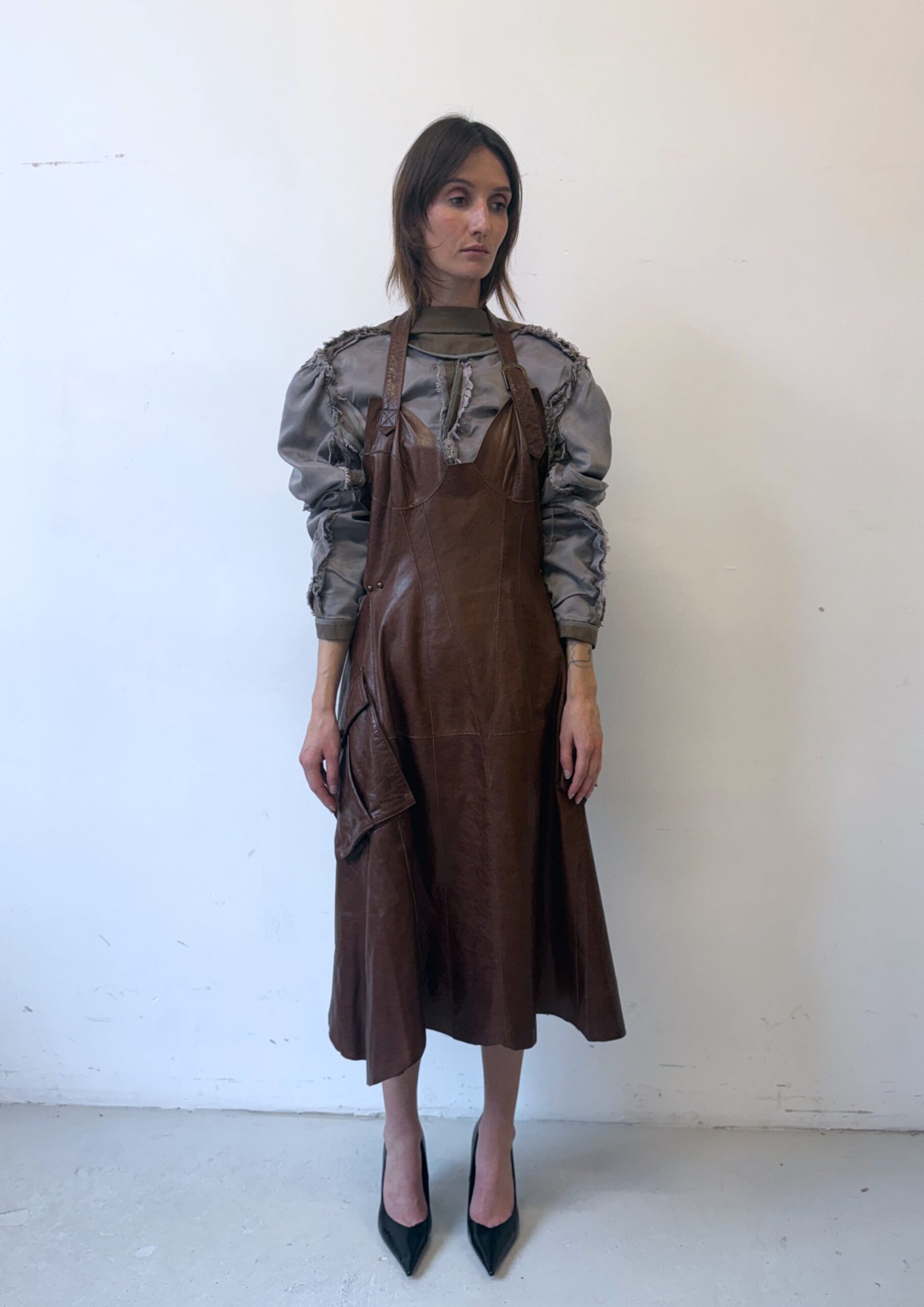
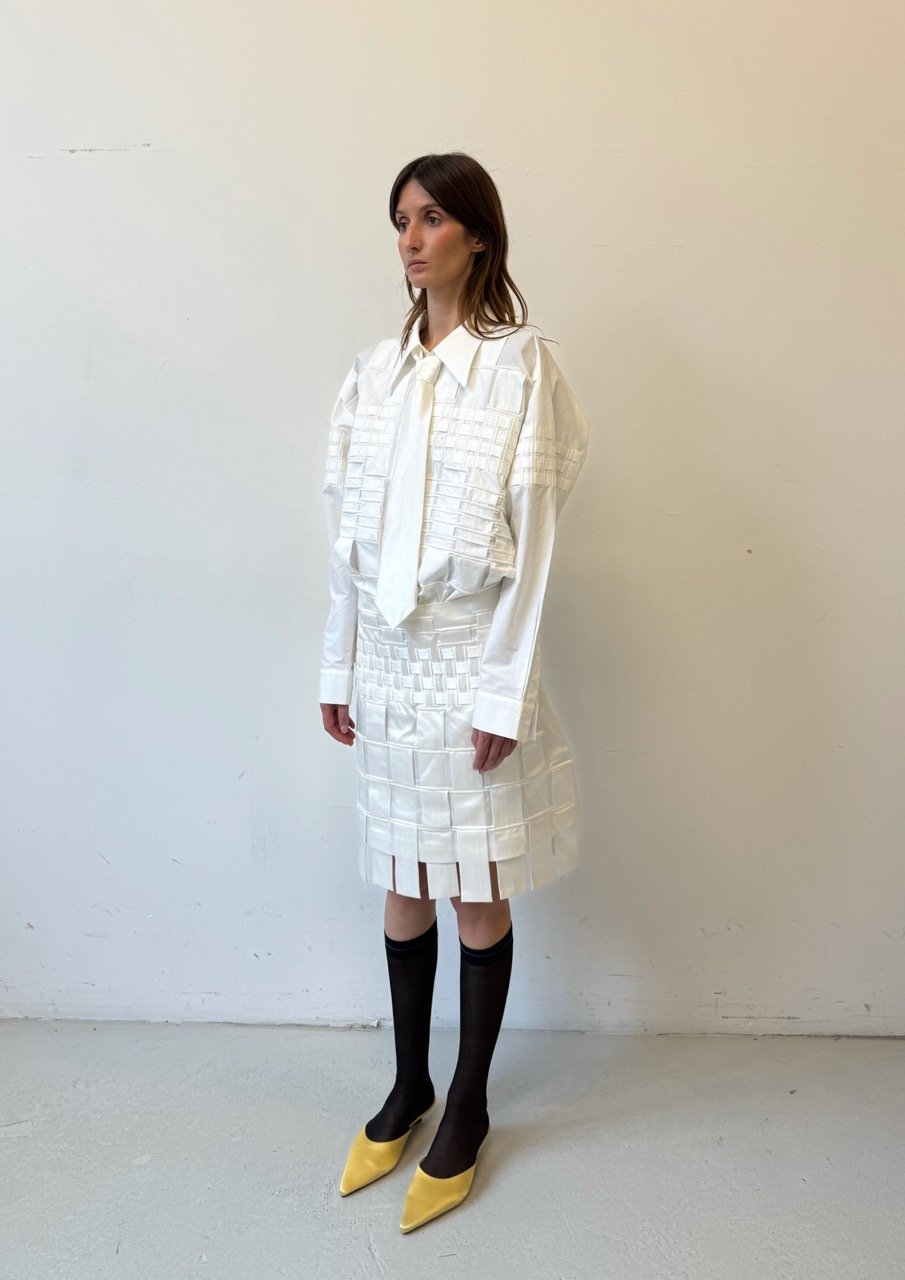
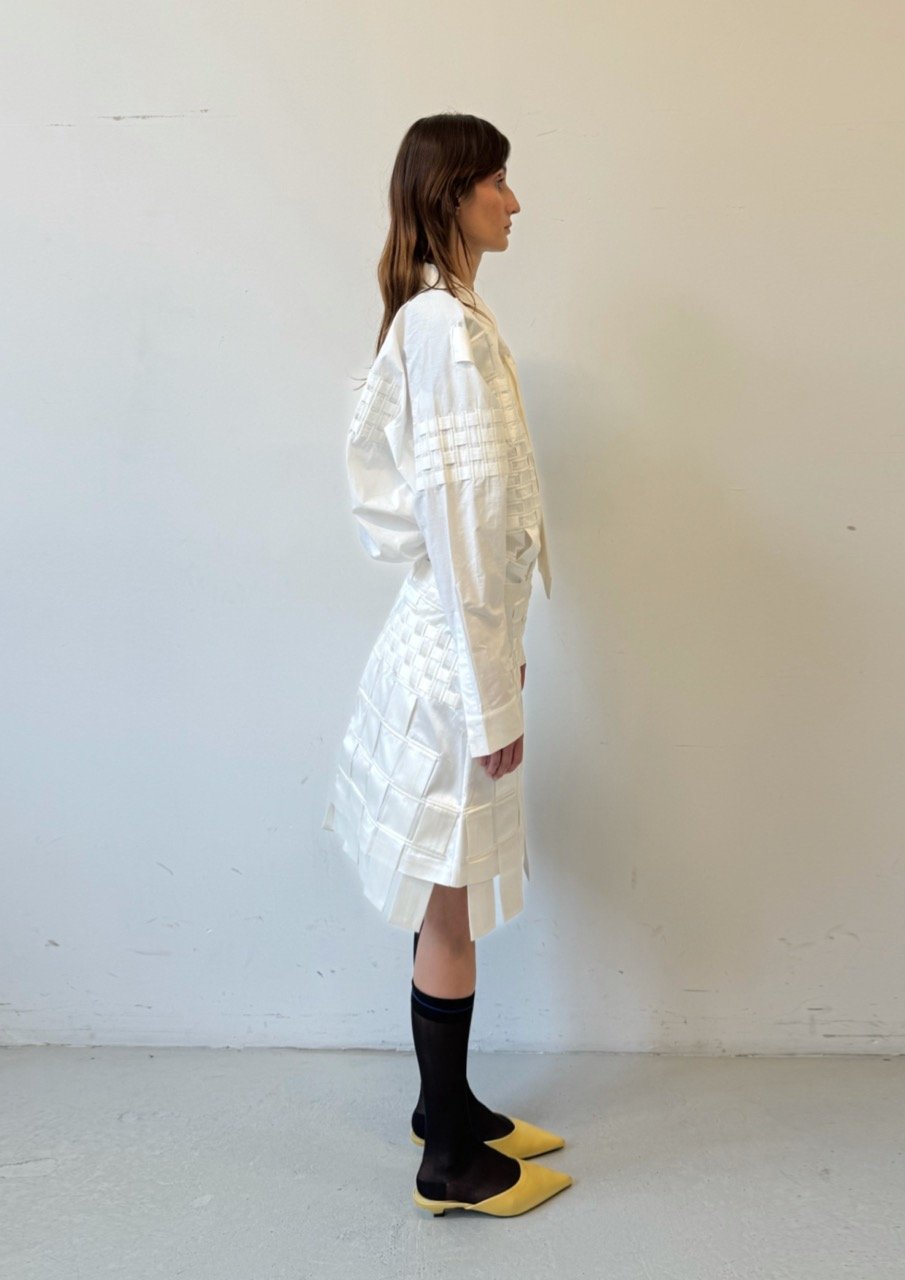
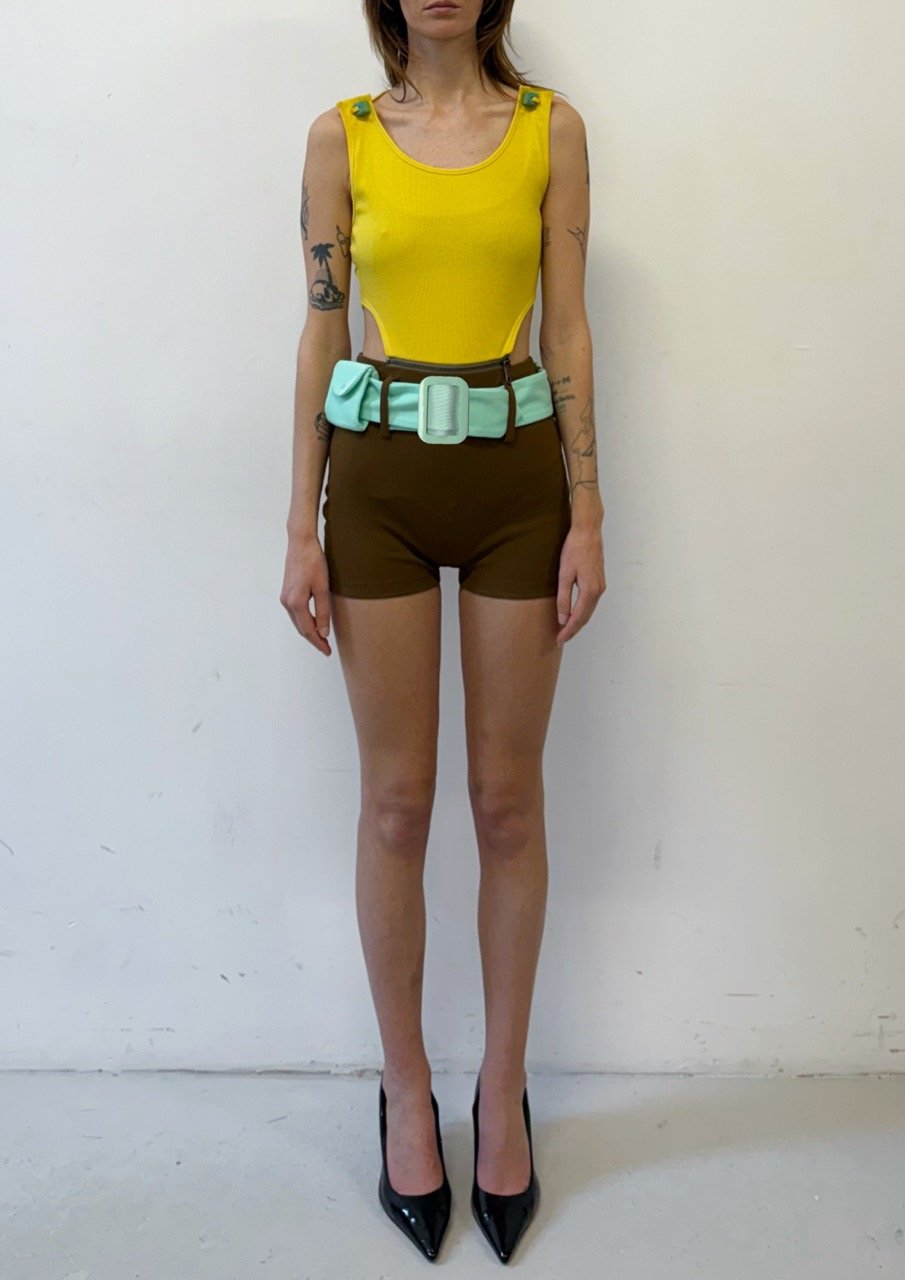
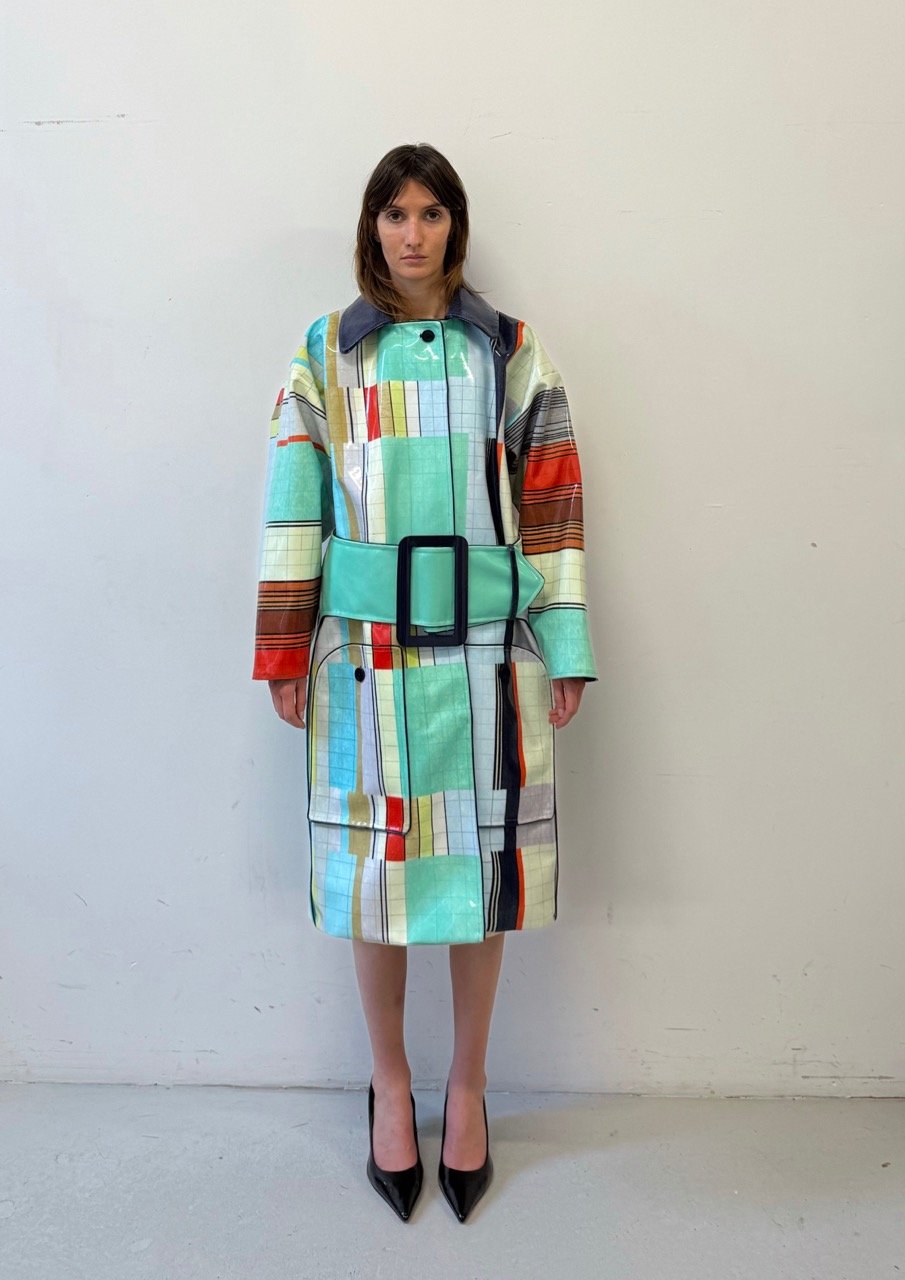
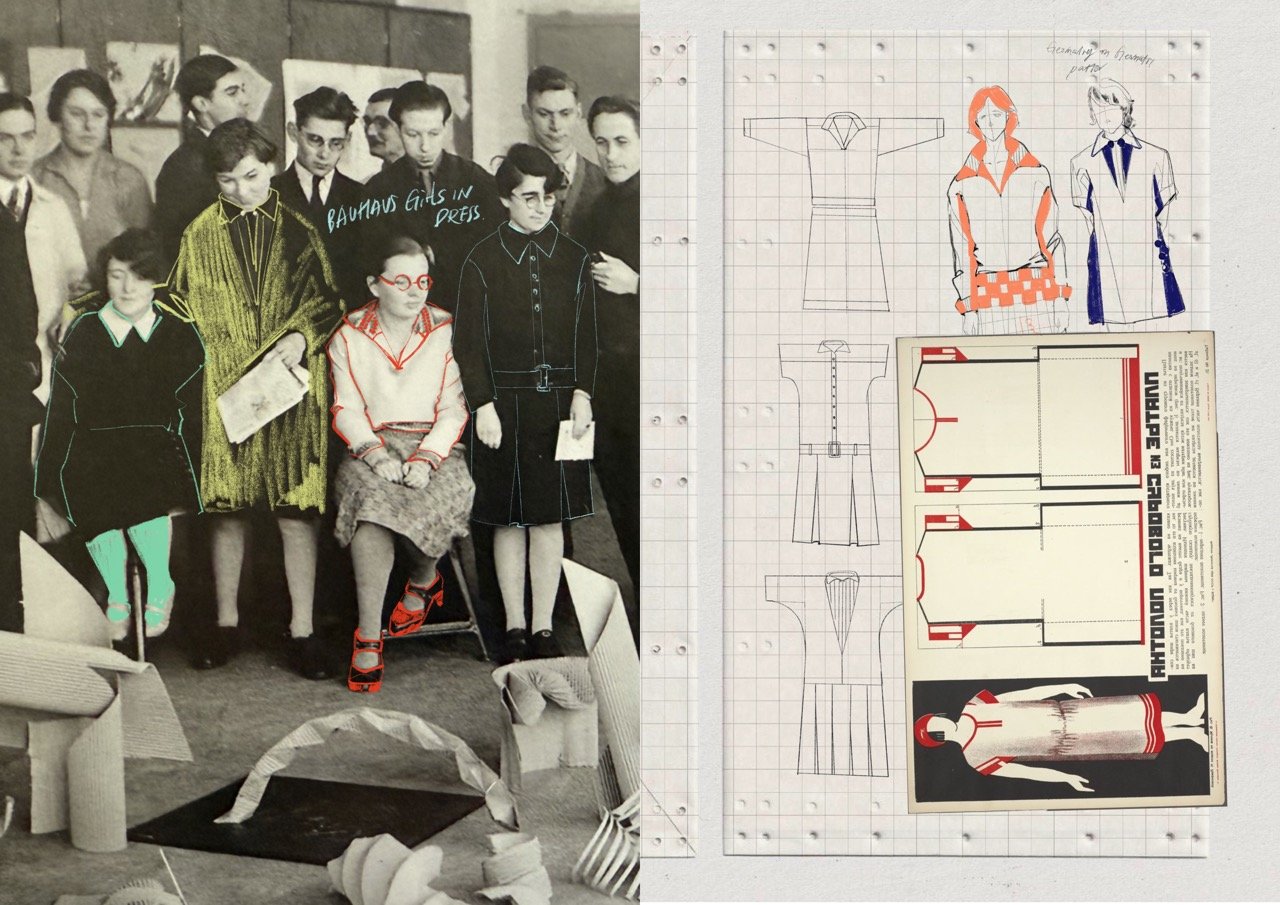
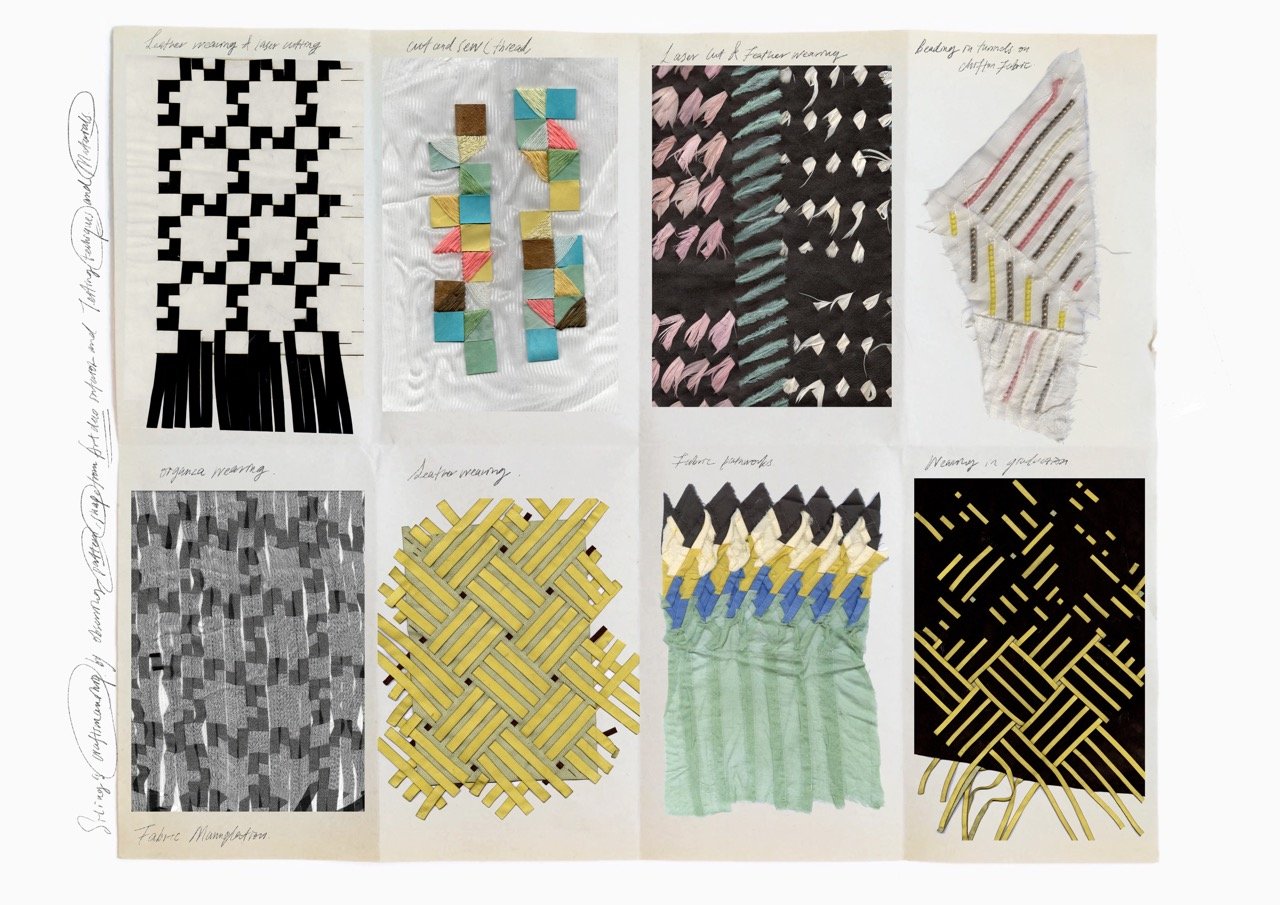
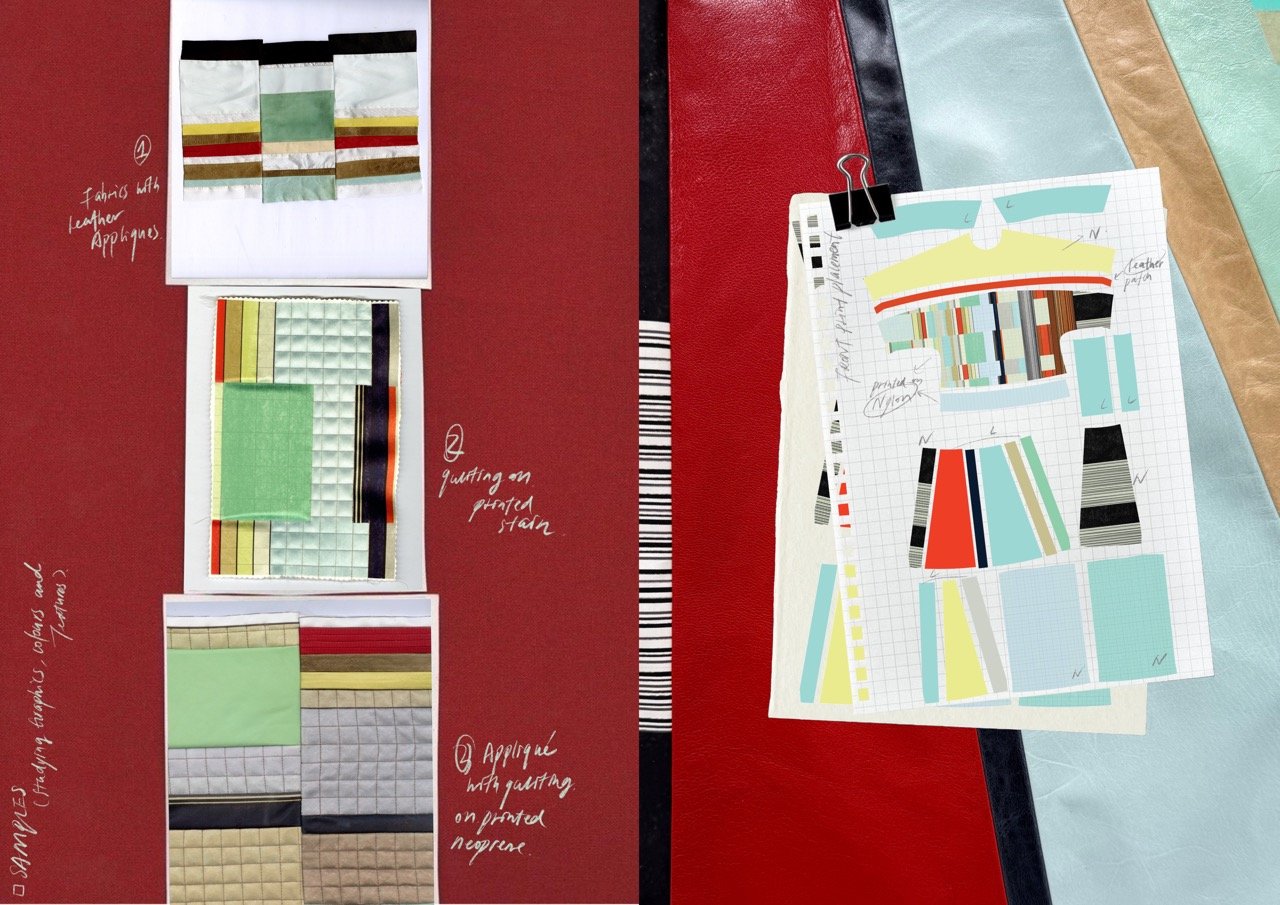
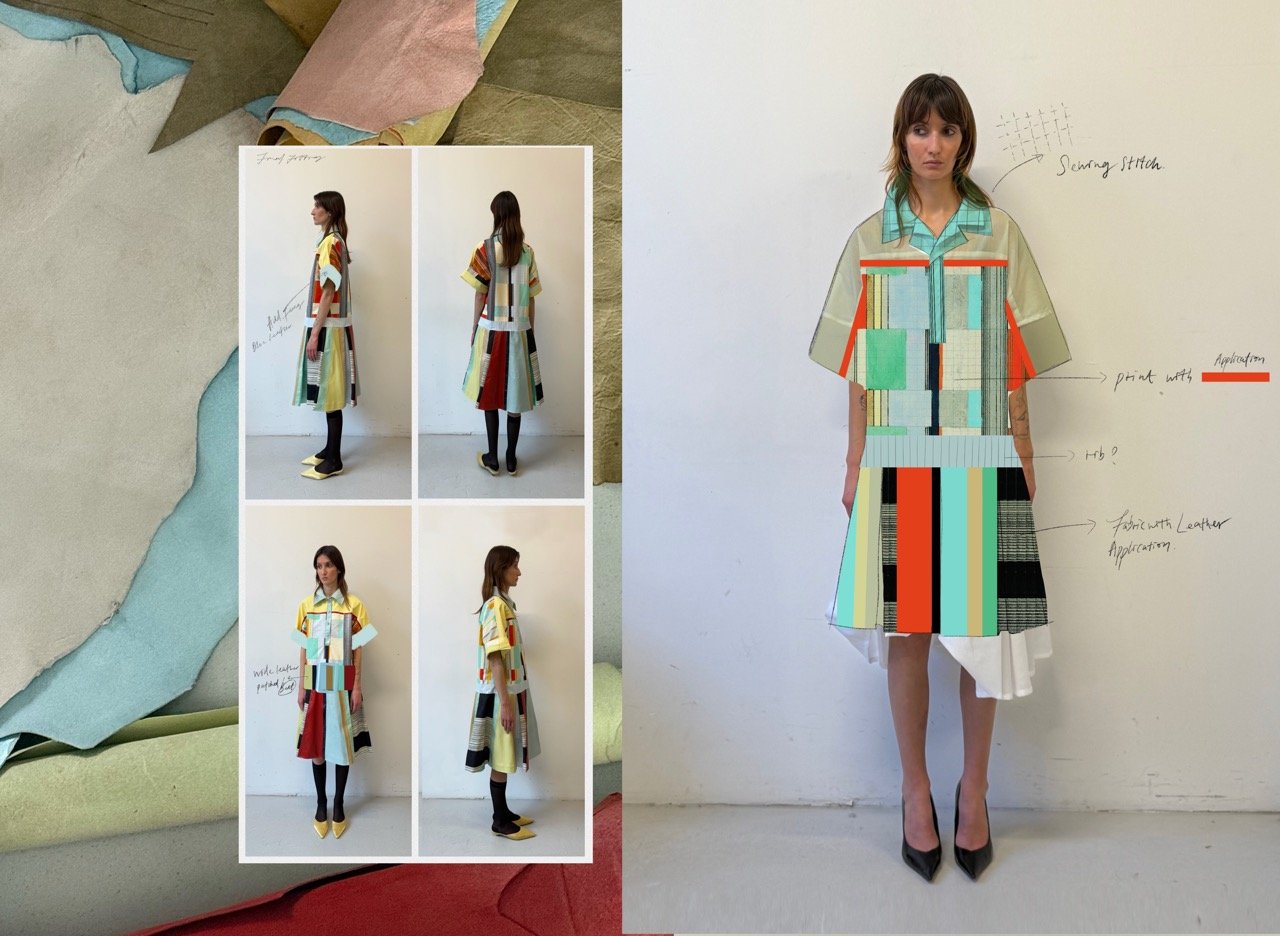
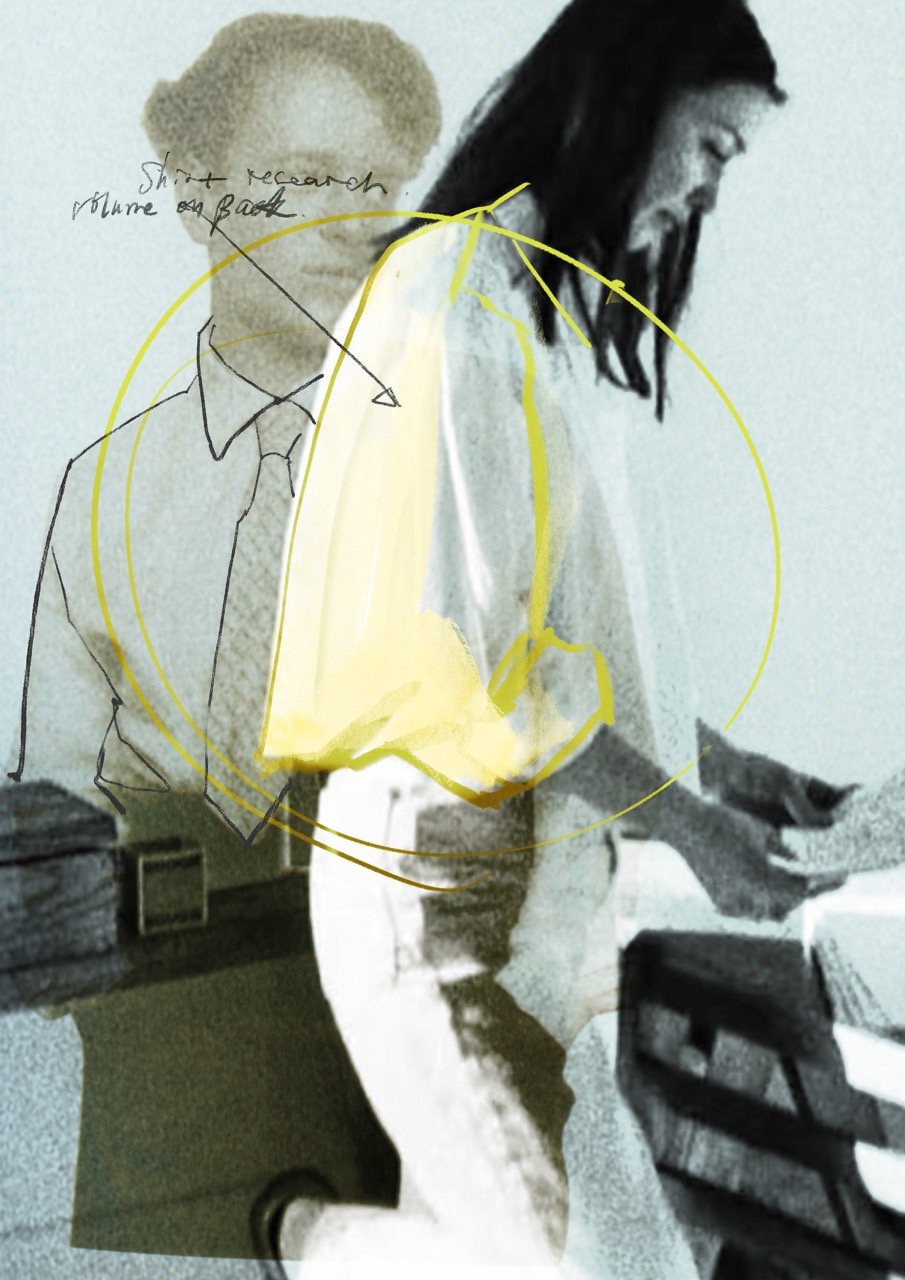
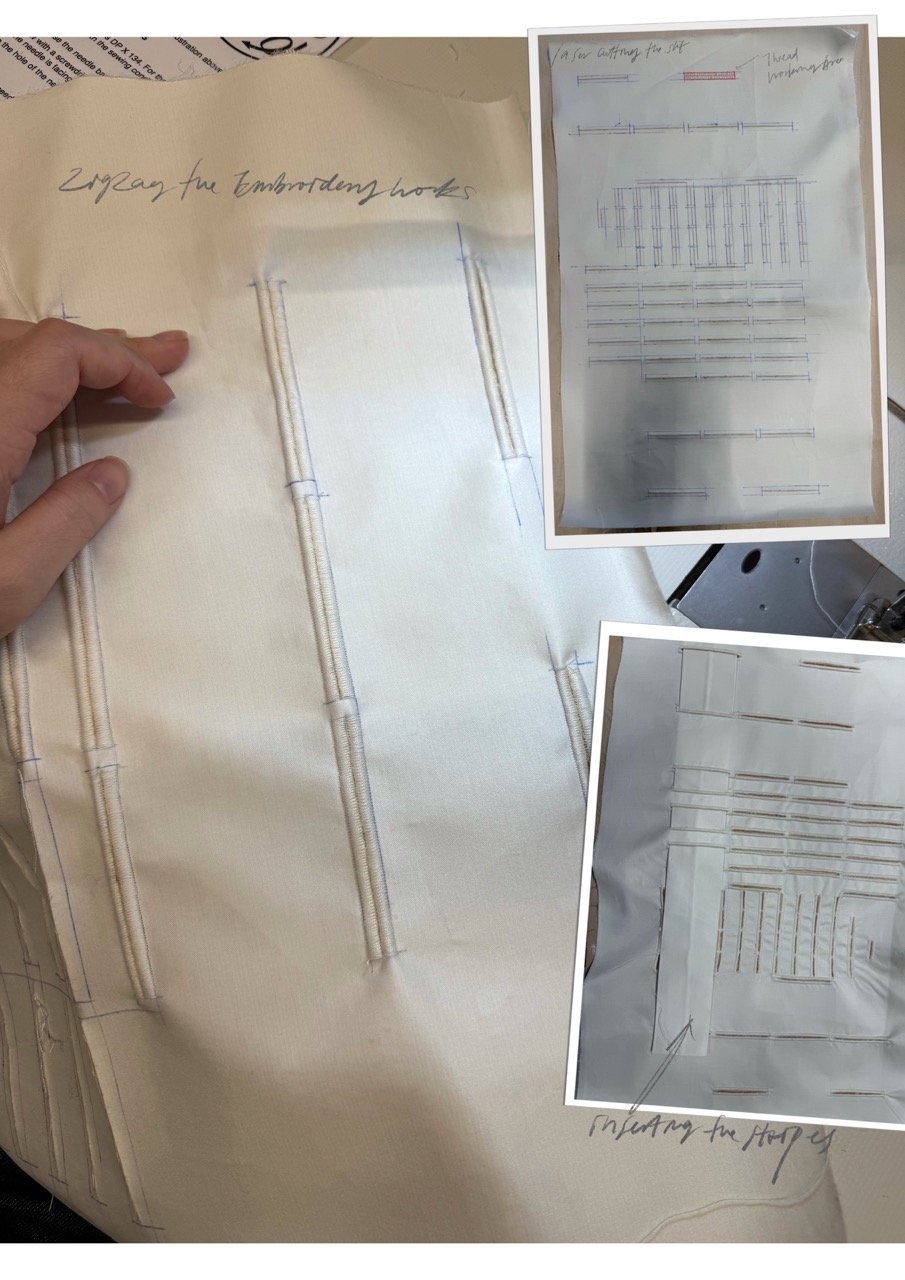
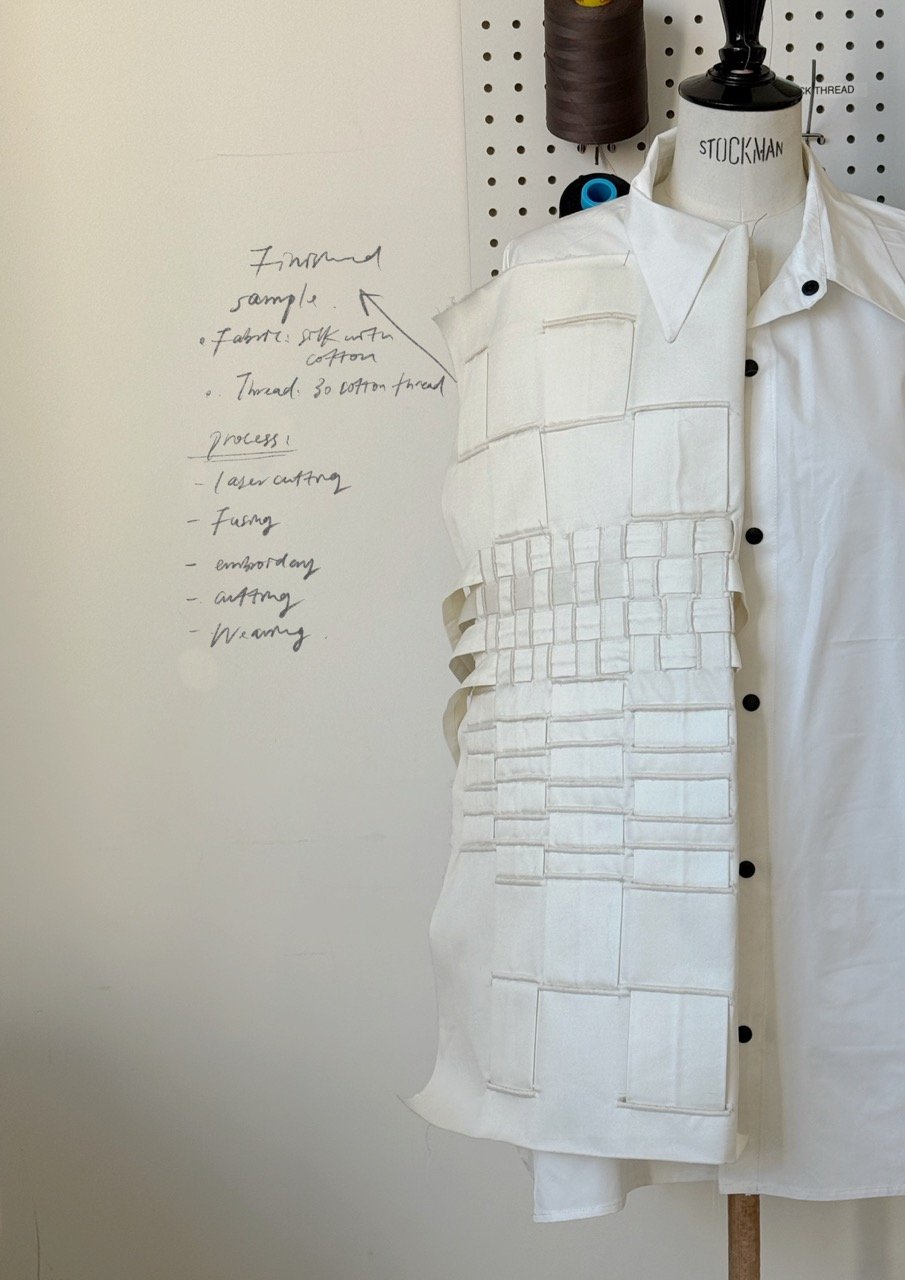
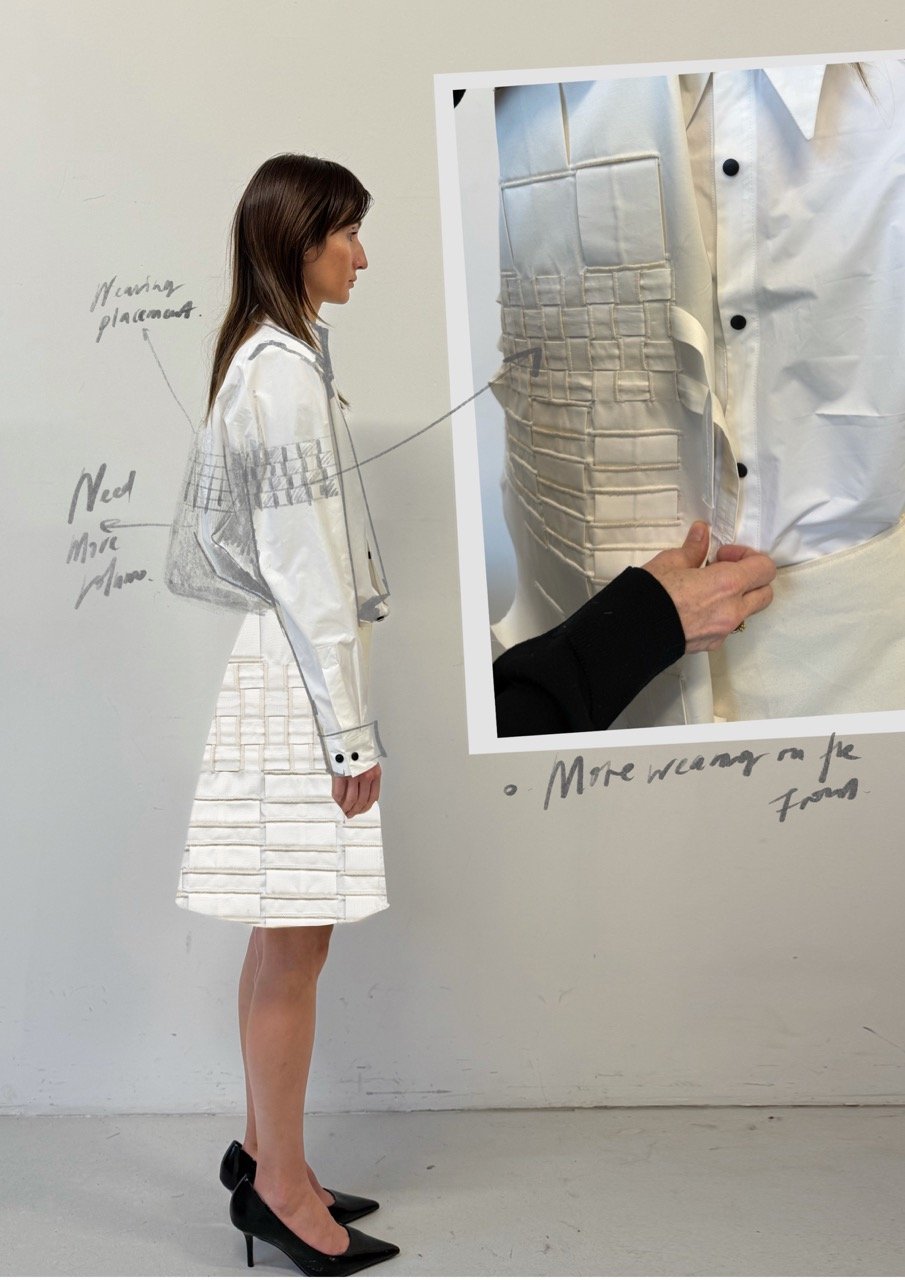
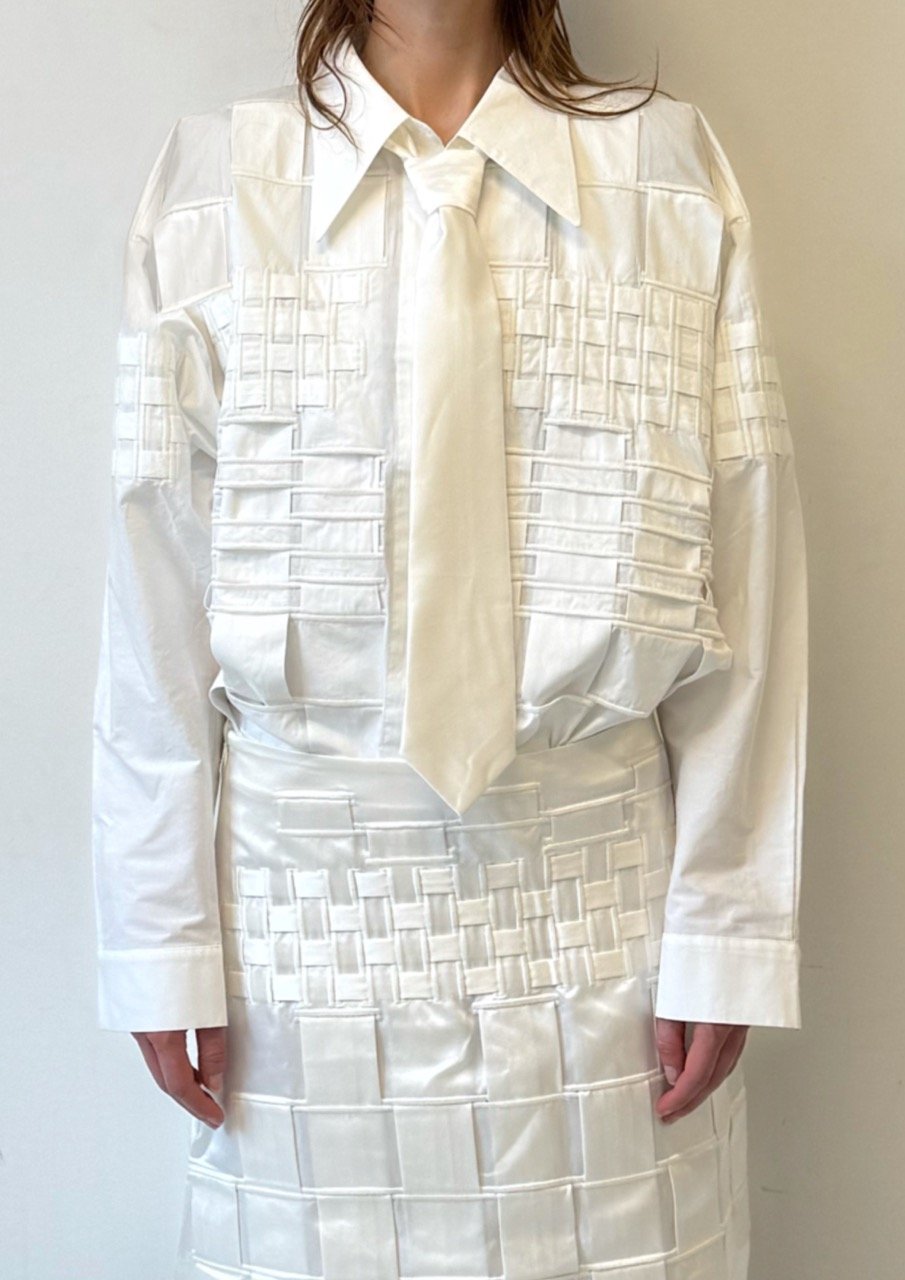
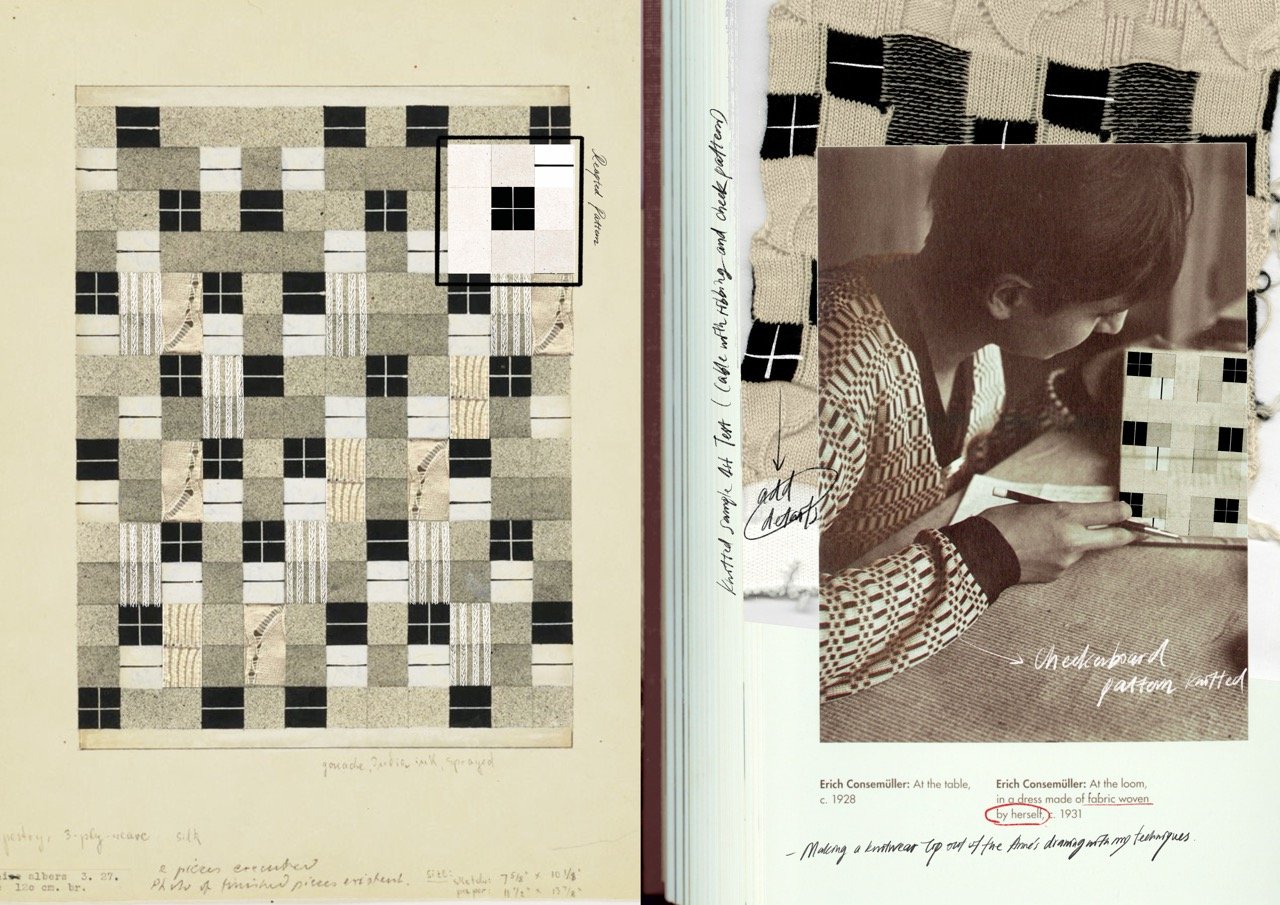
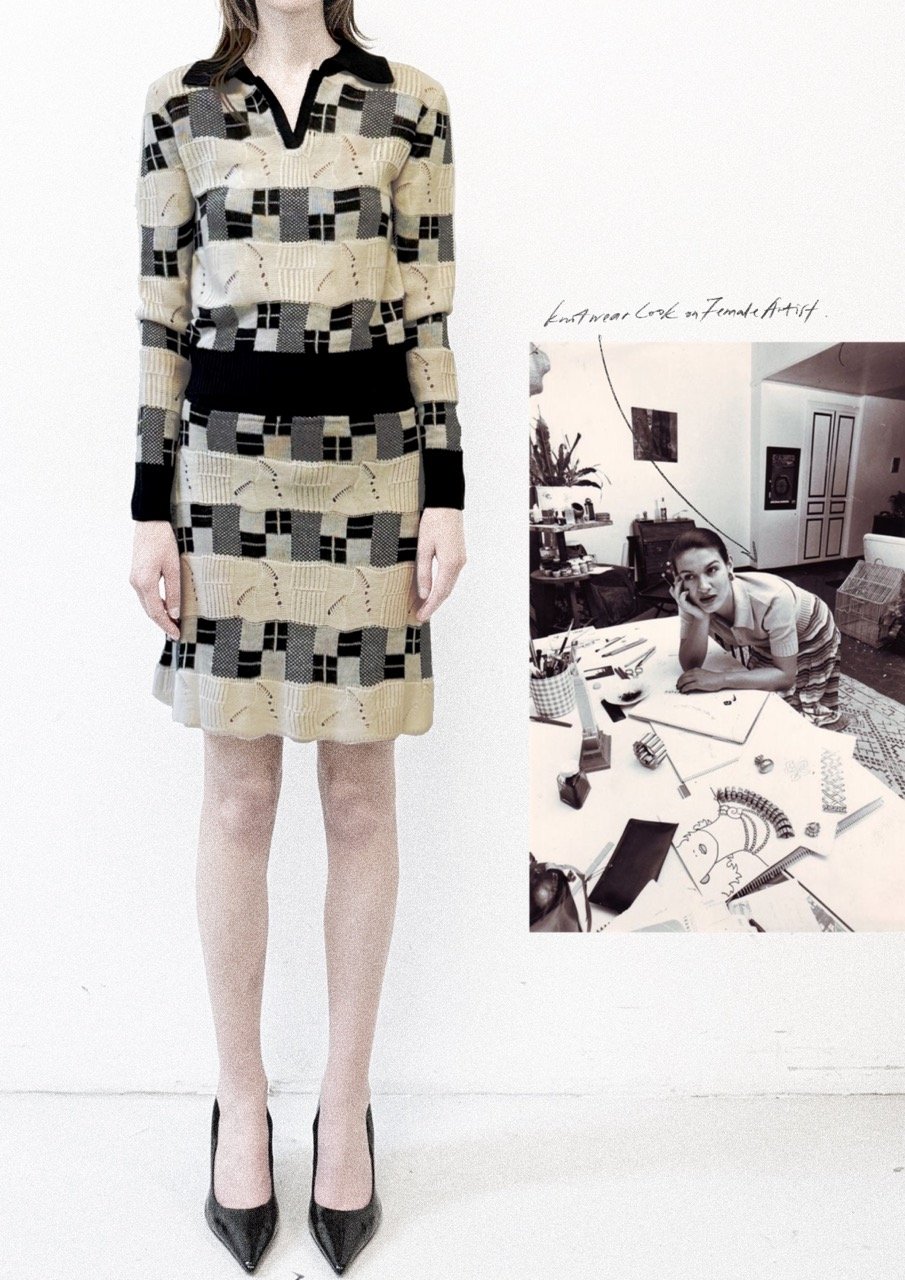
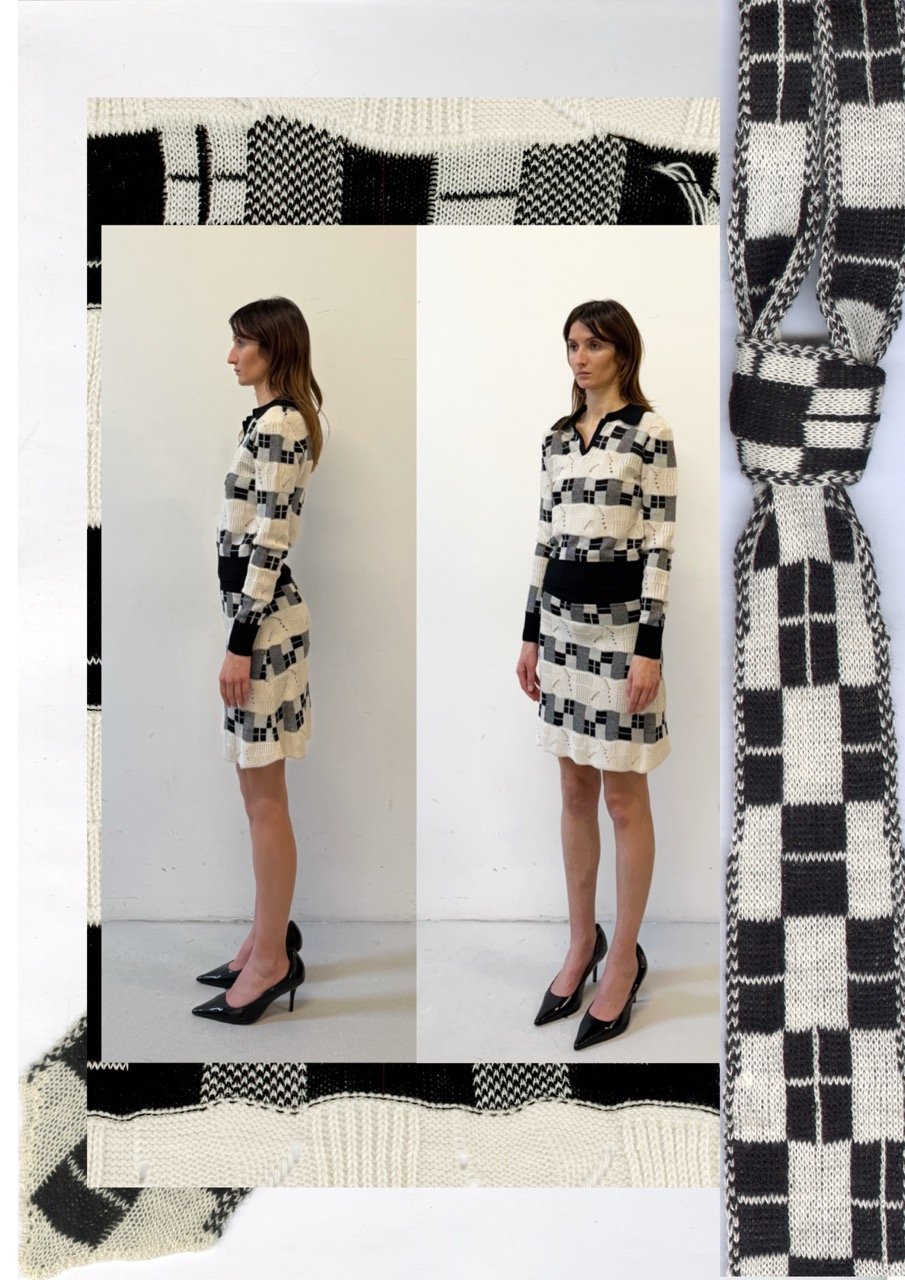
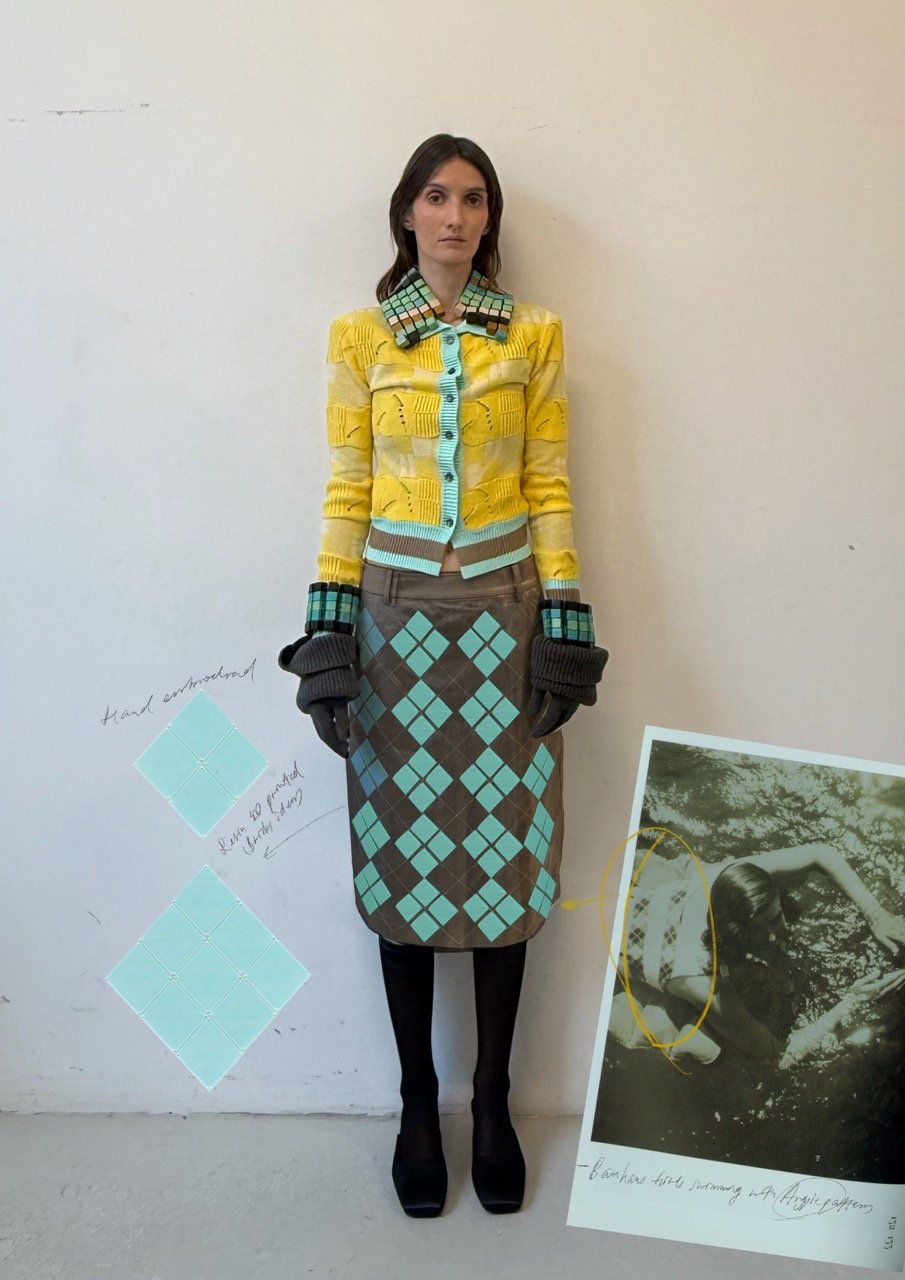
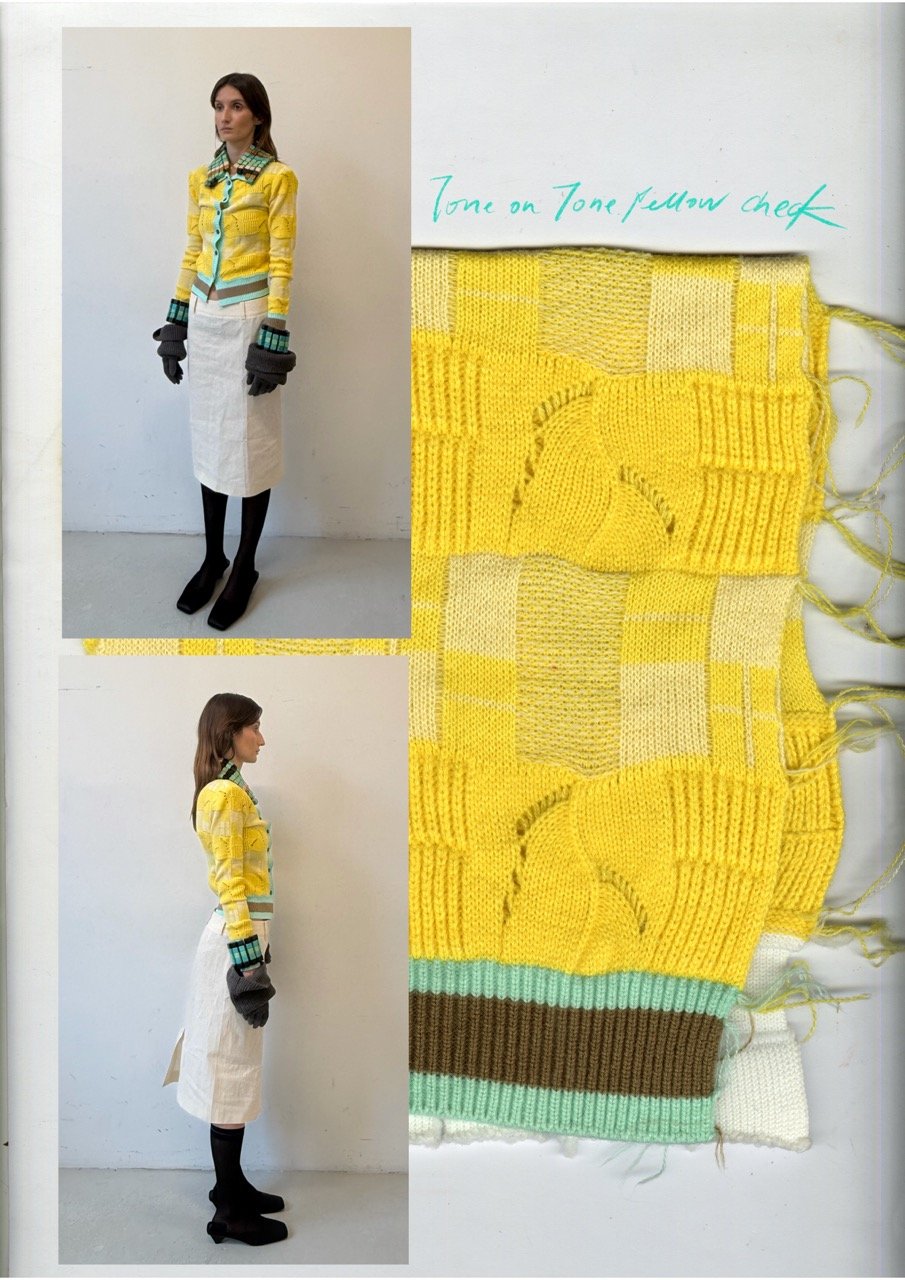
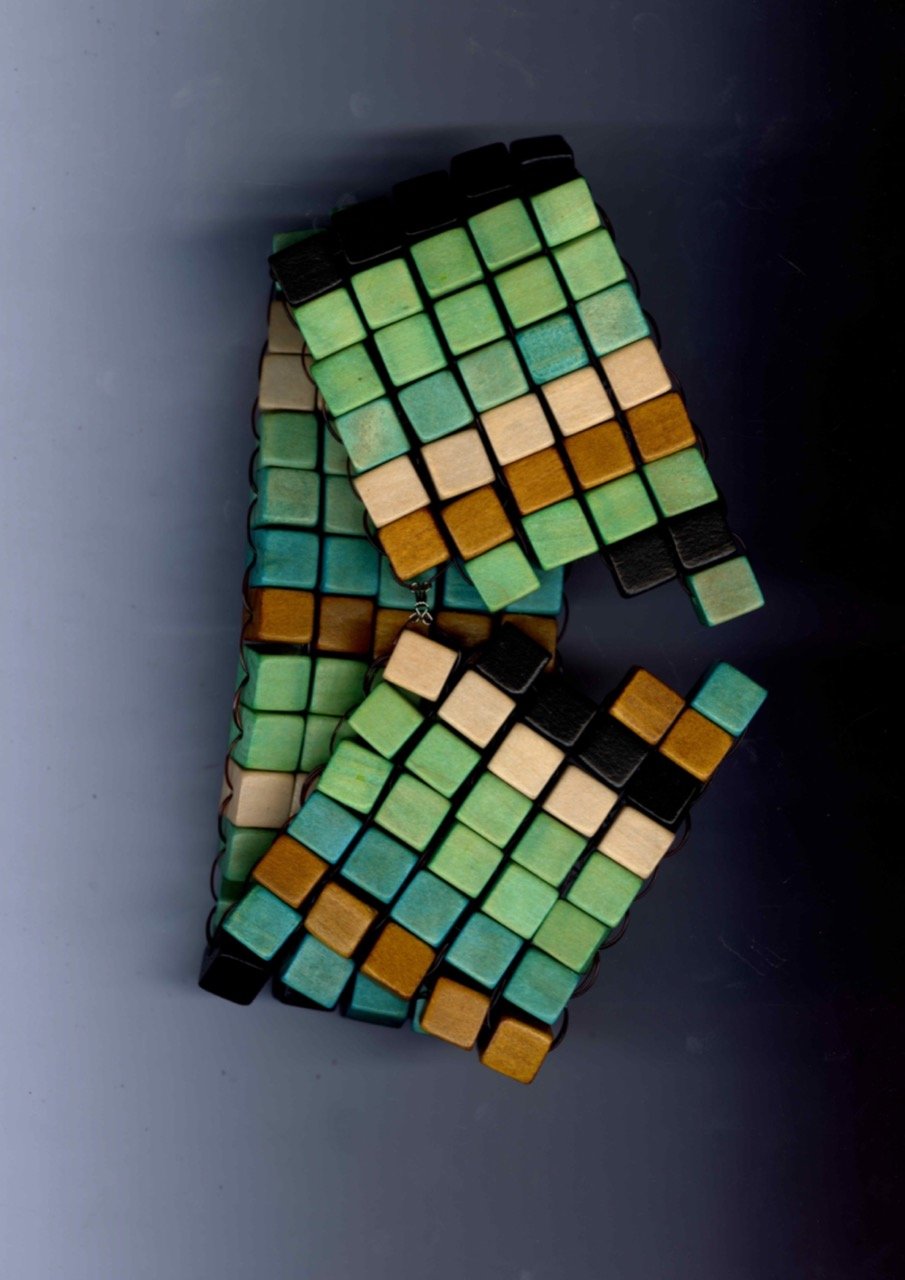
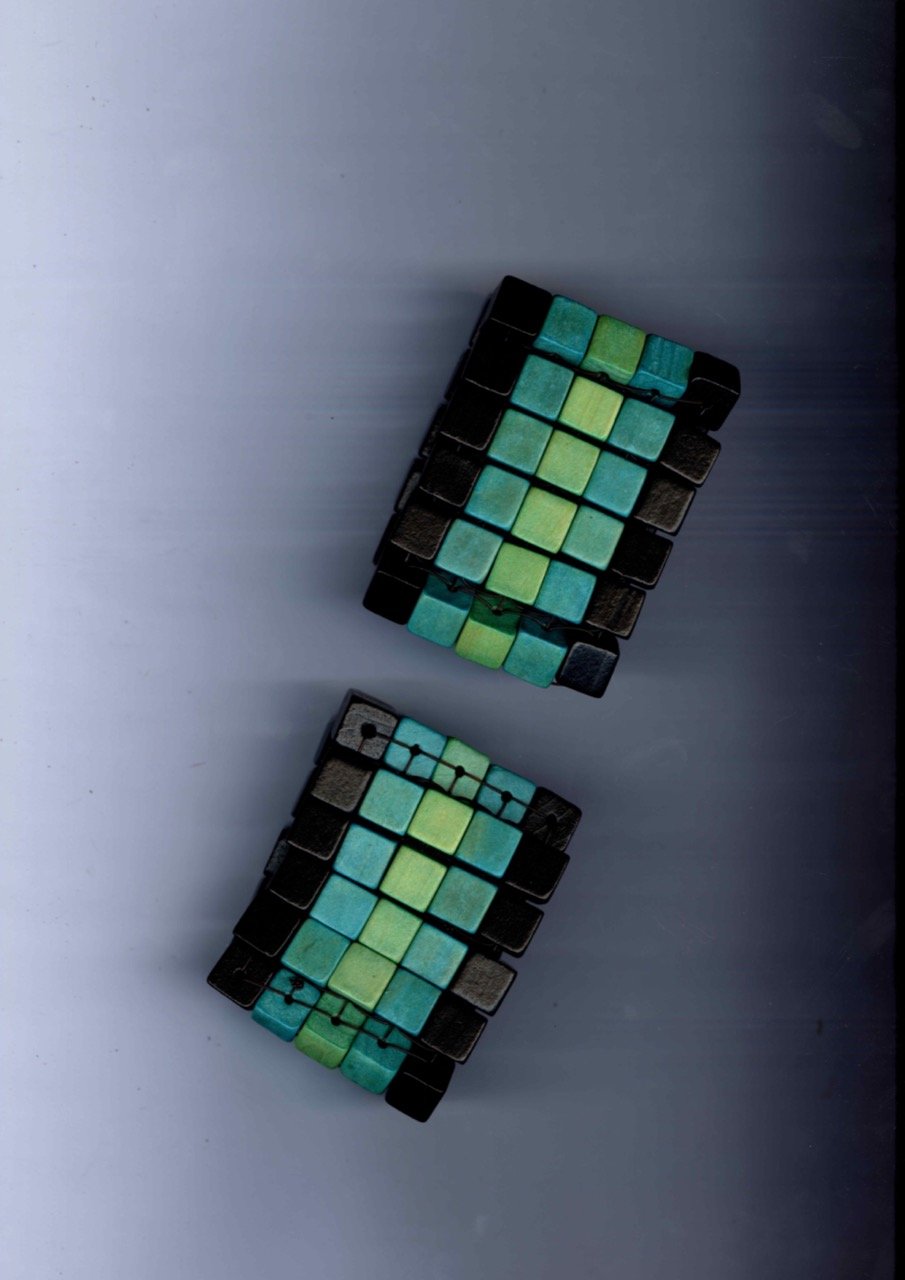
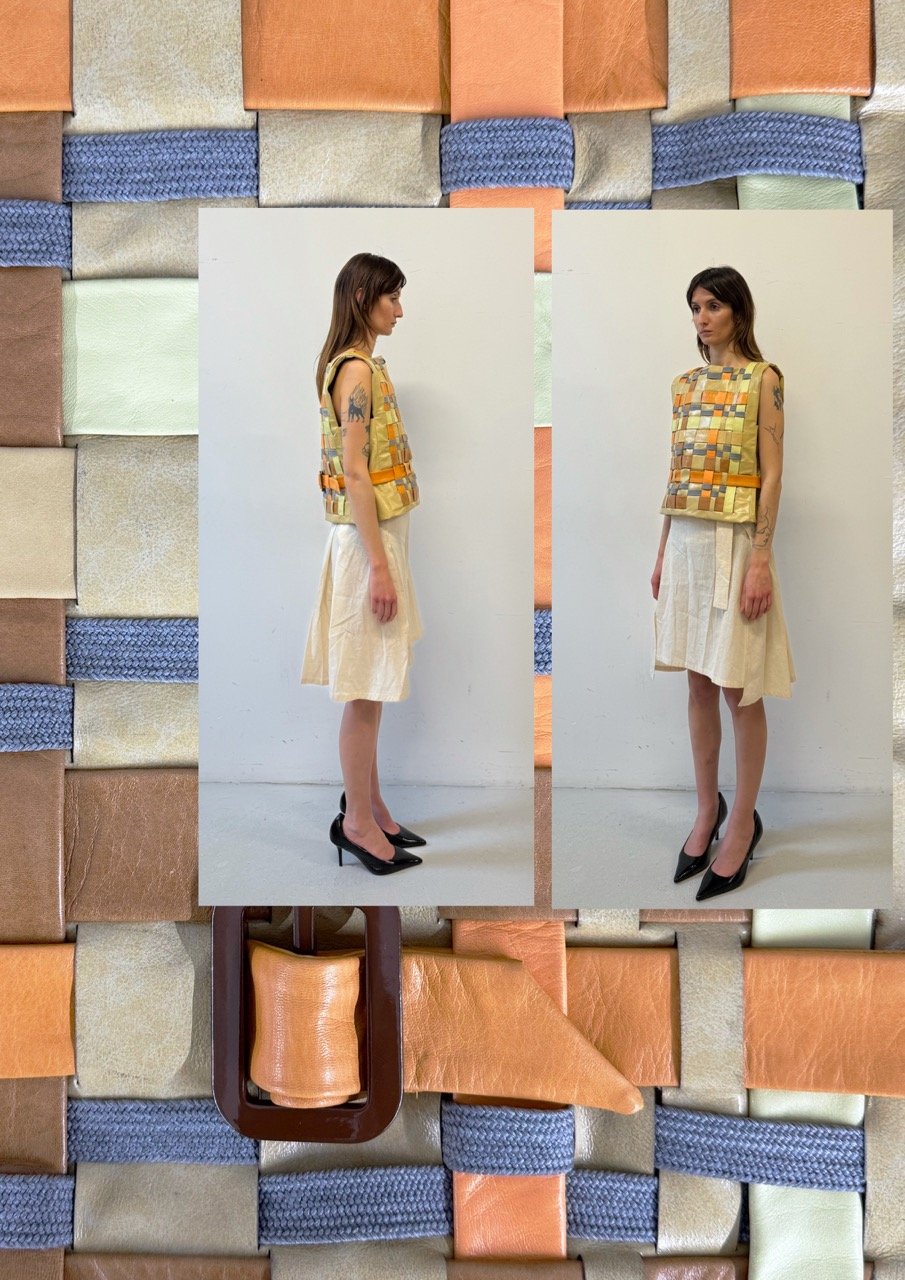
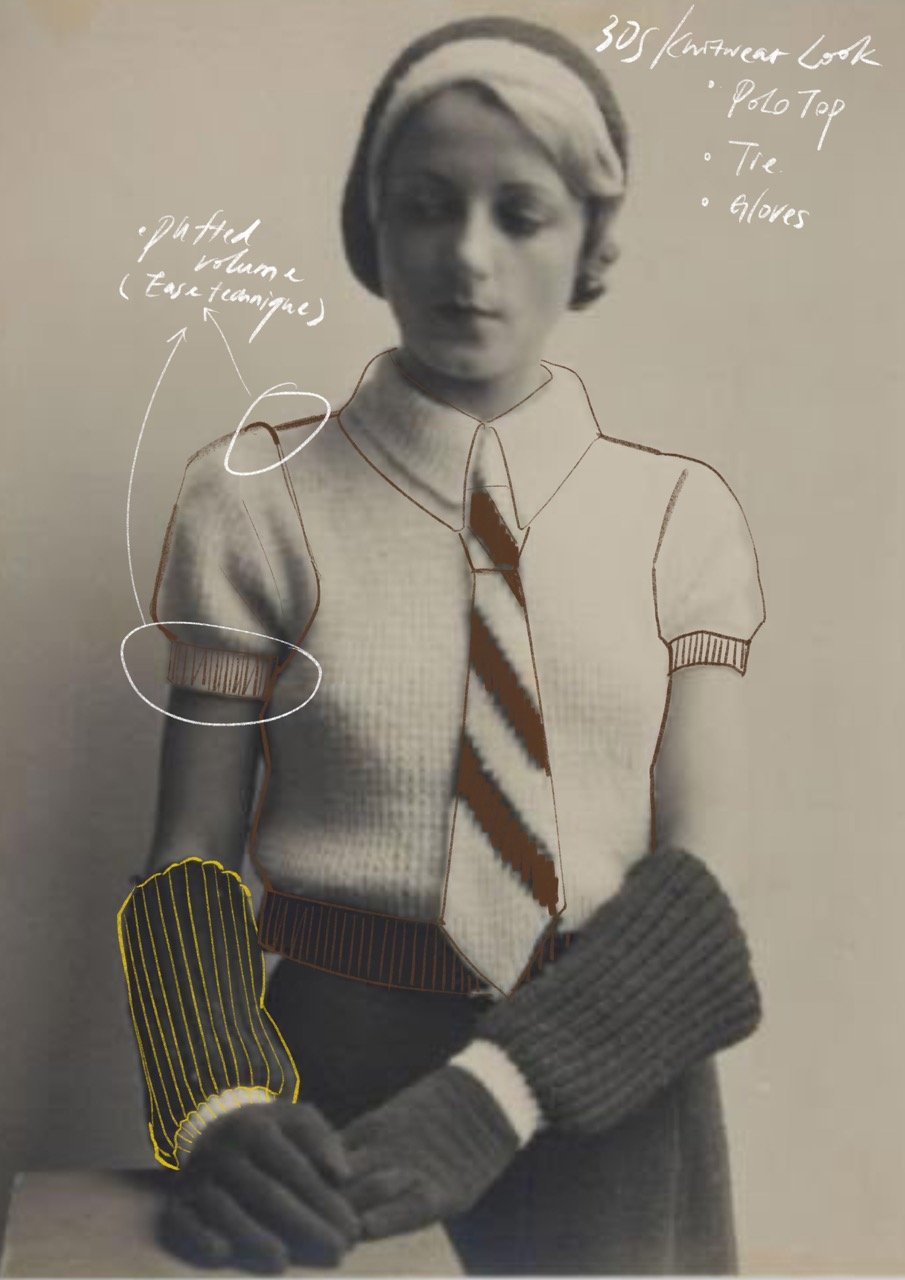
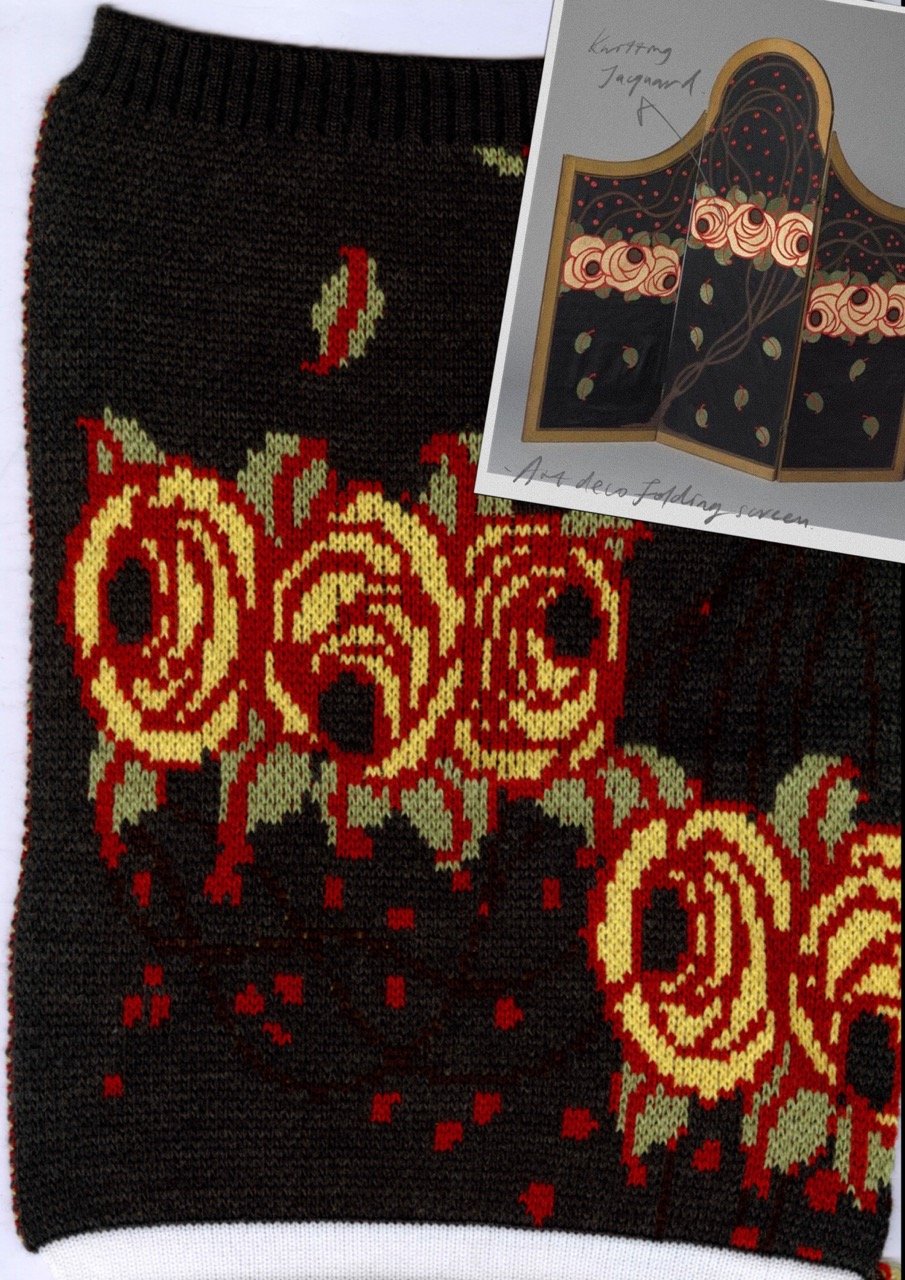
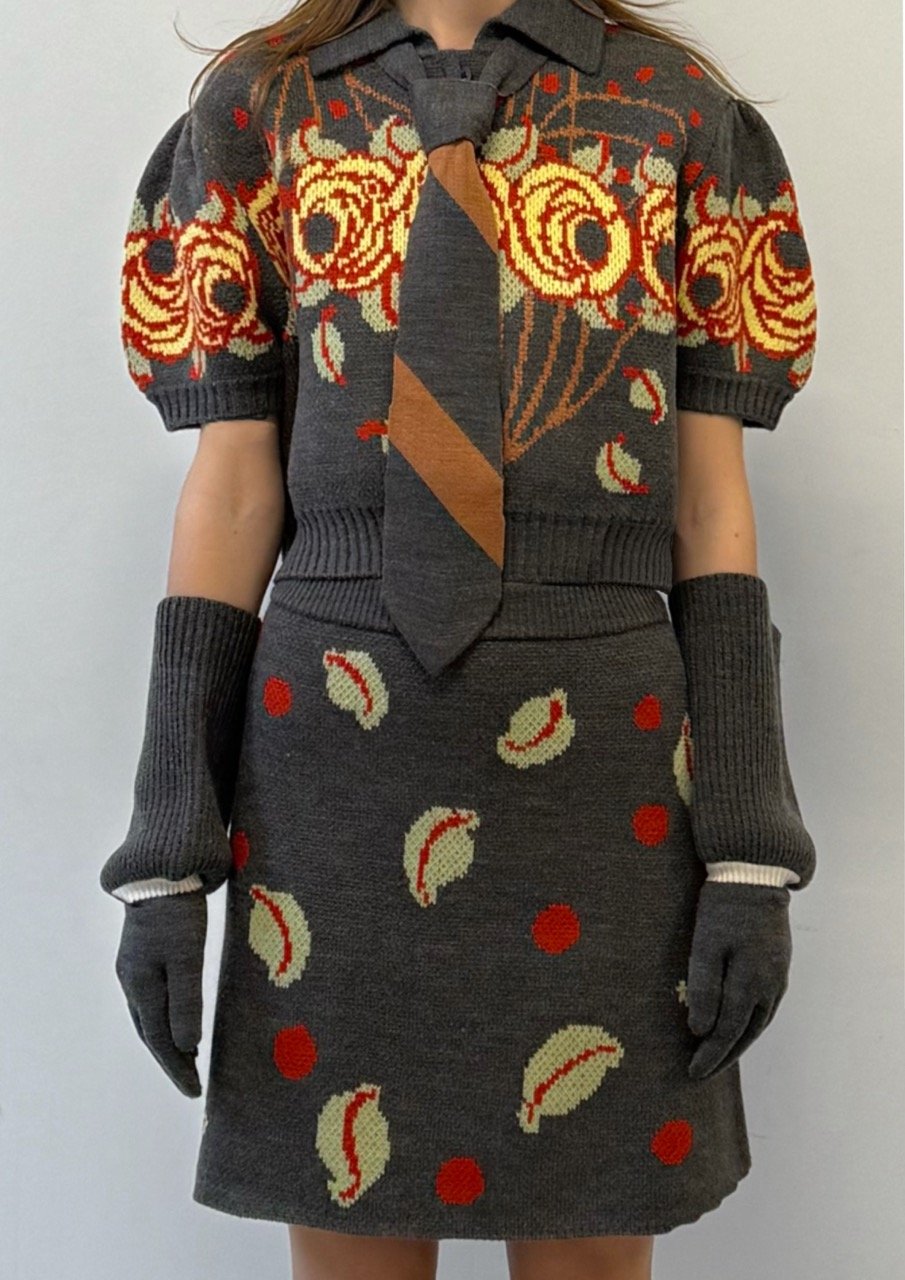
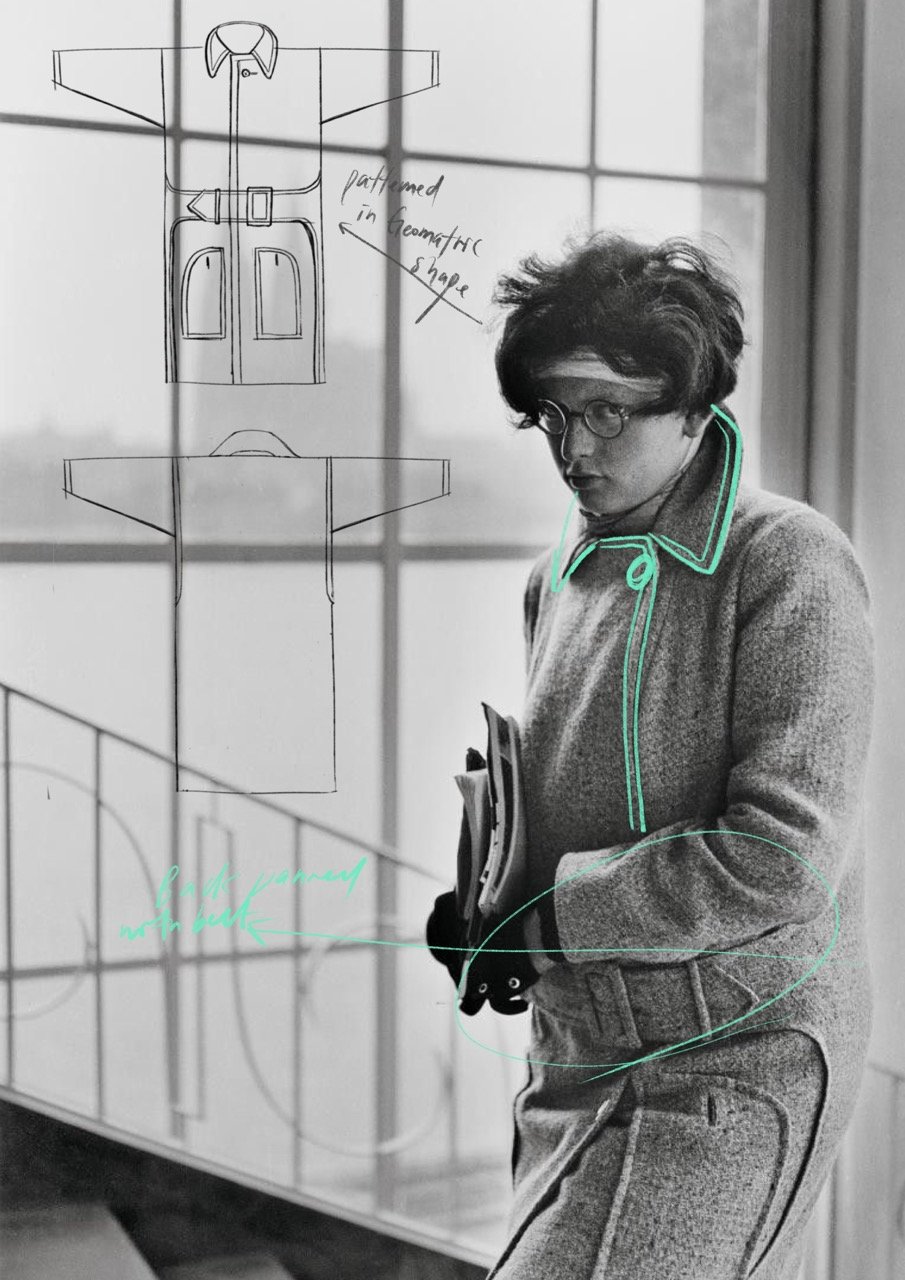
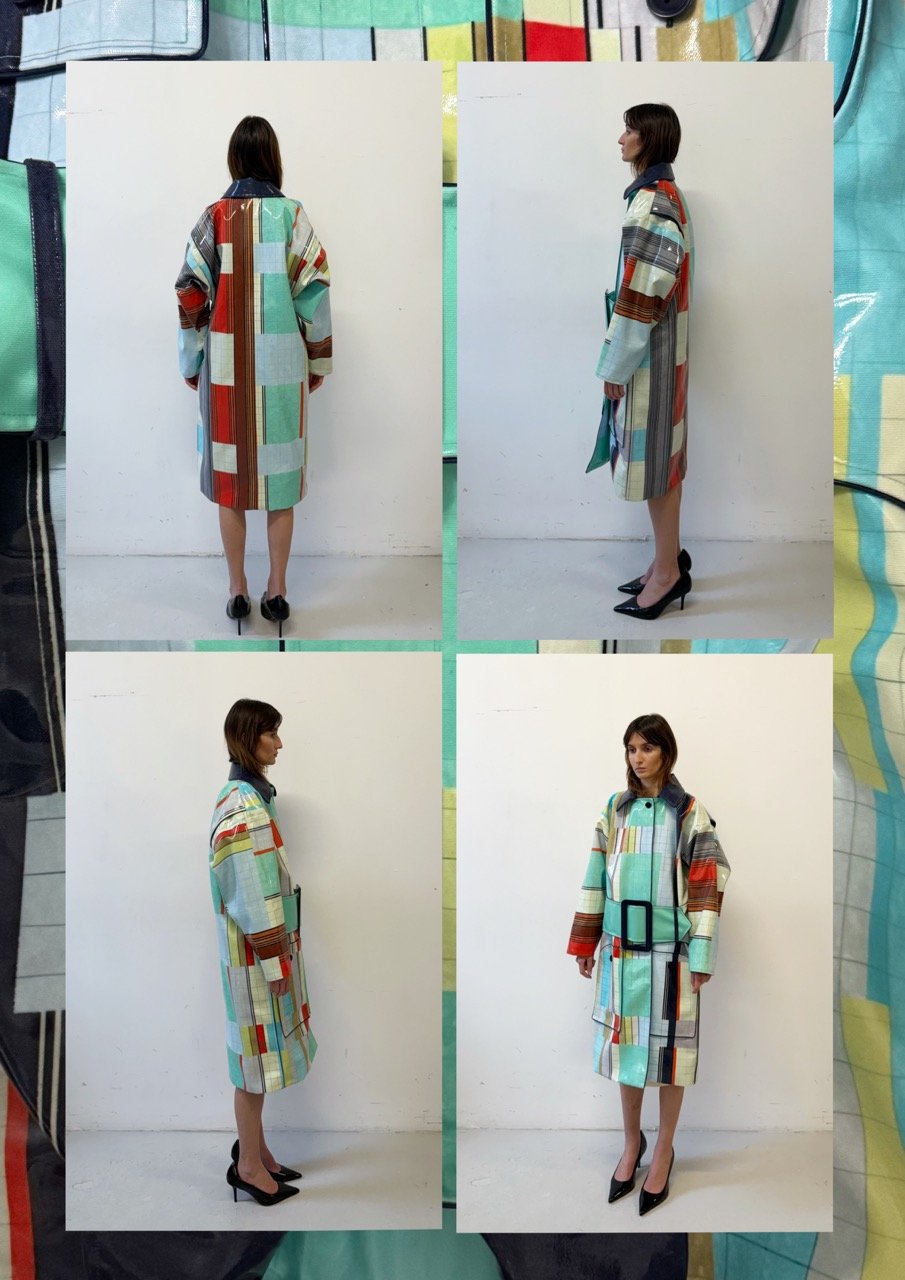
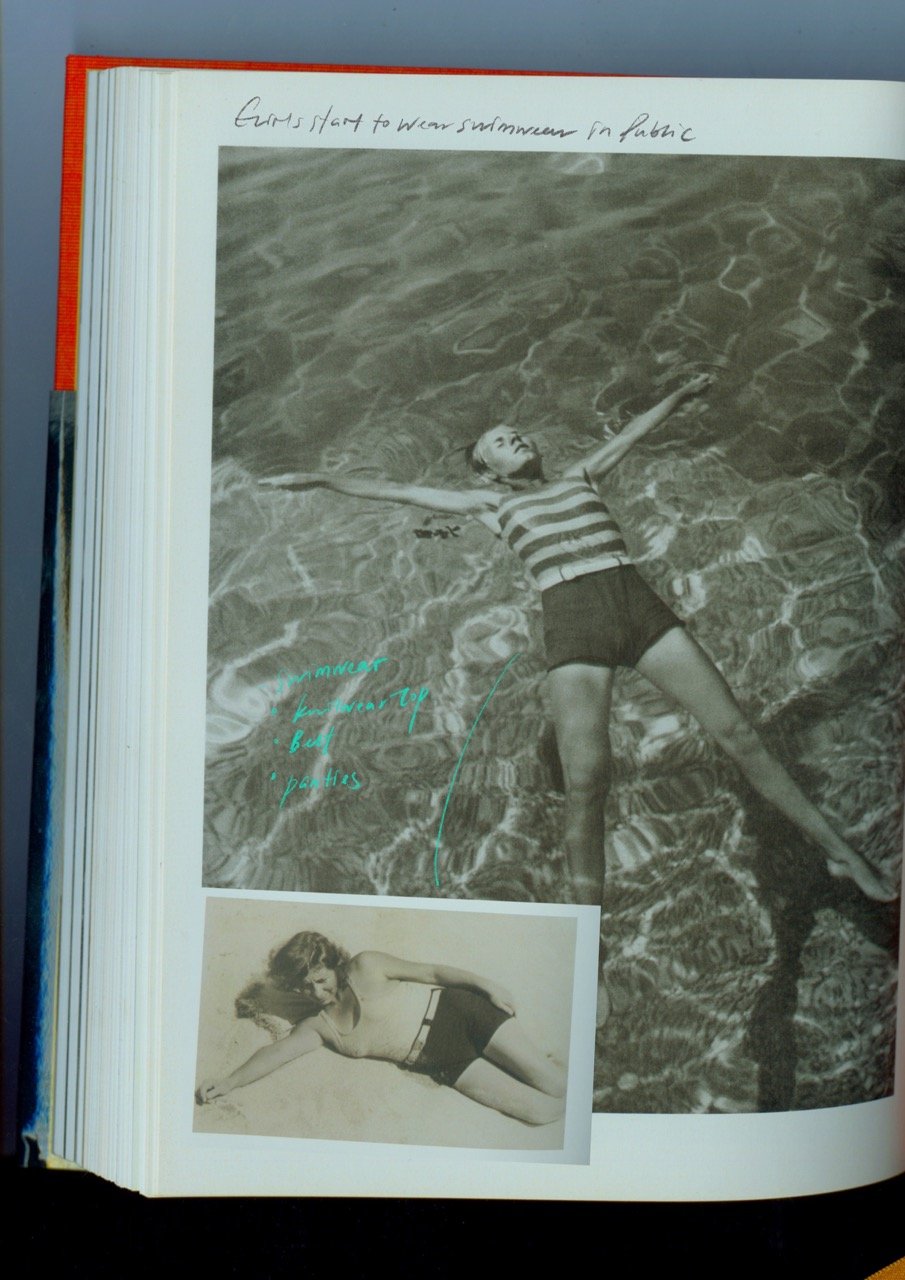
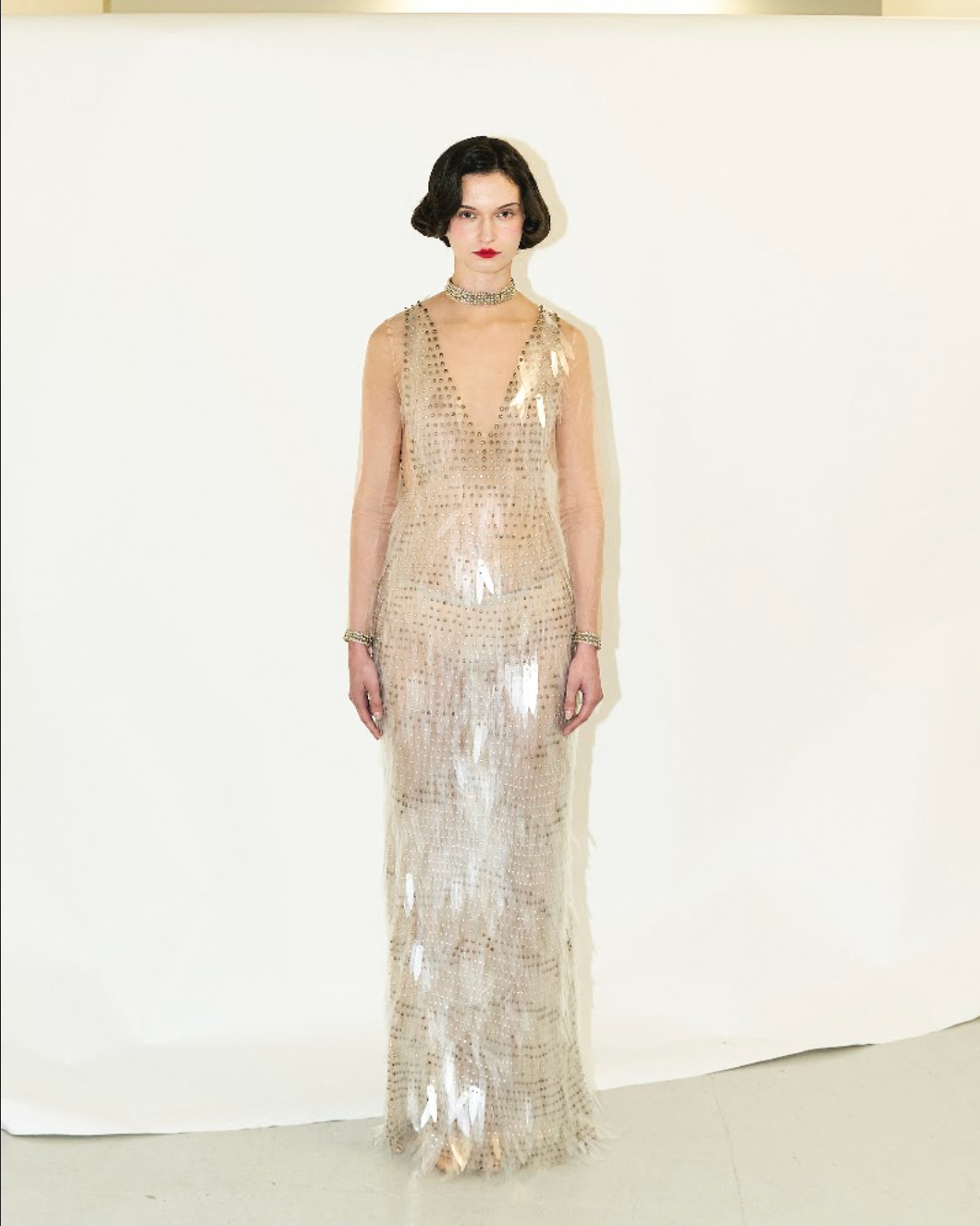
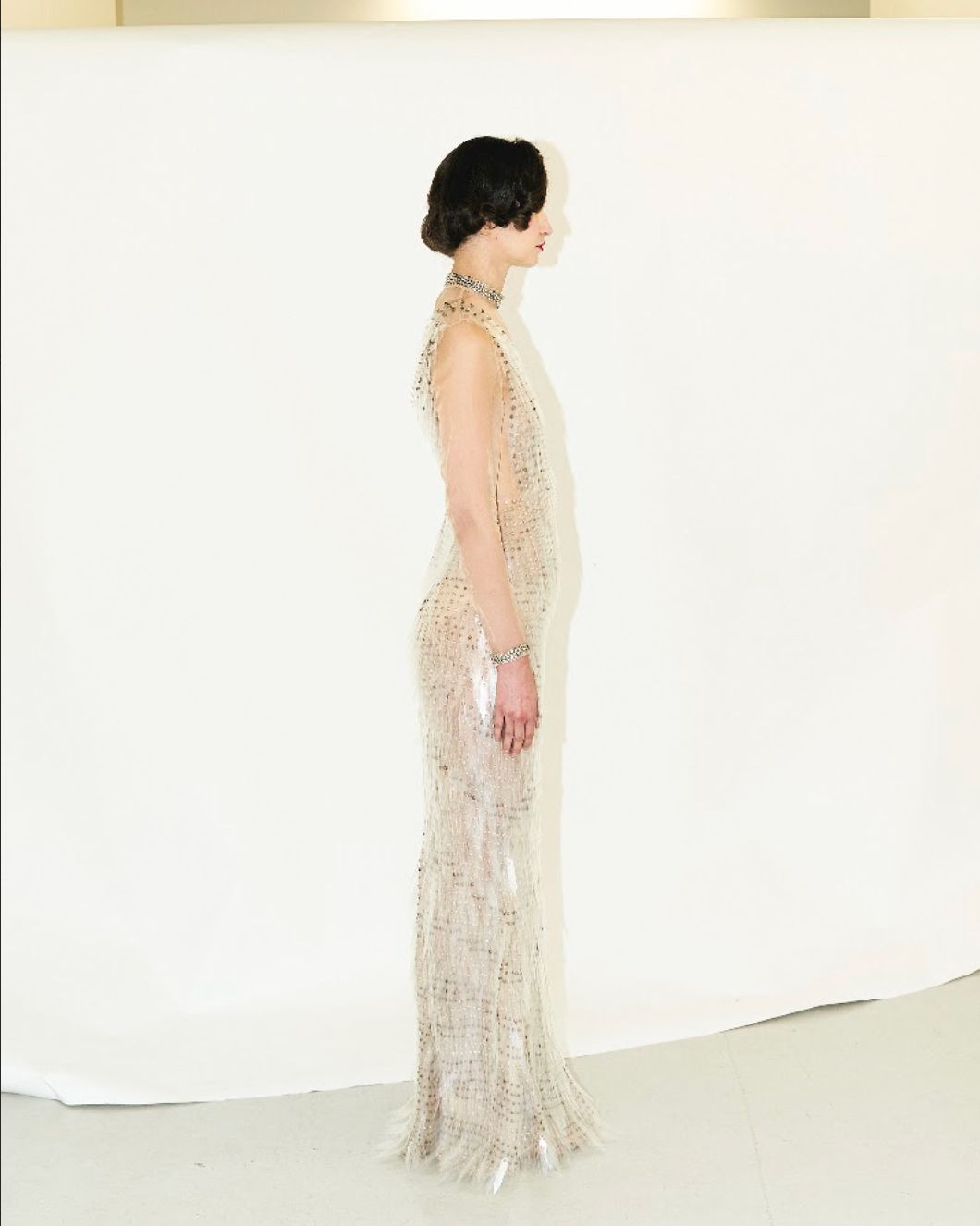
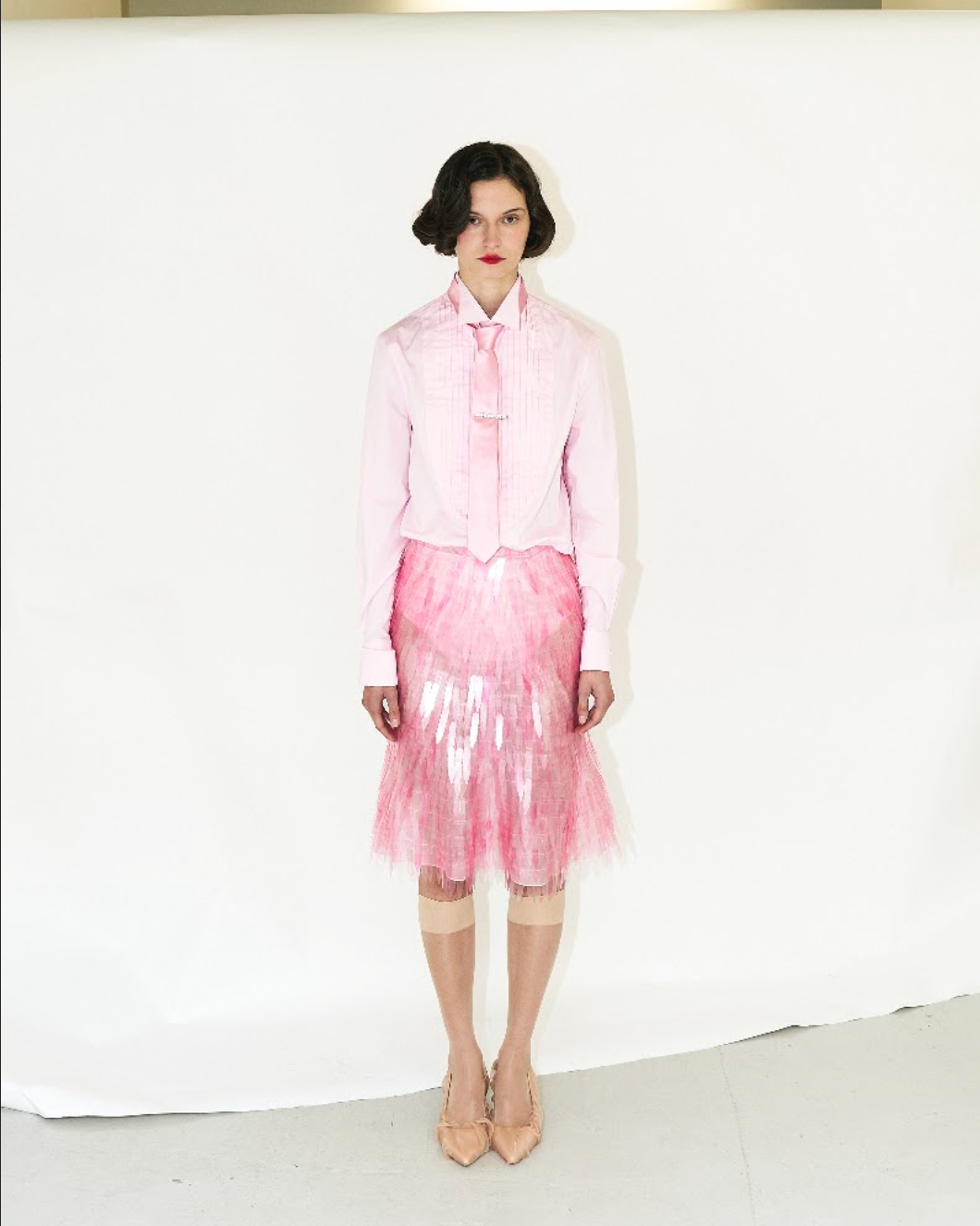
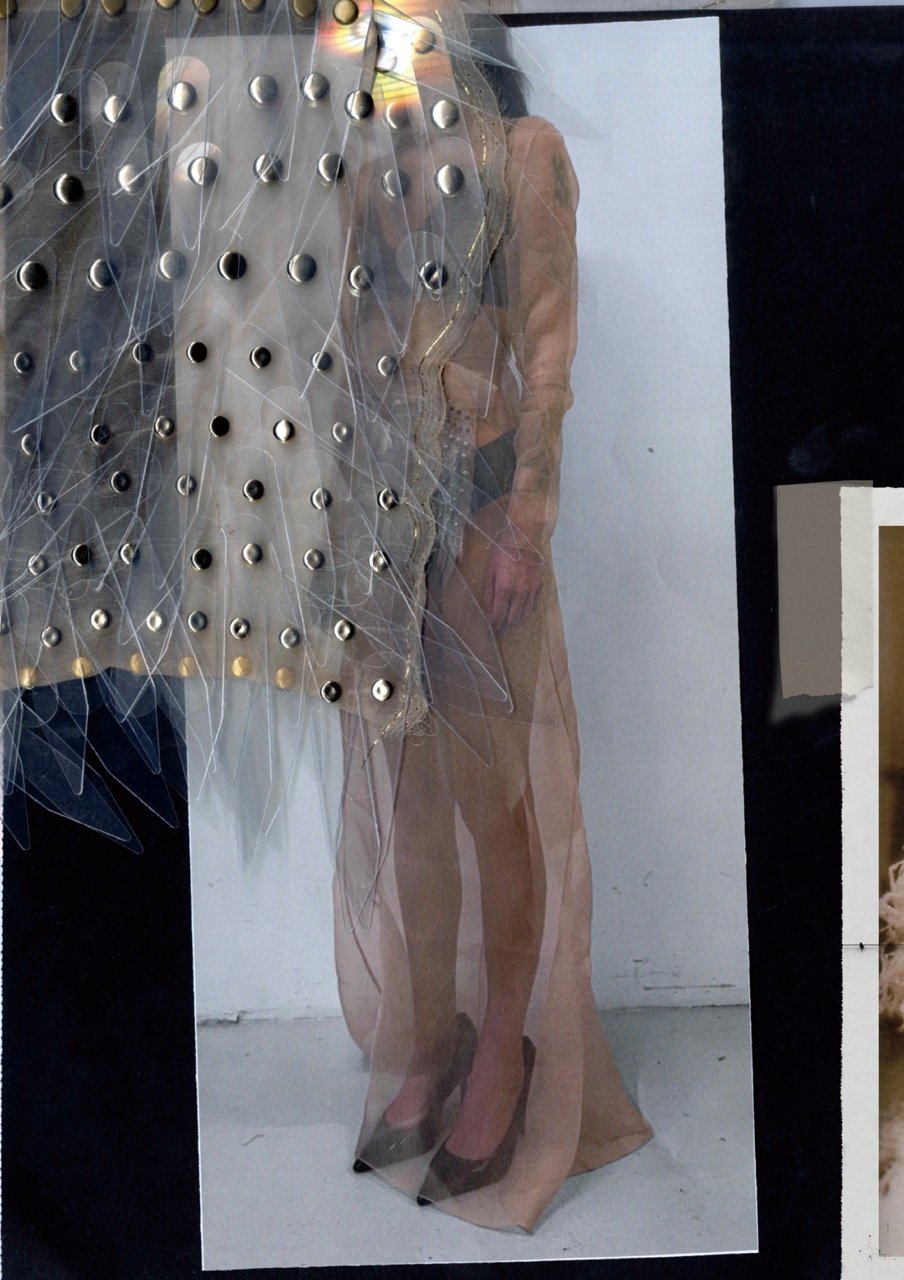
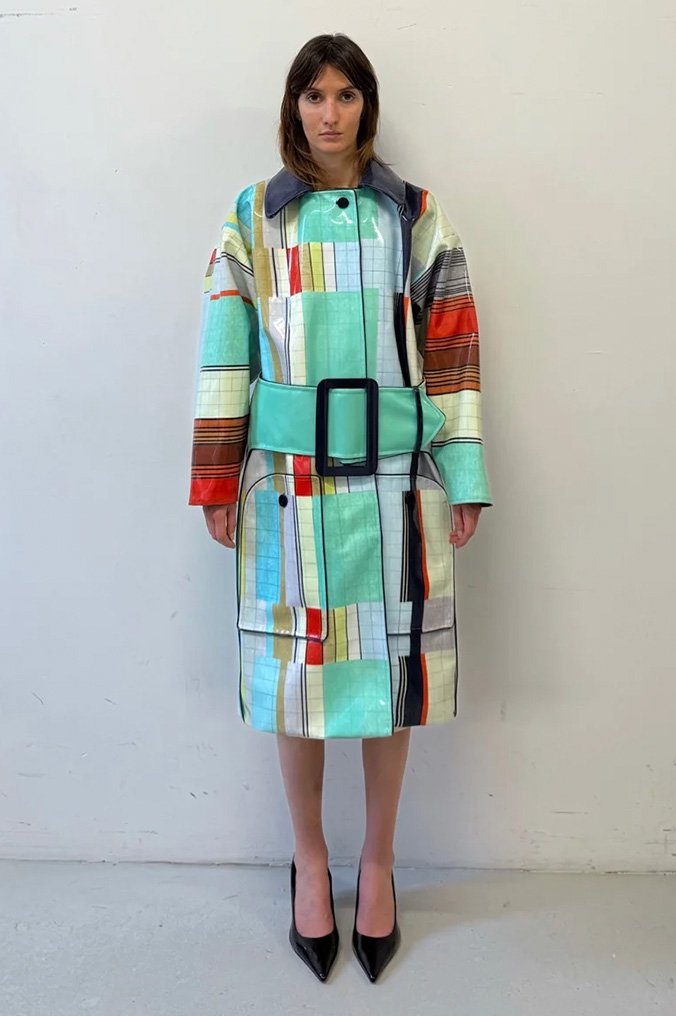
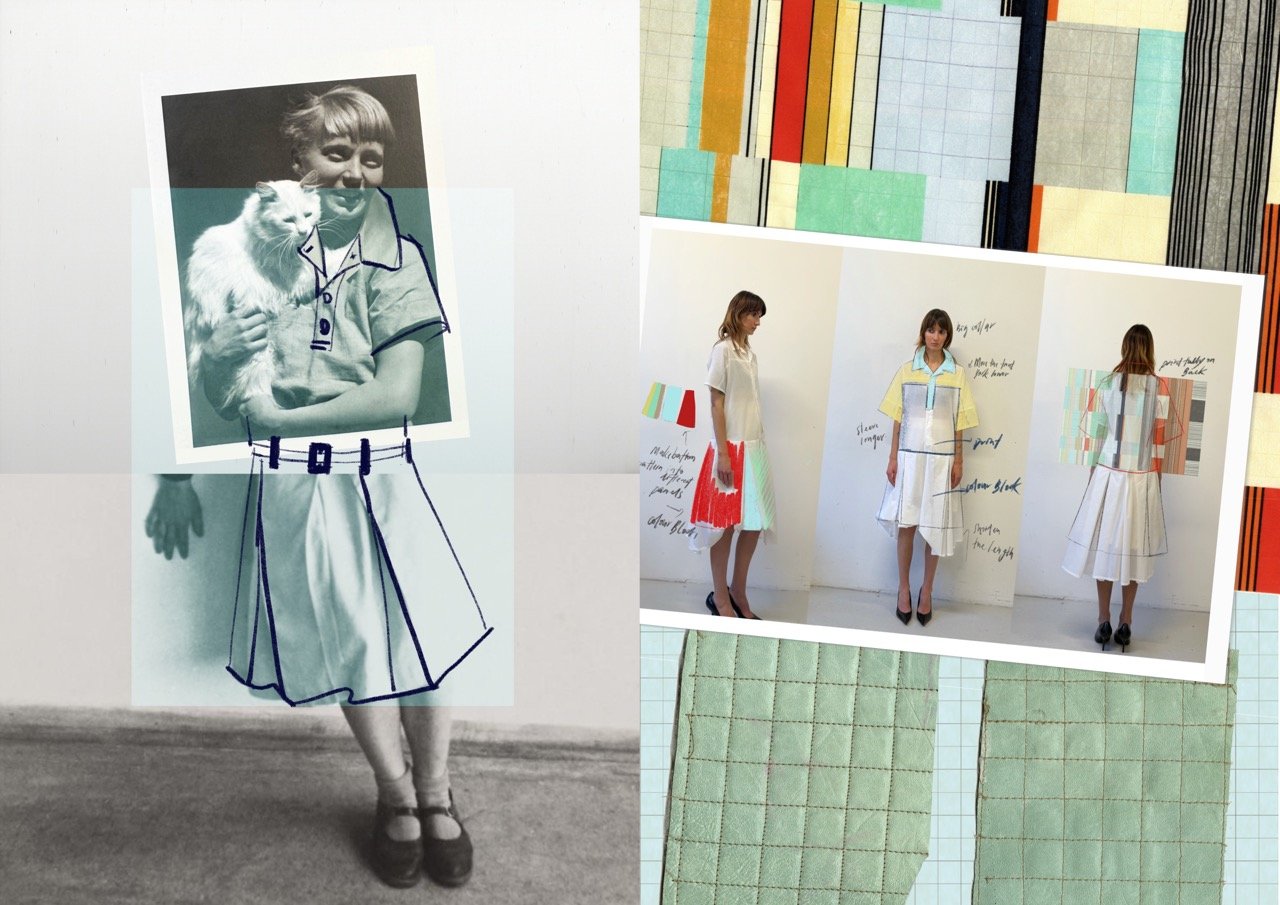
Siling Chen’s collection draws from Bauhausmädels – the women of the Bauhaus – who were often restricted to textile disciplines yet continued pushing those practices beyond decorative expectations. The project examines how women translate what they make into how they dress, using simple wardrobe pieces as a starting point for a broader visual language shaped by female artists, labour, and self-definition. Art Deco interiors documented by Chen become references for surface and structure throughout the work. Fabric manipulation, leather cutting, weaving, PVC-coated surfaces, knitting, and handcrafted techniques are used to transform decoration into construction, creating garments where making itself becomes visible. Having already completed internships at Chanel Maison Lemarié and Hermès ready-to-wear, Chen is interested in balancing personal creativity within the structures of major fashion houses while continuing to advocate for greater value placed on craft and process.

@silingchen_

Xinyue Zhu

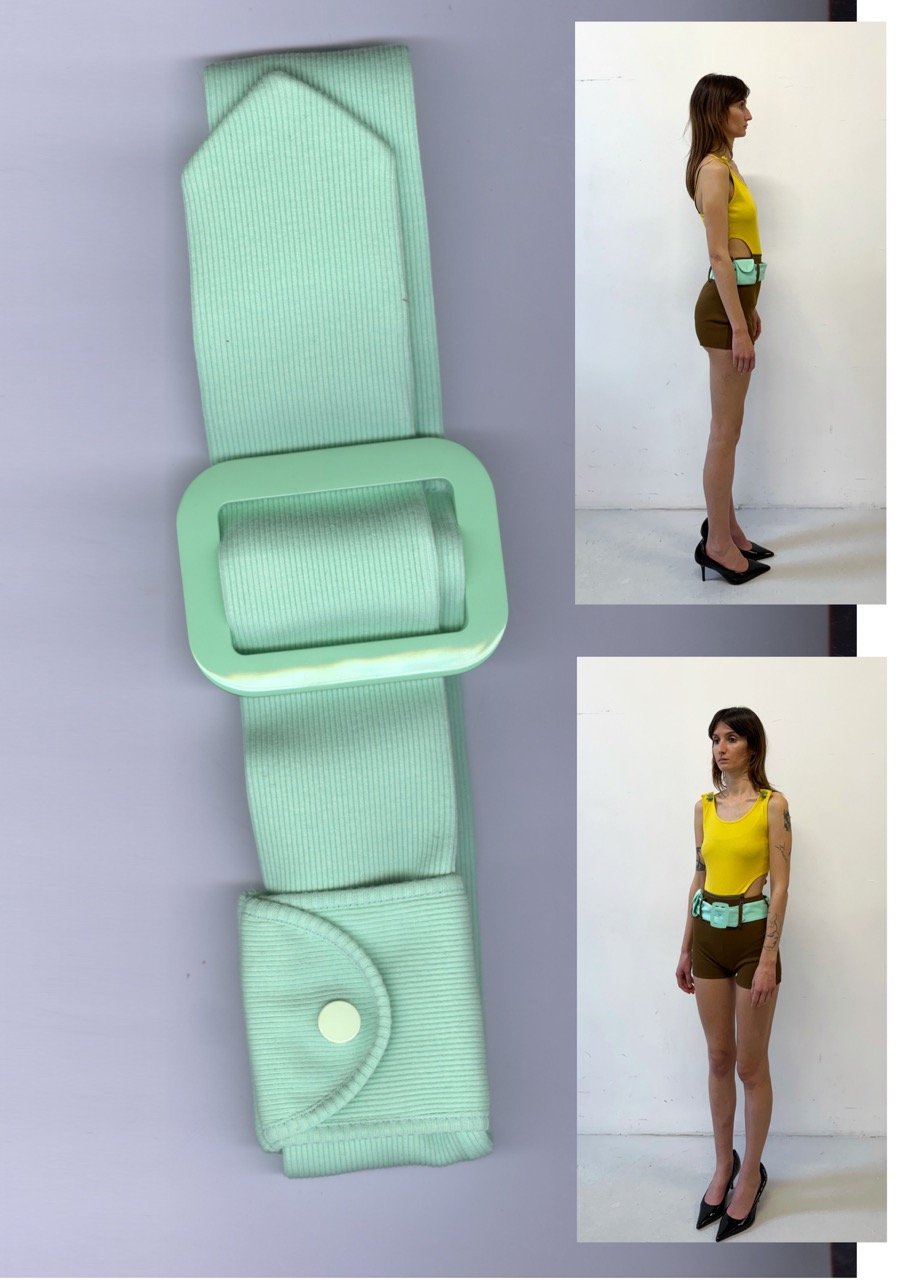
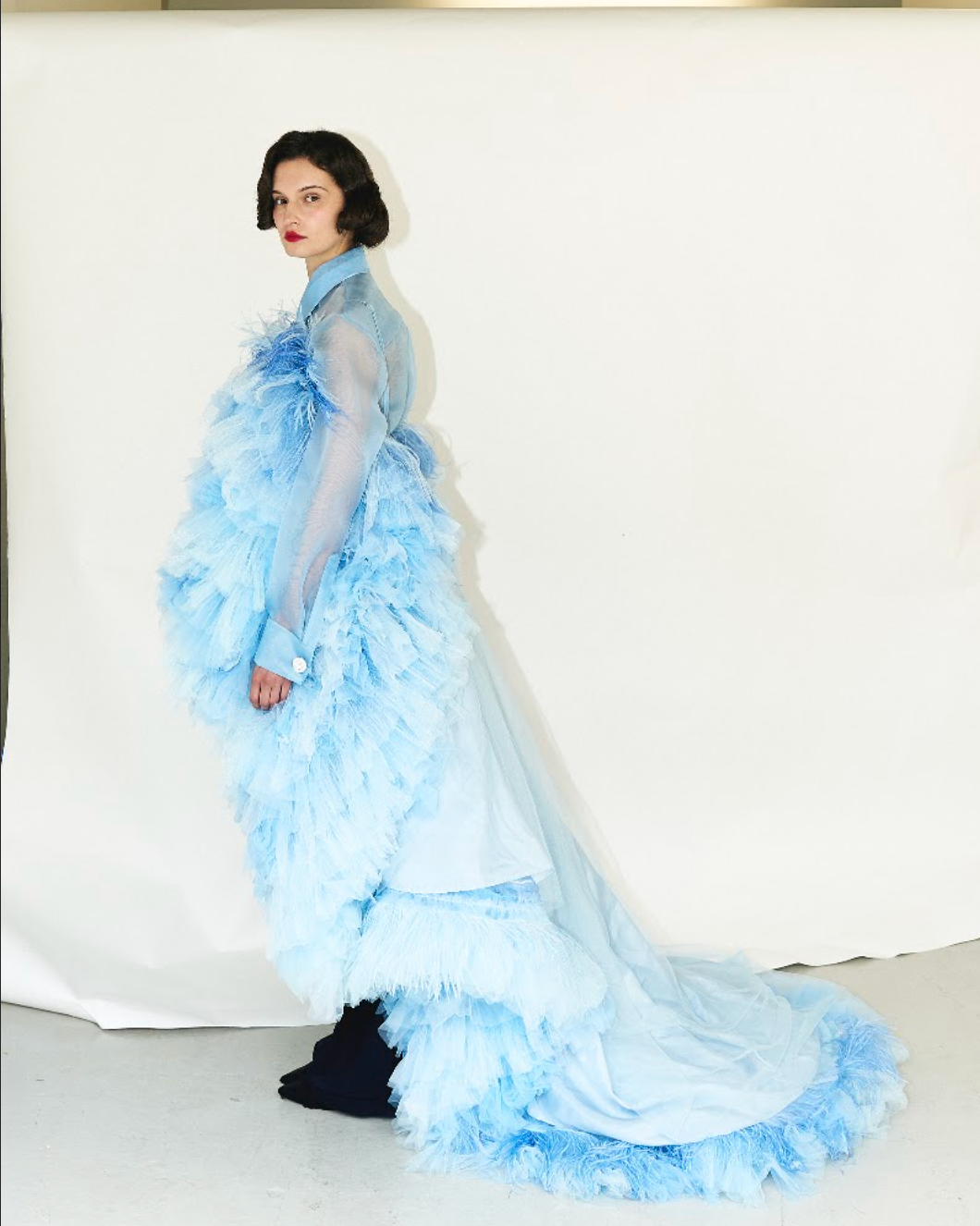
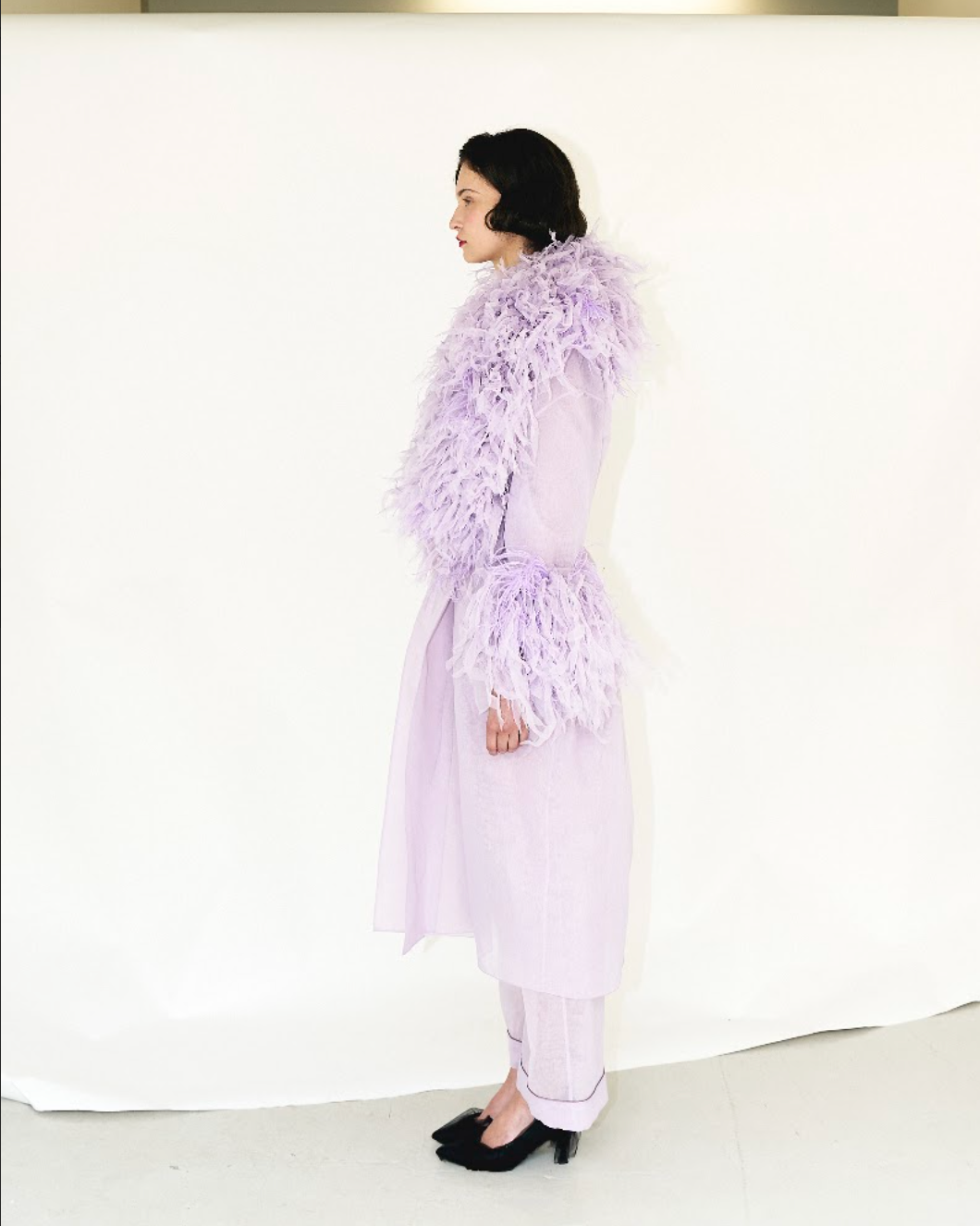
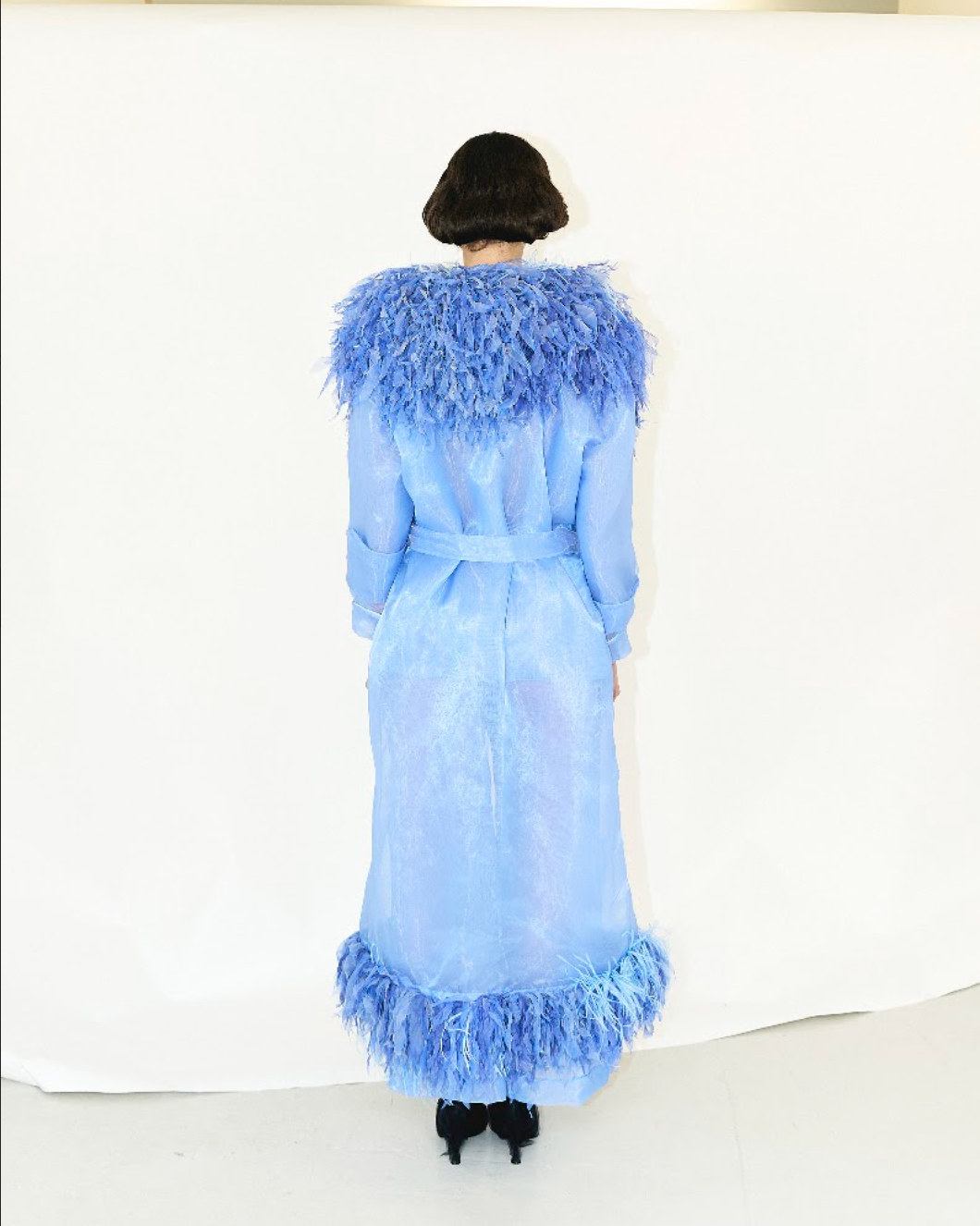
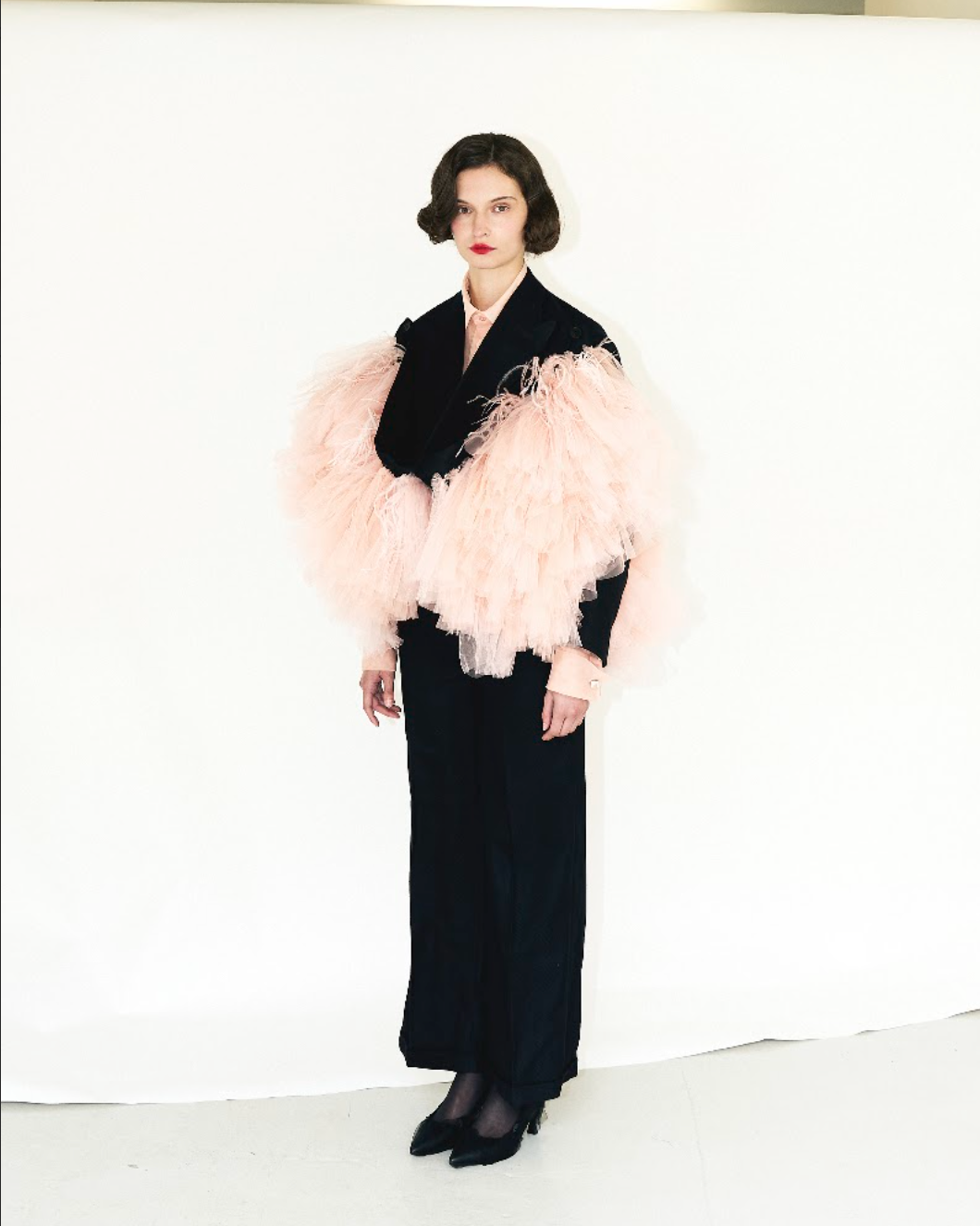
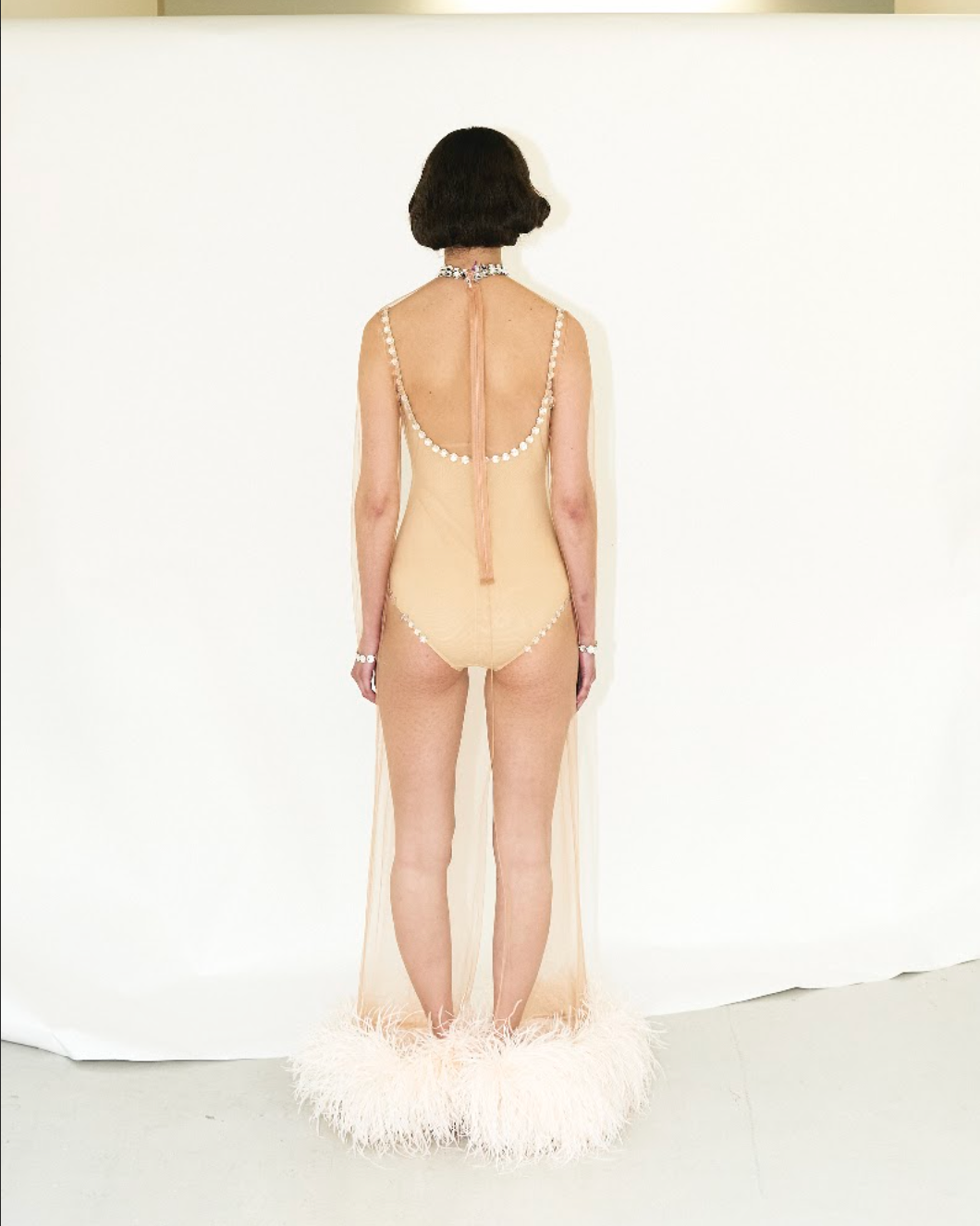
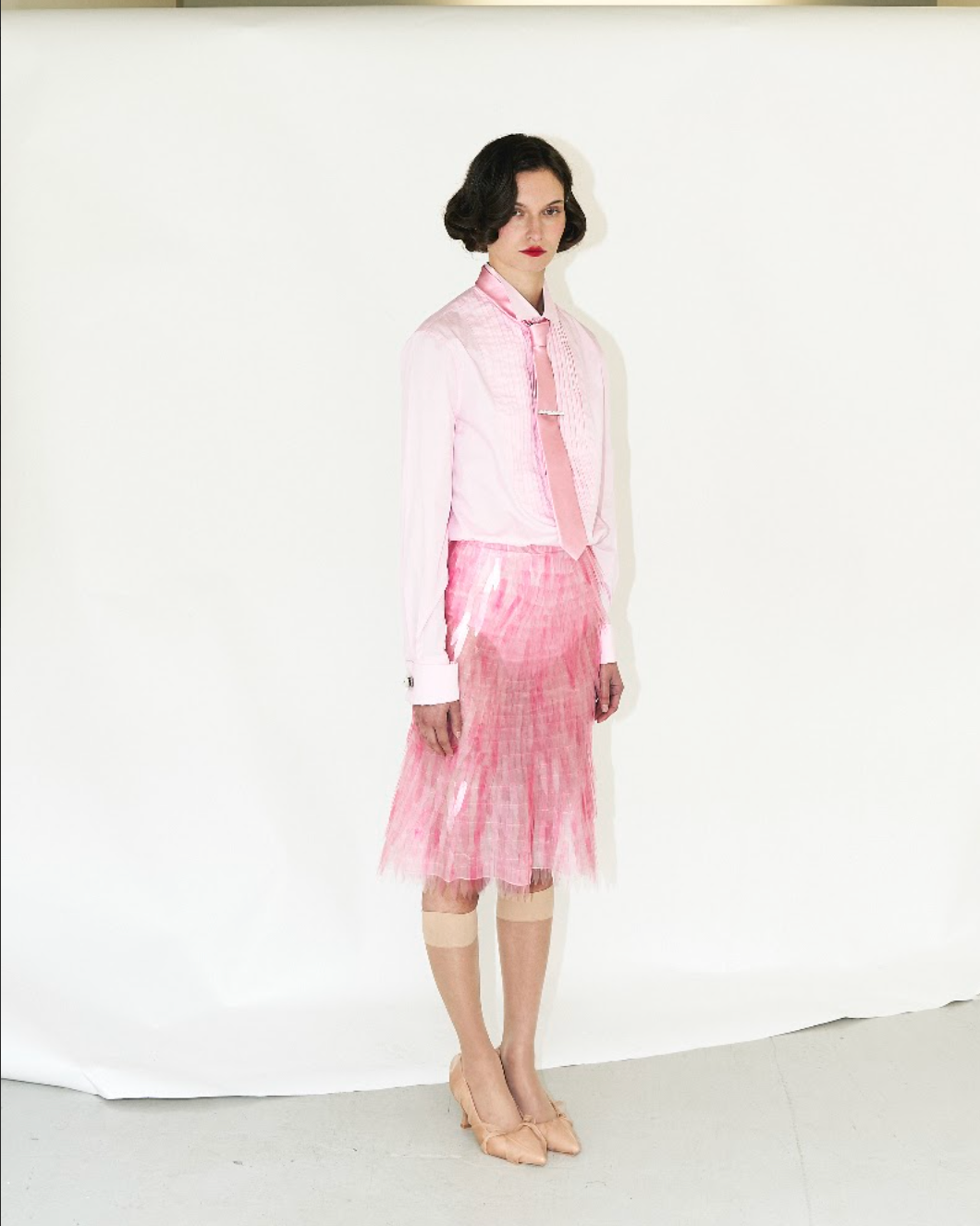
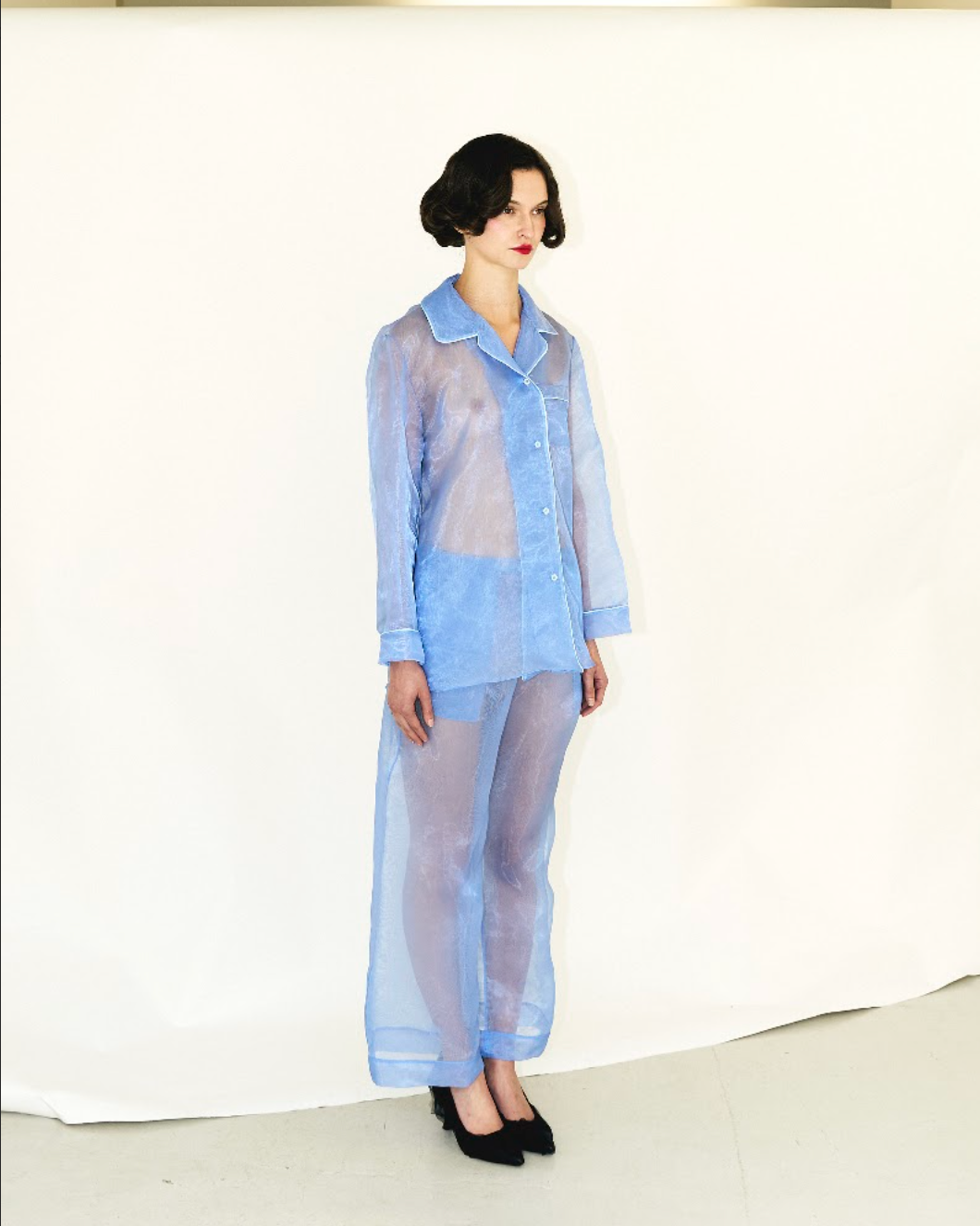
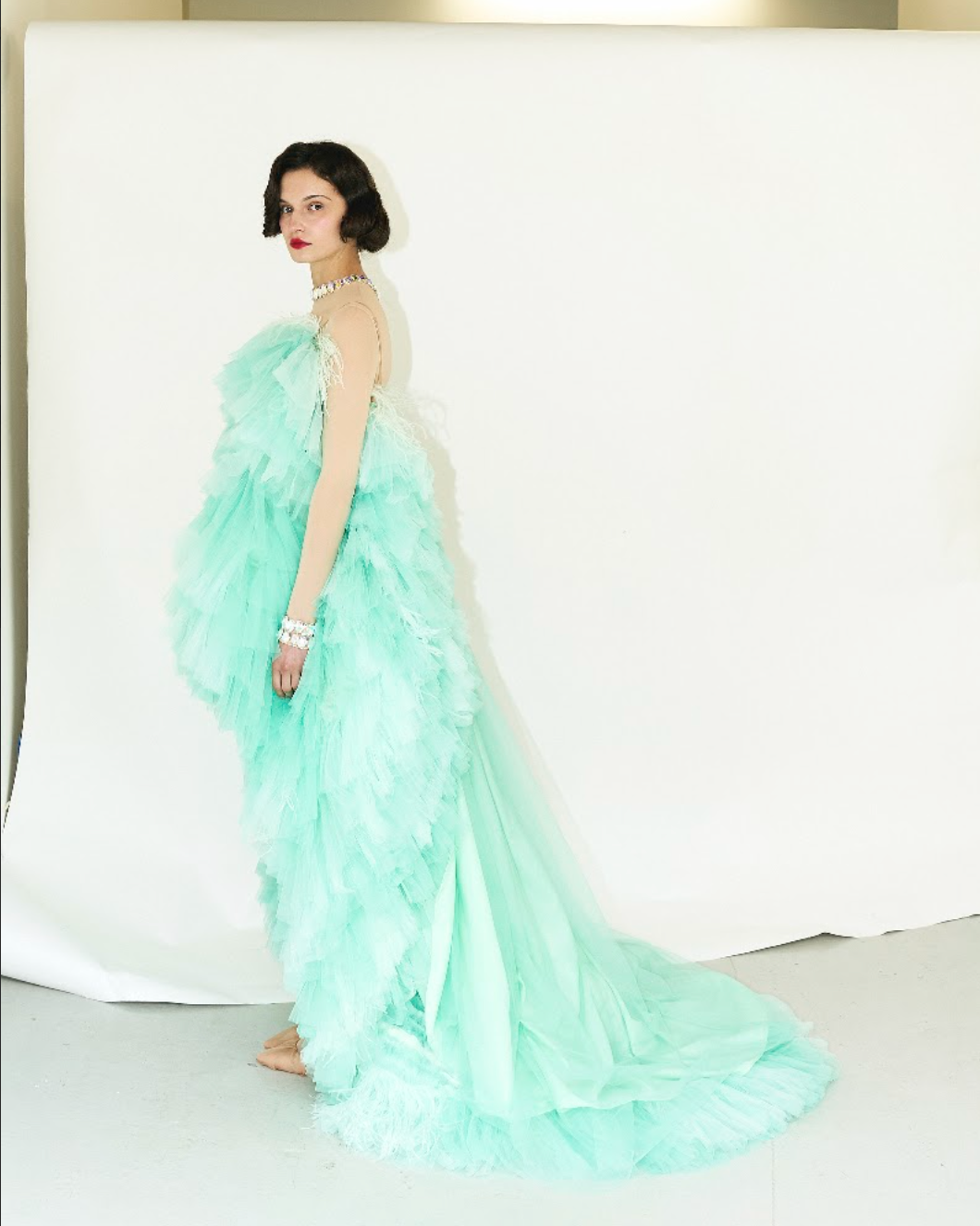
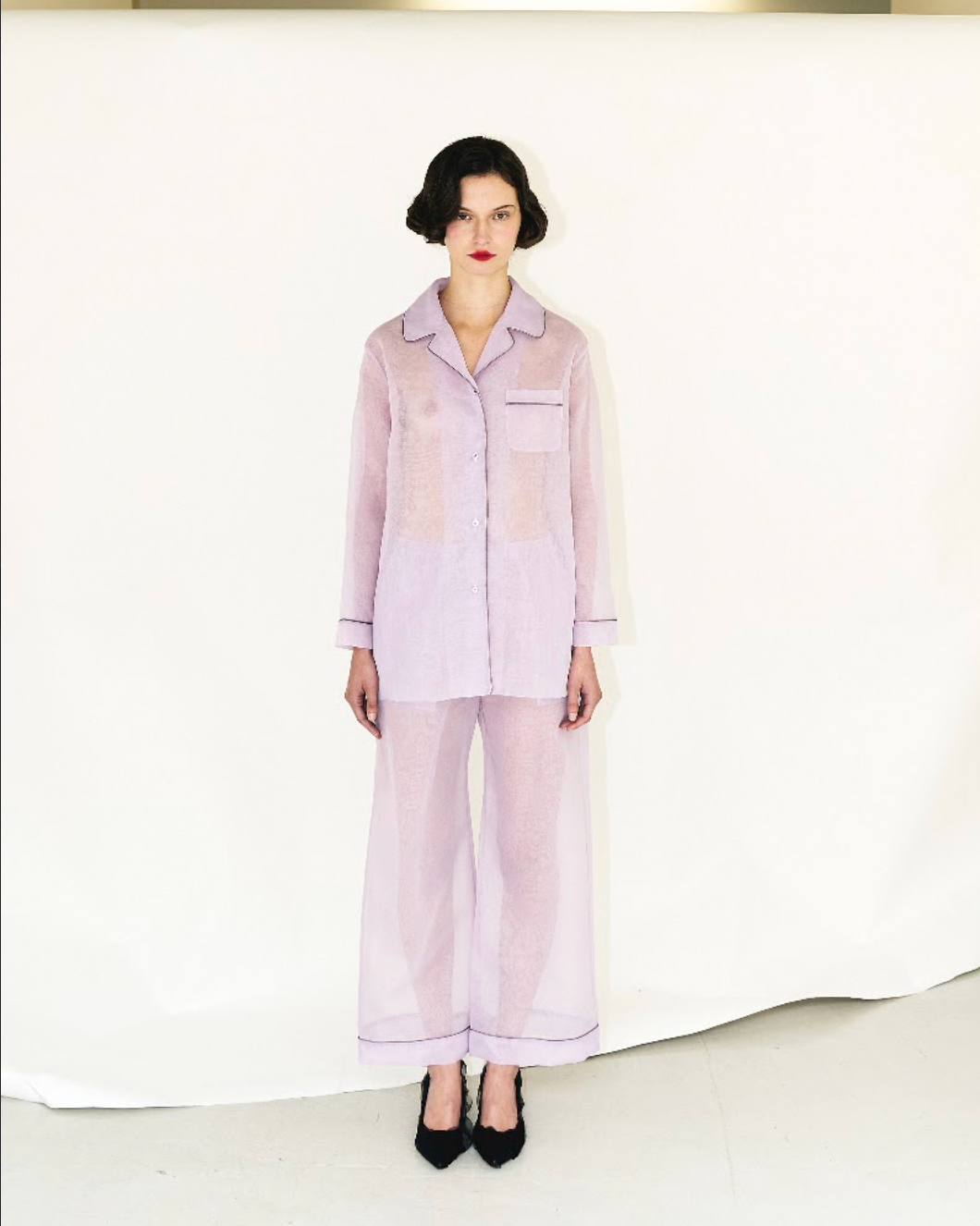
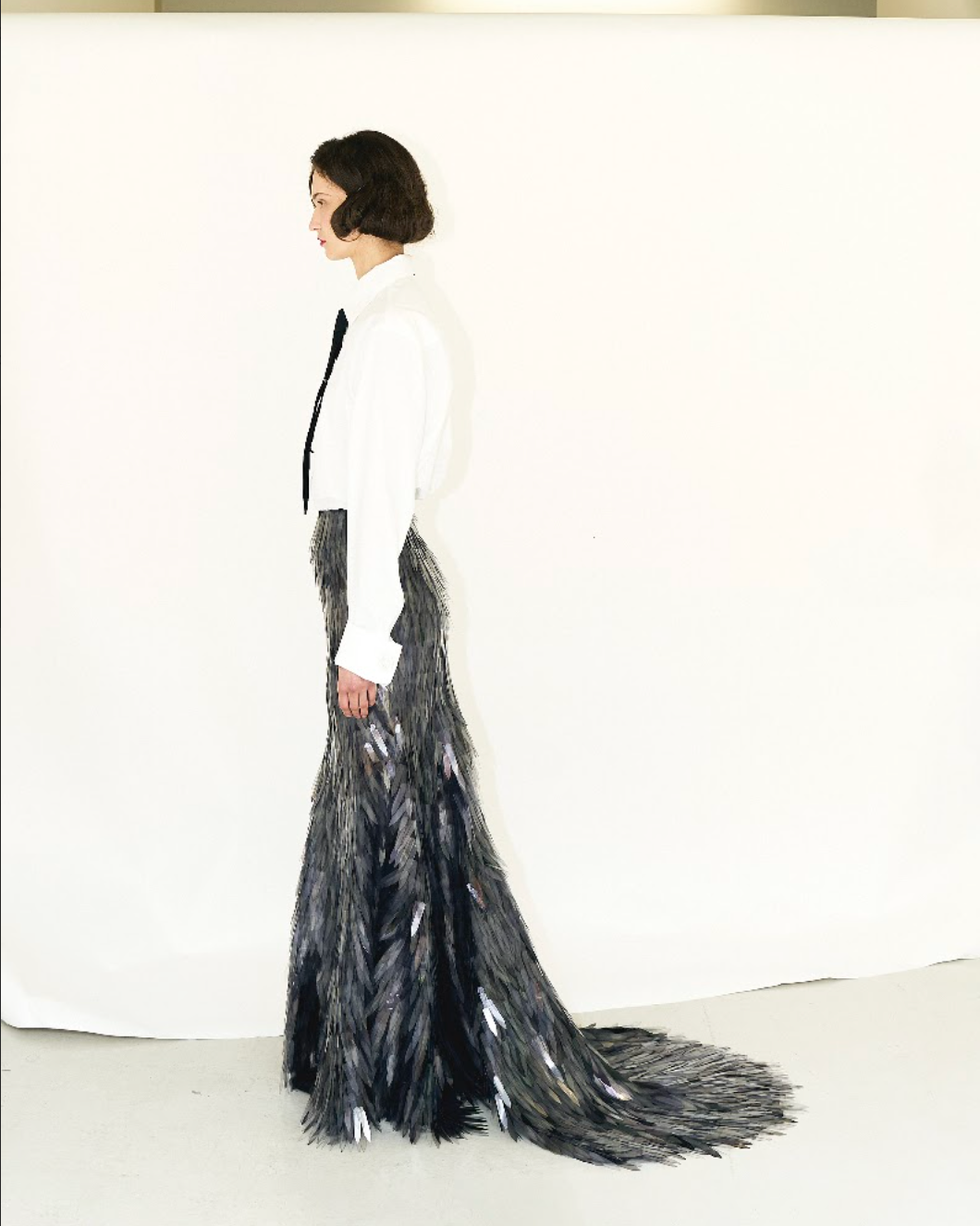
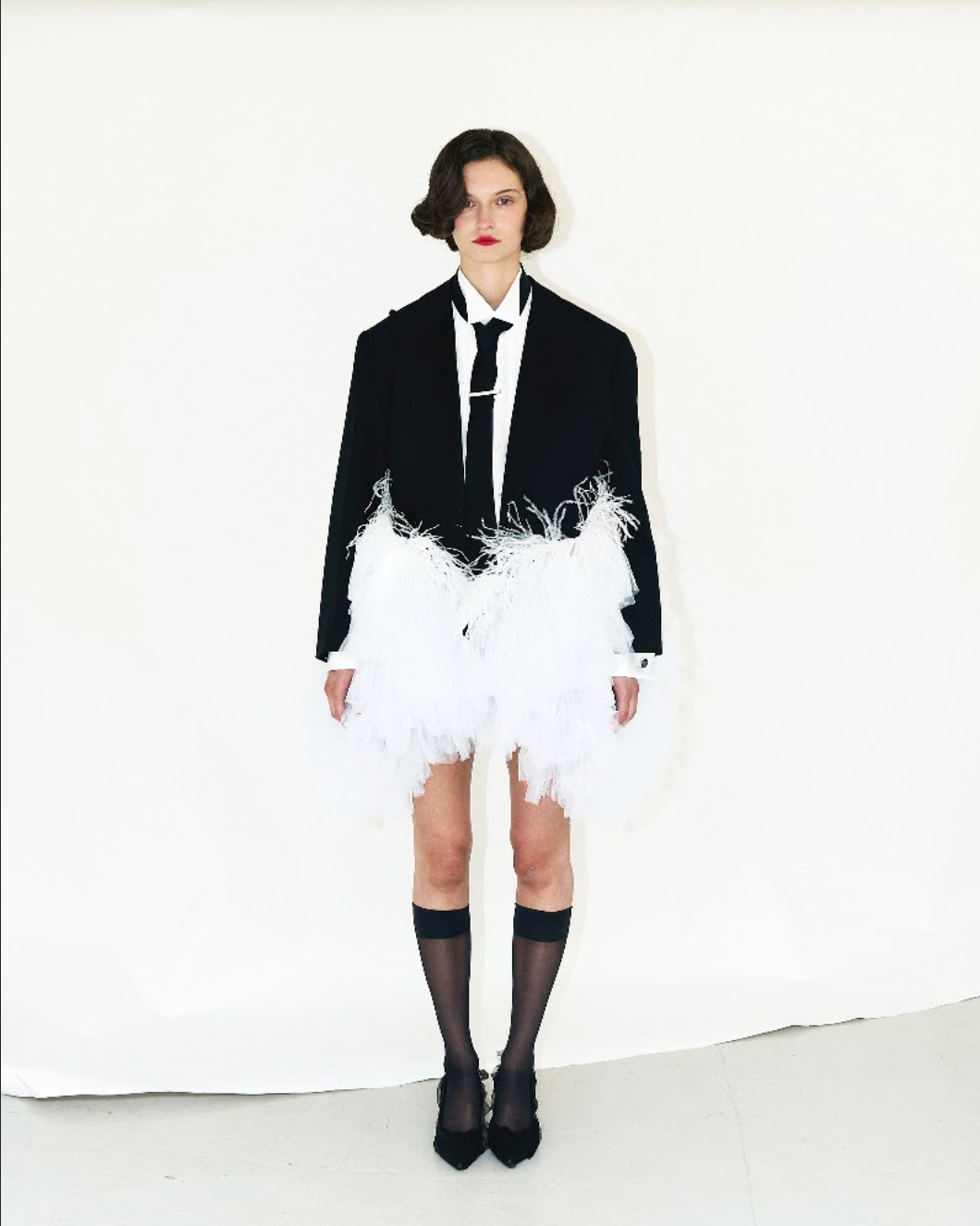
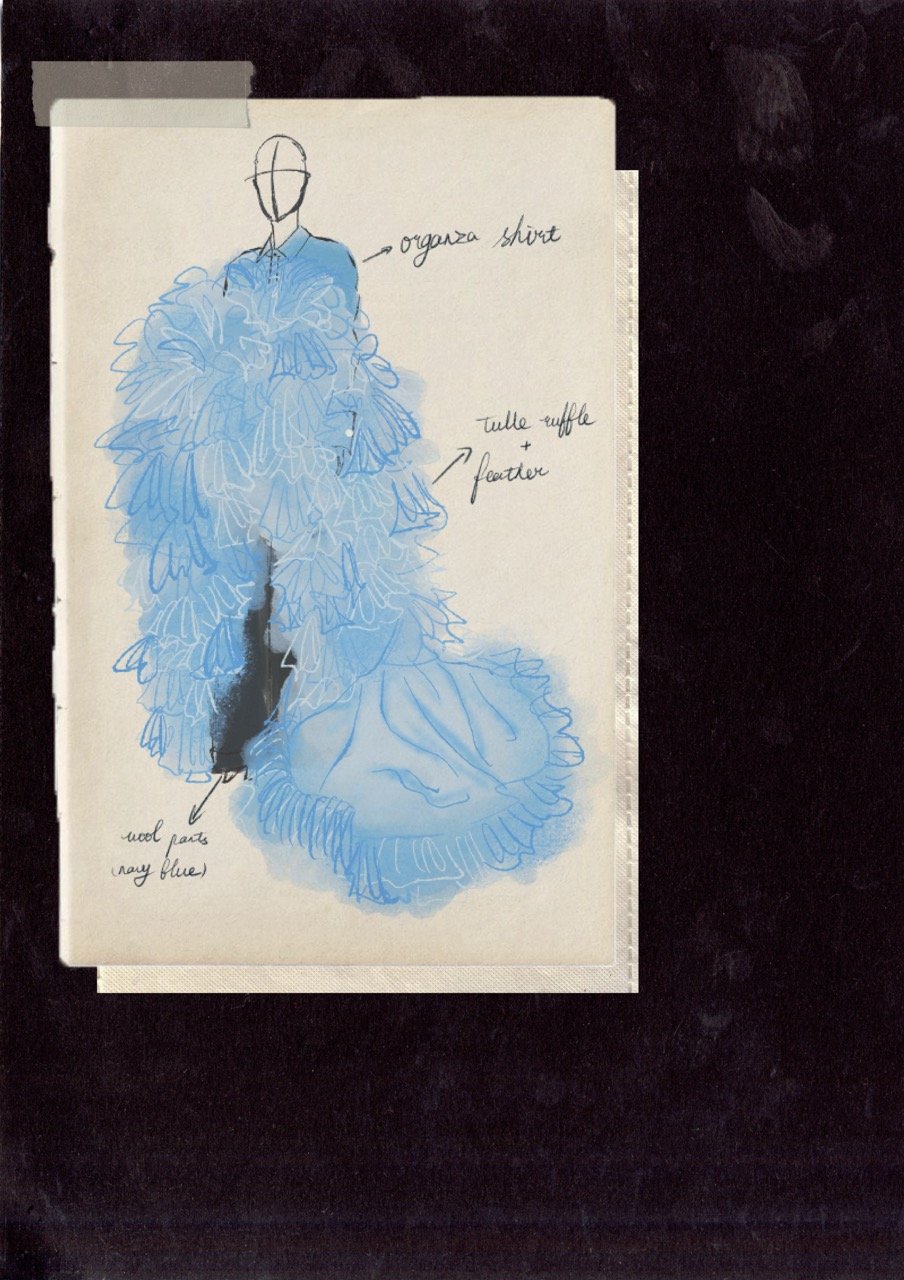
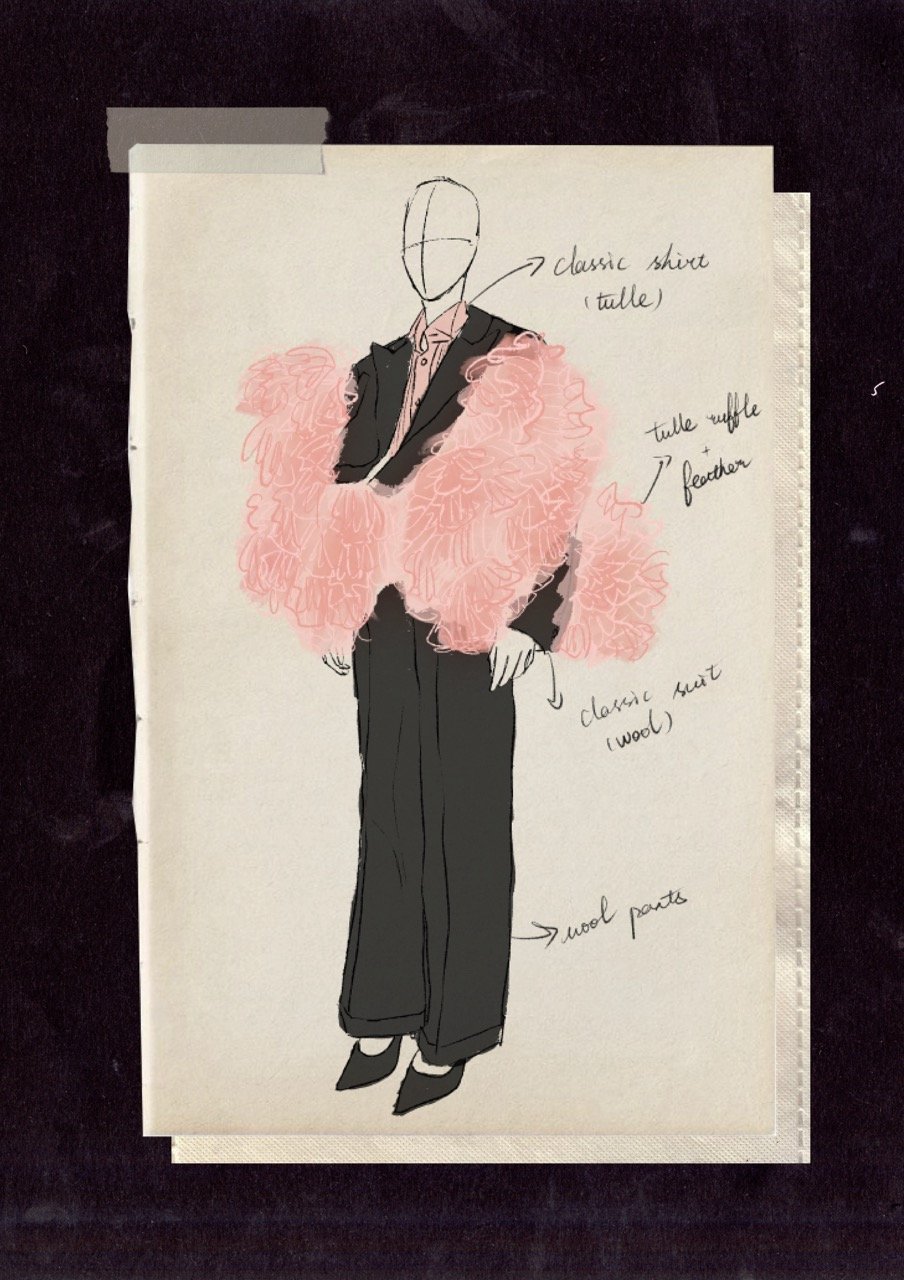
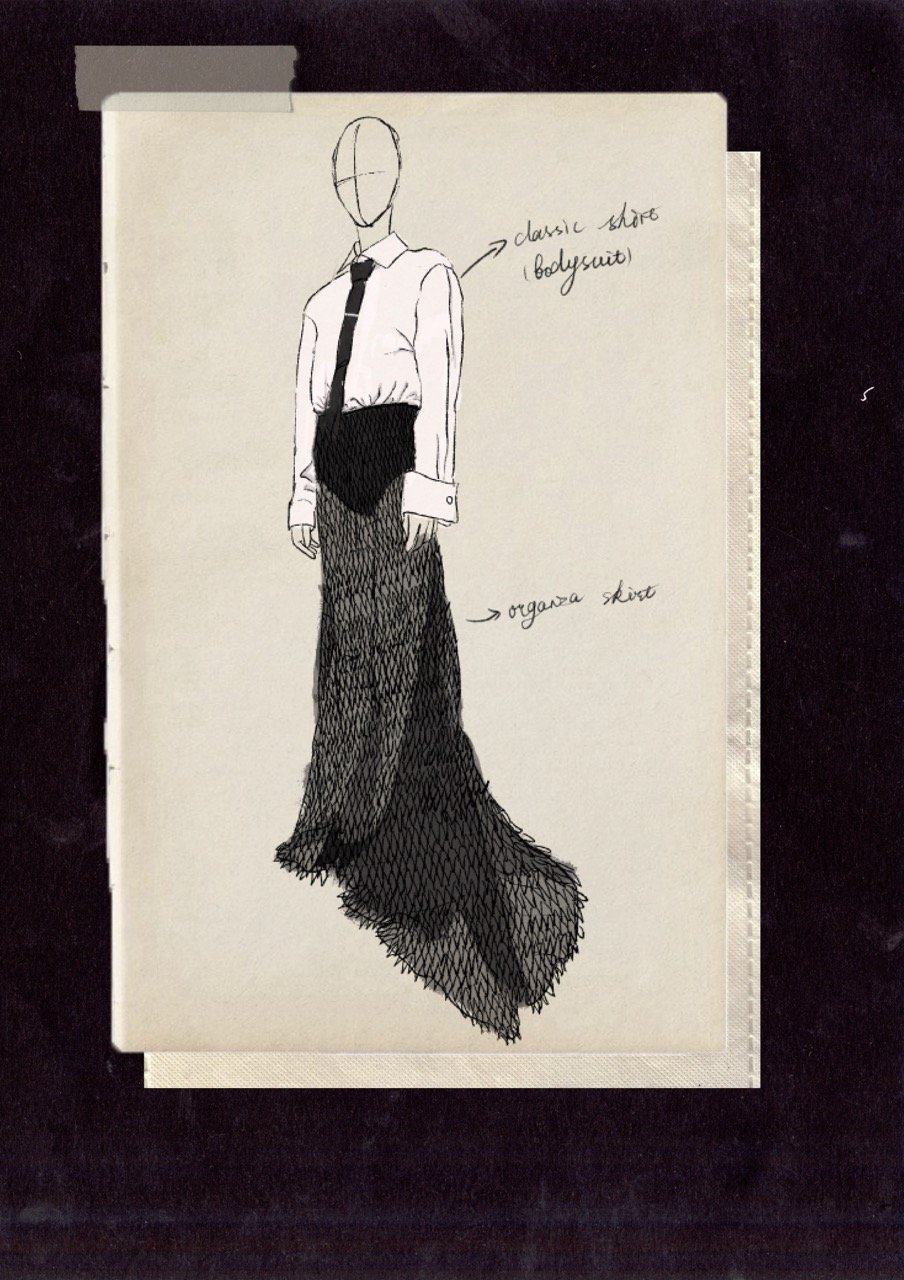
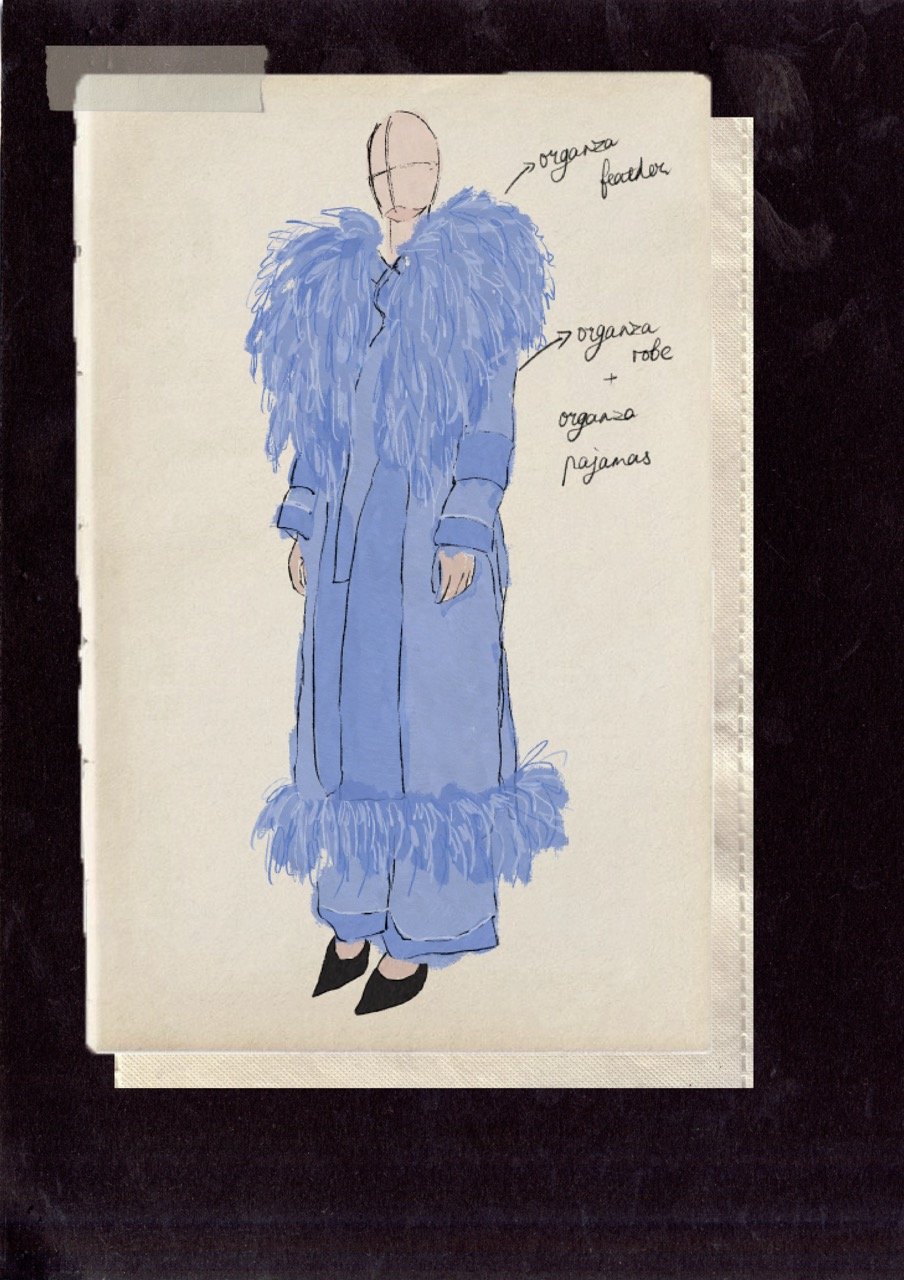
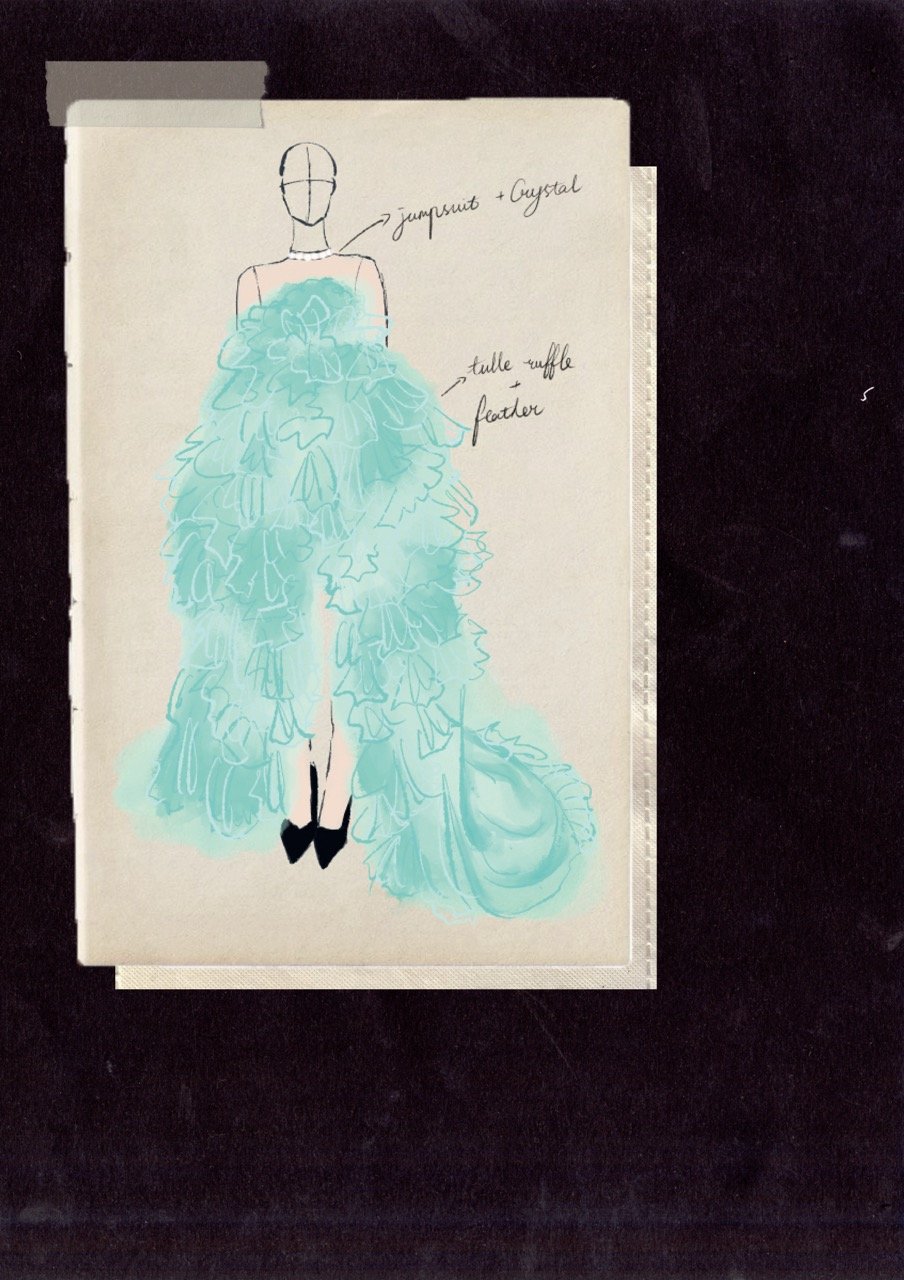
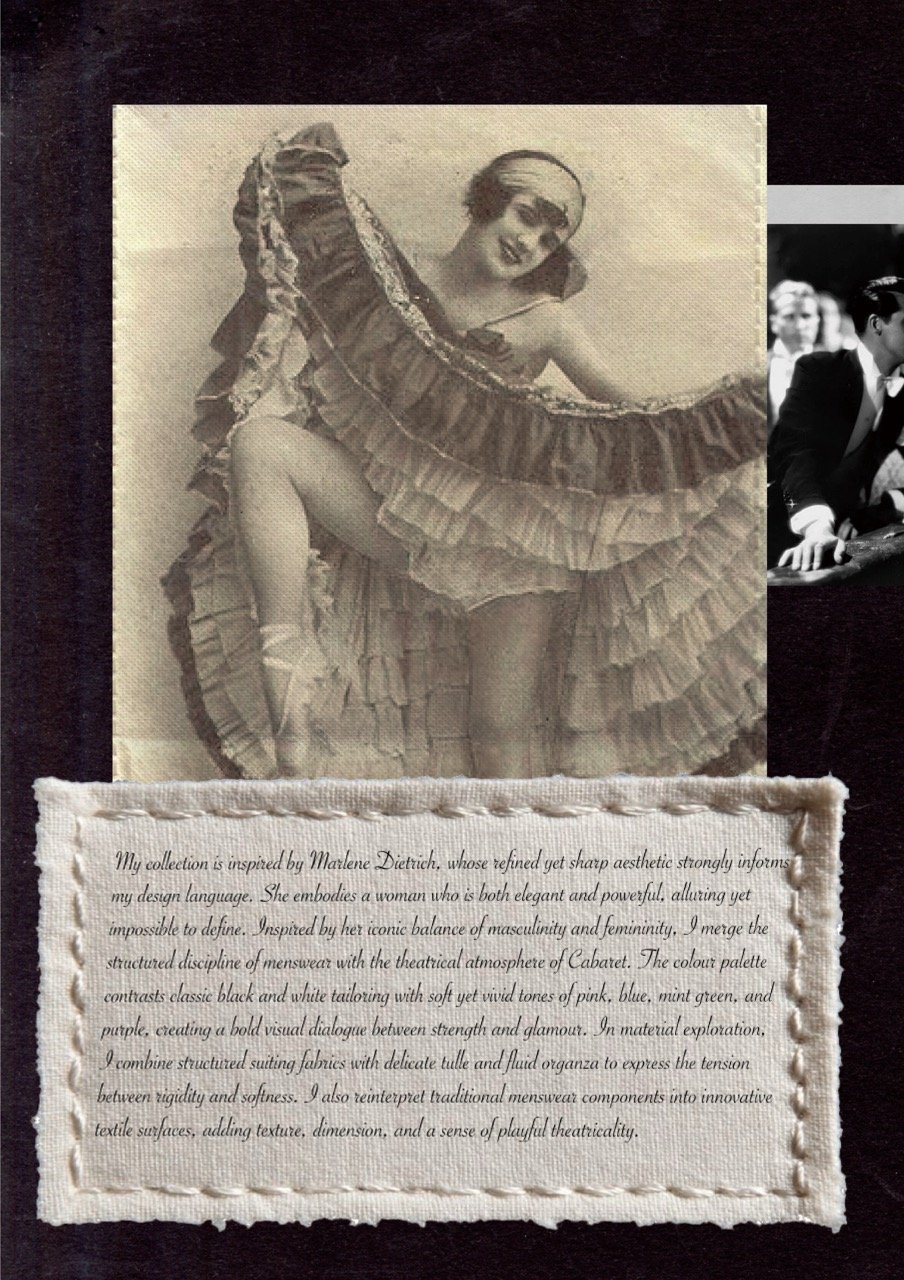
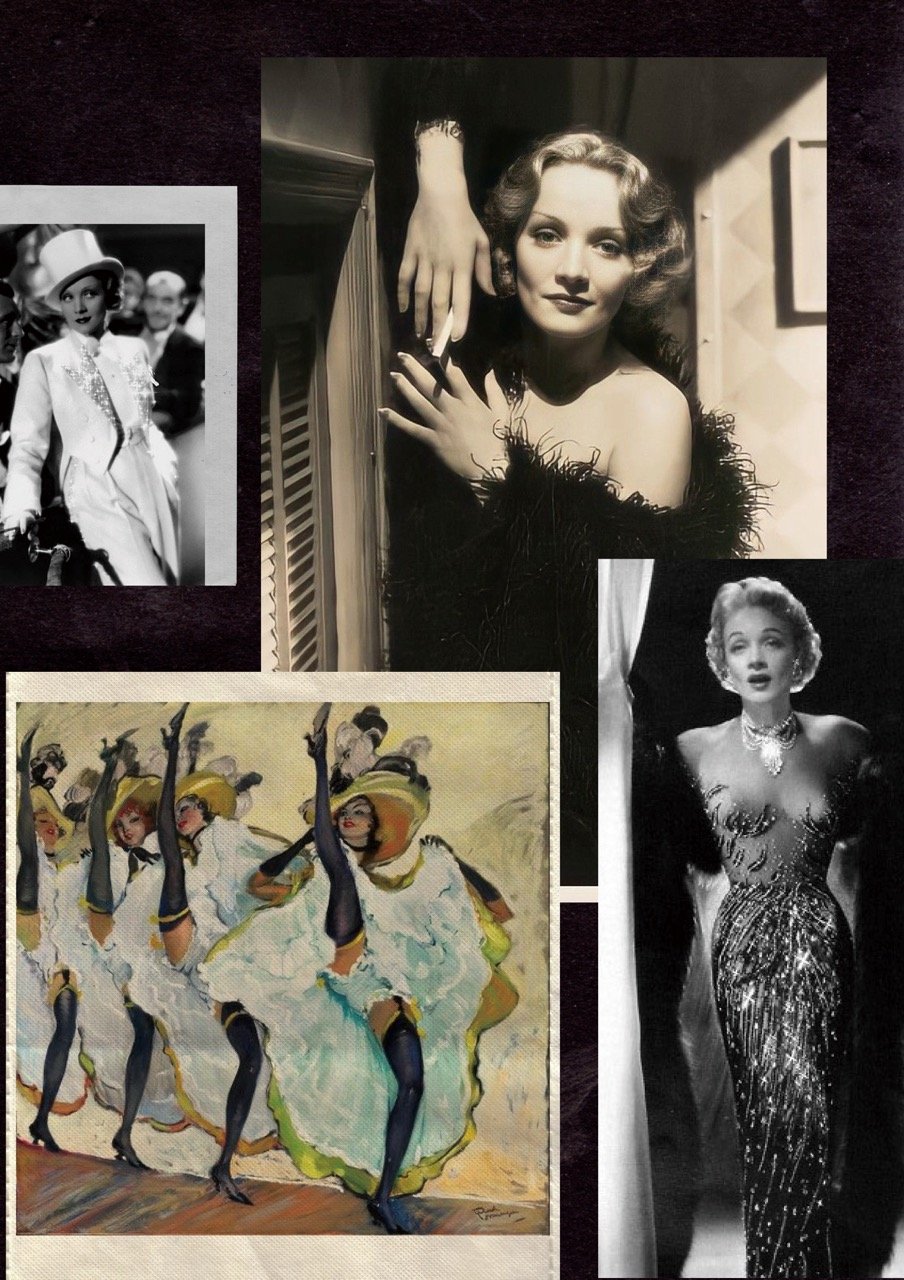
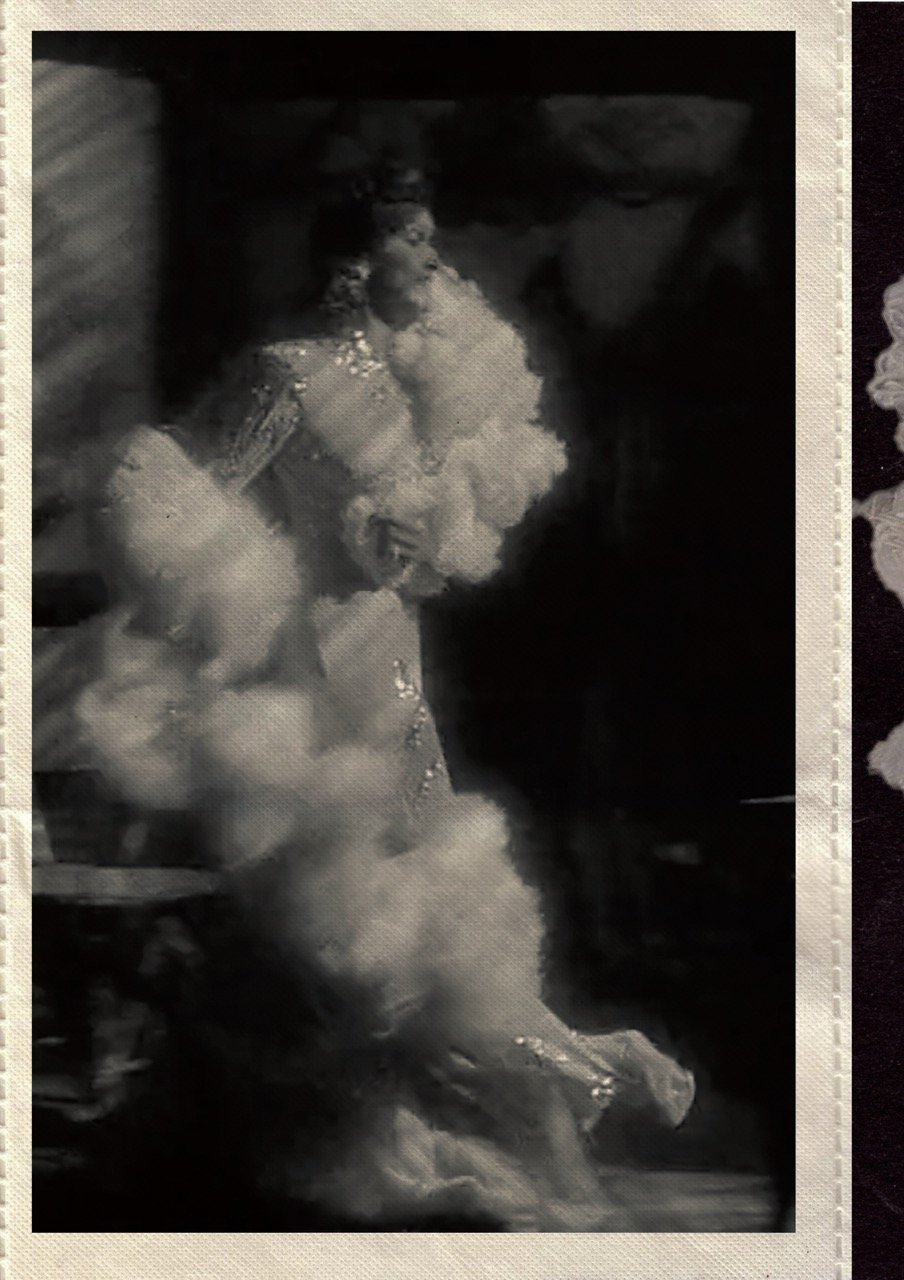
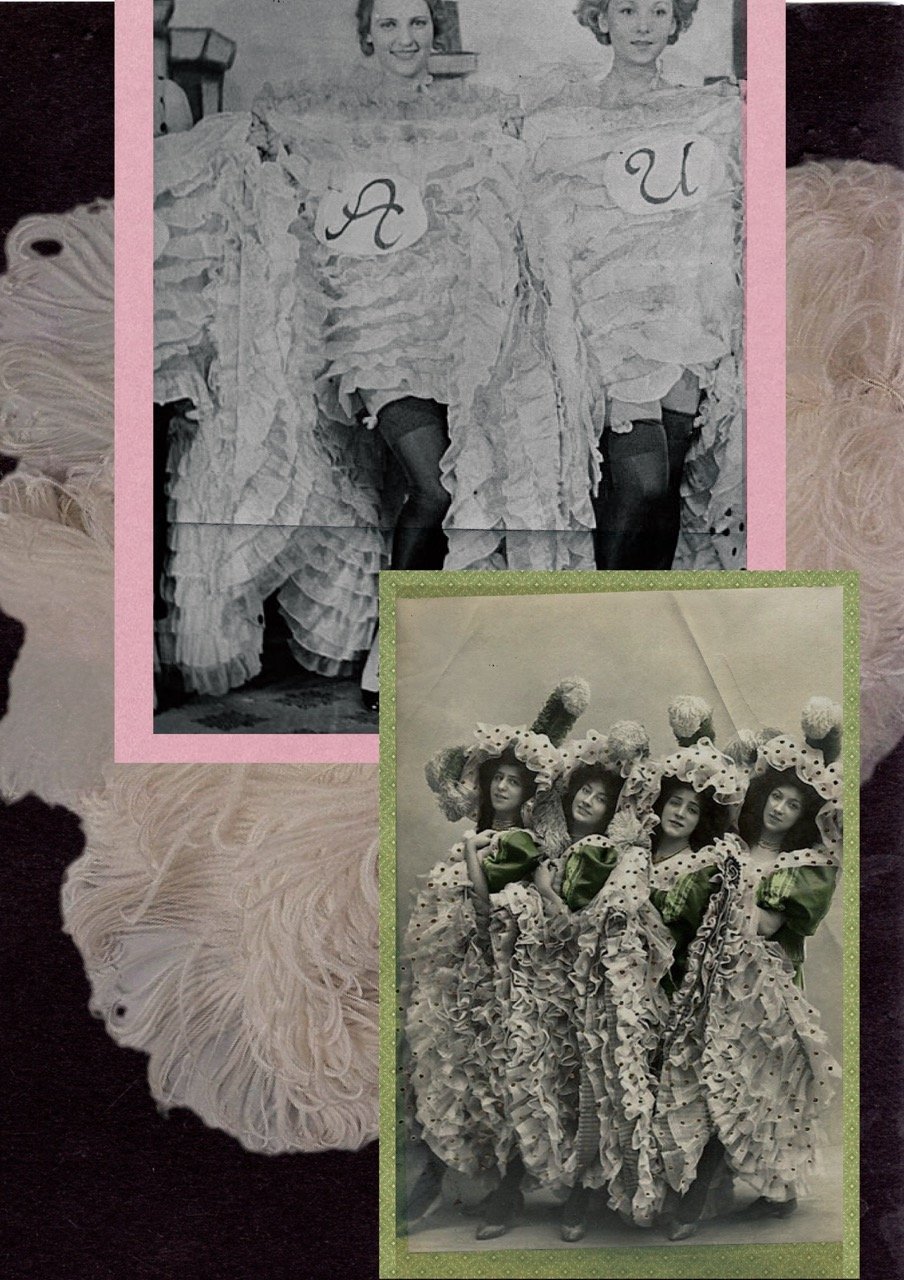
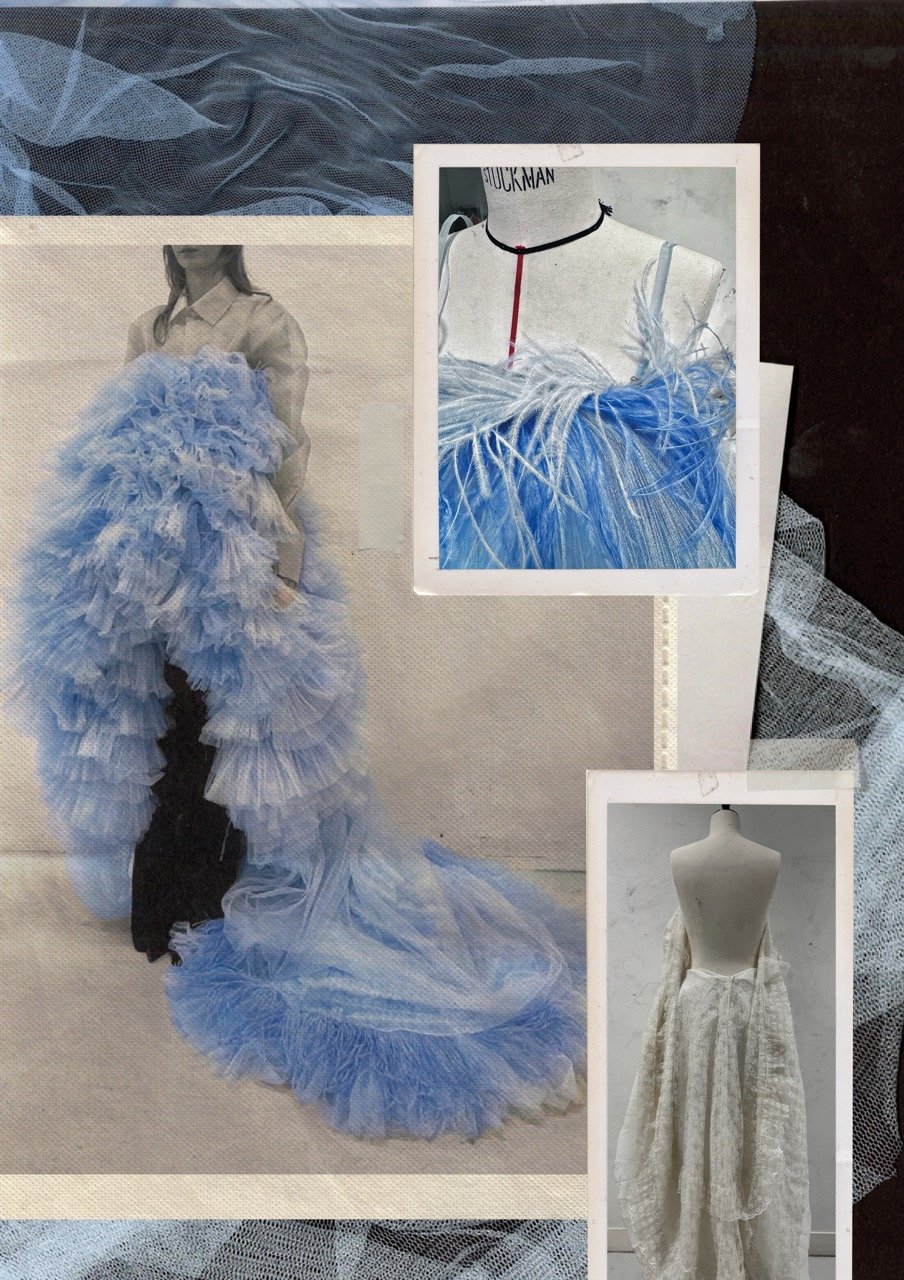
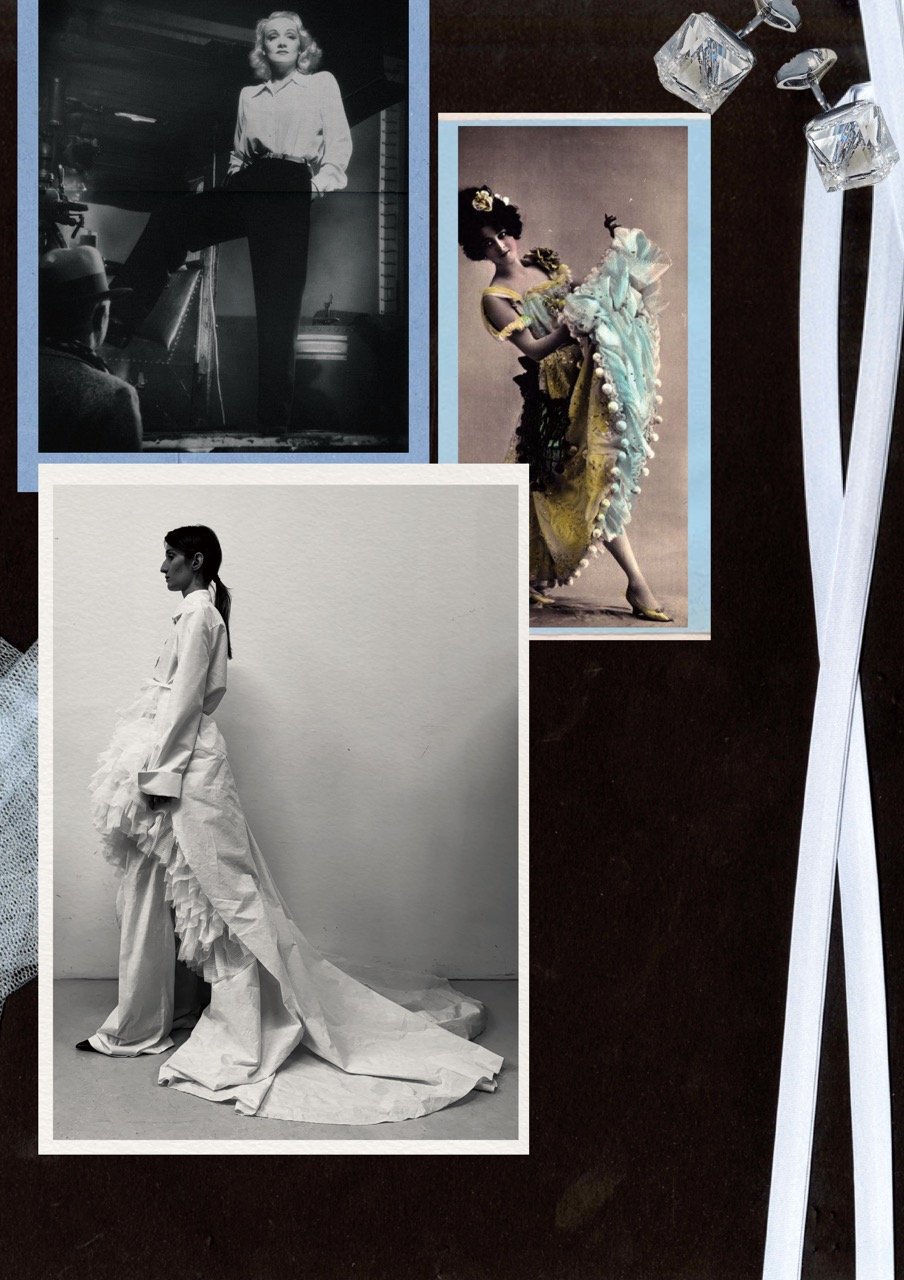
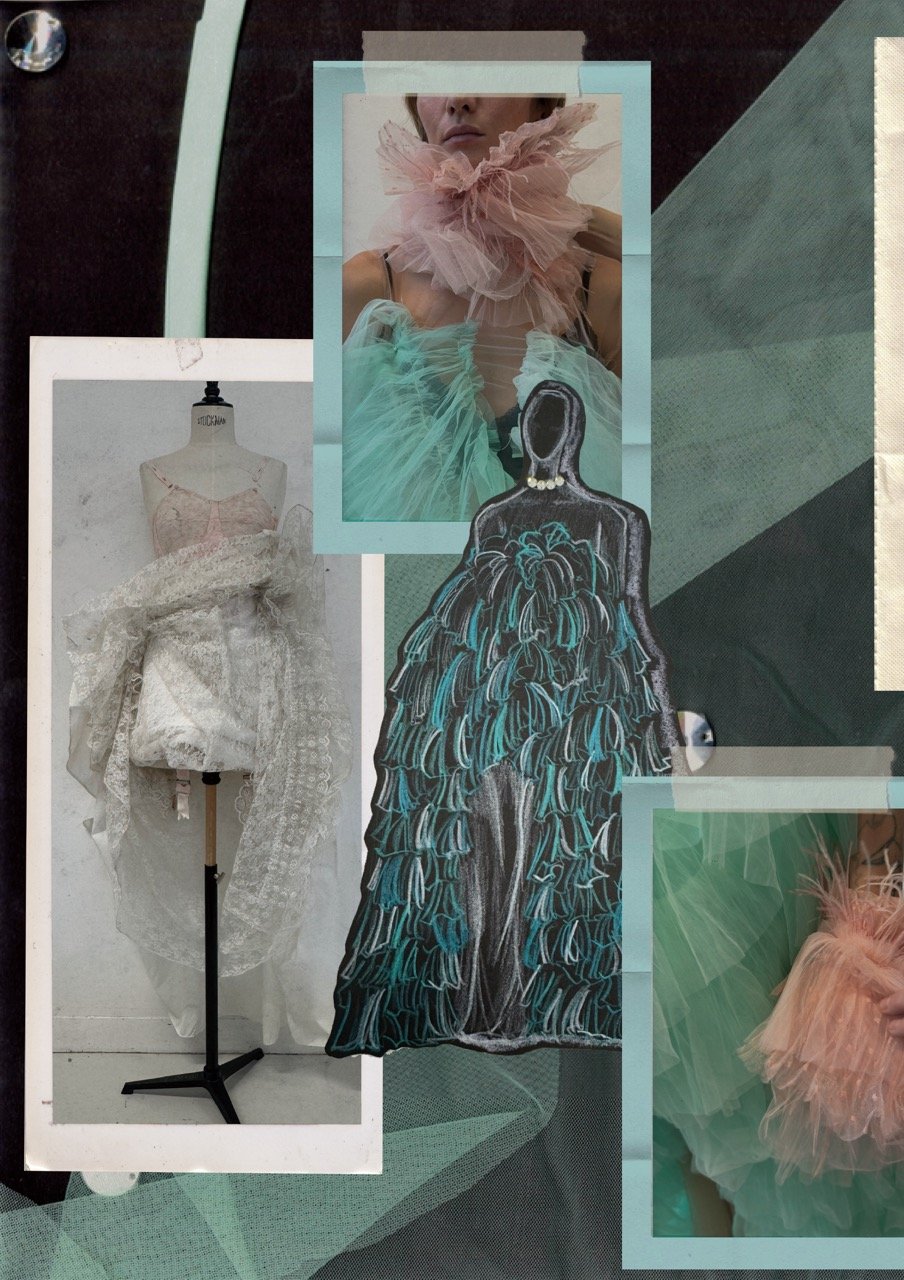
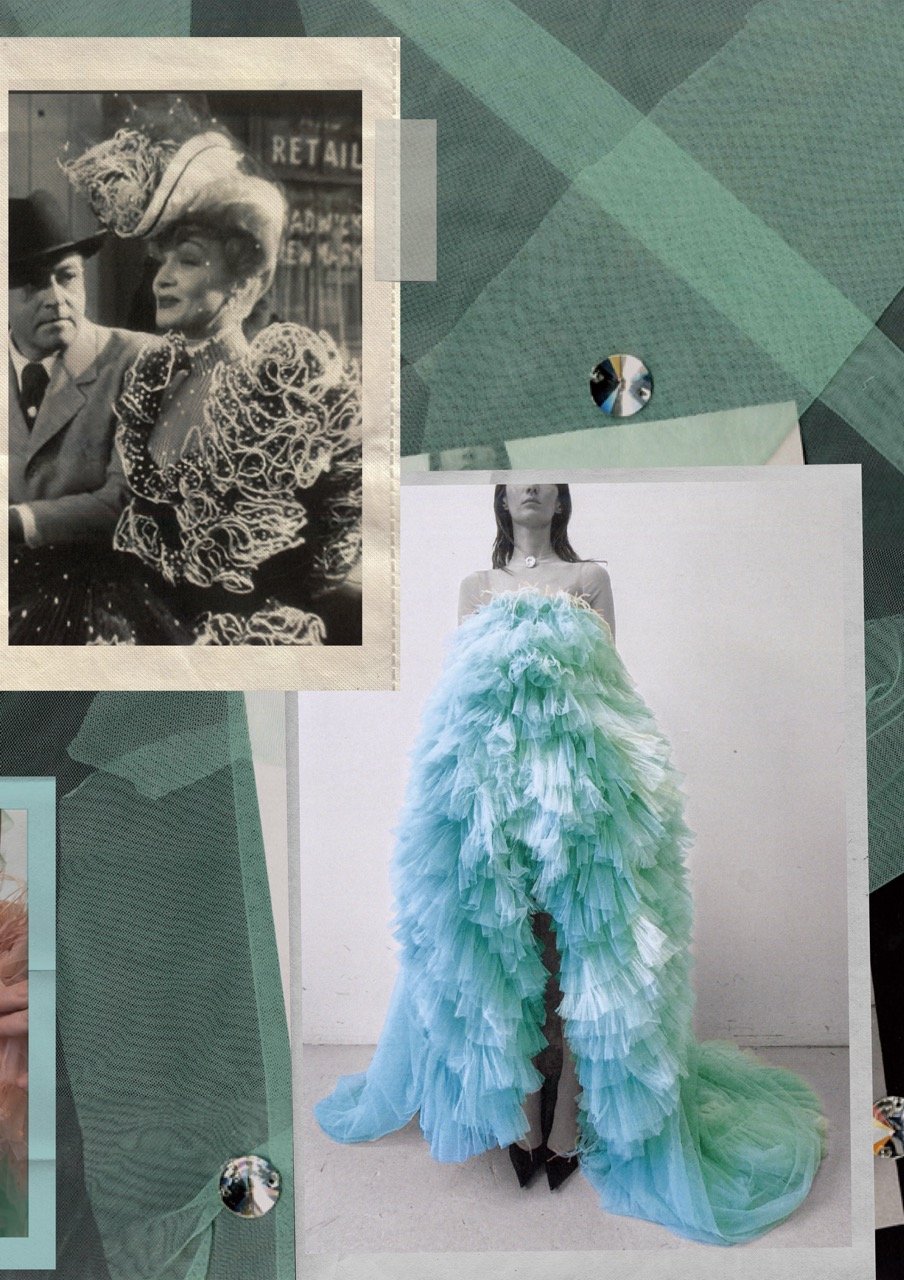
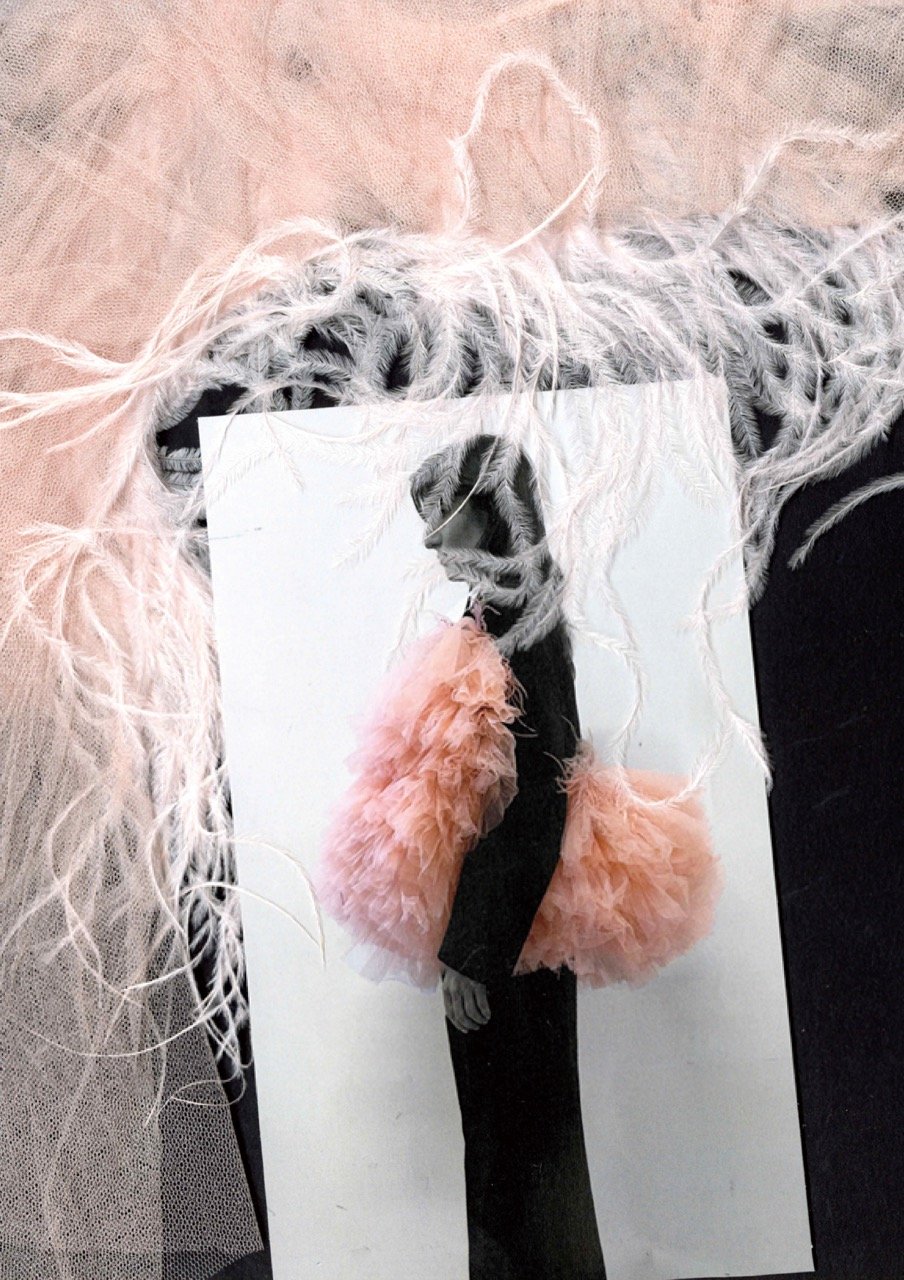
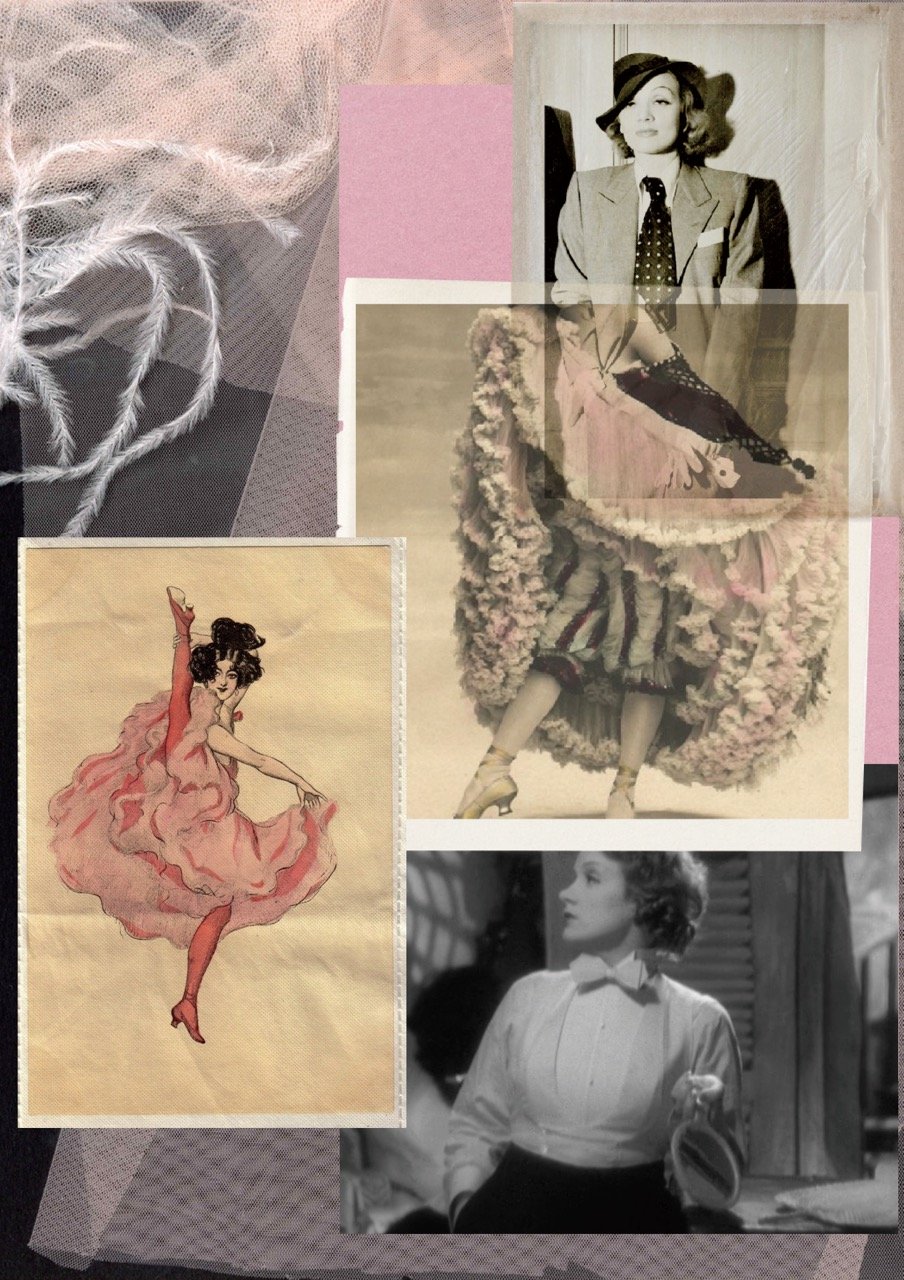
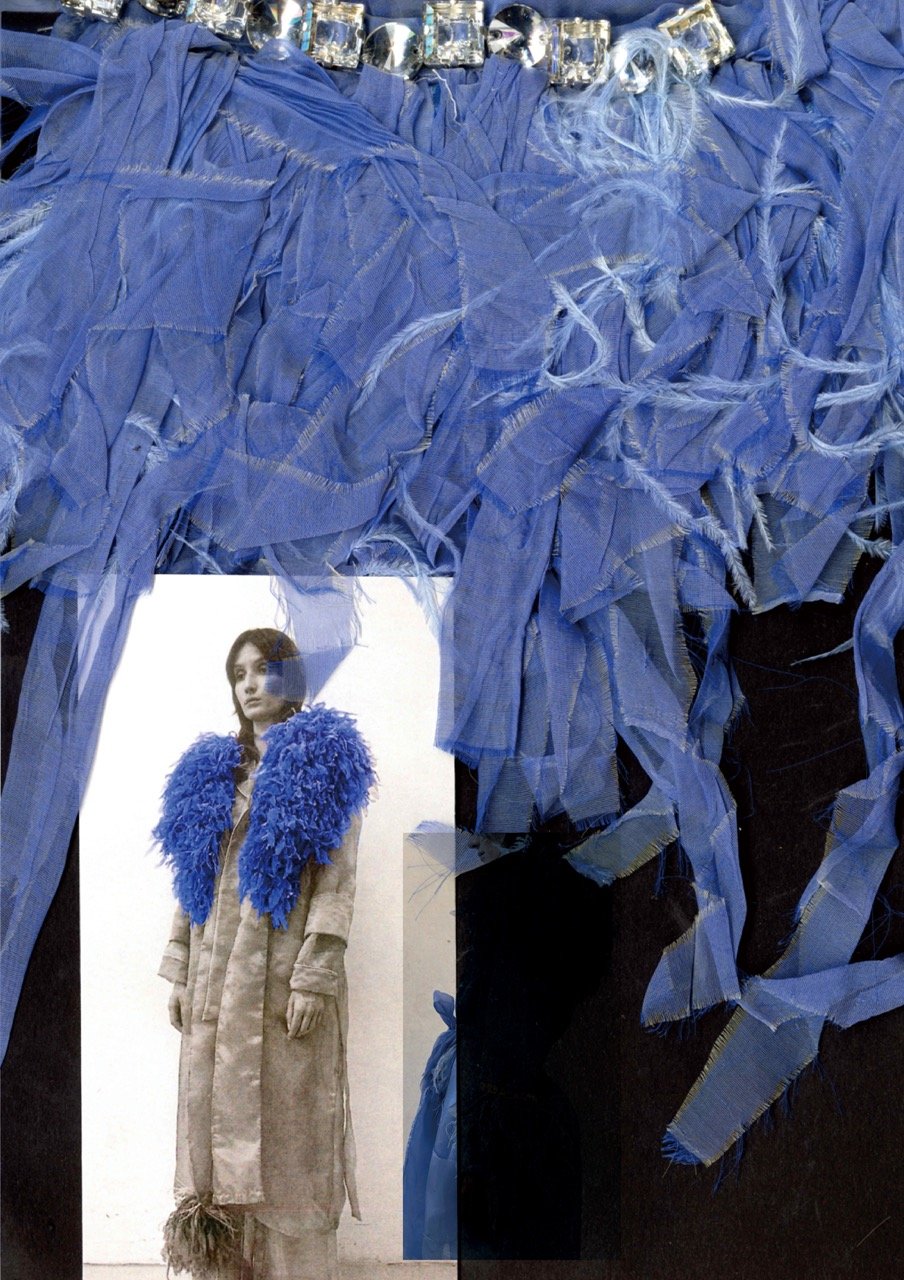
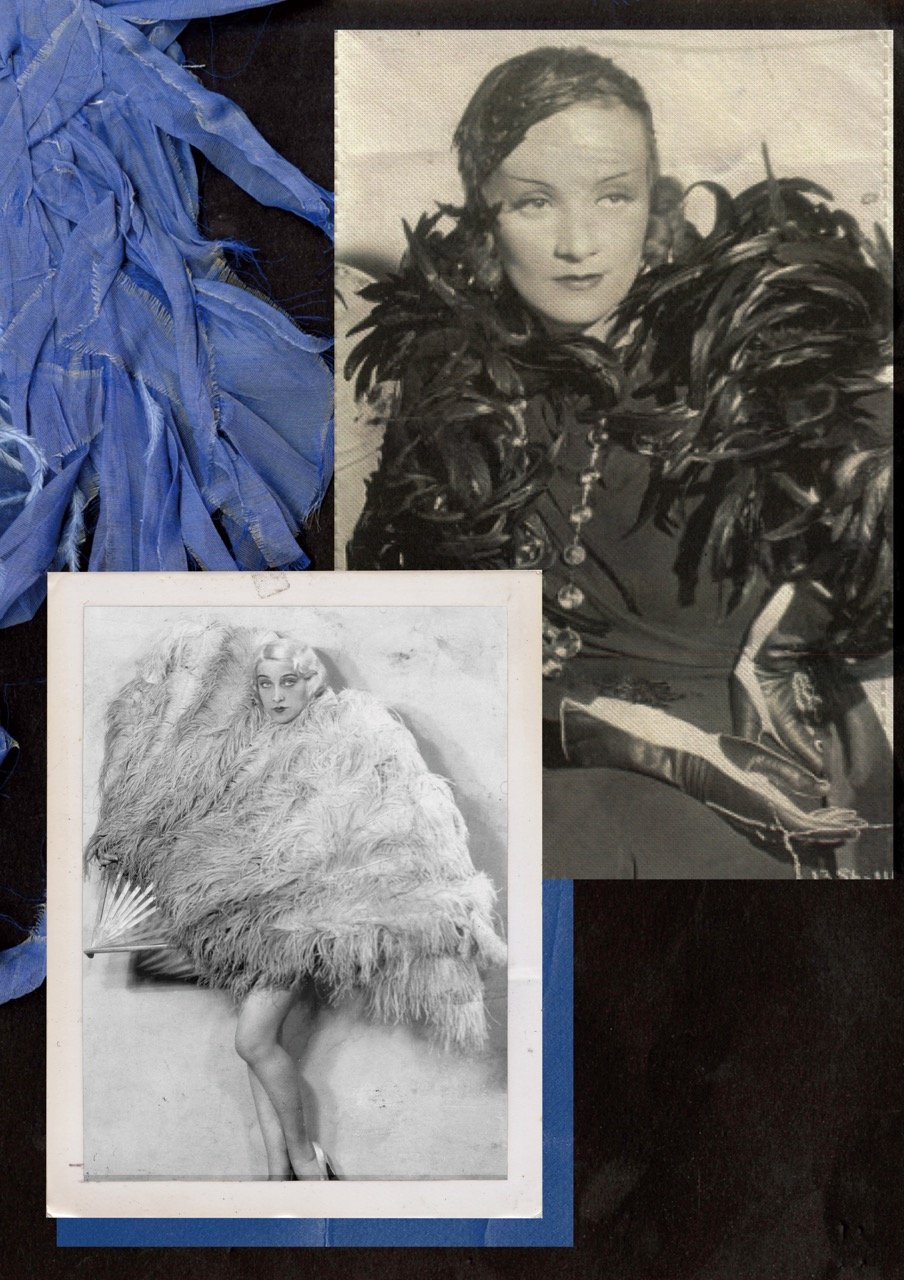
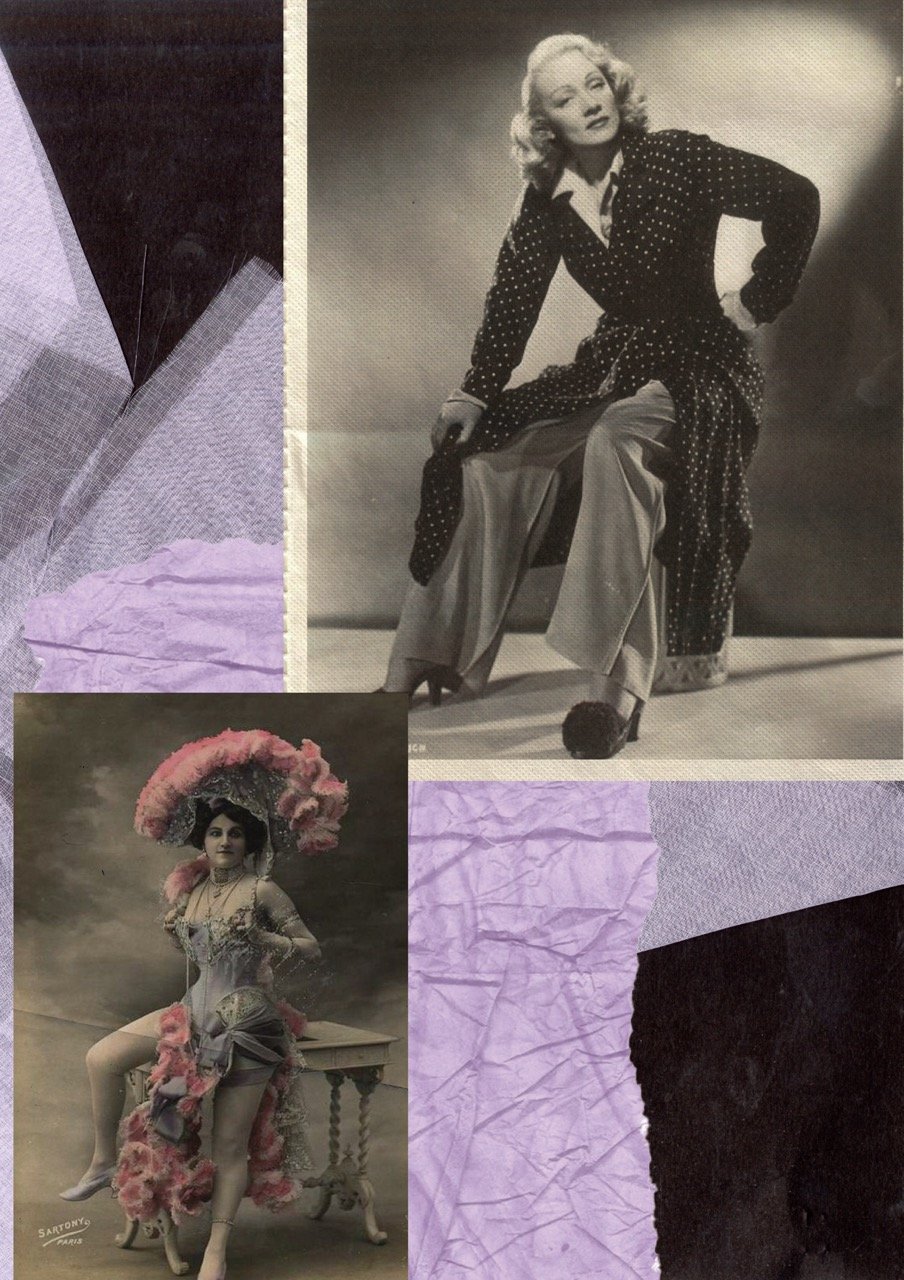
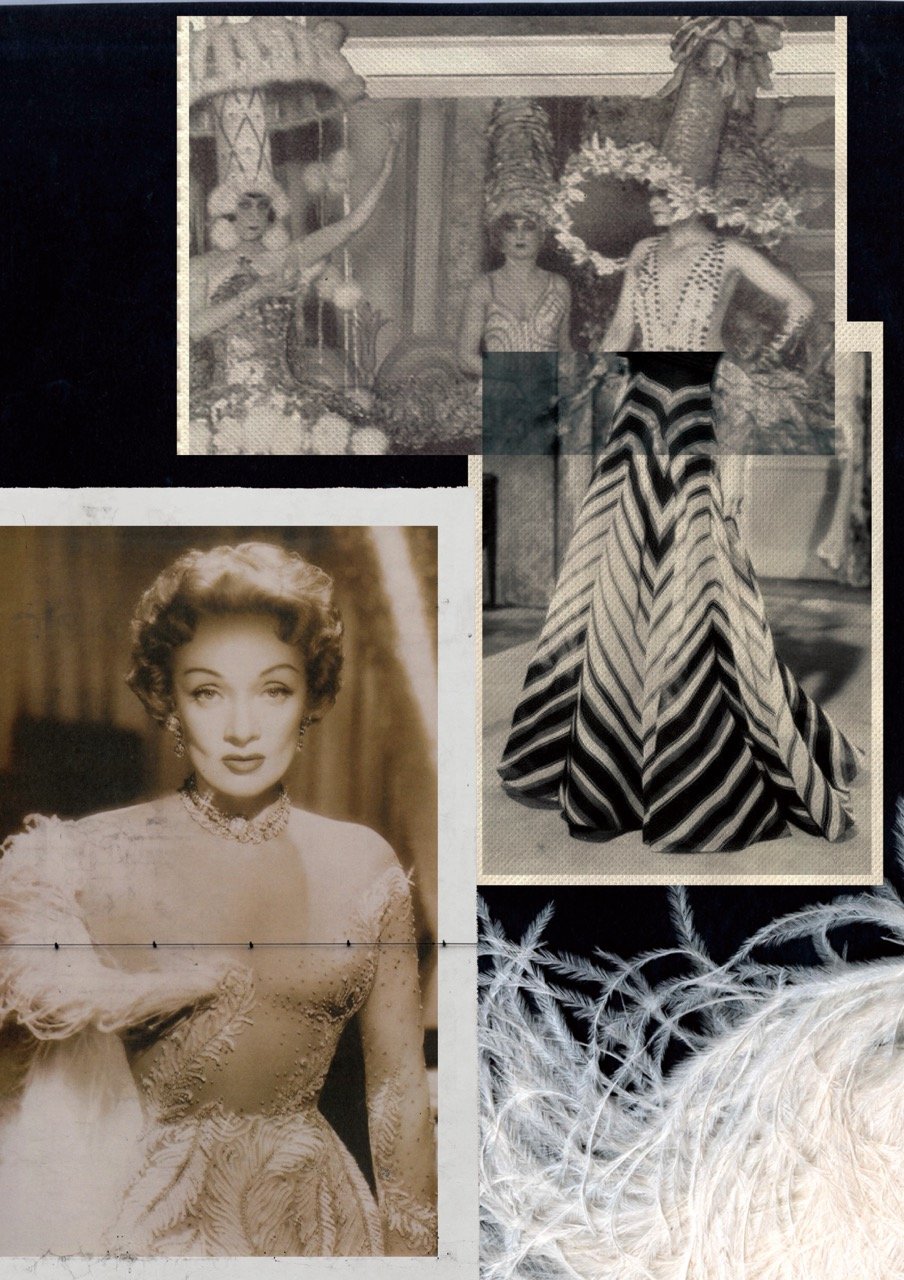
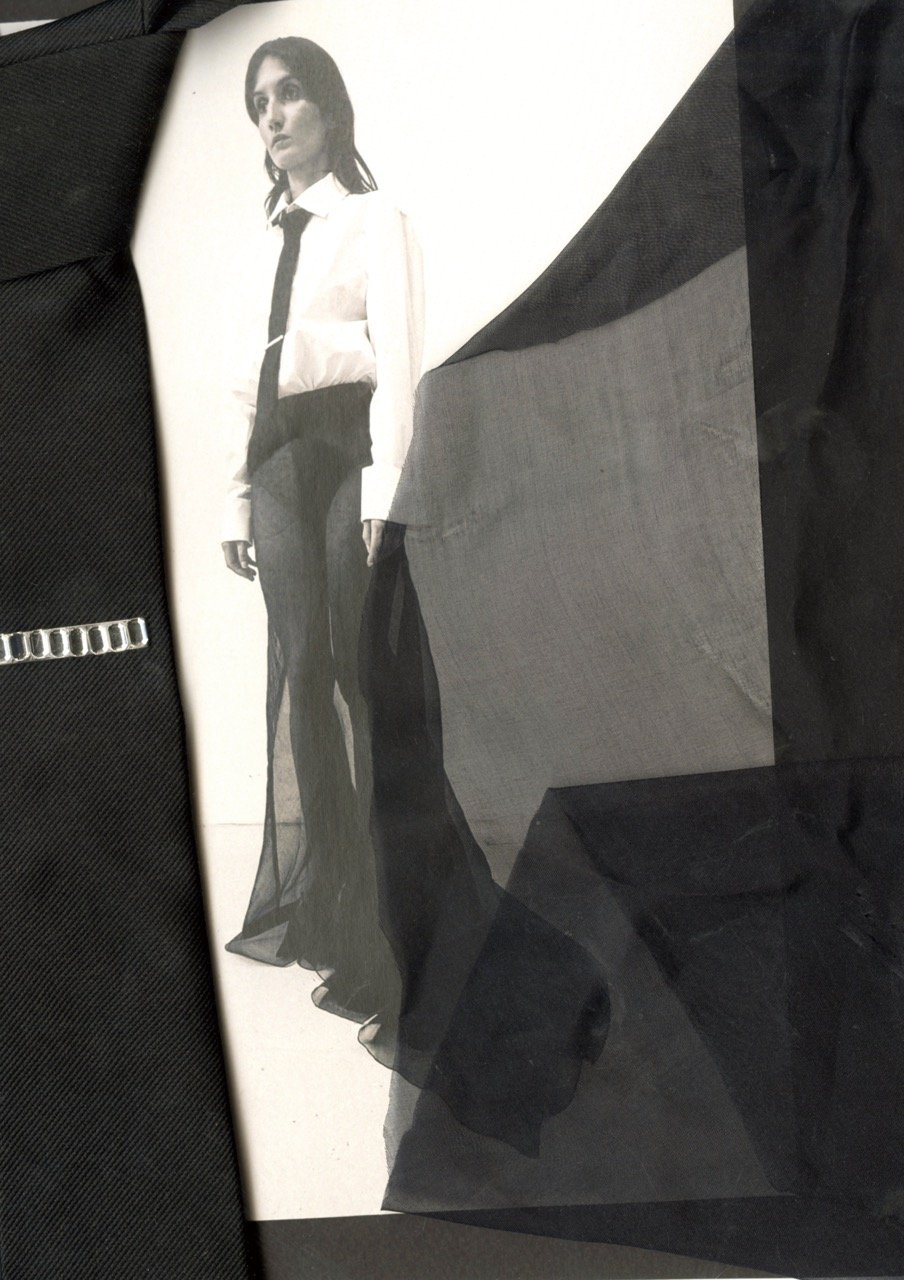
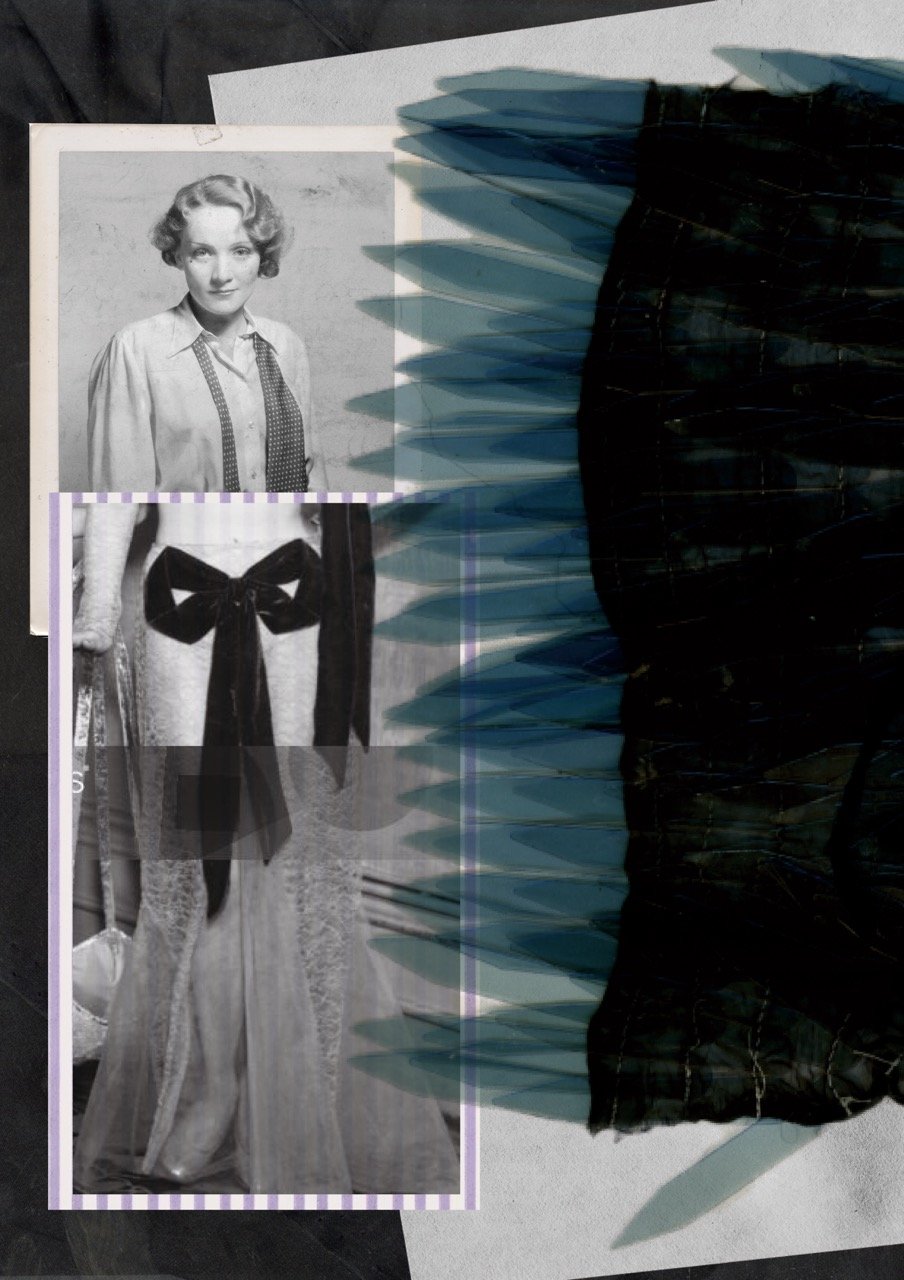
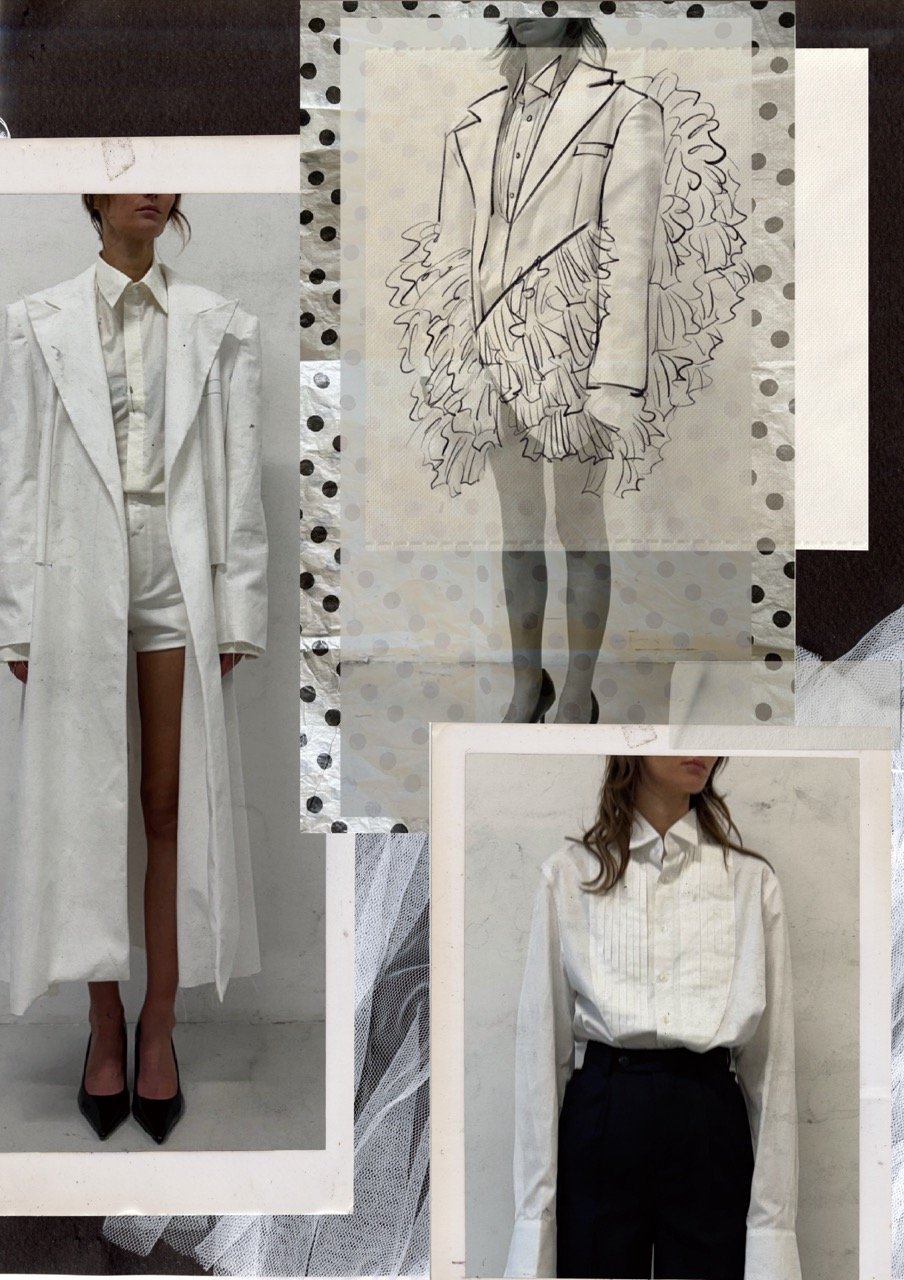
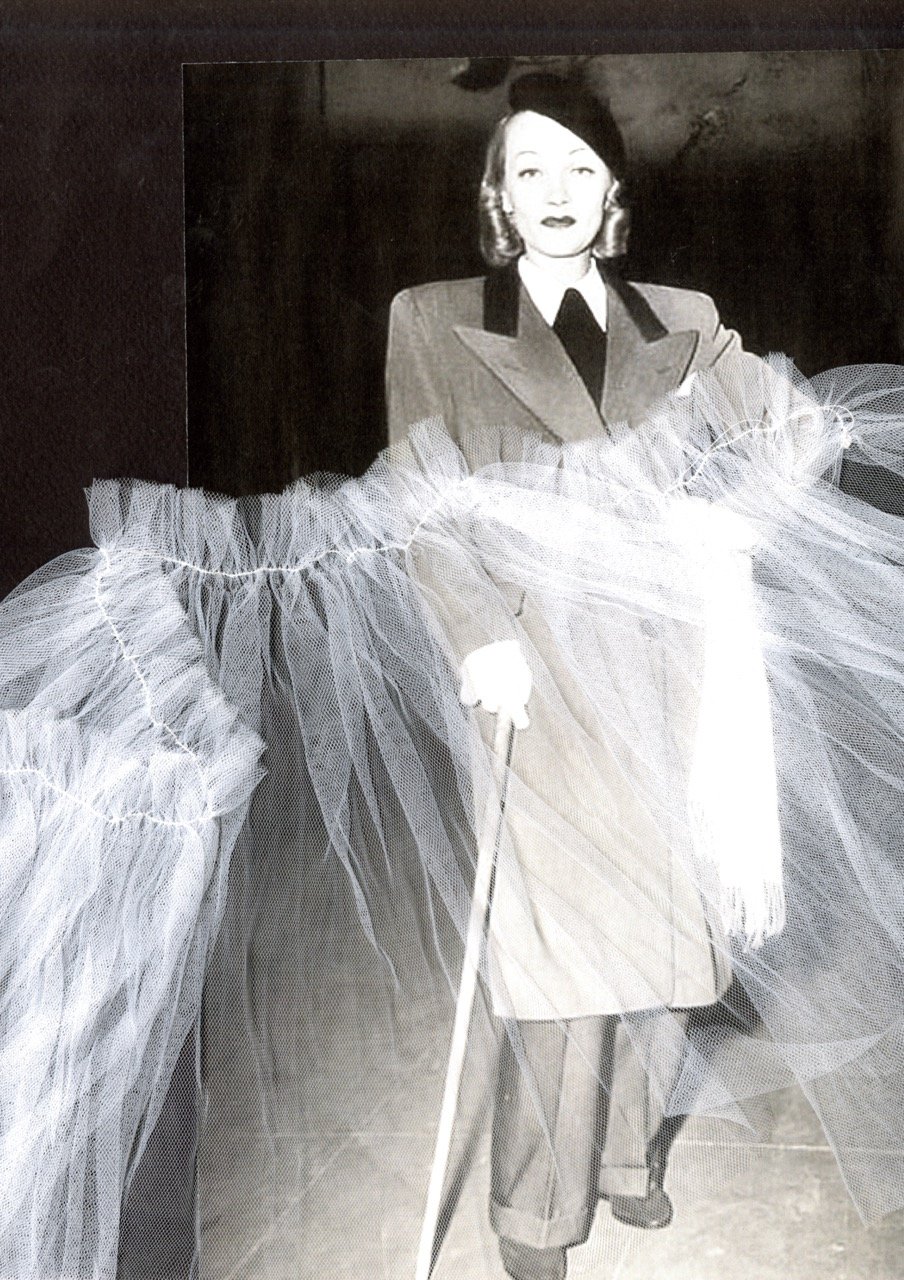
Xinyue Zhu’s collection is inspired by Marlene Dietrich and her balance of elegance, theatricality, masculinity, and glamour. Drawing on Dietrich’s visual language, the collection merges the discipline of menswear tailoring with the atmosphere of cabaret, exploring tension between structure and softness throughout the silhouettes. Traditional suiting fabrics are combined with tulle and fluid organza, while classic black-and-white tailoring contrasts with vivid tones of pink, blue, mint green, and purple. Zhu also reinterprets traditional menswear components into more experimental textile surfaces, creating garments that feel theatrical yet controlled. As she enters the industry, Zhu is most inspired by fashion’s ability to communicate identity, emotion, and individuality. She hopes to contribute to a future where fashion continues to encourage self-expression, confidence, and diversity.
@estelle__zxy